FIRCREST NURSING FACILITY
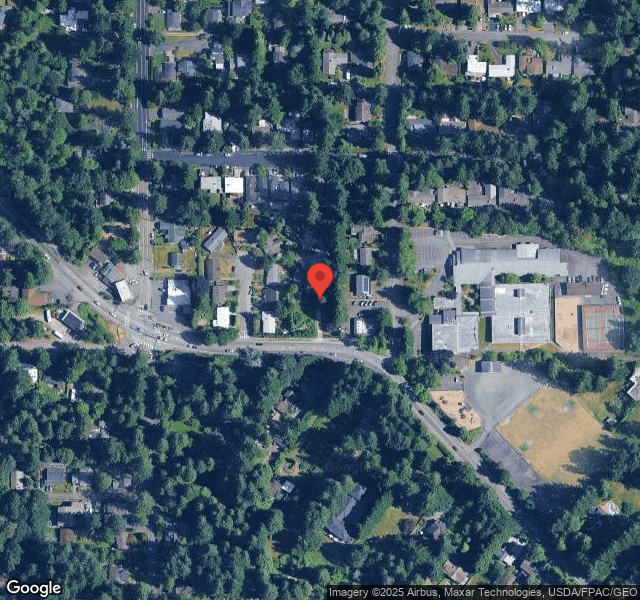

15230-15TH NORTHEAST, SEATTLE, WA 98155 (206) 361-3511
Government - State 110 Beds Independent Data: November 2025
Trust Grade
70/100
#65 of 190 in WA
Last Inspection: November 2024

Within standard 12-15 month inspection cycle. Federal law requires annual inspections.

Overview

Fircrest Nursing Facility in Seattle has a Trust Grade of B, indicating it is a good choice but not without some concerns. It ranks #65 out of 190 facilities in Washington, placing it in the top half of the state, and #13 out of 46 in King County, which means only 12 other local options are rated higher. Unfortunately, the facility is experiencing a worsening trend, with the number of issues increasing from 7 in 2023 to 16 in 2024. Staffing is a significant weakness, receiving a 0 out of 5 stars, indicating poor performance, though it has a commendable 0% turnover rate, which is well below the state average. On a positive note, the facility has no fines on record and offers good quality measures, but recent inspections revealed serious concerns, such as not properly posting staffing information and failing to develop comprehensive care plans for several residents, which could lead to unmet care needs.

Trust Score
B
70/100
In Washington
#65/190
Top 34%
Safety Record
Low Risk
No red flags
Inspections
Getting Worse
7 → 16 violations
Staff Stability
○ Average
Turnover data not reported for this facility.
Penalties
✓ Good
No fines on record. Clean compliance history, better than most Washington facilities.
Skilled Nurses
○ Average
RN staffing data not reported for this facility.
Violations
⚠ Watch
39 deficiencies on record. Higher than average. Multiple issues found across inspections.
★★★★☆
4.0
Overall Rating
☆☆☆☆☆
0.0
Staff Levels
★★★★★
5.0
Care Quality
★★★☆☆
3.0
Inspection Score
Stable
2023: 7 issues
2024: 16 issues

The Good

  • 5-Star Quality Measures · Strong clinical quality outcomes
  • Full Sprinkler Coverage · Fire safety systems throughout facility
  • No fines on record

Facility shows strength in quality measures, fire safety.

The Bad

No Significant Concerns Identified

This facility shows no red flags. Among Washington's 100 nursing homes, only 0% achieve this.

The Ugly 39 deficiencies on record

Nov 2024 16 deficiencies
CONCERN (D)

Potential for Harm - no one hurt, but risky conditions existed

Resident Rights (Tag F0550)

Could have caused harm · This affected 1 resident

Based on observation, interview, and record review, the facility failed to provide care and services in a manner that maintained and promoted dignity while assisting with a meal for 1 of 18 residents ...

Read full inspector narrative →
Based on observation, interview, and record review, the facility failed to provide care and services in a manner that maintained and promoted dignity while assisting with a meal for 1 of 18 residents (Resident 29), reviewed for dining observation. This failure placed the resident at risk for a diminished self-worth and over all wellbeing. Findings included . Review of Resident 29's quarterly minimum data set (an assessment tool) dated 10/03/2024, showed that the resident had moderately impaired cognition. Review of Resident 29's Activities of Daily Living (ADL) care plan, printed on 11/04/2024, directed staff to sit down at Resident 29's eye level when assisting with meals. Observation on 10/31/2024 at 12:04 PM, showed Resident 29 was seated upright in their wheelchair in the dining room with their lunch tray. Resident 29 was observed eating their lunch and dropped food. Further observation showed, Staff O, Attendant Counselor 1 assisted Resident 29 while standing over them. On 10/31/2024 at 12:33 PM, Staff O stated that Resident 29 was halfway through their lunch meal, and they started helping after observing them drop food. Staff O stated that they were not sitting next to Resident 29 while assisting them. Staff O stated that they were not supposed to assist while standing over the resident. Staff O further stated that the facility trained them to assist residents with meals while seated next to them. During an interview and joint record review of Resident 29's ADL care plan on 11/04/2024 at 2:00 PM, Staff P, Attendant Counselor Manager, stated that except for Resident 29, staff must sit when assisting residents with their meals. Staff P stated that Resident 29 used a high wheelchair, making it difficult for staff to sit at their eye level. Staff P stated that Resident 29's care plan specified that staff should not sit whey they assisted Resident 29 with meals. A joint record review of the ADL care plan showed that staff should sit down at Resident 29's eye level when they assist with their meals. Staff P stated the care plan should be updated. In another interview on 11/05/2024 at 1:12 PM, Staff P stated that staff were supposed to use highchairs when assisting Resident 29 with their meal. Staff P further stated that since the highchairs were broken and unavailable, staff could assist residents while standing. On 11/07/2024 at 10:19 AM, Staff B, Registered Nurse 4, stated that staff should be seated when assisting residents with their meals. Staff B stated that if a resident had a care plan for dining/eating, staff must follow it. Staff B stated that if there was a shortage of chairs, it should have been communicated. Staff B further stated, If necessary, an appropriate chair should be ordered and assisting Resident 29 while standing is not the correct approach. On 11/07/2024 at 11:45 AM, Staff A, Nursing Facility Program Area Team Director, stated that they expected the staff to be seated at eye level with Resident 29 when assisting their meal. Staff A further stated that Resident 29's care plan should have been followed. Reference: (WAC) 388-97-0180(2) .
CONCERN (D)

Potential for Harm - no one hurt, but risky conditions existed

Deficiency F0552 (Tag F0552)

Could have caused harm · This affected 1 resident

**NOTE- TERMS IN BRACKETS HAVE BEEN EDITED TO PROTECT CONFIDENTIALITY** RESIDENT 12 Review of the face sheet printed on 11/01/2024, showed Resident 12 admitted to the facility on [DATE] with diagnoses...

Read full inspector narrative →
**NOTE- TERMS IN BRACKETS HAVE BEEN EDITED TO PROTECT CONFIDENTIALITY** RESIDENT 12 Review of the face sheet printed on 11/01/2024, showed Resident 12 admitted to the facility on [DATE] with diagnoses that included athetoid cerebral palsy (a brain disorder that affects movement and includes involuntary muscle movements). Review of the physical supports to maintain client in an upright position care plan, printed on 11/01/2024, showed Resident 12 used a tilt in space manual wheelchair [a wheelchair that can reposition a person by tilting the chair in a way that lowers the seated person's head and raises their feet at the same time] .to provide back, trunk and upper leg support. Further review of the care plan showed Resident 12 used a padded seatbelt to stabilize the pelvis in the wheelchair and a padded shoulder harness to provide additional trunk support. Review of Resident 12's clinical record (electronic health record and paper chart) showed no documentation that Resident 12 or their representative were informed of the use of tilt in space wheelchair, shoulder harness or seatbelt. Observations on 11/01/2024 at 11:29 AM, on 11/05/2024 at 9:26 AM, and on 11/06/2024 at 9:29 AM, showed Resident 12 was sitting in their tilt in space wheelchair and wearing a seatbelt and shoulder harness. In an interview on 11/04/2024 at 1:08 PM, Staff G, RN 2, stated that there needed to be a physician's order, an assessment by occupational therapy, and a consent before a resident used a shoulder harness and a seatbelt. Staff G stated they were unsure if a consent was needed for a tilt in space wheelchair. In an interview and joint record review on 11/05/2024 at 11:27 AM, Staff DD, Occupational Therapist 3, stated that they do an evaluation prior to residents using a tilt in space wheelchair, shoulder harness, or a seatbelt. Staff DD stated they did not provide anything to the guardian that that they need to sign. Staff DD stated that risks and benefits were verbally discussed, but nothing officially signed. A joint record review of the Informed Consent policy showed that treatment and services requiring informed consent include .restraints used as .support devices that restrain voluntary or involuntary movement (such as wheelchair seatbelts, wheelchair trays, chest supports for maintaining upright positioning, etc.). In a follow up email at 2:48 PM, Staff DD, stated that based on how this policy is written and the specific examples included, then consent should have been obtained using the standardized form. A joint record review of the Informed Consent policy and interview on 11/07/2024 at 11:09 AM with Staff B, showed that treatment and services requiring informed consent include .restraints used as .support devices that restrain voluntary or involuntary movement (such as wheelchair seatbelts, wheelchair trays, chest supports for maintaining upright positioning, etc.). Staff B stated, I agree, there should be consent for those things [tilt in space wheelchair, seatbelt and shoulder harness]. Reference: (WAC) 388-97-0260(2) (a-d) (3)(c) Based on observation, interview, and record review, the facility failed to inform residents and/or their representatives of risks and benefits before application of a restraint for 2 of 5 residents (Residents 41 & 12), reviewed for physical restraint. This failure placed the residents and/or their representatives at risk for not being fully informed before making decisions regarding their health care, alternative treatment options, and the right to refuse care. Findings included . Review of the facility's policy titled, Informed Consent, revised on 10/15/2024, showed that informed consent means agreement to proceed with a particular treatment or service based upon certain components including the name, relationship to the client, and signature of the person giving informed consent signifying that they do or do not grant consent. The Interdisciplinary Team (IDT- a group of health care professionals with various areas of expertise who work together toward the goals of their residents) shall obtain appropriate informed consent from individuals with capacity to give informed consent before starting a program or service, medication, or medical treatment that presents a risk to residents' safety, where such risk is not considered to be insignificant. Informed consent is obtained when there is recommendation to infringe on the resident's right. When an individual cannot give informed consent, the IDT shall seek consent from the appointed guardian of the resident or the resident's legal representative. The policy further showed that restraints used as part of a positive behavior support program as well as support devices that restraint voluntary or involuntary movements (such as wheelchair seatbelts, wheelchair trays, chest support for maintaining upright positioning) are treatment and services that would require informed consent. RESIDENT 41 Review of the annual Minimum Data Set (an assessment tool) dated 10/03/2024 showed Resident 41 had severely impaired cognition and was on trunk restraint during this assessment period. Observations on 10/31/2024 at 9:03 AM, on 11/01/2024 at 9:49 AM and at 1:40 PM, on 11/04/2024 at 9:11 AM, and on 11/05/2024 at 11:54 AM, showed Resident 41 was sitting in their wheelchair with their wheelchair seatbelt applied around their waist. Review of Resident 41's informed consent for the use of wheelchair with seatbelt showed that the consent was signed by Resident 41's representative on 01/31/2023. Further review of the informed consent showed, This consent is valid for one year from the date of the written consent unless otherwise stated. During an interview and joint record review on 11/06/2024 at 10:39 AM, Staff M, Registered Nurse (RN) 2, stated that informed consent would be obtained before an implementation of a restraint. Joint record review of Resident 41's informed consent for the use of wheelchair with a seatbelt dated 01/31/2023 showed the consent was valid for one year from the date of the written consent unless otherwise stated. Staff M stated that the consent was valid for one year from the date it was obtained. On 11/06/2024 at 2:47 PM, Staff B, RN 4, stated that Resident 41's informed consent should have been updated annually.
CONCERN (D)

Potential for Harm - no one hurt, but risky conditions existed

Comprehensive Assessments (Tag F0636)

Could have caused harm · This affected 1 resident

Based on interview and record review, the facility failed to ensure annual Minimum Data Set (MDS-an assessment tool) was completed within 14 days from the Assessment Reference Date (ARD) for 1 of 22 r...

Read full inspector narrative →
Based on interview and record review, the facility failed to ensure annual Minimum Data Set (MDS-an assessment tool) was completed within 14 days from the Assessment Reference Date (ARD) for 1 of 22 residents (Resident 24), reviewed for comprehensive assessments. This failure placed the resident at risk for delayed and/or unmet care needs, and a diminished quality of life. Findings included . Review of the Resident Assessment Instrument (RAI) 3.0 User's Manual (a guide directing staff on how to accurately assess the status of residents), Version 1.19.1, revised in October 2024, showed that annual assessment is a comprehensive assessment for a resident that must be completed on an annual basis (at least every 366 days) and should be completed no later than 14 days from the ARD (ARD + [plus] 14 days). Review of the facility's policy titled, Roles and Responsibilities of Nursing Facility Interdisciplinary Team Members, with effective date of 01/23/2023, showed that the Heath Care Coordinator serves as the person designated for finalizing the MDS, ensure it was completed by the due date and responsible for the utilization and review of the MDS assessment tools. Review of Resident 24's annual MDS with an ARD of 01/25/2024, showed that it was completed on 02/14/2024 (six days late). In an interview and joint record review on 11/05/2024 at 2:41 PM with Staff E, Registered Nurse (RN) 2, stated that they followed the RAI manual for MDS completion. Staff E stated that the annual MDS was due 14 days from the ARD. Joint record review of Resident 24's annual MDS showed that it was completed on 02/14/2024. Staff E stated it was late and that it should have been completed within 14 days from the ARD. On 11/06/2024 at 1:32 PM, Staff B, RN 4, stated that the MDS completion should be timely and accurate. Reference: (WAC) 388-97-1000 (5)(a) .
CONCERN (D)

Potential for Harm - no one hurt, but risky conditions existed

Deficiency F0637 (Tag F0637)

Could have caused harm · This affected 1 resident

**NOTE- TERMS IN BRACKETS HAVE BEEN EDITED TO PROTECT CONFIDENTIALITY** Based on interview and record review, the facility failed to ensure a Significant Change in Status Assessment (SCSA) Minimum Dat...

Read full inspector narrative →
**NOTE- TERMS IN BRACKETS HAVE BEEN EDITED TO PROTECT CONFIDENTIALITY** Based on interview and record review, the facility failed to ensure a Significant Change in Status Assessment (SCSA) Minimum Data Set (MDS - an assessment tool) was completed for 1 of 2 residents (Resident 35), reviewed for SCSA. This failure placed the resident at risk for delayed care planning, unmet care needs, and a diminished quality of life. Findings included . Review of the Long-Term Care Resident Assessment Instrument (RAI) 3.0 User's Manual, (a guide directing staff on how to accurately assess the status of residents) Version 1.18.11, dated October 2023, showed that a SCSA is a comprehensive assessment for a resident that must be completed when determined that a resident meets the significant change guidelines for either major improvement or decline. The RAI manual showed a significant change is a major decline or improvement in a resident's status that impacts more than one area of the resident's health status. The RAI manual further showed emergence of unplanned weight loss problem (5% change in 30 days or 10% change in 180 days), a new pressure ulcer [or pressure injury] (bed sore) at Stage 2 or higher, a new unstageable (the stage is not clear due to the base of the wound is covered by a layer of dead tissue) pressure ulcer/injury, and a condition/disease in which a resident is judged to be unstable are areas of decline that required the completion of SCSA. The RAI manual defines the Stage 2 pressure ulcer as partial thickness loss of dermis presenting as a shallow open ulcer with a red-pink wound bed, without slough (dead tissue, yellow/white material in the wound bed) or bruising. Review of the annual MDS dated [DATE], showed Resident 35 had no significant weight loss or a condition or chronic disease that my result in a life expectancy of less than six months. Review of the clinical note dated 10/04/2024 showed Resident 35 had a pressure ulcer/injury to their left shoulder and right scapula (shoulder blade). Review of the provider's progress note dated 10/09/2024 showed that comfort focused treatment had been determined for Resident 35 as goal of care due to decline in condition. Review of the clinical note dated 10/09/2024 showed Resident 35 had unintentional [unplanned] significant weight loss of 6.8 pounds (6.1 percent) of their body weight in the last month. Review of the MDS look up page for Resident 35's Electronic Health Record (EHR) showed there was no SCSA MDS completed for Resident 35's multiple areas of decline. In an interview and joint record review on 11/05/2024 at 10:51 AM with Staff E, Registered Nurse (RN) 2, stated that Resident 35 had a significant weight loss and placed on comfort care since their recent readmission. Staff E stated Resident 35 had unstageable pressure ulcer/injury on their left shoulder and stage 2 pressure ulcer on their posterior (back side) right shoulder. Staff E further stated that an SCSA MDS would be completed when there had a change in activities of daily leaving, conditions, and weight loss. A joint record review of Resident 35's clinical note dated 10/09/2024 showed that Resident 35 had a significant weight loss and had been placed on comfort measure. A joint record review of Resident 35's EHR showed no SCSA MDS completed for the resident. Staff E stated, I'm not sure if significant change assessment needed for the resident. On 11/06/2024 at 2:35 PM, Staff B, RN 4, stated that an SCSA MDS assessment should have been completed for Resident 35 due to multiple areas of decline. Reference: (WAC) 388-97-1000 (3)(b) .
CONCERN (D)

Potential for Harm - no one hurt, but risky conditions existed

Deficiency F0688 (Tag F0688)

Could have caused harm · This affected 1 resident

**NOTE- TERMS IN BRACKETS HAVE BEEN EDITED TO PROTECT CONFIDENTIALITY** Based on observation, interview, and record review, the facility failed to ensure services were consistently provided to increas...

Read full inspector narrative →
**NOTE- TERMS IN BRACKETS HAVE BEEN EDITED TO PROTECT CONFIDENTIALITY** Based on observation, interview, and record review, the facility failed to ensure services were consistently provided to increase Range of Motion (ROM) and/or to prevent decrease in ROM for 2 of 5 residents (Residents 12 & 81), reviewed for restorative services. This failure placed the residents at risk for a decline in ROM, unmet care needs, and a diminished quality of life. Findings included . RESIDENT 12 Review of the quarterly Minimum Data Set (MDS-an assessment tool) dated 07/28/2024, showed Resident 12 had limited ROM to their upper and lower extremities on both sides. Review of the comprehensive care plan printed on 11/01/2024, showed an intervention that Resident 12 was on a right-hand soft splint/Therapy Aide program, which showed the application of right soft hand splints 5x[times]/week. Review of the facility's document titled, Therapy Aide Documentation for the month of October 2024, showed Resident 12 was on a therapy program to apply right hand soft splint .5x/week. It further showed the following documentations: -Week of 10/01/2024: 2 out of 5 days the program was not provided. -Week of 10/07/2024: 3 out of 5 days the program was not provided. -Week of 10/14/2024: 4 out of 5 days the program was not provided. -Week of 10/21/2024: 3 out of 5 days the program was not provided. -Week of 10/28/2024: 3 out of 5 days the program was not provided. Observations on 11/01/2024 at 11:29 AM, on 11/04/2024 at 12:47 PM, 11/05/2024 at 9:25 AM and on 11/06/2024 at 9:29 AM, showed Resident 12 did not have a splint on their right hand. In an interview and joint observation on 11/06/2024 at 9:45 AM, Staff V, Attendant Counselor (AC) 3, stated that Resident 12 wore splints and should be every day, haven't seen them on this week. Staff V stated that the Occupational Therapist (OT) or Physical Therapist (PT) were responsible for putting on Resident 12's splint. Staff V stated that therapy was very short staffed and if they're not available we should do it. A joint observation showed that Resident 12 was not wearing a splint on their right hand, and Staff V stated that they were supposed to. RESIDENT 81 Review of the annual MDS dated [DATE], showed Resident 81 had limited ROM on both sides of their upper and lower extremities. Review of the facility's document titled, Therapy Aide Documentation for the month of October 2024, showed Resident 81 was on a therapy program for B [bilateral-both sides] UE [upper extremity] PROM [Passive ROM-a type of ROM that is achieved by an outside force such as therapist] 3 times/week. It further showed the following documentations: -Week of 10/21/2024: 3 out of 5 days the program was not provided. -Week of 10/28/2024: 3 out of 4 days the program was not provided. Observations on 10/31/2024 at 9:24 AM, on 11/01/2024 at 9:16 AM, on 11/05/2024 at 9:30 AM, and on 11/06/2024 at 9:30 AM, showed Resident 81 in their wheelchair, arms crossed and hands in a fist. In an interview on 11/06/2024 at 9:31 AM, Staff HH, AC 1, stated I don't think [Resident 81] gets any OT, I haven't seen that. In an interview and joint record review on 11/06/2024 at 12:45 PM, Staff DD, OT 3, stated that the therapy aides were expected to carry out the therapy aide program and if there were no therapy aides then the OT or PT would cover. Staff DD stated that Resident 81 had limited ROM and was on a therapy aide program to prevent reduction in ROM and contracture [a permanent or temporary tightening of muscles, tendons, skin and nearby tissues that limits the normal movement of a joint or body part] management. Staff DD stated that Resident 12 was on a therapy aide program and wore a right-hand splint for contracture management. A joint record review of the Therapy Aide Documentation for the month of October 2024 for Resident 81 and Resident 12 showed that the therapy aide program was not provided consistently for Resident 81 and Resident 12. Staff DD stated the program was not carried out for Resident 81 and Resident 12. In an interview and joint record review on 11/07/2024 at 11:19 AM, Staff B, Registered Nurse 4, stated that they expected therapy aides to carry out the therapy aide program for residents. When asked what happened if the therapy aides or therapists were not available, Staff B stated, I would like the program to continue no matter what. A joint record review of the Therapy Aide Documentation for the month of October 2024 for Resident 81 and Resident 12 showed that the program was not provided for the above weeks. Staff B stated, the program was not being done, doesn't meet my expectation. Reference: (WAC) 388-97-1060 (3)(d) .
CONCERN (D)

Potential for Harm - no one hurt, but risky conditions existed

Accident Prevention (Tag F0689)

Could have caused harm · This affected 1 resident

Based on observation, interview, and record review, the facility failed to ensure medical supplies used for medication administration were stored properly for 2 of 3 medication rooms (Cherry and Hicko...

Read full inspector narrative →
Based on observation, interview, and record review, the facility failed to ensure medical supplies used for medication administration were stored properly for 2 of 3 medication rooms (Cherry and Hickory Buildings), reviewed for accident hazards. This failure placed the residents at risk for ingestion or exposure to cleaning chemicals and potential negative outcomes. Findings included . Review of the facility's policy titled, Globally Harmonized System for Hazard Communication Written Hazard Communication Program, revised on 10/01/2024, showed that The Chemical Hazard Communication compliance program establishes systems to mitigate the risks of and properly handle hazardous chemicals and drugs by ensuring that employees know the hazards and identifies the chemicals and drugs with which they work. CHERRY BUILDING MEDICATION ROOM Joint observation and interview on 11/04/2024 at 11:12 AM with Staff L, Registered Nurse (RN) 2, showed an open box of tongue depressors [popsicle sticks used for mixing medications], an open box of plastic pill cups [shallow cups used to hold medications in a pill crusher device], a spray canister of Lysol [a brand of cleaning and disinfecting products], and a portable heater, stored under the hand washing sink, located in the medication room. Staff L stated that the tongue depressors and plastic pill cups should not have been stored under the sink with the Lysol spray. Staff L further stated that supplies used for medication administration [tongue depressors and plastic pill cups] should have been stored in the nurse supply room instead. HICKORY BUILDING MEDICATION ROOM Joint observation and interview on 11/05/2024 at 10:14 AM with Staff D, Licensed Practical Nurse 2, showed an open box of plastic spoons, a box of plastic pill cups, and a Clorox [a brand of cleaning and disinfecting products] spray bottle, stored together under the hand washing sink, located in the medication room. Staff D stated that supplies used to administer medications [plastic spoons and plastic pill cups] should be in the medical supply room because they can't be together [with chemicals]. In an interview on 11/05/2024 at 10:32 AM with Staff E, RN 2, stated they did not expect medication administration supplies to be stored with chemicals. Staff E further stated, there should be nothing under the sink. In an interview on 11/06/2024 at 11:05 AM with Staff C, RN 3, stated that they would not expect medication administration supplies would be stored with chemicals. Staff C further stated that there was the potential to expose residents to toxic chemicals when supplies used to administer medications and chemicals materials were stored together. On 11/06/2024 at 1:03 PM, Staff B, RN 4, stated they expected supplies used for medication administration to be stored in wall cabinets above the hand washing sink located in the medication rooms. Staff B stated they would not expect supplies used for medication administration to be stored with chemical cleaning supplies. Staff B further stated that there is the potential to expose residents to toxic chemicals when supplies for medication administration were stored with chemicals and that they wouldn't want them together. Reference: (WAC) 388-97-1060(3)(g) .
CONCERN (D)

Potential for Harm - no one hurt, but risky conditions existed

Tube Feeding (Tag F0693)

Could have caused harm · This affected 1 resident

Based on observation, interview, and record review, the facility failed to ensure appropriate treatment and services related to gastrostomy tube (G-tube - a medical device used to provide nutrients th...

Read full inspector narrative →
Based on observation, interview, and record review, the facility failed to ensure appropriate treatment and services related to gastrostomy tube (G-tube - a medical device used to provide nutrients through a tube directly into the stomach) were followed for 1 of 3 residents (Resident 9), reviewed for tube feeding management. The failure to check for G-tube placement by visual inspection of aspirated stomach content prior to medication administration placed the resident at risk for medical complications and negative health outcomes. Findings included . Review of the facility's policy titled, Enteral Feeding [method of providing nutrition directly into the stomach when a person is unable to eat by mouth] Administration and Hang Time using Open/Close System via Gravity and Pump, revised in March 2024, showed that when staff accessed the feeding tube, they should check enteral tube for correct placement by aspiration [using a syringe to gently draw back on the G-tube to see if any gastric contents (fluid or air) can be aspirated]. Review of Resident 9's face sheet printed on 11/05/2024, showed a diagnosis of gastrostomy status [a medical device inserted through the abdomen directly into the stomach to provide nutrition and medication to persons who cannot eat or swallow normally]. Review of Resident 9's tube feeding care plan, printed on 11/05/2024, showed an intervention for staff to check for G-tube placement by aspiration prior to start of each water flush and medication administration. A joint observation and an interview on 11/04/2024 at 12:20 PM, showed Staff Q, Licensed Practical Nurse 2, dissolved crushed medications into a cup of water. Staff Q then inserted a syringe in Resident 9's G-tube port and removed the plunger from the syringe. Staff Q then poured water into the syringe and held the syringe above Resident 9's abdomen that allowed water to flush through Resident 9's G-tube. Staff Q did not check the G-tube placement by aspiration prior to flushing Resident 9's G-tube with water. Further observation showed Staff Q attempted to pour a cup of dissolved medication in water, into Resident 9's G-tube. When asked if they checked for Resident 9's G-tube placement by aspiration before flushing and attempting to administer medications through their G-tube, Staff Q stated, I did not, I will do it now. In an interview on 11/04/2024 at 1:13 PM, Staff H, Registered Nurse (RN)2, stated that they expected nurses to aspirate to check for placement of a G-tube before giving water flushes and medications. In an interview on 11/06/2024 at 1:03 PM, Staff B, RN4, stated that they expected nurses to aspirate to check for placement of G-tubes before administering water flushes and medications. Reference: (WAC) 388-97-1060 (3)(f) .
CONCERN (D)

Potential for Harm - no one hurt, but risky conditions existed

Respiratory Care (Tag F0695)

Could have caused harm · This affected 1 resident

**NOTE- TERMS IN BRACKETS HAVE BEEN EDITED TO PROTECT CONFIDENTIALITY** Based on observation, interview, and record review, the facility failed to ensure oxygen tubing were labeled and/or appropriatel...

Read full inspector narrative →
**NOTE- TERMS IN BRACKETS HAVE BEEN EDITED TO PROTECT CONFIDENTIALITY** Based on observation, interview, and record review, the facility failed to ensure oxygen tubing were labeled and/or appropriately stored for 2 of 4 residents (Residents 4 & 80), reviewed for respiratory care. This failure placed the residents at risk for unmet care needs and potential negative outcomes. Findings included . Review of the facility's policy titled, Oxygen Administration and Safety Guidelines, revised in September 2023, showed, Change oxygen administration accessories (mask, tubing, humidifier [a device that adds moisture to the air], and concentrator filter) weekly and PRN [as needed]. The tubing's and the humidifier are dated. RESIDENT 4 Review of Resident 4's physician's order, dated 05/28/2024, showed an order for oxygen at two liters (a unit of measurement)/minute (flow rate of oxygen being delivered to a resident through a device like a nasal cannula [lightweight tube that splits into two prongs at one end and is inserted in the nostrils to deliver oxygen]) via nasal cannula with humidification. Observation on 11/01/2024 at 9:30 AM, showed Resident 4's nasal canula tubing was on the floor beside the oxygen concentrator. In a joint observation and interview on 11/01/2024 at 9:32 AM with Staff K, Attendant Counselor 2, showed Resident 4's nasal canula tubing was on the floor and that the nasal prongs were directly touching the floor. Staff K stated the nasal canula tubing should not be on the floor and that it should have been placed inside the Ziplock (brand of resealable plastic bag) adhered to Resident 4's oxygen concentrator for storage. In an Interview on 11/01/2024 at 9:40 AM, Staff J, Registered Nurse (RN) 2, stated that they expected oxygen supplies were kept clean and stored in a Ziplock when not in use by a resident. In an interview on 11/01/2024 at 10:04 AM, Staff I, RN 2, stated they expected oxygen supplies to be stored in a clean Ziplock and that [staff] can't use it [nasal canula tubing] once it has touched the floor. On 11/06/2024 at 1:03 PM, Staff B, RN 4, stated they expected oxygen therapy supplies to be stored in a baggy, usually adhered to the concentrator. Staff B further stated that they expected Resident 4's nasal canula tubing to have been disposed of immediately and replaced. RESIDENT 80 Review of the face sheet printed on 10/06/2024, showed Resident 80 admitted on [DATE] with diagnoses that included chronic obstructive pulmonary disease (a condition that blocks air flow and make it difficult to breathe). Review of the significant change in status assessment Minimum Data Set (an assessment tool) dated 04/29/2024, showed Resident 80 used oxygen therapy while a resident. Review of Resident 80's October 2024 treatment administration record showed the following orders: - Oxygen at two liters per minute via nasal cannula with humidification, dated 10/30/2024. - Change oxygen tubing and humidifier bottle weekly on Tuesdays, dated 05/29/2024. Observations on 10/30/2024 at 10:18 AM, on 10/31/2024 at 9:09 AM, and on 11/01/2024 at 2:07 PM, showed Resident 80 received oxygen via an undated nasal cannula tubing. In an interview and joint observation on 11/01/2024 at 2:18 PM, Staff F, Licensed Practical Nurse 2, stated that they changed the nasal cannula tubing and humidifier bottle weekly and dated it. Joint observation showed Resident 80's nasal cannula tubing was undated. Staff F stated that it was not dated and should have been. In an interview on 11/04/2024 at 2:23 PM, Staff E, RN 2, stated that the nasal cannula tubing had to be changed weekly and that it had to be dated. Staff E further stated that Resident 80's nasal cannula tubing should have been dated. On 11/06/2024 at 1:32 PM, Staff B stated that Resident 80's nasal cannula tubing should have been dated. Reference: (WAC) 388-97-1060(3)(j)(vi) .
CONCERN (D)

Potential for Harm - no one hurt, but risky conditions existed

Medical Records (Tag F0842)

Could have caused harm · This affected 1 resident

Based on observation, interview, and record review, the facility failed to ensure clinical records were complete and accurate for 1 of 3 residents (Resident 18), reviewed for resident medical records....

Read full inspector narrative →
Based on observation, interview, and record review, the facility failed to ensure clinical records were complete and accurate for 1 of 3 residents (Resident 18), reviewed for resident medical records. This failure placed the resident at risk for unmet care needs and medical complications. Findings included . Review of the facility's policy titled, Supporting End of Life Decisions in Residential Habilitation Centers, dated 06/15/2018, showed a definition for Physician Orders for Life-Sustaining Treatment (POLST) that meant a portable medical order form that allows a person with a serious illness or frailty to summarize their wishes regarding life-sustaining treatment. It further showed that all direct care staff who work with the client must be shown the POLST and trained to implement it. Review of Resident 18's hard chart showed a POLST form dated 05/14/2024 showed Resident 18's code status (instructions to their medical team about what to do if they have no pulse and was not breathing) was Do Not Attempt Resuscitation (DNAR). Review of Resident 18's Electronic Health Record (EHR) under the Advance Directives tab, showed that Resident 18 was full code [means that all medical measures will be taken to resuscitate and maintain life]. In an interview and joint record review on 11/01/2024 at 9:23 AM, Staff BB, Attendant Counselor 2, stated they knew what code status a resident was by looking either in the computer or in the communication log. Staff BB stated that this information should match. In a joint record review of the 24-hour communication log, showed no documentation of Resident 18's code status. Staff BB stated I can't find it for [Resident 18]. In an interview and joint record review on 11/01/2024 at 9:37 AM, Staff CC, Licensed Practical Nurse 2, stated that they would look in the paper medication administration record or the EHR to find a resident's code status. Staff CC stated they could not find the code status for Resident 18 in those places. A joint record review of Resident 18's hard chart showed that Resident 18 had a POLST, and their code status was DNAR. Further joint record review of Resident 18's EHR, Staff CC stated they could not find Resident 18's code status. Staff CC further stated that it should have shown Resident 18's DNAR code status. In an interview and joint record review on 11/01/2024 at 11:33 AM, Staff I, Registered Nurse (RN) 2, stated that they expected staff to look for a resident's code status in the 24-hour communication log or in the EHR and that they should match. A joint record review of Resident 18's hard chart, showed that Resident 18 had a POLST signed on 05/14/2024 and was DNAR. Staff I stated they would confirm with the EHR. In a joint record review of Resident 18's EHR, showed under the advance directive tab that Resident 18 was full code. Staff I stated that these two records should absolutely match and that they did not. In an interview on 11/07/2024 at 10:45 AM, Staff B, RN 4, stated that they absolutely expected the POLST form to match the code status in the EHR. Reference: (WAC) 388-97-1720 (1)(a) (i-iv) .
CONCERN (D)

Potential for Harm - no one hurt, but risky conditions existed

Deficiency F0883 (Tag F0883)

Could have caused harm · This affected 1 resident

**NOTE- TERMS IN BRACKETS HAVE BEEN EDITED TO PROTECT CONFIDENTIALITY** Based on interview and record review, the facility failed to ensure the pneumococcal vaccine (used to prevent pneumonia [a lung ...

Read full inspector narrative →
**NOTE- TERMS IN BRACKETS HAVE BEEN EDITED TO PROTECT CONFIDENTIALITY** Based on interview and record review, the facility failed to ensure the pneumococcal vaccine (used to prevent pneumonia [a lung infection]) was offered for 1 of 5 residents (Resident 80) reviewed for immunizations and infection control. This failure placed residents at risk of acquiring, transmitting, and/or experiencing potentially avoidable complications from pneumococcal and disease. Findings included . Review of the facility's policy titled, Immunizations for Clients, reviewed in May 2023, showed that clients will be provided immunizations per the standardized recommendations of the local health department, CDC [Centers for Disease Control and Prevention] and Advisory Committee on Immunization Practices (ACIP). Review of the CDC online document for Pneumococcal Vaccine for Adults Aged (greater than or equal to) 19 Years: Recommendations of the Advisory Committee on Immunization Practices (ACIP), United States, 2023, dated 09/08/2023, showed In 2021, two new pneumococcal conjugate vaccines, . (PCV15 [vaccine that protects against 15 types of bacteria that cause pneumonia)] and PCV20 [vaccine that protects against 20 types of bacteria that cause pneumonia]), were licensed for use in U.S. adults aged [greater than or equal to] 18 years by the Food and Drug Administration. It showed that ACIP recommendations specify the use of either PCV20 alone or PCV15 in series with PPSV23 [vaccine that protects against 23 types of bacteria that cause pneumonia] for all adults aged [greater than or equal to] 65 years and for adults aged 19-64 years with certain underlying medical conditions or other risk factors who have not received a PCV or whose vaccination history is unknown. ACIP recommends use of either a single dose of PCV20 or [greater than or equal to] 1 dose of PPSV23 for adults who have started their pneumococcal vaccine series with PCV13 but have not received all recommended PPSV23 doses. Review of the CDC online document, Adults 19-[AGE] years old with chronic health conditions complete pneumococcal vaccine schedules, dated October 2024, showed that if an adult had received the PPSV23 vaccine only and had risk factors, including Diabetes Mellitus (chronic disease that occurs when the body cannot properly regulate blood sugar levels), they should receive either the PCV20 or PCV15 vaccine, at least one year after receiving the PPSV23 vaccine. Resident 80 admitted to the facility on [DATE] with diagnoses that included Diabetes Mellitus and was [AGE] years old. Review of Resident 80's immunization records provided by the facility showed that Resident 80 had received the PPSV23 vaccine on 02/13/2001 and 01/19/2017. No other documentation was provided that showed Resident 80 received any further pneumonia immunizations. In an interview and joint record review on 11/07/2024 at 12:42 PM, Staff B, Registered Nurse 4, stated that the facility followed the CDC recommendations for offering immunizations to residents and that all new admissions were offered pneumonia vaccinations. Staff B stated that Resident 80 was admitted in July 2023, was in her 40's and had Diabetes Mellitus. A joint record review of the CDC online document, Adults 19-[AGE] years old with chronic health conditions complete pneumococcal vaccine schedules, dated October 2024, showed that Resident 80 could have the PCV15, PCV20 or the PCV 21 (newest recommended vaccine that protects against bacteria that causes pneumonia) vaccine. Staff B stated that Resident 80 should have been offered either the PCV15 or PCV20 vaccine at admission and that they could not find any documentation that it had been offered. Reference: (WAC) 388-97-1340 (2) .
CONCERN (E)

Potential for Harm - no one hurt, but risky conditions existed

Assessment Accuracy (Tag F0641)

Could have caused harm · This affected multiple residents

**NOTE- TERMS IN BRACKETS HAVE BEEN EDITED TO PROTECT CONFIDENTIALITY** Based on interview and record review, the facility failed to accurately assess 6 of 22 residents (Residents 348, 82, 45, 35, 97,...

Read full inspector narrative →
**NOTE- TERMS IN BRACKETS HAVE BEEN EDITED TO PROTECT CONFIDENTIALITY** Based on interview and record review, the facility failed to accurately assess 6 of 22 residents (Residents 348, 82, 45, 35, 97, & 12), reviewed for Minimum Data Set (MDS-an assessment tool). The failure to ensure accurate assessments regarding capturing occurrences during the look-back period for anticoagulant (medication that helps to prevent blood clots from forming) use, tracheostomy (an opening into the trachea (windpipe) from outside the neck) care, timing of MDS sections completion, completion of a discharge assessment, placed the residents at risk for unidentified and/or unmet care needs, and a diminished quality of life. Findings included . According to the Long-Term Care Resident Assessment Instrument (RAI) 3.0 User's Manual, (a guide directing staff on how to accurately assess the status of residents) Version 1.19.1, dated October 2024, showed, .an accurate assessment requires collecting information from multiple sources, some of which are mandated by regulations. Those sources must include the resident and direct care staff on all shifts, and should also include the resident's medical record, physician, and family, guardian and/or other legally authorized representative, or significant other as appropriate or acceptable. It is important to note here that information obtained should cover the same observation period as specified by the MDS items on the assessment and should be validated for accuracy (what the resident's actual status was during that observation period) by the IDT [Interdisciplinary Team] completing the assessment. As such, nursing homes are responsible for ensuring that all participants in the assessment process have the requisite knowledge to complete an accurate assessment. The Observation Period (also known as the Look-back period) is the time-period over which the resident's condition or status is captured by the MDS and ends at 11:59 PM on the day of the Assessment Reference Date (ARD or assessment period). Most MDS items themselves require an observation period, such as seven or 14 days, depending on the item. Since a day begins at 12:00 a.m. and ends at 11:59 p.m., the observation period must also cover this time period. When completing the MDS, only those occurrences during the look-back period will be captured. In other words, if it did not occur during the look-back period, it is not coded on the MDS. The RAI's tracheostomy care coding instruction directed to code suctioning (removing secretions or fluids) and cleansing of the tracheostomy and/or cannula (a small plastic tubing that is inserted in the tracheostomy) in this item if during the 14-day look-back period the resident had received tracheostomy care and suctioning. RESIDENT 348 Review of Resident 348's Electronic Health Records (EHR) showed MDS assessments were completed and submitted in the order of a discharge MDS dated [DATE], an annual MDS dated [DATE] and an entry tracker MDS dated [DATE]. In a joint record review and interview on 11/04/2024 at 9:23 AM with Staff L, Registered Nurse (RN) 2, showed Resident 348's EHR had a leave of absence from the facility starting on 10/02/2024 and returned to the facility on [DATE]. Staff L stated that Resident 348 was not at the facility during the assessment period of their annual MDS dated [DATE]. A joint record review and interview on 11/04/2024 at 9:25 AM with Staff L, showed sections of Resident 348's annual MDS dated [DATE], had an observation period of seven days from 10/05/2024 through 10/11/2024. These completed sections included Sections B (Hearing, Speech, and Vision), C (Cognitive Patterns), D (Mood - Staff Assessment for Resident Mood), E (Behavior), F (Preferences for Customary Routine Activities), GG (Functional Abilities), H (Bladder and Bowel), I (Active Diagnoses), J (Health Conditions), K (Swallowing/Nutritional Status), L (Oral/Dental Status), M (Skin Conditions), N (Medications), O (Special Treatments, Procedures, and Programs), P (Restraints and Alarms), and Q (Participation in Assessment and Goal Setting). Staff L stated that Resident 348 was not observed during the observation period of their annual MDS dated [DATE] because Resident 348 was not at the facility during the seven-day observation period. Staff L further stated that the annual MDS dated [DATE] was inaccurate and should not have been completed and submitted. In an interview on 11/06/2024 at 1:03 PM, Staff B, RN 4, stated the facility followed the RAI Manual, for the completion of accurate MDS assessments. Staff B further stated they expected Resident 348's annual MDS to be accurate and completed following the observation period. RESIDENT 82 Review of the RAI Manual's Coding Tips and Special populations, listed on page N-9, showed aspirin should not be coded as an anticoagulant. The RAI manual further specified that the antiplatelet medication like aspirin should not be coded in Section N. A joint record review and interview on 11/06/2024 at 2:45 PM with Staff L, showed Resident 82 was marked to have taken an anticoagulant in Section N (Medications) in their quarterly MDS dated [DATE], 05/29/2024 and 09/29/2024. Further record review of Resident 82's physician orders, printed on 11/07/2024, did not show that Resident 82 was prescribed an anticoagulant from February 2024 through September 2024. Staff L stated, I don't think [they have] taken [anticoagulants] before. Staff L stated that Resident 82 was prescribed aspirin (blood thinner). Staff L stated aspirin should not have been marked as an anticoagulant in Resident 82's quarterly MDS dated [DATE], 05/29/2024 and 09/29/2024. In an interview on 11/06/2024 at 1:03 PM, Staff B stated the facility followed the RAI Manual for the completion of accurate MDS assessments. Staff B further stated they expected aspirin not to be coded as an anticoagulant based on the RAI Manual. RESIDENT 12 Review of Resident 12's annual MDS with an ARD of 04/27/2024, showed it was completed on 04/27/2024. Further review showed Sections A (Identification Information), B, C, D, E, F, GG, H, I, J, L, M, N, O and P were completed on 04/19/2024, prior to the observation period. In an interview and joint record review on 11/07/2024 at 11:41 AM, Staff G, RN 2, stated they followed the RAI Manual for MDS completion. Staff G stated that they started the MDS after the observation period. When asked if they would complete the MDS prior to the observation period, Staff G stated, no. Joint record review of Resident 12's annual MDS Section Z (Assessment Administration) showed that it was completed on 04/27/2024. Staff G stated that staff must wait after the observation period to complete the MDS. Further joint record review showed Sections A, B, C, D, E, F, GG, H, I, J, L, M, N, O, and P were completed on 04/19/2024. Staff G stated that the seven day observation period was from 04/21/2024 through 04/27/2024 and that staff must wait to complete the MDS until after the observation period. Staff G further stated that Resident 12's annual MDS was completed inaccurately. In an interview and joint record review on 11/07/2024 at 12:05 PM, Staff B stated that they expected the MDS to be completed and coded accurately. Joint record review of Resident 12's annual MDS with an ARD of 04/27/2024, showed that the MDS was completed before the observation period and was signed as completed on the ARD date. Staff B stated that they expected Resident 12's MDS to be completed after the ARD. Reference: (WAC) 388-97-1000 (1)(b) RESIDENT 97 Review of the discharge MDS dated [DATE] showed Resident 97's MDS was marked as discharged to acute hospital. Review of a nursing progress note dated 09/10/2024, showed Resident 97 discharged to their home on [DATE]. A joint record review and interview on 11/05/2024 at 2:33 PM with Staff Z, RN 2, showed Resident 97's EHR revealed they discharged to home. Staff Z stated that Resident 97's discharge MDS should have been coded as discharge to the community. In an interview on 11/07/2024 at 10:45 AM, Staff B stated that they expected the MDS to be accurate. RESIDENT 45 Resident 45 admitted to the facility on [DATE] with diagnoses that included tracheostomy status. Review of the quarterly MDS dated [DATE], showed Resident 45's tracheostomy care and suctioning were not coded on the MDS assessment. Review of the July 2024 Treatment Administration Record (TAR) showed that Resident 45 had received tracheostomy care and suctioning. In an interview and joint record review on 11/05/2024 at 12:29 PM, Staff H, RN 2, stated that the MDS would be completed based on review of the resident's medication administration record, TAR, and progress note. A joint record review of Resident 45's July TAR showed the resident had received tracheostomy care and suctioning. Joint record review of the quarterly MDS dated [DATE], showed tracheostomy care and suctioning was not coded on Resident 45's MDS. Staff H stated the tracheostomy care and suctioning should have been coded on the MDS. RESIDENT 35 Review of Resident 35's annual MDS dated [DATE], showed that the assessment was signed completed on 08/26/2024. Further review of the assessment showed that Section GG was completed and signed on 08/13/2024 (5 days before the assessment's lookback period's start date), and Section K was completed and signed on 08/01/2024 (17 days before the lookback period's start date). In an interview and joint record review on 11/05/2024 at 10:51 AM, Staff E, RN 2, stated that MDS would be completed based on the ARD and lookback period. A joint record review of Resident 35's annual MDS dated [DATE] showed Section GG and K were completed before the assessment period. Staff E stated, Staff should have not completed [MDS sections] before the look back period. On 11/06/2024 at 2:35 PM, Staff B stated that staff should have followed the RAI Manual and that they should have not completed the sections of the MDS prior to the look back period.
CONCERN (E)

Potential for Harm - no one hurt, but risky conditions existed

Comprehensive Care Plan (Tag F0656)

Could have caused harm · This affected multiple residents

**NOTE- TERMS IN BRACKETS HAVE BEEN EDITED TO PROTECT CONFIDENTIALITY** Based on interview and record review, the facility failed to develop and/or implement comprehensive care plans for 5 of 22 resid...

Read full inspector narrative →
**NOTE- TERMS IN BRACKETS HAVE BEEN EDITED TO PROTECT CONFIDENTIALITY** Based on interview and record review, the facility failed to develop and/or implement comprehensive care plans for 5 of 22 residents (Residents 44, 88, 45, 24, & 77), reviewed for care planning. The failure to develop/implement care plans for antidepressant medication use, pressure ulcer (bed sore) care, antibiotic (medication to treat infection) use, refusal of care and use of antipsychotic medication (to treat symptoms of certain mental health disorders) placed the residents at risk for unmet care needs and a diminished quality of life. Findings included . Review of the facility's policy titled Roles and Responsibilities of Nursing Facility Interdisciplinary Team Members, dated 01/23/2023, indicated that a care plan is an individualized plan based on comprehensive assessment and professional recommendations. Further review of the policy showed that the care plan aims to promote the individual's highest level of functioning, with a focus on improvement where possible, maintenance of skills and abilities, and the prevention of avoidable decline. RESIDENT 44 Review of the quarterly Minimum Data Set (MDS-an assessment tool) dated 09/23/2024, showed Resident 44 had unhealed pressure ulcers. Review of Resident 44's record titled, Consult/Evaluation Request, dated 10/02/2024, showed Resident 44 had nonhealing stage three pressure ulcer/injury (that extends through the skin into deeper tissue and fat but do not reach muscle, tendon, or bone) of the coccyx (tailbone). Review of Resident 44's comprehensive care plan printed on 11/05/2024, showed no care plan was initiated for pressure ulcer. In an interview and joint record review on 11/06/2024 at 12:57 PM, Staff Z, Registered Nurse (RN) 2, stated that Resident 44 did not have a care plan for pressure ulcer care. Joint record review of the comprehensive care plan showed Resident 44 had no care plan for pressure ulcer care. Staff Z stated that Resident 44 had an alert care plan for their pressure ulcer and was not needed to include it in their comprehensive care plan. On 11/07/2024 at 10:19 AM, Staff B, RN 4, stated that they were aware that Resident 44 had a pressure ulcer and expected a care plan for it. RESIDENT 88 Review of the physician's order dated 10/16/2024, showed Resident 88 had an order for antidepressant (medication to treat symptoms of depression). Review of the October 2024 and November 2024 Medication Administration Records (MAR) showed Resident 88 was on an antidepressant medication. Review of Resident 88's comprehensive care plan printed on 10/30/2024, showed no care plan was initiated for antidepressant medication use. In an interview and joint record review on 11/05/2024 at 9:51 AM, Staff Z stated that Resident 88 had an antipsychotic care plan. Joint record review of Resident 88 comprehensive care plan did not show a care plan for antidepressant medication use. Staff Z stated that they did not believe a separate care plan for antidepressants was necessary. On 11/07/2024 at 9:17 AM, Staff AA, Psychologist, stated that residents on antidepressant medication should have a care plan for it. Staff AA further stated that Resident 88 should have had a care plan for their antidepressant medication use. On 11/07/2024 at 10:19 AM, Staff B stated that residents on antipsychotic and antidepressant medications required separate care plans. Staff B further stated that Resident 88 should have had a care plan for their antidepressant medication use. RESIDENT 24 Observations on 10/31/2024 at 12:42 PM, on 11/01/2024 at 9:31 AM and on 11/04/2024 at 1:43 PM, showed Resident 24 had facial hair (beard and mustache). Review of Resident 24's comprehensive care plan printed on 10/31/2024, did not show a care plan for behaviors/refusal of care. In an interview and joint observation on 11/04/2024 at 1:50 PM, Staff RR, Attendant Counselor 1, stated that they shave residents every morning and that some residents were hard to shave like Resident 24. Staff RR stated that it takes two staff to shave them. Staff RR stated that Resident 24 was shaved at least twice a week and that they let the nurse know if they refused. Joint observation showed Resident 24 had facial hair (beard and mustache). Staff RR stated, it's long, especially his mustache and that they will try to shave them. At 1:57 PM, Staff RR stated that Resident 24 refused and was moving their hands over their face as they were trying to shave them. When asked where they documented if a resident declined care, Staff RR stated that Touchscreen [charting software] that they used to chart did not have a place for them to document refusals. Joint observation of the Touchscreen software did not show a place to document refusals. Staff RR stated there was no place to document refusal on Touchscreen and to check with the nurse. In an interview on 11/04/2024 at 2:05 PM, Staff E, RN 2, stated behaviors were documented in the behavioral logbook and Touchscreen. Staff NN, Attendant Counselor 3, stated that Resident 24 had been refusing care and was known to refuse care all the time. Staff NN stated that it should be documented. Staff NN looked at the behavioral logbook and was not able to find any documentation that Resident 24 refused care. Staff E and Staff RR stated that Resident 24 was difficult to provide care, required two person assistance and becomes aggressive. In an interview on 11/04/2024 at 2:28 PM, Staff E stated that Resident 24 did not have a care plan for behaviors/rejection of care and should have one. Staff E stated that staff had told them that Resident 24 was difficult to shave. Staff E further stated that staff should be documented when Resident 24 had refused care. In an interview on 11/06/2024 at 1:32 PM, Staff B stated that they expected residents who had behaviors/refuses care to be documented and should have an individualized care plan. RESIDENT 77 Review of the facility's undated policy titled, Quarterly Nursing Physical Exam and Monitoring of Side Effects system [[NAME]], showed that the [NAME] form is used for all residents receiving neuroleptics [also known as an antipsychotic medication] and that it was used to monitor residents for side effects of certain medications. Review of the November 2024 MAR showed Resident 77 had an order for Risperidone (an anti-psychotic medication) daily. Review of the Risk for Adverse side effects of Antipsychotic drug care plan printed on 10/31/2024, showed Resident 77 had an intervention for [NAME] every 6 month [s]. Review of the Resident 77's clinical record (electronic health record and paper chart) showed Resident 77 had a [NAME] assessment completed on 08/10/2024. It further showed that the previous [NAME] assessment had been completed on 10/30/2023. In an interview and joint record review on 11/05/2024 at 10:35 AM, Staff G, RN 2, stated that if a resident was on an antipsychotic medication they had a [NAME] assessment completed every six months. A joint record review of Resident 77's Risk for Adverse side effects of Antipsychotic drug care plan showed that Resident 77 should have had a [NAME] assessment completed every six months. A joint record review of Resident 77's clinical record showed that Resident 77 had a [NAME] assessment completed on 08/10/2024 and the previous one was completed on 10/30/2023. Staff G stated it had been more than six months between the assessments and it should have been done in April 2024. Staff G further stated the care plan intervention for Resident 77 to have a [NAME] assessment completed every six months was not followed and it should have been. In an interview on 11/07/2024 on 10:45 AM, Staff B stated that they expected staff to follow and implement care plans. Staff B stated that the care plan should have been followed for Resident 77 to have their [NAME] assessment completed every six months. Reference: (WAC) 388-97-1020 (1)(2)(a)(b) . RESIDENT 45 Review of the quarterly MDS dated on 07/23/2024, showed Resident 45 received an antibiotic. Review of the August 2024, September 2024 and October 2024 (MAR) showed Resident 45 received three antibiotic medications. Review of Resident 45's comprehensive care plan printed on 11/01/2024 showed no comprehensive care plan for the use of multiple antibiotics. In an interview and joint record review on 11/05/2024 at 12:13 PM, Staff H, RN 2, stated that long-term use of antibiotics would be addressed under comprehensive care plan. Joint record review of Resident 45's August 2024 through October 2024 MAR showed that the resident was receiving antibiotics. Joint record review of Resident's 45 comprehensive care plan printed on 11/01/2024, showed no care plan for antibiotics use. Staff H stated that they could not find a care plan for multiple antibiotic use. In an interview on 11/06/2024 at 2:25 PM, Staff B stated that there should be a comprehensive care plan for long-term antibiotic use.
CONCERN (E)

Potential for Harm - no one hurt, but risky conditions existed

Deficiency F0761 (Tag F0761)

Could have caused harm · This affected multiple residents

**NOTE- TERMS IN BRACKETS HAVE BEEN EDITED TO PROTECT CONFIDENTIALITY** Based on observation, interview, and record review, the facility failed to ensure expired medication was disposed of timely and ...

Read full inspector narrative →
**NOTE- TERMS IN BRACKETS HAVE BEEN EDITED TO PROTECT CONFIDENTIALITY** Based on observation, interview, and record review, the facility failed to ensure expired medication was disposed of timely and a controlled substance (a drug or chemical that is regulated by the government because it can be addictive or harmful if misused) medication was handled and accounted appropriately for 1 of 3 medication carts ([NAME] Building), reviewed for medication storage. This failure placed the residents at risk for receiving compromised and/or ineffective medications and for potential diversion or misappropriation of controlled substance medication. Findings included . Review of the facility's policy titled, Preparation and Administration of Medications and Treatments, revised in 05/2024, showed that for medication in the original manufacturer's container (bottle), staff should check expiration dates of medication on manufacture's label .dispose of expired medications. Review of the facility's policy titled, Controlled Substance Medication Handling and Accountability, revised in 05/2023, showed that the facility's controlled substances perpetual inventory is a complete and accurate continuous record of controlled substance medications. Further review showed that the perpetual inventory of controlled substances schedule II through schedule V [controlled substances are classified into five schedules based on their potential for abuse, medical use, and risk of dependence] medications were maintained in nursing controlled substances [inventory] ledgers. EXPIRED MEDICATION IN MEDICATON CART Joint observation and interview on 11/04/2024 at 1:28 PM with Staff F, Licensed Practical Nurse (LPN) 2, showed a used bottle of over the counter (medication that can be bought directly from a store or pharmacy without needing a prescription from a doctor) liquid antacid (medication to relieve symptoms caused by stomach acid) had a manufacturer's label and expiration date of September 2024. Staff F stated that the medication was expired and that they have to take it out [of the medication cart]. In an interview on 11/06/2024 at 1:03 PM, Staff B, Registered Nurse (RN) 4, stated they expected expired medications stored in medication carts to be disposed of timely. CONTROLLED SUBSTANCE MEDICATION IN MEDICATION CART Joint observation and interview on 11/04/2024 at 1:30 PM with Staff F and Staff N, LPN 2, showed the total count of lacosamide 200 milligram (mg- a unit of measurement) tablets (a controlled substance medication used to help control seizures) in a blister pack (packaging system for medications, used to seal each dose in its own individual bubble or compartment) for Resident 15, did not equal the total count of lacosamide 200 mg tablets recorded in the controlled substance inventory ledger. Staff F and Staff N stated that the 11/04/2024, 8:00 AM dose of lacosamide 200 mg for Resident 15 was not recorded in the controlled substance inventory ledger. Staff F and Staff N further stated that they expected medications withdrawn from the controlled substance inventory to be recorded once the medication was given and that Resident 15's 8:00 AM dose should have been recorded when the medication was given. In an Interview on 11/04/2024 at 2:02 PM, Staff H, RN 2, stated they expected the controlled substance inventory ledger to be accurate with the resident's name to Make sure that medication was given to that person. Staff H further stated that they expected nurses to record medications whenever they were withdrawn and administered to Resident 15. In an interview on 11/06/2024 at 1:03 PM, Staff B stated they expected nurses to record medication withdrawn in the controlled substance inventory ledger at the point of use and that nurses are expected to record it right away after they prepared the medication. Reference: (WAC) 388-97-1300 (2) .
CONCERN (E)

Potential for Harm - no one hurt, but risky conditions existed

Food Safety (Tag F0812)

Could have caused harm · This affected multiple residents

Based on observation, interview, and record review, the facility failed to ensure foods were handled appropriately in accordance with professional standards of food safety for 2 of 3 refrigerators (Wa...

Read full inspector narrative →
Based on observation, interview, and record review, the facility failed to ensure foods were handled appropriately in accordance with professional standards of food safety for 2 of 3 refrigerators (Walk-in Produce/Milk Refrigerator and Walk-in Preparation Salad Refrigerator), 1 of 1 dry storage room (Commissary Dry Storage Room), and for 3 of 8 staff (Staff NN, OO & PP), reviewed for food services. The failure to date and discard food items past the use by/discard date, perform hand hygiene and handle kitchen equipment appropriately placed the residents at risk for food borne illness (caused by the ingestion of contaminated food or beverages), cross contamination, and a diminished quality of life. Findings included . Review of the facility's policy titled, Facility Food Storage and Meal Preparation Policy, dated 04/08/2024, showed, Remove all expired food items and Any food that appears spoiled, contaminated, or past its use-by date must be discarded immediately. The policy showed, Note that the use of disposable gloves is not a substitute for proper hand washing. Hands must be washed before putting on gloves and after removing gloves. The policy further showed, Ensure cleanliness and sanitation of cutting boards, utensils, equipment, and countertops, especially when transitioning between raw and cooked foods. WALK-IN PRODUCE/MILK REFRIGERATOR Observation on 10/30/2024 at 8:40 AM, showed one plastic container of Chef Salad with a discard date of 10/27/2024. In an interview and joint observation on 10/30/2024 at 8:59 AM, Staff KK, Office Assistant, stated that food items that were past the use by date/discard date would be thrown away. Joint observation showed that the chef salad had a discard date of 10/27/2024. Staff KK stated that it should have been thrown away because it was past the discard date. In a joint observation on 11/04/2024 at 10:30 AM with Staff LL, Food Service Manager, showed two opened bags of green shredded cabbage with use by date of 11/01/2024. Staff LL stated it was cabbage and should have been discarded. WALK-IN PREPARATION SALAD REFRIGERATOR In a joint observation on 10/30/2024 at 8:54 AM with Staff KK, showed one unlabeled unknown food item inside a Ziplock (brand of resealable plastic bag) in a metal container. Staff KK stated that they would find the cook to ask what it was. Staff MM, [NAME] 1, stated it was roast beef from yesterday and that it should have been labeled. A joint observation on 11/04/2024 at 10:34 AM with Staff LL, showed one unlabeled Ziplock containing slices of bread. Staff LL stated it was raisin bread and that it should have been labeled. In a follow up interview on 11/04/2024 at 11:17 AM, Staff LL stated that their policy was to put a preparation date and discard date on food items. Staff LL stated that food items past the use by date should have been discarded and that the bag of roast beef should have been labeled. COMMISSARY DRY STORAGE ROOM A joint observation on 11/04/2024 at 10:36 AM with Staff LL, showed four cans of cream of mushroom dated 10/26/2024. Staff LL stated that they would have to check with their distributor as the container did not say if it was the use by date or expiration date. On 11/05/2024 at 10:04 AM, Staff LL provided an email document dated 11/05/2024 that showed that the date on the product indicated the expected shelf life. It further showed, We recommend using the product before this date to ensure the best flavor, texture, and overall quality. Staff LL stated that the four cans of cream of mushroom should have been discarded. HAND HYGIENE STAFF NN Observation on 10/31/2024 at 12:12 PM, showed Staff NN, Attendant Counselor (AC) 3, was at the Hickory Kitchenette dishwashing station rinsing dirty dishes with gloves on. At 12:15 PM, with the same gloves that they used to rinse the dirty dishes, Staff NN took two crackers from the cabinet and gave it to Staff QQ, Speech Pathologist. Staff NN then touched a bottle of Hersey's (brand-chocolate syrup) that was in a metal container of ice and closed the cabinet door. Staff NN opened the meal cart, pulled a metal tray out of the meal cart, placed it back in, closed the meal cart and went back to the dish washing station with the same gloves they used to rinse the dirty dishes. Staff NN did not remove their gloves and performed hand hygiene after rinsing the dirty dishes. In an interview on 10/31/2024 at 12:51 PM, Staff NN stated that they were taught to perform hand hygiene between glove use. Staff NN stated that they should have removed their gloves and performed hand hygiene. In an interview on 11/05/2024 at 2:15 PM, Staff S, AC Manager, stated that they expected staff to perform hand hygiene before and after glove use. Staff S stated that they expected that Staff NN to remove their gloves after rinsing dirty dishes and perform hand hygiene. In an interview on 11/06/2024 at 1:19 PM, Staff B, Registered Nurse 4, stated that Staff NN should have removed their gloves before touching anything. STAFF OO Observation on 11/04/2024 at 9:02 AM, showed Staff OO, [NAME] 2, checked the temperature of the pureed vegetables with a thermometer and disinfected it after use. Staff OO removed their gloves and wrote the temperature in a log. Staff OO applied new gloves without performing hand hygiene. Staff OO placed eight labels onto eight foil and removed their gloves. Staff OO applied new gloves without performing hand hygiene and poured the pureed vegetables into the containers and covered it with foil. Staff OO did this eight times. When Staff OO was done, they poured the remaining pureed vegetables into a different metal container and covered it with foil. Staff OO rolled the cart to the warmer and placed all eight items into the warmer. Staff OO returned to their working station and took a plastic bag of vegetables from the bottom of the cart, labeled it and placed it in the Main Big Cooler. When Staff OO returned to their working station, they removed their gloves and applied new gloves without performing hand hygiene. Staff OO took a metal container of cooked vegetables from the steamer and placed the vegetables inside the puree machine. When they were done pureeing the vegetables, Staff OO placed the pureed vegetables in a metal container, took the temperature with a thermometer, disinfected it, covered it with foil and labeled it. Staff OO logged the temperature in their log, carried the metal container to the warmer and placed it inside. Staff OO removed their gloves, placed the used metal containers in the dishwashing room. Staff OO went back to their working station and applied gloves without performing hand hygiene. In an interview on 11/04/2024 at 9:37 AM, Staff OO stated that they were taught to perform hand hygiene all the time after they touched meat/raw food and when they changed gloves. Staff OO stated that they were working in the same station, doing the same thing, and that they did not perform hand hygiene when they removed their gloves. In an interview on 11/05/2024 at 11:48 AM, Staff LL stated that staff were to perform hand hygiene in between task and between glove use. Staff LL further stated that Staff OO should have performed hand hygiene especially in between task. KITCHEN EQUIPMENT STAFF PP Observation on 11/05/2024 at 10:38 AM, showed Staff PP, Food Service Worker, were on their knees on the kitchen floor with one green plastic meal tray on the floor as they were placing food items in the meal cart. When Staff PP was done, they got up, picked up the green plastic meal tray from the floor, walked over to the tray line and placed the remaining food items on a tray in the tray line. Staff PP then placed the empty green plastic meal tray that they placed on the floor back onto a stack of clean plastic meal trays. In an interview on 11/05/2024 at 11:42 AM, Staff PP stated that if something were to touch the floor, they would pick it up and place it in the big cart where they place dirty dishes. Staff PP stated that the food items that were on the green plastic meal tray were desserts. When asked if they should place the green plastic meal tray that they placed on the floor with the other clean trays, Staff PP stated, probably not. Staff PP further stated that they should have placed it in the cart. In an interview on 11/05/2024 at 11:48 AM, Staff LL stated that if a meal tray were to touch the floor, staff were to put it in the dish room. Staff LL stated that they placed dirty dishes in the cart and took it to the dish room. Staff LL stated, If it was something dirty, that's where they put it to get washed. Staff LL further stated that they expected Staff PP to place the plastic meal tray in the cart where they put dirty dishes. In an interview on 11/06/2024 at 1:42 PM, Staff A, Nursing Facility Program Area Team Director, stated that they expected staff to follow their policy and procedures. Staff A stated that food items that are past the use by date/discard date should be discarded. Staff A stated that they expected food items to be labeled. Staff A stated that staff should follow policy, wash hands between glove use. Staff A further stated that if a kitchen equipment was dirty, staff were to not use them and to wash them. Reference: (WAC) 388-97-1100 (3) .
CONCERN (E)

Potential for Harm - no one hurt, but risky conditions existed

Infection Control (Tag F0880)

Could have caused harm · This affected multiple residents

**NOTE- TERMS IN BRACKETS HAVE BEEN EDITED TO PROTECT CONFIDENTIALITY** STORAGE OF SHARP CONTAINERS IN MEDICATION ROOMS Review of the facility's Infection Control Manual's policy titled, Biohazard Was...

Read full inspector narrative →
**NOTE- TERMS IN BRACKETS HAVE BEEN EDITED TO PROTECT CONFIDENTIALITY** STORAGE OF SHARP CONTAINERS IN MEDICATION ROOMS Review of the facility's Infection Control Manual's policy titled, Biohazard Waste, revised in November 2018, showed sharps (device used to break the skin) once used was considered the highest risk item for Hepatitis B Virus (virus [infectious agent] that affects the liver) and Human Immunodeficiency Virus (virus that attacks the body's immune system [the body's defense against infection]) transmission. Further review showed that sharp containers once filled would be capped and transported to the designated area for disposal in accordance with county regulations. CHERRY BUILDING MEDICATION ROOM Joint observation and interview on 11/04/2024 at 11:12 AM with Staff L showed an open box of tongue depressors (popsicle sticks used for mixing medications), an open box of plastic pill cups (shallow cups used to hold medications in a pill crusher device), and a used biohazard sharps container (puncture-resistant container used to safely dispose of used needles and other sharp medical instruments), stored under the hand washing sink. Staff L stated that the tongue depressors and plastic pill cups should not have been stored under the sink with the biohazard sharps container. Staff L further stated that supplies used for medication administration (tongue depressors and plastic pill cups) should have been stored in the nurse supply room instead. BIRCH BUILDING MEDICATION ROOM Joint observation and interview on 11/05/2024 at 10:48 AM with Staff F, LPN 2, showed an open box of plastic spoons, an opened box of plastic pill cups, a box of tongue depressors, and two used phlebotomy (needles and other sharp instruments used in the process of drawing blood) containers, stored under the hand washing sink. Staff F stated that the plastic spoons, pills cups and tongue depressors were supplies used by staff to administer crushed and mixed medications to residents. Staff F stated they would not expect supplies used for medication administration to be stored with used phlebotomy sharp containers under the sink. Staff F further stated, We have a big storage there [separate area from the medication room] for nursing supplies, but sometimes they [staff] put it there [under the sink] to make it easier to get. In an interview on 11/05/2024 at 10:57 AM with Staff G, RN 2, stated they would not expect medication administration supplies to be stored with used biohazard phlebotomy sharp containers. Staff G further stated that they expected staff to obtain their supplies from the medical supply storage and to have stored supplies in the medication cart to be used for the day. HICKORY BUILDING MEDICATION ROOM Joint observation and interview on 11/05/2024 at 10:14 AM with Staff D, LPN 2, showed an open box of plastic spoons, a box of plastic pill cups and a used biohazard sharp container stored together under the hand washing sink. Staff D stated that the biohazard sharp container contained used needles and that supplies used to administer medications (plastic spoons and plastic pill cups) should be in the medical supply room because they can't be together [with biohazard sharps containers]. In an interview on 11/05/2024 at 10:32 AM, Staff E, RN 2, stated they did not expect medication administration supplies to be stored with biohazard sharp containers. Staff E further stated, there should be nothing under the sink. In an interview on 11/06/2024 at 11:05 AM, with Staff C stated they expected biohazard sharps containers to be attached to the medication carts while in use and once filled, they should be removed and taken to the biohazard disposal area, located outside of the nursing facility buildings. Staff C stated they would not expect medication administration supplies would be stored with biohazard containers. Staff C further stated that there was the potential to expose residents to biohazardous material when supplies used to administer medications and biohazardous materials were stored together. Staff B stated they would not expect supplies used for medication administration to be stored with biohazard sharps containers. Staff B further stated that there was the potential to expose residents to biohazard material when supplies for medication administration were stored with biohazardous containers and that they wouldn't want them together. Reference: (WAC) 388-97-1320 (1)(a)(c)(5)(c) Review of the facility's policy titled, Cleaning and Disinfecting, reviewed in May 2023, showed, Equipment which may become contaminated with blood or other potentially infectious material shall be checked routinely and disinfected immediately after use, both inside and outside, prior to servicing or shipping. The policy further showed all equipment, environmental, and working surfaces shall be properly cleaned and disinfected after contact with blood or other potentially infectious materials. Observation on 10/30/2024 at 10:13 AM, showed that Staff U, AC 3, and Staff Y, AC 1, transferred Resident 29 from their wheelchair to their bed using a Hoyer lift (mechanical lift that helps transfer residents with limited mobility). Staff U and Staff Y then went to Resident 21's room with the same Hoyer lift they used for Resident 29. Staff U and Staff Y transferred Resident 21 to their wheelchair using the same Hoyer lift. Staff U and Staff Y did not disinfect the Hoyer lift between use. In an interview on 10/30/2024 at 10:28 AM, Staff Y stated that they did not disinfect the Hoyer lift between resident use. Staff Y further stated that they did not disinfect the Hoyer lift because it was already cleaned by the night shift staff. In an interview on 10/30/2024 at 10:31 AM, Staff U stated that they did not disinfect the Hoyer lift between resident use. Staff Y further stated that they disinfected the Hoyer lift at the end of the shift. In an interview and record review on 11/04/2024 at 2:00 PM, Staff P, AC Manager, stated that if staff wore gloves and performed hand hygiene, the Hoyer lift did not need to be disinfected between resident use. Joint record review of the equipment NOC [night] Cleaning Checklist, showed that the Hoyer lift cleaning was scheduled weekly. Staff P stated that the Hoyer lift was being disinfected by the night shift. On 11/05/2024 at 9:26 AM, Staff Z stated, in my opinion, if the staff put on gloves and sanitize their hands, they don't need to clean the Hoyer lift as frequently. However, it should be cleaned at least at the end of each shift. On 11/06/2024 at 10:21 AM, Staff C stated that the facility had not instructed the staff to disinfect the Hoyer lift between resident use. Staff C acknowledged that when the Hoyer lift was shared among multiple residents, there was a possibility of contamination. Staff C stated that they needed to start cleaning it. On 11/07/2024 at 10:19 AM, Staff B stated that they considered the Hoyer lift as shared equipment and that it should have been disinfected between resident use. Staff B stated that there was always a risk of contamination, and staff should have disinfected the Hoyer lift between resident use. STAFF L Observation on 11/06/2024 at 8:34 AM, showed Staff L, RN 2, applied gloves, removed Resident 95's sock and the dressing on their left heel, which had yellow colored drainage on it. Staff L removed their gloves, poured normal saline into a cup and applied gloves without performing hand hygiene. Staff L soaked a gauze (small squares of soft, absorbent fabric) into the cup, cleansed Resident 95's wound on their left heel with the gauze and applied skin prep (film-forming dressing that forms a protective film) to the surrounding area. Staff L removed their gloves, cut the Mepilex (absorbent foam dressing), applied gloves without performing hand hygiene, and continued to cut the Mepilex as instructed. Staff L then applied the dressing to Resident 95's left heel and covered it with a transparent dressing. Staff L removed their gloves and performed hand hygiene. In an interview on 11/06/2024 at 8:51 AM, Staff L stated that when they removed their gloves, they would perform hand hygiene before they would put on a new one. Staff L stated that they should have performed hand hygiene after they removed their gloves and that they forgot that part. In an interview on 11/06/2024 at 10:38 AM, Staff C stated that they expected staff to perform hand hygiene before and after glove use. Staff C further stated that Staff L should have performed hand hygiene between glove use. In an interview on 11/06/2024 at 1:19 PM, Staff B stated that Staff L should have performed hand hygiene between glove use. STAFF JJ Observation on 10/30/2024 at 12:10 PM, showed Staff JJ, Attendant Counselor (AC) 2, was assisting Resident 34 with their lunch meal. When Resident 34 was finished with their meal, Staff JJ wiped Resident 34's mouth and right hand with an orange cloth. Staff JJ then took a blue cloth, wiped the table with it and then placed it in a bin. Staff JJ then pushed Resident 34 out of the dining room into the right wing. Staff JJ did not perform hand hygiene after assisting Resident 34 with their meal and after wiping their mouth and right hand. In an interview on 10/30/2024 at 12:21 PM, Staff JJ stated that they were taught to perform hand hygiene before and after they provide care and between residents. Staff JJ stated that they took Resident 34 to the right wing and did not perform hand hygiene. In an interview on 11/05/2024 at 2:15 PM, Staff S, AC Manager, stated that they expected staff to perform hand hygiene between resident care, after removing gloves and between residents. Staff S stated that they expected Staff JJ to have performed hand hygiene after wiping Resident 34's mouth and hands. In an interview on 11/06/2024 at 1:19 PM, Staff B stated that they expected staff to perform hand hygiene after providing care. Staff B further stated that Staff JJ should have performed hand hygiene after they assisted Resident 34. STAFF Q Observation and interview on 11/04/2024 at 12:20 PM showed Staff Q, Licensed Practical Nurse 2, had gloves on when they soaked gauze pads with water and cleansed the outside of Resident 2's eyes, before placing the used gauze pads in the trash can. Further observation showed Staff Q administered Resident 2's artificial tears [eye drops that help moisten dry eyes] and that they used the same gloves from handling used gauze pads. Staff Q stated they should have taken off their gloves after handing the used gauze pads and performed hand hygiene with alcohol-based hand sanitizer and donned new gloves before administering Resident 2 their eye drops. In an Interview on 11/04/2024 at 1:13 PM, Staff H, RN 2, stated they expected staff to perform hand hygiene whenever staff donned gloves. Staff H further stated that gloves should have been changed between tasks such as cleansing eyes and when eye drops are administered. STAFF R Observation and interview on 11/06/2024 at 8:04 AM showed Staff R, LPN 4, with gloved hands, wiped off mucus [gel-like substance produced by the body to line and protect the respiratory system] from Resident 41's face with a cloth towel. Staff R then removed the used gloves and donned gloves without performing hand hygiene. Staff R then placed Resident 41's medications in the pill crusher and measured out water from a pitcher into a disposable cup. Staff R documented and handled pages in the medication administration record binder. Without changing their gloves and performing hand hygiene, Staff R then took Resident 41's syringe [large syringe used to deliver liquids or medications directly into a person's stomach through a feeding tube (medical device used to provide nutrition to persons who cannot eat by mouth)] and administered Resident 41's medication through their Jejunostomy tube [a type of feeding tube]. Staff R then removed their used gloves and donned gloves without performing hand hygiene. Staff R administered a moisturizer ointment to Resident 41's right nostril using a Q-tip [small stick with a piece of soft cotton at the tip]. When asked about the facility's policy and procedure for hand hygiene and glove use during medication administration, Staff R stated they should have performed hand hygiene whenever they changed gloves. In an interview on 11/06/2024 at 8:22 AM, Staff X, RN 2, stated that before staff donned gloves, they have to sanitize [their hands]. In an interview on 11/06/2024 at 12:20 PM at 11:05 AM, Staff C stated gloves should be changed once contaminated such as moving from one task to another and that staff need to remove [used gloves] and [perform] hand hygiene, even if it is the same [resident]. Staff C further stated, no exception, whenever [staff] change gloves, they need to sanitize [their hands]. In an interview on 11/06/2024 at 1:03 PM, Staff B stated, Between tasks and when changing gloves, I expect [staff] to perform hand hygiene. DISINFECTING VITAL SIGN/MEDICAL EQUIPMENT Review of the facility's policy titled, Cleaning and Disinfecting, revised in February 2022, showed, Client equipment if shared such as vital sign equipment, oximeter [a device that measures blood oxygen levels and heart rate] is sanitized in between clients and allowed to dry per manufacture instructions. Staff II Observation on 10/31/2024 at 8:40 AM, showed Resident 27 place their thumb and second finger in their mouth. Staff II, AC 1, placed the oximeter on Resident 27's second finger. When Staff II was done with the oximeter, they placed it in a plastic container labeled with Resident 26's name and left it uncovered on top of a cabinet that was in the common area of the left wing. At 9:05 AM, Staff II applied gloves, covered the plastic container labeled with Resident 26's name and placed it inside the cabinet. Staff II did not disinfect the oximeter prior to placing it inside the cabinet. In an interview on 10/31/2024 at 9:20 AM, Staff II stated that each resident had their own vital sign equipment and that every morning they disinfected it with alcohol wipes. Staff II stated that they were concerned with Resident 27's condition that they took the wrong resident's vital signs equipment container. Staff II stated that they took the oximeter and placed it back without disinfecting it. In an interview on 11/05/2024 at 2:15 PM, Staff S stated that the residents had vital signs equipment kits that have their names on them. Staff S further stated that staff should not be using another resident's vital signs equipment and that if they had to use another resident's vital signs equipment, they would be sanitized. In an interview on 11/06/2024 at 10:50 AM, Staff C stated that they had a set of vital signs equipment for each resident to avoid contamination. When asked if they were to use another resident's vital signs equipment, Staff C stated that it needed to be disinfected. Staff C further stated that to avoid contamination, staff should grab the correct vital signs equipment and that if they took another resident's vital signs equipment, they need to disinfect it before they put it back. In an interview on 11/06/2024 at 1:25 PM, Staff B stated that if vital signs equipment were shared, it had to be cleaned between use. Staff B further stated that they expected staff to disinfect the vital sign equipment after use. Based on observation, interview, and record review, the facility failed to ensure staff were fit tested (a test protocol conducted to verify that a respirator provides the wearer with the expected protection) timely for N95 (a device/mask designed to protect the wearer against particles and help prevent the spread of germs) masks and used correctly for 2 of 6 staff (Staff EE & Staff FF), reviewed for infection control. In addition, the facility failed to ensure hand hygiene practices and/or proper use of gloves were followed before, during, and after resident care for 5 of 14 staff (Staff Z, L, JJ, Q & R), failed to disinfect medical equipment for 2 of 2 staff (Staff II & U), and failed to ensure that infection control practices were implemented with storage of sharp containers for 3 of 3 medication rooms (Cherry, Birch & Hickory). These failures placed the residents, visitors, and staff at an increased risk for infection and related complications. Findings included . N95 MASK USE Review of the facility's document titled, Respiratory Protection Program, revised in May 2024, showed that filtering facepiece respirators (FFR) (e.g., N95 or N100) are disposable, negative-pressure, air purifying respirators where an integral part of the facepiece or the entire facepiece is made of filtering material and that respirators rely on a tight facial seal. It showed, staff required to wear FFR, supervise the use of FFR, or issue FFR must undergo training prior to the work assignment and at least every 12 months thereafter. Re-training may be required if an individual has not retained training knowledge, or there are changes in the workplace or equipment, or to update prior training. It further showed that fit tests will be provided at the time of initial assignment and at least every 12 months thereafter. Observation and interview on 10/31/2024 at 1:20 PM, showed Staff EE, Attendant Counselor (AC) 3, was wearing an N95 mask (model 3M 1870+) with a surgical mask underneath while working in the Birch unit (on quarantine precautions [a strict isolation imposed to prevent the spread of disease] that require N95 mask). Staff EE stated that an N95 mask should have a good seal. When asked why they wore a surgical mask under their N95 mask, Staff EE stated, the one I used to use was smaller, but we don't have it right now, I use the surgical mask under, so it fits better. In an interview on 11/01/2024 at 10:00 AM, Staff FF, AC 1, stated they were hired in July 2023 and had been fit tested for their N95 mask. Staff FF stated they did not have a fit testing done in July 2024, and I think it's supposed to be done yearly. Review of the annual fit testing records showed that Staff EE had last been fit tested on [DATE] and had failed the fit testing for the 3M 1870+ model of N95 mask. Further review showed that Staff FF had been fit tested on [DATE] and did not show that they had been tested in the year 2024. In an interview and joint record review on 11/05/2024 at 3:32 PM, Staff GG, Safety Officer 3, stated they were responsible for N95 mask fit testing for staff and that fit testing should be done annually. Joint record review of the annual fit testing records [as of 10/15/2024], showed that Staff EE failed their test for the 3M 1870+ model. When asked if Staff EE should be using the 3M 1870+ mask, Staff GG stated, no, not at all. Further joint record review showed that Staff FF had fit testing done on 07/26/2023. Staff GG stated that they sent a list of staff needed fit testing to managers and maybe [Staff FF] didn't come for testing. In an interview on 11/06/2024 at 2:40 PM, Staff C, Registered Nurse (RN) 3, stated that staff should wear N95 masks when a unit was on quarantine precautions. Staff C stated that if staff failed their fit testing, they should not be working on a quarantine unit and may be reassigned to another unit. Staff C further stated that Staff EE, should not have been wearing a surgical mask under their N95 mask and should not have been working on a quarantine unit. In an interview on 11/07/2024 at 10:53 AM, Staff B, RN 4, stated they expected staff to have fit testing to ensure proper fitting of N95 masks. Staff B stated they did not expect staff to work on a quarantine unit if they had a failed fit test or would wear a surgical mask under their N95 mask. HAND HYGIENE/GLOVE USE Review of the facility's policy titled, Use of Disposable Gloves, reviewed in November 2018, showed that Gloves are removed after contact with body fluids, mucous membranes, or non-intact skin and properly discarded . When gloves are worn, staff shall wash their hands with soap/water, or use sanitizing gel, immediately before putting on gloves and after removal of the gloves . remove the gloves between contact with residents. Review of the facility's policy titled Handwashing/Hand Hygiene reviewed in March 2023, showed hand hygiene should be performed before applying gloves; hand hygiene should be performed after administering medications and treatments of each resident and [after] removing any personal protective equipment. STAFF Z Observation and interview on 11/06/2024 at 1:22 PM showed Staff Z, RN 2, performed a dressing change for Resident 44's pressure ulcer (bed sore). Staff Z donned gown and gloves and took off the old dressing. Staff Z took off their used gloves and put on new gloves to clean the pressure ulcer. Staff Z did not perform hand hygiene between glove change. After cleaning the wound, Staff Z applied skin prep around the wound, took off their gloves and put on new gloves without performing hand hygiene. Staff Z finished the dressing change and then removed their gloves and performed hand hygiene. Staff Z stated that their process was to perform hand hygiene between changing gloves. In an interview on 11/06/2024 at 2:45 PM, Staff C, stated they expected staff to perform hand hygiene before and after glove use. Staff C further stated that Staff Z should have performed hand hygiene between glove use. In an interview on 11/07/2024 at 10:53 AM, Staff B stated that they expected staff to perform hand hygiene before and after glove use.
CONCERN (F)

Potential for Harm - no one hurt, but risky conditions existed

Staffing Information (Tag F0732)

Could have caused harm · This affected most or all residents

**NOTE- TERMS IN BRACKETS HAVE BEEN EDITED TO PROTECT CONFIDENTIALITY** Based on observation, interview, and record review, the facility failed to ensure the nurse staffing information postings were p...

Read full inspector narrative →
**NOTE- TERMS IN BRACKETS HAVE BEEN EDITED TO PROTECT CONFIDENTIALITY** Based on observation, interview, and record review, the facility failed to ensure the nurse staffing information postings were posted on daily basis at the beginning of each shift. In addition, the facility failed to ensure the nurse staffing information postings were in prominent locations readily accessible to residents and visitors for 5 of 5 units ([NAME], Hickory, Elm, Cherry, and Birch), reviewed for Nurse Staffing Information. These failures placed residents and visitors at risk for not being fully informed of current nurse staffing levels and resident census information. Findings included . [NAME] UNIT Observations on 10/30/2024 at 10:46 AM, on 10/31/2024 at 8:33 AM, on 11/01/2024 at 8:52 AM, on 11/04/2024 at 9:05 AM, and on 11/05/2024 at 11:52 AM, showed the [NAME] Unit's nurse staffing information was not posted in a prominent place readily accessible to residents and visitors. Further observation showed the nurse staffing information form was placed on a clipboard and the clipboard was placed in the wall file holder with other files. Observation on 10/31/2024 at 8:33 AM, showed the [NAME] Unit's nurse staffing information for 10/30/2024 evening shift was not posted on the form, and it was blank. In an interview and joint observation on 11/05/2024 at 12:03 PM, Staff W, Attendant Counselor (AC) 3, stated they were responsible for completing the unit's nurse staffing information form. Joint observation showed the nurse staffing form was placed on a clipboard, and the clipboard was placed in the wall file holder. Staff W stated, They [the facility] used to post it [nurse staffing information] on the wall. HICKORY UNIT Observations on 10/30/2024 at 12:49 PM, on 10/31/2024 at 10:28 AM, on 11/01/2024 at 10:12 AM, on 11/04/2024 at 10:09 AM, and on 11/05/2024 at 9:23 AM, showed the Hickory Unit's nurse staffing information was not posted in a prominent place readily accessible to residents and visitors. Further observation showed the nurse staffing information form was placed on a clipboard labeled as Daily staffing hours and census, and the clipboard was placed in the wall file holder with other files. On 11/05/2024 at 9:32 AM, Staff S, AC Manager, stated that the unit's nurse staffing information form was always placed in the wall file holder. ELM UNIT Observations on 10/30/2024 at 1:05 PM, on 10/31/2024 at 10:38 AM, on 11/01/2024 at 10:21 AM, on 11/04/2024 at 10:01 AM, and on 11/05/2024 at 10:02 AM, showed the Elm Unit's nurse staffing information was not posted in a prominent place readily accessible to residents and visitors. Further observation showed the nurse staffing information form was placed in a blue file folder labeled as Daily staffing hours and census, and the file folder was placed in the wall file holder with other files. Observation on 11/05/2024 at 10:02 AM, showed the Elm Unit's nurse staffing information for 11/04/2024 night shift was not posted, and it was blank. In an interview, joint observation/record review on 11/05/2024 at 10:05 AM, Staff U, AC 3, stated that they were responsible for completing the nurse staffing information form. Staff U stated after they completed the form, they would place it in the blue file folder and the file folder would be placed in the wall file holder. Joint observation showed the blue file folder was placed in the wall file holder. Staff U stated they did not know if the nurse staffing post was for visitors/residents or for the facility staff. Joint record review of the nurse staffing form showed that the nurse staffing information for 11/04/2024 night shift was not completed, and it was blank. Staff U stated the night shift might not receive the nurse staffing information, or they probably forgot to fill out the form. CHERRY UNIT Observations on 10/30/2024 at 1:30 PM, on 11/01/2024 at 2:03 PM, on 11/04/2024 at 10:19 AM, and on 11/05/2024 at 9:49 AM, showed the facility's Cherry Unit's nurse staffing information was not posted in a prominent place readily accessible to residents and visitors. Further observation showed the nurse staffing information form was placed in a green file folder labeled as Census, and the folder was placed in the wall file holder with other files. In an interview and joint observation on 11/05/2024 at 9:51 AM, Staff T, AC 2, stated they were responsible for completing the nurse staffing information form. Staff T stated that after they fill out the form, they would place it in green file folder and the file folder would be placed in the wall file holder. Joint observation showed the green file folder labeled as Census. Staff T stated that the folder was labeled as Census not the nurse staffing information. BIRCH UNIT Observations on 10/31/2024 at 1:34 PM, on 11/01/2024 at 2:12 PM, on 11/04/2024 at 10:32 AM, and on 11/05/2024 at 10:23 AM, showed the Birch Unit's nurse staffing information was not posted in a prominent place readily accessible to residents and visitors. Further observation showed the nurse staffing information form was placed on a clipboard labeled as Census, and the clipboard was placed in the wall file holder with other files. In an interview and joint observation on 11/05/2024 at 10:29 AM, Staff V, AC 3, stated they were responsible for completing the Birch Unit's nurse staffing form. Staff V stated after they completed the form, they would place it on a clipboard labeled as Census and the clipboard would be placed in the wall file holder. Joint observation showed the nurse staffing form was placed on a clipboard labeled as Census, and the clipboard was placed in the wall file holder with other files. Staff V stated the nurse staffing information form was for the facility staff and was not posted for visitors or residents. In an interview on 11/06/2024 at 1:26 PM, Staff A, Nursing Facility Program Area Team Director, stated that they expected the nurse staffing information to be posted daily, in prominent area, and readily accessible to residents and visitors. No associated WAC .
Oct 2023 1 deficiency
CONCERN (D) 📢 Someone Reported This

A family member, employee, or ombudsman was alarmed enough to file a formal complaint

Potential for Harm - no one hurt, but risky conditions existed

Quality of Care (Tag F0684)

Could have caused harm · This affected 1 resident

**NOTE- TERMS IN BRACKETS HAVE BEEN EDITED TO PROTECT CONFIDENTIALITY** Based on interview and record review, the facility failed to ensure necessary care and services was provided per professional st...

Read full inspector narrative →
**NOTE- TERMS IN BRACKETS HAVE BEEN EDITED TO PROTECT CONFIDENTIALITY** Based on interview and record review, the facility failed to ensure necessary care and services was provided per professional standards of practice for 1 of 1 resident (Resident 1), and failed to prevent an unnecessary replacement of gastrojejunostomy tube (GJ tube, is a feeding tube that is placed through the stomach into the jejunum [small intestine] and that has dual ports to access both the stomach and the small intestine for administration of food, fluids, and medications) for 1 of 1 resident (Resident 2), reviewed for GJ tube replacement. These failures placed the residents at risk of unmet care needs, unnecessary surgical procedure, medical complications, and a diminished quality of life. Finding included RESIDENT 1 Review of the quarterly Minimum Data Set (MDS) assessment dated [DATE], showed Resident 1 was dependent on staff for all activities of daily living (ADL). Review of the progress notes dated 09/28/2023 showed that during medication administration, Staff G, Registered Nurse, found that Resident 1's GJ tube was clogged. Staff G notified the doctor, and they received an order to schedule Resident 1 for a GJ tube replacement. Further review of the progress notes dated 10/02/2023, showed Resident 1 was scheduled for a GJ tube replacement at 2:45 PM that day. At 3:45 PM, documentation in the progress notes showed Resident 1 was not taken to their GJ tube replacement appointment. On 10/20/2023 at 2:13 PM, Staff C, Assistant Director of Nursing, stated that Resident 1 was not taken to the hospital for their GJ tube replacement because they sent Resident 2 instead of Resident 1. Staff C stated they rescheduled Resident 1's GJ tube replacement on 10/04/2023. RESIDENT 2 Review of the quarterly MDS dated [DATE], showed Resident 2 was dependent on staff for all ADL care needs. Review of an investigation report dated 10/02/2023 at 2:00 PM, showed Staff E, Attendant Counselor 1 (AC1), picked Resident 2 instead of Resident 1 to have a GJ tube replacement. An interview on 10/20/2023 at 1:24 PM with Staff D, AC2, stated that Staff E, called the nursing unit and notified them regarding Resident 1's appointment. Staff D stated they assumed that Staff E was talking about Resident 2 and passed the information without clarifying the correct resident's name to Staff F, AC3. When asked if they clarified which resident to send, Staff D stated that they did not. Staff D further stated that Staff F went ahead and prepared Resident 2 and sent them to have the GJ tube replaced instead of Resident 1. On 10/20/2023 at 2:13 PM, with Staff C stated that Resident 2 was taken to the hospital and had their GJ tube replaced instead of Resident 1. Staff C stated that Staff D should have checked Resident 1 and Resident 2's names (as they shared the same first name) and checked their picture in the medical record to identify the correct resident for the procedure. Staff C also stated that Resident 2 had a functioning GJ tube and that they sent the wrong resident. Reference: (WAC) 388-97-1060(1)(3)(f) .
Aug 2023 6 deficiencies
CONCERN (D)

Potential for Harm - no one hurt, but risky conditions existed

Comprehensive Care Plan (Tag F0656)

Could have caused harm · This affected 1 resident

**NOTE- TERMS IN BRACKETS HAVE BEEN EDITED TO PROTECT CONFIDENTIALITY** Based on interview and record review, the facility failed to develop and implement comprehensive care plans for 1 of 19 resident...

Read full inspector narrative →
**NOTE- TERMS IN BRACKETS HAVE BEEN EDITED TO PROTECT CONFIDENTIALITY** Based on interview and record review, the facility failed to develop and implement comprehensive care plans for 1 of 19 residents (Resident 94) reviewed for comprehensive care plans. Failure to develop and implement a comprehensive care plan placed residents at risk for unmet care needs and diminished quality of life. Findings included . Resident 94 admitted to the facility on [DATE] with diagnosis that included intellectual disabilities. Review of Resident 94's Quarterly Minimum Data Set assessment (an assessment tool), dated 05/27/2023, showed the resident was cognitively impaired and had received an antipsychotic (a type of drug that treats certain types of mental health problems) drug. Review of Resident 94's physician order, dated 07/27/2023, showed the resident had an order for Risperidone (an antipsychotic drug that is used to treat mental illness) 0.25 milligram two times a day for unspecified impulse disorder. A review of the May 2023, June 2023, and July 2023 Medication Administration Records, showed Resident 94 was taking Risperidone twice daily. Review of Resident 94's care plan, printed on 08/04/2023 at 4:53 PM, showed there was no care plan developed for the use of an antipsychotic medication. On 08/04/2023 at 9:47 AM, a joint record review and interview with Staff Q, Registered Nurse (RN), showed Resident 94's care plan did not include a care plan for the use of an antipsychotic medication and there should have been. On 08/07/2023 at 11:29 AM, Staff B, RN, stated the RN Health Care Coordinator was expected to initiate care plans. Staff B stated Resident 94's antipsychotic care plan should have been developed. Reference: (WAC) 388-97-1020 (1)(2)(a)(b) .
CONCERN (D)

Potential for Harm - no one hurt, but risky conditions existed

Tube Feeding (Tag F0693)

Could have caused harm · This affected 1 resident

**NOTE- TERMS IN BRACKETS HAVE BEEN EDITED TO PROTECT CONFIDENTIALITY** Based on observation, interview, and record review, the facility failed to ensure residents consistently received the appropriat...

Read full inspector narrative →
**NOTE- TERMS IN BRACKETS HAVE BEEN EDITED TO PROTECT CONFIDENTIALITY** Based on observation, interview, and record review, the facility failed to ensure residents consistently received the appropriate treatment and services related to tube feeding (TF - a medical device used to provide nutrition through a tube directly to the stomach) for 1 of 3 residents (Resident 21) reviewed for tube feeding. Failure to change the TF administration set, formula, and water flush bag placed Resident 21 at risk for adverse consequences and/or complications of feeding via TF. Findings included . Review of the facility policy titled, Enteral [via the gastrointestinal] Feeding Administration and Hang Time using Open/Closed System via Gravity and Pump, last revised May 2023, directed the staff to change the formula and administration set every 24 to 48 hours for enteral formula administration using closed system by pump. The policy showed the administration set, and the top fill water bag should be changed every 24 hours. Resident 21 admitted to the facility on [DATE] with diagnoses that included intellectual disabilities and dysphagia (difficulty in swallowing). Review of Resident 21's Quarterly Minimum Data Set assessment (an assessment tool), dated 06/23/2023, showed the resident's cognition was severely impaired and required total assistance with eating via TF. The assessment showed Resident 21 was NPO (nothing by mouth), was administered all nutrition and water through the feeding tube and the resident did not eat or drink. Review of Resident 21's physician order, dated 08/15/2022, showed the resident had an order for, Peptamen [a type of TF formula] 1.5, per J-tube [plastic tube placed through the skin of the abdomen into the midsection of the small intestine] 392 cc [cubic centimeter] a day, 30cc/hr (hour) .flush bag @ [at] 35cc/hr (250 ccx2) up in wheelchair. In an observation on 07/31/2023 at 9:01 AM, showed Resident 21 was receiving Peptamen 1.5 running via a closed system pump and water using a top fill administration bag. The formula was labeled and dated, 7/28 [07/28/2023], 4PM. Further observation showed Resident 21's water bag was dated, 7/28 [07/28/2023], 4PM. The formula and the water bag were over 48 hours since last changed. In an observation on 08/01/2023 at 9:38 AM, showed Resident 21 was receiving Peptamen 1.5 running via a closed system pump and water using a top fill administration bag. The formula and water bag had not been changed from the previous day and was still labeled, 7/28 [07/28/2023], 4PM. The formula and the water bag were over 72 hours since last changed. Review of Resident 21's August 2023 Enteral feeding flow sheet, showed an order dated 03/30/2022 to change the feeding formula and flush set every 24 - 48 hours in the morning and as needed. In an interview on 08/07/2023 at 8:56 AM, Staff R, Licensed Practical Nurse, stated Resident 21 had an order to change feeding formula and water flush set every 24 - 48 hours and should be changed as ordered. In an interview on 08/07/2023 at 11:32 AM, Staff B, Registered Nurse, stated that for a TF using a closed system, the TF administration set, and formula should be changed every 24 - 48 hours per the facility's policy. Reference: (WAC) 388-97-1060 (3)(f) .
CONCERN (D)

Potential for Harm - no one hurt, but risky conditions existed

Respiratory Care (Tag F0695)

Could have caused harm · This affected 1 resident

**NOTE- TERMS IN BRACKETS HAVE BEEN EDITED TO PROTECT CONFIDENTIALITY** Based on observation, interview and record review, the facility failed to maintain, clean and store respiratory (breathing) equi...

Read full inspector narrative →
**NOTE- TERMS IN BRACKETS HAVE BEEN EDITED TO PROTECT CONFIDENTIALITY** Based on observation, interview and record review, the facility failed to maintain, clean and store respiratory (breathing) equipment properly for 1 of 3 residents (Resident 26) and 1 of 10 suction machines (a medical device used to remove mucus/saliva secretions/blood obstruction from a person's airway) (Elm's Suction Machine 2) reviewed for respiratory care. These failures placed residents at risk for infection and a decrease in health maintenance. Findings included . Review of the facility's policy titled, Oropharyngeal [mouth and throat] Suctioning, revised in April 2021, showed the requirement for facility staff was to detach the tonsil (suction) tip from the connecting tubing and place it in a clean towel or wrapper if it was to be reused within 24 hours; otherwise, discard it. The staff were directed to discard the tonsil tip after each use if secretions were thick or infected. <RESIDENT 26> Resident 26 admitted to the facility on [DATE] with risk of aspiration (inhaling food or liquid into the airway instead of swallowing through the food pipe) and dysphagia (difficulty or discomfort in swallowing). Review of Resident 26's July 2023 and August 2023 Medication Administration Record showed no orders for suctioning. Review of Resident 26's care plan with effective date of 01/28/2022, showed If secretions cannot be cleared, suction as ordered/required to clear secretions. Observations on 07/31/2023 at 10:25 AM, 08/01/2023 at 9:51 AM, 08/02/2023 at 9:10 AM, and 08/03/2023 at 1:50 PM, showed a suction machine on top of a chair by Resident 26's bed. The undated Yankauer (oral suctioning tool) suction tip was placed inside of an open package, the suction collection canister was undated, was not stored or covered. On 08/03/2023 at 1:57 PM, a joint observation and interview with Staff O, Licensed Practical Nurse (LPN), showed a suction machine on top of a chair by Resident 26's bed. Staff O stated the suction machine belonged to Resident 26 and the suction machine was undated, and not stored or bagged properly. Staff O stated that Resident 26 had not used the suction machine and it was only used for emergency. On 08/03/2023 at 2:03 PM, Staff G, Registered Nurse (RN), stated they were not aware Resident 26 had used the suction machine. Staff G stated residents should have a physician's order prior to use and the suction machine should be labeled/dated properly. <SUCTION MACHINE IN ELM'S UNIT DAY ROOM> In an observation in the Elm's unit day room on 07/31/2023 at 8:55 AM and 08/01/2023 at 2:30 PM, showed the suction tip attached to the suction machine was undated, not stored/bagged properly and/or discarded after use. On 08/02/2023 at 9:25 AM, a joint observation and interview with Staff N, LPN, showed the suction tip attached to the machine was undated, not stored/bagged properly and/or discarded after use. Staff N stated they were unable to identify when and which resident last used the suction machine. On 08/02/2023 at 9:35 AM, Staff E, RN, stated Resident 6 last used the suction machine on 07/28/2023 due to oral drainage. Staff E stated the primary nurses were trained and expected to maintain and clean the respiratory equipment as ordered and per resident's care plan. Staff E stated the suction tip on the suction machine was last used over 24 hours and that it should have been discarded after use. On 08/04/2023 at 1:40 PM, Staff B, RN, stated the suction tips should have been discarded after 24 hours of use. Reference: (WAC) 388-97-1060(3)(j)(vi) .
CONCERN (D)

Potential for Harm - no one hurt, but risky conditions existed

Infection Control (Tag F0880)

Could have caused harm · This affected 1 resident

**NOTE- TERMS IN BRACKETS HAVE BEEN EDITED TO PROTECT CONFIDENTIALITY** Based on observation, interview and record review, the facility failed to ensure proper hand hygiene practices were followed dur...

Read full inspector narrative →
**NOTE- TERMS IN BRACKETS HAVE BEEN EDITED TO PROTECT CONFIDENTIALITY** Based on observation, interview and record review, the facility failed to ensure proper hand hygiene practices were followed during stoma (an opening surgically created in the wall of the stomach that allows waste to leave the body) care for 1 of 3 residents (Resident 32) reviewed for tube feeding (a device that delivers liquid nutrition via tube through the stomach). This failure placed the resident at risk for facility acquired or healthcare-associated infections and related complications. Findings included . Review of the facility's policy titled, Handwashing/Hand Hygiene, revised in December 2020, showed that hand hygiene was to be performed before applying gloves and after removing gloves. Resident 32 admitted to the facility on [DATE] with a diagnosis of gastrostomy (surgical procedure for inserting a tube through the abdomen wall into the stomach used for feeding) status. Review of Resident 32's August 2023 Medication Administration Record, showed an order to clean the gastrostomy tube stoma two times a day and as needed. On 08/04/2023 at 9:37 AM, Staff H, Licensed Practical Nurse, was observed with gloved hands, cleaned Resident 32's stoma with a clean gauze then discarded the dirty gauze. Staff H then removed their left glove and applied a new glove to their left hand, without performing hand hygiene. Staff H continued to clean Resident 32's stoma with a clean gauze, then applied an ointment around the stoma and applied a clean dressing using the same gloves. When Staff H completed stoma care, Staff H removed their gloves and applied new gloves without performing hand hygiene. Staff H connected Resident 32's tube feeding and did not perform hand hygiene after removing their gloves. In an interview on 08/04/2023 at 10:01 AM, Staff H stated they were using a clean technique and they did not need to sanitize hands between glove use. In an interview on 08/04/2023 at 10:05 AM, Staff E, Registered Nurse (RN), stated their process was to perform hand hygiene before and after glove use and Staff H should have performed hand hygiene prior to changing their gloves. In an interview on 08/07/2023 at 11:15 AM, Staff C, RN/Infection Preventionist, stated their expectation was Staff H should have performed hand hygiene between glove use. In an interview on 08/07/2023 at 11:38 AM Staff B, RN, stated their expectation was for staff to perform hand hygiene before and after the use of gloves. Reference: (WAC) 388-97-1320 (1)(a)(c) .
CONCERN (E)

Potential for Harm - no one hurt, but risky conditions existed

Assessment Accuracy (Tag F0641)

Could have caused harm · This affected multiple residents

**NOTE- TERMS IN BRACKETS HAVE BEEN EDITED TO PROTECT CONFIDENTIALITY** <RESIDENT 48> Resident 48 admitted to the facility on [DATE]. Review of Resident 48's quarterly MDS assessment, dated 07/0...

Read full inspector narrative →
**NOTE- TERMS IN BRACKETS HAVE BEEN EDITED TO PROTECT CONFIDENTIALITY** <RESIDENT 48> Resident 48 admitted to the facility on [DATE]. Review of Resident 48's quarterly MDS assessment, dated 07/04/2023, showed the fall section was coded a 1, which indicated Resident 48 had a fall since the prior quarterly MDS assessment, dated 04/03/2023. On 08/04/2023 at 11:22 AM, a joint interview and record review of the 07/04/2023 quarterly MDS was done with Staff D, RN. Review of Resident 48's fall care plan, the fall evaluation note (located withing the fall care plan under the evaluation tab), dated 07/15/2023, showed Resident 48 had not fallen withing the last quarter. Staff D stated that Resident 48's quarterly MDS assessment was inaccurate. <RESIDENT 54> Resident 54 admitted to the facility on [DATE]. Review of Resident 54's comprehensive MDS assessment, dated 06/18/2023, showed the fall section was coded a 1, which indicated Resident 54 had a fall since prior quarterly MDS assessment, dated 03/20/2023. On 08/04/2023 at 1:03 PM, a joint interview and record review of the comprehensive MDS assessment was done with Staff D. Review of Resident 54's fall care plan, the fall evaluation note, dated 06/30/2023, showed Resident 54 had not fallen between their prior quarterly MDS assessment and their comprehensive MDS assessment. Saff D stated that Resident 54's comprehensive MDS assessment was inaccurate.<RESIDENT 42> Resident 42 admitted to the facility on [DATE]. Review of Resident 42's quarterly MDS assessments, dated 01/11/2023 and 04/13/2023, and annual MDS assessment, dated 07/13/2023, showed the resident had no oral or dental concerns. Observation on 07/31/2023 at 2:14 PM, showed Resident 42 with poor dentition-black spots on their teeth. Review of Resident 42's annual dental evaluation dated 12/06/2022, showed Resident 42 had two chipped teeth and one missing filling (use to treat a small hole, or cavity, in a tooth). Review of Resident 42's electronic health record showed the resident had one chipped tooth restored on 03/06/2023 and their missing filling restored on 06/12/2023. On 08/07/2023 at 10:30 AM, a joint record review and interview with Staff F, RN, and Staff M, Dental Assistant, showed Resident 42 had two chipped teeth and one missing filling on their annual dental exam. Staff M confirmed Resident 42 had restorations completed on one of their chipped tooth and missing filling. Staff M stated Resident 42 currently had one chipped tooth that does not need to be treated and was being monitored. Staff F stated they follow the RAI manual for MDS completion, and they should have coded the resident had broken teeth on the MDS. On 08/07/2023 at 11:41 AM, Staff B, RN, acknowledged the MDS assessments for Residents 49, 51, 48, 54, and 42 were inaccurate. Staff B stated their expectation was for the MDS assessments to be completed accurately and that accuracy should have been based on their assessments. Reference: (WAC) 388-97-1000 (1)(b) Based on observation, interview and record review, the facility failed to accurately assess 5 of 29 residents (Residents 49, 51, 48, 54, and 42) reviewed for Minimum Data Set (MDS- an assessment tool) assessment. The failure to ensure accurate assessments regarding eating, diagnosis for catheter (a flexible tube placed into the bladder to drain urine) use, falls, and dental condition placed the residents at risk for unidentified or unmet care needs and a diminished quality of life. Findings included . According to the Long-Term Care Resident Assessment Instrument (RAI) 3.0 User's Manual, Version 1.17.1, dated October 2019, showed the accuracy of an assessment means that the appropriate, qualified health professionals correctly document the resident's medical, functional, and psychosocial problems and identify resident strengths to maintain or improve medical status, functional abilities, and psychosocial status using the appropriate RAI (i.e., comprehensive, Quarterly, Annual, Significant Change in status). The RAI manual states the observation period (also known as the Look-back period) is the time-period over which the resident's condition or status is captured by the MDS assessment and ends at 11:59 PM on the day of the Assessment Reference Date (ARD). Different items on the MDS have different Observation Periods. When the MDS is completed, only those occurrences during the observation period will be captured on the assessment. In other words, if it did not occur during the observation period, it is not coded on the MDS. The RAI manual describes eating as how resident eats and drinks, regardless of skill, which includes intake of nourishment by other means including tube feeding (a device that delivers liquid nutrition via tube through the stomach). <RESIDENT 49> Resident 49 admitted to the facility on [DATE] with diagnoses that included gastrostomy (surgical procedure for inserting a tube through the abdomen wall into the stomach used for feeding) and a tracheostomy (surgical opening made through the front of the neck into the windpipe). Review of Resident 49's quarterly MDS assessment dated [DATE], showed the section regarding eating was coded a 8 (the activity did not occur). Review of Resident 49's June 2023 Medication Administration Record, showed Resident 49 received tube feeding supplement daily for seven days during the look back period. On 08/07/2023 at 11:04 AM, a joint record review of the quarterly MDS assessment with Staff P, Occupational Therapist, showed eating was marked as activity did not occur. Staff P stated that Resident 49's eating should have been coded as total assist and that the MDS was inaccurate. <RESIDENT 51> Resident 51 admitted to the facility on [DATE]. Review of Resident 51's clinical record, dated 12/17/2020, showed a diagnosis of neurogenic bladder (inability to freely empty bladder due to nerve, spinal, or brain injury). Review of Resident 51's quarterly MDS assessment, dated 06/22/2023, showed Resident 51 had a suprapubic (lower belly) catheter (a tube that was surgically inserted into the lower belly and into the bladder to drain urine). The MDS assessment did not identify the resident had a diagnosis of a neurogenic bladder. In an interview on 08/03/2023 at 2:35 PM, Staff E, Registered Nurse (RN), stated the diagnosis of a neurogenic bladder was not marked on Resident 51's MDS and it should have been coded.
CONCERN (E)

Potential for Harm - no one hurt, but risky conditions existed

Food Safety (Tag F0812)

Could have caused harm · This affected multiple residents

**NOTE- TERMS IN BRACKETS HAVE BEEN EDITED TO PROTECT CONFIDENTIALITY** Based on observation, interview and record review, the facility failed to ensure foods stored in the kitchen were discarded on o...

Read full inspector narrative →
**NOTE- TERMS IN BRACKETS HAVE BEEN EDITED TO PROTECT CONFIDENTIALITY** Based on observation, interview and record review, the facility failed to ensure foods stored in the kitchen were discarded on or before use by date. In addition, the facility failed to ensure ready-to-eat food was handled appropriately in accordance with professional standards for food service safety in 1 of 6 dining rooms. These failures placed the residents at risk for food borne illnesses (caused by the ingestion of contaminated food or beverages), cross contamination, and a diminished quality of life. Findings included . Review of the undated policy titled, Food Storage, showed foods that are past the use by expiration date are to be disposed of unless stored Frozen. Review of the Fircrest Guideline for Keeping or Discarding Food Products, revised in 2021, showed foods prepared at Fircrest, potentially hazardous foods after cooking, leftovers if properly cooled and refrigerated, raw meat after thawing and pies should be discarded after 4 days. Review of the policy titled, Handwashing/Hand Hygiene, revised December 2020, showed that hand hygiene was to be performed before applying gloves and after removing gloves. <KITCHEN DRY STORAGE> Observation on 07/31/2023 at 9:15 AM with Staff L, Food Manager 3, showed the dry storage room had two boxes of Campbells cream of chicken soup, dated 03/07/2023, and two boxes of Campbells vegetable soup, dated 02/10/2023. On 07/31/2023 at 9:27 AM, Staff L stated they looked up the manufacturer website and the date found under the can was the best use by date and they would discard the boxes of [NAME] soup. <KITCHEN TWO DOOR REFRIGERATOR> Joint observation on 08/03/2023 at 10:19 AM with Staff L, showed the two-door refrigerator contained one metal container of blended carrots dated 7/27. Staff L stated they used the four-day rule for the blended carrots, and it should have been discarded. <HICKORY DINING ROOM-FOOD HANDLING> In an observation on 07/31/2023 at 11:57 AM, at 12:07 PM and at 12:11 PM, Staff J, Attend Counselor, with gloved hands in the washing area rinsing dirty dishes. When Staff J was done in the washing area, Staff J wiped their soapy gloved hands on a towel and grabbed the prepared food in the black food warmer. Using the same gloves, Staff J would set up resident's food in individualized food trays. Observed Staff J was observed to do this three times during lunch service. On 07/31/2023 at 12:16 PM, Staff J stated their process was to wash their hands between glove use. When asked about glove change after rinsing dishes in the washing area, Staff J stated they thought it was okay to use the same gloves since they were using the gloves in soapy water, and it was like washing the gloves. <HICKORY DINING ROOM-FOOD PAST USE BY DATE> On 08/01/2023 at 12:33 PM, Staff I, Attend Counselor, stated they opened a carton of milk to assist a resident to eat, noticed the milk was bad and had clumps. Staff I stated they discarded the milk and opened a new unexpired milk. In a joint observation with Staff J, showed four cartons of skim milk with expiration date of 07/30/2023. Staff J stated the milk cartons came from the kitchen today and they did not bother to look at the expiration date. On 08/03/2023 at 10:22 AM, Staff L stated their expectation was for staff to wash their hands between glove use. Additionally, Staff L stated that they were aware of the expired milk found in Hickory cottage and the milk items were prepared two days ahead and when they put the milk in, it probably was not expired. Staff L stated the lead supervisor checked the food before it goes out but may have been missed. Staff L stated their process was to discard any expired items. In an interview on 08/04/2023 at 12:43 PM, Staff K, Attend Counselor Manager, stated their process was to perform hand hygiene before and after glove use. Staff K stated that Staff J was wrong to use the same gloves used in the washing area and when serving food. Staff K stated they expected staff to perform hand hygiene between glove use. In an interview on 08/04/2023 at 1:56 PM, Staff A, Administrator, stated Staff J was wrong for serving food with the same gloves used in the washing area without changing gloves. Staff A stated staff were expected to remove their gloves, perform hand hygiene, and apply new gloves prior to serving food. Additionally, Staff A stated dietary staff were expected to follow their guidelines in regard to expired items or past best use by dates. Reference: (WAC) 388-97-1100 (3) .
Feb 2022 16 deficiencies
CONCERN (D)

Potential for Harm - no one hurt, but risky conditions existed

Deficiency F0605 (Tag F0605)

Could have caused harm · This affected 1 resident

Based on observation, interview, and record review the facility failed to ensure a resident was free of chemical restraints for 1 of 5 residents (Resident 63) reviewed for unnecessary medications. Fai...

Read full inspector narrative →
Based on observation, interview, and record review the facility failed to ensure a resident was free of chemical restraints for 1 of 5 residents (Resident 63) reviewed for unnecessary medications. Failure to ensure an individualized plan or protocol specifying the circumstances when a psychotropic medication could be administered in response to Self-Injurious Behaviors(SIB) placed Resident 63 at increased risk for unnecessary restraint. Findings included . Resident 63 was admitted to the facility with multiple medical diagnoses, including profound intellectual disabilities and a Traumatic Brain Injury. The MDS assessment, dated 12/31/2021, indicated the resident used a wheelchair and needed extensive assistance for locomotion. The assessment showed the resident had daily behaviors described as physical aggression towards others, and had daily and verbal behaviors directed towards others 4 to 6 times during a week. Multiple observations on 02/15/20/22 at 11:26 AM, 02/16/2022 at 11:28 AM and 02/18/2022 at 11:44 AM showed Resident 63 remained close to the bedroom and the common area adjacent to the room. The bedroom and adjacent areas had mats covering the walls, floor, and a padded wheelchair. The adjacent bathroom's walls and other surfaces were also padded. On 02/16/2022 at 11:00 AM, Staff E, lead Nursing Assistant (NA) explained that Resident 63 had behaviors and had 1 to 1 staffing assigned to him. The 1 to 1 staff were rotated every four hours throughout the day. The most recent Care Plan (CP) with a target date of 04/10/2021, included multiple directives under different problem areas, describing interventions to prevent Self Injurious Behavior (SIB). A section identified as Restraints, revised on 01/05/2021, had a directive noting the resident used a helmet during SIB for 15 minutes. It directed staff to evaluate the use of the helmet every 15 minutes and staff were to document the need for on-going use of the helmet. Another section identified as,Physically Aggressive to self-related to anger/unknown cause, revised on 05/15/2021, directed staff to reapproach the resident, refer the resident to psychiatric as needed, and identified that padding should be in place in areas frequented by the resident so as to provide a safer environment. Another section, Fall risk, revised on 01/10/2022, indicated a helmet was used and the 1:1 staff were to apply the helmet if needed due to SIB. The section Alteration in skin integrity, directed staff to use blocking mats if the resident was attempting to hit their head on walls, floor or wheelchair, and directed staff to report the SIB to the nurse. It referred to the Positive Behavioral Support Program (PBSP) and identified that an as needed (PRN) order for a psychotropic medication (lorazepam-an anti-anxiety medication) could be used if SIB were observed. The Positive Behavioral Support Plan (PBSP) Staff Instructions, dated 03/23/2021, documented an in-depth assessment of behaviors, and included the members of the Inter Disciplinary Team, such as the physician, a psychiatrist, and a Psychology Associate. The PBSP indicated Resident 63's SIB behaviors had caused scars and serious injuries, including TBIs. The goal of the PBSP was to reduce the incidents of SIBs and prevent serious harm. The document included a plan to physically apply restraint, which was described as holding the resident's arms and hands to place a helmet when SIB self-injurious behavior occured. The PBSP did not include the directive to release the restraint every 15 minutes. In addition, there was no information concerning the PRN medication or any parameters as to when the PRN medication should be administered. The assessment also identified the triggers which could lead to behavioral outbursts. The incident reporting log identified four incidents when restraints were implemented for Resident 63 between 11/15/2021 and 02/07/2022: The Restraint Event Report (RER), dated 11/15/2021, documented the [clock] time that the physical restraints were applied and removed, and documented a PRN dose of lorazepam was administered. The report showed the helmet was in place for 35 minutes and made no mention of the arm holds. The RER, dated 12/08/2021 at 5:50 PM, documented the physical restraints (helmet, arm hold) were initiated. The helmet was in place for 10 minutes, and arm restraint was used for 3 minutes. The RER, dated 01/05/2022 at 9:00 AM, indicated arm holds and the helmet were applied and removed. (This incident was not on the reporting log.) The helmet was in place for 22 minutes and arm restraint for 4 minutes. The RER, dated 02/07/2022, noted the physical restraint (helmet) was in place for 24 minutes, removed and then applied 7 minutes later for 11 more minutes (between 2:16 PM and 2:56 PM). The progress note entry, dated 01/07/2022 at 5:57 PM, documented the PRN (as needed) lorazepam was administered for SIB. The entry documented a NA and LPN reported of client SIB. The Registered Nurse who responded to the incident, noted that when she arrived in the unit, Resident 63 was lying on floor mat with helmet restraint and 3 AC [Attendant Counselor] staff gentle hand restraint assist. There was no RER report provided to document the events, how long the restraints were in place, and what events preceeded the behavioral crisis. The RN's entry call the physician who approved the use of the PRN lorazepam for increased agitation and SIB. On 02/25/2022 at 10:30 AM, Staff B, Director of Nursing Services (DNS) reported the lorazepam ordered for Resident 63 was not a PRN order and explained a protocol was in place for staff to follow if the medication was needed. Staff B explained the protocol indicated that a Registered Nurse (Resource Nurse) was always available to respond to emergencies, and the Resource Nurse would assess the need for medication and contacted the physician for an order to administer the medication when needed. On 02/28/22 at 08:00 AM, Staff B agreed that the lorazepam for Resident 63 was being used as a chemical restraint. When asked if there were any parameters established to define when the medication would be administered, i.e. if the resident was unable to calm down after ½ hour and/or if the behavior continued, she was not able to provide any such directives/parameters. When asked to provide a written copy of the protocol used to determine whether the PRN medication was needed, Staff B was not able to find any additonal information. Not have a protocol in place to establish parameters to assist in identifying when medication was needed to deter SIB left the resident at risk for unnecessary restraint. Refer to F 758 Unnecessary Medications Reference: (WAC) 388-97-0620(1)(2)(a)(b)(4)(a)
CONCERN (D)

Potential for Harm - no one hurt, but risky conditions existed

Comprehensive Assessments (Tag F0636)

Could have caused harm · This affected 1 resident

Based on interview and record review, the facility failed to ensure comprehensive assessments and Care Area Assessments (CAA) were completed timely as required for 1 of 1 residents (Resident 49) revie...

Read full inspector narrative →
Based on interview and record review, the facility failed to ensure comprehensive assessments and Care Area Assessments (CAA) were completed timely as required for 1 of 1 residents (Resident 49) reviewed for Comprehensive Minimum Data Set (MDS) assessments and CAAs. The facility's failure in ensuring comprehensive assessments and CAAs were completed timely as required placed the residents at risk for delayed or unidentified care needs and a diminished quality of life. Findings included . According to the Resident Assessment Instrument (RAI) process, facilities are required to complete a comprehensive assessment and CAAs for each resident within 14 calendar days after admission to the facility, when there is a significant change in the resident's status, and annually- not less than once every 12 months (within 366 days) while a resident. Resident 49 was long-term resident of the facility with multiple diagnoses, including profound intellectual disabilities. Review of Resident 49's Annual MDS assessment, dated 12/18/2021, showed it was completed on 01/04/2022, which was 17 days from the annual MDS Assessment Reference Date [3 days late]. On 02/24/2022 at 9:24 AM, Staff Y, Health Care Coordinator, Registered Nurse, acknowledged that the MDS and CAA were completed late. Reference: (WAC) 388-97-1000 (5)(a) .
CONCERN (D)

Potential for Harm - no one hurt, but risky conditions existed

Deficiency F0657 (Tag F0657)

Could have caused harm · This affected 1 resident

RESIDENT 76 Resident 76 was a long term resident at the facility with a diagnoses list that included paraplegia (loss of movement and sensation in both legs) and profound intellectual disabilities amo...

Read full inspector narrative →
RESIDENT 76 Resident 76 was a long term resident at the facility with a diagnoses list that included paraplegia (loss of movement and sensation in both legs) and profound intellectual disabilities among others. Record review of Resident 76's care plan, dated 09/27/2018, showed no documented care plan for bed alarms. Observation on 02/23/2022 at 11:13 AM with Staff II, Healthcare Coordinator/Registered Nurse (HCC/RN) showed a bed alarm was on Resident 76's bed. On 02/23/2022 at 11:23 AM, Staff II, HCC/RN, stated the bed alarm for Resident 76 was not care planned. Staff II, HCC/RN also stated the bed alarm was used daily on Resident 76's bed and should have been care planned. On 02/28/2022 at 9:35 AM, Staff B, Director of Nursing Services (DNS) stated the bed alarm for Resident 76 should have been care planned. Reference: (WAC) 388-97-1020(5)(b) Based on observation, interview, and record review, the facility failed to ensure comprehensive care plans were consistently reviewed and revised to meet residents' current needs for 2 of 28 current sample residents (Residents 63 and 76) reviewed for care plans. Failure to ensure current interventions were documented on the careplans for the residents placed them at risk for behavioral outbursts for Resident 63 and injury from falls for Resident 76. Findings include . Resident 63 was admitted to the facility with multiple medical diagnoses, including profound intellectual disabilities and a Traumatic Brain Injury. The assessment the resident had daily behaviors described as physical aggression towards others and theirself daily, interfered with care, and disrupted the environment in the facility. Placing the resident at risk for injury. During multiple observations on 02/15/2022 at 11:26 AM, 02/16/2022 at 11:28 AM and 02/18/2022 at 11:44 AM, Resident 63 remained close to the bedroom and the common area adjacent to the room. The bedroom and adjacent areas showed mats covering the walls, floor, and a padded wheelchair. The adjacent bathroom's walls and other surfaces were also padded. On 02/16/2022 at 11:00 AM, Staff E, lead Nursing Assistant (NA) explained that Resident 63 had behaviors and had 1 to 1 staffing assigned to him. The 1 to 1 staff were rotated every four hours throughout the day. The most recent Care Plan (CP), with a target date of 04/10/2022, included a problem area identified physically aggressive to self-related to anger/unknown cause, and were last revised on 05/15/2021. This directed staff to reapproach, refer to psychiatric as needed, and ensure padding was in place the in areas the resident frequented to prevent SIB. Other directives related to behaviors were disbursed in other areas of the care plan, such as restraints, fall risk, skin integrity, and psychotropic medication. The only mention of the Positive Behavioral Support Program was found under risk for falls and SIB. The January 2022 medication record documented a physician order for a psychotropic medication (anti-anxiety) could be administered for a behavioral crisis. It also indicated the staff needed to contact the physician to obtain an order for administration at the time of the event. The Positive Behavioral Support Plan (PBSP) Staff Instructions, dated 03/23/2021, documented an in-depth assessment of behaviors, and included members of the Inter Disciplinary Team, including the physician, a psychiatrist, and a Psychology Associate. The report noted the resident had a history of severe injury from SIB and noted past incidents have caused scars, and Traumatic Brain Injuries. The goal of the PBSP was to reduce the incidents of SIBs and prevent serious harm. The report identified multiple triggers which could cause the behaviors and a plan to apply physical restraints (described as arm holds and placing a helmet) if SIB occured, but did not include a care plan directive to release every 15 minutes. In addition, there was no mention of the use of the medication ordered on an as needed basis (PRN) for behaviors. The facility did not ensure the care plan clearly identified how staff should respond to a behavioral crisis and did not establish what parameters to determine when the medication would be used. The only directive was to call the physician to obtain an order.
CONCERN (D)

Potential for Harm - no one hurt, but risky conditions existed

Deficiency F0658 (Tag F0658)

Could have caused harm · This affected 1 resident

Based on observation, interview, and record review, the facility failed to ensure 1 of 1 resident (Resident 34) received medication in a manner that met professional standards of nursing care. This fa...

Read full inspector narrative →
Based on observation, interview, and record review, the facility failed to ensure 1 of 1 resident (Resident 34) received medication in a manner that met professional standards of nursing care. This failure placed the residents at risk for medication errors and/or adverse outcomes. Findings included . Resident 34 was a long-term care resident at the facility with diagnosis to include dysphagia (difficulty swallowing). Review of Resident 34's February 2022 Medication Administration Record (MAR) showed an order for Polyethylene Gly [Miralax - medication for bowel management to prevent/relieve constipation] 3350 Powder 17-gram (gm) oral (by mouth) BID (twice a day at 8:00 AM and 8:00 PM) for Constipation. The order for the Miralax did not include instructions as to what to mix the powdered medication with prior to giving it to the resident. Observation of the medication pass on 02/16/2022 at 8:07 AM showed Staff F, Licensed Practical Nurse, pour 17 grams of Miralax powder into the rest of Resident 34's crushed medications without mixing the powder first with applesauce or fluid. Staff F was asked regarding the instructions on how to give the Miralax. Staff F stated the instructions on the resident's MAR did not include mixing it with fluid and/or apple sauce. On 02/16/2022 at 12:14 PM, Staff B, Director of Nursing Services (DNS) stated the expectation was to follow the instructions on the Miralax bottle regarding how to give it and that the Miralax should have been mixed with fluids prior to giving it to the resident, unless contraindicated to mix it with HTL (Honey Thick Liquid). Staff B stated she would find out about the resident's fluid restriction from the staff and their pharmacist. On 02/16/2022 at 3:00 PM, Staff Z, Pharmacy Director stated the risk of not mixing the Miralax with fluids was dehydration, but it was okay to mix it with applesauce. Staff Z stated because the resident was on HTL, they did not recommend mixing it with fluids because it changes the consistency of the thickened fluids. Staff Z then provided an article about Oral Medication Administration Guidelines for Adult Patients with Dysphagia. The article included the following information: Polyethylene Glycol (PEG) 3350 powder changes the consistency of thickened fluids. Do not mix with starch-based pre-thickened fluids, [such as] Thicken Up or equivalent. For best results add it to 1 tablespoon (15 ml) of applesauce Additional pre-thickened fluids should be given separately to increase the efficacy of PEG powder. On 02/17/2022 at 10:53 AM, Staff B was asked to check the residents order for Miralax because the MAR did not include instructions on how to give the medication. Staff B stated that staff go by the instructions listed on the MAR that says, COMMENTS: Medications may be given whole, crushed or opened and given together in food unless contraindicated by pharmacy. Joint record review of the Miralax order for Resident 34 showed, POLYETHYLENE GLY 3350 POWDER 17 GRAM ORAL twice a day at 8:00 AM and 8:00 PM for constipation. The order did not include instructions to not mix the Miralax with thickened liquids or to mix the powdered medication with 15 ml of apple sauce. Staff B was notified that the nurse poured the Miralax powder in the rest of the resident's crushed medications, instead of mixing it with 15 ml of apple sauce. Staff B stated, Yes, I know. Reference: (WAC) 388-97-1620 (2)(ii) .
CONCERN (D)

Potential for Harm - no one hurt, but risky conditions existed

Quality of Care (Tag F0684)

Could have caused harm · This affected 1 resident

Based on observation, interview, and record review, the facility failed to ensure a resident received treatment to encourage healing and prevent the further progression of wounds for 1 of 2 sample res...

Read full inspector narrative →
Based on observation, interview, and record review, the facility failed to ensure a resident received treatment to encourage healing and prevent the further progression of wounds for 1 of 2 sample residents (Resident 22) reviewed with wounds. Failure to consistently assess, monitor, and develop a wound treatment plan left the resident at risk for the further progression of the wounds and/or at risk for additional wounds occurring. Findings include . Resident 22 was admitted to the facility with multiple medical diagnoses, including profound intellectual disabilities and cerebral palsy. The last quarterly Minimum Data Set (MDS) assessment, dated 11/22/2021, documented the resident was dependent on staff for completing all the Activities of Daily Living (ADLs) such as dressing, grooming, toileting, eating and locomotion while in a wheelchair.) The resident's care plan directed staff to complete a weekly skin check by the registered nurse, measurement of the width, length, depth, type of tissue and exudate for each area of skin breakdown, and document any other notable changes or observations. The care plan also directed staff to monitor skin integrity and immediately notify nursing of any skin changes ie redness, skin discoloration, skin breakdown. A care plan directive, dated 12/16/2021, was added to the care plan and showed, Heel protectors to offload his right great to alleviate pressure, while (resident) is on w/c. In addition, Alert Care Plans (ACPs) used to alert staff of new acute issues, were found in binders at a desk used for charting. Three of the most recent ACPs, located in the binder, identified skin breakdown on the Resident 22's feet. The ACP, dated 12/15/2021, documented a lesion on the right great toe. A second ACP, dated 02/08/2022, identified altered skin integrity described as abrasions to the left foot on the first and second toe. A third ACP, dated 02/13/2022, and identified as an alteration in skin integrity indicated a left heel abrasion 1 x 1 centimeter (cm). Each of the ACPs had directives indicating staff would monitor, report changes to the area, and refer to the physician if treatment was needed. Multiple observations on 02/15/2022 at 11:31 AM, 02/16/2022 at 09:13 AM, and on 02/18/2022 at 10:42 AM showed Resident 22 wearing blue quilted booties on both feet while seated in his wheelchair. The resident's wheelchair could be tilted back in a reclined position, had an attached footrest, and had a lap tray was secured to the armrests. Both booties had Velcro straps secured across the ankle, the resident's toes and a portion of the top of the foot. A sock was visibly in place. Observation on 02/22/2022 at 11:55 AM showed the resident wearing both blue cushion booties. The resident was moving their feet, back and hips while seated in the wheelchair. The resident was extending his knees slightly, and moving the feet in a back and forth motion on the footrest of the wheelchair. Observation on 02/23/2022 between 2:25 PM and 2:30 PM showed Resident 22 lying in bed resting with socks on both feet. When asked, Staff F, Licensed Practical Nurse (LPN) and Staff E, a Certified Nursing Assistant (NA) removed the sock on the resident's left foot which showed two scabbed areas: The joint of the left great toe had a dried circular scab with an estimated measurement of 1.0 x 1.0 centimeters (cm) and the second toe had a rectangular scab on the joint with an estimated measurement of 1.0 x 0.5cm. The staff then removed the sock on the right foot which showed the great toe had a round, reddened spot on underside of the toe tip with an estimated measurement of 0.5 x 0.5 cm with a darker red spot in the center. When asked about treatments for the areas, Staff D said they were applying Hydrocortisone cream to the toes. On 02/23/2020 at 2:40 PM, Staff F, the LPN was asked about the wounds. Staff F said they were aware of the scabs on the left foot and reported there was a treatment was in place. The staff then reviewed the resident's current Treatment Administration Record and displayed an order for Hydrocortisone cream which indicated the Hydrocortisone was ordered for dry skin on the left lower extremity. There were no directive or physician orders for a treatment be applied to the right great toe or the scabbed areas on the left toes. Observation on 02/25/2022 at 10:00 AM showed Staff B, Director of Nursing Services (DNS) and Staff C, Assistant DNS observe, assess, and measure the wounds on the left foot. The great left toe scab was no longer visible and there was only a small shallow crater with reddened and slightly swollen skin surrounding it. The scab on the second toe was still visible/present. Staff B and Staff C stated that the staff should be documenting a weekly skin assessment that included documentation of measurements, location, and a description of the wounds. When asked if hydrocortisone treatment was appropriate for the wounds, Staff B and Staff C both stated,No. When asked if the physician was notified of the wounds, both were not certain and stated they would look for any documentation to verify that notification had occurred. Staff B and Staff C then reviewed the clinical record and were not able to find documentation of weekly assessments or monitoring of the wounds. the policies in place for the prevention of skin breakdown and pressure sores was not followed. The DNS stated the foot wounds were likely related to wearing shoes. Reference: (WAC) 388-97-1060 (1)
CONCERN (D)

Potential for Harm - no one hurt, but risky conditions existed

Accident Prevention (Tag F0689)

Could have caused harm · This affected 1 resident

**NOTE- TERMS IN BRACKETS HAVE BEEN EDITED TO PROTECT CONFIDENTIALITY** Based on observation, interview, and record review, the facility failed to ensure safety assessments and/or evaluations were com...

Read full inspector narrative →
**NOTE- TERMS IN BRACKETS HAVE BEEN EDITED TO PROTECT CONFIDENTIALITY** Based on observation, interview, and record review, the facility failed to ensure safety assessments and/or evaluations were completed for the use of side rail devices for 1 of 1 resident (Resident 35) reviewed for accidents and hazards. In addition, the facility failed to develop a care plan for the use of side rail. This failure placed the resident at increased risk for a device-related incidents or accident. Findings included . Resident 35 was a long-term resident at the facility. The resident's diagnoses list included a developmental disorder that impaired the ability to communicate, history of multiple falls, and osteoporosis (disease that weaken bones). A review of the resident's Quarterly Minimum Data Set (MDS) assessment dated [DATE], showed Resident 35 had impaired cognition, required limited assist of one person with transfer, and was unsteady requiring staff assistance to stabilize him when standing. Observation on 02/22/2022 at 9:29 AM, showed Resident 35's bed had a quarter side rail on the right upper side of the bed. The left side of the bed was against the wall and padded with a blue pad firmly secured on the wall. On 02/22/2022 at 9:29 AM, Staff GG, Attendant Counselor 1 (AC1), said that Resident 35 was using the right quarter side rail for turning and repositioning in bed and when transferring from bed to wheelchair and/or from wheelchair back to bed. On 02/22/2022 at 10:19 AM, during a joint record review, Staff CC, Licensed Practical Nurse, was not able to find the quarter-rail care plan in the resident's electronic or paper records. 02/22/22 10:42 AM, in a joint record review, Staff T, Physical Therapy, could not find an assessment or evaluation report on the use of quarter side rail. Staff T said she would continue to look and get back to the surveyor. 02/25/22 1:24 PM, Staff C, Assistant Director of Nursing Services, said the use of adaptive equipment like quarter side rail were normally done by Occupational Therapy. Staff C stated that assessments were done initially when first ordered, quarterly, and then annually. Staff C could not find the assessment or evaluation on the use of the quarter side rail. Reference: (WAC) 388-97-1060 (3)(g) .
CONCERN (D)

Potential for Harm - no one hurt, but risky conditions existed

Drug Regimen Review (Tag F0756)

Could have caused harm · This affected 1 resident

Based on interview and record review, the facility failed to ensure pharmacist medication regimen review (MRR) reports with recommendations were followed up on in a timely manner for 3 of 5 residents ...

Read full inspector narrative →
Based on interview and record review, the facility failed to ensure pharmacist medication regimen review (MRR) reports with recommendations were followed up on in a timely manner for 3 of 5 residents (Residents 22, 63 and 82) reviewed for unnecessary medications. This failure placed residents at risk for receiving medications longer than medically necessary, adverse side effects and diminished quality of life. Findings included . RESIDENT 22 Resident 22 was a long term resident of the facility with a diagnoses list that included intellectual disabilities and impaired memory. Record review of the October 2021, November 2021, December 2021, January 2022, and February 2022 medication administration records (MARs) showed Resident 22 was administered Quetiapine (antipsychotic medication) 50 milligrams (mg) two times a day and Omega-3 (medication used to treat high levels of cholesterol) 1,600 mg/5 milliliters (ml) two times per day. Facility Pharmacy Medication Regime Review Summary SEPTEMBER 2021 Record review of the pharmacy medication regime review form, dated 09/14/2021, showed a gradual dose reduction (GDR) for Quetiapine was due and recommended (as the drug may not be needed). The form also indicated that if a GDR was not indicated, then the physician should document the rationale. Facility Pharmacy Medication Regime Review Summary NOVEMBER 2021 Record review of the pharmacy medication regime review form, dated 11/12/2021, showed a recommendation to discontinue Omega-3 due to recent evidence of increased risk of Atrial-fibrillation (irregular heartbeat that can lead to blood clots and/or stroke) with the continued use of Omega-3. Additional review of Resident 22's medical record did not show evidence of physician notification of the pharmacist's recommendations or rationale from the physician for the continued use of the medications. On 02/28/2022 at 9:35 AM, Staff B, Director of Nursing Services (DNS) stated the pharmacist's recommendations were not followed up, and the expectation was to have them completed no longer than two weeks after the facility received them from the pharmacist. Resident 63 Resident 63 was admitted to the facility with multiple medical diagnoses, including profound intellectual disabilities and Traumatic Brain Injuries (TBI). The Minimum Data Set (MDS) assessment, dated 12/31/2021 indicated the resident had daily behaviors described as physical aggression towards others and themselves daily and the behaviors placed the resident and others at risk for injury. The January 2022 Medication Administration Record found the resident was administered multiple psychotropic medications, including a Anti-Anxiety (AA) one was ordered on an as needed basis lorazepam for behavioral crisis/challenge (1 mg PRN) which was administered on 01/06/2022. Routine daily medications administered included Clonazepam for anxiety (1 mg tab at 8:00 PM), an Anti-Psychotic for (AP) Olanzapine (25 mg at 8:00 PM) and a medication considered a stimulent Guanfacine (4 mg dose two times day at 8 AM & 8:00 PM.) A Positive Behavioral Support Plan (PBSP) Staff Instructions, dated 03/23/2021, documented an in-depth assessment of behaviors, and indicated that the physician, psychiatrist, and psychology associate were involved in the development of the plan. The PBSP indicated Resident 63's Self-Injurious Behavior (SIB) behaviors had caused scars, and serious injuries, including TBIs. The goal of the PBSP was to reduce the incidents of SIB, prevent serious harm, and included information about the physical devices used as restraints. There was no mention of the use of a PRN medication order for lorazepam in response to SIB. A consult note, dated 05/20/21, the Psychiatrist (a physician) recommended a medication change and taper of Lorazepam indicating it could be contributing to somnolence and agitation, or adverse side effects of medication. The psychiatrist recommended changing lorazepam to Clonazepam 1.50 mg in the evening and directed the (0.25 mg) dose reduction occur bimonthly until discontinued. The change in the medication was made, however the recommendation to taper it (reduce the dose) bimonthly (every two weeks) until it was discontinued was not. The physician order to change the medication Lorazepam to Clonazepam was implemented the on 05/21/2022- Clonazepam 1.50 mg was ordered and the Lorazepam was discontinued. However, the recommendation to complete a bimonthly taper until discontinued was not implemented. The pharmacist's MMR recommendation, dated 06/09/2021, included reducing Clonazepam by 0.25 mg to 1.25 mg QHS. The MMR documented the psychiatrist consult, dated 05/20/2021, and included I do not think that long term use of benzodiazepine (Lorazepam, Clonazepam are in the classification) will be helpful for his disruptive behaviors, and I would recommend gradually decreasing or discontinuing benzodiazepines. There was no evidence the Primary Care Physician (PCP) documented why the recommendation was not implemented. Each monthly medication review between 06/09/2021 through 01/11/2022, documented PRN Lorazepam was administered. On 12/13/2021, an MMR documented a request for the physician to clarify what the diagnosis was associated with Clonazepam. The MMR, dated 01/11/2021, reiterated the same information about a lack of diagnosis associated the medication. However, there was no evidence the PCP addressed the discrepancy. A copy of the February 2022 Medication administration record did not identify a diagnosis (or medical Justification) for the use of the medication. On 02/25/2022 at 10:00 am, during a joint interview, Staff B, the DNS and Staff C, ADNS denied the resident was receiving a PRN medication (Lorazepam). They stated a protocol to administer it (lorazepam) was in place and staff had to call the physician and obtain an order at the time of an event, However, when asked if there was a written protocol, the staff were not able to find one. When asked if there was any written documentation of a response from the physician the MMR's they were not able to locate any. Resident 82 Resident 82 was admitted to the facility with multiple medical diagnoses including obsessive compulsive disorder, profound intellectual disabilities, and was ambulatory. The resident's most recent MDS assessment, dated 1/12/2022, indicated the resident was needed limited assistance for locomotion around the unit. and needed extensive assistance with some Activities of Daily Living (bed mobility, dressing, toileting and eating). Observations on 2/15/22, 02/16/22, 02/17/22, and 02/18/2022 showed Resident 82 was often seated on a couch in the common area. The residents was often times on the couch, and then jogged and/or skipped over to the dining room to the dining room table where meals were served. The resident would rest his head on the table, and then suddenly get up and jog or skip back to the couch in the common area. This behavior occurred throughout the day. At times, Resident 82 followed a Nursing Assistant (NA) around the unit. The resident had an intermittant hand tremor. The current medication orders noted a hormone supplement Melatonin, which can produce side effects similar at a hypnotic, was increased on 09/30/2021 from 3 mg to 6 mg at 9:00 pm for a sleep disorder A second medication, Remeron (mirtazapine) 15 mg, an anti-depressant (AD), was initiated on 11/03/2021. It was increased to 30 mg on 12/03/2021. In addition, the resident was administered a stimulant Guanfacine, a medication commonly used to treat ADHD (attention deficit hyperactivity disorder) for a disruptive, impulse control and conduct disorder. Review of the adverse side effects monitoring documentation found the ASE (adverse side effects) related to the AD and the stimulant were identified, however there was no information to indicate staff were monitoring for ASE of melatonin (a hypnotic). In addition, no sleep monitor was documented on the MAR or TAR. On 02/23/2022 at 10:20 AM, Staff F, Licensed Practical Nurse (LPN) reported the nurses did not monitor the hours of sleep. Staff F reported the Nuring Assistants (NAs) documented in the sleep log, and stated the log was found in the binder on the desk on each side of the unit. On 02/23/2022 at 10:30 AM, a sleep monitor document(s), dated 02/2022, was found in the binder on the desk. Staff E, lead Nursing Assistant (NA) was interviewed about the documentation. Staff E stated the NAs documented how many hours of sleep were observed each shift. Staff E was asked if the resident had a sleep hygiene program, which could include a cup of warm fluids, soft music, listening to waves, etc. Staff E stated, sometimes he [Resident 82] just won't go to bed. Staff E stated Resident 82's sleep pattern had not changed during the past year and explained sometimes the resident slept intermittently throughout the day and at other times slept for long periods of time. Review of the sleep log showed an erratic pattern of sleep, matching the Staff E's description. The 10/15/2021 MMR noted the melatonin dose was increased and recommended the facility assess whether increased melatonin has been effective and if not, consider medications recommended by Psychiatrist on 9/23/2021. On 01/11/2021, the pharmacist again requested that the facility assess the effectiveness of mirtazapine for insomnia and discontinue the medication as the dose change has not been effective. In addition, the MRR requested that the physician document a rationale for use in insomnia without a MDD diagnosis. A physician's response to the MRR recommendation to assess the effectiveness of melatonin and Mirtazapine (10/015/2021, 01/11/2022) and/or the recommendation to discontinue the increased dose of Mirtazapine (on 01/11/2021), was not found. On 02/25/2022, the Staff B, DNS and Staff C, ADNS, were asked to locate any documented response to the pharmacist's recommendations, but they were not able to find any entries by the physician to justify the continued administration of the medications. Reference: (WAC) 388-97-1300 (4)(c)
CONCERN (D)

Potential for Harm - no one hurt, but risky conditions existed

Deficiency F0808 (Tag F0808)

Could have caused harm · This affected 1 resident

**NOTE- TERMS IN BRACKETS HAVE BEEN EDITED TO PROTECT CONFIDENTIALITY** Based on observation, interview, and record review, the facility failed to ensure residents received therapeutic diets as ordere...

Read full inspector narrative →
**NOTE- TERMS IN BRACKETS HAVE BEEN EDITED TO PROTECT CONFIDENTIALITY** Based on observation, interview, and record review, the facility failed to ensure residents received therapeutic diets as ordered by the physician for 2 of 4 residents (Residents 83 and 82) reviewed for nutrition. Failure to ensure the two residents received the diet as ordered placed the resident at risk for choking, coughing and aspiration pneumonia. Findings include . RESIDENT 83 Resident 83 was admitted to the facility with multiple medical diagnoses, including profound intellectual disabilities. The Minimum Data Set (MDS), dated [DATE], indicated the resident was dependent on staff for food and fluid intake, and had swallowing issues. The care plan indicated the resident needed nectar thick liquids, was on an advanced dysphagia diet, and was at risk for aspiration. The meal tray card indicated a dish of pureed fruit was served with lunch and dinner, in addition to the advanced dysphagia meal. Observation on 02/15/2022 at 12:55 PM showed Staff N, Nursing Assistant (NA) pushing the resident in a wheelchair to the day room. Resident 83 appeared to be sleeping. When asked if the resident had eaten lunch, Staff N reported they attempted to wake up the resident, but was unsuccessful. Staff N said the resident did not eat any lunch. Resident 83 then suddenly woke up. Staff N re-approached Resident 83 and asked if the resident wanted lunch. The resident responded Yes. The resident was then assisted back to the dining room by the staff who assisted with the meal. The resident's liquids were in a tall plastic glass with a sealed lid and straw, and several dishes of chopped food and a fruit cup with diced peaches. Staff N was seated next to the resident and attempted to feed the resident at 1:00 PM. The resident repeatedly spit out the chopped food items, including a cup of diced fruit (which appeared to be pears). When offered fluids, the resident consumed them rapidly and in large amount, and the staff verbally cued the resident to slow down her drinking rate. At 1:26 PM, Staff N was asked about Resident 83's meal, the staff reported the fluids provided was Ensure which was mixed with milk. When asked about the resident's food intake, Staff N said the resident usually spit out food and commented Resident does not eat much. On 02/18/2022 at 1:00 PM, Resident 83 was brought to the dining room for the noon meal. An unnamed staff (NA) sat to assist with the meal. Resident 83 rapidly consumed the liquids offered in the cup (holding approximately 12 to 16 ounces of fluid). Most of liquids were consumed within two to three minutes. The resident was heard coughing. Staff N then offered the pears, but the resident spit them out. The resident then took a few bites of cherries, but then began spitting then out. The resident finished the liquids. At 1:11 PM, the NA assisting the resident left the table and returned after preparing another glass of liquid. At 1:15 pm, the staff responsible for serving the meal (the unnamed NA) was asked about the tray card ticket, which stated pureed fruit should have been served, the staff stated the resident was not on a puree diet and was served diced fruit. RESIDENT 82 Resident 82 was admitted to the facility with multiple medical diagnoses, including profound intellectual disabilities and was ambulatory. The resident's most recent MDS assessment, dated 1/12/2022, indicated the resident had swallowing issues and needed extensive assistance from staff with eating. The care plan identified the the resident had issues with gastric reflux, severe dysphagia, and was at risk for aspiration. Observation on 02/23/2022 at 12:08 pm showed Resident 82 seated at the dining room table with a bowl containing liquids and that drizzled from a spoon. Resident 82 attempted to consume the fluids, however the fluids readily ran off the spoon. Staff E, (lead NA in the unit) was asked about the consistency of the liquids. Staff E stirred the liquids, and observed the liquid readily ran off the spoon. Staff E agreed the fluids were not the right consistency. After adding additional thickener to the fluids, and then sat to assist Resident 82 with consuming the fluids. On 02/24/2022 at 11:50 AM, Staff O, NA was in kitchen preparing to serve the lunch meal. When asked about if there was training regarding the use of thickener, they provided a binder that was located in a kitchen drawer. Review of the guidelines, indicated honey thick liquid would drizzle from a spoon. On 02/28/2022 at 8:50 AM, Staff P, the Registered Dietitian stated Resident 83's tray card should be followed, and was not certain why the pureed fruit was served as an addition. Staff P reiterated that the food and fluids identified on the tray card should be served during meals. When asked about the use of thickener in the units, Staff P said the NA's on the unit have guidelines available and are trained to use it. Not ensuring the physician-ordered diets were followed and ensure altered textures food and fluids were served as ordered placed residents at risk for aspiration. Reference: (WAC) 388-97--1200 (1)
CONCERN (D)

Potential for Harm - no one hurt, but risky conditions existed

Antibiotic Stewardship (Tag F0881)

Could have caused harm · This affected 1 resident

Based on interview and record review, the facility failed to follow an established antibiotic stewardship (AS) program to promote the appropriate use of antibiotics (ABOs) and reduce the risk of unnec...

Read full inspector narrative →
Based on interview and record review, the facility failed to follow an established antibiotic stewardship (AS) program to promote the appropriate use of antibiotics (ABOs) and reduce the risk of unnecessary ABO use for 2 of 6 residents (Residents 29 and 14) who were prescribed ABOs for UTIs (urinary tract/bladder infections) during the months of December 2021 and January 2022. The facility also failed to have a visual representation of infections to track an outbreak or cluster and document whether an infection was community or facility acquired. These failures placed the residents at an increased risk for multidrug-resistant organisms (MDRO: microscopic organisms that are resistant to many antibiotics) and had the potential for adverse outcomes associated with inappropriate and/or unnecessary use of antibiotics. Findings included . DECEMBER 2021 Review of the December 2021 infection control line listing showed Resident 29 had a UTI present on 12/08/2021. The resident had a urine analysis (UA) done as part of an annual testing and was asymptomatic at the time the test was performed. The line listing further showed the resident was started on an antibiotic on 12/09/2021. A progress note documented by a provider on 12/09/2021 at 5:23 PM showed U/A pos [positive] . Because [the resident] has a prior H/O [history of] urosepsis [complication of a UTI] was begun on Macrobid [medication to treat UTI] 100mg [milligrams] BID [twice a day] x 3 d [days]. Culture just returned with > [greater than] 100,000 lactose fermenting G [gram] rods. F/U [follow up] sensitivity. Review of the antibiotic culture and sensitivity (C&S) from the UA collected on 12/08/2021 had an end of report date of 12/11/2021 and a received stamp as well as provider signature as of 12/13/2021. Further review of the progress notes showed a provider note, dated 12/13/2021 at 2:47 PM, which documented UTI: C&S urine grew 2 species . [the resident] had 3-day treatment [with] Nitrofurantoin . Specificity back and only injectable Abx [antibiotics] have coverage for both strains. A second antibiotic was then ordered. On 02/24/22 at 1:36 PM, Staff G, Infection Control Preventionist (ICP)/Registered Nurse (RN) acknowledged that, per their Antibiotic Stewardship Policy, Resident 29 should not have been prescribed an antibiotic until the C&S report was received from the lab (as the resident had to receive two antibiotics to treat a UTI.) January 2022 Review of the UTIs for January 2022 showed Resident 14 had a UA collected on 01/06/2022 as part of labs (laboratory) related to ongoing weight loss and the resident was asymptomatic for urinary tract infection. A progress note written by the provider on 01/07/2022 at 10:53 AM showed, U/A [urine analysis] abnormal. Await C & S. Consider treatment after U/A results. A second progress note by a licensed nurse, dated 01/07/2022, showed an order for an antibiotic given by the provider and noted a lab UA culture report of >100,000 Col/ml [colony/ milliliter] Escherichia coli [bacteria found in environment, foods, human intestines and animals] sensitivity to follow. Review of the results of the C&S showed an end date of the report of 01/08/2022, and was stamped as received and signed by a provider on 01/10/2022. These dates were after the resident was prescribed an antibiotic on 01/07/2022. On 02/24/2022 at 1:36 PM, Staff G acknowledged that per the Antibiotic Stewardship Policy, that the resident should not have been prescribed an antibiotic until the C&S report was returned from the lab. Further review of the facility's Antibiotic Stewardship program showed there were no facility maps to identify where the residents with infections were occurring nor did the line listing show if an [listed] infection was community or facility acquired. On 02/25/2022 at 1:31 PM, Staff A, Administrator acknowledged that a complete Antibiotic Stewardship program should include facility maps indicating where infections had occurred and the documentation as to whether an infection was community or facility acquired. No associated WAC reference. .
CONCERN (E)

Potential for Harm - no one hurt, but risky conditions existed

Assessment Accuracy (Tag F0641)

Could have caused harm · This affected multiple residents

**NOTE- TERMS IN BRACKETS HAVE BEEN EDITED TO PROTECT CONFIDENTIALITY** RESIDENT 55 Resident 55's was a long-term care resident at the facility. Review of the Quarterly MDS, dated [DATE], showed the r...

Read full inspector narrative →
**NOTE- TERMS IN BRACKETS HAVE BEEN EDITED TO PROTECT CONFIDENTIALITY** RESIDENT 55 Resident 55's was a long-term care resident at the facility. Review of the Quarterly MDS, dated [DATE], showed the resident had received a sedative/hypnotic for 7 days. Review of the January and February 2022 MAR showed Resident 55 was taking Clobazam (an antianxiety medication). On 02/23/2022 at 11:21 AM, a joint record review of the Quarterly MDS, dated [DATE], with Staff Q, RN showed the resident's MDS was coded for the use of hypnotic medication. Staff Q acknowledged that the use of hypnotic was coded instead of the antianxiety medication and that she was taught to code the MDS for the intended use of the medication and was not taught to code for the drug classification. On 02/23/2022 at 11:25 AM, Staff Q stated she had researched the drug classification of Clobazam and acknowledged that the medication was classified as an antianxiety medication. Staff Q stated the MDS was coded incorrectly. RESIDENT 56 Resident 56 was a long-term care resident at the facility. Review of the Quarterly MDS, dated [DATE], showed the resident had received a sedative/hypnotic for 7 days. On 02/23/2022 at 11:21 AM, a joint record review with Staff Q showed the use of hypnotic was coded on the resident's quarterly MDS, dated [DATE]. Staff Q stated the use of hypnotic medication was coded on the MDS and acknowledged that the use of Clonazepam was classified as an antianxiety medication. Staff Q stated Resident 56's MDS was coded incorrectly. RESIDENT 103 Resident 103 was a long-term resident at the facility. Review of the Quarterly MDS assessment, dated 01/30/2022, documented that Resident 103 received seven days of hypnotic medication during the assessment reference period of 01/24/2022 to 01/30/2022. Record review of the MAR from 01/24/2022 to 01/30/2022 showed the resident was administered an antianxiety medication. On 02/24/2022 at 2:48 PM, a joint record review of the quarterly MDS dated [DATE] with Staff B showed the use of hypnotics was coded instead of antianxiety medication. Staff B acknowledged there was an MDS coding inaccuracy for Resident 103 in Section N (use of medications). DENTAL ASSESSMENT RESIDENT 53 Resident 53 was readmitted to the facility on [DATE]. The resident's diagnoses included profound intellectual disability and rigidity (muscle stiffness). Observation on 02/16/2022 at 10:51 AM showed that the resident had multiple broken sharp teeth and missing teeth. Review of the Quarterly MDS, dated [DATE], showed Section L0200 (Dental Status) was coded as Z (no dental concerns). Review of the annual dental exam, dated 06/04/2022, showed Resident 53 was noted to have several broken teeth and missing teeth. This dental exam note documented the resident was missing 20 teeth and was noted to have 2 fractured teeth and 3 teeth with caries (dental cavities). On 02/24/2022 at 2:48 PM during a joint record review, Staff B acknowledged the MDS coding was inaccurate for Resident 53's dental status, and that the MDS coding reflected, no dental concerns but the resident did have multiple missing teeth and some broken teeth per dental assessment. Reference: (WAC) 388-97-1000 (1)(b) Based on interview and record review, the facility failed to accurately assess 7 of 30 residents (Residents 76, 51, 22, 55, 56, 103 & 53) for whom Minimum Data Set (MDS) assessments were reviewed. Failure to ensure accurate assessments regarding the use of bed alarms, antianxiety medications, and dental assessment placed the residents at risk for unidentified or unmet care needs and a diminished quality of life. Findings included . Accuracy of Assessment means that the appropriate, qualified health professionals correctly document the resident's medical, functional, and psychosocial problems and identify resident strengths to maintain or improve medical status, functional abilities, and psychosocial status using the appropriate Resident Assessment Instrument ([RAI] i.e., comprehensive, quarterly, annual, significant change in status). The Observation Period (also known as the Look-back period) is the time-period over which the resident's condition or status is captured by the MDS assessment and ends at 11:59 PM on the day of the Assessment Reference Date (ARD). Different items on the MDS have different Observation Periods. When the MDS is completed, only those occurrences during the observation period will be captured on the assessment. In other words, if it did not occur during the observation period, it is not coded on the MDS. USE OF BED ALARM Resident Assessment Instrument (RAI), October 2019, Section: P0200. Alarms. An alarm is any physical or electronic device that monitors resident movement and alerts the staff when movement is detected. Coding: 0. Not used. 1. Used less than daily. 2. Used daily. RESIDENT 76 Observation on 02/23/2022 at 11:13 AM with Staff II, Healthcare Coordinator (HCC), Registered Nurse (RN), showed a bed alarm on Resident 76's bed. Record review of Resident 76's Quarterly MDS assessment dated [DATE] did not code the MDS assessment for the use of the bed alarm. RESIDENT 51 Observation on 02/23/2022 at 11:18 AM with Staff II, showed a bed alarm on Resident 51's bed. Record review of Resident 51's Quarterly MDS assessment dated [DATE] did not code the MDS assessment for the use of the bed alarm. On 02/23/2022 at 11:23 AM, Staff II stated the bed alarm for Resident 76 was used daily on Resident 76's bed and should have been coded on the quarterly MDS assessment, dated 01/09/2022. Staff II also stated the bed alarm for Resident 51's bed was used daily and should have been coded on the quarterly MDS assessment dated [DATE]. On 02/28/2022 at 9:35 AM, Staff B stated the bed alarms for Resident 76 and 51 should have been coded on the quarterly MDS assessments, dated 01/09/2022 for Resident 76, and the quarterly MDS assessment, dated 12/21/2021 for Resident 51. USE OF ANTIANXIETY MEDICATION RESIDENT 22 Record review of the Quarterly MDS assessment, dated 11/22/2021, documented that Resident 22 received 7 days of antidepressant medication during the ARD of 11/16/2021 to 11/22/2021. Record review of the November 2021 Medication Administration Record (MAR) from 11/16/2021 to 11/22/2021 showed the resident was administered an antianxiety medication. On 02/28/2022 at 9:35 AM, Staff B, Director of Nursing Services (DNS) stated the MDS was not coded correctly, and that the Quarterly MDS, dated [DATE], should have been coded for the use of antianxiety medication and not for antidepressant medication.
CONCERN (E)

Potential for Harm - no one hurt, but risky conditions existed

Comprehensive Care Plan (Tag F0656)

Could have caused harm · This affected multiple residents

**NOTE- TERMS IN BRACKETS HAVE BEEN EDITED TO PROTECT CONFIDENTIALITY** RESIDENT 36 Resident 36 was admitted to the facility on [DATE] with diagnosis that included severe intellectual disabilities. Th...

Read full inspector narrative →
**NOTE- TERMS IN BRACKETS HAVE BEEN EDITED TO PROTECT CONFIDENTIALITY** RESIDENT 36 Resident 36 was admitted to the facility on [DATE] with diagnosis that included severe intellectual disabilities. The Annual MDS assessment dated [DATE], documented the resident was cognitively impaired and had no dental conditions. Observation on 02/16/2022 at 9:57 AM, showed Resident 36 had multiple missing teeth on top and bottom jaw. Review of the resident's dietary profile assessment, dated 03/16/2021, showed the resident was on a dysphagia (difficulty swallowing) advanced (moist foods) diet and had chewing problems. Record review of the dental assessment, dated 03/22/2021, showed the resident had 11 missing teeth (3 on the top and 8 on the bottom). The assessment also showed the resident had advanced generalized periodontitis (a severe gum infection that can lead to tooth loss and other serious health complications). With this dental assessment, it was recommended to have toothbrushing twice a day with fluoride solution, to extract two bottom front teeth and to watch the resident for mobile (movable) teeth. Review of resident's care plan, initiated on 04/01/2021, showed no dental care plan, and recommendations with the resident's dental care was not followed for brushing and monitoring the resident's teeth. On 02/25/2022 at 10:17 AM, when asked if they were aware of the dental issues for Resident 36, Staff Z, Health Care Coordinator, Registered Nurse, stated that Resident 35 had a lot of missing teeth and there was no comprehensive care plan addressing the resident's current dental care needs to prevent potential dental problems. Reference: (WAC) 388-97-1020 (1)(2)(a)(b) RESIDENT 35 Resident 35 was a long term resident in the facility. The resident's diagnoses listed include Autism (A serious developmental disorder that impairs the ability to communicate), falls, and Osteoporosis (disease that weaken bones). A review of the resident's quarterly Minimum Data Set assessment, dated 12/04/2021, showed Resident 35 had impaired cognition and needed one-person physical assistance with activities of daily living. Multiple observations on 02/16/2022 at 8:31 AM, 02/17/2022 at 9:35 AM, and 02/25/2022 at 10:04 AM, showed that Resident 35 was sitting in his tilt-in space wheelchair with a padded seatbelt in place. Review of the seatbelt assessment by Staff U, Occupational Therapist, dated 06/01/2021, showed a recommendation that Resident 35 needs a padded seatbelt to stabilize the pelvis in the wheelchair to protect posterior pelvic tilt, reduce skin tearing, and promote skin integrity especially on the bony prominences. Review of the resident's care plan revised on 12/15/2021, showed there was no care plan in place for the use of the padded seatbelt. On 02/25/2022 at 1:24 PM, during a joint record review, Staff C, Registered Nurse, Assistant Director of Nursing Services, stated he could not find a care plan regarding use of the padded seatbelt. Staff C said the used of adaptive equipment such as a seatbelt should be care planned. Based on observation, interview, and record review, the facility failed to developed and implement comprehensive care plans for 2 of 28 current sample residents (Residents 35, 36) reviewed for care plans. Failure to ensure current interventions were documented on the careplans for the residents placed them at risk for unmet care needs. Findings included . Review of facility's policy and procedure titled, Interdisciplinary Team Client Assessment and Care Planning Standard Operating Procedure # I.B.07, revised on 07/01/2014, showed that an individualized care plan, based on the MDS, CAA, Specialized services assessment, and professional recommendations would be implemented.
CONCERN (E)

Potential for Harm - no one hurt, but risky conditions existed

Deficiency F0688 (Tag F0688)

Could have caused harm · This affected multiple residents

**NOTE- TERMS IN BRACKETS HAVE BEEN EDITED TO PROTECT CONFIDENTIALITY** Resident 55 Review of Resident 55's quarterly Minimum Data Set (MDS), dated [DATE], showed the resident, admitted to the facilit...

Read full inspector narrative →
**NOTE- TERMS IN BRACKETS HAVE BEEN EDITED TO PROTECT CONFIDENTIALITY** Resident 55 Review of Resident 55's quarterly Minimum Data Set (MDS), dated [DATE], showed the resident, admitted to the facility on [DATE], and was rarely understood. The resident has a diagnosis of profound intellectual disability, Congenital brain maldevelopment, and Seizures. The resident needs total assistance with activities of daily living (ADLs), including mobility and transferring into wheelchair. Review of a Developmental Disabilities Administration Residential Habilitation Centers (DDA RHC), Occupational Therapy Assessment, dated 08/28/2021, showed that Occupational Therapy (OT) would provide Range of Motion (ROM) therapy eight to twenty times per month, for approximately 15-to-30-minute sessions. A record review of Range of Motion (ROM) therapy documentation showed that the last documented ROM session was November 30, 2021. On 02/24/22 at 02:44 PM, Staff Q, Registered Nurse, stated that the previous physical therapy assistant left the position several months ago, and a new staff member was in training. In a joint record review of therapy documentation, Staff Q agreed that the last documented ROM therapy performed for Resident 55 was on November 30, 2021. Resident 56 Review of Resident 56's quarterly MDS, dated [DATE], showed the resident, admitted to the facility 04/01/1994, was rarely understood. The resident has a diagnoses of Profound Intellectual Disability, Seizure disorder, and needs total assistance with ADLs, including mobility and transfer. Resident view of the DDA RHC Occupational Therapy Assessment, dated 08/29/2021, showed that OT staff would provide ROM therapy 8 to 20 times per month for approximately 15-minute sessions. A record review of ROM therapy documentation showed the last documented ROM session for Resident 56 was November 30, 2021. On 02/24/2022 2:44 PM, Staff Q stated that a physical therapy assistant left the position several months ago, and a new staff member was in training. In a joint record review of therapy documentation, Staff Q agreed that the last documented ROM therapy performed for Resident 56 was on November 30, 2021. Surveyor: [NAME], [NAME] G. RESIDENT 49 Resident 49 was a long-term resident at the facility with diagnosis that included profound intellectual disabilities. Review of the Annual MDS dated [DATE], showed the resident was severely impaired with cognition and required total assistance with his Activities of Daily Livings (ADLs - such as eating, transfers, toileting, and bed mobility). The MDS also showed the resident had limitation in range of motion (ROM) to both upper extremities (UE) and lower extremities (LE). Review of the Occupational Therapy (OT) assessment, dated on 11/20/2021, showed Resident 49 had a history of fractures and limited range of motion of both UE and LE. The OT assessment recommended Resident 49 to wear bilateral leg splints during transfers and while positioned in wheelchair to prevent fractures. Review of the resident's care plan, revised on 10/06/2020, showed Resident 49 was totally dependent on staff for dressing, and needed a seatbelt and leg splints whenever the resident was in his wheelchair. Review of facility's Therapeutic Device Tracking flowsheet for the month of February 2022 did not show documentation as to whether the leg splints had been applied from 02/01/2022 to 02/17/2022. On 02/23/2022 at 8:13 AM, Staff AA, Nursing Assistant was asked why there was no flowsheet documentation from 02/01/2022 to 02/17/2022. Staff AA said that the flow sheet was not available to document on during that time. On 02/24/2022 at 10:02 AM, Staff BB, Attendant Counselor Manager, said that due to the transition from a previous electronic medical records (MR) to the new MR system, the facility did not place the splint flowsheet paperwork in time and acknowledged there was no documentation from 02/01/2022 to 02/17/2022. Reference: (WAC) 388-97-1060 (3)(d)(j)(ix) Based on observation, interview, and record review, the facility failed to ensure residents with limited mobility consistently received appropriate services, equipment, and assistance to maintain mobility for 4 of 17 sample residents (Residents 28, 55, 56, 49) reviewed for Range of Motion(ROM). This failure placed residents at risk for decline in their current level of functioning and diminished quality of life. Findings included . Resident 28 Resident 28 was a long term resident of the facility. The resident's diagnoses include cerebral palsy (A group of disorder that causes muscle weakness or problems and causes inability to move), and left wrist contracture and wrist. A review of the resident's Quarterly Minimum Data Set (MDS) assessment, dated 12/04/2021, showed Resident 28 had severe impaired cognition and total dependence with dressing and putting on and taking off a prosthetic device (used to make part of the body work better). A review of Staff U, Occupational therapist (OT) assessment notes, dated 01/25/2022, showed Resident 28 was required to wear a soft splint on both hands to maintain range of motion (ROM) and promote skin integrity. Observation on 2/18/2022 at 11:00 AM showed Resident 28 sitting in tilt in-space wheelchair. Resident 28's left hand was clenched in a fist position with the left thumb pointing out. Her right hand's fingers were pointing out and the right thumb was severely contracted and in contact with skin of her palm. The resident was not wearing any soft splints on either hand. Observation on 2/24/2022 at 11:00 AM showed Resident 28 sitting up in tilt in-space wheelchair The resident was not wearing soft splint on her hands. Observation on 02/25/22 at 9:26 AM showed Resident 28 sitting up in her tilt in- space wheelchair. Resident 28 was not wearing soft splints on her hands. Review of a therapy treatment sheet for applying left and right soft hand splints sheet showed bilateral soft hand splints were last applied in 11/30/2021. On 2/18/2022 at 11:54 AM, Staff EE, Nursing Assistant, said that occupation therapy aides were responsible for putting on the resident's soft hand splints. Staff EE stated that Assistant Counselors were responsible for removing splints and then document it on a therapy sheet. Staff EE said they've not been applying/removing splints and documenting for a while now. A review of assessment notes written by Staff U, Occupation therapist (OT), dated 01/25/2022, showed a justification for Resident 28 to wear soft splint on both hands to maintain range of motion (ROM) and promote skin integrity. Staff U's assessment notes indicated there was a risk that not using soft hand splints could result in loss range of motion in the upper extremities. The OT notes also showed that there was no plan to eliminate the soft hand splints unless the use of the support became non-therapeutic. On 02/18/2022 at 11:28 AM during a joint record review and interview, Staff U (OT) agreed that application of soft hands splints was last applied in 11/30/2021. Staff U said she stopped the application of splints to the resident's upper extremities because she didn't have enough therapy assistants to be assigned in each building [due to covid]. When asked if there was an order from physician or any justification notes to support not applying soft hand splints Staff U said, No. On 2/24/2022 at 1:41 PM, Staff T, Physical Therapist, said that if they had to stop or make any changes to a resident's treatment after a therapy assessment, therapy would document and communicate with staff to reflect the changes.
CONCERN (E)

Potential for Harm - no one hurt, but risky conditions existed

Tube Feeding (Tag F0693)

Could have caused harm · This affected multiple residents

**NOTE- TERMS IN BRACKETS HAVE BEEN EDITED TO PROTECT CONFIDENTIALITY** RESIDENT 20 Review of facility's Nursing procedure titled, Enteral Formula Administration and Hang Time using Open/Close System ...

Read full inspector narrative →
**NOTE- TERMS IN BRACKETS HAVE BEEN EDITED TO PROTECT CONFIDENTIALITY** RESIDENT 20 Review of facility's Nursing procedure titled, Enteral Formula Administration and Hang Time using Open/Close System via Gravity and Pump revised in May 2018, showed that the closed system container and spike set should be labeled with the amount hung, date, time, clients first name and initial, and nurse's initial. This policy also has a guideline to change the water flush bag and administration set every 24 hours. Resident 20 was a long-term care resident at the facility with diagnosis that included Gastrostomy status (a surgical opening into the stomach used for feeding via feeding tube). Review of the Quarterly MDS, dated [DATE], showed the resident required total assist with eating via TF. Review of Resident 20's February 2022 Medication Administration Record (MAR) showed the following order: Replete with fiber TF formula liquid nutrition at 135 cubic centimeters (cc) /hour X 10 hours and water 80 cc/hour via flush (800cc total water). Multiple observations on 02/17/2022 at 9:18 AM, 02/22/2022 at 10:45 AM, 02/23/2022 at 12:21 PM, showed the resident's water flushes had been running for more that 24 hours since they were initiated. On 02/17/2022 at 9:35 AM, Staff CC, LPN, was asked when the water flushes and tubing would be changed, Staff CC said that they would wait until the water flush bag was empty. On 02/23/2022 at 8:47 AM, Staff B, Director of Nursing Services, stated the water administration set, and the water flush bag should be labeled and changed every 24 hours. Reference: (WAC) 388-97-1060 (3)(f) RESIDENT 97 Resident 97 was admitted to the facility on [DATE] with diagnoses including Profound intellectual disabilities, dysphagia, and gastrostomy status (a tube directly into the stomach to meet nutritional needs). Review of Annual MDS, dated [DATE], showed the resident required total assist with all ADLs and ROM impaired on both upper extremities. The MDS also showed the resident needed a tube feeding to meet her nutrition and hydration needs. Observation on 02/22/2022 at 11:12 AM showed Resident 97 was sitting up in her wheelchair. Her tube feeding was running. The (TF) label had no time or date on it. The water bag was labeled with date of 02/20/2022 and time of 6A. Observation on 02/23/2022 at 9:00 AM showed the TF label had no time or date on it, and the water bag was without a date or time. On 02/24/2022 at 1:24 PM, Staff R, Licensed Practical Nurse (LPN) said tube feedings should have a resident label with first name and last initial and a rate flow, and that staff were required to write the date, time and their initials on the label when tube feedings were started. Based on observation, interviews and record review, the facility failed to ensure residents consistently received the appropriate treatment and services related to tube feeding for 3 of 4 residents (Residents 46, 97 & 20) reviewed for tube feeding (TF - a medical device used to provide nutrition if unable to take food by mouth safely). Failure to date, time and label tube feeding bags and water bags with start time, date, and staff initials placed the residents at risk for adverse consequences or complications of feeding via tube. Findings included . Review of the facility policy titled, Enteral Formula Administration, dated March 2006 and revised May 2018, showed that the tube feeding administration set, and formula reservoir should be labeled with the amount hung, date, time, client's first name and last initial, and nurse's initials, and changed every 24 hours. RESIDENT 46 Resident 46 was a long-term care resident at the facility with diagnoses that included dysphasia (swallowing problems) and gastrostomy (surgical opening in the abdominal wall for the introduction of food). Review of the Annual Minimum Data Set assessment dated [DATE], showed the resident's cognition was severely impaired and required total assist with eating via TF. Observation on 02/23/2022 at 3:03 PM, showed Resident 46 was receiving Peptamen 1.5 volume via TF and running at 55 cc (cubic centimeters) per hour for a total of 900 cc per day. The water bag was set to flush at 40 cc every hour. The tube feeding and water bags were labeled with the resident's name and administration rate, however, there was no date and time indicated when the tube feeding bag was changed and/or initials of the staff person who changed it. On 02/23/2022 at 3:30 PM, Staff FF, Licensed Practical Nurse (LPN), acknowledged that the tube feeding bag and the water reservoir (bag) did not have a date, time, and the staff's initial. Staff FF said, the day shift staff should have ensured that there was a date, time and initials in the tube feeding set and on the water reservoir. Observation on 02/25/2022 at 9:37 AM showed the TF and water reservoir were labeled with the resident's name, date, time, and rate, but did not document the staff's initials. On 02/25/2022 at 10:40 AM, Staff Z, Registered Nurse (RN), Hickory Nurse Manager, said that she expected the nursing staff to label the TF, water bags and syringes with the resident's name, rate of flow, date, time, and staff's initial once the bag was started.
CONCERN (E)

Potential for Harm - no one hurt, but risky conditions existed

Medication Errors (Tag F0758)

Could have caused harm · This affected multiple residents

**NOTE- TERMS IN BRACKETS HAVE BEEN EDITED TO PROTECT CONFIDENTIALITY** RESIDENT 36 Resident 36 was admitted to the facility on [DATE] with multiple diagnoses, including severe intellectual disabiliti...

Read full inspector narrative →
**NOTE- TERMS IN BRACKETS HAVE BEEN EDITED TO PROTECT CONFIDENTIALITY** RESIDENT 36 Resident 36 was admitted to the facility on [DATE] with multiple diagnoses, including severe intellectual disabilities, Bipolar (mental health condition that causes extreme mood swings), Psychotic disorder (severe mental disorders that cause abnormal thinking and perceptions), and wandering. Review of the Annual Minimum Data Set (MDS - an assessment tool) dated 12/05/2021, showed the resident's cognition was impaired. Review of the December 2021 and January 2022 Medication Administration Record (MAR) showed, the resident received Fluoxetine (an antidepressant medication) and Olanzapine (an antipsychotic medication). Review of the facility's Positive Behavior Support Plan (PBSP) dated 08/02/2021 showed that there was a treatment plan to target the resident's target behaviors. Review of Resident 36's December 2021 and January 2022 MAR showed no individualized behavior monitoring for the use of the psychotropic medications. On 02/24/2022 at 11:50 AM, Staff B, DNS, said that target behavior monitoring for psychotropic medications should be in the resident's MAR. However, Staff B was unable to provide documentation to support that target behavior were monitored. On 02/25/2022 at 10:26 AM, Staff Z, Health Care Coordinator, Registered Nurse, acknowledged there was no target behavior monitoring flowsheet in the resident's MAR for Resident 36. Reference: (WAC) 388-97-1060 (3)(k)(i) RESIDENT 97 Resident 97 was a long term resident of the facility with diagnoses including profound intellectual disabilities, bipolar disorder, and seizure disorder. Review of Annual Minimum Data Set (MDS), dated [DATE], showed the resident had no behavioral concerns, received 7 days of antipsychotic medication, and a Gradual Dose reduction (GDR) was done 03/03/2020. Review of the physician's admission orders showed the resident was taking Risperidone (an antipsychotic) and Lamotrigine (anti-seizure medication, which can also be used to treat bipolar disorder to stabilize mood). Review of the Medication Administration Records (MAR) and Treatment Administration Records (TAR) for January 2022 and February 2022 showed no documentation of target behaviors related to the use of psychotropic medications. On 02/24/2022 at 11:51 AM, Staff B, Director of Nursing Services (DNS) was asked about target behaviors. She stated the target behaviors would be on the MARs/ TARs for each psychoactive medication. Staff B was initially unable to locate any target behaviors on the resident's February 2022 MAR or TAR. No further documentation for target behaviors were provided by the facility. RESIDENT 103 Resident 103 was a long term resident of the facility with diagnoses that included intellectual disability, bipolar disorder, seizure disorder, and PSTD (Post Traumatic Stress Disorder). Review of quarterly MDS, dated [DATE], showed the resident had severely impaired cognition and needed extensive assistance with mobility and transfers. Review of the physician's admission orders showed the resident was taking Clonazepam (an anti-anxiety medication used to control seizures which also can be used to treat bipolar disorder) and Lamotrigine (an anti-seizure medication which can also be used to treat bipolar disorder to stabilize mood), and Cannabidiol for epilepsy. Review of the February 2022 MARs and TARs showed the facility was monitoring for the use of a hypnotic medication and not an antianxiety medication. No target behaviors were identified or being monitored on MARS and TARs related to use of antianxiety medication. On 02/24/22 at 11:51 AM, Staff B, DNS, was asked about process for documenting target behaviors. Staff B stated the target behaviors would be on the MARs or TARs for each psychoactive medication. On 02/24/2022 at 2:48 PM during a joint record review, Staff B, DNS acknowledged that the MDS coding for medications received was incorrect, as Resident 103 was coded as receiving 7 days of hypnotic, rather than 7 days of anti-anxiety medication. Staff B acknowledged that Clonazepam was miscoded as a hypnotic, rather than an antianxiety medication. She also acknowledged that this miscoding could affect the care planning, side effect monitoring and target behaviors. When asked what the Clonazepam was being used for, Staff B stated she would look in the chart or Electronic Health Record for a diagnosis from a psychiatrist. RESIDENT 16 Resident 16 was a long term resident of the facility with diagnoses that included Profound intellectual disabilities, impulse disorder, bipolar disorder, autistic disorder and spastic paraplegia(weakness). Review of the physician's admission orders showed the resident was taking Risperidone (an antipsychotic) and Lithium Carbonate ( used to treat bipolar disorder to stabilize mood). On 02/24/2022 at 11:51 AM, Staff B, DNS was asked about target behaviors. She stated the target behaviors would be on the MARs/ TARs for each psychoactive medication. Staff B was unable to locate any target behaviors for the Risperidone or Lithium on the MARs or TARs for February 2022. No further documentation for target behaviors were provided by the facility. RESIDENT 22 Resident 22 was a long-term resident at the facility with a diagnoses list that included intellectual disabilities and impaired memory. TARGET BEHAVIORS Record review of the medication administration records (MARs), dated November 2021, December 2021, January 2022, and February 2022 showed Resident 22 was administered buspirone (antianxiety medication) 0.5 mg three times per day for anxiety/bipolar and quetiapine (antipsychotic medication) 50 mg two times per day for bipolar disorder. Additional record review of Resident 22's medical record did not show routinely documented target behavior monitoring for the use of the antianxiety medication or the antipsychotic medication. ADVERSE SIDE EFFECT MONITORING National Alliance on Mental Illness (NAMI), September 2021: Buspirone is in a class of medications called anti-anxiety medications. Record review of the medication side effect monitoring flow sheet dated November 2021, December 2021, January 2022, and February 2022 showed that buspirone, the antianxiety medication, was being monitored for adverse side effects as an antidepressant medication. On 02/24/2022 at 12:42 PM Staff D, Licensed Practical Nurse (LPN), stated the target behaviors were documented on the MAR. Staff D, LPN, also stated the adverse side effects were monitored and documented on the medication side effects monitoring flow sheet every shift. On 02/28/2022 at 10:54 AM Staff C, Assistant Director of Nursing Services (ADNS) stated Resident 22 did not have target behaviors for the use of the antipsychotic medication or for the use of the antianxiety medication. Staff C, ADNS, also said buspirone should be monitored for adverse side effects as a antianxiety medication, not an antidepressant medication. Based on observation, interview, and record review, the facility failed to ensure resident medication regimens were free of unnecessary medications for 7 of 7 residents reviewed for unnecessary medication (Residents 63, 82, 22, 97, 103, 16, 36). This failure placed the residents at risk for unnecessary medications and adverse side effects. Findings included . The policy titled Psychotropic Medications: State Operated Skilled Nursing Facility, (policy 9.02) issued 03/2020, indicated residents were monitored for side effects, the effectiveness, and or ineffectiveness based on behavioral criteria . identified in the treatment plan. The policy titled Psychoactive Drug Usage Standard Operating Procedure: I.A.07 revised September 2021, indicated residents had a right to be free of unnecessary drugs control or manage behaviors that interfere or adversely impacts function, safety, and/or used to treat a psychiatric condition. The policy addressed the Monthly Medication Review (MMR) indicating irregularities would be documented and reported to the physician who would then act on them, by documenting any actions or inaction taken and why. The policy addressed intervals for completing Gradual Dose Reductions and the intervals which were required. The policy also showed showed that when psychoactive medications were being considered, a plan for the medication must be developed, discussed, and agreed upon by the IDT using the psychoactive medication plan, which is incorporated into the Positive Behavior Support Plan (PBSP). The same policy showed that Psychoactive medication plan shall include specific procedures for reducing the target behavior for which the medication was prescribed. The policy [9.02 under section D] included a procedure identifying how a medication could be used in response to a behavioral crisis. The procedure required documentation of what interventions should be used prior to administering the medication, and the reason why the intervention did not work. It also indicated the PBRP should be updated if a medication intended for single use was administered three times within the year. RESIDENT 63 The resident was admitted to the facility with multiple medical diagnoses, including profound intellectual disabilities and Traumatic Brain Injuries (TBI). The Minimum Data Set (MDS) assessment, dated 12/31/2021, indicated the resident had daily behaviors described as physical aggression towards others and themselves daily, placing Resident 63 at risk for injury. The clinical record documented the resident had a history of behavioral incidents of repeatedly striking the head on hard surfaces, contributing to the TBIs and scarring on the head. A Positive Behavioral Support Plan (PBSP) Staff Instructions, dated 03/23/2021, documented an in-depth assessment of behaviors, and indicated that the physician, psychiatrist, and psychology associate were involved in the development of the plan. The goal was to reduce the incidents of SIB (Self Injurious Behavior), and identified the use of a helmet, which required staff to hold the resident's arms so as to apply the helmet, if the resident displayed SIB. There was no mention of a PRN (as needed) administration of a medication (Lorazepam, anti-anxiety) to respond to the behaviors. The pharmacist medication reviews between 06/09/2021 and 01/11/2022, documented the PRN order was sporadically administered 14 times. The only parameter established to administer the medication was to call the physician at the time and obtain an order. Although the PBSP identified the resident was physically restrained to place a helmet when displaying SIB behaviors, the plan did not address the use of the medication as a response to a behavioral crisis or challenge i.e. how long staff should attempt non-pharmacology interventions prior to administering the drug. The pharmacist's MMR also recommended another dosage reduction after the second dose reduction that occurred on 07/16/2021 [when reduced to a 1 mg (milligram) dose of Clonazepam (anti anxiety & seizures medication). The recommendation to taper the medication to bimonthly on 12/13/2021 and 01/11/2021 was repeated in both MRR consults. The physician response was not documented related to these MRRs. The February 2022 medication administration record (MAR) showed the 1 mg dose of Lorazepam PRN remained in place between 11/15/2021 until it was discontinued on 02/13/2021. It noted that staff needed to call the physician prior to administering the medication. The PRN order indicated it was to be in effect for 90 days. There was no evidence the physician renewed the order every 14 days and documented the justification for the continued use of the PRN medication. In addition, the physician orders and care plan, which included physical restraints to prevent SIB, did not establish any parameters, other than requiring a nurse to call the physician prior to administration of the PRN medication. In addition, the care plan lacked clear guidance for direct care staff about what could trigger a behavioral crisis, how staff should respond, and when the medication should be administered. Despite repeated recommendations from the pharmacist, regarding a taper of Clonazepam (bimonthly by 0.25 mg) as originally recommended by the psychiatrist on 05/20/2021. The facility continued to use the Lorazepam and Clonazepam, despite the psychiatrist indicating side effects were observed. The last PBSP found in the clinical record (hard copy) was dated 03/21/2021 (prior to the recomendation of 05/20/2021 documented by the psychiatrist) and was not updated. On 02/25/2022 at 10:00 am, during a joint interview, Staff B, Director of Nursing Service, (DNS) and Staff C, Assistant DNS denied the resident was receiving a PRN medication (Lorazepam). They stated a protocol to administer it (Lorazepam) was in place indicating staff had to call the physician and obtain an order at the time of an event. However, when asked if there was a written protocol, the staff were not able to find one. RESIDENT 82 The resident was admitted to the facility with multiple medical diagnoses including obsessive compulsive disorder, profound intellectual disabilities, and was ambulatory. The current medication orders noted a hormone supplement Melatonin, which can produce side effects similar to a hypnotic, was increased on 09/30/2021 from 3 mg to 6 mg at 9:00 pm for a sleep disorder. A second medication, Remeron (15 mg) an anti-depressant (AD),was initiated on 11/03/2021. This medication was increased to 30 mg on 12/03/2021. The resident was administered a stimulant, Guanfacine, a medication commonly used to treat ADHD (attention deficit hyperactivity disorder) for disruptive, impulse control, and conduct disorder. Review of the adverse side effects (ASE) monitoring found the ASE related to the Remeron and the Guanfacine were identified, however there was no information to indicate staff were monitoring for ASE of melatonin (a hypnotic). In addition, no sleep monitor was documented on the MAR and TAR (Treatment Administration Record). On 02/23/2022 at 10:20 AM, Staff F, Licensed Practical Nurse reported the nurses did not monitor the hours of sleep, and reported the NAs documented the sleep log. On 02/23/2022 at 10:25 AM, a sleep monitor document was located on the desk in the common area. The Staff E, lead Nursing Assistant (NA) was interviewed about the documentation. Staff E stated the NAs document how many hours of sleep occurred each shift. When asked if the resident had a sleep program (which might include a cup of warm fluids, soft music, listening to waves), Staff E stated, Sometimes he [Resident 82] just won't go to bed. Staff E stated the resident had not showed any changes in his usual sleep pattern during the past year and explained that sometimes the resident slept intermittently throughout the day and at other times slept for long periods of time. Review of the February 2022 sleep log showed an erratic pattern of sleep. On some days, the resident slept for several hours each shift, and then on other days, the resident slept for long periods of time (12 hours or more). On 02/23/2021, the resident was observed to intermittently sleep throughout the day, on the couch and at the dining table at . The pharmacy noted the recommendations to assess the effectiveness of melatonin and Mirtazapine (documented on 10/015/2021, 01/11/2022) and/or the recommendation to d/c the increased dose of Mirtazapine (on 01/11/2021). No response from the physician were found. Not ensuring the recommendations were acted on contributed to the continued use of these two medications, even though the pharmacist reported the medications were ineffective for treating insomnia.
CONCERN (E)

Potential for Harm - no one hurt, but risky conditions existed

Deficiency F0761 (Tag F0761)

Could have caused harm · This affected multiple residents

Based on observation, interview, and record review, the facility failed to ensure expired drugs and/or biologicals were discarded in 2 of 3 medications rooms, and in 1 of 3 medication carts. In additi...

Read full inspector narrative →
Based on observation, interview, and record review, the facility failed to ensure expired drugs and/or biologicals were discarded in 2 of 3 medications rooms, and in 1 of 3 medication carts. In addition, the facility failed to ensure medications in multi-dose vials were discarded within 30 days as required. These failures placed the residents at risk for receiving compromised and/or ineffective medications and medical solutions, which potentially result to the residents not receiving the therapeutic effect of the medications, and/or possibly experience adverse side effects. Findings included . Review of the facility's policy titled: Medication Room Maintenance and Inspection, revised on 11/03/2014, showed, to ensure that all medication storage areas are safe, clean, well-organized and free of all expired or otherwise unusable medications. CHERRY MEDICATION ROOM Expired IV (Intravenous Solution) Joint observation of the Cherry Medication Room on 02/15/2022 at 9:18 AM with Staff H, Licensed Practical Nurse (LPN), showed an expired bag of IV fluids (specially formulated fluids that are injected into a vein to prevent or treat fluid loss) 0.9% NaCl (Sodium Chloride) 1,000 milliliter (ml) manufactured and/or dated 03/18/2020, with an expiration date of June 2021. Staff H stated that the IV solution had expired in June 2021. BIRCH MEDICATION ROOM Undated Multi-Dose Vial of Tubersol/PPD for Tuberculosis Testing Tuberculin purified protein derivative [PPD] - is used in a skin test to help diagnose tuberculosis [is a contagious infection caused by bacteria that mainly affects the lungs but also can affect any other organ] infection in persons at increased risk of developing active disease. Tuberculin (TB) skin test is done by injecting tuberculin PPD into the surface layer of the skin. Joint observation on 02/15/2022 at 12:07 PM showed an undated vial of Tubersol in the refrigerator of the Birch Medication Room. Staff F, LPN stated that there was no open date on the vial of Tubersol, but the expiration date was April 22, 2023. Staff F was asked how long they keep the vial of Tubersol after opening it, she said she would ask her supervisor because she was not sure. Staff F then called her supervisor Staff C, Registered Nurse, Assistant Director of Nursing Services, and stated they were waiting for an answer from the pharmacist. On 02/15/2022 at 12:19 PM, Staff C called and talked to Staff F. Staff F then stated that the vial of Tubersol expired 30 days after opening it and that she would discard it. Expired Fleet Enema (Medication for Constipation) Further observation of the Birch Medication Room showed 2 bottles of 133 ml Fleet enema that expired in January 2022. Staff F stated the bottles of fleet enema had expired in January 2022. ASPEN MEDICATION CART Expired Pain Medication Joint observation of the Aspen Medication Cart on 02/15/2022 at 10:09 AM, with Staff L, LPN, and Staff M, LPN, showed expired Oxycodone (narcotic/opioids - a drug that relieves pain) 2.5 milligram tablets in the locked box. Resident 206 had 19 tablets of Oxycodone and Resident 105 had 18 tablets of Oxycodone, both had an expiration date of 01/06/2022. Staff M stated the Oxycodone tablets had expired. Staff L stated they should have checked the expired medications and brought them to the DNS. Reference: (WAC) 388-97-1300 (2) .
CONCERN (E)

Potential for Harm - no one hurt, but risky conditions existed

Infection Control (Tag F0880)

Could have caused harm · This affected multiple residents

HAND HYGIENE IN-BETWEEN TASKS RESIDENT 28 Resident 28 was a long-term care resident at the facility. Observation on 02/23/2022 at 9:53 AM showed Staff DD, Assistant Counselor 1, performing Resident 2...

Read full inspector narrative →
HAND HYGIENE IN-BETWEEN TASKS RESIDENT 28 Resident 28 was a long-term care resident at the facility. Observation on 02/23/2022 at 9:53 AM showed Staff DD, Assistant Counselor 1, performing Resident 28's pericare/personal hygiene care. Staff DD removed the resident's soiled brief, removed his soiled gloves, then put on a new pair of gloves without doing hand hygiene. When asked about the facility's policy on hand hygiene during pericare, Staff DD stated he should have done hand hygiene after removing his soiled gloves [and before putting on the new, clean gloves]. On 02/25/2022 at 10:40 AM, Staff Z, RN, Hickory Nurse Manager, stated that when providing pericare, it was her expectation that staff perform hand hygiene in-between glove changes. On 02/25/2022 at 1:24 PM, Staff C, Assistant Director of Nursing Services, RN, stated that all staff were required to perform hand hygiene before and after pericare, and in between glove changes. Reference: (WAC) 388-97-1320 (1)(a)(c)(5)(c) . Based on observation, interview, and record review, the facility failed to ensure infection control practices for disinfecting of medical equipment was conducted after resident use for 1 of 1 resident (Resident 34), and/or ensure appropriate PPE (Personal Protective Equipment - gloves, face shield, face mask and gown) was used when caring for residents on quarantine/isolation precautions for 2 of 2 residents (Residents 22 & 63). In addition, the facility failed to ensure hand hygiene was conducted when indicated and in-between glove changes when providing pericare (toileting care) for 1 of 1 resident (Resident 28). These failures placed the residents at risk for facility acquired or healthcare-associated infections, and related complications. Findings included . Review of the facility's policy on cleaning and disinfection, revised in February 2022, showed, Client [resident] equipment if shared such as vital sign equipment, oximeter [measures O2 sats] is sanitized in between clients and allowed to dry per manufacture instructions. RESIDENT 34 USE OF MEDICAL EQUIPMENT Observation on 02/16/2022 at 8:07 AM showed Staff F, Licensed Practical Nurse (LPN) taking Resident 34's blood pressure (BP) and oxygen saturation (O2 sats - measure the body's blood oxygenation). Staff F then put away the BP monitor and pulse oximeter equipment in the bottom drawer of the medication cart without disinfecting the equipment. When asked about their policy on disinfection of equipment, Staff F stated that she should have sanitized the BP monitor and pulse oximeter before putting them away. On 02/16/2022 at 8:55 AM, Staff G, Registered Nurse (RN), Infection Preventionist (IP), stated that staff should be sanitizing their medical equipment after use and follow the contact time [dwell time - the amount of time the surface being disinfected must remain visibly wet with the product before it's wiped off]. On 02/16/2022 at 12:14 PM, Staff B, Director of Nursing Services (DNS) stated that the BP monitor and pulse oximeter should have been disinfected/sanitized after each use. USE OF APPROPRIATE PPE RESIDENT 22 Observation on 02/16/2022 at 11:36 AM, Staff I, House Manager (Birch Unit) walked through the common area and stopped where Resident 22 was seated. Staff I bent down to talk to the resident and was 6 to 8 inches away from the resident's face. Staff I was wearing a surgical mask, but was not wearing a face shield/eye protection or gown. Observation on 02/16/2022 at 1:30 PM, Staff I again entered the resident area without an eye shield and gown. Staff I was asked what PPE's staff should be wearing in the resident area. Staff I responded, gowns, eye shields, and surgical masks, and added that PPE supplies were always stocked, and staff know when to change gowns. On 02/22/2022 at 11:45 AM Staff I was asked about their infection control practices regarding when staff were physically closer than 6 feet to a resident. Staff I stated the expectation was to wear a gown, mask, and eye shield. Staff I stated she would use those PPEs if she was out on the floor/resident area for an extended period. Staff I acknowledged that she should have been wearing those PPEs when in the resident area. RESIDENT 63 Observation on 02/18/2022 at 10:40 AM showed Staff J, LPN, was wearing a facemask that was not covering her nose. Staff J was passing medications in the common area and was then standing next to the medication cart. When approached, Staff J readjusted the mask to cover their nose. Shortly afterwards, observation of Staff J continued from a distance. Staff J then pulled the mask down, tucking it under the chin and continued to prepare medication for a resident. An additional observation at 10:44 AM showed Staff J enter Resident 63's bedroom to assist with a transfer and administer medications. Staff J's mask was still below the chin. After returning to the cart, Staff J was asked how a mask should be worn, he immediately adjusted the mask to ensure it was positioned properly.
Understanding Severity Codes (click to expand)
Life-Threatening (Immediate Jeopardy)
J - Isolated K - Pattern L - Widespread
Actual Harm
G - Isolated H - Pattern I - Widespread
Potential for Harm
D - Isolated E - Pattern F - Widespread
No Harm (Minor)
A - Isolated B - Pattern C - Widespread

Questions to Ask on Your Visit

  • "Can I speak with families of current residents?"
  • "What's your RN coverage like on weekends and overnight?"

Our Honest Assessment

Strengths
  • • No major safety red flags. No abuse findings, life-threatening violations, or SFF status.
  • • No fines on record. Clean compliance history, better than most Washington facilities.
Concerns
  • • 39 deficiencies on record. Higher than average. Multiple issues found across inspections.
Bottom line: Mixed indicators with Trust Score of 70/100. Visit in person and ask pointed questions.

About This Facility

What is Fircrest Nursing Facility's CMS Rating?

CMS assigns FIRCREST NURSING FACILITY an overall rating of 4 out of 5 stars, which is considered above average nationally. Within Washington, this rating places the facility higher than 99% of the state's 100 nursing homes. This rating reflects solid performance across the metrics CMS uses to evaluate nursing home quality.

How is Fircrest Nursing Facility Staffed?

Detailed staffing data for FIRCREST NURSING FACILITY is not available in the current CMS dataset.

What Have Inspectors Found at Fircrest Nursing Facility?

State health inspectors documented 39 deficiencies at FIRCREST NURSING FACILITY during 2022 to 2024. These included: 39 with potential for harm.

Who Owns and Operates Fircrest Nursing Facility?

FIRCREST NURSING FACILITY is owned by a government entity. Government-operated facilities are typically run by state, county, or municipal agencies. The facility operates independently rather than as part of a larger chain. With 110 certified beds and approximately 83 residents (about 75% occupancy), it is a mid-sized facility located in SEATTLE, Washington.

How Does Fircrest Nursing Facility Compare to Other Washington Nursing Homes?

Compared to the 100 nursing homes in Washington, FIRCREST NURSING FACILITY's overall rating (4 stars) is above the state average of 3.2 and health inspection rating (3 stars) is at the national benchmark.

What Should Families Ask When Visiting Fircrest Nursing Facility?

Based on this facility's data, families visiting should ask: "Can I visit during a mealtime to observe dining assistance and food quality?" "How do you handle medical emergencies, and what is your hospital transfer rate?" "Can I speak with family members of current residents about their experience?"

Is Fircrest Nursing Facility Safe?

Based on CMS inspection data, FIRCREST NURSING FACILITY has a clean safety record: no substantiated abuse findings (meaning no confirmed cases of resident harm), no Immediate Jeopardy citations (the most serious violation level indicating risk of serious injury or death), and is not on the Special Focus Facility watch list (a federal program monitoring the lowest-performing 1% of nursing homes). The facility has a 4-star overall rating and ranks #1 of 100 nursing homes in Washington. While no facility is perfect, families should still ask about staff-to-resident ratios and recent inspection results during their visit.

Do Nurses at Fircrest Nursing Facility Stick Around?

FIRCREST NURSING FACILITY has not reported staff turnover data to CMS. Staff turnover matters because consistent caregivers learn residents' individual needs, medications, and preferences. When staff frequently change, this institutional knowledge is lost. Families should ask the facility directly about their staff retention rates and average employee tenure.

Was Fircrest Nursing Facility Ever Fined?

FIRCREST NURSING FACILITY has no federal fines on record. CMS issues fines when nursing homes fail to meet care standards or don't correct problems found during inspections. The absence of fines suggests the facility has either maintained compliance or corrected any issues before penalties were assessed. This is a positive indicator, though families should still review recent inspection reports for the full picture.

Is Fircrest Nursing Facility on Any Federal Watch List?

FIRCREST NURSING FACILITY is not on any federal watch list. The most significant is the Special Focus Facility (SFF) program, which identifies the bottom 1% of nursing homes nationally based on persistent, serious quality problems. Not being on this list means the facility has avoided the pattern of deficiencies that triggers enhanced federal oversight. This is a positive indicator, though families should still review the facility's inspection history directly.