KIN ON HEALTH CARE CENTER


4416 SOUTH BRANDON STREET, SEATTLE, WA 98118 (206) 721-3630
Non profit - Corporation 100 Beds Independent Data: November 2025
Trust Grade
65/100
#69 of 190 in WA
Last Inspection: February 2025

Within standard 12-15 month inspection cycle. Federal law requires annual inspections.

Overview

Kin On Health Care Center has a Trust Grade of C+, indicating it is slightly above average but not exceptional. It ranks #69 out of 190 facilities in Washington, placing it in the top half, and #15 out of 46 in King County, which means only 14 local options are better. Unfortunately, the facility is worsening, with the number of reported issues increasing from 19 in 2024 to 20 in 2025. Staffing is a strength here, earning a 5-star rating with a turnover rate of 40%, which is better than the state average, suggesting that staff are experienced and familiar with residents' needs. On the downside, the facility has been cited for serious deficiencies, including failing to use a gait belt during resident transfers, which resulted in a resident fracturing their clavicle, and not thoroughly investigating injuries of unknown source for multiple residents, raising concerns about safety and oversight.

Trust Score
C+
65/100
In Washington
#69/190
Top 36%
Safety Record
Moderate
Needs review
Inspections
Getting Worse
19 → 20 violations
Staff Stability
○ Average
40% turnover. Near Washington's 48% average. Typical for the industry.
Penalties
✓ Good
No fines on record. Clean compliance history, better than most Washington facilities.
Skilled Nurses
✓ Good
Each resident gets 75 minutes of Registered Nurse (RN) attention daily — more than 97% of Washington nursing homes. RNs are the most trained staff who catch health problems before they become serious.
Violations
⚠ Watch
47 deficiencies on record. Higher than average. Multiple issues found across inspections.
★★★★☆
4.0
Overall Rating
★★★★★
5.0
Staff Levels
★★★★★
5.0
Care Quality
★★☆☆☆
2.0
Inspection Score
Stable
2024: 19 issues
2025: 20 issues

The Good

  • 5-Star Staffing Rating · Excellent nurse staffing levels
  • 5-Star Quality Measures · Strong clinical quality outcomes
  • Full Sprinkler Coverage · Fire safety systems throughout facility
  • No fines on record
  • Staff turnover below average (40%)

    8 points below Washington average of 48%

Facility shows strength in staffing levels, quality measures, fire safety.

The Bad

Staff Turnover: 40%

Near Washington avg (46%)

Typical for the industry

The Ugly 47 deficiencies on record

1 actual harm
Aug 2025 1 deficiency 1 Harm
SERIOUS (G) 📢 Someone Reported This

A family member, employee, or ombudsman was alarmed enough to file a formal complaint

Actual Harm - a resident was hurt due to facility failures

Accident Prevention (Tag F0689)

A resident was harmed · This affected 1 resident

**NOTE- TERMS IN BRACKETS HAVE BEEN EDITED TO PROTECT CONFIDENTIALITY** Based on interview and record review, the facility failed to follow the plan of care to use a gait belt (a safety device used to...

Read full inspector narrative →
**NOTE- TERMS IN BRACKETS HAVE BEEN EDITED TO PROTECT CONFIDENTIALITY** Based on interview and record review, the facility failed to follow the plan of care to use a gait belt (a safety device used to assist residents with mobility issues) for 1 of 1 resident (Resident 1), reviewed for accident hazards. Resident 1 experienced harm when they fractured their left clavicle (a break in the bone that connects the breastbone to the shoulder blade) and experienced pain when staff members transferred the resident without the use of a gait belt. The failure to follow plan of care when assisting with transfers placed residents at risk for avoidable injury, unsafe transfers, and a diminished quality of life.Findings included.Review the facility's policy, titled Use of Gait Belt, revised on 05/30/2024 showed it was the facility's policy to use gait belts with residents that cannot independently ambulate or transfer for the purpose of safety. The policy showed that each employee would be given a gait belt during orientation, receive education on the proper use of gait belts, and that each employee was expected to always have it available for use when at work.Review of the facility's policy titled, Safe Resident Handling/Transfer, revised on 03/27/2025, showed the facility would ensure that residents were handled and transferred safely to prevent or minimize risks for injury and provide and promote a safe, secure and comfortable experience for the resident while keeping the employees safe in accordance with current standards and guidelines.Review of Resident 1's face sheet showed they were admitted to the facility on [DATE] with multiple diagnoses including dementia (decline in mental ability), difficulty walking, and Osteoporosis (a disease that weakens your bones).Review of Resident 1's care plan, initiated on 08/22/2016, showed an intervention to use a gait belt when the resident needed more help due to weakness.Review of the hospital notes dated 06/09/2025, showed that Resident 1 was in the Emergency Department (ED) on 06/09/2025. Resident 1 reported they had a shoulder injury after staff members at the facility transferred them from the wheelchair into the bed. The note further showed Resident 1 stated a yank [a sudden, forceful pull or tug] was involved during this transfer. The x-ray done at the ED showed Resident 1 had sustained a left clavicle fracture.Review of the investigation report dated 06/13/2025, showed Resident 1 was too weak to bear weight when Staff C, Certified Nursing Assistant (CNA) and Staff D, Licensed Practical Nurse (LPN) tried to assist Resident 1 from the floor and into bed without using a gait belt. Staff C and Staff D were not able to transfer Resident 1 and Staff E, CNA, was called to help, then all three staff members transferred Resident 1 to bed without the use of a gait belt.In a phone interview on 08/08/2025 at 11:32 AM, Staff D stated that on the night of the 06/08/2025 incident, they went to the room after hearing Staff C calling for help, then saw Resident 1 on the floor with Staff C behind them. Staff D stated they did an assessment and Resident 1 denied they were in any pain. Staff D stated that they called another staff member to help Resident 1 off the floor since Resident 1 did not have the strength to bear weight. They then transferred Resident 1 to the wheelchair. Staff D stated that a gait belt was not used with either one of these transfers. Staff D further stated that they felt Resident 1 may be in pain and gave Resident 1 pain medication and applied a pain-relieving cream on Resident 1's shoulders, neck, and arm after the transfer.In an interview on 08/11/2025 at 11:02 PM, Staff C, stated that on the night of the fall incident (06/08/2025) they found Resident 1 attempting to transfer themselves into the wheelchair. Staff C stated that they ran to Resident 1 and assisted them onto the floor as Resident1's legs started buckling. Staff C stated that as they guided Resident 1 down to the floor, Resident 1 grabbed onto the wheelchair brakes causing the chair to unlock, which then caused the wheelchair to roll back as they held onto it. Staff C stated that Staff D came into the room after hearing Staff C call for help. Staff C stated that Staff D and Staff E were on each side of the resident, lifting Resident 1 up as Staff C was behind the resident lifting her bottom and guiding the resident onto the bed. Staff C stated that they usually use a gait belt but did not have a chance to get one since they had to act fast. Staff C stated that Resident 1 grimaced during the transfer. Staff C further stated that Resident 1 was quieter than usual the next day, which indicated to Staff C that Resident 1 was in pain.In an interview on 07/08/2025 at 1:30 PM, Staff B, Director of Nursing, stated that they expected the care staff to follow the residents' care plan on how to transfer residents. Staff B further stated that staff should have used a gait belt with Resident 1 to help minimize injury.In an interview on 07/08/2025 at 3:19 PM, Staff A, Administrator, stated that they expected the care staff to follow the care plan and use the gait belt.Reference: (WAC) 388-97-1060 (3)(g).
Apr 2025 3 deficiencies
CONCERN (D) 📢 Someone Reported This

A family member, employee, or ombudsman was alarmed enough to file a formal complaint

Potential for Harm - no one hurt, but risky conditions existed

Report Alleged Abuse (Tag F0609)

Could have caused harm · This affected 1 resident

Based on interview and record review, the facility failed to report significant injury of unknown origin for 1 of 5 residents (Resident 3) reviewed for abuse investigations. The facility's failure to ...

Read full inspector narrative →
Based on interview and record review, the facility failed to report significant injury of unknown origin for 1 of 5 residents (Resident 3) reviewed for abuse investigations. The facility's failure to report large bruises of unknown origin on the resident's chest and torso, placed the residents at risk for repeated incidents and unidentified abuse and/or neglect. Findings included . Review of the Nursing Home Guidelines, The Purple Book, dated October 2015 (sixth edition) showed, The facility must ensure that all alleged violations involving mistreatment, neglect, or abuse, including injuries of unknown source .are reported to the administrator of the facility and to other officials in accordance with State law through established procedures (including to the State survey and certification agency). It showed that Injuries of unknown source means any injury sustained by a resident where the source of the injury was .not observed by a staff person .the resident is not able to report/inform how the injury occurred. It further showed that substantial injuries (including bruises occurring in areas not generally vulnerable to trauma such as the back, face, head, neck, chest, breasts, groin, inner thigh, buttock, genital, or anal area) even if they do not appear to be due to abuse or neglect, must be reported to the Department. Review of the facility's policy titled, Abuse, Neglect and Exploitation, dated 09/07/2023, showed, Possible indicators of abuse include, but are not limited to .physical marks such as bruises .physical injury of a resident, of unknown source. It showed that The facility will have written procedures that include .reporting of alleged violations to the Administrator, state agency . within specified timeframes. Review of the investigation report dated 03/05/2025, showed that a Certified Nursing Assistant reported to the Registered Nurse (RN) that Resident 3 had bruising on her upper torso. The RN noted one large green-yellow color bruising on resident chest between two breast[s] . and RN noted another purple color bruising on Resident 3's left side torso next to the left breast. It further showed, Resident did not know what happened, resident [sic] showed signs of discomfort and c/o [complained of] pain during movement and touch. Review of the facility's March 2025 incident log showed that an incident for Resident 3 was logged on 03/03/2025 and had not been reported to the state agency. In an interview and joint record review on 04/04/2025 at 2:56 PM, Staff B, Interim Director of Nursing, stated that the process for investigating an injury of unknown origin was the same process as investigating abuse and neglect and would report and investigate. Joint record review of the investigation report dated 03/05/2025, showed that Resident 3 was found to have two bruises on their chest between two breast [s] and their left side torso. Staff B stated that yes the incident was reportable to the state agency, and it was not reported. In an interview on 04/04/2025 at 3:55 PM, Staff A, Interim Administrator, stated that according to the purple book it should have been reported to the state agency, when Resident 3 was found to have injuries of unknown source. Reference: (WAC) 388-97-0640 (5)(a) .
CONCERN (E) 📢 Someone Reported This

A family member, employee, or ombudsman was alarmed enough to file a formal complaint

Potential for Harm - no one hurt, but risky conditions existed

Investigate Abuse (Tag F0610)

Could have caused harm · This affected multiple residents

Based on interview and record review, the facility failed to ensure injuries of unknown source and abuse allegations were thoroughly investigated for 4 of 5 residents (Residents 1, 2, 3 & 4), reviewed...

Read full inspector narrative →
Based on interview and record review, the facility failed to ensure injuries of unknown source and abuse allegations were thoroughly investigated for 4 of 5 residents (Residents 1, 2, 3 & 4), reviewed for abuse investigations. This failure placed the residents at risk for repeated incidents, unidentified abuse, and a diminished quality of life. Findings included . Review of the Nursing Home Guidelines, The Purple Book, Sixth Edition, dated October 2015, showed that injuries of unknown source meant any injury sustained by a resident where the source of the injury was Not observed directly by a staff person . The resident is not able to report/inform how the injury occurred .Injuries of unknown source may be either superficial or substantial in nature. It showed, Substantial injuries require more than first aid and may require close assessment and monitoring by nursing or medical staff. They also include injuries occurring in areas not generally vulnerable to trauma .Substantial injuries of unknown source, even if they do not appear to be due to abuse or neglect, must be reported to the Department, because the injuries may have resulted from the failure to take preventative measures. ALL substantial injuries of unknown source must be thoroughly investigated. ALL injuries (regardless of the extent) occurring in nonvulnerable areas of the body will be considered substantial injuries. The abuse guidelines further showed, EXAMPLES of SUBSTANTIAL INJURIES may include, but are not limited to the following: Abrasions, burns, deep lacerations, bruises of deep color and depth, or those occurring in areas not generally vulnerable to trauma, such as the back, face, head, neck chest, breasts . It further showed that showed that all alleged incidents of abuse, neglect, abandonment, mistreatment, injuries of unknown source, personal and/or financial exploitation, or misappropriation of resident property must be thoroughly investigated. Review of the facility's policy titled, Abuse, Neglect and Exploitation, dated 09/07/2023, showed physical marks such as bruises or physical injury of a resident of unknown source were possible indicators of abuse. The policy also showed that an immediate investigation would be warranted when suspicion of abuse occurred. The policy further showed an investigation would be completed and have thorough documentation. RESIDENT 1 Review of the facility's March 2025 incident log showed an incident logged for Resident 1 on 03/14/2025. Review of the complaint hotline form dated 03/11/2025, showed Staff I, Social Worker, submitted to the state agency that Resident 1 reported that a staff member was rougher than usual and stated, she hurt me. In an interview and joint record review on 04/03/2025 at 1:15 PM, Staff A, Interim Administrator, provided a folder of what was done for Resident 1's incident and did not include an investigation report for Resident 1's allegation on 03/11/2025. When asked if there was written documentation that an investigation was conducted, Staff A stated they would look and see if there's any documentation about the investigation. In a follow-up interview at 2:21 PM, Staff A provided a written report of the investigation and stated, I just wrote what we did. When asked if this was completed today, Staff A stated, yes. In another interview on 04/04/2025 at 2:56 PM, Staff A stated they stated they had five days to complete an abuse investigation. Staff A further stated there should be written documentation of investigations conducted for abuse. When asked if the investigation for Resident 2's allegation was completed within five days, Staff A stated that there was no documentation that it had been completed in five days. RESIDENT 2 Review of the complaint hotline form dated 03/10/2025, showed Staff B, Interim Director of Nursing, submitted to the state agency that a Certified Nursing Assistant (CNA) noticed that Resident 2 had bruising on their left ankle with tenderness when touched. Review of Resident 2's incident investigation dated 03/10/2025, showed a Xray was completed, and that Resident 2 had a fracture [broken ankle-the joint that connects the bones in the lower leg to the foot bones]. It further showed the facility did not thoroughly collect evidence related to other possible witnesses or other residents related to the investigation. The investigation did not show the conclusion of the investigation to rule out abuse was documented. In an interview and joint record review on 04/04/2025 at 3:45 PM, Staff B stated that the process for investigating an injury of unknown origin included, reporting, investigating, asking questions, and interviews with staff and residents in the area. Joint record review of Resident 2's incident investigation dated 03/10/2025, showed Resident 2 had discoloration and swelling of their ankle and Staff B stated, it was reported because it was an injury of unknown origin. When asked if the investigation included other resident interviews, Staff B stated no. Staff B further stated that they didn't put in the conclusion that [abuse] was ruled out. In an interview on 04/04/2025 at 3:45 PM, Staff A stated that when investigating an injury of unknown origin, the goal is to rule out abuse. Staff A stated that the conclusion will say unfounded if abuse was ruled out. When asked if it was a thorough investigation if they did not interview other residents, Staff A stated it was a case by case basis for when they interviewed other residents. When the example was provided that interviewing a roommate might show if they heard or saw anything related to the investigation, Staff A stated, yes, it could be helpful. When asked if abuse was ruled out for Resident 2, Staff A stated, it was not written. RESIDENT 3 Review of the facility's March 2025 incident log showed that an incident for Resident 3 was logged on 03/03/2025 and had not been reported to the state agency. Review of the investigation report dated 03/05/2025, showed that a Certified Nursing Assistant reported to the Registered Nurse (RN) that Resident 3 had bruising on her upper torso. The RN noted one large green-yellow color bruising on resident chest between two breast[s] .and RN noted another purple color bruising on Resident 3's left side torso next to the left breast. It further showed, Resident did not know what happened, resident [sic] showed signs of discomfort and c/o [complained of] pain during movement and touch. Additionally, it showed, Investigation started, writer tried to talk to resident, resident doesn't know where it comes from. The investigation report did not show that minimum staff and resident interviews were conducted and/or the conclusion of the investigation to rule out abuse was documented. In an interview and joint record review on 04/04/2025 at 2:56 PM, Staff B stated that the process for investigating an injury of unknown origin would be the same process as investigating abuse and neglect and would be to report and investigate. A joint record review of the investigation report dated 03/05/2025, showed that Resident 4 was found to have two bruises on their upper torso and left side torso. When asked if there were any resident interviews conducted, Staff B stated, none noted. Staff B further stated it was inconclusive if there was a thorough investigation done for Resident 3's injury of unknown origin. In an interview on 04/04/2025 at 3:55 PM, Staff A stated that according to the purple book it should have been reported to the state agency when Resident 3 was found to have bruising on their torso. When asked if abuse had been ruled out, Staff A stated it was undetermined by the evidence presented. RESIDENT 4 Review of the complaint hotline form dated 03/14/2025, showed Staff A submitted to the state agency that Resident 4 was found to have discoloration to the right upper arm with swelling and pain to touch. Review of the undated investigation report showed Resident 4 had cognitive deficits and that on 03/10/2025, Resident 4 was found to have pain in their arm. During an assessment, it was found that Resident 4 had some discoloration and swelling to her forearm and it was painful and warm to touch. The investigation did not show that minimum resident interviews were conducted and/or the conclusion of the investigation to rule out abuse was documented. Review of the Radiology Results Report, dated 03/14/2025, showed that Resident 4 had a dislocated shoulder and a fracture [broken and/or dislocated arm bone]. In an interview on 04/04/2025 at 2:56 PM, Staff B stated that the facility reported Resident 4's incident because it was an injury of unknown origin. Staff B further stated they were looking at possible abuse. In an interview and joint record review on 04/04/2025 at 3:05 PM, Staff A stated that we didn't interview any other residents, no documentation that I did. Reference: (WAC) 388-97-0640 (6)(a) .
CONCERN (E) 📢 Someone Reported This

A family member, employee, or ombudsman was alarmed enough to file a formal complaint

Potential for Harm - no one hurt, but risky conditions existed

Deficiency F0711 (Tag F0711)

Could have caused harm · This affected multiple residents

Based on interview and record review, the facility failed to ensure the attending physician reviewed the total program of care including treatment and medications and completed progress notes timely f...

Read full inspector narrative →
Based on interview and record review, the facility failed to ensure the attending physician reviewed the total program of care including treatment and medications and completed progress notes timely for 38 of 38 residents (Residents 5, 6, 7, 8, 9, 10, 11, 12, 13, 14, 15, 16, 17, 18, 19, 20, 21, 22, 23, 24, 25, 26, 27, 28, 29, 30, 31, 32, 33, 34, 35, 36, 37, 38, 39, 40, 41 & 42), reviewed for physician progress notes. This failure had the potential to place the residents at risk for a delay in treatment, unmet medical care needs, and lack of physician oversight. Findings included . Review of the complaint hotline form dated 03/05/2025, showed the facility submitted to the state agency that there are concerns in regard to the Medical Director [Staff D] and his medical duties. Review of the incident investigation dated 03/04/2025, showed that Staff D saw around 40 residents [Residents 5, 6, 7, 8, 9, 10, 11, 12, 13, 14, 15, 16, 17, 18, 19, 20, 21, 22, 23, 24, 25, 26, 27, 28, 29, 30, 31, 32, 33, 34, 35, 36, 37, 38, 39, 40, 41 & 42] here at the facility and was also the Medical Director. In an interview on 04/04/2025 at 1:01 PM, Staff E, Registered Nurse/Resident Care Manager, stated that Staff D came to the facility once a week at least to see residents. Staff E further stated that Staff D was not putting progress notes in right away after seeing residents. In an interview on 04/04/2025 at 1:10 PM, Staff F, Physician Assistant, stated that it was their process that every time they saw residents they review medications, treatments, and program of care and will write a progress note that reflected those things within 48 hours. In an interview on 04/04/2025 at 9:58 AM, Staff G, Medical Records, stated that Staff D doesn't tell anyone which residents he visits, he just comes every Monday. Staff D stated that other providers will upload their progress notes within 24 hours, he [Staff D] doesn't do that. When asked to provide any progress notes uploaded from 02/26/2025 until 04/04/2025, Staff G provided undated blank documentation [and printed their Electronic Health Record] that no progress notes written by Staff D had been uploaded during those dates. In a follow-up interview at 10:03 AM, Staff G stated that no progress notes were uploaded from [02/26/2025] until now from [Staff D]. In an interview and joint record review on 04/04/2025 at 1:45 PM, Staff C, Chief Executive Officer, stated that they expected physicians to see residents usually once a week. Staff C stated that they expected physicians to document clinical metrics, treatment plans, observations and they should document any changes, treatment changes, medications. Staff C stated that they expected physicians progress notes to be completed within days and I would think the progress notes should be in the system [electronic health records], it's important, so we know if something happened or if a doctor on call needs to look at it. Staff C stated that Staff D was slow in putting in progress notes. Staff C stated that they would expect progress notes from Staff D from 02/26/2025 until now and by now yes there should be. Joint record review of the documentation showing no progress notes written by Staff D uploaded from 02/26/2025 until 04/04/2025. Staff C stated, he has not uploaded anything, that's not good. In an interview on 04/04/2025 at 2:03 PM, Staff D stated the last day they saw a resident was on 03/05/2025 and usually saw residents every Monday and sometimes every day. Staff D stated it was their process to provide handwritten documentation after seeing the patient [resident] and would upload a progress note every four to six weeks. When asked if the handwritten documentation included documentation of the resident's care program, a review of medications and treatments, Staff D stated, no that's impossible. In an interview and joint record review on 04/04/2025 at 4:12 PM, Staff B, Interim Director of Nursing, stated that they expected physician progress notes to be written for all residents and all visits. Staff B stated that if it had been longer than seven days, they would expect medical records to reach out to the physician. Staff B further stated that they expected the physician progress notes to include a summary of what's going on with the resident, medications and any complaints. Joint record review of the documentation showing no progress notes written by Staff D uploaded from 02/26/2025 until 04/04/2025, Staff B stated, I would expect there to be progress notes for the residents he saw. In an interview on 04/04/2025 at 4:17 PM, Staff A, Interim Administrator stated, I expect there to be progress notes for the residents he [Staff D] saw. Reference: (WAC) 388-97-1260 (4)(a) .
Feb 2025 16 deficiencies
CONCERN (D)

Potential for Harm - no one hurt, but risky conditions existed

Grievances (Tag F0585)

Could have caused harm · This affected 1 resident

Based on interview, and record review, the facility failed to initiate and resolve a grievance for 1 of 3 residents (Resident 1), reviewed for grievances. The failure to initiate, investigate, and res...

Read full inspector narrative →
Based on interview, and record review, the facility failed to initiate and resolve a grievance for 1 of 3 residents (Resident 1), reviewed for grievances. The failure to initiate, investigate, and resolve grievances for missing personal item placed the resident at risk for feelings of frustration, unmet care needs, and a diminished quality of life. Findings included . Review of the facility's policy titled, Resident and Family Grievances, revised on 07/08/2024, showed, The Grievance Official is responsible for overseeing the grievance process; receiving and tracking grievances through to their conclusion; leading any necessary investigations by the facility; maintaining the confidentiality of all information associated with grievances; issuing written grievance decisions to the resident; and coordinating with state and federal agencies as necessary in light of specific allegations .The Grievance Official will take steps to resolve the grievance, and record information about the grievance, and those actions, on the grievance form. Review of the Quarterly Minimum Data Set (an assessment tool) dated 01/08/2025, showed Resident 1 was cognitively intact. In an interview on 02/18/2025 at 2:00 PM, Resident 1 stated that their lower denture was missing at the facility a year ago and that they did not have a replacement yet. In a follow-up interview on 02/21/2025 at 7:58 AM, Resident 1 stated that they reported their missing denture to the facility, and they did not hear back from them. Review of the nursing progress note dated 05/23/2024 showed that Resident 1 reported that their denture was missing. The note further showed that the Social Worker was aware of it. Review of the facility's grievance log from May 2024 through February 2025 did not show that a grievance was logged for Resident 1's missing denture, or an investigation was completed. In an interview on 02/24/2025 at 9:52 AM, Staff G, Social Services Director/Grievance Official, stated that if a resident's personal item was missing at the facility, they would initiate the grievance form and complete an investigation. Staff G stated that they were aware of Resident 1's missing denture, and they would look for the completed grievance form. In the follow-up interview on 02/25/2025 at 9:57 AM, Staff G stated that they could not find the grievance form completed for Resident 1's missing denture. Staff G further stated that grievance form should have been initiated, and an investigation completed. In an interview on 02/26/2025 at 8:28 AM, Staff A, Administrator, stated that they expected the Grievance Official to track and log grievances, and complete any necessary investigations. Staff A further stated that the facility's goal was to resolve grievances within five days and that Resident 1's missing denture grievance form should have been completed and investigated. Reference: (WAC) 388-97-0460 (2) .
CONCERN (D)

Potential for Harm - no one hurt, but risky conditions existed

Investigate Abuse (Tag F0610)

Could have caused harm · This affected 1 resident

**NOTE- TERMS IN BRACKETS HAVE BEEN EDITED TO PROTECT CONFIDENTIALITY** Based on interview and record review, the facility failed to ensure injuries of unknown source and falls were thoroughly investi...

Read full inspector narrative →
**NOTE- TERMS IN BRACKETS HAVE BEEN EDITED TO PROTECT CONFIDENTIALITY** Based on interview and record review, the facility failed to ensure injuries of unknown source and falls were thoroughly investigated for 2 of 2 residents (Residents 81 & 65), reviewed for abuse investigations. This failure placed the residents at risk for repeated incidents, unidentified abuse, and inappropriate corrective actions. Findings included . Review of the facility's policy titled, Incidents and Accidents, revised on 02/25/2025, showed, It is the policy of this facility for staff to utilize Point Click Care (Risk Management System) to report, investigate, and review any accidents or incidents that occur or allegedly occur, on facility property and may involve or allegedly involve a resident. The policy showed the purpose of incident reporting included assuring that appropriate and immediate interventions were implemented, corrective actions were taken to prevent recurrences, improve the management of resident care, conducting root cause analysis, and meeting regulatory requirements for analysis and reporting of incidents and accidents. The policy further showed, The following incidents/accidents require an incident/accident report but are not limited to . Falls . Unobserved injuries. Review of the Nursing Home Guidelines, The Purple Book, Sixth Edition, dated October 2015, showed that injuries of unknown source meant any injury sustained by a resident where the source of the injury was Not observed directly by a staff person . The resident is not able to report/inform how the injury occurred .Injuries of unknown source may be either superficial or substantial in nature. It showed, Substantial injuries require more than first aid and may require close assessment and monitoring by nursing or medical staff. They [facility] also include injuries occurring in areas not generally vulnerable to trauma .Substantial injuries of unknown source, even if they do not appear to be due to abuse or neglect, must be reported to the Department, because the injuries may have resulted from the failure to take preventative measures. ALL substantial injuries of unknown source must be thoroughly investigated. ALL injuries (regardless of the extent) occurring in nonvulnerable areas of the body will be considered substantial injuries. The abuse guidelines further showed, EXAMPLES of SUBSTANTIAL INJURIES may include, but are not limited to the following: Abrasions, burns, deep lacerations, bruises of deep color and depth, or those occurring in areas not generally vulnerable to trauma, such as the back, face, head . RESIDENT 81 Review of the quarterly Minimum Data Set (an assessment tool) dated 11/27/2024, showed Resident 81 had cognitive impairment and was marked for Non-Alzheimer's Dementia (cognitive disorders that cause memory loss, confusion, and other cognitive impairments) in Section I (Active Diagnosis). Review of Resident 81's progress note dated 12/19/2024 written by Staff R, Licensed Practical Nurse, showed, Observed skin discoloration on right forehead size 2x2 [two by two] cm [centimeters-unit of measurement] in light purple with surrounding in yellowish color, skin is intact, no swelling. Resident is alert, oriented x3 [times three], neurocheck [an evaluation of the nervous system] within baseline. Resident's [Resident 81] unable to explain to this LN [Licensed Nurse]/recall what happened, denied pain or discomfort during assessment. Review of the Skin Observation Tool, dated 12/20/2024 showed that Resident 81 had bruising to the top of their scalp and measuring 3.5 cm by 2.0 cm. Review of the facility's December 2024 incident log did not show a log for Resident 81's bruise on their forehead. In an interview and joint record review on 02/24/2025 at 9:52 AM, Staff R stated that if they observed a bruise on a resident's head/face, and the resident was unable to state what happened, they would complete an investigation, interview staff, and notify Staff D, Resident Care Manager, residents' provider and their representative. Joint record review of the nursing progress note dated 12/19/2024 showed that Resident 81 was observed with a bruise on their forehead. Staff R confirmed that they had written the progress note dated 12/19/2024 and that they had notified Staff D. Staff R stated that they did not remember if an investigation was completed but that they interviewed staff and were told that Resident 81 may have bumped their head on the enabler/bed rail when they were restless/agitated. In an interview on 02/24/2025 at 12:46 PM, Staff D stated that their process was to investigate and inform Staff A, Administrator/Abuse Coordinator, and Staff B, Director of Nursing, when residents were found with a bruise in areas like the head/face and when the resident was unable to report what happened. Staff D stated that they were notified of Resident 81's bruise on their forehead and that they were placed on alert charting. Staff D stated that they were not sure if an incident report [investigation] was completed, and that Staff B was aware of Resident 81's bruise on their forehead. In an interview on 02/24/2025 at 1:00 PM, Staff B stated that if a bruise was found on a residents' forehead and the resident was not able to explain what happened, they would want to figure out why it happened and would complete an investigation. Staff B stated that it was mentioned to them of Resident 81's bruise on their forehead and spoke to Staff D. Staff B stated that the nurse's did an evaluation, and that Resident 81 would hit the enabler/bed rail when they were agitated. Staff B stated that an incident report would not be found because they were able to find the cause of the bruise. Staff B stated that they were told that if they were not able to figure out the cause of the bruise, they would do an incident report, and an investigation would be done. Staff B stated that it was not logged in the facility's incident log because they knew where the bruise came from. Staff B further stated that they did not consider Resident 81's bruise to their forehead a substantial injury, that there was no investigation report and that they only have progress notes and monitoring of the bruise. In an interview and joint record review dated 02/24/2025 at 1:38 PM, Staff A stated that they used the Purple Book for guidance related to abuse/neglect and injuries of unknown source. Staff A stated when a bruise was found on a residents' head and was unable to say what happened, they expected staff to assess/protect the resident, gather interviews/statement from the resident, other residents and staff. Staff A stated if the resident could not state what happened, they had to report it to the State Agency within 24 hours, continue their investigation and log it in the incident log. Joint record review of the December 2024 incident log did not show a log for Resident 81's bruise to their forehead. Joint record review of the Purple Book showed examples of substantial injuries of unknown source. Staff A stated that based on the information that was provided to them regarding Resident 81's bruise and inability to state what happened, Staff A stated that they would have expected it to be logged in the incident log and investigated. Staff A further stated that they reviewed Point Click Care for an investigation for Resident 81 and that they were not about to find one. RESIDENT 65 Resident 65 admitted to the facility on [DATE]. Review of Resident 65's nursing progress note dated 12/03/2024, showed Resident 65 had a nephrology (branch of medicine that deals with kidney diseases) appointment at a clinic. Further review showed the facility staff received a call from Resident 65's Representative stating that Resident 65 had a fall at the clinic and was in the emergency room (ER). Review of the social service's note dated 12/03/2024 from the ER medical center, showed that the facility staff were notified that Resident 65 was dropped off in the lobby by a medical transportation service and sat in the lobby for approximately 30 minutes and then ended up on the floor necessitating them to be brought into the ER. Further review of the note showed Staff B, was notified that the medical transportation service was not the appropriate level of transportation for the resident without a caregiver to accompany them due to their physical limitations, inability to move their wheelchair, and language barrier. Review of the facility's December 2024 Incident & Event Reporting Log showed no fall incidents were logged for Resident 65 on 12/03/2024. On 02/26/2025 at 9:10 AM, Staff W, Registered Nurse, stated the facility should investigate falls that occurred outside of the facility as the facility was responsible for the resident because they lived there. Staff W stated it was important to investigate falls because they needed to determine the resident's safety, and factors that contributed to the fall, and what they could do to prevent a fall from reoccurring. A joint record review on 02/26/2025 at 9:25 AM with Staff W, showed a nursing progress note dated 12/03/2024, revealed Resident 65 had a fall on 12/03/2024 while they were out on a nephrology appointment. Staff W stated that they did not see any documentation that the provider was notified, and that there was no risk management (investigation) for this fall. Staff W stated that the nurse responsible for the resident at that time should have started an investigation. On 02/26/2025 at 9:47 AM, Staff D stated that when an unwitnessed fall occurred, the investigation would be initiated through risk management. Staff D stated that there was no documentation post fall in the progress notes related to Resident 65's fall on 12/03/2024 and did not know how the fall had occurred as it was not documented in the progress notes. On 02/26/2025 at 10:45 AM, Staff B stated that an incident report was not made for Resident 65's fall on 12/03/2024. Staff B further stated that the facility was responsible for the resident and that they would have expected there to be a fall investigation for Resident 65 and have it logged on their incident log. On 02/26/2025 at 11:32 AM, Staff A stated that their policy Incidents and Accidents applied to any incidents inside or outside of the facility. Staff A further stated that they would expect a fall that occurred out of the facility to be logged, investigated and treated just as if the resident fell in the facility. Reference: (WAC) 388-97-0640 (6) (a-c) .
CONCERN (D)

Potential for Harm - no one hurt, but risky conditions existed

Assessment Accuracy (Tag F0641)

Could have caused harm · This affected 1 resident

**NOTE- TERMS IN BRACKETS HAVE BEEN EDITED TO PROTECT CONFIDENTIALITY** Based on observation, interview and record review, the facility failed to accurately assess 2 of 18 residents (Residents 1 & 57)...

Read full inspector narrative →
**NOTE- TERMS IN BRACKETS HAVE BEEN EDITED TO PROTECT CONFIDENTIALITY** Based on observation, interview and record review, the facility failed to accurately assess 2 of 18 residents (Residents 1 & 57), reviewed for Minimum Data Set (MDS-an assessment tool). The failure to ensure accurate assessments of the MDS Section L (Oral/Dental Status) and Section N (Medications) placed the residents at risk for unidentified and/or unmet care needs, and a diminished quality of life. According to the Long-Term Care Resident Assessment Instrument (RAI) 3.0 User's Manual, (a guide directing staff on how to accurately assess the status of residents) Version 1.19.1, dated October 2024, showed, .an accurate assessment requires collecting information from multiple sources, some of which are mandated by regulations. Those sources must include the resident and direct care staff on all shifts, and should also include the resident's medical record, physician, and family, guardian and/or other legally authorized representative, or significant other as appropriate or acceptable. It is important to note here that information obtained should cover the same observation period as specified by the MDS items on the assessment and should be validated for accuracy (what the resident's actual status was during that observation period) by the IDT [Interdisciplinary Team] completing the assessment. As such, nursing homes are responsible for ensuring that all participants in the assessment process have the requisite knowledge to complete an accurate assessment. The RAI manual's Oral/Dental Status coding instruction directed to check L0200A (broken or loosely fitting full or partial denture), if the denture or partial is chipped, cracked, uncleanable, or loose. The RAI manual's medications coding instruction showed, In N0450B [Has Gradual Dose Reduction (GDR) been attempted?] and N0450C [Date of last attempted GDR], include GDR attempts conducted since the resident was admitted to the facility, if the resident was receiving an antipsychotic [a type of medication used to treat a mental health condition characterized by a loss of contact with reality] at the time of admission, or since the resident was started on the antipsychotic medication, if the medication was started after the resident was admitted . In N0450E [Date physician documented GDR as clinically contraindicated], enter date the physician documented GDR attempts as clinically contraindicated. The Observation Period (also known as the Look-back period) is the time-period over which the resident's condition or status is captured by the MDS and ends at 11:59 PM on the day of the Assessment Reference Date (ARD or assessment period). RESIDENT 1 Review of the Quarterly MDS assessment dated [DATE], showed Resident 1 was cognitively intact. Observations on 02/18/2025 at 2:00 PM, on 02/21/2025 at 7:58 AM, and on 02/24/2025 at 8:08 AM, showed Resident 1 was wearing their broken upper denture with two teeth missing. Review of the dental consult note dated 06/21/2024 showed that Resident 1 had a loose or ill-fitting upper denture with teeth that were worn down. Review the annual MDS assessment dated [DATE] and quarterly MDS assessments dated 10/14/2024 and 01/08/2025 showed that the MDS's Oral/Dental Status sections were not marked for broken or loosely fitting full or partial denture. In an interview and joint record review on 02/24/2025 at 3:15 PM, Staff F, MDS Coordinator, stated that the oral/dental section of the MDS would be completed based on the resident's oral/dental assessment and review of the resident's dental consult note. A joint record review of Resident 1's dental consult note dated 06/21/2024 showed that the resident had a loose or ill-fitting upper denture with teeth that were worn down. A joint record review of the Oral/Dental Status sections of Resident 1's annual MDS assessment dated [DATE], quarterly MDS assessments dated 10/14/2024 and 01/08/2025 showed the MDS's Oral/Dental Status sections was not marked for broken or loosely fitting full or partial denture. Staff F stated that they completed Resident 1's MDS assessments based on the resident's response. In an interview on 02/25/2025 at 12:30 PM, Staff B, Director of Nursing, stated that they expected Resident 1's dental status was assessed, their dental consult note was reviewed, and their MDS assessment was completed accurately. RESIDENT 57 Resident 57 admitted to the facility on [DATE] with diagnoses that included delusions (strong beliefs or thoughts that are not based in reality). Review of Resident 57's February 2025 physician order summary report, active as of 02/20/2025, showed an order for olanzapine (an antipsychotic medication) five milligram (mg- unit of measurement) at bedtime with a start date of 04/05/2023. Record review of Resident 57's annual MDS dated [DATE], showed under Section N, item N0450B was coded as 0, indicating that Resident 57 did not have a GDR attempted. It further showed that item N0450D was coded as 1, indicating that there was a physician documentation of GDR as clinically contraindicated on 04/28/2024. Review of Resident 57's April 2024 medication administration record showed their olanzapine dose was decreased to 3.75 mg between 04/22/2024 to 04/28/2024. It further showed that olanzapine had been increased back to five mg after 04/28/2024 due to increased delusions. Review of Resident 57's progress notes from April 2024 to May 2024 did not show physician documentation of GDR as clinically contraindicated. In an interview and joint record review on 02/25/2025 at 10:29 AM, Staff F stated they followed the RAI Manual for coding accuracy. Joint record review of Resident 57's annual MDS dated on 08/08/2024 showed they coded N0450B as 0 which meant no GDR was attempted. A joint record review of the April 2024 physician order showed that Resident 57's olanzapine dose decreased between 04/22/2024 to 04/28/2024. Staff F stated that in N0450B, I should code yes, it is inaccurate code. In another interview and joint record review 02/25/2025 at 12:19 PM, Staff F stated that a clinically contraindicated GDR meant that the GDR failed to work for the resident. A joint record review of Resident 57's annual MDS dated [DATE] showed that Staff F coded N0450E as 04/28/2024. Further review of the progress note dated 05/06/2024 showed Staff K, Mental Health Advanced Registered Nurse Practitioner, wrote, failed GDR with deteriorating mood/behaviors in a slight decrease of olanzapine five to 3.75 mg in a few days . [Resident 57] is not fully recovered back to their baseline just yet. It is apparent that olanzapine five mg is the minimum effective dose to maintain their quality of life. for one year and could try GDR. When asked for the clinically contraindicated date for Section N0450E, Staff F stated, It should be 05/06/2024, it is not accurate. On 02/25/2025 at 1:20 PM, Staff B, stated that they expected MDS was coded truth and honest. Staff B further stated that they expected MDS assessments to be accurate. Reference: (WAC) 388-97-1000 (1)(b) .
CONCERN (D)

Potential for Harm - no one hurt, but risky conditions existed

Deficiency F0645 (Tag F0645)

Could have caused harm · This affected 1 resident

**NOTE- TERMS IN BRACKETS HAVE BEEN EDITED TO PROTECT CONFIDENTIALITY** Based on interview and record review, the facility failed to ensure the Preadmission Screening and Resident Review (PASARR- an a...

Read full inspector narrative →
**NOTE- TERMS IN BRACKETS HAVE BEEN EDITED TO PROTECT CONFIDENTIALITY** Based on interview and record review, the facility failed to ensure the Preadmission Screening and Resident Review (PASARR- an assessment used to identify people referred to nursing facilities with Serious Mental Illness (SMI), intellectual disabilities (ID); or related conditions are not inappropriately placed in nursing homes for long term care) form was accurate and sent out for a Level II PASARR referral for 1 of 5 residents (Resident 58), reviewed for unnecessary medications. This failure placed the resident at risk for not receiving the care and services appropriate for their needs. Findings included . Review of the facility's policy titled, Resident Assessment - Coordination with PASARR Program, revised on 02/21/2025, showed the Social Services Director (SSD) or designee was responsible for keeping track of each resident's PASARR screening status, and referring to the appropriate authority. Resident 58 admitted to the facility on [DATE]. Review of Resident 58's face sheet printed on 02/26/2025 showed a diagnosis that included depression (mood disorder that causes a persistent feeling of sadness). Review of Resident 58's PASARR, dated 12/30/2024 showed Section I was marked No for SMI indicators, and that the box for mood disorders (depression) was marked. Further review showed that No Level II evaluation indicated was checked off, and under additional comments resident, Continued Mirtazapine [antidepressant medication] for depression. On 02/21/2025 at 1:20 PM, Staff X, Social Worker, stated that when a resident admitted to the facility, they had to make sure their PASARR was filled out correctly. Staff X further stated that if the resident had any SMI or mental health diagnosis a Level II referral would be required. Staff X stated that Level II PASARRs were important because residents would receive the mental health services they needed. A joint record review and interview on 02/21/2025 at 1:45 PM with Staff X showed Resident 58's PASARR dated 12/30/2024 was marked for no SMI and the box for mood disorders (depression) was marked and no Level II referral required. Staff X stated that the PASARR was not accurate, had not been corrected, had no Level II referral in place, and that there should have been one. On 02/25/2025 at 12:20 PM, Staff G, SSD, stated that if a resident had a medical diagnosis for depression, they would expect a Level II referral to be in place and it was their expectation that PASARRs would be reviewed. On 02/26/2025 at 11:31 AM, Staff A, Administrator, stated that they expected staff to ensure PASARRs were filled out accurately, and if not, staff should contact the hospital to ensure they were corrected upon resident admission. Staff A further stated that if a resident had SMI of depression, they would expect a Level II referral to be in place. Reference: (WAC) 388-97-1915 (2) (a-b) .
CONCERN (D)

Potential for Harm - no one hurt, but risky conditions existed

Accident Prevention (Tag F0689)

Could have caused harm · This affected 1 resident

**NOTE- TERMS IN BRACKETS HAVE BEEN EDITED TO PROTECT CONFIDENTIALITY** Review of the facility's policy titled, Proper Use of Bed Rails, revised on 02/24/2025, showed, The facility will assure the cor...

Read full inspector narrative →
**NOTE- TERMS IN BRACKETS HAVE BEEN EDITED TO PROTECT CONFIDENTIALITY** Review of the facility's policy titled, Proper Use of Bed Rails, revised on 02/24/2025, showed, The facility will assure the correct installation and maintenance of bed rails, prior to use. This includes .checking bed rails regularly to make sure they are still installed correctly and have not shifted or loosened over time. It further showed under Ongoing Monitoring and Supervision, The facility will continue to provide necessary treatment and care to the resident who has bed rails in accordance with professional standards of practice and the resident's choices. This should be evidenced in the resident's records including their care plan . RESIDENT 3 Review of the quarterly Minimum Data Set (an assessment tool) dated 02/19/2025 showed Resident 3 admitted to the facility on [DATE] and was cognitively intact. Review of Resident 3's February 2025 physician's order summary report showed, Left bed enabler bars [bed rail] to promote transfers and Activities of Daily Living dated 09/23/2024. Review of the comprehensive care plan printed on 02/19/2025 did not show a care plan to address Resident 3's use of an enabler. Observation and interview on 02/18/2025 at 10:45 AM, showed Resident 3 lying in bed with an enabler on the left side of their bed in the raised position. Resident 3's enabler moved when pushed side to side and left to right. Resident 3 stated that they used the enabler to get up from bed. When asked if their enabler felt loose, Resident 3 stated, maybe a little bit loose. Observations on 02/20/2025 at 1:20 PM and on 02/24/2025 at 10:15 AM, showed Resident 3's left enabler in the raised position. Resident 3's enabler moved when pushed side to side and left to right. In an interview and joint observation on 02/24/2025 at 2:17 PM, Staff P, Certified Nursing Assistant (CNA), stated that Resident 3 needed limited assistance with transfers and that they used the enabler during transfers. When asked what they would do if a residents' equipment was not working appropriately like a loose enabler, Staff P stated they would notify the nurse and that the nurse would complete a maintenance request form. A joint observation of Resident 3's left enabler showed that it moved when Staff P pushed it side to side. Staff P stated it was a little loose. Staff P tighten the screw of the enabler that was connected to the bed and when they were done, the left enabler was no longer loose. Staff P stated that even though they had tightened the screw, they would let the nurse know to have maintenance check the enabler. In an interview on 02/24/2025 at 2:26 PM, Staff D stated that they expected staff to report to maintenance if enablers were loose. Staff D stated that if the CNA were to find it, they would report it to the nurse and the nurse would fill out a maintenance request form. In an interview on 02/24/2025 at 2:53 PM, Staff H, Environmental Services Director, stated they expected staff to let them know if enablers were loose and to communicate to them through the maintenance request log or to give them a call if it needed to be taken care of right away. In an interview on 02/25/2025 at 12:50 PM, Staff B stated that they expected staff to report loose enablers to maintenance and complete a maintenance request form. Staff B further stated that they expected Staff P to inform maintenance that they had tighten Resident 3's enabler and to check their work. Reference: (WAC) 388-97-1060 (3)(g) Based on observation, interview, and record review, the facility failed to ensure adequate staff supervision and/or assistance was provided during meals for 1 of 2 residents (Resident 65) and failed to ensure bed rails/enablers were secured for 1 of 5 residents (Residents 3), reviewed for accident hazards. These failures placed the residents at risk for choking episodes, aspiration (when food or liquid enters the airways or lungs), accidents, injury, and other negative outcomes. Findings included . RESIDENT 65 Review of Resident 65's nutrition care plan, initiated on 11/23/2023, showed an intervention for one to one [1 on 1] supervision assist for aspiration precautions. Review of Resident 65's February 2025 physician order summary report, printed on 02/24/2025, showed a physician order for regular diet with 1 to 1 supervision assist. Further review showed another physician order for aspiration precaution: strict 1 to 1 feeding assist, check for pocketing. Sit fully upright for all PO [by mouth]. Remain fully alert for all PO. Stop PO if decreased LOA [level of alertness] or excessive coughing noted and notify [medical provider]. Observation on 02/20/2025 at 12:44 PM, showed Resident 65 was unsupervised, sitting up in bed with their lunch tray in front of them. Resident 65 was drinking from a cup in front of them. Another observation on 02/24/2025 at 12:42 PM, showed Resident 65 was unsupervised sitting up in bed with their lunch tray in front of them. Resident 65 was using their left hand to grab rice and proceeded to eat it and drank from a cup provided on their tray. Staff R, Licensed Practical Nurse, entered the room and brought a drink to Resident 65 during their lunch time. Staff R did not stay to assist or supervise Resident 65 for the entirety of their meal. After Staff R exited the room, Resident 65 continued to finish their drinks. Joint observation on 02/24/2025 at 1:03 PM with Staff R, showed Resident 65 sitting in bed with their lunch tray in front of them. Staff R stated that the resident did not need supervision assist, and that sometimes they were able to eat better by themselves. Staff R further stated that sometimes the resident refused to be assisted with their meals, and staff would offer gentle reminders to cue with eating. Joint record review and interview on 02/24/2025 at 1:10 PM with Staff R, showed Resident 65's nutrition care plan had an intervention initiated on 11/23/2023, revised on 10/12/2024 for Diet as ordered-Regular diet with thin liquids as tolerated and 1 to 1 supervision for aspiration precaution. Staff R stated that Resident 65 should have been on 1 to 1 supervision assist, and that the staff were expected to follow the care plan. On 02/25/2025 at 9:17 AM, Collateral Contact 2 stated that Resident 65 needed assistance with their meals as they had a history of a stroke (medical emergency where the blood flow to the brain is interrupted). On 02/25/2025 at 1:13 PM, Staff D, Resident Care Manager, stated staff were expected to follow the resident's care plan. Staff D stated Resident 65 needed 1 to 1 assistance since they had a stroke and needed help. A joint record review of Resident 65's physician diet orders showed orders for 1 to 1 assist. Staff D stated that these orders were in place for Resident 65's safety, aspiration precautions, and that even if the resident refused to be assisted with their meals and staff should still supervise the resident to ensure their safety. On 02/26/2025 at 11:03 AM, Staff B, Director of Nursing, stated that staff should have stayed with Resident 65 during their meals for 1 to 1 supervision assist. Staff B further stated it was their expectation that whoever was assigned to the resident should stay and assist or standby for safety.
CONCERN (D)

Potential for Harm - no one hurt, but risky conditions existed

Drug Regimen Review (Tag F0756)

Could have caused harm · This affected 1 resident

**NOTE- TERMS IN BRACKETS HAVE BEEN EDITED TO PROTECT CONFIDENTIALITY** Based on interview and record review, the facility failed to ensure monthly pharmacy recommendations were followed up on for 1 o...

Read full inspector narrative →
**NOTE- TERMS IN BRACKETS HAVE BEEN EDITED TO PROTECT CONFIDENTIALITY** Based on interview and record review, the facility failed to ensure monthly pharmacy recommendations were followed up on for 1 of 5 residents (Resident 76), reviewed for unnecessary medications. This failure placed the resident at risk for receiving unnecessary medications and a diminished quality of life. Findings included . Review of the facility's policy titled, Medication Regimen Review, revised on 02/24/2025, showed, Facility Staff shall act upon all recommendations according to procedures for addressing medication Regimen Review irregularities. Review of Resident 76's admission record printed on 02/25/2025 showed that they readmitted to the facility on [DATE]. Review of the facility provided Pharmacy Drug Medication Review binder showed a document titled, Current Resident listing for [facility's name] with Medication Regimen Review activity between 01/01/2025 and 01/13/2025 had Resident 76 listed on the document. Further review showed no documentation of a pharmacy recommendation for Resident 76. In an interview on 02/24/2025 at 9:29 AM, Staff B, Director of Nursing, stated that Staff B and medical records oversaw the pharmacy drug regimen review documents. Staff B stated that medical records printed the pharmacy recommendations and requested the provider to review and sign it. When the documents were returned, they would be uploaded to Point Click Care (computer software for resident and/or facility records). Staff B stated that they would be given a copy but that it did not always happen. Staff B stated that they placed pharmacy recommendations for the provider in a binder for them to review and when it was completed, they would scan it. When Staff B was informed of the missing pharmacy recommendation for Resident 76, Staff B stated that they would check the binder and that it might still be in there. Review of the facility provided pharmacy recommendation document titled, Note to Attending Physician/Prescriber, printed on 01/13/2025, showed Resident 76 had a psychotropic [mind-altering] gradual dose reduction for Trazadone (medication to treat depression) and Olanzapine (medication to treat mood disorders). It further showed that the Physician/Prescriber Response was not completed. In a follow up joint record review and interview on 02/24/2025 at 12:30 PM with Staff B, showed a document titled, Note to Attending Physician/Prescriber printed on 01/13/2025, showed that the Physician/Prescriber Response was not completed. Staff B stated that they would have expected that the provider read and sign off on it. Staff B further stated that they expected pharmacy recommendations to be reviewed the next time that the provider was in the facility and that if the recommendation had medications on them, they would expect it to be completed within two days and if the provider did not come to the facility, they would fax it to them. Reference: (WAC) 388-98-1300 (4)(c) .
CONCERN (E)

Potential for Harm - no one hurt, but risky conditions existed

Resident Rights (Tag F0550)

Could have caused harm · This affected multiple residents

**NOTE- TERMS IN BRACKETS HAVE BEEN EDITED TO PROTECT CONFIDENTIALITY** Based on observation, interview, and record review, the facility staff failed to provide care and services in a manner that main...

Read full inspector narrative →
**NOTE- TERMS IN BRACKETS HAVE BEEN EDITED TO PROTECT CONFIDENTIALITY** Based on observation, interview, and record review, the facility staff failed to provide care and services in a manner that maintained and promoted dignity before entering resident rooms for 4 of 11 rooms (Rooms 121, 122, 126 & 119), reviewed for dignity. This failure placed the residents at risk for a diminished self-worth and over-all well-being. Findings included . Review of the facility's policy titled, Resident Rights, revised on 10/17/2024, showed the resident has a right to be treated with respect and dignity. room [ROOM NUMBER] Multiple observations on 02/20/2025 at 8:55 AM, at 9:01 AM, at 9:11 AM, and at 9:20 AM, showed Staff R, Licensed Practical Nurse, entered room [ROOM NUMBER] without knocking or identifying themselves to the residents prior to entering. room [ROOM NUMBER] Multiple observations on 02/20/2025 at 8:56 AM, at 12:22 PM, and at 12:46 PM, showed Staff R entered room [ROOM NUMBER] without knocking or identifying themselves to the residents prior to entering. room [ROOM NUMBER] Observations on 02/20/2025 at 12:08 PM and at 12:48 PM, showed Staff R entered room [ROOM NUMBER] without knocking or identifying themselves to the residents prior to entering. room [ROOM NUMBER] Observation on 02/20/2025 at 12:54 PM, showed Staff R entered room [ROOM NUMBER] without knocking prior to entering the resident's room. On 02/20/2025 at 1:09 PM, Staff R stated that before they entered a resident's room they would knock on the door and introduce themselves. Staff R stated that they did not knock or introduce themselves prior to entering because some of the residents were sleeping, but that they should have. On 02/25/2025 at 1:10 PM, Staff D, Resident Care Manager, stated that the resident's room was considered their personal private space. Staff D further stated that prior to entering a resident's room, staff should knock on the door and introduce themselves. On 02/26/2025 at 11:08 AM, Staff B, Director of Nursing, stated it was their expectation for staff to knock and introduce themselves prior to entering a resident room. On 02/26/2025 at 11:30 AM, Staff A, Administrator, stated it was their expectation for staff to knock on the door, call the resident by their name, and introduce themselves prior to entering a resident room. Reference: (WAC) 388-97-0180 (1-2) .
CONCERN (E)

Potential for Harm - no one hurt, but risky conditions existed

Deficiency F0577 (Tag F0577)

Could have caused harm · This affected multiple residents

Based on observation, interview, and record review, the facility failed to ensure the survey result binder included the recertification and complaint survey results that resulted in citations for 2 of...

Read full inspector narrative →
Based on observation, interview, and record review, the facility failed to ensure the survey result binder included the recertification and complaint survey results that resulted in citations for 2 of 3 years (2022 & 2024), reviewed for availability of survey reports. In addition, the facility failed to post notice of the availability of survey reports in areas of the facility that are prominent and accessible to the public. These failures prevented residents, residents' representatives and visitors from exercising their right to review past survey results and the facility's plan of corrections. Findings included . Review of the facility's policy titled, Availability of Survey Results, revised on 02/25/2025, showed, The facility will maintain reports of any surveys, certifications, and complaint investigations made respecting the facility during the 3 preceding years, and any plan of correction in effect with respect to the facility. This information will be available for any individual to review upon request. The policy further showed, Signs identifying the availability and location of our survey binder and availability of previous survey results are posted throughout the building and public bulletin boards. Review of the State Survey/Inspection Report binder on 02/21/2025 at 9:06 AM, showed that the binder did not contain recertification and complaint surveys that resulted in citations during the three preceding years. Further review showed recertification survey results and associated plan of corrections dated 09/28/2022 and complaint survey results, and associated plans of corrections dated 08/01/2024 and 12/23/2024 were missing. In an interview and joint record review on 02/21/2025 at 2:37 PM, Staff A, Administrator, stated that they were in charge in maintaining the State Survey/Inspection Report binder and that it included recertification and complaint surveys. Staff A stated that they had been in the facility for two years and had been keeping the records in the binder since January 2023. Joint record review of the State Survey/Inspection Report binder did not show recertification survey results and associated plan of corrections dated 09/28/2022 and complaint survey results, and associated plans of corrections dated 08/01/2024 and 12/23/2024. Staff A stated that they should have been included in the binder. Observation on 02/21/2025 at 3:10 PM, showed that the facility did not have a posting of the availability of state survey results in areas of the facility that were prominent and accessible to the public (facility entrance, lobby, hallway by the main dining room, and bulletin board by the Social Services office). In a follow up interview on 02/21/2025 at 3:14 PM, Staff A stated that they had a posting of the availability of the state survey reports in areas of the facility that were prominent and accessible to the public and that it was located next to the State Survey/Inspection Report binder (by the bulletin board by the Social Services office). Joint observation of the bulletin board by the Social Services office did not show a posting of the availability of the state survey reports. Staff A stated that they did not have a posting of the availability of the state survey reports and that they should have. Reference: (WAC) 388-97-0480(1)(a)(b)(c)(2)(b) .
CONCERN (E)

Potential for Harm - no one hurt, but risky conditions existed

Comprehensive Care Plan (Tag F0656)

Could have caused harm · This affected multiple residents

**NOTE- TERMS IN BRACKETS HAVE BEEN EDITED TO PROTECT CONFIDENTIALITY** RESIDENT 1 Observations on 02/19/2025 at 10:41 AM, on 02/20/2025 at 1:51 PM, on 02/21/2025 at 7:55 AM, and on 02/24/2025 at 8:05...

Read full inspector narrative →
**NOTE- TERMS IN BRACKETS HAVE BEEN EDITED TO PROTECT CONFIDENTIALITY** RESIDENT 1 Observations on 02/19/2025 at 10:41 AM, on 02/20/2025 at 1:51 PM, on 02/21/2025 at 7:55 AM, and on 02/24/2025 at 8:05 AM, showed Resident 1's bed had a bed rail/enabler attached to both sides of their bed. Review of the February 2025 physician order summary report, active as of 02/18/2025, showed Resident 1 had an order for Both 1/2 [half] side rails up for enabler, with an order date of 05/07/2021. Review of the comprehensive care plan printed on 02/20/2025 showed there was no comprehensive person-centered care plan initiated for Resident 1's bed rail/enabler use. A joint observation and record review on 02/24/2025 at 1:08 PM with Staff E, showed Resident 1 had a bed rail attached to both sides of their bed. A joint record review of Resident 1's comprehensive care plan showed there was no care plan for bed rail use. Staff E stated Resident 1 had bed enabler and there was no care plan for it. RESIDENT 9 Review of the quarterly MDS dated [DATE], showed Resident 9 was moderately impaired with cognition. Observations on 02/19/2025 at 10:22 AM, on 02/20/2025 at 9:57 AM and at 1:47 PM, on 02/21/2025 at 7:45 AM, and on 02/25/2025 at 9:09 AM, showed Resident 9 was lying in bed with half bed rails attached to both sides of their bed in the raised position. Review of the February 2025 physician order summary report, active as of 02/19/2025, showed Resident 9 had an order for Both 1/2 side rails up for enabler, with an order date of 09/20/2023. Review of the comprehensive care plan printed on 02/20/2025 showed there was no comprehensive person-centered care plan initiated for Resident 9's bed rails use. A joint observation and record review on 02/24/2025 at 12:59 PM with Staff E, showed Resident 9 was lying in bed with half bed rails attached to both sides of their bed in the raised position. A joint record review of Resident 9's comprehensive care plan showed there was no care plan for bed rail use. Staff E stated that Resident 9 had half bed rail on both sides of their bed and there was no care plan initiated for it. RESIDENT 80 Review of the quarterly MDS dated [DATE], showed Resident 80 was severely impaired with cognition. Observations on 02/19/2025 at 10:33 AM, on 02/20/2025 at 9:54 AM and at 1:49 PM, and on 02/24/2025 at 9:31 AM, showed Resident 80 was lying in bed with quarter bed rails attached to both sides of their bed in the raised position. Review of the February 2025 physician order summary report, active as of 02/19/2025, showed Resident 80 had an order for Bilateral [both sides] bed enabler bars for enabler/promote transfer and ADLs [activities of daily living], with an order date of 08/18/2024. Review of the comprehensive care plan printed on 02/20/2025 showed there was no comprehensive person-centered care plan initiated for Resident 80's bed rails use. A joint observation and record review on 02/24/2025 at 1:06 PM with Staff E, showed Resident 80 was lying in bed with quarter bed rails attached to both sides of their bed in the raised position. A joint record review of Resident 80's comprehensive care plan showed there was no care plan for bed rail use. Staff E stated that Resident 80 had bed enabler on both sides of their bed and there was no care plan initiated for it. In an interview on 02/25/2025 at 12:25 PM, Staff B stated that bed enablers were considered as grab bar, or an assist bar and it was their expectation that a care plan was initiated prior to using it. RESIDENT 3 Review of the quarterly MDS dated [DATE] showed that Resident 3 admitted to the facility on [DATE] and was cognitively intact. Review of Resident 3's February 2025 physician order summary report showed, Left bed enabler bars to promote transfers and ADLs dated 09/23/2024. Review of the comprehensive care plan printed on 02/19/2025 did not show a comprehensive person-centered care plan to address Resident 3's bed rail use. Observation and interview on 02/18/2025 at 10:45 AM, showed Resident 3 lying in bed with a bed rail on the left side of their bed in the raised position. Resident 3 stated that they used their bed rail to get up from bed. Observations on 02/20/2025 at 1:20 PM and on 02/24/2025 at 10:15 AM, showed Resident 3's left bed rail in the raised position. In an interview on 02/24/2025 at 2:17 PM, Staff P, CNA, stated that Resident 3 used the bed rail during transfers and that they would look at the care plan on how to care for Resident 3. In an interview and joint record review on 02/24/2025 at 2:26 PM, Staff D, RCM, stated that they care planned use of bed rails. Joint record review of Resident 3's care plan did not show a care plan for bed rails. Staff D stated that it should have been care planned. In an interview on 02/25/2025 at 12:50 PM, Staff B stated that they expected Resident 3's bed rails/enablers to have been care planned. Based on observation, interview, and record review, the facility failed to develop and/or implement care plans for 7 of 8 residents (Residents 43, 78, 1, 9, 80, 3 & 85), reviewed for care planning. The failure to develop person-centered care plans for use of bed rails placed the residents at risk for unmet care needs and a diminished quality of life. Findings included . Review of the facility's policy titled, Comprehensive Care Plans, revised on 02/17/2025, showed, It is the policy of this facility to develop and implement a comprehensive person-centered care plan for each resident .that includes measurable objectives and timeframes to meet a resident's medical, nursing .and all services that are identified in the resident's comprehensive assessment and meet professional standards of quality. The policy further showed that comprehensive care plan will be developed within seven days after the completion of the comprehensive Minimum Data Set (MDS-an assessment tool) assessment. Review of the facility's policy titled, Proper Use of Bed Rails, revised on 02/24/2025, showed, The facility will continue to provide necessary treatment and care to the resident who has bed rails .This should be evidenced in the resident's records, including their care plan .Examples of bed rails include, but are not limited to side rails, bed side rails, safety rails, grab bars and assist bars [enabler]. RESIDENT 43 Review of the February 2025 physician order summary report, showed Resident 43 had an order for a left bed enabler bars for transfer and activities of daily living (ADLs), dated 01/15/2025. Review of Resident 43's comprehensive care plan printed on 02/21/2025 did not show a person-centered care plan for use of left bed rail/enabler. Observation and interview on 02/21/2025 at 9:05 AM, showed Resident 43 had a left side rail attached to their bed frame in the raised position. Resident 43 stated that they used the left side rail to reposition and transfer themselves out of their bed. In an interview on 02/24/2025 at 12:15 PM, Staff V, Certified Nursing Assistant (CNA), stated that Resident 43 had a left side rail that they used to reposition in bed and helped [Resident 43] to stand up. In an interview on 02/24/2025 at 12:37 PM, Staff E, Resident Care Manager (RCM), stated that Resident 43 had a left bed enabler or side rail that they used for transfer or repositioning. Staff E stated that Resident 43 did not have a care plan related to the use of bed rails. Staff E stated they did an audit of all residents in their unit that used bed rails and that they added the left bed enabler on 2/20 [02/20/2025] in one of [Resident 43's] care plans. RESIDENT 78 Review of the February 2025 physician order summary report, showed Resident 78 had an order for both half side rails, dated 10/13/2023, Review of Resident 78's comprehensive care plans printed on 02/21/2025 did not show a person-centered care plan for the use of half side rails. Observation and interview on 02/21/2025 at 8:58 AM, showed Resident 78 had a left side rail attached to their bed frame in the raised position. Resident 78 stated that they used the left side rail to reposition and transfer themselves out of their bed. In an interview on 02/24/2025 at 12:18 PM, Staff V stated that Resident 78 had a left side rail that they used to reposition in bed and helped [Resident 78] to get up from bed. In an interview on 02/24/2025 at 12:51 PM, Staff E stated that Resident 78 did not have bed rails on both sides of their bed. Staff E stated that Resident 78 had a left side bed rail to help with transfer and repositioning. Staff E stated that Resident 78 did not have a care plan for bed rail use. Staff E stated they did an audit of all residents in their unit that used bed rails and that they added the left side enabler bar on 2/20 [02/20/2025] in one of [Resident 78's] care plans. In an interview on 02/25/2025 at 1:04 PM, Staff B, Director of Nursing, stated that they expected for Resident 43 and Resident 78 to have a person-centered care plan related to their use of bed rails. RESIDENT 85 Review of the quarterly MDS dated on 12/19/2024, showed Resident 85 was moderately impaired with cognition. Review of Resident 85's February 2025 physician order summary report showed, right bed enabler bar for enabler/promote transfer and ADLs, with an order date on 10/03/2024. Review of Resident 85's comprehensive care plan printed on 02/19/2025 did not show a person-centered care plan for use of right bed rail. Observations on 02/18/2025 at 9:56 AM and on 02/19/2025 at 9:20 AM, showed Resident 85 had a bed rail attached to the right side of their bed in the raised position. Observation on 02/20/2025 at 1:40 PM, showed Resident 85 used the bed rail to turn while in bed. Observation and interview on 02/24/2025 at 7:30 AM, Staff Q, CNA, stated that Resident 85 had one enabler bar on the right side of the bed and that it helped Resident 85 to get up and move in bed. Staff Q further stated that if a resident had a bed rail/enabler bar on their bed, it would be in the care plan in the electronic health record. In an interview on 02/25/2025 at 10:55 AM, Staff D stated that for the enabler bars we do [obtain] an order, inform family, and care plan it. In an interview on 02/25/2025 at 12:25 PM, Staff B, stated that the bed enablers were considered as grab bar, or an assist bar and it was their expectation that a care plan was initiated prior to using it. Reference: (WAC) 388-97-1020 (1)(2)(a) .
CONCERN (E)

Potential for Harm - no one hurt, but risky conditions existed

Deficiency F0657 (Tag F0657)

Could have caused harm · This affected multiple residents

**NOTE- TERMS IN BRACKETS HAVE BEEN EDITED TO PROTECT CONFIDENTIALITY** RESIDENT 1 Review of the quarterly MDS dated [DATE], showed Resident 1 was cognitively intact. Observations on 02/18/2025 at 2:...

Read full inspector narrative →
**NOTE- TERMS IN BRACKETS HAVE BEEN EDITED TO PROTECT CONFIDENTIALITY** RESIDENT 1 Review of the quarterly MDS dated [DATE], showed Resident 1 was cognitively intact. Observations on 02/18/2025 at 2:00 PM, on 02/21/2025 at 7:58 PM, and on 02/24/2025 at 8:08 AM, showed Resident 1 was wearing their broken upper denture with two teeth missing. Resident 1 stated that their bottom denture was missing at the facility a year ago and that they did not have replacement yet. Review of the dental consult note dated 06/21/2024 showed that the resident had a loose or ill-fitting upper denture with teeth that were worn down. Review of the dental care plan, revised on 07/06/2021 showed that Resident 1, .has upper and lower full dentures. During an interview and a joint record review on 02/24/2025 at 1:16 PM, Staff E, RCM, stated that Resident 1's lower denture was missing a couple months ago. Joint record review of the dental care plan last revised on 07/06/2021 showed that Resident 1 had full upper and lower dentures. Staff E stated that Resident 1's dental care plan should have been updated. In an interview on 02/25/2025 at 12:30 PM, Staff B stated that they expected Resident 1's dental care plan was reviewed and revised with changes in the resident's dental status. Based on observation, interview, and record review, the facility failed to revise comprehensive care plans for 4 of 18 residents (Residents 76, 1, 492 & 58), reviewed for care plan revision. The failure to revise care plans for residents with diagnosis of dementia (loss of memory, language, problem-solving and other thinking abilities that are severe enough to interfere with daily life), missing/broken denture and discharge planning placed the residents at risk for unmet care needs and a diminished quality of life. Findings included . Review of the facility's policy titled, Comprehensive Care Plans, revised on 02/17/2025, showed, The comprehensive care plan will be reviewed and revised by the interdisciplinary team [IDT-therapy, nursing, social services] after each comprehensive and quarterly MDS [Minimum Data Set- an assessment tool] assessment. Review of the facility's policy titled, Discharge Planning Process, revised on 02/17/2025, showed that subsequent assessment information and discharge goals would be included in the resident's comprehensive plan of care. The policy further showed, The ongoing process of developing the discharge plan will include a regular re-evaluation of the resident to identify changes that require modification of the discharge plan, and updating of the discharge plan, as needed, to reflect the modifications. RESIDENT 76 Review of the annual MDS dated [DATE] showed Resident 76 admitted to the facility on [DATE] and was severely impaired with daily decision making. It further showed that Resident 76 was marked in Section I (Active Diagnosis) for non-alzheimer's dementia (cognitive disorders that cause memory loss, confusion, and other cognitive impairments). Review of Resident 76's comprehensive care plan printed on 02/25/2025 showed a care plan for Alt. [alteration] in thought process/psychosocial [aspects relating to social and emotional state] wellbeing r/t [related to] strokes [damage to the brain from interruption of blood supply], encephalopathy [disturbance of brain function], low energy and weakness, adjusting new environment. Further review of the comprehensive care plan did not show a care plan to address Resident 76's dementia. Review of Resident 76's Diagnosis Report printed on 02/25/2025, showed a diagnosis of encephalopathy with an onset date of 07/17/2023 and classified as history. In an interview on 02/25/2025 at 10:28 AM, Staff Q, Certified Nursing Assistant, stated that they would review the care plan when caring for Resident 76. Staff Q further stated that Resident 76 had dementia and required total assist with their care. In an interview and joint record review on 02/25/2025 at 10:46 AM, Staff D, Resident Care Manager (RCM), stated that dementia should be care planned. Joint record review of Resident 76's diagnosis list showed a diagnosis of dementia. Staff D stated Resident 76 had dementia. Joint record review of Resident 76's comprehensive care plan showed a care plan for altered thought process related to encephalopathy and did not show that it was related to dementia. Joint record review of Resident 76's diagnosis list showed that encephalopathy was classified as a history. Staff D stated that Resident 76's care plan should have been revised to address Resident 76's dementia. In an interview on 02/25/2025 at 12:57 PM, Staff B, Director of Nursing, stated that they expected residents' who had a diagnosis of dementia to have had a care plan, and that Staff D could have revised it [Resident 76's care plan]. RESIDENT 492 Review of the Resident 492's admission MDS dated [DATE], showed a Section Q0310 (Resident's Overall Goal) was coded 1 [one], indicating a discharge plan to the community (home). Review of Resident 492's Medicare (national health insurance program) weekly management reviews by the IDT dated 02/04/2025, 02/11/2025 and 02/18/2025 showed Resident 492's discharge goal was to return home after completion of their rehabilitation. Review of Resident 492's discharge planning care plan printed on 02/19/2025 showed that it was initiated on 01/31/2025. Further review of the discharge planning care plan did not show Resident 492's discharge goal to return home and did not show goals or interventions were revised or updated. In an interview and a joint record review on 02/25/2025 at 10:10 AM, Staff Z, Social Worker (SW), stated that Resident 492's discharge goal was to return home after their rehabilitation. Joint record review of discharge planning care plan with Staff Z did not show Resident 492's goal to return home. Staff Z stated that Resident 492's care plan had not been revised or updated to reflect their discharge goal. In an interview on 02/25/2025 at 12:20 PM, Staff G, Social Services Director, stated that Resident 492's discharge goal to return home had been determined at the IDT meeting and should have had been reflected in Resident 492's discharge planning care plan. In an interview on 02/26/2025 at 10:37 AM, Staff B stated that it was their expectation that residents' care plans were reviewed, revised or updated with any change on focus, goals, [and] interventions. Staff B further stated that Resident 492's discharge planning care plan was updated yesterday [02/25/2025] as they had discussed the concerns of not revising the care plan. In an interview on 02/26/2025 at 11:38 AM, Staff A, Administrator, stated that they expected social services staff to have updated or revised the discharge care plans to reflect residents' specific goals and interventions. RESIDENT 58 Resident 58 admitted to the facility on [DATE]. Review of the admission MDS dated [DATE], showed under Section Q0310. Resident 58's Overall Goal would like to discharge to the community per representative interview. Review of Resident 58's care plan initiated on 01/01/2025, showed a discharge care plan goal of STG [short term goal]: Discharge determination in 3 [three] months, and an intervention for Multidisciplinary evaluation in 3 months. The discharge care plan did not reflect the resident and/or representative's goals for discharge. On 02/18/2025 at 11:34 AM, Collateral Contact 1 stated that Resident 65's goal was to discharge back home. On 02/25/2025 at 10:30 AM, Staff X, SW, stated they determined the resident's goals for discharge upon their admission and in care plan meetings. Staff X stated they would document the resident's goals under Section Q of the MDS. Joint record review and interview on 02/25/2025 at 10:43 AM with Staff X, did not show that Resident 58's care plan as to where the resident would like to be discharged to. Staff X stated that Resident 58's representative would like them to go back to the community where they originally lived. Staff X stated that there was no specific goal for the resident in their care plan that reflected this. Staff X further stated that the care plan was a framework for how they cared for the residents and that the social services department was responsible for the discharge planning part of the care plan. On 02/25/2025 at 12:22 PM, Staff G stated that their expectation would be to see the resident's goal coded in section Q of the MDS reflected in the resident's care plan. On 02/26/2025 at 10:37 AM, Staff B stated their expectation was for the care plan to include the resident's goals and they had 21 days to complete the care plan after admission. Staff B further stated if a resident's goals had changed, they would expect staff to update/revise the care plan to reflect the changes. On 02/26/2025 at 11:29 AM, Staff A stated that they would expect the resident's discharge goal to be in their care plan. Reference: (WAC) 388-97-1020 (2)(f) (4)(b) (5)(b) .
CONCERN (E)

Potential for Harm - no one hurt, but risky conditions existed

Deficiency F0700 (Tag F0700)

Could have caused harm · This affected multiple residents

**NOTE- TERMS IN BRACKETS HAVE BEEN EDITED TO PROTECT CONFIDENTIALITY** Based on observation, interview, and record review the facility failed to comprehensively assess residents for the use of bed ra...

Read full inspector narrative →
**NOTE- TERMS IN BRACKETS HAVE BEEN EDITED TO PROTECT CONFIDENTIALITY** Based on observation, interview, and record review the facility failed to comprehensively assess residents for the use of bed rails for 7 of 8 residents (Residents 1, 9, 80, 3, 43, 78 & 85) reviewed for bed rails. This failure placed residents at risk for potential injury, unmet care needs, and a diminished quality of life. Findings included . Review of the facility's policy titled, Proper Use of Bed Rails, revised on 02/24/2025, showed, It is the policy of this facility to utilize a person-centered approach when determining the use of bed rails .Examples of bed rails include, but are not limited to side rails, bed side rails, safety rails, grab bars and assist bars [enabler] .The resident assessment must include an evaluation of the alternatives that were attempted prior to the installation or use of a bed rail and how these alternativeness failed to meet the resident's assessed needs .The resident assessment must also assess the resident's risk from using bed rails . the medical record should include evidence of the following .risks and benefits were reviewed with resident or resident representative .was given before installation or use. RESIDENT 1 Review of the quarterly Minimum Data Set (MDS-an assessment tool) dated 01/08/2025, showed Resident 1 was cognitively intact. Observations on 02/19/2025 at 10:41 AM, on 02/20/2025 at 1:51 PM, on 02/21/2025 at 7:55 AM, and on 02/24/2025 at 8:05 AM, showed Resident 1's bed had a bed rail attached on both sides of their bed. Review of the order February 2025 physician order summary report, active as of 02/18/2025, showed Resident 1 had an order for both 1/2 [half] side rails [or bed rails] up for enabler, with an order date of 05/07/2021. Review of Resident 1's Electronic Health Record (EHR) showed no assessment completed for Resident 1's bed rail use. A joint observation and record review on 02/24/2025 at 1:08 PM with Staff E, Resident Care Manager (RCM), showed Resident 1 had bed rails attached on both sides of their bed. A joint record review of Resident 1's EHR showed no assessment completed for the use of bed rails. Staff E stated that Resident 1 had bed enablers and there was no assessment completed. RESIDENT 9 Review of the quarterly MDS dated [DATE] showed Resident 9 was moderately impaired with cognition. Observations on 02/19/2025 at 10:22 AM, on 02/20/2025 at 9:57 AM and at 1:47 PM, on 02/21/2025 at 7:45 AM, and on 02/25/2025 at 9:09 AM, showed Resident 9 was lying in bed with half bed rails attached to both sides of their bed in the raised position. Review of the February 2025 physician order summary report, active as of 02/19/2025, showed Resident 9 had an order for both 1/2 side rails up for enabler, with an order date of 09/20/2023. Review of Resident 9's EHR showed no assessment was completed for Resident 9's half bed rail use. A joint observation and record review on 02/24/2025 at 12:59 PM with Staff E, showed Resident 9 was lying in bed with half bed rails attached to both sides of their bed in the raised position. A joint record review of Resident 9's EHR showed no assessment was completed for Resident 9's half bed rails use. Staff E stated that Resident 9 had half bed rails on both sides of their bed and there was no assessment completed for it. RESIDENT 80 Review of the quarterly MDS dated [DATE] showed Resident 80 was severely impaired with cognition. Observations on 02/19/2025 at 10:33 AM, on 02/20/2025 at 9:54 AM and at 1:49 PM, and on 02/24/2025 at 9:31 AM, showed Resident 80 was lying in bed with quarter bed rails attached to both sides of their bed in the raised position. Review of the February 2025 physician order summary report, active as of 02/19/2025 showed that Resident 80 had an order for bilateral [both] bed enabler bars for enabler/promote transfer and ADLs [activities of daily living], with order date of 08/18/2024. Review of Resident 80's EHR showed no assessment was completed for Resident 80's half bed rail use. A joint observation and record review on 02/24/2025 at 1:06 PM with Staff E, showed Resident 80 was lying in bed with quarter bed rails attached to both sides of their bed in the raised position. A joint record review of Resident 80's EHR showed no assessment was completed bed rail use. Staff E stated that Resident 80 had bed enabler on both sides of their bed and there was no assessment completed for it. In an interview on 02/25/2025 at 12:25 PM, Staff B, Director of Nursing, stated that bed enablers were considered as grab bars or an assist bar and that it was the facility's policy to complete an assessment prior to using it. RESIDENT 3 Review of the quarterly MDS dated [DATE] showed Resident 3 was cognitively intact. Review of Resident 3's February 2025 physician order summary report showed a Left bed enabler bars to promote transfers and ADLs, with an order date of 09/23/2024. Review of Resident 3's EHR did not show that an assessment was completed explaining risk and benefits for left bed rail use. Observation and interview on 02/18/2025 at 10:45 AM, showed Resident 3 lying in bed with a bed rail on the left side of their bed in the raised position. Resident 3 stated that they used their bed rail to get up from bed. Observations on 02/20/2025 at 1:20 PM and on 02/24/2025 at 10:15 AM, showed Resident 3's bed rail was in the raised position. In an interview on 02/25/2025 at 10:55 AM, Staff D, RCM, stated that they considered a bed rail/enabler a grab bar and that residents' use it to assist with repositioning and bed mobility. When asked if they completed an assessment prior to use of bed rail explaining risk and benefits of use, Staff D stated that they would complete an assessment, talk to the residents/representative verbally explaining the risk and benefits and that it would be documented in the nursing progress note. A joint record review of Resident 3's nursing progress notes did not show documentation about the risk and benefits of a bed rail use. Staff D stated, I think they [nurses] just forgot to put it in the progress notes. In an interview on 02/25/2025 at 12:50 PM, Staff B stated that they considered an enabler a grab bar and that they were used for mobility. Staff B further stated that they expected that an assessment was completed explaining the risk and benefits to the resident and/or their representative, documented in the progress note, and care planned. RESIDENT 43 Review of Resident 43's February 2025 physician order summary report, initiated on 01/15/2025, showed an order for left bed rail/enabler bar. Review of the EHR did not show risk assessment or evaluation for left bed rail use was completed for Resident 43. Further review of the EHR did not show Resident 43 and/or their representative were notified related to risk and benefits for the use of left bed rail. Observation and interview on 02/21/2025 at 9:05 AM, showed Resident 43 had left bed rail attached to their bed frame in the raised position. Resident 43 stated that they used the left bed rail to reposition and transfer themselves out of bed. In an interview on 02/24/2025 at 12:15 PM with Staff V, Certified Nursing Assistant, stated that Resident 43 had a left bed rail that they used to reposition in bed and helped [Resident 43] to stand up. In an interview on 02/24/2025 at 12:37 PM, Staff E stated that Resident 43 had a left bed rail that they used for transfer or repositioning. Staff E stated that Resident 43 had not been assessed or evaluated related to the use of the bed rail. Staff E stated, We have no requirement to do an evaluation [for bed rail use]. Staff E further stated that they had not provided education to Resident 43 and/or their representative about the risks/benefits of using bed rails. RESIDENT 78 Review of Resident 78's February 2025 physician order summary report, initiated on 10/13/2023, showed an order for both ½ side rails up for enabler. Review of Resident 78's EHR did not show risk assessment or evaluation were completed for bed rails use. Further review of the EHR did not show Resident 78 and/or their representative were informed related to risk and benefits of side rails use. Observation and interview on 02/21/2025 at 8:58 AM, showed Resident 78 had a left side rail attached to their bed frame in the raised position. Resident 78 stated that they used the left side rail to reposition and transfer themselves out of bed. In an interview on 02/24/2025 at 12:18 PM, Staff V stated that Resident 78 had a left side rail that they used to reposition in bed and helped [Resident 78] to get up from bed. In an interview on 02/24/2025 at 12:51 PM, Staff E stated that Resident 78 did not have rails on both sides of their bed. Staff E stated that Resident 78 had a left side rail to help with transfer and repositioning. Staff E stated that Resident 78 had not been assessed or evaluated related to their use of side rails. Staff E stated, We have no requirement to do an evaluation [for bed rail use]. Staff E further stated that they had not provided education to Resident 78 and/or their representative about the risks/benefits of using side rails. In an interview on 02/25/2025 at 1:04 PM, Staff B stated, I would expect everybody [residents] to be assessed for the risk [related to use of bed rails/enablers]. Staff B further stated that they expected residents and/or their representatives to have been educated regarding the risks and benefits of using side rails. RESIDENT 85 Review of the quarterly MDS dated on 12/19/2024 showed was moderately impaired with cognition. Review of Resident 85's February 2025 physician order summary report showed, right bed enabler bar for enabler/promote transfer and ADLs, dated 10/03/2024. Review of Resident 85's EHR showed no assessment was completed for Resident 85's right bed rail use. Observations on 02/18/2025 at 9:56 AM and on 02/19/2025 at 9:20 AM, showed Resident 85 had a bed rail/enabler bar on the right side of their bed in the raised position. Observation on 02/20/2025 at 1:40 PM, showed Resident 85 used the bed rail to turn while in bed. In an interview and joint record review on 02/24/2025 at 12:54 PM, Staff D stated that Resident 85 had a right enabler bar. When asked if an assessment would be completed prior to using the bed rail/enabler bar, Staff D stated they [nurses] would do an assessment to see if the resident needs them. Staff D stated there was no assessment completed in the EHR. Staff D further stated that they would expect there to be an assessment documented in a nursing progress note. In an interview on 02/25/2025 at 12:25 PM, Staff B stated the bed enablers were considered as grab bars or assist bar and that it was the facility's policy to complete an assessment prior to using it. Reference: (WAC) 388-97-1060 (3)(g) .
CONCERN (E)

Potential for Harm - no one hurt, but risky conditions existed

Staffing Information (Tag F0732)

Could have caused harm · This affected multiple residents

Based on observation, interview, and record review, the facility failed to ensure the daily nurse staffing form was accurately completed with actual hours worked after the start of each shift for 5 of...

Read full inspector narrative →
Based on observation, interview, and record review, the facility failed to ensure the daily nurse staffing form was accurately completed with actual hours worked after the start of each shift for 5 of 7 days (02/19/2025, 02/20/25, 02/21/2025, 02/24/2025 & 02/26/2025), reviewed for sufficient and competent staffing. This failure placed the residents and residents' representatives at risk of not being fully informed of the current staffing levels. Findings included . Review of the facility's policy titled, Nurse Staffing Posting Information, revised on 02/25/2025, showed that the nurse staffing form will be posted daily and will include the total number and the actual hours worked by licensed and unlicensed nursing staff directly responsible for resident care per shift. It further showed that, The information shall reflect staff absences on that shift due to call-outs and illness. After the start of each shift, actual hours will be updated to reflect such. An observation on 02/18/2025 at 10:01 AM, showed posted signage at Nursing Station 2 that listed nursing staff shift hours as follows: -Day shift - 7:00 AM - 3:00 PM -Evening shift - 3:00 PM - 11:30 PM -Night shift - 11:00 PM - 7:30 AM Observations on 02/19/2025 at 8:08 AM, on 02/20/2025 at 8:20 AM, on 02/20/2025 at 2:54 PM, on 02/21/2025 at 8:51 AM and at 2:43 PM, on 02/24/2025 at 1:45 PM, and on 02/26/2025 at 8:35 AM, showed that the facility's daily nursing staffing form posted did not show the actual hours worked for each shift that had started. In an interview on 02/26/2025 at 9:06 AM, Staff C, Staff Development Coordinator, stated that Staff J, Personnel Coordinator, was responsible for updating the daily nurse staffing form posting. Staff C further stated that the facility's scheduler was off from work on Tuesdays and Wednesdays. In an interview on 02/26/2025 at 9:09 AM, Staff B, Director of Nursing, stated that they were responsible for updating the daily nursing staffing posting on the days that Staff J was not scheduled to work. A joint record review and interview on 02/26/2025 at 9:08 AM with Staff B, showed that the facility's daily nursing staffing posting, dated 02/26/2025, did not show the actual hours worked. When asked if any nursing staff callouts for the day shift were known, Staff B answered that there were no call outs from staff for 02/26/2025 day shift. When asked if the actual working hours were known for the shift that had started, Staff B answered, No, because they're working a lot of overtime. Staff B further stated, We don't do the actual working hours until the end of the shift. In a follow up interview on 02/26/2025 at 9:18 AM, Staff B stated that the facility's daily nursing staff form posted for 02/26/2025 should have had the total actual hours worked completed at the beginning each shift. A joint record review and interview on 02/26/2025 at 9:21 AM, with Staff A, Administrator, showed that the facility's daily nursing staffing posting, dated 02/26/2025, did not show the actual hours worked after the start of the day shift. When asked if the total actual hours worked should have been posted after the start of the shift, Staff A answered, Yes. No Associated WAC .
CONCERN (E)

Potential for Harm - no one hurt, but risky conditions existed

Pharmacy Services (Tag F0755)

Could have caused harm · This affected multiple residents

**NOTE- TERMS IN BRACKETS HAVE BEEN EDITED TO PROTECT CONFIDENTIALITY** Based on observation, interview, and record review, the facility failed to ensure pharmacy services were provided per profession...

Read full inspector narrative →
**NOTE- TERMS IN BRACKETS HAVE BEEN EDITED TO PROTECT CONFIDENTIALITY** Based on observation, interview, and record review, the facility failed to ensure pharmacy services were provided per professional standards of practice for 4 of 9 residents (Residents 39, 14, 49 & 6), reviewed for medication management. The failure to clarify physician's order, document medication, and properly identify residents prior to medication administration placed the residents at risk for medication errors, negative outcomes, and a diminished quality of life. Findings included . Review of the facility's policy titled, Medication Administration, revised on 02/24/2025, showed that Medications are administered .as ordered by the physician and in accordance with professional standards of practice .identify resident by photo in the MAR (medication administration record). The policy further showed to ensure that the six rights of medication administration were followed: right resident, right drug, right dosage, right route, right time, right documentation and to sign the MAR after administration of medication. RESIDENT 39 Resident 39 admitted to the facility on [DATE] with multiple diagnoses that included rheumatoid arthritis (RA-a disease that causes inflammation and damage in the joints and other body parts). Review of the February 2025 MAR printed on 02/21/2025, showed Resident 39 had the following physician orders: -Methotrexate (medication to treat RA), give eight tablets by mouth one time a day every Thursday. -Rocephin (an antibiotic medication to treat infection), inject one gram (unit of measurement) intramuscularly (within the muscle) every twenty-four hours for five days. Further review of the February 2025 MAR showed, INFO [information]: Methotrexate-OK [okay] to continue as long as NOT on any active ANTIBIOTICS for active infections per Rheumatologist [a doctor specializes in RA] recommendation-ok'd [approved] by . ARNP [Advanced Registered Nurse Practitioner]. Further review of the February 2025 MAR showed Resident 39 was administered with rocephin on 02/19/2025 and with methotrexate on 02/20/2025. In an interview and joint record review on 02/21/2025 at 1:33 PM, Staff U, Registered Nurse (RN), stated that they reviewed and followed physician's orders. A joint record review of Resident 39's February 2025 MAR with Staff U, showed Resident 39 had received rocephin on 02/19/2025 and received methotrexate on 02/20/2025. Staff U then read back the physician's order and information about methotrexate. Staff U stated that they had administered methotrexate to Resident 39 on 02/20/2025 and that they should have clarified with the physician prior to administration of methotrexate to Resident 39. In an interview on 02/26/2025 at 8:25 AM, Staff E, Resident Care Manager (RCM), stated that they expected nurses to review and to clarify physician's orders prior to transcribing (writing physician's order) and administration of medications. Staff E stated that Staff U should have held the methotrexate and clarified with the physician before they administered it. RESIDENT 14 Resident 14 admitted to the facility on [DATE] with multiple diagnoses that included chronic obstructive pulmonary disease (COPD-a condition in which airflow to the lungs are limited). Review of the February 2025 MAR showed Resident 14 had an order for fluticasone inhaler (a medication to treat COPD) to be administered two times a day via inhalation (a process of drawing air into the lungs). Observation and interview on 02/24/2025 at 7:37 AM, showed Staff T, RN, was preparing medications for Resident 14. Staff T stated that Resident 14 had a lot of medications in the morning and that they would give the rest at 8:15 AM. Staff T stated that Resident 14 preferred their medications not to be administered all at the same time. In an interview and joint record review on 02/24/2025 at 7:46 AM, Staff T stated that they administered Resident 14's fluticasone inhaler earlier at the time when they checked Resident 14's blood sugar level around 7:12 [AM]. Joint record review of Resident 14's electronic MAR (e-MAR) did not show that the fluticasone inhaler was administered to Resident 14. When asked about their medication administration process, Staff T stated that they were expected to sign the e-MAR after they administered the medication. Staff T stated, I should mark that I have administered the medication. I forgot to mark it. But I gave it when I did the blood glucose [sugar] check. In an interview on 02/25/2025 at 1:32 PM, Staff E stated that staff were expected to document that the medication was administered to the resident. Staff E stated, If you give something [medication] you must mark it as given. An interview on 02/26/2025 at 10:07 AM with Staff B, Director of Nursing, stated that they expected nurses to have had reviewed Resident 39's physician's orders and clarified with the physician prior to administration of both the rocephin and methotrexate to Resident 39. Staff B further stated they expected staff to document in the e-MAR right after they had administered medication to the residents. RESIDENT 49 Resident 49 readmitted to the facility on [DATE] with diagnosis that included dementia (a progressive condition that affects the brain). An observation on 02/24/2025 at 7:25 AM, showed Staff I, RN, prepared medications at the medication cart before they walked down the hallway to approach an unnamed resident in a wheelchair. Staff I stated, It's not the correct resident, then proceeded to enter Resident 49's room to administer medication. Further observation showed Staff I stated, Good morning, Mama, my name is [staff I], I'm going to give you medication, okay? Staff I then administered medication to Resident 49. It did not show that Staff I identified the resident by photo, interview or other form of identification prior to administration of Resident 49's medication. RESIDENT 6 Resident 6 admitted to the facility on [DATE] with diagnoses that included dementia. An observation and interview on 02/24/2025 at 07:25 AM, showed Staff I prepared medications at the medication cart before they walked down the hallway to enter Resident 6's room. Further observation showed Staff I stated, Your medicine, which prompted Resident 6 to accept their medication. It did not show Staff I identified Resident 6 by photo, interview or other form of identification prior to administration of their medication. Staff I was asked how they identified residents during medication administration, Staff I stated, Most of them have a [identification] band on their hand. Joint observation showed Resident 6 did not have an identification band on their wrist. Staff I stated [Resident 6] doesn't have one. When asked if residents could be identified by asking for their name, Staff I stated, No, [Resident 6] wouldn't' tell me. Staff I further stated that to identify residents without an identification band, I have to ask for date of birth . In a follow-up interview on 02/24/2025 at 8:03 AM, Staff I stated that to identify a resident before medication administration, they referred to the resident's picture outside the resident's room. Staff I further stated that medication carts had updated pictures of residents used to identify residents. When asked how staff ensured accurate medication administration, Staff I answered that they check right resident name, medication, dose, time, route, and any parameters. A joint observation on 02/24/2025 at 7:53 AM with Staff I and Staff B, showed a picture of Resident 6 at the room door entrance. When asked if the picture could be used to identify Resident 6, Staff B stated, [Resident 6] doesn't have glasses on [compared to the picture] and [Resident 6] looks very similar. In an interview on 02/24/2025 at 9:17 AM, Staff D, RCM, stated that the facility's process for identifying the resident during medication administration included identification of the resident by their picture in the MAR, their picture outside of the room, as well as their identification band. Staff D stated that in the absence of an identification band, they expected staff to confirm with other staff when identifying a resident. Staff D further stated that they expected nurses to correctly identify residents before administering medication and that, They need to know the resident rights when passing medication, including identifying the resident. In another interview on 02/24/2025 at 10:55 AM, Staff B stated that the facility's process for identifying a resident was that nurses had pictures of residents in their medication cart that could be taken into the resident's room to identify the resident. When asked if Staff I utilized the pictures available in the medication cart to identify Resident 6, Staff B answered, No, he didn't. Staff B further stated that they expected staff to correctly identify residents before giving medications and that Yes, you have to know who the resident is. I would expect that. Reference: (WAC) 388-97- 1300 (1)(b)(i)(ii) .
CONCERN (E)

Potential for Harm - no one hurt, but risky conditions existed

Deficiency F0761 (Tag F0761)

Could have caused harm · This affected multiple residents

**NOTE- TERMS IN BRACKETS HAVE BEEN EDITED TO PROTECT CONFIDENTIALITY** Based on observation, interview, and record review, the facility failed to ensure refrigerator temperatures were monitored for s...

Read full inspector narrative →
**NOTE- TERMS IN BRACKETS HAVE BEEN EDITED TO PROTECT CONFIDENTIALITY** Based on observation, interview, and record review, the facility failed to ensure refrigerator temperatures were monitored for safe storage of vaccines (biological preparation that provides immunity to a particular disease) were followed for 1 of 1 medication room refrigerator (Station 2 Medication Room Refrigerator), and failed to ensure expired medical supplies and/or biologicals (diverse group of medicines made from natural sources) were removed or discarded in accordance with current accepted professional standards for 1 of 1 clean utility room (Station 2 Clean Utility Room), reviewed for medication storage and labeling. These failures placed the residents at risk for receiving compromised and ineffective medications and medical supplies. Findings included . According to the Centers for Disease Control and Prevention (CDC) website titled, Vaccine Storage and Handling, dated [DATE], showed, To ensure the safety of vaccines, the storage unit minimum and maximum temperatures should be checked and recorded at the start of each workday. If using a TMD [Temperature Monitoring Devices] that does not display minimum and maximum temperatures, then the current temperature should be checked and recorded a minimum of two times (at the start and end of the workday). Review of the facility's policy titled, Storage of Medication Requiring Refrigeration, revised on [DATE], showed, Temperature to be monitored daily to ensure proper temperature control and documented on the temperature log with date, time, and signature of person performing the check clearly written. Review of the facility's policy titled, Medication Storage, revised on [DATE], showed the pharmacy and all medication rooms are routinely inspected by the consultant pharmacist for discontinued, outdated, defective, or deteriorated medications with worn, illegible or missing labels. STATION 2 MEDICATION ROOM REFRIGERATOR During a joint observation and interview on [DATE] at 8:45 AM with Staff E, Resident Care Manager, showed there were three vaccines for Influenza (an infection of the nose, throat and lungs caused by a virus) and three vaccines for COVID-19 (a highly transmissible infectious virus that causes respiratory illness and in severe cases can cause difficulty breathing and could result in impairment or death) stored in Station 2 medication room refrigerator. Review of the Station 2 Medication Room Refrigerator Temperature Log for [DATE], [DATE] and February 2025 showed that the refrigerator's temperature check was scheduled two times (once during the day and once at night) for each day of the month. Further review of the refrigerator temperature log showed there were missing refrigerator temperature checks on the following dates: -[DATE] missing daily checks during the day: [DATE], [DATE], [DATE], [DATE], [DATE], [DATE], [DATE], [DATE] -[DATE] missing daily checks at night: [DATE]. -[DATE] missing daily checks during the day: [DATE] to [DATE], [DATE], [DATE] to [DATE], [DATE], [DATE], [DATE] and [DATE]. -February 2025 missing daily checks during the day: [DATE], [DATE], [DATE], [DATE], [DATE]. -February 2025 missing daily checks at night: [DATE] and [DATE]. In an interview and joint record review on [DATE] at 9:42 AM, Staff E stated that they monitored the medication room refrigerator temperature twice-during the day and at night for each day of the month. A joint record review of the Station 2 medication room refrigerator temperature log for [DATE], [DATE] and February 2025 showed the refrigerator's temperature log had missing temperature checks. Staff E stated that they expected the staff to monitor the temperature and complete the [temperature] log as directed. STATION 2 CLEAN UTILITY ROOM During a joint observation and interview on [DATE] at 9:04 AM with Staff E showed the Station 2 clean utility room had the following expired laboratory and medical supplies: -Two Central Line Trays with ChloraPrep (sterile dressing change trays with an antiseptic that fights bacteria) with an expiration date of [DATE]. -Two BD Culture Swabs (brand of specimen collection tubes) with an expiration date of [DATE]. -Three Intermittent Urinary Catheters (thin, flexible tubes used to drain urine from the bladder) with an expiration date of [DATE]. Staff E stated that they checked the Station 2 clean utility room monthly and made sure that all expired items were removed or discarded. Staff E further stated that the expired sterile dressings, culture swabs and urinary catheters should have been discarded. On [DATE] at 1:13 PM, Staff B, Director of Nursing, stated that they expected the staff to check the refrigerator temperature twice a day [day shift and night shift] for each day of the month and to completely document the refrigerator temperature in the log sheet. Staff B further stated that it was their expectation for the staff to check the expiration date and that laboratory and/or medical supplies with expired dates had to be discarded or thrown away. Reference: (WAC) 388-97-1300(2) .
CONCERN (E)

Potential for Harm - no one hurt, but risky conditions existed

Food Safety (Tag F0812)

Could have caused harm · This affected multiple residents

Based on observation, interview, and record review, the facility failed to ensure the sanitizing solution/agent was at the correct concentration used to ensure proper sanitation of food preparation su...

Read full inspector narrative →
Based on observation, interview, and record review, the facility failed to ensure the sanitizing solution/agent was at the correct concentration used to ensure proper sanitation of food preparation surfaces in accordance with professional standards for 1 of 1 kitchen, reviewed for food safety. This failure placed the residents at risk for food borne illness (caused by the ingestion of contaminated food or beverages) and a diminished quality of life. Findings included . Review of the facility's policy titled, Food Safety Requirements, revised on 01/24/2025, showed that all equipment used in the handling of food shall be cleaned and sanitized, and handle in a manner to prevent contamination. The policy further showed, staff shall follow facility procedures for dishwashing and cleaning fixed cooking equipment. The facility procedure showed that staff clean/wipe with detergent solution, rinsed with hot water, wipe with sanitizing solution, and air dry. Review of the undated online document titled, Washington State Food Worker Manual, showed, Sanitizer solution stops working overtime. Make fresh sanitizer solution every two hours or when it becomes dirty or cloudy. Observation and interview on 02/21/2025 at 11:30 AM showed Staff N, Dietary Aid, tested two sanitizing solution red buckets in the kitchen with test results below the 50 Parts Per Million (ppm - unit of measure for concentration) range. The facility used Auto-Chlor system [Brand name] precision chlorine test paper strips, which had columns with colors and numbers that showed the following: 10 ppm, 50 ppm, 100 ppm, and 200 ppm. Staff N stated that the test strip results should be between 50 ppm to 100 ppm. Staff N stated that when it was closer to two hours, the color got lighter (the test strip color showed below 50 ppm range). Staff N stated that they changed the sanitizing buckets every two hours. Staff N further stated that the result was probably low because it was about time to change [the sanitizing solution], and it got diluted after use. Staff N stated that they did not have a record or log of when it was last changed, but it was done by the dietary aides. Staff N further stated they knew to change them every two hours. In an interview on 02/21/2025 at 2:15 PM, Staff O, Dietary Manager, stated that the sanitizing solution red buckets in the kitchen were used for sanitizing the work surfaces. Staff O further stated that they had to clean their work surface after each task. Staff O stated that sanitizing solution should be changed every two hours and had to be within the 50 ppm to 100 ppm range. Staff O further stated that they did not have a record or a log of when it was last changed and tested. In an interview on 02/24/2025 at 3:08 PM, Staff A, Administrator, stated that they expected the facility to follow what their policy and procedure for the sanitizing solution. Staff A further stated that they would expect the facility to have logged when the sanitizing solution was changed and tested. Reference: (WAC)388-97-1100(3) .
CONCERN (E)

Potential for Harm - no one hurt, but risky conditions existed

Infection Control (Tag F0880)

Could have caused harm · This affected multiple residents

PROPER USE OF PPE Review of the facility's policy titled, Infection Prevention and Control Program, revised on 02/25/2025, showed, All staff shall use personal protective equipment (PPE) according to ...

Read full inspector narrative →
PROPER USE OF PPE Review of the facility's policy titled, Infection Prevention and Control Program, revised on 02/25/2025, showed, All staff shall use personal protective equipment (PPE) according to established facility policy governing the use of PPE. RESIDENT 11 Review of the nursing progress note dated 02/13/2025, showed Resident 11 was tested for Influenza. Further review of the nursing progress note showed Resident 11 was placed on droplet/contact isolation (a type of TBP used to prevent the spread of respiratory infections through droplets [small particle of moisture produced by coughing or sneezing]) per facility protocol. Review of the laboratory results report dated 02/17/2025, showed Resident 11 tested positive for Influenza A. An observation on 02/19/2025 at 8:59 AM, showed Staff S, CNA, donned gown and gloves, and went in Resident 11's room (a TBP room) without their face shield or goggles (eye protector). Further observation at 9:18 AM, showed Staff S went out of Resident 11's room and headed to the hallway without changing their mask. In an interview and joint record review on 02/19/2025 at 9:22 AM, Staff S stated that they were expected to follow PPE guidelines for residents on droplet/contact isolation precaution. A joint record review of PPE signage posted outside Resident 11's room showed that staff would need to wear mask, gown, gloves and face shield or goggles before entering the room. Staff S stated that they did not wear their face shield or goggles and that they should have had worn them when they entered Resident 11's room. Staff S further stated that they did not change their mask and that they should have after exiting Resident 11's room. Observation on 02/21/2025 at 8:25 AM, showed Staff E, RCM, donned PPE and went in Resident 11's room. Further observation at 8:31 AM, showed Staff E went out of Resident 11's room and walked towards Nursing Station 2 without changing their mask. In an interview on 02/21/2025 at 8:36 AM, Staff E stated that Resident 11 remained on droplet/contact isolation precaution due to influenza. When asked if they were expected to change their mask after they exited Resident 11's room, Staff E stated, I should have changed my mask and I did not [change my mask]. In an interview on 02/24/2025 at 3:04 PM, Staff C stated that it was expected for staff to read infection control signage and to follow proper use (donning and doffing) of PPE for residents on droplet/contact isolation precaution. Staff C stated that staff were expected to have worn their face shield or googles upon entering Resident 11's room and that staff should have changed their masks upon exiting Resident 11's room. In an interview on 02/25/2025 at 1:09 PM, Staff B stated that they expected staff to use proper PPE and to follow infection control practices, which included changing their masks upon exiting a resident's room on TBP. Based on observation, interview, and record review, the facility failed to report a communicable disease (infectious disease that can spread through direct or indirect contact) outbreak (two or more cases of a highly contagious disease) for 1 of 1 outbreak, and failed to ensure proper infection control practices were followed during resident care and medication administration for 2 of 12 residents (Resident 65 & 6), reviewed for infection control. In addition, the facility failed to ensure Transmission Based Precautions (TBP- additional infection control measures used when standard precautions are not enough to prevent the spread of an infection) practices were followed for 2 of 7 residents (Residents 11 & 57). These failures placed the residents, staff, and visitors at an increased risk of infection and related complications. Findings included . Review of the facility's policy titled, Communicable Disease (Infection Control Reporting) Policy, revised on 02/25/2025, showed it was the facility policy to timely report possible incidents of communicable disease or infections to the appropriate personnel or authorities. Review of the facility's policy titled, Hand Hygiene, reviewed/revised on 02/25/2025, showed all staff would perform proper hand hygiene procedures to prevent the spread of infection to other personnel, residents, and visitors. The policy further showed that gloves did not replace hand hygiene, if the task required gloves, hand hygiene was to be performed prior to donning (putting on) gloves, and immediately after removing (doffing) them. Review of the Nursing Home Guidelines The Purple Book, dated October 2015, showed communicable diseases should be reported into the department hotline and logged within five days. COMMUNICABLE DISEASE OUTBREAK Review of the facility document titled, Resident Line Listing, updated on 02/06/2025, showed a resident tested positive for Influenza A (type of flu that is a highly contagious viral respiratory infection) on 01/18/2025. Further review showed an additional six residents tested positive for the flu in January 2025. Review of the facility document titled, Resident Line Listing, updated on 02/20/2025, showed four residents tested positive for the flu, and one for respiratory syncytial virus (is a common respiratory virus that infects the nose, throat, and lungs) in February 2025. On 02/24/2025 at 10:32 AM, Staff C, Infection Preventionist, stated that a disease outbreak was considered two or more cases, and that there was currently a flu outbreak in the facility. Staff C further stated that the facility followed the purple book guidelines. Joint record review of the purple book on 02/24/2025 at 10:43 AM with Staff C, showed communicable diseases should be reported to the department/hotline. Staff C stated that they had not reported the flu outbreak and that they should have based it on the purple book. On 02/26/2025 at 11:30 AM, Staff A, Administrator, stated it was their expectation that communicable diseases would be reported by Staff C to the hotline. On 02/26/2025 at 11:37 AM, Staff B, Director of Nursing, stated that the flu was a communicable disease and that their expectation was for staff to follow the reporting guidelines according to the purple book. Staff B further stated they should have reported the flu outbreak when it initially occurred according to the purple book. HAND HYGIENE RESIDENT 65 Record review of Resident 65's February 2025 physician order summary report, printed on 02/24/2025 showed an order for Enhanced Barrier Precautions (use of Personal Protective Equipment [PPE- gowns and gloves] during high-contact resident care activities to reduce the transmission of multidrug-resistant organisms (MDROs-bacteria that resists treatment with more than one antibiotic [medication to treat infection]), every shift for MDRO in urine. Observation on 02/20/2025 at 9:26 AM, showed Staff Y, Certified Nursing Assistant (CNA), wore PPE including gloves, gown, mask, and a face shield when performing peri-care (cleaning of private areas) on Resident 65. Staff Y doffed their soiled gloves after cleaning and removing Resident 65's soiled brief and donned new gloves to apply the new brief. Staff Y did not perform hand hygiene after doffing their dirty gloves and donning the new ones. On 02/20/2025 at 10:01 AM, Staff Y stated that after they removed their soiled gloves, they should do hand hygiene before applying new gloves and that they should have washed their hands after removing their soiled gloves when doing care for Resident 65. On 02/25/2025 at 12:11 PM, Staff R, Licensed Practical Nurse, stated staff should do hand hygiene before applying and after removing their gloves. Staff R stated that Staff Y should have done hand hygiene in between glove use. On 02/25/2025 at 1:35 PM, Staff C stated it was their expectation for staff to do hand hygiene before and after a task, between a dirty and clean task, and/or before donning and doffing gloves. On 02/26/2025 at 11:01 AM, Staff B stated it was their expectation for staff to take their gloves off, do hand hygiene and apply a new pair of gloves if needed. PROPER USE OF BARRIER DURING MEDICATION ADMINISTRATION Review of the facility's policy titled, Medication Administration, revised on 02/24/2025, showed that Medications are administered .in a manner to prevent contamination or infection. RESIDENT 6 Observation on 02/24/2025 at 8:06 AM, showed Staff I, Registered Nurse, prepared a bottle of over-the-counter eye drops and two Kleenex [a brand of facial tissue] tissues and brought them into Resident 6's room. Observation showed Staff I placed a pair of disposable gloves, the bottle of eye drops and two Kleenex tissues onto the bedside table. Staff I then administered Resident 6's eye drops and used the Kleenex tissues placed onto the bedside table to wipe each of Resident 6's eyes. It did not show that Staff I provided a barrier between the bottle of eye drops and Kleenex tissues to the surface of the bedside table. Further observation showed that Staff I did not clean the eye drops prior to storing in the medication cart. A joint observation and interview on 02/24/2025 at 8:07 AM, showed Staff I had an empty blue container on their medication cart. Staff I stated that the facility's process for handling prepared medications was that they would keep medication in a carrier to keep safe from spilling on the floor. Staff I stated they considered the blue container to be clean. When asked if surfaces in a resident's room were considered clean, Staff I stated, No. Staff I further stated that the Kleenex tissues used to wipe Resident 6's eyes were not supposed to touch it [bedside table surface]. In an interview on 02/24/2025 at 9:29 AM, Staff D, Resident Care Manager (RCM), stated that staff used the blue containers to carry multiple items to include medication. Staff D stated that they expected eye drops and Kleenex tissues to be placed on a clean surface. When asked if they expected staff to use Kleenex tissues placed onto a bedside table, during medication administration, Staff D answered, That's considered contamination .they can use the blue container [for a barrier between surfaces]. In an interview on 02/24/2025 at 10:23 AM, Staff C stated that they expected staff to use the blue containers as carriers during medication administration in areas away from the medication cart. When asked if they expected staff to use Kleenex tissues placed onto a bedside table, during medication administration, Staff C stated, I would expect staff would hand the tissues directly to the resident, and that they would not expect medication administration items to be placed directly on surfaces in a resident's room. In an interview on 02/24/2025 at 10:55 AM, Staff B stated they expected staff would use the blue plastic containers as clean barriers between surfaces during medication administration. Staff B further stated that Resident 6's eye drops bottle and two Kleenex facial tissues should have been in the container. Review of the facility's policy titled, Infection Prevention and Control Program, revised on 02/25/2025 showed, All reusable items and equipment requiring special cleaning, disinfection, or sterilization shall be cleaned in accordance with our current procedures governing the cleaning and sterilization of soiled or contaminated equipment. RESIDENT 57 Review of the February 2025 physician order summary report, showed Resident 57 was placed on contact and droplet precautions due to Influenza A, dated 02/19/2025. Review of the laboratory results report dated 02/19/2025, showed Resident 57 had tested positive for Influenza A. Observation on 02/18/2025 at 9:27 AM, showed signage outside of Resident 57's room (TBP room) for donning and doffing of PPE. Observation on 02/19/2025 at 9:04 AM, showed Staff L, CNA, came out of Resident 57's room without their face shield or goggles. In an interview and joint record review on 02/19/2025 at 9:04 AM, Staff L stated that they followed the precautions signage before they entered Resident 57's room. A joint record review with Staff L showed the precaution signage outside of Resident 57's room included the use of face shield or goggle prior to entering the room. Staff L stated they did not follow the signage precautions and that they should have donned a face shield or goggles before entering Resident 57's room. Observation on 02/19/2025 at 9:20 AM, showed Staff M, Laundry Aide, went in Resident 57's room wearing their goggles. At 9:22 AM Staff M came out of the room wearing their goggles and carrying soiled linens. Staff M walked toward the hallway and had not changed or sanitized their goggles. In an interview on 02/19/2025 at 2:20 PM, Staff M stated that they followed the PPE signage outside of Resident 57's room. Staff M stated that they forgot to clean (sanitize) their goggles after they exited Resident 57's room. In an interview on 02/24/2025 at 3:04 PM, Staff C stated that it was expected for staff to read infection control signage and to follow proper use (donning and doffing) of PPE for residents on droplet/contact isolation. Staff C stated that staff were expected to have worn their face shield or googles upon entering Resident 57's room and that staff should have sanitized their goggle upon exiting Resident 57's room. In an interview on 02/25/2025 at 1:20 PM, Staff B stated they expected staff to follow infection control practices which included proper use of PPE. Reference: (WAC) 388-97-1320 (1)(a)(c)(2)(c)(5)(c) .
Aug 2024 1 deficiency
CONCERN (E) 📢 Someone Reported This

A family member, employee, or ombudsman was alarmed enough to file a formal complaint

Potential for Harm - no one hurt, but risky conditions existed

Investigate Abuse (Tag F0610)

Could have caused harm · This affected multiple residents

**NOTE- TERMS IN BRACKETS HAVE BEEN EDITED TO PROTECT CONFIDENTIALITY** Based on observation, interview, and record review the facility failed to ensure possible allegations of abuse were investigated...

Read full inspector narrative →
**NOTE- TERMS IN BRACKETS HAVE BEEN EDITED TO PROTECT CONFIDENTIALITY** Based on observation, interview, and record review the facility failed to ensure possible allegations of abuse were investigated for 4 of 4 residents (Residents 1, 2, 3 & 4), reviewed for abuse investigations. This failure placed the residents at risk for unidentified abuse, and a diminished quality of life. Findings included . Review of the facility's policy titled, Abuse, Neglect and Exploitation, dated 09/07/2023, showed physical marks such as bruises or physical injury of a resident of unknown source were possible indicators of abuse. The policy also showed that an immediate investigation would be warranted when suspicion of abuse occurred. The policy further showed an investigation would be completed and have thorough documentation. RESIDENT 1 Record review of the quarterly Minimum Data Set (MDS - an assessment tool), dated 07/18/2024, showed Resident 1 admitted to the facility on [DATE] AND had moderately impaired cognition. Review of Resident 1's nursing progress note dated 07/25/2024 showed that a nurse aide reported Resident 1 had a discoloration/bruising over their left upper arm measuring 7 centimeters (cm- unit of measurement) x 3 cm and over their left lower arm measuring 6 cm x 2 cm. The progress notes further stated Resident 1 was unaware of the cause. Review of the facility's July 2024 Incident Log showed Resident 1's bruises of unknown origin were not logged. Observation on 08/01/2024 at 10:52 AM, showed Resident 1 had an irregular shaped bruise on the lateral side of their left arm by their elbow. RESIDENT 2 Resident 2 admitted to the facility on [DATE]. Record review of the admission MDS dated [DATE], showed Resident 2 admitted to the facility on [DATE] AND had severely impaired cognition. Review of Resident 2's nursing progress note dated 07/28/2024, showed that the resident had an old skin discoloration on their left upper arm measuring 4 cm x 6 cm and was light purple in color. Review of the facility's July 2024 Incident Log showed Resident 2's bruise of unknown origin was not logged. Joint observation and interview on 08/01/2024 at 1:19 PM with Staff C, Licensed Practical Nurse showed Resident 2 had a purple bruise on their left upper arm measuring 9 cm x 6 cm. Staff C stated that they did not know how the resident obtained the bruise. RESIDENT 3 Resident 3 admitted to the facility on [DATE]. Record review of the annual MDS dated [DATE], showed Resident 3 admitted to the facility on [DATE] and had severe impaired cognition. Review of Resident 3's nursing progress note dated 07/27/2024, showed that the resident had a skin discoloration on their left wrist and arm. The area on the left wrist measured 1.2 cm x 0.6 cm and two areas on their left arm both measured 0.7 cm x 0.7 cm. The areas were purplish in color. Further review of Resident 3's progress notes showed no root cause was identified on how these areas were obtained. Review of the facility's July 2024 Incident Log showed Resident 3's bruises of unknown origin were not logged. Joint observation and interview on 08/01/2024 at 1:32 PM with Staff C, showed Resident 3 had five bruises on their left forearm. The areas measured 2 cm x 1 cm, 1 cm x 0.8 cm, 2 cm x 1.4 cm, 0.4 cm x 0.3 cm, and 1.5 cm x 2 cm. Staff C stated when a resident was found to have a bruise there would have to be an investigation. RESIDENT 4 Record review of the annual MDS dated [DATE], showed Resident 4 admitted to the facility on [DATE] and had severe impaired cognition. Review of Resident 4's nursing progress note dated 07/30/2024, showed the resident had a discoloration measuring approximately 4 cm x 4 cm. Review of the facility's July 2024 Incident Log showed Resident 4's bruise of unknown origin was not logged. On 08/01/2024 at 1:52 PM, Staff B, Director of Nursing Service, stated bruises of unknown origin should be investigated and that no investigations were initiated to determine the root cause for Residents 1, 2, 3, and 4's bruises. On 08/01/2024 at 2:34 PM, Staff A, Administrator, stated when an injury of unknown origin occurred their expectation was for the facility to start an incident report, assessment, notification to family, and provider, and to interview residents and staff. Staff A stated this would be an investigation that would determine the root cause analysis and any trends. Staff A further stated there should have been an investigation for Residents 1, 2, 3, and 4's bruising started immediately. Reference: (WAC) 388-97-0640 (6)(a)(b) .
Jan 2024 18 deficiencies
CONCERN (D)

Potential for Harm - no one hurt, but risky conditions existed

Deficiency F0552 (Tag F0552)

Could have caused harm · This affected 1 resident

**NOTE- TERMS IN BRACKETS HAVE BEEN EDITED TO PROTECT CONFIDENTIALITY** Based on observation, interview, and record review, the facility failed to ensure resident and/or their designated representativ...

Read full inspector narrative →
**NOTE- TERMS IN BRACKETS HAVE BEEN EDITED TO PROTECT CONFIDENTIALITY** Based on observation, interview, and record review, the facility failed to ensure resident and/or their designated representative were notified before administering a psychotropic (mind altering) medication for 1 of 5 residents (Resident 95), reviewed for unnecessary medications. This failure placed the resident and/or their representative at risk of not being fully informed of the risks and benefits before making decisions about their medication. Findings included . Review of the facility's policy titled, Use of Psychotropic Medication, reviewed on 01/02/2024, showed that Residents and/or representatives shall be educated on the risks and benefits of psychotropic drug use. Resident 95 readmitted to the facility on [DATE]. Review of Resident 95's December 2023 Medication Administration Record showed that Olanzapine (an antipsychotic, a type of psychotropic medication used to treat certain mental/mood disorders) was prescribed and given to Resident 95 starting on 12/23/2023. Review of Resident 95's clinical record showed no documentation that risks and benefits had been explained to Resident 95 and/or their representative before administering the Olanzapine. On 01/02/2003 at 1:26 PM, Staff A, Administrator, stated that they were unable to find the consent form for Olanzapine for Resident 95. On 01/03/2024 at 8:28 AM, Staff J, Resident Care Manager, stated that the facility's process for starting a psychotropic medication was to first discuss with the resident and/or their representative and have them sign a consent form. On 01/03/2024 at 12:30 PM, Staff B, Director of Nursing, stated that there needed to be consent from the resident and/or their representative prior to starting a psychotropic medication. Staff B acknowledged that there was no documentation that Resident 95 and/or their representative had been informed of the risks and benefits before starting the Olanzapine. Reference: (WAC) 388-97-0260 (2) (a-d) .
CONCERN (D)

Potential for Harm - no one hurt, but risky conditions existed

Deficiency F0578 (Tag F0578)

Could have caused harm · This affected 1 resident

**NOTE- TERMS IN BRACKETS HAVE BEEN EDITED TO PROTECT CONFIDENTIALITY** RESIDENT 1 Resident 1 admitted to the facility on [DATE]. Review of the annual MDS dated [DATE] showed Resident 1 was cognitivel...

Read full inspector narrative →
**NOTE- TERMS IN BRACKETS HAVE BEEN EDITED TO PROTECT CONFIDENTIALITY** RESIDENT 1 Resident 1 admitted to the facility on [DATE]. Review of the annual MDS dated [DATE] showed Resident 1 was cognitively impaired. Review of Resident 1's Letter of Guardianship, showed it was effective until [DATE]. On [DATE] at 11:10 AM, Staff D stated that Social Services assisted residents and their representatives in obtaining a guardian if needed. Staff D also stated that they were not aware Resident 1's guardianship had expired and that Resident 1's representative did not report any changes to Resident 1's guardianship during care conferences. On [DATE] at 3:25 PM, Staff A stated that Social Services should be reviewing advance directive and/or guardianship at the beginning of care conference meetings. Staff A also stated that if it was expired, staff should be letting the family know it was expired and asked the resident's representative for a current one. Staff A further stated that staff should not wait for the resident's representative to tell them and that if staff had reviewed it, they would have caught it. Reference: (WAC) 388-97-0280 (3)(a)(c) (i-ii) (d) Based on interview and record review, the facility failed to ensure advance directives (healthcare directives) were offered to residents and/or their representatives for 3 of 4 residents (Residents 5, 6 & 1), reviewed for advance directives. This failure placed the residents and/or their representatives at risk for losing their right to have their preferences and choices honored regarding emergent and end-of-life care situations. Findings included . Review of the facility's policy titled, Residents' Rights Regarding Treatment and Advance Directives, revised in [DATE], showed that on admission, the facility will determine if the resident has executed an advance directive, and if not, determine whether the resident would like to formulate an advance directive. The facility will provide the resident or resident representative information, in a manner that is easy to understand, about the right to refuse medical or surgical treatment and formulate an advance directive. Upon admission, should the resident have an advance directive, copies will be made and placed in the chart as well as communicated to the staff. RESIDENT 5 Resident 5 admitted to the facility on [DATE]. Review of the quarterly Minimum Data Set (MDS- an assessment tool) dated [DATE], showed Resident 5 had severe cognitive impairment. Review of the Electronic Health Records (EHR) and/or medical chart on [DATE] at 11:21 AM, showed no documentation that Resident 5 had an advance directive. On [DATE] at 8:49 AM, Staff D, Director of Social Services, stated that advance directives were obtained on admission and if/when resident was unable to make health care decisions. Staff D stated that the resident and/or their representative were not offered to formulate an advance directive. On [DATE] at 10:56 AM, Staff E, Medical Records, stated they were unable to find an advance directive in Resident 5's medical records. On [DATE] at 3:09 PM, Staff A, Administrator, stated that the formulation of the advance directives should have been offered upon admission for Resident 5. RESIDENT 6 Resident 6 admitted to the facility on [DATE]. Review of Resident 6's clinical record showed no documentation that Resident 6 had an advance directive. On [DATE] at 11:07 AM, Staff D stated that they thought Resident 6 had an advance directive and would try to find it. After checking for it, Staff D stated that the paperwork for the Durable Power of Attorney (DPOA- written authorization to represent or act on another's behalf, which may be financial or about healthcare) was not in the clinical record but was with the family and that they would send it in. On [DATE] at 1:26 PM, Staff A stated that a resident's advance directive should be reviewed at care plan meetings, and that a copy of the DPOA for healthcare paperwork should have been in Resident 6's clinical record.
CONCERN (D)

Potential for Harm - no one hurt, but risky conditions existed

Transfer Notice (Tag F0623)

Could have caused harm · This affected 1 resident

**NOTE- TERMS IN BRACKETS HAVE BEEN EDITED TO PROTECT CONFIDENTIALITY** Based on interview and record review, the facility failed to provide a written transfer/discharge notice to the residents/repres...

Read full inspector narrative →
**NOTE- TERMS IN BRACKETS HAVE BEEN EDITED TO PROTECT CONFIDENTIALITY** Based on interview and record review, the facility failed to provide a written transfer/discharge notice to the residents/representatives and to the Office of the State Long-Term Care Ombudsman (an advocacy group for residents in a nursing home) describing the reason for transfers for 3 of 4 residents (Residents 27, 72 & 95), reviewed for hospitalization. This failure placed the residents at risk for not having an opportunity to make informed decision about transfers/discharge and access to an advocate who informed residents about options and residents rights. Findings included . Review of the facility's policy titled, Transfer and Discharge [including discharge Against Medical Advice], revised on 12/29/2023, showed that the transfer/discharge notice will be provided to the resident and resident's representative in a language and manner they can understand. The policy also showed that the notice must be provided to the resident, resident's representative if appropriate, and the Long-Term Care Ombudsman as soon as practicable before the transfer or discharge. The policy further showed the facility will maintain evidence that the notice was sent to the Ombudsman. RESIDENT 27 Resident 27 admitted to the facility on [DATE]. Review of the clinical records/progress notes dated 07/12/2023, 10/13/2023 and 11/06/2023, showed Resident 27 was sent to the hospital three times, and the Electronic Health Record (EHR) did not show documentation that a written notice of transfer/discharge was provided to Resident 27 and/or their representative, and to the Office of the State Long-Term Care Ombudsman: - On 07/12/2023, the resident was sent to the hospital from the dialysis (a process of purifying the blood of a person whose kidneys are not working normally) center. - On 10/13/2023, the resident was transferred to the hospital due to desaturation (a medical term for low oxygen saturation [low level of oxygen in the blood]), chest pain and headache during dialysis. - On 11/06/2023, the resident was transferred to the hospital due to decreased level of consciousness (the state of being awake and aware of surroundings). On 12/29/2023 at 8:37 AM, Staff D, Social Services Director, stated that the facility did not give a written notice to the resident, their representative or to the Office of the State Long-Term Care Ombudsman. RESIDENT 72 Resident 72 admitted to the facility on [DATE]. Review of the progress note dated 07/31/2023, showed Resident 72 was transferred to the hospital due to their condition got worse. Review of the EHR did not show documentation that a written notice of transfer/discharge was provided to Resident 72 and/or their representative, and to the Office of the State Long-Term Care Ombudsman. Further review of the progress note dated 12/12/2023, showed Resident 72 was sent to the hospital for a new gastrostomy tube (surgically placed device to give direct access to the stomach for supplemental nutrition) placement. The EHR did not show documentation that a written notice of transfer/discharge was provided to the resident/representative and/or to the Office of the State Long-Term Care Ombudsman. On 01/03/24 at 11:00 AM Staff B, Director of Nursing, stated that the facility informed the resident or their representative verbally/by phone and that no written transfer/discharge notice was provided to them and/or to the Office of the State Long-Term Care Ombudsman. RESIDENT 95 Resident 95 was admitted to the facility on [DATE]. Review of the progress notes dated 12/19/2023, showed Resident 95 was transferred to the hospital after going to a doctor's appointment. The EHR did not show documentation that a written notice of transfer/discharge was provided to Resident 95 and/or their representative, and to the Office of the State Long-Term Care Ombudsman. On 12/29/2023 at 11:14 AM, Staff D stated that when a resident discharged to the hospital, they verbally notify the family, but did not provide a written notice. Staff D also stated that they did not know it was necessary to notify the Office of the State Long-Term Care Ombudsman. On 01/03/2024 at 1:26 PM, Staff A, Administrator, stated that the facility should be filling out a written notice of transfer/discharge, providing it to families and will begin to implement this. Staff A further stated that currently they did not have a process of notifying the Office of the State Long-Term Care Ombudsman. Reference: (WAC) 388-97-0120 (2)(a)(b)(c) .
CONCERN (D)

Potential for Harm - no one hurt, but risky conditions existed

Deficiency F0655 (Tag F0655)

Could have caused harm · This affected 1 resident

**NOTE- TERMS IN BRACKETS HAVE BEEN EDITED TO PROTECT CONFIDENTIALITY** Based on interview and record review, the facility failed to provide written summary of the baseline care plan to the residents ...

Read full inspector narrative →
**NOTE- TERMS IN BRACKETS HAVE BEEN EDITED TO PROTECT CONFIDENTIALITY** Based on interview and record review, the facility failed to provide written summary of the baseline care plan to the residents and/or their representatives for 3 of 3 residents (Residents 248, 249 & 198), reviewed for baseline care plan. This failure resulted in the residents not being informed of their initial plan for delivery of care services and placed the residents at risk for unmet care needs. Findings included . Review of the facility's policy titled, Baseline Care Plan, revised on 12/29/2023, showed a written summary of the baseline care plan shall be provided to the resident and/or their representative in a language that the resident and/or resident representative can understand. Staff responsible to provide the written summary shall obtain a signature from the resident and representative to verify that the summary was provided, and a copy shall be saved for medical records. RESIDENT 248 Resident 248 admitted to the facility on [DATE]. Review of Resident 248's clinical record, showed no documentation that a copy of the baseline care plan was provided to the resident and/or their representative within 48 hours of admission. On 12/26/2023 at 12:02 PM, Resident 248's representative stated that a care plan summary was not provided to them within two days of admission. Joint record review and interview on 01/02/2024 at 11:51 AM with Staff M, admission Nurse, showed no documentation that the baseline care plan summary was provided with Resident 248 and/or their representative. Staff M stated that a written baseline care plan summary was not provided to the resident or their representative. RESIDENT 249 Resident 249 admitted to the facility on [DATE]. Review of Resident 249's clinical record, showed no documentation that a copy of the baseline care plan was provided to the resident and/or their representative within 48 hours of admission. Joint record review and interview on 01/02/2024 at 11:55 AM with Staff M, showed no documentation that a copy of the baseline care plan was provided to Resident 249 and/or their representative. Staff M stated that a written baseline care plan summary was not provided to the resident and/or their representative. On 01/02/2024 at 1:55 PM, Staff B, Director of Nursing, stated that the baseline care plan summary should have been written in a language understood by Resident 248 and Resident 249 and/or their representatives, and should have been offered and/or provided as well as documented in the clinical record. RESIDENT 198 Resident 198 admitted to the facility on [DATE]. Review of Resident 198's clinical record showed no documentation that a written summary of the baseline care plan was provided to Resident 198 and/or their representative. On 01/03/2024 at 11:35 AM, Staff M stated that they developed the baseline care plan within 48 hours of admission and that they provided a summary to the residents and their families verbally. Staff M also stated that there was no documentation in the clinical record that a written summary of the baseline care plan was provided to resident and/or their representative. On 01/03/2024 at 1:26 PM, Staff A, Administrator, stated that their expectation was that baseline care plan should be discussed with the resident and their representative and that a written summary would be provided but the process had not been consistent. Reference: (WAC) 388-97-1020 (3) .
CONCERN (D)

Potential for Harm - no one hurt, but risky conditions existed

Comprehensive Care Plan (Tag F0656)

Could have caused harm · This affected 1 resident

**NOTE- TERMS IN BRACKETS HAVE BEEN EDITED TO PROTECT CONFIDENTIALITY** Based on interview and record review, the facility failed to develop comprehensive care plans for 1 of 23 residents (Resident 32...

Read full inspector narrative →
**NOTE- TERMS IN BRACKETS HAVE BEEN EDITED TO PROTECT CONFIDENTIALITY** Based on interview and record review, the facility failed to develop comprehensive care plans for 1 of 23 residents (Resident 32), reviewed for care planning. The failure to identify the resident's preferred spoken language placed the resident at risk for communication difficulty, unmet care needs, and a diminished quality of life. Findings included . Review of the facility's policy titled, Comprehensive Care Plans, revised on 12/29/2023, showed the comprehensive care plan will describe at a minimum Resident specific interventions that reflect the resident's needs and preferences and align with the resident's cultural identity, as indicated. If the resident is non-English speaking, the facility will identify how communication will occur with the resident. The care plan will identify the language spoken and tools used to communicate. Resident 32 admitted to the facility on [DATE]. Review of the quarterly Minimum Date Set (an assessment tool) dated 10/31/2023, showed Resident 32's preferred language was Cantonese (language within the Chinese branch) and needed an interpreter to communicate with a doctor or health care staff. Review of Resident 32's communication care plan intervention initiated on 07/26/2023, showed the language spoken by resident was blank (or not identified). On 12/29/2023 at 1:49 PM, joint record review and interview with Staff I, Resident Care Manager, showed no language was identified in Resident 32's care plan. Staff I stated that their expectation upon admission was for the care plan to include communication needs and the language spoken by the resident. Staff I stated that Resident 32's language in their care plan was blank and that it should have been there from admission. On 01/02/2023 at 2:00 PM, Staff B, Director of Nursing, stated it was their expectation that the preferred language spoken by the resident should be in the care plan as well as in the [NAME] (care guide for nursing aides). Reference: (WAC) 388-97-1020 (1)(2)(a) .
CONCERN (D)

Potential for Harm - no one hurt, but risky conditions existed

Deficiency F0657 (Tag F0657)

Could have caused harm · This affected 1 resident

**NOTE- TERMS IN BRACKETS HAVE BEEN EDITED TO PROTECT CONFIDENTIALITY** Based on observation, interview, and record review, the facility failed to ensure care plan interventions were revised for 2 of ...

Read full inspector narrative →
**NOTE- TERMS IN BRACKETS HAVE BEEN EDITED TO PROTECT CONFIDENTIALITY** Based on observation, interview, and record review, the facility failed to ensure care plan interventions were revised for 2 of 2 residents (Residents 23 & 36), reviewed for care planning. This failure placed the residents at risk for skin breakdown, unmet care needs, and a diminished quality of life. Findings included . Review of the facility's policy titled, Comprehensive Care Plans, revised on 12/29/2023 showed, The comprehensive care plan will be reviewed and revised by the interdisciplinary team after each comprehensive and quarterly MDS [Minimum Data Set] assessment. RESIDENT 23 Resident 23 admitted to the facility on [DATE] with a diagnosis that included vascular dementia (problems with thought processes caused by brain damage from impaired blood flow). Review of the significant change in status MDS dated [DATE] showed Resident 23 was dependent with eating. Review of the activities of daily living eating care task from 12/04/2023 to 01/02/2024, showed staff provided Resident 23 with total dependence-full staff performance for 25 out of 30 days. Review of the Self-Care Deficit care plan intervention, revised on 04/20/2019, showed Resident 23 required independent with set up in feeding-supervise for swallow problem 1 [One] person assist if weak/tired/pain-supervise for aspiration risk. Observations on 12/27/2023 at 12:57 PM, on 12/28/2023 at 8:28 AM, on 12/28/2023 at 1:02 PM and on 12/29/2023 at 1:09 PM, showed Resident 23 received total assistance from staff with eating their meals in the main dining room. On 01/02/2024 at 12:05 PM, Staff S, Certified Nursing Assistant (CNA), stated that they looked at the [NAME] (care guide for nursing aides)/care plan when caring for residents. Staff S stated they provided Resident 23 with total assistance with eating. Staff S also stated that Resident 23 was able to eat on their own but for a month now, Resident 23 had been needing total assistance. On 01/02/2024 at 1:18 PM, Staff I, Resident Care Manager, stated that the care plan was revised if there was a sudden change in resident's status, significant change, and quarterly. Staff I stated they were not aware that Resident 23 needed total assistance with eating and that they did not update the care plan. On 01/02/2024 at 2:01 PM, Staff K, MDS Coordinator, reviewed Resident 23's significant change in status MDS eating task from 11/24/2023 to 11/30/2023, which showed Resident 23 received total assistance with eating task. Staff K stated that Resident 23's care plan should have been updated when the significant change in status MDS was completed. On 01/02/2024 at 2:50 PM, Staff B, Director of Nursing, stated that they expected Resident 23's care plan to be revised when the significant change in status MDS was completed. RESIDENT 36 Resident 36 admitted to the facility on [DATE]. Review of the quarterly MDS dated [DATE], showed Resident 36 required extensive assistance for bed mobility (turning/repositioning in bed). Review of Resident 36's skin impairment care plan, revised on 05/02/2022, showed an intervention to make sure resident is repositioned every 2 [two] hrs. [hours] in bed, prop with pillows to ensure pressure relief on buttocks area. Observation on 01/02/2024 at 11:17 AM, showed Resident 36 was lying flat in bed. Two hours later at 1:17 PM, Resident 36 was still lying flat on their back in bed. On 01/02/2024 at 1:58 PM, Staff R, CNA, stated that Resident 36 needed total assistance for bed mobility and should be repositioned every two hours. Joint observation with Staff R showed there was no pillow under Resident 36's buttocks. Staff R stated, Maybe the other aide didn't put it there. Joint observation on 01/03/2024 at 9:11 AM with Staff HH, Registered Nurse (RN), showed Resident 36 was lying flat with no pillow under their buttocks. Joint record review of Resident 36's care plan, showed to prop with pillows to ensure pressure relief on buttocks area. Staff HH stated that there should be a pillow under Resident 36's buttocks area. Additional observation on 01/03/2024 at 11:12 AM (two hours later), showed Resident 36 was lying flat on their back. On 01/03/2024 at 11:13 AM, Staff FF, RN, stated that Resident 36 required total assistance and that they should be repositioned every two hours. On 01/03/2024 at 11:17 AM, Staff I, stated that Resident 36 needed total assistance for bed mobility and according to staff will refuse to turn. Staff I stated that Resident 36 will point to the pillow and say I don't like it. When asked if they expected the care plan to be followed, Staff I stated that Resident 36 sometimes refuses care. Staff I also stated that every time she refuses care it should be documented in the progress notes and that they would educate staff. Staff I further stated that they would revise the care plan. Reference: (WAC) 388-97-1020 (5)(b) .
CONCERN (D)

Potential for Harm - no one hurt, but risky conditions existed

ADL Care (Tag F0677)

Could have caused harm · This affected 1 resident

**NOTE- TERMS IN BRACKETS HAVE BEEN EDITED TO PROTECT CONFIDENTIALITY** Based on observation, interview, and record review, the facility failed to consistently provide turning and repositioning per pl...

Read full inspector narrative →
**NOTE- TERMS IN BRACKETS HAVE BEEN EDITED TO PROTECT CONFIDENTIALITY** Based on observation, interview, and record review, the facility failed to consistently provide turning and repositioning per plan of care for 1 of 6 residents (Resident 10), reviewed for Activities of Daily Living (ADL). This failure placed the resident at risk for unmet care needs, skin impairment, and a diminished quality of life. Findings included . Review of the facility's policy titled, Activities of Daily Living, revised on 01/02/2024, showed that a resident who is unable to carry out activities of daily living will receive the necessary services to maintain good nutrition, grooming, personal and oral hygiene. Resident 10 admitted to the facility on [DATE]. Review of the quarterly Minimum Data Set (an assessment tool) dated 11/29/2023, showed Resident 10 had severely impaired cognition, functional limitation to both upper extremities (arms/hands), and required total assistance with rolling from back to left and right side on the bed. Further review of the quarterly MDS showed Resident 10 was on a turning and repositioning program. Review of the ADL care plan revised on 05/19/2022, directed staff to turn Resident 10 from side to side and avoid prolonged supine (lying flat) position. Review of the bed mobility [NAME] (care guide for nursing aides) printed on 12/28/2023, showed Resident 10 required two-person total assistance with bed mobility and required turning/repositioning every two hours as scheduled when in bed. Observations on 12/26/2023 at 9:00 AM and 2:00 PM, and on 12/27/2023 at 8:41 AM and 10:56 AM, showed Resident 10 was lying on their back. Further observations on 12/28/2023 at 9:20 AM, at 10:58 AM, and at 11:13 AM, showed Resident 10 was lying on their back. During a joint observation and interview on 01/02/2024 at 10:20 AM with Staff U, Certified Nursing Assistant, showed Resident 10 was lying on their back. Staff U stated that Resident 10's [NAME] and care plan directed staff to turn and reposition every two hours. Staff U stated that they were not able to keep Resident 10 on their sides while in bed. On 01/02/2024 at 11:59 AM, Staff J, Resident Care Manager, stated that Resident 10 should have been turned and repositioned per the care plan due to impaired mobility and risk for skin impairment. On 01/02/2024 at 1:45 PM, Staff B, Director of Nursing, stated that their expectation was for nursing staff to follow the direction of the [NAME] and the care plan. Staff B further stated that Resident 10 should have been turned and repositioned every two hours. Reference: (WAC) 388-97-1060 (1)(2)(b)(3)(b) .
CONCERN (D)

Potential for Harm - no one hurt, but risky conditions existed

Accident Prevention (Tag F0689)

Could have caused harm · This affected 1 resident

**NOTE- TERMS IN BRACKETS HAVE BEEN EDITED TO PROTECT CONFIDENTIALITY** Based on observation, interview, and record review, the facility failed to provide adequate supervision for 1 of 6 residents (Re...

Read full inspector narrative →
**NOTE- TERMS IN BRACKETS HAVE BEEN EDITED TO PROTECT CONFIDENTIALITY** Based on observation, interview, and record review, the facility failed to provide adequate supervision for 1 of 6 residents (Resident 25), reviewed for accidents. The failure to provide necessary supervision placed the resident at risk for accidents, injury, and other negative outcomes. Findings included . Resident 25 admitted to the facility on [DATE]. Review of the quarterly Minimum Data Set (an assessment tool) dated 09/11/2023 showed Resident 25 required extensive assistance with toileting. Review of the susceptibility to hazard care plan intervention revised on 10/14/2022, showed when resident uses toilet/commode don't leave resident alone. Additionally, the fall risk care plan revised on 12/22/2022, showed nursing staff will .check for safety and not leave resident unattended in her room or when using the toilet. Observation on 12/26/2023 at 1:02 PM, showed Resident 25 was self-propelling their wheelchair into the bathroom located in the tub/shower room on Station 1. A sign on the door to the tub/shower room stated that it should always remain closed. The door to the tub/shower room had a keypad that required a code to unlock the door. Observation on 12/27/2023 at 11:37 AM, showed the tub/shower room door was opened, and it showed medical equipment including wheelchairs and Hoyer lifts (a mechanical device used to transfer residents). Observation on 12/28/2023 at 11:45 AM, showed Resident 25 was self-propelling their wheelchair to the tub/shower room, pressed the code on the locked door, entered the tub/shower room, and then transferred to the toilet on their own. There was no staff supervision or assistance provided for Resident 25. Observation on 01/03/2024 at 11:20 AM, showed Resident 25 was in the bathroom in the tub/shower room with no staff supervision or assistance. On 12/26/2023 at 1:08 PM, Staff R, Certified Nursing Assistant (CNA), stated that residents were allowed to use the bathroom in the tub/shower room, but staff should be supervising them. On 12/26/2023 at 2:50 PM, Staff GG, CNA, stated that the expectation was that the tub/shower room door should always remain closed, and that CNAs and nurses were the only people that knew the code to the door. On 01/02/2024 at 10:26 AM, Staff R stated that Resident 25 required limited to extensive assistance for toileting and transfers, and that they always needed supervision. On 01/02/2024 at 10:29 AM, Staff DD, Registered Nurse, stated that residents were allowed in the tub/shower room, and if the residents needed help, then they would be supervised. When asked if they would expect a resident to have access to the code to the door, Staff DD stated, I don't think so, because we don't want them to have access without supervision. On 01/02/2024 at 2:29 PM, Staff I, Resident Care Manager, stated that some residents want to use the bathroom in the tub/shower room because it's closer. Staff I also stated that only staff should have access to the code for the door and that they can't give it to the residents or families. On 01/03/2024 at 12:30 PM, Staff B, Director of Nursing, stated they would not expect any resident to have access to the code but some have it and we are going to change the code. Staff B also stated that Resident 25 was supposed to have supervision for transfers. On 01/03/2024 at 1:26 PM, Staff A, Administrator, stated that residents should have a staff member with them if they were using the tub/shower room. Staff A also stated that only staff should have access to the code for the tub/shower room door and that they would change the code or probably get keys instead. Reference: (WAC) 388-97-1060 (3)(g) .
CONCERN (D)

Potential for Harm - no one hurt, but risky conditions existed

Incontinence Care (Tag F0690)

Could have caused harm · This affected 1 resident

**NOTE- TERMS IN BRACKETS HAVE BEEN EDITED TO PROTECT CONFIDENTIALITY** Based on observation, interview, and record review, the facility failed to ensure residents with urinary catheters (a flexible t...

Read full inspector narrative →
**NOTE- TERMS IN BRACKETS HAVE BEEN EDITED TO PROTECT CONFIDENTIALITY** Based on observation, interview, and record review, the facility failed to ensure residents with urinary catheters (a flexible tube inserted into the bladder to drain urine) received appropriate care and services for 2 of 2 residents (Resident 82 & 73), reviewed for urinary catheter. The failure to ensure urinary catheter was off the floor placed the residents at risk for infections and related complications. Findings included . RESIDENT 82 Resident 82 admitted to the facility on [DATE] with a diagnosis that included urine retention (difficulty urinating and completely emptying the bladder). Review of the quarterly Minimum Data Set (MDS-an assessment tool) dated 11/28/2023 showed Resident 82 had an indwelling foley/urinary catheter. Review of the Urinary Elimination Care Plan intervention, revised on 06/19/2023, showed to secure the urinary catheter to facilitate urine flow and to always keep the bag off the floor. Observation on 12/26/2023 at 11:19 AM, showed Resident 82's catheter bag was hooked on the metal railing on the foot of the bed, and with the bottom of the catheter bag touching the floor. Observations on 12/28/2023 at 10:54 AM and on 12/29/2023 at 1:36 PM, showed Resident 82's catheter bag was hung on the side of the trash bin with the bottom of the catheter bag touching the floor. Additional observation on 12/28/2023 at 1:24 PM, showed Resident 82 took their catheter bag out of their privacy bag and hung it on the foot of the bed. Observed the catheter bag fell on the floor and Resident 82 picked the bag off the floor and hung it on the side of the trash bin with the bottom of the catheter bag resting on top of a white paper towel that was on the floor. RESIDENT 73 Resident 73 admitted to the facility on [DATE] with a diagnosis that included obstructive and reflux uropathy (a disorder that occurs due to obstructed urinary flow, which can cause urine to back up into the kidneys [an organ that filters blood, removes waste and extra water to make urine]). Review of the Urinary Elimination care plan intervention initiated on 11/23/2023, showed to secure the urinary catheter to facilitate urine flow and to always keep the bag off the floor. Observation on 12/29/2023 at 1:34 PM, showed Resident 73 was in bed in the low position with Resident 73's catheter bag lying flat on the floor. During a joint observation and interview on 12/29/2023 at 1:41 PM with Staff R, Certified Nursing Assistant, showed Resident 73's catheter bag was lying flat on the floor and Resident 82's catheter bag was hanging on the side of the trash bin with the bottom of the catheter bag touching the floor. Staff R stated that they were trained to hang the catheter bag on the bedframe off the floor to prevent contamination. Staff R stated that Resident 73 and Resident 82's catheter bag should have been hung on the side of the bed and that the catheter bag should not be touching the floor. On 12/29/2023 at 1:53 PM, Staff O, Registered Nurse, stated that the urinary catheter bag was changed weekly, and that the catheter was changed monthly per physician's orders. Staff O also stated that the catheter bag should not be touching the floor. On 01/02/2024 at 2:22 PM, Staff B, Director of Nursing, stated that Resident 73 and Resident 82's catheter bag should not have been on the floor. Reference: (WAC) 388-97-1060 (3)(c) .
CONCERN (D)

Potential for Harm - no one hurt, but risky conditions existed

Respiratory Care (Tag F0695)

Could have caused harm · This affected 1 resident

**NOTE- TERMS IN BRACKETS HAVE BEEN EDITED TO PROTECT CONFIDENTIALITY** Based on observation, interview, and record review, the facility failed to maintain, label, and properly store nebulizer machine...

Read full inspector narrative →
**NOTE- TERMS IN BRACKETS HAVE BEEN EDITED TO PROTECT CONFIDENTIALITY** Based on observation, interview, and record review, the facility failed to maintain, label, and properly store nebulizer machine (breathing treatment) tubing, oxygen and/or suction machine (a medical device used to remove mucus/saliva secretions/blood obstruction from a person's airway) cannula/tubing for 3 of 4 residents (Residents 65, 85 & 10), reviewed for respiratory care. This failure placed the residents at risk for unmet care needs, respiratory infections, and related complications. Findings included . Review of the facility's policy titled, Oxygen Administration, revised 01/02/2024, showed to change oxygen tubing and mask/cannula (nasal cannula -a device used to deliver supplemental oxygen) weekly and as needed if it becomes soiled or contaminated and to keep delivery devices covered in a plastic bag when not in use. Review of the facility's policy titled, Nebulizer Therapy, revised on 01/02/2024, showed staff was to Disassemble parts after each treatment. Rinse the nebulizer cup and mouthpiece with sterile or distilled water. Shake off excess water. Air dry on an absorbent towel. Once completely dry, store the nebulizer cup and the mouthpiece in a zip lock bag. RESIDENT 65 Resident 65 admitted to the facility on [DATE] with a diagnosis of asthma (chronic condition in which the airways narrow and swell making it difficult to breath) and pulmonary fibrosis (scarring of the lungs, which makes it difficult to breath). Review of the quarterly Minimum Data Set (MDS-an assessment tool) dated 10/11/2023 showed Resident 65 used oxygen. Observation on 12/26/2023 at 9:15 AM, showed Resident 65's nasal cannula tubing was rolled up on top of the oxygen concentrator, unlabeled, and not stored in a bag. Observation on 12/27/2023 at 9:03 AM, showed Resident 65's nasal cannula tubing was on the right side of their bed that was unlabeled, and not stored in a bag. Additional observations on 12/28/2023 at 1:11 PM and on 12/29/2023 at 1:08 PM, showed Resident 65 was using oxygen via nasal cannula, the nasal cannula tubing was unlabeled. RESIDENT 85 Resident 85 admitted to the facility on [DATE] with a diagnosis of respiratory failure (condition that makes it difficult to breath) with hypoxia (not enough oxygen in the body). Review of the admission MDS dated [DATE] showed Resident 85 used oxygen. Review of the December 2023 Medication Administration Record (MAR) showed an order for Budesonide Suspension (medication to prevent symptoms of Asthma) two milliliters (unit of measurement), inhale orally via nebulizer two times a day for shortness of breath, dated 11/03/2023. Observation on 12/26/2023 at 9:03 AM, showed Resident 85's oxygen nasal cannula/tubing was on the floor, unlabeled, and not stored in a bag. Observation of Resident 85's nebulizer tubing showed it was unlabeled and stored inside the resident's top bedside drawer. Additional observations on 12/27/2023 at 9:13 AM, on 12/28/2023 at 8:40 AM, and on 12/29/2023 at 8:19 AM, showed Resident 85's oxygen nasal cannula/tubing was unlabeled, and rolled up, lying on top of the oxygen concentrator machine. Resident 85's nebulizer facemask and medication dispenser (chamber) were observed on top of a white paper towel, not labeled, and not stored in a bag. On 12/29/2023 at 8:19 AM, Resident 85's representative stated that Resident 85 was not currently using the oxygen but used the humidifier mask two times a day. On 12/29/2023 at 2:42 PM, Staff Q, Certified Nursing Assistant (CNA), stated that they assisted residents in putting on and taking off the resident's oxygen. Staff Q also stated that when resident was not using it, they would store the oxygen tubing in a plastic bag. On 12/29/2023 at 2:50 PM, Staff I, Resident Care Manager (RCM), stated that the nasal cannula/tubing was changed weekly, and labeled it with the date it was changed. Staff I stated that if the oxygen was not being used, the nasal cannula/tubing was to be covered in a plastic bag or placed in a clean plastic container. Staff I also stated that the nebulizer mask was changed when it was dirty and that the tubing was always changed and labeled with the date it was changed. Staff I further stated that they made sure the nebulizer was clean and that the face mask/tubing was placed in the resident's nightstand drawer in a box. Joint observation and interview on 12/29/2023 at 3:01 PM with Staff I, showed Resident 65's nasal cannula/tubing was unlabeled, and Resident 85's nasal cannula/tubing and nebulizer face mask/tubing were unlabeled, and not stored in a bag. Staff I stated that the nasal cannula/tubing and the nebulizer face mask should have been labeled and stored in a bag. On 01/02/2024 at 2:33 PM, Staff B, Director of Nursing, stated that they expected the nasal cannula/tubing to be changed every seven days, labeled, and placed in a zip lock bag/plastic bag. Staff B also stated that they expected the nebulizer tubing, face mask and medication dispenser be labeled and stored in a bag after drying. RESIDENT 10 Resident 10 admitted to the facility on [DATE] with a diagnosis that included dysphagia (difficulty swallowing). USE OF SUCTION MACHINE Review of the December 2023 MAR showed an order to do gentle oral suction as needed to keep airway patent (clear). Further review of the MAR from October 2023 through December 2023 showed Resident 10 did not require suctioning in the last three months. USE OF NEBULIZER Review of the December 2023 MAR showed an order for Ipratropium Albuterol (medication to treat wheezing [difficulty breathing] and shortness of breath) solution via mask every six hours as needed for wheezing. Further review of the October 2023 MAR through December 2023 MAR did not show that the Ipratropium Albuterol was given and/or needed in the last three months. Review of the respiratory care plan revised on 03/04/2021, showed Resident 10 had impaired respiration related to wheezing and was at risk for aspiration (breathe in a fluid) related to use of feeding tube (flexible plastic tube placed in the stomach for nutrition). Resident 10's care plan did not show resident specific equipment care for the use of suction machine and nebulizer. Observations on 12/26/2023 at 2:00 PM, on 12/27/2023 at 8:38 AM, and on 12/28/2023 at 9:15 AM, showed a used nebulizer tubing was attached to the nebulizer machine, and a used suction machine tubing was attached to the suction machine, which were both unlabeled. Joint observation and interview on 12/29/2023 at 2:42 PM with Staff T, Licensed Practical Nurse, stated that Resident 10 had not used the suction machine and the nebulizer machine for a while and that the suction tubing and nebulizer tubing had been used and needed to be discarded. On 12/29/2023 at 2:47 PM Staff J, RCM, stated that the expectation was that the nebulizer tubing and the suction tubing should be discarded since it had not been used for a long time. Staff J stated that the suction machine should be cleaned after each use. On 01/02/2024 at 1:46 PM, Staff B stated that the respiratory tubing was to be changed and labeled/dated weekly. Staff B stated that Resident 10's nebulizer and suction tubing should have been discarded if they had not been used for more than three months. Reference: (WAC) 388-97-1060 (3)(j)(vi) .
CONCERN (D)

Potential for Harm - no one hurt, but risky conditions existed

Deficiency F0726 (Tag F0726)

Could have caused harm · This affected 1 resident

Based on observation, interview and record review, the facility failed to ensure licensed nurses had the appropriate competencies, skills set and proficiencies to administer medications for 3 of 5 nur...

Read full inspector narrative →
Based on observation, interview and record review, the facility failed to ensure licensed nurses had the appropriate competencies, skills set and proficiencies to administer medications for 3 of 5 nursing staff (Staff N, Staff O & Staff P), reviewed for competent nurse staffing. This failure placed the residents at risk for unmet care needs, potential medication errors, and adverse medication outcomes. Findings included . Review of facility's policy titled, Facility Assessment, dated February 2023, showed that based on the assessment of resident characteristics, the facility will determine what care/services and staff competencies are required to meet the needs of the residents. STAFF N Staff N, Registered Nurse (RN), was hired on 09/22/2023. Review of the undated employee record showed the facility did not complete the medication administration competency skills assessment for Staff N. Observation and interview on 12/29/2023 at 12:52 PM, showed Staff N, RN, prepared to give Resident 69's Geri Care Artificial Tears with ingredients: Glycerin 0.2%, Hypromellose 0.2% (chemical make-up of eye drop solution) and Polyethyl Glycol 1% (chemical make-up of eye drop solution). When asked if these eye drops matched the orders, Staff N stated, It's our floor stock artificial tears. It's the only one we have. On 12/29/2023 at 1:42 PM, Staff N stated that they were going to ask Staff C, Staff Development Coordinator, what they should do, and when Staff N returned, they stated that all they had was the Geri Care Artificial Tears and so that was what they should use. STAFF O Staff O, RN, was hired on 10/27/2023. Review of the employee record dated 10/27/2023, showed the facility did not complete the medication administration competency skills assessment for Staff O. Observation on 12/29/2023 at 8:28 AM, showed Staff O, Registered Nurse (RN), was crushing Metoprolol (medication to treat high blood pressure) ER (extended release also known as slow release) to give to Resident 34. On 12/29/2023 at 9:29 AM, Staff O stated that if residents could not swallow pills, it was necessary to crush the medications. When asked specifically about Metoprolol ER, Staff O stated that they would still crush it if needed. On 01/02/2024 at 2:55 PM, Staff II, Pharmacist, stated that extended-release medications like Metoprolol ER, Carbidopa/Levodopa ER, and Potassium ER should not be crushed. STAFF P Staff P, RN, was hired on 11/12/2021. Review of the undated employee record showed the facility did not complete the medication administration competency skills assessment for Staff P. On 01/03/2024 at 9:40 AM, Staff B, Director of Nursing, stated the medication administration skills was not added on the competency assessment for Staff N, Staff O, and Staff P. Staff B stated that medication administration training and education should have been included in the licensed nurse competency assessment. On 01/03/2024 at 12:40 PM, Staff A, Administrator, stated that the expectation was for all licensed nurses to be trained and have skills competent enough to administer medications to the residents. Staff A stated that medication administration should have been included in their competency skills. Reference: (WAC) 388-97-1080 (1) .
CONCERN (D)

Potential for Harm - no one hurt, but risky conditions existed

Medication Errors (Tag F0758)

Could have caused harm · This affected 1 resident

**NOTE- TERMS IN BRACKETS HAVE BEEN EDITED TO PROTECT CONFIDENTIALITY** Based on interview and record review, the facility failed to ensure adequate monitoring was in place for psychotropic (mind alte...

Read full inspector narrative →
**NOTE- TERMS IN BRACKETS HAVE BEEN EDITED TO PROTECT CONFIDENTIALITY** Based on interview and record review, the facility failed to ensure adequate monitoring was in place for psychotropic (mind altering) medication management for 1 of 5 residents (Resident 23), reviewed for unnecessary medications. This failure placed the resident at risk for unmet care needs, adverse side effects, and a diminished quality of life. Findings included . Review of the facility's policy titled, Use of Psychotropic Medication, revised on 01/02/2024, showed that the effects of the psychotropic medications on a resident's physical, mental and psychological well-being will be evaluated on an ongoing basis, such as upon physician evaluation, during the pharmacist's monthly medication regimen review, during Minimum Data Set (an assessment tool) review, and in accordance with nurse assessments, and medication monitoring parameters consistent with clinical standards of practice. Resident 23 admitted to the facility on [DATE]. Review of the January 2024 Medication Administration Record (MAR) showed an order for Seroquel (antipsychotic [type of psychotropic medication used to treat certain mental/mood disorders] medication) 12.5 milligrams (unit of measurement) by mouth two times a day for restlessness/agitation, dated 12/20/2023. Further review of the January 2024 MAR showed no monitoring for adverse side effects for Seroquel use. On 01/03/2024 at 9:23 AM, joint record review and interview with Staff O, Registered Nurse, showed no adverse side effect monitoring for Seroquel use. Staff O stated that they monitored behaviors and adverse side effects for residents who received psychotropic medications but did not find one. On 01/03/2024 at 9:33 AM, joint record review and interview with Staff I, Resident Care Manager, showed no adverse side effect monitoring for Seroquel use. Staff I stated that they monitored behaviors and adverse side effects daily every shift and were documented in the MAR bur did not see it. Staff I stated that Resident 23 should have had an order to monitor adverse side effects of Seroquel. On 01/03/2024 at 11:18 AM, Staff B, Director of Nursing, stated that Resident 23 should have been monitored for adverse side effects for antipsychotic use. Reference: (WAC) 388-97-1060 (3)(k)(i) .
CONCERN (D)

Potential for Harm - no one hurt, but risky conditions existed

Deficiency F0887 (Tag F0887)

Could have caused harm · This affected 1 resident

**NOTE- TERMS IN BRACKETS HAVE BEEN EDITED TO PROTECT CONFIDENTIALITY** Based on interview and record review, the facility failed to ensure residents were provided education about COVID-19 (a highly t...

Read full inspector narrative →
**NOTE- TERMS IN BRACKETS HAVE BEEN EDITED TO PROTECT CONFIDENTIALITY** Based on interview and record review, the facility failed to ensure residents were provided education about COVID-19 (a highly transmissible infectious virus that causes respiratory illness and in severe cases can cause difficulty breathing and could result in impairment or death) vaccinations for 3 of 5 residents (Resident 5, 83 and 94), reviewed for COVID-19 immunizations. The failure to educate residents regarding the risks, benefits, and the potential side effects of COVID-19 vaccinations placed the residents at risk for having insufficient information to make informed decisions. Findings included . Review of the facility's policy titled, COVID-19 Vaccination implemented on 05/23/2023, showed that prior to offering the COVID-19 vaccine, residents, or the residents' representative will be educated regarding the risks, benefits and potential side effects associated with the vaccine in a form and manner that can be accessed and understood. RESIDENT 5 Resident 5 was admitted to the facility on [DATE]. Review of the facility's undated residents COVID-19 vaccination roster, and the Electronic Health Record (EHR) immunization page, showed Resident 5 was not vaccinated for COVID-19. Review of Resident 5's vaccine consent form dated 10/07/2023, showed the consent form had information about flu vaccine. Further review of the form showed the COVID-19 vaccine was marked and documented as refused. However, there was no information on the form that showed the risks, benefits, and potential side effects of COVID-19 vaccination was provided to the resident and/or their representative. RESIDENT 83 Resident 83 was admitted to the facility on [DATE]. Review of the facility's undated residents COVID-19 vaccination roster, and the EHR immunization page, showed Resident 83 was not vaccinated with COVID-19. Review of Resident 83's vaccine consent form dated 10/21/2023, showed the consent form had information about flu vaccine. Further review of the form showed the COVID-19 vaccine was marked and documented as refused. However, there was no information on the form that showed the risks, benefits, and potential side effects of COVID-19 vaccination was provided to the resident and/or their representative. RESIDENT 94 Resident 94 was admitted to the facility on [DATE]. Review of the facility's undated residents COVID-19 vaccination roster, and the EHR immunization page, showed Resident 94 was not vaccinated for COVID-19. Review of Resident 94's undated vaccine consent form showed the consent form had information about flu vaccine. Further review of the form showed the COVID-19 vaccine was documented as refused. However, there was no information on the form that showed the risks, benefits, and potential side effects of COVID-19 vaccination was provided to the resident and/or their representative. On 12/29/2023 at 1:58 PM, Staff C, Infection Preventionist, stated that the vaccine consent form was provided by the facility's pharmacy provider and acknowledged the form only showed about flu vaccine. Staff C further stated the facility was revising the form. On 01/02/2024 at 1:07 PM, Staff B, Director of Nursing, stated that it was their expectation that residents should be provided the risks, benefits, and potential side effects of COVID-19 vaccination. Reference: (WAC) 388-97-1780 (2)(d) .
CONCERN (E)

Potential for Harm - no one hurt, but risky conditions existed

Deficiency F0658 (Tag F0658)

Could have caused harm · This affected multiple residents

Based on observation, interview, and record review, the facility failed to meet professional standards of practice to ensure 5 of 6 licensed staff (Staff O, DD, EE, FF & N) observed for medication adm...

Read full inspector narrative →
Based on observation, interview, and record review, the facility failed to meet professional standards of practice to ensure 5 of 6 licensed staff (Staff O, DD, EE, FF & N) observed for medication administration follow medication administration practices regarding crushing medications, Insulin (a medication to manage blood sugar) administration, Lidocaine patch (pain medication) application, clarifying physician orders and signing off medications. These failures placed the residents at risk for possible medication errors, potential negative outcomes, and a diminished quality of life. Findings included . Review of the facility's policy titled, Insulin Pen [individual pre-filled device to deliver Insulin], revised on 01/02/2024, showed Insulin pens will be primed [removing air bubbles from the needle] prior to each use to avoid collection of air in the Insulin reservoir. Review of the facility's policy titled, Medication Administration, revised on 01/02/2024, showed a policy to compare medication source [bubble pack, vial, etc.] with MAR [Medication Administration Record] to verify resident name, form, dose, route, and time. The policy also provided examples of medications that should not be crushed, which included slow-release (also known as extended release [ER]) medications. CRUSHING MEDICATIONS Observation on 12/29/2023 at 8:28 AM, showed Staff O, Registered Nurse (RN), was crushing Metoprolol ER (medication to treat high blood pressure) to give to Resident 34. On 12/29/2023 at 9:29 AM, Staff O stated that if residents could not swallow pills, it was necessary to crush the medications. When asked specifically about Metoprolol ER, Staff O stated that they would still crush it if needed. On 01/02/2024 at 8:04 AM, observation and interview with Staff DD, RN, showed Staff DD was crushing Carbidopa/Levodopa ER (a medication to treat Parkinson's Disease [a disorder that affects movement, often including tremors]) to give to Resident 52. Staff DD stated that Resident 52 could not swallow pills and they were taught that if a resident could not swallow pills, then they should crush them. Staff DD went to Staff B, Director of Nursing, to ask what to do. Staff DD then disposed the crushed medications, started over, and gave the Carbidopa/Levodopa in pill form with applesauce to Resident 52. Observation on 01/02/2024 at 9:19 AM, showed Staff EE, RN, was crushing Potassium ER (mineral supplement) to give to Resident 59. On 01/02/2024 at 9:42 AM, Staff EE stated that they should not crush extended-release medications and stated that they would call the pharmacist to ask for a different formulation for Potassium ER. On 01/02/2024 at 2:55 PM, Staff II, Pharmacist, stated that extended-release medications like Metoprolol ER, Carbidopa/Levodopa ER, and Potassium ER should not be crushed. INSULIN ADMINISTRATION Observation and interview on 01/02/2024 at 11:33 AM, showed Staff DD was preparing to give Resident 16 their Insulin via an Insulin pen. Staff DD did not prime the Insulin pen prior to administering the Insulin to Resident 16. Staff DD stated that it was their process to only prime the Insulin pen the first time they used it and not prior to each use. LIDOCAINE PATCH Review of Resident 70's December 2023 MAR showed an order on 01/24/2023 for a Lidocaine Patch 4% Apply to affected painful area topically [applied to the skin/area of the body] in the morning for pain . The order did not include the location where the Lidocaine patch was to be applied. Observation and interview on 12/29/2023 at 9:08 AM, showed Staff FF, RN, placed the Lidocaine patch on Resident 70's lower back. When asked how they knew where to apply the Lidocaine patch, Staff FF stated, She's [Resident 70] been getting it for a long time. She has lower back pain. CLARIFYING PHYSICIAN'S ORDERS Review of Resident 69's December 2023 MAR showed an order for Hypo Tears Solution (to relieve dry/irritated eyes) with ingredients of Polyethyl Glycol 1%-Polyvinyl Alc 1% (chemical make-up of eye drop solution), dated 04/25/2022. Observation and interview on 12/29/2023 at 12:52 PM, showed Staff N, RN, prepared to give Resident 69's Geri Care Artificial Tears with ingredients: Glycerin 0.2%, Hypromellose 0.2% (chemical make-up of eye drop solution) and Polyethyl Glycol 1%. When asked if these eye drops matched the orders, Staff N stated, It's our floor stock artificial tears. It's the only one we have. On 12/29/2023 at 1:42 PM, Staff N stated that they were going to ask Staff C, Staff Development Coordinator, what they should do. Staff N then returned and stated that all they had was the Geri Care Artificial Tears and so that was what they should use. On 12/29/2023 at 2:02 PM, Staff C stated that their expectation for staff when the order did not match the product was that they should clarify the order with the [medical] provider. Staff C also stated that the order should matched the product or there should be an order that said, Ok to give. SIGNING OFF MEDICATIONS Joint record review and interview on 12/29/2023 at 9:43 AM with Staff O, showed Resident 34's December 2023 MAR, had no documentations for two medications due in the morning medication pass that day, which were the Insulin Lispro (short acting Insulin) and the Insulin Glargine (long acting Insulin). When asked about the missing medication administration records, Staff O stated, The charge nurse just did it. She hasn't charted it yet. I'll chart it. [Staff AA, Licensed Practical Nurse] gave it and told me the location. Observed Staff O signed off the Insulin Lispro and Insulin Glargine as given. On 12/29/2023 at 9:52 AM, Staff AA stated that they gave the Insulin Lispro and the Insulin Glargine to Resident 34 to help Staff O. Staff AA stated that the person administering the medication should be the one signing off the medication. Staff AA stated, I will ask her [Staff O] to delete so I can sign it. I'll sign my name since I gave it. On 01/03/2024 at 12:30 PM, Staff B, Director of Nursing, stated that extended-release medications should not be crushed, and that staff should not be doing that. Staff B stated that they were unsure about the expectation for priming an Insulin pen and they would look into that. Staff B stated that the location to apply a Lidocaine patch should be specified and if it was not stated in the order, nurses should clarify with the [medical] provider. Staff B also stated that it was their expectation that if physician orders did not match the product [medication] they were going to give, they should clarify it with the provider. Staff B further stated that nurses should only be signing off medications that they gave and not signing off medications for other nurses. Reference: (WAC) 388-9-1620 (2)(b)(i)(ii) .
CONCERN (E)

Potential for Harm - no one hurt, but risky conditions existed

Unnecessary Medications (Tag F0759)

Could have caused harm · This affected multiple residents

Based on observation, interview, and record review the facility failed to ensure a medication error rate of less than 5 Percent (%). The failure to properly administer 4 of 26 medications for 4 of 8 r...

Read full inspector narrative →
Based on observation, interview, and record review the facility failed to ensure a medication error rate of less than 5 Percent (%). The failure to properly administer 4 of 26 medications for 4 of 8 residents (Residents 34, 52, 59 & 69), observed during medication pass resulted in a medication error rate of 15.38%. This failure placed the residents at risk for not receiving the correct dose or receiving less than the intended therapeutic effects of physician ordered medication. Findings included . Review of the facility's policy tilted, Medication Administration, revised on 01/02/2024, showed a policy to compare medication source (bubble pack, vial, etc.) with MAR [Medication Administration Record] to verify resident name, form, dose, route, and time. Additionally, the policy provided example of medications that should not be crushed, which included slow-release (also known as extended release [ER]) medications. RESIDENT 34 Observation on 12/29/2023 at 8:28 AM, showed Staff O, Registered Nurse (RN), was crushing Metoprolol ER (medication to treat high blood pressure) to give to Resident 34. On 12/29/2023 at 9:29 AM, Staff O stated that if residents could not swallow pills, it was necessary to crush the medications. When asked specifically about Metoprolol ER, Staff O stated that they would still crush it if needed. RESIDENT 52 Observation on 01/02/2024 at 8:04 AM, showed Staff DD, RN, was crushing Carbidopa/Levodopa ER (a medication to treat Parkinson's Disease [a disorder that affects movement, often including tremors]) to give to Resident 52. On 01/02/2024 at 8:04 AM, Staff DD stated that Resident 52 could not swallow pills and they were taught that if a resident could not swallow their pills, then they should crush them. Staff DD went to Staff B, Director of Nursing, to ask what to do. Staff DD then disposed the crushed medications, started over, and gave the Carbidopa/Levodopa in pill form with applesauce to Resident 52. RESIDENT 59 Observation on 01/02/2024 at 9:19 AM, showed Staff EE, RN, was crushing Potassium ER (mineral supplements) to give to Resident 59. On 01/02/2024 at 9:42 AM, Staff EE stated that they should not crush extended-release medications, and that they would call the pharmacist to ask for a different formulation for Potassium ER. RESIDENT 69 Review of Resident 69's December 2023 MAR showed an order for Hypo Tears Solution 1-1% (Polethyl Glycol-Polyvinyl Alc [chemical make-up of eye drop solution]), instill two drops in both eyes four times a day for dry/irritated eyes, dated 04/25/2022. Observation and interview on 12/29/2023 at 12:52 PM, showed Staff N, RN, prepared to give Resident 69's Geri Care Artificial Tears with ingredients: Glycerin 0.2%, Hypromellose 0.2% and Polyethyl Glycol 1%. When asked if these eye drops matched the orders, Staff N stated, It's our floor stock artificial tears. It's the only one we have. On 12/29/2023 at 1:42 PM, Staff N stated that they were going to ask Staff C, Staff Development Coordinator, what they should do, and when Staff N returned, they stated that all they had was the Geri Care Artificial Tears and so that was what they should use. On 12/29/2023 at 2:02 PM, Staff C stated that their expectation for staff when the order did not match the product was that they should clarify the order with the [medical] provider. Staff C also stated that the order should matched the product or there should be an order that said, Ok to give. On 01/02/2024 at 2:55 PM, Staff II, Pharmacist, stated that extended-release medications like Metoprolol ER, Carbidopa/Levodopa ER, and Potassium ER should not be crushed. On 01/03/2024 at 12:30 PM, Staff B, Director of Nursing, stated that extended-release medications should not be crushed, and that staff should not be doing that. Staff B further stated that it was their expectation that if physician orders did not match the product [medications] they were going to give, they should clarify it with the provider. Reference: (WAC) 388-97-1060 (3)(k)(ii) .
CONCERN (E)

Potential for Harm - no one hurt, but risky conditions existed

Deficiency F0761 (Tag F0761)

Could have caused harm · This affected multiple residents

**NOTE- TERMS IN BRACKETS HAVE BEEN EDITED TO PROTECT CONFIDENTIALITY** Based on observation, interview, and record review, the facility failed to ensure expired laboratory/medical supplies were disca...

Read full inspector narrative →
**NOTE- TERMS IN BRACKETS HAVE BEEN EDITED TO PROTECT CONFIDENTIALITY** Based on observation, interview, and record review, the facility failed to ensure expired laboratory/medical supplies were discarded for 1 of 2 medication storage room (Station 2 Medication Room), reviewed for medication storage and labeling. This failure placed the residents at risk for receiving compromised medical supplies, possible infections, and adverse consequences. Findings included . Review of the facility's policy titled Medication Storage, revised on 01/03/2024, showed the pharmacy and all medication rooms are routinely inspected by the consultant pharmacist for discontinued, outdated, defective, or deteriorated medications with worn, illegible or missing labels. Joint observation and interview on 12/29/2023 at 8:07 AM with Staff L, Registered Nurse, showed the Station 2 Medication Room had the following expired laboratory and medical supplies: - One BD Vacutainer Trace Element Serum (a brand of blood collection tube) with an expiration date of 12/31/2018. - One BD Vacutainer Trace Element Serum with an expiration date of 09/30/2020. - One BD Vacutainer Trace Element Serum with an expiration date of was 06/30/2022. - Five boxes of [NAME] (brand) ostomy (allows bodily waste to pass through a surgically created stoma [opening] on the abdomen) bags with an expiration date of 07/2022. On 12/29/2023 at 8:07 AM, Staff L stated that all nurses were responsible for removing expired medications and medical supplies from the medication room. Staff L further stated that the expired vacutainer and ostomy bags should have been removed. On 12/29/2023 at 10:27 AM, Staff J, Resident Care Manager, stated that the three expired vacutainer tubes and five boxes of ostomy bags found should have been taken out from the medication room. On 01/03/2024 at 9:11 AM, Staff B, Director of Nursing, stated that it was their expectation that the nurses who had access to the medication room notified the facility's central supply staff to remove expired medical supply items. Staff B also stated that the expired vacutainer and ostomy bags should have been discarded. Reference: (WAC) 388-97-1300(2) .
CONCERN (E)

Potential for Harm - no one hurt, but risky conditions existed

Food Safety (Tag F0812)

Could have caused harm · This affected multiple residents

**NOTE- TERMS IN BRACKETS HAVE BEEN EDITED TO PROTECT CONFIDENTIALITY** Based on observation, interview and record review, the facility failed to ensure foods were handled appropriately in accordance ...

Read full inspector narrative →
**NOTE- TERMS IN BRACKETS HAVE BEEN EDITED TO PROTECT CONFIDENTIALITY** Based on observation, interview and record review, the facility failed to ensure foods were handled appropriately in accordance with professional standards of food safety for 1 of 1 kitchen, 1 of 1 dining room, and 1 of 2 station units (Station 1 Unit), reviewed for food services. The failure to label and date food items and perform hand hygiene prior/after serving food placed the residents at risk for food borne illness (caused by the ingestion of contaminated food or beverages), cross contamination, and a diminished quality of life. Findings included . Review of the facility's policy titled, Food safety Requirements, revised on 01/02/2024, showed that practices to maintain safe refrigerated storage included labeling, dating, and monitoring refrigerated food, including, but not limited to leftovers, so it is used by its use-by date, or frozen (where applicable)/discarded. It also showed that foods and beverages shall be distributed and served to residents in a manner to prevent contamination and maintain food at the proper temperature and out of the danger zone. Strategies included but are not limited to washing hands properly before distributing trays, washing hands between contact with residents and after collecting soiled plated and food waste. FOOD LABELING Observation of the dry storage room on 12/29/2023 at 8:50 AM, showed one opened bag of tapioca (half used) with no open date. Further observation of the dry storage room showed a pink tray on top of a bin with 14 cookies and seven wafers individually covered in plastic food wrap, unlabeled and/or no used by date. Observation of the kitchen refrigerator on 12/29/2023 at 9:23 AM, showed a tray with the following items were unlabeled food item, and with a used by date of 12/31/2023: -One bowl of unknown green puree covered in plastic food wrap. -One bowl of unknown orange puree covered in plastic food wrap. -One bowl of unknown yellow puree covered in plastic food wrap. -One bowl of grapes covered in plastic food wrap. -Two bowls of unknown food items, diced, light yellow in color covered in plastic food wrap. -Two cups of an unknown food items, orange in color covered with a lid. On 12/29/2023 at 9:42 AM, Staff H, Dietary Coordinator, stated that the opened tapioca bag should be consumed within two to three days. Staff H stated that the staff probably did not label the bag because the staff knew it would be consumed within three days and that the tapioca was on their menu at least two times a week. Staff H also stated that they would label the cookies and wafers when they prepared it with the drinks, but staff were in a hurry and did not label it. Staff H further stated that food items in the kitchen refrigerator were served that morning and that if it was not used by lunch, they would discard it. When Staff H was asked what their expectation was for labeling, Staff H stated they label everything. TRAY LINE MEAL SERVICE Observation of the tray line meal service on 12/29/2023 at 12:04 PM, showed Staff Y, Dietary Aide, was at the end of the tray line with gloved hands. Staff Y was putting a lid on each plate and a warm milk/drink on the meal trays. When the trays were completed, Staff Y placed the trays in the meal cart. When the meal cart was filled with trays, Staff Y closed the meal cart and pushed the meal cart through the double doors out of the kitchen to the elevator door. Once the elevator door opened, Staff Y pushed the meal cart into the elevator and pressed the elevator buttons with the same gloved hand used during tray line service. Staff Y then went back to the kitchen and grabbed an empty meal cart. Using the same gloves, Staff Y went back to the meal tray line and continued to place lids on each plate and a warm milk/drink on the meal trays. Staff Y did this meal service process three times without changing gloves and/or without performing hand hygiene prior to/after touching the meal carts, elevator buttons, leaving the kitchen, and returning to the tray line meal service. On 12/29/2023 at 12:12 PM, Staff H stated that staff should change gloves and perform hand hygiene when doing different tasks, despite if it was clean or dirty, they should remove their gloves and wash their hands. On 12/29/2023 at 3:44 PM, Staff G, Dietary Manager, stated that staff should remove their gloves and perform hand hygiene if staff were to touch the elevator door with their gloved hands. Staff G stated that Staff Y should have removed their gloves, washed their hands, and donned new gloves before going back to the tray line. Staff G also stated that the food items should have been labeled. MAIN DINING ROOM MEAL SERVICE Observation on 12/27/2023 at 12:11 PM, showed Staff CC, Certified Nursing Assistant (CNA), applied clothing protector and repositioned Resident 5's wheelchair. Staff CC then touched Resident 5's cup, grabbed the lids from another resident table, and placed the lids in the meal cart. Without performing hand hygiene, Staff CC grabbed a tea kettle from a metal cart and poured tea into a cup that another staff was holding to serve to a resident. Staff CC left the dining room with the metal cart without performing hand hygiene. Shortly after, Staff CC returned to the dining room and performed hand hygiene. Further observations at 12:31 PM, showed Staff CC took a tray from the meal cart and served a tray to Resident 43. Staff CC then adjusted Resident 43's clothing protector and then took a tray from the meal cart and served a tray to Resident 69 all without performing hand hygiene between tasks and between residents. On 12/27/2023 at 1:09 PM, Staff CC stated that they washed their hands before touching the cart, when passing the meal tray and when assisting a resident. Staff CC also stated that they would wash their hands between serving each residents. When Staff CC was informed of the observations made during meal pass, Staff CC stated that they should have washed their hands. On 01/02/2024 at 3:20 PM, Staff A, Administrator, stated that they expected staff to wash their hands or sanitize before and after touching meals/food items. Staff A also stated that food items should be labeled and dated. Further observation of the main dining on 12/27/2023 at 12:28 PM, showed Staff Z, CNA, adjusted the upper handle of an unknown resident's wheelchair in the main dining room and continued to serve meal trays without performing hand hygiene. On 12/27/2023 at 1:50 PM, Staff Z stated that they received training on hand hygiene. Staff Z stated that they should have performed hand hygiene after touching the upper handle of the wheelchair, before serving a meal tray. Additional observation of the main dining room on 12/27/2023 at 12:54 PM, showed Staff S, CNA, was assisting Resident 54 with their meal, and was observed touching the Resident 54's wheelchair's handle. Staff S then got up, picked up Resident 58's cup and handed it to Resident 58. Staff S did not perform hand hygiene between task and/or between assisting Resident 54 and Resident 58. On 12/27/2023 at 12:58 PM, Staff S stated that hand hygiene should be done before and after touching a meal tray and between resident care. Staff S stated they did not do hand hygiene between meal service/task for Resident 54 and Resident 58 and stated they should have. ROOM MEAL TRAY SERVICE ON STATION 1 UNIT Observation on 12/27/2023 at 12:32 PM, showed Staff S was passing trays in the hallway of Station 1 Unit. Staff S delivered a meal tray to the resident in room [ROOM NUMBER]-A, set the meal tray on the bedside table, and touched the bedside table, the resident's linens, and the resident's foot. Staff S then went to the meal cart, picked up another tray, and delivered a tray to the resident in room [ROOM NUMBER]-A. Staff S did not perform hand hygiene between tasks and between residents' meal delivery. On 01/02/2024 at 1:39 PM, Staff B, Director of Nursing, stated that staff were expected to perform hand hygiene between touching objects and between meal tray delivery. Reference: (WAC) 388-97-1100 (3) .
CONCERN (E)

Potential for Harm - no one hurt, but risky conditions existed

Infection Control (Tag F0880)

Could have caused harm · This affected multiple residents

**NOTE- TERMS IN BRACKETS HAVE BEEN EDITED TO PROTECT CONFIDENTIALITY** LAUNDRY Review of the facility's policy titled, Laundry, revised on 01/03/2024, showed that the facility launders linens and clo...

Read full inspector narrative →
**NOTE- TERMS IN BRACKETS HAVE BEEN EDITED TO PROTECT CONFIDENTIALITY** LAUNDRY Review of the facility's policy titled, Laundry, revised on 01/03/2024, showed that the facility launders linens and clothing in accordance with current CDC guidelines to prevent transmission of pathogens. Review of the online CDC's guidelines titled, Laundry and Bedding, reviewed (updated) on 11/05/2015, showed laundering cycles consist of flush, main wash, bleaching, rinsing, and souring. Cleaned wet textiles, fabrics, and clothing are then dried, pressed as needed, and prepared (e.g., folded and packaged) for distribution back to the facility. Functional packaging of laundry can be achieved in several ways, including placing clean linen in a hamper lined with a previously unused liner, which is then closed or covered. Placing clean linen in a properly cleaned cart and covering the cart with disposable material or a properly cleaned reusable textile material that can be secured to the cart and wrapping individual bundles of clean textiles in plastic or other suitable material and sealing or taping the bundles. Observation on 12/28/2023 at 1:47 PM showed Staff X, Laundry Aide, delivered clean linens to Station 1 Unit with the clean linen cart uncovered. Staff X entered and exited Rooms 124, 122 and 121 with the clean linen cart uncovered. On 12/28/2023 at 1:59 PM, Staff X stated that they delivered clean linens three time a day and as needed and would cover the clean linen cart during transport. Joint observation with Staff X showed a white sheet that was folded on top of the clean linen cart. Staff X stated that the clean linen cart was covered, and they would take off and put back the cover each time, so they just left the clean linen cart uncovered. On 01/03/2024 at 12:43 PM, Staff F, Maintenance and Housekeeping Supervisor, stated that clean linens were placed in a clean cart covered with a clean covering and that staff used the elevator to transport the clean linens to the residents' room. Additionally, Staff F stated that Staff X should have had the clean linen cart covered during transport. On 01/03/2024 at 12:48 PM, Staff A, Administrator, stated that they expected the clean linen bins/carts were covered or placed in a plastic bag during transport. Reference: (WAC) 388-97-1320 (3)(5)(c) Based on observation, interview, and record review, the facility failed to ensure hand hygiene practices and proper glove use were followed during glove changes for 1 of 2 staff (Staff V), failed to clean and disinfect resident-care equipment after use for 1 of 1 resident room (room [ROOM NUMBER]), and failed to ensure clean linens were transported properly. These failures placed the residents at risk for facility acquired or healthcare-associated infections, and related complications. Findings included . HAND HYGEINE Review of the facility's policy titled, Infection Prevention and Control Program, implemented on 05/23/2023, showed that hand hygiene shall be performed in accordance with the facility's established hand hygiene procedures. Review of the facility's policy titled, Hand Hygiene reviewed/revised on 12/29/2023, directed staff to perform hand hygiene prior to donning (put on) gloves, and immediately after removing gloves. The policy also directed staff to rub hands together, when using alcohol hand sanitizer, covering all surfaces of hands and fingers until hands feel dry. Observation on 12/28/2023 at 8:39 AM, showed Staff V, Housekeeper, was wearing gloves and mopping Station 2's tub/shower room. After mopping the tub/shower room floor, Staff V removed their used gloves and went to the housekeeping closet located by Station 2. Staff V applied a new pair of gloves, emptied the used cleaning solution, and refilled the mop bucket and removed their used gloves, applied a new pair of gloves, went to room [ROOM NUMBER], and cleaned the room's toilet. With the same used gloves, Staff V wiped the resident's bedside table and mopped room [ROOM NUMBER]'s floor. Staff V removed their gloves and applied a new pair of gloves and mopped the hallway by room [ROOM NUMBER] and in front of Station 2. After mopping the hallway, observed Staff V removed their used gloves, applied hand sanitizer, and rubbed their hands for few seconds and started drying their hands using a paper towel. Observation showed Staff V did all these tasks without performing hand hygiene in between glove changes and did not change their gloves after cleaning the toilet in room [ROOM NUMBER]. Additionally, Staff V did not follow proper hand hygiene procedure when using the hand sanitizer. On 12/28/2023 at 10:35 AM, Staff V stated they did hand hygiene before and after cleaning the rooms, but not in between glove changes. When asked about proper use of hand sanitizer, Staff V stated that they wiped their hands with paper towel to dry up the hand sanitizer on their hands and applied new gloves. Staff V further stated that they did not know that they should rubbed their hands until dry when using the hand sanitizer. On 12/29/2023 at 11:28 AM, Staff C, Infection Preventionist, stated that all facility staff were expected to perform proper hand hygiene in between glove changes. RESIDENT CARE EQUIPMENT Review of the facility's policy titled, Cleaning and Disinfection of Resident-Care Equipment dated/reviewed on 02/29/2023, showed resident-care equipment can be a source of direct transmission of pathogens (organisms causing disease). Reusable resident-care equipment will be cleaned and disinfected in accordance with the current CDC (Centers for Disease Control and Prevention} recommendation to break the chain of infection. Multiple-resident use of equipment shall be cleaned and disinfected after each use. Observation on 12/28/2023 at 1:40 PM, showed Staff W, Certified Nursing Assistant, was pushing the Hoyer lift (mechanical transfer lift device) to room [ROOM NUMBER]. After transferring the resident in room [ROOM NUMBER], Staff W left room [ROOM NUMBER] and pushed the Hoyer lift to Station 2's tub/shower room without cleaning/disinfecting the Hoyer lift after using it. On 12/28/2023 at 1:47 PM, Staff W stated that they would clean the Hoyer lift with bleach wipes after use and before storing it in the tub/shower room. Staff W further stated they did not clean/disinfected the Hoyer lift after using it with the resident in room [ROOM NUMBER]. On 01/02/2024 at 1:07 PM, Staff B, Director of Nursing, stated that their expectation was that staff should wash their hands with soap and water or use hand sanitizer in between glove changes. Staff B also stated that staff should clean/sanitize the Hoyer lift after each resident use.
Sept 2022 8 deficiencies
CONCERN (D)

Potential for Harm - no one hurt, but risky conditions existed

Assessment Accuracy (Tag F0641)

Could have caused harm · This affected 1 resident

**NOTE- TERMS IN BRACKETS HAVE BEEN EDITED TO PROTECT CONFIDENTIALITY** Based on interview and record review, the facility failed to accurately assess 1 of 32 residents (Resident 8) for whom Minimum D...

Read full inspector narrative →
**NOTE- TERMS IN BRACKETS HAVE BEEN EDITED TO PROTECT CONFIDENTIALITY** Based on interview and record review, the facility failed to accurately assess 1 of 32 residents (Resident 8) for whom Minimum Data Set (MDS) assessments were reviewed. Failure to ensure accurate assessments regarding hospice services placed the resident at risk for unidentified or unmet care needs and a diminished quality of life. Findings included . Review of the admission Record located in the Profile tab of the electronic medical record revealed Resident 8 was admitted to the facility on [DATE] with diagnoses that included dementia (memory loss), encounter for palliative care, and adult failure to thrive. Review of Resident 8's Nursing Progress note dated 06/17/2022 revealed Resident 8 was admitted to the facility under the facility's contracted hospice service. Review of Resident 8's admission MDS with an Assessment Reference Date of 06/24/2022, revealed the facility failed to include hospice care [was not checked] under Special Treatments and Programs [Section O]. On 09/26/2022 at 2:08 PM, Staff I, MDS Coordinator, stated she just started in her position in August 2022 and confirmed Resident 8's MDS assessment did not include they were receiving hospice services. Reference: (WAC) 388-97-1000 (1)(b) .
CONCERN (D)

Potential for Harm - no one hurt, but risky conditions existed

PASARR Coordination (Tag F0644)

Could have caused harm · This affected 1 resident

**NOTE- TERMS IN BRACKETS HAVE BEEN EDITED TO PROTECT CONFIDENTIALITY** Based on record review and interview, the facility failed to ensure referral for a Preadmission Screening and Resident Review (P...

Read full inspector narrative →
**NOTE- TERMS IN BRACKETS HAVE BEEN EDITED TO PROTECT CONFIDENTIALITY** Based on record review and interview, the facility failed to ensure referral for a Preadmission Screening and Resident Review (PASARR- an evaluation for serious mental illness) Level II was initiated for 1 of 5 residents (Resident 25) reviewed for PASARR coordination. Specifically for residents with a newly evident or possible serious mental disorder, intellectual disability and/or related conditions were reviewed upon a significant change in status assessment. This failure placed the resident at risk for not receiving necessary mental health care and services. Findings included . Review of Resident 25's electronic medical record (EMR) Face Sheet located in the Profile tab revealed an admission date of 03/08/2017 with a diagnosis of major depressive disorder. A diagnosis of anxiety disorder was added on 09/01/2018. The resident was readmitted on [DATE] with a diagnosis of major depressive disorder with severe psychotic symptoms (and/or psychosis is a mental health problem that causes people to perceive or interpret things differently from those around them) added on 11/11/2019, delusional (false beliefs from reality) disorders added on 11/27/2019, and vascular dementia (memory loss) with behavioral disturbances added on 12/20/2019. Review of the PASSAR Level I dated 03/06/2017 revealed no serious mental illness and No Level II evaluation indicated. Review of the PASSAR Level I dated 04/04/2018 revealed change in behavior for mood disorder (depression) and no Level II evaluation indicated. Review of the PASSAR Level I dated 10/02/2018 revealed change in behavior for mood disorder and anxiety and no Level II evaluation indicated. Review of the quarterly Minimum Data Set (MDS) with an Assessment Reference Date of 07/17/2022 included the following: Section C for cognitive patterns revealed Resident 25 had a Brief Interview for Mental Status (BIMS) of 3 out of 15 indicating severely impaired cognition and Section E for behavior revealed delusions and rejection of care. Review of Resident 25's Care Plan in the EMR dated 07/21/2022 revealed the following: alteration in thought process or psychosocial well-being related to depression, on psych [psychotropic - mind altering] medication, occasional delusional thoughts, anxiety, vascular dementia, on Namenda (medication for dementia), risk of mood or sleep disturbances [insomnia] or behavior related to depression and anxiety. On 09/27/2022 at 11:00 AM, an interview and after a thorough review of Resident 25's EMR with Staff G, Social Services Director, revealed there was not a second referral for a PASARR Level II initiated with the addition of a serious mental illness to Resident 25's diagnoses after a major depressive disorder with severe psychotic symptoms diagnosed on [DATE] and delusional disorders diagnosed on [DATE] and there should have been. Reference: (WAC) 388-97-1915 (4) .
CONCERN (D)

Potential for Harm - no one hurt, but risky conditions existed

Comprehensive Care Plan (Tag F0656)

Could have caused harm · This affected 1 resident

**NOTE- TERMS IN BRACKETS HAVE BEEN EDITED TO PROTECT CONFIDENTIALITY** Based on record review and interview, the facility failed to develop an individualized person-centered comprehensive Care Plan t...

Read full inspector narrative →
**NOTE- TERMS IN BRACKETS HAVE BEEN EDITED TO PROTECT CONFIDENTIALITY** Based on record review and interview, the facility failed to develop an individualized person-centered comprehensive Care Plan that included Hospice services to ensure the resident's care needs were met. This affected 1 of 1 resident (Resident 8) reviewed for hospice services. Findings included . A request was made for a Comprehensive Care Plan policy; however, none was received before the exit day of the survey. Review of the admission Record located in the Profile tab of the electronic medical record revealed Resident 8 was admitted to the facility on [DATE] with diagnoses that included dementia (memory loss), encounter for palliative care, and adult failure to thrive. Review of Resident 8's Nursing Progress note dated 06/17/2022 revealed Resident 8 was admitted to the facility under the facility's contracted hospice service. Review of Resident 8's Care Plan dated 06/17/2022 revealed the resident did not have a care plan related to Hospice Care. On 09/27/2022 at 11:22 AM, an interview with Staff I, the MDS (Minimum Data Set) Coordinator revealed she just started in the position of MDS Coordinator in August of 2022. Staff I acknowledged that there was no hospice care plan for Resident 8. Reference: (WAC) 388-97-1020 (1)(2)(a) .
CONCERN (D)

Potential for Harm - no one hurt, but risky conditions existed

Deficiency F0692 (Tag F0692)

Could have caused harm · This affected 1 resident

Based on interview and record review, the facility failed to ensure 1 of 3 residents (Resident 40) reviewed for nutrition received timely nutritional interventions to address a significant weight loss...

Read full inspector narrative →
Based on interview and record review, the facility failed to ensure 1 of 3 residents (Resident 40) reviewed for nutrition received timely nutritional interventions to address a significant weight loss. This failure placed the resident at risk for continued weight loss, medical complications, and a diminished quality of life. Findings included . Review of the facility policy titled Nutritional Management Policy dated 2022, revealed: A systematic approach is used to optimize each resident's nutritional status: - Identifying and assessing each resident's nutritional status and risk factors . - Developing and consistently implementing pertinent approaches . Review of Resident 40's Care Plan dated 01/13/2021 located in the electronic medical record (EMR) revealed Resident 40 was at risk for alteration in nutrition related to condition including generalized weakness and failure to thrive. Goals included able to maintain ideal body weight. Interventions included dietitian consult PRN [as needed] and weekly weight and to notify Licensed Nurse/Licensed Practical Nurse if any weight loss. Review of Resident 40's Minimum Data Set assessment with an Assessment Reference Date of 07/28/2022 located in the EMR revealed Resident 40 was receiving a Glytrol (a nutritional supplement), a multivitamin supplement, and her oral intake averaged around 60% -90%. Review of Resident 40's Progress Notes in the EMR revealed the last nutrition note dated 07/09/2022 by Staff P, Registered Dietitian (RD) revealed the resident was still within the ideal body weight range set by Staff P, which was between 88.2 to 107.8 pounds (lbs.). Review of Resident 40's weights for the previous six months located in the EMR under the weight/vital tab revealed the following: On 03/30/2022, the resident weighed 116 lbs. On 09/21/2022, the resident weighed 104 lbs. which represented a 12 lb. [10.34 %] significant weight loss over a six-month timeframe. On 08/17/2022, the resident weighed 110 lbs. On 09/21/2022, the resident weighed 104 lbs. which represented a 6 lb. [5.45 %] significant weight loss in a one-month timeframe. On 09/26/2022 at 2:52 PM, an interview with Staff O, RD, stated she was in the facility one day per week. When asked about Resident 40's significant weight loss, she stated the resident was not on her radar. Staff O reviewed Resident 40's record and stated the resident's intake was good and she was taking her supplements. Staff O further revealed she would increase Resident 40's intake and give her additional snacks. Reference: (WAC) 388-97-1060 (3)(h) .
CONCERN (D)

Potential for Harm - no one hurt, but risky conditions existed

Deficiency F0757 (Tag F0757)

Could have caused harm · This affected 1 resident

**NOTE- TERMS IN BRACKETS HAVE BEEN EDITED TO PROTECT CONFIDENTIALITY** Based on record review and interview, the facility failed to ensure 1 of 6 residents (Resident 77) reviewed for unnecessary medi...

Read full inspector narrative →
**NOTE- TERMS IN BRACKETS HAVE BEEN EDITED TO PROTECT CONFIDENTIALITY** Based on record review and interview, the facility failed to ensure 1 of 6 residents (Resident 77) reviewed for unnecessary medications had an adequate documented indication for antibiotic (antimicrobial substance/medication to treat/prevent infections) use and/or adequate documentation for the extended use of antibiotic medication. This failure placed the resident at risk for complications related to overuse of an unnecessary antibiotic medication. Findings included . Review of the admission Record located in the Profile tab of the electronic medical record (EMR) revealed, Resident 77 was admitted to the facility on [DATE] with diagnoses that included dementia (memory loss) and diabetes (a condition in which the body had high sugar levels for prolonged periods of time). Review of the Progress Notes located in the EMR revealed on 09/05/2022 Staff C, the Medical Director had made a visit to see Resident 77 and had ordered a UA+C&S (Urinalysis with Culture and Sensitivity [a test to check for urinary/bladder infection]) if indicated. Review of Resident 77's progress notes dated 09/06/2022 at 5:03 PM, revealed a urine sample had been obtained. Further review of the progress notes dated 09/07/2022 at 9:12 AM, revealed Staff C was notified of the results of the urinalysis via fax. Review of Resident 77's September 2022 Medication Administration Record (MAR) located in the EMR revealed, Rocephin Solution (an antibiotic) inject one gram intramuscularly one time a day for infection for one day. Start Date 09/07/2022. Review of the Lab [laboratory] Results Report located in the EMR revealed, on 09/09/2022, the lab reported to the facility that the culture report returned positive for a bacteria and the current antibiotic that was being administered to Resident 77 was resistant to the bacteria and a new antibiotic would need to be prescribed. Review of Resident 77's September 2022 MAR revealed that the Rocephin injections continued from 09/07/2022 to 09/13/2022 despite the culture report findings. Review of the Visit Progress Note dated 09/12/2022, documented by Staff E, Nurse Practitioner, revealed the culture report was reviewed and a new order for Augmentin (an antibiotic) 875/125 mg (milligrams) twice daily for ten days was prescribed for Resident 77. Further review of Resident 77's MAR revealed the Augmentin was not started until 09/13/2022, however, the nursing staff continued to give the Rocephin injections for three days without notifying the provider of the culture results and the resident continuation to receive an antibiotic for which she was resistant to. On 09/27/2022 at 11:17 AM, Staff H, Resident Care Manager, stated that it was determined that the Rocephin that Resident 77 received for six days was an unnecessary medication. Staff H was asked when the facility determined that the bacteria was resistant to the Rocephin, why did the resident stay on that antibiotic medication. Staff H stated that Staff C was aware of the culture results however, Staff C was on vacation at the time and therefore, Staff E assessed the resident. On 09/27/2022 at 1:48 PM, Staff E stated that she would make needed visits to residents in the facility for Staff C when he was out of town. She stated that Staff C had ordered the Rocephin himself because Resident 77 was pretty sick and uncomfortable. Staff E further stated that despite having been administered the Rocephin, the resident was pretty sick. Staff E stated that she saw Resident 77 on 09/12/2022 and read the culture report and switched her to the Augmentin. In a follow-up interview on 09/27/2022 at 2:18 PM, Staff E stated she called Staff C regarding his rationale for the use of the Rocephin prior to having the culture report back. Staff C verbalized that he felt the resident was very sick and needed a medication right away. Staff E was asked where the documentation in the record regarding his rationale was. She stated that Staff C told her he had documented his rationale in his notes however, they were still at his house and not in the facility. Reference: (WAC) 388-97-1060 (30(k)(i) .
CONCERN (D)

Potential for Harm - no one hurt, but risky conditions existed

Medical Records (Tag F0842)

Could have caused harm · This affected 1 resident

**NOTE- TERMS IN BRACKETS HAVE BEEN EDITED TO PROTECT CONFIDENTIALITY** Based on record review and interview, the facility failed to maintain accurate medical records for 1 of 32 residents (Residents ...

Read full inspector narrative →
**NOTE- TERMS IN BRACKETS HAVE BEEN EDITED TO PROTECT CONFIDENTIALITY** Based on record review and interview, the facility failed to maintain accurate medical records for 1 of 32 residents (Residents 1) whose medical records was reviewed. Specifically, Resident 1's documentation regarding medication administration, behavior monitoring, pain monitoring, oxygen (O2) saturation monitoring, and bed alarm monitoring were not completed in a consistent manner. These failures placed the resident at risk for inconsistent care and/or not having their needs met. Findings included . Review of the electronic medical record (EMR) under the Diagnosis tab revealed Resident 1 was admitted to the facility on [DATE] with multiple diagnoses that included dementia (memory loss) with behavioral disturbances, visual hallucinations (seeing things that does not exist), psychotic disorder (disconnection from reality) with delusions (believing things that are not true), pain, depression, and restlessness/agitation. Review of the annual Minimum Data Set with an Assessment Reference Date of 09/12/2022 revealed Resident 1 had a Brief Interview for Mental Status score of 00 indicating severely impaired cognition, received antipsychotic (mind altering medication) for seven days, antidepressant for seven days and used a bed and chair alarm daily. Review of Resident 1's Orders in the EMR revealed an order to keep O2 saturations greater than 89% every shift, check bed alarm function every shift, monitor visual hallucination and document in progress note every shift, monitor target behavior or mood every shift, document pain or dysuria (pain/burning sensation when passing urine) every shift, Finasteride (urinary retention medication) tablet give 5 milligrams (mg) by mouth at bedtime, Prazosin HCl (medication to treat high blood pressure) capsule give 4 mg by mouth at bedtime for aggression with restless and agitation, Acetaminophen (pain medication) tablet give 1 gram by mouth two times a day, Olanzapine (an antipsychotic medication) tablet give 5 mg by mouth at bedtime for aggressive behavior, and keep head of bed (HOB) at 30 degrees at all time every shift. Review of the Medication Administration Record (MAR) dated July 2022 revealed the following: 1. Bed alarm monitoring, keep HOB at 30 degrees at all times every shift, and to keep O2 saturation greater than 89% were not documented during the night shift on 07/01/2022, 07/02/2022, 07/04/2022, 07/05/2022, 07/09/2022, 07/13/2022 and 07/14/2022. 2. Olanzapine 5 mg daily, Prazosin HCI 4 mg give daily, and Finasteride Tablet 5 mg give daily were not documented on 07/14/2022. 3. Target behavior monitoring, and monitoring for hallucinations were not documented on 07/14/2022. Review of the MAR dated August 2022 revealed the following: 1. The seven-day behavioral assessment was not completed on 08/04/2022. 2. The pain or dysuria was not documented for 08/12/2022, 08/15/2022, 08/17/2022 and 08/18/2022. 3. Check O2 saturation every shift was not documented on 08/12/2022, 08/15/2022 and 08/17/22. 4. Monitoring for target behavior and mood, visual hallucination monitoring, and pain scale were not documented on 08/12/2022, 08/15/2022, 08/17/2022 and 08/18/2022. Review of the MAR dated September 2022 revealed the following: 1. To monitor adverse side effects for Namenda (to treat Alzheimer's Dementia - a type of brain disorder that causes problems with memory, thinking and behavior) was not completed on 09/20/2022. 2. Monitor adverse side effects for Prazosin was not documented on 09/20/2022. 3. Bed alarm monitoring was not documented on 09/01/2022, 09/02/2022, 09/03/2022, 09/04/2022, 09/05/2022, 09/07/2022, 09/09/2022, 09/10/2022, 09/11/2022, 09/12/2022, 09/14/2022, 09/16/2022, 09/18/2022, 09/19/2022, 09/20/2022, 09/24/2022 and 09/25/2022. 4. Keep HOB at 30 degrees at all times was not documented on 09/01/2022, 09/02/2022, 09/03/2022, 09/04/2022, 09/05/2022, 09/07/2022, 09/09/2022, 09/10/2022, 09/11/2022, 09/12/2022, 09/14/2022, 09/16/2022, 09/18/2022 and 09/19/2022. 5. Keep O2 saturation greater than 89% every shift was not documented 09/01/2022, 09/02/2022, 09/03/2022, 09/04/2022, 09/05/2022, 09/07/2022, 09/09/2022, 09/10/2022, 09/11/2022, 09/12/2022, 09/14/2022, 09/16/2022, 09/18/2022, 09/19/2022 and 09/20/2022. 6. Monitoring target behavior and mood were not documented on 09/01/2022, 09/02/2022, 09/03/2022, 09/07/2022, 09/10/2022, 09/11/2022, 09/14/2022, 09/19/2022 and 09/20/2022. 7. Visual hallucinations were not documented on 09/01/2022, 09/02/2022, 09/03/2022, 09/07/2022, 09/10/2022, 09/11/2022, 09/14/2022, 09/19/2022 and 09/20/2022. 8. Pain was not documented on 09/01/2022, 09/02/2022, 09/03/2022, 09/07/2022, 09/10/2022, 09/11/2022, 09/14/2022 and 09/19/2022. 9. Zoloft (an antidepressant) 100 mg and Acetaminophen 1 gram was not documented as given on 09/20/2022. Review of the facility's Care Documentation Policy and Guideline dated 2022, revealed that documentation shall be completed at the time of service, but no later than the shift in which the assessment, observation, or care service occurred. On 09/27/2022 at 9:36 AM, an interview with Staff B, Director of Nursing, confirmed the missing documentation on the above MARs for Resident 1. She stated the staff were to follow the physician's orders and document. Reference: (WAC) 388-97- 1720 (1)(a) (i-iv) .
CONCERN (E)

Potential for Harm - no one hurt, but risky conditions existed

Deficiency F0761 (Tag F0761)

Could have caused harm · This affected multiple residents

Based on observation, interview, and record review, the facility failed to ensure 2 of 4 medication carts did not have expired medications. This failure placed the residents at risk for receiving comp...

Read full inspector narrative →
Based on observation, interview, and record review, the facility failed to ensure 2 of 4 medication carts did not have expired medications. This failure placed the residents at risk for receiving compromised and/or ineffective medications and possibly experience adverse side effects. Findings included . Review of the facility policy titled, Medication Storage dated 2022 revealed that for unused medications, The pharmacy and all medication rooms are routinely inspected by the consultant pharmacist for discontinued, outdated, defective, or deteriorated medications with worn, illegible, or missing labels. These medications are destroyed in accordance with our Destruction of Unused Drugs Policy. MEDICATION CART ONE Observation and interview on 09/28/2022 at 8:44 AM of medication cart one with Staff J, Licensed Practical Nurse (LPN), revealed the following expired medications: 1. Gabapentin (for nerve pain) 300 milligrams (mg), 12 tablets (expired on 08/30/2022). 2. Hydralazine (for high blood pressure) 25 mg, 16 (split in 2) tablets (expired on 06/30/2022). Staff J stated the carts were checked every Monday for expired and outdated medications. Staff J stated any expired medications should be thrown away. Staff J confirmed the above expired medications were still in the cart and were prescribed to specific residents, however none of them were still taking the medications or the specific dose had been changed. Interview with Staff H, Resident Care Manager on 09/28/2022 at 9:02 AM, revealed that expired medications should be placed in the drug buster in the medication room. Staff H stated the floor nursed assigned to each medication cart on evening shift were responsible for checking expired medications and she did audits on Tuesdays. Staff H confirmed the expired medications on the carts were missed. MEDICATION CART TWO Observation and interview on 09/28/2022 at 9:17 AM of medication cart two with Staff N, LPN, revealed an expired Famotidine (medication for acid reflux) 10 mg, eight tablets (expired on 11/30/2021). Staff N confirmed the eight tablets of Famotidine were expired and were not prescribed to any specific resident. She further stated all nurses who pass medications were responsible for checking expiration dates. Reference: (WAC) 388-97-1300 (2) .
MINOR (C)

Minor Issue - procedural, no safety impact

Deficiency F0574 (Tag F0574)

Minor procedural issue · This affected most or all residents

Based on observation and interview, the facility failed to provide the email address of the State Long-Term Care Ombudsman in the posted information on the wall in the facility's reception area. This ...

Read full inspector narrative →
Based on observation and interview, the facility failed to provide the email address of the State Long-Term Care Ombudsman in the posted information on the wall in the facility's reception area. This had the potential to affect any resident who would potentially want to email the State Long-Term Care Ombudsman. Findings included . Observation from 09/25/2022 to 09/27/2022 from 8:30 AM - 11:55 AM revealed the email address was missing from the Ombudsman poster, dated October 2013 located in a glass case going toward Station II. The poster revealed the information included the phone number of the State Long-Term Care Ombudsman, however, was missing the email address. On 09/27/2022 at 11:00 AM, an interview with Staff G, Social Service Director, confirmed there was information missing off the Ombudsman poster and the poster had not been updated. He stated the posting not being updated slipped through the cracks. Reference: (WAC) 388-97-0300 (7)(c) .
Understanding Severity Codes (click to expand)
Life-Threatening (Immediate Jeopardy)
J - Isolated K - Pattern L - Widespread
Actual Harm
G - Isolated H - Pattern I - Widespread
Potential for Harm
D - Isolated E - Pattern F - Widespread
No Harm (Minor)
A - Isolated B - Pattern C - Widespread

Questions to Ask on Your Visit

  • "Can I speak with families of current residents?"
  • "What's your RN coverage like on weekends and overnight?"

Our Honest Assessment

Strengths
  • • No fines on record. Clean compliance history, better than most Washington facilities.
  • • 40% turnover. Below Washington's 48% average. Good staff retention means consistent care.
Concerns
  • • 47 deficiencies on record, including 1 serious (caused harm) violation. Ask about corrective actions taken.
Bottom line: Mixed indicators with Trust Score of 65/100. Visit in person and ask pointed questions.

About This Facility

What is Kin On Health's CMS Rating?

CMS assigns KIN ON HEALTH CARE CENTER an overall rating of 4 out of 5 stars, which is considered above average nationally. Within Washington, this rating places the facility higher than 99% of the state's 100 nursing homes. This rating reflects solid performance across the metrics CMS uses to evaluate nursing home quality.
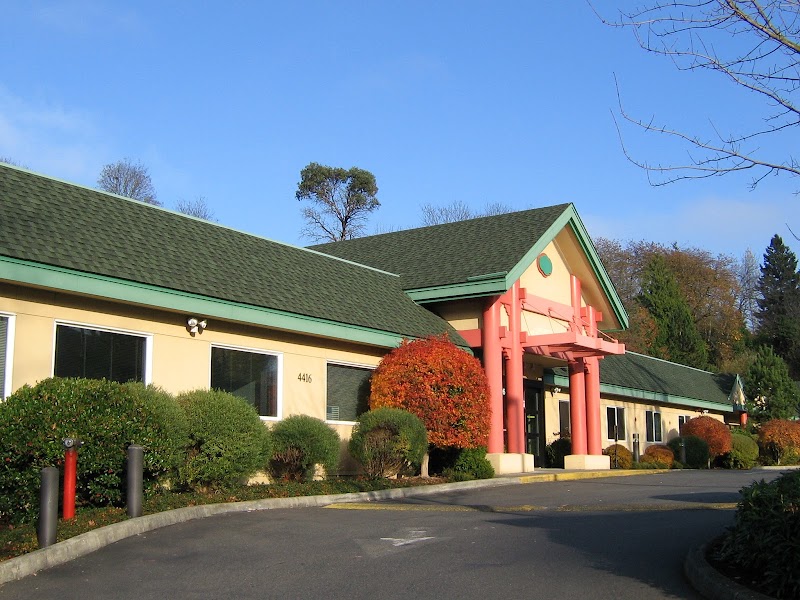
How is Kin On Health Staffed?

CMS rates KIN ON HEALTH CARE CENTER's staffing level at 5 out of 5 stars, which is much above average compared to other nursing homes. Staff turnover is 40%, compared to the Washington average of 46%. This relatively stable workforce can support continuity of care.

What Have Inspectors Found at Kin On Health?

State health inspectors documented 47 deficiencies at KIN ON HEALTH CARE CENTER during 2022 to 2025. These included: 1 that caused actual resident harm, 45 with potential for harm, and 1 minor or isolated issues. Deficiencies causing actual harm indicate documented cases where residents experienced negative health consequences.
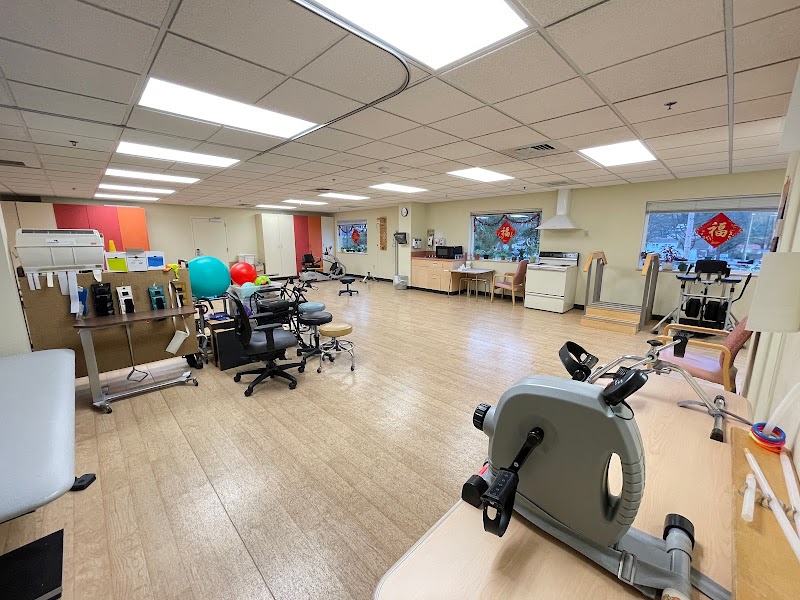
Who Owns and Operates Kin On Health?

KIN ON HEALTH CARE CENTER is owned by a non-profit organization. Non-profit facilities reinvest revenue into operations rather than distributing to shareholders. The facility operates independently rather than as part of a larger chain. With 100 certified beds and approximately 89 residents (about 89% occupancy), it is a mid-sized facility located in SEATTLE, Washington.
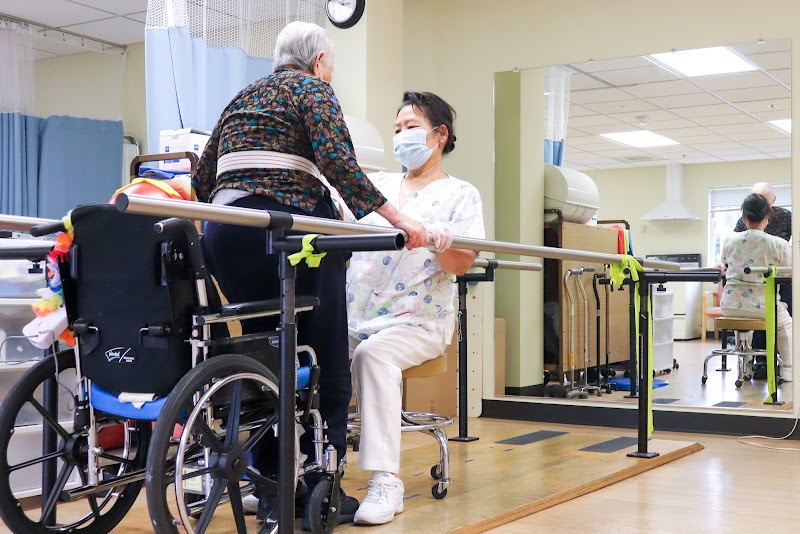
How Does Kin On Health Compare to Other Washington Nursing Homes?

Compared to the 100 nursing homes in Washington, KIN ON HEALTH CARE CENTER's overall rating (4 stars) is above the state average of 3.2, staff turnover (40%) is near the state average of 46%, and health inspection rating (2 stars) is below the national benchmark.

What Should Families Ask When Visiting Kin On Health?

Based on this facility's data, families visiting should ask: "Can I visit during a mealtime to observe dining assistance and food quality?" "How do you handle medical emergencies, and what is your hospital transfer rate?" "Can I speak with family members of current residents about their experience?"

Is Kin On Health Safe?

Based on CMS inspection data, KIN ON HEALTH CARE CENTER has a clean safety record: no substantiated abuse findings (meaning no confirmed cases of resident harm), no Immediate Jeopardy citations (the most serious violation level indicating risk of serious injury or death), and is not on the Special Focus Facility watch list (a federal program monitoring the lowest-performing 1% of nursing homes). The facility has a 4-star overall rating and ranks #1 of 100 nursing homes in Washington. While no facility is perfect, families should still ask about staff-to-resident ratios and recent inspection results during their visit.

Do Nurses at Kin On Health Stick Around?

KIN ON HEALTH CARE CENTER has a staff turnover rate of 40%, which is about average for Washington nursing homes (state average: 46%). Moderate turnover is common in nursing homes, but families should still ask about staff tenure and how the facility maintains care continuity when employees leave.

Was Kin On Health Ever Fined?

KIN ON HEALTH CARE CENTER has no federal fines on record. CMS issues fines when nursing homes fail to meet care standards or don't correct problems found during inspections. The absence of fines suggests the facility has either maintained compliance or corrected any issues before penalties were assessed. This is a positive indicator, though families should still review recent inspection reports for the full picture.

Is Kin On Health on Any Federal Watch List?

KIN ON HEALTH CARE CENTER is not on any federal watch list. The most significant is the Special Focus Facility (SFF) program, which identifies the bottom 1% of nursing homes nationally based on persistent, serious quality problems. Not being on this list means the facility has avoided the pattern of deficiencies that triggers enhanced federal oversight. This is a positive indicator, though families should still review the facility's inspection history directly.