PROVIDENCE MOUNT ST VINCENT
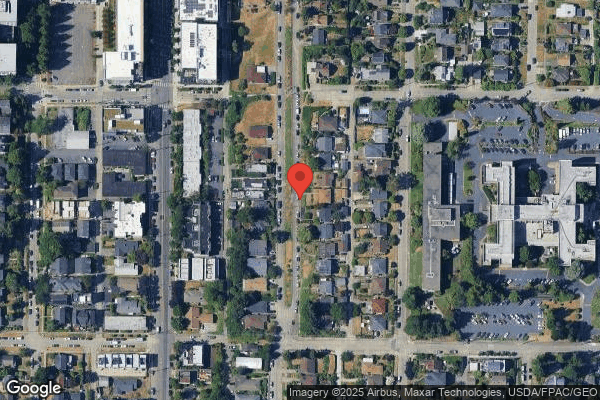

4831 35TH AVENUE SOUTHWEST, SEATTLE, WA 98126 (206) 937-3700
Non profit - Corporation 215 Beds PROVIDENCE HEALTH & SERVICES Data: November 2025
Trust Grade
0/100
#184 of 190 in WA
Last Inspection: January 2025

Within standard 12-15 month inspection cycle. Federal law requires annual inspections.

Overview

Providence Mount St Vincent has received a Trust Grade of F, indicating poor quality and significant concerns regarding resident care and safety. It ranks #184 out of 190 nursing homes in Washington, placing it in the bottom half statewide and #46 out of 46 in King County, meaning there are no local options ranked lower. The facility is experiencing a worsening trend, with issues increasing from 2 in 2024 to 31 in 2025. Staffing is a relative strength with a rating of 4 out of 5 stars; however, the turnover rate of 65% is concerning, significantly higher than the state average. The facility has faced $87,454 in fines, which is average, but the serious incidents reported include multiple instances of resident abuse, such as a staff member causing physical harm and psychological distress to residents, raising significant alarms about safety and care standards.

Trust Score
F
0/100
In Washington
#184/190
Bottom 4%
Safety Record
High Risk
Review needed
Inspections
Getting Worse
2 → 31 violations
Staff Stability
⚠ Watch
65% turnover. Above average. Higher turnover means staff may not know residents' routines.
Penalties
✓ Good
$87,454 in fines. Lower than most Washington facilities. Relatively clean record.
Skilled Nurses
✓ Good
Each resident gets 42 minutes of Registered Nurse (RN) attention daily — more than average for Washington. RNs are trained to catch health problems early.
Violations
⚠ Watch
63 deficiencies on record. Higher than average. Multiple issues found across inspections.
★☆☆☆☆
1.0
Overall Rating
★★★★☆
4.0
Staff Levels
★★★☆☆
3.0
Care Quality
★☆☆☆☆
1.0
Inspection Score
Stable
2024: 2 issues
2025: 31 issues

The Good

  • 4-Star Staffing Rating · Above-average nurse staffing levels
  • Full Sprinkler Coverage · Fire safety systems throughout facility
  • No fines on record

Facility shows strength in staffing levels, fire safety.

The Bad

1-Star Overall Rating

Below Washington average (3.2)

Significant quality concerns identified by CMS

Staff Turnover: 65%

19pts above Washington avg (46%)

Frequent staff changes - ask about care continuity

Federal Fines: $87,454

Well above median ($33,413)

Moderate penalties - review what triggered them

Chain: PROVIDENCE HEALTH & SERVICES

Part of a multi-facility chain

Ask about local staffing decisions and management

Staff turnover is elevated (65%)

17 points above Washington average of 48%

The Ugly 63 deficiencies on record

4 actual harm
Aug 2025 1 deficiency
CONCERN (D) 📢 Someone Reported This

A family member, employee, or ombudsman was alarmed enough to file a formal complaint

Potential for Harm - no one hurt, but risky conditions existed

Infection Control (Tag F0880)

Could have caused harm · This affected 1 resident

Based on observation, interview, and record review, the facility failed to maintain an infection prevention and control program to prevent the transmission of communicable diseases. The facility faile...

Read full inspector narrative →
Based on observation, interview, and record review, the facility failed to maintain an infection prevention and control program to prevent the transmission of communicable diseases. The facility failed to implement and/or follow Transmission Based Precaution (TBP) protocol for 4 of 16 residents (Residents 1, 2, 3, & 4) reviewed for infection control related to COVID-19 (Coronavirus Disease of 2019, an infectious respiratory disease caused by a virus). This failure placed residents at risk of infection and related complications.<Facility Policy>The facility's 08/2024 Transmission-Based Precautions (TBP) policy showed the facility would implement Aerosol Contact Precautions (ACP) for residents with confirmed or suspected infections from COVID-19, which spreads through airborne and droplet routes through coughing, sneezing, talking, and through the provision of care. The TBP policy showed the facility would place a sign on the resident's door to inform staff and visitors of the appropriate Personal Protective Equipment (PPE) to put on and actions to take before entering the resident's room.In an interview on 07/30/2025 at 2:55 PM, Staff C (Infection Control Preventionist) stated a COVID-19 outbreak started in the facility on 07/26/2025 with 10 residents on the third floor south (3-S) testing positive for COVID-19. Staff C stated the residents who tested positive had ACP signage placed on their doors to notify visitors of PPE requirements. Staff C stated on 07/28/2025 five additional residents tested positive, and on 07/30/2025 one more resident tested positive for a total of 16 residents with confirmed COVID-19 infections.In an interview on 07/30/2025 at 4:27 PM, Staff D (Licensed Practical Nurse) provided a 3-S resident census for 07/30/2025 which showed 16 residents, including Resident 1, Resident 2, Resident 3, and Resident 4, had the COVID-19 infection. Staff D stated the 16 residents were isolated to their rooms, staff were required to wear PPE before entering and when providing care to the 16 residents. Staff D stated the nurse on duty was responsible to ensure staff wore the correct PPE when entering the isolated resident's room for care. Staff D stated there were carts with PPE outside the residents' rooms and there were ACP signs on the doors of residents that were in isolation.Observations on 07/30/2025 at 4:35 PM showed rooms 314 (Resident 1), 316 (Resident 2), 315 (Resident 3), and 319 (Resident 4) did not have ACP signage on the door to notify visitors and staff of COVID-19 positive residents.In an interview on 07/30/2025 at 5:43 PM, Staff B (Director of Nursing) stated residents with COVID-19 infections should be on ACP precautions and each door should have signage to notify staff and visitors of PPE use and actions to take before entering the room. Staff B stated no specific staff person routinely monitored for ACP signage or staff use of PPE. Staff B stated all managers and the Infection Control Preventionist oversee the ACP signage and staff use of PPE.REFERENCE: WAC 388-97-1320(1)(a), (2)(a-c).
Jun 2025 3 deficiencies 1 Harm
SERIOUS (G) 📢 Someone Reported This

A family member, employee, or ombudsman was alarmed enough to file a formal complaint

Actual Harm - a resident was hurt due to facility failures

Free from Abuse/Neglect (Tag F0600)

A resident was harmed · This affected 1 resident

**NOTE- TERMS IN BRACKETS HAVE BEEN EDITED TO PROTECT CONFIDENTIALITY** Based on observation, interview, and record review, the facility failed to protect a resident's right to be free from abuse for ...

Read full inspector narrative →
**NOTE- TERMS IN BRACKETS HAVE BEEN EDITED TO PROTECT CONFIDENTIALITY** Based on observation, interview, and record review, the facility failed to protect a resident's right to be free from abuse for 8 of 12 residents (Residents 1, 2, 3, 4, 5, 6, 7, & 8) reviewed for abuse. Resident 1 experienced physical harm when Staff D (Certified Nursing Assistant - CNA) grabbed the resident's arms which left fingerprint bruises and a nail inflicted skin tear;after the incident as demonstrated by mood changes including frequent crying, increased behaviors of distress, multiple days of refused care and medications, and repetitive verbalized statements of fear of being physically hurt. These failures placed residents at risk of verbal, physical, mental, psychological abuse, and diminished quality of life. Findings included . Review of the facility's Abuse Prohibition and Prevention policy revised on 01/2024 showed all residents had the right to be free from mistreatment including physical, mental, and verbal abuse. The facility had processes and measures in place to prevent, investigate, and act on all allegations of abuse. The facility provided training to staff to prevent, identify, and report resident abuse. The facility established practices, evaluated regularly, and ensured on-going effectiveness of the abuse prevention policy. Staff received on-going training to identify types of abuse, recognize indicators of abuse (such as injuries and behavior changes), and how to respond to suspected abuse. The policy showed staff were expected to investigate allegations, prevent further abuse during an investigation, protect/monitor and provide emotional support to residents during investigations, report allegations immediately to the Administrator, State Agency (SA) and all other required agencies as mandated reporters. <Resident 1> Review of the 05/15/2025 Quarterly Minimum Data Set (MDS, an assessment tool) showed Resident 1 had a diagnosis of depression, anxiety and dementia. The MDS showed Resident 1 was severely cognitively impaired, did not have any physical or verbal behaviors, no hallucinations, delusions, or delirium. Resident 1 was administered medications for anxiety and depression, but no medications that would cause bruising. Resident 1 was assessed as dependent on staff for all care, hygiene, and mobility. The MDS showed Resident 1 required a mechanical lift for transfers and a wheelchair for ambulation. Review of the 05/30/2024 Care Plan (CP) showed Resident 1 had episodes of mood disturbances related to paranoia, anxiety and fear of falling. The CP showed Resident 1 had behaviors including negative statements about self, declined use of the call light, declined help from staff, and aggressive verbal behaviors to staff. The CP directed staff to use a calm approach, reassurance to prevent anxiety and reapproach later when Resident 1 denied care. The CP did not show Resident 1 had physical behaviors towards staff and did not show interventions for physical behaviors. Review of the weekly skin assessment completed on 05/09/2025 showed Resident 1 had a bruise on their right forearm. The skin assessment did show measurements of the bruise and no indication of any other skin injury. Review of the 05/2025 behavior monitor document by Staff D showed Resident 1 had combative behaviors on 05/09/2025. Staff D also documented on 05/09/2025 the nurse was notified of the behaviors. Review of the nursing progress notes between 05/01/2025 and 05/19/2025 showed no information regarding the injuries on Resident 1's forearm. The progress notes showed no behavior notes for 05/09/2025. Review of the 05/2025 nurse behavior monitor showed no resident behaviors or behavior interventions from 05/01/2025 through 05/08/2025. The behavior monitor showed starting on 05/10/2025 through 05/31/2025 Resident 1 required behavior interventions for documented behaviors of excessive worrying, fear and repetitive statements Don't hurt me, please don't hurt me while crying. Review of the 05/2025 Medication Administration Record (MAR) showed Resident 1 refused their medication one time between 05/01/2025 and 05/08/2025. The MAR showed Resident 1 refused their medication on seven days between 05/09/2025 and 05/30/2025. The medications refused included medications for pain, bowels, dementia, anxiety, and depression. A review of the 05/2025 facility incident and accident log provided by Staff B (Director of Nursing) on 05/19/2025 showed no reporting of injuries to Resident 1. In an email from Staff B on 05/23/2025 at 7:14 PM, Staff B stated during an investigation of Staff D, Resident 1 was found to have a skin tear and bruising on their forearm. Staff B stated Staff D was responsible for physical abuse of Resident 1. Review of social work note dated 05/23/2025 showed Resident 1's Representative (RR) was notified of the incident causing bruises and injury to Resident 1 resulting in anxiety and fearfulness. The note showed the RR reported Resident 1 said for some time now that people were not being nice to them. The note showed the RR was tearful and upset to receive the notification that Resident 1 was injured by Staff D. Review of chaplain progress notes dated 05/23/2025 and 05/24/2025 showed Resident 1 was tearful with repetitive statements of Please help me; Don't let him hurt me; I am afraid; I cannot do anything for myself; Don't let me get hurt; Don't let me fall. The note showed Resident 1 stated a fear of death. The chaplain notes do not show the nurse, or management was informed of the behaviors and statements of Resident 1. Review of the 05/23/2025 facility abuse investigation report showed Staff G (Social Services Manager) visited Resident 1 on 05/23/2025 and observed the right arm with a thumbprint size skin tear with surrounding skin bruising. Resident 1 was crying out statements don't let him hurt me, don't let him touch me. The report showed Staff E (CNA), and Staff F (CNA) arrived during the visit and reported to Staff G the skin tear and bruises were caused by Staff D grabbing Resident 1's arms on 05/09/2025. The report showed Staff E and Staff F stated they reported the injuries to Staff C (Resident Care Manager) on 05/09/2025. The report showed the facility removed Staff D from resident care on 05/20/2025, 11 days after the physical injuries to Resident 1. The report showed the facility initiated the investigation and reported to the SA the abuse of Resident 1 on 05/23/2025, 14 days after the incident which caused physical injuries. In an interview on 05/27/2025 at 10:25 AM, Staff A (Administrator) stated the facility investigation showed Staff D caused physical, mental and continued psychological harm to Resident 1. Staff A stated the investigation showed Staff C was aware of the injuries to Resident 1 caused by Staff D; Staff C did not suspend Staff D; Staff C did not investigate the allegation of abuse; Staff C did not report the suspected abuse to the Administrator, the Director of Nursing, or the SA as expected by the facility policy. Review of a 05/27/2025 dietician progress note showed Resident 1 was referred to the dietician for poor meal intake. The note showed the dietician attributed Resident 1's decreased eating to the incident (with Staff D) being investigated by management. The dietician attempted to interview Resident 1 twice, but they would not participate in the discussion. Review of the 05/28/2025 Physician visit note showed Resident 1 was assessed in response to the abuse investigation of 05/23/2025. The Physician documented Resident 1 demonstrated more combativeness and resistance to care in the past few weeks. The Physician's physical exam showed irregular shaped blueish bruising, measuring 1.5 centimeters by 4.0 centimeters, on the left forearm and the nail inflicted skin tear observed on 05/23/2025 had resolved on the 05/29/2025 exam. In an interview on 05/29/2025 at 11:05 AM, Resident 9 (Resident 1's roommate) stated Resident 1 slept a lot, did not eat much, and cried more often in the recent couple weeks. Resident 9 stated Resident 1 did not talk much, and they did not know why Resident 1 was crying more often. Resident 9 stated they did not know of any incidents between Resident 1 and Staff D. In an interview on 05/29/2025 at 11:57 AM, Staff E stated that on 05/09/2025 Staff D was at the nurse's desk and reported to Staff H (Licensed Practical Nurse) that Resident 1 was combative with care and pinched Staff D. Staff E stated on 05/15/2025 Staff E was assigned to care for Resident 1 and observed bruises in the shape of fingers on both Resident 1's arms and a big skin tear on Resident 1's left arm. Staff E asked Staff D about the bruises and skin tear. Staff D stated to Staff E they grabbed Resident 1's arms when they were combative the prior week and that is how the bruises and skin tear happened. Staff E reported the injuries and Staff D's statement on 05/15/2025 to Staff I (Agency Nurse) and Staff C. In an interview on 05/29/2025 at 12:27 PM, Staff I stated Staff E reported the arm injuries to them on 05/15/2025. Staff I stated they were not able to find any assessment or details about the injuries in Resident 1's record, so they asked Staff C for instructions. Staff C told Staff I the assessment and incident report were done and nothing further was required. Staff I stated on 05/15/2025 Resident 1 was not on alert monitoring for the injuries and there were no treatment orders for the skin tear. <Resident 2> Review of the 04/21/2025 Quarterly MDS showed Resident 2 was cognitively intact. The MDS showed Resident 2 was admitted for a spinal cord injury and was assessed to require maximum assistance with their care and mobility. In an observation and interview on 05/19/2025 at 2:39 PM, Resident 2 was lying in bed, trying to sit up independently with a lot of difficulty, then used the call light to call staff for help. Resident 2 stated they knew Staff D who was very rude and was rough when providing care to Resident 2. Resident 2 stated they told another staff person they never wanted [Staff D] to take care of them ever again. Resident 2 stated they were afraid of Staff D because when Staff D rolled them in bed it caused pain in their back and neck, and they were so close to the edge of the bed they felt like they were going to fall on the floor. Resident 2 stated Staff D cleaned them very roughly with the towel during incontinence care and it hurt their skin and private areas. Resident 2 stated Staff D worked the night shift and on the nights Staff D worked they could not sleep because they did not know when Staff D would come in and what Staff D would do to them. Resident 2 stated Staff D still worked at the facility and was in their room that morning (05/19/2025) to provide morning care. Resident 2 stated they could not talk with Staff D about being too rough because they were afraid of what Staff D would do to them. Resident 2 stated they just did what Staff D told them to do, so Staff D would leave the room faster. Resident 2 stated they did not want to see Staff D ever again. <Resident 3> Review of the 02/16/2025 Quarterly MDS showed Resident 3 was cognitively intact. The MDS showed Resident 3 was assessed to require set-up assistance with their personal care and was independent with their mobility. The MDS showed Resident 3 had a catheter for their bladder and needed staff assistance with catheter care. Review of the 05/20/2025 abuse investigation showed Resident 3 was interviewed by facility staff. The investigation document showed Resident 3 stated Staff D loses their temper and raised their voice at Resident 3. Resident 3 stated they felt like they were walking on their [NAME] toes to see what kind of day it would be with Staff D. Resident 3 stated Staff D called them stupid. In an interview on 05/29/2025 at 12:45 PM, Resident 3 stated Staff D talked to them like I was stupid, I have two master's degrees, and I am not stupid. Resident 3 stated Staff D was intimidating, because when Staff D helped their roommate, Resident 3 would ask for help when Staff D was done, Resident 3 said Staff D would say You have to use your call light for help, Resident 3 stated '[Staff D] would not help me without my call light on. Resident 3 stated, I just learned to do what [Staff D] told me to do, I did not argue because I did not know what [Staff D] would do to me in retaliation. Resident 3 stated they lost sleep at night and did not leave their room when Staff D was working to avoid Staff D in the common areas. <Resident 4> Review of the 03/04/2025 Quarterly MDS showed Resident 4 was cognitively intact with some forgetfulness. The MDS showed Resident 4 had a prior stroke with residual mobility and cognition deficits. Resident 4 was assessed to require set up and cues for personal care and was independent with mobility. Review of the 05/20/2025 abuse investigation showed Resident 4 was interviewed by facility staff. The investigation document described Resident 4 began to openly cry when asked if they knew Staff D. Resident 4 stated they knew Staff D and Staff D was mean to them. The investigation notes showed it was clear by [Resident 4's] emotional reaction they were upset by the care received from [Staff D]. In an interview and observation on 05/29/2025 at 11:42 AM, Resident 4 was observed to have difficulty with speech and only able to provide short answers to questions. Resident 4 took a deep breath, began to moan, tears in eyes, short fast breaths with crying and stated Staff D was mean. Resident 4 stated while crying that Staff D talked mean to them, was not nice, and Resident 4 did not like Staff D. <Resident 5> Review of the 02/14/2025 Quarterly MDS showed Resident 5 was cognitively intact. The MDS showed Resident 5 had a prior stroke with residual mobility and cognition deficits. Resident 5 was assessed to be dependent on staff for all care and mobility. Review of the 05/20/2025 abuse investigation showed Resident 5 was interviewed by facility staff. The investigation document showed Resident 5 knew Staff D. Resident 5 stated Staff D was rude and would not answer Resident 5's questions. In an interview on 05/29/2025 at 11:12 AM, Resident 5 stated Staff D was kind of rough when providing care. Resident 5 stated Staff D would come into their room and throw things, slam the door and get mad at Resident 10 (Resident 5's roommate). Resident 5 stated Staff D would throw Resident 10's walker out of the way. Resident 10 stated they did not know Staff D and did not remember anyone throwing their walker. <Resident 6> Review of the 05/12/2025 Quarterly MDS showed Resident 6 was cognitively intact. The MDS showed Resident 6 was assessed with inability to move both legs, required a mechanical lift for transfers, and was dependent on staff for mobility in bed and all personal care. Review of the 05/20/2025 abuse investigation showed Resident 6 was interviewed by facility staff. The investigation document showed Resident 6 knew Staff D. Resident 6 stated care provided by Staff D was difficult; Staff D was not forthcoming, was dismissive, and Staff D yelled at Resident 6. In an interview on 05/29/2025 at 12:39 PM, Resident 6 stated Staff D provided care too fast, was rough when turning them in bed, and Resident 6 felt like they were going to fall off the bed. Resident 6 stated they did not like Staff D and told someone they did not want Staff D to be assigned to them. Resident 6 stated they did not remember who they told but Staff D continued to come into their room to provide care. <Resident 7> Review of the 05/15/2025 Annual MDS showed Resident 7 was cognitively intact. Resident 7 had a diagnosis of stroke with the inability to use their arm and leg on one side of their body. Resident 7 was assessed to be dependent on staff for all bed mobility, transfers in and out of bed, and personal care. Review of the 05/20/2025 abuse investigation interview with Resident 7 showed Resident 7 stated Staff D was hurried and rough when providing incontinence care or moving them in bed. In an interview on 05/29/2025 at 11:57 AM, Staff E stated they observed Staff D trying to lift Resident 7 up in bed. Resident 7 said Ow, ow, ow. Staff E stated they went in the room to help Staff D when Staff D yelled at them Why did you not sit [Resident 7] up in bed for breakfast? Staff E stated they informed their supervisor, Staff C, of what happened but did not think Staff C did anything about it. In an interview on 05/29/2025 at 12:59 PM, Resident 7 stated Staff D was rough when [Staff D] was assisting me to sit up in bed for lunch and my back was hurting and [Staff D] kept moving me. I told [Staff D] to stop because they were hurting me. Resident 7 stated they had not seen Staff D in a while and was glad because Resident 7 did not like Staff D. <Resident 8> Review of the 04/14/2025 Annual MDS showed Resident 8 had forgetfulness from a brain injury. Resident 8 was assessed to require assistance with mobility and personal care. Review of the 05/20/2025 abuse investigation showed Resident 8 was interviewed by facility staff. The investigation document showed Resident 8 knew Staff D. Resident 8 stated Staff D must have an underlying anger issue because they tell me what to do and told me three other staff did not like me. In an interview on 06/10/2025 at 9:10 AM, Staff A stated Staff D should have been suspended when Staff C was informed of the allegation of physical abuse of Resident 1. Staff A stated Staff C did not follow the facility's abuse and neglect policy. Staff A stated Staff C did not identify suspected abuse of Resident 1, did not assess or monitor Resident 1 for abuse, did not protect other residents on the fourth floor, did not investigate the incident, did not report the incident to the administrator, and did not report abuse to the State Agency (SA), as required. Staff A stated Staff D was terminated. Refer to F607 Develop/Implement Abuse/Neglect Policies F610 Investigate/Prevent/Correct Alleged Violations REFERENCE: WAC 388-97-0640(1)(3)(6)(b).
CONCERN (D) 📢 Someone Reported This

A family member, employee, or ombudsman was alarmed enough to file a formal complaint

Potential for Harm - no one hurt, but risky conditions existed

Abuse Prevention Policies (Tag F0607)

Could have caused harm · This affected 1 resident

Based on interview and record review the facility failed to implement the facility's abuse policy for 1 of 2 residents (Resident 1) reviewed for injuries of unknown origin. The failure to identify res...

Read full inspector narrative →
Based on interview and record review the facility failed to implement the facility's abuse policy for 1 of 2 residents (Resident 1) reviewed for injuries of unknown origin. The failure to identify resident injuries as potential abuse, placed residents at risk for further abuse, injuries, and diminished quality of life. Findings included Review of the facility's Abuse Prohibition and Prevention policy dated 01/2024 showed all residents had the right to be free from mistreatment including sexual, physical, mental, and verbal abuse. The facility would have processes and measures in place to prevent, investigate, and act on all allegations of abuse. The policy showed the prevention of further abuse would occur by taking measures to protect the alleged victim, as well as other residents during the investigation by placing the identified staff on suspension during the investigation. The alleged victims would be monitored and protected from psychological harm during and after the investigation. In a phone interview on 05/27/2025 at 10:25 AM, Staff A (Administrator) stated during an investigation regarding Staff D (Certified Nursing Assistant - CNA), the facility substantiated physical abuse occurred to Resident 1 on 05/09/2025 by Staff D. Staff A stated Staff E (CNA), Staff F (CNA), and Staff H (Agency Float Nurse) were aware of the incident and reported to Staff C (Resident Care Manager). Staff A stated Staff C did not follow the facility policy to initiate an investigation of abuse. <Prevention> Review of the undated application and resume of Staff D showed contact information for Staff D's current employer, three previous employers, and two personal references. In an interview on 05/29/2025 at 10:25 AM, Staff A was asked how new staff were screened for any history of abuse or neglect. Staff A stated on hire, staff are screened through a criminal background check and the state registry (system maintained by the state to approve a CNA's eligibility to work in skilled nursing facilities). Staff A was asked if the facility completed screening for abuse or neglect through contacting prior employers for information on work performance. Staff A stated there was a process the facility human resources followed for screening potential new employees. On 05/30/2025 Staff A was asked to provide documentation to show screening for abuse and neglect was completed with Staff D's prior employers or references. The facility did not provide any screening of prior employment or references completed for Staff D. <Investigation & Protection> Review of the 05/2025 facility reporting log showed no reports or investigations of any incident or injuries for Resident 1 on 05/09/2025. In an interview on 05/27/2025 at 10:25 AM, Staff A stated the facility investigation started on 05/23/2025 and found Resident 1 was physically abused on 05/09/2025 by Staff D. Staff A stated that Staff C was aware of the incident and did not follow the facility policy. Staff A stated the investigation found Staff C had knowledge of the incident, did not report to the Administrator, did not start an investigation, did not place Staff D on suspension to protect other residents, and did not report the incident to the SA hotline. Staff A stated Staff C's employment at the facility ended on 05/19/2025. Staff A stated Staff D should have been placed on immediate suspension but was not suspended until 05/20/2025 (11 days after the physical abuse of Resident 1). Staff A stated both Staff C and Staff D were reported to the Department of Health for investigation. <Mandated Reporting> Review of the 01/01/2025 Annual Survey statement of deficiencies showed the facility received citations for not protecting residents from abuse, did not prevent further abuse, did not complete an investigation, and did not report to the SA. A review of the 02/21/2025 post survey plan of correction completed by the facility showed the facility staff were educated on the definition of physical abuse (a willful action of inflicting bodily injury or physical mistreatment of a resident) and requirements of a mandated reporter to report any seen, alleged, or suspected incidents of abuse to the SA hotline. Review of the 02/2025 attendance record of the mandated reporter training showed Staff C and Staff E attended the training, and Staff D, F, and H did not attend the training. In an interview on 05/29/2025 at 11:47 AM, Staff F stated they were aware of the injuries to Resident 1 caused by Staff D. Staff F stated the injuries were reported to their supervisor, Staff C. Staff F stated they thought Staff C was supposed to report to the SA hotline. Staff F stated they were aware of the mandated reporter responsibilities and should have reported to the hotline but did not because the supervisor (Staff C) already knew about what happened. In an interview on 05/29/2025 at 11:57 AM, Staff E stated on 05/09/2025 they were at the nurse's station when Staff D reported to Staff H that Resident 1 was combative during care and Staff D grabbed Resident 1's arms and caused a skin tear. Staff E stated they told Staff H that Staff D was rough with many residents during care. Staff E stated a few days later, they were assigned to Resident 1 and saw multiple finger-sized bruises and a skin tear which was moon-shaped from a fingernail on Resident 1's arms. Staff E stated they reported the bruises and the skin tear to Staff C and told Staff C that Staff D caused injuries by grabbing Resident 1's arms on 05/09/2025. Staff E stated Staff D was difficult to work with and was always angry. Staff E stated Staff D would throw things, slam the cupboard doors in the kitchenette, and called Staff E and other staff names in the hall or in the dining room with residents present. Staff E stated they witnessed Staff D being rough when providing care to Resident 7. Staff E stated Resident 7 was yelling ouch, ouch so they (Staff E) went into the room and saw Staff D providing one-person care to Resident 7, when Resident 7 required two-person care. Staff E stated they told Staff C about what was witnessed with Staff D and Resident 7 and Staff C did not do anything about it. Staff E stated Resident 2 reported Staff D to Staff C for providing rough care. Staff E stated Resident 11 often comes to the dining room asking for food or coffee and Staff D would always tell them No, go back to your room and would not give them anything to eat or drink and did not go to the room with Resident 11. Review of the 05/2025 facility reporting log showed no reports or investigations of the incidents of Residents 1, 2, or 11. Review of the 05/2025 SA hotline reporting logs showed no reports to the SA from Staff E, Staff F, Staff H, or Staff C for Residents 1, 2, or 11. In a phone interview on 05/27/2025 at 10:25 AM, Staff A stated any staff that were aware of an incident of abuse are expected to report to the SA abuse and neglect hotline. Staff A stated that during the investigation of Resident 1's abuse, Staff E and Staff H had direct knowledge of the suspected abuse and should have, but did not act as mandated reporters and did not report the allegation of abuse to the SA hotline. Staff A stated Staff C was the supervisor and had knowledge of the suspected abuse and should have, but did not, report the incident to the Administrator, start an investigation, suspend Staff D to protect residents, and report to the SA hotline as required by the facility policy and state regulation. Refer to F600 Free from Abuse and Neglect F610 Investigate/Prevent/Correct Alleged Violations REFERENCE: WAC 388-97-0640(2)(a)(b)(5)(a)(7)(a-b)(ii). .
CONCERN (D) 📢 Someone Reported This

A family member, employee, or ombudsman was alarmed enough to file a formal complaint

Potential for Harm - no one hurt, but risky conditions existed

Investigate Abuse (Tag F0610)

Could have caused harm · This affected 1 resident

Based on interview and record review, the facility failed to identify potential abuse, initiate an investigation to rule out abuse, and implement interventions to prevent ongoing abuse for 1 of 3 resi...

Read full inspector narrative →
Based on interview and record review, the facility failed to identify potential abuse, initiate an investigation to rule out abuse, and implement interventions to prevent ongoing abuse for 1 of 3 residents (Resident 1) reviewed. The failure to investigate an injury of unknown origin, a sign of potential abuse, prevented the facility from protecting other residents from abuse, neglect, and diminished quality of life. Findings included . Per the Washington State Reporting Guidelines for Nursing Homes The Purple Book, dated October 2015, showed injuries of unknown source must be thoroughly investigated to determine what occurred and make necessary provisions to resident care to prevent reoccurrence. The first phase of the investigation must occur within the first 24 hours of the knowledge of the incident. If the reasonable cause of the injury is not determined, a second phase must follow to end with the identification of who was involved, and what, where, why and how the incident happened. Review of the facility's Abuse Prohibition and Prevention policy revised on 01/2024 showed staff received training to identify abuse including possible indicators of abuse. The policy showed examples of indicators of abuse included, a suspicious injury that was not observed or the extent or location of the injury is unusual, or sudden or unexplained changes in behavior such as fear of a person or place or feelings of guilt or shame. The policy directed staff to report injuries of unknown source, immediate assessment of the alleged victim, identification of an accused person with placement on administrative leave, prevention of further abuse, and a thorough investigation would be completed. Review of the 05/15/2025 Quarterly Minimum Data Set (MDS, an assessment tool) showed Resident 1 was severely cognitively impaired, did not have any physical or verbal behaviors, no hallucinations, delusions, or delirium, and was diagnosed with dementia. Resident 1 did not have any skin impairments and was not taking any medication that caused bruising. Resident 1 was assessed as dependent on staff for all care, hygiene, and mobility. In an interview on 05/29/2025 at 11:57 AM, Staff E (Certified Nursing Assistant) stated they worked with Resident 1 on 05/15/2025 and saw bruises in the shape of fingers on both arms and a big skin tear on the left arm. Staff E stated they were usually the caregiver for Resident 1 and had never seen bruises or skin tears on them before. Staff E described the skin tear was about one and a half inches long, in the shape of a moon, and looked like pressure from a thumb or fingernail that broke the skin open. Staff E stated they talked with Staff D (Certified Nursing Assistant) because Staff D worked with Resident 1 the prior week. Staff E stated Staff D told them Resident 1 was being resistant to care, so Staff D grabbed Resident 1's arms and that is how the bruises and skin tear happened. Staff E stated they reported the injuries to Staff F (Licensed Nurse) who reported the injuries to Staff C (Resident Care Manager). In an interview on 05/29/2025 at 12:27 PM, Staff I (Agency Licensed Practical Nurse) stated Staff E reported the bruises and skin tear on Resident 1. Staff I stated they discussed the injuries with Staff C and asked if there was an assessment and skin injury report completed because they did not see a report in the medical record. Staff I stated Staff C was informed of the report that Staff D was rough with Resident 1 and may have caused the injuries. Staff I stated Staff C told them the report and the assessment of the injuries was already completed, and Staff I did not need to do anything. Review of the weekly skin assessment completed on 05/09/2025 showed Resident 1 had a bruise on their right forearm. There were no descriptions or measurements of the bruises and no mention of a skin tear or bruises on the left arm. Review of the nursing progress notes between 05/01/2025 and 05/19/2025 showed no identification or assessment of any injuries on Resident 1's bilateral forearms. Review of the 05/19/2025 facility incident and accident log provided by Staff B (Director of Nursing) showed no report of injuries for Resident 1. In an interview on 05/29/2025 at 3:47 PM, Staff A (Administrator) stated Staff C did not identify that Staff D injured Resident 1, did not initiate an investigation, and did not report the injury to the Administrator or the Director of Nursing, or report to the State Agency. Staff A stated Staff C did not follow the facilities policies as required. Refer to: F600 Free from Abuse and Neglect F607 Develop and Implement Abuse/Neglect Policies REFERENCE: WAC 388-97-0640(6)(a-c).
Feb 2025 2 deficiencies 1 Harm
SERIOUS (G) 📢 Someone Reported This

A family member, employee, or ombudsman was alarmed enough to file a formal complaint

Actual Harm - a resident was hurt due to facility failures

Safe Transfer (Tag F0626)

A resident was harmed · This affected 1 resident

**NOTE- TERMS IN BRACKETS HAVE BEEN EDITED TO PROTECT CONFIDENTIALITY** Based on interview and record review, the facility failed to permit 1 of 3 residents (Resident 1) reviewed for hospitalization t...

Read full inspector narrative →
**NOTE- TERMS IN BRACKETS HAVE BEEN EDITED TO PROTECT CONFIDENTIALITY** Based on interview and record review, the facility failed to permit 1 of 3 residents (Resident 1) reviewed for hospitalization to return to the facility after a facility-initiated transfer to the emergency room (ER). Resident 1 experienced psychological harm when they experienced a two-week long hospitalization delay while another nursing facility could be arranged for discharge, anxiety related to being placed in an unfamiliar environment, expressions of fear of homelessness and hopelessness when the facility failed to permit the Resident 1 to return to the facility and resume residency when they were medically cleared by the hospital to discharge. Findings included . Review of the 10/22/2024 Quarterly Minimum Data Set (MDS, an assessment tool) showed Resident 1 had a chronic, progressive neurological disease, was cognitively intact, had a feeding tube in their abdomen for nutrition, required assistance from staff for all personal care and mobility. Review of a facility nurse progress note, dated 01/15/2025 8:40 PM, showed the emergency room (ER) nurse called the facility nurse to give a status report on Resident 1 who was ready for discharge from the ER. The note showed the ER was ready to send Resident 1 back to the facility by ambulance. The progress note showed the facility nurse notified the ER nurse that Resident 1's room was cleared of all their belongings and the room was no longer available as directed by the facility management. The progress note showed the ER charge nurse confirmed Resident 1 would then be admitted to the hospital instead of returning to the facility. Review of a facility physician progress note, dated 01/20/2025 for an assessment completed on 01/15/2025, showed Resident 1 required a higher level of medical treatment that could not be provided at the facility. The note showed the physician directed the facility staff to send Resident 1 to the ER for evaluation of a possible abdominal infection and a required replacement of the feeding tube. In an interview on 01/24/2025 at 4:15 PM, Staff A (Administrator) stated Resident 1 went to the ER for a blockage in their feeding tube and there was concern by the facility physician about an infection. Staff A stated Resident 1's representative declined a bed hold due to the cost, but the facility would readmit Resident 1 to an available long-term bed when Resident 1 was medically stable to return. Staff A stated they had received messages from and made calls to the hospital and was told Resident 1 was admitted . Staff A stated they were not aware if the hospital sent a referral to the facility to arrange Resident 1's return home. Staff A stated the facility admissions team usually follows up with the hospital to have residents return when they were ready for discharge from the hospital. In an interview on 01/28/2025 at 4:40 PM, Staff D (Admissions Assistant) stated on 01/15/2025 an internal communication directive was sent that Resident 1 would not be readmitted from the hospital. Staff D stated they received and reviewed the hospital referral on 01/16/2025 for Resident 1 to return to the facility. Staff D stated they informed the hospital discharge coordinator on 01/16/2025 that the admissions staff was not allowed to bring Resident 1 back to the facility. In an interview on 01/29/2025 at 3:51 PM, Collateral Contact 1 (CC1, Hospital Discharge Coordinator) stated Resident 1 arrived at the ER on [DATE] for a dislodged feeding tube, the tube was replaced on that day and Resident 1 was supposed to return to the facility on [DATE]. CC1 stated Resident 1 did not need to be admitted to the hospital but remained in the hospital from [DATE] until 01/29/2025. CC1 stated they had a phone call on 01/16/2025 with the facility admissions assistant who stated the facility would not accept Resident 1 back. In an interview on 01/30/2025 at 12:38 PM, Resident 1's Representative (RR) stated they received a phone call and voice mail from Resident 1 on 01/15/2025 at 8:33 PM. RR1 stated Resident 1 was crying and stated in their message I am at the end of my rope .I am at the hospital . I had my tube replaced . I have been dumped . I no longer have a place to live . as soon as I left, they were packing up my stuff .the reason they were pushing me out the door today was so they could pack me up and now I am homeless .I don't know .I'm flat out giving up . I do not care whether I live . I can't live anymore . I am staying overnight; they lied to me about getting an ambulance to go home. The RR stated they spoke with Resident 1 on the phone on 01/16/2025 and described Resident 1 as very discouraged, talking about suicide, resenting all the mistreatment she had received. The RR stated Resident 1 explained they did not want to go to the ER and wanted to schedule an appointment to have the tube replaced but their request was refused and Resident 1 was sent to the ER against their will. The RR stated they only heard from the facility social worker on 01/15/2025 to ask about a bed hold but there was no other contact made to have Resident 1 return to their home. The RR stated Resident 1 left the hospital and went to a different nursing facility on 01/29/2025 and they did not have a phone. In an interview on 01/30/2025 at 1:17 PM, Collateral Contact 2 (CC2, Hospital Physician) stated they had a conversation with Resident 1 on 01/15/2025 after Resident 1 was informed they would not be returning to the facility. CC2 stated Resident 1 explained they were upset and not given any notice of going to the ER, Resident 1 stated they were frustrated and felt like the facility was planning to move them without talking to them about it. CC2 stated Resident 1 was tearful and said they were dumped at the hospital and did not know what to do now. CC2 stated they called the facility twice, left one voicemail to ask for a call back, and did not receive any calls from the facility. In an interview on 02/07/2025 at 11:45AM, Staff E (Resident Care Manager) stated they could not find any discharge transfer sheets or progress notes in Resident 1's record. Staff E stated they worked on the transfer of Resident 1 to the ER with another nurse. Resident 1 was transferred about 8:00 AM. Staff E stated they called the hospital ER nurse to provide information about the feeding tube and relay concerns of infection. Staff E stated they do not make any decisions about when or if residents return from the hospital. Staff E stated Staff B (Director of Nursing) and Staff C (Director of Clinical Operations) made all the decisions for resident readmission from the hospital. Staff E stated Resident 1's belongings were packed and remained in their room for about four or five days after they left. Staff E was told Resident 1 would not be returning and their belongings were moved to another location so another resident could move into Resident 1's old room. Staff E stated Resident 1's room was not occupied by another resident until 01/27/2025, 12 days after Resident 1 went to the ER. In an interview on 02/07/2025 at 4:17 PM with Staff A, Staff B, and Staff C, Staff A stated the facility was committed to providing continued care to the residents they serve as part of their mission. Staff A stated the facility should ensure when a resident was sent to the hospital the resident would be allowed to return, either through a bed hold to the same room or return to another available bed, for continued care. Staff A stated Resident 1 should have returned to the facility when they were medically cleared by the hospital for discharge. REFERENCE: WAC 388-97-0120(4)(b).
CONCERN (D) 📢 Someone Reported This

A family member, employee, or ombudsman was alarmed enough to file a formal complaint

Potential for Harm - no one hurt, but risky conditions existed

Accident Prevention (Tag F0689)

Could have caused harm · This affected 1 resident

**NOTE- TERMS IN BRACKETS HAVE BEEN EDITED TO PROTECT CONFIDENTIALITY** Based on observation, interview, and record review the facility failed to provide an environment that was free from hazards for ...

Read full inspector narrative →
**NOTE- TERMS IN BRACKETS HAVE BEEN EDITED TO PROTECT CONFIDENTIALITY** Based on observation, interview, and record review the facility failed to provide an environment that was free from hazards for 2 of 4 residents (Resident 2 and 3) reviewed for accidents. The failure of staff to intervene when Resident 2 was using cannabis (an illegal drug that causes an altered mental status) through a vape pen (a device that heats the drug to a consistency to inhale through the lungs) and allowed secondary exposure of cannabis to the roommate, staff, and placed residents at risk of harm from fire, injury, exposure to an illegal drug, and diminished quality of life. Findings included . The 10/18/2024 Admissions Minimum Data Set (MDS, an assessment tool) showed Resident 2 was cognitively intact and rarely needed assistance with health literacy. The MDS showed Resident 2 had multiple medically complex conditions including pain and limited mobility. The MDS showed Resident 2 was assessed to require maximum assistance from staff for personal care and mobility. Review of the 10/11/2024 admission Agreement - Smoking Policy Acknowledgement showed the facility was a non-smoking campus and smoking was not allowed anywhere in the buildings or on the property of the facility. Resident 2 checked the box next to the statement I am a smoker or have a history of smoking and I understand [the facility] is a non-smoking campus. I agree that I will not possesses cigarettes or smoking materials. I will not smoke any tobacco or cannabis products while residing at [the facility] and understand compliance with this agreement can result in immediate and involuntary discharge from [the facility]. The agreement was verbally acknowledged and signed by a witness on 10/11/2024. Review of the 12/08/2024 3:11 PM nursing progress notes showed Resident 2 was using a can of air freshener to cover up the smell of cannabis in the room. The note showed the nurse intervened and removed cigarettes and vape supplies from the resident's room and reported to the facility management. Review of the 12/08/2024 11:14 PM nurse progress note showed Resident 2's room smelled of cannabis, Resident 2 covered their mouth and face with a teddy bear when the nurse entered the room. The note showed the nurse asked why Resident 2 was vaping after prior warnings. The note showed Resident 2 begged the nurse not to say anything. The note showed Resident 2 gave the nurse one empty vape pen and one full vape pen. The note showed the nurse reported to the on call supervisor. Review of the 12/09/2024 care plan (CP) showed Resident 2 was at risk for injury due to non-compliance with the nonsmoking policy; Resident 2 would not smoke or vape inside or outside of the facility; Resident 2 would understand the smoke/vape free policy. The CP intervention showed staff would discuss with Resident 2 the smoke free policy and alternatives for smoking or vaping. Review of the undated [NAME] Summary (care instructions to caregivers) for Resident 2 showed Remind of nonsmoking/vaping policy. Staff to alert nurse / neighborhood coordinator as indicated. Review of a 12/10/2024 10:02 AM social services progress note showed a discussion with Resident 2 about the facility policy of no smoking and if vaping continued a transfer to another facility would be necessary. The progress note showed Resident 2 acknowledged the policy and denied vaping. Review of a 12/18/2024 11:52 AM social services progress note showed Resident 2 was issued a 30-day notice to discharge related to vaping cannabis in their room after prior instructions from staff about the facility policy on no smoking and safety concerns. Review of a 12/20/2024 3:37 PM nurse progress note showed Resident 2 was spraying a can of air freshener and put something under their covers when the nurse entered the room. The progress note showed The smell of cannabis reeking from [Resident 2's] side of the room, nurse did not question or search [Resident 2] . [Resident 2] was not able to stay aroused after shaking and arousing them. Review of a 01/18/2025 2:35 PM nurse progress note showed Resident 2 had visitors, and after they left the room and into the hallway reeked of cannabis, Resident 2 looked intoxicated, eyes were red and small the nurse did not question Resident 2 about this activity and did ask if Resident 2 had possession of any substances. The progress note did not show if substances were present or removed from the resident. Review of a 01/19/2025 3:23 PM progress note showed night shift reported Resident 2 was vaping, the cannabis odor could be smelled in the hallway, the day nurse went into the room and saw Resident 2 was vaping. The note showed Resident 2 saw the nurse and hid the vape pen under their sheets. The note showed the nurse reported to the supervisor and Resident 2 kept the substances in their possession. Review of a 01/25/2025 4:19 PM nurse progress note showed the nurse went into Resident 2's room, the room reeked of cannabis, Resident 2 was giddy and eyes were red. The note showed the nurse did not confront Resident 2 about vaping. Review of a 01/26/2025 3:36 PM nurse progress note showed the nurse went into Resident 2's room, Resident 2 had just completed vaping as the room was cloudy and malodorous of cannabis, the nurse addressed the situation with Resident 2 who did not deny vaping and stated they opened the window. In an observation and interview on 01/28/2025 at 2:55 PM, Resident 2 was in bed, wearing oxygen tubing in their nose connected to a concentrator (a machine that produces oxygen-enriched air) on the floor. Resident 2 had a roommate (Resident 3) who lived on the door side of the room. Resident 2 stated they were given a 30-day notice to discharge because the facility staff reported they were vaping cannabis in their room. Resident 2 stated they in fact were vaping cannabis and was aware that they were breaking the facility non-smoking rules. Resident 2 would not answer when the last time they vaped in the room or if they had vaping supplies in their possession at the time of the interview. In an observation and interview on 01/28/2025 at 2:57 PM, Resident 3 was lying in a low bed, lowered to the floor, covered with the sheets and blanket. Resident 3 opened their eyes when greeted. Resident 3 was asked how they were doing, how they were feeling, and if they had any concerns. Resident 3 did not answer any of the questions and closed their eyes. In an interview on 01/29/2025 at 10:52 AM with Staff A (Administrator), Staff B (Director of Nursing), and Staff C (Director of Clinical Operations) Staff A, B and C were asked to review the progress notes from 01/18/2025 through 01/26/2025 regarding Resident 2's vaping cannabis. Staff A, B and C were asked what action the facility took when the nurse discovered Resident 2 continued to vape in their room. Staff A stated the nurse should have removed the vape materials and reported to the supervisor. Staff A was asked if the materials were removed and the supervisor was notified. Staff B was asked if Resident 2 was assessed for safety of vaping. Staff B stated they would look at the records and provide the assessment if it was completed. No assessment was provided. In an interview on 01/29/2025 at 4:40 PM, Staff A stated Resident 2 still had vape supplies in their possession and gave them to the facility management 01/29/2025. REFERENCE: WAC 388-97-1060(3)(g). .
Jan 2025 25 deficiencies 1 Harm
SERIOUS (G) 📢 Someone Reported This

A family member, employee, or ombudsman was alarmed enough to file a formal complaint

Actual Harm - a resident was hurt due to facility failures

Free from Abuse/Neglect (Tag F0600)

A resident was harmed · This affected 1 resident

**NOTE- TERMS IN BRACKETS HAVE BEEN EDITED TO PROTECT CONFIDENTIALITY** Based on interview and record review, the facility failed to protect a resident's right to be free from abuse for 1 of 5 sample ...

Read full inspector narrative →
**NOTE- TERMS IN BRACKETS HAVE BEEN EDITED TO PROTECT CONFIDENTIALITY** Based on interview and record review, the facility failed to protect a resident's right to be free from abuse for 1 of 5 sample residents (Residents 110) reviewed for abuse. Resident 110 experienced psychological harm when they were touched inappropriately without consent by a staff member and continued to ruminate on the incident. This failure placed other residents at risk of sexual, verbal, and mental abuse, psychological harm, and diminished quality of life. Findings included . <Facility Policy> The facility's Abuse Prohibition and Prevention policy dated 01/2024, all residents receiving care and services at the facility had the right to be free from mistreatment including sexual, physical, mental, and verbal abuse. The policy defined sexual abuse as non-consensual sexual contact of any kind. The policy showed when a resident made an abuse allegation against a caregiver, that caregiver would be placed on administrative leave until the conclusion of the investigation. The policy showed if the allegation was substantiated appropriate corrective action would be taken. <Resident 110> According to the admission Minimum Data Set (MDS - an assessment tool) dated 11/14/2024, Resident 110 had intact memory and experienced social isolation on rare occasions. The assessment showed Resident 110 required partial to moderate assistance with transferring from a chair to a bed and supervision/touching assistance for moving in bed. The MDS showed Resident 110 had a fractured right hip. The MDS showed Resident 110 was over [AGE] years old, and of petite stature. Review of the facility's investigation dated 12/27/2024, showed the incident was reported to the facility on [DATE] and took place on 12/24/2024. The investigation showed the facility was notified by Resident 110's collateral contact that when they visited Resident 110 on Christmas Day 2024, the resident informed them that a male caregiver entered their room, kissed them, and attempted to climb into the bed . The investigation showed Resident 110 could demonstrate they knew the nationality of the caregiver, but they did not recognize them from any prior assignments on the unit. The investigation showed there was nothing in Resident 110's medication regimen contributing to the incident and noted Resident 110 journaled daily. The facility's investigation did not include Resident 110's journal entries but assessed that the habit of daily journaling made Resident 110 a reliable reporter. The investigation showed Staff D (Social Services Director) presented Resident 110 with a photo array of all staff working the third floor the morning of 12/24/2024 and the resident without hesitation identified Staff I (Certified Nursing Assistant - CNA) as the person who kissed them and tried to get into their bed, and Staff I was immediately removed from the schedule. The 12/27/2024 investigation showed Staff B (Director of Nursing) and Staff F (Director of Clinical Operations) interviewed Staff I via telephone and informed Staff I they were not permitted to return to the facility. Staff I had a vague recollection of working with Resident 110. The 12/27/2024 investigation concluded the incident occurred in the early morning of 12/24/2024. The 12/27/2024 investigation concluded that due to Resident 110's alert and oriented status, intact memory, daily journaling, and ability to without hesitation identify Staff I, it was reasonable to believe the resident's account was accurate and Staff I likely acted in an inappropriate manner toward the resident. In an interview on 01/02/2025 at 9:41 AM, Resident 110 was asked if they had any concerns with their care at the facility. Without hesitation, Resident 110 immediately directed the conversation to a specific incident that occurred before Christmas the prior month (10 days prior). Resident 110 stated a facility caregiver kissed them and tried to climb into their bed. Resident 110 stated nothing further happened, and they later told a family member who notified the facility. Resident 110 stated they knew the staff member was dismissed by the facility because of their behavior after Resident 110 made the allegation. In interviews on 01/08/2025 at 10:01 AM and 01/09/2025 11:22 AM, Resident 110 on both occasions recalled the incident unprompted. Resident 110 stated they were not fearful, but when asked how they felt, the resident consistently brought up the inappropriate touching/kissing incident. In an Interview with Staff B and Staff F on 01/08/2025 at 3:12 PM Staff B stated the facility used Washington State's Purple Book (nursing home guidelines for prevention of, protection from, and identification, investigation, and reporting of abuse.) Staff B stated the facility concluded Resident 110's claim was substantiated by the facility's investigation and Staff I was dismissed. Refer to: F607, F609, and F610. REFERENCE: WAC 388-97-0640 (1). .
CONCERN (D) 📢 Someone Reported This

A family member, employee, or ombudsman was alarmed enough to file a formal complaint

Potential for Harm - no one hurt, but risky conditions existed

Grievances (Tag F0585)

Could have caused harm · This affected 1 resident

Based on interview and record review, the facility failed to identify and resolve grievances for 1 (Resident 70) of 1 residents reviewed for grievances. This failure placed residents at risk for reocc...

Read full inspector narrative →
Based on interview and record review, the facility failed to identify and resolve grievances for 1 (Resident 70) of 1 residents reviewed for grievances. This failure placed residents at risk for reoccurrence of issues and a diminished quality of life. Findings included . <Facility Policy> According to the facility's 09/2024 revised Resident Grievance Policy, the facility would promote resident autonomy and self-directed care and services. The policy showed the facility would seek to respond to resident concerns with respect to care and treatment, the behavior of staff and other residents. Residents had the right to file grievances verbally or in writing and receive a written decision regarding their grievance. The policy showed facility staff would acknowledge grievances received verbally and in writing and provide assurance there would be follow up. <Resident 70> According to the 10/11/2024 Quarterly Minimum Data Set (MDS - an assessment tool), Resident 70 was understood and could understand others during conversation. This MDS showed Resident 70 did not have impaired memory or cognitive ability. This MDS showed Resident 70 had verbal behavioral symptoms toward others during the assessment period. The MDS showed Resident 70 had diagnoses including a progressive neurological disorder, depression, and a mood disorder. Review of Resident 70's 10/18/2024 Potential for altered behavior . care plan showed interventions that staff would assess the resident for triggers of behavior and allow the resident to make choices and preferences about their care. This care plan showed Resident 70 required all care to be completed with two staff members (care in pairs) present. Review of a 01/02/2025 nursing progress note showed Resident 70 was verbally abusive toward Staff ZZ (Certified Nursing Assistant - CNA), telling the staff member to get out of the resident's room. This progress note stated Resident 70 became upset when Staff ZZ did not answer their call light during the shift. Review of a 01/04/2025 nursing progress note showed on the evening shift of 01/04/2025, Resident 70 was upset at Staff ZZ for propping their door open with their foot while another CNA was providing care to Resident 70. In an interview on 01/03/2025 at 1:21 PM, Resident 70 stated they had issues with Staff ZZ. Resident 70 stated Staff ZZ did not respect the resident's boundaries. When I want my door shut, [Staff ZZ] will use [their] foot to prop it open a bit. Resident 70 stated their incontinence briefs were often uncomfortable and they needed a lot of help from staff to adjust the briefs. Resident 70 stated Staff ZZ was not patient with them when they needed their brief adjusted. Resident 70 stated they were care in pairs and Staff ZZ would often rush the other staff caring for the resident. Resident 70 stated they made a report to the ombudsman about Staff ZZ yesterday. In an interview on 01/07/2025 at 3:02 PM, Staff ZZ stated they worked evening shift and there were only two CNAs on evening shift. Staff ZZ stated Resident 70 required care in pairs and Staff ZZ was the shadow for the primary CNA for Resident 70. Staff ZZ stated Resident 70 made accusations toward them every time they worked with Resident 70. Staff ZZ stated they reported these accusations to their nurse and to Staff B (Director of Nursing). Review of the facility's grievance log provided by the facility on 01/02/2025 showed the last grievance received was 12/08/2024 and was not regarding Resident 70. There were no other grievances logged for December 2024 or January 2025. In an interview on 01/09/2025 at 1:03 PM, Staff D (Social Services Director) stated they were the grievance officer. Staff D stated grievances were typically filled out for issues of missing items and complaints about care givers. Staff D stated they recently provided an in-service to floor staff regarding the grievance process and that grievances were everyone's responsibility. Staff D stated it was their expectation if a resident complained about a staff member, a grievance form would be completed. Staff D stated Resident 70 had complaints in the past regarding care givers and stated the resident does not seem to trust most staff. In an interview on 01/10/2025 at 12:20 PM, Staff B stated staff could fill out a grievance if a resident complained about staff. When asked how a grievance was tracked and followed up on if it was not documented, Staff B stated they rounded every day and followed up with residents regarding the progress of issues brought up. Staff B stated Resident 70 had issues with most care givers. When Staff B was asked why Staff ZZ was still being assigned to care for Resident 70, Staff B stated they were doing the best they could. REFERENCE: WAC 388-97-0460. .
CONCERN (D) 📢 Someone Reported This

A family member, employee, or ombudsman was alarmed enough to file a formal complaint

Potential for Harm - no one hurt, but risky conditions existed

Abuse Prevention Policies (Tag F0607)

Could have caused harm · This affected 1 resident

**NOTE- TERMS IN BRACKETS HAVE BEEN EDITED TO PROTECT CONFIDENTIALITY** Based on interview and record review, the facility failed to effectively implement policies addressing the prohibition and preve...

Read full inspector narrative →
**NOTE- TERMS IN BRACKETS HAVE BEEN EDITED TO PROTECT CONFIDENTIALITY** Based on interview and record review, the facility failed to effectively implement policies addressing the prohibition and prevention of abuse for 2 of 5 residents (Residents 110 and 95) reviewed for abuse and one supplemental resident (Resident 124). The failure to implement abuse prohibition and prevention policies placed residents at risk for verbal and mental abuse, psychosocial harm, and diminished quality of life. Findings included . <Facility Policy> The facility's 01//2024 Abuse Prohibition and Prevention policy showed all residents receiving care and services at the facility had the right to be free from mistreatment including sexual, physical, mental, and verbal abuse. The policy defined sexual abuse as non-consensual sexual contact of any kind. The policy showed if the allegation was substantiated appropriate corrective action would be taken. The policy showed all suspected and alleged violations would immediately be reported to all required agencies. The policy showed when a resident made an allegation of suspected or alleged abuse, a thorough investigation would be completed. The policy showed a thorough investigation would include interviews with any witnesses and document details of the alleged event. The policy showed the facility would document the details of the occurrence in the record of all affected residents, including immediate interventions. <Resident 110> Review of a 12/27/2024 facility investigation of an incident reported to the facility on [DATE] showed the incident took place on 12/24/2024. The investigation substantiated Resident 110's allegation that they were kissed/inappropriately touched by Staff I (Certified Nursing Aide). The investigation did not indicate that Law Enforcement or the State's Department of Health were notified as per facility policy (and regulation.) The investigation did not include a background check for Staff I. The investigation did not include any interviews with any other potential witnesses or victims, neither facility staff nor residents as per facility policy. The investigation did not show if Staff I had worked on any other units and did not include a screening of other potentially affected residents. In an Interview on 01/08/2025 at 3:12 PM Staff B (Director of Nursing) stated the facility used Washington State's Purple Book (nursing home guidelines for prevention of, protection from, and identification, investigation, and reporting of abuse.) Staff B stated the facility concluded Resident 110's claim was substantiated by the facility's investigation and Staff I was dismissed. Staff B stated they did not report Staff I's inappropriate touching/abuse allegation to Law Enforcement or the Department of Health, as required. In an interview on 01/09/2025 at 10:29 AM Staff A (Administrator) stated the background inquiry, unit assignments, and resident interviews should have been included in the investigation for the investigation to be thorough. <Resident 95> Review of the facility's investigation into a 12/24/2024 incident showed an incident occurred at 4:30 PM and was categorized as a non-injury fall. The investigation showed Resident 95 stated they tripped on themselves and bumped their head. The investigation included no witness interviews from other staff or residents. In an interview on 01/09/2025 at 11:07 AM Resident 95 characterized the incident as a slip on liquid on the ground thrown by another resident, rather them tripping and falling. Resident 95 stated Staff U (Long Term Care Registered Nurse) worked that shift. Resident 95 stated Staff U's their head was turned away but came to assist the resident within a minute. Resident 95 stated a dietary aide, or CNA was also present but could not recall whom as they were shaken up in that moment. Resident 95 stated they did not recall facility staff interviewing them as to what happened. <Resident 124> In an interview on 01/03/2025 at 12:37 PM Resident 124 reported to a surveyor that in the morning of the prior day (01/02/2024) in the 300 North dining room they backed their wheelchair into someone who cussed at them loudly and walked away. Resident 124 stated Staff U witnessed the incident, patted them on the head and told them to calm down. The allegation was immediately reported to Staff A who stated the facility would investigate the incident and provide the investigation once complete. Review of the 01/02/2025 investigation into this allegation showed this investigation did not include witness statements as directed by the facility's policy from other staff or residents in the area at the time who may have been able to confirm or refute Resident 124's experience of the incident. In an interview with Staff A and Staff B on 01/10/2025 at 10:45 AM Staff A stated the investigations for Residents 95 and 124 should have included witness statements from other potential staff and resident witnesses. Refer to F600, F609, & F610. REFERENCE: WAC 388-97 -0640(2). .
CONCERN (D) 📢 Someone Reported This

A family member, employee, or ombudsman was alarmed enough to file a formal complaint

Potential for Harm - no one hurt, but risky conditions existed

Report Alleged Abuse (Tag F0609)

Could have caused harm · This affected 1 resident

**NOTE- TERMS IN BRACKETS HAVE BEEN EDITED TO PROTECT CONFIDENTIALITY** Based on interview and record review, the facility failed to ensure local Law Enforcement (LE) was notified for reasonable suspi...

Read full inspector narrative →
**NOTE- TERMS IN BRACKETS HAVE BEEN EDITED TO PROTECT CONFIDENTIALITY** Based on interview and record review, the facility failed to ensure local Law Enforcement (LE) was notified for reasonable suspicion of a crime for 1 of 5 residents (Resident 110) reviewed for abuse. The failure to notify LE after substantiating an allegation of inappropriate touch/abuse placed residents at risk for verbal and mental abuse, psychosocial harm, and diminished quality of life. Findings Included . According to Appendix D of Washington State's Department of Social & Health Services Purple Book (Nursing Home Guidelines on prevention and protection, incident identification, investigation, and reporting), incidents involving staff-to-resident concerns must be reported to LE. Appendix D showed that circumstances where findings were made against licensed, certified, or registered health care workers the State Department of Health (DOH) must be notified. <Facility Policy> According to the facility's 01/2024 Abuse Prohibition and Prevention policy, all suspected and alleged violations would immediately be reported to all required agencies. <Resident 110> According to the admission Minimum Data Set (MDS - an assessment tool) dated 11/14/2024, Resident 110 had intact memory and experienced social isolation on rare occasions. The assessment showed Resident 110 required partial to moderate assistance with transferring from a chair to a bed and supervision/touching assistance for moving in bed. The MDS showed Resident 110 had a fractured right hip. In an interview on 01/02/2025 at 9:41 AM, Resident 110 was asked if they had any concerns with their care at the facility. Resident 110 immediately directed the conversation to a specific incident that occurred before Christmas the prior month (10 days prior). Resident 110 stated a facility caregiver kissed them and tried to climb into their bed. Review of the facility's investigation into this allegation showed the incident was reported to the facility on [DATE] and took place on 12/24/2024. The investigation substantiated Resident 110's allegation that they were abused by Staff I (Certified Nursing Assistant) who was immediately dismissed. The investigation did not indicate that LE was notified for reasonable suspicion of a crime, or that DOH was notified of Staff I's conduct. In an interview on 01/08/2025 at 3:12 PM. Staff B (Director of Nursing) stated the facility used the Purple Book for guidance on investigation and reporting. Staff B confirmed they were a mandated reporter. Staff B stated they did not report the incident to DOH or LE according to the Purple Books guidance. According to a follow up report filed with DSHS' Complaint Resolution Unit on 12/30/2024, Staff B reported the facility identified Staff I was the caregiver Resident 110 made an allegation against. Staff B's report misspelled Staff I's name and gave Staff I's middle name as their first name, and first name as their middle name in the report. Refer to: F600, F607, and F610. REFERENCE: WAC 388-97-0640(5)(a). .
CONCERN (D)

Potential for Harm - no one hurt, but risky conditions existed

Transfer Notice (Tag F0623)

Could have caused harm · This affected 1 resident

**NOTE- TERMS IN BRACKETS HAVE BEEN EDITED TO PROTECT CONFIDENTIALITY** Based on interview and record review, the facility failed to ensure a system by which residents/representatives received require...

Read full inspector narrative →
**NOTE- TERMS IN BRACKETS HAVE BEEN EDITED TO PROTECT CONFIDENTIALITY** Based on interview and record review, the facility failed to ensure a system by which residents/representatives received required written notices at the time of transfer/discharge, or as soon as practicable for 2 of 7 residents (Residents 14 and 120) reviewed for hospitalizations. Failure to ensure written notification to the resident and/or the resident's representative of the reasons for the discharge in writing and in a language and manner they understood, placed residents at risk for a discharge that was not in alignment with the resident's stated goals for care and preferences. Findings included . <Facility Policy> Review of a 02/2022 facility's Bed Hold and Return to Facility policy, showed for the planned transfers, the facility would provide the transfer/discharge information before or at the time of the transfer. The policy showed for emergency transfers, the facility would contact residents or representatives to offer information within 24 hours. <Resident 14> Review of Resident 14's 11/14/2024 Discharge Return Anticipated Minimum Data Set (MDS - an assessment tool)showed Resident 14 discharged to an acute care hospital on [DATE]. Review of Resident 14's health records on 01/02/2025 showed no documentation staff provided the required written transfer notification within 24 hours to Resident 14 and/or their representative regarding their transfer to hospital. In an interview on 01/06/2025 at 12:12 PM, Staff D (Social Services Director) Stated their process was to provide a written notification to residents or their representatives the same day the residents go to the hospital, or the notification is emailed to them the next day. Staff D reviewed Resident 14's record and was unable to locate a written notification copy provided to Resident 14 during transferred to the hospital. In an interview on 01/10/2025 at 12:35 PM, Staff A (Administrator) stated they expected staff to provide written notification to residents/representatives in a timely manner during hospitalization. <Resident 120> According to a 08/15/2024 Discharge MDS Resident 120 discharged to an acute care hospital on [DATE]. Review of Resident 120's health records on 01/03/2025 showed no documentation staff provided the required written transfer notification to Resident 120 and/or their representative regarding their transfer to the hospital. In an interview on 01/07/2025 at 12:55 PM Staff D reviewed Resident 120's records and stated there was no documentation that showed the written transfer notification was provided as required to Resident 120 or their representative. In an interview on 01/10/2025 at 12:35 PM Staff A stated they expected staff to provided written transfer notifications as soon as possible after the transfer and in a timely manner. REFERENCE: WAC 388-97-0120 (2)(a-d). .
CONCERN (D)

Potential for Harm - no one hurt, but risky conditions existed

Deficiency F0625 (Tag F0625)

Could have caused harm · This affected 1 resident

**NOTE- TERMS IN BRACKETS HAVE BEEN EDITED TO PROTECT CONFIDENTIALITY** Based on interview and record review, the facility failed to provide the resident and/or the resident's representative with a wr...

Read full inspector narrative →
**NOTE- TERMS IN BRACKETS HAVE BEEN EDITED TO PROTECT CONFIDENTIALITY** Based on interview and record review, the facility failed to provide the resident and/or the resident's representative with a written notice of the facility's bed-hold policy, at the time of transfer or within 24 hours, for 2 of 7 sample residents (Resident 14 & 120) reviewed for hospitalization. This failure placed the residents and their representatives at risk of not being informed of their right to, and the cost of, holding the resident's bed while hospitalized that was necessary for decision-making. Findings included . <Facility Policy> Review of a 02/2022 facility's Bed Hold and Return to Facility policy, showed facility would provide residents and their representatives bed hold and return information at admission and before a hospital transfer or therapeutic leave. For the planned transfers, the facility would provide the bed hold information before or at the time of the transfer. The policy showed for emergency transfers, the facility would contact residents or representatives to offer bed hold within 24 hours. <Resident 14> Review of Resident 14's 11/14/2024 Discharge Return Anticipated MDS showed Resident 14 discharged to an acute care hospital on [DATE]. Review of Resident 14's health record showed Resident 14 was sent to the hospital on [DATE] and readmitted to the facility on [DATE]. Review of Resident 14's health record showed no documentation that indicated a bed hold notification was provided to Resident 14 when they discharged to the hospital on [DATE] as required. In an interview on 01/06/2025 at 12:12 PM, Staff N (Social Services Assistant) stated facility's bed hold process was to offer bed hold information to residents/representatives' same day when residents were sent out to a hospital. In an interview on 01/10/2025 at 12:35 PM, Staff A (Administrator) they expected staff to offer bed hold to residents/representatives in a timely manner when residents were sent out to a hospital. <Resident 120> According to a 08/15/2024 Discharge MDS Resident 120 discharged to an acute care hospital on [DATE]. Review of Resident 120's health records showed they were transferred to an acute care hospital on 0815/2024 and returned to the facility on [DATE]. Review of Resident 120's health records showed no documentation that indicated staff provided a bed hold notification to Resident 120 when they discharged [DATE] as required. In an interview on 01/07/2025 at 12:55 PM Staff D (Social Service Director) reviewed Resident 120's records and stated there was no documentation staff provided the bed hold notification to Resident 120, or their representative as required. In an interview on 01/10/2025 at 12:35 PM Staff A stated they expected staff to provide a bed hold notification at time of transfer to the hospital or as soon as possible after the transfer. REFERENCE: WAC 388-97-0120 (4). .
CONCERN (D)

Potential for Harm - no one hurt, but risky conditions existed

Assessment Accuracy (Tag F0641)

Could have caused harm · This affected 1 resident

Based on observations, interview, and record review the facility failed to ensure 1 (Resident 170) of 35 residents Minimum Data Set (MDS- an assessment tool) were completed accurately to reflect the r...

Read full inspector narrative →
Based on observations, interview, and record review the facility failed to ensure 1 (Resident 170) of 35 residents Minimum Data Set (MDS- an assessment tool) were completed accurately to reflect the resident's condition. This failure placed residents at risk for unidentified and/or unmet needs. Findings included . <Resident 170> According to a 12/11/2024 admission MDS, Resident 170 had multiple medically complex diagnoses including cancer. This MDS indicated Resident 170 did not have a life expectancy of less than six months and was not on hospice. Review of Resident 170's physician orders showed the resident was receiving an antianxiety medication for anxiety as part of a hospice comfort kit. Observations on 01/07/2025 at 1:35 PM showed Resident 170's hard chart at the nurse's station had stickers on the front indicating the resident was on hospice services. According to a 12/06/2024 hospice election statement form, Resident 170 was started on hospice services on 12/06/2024. In an interview on 01/10/2025 at 2:31 PM, Staff SS (Care Manager - Registered Nurse) stated the completion of an accurate MDS was how they identify resident problems/issues that needed to be addressed. Staff SS reviewed Resident 170's 12/11/2024 admission MDS and stated it was inaccurate as hospice should have been coded, but was not. Staff SS stated capturing hospice care in the MDS was important because the goal was comfort-focused and they needed to ensure Resident 170's care plan aligned with the resident's wishes. Refer to F849 - Hospice Services. REFERENCE: WAC 388-97-1000(1)(b). .
CONCERN (D)

Potential for Harm - no one hurt, but risky conditions existed

Comprehensive Care Plan (Tag F0656)

Could have caused harm · This affected 1 resident

**NOTE- TERMS IN BRACKETS HAVE BEEN EDITED TO PROTECT CONFIDENTIALITY** <Resident 93> According to a 12/26/2024 Annual MDS, Resident 93 was at risk for pressure ulcers and had no rejection of ca...

Read full inspector narrative →
**NOTE- TERMS IN BRACKETS HAVE BEEN EDITED TO PROTECT CONFIDENTIALITY** <Resident 93> According to a 12/26/2024 Annual MDS, Resident 93 was at risk for pressure ulcers and had no rejection of care. This MDS showed staff assessed Resident 93 used a walker for mobility, required supervision for transfers from bed, and was dependent on staff for dressing, putting on/taking off footwear, and personal hygiene. Observations on 01/03/2025 at 9:27 AM and 01/06/2025 at 9:49 AM showed edema to both Resident 93's lower legs. Review of Resident 93's 12/26/2024 progress note showed edema was identified during an assessment and weights were being monitored. Review of Resident 93's comprehensive CP showed no problem was developed regarding the resident's lower leg edema. In an interview on 01/10/2025 at 12:25 PM, Staff K (Manager Long Term Care - Registered Nurse) stated it was their expectation staff address current resident conditions on a CP so staff are aware of interventions that should be in place for a resident. In an interview on 01/10/2025 at 1:43 PM, Staff B (Director of Nursing) stated it was their expectation staff develop a CP, implement interventions to monitor identified edema, and document findings on the weekly skin assessments. REFERENCE: WAC 388-97-1020(1), (2)(a)(b). Based on observation, interview, and record review the facility failed to develop and/or implement comprehensive Care Plans (CPs) for 2 (Residents 428 & 93) of 35 sample residents whose CPs were reviewed. This failure placed residents at risk for unmet care needs, inappropriate care, and frustration. Findings included . <Resident 428> According to a 12/30/2024 admission Minimum Data Set (MDS - an assessment tool) Resident 428 admitted to the facility on [DATE]. The MDS showed Resident 428 was frequently incontinent of bowels. Review of Resident 428's 12/30/2024 9:10 AM Infection Prevention & Control progress note Resident 428 admitted on [DATE] and was on enteric precautions (infection control measure designed to prevent transmission of pathogens through the fecal-oral route) at the hospital for diarrhea their entire hospital stay. The note showed the hospital ruled out any infectious origin, but Resident 428 was still experiencing diarrhea since admission to the facility. In an interview on 01/03/2025 at 8:55 AM Resident 428 stated they had frequent diarrhea which required an antidiarrheal medication for management. Resident 428 stated they were normally continent of bowels but were now frequently incontinent of stool since this hospitalization due to the diarrhea coming on quickly and without warning. During this interview Resident 428 pressed the call light to call for toileting assistance but in less than a minute was unable to wait and was incontinent of diarrhea. Review of Resident 428's CP showed no documentation of the unmanaged diarrhea. In an interview on 01/09/2025 at 9:40 AM Staff C (Infection Preventionist) stated Resident 428 was on enteric precautions their entire stay at the hospital but was ruled out as infectious so was removed from the precautions. Staff C stated Resident 428 still had issues with diarrhea but did not have a CP developed directing staff on how to care for this issue but should have. Staff C stated it was important to develop a CP for the frequent diarrhea to ensure Resident 428 stayed hydrated and to avoid skin breakdown.
CONCERN (D)

Potential for Harm - no one hurt, but risky conditions existed

Deficiency F0658 (Tag F0658)

Could have caused harm · This affected 1 resident

**NOTE- TERMS IN BRACKETS HAVE BEEN EDITED TO PROTECT CONFIDENTIALITY** Based on observation, interview, and record review the facility failed to ensure: physician's orders were followed for 2 (Reside...

Read full inspector narrative →
**NOTE- TERMS IN BRACKETS HAVE BEEN EDITED TO PROTECT CONFIDENTIALITY** Based on observation, interview, and record review the facility failed to ensure: physician's orders were followed for 2 (Resident 22 & 85) and medications were administered for 1 (Resident 28) of 35 sample residents reviewed. These failures placed residents at risk for medication errors, delayed treatment, and adverse outcomes. Findings included . <Following Orders> <Resident 22> According to a 12/12/2024 Quarterly Minimum Data Set (MDS - an assessment tool), Resident 22 had multiple medically complex diagnoses including neurogenic bladder (a condition where the nerves that control the bladder are damaged) and required the use of an indwelling catheter (a tube inserted into the bladder to collect and drain urine). Observations on 01/06/2025 at 8:55 AM, and 01/07/2025 at 1:31 PM showed Resident 22 with a catheter bag hanging from the bottom of the bed frame. Review of Resident 22's physician orders showed a 12/21/2024 order to remove the indwelling catheter for a trial and to replace with a size 16 FR [French] catheter if the resident was unable to urinate. A second 12/21/2024 order showed staff were to scan the resident's bladder each shift and to place the size 16 FR indwelling catheter if the bladder had greater than 500 cubic centimeters (cc). Review of a 12/23/2024 nursing alert charting progress note showed staff documented Resident 22 had 698 cc of urine and a size 14 FR indwelling catheter was inserted. There was no physician's order directing staff to change the size of the indwelling catheter to a 14 FR or directions to staff on the duration of the newly placed catheter. In an interview on 01/10/2025 at 12:25 PM, Staff K (Manager Long Term Care - Registered Nurse) stated Resident 22 should have routine physician orders in place for the continued use of the indwelling catheter. Staff K stated it was their expectation staff should have, but did not follow the physician orders when the new catheter was implemented on 12/23/2024. <Resident 85> According to the 11/07/2024 admission MDS, Resident 85 was readmitted to the facility on [DATE] with weakness on one side of the body and had severe cognitive impairment. This assessment showed Resident 85 was dependent on staff with toileting, feeding, personal hygiene, and repositioning. The assessment showed Resident 85 was at risk for pressure ulcers. Review of Resident 85's January 2025 physician orders on 01/06/2025 showed a 10/29/2024 order directing staff to apply a dressing to Resident 85's sacral wound and change every three days. Review of Resident 85's January 2025 Treatment Administration Record (TAR) showed the facility nursing staff documented Resident 85 refused treatment on 01/03/2025 and on 01/06/2025 documented they applied the dressing to Resident 85's sacral wound as ordered. Observation on 01/06/2025 at 1:33 PM and on 01/07/2025 at 10:24 AM showed Resident 85 had no dressing on their sacral area. In an interview on 01/07/2025 at 1:00 PM, Staff Q (Certified Nursing Assistant) stated they did not see a dressing to Resident 85's sacral area recently. Observation and interview on 01/08/2025 at 11:34 AM showed Staff S (Licensed Practical Nurse - LPN) assess Resident 85's sacral area and stated Resident 85 did not have a wound on their sacral area and there was no dressing. In an interview on 01/09/2025 at 9:41 AM, Staff E (Director Long Term Care Registered Nurse) stated they expected staff to follow the physician orders. Staff E stated if there was any change, staff should clarify the orders with provider, but they did not. <Medications> <Resident 28> According to the 11/20/2024 Annual MDS, Resident 28 was assessed to have medically complex conditions including unstable blood sugars, high blood pressure and heart failure. The MDS showed Resident 28 took a diuretic medication (expels excess water fluid from the body to lower blood pressure) and a medication to lower blood sugar levels. Review of the January 2025 Medication Administration Record (MAR) showed Resident 28 had a 11/04/2024 physician's order for a blood sugar lowering medication and to give 1 tablet twice a day. Review of the January 2025 MAR showed Resident 28 had a 01/16/2024 physician's order for a supplemental medication to be given two tablets every other day. In an interview on 01/08/2025 at 9:09 AM Resident 28 stated they were told by the nurse that two of their medications were not given this morning and was told the pharmacy needed to be called. Resident 28 stated they thought the supplemental pill was not given and was not sure of the other one that was missed. Resident 28 stated the nurse was aware of the missing medications and was going to check why it was missing. Resident 28 stated they were very upset about not receiving their medications due to pharmacy issues. Resident 28 stated they called their family to tell them how upset they were with frequently missing medications and they might need to move out because of this. Review of Resident 28's January 2025 MAR showed supplemental medication and blood sugar lowering medication was not given in the AM on 01/08/2025. In an interview on 01/08/2025 at 12:40 PM Staff J (LPN) stated Resident 28's medications were not available when they were passing out medications this morning. Staff J stated they did not have time to call the doctor or pharmacy regarding the missing medications for Resident 28 and could not recall what the medications were that were missing for Resident 28. In an interview on 01/10/2025 at 10:30 AM, Staff K stated the nurse should have notified the provider for further instructions on what to do about Resident 28 missing their medications, but did not. Staff K stated the nurse should have documented in the progress notes that Resident 28 was missing their medications and documented the provider instructions on what to do because of missing their medications, but did not. REFERENCE: WAC 388-97-1620(2)(b)(i)(ii). .
CONCERN (D)

Potential for Harm - no one hurt, but risky conditions existed

Pressure Ulcer Prevention (Tag F0686)

Could have caused harm · This affected 1 resident

**NOTE- TERMS IN BRACKETS HAVE BEEN EDITED TO PROTECT CONFIDENTIALITY** Based on observation, interview, and record review the facility failed to ensure 1 of 5 residents (Resident 15) reviewed for Pre...

Read full inspector narrative →
**NOTE- TERMS IN BRACKETS HAVE BEEN EDITED TO PROTECT CONFIDENTIALITY** Based on observation, interview, and record review the facility failed to ensure 1 of 5 residents (Resident 15) reviewed for Pressure Ulcers (PU- injury to the skin and underlying tissue due to prolonged pressure), received necessary care and services, consistent with professional standards of practice, to promote healing, and prevent new ulcers from developing. Failure to implement wound prevention interventions, report on worsening conditions and to use appropriate hand hygiene practices and personal protective equipment (gloves, masks and gowns) when providing wound care and provide proper infection control practices, placed residents at risk for deterioration in skin condition(s) pressure ulcers and a diminished quality of life. <Facility Policy> Review of the revised 01/2023 Pressure Ulcer Prevention and Treatment policy, showed the facility would evaluate the resident's clinical condition and pressure ulcer risk factors and implement interventions that were consistent with resident needs, goals and recognized standards of practice. <Pressure Reducing Device> According to the 11/15/2024 Quarterly Minimum Data Set (MDS - an assessment tool), Resident 15 had impairments to both sides of their lower body and was dependent on staff for activities of daily living, mobility, and used a wheelchair. The MDS showed Resident 15 was at risk for pressure ulcers and needed pressure reducing devices for their chair and bed. Review of the revised 11/19/2024 Impairment to Skin Integrity Care Plan (CP) showed Resident 15 had the potential for impairment to skin integrity due to impaired mobility and a history of pressure ulcers. Interventions on the CP instructed staff to provide a cushion while the resident was in their wheelchair and to wear foot cradles or to elevate their feet while the resident was up in their wheelchair. Review of the physician orders showed an order to float Resident 15's left foot. Physician orders showed staff were to monitor wounds for signs and symptoms of infection and worsening condition during each shift and to document and notify the provider. Review of [NAME] (caregiver information sheet) showed staff were to float heels with pressure mat or boots. Observation on 01/08/2025 at 08:53 AM showed Resident 15 sitting in the dining room, with slippers on. The left foot was hanging to the floor while the resident was sitting in the wheelchair. Observation on 01/08/2025 at 12:35 PM showed Resident 15 was sitting in the dining room in a wheelchair. Resident 15 had slipper shoes on and the left foot heel was hanging down. In an interview on 01/09/2025 at 1:42 PM Staff EE (Certified Nursing Aid) stated Resident 15 wore a boot on their foot while in bed but did not use anything while they were sitting up in their wheelchair. In an interview on 01/09/2025 at 2:40 PM Staff K (Manager Long Term Care Registered Nurse) stated staff should always float Resident 15's heel and needed to check with Staff B on what this meant for Resident 15's care. In an interview on 01/10/2025 at 10:34 AM, Staff K stated after checking with Staff B, Resident 15 should be using boots but was not. <Reporting of wound of condition> Review of Treatment Records for December 2024 showed staff were to monitor wounds from a left lateral diabetic foot ulcer for signs or symptoms of infection or worsening during each shift, to write in the progress notes the appearance of the wound and to notify the provider. Observation on 01/07/2025 at 1:43 PM, while Staff Z (Licensed Nurse) was applying a dressing cover to Resident 15's lower back area, another dressing on Resident 15's left foot was observed to be saturated with blood and the bandage had come off from the left side of the foot. Staff Z stated the contracted wound care service provided wound care the day before and stated they were not told by any other staff that the wound was bleeding. Review of progress notes showed a progress note dated 01/07/2025 by Staff Z showing that Resident 15 had drainage to right heel and had a non-open diabetic ulcer to left foot. Staff Z noted that they notified the provider and was waiting for a response. No other progress notes located in the medical record showed that a wound was bleeding on the left foot. In an interview on 01/09/2025 at 2:43 PM, Staff K stated they were not made aware Resident 15 had a bleeding wound. Staff K stated it was not uncommon for bandages to fall off as they have as needed orders to replace bandages. Staff K stated the care staff should have reported the bed sheets being bloody and should have notified the nurse so the nurse could address why Resident 15 was bleeding. Staff K stated there should be a new skin assessment report made by the nurse and the nurse should notify the provider of the issue. If a skin assessment report was completed by the nurse the unit manager would be notified about Resident 15's wound issue. In an interview on 01/10/2025 at 12:49 PM Staff B stated their expectation was for nurses to follow physician orders. Staff K stated if there was a change in appearance of Resident 15's skin, this should be documented on the skin assessment form and reported to the unit manager and the provider. Refer to F880 Infection Prevention and Control REFERENCE: WAC 388-97-1060 (3)(b). .
CONCERN (D)

Potential for Harm - no one hurt, but risky conditions existed

Deficiency F0692 (Tag F0692)

Could have caused harm · This affected 1 resident

**NOTE- TERMS IN BRACKETS HAVE BEEN EDITED TO PROTECT CONFIDENTIALITY** Based on observation, interview, and record review the facility failed to ensure residents weights were accurately monitored for...

Read full inspector narrative →
**NOTE- TERMS IN BRACKETS HAVE BEEN EDITED TO PROTECT CONFIDENTIALITY** Based on observation, interview, and record review the facility failed to ensure residents weights were accurately monitored for 1 of 7 residents (Resident 14) reviewed for nutrition. The failure to ensure resident weights were rechecked when appropriate and the physician notified as required placed residents at risk for weight loss, weight gain, and other negative health outcomes. Findings included . <Facility Policy> According to the facility's 10/2023 Weight and Nutrition Monitoring Policy, the facility would strive to prevent significant weight loss in residents. The policy showed changes in the residents' nutritional status and weight would be discussed routinely by clinical staff and the Registered Dietician (RD). <Resident 14> According to the 12/19/2024 admission Minimum Data Set (MDS - an assessment tool) Resident 14 readmitted to the facility on [DATE] and had diagnoses including anemia and malnutrition. The MDS showed Resident 14 was dependent on staff for transfers, personal hygiene, showers, toileting needs, and needed one-person set-up assistance for meals. The MDS showed Resident 14 weighed 151 pounds (lbs.) and had no significant weight loss during the assessment period. Review of Resident 14's nutritional assessment completed on 12/19/2024 by Staff II showed Resident 14 was at risk for weight loss due to poor appetite. Staff II's assessment of Resident 14 instructed staff to notify them of any significant change in Resident 14's weight. Review of Resident 14's weight record showed Resident 14's weight on 11/10/2024 was 155 lbs., on 12/13/2024 was 151.2 lbs., and on 01/03/2025 was 119.8 lbs. Review of Resident 14's health record on 01/08/2025 showed no documentation staff reweighed Resident 14 to verify if the 01/03/2025 weight of 119.8 lbs. was accurate. There was no documentation showing nurses notified the physician or Staff II about Resident 14's potential 30 lbs. weight loss in three weeks. In an interview on 01/09/2025 at 9:26 AM, Staff E (Director - Long Term Care, Registered Nurse) stated Resident 14's health record showed the resident lost over 30 lbs. weight since 12/13/2024. Staff E stated the facility process was to weigh residents weekly unless there was specific order by the provider. Staff E stated staff should have reweighed Resident 14 on 01/03/2025 as it was improbable they lost that much weight. Staff E stated the facility should have notified the provider but did not. REFERENCE: WAC 388-97-1060 (3)(h). .
CONCERN (D)

Potential for Harm - no one hurt, but risky conditions existed

Deficiency F0697 (Tag F0697)

Could have caused harm · This affected 1 resident

Based on observation, interview, and record review the facility failed to ensure pain management was provided to residents consistent with professional standards of practice including the failure to c...

Read full inspector narrative →
Based on observation, interview, and record review the facility failed to ensure pain management was provided to residents consistent with professional standards of practice including the failure to complete a thorough pain assessment prior to as needed (PRN) pain medication administration and have pain medications readily available for 2 of 7 residents (Resident 120 & 28) reviewed for pain management. These failures placed residents at risk for experiencing untreated pain and a decreased quality of life. Findings included . <Resident 120> According to a 09/25/2024 Annual Minimum Data Set (MDS - an assessment tool) Resident 120 had no cognitive impairment. The MDS showed Resident 120 had a diagnosis of chronic pain and received routine and PRN pain medications without any nonpharmacological pain interventions implemented. The MDS showed Resident 120 experienced pain more than five days during the assessment period and their pain occasionally affected their sleep and day to day activities. Review of a 09/27/2024 Altered Comfort related to Chronic Pain and Muscle Spasm Care Plan (CP) showed staff would assess pain routinely and collaborate with Resident 120 to ensure pain relief. Review of Resident 120's physician orders showed a 11/12/2024 narcotic pain medication to be administered every eight hours PRN. Review of Resident 120's November 2024, December 2024, and January 2025 Medication Administration Records (MAR) showed a PRN narcotic pain medication with pain level, location, interventions, and amount as areas to document as part of the pain assessment prior to administration. These MARs showed inaccurate, and incomplete pain assessments prior to administration of the PRN narcotic pain medication for Resident 120. In an interview on 01/03/2025 at 1:35 PM Resident 120 stated the staff did not administer their pain medications timely and did not assess their pain prior to administration. Resident 120 stated they requested the provider schedule the pain medication routinely to ensure timely administration. In an interview on 01/07/2025 at 1:21 PM Staff K (Manager Long Term Care Registered Nurse) stated they expected staff to complete the pain assessment including documentation of Resident 120's pain level, pain location, dosing amount, and non-pharmacologic interventions prior to PRN pain medication administration. Staff K stated staff did not consistently document Resident 120's pain level, pain location, correct dose administered, or offered nonpharmacological pain interventions prior to administration, but should have. In an interview on 01/09/2025 at 10:01 AM Staff B (Director of Nursing) stated they expected staff to document an accurate and thorough pain assessment prior to all PRN pain medication administration. Staff B stated as part of the pain assessment they expected staff to document the residents pain level per the 1-10 pain scale, the location of the pain, nonpharmacological pain interventions provided, and the effectiveness of the pain medication. Staff B stated it was important to complete pain assessments to ensure good pain management and quality of life for residents. <Facility Policy> According to the facility's 12/2024 Pain Management policy, a resident who had a major change in pain regimen was put on alert charting and pain was assessed every shift while on alert. The policy showed current pain medications, and their effectiveness were reviewed in collaboration with the provider as indicated and documented in progress notes every shift when on alert for pain-related issues. <Resident 28> According to a 11/20/2024 Annual MDS, Resident 28 had chronic pain and was taking pain medications for their condition without nonpharmacological pain interventions implemented. Review of a 02/19/2021 Altered Comfort CP showed Resident 28 was in constant pain and received pain medication to relieve pain related to chronic wounds. In an interview on 01/03/2025 at 10:03 AM Resident 28 stated they had pain to their right thigh, and they took pain medications several times a day because of their chronic wounds. In an interview on 01/06/2025 at 9:39 AM Resident 28 stated the night nurse informed them the facility did not have their PRN pain medication. The medication did not arrive from the pharmacy. Resident 28 stated staff gave them an over-the-counter pain medication for their breakthrough pain but was frustrated because the facility ran out of their medications before, and they didn't understand how this kept happening. Review of a progress note entry on 01/06/2025 at 10:45 PM showed the nurse called the pharmacy on 01/05/2025 and again on 01/06/2025 to reorder Resident 28's pain medication. The pharmacy responded the pain medication was to be delivered. The progress note showed the nurse was not able to obtain the medication from the emergency medication supply kit because the pain medication was not in the kit. Review of a progress note entry on 01/07/2025 at 1:30 AM showed the nurse wrote that they did not receive a medication delivery for Resident 28's pain medication. Review of the progress notes showed Resident 28 was not on alert charting for pain while the facility was awaiting delivery of the pain medication. In an interview on 01/09/2025 at 2:02 PM Staff K stated the facility switched to another pharmacy recently which may have contributed to the delay. Staff K stated the pharmacy reported they would refill the medication on 01/05/2025, but they did not. Staff K stated the nurses should have pulled the pain medication from the facility emergency supply kit, notify nursing management, notify the provider, and document in the progress notes. Staff K stated the nurses did not follow the facility protocol but should have. REFERENCE: WAC 388-97-1060(1). .
CONCERN (D)

Potential for Harm - no one hurt, but risky conditions existed

Deficiency F0761 (Tag F0761)

Could have caused harm · This affected 1 resident

Based on observation, interview, and record review the facility failed to ensure medications and biologicals were secured for 1 of 7 units (300 S/Resident 89), and expired medications and biologicals ...

Read full inspector narrative →
Based on observation, interview, and record review the facility failed to ensure medications and biologicals were secured for 1 of 7 units (300 S/Resident 89), and expired medications and biologicals were disposed of for 1 of 6 medication carts (5 South Medication Cart 1), and 4 of 4 medication rooms (5 North, 5 South, 4 South, and 3 South) reviewed for medication storage and labeling. These failures to ensure medication rooms and carts were secured and free from expired medications and ensure medications were not left unattended in common areas placed residents at risk for receiving the wrong medications, expired medications, and other negative health outcomes. Findings included . <Facility Policy> According to the 06/2022 revised Medication Storage and Disposal facility policy, facility would provide proper disposal of medications. <300 South/Resident 89> According to the 11/05/2024 Quarterly Minimum Data Set (MDS - an assessment tool) Resident 89 was assessed with severely impaired memory. The MDS showed Resident 89 had a chronic respiratory disease. Observation on 01/02/2025 at 11:24 AM in the 300 South dining room showed three residents seated at a table. One resident pointed at a respiratory inhaler placed on the table, pointed at Resident 89, and stated that's her medicine. The inhaler was not in a box or labeled in anyway. At 11:34 AM a nurse's aide served water to the residents at the table and did not identify the unsecured inhaler On 01/02/2025 at 11:54 AM Staff QQ (License Practical Nurse - LPN) appeared on the unit. Staff QQ stated they were the nurse on duty, and just returned from a break. Staff QQ stated they gave Resident 89 the inhaler. Staff QQ stated they did not know if Resident 89 had intact memory or was assessed to able to administer their own medications prior to giving it to them. Staff QQ stated they should have but did not verify if Resident 89 was able to administer their inhaler before leaving it with the resident unsupervised. Staff QQ stated it was their first day working that unit. <5 South Medication Cart 1> Observation on 01/06/2025 at 1:50 PM showed one bottle of over-the-counter medication was expired on 11/2024. <5 South Medication Room> Observation on 01/06/2025 at 1:57 PM showed Intravenous (IV- needle inserted into a vein to give drug or fluid) start kit was expired on 11/06/2024, safety Huber needle (a special needle used to administer medications in ports) set expired on 09/30/2021, suction Yanker (tube to suction fluids from the body) expired on 09/28/2024, and four subcutaneous starter kits expired on 05/01/2023. In an interview on 01/06/2025 at 2:07 PM, Staff R Stated they checked the medication cart periodically but missed the opportunity to remove the expired medication from the medication cart. Staff R stated they should check the IV supply in the medication room and should remove the expired ones, but they did not. In an interview on 01/09/2025 at 12:20 PM, Staff B stated nurses should check the med carts and med rooms and dispose of the expired medications. <5 North Medication Room> Observation on 01/06/2025 at 1:54 PM showed four urinary catheter kits expired on 09/28/2024, a sputum sample kit expired 10/2024, three wound dressings expired 10/31/2023, a specimen collection kit expired 01/31/2021, an injectable medication expired 12/30/2024, a QFT (brand name) specimen kit expired 09/30/2024, a bottle of hemoccult developer and hemoccult sensa developer with the expiration dates illegible/worn off, and a gallon bottle of antibacterial and antimicrobial skin cleanser solution expired on 07/2023. In an interview on 01/06/2025 at 2:00 PM Staff RR (Registered Nurse - RN) stated the expired medications and supplies should have been disposed of upon expiration. In an interview on 01/09/2025 at 10:01 AM Staff B (Director of Nursing) stated they expected staff to monitor expiration dates, dispose of all expired medications and supplies immediately, and reorder as needed. Staff B stated it was important to dispose of expired medications and supplies to ensure they were viable for the residents.<4 South Medication Room> Observation on 01/07/2025 at 08:40 AM observed one immunization vaccine vial labeled with an expiration date of 12/18/2023 and three bottles of ostomy care powder with an expiration date on the bottle of 10/5/2024. In an interview on 01/07/2025 at 8:46 AM Staff Z (LPN) stated the expired vaccine and ostomy supplies should not have been in the medication room as it could cause harm to a resident and would not be as effective. <3 South Medication Room> Observation on 01/10/2025 at 12:15 PM observed one bag full of unused nebulizer ampules with an expiration date on the bag of 09/05/2024 and one bottle of a liquid laxative with an expiration date of 07/24/2024. In an interview on 01/10/2025 at 12:15 PM Staff ZZ (RN) confirmed expired medications and stated they should not be in the medication room and should be disposed of immediately. In an interview on 01/10/2025 at 10:31 AM Staff K (Manager Long Term Care Registered Nurse) stated all nurses were responsible for checking medication storage for expired medication, this did not happen but should have. REFERENCE: WAC 388-97-1300(2). .
CONCERN (D)

Potential for Harm - no one hurt, but risky conditions existed

Medical Records (Tag F0842)

Could have caused harm · This affected 1 resident

Based on observation and interview the facility failed to keep all protected health information in the residents' records confidential and out of view from unauthorized individuals on 1 of 7 (5 North)...

Read full inspector narrative →
Based on observation and interview the facility failed to keep all protected health information in the residents' records confidential and out of view from unauthorized individuals on 1 of 7 (5 North) units reviewed. This failure placed all former and current residents at risk for a violation of their right to privacy. Findings included . <Facility Policy> Review of the 08/2017 Facility admission Agreement showed residents had a right to secure and confidential personal and medical records. <5 North> Observation and interview on 01/06/2025 at 8:52 AM showed a paper copy of an interdisciplinary team progress note in the grievance file folder on the wall by the elevator on the fifth floor. Staff E (Resident Care Manager) stated the paper copy of the progress note should not be in the grievance wall folder as anyone had access to that file folder. Staff E stated it was important to maintain resident record confidentiality for resident rights. Observation and interview on 01/06/2025 at 10:41 AM showed a 5 North resident roster/report sheet lying on top of cart 1 in view for anyone to see. Staff UU Licensed Practical Nurse) stated they should have covered the sensitive resident information on the report sheet before walking away from their cart but forgot. Staff UU stated it was important to protect resident information for resident's rights. In an interview on 01/09/2025 at 10:01 AM Staff B (Director of Nursing) stated staff were expected to keep resident information covered and out of site from others. Staff B stated it was important to maintain resident confidentiality for their rights. REFERENCE: WAC 388-97-1720(1)(c). .
CONCERN (D)

Potential for Harm - no one hurt, but risky conditions existed

Deficiency F0849 (Tag F0849)

Could have caused harm · This affected 1 resident

**NOTE- TERMS IN BRACKETS HAVE BEEN EDITED TO PROTECT CONFIDENTIALITY** Based on observation, interview, and record review the facility failed to ensure effective coordination of care between the faci...

Read full inspector narrative →
**NOTE- TERMS IN BRACKETS HAVE BEEN EDITED TO PROTECT CONFIDENTIALITY** Based on observation, interview, and record review the facility failed to ensure effective coordination of care between the facility and hospice staff, for 1 of 2 residents (Resident 170) reviewed for hospice services. Additionally, the facility failed to update the resident's Care Plan (CP) to show which agency was responsible for the hospice care. These failures prevented implementation of a system by which consistent communication between the facility and hospice staff occurred, and placed residents at risk for not for receiving necessary care and services. Findings included . <Facility Policy> According to facility's revised 04/2023 Hospice Coordination policy, the facility and hospice would: establish a regular communication schedule and determine the appropriate method(s) for communication .; exchange all relevant resident information, including the resident's CP .; would ensure their staff were knowledgeable about the communication protocols and were trained to effectively communicate with each other. <Resident 170> According to a 12/11/2024 admission Minimum Data Set (MDS - an assessment tool), Resident 170 had multiple medically complex diagnoses including cancer. This MDS indicated Resident 170 did not have a life expectancy of less than six months and was not on hospice. Observations on 01/07/2025 at 1:35 PM showed Resident 170's hard chart at the nurse's station had stickers on the front indicating the resident was on hospice services. In the chart was a 12/06/2024 hospice election statement form indicating Resident 170 was started on hospice services on 12/06/2024. Review of the 12/06/2024 Hospice Facility Collaboration Notes form from Resident 170's chart showed this form was used on that occasion to document the resident's admission to hospice. The form showed pain was identified as a concern for Resident 170. There was a section to document interventions/comments/instructions but was left blank with a line across the section diagonally and a signature from the hospice nurse underneath. The second page of the form was left blank, including a Collaboration section, which included a spot to document the date of the next visit, information on who received the provided communication at the facility, to the provider, and the resident and/or representative. Review of Resident 170's physician's orders showed no order for hospice services, only a 12/21/2024 order for an antianxiety medication to be administered as needed for anxiety as part of the hospice comfort kit. Review of Resident 170's 12/17/2024 Comfort Care CP showed the resident's goal was for comfort care per the hospice plan of care. Only three interventions were listed: pain management per hospice intervention, follow the physician's order form for advance directives, and involve the family with the resident's care with a comfort focused goal. A 12/23/2024 Self-Care deficit CP gave directions to staff to assist Resident 170 with all activities of daily living and to see the [NAME] (directions to staff regarding how to provide care) for the level of assistance needed. Review of Resident 170's [NAME] as of 01/06/2025 did not show any indication the resident was on hospice or what care was to be provided by the facility or hospice. In an interview on 01/08/2025 at 9:17 AM, Staff WW (Certified Nursing Assistant) stated they were responsible for Resident 170's bathing and they utilized the [NAME] for the resident's care need instructions. Staff WW was unsure what care was given by the hospice providers. Review of Resident 170's progress notes showed no hospice visit notes were uploaded into Resident 170's records until 01/03/2025, at which time a late entry note was added from a 12/09/2024 and a 12/17/2024 hospice visit. On 01/06/2025 late entry notes were added from a 12/09/2024 and a 12/11/2024 hospice visit. In an interview on 01/10/2025 at 12:25 PM, Staff K (Manager Long Term Care - Registered Nurse) stated it was their expectation there be adequate collaboration between the facility and hospice, the hospice records would be readily available in the resident records, a hospice order obtained and in place, and a detailed CP developed identifying what care the resident would receive from the facility and from hospice. Staff K stated good collaboration was important so the facility could assure everything was coordinated and the resident was receiving the care required. Staff K reviewed Resident 170's records and stated the records were, unfortunately lacking. In an interview on 01/10/2025 at 4:07 PM, Staff A (Administrator) stated it was their expectation hospice services were coordinated with the facility, including ensuring orders, CPs, and progress/visit notes were readily available in the resident's records. REFERENCE: WAC 388-97-1060(1). .
CONCERN (E)

Potential for Harm - no one hurt, but risky conditions existed

Resident Rights (Tag F0550)

Could have caused harm · This affected multiple residents

**NOTE- TERMS IN BRACKETS HAVE BEEN EDITED TO PROTECT CONFIDENTIALITY** Based on observation, interview, and record review the facility failed to provide care and services in a manner that maintained ...

Read full inspector narrative →
**NOTE- TERMS IN BRACKETS HAVE BEEN EDITED TO PROTECT CONFIDENTIALITY** Based on observation, interview, and record review the facility failed to provide care and services in a manner that maintained and promoted resident rights and dignity for 10 (Residents 56, 170, 69, 18, 15, 92, 85, 22, 164, & 70) of 35 sample residents. The failure to provide dignity during dining services including administration of medications in the dining room (Residents 56, 170, 69, 18, 15, 92 & 300 South Dining Room), provide privacy (Residents 85 & 22), and provide care in a dignified manner (Resident 70 & 164) placed residents at risk for a diminished sense of self-worth and well-being. Findings included . <Facility Policy> Review of the 08/2017 Facility admission Agreement showed residents had the right to be treated with respect and dignity. According to the 11/2023 revised . Standards of Care facility policy, staff would close a resident's door or curtain for privacy when providing care. <Dining Services> <Resident 56> Observations of meal services in the dining room on 01/07/2025 at 8:36 AM showed staff deliver a breakfast tray to Resident 56. There was plastic wrap covering the resident's coffee and water. Staff asked Resident 56 if they would like the plastic wrap removed from their coffee cup, Resident 56 stated, yes, from everything. Staff only removed the plastic wrap from the coffee cup, left the water cup, and walked away without saying anything further. In an interview on 01/09/2025 at 12:55 PM, Staff GG (Supervisor Food Services) stated they were surprised to hear the residents were being served their food and/or drinks with plastic wrap in the dining room and stated staff should have assisted to remove the wrap for the residents. <Resident 170> Observations of meal services on 01/03/2025 at 8:46 AM showed staff delivering a breakfast tray to Resident 170's room. Staff placed the tray on the bedside table, picked up straws, and punched them through the plastic wrap that covered the cups during tray delivery. The staff did not offer to remove the plastic coverings from the cups prior to exiting the room. In an interview at this time, Resident 170 stated they preferred to drink fluids without a straw and were unsure why staff always put straws through the plastic wrap when serving. In an interview on 01/09/2025 at 12:55 PM, Staff GG stated it was their expectation staff provided assistance to remove the plastic wrap when the food was served. <300 South Dining Room> Observation on 01/02/2025 at 12:10 PM showed dietary staff distributing lunch to residents. Each resident on the unit and in the dining room was provided a glass of ice water. Each glass was covered in clear plastic wrap and was punctured with a drinking straw. In an interview on 01/09/2025 at 12:55 PM Staff GG stated it was necessary to cover drinks as they moved through the hallway. Staff GG stated it was not necessary to leave the plastic wrap on for residents taking their meal in the dining room. <Resident 69> Observations of meal services on 01/02/2025 at 12:28 PM, showed Resident 69 eating lunch in the dining room. Staff J (Licensed Practical Nurse - LPN) brought medications in a cup into the dining room and handed the medications to Resident 69. Staff J stood by the table until Resident 69 took their medications. Six other residents were eating their lunch nearby. In an interview on 01/10/2025 at 12:25 PM, Staff K (Manager Long Term Care - Registered Nurse) stated medications should not be administered in the dining room during meal service as it was a dignity concern. <Resident 18> According to the 10/31/2024 Comprehensive Minimum Data Set (MDS - an assessment tool), Resident 18 had severely impaired memory and decision-making ability. Observation on 01/02/2025 at 12:04 PM showed Resident 18 in the dining room waiting for lunch. Staff V (LPN) approached Resident 18 and attempted to give them their medication. Resident 18 shook their head, declining to take their medications at that time. Staff V loudly stated; Ok how about we make a deal, I'll come back. Resident 70 was sitting at the next table over and observed the interaction with Staff V and Resident 18 and was engaging with Staff V about Resident 18 declining their medications. In an interview on 01/10/2025 at 12:44 PM, Staff B (Director of Nursing) confirmed administering medications in the dining room was a dignity concern for Resident 18. <Resident 15> According to the 12/07/2024 Discharge MDS, Resident 15 had (diabetic) unstable blood sugars and required the use of insulin (injectable diabetic medication) during the assessment period. Review of a 12/29/2024 physician order showed Resident 15 was to receive two insulin injections and have a finger stick blood sugar check before each meal for diabetes. Observations of the dining room lunch service on 01/02/2025 at 12:05 PM showed Staff J performing a finger stick blood sugar test at the dining room table for Resident 15. Staff J placed the blood sugar meter down on the dining room table and gave Resident 15 the insulin injection where other residents were also eating their lunch. In an interview on 01/10/2025 at 10:43 AM, Staff K stated the nursing staff should not give insulin injections or conduct blood sugar finger stick testing while residents were in the dining room. Staff K stated this was important for privacy and for infection control purposes. In an interview on 01/10/2025 at 12:54 PM, Staff B stated staff should not give medications while residents were in the dining room because of dignity reasons. <Resident 92> An observation on 01/02/2025 at 12:34 PM showed Staff L (Certified Nursing Assistant) feeding Resident 92 in the dining room on unit 5 North. At this time, Staff L was standing over Resident 92 while assisting them with feeding. Staff L was observed to bend over, getting six inches face to face with Resident 92, to check if they were done chewing the last bite they had in their mouth only seconds after giving them each bite of food. Staff L informed Resident 92 their appointment transportation arrived to pick them up, so they had to stop eating with half of their lunch tray remaining. In an interview on 01/02/2025 at 12:52 PM Staff L stated they were not allowed to sit while feeding residents per management instructions. In an interview on 01/09/2025 Staff B stated they expected staff to assist feeding residents with dignity, pausing between bites, not feeding them fast, and sitting at eye level. Staff B stated it was important to assist residents in this manner for their dignity. <Privacy> <Resident 85> According to the 11/07/2024 admission MDS, Resident 85 was readmitted to the facility on [DATE] and required extensive assistance of one staff for eating and had greater than 51% of their intake through Tube Feeding (TF- a tube inserted into the stomach which liquid nutrition was instilled). Observation on 01/07/2025 at 10:16 AM showed Resident 85 lying in bed in their room. Staff V was providing nutritional formula via TF to Resident 85. The observation showed the resident's door was open and the privacy curtain was not pulled. Resident 85 was visible from the hallway. In an interview on 01/09/2025 at 12:20 PM, Staff B stated they expected staff to provide privacy to residents during care. <Resident 22> Observation on 01/07/2025 at 1:31 PM and 01/08/2025 at 8:40 AM showed Resident 22 lying in bed with a catheter bag hanging from the bottom of the bed frame with no privacy cover. This bag had urine in it and was visible from the hallway. Review of a 12/24/2024 catheter care plan directed staff to keep Resident 22's catheter drainage bag covered to promote dignity. In an interview on 01/10/2025 at 12:25 PM, Staff K stated it was their expectation catheter bags be covered to promote a resident's dignity. <Providing Care in a Dignified Manner> <Resident 70> Review of Resident 70's 10/11/2024 Quarterly MDS showed the resident did not have problems with their memory or cognition. The MDS showed Resident 70 had diagnoses of a mood disorder. The MDS showed Resident 70 did not refuse care during the assessment period. Observation on 01/02/2025 at 12:20 PM showed a sign posted in the hallway next to Resident 70's room. The sign read Food delivery: Please go back to nurse station and take photo of delivered food on the desk. Then take food to room. This is to ensure that food is noted as delivered. Similar observations on 01/06/2025 at 8:58 AM, 01/07/2025 at 2:09 PM, and 01/08/2025 at 9:44 AM showed the sign posted in the hallway outside of Resident 70's room. In an interview on 01/08/2024 at 12:47 PM, Resident 70 stated they were aware of the sign but did not know why the sign was posted outside of their room. Resident 70 stated the nurses did not seem to know what the sign was about. Resident 70 stated the sign bothers me, I don't know what it means, it's just rude. In an interview on 01/10/2025 at 12:20 PM, Staff B stated Resident 70 ordered outside food to be delivered to them on occasion. Staff B stated the sign was protection for facility staff. When asked about the resident's right to dignity and privacy, Staff B stated they were doing the best they could. <Resident 164> In an interview on 01/03/2025 at 10:31 AM Resident 164 stated they had appealed their declination of rehabilitation services through their insurance prior to Christmas and were still waiting to hear the results. In an interview on 01/07/2025 at 9:05 AM Resident 164 stated they still had not heard anything regarding their appeal. Resident 164 stated they were very frustrated since all they had been doing was lying in bed since their last therapy session on 12/20/2025. Resident 164 expressed concerns about declining in their mobility status. In an interview and record review on 01/08/2025 at 8:58 AM Resident 164 stated Staff M (Social Worker) brought them a copy of an appeal denial yesterday afternoon. Review of the appeal denial paperwork showed a date of 12/23/2024. Resident 164 stated Staff M reported they received the denial 12/23/2024 but did not realize the insurance company mailed it to the resident's home address and not directly to the resident at the facility. In an interview on 01/08/2025 at 12:13 PM Staff M stated they informed Resident 164 of the appeal denial yesterday. Staff M stated they had received the appeal results 12/23/2024 but let the insurance notify the resident. Staff M stated the insurance company mailed the results of the appeal to Resident 164's home address. Staff M stated they should have notified the resident of the results of their appeal immediately upon receiving 12/23/2024 as that was good process but did not. In an interview on 01/10/2025 at 12:35 PM Staff A (Administrator) stated they expected staff to notify residents immediately of their appeal results. Staff A stated it was important to inform the resident because it impacted their stay and finances. REFERENCE: WAC 388-97-0180(1-4). .
CONCERN (E)

Potential for Harm - no one hurt, but risky conditions existed

Deficiency F0561 (Tag F0561)

Could have caused harm · This affected multiple residents

<Resident 100> According to the 11/18/2024 Annual Minimum Data Set (MDS - an assessment tool) Resident 100 used a wheelchair and was dependent on staff for transfers and bathing. The MDS showed ...

Read full inspector narrative →
<Resident 100> According to the 11/18/2024 Annual Minimum Data Set (MDS - an assessment tool) Resident 100 used a wheelchair and was dependent on staff for transfers and bathing. The MDS showed Resident 100 had medically complex diagnoses including a rash. In an interview on 01/03/2025 at 10:29 AM Resident 100 stated they did not to get a choice about the type of bathing the facility provided them. Resident 100 stated their preference was for a bath but they were only offered a bed bath. Review of the bathing records from 12/01/2024 through 01/06/2025 showed Resident 100 received a bed bath on 12/07/2024, 12/14/2024, 12/22/2024, and 12/28/2024. The records showed Resident 100 refused bathing on 12/12/2024 and 12/27/2024. There was no record showing Resident 100 was offered their preference for bathing. REFERENCE: WAC 388-97-0900(1-4). Based on observation, interview, and record review the facility failed to allow 3 (Resident 22, 142, & 170) of 4 residents reviewed for choices, the right to make choices regarding important daily routines and health care, including accommodating preferences for the frequency and/or type of bathing, and 1 supplementary resident (Resident 100). The facility's failure to accommodate resident choice placed these residents at risk for a diminished quality of life. Findings included . <Resident 22> According to a 12/12/2024 Quarterly MDS, Resident 22 had multiple medically complex diagnoses including stroke, had clear speech, was able to understand, and be understood by others. This MDS showed it was very important to Resident 22 to choose between a tub bath, shower, bed bath, or sponge bath, was dependent on staff for bathing, and had no rejection of care. In an interview on 01/06/2025 at 10:03 AM, Resident 22 indicated they could not remember the last time they had a shower and stated, bathing is not as often as it used to be. Resident 22 stated they preferred bathing more often. Review of Resident 22's Kardex (directions to staff regarding how to provide care) as of 01/06/2026 showed directions to staff that the resident was to receive a tub bath in the morning on Thursdays. Review of Resident 22's hard chart showed a blank Move-In and change of Neighborhood Checklist. This form had questions which included the resident's daily routines and preferences regarding bathing but these questions were not answered. Review of the December 2024 Activities of Daily Living (ADL) documentation showed Resident 22 only received one shower out of four bathing opportunities in December. Staff documented the resident received a bed bath on three of the four opportunities rather than a tub bath preffered by Resident 22 and as indicated on the Kardex. Review of the January 2025 ADL documentation showed staff documented Resident 22 received a bed bath on 01/01/2025, rather than a tub bath as indicated on the Kardex. <Resident 142> According to a 11/14/2024 Quarterly MDS, Resident 142 had clear speech, was able to understand, and be understood by others, and had intact memory. This MDS showed it was very important to Resident 142 to choose between a tub bath, shower, bed bath, or sponge bath, was dependent on staff for bathing, and had no rejection of care. In an interview on 01/06/2025 at 8:35 AM, Resident 142 stated, it would be nice to do [showers] more than once a week. Resident 142 stated they have talked with staff about their preference for more showers. Review of Resident 142's Kardex as of 01/06/2026 showed directions to staff the resident was to receive a shower in the morning on Sundays. Review of Resident 142's hard chart showed a blank, Move-In and change of Neighborhood Checklist. This form had questions which included the resident's daily routines and preferences regarding bathing. This form had unanswered questions which included the resident's daily routines and preferences regarding bathing but these questions. Review of the December 2024 ADL documentation showed Resident 142 only received two showers out of four opportunities on Sunday mornings in December, less than scheduled and less than Resident 22's stated prefernce from the 01/06/2025 interview. Review of the January 2025 ADL documentation between the 1st through the 8th showed staff documented Resident 142 only received a tub bath on 01/02/2025, rather than a shower as indicated on the Kardex. <Resident 170> According to a 12/11/2024 admission MDS, Resident 170 had clear speech with intact memory. This MDS showed it was very important to Resident 170 to choose between a tub bath, shower, bed bath, or sponge bath, was dependent on staff for a bed to chair transfer, and had no rejection of care. In an interview on 01/02/2025 at 9:03 PM, Resident 170 stated they were only receiving bathing once a week, and stated, that is not enough, it is a big problem, I like to be clean. In an interview on 01/03/2025 at 8:34 AM, Resident 170 stated they tried to talk with staff about bathing and stated, I would really love to bath more often. Review of a 12/23/2024 ADL Care Plan (CP) showed an identified a goal for Resident 170 was their ADL needs would be met and gave directions to the staff to assist Resident 170 with all ADLs and to see the Kardex for level of assistance needed. Review of Resident 170's Kardex as of 01/06/2025 showed no directions to staff for bathing type or frequency, only that the resident was dependent on staff for bathing. Review of Resident 170's hard chart showed no preference form was completed in the resident's records. In an interview on 01/08/2025 at 9:17 AM, Staff WW (Certified Nursing Assistant) stated the staff only do one bath a day in their section in the mornings and the residents were scheduled for bathing once a week. Staff WW stated if a resident wanted bathing more often, they would work with the resident, but indicated the CNAs have many duties, including dining services daily, which makes it difficult to get everything done. Review of the unit shower schedule showed all 22 residents on the unit were only scheduled for once a week bathing. In an interview on 01/10/2025 at 12:25 PM, Staff K (Manager Long Term Care - Registered Nurse) stated it was their expectation resident preferences be followed, preference forms were completed, and for staff to document any changes or refusals for bathing.
CONCERN (E) 📢 Someone Reported This

A family member, employee, or ombudsman was alarmed enough to file a formal complaint

Potential for Harm - no one hurt, but risky conditions existed

Investigate Abuse (Tag F0610)

Could have caused harm · This affected multiple residents

**NOTE- TERMS IN BRACKETS HAVE BEEN EDITED TO PROTECT CONFIDENTIALITY** Based on interview and record review, the facility failed to thoroughly investigate reportable incidents for 2 of 5 sample resid...

Read full inspector narrative →
**NOTE- TERMS IN BRACKETS HAVE BEEN EDITED TO PROTECT CONFIDENTIALITY** Based on interview and record review, the facility failed to thoroughly investigate reportable incidents for 2 of 5 sample residents (Residents 110 & 95) reviewed for abuse, and one supplemental resident (Resident 124). The failure to thoroughly investigate allegation of abuse placed residents at risk of verbal and mental abuse, psychosocial harm, and diminished quality of life. Findings included . <Facility Policy> The facility's Abuse Prohibition and Prevention policy dated 01/2024, defined sexual abuse as non-consensual sexual contact of any kind. The policy showed when a resident made an allegation of suspected or alleged abuse, a thorough investigation would be completed. The policy showed a thorough investigation would include interviews with any witnesses and document details of the alleged event. The policy showed the facility would document the details of the occurrence in the record of all affected residents, including immediate interventions. <Resident 110> According to the admission Minimum Data Set (MDS - an assessment tool) dated 11/14/2024, Resident 110 had intact memory and experienced social isolation on rare occasions. The assessment showed Resident 110 required partial to moderate assistance with transferring from a chair to a bed and supervision/touching assistance for moving in bed. The MDS showed Resident 110 had a fractured right hip. In an interview on 01/02/2025 at 9:41 AM, Resident 110 was asked if they had any concerns with their care at the facility. Resident 110 immediately directed the conversation to a specific incident that occurred before Christmas the prior month (10 days prior). Resident 110 stated a facility caregiver kissed them and tried to climb into their bed. Review of the facility's investigation into this allegation showed the incident was reported to the facility on [DATE] and took place on 12/24/2024. The investigation substantiated Resident 110's allegation that they were touched inappropriately by Staff I (Certified Nursing Assistant) who was immediately dismissed. The investigation included Staff I's CNA credentials but did not include a background check to show if Staff I had any disqualifying history that should have prevented them from working at the facility. The investigation showed Staff B (Director of Nursing) interviewed Staff I via telephone and included a statement from Staff D (Social Services Director). The investigation did not include any interviews with any other potential witnesses or victims, neither facility staff nor residents. The investigation did not show if Staff I had worked on any other units and did not include a screening of other potentially affected residents. The investigation showed it was completed by Staff T (Unit Manager, Registered Nurse) who worked at a sister facility but was acting as interim unit manager, and signed off by Staff B. In an interview at 01/08/2025 at 3:12 PM with Staff B, Staff F (Director of Clinical Operations), and Staff A (Administrator), Staff F stated they provided the copy of the investigation to Staff A to give to surveyors. Staff F stated Staff T did the investigation on site and Staff F retrieved the investigation from a digital folder and provided all the investigative materials available. Staff A stated they would verify if any witness/potential victim interviews were completed but believed Staff D (Social Services Director) did so and provided whatever documentation they could locate. Staff A stated they did not know if other staff were interviewed as potential witnesses. Staff A stated they would verify what assignments Staff I received when they worked at the facility. Staff A stated they would locate Staff I's background check. On 01/08/2025 at 3:29 PM Staff A called Staff T who stated they spoke with the nurse on duty on the unit, and Staff D, but no CNAs. Staff D stated they wrote a progress note to document they interviewed the residents with intact memories on Resident 110's unit (300 North). On 01/09/2025 at 10:29 AM Staff A provided documentation of Staff I's assignments. This documentation showed between 10/23/2024 through 12/27/2024 Staff I worked on seven of the facility's nine units. Staff A provided a printout of the email showing Staff D attempted to interview five residents, all on the 300 North unit. Of those five residents, Staff D documented two residents were unable to be interviewed, one of which was due to the resident's advanced dementia. Staff A also provided Staff I's background inquiry and stated they reached out to Staff I's staffing agency to obtain the background information. Staff A stated residents on the six other units should have been, but were not, interviewed to determine if they were witness to, or negatively impacted by Staff I's conduct. Staff A stated the background inquiry, unit assignments, and resident interviews should have been included in the investigation. <Resident 95> According to the 11/06/2024 Quarterly MDS, Resident 95 had intact memory and impaired vision. The MDS showed Resident 95 had no delusions or hallucinations and exhibited no behavioral symptoms. The MDS showed Resident 95 used a cane and a walker to assist their ambulation. The MDS showed Resident 95 had no falls since the prior assessment. In an interview on 01/02/2025 at 9:28 AM Resident 95 described that on Christmas Eve, 2024 at dinner time they intervened when a resident threw a hot beverage at Resident 124. Resident 95 stated they slipped on the spilled beverage, fell and banged their head on the edge of a table. Resident 95 stated they experienced no negative outcomes from the fall and head bump. Resident 95 was unsure of the exact name of the resident who threw the beverage but could provide identifying details. According to a 12/24/2024 progress note Resident 95 had an unwitnessed fall on 12/2024 after slipping and bumping their head. Review of the facility's December 2024 Incident Log showed a 12/24/2024 entry for Resident 95 that indicated the resident had a fall. There was nothing logged showing a resident-to-resident interaction occurred. Review of the facility's investigation into the 12/24/2024 incident showed the incident occurred at 4:30 PM and was categorized as a non-injury fall. The investigation showed Staff U (Long Term Care Registered Nurse) found Resident 95 on the dining room floor near the television. The investigation showed Resident 95 stated they tripped on themselves and bumped their head. The investigation included no witness interviews from other staff or residents. The investigation was completed by Staff T but was not signed by either Staff T or Staff B. In an interview on 01/09/2025 at 10:57 AM Resident 124 corroborated Resident 95's recollection of the incident. Resident 124 stated a resident threw a hot beverage at them after they sat in the resident's favorite chair, and Resident 95 slipped on the spilled drink while trying to intervene. Resident 124 stated Staff U was the nurse on duty at the time. Resident 124 stated Staff U patted them on the head and told them to avoid the resident. In an interview on 01/09/2025 at 11:07 AM Resident 95 stated Staff U was working that shift, but their head was turned away, but came to assist the resident within a minute. Resident 95 stated a dietary aide or CNA was also present but could not recall whom as they were shaken up in that moment. Resident 95 stated they did not recall facility staff interviewing them as to what happened. Resident 95 reaffirmed they slipped and did not trip. Resident 95 expressed frustration that the facility's characterization of the incident could negatively impact their independence, which was important to them. In an interview with Staff A and Staff B on 01/10/2025 at 10:45 AM Staff A stated the investigation did not but should have included statements from potential witnesses. Staff A stated the dining room where the incident occurred was typically occupied throughout the day. Staff B stated that Resident 95 gave a very different description of what happened when originally interviewed, and there was no way to prove what happened. Staff B was unsure why Resident 95 changed their story. When asked if there would be clearer understanding of what happened if other residents and staff were interviewed, Staff B said witness interviews would be helpful to determine what happened. Staff B stated that in their role as Director of Nursing, they were ultimately responsible for ensuring investigations were thorough. <Resident 124> According to the 01/04/2024 Quarterly MDS, Resident 124 had adequate speech and vision and moderate memory impairment. The MDS showed Resident 124 exhibited no behavioral symptoms and did not experience hallucinations or delusions. In an interview on 01/03/2025 at 12:37 PM Resident 124 reported to a surveyor that in the morning of the prior day (01/02/2024) in the 300 North dining room they backed their wheelchair into someone who cussed at them loudly and walked away. Resident 124 stated Staff U witnessed the incident, patted them on the head and told them to calm down. The allegation was immediately reported to Staff A who stated the facility would investigate the incident and provide the investigation once complete. Review of the 01/02/2025 investigation showed Resident 124 backed their wheelchair into another resident on the unit who blurted a common expletive. The investigation showed Staff B interviewed Staff U via telephone. Staff U stated to Staff A who stated the incident occurred when the second resident was trying to pass behind Resident 124. Staff U denied any physical contact between the two residents. Staff B also called Staff BB (RN) who interviewed the other resident. The investigation did not indicate Staff BB was present at the time. The investigation included a statement from Staff D who interviewed Resident 124 who stated the other resident bumped into them and cussed at them. Staff D's statement showed Resident 124 informed them Staff T comforted them and patted them on the shoulder rather than their head. Staff D stated they interviewed the other resident who could not recall the incident. The investigation ruled out abuse as the incident was witnessed and Resident 124 made differing statements. The investigation did not include witness statements from other staff or residents in the area at the time who may have been able to confirm or refute Resident 124's experience of the incident. The investigation showed it was completed by Staff F, Staff B, Staff A, and Staff T. No staff signed off on the investigation as complete. In an interview with Staff A and Staff B on 01/10/2025 at 10:45 AM Staff A stated the investigation should have included witness statements from other potential staff and resident witnesses. REFERENCE: WAC 388-97-0640 (6)(a)(b). .
CONCERN (E)

Potential for Harm - no one hurt, but risky conditions existed

Deficiency F0657 (Tag F0657)

Could have caused harm · This affected multiple residents

**NOTE- TERMS IN BRACKETS HAVE BEEN EDITED TO PROTECT CONFIDENTIALITY** <Resident 7> According to the 10/07/2024 Quarterly MDS, Resident 7 had diagnoses including stroke history, and one-sided l...

Read full inspector narrative →
**NOTE- TERMS IN BRACKETS HAVE BEEN EDITED TO PROTECT CONFIDENTIALITY** <Resident 7> According to the 10/07/2024 Quarterly MDS, Resident 7 had diagnoses including stroke history, and one-sided limitations to their Range of Motion (ROM). The MDS showed Resident 7 received a bed mobility restorative nursing program but no ROM programs. Record review showed a 02/03/2022 impaired mobility . CP was developed for Resident 7. This CP included an intervention for staff to provide a Passive ROM (PROM) program to Resident 7's left side to prevent contractures (permanent tightening of the tendons and muscles). In an interview on 01/10/2025 at 10:59 AM Staff B stated Resident 7 no longer required a PROM program. Staff B stated the CP was not up to date. REFERENCE: WAC 388-97-1020(2)(c)(d). <CP Revison> <Resident 22> According to a 12/12/2024 Quarterly MDS, Resident 22 had multiple medically complex diagnoses including stroke, had clear speech, was able to understand, and be understood by others. This MDS showed Resident 22 was assessed with a functional limitation in range of motion to one side of their arms and legs. The MDS showed Resident 22 required set up assistance for eating, was dependent on staff for daily hygiene. According to the 12/29/2022 potential for oral health issues . CP, Resident 22 had no natural teeth and used upper dentures only. The CP directed staff to ensure Resident 22 wore their upper dentures. Review of the Kardex (care instructions for nurse's aides) as of 01/06/2025 showed Resident 22 used their lower dentures, rather the upper dentures identified on the CP. In an interview on 01/10/2025 at 12:25 PM, Staff K (Manager Long Term Care - Registered Nurse) stated the Kardex was inaccurate and needed to be updated to ensure Resident 22 received the assistance they needed with their dentures. <Resident 142> According to the 11/14/2024 Quarterly MDS, Resident 141 had intact memory. The MDS showed Resident 142 had diagnoses including malnutrition. In an interview on 01/03/2025 at 8:51 AM Resident 142 stated they recently had all their teeth extracted and now used upper and lower dentures. Observations at this time showed Resident 142 had both upper and lower dentures in their mouth. According to a 11/06/2024 progress note, Resident 141 had a dental appointment on that date. The note showed this appointment was for an extraction. According to the 07/15/2024 at risk for nutritional status . CP, Resident 142 was at risk related to poor oral/dental status with broken teeth. Resident 142's goal was to be free of infection, pain, and bleeding in their oral cavity. This CP did not address Resident 142's denture use. Review of the Kardex as of 01/07/2024 showed Resident 142's denture status was not addressed. In an interview on 01/10/2025 at 12:25 PM, Staff K stated that Resident 142 required dentures. Staff K stated the resident's CP and Kardex should be updated to address the resident's dentures. <Resident 170> According to a 12/11/2024 admission MDS, Resident 170 had multiple medically complex diagnoses including cancer. This MDS indicated Resident 170 required an indwelling catheter (tubing to assist with bladder drainage). According to a progress note Resident 170's catheter was removed on 12/27/2024. According to the 12/17/2024 at risk for complications related to use of an indwelling catheter . CP Resident 170 still required an indwelling catheter. The CP directed staff to provide catheter care as needed. There was no CP to show what, if any, assistance Resident 170 needed to urinate. Review of the Kardex as of 01/06/2025 showed Resident 170 still needed a catheter. In an interview on 01/10/2025 at 12:25 PM, Staff K stated that Resident 170 no longer had a catheter. Staff K stated the resident's CP and Kardex should be updated to address their current toileting status. Based on observation, interview, and record review the facility failed to provide care conferences as required for 2 (Residents 427 & 28) of 35 sample residents whose Care Plans (CPs) were reviewed, and failed to ensure CPs were updated as needed to reflect changes in resident's care needs for 4 (Residents 22, 142, 170, & 7) of 35 sample residents whose CPs were reviewed. The failure to provide care conferences and to update CPs with changes in residents' health status placed residents at risk for unmet care needs, unnecessary care, and frustration. Findings included . <Facility Policy> According to a facility policy titled, Resident Care Plan Reviews and Care Conferences, revised 04/2023, showed the facility would hold care conferences in accordance with regulatory requirements and as needed. <Care Conference> <Resident 427> According to 01/01/2025 admission Minimum data Set (MDS - an assessment tool) Resident 427 admitted to the facility on [DATE] without memory impairment. In an interview on 01/02/2025 at 12:14 PM Resident 427 stated they did not have a care conference yet. Resident 427 stated staff did not schedule a care conference with them since admitting to the facility but they wanted one so they could understand their plan of care for their stay at the facility and get some questions answered. In an interview on 01/08/2025 at 12:30 PM Staff M (Social Worker) stated the facility expected care conferences to be scheduled as needed or when the residents requested. Staff M stated Resident 427 did not request a care conference, so they did not schedule one for them. <Resident 28> According to the Annual 11/20/2024 MDS, Resident 28 had medically complex conditions. Resident 28 could make themselves self-understood, could understand others, and did not have memory impairment. According to the 02/19/2021 Communication Risk CP, Resident 28 had a communications deficit due to hearing loss. The CP showed a goal for Resident 28's care needs would be satisfactorily met through effective communication during their long-term care stay. The CP included interventions for staff to provide verbal communication with visual cues and to verify understanding with Resident 28. Record review showed a 09/12/2024 Care Conference form. The form had a section showing who participated. This section did not indicate Resident 28 or their family member was invited to the 09/12/2024 care conference. Record review showed a 06/26/2024 Care Conference form for Resident 28. The form had a section showing who participated. This section did not indicate Resident 28 or their family member was invited to the 06/26/2024 care conference. In an interview on 01/03/2025 at 9:50 AM Resident 28 stated staff occasionally included them and talked about their care, but this was rare. In an interview on 01/09/2025 at 2:25 PM Staff K (Manager Long Term Care Registered Nurse) stated the facility offered quarterly and yearly care conferences, or more often if a resident requested one. Staff K stated the facility used the care conference form to invite residents and family members to their care conferences. Staff K stated the form should be used to invite Resident 28 to their care conferences but did not. In an interview on 01/09/2025 at 10:21 AM Staff D (Social Service Director) stated they expected care conferences to be done with the resident and/or representative, and interdisciplinary team including, but not limited to, a social worker, nursing, the provider, and the director of rehabilitation. Staff D stated they expected care conferences to be offered and held within five days of admission, quarterly, and as needed/requested.
CONCERN (E)

Potential for Harm - no one hurt, but risky conditions existed

ADL Care (Tag F0677)

Could have caused harm · This affected multiple residents

**NOTE- TERMS IN BRACKETS HAVE BEEN EDITED TO PROTECT CONFIDENTIALITY** <Bathing> <Resident 120> According to a 09/25/2024 Quarterly MDS, Resident 120 had no cognitive impairment. The MDS ...

Read full inspector narrative →
**NOTE- TERMS IN BRACKETS HAVE BEEN EDITED TO PROTECT CONFIDENTIALITY** <Bathing> <Resident 120> According to a 09/25/2024 Quarterly MDS, Resident 120 had no cognitive impairment. The MDS showed Resident 120 required assistance with bathing. Review of Resident 120's ADL CP showed they preferred bed baths and staff would offer and assist them weekly on Thursdays. Review of Resident 120's bathing history report on 01/06/2025 showed no bathing offered on 12/26/2024 and 01/02/2025 per resident bathing schedule. Resident 120's bathing history report showed the last bed bath offered and received was on 12/19/2024. In an interview on 01/06/2025 at 10:28 AM Resident 120 stated staff had not offered them a bed bath since the Thursday before Christmas 2024, 12/19/2024. Resident 120 was upset and stated the staff often would not offer them bathing. In an interview on 01/07/2025 at 1:12 PM Staff K stated their expectations were staff offer residents bathing weekly per preference and schedule and as requested. Staff K stated Resident 120 preferred bed baths and was to have them every Thursday per their CP. Staff K reviewed Resident 120's health records and stated Resident 120 had not had bathing since 12/19/2024 but should have every Thursday. Staff K stated there were no refusals documented in Resident 120's health records and staff knew they needed to document if a resident refused. In an interview on 01/09/2025 at 10:01 AM Staff B (Director of Nursing) stated they expected staff to offer bathing per the residents' schedule and preferences. Staff B stated it was important to provide bathing to residents for infection prevention and to prevent skin breakdown.<Resident 126> According to the 10/04/2024 Annual MDS, Resident 126 had clear speech, was able to understand others, and was understood by others in conversation. The assessment showed it was very important for Resident 126 to choose between a tub bath, shower, bed bath, or sponge bath and the resident had no rejection of care during the assessment period. In an interview on 01/02/2025, Resident 126 stated they only received one shower per week and that they would like more showers. Review of Resident 126's [NAME] (directions to care staff) on 01/06/2025 showed the resident preferred to be showered in the morning on Tuesdays. The [NAME] showed Resident 126 was dependent on staff for bathing. Review of the 2 North unit bath schedule provided by staff, showed Resident 126 was scheduled for showers on Tuesdays during the day shift. Review of Resident 126's November 2024 Certified Nursing Assistant (CNA) documentation showed Resident 126 received a shower on 11/05/2024 and refused a shower on Wednesday, 11/13/2024. There was no documentation that showed Resident 126 was offered a shower on Tuesday 11/12/2024, their preferred shower day. Their next shower was not documented until 11/19/2024, 13 days after the 11/05/2024 shower. There was no documentation that showed the resident was offered a shower the next shift or next day after their declination of the shower on 11/13/2024. Review of Resident 126's December 2024 CNA documentation showed the resident received a shower on 12/03/2024, declined a shower on 12/06/2024, and was not showered again until 12/17/2024, 13 days after the shower on 12/03/2024. There was no documentation showing the resident was offered a shower the next shift or next day after their declination of the shower on 12/06/2024. Resident 126 received a shower on 12/17/2024 and 13 days later, on 12/31/2024. There was no documentation the resident was offered and declined a shower between 12/17/2024 and 12/31/2024. In an interview on 01/10/2025 at 12:34 PM, Staff B stated they expected resident refusals to be documented. Staff B stated if a resident wanted more than one shower per week, the facility could try and accommodate them. Staff B stated they would inform the family of the resident that the family could hire a private care giver for the resident if the facility could not accommodate the resident's request. <Resident 82> According to the 12/23/2024 Significant Change in Status MDS, Resident 82 was sometimes understood and could sometimes understand others in conversation. The MDS showed Resident 82 had severe impairment with their ability to think, remember, and make decisions. Resident 82 did not reject care during the assessment period, and it was very important to them to chose between a tub bath, shower, bed bath, or sponge bath. The MDS showed Resident 82 was not showered/bathed during the assessment period and their ability to perform shower/bathing was not assessed. Review of Resident 82's [NAME] on 01/06/2025 showed the resident was dependent on staff for assistance with bathing. The [NAME] showed Resident 82 preferred a tub bath on Wednesday mornings. Review of the 2 North unit bath schedule provided by staff, showed Resident 82 was scheduled to be bathed on Tuesdays during the day shift. Observation on 01/08/2024 showed Resident 82 lying in bed. The resident had hair stubble on their chin and their hair appeared stringy and greasy. Review of Resident 82's October 2024 CNA documentation showed the resident received two showers during the month of October. This documentation showed staff did not provide Resident 82 with bathing once per week as the resident was assessed to require. There was no documentation that showed Resident 82 was offered and refused bathing opportunities. Review of Resident 82's November 2024 CNA documentation showed Resident 82 received three showers for the month of November. This documentation showed Resident 82 refused two showers. There was no documentation that showed the resident was offered bathing assistance the next shift or the next day. Review of Resident 82's December 2024 CNA documentation showed Resident 82 received three bathing opportunities during the month of December. There were no bathing opportunities documented from 12/18/2024 to 12/31/2024 showing Resident 82 went 14 days without a shower or bed bath. There were no documented refusals for the month of December. In an interview on 01/10/2025 at 12:39 PM, Staff B stated the facility did not have specific CNAs assigned to bathing residents. Staff B stated the CNA assigned to the resident, was responsible for providing bathing assistance for residents scheduled for bathing on the shift. Staff B stated staff should document refusals for bathing and staff should reattempt later in the shift, the next shift, and next day. Staff B stated they expected staff on the next shift or the next day should document the resident's acceptance of or declined bathing assistance. REFERENCE: WAC 388-97-1060(2)(c). Based on observation, interview, and record review the facility failed to provide assistance with Activities of Daily Living (ADL), related to cleanliness and grooming for 8 of 35 residents (Resident 14, 22, 170, 93, 112, 120, 126, & 82) reviewed for ADLs. Facility failure to provide residents who were dependent on staff for assistance with nail care, dentures, dressing, shaving, and bathing placed the residents at risk for poor hygiene, long facial hair, embarrassment, and a diminished quality of life. Findings included . <Nail Care> <Resident 14> According to the 12/19/2024 admission Minimum Data Set (MDS - an assessment tool), Resident 14 readmitted to the facility on [DATE] with weakness on the left side of their body. The assessment showed Resident 14 was dependent on staff for personal hygiene, showers, and toileting needs. Observations on 01/03/2025 at 11:31 AM and on 01/06/2025 at 8:23 AM showed Resident 14 was in bed. Resident 14 had long fingernails with black debris under their fingernails. Observation and interview on 01/07/2025 at 10:07 AM showed Resident 14 was up in a wheelchair in their room. Resident 14 had long fingernails with black residue under their nails. Resident 14 stated they needed staff assistance to clip their fingernails. According to the 01/02/2025 ADL self-care performance deficit Care Plan (CP), Resident 14 required one-person extensive assistance with personal hygiene and toileting In an interview on 01/09/2025 at 10:36 AM, Staff E (Director Long Term Care Registered Nurse) stated they expected staff to check the resident's preferences related to ADLs and provide assistance as needed. If the resident refused, staff should document the refusals. In an interview on 01/10/2025 at 11:10 AM, Staff A (Administrator) stated staff should provide ADLs to all residents daily and as needed. <Dentures> <Resident 22> According to a 12/12/2024 Quarterly MDS, Resident 22 had multiple medically complex diagnoses including stroke, had clear speech, was able to understand, and be understood by others. This MDS showed Resident 22 was assessed with a functional limitation in range of motion to one side of their arms and legs. The MDS showed Resident 22 required set up assistance for eating, was dependent on staff for upper and lower body dressing and had no rejection of care. Review of a revised 12/29/2022 potential oral health CP showed directions to staff to ensure Resident 22 wears upper dentures. Observations on 01/06/2025 at 9:00 AM showed staff deliver Resident 22's breakfast tray and place it on the resident's overbed table. Staff set up the tray and left the room. Resident 22 was not wearing any dentures. In an interview on 01/06/2025 at 10:03 AM, Resident 22 stated they had dentures and would wear the dentures if they had them. Resident 22 stated, they keep forgetting to bring them to me, it does not look good when I do not wear them. In an observation at this time, Resident 22's dentures were in a denture cup across the room next to the sink. Observations on 01/08/2025 at 8:57 AM showed Resident 22 eating breakfast without wearing dentures. On 01/09/2025 at 12:36 PM, when asked why Resident 22 was not wearing their dentures, the resident indicated the staff had not brought them over yet, and stated, I will remind them. In an interview on 01/10/2025 at 12:25 PM, Staff K (Manager Long Term Care - Registered Nurse) stated it was their expectation for staff to assist residents with their dentures every day during routine morning care and prior to meals to assist with eating. <Dressing> <Resident 170> According to a 12/11/2024 admission MDS, Resident 170 had intact memory, clear speech, was understood, and able to understand others. This MDS showed staff assessed Resident 170 required substantial assistance to roll from side to side in bed, was dependent on staff for lower body dressing and transfers, and had no rejection of care. Observations on 01/02/2025 at 9:03 AM showed Resident 170 lying in bed wearing a hospital gown. In an interview at this time, Resident 170 stated the staff did not offer to get them up and stated they liked to get up and dressed in clothes. Similar observations of Resident 170 lying in bed with a hospital gown on were observed on 01/03/2025 at 11:00 AM, 01/06/2025 at 8:54 AM, and on 01/07/2025 at 1:31 PM. In an interview on 01/10/2025 at 12:25 PM, Staff K stated it was their expectation staff get residents up and dressed in the morning if they are willing. Staff K stated staff should notify the nurse and document in the records if a resident refuses. <Shaving> <Resident 93> According to a 12/26/2024 Annual MDS, Resident 93 had multiple medically complex diagnoses including dementia. This MDS showed staff assessed Resident 93 to be dependent on staff for personal hygiene, and had no rejection of care. Review of a 12/31/2024 ADL CP showed staff identified a goal Resident 93 would receive the appropriate level of assistance for their ADLs and mobility and gave directions to staff to see the [NAME] (directions to care staff) for ADLs and mobility assistance needs. Review of Resident 93's [NAME] on 01/06/2025 showed the resident was dependent on staff for bathing and hygiene. Observations on 01/03/2025 at 9:31 AM showed Resident 93 with long chin hairs and being taken into the shower room by staff. On 01/06/2025 at 9:46 AM, observations showed Resident 93 with the same long chin hairs as previously observed on 01/03/2025, three days later. <Resident 112> According to a 12/01/2024 Quarterly MDS, Resident 112 had multiple medically complex diagnoses including dementia. This MDS showed staff assessed Resident 112 to be dependent on staff for personal hygiene and had no rejection of care. Review of a 12/02/2024 ADL CP showed staff identified a goal Resident 112 would receive the appropriate level of assistance for their ADLs and mobility and gave directions to staff to see the [NAME] for ADLs and mobility assistance needs. Review of Resident 112's [NAME] on 01/06/2025 showed the resident was dependent on staff for bathing and required supervision with one assist for hygiene. This [NAME] gave instructions to staff to shave Resident 112's facial hair as needed after shower per the resident's preference. Observations on 01/02/2025 at 10:01 AM, 01/03/2025 at 9:22 AM, and on 01/06/2025 at 9:54 AM showed Resident 112 with long chin hairs. In an interview and observations on 01/07/2025 at 3:25 PM, Staff W (RN) confirmed the long chin hairs for Resident 93 and Resident 112. Staff W stated it was their expectation staff assist residents to shave on shower days and as needed between shower days.
CONCERN (E)

Potential for Harm - no one hurt, but risky conditions existed

Deficiency F0679 (Tag F0679)

Could have caused harm · This affected multiple residents

**NOTE- TERMS IN BRACKETS HAVE BEEN EDITED TO PROTECT CONFIDENTIALITY** Based on observation, interview, and record review the facility failed to ensure activity programs met the needs of each residen...

Read full inspector narrative →
**NOTE- TERMS IN BRACKETS HAVE BEEN EDITED TO PROTECT CONFIDENTIALITY** Based on observation, interview, and record review the facility failed to ensure activity programs met the needs of each resident for 3 of 5 sampled residents (Resident 110, 170, & 171) reviewed for activities. Failure to provide meaningful activities left residents at risk for boredom, frustration, and a diminished quality of life. Findings included . <Facility Policy> According to the facility's 07/2024 Activities policy, each resident should be provided the opportunity to participate in activities that reflected their interests and lifestyle. The policy showed the activities offered should help meet residents' physical, mental, and psychosocial wellbeing. <Resident 110> According to the 11/14/2024 admission Minimum Data Set (MDS - an assessment tool) Resident 110 had intact memory, and sometimes experienced social isolation. The MDS showed it was extremely important to Resident 110 to get outside when the weather was suitable. The MDS showed all activity preferences were extremely important for Resident 110, except participating in group activities, which was not very important to the resident. According to the 11/29/2024 Little or no activity involvement related to mobility status . Care Plan (CP) Resident 110's goal was to participate in activities of their choice per the facility's activities calendar. The CP included interventions to provide and orient Resident 110 to the facility's activity calendar and to refer to Activity assessment . In an interview and observation on 01/03/2025 at 12:46 PM Resident 110 was looking out of their window when a surveyor entered their room. Resident 110 stated they were not bored while a resident at the facility but wanted to go outside. Resident 110 stated facility staff did not offer to take them outside since admitting in November 2024. Review of the November 2024 activities flow sheets showed Resident 110 was not offered to go outside that month. Review of the December 2024 activities flow sheets showed Resident 110 was offered one on one activity on 13 of 29 days when the resident was available, and participated in the book cart and movies/sit com activities on 12/30/2024 only. The flowsheet showed from 12/19/2024 through 12/29/2024, no activities provided. The January 2025 activities flowsheet showed on four of eight days no activity participation was documented and showed no offers to go outside for Resident 110. In an interview on 01/08/2025 at 1:44 PM, Staff NN (Recreation Therapist) stated it was important to provide residents meaningful activities. Staff NN stated all activities provided were documented in the electronic chart and would appear on the activities flow sheets. Staff NN stated they did not offer to take Resident 110 for some fresh air since the resident moved to the unit and if this occurred when Resident 110 was on their prior unit, it would be documented.<Resident 170> According to a 12/11/2024 admission MDS, Resident 170 had intact memory, clear speech, was understood, and able to understand others. This MDS showed staff assessed Resident 170 required substantial assistance to roll from side to side in bed, was dependent on staff for transfers, had no rejection of care, and indicated activity preferences were very important to them. In an interview on 01/03/2025 at 8:35 AM, when Resident 170 was asked about activities, the resident stated they would, absolutely go to activities, and stated, I would love that. Resident 170 stated they have not gone to any activities since being admitted to the facility and felt it was because they were unable to walk to get to them. Observations on 01/06/2025 at 8:54 AM and 10:10 AM, and on 01/07/2025 at 1:31 PM showed Resident 170 lying in bed wearing a hospital gown. Activities were observed being set up and occurring in the activity room on 01/06/2025 and 01/07/2025 while Resident 170 was in bed in their room. Review of a 01/02/2025 Activity CP showed directions for staff to encourage activity attendance with Resident 170 and identified the resident was interested in bingo. Review of the December 2024 activities flow sheets showed documentation Resident 170 was only offered: a one to one activity, a movie/sit com activity, and sensory activity on 3 of 26 days; and a book cart and an independent leisure project on 2 of 26 days in December 2024. No refusals were documented on the flow sheets. Review of the January 2025 activities flow sheets showed documentation Resident 170 was offered a one to one activity, book cart, independent leisure project, movies/sit com, and a sensory activity on 1 of 5 days in January on 01/03/2025. No refusals were documented on the flow sheets. In an interview on 01/10/2025 at 1:02 PM, Staff AAA (Recreational Therapist) stated they worked on two units and had about 40 residents to work with for activities. Staff AAA stated if a resident refused an activity or if an activity was provided, it should be documented in the resident records. Staff AAA stated any offers or refusals for Resident 170 should be documented.<Resident 171> According to the 12/08/2024 admission MDS Resident 171 admitted to the facility on [DATE]. The MDS showed Resident 171 made their own decisions and had no behavior of rejecting care during this assessment period. The MDS showed it was very important to Resident 171 to have things to read, music to listen to, engage with groups of people, participate in their favorite activities, and to join religious services. According to the 12/09/2024 potential for leisure activity deficit due to hard of hearing CP Resident 171's goal was to participate in activities per their preferences and choices. The CP included interventions to provide the weekly activity and movie calendar in Resident 171's room. According to the 12/26/2024 COVID 19 (viral respiratory infection) CP, staff were instructed to provide in room activities of Resident 171's interest and opportunities for the resident to express their feelings related to the situational stressor of their respiratory infection. Observation and interview on 01/03/2025 at 9:43 AM showed Resident 171's door was closed and an Aerosol precaution sign was on the door. Resident 171 was sitting on the edge of their and was looking out of their window. Resident 171 stated they had COVID, and no one came to their room. Similar observations on 01/06/2025 at 8:06 AM and 12:21 PM, and on 01/07/2025 at 9:18 AM and 12:35 PM showed no reading material, no music playing, and no religious services available for Resident 171 in their room. In an interview on 01/07/2025 at 12:50 PM, Staff R (Licensed Practical Nurse) stated Resident 171 tested negative for COVID on 01/04/2025 and was not on isolation precautions anymore. In an interview on 01/07/2025 at 1:16 PM, Staff TT (Recreation Therapist Assistant) stated they had to take care of two floors for activities and had to complete admission activity assessments for the new admissions. Staff TT stated they did not provide in-room activities to Resident 171 because they had COVID, and staff did not want to spread the infection to other residents. In an interview on 01/10/2025 at 11:14 AM, Staff A (Administrator) stated it was important to provide activities to all residents according to their choices. Staff A stated staff should provide in-room activities to Resident 171 with COVID per their preferences, but they did not. REFERENCE: WAC 388-97-0940(1). .
CONCERN (E)

Potential for Harm - no one hurt, but risky conditions existed

Accident Prevention (Tag F0689)

Could have caused harm · This affected multiple residents

<4 South Unit> Observation on 01/02/2025 at 9:39 AM showed the door to clean utility room was unlocked on the 4 South unit. The door opened freely and allowed access to bottles of shaving cream,...

Read full inspector narrative →
<4 South Unit> Observation on 01/02/2025 at 9:39 AM showed the door to clean utility room was unlocked on the 4 South unit. The door opened freely and allowed access to bottles of shaving cream, body wash, and barrier incontinent creams stocked in utility room. Observation on 01/02/2025 at 9:43 AM showed the spa room door was propped open on the 4 South unit. One bottle of disinfectant cleaner deodorant with warning label on bottle of disinfectant to keep out of reach of children and a caution warning to avoid contact with eyes and skin was observed in the spa. In an interview on 01/10/2025 at 10:42 AM Staff K (Manager, Long Term Care Registered Nurse) stated the spa/tub room should be locked for safety reasons but was not. <5 North Unit> Observation on 01/02/2025 at 9:23 AM showed the spa room and clean utility room on 5 North unit unlocked. One gallon bottle of a skin disinfectant/antiseptic solution, a spray bottle of a facility disinfectant cleaning solution were observed uncontained on a shelf in an open cabinet at knee height, and razors in an unlocked drawer in the spa room. The unlocked clean utility room on 5 North unit was observed to have razors and resident hygiene supplies uncontained. In an interview on 01/02/2025 at 9:54 AM Staff HH (LPN) stated the spa and clean utility room were always left unlocked. Staff HH stated it could be dangerous for residents to leave the spa and clean utility room unlocked. In an interview on 01/02/2025 at 9:54 AM Staff E (Resident Care Manager) stated both doors should remain locked, and staff should have keys, but the spa room lock was broken. Staff E acknowledged the chemicals and razors should be behind locked doors. In an interview on 01/10/2025 at 12:35 PM Staff A (Administrator) stated their expectations were for chemicals to be behind locked containment and out of reach from residents. Staff A stated it was important to properly store chemicals and razors to ensure resident safety. REFERENCE: WAC 388-97-1060(3)(g). Based on observation, interview, and record review the facility failed to ensure the environment was free of accident hazards for 4 of 9 (2 North, 4 South, St Joseph's Residence (SJR), & 5 North) units reviewed. The failure to ensure sharps (syringe needles, razors etc.) and chemicals were stored safely placed residents at risk for injury, unsafe chemicals, and accident hazards. Findings included . <Facility Policy> According to the revised 01/2025 Cleaning and Disinfection of Environment Surfaces policy, all chemicals would remain out of reach of residents and stored behind locked doors to ensure safety. <2 North Unit> Observation on 01/02/2025 at 8:43 AM showed the clean utility room on the 2 North unit was unlocked. Eight blood collection kits with needles were observed uncontained on a shelf at waist height. A towel warmer device was present and in use in the utility room. The towel warmer was easily opened and not secured/locked. In an interview on 01/02/2025 at 9:44 AM, Staff V (Licensed Practical Nurse - LPN) confirmed the eight blood collection kits in the unlocked utility room and stated they should be secured from residents. Staff V observed the utility room door and confirmed there was no locking mechanism on the utility room door. Staff V stated they did not have a key to lock the utility room. In an interview on 01/10/2025 at 12:42 PM, Staff B (Director of Nursing) stated it was their expectation that needles/sharps be secured and out of resident reach. <Unsecured chemicals> <SJR Unit> Observations 01/02/2025 at 10:03 AM on the SJR unit showed a laundry door open with a sign on the door that said, please keep door closed. There were no staff nearby the room. Inside the room was an unlocked cabinet that contained a bottle of disinfectant. On the bottle was a label that said, Danger, keep out of the reach of children. A bottle of laundry detergent was also in the unlocked cabinet. On top of the counter, in a basket with other items, was an aerosol spray can of a disinfectant and sanitizer. This can had a label which said, keep out of the reach of children. Observations on 01/02/2025 at 10:34 AM showed the door was closed but remained unlocked, there was no lockable mechanism on the door. The chemicals were still inside the room in an unlocked cabinet and on the counter. In an interview on 01/10/2025 at 1:31 PM, Staff OO (Director of Operations) stated the door to the laundry room should remain closed and the chemicals should be locked and inaccessible to the residents.
CONCERN (E)

Potential for Harm - no one hurt, but risky conditions existed

Deficiency F0726 (Tag F0726)

Could have caused harm · This affected multiple residents

Based on interview and record review the facility failed to ensure nursing staff had the appropriate competencies and skill sets to provide nursing and related services, to assure resident safety, and...

Read full inspector narrative →
Based on interview and record review the facility failed to ensure nursing staff had the appropriate competencies and skill sets to provide nursing and related services, to assure resident safety, and attain or maintain the highest practicable physical, mental and psychosocial well-being of each resident according to resident assessments and plans of care for 4 of 4 facility staff (Staff Q - Certified Nursing Assistant), Staff W Registered Nurse (RN), Staff X - (RN), and Staff Y - (RN)) randomly selected and reviewed for competency. Additionally, the facility failed to ensure proficiency of nursing staff. The failure of nursing and nurse aide staff, to demonstrate a measurable pattern of knowledge, skills, abilities, behaviors that nurses need to perform work roles successfully, resulted in deficiencies related to the competency of nursing staff. Findings included . The 2024 Facility Assessment review date 10/14/2024 showed training, education and competencies of nurses and nurse aides were necessary to provide support and care to the residents of the facility. The Facility Assessment showed nurses and nursing assistants would complete a skills assessment upon hire and competency-based skills assessments annually. The Facility Assessment showed the facility would provide education and verify competency of nursing staff in the areas of abuse and neglect, resident rights, dementia care, infection control, communication, and specific resident needs based on the person-centered care plans. The Facility Assessment showed the facility would also provide Nurse Assistant training, education, and verify competency in the areas of personal care skills, vital sign monitoring, safety and mobility, communication and empathy, infection control, emergency protocols, and cultural competency. In an interview on 01/08/2025 at 12:20 PM, Staff B (Director of Nursing) stated they were responsible for nursing staff's competency and oversight, completed staff evaluations to assess staff competencies, skills, and knowledge upon hiring and annually. Staff B was asked to provide verification of competency documentation for Staff Q, Staff W, Staff X, and Staff Yand Staff B could not provide competency performance evaluations as requested. In an interview on 01/10/2025 at 9:23 AM, Staff A (Administrator) stated the facility should complete nursing staff evaluation to assess their competencies, skills, and knowledge to provide safe care to residents, but the facility did not assess the nursing staff's competency as required. Refer to F550 Resident Rights Refer to F 600 Free from Abuse and Neglect Refer to F 880 Infection Prevention and Control REFERENCE: WAC 388-97-1080(1). .
CONCERN (E)

Potential for Harm - no one hurt, but risky conditions existed

Infection Control (Tag F0880)

Could have caused harm · This affected multiple residents

**NOTE- TERMS IN BRACKETS HAVE BEEN EDITED TO PROTECT CONFIDENTIALITY** <Resident 15> According to a 11/1/2024 Quarterly MDS, Resident 15 had a pressure ulcer and required skin treatments during...

Read full inspector narrative →
**NOTE- TERMS IN BRACKETS HAVE BEEN EDITED TO PROTECT CONFIDENTIALITY** <Resident 15> According to a 11/1/2024 Quarterly MDS, Resident 15 had a pressure ulcer and required skin treatments during the assessment period. Review of Resident 15's Treatment Administration Record for December 2024 showed an order for EBP for an open wound and to ensure correct signage, personal protection equipment, and supplies were available and were in use on every shift. Observations on 01/08/2025 at 2:48 PM Staff PP (Licensed Practical Nurse - LPN) provided wound care to Resident 15's left foot. Staff PP was not wearing a gown per EBP sign that was posted on Resident 15's room door. Observation showed Staff PP did not remove their gloves and did not wash hands when leaving the resident's room to get a smaller bandage. After completion of wound care treatment, Staff PP used ungloved hands to pull up prep sheet that had used wound supplies on it and did not sanitize hands before putting on new gloves. In an interview on 01/08/2025 at 3:00 PM Staff PP read the EBP on door and stated the sign read staff should use a gown and sanitize their hands while providing direct care to Resident 15. Staff PP stated they should have used a gown while providing wound care for infection control but did not. Staff PP stated they should have washed hands before, during and after wound care. In an interview on 01/09/2025 at 2:16 PM Staff K (Manager Long Term Care Registered Nurse) stated for rooms with EBP, it would be used for close personal contact. Staff K stated staff should be putting on a gown, washing their hands and washing hands before they go out of a room. In an interview on 01/10/2025 at 12:52 PM Staff B stated they would expect staff to follow EBP protocols and use gowns, use proper hand hygiene and use gloves when providing direct care. Staff B stated their expectation would be for staff to follow EBP protocols but they did not. <Transmission Based Precautions> <room [ROOM NUMBER]> Observation and interview on 01/02/2025 at 8:19 AM showed room [ROOM NUMBER] with a contact precaution sign and an EBP sign posted on the door. Staff UU (LPN) stated the resident in room [ROOM NUMBER] bed 1 had a contagious infection in their wounds and was on contact precautions to prevent the spread of the infection and the resident in 501 bed 2 was on EBP to protect them from contracting an infection because they had a chest port, a dialysis access to their left arm, and open wounds. Observation on 01/03/2025 at 8:34 AM showed room [ROOM NUMBER] with the contact precaution and EBP signs posted on the door. In an interview on 01/09/2025 at 9:40 AM Staff C (Infection Preventionist) stated EBP were to protect fragile residents with indwelling medical devices or wounds from contracting an infection. Staff C stated residents on Transmission-Based Precautions (Contact, Droplet, and Airborne Precautions) should not be placed in the same room as residents on EBP for their health and safety. Refer to F686-Treatment to Prevent Pressure Ulcer REFERENCE: WAC 388-97-1320(1)(c), (2)(b). . Based on observation, interview, and record review the facility failed to maintain an infection prevention and control program designed to provide a sanitary environment to help prevent the transmission of communicable diseases. The facility failed to implement and/or follow isolation precautions for 3 of 7 residents (Resident 14, 85, and 15) reviewed for Enhanced Barrier Precautions (EBP) , and failed to follow Transmission Based Precaution (TBP) for 1 of 2 rooms (room [ROOM NUMBER]) reviewed for TBP. These failures placed the residents at risk for facility acquired or healthcare-associated infections and related complications. Findings included . <Facility Policy> The facility's 08/2024 Transmission-Based Precautions (TBP) policy showed the facility used different kinds of precautions to protect residents and staff from different kinds of communicable diseases. The policy showed the appropriate precautions would be implemented when residents were diagnosed with or suspected to have infections or communicable diseases that could be spread by contact or droplets. This policy showed EBP precautions were implemented for residents with open wounds, central line, urinary catheter, feeding tube, and tracheostomy. Facility would place an EBP sign on resident's door to instruct staff and visitors to follow the precautions. The facility's 10/2023 revised Enteral Nutrition policy showed the staff would use clean techniques at all times when opening the feeding system to prevent contamination. <Enhanced Barrier Precaution> <Resident 14> According to the 12/19/2024 admission Minimum data Set (MDS - an assessment tool), Resident 14 had intravenous (IV- into a vein) access and received an IV medication for an infection. The MDS showed Resident 14 was dependent on staff for transfers and personal hygiene. Observation on 01/03/2025 at 8:26 AM showed Resident 14's door had an EBP sign, and instructed staff to wear a gown and gloves during direct care. Observation showed Staff KK (Certified Nursing Assistant- CNA) providing care to Resident 14, Staff KK was not wearing an isolation gown. In an interview on 01/03/2025 at 9:11 AM, Staff KK stated they should wear isolation gown, but they forgot to put the gown on. <Resident 85> According to the 11/07/2024 admission MDS, Resident 85 had greater than 51% of their intake through Tube Feeding (TF- a tube into the stomach into which liquid nutrition was instilled). This assessment showed Resident 85 had severely impaired vision. Observation on 01/07/2025 at 9:07 AM showed Resident 85's door had an EBP sign that instructed staff to wear a gown and gloves when providing care to Resident 85. Observation at that time showed Staff V (Licensed Practical Nurse) without a gown while administering nutritional liquid via the TF to Resident 85. Observation on 01/07/2025 at 9:29 AM showed the TF tubing fell on the floor while Staff V administered liquid nutrition to Resident 85. Staff V grabbed the same tubing from the floor and attached the tubing to the resident. Staff V did not obtain clean tubing. In an interview on 01/07/2025 at 10:16 AM, Staff V stated they should wear an isolation gown while providing care to the resident and should not use the tubing from the floor because that tubing was not clean anymore. Staff V stated they were nervous and forgot to grab new tubing. In an interview on 01/08/2025 at 12:20 PM, Staff B (Director of Nursing) stated they expected staff to follow the facility infection control policy but they did not.
CONCERN (F)

Potential for Harm - no one hurt, but risky conditions existed

Food Safety (Tag F0812)

Could have caused harm · This affected most or all residents

**NOTE- TERMS IN BRACKETS HAVE BEEN EDITED TO PROTECT CONFIDENTIALITY** Based on observation, interview, and record review the facility failed to ensure food and drinks served to residents were prepar...

Read full inspector narrative →
**NOTE- TERMS IN BRACKETS HAVE BEEN EDITED TO PROTECT CONFIDENTIALITY** Based on observation, interview, and record review the facility failed to ensure food and drinks served to residents were prepared and distributed under sanitary conditions for 1 of 1 facility kitchens, and 2 of 6 unit kitchenettes. The failure to maintain kitchen equipment in a sanitary manner, complete Hand Hygiene (HH - washing or sanitizing hands) as required, sanitize kitchen thermometers appropriately, and ensure Certified Nursing Assistant's (CNA's) hair was secured when preparing meals in unit kitchenettes placed residents at risk for contaminated/spoiled food, foodborne illness, and other negative health outcomes. Findings included . <Facility Policy> According to the facility's 04/2023 Neighborhood Food Service policy, staff must wash their hands prior to food preparation. The policy showed hair must be restrained. <Facility Main Kitchen - Equipment> Observation on 01/02/2025 of the facility's main kitchen from 8:45 AM through 8:50 AM showed: an uncovered meat slicer with nothing preventing dust or other contaminants from building up on its surfaces; a stand mixer bowl not in use, right side up on a shelf next to the mixer on with nothing preventing dust or other contaminants from building up inside; two food processor bases with a substantial amount of dried-up food splatter of different colors and consistencies; the counter-mounted can opener had a dried buildup of food on the blade. In an interview at that time Staff GG (Dining Service Supervisor) stated they expected kitchen equipment including mixers, meat slicers and grinders, and food processors to be maintained in a manner that prevented unnecessary exposure to dust and contaminants. Staff GG stated the can opener should have been cleaned after use. <Main Kitchen - Lunch Preparation> Observation of lunch preparation in the facility's main kitchen on 01/08/2025 at 10:40 AM showed Staff VV (Cook) frying shrimp in a deep fryer with disposable gloves on. Staff VV removed their gloves to answer the phone. Without washing their hands, Staff VV put on a new pair of gloves and returned to frying shrimp. At 10:48 AM Staff VV emptied the fry basket into three stainless steel pans with aluminum foil wearing the same gloves they put on without HH after answering the phone. At 10:58 AM Staff VV removed the pair of gloves and put on a new pair. Staff VV did not wash their hands before replacing the gloves. At 11:13 AM an unidentified cook was observed to smooth the outside of their surgical mask, then without washing their hands flipped some sauteing chicken, opened the freezer by the handle and retrieving a package of shrimp, handled two fryer baskets, fetched another shrimp package, and placed shrimp in the two fryer baskets, and pressed the empty shrimp containers in the garbage can before washing their hands at 11:16 AM. <4th Floor North> Observations of meal services on the 4th floor North Unit on 01/02/2025 at 12:10 PM, showed Staff MM (Nutrition Attendant) wearing a hairnet that only covered the top half of their hair, the lower half of their hair was loose and uncovered. Staff MM had uncovered steam table pans containing dishes they were preparing to check the temperatures of prior to meal service. Staff MM placed their thermometer probe into a pan of shrimp and then wiped the probe with a paper towel. Staff MM then put the thermometer probe into a second pan and then wiped the probe with a paper towel. Next, Staff MM put the same probe, without sanitization, into a pan of carrots. Staff MM then checked the temperatures of mashed potatoes, gravy, pureed carrots, ground meat, and pureed chicken stew while only wiping the thermometer probe with a paper towel, rather than sanitizing with an alcohol swab. On 01/08/2025 at 12:29 PM, during meal services, Staff MM was observed using a thermometer to check the food temperatures prior to meal service. Staff MM sanitized the thermometer probe prior to starting, then proceeded to check the couscous (a type of pasta), beets, and cabbage while only using a paper towel to wipe the probe, Staff MM then checked the temperature of the shrimp and wiped the probe with a paper towel. Staff XX (Supervisor - Food Services) approached Staff MM, gave them a sanitizer wipe, and encouraged them to use it between dishes. Staff XX then left the area. Staff MM used the sanitizer wipe once, then proceeded to check the black bean soup, mashed potato, minced, and pureed food product temperatures, using a paper towel to wipe the probe between the bins instead of swabs. In an interview on 01/09/2025 at 12:55 PM Staff GG stated they expected dietary staff to disinfect thermometers with alcohol swabs when taking temperatures of different dishes prior to serving food. <4th Floor South> Observations on 01/02/2025 PM at 12:03 PM showed Staff CC (CNA) and Staff DD (CNA) were serving food onto lunch plates. Staff DD did not have a hairnet or other means to secure their hair. At 12:05 PM Staff CC delivered a tray to a resident's room, then returned to serving food from the steam table without washing their hands or putting on gloves. At 12:06 PM Staff DD served dessert from the steam table without a means to secure their hair. At 12:09 PM Staff CC returned from delivering a tray from a designated Enhanced Barrier Precaution (EBP) room and returned to serving lunches without washing their hands. At 12:13 PM Staff CC delivered a tray to room [ROOM NUMBER]. A housekeeping cart was blocking the doorway and Staff CC moved the housekeeping cart with a bare hand and delivered the tray to the room. Staff CC returned from room [ROOM NUMBER] and did not wash hands before pouring coffee for another resident. In an interview on 01/02/2025 at 12:31 PM Staff GG stated the facility followed the food code for hand hygiene. Staff GG stated staff should wash their hands before, after, during and throughout a meal service. Observation of the 400 South dining room on 01/08/2025 at 12:10 PM showed Staff EE (CNA) serving lunch to residents. With gloved hands, Staff EE touched a table where a resident sat then served a plate without changing gloves or doing HH. Staff EE then brought some cocktail sauce to a resident, and an iced tea to a different resident, all with the same gloves on. At 12:15 PM Staff EE now with bare hands, entered room [ROOM NUMBER] which had a sign outside indicating a resident in the room was on Enhanced Barrier Precautions, which required staff to don gloves and a gown if there was any resident contact. Without donning gown and gloves, Staff EE fully entered the room with the door ajar, discussed food choices with the resident before leaving at 12:18 PM. Upon leaving the room without performing HH, Staff EE touched the door, donned gloves and began preparing more plates. AT 12:19 PM, Staff EE placed straws in three drink and placed two trays on a cart, still with no HH. At 12:21 PM Staff EE with the assistance of a second CNA repositioned a resident and then performed HH. In an interview on 01/09/2025 at 12:55 PM Staff GG stated they expected all staff assisting with meal service in unit dining rooms to perform HH when required, including after answering the phone in the main kitchen. Staff GG stated they expected CNAs to restrain their hair if serving food from a steam table in a unit dining room. REFERENCE WAC 388-97-1100 (3). .
Jun 2024 1 deficiency
CONCERN (E) 📢 Someone Reported This

A family member, employee, or ombudsman was alarmed enough to file a formal complaint

Potential for Harm - no one hurt, but risky conditions existed

Quality of Care (Tag F0684)

Could have caused harm · This affected multiple residents

**NOTE- TERMS IN BRACKETS HAVE BEEN EDITED TO PROTECT CONFIDENTIALITY** Based on observation, interview, and record review the facility failed to ensure care and services were provided to maintain the...

Read full inspector narrative →
**NOTE- TERMS IN BRACKETS HAVE BEEN EDITED TO PROTECT CONFIDENTIALITY** Based on observation, interview, and record review the facility failed to ensure care and services were provided to maintain the resident's highest practicable physical, mental, and psychosocial well-being for 4 of 4 residents (Resident 1, 2, 3, & 4) reviewed for falls and safety. The failure to implement a system for the use of air mattresses with a pump to include an assessment of the type of air mattress, size of air mattress and air pump settings, review of risk factors and obtain informed consent from the resident and/or the Resident Representative (RR), provision of staff training, develop and implement the Care Plan (CP), provide ongoing monitoring of air mattress safety, function and pump settings, and re-assessment of the risk for use of the air mattress after a resident fall, placed 16 other residents using air mattresses at risk for potential negative outcomes including falls, injury, and death. Findings included . <Facility Policy> The facility policy Safe Use of Devices and Medical Equipment dated 04/2023 showed devices and medical equipment were used to meet residents' medical needs, increase resident safety, promote independence, and guarantees the resident's rights to an environment free of hazards. The policy showed a safety assessment was completed when a device is being considered for meeting a resident medical need, a nurse may initiate the safe use of a specialty mattress, discuss risks with the resident or RR, document a progress note to summarize the assessment and discussion with the resident/RR, update the care plan to include interventions to prevent the risk of injury. <Air Mattress User Manual> The [Brand] air mattress user manual revised 12/2005 was provided by Staff A (Administrator) on 06/04/2024. The manual showed instructions for control settings to use the air mattress and pump. The controls described in the manual showed the pump had three setting types: alternating air pressure, static air pressure, and auto firm mode. Alternating therapy inflates and deflates alternating air cells on a cycle timer that can be set to alternate air in a sequence of increments. Static therapy did not alternate air cell pressure or have a cycle timer, could be adjusted for comfort, and showed how staff would check the air mattress. The auto firm mode would quickly inflate all air cells to maximum firmness for routine procedures by staff. The manual showed a control button on the pump that indicated operating or standby. The manual directs use of the air mattress under the order of a physician, evaluate patients according to facility protocols, and monitor patients appropriately. <Resident 1> The 05/20/2024 admission Minimum Data Set (MDS, an assessment tool) showed Resident 1 was admitted to the facility on [DATE] after a stroke, had a urinary catheter, was not able to eat, was fed by a tube into their stomach, and had five pressure injuries at admission. Resident 1 was assessed to be cognitively intact and usually understood others and usually able to make themself understood. The MDS showed Resident 1 had a fall in the facility between 05/13/2024 and 05/20/2024. Review of a 05/14/2024 Physician Order (PO) showed an order for air mattress. There was no information in the PO for the type of air mattress, size, or settings. Review of a 05/15/2024 Resident Safety Assessment showed an evaluation of a specialty mattress. The type of mattress and assessed settings were not indicated on the assessment. The assessment showed Resident 1 had altered mental status, impaired muscle coordination, restlessness, and had a history of falling from the bed. The assessment showed a referral to physical therapy was not applicable. The assessment directed the assessor to summarize the results of the assessment in the progress notes, document an action plan in the CP, and discuss risks and benefits of the equipment with the resident and their RR. Review of Resident 1's 05/15/2024 nurse progress notes showed no documentation of the safety assessment of the air mattress or discussion of risks and benefits with Resident 1 or their RR. There were no progress notes on 05/15/2024 regarding the delivery and/or set up of the air mattress, verification of size, settings, or evaluation of Resident 1 on the new air mattress. The 05/15/2024 4:13 PM nurse progress note showed Resident 1 was found at 2:25 PM with their face on the floor and their right leg in bed with the bed in a raised position. Resident 1 stated they were trying to get out of bed. The 05/15/2024 8:06 PM nurse progress note showed the supplier delivered the wrong size (36 inch wide) air mattress to Resident 1 and a new size (39 inch wide) was ordered. Review of the 05/15/2024, 05/23/2024 and 06/01/2024 fall investigation reports for Resident 1 showed Resident 1 had three falls within two weeks. All three falls were from the bed while using an air mattress. None of the reports showed an assessment of the air mattress settings at the time of the fall. Review of Resident 1's May 2024 Treatment Administration Record (TAR) showed monitoring of the air mattress was initiated on 05/15/2024. The TAR showed Air Mattress - 39 inch [brand name] during each shift. Mattress and blower for skin integrity. Check Air Mattress for proper functioning. Verify mattress is inflated per resident comfort. The TAR did not provide parameters for the air mattress setting to direct the nurse to compare the actual setting to the required setting and make adjustment if needed. In an observation and interview on 06/03/2024 at 2:50 PM, Resident 1 was sitting in their wheelchair next to the bed. There was an air mattress on the bed frame with a pump on the footboard. The settings on the pump showed static mode, and comfort level 7/7. Resident 1 stated they had fallen from their bed a few times. Resident 1 stated they fell a couple days ago and hit their head on the floor. Resident 1 stated they did not want to fall again. In an interview on 06/03/2024 at 3:26 PM, Staff D (Resident Care Manager) stated Resident 1 had three falls. Staff D stated Resident 1 fell on [DATE] because the wrong size air mattress was delivered by the supplier and staff put Resident 1 on a mattress that was too small. Staff D stated Resident 1 fell on [DATE] and was not able to find that a safety assessment of Resident 1's air mattress was completed after the fall. Staff C stated on 06/01/2024 Resident 1 was trying to reposition in the bed and fell off the air mattress to the floor. Staff C confirmed all three falls were from bed while lying on the air mattress. Staff C stated there were no settings ordered, assessed, monitored, or documented for the use of the air mattress for Resident 1. Staff C stated nursing staff was directed to monitor the mattress for function and comfort only, there were no orders to monitor the pump settings. Staff C stated the type of air mattress and settings were not assessed on Resident 1's Safety Assessment form. Staff C stated they completed the Safety Assessment but did not inform Resident 1 or their RR of the risks when using an air mattress and did not document the assessment and consent, as directed on the form. In an observation on 06/03/2024 at 3:57 PM, Resident 1 was in their bed on the air mattress. The pump settings were set to static mode and comfort level 7/7. Resident 1 was sleeping and their legs were moving in a restless, repetitive motion. The bed was not in the lowest position, the mat for the left side of the bed was at the foot of the bed, against the wall. The wheelchair and wheeled cart with a pole were next to the bed. Review of the current June 2024 CP for Resident 1 showed a new entry on 06/03/2024 risk for injury/entrapment related to use of an air mattress with a goal that Resident 1 would not acquire any injury relate to the use of the air mattress. The CP showed staff would complete air mattress checks on the TAR and ongoing safety assessments would be completed by the nurse until the device was no longer in use. <Resident 2> An observation and interview on 06/04/2024 at 1:05 PM showed Resident 2 had an air mattress with setting of alternating pressure and a five minute cycle, comfort level of 3/7 and the operational light on. Resident 2 was sitting on the edge of the air mattress which the mattress was observed to fold to a lower position where the resident was sitting. Resident 2 stated they had the air mattress for a couple weeks for a skin condition. Resident 2 stated they were not told by staff the risks of using an air mattress but they had not fallen off the bed. Review of a 05/21/2024 Resident Safety Assessment for Resident 2 showed an evaluation of a specialty mattress. The type of mattress and assessed settings were not indicated on the assessment. The assessment showed Resident 2 did not have altered mental status, impaired muscle coordination, restlessness, or a history of falling from the bed. The assessment showed a referral to physical therapy was not applicable. The assessment directed the assessor to summarize the results of the assessment in the progress notes, document an action plan in the CP, and discuss risks and benefits of the equipment with the resident and their RR. <Resident 3> Observation on 06/04/2024 at 1:08 PM showed Resident 3 had an air mattress with setting of alternating pressure and a five minute cycle, comfort level of 5/7 and the operational light on. Review of a 03/27/2024 Resident Safety Assessment for Resident 3 showed an evaluation of a specialty mattress. The type of mattress and assessed settings were not indicated on the assessment. The assessment showed Resident 3 had impaired muscle coordination but did not have altered mental status, restlessness, or a history of falling from the bed. The assessment showed a referral to physical therapy was not applicable. The assessment directed the assessor to summarize the results of the assessment in the progress notes, document an action plan in the CP, and discuss risks and benefits of the equipment with the resident and their RR. <Resident 4> Observation on 06/04/2024 at 1:05 PM showed Resident 4 had an air mattress with setting of static pressure and a comfort level of 2/7 and the operational light on. Review of a 05/22/2024 Resident Safety Assessment for Resident 4 showed an evaluation of a specialty mattress. The type of mattress and assessed settings were not indicated on the assessment. The assessment showed Resident 4 did not have altered mental status, impaired muscle coordination, restlessness, or a history of falling from the bed. The assessment showed a referral to physical therapy was not applicable. The assessment directed the assessor to summarize the results of the assessment in the progress notes, document an action plan in the CP, and discuss risks and benefits of the equipment with the resident and their RR. In an interview on 06/04/2024 at 4:00 PM with Staff A (Administrator), Staff B (Director of Nursing), and Staff C (Director of Clinical Operations) a list of 19 residents currently using air mattresses with a pump was provided. Staff A, B and C were asked if the Safety Assessment for a specialty mattress should include the type or brand of air mattress and the assessed settings for each resident, and if the TAR for the nurses to monitor the settings should include the parameters for the pump settings for comparison. Staff A, B and C stated the pump settings should be assessed and the setting should be on the TAR for nurse monitoring and comparison. Staff A, B and C were asked to provide documentation for Residents 1, 2, 3 ,4 to show safety assessments were completed to use the [Brand] air mattress, the individual assessed settings of each air pump, nurse monitoring of the pump settings, and discussion of risks and benefits with each resident or their RR. Documentation of staff training on the use and monitoring of the air mattresses and pump settings was requested. No documents were provided. REFERENCE: WAC 388-97-1060(1)(3)(g). .
May 2024 1 deficiency 1 Harm
SERIOUS (G) 📢 Someone Reported This

A family member, employee, or ombudsman was alarmed enough to file a formal complaint

Actual Harm - a resident was hurt due to facility failures

Accident Prevention (Tag F0689)

A resident was harmed · This affected 1 resident

**NOTE- TERMS IN BRACKETS HAVE BEEN EDITED TO PROTECT CONFIDENTIALITY** . Based on observation, interview, and record review the facility failed to ensure an environment free of avoidable accidents/in...

Read full inspector narrative →
**NOTE- TERMS IN BRACKETS HAVE BEEN EDITED TO PROTECT CONFIDENTIALITY** . Based on observation, interview, and record review the facility failed to ensure an environment free of avoidable accidents/injuries for 1 of 7 residents (Resident 1) reviewed for accidents. The failure to ensure nursing staff followed the resident care plan (CP) and facility policy while transferring Resident 1 using a mechanical lift resulted in harm when the resident was transferred by one staff person instead of two staff persons, obtained a laceration on the right leg, and was hospitalized for five days. This failure placed residents requiring a mechanical lift transfer at risk for injury, hospitalization, and diminished quality of life. Findings included . The facility policy Mechanical Lift Use reviewed 04/2023 showed residents transferred using a mechanical lift required two staff to operate the lift to ensure resident safety and prevent injuries. One staff will stabilize the resident while a second staff guides the resident to the transfer destination, gently lowering the resident into a resting position. Review of the 12/15/2023 nursing staff training document showed the facility provided mechanical lift training to staff. The training document showed the facility required two staff to operate the mechanical lift when transferring residents. The staff sign in sheet showed Staff D (CNA, Certified Nursing Assistant) attended the training. The 03/29/2024 admission Minimum Data Set (MDS, an assessment tool) showed Resident 1 was cognitively intact, able to make themselves understood, had clear speech and was able to understand others. The MDS showed Resident 1 was assessed to have limited range of motion in both legs, unable to stand or walk, and was dependent on staff for all transfers from the bed to a wheelchair. Resident 1 had a skin condition that caused blisters and open wounds to their skin requiring wound care. The 04/09/2024 Comprehensive CP showed Resident 1 had a self-care deficit related to decreased mobility, would receive the assessed level of assistance during care, and directed staff to use Resident 1's [NAME] (instructions to staff how to provide care) when providing care. The CP showed therapy and nursing updated the [NAME] to show Resident 1's required care. The CP showed Resident 1 was at increased risk of skin impairment and referred to the [NAME] for interventions for prevention of impaired skin integrity. Resident 1' [NAME], printed on 05/06/2024, showed Resident 1 was dependent on staff for transfers from bed to the tilt-in-space wheelchair and required two staff to use a mechanical lift to move the resident. The [NAME] showed Resident 1 had very fragile skin and asked staff to be careful in skin care. The [NAME] instructed staff to place a pad under Resident 1's knees when using the mechanical lift to prevent injury to the skin. Review of the 04/25/2024 facility incident investigation report showed at 1:45 PM, Resident 1 was transferred from the bed to the wheelchair using the mechanical lift by Staff D without assistance from a second staff person. The report showed Resident 1's right lower leg was cut by the footrest resulting in a laceration (deep cut) measuring 11-12 centimeters (cm) in length by 8-9 cm in width and the connective tissue (layer of tissue between the outer skin and inner muscle) exposed. The report showed a large amount of blood was on the floor, the nurse was notified, and Staff D transferred Resident 1 back into bed using the mechanical lift and there was no second person to assist. Resident 1 was transferred to the emergency room for medical treatment that was not able to be provided at the facility. Review of the 04/25/2024 hospital records showed Resident 1 arrived at the emergency room at 10:29 PM, with a 11 centimeter (cm) long, 8 cm wide and very deep laceration on the right leg with visible connective tissue of the leg muscle. The hospital records showed Resident 1 complained of pain and discomfort at the site of the wound. The records showed Resident 1 required blood draws by the lab, intravenous (IV) fluids, blood thinning medication injections, and narcotic pain medication injections. A surgical consult was required for the deep wound that required an operation for repair, Resident 1 was admitted to the hospital for further evaluations due to required evaluations in preparation for surgery since Resident 1 had multiple complicating medical conditions. Resident 1 remained in the hospital for five days before surgical treatment was completed and then returned to the facility. In an interview on 05/06/2024 at 1:46 PM, Staff B (Director of Clinical Operations) stated Staff D stated in an interview they completed the mechanical lift transfer independently and did not have a second person to assist them. Staff B stated the facility expectation was that two staff were required to be present and assist in a mechanical lift transfer. Staff B stated Staff D was terminated from employment for not following the CP and not following facility policy. In an interview on 05/14/2024 at 12:55 PM, Resident 1 stated Staff D was using the mechanical lift to move Resident 1 from the bed to the wheelchair. Staff D did not have a second person to assist and Resident 1's right leg was injured by a metal piece of the wheelchair. Resident 1 stated it hurt badly, they yelled out Ow and saw that their leg was bleeding all over the floor. Resident 1 stated Staff D used the mechanical lift to put them back in bed, again without a second person to assist. Resident 1 stated Staff D put towels on their leg for the bleeding and it took a long time for the nurse to come and look at their leg and then Resident 1 had to go to the hospital because the cut was deep and would not stop bleeding. Resident 1 stated Staff D had used the mechanical lift by themselves multiple times in the past without a second person to assist. In an interview on 05/14/2024 at 1:22 PM, Staff C (Resident Care Manager) stated there was staff training how to use a mechanical lift at the end of 2023. Staff were expected to have two persons to transfer a resident with a mechanical lift for the resident's safety. Staff C stated Staff D attended the training and was expected to have two staff assist with a mechanical lift transfer. In an interview on 05/14/2024 at 1:58 PM Staff A (Director of Nursing) stated Staff D attended recent facility training in December 20203 which reviewed the facility policy on mechanical lift transfers which required two staff to operate the lift. Staff D was required to follow the facility policy. REFERENCE: WAC 388-97-1060(3)(g). .
Oct 2023 14 deficiencies
CONCERN (D)

Potential for Harm - no one hurt, but risky conditions existed

Deficiency F0552 (Tag F0552)

Could have caused harm · This affected 1 resident

Based on interview and record review, the facility failed to inform residents in advance of the risks and benefits associated with psychotropic medication therapy (medications capable of affecting the...

Read full inspector narrative →
Based on interview and record review, the facility failed to inform residents in advance of the risks and benefits associated with psychotropic medication therapy (medications capable of affecting the mind, emotions, and behavior), and obtain resident consent prior to implementing the proposed treatments/therapies for 2 of 5 (Residents 41 & 69) residents and 1 supplemental (Resident 141) reviewed for unnecessary medications. Failure of facility staff to inform residents of the risks associated with medications when obtaining consent for psychotropic medications detracted from the residents' ability to exercise their right to make an informed decision about proposed treatments. Findings included . <Facility Policy> The facility's 12/2021 Psychotropic Medication policy showed before being treated with a psychotropic medication the Unit Manager would review the psychotropic medication assessment with the resident or their responsible party before asking the resident or their responsible party to sign a Psychotropic Medication Informed Consent form. <Resident 69> According to an 08/16/2023 admission Minimum Data Set (MDS - an assessment tool), Resident 69 had multiple medically complex diagnoses including depression and required the use of an antidepressant medication during the assessment period. Review of the October 2023 Medication Administration Record (MAR) showed an 08/09/2023 order for Resident 69 to receive an antidepressant medication daily. Review of an 08/09/2023 psychotropic medication assessment showed staff left the following sections of the form blank: have physical causes of behavior been assessed; have psychosocial causes of behavior been assessed; is there a history of the behavior, if applicable; please check the following alternative interventions that have been attempted; has there been a mental health evaluation; and what are the goals of drug therapy for the resident. Staff only identified the behavior was not a sudden onset, and documented, historical med[ication], and that Resident 69 understood the benefit and side effects of the medication. An 08/09/2023 psychotropic medication informed consent form was completed by staff and was marked that Resident 69 reviewed the psychotropic medication assessment, understood the benefits and risks of using the antidepressant medication, and was signed by the resident giving consent even though the assessment was incomplete. <Resident 141> According to a 07/21/2023 admission MDS, Resident 141 had multiple medically complex diagnoses including depression and required the use of an antidepressant medication during the assessment period. Review of Resident 141's Physician Orders (POs) showed a 07/19/2023 order for an antidepressant medication to be given daily. Review of a 07/14/2023 psychotropic medication assessment showed staff left the following sections of the form blank: have physical causes been assessed; have psychosocial causes been assessed; is there a history of the behavior, if applicable; please check the following alternative interventions that have been attempted; has there been a mental health evaluation. Staff only identified the behavior was not a sudden onset, and documented, historical medication, and the goal of drug therapy for the resident was to receive/participate in care, and that Resident 141 understood the benefits and side effects of the medication. A 07/14/2023 psychotropic medication informed consent form was completed by staff and was marked Resident 141 reviewed the psychotropic medication assessment, understood the benefits and risks of using the antidepressant medication, and indicated Resident 141 was unable to sign but verbally approved even though the assessment was incomplete. In an interview on 10/26/2023 at 1:40 PM, Staff F (Unit Manager) stated psychotropic assessments and consents should be fully completed by staff prior to a resident or a resident representative signing to give consent. Staff F stated staff should complete the forms on admission, even if a resident was previously taking psychotropic medications. Staff F stated these forms were important for staff and residents to evaluate the needs, possible causes, risks, benefits, and goals of using psychotropic medications. <Resident 41> According to the 09/27/2023 Quarterly MDS Resident 45 had diagnoses including dementia with behaviors, anxiety, and depression. The MDS showed Resident 45 received antidepressant and antipsychotic medications and exhibited physical and verbal behaviors towards others that severely intruded on others, disrupted care or the living environment, and put others at risk. The October 2023 MAR showed Resident 41 had: a 06/24/2022 PO for an antidepressant medication to be given in the morning for anxiety and a 07/25/2023 PO for an antipsychotic medication to be given in the morning for psychoactive substance use, unspecified with substance induced psychosis. Review of Resident 41's record showed a 01/20/2022 informed consent form for the antipsychotic medication prescribed for dementia. The form showed Resident 41's representative gave verbal consent for the medication. The form did not identify the potential adverse side effects of the antipsychotic medication were discussed with Resident 41 or their representative. A 01/20/2022 psychotropic informed consent for the antidepressant medication showed the medication was prescribed to treat depression and anxiety and showed Resident 41's representative gave verbal consent for the medication. The form did not identify the potential adverse side effects of the antidepressant medication were discussed with Resident 41 or their representative. In an interview on 10/26/2023 at 1:40 PM, Staff F stated psychotropic medications should be complete and a consent obtained from the resident or their representative prior to administration of the medication. REFERENCE: WAC 388-97-0300(3)(a), -0260, -1020(4)(a-b). .
CONCERN (D)

Potential for Harm - no one hurt, but risky conditions existed

Investigate Abuse (Tag F0610)

Could have caused harm · This affected 1 resident

**NOTE- TERMS IN BRACKETS HAVE BEEN EDITED TO PROTECT CONFIDENTIALITY** <Resident 111> According to the 08/15/2023 Quarterly MDS Resident 111 admitted to the facility on [DATE], was assessed to ...

Read full inspector narrative →
**NOTE- TERMS IN BRACKETS HAVE BEEN EDITED TO PROTECT CONFIDENTIALITY** <Resident 111> According to the 08/15/2023 Quarterly MDS Resident 111 admitted to the facility on [DATE], was assessed to have impaired memory and had diagnoses of depression, anxiety, non-Alzheimer dementia, and insomnia (difficulty sleeping). Resident 111 received Antipsychotic (AP), Antidepressant (AD), Antianxiety (AA), and pain medications on seven of seven days during the assessment period. The MDS showed Resident 111 had two or more falls with injury and two or more falls without injury. According to the MDS, Resident 111 was frequently incontinent of bowel and bladder, and required extensive assistance from staff with daily activities. Observations on 10/18/2023 at 11:02 AM, 10/19/2023 at 12:32 PM, 10/20/2023 at 10:28 AM, 10/23/2023 at 10:34 AM, and on 10/25/2023 at 2:53 PM showed Resident 111 was up in wheelchair (w/c) in the dining area with a one to one (1:1) caregiver. Review of the 08/31/2023 Fall CP showed Resident 111 had falls related to balance problems during transfers, orthostatic hypotension (a condition when blood pressure suddenly drops when a person stand up from a seated or lying position), poor safety awareness, and use of psychotropic medications. The interventions directed the staff to do frequent checks to identify patterns of Resident 111's movements, consult the provider for possible dose reductions or discontinuation of psychotropic medications, and not to leave the resident unattended. Review of the [NAME] summary (Nursing assistant's care guide) showed Resident 111 was incontinent of bowel and bladder. The [NAME] summary directed staff to use nonskid socks on the resident at bedtime, not to leave the resident unattended, and to avoid use of a recliner. Record review showed Resident 111 had falls on 06/21/2023, 07/09/2023, 07/17/2023, 07/20/2023, 08/29/2023, 09/15/2023, and 09/20/2023. Review of these fall investigations background showed Resident 111 had multiple falls in the past few months and continued to have falls due to agitation which had not changed in the past few months. These falls had happened during Resident 111 attempted to self-transfer and to use the bathroom as soon as they woke up from their naps. Review of all the investigations showed the root cause and interventions as follows: On 06/21/2023 at 2:45 PM a non-injury fall happened in the hallways. Root cause of the fall was documented as a urinary tract infection and intervention was to start Resident 111 on antibiotic medication and continue with 1:1 caregiver at night. On 07/09/2023 at 9:30 PM a non-injury fall happened in Resident 111's room. Root cause of the fall was documented as a baseline agitation, could have slipped on the floor. Intervention was to have Resident 111 nonskid socks at bedtime and caregiver timing was changed from night hours to daytime (8AM-8PM). On 07/17/2023 at 1:40 AM a non-injury fall happened in Resident 111's room. Investigation showed two staff members were taking turns sitting in front of Resident 111's room. One of the staff members went on break and another one got busy with other residents. Root cause was documented a baseline agitation. No new intervention was documented at this time. On 07/20/2023 at 7:45 AM, Resident 111 had a fall with injury in their room and Resident 111 was incontinent of bowel and bladder at the time of fall. Staff checked on the resident 15 minutes prior to the fall while they were sleeping. Assessment showed Resident 111 had laceration on forehead above their right eye. Resident 111 was transferred to the hospital and on 07/21/2023 the 1:1 caregiver schedule was changed from day shift to 24 hours a day. On 08/29/2023 at 8:15 PM, Resident 111 had a fall with injury during self-transferred out of bed. The 1:1 caregiver tried to grab the wheelchair and Resident 111 walked themselves to the bathroom and fell. Root cause of the fall was a baseline agitation and impulsiveness. Intervention included continue with the 1:1 caregiver and CP was updated to direct staff to assist Resident 111 to fall safely during self-transferring attempts. On 09/15/2023 at 8:05 PM, Resident 111 had a non-injury assisted fall in the bathroom. Root cause of the fall was a baseline agitation and impulsiveness. No new intervention was added. On 09/20/2023 at 12:45 PM, Resident 111 had a fall with injury in the dining room. Root cause of the fall was a baseline agitation and impulsiveness. The 1:1 caregiver was not present with the resident at the time of fall. Interventions included the education on proper hands off provided to the 1:1 caregiver by Staff B (Director of Nursing - DNS). Review of Monthly Medication Regimen Review (MRR- thorough medication evaluations to promote positive outcome and minimize adverse effects associated with medication) showed the pharmacist performed MRR on 06/26/2023, 07/24/2023, 08/30/2023, and on 09/25/2023 with no recommendations. In an interview on 10/23/2023 at 12:30 PM, the pharmacist was asked about MRR process. The pharmacist stated they reviewed Resident 111's record on monthly basis and had no recommendations related to falls. The pharmacist stated the psychiatrist made changes to the psychotropic medications. In an interview on 10/25/2023 at 10:47 AM, Staff B described the fall investigation process as: For any resident's fall, a licensed nurse assessed a resident for any injury, notified the provider, resident's family, DNS, and initiated alert charting. A nurse manager logged and investigated the incidents for any abuse or neglect. The facility fall team discussed falls and intervention's effectiveness on a weekly basis. The facility had an internal quality program, discussed falls and interventions every month. When asked Staff B about Resident 111 had fall risk related to orthostatic hypotension CP, Staff B stated checking ortho BP was not necessary after the falls even if they were on psych meds. Staff B was asked about the background documentation for all investigations showed Resident 111's falls happened during Resident 111 self-transferred and attempted to use the bathroom as soon as they woke up from their naps, should there be any interventions related to assisted Resident 111 to the bathroom? Staff B stated they should have scheduled the resident for toileting, but they did not. Staff B stated they had 1:1 caregiver for Resident 111 for more supervision. REFERENCE: WAC 388-97-0640 (6)(a)(b). Based on observation, interview, and record review the facility failed to ensure resident falls were thoroughly investigated with root cause for the fall and new safety interventions identified for 2 (Residents 144, & 111) of 7 residents reviewed for falls. These failures left residents at risk for injury, further falls, and a diminished quality of life. Findings included . <Facility Policy> According to the facility's 08/2022 Fall Prevention policy, residents should be assessed for fall risk on admission and periodically. The policy showed individualized Care Plans (CP) would be developed with resident-specific interventions. The policy directed staff report to the State when/as required and to initiate an investigation and complete an Incident/Event report. The policy did not direct staff to identify a root cause or identify and implement new interventions to prevent recurrence. <Resident 144> According to the 8/30/2023 admission Minimum Data Set (MDS - an assessment tool) Resident 144 had moderate memory/thinking impairment, required extensive assistance with most care, had diagnoses including a pelvic fracture and dementia, and used a urinary catheter. The MDS showed Resident 45 was frequently incontinent of bowel and not on a bowel training program. Review of the facility's Incident Reporting Log showed Resident 144 had falls while a resident at the facility on 09/13/2023 and 10/10/2023. The facility's investigation into the 09/13/2023 fall showed at 10:35 PM staff heard yelling from Resident 144's room, entered the room, and saw Resident 144 on the floor. The investigation showed Resident 144 explained to staff they needed to go to the bathroom. The investigation showed Resident 144 was incontinent of bowel when found on the floor. The investigation showed the resident was seen by wound care staff 45 minutes prior to the fall. The investigation showed staff concluded the root cause of the fall was Resident 144's attempt to get up unassisted to use the bathroom for a bowel movement. The facility's investigation into the 10/10/2023 fall showed at 11:15 PM staff heard yelling from Resident 144's room and observed Resident 144's roommate calling out for assistance for Resident 144. Staff found Resident 144 on the fall mat by their bed with bedding pulled down around [them]. The investigation showed Resident 144 was incontinent of bowel when found on the floor. Resident 144 told staff they did not know what happened. The investigation showed staff concluded the root cause of the fall was Resident 144's attempt to get up unassisted to use the bathroom for a bowel movement. The investigation showed Resident 144 was last seen by staff at 10:30 PM. The investigation did not discuss when Resident 144 last had a bowel movement prior to the fall. The investigation included a witness statement from a Certified Nursing Assistant (CNA) showing they provided a brief change for Resident 144 within two hours of the fall but did not identify if the brief change was due to a bowel movement, or when exactly it occurred. The investigation identified Resident 144 had a prior unwitnessed fall on 09/13/2023 when trying to go to the bathroom but did not identify the potential trend of bowel incontinence between 10:35 PM and 11:15 PM on both occasions. The 09/13/2023 Actual Fall CP had a goal for minimal or no injury from a fall for the next 90 days and included an intervention to anticipate Resident 144's needs especially toileting. Review of Resident 144's [NAME] on 10/20/2023 showed Resident 144 was dependent on staff for toileting assistance. Under bowel care the [NAME] stated simply incontinent and did not further show how or how frequently to assist, or offer to assist, the resident with bowel care. In an interview on 10/26/2023 at 11:48 AM Staff B (Director of Nursing) stated the 10/10/2023 investigation did not identify the trend of bowel incontinence related to the two unwitnessed falls. Staff B stated the investigations did not indicate when Resident 144 was last toileted and stated information about when the resident last voided would be important information to include in the investigation. On 10/27/2023 Staff B provided documentation indicating Resident 144 failed a voiding trial on 09/13/2023 and had a catheter reinserted at that time, which remained in place at the time of both falls. The documentation did not include information about bowel movements.
CONCERN (D)

Potential for Harm - no one hurt, but risky conditions existed

Deficiency F0625 (Tag F0625)

Could have caused harm · This affected 1 resident

**NOTE- TERMS IN BRACKETS HAVE BEEN EDITED TO PROTECT CONFIDENTIALITY** <Resident 74> Record review showed Resident 74 discharged to the hospital on [DATE] and readmitted to the facility on [DAT...

Read full inspector narrative →
**NOTE- TERMS IN BRACKETS HAVE BEEN EDITED TO PROTECT CONFIDENTIALITY** <Resident 74> Record review showed Resident 74 discharged to the hospital on [DATE] and readmitted to the facility on [DATE]. Review of Resident 74's electronic medical record and hard chart showed no documentation Resident 74, or their representative were notified of the facility's bed hold policy. There was no documentation showing Resident 74 or their representative were offered a bed hold. In an interview on 10/25/2023 at 1:37 PM, Staff F (Unit Manager) stated bed holds were obtained by the social services department. Staff F stated the social worker would call the family and offer the bed hold. REFERENCE: WAC 388-97-0120(4). Based on interview and record review, the facility failed to provide the resident and/or the resident's representative a written notice of the facility's bed hold policy, at the time of transfer or within 24 hours, for 2 (Residents 30 & 74) of 6 residents reviewed for hospitalization. This failure placed residents and their representatives at risk of not being informed of their right to, and the cost of, holding the resident's bed while hospitalized . Findings included . <Facility Policy> Review of the revised February 2022 SNF [Skilled Nursing Facility] Bed Hold and Return to Facility facility policy, showed residents and their representatives would be provided with bed hold information and information on returning to the facility before a hospital transfer. For emergency transfers, the resident and/or representative would be contacted within 24 hours. This policy showed residents who were transferred to the hospital would be provided written information about the state's bed hold duration and payment amount. This policy showed nursing and social work were educated about bed holds and return rights to ensure required information was provided at the time a resident left the facility. <Resident 30> Review of Resident 30's 07/28/2023 Discharge Minimum Data Set (MDS - an assessment tool) showed the resident was transferred to an acute care hospital on [DATE], with their return anticipated. Record review showed no documentation or indication the facility provided Resident 30 or their representative written information regarding the facility's bed hold policy as required. In an interview on 10/24/2023 at 10:17 AM, Staff H (Social Worker) indicated the social worker was responsible for bed holds and stated they ask residents about bed holds when the transfer/discharge form was completed. Staff H stated there should be documentation in the progress notes if the resident or their representative accepts or declines the bed hold, and stated staff would complete a bed hold form if they accepted one. Staff H reviewed Resident 30's records and stated, it's not there.
CONCERN (D)

Potential for Harm - no one hurt, but risky conditions existed

Deficiency F0657 (Tag F0657)

Could have caused harm · This affected 1 resident

**NOTE- TERMS IN BRACKETS HAVE BEEN EDITED TO PROTECT CONFIDENTIALITY** REFERENCE: WAC 388-97-1020(2)(c)(d). <Resident 30> According to an 08/15/2023 Quarterly MDS, Resident 30 had multiple medi...

Read full inspector narrative →
**NOTE- TERMS IN BRACKETS HAVE BEEN EDITED TO PROTECT CONFIDENTIALITY** REFERENCE: WAC 388-97-1020(2)(c)(d). <Resident 30> According to an 08/15/2023 Quarterly MDS, Resident 30 had multiple medically complex diagnoses including anemia and malnutrition. This MDS showed Resident 30 had a functional limitation impairment to one side of the upper extremity. In an interview on 10/19/2023 at 12:55 PM, Resident 30 indicated they had some unplanned weight loss and stated, I like it. Review of a revised 11/29/2023 Inadequate oral intake CP showed staff identified a goal for adequate intake. Staff did not identify a measurable objective to indicate what adequate would be for Resident 30. In an interview on 10/27/2023 at 11:29 AM, Staff B stated their expectation was for CPs to have measurable goals so staff could evaluate if a resident was meeting the identified goals. Staff B reviewed Resident 30's nutrition CP and stated the goal of adequate intake was not measurable. Observations on 10/19/2023 at 12:58 PM showed Resident 30 had a left-hand contracture and was not wearing a hand splint. Review of Resident 30's [NAME] (directions to staff regarding how to provide care) showed directions for staff to keep the left contracture splint on. Review of a 09/14/2023 progress note showed staff documented the left palm protector was frequently declined by Resident 30 and the program was discontinued. In an interview on 10/27/2023 at 11:29 AM, Staff B stated their expectation was for staff to update and revise CPs with changes. <Resident 94> According to an 08/23/2023 Quarterly MDS, Resident 94 had multiple medically complex diagnoses including a brain injury, dementia, and a psychotic disorder and required the use of an antipsychotic medication during the assessment period. Review of the revised 05/24/2023 High-Risk Drug Use CP showed staff identified a goal that Resident 94 would have effective symptom relief with daily drug administration. Staff did not identify a measurable objective to indicate what effective symptom relief would be for Resident 94. In an interview on 10/27/2023 at 11:29 AM, Staff B stated their expectation was for CPs to have measurable goals so staff could evaluate if a resident was meeting the identified goals. <Resident 109> According to a 09/05/2023 Quarterly MDS, Resident 109 had multiple medically complex diagnoses including lung disease and required the use of oxygen during the assessment period. Observation on 10/19/2023 at 2:06 PM showed Resident 109 lying in bed wearing oxygen. Similar observations were made on 10/20/2023 at 2:09 PM, 10/23/2023 at 9:59 AM, and on 10/24/2023 at 2:03 PM. Review of Resident 109's Physician Orders (POs) showed a 03/29/2023 order for oxygen to be used each shift. Review of Resident 109's comprehensive CP showed staff only identified a CP for shortness of breath related to a lung infection. No CP was developed to address Resident 109's use of oxygen for a chronic lung disease. In an interview on 10/27/2023 at 11:27 AM, Staff B stated CPs were important as they directed staff on how to care for the residents, and included input from the team of staff, residents, and resident representatives. Staff B stated CPs should be developed by staff to address the specific conditions for each resident. Based on observation, interview, and record review the facility failed to ensure Care Plans (CPs) were revised, updated, and maintained with measurable goals for 4 (Residents 41, 30, 94 & 109) of 32 residents whose CPs were reviewed. The facility staff failed to ensure the participation of the resident and the resident's representative(s) in the development of CPs for 3 (Residents 9, 24, & 103) of 32 residents reviewed. These failures placed the residents at risk for unmet care needs and a diminished quality of life. Findings included . <Facility Policy> According to the facility's 04/2023 Resident [CP] Review and Annual Care Conferences policy, CPs would be reviewed on a quarterly basis. The policy showed residents and/or their representatives would be invited to an annual care conference to discuss treatment and approaches. The policy showed care conferences should be initiated by the primary nurse or designee. <Care Conferences> <Resident 9> According to the 07/24/2023 Quarterly Minimum Data Set (MDS - an assessment tool) Resident 9 had medically complex diagnoses and moderately impaired memory/thinking. The MDS showed Resident 9 required extensive assistance with most care and experienced occasional pain. In an interview on 10/18/2023 2:20 PM Resident 9 stated they did not recall when they last participated in a care conference. Resident 9 expressed interest in participating in a care conference and identified concerns with transferring with a mechanical lift as an issue they wanted to address. Progress notes indicated a care conference to discuss Resident 9's care planning occurred on 10/12/2023. The progress notes did not show whether or not Resident 9 was a participant In an interview on 10/24/2023 1:33 PM Staff C (Unit Manager) stated it was a while since a care conference occurred for Resident 9. Staff C stated they would include Resident 9 when there was a care conference and stated to check with the the facility's Social Services department. In an interview on 10/27/2023 at 9:25 AM Staff D (Social Worker) stated they were unsure about Resident 9's care conference participation and provided contact information for Staff H who was Resident 9's assigned social worker. Staff H was contacted by email requesting information regarding when Resident 9 last participated in, or was invited and refused to participate in, a care conference. No further information was provided. <Resident 24> According to the 07/27/2023 Quarterly MDS, Resident 24 admitted to the facility on [DATE] and was assessed to have clear speech, understood and able to understand conversation The assessment showed Resident 24 had severely impaired vision and needed extensive assistance from staff with transfers, toilet use, and to walk in their room. In an interview on 10/19/2023 at 10:40 AM, Resident 24 stated they did not remember having a care conference meeting for a long time. Review of Resident 24's record showed no indication Resident 24 had a care conference in 2023. In an interview on 10/23/2023 at 1:28 PM, Staff J (Social Worker) reviewed Resident 24's record and provided an 08/01/2023 progress note showing Staff J reviewed the Physician Ordered Life Sustaining Treatment and insurance information with Resident 24. In an interview on 10/23/2023 at 1:35 PM, Staff E (Social Services Director) stated care conference meeting notes should be documented in a progress note with staff names of who attended the care conference. Staff E stated if it was not documented, it was not done. In an interview on 10/26/2023 at 10:45 AM, Staff B (Director of Nursing) described the process for care conference meetings. Staff B stated the facility scheduled care conferences at the time of the resident's admission to the facility, quarterly, annually, and for condition changes. The facility team included nurse managers, Director of Nursing for complicated issues, Social Services, activity staff, dietary manager, and the provider at times attended the care conference. Social Services would document the care conference under progress notes. Staff B stated they should have offered and scheduled a quarterly care conference with the resident/family, but the facility did not. If the resident/family refused to have a care conference, Social Services should have documented the refusal. <Resident 103> According to the 09/06/2023 Quarterly MDS, Resident 103 had no memory impairment, was able to understand and be understood in conversation. This assessment showed Resident 103 had no care rejection behavior during the assessment period. In an interview on 10/18/2023 at 1:16 PM, Resident 103 stated they could not recall when their last care conference was. Review of Resident 103's record showed no indication Resident 103 had a care conference in 2023. In an interview on 10/23/2023 at 1:35 PM, Staff E stated care conference meeting notes should be documented in a progress note with staff names of who attended the care conference. Staff E stated if it was not documented, it was not done. In an interview on 10/26/2023 at 10:45 AM, Staff B stated the facility should have offered and scheduled a quarterly care conference with the resident/family, but they did not document. <Care Plans> <Resident 41> According to the 09/27/2023 Quarterly MDS Resident 41 had severely impaired memory/thinking and diagnoses including brain dysfunction, Alzheimer's disease, other dementia, anxiety, obsessive-compulsive disorder, and major depressive disorder. The MDS showed Resident 41's daily and activity preferences were for snacks, family involvement, music, and participating in their favorite activities. Resident 41's 12/30/2020 Potential for leisure activity deficit and social isolation . CP included interventions to introduce Resident 41 to other residents in group settings. In an interview on 10/27/2023 at 10:29 AM Staff G (Activities) stated Resident 41's condition deteriorated and their CP needed to be revised to better reflect Resident 41's recreational needs and abilities.
CONCERN (D)

Potential for Harm - no one hurt, but risky conditions existed

Deficiency F0658 (Tag F0658)

Could have caused harm · This affected 1 resident

**NOTE- TERMS IN BRACKETS HAVE BEEN EDITED TO PROTECT CONFIDENTIALITY** Based on observation, interview, and record review the facility failed to: Ensure Physician's Orders (POs) were followed for 7 (...

Read full inspector narrative →
**NOTE- TERMS IN BRACKETS HAVE BEEN EDITED TO PROTECT CONFIDENTIALITY** Based on observation, interview, and record review the facility failed to: Ensure Physician's Orders (POs) were followed for 7 (Resident 94, 41, 45, 120, 24, 56, & 82 ) of 32 sample residents; POs were clarified for 1 (Resident 111) of 32 sample residents; medications were not given outside ordered parameters for 1 (Resident 69) of 32 sample residents. These failures left residents at risk for unmet care needs, inappropriate treatment, and other negative health outcomes. Findings included . <Following Physician Orders> <Resident 94> According to an 08/23/2023 Quarterly minimum Data Set (MDS - an assessment tool) Resident 94 had multiple medically complex diagnoses including a brain injury and dementia. This MDS showed Resident 94 required extensive physical assistance from staff for bed mobility and toilet use. Review of Resident 94's POs showed three 09/25/2021 bowel medication orders for constipation: one order for an oral laxative medication with directions to staff to administer if the resident had no bowel movement in six shifts and was symptomatic, a second order for a suppository laxative to be given in the morning if not relieved during the prior evening administration of the oral laxative, and the third order for an enema laxative with directions to staff to administer if no or small results from the suppository laxative. Review of September and October 2023 Medication Administration Records (MARs) no bowel medications were administered by staff. Review of Resident 94's September 2023 Certified Nursing Assistant (CNA) records showed no documentation the resident had a bowel movement after day shift on 09/14/2023 until after night shift on 09/25/2023, 32 shifts later. Review of resident's records showed no documentation staff assessed Resident 94 for constipation or indicated why the PO to administer the oral laxative after six shifts was not followed as ordered. Review of Resident 94's October 2023 CNA records showed no documentation the resident had a bowel movement after evening shift on 10/03/2023 until after day shift on 10/07/2023, 11 shifts later. Review of resident's records showed no documentation staff assessed Resident 94 for constipation or indicated why the PO to administer the oral laxative after six shifts was not followed as ordered. In an interview on 10/27/2023 at 11:29 AM, Staff B (Director of Nursing) stated their expectation was for staff to document resident bowel movements in the resident records. Staff B stated nursing staff should follow the bowel protocol and administer medications as ordered. <Resident 41> According to the 09/27/2023 Quarterly MDS Resident 41 had diagnoses including Alzheimer's disease, weakness, and constipation, and had severely impaired memory/thought processes. The MDS showed Resident 41 took regularly scheduled antipsychotic and antidepressant medications and required extensive assistance from two or more staff with toileting. Resident 41's POs included: a 04/17/2021 PO for an oral laxative, give as needed during evening shift for constipation if no bowel movement for 6 shifts; a 04/17/2021 PO for a laxative suppository for constipation not relived by the oral laxative; a 04/17/2021 PO for a mineral oil enema for constipation if no or small results from the suppository, and to notify the provider if no results from the enema. The 07/01/2021 at risk for constipation . Care Plan (CP) included a goal for Resident 41 to have a bowel movement at least every third day. The CP included interventions to monitor Resident 41's bowel movements, and for the nurse to observe bowel care protocol as appropriate. Review of the bowel movement documentation showed starting with night shift on 10/02/2023 Resident 41 was not documented to have a bowel movement for nine consecutive shifts. The bowel documentation showed Resident 41 was not documented to have a bowel movement for nine consecutive shifts starting with the day shift again on 10/12/2023. Review of the October 2023 MAR showed Resident 41 did not receive their oral laxative on the evening of 10/04/2023 after six shifts with no bowel movement as ordered and did not receive any other medications to relieve their constipation. The MAR showed Resident 41 did not receive their oral laxative on the evening of 10/14/2023 as ordered. In an interview on 10/27/2023 at 11:29 AM, Staff B stated their expectation was for staff to document resident bowel movements in the resident records. Staff B stated nursing staff should follow the bowel protocol and administer medications as ordered. <Resident 45> According to the 08/09/2023 Quarterly MDS, Resident 45 required extensive assistance from two or more staff with toileting, and received antipsychotic (AP), antianxiety (AA), antidepressant (AD), and narcotic pain medications regularly. The MDS showed Resident 45 had constipation. Resident 45's POs included: a 05/04/2021 PO for an oral laxative, give as needed during evening shift for constipation if no bowel movement for 6 shifts; a 05/04/2021 PO for a laxative suppository for constipation not relived by the oral laxative; a 05/04/2021 PO for a mineral oil enema if no or small results from the suppository, and to notify the provider if no results from the enema. The 05/17/2021 risk for constipation . CP included a goal for Resident 45 to have a bowel movement every three days. The CP included interventions to monitor Resident 45's bowel movements and to provide medications as ordered. Review of the bowel movement documentation showed starting with night shift on 10/06/2023, Resident 45 was not documented to have a bowel movement for 21 shifts before a bowel movement was documented on the evening shift on 10/13/2023. The bowel documentation showed from night shift on 10/19/2023 Resident 45 was not documented to have a bowel movement for 15 shifts (at which point the bowel documentation was collected). The October 2023 MAR showed Resident 45 showed Resident 45 was not provided the oral laxative on the evening of 10/08/2023 as the PO directed tstaff o do on the evening shift after six shifts with no bowel movement. Resident 45 did not receive the oral laxative on the evening of 10/21/2023 as indicated by the PO but instead received it on 10/22/2023 at 1:37 PM. Resident 45 was provided the oral laxative at 1:20 PM on 10/06/2023 rather than on the evening shift as ordered. On 10/17/2023 Resident 45 was given the oral laxative on 10:54 AM on day shift rather than evening shift as ordered. In an interview on 10/27/2023 at 11:29 AM, Staff B stated their expectation was for staff to document resident bowel movements in the resident records. Staff B stated nursing staff should follow the bowel protocol and administer medications as ordered. <Resident 120> According to the 07/26/2023 Quarterly MDS, Resident 120 admitted to the facility on [DATE] and had multiple medically complex conditions including cancer, high blood pressure, and edema. This assessment showed Resident 120 required physical assistance from staff for dressing and had no rejection of care during the assessment period. Observations on 10/18/2023 at 10:22 AM and 2:21 PM, on 10/19/2023 at 9:52 AM and 3:01 PM, on 10/20/2023 at 12:22 PM, 10/23/2023 at 9:45 AM and 11:46 AM, on 10/25/2023 at 9:59 AM showed Resident 120 wore nonskid socks on both feet while lying in bed and sitting in a recliner. Review of October 2023 POs showed a 07/19/2022 order for the resident to wear a knee-high compression stocking every morning and remove every evening at bedtime. Review of Resident 120's [NAME] showed instructions for CNAs to assist the resident to put compression stockings on in the morning and remove at bedtime. Review of October 2023 Treatment Administration Record (TAR) showed facility staff signed on 10/18/2023, 10/19/2023, 10/20/2023, 10/23/2023, 10/24/2023, and 10/25/2023 that Resident 120 had compression stockings on in the morning and evening shift staff removed them at bedtime. In an interview on 10/25/2023 at 10:56 AM, Staff R (CNA) stated they were supposed to follow the directions on the [NAME] to assist the resident to have stockings on in the morning. Staff R stated Resident 120 liked to wear nonskid socks, but they forgot to tell the nurse. In an interview on 10/25/2023 at 11:10 AM, Staff L (Licensed Practical Nurse - LPN) reviewed the PO and stated CNAs should assist the resident with putting on the compression stockings in the morning and removing them at bedtime. Staff L stated they signed the TAR because CNAs did not tell them they did not complete the task. Staff L stated they should have verified the task was completed before signing the TAR but they did not. In an interview on 10/26/2023 at 10:50 AM, Staff B stated staff should follow the PO and verified it was complete before signing but they did not. <Resident 24> According to the 07/27/2023 Quarterly MDS, Resident 24 had multiple medically complex conditions including constipation, anemia, seizure disorder and cataracts. Resident 24 was assessed to require extensive assistance from the staff for toileting and transferring and had no rejection of care during the assessment period. In an interview on 10/19/2023 at 11:09 AM, Resident 24 stated they were constipated at times. Record review showed Resident 24 had a 01/03/2023 PO for an oral laxative to be given as needed on evening shift for constipation if no bowel movement for six shifts. Review of the 09/28/2021 CP for constipation directed staff to monitor Resident 24's bowel movements for size and consistency, and give the laxative as ordered. The October 2023 bowel monitoring records for Resident 24 showed no bowel movements documented between 10/07/2023 to 10/10/2023 (12 shifts), and no bowel movements documented between 10/14/2023 to 10/19/2023 (18 shifts). Review of the October 2023 MAR showed Resident 24 did not receive the laxative as ordered after six shifts with no bowel movements on 10/08/2023 and did not receive the laxative as ordered on 10/15/2023 to relieve their constipation. In an interview on 10/25/2023 at 10:23 AM, Staff R stated they spoke with Resident 24 daily to verify if they had a bowel movement, then documented their answer on the bowel record. In an interview on 10/26/2023 at 10:50 AM, Staff B stated if any resident did not have a bowel movement for six shifts, staff should follow the POs and facility protocol. Staff B stated facility staff should have given the laxative as ordered but they did not. <Resident 56> According to the 09/25/2023 admission MDS, Resident 56 admitted to the facility on [DATE]. The MDS showed Resident 56 made their own decisions and had multiple complex medical conditions including cancer, chronic kidney disease, diabetes (difficulty controlling blood sugar), and depression. In an interview on 10/18/2023 at 1:28 PM Resident 56 stated that they were having constipation. Record review showed a 09/19/2023 PO for an oral laxative to be given by mouth if no bowel movement for 6 shifts. Review of the 10/09/2023 Constipation CP showed staff were to monitor bowel movements for amount and consistency and provide laxatives as ordered and as needed. Staff were also to follow the facility's bowel protocol. Review of the bowel record showed Resident 56 had a bowel movement on 9/23/2023, and 10/05/2023 for a total of 12 days without a bowel movement. Resident 56 had a bowel movement on 10/07/2023, and 10/15/2023 for a total eight days without a bowel movement. Resident 56 had a bowel movement on 10/16/2023, and 10/22/2023 for a total of six days without a bowel movement. In an interviewon10/26/2023 at 10:50 AM, Staff B stated that they expected the bowel protocol to be followed and initiated within six shifts (two days). <Resident 82> Review of Resident 82's 08/16/2023 Quarterly MDS showed Resident 82 was assessed to have no memory impairment and was identified to be frequently incontinent of bowels. Review of Resident 82's MAR showed a 06/21/2022 PO for an oral laxative to be administered to Resident 82 for no bowel movement in six shifts. Review of Resident 82's October 2023 CNA bowel documentation showed Resident 82 did not have a bowel movement from 10/14/2023 through the day shift of 10/18/2023, totaling 14 shifts without a bowel movement. This documentation showed Resident 82 did not have a bowel movement for eight shifts from 10/19/2023 through day shift of 10/21/2023. Review of Resident 82's October 2023 MAR showed the nursing staff did not administer the oral laxative as ordered when Resident 82 went more than six shifts without a bowel movement. Review of Resident 82's progress notes from 10/14/2023 to 10/21/2023 showed no documentation indicating Resident 82 was offered or refused the facility's bowel protocol regimen. In an interview on 10/27/2023 at 11:07 AM, Staff F (Unit Manager) stated it was their expectation the nurse discussed with the resident that the resident was due for the laxative tablet if the resident did not have a bowel movement for six shifts. Staff F stated the nurse was expected to offer the laxative and document the discussion in the progress notes. Staff F confirmed Resident 82 went more than six shifts without a bowel movement and should have been offered the laxative tablet per the PO but was not. <Clarify POs> <Resident 111> According to the 08/15/2023 Quarterly MDS Resident 111 was assessed to be cognitively impaired and had multiple medically complex diagnoses including osteoporosis, anxiety disorder and depression. According to this assessment, Resident 111 received pain medications on five of seven days during the assessment period. Review of October 2023 MAR showed an order for a pain patch to be applied at bedtime every three days for pain. There were no directions to staff indicating where the area was or how to determine where the patch should be applied. In an interview on 10/25/2023 at 10:49 AM, Staff L reviewed the order and stated the evening shift nurses applied the patch but did not know the where the patch should be applied. In an interview on 10/26/2023 at 10:44 AM, Staff B stated Resident 111's pain patch PO should have but was not clarified by staff with the provider for specific directions on where to apply the pain patch. <Medications given outside of Parameters> <Resident 69> According to an 08/16/2023 admission MDS Resident 69 had multiple medically complex diagnoses including arthritis and required the use of a narcotic pain medication during the assessment period. Review of an 08/21/2023 pain Care Area Assessment (CAA) showed staff documented Resident 69 had frequent chronic back and neck pain and required the use of non-narcotic and narcotic medications for pain management. Resident 69's 08/21/2023 pain CP included directions to staff to administer medications as ordered and document effectiveness. According to Resident 69's POs, the resident had an 08/18/2023 PO for a non-narcotic pain medication to be administered every four hours as needed for a pain level of 2-4. Review of Resident 69's August 2023 MAR showed staff administered the non-narcotic pain medication outside of the ordered parameters on 15 occasions for a pain level greater than four. Review of Resident 69's September 2023 MAR showed staff administered the non-narcotic pain medication outside of the ordered parameters 17 occasions for a pain level greater than four. Review of Resident 69's October 2023 MAR showed staff administered the non-narcotic pain medication outside of the ordered parameters on six occasions for a pain level greater than hour. According to Resident 69's POs, the resident had a second order from 08/09/2023 to administer a narcotic pain medication every four hours as needed with directions to staff to give one tablet for a pain level of 5-7 and two tablets for a pain level of 8-10. Review of Resident 69's August 2023 MAR showed staff administered the narcotic pain medication outside of the ordered parameters on 10 occasions and did not identify which dose was administered on three occasions. Review of Resident 69's September 2023 MAR showed staff administered the narcotic pain medication outside of the ordered parameters on three occasions and did not identify which dose was administered on five occasions. Review of Resident 69's October 2023 MAR showed staff administered the narcotic pain medication outside of the ordered parameters on four occasions and did not identify which dose was administered on one occasion. In an interview on 10/27/2023 at 11:29 AM, Staff B stated their expectation was for POs to be followed and staff to administer medications within the ordered parameters. REFERENCE: WAC 388-97-1620(2)(b)(i)(ii), (6)(b). .
CONCERN (D)

Potential for Harm - no one hurt, but risky conditions existed

Deficiency F0679 (Tag F0679)

Could have caused harm · This affected 1 resident

**NOTE- TERMS IN BRACKETS HAVE BEEN EDITED TO PROTECT CONFIDENTIALITY** Based on observation, interview, and record review the facility failed to develop and implement individualized activity plans an...

Read full inspector narrative →
**NOTE- TERMS IN BRACKETS HAVE BEEN EDITED TO PROTECT CONFIDENTIALITY** Based on observation, interview, and record review the facility failed to develop and implement individualized activity plans and ensure activity programs met the needs of each resident for 1 of 4 residents (Resident 402) reviewed for activities, and 1 supplemental resident (Resident 41). Failure to consistently implement meaningful individual activity plans left residents at risk for boredom, frustration, isolation, and a diminished quality of life. Findings included . <Policy> Review of the 10/2023 Recreation Therapy Program facility policy showed a recreation therapy assessment would be completed upon admission. Preferred activities would be included on the [NAME] (a tool to communicate care needs). <Resident 402> According to the 10/12/2023 admission Minimum Data Set (MDS - an assessment tool) showed Resident 402 admitted to the facility on [DATE]. The MDS showed Resident 402 made their own decisions, and had complex medical diagnoses including cancer, blood clots, pneumonia, and depression. The MDS showed having things to read, music to listen to, and engaging with groups of people was very important to Resident 402. In an interview on 10/18/2023 at 1:46 PM Resident 402 stated that they had no idea there was an activity program. Resident 402 stated they wished they had activites to participate in at the facility but didn't have any. Observation on 10/18/2023 at 1:50 PM showed no reading material or music playing available for Resident 402. Additional observations were made on 10/19/2023 at 1:45 PM, 10/20/2023 at 2:45 PM, and 10/23/2023 at 3:07 PM. Review of the 10/2023 Care Plan (CP) showed Resident 402 did not have an activities CP. Review of the undated resident record showed an activities assessment was not completed. Review of the undated activities flowsheet showed an activity staff member visited on 10/06/2023. Review of Resident 402's [NAME] showed no instruction provided to staff regarding Resident 402's activities. In an interview on 10/27/2023 at 11:30 AM Staff G (Activities) stated residents should be assessed and identified activities should be reasonably provided. <Resident 41> According to the 09/27/2023 Quarterly MDS staff assessed Resident 41 to have severely impaired cognition (memory/thinking) and diagnoses including brain dysfunction, Alzheimer's disease, other dementia, anxiety, obsessive-compulsive disorder, and major depressive disorder. The MDS showed staff assessed Resident 41 to have daily and activity preferences of snacks, family involvement, music, and participating in their favorite activities. The comprehensive CP included three separate CPs discussing Resident 41's need for activities/life enrichment: a 12/30/20 potential for leisure activity deficit and social isolation . CP that included a goal to engage in meaningful activity daily, and included interventions to introduce Resident 41 to other residents in group settings, to assist Resident 41 to their activities of choice, and to invite and orient Resident 41 to available activities; a 09/02/2020 need for continued involvement in meaningful activities to maintain feeling of well-being CP included a goal for Resident 41 to be involved in daily out of room activities (as allowed by Covid [COVID-19, an infectious respiratory disease] and included an intervention to walk outside; a 12/23/2020 impaired cognition related to dementia CP that included an intervention to include Resident 41 in activities that did not depend on [the] resident's ability to communicate, i.e. music, parties, games. The last revision in the three CPs that addressed. Review of the activities flowsheets showed; in June 2023 Resident 31 was provided activities programs on 11 of 30 days and no documented refusals; in July 2023 was offered activities programs (music and one on one visits) on three of 31 days, with no documented refusals, and not at all after 07/07/2023; in August 2023 there was no documentation of the provision of any activities programs to Resident 41 and no refusals; in September 2023 Resident 41 was not provided any activities programs until 09/09/2023 and received activities programs on 12 occasion in total that month with no documented refusals; in October 2023 Resident 41 was provided activities programs on six occasions between 10/01/2023 and 10/24/2023 with no documented refusals. The flowsheets showed no documented activities programs provided for Resident 41 between 07/07/2023 and 09/09/2023, a period of 62 days. In an interview on 10/27/2023 at 10:29 AM Staff G stated the facility's activities program played an important role in the residents' quality of life. Staff G stated Resident 41's condition deteriorated and the goals in the CP were no longer a good match for the resident. Staff G stated Resident 41 could no longer maintain social relationships with other residents and was at risk for social isolation. Staff G stated they were on vacation when Resident 41's 62-day gap in activities programs occurred, and other staff should have but did not document the provision of any activities in Staff G's absence. In an interview on 10/27/2023 at 10:51 AM Staff G reviewed Resident 41's paper chart and stated the paper chart included Resident 41's initial activities assessment, and Staff D's quarterly reviews. The documentation showed Staff G reviewed Resident 41's activities needs on four occasions (10/13/2022, 01/13/2023, 04/19/2023, and 07/12/2023) since the last time there was a CP revision addressing Resident 41's activities needs, but no revisions were made to the CP. REFERENCE: WAC 388-97-0940 (1). .
CONCERN (D)

Potential for Harm - no one hurt, but risky conditions existed

Quality of Care (Tag F0684)

Could have caused harm · This affected 1 resident

**NOTE- TERMS IN BRACKETS HAVE BEEN EDITED TO PROTECT CONFIDENTIALITY** <Resident 62> Review of the 09/22/2023 Quarterly Minimum Data Set (MDS - as assessment tool) showed Resident 62 admitted ...

Read full inspector narrative →
**NOTE- TERMS IN BRACKETS HAVE BEEN EDITED TO PROTECT CONFIDENTIALITY** <Resident 62> Review of the 09/22/2023 Quarterly Minimum Data Set (MDS - as assessment tool) showed Resident 62 admitted to the facility on [DATE]. Resident 62 made their own decisions and had medically complex diagnosis including multiple pressure ulcers, moisture associated skin damage to their buttock, and numbness in their legs. Observation on 10/19/2023 at 12:51 PM showed Resident 62 had a scab on the right and left shin, and the third toenail on the right foot was about to fall off. Review of the 10/24/2023 skin assessment showed no new wounds were identified. The assessment stated the skin was intact and the toenail length was intact. Review of Resident 62's undated [NAME] (a tool providing direction to staff on the care a resident required) skin care section provided no instruction to staff. Review of Resident 62's CP showed no CP related to the shin wounds or the right third toe. Review of the 10/2023 TAR showed no orders directing nursing staff to monitor or treat the shin wounds or the right third toe. In an observation and interview on 10/26/2023 at 1:30 PM showed Staff GG (Registered Nurse) providing wound care to Resident 62's right and left shin wound. Staff GG stated they applied skin prep to the right and left shin. Staff GG stated Resident 62's right third toe nail was gone and it should be cleaned. In an interview on 10/26/2023 at 1:54 PM Staff X (LPN) stated all wounds should be monitored or treated per the physician order. Staff X stated the nurses were expected to communicate skin alterations to the provider to obtain a treatment or monitor. <Resident 402> Review of the 10/12/2023 admission MDS showed Resident 402 admitted to the facility on [DATE]. Resident 402 made their own decisions and had complex medical diagnosis including pneumonia, cancer, difficulty controlling blood sugar, and depression. An observation and interview on 10/18/2023 at 1:46 PM showed Resident 402 had a scab on the base of their neck on the right side. Resident 402 stated that the scab was left over from a hospital procedure. Review of the 10/12/2023 CP showed no CP regarding the scab on Resident 402's neck. Review of the undated [NAME] provided no instruction to staff to treat or monitor the wound to Resident 402's neck. Review of the 10/2023 TAR showed no monitoring or treatment to 402's neck wound. Review of the 10/05/2023 admission assessment showed staff did not identify the wound to Resident 402's neck. In an interview on 10/26/2023 at 10:55 AM Staff B (Director of Nursing) stated they expected staff to assess resident's skin on admission with a description of skin issues identified and monitor skin issues weekly. REFERENCE: WAC 388-97-1060(3)(b). Based on observation, interview, and record review the facility failed to ensure residents' skin was assessed on admission and as ordered, documented, monitored, and treated as required for 3 (Residents 300, 62, & 402) of 32 residents reviewed for non-pressure skin. These failures placed residents at risk for new or worsening skin impairment, discomfort, and other negative health outcomes. Findings included . <Facility Policy> According to the facility's 10/2023 Skin Assessment and Interventions to Maintain and Restore Skin Integrity, policy staff were to assess all skin surfaces and wounds on residents admitted or readmitted to the facility on the day of admission. Once a week, staff were to perform a total body skin check and complete the weekly skin check assessment describing the resident's skin condition. <Resident 300> According to the 10/17/2023 admission assessment, Resident 300 was admitted to the facility on [DATE] with diagnoses of an irregular heart rhythm, high blood pressure and respiratory failure. This assessment noted Resident 300 had bruises on both arms, a large bruise on their left arm, and a bruise on their right hip area related to a procedure performed at the hospital. In an interview on 10/19/2023 at 9:31 AM, Resident 300 stated they admitted to the facility from the hospital after they had a procedure. Resident 300 stated they received a blood thinner and had multiple bruises on both arms and large bruise on their right hip from the hospital procedure. Observations on 10/19/2023 at 9:39 AM, 10/20/2023 at 12:38 PM, 10/23/2023 at 9:57 AM, and on 10/25/2023 at 2:01 PM showed Resident 300 had multiple dark purplish color bruises to both arms. Review of the October 2023 Medication Administration Record (MAR) showed Resident 300 received a blood thinner medication twice daily for Afib. Review of the 10/18/2023 Anticoagulant Care Plan (CP) directed staff to monitor symptoms of bleeding and bruising. Review of the October 2023 Treatment Administration Record (TAR) showed no documentation for staff to monitor the bruises to Resident 300's arms and hip area. In an interview on 10/24/2023 at 9:38 AM, Staff Z (Certified Nursing Assistant) stated they notified the nursing staff if they observed any new skin issues on their residents. In an interview on 10/24/2023 at 9:43 AM, Staff L (Licensed Practical Nurse - LPN) stated they completed a weekly skin assessment on all residents, notified the provider for any new skin issues, and investigated new skin issues. Staff L stated if a resident admitted with any skin issues such as bruising, they would document this on the admission assessment and monitor the bruises weekly for improvement or worsening of the bruising. Staff L was asked if they monitored Resident 300's bruises on their arms and hip area. Staff L reviewed Resident 300's record and was unable to find orders to monitor the bruises. Staff L stated they should be monitoring the bruises but the order was missed. In an interview on 10/24/2023 at 11:03 AM, Staff L stated staff should have documented the measurements and descriptions of the bruises. Staff L stated staff should monitor the bruises via the TAR and document if the bruises were improving or worsening because Resident 300 was on a blood thinner medication but they did not.
CONCERN (D)

Potential for Harm - no one hurt, but risky conditions existed

Deficiency F0685 (Tag F0685)

Could have caused harm · This affected 1 resident

**NOTE- TERMS IN BRACKETS HAVE BEEN EDITED TO PROTECT CONFIDENTIALITY** <Resident 62> According to the 09/22/2023 Quarterly MDS Resident 62 admitted to the facility on [DATE]. The MDS showed Res...

Read full inspector narrative →
**NOTE- TERMS IN BRACKETS HAVE BEEN EDITED TO PROTECT CONFIDENTIALITY** <Resident 62> According to the 09/22/2023 Quarterly MDS Resident 62 admitted to the facility on [DATE]. The MDS showed Resident 62 found it important to have books, newspapers, and magazines to read. The MDS showed Resident 62 had impaired vision, made their own decisions and had medically complex diagnoses including high blood pressure, seizures, and dementia. In an interview on 10/19/2023 at 12:50 PM Resident 62 stated they enjoyed reading and watching televiosn however could not due to not being able to see clearly. Resident 62 stated they needed new glasses and had informed the facility however nothing was done. Review of the undated [NAME] (care instructions for Nurse's Aides) showed Resident 62 had impaired vision but provided no instruction to staff on how to assist Resident 62. In an interview on 10/26/2023 at 12:03 Staff E (Social Services Director) stated Resident 62 would need a physician's order, then an outside vision appointment would be made. REFERENCE: WAC 388-97-1060 (3)(a). Based on interview and record review, the facility failed to ensure residents were assessed for and received necessary treatment, adaptive equipment, and services needed to maintain vision abilities for 2 of 4 (Residents 9 & 62) residents reviewed for vision. Failure to ensure residents received vision care they were assessed to require left residents at risk for worsening vision, unmet needs, and a diminished quality of life. Findings included . <Resident 9> According to the 07/24/2023 Quarterly Minimum Data Set (MDS - an assessment tool) Resident 9 was assessed to have impaired vision and did not use corrective lenses. The MDS showed Resident 9 was assessed to have a moderate memory/thinking impairment. The MDS showed Resident 9 used a wheelchair (WC) for mobility. The MDS showed Resident 9 had medically complex conditions including glaucoma. The MDS showed Resident 9 was totally dependent on the assistance of two or more staff to transfer from surface to surface (such as from bed to WC). The MDS showed it was very important to Resident 9 to keep up with the news and somewhat important to have books, newspapers, and magazines to read. In an interview on 10/18/2023 at 2:32 PM Resident 9 stated they had dual cataracts (clouding of the eye lenses). Resident 9 stated they waited a long time for cataract surgery but it never got done. In an interview on 10/14/2023 at 1:27 PM Staff C (Unit Manager) stated Resident 9 required a mechanical lift for transfers but did not enjoy being transferred by mechanical lift. For that reason, Staff C stated the facility always used an ambulance service when Resident 9 attended appointments so they could be transferred without needing to use a mechanical lift. Staff C stated they were aware of Resident 9's cataract issue. Staff C stated there were reasons going back to COVID [the COVID-19 infectious respiratory disease pandemic begining in 2020] why Resident 9 was unable to see a provider. In an interview on 10/25/2023 Staff D (Social Worker) reviewed Resident 9's record for information regarding Resident 9's cataracts. Staff D stated they did not see an order for an eye appointment but would provide further information on potential cataract surgery for Resident 9 if they found it. According to a 01/11/2021 physician's progress note Resident 9 was losing vision due to cataracts and can no longer read. A 10/07/2021 physician's progress note showed Resident 9 had a consult with a provider on 09/27/2021. The provider recommended surgery to treat Resident 9's cataracts, but the facility needed to find a clinic with a mechanical lift. The 10/26/2023 Social Work progress note showed Staff D called an eye provider to discuss the possibility of scheduling a surgery, and showed Staff D told the clinic Resident 9 was seen by the other provider on 09/27/2021 (25 months prior). The note showed Resident 9 remained interested in the surgery and would be required to make appropriate transportation arrangements to attend an appointment.
CONCERN (D)

Potential for Harm - no one hurt, but risky conditions existed

Respiratory Care (Tag F0695)

Could have caused harm · This affected 1 resident

**NOTE- TERMS IN BRACKETS HAVE BEEN EDITED TO PROTECT CONFIDENTIALITY** Based on observation, interview, and record review, the facility failed to ensure respiratory care and services were followed ac...

Read full inspector narrative →
**NOTE- TERMS IN BRACKETS HAVE BEEN EDITED TO PROTECT CONFIDENTIALITY** Based on observation, interview, and record review, the facility failed to ensure respiratory care and services were followed according to professional standards of practice for 3 of 8 residents (Residents 401, 94, & 109) reviewed for respiratory care, and 1 supplemental resident (Resident 14). The failure to follow Physicians Orders (POs) for respiratory care, routinely change oxygen tubing, and routinely cleaning the oxygen machine filter placed residents at risk for respiratory infections, unmet care needs, and related complications. Findings included . <Facility Policy> According to the facility's 10/2023 Oxygen (O2) Therapy policy, staff were to monitor residents receiving oxygen therapy for signs of respiratory distress or oxygen toxicity. Regular assessments were to be conducted to evaluate its necessity and effectiveness. The flow rate was to be adjusted based on assessment findings communicated to the provider. <Resident 401> According to the 10/10/2023 admission Minimum Data Set (MDS - an assessment tool) Resident 401 admitted to the facility on [DATE]. Resident 401 made their own decisions, could understand others, and could be understood. Resident 401 had medically complex diagnosis including pneumonia (a lung infection), a chronic lung disease, and anxiety. Review of the 10/18/2023 PO showed O2 at 2 Liters Per Minute (LPM) via Nasal Canula (NC - tubing that delivers oxygen to the nostrils) to maintain O2 Saturations (SATS - amount of O2 in the blood) greater than 92%, may require a higher dose when moving around. Observation and interview on 10/19/2023 at 8:44 AM showed Resident 401 unable to speak due to feeling short of breath. Resident 401 removed the NC from their nostrils and was pointing it in their mouth. Resident 401 was unable to complete the interview at that time due to their inability to catch their breath. Resident 401 was receiving O2 from a machine on the side of the bed. Review of the 10/18/2023 Shortness of Breath (SOB) CP showed staff were to monitor for episodes of SOB and implement interventions as ordered, notify the doctor if ineffective, and follow up as indicated. Review of the vitals flow sheet showed Resident 401 had O2 SATS of 88% on 10/19/2023, 88% on 10/18/2023, and 90% on 10/12/2023. Review of the 10/19/2023 PO showed O2 should be set at 2 LPM via NC, to wean off O2 as tolerated, and maintain O2 SATS greater than 92%. Review of the 10/21/2023 at 8:57 AM progress note showed Resident 401 had elevated respirations while on room air. In an interview on 10/23/2023 at 10:01 AM Resident 401 stated that their oxygen level was never adjusted and had times where they felt like they required more O2. Resident 401 stated they often felt like they needed more O2 then they received. In an interview on 10/26/2023 at 10:01 AM Staff X (Licensed Practical Nurse - LPN) stated O2 SATS less than 92% should be communicated to the provider for interventions to be obtained. In an interview on 10/26/2023 at 10:50 AM Staff B (Director of Nursing) stated that they expected staff to follow POs as they were written. <Resident 94> According to a 08/23/2023 Quarterly MDS, Resident 94 had multiple medically complex diagnoses including lung disease and required the use of O2 during the assessment period. Review of Resident 94's POs showed a 03/01/2022 order for O2 to be administered via NC to maintain the resident's O2 levels. Observations on 10/19/2023 at 1:22 PM showed Resident 94 sitting in a wheelchair in their room with a NC in their nose and undated O2 tubing connected to a portable O2 tank. An oxygen concentrator in the room at this time had an undated half-empty humidifier bottle and O2 tubing dated 9/15. In an observation and interview on 10/19/2023 at 2:11 PM, Staff AA (LPN) confirmed Resident 94's concentrator O2 tubing was dated 9/15 and the humidifier water was undated. When asked how staff would know when the humidifier water was changed last, Staff AA stated, I'm not sure. On 10/23/2023 at 10:11 AM, Resident 94 was observed lying in bed using the O2 from the concentrator with tubing still dated 9/15 and humidifier water undated. <Resident 109> According to a 09/05/2023 Quarterly MDS, Resident 109 had multiple medically complex diagnoses including lung disease and required the use of O2 during the assessment period. Observations on 10/19/2023 at 2:06 PM, showed Resident 109 lying in bed wearing O2 tubing that was connected to an O2 concentrator machine. There was no date on the tubing and the filter was completely covered with a thick layer of debris. Similar observations were made on 10/20/2023 at 2:09 PM, 10/23/2023 at 9:59 AM, and on 10/24/2023 at 2:03 PM. <Resident 14> Similar observations of undated O2 tubing and the oxygen concentrator filter covered with a thick layer of debris were made for Resident 14 on 10/18/2023 at 9:30 AM. In an observation and interview on 10/25/2023 at 1:05 PM, Staff BB (LPN) confirmed Resident 109 and Resident 14 had undated O2 tubing and thick layers of debris on their oxygen concentrator machine filters. Staff BB stated the O2 tubing should be but was not dated and indicated they were unsure how often the filter should be cleaned. In an interview on 10/25/2023 at 1:10 PM, Staff C (Unit Manger) indicated they did not have a regular schedule for cleaning the filters on the O2 concentrator machines and stated it had been a few months. Staff C stated the filters should be clean and free of debris and indicated they needed to add orders to change and date O2 tubing and add a filter cleaning schedule. REFERENCE: WAC 388-97-1060(3)(vi). .
CONCERN (D)

Potential for Harm - no one hurt, but risky conditions existed

Medication Errors (Tag F0758)

Could have caused harm · This affected 1 resident

**NOTE- TERMS IN BRACKETS HAVE BEEN EDITED TO PROTECT CONFIDENTIALITY** <Resident 111> According to the 08/15/2023 MDS, Resident 111 admitted to the facility on [DATE] and had diagnoses of depre...

Read full inspector narrative →
**NOTE- TERMS IN BRACKETS HAVE BEEN EDITED TO PROTECT CONFIDENTIALITY** <Resident 111> According to the 08/15/2023 MDS, Resident 111 admitted to the facility on [DATE] and had diagnoses of depression, anxiety, non-Alzheimer's dementia, and insomnia (difficulty sleeping). The MDS showed Resident 111 received Antipsychotic (AP), Antidepressant (AD), and Antianxiety (AA) medications on seven of seven days during the assessment period. The MDS showed Resident 111 had two or more falls with injury and two or more falls without injury. Observations on 10/18/2023 at 11:02 AM and 3:17 PM, 10/19/2023 at 12:32 PM, 10/20/2023 at 10:28 AM and 10:50 AM, 10/23/2023 at 10:34 AM and 2:53 PM showed Resident 111 was sleeping in their wheelchair in the dining room with a one to one (1:1) caregiver sitting next to the resident. Review of Resident 111's October 2023's order summary showed a 05/26/2023 Physician Order (PO) for an AP medication to be taken three times daily for dementia with behavioral disturbance and instructed staff to hold the medication for sedation (sleepiness). Review of the October 2023 Medication Administration Record (MAR) showed Resident 111 received the AP medication three times daily. Resident 111's 05/18/2023 AD medication PO showed the medication should be taken at bedtime for insomnia and to monitor the resident for the following behaviors: difficulty falling asleep, difficulty staying sleep, and being awake most of the night. Review of the October 2023 MAR showed the facility documented Resident 111 had behaviors of sleeping two times during day shift, once in the evening shift, and once on night shift from 10/01/2023 through 10/23/2023. There was no documentation showing how many hours Resident 111 slept each shift. Resident 111's 06/30/2023 AA medication PO showed the medication should be taken three times daily for anxiety. A second AA medication PO showed to give the AA medication every four hours as needed for agitation and anxiety, and to continue for 90 days. Review of the August 2023, September 2023, and October 2023 MARs showed Resident 111 used their routine AA medication three times daily and the as-needed AA medication three times in August 2023, never in September 2023, and twice in October 2023. According to a 10/20/2023 contracted provider's progress note time stamped at 10:45 AM, Resident 111 slept through their assessment. The note showed a caregiver reported to the provider that Resident 111 was combative during personal care but otherwise slept the rest of the time. Review of the monthly Medication Regimen Review (MRR) showed the consultant pharmacist reviewed Resident 111's medications on 06/26/2023, 07/24/2023, 08/30/2023, and on 09/25/2023 with no recommendations for any medication changes. In an interview on 10/23/2023 at 3:20 PM, the consultant pharmacist stated they reviewed Resident 111's medication every month but the psychiatrist reviewed the psychiatric meds and made changes. In an interview on 10/25/2023 at 10:53 AM, Staff L (LPN) stated Resident 111 had a history of falls but now slept most of the times. Staff L stated Resident 111 had a 1:1 caregiver to prevent falls. Staff L stated they should have monitored Resident 11's sleep hours, but they did not have a PO. In an interview on 10/26/2023 at 10:41 AM, Staff B (DNS) stated their expectation from staff was to follow the POs, to complete behavior monitoring for each of the psychotropic medications as ordered, and stated as-needed medications should be prescribed for no more than 14 days. Staff B stated they monitored Resident 111's behaviors related to sleep medications and documented them on the MAR. When asked how the provider knew if the sleep medication was effective or not, and when to adjust the dose, Staff B stated they should have documented the number of hours the resident was sleeping. Staff B stated the provider documented Resident 111 needed the as-needed AA medication for 90 days due to agitation behaviors. Staff B reviewed Resident 111's as-needed AA medication record and stated Resident 111 never used the as-needed AA medication in September 2023 and used it only twice in October 2023. Staff B stated they should have reviewed and discontinued the as-needed AA medication but did not. REFERENCE: WAC 388-97-1060(3)(k)(i). Based on interview and record review, the facility failed to ensure 2 (Residents 94, & 111) of 5 residents whose medication regimens were reviewed, were free of unnecessary psychotropic medications. This failure left residents at risk for unnecessary psychotropic medications, adverse side effects, and other negative health outcomes. Findings included . <Resident 94> According to an 08/23/2023 Quarterly Minimum Data Set (MDS - an assessment tool), Resident 94 had multiple medically complex diagnoses including a brain injury, dementia, and a psychotic disorder and required the use of an antipsychotic medication during the assessment period. Review of a revised 05/24/2023 High-Risk Drug Use Care Plan (CP) showed staff identified a goal that Resident 94 would have effective symptom relief with daily drug administration and gave directions to staff to monitor target behaviors on the Medication Administration Record (MAR). Review of a 03/29/2022 behavior CP showed staff identified a goal that Resident 94 would be free of tearful or angry episodes at all times this quarter and gave directions to staff to monitor target behaviors on the MAR and to refer to the doctor and/or social worker if there were increasing negative behaviors to evaluate need for a change of treatment. Review of Resident 94's August 2023, September 2023, and October 2023 MARs showed a 06/06/2023 order for staff to monitor for target behaviors of excessive yelling, delusions that were disturbing to the resident, and anxiousness disturbing the ability to eat or sleep. The MARs did not allow staff to document if behaviors did or did not occur. In an interview on 10/27/2023 at 11:29 AM, Staff B (Director of Nursing) stated their expectation was for staff to monitor, document, and be able to identify which target behaviors occurred and the frequency the behaviors occurred.
CONCERN (E)

Potential for Harm - no one hurt, but risky conditions existed

Deficiency F0645 (Tag F0645)

Could have caused harm · This affected multiple residents

**NOTE- TERMS IN BRACKETS HAVE BEEN EDITED TO PROTECT CONFIDENTIALITY** <Resident 111> According to the 08/15/2023 Quarterly MDS Resident 111 admitted to the facility on [DATE] and had diagnoses...

Read full inspector narrative →
**NOTE- TERMS IN BRACKETS HAVE BEEN EDITED TO PROTECT CONFIDENTIALITY** <Resident 111> According to the 08/15/2023 Quarterly MDS Resident 111 admitted to the facility on [DATE] and had diagnoses of depression, anxiety, and dementia. Resident 111 received AP medications, Antidepressant (AD), and AA medications on seven of seven days during the assessment period. According to 08/21/2023 provider note, Resident 111 had diagnoses of depression and dementia with behaviors. Review of the 11/19/2021 level I PASRR showed Resident 111 was assessed to have a mood disorder. Under section C on the PASRR form, the facility checked Resident 111 did not have diagnoses of dementia. In an interview on 10/23/2023 at 1:38 PM, Staff J (Social Worker) stated Resident 111 came from the hospital with the PASRR and Staff J did not have to do anything on the PASRR. In an interview on 10/23/2023 at 1:45 PM, Staff E (Social services Director) reviewed Resident 111's PASRR and stated it did not reflect Resident 111's status because Resident 111 had diagnoses of anxiety and dementia and it was not checked on the PASRR. Staff E stated the facility should have updated the level 1 PASRR and sent it to the evaluator, but they did not. <Resident 103> According to the 09/06/2023 Quarterly MDS Resident 103 admitted to the facility on [DATE] and had diagnoses of depression, anxiety disorder, and bipolar disorder (disorder with episodes of mood swings). Resident 103 received AP, AD, and AA medications on seven of seven days during the assessment period. According to the 10/17/2023 provider note, Resident 103 had diagnoses of bipolar disorder, depression and anxiety disorder and needed to continue the prescribed AP, AD, and AA medications. Review of the 03/04/2021 level I PASRR showed Resident 103 was assessed to have mood disorders including depression and bipolar disorder. Resident 103 was assessed for a level II PASRR evaluation referral for serious mental illness. Review of Resident 103's medical record showed no documentation the facility followed up with the evaluator related to the level II PASRR. In an interview on 10/23/2023 at 1:45 PM, Staff E reviewed Resident 103's PASRR and stated it did not reflect Resident 103's status because Resident 103 had diagnoses of anxiety and it was not checked on the PASRR. Staff E stated the facility should have updated the level I PASRR and sent it to the evaluator for level II recommendations, but they did not. In an interview on 10/25/2023 at 2:45 PM, Staff A (Administrator) stated the PASRR was inaccurate and it should have been updated and sent to the state authority for evaluation but it was not. REFERENCE: WAC 388-97-1980(1). <Resident 94> According to an 08/23/2023 Quarterly MDS Resident 94 had medically complex diagnoses including dementia and required the use of AP medications. Review of Resident 94's records showed no level I PASRR was available in the resident's records. In an interview on 10/24/2023 at 10:28 AM, Staff H (Social Worker) stated it was their expectation level I PASRRs were readily available in the resident's records. On 10/24/2023 at 10:44 AM, Staff H reviewed Resident 94's records and stated, it's missing.Based on interview and record review, the facility failed to ensure Pre-admission Screening and Resident Review (PASRR) assessments were completed, accurate and/or updated for accuracy for 3 of 5 residents (Residents 45, 111, and 94) reviewed for PASRR, and 1 supplemental resident (Resident 103). The failure to ensure PASRR screening was complete and accurate left residents at risk for inappropriate placement and/or not receiving timely and necessary services to meet their mental health care needs. Findings included . <Facility Policy> Review of the 02/2022 Mood and Behavior Program facility policy showed a resident's PASRR should be completed prior to admission to the facility. This policy showed the facility complete a resident's PASRR re-screen when their mental health diagnoses changed, or when there were increases in behavior. <Resident 45> According to the 08/09/2023 Quarterly Minimum Data Set (MDS - an assessment tool) Resident 45 was assessed with moderate memory/thinking impairment and had progressive neurological conditions including a brain disorder causing uncontrollable movements. The MDS showed Resident 45 had a diagnosis of anxiety (a feeling of fear, dread, and uneasiness) and no behavior. The September 2023 Medication Administration Record (MAR) showed Resident 45 regularly received two Antianxiety (AA) medications to treat their anxiety, and an Antipsychotic (AP - treats a group of serious illnesses that affect the mind) medication. The AP medication was ordered to treat a diagnosis of drug-induced psychosis. Review of the 05/03/2021 PASRR showed Resident 45 was assessed with anxiety and depression prior to admission on [DATE]. This PASRR did not reflect Resident 45's diagnosis of drug-induced psychosis, or the Parkinson's and dementia diagnoses. In an interview on 10/25/2023 at 10:23 AM Staff D (Social Worker) stated Resident 45 was on their case load. Staff D stated the 05/03/2021 PASRR did not reflect Resident 45's Parkinson's, dementia or drug-induced psychosis status but should. Staff D stated they were unsure if a more recent PASRR was completed for Resident 45, but they would check and provide whatever information they could. No further information was provided.
CONCERN (E)

Potential for Harm - no one hurt, but risky conditions existed

Deficiency F0692 (Tag F0692)

Could have caused harm · This affected multiple residents

**NOTE- TERMS IN BRACKETS HAVE BEEN EDITED TO PROTECT CONFIDENTIALITY** <Resident 56> According to the 09/25/2023 admission MDS Resident 56 admitted to the facility on [DATE]. The MDS showed Res...

Read full inspector narrative →
**NOTE- TERMS IN BRACKETS HAVE BEEN EDITED TO PROTECT CONFIDENTIALITY** <Resident 56> According to the 09/25/2023 admission MDS Resident 56 admitted to the facility on [DATE]. The MDS showed Resident 56 made their own decisions, could be understood by others, and could understand interactions with others. The MDS showed Resident 56 had multiple medically complex conditions including cancer, end stage kidney disease, diabetes (trouble managing blood sugar), and a urinary tract infection. In an interview on 10/18/2023 at 1:28 PM Resident 56 stated that they lost a significant amount of weight and was concerned. Resident 56 stated they were not aware of any interventions provided by the facility for their weight loss. Review of the 09/19/2023 POs showed Resident 56 was on a regular diet. Review of the 09/22/2023 nutrition CP showed Resident 56 was identified to have increased nutrient needs due to an infection. Facility staff were to provide large protein meals and the RD was to monitor and evaluate as indicated. Review of the undated weight report showed Resident 56s weight was 206 lbs. on 09/03/2023, lbs. on 09/20/2023, and lbs. on 10/24/2023. Review of the 09/21/2023 Nutrition Screen showed Resident 56 was identified to have greater than 6.6 lb. weight loss and was at risk of malnutrition. Review of the 09/22/2023 at 10:45 AM Nutrition Assessment progress note showed Resident 56 had a significant weight loss of 27 lbs. in 30 days. In an interview on 10/26/2023 at 11:32 AM Staff I stated that the dietician department expected nursing staff to communicate, during clinical meetings, of significant weight loss. Staff I stated weights on the unit Resident 56 resides on aren't monitored. <Resident 30> According to a 08/15/2023 Quarterly MDS, Resident 30 had multiple medically complex diagnoses including anemia and malnutrition. This MDS showed Resident 30 weighed 204 lbs. In an interview on 10/19/2023 at 12:55 PM, Resident 30 indicated they had some unplanned weight loss, and stated, but I like it. Review of a revised 11/29/2022 Inadequate oral intake CP, showed Resident 30 had increased nutrient needs related to impaired skin integrity, acute or chronic anemia, and self-feeding difficulties. Staff identified interventions to provide 8 oz health shakes three times a day with meals, a yogurt for evening snack, and the RD would continue to monitor and evaluate. Review of Resident 30's records showed staff were not documenting if or when the resident was consuming the 8 oz health shake three times daily with meals and review of the October 2023 Certified Nursing Assistant documentation for Resident 30 showed staff only documented the resident had one evening snack on 10/18/2023. In an interview on 10/27/2023 at 9:48 AM, Staff I stated they relied on documentation from staff to accurately assess a resident's nutritional needs and interventions. Review of Resident 30's POs showed the resident had an 08/11/2023 order to obtain weekly weights. Review of an 08/15/2023 Comprehensive Nutrition Assessment showed the RD documented Resident 30 was at risk for malnutrition and was to be weighed weekly. Review of an 08/16/2023 readmit nutrition assessment progress note showed the RD documented Resident 30 had inadequate oral intake related to increased nutrient needs related to impaired skin integrity and infection and gave directions to contact the RD if any significant changes in weight, oral intake, or skin breakdown occur. According to Resident 30's records, on 08/28/2023 staff documented the resident's weight was 202 lbs. and on 09/04/2023 was 194 lbs., a loss of eight lbs. Staff failed to re-weigh Resident 30 until 09/18/2023, 14 days after the eight lbs. loss, at which time staff documented Resident 30 had an additional loss of 7.4 lbs. and was now at 186 lbs. A total loss of 7.92% (16 lbs.) in less than 30 days. In an interview on 10/27/2023 at 9:48 AM, Staff I stated their expectation was for staff to notify them of any five lbs. weight differences. Staff I stated staff should check the previous weight before entering a new weight, and if there was a five lbs. or more change, staff should reweigh the resident at that time to confirm and refer to RD. Staff I stated residents with weight changes and wounds should be considered high-risk and seen by the RD monthly. Record review with Staff I confirmed the last note by an RD was 08/16/2023 and stated they would have expected Resident 30 to be seen in September and verified the resident was not on the list to be seen in October either. In an interview on 10/27/2023 at 11:29 AM, Staff B stated direct care staff should refer any weight variances of five pounds or more to the RD after confirming accuracy. Staff B stated they expect staff to document nutritional supplements when monitoring is clinically necessary. REFERENCE: WAC 388-97-1060 (3)(h). Based on observation, interview, and record review the facility failed to ensure 3 of 5 residents (Residents 45, 56 & 30) reviewed for nutrition and 1 supplemental resident (Resident 144) maintained acceptable parameters of nutritional status. Failure to ensure resident weight changes were reported as required, weights were collected as ordered, and supplements were provided as ordered left residents at risk for avoidable weight loss, unwanted weight loss, and other negative health outcomes. Findings included . <Facility Policy> According to the facility's 10/2023 Nutrition policy, residents' nutritional status and weight would be regularly discussed by the Registered Dietician (RD) and clinical staff. The policy showed residents would be weighed weekly until their weight stabilized, and then monthly. The policy showed nurses should review weights daily, and the RD should monitor resident weights on a weekly basis. The policy showed the nurse manager or designee, and the RD would review long term care residents' weights, Care Plans (CP), and goals monthly. <Resident 45> According to the 08/09/2023 Quarterly Minimum Data Set (MDS - an assessment tool) Resident 45 had moderately impaired cognition (memory/thinking) and required extensive assistance to eat. The MDS showed Resident 45 had progressive neurological conditions including Parkinson's disease (a progressive neurological condition causing tremors and other side effects) and dementia with agitation. The MDS showed Resident 45 had difficulty swallowing and lost significant weight over the last one-six months and was not on a physician-prescribed weight loss regimen. The MDS showed Resident 45 weighed 166 pounds. Record review showed the following Physician's Orders (POs): an 08/11/2023 PO for regular texture diet and regular texture drinks; a 10/21/2021 PO for weekly skin assessments that showed staff should verify weekly weight was completed, if applicable. The 08/07/2023 quarterly nutritional assessment showed Resident 45 had increased care needs and required an eight-ounce (oz.) health shake (a shake drink fortified with supplemental protein). The assessment showed Resident 45 had a fair appetite and variable dietary intake (consumed an unpredictable amount of their meals). The assessment showed Resident 45 required support to eat ranging from occasional cuing to one-to-one support and needed a plate guard (a device attached to a plate to help prevent spilling of foods). The assessment showed staff should provide finger food as needed to promote intake. The assessment showed Resident 45 was malnourished, and at risk for further malnutrition. The assessment showed staff were concerned about Resident 45's recent weight loss and decreased ability to feed themself. The 05/12/2021 self-feeding difficulty . CP included a 05/12/2021 goal for Resident 45 to maintain an intake of over 75%, and a 08/07/2023 goal to avoid further weight loss. The CP included interventions for the RD to monitor and evaluate Resident 45's nutritional status, use of the plate guard, an eight oz. health shake daily with dinner, assistance as needed, and finger foods. Review of Resident 45's weight documentation showed the following: on 04/20/2023 Resident 45 weighed 176.2 pounds. On 10/12/2023 Resident 45 weighed 155.2 pounds, representing a weight loss of -11.92 % in six months. Resident 45 weighed 166 pounds on 08/02/2023, the last weight recorded prior to, and reflected in the 08/09/2023 MDS, and the last weight collected prior to the 08/07/2023 CP goal to avoid further weight loss. This weight loss indicated Resident 45 lost a further 6.51% of their weight since the goal was established. In an interview on 10/25/2023 at 1:39 PM Staff I (RD) stated they depended on nursing staff to report to them when a resident's intake was lower than it should be. Staff I stated Resident 45 was at high risk for nutritional issues and had a big downturn after a knee fracture. Staff I stated Resident 45 was on their list for a couple of weeks but due to an infectious disease outbreak at the facility they were running behind on their workload. Staff I stated they were not surprised Resident 45 continued to lose weight but was surprised nursing staff did not notify them of the loss. <Resident 144> According to the 08/30/2023 admission MDS Resident 144 had moderately impaired cognition and required extensive assistance with eating. The MDS showed Resident 144 had diagnoses including GERD (Gastroesophageal Reflux Disease - stomach acid rising to the throat) and cachexia (a wasting syndrome). The MDS showed Resident 144 had difficulty swallowing and required a mechanically altered (chopped, pureed, or otherwise altered texture) diet. The 08/29/2023 admission nutritional assessment showed Resident 144's intake was fair, and the resident had swallowing difficulty. The assessment showed Resident 144 needed substantial/maximal assistance with eating and was malnourished. The October 2023 Treatment Administration Record (TAR) showed Resident 144 received a twice daily liquid protein supplement with breakfast and dinner, and for Resident 144's weight to be collected weekly on Wednesdays with their bath. Resident 144's October 2023 Medication Administration Record (MAR) showed Resident 144 required a minced and moist texture for their meals. The 08/30/2023 chronic disease related malnutrition (moderate) . CP included goals for Resident 144 to eat at least 50% of their meal and for weight stability/weight gain. The CP included interventions for one-to-one dining assistance, a minced and moist diet, for staff to mix the active liquid protein with an eight oz health shake with breakfast and dinner, and for the RD to monitor and evaluate as needed. Review of the weight documentation showed Resident 144's weight on admission on [DATE] was 94 lbs. Resident 144's weight on 09/25/2023 was 83.6 lbs. representing a -11.06 % weight loss in 31 days. On 10/26/2023 Resident 144 weighed 77.6 lbs., representing a -17.45 % weight loss in the two months since admission. In an interview on 10/26/2023 at 11:51 AM with Staff B (Director of Nursing) and Staff I, Staff I reviewed the facility policy stating the RD was responsible for reviewing residents' weights weekly and stated that was a difficult task to accomplish. Staff I stated they expected nursing staff to report to them instances of diminished intake and ongoing weight loss. Staff I stated they last reviewed the resident's weight when they recently transferred from the facility's Transitional Care Unit to a long-term unit on the second floor. Staff I stated when they reviewed Resident 144's weights around [10/12/2023] they noticed they resident needed to be on the high risk list. Staff I stated Resident 144 was due for follow up on 10/19/2023 but they did not follow up with Resident 144 yet. In an interview on 10/27/2023 at 9:48 AM Staff I stated there was currently no Neighborhood Coordinator (a nurse responsible for the oversight of resident care for a given unit/units) on Resident 144's unit. Staff I stated this made communication more difficult and impacted their ability to provide support and provide oversight to residents. Staff I described the Neighborhood Coordinator role as the universal information keeper for resident care and the absence of a Neighborhood Coordinator made things more challenging.
CONCERN (E)

Potential for Harm - no one hurt, but risky conditions existed

Food Safety (Tag F0812)

Could have caused harm · This affected multiple residents

Based on observation, interview, and record review the facility failed to ensure staff completed hand hygiene, secured their hair, or covered ready to eat food during meal service on 5 of 7 kitchenett...

Read full inspector narrative →
Based on observation, interview, and record review the facility failed to ensure staff completed hand hygiene, secured their hair, or covered ready to eat food during meal service on 5 of 7 kitchenettes (5 North, 5 South, 4 North, 3 South, & 4 South) reviewed for serving meals in a sanitary manner. This failure placed residents at risk of contracting an infectious disease, consuming food prepared in an unsanitary manner, and a decreased quality of life. Findings included . <5 North> Observation on 10/23/2023 at 11:46 AM showed Staff M (Kitchen Attendant) managing tray line. Staff M provided a plastic menu to the residents in the dining room. Staff M handed a menu to a resident, discussed the options, took the menu back, and placed it on the counter directly next to the tray line. The menu was not sanitized, and hand hygiene was not performed prior to preparing the next ready to eat meal. Additional observations of this process were made on this date at 12:18 PM, & 12:35 PM. Observation on 10/23/2023 at 11:46 AM showed Staff M preparing a resident's cup of tea. Staff M was observed picking up the mug with their thumb inside the mug. Staff M was observed opening and removing a tea bag barehanded and placing the tea bag in the mug. Staff M began preparing a ready to eat meal. No hand hygiene was observed. Observation on 10/23/2023 at 12:18 PM showed a resident's collateral contact returned a tray from a resident's room and placed the dirty tray on the tray line. The tray was picked up by Staff M. The tray line was not sanitized, and hand hygiene was not observed prior to returning to plating additional ready to eat meals. Observation and interview on 10/23/2023 at 12:29 PM showed Staff Q (Certified Nursing Assistant - CNA) reached into the fridge and removed an uncovered dessert, wrapped the dessert in clear plastic, and placed the dessert on a tray intended for a resident. Staff M was asked if other staff should be plating meals. Staff M stated that nursing staff were supposed to prepare beverages while trays are being prepared. No hand hygiene was observed. In an interview on 10/23/2023 at 12:54 PM Staff M stated that touching many surfaces inside the kitchenette during tray line was required to provide meals timely. Staff M stated they missed opportunities for hand hygiene during tray line. <5 South> Observation on 10/24/2023 at 11:23 AM showed Staff O (Kitchen Attendant) prepared a bowl of soup, then reached into several drawers, grabbed a spoon, and delivered the soup to a resident while touching the inside of the bowl. Staff O returned to the tray line to prepare another bowl of soup. No hand hygiene was observed. Observation on 10/24/2023 at 11:28 AM showed Staff O picked up a plastic menu and took it to a resident. Staff O handed the menu to the resident, discussed the menu, took the menu back and began preparing the resident's meal. No hand hygiene was observed. At 11:36 AM on the same date Staff O was observed handing the plastic menu to several residents and then preparing ready to eat meals without hand hygiene. Observation on 10/24/2023 at 12:19 PM showed Staff O delivered a ready to eat meal to a resident, picked up a soiled tray, placed it in the sink, and began producing another ready to eat meal on the tray line. No hand hygiene was observed. Observation on 10/24/2023 at 12:24 PM showed Staff O preparing a ready to eat meal. Staff O scratched the skin around their neck multiple times, then began preparing another ready to eat meal. No hand hygiene was observed. In an interview on 10/24/2023 at 12:36 PM Staff O stated they missed opportunities for hand hygiene during the observed time period. <4 North> Observation on 10/25/2023 at 12:10 PM showed Staff N (Kitchen Attendant) preparing ready to eat meals. Staff N reached into several drawers before opening the refrigerator to remove uncovered desserts. Staff N's bare thumb was observed touching the inner surface of the plate a dessert was placed on. Staff N returned to the tray line to prepare ready to eat meals after placing the desserts on trays intended for residents. No hand hygiene was observed. Observation on 10/25/2023 at 12:18 PM showed Staff N prepared a ready to eat meal, reached into the refrigerator and placed a beverage on a tray. Staff N's bare thumb was observed touching the inside of the cup. Staff N then picked up a straw barehanded, unwrapped the straw entirely, and placed the straw in the beverage. No hand hygiene was observed. In an interview on 10/25/2023 at 12:58 PM Staff N stated that they believed their hand hygiene practice met professional standards despite identifying opportunities for hand hygiene during the tray line observation. In an interview on 10/26/2023 at 2:15 PM Staff P (Food Services Supervisor) stated they expected food service to be delivered under sanitary conditions. <4 South> Observation on 10/18/2023 at 12:10 PM showed Staff Y (CNA) slicing and plating a frosted cake type dessert in the kitchenette area. Staff Y wore a face shield and a fit-tested mask. Staff Y's hair was styled in a messy bun fashion with uncontained hair at the base of their neck. Staff Y did not wear a hair net. In an in interview on 10/18/2023 at 12:37 PM, Staff P stated it was their expectation the food service staff wore hair nets but not necessarily the CNAs. When Staff P was asked about Staff Y slicing and plating desserts, Staff P observed Staff Y and denied Staff Y's hair was not secured. REFERENCE: WAC 388-97-1100(3). <3 South> Observations on 10/18/2023 at 11:44 AM showed Staff CC (Kitchen Attendant) taking food temperatures. Staff CC inserted the thermometer into each hot prepared food bin without using sanitizer between the different food products. At this time, Staff KK (Supervisor Food Services) told Staff CC to clean in between each measurement. In an interview on 10/27/2023 at 9:48 AM, Staff I (Registered Dietician) stated their expectation was for staff to sanitize thermometers between different food products on the service tray line. Observations on 10/18/2023 at 12:18 PM of 3 South unit dining service showed Staff CC holding a plate with their left hand, without gloves, with their thumb on the inside where the food went. Staff CC then set the plate down, put one glove on their right hand, picked up the plate with their un-gloved left hand with their thumb still inside the rim of the plate. Staff CC scooped food onto the plate, walked over and placed it on the table for a resident, placed their left hand flat on the table, and returned to the serving area without completing hand hygiene. Staff CC began preparing food for other residents while holding plates with their un-gloved, soiled left hand and thumb inside the rim of the plates. <Uncovered Food> Observations of 3-South unit dining services on 10/18/2023 at 11:59 AM showed staff delivering lunch trays. The staff were carrying the trays with uncovered cheesecake through the hallways to deliver to resident rooms. Similar observations were made on 10/18/2023 at 12:10 PM. Observations of 5-North unit dining services on 10/23/2023 at 12:15 PM, showed Staff DD (Certified Nursing Assistant - CNA) carrying an uncovered dessert down the hallway to deliver to a resident room. <Hair Nets> Observations of 3-South unit on 10/18/2023 at 12:14 PM showed an unidentified staff member with long uncontained hair while in the food service area during meal tray preparation. In an interview on 10/26/2023 at 2:15 PM Staff P stated they expected food service to be delivered under sanitary conditions.
CONCERN (E) 📢 Someone Reported This

A family member, employee, or ombudsman was alarmed enough to file a formal complaint

Potential for Harm - no one hurt, but risky conditions existed

Infection Control (Tag F0880)

Could have caused harm · This affected multiple residents

**NOTE- TERMS IN BRACKETS HAVE BEEN EDITED TO PROTECT CONFIDENTIALITY** Based on observations and interviews, the facility failed to maintain an infection prevention and control program designated to ...

Read full inspector narrative →
**NOTE- TERMS IN BRACKETS HAVE BEEN EDITED TO PROTECT CONFIDENTIALITY** Based on observations and interviews, the facility failed to maintain an infection prevention and control program designated to provide a safe and sanitary environment to help prevent the transmission of communicable diseases including Covid-19 (a highly transmissible respiratory disease) and other infections. The failure to ensure staff applied/removed Personal Protective Equipment (PPE) as required, clean shared resident equipment between uses, used a barrier between medications and potentially contaminated surfaces, and performed hand hygiene as required including before and after personal/incontinence care placed residents at risk for infection, disease, and other negative health outcomes. Findings included . <Facility Policy> The facility's 07/2022 Transmission-Based Precautions (TBP) policy showed the facility used different kinds of precautions to protect residents and staff from different kinds of communicable diseases. The policy showed the appropriate precautions would be implemented when residents were diagnosed with or suspected to have infections or communicable diseases that could be spread by contact or droplets. The facility's 12/2021 Hand Hygiene policy showed facility staff must perform hand hygiene before caring for a resident, when preparing medications, before and after treatments, after handling items in the resident's environment, before and after glove use, and before assisting a resident with dining. The policy showed gloves do not replace hand hygiene practices. <PPE/TBP> Observations on 10/18/2023 at 12:35 PM showed a stop sign on the closed doors of the 4-North unit giving directions, effective 10/16/2023, that caregivers were required to wear a fit-tested respirator (a respiratory protective device designed to achieve a very close facial fit and very efficient filtration of airborne particles) on the unit and eye protection for all resident care due to a respiratory illness outbreak. Observations on the 4-North unit on 10/19/2023 at 9:10 AM showed Staff JJ (Licensed Practical Nurse - LPN) in a resident's room administering eye drops to a resident without a face shield on. According to a stop sign placed on 10/19/2023 on the entrance doors of the 3-South unit, caregivers were required to wear a fit tested respirator on unit and eye protection for all resident care due to a respiratory illness outbreak. Observations on the 3-South unit on 10/19/2023 at 1:21 PM showed Staff II (Certified Nursing Assistant - CNA), without a face shield, pushing a resident in a wheelchair in the hallway, Staff II repeatedly stopped, leaned in, and spoke with the resident. Observations on the 3-South unit on 10/20/2023 at 10:33 AM showed Staff EE (CNA) and Staff FF (CNA) entering a resident room to provide resident care without face shields. Similar observations were noted on 10/20/2023 at 10:46 AM when Staff EE and Staff FF assisted a nurse with turning a resident during wound care without wearing face shields. Observations on the 3-South unit on 10/27/2023 at 8:59 AM showed Staff HH (Laundry Assistant) wearing only a surgical mask in the hallway. In an interview on 10/23/2023 at 12:35 PM, Staff X (Infection Preventionist) stated their expectation was for staff to wear a fit-tested respirator while on a unit with a respiratory illness outbreak and to wear eye protection when staff are within six feet of residents. Observation on 10/23/2023 at 12:24 PM showed Staff U (CNA) standing inside room [ROOM NUMBER] wearing a gown, gloves, and a respirator mask with the door propped open. Staff U did not wear eye protection. An aerosol contact precautions sign was posted to the door indicating all staff must wear a gown, gloves, eye protection, and a respirator face mask when in the room. Staff U called for another staff member to bring them supplies. At 12:32 PM, an unidentified staff member knocked on the door to room [ROOM NUMBER], Staff U opened the door while not wearing eye protection. In an interview on 10/23/2023 at 12:43 PM, Staff U confirmed the residents in room [ROOM NUMBER] were on aerosol contact precautions for a respiratory outbreak. Staff U confirmed they should have worn eye protection while inside room [ROOM NUMBER], but they did not. In an interview on 10/24/2023 at 1:38 PM, Staff X stated they expected all staff to wear eye protection when they were within six feet of a resident. Staff X stated a face shield should be worn by all staff when they were in resident rooms with residents who were on aerosol contact precautions. Observation on 10/25/2023 at 8:23 AM showed Staff V (LPN) passing medications. Staff V wore a fit-tested respirator mask. Staff V's long facial hair was observed to extend beyond the edges of the mask. A similar observation of Staff V was made on 10/26/2023 at 1:30 PM. In an interview on 10/27/2023 at 10:16 AM, Staff X stated their expectation was for staff to wear a fit-tested respirator when on units with a respiratory illness outbreak. Staff X stated staff should not have facial hair sticking out of their fit tested masks. <Glucometer (machine to check blood sugar) Cleaning> Observation on 10/20/2023 at 10:56 AM, Staff T (Registered Nurse) checked Resident 90's blood sugar in their room and administered a diabetic medication injection. Staff T performed hand hygiene and went to the medication cart in the hallway with the syringe and the glucometer. Staff T discarded the syringe in a sharps container and placed the glucometer in the medication cart without cleaning it. In an interview on 10/20/2023 at 11:05 AM, Staff T stated they should have cleaned the glucometer after each use, but they did not. Staff T showed they had wipes in the medication cart to clean the glucometer and stated they always cleaned the glucometer after each use. In an interview on 10/26/2023 at 10:41 AM, Staff B (Director of Nursing) stated their expectation was for staff to clean the glucometer after each use. <Hand Hygiene - incontinent/Personal care> <Resident 111> Observation on 10/23/2023 at 9:31 AM showed Staff S (CNA) performing incontinence care in the bathroom for Resident 111. Staff S wore gloves and used wipes during the incontinence care. After completing the incontinence care, Staff S touched Resident 111's arms, transferred the resident in a wheelchair, collected a clean sweater for the resident to wear, and combed the resident's hair while still wearing the contaminated gloves. Staff S then removed their gloves, and without performing hand hygiene, took the resident to the dining room for breakfast, and returned to Resident 111's room to make their bed. Staff S still did not perform hand hygiene. In an interview on 10/23/2023 at 9:38 AM, Staff S stated they forgot to wash their hands after providing the incontinence care to Resident 111. In an interview on 10/23/2023 at 1:20 PM, Staff B stated their expectation was for staff to perform hand hygiene before and after incontinence care and with each glove change. <5 North> Observation on 10/23/2023 at 11:37 AM showed Staff DD (CNA) entered the kitchen area, performed hand hygiene, and assisted with meal preparation by obtaining beverages. Staff DD left the kitchen to deliver a tray to a resident. Upon return to the kitchen Staff DD did not perform hand hygiene before preparing beverages for another resident. Additional similar observations were made on 10/23/2023 at 11:42 AM, 12:09 PM, and 12:15 PM. Observation on 10/23/2023 at 11:50 AM showed Staff Q (CNA) entered the kitchen and performed hand hygiene. Staff Q prepared beverages for a meal tray, picked up the tray, and delivered it to a resident room. Upon return to the kitchen, Staff Q began preparing beverages for another resident. Additional observations were made on 10/23/2023 at 11:58 AM, and 12:12 PM. <4 North> Observation on 10/23/2023 at 12:10 PM showed Staff U (CNA) entered the kitchen area to prepare beverages for a resident while rubbing hand sanitizer into their hands. Staff U tied their hair back bare-handed and began preparing beverages for a resident's meal. Staff U was observed to remove the plastic from a straw, touch areas that came into contact with the beverage, and insert the straw into the beverage. In an interview on 10/26/2023 at 11:30 AM Staff B stated they expected hand hygiene to be conducted between residents and when coming into contact with hair or clothing. <Medication Pass> Observation on 10/25/2023 at 8:48 AM showed Staff X (LPN) administered an inhaled medication to a resident. Staff X gave a medicated inhaler to the resident and the resident placed the inhaler on their over-the-bed table while they took their pills. The resident then self-administered the inhaler and placed the inhaler on the bed. Staff X took the inhaler and placed it on the edge of the sink while they washed their hands. Staff X picked up the inhaler, exited the resident's room and placed the inhaler on the medication cart. In an interview at that time, Staff X confirmed they should have placed a barrier between the inhaler and the surface the inhaler touched. In an interview on 10/26/2023 at 1:16 PM, Staff B stated it was their expectation staff wiped down the surfaces that medications touched. Staff B stated it was especially important if the medication touched the medication cart after it had touched surfaces in a resident's room. REFERENCE: WAC 388-97-1320 (1)(c), (2)(b). .
Jun 2022 16 deficiencies
CONCERN (D)

Potential for Harm - no one hurt, but risky conditions existed

Resident Rights (Tag F0550)

Could have caused harm · This affected 1 resident

Based on observation, interview, and record review the facility failed to ensure residents were treated with dignity and respect and received care in a manner and in an environment that promoted indiv...

Read full inspector narrative →
Based on observation, interview, and record review the facility failed to ensure residents were treated with dignity and respect and received care in a manner and in an environment that promoted individualized enhancement of quality of life for 3 (Residents 115, 122 & 66) of 5 residents reviewed for Resident Rights. The failure to provide residents with a dignified dining experience including timely assistance and monitoring with eating, meaningful social engagement that was caring, respectful, with age-appropriate activities, and to fulfill resident care needs and choices placed the residents at risk for feelings of helplessness, embarrassment, diminished self-worth, and an undignified quality of life. Findings included . According to the 03/2021 facility policy named Nursing Center Standards of Care, the resident choices and preferences are honored regarding daily care and life. The policy directs staff to interact with residents while providing dining assistance, encourage participation and support during activities, offer sensory stimulation during quiet times, explain all care procedures before performing them, help residents to wash their hands before each meal and after bathroom use, provide privacy during personal care, and remove unwanted facial hair in accordance with resident preferences. Dining Experience During observation of lunch service in the 3S Dining Room on 05/31/2022 from 11:45 PM to 12:45 PM showed Staff O (Dining Host) dish up the plates at the steam table then delivered them to the residents. The food service service was not delivered to all residents at the same table, leaving some residents with food service and other residents with no food. Repeatedly Staff O was observed placing the plate of food in front a resident, take the napkin from the table and place it on the resident's neck, then take the resident's eating utensil and drop it on the food, then walk away. Staff O did not talk to the residents and did not ask the residents if they wanted the napkin around their neck. There was no conversation or personal engagement with the residents. Observations during lunch meal service 05/31/2022, 06/01/2022, and 06/02/2022 the nursing staff were observed walking in and out of the dining room area, in and out of resident rooms, or standing in the dining room. The nursing staff did not participate in or provide a dining experience that was interactive and engaging for the residents who required eating assistance. Interact with Residents Observation of Unit 3S on 06/02/2022 at 9:18 AM, showed Resident 115, Resident 122 and Resident 66 seated in the dining room with the TV on Sesame Street (a child's TV program). At 9:37 AM Staff S (Nursing Assistant Certified- NAC) turned the TV channel to a cooking channel without asking the residents what they wanted to watch, or if they even wanted the TV on. Staff S did not interact with the three residents to check if they needed anything and then Staff S left the dining area. At 10:02 AM Staff U (NAC) changed the TV channel to a game show without asking the residents their preference. Then Staff U sat at a table behind the residents and watched the game show for 19 minutes. During those 19 minutes, Staff U did not speak to, check on, or provide care to the three residents. In an interview on 06/03/2022 at 10:50 AM, Staff B (Director of Nursing) stated the TV programming for residents should be age appropriate and according to their preferences, and staff should always be engaging with the residents, at all times. Dignity Resident 115 An observation on 06/02/2022 at 9:30 AM, showed Staff U (NAC) provided incontinence assistance to Resident 115 in the resident's room. Resident 115 wore a disposable pull up inside of a disposable adult brief (double-briefed for added protection and staff convenience). Staff U did not wash Resident 115's hands after incontinence care, despite the resident's nails being unclean with dark debris under the nails. In an interview on 06/02/2022 at 9:45 AM, Staff U said Resident 115 does not like to use the toilet and when getting the resident dressed, they put on 1 or 2 additional pull-ups inside of the diaper (an adult brief) so when they change the resident, they only needed to pull out the wet pull-up. During an interview on 06/02/2022 at 10:00 AM, Staff BB (Licensed Practical Nurse) stated Resident 115 should not wear both a pull up and brief. Staff BB stated the resident should have help to wash their hands after incontinence care. During an interview on 06/03/2022 at 9:30 AM Staff T (Nursing Manager/Neighborhood Coordinator) stated it was not appropriate to double-brief a resident and the resident should be assisted to wash their hands after any type of incontinence care when the resident is involved in the task. Choices Resident 122 On 05/31/2022 from 9:52 AM and 1:22 PM Resident 122 was observed with long hairs on their chin. Resident 122 stated they preferred to not have the long hairs. On 06/01/2022 the hairs on Resident 122's chin had not been removed. In an interview on 06/03/2022 at 10:55 AM, Staff T stated Resident 122 should have the chin hairs removed as they preferred. Privacy Resident 66 On 05/31/2022 at 9:45 AM Resident 66 was observed reclining in a recliner chair in the dining room, reclined back and sitting on a blue mechanical lift sling. At 11:55 AM, as residents begun to come into the dining room for lunch, two staff used the mechanical lift to transfer Resident 66 from the recliner to the wheelchair, in the presence of 8 other residents. There were 8 residents in the dining room to observe this event. On 06/02/2022 at 10:45 Staff V (NAC) stated said residents who need to be transferred using the mechanical lift in the dining room should be done when other residents are not around. REFERENCE: WAC 388-97-0180(1-4). .
CONCERN (D)

Potential for Harm - no one hurt, but risky conditions existed

Deficiency F0569 (Tag F0569)

Could have caused harm · This affected 1 resident

Based on interview and record review the facility failed to notify 2 (Residents 255 & 92) of 4 residents reviewed, who were Medicaid recipients, when their personal fund account balances reached $1800...

Read full inspector narrative →
Based on interview and record review the facility failed to notify 2 (Residents 255 & 92) of 4 residents reviewed, who were Medicaid recipients, when their personal fund account balances reached $1800 (within $200 of the $2,000 resource limit beneficiaries could possess, without their Medicaid coverage being impacted). This failure placed residents at risk for personal financial liability for their care. Findings included . Resident 92 Review of the facility-managed trust fund showed Resident 92's balance on 06/01/2022 as $2137.98. According to a 06/01/2022 progress note, the facilty issued a check for $1000 last week to Resident 92's representative payee for a birthday party for the resident. The progress note showed another check for $500 would be issued for new clothes and other needs. In an interview on 06/02/2022 at 11:17 AM, Staff OO (Business Office Representative) stated Resident 92's account was over the required maximum balance, and was since the resident received a federal stimulus check for $1400 in April 2021. Staff OO stated the facility informed the Social Services department when Medicaid residents' balances needed attention, and sometimes the facility struggled to find ways to assist residents lower their balance with a spend down. In an email on 06/10/2022, Staff B (Director of Nursing Services) stated the facility issued checks in the amount of $1500 for a birthday celebration for Resident 92. Staff B stated the facility's Social Services department discussed Resident 92's high balance in April 2021 and again in May 2022 before checks were sent in June 2022, 14 months after the stimulus check. Resident 255 Similar findings for Resident 255. Review of Resident 255's facility-maintained trust fund showed a balance of $8466.44 at the time of discharge on 02//20/2022, with a last stimulus payment of $1400 in April 2021. Reference: WAC 388-97-0340(4)(5). .
CONCERN (D)

Potential for Harm - no one hurt, but risky conditions existed

Investigate Abuse (Tag F0610)

Could have caused harm · This affected 1 resident

**NOTE- TERMS IN BRACKETS HAVE BEEN EDITED TO PROTECT CONFIDENTIALITY** Based on observation, interview, and record review the facility failed to thoroughly investigate an allegation of resident-to-re...

Read full inspector narrative →
**NOTE- TERMS IN BRACKETS HAVE BEEN EDITED TO PROTECT CONFIDENTIALITY** Based on observation, interview, and record review the facility failed to thoroughly investigate an allegation of resident-to-resident abuse for 2 (Residents 102 & 136) of 2 residents investigated for abuse. Facility failure to thoroughly investigate an allegation of resident-to-resident abuse left residents at risk for abuse, psychosocial harm, and a diminished quality of life. Findings included . Facility Policy According to the facility's 03/2021 Abuse Prohibition and Prevention Policy, all residents had the right to be free from abuse. The policy stated all suspected or alleged abuse must be investigated thoroughly. Resident 102 According to the 04/19/2022 Quarterly Minimum Data Set (MDS - an assessment tool) Resident 102 admitted to the facility on 0703/2020, was severely cognitively impaired, had minimal hearing impairment, clear speech, and adequate vision. The MDS showed Resident 102 demonstrated no physical, verbal or other behaviors towards others, and no wandering behavior during the assessment's look-back period. Resident 102's Comprehensive Care Plan (CP) included a 02/01/2022 Behaviors CP. The Behaviors CP showed Resident 102 sometimes rejected the care and services facility staff provided, and wandered. The CP included a goal stating, Resident behaviors will not interfere with other resident's care or cause injury to others and included an intervention to ensure Resident 102 stayed in common areas while outside of their room and for staff to redirect the resident from other residents' rooms. The CP did not identify any other behaviors and did not include further direction to staff. Resident 136 According to the 05/07/2022 Annual MDS, Resident 136 admitted to the facility on [DATE], had moderate impaired hearing and vision, was severely cognitively impaired and had dementia. The MDS showed Resident 136 demonstrated no behaviors during the assessment's look-back period. Resident-To-Resident Incident According to an incident report the facility filed with the State Hotline, at 4:15 PM on 05/29/2022, while Resident 136 awaiting dinner in the dining room, Resident 102 approached Resident 136 from behind and grabbed Resident 136's Rosary beads. Resident 102 was asked by a third resident, Resident 69, to stop, at which point Resident 102 let go of the rosary beads. The report noted that fifteen minutes prior to the incident, at 4:00 PM on 05/29/2022, Resident 102 threw hot water at Staff G (Agency Licensed Practical Nurse - LPN), and stated Staff G bumped them, which the facility could not substantiate. In an interview on 06/01/2022 at 11:02 AM, Resident 136 stated they recalled the incident in the dining room, were not harmed at the time, and had no concerns. Resident 136 stated they understood Resident 102 was not cognitively intact. In an interview on 06/01/2022 at 11:26 AM, Resident 102 did not recall the incident and showed no signs of agitation. In an interview on 06/01/2022 at 11:12 AM, Staff R (Nursing Manager/Neighborhood Coordinator) stated Resident 102 had dementia and sometimes was aggressive towards staff. Staff R stated not long after Resident 102 accused Staff R of bumping them, the resident threw a cup of hot water at Staff R and fifteen minutes later grabbed Resident 136 around the neck with Resident 136's rosary beads. Staff R stated the incident was brief and no injuries were sustained. Staff R stated Resident 102 had no prior history of aggression towards other residents. Review of the facility's 06/02/2022 incident investigation, provided on 06/02/2022, showed the facility concluded Resident 102 was possibly suspicious of Resident 136 and may have confused Resident 136 with someone they once knew, as Resident 102 stated they had problems with Resident 136 in the back years: which was not substantiated as Resident 136 admitted [DATE]. The incident investigation did not include mention of Resident 102 throwing hot water at Staff G 15 minutes prior to the incident with Resident 136 and did not consider whether the two incidents were related or shared a root cause. The incident investigation did not include interviews with other residents on that unit to rule out other potential resident-to-resident incidents. The incident investigation noted that Resident 136 had a respiratory infection at the time of the cognitive assessment in the 05/07/2022 MDS, and this likely led to a cognitive assessment that did not accurately reflect Resident 136's ability to make decisions. In an interview on 06/03/22 09:35 AM with Staff R, Staff B (Director of Nursing Services), and Staff D (Clinical Services Coordinator), Staff R stated the incident between Resident 102 and Resident 136 was not witnessed by staff, and that Resident 136 reported the incident to an Aide. Staff R stated they did not include details about Resident 102 throwing hot water at Staff G because they did not make a connection between events at the time of investigation. Staff B noted the incidents were close together in terms of time. Staff R stated they interviewed two other residents as part of their incident investigation: Resident 69 who witnessed the incident and another resident, Resident 102's best friend. Staff R stated they did not keep a record of those interviews but I can. Staff R stated they did no otherwise interview other residents on the unit to establish if any other residents had experienced similar incidents with Resident 102, but they should have. Refer to F-656 Reference: WAC 388-97-0640(6)(a)(b) .
CONCERN (D)

Potential for Harm - no one hurt, but risky conditions existed

Transfer Notice (Tag F0623)

Could have caused harm · This affected 1 resident

Based on observation, record review, interview, and facility policy review, the facility failed to ensure 1 of 3 residents and/or their representatives (Resident 154) reviewed for discharge to the hos...

Read full inspector narrative →
Based on observation, record review, interview, and facility policy review, the facility failed to ensure 1 of 3 residents and/or their representatives (Resident 154) reviewed for discharge to the hospital were provided with a written transfer/discharge notice that stated the reason for transfer, the place of transfer, and other information regarding the transfer. This failure placed residents at risk of not being informed of their condition, unmet care needs and a diminished quality of life. Findings included . Review of Resident 154's electronic medical record (EMR) showed an admission date of 05/09/2022. The Client Diagnosis Report (undated) showed admission diagnoses of severe sepsis with septic shock, chronic kidney disease, type 2 diabetes, hypertension, bipolar disorder, edema, anemia, and atrial fibrillation. A review of Resident 154's EMR interdisciplinary progress notes (IPN) showed: 03/18/2022 11:22 AM late entry for 03/15/2022 9:00 AM Category: Nursing: Patient found by aide to be tachycardic [rapid heart rate], febrile [fever], minimally responsive to pain, with tachypnea [rapid breathing] during morning VS [vital signs]. Alerted this nurse to assess. Called provider who assessed and ordered to call 911. Patient sent out via ambulance. Review of the 03/15/2022 discharge Minimum Data Set (MDS, an assessment tool) showed Resident 154 was discharged to an acute hospital. A review of Resident 154's EMR and paper chart showed no written notice of discharge/transfer provided for the 03/15/2022 transfer to the hospital. In response to a request for the 03/15/2022 transfer/discharge notice for Resident 154, the facility provided a form Long Term Care to Acute Hospital document that was completed with information regarding the resident and their medical status. The document did not state the place of transfer or other required information. During an interview on 06/03/2022 at 11:13 AM Staff L (Neighborhood Coordinator/Nurse Manager) stated Generally, most of the time the resident is acute [a sudden onset of a serious diease or condition], so we give the paperwork to the EMTs [emergency medical technician] like the Face Sheet, POLST [physician order for life sustaining treatment] . MAR [medication administration record, etcetera. When asked specifically about a written notice of transfer, Staff L stated, We would discuss with the resident or DPOA [resident representative], but nothing in writing. During an interview on 06/03/2022 at 1:27 PM, Staff B (DCS- Director of Clinical Services) stated the expectation for notification upon emergent transfer that they [residents] are notified in writing or the DPOA is notified over the phone and then [staff] document the conversation. Review of the facility policy titled SNF [Skilled Nursing Facility] Transfer or Discharge and Ombudsman Notification, revised on 01/2022, showed when a resident was transferred on an emergency basis, notice of transfer to the resident or their representative must be provided as soon as practical. REFERENCE: WAC 388-97-0120 (2)(a-d), -0140(1)(a)(b)(c)(i-iii). .
CONCERN (D)

Potential for Harm - no one hurt, but risky conditions existed

Assessment Accuracy (Tag F0641)

Could have caused harm · This affected 1 resident

**NOTE- TERMS IN BRACKETS HAVE BEEN EDITED TO PROTECT CONFIDENTIALITY** Based on interview and record review the facility failed to accurately assess 2 of 30 residents (Residents 144 & 115), reviewed ...

Read full inspector narrative →
**NOTE- TERMS IN BRACKETS HAVE BEEN EDITED TO PROTECT CONFIDENTIALITY** Based on interview and record review the facility failed to accurately assess 2 of 30 residents (Residents 144 & 115), reviewed for Minimum Data Set (MDS- an assessment tool) accuracy. Failure to ensure accurate assessments placed residents at risk for unidentified and/or unmet needs. Findings included . Resident 144 Review of Resident 144's Face Sheet showed an initial admission date of 02/14/2022 and readmission date of 04/15/2022. Resident 144 admitted to the facility with diagnoses including major depressive disorder, restless leg syndrome, and age-related osteoporosis. Review of the 04/05/2022 Progress Note located in the electronic medical record (EMR) under the Progress Notes tab, showed Resident 144 fell in their room with a minor injury to their right elbow. Review of the 04/08/2022 Discharge - Return Anticipated MDS showed Resident 144 had no falls since admission. During an interview on 06/03/2022 at 11:14 AM, Staff D (Clinical Services Coordinator) verified Resident 144 had a fall with minor injury on 04/05/2022. Staff D stated when Resident 144 discharged to the hospital on [DATE], staff should have documented the fall with minor injury on the 04/08/2022 Discharge MDS, but did not. Resident 115 According to a 03/09/2022 physician note, Resident 115's had active diagnoses including high blood pressure, diabetes, irritable bowel syndrome, sleep apnea, osteoarthritis, depression, anxiety, bilateral hearing loss, traumatic brain injury, dementia, and a history of falling. According to the 04/27/2022 quarterly MDS, Resident 115 admitted on [DATE] and had diagnoses including coronary artery disease, osteoporosis, aphasia and Alzheimer's disease. The following diagnoses were not included on the MDS: diabetes, irritable bowel syndrome, sleep apnea, osteoarthritis, depression, anxiety, hearing loss, traumatic brain injury, and non-Alzheimer's dementia. During an interview on 06/03/2022 at 10:45 AM, Staff T (Nursing Manager/Neighborhood Coordinator) stated they were unsure which department completed which section of the MDS. Staff T stated the diagnoses should have been included on the MDS but were not. Reference: WAC 388-97-1000(1)(b). .
CONCERN (D)

Potential for Harm - no one hurt, but risky conditions existed

Comprehensive Care Plan (Tag F0656)

Could have caused harm · This affected 1 resident

**NOTE- TERMS IN BRACKETS HAVE BEEN EDITED TO PROTECT CONFIDENTIALITY** Resident 405 According to a 04/26/2022 admission MDS Resident 405 was assessed with severe cognitive impairment and had multiple...

Read full inspector narrative →
**NOTE- TERMS IN BRACKETS HAVE BEEN EDITED TO PROTECT CONFIDENTIALITY** Resident 405 According to a 04/26/2022 admission MDS Resident 405 was assessed with severe cognitive impairment and had multiple medically complex diagnoses including malnutrition, diabetes, and depression. Review of Resident 405's oral intake CP included a 04/28/2022 goal weight stability-Weight records: weight stability. This goal did not identify measurable objectives for what weight stability would look like for Resident 405 or include any timeframe when this goal would be met or reassessed. Review of a 05/04/2022 diabetic CP showed a goal that Resident 405's blood sugar will be within recommended range. No measurable objectives or timeframe was identified for this goal. Review of a 05/04/2022 impaired mood CP identified a goal that Resident 405 would report or exhibit less symptoms of mood problem. Rev.#1. Staff did not include an identified timeframe or measurable objectives for this goal. According to a 05/25/2022 antidepressant CP, a goal was identified indicating Resident 405 will exhibit a stable response from the antidepressant without adverse side effects for next 90 days. No measurable objectives were identified. In an interview on 06/03/2022 at 12:22 PM, Staff FF (Director of Clinical Education/Nursing Manager/Neighborhood Coordinator) reviewed Resident 405's CP and stated the CP should have been individualized with measurable goals. Resident 115 According to the 04/27/2022 Quarterly MDS Resident 115 admitted on [DATE] with diagnoses including a hip fracture, dementia, and aphasia (inability to speak). Resident 115 was incontinent of bowel and bladder and required assistance with bed mobility, transfers, eating, toileting, and ambulation. According to the updated 04/28/2022 Fall Risk Factor Assessment, Resident 115 had falls on 06/08/2021, 09/19/2021, 10/16/2021, 10/22/2021, and 05/10/2022. According to the facility's April 2022 Incident Log Resident 115 fell on [DATE] and 05/26/2022. The 11/12/2020 Fall CP showed Resident 115 was at risk of falling due to a history of fall with fracture, antidepressant use, limited cognition and safety awareness, and increasing episodes of restlessness and being more fidgety while on the recliner. The CP showed no personalized interventions to help prevent falls and showed no updates with new interventions or CP changes after the falls that occurred on 06/08/2021, 09/19/2021, 10/16/2021, 4/14/2022, 05/10/2022 and 05/26/2022. Resident 115's record included an undated, unsigned Assessment for Urinary Health Status that showed Resident 115 had incontinence with risk factors including diabetes, pain and heart failure. The remainder of the assessment was incomplete. The 11/12/2020 bowel and bladder elimination CP showed Resident 115 wore adult briefs in case of an emergency for security with the goal to maintain dignity at all times. The CP did not include personalized interventions to direct staff on how, when, or how often the resident's incontinence should be managed when up out of bed. The 5/27/2022 RIS showed direction for toileting to change the resident's brief while the resident was in bed and offer a bedpan. The RIS showed Resident 115 was not safe to sit on the toilet. During a care observation on 06/02/2022 at 9:30 AM, Staff U (Nursing Assistant Certified) changed Resident 115's brief while the resident stood in the middle of their room and did not change Resident 115 in the bed and did not offer the bed pan as directed by the CP. In an interview on 06/03/2022 at 10:45 AM, with Staff T (Nursing Manager/Neighborhood Coordinator), Staff B, and Staff AA (Regional Director Nursing Services), Staff T stated Resident 115's CP should have been updated with personalized fall interventions after the falls and include the date the intervention was implemented, Staff B confirmed they were not. Staff T stated when a toileting CP did not have specific times for changing or toileting, staff were expected to follow the standards of care which were to assist the resident before and after meals, after getting up and when going to bed and as needed. Staff T stated Resident 115's elimination CP should have included the times the resident should be changed even if the CP followed the standard of care so the Certified Nursing Assistants' know how to care for the resident. Refer to 744, 689, and 610. REFERENCE: WAC 388-97-1020(1), (2)(a)(b). Resident 102 According to the 04/19/2022 Quarterly MDS Resident 102 was severely cognitively impaired, had minimal hearing impairment, clear speech, and adequate vision. The MDS showed Resident 102 demonstrated no physical, verbal or other behaviors towards others , and no wandering behavior during the assessment's look-back period. The MDS showed Resident 102 had diagnoses including dementia, anxiety and depressive episodes. Resident 102's Comprehensive CP included a 02/01/2022 Behaviors CP. The Behaviors CP included goals to not interfere with other resident's care, and to have no injuries related to wandering. The CP included interventions instructing staff to provide frequent visual checks and encourage Resident 102 to remain in common areas while up, to reapproach Resident 102 when they refused care, and to refer to mental health services as ordered/needed. The CP included no other goals or interventions related to Resident 102's behavior. According to an incident report the facility filed with the State Hotline, on 05/29/2022 at 4:00 PM Resident 102 threw hot water at Staff G (Agency Licensed Practical Nurse - LPN), and when asked why they did so, Resident 102 stated Staff G bumped them. According to the report, Staff G denied bumping Resident 102. In an interview on 06/02/2022 at 11:12 AM, Staff R (Nursing Manager/Neighborhood Coordinator) stated Resident 102 had dementia and a history of aggressive behavior towards staff. Staff R stated Staff G was an Agency nurse, and that Resident 102 approached Staff R from behind and threw a cup of hot water at Staff R. In an interview on 06/03/22 09:35 AM with Staff R, Staff B (Director of Nursing Services - DNS), and Staff D (Clinical Services Coordinator), Staff R stated Resident 102 had a history of accusing the nurse working the med cart of taking other people's belongings. Staff B stated this behavior was not reflected on Resident's Behavior CP because it was a past behavior. Staff R stated that Resident 102 also had a history of accusing staff of bumping them. Staff B stated that this behavior was not but should be reflected on Resident 102's Behaviors CP. Staff B stated information about aggressive behaviors toward staff would be helpful to staff not yet familiar with Resident 102's care needs. Based on interview and record review, the facility failed to ensure Care Plans (CP) were accurate for 5 (Resident 8, 36, 102, 405 & 115) of 30 sampled residents whose comprehensive CP were reviewed. Failure to establish CPs that were individualized, with identified measurable goals, and that accurately reflected the resident's condition and required level of care, placed residents at risk for unmet needs and potential injury. Findings included . According to a 12/2021 revised facility Nursing Center Resident CP policy, the CP would address/include: Problems, risk factors, strengths and lifestyle choices that were identified based on input from the resident, resident representative(s), and case manager that included the name of the problem and the underlying cause or risk factor; Measurable, resident specific, realistic, achievable goals; Dates for goal achievement were revised at each Minimum Data Set (MDS - an assessment tool) review or as needed; A specific plan that reflected resident preferences and care needs are identified to reach each goal. Resident 8 The 11/05/2021 MDS showed Resident 8 readmitted to the facility on [DATE] with diagnoses including dementia, anxiety, insomnia and urinary tract infection (UTI). A 04/06/2022 Physician Order (PO) showed Resident 8 was prescribed an antibacterial medication to prevent and reduce the number of UTIs. A 05/31/2022 PO directed nurses to complete a urinalysis (urine test) to establish what bacteria caused the infection and Resident 8's complaints of dysuria (discomfort when urinating). During an interview on 05/31/2022 at 11:57 AM Resident 8 stated they just talked to the nurse this morning and might have a UTI. Review of Resident 8's May 2022 Medication Administration Record (MAR) showed Resident 8 received an antibacterial medication for a UTI twice a day, every day in May. Resident 8's comprehensive CP included a 04/12/2018 Bladder/Bowel Incontinence CP that did not include a history or frequency of UTI's, or the use of the preventative antibacterial medication. The Comprehensive CP did not include a CP addressing Resident 8's UTI hx, frequency or treatment. Review of Resident 8's May 2022 MAR showed they were administered an antidepressant medication daily for anxiety; an anti-psychotic medication three times daily for anxiety; and an antidepressant medication daily to increase appetite for anxiety and weight loss. The 11/29/2021 Delusions CP included a goal for Resident 8 to be successfully redirected when experiencing delusions as evidenced by a decrease in episodes until next review date, and psychotropic medication monitoring need related to antidepressant and antipsychotic medication use. The goal statement showed Resident 8 will exhibit stable response to established does of antipsychotic and antidepressant without adverse side effects through next review. During an interview on 06/03/2022 at 11:15 AM, Staff L (Neighborhood Coordinator/Nurse Manager) confirmed that a resident with frequent UTIs and on a preventative antibacterial medication should have the problem on their care plan. Staff L also confirmed that a resident with delusions should have a measurable goal and stated Resident 8's CP was not measurable as it has no numbers. Staff L stated the goal of the antidepressant and antipsychotic medications did not have a measurable goal to ensure that a stable response was achieved. When asked how a stable response is measured, Staff L responded, to be a measurable goal, it needs numbers to quantify. Resident 36 The 03/07/2022 Quarterly MDS showed Resident 36 admitted to the facility on [DATE] and had diagnoses of dementia, anxiety, hallucinations, and depression. Review of Resident 36's May 2022 MAR showed they received an antipsychotic each evening for hallucinations and antidepressant each morning for major depressive disorder. A 05/24/2022 revised CP showed Resident 36 had a problem listed Monitor for Target Behaviors for use of an [antipsychotic]: 1. Inability to sleep 2. Uncertain about pills or that [they] already took 3. Feels [they are] having a stroke [brain bleed] 4. Episodes of visual hallucinations. The associated goal, effective date 06/17/2021, showed Resident will not experience ASE of Antipsychotic and Antidepressant medication until next assessment date.
CONCERN (D)

Potential for Harm - no one hurt, but risky conditions existed

Deficiency F0658 (Tag F0658)

Could have caused harm · This affected 1 resident

Resident 46 The 03/14/2022 Quarterly MDS showed Resident 46 was cognitively intact, independent with activities of daily living (ADLs) and continent of bowel and bladder. Review of Resident 46's POs s...

Read full inspector narrative →
Resident 46 The 03/14/2022 Quarterly MDS showed Resident 46 was cognitively intact, independent with activities of daily living (ADLs) and continent of bowel and bladder. Review of Resident 46's POs showed a 08/13/2017 order for a laxative to be administered in the evening as needed for constipation if no Bowel Movement (BM) occurred for 2 days. Review of the 03/18/2022 Care Plan (CP) for constipation directed staff to monitor Resident 46's BMs for size and consistency, and give the laxative as needed. According to the 03/14/2022 Quarterly MDS, Resident 46 had no BMs during the 7-day look back period. The March and May 2022 bowel monitoring records for Resident 46 showed no BMs documented between 03/08/2022 to 03/14/2022 (7 days), and no BMs documented from 05/27/2022 to 05/30/2022 (4 days). Review of the March and May 2022 MARs showed Resident 46 did not receive the laxative as prescribed for no BMs 03/08/2022 to 03/14/2022 and 05/27/2022 to 05/30/2022. In an interview on 06/01/2022 at 10:32 AM, Resident 46 stated they were constipated most of the time. In an interview on 06/01/2022 at 11:02 AM, Staff U (Certified Nursing Assistant) stated they spoke with Resident 46 daily to verify if they had a BM, then documents on the BM record. In an interview on 06/02/2022 at 01:04 PM, Staff FF stated that if a resident did not have a BM for six shifts (2 days), staff should follow the POs. Staff FF stated the CNAs should document the BM each shift and the nurses should look at the BM record and follow the facility BM protocol. Staff FF stated the staff should have given the laxative as prescribed. REFERENCE: WAC 388-97-1620(2)(b)(i)(ii), (6)(b)(i). Based on observation, interview, and record review the facility failed to ensure services provided met professional standards of practice for 2 (Residents 405 & 46) of 30 sample residents reviewed. Facility nurses' failure to accurately transcribe, follow, and clarify Physician's Orders (POs) when indicated placed residents at risk for medication errors, delays in treatment, unmet care needs, and potential negative outcomes. Findings included . Resident 405 According to a 04/26/2022 admission Minimum Data Set (MDS - an assessment tool) Resident 405 had multiple medically complex diagnoses including gout (a painful arthritis). Review of Resident 405's POs revealed a 05/10/2022 handwritten order for an anti-inflammatory gel medication that gave directions to apply 2 grams (gm) to each painful joint every six hours as needed for pain. On 05/12/2022 this order was discontinued, and a new handwritten order was given for 2 gm of the anti-inflammatory gel medication to be applied topically (applied to skin) to both knees and ankles twice daily. The order was transcribed incorrectly by staff into Resident 405's May 2022 Medication Administration Records (MAR) with directions to apply 2 gm topically to both knees twice daily and did not include the direction to also apply to both ankles. In an interview on 06/03/2022 at 12:22 PM, Staff FF (Director of Clinical Education/Nursing Manager/Neighborhood Coordinator) confirmed the order was transcribed incorrectly and staff should have written the order to include both knees and ankles as directed by the provider. Staff FF stated the order was also unclear and needed to be clarified to identify how much gel to apply to each area or if only a total of 2 gm should be applied.
CONCERN (D)

Potential for Harm - no one hurt, but risky conditions existed

ADL Care (Tag F0677)

Could have caused harm · This affected 1 resident

Based on observation, interview, and record review the facility failed to provide assistance with activities of daily living (ADLs) related to bathing and shaving for 1 of 4 dependent residents (Resid...

Read full inspector narrative →
Based on observation, interview, and record review the facility failed to provide assistance with activities of daily living (ADLs) related to bathing and shaving for 1 of 4 dependent residents (Resident 405) reviewed for ADLs. Failure to provide assistance with bathing to residents who were dependent on staff for the provision of such care, placed residents at risk for unmet care needs, poor hygiene, decreased quality of care and diminished quality of life. Findings included . Resident 405 According to a 04/26/2022 admission Minimum Data Set (MDS - an assessment tool) Resident 405 was assessed to require extensive physical assistance with bed mobility, transfers, and personal hygiene, and showed bathing for Resident 405 did not occur during the assessment period. This MDS indicated it was very important for the resident to choose between a tub bath, shower, bed bath, or sponge bath. Review of Resident 405's ADL Care Area Assessment (CAA) dated 05/02/2022 indicated the resident had a recent hospitalization and required physical assistance from staff to provide ADLs and will proceed to Care Plan (CP). According to a 05/04/2022 ADL CP staff identified a goal for Resident 405 to receive appropriate level of assistance during ADL care with an intervention that directed staff to refer to the resident's basic CP (Resident Information Sheet - RIS) when providing ADL assistance. This CP did not identify Resident 405's bathing schedule or preferences. Review of Resident 405's RIS dated 05/24/2022 showed an ADL heading titled, Bath/Shower Day/Personal Hygiene. Under this heading staff were directed that Resident 405 required maximum assistance with bathing. No directions were provided to staff for how often to provide bathing for Resident 405 or indicated their preference of having a tub bath or shower every other day. On 05/27/2022 the RIS was updated and directed staff to provide maximum assist with bathing using a weight chair lift to jacuzzi tub. This RIS still did not give directions to staff regarding how often or when to provide Resident 405 bathing. Observations on 05/31/2022 at 11:43 AM showed Resident 405 wore their hair in braids. Resident 405's braids were observed to be matted and fraying on the back of their head. Resident 115 was observed with several long white chin hairs. In an interview on 05/31/2022 at 2:19 PM, Resident 405 stated, I haven't had a shower in god knows when. Resident 405 indicated they have only been showered once since admission and stated, I didn't know they had a tub, it sure felt good. Similar observations were noted on 06/01/2022 at 3:12 PM with Staff EE (licensed Practical Nurse) at which time Resident 405 stated they do not like the chin hair and would like that off but I don't know what to do about it. Staff EE stated they did not notice the chin hairs before and indicated staff should have assisted Resident 405 with shaving. Review of a 05/28/2022 Resident Choice form completed by staff showed Resident 405 indicated a preference for bathing to be a tub bath or shower and preferred a bath every other day. Review of the June 2022 facility shower schedule provided by staff on 06/02/2022 showed Resident 405 was only scheduled for bathing once per week on Wednesdays. According to Resident 405's clinical records, staff only provided Peri-Care [PC] and Sink and Washcloth clean up [SK] for Resident 405 in April 2022. Review of May records showed Resident 405 received only PC, SK, and a bed bath on 05/11/2022 and 05/18/2022. No documentation was found that Resident 405 was provided a tub bath or shower per preference until a 05/26/2022 progress note by Occupational Therapy (OT). This note documented that Resident 405 was provided assistance with a tub bath and that the resident was extremely happy about taking a shower/bath. In an interview on 06/03/2022 at 12:22 PM, Staff FF (Director of Clinical Education/Nursing Manager/Neighborhood Coordinator) stated resident preferences should be followed, on the CP, and staff should provide assistance with bathing as directed. REFERENCE: WAC 388-97-1060 (2)(c). .
CONCERN (D)

Potential for Harm - no one hurt, but risky conditions existed

Accident Prevention (Tag F0689)

Could have caused harm · This affected 1 resident

**NOTE- TERMS IN BRACKETS HAVE BEEN EDITED TO PROTECT CONFIDENTIALITY** Based on observation, interview, and record review the facility failed to provide adequate supervision to ensure resident safety...

Read full inspector narrative →
**NOTE- TERMS IN BRACKETS HAVE BEEN EDITED TO PROTECT CONFIDENTIALITY** Based on observation, interview, and record review the facility failed to provide adequate supervision to ensure resident safety for 3 (Resident 102, 46 & 115) of 5 residents reviewed for accidents. The failure to provide sufficient safety monitoring after resident falls and implement and / or revise fall interventions after resident falls placed the residents at risk for repeated falls, the potential for significant injury, and diminished quality of life. Findings included . Facility Policy According to the facility's 10/2019 Falls Policy, for residents who hit their head during a fall, the resident will be assessed for any significant change in condition including neurological (neuro) checks (an assessment tool used to help identify a potential head injury), which must be completed upon initial assessment and periodically for 24 hours. The policy showed by the end of 24 hours staff should identify the root cause of the fall, implement changes to the resident's CP, refer the resident to the Fall Team as needed, complete a post-fall assessment, and audit the post-fall process. The policy showed residents who fell 3 times in 30 days should be reviewed by the Fall Team Resident 102 According to the 04/19/2022 Quarterly Minimum Data Set (MDS - an assessment tool) Resident 102 was severely cognitively impaired, had minimal hearing impairment, clear speech, and adequate vision. The MDS showed Resident 102 used a walker, and a wheelchair, and required extensive assistance from staff to transfer and walk in their room. The MDS showed Resident 102 had diagnoses including dementia, anxiety, and depressive episodes. Record review showed the 04/23/2019 Actual Fall Care Plan (CP) included interventions to use Standard of Care Interventions, a physical therapy consult for strength, easy-to-manage clothing, and to keep the resident's walker and wheelchair in reach when in bed. There were no individualized resident interventions in the CP. The CP showed Resident 102 had a fall on 01/15/2022. Review of the facility's May 2022 Accident/Incident Reporting Log showed Resident 102 had falls on 05/05/2022 and 05/29/2022 which were not on the CP. Review of the facility's investigation of the 05/05/2022 fall showed at 09:40 PM Staff S (Nursing Assistant Certified -NAC) found Resident 102 on the floor of their room outside the closet. The investigation showed Resident 102 had dementia so [they] were unable to give details of how [they] fell and showed Resident 102 denied hitting their head. Resident 102 told staff they slipped out of their wheelchair while trying to get something from a shelf. The investigation indicated Resident 102's wheelchair brakes were not engaged. Resident 102 was assessed for injury, none were noted, and then transferred back to bed using a mechanical lift. The investigation did not show staff conducted neuro checks for Resident 102 following the fall. Review of the facility's investigation of the 05/29/2022 fall showed on 05/29/2022 at 7:00 PM, an Aide discovered Resident 102 seated on the floor of room [ROOM NUMBER] (Resident 134's room with whom they were friendly). The aide summoned Staff G (Agency Licensed Practical Nurse) who noted Resident 102 sat on the floor with their legs straight in front of them. Staff G assessed Resident 102 for injury and noted no injuries. Resident 102 was transferred back to their wheelchair by mechanical lift. According to the investigation, Resident 102 stated they did not hit their head. The investigation showed Resident 102 had dementia so [they were] unable to give details about the fall. The investigation concluded the root cause of the fall was Resident 102 tried to use Resident 134's walker to ambulate, lost balance and fell. The investigation did not show staff conducted neuro checks for Resident 102 following the fall. In an interview on 06/03/2022 at 09:16 AM with Staff B (Director of Nursing Services - DNS), Staff D (Clinical Services Coordinator), and Staff R (Nursing Manager/Neighborhood Coordinator), Staff R stated neuro checks were not completed for Resident 102 following the unwitnessed 05/05/2022 fall because the resident did not bump their head, as they slid out of their chair. Staff B stated that because the fall was not witnessed, Resident 102 was severely cognitively impaired, and wheelchairs have hard surfaces, head trauma could not be ruled out. Staff B stated following the 05/29/2022 fall, only an initial neuro check was completed, and that the resident was evaluated by their physician. Staff B stated the physician evaluated Resident 102 on 05/31/2022, two days after the unwitnessed fall. Resident 46 According to the 3/14/2022 Quarterly MDS, Resident 46 was cognitively intact, had diagnoses including Diabetes Mellitus and a mental health diagnosis and was independent with activities of daily living (ADLs) including walking without any assistive devices. The MDS showed Resident 46 received antipsychotic (AP) medications. During an interview on 05/31/2022 at 10:30 AM, Resident 46 stated they fell twice in the last 2 months. Resident 46 stated they fell once in the hallway while returning to their room which resulted in a skin tear on their arm, and on a second occasion last month when they fell in their room. Review of a 04/22/2022 progress note showed Resident 46 had a fall due to tripping on neighbor's oxygen tubing. Resident 46 had an abrasion on the right elbow and signs of scabbing on the right knee. Review of the facility's Accident/Incident Reporting Log showed Resident 46 had a fall on 05/07/2022 with no injury. No documentation was recorded about the 04/22/2022 fall with injury. Record review showed the 09/26/2021 At risk for fall CP included interventions to follow Standard of care for falls, monitor for low BP (blood pressure)/change in gait. No CP was noted addressing Resident 46's actual falls that occurred on 04/22/2022 and 05/05/2022. Review of the facility's investigation of the 04/22/2022 fall showed on 04/22/2022 at 08:10 PM, staff witnessed Resident 46 fall while carrying a glass of water in each hand back to their room. Resident 46 tripped on another resident's oxygen tubing in the hallway and fell to the ground, landing on their buttocks and rolling onto their back. Staff assessed Resident 46 and noted a skin abrasion on their right elbow, and signs of scabbing on the right knee. Resident 46 was able to get up with caregiver assistance. The investigation concluded the root cause of the fall was Resident 46 was independent, the fall was a witnessed event, and that there was no evidence of abuse and neglect. Review of the 04/22/2022 witness statement showed, Was anything different about the resident during the shift? (For example: not sleeping, pain, Agitation, Angry, Depressed, Declining care) and NAC answered Yes. The investigation did not show staff conducted further investigation about the witness's statement. The investigation did not note Resident 46 received an AP medication daily, and no postural Blood Pressure was documented. No documentation was noted to demonstrate staff asked the resident if they felt dizzy, or lightheaded. No evidence was noted in the investigation or in the treatment record demonstrating staff monitored the Resident 46's skin abrasion on their right elbow and knee. In an interview on 06/02/2022 at 01:20 PM with Staff FF (Director of Clinical Education/Nursing Manager/Neighborhood Coordinator) and Staff D, Staff FF stated that they did not see the witness statement about the resident looking different on that day. Staff FF stated the investigation was not done thoroughly. They should have completed the investigation, but they missed monitoring the skin abrasion for any infection and did not update the fall assessment. Resident 115 According to the 10/28/2021 Quarterly MDS Resident 115 admitted to the facility on [DATE] with diagnoses including a hip fracture, dementia, and aphasia (inability to speak). Resident 115 was incontinent of bowel and bladder, able to ambulate with staff assistance using a front wheeled walker (FWW), required assistance for bed mobility, transfers and eating. According to the 10/28/2021 Fall Care Area Assessment, Resident 115 was at risk for falls due to balance problems with transfers, had a history of falling with significant injury including a Traumatic Brain Injury (TBI) which limited the resident's cognition and functional mobility. The CP decision was for ongoing safety and fall/injury prevention. Resident 115's updated 04/28/2022 Fall Risk Factor Assessment showed the CP MUST include interventions for every fall risk factor identified, including age/cognition, history of falling, incontinence, visual problems, and balance/walking problems. According to Fall Risk Assessment, Resident 115 had falls on 06/08/2021, 09/19/2021, 10/16/2021, 10/22/2021, and 05/10/2022. A Post Fall Assessment Log in the residents' record showed Resident 115 had falls on 04/15/2022 and 05/10/2022. Review of a 05/26/2022 Nursing Progress Note showed Resident 115 had a non-injury fall on 05/26/2022. The 10/12/2020 Fall CP showed no updated interventions after 11/12/2020. There were no personalized interventions for Resident 115 and their care needs; including the use of a scoop air mattress, left side of the bed against the wall (including how far from the wall it should be to prevent entrapment), use of a black square bed bolster to be placed under a fitted sheet (and side of the bed it should be placed on), placement of a fall mat (including which side of the bed it should be placed), what time the resident should be assisted to bed, or what time the resident should be gotten up. The CP did not include that the resident was safe to use an electronic hair curling iron. The 05/27/2022 RIS (care directive) stated Resident 115 was a high fall risk due to restlessness and has poor safety judgement, not able to use the call bell at all. If found awake, and they are willing likes to get OOB (out of bed) early in the morning, have hot chocolate and read the paper. May try to get OOB if left too long. Do not help to bed until after 8:00 pm to 8:30 pm. If they are falling asleep at that time, they are ready for bed. If helped to bed too early they have a history of falling in the late evenings. Use black square bed bolster placed under the fitted sheet. The RIS did not include the bed against the wall (or how far from the wall it should be), the fall mat (and which side of the bed it should be), that the bed should be in the lowest position. During an observation on 05/31/2022 at 9:50 AM of Resident 115's bedroom showed a bed in the lowest position that was well made, the left side of the bed was against the wall and the mattress was 12 inches from the wall, the mattress was a blue scoop air mattress and there was a long black foam bolster that was tucked under the fitted sheet on the right side of the bed. Across the room, below the window was a fall mat that was tucked between the other bed and the wall. There was a white curling iron (with black brush bristles) unplugged with the cord wound around the iron and sitting in the open on a shelf next to the mirror and over the sink area. Similar observations were made on 06/01/2022 at 2:15 PM, 06/02/2022 at 2:45 PM, and 06/03/2022 at 8:30 AM. Review of a 10/22/2021 Post-Fall Assessment showed Resident 115 fell on [DATE] at 1:04 PM from the recliner in the dining room, a root cause was not identified, and no new safety interventions were added to CP. The 04/15/2022 Post-Fall Assessment showed resident 115 fell at 9:10 PM, was found sitting on the fall mat, a root cause was not identified, and the new safety intervention was to add frequent visual checks to the CP. The 04/19/2022 Fall Investigation showed the root cause of the fall was restlessness and incontinence. The investigation summary did not include any consideration for what was causing the resident's restlessness including potential for pain or unmet care needs. The investigation listed new interventions for a therapy evaluation for a bed bolster, for the bed to remain next to the wall but moved further away from the wall to prevent entrapment, and for a landing pad in place when in bed. The Fall CP was not updated to reflect these interventions. The 05/10/2022 Post-Fall Assessment showed Resident 115 fell at 9:40 PM, showed the root cause was restlessness but no new safety interventions were added to the CP. The 05/15/2022 Fall Investigation showed the root cause of the fall was restlessness and failure of the square black bed bolster. The investigation did not include any consideration for identifying a potential unmet need that caused the restlessness. The investigation showed the plan of action would be to discuss the appropriateness of the black bed bolster. The fall CP was not updated to reflect these interventions. There was no Post-Fall Assessment provided for the fall on 05/26/2022. The 05/31/2022 Fall Investigation showed Resident 115 fell on [DATE] at 6:30 AM from the bed and was incontinent. The root cause of the fall was Resident 115's preference to get up early and incontinence. The summary indicated the plan of action was for the team to discuss the use of an elevated toilet seat, determine the best time to get up, and for a pharmacist's medication review. The CP was not updated to reflect these interventions. On 06/02/2022 at 3:15 PM Staff Y (LPN) stated Resident 115 could be impulsive and did not wait for assistance when they wanted to go somewhere. Staff Y stated they had observed Resident 115 make several attempts to get out of the recliner in the dining room. Staff Y stated they told the NACs to encourage Resident 115 to walk and this occurred sometimes before bed which helped expend some energy. Staff Y stated the interventions they used to help prevent falls for Resident 115 were a low bed, and walking but was unsure exactly what interventions were on the CP. On 06/02/2022 at 3:30 PM, Staff X (NAC) stated they followed the RIS to help prevent falls and placed the black bolster on the right side of the bed, under the fitted sheet, and put the fall mat on the right side of the bed. Staff X stated they kept Resident 115's bed in the lowest position. Staff X stated they were unsure how far from the wall the bed should be but would ask the nurse. During an interview on 06/03/2022 at 10:45 with Staff T (Nursing Manager/Neighborhood Coordinator), Staff B, and Staff AA (Regional Nurse DNS), Staff T stated they assessed the bed against the wall and stated it should be far enough away from the wall to prevent entrapment but could not give a specific distance. Staff T stated the unit team discussed the use of the toilet and toileting schedule but did not implement them yet. Staff T stated they were not aware that the bed in the lowest position was being implemented as an intervention and would investigate it. Staff T stated they were not aware that a Post - Fall Assessment for Resident 115's fall on 05/26/2022 was not complete to address the root cause and interventions but should have been. Staff T was not aware there was a curling iron in the resident's room and would investigate it. Staff B stated the Fall Team discussed residents who have had 3 or more falls in 30 days but information regarding suggestions given to nursing were not provided. Staff B confirmed there should not be a curling iron in Resident 115's room. Reference: WAC 388-97-1060 (3)(g) .
CONCERN (D)

Potential for Harm - no one hurt, but risky conditions existed

Deficiency F0744 (Tag F0744)

Could have caused harm · This affected 1 resident

**NOTE- TERMS IN BRACKETS HAVE BEEN EDITED TO PROTECT CONFIDENTIALITY** Based on observation, interview, and record review the facility failed to provide appropriate treatment and services for residen...

Read full inspector narrative →
**NOTE- TERMS IN BRACKETS HAVE BEEN EDITED TO PROTECT CONFIDENTIALITY** Based on observation, interview, and record review the facility failed to provide appropriate treatment and services for residents diagnosed with dementia, to attain or maintain their highest practicable physical, mental, and psychosocial well-being for one (Resident 115) of five and one supplemental (Resident 122) Resident reviewed for Dementia Care. Failure of the facility to identify, develop and implement care plans to address residents' dementia diagnoses and behaviors, placed the residents at risk for having unidentified and/or unmet care needs, avoidable decline, and diminished quality of life. Findings included . Resident 115 Review of the 04/27/2022 Quarterly Minimum Data Set (MDS - an assessment tool) showed Resident 115 admitted to the facility on [DATE] with diagnoses of Alzheimer's Dementia and Aphasia (difficulty speaking). According to this MDS the resident was rarely/never understood, had a short-term memory problem, made poor decisions and required supervision. In addition, Resident 115 was assessed to require extensive physical assistance with mobility, transfers, walking, dressing, personal hygiene, toileting and supervision with eating. Review of the 02/11/2022 Care Plan (CP) showed staff were directed to provide one-to-one (1:1) assistance with eating, to provide intermittent cues, to remind the resident of frequent hand washing, and to ask before removing plate, utensils, etc. Dining On 05/31/2022 at 12:10 PM. Resident 115 was served lunch. Between 12:10 PM and 12:21 PM, Resident 115 sat at the same table, head tilted back, mouth open and eyes closed. No staff member sat next to Resident 115 to engage the resident in the meal activity or provide cueing/assistance to eat the meal. At 12:21 PM, Staff T, (Nursing Manager/Neighborhood Coordinator), served Resident 115 a health shake (a low volume, calorie dense meal replacement) in a glass. Resident 115 opened their eyes when Staff T addressed the resident by and told the resident what was in the glass and then walked away. Resident 115 closed their eyes again and did not consume the health shake. At 12:51 PM, Resident 115 had some intermittent periods of wakefulness, using their fork they took a couple of bites from their pureed dessert and 2 sips from a coffee mug that had milk in it. Resident 115 did not consume the health shake. At 1:04 PM, Staff O (Dining Host), removed Resident 115's plate with the uneaten food on it, the coffee mug with ¾ of the contents still in the cup and the glass still full of health shake. An observation on 06/02/2022 at 8:22 AM showed Resident 115 sat at the same table in the dining room, in their wheelchair (WC), eyes closed, head tilted back, mouth wide open, with food in their mouth. Staff V (Certified Nursing Assistant - CNA), Staff U (CNA) and Staff O were observed walking past Resident 115 but did not stop to check on Resident 115 and did not assist with eating or address the food in their mouth. On 06/02/2022 at 10:18 AM, Staff V said when a resident required 1:1 assistance with eating, staff should sit with the resident to cue or assist them to eat and sometimes they may need to be fed to ensure they are safe when eating and getting enough nutrition. On 06/03/2022 at 10:45 AM Staff T said it is the expectation that all residents are assisted with handwashing prior to eating and residents who need cueing or assistance with eating should get the assistance they require. During an interview on 06/02/2022 at 10:00 AM, Staff BB (Licensed Practical Nurse) said Resident 115 required constant supervision and 1:1 assistance to monitor and assist with eating. Communication/Pain In an observation on 06/02/2022 at 8:56 AM, Resident 115 opened their eyes and started making loud repetitive verbalizations and raising their arms as if to get staff attention. The verbalizations continued until 9:00 AM and during that 4 minutes, Staff O, Staff U and Staff T walked past Resident 115 but did not stop to acknowledge the resident or attempt to identify what unmet care need existed or consider that the resident might be in pain. On 06/02/2022 at 9:30 AM, Staff U stated that when Resident 115 was in pain they made repetitive loud verbalizations and raised their arms. Staff U stated that they did not see this behavior recently. During an interview on 06/02/2022 at 9:45 AM, Staff U stated that Resident 115 exhibited the behavior of punching staff during care. During an interview on 06/02/2022 at 10:00 AM, Staff BB stated Resident 115 showed pain with a facial grimace and had a history of back and hip pain but did not have routine or as needed pain medication ordered. Review of the 02/11/2022 CP showed no behavior modification plan and no plan to address pain. The Communication Problem CP directed staff to talk to the resident in a low and slow voice and use a white board for communication. During a total of 8 hours of observations between 05/31/2022, 06/01/2022, and 06/02/2022, staff did not use a communication board was not used to communicate with Resident 115. No communication board was observed in Resident 115's room. Continuous observation on 06/01/2022 from 8:18 AM to 12:30 PM, showed Resident 115 did not have assistance with incontinence care or repositioning. Observation on 06/02/2022 at 9:30 AM, showed Staff U providing incontinence assistance to Resident 115 in the resident's room, with the window curtains open. Staff U repeated stand, stand multiple times while Staff U pulled on the resident's pants to assist with standing. Staff U was not using a gait belt to assist the resident with standing and Staff U did not explain to the resident that they were going to lift them by the resident's pants. Staff U then pulled down the resident's pants. Resident 115 was wearing a disposable pull up inside of a disposable adult brief (double-briefed). Staff U pulled the adult brief down just enough to remove the soiled pull-up from inside the brief, quickly wiped the resident, and pulled the brief back up and pulled up the pants. In an interview on 06/02/2022 at 9:45 AM, Staff U stated that they were unsure what Resident's 115 CP said about toileting and that the resident should be changed before and after shift change. Review of the 02/11/2022 CP showed staff were directed to protect resident dignity and observe privacy practices when providing perineal care to pull the curtains closed. The CP directed staff to change the resident while bed and explain the care being provided to the resident prior to/during all cares. On 06/02/2022 at 10:18 AM, Staff V said the residents should be assisted with hand hygiene before and after meals and using the restroom. During an interview on 06/02/2022 at 10:00 AM, Staff BB stated Resident 115's incontinent brief should be checked and changed at a minimum of every 2 hours. During an interview on 06/02/2022 at 10:18 AM, Staff V said Resident 115 should be changed and repositioned according to the standard of care, at least every 2-3 hours. On 06/03/2022 at 10:45 AM Staff T said Resident 115 was not safe to use the toilet alone in the past and staff should follow the CP for toileting. Staff T stated that when it is not clearly stated on the CP how often incontinence care should be provided, staff were expected to follow the standard of care; before and after meals, after getting up, before going to bed and as needed, about every 2-3 hours while awake. On 06/02/2022, after assisting Resident 115 with incontinence assistance, the resident started to walk when Staff U stated sit, sit, sit and pulled the resident by the pants to sit into the w/c. Review of the 02/11/2022 CP showed Resident 115 was cooperative with care including walking, and directed staff to walk the resident to the dining room daily, using a gait belt at all times. During an interview on 06/02/2022 at 9:30 AM, Staff U stated that Resident 115 was able to walk, they just did not want to. During an interview on 06/02/2022 at 10:00 AM, Staff BB confirmed Resident 115 could walk with staff assistance but did not know why the CNAs were not ambulating the resident to and from the dining room routinely. Review of the 05/27/2022 Resident Information Sheet (RIS), showed Resident 115 wore bifocal glasses which were helpful when reading, which the resident enjoyed daily. Observation on 05/31/2022 from 9:52 AM to 2:00 PM, showed Resident 115 Resident 115 did not have their bifocals. During the breakfast meal, Resident 115 was observed to periodically turn the page of a magazine and doze off. Continuous observation on 06/01/2022 from 8:18 AM to 12:30 PM, showed Resident 115 did not have their bifocals on while they were reading. On 06/02/2022 at 9:18 AM Resident 115 (along with Resident 122 and 66) were observed in the dining area and the TV was turned to Sesame Street. Staff S (Nursing Assistant Certified) sat down with one of other three residents and started coloring with them. At 9:37, Staff S, turned the channel to a cooking show and left the dining room. At 10:02 AM Staff U walked up to the TV without acknowledging that the residents were watching the cooking show, turned the channel to The Price is Right, then went to a table behind the residents, sat down and watched TV until 10:21. Staff U did not engage with the residents in the room. At 11:00 AM a group activity exercise began, and Resident 115 sat in their chair upright asleep during the activity. Review of the 02/11/2022 CP showed Resident 115's activity preferences were reading newspapers, magazines and books. Staff were directed to encourage daytime physical activities. In an interview on 06/02/2022 at 9:45 AM, Staff U was not aware of any recent signs of pain expressed by Resident 115 and did not know where their glasses were. During an interview on 06/02/2022 at 10:00 AM, Staff BB was also unsure why Resident 115 was not wearing their glasses. Resident 122 According to the 04/02/2022 quarterly MDS Resident 122 admitted [DATE] with heart failure, chronic pain, and dementia. Resident 122 was assessed to require assistance with bed mobility, eating, toileting, and required a mechanical lift for transfers. Resident 122 was incontinent of bowel and bladder and used a tilt back wheelchair to help with pressure relief and positioning. The 05/27/2022 Resident RIS showed Resident 122 wore reading glasses, was alert and oriented with mild cognitive decline, required 1:1 dining assistance with aspiration (inhaling food into the lungs) precautions and directed staff to check for incontinence before and after shift change. On 05/31/2022 from 9:52 AM to 1:22 PM, Resident 122 was observed in their wheelchair in the dining room, in front of the TV, at the end of a bed-side table where the resident ate their meal. On top of the table were newspapers. Resident 122 was sitting on a blue mechanical lift sling in the wheelchair and did not have glasses on. Between breakfast and lunch, Resident 122 was observed multiple times slouching to the right and sliding down in the wheelchair to attempt to get comfortable and spent most of the time asleep with their head tilted down to the right. Staff walked past Resident 122 repeatedly in this position and did not stop to see if the resident needed to be changed, repositioned, or wanted to lay down after the meal. Prior to being served lunch, Resident 122 was not assisted to wash their hands and the staff did not remove the newspapers that were on the bedside table. The resident's food was set on top of the newspapers. During the lunch meal, Resident 122 was not provided the assistance required to eat and did not eat the meal. At 1:22 PM the resident was taken to their room to be changed and the resident chose to stay in bed. Similar observations were made of Resident 122 on 06/01/2022. During an interveiw 06/03/2022 at 10:45 with Staff T, Staff B, and Staff AA, Staff T stated they have received lot's of dementia training in their past and it has been ongoing, but may be a bit behind in some mandatory facility training. Staff B stated the staff are trained on Dementia Care specifically during New Hire Orientation and annually. Staff T was not aware of any concerns regarding pain with Resident 115 and they would investigate further. Staff T was unsure why Residents 115 and 122 were not wearing their glasses, but they should have them on. Refer to F550 and F689 Reference: WAC 388-97-1040 (1)(a-c) .
CONCERN (D)

Potential for Harm - no one hurt, but risky conditions existed

Drug Regimen Review (Tag F0756)

Could have caused harm · This affected 1 resident

**NOTE- TERMS IN BRACKETS HAVE BEEN EDITED TO PROTECT CONFIDENTIALITY** Based on interview, record review, and facility policy review the facility failed to ensure themedical provider responded to a r...

Read full inspector narrative →
**NOTE- TERMS IN BRACKETS HAVE BEEN EDITED TO PROTECT CONFIDENTIALITY** Based on interview, record review, and facility policy review the facility failed to ensure themedical provider responded to a recommended Gradual Dose Reduction (GDR) for 1 of 5 residents (Resident 19) reviewed for unnecessary medications. This failure placed residents at risk to receive unnessary doses and/or adverse side effects of antipsychotic (AP) medications. Findings included . Review of the Resident 19's record showed Resident 19 admitted to the facility on [DATE] from the hospital, with diagnoses of insomnia, major depressive disorder, and unspecified dementia with behavioral disturbance. Review of Resident 19's physician orders revealed they had a 02/28/2022 order for an AP medication, 12.5 mg by mouth each morning. The facility monitored behaviors for the medication and used non-pharmacological interventions when possible. Review of the Consultant Pharmacist's 03/30/2022 GDR recommendation showed a recommended GDR for Resident 19's AP medication. The . Previous GDR attempts . section of the GDR showed there were no attempts made to reduce the AP medication dose since Resident 19 admitted on [DATE]. Review of Resident 19's progess notes showed the recommendation was not addressed by the physcican or nurse practitioner. In an interview on 06/02/2022 at 11:33 AM, Staff B (DNS- Director of Nursing Services) stated they hoped the physician or nurse practitioner would complete the recommended GDR form provided by the Consultant Pharmacist. When asked if hope was how the facility policy was worded she stated, You'll have to talk to the Consultant Pharmacist about our policy, they can explain it to you. Staff B confirmed the recommendation for the GDR of Resident 19's AP medication did not receive a responce. In a telephone interview on 06/02/2022 at 12:43 PM, Staff E (Consultant Pharmacist) confirmed they recommended a GDR for Resident 19's AP medication on 3/30/2022. Staff E stated, I believe our policy is 30 days, but I don't keep re-issuing the recommendation. If the provider addresses it in a progress note as clinically contraindicated or changes the order, I count it as a GDR. Review of the facility's Medication Regimen Reviews (MRR) policy revised 6/2022, showed the Presciber or their designee shall act upon the MRR [Medication Regimen Review] findings/recommendations in a timely manner of 30 day or less . The provider/physician who ordered the AP medication was unavailable for interview. Reference: WAC 388-97-1300(4)(c). .
CONCERN (D)

Potential for Harm - no one hurt, but risky conditions existed

Unnecessary Medications (Tag F0759)

Could have caused harm · This affected 1 resident

Based on observation, interview and record review the facility failed to ensure a medication error rate of less than 5 percent (%). 2 (Staff HH, and Staff LL) of 5 Licensed Nurses made 3 errors during...

Read full inspector narrative →
Based on observation, interview and record review the facility failed to ensure a medication error rate of less than 5 percent (%). 2 (Staff HH, and Staff LL) of 5 Licensed Nurses made 3 errors during 31 opportunities, for 3 (Residents 405, 130, and 46) of 8 residents observed for medication pass. This resulted in an error rate of 9.68%. This failure placed residents at risk for not receiving the correct dose, or receiving less than the intended therapeutic effects of physician ordered medication. Findings included . Resident 405 On 06/01/2022 at 9:45 AM, Staff HH (Licensed Practical Nurse- LPN) was observed administering Resident 405's topical (applied to the skin) medication. Staff HH removed a dose ruler from the medication box that showed 2 grams (gm) and 4 gm measure lines. Staff HH then measured out 2 gm of an anti-inflammatory gel medication and applied it to the top of the left foot, heel, and ankle. Staff HH then measured out a second dose of 2 gm and applied to Resident 405's right heel and ankle. Per Resident 405's request, Staff HH measured out an additional 2 gm and applied a third dose of the medication to the top of resident's right toes. Resident 405 received a total of 6 gms of the anti-inflammatory medication. Review of Resident 405's June 2022 Medication Administration Record (MAR) showed a 05/12/2022 order to apply 2gms of the anti-inflammatory medication topically twice daily to both knees. In an interview on 06/03/2022 at 12:22 PM, Staff FF (Director of Clinical Education/Nursing Manager/Neighborhood Coordinator) confirmed the order and stated their expectation was the nurse should have administered 2 gm of the medication to both knees as directed. Staff FF stated if the resident requested the medication to be applied to a different location than ordered, or to receive an extra dose, staff should call the provider, and obtain clarification prior to administration. Resident 130 Observation on 06/01/2022 at 08:58 AM showed Staff HH prepared, and administered eye drops to both Resident 130's eyes during morning medication pass. Staff HH washed their hands, administered eye drops in both eyes, handed the resident a tissue, washed their hands, and left the room. Resident 130 wiped their eyes with the tissue, and asked Staff HH to take them to the dining room for breakfast. Resident did not close their eyes for 2 minutes, and Staff HH did not apply pressure on the area where the upper and lower eyelids join nearest the nose, after administration of the eye drops, as required. In an interview on 06/03/2022 at 08:52 AM, Staff PP (Registered Nurse - RN) stated the facility used Drug Point, an electronic database, for their Drug Reference source, and according to Drug Point, after administering the eye drops, staff should apply gentle pressure with a finger to the inner corner of the eye, before the resident opened their eyes. In an interview on 06/03/2022 at 09:20 AM, Staff FF stated staff should know they were supposed to apply pressure to the inner corner of the eye. Staff FF stated staff should clarify the order, and add the appropriate instructions to the order. Resident 46 Observation on 06/02/2022 at 08:12 AM showed Staff LL (RN) prepared and administered a thyroid medication while Resident 46 ate breakfast in the dining room. Staff LL asked the resident if they wanted their medications in their room or in the dining room. Resident 46 wanted their medications in the dining room. According to the Drug Point Reference guide, staff should administer the thyroid medication 30 minutes before the meals. In an interview on 06/03/2022 at 09:20 AM, Staff FF stated staff should know the thyroid medication should be given 30 minutes prior to the breakfast. REFERENCE: WAC 388-97-1060(3)(k)(ii) .
CONCERN (D)

Potential for Harm - no one hurt, but risky conditions existed

Deficiency F0761 (Tag F0761)

Could have caused harm · This affected 1 resident

**NOTE- TERMS IN BRACKETS HAVE BEEN EDITED TO PROTECT CONFIDENTIALITY** Based on observation, interview, and record review the facility failed to ensure drugs, and biologicals were secured, dated when...

Read full inspector narrative →
**NOTE- TERMS IN BRACKETS HAVE BEEN EDITED TO PROTECT CONFIDENTIALITY** Based on observation, interview, and record review the facility failed to ensure drugs, and biologicals were secured, dated when opened, and expired medications and biologicals were disposed of timely in accordance with professional standards for 1 of 6 medication carts, and 1 of 5 medication rooms reviewed. This failure placed residents at risk for receiving expired medications, and at risk for other medication errors. Findings included . According to a 06/2022 revised facility Medication Storage and Disposal policy, facility staff would ensure all medications were properly stored in a locked compartment that was accessible only to staff responsible for medication administration. This policy stated staff would dispose of discontinued and/or outdated medications and pull them from the medication cart for disposition. 5 North medication Cart Observation of the 5 North medication cart with Staff QQ (Registered Nurse - RN) on 06/02/2022 at 08:40 AM, showed: a box of an anti-nausea medication for a resident who discharged home on [DATE]; a box with 6 vials of an blood-thinning solution - The associated physician's order was discontinued on 05/05/2022; a second open box of the anti-nausea medication with no associated resident's name and no open date. Staff QQ stated when a resident discharged , or medications were discontinued, the medications should be removed from the medication cart. In an interview on 06/02/2022 at 9:01 AM, Staff NN (RN) stated medications should be removed from the medication cart and destroyed or returned to the pharmacy as soon as a resident was discharged , or the orders discontinued. Second Floor Medication Room Observations on 06/02/2022 at 1:11 PM showed two one-gallon bottles of an antiseptic (a skin cleanser that kills bacteria) with an expiration date of 11/2020. In an interview on 06/0220/22 at 1:11 PM, Staff LL (RN) confirmed the expired antiseptic bottles should have been disposed of and should not be stored in the medication room. Medication at the Bedside Resident 140 Observations on 06/01/2022 at 11:40 AM, and at 01:00 P:M showed Resident 140 had a tube of prescription ointment, and a bottle of a skin disinfectant sitting in the window on the right side of the bed. In an interview on 06/02/2022 at 09:01 AM, Staff NN confirmed the presence of the tube of ointment, and the skin disnfectant in Resident 104's room, and stated medications should not be left unsecured in a resident's room, they should be secured in the treatment cart. REFERENCE: WAC 388-97-1300(1)(b)(ii),(c)(ii-iv). .
CONCERN (E)

Potential for Harm - no one hurt, but risky conditions existed

Food Safety (Tag F0812)

Could have caused harm · This affected multiple residents

Based on observations, record review, and interview the facility failed to store, prepare, distribute, and serve food in accordance with professional standards for food service safety. The facility fa...

Read full inspector narrative →
Based on observations, record review, and interview the facility failed to store, prepare, distribute, and serve food in accordance with professional standards for food service safety. The facility failed to ensure cold food was stored and served at the proper temperature, failed to ensure refrigerators temperatures were maintained at the proper temperatures, and the thermometer was properly sanitized in between use for 4 (2-North, 3-North, 3-South, and 5-North) of 7 kitchenettes. Findings included . Review of the facility's policy Time-Temperature Mishandling (undated), indicated Most foodborne illnesses happen because TCS [Time/Temperature Control for Safety] food has been time-temperature abused. Remember, food has been time-temperature abused any time it remains at 41 degrees F [Fahrenheit] to 135 degrees F. This is called the temperature danger zone, because pathogens grow in this range. Review of the facility's policy How and When to Clean and Sanitize (undated), indicated Any surface that touches food, such as knives, stockpots, and cutting boards must be cleaned and sanitized .All food-contact surfaces need to be cleaned and sanitized at these times. -After they are used. -Before food handlers start working with a different type of food. During an observation of 2-North kitchenette on 05/31/2022 at 11:34 AM, Staff H (Dining Host) was observed taking temperatures of prepared foods for the lunch meal. Staff H took a thermometer out of a jar of liquid they identified as sanitizer and immediately placed it into the meat, wiped the thermometer with a paper napkin, and placed it into the ground pork. Staff H then placed the thermometer back into the sanitizer, removed it and immediately placed it into the carrots. Staff H then wiped the thermometer with a paper napkin, placed it into the soup, dipped it in sanitizer, and immediately placed it into the rice, carrots, and mashed potatoes, only wiping with the paper napkin between those food items. During an observation of 3-South kitchenette on 06/01/2022 at 11:42 AM Staff O (Dining Host) was observed taking temperatures for the lunch meal. Staff O placed the thermometer into the soup, without sanitization. Staff O then placed the thermometer into the meat sauce, squash, ground meat, ground squash, mashed potatoes, pureed soup, gravy, pureed meat, and pureed vegetable; all without cleaning and sanitizing the thermometer inbetween. After the temperature of the last food item was taken, Staff O wiped the thermometer with a paper napkin. Staff O grabbed the thermometer stem with their bare fingers, placed the thermometer under running water and then wiped the thermometer with a paper napkin. Staff O proceeded to take the temperatures of the cold food items, without sanitizing. During an observation of 5-North kitchenette on 06/02/2022 at 11:26 AM, Staff K (Dining Host) stated they were taking the food temperatures prior to lunch meal service. Staff K placed the thermometer into the liquid sanitizer solution, took the thermometer out of the sanitizer and wiped it with a paper napkin. Staff K placed the thermometer into the soup and then wiped the thermometer with a paper napkin. Staff K placed the thermometer into the sanitizer and then wiped it with a paper napkin. Staff K continued this same process while taking temperatures of the shrimp, carrots, rice, mashed potatoes, and gravy. Staff K changed out the sanitizer liquid and placed two quaternary testing strips into the water. It did not show there was adequate levels of sanitizer. Staff K said it took about five minutes for the sanitizer to measure the concentration, so they left the strips in the solution. During an observation and interview of 3-North kitchenette on 06/03/2022 at 11:30 AM, Staff O placed the thermometer into the sanitizer solution, then placed the thermometer into the soup, without letting the thermometer dry. Staff O proceeded to place the thermometer into the salmon, green beans, wild rice, and mashed potatoes without sanitizing in-between. Staff O stated they only sanitized the thermometer at the beginning of service. Staff O confirmed they did not sanitize the thermometer inbetween the food items and did not sanitize at the end of service. During an observation of 3-South kitchenette on 06/03/2022 at 11:43 AM, Staff J (Dining Host) placed the thermometer into the sanitizer. Staff J took the thermometer out of the sanitizer and shook the thermometer for a couple of seconds. Staff J placed the thermometer into the mashed potatoes, then into the sanitizer solution, shook the thermometer for a couple of seconds. Staff J continued the same process for the remainder of the food items. Review of 5-North Weekly Temperature Log provided by Staff Q (Dining Service Director) revealed on 06/01/2022 the pureed dessert was 48 degrees F and on 06/02/2022 the sandwich was 43 degrees F, over the required maximum temperature of 41 degrees F. Review of 5-North Temperature Log provided by Staff Q for the Refrigerator/Freezer, dated June 2022 revealed on 06/01/2022 the temperature in the AM was 42 degrees F and on 06/02/2022 in the AM it was 42 degrees F. Review of the 5-North Temperature Log provided by Staff Q for the Refrigerator/Freezer, dated May 2022 revealed the temperature was documented as 42 degrees F on 05/02/2022, 05/04/2022, 05/09/2022, 05/11/2022, 05/16/2022, 05/17/2022, 05/18/2022, 05/19/2022, 05/23/2022, 05/26/2022, 05/27/2022, 05/29/2022, 05/30/2022, and 05/31/2022. During an observation of 5-North kitchenette on 06/02/2022 at 9:30 AM the refrigerator revealed an internal temperature of 46 degrees F. During an observation of the 5-North kitchenette on 06/02/2022 at 11:22 AM, the refrigerator had an internal temperature of 48 degrees F. During an observation of 5-North kitchenette meal service on 06/02/2022 at 11:44 AM, Staff K took the pasta salad out of the refrigerator and took the temperature. The temperature was 43.2 degrees F and was placed on ice for meal service. Staff K took out the custard and took the temperature, it was 43.5 degrees F. Staff K proceeded to dish out five servings of the custard into smaller bowls for meal service. At 11:54 AM, four of the custard bowls remained out at room temperature. During an interview on 06/02/2022 at 12:17 PM, Staff K stated the cold food items should be less than 40 degrees F and they were not. Staff K confirmed the current refrigerator temperature was 52 degrees F. Staff K stated it was high because they were going in and out of the refrigerator during the meal service. During an observation not during meal time, of 5-North kitchenette on 06/02/2022 at 3:05 PM, the refrigerator had an internal temperature of 45 degrees F. During an interview on 06/02/2022 at 3:15 PM Staff F (Executive Chef Dining Services) stated they were going to take the temperature of some of the food items in the refrigerator. The 5-North refrigerator was observed alongside Staff F, and they proceeded to take temperatures of some of the food items. The yogurt from the back of the refrigerator was 41.1 degrees F. The supplement from the front of the refrigerator was 43.5 degrees F. The milk from the back of the refrigerator was 41.5 degrees F. Staff F confirmed the refrigerator temperature was out of range and proceeded to throw items out. During an interview on 06/03/2022 at 12:29 PM, Staff Q confirmed Staff F did throw out some of the food items. Staff Q stated they were unaware the refrigerator was registering a high temperature in-between meal service. Staff Q stated the high temperature should have been reported. Staff Q stated it was acceptable to take temperatures between the same type of foods without sanitizing and stated the thermometer needed to be sanitized before going from meat to a vegetable. Staff Q stated the dwell time for the sanitizer solution was about one minute and that was too long to wait in between food items. Staff Q acknowledged the above processes were in place since they started at the facility. Staff Q stated there had been no in-services completed regarding sanitizing the thermometer between taking temperatures of the different food items. REFERENCE: WAC 388-97-1100(3), -2980. .
CONCERN (E)

Potential for Harm - no one hurt, but risky conditions existed

Deficiency F0838 (Tag F0838)

Could have caused harm · This affected multiple residents

Based on interview and record review, the facility failed to develop, evaluate, and implement a Facility Assessment (FA) to determined the resources required to meet resident needs. The failure to acc...

Read full inspector narrative →
Based on interview and record review, the facility failed to develop, evaluate, and implement a Facility Assessment (FA) to determined the resources required to meet resident needs. The failure to accurately/comprehensively assess resident cultural needs, staffing levels needed, and the physical environment placed residents at risk for unmet needs. Findings included . The facility's revised June 2021 FA included a Resident Population Profile - Jun 19,2020 - Jun 18, 2021 section. This section included an analysis of the resident population's cultural, ethnic, and religious needs that did not identify which languages were spoken by residents. On page 21, at the end of the Resident Population Profile - Jun 19,2020 - Jun 18,2021 section, was a header that read Supporting Documents, under which the FA showed no records were found. The FA included a Staff, Training, Services and Personnel section. This section discussed staffing sufficiency for the resident population for 80 different types of care/needs (Sufficiency Analysis Categories) such as Activities of Daily Living (ADLs); rehabilitative needs such as occupational and physical therapy; diseases and conditions such as cancer, heart disease and neurological conditions; medications including insulin, anticoagulants and antibiotics; cognitive and behavioral issues including depression, wandering behaviors and psychotic symptoms; cultural, ethnic and religious factors. Each category of the FA had three columns: Overall Staffing, Staff Competencies and Services. For each of the 80 Sufficiency Analysis Categories, in each column, the FA showed Evaluated. The FA did not include an explanation for the methodology by which staffing was evaluated, provide a number or number range of staff required for any given category, direct the reader to, or otherwise indicate the existence of, other documentation to demonstrate the evaluative process, and numbers of staff required. The FA did not include any explanation or interpretation to indicate what was intended when a given category was noted to be evaluated. On Page 30 at the end of the Staff, Training, Services and Personnel section, the FA showed under the Section Supporting Documents that no records were found. The FA included a Physical Environment, Technology and Equipment section that included 81 Sufficiency Analysis Categories, each showing the facility evaluated the category without any numerical analysis. At the end of the Physical Environment, Technology and Equipment section was a header that read Supporting Documents, under which the FA showed no records were found. The FA did not include an analysis of staffing levels required to meet the resident population's needs for administration, nursing services, food and nutrition services, therapy services, physician services, pharmacy services, behavioral/mental health services, support staff, or religious services. In an interview on 06/03/2022 at 11:16 AM with Staff A (Administrator), Staff CC (Director of Rehabilitation Services) and Staff DD (Regional Director of Rehab[ilitation] and Quality), Staff DD stated in each instance on the FA where it stated evaluated, the facility completed an evaluation of resident staffing needs for each scenario/care need listed. Staff DD stated that the information was not included on the FA, and that the FA did not include any numerical evaluation of staffing needs or other supporting information. Staff A and Staff DD stated the information could be added to the FA. Reference: WAC 388-97-1620 (1) .
CONCERN (E)

Potential for Harm - no one hurt, but risky conditions existed

Infection Control (Tag F0880)

Could have caused harm · This affected multiple residents

**NOTE- TERMS IN BRACKETS HAVE BEEN EDITED TO PROTECT CONFIDENTIALITY** Based on observation, interview, and record review the facility failed to establish and maintain an infection prevention and con...

Read full inspector narrative →
**NOTE- TERMS IN BRACKETS HAVE BEEN EDITED TO PROTECT CONFIDENTIALITY** Based on observation, interview, and record review the facility failed to establish and maintain an infection prevention and control program designed to provide a safe and sanitary environment to help prevent the transmission of communicable diseases including COVID-19 (Coronavirus disease 2019, a respiratory disease) and other infections. The facility failed to: consistently perform hand hygiene (HH) before and after resident care/contact; apply/remove Personal Protective Equipment (PPE) in accordance with standards of practice; disinfect resident medical device in accordance with standards of practice. These failures placed all residents and staff at risk for contracting communicable diseases, including COVID-19, during a global pandemic. Findings included According to the 12/2021 Covid Management Policy, the facility used the Center for Disease Control's (CDC) Prevention Guidance and professional standards and the Environmental Protection Agency's (EPA) list of approved sanitizing disinfectants. The policy showed all staff must follow current CDC guidance for PPE, HH, Environmental Infection Control in Health-Care Facilities, and Universal Source Control. According to CDC Source Control Measures in the Interim Infection Prevention and Control Recommendations for Healthcare Personnel during the Covid-19 Pandemic, updated 02/02/2022, healthcare providers (HCP) must always wear a well-fitted facemask or N95 (a respiratory protective device with a close facial fit, that filters airborne particles), and eye protection (goggles or face shield that covers the front and sides of the face) should be worn during all patient care. On 05/31/2022 at 09:28 AM, a sign was observed by the entrance to the facility directing HCP and visitors to wear a facemask at all times while on the property and not to remove the mask until they reach their car. Foley Catheter Drainage Bag Sanitation On 05/31/2022 at 08:31 AM, on the clean counter of the soiled utility room [ROOM NUMBER] used Foley catheter drainage bags (a medical device that collects urine) were observed lying flat on top of gray wash basins, one labeled with a resident's name. The other drainage bag had a name written on it that was not legible and a leg bag strap still connected to the tubing. The connecter end of the tubing (the end that attaches to the Foley catheter) did not have the protective cap on either device. There was no system observed to clearly separate the drainage bags for storage. On 06/01/2022 at 1:00 PM the same drainage bags were observed in the same location of the soiled utility room. In an interview on 06/01/2022 at 8:47 AM Staff U (Certified Nursing Assistant - CNA) stated the drainage bags were in the soiled utility room because the night shift CNA's sanitize them after they exchange the drainage bag for the leg bag (urinary drainage bag that attaches to the residents leg for day use). Staff U stated the drainage bags remain laying flat and coiled on the clean drying counter of the soiled utility room until the evening shift CNA's exchange the leg bags for the drainage bags at bedtime. Staff U stated drainage bags were not stored in protective bags with the protective caps and hung to dry in the resident's bathrooms when not in use. Staff U stated the CNA's use Virex (a liquid disinfectant) from the wall chemical dispenser to sanitize the drainage bags. In an interview on 06/02/2022 at 3:00 PM, Staff X (CNA) stated when they assist the resident to bed, they remove the leg drainage bag and attach the sanitized drainage bag that from the soiled utility room. After removing the leg bag they take it to the soiled utility room and flush the bag and tubing with Virex (from the wall dispenser) and leave lay it on the clean side to dry. The Virex manufacturer's recommendations, revised 05/20/2022, showed Virex was an environmental surface disinfectant recommended for industrial/institutional disinfection, and required dilution. The recommendations advise[d] against uses other than those identified. which was environmental surfaces. It also showed Virex disinfectant is corrosive and is registered with the EPA (No. 70627-24) as a pesticide product. Review of the facility's Indwelling Urinary Catheter (Foley) Care and Management policy revised 11/18/2021, showed the policy did not address how facility staff should exchange the drainage bag for the leg bag, what solution should be used to sanitize the bags, and how or where they should be stored when not in use. According to the 2016 Manufacturer's recommendations for cleaning and reusing drainage bags, drainage bags may be sanitized with either a solution of 2 parts vinegar and 3 parts water or a solution of 1 tablespoon of chlorine bleach and ½ cup of water. The solution should sit in the drainage system for 30 minutes then drained, the protective cap should be replaced, and the drainage bag should be hung to air dry until next use. In an interview on 06/03/2022 at 10:30 AM, Staff Z (Infection Preventionist - IP) stated staff should replace the protective cap and ensure the drainage bag was hung to air dry and then covered with a protective bag in the resident's bathroom. Staff Z was unsure what solution to use and stated they would review the policy. At 11:15 AM Staff Z stated that their policy does not indicate the solution to use or the process for staff to follow regarding changing the bags or sanitation and storage of the bags, and would contact their product representative for further information. No further information was provided. PPE On 05/31/2022 at 8:27 AM, a stand with 4 face shields labeled with staff members names on them was observed in the hallway, outside the dining room of Unit 3 South. Next to the stand was a cart labeled PPE containing extra masks, gloves, 4 tubes of moisture barrier cream, and isolation gowns. No Virex, sanitation wipes or hand sanitizer was observed on or near the PPE cart. 3 of the 4 face shields were visibly soiled. The only available sanitation wipes observed on the unit where located on a counter in the Activity/Dining room area near a computer nurses used. No staff were observed to utilize the wipes. On 05/31/2022, from 12:51 to 1:10 PM, Staff T (Nurse Manager) was observed sitting at a computer in the dining area with their facemask lowered below their mouth. A resident was observed sitting within 6 feet of the Staff T at the time. On 05/31/2022 at 1:11 PM, a visitor and a resident were observed conversing at a table in the dining area. The visitor sat within 4 feet of the resident and did not have a facemask on covering their nose and mouth, it was below their chin. Staff T was in the dining room area, and conversed with the family member. Staff T did not remind the visitor of the facility policy or the proper use of the facemask while in the facility. The visitor was observed at the table until 2:04 PM. On 06/01/2022 at 8:21 AM, Staff U was observed with their facemask lowered under their chin while walking around the hallway and dining room area, where residents were seated Staff U then walked down the hallway and entered a resident's room while the resident was in the room. Staff U's facemask was still lowered. At 8:26 AM, Staff U exited the resident's room and in the middle of the hallway, pulled the mask back up to the proper position covering their nose and mouth. On 06/01/2022 at 9:18 AM Staff V (CNA) was observed sitting with Resident 66 at the dining room table. Staff V's facemask was improperly placed below their nose. Staff V was less than four feet from the resident who was not wearing a facemask. Staff V was observed repeatedly, including 06/01/2022 at 9:36 AM, 06/02/2022 at 9:45 and 11:40 AM, and 06/03/2022 at 8:52 AM, wearing their facemask improperly, seated below their nose. During an observation on 06/02/2022 at 8:41 AM, Staff U was observed in the dining area with 5 residents present. The staff member's facemask was pulled under their chin. At 8:42 AM, Staff U stood next to a resident who was eating, leaned down closely to the resident's face, and spoke to the resident with their mask still below their chin. At 8:43 AM, Staff U walked down the hallway toward the resident's room with their face mask still under their chin. At 9:00 AM, Staff U was observed in the dining room area, within four feet of a resident with their facemask below their chin. On 06/01/2022 at 9:36 AM, Staff JJ (Environmental Coordinator) was observed moping in the dining room with their face shield above their head, not covering the their face, and four residents present. Staff JJ approached Resident 115 and gave them a hug while holding a mop the handle and their face shield not properly placed. In an interview on 06/02/2022, Staff V stated staff should sanitize their face shields for reuse with Virex allowing it to air dry for 10 minutes. Staff V stated sometimes Virex or sanitation wipes were not always available, so staff used soap and water. Staff V stated the IP did not recommend this, and staff just took it upon ourselves to do it that way. Staff V stated staff were supposed to always wear facemasks covering both their nose and mouth, and a face shield when around the residents. Hand Hygiene On 05/31/2022 at 9:28 AM and 4:05 PM, 06/01/2022 at 08:10 AM, 06/02/2022 at 8:02 AM and 06/03/2022 at 9:12 AM no Alcohol-Based Hand Rub (ABHR) was available to use at the touchscreen, COVID-screening stations at the front entrance of the facility. According to 10/25/2002 CDC Hand Hygiene in Healthcare Settings guidance, Healthcare Infection Control Practice Advisory Committee (HICPAC) strongly recommended Health Care Personnel (HCP) perform HH in following situations: immediately before touching a patient, before performing a medical procedure, before moving from work on a soiled body site to a clean body site on the same patient, after touching a patient or the patients immediate environment, after contact with blood/body fluids or contaminated surfaces and immediately after glove removal. HICPAC stated Healthcare facilities should require HCP to perform HH in accordance with CDC recommendations, ensure supplies necessary to perform HH are readily accessible in all areas where patient care is being delivered, and use of ABHR is the preferred method for HH unless the hands are visibly soiled with debris, or when caring for a patient with clostridium difficile or norovirus infection/outbreak. CDC recommends when performing HH using soap and water to lather and scrub all surfaces of hands vigorously for at least 15-20 seconds. During a care observation on 05/31/2022 at 1:11 PM, Staff KK (Nursing Assistant Certified - Agency) and Staff W (CNA) provided personal care for Resident 122. Staff KK and Staff W did not sanitize their hands prior to donning (putting on) gloves. After using a mechanical lift to transfer Resident 122 onto the bed, Staff W, without doffing (removing the gloves), used the doorknob to open the door, moved the mechanical lift into the hallway, and returned to the room. Staff W then doffed the gloves and washed their hands with soap and water for 8 seconds and shut the water off without using a paper towel as a barrier. Staff W then donned another set of gloves. Staff KK provided personal care for urinary and bowel incontinence. After providing bowel care, Staff KK (with the now-soiled gloves) opened Resident 122's drawer to return the wipes using the drawer handle, and assisted Staff W with dressing the resident. Staff KK grabbed the drawsheet to assist with positioning and placed a blanket over the resident. Staff KK, with the same gloves, went to the end of the bed, and moved the bed to the right by using the footboard, touched the curtain, and opened the door. After Staff KK opened the door, they doffed the gloves used to perform bowel care. Staff KK and Staff W performed HH using ABHR after doffing the gloves. Observations on 06/01/2022 at 9:27 AM showed Staff GG (Nursing Assistant Certified - NAC) and Staff II (NAC Intern/Resident Companion) providing incontinence care to Resident 405. Staff II wore gloves and used wipes during the provision of care. After completing the care, Staff II did not remove their soiled gloves, or perform hand hygiene. Staff II then used the same soiled gloves, and assisted Resident 405 with dressing, touched the bed controller, and picked up the resident's shoes. Staff II then removed the contaminated gloves and performed hand hygiene. During a care observation on 06/02/2022 at 9:30 AM, Staff U was observed providing incontinence care to Resident 115. Staff U did not perform HH prior to donning gloves. After the care was provided, using the same gloves worn to provide the incontinence care, Staff U pulled up Resident 115's pants, touched the Resident's walker handle, the wheelchair arm rest and handles, and opened the door to the hallway. After doffing the gloves, Staff U did not perform HH before assisting Resident 115 to the dining room table. Staff U then walked into another resident's room and touched the residents overbed table. In an interview on 06/02/2022, Staff BB (Licensed Practical Nurse) stated that all staff are expected to perform HH using ABHR frequently, including before helping residents in the dining room, moving between residents, before and after providing care, and whenever soiled. Staff BB also stated that all staff and visitors are expected to properly wear a facemask when on the premises, and staff are expected to wear face shields when on the units. In an interview on 06/03/2022 at 10:30 AM Staff W stated it is the expectation that all staff follow the Source Control policies and comply with all current CDC recommendations for preventing the spread of disease including appropriate us of PPE and HH practices. On 06/03/2022 at 10:45 Staff B, Staff AA (Regional Director of Nursing Services) and Staff T (Nurse Manager) stated all staff and visitors are expected to follow and comply with all Source Control requirements, appropriate PPE usage and HH policies which are the current CDC standards. REFERENCE: WAC 388-97-1320(1)(a), -1320(1)(c). .
Understanding Severity Codes (click to expand)
Life-Threatening (Immediate Jeopardy)
J - Isolated K - Pattern L - Widespread
Actual Harm
G - Isolated H - Pattern I - Widespread
Potential for Harm
D - Isolated E - Pattern F - Widespread
No Harm (Minor)
A - Isolated B - Pattern C - Widespread

Questions to Ask on Your Visit

  • "What safeguards are in place to prevent abuse and neglect?"
  • "Why is there high staff turnover? How do you retain staff?"
  • "Can I speak with families of current residents?"
  • "What's your RN coverage like on weekends and overnight?"

Our Honest Assessment

Strengths
  • • Licensed and certified facility. Meets minimum state requirements.
Concerns
  • • Multiple safety concerns identified: Federal abuse finding, 4 harm violation(s), $87,454 in fines. Review inspection reports carefully.
  • • 63 deficiencies on record, including 4 serious (caused harm) violations. Ask about corrective actions taken.
  • • $87,454 in fines. Extremely high, among the most fined facilities in Washington. Major compliance failures.
  • • Grade F (0/100). Below average facility with significant concerns.
Bottom line: This facility has a substantiated abuse finding. Extreme caution advised. Explore alternatives.

About This Facility

What is Providence Mount St Vincent's CMS Rating?

CMS assigns PROVIDENCE MOUNT ST VINCENT an overall rating of 1 out of 5 stars, which is considered much below average nationally. Within Washington, this rating places the facility higher than 0% of the state's 100 nursing homes. A rating at this level reflects concerns identified through health inspections, staffing assessments, or quality measures that families should carefully consider.
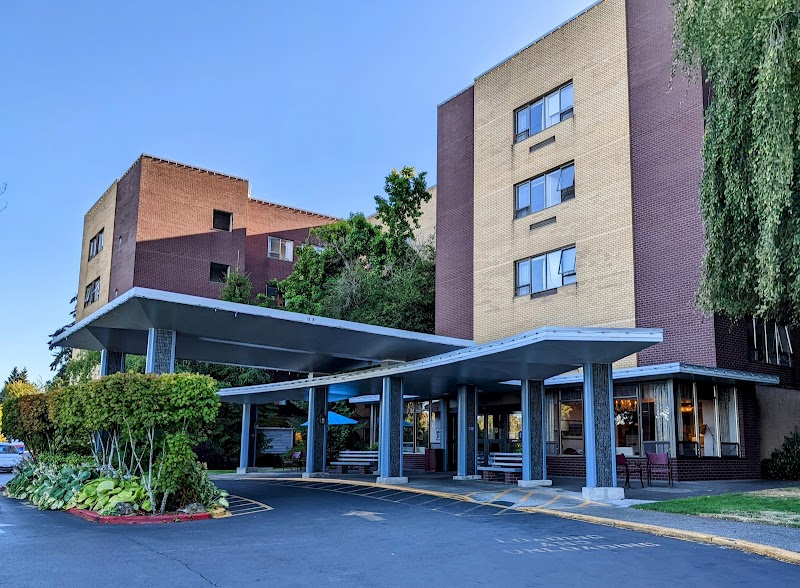
How is Providence Mount St Vincent Staffed?

CMS rates PROVIDENCE MOUNT ST VINCENT's staffing level at 4 out of 5 stars, which is above average compared to other nursing homes. Staff turnover is 65%, which is 19 percentage points above the Washington average of 46%. High turnover can affect care consistency as new staff learn residents' individual needs.

What Have Inspectors Found at Providence Mount St Vincent?

State health inspectors documented 63 deficiencies at PROVIDENCE MOUNT ST VINCENT during 2022 to 2025. These included: 4 that caused actual resident harm and 59 with potential for harm. Deficiencies causing actual harm indicate documented cases where residents experienced negative health consequences.
Who Owns and Operates Providence Mount St Vincent?

PROVIDENCE MOUNT ST VINCENT is owned by a non-profit organization. Non-profit facilities reinvest revenue into operations rather than distributing to shareholders. The facility is operated by PROVIDENCE HEALTH & SERVICES, a chain that manages multiple nursing homes. With 215 certified beds and approximately 185 residents (about 86% occupancy), it is a large facility located in SEATTLE, Washington.
How Does Providence Mount St Vincent Compare to Other Washington Nursing Homes?

Compared to the 100 nursing homes in Washington, PROVIDENCE MOUNT ST VINCENT's overall rating (1 stars) is below the state average of 3.2, staff turnover (65%) is significantly higher than the state average of 46%, and health inspection rating (1 stars) is much below the national benchmark.

What Should Families Ask When Visiting Providence Mount St Vincent?

Based on this facility's data, families visiting should ask: "What safeguards and monitoring systems are in place to protect residents from abuse or neglect?" "How do you ensure continuity of care given staff turnover, and what is your staff retention strategy?" "Can I visit during a mealtime to observe dining assistance and food quality?" "How do you handle medical emergencies, and what is your hospital transfer rate?" These questions are particularly relevant given the substantiated abuse finding on record and the facility's high staff turnover rate.

Is Providence Mount St Vincent Safe?

Based on CMS inspection data, PROVIDENCE MOUNT ST VINCENT has documented safety concerns. The facility has 1 substantiated abuse finding (meaning confirmed case of resident harm by staff or other residents). The facility has a 1-star overall rating and ranks #100 of 100 nursing homes in Washington. Families considering this facility should ask detailed questions about what corrective actions have been taken since these incidents.

Do Nurses at Providence Mount St Vincent Stick Around?

Staff turnover at PROVIDENCE MOUNT ST VINCENT is high. At 65%, the facility is 19 percentage points above the Washington average of 46%. High turnover means new staff may not know residents' individual needs, medications, or preferences. It can also be disorienting for residents, especially those with dementia who rely on familiar faces. Families should ask: What is causing the turnover? What retention programs are in place? How do you ensure care continuity during staff transitions?

Was Providence Mount St Vincent Ever Fined?

PROVIDENCE MOUNT ST VINCENT has been fined $87,454 across 2 penalty actions. This is above the Washington average of $33,953. Fines in this range indicate compliance issues significant enough for CMS to impose meaningful financial consequences. Common causes include delayed correction of deficiencies, repeat violations, or care failures affecting resident safety. Families should ask facility leadership what changes have been made since these penalties.

Is Providence Mount St Vincent on Any Federal Watch List?

PROVIDENCE MOUNT ST VINCENT is not on any federal watch list. The most significant is the Special Focus Facility (SFF) program, which identifies the bottom 1% of nursing homes nationally based on persistent, serious quality problems. Not being on this list means the facility has avoided the pattern of deficiencies that triggers enhanced federal oversight. This is a positive indicator, though families should still review the facility's inspection history directly.