QUEEN ANNE HEALTHCARE


2717 DEXTER AVENUE NORTH, SEATTLE, WA 98109 (206) 284-7012
For profit - Partnership 120 Beds AVAMERE Data: November 2025
Trust Grade
80/100
#31 of 190 in WA
Last Inspection: February 2025

Within standard 12-15 month inspection cycle. Federal law requires annual inspections.

Overview

Queen Anne Healthcare in Seattle has a Trust Grade of B+, which indicates it is above average and recommended for consideration. It ranks #31 out of 190 facilities in Washington, placing it in the top half, and #5 out of 46 in King County, meaning there are only four local alternatives that are better. Unfortunately, the facility's performance is worsening, with the number of issues rising from 1 in 2024 to 9 in 2025. Staffing is a strong point with a 5/5 star rating and a turnover rate of 41%, which is below the state's average of 46%, suggesting that staff are experienced and familiar with the residents. There have been no fines, which is a positive sign, but there are concerns regarding care plans; five residents did not have comprehensive plans in place, which could lead to adverse effects, and there were instances of improper respiratory equipment care, raising the risk of infections. Overall, while the facility has strong staffing and no fines, the recent trend of increasing issues and specific care shortcomings should be carefully considered by families.

Trust Score
B+
80/100
In Washington
#31/190
Top 16%
Safety Record
Low Risk
No red flags
Inspections
Getting Worse
1 → 9 violations
Staff Stability
○ Average
41% turnover. Near Washington's 48% average. Typical for the industry.
Penalties
✓ Good
No fines on record. Clean compliance history, better than most Washington facilities.
Skilled Nurses
✓ Good
Each resident gets 69 minutes of Registered Nurse (RN) attention daily — more than 97% of Washington nursing homes. RNs are the most trained staff who catch health problems before they become serious.
Violations
⚠ Watch
21 deficiencies on record. Higher than average. Multiple issues found across inspections.
★★★★★
5.0
Overall Rating
★★★★★
5.0
Staff Levels
★★★☆☆
3.0
Care Quality
★★★★☆
4.0
Inspection Score
Stable
2024: 1 issues
2025: 9 issues

The Good

  • 5-Star Staffing Rating · Excellent nurse staffing levels
  • Full Sprinkler Coverage · Fire safety systems throughout facility
  • No fines on record
  • Staff turnover below average (41%)

    7 points below Washington average of 48%

Facility shows strength in staffing levels, fire safety.

The Bad

Staff Turnover: 41%

Near Washington avg (46%)

Typical for the industry

Chain: AVAMERE

Part of a multi-facility chain

Ask about local staffing decisions and management

The Ugly 21 deficiencies on record

Apr 2025 1 deficiency
CONCERN (D) 📢 Someone Reported This

A family member, employee, or ombudsman was alarmed enough to file a formal complaint

Potential for Harm - no one hurt, but risky conditions existed

Assessment Accuracy (Tag F0641)

Could have caused harm · This affected 1 resident

**NOTE- TERMS IN BRACKETS HAVE BEEN EDITED TO PROTECT CONFIDENTIALITY** Based on interview and record review, the facility failed to accurately assess 1 of 3 residents (Resident 1), reviewed for Minim...

Read full inspector narrative →
**NOTE- TERMS IN BRACKETS HAVE BEEN EDITED TO PROTECT CONFIDENTIALITY** Based on interview and record review, the facility failed to accurately assess 1 of 3 residents (Resident 1), reviewed for Minimum Data Set (MDS-an assessment tool). The failure to accurately assess a surgical wound placed the resident at risk for unidentified and/or unmet care needs and a diminished quality of life. Findings included . According to the Long-Term Care Resident Assessment Instrument (RAI) 3.0 User's Manual, (a guide directing staff on how to accurately assess the status of residents) Version 1.19.1, dated October 2024, showed, .an accurate assessment requires collecting information from multiple sources, some of which are mandated by regulations. Those sources . include the resident's medical record . The RAI manual further showed, if a pressure ulcer [or pressure injury-wounds that occur from prolonged pressure on the skin] is surgically closed with a flap or graft [a body tissue used to cover another body area], it should be coded as a surgical wound and not as a pressure ulcer. If the flap or graft fails, continue to code it as a surgical wound until [it is] healed. Review of a physician progress note dated 02/04/2025, showed Resident 1 had a pressure ulcer on their sacrum (tail bone) that had undergone a failed flap surgery in 2023. Further review of the physician progress note showed Resident 1 had one unstageable (loss of the deepest layers of the skin extending into the muscle in which the base of the ulcer is covered by slough [yellowish layer of dead tissue] or eschar [dead tissue that appears hard, dry, dark covering]) pressure ulcer on their left ischium (hip bone). Review of the hospital wound note dated 02/10/2025, showed Resident 1 had history of stage 4 (full thickness tissue loss with exposed bone, tendon or muscle) pressure ulcer on their sacrum. Further review of the hospital wound note showed that Resident 1 had failed flap surgery on their sacral pressure ulcer. Review of Resident 1's significant change MDS dated [DATE], showed Section M0300D (Number of Stage 4 Pressure Ulcer) was coded 1. Review of Resident 1's physician progress note dated 04/15/2025, showed that Resident 1 had a flap surgical wound on their sacrum and unstageable pressure ulcer to their left ischium that was debrided (the process of removing dead skin from a wound to promote healing) and was evaluated as a stage 4 pressure ulcer. Review of the discharge MDS dated [DATE], showed Resident 1 was discharged to the hospital. Further review of the discharge MDS showed Section M0300D was coded 2. In an interview and joint record review on 04/22/2025 at 11:12 AM, Staff B, MDS Nurse, stated that they followed the RAI manual in coding the MDS. A joint record review of Resident 1's significant change MDS dated [DATE] showed that Section M0300D was coded 1. Joint review of Resident 1's discharge MDS dated [DATE] showed Section M0300D was coded 2. Staff B stated that they coded Resident 1's sacral wound as a stage 4 pressure ulcer on Resident 1's significant change MDS and on their discharge MDS. Joint review of the RAI manual dated October 2024 showed that a pressure ulcer should be coded as a surgical wound and not as a pressure ulcer when it was surgically closed with a flap and would continue to code it as a surgical wound even if the flap failed. Staff B stated that they did not code Resident 1's MDS accurately and will correct them. In an interview on 04/22/2025 at 1:54 PM, Staff A, Director of Nursing, stated that Resident 1's sacral pressure ulcer was not coded correctly and that they expected Resident 1's MDS to be coded accurately. Reference: (WAC) 388-97-1000 (1)(b) .
Feb 2025 8 deficiencies
CONCERN (D)

Potential for Harm - no one hurt, but risky conditions existed

Deficiency F0554 (Tag F0554)

Could have caused harm · This affected 1 resident

**NOTE- TERMS IN BRACKETS HAVE BEEN EDITED TO PROTECT CONFIDENTIALITY** Based on observation, interview, and record review, the facility failed to ensure residents were evaluated, assessed, and obtain...

Read full inspector narrative →
**NOTE- TERMS IN BRACKETS HAVE BEEN EDITED TO PROTECT CONFIDENTIALITY** Based on observation, interview, and record review, the facility failed to ensure residents were evaluated, assessed, and obtained a physician order for safe administration of medications for 2 of 2 residents (Residents 30 & 48), reviewed for self-medication administration. The failure to complete a self-administration of medication assessment and obtain a physician's order placed the residents at risk for medication errors, adverse medication interactions, and complications. Findings included . Review of the facility's policy titled, Self-Administration of Medications, revised in February 2001, showed, Residents have the right to self-administer medications. It showed, As part of the evaluation comprehensive assessment, the interdisciplinary team (IDT) assesses each resident's cognitive and physical abilities to determine whether self-administering medications is safe and clinically appropriate for the resident. The policy further showed, Any medications found at the bedside that are not authorized for self-administration are turned over to the nurse in charge for return to the family or responsible party. RESIDENT 30 Review of the admission Minimum Data Set (MDS-an assessment tool) dated 12/13/2024 showed Resident 30 admitted to the facility on [DATE] and that they were cognitively intact. In an interview and observation on 01/29/2025 at 2:16 PM, Resident 30 stated that they take Vitamin D (supplement) because they did not get any sun. Resident 30 then took a bottle of Vitamin A & D [supplement] from their bedside table. Another observation and interview on 01/30/2025 at 2:47 PM, showed Resident 30 had one opened bottle of Turmeric (supplement) and one opened bottle of Vitamin A & D on their bedside table. Resident 30 stated that they administer it themselves. When asked if staff were aware of the medications they were taking, Resident 30 stated, I would imagine, I leave them out. In a follow up interview at 4:10 PM, Resident 30 stated that they had been taking it for three days and took the recommended dose on the bottle. Review of Resident 30's January 2025 Medication Administration Record (MAR) did not show an order for Vitamin A & D and Turmeric. Further review showed that Resident 30 had an order for Cholecalciferol (Vitamin D3-supplement) once a day for bone health with a start date of 01/26/2025. Review of Resident 30's assessment tab in their Electronic Health Record (EHR) printed on 01/30/2025 did not show that a self-medication program was completed. RESIDENT 48 Review of the quarterly MDS dated [DATE] showed Resident 48 readmitted to the facility on [DATE]. Observation and interview on 01/29/2025 at 12:04 PM, showed Resident 48 took an opened tube of Terbinafine (an antifungal cream) from their bedside table and stated that their podiatrist (foot doctor) gave it to them for their foot. Resident 48 further stated that an unidentified nurse told them that they had to keep it [medication] over the counter [medication cart] and that they told the nurse no. Observation and interview on 01/30/2025 at 9:51 AM, showed one opened tube of Terbinafine on Resident 48's bedside table. Resident 48 stated that the nurse applied it on them two times a day, that sometimes they used it more than twice and sometimes not at all. Resident 48 further stated they had been using it before they came to the facility. Review of Resident 48's January 2025 MAR showed an order for Terbinafine Cream. Apply to feet topically two times a day for debrided nails with a start date of 01/18/2025. Review of Resident 48's assessment tab in the EHR printed on 01/30/2025 did not show that a self-medication program was completed. In an interview and joint observation on 01/30/2025 at 3:11 PM, Staff F, Licensed Practical Nurse, stated that they did not allow residents to keep their medications at the beside unless there was an order from the provider. Staff F stated that if it was an over the counter medication and the resident wanted to keep it with them, they would have to check with the provider and store the medication in the medication cart. When asked if residents were allowed to self-administer medications and keep it at the bedside, Staff F stated, No, unless there's an order. Joint observation showed that Resident 48 had one tube of Terbinafine on their bedside table. When asked if Resident 48 should have it at the bedside, Staff F stated, No and that they had to apply it for them. Joint record review of Resident 48's physician orders showed an order for Terbinafine. Staff F stated that it should not have been on their bedside table. Another joint observation showed Resident 30 had one bottle of Turmeric and one bottle of Vitamin A & D on their bedside table. Staff F stated that it should not have been on their bedside table and that Resident 30 should have had an order for the medications. Joint record review of Resident 30's physician orders showed that they did not have an order for Turmeric and Vitamin A & D. Staff F stated that they did not see an order for the medications. In an interview on 01/30/2025 at 3:47 PM, Staff E, Registered Nurse, stated that residents should not have had medications at bedside unless they had an order and that a self-medication program had to be completed. Staff E stated that Resident 48 did not have a self-medication program completed and that they should have had one. Staff E stated that Resident 30 did not have a self-medication program completed and that to their knowledge they did not know that Resident 30 was keeping the medications at bedside because they did not have an order for them. Staff E further stated that they always encourage residents/family to let the staff know before bringing medications/supplements in the facility. In a follow up interview at 4:04 PM, Staff E stated that if they were aware of the medications at resident's bedside and if resident request to self-administer the medications and want to keep it at the bedside, they would notify the provider and complete a self-medication program. Staff E further stated that their process was to lock up the medications until the provider gave an order, complete a self-medication program, assess the resident for safe medication administration, and safely store the medication at bedside. In an interview on 01/31/2025 at 1:38 PM, Staff B, Director of Nursing, stated that if a resident wanted to self-administer and keep their medications at bedside, they expected the resident to have a self-medication program and a physician's order that they can keep it at the bedside. Staff B stated that they would expect staff to ensure the resident's environment was safe by looking for medications at the bedside, or anything that they would need to secure. Staff B further stated that if Resident 30 and Resident 48 were observed with medications at the bedside, they would have expected staff to pick up the medications and complete a self-medication program if it was their wish to do it. Reference: (WAC) 388-97-1060(3)(l), 0440 .
CONCERN (D)

Potential for Harm - no one hurt, but risky conditions existed

Assessment Accuracy (Tag F0641)

Could have caused harm · This affected 1 resident

**NOTE- TERMS IN BRACKETS HAVE BEEN EDITED TO PROTECT CONFIDENTIALITY** Based on interview and record review, the facility failed to accurately assess 2 of 25 residents (Residents 89 & 190), reviewed ...

Read full inspector narrative →
**NOTE- TERMS IN BRACKETS HAVE BEEN EDITED TO PROTECT CONFIDENTIALITY** Based on interview and record review, the facility failed to accurately assess 2 of 25 residents (Residents 89 & 190), reviewed for Minimum Data Set (MDS-an assessment tool). The failure to ensure accurate assessments regarding discharge status and insulin (medication/hormone that regulates blood sugar levels) injections placed the residents at risk for unidentified and/or unmet care needs, and a diminished quality of life. Findings included . According to the Long-Term Care Resident Assessment Instrument (RAI) 3.0 User's Manual, (a guide directing staff on how to accurately assess the status of residents) Version 1.19.1, dated October 2024, showed, .an accurate assessment requires collecting information from multiple sources, some of which are mandated by regulations. Those sources must include the resident and direct care staff on all shifts, and should also include the resident's medical record, physician, and family, guardian and/or other legally authorized representative, or significant other as appropriate or acceptable. It is important to note here that information obtained should cover the same observation period as specified by the MDS items on the assessment and should be validated for accuracy (what the resident's actual status was during that observation period) by the IDT [Interdisciplinary Team] completing the assessment. As such, nursing homes are responsible for ensuring that all participants in the assessment process have the requisite knowledge to complete an accurate assessment. The MDS manual further showed to mark/code medications given to the resident by any route. The Observation Period (also known as the Look-back period) is the time-period over which the resident's condition or status is captured by the MDS and ends at 11:59 PM on the day of the Assessment Reference Date (ARD or assessment period). RESIDENT 89 Review of Resident 89's face sheet showed they admitted to the facility on [DATE] and discharged from the facility on 12/24/2024. Review of Resident 89's progress note dated 12/24/2024 showed they discharged to the community. Review of the discharge MDS dated [DATE] showed Resident 89 was coded for discharge status to acute hospital. In an interview and joint record review on 01/31/2025 at 11:42 AM with Staff M, MDS Coordinator, they stated that they followed the RAI manual for completion of MDSs. Joint record review of Resident 89's discharge MDS, showed that it was coded/marked for discharge to acute hospital. Staff M stated Resident 89's MDS showed they discharged to the hospital. Another joint record review and interview with Staff M, showed Resident 89's progress notes indicated that they discharged against medical advice to the community. Staff M stated Resident 89's discharge MDS was inaccurate and that it should have been coded as discharged to the community. RESIDENT 190 Review of the January 2025 Medication Administration Record showed Resident 190 was administered insulin on 01/17/2025, 01/18/2025, 01/20/2025, 01/21/2025, and 01/22/2025, for a total of five-days during the look back period. Review of the admission MDS dated [DATE] showed Resident 190 was marked that they received 6 injections and 6 insulin injections in Section N (Medications). Joint record review and interview on 01/31/2025 at 11:26 AM with Staff M, showed Resident 190's MDS was coded for 6 injections and 6 insulin injections, indicating that Resident 190 received insulin injections for six days. Staff M stated that Resident 190 received 6 insulin injections from 01/17/2025 through 01/22/2025. Another joint record review and interview with Staff M showed Resident 190's progress notes indicated that insulin was held and not given on 01/19/2025. Staff M stated that Resident 190's MDS was coded incorrectly and that they would modify it to show 5 injections and 5 insulin injections in Section N. On 02/03/2025 at 12:25 PM, Staff B, Director of Nursing, stated they expected MDSs were completed accurately. Staff B stated that Resident 89's discharge MDS was coded incorrectly. Staff B further stated they expected Resident 190's admission MDS to be coded accurately. Reference: (WAC) 388-97-1000 (1)(b) .
CONCERN (D)

Potential for Harm - no one hurt, but risky conditions existed

Deficiency F0646 (Tag F0646)

Could have caused harm · This affected 1 resident

**NOTE- TERMS IN BRACKETS HAVE BEEN EDITED TO PROTECT CONFIDENTIALITY** Based on interview and record review, the facility failed to notify the State Pre-admission Screening and Resident Review (PASAR...

Read full inspector narrative →
**NOTE- TERMS IN BRACKETS HAVE BEEN EDITED TO PROTECT CONFIDENTIALITY** Based on interview and record review, the facility failed to notify the State Pre-admission Screening and Resident Review (PASARR or PASRR-an assessment used to identify people [residents] referred to nursing facilities with Serious Mental Illness [SMI], intellectual disabilities, or related conditions are not inappropriately placed in nursing facilities for long term care) Coordinator after a significant change in status occurred for 1 of 7 residents (Resident 7), reviewed for PASARR. This failure placed the resident at risk for unmet care needs and a diminished quality of life. Findings included . Review of the facility's policy titled, PASRR Policy, revised on 03/22/2024, showed, The PASRR determines that individuals are admitted appropriately to the nursing facility. It identifies people who have an intellectual disability or related concern, or a serious mental health illness, ensuring they receive the services needed. Resident 7 admitted to the facility on [DATE] with diagnoses that included depression (a mental health condition that involves intense feeling of sadness), paranoid personality disorder (a mental health condition characterized by a long-term pattern of extreme distrust and suspicion of others), and unspecified psychosis (a disorder where the individual experiences symptoms such as delusions, hallucinations, disorganized thinking and speech and emotional withdrawal). Review of the Level I PASARR updated on 09/10/2024, showed Resident 7 had SMI and required a Level II PASARR evaluation (a comprehensive evaluation for a positive Level I screening) referral. Review of the Certification of Terminal Illness dated 10/30/2024, showed Resident 7 had a terminal illness with a life expectancy of six months or less. It further showed that Resident 7 enrolled in hospice services on 10/29/2024. A review of Resident 7's Electronic Health Record (EHR) showed Resident 7 had a significant change in status Minimum Data Set (an assessment tool) dated on 11/04/2024. In an interview on 01/31/2025 at 12:55 PM, Staff Q, Social Services Director, stated that their process was to complete a new Level I PASARR and refer for Level II PASARR evaluation if a resident had a significant change in status. Staff Q stated that enrolling in hospice was considered a significant change in status. Staff Q stated that Resident 7 admitted to hospice on 10/29/2024 and there should have been a new Level I PASARR done for her change in condition. Staff Q further stated that they did not notify the PASARR coordinator about Resident 7's significant change in status. In an interview and joint record review on 02/03/2025 at 12:14 PM, Staff A, Administrator, stated that their expectation for a resident who had a significant change in status, was that they would do a new one [Level I PASARR] or update the PASARR coordinator. Staff A stated that when a resident enrolled in hospice services it was considered a significant change in status, and they expected a new referral for Level II evaluation to be sent. Joint record review of Resident 7's EHR showed Resident 7 had a Level I PASARR updated on 09/10/2024, and that Resident 7 required a Level II PASARR evaluation referral. Further review of the EHR showed no documentation that a new Level I PASARR was sent for Level II PASARR evaluation after Resident 7 enrolled in hospice services. Staff A stated, I would say she would need to have a new one [Level I PASARR] after hospice enrollment. Reference: (WAC) 388-97-1975 (7) .
CONCERN (D)

Potential for Harm - no one hurt, but risky conditions existed

Respiratory Care (Tag F0695)

Could have caused harm · This affected 1 resident

**NOTE- TERMS IN BRACKETS HAVE BEEN EDITED TO PROTECT CONFIDENTIALITY** RESIDENT 12 Resident 12 admitted to the facility on [DATE] with diagnoses that included chronic obstructive pulmonary disease (a...

Read full inspector narrative →
**NOTE- TERMS IN BRACKETS HAVE BEEN EDITED TO PROTECT CONFIDENTIALITY** RESIDENT 12 Resident 12 admitted to the facility on [DATE] with diagnoses that included chronic obstructive pulmonary disease (a group of lung diseases that make it difficult to breathe) and chronic respiratory failure. Review of Resident 12's January 2025 Medication Administration Record (MAR), showed an order for O2 [oxygen] @ [at] 2L/min [minute] via NC [nasal cannula] PRN [as needed] for SOB [shortness of breath]/cyanosis [when the skin, lips or nails turn blue due to a lack of oxygen in the blood], as needed for decreasing O2 sat [oxygen saturation] < [less than] 90% [percent], started on 12/02/2024. Observations on 01/27/2025 at 10:35 AM, on 01/28/2025 at 9:19 AM, on 01/29/2025 at 8:32 AM, and on 01/29/2025 at 12:05 PM, showed Resident 12 receiving oxygen from an oxygen concentrator via a nasal cannula at two and a half liters. In an interview on 01/28/2025 at 10:15 AM, Resident 12 stated they had been using oxygen continuously probably for a year at a low dose. In an interview and joint observation on 01/29/2025 at 1:28 PM, Staff P, RN, stated that they would expect an order if a resident was using oxygen continuously. Staff P stated that Resident 12 was receiving continuous oxygen. Joint observation showed Resident 12 was receiving oxygen from an oxygen concentrator via a nasal cannula at two and a half liters. Staff P stated they were responsible for checking the oxygen whenever I go in [resident rooms]. Joint record review of Resident 12's January 2025 MAR showed an order for O2 @ 2 L/min via NC PRN for SOB/cyanosis, as needed for decreasing O2 sat < 90%. Staff P stated the order should be for continuous oxygen at two liters per minute and I'm going to adjust it [Resident 12's oxygen concentrator settings] to two liters. In an interview and joint record review on 01/29/2025 at 2:40 PM, Staff G, RCM, stated they would expect an order if a resident was receiving continuous oxygen therapy. Staff G stated, she's [Resident 12] on PRN oxygen and we are monitoring her oxygen sats [saturation] and if it goes below 90 percent. Joint record review of the vitals tab in Resident 12's electronic health record showed no documentation that Resident 12's oxygen saturation went below 90 percent. Staff G stated the documentation did not show that Resident 12's oxygen saturations dropped below 90 percent. Joint record review of Resident 12's January 2025 MAR showed no documentation that Resident 12 was using oxygen, Staff G stated, it should be documented. Staff G stated that Resident 12 should be on two liters of oxygen and not two and a half liters. Staff G further stated, I checked with the provider, and we are changing it [Resident 12's oxygen order] to continuous. In an interview on 02/03/2025 at 11:56 AM, Staff B stated that if a resident had been on PRN oxygen for a while, I would expect a new order for continuous oxygen. Staff B further stated that if a resident had an order to receive two liters of oxygen, I would not expect the oxygen settings to be at two and a half liters. Reference: (WAC) 388-97-1060 (3)(j)(vi) Based on observation, interview, and record review, the facility failed to ensure physician's orders for oxygen were in place and/or followed according to professional standards of practice for 2 of 3 residents (Residents 85 & 12), reviewed for respiratory care. This failure placed the residents at risk for unmet care needs, and related respiratory complications. Findings included . Review of the facility's policy titled, Oxygen Administration, revised in October 2010, showed The purpose of this procedure is to provide guidelines for safe oxygen administration . Oxygen therapy is administered by way of an oxygen mask, nasal cannula [flexible tubing that sits inside the nostrils and delivers oxygen], and/or nasal catheter [flexible rubber or plastic tube with several holes near the tip inserted in the nostril] . Adjust the oxygen delivery device so that it is comfortable for the resident and the proper flow of oxygen is being administered. RESIDENT 85 Resident 85 admitted to the facility on [DATE] with diagnoses that included sarcoidosis of the lungs (a condition that causes inflammation and lumps in the lungs that can cause shortness of breath, cough, and fatigue) and chronic respiratory failure with hypoxia (insufficient oxygen in the blood). Observation on 01/27/2025 at 2:47 PM, showed Resident 85 was receiving oxygen from an oxygen concentrator via a nasal cannula at a rate of two and a half liters (unit of measurement) per minute. Resident 85 stated that they have used oxygen for a long time due to their sarcoidosis and that they use their oxygen continuously from an oxygen concentrator when in their room and from an oxygen tank when out of their room. Review of the physician's orders printed on 01/27/2025 did not show Resident 85 had orders for oxygen. Review of the hospital Discharge summary dated [DATE] showed Resident 85 received oxygen at two to three liters per minute via nasal cannula. Further review of the discharge summary showed continues on 3L NC [three liters per minute via nasal cannula]. Review of the physician's progress note dated 01/10/2025 showed, Plan: continuous oxygen at 2 L [two liters per minute] at rest and 4 L [four liters per minute] with activities per pulmonary [lung doctor] recommendations. On 01/29/2025 at 1:55 PM, Staff L, Certified Nursing Assistant, stated that Resident 85 used their oxygen all the time. In an interview and joint record review on 01/29/2025 at 2:12 PM with Staff N, Registered Nurse (RN), stated that Resident 85 was on continuous oxygen at a rate of two liters per minute. Joint record review of the physician's orders showed Resident 85 did not have orders for continuous oxygen. Staff N stated that there was an order to check oxygen saturation (percentage amount of oxygen in the blood - specifically in the red blood cells) as needed and that there should have been an order for how much oxygen Resident 85 was getting per minute. In an interview and joint record review on 01/29/2025 at 2:21 PM with Staff E, Resident Care Manager (RCM), stated they expected residents admitting with oxygen had an oxygen order in place. Staff E stated that oxygen orders would have information if the oxygen was as needed or continuously, and the amount of oxygen liters per minute. Joint record review of the physician's order dated 01/29/2025, showed Resident 85 had an order to increase the oxygen up to four liters per minute as needed. Staff E stated that Resident 85's order to increase oxygen was started on 01/29/2025. Joint record review of the hospital discharge summary indicated that Resident 85 was on two to three liters per minute of oxygen via nasal cannula. Staff E stated that Resident 85 should have had orders for oxygen since their admission [DATE]]. On 02/03/2025 at 12:34 PM, Staff B, Director of Nursing, stated they expected oxygen administration orders were in place for residents who admitted with supplemental oxygen. Staff B further stated that Resident 85 should have had an order for oxygen upon admission.
CONCERN (D)

Potential for Harm - no one hurt, but risky conditions existed

Pharmacy Services (Tag F0755)

Could have caused harm · This affected 1 resident

Based on observation, interview, and record review, the facility failed to ensure a physician order was followed and/or clarified for 1 of 4 residents (Resident 194), reviewed for medication administr...

Read full inspector narrative →
Based on observation, interview, and record review, the facility failed to ensure a physician order was followed and/or clarified for 1 of 4 residents (Resident 194), reviewed for medication administration. This failure placed the resident at risk for receiving incorrect medication dosage and formula, adverse side effects, and a diminished quality of life. Findings included . Review of the facility's policy titled, Administering Medications, revised in April 2019, showed medications should be administered in accordance with the prescriber's orders. The policy further showed that the individual administering the medication checks the label three times to verify the right resident, right medication, right dosage, right time, and right method (route) of administration before giving the medication. Review of Resident 194's physician orders showed an order for Ferrous Sulfate (iron supplement) oral tablet delayed release 324 milligrams (mg-unit of measurement) initiated on 01/18/2025 to be given one time a day every other day. Observation on 01/30/2025 at 8:39 AM, showed Staff H, Licensed Practical Nurse, administered Ferrous Sulfate 325 mg to Resident 194 instead of the prescribed order above. In an interview on 01/30/2025 at 8:51 AM, Staff H stated that they administered the iron supplement (325 mg) they had in supply to Resident 194 and that they were not sure if it was delayed release as it was not labeled on the bottle. Staff H stated that they should confirm the order, read the order, then look for the medication and administer it. Staff H further stated that if the order did not match the medication, then they had to clarify the order with the provider and that they did not do that with Resident 194's iron supplement. Joint record review and interview on 01/30/2025 at 2:10 PM with Staff G, Resident Care Manager, showed a nursing progress note dated 01/30/2025 that Staff H had documented they had given iron 325 mg in error instead of iron 324 mg delayed release and they had notified the provider. Staff G stated that the staff should check the resident name, medication, dose, and route prior to administration. Staff G stated Staff H should have done this prior to administering the incorrect iron supplement to Resident 194. Staff G stated that Staff H should have clarified the order with the provider. Staff G further stated that the provider changed Resident 194's order to iron 325 mg (the facility's house stock). On 01/31/2025 at 1:22 PM, Staff B, Director of Nursing, stated their expectation was for nursing staff to check for the correct medication order, patient, dose, route, and strength. Staff B further stated that Staff H should have clarified the order with the provider. Reference: (WAC) 388-97-1300 (3)(a) .
CONCERN (D)

Potential for Harm - no one hurt, but risky conditions existed

Infection Control (Tag F0880)

Could have caused harm · This affected 1 resident

Based on observation, interview, and record review, the facility failed to ensure Enhanced Barrier Precautions (EBP- precaution to protect residents from multidrug-resistant organism [a germ that is r...

Read full inspector narrative →
Based on observation, interview, and record review, the facility failed to ensure Enhanced Barrier Precautions (EBP- precaution to protect residents from multidrug-resistant organism [a germ that is resistant to medications that treat infections]) practices were followed for 1 of 9 residents (Resident 72), reviewed for infection control. In addition, the facility failed to ensure hand hygiene and proper glove use were followed for 1 of 3 residents (Resident 12), reviewed for wound care, and failed to ensure clean linens were carried appropriately for 1 of 1 resident (Resident 6), reviewed for laundry services. These failures placed the residents, staff, and visitors at an increased risk for infection and related complications. Findings included . Review of the facility's policy titled, Enhanced Barrier Precautions, dated 03/21/2024, showed, PPE [Personal Protective Equipment-equipment [gown, gloves, mask] worn to minimize exposure to hazards that cause illness] for enhanced barrier precautions is only necessary when performing high-contact care activities. It showed that that high contact activities included, providing hygiene. Review of the facility's policy titled, Handwashing/Hand Hygiene, revised in August 2019, showed to use an alcohol-based hand rub .or, alternatively, soap (antimicrobial or non-antimicrobial) and water .after removing gloves. ENHANCED BARRIER PRECAUTIONS RESIDENT 72 Review of Resident 72's admission minimum data set (an assessment tool), dated 01/29/2025, showed Resident 72 required substantial/maximal assistance (helper does more than half the effort) for oral hygiene. Review of Resident 72's infection care plan, revised on 11/15/2024, showed Resident 72 was on EBP. Observation and interview on 01/29/2025 at 10:33 AM, showed Staff O, Speech Therapist, enter Resident 72's room (EBP room) wearing gloves, and no other PPE. It showed Staff O using an oral swab and providing oral care for Resident 72. Staff O stated, if I need to give oral care, I just need gloves. Joint observation of the EBP signage outside Resident 72's room showed to wear gown and gloves when providing personal hygiene. Staff O stated that oral care was considered personal hygiene and I should wear a gown. In an interview on 02/03/2025 at 11:26 AM, Staff D, Infection Preventionist, stated that they expected staff to follow the protocol for residents on EBP. Staff D stated that staff should wear PPE (gown and gloves) when they have high contact with residents, which included providing hygiene. Staff D further stated that oral care was considered personal hygiene and staff should wear gown, gloves and a mask. In an interview on 02/03/2025 at 11:56 AM, Staff B, Director of Nursing, stated that all staff, including therapy staff, should wear PPE when providing personal hygiene care to residents on EBP. Staff B stated that oral care was considered personal hygiene and staff should wear gloves, mask and gown. HAND HYGIENE/GLOVE USE RESIDENT 12 Review of Resident 12's comprehensive care plan, revised on 12/08/2024, showed Resident 12 had a pressure wound. Review of Resident 12's January 2025 Medication Administration Record, showed an order for daily dressing changes for wound care, started on 01/14/2025. Observation on 01/30/2025 at 11:14 AM, showed Staff H, Licensed Practical Nurse, was assisting to change Resident 12's briefs. Staff H used wipes to clean Resident 12, then took off their soiled gloves, put on clean gloves, and helped to put clean linens on the bed. No hand hygiene was done between glove changes. Observation on 01/30/2025 at 11:43 AM, showed Staff H perform hand hygiene, put on clean gloves and cleaned around the wound with gauze and wound cleanser. Staff H removed their soiled gloves and put on new gloves, and did not perform hand hygiene between glove changes. Staff H then applied the skin prep (used to protect the skin) around the wound, took off their soiled gloves, put on new gloves and applied the dressing. No hand hygiene was done between glove changes. In an interview on 01/30/2025 at 11:56 AM, Staff H stated that hand hygiene should be done between glove use and that they did not do this when performing Resident 12's dressing change. In an interview on 02/03/2025 at 11:26 AM, Staff D stated that they expected staff to perform hand hygiene before and after changing gloves, and we should be doing [hand hygiene] between glove use. In an interview on 02/03/2025 at 11:56 AM, Staff B stated that they expected staff to follow our policy for handwashing. Staff B further stated that hand hygiene should be done between glove use. TRANSPORTING CLEAN LINEN Review of the facility's policy titled, Infection Prevention and Control Program, revised in October 2018, showed that An infection prevention and control program is established and maintained to provide a safe, sanitary and comfortable environment and to help prevent the development and transmission of communicable diseases and infections. RESIDENT 6 Review of the physician orders printed on 01/27/2025 showed Resident 6 had an order for EBP. Further review of the physician orders showed Resident 6 had wounds on their right and left legs and was receiving wound care treatments. Observation and interview on 01/29/2025 at 9:34 AM, showed Staff I, Certified Nursing Assistants, carrying clean linens that included one white blanket, one blue blanket, one fitted sheet, and one flat sheet against Staff I's chest touching their clothes. Staff I stated that they were going to change Resident 6's bed linens. Staff I further stated that they carried the clean linens against their chest because [it] is hard to manage when we need to use Purell [brand name-hand sanitizer], we have to do it all the time, gel in and gel out. On 02/03/2025 at 11:59 AM, Staff K, Registered Nurse, stated that clean linens should be carried away from the body and not against the body. On 02/03/2025 at 12:01 PM, Staff L, Resident Care Manager, stated they expected that clean linens were carried away from staff's body or uniform. Staff L further stated that staff should not have had the clean linens touch their body when entering Resident 6's room. On 02/03/2025 at 12:07 PM, Staff D stated they did not expect staff to carry clean linens against their body. On 02/03/2025 at 12:24 PM, Staff B stated they expected staff to carry clean linens away from their body and that staff should not have carried the clean linens against their body to change Resident 6's linens. Reference: (WAC) 388-97-1320 (1)(a)(c)(3) .
CONCERN (D)

Potential for Harm - no one hurt, but risky conditions existed

Deficiency F0883 (Tag F0883)

Could have caused harm · This affected 1 resident

**NOTE- TERMS IN BRACKETS HAVE BEEN EDITED TO PROTECT CONFIDENTIALITY** Based on interview and record review, the facility failed to ensure the influenza vaccine (used to prevent influenza [an infecti...

Read full inspector narrative →
**NOTE- TERMS IN BRACKETS HAVE BEEN EDITED TO PROTECT CONFIDENTIALITY** Based on interview and record review, the facility failed to ensure the influenza vaccine (used to prevent influenza [an infection of the nose, throat, and lungs]), was provided for 1 of 5 residents (Resident 10), reviewed for immunizations. This failure placed the resident at risk of acquiring, transmitting, and/or experiencing potentially avoidable complications from influenza disease. Findings included . Review of the facility's policy titled, Influenza Vaccine, revised in March 2022, showed, Between October 1st [first] and March 31st [thirty first] each year, the influenza vaccine shall be offered to residents and employees, unless the vaccine is medically contraindicated, or the resident or employee has already been immunized. Resident 10 admitted to the facility on [DATE]. Review of the facility's document titled, Vaccination History and Consent, dated 01/09/2025, showed that Resident 10's representative consented to receive the influenza vaccine on 01/12/2025. It further showed that a nurse signed the form on 01/21/2025. Review of the electronic health record showed no documentation that Resident 10 was provided an influenza vaccination. In an interview and joint record review on 02/03/2025 at 11:00 AM, Staff D, Infection Preventionist, stated that they offered the influenza vaccine to residents on admission. Staff D stated that if a resident and/or their representative signed that they wanted to receive the influenza vaccine, they would order it and send out to the pharmacy. Joint record review of the Vaccination History and Consent, dated 01/09/2025, showed that Resident 10's representative consented to receive the influenza vaccine on 01/12/2025. Joint record review of Resident 10's January 2025 medication administration record showed that there was no documentation that Resident 10 received the influenza vaccine. Staff D stated, I don't see an order, I need to follow up and I don't know what happened. I think I missed this one. Staff C, Assistant Director of Nursing, stated that the influenza vaccine would be given to the resident usually within the week of signing that they wanted to receive the vaccine. In an interview on 02/03/2025 at 11:56 AM, Staff B, Director of Nursing, stated that they offered the influenza vaccine to every new admission, and once they accept it, the vaccine is ordered and administered. Staff B stated they expected the influenza vaccine to be ordered right after getting consent and would get the vaccine from the pharmacy in around three to four days. Reference: (WAC) 388-97-1340 (1)(2) .
CONCERN (D)

Potential for Harm - no one hurt, but risky conditions existed

Deficiency F0887 (Tag F0887)

Could have caused harm · This affected 1 resident

**NOTE- TERMS IN BRACKETS HAVE BEEN EDITED TO PROTECT CONFIDENTIALITY** Based on interview and record review, the facility failed to ensure the COVID-19 (a highly transmissible infectious virus that c...

Read full inspector narrative →
**NOTE- TERMS IN BRACKETS HAVE BEEN EDITED TO PROTECT CONFIDENTIALITY** Based on interview and record review, the facility failed to ensure the COVID-19 (a highly transmissible infectious virus that causes respiratory illness and in severe cases can cause difficulty breathing and could result in impairment or death) vaccine was provided for 1 of 5 residents (Resident 10), reviewed for immunizations. The failure to provide the COVID-19 vaccination placed the resident at risk for contracting the COVID-19 virus and related complications. Findings included . Review of the Centers for Disease Control and Prevention online document titled, Staying Up to Date with COVID-19 Vaccines, dated 10/03/2024, showed that everyone ages 6 months and older should get a 2024-2025 COVID-19 vaccine. It showed that people ages 12-64 years are up to date when they have received one dose of the 2024-2025 COVID-19 vaccine. It further showed that people ages 65 years and older are up to date when they have received two doses of any 2024-2025 COVID-19 vaccine 6 months apart. Review of the facility's policy titled, COVID-19 Vaccine, dated 08/11/2023, showed All residents and employees who have no medical contraindications to the vaccine will be offered the COVID-19 Vaccine. It further showed, The resident's medical record will include .each dose of COVID-19 vaccine administered. Resident 10 admitted to the facility on [DATE]. Review of the facility's document titled, Vaccination History and Consent, dated 01/09/2025, showed that Resident 10's representative consented to receive the COVID-19 vaccine on 01/12/2025. It further showed that a nurse signed the form on 01/21/2025. Review of Resident 10's electronic health record showed no documentation that Resident 10 was provided a COVID-19 vaccination. In an interview and joint record review on 02/03/2025 at 11:00 AM, Staff D, Infection Preventionist, stated that they offered the COVID-19 vaccine to residents on admission. Staff D stated that if a resident and/or their representative signed that they wanted to receive the COVID-19 vaccine, they would order it and send out to the pharmacy. Joint record review of the Vaccination History and Consent, dated 01/09/2025, showed that Resident 10's representative consented to receive the COVID-19 vaccine on 01/12/2025. Joint record review of Resident 10's January 2025 Medication Administration Record showed no documentation that Resident 10 received the COVID-19 vaccine. Staff D stated, I don't see an order, I need to follow up and I don't know what happened. I think I missed this one. Staff C, Assistant Director of Nursing, stated that they received the completed consent form from Resident 10's representative on 01/21/2025. Staff C further stated that the COVID-19 vaccine would be given to the resident usually within the week of signing that they wanted to receive the vaccine. In an interview on 02/03/2025 at 11:56 AM, Staff B, Director of Nursing, stated that they offer the COVID-19 vaccine to every new admission, and once they accept it, the vaccine is ordered and administered. Staff B stated they expected the COVID-19 vaccine to be ordered right after getting [the] consent and the vaccine would be ordered from the pharmacy and be available in the facility in around 3-4 days. No reference WAC .
May 2024 1 deficiency
CONCERN (D) 📢 Someone Reported This

A family member, employee, or ombudsman was alarmed enough to file a formal complaint

Potential for Harm - no one hurt, but risky conditions existed

Deficiency F0813 (Tag F0813)

Could have caused harm · This affected 1 resident

**NOTE- TERMS IN BRACKETS HAVE BEEN EDITED TO PROTECT CONFIDENTIALITY** Based on observation, interview, and record review, the facility failed to ensure foods stored in residents' personal refrigerat...

Read full inspector narrative →
**NOTE- TERMS IN BRACKETS HAVE BEEN EDITED TO PROTECT CONFIDENTIALITY** Based on observation, interview, and record review, the facility failed to ensure foods stored in residents' personal refrigerators were labeled with use by date, discarded after use by date, and refrigerators had internal thermometer for 2 of 3 residents (Residents 1 & 2) and for 1 of 2 resident refrigeration units (First Floor Resident Refrigeration Unit), reviewed for personal food safety. In addition, the facility failed to ensure refrigerator temperatures were monitored and maintained for 2 of 3 refrigerators (Resident 2's Personal Refrigerator & First Floor Resident Refrigeration Unit). These failures placed the residents at risk for food borne illness (caused by the ingestion of contaminated food or beverages) and a diminished quality of life. Findings included . Review of the facility's policy titled, Personal Food Storage, revised in December 2016, showed that food or beverage brought in from outside sources for storage in facility pantries, refrigeration units, or personal room refrigeration units will be monitored by designated facility staff for food safety. It further showed that perishable foods items without a manufacturer's expiration date should be dated upon arrival in the facility and thrown away three days after the date marked. Items in unmarked or in unlabeled containers should be marked with the current date the food items were stored. Food or beverages past the manufacturer's expiration date will be thrown away immediately. All refrigeration units will have internal thermometers to monitor for safe food storage temperatures. Units must maintain safe internal temperatures in accordance with state and federal standards for safety storage temperatures. Staff will monitor and document unit refrigerator temperature. RESIDENT 1'S PERSONAL ROOM REFRIGERATOR During an interview on 05/14/2024 at 4:19 PM with Collateral Contact 1, stated that the resident received food from the facility that tasted bad. During a joint observation and interview on 05/15/2024 at 11:10 AM with Staff G, Certified Nursing Assistant, showed Resident 1's personal refrigerator had the following food items: - One clear zip top plastic bag of sliced pastrami meat, with a use by date of 05/07/2024 - One clear zip top plastic bag of sliced beef roast meat, with a use by date of 05/07/2024. Staff G stated that the deli meats (pastrami and beef roast) were not good to consume and should have been discarded after the use by date of 05/07/2024. A joint observation and interview on 05/15/2024 at 11:25 AM with Staff D, Resident Care Manager, showed Resident 1's refrigerator had food items inside, and it did not have an internal thermometer. Staff D stated that Resident 1's refrigerator should have had a thermometer inside. Staff D further stated that the dietary staff was responsible to check the food items in residents' personal refrigerators and monitor the temperature. On 05/15/2024 at 12:48 PM, Staff I, Dietary Aide, stated they logged Resident 1's personal refrigerator's temperature and they must have missed to inspect the food items and their use by date. Staff I further stated the expired food items should have been thrown out after their use by date. RESIDENT 2'S PERSONAL ROOM REFRIGERATOR During a joint observation and interview on 05/15/2024 at 12:22 PM with Staff H, Nursing Assistant Registered, showed Resident 2's personal refrigerator had three clear zip top plastic bags of half sized sandwiches [chicken sandwiches] without label and date. Further observation showed there was no internal thermometer inside Resident 2's refrigerator. Staff H stated that these were chicken salad sandwiches from the kitchen, which had no written label of resident's name and their use by date. Staff H further stated that they would not be able to know when to discard them. On 05/15/2024 at 12:23 PM, Staff E, Registered Dietician, stated that the dietary staff were responsible to check the residents personal room refrigerators daily, which also included temperature checking, cleaning and/or discarding expired food items beyond use by date. Staff E further stated that the kitchen delivered the chicken salad sandwiches to the residents in zip top plastic bag and were not labeled with what type of food, residents' name, and use by date. A joint record review and interview on 05/15/2024 at 12:44 PM with Staff E, showed three residents (Resident 1, 2 & 3) were entered on the May 2024 Resident Room Fridge Temperature Log. The temperature log record showed Resident 2 had no refrigerator temperature recorded for the month of May 2024. Staff E stated that they would have placed a thermometer in Resident 2's new refrigerator if they had known it had arrived. An interview and observation on 05/15/2024 at 1:21 PM, Resident 2 was asked if he remembered when their refrigerator was delivered, Resident 2 was observed checking their personal computer [laptop] and stated that their personal refrigerator arrived on 05/09/2024. On 05/15/2024 at 1:35 PM, Staff C, Assistant Director of Nursing, was asked when they would expect internal thermometer be placed for new refrigerators, Staff C stated when refrigerators were [first plugged in and] functioning. FIRST FLOOR RESIDENT'S REFRIGERATOR UNIT During a joint observation and interview on 05/15/2024 at 12:50 PM with Staff E, showed a resident refrigerator unit located on the First Floor (physician charting room) had posted a note that read, This fridge is for resident supplements/snacks. Pls [please] bring personal food in the pantry. Inside the refrigerator showed it had no internal thermometer/no temperature log monitoring, and had the following food items: - One round clear food storage container with an unknown food, labeled room [ROOM NUMBER]B, the food item was not labeled with resident's name and/or what date it was received. - One clear plastic container labeled orzo (small pasta cut in the shape of short-grain rice) salad with use by date of 05/07/2024. Staff E stated that dietary staff were not responsible for checking the food items and monitoring temperatures for the this [First Floor Resident's refrigerator Unit] refrigerator. On 05/15/2024 at 1:02 PM, Staff F, Charge Nurse, stated that food items received from residents and/or their representatives should have been labeled with the resident's name and the date it was received. Staff F stated that the leftover food items in the first-floor residents' refrigerator and the orzo salad that was beyond its use by date should have been thrown out. Staff F further stated that the unlabeled food container should have had the resident's name and the date it was received. On 05/15/2024 at 1:35 PM, Staff C stated they expected each refrigeration units to have an internal thermometer and that food items received from residents and/or their representatives should be labeled with resident's name and the date it was received. Staff C further stated that any food items beyond the use by date should have been discarded by dietary staff and/or nursing staff. On 05/16/2024 at 11:00 AM, Staff B, Director of Nursing, stated that each resident's personal room refrigeration unit should have had a thermometer in it, and that food items should be labeled with resident's name, and the date the food item was received. Staff B further stated that food items in Resident 1's refrigerator should have been discarded after their use by date and that Resident 2's refrigeration unit should have had a thermometer in it and daily temperature checks. On 05/16/2024 at 11:30 AM, Staff A, Administrator, stated they expected staff to follow the facility policy on personal food storage. Staff A further stated that staff were expected to discard food items that were beyond use by date and that that each refrigeration unit should have had a thermometer and a temperature log. Reference: (WAC) 388-97-1100 (3) .
Oct 2023 10 deficiencies
CONCERN (D)

Potential for Harm - no one hurt, but risky conditions existed

Deficiency F0558 (Tag F0558)

Could have caused harm · This affected 1 resident

**NOTE- TERMS IN BRACKETS HAVE BEEN EDITED TO PROTECT CONFIDENTIALITY** Based on observation, interview, and record review, the facility failed to ensure call lights (an alerting device for staff to a...

Read full inspector narrative →
**NOTE- TERMS IN BRACKETS HAVE BEEN EDITED TO PROTECT CONFIDENTIALITY** Based on observation, interview, and record review, the facility failed to ensure call lights (an alerting device for staff to assist residents in need) were within reach for 2 of 3 residents (Residents 22 & 4), reviewed for accommodation of needs. This failure placed the residents at risk for delayed care, accidents/falls, and a diminished quality of life. Findings included . Review of facility's policy titled, Answering the Call Light, revised in October 2010, showed, when the resident is in bed or confined to a chair be sure the call light is within easy reach of the resident. RESIDENT 22 Resident 22 admitted to the facility on [DATE]. Review of the quarterly Minimum Data Set (MDS - an assessment tool) dated 10/05/2023, showed Resident 22 required extensive assist with bed mobility, transfer, walking, dressing, personal hygiene, and required total assist with toileting. Review of the fall care plan revised on 07/20/2023, showed Resident 22 was at moderate risk for falls related to cognitive/memory problems, history of falls, lack of impulse control, poor communication, and lack of awareness of safety needs. The care plan also showed Resident 22 had a self-care performance deficit affecting all areas of their activities of daily living (daily care needs) and directed staff to place the call light within reach. Observation and interview on 10/16/2023 at 8:45 AM, showed Resident 22 was sitting in their wheelchair, the call light was left in the middle of Resident 22's bed, and was not within reach. Resident 22 tried to reach their call light, and stated, I cannot reach the call light, and this occurs always. Observation on 10/17/2023 at 10:28 AM, showed Resident 22 was sitting in their wheelchair, and the call light was not within reach, it was hanging on the wall behind the headboard (a piece of furniture that attaches to the head of a bed). Further observation and interview on 10/17/2023 at 2:40 PM, showed Resident 22's call light was on the floor under the bedside table. Resident 22 was sitting in their wheelchair, and Resident 22 stated the call light was not within reach. Joint observation and interview on 10/19/2023 at 8:30 AM with Staff T, Registered Nurse, showed Resident 22's call light was not within reach, it was hanging on the wall behind the headboard. Staff T stated Resident 22's call light was not within reach and should have been. On 10/20/2023 at 9:27 AM, Staff J, Resident Care Manager, stated it was their expectation that residents' call light should be within reach. RESIDENT 4 Resident 4 admitted to the facility on [DATE] with a diagnosis that included Alzheimer's disease (decline in memory, thinking, behavior, and social skills). Review of the annual MDS dated [DATE] showed Resident 4 had an impairment in their lower legs. Observation on 10/16/2023 at 12:35 PM, showed Resident 4's call light was rolled up, tucked into the resident roommate's nightstand, and not within reach. Additional observations on 10/17/2023 at 8:47 AM, at 10:12 AM, at 12:30 PM, at 1:47 PM and at 2:53 PM (for six hours), showed Resident 4's call light was not within reach, and were observed on the floor between Resident 4's nightstand and their roommate's nightstand. On 10/19/2023 at 11:45 AM, Staff T stated they expected the call light to be within the resident's reach. When asked if they expected the call light to be on the floor for six hours, Staff T stated, No. On 10/20/2023 at 11:36 AM, Staff J stated they expected the residents' call lights to be within reach and they would not expect the call light to be on the floor for six hours. On 10/20/2023 at 1:20 PM, Staff B, Director of Nursing, stated that the residents' call light should be accessible to them and that staff should be checking the call light placement every time they go into the resident's room. Staff B also stated that they would not expect Resident 4's call light to be on the floor for six hours. Staff B further stated that they would not expect Resident 22's call light to be out of reach. Reference: (WAC) 388-97-0860 (2) .
CONCERN (D)

Potential for Harm - no one hurt, but risky conditions existed

Safe Environment (Tag F0584)

Could have caused harm · This affected 1 resident

**NOTE- TERMS IN BRACKETS HAVE BEEN EDITED TO PROTECT CONFIDENTIALITY** Based on observation, interview, and record review, the facility failed to ensure handrail (support bar) in the bathroom was mai...

Read full inspector narrative →
**NOTE- TERMS IN BRACKETS HAVE BEEN EDITED TO PROTECT CONFIDENTIALITY** Based on observation, interview, and record review, the facility failed to ensure handrail (support bar) in the bathroom was maintained and was safe to use for 1 of 1 resident (Resident 4) reviewed for use of assistive device. This failure placed the resident at risk for accidents/falls, injury, and a diminished quality of life. Findings included . Review of the facility's policy titled, Maintenance, revised in May 2009, showed the purpose for maintenance was to provide a safe environment for residents and preventative maintenance will occur throughout the year. Review of the facility's policy titled, Preventative Maintenance, revised in October 2010, showed the Electronic Preventative Maintenance System TELS (web-based software program) will be utilized to ensure all components are being reviewed according to schedule and TELS will be reviewed weekly by the Executive Director to ensure compliance with this documentation. Resident 4 admitted to the facility on [DATE]. Review of the annual Minimum Data Set (an assessment tool) dated 08/24/2023, showed Resident 4 was continent of bowel and required one-person extensive assist with toileting. Observation on 10/16/2023 at 12:36 PM, showed Resident 4's bathroom had a handrail next to the toilet that was loose/wiggly when tested for safety. On 10/20/2023 at 2:05 PM, Staff V, Certified Nursing Assistant, stated that Resident 4 used the handrail to help themselves transfer from the wheelchair to the toilet. In an interview and joint observation of Resident 4's bathroom handrail on 10/19/2023 at 2:44 PM with Staff W, Maintenance Director, stated that they were responsible for checking the handrail/support bar in the residents' bathrooms and everything in the room was checked once a month. Staff W stated, When they [handrails] wiggle, they need to be fixed. Staff W observed Resident 4's handrail and described it as loose, and needs glue and screws. Staff W further stated, It needs to be tightened. Staff W then provided a maintenance checklist titled, Fire door and Windows Inspection, Staff W stated this was the checklist for monthly maintenance checks. Joint record review of the checklist showed the last date that Resident 4's room was checked as pass was dated 09/30/2023. Staff W stated that there was no documentation to show the handrail was checked in Resident 4's bathroom. On 10/20/2023 at 1:03 PM, Staff A, Administrator, stated that Staff W was responsible for checking the handrail in residents' bathrooms. When asked how often the handrails were checked, Staff A stated, Whatever the Maintenance Director thinks is often enough. Staff A further stated that their expectation was that Staff W would use the software program, TELS, but Staff W had been using paper. Reference: (WAC) 388-97-0880 (1)(2) .
CONCERN (D)

Potential for Harm - no one hurt, but risky conditions existed

Assessment Accuracy (Tag F0641)

Could have caused harm · This affected 1 resident

**NOTE- TERMS IN BRACKETS HAVE BEEN EDITED TO PROTECT CONFIDENTIALITY** Based on observation, interview and record review, the facility failed to accurately assess 3 of 22 residents (Residents 66, 246...

Read full inspector narrative →
**NOTE- TERMS IN BRACKETS HAVE BEEN EDITED TO PROTECT CONFIDENTIALITY** Based on observation, interview and record review, the facility failed to accurately assess 3 of 22 residents (Residents 66, 246 & 52) reviewed for Minimum Data Set (MDS) assessment. The failure to ensure accurate assessments regarding skin conditions placed the residents at risk for unidentified or unmet care needs, and a diminished quality of life. Findings included . According to the Long-Term Care Resident Assessment Instrument (RAI) 3.0 User's Manual, Version 1.17.1, dated October 2019, showed Accuracy of Assessment means that the appropriate, qualified health professionals correctly document the resident's medical, functional, and psychosocial problems and identify resident strengths to maintain or improve medical status, functional abilities, and psychosocial status using the appropriate RAI (i.e., comprehensive, quarterly, annual, significant change in status). The Observation Period (also known as the Look-back period) is the time-period over which the resident's condition or status is captured by the MDS assessment and ends at 11:59 PM on the day of the Assessment Reference Date (ARD or assessment period). The RAI Manual defines a pressure ulcer/pressure injury as localized injury to the skin and/or underlying tissue, usually over a bony prominence (the areas of bone that are close to the skin's surface), as a result of intense and/or prolonged pressure or pressure in combination with shear. The RAI also defines Stage 4 pressure ulcer/pressure injury as full thickness tissue loss with exposed bone, tendon, or muscle. RESIDENT 66 Resident 66 admitted to the facility on [DATE]. Review of the facility's wound evaluation note dated 09/18/2023, showed Resident 66's left lateral ankle had an unstageable pressure ulcer (full thickness skin tissue loss that is obscured by slough [yellow, tan, gray, green or brown tissue, may be present at the base of the wound or present in clumps throughout the wound bed] and/or eschar [hard plaque that's tan, brown, or black in color], and cannot be visualized), and that the wound had 100 precent slough. Review of Resident 66's wound consultant note dated 09/19/2023, showed Resident 66's left lateral ankle pressure ulcer was unstageable and that the wound base was all slough. Review Resident 66's quarterly MDS dated [DATE], showed Section M (M0300C-Stage 3 pressure ulcer [full thickness tissue loss, fatty tissues may be visible]) was coded. However, M0300F (unstageable pressure ulcer) should be marked as the resident had an unstageable pressure ulcer. On 10/19/2023 at 10:35 AM, joint record review and interview with Staff M, Licensed Practical Nurse (LPN)/MDS Coordinator, showed that Resident 66's quarterly MDS was coded a Stage 3 pressure ulcer. Staff M stated it was coded based on the information they had available at that time and that with the information they had now, Resident 66's MDS was coded inaccurately.RESIDENT 246 Resident 246 admitted to the facility on [DATE] with a primary diagnosis of cellulitis (skin infection) of left lower limb (leg and foot). Observation on 10/15/2023 at 11:54 AM, showed Resident 246 had a swollen left leg and an open wound on top of their left foot. Resident 246 stated the wound on their foot got infected. Review of the Skin Integrity assessment dated [DATE], showed no documentation to show Resident 246 had scars over bony prominence (any part of the body where the bone is immediately below the skin surface), and no open lesions (any damage or abnormal change in the skin tissue). Review of the October 2023 Medication Administration Record (MAR) showed Resident 246 received topical (medications applied on the skin) and oral antibiotics (medications that helps treat infections) for treatment of cellulitis, was monitored for redness to both feet and calf, and received wound treatment for left lower leg and foot during the MDS assessment period. Review of Resident 246's admission MDS dated [DATE], showed Section M0100A (resident has a pressure ulcer/injury, a scar over bony prominence, or a non-removable dressing/device) and Section M1040D (open lesions other than ulcers, rashes, cuts) were marked/coded. Section M0100A should not be marked as the resident did not have a pressure ulcer, scar over bony prominence or non-removable device/dressing. Section M1040D should not be marked as the resident did not have an open lesions. Section M1040A should have been marked as the resident had cellulitis on their left foot. On 10/19/2023 at 1:46 PM, Staff R, LPN/MDS Coordinator, confirmed that the coding in Section M (infection of the foot), was an oversight and should have been coded as present during the look-back period. On 10/20/2023 at 2:00 PM, Staff C, Assistant Director of Nursing, confirmed that there was no documentation to support that a scar was present over bony prominence and/or open lesions were present during the look-back period. Staff C further confirmed that infection of the foot should have been coded on Resident 246's MDS assessment.RESIDENT 52 Resident 52 was admitted to the facility on [DATE]. Review of the quarterly MDS assessment dated [DATE], showed Resident 52 was cognitively intact. Review of the MDS showed Section M0210 (unhealed pressure ulcer/injury) was not coded. Review of the wound consultant notes dated 08/21/2023, 08/28/2023 and 09/06/2023, showed Resident 52 had a stage 4 pressure ulcer on their right elbow. Review of the physician progress note dated 09/08/2023, showed Resident 52 had a nonhealing stage 4 pressure ulcer on their right elbow. On 10/19/2023 at 1:26 PM, during a joint record review and interview with Staff J, Registered Nurse/Resident Care Manager, showed the wound consultant notes indicated Resident 52 had a Stage 4 pressure ulcer to their right elbow. Staff J stated that Resident 52 had Stage 4 pressure ulcer to their right elbow. On 10/19/2023 at 2:18 PM, Staff M stated that the facility followed the RAI manual. Staff M also stated that the Stage 4 pressure ulcer was not coded on Resident 52's MDS due to conflicting wound diagnosis. When asked about it, Staff M was unable to provide documentation to show why the Stage 4 pressure ulcer was not coded on the MDS. On 10/19/2023 at 2:51 PM, Staff B, Director of Nursing, stated they expected the MDS nurses to review physician notes when coding the MDS. Reference: (WAC) 388-97-1000 (1)(b) .
CONCERN (D)

Potential for Harm - no one hurt, but risky conditions existed

ADL Care (Tag F0677)

Could have caused harm · This affected 1 resident

**NOTE- TERMS IN BRACKETS HAVE BEEN EDITED TO PROTECT CONFIDENTIALITY** Based on observation, interview, and record review, the facility failed to consistently provide personal hygiene per plan of car...

Read full inspector narrative →
**NOTE- TERMS IN BRACKETS HAVE BEEN EDITED TO PROTECT CONFIDENTIALITY** Based on observation, interview, and record review, the facility failed to consistently provide personal hygiene per plan of care for 1 of 6 residents (Resident 16), reviewed for Activities of Daily Living (ADL). This failure placed the resident at risk for poor hygiene, decreased self-esteem, and a diminished quality of life. Findings included . Review of the facility policy titled, Activities of Daily Living, Supporting, revised in March 2018, showed appropriate care and services will be provided for residents who are unable to carry out ADLs independently, with the consent of the resident and in accordance with the plan of care, including appropriate support and assistance with hygiene. Resident 16 admitted to the facility on [DATE] with diagnosis that included Alzheimer's disease (a disease that affects how the brain works and how a person thinks). Review of the quarterly Minimum Data Set (an assessment tool) dated 08/29/2023, showed Resident 16 had impaired cognition and required one-person extensive assist with personal hygiene. Observation on 10/16/2023 at 11:26 AM, showed Resident 16's fingernails were long and had brown debris underneath their nails. Resident 16 stated they would like their fingernails trimmed. Further observations on 10/17/2023 at 8:36 AM, on 10/18/2023 at 8:45 AM, and on 10/19/2023 at 8:15 AM, showed Resident 16's fingernails were long and had brown debris underneath them. Review of the ADL care plan initiated on 02/21/2019, showed Resident 16 had ADL self-care deficit and required two-person assistance with personal hygiene. Review of the August 2023, September 2023, and October 2023 Treatment Administration Record (TAR) showed Resident 16 had an order for weekly nail care every Fridays. Further review of the TARs showed the weekly nail care was documented as n [no nail care was provided]. On 10/19/2023 at 9:19 AM, Staff N, Certified Nursing Assistant (NAC), stated that fingernail care was part of personal hygiene but did not know who was responsible to trim the resident's fingernail. Staff N also stated that Licensed Nurses knew when the fingernails should be trimmed. Review of Resident 16's progress notes from 08/01/2023 to 10/19/2023, showed there was no documentation to show that Resident 16 declined fingernail care. On 10/19/2023 at 10:37 AM, Staff J, Registered Nurse/Resident Care Manager, stated fingernail care was part of residents' personal hygiene and should be provided by NACs unless the resident had a diagnosis of diabetes (a condition that causes high blood sugar). On 10/19/2023 at 10:40 AM, a joint observation with Staff J showed Resident 16's fingernails were long and untrimmed. Staff J stated that Resident 16's fingernails should have been trimmed. Staff J asked Resident 16 if they would like their fingernails trimmed, Resident 16 stated, Yes. On 10/19/2023 at 10:48 AM, during a joint record review and interview with Staff J, showed Resident 16's nail care dated 10/06/2023 and 10/13/2023 were documented as n. Staff J stated that the n documentation was a No. Staff J also reviewed Resident 16's progress notes, and stated that there was no documentation to show refusal of fingernail care. On 10/19/2023 at 2:59 PM, Staff B, Director of Nursing, stated that their expectation was residents' fingernail care should be provided weekly, and as needed. Reference: (WAC) 388-97-1060 (1)(2)(c) .
CONCERN (D)

Potential for Harm - no one hurt, but risky conditions existed

Quality of Care (Tag F0684)

Could have caused harm · This affected 1 resident

**NOTE- TERMS IN BRACKETS HAVE BEEN EDITED TO PROTECT CONFIDENTIALITY** Based on observation, interview, and record review, the facility failed to implement wound care recommendation for 1 of 3 reside...

Read full inspector narrative →
**NOTE- TERMS IN BRACKETS HAVE BEEN EDITED TO PROTECT CONFIDENTIALITY** Based on observation, interview, and record review, the facility failed to implement wound care recommendation for 1 of 3 residents (Resident 52), reviewed for skin condition. This failure placed the resident at risk for delayed wound healing, medical complication, and a diminished quality of life. Findings included . Review of the facility's policy titled, Pressure Ulcers [bed sore]/Skin Breakdown - Clinical Protocol, revised in April 2018, showed the physician will order pertinent wound treatments, including pressure reduction surfaces. The policy also showed that the physician will guide the care plan as appropriate, especially when wounds are not healing as anticipated or new wounds develop despite existing interventions. Resident 52 admitted to the facility on [DATE]. Review of Resident 52's quarterly Minimum Data Set (an assessment tool) dated 09/11/2023, showed the resident was cognitively intact. Observation on 10/15/2023 at 10:29 AM, showed Resident 52 had a foam wound dressing on their right elbow. Further observation showed Resident 52's right elbow was resting on a pillow, and wound drainage was noted on the pillowcase. Resident 52 stated their right elbow wound was acquired at the facility. Review of Resident 52's wound consultant note dated 09/20/2023 and 10/02/2023 showed, Please obtain egg crate heel protector [an elbow pad that provides comfort and protection] for right elbow for increased pressure relief. Review of the physician order dated 09/20/2023, showed Resident 52 had an order to place an egg crate protector to their right elbow for increased pressure relief and to monitor placement every shift. Observation on 10/17/2023 at 8:22 AM, on 10/18/2023 at 8:35 AM, on 10/19/2023 at 8:25 AM and at 10:10 AM, and on 10/20/2023 at 8:01 AM, showed no egg crate protector was applied to Resident 52's right elbow. Observation on 10/20/2023 at 10:41 AM, showed Resident 52 was sitting in their wheelchair and their right elbow was resting on the wheelchair's hand rest with no egg crate protector in place. On 10/19/2023 at 1:26 PM, Staff J, Registered Nurse/Resident Care Manager, stated that when a wound consult recommendation was given, the facility would implement the recommendation. When asked about Resident 52's recommendation for right elbow egg crate protector, Staff J stated that they were not aware of it. On 10/19/2023 at 1:44 PM, joint observation of Resident 52's right elbow wound with Staff J, showed a pillow was placed under Resident 52's right elbow and no egg crate protector was applied. Resident 52 stated they have never seen an egg crate protector other than pillows or towels. On 10/19/2023 at 2:51 PM, Staff B, Director of Nursing, stated they would expect staff to send the wound consult recommendation to the resident's physician, and implement the recommendation. Reference: (WAC) 388-97-1060 (1)(3)(b) .
CONCERN (E)

Potential for Harm - no one hurt, but risky conditions existed

Comprehensive Care Plan (Tag F0656)

Could have caused harm · This affected multiple residents

**NOTE- TERMS IN BRACKETS HAVE BEEN EDITED TO PROTECT CONFIDENTIALITY** Based on observation, interview, and record review, the facility failed to develop and implement comprehensive care plans for 5 ...

Read full inspector narrative →
**NOTE- TERMS IN BRACKETS HAVE BEEN EDITED TO PROTECT CONFIDENTIALITY** Based on observation, interview, and record review, the facility failed to develop and implement comprehensive care plans for 5 of 21 residents (Residents 2, 4, 21, 60 & 16), reviewed for comprehensive care plans. The failure to develop and implement care plans to offer fluids, for use hearing aids and/or use of diuretics (medicines that help reduce edema [fluid buildup in the body]) placed the residents at risk for possible adverse effects and related complications. Findings included . Review of the facility's policy titled, Care Plans, Comprehensive Person-Centered, revised in December 2016, showed that the comprehensive care plan includes measurable objectives and timetable to meet the resident's physical, psychosocial, and functional needs is developed and implemented for each resident. OFFERING FLUIDS RESIDENT 2 Resident 2 admitted to the facility on [DATE]. Review of Resident 2's quarterly Minimum Data Set (MDS - an assessment tool) showed the resident required one person extensive assist with eating and drinking. Review of Resident 2's care plan printed on 02/20/2023, showed the resident has a potential fluid deficit r/t [related to] altered intake process second [secondary] to need for assist with fluids between meals and when in [their] room/bed as [they] are not able to pick up the water pitcher. The care plan also included the intervention for staff to offer fluid and assist with drinking at every point of contact. In an observation and interview on 10/16/2023 at 9:27 AM, Resident 2 stated that staff did not offer fluids except at meals. Observation showed a cup of water on the dresser in the resident's room but no fluids within reach of Resident 2. On 10/17/2023 at 2:05 PM, Resident 2 stated that they had not had any fluids since lunch and had not been offered any. On 10/18/2023 at 10:09 AM, Resident 2 denied being offered any fluids since breakfast that day and stated that they would drink it if fluids were offered to them. On 10/19/2023 at 10:32 AM, Staff Y, Certified Nursing Assistant (CNA)/Restorative Aide, stated that Resident 2 could not hold a cup if it was put on the table. When asked how often Resident 2 was offered fluids, Staff Y stated, always during meals and there was water in the exercise room for them. On 10/19/2023 at 2:20 PM, Staff O, Licensed Practical Nurse (LPN), stated that they expected staff to offer fluids to the residents and stated, I think every two hours. In an interview and joint record review on 10/19/2023 at 2:33 PM, Staff J, Registered Nurse (RN)/Resident Care Manager (RCM), stated Resident 2 needed assistance with drinking. Joint review of Resident 2's care plan, showed the care plan directed staff to offer fluids at every point of contact. Staff J stated that they expected staff to follow the care plan. On 10/20/2023 at 1:20 PM, Staff B, Director of Nursing, checked Resident 2's care plan, and stated that staff were supposed to offer fluids and that they expected staff to follow the care plan. HEARING AIDS RESIDENT 4 Resident 4 admitted to the facility on [DATE]. Review of the Patient Visit Summary visit dated of 11/21/2019, showed Resident 4 had profound hearing loss in their right ear and moderate to severe hearing loss in their left ear. The document also showed that hearing aids were ordered. Review of Resident 4's Hearing Aid r/t HOH [hard of hearing] care plan revised on 09/06/2023, included a goal that Resident 4 will wear [their] hearing aids, with a target date of 12/04/2023. Further review of the care plan showed the nurses would assist with putting on and removing Resident 4's hearing aids every morning and at bedtime. Observations on 10/16/2023 at 12:44 PM, on 10/18/2023 at 10:09 AM, and on 10/19/2023 at 8:49 AM, showed Resident 4 was not wearing their hearing aids. On 10/19/2023 at 10:36 AM, Staff Y stated that they did not think Resident 4 used hearing aids. When asked if Resident 4 had ever used hearing aids, Staff Y stated, I don't think so. On 10/19/2023 at 11:45 AM, Staff T, RN, stated that Resident 4 did not have hearing aids. When asked if Resident 4 had ever used hearing aids Staff T stated no. In an interview and joint record review on 10/19/2023 at 12:12 PM, Staff J, stated that Resident 4 was hard of hearing and used to wear hearing aids, but now refused to wear them. Looking at the care plan for Resident 4, Staff J stated that there was a care plan for hearing aids and that they expected staff to follow the care plan. Joint record review and interview on 10/20/2023 at 1:20 PM with Staff B, showed Resident 4 had a care plan for hearing aids. Staff B stated Resident 4 was hard of hearing, and they expected staff to follow the care plan. USE OF DIURETICS RESIDENT 21 Resident 21 admitted to the facility on [DATE]. Review of Resident 21's physician orders dated 08/26/2021, showed an order for Furosemide [a diuretic] tablet 40 milligram [mg - a unit of measurement for the resident's medication], give 1 tablet by mouth one time a day. Review of Resident 21's care plan revised on 07/06/2023, showed there was no care plan for diuretic use. RESIDENT 60 Resident 60 admitted to the facility on [DATE]. Review of Resident 60's physician orders dated 09/01/2023, showed an order for Torsemide [a diuretic] oral tablet 100 mg. Give 100 mg by mouth two times a day. Review of Resident 60's care plan revised on 09/27/2023, showed there was no care plan for diuretic use. On 10/19/2023 at 11:45 AM, Staff T stated that they did not expect to have a care plan if a resident was on a diuretic. Joint record review and interview on 10/20/2023 at 11:36 AM with Staff J, showed Residents 21 and 60 did not have a care plan for diuretic use. Staff J stated that they did not see a care plan for diuretic use and that there should have been one. Joint record review and interview on 10/20/2023 at 1:20 PM with Staff B, showed Residents 21 and 60 did not have a care plan for diuretic use. Staff B stated that they expected to have a care plan for diuretic use.RESIDENT 16 Resident 16 admitted to the facility on [DATE]. Review of the quarterly MDS assessment dated [DATE], showed Resident 16 received a diuretic. Review of the August 2023, September 2023, and October 2023 Medication Administration Record showed Resident 16 had an order of Furosemide 20 mg two times a day, dated 02/21/2019. Review of the care plan revised on 04/29/2021, showed Resident 16 had no care plan for diuretic use. During a joint record review and interview with Staff J on 10/20/2023 at 9:19 AM, showed Resident 16 had no care plan for diuretic use. Staff J stated that Resident 16 was taking a diuretic for edema but was not indicated in Resident 16's medical record. Reference: (WAC) 388-97-1020 (1)(2)(a) .
CONCERN (E)

Potential for Harm - no one hurt, but risky conditions existed

Deficiency F0657 (Tag F0657)

Could have caused harm · This affected multiple residents

**NOTE- TERMS IN BRACKETS HAVE BEEN EDITED TO PROTECT CONFIDENTIALITY** RESIDENT 66 Resident 66 admitted to the facility on [DATE]. Review of the October 2023 MAR showed an order that Resident 66 may...

Read full inspector narrative →
**NOTE- TERMS IN BRACKETS HAVE BEEN EDITED TO PROTECT CONFIDENTIALITY** RESIDENT 66 Resident 66 admitted to the facility on [DATE]. Review of the October 2023 MAR showed an order that Resident 66 may be suctioned for excess secretions (saliva, phlegm, or blood) from the mouth as needed, dated 09/13/2023. Observations dated 10/16/2023 at 8:53 AM and on 10/18/2023 at 8:46 AM, showed Resident 66 had a suction machine at their bedside and that the suction canister (plastic container that collects body fluids/secretions) had yellow murky (dark, dirty, or not clear) colored fluid in it. Review of Resident 66's care plan printed on 10/17/2023 at 8:23 AM, did not show suctioning care was included in their care plan. On 10/19/2023 at 9:50 AM, joint record review and interview with Staff D, Licensed Practical Nurse (LPN)/RCM, showed Resident 66's care plan did not include the care and management of the suction machine. Staff D stated Resident 66's need for suctioning should have been care planned. On 10/19/2023 at 10:51 AM, Staff B stated that they expected residents who used a suction machine have a care plan. RESIDENT 58 Resident 58 admitted to the facility on [DATE] with diagnosis that included left hemiplegia (left side of the body is weak). Review of the care plan under ADL [Activities of Daily Living] Self Care Performance Deficit, revised on 05/18/2023, showed Resident 58 needed one on one assistance with eating. Review of the quarterly MDS assessment dated [DATE], showed Resident 58 was provided supervision with set up assistance with eating. Review of the nutrition note dated 10/02/2023, showed Resident 58 needs set up and close supervision with meals secondary to impulsivity and left sided weakness/neglect. Observation on 10/16/2023 at 9:18 AM, showed Resident 58 ate breakfast independently in their room without supervision. Observation and interview on 10/17/2023 at 12:06 PM, showed Resident 58's lunch tray was placed on their bedside table without set-up help with their lunch tray. Resident 58 did not touch their lunch meal tray. At 12:09 PM, Resident 58 was independently eating food brought from home. When Resident 58 was asked if they needed assistance with their meals, Resident 58 stated that they needed help to open their milk carton and boost [supplement] drink. Observation on 10/19/2023 at 12:20 PM, showed Resident 58's lunch tray was placed on their bedside table without providing any meal tray set-up assistance for Resident 58. On 10/18/2023 at 12:10 PM, Staff U, Certified Nursing Assistant, stated that they received report from nursing and would look at the [NAME] (care plan intervention) on how to care for a resident. Staff U stated that Resident 58 was independent with eating and occasionally needed assistance to open their milk. On 10/18/2023 at 12:12 PM, joint record review and interview with Staff S, LPN, showed that Resident 58 needed one on one assistance with eating. Staff S stated that Resident 58's care plan was inaccurate, and that they only required set up assistance. On 10/20/2023 at 9:01 AM, Staff E, LPN/RCM, stated that care plans were reviewed quarterly and during change in condition. Staff E stated that Resident 58 did not need one on one assistance for eating. On 10/20/2023 at 9:50 AM, Staff B stated that care plans were ongoing and reviewed during care plan meetings, MDS assessments, and for every change of conditions. Staff B further confirmed that the care plans should have been updated to reflect Resident 31's treatment goals, Resident 52's pressure ulcer care, and Resident 58's set-up help with meals. Reference: (WAC) 388-97-1020 (2)(a) Based on observation, interview, and record review, the facility failed to ensure resident care plans were reviewed, revised, and accurately reflected residents' care needs for 4 of 21 residents (Residents 31, 52, 66 & 58) whose care plans were reviewed. This failure placed the residents at risk for unmet needs, and a diminished quality of life. Findings included . Review of the facility's policy titled, Care Plans, Comprehensive Person-Centered, revised in December 2016, showed that assessments of residents were ongoing and care plans were revised as information about the residents and the residents' conditions change. The Interdisciplinary team must review and update the care plan when there has been significant change in the resident's condition, when the desired outcome was not met, when the resident have been readmitted to the facility from a hospital and at least quarterly in conjunction with the required quarterly Minimum Data Set (MDS) assessment. RESIDENT 31 Resident 31 admitted to the facility on [DATE]. Review of the quarterly MDS assessment dated [DATE] showed Resident 31's had a diagnosis that included anemia (low blood count). Review of the physician notes dated 09/15/2023 showed Resident 31 had reached critical anemia and their Collateral Contact wanted transfusion (the transfer of blood from one individual to another). The physician notes also stated to continue goals of care with their representative as the resident needed to require blood transfusion. Review of the Physician Orders for Life Sustaining Treatment (POLST - portable medical order form 05/26/2023, showed in the event of medical emergency the resident wished for comfort-focus treatment and infrequent blood transfusion to allow them to enjoy the community. Review of Resident 31's October 2023 Medication Administration Record (MAR) showed Resident 31 was taking iron supplements for anemia. Review of Resident 31's care plan revised on 09/05/2023, showed no specific interventions to manage anemia. Joint record review on 10/20/2023 at 8:20 AM with Staff J, Registered Nurse/Resident Care Manager (RCM), stated that RCMs were responsible for updating the care plans with each significant change, new diagnosis, and treatment of the resident. Staff J further confirmed that there was no care plan specific to Resident 31's anemia. On 10/20/2023 at 8:38 AM, Staff C, Assistant Director of Nursing, confirmed that the care plan for Resident 31 should reflect their current plan of care by including their new diagnosis, treatment, and goals and preferences as well as those of their representatives.RESIDENT 52 Resident 52 was admitted to the facility on [DATE]. Review of Resident 52's wound consultant note dated 08/21/2023, 08/28/2023 and 09/06/2023, showed Resident 52 had a Stage 4 pressure ulcer/injury (full thickness tissue loss with exposed bone, tendon, or muscle) on their right elbow. Review of the physician progress note dated 09/08/2023, showed Resident 52 had a nonhealing Stage 4 pressure ulcer on the right elbow. Review of the care plan initiated on 04/26/2023, showed Resident 52 had a right elbow abscess (a collection of pus that has built up within the tissue of the body). Further review of the care plan showed the Stage 4 pressure ulcer was not care planned. On 10/19/2023 at 1:26 PM, during a joint record review and interview with Staff J, showed Resident 52's had a Stage 4 pressure ulcer on their right elbow. Staff J stated the care plan was not revised. On 10/19/2023 at 2:51 PM, Staff B, Director of Nursing, stated they would expect staff to revise the care plan.
CONCERN (E)

Potential for Harm - no one hurt, but risky conditions existed

Respiratory Care (Tag F0695)

Could have caused harm · This affected multiple residents

**NOTE- TERMS IN BRACKETS HAVE BEEN EDITED TO PROTECT CONFIDENTIALITY** Based on observation, interview, and record review, the facility failed to follow professional standards of practice to properly...

Read full inspector narrative →
**NOTE- TERMS IN BRACKETS HAVE BEEN EDITED TO PROTECT CONFIDENTIALITY** Based on observation, interview, and record review, the facility failed to follow professional standards of practice to properly care and clean respiratory equipment for 4 of 6 residents (Residents 77, 66, 87 & 49), reviewed for respiratory care. The failure to properly label/store suction tubing/tip (a medical device used to remove mucus/saliva/blood obstructing a person's airway), masks for Continuous Positive Airway Pressure (CPAP- helps with breathing)/Bilevel Positive Airway Pressure (BIPAP-helps with breathing) placed the residents at risk for respiratory infections, and related complications. Findings included . USE OF SUCTION MACHINE Resident 77 admitted to the facility on [DATE] with a diagnosis that included dysphagia (difficulty swallowing). Review of a physician order dated 08/24/2023, showed that the oral suction equipment needs to be changed weekly/PRN (as needed) and dated when opened every night shift on Thursdays. Review of the airway clearance care plan revised on 08/24/2023, directed the staff to check the oral suction equipment every night shift, to make sure the mouth/suction piece was stored in a clean bag, and dated when opened. Review of the October 2023 Treatment Administration Record, printed on 10/17/2023, showed the suction equipment (tubing/tip) was last changed on 10/12/2023. Review of the progress noted from 10/15/2023 to 10/17/2023 showed no documentation to support the suction tubing/tip was changed. Observations on 10/15/2023 at 12:04 PM, on 10/16/2023 at 8:22 AM, on 10/16/2023 at 10:54 AM, and on 10/17/2023 at 8:39 AM, showed that the suction tip was stored in a plastic bag that was not dated. Joint observation and interview with Staff J, Registered Nurse (RN)/Resident Care Manager (RCM) on 10/17/2023 at 11:25 AM, showed the suction tip was in a bag that was dated 10/16/2023. Staff J was informed that the surveyor observed the suction tubing/tip from 10/15/2023 to 10/17/2023 and they were undated. When Staff J was asked about it, Staff J stated they did not know because they just returned to work. Staff J further stated they expected the nurses to follow the care plan, the physician's order, and clean and date the suction equipment whenever they change it.RESIDENT 66 Resident 66 admitted to the facility on [DATE]. Review of the October 2023 Medication Administration Order showed the following orders: - Change the oral suction equipment weekly and PRN (as needed). Date the equipment when opened every night shift Thursday, dated 09/13/2023. - Check the oral suction equipment at bedtime. Once opened, store the suction piece in a clean bag, and dated every night shift, dated 09/13/2023. Observations on 10/16/2023 at 8:53 AM, on 10/17/2023 at 8:40 AM and at 10:12 AM, showed Resident 66's suction machine was on top of the bedside table and the suction tip was stored inside the original packaging that was undated. Observation on 10/18/2023 at 8:46 AM, showed Resident 66's suction tip was stored inside the original packaging that was undated, and the packaging had a hole exposing the end of the suction tip. On 10/18/2023 at 9:10 AM, joint observation and interview with Staff S, Licensed Practical Nurse (LPN), showed the suction tip was exposed and sticking through the packaging that was undated. Staff S stated that it should not have been stored that way and that the suction tip needed to be replaced. Staff S also stated that it was their process to store the suction tip back to its original packaging and that the night shift nurse should date it when it was first opened. On 10/18/2023 at 9:37 AM, Staff E, LPN/RCM, stated that the suction tip should be bagged and changed weekly. On 10/18/2023 at 11:39 AM, Staff D, LPN/RCM, stated that the suction tip was to be changed weekly and as needed. Staff D also stated that Resident 66's suction tip [packaging] should have been dated. On 10/19/2023 at 10:51 AM, Staff B, Director of Nursing, stated that suction tip should have been dated and stored properly. USE OF CPAP EQUIPMENT RESIDENT 87 Resident 87 admitted to the facility on [DATE] with a diagnosis of Obstructive Sleep Apnea (intermittent airflow blockage during sleep). Review of the admission Minimum Data Set (an assessment tool) dated 09/15/2023, showed Resident 87 was cognitively intact. On 10/17/2023 at 12:02 PM, Resident 87 stated that they used a CPAP machine and that their CPAP mask had not been stored in a bag. Observations on 10/15/2023 at 2:21 PM, on 10/16/2023 at 11:36 AM, on 10/17/2023 at 10:13 AM and at 12:02 PM, showed the CPAP mask was not bagged/stored properly. Further observation on 10/18/2023 at 8:50 AM, showed the CPAP tubing was hanging off the bedside table and that the CPAP mask was laying on the floor. Joint observation and interview with Staff S on 10/18/2023 at 9:10 AM, showed Resident 78's CPAP mask was laying on the floor. Staff S stated that their process was to clean the mask and store it in a bag. On 10/18/2023 at 9:37 AM, Staff E stated that CPAP mask should be bagged, and that staff should check to make sure it was stored properly. On 10/19/2023 at 10:54 AM, Staff B stated that the CPAP mask should be cleaned and stored properly.USE OF BIPAP EQUIPMENT RESIDENT 49 Resident 49 admitted to the facility on [DATE] with a diagnosis that included sleep apnea (a sleep disorder where breathing is interrupted repeatedly during sleep). Review of the physician order dated 10/16/2023, directed the staff to remove Resident 49's BIPAP mask and store the tubing [mask] in a plastic bag. Observation and interview on 10/15/2023 at 10:08 AM, showed Resident 49's BIPAP's mask was not bagged/properly stored, and it was sitting on top of the BIPAP machine. Resident 49 stated they used the mask regularly every night. Further observations on 10/16/2023 at 9:13 AM, on 10/17/2023 at 2:35 PM, and on 10/18/2023 at 8:59 AM, showed the BIPAP mask was not stored in a plastic bag as ordered. Joint observation and interview on 10/18/2023 at 9:36 AM with Staff E showed the BIPAP's mask was not stored in a plastic bag. Staff E stated that the restorative aides were responsible for bagging the masks daily. On 10/18/2023 at 9:46 AM, Staff D confirmed that the BIPAP mask should have been stored properly in a plastic bag. Reference: (WAC) 388-97-1060 (3)(j)(vi) .
CONCERN (E)

Potential for Harm - no one hurt, but risky conditions existed

Food Safety (Tag F0812)

Could have caused harm · This affected multiple residents

Based on observation, interview, and record review, the facility failed to ensure foods stored were labeled/dated when opened and/or discard food products on or before the used by date in 1 of 1 walk-...

Read full inspector narrative →
Based on observation, interview, and record review, the facility failed to ensure foods stored were labeled/dated when opened and/or discard food products on or before the used by date in 1 of 1 walk-in refrigerators (main kitchen walk-in refrigerator) and 1 of 1 kitchen dry storage. This failure placed the residents at risk for developing food borne illness (caused by ingestion of contaminated food or beverages), and a diminished quality of life. Findings included . Review of the facility policy titled, Food Safety and Sanitation, dated May 2017 showed, Food protection measures that are performed by the food service department include . All time and temperature control for safety (TCS) leftovers are labeled, covered, and dated when stored .Canned and dry foods without expiration dates are used within six months of delivery or according to the manufacturer's guideline. MAIN KITCHEN WALK-IN REFRIGERATOR On 10/15/2023 at 8:27 AM, joint observation of the main kitchen walk-in refrigerator with Staff P, Cook, showed the following: - An open bag of cheese with quarter left in it had no open date or used by date. - Three peeled boiled eggs in a Ziplock bag and had no used by date. - A container of half used cottage cheese that not labeled with used by date. On 10/15/2023 at 8:36 AM, Staff P stated that the three boiled eggs in the Ziplock bag should have been discarded. Staff P also stated that the above items should have been labeled with used by date. MAIN KITCHEN DRY STORAGE On 10/15/2023 at 8:49 AM, joint observation with Staff Q, Registered Dietitian/Kitchen Manager, showed an open bag of brown rice with a quarter left in it, with a used by date of 05/07/2023. On 10/15/2023 at 8:50 AM, Staff Q stated that all food items should be labeled with used by date. Food items that were beyond the used by date should be discarded. On 10/19/2023 at 12:18 PM, Staff A, Administrator, stated that Staff Q was responsible for the kitchen, and they knew what the expectation of food labeling and storage was. Reference: (WAC) 388-97-1100 (3) .
CONCERN (E)

Potential for Harm - no one hurt, but risky conditions existed

Infection Control (Tag F0880)

Could have caused harm · This affected multiple residents

**NOTE- TERMS IN BRACKETS HAVE BEEN EDITED TO PROTECT CONFIDENTIALITY** HAND HYGIENE WHEN HANDLING SOILED LINEN Resident 297 Resident 297 admitted to the facility on [DATE] and was on contact precauti...

Read full inspector narrative →
**NOTE- TERMS IN BRACKETS HAVE BEEN EDITED TO PROTECT CONFIDENTIALITY** HAND HYGIENE WHEN HANDLING SOILED LINEN Resident 297 Resident 297 admitted to the facility on [DATE] and was on contact precaution (procedures used for residents known or suspected to be infected with germs to prevent spread of infection that can be transferred by touching the resident or their environment). On 10/17/2023 at 10:13 AM, Staff H, Certified Nursing Assistant (CNA), was observed removing a clear plastic bag containing soiled linen from Resident 297's room. Staff H took the bagged soiled linen to the dirty utility room and placed it on the floor. The soiled linen bag opened from the top, Staff H placed their gloves on, readjusted the contents of the soiled linen bag and tied it. Wearing the same soiled gloves, Staff H pushed the soiled linen cart in the hallway and then touched the doorknob to open the dirty laundry room. When asked about hand hygiene and when to change glove, Staff H stated that they should have removed their gloves and performed hand hygiene before taking the soiled linen cart out of the dirty utility room. Staff H further stated that they should have not worn soiled gloves in the hallway. On 10/18/2023 at 1:43 PM, Staff I, LPN, stated that hand hygiene should be done before and after glove use, and after taking soiled linen to the dirty utility room. Staff I also stated that staff should not wear soiled gloves in the hallway. On 10/18/2023 at 1:55 PM, Staff E stated that their expectation was for staff to perform hand hygiene after removing their used gloves. Staff E also stated that staff should have removed their gloves and performed hand hygiene before leaving the dirty utility room. HAND HYGIENE DURING MEAL TRAY DELIVERY RESIDENT 91 On 10/15/2023 at 12:08 PM, Staff G, CNA, placed Resident 91's lunch meal tray on top of the resident's dresser. Staff G put on their gown and gloves, and with their gloved hand, Staff G took Resident 91's urinal (container used by residents to urinate when unable to use the toilet) and emptied the urine in the toilet. Staff G removed their soiled gloves, put on a new pair of gloves, and proceeded to clean Resident 91's side table with disinfectant wipe. Staff G put on a new pair of gloves and placed Resident 91's lunch meal tray on the side table. Staff G did all these tasks without performing hand hygiene in between glove changes. Staff G stated that they did not do hand hygiene after removing their soiled gloves and that they should have done it before applying a new pair of gloves, and after removing their used gloves. On 10/18/2023 at 1:43 PM, Staff I stated that hand hygiene should be performed before and after glove change. On 10/20/2023 at 9:21 AM, Staff B, Director of Nursing, stated that their expectation for hand hygiene was for staff to follow infection control practices and that staff should do hand hygiene between glove changes when providing care, and after disposing of soiled linens/materials. Staff B also stated that they did not expect staff to wear soiled gloves in the hallway and/or soiled linen left on the floor. Based on observation, interview, and record review, the facility failed to ensure soiled linens were bagged/handled properly for 2 of 2 residents (Residents 49 & 297), failed to implement hand hygiene during meal tray delivery for 1 of 8 residents (Resident 91), and during wound care observations for 1 of 3 residents (Resident 52), reviewed for infection control. These failures placed the residents at risk for facility acquired or healthcare-associated infections, and related complications. Findings included . Review of the facility policy titled, Handwashing/Hand Hygiene, revised in August 2019, showed the facility considers hand hygiene the primary means to prevent spread of infections. That all personnel shall follow the handwashing/hand hygiene procedures to help prevent the spread of infections to other personnel, residents, and visitors. Additionally, the facility policy showed that staff was to use alcohol-based hand rub and/or wash their hands using soap and water before handling clean or soiled dressing, gauze pads; after handling used dressing or contaminated equipment; after contact with objects (medical equipment) in the immediate vicinity of the resident; after removing gloves. Perform hand hygiene before applying non-sterile gloves. The facility policy also showed that the use of gloves does not replace hand hygiene. Review of the facility's policy titled, Laundry and Linen, revised in January 2014, showed that staff should wash their hands after handling soiled linen. The policy also showed to consider all soiled linen to be potentially infectious, and handle with standard precautions (an infection prevention practices used to avoid the transmission of infection from one person to another). HANDLING OF SOILED LINEN RESIDENT 49 Resident 49 admitted to the facility on [DATE] and was on Enhanced Barrier Precaution (precaution to protect residents from multidrug-resistant organism [a germ that is resistant to medications that treat infections]). Observation on 10/15/2023 at 10:00 AM, showed a stop sign at the door that read Enhanced Barrier Precautions, and directed staff to bag linen in Resident's 49's room. Continued observation showed a used white towel was on the floor in Resident 49's room. Another observation on 10/17/2023 at 9:45 AM, showed Staff K, Housekeeper, picked up the soiled white towel from the trash can and placed it on Resident 49's floor, behind the door. On 10/17/2023 at 2:35 PM, Resident 49 stated that the white towel on the floor was used/soiled. On 10/18/2023 at 9:36 AM, a joint observation and interview with Staff E, Licensed Practical Nurse (LPN)/Resident Care Manager (RCM), showed the towel on the floor was used/soiled. Staff E confirmed that the white towel on the floor should have been bagged and taken to the soiled utility room. On 10/18/2023 at 2:45 PM, Staff L, Housekeeping/Laundry Supervisor, stated that it was the responsibility of each staff member to pick up the soiled towel. Staff L further stated that the Housekeeper (Staff K) should have picked up the soiled towel, bagged it, and dropped it in the soiled utility room.WOUND CARE RESIDENT 52 Observation on 10/19/2023 at 10:10 AM, showed Staff O, LPN, was preparing to perform Resident 52's right elbow wound care, and was wearing their face mask, eye protection, gown, and gloves. Staff O removed the soiled dressing from Resident 52's right elbow, discarded it in the trash bag, and removed their used gloves. Staff O applied a new pair of gloves, cleaned the right elbow wound with normal saline (cleansing solution), used clean gauze to pat dry the wound, removed their used gloves, and applied a new pair of gloves. Staff O was observed cleaning a pair of scissors with alcohol swab, removed their gloves, applied a new pair of gloves, Staff O then cut a round piece of silver alginate (antibacterial wound care product), applied skin prep (to form protective barrier) around the wound, removed their used gloves, applied a new pair of gloves, applied the silver alginate on the right elbow wound bed and covered it with a foam dressing. Staff O removed their used gloves, applied a new pair gloves, applied kerlix wrap (a woven gauze) on the right elbow foam dressing, secured the dressing with a tape, and dated the dressing. Staff O discarded the wound care supplies and removed their gown and gloves. Staff O applied a new glove on their right hand, picked the trash bag with their right gloved hand, exited Resident 52's room, walked to the soiled utility room without. Staff O did all these tasks without performing hand hygiene in between glove changes. On 10/19/2023 at 10:30 AM, Staff O was asked about hand hygiene in between tasks/glove changes. Staff O stated they would perform hand hygiene at the beginning of wound dressing change and after completing the wound dressing change. Staff O acknowledged that they did not perform hand hygiene in between tasks/glove changes, and stated, I do not think it is required to perform hand hygiene between glove changes as long as you change gloves. On 10/19/2023 at 2:51 PM, Staff B stated they would expect their staff either to wash their hands or use hand sanitizer in between glove changes. Reference: (WAC) 388-97-1320 (1)(a)(c)(3) .
Oct 2023 1 deficiency
CONCERN (D) 📢 Someone Reported This

A family member, employee, or ombudsman was alarmed enough to file a formal complaint

Potential for Harm - no one hurt, but risky conditions existed

Accident Prevention (Tag F0689)

Could have caused harm · This affected 1 resident

**NOTE- TERMS IN BRACKETS HAVE BEEN EDITED TO PROTECT CONFIDENTIALITY** Based on interview and record review, the facility failed to provide the necessary supervision for 1 of 4 residents (Resident 1)...

Read full inspector narrative →
**NOTE- TERMS IN BRACKETS HAVE BEEN EDITED TO PROTECT CONFIDENTIALITY** Based on interview and record review, the facility failed to provide the necessary supervision for 1 of 4 residents (Resident 1), reviewed for elopement. The failure to provide the necessary supervision for Resident 1 resulted in an elopement and placed the resident at risk for injury. Findings included . Review of the admission nursing data base assessment dated [DATE], showed Resident 1 was admitted to the facility on [DATE] with a diagnosis that included dementia (impaired memory). The assessment also showed Resident 1 had a history of wandering. Review of the elopement assessment dated [DATE], showed Resident 1 could walk without assist and was at moderate risk of elopement. Review of the facility's investigation titled, Event Form dated 10/07/2023, showed Resident 1 was last seen in the facility on 10/07/2023 at 4:40 PM in the dining room while waiting for dinner to be served. The event form showed that at 5:20 PM that evening, an unnamed staff noted that Resident 1 had left the dining room. At 5:45 PM, the staff (unnamed) checked for Resident 1 in their room, and when Resident 1 was not found, the staff (unnamed) began to search the inside and outside of the facility for them. Staff (unnamed) then called the law enforcement and informed them that Resident 1 was missing. Further review of the event form, showed members of a community called law enforcement to report a suspicious, unknown person in the area walking in their community and yards. The form also showed that law enforcement responded to the call and noted a bracelet on Resident 1's wrist with the name and phone number of the facility. Law Enforcement called them, and the resident was returned to the facility, and Resident 1 was assessed by the Advanced Registered Nurse Practitioner and no injury was noted. Review of a nursing progress note dated 10/09/2023, showed Resident 1 was found by law enforcement north of the facility and Resident 1 informed law enforcement they were lost. The resident left the facility unsupervised on 10/07/2023 and was returned to the facility on [DATE], two days later. On 10/10/2023 at 1:27 PM Staff F, Certified Nursing Assistant, stated the residents that ate in the dining room required staff supervision and the dining room always had more than one staff to assist with the supervision of residents and meal service. Staff F also stated that if the resident left the dining room, staff should follow them to see where they went. On 10/19/2023 at 12:28 PM, Staff D, Registered Nurse (RN)/Resident Care Manager (RCM), stated, I don't think Resident 1 could push the security codes to get out the secured doors, that would be hard for them to do because they would get confused. On 10/10/2023 at 12:30 PM, Staff E, RN/RCM, stated that Resident 1 could walk without assistive devices or assist of any kind and must have followed a staff member or a visitor out the door. On 10/10/2023 at 1:48 PM, Staff B, Director of Nursing Services, stated that Resident 1 was missing from the facility from Saturday (10/07/2023) to Monday (10/09/2023). Staff B stated the resident may have followed a staff member or a visitor out the door. Reference: (WAC) 388-97-1060 (3)(g) .
Understanding Severity Codes (click to expand)
Life-Threatening (Immediate Jeopardy)
J - Isolated K - Pattern L - Widespread
Actual Harm
G - Isolated H - Pattern I - Widespread
Potential for Harm
D - Isolated E - Pattern F - Widespread
No Harm (Minor)
A - Isolated B - Pattern C - Widespread

Questions to Ask on Your Visit

  • "Can I speak with families of current residents?"
  • "What's your RN coverage like on weekends and overnight?"

Our Honest Assessment

Strengths
  • • Grade B+ (80/100). Above average facility, better than most options in Washington.
  • • No major safety red flags. No abuse findings, life-threatening violations, or SFF status.
  • • No fines on record. Clean compliance history, better than most Washington facilities.
  • • 41% turnover. Below Washington's 48% average. Good staff retention means consistent care.
Concerns
  • • 21 deficiencies on record. Higher than average. Multiple issues found across inspections.
Bottom line: Generally positive indicators. Standard due diligence and a personal visit recommended.

About This Facility

What is Queen Anne Healthcare's CMS Rating?

CMS assigns QUEEN ANNE HEALTHCARE an overall rating of 5 out of 5 stars, which is considered much above average nationally. Within Washington, this rating places the facility higher than 99% of the state's 100 nursing homes. This rating reflects solid performance across the metrics CMS uses to evaluate nursing home quality.
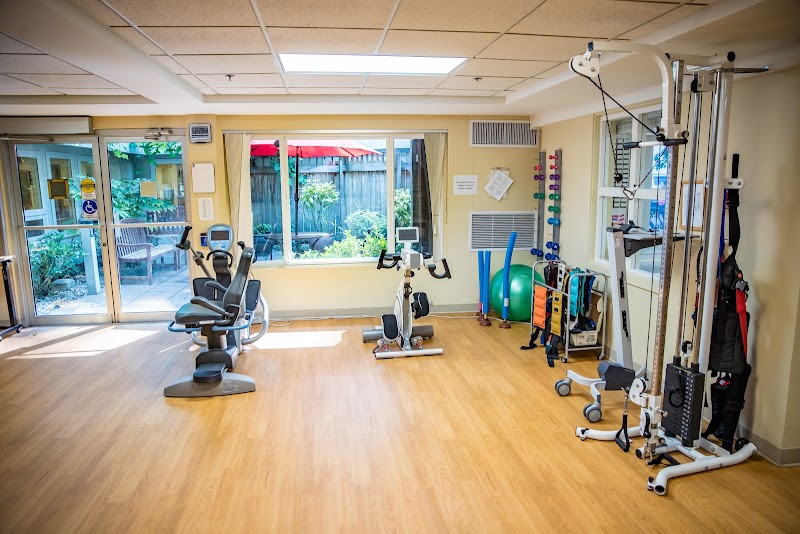
How is Queen Anne Healthcare Staffed?

CMS rates QUEEN ANNE HEALTHCARE's staffing level at 5 out of 5 stars, which is much above average compared to other nursing homes. Staff turnover is 41%, compared to the Washington average of 46%. This relatively stable workforce can support continuity of care.

What Have Inspectors Found at Queen Anne Healthcare?

State health inspectors documented 21 deficiencies at QUEEN ANNE HEALTHCARE during 2023 to 2025. These included: 21 with potential for harm.

Who Owns and Operates Queen Anne Healthcare?

QUEEN ANNE HEALTHCARE is owned by a for-profit company. For-profit facilities operate as businesses with obligations to shareholders or private owners. The facility is operated by AVAMERE, a chain that manages multiple nursing homes. With 120 certified beds and approximately 91 residents (about 76% occupancy), it is a mid-sized facility located in SEATTLE, Washington.
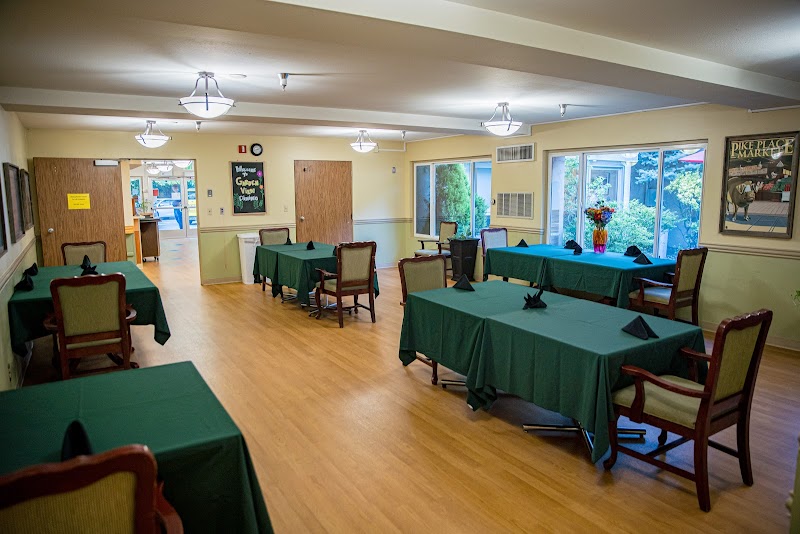
How Does Queen Anne Healthcare Compare to Other Washington Nursing Homes?

Compared to the 100 nursing homes in Washington, QUEEN ANNE HEALTHCARE's overall rating (5 stars) is above the state average of 3.2, staff turnover (41%) is near the state average of 46%, and health inspection rating (4 stars) is above the national benchmark.

What Should Families Ask When Visiting Queen Anne Healthcare?

Based on this facility's data, families visiting should ask: "Can I visit during a mealtime to observe dining assistance and food quality?" "How do you handle medical emergencies, and what is your hospital transfer rate?" "Can I speak with family members of current residents about their experience?"

Is Queen Anne Healthcare Safe?

Based on CMS inspection data, QUEEN ANNE HEALTHCARE has a clean safety record: no substantiated abuse findings (meaning no confirmed cases of resident harm), no Immediate Jeopardy citations (the most serious violation level indicating risk of serious injury or death), and is not on the Special Focus Facility watch list (a federal program monitoring the lowest-performing 1% of nursing homes). The facility has a 5-star overall rating and ranks #1 of 100 nursing homes in Washington. While no facility is perfect, families should still ask about staff-to-resident ratios and recent inspection results during their visit.

Do Nurses at Queen Anne Healthcare Stick Around?

QUEEN ANNE HEALTHCARE has a staff turnover rate of 41%, which is about average for Washington nursing homes (state average: 46%). Moderate turnover is common in nursing homes, but families should still ask about staff tenure and how the facility maintains care continuity when employees leave.

Was Queen Anne Healthcare Ever Fined?

QUEEN ANNE HEALTHCARE has no federal fines on record. CMS issues fines when nursing homes fail to meet care standards or don't correct problems found during inspections. The absence of fines suggests the facility has either maintained compliance or corrected any issues before penalties were assessed. This is a positive indicator, though families should still review recent inspection reports for the full picture.

Is Queen Anne Healthcare on Any Federal Watch List?

QUEEN ANNE HEALTHCARE is not on any federal watch list. The most significant is the Special Focus Facility (SFF) program, which identifies the bottom 1% of nursing homes nationally based on persistent, serious quality problems. Not being on this list means the facility has avoided the pattern of deficiencies that triggers enhanced federal oversight. This is a positive indicator, though families should still review the facility's inspection history directly.