SEATTLE MEDICAL POST ACUTE CARE
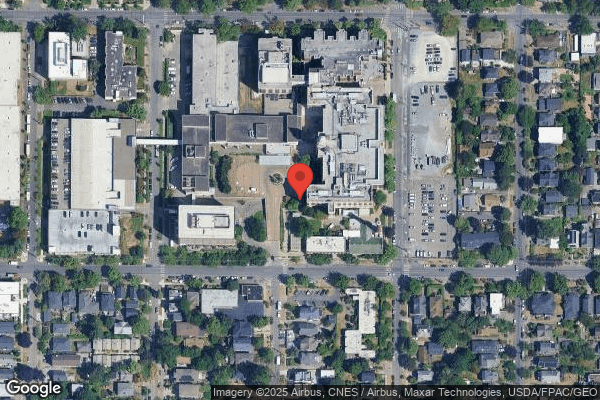
555 16TH AVENUE, SEATTLE, WA 98122 (206) 324-8200
For profit - Limited Liability company 103 Beds EMPRES OPERATED BY EVERGREEN Data: November 2025
Trust Grade
0/100
#150 of 190 in WA
Last Inspection: September 2024

Within standard 12-15 month inspection cycle. Federal law requires annual inspections.

Overview

Seattle Medical Post Acute Care has received a Trust Grade of F, indicating poor performance and significant concerns about the facility. It ranks #150 out of 190 in Washington, placing it in the bottom half, and #38 out of 46 in King County, suggesting that there are better local options available. The facility is showing an improving trend, reducing its issues from 23 in 2024 to 8 in 2025, but it still has a concerning staffing turnover rate of 57%, which is above the state average. There have been serious incidents reported, including a failure to provide timely care for pressure injuries leading to worsened conditions, significant weight loss for a resident due to lack of nutritional support, and a case of nonconsensual sexual acts between residents, which raises serious safety concerns. Despite these weaknesses, the facility has received a 5/5 star rating for quality measures, indicating some positive aspects in that area.

Trust Score
F
0/100
In Washington
#150/190
Bottom 22%
Safety Record
High Risk
Review needed
Inspections
Getting Better
23 → 8 violations
Staff Stability
⚠ Watch
57% turnover. Above average. Higher turnover means staff may not know residents' routines.
Penalties
✓ Good
$38,371 in fines. Lower than most Washington facilities. Relatively clean record.
Skilled Nurses
✓ Good
Each resident gets 71 minutes of Registered Nurse (RN) attention daily — more than 97% of Washington nursing homes. RNs are the most trained staff who catch health problems before they become serious.
Violations
⚠ Watch
78 deficiencies on record. Higher than average. Multiple issues found across inspections.
★★☆☆☆
2.0
Overall Rating
★★★☆☆
3.0
Staff Levels
★★★★★
5.0
Care Quality
★☆☆☆☆
1.0
Inspection Score
Stable
2024: 23 issues
2025: 8 issues

The Good

  • 5-Star Quality Measures · Strong clinical quality outcomes
  • Full Sprinkler Coverage · Fire safety systems throughout facility
  • No fines on record

Facility shows strength in quality measures, fire safety.

The Bad

2-Star Overall Rating

Below Washington average (3.2)

Below average - review inspection findings carefully

Staff Turnover: 57%

11pts above Washington avg (46%)

Frequent staff changes - ask about care continuity

Federal Fines: $38,371

Above median ($33,413)

Moderate penalties - review what triggered them

Chain: EMPRES OPERATED BY EVERGREEN

Part of a multi-facility chain

Ask about local staffing decisions and management

Staff turnover is elevated (57%)

9 points above Washington average of 48%

The Ugly 78 deficiencies on record

5 actual harm
Jul 2025 4 deficiencies 2 Harm
SERIOUS (G) 📢 Someone Reported This

A family member, employee, or ombudsman was alarmed enough to file a formal complaint

Actual Harm - a resident was hurt due to facility failures

Pressure Ulcer Prevention (Tag F0686)

A resident was harmed · This affected 1 resident

**NOTE- TERMS IN BRACKETS HAVE BEEN EDITED TO PROTECT CONFIDENTIALITY** Based on interview and record review, the facility failed to timely provide necessary care and services to prevent the worsening...

Read full inspector narrative →
**NOTE- TERMS IN BRACKETS HAVE BEEN EDITED TO PROTECT CONFIDENTIALITY** Based on interview and record review, the facility failed to timely provide necessary care and services to prevent the worsening of pressure ulcer/pressure injury (PU/PI-an injury to skin and underlying tissue resulting from prolonged pressure on the skin) and ensure nutritional supplements and recommendations were followed for 1 of 2 residents (Resident 1), reviewed for pressure ulcers. Resident 1 experienced harm when their sacrum (the triangular bone at the base of the spine that connects the lower back to the pelvis [bony structure inside hip]) and left lower leg pressure ulcers worsened/deteriorated due to the delayed implementation of recommended treatments and nutritional supplements. These failures placed the residents at risk for further skin breakdown, worsening pressure ulcers, infection, medical complications, and a diminished quality of life.Findings included .The October 2024 Resident Assessment Instrument (RAI) User's Manual defines PU/PI as a localized injury to the skin and/or underlying tissue, usually over a bony prominence, as a result of intense and/or prolonged pressure or pressure in combination with shear. The PU/PI can present as intact skin or an open ulcer and may be painful. The RAI manual defines PU/PI stages:-Stage 1 PU/PI is an observable, pressure related alteration of intact skin with a defined area of persistent redness in lightly pigmented skin, whereas in darker skin tones, the injury may appear with persistent red, blue, or purple hues.-Stage 2 PU/PI is a partial thickness loss of dermis presenting as a shallow open ulcer with a red-pink wound bed, without slough (dead tissue, yellow/white material in the wound bed) or bruising. -Unstageable PU/PI is when the wound's anatomical (body structure) tissues are obscured such that the extent of soft tissue damage cannot be observed or palpated. -Stage 4 PU/PI is a full thickness tissue loss with exposed bone, tendon or muscle. Slough or eschar (a dry, crusty scab or layer of dead tissue that forms on the surface of a wound) may be present on some parts of the wound bed. Often includes undermining (when the skin around a wound separates from the tissue underneath, creating a space or pocket beneath the wound's edges) and tunneling (an underground tunnel extending from a surface wound into the surrounding tissue). The RAI manual further showed that PU/PI at more advanced stages typically require more aggressive interventions, including more frequent repositioning, attention to nutritional status, more frequent dressing changes, and treatment that is more time-consuming than with routine preventative care.Review of the facility's policy titled, Skin Integrity, updated in June 2025, showed, In an effort to maintain the resident's optimal level of skin integrity and promote healing of skin ulcers/pressure ulcers/wounds, the facility has a systematic approach and monitoring process for evaluating and documenting skin integrity. In the event that a resident is admitted with or develops a skin ulcer/pressure ulcer/wound, care is provided to treat, heal, and prevent, if possible, further development of skin ulcers/pressure ulcers/wounds. Resident 1 admitted to the facility on [DATE] with diagnoses that included traumatic brain injury and persistent vegetative state (also known as post-coma unresponsiveness, is a chronic disorder in which an individual with severe brain damage appears to be awake but shows no evidence of awareness of their surroundings).Review of the facility's admission - readmission Nursing Evaluation dated 05/02/2025, showed Resident 1 was readmitted to the facility with one stage 2 PU/PI on their sacrum measuring 1.5 centimeter (cm - unit of measurement) by 1 cm by 0 cm. The assessment further showed that Resident 1 had two stage 1 PU/PI on their left lower leg.Review of Resident 1's admission Minimum Data Set (an assessment tool) dated 05/08/2025 showed Resident 1 was in a persistent vegetative state with no visible consciousness and that they had one stage 2 PU/PI present on admission. The assessment further showed that Resident 1 was at risk of developing PU/PI and was dependent on staff with all aspects of care. Review of the wound consultant's note dated 05/15/2025 showed that Resident 1's physical examination indicated malnutrition. The note showed that Resident 1 had one unstageable PU/PI to their sacrum measuring 5 [cm] by 4.5 [cm] by 0 [cm]. The note further showed the goal of care was for wound healing, an intervention for daily wound dressing change, and recommendation for 30 mL (milliliters - unit of measurements) of protein supplement twice a day until wound closure. Review of the wound consultant's note dated 05/29/2025 showed that Resident 1's sacrum unstageable PU/PI wound showed, Deteriorating by overall clinical impression, tissue quality. The note showed Resident 1 had two other wounds of unknown origin on their left lower leg. The note further showed a treatment to apply Dakin's (a special cleaning solution that helps kill the germs in a wound) soaked gauze to the sacrum wound daily and recommendation for 30 ml protein supplement twice a day until wound closure. Review of Resident 1's May 2025 Medication Administration Record (MAR)/Treatment Administration Record (TAR) showed there was no documentation that showed the wound consultant's recommendation of protein supplement was implemented. Further review of the MAR/TAR showed no wound care was provided for Resident 1's sacrum wound on 05/19/2025 and 05/27/2025. Review of the wound consultant's note dated 06/05/2025 showed that Resident 1's sacrum wound was a stage 4 PU/PI and was measured 6 [cm] by 9 [cm] by 2 [cm] with wound undermining. The note showed that Resident 1 sacrum stage 4 PU/PI was Deteriorating by overall clinical impression, tissue quality, dimension and with significant amount of palpable (able to be touched or felt) bone. The note further showed that Resident 1's two left lower leg wounds were unstageable PU/PI. Review of Resident 1's June 2025 MAR/TAR showed the wound consultant's treatment recommendation of applying Dakin's-soaked gauze to Resident 1's sacrum wound was started on 06/04/2025 (six days after it was recommended). Further review of the MAR/TAR showed Resident 1 started receiving 30 ml protein supplement on 06/07/2025 (23 days later after it was recommended). Review of the wound consultant's note dated 07/10/2025 showed that Resident 1's sacrum wound was a stage 4 PU/PI and was measured 7 [cm] by 8 [cm] by 1.5 [cm]. The note showed that Resident 1 sacrum stage 4 PU/PI wound has deteriorated and measures larger in size. The note further showed that Resident 1's two left lower leg wounds were stage 4 PU/PI and measured 2.5 [cm] by 1.5 [cm] by 0.2 [cm], and 0.5 [cm] by 0.2 [cm]. Review of the progress note dated 07/11/2025 showed that Resident 1 was sent to hospital due to abnormal laboratory results. Review of the hospital progress note dated 07/13/2025 showed Resident 1 was admitted to the hospital with, Large sacral ulcer with CT [Computed Tomography - a medical imaging technique that uses X-ray to create detailed, cross-sectional images of the body's internal structures] findings suspicious for coccyx [tailbone] osteomyelitis [bone infection].In a phone interview on 07/21/2025 at 10:35 AM, Staff D, Registered Dietitian, stated that it was the responsibility of the Resident Care Manager (RCM) to implement Resident 1's protein supplement recommendations given by the wound consultant. During an interview and joint record review with Staff B, Assistant Director of Nursing, stated that the RCM was responsible for implementing treatment recommendations given by the wound consultant. A joint record review of Resident 1's wound consultant note dated 05/15/2025 showed that there was a recommendation for 30 ml protein supplement twice a day. A joint record review of the May 2025 MAR/TAR showed that no documentation to show the wound consultant's recommendation of protein supplement was implemented. A joint record review of June 2025 MAR/TAR showed Resident 1 started receiving 30 ml protein supplement on 06/07/2025 (23 days later after it was recommended). Staff B stated that there were delays in implementing the wound consultant's treatment recommendations. Reference: (WAC) 388-97-1060 (1)(3)(b).
SERIOUS (G) 📢 Someone Reported This

A family member, employee, or ombudsman was alarmed enough to file a formal complaint

Actual Harm - a resident was hurt due to facility failures

Deficiency F0692 (Tag F0692)

A resident was harmed · This affected 1 resident

**NOTE- TERMS IN BRACKETS HAVE BEEN EDITED TO PROTECT CONFIDENTIALITY** Based on interview and record review, the facility failed to ensure acceptable parameters of nutrition were maintained, provide ...

Read full inspector narrative →
**NOTE- TERMS IN BRACKETS HAVE BEEN EDITED TO PROTECT CONFIDENTIALITY** Based on interview and record review, the facility failed to ensure acceptable parameters of nutrition were maintained, provide nutrition per physician order, maintain accurate documentation of nutritional intake, and recognize significant weight loss for 1 of 2 residents (Resident 1), reviewed for nutrition/weight loss. Resident 1 experienced harm when they had a significant weight loss of 24.1 percent (%) in two months. This failure placed the residents at risk for further decline in their weight, unintended consequences of poor nutrition, unmet care needs and decreased quality of life.Findings included.Review of the facility's policy titled, Nutrition Risk Monitoring and Evaluation guidelines, updated in November 2017, showed that residents nutritional risk factors are evaluated by the Interdisciplinary Team (IDT) on an ongoing basis. Among the guideline's listed nutrition factors to consider are significant weight loss or weight gain, poor skin integrity, unresponsiveness, and enteral feedings (also known as tube feeding, is a way of delivering nutrition to the stomach). The policy further showed that the IDT determines appropriate interventions with ongoing monitoring and evaluation by the Nutrition Hydration Skin Committee.Review of the facility's policy titled, Weights, revised on 10/12/2023, showed, The Center uses weights as one component of data collection needed to evaluate resident's nutritional status, fluid retention, or diuresis [excessive urination]. The policy further showed that residents with significant weight loss/gain (five percent in 30 days, 7.5 % in 90 days, or 10% in 180 days) and residents with multiple pressure ulcers may need to be weighed weekly. The policy further showed, The nurse records validated weights on the Weight Record in the resident's medical record.Review of the facility's policy titled, Enteral Feeding Tube, updated in May 2025, showed, It is the policy of this center that residents receiving tube feedings receive appropriate treatment and services to prevent complications and restore, if possible, normal eating skills.Intake is completed on those residents who are receiving enteral nutrition. This is done by checking the total infused via the enteral feeding pump. This is cleared after the total is evaluated and documented on the MAR [Medication Administration Record] or TAR [Treatment Administration Record]. Resident 1 admitted to the facility on [DATE] with diagnoses that included traumatic brain injury and persistent vegetative state (also known as post-coma unresponsiveness, is a chronic disorder in which an individual with severe brain damage appears to be awake but shows no evidence of awareness of their surroundings).Review of Resident 1's admission Minimum Data Set (an assessment tool) dated 05/08/2025 showed Resident 1 was in a persistent vegetative state with no visible consciousness. The assessment showed that Resident 1 was on a feeding tube and was dependent on staff with total calorie (measurement of the energy content of food) and fluid intake by tube feeding. Review of Resident 1's admission nutrition evaluation dated 05/16/2025 showed, Resident is NPO [nothing by mouth], dependent on enteral nutrition to meet 100% nutrition/hydration needs.Review of May 2025 MAR and TAR showed that Resident 1 had an order for tube feeding of Jevity 1.5 (brand name- a tube feeding formula) at a rate of 65 cubic centimeter (cc - a unit of measurement) per hour for 20 hours which equals to 1300 cc total per 24 hours. Review of the MAR/TAR showed no documentation of the total amount of tube feeding formula infused from 05/02/2025 through 05/16/2025. Further review of the MAR/TAR showed that Resident 1 received a daily total of 520 cc of tube feeding formula from 05/17/2025 through 05/31/2025 (780 cc less formula was administered daily).Review of June 2025 MAR and TAR showed that Resident 1 received a daily total of 520 cc of tube feeding formula from 06/01/2025 through 06/05/2025 (780 cc less formula was administered daily). Review of Resident 1's weights and vitals summary dated 07/15/2025, showed the following documented weights:- On readmission on [DATE], they weighed 144.2 pounds (lbs.).- On 06/20/2025, they weighed 107.2 Ibs. (25.6 % or 37 Ibs. weight loss since readmission).- On 06/29/2025, they weighed 106.6 Ibs. (26 % or 37.6 Ibs. weight loss since readmission).- On 07/10/2025, they weighed 109.4 Ibs. (24.1 % or 34.8 Ibs. weight loss since readmission).Review of the Nutrition Hydration Skin Committee Review dated 07/11/2025 (which was completed 21 days after Resident 1's documented weight loss) showed Resident 1 was reviewed for pressure injuries and weight loss. The review showed Resident 1 had a significant weight loss of 25.5 percent in one month.Review of the progress note dated 07/11/2025 showed that Resident 1 was sent to the hospital due to abnormal laboratory results. Review of the hospital progress note dated 07/13/2025 showed Resident 1 looked cachectic [a state of severe physical wasting and malnutrition. It is characterized by significant loss of body weight, particularly muscle mass] during admission to the hospital. In an interview on 07/21/2025 at 10:11 AM, Staff E, Licensed Practical Nurse, stated that for residents on enteral feeding, the total amount of formula infused via the enteral feeding pump would be read at the end of the administration and would be documented on the resident's MAR/TAR. In a phone interview and a joint record review on 07/21/2025 at 10:35 AM, Staff D, Registered Dietitian (RD), stated that the center's [facility's] nutrition evaluation and weights review would be done during the center's weekly nutrition hydration skin committee meeting. Staff D stated that they would not review the MAR/TAR to calculate the amount of tube feeding formula administered for a resident and they would calculate a resident's estimated nutritional needs based on the order. A joint record review of the electronic health record showed Resident 1's weight record page showed Resident 1 weighed 144.2 Ibs on 05/02/2025, 107.2 Ibs on 06/20/2025, 106.6 Ibs. on 06/29/2025, and 109.4 Ibs. on 07/10/2025. Staff D stated that based on the weights obtained on 06/20/2025, on 06/29/2025, and 07/10/2025, Resident 1 had a significant weight loss. Staff D stated that the nutrition evaluation was not completed until 07/11/2025 (the day Resident 1 transferred out to hospital) because they were waiting for Resident 1 to be reweighed. Staff D further stated that Resident 1 had significant weight loss and Resident 1's reweights and nutritional evaluation, would have been done in a more timely fashion.In an interview and a joint record review on 07/21/2025 at 10:55 AM, Staff B, Assistant Director of Nursing, stated that the center's feeding tube policy was for LNs [Licensed Nurses] to document the amount of formula infused via enteral feeding daily on the resident's MAR/TAR and that was their expectation. A joint record review of Resident 1's May 2025 MAR/TAR showed that Resident 1 had an order for Jevity 1.5 at a rate of 65 cc per hour for 20 hours which equals to 1300 cc total per 24 hours. A joint record review of May 2025 MAR/TAR showed there was no documentation of the amount of formula administered from 05/02/2025 through 05/16/2025. Further review of the May 2025 MAR/TAR showed that Resident 1 received a daily total of 520 cc tube feeding formula from 05/17/2025 through 05/31/2025. A joint record review of June 2025 MAR/TAR showed that Resident 1 received a daily total of 520 cc tube feeding formula from 06/01/2025 through 06/05/2025. Staff B stated that the enteral feeding order was not entered correctly and may be the nurses had mistakenly put the wrong amount [of formula]. Staff B stated that based on the weights obtained on 06/20/2025, on 06/29/2025, and on 07/10/2025, Resident 1 had a significant weight loss. Staff B further stated that due to Resident 1's status, it's really difficult to get an accurate weight.In an interview on 07/21/2025 at 1:15 PM, Staff A, Executive Director, stated that they would expect LNs to follow the tube feeding order and document the amount provided each day. Staff A stated that the RD calculated the calorie intakes via tube feeding and that they would think the RD would review the MAR/TAR for the tube feeding formula amount administered. Staff A stated that they were not sure if the RD was responsible for reviewing the MAR/TAR for the tube feeding formula amount administered but that there should be more follow-up for residents with significant weight loss. Staff A stated that when there was significant weight loss, they would expect nutritional evaluation to be completed on the following day. Reference: (WAC) 388-97-1060 (1)(3)(h).
CONCERN (D) 📢 Someone Reported This

A family member, employee, or ombudsman was alarmed enough to file a formal complaint

Potential for Harm - no one hurt, but risky conditions existed

Notification of Changes (Tag F0580)

Could have caused harm · This affected 1 resident

**NOTE- TERMS IN BRACKETS HAVE BEEN EDITED TO PROTECT CONFIDENTIALITY** Based on interview and record review, the facility failed to ensure physician and resident representative were notified for 1 of...

Read full inspector narrative →
**NOTE- TERMS IN BRACKETS HAVE BEEN EDITED TO PROTECT CONFIDENTIALITY** Based on interview and record review, the facility failed to ensure physician and resident representative were notified for 1 of 2 residents (Resident 1), reviewed for notification of changes. The failure to notify the physician and the resident's representative when Resident 1 had significant weight loss placed the resident at risk for a delay in medical/nutritional treatment, and not having their representative involved in the health care decision making process for timely care and services.Findings included .Review of the facility's policy titled, Weights, revised on 10/12/2023, showed, The Center uses weights as one component of data collection needed to evaluate resident's nutritional status, fluid retention, or diuresis [excessive urination]. Significant weight loss/gain (five percent in 30 days, 7.5 % in 90 days, or 10 % in 180 days).The nurse records validated weights on the Weight Record in the resident's medical record.Licensed nurse will notify physician, resident/responsible party of significant change in weight and document notification in progress notes. Progress note to include responses. Resident 1 admitted to the facility on [DATE] with diagnoses that included traumatic brain injury and persistent vegetative state (also known as post-coma unresponsiveness, is a chronic disorder in which an individual with severe brain damage appears to be awake but shows no evidence of awareness of their surroundings).Review of Resident 1's admission Minimum Data Set (an assessment tool) dated 05/08/2025 showed Resident 1 was in a persistent vegetative state with no visible consciousness. The assessment further showed that Resident 1 had no significant weight loss during the assessment period. Review of Resident 1's weights and vitals summary dated 07/15/2025, showed the following documented weights: - On readmission on [DATE], they weighed 144.2 pounds (lbs.).- On 06/20/2025, they weighed 107.2 Ibs. (25.6 % or 37 Ibs. weight loss since readmission).- On 06/29/2025, they weighed 106.6 Ibs. (26 % or 37.6 Ibs. weight loss since readmission).- On 07/10/2025, they weighed 109.4 Ibs. (24.1 % or 34.8 Ibs. weight loss since readmission).Review of Resident 1's progress note dated from 06/20/2025 through 07/10/2025 did not show Resident 1's physician or representative was notified about Resident 1's significant weight loss. In a phone interview on 07/18/2025 at 8:23 AM, Resident 1's representative stated they were not notified about Resident 1's significant weight loss.In a phone interview on 07/21/2025 at 10:35 AM, Staff D, Registered Dietitian, stated that it was the responsibility of the Resident Care Manager (RCM) to notify resident's physician and their representative about significant weight loss. During an interview and a joint record review on 07/21/2025 at 10:55 AM, Staff B, Assistant Director of Nursing, stated that when there was a significant weight loss the resident physician and their representative would be notified by the RCM, and it would be documented in the resident's medical record. A joint record review of Resident 1's progress note dated from 06/20/2025 through 07/10/2025 did not show Resident 1's physician or their representative were notified about their significant weight loss. On 07/21/2025 at 1:15 PM, Staff A, Executive Director, stated that resident's physician and their representative should be notified when there is a significant weight loss. Reference: (WAC) 388-97-0320(1)(b).
CONCERN (D) 📢 Someone Reported This

A family member, employee, or ombudsman was alarmed enough to file a formal complaint

Potential for Harm - no one hurt, but risky conditions existed

Deficiency F0637 (Tag F0637)

Could have caused harm · This affected 1 resident

**NOTE- TERMS IN BRACKETS HAVE BEEN EDITED TO PROTECT CONFIDENTIALITY** Based on interview and record review, the facility failed to ensure a Significant Change in Status Assessment (SCSA) Minimum Dat...

Read full inspector narrative →
**NOTE- TERMS IN BRACKETS HAVE BEEN EDITED TO PROTECT CONFIDENTIALITY** Based on interview and record review, the facility failed to ensure a Significant Change in Status Assessment (SCSA) Minimum Data Set (MDS - an assessment tool) was completed for 1 of 2 residents (Resident 1), reviewed for SCSA. This failure placed the residents at risk for delayed care planning, unmet care needs, and a diminished quality of life. Findings included .Review of the Long-Term Care Resident Assessment Instrument (RAI) 3.0 User's Manual, (a guide directing staff on how to accurately assess the status of residents) Version 1.19.1, dated October 2024, showed that a SCSA is a comprehensive assessment for a resident that must be completed when determined that a resident meets the significant change guidelines for either major improvement or decline. The RAI manual showed a significant change is a major decline or improvement in a resident's status that impacts more than one area of the resident's health status. The RAI manual further showed emergence of unplanned weight loss problems (5% change in 30 days or 10% change in 180 days) and a worsening in pressure ulcer/pressure injury (PU/PI-an injury to skin and underlying tissue resulting from prolonged pressure on the skin) status are two areas of decline that required the completion of SCSA. The RAI manual defines PU/PI stages:- Stage 2 PU/PI is a partial thickness loss of dermis presenting as a shallow open ulcer with a red-pink wound bed, without slough (dead tissue, yellow/white material in the wound bed) or bruising.- Unstageable PU/PI is when the wound's anatomical (body structure) tissues are obscured such that the extent of soft tissue damage cannot be observed or palpated.- Stage 4 PU/PI is a full thickness tissue loss with exposed bone, tendon or muscle. Slough or eschar (a dry, crusty scab or layer of dead tissue that forms on the surface of a wound) may be present on some parts of the wound bed. Often includes undermining (when the skin around a wound separates from the tissue underneath, creating a space or pocket beneath the wound's edges) and tunneling (an underground tunnel extending from a surface wound into the surrounding tissue). Resident 1 was admitted to the facility on [DATE]. Review of Resident 1's admission MDS dated [DATE] showed Resident 1 had one stage 2 PU/PI present on admission. The assessment further showed that Resident 1 had no significant weight loss.Review of the wound consultant's note dated 05/15/2025 showed that Resident 1 had one unstageable PU/PI to their sacrum (the triangular bone at the base of the spine that connects the lower back to the pelvis [bony structure inside hip]).Review of the wound consultant's note dated 06/05/2025 showed that Resident 1's sacrum wound was a stage 4 PU/PI and was Deteriorating by overall clinical impression, tissue quality, dimension and with significant amount of palpable (able to be touched or felt) bone. The note further showed that Resident 1 had two unstageable PU/PI on their left lower leg. Review of Resident 1's weights and vitals summary dated 07/15/2025, showed the following documented weights:- readmission on [DATE], showed they weighed 144.2 pounds (lbs.).- On 06/20/2025, they weighed 107.2 Ibs. (25.6 percent or 37 Ibs. weight loss since readmission).Review of the MDS look-up page printed on 07/16/2025 showed there was no SCSA MDS completed for Resident 1. In an interview and joint record review on 07/21/2025 at 11:37 PM, Staff C, MDS Coordinator, stated that the facility followed the RAI manual. Staff C stated that an SCSA MDS would be completed within 14 days of the significant change in status. A joint record review of Resident 1's weight record showed Resident 1 had a significant weight loss. A joint record review of the wound consultant's note dated 06/05/2025 showed Resident 1 had a stage 4 PU/PI on their sacrum and two unstageable PU/PI on their left lower leg. Staff C stated Resident 1 had two areas of decline and an SCSA MDS should have been completed. On 07/21/2025 at 1:08 PM, Staff B, Assistant Director of Nursing, stated that they expected an SCSA MDS to be completed per the RAI manual. Reference: (WAC) 388-97-1000 (3)(b).
May 2025 1 deficiency
CONCERN (D) 📢 Someone Reported This

A family member, employee, or ombudsman was alarmed enough to file a formal complaint

Potential for Harm - no one hurt, but risky conditions existed

Deficiency F0825 (Tag F0825)

Could have caused harm · This affected 1 resident

**NOTE- TERMS IN BRACKETS HAVE BEEN EDITED TO PROTECT CONFIDENTIALITY** Based on interview and record review, the facility failed to provide the required specialized rehabilitative services for 1 of 3...

Read full inspector narrative →
**NOTE- TERMS IN BRACKETS HAVE BEEN EDITED TO PROTECT CONFIDENTIALITY** Based on interview and record review, the facility failed to provide the required specialized rehabilitative services for 1 of 3 residents (Resident 1), reviewed for rehabilitation services. This failure placed the residents at risk for the decline in function, unmet care needs and a diminished quality of life. Findings included . Review of the facility's policy titled, Resident Rights Under Washington State Law, updated in July 2015 showed, Pursuant to Washington State law, in addition to those rights enumerated under federal law, each resident of a long-term care facility located in [NAME] has the following additional rights. The Center [facility] will seek to ensure that these rights are not violated. The policy further showed that residents have rights to reside in and receive services from the Center with reasonable accommodation of individual needs and preferences . Review of a document titled, Policy: 8.14-Frequency/Duration/Intensity of Therapy Services, dated 2025 showed that therapists both employees and contractors determined frequency, duration and intensity of therapy services to be provided each patient [resident] for optimal functional outcomes and expectation of improvement of their quality of life. Review of a face sheet printed on 05/22/2025 showed Resident 1 was readmitted to the facility on [DATE] with a primary diagnosis of stroke (a medical condition characterized by blocked blood flow to the brain). Review of Resident 1's Physical Therapy (PT) Evaluation dated 03/03/2025 showed their required plan of treatment was three times a week for eight weeks duration or a total of 24 PT treatment sessions. Review of Resident 1's Occupational Therapy (OT) Evaluation dated 03/03/2025 showed their required plan of treatment was three times a week for eight weeks duration or a total of 24 OT treatment sessions. Review of the insurance authorization notification dated 03/10/2025 showed Resident 1 had been approved for 24 therapy treatment sessions each for PT and OT. In an interview on 05/20/2025 at 9:30 AM, Resident 1's collateral contact stated that Resident 1 did not get enough therapy [PT/OT] services while they were in the facility. In an interview and joint record review on 05/22/2025 at 12:18 PM, Staff B, Rehab Director, stated that Resident 1 had been evaluated by PT and OT on 03/03/2025. Staff B stated that Resident 1 had required PT and OT treatments each for three times a week for a duration of eight weeks. Staff B further stated that Resident 1's insurance had approved 24 treatment sessions for each PT and OT. A joint record review of the PT Treatment Encounter notes dated 03/03/2025 to 05/09/2025 showed Resident 1 had completed 16 treatment sessions. A joint record review of the OT Treatment encounter notes dated 03/03/2025 to 05/09/2025 showed Resident 1 had completed 14 treatment sessions. When asked the reason for not having been able to provide Resident 1 with their planned 24 treatment sessions each for PT and OT, Staff B stated, Staffing is the big issue. We try to adhere to the scheduled number of sessions. There is just not enough staff to provide therapy. In an interview on 05/22/2025 at 4:28 PM, Staff A, Administrator, stated that they expected therapy staff to have provided Resident 1 with their required PT and OT treatment sessions. Reference: (WAC) 388-97-1280 (1)(a) .
May 2025 3 deficiencies 1 Harm
SERIOUS (G) 📢 Someone Reported This

A family member, employee, or ombudsman was alarmed enough to file a formal complaint

Actual Harm - a resident was hurt due to facility failures

Free from Abuse/Neglect (Tag F0600)

A resident was harmed · This affected 1 resident

**NOTE- TERMS IN BRACKETS HAVE BEEN EDITED TO PROTECT CONFIDENTIALITY** Based on observation, interview, and record review, the facility failed to protect a resident's right to be free from sexual abu...

Read full inspector narrative →
**NOTE- TERMS IN BRACKETS HAVE BEEN EDITED TO PROTECT CONFIDENTIALITY** Based on observation, interview, and record review, the facility failed to protect a resident's right to be free from sexual abuse for 1 of 2 residents (Resident 1), reviewed for sexual abuse investigations. Resident 1 experienced harm, applying the reasonable person concept (how a reasonable person would respond under the same circumstances, a reasonable person in this same situation would be upset, angry, and feel violated), when Resident 2 was observed performing nonconsensual sexual act on Resident 1. This failed practice placed all residents at risk for sexual abuse, psychological harm, and a diminished quality of life. A past noncompliance was initiated on 04/12/2025 related to F600 Free from Abuse and Neglect for failure to protect Resident 1 from sexual abuse. The facility implemented the following interventions that were initiated 04/12/2025 and corrected by 04/14/2025: - Resident 1 was assessed and monitored by licensed nurses. - Resident 2 was placed on one-on-one supervision and removed from the facility by Law Enforcement officials. - The facility conducted an interview of Resident 2's identified previous roommates for possible sexual abuse - Staff education was provided for all staff on the facility's policy of abuse and neglect prohibition, prevention, identification, reporting and investigation. - Weekly audits were completed weekly for three weeks, and the facility had ongoing weekly and monthly audits for two months and the results will be reviewed through the facility's Quality Assurance Performance Improvement Committee process. Findings included . Review of the facility's policy titled, Freedom from Abuse, Neglect, Corporal Punishment, Involuntary Seclusion, Mistreatment, Misappropriation of Resident Property, and Exploitation, updated March 2025, showed, Each resident has the right to be free from abuse, including verbal, mental, sexual, or physical abuse, corporal punishment, involuntary seclusion, mistreatment, neglect, misappropriation of resident property, exploitation, and any physical or chemical restraint not required to treat the resident's medical condition. The Center [facility] implements policies and processes so that residents are not subjected to abuse by staff, other residents, volunteers, consultants, family members, and others who may have unsupervised access to residents . Sexual Abuse: Non-consensual sexual contact of any type with a resident includes unwanted intimate touching of any kind, especially of breasts or perineal area; all types of sexual assault or battery, such as rape, sodomy [anal or oral intercourse] and coerced nudity . Generally, sexual contact is non-consensual if the resident either appears to want the contact to occur but lacks the cognitive ability to consent; or does not want the contact to occur. Non-consensual contact may include, but is not limited to, situations where a resident is sedated, is temporarily unconscious, or is in a coma [a state of prolonged loss of consciousness]. RESIDENT 1 Resident 1 admitted to the facility on [DATE] with diagnoses that included anoxic brain damage (occurs when oxygen is cut off completely from the brain) and persistent vegetative state (also known as post-coma unresponsiveness, is a chronic disorder in which an individual with severe brain damage appears to be awake but shows no evidence of awareness of their surroundings). Review of Resident 1's annual Minimum Data Set (MDS - an assessment tool) dated 02/14/2025 showed Resident 1 was in a persistent vegetative state with no visible consciousness. The assessment further showed that Resident 1 was dependent on staff with all aspects of care. Observations on 04/18/2025 at 11:17 AM, showed Resident 1 was in bed positioned on their back. Further observation showed Resident 1 was not responsive and with no awareness of self or surroundings. Review of the interdisciplinary note dated 04/12/2025, showed, Today at approximately 3:00 PM, a staff member observed the resident's roommate [Resident 2] to may have been inappropriately performing unwanted sexual act to the resident [Resident 1]. Review of a facility investigation dated 04/12/2025, showed Staff J, Certified Nursing Assistant (CNA), stated that they saw Resident 2 with head/face on Resident 1's private area, while Resident 1's brief was off performing oral sex. Further review of the investigation showed the facility substantiated a resident to resident sexual abuse and Resident 2 was arrested by the Police on 04/12/2025. In a phone interview on 05/02/2025 at 8:00 AM, Resident 1's Collateral Contact 1 (CC1) stated that Resident 1 was not able to consent. CC1 stated that they felt very scared when they were notified about the incident on 04/12/2025. In an interview on 05/02/2025 at 10:14 AM, Staff J stated that on 04/12/2025 around 3:00 PM, when they were entering Resident 1's room, they found Resident 2 by Resident 1's bed. Staff J stated that Resident 2 was bending down at their waist and their head and face were in Resident 1's private area and was performing oral sex, Staff J stated that when they called Resident 2 by name and asked them what they were doing, Resident 2 stopped their action and walked back to their bed. Staff J stated that they observed Resident 1's incontinence brief was unfastened, and their private area was exposed. Staff J further stated they immediately reported it to Staff G, Resident Care Manager. In an interview on 05/02/2025 at 11:01 AM, Staff G stated that on 04/12/2025, when Staff J notified them about the incident, they went to Resident 1's room and observed Resident 1's incontinence brief was open, and their private area was uncovered. Staff G further stated they immediately placed Resident 2 on one-on-one supervision and assessed Resident 1 for injury. RESIDENT 2 Resident 2 admitted to the facility on [DATE]. Review of Resident 2's quarterly MDS dated [DATE] showed Resident 2 was cognitively intact. The assessment further showed Resident 2 was independent with sit- to-stand and able to walk at least ten feet in a room, corridor, or similar spaces. Review of the December 2024 and January 2025 Documentation Survey Report for behavior monitoring and intervention showed that Resident 2 had the following physical/verbal behavioral symptoms: - On 12/11/2024 - threatening others - On 12/18/2024 - scratching others and threatening others - On 12/20/2024 - pacing and wandering - On 12/29/2024 - grabbing others - On 01/03/2025 - wandering - On 01/04/2025 - wandering - On 01/15/2025 - physically aggressive Further review of the January 2025 Documentation Survey Report showed that the behavioral monitoring was discontinued on 01/25/2025. Review of the social service note dated 12/30/2024 showed that the facility's social worker met with Resident 2 related to occurrence of grabbing others. Further review of the note did not show if further behavioral assessment or Resident 2's behaviors directed towards others addressed under Resident 2's care plan. Review of the comprehensive care plan printed on 04/18/2025 showed there was no care plan in place for Resident 2's documented behaviors in December 2024 and January 2025. In an interview and joint record review on 05/02/2025 at 11:53 AM, Staff F, Social Services Director, stated that if a resident exhibited behavior towards other residents/staff, the facility would assess the resident and implement an intervention for the behaviors identified. Staff F stated they were not aware of Resident 2 having documented behaviors directed towards others. Joint record review of the social service note dated 12/30/2024 showed that Resident 2 had exhibited behavior grabbing others. Staff F stated that Resident 2's behaviors were not addressed under their care plan due to there being no behavioral trends, and the resident was not on medications that required behavior monitoring. In an interview on 05/02/2025 at 3:27 PM, Staff B, Director of Nursing, stated that if a resident exhibited physical/verbal behavioral symptoms directed towards others, the provider and their representative would be notified, a follow-up assessment would be completed, the resident would be monitored, and the behavior would be addressed under the resident's care plan. Staff B stated that they were not aware of Resident 2's documented behavioral symptoms. Staff B stated that the behavioral monitoring was discontinued when the resident was sent to hospital, and it was not reactivated when they were readmitted . Staff B further stated that Resident 1 was not able to cognitively consent to sexual activity. In an interview on 05/02/2025 at 3:58 PM, Staff A, Executive Director, stated that residents have the right to be free from any type of abuse. Reference: (WAC) 388-97-0640(1) .
CONCERN (D) 📢 Someone Reported This

A family member, employee, or ombudsman was alarmed enough to file a formal complaint

Potential for Harm - no one hurt, but risky conditions existed

Quality of Care (Tag F0684)

Could have caused harm · This affected 1 resident

**NOTE- TERMS IN BRACKETS HAVE BEEN EDITED TO PROTECT CONFIDENTIALITY** Based on interview and record review, the facility failed to act timely and ensure resident received the necessary care and serv...

Read full inspector narrative →
**NOTE- TERMS IN BRACKETS HAVE BEEN EDITED TO PROTECT CONFIDENTIALITY** Based on interview and record review, the facility failed to act timely and ensure resident received the necessary care and services for examination and/or treatment after a sexual assault in accordance with professional standards of practice for 1 of 2 residents (Resident 1), reviewed for sexual abuse investigations. The failure to send resident to the emergency room (ER) after sexual assault placed the residents at risk for delay in care and services, unintended health consequences, and decreased quality of life. Findings included . According to the Center for Disease prevention and control's guideline titled, Sexual Assault and Abuse and STIs [sexually transmitted infections] - Adolescents and Adults, last reviewed on 07/22/2021, showed, Examinations of survivors of sexual assault should be conducted by an experienced clinician in a way that minimizes further trauma to the person. The decision to obtain genital or other specimens for STI diagnosis should be made on an individual basis. Review of the facility's policy titled, Investigation of Alleged Sexual Abuse, updated in October 2022, showed, The Center [facility] immediately investigates suspected or alleged sexual abuse events and follows the appropriate processes as outlined .If sexual abuse is alleged and/or suspected, do not tamper with or destroy possible evidence. Example of tampering include washing linens or clothing, destroying documentation, bathing or cleaning the alleged victim before the resident has been examined (including a rape kit, if appropriate). Soiled clothing is placed in a pillowcase (do not use plastic bag) .Provide additional medical follow-up including sending the resident to the hospital emergency department for rape kit as indicated. Resident 1 admitted to the facility on [DATE] with diagnoses that included anoxic brain damage (occurs when oxygen is cut off completely from the brain) and persistent vegetative state (also known as post-coma unresponsiveness, is a chronic disorder in which an individual with severe brain damage appears to be awake but shows no evidence of awareness of their surroundings). Review of Resident 1's annual Minimum Data Set (an assessment tool) dated 02/14/2025 showed Resident 1 was in a persistent vegetative state with no visible consciousness. The assessment further showed that Resident 1 was dependent on staff with all aspects of care. Review of the interdisciplinary note dated 04/12/2025, showed, Today at approximately 3:00 PM, a staff member observed the resident's roommate [Resident 2] to may have been inappropriately performing unwanted sexual act to the resident [Resident 1]. Review of a facility investigation dated 04/12/2025, showed Staff J, Certified Nursing Assistant, stated that they saw Resident 2 with head/face on Resident 1's private area, while Resident 1's brief was off performing oral sex. Further review of the investigation showed the facility substantiated resident to resident sexual abuse and Resident 2 was arrested by the Police and removed from the facility on 04/12/2025. Review of Resident 1's nursing progress note dated 04/12/2025, showed, Called placed to resident responsible party on file who made aware of resident-to-resident altercation. Further reviews of the note showed no documentation that Resident 1's responsible party were offered to transfer Resident 1 to ER for evaluation. Review of Resident 1's nursing progress note dated 04/14/2025 at 4:00 PM, showed that Resident 1's responsible party was asked if they wanted Resident 1 to be transferred to acute care for evaluation (two days after the sexual assault incident). The note further stated Resident 1's responsible party declined the transfer. Review of Resident 1's nursing progress note dated 04/14/2025 at 5:33 PM, showed that Staff D, Nurse Practitioner/On-Call Provider, was notified of Resident-to-resident altercation involving this resident [Resident 1]. In a phone interview on 05/02/2025 at 8:00 AM, Resident 1's Collateral Contact 1 (CC1) stated that on the day of the incident, the facility did not ask or offer them to transfer Resident 1 to the hospital for further evaluation. CC1 further stated that when they were asked after 2 days, they declined stating, I didn't know what the whole situation was at that time. In an interview on 05/02/2025 at 11:01 AM, Staff G, Resident Care Manager (RCM), stated that when they notified Staff D about the incident on 04/12/2025, Staff D ordered to monitor the resident and there was no order received to transfer Resident 1 for evaluation. In an interview on 05/02/2025 at 11:18 AM, Staff H, RCM, stated that they called and notified CC1 about the incident on 04/12/2025, but they did not offer to send Resident 1 to ER for evaluation. Staff H further stated that they offered the transfer on 04/14/2025 and CC1 declined. In a phone interview on 05/02/2025 at 12:05 PM, Staff C, Physician, stated that the on-call provider was the one who was notified about the incident. Staff C further stated that they would have recommended to send Resident 1 to ER for evaluation after a sexual assault. In a phone interview on 05/02/2025 at 2:20 PM, Staff D stated that they were notified by Staff G that Resident 2 was sexually inappropriate towards Resident 1 and no injury was noted. Staff D stated they advised the facility staff to monitor Resident 1 and to follow the facility's protocol. Staff D stated that they had very limited information about the incident and that staff just said that the resident roommate was being sexually inappropriate and when I asked what it was, they were not comfortable disclosing what happened. In a phone interview on 05/02/2025 at 2:53 PM, Staff E, Physician Assistant, stated that when they were asked by the facility for Resident 1's assessment, they completed full physical exam on 04/14/2025 (two days after the incident). Staff E stated that they were not made aware of the detail of the incident and They didn't say it was oral sex. Staff E further stated that it would be most necessary and appropriate to send the resident to the ER as soon as it was discovered. In an interview on 05/02/2025 at 3:27 PM, Staff B, Director of Nursing, stated that Resident 1 was not able to cognitively consent to sexual activity. Staff B was asked about the facility's protocol in case of sexual assault. Staff B stated that the facility's protocol was the victim would be sent to ER immediately to preserve the evidence. In an interview on 05/02/2025 at 3:58 PM, Staff A, Executive Director, stated that they would expect a victim of sexual assault/rape to be sent to ER for evaluation. Reference: (WAC) 388-97-1060 (1) .
CONCERN (D) 📢 Someone Reported This

A family member, employee, or ombudsman was alarmed enough to file a formal complaint

Potential for Harm - no one hurt, but risky conditions existed

Incontinence Care (Tag F0690)

Could have caused harm · This affected 1 resident

**NOTE- TERMS IN BRACKETS HAVE BEEN EDITED TO PROTECT CONFIDENTIALITY** Based on observation, interview, and record review, the facility failed to ensure residents received necessary assistance with t...

Read full inspector narrative →
**NOTE- TERMS IN BRACKETS HAVE BEEN EDITED TO PROTECT CONFIDENTIALITY** Based on observation, interview, and record review, the facility failed to ensure residents received necessary assistance with toileting care for 2 of 3 residents (Resident 3 & 4), reviewed for bowel and bladder. This failure placed the residents at an increased risk of incontinence, loss of dignity, diminished quality of life, feelings of frustration and embarrassment. Findings included . Review of the facility's policy titled, Bladder and/or Bowel Incontinence, updated in October 2017, showed, Each resident is evaluated for bladder and bowel incontinence .Appropriate and individualized care plan interventions are implemented when evaluation is completed. RESIDENT 3 Resident 3 admitted to the facility on [DATE]. Review of the admission Minimum Data Set (MDS - an assessment tool) dated 04/02/2025, showed Resident 3 had intact cognition and required substantial/maximal assistance with toileting. Review of the care plan area, Establish the Baseline Plan of Care, initiated on 04/10/2025 showed that Resident 3 required partial/moderate one person assistance with toilet transfer and hygiene. Review of a facility investigation, dated 04/01/2025, showed, Resident states [Resident 3] had BM [Bowel Movement] left in [Resident 3's] bedside commode (BSC) for 3 hours. The facility's investigation concluded that due to Resident 3's inability to confirm that they informed staff of needing to have BSC emptied, the facility was unable to substantiate abuse or neglect. Observation and in an interview on 04/18/2025 at 11:30 AM, showed Resident 3 was lying in their bed. Further observation showed that Resident 3 had a BSC by the left side of their bed, with large, formed BM in their BSC. Resident 3 stated they used the BSC this morning after breakfast. Resident 3 further stated that the facility staff were not responding to their care needs and stated they asked staff to empty their BSC since this morning and no one came to empty it. Additional observation on 04/18/2025 at 1:56 PM, showed Resident 3's BSC was not emptied and there was a large, formed BM in the BSC as observed previously. A joint observation and interview on 04/18/2025 at 2:04 PM with Staff J, Certified Nursing Assistant, showed Resident 3's BSC was not emptied and there was a large, formed BM in it. Staff J stated that Resident 3 was able to verbalize their needs and did not ask to have their BSC emptied. In an interview on 05/02/2025 at 11:01 AM, Staff G, Resident Care Manager, stated, Bed side commode should be emptied after each use. RESIDENT 4 Resident 4 admitted to the facility on [DATE]. Review of the admission MDS dated [DATE], showed Resident 4 had intact cognition and required substantial/maximal assistance with toileting. Review of the care plan area titled, Establish the Baseline Plan of Care, initiated on 04/10/2025, showed Resident 4 required partial/moderate one person assistance with toilet transfer and hygiene. Review of a facility's incident investigation, dated 04/04/2024, showed that Resident 4 reported that they had waited one to two hours for care after they turned their call-light on. The investigation showed that Resident 4 stated that they normally would call the staff for help to empty their urinal. Further review of the investigation showed the facility discussed the option of having a second urinal at bedside due to the amount/frequency of their urination. Observation on 04/18/2025 at 1:17 PM, showed Resident 4 was sitting in their room. Further observation showed that Resident 4 had two urinals sitting on their bedside table, one urinal was full, and the second urinal was half full. Resident 4 stated that their urinals were emptied that morning and waiting for the staff to empty them. In an interview and joint observation on 04/18/2025 at 2:29 PM, Staff I, Licensed Practical Nurse, stated that urinals should be emptied frequently, and staff should not wait until a urinal was full. A joint observation of Resident 4's room showed there were two urinals sitting on Resident 4's bedside table, one urinal was full, and the second urinal was half full. Staff I stated that Resident 4's urinals should have been emptied. In an interview on 05/02/2025 at 3:27 PM, Staff B, Director of Nursing, stated that their expectation was that staff should empty BSC after each use. Reference WAC 388-97-1060(3)(c) .
Sept 2024 20 deficiencies
CONCERN (D)

Potential for Harm - no one hurt, but risky conditions existed

Deficiency F0558 (Tag F0558)

Could have caused harm · This affected 1 resident

**NOTE- TERMS IN BRACKETS HAVE BEEN EDITED TO PROTECT CONFIDENTIALITY** Based on observation, interview, and record review, the facility failed to ensure a call light (an alerting device for staff to ...

Read full inspector narrative →
**NOTE- TERMS IN BRACKETS HAVE BEEN EDITED TO PROTECT CONFIDENTIALITY** Based on observation, interview, and record review, the facility failed to ensure a call light (an alerting device for staff to assist residents in need) was within reach for 1 of 4 residents (Resident 35), reviewed for accommodation of needs. This failure placed the resident at risk for delayed care, accidents/falls, and a diminished quality of life. Findings included . Review of the facility's undated policy titled, SNF [skilled nursing facility] Clinic, Answering the Call Light, showed a guideline for staff to ensure that the call light is accessible to a resident in bed. Resident 35 readmitted to the facility on [DATE] with diagnoses that included hemiparesis (weakness or inability to move one side of the body) following cerebral infarction (a type of stroke that occurs when blood flow to the brain is disrupted) affecting left non-dominant side. Review of Resident 35's activities of daily living care plan, revised on 03/23/2023, showed an intervention for soft touch call light is to be within [Resident 35's] reach & [and] situated on [their] R-side [right side] near [their] R-hand [right hand] so that [they] can access/use it. Observation on 09/20/2024 at 9:30 AM, showed Resident 35 was in bed with their call light placed next to their left hand. Observation on 09/24/2024 at 8:30 AM, showed Resident 35 was in their bed with their call light placed below their left hand. Observation on 09/25/2024 at 8:46 AM, showed Resident 35 was in bed with their call light placed on the bedside table. Joint observation and interview on 09/26/2024 at 8:58 AM, with Staff F, Resident Care Manager, showed Resident's 35's call light was placed on their bedside table. Staff F stated that Resident 35's call light was not within reach. Staff F further stated they expected the call light to be placed near Resident 35's right hand, where Resident 35 was able to reach it. In an interview on 09/26/2024 at 2:44 PM, Staff B, Director of Nursing, stated they expected staff to place call lights within reach of residents in accordance with the residents' own needs and preferences. Reference: (WAC) 388-97-0860 (2) .
CONCERN (D)

Potential for Harm - no one hurt, but risky conditions existed

Abuse Prevention Policies (Tag F0607)

Could have caused harm · This affected 1 resident

Based on interview and record review, the facility failed to implement their abuse policy and procedure by not ensuring reference checks were conducted prior to hire for 1 of 5 staff (Staff W), review...

Read full inspector narrative →
Based on interview and record review, the facility failed to implement their abuse policy and procedure by not ensuring reference checks were conducted prior to hire for 1 of 5 staff (Staff W), reviewed for reference checks. This failure placed the residents at risk for abuse, neglect, exploitation, and misappropriation of property. Findings included . Review of the facility's policy titled, Freedom from Abuse, Neglect, Corporal Punishment, Involuntary Seclusion, Mistreatment, Misappropriation of Resident Property, and Exploitation, updated October 2022, showed, The Center screens prospective staff for a history of abuse, neglect, exploitation or misappropriation of resident property in order to prohibit abuse, neglect, and exploitation, or misappropriation of resident property. (Refer to Screening Policy). Review of the facility's policy titled, Screening, updated October 2022, showed, The Center screens prospective employees by reviewing .information from employers (at least two reference checks), whether favorable or unfavorable. Review of employee records for Staff W, Certified Nursing Assistant, showed a hire date of 09/15/2023. There was no evidence that two reference checks were conducted by the facility prior to Staff W's employment. In an interview on 09/24/2024 at 1:14 PM, Staff A, Executive Director, stated that they had no reference checks to provide for Staff W. Another interview on 09/26/2024 at 2:56 PM with Staff A, stated that reference checks were to be completed prior to staffs start date, during their onboarding process. Staff A confirmed that Staff W did not have any reference checks and further stated that it should have been completed during Staff W's onboarding process. Reference: (WAC) 388-97-0640(2)(a) .
CONCERN (D)

Potential for Harm - no one hurt, but risky conditions existed

Comprehensive Assessments (Tag F0636)

Could have caused harm · This affected 1 resident

**NOTE- TERMS IN BRACKETS HAVE BEEN EDITED TO PROTECT CONFIDENTIALITY** Based on interview and record review, the facility failed to ensure admission Minimum Data Set (MDS-an assessment tool) was comp...

Read full inspector narrative →
**NOTE- TERMS IN BRACKETS HAVE BEEN EDITED TO PROTECT CONFIDENTIALITY** Based on interview and record review, the facility failed to ensure admission Minimum Data Set (MDS-an assessment tool) was completed within 14 days of admission for 1 of 21 residents (Resident 26), reviewed for comprehensive assessment. This failure placed the resident at risk for delayed and/or unmet care needs, and a diminished quality of life. Findings included . Review of the Resident Assessment Instrument (RAI) 3.0 User's Manual (a guide directing staff on how to accurately assess the status of residents), Version 1.18.11, revised in October 2023, showed that, at a minimum, facilities are required to complete a comprehensive assessment of each resident within 14 calendar days after admission to the facility (admission date + [plus] 13 days). Resident 26 admitted to the facility on [DATE]. Review of Resident 26's admission MDS dated [DATE], showed it was completed on 07/08/2024 (four days late). In an interview and joint record review on 09/26/2024 at 3:17 PM with Staff L, MDS Coordinator, stated they used the RAI manual for MDS assessment completion. Joint record review of Resident 26's admission MDS dated [DATE] showed it was completed on 07/08/2024. Staff L stated Resident 26's admission MDS was completed late. In a joint record review and interview on 09/27/2024 at 10:08 AM with Staff B, Director of Nursing, showed Resident 26's admission MDS dated [DATE] was completed on 07/08/2024. Staff B stated they expected residents MDS assessments to be completed, transmitted, submitted as required. [Resident 26's] MDS assessment should have been completed within 14 days from [their] admission. Reference: (WAC) 388-97-1000(5)(a) .
CONCERN (D)

Potential for Harm - no one hurt, but risky conditions existed

Deficiency F0637 (Tag F0637)

Could have caused harm · This affected 1 resident

**NOTE- TERMS IN BRACKETS HAVE BEEN EDITED TO PROTECT CONFIDENTIALITY** Based on interview and record review, the facility failed to ensure a Significant Change in Status Assessment (SCSA) Minimum Dat...

Read full inspector narrative →
**NOTE- TERMS IN BRACKETS HAVE BEEN EDITED TO PROTECT CONFIDENTIALITY** Based on interview and record review, the facility failed to ensure a Significant Change in Status Assessment (SCSA) Minimum Data Set (MDS- an assessment tool) was completed timely for 1 of 3 residents (Resident 61), reviewed for significant change in condition. The failure to complete a SCSA within 14 days placed the resident at risk for unmet care needs and a diminished quality of life. Findings included . Review of the Long-Term Care Resident Assessment Instrument (RAI) 3.0 User's Manual, (a guide directing staff on how to accurately assess the status of residents) Version 1.18.11, dated October 2023, showed that a significant change is a major decline or improvement in a resident's status that: 1. Will not normally resolve itself without intervention by staff or by implementing standard disease-related clinical interventions, the decline is not considered 'self-limiting,' 2. Impacts more than one area of the resident's health status; and 3. Requires interdisciplinary [involving two or more different subjects or areas of knowledge] review and/or revision of the care plan. The RAI manual further showed that the assessment should be completed no later than 14 days after the determination was made (determination date plus 14 calendar days). Review of the admission MDS dated [DATE], showed that Resident 61 admitted to the facility on [DATE]. It further showed under Section K (Swallowing/Nutritional Status), Resident 61 received 51 percent or more of their total calories via tube feeding (the delivery of nutrients through a tube directly into the stomach to provide nutrition for those who cannot obtain nutrition by mouth, are unable to safely swallow, or need nutritional supplementation). Review of the progress note dated 08/27/2024 showed, Resident S/P [status post] G-Tube [gastrostomy tube- a medical device used to provide nutrients through a tube directly into the stomach] removal. Review of Resident 61's SCSA MDS dated [DATE] showed that it was completed on 09/26/2024, 16 days late. In an interview and joint record review on 09/27/2024 at 8:37 AM, Staff L, MDS Coordinator, stated that they followed the RAI Manual for MDS completion. Staff L stated that a SCSA MDS was due to be completed within 14 days from the determination date. Staff L stated that a SCSA assessment was completed for Resident 61 due to G-tube removal and that the resident was now eating. Staff L stated that the determination date was on 08/27/2024. Joint record review of a nursing progress note dated 08/27/2024 showed Resident 61 was S/P G-tube removal. Staff L stated Resident 61's SCSA MDS was late and should have been completed within 14 days of the determination date on 09/10/2024. In an interview on 09/27/2024 at 11:50 AM, Staff B, Director of Nursing, stated that they expected staff to complete the SCSA MDS per policy and per the RAI requirements. Joint record review of Resident 61's SCSA MDS showed that it was completed on 09/26/2024. Staff B stated that they expected the SCSA MDS to be completed in the required time frame. Reference: (WAC) 388-97-1000 (3)(b) .
CONCERN (D) 📢 Someone Reported This

A family member, employee, or ombudsman was alarmed enough to file a formal complaint

Potential for Harm - no one hurt, but risky conditions existed

Assessment Accuracy (Tag F0641)

Could have caused harm · This affected 1 resident

**NOTE- TERMS IN BRACKETS HAVE BEEN EDITED TO PROTECT CONFIDENTIALITY** Based on interview and record review, the facility failed to accurately assess 3 of 21 residents (Residents 84, 82 & 26), review...

Read full inspector narrative →
**NOTE- TERMS IN BRACKETS HAVE BEEN EDITED TO PROTECT CONFIDENTIALITY** Based on interview and record review, the facility failed to accurately assess 3 of 21 residents (Residents 84, 82 & 26), reviewed for Minimum Data Set (MDS-an assessment tool). The failure to ensure accurate assessments regarding hospice care, pressure ulcer (injury to the skin and the tissue below the skin that are due to pressure on the skin for a long time) care, and comatose status (deep sleep-like state where a person is unconscious, unresponsive, and unable to be awakened) placed the residents at risk for unidentified and/or unmet care needs, and a diminished quality of life. Findings included . According to the Long-Term Care Resident Assessment Instrument (RAI) 3.0 User's Manual, (a guide directing staff on how to accurately assess the status of residents) Version 1.18.11, dated October 2023, showed, .an accurate assessment requires collecting information from multiple sources, some of which are mandated by regulations. Those sources must include the resident and direct care staff on all shifts, and should also include the resident's medical record, physician, and family, guardian and/or other legally authorized representative, or significant other as appropriate or acceptable. It is important to note here that information obtained should cover the same observation period as specified by the MDS items on the assessment and should be validated for accuracy (what the resident's actual status was during that observation period) by the IDT [Interdisciplinary Team] completing the assessment. As such, nursing homes are responsible for ensuring that all participants in the assessment process have the requisite knowledge to complete an accurate assessment. The Observation Period (also known as the Look-back period) is the time-period over which the resident's condition or status is captured by the MDS and ends at 11:59 PM on the day of the Assessment Reference Date (ARD or assessment period). RESIDENT 84 Resident 84 admitted to the facility on [DATE] with diagnosis that included malignant neoplasm of larynx (cancerous tumors affecting the throat). Review of the quarterly MDS dated [DATE], Section O (Special Treatments, Procedures, and Programs), showed Resident 84 was marked to have no hospice care while a resident at the facility. Review of Resident 84's hospice Comprehensive Assessment and Plan of Care Update Report, dated 08/28/2024, showed Resident 84's start of care under hospice was on 03/13/2024. Joint record review and interview on 09/27/2024 at 11:35 AM, with Staff L, MDS Coordinator, showed Resident 84's quarterly MDS dated [DATE], Section O, was not marked for hospice care while a resident in the facility. Staff L stated, This time it was missed and that hospice services should have been coded. Joint record review and interview on 09/27/2024 at 1:35 PM with Staff B, Director of Nursing, showed Resident 84's quarterly MDS dated [DATE] was not coded for hospice care. Staff B stated that MDS assessments should be coded accurately based on the resident's status and condition. RESIDENT 26 Review of the RAI 3.0 User's Manual Version 1.18.11 dated October 2023 defined persistent vegetative state as, Sometimes residents who were comatose (a pathological [diseased] state in which neither arousal (wakefulness, alertness) nor awareness exists. The person is unresponsive and cannot be aroused; they do not open their eyes, do not speak and do not move their extremities on command or in response to noxious stimuli (e.g., pain) .Their eyes are open, and they may grunt, yawn, pick with their fingers, and have random body movement. It further showed coding instruction to Code 1, yes if the record indicates that a physician, nurse practitioner or clinical nurse specialist has documented a diagnosis of coma or persistent vegetative state that is applicable during the 7-day look-back period. Resident 26 admitted to the facility on [DATE] with diagnoses that included Encephalopathy (a disease that affects brain function) and pressure ulcers. Review of Resident 26's admission MDS with an ARD of 06/27/2024, showed persistent vegetative state was coded 1 [one] or yes. Further review of the admission MDS showed Resident 26 had one Stage 3 (full-thickness skin loss with may or may not visible subcutaneous [innermost layer of the skin] fat but bone, tendon or muscle was not exposed) pressure ulcer and one Stage 4 (full thickness tissue loss with exposed bone, tendon or muscle) pressure ulcer. Review of the admission nursing evaluation dated 06/21/2024, showed Resident 26 was marked as alert, awake, oriented to person and response to touch/voice. Review of Resident 26's face sheet printed on 09/19/2024 and nursing progress notes dated 06/21/2024 to 06/27/2024 did not show diagnosis of coma or persistent vegetative state that was applicable during the 7-day look-back period or observation period. Review of the wound health progress note dated 06/26/2024, showed Resident 26 had two Stage 4 pressure ulcers, one on their right heel and one on their sacrum (lower back). In a joint record review and interview on 09/26/2024 at 3:17 PM with Staff L, showed Resident 26's admission MDS Section B0100 [Comatose- Persistent vegetative state/no discernible consciousness] was coded a 1 and Section M0300 [Current Number of Unhealed Pressure Ulcers/Injuries at Each Stage] showed the following: - Section M0300C1 (Number of Stage 3 pressure ulcers) was coded 1 (presence of one Stage 3 pressure ulcer). - Section M0300C2 (Number of Stage 3 pressure ulcers that were present upon admission/entry or reentry) was coded 1. - Section M0300D1 (Number of Stage 4 pressure ulcers) was coded 1 (presence of one Stage 4 pressure ulcer). - Section M0300D2 (Number of Stage 4 pressure ulcers that were present upon admission/entry or reentry) was coded 1. Staff L stated Resident 26 was not comatose or persistent vegetative state. Staff L further stated Resident 26's MDS was not coded accurately. [They] had no Stage 3 but two Stage 4 pressure ulcers. In an interview on 09/27/2024 at 10:08 AM, Staff B stated they expected to code the MDS accurately based on the resident's medical condition. Reference: (WAC) 388-97-1000(1)(b) RESIDENT 82 Resident 82 was admitted to the facility on [DATE]. Review of the admission MDS dated [DATE], showed under Section M (Skin Conditions), pressure ulcer/injury (bed sore) was not marked for Resident 82. Further review of the MDS assessment showed pressure ulcer/injury care was marked as provided for Resident 82 during the assessment period. Review of the Admission-readmission Nursing Evaluation dated 08/27/2024 showed Resident 82 had no pressure ulcer/injury. Review of the Treatment Administration Record for August 2024 and September 2024 showed that no pressure ulcer/injury treatment was provided for Resident 82. During a joint record review and interview on 09/26/2024 at 11:18 AM with Staff L, showed the admission MDS assessment dated [DATE], pressure ulcer/injury (bed sore) was not marked, however, the MDS also showed that pressure ulcer/injury treatment was marked as provided for Resident 82. Staff L stated they followed the RAI manual as a guideline to complete MDS assessments. Staff L further stated Resident 82 had no pressure ulcer/injury and they would find out why the pressure ulcer/injury was marked as treatment was provided. In another interview on 09/26/2024 at 2:07 PM, Staff L stated Resident 82's admission MDS assessment dated [DATE], the pressure ulcer/injury care was marked incorrectly. On 09/27/2024 at 8:35 AM, Staff B stated they expected staff to complete MDS assessments accurately. Staff B further stated the MDS assessment should reflect the resident's assessment and treatment provided during the assessment period.
CONCERN (D)

Potential for Harm - no one hurt, but risky conditions existed

Deficiency F0657 (Tag F0657)

Could have caused harm · This affected 1 resident

**NOTE- TERMS IN BRACKETS HAVE BEEN EDITED TO PROTECT CONFIDENTIALITY** Based on interview, and record review, the facility failed to revise comprehensive care plan for 1 of 21 residents (Resident 28)...

Read full inspector narrative →
**NOTE- TERMS IN BRACKETS HAVE BEEN EDITED TO PROTECT CONFIDENTIALITY** Based on interview, and record review, the facility failed to revise comprehensive care plan for 1 of 21 residents (Resident 28), reviewed for care plan revision. The failure to revise the care plan to include current and specific restorative nursing program services placed the resident at risk for unmet care needs and a diminished quality of life. Findings included . Review of the Resident Assessment Instrument (RAI) 3.0 User's Manual (a guide directing staff on how to accurately assess the status of residents), Version 1.18.11, revised in October 2023, showed that the comprehensive care plan is an interdisciplinary communication tool. It must include measurable objectives and time frames and must describe the services that are to be furnished to attain or maintain the resident's highest practicable physical, mental, and psychosocial well-being. The care plan must be reviewed and revised periodically, and the services provided or arranged must be consistent with each resident's written plan of care. Resident 28 admitted to the facility on [DATE] with diagnoses that included traumatic brain injury and right-sided weakness. Review of Resident 28's mobility/ Restorative Nursing Program (RNP) comprehensive care plan printed on 09/24/2024 at 9:58 AM, showed an RNP intervention for Passive Range of Motion (PROM) to their right arm that was initiated and revised on 01/12/2024. Further review of the mobility/ RNP care plan did not include the RNP recommendation by Physical Therapy (PT) and Occupational Therapy (OT) dated 09/11/2024. Review of the Restorative Program referral by PT dated 09/11/2024, showed a recommendation for Resident 28 to have Passive/Active Range of Motion (P/AROM) to their bilateral [both] lower extremities [legs and feet] and joints for three to five times a week to maintain their ROM and current strength. Review of the Restorative Program referral by OT dated 09/11/2024, showed a recommendation for Resident 28 to have a right palm splint for one to two hours or as they tolerated. It further showed Resident 28 to have left upper extremity [left arm] exercises using three to four pounds dumbbell and PROM exercises to their right upper extremity [right arm] for three to five times a week. During a joint record review and interview on 09/24/2024 at 9:41 AM with Staff F, Resident Care Manager, showed Resident 28's mobility/RNP comprehensive care plan did not include the RNP recommendations by PT and OT dated 09/11/2024. Staff F stated Resident 28 had an RNP intervention that was initiated and revised on 01/12/2024 and that there were no other RNP recommendations by PT and OT documented in Resident 28's mobility/RNP comprehensive care plan. In a joint record review and interview on 09/24/2024 at 1:24 PM with Staff B, Director of Nursing, showed Resident 28's mobility/RNP comprehensive care plan did not include the 09/11/2024 RNP recommendations by PT, and that the OT recommendations were just added/or initiated on 09/24/2024. Staff B stated Resident 28's mobility/RNP comprehensive care plan was not updated or revised to include the RNP recommendations by PT/OT on 09/11/2024. Reference: (WAC) 388-97-1020 (2)(a)(5)(b) .
CONCERN (D)

Potential for Harm - no one hurt, but risky conditions existed

ADL Care (Tag F0677)

Could have caused harm · This affected 1 resident

**NOTE- TERMS IN BRACKETS HAVE BEEN EDITED TO PROTECT CONFIDENTIALITY** Based on observation, interview, and record review, the facility failed to provide necessary assistance with Activities of Daily...

Read full inspector narrative →
**NOTE- TERMS IN BRACKETS HAVE BEEN EDITED TO PROTECT CONFIDENTIALITY** Based on observation, interview, and record review, the facility failed to provide necessary assistance with Activities of Daily Living (ADL) for 1 of 4 residents (Resident 14), reviewed for ADLs. The failure to provide residents who were dependent on staff for assistance with getting out of bed placed the resident at risk for unmet needs, pressure related complications, and a diminished quality of life. Findings included . Review of the quarterly Minimum Data Set (MDS-an assessment tool) dated 06/30/2024, showed Resident 14 admitted to the facility on [DATE]. It further showed that Resident 14 was dependent for transferring to and from a bed to a chair or wheelchair. Review of Resident 14's Devices care plan printed on 09/19/2024, showed, patient [resident] to be up in wheelchair, initiated on 02/02/2023. It further showed, reclining/tilt-in-space [a wheelchair that can tilt and can be used to redistribute pressure] WC [wheelchair]. Used for positioning and to allow [Resident 14] to get out of bed safely. It also provides potential pressure reduction. Review of the facility's document, Care Conference, dated 02/12/2024, showed that the resident's representative would like resident to have chair time. Observations on 09/19/2024 at 2:08 PM, on 09/20/2024 at 1:42 PM, on 09/23/2024 at 11:01 AM and at 1:48 PM, on 09/24/2024 at 8:40 AM and at 1:32 PM, and on 09/25/2024 at 8:49 AM and at 2:14 PM, showed Resident 14 laying in their bed. It further showed a tilt-in-space wheelchair was in their room. In an interview on 09/19/2024 at 2:47 PM, Resident 14's representative stated that they wanted the resident to be up in their wheelchair, that they have a special wheelchair, and that it had been over a year since the resident had been up in the wheelchair. In an interview on 09/25/2024 at 10:56 AM, Staff KK, Certified Nursing Assistant, stated that Resident 14 was dependent for transfers. In an interview and joint record review on 09/25/2024 at 2:20 PM with Staff P, Licensed Practical Nurse, stated that they had not seen Resident 14 be transferred to their wheelchair. A joint record review of Resident 14's Devices care plan, showed that the resident was to be up in wheelchair. Staff P stated, they want her to be up in a wheelchair and the care plan should be followed. In an interview on 09/25/2024 at 10:13 AM, Staff G, Resident Care Manager, stated that ADLs included transfers if residents were dependent. Staff G stated that Resident 14 has not used the wheelchair, but has the option. In an interview and joint record review on 09/27/2024 at 12:18 PM, Staff B, Director of Nursing, stated they expected staff to provide ADLs for dependent residents, including transfers. Staff B stated they expected staff to follow and implement the care plan. A joint record review of the care conference document dated 02/12/2024, showed that the resident's representative would like the resident to have chair time. Staff B stated that clearly the care conference shows that the resident [Resident 14] should be up in the wheelchair. Reference: (WAC) 388-97-1060 (2)(c) .
CONCERN (D)

Potential for Harm - no one hurt, but risky conditions existed

Tube Feeding (Tag F0693)

Could have caused harm · This affected 1 resident

**NOTE- TERMS IN BRACKETS HAVE BEEN EDITED TO PROTECT CONFIDENTIALITY** Based on observation, interview, and record review, the facility failed to ensure appropriate treatment and services related to ...

Read full inspector narrative →
**NOTE- TERMS IN BRACKETS HAVE BEEN EDITED TO PROTECT CONFIDENTIALITY** Based on observation, interview, and record review, the facility failed to ensure appropriate treatment and services related to enteral tube feeding (TF-the delivery of nutrients through a tube directly into the stomach) were followed for 2 of 3 residents (Residents 54 & 36), reviewed for TF management. The failure to check TF placement or check the gastric residual volumes (GRV - fluid/contents that remain undigested in the stomach) prior to TF and medication administration placed the residents at risk for medical complications and a diminished quality of life. Findings included . Review of the facility's policy titled, Enteral Feeding, updated in April 2017, showed the licensed nurse administers the enteral feeding and medications per physician order using best practice. It further showed additional procedure for enteral feeding which included residuals check. RESIDENT 54 Resident 54 admitted to the facility on [DATE] with a diagnosis of laryngeal cancer (cancer of the throat). Review of the quarterly Minimum Data Set (MDS-an assessment tool) dated 09/10/2024, showed Resident 54 had a gastrostomy tube (G-tube - a medical device used to provide nutrients through a tube directly into the stomach). Review of Resident 54's September 2024 Medication Administration Record (MAR) showed physician orders to check residuals [stomach contents] and to check feeding tube placement prior to each TF or flush (by visual inspection and aspiration). Observation on 09/25/2024 at 8:41 AM, showed Staff GG, Registered Nurse, administered Resident 54's 8:00 AM medications via G-tube and did not check GRV or verify feeding tube placement prior to Resident 54's medication administration. RESIDENT 36 Resident 36 admitted to the facility on [DATE] with a diagnosis of dysphagia (difficulty in swallowing). Review of the quarterly MDS dated [DATE], showed Resident 36 had a feeding tube (a flexible tubing that delivers nutrients directly into the stomach). Review of Resident 36's September 2024 MAR showed physician orders to check residuals and feeding tube placement prior to each TF or flush (by visual inspection and aspiration). Observation on 09/25/2024 at 12:10 PM, showed Staff GG connected Resident 36's feeding tube to their enteral formula (liquid nutritional products used for tube feeding). Staff GG did not check for GRV or check for TF placement prior to connecting Resident 36 to their enteral formula. In an interview on 09/25/2024 at 1:03 PM, Staff GG stated that they check TF placement by the start of their shift or once during [their] shift by visual inspection. Staff GG stated, If I suspect that it [feeding tube] is not in place or it moves then I will verify it using the stethoscope (a medical instrument for detecting sounds produced in the body that are conveyed to the ears of the listener through rubbing tubing connected with a piece placed upon the area to be examined). Staff GG stated they did not check or verify TF placement for Resident 36 prior to connecting their enteral formula. Staff GG further stated they did not check or verify TF placement prior to Resident 54's medication administration. In an interview on 09/25/2024 at 2:12 PM, Staff F, Resident Care Manager, stated staff were expected to check proper feeding tube placement prior to TF and medication administration. In an interview on 09/27/2024 at 10:14 AM, Staff B, Director of Nursing, stated they expected staff to check TF placement and to follow the standard of practice in relation to tube feeding and medication administration. Reference: (WAC) 388-97-1060 (3)(f) .
CONCERN (D)

Potential for Harm - no one hurt, but risky conditions existed

Deficiency F0730 (Tag F0730)

Could have caused harm · This affected 1 resident

Based on interview and record review, the facility failed to complete required annual performance evaluation for 2 of 3 staff (Staff T & MM), whose personnel files were reviewed for Certified Nursing ...

Read full inspector narrative →
Based on interview and record review, the facility failed to complete required annual performance evaluation for 2 of 3 staff (Staff T & MM), whose personnel files were reviewed for Certified Nursing Assistant (CNA) performance evaluations. The failure to complete a performance review of every nurse aid at least once every 12 months placed residents at risk for receiving care from underqualified care staff, unmet care needs and a diminished quality of life. Findings included . STAFF T, CNA Review of Staff T's personnel file showed they were hired on 01/22/2022. Their last performance review was completed on 02/23/2022. STAFF MM, CNA Review of Staff MM's personnel file showed they were hired on 02/23/2022. Their last performance review was completed on 12/08/2022. In an interview on 09/27/2024 at 1:09 PM, Staff A, Administrator, stated that they expected performance evaluations were completed annually. Reference: (WAC) 388-97-1680 (2)(b)(i) .
CONCERN (D)

Potential for Harm - no one hurt, but risky conditions existed

Unnecessary Medications (Tag F0759)

Could have caused harm · This affected 1 resident

**NOTE- TERMS IN BRACKETS HAVE BEEN EDITED TO PROTECT CONFIDENTIALITY** Based on observation, interview, and record review, the facility failed to ensure appropriate treatment and services related to ...

Read full inspector narrative →
**NOTE- TERMS IN BRACKETS HAVE BEEN EDITED TO PROTECT CONFIDENTIALITY** Based on observation, interview, and record review, the facility failed to ensure appropriate treatment and services related to enteral tube feeding (the delivery of nutrients through a tube directly into the stomach) were followed for 2 of 3 residents (Residents 54 & 36), reviewed for tube feeding management. The failure to check tube feeding placement for gastric residual volumes (GRV - fluid/contents that remain undigested in the stomach) prior to tube feeding and medication administration placed the residents at risk for medical complications and a diminished quality of life. Findings included . Review of the facility's policy titled, Enteral Feeding, updated in April 2017, showed the licensed nurse administers the enteral feeding and medications per physician order using best practice. It further showed additional procedure for enteral feeding which included residuals check. RESIDENT 54 Resident 54 admitted to the facility on [DATE] with a diagnosis of laryngeal cancer (cancer of the throat). Review of the quarterly Minimum Data Set (MDS-an assessment tool) dated 09/10/2024, showed Resident 54 had a gastrostomy tube (G-tube - a medical device used to provide nutrients through a tube directly into the stomach). Review of Resident 54's September 2024 Medication Administration Record (MAR) showed physician orders to check residuals [stomach contents] and to check feeding tube (a flexible tubing that delivers nutrients directly into the stomach) placement prior to each tube feeding or flush (by visual inspection and aspiration). Observation on 09/25/2024 at 8:41 AM, showed Staff GG, Registered Nurse, administered Resident 54's 8:00 AM medications via G-tube and did not check the GRV or verify feeding tube placement prior to Resident 54's medication administration. RESIDENT 36 Resident 36 admitted to the facility on [DATE] with a diagnosis of dysphagia (difficulty in swallowing). Review of the quarterly MDS dated [DATE], showed Resident 36 had a feeding tube. Review of Resident 36's September 2024 MAR showed physician orders to check residuals and feeding tube placement prior to each tube feeding or flush. Observation on 09/25/2024 at 12:10 PM, showed Staff GG connected Resident 36's feeding tube to their enteral formula (liquid nutritional products used for tube feeding). Staff GG did not check for GRV or check for tube feeding placement prior to connecting Resident 36 to their enteral formula. In an interview on 09/25/2024 at 1:03 PM, Staff GG stated that they check tube feeding placement by the start of their shift or once during [their] shift by visual inspection. Staff GG stated, If I suspect that it [feeding tube] is not in place or it moves then I will verify it using the stethoscope (a medical instrument for detecting sounds produced in the body that are conveyed to the ears of the listener through rubber tubing). Staff GG stated they did not check or verify tube feeding placement for Resident 36 prior to connecting their enteral formula. Staff GG further stated they did not check or verify tube feeding placement prior to Resident 54's medication administration. In an interview on 09/25/2024 at 2:12 PM, Staff F, Resident Care Manager, stated staff were expected to check proper feeding tube placement prior to tube feeding and medication administration. In an interview on 09/27/2024 at 10:14 AM, Staff B, Director of Nursing, stated they expected staff to check tube feeding placement and to follow the standard of practice in relation to tube feeding and medication administration. Reference: (WAC) 388-97-1060 (3)(f) .
CONCERN (D)

Potential for Harm - no one hurt, but risky conditions existed

Menu Adequacy (Tag F0803)

Could have caused harm · This affected 1 resident

**NOTE- TERMS IN BRACKETS HAVE BEEN EDITED TO PROTECT CONFIDENTIALITY** Based on observation, interview, and record review, the facility failed to ensure resident meal preferences for meal services wa...

Read full inspector narrative →
**NOTE- TERMS IN BRACKETS HAVE BEEN EDITED TO PROTECT CONFIDENTIALITY** Based on observation, interview, and record review, the facility failed to ensure resident meal preferences for meal services was provided for 1 of 2 residents (Resident 76). This failure placed the resident at risk for not having their food choices honored, dissatisfaction with food served, and a diminished quality of life. Findings included . A record review of Resident 76's face sheet, printed 09/23/2024, showed they admitted to the facility on [DATE] with multiple diagnoses including a fractured lumbar vertebra (broken back). A review of the facility's weekly menu showed the following: -09/22/2024: Oatmeal, fresh fruit, western omelet, and wheat toast -09/23/2024: Cereal cream of Wheat Fresh fruit, sausage patty, pancakes -09/24/2024: Cream of rice, fresh fruit, fried egg sandwich, hashbrown patty, bacon -09/25/2024: Oatmeal, fresh fruit, sausage patty, waffle -09/26/2024: Oatmeal, fresh fruit, fried egg, bacon, bagel -09/27/2024: Cream of rice, fresh fruit, biscuit, sausage gravy -09/28/2024: Oatmeal, fresh fruit, French toast, sausage patty In an interview on 09/19/2024 at 2:00 PM, Resident 76 stated that they had asked the dietician to increase their caloric intake due to their desire to gain weight but had been getting less food instead. Resident 76 stated that for breakfast, they would get one sausage patty and one piece of toast. Resident 76 stated that they would ask staff to get them a real breakfast. Resident 76 further stated that they liked waffles and pancakes but does not get them, so therefore decides not to wake up for breakfast. Observation on 09/25/2024 at 9:20 AM, showed Resident 76 was asleep in bed. Their breakfast tray was untouched and consisted of one sausage patty, toast, and eggs. On that day, the breakfast menu included waffles. Observation on 09/26/2024 at 9:06 AM, showed Resident 76 was asleep in bed. Their untouched breakfast tray consisted of eggs, toast, and fruit. In an interview on 09/26/2024 at 12:26 PM, Resident 76 stated that activities would come once a week and help residents with their menu order. Resident 76 stated that it was up to the residents to bring the menu order to the kitchen. Resident 76 further stated that no one helped take their menu order during the period when they could not get out of bed. In an interview on 09/26/2024 at 12:33 PM, Staff CC, Certified Nursing Assistant (CNA), stated that the activities department would hand the menu orders out to residents once a week and then would collect them on Fridays. In an interview on 09/26/2024 at 2:37 PM, Staff DD, Activities Director, stated that they provide menu orders for the residents and if residents were independent, they could take their menu order to the CNA station or to the dietary office. In a joint record review and interview on 09/26/2024 at 2:44 PM, with Staff K, Dietary Manager, showed that they were unable to find menu orders for Resident 76 for the last five weeks. Staff K stated activities should have helped this resident. Staff K stated that they did not know why Resident 76 was not getting served pancakes and waffles and that their preference for wheat toast should not have omitted those items. Staff K stated that their expectation was for residents to receive what was on the menu. In an interview on 09/26/2024 at 3:18 PM, Staff A, Administrator, stated that food preferences were collected upon admission and residents should receive what was on the menu. In an interview on 09/27/2024 at 10:22 AM, Staff EE, CNA, stated that Resident 76 had once complained about their breakfast. Staff EE stated that Resident 76 asked them to get them French toast from kitchen because they saw that their roommate had them. Staff EE stated that the kitchen informed them it was not served because Resident 76 had wheat toast as a preference. Reference: (WAC) 388-97-1120 (3)(a) .
CONCERN (E)

Potential for Harm - no one hurt, but risky conditions existed

Deficiency F0577 (Tag F0577)

Could have caused harm · This affected multiple residents

Based on observation, interview and record review, the facility failed to ensure survey results were posted in a place readily accessible to residents and residents' legal representatives. In addition...

Read full inspector narrative →
Based on observation, interview and record review, the facility failed to ensure survey results were posted in a place readily accessible to residents and residents' legal representatives. In addition, the facility failed to ensure the survey result binder included the results for 8 of 9 (04/26/2021, 06/15/2021, 07/27/2021, 09/07/2021, 01/24/2022, 04/12/2022, 10/19/2023 & 12/06/2023) complaint surveys that resulted in citations. These failures prevented residents, residents' representatives and visitors from exercising their right to review past survey results and the facility's plan of correction. Findings included . Review of the facility's document titled, Notice of Resident Rights Under Federal Law, updated in November 2016, showed, The resident has the right to examine the results of the three preceding years' survey, of the Center conducted by Federal or State surveyors, and any plan of correction in effect with respect to the Center. During a Resident Council meeting on 09/23/2024 at 11:59 AM, Resident 29 and Resident 19 stated they were not aware of their right to read the facility's survey results or where the survey result was located. Observation of the facility's second floor's post on 09/23/2024 at 1:45 PM, showed that the annual inspection survey report could be found on the main floor across the reception desk. Observation on 09/23/2024 at 1:59 PM, on 09/24/2024 at 10:45 AM, and on 09/25/2024 at 9:53 AM, showed there was no annual inspection survey report found on the main floor across the reception desk in the front lobby. On 09/25/2024 at 10:10 AM, Staff Q, Receptionist, stated that the survey result binder was kept on the small shelf behind the receptionist desk. Staff Q further stated that when a resident asks for the survey result binder, they would hand to them. Review of the survey binder labeled Annual Survey showed that the binder did not contain 9 of 10 complaint surveys that resulted in citations during the three preceding years. Review the binder showed that there was a written note that stated, No survey in 2021, last survey conducted on 03/13/2019. Further review of the binder showed the following complaint surveys results, and associated plans of corrections were missing for 04/26/2021, 06/15/2021, 07/27/2021, 09/07/2021, 01/24/2022, 04/12/2022, 10/19/2023, and 12/06/2023. During an interview and joint record review on 09/25/2024 at 11:50 AM, Staff A, Executive Director, stated the survey result binder should be readily accessible to residents, and family members and legal representatives of residents. Joint record review of the survey result binder showed it did not contain complaint survey results and associated plan of corrections for the year of 2021, 2022, and two complaint survey results for the year of 2023. In a follow-up interview on 09/26/2024 at 12:50 PM, Staff A stated that the facility survey result binder should include all complaint survey results, and associated plan of correction of the three preceding years. Reference: (WAC) 388-97-0480(1)(b)(5)(a)(b) .
CONCERN (E)

Potential for Harm - no one hurt, but risky conditions existed

Safe Environment (Tag F0584)

Could have caused harm · This affected multiple residents

**NOTE- TERMS IN BRACKETS HAVE BEEN EDITED TO PROTECT CONFIDENTIALITY** room [ROOM NUMBER] Observations on 09/19/2024 at 2:36 PM, on 09/20/2024 at 9:25 AM, on 09/23/2024 at 10:48 AM and on 09/24/2024 ...

Read full inspector narrative →
**NOTE- TERMS IN BRACKETS HAVE BEEN EDITED TO PROTECT CONFIDENTIALITY** room [ROOM NUMBER] Observations on 09/19/2024 at 2:36 PM, on 09/20/2024 at 9:25 AM, on 09/23/2024 at 10:48 AM and on 09/24/2024 at 11:04 AM, showed a hole in the wall below the bathroom light switch that measured five inches long by two inches tall in room [ROOM NUMBER]. In an interview on 09/24/2024 at 11:19 AM, Staff V, Certified Nursing Assistant (CNA), stated that if something needed to be repaired, they had a maintenance log where they would log it, and that if it was an emergency, they would page maintenance immediately. Review of the second floor maintenance log on 09/24/2024 at 11:25 AM, did not show a log for the hole in the wall for room [ROOM NUMBER]. In an interview and joint observation on 09/24/2024 at 11:52 AM, Staff I stated that if anything was emergent like a burst pipe, staff would call them and anything that was not emergent, staff would log it in the maintenance log. Staff I stated that they would check the maintenance log daily and that high priority items were done first. Joint observation in room [ROOM NUMBER], showed a hole in the wall below the bathroom light switch. Staff I stated that they were not aware of the hole in the wall and that they expected the care staff, or housekeeping would log it in the maintenance log. In an interview on 09/25/2024 at 2:50 PM, Staff A stated that if the facility environment was in disrepair, they expected that it was communicated to the maintenance director through the maintenance log so they can address it in a timely manner. room [ROOM NUMBER] Observations of room [ROOM NUMBER] on 09/23/2024 at 8:34 AM, on 09/23/2024 at 10:21 AM, and on 09/24/2024 at 8:42 AM, showed Resident 14's headboard, detached from their bed and found on the floor behind their bed. Further observation showed a hole in the wall behind Resident 14's bed. In a joint observation and interview on 09/24/2024 at 1:03 PM, with Staff LL, CNA, showed Resident 14's headboard was on the floor behind their bed. Staff LL stated that it's off the bed and it should be on the bed, not the floor. Further observation of Resident 14's room showed a hole in the wall behind their bed. A joint observation and interview on 09/24/2024 at 1:32 PM with Staff I, showed Resident 14's headboard was on the floor. Staff I stated that the headboard was on the floor and it should be recorded in the maintenance log so it can be fixed. Staff I stated that there was missing hardware for the headboard and that they should replace the bed. Further observation of Resident 14's room showed a hole in the wall behind the resident's bed. Staff I stated that there was some damage caused by the bed frame and it definitely needs to be repaired. On 09/26/2024 at 3:21 PM, Staff A stated they expected staff to communicate to maintenance staff if a resident's room was in disrepair. Staff A further stated they expected that the facility was following our preventative maintenance policy and making sure things are done in a timely manner. HANDRAILS Observation on 09/23/2024 at 10:51 AM, showed the handrail on the second-floor hallway, by room [ROOM NUMBER], was loose and when pulled on, the nails would come out of the wall. Observation on 09/23/2024 at 2:05 PM, showed the handrail on the second-floor hallway, by room [ROOM NUMBER], was loose and coming away from the wall. Observation on 09/24/2024 at 9:12 AM, showed the handrail on the second-floor hallway, by room [ROOM NUMBER], was coming away from the wall and showed exposed screws. Joint observation and interview on 09/24/2024 at 12:13 PM with Staff I, showed the handrail by room [ROOM NUMBER] was loose. Staff I stated, looks like it needs to be re-anchored for sure and the anchors have come out of the wall. Further observation of the handrail by room [ROOM NUMBER] showed that it was loose. Staff I stated that the handrail needs to be re-anchored and the anchors have lost their grip. Additional observation showed the handrail by room [ROOM NUMBER] was loose. Staff I stated, it's coming off and it needs to be re-anchored. Interview on 09/26/2024 at 3:21 PM, Staff A stated they expected the handrails in the hallways to be in working condition and if I go and grab it, it won't come off the wall. Staff A stated they expected them to be in good repair and secured to the wall. Reference: (WAC) 388-97-0880 (2) Based on observation, interview and record review, the facility failed to ensure resident rooms were maintained for 4 of 6 rooms (Rooms 301, 303, 223 and 215) and 1 of 3 halls (Second floor hall), reviewed for environment. The failure to ensure resident rooms were free of wall scrapes, loose baseboards, holes in the walls, and the failure to ensure hall handrails were in good condition placed residents at risk for a less than homelike environment and diminished quality of life. Finding included . Review of the facility's policy titled, Preventative Maintenance published July 2008, showed that all areas of the Center and equipment therein, are inspected and maintained in accordance with the scheduled maintenance system (SMS). The maintenance department is responsible for the condition and function of the Center's physical plant including utilities, grounds, and equipment. room [ROOM NUMBER] Observations of room [ROOM NUMBER] on 09/20/2024 at 12:18 PM, on 09/23/2024 at 8:22 AM, and on 09/24/2024 at 8:26 AM, showed the wall by Resident 48's head of bed was scraped, damaged and exposed drywall. Further observations showed the room wall had multiple white patches, and a loose part of the baseboard was laying on the floor on the left corner side of the room. room [ROOM NUMBER] Observations of room [ROOM NUMBER] on 09/20/2024 at 8:36 AM, on 09/23/2024 at 8:45 AM, on 09/24/2024 at 8:33 AM and 11:18 AM, showed the wall by Resident 56's head of bed was scraped, damaged, and exposing the drywall. Further observations showed that the room walls had multiple white patches that were not repainted. On 09/24/2024 at 11:43 AM, Staff I, Maintenance Director, stated that they were not aware of the damage walls and loose baseboard in room [ROOM NUMBER] and room [ROOM NUMBER]. During a joint observation and an interview on 09/24/2024 at 11:46 AM with Staff I, showed room [ROOM NUMBER]'s wall behind the head of bed of Resident 56 was scraped, damaged and had multiple white patches that were not repainted. Staff I stated that the wall by the resident's head of bed would be patched, and texture painted. During a joint observation and an interview on 09/24/2024 at 11:48 AM, with Staff I, showed room [ROOM NUMBER]'s wall behind the head of bed of Resident 48 was scraped and damaged. Further joint observation showed the room wall had multiple white patches that were not repainted, and a loose part of the baseboard was laying on the floor on the left corner side of the room. Staff I stated these should have been repaired. On 09/25/2024 at 11:56 AM, Staff A, Executive Director, stated that their expectation was resident rooms in disrepair would be communicated to the maintenance department and repairs would be done in a timely manner.
CONCERN (E)

Potential for Harm - no one hurt, but risky conditions existed

Transfer Notice (Tag F0623)

Could have caused harm · This affected multiple residents

**NOTE- TERMS IN BRACKETS HAVE BEEN EDITED TO PROTECT CONFIDENTIALITY** RESIDENT 15 Resident 15 readmitted to the facility on [DATE]. Review of the discharge nursing progress note dated 09/13/2024 sho...

Read full inspector narrative →
**NOTE- TERMS IN BRACKETS HAVE BEEN EDITED TO PROTECT CONFIDENTIALITY** RESIDENT 15 Resident 15 readmitted to the facility on [DATE]. Review of the discharge nursing progress note dated 09/13/2024 showed Staff P, LPN, documented that Resident 15 was discharged to the hospital. Joint record review and interview on 09/27/2024 at 11:26 AM with Staff P, showed that they had written the discharge progress note for Resident 15 dated 09/13/2024. Staff P stated they were not aware of the process to provide a written notice for discharges. Staff P further stated that they did not provide Resident 15 a written notice of transfer on 09/13/2024. On 09/27/2024 at 12:03 PM, Staff J stated that the facility's process for providing notice to a resident and/or their representative, when a resident who transferred, or discharged was that the floor nurse would notify the resident representative via phone. Staff J stated they could not provide a copy of Resident 15's written notice of discharge when requested. On 09/27/2024 at 12:09 PM, Staff A stated that their expectation is that [the facility] follow the regulation and policy and that [the facility] would notify [residents] in writing as well. Reference: (WAC) 388-97-0120 (2)(a)(b)(c)(d) Based on interview and record review, the facility failed to provide written notices of transfer/discharge to the residents and/or their representatives and failed to notify the Office of the State Long Term Care (LTC) Ombudsman (an advocacy group for residents), describing the reason for transfers/discharge for 4 of 4 residents (Resident 9, 75, 52 & 15), reviewed for hospitalization and discharge. These failures placed the residents at risk for not having opportunities to make informed decisions about transfers/discharges. Findings included . Review of the facility's policy titled, Transfer and Discharge, updated in October 2022, showed, When the transfer or discharge is initiated, the resident receives written notice using the Resident Notice of Transfer or Discharge which includes the following items: date of notice is given, effective date of the transfer/discharge, reason for the transfer/discharge, where the resident is to be moved, contact information for the state Long-Term Care Ombudsman . It further stated, The Center sends a copy of the notice to the State Long-term Care Ombudsman. The notice is provided at least 30 days before the transfer or discharge; the following are exceptions such as when a resident's urgent medical needs require more immediate transfer. In these cases, notice must be given as soon as practical before or at the time of transfer or discharge. RESIDENT 9 Resident 9 admitted to the facility on [DATE]. Review of the discharge Minimum Data Set (MDS-an assessment tool) dated 06/24/2024 showed Resident 9 was discharged to the hospital. A review of the entry MDS dated [DATE] showed Resident 9 was readmitted back to the facility on [DATE]. Review of the nursing progress note dated 06/24/2024 showed Resident 9 had a change in condition and was transferred to the hospital for further evaluation. Review of the clinical health record (electronic chart) did not show documentation that a written notice of transfer/discharge was provided to Resident 9 and/or their representative. Further review of the clinical health record did not show documentation that the Ombudsman was notified of Resident 9's transfer/discharge to the hospital. In an interview on 09/26/2024 at 2:53 PM with Staff F, Resident Care Manager (RCM), stated Resident 9 had CIC (Change in Condition) completed prior to [their] transfer. When asked if Resident 9 was given a written notice of transfer/discharge, Staff F replied, There was a CIC done. And given a notice of bed hold policy. In an interview on 09/27/2024 at 9:52 AM, with Staff J, Social Services Director, stated they sent notices of transfer/discharge to the Ombudsman via fax (facsimile). When asked if the Ombudsman was notified about Resident 9's discharge to the hospital on [DATE] and to provide related documentation, Staff F stated they did not have the document to show that the Ombudsman was notified about Resident 9's transfer/discharge to the hospital on [DATE]. In an interview on 09/27/2024 at 9:59 AM with Staff B, Director of Nursing, stated they expected staff to follow the facility's policy and the State requirement regarding written notice of transfer/discharge and Ombudsman notice. RESIDENT 52 Review of the discharge MDS dated [DATE] showed Resident 52 was discharged to an acute hospital on [DATE]. Review of the nursing progress note dated 08/11/2024, showed Resident 52 was sent to the emergency department for evaluation. Review of the discharge MDS dated [DATE], showed Resident 52 was discharged to an acute hospital on [DATE]. Review of the nursing progress note dated 09/10/2024, showed Resident 52 was sent out to the hospital due to abnormal laboratory work/results. Review of Resident 52's electronic health record (under assessments, nursing progress notes, and documents) did not show documentation that a written notice of transfer/discharge was provided to Resident 52 and/or their representative. In an interview on 09/24/2024 at 12:12 PM, Resident 52's representative stated that they were not given a written form of the reason for Resident 52's transfer to the hospital in August 2024 and September 2024. Resident 52's representative further stated that they were just notified by phone. In an interview on 09/24/2024 at 11:26 AM, Staff AA, Licensed Practice Nurse (LPN), stated when a resident was transferred to the hospital, they would notify the doctor, Director of Nursing, and the resident's family/representative. Staff AA stated that they notified the family over the phone and would write a progress note. Staff AA further stated that they did not provide the resident's representative with a written notice of transfer/discharge. In an interview on 09/25/2024 at 9:44 AM, Staff G stated that they sent a packet when the resident went to the hospital which included the transfer/discharge form. Staff G stated that they did not provide a copy of the written notice of transfer and did not mail anything out to the resident's representative. In an interview on 09/25/2024 at 9:48 AM, Staff J stated that a transfer discharge form was completed and would be provided to the resident as able. Staff J stated a copy was faxed monthly or in a reasonable amount of time to the Ombudsman. In a follow-up interview at 12:15 PM, Staff J stated that they were not able to find documentation that a written notice was provided to Resident 52 and/or their representative. In another follow-up interview on 09/26/2024 at 11:02 AM, Staff J stated that they were not able to provide documentation that a copy of the written notice of transfer/discharge was sent to the Ombudsman. On 09/27/2024 at 12:48 PM, Staff A stated that they expected staff to follow the regulation. RESIDENT 75 Review of the discharge MDS dated [DATE] showed that Resident 75 admitted to the facility on [DATE] and discharged to an acute hospital on [DATE]. Review of the nursing progress note dated 09/09/2024, showed Resident 75 was transferred to the hospital for further evaluation. Review of the clinical health record did not show documentation that a written notice of transfer/discharge was provided to Resident 75 and/or their representative. In an interview on 09/24/2024 at 1:56 PM, Staff G, RCM, stated that nurses will call families and notify them when residents were transferred to the hospital. Staff G stated that the nurses did not provide written notices. In an interview on 09/26/2024 at 10:36 AM, Staff J stated that nurses notified families by phone when residents were transferred to the hospital. Staff J stated that there was nothing written that I provide to families. Staff J further stated that they notified the ombudsman by fax when a resident was transferred to the hospital. Staff J did not provide documentation that this was done for Resident 75's transfer to the hospital. In an interview on 09/26/2024 at 3:21 PM, Staff A, Executive Director, stated they expected staff to follow our policy and provide verbal and written notices when a resident transferred to the hospital. Staff A further stated that the ombudsman should be notified.
CONCERN (E)

Potential for Harm - no one hurt, but risky conditions existed

Deficiency F0658 (Tag F0658)

Could have caused harm · This affected multiple residents

Based on observation, interview, and record review, the facility failed to ensure 1 of 3 licensed staff (Staff GG) followed professional standards for proper medication administration via a gastrostom...

Read full inspector narrative →
Based on observation, interview, and record review, the facility failed to ensure 1 of 3 licensed staff (Staff GG) followed professional standards for proper medication administration via a gastrostomy tube (G-tube - a medical device used to provide nutrients through a tube directly into the stomach) and follow insulin (a hormone to lower blood sugar) order for 2 of 9 residents (Resident 54 & 36), reviewed for medication administration. In addition, the facility failed to ensure a urine specimen was properly labeled/stored in accordance with standard of practice for 1 of 1 specimen refrigerator (second floor specimen refrigerator), reviewed for environment. These failures placed the residents at risk for potential adverse effects and a diminished quality of life. Findings included . Review of the facility's policy titled, Enteral Feeding [or tube feeding, is the delivery of nutrients through a tube directly into the stomach], updated in April 2017, showed the licensed nurse administers the enteral feeding and medications per physician order using best practice. It further showed water flushes before, after, and between each medication administration. Review of the facility's policy titled, Medication Administration, dated January 2024, showed, Medications are administered as prescribed in accordance with manufacturers' specifications, good nursing principles and practices and only by persons legally authorized to do so. Review of Chapter 17 Nursing Enteral Tube Management-Nursing Skills 2nd Edition, published in 2023 by National Library of Medicine, showed, After tube placement is checked, a clean 60-mL [milliliter (ml)-unit of measurement] syringe [a medical device used for administering or withdrawing fluids, consisting of a barrel and a plunger] is used to flush the tube with a minimum of 15 mL of water before administering the medication. Follow agency policy regarding flushing amount. Liquid medication, or appropriately crushed medication dissolved in water, is administered one medication at a time. Medication should not be mixed because of the risks of physical and chemical incompatibilities, tube obstruction, and altered therapeutic drug responses. Between each medication, the tube is flushed with 15 mL of water, keeping in mind the patient's fluid volume status. After the final medication is administered, the tube is flushed with 15 mL of water. MEDICATION ADMINISTRATION VIA G-TUBE Review of Resident 54's September 2024 Medication Administration Record (MAR) showed physician orders to check residuals [stomach contents] and to check the tube feeding placement prior to each tube feeding. It further showed to administer water flushes before, in between, and after each medication administration. Observation on 09/25/2024 at 8:31 AM, showed Staff GG, Registered Nurse, prepared medications to give to Resident 54. Staff GG crushed Resident 54's tablet medications, placed them in one plastic cup, mixed and dissolved them in water, and administered them using a 60 ml syringe via tube feeding. Resident 54's medications crushed and mixed altogether were the following: -Two tablets of Acetaminophen (for pain) 500 milligrams (mg-unit of measurement) -One tablet of Calcium Carbonate (antacid) 750 mg -One and a half tablet of Midodrine (for low blood pressure) 15 mg -One tablet of Citalopram (used for anxiety and depression) 30 mg. Further observation on 09/25/2024 at 8:41 AM, showed Staff GG administered Resident 54's medications that were mixed altogether in half a cup of water via G-tube. Staff GG did not check for the Gastric Residual Volume (GRV- fluid/contents that remain undigested in the stomach) or verify the feeding tube placement prior to administering Resident 54's medications. Staff GG did not administer water flushes before, in between, and after medication administration via G-tube. INSULIN ADMINISTRATION Review of Resident 36's September 2024 MAR showed a physician order for insulin, eight units (type of measurement) to be administered under the skin every six hours. The physician order further showed, Hold if CBG [Capillary Blood Glucose-level of blood sugar measured using a glucometer (a device that includes a test strip where blood is collected from a fingertip prick, and the blood sugar level is displayed within seconds)] is < [less than] 100 [mg/dL-milligrams per deciliter {unit of measurement}]. In an interview and observation on 09/25/2024 at 12:04 PM, Staff GG stated they would give Resident 36 their insulin medication due for 12 noon [12:00 PM]. Staff GG was observed withdrawing eight units of insulin from a vial using a syringe. Staff GG went inside Resident 36's room, pricked the tip of Resident 36's left middle finger, seconds after applying alcohol swab and checked their blood sugar using a glucometer. Staff GG proceeded to apply alcohol swab over Resident 36's left upper arm and administered eight units of insulin. When asked about Resident 36's blood sugar level, Staff GG showed glucometer result and stated 81 mg/dL. Staff GG then connected Resident 36's feeding tube to their enteral formula (liquid nutritional products used for tube feeding). In an interview on 09/25/2024 at 1:03 PM, Staff GG stated they mixed and dissolved Resident 54's medications in one cup and administered them altogether through their G-tube. When asked about their process regarding medication administration through the G-tube, Staff GG stated, to flush with each medication administration. Staff GG did not mention each medication should be administered separately. Staff GG stated they should have followed the physician order and should not have administered Resident 36's insulin. Staff GG further stated, I tried to follow the order and perform professionally but I get anxious. In an interview and joint record review on 09/25/2024 at 2:12 PM, Staff F, Resident Care Manager (RCM), stated, Each medication should be given separately in a cup, crushed, mixed with water and given by gravity. Water flushes before, in between and after each medication administration. Joint record review of Resident 36's September 2024 MAR showed a physician order to hold insulin Lispro (a brand) if CBG is <100 mg/dL. It further showed Resident 36's blood sugar level was 81 mg/dL, and that Staff GG administered the insulin. Staff F stated Staff GG should not have administered the insulin and should have followed the standard of practice for medication administration via G-tube. In an interview on 09/27/2024 at 10:20 AM, Staff B, Director of Nursing, stated they expected the staff to follow the physician order and standard of practice in relation to medication administration via tube feeding. Review of the facility provided document titled, Specimen Collection and Transport Guide, dated 2018-2019, showed, all specimens should be labeled at the time of collection with at least 2 [two] patient [resident] identifiers. SECOND FLOOR SPECIMEN REFRIGERATOR Observations of the clean utility room on the second floor on 09/20/2024 at 1:00 PM, on 09/23/2024 at 1:57 PM, on 09/24/2024 at 9:13 AM, on 09/25/2024 at 2:51 PM, and on 09/26/2024 at 1:56 PM, showed a specimen refrigerator that had one unlabeled urine specimen in it. A joint observation of the specimen refrigerator on the second floor and interview on 09/27/2024 at 9:25 AM with Staff G, RCM, showed one unlabeled urine specimen. Staff G stated it was not labeled and that a urine specimen should not be held for more than 24 hours. Staff G further stated that they did not expect the urine sample to be in a refrigerator for longer than 24 hours and the urine specimen should be labeled. In an interview on 09/27/2024 at 12:18 PM, Staff B stated they expected urine specimens to be labeled, sealed in a bag, and placed in the specimen refrigerator. Staff B further stated that they did not expect the urine sample to be kept for more than 24 hours. Reference: (WAC) 388-97-1620 (2)(b)(i)(ii) .
CONCERN (E)

Potential for Harm - no one hurt, but risky conditions existed

Deficiency F0688 (Tag F0688)

Could have caused harm · This affected multiple residents

**NOTE- TERMS IN BRACKETS HAVE BEEN EDITED TO PROTECT CONFIDENTIALITY** RESIDENT 35 Resident 35 readmitted to the facility on [DATE] with diagnoses that included hemiparesis (weakness or inability to ...

Read full inspector narrative →
**NOTE- TERMS IN BRACKETS HAVE BEEN EDITED TO PROTECT CONFIDENTIALITY** RESIDENT 35 Resident 35 readmitted to the facility on [DATE] with diagnoses that included hemiparesis (weakness or inability to move one side one side of the body) following cerebral infarction (a type of stroke that occurs when blood flow to the brain is disrupted) affecting left non-dominant side, contracture, unspecified joint and muscle wasting and atrophy (the thinning or loss of muscle tissue). Review of the restorative nursing care plan dated 01/12/2024, showed Resident 35 had a treatment for a left elbow splint, to be worn for two hours daily, as tolerated. Review of Resident 35's quarterly MDS dated [DATE], Section O (Restorative Nursing Programs) was coded for one day of splint or brace assistance from 08/17/2024 through 08/23/2024. Observations on 09/20/2024 at 9:30 AM, on 09/24/2024 at 8:30 AM and on 09/25/2025 at 8:46 AM, showed Resident 35 did not have a left elbow splint in place. In a joint record review and interview on 09/25/2024 at 8:54 AM with Staff N, showed Resident 35's restorative POC task had no documentation for the amount [sic (number)] of minutes spent providing [left elbow] splint assistance on 09/19/2024, on 09/20/2024, on 09/21/2024, on 09/22/2024, and on 09/23/2024. Staff N stated Resident 35's left elbow splint was not provided daily in accordance with Resident 35's restorative nursing care plan. In an interview on 09/25/2024 at 1:40 PM, Staff F stated that the restorative aids were responsible for putting Resident 35's left elbow splint. In a joint record review and interview on 09/27/2024 at 1:35 PM with Staff B, showed Resident 35's restorative POC task had no documentation for the amount [sic] of minutes spent providing [left elbow] splint assistance on 09/19/2024, on 09/20/2024, on 09/21/2024, on 09/22/2024 and on 09/23/2024. Staff B stated the restorative program services were not provided daily, as outlined in Resident 35's plan of care. Staff B further stated that their expectation for staff was to follow the restorative nursing program. RESIDENT 10 Resident 10 was readmitted to the facility on [DATE] with diagnoses that included contractures of the left wrist, right hand, multiple sites and persistent vegetative state (a chronic condition that describes a person who is in a state of wakefulness but is unaware of their surroundings). Review of the impaired mobility care plan dated 01/12/2024, showed Resident 10 had a treatment for a nursing restorative splint program with bilateral elbow and bilateral resting hand splints to be worn for two hours daily. Review of Resident 10's quarterly MDS dated [DATE], showed Section O was coded for one day of splint or brace assistance from 08/11/2024 through 08/17/2024. Observations on 09/19/2024 at 11:17 AM, on 09/20/2024 at 1:04 PM, on 09/23/2024 at 10:50 AM and on 09/24/2024 at 8:25 AM, showed Resident 10 did not have bilateral elbow and bilateral resting hand splints in place. Joint record review and interview on 09/24/2024 at 12:50 PM with Staff N showed Resident 10's nursing restorative splint program was not provided on 09/19/2024 via restorative POC task documentation. Staff N stated Resident 10's splint program was not provided on 09/19/2024 because they were pulled to the floor. In an interview on 09/25/2024 at 1:40 PM, Staff F stated that the restorative aids were responsible for putting on Resident 10's bilateral elbow and bilateral hand splints, as part of Resident 10's restorative nursing care plan. Review of the August 2024 and September 2024 Nursing Rehab/Restorative Splint/Brace Program for bilateral elbow/resting hand splints showed the following dates had an N/A [not applicable] documentations from 08/30/2024 to 8/31/2024, from 09/02/2024 to 09/04/2024, from 09/7/2024 to 09/10/2024, from 09/12/20204 to 09/13/2024, from 09/15/2024 to 09/19/2024, on 09/21/2024 and on 09/23/2024. In a joint record review and interview on 09/27/2024 at 1:35 PM with Staff B, showed Resident 10's restorative POC task documentation printed on 09/27/2024, was documented as not applicable for Resident 10's bilateral elbow and bilateral resting hand splints. Staff B stated the not applicable documentation did not indicate that Resident 10 refused their bilateral splints. Staff B further stated the restorative program services for bilateral elbow and bilateral resting hand splints were not provided daily in accordance with Resident 10's restorative nursing care plan. Additionally, Staff B stated that their expectation was for staff to follow and implement their restorative nursing program. Reference: (WAC) 388-97-1060 (3)(d) RESIDENT 28 Resident 28 admitted to the facility on [DATE] with diagnoses that included traumatic brain injury, contracture (stiffening or tightening of muscles) of their right elbow and right wrist. Review of the annual MDS dated [DATE] showed Resident 28 had intact cognition and used a communication board. Review of the Restorative Program referral by Physical Therapy (PT) dated 09/11/2024 showed a recommendation for Resident 28 to have Passive/Active (when you move a part of your body using your muscles) ROM to their Bilateral Lower Extremities (both legs and feet) and joints for three to five times a week to maintain their ROM and current strength. Review of the Restorative Program referral by Occupational Therapy (OT) dated 09/11/2024 showed a recommendation for Resident 28 to have a right palm splint for one to two hours or as they tolerated. It further showed recommendation for Resident 28 to have LUE exercises using three to four pounds dumbbell and PROM exercises to their Right Upper Extremity for three to five times a week. Review of the Restorative Nursing Program (RNP) Point of Care (POC-documentation of care provided to the residents) task form printed on 09/24/2024 at 11:01 AM, showed the RNP recommendation by PT dated 09/11/2024 was not written/documented on the RNP POC. In an interview on 09/23/2024 at 8:14 AM, Resident 28 stated that it had been two or three weeks since they were provided ROM exercises. In an interview on 09/24/2024 at 8:30 AM, Staff N stated that they could not remember the last time they provided Resident 28 their ROM exercises. Staff N stated, Am pulled quite often on the floor. Nobody takes over my work doing ROM [exercises]. Staff N stated they documented the ROM exercises provided to the residents on their tablet (electronic device) under POC Restorative program task. Staff N then proceeded to show Resident 28 had ROM exercises on 09/20/2024. When asked if they could show the September 2024 RNP exercises and documentation for Resident 28, Staff N stated they did not have that information. Staff N further stated that they did not do restorative for residents when they were pulled to the floor. In an interview on 09/24/2024 at 9:41 AM, Staff F, RCM, stated that Staff B was responsible for the RNP and that questions about ROM exercises can very well explained by them or the Rehab therapists. In a joint record review and interview on 09/24/2024 at 1:24 PM with Staff B, showed Resident 28's RNP recommendation by PT dated 09/11/2024 was not included in the RNP POC task. Staff B stated Resident 28 did not receive the recommended RNP by PT and that they expected the restorative staff to provide ROM exercises based on PT referral and recommendation. RESIDENT 37 Review of the annual MDS dated [DATE] showed Resident 37 readmitted to the facility on [DATE]. Further review of the annual MDS in Section G (Functional limitation in ROM) showed Resident 37 had impairment on their upper extremity on both sides. Additionally, it showed under Section O (Restorative Nursing Programs), Resident 37 received Passive ROM (PROM-in which a part of your body can move when someone or something is creating the movement). Review of Resident 37's impaired mobility care plan revised on 01/12/2024, showed an intervention for the following: - PROM to Bilateral Upper Extremities (BUE) three to six times a week. - Splint/Brace Program to BUE hands two to four hours daily as tolerated. Observations on 09/19/2024 at 2:56 PM, on 09/23/2024 at 1:47 PM, on 09/24/2024 11:14 AM and at 2:21 PM and on 09/26/2024 at 9:22 AM, showed Resident 37 had no splint/brace on their upper extremity. Review of the Nursing Rehab/Restorative: Passive ROM to BUE task form from 08/27/2024 through 09/24/2024, showed Resident 37 received PROM three out of 29 days. Review of the Nursing Rehab/Restorative: Splint/Brace Program BUE hand task form printed on 09/25/2024, showed no data for the last 30 days. In an interview on 09/25/2024 at 11:30 AM, Staff N, Restorative Aide, stated that they provided Resident 37 with their restorative program and when Resident 37 moved to the second floor, it was hard for them to manage their time. Staff N stated that the last time it was documented that Resident 37 received their restorative program was on 09/03/2024 and that they had not seen Resident 37 since then. Staff N stated that Resident 37 does not like to use the splints/brace and declined to wear them. Staff N further stated that they should have seen Resident 37 three to six times a week. In an interview on 09/25/2024 at 1:09 PM, Staff G stated that they have a restorative aide that does the treatment and that they expected the restorative aide to follow the restorative program. In an interview on 09/25/2024 at 2:21 PM, Staff B stated that they expected staff to follow and implement the restorative program or care plan they have in place. Staff B reviewed Resident 37's record and confirmed that Resident 37 received their last PROM restorative program on 09/03/2024. Staff B stated that they expected staff to follow and implement the restorative program and what was in the care plan. Staff B further stated that if a resident refused, they expected staff to document it. Based on observation, interview, and record review, the facility failed to ensure services were consistently provided to increase Range of Motion (ROM) and/or to prevent decrease in ROM for 6 of 6 residents (Residents 14, 59, 37, 28, 35 & 10), reviewed for restorative services. This failure placed the residents at risk for a decline in ROM, unmet care needs, and a diminished quality of life. Findings included . Review of the facility's policy titled, Restorative Program, updated in March 2019, showed, Restorative services are provided by Restorative Nursing Assistants (RNA) .or other staff .trained in restorative techniques. The Restorative Program is under nursing supervision. It further stated, Each restorative service is recorded .each time the program is implemented/completed. RESIDENT 14 Review of the quarterly Minimum Data Set (MDS-an assessment tool) dated 06/30/2024, showed Resident 14 admitted to the facility on [DATE] with diagnoses that included hemiplegia (complete or severe loss of strength, stiffness, or paralysis in one side of the body). Review of the Nursing Rehab (Rehabilitation)/Restorative care plan initiated on 01/11/2024, showed Resident 14 was on a restorative program, which included wearing a left elbow splint and left-hand splint up to six hours daily. Review of the facility's document titled, Nursing Rehab/Restorative: Splint/Brace Program LUE [Left Upper Extremity], printed on 09/25/2024, showed missing documentation of splint use for 11 out of 30 days. Two of the days that were missing documentation included 09/19/2024 and 09/24/2024. Observation on 09/19/2024 at 2:08 PM and on 09/24/2024 at 8:51 AM, showed Resident 14 had no left elbow splint or left-hand splint on their left upper extremity. RESIDENT 59 Review of Resident 59's face sheet printed on 10/02/2024, showed Resident 59 admitted to the facility on [DATE] with diagnosis that included anoxic brain damage [brain injury by a complete lack of oxygen to the brain]. Review of the Nursing Rehab/Restorative care plan initiated on 01/10/2024, showed Resident 59 was on a restorative program, which included wearing bilateral (both sides) hand/wrist splints six to eight hours daily. Review of the facility's document titled, Nursing Rehab/Restorative: Splint/Brace Program bilateral hand/wrist, printed on 09/24/2024, showed missing documentation of splint use for 11 out of 30 days. Two of the days that were missing documentation included 09/19/2024 and 09/24/2024. Observation on 09/19/2024 at 12:18 PM and 09/24/2024 at 9:15 AM, showed Resident 59 had no splints on their hands/wrists. In an interview on 09/23/2024 at 10:52 AM, Staff JJ, Restorative Aide, stated they were responsible for placing splints on residents receiving restorative services. In another interview on 09/25/2024 at 9:10 AM, Staff JJ stated that they had been off work the day before and that no one covers for them. In an interview on 09/25/2024 at 10:56 AM, Staff KK, Certified Nursing Assistant (CNA), stated that the restorative aide was responsible for putting splints on residents and if they were not working, no one else was assigned to cover for them. In an interview on 09/25/2024 at 2:20 PM, Staff P, Licensed Practical Nurse (LPN), stated that the restorative aide provided the restorative program and was responsible for putting on the splints for residents. Staff P further stated that they did not put on the splints but would check for skin integrity under and around the splints. In an interview on 09/26/2024 at 10:13 AM, Staff G, Resident Care Manager (RCM), stated that they expected the restorative program to be done and that the restorative aides were responsible for putting splints on residents. In an interview and joint record review on 09/27/2024 at 12:18 PM, Staff B, Director of Nursing, stated they expected the restorative aides to follow and implement the plan of care for residents' restorative programs. Staff B stated that if the program stated to put splints on daily, they have to be put on daily. A joint record review of Resident 14's restorative care plan showed splints should be used up to six hours daily. Joint record review of the Nursing Rehab/Restorative: Splint/Brace Program LUE form, showed missing documentation of splint use during the last 30 days. Staff B stated, it appears it was not done daily. A joint record review of Resident 59's restorative care plan showed splint use should be done six to eight hours daily. Joint record review of the Nursing Rehab/Restorative: Splint/Brace Program bilateral hand/wrist, form, showed missing documentation of splint use during the last 30 days. Staff B stated, documentation doesn't show daily. Staff B further stated they expected the restorative program to be followed.
CONCERN (E)

Potential for Harm - no one hurt, but risky conditions existed

Staffing Information (Tag F0732)

Could have caused harm · This affected multiple residents

Based on observation and interview, the facility failed to ensure the daily nurse staffing form was posted 2 of 9 days and failed to post daily nurse staffing in prominent locations for 3 of 4 floors ...

Read full inspector narrative →
Based on observation and interview, the facility failed to ensure the daily nurse staffing form was posted 2 of 9 days and failed to post daily nurse staffing in prominent locations for 3 of 4 floors (First floor, Second floor & Third floor). This failure placed the residents, the residents' representatives, and visitors at risk of not being fully informed of the current staffing levels. Findings included . Observations on 09/19/2024 at 8:48 AM showed there was no nurse staffing posted that was visible on the Third floor. Observation on 09/19/2024 at 10:00 AM showed there was no nurse staffing posted that was visible on the Second floor. Observation and interview on 09/23/2024 at 8:16 AM, showed that the Daily Nurse Staffing Information Form for 09/20/2024 was posted in a glass case by the reception desk. Staff S, Staffing Coordinator, stated that they would have today's posting up in a minute. Observation on 09/24/2024 at 9:22 AM showed there was no Daily Nurse Staffing Information Form on the Third floor. Observation on 09/24/2024 at 9:24 AM showed there was no Daily Nurse Staffing Information Form on the Second floor. Observation on 09/24/2024 at 9:45 AM showed there was no Daily Nurse Staffing Information Form on the First floor. In an interview on 09/27/2024 at 12:39 PM, Staff S stated that they would create the nursing staff forms after checking for call outs. Staff S stated that they would prepare the schedules for Saturday, Sunday and Monday for the weekend supervisor to post. Staff S stated that the weekend supervisor had the last two weekends off. Staff S further stated that they posted the Daily Nurse Staffing Information Form in a glass case by the reception desk and did not post it anywhere else in the building. In an interview on 09/27/2024 at 1:08 PM, Staff A, Administrator, stated that their expectation was to have the nurse staffing posted daily. Staff A stated that the weekend supervisor was off over the weekend. No associated WAC .
CONCERN (E)

Potential for Harm - no one hurt, but risky conditions existed

Deficiency F0761 (Tag F0761)

Could have caused harm · This affected multiple residents

**NOTE- TERMS IN BRACKETS HAVE BEEN EDITED TO PROTECT CONFIDENTIALITY** Based on observation, interview, and record review, the facility failed to appropriately label and store drugs or biologicals (d...

Read full inspector narrative →
**NOTE- TERMS IN BRACKETS HAVE BEEN EDITED TO PROTECT CONFIDENTIALITY** Based on observation, interview, and record review, the facility failed to appropriately label and store drugs or biologicals (diverse group of medicines made from natural sources) and/or failed to ensure expired medications were disposed of timely in accordance with current accepted professional standards for 2 of 3 medication carts (Second Floor Cart 2 & Third Floor Cart 1) and for 1 of 2 Medication Storage Room (Second Floor Medication Storage Room), reviewed for medication storage and labeling. These failures placed the residents at risk for receiving compromised and ineffective medications. Findings included . Review of the facility's policy titled, Medication Storage, dated January 2023, showed, Medications and biologicals are stored properly, following manufacturers or provider pharmacy recommendations, to maintain their integrity and to support safe effective drug administration. It further showed, Outdated, contaminated, discontinued or deteriorated medications and those in containers that are cracked, soiled, or without secure closures are immediately removed from stock, disposed of according to procedures for medication disposal . In addition, Controlled medications should be stored separately from non-controlled medications .must be stored in a separately locked permanently affixed compartment. Review of the facility's policy titled, Medication Administration, dated January 2024, showed, The nurse shall place a 'date opened' sticker on the medication if one is not provided by the dispensing pharmacy and enter the date opened. SECOND FLOOR CART 2 In a joint observation and interview on 09/26/2024 at 10:26 AM with Staff BB, Registered Nurse, showed an open and undated bottle of Milk of Magnesia (medication to treat constipation) with an expiration date of 8/24 [August 2024] was found in cart 2 on the second floor unit. Staff BB stated that it had no open date and it should have been discarded. In an interview on 09/26/2024 at 11:05 AM, Staff G, Resident Care Manager (RCM), stated expired medication should be removed from the cart and disposed of properly. THIRD FLOOR CART 1 In a joint observation and interview on 09/26/2024 at 11:25 AM with Staff II, Licensed Practical Nurse (LPN), showed two open and undated bottles of Chlorhexidine Gluconate (a mouthwash that reduces bacteria in the mouth) labeled with residents' names and an open bottle of Fish Oil gel capsule (a supplement) with an expiration date of 06/23 [June 2023] were found in cart 1 on the third floor unit. Staff II stated that the two bottles of mouthwash had no open date and belonged to the residents who had dental procedures. Staff II stated that the bottle of Fish Oil had not been used because [resident's name] had been taking [NAME] Oil (a supplement). Staff II stated that they should have placed an open date on both bottles of mouthwash when they opened them and that they should have removed the expired bottle of Fish Oil from their cart. In an interview and joint observation on 09/26/2024 at 11:47 AM, Staff H, RCM, stated they expected the staff to remove expired medications from the medication cart and to label with date once they opened the bottle of medication. Staff H stated that they cannot believe there was a 2023 expired medication and asked Staff II to see it. Staff H reached into the cart 1's trash bin and saw the bottle of Fish Oil. In an interview on 09/27/2024 at 10:26 AM, Staff B, Director of Nursing, stated they expected staff to discard expired medication and maintain proper storage and labeling. SECOND FLOOR MEDICATION STORAGE ROOM In a joint observation and interview on 09/25/2024 at 9:18 AM with Staff P, LPN, showed an unlocked refrigerator in the second floor medication storage room. It showed one unopened bottle of lorazepam (a medication to treat anxiety). Staff P stated that lorazepam was a controlled substance, and that the refrigerator should have been locked. In a joint observation and interview on 09/25/2024 at 9:20 AM with Staff P, showed an open and unlabeled vial of tuberculin (a liquid used to test for tuberculosis). Staff P stated the vial should have been labeled after opening because it was a multi-dose vial. Staff P stated they were unsure how long the vial was good for once it was opened. In an interview on 09/26/2024 at 1:36 PM, Staff G stated that they expected multi-dose vials like tuberculin to be labeled with the date that it was opened. Staff G further stated that lorazepam was a controlled substance and should be stored in a locked refrigerator. In an interview on 09/27/2024 at 12:18 PM, Staff B stated that multi-dose vials should be labeled when they were opened. Staff B further stated that lorazepam was a controlled substance, and they expected the refrigerator to be locked when storing controlled substances. Reference: (WAC) 388-97-1300(2) .
CONCERN (E)

Potential for Harm - no one hurt, but risky conditions existed

Food Safety (Tag F0812)

Could have caused harm · This affected multiple residents

**NOTE- TERMS IN BRACKETS HAVE BEEN EDITED TO PROTECT CONFIDENTIALITY** Based on observation, interview, and record review, the facility failed to ensure foods were handled appropriately in accordance...

Read full inspector narrative →
**NOTE- TERMS IN BRACKETS HAVE BEEN EDITED TO PROTECT CONFIDENTIALITY** Based on observation, interview, and record review, the facility failed to ensure foods were handled appropriately in accordance with professional standards of food safety for 1 of 1 kitchen and 2 of 2 resident personal refrigerators (Resident 6's two personal refrigerators), reviewed for food services. The failure to appropriately thaw food in a manner to provide food safety and failure to check temperature and maintain personal refrigerators, placed the residents at risk for food borne illness (caused by the ingestion of contaminated food or beverages), cross contamination, and a diminished quality of life. Findings included . Review of the facility's policy titled, Preparation and Service of Foods - Safety Precautions, updated November 2018, showed one of four acceptable methods for thawing food was to completely submerge under cold running potable water (temperature of 70 degrees Fahrenheit [F-unit of measurement] or below), with water that is running fast enough to agitate and float off loose ice particles. According to the Food and Drug Administration's (FDA-a federal agency that protects public health by ensuring the safety and security of food) document titled, 2022 Food Code, January 18, 2023, version, showed that the time/temperature control for safety of food shall be thawed completely submerged under running water for a period of time that does not allow thawed portions of a raw animal food, requiring cooking to be above 41 F, for more than four hours, including the time the food was exposed to the running water and the time needed for preparation for cooking. KITCHEN FOOD PREPARATION Joint observation and interview on 09/19/2024 at 9:00 AM, with Staff K, Dietary Manager, and Staff M, Food and Nutrition Cook, showed raw chicken breasts were being thawed in a sheet pan under running water in the kitchen preparation sink. Staff K stated, [Staff M] put the raw chicken in there [under the running water in the sink] just now. Staff M stated the raw chicken breasts were recently placed in the sink to thaw, but they could not state when thawing of the raw chicken breasts started. Staff K stated there should have been a sticker to indicate the time the raw chicken breast started thawing under the running water. Staff K then used a food thermometer (a tool that measures the internal temperature of food to ensure it's safe to eat) to measure the temperature of a raw chicken breast, from the sheet pan thawing in the sink. The temperature, as displayed on the facility's food thermometer, of the raw chicken breast was 64.9 F. When asked if the raw chicken breast with a temperature of 64.9 F met food safety preparation for consumption, Staff K replied No, we're throwing it away. In an interview on 09/25/2024 at 2:53 PM, with Staff O, Registered Dietician Nutritionist Consultant, stated that the facility followed the 2022 FDA Food Code. Staff O further stated the facility's process when using the running water method for thawing, was to have a sticker placed on the container used to thaw the food item or nearby, to determine how long it's been under the running water. Staff O further stated that they expected thawed raw meat to stay below 41 F, to avoid the danger zone [40 F to 140 F] and the risk for food borne illnesses. In an interview on 09/26/2024 at 9:16 AM, Staff A, Executive Director, stated that the facility followed the FDA 2022 Food Code, as well as the Federal and State regulations. Staff A further stated they expected staff to follow the FDA 2022 Food Code for ensuring food was prepared and stored safely. RESIDENT PERSONAL REFRIGERATORS Review of the facility's policy titled, Resident Personal Refrigerators and Foods Brought into Center by Family/Visitors updated August 2020, showed, Refrigerators containing resident food have thermometers and daily temperature logs with temperatures documented. Temperature standards: refrigerator 35 - 40 degrees Fahrenheit, freezer less than zero-degree F. Temperatures outside of these standards are reported to the Dietary Manager or Person in Charge. Resident 6 admitted to the facility on [DATE]. Review of Resident 6's quarterly Minimum Data Set (an assessment tool) dated 06/25/2024 showed Resident 6 was cognitively intact. Observations on 09/19/2024 at 1:56 PM, on 09/23/2024 at 2:07 PM, and on 09/24/2024 at 2:05 PM, showed Resident 6 had two small personal refrigerators in their room. Observation showed both refrigerators' doors would not stay closed due to the ice built-up inside the top shelves of the refrigerators that were pushing the doors out. Further observation showed multiple food items were stored in both refrigerators that included cups of yogurt, a milk cartoon, butter, and multiple jars of salsa. Additional observation showed, temperature logs dated November 2022 and December 2022 were placed on the doors of the refrigerators, and they were blank. Resident 6 stated they were using the refrigerators to store their own food. Resident 6 stated the facility staff never cleaned, maintained or checked their refrigerators' temperature. On 09/25/2024 at 8:46 AM, Staff H, Resident Care Manager, stated that they were not sure who was responsible for maintaining and checking the temperature of Resident 6's personal refrigerators. Joint observation on 09/25/2024 at 9:00 AM with Staff H, showed Resident 6's refrigerators had temperature logs on the door dated November 2022 and December 2022, and they were blank. Further observation showed Resident 6 had food items stored in both refrigerators and the refrigerator doors would not close due to buildup of ice on the top shelves of the refrigerators. On 09/25/2024 at 11:03 AM, Staff K and Staff O stated that the facility had a policy that all refrigerators including residents' personal refrigerators should be checked daily. On 09/25/2024 at 11:57 AM, Staff A stated that they expected the facility's dietary staff to maintain and check the temperature of Resident 6's personal refrigerators daily. Reference: (WAC) 388-97-1100 (3) .
CONCERN (E)

Potential for Harm - no one hurt, but risky conditions existed

Infection Control (Tag F0880)

Could have caused harm · This affected multiple residents

**NOTE- TERMS IN BRACKETS HAVE BEEN EDITED TO PROTECT CONFIDENTIALITY** DISINFECTING MEDICAL EQUIPMENT According to the CDC's online document titled CDC's Core Infection Prevention and Control Practic...

Read full inspector narrative →
**NOTE- TERMS IN BRACKETS HAVE BEEN EDITED TO PROTECT CONFIDENTIALITY** DISINFECTING MEDICAL EQUIPMENT According to the CDC's online document titled CDC's Core Infection Prevention and Control Practices for Safe Healthcare Delivery in All Settings, dated 04/12/2024, showed under reprocessing of reusable medical equipment to clean and reprocess (disinfect or sterilize) reusable medical equipment (e.g. [for example] blood pressure cuffs, pulse oximeter [a noninvasive device that measures the amount of oxygen in a person's blood]) prior to use on another patient [resident] or when soiled. Observation on 09/25/2024 at 11:04 AM, showed Staff R, CNA, entered room [ROOM NUMBER] with a vital sign (measurement of the body's basic functions, such as breathing rate, heart rate, and blood pressure) equipment. Staff R placed the blood pressure cuff and the pulse oximeter on Resident 286. Staff R then used the vital sign machine on Resident 28. Staff R did not disinfect the vital sign equipment between resident use. In an interview on 09/25/2024 at 11:15 AM, Staff R stated that the facility's process for cleaning and disinfecting shared medical equipment, was that shared medical equipment should be wiped and sanitized. Staff R stated there were no available disinfectant wipes and that they didn't use it. Staff R further stated that they used the regular wipes we clean [residents] with to wipe the vital sign equipment in between use for Resident 286 and Resident 28. On 09/25/2024 at 1:44 PM, Staff F stated they expected vital sign equipment to be disinfected after each use with bleach wipes. On 09/26/2024 at 8:01 AM, Staff E stated that the facility's process for shared medical equipment, such as vital sign equipment, was that shared medical equipment would be disinfected after each use with a disinfectant. Staff E further stated that the facility used microdot [brand] bleach wipes for disinfecting shared medical equipment. On 09/26/2024 at 11:36 AM, Staff D stated that CNAs were trained to disinfect vital sign equipment after each use and that they expected staff to disinfect vital sign equipment after each use. On 09/26/2024 at 2:44 PM, Staff B stated the facility followed CDC's guidance on infection prevention and control practices for cleaning and disinfection. Staff B stated they expected shared medical equipment such as vital sign machine equipment would be cleaned and disinfected with an appropriate disinfectant after each use. Reference: (WAC) 388-97-1320 1(a)(c)(5)(c)(e) Observation on 09/25/2024 at 8:41 AM, showed Staff GG, RN, wore a PPE gown and entered Resident 54's room to administer their medication. Resident 54 was on EBP and had a feeding tube (a flexible plastic tubing used to deliver nutrients directly to the stomach). Staff GG took a new pair of gloves from Resident 54's room and wore them without performing hand hygiene. Staff GG proceeded to administer Resident 54's medication via their feeding tube. Observation on 09/25/2024 at 12:04 PM, showed Staff GG wore PPE, a gown then a pair of gloves without performing hand hygiene and entered Resident 36's room to administer their medication. Resident 36 was on EBP and had a feeding tube. Staff HH, RN, asked Staff GG for the keys to their medication cart. Staff GG then removed the glove from their right hand and reached for their pants pocket to give Staff HH their cart keys. Staff GG then took another glove and put it on their right hand. Staff GG did not perform hand hygiene. Staff GG proceeded to wipe Resident 36's left middle finger with an alcohol swab. Staff GG then pricked Resident 36's finger using a retractable lancet (a small blade with a sharp point), and they used a device called glucometer to measure Resident 36's blood sugar level. Staff GG then administered Resident 36 insulin (a hormone that regulates blood sugar level) to their left upper arm. Staff GG then removed their gloves and took another pair of new gloves and proceeded to connect Resident 36's feeding tube to their enteral formula (liquid nutritional products used for tube feeding). Staff GG did not perform hand hygiene between glove use. In an interview on 09/25/2024 at 1:03 PM, Staff GG stated they did not perform hand hygiene between glove use. Staff GG stated they should have performed hand hygiene before, between and after removing their [soiled] gloves. In an interview on 09/25/2024 at 2:36 PM, Staff F, RCM, stated they expected staff to perform hand hygiene before/after and between glove use. In an interview on 09/27/2024 at 10:20 AM, Staff B stated they expected staff to perform hand hygiene as required. HAND HYGIENE WITH GLOVE USE Review of the facility's policy titled, Handwashing/Hand Hygiene, updated in March 2018, showed to use an alcohol based hand rub containing at least 62 percent alcohol, or, alternatively, soap and water before donning [putting on] sterile gloves and after removing gloves. Observation on 09/26/2024 at 9:03 AM, showed Staff BB, Registered Nurse (RN), perform hand hygiene, applied gown and gloves prior to entering Resident 52's room. Staff BB removed Residents 52's boots on both feet. Staff BB cleaned Resident 52's right foot with the cleanser and gauze. Staff BB then removed their gloves and applied new gloves. Staff BB did not perform hand hygiene between glove use. Staff BB then applied skin prep (a liquid film-forming dressing that forms a protective barrier) to Resident 52's right foot. When Staff BB was done, they removed their gloves and applied new gloves without performing hand hygiene. Staff BB then cleaned the left foot with a cleanser and gauze. When Staff BB was done, they removed their gloves, performed hand hygiene and applied new gloves. In an interview on 09/26/2024 at 9:16 AM, Staff BB stated that their process was to perform hand hygiene before and/or after glove use, and after you touch anything soiled. Staff BB stated that they should have performed hand hygiene between glove use. In an interview on 09/27/2024 at 10:16 AM, Staff E, IP, stated that they expected staff to perform hand hygiene before and after glove use. Staff E further stated that they expected Staff BB to perform hand hygiene between glove use. In an interview on 09/27/2024 at 11:54 AM, Staff B stated that they expected staff to perform hand hygiene before they put their gloves on and after they take them off. Based on observation, interview, and record review, the facility failed to ensure Contact Precautions (measures put in place to prevent spread of infection by direct or indirect contact with the resident or environment by staff wearing gown and gloves before entering a resident's room or environment) practices were followed for 2 of 5 staff (Staff MM & LL) and failed to implement Enhanced Barrier Precautions (EBP- precaution to protect residents from multidrug-resistant organism [a germ that is resistant to medications that treat infections]) for 1 of 4 residents (Resident 6) reviewed for infection control. In addition, the facility failed to ensure hand hygiene practices and/or proper use of gloves were followed before, during, and after resident care for 2 of 2 staff (Staff BB & GG) and failed to disinfect medical equipment for 1 of 2 staff (Staff R) reviewed for infection control. These failures placed the residents, visitors, and staff at an increased risk for infection and related complications. Findings included . CONTACT PRECAUTIONS Review of the facility's policy titled, Transmission-Based Precautions, dated May 2015, showed to implement Contact Precautions for residents known or suspected to be infected with microorganisms that can be transmitted by direct contact with the resident or indirect contact with environmental surfaces and staff should wear gloves when entering the room. STAFF MM Observation on 09/19/2024 at 8:34 AM, showed Staff MM, Certified Nursing Assistant (CNA), enter room [ROOM NUMBER] (contact precautions room) to deliver a meal tray and did not put on gloves prior to entering the room. Observation on 09/19/2024 at 9:17 AM, showed Staff MM enter room [ROOM NUMBER] without putting gloves on before entering the room and picking up the meal tray with their bare hands. In an interview and joint observation on 09/19/2024 at 10:24 AM, Staff MM stated they followed what the signage says for residents on contact precautions. A joint observation of the contact precautions sign for room [ROOM NUMBER], showed that staff should put on gloves prior to entering the room. Staff MM stated that the sign says to wear gloves when entering a contact precautions room. STAFF LL Observation on 09/19/2024 at 9:45 AM, showed Staff LL, CNA, entered room [ROOM NUMBER] (contact precautions room) without wearing gloves. Observation on 09/19/2024 at 10:13 AM, showed Staff LL, entered room [ROOM NUMBER] (contact precautions room) without wearing gloves. In an interview on 09/19/2024 at 10:46 AM, Staff LL stated that gloves should be worn before going into the room if a resident is on contact precautions. In an interview on 09/27/2024 at 10:52 AM, Staff D, Infection Preventionist (IP), stated that they expected staff to follow the signage for residents on contact precautions, which included wearing gloves prior to entering resident rooms who were on contact precautions. In an interview on 09/27/2024 at 12:18 PM, Staff B, Director of Nursing, stated that they expected staff to put on gloves prior to entering resident rooms who were on contact precautions. ENHANCED BARRIER PRECAUTIONS According to Centers for Disease Control and Prevention (CDC) website, dated 04/02/2024, showed that nursing home residents with indwelling medical devices (e.g. urinary catheter [a flexible tube inserted into bladder to empty urine]) should be placed on EBP. When implementing EBP, it is critical to ensure that staff have awareness of the facility's expectations about hand hygiene and gown/glove use and access to appropriate supplies. To accomplish this: Post clear signage on the door or wall outside of the resident room indicating the type of Precautions and required Personal Protective Equipment (PPE - protective devices, garments, or coverings like gloves, gown and mask). For EBP, signage should also clearly indicate the high-contact resident care activities that require the use of gown and gloves. Make PPE, including gowns and gloves, available immediately outside of the resident room. Resident 6 admitted to the facility on [DATE]. Review of Resident 6's quarterly Minimum Data Set (an assessment tool) dated 06/25/2024 showed Resident 6 was cognitively intact. Further review of the MDS assessment showed Resident 6 had an indwelling catheter. Observations on 09/19/2024 at 2:28 PM, on 09/20/2024 at 8:16 AM, on 09/23/2024 at 8:54 AM, and on 09/24/2024 at 8:35 AM, showed no EBP signage on Resident 6's room door or PPE cart was placed outside of the resident's room. During an interview and joint observation on 09/19/2024 at 2:50 PM, Staff FF, CNA, stated that they were not aware of Resident 6's precaution. Joint observation of the resident's room showed that there was no EBP signage on Resident 6's room door or PPE cart was placed outside of the resident's room. During an interview and joint record review on 09/25/2024 at 8:52 AM, Staff H, Resident Care Manager (RCM), stated that Resident 6 had an indwelling catheter, and they should be placed on EBP. Staff H further stated when EBP was initiated there should have been an order and a care plan in place. Joint record review of Resident 6's active physician orders as of 09/24/2024 and care plan printed on 09/24/2024 showed that there was no order or a care plan for EBP. On 09/25/2024 at 1:43 PM, Staff D stated that when a resident was placed on EBP, there would be an order in place and a care plan initiated. Staff D further stated EBP signage would be placed on the resident's room door and PPE cart would be placed outside of the resident's room. On 09/27/2024 at 8:30 AM, Staff B stated they expected staff to implement EBP for Resident 6 by placing an order, initiating a care plan, placing EPB signage on the resident's door and placing PPE cart outside of the resident's room.
Apr 2024 1 deficiency
CONCERN (D) 📢 Someone Reported This

A family member, employee, or ombudsman was alarmed enough to file a formal complaint

Potential for Harm - no one hurt, but risky conditions existed

Tube Feeding (Tag F0693)

Could have caused harm · This affected 1 resident

**NOTE- TERMS IN BRACKETS HAVE BEEN EDITED TO PROTECT CONFIDENTIALITY** Based on observation, interview, and record review, the facility failed to ensure enteral nutrition/tube feeding (the delivery o...

Read full inspector narrative →
**NOTE- TERMS IN BRACKETS HAVE BEEN EDITED TO PROTECT CONFIDENTIALITY** Based on observation, interview, and record review, the facility failed to ensure enteral nutrition/tube feeding (the delivery of nutrients through a feeding tube [a device that delivers liquid nutrition] directly into the stomach) was provided per physician's order at the prescribed rate for 1 of 3 residents (Resident 1), reviewed for tube feeding. This failure placed the resident at risk for inadequate nutrition/hydration, weight loss, and related complications. Findings included . Review of the facility's policy titled, Enteral Feeding, updated in April 2017, showed Enteral feeding parameters are ordered by a physician. The nutritional value is calculated and documented in the medical record by the Registered Dietician (RD). The licensed nurse administers the enteral feeding and medications per physician order using best practice. Resident 1 admitted to the facility on [DATE] with diagnoses that included diabetes (high blood sugar) and persistent vegetative state (a condition of profound non-responsiveness in the wakeful state caused by brain damage). Review of the April 2024 Medication Administration Record (MAR) showed Resident 1 had an order for tube feeding supplement Diabetisource AC [brand name- a tube feeding formula for individuals with diabetes) at a rate of 90 cc (cubic centimeter-a unit of measurement) per hour (hr) times 20 hours (hrs) per 24 hours [90 cc/hr x 20 hrs/24 hrs]. Observation on 04/22/2024 at 11:07 AM, showed Resident 1's tube feeding pump (a device used to deliver liquid nutrition through the feeding tube at a controlled rate) was ongoing at a rate of 80 cc/hr. During a joint record review and interview on 04/22/2024 at 11:14 AM with Staff C, Registered Nurse, showed Resident 1 had a physician order of Diabetisource AC 90 cc/hr x 20 hrs/24 hours. Staff C read back the physician order and stated that there was no new tube feeding order. Joint observation and interview on 04/22/2024 at 11:19 AM with Staff C, showed Resident 1 was receiving Diabetisource AC formula at a rate of 80 cc per hour. Staff C stated that Resident 1's tube feeding pump was ongoing at the start of their morning shift and they did not notice it. Staff C stated, It shouldn't be 80. It should be 90 cc/hr. Staff C stated that they were at Resident 1's room at 8:00 AM, at 9:00 AM, and at 10:00 AM to administer medication [Phenytoin (anti-seizure medication)], and to turn off/on Resident 1's tube feeding. Staff C further stated that during those times they did not notice that the tube feeding's rate was set at 80 cc/hr. Staff C stated, I don't know at what point it was changed to 80 cc/hr. The night nurse did not tell me if there was any change in [Resident 1's TF] rate. I should have checked or monitored the tube feeding machine [pump]. On 04/22/2024 at 2:02 PM, Staff D, Resident Care Manager, stated that they expected staff to check the tube feeding pump's rate and follow the tube feeding order as prescribed by the physician. On 04/22/2024 at 2:33 PM, Staff B, Director of Nursing Services, stated that staff should have followed the physician's tube feeding order, and notified them if there was change in the tube feeding rate. Reference: (WAC) 388-97-1060 (3)(f) .
Mar 2024 1 deficiency 1 Harm
SERIOUS (G) 📢 Someone Reported This

A family member, employee, or ombudsman was alarmed enough to file a formal complaint

Actual Harm - a resident was hurt due to facility failures

Quality of Care (Tag F0684)

A resident was harmed · This affected 1 resident

**NOTE- TERMS IN BRACKETS HAVE BEEN EDITED TO PROTECT CONFIDENTIALITY** Based on interview and record review, the facility failed to ensure that a wound vac (a machine using a suction pump, tubing, an...

Read full inspector narrative →
**NOTE- TERMS IN BRACKETS HAVE BEEN EDITED TO PROTECT CONFIDENTIALITY** Based on interview and record review, the facility failed to ensure that a wound vac (a machine using a suction pump, tubing, and a dressing to remove excess fluids and promote healing of wounds) was not removed prior to a follow-up appointment with a burn clinic for 1 of 1 Resident (Resident 1), reviewed for a skin graft wound (a surgical procedure in which a piece of skin is transplanted from one area to another). Resident 1 experienced harm when their wound vac was removed by the facility and a skin graft was compromised resulting in hospitalization and repeat skin graft surgery. Findings included . Resident 1 was admitted to the facility on [DATE] with diagnoses that included burns to the upper back, stroke (occurs when the supply of blood to the brain is reduced or blocked completely, which prevents brain tissue from getting oxygen and nutrients), status post tracheostomy (a surgical opening made through the front of the neck into the windpipe allowing air to flow in and out, and gastrostomy (a surgical opening made through the abdomen into the stomach where a feeding tube is inserted). Review of Resident 1's hospital document dated 02/14/2024, showed Resident 1 had a Post operative plan: Vac [referring to wound vac] until POD5 [Postoperative day 5) to be removed in clinic. Review of the hospital discharge summary instructions/orders dated 02/16/2024, showed, Wound care: Wound vac at 75 mmHg [millimeters mercury-a unit of pressure] to back until POD 5 [post operative day five]. Follow up with burn clinic on 2/20 [02/20/2024]. Review of Resident 1's physician orders transcribed by the facility, dated 02/16/2024, showed, Remove wound vac prior to [hospital] Burn clinic follow-up appointment 02/20/2024 0500 [5:00 AM]. Review of Resident 1's nursing progress notes dated 02/16/2024, showed Resident [Resident 1] arrived via stretcher transport with AMR [Ambulance Medical Response] . Resident is s/p [status post] skin graft to burn site [upper back area] with donor site of R [right] thigh .Wound Vac in place and functioning without air leak, sponge is compressed. Review of the nursing progress notes dated 02/20/2024, showed Staff C, Registered Nurse (RN), stated the facility removed Resident 1's wound VAC as ordered. The wound care was done as ordered. Pt [patient/resident] is ready for his appointment [burn clinic follow-up]. Further review of the nursing progress notes showed, Staff D, Resident Care Manager, stated, Per RN [Staff C] report, wound vac was removed using proper procedure and technique for wound vac removal for skin graft sites. Resident tolerated well without issues. After chart review, wound care for skin graft donor site and wound vac site were followed as ordered by [hospital]. Resident went out for [hospital] burn clinic follow up at 0745 [7:45 AM, that day], awaiting [waiting] for resident's return to update [hospital] Burn clinic orders. Review of Resident 1's hospital Burn Clinic follow-up notes, dated 02/20/2024, showed Patient underwent outpatient excision and skin grafting of the unstable burn wound on his back with wound vac placement on 02/14/2024 .Unfortunately, patient reports that his wound vac was taken off at the facility and restarted on wet-to-dry dressings. Further review of the Burn Clinic notes showed Resident 1 will require re-grafting of the previously excised wound as he has demonstrated an inability to heal the chronic unstable burn scar prior to the above operation. Plan is to take him to surgery on Thursday, February 22nd [February 22, 2024] and regraft [reapply skin graft] his back wound. We will admit him to the hospital afterwards to over seen the wound care/new graft. Review of Resident 1's hospital's Burn post operative note dated 02/22/2024, showed He [resident] had a graft procedure done on 02/14/2024, but unfortunately the wound VAC device was removed prematurely at the rehabilitation facility and the graft was lost. He returns to the OR [operating room] for a repeat procedure. In an interview on 02/26/2024 at 8:08 AM with Resident 1's Representative (RR1), stated that Resident 1 underwent another skin graft due to the negligence of staff. RR1 stated It wasn't supposed to be removed because that's what the doctor said at [the hospital]. We had a scheduled follow up at the burn clinic on the 20th [February 20,2024] and we had to go back to [the hospital] last Thursday [February 22, 2024] because of another surgery, which for me should have not happened if not for the negligence of the facility. I can just imagine how much pain [Resident 1] is going through. This is unnecessary surgery for him. In an interview on 02/28/2024 at 5:19 PM with Staff C stated that at 5:00 AM on 02/20/2024, a new order showed in the computer to remove the wound vac dressing, and at the same time, the second order showed to remove wound vac dressing and cover with wet to dry dressing and secure with ABD [abdominal] pad. Staff C stated they informed Resident 1 and told them they had orders to remove their wound vac/dressing. Staff C stated they asked Resident 1 to roll on to their left side, gave their Oxycodone [narcotic] pain medication before removing the wound vac and dressing, rolled up to their side, and turned off the wound vac. Staff C stated they washed their hands and put on their gloves, and slowly removed the wound vac dressing. Staff C stated that the skin graft was clinging to the wound vac dressing about 80% [eighty percent] and they could not remove it and a small part about 20% [twenty percent] was hanging on the dressing. Staff C further stated that the loose part of the skin graft that was hanging, I put it back to stick to the wound. Then I covered it [wound] with wet to dry dressing as ordered. During an interview and joint record review on 02/29/2024 at 9:54 AM, Staff D stated that they were the admitting nurse for Resident 1 on 02/16/2024. Staff D stated they reviewed the hospital discharge orders and transcribed (wrote) the wound care orders for Resident 1. Staff D stated that there was no discharge order to remove Resident 1's wound vac. Staff D and the surveyor performed a joint record review of the hospital discharge summary instructions dated 02/16/2024. Staff D stated that the discharge order stated, wound vac at 75 mmHg to back until POD 5 and discussed it with Staff E, Nurse Practitioner (NP), and Staff F, Nurse Consultant that day. Staff D stated, I was directed by the NP to write the order, Remove wound vac prior to [hospital] Burn clinic follow-up appointment 02/20/2024 0500 [5:00 AM], and it showed a discharge instruction, Patient [resident] has been arranged to come back to [the hospital] burn clinic on 02/20/2024, for wound vac takedown. Staff D stated they were not aware of the hospital discharge instructions until they were notified by the Burn clinic on 02/20/2024, that the wound vac should have not been removed. Staff D stated that the Burn clinic called that day, and they stated that not removing the wound vac was in the discharge instructions. In an interview on 02/26/2024 at 11:10 AM with Staff B, Director of Nursing Services, stated that Resident 1's skin graft was removed when Staff C removed the wound vac prior to Resident 1's burn clinic follow up appointment on 02/20/2024. Staff B stated that they started a plan of correction which included in-services for staff regarding wound vac. Staff B further stated that the wound vac should have not been removed. Reference: (WAC) 388-97-1060 (1) .
Feb 2024 1 deficiency 1 Harm
SERIOUS (G) 📢 Someone Reported This

A family member, employee, or ombudsman was alarmed enough to file a formal complaint

Actual Harm - a resident was hurt due to facility failures

Quality of Care (Tag F0684)

A resident was harmed · This affected 1 resident

**NOTE- TERMS IN BRACKETS HAVE BEEN EDITED TO PROTECT CONFIDENTIALITY** Based on interview and record review, the facility failed to assess and monitor before, during, and after hypodermoclysis (clysi...

Read full inspector narrative →
**NOTE- TERMS IN BRACKETS HAVE BEEN EDITED TO PROTECT CONFIDENTIALITY** Based on interview and record review, the facility failed to assess and monitor before, during, and after hypodermoclysis (clysis - introduction of large amounts of fluid into the body between skin and muscle) procedure, ensure proper supervision during the procedure, and promptly intervene to address bleeding, in accordance with professional standards of practice for 1 of 1 resident (Resident 1). Resident 1 experienced harm when they were hospitalized to evaluate and treat a critically low blood pressure and an acute kidney injury (sudden and rapid loss of kidney [two bean-shaped organs that filter your blood] function) related to acute blood loss. This failed practice placed other residents at risk for unmet care needs, decline in medical status, and related complications. Findings included . Review of the facility's policy titled, Subcutaneous Hydration [hypodermoclysis], dated August 2016, showed hypodermoclysis may be contraindicated for residents with other conditions where subcutaneous therapy might result in extensive bleeding under the skin. The flow rate should be checked, and the subcutaneous site assessed every hour and PRN (as needed) during infusions (slow injection of a substance into the tissue) and at least once per shift if not in use. Suggested charting includes Resident's condition at initiation of therapy including mental status as appropriate. Assessments for condition of site(s), pulse, BP (blood pressure, is a pressure of the blood in the circulatory system), physical assessment/resident's response to therapy. Resident 1 admitted to the facility on [DATE]. Review of Resident 1's care plan, dated and initiated on 11/27/2023, did not include the resident's diagnosis, condition, current medications (aspirin and ticagrelor [antiplatelet drugs to prevent blood clots from forming, and increases risk for bleeding]) and/or services/procedures (clysis) that would place Resident 1 at risk for bleeding. Review of the significant change in status Minimum Data Set (an assessment tool) dated 01/29/2024, showed Resident 1 had a Brief Interview for Mental status (BIMS) score of 9 indicating moderately impaired cognition, and took an antiplatelet medication. Review of the laboratory result dated 02/03/2024, showed Resident 1's hemoglobin (cells that distributes the oxygen throughout the body) was 7.0 ([normal value for female adult is 10.4 to 15.2 gram/deciliter [g/dl, unit of measurement for medical test]). Review of the progress notes dated 02/03/2024 at 1:38 PM, showed Staff D, Licensed Practical Nurse, documented, Received notification from lab [laboratory] of critical value-Hematocrit [Hemoglobin] 7.0 plus several other abnormal values. Review of Resident 1's physician order dated 02/03/2024, showed to give sodium chloride (salt and water solution) at 500 milliliter (ml, a unit of measurement for volume) perfusion (passage of fluid through the tissue) one time only for dehydration (excessive water loss from the body) for one day, infuse 500 ml at 70 ml per hour via clysis. Review of the February 2024 Medication Administration Record (MAR) showed Resident 1 took aspirin daily in the morning from 02/01/2024 to 02/04/2024, and ticagrelor every 12 hours from 02/01/2024 to 02/03/2024. The MAR showed an order for clysis dated 02/03/2024, missing a signature for administration, on 02/03/2024. In a joint record review and interview on 02/06/2024 at 11:22 AM with Staff C, Resident Care Manager, stated that there was no assessment evaluating the resident's clinical condition and risk factors completed for Resident 1 prior to clysis administration. Review of Resident 1's clinical records showed no monitoring before, during, and after clysis administration and had no documentation for when and who administered them. Staff C stated, I was not here when it was administered. Review of Resident 1's nursing progress notes dated 02/04/2024, showed that at 11:00 AM, post clysis procedure, Resident 1 was soaked with blood on their right upper quadrant (RUQ- upper right part of the abdomen) bandage and on their bedding. At 6:00 PM, Resident 1 had blood oozing from the entry site used for the clysis procedure. The progress note showed that the on-call provider was notified, and Resident 1's blood pressure was 87/47 (hypotension-low BP reading). Resident 1 was transported to the emergency room at 8:20 PM that day and was admitted to the hospital. Review of the hospital records dated 02/04/2024, showed Resident 1's hemoglobin level was at 5.3 [below 7 would require blood transfusion] and BP of 94/51 (hypotension). Resident 1 received a blood transfusion, 2 (two) units of packed red blood cells (PRBC) for acute blood loss. The hospital records showed Resident 1 presented with anemia (reduced blood cell count), hypotension, and new acute kidney injury. In an interview on 02/13/2024 at 9:38 AM, Staff D stated they received clysis training a long time ago, before their hire date. Staff D stated their clysis training was on an animal. Staff D stated a critical lab of hemoglobin 7.0 was received for Resident 1 and the provider ordered clysis for hydration. Staff D stated that clysis was started on Resident 1 at around 5 or 6 PM with no Registered Nurse (RN) supervision on 02/03/2024. Staff D stated they did not complete an assessment before clysis, did not take the baseline BP, did not monitor the clysis site, and did not check Resident 1's BP during and after the clysis procedure. Staff D stated they should have called the provider earlier in AM since Resident 1 was at risk for further bleeding due to blood thinner medications they were taking. Staff D stated Resident 1 was taking aspirin and ticagrelor medications, which placed the resident at risk for further complications related to an already low hemoglobin level. Staff D further stated Resident 1 was sent out [to the hospital] due to low BP. In an interview on 02/14/2024 at 10:20 AM, Staff B, Director of Nursing, stated Resident 1's assessment should have been completed with ongoing monitoring during and after Resident 1's clysis procedure. Staff B stated they expected the MAR to be signed and/or documented as administered and that Resident 1's care plan should have included risks of bleeding, goals, and interventions. Staff B further stated that Staff D should have been supervised by an RN during the clysis administration. Reference: (WAC) 388-97-1060 (1)(3)(ii) .
Dec 2023 2 deficiencies
CONCERN (D) 📢 Someone Reported This

A family member, employee, or ombudsman was alarmed enough to file a formal complaint

Potential for Harm - no one hurt, but risky conditions existed

Safe Environment (Tag F0584)

Could have caused harm · This affected 1 resident

**NOTE- TERMS IN BRACKETS HAVE BEEN EDITED TO PROTECT CONFIDENTIALITY** Based on observation, interview, and record review, the facility failed to maintain resident windows in good condition for 2 of ...

Read full inspector narrative →
**NOTE- TERMS IN BRACKETS HAVE BEEN EDITED TO PROTECT CONFIDENTIALITY** Based on observation, interview, and record review, the facility failed to maintain resident windows in good condition for 2 of 6 resident rooms (Rooms 217 & 205), reviewed for comfortable homelike environment. This failure placed the residents at risk for injury and diminished quality of life. Findings included . Review of the facility's policy titled, Preventative Maintenance, dated July 2008, showed that the Maintenance Department was responsible for the condition and function of the Center's [facility's] physical plant, including utilities, grounds, and equipment. The Maintenance Department also showed they will complete the inspection, maintenance, and repair of equipment that deemed essential for the environmental support and care of the resident, resident families, and employees. room [ROOM NUMBER] On 11/28/2023 at 10:36 AM, room [ROOM NUMBER], bed 2's window showed the upper and left side of the window frame were covered by a black duck (brand, adhesive) tape. room [ROOM NUMBER] On 11/28/2023 at 10:38 AM, room [ROOM NUMBER], bed 1's window, showed the right side lower corner of the window frame had a three inch gap from the double glass windowpane, and the gap covered three fourths of the window. Additionally, the top area between the window frame and the window blinds had a white dry paste with patches of dark orange-brownish discoloration that were peeling off from bed 1 to part of bed 2's area. During a joint observation and interview on 11/28/2023 at 2:08 PM with Staff C, Resident Care Manager, showed 205's window had an overlay of white dry paste that were peeling from the top window frame. Staff C stated that the window panel on the bottom left was broken and not attached to the windowpane, exposing the glass. Staff C further stated that the window frame needed to be fixed. Another joint observation and interview on 11/28/2023 at 2:15 PM with Staff C showed room [ROOM NUMBER] bed 2's window frame and glass pane were covered in black adhesive tape that would not open. Staff C stated that they were not aware of the taped window. On 11/28/2023 at 2:40 PM, Staff A, Administrator, stated that they were aware of the peeling paint but was not aware of the broken window frame in room [ROOM NUMBER] and/or the taped window frame in room [ROOM NUMBER]. Staff A further stated that the broken window frame and the taped window should have been reported by staff and should have been fixed immediately. Reference: (WAC) 388-97-0880(2) .
CONCERN (D) 📢 Someone Reported This

A family member, employee, or ombudsman was alarmed enough to file a formal complaint

Potential for Harm - no one hurt, but risky conditions existed

Deficiency F0637 (Tag F0637)

Could have caused harm · This affected 1 resident

**NOTE- TERMS IN BRACKETS HAVE BEEN EDITED TO PROTECT CONFIDENTIALITY** Based on interview and record review the facility failed to ensure a Significant Change in Status Assessment (SCSA) was complete...

Read full inspector narrative →
**NOTE- TERMS IN BRACKETS HAVE BEEN EDITED TO PROTECT CONFIDENTIALITY** Based on interview and record review the facility failed to ensure a Significant Change in Status Assessment (SCSA) was completed for 1 of 1 resident (Resident 1), reviewed for significant change in condition. This failure placed the resident at risk for unmet care needs and a diminished quality of life. Findings included . Review of the Long-Term Care Resident Assessment Instrument (RAI) Manual, Version 1.16, revised in October 2023, showed that a Significant Change is defined as a decline or improvement in a resident's status such as an emergence of a new pressure ulcer/injury (bedsore) at Stage 2 (shallow open ulcer) or higher, a new unstageable pressure ulcer (the base of the wound is covered with slough [yellow, tan, brown dead tissue]), a new deep tissue injury (purple or discolored intact skin due to damage of tissue from pressure) or worsening in pressure ulcer status, and the emergence of a condition/disease in which a resident was judged to be unstable. Resident 1 admitted to the facility on [DATE]. Review of the quarterly Minimum Data Set (MDS) assessment dated [DATE], showed Resident 1 readmitted with diagnoses that included ventilator (delivers breaths to a person who cannot breathe on their own) associated pneumonia (lung infection) and atrial fibrillation (an abnormal rhythm of the heart). Further review of the quarterly MDS showed that Resident 1 had a Stage 3 (full thickness tissue loss, subcutaneous [layer of tissue under the skin] fat maybe visible) pressure ulcer to their right lower back that was present on admission. Resident 1 also admitted with an unstageable pressure ulcer to their sacrum that was not coded on the MDS. Review of the hospital discharge summary note dated 10/05/2023, showed Resident 1 was in the hospital's intensive care unit (close supervision due to medically unstable) and received intravenous (provided via the blood stream) antibiotics (medication to treat infection) due to ventilator associated pneumonia. Further review of the discharge summary note showed that Resident 1 had new diagnoses of atrial fibrillation (started on 09/29/2023), wounds to the right lower back/buttocks [Stage 3 pressure ulcer]), and an unstageable pressure ulcer on the sacrum (tailbone). Review of Resident 1's readmission skin assessment dated [DATE], showed Resident 1 readmitted with a Stage 3 pressure ulcer to the right iliac crest (curved part at the top of the hip [identified as the right lower back/buttock from hospital discharge summary note]) and an [unstageable] pressure ulcer to the sacrum. Review of the wound consult note dated 10/16/2023 showed that Resident 1 had a Stage 3 pressure ulcer to their right lower back and an unstageable pressure ulcer to their sacrum. Review of the October 2023 Medication Administration Record showed Resident 1 received antibiotics on 10/06/2023 for pneumonia. Review of the October 2023 Treatment Administration Record showed Resident 1 received wound treatments for their Stage 3 right lower back pressure ulcer and unstageable pressure ulcer to the sacrum. Review of Resident 1's care conference note dated 10/12/2023, showed Resident 1 had skin integrity issues to the sacrum and right lower back and had concerns with significant weight change. On 12/04/2023 at 10:16 AM, Staff C, Resident Care Manager, stated that Resident 1's condition was not stable, and that they discussed Resident 1's condition to their representative each time the resident returned from the hospital. On 12/04/2023 at 3:32 PM, Staff D, MDS Nurse, stated that the unstageable pressure ulcer on Resident 1's sacrum was not coded on the MDS because it was missed. Staff C further stated that Resident 1 had been in and out of the hospital and they missed to complete an SCSA and that it should have been completed to reflect Resident 1's status. On 12/04/2023 at 12:23 PM, Staff A, Administrator, stated that the expectation was that the MDS nurse would initiate the SCSA per the guidelines. Reference: (WAC) 388-97-1000 (3)(b) .
Oct 2023 1 deficiency
CONCERN (D) 📢 Someone Reported This

A family member, employee, or ombudsman was alarmed enough to file a formal complaint

Potential for Harm - no one hurt, but risky conditions existed

Investigate Abuse (Tag F0610)

Could have caused harm · This affected 1 resident

**NOTE- TERMS IN BRACKETS HAVE BEEN EDITED TO PROTECT CONFIDENTIALITY** Based on interview and record review, the facility failed to thoroughly investigate allegations of sexual aggression for 1 of 2 ...

Read full inspector narrative →
**NOTE- TERMS IN BRACKETS HAVE BEEN EDITED TO PROTECT CONFIDENTIALITY** Based on interview and record review, the facility failed to thoroughly investigate allegations of sexual aggression for 1 of 2 residents (Resident 1) reviewed for abuse investigations. This failure placed the resident at risk for unrecognized abuse, inappropriate corrective actions, and a diminished quality of life. Findings included . Review of the facility's policy titled, Abuse Investigation, updated in October 2022, showed the center identifies, and interviews involved persons including the alleged victim, alleged perpetrator, witnesses, and others who might have knowledge of the allegations. Through investigation, the center works to determine if the abuse neglect exploitation misappropriation of property and or mistreatment has occurred and to determine the extent and cause. Resident 1 admitted to the facility on [DATE]. Review of the comprehensive Minimum Data Set (an assessment tool) dated 09/08/2023, showed Resident 1 was cognitively intact (normal or sufficient mental processes such as thinking, judgement, and planning) and required set-up help with activities of daily living. Review of the incident report dated 10/06/2023, showed Resident 1's complaint of sexual allegation of the identified roommate's visitor (alleged perpetrator) was in the facility between 1:00 AM to 2:00 AM. The incident report also showed documentation that the alleged perpetrator was sexually aggressive and was showing their genitals [private area] towards Resident 1. Further review of Resident 1's incident report showed that the investigative process did not include documentation of interviewing the alleged perpetrator and/or other staff members. On 10/12/2023 at 3:49 PM, Staff C, Social Worker, was asked if the identified roommate's visitor was interviewed related to the alleged allegations made by Resident 1. Staff C stated that they did not ask the identified roommate's visitor of the incident. On 10/12/2023 at 3:53 PM, Staff B, Director of Nursing, stated that they would expect the identified roommate's visitor to be interviewed. Staff B did not know whether the identified roommate's visitor was interviewed or not. On 10/13/2023 at 1:33 PM, the identified roommate's visitor was asked if anyone from the facility had contacted them related to the alleged incident. The identified roommate's visitor stated that no one from the facility had contacted them. Review of an email dated 10/13/2023 at 4:16 PM, showed Staff A, Administrator, sent a follow-up investigation regarding Resident 1's sexual allegation, and stated that the alleged perpetrator was interviewed, time stamp on the incident report dated 10/13/2023 (7 days after the incident). On 10/19/2023 at 11:10 AM, Staff B stated that they expect to finalize the investigation report within 24-72 hours and that they refer to the department's administrative codes, which states that the investigation report should be completed within five working days. Staff B acknowledged that the alleged perpetrator was interviewed late and that staff witnesses were not interviewed for this investigation. Reference: (WAC) 388-97-0640(6)(a)(c) .
Sept 2023 1 deficiency
CONCERN (D) 📢 Someone Reported This

A family member, employee, or ombudsman was alarmed enough to file a formal complaint

Potential for Harm - no one hurt, but risky conditions existed

Deficiency F0559 (Tag F0559)

Could have caused harm · This affected 1 resident

**NOTE- TERMS IN BRACKETS HAVE BEEN EDITED TO PROTECT CONFIDENTIALITY** Based on interview and record review, the facility failed to ensure a written notification of room changes including the reason ...

Read full inspector narrative →
**NOTE- TERMS IN BRACKETS HAVE BEEN EDITED TO PROTECT CONFIDENTIALITY** Based on interview and record review, the facility failed to ensure a written notification of room changes including the reason for the move and failed to ensure monitoring for acclimation to the new environment for 2 of 5 residents (Residents 1 & 2) reviewed for room changes. This failure placed the residents at risk for not being informed, feelings of powerlessness, and a diminished quality of life. Findings included . Review of the facility's policy titled, Room Changes/New Roommate, updated November 2016, showed the interdisciplinary team notifies the resident and/or representative of the new room change or roommate (prior to the change). Documents the decision and notification in the medical record and monitors the resident's acclimation to the new environment/roommate for 72 hours and documents in the medical record. RESIDENT 1 Resident 1 admitted to the facility on [DATE]. Review of Resident 1's Electronic Health Record under the Census tab, showed Resident 1 transferred to a different room on 08/16/2023. Review of the August 2023 progress notes showed no documentation that Resident 1 and/or their representative were notified of the room change and the reason for the move. Further review of the progress notes showed that the facility did not monitor Resident 1 for acclimation to their new environment for 72 hours. RESIDENT 2 Resident 2 admitted to the facility on [DATE]. Review of Resident 2's EHR under the Census tab, showed Resident 2 transferred to a different room on 08/15/2023. Review of the August 2023 progress notes showed no documentation that Resident 2 and/or their representative were notified of the room change and the reason for the move. Further review of the progress notes showed that the facility did not monitor Resident 2 for acclimation to their new environment for 72 hours. On 09/19/2023 at 1:08 PM, Staff B, Social Service Director, stated they notify the resident and get consent from the resident as soon as possible, a day or two before the move. If the resident did not consent, they would adjust their plan. Staff B stated that they document it in the roommate change form or document in the progress notes if the resident was verbally notified. Staff B further stated that residents would be placed on alert charting for three days to monitor for their psychological well-being related to the room change. Additionally, Staff B stated that they were not able to find documentation that Resident 1 and Resident 2 and/or their representatives were notified of the room changes. On 09/19/2023 at 3:25 PM, a joint record review and interview with Staff A, Interim Director of Nursing Services, showed no documentation that Resident 1 and Resident 2 and/or their representatives were notified of their room change. Further review of the progress notes showed that Resident 1 and Resident 2 were not monitored for acclimation and/or psychosocial well-being related to the room change. Staff A stated that Resident 1 and Resident 2 should have had documentation of notification of room change and reason for room change and should have been monitored for acclimation and/or psychosocial well-being related to the room change for 72 hours. Reference: (WAC) 388-97-0580 (b)(ii) .
Jun 2023 15 deficiencies
CONCERN (D)

Potential for Harm - no one hurt, but risky conditions existed

Resident Rights (Tag F0550)

Could have caused harm · This affected 1 resident

**NOTE- TERMS IN BRACKETS HAVE BEEN EDITED TO PROTECT CONFIDENTIALITY** Based on observation, interview, and record review, the facility failed to provide care and services in a manner that maintained...

Read full inspector narrative →
**NOTE- TERMS IN BRACKETS HAVE BEEN EDITED TO PROTECT CONFIDENTIALITY** Based on observation, interview, and record review, the facility failed to provide care and services in a manner that maintained and promoted dignity for 2 of 2 residents (Residents 296 and 14) reviewed for resident rights. The failure to provide dignity bags to cover Resident 296's urinary drainage bag and the failure to cover Resident 14's disposable briefs while being transported to and from the shower room placed the residents at risk for lack of privacy, a decreased self-worth, and a diminished quality of life. Findings included . Review of the facility provided document titled, Notice of Resident Rights under Federal Law, updated in November 2016, showed the center will protect and promote these rights to the best of their ability .the resident has the right to personal privacy .the resident has the right to a dignified existence and self-determination. RESIDENT 296 Resident 296 admitted to the facility on [DATE] with a diagnosis that included neurogenic bladder (lacking bladder control due to a brain, spinal cord, or nerve condition/injury). On 05/30/2023 at 12:59 PM, Resident 296 was observed in the dining room, the resident had a urinary catheter (a flexible tube placed in the body to drain and collect urine from the bladder) that was attached to a drainage bag, and the resident's urine was visible without a privacy bag to cover the resident's urine. On 05/31/2023 at 11:44 AM, Resident 296 was by the third floor elevator and had a urinary drainage bag with urine in it, which was visible under their wheelchair without a privacy bag. On 05/31/2023 at 2:15 PM, during a joint observation with Staff P, Registered Nurse, showed Resident 296's urinary drainage bag was on the floor and without a privacy bag. Staff P stated that Resident 296's urinary drainage bag should not be on the floor and should have had a privacy cover on. On 06/01/2023 at 5:31 PM, Staff X, Director of Quality Incentive Reimbursements, stated that Resident 296's urinary drainage bag should have had a privacy bag and that it should not be on the floor. On 06/01/2023 at 6:48 PM, Staff B, Director of Nursing, stated that residents who had a urinary drainage bag should have had a privacy bag on and that they should not be on the floor. RESIDENT 14 On 05/30/2023 at 8:48 AM, Staff W, Certified Nurse Assistant (CNA), and Staff T, CNA, were observed lifting Resident 14 out of their bed using a mechanical lift. Resident 14 was being transferred to a shower bed, which was partially in the doorway to the room. The door to the room was opened, and the resident was wearing a shirt and a disposable brief. Staff Y, Respiratory Therapist, was sitting in a chair in the hallway just outside Resident 14's room. After Staff Y was asked if the resident's brief was exposed, Staff Y obtained a sheet, and put it over the top of Resident 14, however, the brief was still visible below the sheet. Staff W and Staff T stated they did not have enough space in the room to transfer the resident to the shower bed with the door closed. On 05/30/2023 at 9:21 AM, Resident 14 was observed on the shower bed in the corridor outside the resident's room. The top of the resident was covered with a sheet. The staff hooked up the lift, lifted the resident, and transferred Resident 14 to their room from the hallway. The resident's brief was exposed from under the sheet. Review of Resident 14's quarterly Minimum Data Set assessment dated [DATE] showed Resident 14 was in a vegetative state with no discernible consciousness and was dependent on staff for bed mobility, transfers, locomotion, dressing and bathing. On 06/01/2023 at 10:57 AM, a copy of the facility's policy for resident privacy/dignity was requested. Staff A, Executive Director, stated they did not have a policy and just went by standards of practice. Reference: (WAC) 388-97-0180 (1) (2) (3) .
CONCERN (D)

Potential for Harm - no one hurt, but risky conditions existed

Free from Abuse/Neglect (Tag F0600)

Could have caused harm · This affected 1 resident

**NOTE- TERMS IN BRACKETS HAVE BEEN EDITED TO PROTECT CONFIDENTIALITY** Based on observation, interview, and record review, the facility failed to supervise and implement measures to prevent a subsequ...

Read full inspector narrative →
**NOTE- TERMS IN BRACKETS HAVE BEEN EDITED TO PROTECT CONFIDENTIALITY** Based on observation, interview, and record review, the facility failed to supervise and implement measures to prevent a subsequent verbal and physical altercation for 1 of 2 residents (Resident 82) reviewed for abuse. The failure to monitor and provide additional interventions placed the resident at potential risk for harm, injury, and intimidation. Findings included Review of the facility policy titled, Resident's Rights, dated September 2010, showed the residents have the right To be free from verbal, sexual, physical, and mental abuse, corporal punishment, and involuntary seclusion. RESIDENT 82 Review of the electronic medical record (EMR) showed Resident 82 admitted to the facility on [DATE]. Review of the admission Minimum Data Set (MDS - an assessment tool) dated 03/30/2023, showed a Brief Interview for Mental Status (BIMS) score of 15 out of 15, indicating Resident 82 was cognitively intact. Further review of the MDS showed Resident 82 required two person extensive assists with Activities of Daily Living and utilized an electric wheelchair for mobility. RESIDENT 83 Review of the EMR, showed Resident 83 admitted to the facility on [DATE] with diagnoses that included broken a bone on the right thigh and a dislocated right wrist and hand. Review of the admission MDS dated [DATE], showed a BIMS score of 15, indicating Resident 83 was cognitively capable of making their own decisions. Resident 83 utilized a manual wheelchair and had a cast on their right arm. Review of the progress notes in the EMR, dated 06/01/2023 at 1:00 PM, revealed the following documentation that Social Services (SS) staff were notified of several incidents that day between Resident 83 and Resident 82. At approximately 1:00 AM that day, Resident 83 was in the resident lounge with Resident 82 when Resident 82 began to eat Resident 83's food from the plate on the table. Resident 83 stated they threw down their plate of food on the table and exited the resident lounge at that time. A second event occurred around noon in the elevator when Resident 83 tried to confront Resident 82 about taking their food. Staff EE, Certified Nursing Assistant, was present during that time and attempted to mediate. Resident 83 was upset by Staff EE's involvement and wanted to speak with Resident 82 directly. The police arrived at the facility at approximately 2:00 PM and officers questioned Resident 83 regarding the incidents. The police left following questioning Resident 83 as they were unable to question Resident 82 who was out of the facility at that time. A third incident occurred when Resident 82 returned to the facility and went to clear the air with Resident 83 and retrieve their vape pen. Resident 83 physically assaulted Resident 82, continued with verbal profanities and aggression and slammed the door loudly. Resident 82 exited the room and came to the social services office. Resident 83 signed out of the facility. After the police interviewed Resident 82, SS called Resident 83 to return from their outing. Resident 83 was informed that Resident 82 was pressing charges and Resident 83 was taken into custody. On 06/02/2023 at 8:38 AM, an interview was conducted with Staff D, Social Service Director, Staff E, SS, and Staff F, Social Services Assistant, and Staff CC, Corporate Case Manager. Staff CC stated they were the one who wrote the notes in the residents' charts regarding the incident between Resident 82 and Resident 83. Staff CC stated the facility staff were made aware of an incident in the elevator involving the residents, and a staff member accompanying Resident 82 downstairs to be transported to an appointment. Staff CC said Resident 83 was verbally aggressive toward Resident 82 and took a vape pen out of Resident 82's pocket. Resident 83 was reported to have been physically aggressive toward the staff member when the staff member attempted to intervene. Continued interview with Staff CC and Staff D revealed the following: Resident 83 was identified to have physically struck Resident 82 when Resident 82 went to Resident 83's room to retrieve their vape pen. Resident 82 stated that when interviewed by the SS staff members, Resident 83 stood up from their wheelchair and struck Resident 82 in the left side of their chest and the right side of their face, in the chin area. Resident 82 stated that after this occurred, Resident 82 left Resident 83's room, and Resident 83 slammed the door behind Resident 82. When questioned, Resident 82 told Staff D that they were feeling vulnerable and had no way to defend themselves during the encounter. Resident 82 was identified to have visible red marks in the locations described being struck. Resident 82 was interviewed by the police and chose to press charges. Resident 83 was taken into custody. Resident 82 stated to staff the altercation initially started when they were in the third floor resident lounge with Resident 83. Resident 82 explained Resident 83 had become upset due to Resident 82 taking food off Resident 83's plate. Resident 82 said Resident 83 yelled at them and threatened to kick their ass. Resident 82 said to Staff D that Resident 83 smacked Resident 82 across the face and threw the plate of food on the table before exiting the 3rd floor resident lounge. Prior to the arrest, Resident 83 confirmed the incidents, to Staff D, stating that it started at 12:00 AM when Resident 82 took food from Resident 83's plate when they were in the resident lounge. Resident 83 admitted to yelling at Resident 82, however Resident 83 denied, to the social services staff, striking Resident 82 at that time. On 06/02/2023 at 1:15 PM and 2:00 PM, attempts to interview Resident 82 were made, however, Resident 82 was asleep and did not wake to talk or eat their lunch at their bedside. During the Resident Council Meeting on 06/01/2023 at 11:00 AM, Resident 83 frequently cursed and raised their voice while wheeling himself directly in front of the surveyor. The aggressive voice and posturing were noted when Resident 83 was expressing complaints on behalf of Resident 83 as well as their roommate, Resident 79. During an interview on 06/02/2023 at 8:38 AM, Staff D said that even though Resident 83 frequently yelled, cursed, and slammed doors, Resident 83 was not thought to be escalating to the point of willful physical aggression toward others. Reference: (WAC) 388-97-0640 (1) .
CONCERN (D)

Potential for Harm - no one hurt, but risky conditions existed

Report Alleged Abuse (Tag F0609)

Could have caused harm · This affected 1 resident

**NOTE- TERMS IN BRACKETS HAVE BEEN EDITED TO PROTECT CONFIDENTIALITY** Based on interviews and record review, the facility failed to report an allegation of financial exploitation/misappropriation of...

Read full inspector narrative →
**NOTE- TERMS IN BRACKETS HAVE BEEN EDITED TO PROTECT CONFIDENTIALITY** Based on interviews and record review, the facility failed to report an allegation of financial exploitation/misappropriation of resident property (money) to the state agency within 24 hours for 1 of 1 (Resident 296) reviewed for reporting. This failure placed the residents at risk for abuse and neglect. Findings included . Review of the facility policy titled, Notice of Theft and Loss Control Policy, revised in October 2017, stated that any staff member who received a report of missing items from a resident completes a grievance form and forwards it to the social services department. Upon receipt of the grievance form, the social service department initiates an investigation and searches for the missing item. The Nursing Home Guidelines, The Purple Book, dated October 2015, stated facilities are required to report allegations of financial exportation and misappropriation of resident property to the State Agency within 24 hours and are required to investigate all allegations of financial exploitation and/or misappropriation of resident property. During an interview on 05/31/2023 at 9:54 AM, Resident 296 was asked if they had any missing items. Resident 296 stated yesterday they had $900 in their purse. Resident 296 stated they left their purse in their bed when they went out to smoke, and when they returned their purse was unzipped and $200 of the $900 was missing. Resident 296 stated their purse was zipped when they went out to smoke. Resident 296 stated they told the Admissions person [Staff H, Admissions Coordinator] yesterday. Review of the admission record in the profile tab of the electronic medical record (EMR), showed, Resident 296 admitted to the facility on [DATE]. Review of Resident 296's progress note dated 05/30/2023 at 2:28 AM, showed Resident 296 was alert and oriented, and able to make their needs known. Review of Resident 296's EMR showed a progress note dated 05/30/23 and timed 2:45 PM, written by Staff H stated, that it was mentioned to them that Resident 296 had $200 of the $900 they had in cash was missing. The note stated that Resident 296 refused to allow the staff to count the money, declined to lock the money in a lock box, and declined to let staff lock it up in the office. The note also stated the resident did not want to fill out a grievance about the missing money. Review of the Grievance form dated 05/30/2023 at 2:20 PM and signed by Staff H, stated Resident 296 said she was missing $200 out of the $900 she had. This form also stated the resident was offered options to have the money locked up and stated she was provided with a copy of the facility's Notice of Theft and Loss Control policy. During an interview on 06/02/2023 at 4:04 PM, Staff H stated when they were completing the admission paperwork with Resident 296, the resident told them they went to smoke earlier that day and when they returned, they had $200 missing. Staff H stated Resident 296's purse was lying on the bed and was not zipped. Staff H stated Resident 296 did remove an envelope of money from their purse and looked at it, but the resident refused to allow Staff H to count the money. Staff H stated it looked like the envelope was full of $20 bills. Staff H completed a grievance report and informed Staff A, Administrator, and Staff A had them complete the grievance form. Staff H stated they did not look for the money or start an investigation. During an interview on 06/02/2023 at 4:14 PM, Staff E, Social Services Assistant, stated they received the grievance from Staff H on 05/31/2023. Staff E stated they spoke with Resident 296 on 05/31/2023 and because the resident did not say it was stolen and since the resident refused to let them count it, they did not start an investigation, nor did they look for the missing money. During an interview on 06/01/2023 at 4:44 PM, Staff A stated they did not report the missing money because they did not consider it a reportable allegation since the resident did not state the money was stolen only it was missing, and the resident did not want to file a grievance report. Staff A stated they did not have a facility policy specific to reporting and investigating missing money and they follow the Purple Book. Staff A stated if the resident reported a stolen item, they had 24 hours to report it. Staff A stated Resident 296 told staff the money was missing out of her purse and did not say it was stolen. Reference: (WAC) 388-97-0640 (5)(a) .
CONCERN (D)

Potential for Harm - no one hurt, but risky conditions existed

Assessment Accuracy (Tag F0641)

Could have caused harm · This affected 1 resident

**NOTE- TERMS IN BRACKETS HAVE BEEN EDITED TO PROTECT CONFIDENTIALITY** Based on interview and record review, the facility failed to accurately assess 2 of 26 residents (Residents 10 and 14) reviewed ...

Read full inspector narrative →
**NOTE- TERMS IN BRACKETS HAVE BEEN EDITED TO PROTECT CONFIDENTIALITY** Based on interview and record review, the facility failed to accurately assess 2 of 26 residents (Residents 10 and 14) reviewed for Minimum Data Set (MDS) assessment. The failure to ensure accurate assessments regarding tube feeding (a device that delivers liquid nutrition via tube through the stomach) and injections placed the residents at risks for unidentified or unmet care needs and a diminished quality of life. Findings included . According to the Long-Term Care Resident Assessment Instrument (RAI) 3.0 User's Manual, Version 1.17.1, revised in October 2019 showed: Accuracy of Assessment means that the appropriate, qualified health professionals correctly document the resident's medical, functional, and psychosocial problems and identify resident strengths to maintain or improve medical status, functional abilities, and psychosocial status using the appropriate RAI (i.e., comprehensive, quarterly, annual, significant change in status). The Observation Period (also known as the Look-back period) is the time-period over which the resident's condition or status is captured by the MDS assessment and ends at 11:59 PM on the day of the Assessment Reference Date (ARD). Different items on the MDS have different Observation Periods. When the MDS is completed, only those occurrences during the observation period will be captured on the assessment. In other words, if it did not occur during the observation period, it is not coded on the MDS. RESIDENT 10 Resident 10 readmitted to the facility on [DATE] with a diagnosis that included dysphagia (difficulty swallowing food or liquid). Review of Resident 10's quarterly MDS assessment dated [DATE], showed Section G (Functional Status for eating) was marked as activity did not happen. Eating in Section G should have been coded totally dependent as the resident required total assist with tube feeding. Review of Resident 10's March 2023 Medication Administration Records (MAR), showed Resident 10 received Isosource [brand name - high protein tube feeding formula] at a rate of 70 milliliters per hour for 20 hours a day. On 06/02/2023 at 1:49 PM, during a joint record review of Resident 10's MDS, Staff K, MDS Coordinator, showed Resident 10's eating was coded activity did not happen, Staff K stated that Resident 10 received tube feeding supplement during the MDS period and that it should had been coded total dependence of one person for eating and that Resident 10's quarterly MDS dated [DATE] was not accurate. RESIDENT 14 Review of Resident 14's quarterly MDS dated [DATE] showed the resident was assessed as having received injections and Insulin (synthetic hormone/medication to regulate the body's blood glucose [sugar] level) seven days during the assessment period. Review of March 2023 MAR showed Resident 14 did not have an order to receive any injections and/or Insulin in the month of March 2023. During an interview on 06/02/2023 at 1:49 PM, Staff K, after checking the MDS and the March 2023 MAR, showed Resident 14 had not received any injections or Insulin. Staff K stated the MDS was not accurate. Staff K further stated that they did not have a policy related to the accuracy of MDS assessment and went by the MDS manual. Reference: (WAC) 388-97-1000 (1)(b)(2)(n) .
CONCERN (D)

Potential for Harm - no one hurt, but risky conditions existed

ADL Care (Tag F0677)

Could have caused harm · This affected 1 resident

**NOTE- TERMS IN BRACKETS HAVE BEEN EDITED TO PROTECT CONFIDENTIALITY** Based on interview, observation, and record review, the facility failed to ensure bathing/shower were consistently provided for ...

Read full inspector narrative →
**NOTE- TERMS IN BRACKETS HAVE BEEN EDITED TO PROTECT CONFIDENTIALITY** Based on interview, observation, and record review, the facility failed to ensure bathing/shower were consistently provided for 2 of 2 residents (Residents 296 and 2) reviewed for Activities of Daily Living (ADL). This failure placed the residents at risk for poor hygiene, decrease self-esteem, and a diminished quality of life. Findings included . RESIDENT 296 On 05/31/2023 at 9:40 AM, Resident 296 was interviewed and stated that they had not had a shower or bath since they were admitted to the facility on [DATE]. Resident 296 stated they was told they would get a bath yesterday. Resident 296 stated the nurse took them downstairs to smoke a cigarette and when they returned, they were informed they missed the allotted time for a bath so they would not be getting one on that date. Resident 296 stated if they had known they would have skipped smoking because they really wanted a shower. Review of the electronic medical record (EMR) revealed Resident was admitted to the facility on [DATE]. Review of Resident 296's care plan, revealed the resident had an activity of daily living self-care performance deficit due to spastic quadriplegia (paralysis of all four limbs). According to the care plan the resident required a total assist of two staff for bed mobility, extensive assist with dressing, required two-person mechanical lift transfer, and was a total assist of staff for bathing. According to the interventions section of the care plan with an initiation date of 05/26/2023, the resident preferred to be bathed three (3) times a week in the evening. Review of a progress note dated 05/30/2023 at 2:28 AM, showed the resident was alert and oriented and able to make their needs known. On 05/31/2023 at 2:11 PM, the Bath documentation in the task tab of the EMR was reviewed with Staff S, Certified Nursing Assistant (CNA), Staff O, Restorative Aide, Staff U, CNA, and Staff W, CNA. Each of the nursing assistants stated the staff were supposed to mark off the baths in the task tab of the EMR after the bath was completed. The bath task was reviewed for Resident 296 and did not have any documentation under the bathing tab. Each of the staff stated they usually have a bath aide unless the bath aide calls off. None of the aides were able to say if the resident had received a shower/bath since she was admitted . During an interview on 06/02/2023 at 11:36 AM, Staff P, Registered Nurse (RN), and Staff X, Director of Quality Incentive Reimbursements/RN, stated Resident 296 had just received their first shower since they were admitted to the facility. Staff X stated the staff were supposed to get the residents preferences upon admission and should have a care plan within 72 hours. Staff X stated since the resident was admitted on a Friday and since Monday was a holiday the staff failed to put Resident 296 on the shower/bath list. Staff X stated Resident 296 should have received a shower prior to 06/02/2023. RESIDENT 2 During an interview on 05/31/2023 at 2:27 PM, while standing next to the nursing station, Resident 2's representative stated the resident had not had a shower since last week and stated, His hair was dirty. His [Resident 2]'s hair appeared to be greasy/dirty. On 05/31/2023 at 2:27 PM, the Bath documentation in the task tab of the EMR was reviewed with Staff O, Staff U and Staff W, they stated staff were supposed to mark off the baths in the task tab of the EMR after the bath was completed. Staff U stated Resident 2's shower days were listed as Wednesdays and Saturdays. Review of the Bath documentation in the task tab of the EMR for the last 30 days showed Resident 2 was documented as receiving a shower on 05/15/2023 and 05/24/2023, two times in the last 30 days. Resident 2's representative stated they visited Resident 2 every other day and often he had not had a bath and has not had their teeth brushed. Staff O, Staff U, Staff W, and Staff J, Licensed Vocational Nurse, verified only two days in the past 30 days had a bath been documented as being completed. Review of Resident 2's annual Minimum Data Set assessment dated [DATE], showed the resident was totally dependent on two staff for bathing, had severely impaired cognition and had a diagnosis that included quadriplegia. On 06/01/2023 at 10:57 AM, a copy of the policy regarding bathing/care of the dependent resident was requested. Staff A, Administrator, stated they did not have a policy and just went by standards of practice. Reference: (WAC) 388-97-1060(2)(c) .
CONCERN (D)

Potential for Harm - no one hurt, but risky conditions existed

Quality of Care (Tag F0684)

Could have caused harm · This affected 1 resident

**NOTE- TERMS IN BRACKETS HAVE BEEN EDITED TO PROTECT CONFIDENTIALITY** Based on observation, interview, and record review, the facility failed to provide a properly fitted wheelchair for 1 of 19 resi...

Read full inspector narrative →
**NOTE- TERMS IN BRACKETS HAVE BEEN EDITED TO PROTECT CONFIDENTIALITY** Based on observation, interview, and record review, the facility failed to provide a properly fitted wheelchair for 1 of 19 residents (Resident 346) reviewed for care and services. The failure to allow the resident mobility without discomfort placed the resident at risks for increased leg pain and discomfort, and a diminished quality of life. Findings included . Review of the electronic medical record (EMR) showed Resident 346 was admitted on [DATE] with diagnoses that included broken left thigh bone, displaced/broken [NAME] (involving the ankle joint) and left foot. Review of the admission Minimum Data Set assessment dated [DATE], showed a Brief Interview for Mental Status score of 15 out of 15, indicating Resident 346 was cognitively intact. On 05/30/2023 at 8:21 AM, Resident 346 was observed to propel himself, in a manual wheelchair, to the elevator. No footrests were in place. Resident 346's left leg, in a cast, was directly on the floor. Resident 346 stated they were going downstairs to vape. Resident 346 resided on the third floor and had to use the elevator to go to the main floor, outside, to smoke/vape. On 05/30/2023 at 1:10 PM, Resident 346 was observed propelling their wheelchair from their room to the elevator. There were no footrests on the wheelchair. Resident 346 stated, Can you get me a wheelchair that fits my foot, I'm dragging my foot everywhere and it's broke. Resident 346 stated his height was 6'4-1/2 and did not have a footrest that fit for their left foot which was in a cast. Resident 346 stated, I was supposed to have one last week, but I don't, I've been here over a week. On 05/31/2023 at 9:50 AM, Resident 346 was observed seated upright on a stretcher. Resident 346 was transported, via ambulance, to the emergency room for an x-ray of their left foot. Review of the nurse's progress notes, dated 05/31/2023, showed, resident complained of severe pain on the middle arch of his left foot. He also has swelling on his ankle and foot of the same leg. Pain level 11/10 per resident. Given Buprenorphine [an opioid analgesic used to relieve pain) 8-2 mg [milligram] and Methocarbamol [muscle relaxant to relieve spasms/pain] 750 mg with some relief. Reached out to the provider, new orders given to send him to ED [emergency department]. Orders noted and carried out. Review of the hospital record, provided by the facility, dated 05/31/2023 showed, chief complaint: musculoskeletal [muscle/bone] problem, leg swelling. Has been staying in a recovery facility. Noticed a cap in his boot on the left foot on Tuesday. Not sure how it happened but does know that his leg has been jostled around a lot because the wheelchair they have for him doesn't fit. Has been more painful since then. No new fracture detected. No signs of rods misaligned. During an interview on 06/01/2023 at 8:43 AM, Resident 346 stated, My foot is very painful, issue caused by dragging my foot and not having it elevated. Haven't had a footrest on the wheelchair because the facility does not have one that fits me. A Physical Therapy Evaluation and Plan of Treatment note, provided directly by the facility staff, dated 05/23/2023, showed, need to continue to work to get a w/c [wheelchair] that fits. On 05/24/2023, a physical therapy note revealed due to pt's [patient's/resident's] height on LLE [left lower extremity], increase time spent finding appropriate size w/c and footrests. Additionally, the note revealed Pt presents A&Ox4 [alert and oriented times four], able to provide details about PLOF [prior level of function] and potential d/c [discharge] plan/location. Patient goals: to improve transfers in order to go home w/ [with] girlfriend at w/c level . potential for achieving rehab [rehabilitation] goals: patient demonstrates good rehab potential as evidenced by ability to follow 1-step directions, motivated to participate and initiates to perform tasks, however, noncompliant with WB [weight bearing] orders. An Occupational Therapy note, provided directly by facility staff, and dated 05/24/2023 showed, therapist provided pt with B [both] elevating leg rests with calf panel support which is the recommended equipment to be used for wheelchair mobility as this will give him the best comfort, support and protection for the LLE. Pt will require assist for transferring in/out of chair and managing calf panel. A Physician's Order, Prescription Form, dated 5/30/2023, showed an order for standard wheelchair with elevated footrest 24/7 for 6 months or less. The order was provided by the Director of Quality Incentive and Reimbursement. On 06/01/2023 at 2:19 PM, Resident 346 was asked about the options provided by the facility to enable their left leg to be elevated. Resident 346 stated, I have a footrest, but it's too short for my leg. They tried to put a pillow under the short footrest, but my leg was bent and hurt and the pillow they put under it made the back of my leg hurt. They are well aware that I don't have a chair that fits me. On 06/01/2023 at 2:55 PM, Staff D, Social Service Director (SSD), stated they had ordered a standard wheelchair for Resident 346 but did not know when it would be available. The SSD said the resident was going to leave, against medical advice, and they ordered a wheelchair for him on 05/24/2023. Review of the faxed order revealed, [AGE] year old man who requires a standard wheelchair with left sided elevated footrest for mobility and safety for discharge .75 inches and 161.6 pounds. On 06/01/2023 at 3:00 PM, Resident 346 stated, The second day I was here the staff gave me a wheelchair that did not fit, my leg fell off, that's when the pain started. I've had no other wheelchairs since, footrests are too short for my leg. I was going to leave but they talked me into staying. During an interview on 06/01/2023 at 3:49 PM, Staff X, Director of Quality Incentive and Reimbursement, stated Resident 346 refused the type of chair they wanted him to use, the way he wanted to use the chair was not acceptable, leg extended out at 90 degrees, if the leg fell off, he could not put it back. Staff X was not able to identify if Resident 346 had been offered a wheelchair that fit his 64-1/2 frame with a leg rest to accommodate the length of their leg to be elevated without pain or discomfort. Therapy staff were not available for interview. Reference: (WAC) 388-97- 1060 (1) .
CONCERN (D)

Potential for Harm - no one hurt, but risky conditions existed

Tube Feeding (Tag F0693)

Could have caused harm · This affected 1 resident

**NOTE- TERMS IN BRACKETS HAVE BEEN EDITED TO PROTECT CONFIDENTIALITY** Based on observation, interview, and record review, the facility failed to ensure enteral nutrition (the delivery of nutrients t...

Read full inspector narrative →
**NOTE- TERMS IN BRACKETS HAVE BEEN EDITED TO PROTECT CONFIDENTIALITY** Based on observation, interview, and record review, the facility failed to ensure enteral nutrition (the delivery of nutrients through a feeding tube [a device that delivers liquid nutrition] directly into the stomach) was administered in accordance with physician's orders and accurately provide the ordered amount of enteral formula administered for 1 of 2 residents (Resident 10) reviewed for enteral nutrition. This failure placed the resident at risk for inadequate nutrition/hydration, weight loss, and potential adverse health outcomes. Findings included . Review of the facility provided document titled, General Guidelines for Administering Medications Via Enteral Tube, dated January 2018, showed the facility assures the safe and effective administration of enteral formulas and medications via enteral tubes. Resident 10 readmitted to the facility on [DATE] with a diagnosis that included dysphagia (difficulty swallowing food or liquid). Review of Resident 10's May 2023 Medication Administration Record (MAR), showed Resident 10 had an order for tube feeding supplement Isosource [brand name - high protein tube feeding formula] at a rate of 70 milliliters per hour (hr) for 20 hours a day. On 05/31/2023 at 9:58 AM, a joint observation of Resident 10's tube feeding pump with Staff Z, Registered Nurse, showed Resident 10 was receiving Isosource formula at a rate of 84 ml/hr. Staff Z stated that Resident 10's tube feeding pump rate showed the prescribed rate ordered. On 05/31/2023 at 10:04 AM, during a joint record review of Resident 10's May 2023 MAR with Staff Z, showed an order of Isosource formula at a rate of 70 ml/hr. Staff Z stated that the tube feeding pump read 84 ml/hr and that the [correct] order written was for a rate of 70 ml/hr. On 06/01/2023 at 3:08 PM, Staff CC, Resident Care Manager, was asked about their process when providing tube feeding supplements to residents, Staff CC stated that the expectation was for nurses to follow the policy and the physician's order in the MAR. When asked about Resident 10's tube feeding rate of 84 ml/hour that was observed being given instead of what was written in the MAR of 70 ml/hour, Staff CC stated that the rate in the tube feeding pump being given should match what was written in the MAR. Staff CC stated that they did not know why the rates were different. Staff CC stated that they were going to check to see if the tube feeding supplement rate orders were changed. On 06/01/2023 at 6:42 PM, Staff B, Director of Nursing, stated that they expect for the nurses to follow the physician's orders when providing tube feeding supplements and that Resident 10's tube feeding pump rate should have matched what was written in Resident 10's MAR. Reference: (WAC) 388-97-1060 (3)(f) .
CONCERN (D)

Potential for Harm - no one hurt, but risky conditions existed

Unnecessary Medications (Tag F0759)

Could have caused harm · This affected 1 resident

**NOTE- TERMS IN BRACKETS HAVE BEEN EDITED TO PROTECT CONFIDENTIALITY** Based on observation, interview, and record review, the facility failed to ensure a medication error rate of less than five perc...

Read full inspector narrative →
**NOTE- TERMS IN BRACKETS HAVE BEEN EDITED TO PROTECT CONFIDENTIALITY** Based on observation, interview, and record review, the facility failed to ensure a medication error rate of less than five percent (%). Two medication errors were identified for 2 of 8 residents (Residents 10 and 296) observed during 26 medication opportunities resulted in an error rate of 7.69%. This failure placed the residents at risk for not receiving the full therapeutic effect of the medications and/or possible adverse side effects. Findings included . Review of the facility provided document titled, Medication Administration General Guidelines, revised [DATE], showed that ophthalmic (eye) drops have specified shortened end-of-use dating, once opened, to ensure medication purity and potency. All other ophthalmic drops are expired after 60 days from the date opened. Additionally, the policy showed that the medications are administered in accordance with the written orders of the prescriber and obtain and record any vital signs as necessary prior to medication administration. Review of the undated facility provided pharmacy document titled, Abridged List of Medications with Shortened Expiration Dates, showed that all other eyedrop medications expire 60 days after opening. RESIDENT 10 Resident 10 admitted to the facility on [DATE] with a diagnosis that included Glaucoma (a group of eye condition that damage the optic nerve [sends visual information from the eye to the brain], due to high pressure in the eye). Review of Resident 10's [DATE] Medication Administration Record (MAR) showed an order for Timolol Maleate Solution 0.25 % - Instill 1 drop in both eyes one time a day for Glaucoma to be given at 10:00 AM. On [DATE] at 9:16 AM, during a joint observation with Staff Z, Registered Nurse (RN), showed the Timolol eyedrops showed a handwritten open date of [DATE] on the bottle [it should had been discarded on [DATE]]. Staff Z was about to administer the Timolol eye drop to Resident 10, then the surveyor pulled Staff Z aside and asked when they should discard the Timolol medication after it was first opened, Staff Z stated that they did not know when the Timolol had to be discarded after it was first opened. On [DATE] at 3:08 PM, Staff CC, Resident Care Manager, stated that Resident 10's Timolol eyedrop should have been discarded 30 days after it was first opened. On [DATE] at 6:38 PM, Staff B, Director of Nursing, stated that Resident 10's Timolol eye drops should have been discarded per pharmacy recommendation. On [DATE] at 11:41 AM, Staff EE, Pharmacist, stated that the Timolol eye drop should be discarded 60 days after opening the bottle. RESIDENT 296 Resident 296 admitted to the facility on [DATE] with diagnosis that included Hypotension (low blood pressure [BP]). Review of Resident 296's for [DATE] and [DATE] MAR, showed an order for Midodrine Hydrochloride (medication to treat hypotension) oral tablet 5 milligrams (mg). Give 10 mg by mouth three times a day, hold if SBP [systolic BP-the point at which BP is the highest] > [is greater than] 145 SBP. The Midodrine order was to be given at 8:00 AM, 2:00 PM and 8:00 PM. On [DATE] at 2:13 PM, Staff P, RN, was observed placing the Midodrine tablet in the apple sauce, handed it to Resident 296, and the resident took the medication. On [DATE] at 2:32 PM, a joint record review of Resident 296's [DATE] MAR with Staff P showed an order for Midodrine. Staff P read the physician order's for Midodrine and stated, Hold if SBP is greater than 145. Staff P stated they did not check Resident 296's BP prior to giving the Midodrine. Staff P stated that Resident 296's BP was last checked on [DATE]. On [DATE] at 6:48 PM, Staff B stated that their expectation was for nurses to check the resident's blood pressure prior to giving the Midodrine, and to follow the parameters/orders in the resident's MAR to hold and/or to notify the doctor. Reference: (WAC) 388-97-1060 (3)(k)(ii) .
CONCERN (D)

Potential for Harm - no one hurt, but risky conditions existed

Deficiency F0761 (Tag F0761)

Could have caused harm · This affected 1 resident

**NOTE- TERMS IN BRACKETS HAVE BEEN EDITED TO PROTECT CONFIDENTIALITY** Based on observation, interview, and record review, the facility failed to ensure eye drop medication was discarded within 60 da...

Read full inspector narrative →
**NOTE- TERMS IN BRACKETS HAVE BEEN EDITED TO PROTECT CONFIDENTIALITY** Based on observation, interview, and record review, the facility failed to ensure eye drop medication was discarded within 60 days as required for 1 of 8 residents (Resident 10) reviewed for medication administration. This failure placed the resident at risk of receiving compromised/expired medications and potential for medication error and possibly experience adverse side effects. Findings included . Review of the facility provided document titled, Medication Administration General Guidelines, revised January 2023, showed that ophthalmic (eye) drops have specified shortened end-of-use dating, once opened, to ensure medication purity and potency. All other ophthalmic drops are expired after 60 days from the date opened. Review of the undated facility provided pharmacy document titled, Abridged List of Medications with Shortened Expiration Dates, showed that all other eyedrop medications expire 60 days after opening. RESIDENT 10 Resident 10 admitted to the facility on [DATE] with a diagnosis that included Glaucoma (a group of eye condition that damage the optic nerve [sends visual information from the eye to the brain], due to high pressure in the eye). On 05/31/2023 at 9:16 AM, during a joint observation with Staff Z, Registered Nurse, showed that the Timolol (medication used to treat glaucoma) eyedrops had a handwritten open date of 01/03/2023 on the bottle [it should have been discarded on 03/04/2023]. Staff Z stated that they did not know when the Timolol had to be discarded after it was first opened. On 06/01/2023 at 3:08 PM, Staff CC, Resident Care Manager, stated that Resident 10's timolol eyedrop should have been discarded 30 days after it was first opened. On 06/01/2023 at 6:38 PM, Staff B, Director of Nursing, stated that Resident 10's Timolol eye drops should have been discarded per pharmacy recommendation. On 06/02/2023 at 11:41 AM, Staff EE, Pharmacist, stated that the Timolol eye drop should be discarded after 60 days from opening the bottle. Reference: (WAC) 388-97-1300 (2) .
CONCERN (D)

Potential for Harm - no one hurt, but risky conditions existed

Menu Adequacy (Tag F0803)

Could have caused harm · This affected 1 resident

**NOTE- TERMS IN BRACKETS HAVE BEEN EDITED TO PROTECT CONFIDENTIALITY** Based on observation, interview, and record review, the facility failed to ensure the menu for the soft and bite sized diet and ...

Read full inspector narrative →
**NOTE- TERMS IN BRACKETS HAVE BEEN EDITED TO PROTECT CONFIDENTIALITY** Based on observation, interview, and record review, the facility failed to ensure the menu for the soft and bite sized diet and the minced and moist texture diet were followed for 3 of 3 residents (Residents 26, 65 and 86) reviewed for food and nutrition services. This failure placed the residents at risk for unmet nutritional needs, weight loss, and a diminished quality of life. Findings included . Review of the policy titled, Menus revised in October 2017 showed, it was the facility policy to follow the Menus. On 06/01/23, Staff M, Cook, was observed serving the lunch meal from 12:06 PM through 12:43 PM. Review of the menu showed the soft and bite sized diet, and the minced and moist textured diets were supposed to receive two (2) #8 scoops [four-ounce portion] of minced and moist/soft and bite sized cheese ravioli and ½ cup of frozen chopped vegetables. During the observation, Staff M was observed serving the food trays for the residents on the second floor. Staff M was observed serving Resident 26, Resident 65, and Resident 86 each a one (1) #8 scoop of the minced and moist/soft and bite sized textured cheese. Staff M stated the cheese ravioli was the same product for both diets. At 12:43 PM, the menu was reviewed with Staff M and Staff N, Food Services Director. Staff M verified they had not given the residents on the minced and moist/soft, and bite sized diets the correct amount of cheese ravioli. Staff M verified they only gave them one #8 scoop and not (2) #8 scoops per the menu. Staff N verified the residents should have received (2) #8 scoops. RESIDENT 26 Resident 26 admitted to the facility on [DATE] with a diagnosis that included acquired absence of larynx (voice box). Review of the physician's orders in the electronic medical record (EMR) showed, Resident 26 had an order with a start date of 02/28/2023 for minced and moist texture diet. Review of the significant Minimum Data Set (MDS) assessment dated [DATE] showed Resident 26's required limited assistance with eating. RESIDENT 65 Resident 65 admitted to the facility on [DATE]. Review of Resident 65's EMR showed a diagnosis that included gastrostomy (a surgical operation for making an opening in the stomach, used for nutritional support). Review of the physician's orders showed Resident 65 had an order with a start date of 04/03/2023 for soft and bite sized diet. Review of the quarterly MDS assessment dated [DATE] showed Resident 65 had severely impaired cognition and required extensive assist with eating. Review of the care plan revised on 05/15/2023, showed Resident 65 was at risk for weight loss and malnutrition (imbalance in energy and nutrients that affects health and well-being) and swallowing problems. RESIDENT 86 Resident 86 admitted to the facility on [DATE] with diagnoses that included moderate protein calorie malnutrition, malignant neoplasm (cancer) of the larynx, gastrostomy, and dysphagia (difficulty swallowing food or liquid). Review of the physician's orders for Resident 86 showed an order with a start date of 04/26/2023 for soft and bite sized diet. Review of the admission MDS dated [DATE] showed Resident 86 required supervision with eating. During an interview on 06/02/2023 at 10:50 AM, Staff N confirmed the dietary orders for Residents 26, 65 and 86. Reference: (WAC) 388-97-1160(1)(a) .
CONCERN (E)

Potential for Harm - no one hurt, but risky conditions existed

Safe Environment (Tag F0584)

Could have caused harm · This affected multiple residents

Based on observation and interview, the facility failed to ensure tube feedings (inserted through the belly that brings nutrition directly to the stomach) and tube feeding pumps (used to deliver nutri...

Read full inspector narrative →
Based on observation and interview, the facility failed to ensure tube feedings (inserted through the belly that brings nutrition directly to the stomach) and tube feeding pumps (used to deliver nutrition via feeding tubes) were clean and sanitary for 4 of 4 residents (Residents 36, 2, 1 and 14) reviewed for safe and clean environment. This failure placed the residents at risk for potential infection control issues and a diminished quality of life. Findings included . RESIDENT 36 Observations on 05/30/2023 at 9:20 AM and 2:58 PM, on 05/31/2023 at 5:02 PM, on 06/01/2023 at 8:34 AM and 10:23 AM, and on 06/02/2023 at 11:38 AM, showed Resident 36's tube feeding pump was observed to be soiled with dried tube feeding formula on the top and along the sides of the pump. RESIDENT 2 Observations on 05/30/2023 at 8:49 AM and 2:55 PM, on 05/31/2023 at 11:52 AM, 3:30 PM and 5:01 PM, on 06/01/2023 at 10:24 AM, and on 06/02/2023 at 11:38 AM, showed Resident 2's tube feeding pump was observed to be soiled with dried tube feeding formula on the top of the pump and on the bottom of the stand of the pump. In addition, the wall behind the pump and by the headboard of the bed were soiled with dried tube feeding formula. RESIDENT 1 Observations on 05/30/2023 at 7:50 AM and 2:50 PM, on 05/31/2023 at 11:48 AM, and on 06/02/2023 at 11:38 AM, showed Resident 1's tube feeding pump was observed to be soiled with dried tube feeding formula on the top of the pump and on the bottom of the stand of the pump. RESIDENT 14 Observations on 05/31/2023 at 3:27 PM, on 06/01/2023 at 8:28 AM and 10:09 AM, on 06/02/2023 at 11:38 AM, showed Resident 14's tube feeding pump was observed to be soiled with dried tube feeding formula on the top and front of the pump. During a joint observation and interview on 06/02/2023 at 11:38 AM, Staff X, Director of Quality Incentive Reimbursements, Registered Nurse, viewed each of the pumps listed above and stated they were each soiled with dried tube feeding formula and that the headboard of the bead and wall behind Resident 2's pump was also soiled with dried tube feeding formula. On 06/02/2023 at 1:16 PM, Staff B, Director of Nursing, stated they did not have a policy related to the cleaning of the pumps. Staff B stated the staff were supposed to clean the pumps as they get dirty or if they spilled the tube feeding formula/solution on the pumps. Reference: (WAC) 388-97-0880 .
CONCERN (E)

Potential for Harm - no one hurt, but risky conditions existed

Transfer Notice (Tag F0623)

Could have caused harm · This affected multiple residents

**NOTE- TERMS IN BRACKETS HAVE BEEN EDITED TO PROTECT CONFIDENTIALITY** Based on record review and interview, the facility failed to notify the resident and/or the residents' responsible party of a tr...

Read full inspector narrative →
**NOTE- TERMS IN BRACKETS HAVE BEEN EDITED TO PROTECT CONFIDENTIALITY** Based on record review and interview, the facility failed to notify the resident and/or the residents' responsible party of a transfer/discharge in writing for 6 of 6 residents (Residents 26, 42, 47, 36, 2 and 44) reviewed for hospitalization. The failure to provide the written notice disallowed the resident and/or their representative an opportunity to fully understand the reason for transfer/discharge and their rights associated with the resident discharge appeal process. Findings included . Review of the facility policy titled, Transfer and Discharge, dated October 2022, showed, Policy Statement: Residents are transferred or discharged from the Center under specific circumstances . 5. When the transfer or discharge is initiated, the resident receives written notice using the Resident Notice of transfer or Discharge which includes the following items: a. Date notice is given, b. Effective date of the transfer/discharge. c. Reason for the transfer/discharge. d. Where the resident is to move. e. Contact information for the State Long-Term Care Ombudsman. f. Contact information for protection and advocacy agency for residents with a mental disorder, intellectual disability developmental disability, or other related disability; and explanations of right to appeal the transfer or discharge; additional information required by the applicable state law. In the case of emergency transfer, the written notice including the bed-hold policy is sent to the resident/responsible party. RESIDENT 26 Resident 26 admitted to the facility on [DATE] and readmitted on [DATE] with a diagnosis that included dysphagia (difficulty swallowing food or liquid). Review of the progress notes dated 02/19/2023 showed, [Resident 26] sent to the hospital due to swallow issues . and Further review of the progress notes dated 02/28/2023, documented Resident 26 was readmitted to the facility from the hospital. Further review of the EMR showed no documentation that a written notification containing information as to the reason for the hospital transfer was provided to the resident and/or the resident's representative. RESIDENT 42 Resident 42 admitted to the facility on [DATE] and readmitted on [DATE] with a diagnosis that included tracheostomy (a procedure that creates a hole in the neck to access the windpipe and help breathing) status. Review of a nursing note dated 04/11/2023, showed [Resident 42] mental status changed and sleeping, it was hard to wake him up . on call NP [Nurse Practitioner] [name] notified and received order to call 911 and send to hospital. Further review of the EMR showed a nurse's note, dated 04/21/2023, documented Resident 42 readmitted to the facility from the hospital. Further review of the EMR revealed no documentation that a written notification containing information as to the reason for the hospital transfer was provided to the resident and/or the resident's representative. RESIDENT 47 Resident 47 was admitted to the facility on [DATE] and readmitted on [DATE] with a diagnosis that included altered mental status. Review of the progress notes dated 03/12/2023, revealed [Resident 47] continues to cause self-harm . Per MD [name] new orders transfer [Resident 47] to [Emergency Room] for evaluation . Further review of the EMR, revealed a nurse's note, dated 03/23/2023, documented Resident 47 was readmitted to the facility from the hospital. Further review of the record revealed no documentation that written notification containing information as to the reason for the hospital transfer was provided to the resident and/or the resident's representative. RESIDENT 36 Review of Resident 36's annual Minimum Data Set (MDS) dated [DATE], revealed Resident 36 was originally admitted to the facility on [DATE] and most recently readmitted on [DATE]. Review of the MDS revealed Resident 36 was in a persistent vegetative state and was dependent on staff for all their activities of daily living. Review of the EMR revealed Resident 36 had representative involved in their care. Review of Resident 36's EMR revealed a nursing progress note dated 01/27/23 at 5:48 PM, stating Resident 36 was sent to the hospital emergency room because their abdomen was distended and hard without bowel sounds, and their tube feeding (a device that delivers liquid nutrition) site was bleeding. Review of a progress note dated 01/31/2023 at 5:31 PM, revealed Resident 36 remained at the hospital until 01/31/2023 when she was readmitted to the facility from the hospital. The EMR was reviewed in its entirety and was void of a written discharge notice being sent to the resident's representative. RESIDENT 2 Review of Resident 2's quarterly MDS dated [DATE], revealed Resident 2 was most recently readmitted to the facility on [DATE]. The MDS stated Resident 2's cognition was severely impaired and was dependent on staff for bed mobility, transfers, and dressing. Further review of the EMR showed Resident 2 had a diagnosis that included quadriplegia (paralysis of all four limbs). On 05/30/2023 at 2:17 PM, Resident 2's representative was interviewed. During the interview, the family member was asked if their loved one was recently admitted to the hospital. The resident representative stated Resident 2 was in the hospital for eight days in March because of pneumonia (lung infection) and stated that they were called when the resident was sent to the hospital however, they did not get a discharge notice in writing. Review of Resident 2's progress notes dated 03/12/2023 at 2:39 PM, stated the resident was sent to the hospital for respiratory distress. A progress note dated 03/20/2023 at 6:46 PM stated Resident 2 was readmitted from the hospital at 12:00 PM. The EMR was reviewed in its entirety and was void of a written discharge notice being sent to the resident's representative. RESIDENT 44 Review of 44's significant change MDS dated [DATE] showed, Resident 44 had a Brief Interview for Mental Status score of 13 out of 15, indicating the resident was cognitively intact and was totally dependent on staff for transfers, locomotion, dressing and toilet use. Review of a nursing progress note dated 04/07/2023 at 10:16 AM, stating the resident was transferred to the hospital due to complaining of left knee pain. A progress note dated 04/12/2023 at 4:16 PM stated the resident returned to the facility from the hospital at 11:50 AM. The EMR was reviewed in its entirety and was void of a written discharge notice being sent to the resident's legal representative. During an interview on 05/31/2023 at 3:15 PM, Staff A, Administrator, stated, The transfer/discharge notices are sent to the Ombudsman and the representative is notified verbally. During an interview on 06/01/2023 at 10:50 AM, Staff A stated, only verbal notification of the transfer is given to the representative when the resident is sent to the hospital. During an interview on 06/01/2023 at 4:20 PM, Staff Q, Business Office Manager, stated, when a resident is transferred to the hospital I fax/email notice of the transfer to the Ombudsman only. I don't send anything to the resident or their representative. Reference: (WAC) 388-97-0120 (2) (a-d) .
CONCERN (E)

Potential for Harm - no one hurt, but risky conditions existed

Deficiency F0625 (Tag F0625)

Could have caused harm · This affected multiple residents

**NOTE- TERMS IN BRACKETS HAVE BEEN EDITED TO PROTECT CONFIDENTIALITY** Based on record review, interview, the facility failed ensure 6 of 6 residents (Residents 26, 42, 47, 36, 2 and 44) reviewed for...

Read full inspector narrative →
**NOTE- TERMS IN BRACKETS HAVE BEEN EDITED TO PROTECT CONFIDENTIALITY** Based on record review, interview, the facility failed ensure 6 of 6 residents (Residents 26, 42, 47, 36, 2 and 44) reviewed for hospital transfers were given a written copy of a bed hold notice prior to or within 24-hours of emergency transfer to the hospital. This failure created the potential for residents and/or responsible parties to not have the information needed to safeguard their return to the facility. Findings included . Review of the facility policy titled, Bed Hold, dated October 2019, revealed, Policy Statement: The resident and/or resident representative is informed of the Bed Hold Policy in writing upon admission, transfer, or leave of absence (LOA). If unable to provide at the time of transfer or leave of absence, the policy is provided within 24 hours. Procedure: . 2. Upon transfer or discharge, the nursing department provides the resident and/or resident representative a copy of the Notice of Bed Hold Policy . 4. Whether or not the resident or responsible party chooses to secure a bed hold, the information on the Bed Hold Agreement is filled out and signed . RESIDENT 26 Resident 26 admitted to the facility on [DATE] and readmitted on [DATE] with a diagnosis that included dysphagia (difficulty swallowing food or liquid). Review of the progress notes dated 02/19/2023 showed, [Resident 26] sent to the hospital due to swallow issues . and Further review of the progress notes dated 02/28/2023, documented Resident 26 was readmitted to the facility from the hospital. The EMR was reviewed in its entirety and was void of evidence the resident and/or the resident's representative was provided with a written bed hold policy at the time of the transfer/discharge. RESIDENT 42 Resident 42 admitted to the facility on [DATE] and readmitted on [DATE] with a diagnosis that included tracheostomy (a procedure that creates a hole in the neck to access the windpipe and help breathing) status. Review of a nursing note dated 04/11/2023, showed [Resident 42] mental status changed and sleeping, it was hard to wake him up . on call NP [Nurse Practitioner] [name] notified and received order to call 911 and send to hospital. The EMR was reviewed in its entirety and was void of evidence the resident and/or the resident's representative was provided with a written bed hold policy at the time of the transfer/discharge. RESIDENT 47 Resident 47 was admitted to the facility on [DATE] and readmitted on [DATE] with a diagnosis that included altered mental status. Review of the progress notes dated 03/12/2023, revealed [Resident 47] continues to cause self-harm . Per MD [name] new orders transfer [Resident 47] to [Emergency Room] for evaluation . Further review of the EMR, revealed a nurse's note, dated 03/23/2023, documented Resident 47 was readmitted to the facility from the hospital. The EMR was reviewed in its entirety and was void of evidence the resident and/or the resident's representative was provided with a written bed hold policy at the time of the transfer/discharge.RESIDENT 36 Review of Resident 36's annual Minimum Data Set (MDS) assessment dated [DATE], revealed Resident 36 was originally admitted to the facility on [DATE] and most recently readmitted on [DATE]. Review of the MDS revealed Resident 36 was in a persistent vegetative state and was dependent on staff for all their activities of daily living. Review of Resident 36's EMR revealed a nursing progress note dated 01/27/23 at 5:48 PM, stating Resident 36 was sent to the hospital emergency room because their abdomen was distended and hard without bowel sounds, and their tube feeding (a device that delivers liquid nutrition) site was bleeding. Review of a progress note dated 01/31/2023 at 5:31 PM, revealed Resident 36 remained at the hospital until 01/31/2023 when she was readmitted to the facility from the hospital. The EMR was reviewed in its entirety and was void of a written discharge notice being sent to the resident's representative. The EMR was reviewed in its entirety and was void of evidence the resident and/or the resident's representative was provided with a written bed hold policy at the time of the transfer/discharge. RESIDENT 2 Review of Resident 2's quarterly MDS assessment dated [DATE], revealed Resident 2 was most recently readmitted to the facility on [DATE]. The MDS stated Resident 2's cognition was severely impaired and was dependent on staff for bed mobility, transfers, and dressing. Review of Resident 2's progress notes dated 03/12/2023 at 2:39 PM, stated the resident was sent to the hospital for respiratory distress. A progress note dated 03/20/2023 at 6:46 PM stated Resident 2 was readmitted from the hospital at 12:00 PM. The EMR was reviewed in its entirety and was void of evidence to prove the resident's representative was provided with a written bed hold policy at the time of the transfer/discharge. During an interview on 05/30/2023 at 2:17 PM, Resident 2's representative was asked if their loved one was recently admitted to the hospital. Resident 2's representative stated the resident was in the hospital for eight days in March because of pneumonia (lung infection) and stated they were called when the resident was sent to the hospital, but they did not get a written bed-hold policy. RESIDENT 44 Review of 44's significant change MDS dated [DATE] showed, Resident 44 had a Brief Interview for Mental Status score of 13 out of 15, indicating the resident was cognitively intact. Review of a nursing progress note dated 04/07/2023 at 10:16 AM, stating the resident was transferred to the hospital due to complaining of left knee pain. A progress note dated 04/12/2023 at 4:16 PM, stated the resident returned to the facility from the hospital at 11:50 AM. The EMR was reviewed in its entirety and was void of evidence to prove the resident's representative was provided with a written bed hold policy at the time of the transfer/discharge. During an interview on 05/31/2023 at 3:15 PM, Staff A, Administrator, stated, bed hold notices are given at admission and then only verbally to the representative when the resident is transferred to the hospital. During an interview on 06/01/2023 at 4:25 PM, Staff H, Community Relations/Admissions Coordinator, stated, the nursing staff send information to the hospital regarding the residents condition. If the resident is admitted to the hospital, then I call the resident's representative and discuss the bed hold notice. The bed hold policy is part of the admission packet and reviewed on admission to the facility and then if the resident is sent to the hospital, I review it verbally with the resident's representative. Nothing is given in writing to the representative. Reference: (WAC) 388-97-0120 (4) .
CONCERN (E)

Potential for Harm - no one hurt, but risky conditions existed

Food Safety (Tag F0812)

Could have caused harm · This affected multiple residents

Based on observation, interview, and record review, the facility failed to store, prepare, and serve food in a sanitary manner and/or in accordance with professional standards of food safety. The fail...

Read full inspector narrative →
Based on observation, interview, and record review, the facility failed to store, prepare, and serve food in a sanitary manner and/or in accordance with professional standards of food safety. The failure to use the correct test strip to check the kitchen sanitizing solution, ensure food was dated when first opened/refrigerated, soiled sheet pans/manual can opener were cleaned after use, and food were stored with tight fitting covers or lids, placed the residents at risk for food contamination and food borne illness (caused by the ingestion of contaminated food or beverages). Findings included . CORRECT TEST STRIP TO CHECK SANITIZING SOLUTION On 05/30/2023 at 5:53 AM, Staff L, Cook, was observed in the kitchen. A container of sanitizing solution with a wiping cloth in it was observed sitting on the food preparation counter. Staff L stated the test strip for the sanitizer was mounted on the inside of the container and there was a different container of test strips in a box by the door to the kitchen. The test strip mounted to the inside of the container was a strip that was red with triangles with explanation marks on the top portion of the strip and a gray portion on the bottom. Review of the picture instructions printed on the container; the strip should have turned completely black if it had an adequate amount of sanitizer in it. The solution was also tested with a Sink and Sanitizer Cleaner test strip from a bottle which was in the box by the door. The strip turned blue and when compared to the chart on the side of the bottle indicated it was at zero (0) parts per million. Staff L verified the sanitizer was measuring zero parts per million. At 6:00 AM, Staff L was observed wiping the food preparation counter with the cloth from the container without first ensuring it was at the correct concentration to sanitize the food preparation counters. On 05/30/2023 at 1:17 PM, the container of sanitizing solution with a wiping cloth in it was again observed sitting on the food preparation counter. Staff N, Food Services Director, tested the solution with a Sink and Sanitizer Cleaner test strip and the solution tested zero (0) parts per million in the container. It was also tested as it came out of the hose used to dispense the sanitizer in the three-compartment sink and it also tested zero (0) parts per million. Staff N was queried about what the red and grey test strip in the container was called, and stated they could not find the container the test strip came out of and did not know the name of the test strip. The test strip in the container also showed the sanitizer was not at the correct level to sanitize the food preparation counters. On 05/31/2023 at 12:34 PM, Staff N provided a report from Ecolab [a company that offers services and infection prevention solutions/products], dated 05/31/2023 at 11:59 AM. The report stated the staff were not using the correct test strips to test the sanitizer and wrote the correct test strips were ordered. On 05/31/2023 at 12:34 PM, Staff N stated they were not aware they were using the wrong test strips. UNDATED/UNREFRIGERATED JAR OF JELLY Observation on 05/30/2023 at 5:53 AM, showed an open 32-ounce jar of Smucker's grape jelly on the shelf over the food preparation counter. Observation on 05/30/2023 at 1:20 PM, the jar of jelly was located on the same spot on the shelf. The container was not dated to indicate when it had been opened and had not been refrigerated. Staff N verified the jelly had been opened and was two-thirds full and had not been dated to indicate what date it was opened, nor had it been refrigerated. Review of the manufacturer's instructions on the side of the jar revealed the instructions stated to refrigerate after opening. During an interview on 05/30/2023 at 1:20 PM, Staff N verified the jelly was not dated with an opened date and had not been refrigerated after it was opened. Review of the facility policy titled, Food Storage, with an updated date of October 2017, stated food must be dated with an opening date and refrigerator food be stored at 41 degrees Fahrenheit or colder. SOILED SHEET PAN On 05/30/2023 at 5:55 AM, a sheet pan, on the clean pots and pan shelf, was observed to be soiled with a white substance. On 05/30/2023 at 1:22 PM, a sheet pan, on the clean pot and pan shelf, was observed to be soiled with a greasy feeling substance. During an interview on 05/30/2023 at 1:22 PM, Staff N verified the pan had not been thoroughly cleaned prior to stacking it with other sheet pans on the clean pots and pans rack. MANUAL CAN OPENER Observation on 05/30/2023 at 6:00 AM, the manual can opener mounted on the side of the food preparation counter was soiled with a brown substance on the blade and plate holding the can opener on the counter. Observation on 05/30/2023 at 1:21 PM, the can opener continued to be soiled with the brown substance. On 05/30/2023 at 1:21 PM, Staff N verified the can opener was soiled and stated it should have been cleaned after use. Review of the facility policy titled, Sanitation, with an updated date of September 2019, stated it was the facility policy to ensure utensils and equipment are kept clean. EXPOSED FOOD PRODUCTS Observations on 05/30/2023 at 6:00 AM and at 1:20 PM, the lid on the 21-gallon container of instant mashed potatoes and granulated sugar was open (not closed) exposing the products to potential contamination. The container of instant mashed potatoes was one-third full, and the granulated sugar container was one-eighth full. On 05/30/2023 at 1:20 PM, Staff N verified the lids had not been placed on the containers. Staff N stated the lids should have been closed after the staff removed the needed product from the containers. Review of the facility policy titled, Food Storage, with an updated date of October 2017, stated that dry bulk foods are to be stored in seamless metal or plastic containers with tight fitting covers or lids. During an interview on 06/02/2023 at 10:50 AM, while reviewing the Diet Order Tally Report, Staff N confirmed the facility had 56 residents who receive food from the dietary department. Reference: (WAC) 388-97-2980 .
CONCERN (E)

Potential for Harm - no one hurt, but risky conditions existed

Infection Control (Tag F0880)

Could have caused harm · This affected multiple residents

**NOTE- TERMS IN BRACKETS HAVE BEEN EDITED TO PROTECT CONFIDENTIALITY** Based on observation, interview, and record review, the facility failed to ensure proper hand hygiene practices were followed fo...

Read full inspector narrative →
**NOTE- TERMS IN BRACKETS HAVE BEEN EDITED TO PROTECT CONFIDENTIALITY** Based on observation, interview, and record review, the facility failed to ensure proper hand hygiene practices were followed for 3 of 3 residents (Residents 296, 41 & 246) reviewed during wound care and medication administration. In addition, the facility failed to ensure urinary drainage bag was off the floor for Resident 296 and failed to ensure enhanced barrier precautions (require gown and glove use) were followed for Resident 41. These failures placed the residents at risk for facility acquired or healthcare-associated infections and related complications. Findings included . Review of the facility provided policy titled, Handwashing/Hand Hygiene, dated March 2018, showed to use alcohol based hand rub before and after direct contact with the residents, before preparing or handling medications, before handling clean dressings, before moving from a contaminated body site to a clean body site during resident care, after contact with a resident's intact skin, after handling used dressings, after removing gloves. Additionally, the policy showed the use of gloves does not replace hand hygiene. Integration of gloves along with routine hand hygiene is recognized as the best practice for preventing healthcare associated infections. Review of the facility provided policy titled, Enhanced Barrier Precautions, dated July 2022, showed the enhanced barrier precautions required the use of a gown and gloves during high-contact resident care activities. HAND HYGIENE DURING WOUND CARE RESIDENT 296 Resident 296 admitted to facility on 05/26/2023 with a diagnosis that included stage two pressure ulcer (bed sore that are shallow with a reddish wound base) on the left hip. Review of Resident 296's June 2023 Treatment Administration Record (TAR), showed an order to clean the stage two pressure ulcer to the left ischium (hip) with normal saline (a mixture of sodium chloride [salt] and water), cover with foam dressing every three days until healed. On 06/01/2023 at 9:57 AM, Staff P, Registered Nurse, removed the soiled dressing from Resident 296's left hip, removed their soiled gloves, donned (put on) a new pair of gloves, cleansed the left hip wound, removed their soiled gloves, donned a new pair of gloves, patted dry the left hip wound with clean gauze, removed their soiled gloves, donned a new pair of gloves, applied skin prep (water-proof liquid which forms a transparent layer over the skin to protect it against irritation) on the edges of the left hip wound and covered the left hip wound with a foam dressing. Staff P did not do hand hygiene between these tasks and/or between glove change. On 06/01/2023 at 10:05 AM, Staff P stated that they did not do hand hygiene between glove change. RESIDENT 41 Resident 41 readmitted to the facility on [DATE]. Review of Resident 41's June 2023 TAR showed an order to do wound care on Resident 41's three blisters to right upper thigh, to wash it with mild soap and water, and cover the blisters and the area around it with a dry, sterile (clean) dressing to protect it from infection until it heals. On 06/01/2023 at 10:39 AM, Staff BB, Licensed Vocational Nurse, was observed entering Resident 41's room without donning a gown before providing wound care dressing. During a wound dressing observation on 06/01/2023 at 10:42 AM showed, Staff BB removed two foam dressings from Resident 41's right upper thigh blisters, removed their soiled gloves, donned a new pair of gloves, cleansed the right upper thigh using soap and water, removed their soiled gloves, donned a new pair of gloves, and placed two clean foam dressings on Resident 41's right upper thigh. Staff BB did not do hand hygiene between these tasks and/or between glove change. On 06/01/2023 at 11:06 AM, Staff BB stated that they did not do hand hygiene between glove change. On 06/01/2023 at 5:33 PM, Staff X, Director of Quality Incentive Reimbursements, stated that their expectation was for staff to follow proper infection control practices during wound care and that hand hygiene should be done between glove change. On 06/01/2023 at 6:43 PM, Staff B, Director of Nursing, stated that their expectation was for staff to perform hand hygiene after removing dirty bandages, after removing soiled gloves, and before donning clean gloves when providing wound care to the residents. HAND HYGIENE DURING MEDICATION ADMINISTRATION Resident 246 admitted to the facility on [DATE]. Observation on 06/02/2023 at 8:05 AM showed, Staff AA, Licensed Practical Nurse, did not perform hand hygiene before preparing Resident 246's medications, before entering and/or after leaving the resident's room. Staff AA stated that they should have done hand hygiene before preparing Resident 246's medications, before entering and/or after leaving the resident's room. On 06/02/2023 at 1:14 PM, Staff B stated their expectation was for staff to do hand hygiene before preparing or handling medication, before entering and after leaving the resident's room, before and/or after providing resident care. Staff B also stated that their expectation was for staff to follow their hand hygiene policy. URINARY DRAINAGE BAG Resident 296 admitted to the facility on [DATE] with a diagnosis that included neurogenic bladder (lacking bladder control due to a brain, spinal cord, or nerve condition/injury). On 05/31/2023 at 2:15 PM, during a joint observation with Staff P showed, Resident 296's urinary drainage bag was on the floor and without privacy bag to cover the resident's urine. Staff P stated that Resident 296's urinary drainage bag should not be on the floor and should have had a privacy cover on. On 06/01/2023 at 5:31 PM, Staff X, Director of Quality Incentive Reimbursements, stated that Resident 296's urinary drainage bag should not be on the floor and should have had a privacy bag on. On 06/01/2023 at 6:48 PM, Staff B stated that residents who had a urinary drainage bag should not be on the floor and should have had a privacy bag on. ENHANCED BARRIER PRECAUTION Observation on 06/01/2023 at 10:39 AM showed, Staff BB was entering Resident 41's room and provided a wound dressing change on Resident 41's right upper thigh blisters, without wearing a gown. Resident 41's room (by the door) had a sign that read Enhance Barrier Precaution. On 06/01/2023 at 11:06 AM, when Staff BB was asked about the Enhanced Barrier Precaution sign outside Resident 41's room, Staff BB stated, I forgot to wear a gown to provide dressing change. On 06/01/2023 at 6:45 PM, Staff B stated that staff should have worn a gown during Resident 41's wound care and followed the Enhanced Barrier Precaution signage. Reference: (WAC) 388-97-1320 (1)(a)(c) .
Feb 2022 28 deficiencies
CONCERN (D)

Potential for Harm - no one hurt, but risky conditions existed

Deficiency F0554 (Tag F0554)

Could have caused harm · This affected 1 resident

Based on observation, interview, and record review, the facility failed to ensure that 1 of 1 sample residents (Resident 29), who had unsecured medication at bedside, was first evaluated for the abili...

Read full inspector narrative →
Based on observation, interview, and record review, the facility failed to ensure that 1 of 1 sample residents (Resident 29), who had unsecured medication at bedside, was first evaluated for the ability to safely self-administer medication. This placed the resident at risk for unsafe self-administration or medication interactions. Findings included . Review of a facility policy titled Self Administration of Medication, updated 09/2017, revealed a Procedure: 1. If the resident desires to self-administer medications, the Self-Medication Evaluation is completed. This evaluation is completed before the resident is able to self-administer. Observation and interview with Resident 29 on 02/03/2022 at 11:27 AM revealed the resident had a bottle of generic Night-Time Cold Medicine) on an overbed table by the room window. When asked about it, Resident 29 stated she was not sure if facility knew about it, as the medicine came with my stuff the last time I came in. Review of Resident 29's admission Record from the electronic medical record (EMR) Profile tab showed a facility admission date of 03/09/2021 with diagnoses including heart failure, acute kidney failure, wheelchair dependence, anxiety disorder, and major depressive disorder. Review of Resident 29's EMR did not show any evidence that the resident had been evaluated for the ability to safely self-administer medications. On 02/03/2022 at 3:35 PM, a request was made to [NAME] President Strategic Business Operations (Staff E) to provide any self-administration evaluation documentation. During an interview on 02/03/2022 at 4:00 PM, Licensed Practical Nurse/Resident Care Manager (Staff H), stated, No, residents are not supposed to have their own medicines. During an interview on 02/03/2022 at 4:38 PM, Staff E stated, No self-administration assessment was found on [Resident 29's] record. During an interview on 02/04/2022 at 8:43 AM, Administrator 2 (Staff B) stated an expectation that if a resident had not been assessed for medication self-administration, the resident should not have medication at bedside. Reference (WAC): 388-97-0440
CONCERN (D)

Potential for Harm - no one hurt, but risky conditions existed

Deficiency F0569 (Tag F0569)

Could have caused harm · This affected 1 resident

Based on interview and record review, the facility failed to issue a refund of a resident's trust account balance within 30 days of discharge for 1 of 1 discharged residents (Resident 125). This failu...

Read full inspector narrative →
Based on interview and record review, the facility failed to issue a refund of a resident's trust account balance within 30 days of discharge for 1 of 1 discharged residents (Resident 125). This failure placed residents at risk for not receiving their personal funds in a timely manner after discharge from the facility. Findings included . RESIDENT 125 Resident 125 discharged from the facility on 10/29/2021. Review of business office documentation showed the resident still had a balance in a trust account as of 02/04/2022. During an interview on 02/04/2022 at 9:52 AM, Business Office Manager, Staff M, was asked about the process for disbursing refunds to discharged residents. Staff M stated residents would get their refunds within 30 days of discharge. Staff M acknowledged that Resident 125 had not had his funds returned and stated a check would be cut in the next day or two. WAC 388-97-0340(5) .
CONCERN (D)

Potential for Harm - no one hurt, but risky conditions existed

Deficiency F0583 (Tag F0583)

Could have caused harm · This affected 1 resident

**NOTE- TERMS IN BRACKETS HAVE BEEN EDITED TO PROTECT CONFIDENTIALITY** Based on observation, interviews, and record review, the facility failed to ensure 1 of 1 sample residents (Resident 15) was aff...

Read full inspector narrative →
**NOTE- TERMS IN BRACKETS HAVE BEEN EDITED TO PROTECT CONFIDENTIALITY** Based on observation, interviews, and record review, the facility failed to ensure 1 of 1 sample residents (Resident 15) was afforded privacy. The facility failed to protect Resident 15 from unauthorized photography. Findings included . Resident 15 Review of Resident 15's electronic medical record (EMR) undated admission Record, indicated the resident was admitted to the facility on [DATE]. The admission Record, identified a family member (Power of Attorney) for Resident 15 who was responsible for making decisions on behalf of the resident. Review of Resident 15 EMR clinical records indicated Resident 15 was totally dependent with care from staff and was unable to make decisions regarding medical care and personal choices. Review of a document provided by the facility titled, AUTHORIZATIONS AND DESIGNATIONS FORM indicated . Authorizes the Center to photograph (or permit other persons to photograph) and use and re-use images of the Resident for non-identification purposes, including, but not limited to, use on memory boards, activity boards, or other Center activities intended to enhance the Resident's quality of life or cue the Resident . Does Not Authorize the Center to photograph or permit other persons to photograph the Resident for non-identification purposes within the Center, except as otherwise authorized . This document was in the facility's admission packet. This form was blank. Observation was conducted on 02/02/2022 at 11:36 AM, Resident 15 had a medical posey mitten on his right hand. An attempt was made to contact Resident 15's responsible party on 02/03/2022 at 8:46 AM. A voice message was left and there was no return call received. During an interview on 02/04/2022 at 8:58 AM, Registered Nurse (Staff N) stated the medical posey mitten was used to prevent Resident 15 from scratching his previously open wound. Staff N stated it was possibly his idea to tie the strap of the medical posey mitten to the side rail of the resident's bed. During an interview on 02/04/2022 at 10:58 AM, Staff N provided documents which included a photograph of Resident 15. The image included Resident 15 lying on his left side while in bed. The photograph showed Resident 15 with a medical posey mitten on his right hand. The photograph also showed Resident 15 with a wrist restraint attached to his right wrist. The right arm and hand of Resident 15 were extended/resting on the right side of his body. The wrist restraint extended to an unknown area of the bed so Resident 15 could only extend his right arm and hand to partial areas of his body. The photograph indicated IMPORTANT! Apply and use the hand/arm restraint ONLY for R [right] hand and ONLY lying-in bed on L [left] side. NO restraint in other body positions. During an interview on 02/04/2022 at 1:25 PM, Administrator 2 (Staff B) stated the family of Resident 15 were concerned about the use of the restraint and this was when the photograph was taken and sent to them. Staff B stated there was no consent in place that authorized the use of photography with Resident 15. When policies were requested, Staff B referred to the AUTHORIZATIONS AND DESIGNATIONS FORM located in the admission agreement. During an interview on 02/04/2022 at 1:32 PM Staff B was asked for what purpose Staff N may have used Resident 15's image. Staff B stated she did not know. Staff B stated there was no initial signed agreement for photography signed by the resident's responsible party. A copy of an email from the family was provided by Staff B. The email was dated 02/04/2022 and indicated the family contacted by Staff N about the use of a medical posey hand mitten. The email indicated the family was unsure of what the mitten looked like, and this was prompted Staff N to send the photograph to the family of the resident. See Cross Reference: F604-Physical Restraints. REFERENCE: WAC 388-97-0360(1)
CONCERN (D)

Potential for Harm - no one hurt, but risky conditions existed

Free from Abuse/Neglect (Tag F0600)

Could have caused harm · This affected 1 resident

**NOTE- TERMS IN BRACKETS HAVE BEEN EDITED TO PROTECT CONFIDENTIALITY** Based on interview and record review, the facility failed to ensure 1 of 3 residents (Resident 15) reviewed for abuse was protec...

Read full inspector narrative →
**NOTE- TERMS IN BRACKETS HAVE BEEN EDITED TO PROTECT CONFIDENTIALITY** Based on interview and record review, the facility failed to ensure 1 of 3 residents (Resident 15) reviewed for abuse was protected from abuse. Failure to obtain consent, obtain a physician order, and care plan the use of the restraint prior to placement of a wrist restraint placed the resident at risk for abuse or neglect. Findings included . Review of a policy provided by the facility titled, Abuse, Corporal Punishment, Involuntary Seclusion, Mistreatment. Neglect, Misappropriation of Resident Properly, and Exploitation, dated September 2017, indicated .The willful infliction of injury, unreasonable confinement, intimidation, or punishment with resulting physical harm, pain, or mental anguish. Resident 15 Review of Resident 15's electronic medical record (EMR) undated admission Record, located under the Profile tab, indicated Resident 15 was originally admitted to the facility on [DATE]. Review of Resident 15's EMR Care Plan, located under the tab Care Plan and dated 09/20/2021, indicated Resident 15 was dependent on staff for all emotional, intellectual, physical and social needs related to non-verbal status and physical dependence. The care plan Resident 15 required total care for all activities of daily living due to history of CVA and hemiparesis on his left side. Review of a document provided by the facility titled, Occupational Therapy, dated 10/29/2021, indicated an Occupational Therapist (Staff RR) entered Resident 15's room and observed Resident 15's right arm to be tied with a strap to the left side of his bed frame. The note indicated Resident 15 was trying to move his right arm. The note indicated the Director of Rehabilitation was notified. Review of Resident 15's EMR Skin/Wound Note, located under Prog (Progress) Note tab and dated 10/29/2021, indicated Registered Nurse (Staff N) informed the family of the use of a . arm/hand restraint . foam coated limb holder with double straps . Staff N documented that the arm/hand restraint was medically necessary since Resident 15 takes off his wound dressings. Further review of Resident 15's EMR Care Plan, located under Care Plan tab, did not indicate that a care plan had been developed for the use of an arm/hand restraint and a hand mitten. During an interview on 02/03/2022 at 1:43 PM, Social Services Director (Staff J) stated it was reported to her on 10/29/2021 that Resident 15 had his arm tied to the side rail, but did not investigate. Staff J stated she went to the Resident Care Manager (Staff J did not provide a name during this interview) since it was reported to her Resident 15 was restrained. Staff J stated when she reported the incident to the Resident Care Manager, Staff J said she was told this was an acceptable use of a restraint. Staff J said she would have investigated this if she saw a restrained resident. Staff J stated she did not interview other staff or residents. During an interview on 02/03/2022 at 1:57 PM, Staff RR confirmed she was the staff member who initially reported on 10/29/2021 that Resident 15 was being restrained. Staff RR stated she did not remember how the resident was tethered to the side rail nor could she remember what the tie was. Staff RR stated the mitten was separate from the device that tied Resident 15 to the side rail. Staff RR stated her concern was Resident 15 had a restraint on, and it needed to be reported. Staff RR stated she did not know who the Resident Care Manager was, so she reported it to Staff J. Staff RR stated she reported the restraint to Director of Rehabilitation (Staff R). Staff RR said she was not asked to provide any written statement of her concerns. During an interview on 02/03/2022 at 2:08 PM, Resident Care Manager (Staff G) stated the former Restorative Care Manager (Staff AAA) was trying to prevent Resident 15 from getting into his wounds. Staff G confirmed Resident 15 had a mitten on and the tie from the mitten was tied around the bed frame. Staff G stated he did not see the restraint as possible abuse since the restraint was not limiting Resident 15's range of motion. Staff G stated Resident 15 could still move his arm up and down. Staff G stated he spoke with Staff AAA that the restraint was a safety issue and needed to have a physician's order, to be care planned, and evaluated for appropriateness. Review of Resident 15's EMR revealed no risk assessment, physician's order, or care plan for the use of a wrist restraint. Review of Staff AAA's employee record revealed Staff AAA had left the facility's employment on 08/31/2021, two months before the restraints were applied. During an interview on 02/04/2022 at 8:58 AM, Registered Nurse (Staff N) stated he was never interviewed about the use of the hand mitten, and it being tied to the side rail as an allegation of abuse During an interview on 02/03/2022 at 5:37 PM, the Divisional Director of Clinical Operations (Staff D) stated the incident in which Resident 15 was restrained should have been investigated as an allegation of abuse. WAC 388-97-0640(1)
CONCERN (D)

Potential for Harm - no one hurt, but risky conditions existed

Deficiency F0604 (Tag F0604)

Could have caused harm · This affected 1 resident

**NOTE- TERMS IN BRACKETS HAVE BEEN EDITED TO PROTECT CONFIDENTIALITY** Resident 13 Review of Resident 13's undated admission Record, in the EMR located under tab Profile, indicated the resident was o...

Read full inspector narrative →
**NOTE- TERMS IN BRACKETS HAVE BEEN EDITED TO PROTECT CONFIDENTIALITY** Resident 13 Review of Resident 13's undated admission Record, in the EMR located under tab Profile, indicated the resident was originally admitted to the facility on [DATE], with diagnoses of contracture of muscle, multiple sites, two stage four pressure ulcers, diabetes type II, and presence of tracheostomy and is in a vegetative state. Review of Resident 13's quarterly Minimum Data Set (MDS) with an Assessment Reference Date (ARD) of 11/12/21 indicated Resident 13 could not complete a Brief Interview for Mental Status (BIMS) which indicated that she was severely cognitively impaired. Further review of MDS indicated restraints were not used. Observation on 02/02/2022 at 2:20 PM, revealed Resident 13 was laying in her bed with a left-hand mitt restraint. Review of Resident 13's Care Plan, located in the EMR under the Care Plan tab, initiated 06/21/2018 updated 01/31/2022, did not include the use of a left-hand mitt restraint. Review of Resident 13's Orders, located in the EMR under the Orders tab, did not include an order for a left-hand mitt restraint. During an interview on 02/02/2022 at 01:46 PM, the Medical Director (Staff F) indicated that a restraint was anything that prevented a patient/resident from having voluntary movement and the use of restraint must have physician order, consents and needs to be care planned. During an interview on 02/03/2022 at 9:22 AM, Licensed Practical Nurse/Resident Care Manager (Staff G) indicated that Resident 13 did not have an order for a left-hand mitt restraint, nor should she be wearing one. During an interview on 02/04/2022 at 10:22 AM, Administrator 2 (Staff B) indicated that hand mitt restraints require an assessment, a doctor's order, consents, and they need to be care planned. Reference WAC 388-97-0620 (1)(b) Based on observation, interview, and record review, the facility failed to ensure 2 of 3 residents (Residents 15 and 13) reviewed for abuse were free from restraints. The facility failed to assess for the safe use of a medical hand posey mitten (a hand mitt used to hinder disrupting medical treatment such as pulling out tubes) and/or an arm/hand restraint prior to implementation. The facility failed to ensure there were physician orders to apply the restraint and failed to identify when the restraint should be removed. The facility failed to obtain consent for the use of the restraint. The facility failed to re-evaluate the continued use of the restraint. The failure to assure that residents were not free from unnecessary restraints created the potential for clinical physical decline as well as emotional distress. Findings included . Review of a facility-provided, Care Area Assessment (CAA) Process and Care Planning, dated 10/2019 showed that a physical restraint is defined as any manual method or physical or mechanical device, material, or equipment attached or adjacent to the resident's body that the individual cannot remove easily and that restricts freedom of movement or normal access to one's body. The important consideration is the effect of the device on the resident, and not the purpose for which the device was placed on the resident. Physical restraints are only rarely indicated and at most should be used only as a short-term, temporary intervention to treat a resident's medical symptoms. They should not be used for purposes of discipline or convenience. Before a resident is restrained, the facility must determine the presence of a specific medical symptom that would require the use of the restraint and how the use of the restraint would treat the medical symptom, protect the resident's safety, and assist the resident in attaining or maintaining his or her highest practicable level of physical and psychosocial well-being. Review of a policy provided by the facility titled Devices, dated September 2017, indicated that in the event a resident's medical condition or symptom(s) warrants the use of a physical device, the least restrictive device is used after a comprehensive evaluation is completed .The Device Evaluation Review is completed quarterly or upon change in the condition and in conjunction with the RAI process for each resident using a device . Physician orders are received for devices . The physician's order contains the type . time of use, and frequency . Devices are implemented after consent is obtained; addressing the risks and benefits with the resident and/or resident's authorized representative. An individual consent is obtained for each device. The Devices policy did not address the risks of a wrist restraint and medical hand mitten. Resident 15 Review of Resident 15's electronic medical record (EMR) undated admission Record, located under the Profile tab, indicated Resident 15 was originally admitted to the facility on [DATE] and recently readmitted on [DATE], with a diagnosis of cerebral vascular accident (CVA-stroke) with left sided hemiparesis (paralysis). Review of Resident 15's EMR Care Plan, located under the tab Care Plan and dated 09/20/2021, indicated Resident 15 was dependent on staff for all emotional, intellectual, physical and social needs related to non-verbal status and physical dependence. The care plan for Resident 15 required total care for all activities of daily living due to history of CVA and hemiparesis on his left side. Review of Resident 15's EMR Treatment Administration Record (TAR), located under Orders tab for the month of October 2021, indicated Resident 15 was to have a hand/arm restraint and mitten applied to his right hand and arm. The date of this entry was 10/09/2021 and the date that it was discontinued was on 10/12/2021. The October 9 through October 12, 2021 TAR indicated the arm/hand restraint and mitten were applied four times during the day shift and three times on the night shift. Review of Resident 15's EMR nursing Progress Notes, located under the tab Prog (Progress) Notes and dated 10/12/2021, indicated . this morning this writer found resident to have a restraint to his right hand with a gloved mitt on the hand, this writer saw that there was an order present for the restraint, but when MD [physician] arrived, asked MD and she stated that she did not okay the restraint and that it should be removed. RCM [Resident Care Manager] removed the restraint. resident is scratching at the dressing of the wound vac [wound treatment with a vacuum pump to assist in healing], MD stated there is a potential need for the restraint, but not to place yet as we need family to consent and to care plan the restraint prior to placing, as well as positioning the restraint to resident's side as to prevent injury, rather than across the body the way resident was found this morning. resident has been scrating [sic] and pulling at the wound vac dressing causing it to alarm, but the wound vac is still draining. MD is aware of this, provided itch cream to area to help with scratching but resident still pulling at area . MD stated to just try and reset wound vac and try to talk with resident about not pulling at site. resident has visit with family today at 2, MD stated to just turn off the wound vac during visit incase resident is scratching at it to prevent the beeping and not to disrupt the visit, and to restart when they leave . Review of a document provided by the facility titled, Device Informed Consent, dated 10/12/2021 indicated the family of Resident 15 consented to the use of a medical posey hand mitten. The medical reason identified on the consent was to prevent Resident 15 from pulling the tubing from his wound vac, gastrostomy tube [tube surgically place through incision in abdomen into the stomach for nutrition, fluids, and medication administration], and Foley catheter. Review of Resident 15's EMR nursing Progress Notes, dated 10/29/2021 and located under the Prog Note tab, indicated . The family of.[Resident 15] .was contacted by a phone with one question to consider a temporary use of R [right]) hand/arm restraint [foam coated limb holder with double straps]. It was explained that the use of hand restraint is a medical necessity preventing him [Resident 15] to remove his sacrum [lower back] wound dressing . All previous action like frequent care, using different types of secondary dressings failed. It was explained to the family that the hand restraint is needed only when he is on his L [left] side for max [maximum] 2 h [hours]. Also, the use of the foam coated limb holder with double straps allows.some ROM [range of motion] but will prevent to reach his wound. The nursing progress note indicated the family agreed to use only the right-hand restraint. The physician assistant was notified and ordered a temporary use of the right/arm restraint. The progress note was written by Registered Nurse (Staff N). Review of a document provided by the facility titled, Order Details, dated 10/29/2021, indicated the physician ordered the use of a right hand/arm restraint using foam coated limb holder with double straps. The limb holder was to be used only when Resident 15 was positioned on his left side for a maximum of two hours and no other restraints on while in other body positions. Review of Resident 15's EMR Administration Note, located under Prog Note and dated 10/31/2021, indicated .R hand/arm restraint using foam coated limb holder with double straps.ONLY being positioned on L side for max 2 h .No restraint in other body positions. Review of Resident 15'a EMR Administration Note, located under Prog Note and dated 11/29/2021, indicated .R hand/arm restraint using foam coated limb holder with double straps. ONLY being positioned on L side for max 2 h .No restraint in other body positions. Review of Resident 15's EMR TAR located under Orders tab for the month of November 2021 revealed no documentation concerning the restraints application, monitoring, and/or removal every two hours. Review of a document provided by the facility titled, Device Evaluation, dated 11/15/2021, did not indicate measures attempted prior to the use of a medical posey hand mitten or a foam coated limb holder. Review of Resident 15's significant change Minimum Data Set (MDS) with an Assessment Reference Date (ARD) of 11/17/2021 indicated the facility could not determine a Brief Interview for Mental Status (BIMS) score due to cognitive impairment and revealed Resident 15 had short-and-long-term memory problems. The assessment indicated Resident 15 was totally dependent for all care and personal needs. The assessment did not indicate Resident 15 utilized a restraint. Review of Resident 15's EMR TAR located under Orders tab for the months of December 2021 and January 2022 did not indicate Resident 15's medical hand posey mitten or hand/arm foam coated limb holder was being applied, monitored, and/or removed every two hours. During an interview on 02/02/2022 at 1:38 PM, the Activity Assistant (Staff X), who was also an Occupational Therapist, defined a restraint as anything that prevents a resident from moving or doing what they want. Staff X stated she did see Resident 15 with a hand mitten on. The Recreational Director (Staff P) stated the hand mitten prevented Resident 15 from scratching and now the resident was able to rub versus scratching. During an interview on 02/02/2022 at 12:40 PM, the MDS Coordinator (Staff BB) stated a restraint prevented a resident from moving their hands/arms and from doing any normal activity. During an interview on 02/02/2022 at 1:49 PM, the Divisional Director of Clinical Operations (Staff D) stated the facility could not locate prior measures that were attempted prior to implementing a hand mitten on Resident 15. Staff D verified there was no date of when the hand mitten was implemented and there was no safety assessment conducted for the hand mitten use. During a subsequent interview on 02/02/2022 at 2:05 PM, Staff BB confirmed there was no physician order for the use of a hand mitten on Resident 15. During an interview on 02/02/2022 at 2:12 PM, the Medical Director defined a restraint as anything that prevents a resident from having voluntary movement. The Medical Director stated there must be a physician order and the restraint should be care planned. During an interview on 02/04/2022 at 8:58 AM, Staff N stated the reason the hand mitten was placed on Resident 15 was to prevent the resident from injuring his wound. Staff N confirmed he spoke with the family on the phone and informed them about the hand mitten placed on the resident. Staff N stated the family of the resident approved the hand mitten. Staff N stated he saw the strap of the hand mitten tied to the left side of the bed rail. Staff N stated the strap was long enough for the resident to move his arm to his face and stated we measured the distance from the side rail to the right side of the resident's body. Staff N stated it was his idea to tie the strap of the mitten to the side rail. Staff N stated the previous measures attempt to prevent the resident from scratching himself included positioning with pillows and an anti-itch cream. At 02/04/2022 at 10:58 AM, Staff N presented documents which included an undated photograph of Resident 15 while in bed and lying on his left side. The photograph showed Resident 15 with a right-hand mitten and a right wrist restraint in place. The ties of the wrist restraint extended past the resident to an unknown location of the bed. Resident 15's right arm and hand were extended on the right side of his body. During an interview on 02/04/2022 at 11:21 AM, Administrator 2 (Staff B) was asked where Staff N got the wrist restraint for Resident 15. The image was presented to Staff B during the interview. Staff B stated she did not know and would need to investigate. At 1:25 PM, Staff B stated the facility could not locate the wrist restraint or the manufacturer guidelines.
CONCERN (D)

Potential for Harm - no one hurt, but risky conditions existed

Report Alleged Abuse (Tag F0609)

Could have caused harm · This affected 1 resident

**NOTE- TERMS IN BRACKETS HAVE BEEN EDITED TO PROTECT CONFIDENTIALITY** Based on interview and record review, the facility failed to report an allegation of abuse to the state agency for 1 of 3 reside...

Read full inspector narrative →
**NOTE- TERMS IN BRACKETS HAVE BEEN EDITED TO PROTECT CONFIDENTIALITY** Based on interview and record review, the facility failed to report an allegation of abuse to the state agency for 1 of 3 residents (Resident 15) reviewed for abuse. This failure had the potential for other allegations of abuse to not be reported in a timely manner. Findings included . Review of a policy provided by the facility titled, Abuse, Corporal Punishment, Involuntary Seclusion, Mistreatment. Neglect, Misappropriation of Resident Properly, and Exploitation, dated September 2017, indicated that a .Mandatory Reporter: Anyone who is on employee, manager, agent, operator, owner, or contractor of a Medicare or Medicaid certified nursing facility.Staff includes employees, medical director. consultants, contractors and volunteers. Staff also includes caregivers who provide core and services on behalf of the Center. students in the Centers nurse aide training program.students from affiliated academic institutions, including therapy. social and activity programs. immediately: Means as soon as possible. in the absence of a shorter State time frame requirement, but not later than 2 hours after the allegations is mode, if the events that cause the allegation involve abuse or result in serious bodily injury, or not later than 24 hours if the events that cause the allegation do not involve abuse and not result in serious bodily injury . Resident 15 Review of Resident 15's electronic medical record (EMR) undated admission Record, located under the Profile tab, indicated Resident 15 was originally admitted to the facility on [DATE]. Review of Resident 15's EMR Care Plan, located under the tab Care Plan and dated 09/20/2021, indicated Resident 15 was dependent on staff for all emotional, intellectual, physical and social needs related to non-verbal status and physical dependence. The care plan for Resident 15 required total care for all activities of daily living due to history of CVA and hemiparesis on his left side. Review of a document provided by the facility titled, Occupational Therapy, dated 10/29/2021, indicated Occupational Therapist (Staff RR) entered Resident 15's room and observed Resident 15's right arm to be tied with a strap to the left side of his bed frame. The note indicated Resident 15 was trying to move his right arm. The note indicated the Director of Rehabilitation was notified. During an interview on 02/03/2022 at 1:43 PM, Social Services Director (Staff J) stated it was reported to her on 10/29/2021 that Resident 15 had his arm tied to the side rail, but did not investigate the allegation. Staff J stated she went to the Resident Care Manager (Staff J did not provide a name during this interview) since it was reported to her Resident 15 was restrained. Staff J stated when she reported the incident to the Resident Care Manager, Staff J said she was told this was an acceptable use of a restraint. Staff J did not further report the use of the restraint. During an interview on 02/03/2022 at 1:57 PM, Staff RR confirmed she was the staff member who initially reported on 10/29/2021 that Resident 15 was being restrained. Staff RR stated the mitten was separate from the device that tied Resident 15 to the side rail. Staff RR stated her concern was Resident 15 had a restraint on, and it needed to be reported. Staff RR stated she did not know who the Resident Care Manager was, so she reported it to Staff J. Staff RR stated she also reported the restraint to Director of Rehabilitation (Staff R). During an interview on 02/03/2022 at 2:08 PM, Resident Care Manager (Staff G) confirmed Resident 15 had a mitten on and the tie from the mitten was tied around the bed frame. Staff G stated he did not see the restraint as possible abuse since the restraint was not limiting Resident 15's range of motion. Staff G stated Resident 15 could still move his arm up and down. During an interview on 02/04/2022 at 10:29 AM, Administrator 2 (Staff B), who was not the Administrator at the time the wrist restraint was tied to the bed siderail, stated if notified she would have suspended the employee immediately and submitted the allegation to the state agency. WAC 388-97-0640(5)(a)
CONCERN (D)

Potential for Harm - no one hurt, but risky conditions existed

Comprehensive Care Plan (Tag F0656)

Could have caused harm · This affected 1 resident

**NOTE- TERMS IN BRACKETS HAVE BEEN EDITED TO PROTECT CONFIDENTIALITY** RESIDENT 72 Review of the facility's policy and procedure for skin integrity, updated in May 2019, showed that if skin impairme...

Read full inspector narrative →
**NOTE- TERMS IN BRACKETS HAVE BEEN EDITED TO PROTECT CONFIDENTIALITY** RESIDENT 72 Review of the facility's policy and procedure for skin integrity, updated in May 2019, showed that if skin impairment was noted after admission, a licensed nurse should implement interventions and document on the resident's care plan and care directive. The policy also states wounds are evaluated weekly by the center's clinician and if a wound condition fails to improve after 2 weeks of treatment or the condition of the wound deteriorates, the Physician and Resident's Representative are notified. If a new treatment order is obtained, the licensed nurse re-evaluates plan of care and resident's condition. Resident 72 admitted to the facility on [DATE] with diagnoses that included Brain damage and Malnutrition (lack of proper nutrition). According to the Quarterly MDS, dated [DATE], Resident 72 had severely impaired cognition and required extensive to total assistance for activities of daily living. The assessment also showed Resident 72 had a Stage 4 pressure ulcer (a deep bed sore wound that reaches the muscles, ligaments, or even bone). Record review of a physician note, dated 01/13/2022, showed Resident 72 had a chronic stage 4 sacral (above tail bone) ulcer. Record review of facility's weekly skin evaluation, dated 01/28/2022, showed Resident 72 had a stage 4 pressure injury on sacrum. Review of Resident 72's January 2021 Treatment Administration Record (TAR) did not show treatment for sacral stage 4 pressure ulcer treatment. Review of Resident 72's care plan, initiated on 05/17/2021 and revised on 11/10/2021, showed Resident 72 had has actual impairment to skin integrity of the sacrum with moisture associated skin damage. The care plan did not mention Resident 72's stage 4 pressure ulcer. On 02/03/2022 at 10:00 AM, Staff K, Staff Development Coordinator (SDC)/ICP (Infection Control Preventionist) acknowledged that there was no order in the TAR or care plan related to the stage 4 pressure ulcer. WAC 388-97-1020(1),(2)(a)(b) Based on observation, interview, and record review, the facility failed to ensure care plans were initiated for 3 of 7 sampled residents (Residents 10, 65, and 72). Failure to have a care plan for Resident 10's use of insomnia medications, a care plan for use of a letter board for communication for Resident 65, and a care plan for pressure ulcers for Resident 72 placed the residents at risk for provision of incomplete care. Findings included . Resident 10 Review of the undated admission Record found in the electronic medical record (EMR) under the Profile tab, revealed Resident 10 was admitted to the facility on [DATE] with diagnoses including Chronic Obstructive Pulmonary Disease (COPD) and depression. Review of Resident 10's quarterly Minimum Data Set (MDS) with an Assessment Reference Date (ARD) of 11/15/2021, indicated a Brief Interview for Mental Status (BIMS) score of 14 out of 15 indicating Resident 10 was cognitively intact. The MDS assessment also indicated Resident 10 received antidepressant medication on seven of the seven days prior to the ARD. Review of Resident 10's Order Summary Report, dated 02/2022 and found in the EMR under the Orders tab, indicated an order for Trazadone (an anti-depressant medication) 50 milligrams (mg) once daily for insomnia. Review of the Care Plan, located in the EMR under the Care Plan tab, revealed Resident 10 did not have a care plan in place to address his insomnia or the use of Trazadone to treat insomnia. Resident 65 Review of the undated Face Sheet, found in the EMR under the Profile tab, revealed Resident 65 was admitted to the facility on [DATE] with diagnoses including chronic respiratory failure, dependence on respirator (ventilator) status, history of cardiac arrest due to underlying cardiac condition, and loss of speech. Review of the MDS with an ARD of 01/14/2022, indicated a BIMS of 15 out of 15, which indicated Resident 65 was cognitively intact. The MDS assessment also indicated, No Speech. Absence of spoken words. Review of Resident 65's Quarterly Social Service Evaluation, dated 01/28/2022 and found in the EMR under the Evaluations tab, indicated Resident 65 was unable to speak, but was able to communicate her needs by mouthing words and using a letter board. Review of the Care Plan, located under the Care Plan tab in the EMR, revealed Resident 65 did not have a care plan in place to address the use of a letter board or notebook for communication. Observations of Resident 65 in bed in her room awake, made on 02/02/2022 at 11:54 AM and 02/03/2022 at 9:22 AM, revealed a letter board, as well as a notebook used for communication. During an interview on 02/02/2022 at 11:54 AM, Resident 65 indicated she used the notebook, the letter board, and hand gestures along with mouthing words to communicate. When asked if she had any trouble communicating with staff, Resident 65 gestured toward the letter board and notebook on her overbed table and shook her head No. During an interview with the MDS Coordinator (Staff PP) on 02/03/2022 at 4:40 PM, Staff PP indicated her expectation was that a care plan would be in place for Resident 10's insomnia and Resident 65's use of the notebook and letter board for communication.
CONCERN (D)

Potential for Harm - no one hurt, but risky conditions existed

Deficiency F0658 (Tag F0658)

Could have caused harm · This affected 1 resident

**NOTE- TERMS IN BRACKETS HAVE BEEN EDITED TO PROTECT CONFIDENTIALITY** Based on observation, interview and record review, the facility failed to follow standards of practice for oxygen administration...

Read full inspector narrative →
**NOTE- TERMS IN BRACKETS HAVE BEEN EDITED TO PROTECT CONFIDENTIALITY** Based on observation, interview and record review, the facility failed to follow standards of practice for oxygen administration and order transcription for 1 of 5 sample residents (Resident 72). This failure placed the resident at risk for unmet care needs, potential negative outcome, and a diminished quality of life. Findings included . Review of the facility's policy titled, Respiratory care; Oxygen Administration, updated December 2017, showed that oxygen was administered per physician order. This policy also showed that oxygen liter flow was set by Licensed Nurse (LN) in accordance with physician's orders. Physician orders specify the method of administration, liter flow and parameters for duration and/or frequency of administration. RESIDENT 72 Resident 72 admitted to the facility on [DATE] with multiple diagnoses. Observation on 02/01/2022 at 11:33 AM showed the resident was in his room wearing an oxygen mask. The oxygen flow was set at 5 liters per minute. Review of a physician's progress note, dated 02/01/2022, showed that the resident required supplemental oxygen as needed to maintain a blood oxygen saturation level of 90% or greater. Review of a nursing progress note, dated 02/01/2022, showed that Resident 72 received 1 liter per minute of oxygen via nasal canula (a small, flexible tube that contains two open prongs intended to sit just inside nostrils to deliver supplemental oxygen) due to low oxygen saturation between 86%-91%. Review of Resident 72's February 2022 Medication Administration Record (MAR) and Treatment Administration Record (TAR) did not include an order for oxygen administration that specified the method of administration, liter flow and parameters for duration and/or frequency of administration. On 02/03/2022 at 10:00 AM, Staff K, Staff Development Coordinator (SDC)/ICP (Infection Control Preventionist) acknowledged that Resident 72 did not have orders in place for the use of oxygen. Staff K also stated that a resident with oxygen should have an order that includes method of administration, liter flow and parameters for duration, and the resident should also have a care plan for oxygen use. WAC 388-97-1620(2)(b)(i)(ii),(6)(b)(i) .
CONCERN (D)

Potential for Harm - no one hurt, but risky conditions existed

Quality of Care (Tag F0684)

Could have caused harm · This affected 1 resident

**NOTE- TERMS IN BRACKETS HAVE BEEN EDITED TO PROTECT CONFIDENTIALITY** Based on interview and record review, the facility failed to assess and document 2 of 2 sample residents (Residents 75 and 124)....

Read full inspector narrative →
**NOTE- TERMS IN BRACKETS HAVE BEEN EDITED TO PROTECT CONFIDENTIALITY** Based on interview and record review, the facility failed to assess and document 2 of 2 sample residents (Residents 75 and 124). Failure to assess the residents' condition upon return to the facility from unplanned community outings placed these residents at risk for unmet care needs and the potential for lack of monitoring when indicated. Findings included . RESIDENT 75 Resident 75 admitted to the facility on [DATE] for multiple care needs. Review of a progress note written by a licensed nurse on 12/26/2021 at 12:22 AM showed, Notified Managers, [Resident 75] has not returned to facility @ [at] 12:23 AM. The next progress note on 12/26/2021 at 2:15 PM by a licensed nurse showed, [The resident] took all medications .pleasant, cooperative with care. There was no documentation that showed when the resident returned to the facility or what condition he was in at the time of his return. During an interview on 02/03/2022 at 3:55 PM,the Director of Nursing (Staff C) acknowledged that there should be more documentation in the record when a resident returned to the facility after an extended amount of time out of the facility. RESIDENT 124 Resident 124 admitted to the facility on [DATE] for multiple care needs. Review of a progress note written by the Social Services Director, Staff J, on 11/29/2021 at 3:21 PM, showed, Called 911 to report resident missing. Per staff resident was last seen approximately at 2 pm. The next progress note on 11/30/2021 at 3:21 PM did not indicate when the resident returned to the facility or what condition the resident was in upon return to the facility. Documentation on 12/3/2021 at 3:50 PM by a Licensed Nurse showed the resident was last seen around 1:20 PM heading down to a smoke break and had not returned. The next note on 12/4/2021 at 4:32 PM by a Licensed Nurse did not indicate when the resident returned to the facility or the condition he was in upon his return. During at interview on 02/03/2022 at 3:55 PM, the Director of Nursing, Staff C, acknowledged that there should be more documentation in the record when a resident leaves the facility unexpectedly or returns to the facility after an extended amount of time out of the facility. WAC 388-97-1060(1) .
CONCERN (D)

Potential for Harm - no one hurt, but risky conditions existed

Pressure Ulcer Prevention (Tag F0686)

Could have caused harm · This affected 1 resident

**NOTE- TERMS IN BRACKETS HAVE BEEN EDITED TO PROTECT CONFIDENTIALITY** Based on observation, interview and record review, the facility failed to consistently offload pressure to areas from existing p...

Read full inspector narrative →
**NOTE- TERMS IN BRACKETS HAVE BEEN EDITED TO PROTECT CONFIDENTIALITY** Based on observation, interview and record review, the facility failed to consistently offload pressure to areas from existing pressure ulcers in 1 of 2 residents (Resident 13) reviewed for skin integrity. This failure placed the resident at risk for decline in skin condition. Findings included . Review of the facility provided a document titled, Lippincott Manual of Nursing Practice, 10th Edition dated 2014, that showed Tips to prevent pressure sores: change position and keep moving as much as possible .ask your carer to reposition you regularly if you can't move. change position at least every 2 hours . Review of Resident 13's undated admission Record, in the Electronic Medical Record (EMR) located under tab Profile, indicated the resident was originally admitted to the facility on [DATE], with diagnoses of contracture of muscle, two stage four pressure ulcers, diabetes, presence of tracheostomy and was in a vegetative state. Further review revealed the resident had a left ischial(lowwer buttock) pressure ulcer. Review of Resident 13's Quarterly Minimum Data Set (MDS) with Assessment Reference Date (ARD) of 11/12/2021 indicated that Resident 13 has a Brief Interview for Mental Status (BIMS) of zero out of 15 and has a severe cognitive impairment. Review of restraint sections indicated that Resident 13 had 2 Stage four pressure ulcers present upon admission and Resident 13 was dependent on staff for her care needs. Review of Resident 13's Care Plan located in the EMR under the Care Plan, tab initiated 06/21/2018 updated 01/31/2022, indicated Resident 13 needed assistance to turn/reposition at least every two to three hours, more often as needed. During an initial observation on 02/01/2022 at 09:20 AM, Resident 13 was lying on her back with the head of the bed (HOB) elevated. A sign above the headboard showed, Only side to side positioning. Always keep wound area offloaded. CNA monitor the intactness of wound dressing. If no dressing present, cover the wound with ABD [Abdominal] pad. Report immediately, NO EXPOSED WOUND. Observation of Resident 13 on 02/01/2022 at 11:18 AM showed the resident was lying on her back with HOB elevated Observation of Resident 13 on 02/02/2022 at 09:28 AM showed the resident as lying flat on her back in bed HOB and knees elevated. Observation of Resident 13 on 02/02/2022 at 10:27 AM showed the resident was lying on her back with HOB elevated. Observation of Resident 13 on 02/02/2022 at 1:43 PM showed the resident was lying on her back with HOB elevated. Observation of Resident 13 on 02/02/2022 at 02:20 PM showed the resident was lying on her back with HOB elevated. During an interview on 02/03/2022 at 12:28 PM, Licensed Practical Nurse (Staff O) stated they should be turning and repositioning the resident every two to three hours. Staff O stated that there was no specific policy that they used, and he was not sure who checked it. During an interview on 02/03/2022 at 8:42 AM, Licensed Practical Nurse/ Resident Care Coordinator (Staff G) indicated that positioning was challenging for Resident 13 because she could move on left side and she didn't like to go side to side. Staff G stated that the resident should have pillows to assist with positioning, and all residents should be turned and repositioned every two to three hours. Staff G stated that she or another nurse were supposed to do audits, but said they were behind in them. Staff G indicated that there was no repositioning policy, and that the facility used Lippincott's manual for standard of care. The facility did not provide a specific turning schedule for Resident 13. WAC 388-97- 1060(3)(b)
CONCERN (D)

Potential for Harm - no one hurt, but risky conditions existed

Deficiency F0688 (Tag F0688)

Could have caused harm · This affected 1 resident

**NOTE- TERMS IN BRACKETS HAVE BEEN EDITED TO PROTECT CONFIDENTIALITY** Based on observation, interview, and record review, the facility failed to apply splinting and Range of Motion (ROM) services fo...

Read full inspector narrative →
**NOTE- TERMS IN BRACKETS HAVE BEEN EDITED TO PROTECT CONFIDENTIALITY** Based on observation, interview, and record review, the facility failed to apply splinting and Range of Motion (ROM) services for 1 of 7 residents (Resident 326) reviewed for positioning, mobility and ROM. These failures increased the risk of further decline in mobility. Findings included . The facility procedure titled, Splint/Brace Assistance Policy/Procedure, dated 03/2019, showed a Definition: A program where staff provide verbal and physical guidance and direction that teaches the resident how to apply, manipulate, and care for a splint or brace. Or a scheduled program of applying and removing a splint or brace. Duration of placement, frequency of application/removal, and monitoring of circulation or skin integrity need to be based on individual assessment of resident needs and risk factors; and Nurses can also don and doff splints/braces and document minutes in Medication Administration Record (MAR)/Treatment Administration Record (TAR). Review of Resident 326's undated admission Record, found in the electronic medical record (EMR) under the Admission tab, indicated Resident 326 was admitted to the facility on [DATE] with diagnoses which included hemiplegia (paralysis) and hemiparesis(weakness) following (stroke) affecting right side. Review of Resident 326's quarterly Minimum Data Set (MDS) with an Assessment Reference Date (ARD) of 01/19/2022, showed a Brief Interview for Mental Status (BIMS) score of 15 out of 15, indicating Resident 326 was cognitively intact. This MDS assessment also indicated Resident 326 had ROM impairment to his upper and lower extremities on one side of his body, and that a splint or brace had not been applied on any of the 7 days prior to the ARD. Review of Resident 326's Impaired Mobility Care Plan, dated 01/13/2022 and found in the EMR under the Care Plan tab, indicated Resident 326 had impaired mobility related to his history of stroke. Use of splints was not included in the care plan. Review of Resident 326's Clinical Physician's Orders, dated 02/2022 and found in the EMR under the Orders tab, indicated an order for Place right upper extremity wrist and hand splint at bedtime for contracture [stiffening of a muscle or tendon resulting in a joint deformity] management. Review of Resident 326's Occupational Therapy Discharge Summary, dated 01/07/2022 showed, Patient is tolerating 6 hours of R [right] elbow splint without s/s [signs or symptoms of] pain and skin intact; and Patient is tolerating 6 hours of R Resting hand splint without s/s pain and skin intact. Instructed RNA [Restorative Nursing Assistant] with splint application and ROM [Range of Motion] exercises. Review of R326's Restorative Program Referral Form, dated 12/20/2021 showed, Assist required for splinting positioning. Resident 326 was observed lying in bed, awake, in his room on 02/01/2022 at 3:06 PM, 02/02/2022 at 10:12 AM, 02/03/2022 at 8:24 AM, 02/03/2022 at 3:26 PM, and 02/04/2022 at 2:25 PM. Resident 326 was not wearing any splints on his right arm, wrist, or hand. During an interview on 02/01/2022 at 3:06 PM, Resident 326 stated, I want to wear my splints, but they seem to be lost. Resident 326 stated his splints had been lost since his return from the hospital on [DATE]. During a follow-up visit on 02/04/2022 at 2:25 PM, Resident 326 stated, They found my splints yesterday. They are in my closet. Resident 326 stated that no one had been in to apply the splints since they were found. Resident 326 stated, They [staff] said they [the splints] were at the hospital lost, but they [staff] found them in my closet yesterday. I don't know why no one has been here to put them on. During an interview with the Occupational Therapy Assistant OTA (Staff Q) on 02/03/2022 at 11:35 AM, Staff Q stated Resident 326 was to be using right elbow and resting hand splints daily. Staff Q stated Resident 326 had just been in the hospital and his splints had been taken with him, and staff initially thought the splints had been left at the hospital, when it was discovered the splints were missing after the resident's return to the facility. Staff Q stated she became aware the splints were missing on 02/01/2022 and found them in the resident's closet on 02//02/2022. Staff Q stated Resident 326's splints had not been put on him since the splints had been found because she had not been able to find a restorative aide to put the splints on the resident. Staff Q stated Resident 326 needed to have his splints placed every day, and that the splints were to be worn during the day [rather than at night] because the night shift staff had not been putting the resident's splints on consistently per his plan of care. Staff Q stated, The order [the resident's splints to be applied at bedtime] is not correct. I told nursing the splints need to be put on during the day because nights [staff] wasn't putting them on. Staff Q stated, If the restorative aide is not here, someone else should be putting the splints on [Resident 326]. He should have had the splints on [during the day] this week. During an interview with the Director of Nursing DON (Staff C) on 02/03/2022 at 11:46 AM, Staff C stated the restorative aide assigned to Resident 326 had not been in the facility that week, and so the Certified Nursing assistants (CNAs) working on the floor were supposed to be putting Resident 326's splints on him per orders. During an interview on 02/04/2022 at 2:35 PM, Licensed Practical Nurse LPN (Staff WW) stated he was familiar with Resident 326 and stated, If a resident has a splint, usually the restorative aide puts it on, but he [restorative aide] isn't here today. During an interview on 02/04/2022 at 2:40 PM, CNA (Staff XX) stated he was familiar with Resident 326 and stated, He [Resident 326] wears the splint during the day-time. Staff XX stated he was capable of applying the resident's splints, but he had been told therapy needed to put them on. Staff XX stated, I don't know why they aren't on now. During an interview with Licensed Practical Nurse/Resident Care Manager LPN/RCM (Staff H) on 02/04/2022 02:45 PM, Staff H stated R326 was supposed to have splints on his right arm during the day. Staff H stated the splints had been missing, and he was unaware the splints had been found in the resident's closet the day before. Staff H stated, CNAs or nurses can put the splints on. They aren't on because I didn't know they had been found. WAC 388-97-1060(3)(d)
CONCERN (D)

Potential for Harm - no one hurt, but risky conditions existed

Accident Prevention (Tag F0689)

Could have caused harm · This affected 1 resident

**NOTE- TERMS IN BRACKETS HAVE BEEN EDITED TO PROTECT CONFIDENTIALITY** Based on observation, interview and record review, the facility failed to ensure 1 of 6 residents (Resident 10) reviewed for acc...

Read full inspector narrative →
**NOTE- TERMS IN BRACKETS HAVE BEEN EDITED TO PROTECT CONFIDENTIALITY** Based on observation, interview and record review, the facility failed to ensure 1 of 6 residents (Resident 10) reviewed for accidents had fall interventions consistently implemented. This failure placed Resident 10 at risk for further falls. Findings included . Resident 10 Review of the undated Face Sheet, found in the electronic medical record (EMR) under the Profile tab, revealed Resident 10 was admitted to the facility on [DATE] with diagnoses including chronic obstructive pulmonary disease (COPD). Review of the Minimum Data Set (MDS) with an Assessment Reference Date (ARD) of 01/14/2022, showed a Brief Interview for Mental Status (BIMS) of 15 out of 15 which indicated Resident 10 was cognitively intact. This MDS assessment indicated Resident 10 required extensive assistance or was totally dependent on staff to complete his activities of daily living (ADLs) including transfers and locomotion and indicated Resident 10 had not experienced any falls since the previous assessment. Review of an Incident Report, dated 08/05/2021 revealed Resident 10 had an unwitnessed fall with minor injury (a skin tear) on 08/05/2021 at 6:46 PM. The report indicated Resident 10 was discovered lying on his side facing the bathroom in his room, was confused, and did not remember what happened or why he fell. The report indicated Resident 10 was ambulating (walking) without assistance of staff. Review of an IDT [Inter-disciplinary Team] Fall Review document, dated 08/06/2021 indicated it was reasonable to assume that Resident attempted to get up [from bed] pushing bedside table away from him, became weak and fell to his right side. Interventions to prevent future falls included bed in low position, call light given to resident, and fall mat put in place on left side of bed. Review of Resident 10's Fall Risk Care Plan, dated 02/02/2022 and found in the EMR under the Care Plan tab, indicated a problem- High risk for falls related to confusion, deconditioning, gait/balance problems, and unaware of safety needs. Interventions included anticipate resident needs, ensure call light in reach, follow facility fall protocol, review information on past falls and attempt to determine cause of falls. Record possible root causes. Remove any root causes if possible and provide safe environment. The care plan did not include use of a floor mat next to the resident's bed or positioning the resident's bed in the low position. Review of Resident 10's Physicians Order Summary, dated 02/2022 and found in the EMR under the Orders tab did not reveal orders for fall interventions of any kind, including the use of a floor mat or a low bed. Review of Resident 10's Morse Fall Scale, dated 02/01/2022 and found in the EMR under the Evaluations tab, indicated a score of 45 (high risk for falls). Observations of Resident 10 on 02/01/2022 at 11:31 AM, 02/02/2022 at 9:18 AM, 02/02/2022 at 12:51 PM, 02/03/2022 at 9:12 AM, 02/03/2022 at 12:45 PM, and 02/04/2022 at 9:05 AM revealed Resident 10 in his room, either in his bed sleeping or seated on the side of his bed reading a newspaper or looking at a book. Resident 10's bed was in its low position and a floor mat was not in place on the left side of Resident 10's bed during any of the observations. During an interview on 02/01/2022 at 11:31 AM, Registered Nurse (RN) Staff V stated Resident 10 had experienced previous falls/was at risk for further falls because He tries to get up from bed without assistance and then falls. During an interview on 02/04/2022 at 10:02 AM, RN Staff UU stated [Resident 10] used to have a floor mat, but he didn't like it and so we took it away. Staff UU stated Resident 10 tended to get anxious related to his breathing and then would try to get up to get to up from his bed, but that he was too weak to get up. During an interview with on 02/04/2022 at 10:20 AM, Administrator 2 (Staff B) stated her expectation was that after a resident fall, an intervention was to be put into place, a fall committee note was to be done, and the resident's care plan was to be updated with any new interventions. During an interview on 02/04/2022 at 10:27 AM, Licensed Practical Nurse/Resident Care Manager (Staff G) stated that after a resident fall, the resident should be evaluated and an incident report be completed. Staff G stated after an IDT meeting was held, implementation of any new interventions to prevent further falls should be added to the resident's plan of care and physician's orders. Staff G stated he thought Resident 10's floor mat had been removed because it was a potential risk to the resident, however he was not able to provide any documentation to show the floor mat had been removed or the resident had been evaluated for more appropriate interventions to prevent further falls. WAC 388-97-1060(3)(g)
CONCERN (D)

Potential for Harm - no one hurt, but risky conditions existed

Deficiency F0726 (Tag F0726)

Could have caused harm · This affected 1 resident

**NOTE- TERMS IN BRACKETS HAVE BEEN EDITED TO PROTECT CONFIDENTIALITY** Review of a facility job description for the position of Licensed Practical Nurse, signed 08/10/21, revealed . Dresses wounds . ...

Read full inspector narrative →
**NOTE- TERMS IN BRACKETS HAVE BEEN EDITED TO PROTECT CONFIDENTIALITY** Review of a facility job description for the position of Licensed Practical Nurse, signed 08/10/21, revealed . Dresses wounds . Enforces Center policies and processes to promote quality of care and to assure resident safety . demonstrates knowledge of nursing process, particularity as it relates to geriatric residents, long -term care, rehabilitation. Review of provided LN Competency, dated 07/14, states, . Wash hands and apply gloves. Remove soiled dressings and dispose in plastic bag with gloves. Wash hands if visibly soiled and dispose in plastic bag with gloves. Wash hands if visibly soiled or use gel hand sanitizer if not. Open dressing supplies, leave in sterile packages, and place on aseptic field. Apply new gloves . Review of provided Lippincott Manual of Nursing Practice, 10th Edition, copyright 2014 indicated that Hand hygiene is the single most recommended measure to reduce the risks of transmitting microorganisms . hand hygiene . before donning and after removing gloves is vital for infection control. STAFF O Review of LPN (Staff O) personnel file indicated Staff O was hired on 10/22/2007. Review of Staff O's Employee Education File revealed that Staff O had a competency completed on dressing changes on 12/15/2020. Observation on 02/02/2022 at 12:28 PM of a dressing change for Resident 32 showed Staff O gather wound supplies according to the wound care order. It was noted that hand sanitizer was not placed on the side table. Staff O washed his hands in the resident's rest room, proceeded to come to the bedside and donned a pair of gloves. Staff O then removed Resident's 32's old dressing from his left buttock and removed the dressing that was packed in the wound. Staff O disposed of the dressings in the trash bag and doffed (took off) his gloves. Staff O immediately donned a new pair of gloves without performing hand hygiene. At this time, Staff O was asked if a step in the procedure was missed, and Staff O indicated that he did not miss anything and reached for a bottle of hypochlorite (solution used to clean wounds) with his gloved hand and opened it. Staff O was asked if hand hygiene should be performed between doffing and donning gloves. Staff O indicated that hand sanitizer was not necessary in between changing gloves, because he washed his hands in the sink prior to starting the dressing change, and he does not need to wash his hands again until he was done with the dressing change. Staff O flushed the wound with the hypochlorite. Staff O doffed the gloves and donned new gloves without performing hand hygiene. For each step of the wound dressing, Staff O did not perform hand hygiene after doffing the soiled gloves and before donning the clean gloves. Staff O then saturated clean gauze with hypochlorite and proceeded to pack the wound with gauze, apply a dressing, and sign and date the dressing. During an interview on 02/03/2022 at approximately 12:40 PM, Staff O indicated he knew how to wash his hands and understood how to do wound care. At this time Staff O indicated that he had received hand hygiene education in nursing school, and knew how to wash his hands. During an interview on 02/03/22 at 12:57 PM, Licensed Practical Nurse/ Resident Care Manager (Staff G) indicated that anytime you go from dirty to clean, you always wash your hands as it is the standard of care. Staff O should have washed his hands or used hand sanitizer between each glove change. Staff G then indicated that the facility used [NAME] for their standard of care guidelines. During an interview on 02/03/22 at 01:32 PM, Divisional Director of Clinical Operations (Staff D) indicated the facility did not have a specific wound care policy. Staff D then indicated the facility had a competency form that was used as their policy and the hand washing policy was just the standard of care from [NAME]'s. During an interview on 02/04/2022 at 10:03 AM, Business Office Manager (Staff M) indicated that staff evaluations were supposed to be done yearly. During a follow up interview on 02/04/2021 at 12:34 PM, Staff M verified there was no evidence that an evaluation or competency related to PPE gloves use and hand hygiene was completed for Staff O. WAC 388-97-1090(1) Based on observations, interview, and record review, the facility failed to ensure facility staff had the appropriate competencies, skill sets and proficiencies to provide nursing and related services for each resident in accordance with the facility assessment for 2 of 2 staff (Staff N, Staff O) reviewed for nurse competencies. Failure to show competencies related to recognizing necessary processes for use of a medical posey hand mitten as a restraint for Staff N, or perform appropriate glove use and perform hand hygiene during a dressing change for Staff O placed residents at risk for an impact on their quality of care. Findings included . Review of a document provided by the facility titled, Facility Assessment, dated 2021, indicated under a section Staff Competencies Required, showed that the facility ensures required staff have license, certification or training, education and in-services, on their respective roles and positions. Review of a policy provided by the facility titled, Nursing Personnel Education and Training, dated November 2016 indicated . Nursing personnel education and competency validation is conducted to promote the provision of care and services consistent with professional standards . Means of validating acceptance performance and knowledge associated with required skills . Key knowledge and skills-based competencies required of Center nursing personnel. Core Competencies are determined through evaluation of Center specific trends, resident population served, and individual performance evaluation . Education and training which address State/Federal requirements . Select competencies are repeated annually as necessary . Annual employee performance review is completed every 12 months. Annual competencies are completed as needed, to address areas of improvement identified through individual performance evaluations . Review of a document provided by the facility titled, Job Description .Registered Nurse, dated November 2016, indicated that .under general supervision, provides general nursing care to residents in the Center in compliance with state and federal regulations . Works collaboratively with members of the healthcare team . Oversees the proper administration of total care to residents. STAFF N Review of Staff N (Registered Nurse)'s personnel file indicated Staff N was hired on 01/04/2017 as a Registered Nurse. There was no evidence included in Staff N's employee file which would indicate the staffperson had any annual performance reviews and/or specific competencies/skill set training & reviews to show ability to perform necessary care for residents' needs. During an interview on 02/04/2022 at 9:56 AM, Human Resources (Staff L) reviewed Staff N's personnel file. Staff L confirmed there were no annual performance reviews nor evidence of competencies contained in Staff N's personnel file. Staff L stated all annual reviews and competencies should be included in the personnel record. During a subsequent interview was on 02/04/2022 at 10:16 AM, Staff L confirmed the facility tried to locate competencies for Staff N, but could not locate any. See Cross Reference: F604-Physical Restraints.
CONCERN (D)

Potential for Harm - no one hurt, but risky conditions existed

Deficiency F0729 (Tag F0729)

Could have caused harm · This affected 1 resident

Based on observation, interview and record review, the facility failed to ensure registry verification to show that an individual met competency evaluation requirements for 2 of 2 nurse aides (Staff E...

Read full inspector narrative →
Based on observation, interview and record review, the facility failed to ensure registry verification to show that an individual met competency evaluation requirements for 2 of 2 nurse aides (Staff EE and FF) reviewed. Failure of the facility to hire a nurse aide without registry verification placed residents at risk of unmet care needs and abuse. FIndings included . STAFF EE Staff EE was hired by the facility on 05/21/2021 as a Certified Nursing Assistant. Review of the employees new hire paperwork did not include documentation from the nurse aide registry. STAFF FF Staff FF was hired by the facility on 02/15/2021 as a Certifeid Nursing Assistant. Review of the employees new hire paperwork did not include documentation from the nurse aide registry. During an interview on 2/03/2022 at 1:03 PM with Staff K, Staff Development/Infection Control, when asked when the nurse aide registry inquiry was sent to the state registry regarding their new hires, Staff K stated that an inquirey would be sent upon hire. Staff K acknowledged that no nurse aide registry check was performed for Staff EE or Staff FF. WAC 388-97-1660(2)(3)
CONCERN (D)

Potential for Harm - no one hurt, but risky conditions existed

Drug Regimen Review (Tag F0756)

Could have caused harm · This affected 1 resident

**NOTE- TERMS IN BRACKETS HAVE BEEN EDITED TO PROTECT CONFIDENTIALITY** Based on interviews and record review, the facility failed to ensure the appropriate physician response and follow-up to pharmac...

Read full inspector narrative →
**NOTE- TERMS IN BRACKETS HAVE BEEN EDITED TO PROTECT CONFIDENTIALITY** Based on interviews and record review, the facility failed to ensure the appropriate physician response and follow-up to pharmacist recommendations for 2 of 5 residents (Resident 10 and Resident 65) reviewed for unnecessary medication. Findings included . Resident 10 Review of the undated Face Sheet, found in the electronic medical record (EMR) under the Profile tab, revealed Resident 10 was admitted to the facility on [DATE] with diagnoses including chronic obstructive pulmonary disease (COPD) and depression. Review of the Minimum Data Set (MDS) with an Assessment Reference Date (ARD) of 01/14/2022, indicated a Brief Interview for Mental Status (BIMS) of 15 out of 15 which indicated Resident 10 was cognitively intact. This MDS assessment indicated Resident 10 received antidepressant medication on 7 of the 7 days prior to the ARD. Review of a Note to Attending Physician/Prescriber, dated 06/01/2021 showed a pharmacist's recommendation to the physician that Resident 10's medication, Fluoxetine 60 mg daily, was a relatively high dose and recommended that the physician consider a safer alternative to the drug. A physician response on the bottom of the document, dated 06/13/2021 read, His psych needs 3 meds (medications). Will address at next psychotropic meeting. Review of a Note to Attending Physician/Prescriber, dated 08/26/21 showed a pharmacist's repeated recommendation to the physician that the resident's dose of fluoxetine (now 80 mg daily) was relatively high, and the recommended dose of the medication was 10 to 20 mg per day for most patients with depression. A physician response on the bottom of the document, dated 09/08/2021 read, He requires this high dose for symptom management. Will address at IDT (inter-disciplinary team) meeting. Documentation of follow-up by the facility/resident's physician related to the pharmacist's recommendation or any attempt to try a lower dose of the fluoxetine could not be found in the resident's record. Review of an Order Summary Report, dated 02/2022 and found in the EMR under the Orders tab, revealed Resident 10 continued to receive Fluoxetine (an antidepressant medication) 80 milligrams (MG) once daily for depression. Resident 65 Review of the undated Face Sheet, found in the EMR under the Profile tab, revealed Resident 65 was admitted to the facility on [DATE] with diagnoses including chronic respiratory failure, dependence on respirator (ventilator) status, and depression. Review of the MDS with an ARD of 01/14/2022, indicated a BIMS of 15 out of 15 which indicated Resident 65 was cognitively intact. This MDS assessment indicated Resident 65 received antidepressant medication on 7 of the 7 days prior to the ARD. Review of Resident 65's Order Summary Report, dated 02/2022 and found in the EMR under the Orders tab, revealed an order for Fluoxetine (an antidepressant medication) 40 milligrams (MG) once daily for depression. Review of the pharmacist Note to Attending Physician/Prescriber, dated 09/23/2021indicated a pharmacist's recommendation to the physician that the resident was due for a gradual dose reduction of her fluoxetine and that the resident's physician should assess the resident to determine if Resident 65 was a candidate for a reduction of her fluoxetine dosage. A physician response on the bottom of the document dated 10/10/2021 read, Prefer to address via inter disciplinary meeting. Documentation of follow-up by the facility/resident's physician related to the pharmacist's recommendation or any attempt to reduce the resident's fluoxetine dose could not be found in the resident's record. During an interview on 02/03/2022 at 12:23 PM, the Divisional Director of Clinical Operations, Staff D, stated she had not been able to locate anything to show attempts to review either resident's fluoxetine for potential reduction by the physician or the IDT Team in response to the recommendations of the pharmacist. Staff D indicated she would expect there to be documentation of follow-up by the IDT team per the physician's written response. Reference: (WAC) 388-97-1300 (4) (C) .
CONCERN (D)

Potential for Harm - no one hurt, but risky conditions existed

Medication Errors (Tag F0758)

Could have caused harm · This affected 1 resident

**NOTE- TERMS IN BRACKETS HAVE BEEN EDITED TO PROTECT CONFIDENTIALITY** Based on interviews and record review, the facility failed to ensure 1 of 5 residents (Resident 10) reviewed for unnecessary med...

Read full inspector narrative →
**NOTE- TERMS IN BRACKETS HAVE BEEN EDITED TO PROTECT CONFIDENTIALITY** Based on interviews and record review, the facility failed to ensure 1 of 5 residents (Resident 10) reviewed for unnecessary medication was being monitored for quality or quantity of sleep while taking an antidepressant for insomnia. Findings included . The facility's psychotropic medication administration policy was requested on 02/03/22 and again on 02/04/22, however a policy addressing the use of antidepressant/insomnia related medications or the tracking of behaviors for these medications was not provided. Resident 10 Review of the undated Face Sheet, found in the electronic medical record (EMR) under the Profile tab, revealed Resident 10 was admitted to the facility on [DATE] with diagnoses including chronic obstructive pulmonary disease (COPD) and depression. Review of the Minimum Data Set (MDS) with an Assessment Reference Date (ARD) of 01/14/2022, indicated a Brief Interview for Mental Status (BIMS) of 15 out of 15 which indicated Resident 10 was cognitively intact. This MDS assessment indicated Resident 10 received antidepressant medication on 7 of the 7 days prior to the ARD. Review of Resident 10's Order Summary Report, dated 02/2022 with an original order date of 01/13/2022 and found in the EMR under the Orders tab, revealed an order for Trazadone 50 (an antidepressant medication) milligrams (MG) once daily for insomnia. Review of Resident 10's Medication Administration Records (MARs) for 01/01/2022 through 02/04/2022 revealed the resident's Trazadone was being administered every evening as ordered. The January 2022 MAR showed Quality of Sleep [staff was to ask resident if he slept well and indicate Y (yes) or N (no)] was to be monitored and documented. The February 2022 MAR indicated hours of sleep was to be monitored and the total number hours Resident 10 slept was to be documented on the MAR. Review of the January and February 2022 MARs revealed staff initials on each day and shift, but did not indicate quality or hours of sleep. During an interview with the Divisional Director of Clinical Operations (Staff D) and Administrator 2 (Staff B) on 02/03/2022 at 4:40 PM, both stated, Actual hours of sleep or the Yes or No answer to the question 'Did you sleep well' should be documented on the MAR. Staff D stated, We need that information to determine whether the medication [dosage] can be reduced [to the lowest possible dose] or not. Reference WAC 388-97-1060 (3)(k)(i)
CONCERN (D)

Potential for Harm - no one hurt, but risky conditions existed

Unnecessary Medications (Tag F0759)

Could have caused harm · This affected 1 resident

**NOTE- TERMS IN BRACKETS HAVE BEEN EDITED TO PROTECT CONFIDENTIALITY** Based on observations, interviews and record review, the facility failed to ensure a medication error rate of less than five per...

Read full inspector narrative →
**NOTE- TERMS IN BRACKETS HAVE BEEN EDITED TO PROTECT CONFIDENTIALITY** Based on observations, interviews and record review, the facility failed to ensure a medication error rate of less than five percent. A total of 4 errors were made during medication administration for 4 of 6 residents (Residents 71, 45, 18, and 47) who were observed for medication administration. The facility's medication error rate was 13.79%. Findings included . The facility's policy titled, Medication Administration/Oral Inhalations Policy, dated 05/2016 showed .15. For steroid inhalers, provide resident with cup of water and instruct him/her to rinse mouth and spit water back into cup. The facility's policy titled, Medication Administration/Subcutaneous Insulin Policy,showed .Always perform the safety test before each injection. Performing the safety test ensures that you get an accurate dose by ensuring that pen and needle work correctly and removing air bubbles . C. Keep the injection button pressed all the way in. Slowly count to 10 before you withdraw the needle from the skin. This ensures that the full dose was delivered. Resident 71 Review of the undated admission Record, found in the electronic medical record (EMR) under the Profile tab, revealed Resident 71 was admitted to the facility on [DATE] with diagnoses including anoxic (lack of oxygen to the brain) brain damage, persistent vegetative state, quadriplegia (paralysis of arms and legs), and constipation. Review of the Minimum Data Set (MDS) with an Assessment Reference Date (ARD) of 01/18/2022 revealed Resident 71 was severely cognitively impaired. A Brief Interview for Mental Status (BIMS) was not able to be administered due to Resident 71's poor cognition, and the assessment indicated Resident 71 had both short and long-term memory deficits. Review of Resident 71's Clinical Physician Orders, dated 02/2022 and located in the EMR under the Orders tab, revealed orders for Fiber Powder (for constipation)1 scoop twice daily via the resident's gastrostomy (G) tube (tube surgically inserted into the stomach through an incision in the abdomen for nutrition, fluids, and medication administration). Observation on 02/02/2022 at 8:50 AM showed Registered Nurse RN (Staff V)Staff V administering Resident 71's medications. Resident 71's fiber powder was obtained from the container with a small plastic spoon rather than with the scoop enclosed in the original container. Observation of the plastic spoon revealed no measurement of how much the spoon would hold. During an interview on 02/02/2022 at approximately 9:00 AM, Staff V stated the scoop to be used for the fiber was not in the container and so a plastic spoon was used instead. Resident 45 Review of the undated Resident Face Sheet, located in the EMR, revealed Resident 45 was admitted to the facility on [DATE] with diagnoses including parkinsonism and schizoaffective disorder. Review of the MDS with an ARD of 12/14/2021 indicated Resident 45 was cognitively intact with a Brief Interview for Mental Status (BIMS) score of 15 out of 15. Review of Resident 45's Clinical Physician Orders, dated 0/2022 and located in the EMR under the Orders tab, indicated orders for Fish Oil 2500 milligrams (MG) by mouth daily. Observation on 02/03/2022 at 9:37 AM showed Licensed Practical Nurse LPN (Staff QQ) administering Resident 45's medication. Staff QQ was unable to locate capsules to administer the correct dosage of fish oil to Resident 45 in the medication cart. Staff QQ administered fish oil 2,000 MG to Resident 45 rather than the ordered 2,500 MG dose. During an interview on 02/03/2022 at approximately 9:40 AM, Staff QQ stated she was unable to find fish oil capsules to administer the correct dosage to R45 and stated if she couldn't find the correct dose for administration of a medication, she always gave a lower dose of the medication rather than a higher dose than ordered. During an interview on 02/04/2022 at 11:41 AM, Divisional Director of Clinical Operations (Staff D) stated medication dosages should always be measured correctly with the correct measuring device and correct dosages of medication were to be given with, no exceptions. Resident 18 Review of the undated admission Record, found in the EMR under the Profile tab, revealed Resident 18 was admitted to the facility on [DATE] with diagnoses including acute respiratory failure with Chronic Obstructive Pulmonary Disease (COPD). Resident 18's Clinical Physicians Orders, dated 02/2022 and found in the EMR under the Orders tab, indicated orders for Serevent Diskus (opens airways to allow for easier breathing) 50 MCG 1 puff via inhalation two times daily. Observation on 02/02/22 at 10:23 AM showed LPN (Staff SS) administering Resident 18's medications. Resident 18 was given one inhalation of the Serevent, but was not instructed to rinse her mouth and spit the water into a cup after inhalation of the medication. During an interview on 02/02/2022 at 10:42 AM, Staff SS stated she was aware she should have instructed Resident 18 to rinse her mouth after administration of the Serevent. Staff SS stated, I just didn't do it. Resident 47 Review of the undated admission Record, found in the EMR under the Profile tab, revealed Resident 47 was admitted to the facility on [DATE] diagnoses including diabetes. Review of Resident 47's Clinical Physicians Orders, dated 02/2022 and found in the EMR under the Orders tab, indicated an order for Humalog (insulin) give 35 units via insulin pen before lunch. Observation on 02/03/2022 at 11:53 AM showed Staff SS administering Resident 47's Humalog. The insulin pen was not primed (Safety Checked) with 2 units of insulin prior to administration to ensure correct dosing. After administering the 35-unit dose of insulin to Resident 47, the insulin pen was left in place in the resident's right arm for approximately three seconds, rather than for at least 10 seconds per facility policy. During an interview on 02/03/2022 at 12:02 PM, Staff SS stated she thought she left the insulin pen in place in Resident 47's right arm for about three seconds. Staff SS stated she thought the pen should be left in place for about 5 seconds Staff SS stated she primed the insulin pen after dialing up 35 units of insulin and then using part of that dose to prime the pen prior to administering the insulin to Resident 47. During an interview on 02/04/2022 at 11:41 AM, Staff D stated medication dosages should always be measured correctly with the correct measuring device and correct dosages of medication were to be given with no exceptions. She further stated residents should be directed to rinse their mouth after the administration of steroid inhalers, and insulin pens were to be primed prior to administration of insulin to ensure correct dosing of the insulin. WAC 388-97-1060(3)(k)(ii)
CONCERN (D)

Potential for Harm - no one hurt, but risky conditions existed

Deficiency F0761 (Tag F0761)

Could have caused harm · This affected 1 resident

**NOTE- TERMS IN BRACKETS HAVE BEEN EDITED TO PROTECT CONFIDENTIALITY** Based on observations, interviews, and record review, the facility failed to ensure insulin was dated when opened to determine t...

Read full inspector narrative →
**NOTE- TERMS IN BRACKETS HAVE BEEN EDITED TO PROTECT CONFIDENTIALITY** Based on observations, interviews, and record review, the facility failed to ensure insulin was dated when opened to determine the expiration date for 4 Residents (13, 41, 50, and 47) on 2 of 4 medication carts reviewed for medication storage. Findings included . The facility's Medication Storage Policy was requested on 02/03/2022 and again on 02/04/2022, but was not provided by the facility. Resident 13 Review of the undated admission Record, found in the electronic medical record (EMR) under the Profile tab, revealed Resident 13 was admitted to the facility on [DATE] with diagnoses including diabetes. Review of Resident 13's Clinical Physicians Orders, dated 02/2022 and found in the EMR under the Orders tab, indicated an order for Lantus (long-acting insulin) 100 u/m (units/milliliter) insulin pen Inject 20 Units Subcutaneously two times daily diagnosis of type 2 diabetes. Review of Resident 13's Medication Administration Record (MAR), dated 02/2022 and found in the EMR under the Orders tab, revealed Resident 13 was receiving Lantus twice daily per the physician's orders. Review of the instructions on the label of Resident 13's Lantus indicated the medication was to be discarded within 28 days after opening. During medication pass observations conducted on 02/04/2021 at 10:33 AM, the 200 Hallway Cart 1 medication cart was observed. One Lantus pen in the cart belonging to Resident 13 had no documented open date. Resident 41 Review of the undated admission Record, found in the EMR under the Profile tab revealed Resident 41 was admitted to the facility on [DATE] diagnoses including diabetes. Review of Resident 41's Clinical Physicians Orders, dated 02/2022 and found in the EMR under the Orders tab, indicated an order for Lantus 100 u/m (units/milliliter) insulin pen Inject 10 Units Subcutaneously one time daily for diagnosis of type 2 diabetes. Review of Resident 41's MARs, dated 02/2022 and found in the EMR under the Orders tab, revealed Resident 41 was receiving Lantus once daily per the physician's orders. Review of the instructions on the label of Resident 41's Lantus indicated the medication was to be discarded within 28 days after opening. During medication pass observations conducted on 02/04/2021 at 10:33 AM, the 200 Hallway Cart 1 medication cart had one Lantus pen belonging to Resident 41 with no documented open date. Resident 50 Review of the undated admission Record, found in the EMR under the Profile tab, revealed Resident 50 was admitted to the facility on [DATE] diagnoses including diabetes. Review of Resident 50's Clinical Physicians Orders, dated 02/2022 and found in the EMR under the Orders tab, indicated an order for Lantus 100 u/m (units/milliliter) Inject 9 Units Subcutaneously one time daily for diagnosis of type 2 diabetes. Review of Resident 50's MAR, dated 02/2022 and found in the EMR under the Orders tab, revealed Resident 50 was receiving Lantus once daily per the physician's orders. Review of the instructions on the label of Resident 50's Lantus indicated the medication was to be discarded within 28 days after opening. During medication pass observations conducted on 02/04/2021 at 10:33 AM, the 200 Hallway Cart 1 medication cart was observed with one vial of Lantus belonging to Resident 50 with no documented open date. Resident 47 Review of the undated admission Record, found in the EMR under the Profile tab revealed Resident 47 was admitted to the facility on [DATE] diagnoses including Type 2 Diabetes. Review of Resident 47's Clinical Physicians Orders, dated 02/2022 and found in the EMR under the Orders tab, indicated an order for Troujeo 300 u/m (units/milliliter) Insulin pen Inject 46 Units Subcutaneously twice daily for diagnosis of type 2 diabetes. Review of Resident 47's Medication Administration Records (MARs), dated 20/2022 and found in the EMR under the Orders tab revealed Resident 47 received Troujeo twice daily per the physician's orders. Review of the instructions on the label of Resident 47's Troujeo indicated the medication was to be discarded within 28 days after opening. During medication pass observations conducted on 02/04/2021 at 11:07 AM, the 100 Hallway Cart 2 medication cart was observed with one Troujeo pen belonging to Resident 47 with no documented open date. During an interview on 02/04/2022 at 10:41 AM, Licensed Practical Nurse/Resident Care Manager LPN/RCM (Staff G) verified that insulin pens should have an opened date on them on should be discarded within 28 days of opening. During an interview on 02/04/2022 at 11:13 AM, with LPN/RCM (Staff H) stated all insulin was to be labeled and dated when opened and discarded within 28 days after opening. During an interview with Administrator 2 (Staff B) and the Divisional Director of Clinical Operations (Staff D) on 02/04/2022 at 11:52 AM, Staff D stated that insulin pens should be dated when opened and should be discarded within 28 days after opening. REFERENCE: WAC 388-97-1300(2)
CONCERN (D)

Potential for Harm - no one hurt, but risky conditions existed

Food Safety (Tag F0812)

Could have caused harm · This affected 1 resident

Based on observations and interviews, the facility failed to transport and distribute food items in a sanitary manner to 4 of 37 residents who were served a regular meal. The facility failed to cover ...

Read full inspector narrative →
Based on observations and interviews, the facility failed to transport and distribute food items in a sanitary manner to 4 of 37 residents who were served a regular meal. The facility failed to cover desserts, fresh fruit, and canned fruit items during transport which could result in the uncovered items being contaminated. Findings included . Observation on 02/01/2022 at 12:32 PM, showed Restorative Aide (Staff MM) remove a meal tray from the hot cart located on the first floor of the facility. A cup of peach cobbler with whipped cream was observed uncovered on the meal tray. Staff MM took the tray into Resident 43's room. Observation on 02/01/2022 at 12:33 PM showed Staff MM remove a meal tray from the hot cart located on the first floor of the facility. A cup of peach cobbler with whipped cream was observed uncovered on the meal tray. Staff MM took the tray into Resident 31's room. Observation on 02/01/2022 at 12:35 PM showed Certified Nursing Assistant (Staff HH) remove a meal tray from the hot cart located on the first floor of the facility. A cup of peach cobbler with whipped cream was observed uncovered on the meal tray. Staff HH took the tray into Resident 49's room. Observation on 02/01/2022 at 12:36 PM showed an aide (Staff LL) remove a meal tray from the hot cart located on the first floor of the facility. A cup of peach cobbler with whipped cream was observed uncovered on the meal tray. Staff LL took the tray into Resident 274's room. Observation on 02/01/2022 at 5:50 PM showed the tray line began. The first tray was prepared and a cup of uncovered canned peaches was placed on the dinner meal tray. A total of four resident trays were observed to be served and a cup of uncovered fresh fruit was placed on each of these trays. During an interview on 02/02/2022 at 9:04 AM, the Certified Dietary Manager (Staff JJ) stated the peach cobbler was not covered to preserve the presentation of the desert. During an interview on 02/02/2022 at 9:29 AM, Staff LL and the Registered Dietician (Staff CC) were both present. When asked about the uncovered peach cobbler, Staff CC stated that she completed an audit of meal delivery with uncovered fresh and canned fruit and would provide the audits. However, the audits were not provided. During an interview on 02/03/2022 at 12:00 PM, Staff JJ stated the facility had no policies that addressed food being uncovered during transport. WAC 388-97-1100(3)
CONCERN (D)

Potential for Harm - no one hurt, but risky conditions existed

Deficiency F0849 (Tag F0849)

Could have caused harm · This affected 1 resident

Based on interview and record review, the facility failed to ensure hospice care and services were integrated into the facility's plan of care for 1 of 1 residents (Resident 374) reviewed for hospice ...

Read full inspector narrative →
Based on interview and record review, the facility failed to ensure hospice care and services were integrated into the facility's plan of care for 1 of 1 residents (Resident 374) reviewed for hospice services. Findings included . Review of the facility policy titled, Hospice - Provision of Care by Outside Provider, updated 09/2017, revealed: Policy Statement .The hospice and Center communicate, establish, and agree upon a coordinated Plan of Care (POC) reflecting the hospice philosophy and based on an evaluation of the individual needs of the resident. The POC includes: directives for managing pain and other uncomfortable symptoms, and the care and services the Center and hospice provide in order to be responsive to the unique needs of the resident and his/her expressed desire for hospice care. The hospice retains overall professional management responsibilities directing the implementation of the POC related to the terminal illness and associated conditions. The POC is updated quarterly and as needed Procedure .2. A POC is established in collaboration with the resident/Resident's Authorized Representative to the extent possible and with the hospice. Hospice establishes the POC related to the terminal illness, related conditions, directives for management of pain, and other uncomfortable symptoms. During an interview on 02/01/2022 at 2:53 PM, Resident 374 stated he was receiving hospice services. Review of Resident 374's admission Record, from the electronic medical record (EMR) Profile tab showed an original admission date of 07/01/2021 with diagnoses that included congestive heart failure, pulmonary edema, atypical atrial flutter, pulmonary embolism, major depressive disorder, and heart failure. The resident was admitted on hospice services. Review of a blank document provided by the facility and titled, Hospice and Center Coordination of Care Form revealed a delineation of 23 care items to be provided by either the facility, the hospice organization, or to be provided by both organizations. Review of Resident 374's entire EMR revealed no evidence that a Hospice and Center Coordination of Care Form was completed, detailing which party was responsible for each aspect of the resident's care. Review of Resident 374's Care Plan from the EMR Care Plan tab showed the only hospice references found were on Page 8 regarding a terminal prognosis with the intervention or approach of Consult with physician and Social Services to have Hospice care for resident in the facility, initiated on 07/13/2021, and Work cooperatively with hospice team to ensure the resident's spiritual, emotional, intellectual, physical and social needs are met. During an interview on 02/02/2022 at 11:03 AM, Licensed Practical Nurse/Resident Care Manager (Staff H) stated, Usually the nurse initiates [the care plan] and then we go from there; we all kind of jump in and do our part [clarified as like dietary does their part.] When asked about who does the hospice coordination, Staff H stated, We're in contact with them; they come in, I want to say twice a week and we have sit-down with them. On 02/02/2022 at 3:00 PM, the [NAME] President of Strategic Business Operations (Staff E) stated that a Hospice and Center Coordination of Care Form was not found anywhere in Resident 374's record. On 02/03/2022 at 8:30 AM, a hospice coordination of care form was provided by the facility. A review of the form showed it was a form by Resident 374's Hospice. During a telephone interview on 02/03/2022 at 9:45 AM, Hospice Licensed Social Worker (Staff ZZ), was asked about the hospice coordination form provided by the facility on 02/03/2022. Staff ZZ responded Normally it comes in the admit packet, but I did this yesterday for the July 1st admission. Staff ZZ stated that the coordination of care was supposed to be on the resident's chart (clarified to be both the facility and hospice) at admission; however, it possibly didn't make it into the chart. When asked about the Hospice plan of care, Staff ZZ responded that it was sent at admission and was supposed to be in the facility record; however, she did not have everything in front of her and would need to talk to the hospice admission coordinator. When asked if the facility had invited the hospice provider to a care planning conference, Staff ZZ stated she did not remember. During an interview on 02/04/2022 at 10:45 AM regarding coordination of care between the facility and hospice, Administrator 2 (Staff B) stated an expectation was that the care plan should say what they do and what we do. REFERENCE: WAC 388-97-1620 .
CONCERN (E)

Potential for Harm - no one hurt, but risky conditions existed

Deficiency F0561 (Tag F0561)

Could have caused harm · This affected multiple residents

**NOTE- TERMS IN BRACKETS HAVE BEEN EDITED TO PROTECT CONFIDENTIALITY** Resident 44 Review of Resident 44's admission Record from the EMR Profile tab showed a facility admission date of 12/13/2021 wit...

Read full inspector narrative →
**NOTE- TERMS IN BRACKETS HAVE BEEN EDITED TO PROTECT CONFIDENTIALITY** Resident 44 Review of Resident 44's admission Record from the EMR Profile tab showed a facility admission date of 12/13/2021 with medical diagnoses that included hemiplegia & hemiparesis following a cerebral infarct, anxiety disorder, unspecified alcohol induced disorder, and depression. Review of Resident 44's admission MDS Assessment, with an Assessment Reference Date (ARD) of 12/20/2021, revealed the resident had a BIMS score of 15/15, indicative of being cognitively intact. Per this MDS, Resident 44 smoked and the resident's preferences included it being somewhat important to go outside to get fresh air. During an interview on 02/01/2022 at 9:18 AM, Resident 44 stated I smoke sometimes, but I would like to go outside regardless. In subsequent interviews on 02/03/2022 at 9:06 AM and 02/04/2022 at 12:20 PM, Resident 44 confirmed he had not been allowed to go out to smoke or just to be outside. Resident 55 Review of Resident 55's admission Record from the electronic medical record (EMR) Profile tab showed an admission date of 06/16/2021 with diagnoses that included anxiety disorder and cerebral infarct due to embolism. Review of Resident 55's admission MDS, with an Assessment Reference Date (ARD) of 06/16/2021, revealed the resident's choices/preferences included that it was very important for the resident to be able to go outside to get fresh air. Review of Resident 55's quarterly MDS assessment, with an ARD of 12/31/2021 showed she had a Brief Interview for Mental Status (BIMS) score of 15/15, indicative of being cognitively intact. This MDS also documented the resident was a smoker. Review of Resident 55's Evaluations tab of the EMR showed a Smoking Safety Evaluation completed on 12/29/2021, which revealed the resident did not require assistance with smoking. During an interview on 02/01/2022 at 1:52 PM, Resident 55 stated that she'd been locked in here since Christmas. Resident 55 continued that she was a smoker, and she was not allowed to smoke. During an interview with Licensed Practical Nurse/Resident Care Manager (Staff H), on 02/02/2021 at 11:11 AM, Resident 55 entered the office and asked when she could smoke. Staff H stated, It will be a couple more weeks because we had another positive this morning. To this answer, Resident 55 responded, It's not fair that staff members got Covid that we have to be locked down. Not fair that Covid doesn't allow smoking. In follow-up interviews on 02/03/2022 at 8:55 AM and 02/04/2022 at 9:14 AM, Resident 55 reiterated she had not been allowed out to smoke. During an interview on 02/04/2022 at 12:15 PM, Resident 55 confirmed she still had not been outside to smoke. When questioned about the smoking safety evaluation dated 12/29/2021, Resident 55 denied that she had been out to smoke, stating, Nobody did an evaluation. Resident 324 Review of Resident 324's admission Record from the EMR Profile tab showed an admission date of 07/23/2021 with medical diagnoses that included visual loss, hypertension, femur fracture, and unspecified alcohol induced disorder. A Significant Change MDS, with an ARD of 10/19/2021 documented that the resident was a smoker, and the resident's choices/preferences included that it was very important for the resident to be able to go outside for fresh air. Review of Resident 324's Evaluations tab of the EMR showed a Smoking Safety Evaluation completed on 01/31/2022, which documented that the resident did not require assistance when smoking. In an interview on 02/01/2022 at 11:18 AM, Resident 324 stated he was very upset the facility won't let me smoke. They haven't let us go outside to smoke for over a month now. I need to go out to smoke and for some fresh air. During an interview on 02/02/2022 at 11:23 AM, the Recreation Director (Staff P), stated, [Resident 324's name] likes to go smoke and will take snacks - but he is really independent and does his own thing. In a follow up interview with Resident 324 on 02/03/2022 at 11:31 AM regarding if smoking had been allowed, he responded, No. On 02/4/2022 at 12:26 PM, when asked if Resident 324 had yet been allowed to smoke, Resident 324 responded No, still not. When asked about the smoking evaluation dated as completed 01/31/2022, Resident 324 stated, Nobody did a smoking evaluation. My last cigarette was before Christmas. During an interview on 02/04/2022 at 12:37 PM, regarding the 12/29/2021 smoking evaluation for Resident 55 and the 01/31/2022 smoking evaluation for Resident 324, Staff H stated, I think it was me [that completed the referenced evaluations]. If no changes in the resident, the smoking evaluation would not change. When they are smoking, I go watch them, but I know no changes [to the resident condition] - so no set back. When we are smoking, I do the evals when we go outside. REFERENCE: WAC 388-97-0900(1)(3) Based on interview and record review, the facility failed to ensure each resident's right to choose important aspects of their life, such as smoking and going outside, was respected for 4 of 5 residents (Residents 326, 44, 55, 324) reviewed for smoking. This failure placed the residents at risk for a decline in quality of life. Findings included . Resident 326 Review of the undated admission Record, located under the Profile tab in the EMR, revealed Resident 326 was admitted to the facility on [DATE] with diagnoses including history of a stroke. Review of Resident 326's quarterly Minimum Data Set Assessment (MDS) with an ARD of 10/25/2021 documented a BIMS score of 15/15, indicating Resident 326 was cognitively intact. Review of Resident 326's Smoking Care Plan, dated 01/31/2022 and found in the EMR under the Care Plan tab, indicated Resident 326 was a smoker. Interventions included Instruct the resident about the facility policy on smoking: locations, times, safety concerns. Notify charge nurse immediately if it is suspected resident has violated facility smoking policy, the resident requires the use of a smoking apron while smoking, and the resident requires supervision while smoking. Review of the EMR Progress Notes revealed no documentation to indicate Resident 326 was formally notified of any facility COVID-19 related smoking restrictions or of the availability of any alternatives to smoking, such as a smoking patch or nicotine gum. During an interview on 02/01/2022 at 11:10 AM, Resident 326 indicated he was a smoker and stated the facility was not letting him smoke because of COVID. Resident 326 stated, I would like to smoke. During an interview with the Social Services Director (Staff J) on 02/01/2022 at 7:25 PM, Staff J stated, Residents are not allowed to smoke right now because we are on quarantine. Staff J stated she had spoken with all smokers individually about the restricted smoking, but that she had not documented any of the conversations. Staff J stated, The reason we are on quarantine is we cannot ensure they [the residents] are 6 feet apart [in the smoking area]. During an interview on 02/02/2022 at 1:05 PM, Resident 326 stated, I am still here. Still in this room. When are we going to be able to get out of our room? When are we going to be able to go out and get fresh air? When are we going to be able to go outside and smoke? Resident 326 further stated, I believe this is a violation of my rights and how can they do this? During an interview with the Divisional Director of Clinical Operations (Staff D) on 02/03/2022 at 10:31 AM, Staff D stated, Smoking is a group activity. We can't take residents out to smoke because its cross contamination. During an interview on 02/04/2022 at 3:11 PM, Resident 326 stated no one had been in to explain the facility's smoking restrictions to him such as the rationale for restriction, alternatives to smoking such as the nicotine patch, the anticipated duration of the smoking restrictions, any update on the status of the smoking restrictions. Resident 326 stated, I still don't not understand why I can't go outside to smoke. I would just like to get some fresh air. Review of a printed document provided by the Medical Director (Staff F), which was the 02/02/2022 CMS FAQs (https://www.cms.gov/files/document/nursing-home-visitation-faq-1223.pdf) revealed, 6. How should nursing homes work with their state or local health department when there is a COVID-19 outbreak? .While residents have the right to .make choices about aspects of their life in the facility that are significant to them, there may be times when the scope and severity of an outbreak warrants the health department to intervene with the facility's operations. We expect these situations to be extremely rare and only occur after the facility has been working with the health department to manage and prevent escalation of the outbreak. In an interview on 02/02/2022 at 1:46 PM regarding resident smoking, Staff F stated, We made that decision [to not allow smoking] because residents won't social distance in the smoking space, and they won't wear masks. We'd rather have them not smoke than get COVID. Staff F stated that the facility was following the Safe Start program set up by the Governor's office and had been in contact with their local health jurisdiction and were told they could not have any group activities. During an interview with the Director of Nursing (Staff C) on 02/04/2022 at 2:54 PM, Staff C stated that the facility was working with the local health jurisdiction. During this interview, she contacted an employee of the Local Health Jurisdiction Infection Control, Communicable Diseases, Epidemiology; Long Term Care COVID Response Team of the Public Health Department (Staff YY) by phone regarding the facility not allowing the residents to smoke. Staff YY stated that residents could spread out, [the facility could] take out one or two at a time, but it becomes an issue with staffing. There are other options too like nicotine gum and patches. During this call, Staff YY asked if there were any positive COVID cases in the building, and Staff C confirmed all positive COVID residents were transferred out except for one week due to weather. Staff YY continued, Do want to say that there has been a lot of shifting with procedures and we're in the midst of shifting again (quarantine time) if there is a positive the entire floor is considered on quarantine - used to be 14 days, then vaguely backed off to seven days and it's in the process of change again. It's quite challenging, but as an ex-smoker, to not smoke when you need to is hard on people.
CONCERN (E)

Potential for Harm - no one hurt, but risky conditions existed

Deficiency F0563 (Tag F0563)

Could have caused harm · This affected multiple residents

**NOTE- TERMS IN BRACKETS HAVE BEEN EDITED TO PROTECT CONFIDENTIALITY** Resident 36 Review of Resident 36's undated admission Record, in the EMR, located under tab Profile, indicated Resident 36 was ...

Read full inspector narrative →
**NOTE- TERMS IN BRACKETS HAVE BEEN EDITED TO PROTECT CONFIDENTIALITY** Resident 36 Review of Resident 36's undated admission Record, in the EMR, located under tab Profile, indicated Resident 36 was originally admitted to the facility on [DATE] with diagnoses of presence of tracheostomy, cataract, hemiplegia, major depressive disorder and anxiety. Review of Resident 36's quarterly MDS with an Assessment Reference Date (ARD) of 12/03/2021 indicated Resident 36 could not complete a Brief Interview for Mental Status (BIMS). On 02/02/2022 at 10:09 AM, Resident 36 was observed lying on his back in bed. Resident 36 was looking at people going by in the hall. Resident 36 was able to answer yes or no questions and was asked if he has had any visitors lately, and he shook his head No. He was then asked if he has had any visitors since Christmas 2021 and he again shook his head No. He was then asked if it bothered him that he has not had any visitors and he nodded his head Yes. During a phone interview on 02/01/2022 at 2:16 PM, resident representative (RR36) for Resident 36 indicated that she was only able to visit her son on the weekends and the facility makes it very difficult. RR36 indicated she did not feel that she should have to make an appointment to see her own son and a lot of times the visit slot times are full when she would be able to come in. During an interview on 02/01/2022 at 5:00 PM Social Services Director (Staff J) indicated that when the facility has a positive Coronavirus (COVID) case a notification goes out, by either email, text, or phone call indicating that there is a positive COVID in the building and they may want to reschedule the visit and those that want to visit, we ask them to make an appointment and they are escorted to the dining area visit to make sure they stay six feet apart and they are wearing their mask. Staff J further indicated that she has not had a visit or a request for a visit since after Christmas 2021. Review of the document provided by the facility titled, Visitor Sign-In Sheet, indicated that RR36 came in for a visit on 10/11/2021 and on 12/14/2021. Reference: (WAC) 388-97-0520(1)(g)(2) Resident 55 Review of Resident 55's admission Record from the EMR Profile tab showed an admission date of 06/16/2021 with diagnoses that included anxiety disorder, cerebral infarct due to embolism, and delirium. During an interview on 02/01/2022 at 1:52 PM, Resident 55 stated that she'd been locked in here since Christmas. Resident 55 continued that she was not allowed to have visitors. In a follow-up interview on 02/04/2022 at 12:15 PM, Resident 55 confirmed, I've not had a visitor since about Christmas during the break in the lockdown between outbreaks. Review of Resident 55's Progress Notes from the electronic medical record Progress Notes tab revealed: 12/26/2021 07:41 Type: *Social Services Note Contacted POA [power of attorney]/Guardian/Next of kin regarding positive staff members and cancelled visitations until further notice. 1/6/2022 10:24 Type: *Social Services Note Contacted POA/Guardian/Next of kin regarding positive staff members and cancelled visitations until further notice. 1/13/2022 13:42 [1:42 PM] Type: *Social Services Note contacted [sic] poa/guardian/emergency contact to advise of positive staff and resident. Advised all visitation is on hold until further notice. Note is for 1/9, 1/10, and 1/11. 1/14/2022 11:09 Type: *Communication with Family/NOK [next of kin]/POA Hello, this is an automated message from Seattle Medical Post-Acute. Currently we have 2 new covid [sic] 19 positive residents and 1 positive staff member. All visitation remains on hold until further notice. During an interview with Staff C, Director of Nursing, she contacted Staff YY, (Local Health Jurisdiction) Infection Control, Communicable Diseases, Epidemiology; Long Term Care COVID Response Team of the Public Health Department on 02/04/2022 at 3:02 PM by phone regarding the facility not allowing visitation. Staff YY stated, Safe Start are the guidelines, facilities look at the guidelines and make the decision. I don't tell any facilities to stop - I do refer to the guidelines. If the first floor is all on quarantine, last positive test on the 3rd, recommend test two times in 7-10 days and if negative that floor could be off quarantine. At 3:13 PM, after advising of the cancel / hold all visitation notices, Staff YY responded, I think that might have been a misspeak on their [facility] notification - not a misspeak on my part. Based on interviews and record review, the facility failed to allow visitation from friends or family for 5 of 6 residents (Residents 326, 8, 15, 55, 36) reviewed for visitation. The facility required visitors to make an appointment prior to the visit, restricted visit times, and restricted the number of visitors the residents could see. This failed practice had the potential to increase feelings of loneliness and isolation for the resident who resided in the facility and discouraged family and friends from visiting. Findings included . Review of a document provided by the facility titled Safe Start: Long Term Care (LTC) COVID Response Plan, dated 10/07/2021, indicated . Facilities shall not restrict visitation without a reasonable clinical or safety cause. A nursing home must facilitate in-person visitation consistent with the applicable CMS regulations. Residents who are on transmission-based precautions for COVID-19 should only receive visits that are virtual or through windows. In-person visits for compassionate care and essential support situations, with adherence to the transmission-based precautions, are also allowed in these instances. However, this visitation restriction should be lifted once transmission-based precautions are no longer required per CDC guidelines. Each facility must have a written visitation protocol in accordance with QSO-20-39-NH REVISED (cms.gov) and it must be shared with visitors who agree to abide by the protocol. In certain situations, vaccination status of a resident/client or a visitor may play a role in the visitation guidance. When vaccination is a factor in how visitation occurs. a person is considered fully vaccinated . 2 weeks after their second dose in a 2-dose series, like the Pfizer or Moderna vaccines, or . 2 weeks after a single-dose vaccine, like Johnson & Johnson's [NAME] vaccine. Safe Start for Nursing Facilities and intermediate Care Facilities for individuals with intellectual Disabilities . RESIDENT 326 Review of the undated admission Record, located in the EMR (Electronic Medical Record) under the Profile tab, revealed Resident 326 was admitted to the facility on [DATE] with diagnoses including history of stroke. Review of Resident 326's quarterly Minimum Data Set assessment (MDS) with an ARD of 10/25/2021 revealed a BIMS score of 15 out of 15 indicating Resident 326 was cognitively intact. Review of Resident 326's COVID Care Plan, dated 01/13/2022 and found in the EMR under the Care Plan tab, indicated Resident 326 was at risk for contracting COVID-19. Interventions included Family/responsible parties notified via phone/letter. All nonessential visitors prohibited. Essential visitors will be screened prior to entry. Review of Resident 326's Social Services Note, dated 01/06/2022 and found under the Progress Note tab in the EMR, indicated the facility notified the resident's representative that visitations were cancelled until further notice due to positive COVID-19 cases in the facility. During an interview on 02/01/2022 at 2:59 PM, Resident 326 stated, No visitors are allowed. Resident 326 indicated his frequent visitors included his ex-wife and several friends. During an interview on 02/04/2022 at 3:11 PM, Resident 326 stated, No one has been in here to explain visitation restrictions to me. Resident 326 stated he would really like to have visitors. Resident 326 stated, I have nothing to do other than watch my TV. They won't let us out of this room. During an interview on 02/01/2022 at 6:02 PM, the Social Services Director (Staff J) stated the whole building was in quarantine until there was no more COVID. Staff J stated, I have not had anyone visit since right after Christmas. Resident 8 Review of Resident 8's EMR undated admission Record, located under the Profile tab indicated the resident was originally admitted to the facility on [DATE] with diagnoses that included chronic obstructive pulmonary disease and type two diabetes mellitus. Review of Resident 8's quarterly MDS with an ARD of 11/10/2021 indicated a BIMS score of 15 out of 15 which revealed Resident 8 was cognitively intact. Review of Resident 8's care plan, located under the Care Plan, tab and dated 12/01/2020, indicated Resident 8 was at risk for psychological harm related to visitations being cancelled. The intervention was to provide Resident 8 updates on when visitation would begin again. Review of Resident 8's EMR Social Services Note, located under the Progress Note and dated 01/04/2022, indicated the facility notified the resident's representative that visitations were cancelled until further notice since a staff member was identified as positive for COVID-19. During an interview on 02/01/2022 at 10:02 AM, Resident 8 stated she has been stuck in her room and cannot see her family and voiced she was not able to go outside for fresh air. Resident 8 stated she was told by the facility she had to remain in her room due to COVID-19. Resident 15 Review of Resident 15's EMR undated admission Record, located under the Profile tab, indicated Resident 15 was admitted to the facility on [DATE] with diagnoses that included cerebral vascular accident (stroke) and dysphasia (difficulty speaking). Review of Resident 15's EMR social service Progress Note, located under the Progress Note tab and dated 10/21/2021, indicated the family of Resident 15 was very involved in visitation and was very supportive and attempt to visit the resident as often as possible when visitation was open due to COVID-19 regulations. Review of Resident 15's significant change MDS with an ARD of 11/17/2021 indicated BIMS score could not be determined due to cognitive impairment and identified Resident 15 with short-and-long term memory problems. Review of Resident 15's EMR Social Services Note, located under the Progress Note and dated 01/14/2022, indicated the facility notified the resident's representative that visitations were cancelled until further notice since a staff member was identified as positive for COVID-19. During an interview on 02/01/2022 at 4:49 PM, Social Services Director (Staff J) confirmed there was no visitation to the residents due to COVID-19. Staff J stated there were a few residents who received compassionate visits. Staff J stated the residents were not permitted to exit from their rooms since all residents were under quarantine. During an interview on 02/01/2022 at 5:21 PM, [NAME] President Strategic Business Operations (Staff E) was asked for information on visitation during outbreak status. Administrator 1 was also present and stated the department of health recommended the entire facility be closed since the facility was under an outbreak status.
CONCERN (E)

Potential for Harm - no one hurt, but risky conditions existed

Abuse Prevention Policies (Tag F0607)

Could have caused harm · This affected multiple residents

**NOTE- TERMS IN BRACKETS HAVE BEEN EDITED TO PROTECT CONFIDENTIALITY** EMPLOYEE BACKGROUND CHECKS STAFF DD Staff DD was hired by the facility on 06/10/2021 as a Licensed Practical Nurse. Review of St...

Read full inspector narrative →
**NOTE- TERMS IN BRACKETS HAVE BEEN EDITED TO PROTECT CONFIDENTIALITY** EMPLOYEE BACKGROUND CHECKS STAFF DD Staff DD was hired by the facility on 06/10/2021 as a Licensed Practical Nurse. Review of Staff DD's employee record included a background check that was completed on 02/02/2022, which was the day that employee records were requested. STAFF FF Staff FF was hired by the facility on 02/15/2021 as a Certified Nursing Assistant. Review of Staff FF's employee record included a background check that was completed on 02/02/2022. STAFF GG Staff GG was hired on 01/03/2022 as a Nurse Tech. Review of Staff GG's employee record included a background check that was completed on 02/02/2022. During an interview with Staff L, Human Resources on 02/03/2022 at 12:24 PM, when asked if the background checks that were provided on 02/02/2022 and dated 02/02/2022 were ran yesterday, she stated,Yes. Staff L stated she was unable to find them in the employee files,Normally we [the facility] would get the background checks prior to or upon hire. WAC 388-97-0640(6)(a)(9) Based on interviews and record review, the facility failed to investigate an allegation of abuse for 1 of 3 residents (Resident 15) reviewed for abuse. The failure to investigate left the resident at risk for further abuse. In addition, the facility failed to complete background checks when indicated for 3 of 5 staff (Staff DD, FF and GG). Findings included . Review of a policy provided by the facility titled Abuse Investigation, dated September 2017, indicated that .The Center conducts a thorough investigation of potential, suspected and/or allegations of abuse, neglect, and exploitation of residents, misappropriation of resident property, mistreatment, and injuries of unknown origin, in accordance with state and federal regulations . The Executive Director is the designated abuse coordinator and is responsible for assigning and overseeing staff that are to assist with investigations . The center identifies and interviews involved persons, including the alleged victim, alleged perpetrator, witnesses, and others who might have knowledge of the allegations . Through investigation, the Center works to determine if the abuse, neglect, exploitation, and/or mistreatment has occurred and to determine the extent and cause . The Center maintains complete and thorough documentation of the investigation . Review of Resident 15's electronic medical record (EMR) undated admission Record, indicated the resident was admitted to the facility on [DATE]. Review of Resident 15's EMR Care Plan, located under the tab Care Plan and dated 09/20/2021, indicated Resident 15 was dependent on staff for all emotional, intellectual, physical and social needs related to non-verbal status and physical dependence. The care plan revealed Resident 15 required total care for all activities of daily living due to history of CVA (stroke) and hemiparesis (paralysis) on his left side. During an interview on 02/03/2022 at 1:43 PM, Social Services Director (Staff J) confirmed a staff member from the therapy department reported on 10/29/2021 that Resident 15 was restrained. Staff J stated she reported this to the Resident Care Manager (Staff I). Staff I was not available for an interview. Staff J stated she did not interview staff or other residents, as an allegation of abuse, after she learned Resident 15 was restrained. During an interview on 02/04/2022 at 10:29 AM, Administrator 2 (Staff B) stated she recently began employment with the facility during the week of the survey. Staff B stated if notified of this allegation of abuse, she would have suspended the employee, reported the allegation to the State Agency, and started an investigation. Staff B stated Registered Nurse (Staff N) was suspended on 02/04/2022 after the allegation was brought to her attention and a report was submitted to the State Agency. See Cross Reference: F604: Physical Restraints.
CONCERN (E)

Potential for Harm - no one hurt, but risky conditions existed

Assessment Accuracy (Tag F0641)

Could have caused harm · This affected multiple residents

**NOTE- TERMS IN BRACKETS HAVE BEEN EDITED TO PROTECT CONFIDENTIALITY** RESIDENT 4 Resident 4 admitted to the facility on [DATE] with diagnoses that included Hemiplegia (paralysis of one side of the b...

Read full inspector narrative →
**NOTE- TERMS IN BRACKETS HAVE BEEN EDITED TO PROTECT CONFIDENTIALITY** RESIDENT 4 Resident 4 admitted to the facility on [DATE] with diagnoses that included Hemiplegia (paralysis of one side of the body) and Dementia. Review of the 01/31/2022 Annual MDS, Section K Nutritional status showed the resident was coded as, 0 for section K0300, which indicated no or unknown weight loss of 5% or more in the last month, and 0 for section K0310, which also indicated no or unknown weight loss of 10% or more in the last 6 months. Review of Resident 4's weight record showed that on 01/12/2021, the resident weighed 127 lbs. (pounds) and on 07/09/2021, the resident weighed 142 lbs., a loss of 15 lbs. or -10.5% in weight. In an interview on 02/03/2022 at 10:18 AM, Staff BB stated that the MDS that was coded as 0 for K0310.0, no or unknown weight loss which was incorrect. The 10% weight loss in the last 6 months should have been coded as, 1 for Yes on MDS. She also said that she would modify the MDS. RESIDENT 72 Resident 72 admitted to the facility on [DATE] with diagnoses that included Brain damage and Malnutrition (lack of proper nutrition). Observation on 02/01/2022 at 11:29 AM showed Resident 72 was edentulous (lack of all natural teeth or parts of teeth) on the upper jaw and had a silver plate on the lower jaw. Record review of Resident 72's care plan, date Initiated on 01/25/2021 and revised on 01/28/2021, showed Resident 72 was edentulous on the upper and had a fixed silver plate on the lower jaw. Review of Resident 72's Quarterly MDS, dated on 01/20/2022, Section L Oral/Dental Status showed the resident had no dental problems. On 02/03/2022 at 10:20 AM, Staff BB acknowledged that she had assessed Resident 72's dental status, and noted that he was edentulous. She also stated that the MDS was coded as the resident having no dental problem which was incorrect, and she would modify the MDS. WAC 388-97-1000(1)(b) RESIDENT 124 Resident 124 admitted to the facility on [DATE] for multiple care needs. Review of the resident's admission MDS, dated [DATE], showed that question E1100, Change in Behavior and other Symptoms, was coded as same. Further review of the admission MDS showed in section H, Bladder and Bowel, the resident had an indwelling urinary catheter and was always continent of bladder. During an interview with Staff BB at 10:20 AM on 02/04/2022, the resident's MDS questions were reviewed. Staff BB stated E1100 should have been coded N/A [not applicable] because no prior MDS assessment, as this was the resident's first MDS assessment in the facility. Staff BB stated that Resident 124 should have been coded as not rated for urinary continence because you cannot be continent with a catheter in place. SIMLAR FINDINGS RESIDENT 75 Resident 75 admitted to the facility on [DATE] for multiple care needs. Review of the resident's admission MDS, dated [DATE], showed the resident was coded for question E110, Change in Behavior and other Symptoms, was coded as same. In an interview , at 10:20 AM on 02/04/2022, Staff BB was asked what the coding should be for question E1100 when this was the first assessment for the resident. Staff BB replied that it should be coded as N/A because no prior MDS assessment. Based on observation, interview and record review, the facility failed to ensure 5 of 7 sample residents (Residents 15, 124, 75, 4, and 72) had an accurate Minimum Data Set (MDS) assessment. Failure to ensure accurate assessments placed the residents at risk for unidentified or unmet care needs and a diminished quality of life. Findings included . Review of the Resident Assessment Instrument (RAI) Manual, dated 10/01/2019, indicated, .It is important to note here that information obtained should cover the same observation period as specified by the Minimum Data Set (MDS) items on the assessment and should be validated for accuracy (what the resident's actual status was during that observation period) by the IDT completing the assessment . Resident 15 Review of Resident 15's electronic medical record (EMR) undated admission Record, located under the Profile tab, indicated Resident 15 was admitted to the facility on [DATE]. Review of Resident 15's significant change MDS with an Assessment Reference Date (ARD) of 11/17/2021 indicated Resident 15 was cognitively impaired, was totally dependent on two staff members for dressing and totally dependent on one staff member for personal hygiene. The assessment indicated Resident 15 did not use a restraint. Observation on 02/02/2022 at 11:36 AM showed Resident 15 in bed with his right hand covered with a medical posey mitten (a restraint hand mitt used to hinder disrupting medical treatment such as pulling out tubes). During an interview on 02/22/2022 at 12:40 PM, the MDS Coordinator (Staff BB) defined a restraint as anything that prevented the resident from moving his hands/arms and other normal activities. Staff BB stated she was familiar with Resident 15 and was aware he had a medical posey mitten on his right hand. Staff BB stated the medical posey mitten was placed on Resident 15 because he pulled at his gastrostomy tube (G-Tube-tube surgically placed into the stomach through an incision in the abdomen used for nutrition, hydration, and medication administration). During a subsequent interview on 02/02/2022 at 2:05 PM, Staff BB confirmed she did not code the medical posey hand mitten as a restraint on Resident 15's MDS and her expectation was the MDS was to accurately reflect the resident's status and the care he received. During an interview on 02/04/2022 at 10:29 AM, Administrator 2 stated it was her expectation for the MDS assessment to include a review of the clinical notes, conduct a full assessment of the resident, and to be coded correctly.
CONCERN (E)

Potential for Harm - no one hurt, but risky conditions existed

ADL Care (Tag F0677)

Could have caused harm · This affected multiple residents

**NOTE- TERMS IN BRACKETS HAVE BEEN EDITED TO PROTECT CONFIDENTIALITY** RESIDENT 4 Resident 4 was admitted to the facility on [DATE] with diagnoses that included Hemiplegia (paralysis of one side of t...

Read full inspector narrative →
**NOTE- TERMS IN BRACKETS HAVE BEEN EDITED TO PROTECT CONFIDENTIALITY** RESIDENT 4 Resident 4 was admitted to the facility on [DATE] with diagnoses that included Hemiplegia (paralysis of one side of the body) and Dementia. According to the Annual MDS, dated [DATE], the resident had severely impaired cognition and was dependent on staff for Activities of Daily Living (ADL). NAIL CARE Observation on 02/02/2022 at 2:00 PM showed Resident 4's right hand fingernails were long and untrimmed. Review of Resident 4's January 2022 Medication Administration Record (MAR) and Treatment Administration Record (TAR) showed there was no instruction for nurses to trim/cut Resident 4's nails. In an interview on 02/02/2022 at 3:19 PM, Staff I, Licensed Practical Nurse (LPN)/RCM (Resident Care Manager) stated that it was the expectation that Resident 4's nails be trimmed by Licensed Nurses (LNs) weekly since resident was diabetic. She acknowledged that there was no order on the MAR/TAR for diabetic nail care. She also stated that there should be an order for weekly diabetic nail care, and she would put in an order. In a joint observation with Staff K, Staff Development Coordinator (SDC)/ICP (Infection Control Preventionist) on 02/03/2022 10:10 AM, Staff K acknowledged Resident 4 fingernails were long and should have been trimmed. SHOWER/BATH Record review of Resident 4's care plan revised on 03/09/2021 showed Resident 4 was scheduled to have shower twice a week on Tuesday and Friday. Record review of the shower documentation for October 2021 showed Resident 4 received 1 shower for the month. There was no documentation that the resident refused any showers that month. Record review of the shower documentation for November 2021 showed that Resident 4 received 3 showers for the month. There was no documentation that the resident refused any showers that month. Record review of the shower documentation for December 2021 showed no documented showers for the month for Resident 4. There was no documentation that the resident refused any showers during the month. Record review of the shower documentation for January 2022 showed that Resident 4 received 1 shower for the month. There was no documentation that the resident refused any showers that month. On 01/02/2022 at 10:11 AM, Staff Z, Certified Nursing Assistant (CNA) stated that showers have not been given as scheduled due to short staffing. On 02/03/2022 at 10:06 AM, Staff K, Staff Development Coordinator (SDC)/ICP (Infection Control Preventionist) acknowledged the facility did not provide showers/baths as scheduled. She also stated that the scheduled and care planned showers/bathing should have happened. RESIDENT 72 Resident 72 admitted to the facility on [DATE] with diagnoses that included Brain damage and Malnutrition (lack of proper nutrition). According to the Quarterly MDS, dated [DATE], Resident 72 was assessed to require extensive to total assistance for ADLs. SHOWER/BATH Record review of Resident 72's Visual/Bedside Individual Service Plan Report, from the EMH, showed Resident 72 was scheduled to have shower/bath every Monday during day shift. Record review of the shower documentation for October 2021 showed no documented showers for the month. There was no documentation that Resident 72 refused any showers during the month. Record review of the shower documentation for November 2021 showed Resident 72 received 1 shower for the month. There was no documentation that the resident refused any showers that month. Record review of the shower documentation for December 2021 showed Resident 72 received 2 showers for the month. There was no documentation that the resident refused any showers that month. Record review of the shower documentation for January 2022 showed Resident 72 received 1 shower for the month. There was no documentation that the resident refused any showers that month. On 01/02/2022 at 10:11 AM, Staff Z, Certified Nursing Assistant (CNA) stated that showers have not been given as scheduled due to short staffing. On 02/03/2022 at 10:06 AM, Staff K, Staff Development Coordinator (SDC)/ICP (Infection Control Preventionist) acknowledged the facility did not provide showers/baths as scheduled. She also stated that the scheduled and care planned showers/bathing should have happened. WAC 388-97-1060 (2)(c) Resident 32 Review of Resident 32's undated admission Record, in the electronic medical record (EMR) located under tab Profile, indicated Resident 32 was originally admitted to the facility on [DATE] with diagnoses of acute and chronic respiratory failure with presence of tracheostomy, dependent on ventilator, chronic obstructive pulmonary disease (COPD) and anxiety. Review of Resident 32 's quarterly MDS with an Assessment Reference Date (ARD) of 11/28/2021 revealed a Brief Interview for Mental Status (BIMS) score of 15 of 15 indicating Resident 32 was cognitively intact. This MDS indicated Resident 32 was dependent on staff for all her care needs. Review of Resident 32's Care Plan, found in the EMR under the Care Plan tab initiated 05/29/2019 and updated on 12/23/2022, indicated Check nail length and trim and clean on bath day and as necessary. Report any changes to the nurse. During an observation on 02/01/2022 at 11:01 AM, Resident 32 was lying in bed with no socks on, her toenails were clean, but long and came to a point. Review of Resident 32's provided bathing schedule, indicated that Resident 32 had a complete bed bath on 02/01/22. During an interview on 02/02/2022 at 9:22 AM, Resident 32 indicated that her toenails were too long, and she doesn't like to have daggers for toes and hasn't had them cut in a while. When asked if she has asked for her toenails to be cut, Resident 32 responded, Why should I have to ask, aren't they supposed to do it? I obviously can't reach down there. Resident 36 Review of Resident 36's undated admission Record, in the EMR located under tab Profile, indicated Resident 36 was originally admitted to the facility on [DATE] with diagnoses of presence of tracheostomy, cataract, hemiplegia (paralysis), major depressive disorder, and anxiety. Review of Resident 36's quarterly MDS with an ARD of 12/03/2021, indicated Resident 36 could not complete a BIMS. This MDS assessment indicated Resident 36 had short-and long-term memory problems and was dependent on staff for all of his needs. Review of Resident 36's Care Plan, found in EMR under Care Plan tab initiated 08/29/2018 and updated 12/28/2021, indicated that Resident 36 was totally dependent on staff for personal hygiene. Review of Resident 36's Bathing schedule indicated that Resident 36 had a complete bed bath on 01/29/2022. During an observation on 02/01/2022 at 9:11 AM, it was noted that Resident 36 had a severe right-hand contracture (shortening of the tendon and/or muscle resulting in a deformity of the joint), and his fingernails were long and digging into the skin on the palm of his hand. During an observation on 02/02/2022 at 9:02 AM, it was noted that Resident 36 had a severe right-hand contracture, and his fingernails were long and digging into the skin on the palm of his hand. In an interview on 02/02/2022 at 9:04 AM, Resident 36 was asked if staff offered to trim his fingernails. Resident 36 shook his head No. Resident 36 was then asked if he wanted his nails trimmed, and he nodded his head, Yes. In an interview on 02/02/2022 at 11:30 AM, Administrator 2 (Staff B) indicated that the facility does not have a specific Activities of Daily Living [ADL] policy and they refer to Lippincott's for standard of care and the expectation is that nails are trimmed and manicured. In an interview on 02/03/2022 at 9:00 AM, Licensed Practical Nurse/Resident Care Manager (Staff G) indicated that nails should be trimmed on shower day. In an interview on 02/04/2022 at 8:50 AM, Certified Nursing Assistant (CNA) (Staff U) indicated that toenails should be cut on shower days and as needed, and that only nurses cut diabetic residents' nails, but if CNA's notice that a resident's nails were long, they should bring it to the nurse's attention.Resident 41 Review of the undated Face Sheet, found in the EMR under the Profile tab, revealed Resident 41 was admitted to the facility on [DATE] with diagnoses including acute respiratory failure, dependence on respirator (ventilator) status, and history of MVA (Motor Vehicle Accident). Review of the MDS with an ARD of 12/14/2021, indicated a BIMS score of 14 out of 15 which indicated Resident 41 was cognitively intact. This MDS assessment indicated that Resident 41 was totally dependent upon two or more staff members for bathing. Review of Resident 41's ADL Care Plan, dated 01/28/22 and found in the EMR under the Care Plan tab, indicated Resident 41 required assistance to complete all his ADLs, including bathing. Approaches included: Bathing Weekly on Friday. Review of Bathing Records, dated 11/01/2021 through 02/03/2022 and found in the EMR under the Tasks tab, revealed Resident 41 received baths/showers on 12/07/2021 and 01/28/2022. Resident 41 was out of the facility in the hospital between 01/07/2021 and 01/18/2021. Documentation could not be found in the medical record to indicate Resident 41 received a shower/bath between 12/07/2021 and 01/07/2022 when he discharged to the hospital or between 01/18/2022 and 01/28/2022 after he returned from the hospital to the facility. Observations on 02/01/2022 at 1:59 PM, 02/02/2022 at 8:47 AM, 02/02/2022 at 12:55 PM, and on 02/03/2022 at 9:19 AM revealed Resident 41 awake in bed watching television or on his cell phone. Resident 41's hair appeared oily and uncombed, and a large amount of white matter (dry skin or dandruff) was observed throughout the resident's hair. Resident 41's face appeared oily, and several blemishes were observed on the resident's face. Resident 41's feet appeared very dry and cracked. During an interview on 02/01/2022 at 1:59 PM, Resident 41 indicated he had not been given an actual shower since his return from the hospital. Resident 41 stated, I ask for shower and nobody gives it to me. I feel real (sic) bad because see my hair is greasy and my face has pimples. And my feet . they washed them at the hospital, and I was feeling ok . and they put lotion [on feet] . but here . no [the staff don't put lotion on feet]. During an interview on 02/02/2022 at 9:51 AM, Licensed Practical Nurse/Resident Care Manager LPN/RCM (Staff G) indicated the Unit's Shower Aide was sometimes not able to give showers since that staff member had to be used to provide direct care on the unit. Staff G stated, Primary care takes precedent over showers. Staff G further stated showers were not done the first 21 days of November 2021 due to a COVID-19 outbreak. Staff G stated bed baths should have been done, however, and should have been documented in each resident's bath/shower logs. Resident 61 Review of the undated Face Sheet, found in the electronic medical record (EMR) under the Profile tab, revealed Resident 61 was admitted to the facility on [DATE] with diagnoses including acute respiratory failure, dependence on respirator (ventilator) status, history of stroke, and diabetes. Review of the MDS with an ARD of 01/05/2022, indicated a Brief Interview for Mental Status (BIMS) was unable to be completed for Resident 61 due her poor cognition. This MDS assessment indicated Resident 61 had both long and short-term memory deficits and was totally dependent upon one staff member for bathing and hygiene care. Review of Resident 61's ADL Care Plan, dated 02/01/2022 and found in the EMR under the Care Plan tab, indicated Resident 61 required assistance to complete all her ADLs, including bathing and hygiene. Approaches included: Bathing/Showering: The resident is totally dependent on 1 staff to provide bath/shower weekly and as necessary; and Personal Hygiene/Oral Care: The resident is totally dependent on 1 staff for personal hygiene and oral care. Review of Bathing Records, dated 11/01/2021 through 02/03/2022 and found in the EMR under the Tasks tab, revealed Resident 61 received showers on 11/26/2021, 12/10/2021, 12/24/2021, 01/21/2022, and 01/28/2022. No further documentation of baths/showers could be found in the resident's record. Review of ADL Records, dated 02/01/2022 through 02/04/2022 and found in the EMR under the Tasks tab, indicated Resident 61 was groomed on those dates. Observations on 02/01/2022 at 11:35 AM, 02/01/2022 at 4:00 PM, 02/02/2022 at 8:43 AM, 02/02/2022 at 12:47 PM, and 02/03/2022 at 9:09 AM revealed Resident 61 lying in bed with her eyes closed. Resident 61 had thick hair across her upper lip that appeared similar to a mustache and a large mole on the left side of her chin area that had multiple one to two-inch hairs growing from it. Resident 61 could not be interviewed due to her poor cognition. During an interview on 02/03/2022 at 12:54 PM, Staff G stated showers should have been done weekly for residents in December 2021 and January 2022. Staff G stated, We took care of [R61's] facial hair today. It [R61's facial hair] should be taken care of weekly and as needed. Resident 65 Review of the undated Face Sheet, found in the EMR under the Profile tab, revealed Resident 65 was admitted to the facility on [DATE] with diagnoses including chronic respiratory failure, dependence on respirator (ventilator) status, and history of cardiac arrest. Review of the MDS with an ARD of 01/14/2022, indicated a BIMS of 15 out of 15 which indicated Resident 65 was cognitively intact. This MDS assessment indicated Resident 65 required extensive assistance from one staff member for bathing and hygiene care. Review of Resident 65's ADL Care Plan, dated 01/17/2022 and found in the EMR under the Care Plan tab, indicated Resident 65 required assistance to complete all her ADLs, including bathing and hygiene. Approaches included: Bathing Weekly on Thursday; and Offer to provide facial hair grooming on shower day and as needed. Review of Bathing Records, dated 11/01/2021 through 02/03/2022 and found in the EMR under the Tasks tab, revealed Resident 65 received baths/showers on 11/22/2021, 11/23/2021, 11/25/2021, 11/29/2021, 12/06/2021, 12/13/2021, 12/20/2021, and 01/12/2022. Documentation of baths/showers could not be found in the resident's record to indicate baths/showers were received between 11/01/2021 and 11/22/2021 or between 12/20/2021 and 01/12/2022. Review of ADL Records, dated 02/01/2022 through 02/04/2022 and found in the EMR under the Tasks tab, indicated Resident 65 was groomed on those dates. Observations on 02/01/2022 at 12:15 PM, 02/02/2022 at 8:48 AM, 02/02/2022 at 12:56 PM, 02/03/2022 at 9:20 AM, and 02/03/2022 at 2:18 PM revealed Resident 65 either asleep or awake in bed watching television. Resident 65 had thick hair across her upper lip that appeared similar to a mustache and her hair appeared oily and uncombed. During an interview with Resident 65 on 02/03/2022 at 2:18 PM, Resident 65 stated she wanted to be showered twice weekly, but that she was not receiving showers that frequently and thought she received an actual shower about twice monthly. Resident 65 stated if she refused a shower at the scheduled time, she had to wait to shower until the following week on her next scheduled shower day. Resident 65 stated she was not okay with having facial hair (the hair across the top of her lip). Resident 65 stated she wanted the hair on her face gone. During an interview on 02/03/2022 at 1:13 PM, Staff G stated Resident 65 sometimes refused showers, and that any refusals should have been documented in the resident's bath/shower log. Staff G stated, They [residents] have the right to refuse [showers], but we should be re-offering [showers if refused]. There should be a second try on the day of the refusal and a follow up on the day after and those attempts should be documented. Based on observation, interview, and record review, the facility failed to ensure 12 of 12 residents (Residents 15, 8, 33, 1, 14, 41, 61, 65, 32, 36, 4, and 72) reviewed for Activities of Daily Living (ADLs) received grooming and bathing services consistently per their plans of care. This failure placed the resident at risk for poor hygeine and decreased self-esteem. Findings included . The facility's Activities of Daily Living (ADLs) Policy was requested and was not received prior to survey exit on 02/04/22. Resident 15 Review of Resident 15's EMR (Electronic Medical Record) undated admission Record, indicated the resident was admitted to the facility on [DATE] with a diagnosis of cerebral vascular accident (stroke) which affected the left side. Review of Resident 15's EMR Care Plan, located under the tab Care Plan and dated 09/20/2021, indicated Resident 15 was dependent on staff for all activities of daily living due to history of CVA and hemiparesis on his left side. During an interview on 02/02/2022 at 12:07 PM, Licensed Practical Nurse (Staff QQ) entered the room of Resident 15 and removed a medical posey mitten from Resident 15's hand. The resident was observed to have long fingernails which extended above the fingertips. Staff QQ stated she believed Resident 15 was on the schedule for his nails to be cut. Staff QQ then removed the splint from the Resident 15's left hand and revealed the fingernails needed to be trimmed. The nail from the third digit extended approximately one eighth of an inch over the tip of the finger. During an interview on 02/03/2022 at 3:02 PM, Resident Care Manager (Staff G) stated the Certified Nursing Assistants were to alert nursing staff, if a resident's fingernails were long. During an interview on 02/02/2022 at 11:15 AM, Certified Nursing Assistants (Staff II and HH) both presented a handwritten shower sheet. Both Staff II and HH stated that nursing staff highlight which [residents] showers were to be done for the day. Both Staff II and HH stated they did the best they could, but when the facility was short by one or two other Certified Nursing Assistants, then the showers could not be completed. During an interview on 02/04/2022 at 10:29 AM, Administrator 2 (Staff B) stated her expectations were for staff to offer showers to residents and nails were to be trimmed. Resident 8 Review of the EMR Resident 8's undated admission Record, located under the Profile tab indicated Resident 8 was admitted to the facility on [DATE] with a diagnosis of major depressive disorder. Review of Resident 8's quarterly MDS with an Assessment Reference Date (ARD) of 11/10/2021 indicated a BIMS score of 15 out of 15 which revealed Resident 8 was cognitively intact. The assessment indicated Resident 8 required extensive assistance from one staff member for personal hygiene and was dependent on staff for showers. Review of Resident 8's Care Plan, located under the Care Plan tab and dated 06/04/2021, revealed Resident 8 required moderate assistance of one staff member. Interventions were to provide the resident with a sponge bath if the resident could not tolerate a shower and that Resident 8's shower days were Monday and Thursday. Review of a document provided by the facility titled, Document Survey Report, revealed: October 2021- no showers for the weeks of 10/04/2021, 10/11/2021, and 10/18/2021. November 2021- no showers for the entire month. December 2021- no showers for the weeks of 12/06/2021, 12/13/2021, and 12/20/2021. January 2022- no shower the week of 01/03/2022. During an interview on 02/01/2022 at 10:02 AM, Resident 8 stated if she were lucky, she would get a shower once a week and her preference was to receive a shower twice a week. Resident 33 Review of Resident 33's undated admission Record indicated Resident 33 was admitted to the facility on [DATE], with diagnoses that included quadriplegia (paralysis of arms and legs) and aphasia (difficulty speaking). Review of Resident 33's annual MDS with an ARD of 11/29/2021 indicated a BIMS score could not be determined and Resident 33 had short-and long-term memory problems. The assessment indicated Resident 33 was totally dependent on one staff member for personal hygiene and was dependent on staff for showers. Review of Resident 33's Care Plan, located under the Care Plan tab and dated 04/05/2021, indicated Resident 33 was dependent on staff for all care needs and was to have a shower or a bed bath once a week and as needed. Review of a document provided by the facility titled Document Summary Report, revealed: December 2021- no showers provided the weeks of 12/06/2021 and 12/13/2021 January 2022- no shower the week of 01/03/2022. During an interview on 02/03/2022 at 9:42 AM, the Resident Representative (RR33) of Resident 33 stated she received a copy of his care plan and was surprised to see the resident received a shower once a week since Resident 33 was incontinent all the time. The family member stated she has spoken with the head nurse about her concern on getting one shower a week. Resident 1 Review of Resident 1's EMR undated admission Record, located under the Profile tab indicated Resident 1 was admitted to the facility on [DATE] with a diagnosis of acute kidney failure. Review of Resident 1's quarterly MDS with an ARD of 10/29/2021 indicated a BIMS score of 14 out of 15 which revealed Resident 1 was cognitively intact. The assessment indicated Resident 1 required extensive assistance of one staff member for personal hygiene and required partial to moderate assistance with showers. Review of Resident 1's Care Plan, located under the Care Plan tab and dated 12/11/2020, revealed Resident 1 preferred to have two showers per week. Review of a document provided by the facility titled, Document Survey Report, revealed: October 2021 indicated R1 refused a shower on 10/01/2021 and again on 10/08/2021. No showers provided the remaining month of October 2021. November 2021- no shower the weeks of 11/01/2021 and 11/15/2021. December 2021- no shower the week of 12/06/2021. January 2022- no shower the week of 01/03/2022. During an interview on 02/01/2022 at 10:14 AM, Resident 1 stated she gets a shower once every three weeks and stated her preference was at least once a week. Resident 14 Review of Resident 14's EMR undated admission Record, indicated Resident 14 was admitted to the facility on [DATE] with a diagnosis that included morbid obesity. Review of Resident 14's EMR Care Plan, located under the Care Plan, tab and dated 01/13/2020, indicated that Resident 14 required the assistance of one staff member with showers and Resident 14's shower days were on Tuesday and Friday. Review of Resident 14's annual MDS with an ARD of 11/16/2021 indicated a BIMS score of 15 out of 15 which revealed Resident 14 was cognitively intact. The assessment indicated Resident 14 required extensive assistance of one staff member for personal hygiene and required partial to moderate assistance from staff for showers. Review of a document provided by the facility titled, Documentation Survey Report, revealed: October 2021- no showers during the weeks of 10/05/2021, 10/11/2021, and 10/18/2021. November 2021- no showers the weeks of 11/01/2021, and 11/08/2021. For the weeks of 11/22/2021, and 11/29/2021, Resident 14 was offered a shower one time a week. December 2021- the weeks of 12/13/2021 and 12/20/2021 Resident 14 was offered a shower one time a week. January 2021, Resident 14 was offered a shower once each week.
CONCERN (E)

Potential for Harm - no one hurt, but risky conditions existed

Deficiency F0679 (Tag F0679)

Could have caused harm · This affected multiple residents

**NOTE- TERMS IN BRACKETS HAVE BEEN EDITED TO PROTECT CONFIDENTIALITY** Resident 13 Review of Resident 13's undated admission Record, in the EMR located under tab Profile, indicated Resident 13 was or...

Read full inspector narrative →
**NOTE- TERMS IN BRACKETS HAVE BEEN EDITED TO PROTECT CONFIDENTIALITY** Resident 13 Review of Resident 13's undated admission Record, in the EMR located under tab Profile, indicated Resident 13 was originally admitted to the facility on [DATE], with diagnoses presence of tracheostomy and was in a vegetative state. Observations on 02/01/2022 at 9:19 AM, 02/01/2022 at 11:18 AM, 02/02/2022 at 9:28 AM, 02/02/2022 at 10:27 AM, 02/02/2022 at 10:27 AM, 02/02/2022 at 1:43 PM, 02/02/2022 at 2:20 PM, and 02/03/2022 at 12:22 PM showed Resident 13 lying flat on her bed looking up at the ceiling.The window shades were closed, the television was not on, and there was no radio noted in her room. Review of facility provided Activity Participation for January 2022 showed no evidence that Resident 13 was offered or refused activities from 01/01/2022 through 01/11/2022 (11 days). Review of Activity Participation for November 2021 showed no evidence that Resident 13 was offered or refused activities from 11/04/2021 through 11/10/2021 (8 days), or 11/12/21 through 11/19/21 (7 days). Review of Activity Participation for December 2021 showed no evidence that Resident 13 was offered or refused activities from 12/03/2021 through 12/31/2021 (29 days). Review of Resident 13's quarterly MDS with an Assessment Reference Date (ARD) of 11/12/2021 indicated Resident 13 could not complete a Brief Interview for Mental Status (BIMS). This MDS assessment indicated Resident 13 had short-and long-term memory problems and dependent on staff for all her needs. Review of Resident 13's Care Plan, located in the EMR under the Care Plan tab, initiated 06/21/2018 updated 01/31/2022, indicated [R13] dependent on staff for meeting emotional, intellectual, physical, and social needs and will receive room visits 2-3x per as tolerated incorporating her religion, family, and sensory to make sure her social and spiritual needs are met. [R13] will receive 1:1 [one to one] visits to meet her social and emotional needs and play her cultural music in her room. During an interview on 02/02/2022 at 1:10 PM, Staff P indicated that Resident 13 liked her cultural music and should have a radio in her room to listen to the Quran in her room. When asked if she went around to resident's rooms to makes sure that radio(s), etc. were on when she comes in in the morning and/or if she did rounds to check on individual resident's activities, Staff P said that she didn't, but she knows now that she should be. Resident 34 Review of the undated admission Record, found in Resident 34's EMR under Profile tab, indicated Resident 34 was admitted to the facility on [DATE] with multiple diagnoses and was in a permanent vegetative state. Review of Resident 34's annual MDS with an ARD of 11/29/2021 did not include an activities assessment and indicated Resident 34 was dependent on staff for all his needs. Review of Resident 34's Care Plan, located in the EMR under the Care Plan tab, initiated 06/09/2021 and updated on 02/22/2022 indicated Resident 34 was dependent on staff for meeting emotional, intellectual, physical, and social needs r/t [related to] a diagnosis of persistent vegetative state. [Resident 34] will receive room visits 2-3x per as tolerated to make sure his social and sensory, or spiritual needs are met. [Resident 34] needs 1:1 bedside/in-room visits and activities. Review of Resident 34's Care Plan found in the EMR under the Care Plan tab and updated on 12/22/2021, indicated that Resident 34 has potential for psychological harm related to visitations and activities being cancelled related to COVID-19 Pandemic. [Resident 34] will receive room visits 2-3x per as tolerated to make sure his social and sensory, or spiritual needs are met. The resident needs 1:1 bedside/in-room visits and activities. Observations on 02/01/2022 at 11:15 AM, 02/02/2022 at 10:31 AM, 02/03/2022 at 12:28 PM, and 02/04/2022 at 10:15 AM showed Resident 34 laying on his back, looking at ceiling. His roommate's television was on and the window shades were closed. Review of facility-provided Activity Participation documentation for January 2022 showed no evidence Resident 34 participated or refused activities from 01/01/2022 through 01/11/2022 (11 days). Review of facility provided Activity Participation for December 2021 showed no evidence Resident 34 participated or refused activities from 12/03/2021 through 12/31/2021 (29 days). Review of facility provided Activity Participation for November 2021 showed no evidence that Resident 34 participated or refused activities from 11/12/2021 through 11/19/2021 (eight days) or 11/21/2021 through 11/33/2021 (12 days). Resident 36 Review of Resident 36's undated admission Record, in the EMR located under tab Profile, indicated Resident 36 was originally admitted to the facility on [DATE] with multiple diagnoses including presence of tracheostomy, cataract, hemiplegia, major depressive disorder and anxiety. Review of Resident 36's Care Plan found in EMR under Care Plan tab indicated Resident 36 will receive bedside visits 2-3x per week to meet social and emotional needs when unable to participate in group activities. [R36] needs assistance/escort to activity functions, incorporate things of meaning such as dogs, children, and heavy metal music. [R36] will receive pet visits 1-2x per month from [NAME] (dog) and [strolling] music 1-2x per month as well as visits from activity staff as tolerated. Review of Resident 36's quarterly MDS with an ARD of 12/03/2021 indicated Resident 36 could not complete a BIMS. The assessment indicated Resident 36 had short-and long-term memory problems. Resident 36 was dependent on staff for all of his needs and preferred being around pets, keeping up with news, and listening to music. Observations of Resident 36 revealed the following: On 02/01/22 at 10:53 AM, Resident 36 was observed lying in bed looking at ceiling. The television was not on. On 02/02/22 at 9:02 AM, Resident 36 was lying on his back and waved at the observer with his left hand. Resident 36 was able to answer yes and no questions. When asked if activities have been spending any time with him in his room he indicated, No. Resident 36 indicated with a Yes that he wanted to participate in activities. On 02/03/22 09:22 AM, Resident 36 was lying in bed with the television on and watching people in the hall. Review of facility provided Activity Participation for January 2022 showed no evidence that Resident 36 was offered or refused activities from 01/01/22 through 01/11/22 (11 days). Review of facility provided Activity Participation for December 2021 showed no evidence that Resident 36 as offered or refused activities from 12/03/2021 through 12/30/2021 (29 days). Review of facility-provided Activity Participation for November 2021 showed no evidence that Resident 36 was offered or refused activities from through11/12/2021 through 11/18/2021 (seven days). During a telephone interview on 02/01/2022 at 2:16 PM, Resident 36's resident representative (RR36) indicated that she had no idea what activities were offered to her son, if any. RR36 stated she felt that he would benefit from some social interaction. Reference: WAC 388-97-0940 (1) Resident 55 Review of Resident 55's admission Record in the EMR Profile tab showed an admission date of 06/16/2021 with diagnoses that included anxiety disorder, cerebral infarct due to embolism, and delirium. Review of the Resident 55's admission MDS, with an ARD of 06/23/2021, revealed that the resident's activity preferences of reading, music, keeping up with the news, and going outside for fresh air, were very important. Activity preferences of doing things with groups of people and religious practices were somewhat important. Review of Resident 55's quarterly MDS, with an ARD of 12/31/2021, revealed the resident had a BIMS score of 15/15, indicating the resident was cognitively intact. During an interview on 02/01/2022 at 1:52 PM, Resident 55 stated that she had been locked in here since Christmas. Review of Resident 55's EMR Task tab for activity participation for 10/2021 - 12/2021 and 01/2022 did not reveal evidence of any activities during this four-month period. During an interview on 02/02/22 at 11:14 AM with Licensed Practical Nurse/Resident Care Manager (Staff H), Resident 55 entered the office and stated, This drives me crazy because we have nothing to do. When asked, Resident 55 clarified that there was nothing for activities. Staff H responded, We can't have any group activities either. We can do the coloring book thing or put a movie on, but if they are not willing to do that, it's hard. At 11:22 AM, Resident 55 re-stated, We have absolutely nothing to do. In a follow-up interview on 02/03/2022 at 8:55 AM, Resident 55 confirmed there had been no activities offered for her. In an interview on 02/02/2022 at 11:23 AM, Staff P stated she was out of the facility for a while and came back part-time at the end of October and she did not have an assistant. When asked about current activities, Staff P stated she would pass out animal crackers and trivia, word finds, snacks twice a week, and crafts once a week. There is nail care - on Friday health and beauty we wash faces, help with lotion, manicures; then Monday, 1st floor for 1:1's, and we also do zoom and face times. That's the majority of it. In response to a request for Resident 55's activity participation records for October 2021 through January 2022, on 02/03/2022 at 12:36 PM, the Divisional Director of Clinical Operations (Staff D), confirmed [Resident 55] does not have any activity documentation. Resident 324 Review of Resident 324's admission Record from the EMR Profile tab showed an admission date of 07/23/2021 with medical diagnoses that included visual loss, high blood pressure and fracture. Review of a Significant Change MDS with an ARD of 10/19/2021 revealed that it was very important for the resident to listen to music and do activities he liked. Reading, being around animals, keeping up with the news, going outside, and doing group activities were all somewhat important. Per Resident 324's quarterly MDS dated [DATE], the resident had a BIMS score of 15/15, indicating the resident was cognitively intact. Review of Resident 324's Care Plan from the EMR Care Plan tab showed: ACTIVITY PREFERENCES: Date Initiated: 07/26/2021, Revision on: 08/16/2021. The care plan did not list the resident's preferred activities or address the approaches needed to ensure participation, as desired. Review of Resident 324's Activity Participation records from the EMR Tasks tab showed he was Independent with activities. The documentation for 10/2021 showed 10 documentations (for two shifts per day out of 31 days) marked as, Independent, Not Applicable. The 11/2021 record showed 2 documentations of Independent, Actively Participated with electronic devices and television, and 7 documentations of Independent, Not Applicable (out of the 60 possible shifts). The 12/2021 record showed 2 documentations of actively participating in various items, including snacks, music, electronic devices, television, and menu selection (out of a possible 62 shifts), and in 01/2022 showed 6 documentations of actively participating in the same type activities as 12/2021. During an interview on 02/03/2022 at 11:31 AM, Resident 324 stated there had been no activities offered for him. In a follow-up interview on 02/04/2022 at 12:26 PM, Resident 324 confirmed there had been no activities offered on the dates interviewed. During an interview on 02/02/2022 at 1:07 PM, Activity Assistant (Staff X) indicated that she was hired into Activity Department for a little over a year, and she knows that there was an initial activity intake for each resident, and she logs residents' participation in the computer daily. During an interview on 02/01/2022 at 5:00 PM, Social Services Director (Staff J) indicated that activities should be offered as one on one right now, as they can't do group activities due to Coronavirus in the building, They can do crossword puzzles, word searches, color, watch tv, the activity department has a cart, and they go around. Whether a resident participates or not should be documented in the electric medical record. During an interview on 02/01/2022 at 5:49 PM, the Executive Director 1 (Staff A) indicated that her expectation was that residents were offered activities and that they can participate if they want to and that their participation was documented. During a follow up interview on 02/02/2022 at 1:25 PM, the Recreation Director (Staff P) confirmed that the residents that are bed bound have not been getting the activities according to their care plans for a long time and she has not been documenting participation or refusals appropriately. Staff P also indicated that the residents on the second floor (ventilator unit) should have more specific activities, but they don't at this point. Based on observation, interview, record review, and review of facility policy, the facility failed to ensure provision of activities that met the assessed needs and personal interests for 7 of 12 residents (Residents 8, 15, 55, 324, 13, 34, and 36) reviewed for activities. Activity preferences were not care planned and/or provided, with residents not receiving an ongoing program of activities. This failure created the potential to affect the psychosocial and/or emotional well-being of residents in the facility. Findings included . Review of a policy provided by the facility titled Activity Department Purpose and Responsibilities, dated July 2015 indicated .Addresses each resident's needs.Evaluating past and present interests.Offering a program that matches those interests while taking into account the resident's current abilities.Planning and implementing individual activities.Using recreation services and interventions to bring about a desired change in physical, emotional, and/or social behavior as well as promote growth and development.Involving all residents in large, intermediate, and small groups as well as one-on-one bedside or in-room activities. Resident 8 Review of Resident 8's Electronic Medical Record (EMR) undated admission Record, located under the Profile tab indicated Resident 8 was admitted to the facility on [DATE]. Review of Resident 8's quarterly Minimum Data Set assessment (MDS) with an ARD of 11/10/2021 indicated a Brief Interview for Mental Status (BIMS) score of 15 out of 15 which revealed Resident 8 was cognitively intact. Review of Resident 8's EMR Care Plan, located under the Care Plan tab and dated 12/21/2020 indicated Resident 8 may have the potential for psychological harm due to changes in mood and behavior related to visitations and activities were cancelled. Interventions included to provide a program of activities that was of interest and empowers the resident by encouraging choice and self-expression. During an interview on 02/01/2022 at 10:05 AM, Resident 8 stated she had been highly involved in the activities program, but due to COVID-19 she must remain in her room. Resident 8 stated there were times she would run the Bingo activities on Mondays and Fridays. The Activity Calendar for the month of February 2022 was on her wall, and the activity for the day was mail delivery. Resident 8 stated she did not consider mail delivery an activity. Resident 8 stated the only time she sees an activity person was when the activity staff delivered a newspaper or provided her a snack. Resident 8 stated that it sucked to be in her room and the walls feel like they are closing in on her. During an interview on 02/02/2022 at 1:10 PM, Staff P (Recreation Director) stated she was out of the facility from July 2021 through the end of October 2021, and did not have an Activity Assistant when she returned. Staff P stated the mail notification on the activity calendar was to remind residents when mail was delivered and agreed it was not an activity for the residents. During a subsequent interview conducted on 02/02/2022 at 2:33 PM, Staff P confirmed there was no documentation that activities were provided for residents during the months of October 2021 through December 2021. Resident 15 Review of Resident 15's electronic medical record (EMR) undated admission Record, located under the Profile tab, indicated Resident 15 was admitted to the facility on [DATE]. Review of Resident 15's significant change MDS with an Assessment Reference Date (ARD) of 11/17/2021 indicated Resident 15 was cognitively impaired and had a preference of listening to music and being involved in group activities. Review of Resident 15's Care Plan, located under the EMR Care Plan tab and dated 09/20/2021, indicated Resident 15 was dependent on staff for all emotional and social needs. The intervention of the care plan, dated 10/26/2021 indicated . Ensure that the activities the resident is attending are: Compatible with physical and mental capabilities; Compatible with known interests and preferences; Adapted as needed (such as large print, holders if resident lacks hand strength, task segmentation), Compatible with individual needs and abilities; and Age appropriate . The following observations were made of Resident 15: On 02/01/22 at 11:06 AM, Resident 15 was in bed. There was no music playing and the television was off. At 12:34 PM, the resident was still in bed and had no music on and the television was off. On 02/01/2022 at 11:36 AM, Resident 15 was in bed and the television was on, but no sound. At 11:40 AM, Certified Nursing Assistant (Staff HH) was interviewed during this observation and stated there was never music playing for Resident 15. Staff HH stated Resident 15 received visits from the activity staff. Review of a document provided by the facility titled, Documentation Survey Report, for August 2021 indicated Resident 15 attended a group activity 12 times. September 2021 indicated Resident 15 attended a group activity 10 times; October 2021 revealed no activities were provided for Resident 15; November 2021 indicated Resident 15 attended activities three times; and no activities in December 2021. During an interview on 02/02/22 at 1:10 PM, Staff P stated the activity department conducted one on one visits, once a week, as the residents have been in their rooms since the end of December 2021 due to a COVID-19 outbreak. Staff P stated she did not tailor activity interests specific to each resident. Staff P stated Resident 15 used to have an iPad that had music downloaded to it, but she did not know where the iPad was currently.
CONCERN (E)

Potential for Harm - no one hurt, but risky conditions existed

Tube Feeding (Tag F0693)

Could have caused harm · This affected multiple residents

**NOTE- TERMS IN BRACKETS HAVE BEEN EDITED TO PROTECT CONFIDENTIALITY** RESIDENT 4 Review of facility's policy titled Enteral Feeding Policy updated in April 2017 showed the Licensed Nurse (LN) admini...

Read full inspector narrative →
**NOTE- TERMS IN BRACKETS HAVE BEEN EDITED TO PROTECT CONFIDENTIALITY** RESIDENT 4 Review of facility's policy titled Enteral Feeding Policy updated in April 2017 showed the Licensed Nurse (LN) administers the enteral feeding and medications per physician order using best practice. Resident 4 was admitted to the facility on [DATE] with diagnoses that included Hemiplegia (paralysis of one side of the body) and Dementia. According to the Annual Minimum Data Set (MDS - an assessment tool) dated 01/31/2022, the resident was assessed as severely impaired with cognition and dependent on staff for Activities of Daily Living (ADLs). The assessment also showed Resident 4 was NPO (nothing by mouth) and was administered all nutrition and water by tube into the stomach and the resident did not eat or drink. Review of Resident 4's February 2022's Medication Administration Record (MAR) showed the following order: Tube Feeding (TF) formula ((liquid nutrition): Fibersource HN (type of feeding formula) at 100 cubic centimeters (cc) /hour on at 11:00 PM and off at 11:00 AM [TF run for 12 hours]. Observation of the resident's room on 02/01/2022 at 9:06 AM showed Resident 4's TF was disconnected, and the TF pump was off. Further observation of the resident's TF equipment showed the tube feeding pump (device to deliver formula) and pole were heavily soiled with dry TF formula debris. An observation on 02/02/2022 at 10:01 AM showed Resident 4's TF pump was off. The tube feeding pump and pole were still heavily soiled with dry TF formula debris. On 02/02/2022 at 10:40 AM, Staff SS, LPN stated that the order of Resident 4's TF was scheduled to run from 11:00PM to 11:00 AM. She also said that Resident 4 had refused her TF during night shift. When asked whether Resident 4's refusal during the night shift was documented, Staff SS acknowledged it wasn't documented and said, She does all the time. When Staff SS asked why Resident 4's TF was off before 11:00 AM. Staff SS said that she forgot to reconnect and restart the TF after she had administered Resident 4's medication. During an interview on 02/02/2022 at 10:27 AM, Staff I, Licensed Practical Nurse (LPN)/ Resident Care Manager (RCM) stated that TF order should be implemented according to physician order. She also stated the TF pump and pole should have been cleaned by the housekeeping department. RESIDENT 72 Resident 72 admitted to the facility on [DATE] with diagnoses that included brain damage and malnutrition (lack of proper nutrition). According to the Quarterly MDS, dated [DATE], Resident 72 was assessed as severely impaired with cognition and required extensive to total assistance for activities of daily living. Review of Resident 72's physician order showed the following order: Diabetasource AC (type of feeding formula) at 600 cc bolus (a way of receiving a set amount of formula) if meal consumption less than 50% at 9:00 AM, 1:00 PM, and at 8:00 PM. Record review of the meal monitor documentation for November 2021 showed no documentation of meal intake for 23 meals (breakfast, lunch, and dinner) for the month. Record review of Treatment Administration Record (TAR) for TF documentation for November 2021 showed no documented TF administration. Record review of the meal monitor documentation for December 2021 showed no documentation of meal intake for 40 meals (breakfast, lunch, and dinner) for the month. Record review of the TAR for TF documentation for December 2021 showed no documented TF administration. Record review of the meal monitor documentation for January 2022 showed no documentation of meal intake for 29 meals (breakfast, lunch, and dinner) for the month. Record review of the TAR for TF documentation for January 2022 showed only one day of 100 cc TF administration (on 01/21/2022). On 02/03/2022 at 9:37 AM, during joint record review of the January 2022 meal monitor record, Staff K, Staff Development Coordinator (SDC)/ICP (Infection Control Preventionist) acknowledged that meal monitor documentation had a lot of holes (not documented days). She stated that the meal monitor record was not documented consistently, and the order would be rewritten so that Licensed Nurses monitor and document Resident 72's meal intake. WAC 388-97-1060 (3)(f) Staff failed to allow medication to flow via gravity: Review of the facility policy titled, Medication Administration/Enteral Tubes Policy, dated 05/2016, showed 14. b. Allow medication to flow down the tube via gravity. Resident 36 Review of the undated admission Record, found in the EMR under the Profile tab, revealed Resident 36 was admitted to the facility on [DATE] with diagnoses including acute respiratory failure and traumatic brain injury. Review of Resident 36's Clinical Physicians Orders, dated 02/2022 and found in the EMR under the Orders tab, revealed orders for Baclofen (muscle relaxant) 20 MG via g-tube four times daily, multivitamins with minerals liquid 10 milliliters (MLs) via g-tube once daily, and Glycol (laxative) 17 Grams via g-tube once daily. Observation on 02/02/2022 at 9:15 AM showed Licensed Practical Nurse LPN (Staff O) administering Resident 36's medications through the g-tube. The medications were administered separately with 10 milliliters (ML) of water flushes before and after each medication. Staff O used the syringe plunger to push each medication and water flush through the g-tube and into Resident 36's stomach rather than allowing the medication and water to flow freely through the tube via gravity. During an interview on 02/02/2022 at 9:49 AM, Staff O stated he would sometimes let medications/fluids flow via gravity through a resident's the g-tube and would sometimes gently push the medications/fluids through the resident's tube because it would take a long time to administer some residents' medications if they were administered via gravity flow. During an interview on 02/02/2022 at 9:56 AM, Licensed Practical Nurse/Resident Care Manager LPN/RCM (Staff G) stated, G-tube meds should flow via gravity if possible. During an interview with Divisional Director of Clinical Operations (Staff D) on 02/04/2022 at 11:41 AM, she stated administration of medication/fluid through g-tubes should be done via gravity flow. Staff failed to date when tube feeding formulas were opened and started: Review of the manufacturer guidelines, https://www.nestlehealthscience.ca/en/mytubefeedingadult/nutrition-and-formulas, dated 10/16, retrieved 02/05/22, revealed, The term formula hang time refers to how long a tube feeding formula should remain at room temperature for feeding - after the formula package has been opened or the original package seal has been broken. CLOSED SYSTEM FORMULAS Up to 24-48 hours. Resident 13 Review of Resident 13's undated admission Record, in the electronic medical record (EMR) located under tab Profile, indicated Resident 13 was originally admitted to the facility on [DATE]. Review of Resident 13's MDS located in the EMR under the MDS tab with ARD of 11/12/2021 indicated that Resident 13 was dependent on staff for all her needs and received more than 51% of her nutrition via enteral feeding (tube fed). This MDS also indicated Resident 13 could not eat by mouth. Review of Resident 13's Care Plan, located in the EMR under the Care Plan tab and initiated 06/21/2018 and updated 01/31/2022, showed, . resident is dependent with tube feeding. Review of Resident 13's Orders, found in the EMR under the Orders tab and dated 07/08/2020, revealed an order for [Diabetisource] AC 90ml [milliliters]/HR [hour]= 1800 CC [cubic centimeters]/24 HRS and 2160 every day shift NOP [nothing by mouth]: Yes Access Route: G Tube [gastrointestinal tube-a tube surgically inserted through an incision in the abdomen into the stomach]. Observation of Resident 13 on 02/01/2022 at 9:19 AM showed an unlabeled, undated bag of Diabetisource AC 1.2 cal [calories] 1500 milliliters (ml) hanging with formula in the tubing, hooked up to Resident 13's gastrointestinal tube and not running, with approximately 150 ml left in the bag. Observation of Resident 13 on 02/02/2022 at 10:27 AM showed an undated, unlabeled bag of diabetic source AC 1.2 cal 1,500 ml hanging with formula in tube running with approximately 1100 ml left in the bag. Staff failed to date when tube feeding formulas were opened and started: Resident 34 Review of the undated admission Record, found in Resident 34's EMR under Profile tab, indicated Resident 34 was admitted to the facility on [DATE] with diagnoses of hydrocephalus, permanent vegetative state and dysphagia (swallowing problem). Review of Resident 34's Care Plan, located in the EMR under the Care Plan tab, initiated 12/27/2006 and updated on 12/22/2021, indicated Resident 34 was dependent on staff for all care needs, and receives more than 51% of her nutrition via enteral feeding (tube feed). Review of Resident 34's annual MDS with an ARD of 12/29/2021 indicated Resident 34 was dependent on staff for all of his nutritional needs and receives more than 51% of his nutritional needs through his feeding tube. Review of Resident 34's Orders, found in the EMR under the Orders tab and dated 01/08/2021, showed an order for Peptamen AF @ 75CC/HR x 20 HRS/24 HRS = 1500 CC/24HRS and 1800 KCAL/24HRS. off @ 0700 on @ 0900, off @1900 on @2100 (TIMES MAY FLUCTUATE). Observation of Resident 34 on 02/01/2022 at 11:13 AM showed an undated and unlabeled bag of Peptamen AF 1.2 cal 1000 ml bag hanging with approximately 200 ml left not running, still hooked up to Resident 34's gastrointestinal tube. Observation of Resident 34 on 02/02/2022 at 9:03 AM revealed an undated, and unlabeled bag of Peptamen AF 1.2 cal 1000 ml bag hanging with approximately 300 ml left in bag. Staff failed to date when tube feeding formulas were opened and started: Resident 36 Review of Resident 36's undated admission Record, in the EMR located under tab Profile, indicated Resident 36 was originally admitted to the facility on [DATE] with diagnoses of presence of tracheostomy, hemiplegia (paralysis), and dysphagia with weight loss. Review of Resident 36's Care Plan, found in ERM under Care Plan tab initiated on 08/29/2018 and updated on 12/28/2021, indicated that Resident 36 was . dependent on tube feeds and water flushes. Review of Resident 36's quarterly MDS with an ARD of 12/03/2021 indicated Resident 36 was dependent on staff for all of his nutritional needs and receives more than 51% of his nutritional needs via enteral feeding (tube feeding). Observation of Resident 36 on 02/01/2022 at 9:11 AM revealed an undated and unlabeled 1,000 ml bag of Isosource HN (formula) running at 296 ml/hr. with approximately 350 ml left in the bag. Observation of Resident 36 on 02/02/2022 at 9:02 AM showed an unlabeled and undated bag of Isosource HN 1.2 cal 1,000 ml bag running at 295 ml/hr. with approximately 400 ml of formula left in the bag. During an interview on 02/03/22 at 8:47 AM, Licensed Practical Nurse/ Residential Care Manager (Staff G) indicated that formula bags should be labeled with resident's name, date and time opened. During an interview on 02/04/22 at 10:22 AM, Administrator 2 (Staff B) indicated it was her expectation that formula bags were dated and labeled with resident name and time the bags were hung to know when they should be discarded. Based on observations, interviews and manufacturers guidelines, the facility failed to ensure that residents consistently received the appropriate treatment and services related to tube feeding for 6 of 6 residents (Residents 61, 36, 13, 34, 4, and 72) reviewed for enteral feeding. Failure to maintain clean equipment, allow medication to flow via gravity through the feeding tube, label and date enteral nutrition, and implement treatment and services as ordered placed the residents at risk for adverse consequences or complications of enteral feeding. Findings included . Staff failed to maintain clean tube feeding equipment: Resident 61 Review of the undated Face Sheet, found in the electronic medical record (EMR) under the Profile tab, revealed Resident 61 was admitted to the facility on [DATE] with diagnoses including acute respiratory failure, dependence on respirator (ventilator), stroke, and placement of gastrostomy (g-tube tube surgically inserted through the abdomen into the stomach) for nutrition. Review of the Minimum Data Set (MDS) with an Assessment Reference Date (ARD) of 01/05/2022, indicated a BIMS was unable to be completed for Resident 61 due her poor cognition. The assessment indicated Resident 61 had both long and short-term memory deficits, was NPO (did not consume anything by mouth) and received 100% of her nutrition through her g-tube. Review of Resident 61's Clinical Physician Orders, dated 02/2022 and found in the EMR under the Orders tab, indicated g-tube feedings of Diabetasource AC at 66 CCs (cubic centimeters) per hour from 2:00 PM until 10:00 AM daily. Observations of Resident 61 in her room receiving her tube feeding on 02/01/2022 03:44 PM, 02/02/2022 at 10:05 AM, 02/02/2022 at 2:03 PM, and 02/03/2022 at 9:18 AM revealed the resident's tube feeding pump and tube feeding pole were dirty and covered with spots of dry/sticky formula. Joint Observation on 02/03/2022 at 11:00 AM with the Divisional Director of Clinical Operations (Staff D) and the [NAME] President of Strategic Business Operations (Staff E) showed Resident 61's tube feeding was not running, but the tube feeding pump and the tube feeding pole remained dirty. Both Staff D and Staff E verified the pump and pole were dirty and stated the issue needed to be addressed.
CONCERN (E)

Potential for Harm - no one hurt, but risky conditions existed

Deficiency F0804 (Tag F0804)

Could have caused harm · This affected multiple residents

Based on observation and interview, the facility failed to provide palatable meals and/or at acceptable temperatures for 5 of 37 residents (Residents 2, 42, 14, 8, and 55) that received a regular meal...

Read full inspector narrative →
Based on observation and interview, the facility failed to provide palatable meals and/or at acceptable temperatures for 5 of 37 residents (Residents 2, 42, 14, 8, and 55) that received a regular meal. In addition, there were complaints of cold food from the residents who participated in the resident council meeting. Findings included . Review of a policy provided by the facility titled Food Temperature, dated October 2017 indicated Food and Nutrition Services (FANS) staff takes and documents food temperatures using a sanitized and calibrated thermometer . Corrective action is taken for food temperature outside of regulatory standards (hot food should be 140 degrees or above, cold foods 41 degrees or less). It is suggested hot foods not exceed 180 degrees in the kitchen . The policy did not contain information on what the serving temperature should be after a meal had been served to a resident. Review of the resident council meeting minutes, dated 01/19/2022, indicated the members of the resident council complained specifically about food same ol [old] same old. On 11/18/2021, the resident council members complained food was hit or miss. During an interview on 02/01/2022 at 9:28 AM, Resident 2 stated the food was sometimes cold. During an interview on 02/01/2022 at 9:38 AM, Resident 42 stated the food was lukewarm. During an interview on 02/01/2022 at 9:43 AM, Resident 14 stated the food was cold and did not taste good. During an interview on 02/01/2022 at 10:10 AM, Resident 8 stated half of the time, the food was cold. Resident 8 stated she has complained about the food temperature and it has not improved. During an interview on 02/01/2022 at 12:52 PM, Resident 55 stated the food was crappy. During a dinner meal observation conducted on 02/01/22 at 5:35 PM, the Certified Dietary Manager (Staff JJ) stated he has not been invited to resident council meetings over the past few months. Staff JJ stated he has not received any food complaints from the residents. During an interview on 02/02/2022 at 1:10 PM, the Recreational Director (Staff P) stated that she was present during the resident council meeting and confirmed the complaints from the council members were about cold food. Staff P stated she would refer issues to the department head for the residents for resolution. During a lunch meal observation on 02/03/2022 at 12:00 PM, Staff JJ was present. The meal served was a Swiss and mushroom burger with tater tots. At 12:20 PM the third tray of burgers were removed from the oven and placed in the steam table. A food temperature of 160 degrees was noted. At 12:33 PM, the last hot cart exited the kitchen, and it contained the test tray. The hot cart entered the elevator at 12:35 PM. At 12:36 PM, the hot cart exited the elevator onto the first floor. At 12:47 PM, the test tray (last tray from the hot cart) was taken to the main dining room. At 12:48 PM, Staff JJ took the temperature of the Swiss/mushroom burger which was 130 degrees Farenheit(F) and the tater tots were 102 degrees(F). Staff JJ took a taste of the Swiss/mushroom burger and the tater tots and stated it was warm and not cold and specifically stated, I would like to see it a bit hotter. The food was sampled and it felt lukewarm. During an interview on 02/04/2022 at 10:26 AM, Administrator 2 stated she would expect food complaints be written up as grievances. WAC 388-97-1100(2)
Understanding Severity Codes (click to expand)
Life-Threatening (Immediate Jeopardy)
J - Isolated K - Pattern L - Widespread
Actual Harm
G - Isolated H - Pattern I - Widespread
Potential for Harm
D - Isolated E - Pattern F - Widespread
No Harm (Minor)
A - Isolated B - Pattern C - Widespread

Questions to Ask on Your Visit

  • "What safeguards are in place to prevent abuse and neglect?"
  • "Why is there high staff turnover? How do you retain staff?"
  • "Can I speak with families of current residents?"
  • "What's your RN coverage like on weekends and overnight?"

Our Honest Assessment

Strengths
  • • Licensed and certified facility. Meets minimum state requirements.
Concerns
  • • Multiple safety concerns identified: Federal abuse finding, 5 harm violation(s), $38,371 in fines. Review inspection reports carefully.
  • • 78 deficiencies on record, including 5 serious (caused harm) violations. Ask about corrective actions taken.
  • • $38,371 in fines. Higher than 94% of Washington facilities, suggesting repeated compliance issues.
  • • Grade F (0/100). Below average facility with significant concerns.
Bottom line: This facility has a substantiated abuse finding. Extreme caution advised. Explore alternatives.

About This Facility

What is Seattle Medical Post Acute Care's CMS Rating?

CMS assigns SEATTLE MEDICAL POST ACUTE CARE an overall rating of 2 out of 5 stars, which is considered below average nationally. Within Washington, this rating places the facility higher than 0% of the state's 100 nursing homes. A rating at this level reflects concerns identified through health inspections, staffing assessments, or quality measures that families should carefully consider.
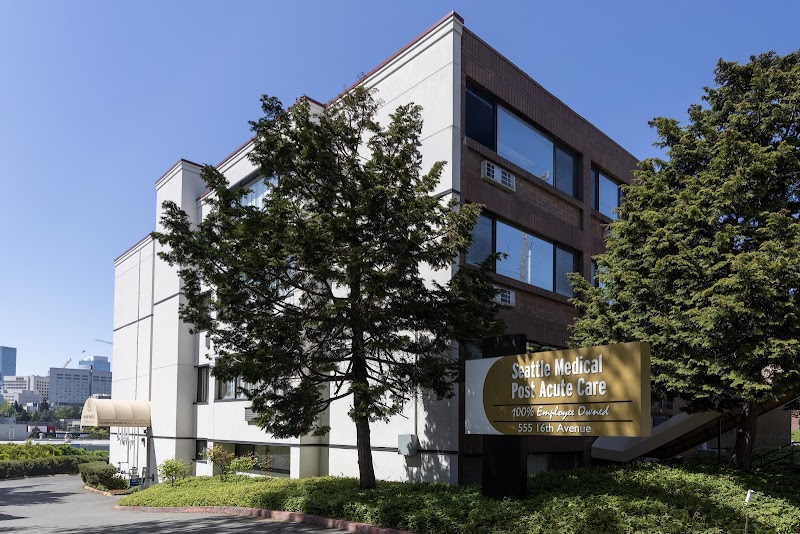
How is Seattle Medical Post Acute Care Staffed?

CMS rates SEATTLE MEDICAL POST ACUTE CARE's staffing level at 3 out of 5 stars, which is average compared to other nursing homes. Staff turnover is 57%, which is 11 percentage points above the Washington average of 46%. High turnover can affect care consistency as new staff learn residents' individual needs.

What Have Inspectors Found at Seattle Medical Post Acute Care?

State health inspectors documented 78 deficiencies at SEATTLE MEDICAL POST ACUTE CARE during 2022 to 2025. These included: 5 that caused actual resident harm and 73 with potential for harm. Deficiencies causing actual harm indicate documented cases where residents experienced negative health consequences.
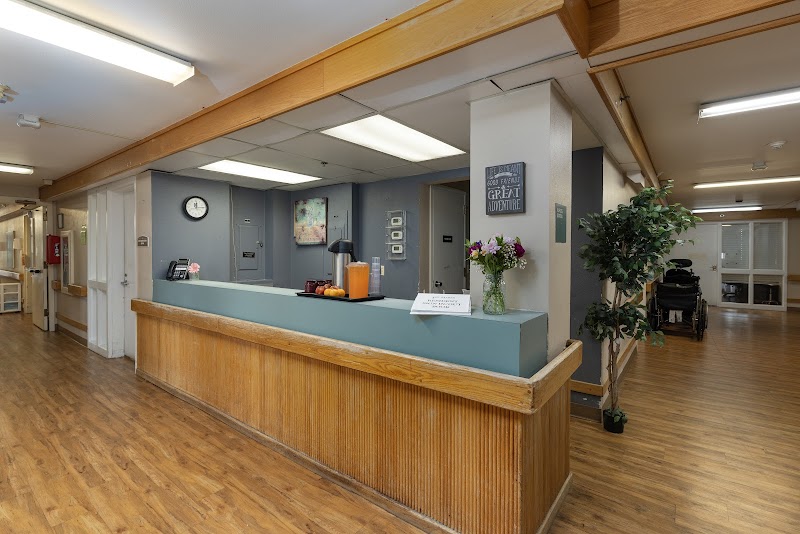
Who Owns and Operates Seattle Medical Post Acute Care?

SEATTLE MEDICAL POST ACUTE CARE is owned by a for-profit company. For-profit facilities operate as businesses with obligations to shareholders or private owners. The facility is operated by EMPRES OPERATED BY EVERGREEN, a chain that manages multiple nursing homes. With 103 certified beds and approximately 86 residents (about 83% occupancy), it is a mid-sized facility located in SEATTLE, Washington.
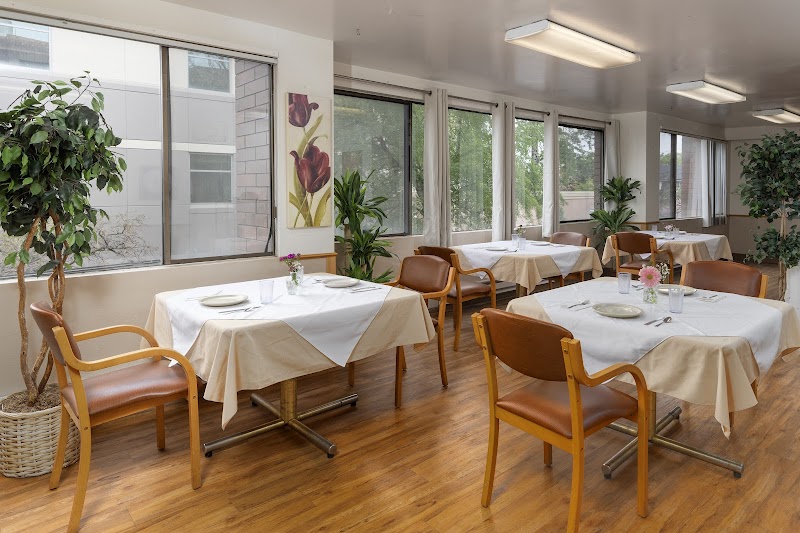
How Does Seattle Medical Post Acute Care Compare to Other Washington Nursing Homes?

Compared to the 100 nursing homes in Washington, SEATTLE MEDICAL POST ACUTE CARE's overall rating (2 stars) is below the state average of 3.2, staff turnover (57%) is significantly higher than the state average of 46%, and health inspection rating (1 stars) is much below the national benchmark.

What Should Families Ask When Visiting Seattle Medical Post Acute Care?

Based on this facility's data, families visiting should ask: "What safeguards and monitoring systems are in place to protect residents from abuse or neglect?" "How do you ensure continuity of care given staff turnover, and what is your staff retention strategy?" "Can I visit during a mealtime to observe dining assistance and food quality?" "How do you handle medical emergencies, and what is your hospital transfer rate?" These questions are particularly relevant given the substantiated abuse finding on record and the facility's high staff turnover rate.

Is Seattle Medical Post Acute Care Safe?

Based on CMS inspection data, SEATTLE MEDICAL POST ACUTE CARE has documented safety concerns. The facility has 1 substantiated abuse finding (meaning confirmed case of resident harm by staff or other residents). The facility has a 2-star overall rating and ranks #100 of 100 nursing homes in Washington. Families considering this facility should ask detailed questions about what corrective actions have been taken since these incidents.

Do Nurses at Seattle Medical Post Acute Care Stick Around?

Staff turnover at SEATTLE MEDICAL POST ACUTE CARE is high. At 57%, the facility is 11 percentage points above the Washington average of 46%. High turnover means new staff may not know residents' individual needs, medications, or preferences. It can also be disorienting for residents, especially those with dementia who rely on familiar faces. Families should ask: What is causing the turnover? What retention programs are in place? How do you ensure care continuity during staff transitions?

Was Seattle Medical Post Acute Care Ever Fined?

SEATTLE MEDICAL POST ACUTE CARE has been fined $38,371 across 4 penalty actions. The Washington average is $33,463. While any fine indicates a compliance issue, fines under $50,000 are relatively common and typically reflect isolated problems that were subsequently corrected. Families should ask what specific issues led to these fines and confirm they've been resolved.

Is Seattle Medical Post Acute Care on Any Federal Watch List?

SEATTLE MEDICAL POST ACUTE CARE is not on any federal watch list. The most significant is the Special Focus Facility (SFF) program, which identifies the bottom 1% of nursing homes nationally based on persistent, serious quality problems. Not being on this list means the facility has avoided the pattern of deficiencies that triggers enhanced federal oversight. This is a positive indicator, though families should still review the facility's inspection history directly.