SHORELINE HEALTH AND REHABILITATION
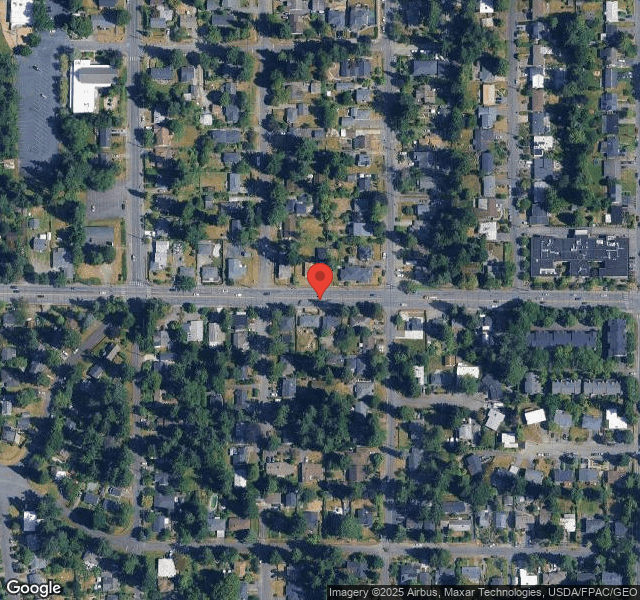

2818 NORTHEAST 145TH STREET, SEATTLE, WA 98155 (206) 418-2900
For profit - Corporation 114 Beds THE ENSIGN GROUP Data: November 2025
Trust Grade
85/100
#41 of 190 in WA
Last Inspection: December 2024

Within standard 12-15 month inspection cycle. Federal law requires annual inspections.

Overview

Shoreline Health and Rehabilitation has a Trust Grade of B+, indicating it is above average and recommended for families considering care options. It ranks #41 out of 190 facilities in Washington, placing it in the top half, and #8 out of 46 in King County, meaning only seven local facilities are rated higher. The facility's trend is stable, with 13 reported issues in both 2023 and 2024. Staffing is a moderate concern, rated at 3 out of 5 stars, with a turnover rate of 20%, which is much lower than the state average of 46%, suggesting that staff generally remain in their roles. Notably, there have been no financial penalties recorded, which is a positive sign. However, there are several areas of concern. For instance, the facility was found to have food items that were not properly labeled or dated, posing potential health risks to residents. Additionally, meals were served on trays rather than in a more homelike setting, which could affect residents' quality of life. Lastly, an incident involved an unpackaged and unlabeled medication found in a medication cart, which raises concerns about medication safety. Overall, while Shoreline Health and Rehabilitation has strengths in staffing stability and a solid trust score, families should be aware of these specific issues when making their decision.

Trust Score
B+
85/100
In Washington
#41/190
Top 21%
Safety Record
Low Risk
No red flags
Inspections
Holding Steady
13 → 13 violations
Staff Stability
✓ Good
20% annual turnover. Excellent stability, 28 points below Washington's 48% average. Staff who stay learn residents' needs.
Penalties
✓ Good
No fines on record. Clean compliance history, better than most Washington facilities.
Skilled Nurses
○ Average
Each resident gets 41 minutes of Registered Nurse (RN) attention daily — about average for Washington. RNs are the most trained staff who monitor for health changes.
Violations
⚠ Watch
31 deficiencies on record. Higher than average. Multiple issues found across inspections.
★★★★★
5.0
Overall Rating
★★★☆☆
3.0
Staff Levels
★★★★★
5.0
Care Quality
★★★★☆
4.0
Inspection Score
Stable
2023: 13 issues
2024: 13 issues

The Good

  • 5-Star Quality Measures · Strong clinical quality outcomes
  • Low Staff Turnover (20%) · Staff stability means consistent care
  • Full Sprinkler Coverage · Fire safety systems throughout facility
  • No fines on record
  • Staff turnover is low (20%)

    28 points below Washington average of 48%

Facility shows strength in quality measures, staff retention, fire safety.

The Bad

Chain: THE ENSIGN GROUP

Part of a multi-facility chain

Ask about local staffing decisions and management

The Ugly 31 deficiencies on record

Dec 2024 13 deficiencies
CONCERN (D)

Potential for Harm - no one hurt, but risky conditions existed

Deficiency F0625 (Tag F0625)

Could have caused harm · This affected 1 resident

**NOTE- TERMS IN BRACKETS HAVE BEEN EDITED TO PROTECT CONFIDENTIALITY** Based on observation, interview, and record review, the facility failed to ensure bed hold (the opportunity to reserve a residen...

Read full inspector narrative →
**NOTE- TERMS IN BRACKETS HAVE BEEN EDITED TO PROTECT CONFIDENTIALITY** Based on observation, interview, and record review, the facility failed to ensure bed hold (the opportunity to reserve a resident's current occupied bed while out of the facility to ensure their room was available when ready to return) notice was offered to 1 of 3 residents (Resident 65), reviewed for hospitalization. This failure placed the resident at risk for lack of knowledge regarding their right to hold their bed while in the hospital. Findings included . Review of the facility's policy titled Bed Hold, revised in December 2023, showed, It is the policy of this facility to inform the resident or resident's representative in writing of the right to exercise the bed hold provision upon admission and provide a second notice before transfer to a general acute care hospital .In the event of an emergency transfer, the second notice will be provided within 24 hours. Resident 65 admitted to the facility on [DATE]. Review of the nursing progress note dated 12/09/2024 showed Resident 65 was discharged to the hospital for medical evaluation on 12/09/2024. Further review of the nursing progress note dated 12/11/2024 showed Resident 65 returned to the facility on [DATE]. In an interview on 12/12/2024 at 9:34 AM, Resident 65 stated they had a private room before their hospital transfer on 12/09/2024 and that they returned to the facility in a shared room (room [ROOM NUMBER]). Resident 65 further stated, This really frustrates me; I need all my stuff from my old room. When asked if the facility offered them and/or their emergency contact, a bed hold notice for their hospital transfer on 12/09/2024, Resident 65 stated, No, I didn't know about a bed hold. I do not think my [emergency contact] was told about it; We [Resident 65 and their emergency contact] didn't know anything about it. Review of the electronic health record under the miscellaneous tab for December 2024 did not show documentation that Resident 65 was offered a written bed hold notice for their hospital transfer. Further review of the nursing progress notes dated 12/09/2024 through 12/15/2024 did not show documentation that a bed hold notice was offered or discussed with Resident 65. In an observation and interview on 12/16/2024 at 7:58 AM, showed that Resident 65 was no longer in room [ROOM NUMBER] with their roommate, Resident 41. Resident 41 stated that both Resident 65 and Resident 41 were put out of this room due to water leak last Thursday (12/12/2024) and that Resident 65 had been moved to another room while Resident 41 returned to room [ROOM NUMBER] when the water leak was fixed. Resident 41 further stated that they were informed that the water leak was due to something to do with upstairs and this room (room [ROOM NUMBER]); when somebody flushed the toilet, there was an overflow of clean water. Observation and interview on 12/16/2024 at 11:17 AM, showed Resident 65 was moved to room [ROOM NUMBER]. Resident 65 stated that they were moved to room [ROOM NUMBER] due to a water leak that affected their side of room [ROOM NUMBER]. When asked which room was their original room before their hospital transfer on 12/09/2024, Resident 65 stated they were in room [ROOM NUMBER]. When asked if they understood what a bed hold was, Resident 65 stated, [Staff] didn't ask me [regarding a bed hold], I went to the hospital and assumed I would keep my room; no one ever told me. When asked if they would have agreed to reserve their previously occupied bed, to include the associated costs for a bed hold, Resident 65 stated, I don't know what they would have charged me. Resident 65 stated they would have wanted to make an informed decision regarding a bed hold if it was offered to them. Resident 65 further stated that they were their own financial responsible party. In an interview and joint record review on 12/16/2024 at 11:50 AM, Staff L, Admissions, was asked if Resident 65 was offered a bed hold on their 12/09/2024 hospital transfer, Staff L stated, Yes and provided a document titled, Bed Hold Policy for Resident 65 that was completed by Staff L on 12/09/2024. Resident 65's Bed Hold Policy notice showed that their emergency contact was provided the bed hold information via in-person and that it did not show a signature from the recipient of the written notice. When asked if a copy of the written bed hold notice would be provided to the person signing it, Staff L stated Yes. When asked if a copy of the bed hold notice was provided to the recipient of the notice, Staff L stated, let me double check, I think I may have marked that wrong, I think it was by phone. When asked if they could provide a copy of the bed hold notice completed on 12/09/2024, which indicated Resident 65's emergency contact was provided the written bed hold notice in person, Staff L stated, let me get back to you on that. Staff L later provided a copy of the bed hold notice dated 12/09/2024 that showed that it was provided via phone and that the section for in-person notification was crossed out. Staff L stated they marked the document incorrectly and that the bed hold information was provided over the phone to the resident's emergency contact. Another joint record review and interview on 12/17/2024 at 7:30 AM with Staff L, showed Resident 65's face sheet listed them as their own financial responsible party and that their next of kin was listed as an emergency contact. Staff L stated that Resident 65's face sheet directed staff whom to contact for decision making and that Resident 65 was not informed about the bed hold. When asked if Resident 65 should have been informed of the bed hold, Staff L stated, I don't really know how to answer that, I just know that in my experience with [them], [they] deferred to their [emergency contact]. Staff L further stated that they did not know if Resident 65's emergency contact was able to make financial decisions on behalf of Resident 65. When asked again if Resident 65 should have been informed of the bed hold, Staff L stated, Can I get back to you on that; I need a minute if you don't mind. In a follow up interview on 12/17/2024 at 9:10 AM, Staff L stated that their process was to contact the financial responsible party when bed hold notice was discussed. Staff L further stated that for transfers to the hospital, they would try to reach the resident via phone. When asked if they attempted to contact Resident 65 about the option for a bed hold for their hospital transfer on 12/09/2024, Staff L stated, I don't remember if I tried to call at all at the hospital for Resident 65. In an interview and joint record review on 12/19/2024 at 9:57 AM, Staff A, Administrator, stated that Staff L was responsible for issuing bed hold notices and that they expected staff would first discuss the bed hold notice with the resident if they were their own responsibility party. Staff A stated that if the resident was unable to be contacted, then we call family and to ask them to check with the responsible party. Staff A further stated the resident's face sheet as well as advance directives directed staff on whom to contact for bed hold notifications. Joint record review of the document titled, Bed Hold Policy, completed on 12/09/2024, showed Resident 65's emergency contact was contacted to discuss the bed hold notice. When asked if Resident 65 should have been informed of the bed hold notice due to them being their own financial responsible party, Staff A stated that they expected an effort to inform [Resident 65] would be made first. Reference: (WAC) 388-97-0120 (4) .
CONCERN (D)

Potential for Harm - no one hurt, but risky conditions existed

Assessment Accuracy (Tag F0641)

Could have caused harm · This affected 1 resident

**NOTE- TERMS IN BRACKETS HAVE BEEN EDITED TO PROTECT CONFIDENTIALITY** Based on interview and record review, the facility failed to accurately assess 1 of 20 residents (Resident 20), reviewed for Min...

Read full inspector narrative →
**NOTE- TERMS IN BRACKETS HAVE BEEN EDITED TO PROTECT CONFIDENTIALITY** Based on interview and record review, the facility failed to accurately assess 1 of 20 residents (Resident 20), reviewed for Minimum Data Set (MDS-an assessment tool). The failure to ensure accurate assessments regarding preferences to guide the development of a comprehensive activity care plan placed the resident at risk for unmet care needs and a diminished quality of life. Findings included . According to the Long-Term Care Resident Assessment Instrument (RAI) 3.0 User's Manual, (a guide directing staff on how to accurately assess the status of residents when completing an MDS) Version 1.19.1, dated October 2024, showed, .The intent of items in this section (Section F- Preferences for Customary Routine and Activities) is to obtain information regarding the resident's preferences for their daily routine and activities. This is best accomplished when the information is obtained directly from the resident or through family or significant other, or staff interviews if the resident cannot report preferences. The information obtained during this interview is just a portion of the assessment. Nursing homes should use this as a guide to create an individualized plan based on the resident's preferences .If a resident cannot communicate, then family or significant other who knows the resident well may be able to provide useful information about preferences .Providers are to attempt to conduct the interview with all conscious residents .If the resident is unable to complete the interview, attempt to conduct the interview with a family member or significant other .Preferences may change over time and extend beyond those included here. Therefore, the assessment of activity preferences is intended as a first step in an ongoing dialogue between the care provider and the resident .A dash (-) indicates No information. CMS [Centers for Medicare and Medicaid Services] expects dash use to be a rare occurrence. Resident 20 admitted to the facility on [DATE] with diagnosis that included dementia (memory loss). Review of Resident 20's Care Area Assessment worksheet dated 10/07/2024 showed that they discharged from hospice care services (type of care that focuses on comfort and support to people who are in the final stages of a serious illness) on 08/28/2024. Review of Resident 20's Significant Change in Status (SCSA) MDS dated [DATE], showed Section F0300, Should interview for daily and activity preferences be conducted? was coded 1 indicating that the interview was attempted with the resident and that Resident 20's responses were coded as 9 for all questions, which indicated no response or non-responsive. Section F0600, Daily and activity preferences primary respondent showed it was coded 9 indicating that an Interview could not be completed by resident or family/significant other. Section F0700, Should the staff assessment of daily and activity preferences be conducted? showed it was coded 1 which indicated Yes (because 3 or more items in interview for daily and activity preferences were not completed by resident or family/significant other). Further review showed Section F0800, Staff Assessment of Daily and Activity Preferences showed it was marked None of the above which indicated the resident had no preferences applicable within the choices from items A through Z that included choosing clothes to wear, caring for personal belongings, receiving tub bath, receiving shower, receiving bed bath, receiving sponge bath, snack between meals, staying up past 8:00 PM, family or significant other involvement in care discussions, use of phone in private, place to lock personal belongings, reading books, newspapers, or magazines, listening to music, being around animals such as pets, keeping up with the news, doings things with groups of people, participating in favorite activities, spending time away from the nursing home, spending time outdoors, and participating in religious activities or practices. Review of Resident 20's Quarterly MDS dated [DATE] showed Section F0300 was dashed (- ) indicating that the interview was not assessed or No information. Further review showed F0700 was dashed. A joint record review and interview on 12/18/2024 at 9:45 AM with Staff P, MDS Coordinator, showed that the facility's MDS electronic records included the RAI Manual that could be referenced by staff when MDS were being completed. Staff P stated the facility followed the RAI manual to guide coding accuracy of resident assessments. Continued joint record review with Staff P showed coded responses in Section F of Resident 20's SCSA MDS dated [DATE] and Quarterly MDS dated [DATE]. It further showed that Section F of Resident 20's SCSA MDS was signed and completed by Staff R, MDS part time. When asked if a family interview was completed or attempted for Section F of Resident 20's SCSA MDS, Staff P stated the SCSA MDS was completed by Staff R and that they would call to confirm with Staff R. Staff P further stated that they expected family to be interviewed for Resident 20 because they were not able to respond. When asked when it was appropriate to conduct staff interviews when completing an MDS, Staff P stated, We can interview staff after trying to interview the family. When asked if a resident, family, or staff interview was completed or attempted for Section F for Resident 20's Quarterly MDS, Staff P stated, No and that the coded responses by Staff O, Activities Supervisor, in Section F indicated interviews were not completed. Staff P further stated that they expected Section F of Resident 20's Quarterly MDS should have been completed and that they expected the completed MDS to have been accurate. A joint record review and interview on 12/18/2024 at 10:24 AM with Staff O, showed Resident 20's Section F of the Quarterly MDS dated [DATE] was dashed for all responses. Staff O stated they completed section F in Resident 20's Quarterly MDS and that they did not know why responses were dashed. When asked if they received training on how to complete the MDS Section F, Staff O stated, Yes. Staff O further stated that for residents who were non-verbal, they would interview family and if there were no family involved, they would interview staff. When asked if they interviewed family or significant other for Resident 20's Quarterly MDS dated [DATE], Staff O stated No, I know I did not interview the family. When asked if family interview should have been completed for Resident 20's Quarterly MDS, Staff O stated, Possibly, yes and that they always ask the [Certified Nursing Assistants]. In a follow up interview on 12/18/2024 at 3:04 PM, Staff P stated they contacted Staff R via phone on 12/18/2024 at 10:37 AM and that Staff R confirmed they completed Section F in Resident 20's SCSA MDS and that family interviews were not conducted. In an interview on 12/19/2024 at 10:37 AM, Staff B, Director of Nursing, stated that the facility followed the RAI manual to guide coding accuracy of resident assessments. When asked if family interview should have been completed for Resident 20's SCSA MDS dated [DATE] and Quarterly MDS dated [DATE], Staff B stated, Yes. Staff B further stated they expected MDS to be accurate and completed timely. Reference: (WAC) 388-97-1000 (1)(a)(b)(2)(m) .
CONCERN (D)

Potential for Harm - no one hurt, but risky conditions existed

Comprehensive Care Plan (Tag F0656)

Could have caused harm · This affected 1 resident

**NOTE- TERMS IN BRACKETS HAVE BEEN EDITED TO PROTECT CONFIDENTIALITY** Based on observation, interview, and record review, the facility failed to implement activity care plan for 1 of 20 residents (R...

Read full inspector narrative →
**NOTE- TERMS IN BRACKETS HAVE BEEN EDITED TO PROTECT CONFIDENTIALITY** Based on observation, interview, and record review, the facility failed to implement activity care plan for 1 of 20 residents (Resident 20), reviewed for care planning. This failure placed the resident at risk for unmet care needs and a diminished quality of life. Findings included . Review of the facility's policy and procedure titled Comprehensive Person-Centered Care Planning, revised in August 2017, showed, It is the policy of this facility that the interdisciplinary team (IDT) shall develop a comprehensive person-centered care plan for each resident that includes measurable objectives and timeframes to meet a resident's medical, nursing, mental and psychological needs that are identified in the comprehensive assessment .The comprehensive care plan will be developed by the IDT within seven days of completion of the Resident Minimum Data Set [MDS - an assessment tool] and will include resident's needs identified in the comprehensive assessment .The resident's comprehensive plan of care will be reviewed and/or revised by the IDT after each assessment. Resident 20 admitted to the facility on [DATE] with diagnoses that included dementia (memory loss). Review of Resident 20's activity care plan revised on 10/02/2024 showed interventions included [staff to] offer in room story time and frequent 1:1 [one to one] visit. It showed, [Staff to] provide 1:1 program to support in-room activities with supplies, conversation, and comfort such as story time, room organization, and talking to [them]. It further showed that the care plan goal was that Resident 20 Will accept assistance with in-room activities to support end of life over the next 30 days as evidenced by activity documentation. Observations of Resident 20 in their room on 12/12/2024 at 11:06 AM, on 12/13/2024 at 10:39 AM, on 12/16/2024 at 8:27 AM, and on 12/16/2024 at 2:18 PM, did not show Resident 20 had one on one in-room activities. In an interview on 12/16/2024 at 2:24 PM, Staff O, Activities Supervisor, was requested to show activity documentation for Resident 20 from the last 30 days. Staff O stated they did not know how to generate the activity documentation report in Resident 20's electronic health record (EHR). Staff O further stated they would ask other staff members to assist with finding the activity documentation. When asked what other activities were provided for Resident 20, Staff O stated, We honestly just put on music for [them] and the roommate, not much .we also do friendly visits. When asked if activity documentation was available from sources other than Resident 20's EHR, Staff O stated, We document daily [on paper] and throw it away. A joint record review of Resident 20's EHR activity documentation on 12/16/2024 at 2:40 PM with Staff O and Staff U, Assistant Director of Nursing, did not show that Resident 20 had documentation in the last 30 days that included one on one activity participation in the following: nail care, library cart/letter writing/room art, auditory (hear) stimulation, olfactory (smell) stimulation, tactile (touch) stimulation, spiritual, music, reminisce, hair styling, and family video call. It showed that resident not available and resident refused was not documented in the last 30 days. Further review did not show Resident 20's EHR had activity documentation in social activity in the last 30 days and one day (12/05/2024) in the last 30 days, was documented for independent activity to indicate Resident 20 had their TV/Radio turned on for them in their room. Staff U stated Resident 20 had also received activity support from Hospice care services. When asked if Resident 20 was discharged from hospice services in August 2024, Staff U and Staff O stated Yes. When asked if it was the facility's process for staff to document activity participation when activities were provided, Staff O stated Yes. When asked if they expected there to be documentation for Resident 20 when activities were provided, Staff O stated Yes. A joint record review and interview on 12/18/2024 at 10:34 AM with Staff O, showed Resident 20's activity care plan revised on 10/02/2024. Staff O stated, I did not make this one. When asked who was responsible for developing Resident 20's activity care plan, Staff O stated For [Resident 20] I have not made a care plan and that Staff O worked closely with Staff D, Resident Care Manager, to assist with developing care plans. Staff O further stated, I think [Staff D] made one for us .[they] help us a lot with care plans especially for Resident 20. A joint record review and interview on 12/18/2024 at 11:02 AM with Staff D, showed Resident 20's activity care plan, revised on 10/02/2024. When asked if they were involved in care planning development and revision for Resident 20, Staff D stated, Yes, I am involved. Staff D stated they signed in the EHR that they reviewed Resident 20's care plan on 10/02/2024. When asked what was reviewed for Resident 20's activity care plan, Staff D stated, I am signing off that what's in the care plan is something that can be done for the resident. Joint record review of Resident 20's activity documentation in the EHR did not show that Resident 20 had activity documentation in the last 30 days that included one on one activity participation in the following: nail care, library cart/letter writing/room art, auditory stimulation, olfactory stimulation, tactile stimulation, spiritual, music, reminisce, hair styling, and family video call. It further showed that resident not available and resident refused was not documented in the last 30 days. Staff D stated there was no activity documentation for Resident 20 in the last 30 days and that there should have been. When asked if Resident 20's activity care plan goal of Will accept assistance with in-room activities to support end of life over the next 30 days as evidenced by activity documentation was met, Staff D stated No, it needs to be revised if there is no documentation. When asked if Resident 20's activity care plan interventions were implemented, Staff D stated No, because there's no documentation. A joint record review and interview on 12/19/2024 at 9:57 AM with Staff A, Administrator, did not show that Resident 20's activity documentation printed on 12/16/2024 had documentation that indicated one on one activity participation in the last 30 days. Staff A stated there was no activity documentation for Resident 20 and that all [staff] documentation was completed in the EHR. Joint record review of Resident 20's activity care plan showed the care plan goal was that Resident 20 Will accept assistance with in-room activities to support end of life over the next 30 days as evidenced by activity documentation. Staff A stated the activity department was responsible for providing an ongoing program of individualized activities for residents. Staff A further stated that the MDS and care plans should all be relatively supportive of each other. When asked if activity care plans were based on or in accordance with the comprehensive assessments. When asked if they expected activities offered and provided would be documented, Staff A stated, Yeah if it's an activity specialized for a resident in the care plan, yes. When asked if they expected staff to implement the resident individual care plan, Staff A stated, Yes, that's in our policy. Reference: (WAC) 388-97-1020 (1)(2)(a)(f) .
CONCERN (D)

Potential for Harm - no one hurt, but risky conditions existed

Deficiency F0657 (Tag F0657)

Could have caused harm · This affected 1 resident

**NOTE- TERMS IN BRACKETS HAVE BEEN EDITED TO PROTECT CONFIDENTIALITY** Based on observation, interview, and record review, the facility failed to revise comprehensive care plans for 3 of 20 residents...

Read full inspector narrative →
**NOTE- TERMS IN BRACKETS HAVE BEEN EDITED TO PROTECT CONFIDENTIALITY** Based on observation, interview, and record review, the facility failed to revise comprehensive care plans for 3 of 20 residents (Residents 17, 20 & 6), reviewed for care plan revision. The failure to revise care plans for medication administration and behaviors with oxygen use placed the residents at risk for unmet care needs and a diminished quality of life. Findings included . Review of the facility's policy titled, Comprehensive Person-Centered Care Planning, revised in August 2017, showed, The resident's comprehensive plan of care will be reviewed and/or revised by the IDT [Interdisciplinary Team] after each assessment. RESIDENT 17 Observation on 12/16/2024 at 11:49 AM, showed Staff E, Registered Nurse, entered the Second Floor Dining Room holding two medication cups. Staff E gave one medication cup to Staff D, Resident Care Manager, who then administered the medication to Resident 17. Review of Resident 17's nutritional problem care plan intervention initiated on 12/16/2024, showed that Resident 17 was more incline to take medications during meals. Further review of Resident 17's care plan did not show to give Resident 17's medications with meals prior to 12/16/2024. RESIDENT 20 Observation on 12/16/2024 at 11:49 AM, showed Staff E entered the Second Floor Dining Room holding two medication cups. Staff E administered Resident 20's medications in the dining room. Review of Resident 20's nutritional problem care plan intervention initiated on 12/16/2024, showed, Give medications during meal times as resident is more incline to open her mouth during meals otherwise [Resident 20] will tighten [their] mouth closed due to advance dementia [severe memory loss and difficulty with daily activities]. Further review of Resident 20's care plan did not show to give Resident 20's medications with meals prior to 12/16/2024. In an interview on 12/18/2024 at 9:24 AM, Staff E was asked if their process was to give medications in the dining room, Staff E stated not unless the resident takes their medication with meals, but usually not. Staff E stated that Resident 17 and Resident 20 usually take their medications with their meals and that their medications were scheduled around their meals. Staff E further stated that it should be care planned and would have to check with Staff D. In an interview on 12/18/2024 at 2:19 PM, Staff D stated that if you tried to give Resident 17 and Resident 20 their medications when they were not eating, they would spit it out. Staff D stated that it should be care planned. Joint record review of Resident 17's care plan did not show to give medications with meals prior to 12/16/2024. Staff D stated that they tried to give Resident 17's medications when they were not eating and that they would spit it all out. Staff D stated that they would have expected Resident 17's care plan to be revised prior to 12/16/2024. Joint record review of Resident 20's care plan did not show to give their medications with meals prior to 12/16/2024. Staff D stated that they would have expected Resident 20's care plan to be revised prior to 12/16/2024. In an interview on 12/19/2024 at 10:29 AM, Staff B, Director of Nursing, stated that if staff were giving Resident 20 and Resident 17 their medications with meals in the dining room prior to 12/16/2024, then yes, they should have revised the care plan. RESIDENT 6 Resident 6 admitted to the facility on [DATE] with diagnoses that included Chronic Obstructive Pulmonary Disease (COPD- a condition that blocks air flow and make it difficult to breathe). Review of Resident 6's December 2024 Medication Administration Record (MAR) showed an order for oxygen via mask/cannula (flexible tubing that sits inside the nose and delivers oxygen) at two liters (unit of measurement) of a minute every shift related to COPD dated 12/01/2023. Review of Resident 6's Oxygen Therapy care plan initiated on 01/02/2024, showed an intervention for oxygen settings: oxygen via nasal prongs (plastic tube placed in the nostrils to deliver oxygen)/mask at two to three liters continuously. Observation and interview on 12/13/2024 at 9:44 AM, showed Resident 6 applied their nasal cannula and was receiving five liters oxygen. Resident 6 stated that they applied the nasal cannula on and off themselves. Observation on 12/16/2024 at 8:55 AM, showed Resident 6 lying in bed receiving five liters of oxygen via nasal cannula. Joint record review of Resident 6's December 2024 MAR, interview and joint observation on 12/17/2024 at 12:13 PM with Staff F, Registered Nurse, showed an order for two liters of oxygen. When Staff F was informed that Resident 6 was observed receiving five liters of oxygen, Staff F stated that sometimes Resident 6 increases it themselves when they are frustrated. Joint observation of Resident 6's oxygen concentrator at bedside showed that the oxygen flowmeter setting was at five liters. When asked if they checked Resident 6's oxygen liter setting, Staff F stated, usually they do. In an interview and record review on 12/17/2024 at 2:18 PM, Staff D was informed of observations of Resident 6's oxygen flowmeter setting was at five liters, Staff D stated, He does that, and that Resident 6 increases their oxygen liter setting. Staff D stated that they expected staff to go into Resident 6's room every shift to check the oxygen liter setting. Staff D stated they were not sure if Resident 6's behavior of increasing the oxygen flowmeter setting was documented but would be good to care plan. Joint record review of Resident 6's December MAR showed an order for two liters of oxygen and record review of Resident 6's Oxygen Therapy care plan showed an intervention for oxygen two to three liters continuously. Staff D stated that they would have expected the care plan and the physician orders to match. In an interview on 12/19/2024 at 1:18 PM, Staff B stated that they were not aware of Resident 6's behavior of increasing the oxygen flowmeter setting but when they were made aware of their behavior, that was when they care planned it. When asked if staff knew about the resident's behaviors, would they have expected them to revise the care plan, Staff B stated, Yes. Reference: (WAC) 388-97-1020 (5)(b) .
CONCERN (D)

Potential for Harm - no one hurt, but risky conditions existed

Deficiency F0658 (Tag F0658)

Could have caused harm · This affected 1 resident

**NOTE- TERMS IN BRACKETS HAVE BEEN EDITED TO PROTECT CONFIDENTIALITY** RESIDENT 335 Resident 335 admitted to the facility on [DATE] with diagnoses that included encounter for closed fracture (a broke...

Read full inspector narrative →
**NOTE- TERMS IN BRACKETS HAVE BEEN EDITED TO PROTECT CONFIDENTIALITY** RESIDENT 335 Resident 335 admitted to the facility on [DATE] with diagnoses that included encounter for closed fracture (a broken bone that does not pierce through the skin) with routine healing. Review of Resident 335's nursing progress notes dated 12/15/2024, showed that Resident response to treatment: Resident refused [anticoagulant injection- blood thinner used to prevent and treat blood clots]. I don't think I need this medication. Further review did not show documentation that medical provider notification of Resident 335's anticoagulant medication refusal was made. A joint observation on 12/17/2024 at 7:38 AM, showed Staff N, Licensed Practical Nurse offered Resident 335 their anticoagulant injection during medication administration. Resident 335 stated Nope, not doing those anymore. Further observation showed Staff N did not provide Resident 335 education regarding anticoagulant injection refusal. In an interview and joint record review on 12/17/2024 at 7:45 AM, Staff N stated Resident 335 had refused their anticoagulant injection, more this week, [they are] getting tired of it. Joint record review of the December 2024 MAR showed Resident 335 refused their anticoagulant injection from 12/11/2024 through 12/16/2024 in addition to the refused dose on 12/17/2024 (7 days of medication refused). When asked what the facility's process was for refused medications, Staff N stated, To notify the provider and try to get [the refused medication] discontinued. Staff N further stated, It hasn't been done already, that's what I would do, as far as what the facility policy is, I don't know. In an interview and joint record review on 12/17/2024 at 9:15 AM, Staff M, RN, stated they expected nurses to educate the resident and to notify a provider whenever a resident refused medication. Joint record review of Resident 335's MAR showed Resident 335 had an active order for an anticoagulant injection and that it was refused starting on 12/11/2024 through 12/17/2024. When asked where provider notifications by nurses would be documented, Staff M stated the communication with a provider should be documented in the progress notes. Joint record review of Resident 335's progress notes dated 12/11/2024 through 12/17/2024 did not show documentation that a provider was notified regarding Resident 335's anticoagulant injection refusals. Staff M stated they expected nurses would have reported to the provider whenever Resident 335 refused their anticoagulant injection and that Specially this medication, it's an anticoagulant. In an interview on 12/19/2024 at 10:37 AM, Staff B stated, Providers should be notified after the first refusal. When asked if they expected the provider to be notified of Resident 335's anticoagulant injection refusals, Staff B stated, Yes. Reference: (WAC) 388-97-1620 (2)(b)(i)(ii) Based on observation, interview, and record review, the facility failed to follow a physician's order in accordance with professional standards for 2 of 13 residents (Residents 26 & 335), reviewed for medications. These failures placed the residents at risk for medication errors, negative outcomes, and a diminished quality of life. Findings included . RESIDENT 26 Review of Resident 26's December 2024 Medication Administration Record (MAR) showed an order for oxycodone (pain medication) oral tablet 5 milligrams (a unit of measurement) to be given every eight hours as needed for pain level greater than six out of 10 started on 12/06/2024. Further review showed that Resident 26 received oxycodone when their pain was documented as less than six out of 10 for five out of 11 days. A joint record review and interview on 12/16/2024 at 9:53 AM, with Staff E, Registered Nurse (RN), showed the December 2024 MAR had a physician order to give Resident 26 oxycodone for pain level greater than six out of 10. Staff E stated that today they entered a four for Resident 26's pain level and that Resident 26 was given oxycodone. Staff E further stated that the oxycodone should not have been given if the resident's pain level was less than six. In an interview and joint record review on 12/18/2024 at 9:49 AM, Staff D, Resident Care Manager, stated that staff should follow parameters if there were parameters on a physician order. A joint record review of Resident 26's December 2024 MAR showed a physician order to give oxycodone for pain level greater than six out of 10. It further showed that oxycodone was given five out of 11 days when Resident 26 was rating their pain level at less than six. Staff D stated that the physician order was not being followed. In an interview on 12/18/2024 at 11:17 AM, Staff B, Director of Nursing, stated that they expected staff to follow [physician orders] as ordered. Staff B stated that staff should administer [pain medication] per pain level. Staff B further stated that Resident 26 should not have been given oxycodone when they rated their pain as less than six out of 10 because the order says give for pain greater than six.
CONCERN (D)

Potential for Harm - no one hurt, but risky conditions existed

Deficiency F0679 (Tag F0679)

Could have caused harm · This affected 1 resident

**NOTE- TERMS IN BRACKETS HAVE BEEN EDITED TO PROTECT CONFIDENTIALITY** Based on observation, interview, and record review, the facility failed to ensure an activity program met the need of 1of 1 resi...

Read full inspector narrative →
**NOTE- TERMS IN BRACKETS HAVE BEEN EDITED TO PROTECT CONFIDENTIALITY** Based on observation, interview, and record review, the facility failed to ensure an activity program met the need of 1of 1 resident (Resident 20), reviewed for activities. The failure to implement an individualized ongoing program to support the resident in their choice of activities based on the comprehensive assessment and care plan placed the resident at risk for unmet activity pursuit, social isolation, and a diminished quality of life. Findings included . According to the Long-Term Care Resident Assessment Instrument (RAI) 3.0 User's Manual, (a guide directing staff on how to accurately assess the status of residents when completing a Minimum Data Set [MDS - an assessment tool]) Version 1.19.1, dated October 2024, showed, .The intent of items in this section (Section F- Preferences for Customary Routine and Activities) is to obtain information regarding the resident's preferences for their daily routine and activities. This is best accomplished when the information is obtained directly from the resident or thorough family or significant other, or staff interviews if the resident cannot report preferences. The information obtained during this interview is just a portion of the assessment. Nursing homes should use this as a guide to create an individualized plan based on the resident's preferences .If a resident cannot communicate, then family or significant other who knows the resident well may be able to provide useful information about preferences .Providers are to attempt to conduct the interview with all conscious residents .If the resident is unable to complete the interview, attempt to conduct the interview with a family member or significant other .Preferences may change over time and extend beyond those included here. Therefore, the assessment of activity preferences is intended as a first step in an ongoing dialogue between the care provider and the resident. Resident 20 admitted to the facility on [DATE] with diagnosis that included dementia (memory loss). Review of Resident 20's Care Area Assessment worksheet dated 10/07/2024 showed that they discharged from hospice care services (type of care that focuses on comfort and support to people who are in the final stages of a serious illness) on 08/28/2024. Review of Resident 20's activity assessment dated [DATE] showed that MDS-Activity Pursuit Patterns Section, was reviewed and that the information still accurately reflects Resident 20's activity pursuit patterns. It further showed that Resident 20 enjoyed being in their room and that they enjoyed one on one activities such as listening to music, sensory stimulation, nail care and story time in their room. Review of Resident 20's activity care plan revised on 10/02/2024 showed interventions included [staff to] offer in room story time and frequent 1:1[one on one] visit. It showed, [Staff to] provide 1:1 program to support in-room activities with supplies, conversation, and comfort such as story time, room organization, and talking to [them]. It further showed that the care plan goal was that Resident 20 Will accept assistance with in-room activities to support end of life over the next 30 days as evidenced by activity documentation. Observations of Resident 20 in their room on 12/12/2024 at 11:06 AM, on 12/13/2024 at 10:39 AM, on 12/16/2024 at 8:27 AM, and on 12/16/2024 at 2:18 PM did not show Resident 20 had one on one in-room activities. In an interview on 12/16/2024 at 2:24 PM Staff O, Activities Supervisor, was requested to show activity documentation for Resident 20 from the last 30 days. Staff O stated they did not know how to generate the activity documentation report in Resident 20's electronic health record (EHR). Staff O further stated they would ask other staff members to assist with finding the activity documentation. When asked what other activities were provided for Resident 20, Staff O stated, We honestly just put on music for [them] and the roommate, not much .we also do friendly visits. When asked if activity documentation was available from other sources other than Resident 20's EHR, Staff O stated, We document daily [on paper] and throw it away. A joint record review on 12/16/2024 at 2:40 PM with Staff O and Staff U, Assistant Director of Nursing, did not show that Resident 20 had activity documentation in the last 30 days that included one on one activity participation in the following: nail care, library cart/letter writing/room art, auditory (hear) stimulation, olfactory (smell) stimulation, tactile (touch) stimulation, spiritual, music, reminisce, hair styling, and family video call. It showed that resident not available and resident refused was not documented in the last 30 days. Further review did not show Resident 20's EHR had activity documentation in social activity in the last 30 days and one day (12/05/2024) in the last 30 days, was documented for independent activity to indicate the resident had their TV/Radio turned on for them in their room. Staff U stated Resident 20 had also received activity support from hospice care services. When asked if Resident 20 was discharged from hospice services in August 2024, Staff U and Staff O stated Yes. When asked if it was the facility's process for staff to document activity participation when activities were provided to residents, Staff O stated Yes. When asked if they expected there to be documentation for Resident 20 when activities were provided, Staff O stated Yes. Review of Resident 20's Significant change in status (SCSA) MDS, dated [DATE] showed Section F0300, Should interview for daily and activity preferences be conducted? was coded 1 which indicated the interview was attempted with the resident and that Resident 20's responses were coded as 9 for all questions which indicated no response or non-responsive. Section F0600, Daily and activity preferences primary respondent showed it was coded 9 which indicated Interview could not be completed by resident or family/significant other. Section F0700, Should the staff assessment of daily and activity preferences be conducted? showed it was coded 1 which indicated Yes (because 3 or more items in interview for daily and activity preferences were not completed by resident or family/significant other). Further review showed Section F0800, Staff Assessment of Daily and Activity Preferences showed it was marked None of the above which indicated the resident had no preferences applicable within the choices from items A through Z which included choosing clothes to wear, caring for personal belongings, receiving tub bath, receiving shower, receiving bed bath, receiving sponge bath, snack between meals, staying up past 8:00 PM, family or significant other involvement in care discussions, use of phone in private, place to lock personal belongings, reading books, newspapers, or magazines, listening to music, being around animals such as pets, keeping up with the news, doings things with groups of people, participating in favorite activities, spending time away from the nursing home, spending time outdoors, and participating in religious activities or practices. A joint record review and interview on 12/18/2024 at 9:45 AM with Staff P, MDS Coordinator, showed coded responses in Section F of Resident 20's SCSA dated 09/09/2024. It further showed that Section F of Resident 20's SCSA was signed and completed by Staff R, MDS part time. When asked if a family interview was completed or attempted for Section F of Resident 20's SCSA, Staff P stated the SCSA was completed by Staff R and that they would call to confirm with Staff R. Staff P further stated that they expected family to be interviewed for Resident 20 because they were not able to respond. When asked when it was appropriate to conduct staff interviews for a MDS, Staff P stated, We can interview staff after trying to interview the family. Staff P further stated that they expected completed MDS to be accurate. In a follow up interview on 12/18/2024 at 3:04 PM, Staff P stated they contacted Staff R via phone on 12/18/2024 at 10:37 AM and that Staff R confirmed they completed Section F in Resident 20's SCSA and that family interviews were not conducted. In an interview on 12/19/2024 at 10:37 AM, Staff B, Director of Nursing, was asked if family interview should have been completed for Resident 20's SCSA dated 09/09/2024, Staff B stated Yes. A joint record review and interview on 12/19/2024 at 9:57 AM with Staff A, Administrator, did not show that Resident 20's activity documentation printed on 12/16/2024 had documentation that indicated one on one activity participation in the last 30 days. Staff A stated there was no activity documentation for Resident 20 and that all [staff] documentation was completed in the EHR. Joint record review of Resident 20's activity care plan showed the care plan goal was that Resident 20 Will accept assistance with in-room activities to support end of life over the next 30 days as evidenced by activity documentation. Staff A stated the activity department was responsible for providing an ongoing program of individualized activities for residents. Staff A also stated that the MDS and care plans should all be relatively supportive of each other when asked if activity care plans were based on or in accordance with the comprehensive assessments. When asked if they expected activities offered and provided would be documented, Staff A stated, Yeah if it's an activity specialized for a resident in the care plan, yes. When asked if they expected staff to implement the resident individual care plan, Staff A stated Yes, that's in our policy. When asked if Resident 20 was provided an ongoing program of individualized activities based on the care plan and activity documentation, Staff A stated, It's not documented. Reference WAC 388-97-0940(1)(2) .
CONCERN (D)

Potential for Harm - no one hurt, but risky conditions existed

Quality of Care (Tag F0684)

Could have caused harm · This affected 1 resident

Based on interview and record review, the facility failed to implement bowel management protocol in accordance with professional standards of practice for 1 of 1 resident (Resident 48), reviewed for q...

Read full inspector narrative →
Based on interview and record review, the facility failed to implement bowel management protocol in accordance with professional standards of practice for 1 of 1 resident (Resident 48), reviewed for quality of care. This failure placed the resident at risk for discomfort, bowel impaction, and related complication. Findings included . Review of the facility's undated policy titled, Bowel Management Program, showed, Accurate and complete documentation is required to determine the resident's bowel integrity and certified staff documents bowel movements for each resident each shift. Review of Resident 48's constipation care plan, revised on 10/16/2023, showed an intervention to monitor medications for side effects of constipation. It further showed to record bowel movement (BM) pattern each day. Review of the facility's document titled, Documentation Survey Report for November 2024, showed Resident 48 did not have a BM from 11/06/2024 through 11/10/2024 (5 days) and from 11/13/2024 through 11/17/2024 (5 days). Review of the facility's document titled, Task: Bowel movement/Bowel Continence, dated 11/14/2024 through 12/13/2024, showed that Resident 48 did not have a BM from 12/04/2024 through 12/08/2024 (five days). Review of Resident 48's November 2024 Medication Administration Record (MAR) showed no documentation that any as needed (PRN) medications were given for not having a BM from 11/06/2024 through 11/10/2024 and from 11/13/2024 through 11/17/2024. Review of Resident 48's December 2024 MAR showed no documentation that any PRN bowel medications were given for not having a BM from 12/04/2024 through 12/08/2024. In an interview and joint record review on 12/17/2024 at 1:51 PM, Staff Z, Licensed Practical Nurse, stated that the Resident Care Manager (RCM) will give us a list of residents with no bowel movement. Staff Z stated that if it was one to two days without a BM, give PRN bowel medications and if four days, call the provider, and do abdominal assessment. A joint record review of the Task: Bowel movement/Bowel Continence, dated 11/14/2024 through 12/13/2024, showed Resident 48 did not have a BM from 12/04/2024 through 12/08/2024. Staff Z stated, it showed it wasn't charted, but sometimes he'll say he had one, and we would chart that it in a progress note. In a joint record review of Resident 48's progress notes, showed no documentation that Resident 48 had a BM during those dates, and no documentation of abdominal assessment or that the physician was notified. A joint record review of Resident 48's December 2024 MAR showed no documentation that Resident 48 received any PRN bowel medications for having no BM on those dates. Staff Z stated that no, he didn't [did not] get any PRN medications during those dates. In an interview and joint record review on 12/18/2024 at 9:49 AM, Staff D, RCM, stated that if a resident went three days without a BM, then they should start the bowel protocol. Staff D stated that they expected the licensed nurse to assess the resident to see if they were eating, had nausea, and should do an abdominal assessment. In a follow-up interview at 1:44 PM, Staff D stated that they could not find anything documented in the progress notes for the dates that Resident 48 did not have a BM. When asked if there were any interventions done for Resident 48 during the dates it was documented that they did not have a BM, Staff D stated based on progress notes and the MAR, not that I'm seeing. Staff D further stated that they did not see any documentation that the physician was notified. In an interview on 12/18/2024 at 2:05 PM, Staff B, Director of Nursing, stated that if a resident goes without a BM for three days, staff should the follow protocol and give PRN medication. Staff B stated that staff should be documenting BMs when see it and if residents were independent, staff should ask them, and document based on what the resident is saying. Staff B stated that if a resident went five days without a BM, I would expect PRN interventions to be done, and documentation of assessment done and if it was effective. Staff B further stated that there was no documentation that any PRN interventions or assessments were done when it was documented that Resident 48 did not have a BM for five days. Reference: (WAC) 388-97-1060 (1) .
CONCERN (D)

Potential for Harm - no one hurt, but risky conditions existed

Respiratory Care (Tag F0695)

Could have caused harm · This affected 1 resident

**NOTE- TERMS IN BRACKETS HAVE BEEN EDITED TO PROTECT CONFIDENTIALITY** RESIDENT 285 Resident 285 admitted to the facility on [DATE] with diagnosis that included hypoxemia (a condition where there was...

Read full inspector narrative →
**NOTE- TERMS IN BRACKETS HAVE BEEN EDITED TO PROTECT CONFIDENTIALITY** RESIDENT 285 Resident 285 admitted to the facility on [DATE] with diagnosis that included hypoxemia (a condition where there was not enough oxygen in a person's blood). A joint observation and interview on 12/17/2024 at 7:38 AM with Staff N, Licensed Practical Nurse, showed Resident 285's nasal cannula was placed on top of their wheelchair cushion and was not properly stored. Further observation showed an unsecured portable oxygen tank was placed lying on its side on a chair, with the length of the cylinder parallel to the chair's seat cushion. Staff N stated that nasal cannula, when not in use, should be stored neatly, it shouldn't be on the [wheel]chair, when asked what the facility's process was on storing oxygen therapy supplies. Staff N stated that portable oxygen tanks were normally secured to the wheelchair and that Resident 285's portable oxygen tank should be stored in the oxygen room. In an interview on 12/18/2024 at 1:39 PM, Staff M, RN, stated that the facility's process for storage of nasal cannula was that When not in use, we put it in a plastic bag and store it in the drawer. Staff M stated they would not expect nasal cannula to be placed on a wheelchair. When asked what the facility's process for storage of portable oxygen tanks was, Staff M stated, When not in use, they are supposed to come to the oxygen room to be stored on an oxygen cylinder stander, and if in use, they should be secured in a carrier [a backpack like device to secure oxygen tanks to the back of a wheelchair]. Staff M further stated that they expected portable oxygen tanks to be safely secured, in a carrier, attached to the resident's wheelchair. In an interview on 12/19/2024 at 11:06 AM, Staff B stated they expected oxygen tubing supplies to be bagged and stored when not in use. Staff B further stated they expected oxygen portable tanks to be safely secured. Reference: (WAC) 388-97-1060(3)(j)(vi) Based on observation, interview, and record review, the facility failed to provide respiratory care in accordance with accepted professional standards of practice for 3 of 5 residents (Residents 6, 16 & 285), reviewed for respiratory care. The failure to follow physician orders for oxygen therapy, properly store nebulizer (device used to administer medication in the form of a mist inhaled into the lungs) and oxygen equipment placed the residents at risk for respiratory infections, and related complications. Findings included . Review of the facility's policy titled, Oxygen Administration, revised in July 2019, showed, Obtain appropriate physician's order and Reassess oxygen flowmeter for correct liter flow. Review of the facility's policy titled, Respiratory Therapy-Prevention of Infection, revised November 2011, showed under Infection Control Considerations Related to Medication Nebulizers/Continuous Aerosol [constant mist of medication over a period ranging from 30 minutes to several hours] to take care not to contaminate internal nebulizer tubes. It further showed to Store the circuit in plastic bag, marked with date and resident's name, between uses. RESIDENT 6 Resident 6 admitted to the facility on [DATE] with diagnosis that included Chronic Obstructive Pulmonary Disease (COPD- a condition that blocks air flow and make it difficult to breathe). Review of Resident 6's December 2024 Medication Administration Record (MAR) showed an order for oxygen via mask/cannula (flexible tubing that sits inside the nose and delivers oxygen) at two liters (unit of measurement) a minute every shift related to COPD dated 12/01/2023. Review of Resident 6's Oxygen Therapy care plan initiated on 01/02/2024, showed an intervention for oxygen settings: oxygen via nasal prongs (plastic tube placed in the nostrils to deliver oxygen)/mask at two to three liters continuously. Observation and interview on 12/13/2024 at 9:44 AM, showed Resident 6 applied their nasal cannula and was receiving five liters of oxygen. Resident 6 stated that they applied the nasal cannula on and off themselves. Observation on 12/16/2024 at 8:55 AM, showed Resident 6 lying in bed receiving five liters of oxygen via nasal cannula. Joint record review and interview on 12/17/2024 at 12:13 PM with Staff F, Registered Nurse (RN), showed Resident 6's December 2024 MAR had a written order for two liters of oxygen. When Staff F was informed that Resident 6 was observed receiving five liters of oxygen, Staff F stated that sometimes Resident 6 increases it themselves when they were frustrated. Joint observation of Resident 6's oxygen concentrator at bedside showed that the oxygen flowmeter setting was at five liters. When asked if they checked Resident 6's oxygen flowmeter setting, Staff F stated, usually they do. In an interview and record review on 12/17/2024 at 2:18 PM, Staff D, Resident Care Manager, was informed of observations of Resident 6's oxygen flowmeter setting was at five liters, Staff D stated, He does that, and that Resident 6 increases their oxygen flowmeter setting. Staff D stated that they expected staff to go into Resident 6's room every shift to check the oxygen flowmeter setting. Staff D stated they were not sure if Resident 6's behavior of increasing the oxygen flowmeter setting was documented but would be good to care plan. Joint record review of Resident 6's December MAR showed an order for two liters of oxygen and record review of Resident 6's Oxygen Therapy care plan showed an intervention for oxygen two to three liters continuously. Staff D stated that they would have expected the care plan and the physician orders to match. In an interview on 12/19/2024 at 10:03 PM, Staff B, Director of Nursing, stated that they expected staff to follow physician orders for oxygen settings. Staff B stated that the physician orders for two liters of oxygen were within the same range as the care plan of two to three liters of oxygen. Staff B stated that it was not inaccurate and that they followed the physician orders and not the care plan. Staff B further stated that Staff F stated that Resident 6 could have changed the oxygen flowmeter rate and not that Resident 6 was changing it. Staff B requested to interview Staff F together to clarify about Staff F's previous statement. Staff B stated that they did not know that Resident 6 changed the flowmeter setting prior to speaking to Staff F. In a follow up interview on 12/19/2024 at 11:45 AM, Staff B was asked if they wanted to interview Staff F and Staff D together to clarify as they were given different information regarding Resident 6's behavior of increasing the oxygen flowmeter setting. Staff B stated that they did not need to interview together and that they had their interviews. In another follow up interview on 12/19/2024 at 1:18 PM, Staff B stated that they were not aware of Resident 6's behavior of increasing the oxygen liter setting but when they were made aware of their behavior that was when they care planned it. When asked if staff knew about the Resident 6's behaviors would they have expected them to revise the care plan, Staff B stated, Yes. RESIDENT 16 Resident 16 readmitted to the facility on [DATE] with diagnoses that included pneumonia (lung infection). Review of Resident 16's December 2024 MAR showed an order for Ipratropium-Albuterol Inhalation Solution (a medication that relaxes the muscles in the airways and increase air flow to the lungs) three milliliters (unit of measurement) inhale orally two times a day for aspiration pneumonia (condition in which foods, stomach contents, or fluids are breathed into the lungs) dated 12/03/2024. Further review showed that it was scheduled for 9:00 AM and 9:00 PM. Observation on 12/16/2024 at 1:29 PM, did not show Resident 16's nebulizer mask was properly stored when not in use. It further showed Resident 16's nebulizer mask was on top of their bedside table laying on top of a white cloth that was folded over the mask. Observation on 12/17/2024 at 9:45 AM, did not show Resident 16's nebulizer mask was properly stored when not in use. It further showed Resident 16's nebulizer mask was on top of their bedside table laying on top of a white cloth. In an interview and joint observation on 12/17/2024 at 12:08 PM, Staff F stated that they cleaned the nebulizer mask and kept it at the bedside. Joint observation with Staff F at 12:20 PM, showed Resident 16's nebulizer mask was laying on top of a white cloth on the bedside table with a book laying on top of the mask and that it was not properly stored when not in use. Staff F stated that it should have been stored in a bag. In an interview on 12/17/2024 at 2:18 PM, Staff D stated that they would expect Resident 16's nebulizer mask to be stored in a bag when not in use. In an interview on 12/19/2024 at 10:03 AM, Staff B stated they expected the nebulizer equipment to be stored in the residents' room in a bag or a bin when not in use. Staff B further stated that Resident 16's nebulizer equipment should have either been stored in a bag or in a bin when not in use.
CONCERN (D)

Potential for Harm - no one hurt, but risky conditions existed

Medical Records (Tag F0842)

Could have caused harm · This affected 1 resident

Based on interview and record review, the facility failed to ensure clinical records were accurate for 1 of 3 residents (Resident 32), reviewed for resident medical records. This failure placed the re...

Read full inspector narrative →
Based on interview and record review, the facility failed to ensure clinical records were accurate for 1 of 3 residents (Resident 32), reviewed for resident medical records. This failure placed the resident at risk for unmet care needs and medical complications. Findings included . Review of the facility's policy titled, Charting and Documentation, revised in July 2017, showed, Documentation in the medical record will be objective (not opinionated or speculative), complete, and accurate. Review of the facility's policy titled, Charting Errors and/or Omissions, revised in December 2006, showed, Accurate medical records shall be maintained by this facility. INACCURATE DISCHARGE/TRANSFER NOTICE Review of Resident 32's Nursing Home Transfer or Discharge Notice form dated 03/11/2024 and 10/22/2024, showed that it was provided to their daughter. In an interview on 12/16/2024 at 3:08 PM, Resident 32's financial power of attorney stated that Resident 32 did not have any children. In an interview on 12/16/2024 at 3:15 PM, Staff B, Director of Nursing, stated that the Nursing Home Transfer or Discharge Notice form were given to the resident, family member or power of attorney. Staff B stated that if the notices were for Resident 32, the notices would be given to [them]. Joint record review of the Resident 32's Nursing Home Transfer or Discharge Notice form dated 03/11/2024, showed that it was presented by Staff B and that it was provided to Resident 32's daughter. Staff B stated that they did not know the person notified on the form and that they must have had some other resident in mind. Staff B further stated that it was an error in documentation. INACCURATE DIAGNOSIS Review of Resident 32's admission record printed on 12/18/2024 showed diagnoses that included paranoid schizophrenia (subtype of schizophrenia [serious mental health condition that affects how people think, feel and behave] characterized by persistent paranoid delusions, where individuals hold fixed, false beliefs not grounded in reality) with an onset date of 03/18/2024. Review of the Quarterly Minimum Data Set (an assessment tool) dated 11/08/2024, showed schizophrenia was marked for Resident 32 on Section I (Active Diagnosis). Review of Resident 32's Electronic Health Record (EHR-progress notes, physician notes, hospital notes, and psychiatry notes) did not show a diagnosis of paranoid schizophrenia. Joint record review of Resident 32's diagnosis tab in the EHR and interview on 12/18/2024 at 12:02 PM with Staff S, Social Services, showed a diagnosis of paranoid schizophrenia. Staff S stated that they see a diagnosis of paranoid schizophrenia. Staff S stated that they knew Resident 32 had bipolar disorder (serious mental illness characterized by extreme mood swings) and would have to follow up. In a follow-up interview at 12:24 PM, Staff S stated that the diagnosis of paranoid schizophrenia was inaccurate, and that Resident 32 had an active diagnosis of bipolar disorder. In an interview on 12/19/2024 at 10:24 AM, Staff B, Director of Nursing, stated that they expected medical records to be completed and documented accurately. Staff B stated that they expected Resident 32's Transfer or Discharge Notice forms to be accurate. Staff B further stated that Resident 32's diagnosis of paranoid schizophrenia was inaccurate and that the diagnosis should have been bipolar disorder. Reference: (WAC) 388-97-1720 (1)(a) (i-ii) .
CONCERN (E)

Potential for Harm - no one hurt, but risky conditions existed

Safe Environment (Tag F0584)

Could have caused harm · This affected multiple residents

Based on observation, interview and record review, the facility failed to provide a homelike environment when residents were served their meals on trays for 1 of 1 dining room (Second floor Dining Roo...

Read full inspector narrative →
Based on observation, interview and record review, the facility failed to provide a homelike environment when residents were served their meals on trays for 1 of 1 dining room (Second floor Dining Room), reviewed for dining services. This failure placed the residents at risk for a less than homelike environment and a diminished quality of life. Findings included . Review of the facility's policy titled, Homelike Environment, revised in May 2017, showed, Residents are provided with a safe, clean, comfortable, and homelike environment and encouraged to use their personal belongings to the extent possible. Observation on 12/13/2024 at 11:39 AM, in the Second Floor Dining Room, showed Resident 60, Resident 25, Resident 21, Resident 42, Resident 50, and Resident 37 were eating their food on their lunch tray. Staff J, Restorative Nurse Assistant, assisted Resident 20 eat their lunch from their tray. Observation on 12/16/2024 at 11:38 AM, in the Second Floor Dining Room, showed Staff D, Resident Care Manager, delivered Resident 50, Resident 8 and Resident 20 their lunch tray. Staff D did not remove their tray from the tables. Staff J delivered Resident 60's lunch tray, assisted in opening their straw and took the cover off the plate. Staff J did not remove their tray from the table. In another observation at 11:56 AM, Staff D assisted Resident 17 and Staff J assisted Resident 20 eat their lunch from their tray. In an interview on 12/16/2024 at 12:26 PM, Staff J was asked if it was their process to leave the meal tray on the table, Staff J stated they delivered residents their meals on the tray. Staff J verified with Staff D about the meal trays which they both stated that they use the tray in the dining room. In an interview on 12/17/2024 at 2:28 PM, Staff D was asked if they expected staff to remove the tray in the dining room, Staff D stated, Not necessarily. Staff D stated they used to remove the trays but when COVID-19 (highly contagious respiratory infection) started and since then they have always been told to leave the tray on in the dining room. In interview on 12/19/2024 at 10:27 AM, Staff B, Director of Nursing, stated that their process right now was to serve residents with the meal trays in the dining room. Reference: (WAC) 388-97-0880 (1) .
CONCERN (E)

Potential for Harm - no one hurt, but risky conditions existed

Deficiency F0761 (Tag F0761)

Could have caused harm · This affected multiple residents

EAST 1 MEDICATION CART Review of the facility ' s policy and procedure titled Medication Storage Policy/Procedure, revised in March 2016, showed, The facility shall store all drugs and biologicals in ...

Read full inspector narrative →
EAST 1 MEDICATION CART Review of the facility ' s policy and procedure titled Medication Storage Policy/Procedure, revised in March 2016, showed, The facility shall store all drugs and biologicals in a safe, secure and orderly manner .Drugs and biologicals shall be stored in the packaging, containers or other dispensing system in which they are received. A joint observation and interview on 12/17/2024 at 7:38 AM with Staff N, LPN, showed an unpackaged and unlabeled red capsule stored in the first top drawer of the East 1 medication cart during medication storage review. Staff N stated the unpackaged and unlabeled red capsule was a prescription antibiotic (used to treat and prevent bacterial infections) and That should not be there. Staff N showed a prescription blister package (a type of packaging that uses a plastic bubble to hold each individual dose of medication) from another drawer of the medication cart, of red capsules that were identical in shape, color and size to the unlabeled and unpackaged red capsule observed on the top drawer. When asked if the loose red capsule should be packaged and labeled, Staff N stated, Yes and that I will put it in the drug buster [product used to safely dispose of unwanted or expired medications] to waste it. In an interview on 12/18/2024 at 1:42 AM Staff M, RN, stated that prescription medications should be packaged and labeled. Staff M stated that they would not expect unpackaged and unlabeled prescribed medications to be stored in the medication cart. Staff M further stated that they expected prescription medications to be securely packaged and labeled when stored in the medication cart. In an interview on 12/19/2024 at 10:37 AM, Staff B stated they would not expect unpackaged and unlabeled prescription medication to be stored in the medication cart. When asked if they expected all medications are properly packaged and labeled when stored in the medication cart, Staff B stated, Yes. Reference: (WAC) 388-97-1300 (2) Based on observation, interview, and record review, the facility failed to appropriately store drugs and/or biologicals (diverse group of medicines made from natural sources) and medical supplies for 2 of 2 medication rooms (West 1 Medication Storage Room & Second Floor Medication Storage Room) and 1 of 3 medication carts (East 1 Medication Cart), reviewed for medication storage. This failure placed the residents at risk for receiving compromised and ineffective medications/medical supplies. Findings included . Review of the facility's policy titled, Storage of Medications, revised in March 2016, showed, The facility shall not use discontinued, outdated, or deteriorated drugs or biologicals. WEST 1 MEDICATION STORAGE ROOM A joint observation and interview on 12/17/2024 at 9:13 AM with Staff Y, Licensed Practical Nurse (LPN), showed the [NAME] 1 Medication Storage Room had one Aquacel Advantage (brand name of an anti-microbial wound dressing) dressing 10 centimeter (cm-a unit of measurement) by 12 cm with an expiration date of 11/01/2024. Staff Y stated, Yes it expired on 11/01/2024. SECOND FLOOR MEDICATION ROOM A joint observation and interview on 12/17/2024 at 10:11 AM with Staff F, Registered Nurse (RN), showed the Second Floor Medication Room had the following expired medical supplies: - Two SafeDay (brand name) Intravenous (IV-refers to the administration of fluids, medications, other substances directly into the vein) administration set (flexible plastic tubing) with an expiration date of 02/24/2024. - Two SafeDay IV administration sets with an expiration date of 04/13/2024. - One SafeDay IV administration sets with an expiration date of 08/27/2024. - One SafeDay IV administration set with an expiration date of 09/08/2024. - Five SafeDay IV administration sets with an expiration date of 12/16/2024. Staff F stated that the IV administration sets were expired and that they would dispose of them. In an interview on 12/17/2024 at 1:44 PM, Staff D, Resident Care Manager, stated that they expected expired supplies and medications to get thrown out. In a follow-up interview on 12/18/2024 at 1:10 PM, Staff D stated, if they're [they are] expired, they're expired when asked about outdated medications and supplies. In an interview on 12/18/2024 at 2:05 PM, Staff B, Director of Nursing, stated that we shouldn't (should not) have expired medications and supplies. Staff B stated, we took out the expired IV administration sets and they should not be there. Staff B further stated that the Aquacel Advantage wound dressing was considered a medication and should be disposed of when it was expired.
CONCERN (E)

Potential for Harm - no one hurt, but risky conditions existed

Food Safety (Tag F0812)

Could have caused harm · This affected multiple residents

**NOTE- TERMS IN BRACKETS HAVE BEEN EDITED TO PROTECT CONFIDENTIALITY** Based on observation, interview, and record review, the facility failed to ensure foods were handled appropriately in accordance...

Read full inspector narrative →
**NOTE- TERMS IN BRACKETS HAVE BEEN EDITED TO PROTECT CONFIDENTIALITY** Based on observation, interview, and record review, the facility failed to ensure foods were handled appropriately in accordance with professional standards of food safety for 1 of 1 dry storage room and 2 of 2 floors (First Floor & Second Floor), reviewed for food services. The failure to label food items and cover food items during meal tray delivery placed the residents at risk for food borne illness (caused by the ingestion of contaminated food or beverages), cross contamination, and a diminished quality of life. Findings included . Review of the facility's policy titled, Food Procurement, Storage and Distribution, dated 07/08/2022, showed, Food safety requires consistent temperature control from the time food leaves the kitchen, to transport and distribution to prevent contamination (e.g. covering food items). FOOD LABELING IN THE DRY STORAGE ROOM Joint observation on 12/12/2024 at 8:32 AM with Staff C, Nutritional Services Manager, showed two unopened unlabeled bags of cereal. Staff C stated it was Cornflakes and that some brands of cereal did not have labels on them. Staff C stated that when they placed it in their bins, that they would be labeled. When asked if they labeled the cornflakes when they take it out of the box, Staff C stated, I don't put a label, just follow the expiration date. In an interview on 12/17/2024 at 2:33 PM, Staff K, Dietary Aide, stated that they expected food items in the dry storage room to be labeled and that they expected the Cornflakes to be labeled. In an interview on 12/18/2024 at 3:23 PM, Staff A, Administrator, stated that generally they take the food items out of the box, label, date it and if it was past the use by date, they would discard it. When asked if they would expect the unlabeled cornflakes to be labeled, Staff A stated, generally when it's opened, it was labeled and dated. Staff A further stated, It's not what they normally do. FOOD ITEMS UNCOVERED DURING MEAL TRAY DELIVERY Observations on 12/12/2024 at 11:48 AM, showed the meal cart was parked between room [ROOM NUMBER] and room [ROOM NUMBER]. Staff H, Certified Nursing Assistant (CNA), took a tray from the meal cart and delivered it to room [ROOM NUMBER] with a cup of blueberries uncovered. Staff H took another tray from the meal cart and walked down the hallway to room [ROOM NUMBER] with a cup of blueberries uncovered. Observations on 12/13/2024 at 11:13 AM, showed that the meal cart was parked by room [ROOM NUMBER]. Staff G, Human Resources, took a tray from the meal cart and delivered it to room [ROOM NUMBER] with a cup of peaches uncovered. Staff I, CNA, took a tray from the meal cart, walked down the hallway and delivered it to room [ROOM NUMBER] with a cup of strawberries uncovered. Staff J, CNA, took a tray from the meal cart, walked down the hallway and delivered it to room [ROOM NUMBER] with a cup of peaches uncovered. Observations and interview on 12/13/2024 at 11:18 AM, showed Staff I took another tray from the meal cart, walked down the hallway to room [ROOM NUMBER] and placed the meal tray on the bedside table with a cup of peaches uncovered. Joint observation of room [ROOM NUMBER]'s meal tray showed that a cup of peaches was uncovered. When asked if the cups of dessert came covered, Staff I stated, sometimes it does. In an interview with Staff K and Staff T, Registered Dietician, on 12/17/2024 at 2:33 PM, Staff K stated that they expected food to be covered. Staff K stated that staff were supposed to deliver meal trays room to room. Staff T stated that if staff were to deliver meal trays down the hallway, walking a distance, the food on the meal tray should be covered. In an interview on 12/18/2024 at 3:23 PM, Staff A stated that generally food items on the meal tray were covered in the kitchen, delivered to the resident, and set down before anything was removed. Observation on 12/13/2024 at 11:30 AM, showed an unidentified staff carrying uncovered salad and grapes down the hallway to room [ROOM NUMBER]. Observation on 12/13/2024 at 11:32 AM, showed Staff V, CNA, carrying an uncovered fruit cup down the hallway to room [ROOM NUMBER]. In an interview and joint observation on 12/13/2024 at 11:35 AM, Staff V stated that all food should be covered while being carried down the hallway. A joint observation of the meal tray in room [ROOM NUMBER] showed the fruit cup was uncovered. Staff V stated that usually these are covered and these were not covered. On 12/18/2024 at 12:49 PM, Staff K stated they expected staff to deliver trays room to room and when walking trays down the hall, food should be covered. On 12/18/2024 at 1:48 PM, Staff A stated that generally, they [food items] are covered until set down by the resident. Staff A further stated that staff, generally take [meal trays] from room to room and wouldn't [would not] expect [food items] uncovered down the hall. Reference: (WAC) 388-97-1100 (3) .
CONCERN (E)

Potential for Harm - no one hurt, but risky conditions existed

Infection Control (Tag F0880)

Could have caused harm · This affected multiple residents

Based on observation, interview, and record review, the facility failed to ensure Contact Precautions (measures put in place to prevent spread of infection by direct or indirect contact with the resid...

Read full inspector narrative →
Based on observation, interview, and record review, the facility failed to ensure Contact Precautions (measures put in place to prevent spread of infection by direct or indirect contact with the resident or environment by staff wearing gown and gloves before entering a resident's room or environment) practices were followed for 1 of 1 resident (Resident 35), reviewed for infection control. In addition, the facility failed to appropriately use Personal Protective Equipment (PPE -use of gown and gloves) and perform hand hygiene in the laundry room for 1 of 1 staff (Staff X), reviewed for infection control. These failures placed the residents, staff, and visitors at an increased risk for infection and related complications. Findings included . Review of the facility's policy titled, Transmission Based Precautions, revised in October 2022, showed that Contact Precautions are intended to prevent transmission of infectious agents .that are spread by direct or indirect contact with the resident or the resident's environment. It showed, Donning [putting on] PPE upon room entry and properly discarding before exiting the patient room is done to contain pathogens [agents that causes disease]. It further showed that All linen should be handled as if it were highly infectious. Review of the facility's policy titled, Hand Hygiene, revised on 02/21/2022, showed, Use an alcohol-based hand rub .or, alternatively, soap .and water after removing gloves. CONTACT PRECAUTIONS Review of the facility's document titled, Order Summary Report, printed on 12/12/2024, showed that Resident 35 had an active order for Contact Isolation for a dx [diagnosis] of MRSA [Methicillin-resistant Staphylococcus aureus- an infection caused by a type of bacteria that has become resistant to some antibiotics] right hip .for 14 days, with a start date of 12/09/2024 and end date of 12/23/2024. Observation on 12/12/2024 at 11:28 AM, showed Staff W, Activities Assistant, took a meal tray to Resident 35's room. Staff W entered Resident 35's room without putting on a gown or gloves. In an interview and joint observation on 12/12/2024 at 11:35 AM, Staff W stated that if a resident was on contact precautions, we should wear proper PPE. A joint observation of the Contact Precautions signage outside Resident 35's room showed to wear a gown and gloves when entering the room. Staff W stated that I didn't [did not] wear a gown and gloves when going into Resident 35's room. On 12/16/2024 at 2:04 PM, Staff U, Infection Preventionist, stated that they expected staff to wear a gown and gloves when entering the room of a resident who was on contact precautions, including when delivering meal trays to residents. On 12/18/2024 at 11:27 AM, Staff B, Director of Nursing, stated that they expected staff to follow what the sign says, what PPE they need to use before entering the room if a resident was on contact precautions. PPE USE/HAND HYGIENE Observation and interview on 12/18/2024 at 8:35 AM, showed Staff X, Housekeeping Staff, sorting soiled laundry while wearing a mask, gloves, and a gown that was not tied in the back. It showed the gown falling off Staff X, and Staff X was touching their clothing with their soiled gloves when trying to readjust their gown. Staff X stated that yes the gown was coming off because it was not tied in the back and that the gloves they were using were dirty. Staff X left the laundry sorting room, took off their PPE, including their gloves and did not perform hand hygiene. Staff X then went to the clean area of the laundry room and started touching clean linens. Staff X stated that they did not perform hand hygiene after removing their gloves. In an interview on 12/18/2024 at 10:14 AM, Staff D, Infection Preventionist, stated that staff should perform hand hygiene after removing gloves. Staff D further stated that staff should tie their gowns, so don't [do not] come off during care. In an interview on 12/18/2024 at 11:27 AM, Staff B stated they expected staff to perform hand hygiene right after [they] remove gloves. Staff B further stated that when staff used PPE, that their gowns should be tied. Reference: (WAC) 388-97-1320 (1)(a)(c) .
Oct 2023 12 deficiencies
CONCERN (D)

Potential for Harm - no one hurt, but risky conditions existed

Deficiency F0578 (Tag F0578)

Could have caused harm · This affected 1 resident

**NOTE- TERMS IN BRACKETS HAVE BEEN EDITED TO PROTECT CONFIDENTIALITY** Based on interview and record review, the facility failed to ensure an updated guardianship letter was readily available in medi...

Read full inspector narrative →
**NOTE- TERMS IN BRACKETS HAVE BEEN EDITED TO PROTECT CONFIDENTIALITY** Based on interview and record review, the facility failed to ensure an updated guardianship letter was readily available in medical records and accessible to staff for 1 of 2 residents (Resident 37), reviewed for Advanced Directives (a written instruction, such as a living will or durable power of attorney for health care). This failure placed the resident and/or their representative at risk of losing their right to have their preferences honored to receive care according to their choice. Findings included . Review of the facility's policy titled, Advance Directives, revised in [DATE], showed the care plan team will periodically, at least quarterly, annually, and on a change of condition, review the advance directive and/or preferences regarding treatment options with the resident and their representative to ensure that they are still the wishes of the resident. Such reviews will be made during the assessment process and recorded on, among possible other places in the medical record. Additionally, the policy also showed that changes or revocations of a directive must be submitted to the facility in writing. The facility may require that the resident or resident representative create/execute new documents if changes are extensive. Resident 37 admitted to the facility on [DATE] with a diagnosis that included Alzheimer's dementia (a condition in which nerve cells in the brain drop out, causing a gradual decline in memory and cognitive function). Review of Resident 37's Electronic Health Record (EHR) on [DATE] at 11:32 AM, showed that Resident 37's code status was full code (if a person's heart stopped beating and/or they stopped breathing, all resuscitation procedures will be provided to keep them alive). Review of Resident 37's quarterly Minimum Data Set (an assessment tool) dated [DATE] showed that Resident 37 had severe cognitive impairment. Review of Resident 37's EHR showed that their guardianship letter was signed on [DATE], and it was effective until [DATE]. Review of Resident 37's social services progress note from [DATE] to [DATE], did not show documentation that the facility attempted to have an updated guardianship letter in the resident's EHR. On [DATE] at 9:21 AM, a joint record review and interview with Staff P, Social Services Supervisor, showed Resident 37's guardianship letter expired on [DATE]. Staff P stated that an updated record should have been requested and placed in Resident 37's record. On [DATE] at 2:33 PM, a joint record review and interview with Staff Q, Medical Records Supervisor, showed no updated guardianship letter was in place. Staff Q stated they were unable to locate Resident 37's updated guardianship letter. On [DATE] at 3:11 PM, Staff A, Administrator, stated that it was their expectation that the medical records team do routine audits and update residents' records and that an updated guardianship document should have been obtained for Resident 37. Reference: (WAC) 388-97-0280 (3)(a)(d) .
CONCERN (D)

Potential for Harm - no one hurt, but risky conditions existed

Notification of Changes (Tag F0580)

Could have caused harm · This affected 1 resident

**NOTE- TERMS IN BRACKETS HAVE BEEN EDITED TO PROTECT CONFIDENTIALITY** Based on interview and record review, the facility failed to notify the resident's representative when there was a significant w...

Read full inspector narrative →
**NOTE- TERMS IN BRACKETS HAVE BEEN EDITED TO PROTECT CONFIDENTIALITY** Based on interview and record review, the facility failed to notify the resident's representative when there was a significant weight loss for 1 of 4 residents (Resident 55) reviewed for nutrition. The failure to notify the resident's representative regarding the resident's significant weight loss placed the resident at risk of not having the representative involved in health care decisions. Findings included . Review of the facility's policy titled, Best Practice in Change of Condition and Endorsement, revised in May 2016, showed that changes in weight is one of the examples of change of condition. The policy also showed that the resident's physician, resident, and responsible party will be notified of any changes in the resident status or condition. Resident 55 admitted to the facility on [DATE]. Review of the admission Minimum Data Set (MDS- an assessment tool) dated 08/28/2023, showed Resident 55 had moderately impaired cognition and needed supervision with eating. The MDS also showed Resident 55 had a swallowing disorder during the assessment period. Review of the weight record in the electronic medical record revealed Resident 55 had experienced a significant weight loss, a 13.18% weight loss in less than a month between 08/27/2023 and 09/20/2023. Review of the progress notes from 09/03/2023 to 09/28/2023, showed no documentation to show Resident 55's representative was notified of the resident's significant weight loss. On 09/28/2023 at 2:56 PM, Staff M, Registered Dietician, stated they were aware that Resident 55 had significant weight loss. Staff M also stated that the nursing department was responsible for notifying the resident's representative. On 09/29/2023 at 9:30 AM, Staff N, Licensed Practical Nurse/Resident Care Manager, stated that when there was a significant weight loss, the resident's representative would be notified. Staff N stated that Resident 55's representative was notified verbally about the resident's significant weight loss, but it was not documented. Staff N also stated that the notification should have been documented. On 09/29/2023 at 2:12 PM, Collateral Contact 1 stated that they just learned that day that the resident had a significant weight loss. On 10/02/2023 at 11:42 AM, Staff B, Director of Nursing, stated that when there was a significant weight loss, the resident's physician and the resident's representative would be notified and it would be documented. Reference: (WAC) 388-97-0320 (1)(b) .
CONCERN (D)

Potential for Harm - no one hurt, but risky conditions existed

Deficiency F0637 (Tag F0637)

Could have caused harm · This affected 1 resident

**NOTE- TERMS IN BRACKETS HAVE BEEN EDITED TO PROTECT CONFIDENTIALITY** RESIDENT 63 Resident 63 admitted to the facility on [DATE]. Review of the clinical records showed Resident 63 was admitted to h...

Read full inspector narrative →
**NOTE- TERMS IN BRACKETS HAVE BEEN EDITED TO PROTECT CONFIDENTIALITY** RESIDENT 63 Resident 63 admitted to the facility on [DATE]. Review of the clinical records showed Resident 63 was admitted to hospice care on 02/02/2023. Further review of the clinical records showed there was no significant change in status MDS assessment done within 14 days after admission to hospice care for Resident 63. On 09/29/2023 at 4:00 PM, Staff D stated that the facility follows the RAI manual for completing MDS assessments. Staff D stated a significant change in status MDS assessment should be set up and completed within 14 days of the resident coming on or coming off hospice services. Staff D further stated that there was no significant change in status MDS assessment created or completed after Resident 63 was admitted to hospice services and that there should have been one done. On 10/02/2023 at 2:25PM, Staff B, Director of Nursing, stated that a significant change in status MDS assessment should be completed when the resident was admitted and/or discharged from hospice services. Reference: (WAC) 388-97-1000(3)(b) Based on interview and record review, the facility failed to conduct a timely significant change in status Minimum Data Set (MDS) assessment for 2 of 2 residents (Residents 24 and 63) reviewed for significant change in status assessment. The failure to complete a significant change in status assessment within 14 days placed the residents at risk for unmet care needs, and a diminished quality of life. Findings included . Review of the Long-Term Care Resident Assessment Instrument (RAI) dated October 2019, under Section 5.2 Timeliness Criteria, showed Significant Change in Status Assessment must be completed no later than 14 days from the Assessment Reference Date or ARD (A2300) and no later than 14 days from the determination date of the significant change in status. A significant change means a major decline in status that will not normally resolve itself without further intervention by staff or by implementing standard disease-related clinical interventions, that has an impact on more than one area of the resident(s) health status. RESIDENT 24 Resident 24 admitted to the facility on [DATE]. Review of the clinical record showed Resident 24 was admitted to hospice care on 07/20/2023. Review of Resident 24's clinical record showed a significant change in status MDS assessment with an ARD of 07/31/2023 was signed and completed on 08/10/2023, 21 days after the resident was admitted to hospice care. On 10/02/2023 at 11:00 AM, Staff D, Regional MDS/Resource Nurse, stated that the significant change in status MDS assessment should be completed within 14 days of the hospice admission date. Staff D stated that Resident 24's significant change in status MDS should have been completed on 08/03/2023 and that it was completed late.
CONCERN (D) 📢 Someone Reported This

A family member, employee, or ombudsman was alarmed enough to file a formal complaint

Potential for Harm - no one hurt, but risky conditions existed

Assessment Accuracy (Tag F0641)

Could have caused harm · This affected 1 resident

**NOTE- TERMS IN BRACKETS HAVE BEEN EDITED TO PROTECT CONFIDENTIALITY** Resident 25 Resident 25 admitted to the facility on [DATE]. Review of the September 2023 MAR showed Resident 25 received Tramado...

Read full inspector narrative →
**NOTE- TERMS IN BRACKETS HAVE BEEN EDITED TO PROTECT CONFIDENTIALITY** Resident 25 Resident 25 admitted to the facility on [DATE]. Review of the September 2023 MAR showed Resident 25 received Tramadol (an opioid-pain-relieving medication) tablet for four days during the seven-day look-back period from 09/02/2023 to 09/08/2023. Further review of the MAR showed that Resident 25 did not receive Insulin. Review of Resident 25's annual MDS assessment dated [DATE], showed Section N (Medications, opioid section), was coded 0, this section should be coded 4 as the resident received Tramadol for four days. Further review of the MDS showed, Section N (Medication, Insulin section), was coded 1 (Insulin received for one day), this section should be coded zero as the resident did not receive Insulin during the seven-day look-back period. On 10/02/2023 at 10:39 AM, Staff D stated that Resident 25 received opioids for four days and did not receive Insulin during the look-back period. Staff D further stated that the MDS was not accurate. On 10/02/2023 at 12:49 PM, Staff B stated that they expected MDS assessments were coded accurately. Staff B further stated that Resident 25's annual MDS was inaccurate. Reference: (WAC) 388-97-1000 (1)(b) Based on interview and record review, the facility failed to accurately assess 3 of 21 Residents (Residents 7, 40 & 25) reviewed for Minimum Data Set (MDS) assessment. The failure to ensure accurate assessments regarding the use of antibiotic (medication used to treat infection) and Insulin (medication used to improve/control blood sugar level) placed the residents at risk for unidentified or unmet care needs, and a diminished quality of life. Findings included . According to the Long-Term Care Resident Assessment Instrument (RAI) 3.0 User's Manual, Version 1.17.1, dated October 2019, Accuracy of Assessment means that the appropriate, qualified health professionals correctly document the resident's medical, functional, and psychosocial problems and identify resident strengths to maintain or improve medical status, functional abilities, and psychosocial status using the appropriate RAI (i.e., comprehensive, quarterly, annual, significant change in status). The Observation Period (also known as the Look-back period) is the time-period over which the resident's condition or status is captured by the MDS assessment and ends at 11:59 PM on the day of the Assessment Reference Date (ARD). Medications are recorded by the number of days were received during the last 7 days to ARD. Include medications given to the resident by any route. RESIDENT 7 Resident 7 admitted to the facility on [DATE]. Review of the July 2023 Medication Administration Record (MAR) showed Resident 7 received Metronidazole (an antibiotic medication) topical (applied to the skin) gel two times a day during the seven-day look-back period from 07/07/2023 to 07/13/2023. Further review of the July 2023 MAR showed Resident 7 did not receive Insulin. Review of Resident 7's quarterly MDS assessment dated [DATE], showed Section N (Medications, antibiotic section), was coded 0 (medication was not received in the last seven days), this section should be coded 7 as the resident received Metronidazole for seven days. Further review of the MDS showed, Section N (Medication, Insulin section), was coded 1 (Insulin received for one day), this section should be coded zero as the resident did not receive Insulin during the seven-day look-back period. On 10/02/2023 at 12:29 PM, Staff D, Regional MDS/Resource Nurse, stated that Resident 7 received an antibiotic for seven days and did not receive Insulin during the MDS look-back period of the quarterly MDS dated [DATE]. Staff D stated that Resident 7's MDS was not accurate. RESIDENT 40 Resident 40 admitted to the facility on [DATE]. Review of the August 2023 MAR showed Resident 40 received Insulin on 08/03/2023, 08/04/2023, 08/05/2023 and 08/06/2023. Review of Resident 40's annual MDS dated [DATE] showed, Section N (Medications, Insulin section), was coded 1 (Insulin medication was received for one day), this section should be coded 4 as the resident received Insulin for four days during the look-back period. On 10/02/2023 at 12:36 PM, Staff D stated that Resident 40 received Insulin injections for four days during the look-back and that the MDS was inaccurate. On 10/02/2023 at 12:43 PM, Staff B, Director of Nursing, stated that their expectation was that MDS assessments were completed timely and accurately. Staff B stated that Resident 7's quarterly MDS and Resident 40's annual MDS were inaccurate.
CONCERN (D)

Potential for Harm - no one hurt, but risky conditions existed

Deficiency F0642 (Tag F0642)

Could have caused harm · This affected 1 resident

**NOTE- TERMS IN BRACKETS HAVE BEEN EDITED TO PROTECT CONFIDENTIALITY** Based on interview and record review, the facility failed to ensure the date of completion of Minimum Data Set (MDS) assessment ...

Read full inspector narrative →
**NOTE- TERMS IN BRACKETS HAVE BEEN EDITED TO PROTECT CONFIDENTIALITY** Based on interview and record review, the facility failed to ensure the date of completion of Minimum Data Set (MDS) assessment was accurate for 1 of 8 residents (Resident 637) reviewed for resident assessment. This failure placed the resident at risk for unmet care needs and a diminished quality of life. Findings included . Review of the Long-Term Care Resident Assessment Instrument (RAI) 3.0 User's Manual, Version 1.17.1, revised October 2019, showed, Federal regulation requires the RN [Registered Nurse] assessment coordinator to sign and thereby certify that the assessment is complete . For Z0500B [Date RN Assessment Coordinator signed assessment as complete], to use the actual date that the MDS was completed, reviewed, and signed as complete by the RN assessment coordinator. This date must be equal to the latest date at Z0400 or later than the date(s) at Z0400, which documents when portions of the assessment information were completed by assessment team members. The RAI also showed that Federal statute and regulations require that residents are assessed promptly upon admission (but no later than day 14) and the results are used in planning and providing appropriate care to attain or maintain the highest practicable well-being. Resident 637 admitted to the facility on [DATE]. On 09/26/2023 at 10:05 AM and 09/28/2023 at 1:30 PM, review of the admission MDS assessment dated [DATE], located in the MDS tab of the Electronic Health Record (EHR), showed Resident 637's admission MDS was in progress (not completed). On 10/02/2023 at 10:54 AM, further review of Resident 637's admission MDS assessment dated [DATE], showed Sections A, B, G, H, I, J, K, L, M, N, O, and P of the MDS were completed and signed by Staff D, Regional MDS/Resource Nurse on 10/01/2023. However, Staff D signed the MDS's Section Z0500 (Date RN Assessment Coordinator signed assessment as complete) on 09/26/2023, Section Z0500 should be dated 10/01/2023, as this was the date the MDS was completed. On 10/02/2023 at 11:01 AM, a joint record review of Resident 637's admission MDS with Staff D showed, Sections A, B, G, H, I, J, K, L, M, N, O, and P, were completed and signed by Staff D, Regional MDS/Resource Nurse on 10/01/2023, and Section Z0500 was signed on 09/26/2023. Staff D stated they backdated the completion date of the MDS (Z0500) to 09/26/2023 instead of the actual completion date of 10/01/2023. On 10/02/2023 at 11:32 AM, Staff B, Director of Nursing, stated the facility followed the RAI manual and their expectation was MDS assessments should be completed by their due date. Staff B further stated that MDS assessment should be dated when it was completed and that backdating the MDS completion date was not acceptable. Reference: (WAC) 388-97-1000 (3)(a) .
CONCERN (D)

Potential for Harm - no one hurt, but risky conditions existed

Comprehensive Care Plan (Tag F0656)

Could have caused harm · This affected 1 resident

**NOTE- TERMS IN BRACKETS HAVE BEEN EDITED TO PROTECT CONFIDENTIALITY** Based on observation, interview, and record review, the facility failed to develop and implement comprehensive care plans for 3 ...

Read full inspector narrative →
**NOTE- TERMS IN BRACKETS HAVE BEEN EDITED TO PROTECT CONFIDENTIALITY** Based on observation, interview, and record review, the facility failed to develop and implement comprehensive care plans for 3 of 20 residents (Residents 76, 63 & 24) reviewed for comprehensive care plans. The failure to develop and implement care plans for antibiotic (medication used to treat infection) use, toileting and nail care placed the residents at risk for unmet care needs, and a diminished quality of life. Findings included . RESIDENT 76 Resident 76 admitted to the facility on [DATE] with a diagnosis of Chronic Obstructive Pulmonary disease (COPD-long term lung condition that makes it hard to breathe). Review of Resident 76's physician order dated 04/20/2023, showed the resident had an order for Azithromycin (an antibiotic) oral tablet 250 milligrams, one tablet three times a week (Monday, Wednesday, Friday). Further review of Resident 76's physician's note dated 08/08/2023, showed that Azithromycin was prescribed for long-term use related to Resident 76's chronic lung condition. Review of the admission Minimum Data Set (MDS) assessment dated [DATE], showed Resident 76 received an antibiotic medication. Review of Resident 76's comprehensive care plan printed on 09/29/2023, showed there was no care plan developed for the long-term use of an antibiotic medication. On 10/02/2023 at 9:45 AM, Staff O, Registered Nurse (RN), showed Resident 76 was receiving Azithromycin three times a week. Staff O stated that they did not know if Resident 76 had a care plan developed for antibiotic therapy. On 10/02/2023 at 9:59 AM, Staff C, Assistant Director of Nursing, stated that Resident 76 was taking Azithromycin since admission to the facility and that no care plan was developed and implemented for Resident 76's long-term use of an antibiotic. On 10/02/2023 at 1:09 PM, Staff B, Director of Nursing, stated that Resident 76 had no comprehensive care plan for long-term antibiotic use. Staff B stated Resident 76's antibiotic care plan should have been developed and implemented. RESIDENT 63 Resident 63 admitted to the facility on [DATE]. Review of the admission MDS dated [DATE], showed Resident 63 required extensive assist of two people with toileting care. Review of Resident 63's Activities of Daily Living (ADL) care plan, revised on 08/10/2023, showed no toileting care plan was developed. On 10/02/2023 at 10:18 AM, Staff E, Resident Care Manager (RCM), stated that Resident 63's toileting interventions were not documented in the resident's ADL care plan upon admission and that it was just added on 09/29/2023. On 10/02/2023 at 11:02 AM, Staff B stated that their expectation was for care plans to be initiated on admission and be updated every quarter. Staff B also stated that they expected CNAs [Certified Nursing Assistants] to follow residents' care plan when providing ADL care. On 10/02/2023 at 11:20 AM, a joint record review and interview of Resident 63's ADL care plan with Staff B and Staff C, showed no toileting care interventions. Staff C stated there was no toileting care plan from admission to quarterly reviews. RESIDENT 24 Resident 24 admitted to the facility on [DATE]. Review of the significant change in status MDS assessment dated [DATE], showed Resident 24's was totally dependent on staff for personal hygiene and bathing. Review of Resident 24's care plan titled, Potential for Impaired Skin Integrity revised on 08/10/2023, showed an intervention to keep fingernails short. Review of Resident 24's Electronic Health Record, under the tasks tab, showed no documentation that nail care was provided from 09/01/2023 until 09/28/2023. Observations on 09/26/2023 at 12:11 PM, on 09/27/2023 at 2:24 PM, and on 09/28/2023 at 9:49 AM, showed Resident 24 had long fingernails. A joint observation and interview on 09/28/2023 at 2:37 PM with Staff T, CNA, showed Resident 24 had long fingernails. When asked to describe Resident 24's fingernails, Staff T stated they need to be trimmed. A joint observation and interview on 09/28/2023 at 2:53 PM with Staff O, RN, when asked to look at Resident 24's fingernails, Staff O stated, I don't think they are short. An interview and joint record review on 09/28/2023 at 3:08 PM, Staff U, RCM, stated that their expectation was that staff should follow the care plan for residents. Looking at Resident 24's care plan, Staff U stated that it said, keep fingernails short. Additionally, when asked if they would expect staff to keep Resident 24's fingernails short, Staff U stated, yes, absolutely. An interview and joint record review on 10/02/2023 at 1:52 PM, Staff B stated that they expected staff to follow residents' care plans. Looking at Resident 24's care plan, Staff B stated that it said, keep fingernails short. When asked if they expected staff to keep Resident 24's fingernails short, Staff B stated, yes. Reference: (WAC) 388-97-1020 (1)(2) .
CONCERN (D)

Potential for Harm - no one hurt, but risky conditions existed

Deficiency F0657 (Tag F0657)

Could have caused harm · This affected 1 resident

**NOTE- TERMS IN BRACKETS HAVE BEEN EDITED TO PROTECT CONFIDENTIALITY** Based on observation, interview, and record review, the facility failed to ensure care plan interventions were initiated and rev...

Read full inspector narrative →
**NOTE- TERMS IN BRACKETS HAVE BEEN EDITED TO PROTECT CONFIDENTIALITY** Based on observation, interview, and record review, the facility failed to ensure care plan interventions were initiated and revised for 2 of 2 residents (Residents 22 & 30), reviewed for care planning. This failure placed the residents at risk for poor hygiene, unmet care needs, and a diminished quality of life. Findings included . According to the Long-Term Care Facility Resident Assessment Instrument (RAI) 3.0 User's Manual, Version 1.17.11, revised in October 2019 showed, As required at 42 CFR 483.21(b), the comprehensive care plan is an interdisciplinary communication tool. It must include measurable objectives and time frames and must describe the services that are to be furnished to attain or maintain the resident's highest practicable physical, mental, and psychosocial well-being. The care plan must be reviewed and revised periodically, and the services provided or arranged must be consistent with each resident's written plan of care. RESIDENT 22 Resident 22 admitted to the facility on [DATE]. Review of Resident 22's physician's order, dated 07/26/2023, showed to change O2 [oxygen] tubing and humidifier every week and date item every day shift every Wed [Wednesday], which then later changed to every Friday. Review of Resident 22's O2 therapy care plan printed on 09/26/2023, showed it did not include an intervention for changing the O2 tubing and the humidifier. Review of Resident 22's quarterly Minimum Data Set (MDS) assessment dated [DATE], showed it was completed on 07/15/2023, but the intervention of changing the O2 tubing, and the humidifier were not added to the care plan. On 09/28/2023 at 3:12 PM, a joint record review and an interview with Staff N, Licensed Practical Nurse (LPN), showed Resident 22's O2 therapy care plan did not include an intervention to change the O2 tubing and/or the humidifier. Staff N stated that it was expected to include respiratory orders in the care plan to reflect the care needs of the residents. On 09/29/2023 at 3:05 PM, a joint record review and interview with Staff B, Director of Nursing, showed an intervention about changing the O2 tubing, and the humidifier that was just added to the care plan on 09/28/2023. Staff B acknowledged that the O2 care plan intervention for Resident 22 was just added.RESIDENT 30 Resident 30 admitted to the facility on [DATE]. Review of Resident 30's Activities of Daily Living (ADL) care plan, revised on 05/16/2023, showed the resident was one staff set up assist with personal hygiene [including brushing their teeth]. Review of the quarterly MDS assessment dated [DATE], showed Resident 30 was cognitively intact and required extensive assist with personal hygiene. The ADL care plan was not updated to reflect this. An interview and observation on 09/26/2023 at 8:56 AM, Resident 30 was asked how much help they needed with personal hygiene, Resident 30 stated, I need help with everything and the aides don't have time to brush my teeth. Observation in Resident 30's nightstand showed a toothbrush, but no toothpaste or any other oral care supplies observed. On 09/27/2023 at 2:44 PM, Resident 30 was asked if they had their teeth brushed that day, Resident 30 stated that they had not. On 09/28/2023 at 2:14 PM, Resident 30 was asked if they had their teeth brushed that day, Resident 30 stated, no, they did not brush my teeth. On 09/29/2023 at 8:53 AM, Staff W, CNA, was asked how much help Resident 30 needed with brushing their teeth, Staff W stated that the resident needed set-up assistance. On 09/29/2023 at 9:47 AM, Staff V, LPN, stated that Resident 30 was one-person assist for brushing their teeth. On 09/29/2023 at 3:08 PM, Staff U, Resident Care Manager, stated that their expectation for brushing residents' teeth that need assistance was we should do it. Observation and interview on 09/29/2023 at 3:45 PM, showed Resident 30's toothbrush had a brown substance on it and a toothpaste and mouth wash on the bedside table. Resident 30 stated that the staff had brushed their teeth and stated, I feel so much better and hopefully they will do it more often. A joint record review and interview on 10/02/2023 at 1:52 PM, Staff B stated that Resident 30 was set up only for personal hygiene. Looking at the quarterly MDS assessment dated [DATE], Staff B stated that the MDS was inaccurate. Review of Resident 30's ADL Task for personal hygiene from 08/08/2023 to 08/12/2023, showed the resident received one person extensive assist six times and received total assistance three times, indicating the resident required extensive assist with personal hygiene. Reference: (WAC) 388-97-1020 (5)(b) .
CONCERN (D)

Potential for Harm - no one hurt, but risky conditions existed

ADL Care (Tag F0677)

Could have caused harm · This affected 1 resident

**NOTE- TERMS IN BRACKETS HAVE BEEN EDITED TO PROTECT CONFIDENTIALITY** Based on observation, interview, and record review, the facility failed to ensure personal hygiene was performed for 1 of 4 resi...

Read full inspector narrative →
**NOTE- TERMS IN BRACKETS HAVE BEEN EDITED TO PROTECT CONFIDENTIALITY** Based on observation, interview, and record review, the facility failed to ensure personal hygiene was performed for 1 of 4 residents (Resident 30) reviewed for Activities of Daily Living (ADLs). This failure placed the resident at risk for poor hygiene, decreased self-esteem, and diminished quality of life. Findings included . Review of the facility's policy titled, Policy/Procedure-Activities of Daily Living, revised in July 2015, showed the Nursing assistants will provide assistance with ADL's based on the resident's individualized plan of care. Resident 30 admitted to the facility on [DATE]. Review of Resident 30's ADL care plan, revised on 05/11/2023, showed an intervention that the resident was one staff set up assist with personal hygiene. Review of the quarterly MDS assessment dated [DATE], showed Resident 30 was cognitively intact, and required extensive assist with personal hygiene. The ADL care plan was not updated to reflect this. An interview and observation on 09/26/2023 at 8:56 AM, when asked how much help they needed with personal hygiene, Resident 30 stated that, I need help with everything and that the aides don't have time to brush my teeth. Observation showed a toothbrush on Resident 30's nightstand, but no toothpaste or any other oral care supplies were observed. On 09/27/2023 at 2:44 PM, when asked if they had their teeth brushed that day, Resident 30 stated they had not. On 09/28/2023 at 2:14 PM, when asked if they had their teeth brushed that day, Resident 30 stated, no, they did not brush my teeth. On 09/29/2023 at 8:53 AM, Staff W, Certified Nursing Assistant, was asked how much help needed when brushing Resident 30's teeth, Staff W stated that the resident needed set-up assistance. Observation and interview on 09/29/2023 at 9:18 AM with Resident 30, showed Resident 30's teeth were grayish brown. Resident 30 stated there was a piece of bacon stuck in their tooth at that time and they have not had their teeth brushed that day. Resident 30 stated, it's pretty important to me. On 09/29/2023 at 9:47 AM, Staff V, Licensed Practical Nurse, stated that Resident 30 was a one-person assist for brushing their teeth. On 09/29/2023 at 3:08 PM, Staff U, Resident Care Manager, stated that their expectation for brushing residents' teeth that need assistance was we should do it. Another observation and interview on 09/29/2023 at 3:45 PM, showed Resident 30's toothbrush had a brown substance on it, a toothpaste and mouth wash were on the bedside table. Resident 30 stated that the staff had brushed their teeth and stated, I feel so much better and hopefully they will do it more often. An interview and record review on 10/02/2023 at 1:52 PM, Staff B, Director of Nursing Service, stated that Resident 30 was set up only for personal hygiene. Staff B checked the quarterly MDS assessment dated [DATE], Staff B stated that the MDS was inaccurate. Review of the ADL Task for personal hygiene from 08/08/2023 to 08/12/2023, showed Resident 30 received one person extensive assist six times and received total assistance three times, indicating the resident required extensive assist with personal hygiene. Reference: (WAC) 388-97-1060 (2)(c) .
CONCERN (E)

Potential for Harm - no one hurt, but risky conditions existed

Comprehensive Assessments (Tag F0636)

Could have caused harm · This affected multiple residents

**NOTE- TERMS IN BRACKETS HAVE BEEN EDITED TO PROTECT CONFIDENTIALITY** Resident 77 Resident 77 admitted to the facility on [DATE]. Review of Resident 77's admission MDS assessment dated [DATE] showed...

Read full inspector narrative →
**NOTE- TERMS IN BRACKETS HAVE BEEN EDITED TO PROTECT CONFIDENTIALITY** Resident 77 Resident 77 admitted to the facility on [DATE]. Review of Resident 77's admission MDS assessment dated [DATE] showed it was completed on 06/01/2023, two days late. On 09/29/2023 at 3:14 PM, a joint record review and interview with Staff D, showed the admission MDS was signed and completed on 06/01/2023. Staff D stated they expected to complete the admission MDS assessment no later than 14 calendar days from the date of resident's admission to the facility. Staff D further stated that Resident 77's admission MDS was not completed timely. On 10/02/2023 at 12:43 PM, a joint record review and interview with Staff B showed the admission MDS assessment was completed late. Staff B stated that the RAI manual should be followed and that Resident 77's admission MDS was not completed timely. Reference: (WAC) 388-97-1000(3)(a) Based on interview and record review, the facility failed to ensure admission Minimum Data Set (MDS) assessments were completed within 14 days of admission for 5 of 25 residents (Residents 20, 48, 67, 637 & 77) reviewed for comprehensive assessments. This failure placed the residents at risk for delayed and/or unmet care needs, and a diminished quality of life. Findings included . According to the Resident Assessment Instrument (RAI) 3.0 User's Manual, Version 1.17.1, revised October 2019, at a minimum, facilities are required to complete a comprehensive assessment of each resident within 14 calendar days after admission to the facility, when there is a significant change in the resident's status and not less than once every 12 months (within 366 days) while a resident. RESIDENT 20 Resident 20 was admitted to the facility on [DATE]. Review of the admission MDS assessment dated [DATE], showed the MDS was completed late on 04/23/2023. The admission comprehensive MDS assessment was not completed within 14 days as required. RESIDENT 48 Resident 48 admitted to the facility on [DATE]. Review of the admission MDS assessment dated [DATE], showed the MDS was completed late on 05/10/2023. The admission comprehensive MDS assessment was not completed within 14 days as required. RESIDENT 67 Resident 67 admitted to the facility on [DATE]. Review of the admission MDS assessment dated [DATE], showed the MDS was completed late on 06/01/2023. The admission comprehensive MDS assessment was not completed within 14 days as required. RESIDENT 637 Resident 637 admitted to the facility on [DATE]. On 09/28/2023 at 1:30 PM, review of the admission MDS assessment located in the MDS tab of the Electronic Health Record (EHR), showed Resident 637's admission MDS assessment dated [DATE] was in progress (not completed). The admission comprehensive MDS assessment should have been completed on 09/26/2023. During an interview on 10/02/2023 at 11:01 AM, Staff D, Regional MDS/Resource Nurse, acknowledged that Resident 20, 48, and 67's admission MDS assessments were completed late. Staff D also acknowledged that Resident 637's admission MDS assessment was not completed within 14 days as required. On 10/02/2023 at 11:32 AM, Staff B, Director of Nursing, stated the facility followed the RAI manual and their expectation was that MDS assessments should be completed by their due date.
CONCERN (E)

Potential for Harm - no one hurt, but risky conditions existed

Staffing Information (Tag F0732)

Could have caused harm · This affected multiple residents

Based on observation, interview, and record review, the facility failed to ensure the daily nurse staffing form was accurately posted and updated with the actual hours worked for each shift for 4 of 5...

Read full inspector narrative →
Based on observation, interview, and record review, the facility failed to ensure the daily nurse staffing form was accurately posted and updated with the actual hours worked for each shift for 4 of 5 days reviewed for sufficient and competent staffing. In addition, the facility failed to post daily nurse staffing in one of two prominent locations (Second Floor). This failure placed the residents, the residents' representatives, and visitors at risk of not being fully informed of the current staffing levels. Findings included . Observations on 09/26/2023 at 9:50 AM, on 09/28/2023 at 7:50 AM, and on 09/29/2023 at 8:21 AM, showed the facility's daily nursing staffing form posted on the wall by the first-floor elevator did not display the actual nursing staff hours worked for the shift. Further observation showed no daily nursing staffing form posted on the second floor of the facility. Observations on 09/26/2023 at 3:19 PM, on 09/28/2023 at 2:35 PM, and on 09/29/2023 at 2:45 PM, showed the facility's daily nursing staffing form on the wall by the first-floor elevator did not display the actual nursing staff hours worked for previous shift or current shift. Further observation showed no daily nursing staffing form posted on the second floor of the facility. Observation on 09/27/2023 at 8:02 AM and at 1:28 PM, showed the facility's daily nursing staffing form posted on the wall by the first-floor elevator was dated 09/26/2023. No nurse staffing posting was observed for 09/27/2023. Further observation showed no daily nursing staffing form posted on the second floor of the facility. On 09/29/2023 at 2:46 PM, Staff L, Human Resources (HR)-Payroll Representative, was asked when the actual hours of nurse staffing would be posted. Staff L stated that the actual hour of nursing staffing would be filled out on the form on the following day after the facility checked who worked on the previous day. Staff L stated they were not aware of the requirement of actual hours worked must be posted daily. Staff L also acknowledged that there was no staffing posting on the second floor of the facility and stated the facility used to post the nurse staffing information on the second floor. On 10/02/2023 at 9:47 AM, Staff A, Administrator, stated that the HR personnel was responsible for completing the nurse staffing form and posting. Staff A stated the actual hours would be filled on the next day. Staff A also stated that the facility would start posting the daily nurse staffing form on the second floor. No associated WAC .
CONCERN (E)

Potential for Harm - no one hurt, but risky conditions existed

Food Safety (Tag F0812)

Could have caused harm · This affected multiple residents

Based on observation and interview, the facility failed to discard food products on or before their use by date in 1 of 1 walk in freezer (main kitchen walk-in freezer) and 1 of 1 walk-in refrigerator...

Read full inspector narrative →
Based on observation and interview, the facility failed to discard food products on or before their use by date in 1 of 1 walk in freezer (main kitchen walk-in freezer) and 1 of 1 walk-in refrigerator (main kitchen walk-in refrigerator). This failure placed the residents at risk for developing foodborne illness (caused by the ingestion of contaminated food or beverages) and a diminished quality of life. Findings included . WALK-IN FREEZER On 09/26/2023 at 8:12 AM, a joint observation of the main kitchen walk-in freezer with Staff R, Dietary Supervisor, showed a box of potato hash browns opened on 08/18/2023 and had a use by date of 09/18/2023. WALK-IN-REFRIGERATOR On 09/26/2023 at 8:25 AM, a joint observation of the main kitchen walk-in refrigerator with Staff R showed the following: - One can of sweet pickle relish, opened on 08/19/2023 and had a use by date of 09/19/2023. - One can of cherry maraschino, opened on 08/16/2023 and had a use by date of 09/16/2023. On 09/26/2023 at 8:57 AM, Staff R stated that the above food products with a past use by date should have been discarded. On 09/29/2023 at 03:11 PM, Staff A, Administrator, stated that the kitchen/dietary staff were responsible for ensuring no food products or drinks had a past use by date in the kitchen and in the food storage areas. Reference: (WAC) 388-97-1100(3) .
CONCERN (E)

Potential for Harm - no one hurt, but risky conditions existed

Infection Control (Tag F0880)

Could have caused harm · This affected multiple residents

**NOTE- TERMS IN BRACKETS HAVE BEEN EDITED TO PROTECT CONFIDENTIALITY** EAST 2 SOILED UTILITY ROOM ON SECOND FLOOR Observations on 09/26/2023 at 12:05 PM, on 09/27/2023 at 9:30 AM, on 09/28/2023 at 10...

Read full inspector narrative →
**NOTE- TERMS IN BRACKETS HAVE BEEN EDITED TO PROTECT CONFIDENTIALITY** EAST 2 SOILED UTILITY ROOM ON SECOND FLOOR Observations on 09/26/2023 at 12:05 PM, on 09/27/2023 at 9:30 AM, on 09/28/2023 at 10:43 AM, and on 09/29/2023 at 9:05 AM, showed the sink in the East 2 Soiled Utility Room were blocked by three metallic Intravenous Poles (equipment used to hold bags of liquid medication for residents), gray shower chair, and gray trash bin preventing access to the sink for staff to do hand hygiene. On 09/27/2023 at 9:35 PM, Staff L disposed a clear bag containing soiled materials into the trash bin inside the East 2 Soiled Utility Room and did not perform hand hygiene before leaving the soiled utility room. Staff L went to the second-floor restorative gym, which was five rooms away to wash their hands. On 09/28/2023 at 9:22 AM, Staff S, CNA, had a clear plastic bag containing soiled materials and disposed it in the trash bin inside the East 2 Soiled Utility Room. Staff S did not do hand hygiene before leaving the soiled utility room. Staff S used the hand sanitizer from the hallway that was two rooms away from the soiled utility room to perform hand hygiene. On 09/29/2023 at 9:11 AM, Staff G, CNA, was observed disposing a bag of soiled materials in the garbage container inside the East 2 Soiled Utility Room and did not perform hand hygiene before leaving the soiled utility room. Staff G stated that they had to push the trash bin to access the sink. Staff G moved the trash bin behind the soiled utility room, did hand hygiene by using soap and water but unable to dry their hands because there were no paper towels. On 09/29/2023 at 9:18 AM, Staff H, CNA, was observed taking a clear plastic containing soiled material and left it on the floor inside the East 2 Utility Room and started to leave the room. Staff H stated they placed the soiled materials on the floor because they did not see a trash bin inside the soiled utility room. Staff H stated the bag of soiled materials should not have been placed on the floor. On 09/29/2023 at 9:19 AM, during joint observation of the East 2 Soiled Utility Room with Staff F, Registered Nurse, and Staff H, stated that the soiled materials should not have been left on the floor. Staff F entered the soiled utility room and stated that the trash bin was moved behind the door. Staff F and Staff H stated that the trash bin was normally in front of the sink. Staff F moved the trash bin in front of the sink blocking the sink. When asked about it, Staff F stated that it was hard to get access to the sink and that they would have to move the trash bin to access it. On 09/29/2023 at 9:35 AM, Staff E, RCM, stated that the sink should be easily accessible and that they expected staff to perform hand hygiene after disposing the soiled materials in the trash bin inside the soiled utility room. On 10/02/2023 at 1:44 PM, Staff C stated that their expectation was that staff perform hand hygiene in the soiled utility room and they expected the sink to be easily accessible for staff to do hand hygiene. Additionally, Staff C stated that the soiled materials should not be left on the floor. TRANSPORTING CLEAN LINEN/PERSONAL CLOTHING On 09/29/2023 at 9:52AM, Staff J, Housekeeping Staff, was transporting clean laundry items to Resident 64 without using a clean linen cart. Staff J was holding the six clean laundry items close to their body. Staff J stated that they took six clothing items that were mostly T-shirts, to Resident 64's room without using a covered clean linen cart. Staff J stated that they left the linen cart outside the shower room, which was ten rooms away from Resident 64's room. On 09/29/2023 at 9:58 AM, Staff I, Housekeeping Supervisor, stated that their expectation was that resident's personal laundry was transported covered in a linen cart, brought outside of the room where the clothes were to be delivered, then take the personal clothes into the resident's room. Staff I stated that Resident 64's personal clothing should not have been carried in the hallway uncovered. Reference: (WAC) 388-97-1320 (1)(a)(c)(2)(a)(b)(c)(4)(5)(a) Based on observation, interview, and record review, the facility failed to ensure medical equipment used in 9 of 9 residents' room (Rooms 221, 223, 211, 218, 120,115, 121, 122 & 116) were sanitized/disinfected between resident use, and failed to ensure hand hygiene practices were followed for 1 of 1 resident (Resident 81), reviewed for wound care. In addition, the facility failed to ensure 2 of 4 soiled utility rooms (West 1 and East 2) had an accessible sink for staff to perform hand hygiene and accessible garbage bin to dispose soiled materials and failed to ensure clean linens/personal clothing were transported properly. These failures placed the residents at risk for facility acquired or healthcare-associated infections, and related complications. Findings included . Review of the facility's policy titled, Infection Control Prevention and Control Program-Hand Hygiene, revised on 02/21/2022, showed that the facility considers hand hygiene the primary means to prevent the spread of infections. It also showed to use an alcohol-base hand rub or alternatively, soap and water after removing gloves. Review of the facility's policy titled, Infection Prevention and Control Program, revised in October 2022, showed It is the policy of this facility to provide the necessary supplies, education, and oversight to ensure healthcare workers perform hand hygiene based on accepted standards. It also showed the Facility personnel will handle, store, process, and transport linens so as to prevent the spread of infection. USE OF HOYER LIFT (MECHANICAL TRANSFER LIFT DEVICE) Observation on 09/28/2023 at 9:45 AM, showed Staff L, Certified Nursing Assistant (CNA), was leaving room [ROOM NUMBER] after using the Hoyer lift device (to transfer resident) and entered room [ROOM NUMBER] without sanitizing the Hoyer lift. At 9:51 AM, Staff L left room [ROOM NUMBER] with the Hoyer lift, and entered room [ROOM NUMBER] and room [ROOM NUMBER] with the Hoyer lift, without sanitizing the Hoyer lift in between resident use. On 09/28/2023 at 10:29 AM, Staff L stated that cleaning the Hoyer lift should be done at the end of every transfer and between residents. Staff L also stated that I didn't do it, should have cleaned between residents. On 09/28/2023 at 10:38 AM, Staff V, Licensed Practical Nurse, stated that the Hoyer lift should be cleaned before and after use and before going into different rooms. On 09/29/2023 at 3:08 PM, Staff U, Resident Care Manager (RCM), stated that their expectation for staff would be to wipe the Hoyer lift with sanitizer before using it on the next resident. On 10/02/2023 at 11:31 AM, Staff C, Assistant Director of Nursing/Infection Preventionist, stated that their expectation was that staff should sanitize the Hoyer lift between resident use. On 10/02/2023 at 1:52 PM, Staff B, Director of Nursing, stated that staff should be sanitizing the Hoyer lift between resident use. USE OF OTHER MEDICAL EQUIPMENT Observation on 09/29/2023 at 2:28 PM, showed Staff X, CNA, was checking the resident's vital signs (blood pressure and temperature) using a blood pressure cuff (medical device used to check blood pressure) and thermometer in room [ROOM NUMBER]. Staff X left room [ROOM NUMBER], placed the blood pressure cuff and thermometer in a basket then entered room [ROOM NUMBER] and room [ROOM NUMBER] to take the residents' vital signs. At 2:42 PM, Staff X entered room [ROOM NUMBER] and room [ROOM NUMBER] to take the residents' vital signs. Staff X did not sanitize the medical equipment in between resident use. On 09/29/2023 at 3:02 PM, Staff X stated that their process was to sanitize the medical equipment when done with taking all the residents' vitals. On 09/29/2023 at 3:08 PM, Staff U stated that it was their expectation that staff wipe down the medical equipment before and after use and should be done between residents. On 10/02/2023 at 11:31 AM, Staff C stated that their expectation was that staff should sanitize the medical equipment between resident use. On 10/02/2023 at 1:52 PM, Staff B stated that staff should be sanitizing the vital sign equipment between resident use. HAND HYGIENE Observation on 09/27/2023 at 1:54 PM, showed Staff V applied wound care dressing to Resident 81. Staff V then removed their gloves but did not perform hand hygiene. Staff V then touched Resident 81's linens and foam boot (device to relieve pressure). On 09/27/2023 at 2:14 PM, Staff C stated that their expectation was that staff perform hand hygiene immediately after removing gloves. On 10/02/2023 at 1:52 PM, Staff B stated that hand hygiene should be done right after taking gloves off. WEST 1 SOILED UTILITY ROOM ON FIRST FLOOR Observation on 09/29/2023 at 12:35 PM, showed Staff W, CNA, was bringing a bag of soiled material into the soiled utility room. Staff W did not perform hand hygiene when leaving the soiled utility room. Observed Staff W going into room [ROOM NUMBER], touched the doorknob and opened the resident's bathroom and washed their hands. On 09/29/2023 at 3:08 PM, Staff U stated that they expected staff to make sure hands are clean before coming out of the dirty utility room. On 10/02/2023 at 11:31 AM, Staff C stated that it was preferred for staff to perform hand hygiene prior to exiting the soiled utility room. On 10/02/2023 at 1:52 PM, Staff B stated that they expected staff to perform hand hygiene in the soiled utility room and that there should be access to the sink.
Mar 2023 1 deficiency
CONCERN (D) 📢 Someone Reported This

A family member, employee, or ombudsman was alarmed enough to file a formal complaint

Potential for Harm - no one hurt, but risky conditions existed

Accident Prevention (Tag F0689)

Could have caused harm · This affected 1 resident

**NOTE- TERMS IN BRACKETS HAVE BEEN EDITED TO PROTECT CONFIDENTIALITY** Based on observation, interview, and record review, the facility failed to ensure water temperatures in the resident bathrooms w...

Read full inspector narrative →
**NOTE- TERMS IN BRACKETS HAVE BEEN EDITED TO PROTECT CONFIDENTIALITY** Based on observation, interview, and record review, the facility failed to ensure water temperatures in the resident bathrooms were safe to use for 2 of 5 residents (Residents 1 and 2) reviewed for accident hazards. This failure placed the residents at risk for injury related to burns. Findings included . Review of the facility provided policy titled, Water Temperatures, Safety of dated December 2022, showed the tap water in the facility shall be kept within a temperature range to prevent scalding of residents. Water heaters that's service resident rooms, bathroom, common area, and tub/shower area shall be set to temperatures of no more than 120-degree Fahrenheit (F), or maximum allowable per state regulation. RESIDENT 1 Resident 1 admitted to the facility on [DATE]. The quarterly Minimum Data Set (MDS) assessment dated [DATE] showed Resident 1 had a Brief Interview for Mental Status (BIMS) score of 14 indicating the resident was cognitively intact. On 02/28/2023 at 12:48 PM, Resident 1 stated that the water in their bathroom sink was hot. Joint observation with Staff C, Maintenance Director, showed the water temperature in Resident 1's bathroom sink was 125.7-degree F. RESIDENT 2 Resident 2 admitted to the facility on [DATE]. The annual MDS dated [DATE] showed Resident 2 had a BIMS score of 15 indicating the resident was cognitively intact. On 02/28/2023 at 1:35 PM, Resident 2 stated that the water in their bathroom sink was a little hot and if you stick your hand when hot water is running you better open the cold tap quick, otherwise you'll burn. Joint observation with Staff C showed the water temperature in Resident 2's bathroom sink was 123.9-degree F. On 02/28/2023 at 2:20 PM, Staff C stated that they did random water checks on residents' room once a week. Staff C reviewed the temperature log and acknowledged that Resident 1's bathroom sink was not checked in the last 3 months. Staff C also stated that Resident 2's bathroom water above 120-degree F was outside the normal range and that it was unsafe for resident use. On 02/28/2023 at 2:29 PM, Staff B, Director of Nursing Services, stated that the water temperature above 120 was higher than the normal range. Reference: (WAC) 388-97-3320 (1) .
Jun 2022 5 deficiencies
CONCERN (D)

Potential for Harm - no one hurt, but risky conditions existed

Assessment Accuracy (Tag F0641)

Could have caused harm · This affected 1 resident

**NOTE- TERMS IN BRACKETS HAVE BEEN EDITED TO PROTECT CONFIDENTIALITY** Based on interview and record review, the facility failed to ensure the accuracy of the Minimum Data Set (MDS) assessments for 2...

Read full inspector narrative →
**NOTE- TERMS IN BRACKETS HAVE BEEN EDITED TO PROTECT CONFIDENTIALITY** Based on interview and record review, the facility failed to ensure the accuracy of the Minimum Data Set (MDS) assessments for 2 of 26 residents (Resident 73 and 68) for whom assessments were reviewed. The facility failed to accurately assess the use of insulin for Resident 73 and failed to accurately assess dental for Resident 68. These failures placed the residents at risk for unmet care needs and a decreased quality of life. Findings included . Review of the Resident Assessment Instrument (RAI) Manual 3.0, dated 10/2019 revealed, .If an MDS assessment is found to have errors that incorrectly reflect the resident's status, then that assessment must be corrected . RESIDENT 73 Review of Resident 73's admission Record located in the Profile tab of the electronic medical record (EMR) revealed Resident 73 was admitted to the facility on [DATE] with diagnosis that included congestive heart failure (progressive heart disease that affects pumping action of the heart muscles). Review of Resident 73's quarterly MDS assessment with an Assessment Reference Date (ARD) of 05/27/2022 revealed Resident 73 was administered insulin for seven out of seven days during the observation period. Continued review of the MDS revealed the facility assessed Resident 73 to have a Brief Interview for Mental Status (BIMS) score of 15 out of 15, which indicated the resident was cognitively intact. Review of Resident 73's physician Order Summary located in the Orders tab of the EMR did not show a physician order for insulin during the seven-day look back period. On 06/13/2022 at 8:57 AM, Resident 73 stated he was not taking any insulin. On 06/14/2022 at 9:28 AM, Staff D, MDS Coordinator, stated that this was an error in coding his MDS as he did not have orders for insulin. RESIDENT 68 Review of Resident 68's admission Record from the facility's EMR Profile tab showed an admission date of 06/16/2020 with medical diagnoses that included dysphagia (difficulty swallowing) and hemiplegia (paralysis of one side of the body). The resident required assistance with personal cares. An interview on 06/13/2022 at 9:18 AM, when asked about her missing teeth, Resident 68 stated she had them all pulled. Review of Resident 68's Progress Notes, from the EMR under the Progress Notes tab revealed a Social Service note dated 06/14/2022 of I had f/u [follow up] w/ [with Resident 68's name] today asking her about seeing a dentist & she reported that she 'never even thinks about that because she has not had teeth in years . Review of Resident 68's MDS, with assessment reference dates of 05/28/2022 Annual, 02/28/2022 Quarterly, 12/02/2021 Quarterly, 09/07/2021 Quarterly, and 06/10/2021 Annual, Section L Oral/Dental Status was coded as Z. None of the above instead of B. No natural teeth or tooth fragment(s) (edentulous). An interview on 06/15/2022 at 10:27 AM, Staff B, Director of Nursing, and Staff X, Clinical Resource Nurse both reviewed Section L of the MDSs verified that the MDSs were all coded the same and the coding was incorrect. An interview on 06/16/2022 at 2:50 PM, Staff D confirmed Resident 68's dental status was not coded correctly, she does not have any teeth. A follow-up interview on 06/16/20222 at 2:51 PM regarding the policies for MDS accuracy, Staff B stated, We follow the RAI [Resident Assessment Instrument] manual. Review of the October 2019 RAI Manual, page 1-8 showed: In addition, an accurate assessment requires collecting information from multiple sources, some of which are mandated by regulations. Those sources must include the resident and direct care staff on all shifts, and should also include the resident's medical record, physician, and family, guardian, or significant other as appropriate or acceptable. It is important to note here that information obtained should cover the same observation period as specified by the MDS items on the assessment and should be validated for accuracy (what the resident's actual status was during that observation period) by the IDT completing the assessment. As such, nursing homes are responsible for ensuring that all participants in the assessment process have the requisite knowledge to complete an accurate assessment. Page L-2 stated: Steps for Assessment 1. Ask the resident about the presence of chewing problems or mouth or facial pain/discomfort. 2. Ask the resident, family, or significant other whether the resident has or recently had dentures or partials. (If resident or family/significant other reports that the resident recently had dentures or partials, but they do not have them at the facility, ask for a reason.) 3. If the resident has dentures or partials, examine for loose fit. Ask him or her to remove, and examine for chips, cracks, and cleanliness. Removal of dentures and/or partials is necessary for adequate assessment. 4. Conduct exam of the resident's lips and oral cavity with dentures or partials removed, if applicable. Use a light source that is adequate to visualize the back of the mouth. Visually observe and feel all oral surfaces including lips, gums, tongue, palate, mouth floor, and cheek lining. Check for abnormal mouth tissue, abnormal teeth, or inflamed or bleeding gums. The assessor should use his or her gloved fingers to adequately feel for masses or loose teeth. 5. If the resident is unable to self-report, then observe him or her while eating with dentures or partials, if indicated, to determine if chewing problems or mouth pain are present. 6. Oral examination of residents who are uncooperative and do not allow for a thorough oral exam may result in medical conditions being missed. Referral for dental evaluation should be considered for these residents and any resident who exhibits dental or oral issues Reference: (WAC) 388-97-1000 (1)(b) .
CONCERN (D)

Potential for Harm - no one hurt, but risky conditions existed

Quality of Care (Tag F0684)

Could have caused harm · This affected 1 resident

**NOTE- TERMS IN BRACKETS HAVE BEEN EDITED TO PROTECT CONFIDENTIALITY** Based on observation, interview, record review, the facility failed to ensure 1 of 26 residents (Resident 5), received care and ...

Read full inspector narrative →
**NOTE- TERMS IN BRACKETS HAVE BEEN EDITED TO PROTECT CONFIDENTIALITY** Based on observation, interview, record review, the facility failed to ensure 1 of 26 residents (Resident 5), received care and treatment in accordance with professional standards of practice. The facility failed to assess and document scattered bruises on Resident 5's upper arms. This failure placed the resident at risk for unmet care needs. Findings included . Review of the facility's policy titled, Skin Care, revised June 2016, revealed, .licensed nurse will assess/evaluate at least weekly each area of alteration/injury, whether present on admission or developed after admission, which exists on the resident . According to Resident 5's admission Record located in the Profile tab of the electronic medical record (EMR) revealed, Resident 5 admitted to the facility on [DATE] with diagnoses that included Parkinson's disease (a progressive disease of the nervous system). Review of Resident 5's annual Minimum Data Set (MDS) with an Assessment Reference Date (ARD) of 04/10/2022 revealed, Resident 5 had a Brief Interview for Mental Status (BIMS) score of 15 out of 15, which indicated she was cognitively intact for daily decision-making. The assessment further showed she did not have any skin issues at the time. During an observation on 06/13/2022 at 9:22 AM, Resident 5 was seated in her wheelchair, there were scattered purple bruises on both lower and upper arms, which were approximately dime size to quarter size in diameter. Resident 5 was asked if she knew where the bruises came from. She stated she did not know but they come and go. A review of Resident 5's 06/04/2022 Weekly Skin Assessment located in the Assessment tab of the EMR did not show any skin issues or any identified bruises. The summary documentation indicated that Resident 5 had dry skin and staff were to continue all current skin treatments. A review of Resident 5's 06/14/2022 Weekly Skin Assessment located in the Assessment tab of the EMR showed, .No redness, irritations, skin issues noted, skin is dry, thin, warm, no redness under breasts or abdominal folds, treatments administered according to orders, upper denture in, resident denies pain or discomfort at this time . On 06/14/2022 at 12:55 PM, Staff L, Licensed Practical Nurse, was asked if she had noticed the scattered bruises on Resident 5's arms and why they were not documented the skin assessment. Staff L stated she believed that the bruises were related to a medication she was taking but did not know which one. Staff L was asked why she did not document them on her skin assessment since the bruises were not identified on the previous skin assessment. She stated, I will be writing a progress note about them. Staff L further stated that she believed the bruises were on that skin assessment also, but she would research and write a progress note on them. Review of Resident 5's 06/14/2022 at 1:09 PM Nursing Progress Note located in the Progress Notes tab of the EMR revealed Staff L wrote, Resident stated that she has spots on her arms sometimes, 'they came and go, I have them often' like an age spots (sic), resident denies any pain or discomfort, will follow up with provider and DOS (sic). On 06/15/2022 at 8:26 AM, Staff I, Staff Development, Registered Nurse, stated that Staff L informed Staff B, Director of Nursing about the bruises after the conversation with the survey team. Staff I acknowledged the presence of the scattered bruises and could not say where they came from. On 06/15/2022 at 8:36 AM, Staff B stated that Staff L had come to her, and they did a skin check together. Staff B stated that when there was a new skin finding, staff were not to rule it out without doing an investigation first to determine if it was a problem or not. Staff B confirmed that a full body audit was performed, and no further bruising was noted. Reference: (WAC) 388-97-1060 (1)(b) .
CONCERN (E)

Potential for Harm - no one hurt, but risky conditions existed

Deficiency F0761 (Tag F0761)

Could have caused harm · This affected multiple residents

**NOTE- TERMS IN BRACKETS HAVE BEEN EDITED TO PROTECT CONFIDENTIALITY** Based on observation, interview, manufacturers' recommendations, and review of the facility policies, the facility failed to ens...

Read full inspector narrative →
**NOTE- TERMS IN BRACKETS HAVE BEEN EDITED TO PROTECT CONFIDENTIALITY** Based on observation, interview, manufacturers' recommendations, and review of the facility policies, the facility failed to ensure the proper storage and labeling of blood glucometer testing strips in 2 of 4 medication charts. In addition, the facility failed to ensure the proper storage of drugs and biologicals of 6 of 6 medical storage rooms. These failures placed the residents at risk for receiving compromised and/or ineffective medications and/or medical solutions, which potentially result to the residents not receiving the therapeutic effect of the medications, and/or possibly experience adverse side effects. Findings included . Review of the facility policy for Long Term Care (LTC) Facility's Pharmacy Services and Procedures Manual, 5.3 Storage and Expiration Dating of Medications, Biological, LTC Facilities Receiving Pharmacy Products and Services from Pharmacy, revised 01/01/2022, revealed .4. Facility should ensure that medications and biologicals that: (1) have an expired date on the label; (2) have been retained longer than recommended by manufacturer or supplier guidelines; or (3) have been contaminated or deteriorated, are stored separate from other medications until destroyed or returned to the pharmacy or supplier. 5. Once any medication or biological package is opened, Facility should follow manufacturer supplier guidelines with respect to expiration dates for opened medications. Facility staff should record the date opened on the primary medication container (vial, bottle, inhaler) when the medication has a shortened expiration date once opened or opened .17. Facility should destroy or return all discontinued, outdated/expired, or deteriorated medications or biologicals in accordance with Pharmacy return/destruction guideline and other Applicable Law, and in accordance with Policy 8.2 (Disposal/Destruction of Expired or Discontinued Medication). 18. Facility personnel should inspect nursing station storage areas for proper storage compliance on a regularly scheduled basis. 19. Facility should request that Pharmacy perform a routine nursing unit inspection for each nursing station in Facility to assist Facility in complying with its obligations pursuant to Applicable Law relating to the proper storage, labeling, security and accountability of medication and biologicals . The manufacturer's recommendations for the Blood glucose calibration monitoring solutions, Even Care G3 Glucose Control Solutions (is used to validate the accuracy of the glucometer machine [used to test blood sugar level]) revealed under Storage and Handling, to discard any unused control solution 90 days after first opening or after expiration date. (REF MPH3560 P/N 650151 10062 Rev. 07/2016) ONE EAST MEDICATION CART During an observation of the One East Medication Cart on 06/15/2022 at 3:44 PM, the surveyor observed two Even Care G3 control Solution Bottles which had been opened and were not labeled and dated upon opening. Interview with Staff O, Licensed Practical Nurse on 06/15/2022 at 3:45 PM, revealed the glucose calibration solution bottles should have been dated and initialed when initially opened. Staff O confirmed the two Even Care G3 Control Glucose Solution Bottles had been opened and were not labeled and dated upon initial opening of the calibration solution bottles. Staff O related he did not know why the glucose calibration solution bottles where not labeled and initialed upon opening, the night nurse usually does the calibration checks on the glucometer, and I will check with them. TWO EAST MEDICATION CART During an observation of the Two East Medication Cart on 06/15/2022 at 4:12 PM, the surveyor observed two Even Care G3 Control Solution Bottles which had been opened and were not labeled and dated upon opening. Interview with Staff V, Registered Nurse on 06/15/2022 at 4:14 PM revealed the glucose calibration solution bottles should have been dated and initialed when initially opened. Staff V confirmed the two Even Care G 3 Control Solution Bottles had not been labeled and dated upon initial opening of the bottles. She stated, it is always good practice to date and initial all medication when it is first open, so that way you know how long the medication or solution is good for, I will let my boss know and throw away these bottles and get new ones. MIDDLE HALL REFRIGERATOR Observation of first floor Middle Hall refrigerator behind the receptionist desk 0n 06/14/2022 at 10:00 AM revealed the following expired medications and biologicals: Found in the top left drawer, Medication Lansoprazole (for acid reflux) 30 mg/ml [NAME], Exp: 06-18-2021 During the interview with Staff S, Resident Care Manager (RCM) for One East on 06/14/22 at 3:05 PM, she confirmed the medicine which the surveyor had found on the second floor were expired. The glucose calibration solution bottles should also have been labeled and dated when they are first opened. Staff S stated We are in the process of developing a Central Supply in the basement and cleaning out the medication supplies in the medication rooms on the resident units. All the medical supplies should be up to date and the medical supply equipment which had been expired should have been properly disposed of to prevent being used on the residents. FIRST FLOOR ONE WEST MEDICATION ROOM Observation of first floor One [NAME] Medication Room on 06/14/2022 at 10:45 AM revealed the following expired medications, medical supplies, and biologicals: Tuberculin purified protein (PPD skin test is a method used to diagnose silent (latent) tuberculosis infection [potentially serious disease that mainly affects the lungs]) multi dose vial, top of seal on vial had been broken, Lot C5823BA, Exp 02062023, box labeled open on 05/31, vial not labeled, Glucometer calibration solutions found in specimen cup not labeled with date, already open Even Care G3 Control Solution Level 1, Even Care G3 Control Solution Level 3. During the interview with Staff R, the RCM for One [NAME] on 06/14/2022 at 2:30 PM, Staff R confirmed the medicine, biologicals, and medical supplies which the surveyor had found on the first-floor medication rooms were expired. Staff R stated the PPD multi dose vial should be initialed and dated on both the bottle and the box when first opened, all blood glucose calibration solutions which are opened should be dated, all medication from the pharmacy should be delivered to us sealed. We now have a central supply downstairs, that is why expired things are in the medication rooms. We are in the process of reviewing our medical supplies and developing a system to ensure the medical supplies and equipment are up to date and not expired. Staff R took the expired medical supplies and related she would properly dispose of the medical supplies and speak with the Director of Nursing regarding developing a better system to monitor the supplies. SECOND FLOOR MIDDLE MEDICATION ROOM Observation of the 2nd floor Middle Medication Room on 06/14/2022 at 11:00 AM revealed the following expired medications, medical supplies, and biologicals: Two Isosource 1.5 calorie for tube feeding (used to provide nutrition who cannot obtain nutrition by mouth), Exp: 21 [DATE] One box of Lubricating Jelly, [NAME], MFR# 16-8942, Exp 2022-05-13, Lot CHB/0501 Seven boxes of Desmacerin Skin Protectant Moisturizing Cream, Derma rite, with red sticker: facility should use or pull this item by 05/022, Reorder # 00174 Three Boxes of Bengay topical Analgesic cream greaseless, Expiration: 2022/05, Lot 0020C, facility sticker, pull this item by 05/22. TWO EAST MEDICATION ROOM Medication Room Storage Two East observed on 06/14/2022 at 11:30 AM, revealed the following expired medications, medical supplies, and biologicals: One Banatrol Plus (natural antidiarrheal supplement) Box (54 containers) Lot: HBO21120A, Exp: [DATE], Nutrition One Boost Breeze Orange supplement, use by 20 [DATE]. During the interview with Staff P, RCM for the Second Floor on 06/14/2022 at 2:08 PM, she confirmed the medication, biologicals, and medical supplies which the surveyor had found on the Second-floor medication rooms of Two East medication room and the middle medication room on the 2nd floor were expired. She related the licensed nurses are starting to go to the central supply room in the basement to obtain medical supplies for the medication carts. We have to get a better system and follow-up weekly, we are in the process of determining what is stored in the medication rooms, this is a learning experience for us. Interview with Director of Nursing (DON) on 06/14/2022 at 1:35 PM, revealed it was her expectation that all the nurses always check the expiration date on any medical supply or equipment that they use and if it has expired, they should throw it away. The DON stated they were converting the medication room into one big central supply room in the basement, and plan on having the medication refrigerator and a return box to return the medications for the pharmacy in the medication storage rooms on the resident units and that they will be ending their contract with their current pharmacy and starting with a new one on July 1, 2022. The DON continued to relate it was her expectation that all the licensed nurses' date and initial all medications and biological solutions when they were first opened to ensure the potency of the medication and biological solutions. Reference: (WAC) 388-97-1300 (2) .
CONCERN (F)

Potential for Harm - no one hurt, but risky conditions existed

Food Safety (Tag F0812)

Could have caused harm · This affected most or all residents

Based on observation, interview, and record review, the facility failed to ensure foods stored in the freezer, refrigerator, and dry storage, were labeled, and dated when opened. The facility also fai...

Read full inspector narrative →
Based on observation, interview, and record review, the facility failed to ensure foods stored in the freezer, refrigerator, and dry storage, were labeled, and dated when opened. The facility also failed to make sure food in the refrigerator was covered properly and items sealed closed and to air dry all pans and baking sheets. These failures had the potential to affect all 82 residents in the facility who consumed food from the kitchen. Findings included . Review of the facility's undated policy, Date and Label, stated, Shoreline Health and Rehabilitation Center will use prepared date for dating all food preparations and food items once opened and label all food with a use by date. On 06/13/2022 at 8:20 AM, the following observations in the kitchen were made with, and verified by Staff F, Dietary Manager. 1. The dry storage room contained one bag of outdated graham cracker crumbs that contained an expiration date of 05/30/2022. Also, there was two bags of cereal that was not labeled and dated. 2. The walk-in refrigerator contained a tray with two plates of food that was not sealed closed and were only partially covered with cellophane. There was also one container of chicken salad and one container of egg salad that was not sealed closed and was open to air. 3. The walk-in freezer contained two boxes of beef patties that were not closed shut and had not been labeled and dated. There was one bag of hash browns, one container of hummus, one container of horseradish, one of basil pesto, and one container of Chow Mein sauce that were not labeled and dated. 4. Observation of the dishwashing room revealed a fan mounted on the wall that was dirty. The fan was positioned directly over the clean dishes on the drying rack. Observation was also made of four small, stacked pans, four large baking sheets, and four large plastic bins that were stacked wet and not allowed to air dry. On 06/13/2022 at 8:50 AM, Staff F stated, The fan will be cleaned in the dishwashing room and all items that were not labeled and dated, will be thrown out. It is the intent as the Dietary Manager to make sure that the residents are served nutritional food that comes from a clean and safe environment. During an interview on 06/16/2022 at 9:26 AM, Staff A, Executive Director stated, My expectation for the dietary department is safety first of all. Then they should follow the diet plans and meals provided by the dietician. The staff is well trained, and I expect them to fulfill the wishes of the residents' dietary needs. Reference: (WAC) 388-97 1100 (3) .
MINOR (C)

Minor Issue - procedural, no safety impact

Staffing Information (Tag F0732)

Minor procedural issue · This affected most or all residents

Based on observation and interview, the facility failed to post the designation of actual hours worked for the licensed and unlicensed nursing staff including Registered Nurses, Licensed Nurses, and N...

Read full inspector narrative →
Based on observation and interview, the facility failed to post the designation of actual hours worked for the licensed and unlicensed nursing staff including Registered Nurses, Licensed Nurses, and Nursing Assistants. This had the potential to affect all 82 residents residing in the facility as well as any visitors or families who might visit. Findings included . Observation on 06/13/2022 at 1:26 PM, showed on both the first floor and second floor staff posting, which was located near the elevator, did not show the designation of actual hours worked by licensed and certified staff. In an interview on 06/14/2022 at 10:23 AM, Staff B, Director of Nursing, stated she was not aware that the designation of actual hours needed to be documented on the staff posting. No Associated WAC .
Understanding Severity Codes (click to expand)
Life-Threatening (Immediate Jeopardy)
J - Isolated K - Pattern L - Widespread
Actual Harm
G - Isolated H - Pattern I - Widespread
Potential for Harm
D - Isolated E - Pattern F - Widespread
No Harm (Minor)
A - Isolated B - Pattern C - Widespread

Questions to Ask on Your Visit

  • "Can I speak with families of current residents?"
  • "What's your RN coverage like on weekends and overnight?"

Our Honest Assessment

Strengths
  • • Grade B+ (85/100). Above average facility, better than most options in Washington.
  • • No major safety red flags. No abuse findings, life-threatening violations, or SFF status.
  • • No fines on record. Clean compliance history, better than most Washington facilities.
  • • 20% annual turnover. Excellent stability, 28 points below Washington's 48% average. Staff who stay learn residents' needs.
Concerns
  • • 31 deficiencies on record. Higher than average. Multiple issues found across inspections.
Bottom line: Generally positive indicators. Standard due diligence and a personal visit recommended.

About This Facility

What is Shoreline's CMS Rating?

CMS assigns SHORELINE HEALTH AND REHABILITATION an overall rating of 5 out of 5 stars, which is considered much above average nationally. Within Washington, this rating places the facility higher than 99% of the state's 100 nursing homes. This rating reflects solid performance across the metrics CMS uses to evaluate nursing home quality.

How is Shoreline Staffed?

CMS rates SHORELINE HEALTH AND REHABILITATION's staffing level at 3 out of 5 stars, which is average compared to other nursing homes. Staff turnover is 20%, compared to the Washington average of 46%. This relatively stable workforce can support continuity of care.

What Have Inspectors Found at Shoreline?

State health inspectors documented 31 deficiencies at SHORELINE HEALTH AND REHABILITATION during 2022 to 2024. These included: 30 with potential for harm and 1 minor or isolated issues.
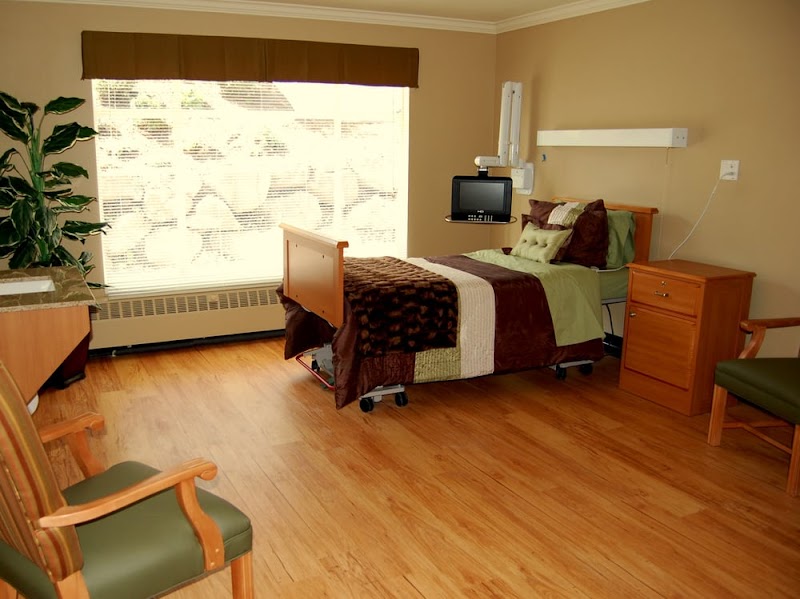
Who Owns and Operates Shoreline?

SHORELINE HEALTH AND REHABILITATION is owned by a for-profit company. For-profit facilities operate as businesses with obligations to shareholders or private owners. The facility is operated by THE ENSIGN GROUP, a chain that manages multiple nursing homes. With 114 certified beds and approximately 86 residents (about 75% occupancy), it is a mid-sized facility located in SEATTLE, Washington.
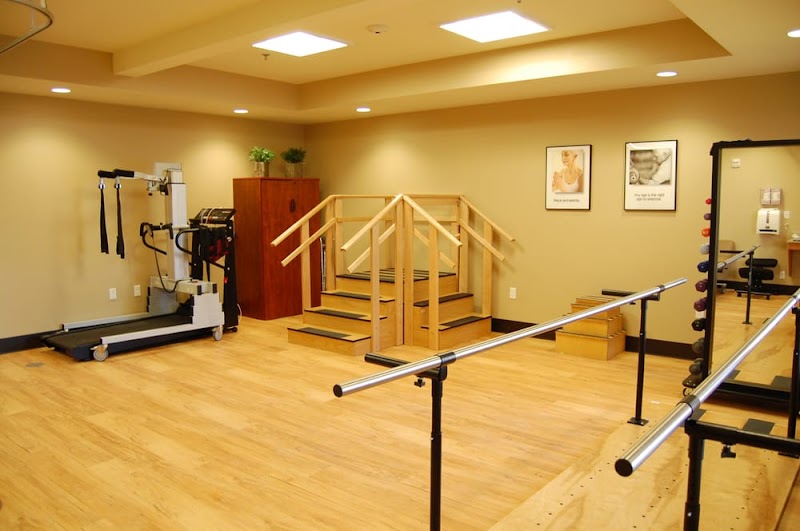
How Does Shoreline Compare to Other Washington Nursing Homes?

Compared to the 100 nursing homes in Washington, SHORELINE HEALTH AND REHABILITATION's overall rating (5 stars) is above the state average of 3.2, staff turnover (20%) is significantly lower than the state average of 46%, and health inspection rating (4 stars) is above the national benchmark.

What Should Families Ask When Visiting Shoreline?

Based on this facility's data, families visiting should ask: "Can I visit during a mealtime to observe dining assistance and food quality?" "How do you handle medical emergencies, and what is your hospital transfer rate?" "Can I speak with family members of current residents about their experience?"

Is Shoreline Safe?

Based on CMS inspection data, SHORELINE HEALTH AND REHABILITATION has a clean safety record: no substantiated abuse findings (meaning no confirmed cases of resident harm), no Immediate Jeopardy citations (the most serious violation level indicating risk of serious injury or death), and is not on the Special Focus Facility watch list (a federal program monitoring the lowest-performing 1% of nursing homes). The facility has a 5-star overall rating and ranks #1 of 100 nursing homes in Washington. While no facility is perfect, families should still ask about staff-to-resident ratios and recent inspection results during their visit.

Do Nurses at Shoreline Stick Around?

Staff at SHORELINE HEALTH AND REHABILITATION tend to stick around. With a turnover rate of 20%, the facility is 26 percentage points below the Washington average of 46%. Low turnover is a positive sign. It means caregivers have time to learn each resident's needs, medications, and personal preferences. Consistent staff also notice subtle changes in a resident's condition more quickly.

Was Shoreline Ever Fined?

SHORELINE HEALTH AND REHABILITATION has no federal fines on record. CMS issues fines when nursing homes fail to meet care standards or don't correct problems found during inspections. The absence of fines suggests the facility has either maintained compliance or corrected any issues before penalties were assessed. This is a positive indicator, though families should still review recent inspection reports for the full picture.

Is Shoreline on Any Federal Watch List?

SHORELINE HEALTH AND REHABILITATION is not on any federal watch list. The most significant is the Special Focus Facility (SFF) program, which identifies the bottom 1% of nursing homes nationally based on persistent, serious quality problems. Not being on this list means the facility has avoided the pattern of deficiencies that triggers enhanced federal oversight. This is a positive indicator, though families should still review the facility's inspection history directly.