TRANSITIONAL CARE CENTER OF SEATTLE
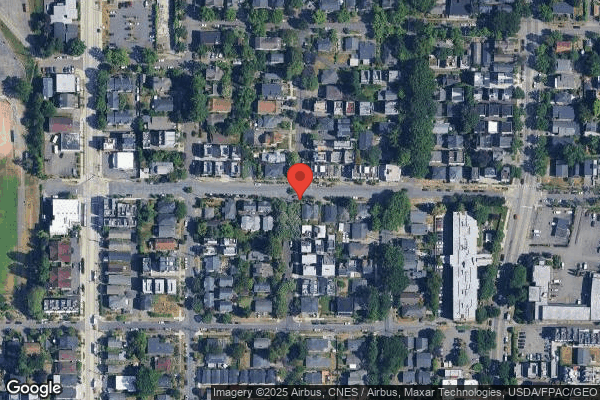
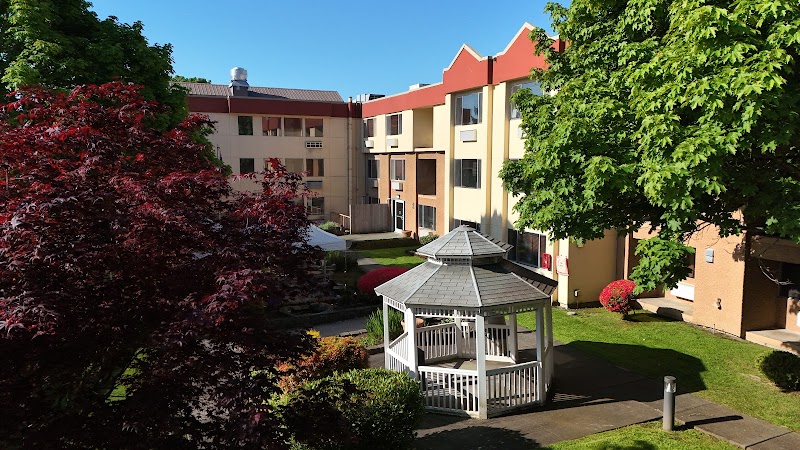
2611 S DEARBORN STREET, SEATTLE, WA 98144 (206) 712-6500
For profit - Limited Liability company 165 Beds EMPRES OPERATED BY EVERGREEN Data: November 2025
Trust Grade
65/100
#83 of 190 in WA
Last Inspection: September 2025

Inspected within the last 6 months. Data reflects current conditions.

Overview

Transitional Care Center of Seattle has a Trust Grade of C+, indicating it is slightly above average but still has room for improvement. It ranks #83 out of 190 facilities in Washington, placing it in the top half, and #18 out of 46 in King County, meaning only a few local options are better. The facility’s performance has been stable, with 15 reported issues in both 2024 and 2025, and a staffing rating of 5 out of 5 stars is a major strength, with a turnover rate of 30%, well below the state average. However, the facility has also faced some concerns, including failures to provide written discharge notifications and inconsistencies in respiratory care for residents, which could affect their health and safety. Additionally, the $38,565 in fines is average for the area, but the facility's RN coverage is only average, meaning there might be times when critical oversight is lacking.

Trust Score
C+
65/100
In Washington
#83/190
Top 43%
Safety Record
Low Risk
No red flags
Inspections
Holding Steady
15 → 15 violations
Staff Stability
○ Average
30% turnover. Near Washington's 48% average. Typical for the industry.
Penalties
⚠ Watch
$38,565 in fines. Higher than 97% of Washington facilities. Major compliance failures.
Skilled Nurses
✓ Good
Each resident gets 90 minutes of Registered Nurse (RN) attention daily — more than 97% of Washington nursing homes. RNs are the most trained staff who catch health problems before they become serious.
Violations
⚠ Watch
37 deficiencies on record. Higher than average. Multiple issues found across inspections.
★★★★☆
4.0
Overall Rating
★★★★★
5.0
Staff Levels
★★☆☆☆
2.0
Care Quality
★★★☆☆
3.0
Inspection Score
Stable
2024: 15 issues
2025: 15 issues

The Good

  • 5-Star Staffing Rating · Excellent nurse staffing levels
  • Full Sprinkler Coverage · Fire safety systems throughout facility
  • No fines on record
  • Staff turnover below average (30%)

    18 points below Washington average of 48%

Facility shows strength in staffing levels, fire safety.

The Bad

Staff Turnover: 30%

16pts below Washington avg (46%)

Typical for the industry

Federal Fines: $38,565

Above median ($33,413)

Moderate penalties - review what triggered them

Chain: EMPRES OPERATED BY EVERGREEN

Part of a multi-facility chain

Ask about local staffing decisions and management

The Ugly 37 deficiencies on record

Sept 2025 15 deficiencies
CONCERN (D)

Potential for Harm - no one hurt, but risky conditions existed

Deficiency F0558 (Tag F0558)

Could have caused harm · This affected 1 resident

Based on observation, interview, and record review the facility failed to provide a comfortable, appropriately sized bed for 1 of 1 resident (Resident 64) reviewed for accommodation of needs. This fai...

Read full inspector narrative →
Based on observation, interview, and record review the facility failed to provide a comfortable, appropriately sized bed for 1 of 1 resident (Resident 64) reviewed for accommodation of needs. This failed practice placed the resident at risk for discomfort and skin issues.Findings included .<Resident 64>According to a 06/24/2025 Quarterly Minimum Data Set (MDS - an assessment tool), Resident 64 had multiple medically complex diagnoses including partial paralysis and a pain syndrome. The MDS showed staff assessed Resident 64 to have a functional limitation in their range of motion to both their arms and legs and was dependent on staff for their mobility with rolling side to side. In an interview on 09/18/2025 at 10:11 AM, Resident 64 was observed lying in their bed with their feet propped up on pillows over the top of the footboard and their head positioned higher than the top of their mattress. Resident 64 stated they were always uncomfortable when trying to sleep or eat in their bed and described their bed as too small. Resident 64 stated their mattress bowed like a banana with the foot and the head of the bed always raised compared to the middle. Resident 64 stated they asked staff multiple times to help with their mattress because they felt crunched up in bed. Resident 64 stated they were told by maintenance staff their bed was extended to make their bed longer, but the mattress was too small, and a foam spacer was used between the mattress and footboard to fill the extra space. Resident 64 stated the spacer sometimes fell out of place and slid under their mattress. Resident 64 stated they told several staff about this and were told there was nothing else they could do to fix the bed for them.At that time, the foot of the mattress was observed to tilt up and was placed on top of the foam spacer instead of in between the mattress and bed frame. Resident 64 demonstrated how they used the bed remote control to lower the foot of their bed so they could reposition themselves and demonstrated the foot of their bed could not go down to a fully flat position. The foam spacer was under Resident 64's mattress and prevented the mattress from lying flat. Resident 64 stated their bed was very uncomfortable because it was small and the foot of the bed being positioned upwards made it more difficult for the resident to position themself on the side of their bed.Observations on 09/18/2025 at 10:11 AM and 1:29 PM and on 09/19/2025 at 8:52 AM showed the foot of Resident 64's mattress was in an inclined position on top of the foam spacer instead of the spacer being between the mattress and the bed frame.In an observation and interview on 09/19/2025 at 8:52 AM Staff P (Certified Nursing Assistant) stated they were not aware of issues with Resident 64's bed. At this time, Resident 64 told Staff P they could only partially sit up because the foot of the mattress could not fully go down, making it harder for the resident to sit comfortably to eat. Staff P observed Resident 64's foot of bed was tilted upwards and stated there was nothing they could do to adjust the bed, and they would call maintenance to fix it. In an interview on 09/19/2025 at 9:12 AM Staff Q (Resident Care Manager) stated they knew Resident 64's bed mattress moved when they sat along the side of their bed. Staff Q stated the bed was extended as far as it could to accommodate Resident 64's height. Staff Q stated Resident 64's mattress was too small for the extended bed, and a spacer was used between the shorter mattress and the extended footboard. Staff Q stated they were not aware the spacer could slide under Resident 64's mattress making the foot of the bed elevated, and stated Resident 64 would have to call staff to fix the bed each time they were uncomfortable so they could adjust their bed. Staff Q stated there was nothing else they could do to fix Resident 64's bed as their bed was a standard facility bed. Staff Q stated even though Resident 64 was taller than the bed they should still be made comfortable. In an interview on 9/22/2025 at 12:14 PM Staff B (Director of Nursing) stated the facility changed the bed mattress several times and was not aware the bed could not be completely lowered with the foam spacer configuration. Staff B stated the spacer should not have caused problems for Resident 64 and stated the resident needed a longer, more comfortable bed without having to use a spacer. Staff B stated the facility had longer beds to accommodate residents who were taller, and Resident 64 should be provided with a longer bed for comfort and to accommodate their needs but was not. REFERENCE: WAC 388-97-0860(2).
CONCERN (D)

Potential for Harm - no one hurt, but risky conditions existed

Safe Environment (Tag F0584)

Could have caused harm · This affected 1 resident

Based on observation and interview, the facility failed to ensure a safe, sanitary, and homelike environment was maintained for 1 (Resident 5) of 1 sampled resident. These failures left the resident a...

Read full inspector narrative →
Based on observation and interview, the facility failed to ensure a safe, sanitary, and homelike environment was maintained for 1 (Resident 5) of 1 sampled resident. These failures left the resident at risk for a diminished quality of life and a less than homelike environment.Findings included .<Resident 5> Observation on 09/17/2025 at 9:07 AM showed Resident 5 lying in bed watching television. A 3-drawer cabinet was observed under the television with numerous packages of personal care items and medical supplies on top of the cabinet. Next to the cabinet was a bedside table with several boxes of medical dressing supplies. Underneath the bedside table was an open cardboard box with numerous supplies inside. Between the cabinet and the bedside table were two baskets with disposable medical supplies. The extra bed in the room had a green lift harness draped across the end of the bed with more supplies scattered across the bed. In an interview on 09/17/2025 at 9:33 AM, Resident 5 stated they felt the room was not orderly like they would expect to see at home. Resident 5 stated they would prefer the items remained easily available but not as disorganized and visible. In an observation on 09/18/2025 at 10:24 AM, Resident 5's room appeared unchanged with disorganized medical supplies and personal items. In an interview on 09/18/2025 at 10:42 AM, Staff H (Resident Care Manager) observed Resident 5's room and stated items had begun to pile up, but they thought Resident 5 preferred it that way. Staff H stated Resident 5's room appeared cluttered and disorderly with the lack of storage for supplies. Staff H stated they agreed there was room for improvement to achieve a homelike environment. REFERENCE: WAC 388-97-0880.
CONCERN (D)

Potential for Harm - no one hurt, but risky conditions existed

Investigate Abuse (Tag F0610)

Could have caused harm · This affected 1 resident

Based on interview and record review, the facility failed to ensure thorough investigations were completed timely for 1 of 2 residents (Resident 6) reviewed for abuse and 1 of 1 (Resident 8) reviewed ...

Read full inspector narrative →
Based on interview and record review, the facility failed to ensure thorough investigations were completed timely for 1 of 2 residents (Resident 6) reviewed for abuse and 1 of 1 (Resident 8) reviewed for falls. Failure to ensure investigations were thorough and completed timely placed residents at risk for further injuries, potential abuse/neglect, and other negative health outcomes.Findings included .<Facility Policy>According to the facility's updated October 2022 Abuse Investigation policy, the facility would complete a thorough investigation of any potential/suspected instances or allegations of abuse, neglect, or exploitation in accordance with state laws. <Resident 6> According to a 08/15/2025 re-entry Minimum Data Set (MDS - an assessment tool) Resident 6 had clear speech, could understand, and was understood by others. In an interview on 09/16/2025 at 1:19 PM Resident 6 stated a staff member was not very nice to them and took their charging power bank with a flashlight. Resident 6 stated they won the power bank in a facility activity, and they wanted the power bank back. Resident 6 stated they talked to Staff JJ (Activity Assistant) about this, and Staff JJ asked them why they kept bothering them about the power bank as the facility provided them with an cell phone with a flashlight and they should be happy about this. Resident 6 stated other staff and residents were in the activity room when the incident occurred and stated they felt Staff JJ was verbally abusive to them when they spoke to them in this manner. Resident 6 stated no one had talked to them about the incident again and they were still upset the power bank was not returned to them. In an interview on 9/18/2025 at 1:17 PM Resident 6 stated no one talked to them again about this incident and they feared retaliation by the staff. Review of investigation notes dated 09/17/2025 showed an investigation was started and called into the state per regulation. The completed investigation notes did not include a full investigation that included other resident interviews or interventions. The investigation did not include a staff background check for the staff involved. Review of the investigation did not show the care plan was updated or that staff was provided with education on reporting verbal abuse. The facility did not provide a full investigation of the incident upon request. <Resident 8> According to the 06/29/2025 Quarterly MDS, Resident 8 had diagnoses including heart failure and a progressive neurological disorder affecting movement, balance, and coordination. The MDS showed Resident 8 had intact hearing, vision, and memory. The MDS showed Resident 8 had no history of falling. According to 09/14/2025 progress notes, Resident 8 was overheard calling for help that afternoon and was found on the floor. Resident 8 stated they slid from their bed trying to get up and did not bump their head. The notes showed around 6:25 PM, Resident 8 reported shortness of breath and was noted to be unable to rise from their bed. Resident 8 was transferred to the hospital at that time. In an interview on 09/23/2025 at 9:29 AM, Staff Z (Registered Nurse) stated the facility did not complete an investigation into Resident 8's fall on 09/14/2025, nine days prior. Staff Z stated they returned from vacation the prior day and the facility had an unusually large number of incidents to investigate in their absence. Staff Z stated adequate arrangements were in place to manage their workload in their absence. REFERENCE: WAC 388-97-0640 (6)(a)(b).
CONCERN (D)

Potential for Harm - no one hurt, but risky conditions existed

Deficiency F0637 (Tag F0637)

Could have caused harm · This affected 1 resident

**NOTE- TERMS IN BRACKETS HAVE BEEN EDITED TO PROTECT CONFIDENTIALITY** Based on interview and record review, the facility failed to reassess the resident after a significant change in function lastin...

Read full inspector narrative →
**NOTE- TERMS IN BRACKETS HAVE BEEN EDITED TO PROTECT CONFIDENTIALITY** Based on interview and record review, the facility failed to reassess the resident after a significant change in function lasting more than 14 days occurred for 1 (Resident 60) of 19 sample residents. The failure to identify the need for a Significant Change in Status Assessment (SCSA - an assessment tool) after Resident 60 had a decline in their condition placed the resident at risk for unmet care needs and a diminished quality of life. Findings included .<Resident 60>In an interview on 09/16/2025 at 12:56 PM Resident 60 stated they went to the hospital emergently because of bleeding. Resident 60 stated they used to get up and go outside to smoke but since returning from the hospital they could no longer get out of bed. Resident 60 was observed to be in bed at this time.Record review showed Resident 60 was hospitalized from [DATE] and returned to facility on 05/24/2025.According to the 08/07/2025 Annual Minimum Data Set (MDS - an assessment tool) Resident 60 was scored at 00 out of a possible 27 points on a scale indicating no current mood/depression concerns. This MDS showed Resident 60 rejected care one-to-three times during the assessment's lookback period. This MDS showed Resident 60 was totally dependent on staff assistance with upper body dressing, moving from lying to sitting/lying to sitting, and required partial/moderate assistance with rolling from side to side in bed.Review of the 03/31/2025 Quarterly MDS (the last MDS assessment completed prior to the 05/15/2025 hospitalization) showed this was the last MDS assessment completed prior to Resident 60's hospitalization. This MDS showed Resident 60 was scored at 10 out of a possible 27 points on a scale indicating the presence of mood/depression concerns. This MDS showed Resident 60 did not reject care during the assessment's lookback period. This MDS showed Resident 60 required partial/moderate assistance with upper body dressing, was independent with rolling from side to side in bed, moving from lying to sitting/lying to sitting.In an interview on 09/23/2025 at 10:08 AM Staff B (Director of Nursing) compared the information on the 03/31/2025 and 08/07/2025 MDSs and stated they believed Resident 60's declines in three care areas represented a significant change required a SCSA assessment.In an interview on 09/25/2025 1:47 PM Staff N (Corporate MDS Consultant) stated because Resident 60 had sustained declines in their mood, rejection of care, and functional abilities, a SCSA assessment should have been completed after 14 days, but was not.REFERENCE: WAC 388-97 -1000 (3)(b).
CONCERN (D)

Potential for Harm - no one hurt, but risky conditions existed

Deficiency F0645 (Tag F0645)

Could have caused harm · This affected 1 resident

**NOTE- TERMS IN BRACKETS HAVE BEEN EDITED TO PROTECT CONFIDENTIALITY** Based on interview and record review, the facility failed to ensure Pre-admission Screening and Resident Review (PASRR) assessme...

Read full inspector narrative →
**NOTE- TERMS IN BRACKETS HAVE BEEN EDITED TO PROTECT CONFIDENTIALITY** Based on interview and record review, the facility failed to ensure Pre-admission Screening and Resident Review (PASRR) assessments were accurately completed prior to or upon admission to the facility or updated with changes with appropriate follow up with the State PASRR office for 3 of 6 (Residents 67, 60, & 68) reviewed for PASRRs. This failure placed residents at risk for inappropriate placement and/or not receiving timely and necessary services to meet their mental health care needs.Findings included . <Facility Policy>According to the facility's 01/01/2025 PASRR Process Policy, if a Level 2 evaluation was indicated on a Level 1 PASSR screening, the social worker would validate within a timely period that an evaluation should occur. This policy showed if there was a significant change affecting a resident's mental health needs, staff would complete and submit a new Level 1 screening.<Resident 67> According to a 09/05/2025 Annual Minimum Data Set (MDS - an assessment tool) Resident 67 had diagnoses including depression and anxiety. Review of Resident 67's record showed a 10/30/2024 Level 1 screening showing the presence of Serious Mental Illness (SMI) indicators including mood disorders and anxiety. The level I PASSR indicated a PASSR Level II referral was required due to the SMI. Resident 67's records did not show a referral for a PASRR Level II was made until 05/08/2025, seven months after the initial assessment. In an interview on 09/23/2025 at 2:06 PM Staff R (Social Services Director) stated a Level 2 PASSR evaluation was important so residents could receive the help they needed with their mental health. Staff R stated they did not make a referral until May 2025 for Resident 67 and did not demonstrate that a Level II referral was made prior to May 2025. <Resident 60> According to the 08/072025 Annual MDS, Resident 60 had medically complex diagnoses including anxiety and a mood disorder characterized by large changes in mood. The MDS showed Resident 60 took an antipsychotic medication. Review of the 04/16/2025 Level 1 PASRR showed Resident 60 was noted with an anxiety disorder and a mood disorder characterized by large changes in mood. This PASRR showed Resident 60 used an antipsychotic medication. Record review showed a 04/29/2025 email to the facility from the State PASRR office thanking the facility for submitting Resident 60's Level 1 screening. This email was a response to the facility's submission of a Level 1 evaluation. Nothing in the resident's record indicated the facility clarified with the State PASRR office that they already submitted the Level 1 or made further follow up regarding obtaining Level 2 services for Resident 60. In an interview on 09/23/2025 2:52 PM, Staff B (Director of Nursing) stated they would provide any information they could provide showing follow up on Resident 60's PASRR. No further documentation was provided. <Resident 68> According to a 07/11/2025 Quarterly MDS, Resident 68 admitted to the facility on [DATE] and had medically complex diagnoses including an anxiety disorder and required the use of an antidepressant medication during the assessment period. Review of a 04/01/2025 Level 1 PASRR showed hospital staff identified Resident 68 had a SMI indicator but did not identify on the form which SMI as required. This form showed Resident 68 required a Level 2 PASSR referral for having SMI indicators. According to the 04/02/2025 Level 2 PASRR evaluation, Resident 68 was determined not to have any SMI, including an anxiety disorder, due to “no known diagnoses of mental health per chart review” at the hospital. Review of Resident 68’s physician orders showed on 05/20/2025 an antidepressant medication was prescribed to treat an anxiety disorder. Resident 68 continued to receive medications for anxiety and a diagnosis of generalized anxiety disorder was added to the resident’s diagnosis list in the resident’s records. Review of Resident 68’s September 2025 Medication Administration Record (MAR) showed the resident still received an antidepressant medication twice daily for their anxiety disorder. In an interview on 09/23/2025 at 1:43 PM, Staff R stated it was their expectation Level 1 PASRRs were updated with any changes in diagnoses or SMI changes. Staff R stated accurate PASRRs were important to ensure a resident’s mental health needs were addressed. Staff R reviewed Resident 68’s records and stated a new Level 1 PASRR was required. REFERENCE: WAC 388-97-1915(1)(2)(a-c)(4).
CONCERN (D)

Potential for Harm - no one hurt, but risky conditions existed

Deficiency F0657 (Tag F0657)

Could have caused harm · This affected 1 resident

Based on interview and record review, the facility failed to facilitate quarterly care conferences for 2 of 3 residents (Resident 6 & 33) reviewed for care conferences. This failure placed residents a...

Read full inspector narrative →
Based on interview and record review, the facility failed to facilitate quarterly care conferences for 2 of 3 residents (Resident 6 & 33) reviewed for care conferences. This failure placed residents at risk for unmet care needs, unnecessary care, frustration, and other negative health outcomes.<Resident 6>According to a 08/15/2025 re-entry Minimum Data Set (MDS-an assessment tool), Resident 6 had clear speech, understands, and was understood by others.In an interview on 09/16/2025 at 1:30 PM, Resident 6 stated no one at the facility talked to them about their care and stated they did not have a care conference recently.Review of Resident 6's records showed the last care conference was on 03/28/2025. A progress note dated 05/08/2025 showed the resident refused a care conference on that day. The progress notes did not show any further care conferences were scheduled.In an interview on 09/25/25 at 10:47 AM Staff GG (Social Services Director) stated care conferences were important to make sure everybody including staff and residents were on the same page. Staff GG stated during care conferences discussion were made about any updates to the care plan or discharge plan, and advanced directives were reviewed. Staff GG stated the care conference also provides an opportunity for the resident to ask questions about their care. Staff GG stated the facility conducted quarterly care conferences on all residents. Staff GG stated the last conference for Resident 6 was in March 2025 and no other conferences were scheduled for Resident 6. Staff GG stated they attempted a care conference in May 2025. Staff GG stated there was no upcoming care conferences scheduled at this time for Resident 6 but there should be. <Resident 33>According to the 07/10/2025 Quarterly MDS, Resident 33 had clear speech, understands, and was understood by others. The MDS showed Resident 33 had medically complex conditions.Review of the revised 01/30/2024 Depression Care Plan (CP) showed staff were to discuss with the resident, family, caregivers any concerns, fears, or issues regarding health or other subjects.In an interview on 09/18/2025 at 10:22 AM, Resident 33 stated they had many concerns about the food at the facility, was unsure if the facility had their family member listed as an emergency contact, and stated they would like to speak with a mental health specialist. Resident 33 stated the facility did not talk to them about their concerns.In an interview on 09/22/2025 at 1:46 PM, Resident 33 stated they did not talk with staff about their care. Resident 33 stated they only talked with the facility's physician assistant because the staff do not talk to them. Resident 33 stated the staff did not understand their panic and fear and wished they did.In an interview on 09/25/25 at 10:47 AM Staff GG stated Resident 33's last care conference was in February 2025, and the social services team missed scheduling a quarterly care conference since then. Staff GG stated they were not aware of any mental health behaviors Resident 33 was experiencing and were not aware of mental health providers following Resident 33 for their anxiety and panic behaviors, but there should be. REFERENCE: WAC 388-97-1020(2)(d-e),(4)(c-f),(5)(b).
CONCERN (D)

Potential for Harm - no one hurt, but risky conditions existed

Deficiency F0658 (Tag F0658)

Could have caused harm · This affected 1 resident

**NOTE- TERMS IN BRACKETS HAVE BEEN EDITED TO PROTECT CONFIDENTIALITY** Based on observation, interview, and record review the facility failed to ensure physician orders were followed for 4 residents ...

Read full inspector narrative →
**NOTE- TERMS IN BRACKETS HAVE BEEN EDITED TO PROTECT CONFIDENTIALITY** Based on observation, interview, and record review the facility failed to ensure physician orders were followed for 4 residents (Residents 64, 67, 2, & 3), failed to ensure physician orders were clarified for 2 residents (Resident 68 & 3), and failed to obtain physician orders prior to providing treatment for 1 resident (Resident 32) of 19 residents reviewed. These failures placed residents at risk for medication errors, delayed treatment, and adverse outcomes.Findings included .<Clarification of Orders> <Resident 68> Review of Resident 68’s September 2025 Medication Administration Records (MAR) showed two separate orders for a laxative suppository to be given as needed for constipation and two separate orders for a laxative enema (rectal administration of a medication) for constipation. There were no directions to staff to indicate which orders should be given over the other orders. In an interview on 09/23/2025 at 10:42 AM, Staff C (Resident Care Manager) stated duplicate orders should be clarified due to the risk of medication errors if administered together. <Resident 3> Review of Resident 3’s physician orders showed a 07/22/2025 order that the resident was to receive nothing by mouth and had a feeding tube (a tube which entered the stomach through a small opening in the abdomen to provide nutrition, fluids, and medications) for their route of medication administration. Review of Resident 3’s September 2025 MAR showed several medications were ordered to be administered by mouth. In an interview on 09/23/2025 at 10:42 AM, Staff C stated Resident 9 should not receive any medications by mouth and stated the orders should have been clarified. <Obtaining Orders> <Resident 32> According to a 07/16/2025 admission Minimum Data Set (an assessment tool), Resident 32 was at risk for pressure ulcers and had a pressure ulcer and a surgical wound. Observations of wound care on 09/18/2025 at 11:12 AM showed Staff EE (Licensed Practical Nurse) provided wound care to Resident 32’s left outer hip and buttocks. During the observation a bordered dressing, dated “9/16”, was observed to Resident 32’s left lower leg. When asked about the dressing to the left lower leg, Staff EE stated there used to be a wound but now the dressing was used only as precaution and for protection. Staff EE removed the dressing to the left lower leg and stated, “it looks like your leg opened again.” Observation showed a small amount of bleeding and superficial skin tear. Staff EE repositioned Resident 32 and two other undated dressings were observed on Resident 32’s right inner knee and right outer calf. Staff EE stated the dressings on the knee and calf were used for protection. Review of Resident 32’s physician orders showed no orders directing staff to apply, change, or monitor the dressings to the resident’s left and right lower legs or their right knee. In an interview on 09/23/2025 at 4:34 PM, Staff B (Director of Nursing) stated nurse staff were expected to obtain orders from a physician prior to applying dressings on residents. Staff B stated obtaining orders and monitoring skin areas under protective dressings routinely was important to ensure no skin breakdown occurred. <Following Physician Orders> <Resident 64> According to the 06/24/2025 Quarterly Minimum Data Set (MDS-an assessment tool) Resident 64 had medically complex conditions including central pain syndrome and partial paralysis. Review of a 12/16/2024 physician order, showed a pain medication film to be administered every 8 hours as needed for pain ranging from 6 to 10 on the pain scale. (1 being the least amount of pain to 10 being the highest level of pain. Review of the September 2025 Medication Administration Record (MAR) showed on, 09/5/2025, 09/16/2025, 09/18/2025, 09/21/2025, 09/22/2025,09/24/2025,09/25/2025, 09/26/2025 and 09/29/2025, staff gave Resident 64 the as needed pain film medication without documentation of their pain level. On 09/9/2025 and 09/12/2025 Resident 64’s was administered the pain film medication and pain level 5 was documented which was lower than the parameters shown on the physician order. Review of an 01/24/2025 physician order showed a pain medication was to be administered every 8 hours as needed for a pain level of 1 to 5 out of 10. Review of the September 2025 MAR, showed on 09/03/2025, 09/04/2025, 09/06/2025, 09/10/2025, 09/11/2025, 09/13/2025, 09/15/2025, 09/17/2025, 09/18/2025, 09/19/2025 and 9/28/2025, Resident 64 was administered the pain medication with a documented pain level above 5; which was above the parameters listed on the physician order. <Resident 67> According to the 09/05/2025 Annual MDS, Resident 67 had medically complex conditions including respiratory failure, heart failure and hypertension. Review of a 03/03/2025 physician order showed an order for pain medication to administer every 4 hours as needed for a pain level of 6 to 10 on a pain scale of 1 to 10. Review of September 2025 MAR showed the pain medication was given on day shifts on 09/15/2025, 09/17/2025, 09/18/2025 and on the evening shifts on 09/16/2025, 09/17/2025, 09/18/2025, when Resident 67 pain level was documented less than 6. In an interview on 9/22/2025 at 12:14 PM, Staff B (Director of Nursing) stated staff was expected to follow the physician order and administer medications within the prescribed parameters. <Resident 2> According to the 08/28/2025 Quarterly MDS Resident 2 was dependent on staff for toileting and was always incontinent of bowel. Record review showed Resident 2 had three different medications to treat constipation: a 02/13/2025 order for rectal medication every 24 hours as needed to treat constipation, a 07/17/2025 order for a soluble powder, give 17 grams every 12 hours as needed for constipation, and a 11/19/2024 order for an oral medication every 24 hours as needed for constipation. The three orders did not instruct staff which medication to give first, what order the medications should be given, how long to wait before determining whether the medication was effective, or when to try another treatment. In an interview on 09/23/2025 at 2:52 PM, Staff B stated that because of Resident 2’s refusals of medications, routine administrations were changed to “as needed.” Staff B stated staff should have clarified directions when new orders were received, but clarification was not done. <Resident 73> According to the 09/10/2025 admission Nursing Evaluation, Resident 73 was admitted to the facility on [DATE]. The evaluation showed Resident 73 required dialysis (a treatment for kidney disease). In an interview on 09/17/2025 at 10:37 AM Resident 73 stated they did not receive dialysis for 7 days, since admission on [DATE]. Review of Resident 73’s admission physician orders showed a 09/10/2025 order for “Dialysis Days: ___ Pick Up Time: ___ Dialysis Location: [Emergency Department] *Notify dialysis provider of refusal or missed treatment to determine orders needed.” A 09/17/2025 physician order showed “Dialysis PRN [as needed] at … Emergency Department” According to a 09/11/2025 nursing progress note, the facility received a call from a hospital inpatient dialysis department explaining Resident 73 was not an established patient at the hospital and could not be treated. The progress note showed the hospital only provided inpatient dialysis, not outpatient. In interview on 09/22/2025 at 12:36 PM, Staff B stated Resident 73’s dialysis orders were incomplete and should have been clarified by staff. Staff B stated the incomplete dialysis orders did not meet Resident 73’s dialysis needs. REFERENCE: WAC 388-97 -1900 (1), (6)(a-c).
CONCERN (D)

Potential for Harm - no one hurt, but risky conditions existed

Deficiency F0679 (Tag F0679)

Could have caused harm · This affected 1 resident

Based on observation, activity, and record review the facility failed to ensure residents were provided a program of meaningful, life enriching activities for 2 (Residents 60 & 3) of 6 residents revie...

Read full inspector narrative →
Based on observation, activity, and record review the facility failed to ensure residents were provided a program of meaningful, life enriching activities for 2 (Residents 60 & 3) of 6 residents reviewed for activities. This failure placed residents at risk for boredom, frustration, a diminished quality of life, and social isolation. Findings included .<Facility Policy>According to the facility's July 2015 Activity Program policy, the facility would provide an ongoing program of activities designed to meet the interests of, as well as the physical, mental, and psychosocial needs of each resident. The policy showed the Activity Director was responsible for program implementation and showed the program should promote residents' physical, mental, and emotional wellbeing.<Resident 60> According to the 08/07/2025 A Minimum Data Set (MDS - an assessment tool) Resident 60 had moderate memory impairment and reported they felt down, depressed, or hopeless on 12-14 days of the assessment's 14-day lookback period. The MDS showed participating in their favorite activities was very important to Resident 60, and participating in group activities was somewhat important. The MDS showed Resident 60 was totally dependent on staff assistance to get out of bed. According to the revised 06/25/2025 Resident has stated a preference for independent activity in her own room. Enjoys going outside with group for socialization . Care Plan (CP), Resident 60 had a goal to socialize in a group setting at least 3 times per week . Review of the activity program charting showed from showed activities staff charted Resident 60 only participated in one-to-one visits and group activities from 08/24/2025 and 09/20/2025. There were no instances documented of Resident 60 participating in or refusing to attend group activities. According to an 08/26/2025 activity progress note Resident 60's favorite activities were watching movies, listening to music, using their tablet, watching television, and online shopping. In an interview on 09/16/2025 at 12:39 PM Resident 60 expressed dissatisfaction with the activities programs they were offered. Resident 60 stated when they used to smoke, they had more social interactions with other residents but since they returned from the hospital, they did not get out of bed anymore and needed more to do. Resident 60 stated all the Activities department did for them was deliver their mail and packages. Resident 60 stated it was really depressing. In an interview on 09/22/2025 at 12:13 PM, Staff M (Activity Director) stated the purpose of the activity program was to ensure residents had meaningful activities while at the facility as it was their home at the time. Staff M stated the activity program was a way to provide socialization, and ensure residents' leisure needs met, were especially for the residents confined to their room. Staff M stated group activities were important as they provided opportunities to socialize and engage with peers. Staff M stated for resident with mobility issues they coordinated with nurses' aides who helped get the residents to their activity of their preference. Staff M stated it was important to encourage and assist residents with barriers to activity participation, including shyness. Staff N stated all activities charting was done in the electronic chart and would include documentation of refusals to participate. Staff M reviewed Resident 60's activity charting and stated it was time to reassess Resident 60's activity needs. Staff M stated Resident 60 showed less interest in group activities lately, but they did not document any refusals for Resident 60. <Resident 3>According to 07/16/2025 admission MDS, Resident 3 had intact hearing and a severe memory problem. The MDS showed listening to music and participating in their favorite activities was very important to Resident 3. The MDS showed Resident 3 was unable to get out of bed at the time of the assessment due to safety concerns. According to the 07/17/2025 Activities CP, Resident 3 preferred in-room activities and had supplies for independent activities. This CP showed Resident 3 preferred classical, instrumental, piano, orchestral/symphonies, and religious music. Observation on 09/17/2025 at 9:21 AM showed Resident 3 lying in bed, sleeping, with no activity supplies available within reach. There was a rolled-up musical keyboard noted in a box out of reach of the resident on another bed. In an interview on 09/19/2025 at 10:36 AM Resident 3 stated they liked to play piano and would love to play every day. Resident 3 stated it had been some time since anyone offered them their keyboard to play. Resident 3 stated they wished to keep busier. At that time Resident 3’s keyboard was observed to remain rolled up inside the box it came in on the other bed. In an interview on 09/19/2025 at 1:10 PM Resident 3 expressed they had little to do. Resident 3 was observed staring at their ceiling with no stimulation. In an interview on 09/18/2025 at 9:51 AM, Resident 3’s spouse stated Resident 3 was a pianist prior to their change in medical status. Resident 3’s spouse stated the resident had a piano that fit on the overbed table and lit up when played. Resident 3’s spouse stated they hoped facility staff would help set it up for Resident 3 and wanted the resident to have more to do to keep their mind active. In an interview on 09/23/2025 at 2:12 PM Staff M stated they rounded with residents once a week and verbally checked in with them to see if they were satisfied with the activities available to them. Staff M stated they did not document these discussions with residents. Staff M stated Resident 3 was last provided access to their keyboard the prior week and was usually offered in-room activity assistance once a week. Staff M stated for residents unable to leave their room, once a week was not sufficient and more engagement would be appropriate. REFERENCE: WAC 388-97-0940 (1).
CONCERN (D)

Potential for Harm - no one hurt, but risky conditions existed

Accident Prevention (Tag F0689)

Could have caused harm · This affected 1 resident

Based on observation, interview, and record review the facility failed to provide adequate supervision to prevent avoidable accidents for 1 of 3 residents (Residents 9) reviewed for falls. This failur...

Read full inspector narrative →
Based on observation, interview, and record review the facility failed to provide adequate supervision to prevent avoidable accidents for 1 of 3 residents (Residents 9) reviewed for falls. This failure placed residents at risk for additional falls, discomfort, and substantial injuries.Findings included .<Resident 9> According to a 07/14/2025 Quarterly Minimum Data Set (MDS – an assessment tool), Resident 9 had clear speech, was understood, and was able to understand others. The MDS showed Resident 9 had multiple medically complex diagnoses including obesity and muscle weakness, required substantial assistance from staff to roll side to side in bed, and was dependent on staff for transfers from their chair to bed. Observation on 09/17/2025 at 9:04 AM showed Resident 9 lying in bed. In an interview at this time, Resident 9 stated they had previous falls but was unsure when the falls occurred. In an interview on 09/19/2025 at 8:00 AM, Resident 9 stated they had a fall the previous night when two staff members were transferring them to bed. Resident 9 stated staff were using a slide board for the transfer when the resident started slipping, and staff assisted them to the floor. Observation at this time showed a slide board in Resident 9’s room. Review of the revised 12/19/2022 fall Care Plan (CP) showed Resident 9 was at risk for falls and directed staff with an identified goal the resident would be free of falls through the next review. Review of a 10/20/2023 baseline CP showed directions to staff that Resident 9 was dependent on staff for transfers and used a mechanical lift for transfers. In an interview on 09/23/2025 at 10:28 AM, Staff AA (Certified Nursing Assistant - CNA) stated they review resident CPs to determine what care a resident required. Staff AA stated they transfer Resident 9 using a mechanical lift and stated the resident only transfers using a slide board when working with therapy. In an interview on 09/23/2025 at 10:42 AM, Staff C (Resident Care Manager) stated it was their expectation staff followed a resident’s CP and staff should be trained with a resident prior to performing transfers using a slide board. In an interview on 09/23/2025 at 2:22 PM, Staff Y (CNA) stated they were asked to assist another CNA with a transfer for Resident 9 on 09/19/2025. Staff Y stated Resident 9 was usually transferred using a mechanical lift but was told by the other CNA the resident used a slide board for transfers now. Staff Y stated Resident 9 began to slide during the transfer, so they assisted the resident, using a gait belt, to the floor and got a nurse. Staff Y stated they were not trained to use a slide board with Resident 9 for transfers. In an interview on 09/23/2025 at 2:28 PM, Staff BB (Director of Therapy) stated therapy was currently working with Resident 9 on slide board transfers and nursing was still using mechanical lifts for transfers. Staff BB stated therapy did not train nursing staff to use the slide board and they did not clear nursing staff to use the slide board for Resident 9 yet. In a phone interview on 09/23/2025 at 3:39 PM, Staff U (CNA) stated they were assisting with Resident 9’s transfer on 09/19/2025 using a slide board. Staff U stated Resident 9 told staff they used a slide board for transfers and there was a slide board in the resident’s room. Staff U stated Resident 9 started to slide during the transfer and was assisted to the floor. Staff U stated they did not receive training for slide board transfers from the facility but had used one previously. In an interview on 09/23/2025 at 4:34 PM, Staff B (Director of Nursing) stated it was their expectation staff follow a resident’s CP interventions, update and revise them as needed, and that staff were adequately trained to decrease the risks of injuries and accidents. REFERENCE: WAC 388-97-1060(3)(g). Refer to 726 Competent Nursing Staff.
CONCERN (D)

Potential for Harm - no one hurt, but risky conditions existed

Incontinence Care (Tag F0690)

Could have caused harm · This affected 1 resident

Based on observations, interviews, and record review the facility failed to assess the resident for bowel and bladder needs or provide the necessary care and services to ensure bowel and bladder conti...

Read full inspector narrative →
Based on observations, interviews, and record review the facility failed to assess the resident for bowel and bladder needs or provide the necessary care and services to ensure bowel and bladder continence was improved or maintained for 1 of 1 residents (Resident 9) reviewed for bowel and bladder needs. This failure left the resident at risk for unmet care needs, avoidable incontinence, and decreased quality of life.Findings included .<Facility Policy>Requested policy on 09/22/2025 and 09/25/2025 regarding bowel and bladder assessments. Facility was unable to provide a policy as requested.<Resident 9>According to a 07/14/2025 Quarterly Minimum Data Set (MDS - an assessment tool), Resident 9 had clear speech, understands, and was understood by others. This MDS showed Resident 9 required substantial assistance from staff to roll side to side in bed, was dependent on staff for bed to chair transfers and toileting hygiene, had no rejection of care, and was always incontinent with bowel and bladder.Review of a 10/18/2025 urinary incontinence Care Area Assessment (CAA) showed Resident 9's CAA was triggered due to the resident always being incontinent of bladder and being dependent on staff for assistance with toileting. The type of incontinence section was left blank by staff.Review of a10/20/2023 baseline Care Plan (CP) showed the goal for Resident 9 was to have their toileting needs met. Interventions identified showed Resident 9 was incontinent for toileting and required substantial assistance from staff with toileting transfers. Review of a 01/18/2024 potential for development of incontinence CP showed interventions to manage Resident 9's incontinence with adult incontinence products.Observations on 09/17/2025 at 9:09 AM showed Resident 9 lying in bed. In an interview at this time, Resident 9 stated they had a hard time sleeping at night because they wore incontinence briefs. Resident 9 stated they could feel when they needed to use the bathroom and stated they have worn incontinence briefs since admission because the staff wanted the resident to wear them. Resident 9 stated the facility did not attempt a toilet training program with the resident.Review of Resident 9's 12/01/2022 admission evaluation showed the resident was continent of bowel and had regular urinary frequency. Review of the quarterly nursing review evaluations from 03/01/2023, 06/01/2023, 09/04/2023, 12/04/2023, 03/04/2024, 06/06/2024, 09/06/2024, and 12/06/2024 showed staff documented there were no changes noted for Resident 9's bowel and bladder since the past review.In an interview on 09/23/2025 at 10:28 AM, Staff AA (Certified Nursing Assistant) stated Resident 9 always used an incontinence brief and was incontinent of both bowel and bladder. Staff AA stated they never saw Resident 9 use a toilet or bedpan and were unsure if they were tried on a toileting program. Staff AA stated they offer to brief changes to Resident 9 and their brief was usually wet.In an interview on 09/23/2025 at 10:42 AM, Staff C (Resident Care Manager) stated the facility did not have bowel and bladder assessments and they relied on the CP to review a resident's bowel and bladder status. Staff C stated Resident 9 was incontinent and therefore was not tried on a toileting program. Staff C reviewed Resident 9's records and was unable to provide a bowel and bladder assessment or toileting plan.In a joint interview with Resident 9 and Staff C on 09/23/2025 at 11:00 AM, Resident 9 reported to Staff C they did not like wearing the incontinence briefs and had difficulty sleeping because they were uncomfortable. Resident 9 stated they were able to feel when they needed to use the toilet. When Staff C asked Resident 9 if they would be willing to try a toileting plan and/or use a bed pain, Resident 9 stated, yes and smiled.In an interview on 09/23/2025 at 4:34 PM, Staff B (Director of Nursing) stated the facility did not currently have a bowel and bladder assessment process in place. Staff B stated the assessments were important in order to put a proper CP in place and set a resident up for success. Staff B stated it was their expectation a bowel and bladder assessment was completed on admission and quarterly with their MDS.REFERENCE: WAC 388-97-1060(3)(c).
CONCERN (E)

Potential for Harm - no one hurt, but risky conditions existed

Deficiency F0628 (Tag F0628)

Could have caused harm · This affected multiple residents

**NOTE- TERMS IN BRACKETS HAVE BEEN EDITED TO PROTECT CONFIDENTIALITY** Based on interview and record review, the facility failed to ensure a system by which residents received required written notice...

Read full inspector narrative →
**NOTE- TERMS IN BRACKETS HAVE BEEN EDITED TO PROTECT CONFIDENTIALITY** Based on interview and record review, the facility failed to ensure a system by which residents received required written notices at the time of transfer/discharge for 4 of 10 residents (Residents 3, 13, 8, & 60) and report to receiving hospital for 2 of 10 residents (Residents 13 & 60) reviewed for hospitalization. Failure to ensure a written notification was provided to the resident and/or representative in a language and manner the resident and/or representative understood, notify the LTCO as required of the reasons for the discharge, and give a report to the receiving hospital on resident's condition placed residents at risk for a discharge that was not in alignment with the resident's stated goals for care/preferences, and a break in communication and continuity of care.Findings included .<Facility Policy>Review of an updated May 2025 Transfer and Discharge policy showed when the facility transferred or discharged a resident they would document the transfer or discharge in the medical record and appropriate information would be communicated to the receiving care institution or provider. This policy showed when the transfer or discharge was initiated, the resident would receive written notice using the Resident Notice of Transfer or Discharge form. <Resident 3> According to a 07/03/2025 Discharge Minimum Data Set (MDS – an assessment tool), Resident 3 was transferred to an acute care hospital on [DATE] with their “return anticipated.” Review of a 07/03/2025 Nursing Home Transfer or Discharge Notice showed Resident 3 was being transferred to the hospital and was signed by Staff FF (Social Services) for the notice being provided to Resident 3. In an interview on 09/19/2025 at 1:35 PM, Staff FF stated they complete the Transfer/Discharge notice and fax it to the LTCO within 30 days of the transfer. Staff FF stated they did not provide the form to Resident 3 and/or their representative. <Resident 13> According to a 02/15/2025 Discharge MDS, Resident 13 was transferred to an acute care hospital on [DATE] with their “return anticipated.” Review of a 02/15/2025 progress note showed staff documented Resident 13 was having chest pain and was being sent to the hospital by emergency services. Staff did not document they called the hospital to give report of Resident 13’s status. Review of a 02/15/2025 facility hospital transfer form in Resident 13’s records was blank and not filled out by staff, including the section to document report was called to the hospital. In an interview on 09/23/2025 at 4:34 PM, Staff B (Director of Nursing) stated it was their expectation report be given to the receiving hospital to help prepare the hospital for a resident’s condition and background. Staff B stated staff should document the report was given in a resident’s records. Review of a 02/15/2025 Nursing Home Transfer or Discharge Notice showed Resident 13 was being transferred to the hospital and was signed by Staff FF for the notice being provided to Resident 13. In an interview on 09/19/2025 at 1:35 PM, Staff FF stated they complete the Transfer/Discharge notice and fax them to the LTCO within 30 days of the transfer. Staff FF stated they did not provide the form to Resident 13 and/or their representative. Staff FF stated they do not provide the forms to the residents and/or their representatives unless they were being discharged to the community. <Resident 8> According to a 09/14/2025 progress notes, Resident 8 was hospitalized after an unwitnessed fall. The note showed Resident 8 became short of breath and weak and was sent out by ambulance at 6:40 PM. Record review showed a 09/14/2025 Nursing Home Transfer/Discharge Notice showing Resident 8 transferred to the hospital because their needs could not be met at the facility, signed by Staff FF. In an interview on 09/19/2025 at 1:26 PM, Staff R (Social Services Director) stated when residents transferred emergently to the hospital, the facility's business office notified the State Long Term Care Ombudsman (LTCO) office of the transfer by sending out a batch of Nursing Home Transfer/Discharge Notices monthly. In an interview on 09/23/2025 at 3:09 PM, Staff FF stated they sent notification of Resident 8's transfer to the LTCO but did not notify the resident as required. <Resident 60> According to a 05/15/2025 progress note, Resident 60 was transferred emergently to the hospital that day after a change in their condition. Record review showed 05/15/2025 Nursing Home Transfer/Discharge Notice showing Resident 60 transferred to the hospital because their needs could not be met at the facility, signed by Staff FF. In an interview on 09/19/2025 at 1:35 PM, Staff FF stated they sent notification of Resident 60's transfer to the LTCO but did not notify the resident as required. Record review showed a 05/15/2025 Nursing Home to Hospital Transfer Form. This form had an area for nurses to document and sign off that a report was called in to the hospital. This section did not indicate who, if anyone notified the hospital of the resident's condition. In an interview on 09/23/2025 at 5:09 PM, Staff B reviewed the e-interact form and stated someone should have notified the hospital but there was no indication someone did. REFERENCE: WAC 388-97-0120 (2)(a-d) -0140, (1)(a)(b)(c)(i-iii).
CONCERN (E)

Potential for Harm - no one hurt, but risky conditions existed

Respiratory Care (Tag F0695)

Could have caused harm · This affected multiple residents

Based on observation, interview, and record review the facility failed to ensure 4 (Residents 5, 67, 53, & 32) of 4 residents reviewed for respiratory care were provided care and services consistent w...

Read full inspector narrative →
Based on observation, interview, and record review the facility failed to ensure 4 (Residents 5, 67, 53, & 32) of 4 residents reviewed for respiratory care were provided care and services consistent with professional standards of practice. The facility's failure to implement stoma suctioning according to physician orders (Resident 5), obtain physician order prior to administering oxygen therapy (Resident 5), deliver oxygen therapy according to physician ordered flow rates (Resident 67 & 53), and maintain oxygen equipment (Residents 67, 53 & 32) placed residents at risk for potential negative outcomes such as over or under oxygenation, respiratory discomfort, infections, and a decreased quality of life.Findings included .<Facility Policy>Review of a December 2017 Respiratory Care; Oxygen Administration facility policy showed staff would provide oxygen therapy and respiratory care in accordance with physician's orders, state and federal regulation, and standards of practice, and replace cannulas when visibly soiled, and as needed.<Resident 5> According to a 06/25/2025 Quarterly Minimum Data Set (MDS - an assessment tool), Resident 5 had multiple medically complex diagnoses including cancer, required suctioning and stoma care (a surgical opening in the neck into the windpipe). The MDS showed Resident 5 was not assessed to require oxygen therapy. A review of the 09/16/2025 hospital discharge orders showed an order for a sterile triflow catheter and glove kit (a sterile kit used for gentle suctioning and to keep procedure germ-free) for stoma suctioning. In an interview and observation on 09/17/2025 at 9:07 AM Resident #5 stated they received 5 liters per minute (lpm) oxygen therapy via nasal cannula (a tube in the nose that delivers oxygen). Resident 5 stated they were not sure if they really needed oxygen. An observation on 09/17/2025 at 10:14 AM showed Resident 5’s oxygen set at 5 lpm and the nasal cannula was draped over Resident 5’s bedrail. Resident 5 stated they removed the oxygen therapy because they felt fine breathing on room air. A portable suction device was observed on the bedside cabinet with extension tubing connected to oral suction (a hard plastic tube with a rounded end used to remove secretions in the mouth). Observations on 09/18/2025 at 10:24 AM and 1:50 PM showed Resident 5 in bed receiving 5 liters of oxygen therapy via nasal canula. A portable suction device was on the bedside cabinet with extension tubing connected to oral suction. The suction container was observed to be full of dark pink suctioned fluids. An observation on 09/22/2025 at 8:33 AM showed Staff I (Registered Nurse) perform stoma suctioning with the oral suction setup. In an interview on 09/17/2025 at 12:47 PM, Staff H (Resident Care Manager) reviewed Resident 5's physician orders and stated no oxygen therapy was ordered. Staff H stated Resident 5 received oxygen not prescribed by the physician. In an interview on 09/23/2025 at 1:24 PM, Staff B (Director of Nursing) stated Resident 5 requested on admission that oral suctioning be available to them at bedside. Staff B stated they were unaware nurses were using oral suction for stoma suctioning. Staff B stated they expected nurses to clarify orders with providers prior to performing care. Staff B stated oral suction should only be used for mouth secretions and not stoma secretions. In an interview on 09/23/2025 at 1:30 PM, Staff CC (Physician Assistant-Certified) stated they implemented orders for Resident 5’s stoma care and suctioning in accordance with the hospital discharge orders. Staff CC stated they expected staff to clarify suctioning orders. In an interview on 09/23/2025 at 4:34 PM, Staff H reviewed Resident 5's physician order for suctioning and stated the orders lacked specific instructions including method and route. Staff H stated the hospital discharge instructions should have been followed. Staff H stated they were unaware Oral suction suctioning was for oral suctioning only. Staff H stated the hospital discharge orders should have been clarified by nursing and Resident 5’s care plan (CP) should reflect accurate physician orders. <Resident 67> According to the 09/05/2025 Annual MDS, Resident 67 had multiple medically complex diagnoses including heart and respiratory failure. Review of the 02/13/2025 altered respiratory status CP showed nurses were to ensure Resident 67’s oxygen setting was set to 2 lpm. Review of the September 2025 medication administration record (MAR) showed a 03/04/2025 order for the nurses to check oxygen was set to 2 lpm every shift and an order dated 04/09/2025 instructed to change the oxygen tubing as needed and change when visibly soiled. An observation on 09/17/2025 at 9:45 AM showed Resident 67’s oxygen setting was less than 2 lpm. There was no date on the oxygen tubing that showed when the last tubing was changed. In an observation and interview on 09/18/25 at 9:54 AM, the nasal cannula was observed unclean and with debris, the oxygen level was set less than 2 lpm, and the filter on the oxygen machine was covered in dust. Resident 67 stated the nasal cannula had debris on it for the last few days and did not recall when the oxygen tubing was changed. In an interview on 09/19/2025 at 11:06 AM Staff T (Licensed Practical Nurse) stated the oxygen setting was incorrect and was required to be set to 2 lpm. Staff T stated the filter was and they were not aware the filter needed to be cleaned. Staff T stated it was important to check resident’s oxygen settings as the resident may not have enough oxygen. Staff T stated the nasal cannula should not be soiled because there could be a risk of contamination. Staff T stated staff only replaced oxygen tubing when the resident asked and stated they were not aware Resident 67 had debris on their nasal tubing. In an interview on 9/22/2025 at 11:43, Staff B stated staff were required to follow physician orders, check oxygen settings every shift, and change the nasal cannula when soiled. Staff B stated there was no training provided to staff to clean the filters on the oxygen machine. Staff B stated the vendor cleaned the filters annually. <Resident 53> According to a Quarterly MDS Resident 53 had multiple medically complex diagnoses including lung disease, heart failure, and respiratory failure. An observation on 09/16/2025 at 12:30 PM showed Resident 53 lying in bed with an oxygen nasal cannula in their nose. The oxygen concentrator machine was running with the oxygen level set at 3 lpm. The humidifier water bottle was attached to the machine and was almost empty. An observation on 09/19/2025 at 7:54 AM showed Resident 53 with oxygen on running at 3 lpm and an empty humidifier water bottle attached to the machine. Review of an 08/07/2024 physician order showed Resident 53 was to be on continuous oxygen at 2 lpm for heart failure, not 3 lpm as observed on 09/16/2025 and 09/19/2025. There was a 12/12/2024 physician order to change the humidifier bottle as needed. In an interview on 09/19/2025 at 10:30 AM, Staff C stated staff was expected to follow physician orders for oxygen settings and was required to replace the humidifier water bottle when empty. In an observation and interview on 09/19/2025 at 10:52 AM, Staff C observed the oxygen level setting on Resident 53’s machine was set to 3 lpm and the humidifier bottle was empty. Staff C stated Resident 53’s oxygen physician orders needed to be clarified and the humidifier water bottle needed to be replaced. <Resident 32> According to a 06/16/2025 admission MDS, Resident 32 was cognitively intact and had multiple medically complex diagnoses including heart and respiratory failure. This MDS showed Resident 32 required the use of oxygen. An observation on 09/17/2025 at 9:44 AM showed Resident 32 was lying in bed with a nasal cannula in their nose that was brown-orange in color. There was no date on the nasal cannula to indicate when it was last changed. Resident 32’s oxygen concentrator machine had a filter on the back which had a layer of light grey debris covering the entire filter. In an interview on 09/19/2025 at 1:23 PM, Resident 32 stated the nasal cannula was dirty because they got tomato soup on it last week. Resident 32 stated the nasal cannula was changed “a month or two ago.” Review of a 06/12/2025 physician order showed directions to staff to change Resident 32’s oxygen tubing if it becomes damaged or visibly soiled as needed. In an interview on 09/19/2025 at 10:56 AM, Staff C observed the layer of debris on Resident 32’s oxygen concentrator filter. Staff C stated it needed to be cleaned. In an interview and observation on 09/19/2025 at 1:51 PM, Staff O (Resident Care Manager) confirmed Resident 32’s oxygen tubing was visibly soiled and needed to be changed. In an interview on 09/22/2025 at 1:02 PM, Staff B stated, after doing some research, it was their expectation the oxygen concentrator filters should be washed and dried as needed when dirty, and staff should do spot checking every two weeks to assure the filters are clean. REFERENCE: WAC 388-97-1060(3)(j)((iv)(v)(vi). .
CONCERN (E)

Potential for Harm - no one hurt, but risky conditions existed

Deficiency F0726 (Tag F0726)

Could have caused harm · This affected multiple residents

Based on interview and record review, the facility failed to develop and implement a system to evaluate staff competencies in skills and techniques to ensure staff provided necessary care and responde...

Read full inspector narrative →
Based on interview and record review, the facility failed to develop and implement a system to evaluate staff competencies in skills and techniques to ensure staff provided necessary care and responded to each resident's individualized needs for 7 of 7 sampled staff (Staff I [Registered Nurse - RN] Staff U [Certified Nursing Assistant - CNA], Staff V [CNA], Staff K [CNA], Staff L [CNA], Staff X [RN], & Staff Y [CNA]) reviewed for nursing competency. This failure placed residents at risk of receiving care from under-trained and/or under-qualified care staff, unmet care needs, and diminished quality of life.Findings included .<Facility Policy>The facility was unable to provide a nursing competency policy.<Staff I> According to a 06/25/2025 Quarterly Minimum Data Set (MDS - an assessment tool), Resident 5 had multiple medically complex diagnoses including cancer and required stoma care (a surgical opening). An observation and interview on 09/22/2025 at 8:33 AM showed Staff I (Registered Nurse) administer a toxic cancer therapy medication to Resident 5 without wearing two sets of gloves. Staff I stated they did not receive special instructions on handling toxic cancer treatments. Staff I performed stoma suctioning (a process to remove mucus). Staff I stated they did not receive specific training regarding stoma care or suctioning. Staff I stated they were unaware of any difference between oral and stoma suction techniques. In an interview on 09/23/2025 at 1:24 PM, Staff B (Director of Nursing) stated staff were trained on the proper handling of cancer treatment therapies but did not provide documentation to demonstrate Staff I attended. Staff B stated they expected nurses to understand the basic concepts of oral and stoma suctioning. Staff B stated staff were expected to utilize available training resources, if they were unsure of the requirements for stoma suctioning. <Staff U> Review of the facility’s employee list showed Staff U was hired on 04/11/2025. Review of Staff U’s training records showed a 04/11/2025 “Inservice Education Summary” form signed by Staff U. The form showed the curriculum was General Orientation and the content or summary of the in-service included: Dementia (a group of brain disorders causing a gradual decline in memory, thinking, language, and problem solving), Abuse and Neglect, Bloodborne pathogens (diseases spread through contaminated blood) training, effective communication, hand hygiene, and putting on and taking off Personal Protective Equipment (specialized clothing or equipment worn to protect a person from hazards and prevent exposure to harmful substances or conditions). Review of Staff U’s online training records showed no training regarding safe resident transfers and no documentation of Staff U’s CNA competencies on file. <Staff V> Review of the facility’s employee list showed Staff V was hired on 02/20/2025. Review of Staff V’s training records showed no documentation of CNA competencies on file. <Staff K> Review of the facility’s employee list showed Staff K was hired on 05/22/2025. Review of Staff K’s training records showed no documentation of CNA competencies on file. <Staff L> Review of the facility’s employee list showed Staff L was hired on 04/04/2025. Review of Staff L’s training records showed no documentation of CNA competencies on file. <Staff X> Review of the facility’s employee list showed Staff X was hired on 07/29/2025. Review of Staff X’s training records showed no documentation of nurse competencies on file. <Staff Y> Review of the facility’s employee list showed Staff Y was hired on 08/31/2023. Review of Staff Y’s training records showed no documentation of CNA competencies on file. In an interview on 09/23/2025 at 2:55 PM, Staff W (Staff Development) stated they provided new staff with an orientation checklist upon hire but did not collect them back from employees. Staff W stated they did not yet offer a skills workshop for new hires, but would “in the future.” In an interview on 09/22/2025 at 12:12 PM, Staff W stated assessing the competency of staff was important to make sure staff remained up to date on procedures and to provide safety for the residents by ensuring the facility had competent staff. Staff W stated their expectation was for yearly competencies to be completed. Staff W stated the last skills workshop for staff was held in July 2024, over a year prior. Staff W stated they did not have any documentation showing each staff’s competencies from July 2024 and only had a staff attendance record. Staff W stated they were unable to demonstrate how staff were assessed to be competent with their current process. Staff W opened a binder showing the last time staff competency checklists were completed was February 2023. In an interview on 09/23/2025 at 4:34 PM, Staff B stated having competent staff was important to ensure facility staff followed facility protocols and procedures, and were set up for success. Staff B stated the facility did not want nursing staff to be assigned to care they were not adequately trained for and competent with. Staff B stated they expected staff competency to be assessed on hire and annually thereafter with documentation available in the staff’s employee files. REFERENCE: WAC 388-97-1680. Refer to F689 Free of Accident Hazards/Supervision/Devices.
CONCERN (E)

Potential for Harm - no one hurt, but risky conditions existed

Deficiency F0804 (Tag F0804)

Could have caused harm · This affected multiple residents

**NOTE- TERMS IN BRACKETS HAVE BEEN EDITED TO PROTECT CONFIDENTIALITY** Based on observation, interview, and record review, the facility failed to ensure meals were prepared to maintain the palatabili...

Read full inspector narrative →
**NOTE- TERMS IN BRACKETS HAVE BEEN EDITED TO PROTECT CONFIDENTIALITY** Based on observation, interview, and record review, the facility failed to ensure meals were prepared to maintain the palatability of the food served for 6 (Residents 16, 2, 60, 33, 53, & 9) of 9 residents reviewed for food. The failure to ensure the food provided looked and tasted palatable placed residents at risk for weight loss, frustration, and a diminished quality of life. Findings included .<Facility Policy>According to the facility's updated November 2018 Preparation and Service of Foods policy, foods should be prepared and served in a manner to provide food safety. <Resident Interviews> <Resident 16> In an interview on 09/16/2025 at 10:40 AM, Resident 16 stated they could not stomach the food the facility served. Resident 16 stated they needed to buy outside food to augment the diet provided at the facility to feel satisfied. Observation at this time showed cans of tuna, instant noodles, puffed corn snacks, and cans of condensed soup. <Resident 2> In an interview on 09/16/2025 at 2:00 PM, when asked about the food Resident 2 stated they complained so many times about the kitchen. Resident 2 stated some of the food served was unidentifiable. Resident 2 stated the menu was repetitive and the food served was bland, often lacking standard condiments such as toast with no butter. Resident Observation on 09/18/2025 at 1:20 PM showed Resident 2 eating taco salad, chips, beans, salsa, sour cream, and lettuce. The taco salad was visually unappealing with the layers of the salad added in a way that appeared spattered and haphazard, with no attention paid to presentation. <Resident 60> In an interview on 09/16/2025 at 12:37 PM Resident 60 stated they were dissatisfied with the food served and spoke with the kitchen but felt there was little dietary staff could do to improve the food. Resident 60 stated they were served the same meals repeatedly. <Resident 33> In an interview on 09/18/2025 at 10:22 AM, Resident 33 stated their main concern at the facility was the taste of the food served. Resident 33 stated the vegetables, especially the zucchini, were consistently mushy. In an observation and interview on 09/22/2025 at 1:46 PM, Resident 33 took their lunch meal apart in an effort to create a better tasting salad because their lunch was not good. Resident 33 stated they tried to put something together that would make the food taste better as the food at the facility did not taste good and neither did the alternative options on the menu. <Resident 53> In an interview on 09/16/2025 at 12:34 PM, Resident 53 stated they felt the food was lousy and “terribly disgusting.” Resident 53 stated they often turned away the food when offered. <Resident 9> In an interview on 09/17/2025 at 8:44 AM, Resident 9 stated they were unhappy with the food and stated, “the eggs are fake.” <Facility Kitchen> Review of the posted menu on 09/23/2025 showed the primary choice for lunch that day was roast turkey, bread dressing, and herbed green beans with wheat bread, and a dessert of baked apple slices. In an interview on 09/23/2025 at 11:12 AM, Staff S (Food and Nutrition Service Manager) stated the facility used a menu with a 35-day cycle. Staff S stated the facility still used the same seasonal menu started in02/18/2025 and was awaiting new menus from corporate. Staff S said the facility had two seasonal menus a year, spring/summer and fall/winter menus. <Test Tray> Observations of a test tray representing regular lunch service for the date on 09/23/2025 at 12:32 PM showed the tray included: -a slice of roast turkey. This slice had two distinct colors, half the slice was the color of standard turkey breast meat, and the other half was a much darker with a gray/brown/pinkish hue that was not appealing. This slice had a temperature of 102 degrees Fahrenheit (F). The turkey slice tasted very salty. - herbed green beans. These beans were [NAME] green in color and had a temperature of 121 F. These beans retained no bean flavor and had a strong, unpleasant garlic/onion/herb aftertaste. - a scoop of bread dressing. This dressing was gelatinous in texture and wobbled as the plate shook. The dressing was not easily identifiable as a particular dish and held the shape of the scoop it was served with on the plate. - a bread roll. - a glass of milk with a temperature of 55 F, too warm to be palatable. - a dessert of apple slices. These apples were brown/yellow in color white, retaining some crispness as if they were not cooked. The apples had a temperature of 59 F. - an unidentified blue cold drink. This drink tasted of sugar and had no other flavor. In total, the lunch tray both looked and tasted unappetizing as observed by four surveyors, confirming residents’ concerns. In interviews on 09/23/2025 from 2:14 PM to 2:20 PM Resident 16 and Resident 2 stated they did not enjoy the lunch they were served that day. In an interview on 09/23/2025 at 2:40 PM, Staff S stated it was important to serve residents meals they enjoyed. Staff S stated the budget they had for procuring ingredients affected the quality of the food they were able to provide. REFERENCE: WAC 388-97-1100 (1), (2).
CONCERN (E)

Potential for Harm - no one hurt, but risky conditions existed

Infection Control (Tag F0880)

Could have caused harm · This affected multiple residents

Based on observation, interview, and record review the facility failed to maintain an infection prevention and control program designed to provide a clean environment to help prevent the transmission ...

Read full inspector narrative →
Based on observation, interview, and record review the facility failed to maintain an infection prevention and control program designed to provide a clean environment to help prevent the transmission of communicable diseases for 2 of 2 residents (Resident 2 & 5) and failed to follow enhanced barrier precautions (EBP) for 1 for of 1 residents (Residents 58) and failed to follow standard precautions and wear protective eye covering for 1 of 1 resident (Resident 5) reviewed for Transmission-Based Precautions (TBP - airborne, contact, droplet and enhanced barrier precautions used to prevent the spread of transmissible diseases. The failure to wear PPE (Personal Protective Equipment - gowns, gloves etc.) when caring for resident on TBP and the failure to maintain a clean environment placed residents at risk for facility-acquired/healthcare-associated infections and related complications. Findings included <Facility Policy>According to the facility's updated March 2025 Transmission Based Precautions (TBP) policy, TBP was used in addition to standard precautions (use of personal protective equipment (PPE) such as gloves, gowns, masks, and proper handling of equipment and the resident's environment). The policy showed TBP included residents on contact, droplet, airborne or enhanced barrier precautions (EBP.) When residents were on EBP, staff were required to use gown and gloves during high-contact resident core activities. <Resident 2> According to the 08/28/2025 Quarterly Minimum Data Set (MDS - an assessment tool) Resident 2 used a urinary catheter (a device to assist draining the bladder of urine.) The MDS showed Resident 2 had a kidney condition. Observation on 09/16/2025 at 2:06 PM showed Resident 2's catheter bag hanging from their bedframe. The catheter bag had a slow, steady drip and small puddle of urine pooled in the floor beneath. In an interview on 09/23/2025 at 9:14 AM Staff F (Infection Preventionist) stated they expected both nurses and nurses' aides to prevent, identify, and address leaking catheters timely. <Resident 58> According to a 06/22/2025 annual MDS assessment, Resident 58 had diagnoses that included chronic congestive heart failure, localized edema (swelling) and history of bladder infections. Review of the 06/16/2025 Enhanced Barrier CP showed EBP signage was posted at the resident’s door related to a history of bacteria resistance to antibiotics. The signage was to be posted for high contact resident care such as dressing, bathing, changing linen and providing hygiene. Interventions showed staff were to use gown and gloves during high contact resident care. Observation on 09/18/2025 at 8:52 AM showed EBP signage on Resident 58’s door. Staff P (Certified Nursing Assistant) was observed to provide Resident 58 assistance with putting on their leg wraps to both legs. Staff P did not have a gown on while providing direct care to Resident 58. In an interview on 09/18/2025 at 11:13 AM Staff F stated whenever residents had a history of multidrug resistance, or had any lines or wounds, they would be on EBP. Staff F stated staff were to wear a gown and gloves when providing high contact care for infection control. Staff F stated staff were educated on EBP and should be following the instructions provided. <Resident 5> <Failure to wear eye protection> According to a 06/25/2025 Quarterly Minimum Data Set MDS, Resident 5 had multiple medically complex diagnoses and required stoma care (the cleaning and suctioning of mucus in a surgical opening in the neck) to clear out fluids and protect the airway. During an observation on 09/22/2025 at 8:33 AM, Staff I (Registered Nurse) performed stoma care wearing a gown, gloves, and a face mask, but no eye protection to protect from splashes of mucus during suctioning. In an interview on 09/22/2025 at 9:02 AM, Staff I stated they understood wearing eye protection was expected per facility policy for suctioning, but they had forgotten to wear them when suctioning Resident 5. In an interview on 09/23/2025 at 4:34 PM, Staff H (Resident Care Manager) stated they expected all staff to wear eye protection during the suctioning procedure <Mattress Cover> In an observation on 09/19/2025 at 1:20 PM, a large piece of Resident 5’s protective mattress cover was missing. In an interview on 09/19/2025 at 1:22 PM, Staff II (Certified Nursing Assistant) stated the mattress could not be disinfected due to the missing piece and should be reported to maintenance staff by entering a request into the logbook at the nursing station. Review of the maintenance logbook showed Resident 5’s mattress cover issue was not added. In an interview on 09/19/2025 at 1:23 PM, Staff H (Resident Care Manager) stated the mattress should not be missing the protective fabric because it could not be disinfected. Staff H stated the mattress would need to be replaced. Staff H stated staff were expected to report issues to maintenance when mattresses were torn. REFERENCE: WAC 388-97-1320 (1)(a), (2)(b).
Jun 2024 15 deficiencies
CONCERN (D)

Potential for Harm - no one hurt, but risky conditions existed

Deficiency F0565 (Tag F0565)

Could have caused harm · This affected 1 resident

Based on observation, interview, and record review the facility failed to consider and act promptly to address concerns raised by residents at the Resident Council (RC). Facility failure to ensure res...

Read full inspector narrative →
Based on observation, interview, and record review the facility failed to consider and act promptly to address concerns raised by residents at the Resident Council (RC). Facility failure to ensure resident concerns were considered, acted upon, or a rationale provided when action could not be taken left residents at risk for unresolved concerns, frustration, and a less-than-homelike environment. Findings included . <Facility Policy> The facility's revised January 2017 Resident Council (RC) policy showed the purpose of the RC was to promote resident interest and involvement in the facility, as well as creating a space for residents to voice concerns. The policy showed the RC meetings were facilitated by the council president and minutes kept. The policy showed concerns generated at RC would be addressed via the facility's grievance process. Review of the facility's RC minutes showed the following: The 12/29/2023 RC minutes showed residents expressed a concern that room-bound residents did not receive snacks and treats when there was a party. The minutes did not address whether a solution was discussed at the time, or whether a formal grievance was started for the concern. The next RC was on 01/31/2024. The Old Business section of the 01/31/2024 RC minutes included no follow up to the concern. The 02/21/2024 RC minutes showed the RC president did not wish to attend the meeting. The 03/20/2024 RC minutes showed the vice president resigned from their position at that time, and the president did not join the meeting. Consequently, that month's meeting was canceled. The 04/17/2024 RC minutes showed a new vice president was chosen by residents. The 04/17/2024 minutes showed residents were concerned with the food being served. One resident complained of not getting vegetables, and dry, hard chicken, fish, and pork. Another resident was concerned about the availability of snacks. Residents raised concerns that some of the facility's vending machines did not take cash, and that there was no vending machine on the third floor. The minutes did not indicate what was done in response to these resident concerns, including whether a formal grievance process was started. The facility's April 2024 Grievance Log did not include any grievances reflecting concerns raised at the 04/17/2024 RC. There was no follow up to any of the concerns listed from the 04/17/2024 RC meeting in the Old Business section of the next RC meeting minutes on 05/29/2024. The 05/29/2024 RC minutes showed a resident was concerned with two missing containers of ice cream from their unit pantry freezer. The minutes indicated the facility was looking into replacement items. The RC minutes showed residents were concerned with hard-to-cut meat. The minutes showed residents had a concern that chairs were disappearing from the dining room, making it hard to sit down. The minutes showed a resident had a concern with nursing aides moving their items out of reach without asking their permission. The minutes did not indicate how/if the concerns were addressed, including if a formal grievance was initiated. Review of the May and June 2024 grievance logs showed no grievances were generated from the 05/29/2024 RC. The 12/29/2023 and 01/31/2024 minutes were signed by the RC president. The 04/17/2024 and 05/29/2024 RC minutes were signed by the newly appointed RC vice president. In an interview on 06/12/2024 at 12:41 PM, two RC members who wished to remain anonymous stated they were frustrated with the RC process. The residents stated they asked for department heads to attend the meetings but aside from the dietary department, this did not happen. The residents expressed a concern with how snacks and treats were shared with room-bound residents when there was a party, reflecting the concern raised at the 12/29/2023 RC meeting. The residents stated room-bound residents were only offered leftovers. The resident stated they felt the facility was not responsive to concerns raised at RC. In an interview on 06/13/2024 at 12:27 PM Staff V (Activities Director) stated when new concerns arose, they took the concerns to the appropriate department, or processed either through the grievance or state reporting system, as appropriate. Staff V stated they did not process the 05/29/2024 concern regarding nursing aides as a grievance. Staff V stated they referred the missing ice cream concern to Staff D (Social Services Director). In an interview on 06/13/2024 at 12:45 PM Staff D stated they did not remember getting a grievance for missing ice cream after the 05/29/2024 RC. Staff D stated if they received such a concern, they would log and process it formally. REFERENCE: WAC 388-97 -0920(1-6). .
CONCERN (D)

Potential for Harm - no one hurt, but risky conditions existed

Deficiency F0638 (Tag F0638)

Could have caused harm · This affected 1 resident

Based on interview and record review, the facility failed to complete Quarterly Minimum Data Set (MDS - an assessment tool) assessments within the regulatory timeframe for 2 of 21 (Residents 17 & 38) ...

Read full inspector narrative →
Based on interview and record review, the facility failed to complete Quarterly Minimum Data Set (MDS - an assessment tool) assessments within the regulatory timeframe for 2 of 21 (Residents 17 & 38) sampled residents reviewed for resident assessments and timing. The failure to ensure resident assessments were completed timely placed the residents at risk for delayed care planning, unidentified care needs and services, and a decreased quality of life. Findings included . <Resident Assessment Instrument (RAI - instructional guidelines for MDS completion) Manual> The October 2019 RAI Manual showed a Quarterly MDS was a non-comprehensive assessment used to track the resident's status between comprehensive assessments that ensured residents were monitored for critical indicators of a gradual onset of significant change(s) in their status. The RAI outlined a Quarterly MDS must be completed no later than 14 days after the established Assessment Reference Date (ARD) of the assessment. <Resident 17> Review of Resident 17's 02/14/2024 Quarterly MDS showed an ARD of 02/14/2024 and the Registered Nurse (RN) Coordinator completed and locked the assessment on 03/01/2024, two days past the regulatory timeframe as required. <Resident 38> Review of Resident 38's 03/20/2024 Quarterly MDS showed an ARD of 03/20/2024 and the RN Coordinator completed and locked the assessment on 04/05/2024, two days past the regulatory timeframe as required. In an interview on 06/13/2024 at 12:20 PM, Staff F (MDS Coordinator) stated it was their expectation an MDS be completed timely and confirmed the Quarterly MDS for Resident 17 and Resident 38 was completed more than 14 days after the ARD. REFERENCE: WAC 388-97-1000 (4)(a). .
CONCERN (D)

Potential for Harm - no one hurt, but risky conditions existed

Assessment Accuracy (Tag F0641)

Could have caused harm · This affected 1 resident

**NOTE- TERMS IN BRACKETS HAVE BEEN EDITED TO PROTECT CONFIDENTIALITY** <Resident 25> Review of Resident 25's records showed the resident had a Level 2 PASRR completed on 09/20/2023. This assess...

Read full inspector narrative →
**NOTE- TERMS IN BRACKETS HAVE BEEN EDITED TO PROTECT CONFIDENTIALITY** <Resident 25> Review of Resident 25's records showed the resident had a Level 2 PASRR completed on 09/20/2023. This assessment showed Resident 25 had a history of schizophrenia with recent treatment at a behavioral health center. Review of Resident 25's 10/06/2023 admission MDS showed Resident 25 admitted to the facility on [DATE]. This assessment showed Resident 25 had a diagnosis of schizophrenia. The MDS showed staff marked 0 under the PASRR section indicating Resident 25 was not considered to have a SMI. In an interview on 06/13/2024 at 2:56 PM, Staff F reviewed Resident 25's records and confirmed the 10/06/2023 MDS was inaccurate. Staff F stated the Level 2 PASRR should be captured on the MDS but it was not. <Resident 5> According to the 05/06/2024 Quarterly MDS Resident 5 had medically complex diagnoses including diabetes and used insulin. This MDS showed Resident 5 did not have any injections, including insulin injections, during the assessment's seven-day lookback period. Review of the April and May 2024 medication administration records showed Resident 5 was administered insulin via injection on all seven days of the assessment's lookback period. In an interview on 06/13/2024 at 1:34 PM, Staff B (Director of Nursing) stated Resident 5 received insulin injections multiple times. Staff B stated nurses performed the insulin injections for Resident 5. In an interview on 06/13/2024 at 12:20 PM Staff F stated it was important for MDSs to be accurate so that resident care needs are met. In an interview on 06/13/2024 at 2:10 PM, Staff B stated MDS assessments should be accurate. REFERENCE: WAC 388-97-1000(1)(b). <Resident 27> According to a 07/24/2023 Significant Change MDS, Resident 27 had multiple medically complex diagnoses including depression and a mood disorder, and required the use of antidepressant medications during the assessment period. This MDS showed staff indicated Resident 27 was not currently considered by the state Level 2 Preadmission Screen and Resident Review (PASRR - a process to determine if a potential nursing home resident had mental health/intellectual disability needs that required further assessment/treatment) to have a Serious Mental Illness (SMI). Review of a 09/28/2021 Level 2 PASRR evaluation summary showed Resident 27 was considered by the state Level 2 PASRR process to have a SMI. In an interview on 06/13/2024 at 12:20 PM, Staff F (MDS Coordinator) stated it was their expectation a Level 2 PASRR would be marked, yes on an MDS when a resident was identified by the state as having a SMI. Staff F reviewed Resident 27's records and stated the 07/24/2023 Significant Change MDS needed to be modified. <Resident 38> According to a 09/20/2023 Annual MDS, Resident 38 did not currently use tobacco. Review of a 09/13/2023 smoking safety evaluation completed by staff showed documentation Resident 38 was observed to safely hold, light, and smoke a cigarette or other smoking materials. Review of a 09/19/2023 Smoking Care Plan (CP) showed Resident 38 smoked and directed staff that the resident's smoking supplies were stored/secured, and could be obtained through smoking attendants. In an interview on 06/13/2024 at 12:20 PM, Staff F stated tobacco use should be captured on an MDS when a resident currently smoked. Staff F reviewed Resident 38's records and confirmed staff indicated Resident 38 was identified as a current smoker on their CP. Based on observation, interview, and record review the facility failed to ensure 4 (Residents 27, 38, 25, & 5) of 21 resident's Minimum Data Set (MDS - an assessment tool) reviewed were completed accurately to reflect the resident's condition. This failure placed residents at risk for unidentified and/or unmet care needs. Findings included .
CONCERN (D)

Potential for Harm - no one hurt, but risky conditions existed

Deficiency F0658 (Tag F0658)

Could have caused harm · This affected 1 resident

Based on observation, interview, and record review the facility failed to ensure Physician's Orders (POs) were followed for 3 (Residents 27, 41, & 38) of 21 sample residents reviewed, POs were clarifi...

Read full inspector narrative →
Based on observation, interview, and record review the facility failed to ensure Physician's Orders (POs) were followed for 3 (Residents 27, 41, & 38) of 21 sample residents reviewed, POs were clarified for 3 (Residents 226, 27, & 49) of 21 sample residents reviewed, and nurses signed only for tasks completed for 2 (Residents 49 & 19) of 21 sample residents. These failures left residents at risk for unmet care needs, unnecessary treatment, inaccurate records, and other negative health outcomes. Findings included . <Follow Orders> <Resident 27> According to a 05/26/2024 Quarterly Minimum Data Set (MDS - an assessment tool) Resident 27 had multiple medically complex diagnoses including heart failure. Review of Resident 27's April, May, and June 2024 Medication Administration Records (MAR) showed the resident received a medication for heart failure with directions to staff to hold the dose if the heartrate was less than 60 beats per minute. The April 2024 MAR showed staff did not hold the medication when the heartrate was outside of the parameters on one of four occasions. In May 2024 staff did not hold the medication as required on six occasions and in June 2024 staff did not hold the medication as required on one occasion. In an interview on 06/13/2024 at 10:07 AM, Staff S (Resident Care Manager) stated staff should follow the orders and Resident 27's medication should be but was not held when their heartrate was less than 60. <Resident 41> According to the 05/21/2024 admission MDS Resident 41 had medically complex diagnoses including heart failure, malnourishment, and respiratory failure. The MDS showed Resident 41 had intact memory, shortness of breath or trouble breathing when lying flat, and used supplemental oxygen. According to a 06/05/2024 Physician's Order (PO) Resident 41 required oxygen via a nasal cannula (tubing that delivers oxygen to the nostrils) at one-to-two Liters Per Minute (LPM). Observation on 06/10/2024 at 10:18 AM showed Resident 41's oxygen concentrator was set at 2.5 LPM. Observation on 06/11/2024 at 8:31 AM showed Resident 41's oxygen concentrator was set at 2.5 LPM. Observation on 06/13/2024 at 8:36 AM showed Resident 41's oxygen concentrator was set at 3.5 LPM. In an interview on 06/07/2024 at 12:05 PM Staff B (Director of Nursing) stated it was important for POs to be followed. In an interview on 06/13/2024 at 1:48 PM staff B stated Resident 41's oxygen POs should be followed. <Resident 38> Review of Resident 38's May 2024 MAR showed a 01/20/2204 order for 118 milliliters (ml) of a nutritional supplement to be administered once daily. Staff documented on 24 of 24 occasions they administered 240 ml, rather than the 118 ml as ordered. Review of the June 2024 MAR showed staff administered 240 ml of the nutritional supplement to Resident 38, rather than the 118 ml as ordered on 3 of 3 occasions. In an interview on 06/13/2024 at 10:07 AM, Staff S stated it was their expectation for staff to follow the providers orders. <Clarification of Orders> <Resident 226> Review of the 05/30/2024 admission MDS showed Resident 226 had no memory impairment, was understood, and could understand others in conversation. The assessment showed Resident 226 had diagnoses of a spinal cord injury and pain. The MDS showed Resident 226 received scheduled and non-scheduled pain medications during the assessment period. In an interview on 06/06/2024 at 8:18 AM, Resident 226 stated they experienced pain from their knees down and the doctors were recently adjusting their pain medications. Review of Resident 226's 06/06/2024 order summary showed a 05/24/2024 PO for an over- the-counter pain medication to be administered every eight hours As Needed (PRN) for pain. This order did not include pain level parameters to direct staff when Resident 226 should receive the PRN medication. The 06/06/2024 order summary showed a 06/05/2024 PO directing staff to administer one tablet of a narcotic pain medication PRN for pain. This order did not identify parameters for staff to know what pain level to administer the medication for. A second 06/05/2024 PO directed staff to administer two tablets of the PRN narcotic pain medication PRN for pain. This PO did not instruct staff at what pain level to administer the medication for. Review of Resident 226's 06/2024 MAR showed staff administered the over-the-counter PRN pain reliever for resident-reported pain levels of 3, 5, 6, 7, and 8. This MAR showed staff administered one tab of the PRN narcotic medication for resident reported pain levels of 0, 1, 6, 7, and 8. The MAR showed staff administered two tablets of the PRN narcotic pain medication for resident reported pain levels of 7 and 8. In an interview on 06/12/2024 at 1:12 PM, Staff B confirmed the POs should be clarified with pain level parameters, so staff knew what medication order to administer to Resident 226. <Resident 27> According to a 05/26/2024 Quarterly MDS, Resident 27 had multiple medically complex diagnoses including chronic wound infections and frequently had pain. Review of Resident 27's May 2024 MAR showed an order for a non-narcotic pain medication to be given as needed every six hours for pain. Staff documented this medication was administered on four occasions for a pain range of 4-8 out of a 10-pain scale. A second order for a narcotic pain medication was to be given every six hours as needed for pain. Staff documented this as administered on 37 occasions for a pain range of 5-9 out of a 10-pain scale. There were no directions to staff to indicate which pain medication should be administered for which pain levels. In an interview on 06/13/2024 at 10:07 AM, Staff S stated their expectation was for pain medications orders to have parameters if there was more than one medication ordered for pain. Staff S stated the POs needed to be clarified so staff had directions on which medication to administer. <Resident 49> Review of Resident 49's June 2024 MAR showed a 02/15/2024 order for a pain medication patch to be applied, to affected areas one time daily for pain. This order did not indicate to staff where Resident 49's pain was located. In an interview on 06/13/2024 at 10:07 AM, Staff S stated the pain medication patch needed to be clarified. <Signing for Tasks Not Completed> <Resident 49> According to a 03/27/2204 Annual MDS Resident 49 had multiple medically complex diagnoses including kidney failure and required dialysis services. Observations on 06/11/2024 at 9:03 AM showed staff preparing Resident 49 to leave for dialysis. Staff did not provide Resident 49 with any paperwork or documentation prior to the resident leaving for dialysis. Review of Resident 49's June 2024 Treatment Administration Records (TAR) showed a 2/15/2024 order for staff to send a copy of the current MAR with documentation of any changes in the resident's condition and any new labs obtained or the dialysis transfer form with the resident to coordinate medication regime with the dialysis center every Tuesday, Thursday, and Sunday. This order was signed as completed by staff on 06/11/2024. In an interview on 06/13/2024 at 10:07 AM, Staff S stated it was their expectation staff did not sign for tasks they did not complete. <Resident 19> Observation of the morning medication pass on 06/07/2024 at 8:21 AM showed Staff J (Licensed Practical Nurse) administering medications to Resident 19. Staff J brought Resident 19 their morning medications. At that time Resident 19 stated they did not want their eye drops or laxative drink mix. Staff J removed the eye drops and disposed of the laxative. In an interview at that time, Staff J stated Resident 19 rarely wanted their eye drops or laxative. Review of Resident 19's June 2024 MAR on 06/07/2024 at 2:09 PM, showed Staff J documented Resident 19 accepted the eye drops and laxative medications. Staff J did not document Resident 19 refused the medications as observed earlier that day. In an interview on 06/12/2024 at 1:10 PM, Staff B stated staff should not document medications as given if the medications were not administered. Staff B stated if a resident consistently refused a medication, Staff B expected nursing staff to contact the physician for further instruction. REFERENCE: WAC 388-97-1620(2)(b)(i)(ii),(6)(b)(i). .
CONCERN (D)

Potential for Harm - no one hurt, but risky conditions existed

Deficiency F0660 (Tag F0660)

Could have caused harm · This affected 1 resident

**NOTE- TERMS IN BRACKETS HAVE BEEN EDITED TO PROTECT CONFIDENTIALITY** Based on interview and record review, the facility failed to develop and implement a discharge planning process to effectively t...

Read full inspector narrative →
**NOTE- TERMS IN BRACKETS HAVE BEEN EDITED TO PROTECT CONFIDENTIALITY** Based on interview and record review, the facility failed to develop and implement a discharge planning process to effectively transition the residents to the community for 2 (Residents 26 & 22) of 2 residents reviewed for discharge planning. This failure placed the residents at risk for a delay in discharge, unnecessary nursing care, avoidable healthcare expenses, and diminished quality of life. Findings included . <Resident 26> According to a 04/19/2024 Quarterly Minimum Data Set (MDS - an assessment tool), Resident 26 admitted to the facility on [DATE], had no memory impairment, and had an active discharge plan occurring for the resident to return to the community. In an interview on 06/04/2024 at 2:41 PM, Resident 26 stated they waited a long time to be discharged to an adult family home and expressed frustration it was taking so long. Review of a 04/28/2023 admission MDS and the 01/30/2024 Annual MDS showed Resident 26 had an active discharge plan occurring for the resident to return to the community. Review of a revised 10/10/2023 discharge Care Plan (CP) showed Resident 26 wanted to discharge to an adult family home to be close to their son or their sister. This CP Goal section showed the resident's discharge goals are: (SPECIFY abilities, dates, milestones). The goal was incomplete and not resident specific. This CP included a second goal for Resident 26 to be able to correctly administer their own medications and treatments. Review of Resident 26's physician orders did not show the resident was on a self-medication administration program. <Resident 22> According to a 05/18/2024 Quarterly MDS, Resident 22 admitted to the facility on [DATE], had no memory impairment, and had an active discharge plan in place for the resident to return to the community. In an interview on 06/04/2024 at 10:40 AM, Resident 22 expressed they discussed their discharge with staff but did not know why it took so long. Review of a revised 04/24/2023 discharge CP showed Resident 22 wished to return to their apartment with care givers. This CP included a goal showing the resident's discharge goals are: (SPECIFY abilities, dates, milestones). This goal was incomplete and not resident specific. The CP included a second goal for Resident 22 to be able to correctly administer their own medications and treatments. Review of Resident 22's physician orders did not show the resident was on a self-medication administration program. In an interview on 06/13/2024 at 2:10 PM Staff B (Director of Nursing) stated it was important for discharge CPs to be current, resident specific, and revised with changes. Staff B stated it was important for discharge goals to be realistic. Staff B stated the process was important to ensure residents discharged safely, and it was important for the facility to work towards discharge when practical. In an interview on 06/13/2024 at 12:44 PM Staff W (Social Services Director) stated when residents admit they discuss discharge goals with the resident and follow up as appropriate depending on the resident's wishes. Staff W stated goals for discharge depended on the resident's functional status and the setting the resident aimed to discharge to. Staff W stated they did not document their conversations with state agencies or other potential providers. REFERENCE: WAC 388-97-0080. .
CONCERN (D)

Potential for Harm - no one hurt, but risky conditions existed

Deficiency F0688 (Tag F0688)

Could have caused harm · This affected 1 resident

Based on observation, interview, and record review the facility failed to ensure a restorative program was provided for 2 of 4 (Resident 19 & 38) sample residents identified by staff with mobility lim...

Read full inspector narrative →
Based on observation, interview, and record review the facility failed to ensure a restorative program was provided for 2 of 4 (Resident 19 & 38) sample residents identified by staff with mobility limitations and reviewed for Range of Motion (ROM). These failures placed residents at risk for declines in ROM, reduction in mobility, increased dependence on staff, and a decreased quality of life. Findings included . <Policy> According to a revised March 2019 facility, Restorative Program policy, the restorative program focused on achieving and maintaining each resident's highest practicable functioning. This policy showed each restorative service was recorded on a restorative flowsheet each time the program was implemented/completed. <Resident 19> According to a 04/14/2024 Quarterly Minimum Data Set (MDS - an assessment tool) Resident 19 had no memory impairment and was dependent on staff to roll from side to side and to sit up on the side of their bed. This MDS showed Resident 19 had no rejection of care and only received their Restorative Nursing Program (RNP) on one day during the assessment period. In an interview on 06/05/2024 at 9:35 AM, Resident 19 stated they only received their RNP once or twice since returning from the hospital in May 2024. Review of a revised 05/07/2024 impaired mobility Care Plan (CP) showed Resident 19 had a RNP three days per week. Review of a 05/22/2024 Physical Therapy (PT) evaluation showed the plan for Resident 19 was to begin restorative therapy to assist with bed mobility and wheelchair transfers. According to the May and June 2024 restorative documentation, Resident 19 only received the RNP four times in the two-week period starting 05/20/2024 and ending 06/11/2024, rather than the minimum of six times as ordered. In an interview on 06/12/2024 at 1:20 PM, Staff M (Restorative Nurse) reviewed Resident 19's restorative flowsheets and stated according to the documentation, Resident 19 was not provided the RNP as scheduled. <Resident 38> According to a 03/20/2024 Quarterly MDS, Resident 38 had no memory impairment and had multiple medically complex diagnoses including a spinal cord dysfunction with a functional limitation in ROM to one of their arms and both legs. In an interview on 06/06/2024 at 12:47 PM, Resident 38 stated staff recently mentioned they were going to start doing exercises with the resident again. The revised 05/08/2024 impaired mobility CP directed staff to provide a RNP for Resident 38 three to six days per week. Review of May 2024 restorative documentation showed Resident 38 was started on the restorative program on 05/08/2024 and received only five days of the RNP during the month of May, rather a minimum of nine days as ordered. Review of June 2024 restorative documentation showed Resident 38 was only provided four days of their RNP in the first two weeks, rather than a minimum of six days as ordered. In an interview on 06/12/2024 at 1:20 PM, Staff M stated restorative programs were important, so residents would not lose the mobility they had and/or to regain strength they had previously. Staff M reviewed Resident 38's restorative flowsheets and stated according to the documentation, Resident 38 was not provided the RNP as scheduled. Staff M stated their expectation was for staff to provide RNPs as directed, document when the program was completed, and/or refused by a resident. REFERENCE: WAC 388-97-1060((3)(d),(j)(ix).
CONCERN (D)

Potential for Harm - no one hurt, but risky conditions existed

Deficiency F0745 (Tag F0745)

Could have caused harm · This affected 1 resident

**NOTE- TERMS IN BRACKETS HAVE BEEN EDITED TO PROTECT CONFIDENTIALITY** Based on observation, interview, and record review the facility failed to provide residents the required medically related socia...

Read full inspector narrative →
**NOTE- TERMS IN BRACKETS HAVE BEEN EDITED TO PROTECT CONFIDENTIALITY** Based on observation, interview, and record review the facility failed to provide residents the required medically related social services to attain or maintain the highest practicable physical, mental, and psychosocial wellbeing for 1of 18 sampled residents (Resident 66). The failure to address the residents' refusals of care and follow up on essential care needs placed Resident 66 at risk for poor hygiene, skin issues, nd decreased quality of life. Findings included . According to the 04/03/2024 Quarterly Minimum Data Set Resident 66 admitted to the facility on [DATE] and had medically complex diagnoses including a history of stroke, an anxiety disorder, malnutrition, increased need for sleep, adult failure to thrive, Diabetes Mellitus (DM - difficulty controlling blood sugar) and hearing loss. The MDS showed Resident 66 refused an interview to assess their memory and was assessed by staff with intact memory. The MDS showed Resident 66 rejected care daily, and their rejection of care worsened since the previous assessment. Observation on 06/04/2024 11:53 AM showed Resident 66 lying in their room. Resident 66 was undressed and uncovered from the waist down, and had dry flaky feet and toes with thick, scaly, yellow toenails. Resident 66 laid on their right side in an unlit room. There were two empty glasses on their over-bed table and numerous packets of sugar, condiments, and jams on the bedside table. Two urinals were hung on a garbage can. On 06/04/2024 at 1:46 PM Resident 66 refused an interview with a surveyor. An 11/06/2023 Department of Social and Health Services (DSHS) assessment showed Resident 66 was admitted to the hospital after being discharged from their retirement center. This assessment showed Resident 66's spouse would not accept the resident back home. This assessment showed Resident 66 wanted to discharge to an adult family home in the [NAME] area. Record review showed a 01/31/2024 podiatry consultation in Resident 66's record. The consult showed Resident 66 refused the appointment. Record review showed Resident 66 had a 12/29/2023 order for weights to be collected weekly. The order was discontinued on 02/02/2024. Record review showed Resident 66 refused to be weighed on 01/02/2024, on 01/16/2024, and on 01/22/2024. No weight was obtained for Resident 66 between 12/29/2023 and 02/07/2024, the entire duration of the weekly weights order. There were no documented attempts to reapproach Resident 66 to measure their weight. There were no progress notes or other records indicating the Social Services department was involved in problem solving Resident 66's refusals to be weighed. Review of the bathing record showed in April 2024 showed Resident 66's scheduled bath days were Sundays and Tuesdays. The bathing record showed Resident 66 refused bathing on 04/14/2024, 04/18/2024, 04/21/2024, 04/25/2024, and 04/28/2024. Review of the May 2024 bathing record showed Resident 66 refused bathing on 05/02/2024, 05/05/2024, 05/09/2024, 05/19/2024, 05/23/2024, 05/26/2024, and 05/30/2024. Review of the June 2024 bathing record showed Resident 66 refused bathing on 06/02/2024, 06/06/2024, 06/09/2024, and 06/13/2024. Resident 66 refused all bathing from 04/14/2024 until accepting a shower on 05/16/2024, over a month later. After accepting a shower on 5/19/2024, Resident 66 did not receive another shower through 06/13/2024, a period of 25 days. In total Resident 66 received two showers and no other bathing from 04/14/2024 through 06/13/2024, a period of two months. Review of the progress notes showed on 11 occasions Staff C (Resident Care Manager) charted they discussed shower refusals with Resident 66 (03/18/2024, 03/22/2024, 03/25/2024, 04/16/2024, 04/19/2024, 05/06/2024, 05/10/2024, 05/13/2024, 05/20/2024, 05/28/2024, and 06/03/2024). None of the progress notes indicated Staff C referred the refusals concern to the Social Services department. Review of the progress notes showed only four progress notes completed by the social services department for Resident 66: a 12/29/2023 progress note regarding Resident 66's social determinants of health that showed the resident refused to respond to all questions except to indicate they did not require an interpreter; a 03/28/2024 quarterly social services review note; a 03/29/2024 progress note regarding Resident 66's social determinants of health that showed the resident refused to respond to all questions except to indicate they did not require an interpreter. There were no social service notes addressing Resident 66's refusals of care or discharge planning. Review of the 04/02/2024 care conference documentation showed Staff D (Social Services Director) was the only facility staff who attended the conference. The documentation showed Resident 66 refused to participate in the conference. The conference included a goal to discharge to an adult family home and identified finding an adult family home as barrier to discharge. In an interview on 06/07/2024 at 11:21 AM Staff C stated Resident 66 refused foot care, toenail care, and bathing. Staff C stated Resident 66 did not like to be woken from sleep. Staff C stated Resident 66 could become agitated when woken. Review of the Care Plan (CP) showed a behavior monitor CP that directed staff to document Resident 66's behaviors including refusing showers. There was no CP developed to comprehensively address Resident 66's refusals, and no direction to staff what do if the resident refused care. In an interview on 06/13/2024 at Staff D stated when a resident refused care the RCM should involve social services. If social services were unable to assist, behavioral health services should be sought. Staff D stated they were not involved with a particular resident for refusals at that time. When asked about Resident 66 in particular, Staff D stated the resident had refused all assistance including behavioral health services. Staff D stated they could provide no records to demonstrate their involvement in Resident 66's refusals including Resident 66 rejecting Social Services assistance. Staff C did not identify the cause or purpose of Resident 66's refusals. REFERENCE: WAC 388-97-0960 (1). .
CONCERN (D)

Potential for Harm - no one hurt, but risky conditions existed

Deficiency F0804 (Tag F0804)

Could have caused harm · This affected 1 resident

<Resident 25> According to the 03/28/2024 Quarterly MDS, Resident 25 did not have impaired memory, was understood, and could understand others in conversation. This MDS showed Resident 25 had we...

Read full inspector narrative →
<Resident 25> According to the 03/28/2024 Quarterly MDS, Resident 25 did not have impaired memory, was understood, and could understand others in conversation. This MDS showed Resident 25 had weight loss. In an observation and interview on 06/06/2024 at 1:10 AM, Resident 25 was eating lunch in their room. Resident 25 had a chocolate nutritional shake that was untouched on their tray. At that time, Resident 25 stated they had an intolerance for milk and did not drink the nutritional shakes staff provided. Observation of the nutritional shake showed non-fat milk listed as the first ingredient. Observation of Resident 25's meal ticket showed milk listed under the dislikes section of the tray ticket. A similar observation on 06/11/2024 at 12:58 PM showed a strawberry flavored nutritional shake containing non-fat milk as the first ingredient. Review of Resident 25's 10/05/2023 Food Preference Record document showed Resident 25 had an intolerance to milk. Under the section of dislikes, staff marked Resident 25 did not like milk. In an interview on 06/13/2024 at 11:01 AM, Staff V (Resident Care Manager) stated it was their expectation a resident's food preferences be followed by staff. REFERENCE: WAC 388-97-1100(1),(2). <Resident 38> According to a 03/20/2024 Quarterly Minimum Data Set (MDS - an assessment tool), Resident 38 had no memory impairment, no rejection of care, and was independent with eating. This MDS showed Resident 38 was of Asian decent. In an interview on 06/05/2024 at 8:36 AM, Resident 38 stated they often only ate fruit for meals and most of the time they skip meals as the food was mostly American food. Resident 38 stated they liked culturally appropriate foods and often ordered food from outside in order to have food the liked and preferred. Resident 38 stated it was a long time since they spoke with the dietician and stated the dietician did not follow up with Resident 38 regarding food preferences. Observations on 06/06/2024 at 12:42 PM showed a lunch tray with fruit in Resident 38's room. In an interview at this time, Resident 38 stated they would eat better if they were served Asian foods, and stated, I would love that. Resident 38 stated they no longer bothered to look at the menu and usually just ordered food from outside the facility when they could afford it. Review of a 09/15/2023 food preferences record showed staff identified Resident 38 had no cultural/religious food preferences. Review of a 09/20/2023 dietary manager progress note showed documentation they spoke with Resident 38 regarding food preferences and the resident wished to stop meals due to the meals not being what they liked. This note showed Resident 38 indicated they preferred Filipino food only. A 01/23/2024 dietitian progress note showed documentation Resident 38 had some recent weight loss. Resident 38 stated they skipped meals due to decreased appetite, desire to lose weight, and the food being served did not meet their preferences. Review of a 03/28/2024 revised meal intake Care Plan (CP) showed a goal that Resident 38 would not have weight loss or complications related to refusing food and would eat at least one bite of each food offered daily. This CP gave directions to staff to encourage the resident's family members to bring in favorite food items from home or favorite restaurant items and to explain the importance of prescribed diet and the need for adequate nutritional intake. In an interview on 06/13/2024 at 10:23 AM, Staff H was asked about honoring food preferences in regards to cultural and ethnic foods. Staff H stated they had a menu to follow. Staff H stated they provided fruit plates per Resident 38's request. Staff H stated they believed their meal service menus offered plenty of choices for the residents. Based on observation, interview, and record review the facility failed to ensure food served from the facility kitchen met the dietary preferences or required texture for 6 of 21 sample residents (Residents 43, 56, 41, 18, 38, & 25). The failure to ensure residents were served meals that honored their preferences (Residents 38 & 25) and was prepared with the required texture (Residents 43, 56, 41, & 18) left residents at risk for weight loss, frustration, overly-processed food, and a diminished quality of life. Findings included . <Facility Policy> According to the facility's updated March 2016 Food Preference Record Policy dietary orders and food allergy/intolerance information should be gathered from the medical record and resident preferences verified via interview with the resident by the Food and Nutrition Service (FANS) Manager. The interview would be a discussion of cultural/religious preferences and therapeutic or altered-texture diets. <06/11/2024 Lunch Service> Record review showed the main entree on the menu that day was lime tarragon chicken. The break out menu (a print out showing all the different substitutions required for different dietary orders such as altered textures, controlled carbohydrate diets etc.) showed residents requiring a soft and bite sized menu should be served two ounces of the chicken at SB (soft and bite sized) texture and residents requiring minced and moist textured food should be served two ounces of the chicken at MM (minced and moist) texture. Observation the facility kitchen's tray line for lunch service on 06/11/2024 showed Staff T (FANS Cook) preparing the entrees for lunch trays. At 11:47 AM Staff T stated the minced and moist and soft and bite sized entrees were prepared with the same altered texture chicken, the difference was the minced and moist entrees required sauce/gravy over the meat. Observation of the steam table at that time showed Staff T served both the minced and moist and soft and bite sized plates with chicken that had a finely shredded texture and more closely resembled a minced texture to a bite sized texture. The minced and moist plates were served with a sauce/gravy, as described by Staff T. Staff T stated that day's menu included a half cup of buttered noodles but residents requiring a controlled-carbohydrate menu should receive a quarter cup of the buttered noodles. Staff T demonstrated the used half cup measure to estimate a quarter cup of buttered noodles rather than measuring with a quarter cup measure. Review of the 06/11/2024 Diet Type Report showed 10 current residents (including Residents 43, 56, 41, and 18 who were included in the survey sample) required soft and bite sized texture meals. In an interview on 06/13/2024 at 10:58 AM Staff U (Speech-Language Pathologist) stated there should be a difference in texture between minced and moist and soft and bite sized textured meals. Staff U stated the principle difference was in the size of the pieces of food: minced and moist should have a finer texture closer on the spectrum to a puree than soft and bite sized. Staff U stated providing residents food where the texture was altered more than the resident was assessed to require could negatively impact the palatability of the food. In an interview on 06/13/2024 at 10:23 AM Staff H (FANS Manager) stated residents should be served food at the texture they were assessed to require. Staff H stated all food servings should be measured to ensure residents received the nutrition they required, no eyeballing.
CONCERN (D)

Potential for Harm - no one hurt, but risky conditions existed

Deficiency F0825 (Tag F0825)

Could have caused harm · This affected 1 resident

Based on observation, interview, and record review, the facility failed to ensure specialized rehabilitative services were provided as determined by the Physician's Order (PO) for 2 of 2 (Residents 22...

Read full inspector narrative →
Based on observation, interview, and record review, the facility failed to ensure specialized rehabilitative services were provided as determined by the Physician's Order (PO) for 2 of 2 (Residents 22 & 17) residents reviewed for therapy services. This failure prevented residents from attaining, maintaining, or being restored to their highest practicable level of physical, mental, functional, and psycho-social well-being. Findings included . <Resident 22> According to a 05/18/2024 Quarterly Minimum Data Set (MDS - an assessment tool), Resident 22 had multiple medically complex diagnoses and had no memory impairment. This MDS showed Resident 22's most recent Physical Therapy (PT) or Occupational Therapy (OT) regimen was 10/06/2023. In an interview on 06/04/2024 at 10:40 AM, Resident 22 stated they were supposed to have therapy on their neck but reported, nothing was being done about that. Observations on 06/04/2024 at 11:23 AM, showed Resident 22 put on their call light, staff answered, and Resident 22 stated, when do I get therapy for my neck? At this time, the staff went to the therapy department to notify them of the resident's concern. Review of Resident 22's PO showed a 04/15/2024 order for a referral to PT for evaluation and treatment of headaches with neck movements and decreased Range Of Motion (ROM). Review of Resident 22's records revealed no PT evaluation was completed after the 04/15/2024 ordered was received, two months previously. In an interview on 06/13/2024 at 1:24 PM, Staff N (Therapy Director) reviewed their records and stated there was no PT evaluation completed in 2024 for Resident 22. Staff N stated they were only recently made aware of the pending PT order from 04/15/2024. <Resident 17> According to a 05/16/2024 Annual MDS, Resident 17 had multiple medically complex diagnoses including arthritis and pain to both knees and had no memory impairment. This MDS showed Resident 17 had no recent therapy regimens that occurred and no rejection of care. In an interview on 06/06/2024 at 9:10 AM, Resident 17 indicated the doctor talked to them about doing exercises and stated, they do not have anyone here. Review of Resident 17's POs showed a 12/27/2023 order for a referral to PT/OT for re-evaluation of weakness related to transfer safety. Review of Resident 17's records revealed no PT or OT evaluation was completed after the 12/27/2023 order was received, almost six months previously. In an interview on 06/13/2024 at 1:24 PM, Staff N reviewed their records and stated there was no PT or OT evaluations completed since the 12/27/2023 PO was obtained. Staff N stated they were not aware of the order for evaluation on 12/27/2023. Staff N stated their expectation was for PT and/or OT evaluations to be completed within 24-48 hours after a referral for PT/OT was made. REFERENCE: WAC 38-97-1280 (1)(a-b). .
CONCERN (E)

Potential for Harm - no one hurt, but risky conditions existed

Deficiency F0568 (Tag F0568)

Could have caused harm · This affected multiple residents

**NOTE- TERMS IN BRACKETS HAVE BEEN EDITED TO PROTECT CONFIDENTIALITY** Based on interview and record review, the facility failed to ensure quarterly personal fund statements were provided to resident...

Read full inspector narrative →
**NOTE- TERMS IN BRACKETS HAVE BEEN EDITED TO PROTECT CONFIDENTIALITY** Based on interview and record review, the facility failed to ensure quarterly personal fund statements were provided to residents with personal fund accounts for 2 of 3 sampled residents (Residents 17 & 27) reviewed for personal fund accounts. This failure placed residents at risk of not having an accurate accounting of their personal funds held in trust by the facility. Findings included . <Facility Policy> According to a revised facility December 2021 Resident Trust Fund policy, the facility would maintain resident trust fund accounts in accordance with state and federal regulations. This policy showed the facility would prepare and distribute, at a minimum, quarterly statements to each resident/resident's responsible party. Copies of the statements were to be kept with the trust reconciliation file. <Resident 27> According to a 05/26/2024 Quarterly Minimum Data Set (MDS - an assessment tool), Resident 27 admitted to the facility on [DATE] had no memory impairment. In an interview on 06/05/24 10:39 AM, Resident 27 stated they had a trust account with the facility and reported they did not receive quarterly statements from staff. <Resident 17> According to a 05/16/2024 Annual MDS, Resident 27 was admitted to the facility on [DATE] and had no memory impairment. In an interview on 06/06/24 at 9:06 AM, Resident 17 stated they had a trust account with the facility and reported they did not receive quarterly statements from staff. In an interview on 06/12/2024 at 12:45 PM, Staff G (Business Office Manager) stated they did not provide statements to residents unless they ask for them and explained that some residents get overwhelmed and think they are bills. Staff G stated providing statements was not a standard thing they hand out, but would if someone asked for one. In an interview on 06/13/2024 at 1:47 PM, Staff G stated they do not routinely provide trust statements to the residents or resident representatives. In an interview on 06/13/2024 at 3:55 PM, Staff A (Administrator) stated their expectation was for staff to follow the facility policy and provide statements as required. REFERENCE: WAC 388-97-0340(3)(c). .
CONCERN (E)

Potential for Harm - no one hurt, but risky conditions existed

Deficiency F0569 (Tag F0569)

Could have caused harm · This affected multiple residents

**NOTE- TERMS IN BRACKETS HAVE BEEN EDITED TO PROTECT CONFIDENTIALITY** Based on interview and record review, the facility failed to ensure funds were reimbursed to the resident and/or state Office of...

Read full inspector narrative →
**NOTE- TERMS IN BRACKETS HAVE BEEN EDITED TO PROTECT CONFIDENTIALITY** Based on interview and record review, the facility failed to ensure funds were reimbursed to the resident and/or state Office of Financial Recovery (OFR), within 30 days of resident discharge for 7 (Residents 229, 227, 228, 232, 231, 233, & 230) of 9 discharged residents reviewed. This failure caused a delay in reconciling residents' accounts within 30 days as required. Findings included . <Facility Policy> According to a revised facility [DATE] Resident Trust Fund policy, the facility would maintain resident trust fund accounts in accordance with state and federal regulations. This policy showed when a resident discharged or expired, the balance of the resident's personal funds would be returned to the resident, responsible party, or as directed by state regulation. <Resident 229> Record review showed Resident 229 was discharged from the facility on [DATE]. Review of trust records showed the resident had a balance of $0.60 that still remained in the facility trust's current account balance, 13 months after Resident 229 discharged from the facility. <Resident 227> Record review showed Resident 227 was discharged from the facility on [DATE]. Review of trust records showed the resident had a balance of $0.09 that still remained in the facility trust's current account balance, 10 months after Resident 227 discharged from the facility. <Resident 228> Record review showed Resident 228 was discharged from the facility on [DATE]. Review of trust records showed the resident had a balance of $0.11 that still remained in the facility trust's current account balance, nine months after Resident 228 discharged from the facility. <Resident 232> Record review showed Resident 232 was discharged from the facility on [DATE]. Review of trust records showed the resident had a balance of $43.19 that still remained in the facility trust's current account balance, five months after Resident 232 discharged from the facility. <Resident 231> Record review showed Resident 231 was discharged from the facility on [DATE]. Review of trust records showed the resident had a balance of $10.95 that still remained in the facility trust's current account balance, almost four months after Resident 231 discharged from the facility. <Resident 233> Record review showed Resident 233 was discharged from the facility on [DATE]. Review of trust records showed the resident had a balance of $11.42 that still remained in the facility trust's current account balance, almost four months after Resident 233 discharged from the facility. <Resident 230> Record review showed Resident 230 was discharged from the facility on [DATE]. Review of trust records showed the resident had a balance of $2.30 that still remained in the facility trust's current account balance, one month after Resident 230 discharged from the facility. In an interview on [DATE] at 12:45 PM, Staff G (Business Office Manager) stated their process was to give residents checks when they were discharged and stated they were still attempting to find Resident 232 from a [DATE] discharge. Staff G confirmed there were active remaining balances for residents that discharged greater than 30 days ago and stated they were unaware of any time limit when a resident account was required to be transferred and closed. REFERENCE: WAC 388-97-0340(5). .
CONCERN (E)

Potential for Harm - no one hurt, but risky conditions existed

Deficiency F0657 (Tag F0657)

Could have caused harm · This affected multiple residents

**NOTE- TERMS IN BRACKETS HAVE BEEN EDITED TO PROTECT CONFIDENTIALITY** <Resident 2> According to the 03/19/2024 Quarterly MDS, Resident 2 had a diagnosis of kidney failure and was dependent on ...

Read full inspector narrative →
**NOTE- TERMS IN BRACKETS HAVE BEEN EDITED TO PROTECT CONFIDENTIALITY** <Resident 2> According to the 03/19/2024 Quarterly MDS, Resident 2 had a diagnosis of kidney failure and was dependent on dialysis (a treatment that cleaned and filtered wastes from the blood). Observation on 06/07/2024 at 11:18 AM showed Resident 2 sitting in bed. Resident 2 had a dialysis access site to their right upper chest. In an interview on 06/12/2024 at 10:00 AM, Resident 2 stated they did not have a dialysis access site in their arm, only the access site to their right upper chest. Review of Resident 2's Dialysis CP showed a 12/15/2023 intervention that directed staff not to take Resident 2's blood pressure in the arm with the dialysis access site. This CP did not identify that Resident 2's access site was in their chest. There were no interventions directing staff on how to care for or any precautions to take regarding Resident 2's right chest dialysis access site. In an interview on 06/12/2024 at 10:22 AM, Staff E (Resident Care Manager) confirmed Resident 2's CP should be updated to specify where Resident 2's dialysis access site was located. <Care Conferences> <Resident 2> Review of the 03/19/2024 Quarterly MDS showed Resident 2 had no memory impairment and had medically complex conditions including heart failure, end stage kidney failure, anxiety, depression, and respiratory failure. Review of a 03/17/2024 quarterly CC form showed Resident 2 was invited to their 03/17/2024 quarterly CC on the same day the CC occurred. Section B of the form listed out the Interdisciplinary Team (IDT) members who attended the CC. This section showed only Staff D (Social Services Director) attended the CC. There were no other members of the IDT including nursing staff, present during the CC. Section C of the form addressed issues or concerns from the resident. This section showed the Resident [had] no issues or concerns. <Resident 226> Review of the 05/30/2024 admission MDS showed Resident 226 had no memory impairment and had medically complex conditions including quadriplegia, history of a spinal cord injury, and pain. This assessment showed Resident 226 participated in occupational and physical therapy during the assessment period. The MDS showed Resident 226 was taking an antibiotic, antidepressant, diuretic, and narcotic pain medication during the assessment period. Review of a 05/28/2024 admission CC form showed Resident 226 had a CC on 05/28/2024 and was invited to their CC on the same day the CC occurred. This document showed the only member of the IDT present at the CC was Staff D. IDT members from therapy or nursing were not at the CC according to the form. This document showed the reason for the CC was because Resident 226 was newly admitted to the facility and Resident 226 did not have concerns about their care. In an interview on 06/13/2024 at 10:22 AM, Staff D stated CCs usually only included Staff D and the resident. Staff D stated they put the CC on the calendar so other staff were aware of it. Staff D stated CCs were usually scheduled the same day or one day in advance. Staff D stated nurse managers only attended the CCs if they were available. Staff D confirmed same day or one day in advance was not much notice. Staff D stated their process was to pre-fill out the CC form prior to the actual CC. Staff D stated they would then review the form with the resident. Staff D stated it was important to have the IDT involved in the resident's CC for more cohesion of resident care, but the IDT was not involved. <Resident 19> According to the 05/26/2024 5-Day MDS Resident 19 had intact memory and readmitted to the facility from the hospital on [DATE]. In an interview on 06/05/2024 at 9:50 AM Resident 19 stated they did not recall having a CC since they first admitted . Record review showed a 05/23/2024 CC form for Resident 19. This documentation showed Resident 19 was invited to attend on 05/23/2024 but did not indicate whether the resident attended. The CC documentation showed Resident 19 report[ed] no issues or concerns and no CP updates were needed or requested. In an interview on 06/13/2024 at 12:44 PM Staff D stated CCs were important to ensure care was well coordinated and continued to meet the resident's needs. Staff D stated the Social Services department led the CC process and involved nursing and activities as needed. Staff d stated often CCs were done only with Social Services input and that usually sufficed. <Resident 27> According to the 05/26/2024 Quarterly MDS Resident 27 had intact memory and medically complex diagnoses including heart failure and a wound infection. The MDS showed Resident 27 admitted to the facility on [DATE]. In an interview on 06/05/2024 at 10:49 AM Resident 27 stated the facility had only ever done 1 or 2 CCs since they admitted . Resident 27 stated they had complained enough about it. Record review showed a 04/29/2024 CC form in Resident 27's chart. This form showed Resident 27 was invited to attend on 04/25/2024 but did not indicate whether the resident attended. The CC form showed Resident 27 had no concerns at the time, and no CP updates were needed or requested. REFERENCE: WAC 388-97-1020(2)(c)(d), 1020(2)(d), (4)(c)(i-ii). <Resident 22> According to the 05/18/2024 Quarterly MDS Resident 22 had intact memory and medically complex diagnoses including coronary artery disease and Diabetes Mellitus (difficulty controlling blood sugar). Record review showed Resident 22 had a 12/20/2023 dietary order for a minced and moist texture diet. This order superseded a 11/17/2023 order for a regular diet with cut up meats. The revised 05/19/2024 Nutrition Risk . CP showed Resident 22 required their meat to be served in soft and bite sized meats related to dental problems. The CP was not updated to reflect the 12/20/2023 order for a minced and moist texture diet. In an interview on 06/07/2024 at 12:05 PM Staff B stated it was important for CPs to be updated as changes occurred to ensure residents received the care they were assessed to require. <Resident 49> According to the 03/19/2024 Annual MD Resident 49 had medically complex diagnoses including stomach discomfort, heart failure, kidney problems, and a Vitamin D deficiency. Record review showed a 01/31/2024 order for Resident 49 to be served a minced and moist texture diet. This order was discontinued on 02/14/2024 and Resident 49 was placed on a regular texture diet. The revised 09/22/2022 ADL care . CP showed, according to a revised 07/07/2023 intervention, Resident 49 required their meat to be served in soft and bite sized form. The CP was not updated to reflect the 02/14/2024 order for a regular texture diet. In an interview on 06/07/2024 at 12:05 PM Staff B stated it was important for CPs to be updated as changes occurred to ensure residents received the care they were assessed to require. Based on observation, interview, and record review the facility failed to ensure Care Plans (CPs) were updated and/or revised as needed to reflect person-centered care for 4 (Resident 41, 22, 49, & 2) of 21 sample residents whose CPs were reviewed, and failed to ensure residents participated in Care Conferences (CCs) for 4 (Residents 2, 226, 19, & 27) of 21 sample residents whose CPs were reviewed. This failure left residents at risk for unmet care needs, inappropriate care, and other negative health outcomes. Findings included . <Facility Policy> According to the facility's undated Comprehensive Resident CP policy Social Services was responsible to update the CPs within seven days of the completion of the MDS assessment process. The policy showed Social Services would use CCs as an additional source of information for care planning, and CPs should be updated quarterly, annually, and as needed. <Updating and/or Revising CPs> <Resident 41> According to the 05/21/2024 admission Minimum Data Set (MDS - an assessment tool) Resident 41 had medically complex diagnoses including heart failure, malnourishment, and respiratory diagnoses. The MDS showed Resident 41 had intact memory and multiple pressure injuries (bed sores). According to a 05/16/2024 Physician's Order (PO) Resident 41 required a specialty air mattress set to alternating at Level 5 every shift related to limited mobility for wound prevention. The revised 06/04/2024 at risk for skin integrity problems . CP included a goal for Resident 41 to maintain or develop clean and intact skin. This CP included an intervention showing Resident 41 needed a specialty mattress for pressure relief pressure to be set at Level 3 and could be adjusted for resident comfort. Observation on 06/10/2024 at 10:18 AM showed Resident 41's mattress at level 5 on the float setting rather than alternating setting. In an interview at this time Resident 41 stated I don't think this bed works. Resident 41 stated the mattress didn't feel right. Observation on 06/11/2024 at 8:31 AM showed Resident 42's air mattress was off as the resident slept. The mattress was deflated. Observation on 06/11/2024 at 10:05 AM showed the mattress was now back on and inflated. In an interview on 06/13/2024 at 1:48 PM Staff B (Director of Nursing) stated Resident 41's mattress should be set according to the PO, and the CP should reflect the PO. Staff B stated the CP should be resident-specific, accurate, and implemented.
CONCERN (E)

Potential for Harm - no one hurt, but risky conditions existed

Deficiency F0698 (Tag F0698)

Could have caused harm · This affected multiple residents

<Resident 2> According to the 03/19/2024 Quarterly MDS, Resident 2 did not have memory impairment and had a diagnoses of kidney failure. This MDS showed Resident 2 was dependent on dialysis. Rev...

Read full inspector narrative →
<Resident 2> According to the 03/19/2024 Quarterly MDS, Resident 2 did not have memory impairment and had a diagnoses of kidney failure. This MDS showed Resident 2 was dependent on dialysis. Review of Resident 2's POs showed a 12/13/2023 PO directing staff to call the dialysis center if Resident 2 did not have a dialysis transfer form upon their return to the facility. The PO showed the transfer form should include Resident 2's pre and post dialysis weights. Staff were to document the receipt of the transfer form. Review of Resident 2's May 2024 MAR showed staff documented a 9 indicating a progress note was made related to whether staff received the dialysis transfer form on 5 of 13 opportunities. On 05/18/2024, the documentation was blank. Review of Resident 2's May 2024 progress notes, showed staff did not document progress notes regarding whether the dialysis center was called and the transfer form was obtained. Review of Resident 2's scanned documents showed the facility received Hemodialysis Treatment Information documents a day or more after Resident 2's dialysis treatment. There was no treatment information paperwork for Resident 2's 05/14/2024 dialysis appointment. Resident 2 had dialysis on 05/18/2024 but the treatment information was not received until 05/20/2024. Resident 2's 05/25/2024 paperwork was not received until 05/29/2024, four days after the appointment. In an interview on 06/11/2024 at 1:03 PM, Staff E (RCM) stated the nurse was responsible for sending the dialysis transfer form with Resident 2 to their dialysis appointment. Staff E stated upon Resident 2's return to the facility, the nurse was to verify Resident 2 came back with the transfer form completed by the dialysis center. If Resident 2 arrived to the facility without the form, Staff E stated the nurse was supposed to call the dialysis center to obtain the paperwork. In an interview on 06/12/2024 at 9:09 AM, the dialysis center staff reported the facility just started sending [Resident 2] with paperwork yesterday. In an interview on 06/12/2024 at 1:14 PM, Staff B (Director of Nursing) stated it was important the facility received the transfer form because the facility needed to know Resident 2's weight. Staff B stated it was important for the nursing staff to know if Resident 2 had a lot of fluid removed during their dialysis appointment, so staff knew what monitoring Resident 2 required. REFERENCE: WAC 388-97-1900(1), (6)(a-c). Based on observations, interview, and record review, the facility failed to ensure ongoing communication and collaboration occurred with the dialysis (procedure to clean and filter waste from the blood) center for 2 (Resident 2 & 49) of 2 sample residents reviewed. These failures placed residents at risk for unidentified medical complications, adverse health outcomes, and unmet care needs. Findings included . <Facility Policy> Review of the facility's Dialysis policy, updated March 2021, the facility required the dialysis center to provide the resident's pre and post dialysis weights, labs, medications given at the appointment, and any follow up care required upon upon the resident's return to the facility. This policy showed if the facility nurse did not receive the required documentation, the facility was expected to call the dialysis center to request the information. <Resident 49> According to a 03/27/2204 Annual Minimum Data Set (MDS - an assessment tool), Resident 49 had multiple medically complex diagnoses including kidney failure and required dialysis services. In an interview on 06/05/2024 at 12:48 PM Resident 49 stated they were frustrated with staff about their dialysis appointments. Resident 49 stated staff rarely sent them with the paperwork for their dialysis appointments and reported the staff were supposed to send a sack lunch on their breakfast tray on dialysis days. Review of Resident 49's Physician Orders (POs) showed a 02/14/2024 order directing staff to call the dialysis center if Resident 49 did not have a dialysis transfer form upon their return to the facility. The PO showed the transfer form should include Resident 49's pre and post dialysis weights. Staff were to document the receipt of the transfer form. Resident 49 had an additional 02/15/2024 order for staff to send a copy of the current Medication Administration Record (MAR) with documentation of any changes in the resident's condition and any new labs obtained or the dialysis transfer form with the resident to coordinate medication regime with the dialysis center every Tuesday, Thursday, and Sunday. Review of an 11/30/2023 revised risk for nutrition Care Plan (CP) showed a 05/28/2024 intervention with directions to staff to provide a sack lunch on the breakfast tray on Tuesdays, Thursdays, and Sundays for dialysis. Observations on 06/06/2024 at 8:31 AM showed Resident 49 was brought their breakfast tray by staff and the tray did not include a sack lunch. Review of Resident 49's breakfast meal ticket at this time showed directions to staff to provide the dialysis sack lunch on the breakfast tray on Tuesdays, Thursdays, and Sundays. In an interview at this time, Resident 49 stated, see they never remember. Resident 49 stated if they did not remind staff, they would often not get the lunch and had to pack their own food from their room. Resident 49 stated they often had to wait for staff to go and obtain the lunch when it is time to leave. Observations on 06/11/2024 at 8:16 AM showed no sack lunch was delivered on Resident 49's breakfast tray. In an observation at 9:03 AM on 06/11/2024, staff were observed preparing Resident 49 to leave for dialysis. Staff did not provide Resident 49 with any documentation for dialysis or a sack lunch. At 9:38 AM on 06/11/2024, after Resident 49 was in the lobby waiting for their ride to dialysis, staff stated they forgot about the sack lunch, went to kitchen to grab it, and brought it to the resident, but no paperwork was provided as ordered. In an interview on 06/12/2024 at 11:12 AM, the dialysis center staff stated Resident 49 did not usually arrive with any paperwork and stated the facility only calls, once in a while. Review of Resident 49's scanned documents for May 2024 showed the facility only received Hemodialysis Treatment Information documents twice, on 05/12/2024 and 05/30/2024, rather than after every dialysis appointment as ordered. In an interview on 06/13/2024 at 11:01 AM, Staff V (Resident Care Manager - RCM) stated part of the process of preparing a resident for dialysis was making sure they had their paperwork, their meal was packed and ready, and after visit paperwork was obtained. Staff V stated it was their expectation staff follow the dialysis policy and follow the POs.
CONCERN (E)

Potential for Harm - no one hurt, but risky conditions existed

Drug Regimen Review (Tag F0756)

Could have caused harm · This affected multiple residents

<Resident 43> Review of Resident 43's 04/10/2024 Quarterly MDS showed Resident 34 had diagnoses of heart failure and used a diuretic (medication that helped the body rid itself of excess fluid) ...

Read full inspector narrative →
<Resident 43> Review of Resident 43's 04/10/2024 Quarterly MDS showed Resident 34 had diagnoses of heart failure and used a diuretic (medication that helped the body rid itself of excess fluid) medication during the assessment period. Review of a 04/12/2024 MRR showed the facility's pharmacist reviewed Resident 43's medication. The pharmacist noted Resident 43 was taking the diuretic medication and recommended the facility staff obtain bloodwork for Resident 43 related to the use of the diuretic. This form was signed by the provider but not dated as to when the provider acknowledged the form. Review of Resident 43's lab results showed Resident 43 had the recommended bloodwork completed on 05/13/2024, more than four weeks after the pharmacist recommendation. In an interview on 06/13/2024 at 11:19 AM, Staff B stated it was their expectation staff completed provider orders within 24 hours of receiving them. Staff B was unable to determine when the provider acknowledged the MRR. REFERENCE: WAC 388-97-1300(4)(c). Based on interview and record review, the facility failed to ensure pharmacy recommendations were followed up in a timely manner and/or included in the resident's records for 3 (Residents 43, 27, & 49) of 5 residents who were reviewed for unnecessary medications. This failure placed residents at risk for delays in necessary medication changes, lab work, incomplete medical records, and adverse side effects. Findings included . <Facility Policy> Review of the facility's Medication Regimen Review (MRR) policy dated March 2019, showed a pharmacist completed monthly MRR reviews for the residents. This policy showed the pharmacist emailed any irregularities or recommendations to the attending physician, medical director, and director of nursing. Once reviewed, the facility would respond to the pharmacist's recommendations for nursing tasks/interventions within two weeks. <Resident 27> According to a 05/26/2024 Quarterly Minimum Data Set (MDS - an assessment tool), Resident 27 had multiple medically complex diagnoses including heart failure, high blood pressure, and had frequent pain identified during the assessment period. A 04/12/2024 MRR showed the facility's pharmacist reviewed Resident 27's medications and made two recommendations. One recommendation was to decrease a nerve pain medication. This recommendation was signed by the provider, indicated they agreed, but did not include a date the provider signed the order. This recommendation was not found in Resident 27's records, rather in a facility binder. The second recommendation was to obtain lab work related to a risk of thyroid abnormalities due to Resident 27 taking a heart rhythm medication. This recommendation was signed, agreed to, and dated on 05/01/2024, 19 days after the recommendation was made, and included an order to obtain the lab work recommended. A 05/01/2024 progress note showed staff documented an order was received to have the recommended lab work completed and staff scheduled the lab work for 05/06/2024. Review of Resident 27's records on 06/13/2024, nine weeks after the pharmacy recommendation was made, showed the ordered lab work was still not completed as ordered. In an interview on 06/13/2024 at 10:07 AM, Staff S (Resident Care Manager) stated their expectation was for staff to obtain lab work as recommended and ordered by the provider. Staff S reviewed the lab binder and stated they did not see the lab slip was completed with the recommended orders and stated the labs should be completed as ordered. <Resident 49> According to a 03/27/2024 Annual MDS, Resident 49 had multiple medically complex diagnoses including heart failure, chronic lung disease, and received scheduled pain medications during the assessment period. A 02/16/2024 MRR showed the facility's pharmacist reviewed Resident 49's records and made a recommendation to discontinue an asthma inhaler medication. This recommendation was signed by the provider on 02/29/2024, indicated they agreed, and was noted by facility staff on 02/29/2024. A 02/29/2024 progress note showed staff documented the pharmacy recommendation was made to discontinue the asthma inhaler medication, the orders were updated, and the resident was placed on alert monitoring for the change. On 03/12/2024 the pharmacist indicated the asthma inhaler medication was still being administered and recommended evaluation. Record review showed Resident 49 continued on the asthma inhaler medication until 03/13/2024, almost four weeks after the original recommendation to discontinue the medication was made on 02/16/2024. A 03/12/2024 MRR showed the facility's pharmacist reviewed Resident 49's records and made a recommendation to evaluate a narcotic pain medication discontinue date, this recommendation was not available in Resident 49's records as required. In an interview on 06/13/2024 at 2:10 PM, Staff B (Director of Nursing) stated their expectation was for staff to follow up on pharmacy recommendations and expected staff to process orders within a couple days of being signed by the provider. Staff B stated recommendations made by pharmacy should be readily available in the resident records.
CONCERN (E)

Potential for Harm - no one hurt, but risky conditions existed

Food Safety (Tag F0812)

Could have caused harm · This affected multiple residents

Based on observation and interview, the facility failed to ensure resident meals were prepared or stored in accordance with professional standards of food safety for 1 of 1 facility kitchens, and 2 of...

Read full inspector narrative →
Based on observation and interview, the facility failed to ensure resident meals were prepared or stored in accordance with professional standards of food safety for 1 of 1 facility kitchens, and 2 of 3 unit refrigerators. The failure to ensure dried foods were stored as required, that all refrigerated food was dated and labeled as required, to ensure Potentially Hazardous Food (PHF), drinks were served at the appropriate temperature, the kitchen was free from potential contaminants, and unit refrigerators were properly maintained left residents at risk for food contamination, food borne illnesses, and spoiled food. Findings included . <Facility Policy> According to the facility's revised October 2017 Food Storage policy, cold foods should be maintained at a temperature of 41 degrees Fahrenheit or colder. The policy showed all opened food packages should have a use by date. The facility's revised August 2020 Resident Personal Refrigerators and Foods Brought Into Center by Family/Visitors policy showed perishable food brought in to residents from outside the facility must be covered, labeled, dated, and discarded according to the food labeling reference guide. The policy showed refrigerators storing resident food should have a thermometer inside them, and a log where temperatures are documented. The facility's July 2008 Refrigerator and Freezer Temperatures policy showed all refrigerators and freezers should have an internal thermometer. The policy showed staff should document the temperature twice a day. The policy showed refrigerators should be maintained at a temperature of 35 - 40 Fahrenheit. <Kitchen Observations> Observation of the facility's kitchen dry storage area on 06/04/2024 at 9:38 AM showed an open bag of carrot cake mix. The bag was not marked with the date it was open. In an interview at that time Staff H (Food and Nutrition Service Manager) stated the date sticker fell off but it should be dated. The pantry contained an open bag of powdered sugar with no open date. Staff H stated because it was not dated it must be thrown out. The pantry contained an open packet of orzo pasta that was not dated. Staff H said the open pasta container should be dated. The pantry contained an open bag of puffed rice cereal that was not dated to indicate when it was opened. Observation on 06/04/2024 at 9:45 AM of the kitchen's freezer showed an open container of hamburger patties. This package was not dated to indicate when it was open. Staff H stated the package should be dated. Observation on 06/11/2024 at 11:20 AM showed an air duct was located on the ceiling along most of the length of the kitchen, over food preparation areas. The duct had six vents. The vents had streaks of dust and grime radiating three-to-five inches from the slots. An additional smaller vent was located on the end of the duct. This vent also had streaks of dirt radiating out from the slots. In an interview on 06/13/2024 at 10:23 AM Staff H stated the vents should be cleaned monthly by the maintenance department. Staff H stated they did not maintain a log or schedule documenting when the vents were cleaned. Observation on 06/11/2024 at 9:02 AM of the kitchen's drink fridge showed the fridge contained the following: an open, undated carton of thickened, 2% milk, an open, undated carton of thickened apple juice, and an open, undated carton of thickened lemon water. In an interview at that time Staff H stated the cartons should be labeled but were not and discarded the three cartons. <Tray Line> Observation on 06/11/2024 at 11:39 AM showed Staff I (Food and Nutrition Service Aide) placed trays of milk and juice on a counter near the steam tray to place on trays as they were prepared and loaded on the cart. There was nothing to prevent the beverages from reaching room temperature. The beverages were unrefrigerated from 11:39 AM until the last tray was placed on the cart at 12:53 PM. Observation of a test tray 06/11/2024 at 1:02 PM showed the glass of milk on the tray was at 58 Fahrenheit and the juice was at 63 Fahrenheit. In an interview on 06/13/2024 at 10:23 AM Staff H stated it was important for food to be served at the right temperature. Staff H stated milk could spoil. Staff H pondered how better to keep the drinks at temperature. <Unit Fridges> Observation of the 300 Unit Pantry 06/12/2024 at 9:48 AM showed the refrigerator contained seven sandwiches, various condiments, butters, drink cartons, and apple sauces, all with use by dates. The refrigerator had a thermometer, but no log was found where staff could document the temperature. The pantry contained a second refrigerator which stored some dishes in containers brought in from outside the facility for a resident in that unit. This refrigerator contained a thermometer but did not have a log to document the temperature of the refrigerator per the facility policy. Observation of the 200 Unit Pantry on 06/12/2024 at 9:53 AM showed the refrigerator contained prepared sandwiches, condiments and beverages, all with use by dates . This fridge did not have a thermometer inside to capture the temperature and no log was observed where staff could document the temperature. The pantry had a second refrigerator containing home-cooked food dated 06/01/2024 with the name of a resident from that floor. On the door of the fridge a food storage guideline was attached showing homemade food should be used within five days or less. The fridge did not contain a thermometer, and there was no log where staff could document the temperature. The freezer above the refrigerator was empty except for a thermometer. There was no temperature log for the freezer. In an interview on 06/04/2024 at 9:45 AM Staff H stated it was important for refrigerators to be at the right temperature and stated the facility logged the temperature of their refrigerators REFERENCE: WAC 388-97-1100 (3), -2980. .
Oct 2023 1 deficiency
CONCERN (E) 📢 Someone Reported This

A family member, employee, or ombudsman was alarmed enough to file a formal complaint

Potential for Harm - no one hurt, but risky conditions existed

Menu Adequacy (Tag F0803)

Could have caused harm · This affected multiple residents

Based on observation, interview, and record review the facility failed to ensure the menu was followed during meal service for 9 (Residents 1, 2, 3, 4, 5, 6, 7, 8 & 9) of 15 residents reviewed. Failur...

Read full inspector narrative →
Based on observation, interview, and record review the facility failed to ensure the menu was followed during meal service for 9 (Residents 1, 2, 3, 4, 5, 6, 7, 8 & 9) of 15 residents reviewed. Failure of the facility to serve what was listed on the menu and tray cards placed residents at risk of dissatisfaction with the food served, lack of dietary intake, and a diminished quality of life. Findings included . On 10/13/2023 at 10:57 AM, the Week 2 Menu was observed posted in the first-floor hallway. Listed for lunch was Baked Glazed Ham, Scalloped Potatoes, Sunny Carrots, Herb Biscuit and lemon mousse. The menu posted in the first-floor vending machine room showed lunch was Chicken, Steamed Rice, Capris vegetables or Spinach Mandarin Orange salad, muffin, and lemon cake. During an interview on 10/13/2023 at 1:28 PM, Staff C, Cook, stated the night shift dietary aids were responsible for changing the menus. During an interview on 10/13/2023 at 2:54 PM, Staff A, Administrator, stated the Food Service Manager was out on leave and so the weekly menu was not changed. <Resident 1> Review of the Nutritional Evaluation dated 07/11/2023 showed Resident 1 had multiple meal refusals, inadequate intake to meet estimated needs, and resident does order food from outside of facility at times. An 08/22/2023 Nutrition Notes showed the resident refused some meals due to eating own food, and the plan was to add large protein portions to closer meet resident's needs. Review of the Nutrition Care Plan (CP), revised 07/11/2023, showed at times the resident will refuse meals offered by facility and prefers to eat his own meals that are delivered; document his intakes based on preferred meals for the day (facility or his own). On 10/04/2023 at 12:42 PM, Resident 1 was served lunch which included beets. During an interview at that time, Resident 1 stated they disliked beets. Review of the tray card for Resident 1 showed a dislike of beets. Resident 1 refused the meal offered and the staff took the tray without offering an alternate, substitution, or inquiring as to why the resident refused the meal. During an interview at that time, Resident 1 stated their choice was to take it or send it back, as they won't give an alternate. Resident 1 stated they had started buying their own food from outside sources as a result. During an interview on 10/13/2023 at 12:49 PM Resident 1 stated, you get what you get. <Resident 2> Review of the Nutrition Evaluation Form dated 09/20/2023 showed Resident 2 requested double portions at meals. The 09/06/2023 Physician Order (PO) directed staff to serve a Regular diet with Double Portions. On 10/04/2023 at 1:19 PM, Resident 2 stated, I'm supposed to get two plates, but I only got one, so I didn't get enough to eat. Review of Resident 2's tray card at that time showed a diet of double portions. Resident 2 stated they told staff, but was not given anything else, I guess they forgot about me. On 10/13/2023 at 12:30 PM observation of the lunch tray served showed Resident 2 was not served double portions as directed on the resident's tray card. During an interview on 10/13/2023 at 1:28 PM, Staff C stated that Resident 2 was supposed to receive double of everything. During an interview on 10/13/2023 at 1:28 PM, Staff D, Registered Dietician, stated that Resident 2 had two trays when they spoke to the resident in their room earlier. During an interview on 10/13/2023 at 2:00 PM, Resident 2 stated they only received one tray at lunch, not two. <Resident 3> Review of the 05/11/2023 Food Preferences Record showed Resident 3 wanted six sugar substitutes with coffee, was complaining of missing teeth and would like softer food, tray card updated per conversation. The 06/29/2023 physician ordered diet was for a soft and bite sized texture and No Added Salt. Review of the Nutrition Evaluation dated 07/03/2023 showed Resident 3 was assessed as edentulous (without teeth) and to require a soft and bite sized food texture. Review of the Nutrition Risk CP revised on 07/05/2023 showed the facility was to provide Resident 3 the physician ordered diet. On 10/13/2023 at 12:35 PM, Resident 3's tray card was observed with directives to staff to serve soft and bite sized foods. The lunch meal served to Resident 3 included a whole chicken breast. During an interview at that time, Resident 3 stated that was not bite sized and stated they needed it because I have no teeth. In addition, the tray card directed staff to provide six sugars, which were not on the lunch tray. Resident 3 stated, they stopped providing the sugar a few weeks prior and they requested them for their coffee and for cereal in the morning. Additionally, the tray card directed staff to serve the resident Mrs. Dash, a salt substitute, which was not on the resident's meal tray. During an interview on 10/13/2023 at 1:37 PM, Staff C stated that the condiments, including sugar were on the tray cart, and the nursing assistants were supposed to serve them with the meals. <Resident 4> Review of the Nutrition Evaluation Form dated 07/28/2023 showed Resident 4 was assessed to require a Modified diet texture for ease of swallow related to dysphagia (a swallowing problem), and missing teeth. Review of the Nutrition Risk CP revised 04/07/2023, directed staff to provide diet according to the physician's order. The 10/28/2022 PO was for a Soft and Bite Sized textured diet. On 10/13/2023 at 12:32 PM, Resident 4 was observed with a lunch tray of spinach salad with mandarin oranges. The tray card directed staff to serve a Soft and Bite Sized diet. During an interview on 10/13/2023 at 1:39 PM, Staff C stated that the Speech Therapist said that they didn't need to give the resident the altered textured diet. <Resident 5> Review of Resident 5's record showed a Diet Order and Communication dated 10/11/2023, of a diet change for Resident 5 to a Regular diet. On 10/13/2023 Resident 5 was served chicken for lunch. Review of the tray card showed Resident 5 was on a Vegetarian diet. During an interview at 12:38 PM, Resident 5 stated that they ate the chicken served and added, I feel sorry for the animals they get the meat from. During an interview on 10/13/2023 at 1:37 PM, Staff C stated that they were told the resident was not a vegetarian anymore. Staff E, Food Service Aide, stated they forgot to change the order which had been received two days prior. <Resident 6> The 10/02/2023 PO directed staff to provide a diet with large portions. Review of the Diet Spreadsheet showed large portions directed staff to serve 1 1/2 regular portions of the entree and starch. On 10/13/2023 at 12:46 PM Resident 6 was observed to have one piece of chicken and lots of rice. Review of the accompaning tray card showed staff were directed to provide Large Portions. <Resident 7> Review of the Nutrition Evaluation Form dated 10/10/2023 showed Resident 7 was assessed with increased protein- caloric needs related to dependence on dialysis and increased demand for wound healing. The 10/10/2023 Nutrition Risk CP directed staff to provide diet according to physician's order. The 10/10/2023 PO was for a regular texture with Large protein portions. On 10/13/2023 at 12:41 PM, Resident 7 was observed with one small piece of chicken on their lunch tray. The tray card directed staff to provide Large Protein. During an interview on 10/13/2023 at 1:37 PM, Staff C stated that the resident should be served 1 1/2 servings of the chicken. <Resident 8> Review of the 04/24/2023 Foor Preferences Record showed Resident 8 stated that they did not want any bread, rice, pasta, and potatoes because they were too many carbohydrates for them. The Nutrition Risk CP dated 05/05/2023 directed staff to provide the physician ordered diet. The 09/29/2023 PO was for a CCHO (Controlled Carbohydrate) Cardiac diet. Review of the Diet Spreadsheet showed a CCHO diet was not to receive mandarin oranges. On 10/13/2023 at 1:01 PM, Resident 8 was served a lot of rice on their lunch tray, despite the tray card alert of No Rice. The tray card listed a standing order of 1/2 cup chilled peaches, instead Resident 8 was served 1/2 cup of mandarin oranges. The tray card listed a standing order of 1/2 cup chef salad, with no cucumbers or tomatoes. The salad served to Resident 8 consisted of lettuce, a sliced egg, onions and no cheese, no ham and no turkey. The tray card directed staff to serve Italian dressing with salads, but the resident was served a white dressing (looked like ranch). In an interview at that time, Resident 8 stated they were trying to reduce their calories. The tray card listed a standing order of two 8 fluid ounces of Tomato Juice. The resident was served two glasses of V8. Resident 8 stated, They've been without tomato juice for weeks. During an interview on 10/13/2023 at 1:43 PM, Staff E stated they were out of Italian Dressing. Staff E stated they wrote V8 on the cup lid because they were so used to putting V8, but it was tomato juice. Staff E confirmed there was a container of tomato juice in the refrigerator. The tray card directed staff to serve two packets of Mrs. Dash or seasoning packet. The resident did not receive either. <Resident 9> Similar findings were observed for Resident 9 who did not receive Mrs. Dash despite directives on the tray card. During an interview on 10/13/2023 at 1:50 PM, Staff E stated that the facility food provider had been out of Mrs. Dash for a while, and they did not have a substitute. Review of the Menu Substitution Log included dates consisting of only month and day, there was not a year listed. The log started on 07/26 and went through 10/20. Review of the Menu Substitution Log on 10/13/2023 showed no documentation of the items omitted: Mrs. Dash, Tomato Juice, and/or Italian Dressing. REFERENCE: WAC 388-97-1180 (1)(2)(3). .
Mar 2023 6 deficiencies
CONCERN (D)

Potential for Harm - no one hurt, but risky conditions existed

Transfer Notice (Tag F0623)

Could have caused harm · This affected 1 resident

Based on interview and record review, the facility failed to provide written notification of the reason for transfer for 1 (Residents 52) of 1 sample residents reviewed for hospitalization, and 1 disc...

Read full inspector narrative →
Based on interview and record review, the facility failed to provide written notification of the reason for transfer for 1 (Residents 52) of 1 sample residents reviewed for hospitalization, and 1 discharged resident (Resident 37). Facility failure to provide written notification to residents/their representatives, and the state Long Term Care Ombuds office (LTC Ombuds office - an advocacy group for residents in nursing homes) denied residents/their representatives knowledge of their rights regarding transfer, and prevented the LTC Ombuds office from knowing when residents were hospitalized . Findings included . Facility Policy According to the facility's October 2022 Transfer and Discharge policy, when a resident transferred from the facility to another institution (such as a hospital) the facility would provide written notification of the transfer including the date of the notice, the date of transfer, the reason for the transfer, where the resident moved to, contact information for the LTC Ombuds program and other advocacy agencies, and an explanation of the resident's transfer rights. The policy showed the facility would send a copy of the notification to the State LTC Ombuds Office. Resident 37 According to the 11/23/2022 admission Minimum Data Set (MDS - an assessment tool) Resident 37 was assessed with intact cognition and required extensive assistance with most care. The MDS showed Resident 37 had medically complex diagnoses including a gastrointestinal (stomach) diagnosis. Review of the progress notes showed on 02/19/2023 Resident 37 complained of stomach pain and nausea and went out to the hospital. Resident 37's record did not include any indication the facility provided the resident with written notice of the transfer. In an interview on 03/01/2023 at 11:16 AM, Staff B (Director of Nursing) stated the facility typically did not send out a written notification for a hospital transfer. Staff B stated the facility called a resident's representative and documented with a progress note. Staff B stated they were unsure of how the facility notified the LTC Ombuds Office of hospital transfers and would seek additional information. On 03/01/2023 at 11:43 AM Staff B stated the facility's Business Office Manager (BOM) handled transfer notifications. In an interview on 03/01/2023 at 1:56 PM Staff P (BOM) stated they were responsible for transfer notifications but were not trained to send out notifications for a hospital transfer when hired. Resident 52 According to the 01/27/2023 Discharge MDS, Resident 52 had an unplanned discharged to an acute hospital on that date. According to the 02/25/2023 Significant Change MDS, Resident 52 reentered the facility on 02/20/2023. The MDS showed Resident 52 had medically complex diagnoses including Diabetes Mellitus and a urinary tract infection. In an interview on 03/02/2023 at 9:47 AM, Staff P stated they did not send out a transfer notification to Resident 52, their representative of the State LTC Ombuds Office as required. REFERENCE: WAC 388-97-0120 (2)(a-d). .
CONCERN (D)

Potential for Harm - no one hurt, but risky conditions existed

Assessment Accuracy (Tag F0641)

Could have caused harm · This affected 1 resident

Based on observation, interview, and record review the facility failed to accurately assess 4 (Residents 29, 69, 78 & 33) of 24 residents whose Minimum Data Sets (MDS - an assessment tool) were review...

Read full inspector narrative →
Based on observation, interview, and record review the facility failed to accurately assess 4 (Residents 29, 69, 78 & 33) of 24 residents whose Minimum Data Sets (MDS - an assessment tool) were reviewed. Failure to ensure accurate assessments regarding vision (Resident 69), vaccinations (Resident 29), Pre-admission Screening and Resident Review (PASRR) (Resident 29 and 33), and guardianship status and ethnicity/race (Resident 78), placed residents at risk for unidentified and/or unmet needs. Findings included . Resident 29 According to an 11/27/2022 Annual MDS, Resident 29 was not considered by the state Level 2 PASRR process to have a Serious Mental Illness (SMI). Review of Resident 29's records showed a 01/27/2021 Level 2 PASRR that identified the resident with SMI. In an interview on 03/02/2023 at 11:34 AM, Staff E (MDS Coordinator) stated the PASRR Level 2 indicator on the MDS was inaccurate and should have been marked yes for Resident 29 having a SMI as indicated by the Level 2 assessment. According to a 02/20/2023 Quarterly MDS, staff identified Resident 29 received the influenza (a seasonal respiratory infection) vaccine in the facility for the current year's influenza vaccination season. Review of Resident 29's records showed an immunization record that documented the resident's last influenza vaccine was given on 10/07/2021, during the previous year's vaccination season. A subsequent entry indicated Resident 29 refused consent and a 09/09/2022 scanned document was found in the resident's records indicating the Resident 29 declined the vaccine for the current season. In an interview on 03/02/2023 at 11:34 AM, Staff E confirmed the MDS was not accurate based on the immunization records for Resident 29's influenza vaccine status. Resident 69 According to a 01/17/2023 Quarterly MDS, Resident 69 had multiple medically complex diagnoses including visual loss in both eyes. This MDS identified Resident 69 was cognitively intact, with clear speech, and had adequate vision without corrective lenses. Observations on 02/28/2023 at 1:05 PM showed Resident 69 walking in the hall with a three-wheeled walker. Staff redirected the resident as they were about to run into a cart. Review of a 04/27/2022 visual function Care Plan showed Resident 69 had impaired vision related to blindness. In an interview on 03/02/2023 at 11:34 AM, Staff E confirmed Resident 69 did not have adequate vision and the MDS was marked inaccurately. Resident 78 According to the 12/19/2022 Annual MDS, Resident 78 had no family member, significant other, guardian, or other legally authorized representative who could participate in the assessment process. The MDS included a section where the person completing the assessment should identify the resident's race/ethnicity. This section was not completed. Record review showed Resident 78's record included 11/10/2021 guardianship paperwork. The paperwork showed Resident 78 had a court-appointed guardian. In an interview on 02/28/2023 at 3:10 PM, Staff E stated they completed the MDS for Resident 78. Staff E stated the MDS should include information on Resident 78's race/ethnicity but did not. Staff E stated the MDS should have indicated Resident 78 had a guardian but did not. Resident 33 Review of the 09/20/2021 Level I PASRR showed Resident 33 had indicators of SMI and a PASSR Level II (a more in-depth) evaluation was required due to SMI. The 10/13/2021 PASRR Level II Initial Psychiatric Evaluation showed Resident 33 required ongoing specialized psychiatric services. According to the 09/12/22 Annual MDS, Resident 33 was not coded as currently considered by the state level II PASRR process to have serious mental illness and/or intellectual disability or a related condition. In an interview on 03/01/2023 at 10:56 AM, Staff E stated the coding for the state level II PASRR was inaccurate. Staff E stated, I must have overlooked it. REFERENCE: WAC 388 388-97-1000 (1)(b). .
CONCERN (D)

Potential for Harm - no one hurt, but risky conditions existed

PASARR Coordination (Tag F0644)

Could have caused harm · This affected 1 resident

**NOTE- TERMS IN BRACKETS HAVE BEEN EDITED TO PROTECT CONFIDENTIALITY** Based on interview and record review, the facility failed to ensure the Pre-admission Screening and Resident Review (PASRR) Leve...

Read full inspector narrative →
**NOTE- TERMS IN BRACKETS HAVE BEEN EDITED TO PROTECT CONFIDENTIALITY** Based on interview and record review, the facility failed to ensure the Pre-admission Screening and Resident Review (PASRR) Level 2 comprehensive evaluations were obtained, and/or implemented and incorporated into the Care Plan (CP) for 2 of 8 (Residents 52 and 68) residents reviewed for PASRR. This failure placed residents at risk for not receiving necessary mental health care and services. Findings included . Resident 52 According to the 01/23/2023 Quarterly Minimum Data Set (MDS - an assessment tool) Resident 52 had multiple medically complex diagnoses including an anxiety disorder, depression, and psychotic disorder which required the use of antipsychotic and antidepressant medications. Review of a 02/08/2021 Level 1 PASRR completed by facility staff identified Resident 52 with a serious mental illness (SMI) indicator and required a Level 2 evaluation referral. No documentation was found in Resident 52's records of a Level 2 evaluation being obtained or implemented into the resident's CP. In an interview on 03/02/2023 at 11:57 AM, Staff O (Social Service Director) stated a referral should have but was not obtained for Resident 52 as required. Resident 68 According to the 11/03/2022 admission MDS, Resident 68 admitted on [DATE] and was assessed to be cognitively intact for daily decision-making. The MDS showed Resident 68 had diagnoses including a mental health condition. A review of the 08/27/2022 Level I PASRR showed Resident 68 required a Level II evaluation due to SMI. A review of the 10/27/2022 Notice of Determination showed Resident 68 had a mental health diagnosis, met the requirements for a skilled nursing facility, and required specialized services. The Notice of Determination showed .The full PASRR report, if not attached, will be sent to the nursing facility where you are staying, and become part of your medical record within 30 days . Record review did not show a Level II PASRR in Resident 68's record. In an interview on 03/02/2023 at 8:42 AM, Staff F (Social Services Director) confirmed a Level II PASRR was not found in Resident 68's record. REFERENCE: WAC 388-97-1915 (4). .
CONCERN (D)

Potential for Harm - no one hurt, but risky conditions existed

Deficiency F0645 (Tag F0645)

Could have caused harm · This affected 1 resident

Based on interview and record review, the facility failed to ensure Pre-admission Screening and Resident Review (PASRR) assessments accurately reflected residents' mental health conditions for 2 of 8 ...

Read full inspector narrative →
Based on interview and record review, the facility failed to ensure Pre-admission Screening and Resident Review (PASRR) assessments accurately reflected residents' mental health conditions for 2 of 8 (Resident 52 & 69) residents reviewed for PASRR. This failure placed residents at risk for inappropriate placement and/or not receiving timely and necessary services to meet their mental health needs. Findings included . Resident 52 According to the 01/23/2023 Quarterly Minimum Data Set (MDS - an assessment tool) Resident 52 had multiple medically complex diagnoses including an anxiety disorder, depression, and psychotic disorder which required the use of antipsychotic and antidepressant medications. Review of a 02/08/2021 Level 1 PASRR showed staff identified Resident 52's only Serious Mental Illness (SMI) indicator was a mood disorder. Staff did not identify Resident 52 had an anxiety or psychotic disorder and required the use of medications. In an interview on 03/02/2023 at 11:57 AM, Staff O (Social Service Director) stated the current Level 1 PASRR for Resident 52 did not accurately identify the resident's SMI and should have been redone. Resident 69 According to the 01/17/2023 Quarterly MDS, Resident 69 had multiple medically complex diagnoses including an anxiety disorder, mood disorder, and depression which required the use of antipsychotic medications. Review of a 04/26/2022 Level 1 PASRR showed staff identified Resident 69's only SMI indicator was a mood disorder. Staff did not identify Resident 69 had an anxiety disorder and was being monitored by staff daily. In an interview on 03/02/2023 at 11:57 AM, Staff O stated Level 1 PASRR evaluations should be accurate and updated as required. Staff O stated Resident 69's Level 1 PASRR should have, but did not include the resident had an anxiety disorder. REFERENCE: WAC 388-97-1915(1)(2)(a-c). .
CONCERN (D)

Potential for Harm - no one hurt, but risky conditions existed

Deficiency F0657 (Tag F0657)

Could have caused harm · This affected 1 resident

Resident 35 According to a 12/20/2022 Quarterly MDS, Resident 35 had multiple diagnoses including stroke with hemiplegia/hemiparesis (paralysis/weakness on one side of the body). This MDS assessed Res...

Read full inspector narrative →
Resident 35 According to a 12/20/2022 Quarterly MDS, Resident 35 had multiple diagnoses including stroke with hemiplegia/hemiparesis (paralysis/weakness on one side of the body). This MDS assessed Resident 35 to have functional limitation in range of motion on the upper and lower extremities of one side of their body and required extensive assistance of two people for transferring and bed mobility. Review of a revised 12/14/2021 fall risk CP showed Resident 35 was a high fall risk and included multiple interventions including a perimeter mattress (a raised edge mattress to help define the edge of a mattress). Observations of Resident 35's bed on 02/27/2023 at 10:23 AM, 02/28/2023 at 8:42 AM, and 03/01/2023 at 8:25 AM showed no perimeter mattress on the bed. In an interview on 02/28/2023 at 9:13 AM, Resident 35 stated they had a couple falls since being at the facility. When asked if they had a perimeter mattress on their bed, they stated I don't think so. In an interview on 03/02/2023 at 9:40 AM, Staff B stated the perimeter mattress CP was entered by a corporate nurse and should not have been there. When asked if the care plan should reflect the actual cares the resident is receiving, and be updated accordingly, Staff B stated yes, they should. Resident 52 Review of a revised 04/29/2022 smoking CP stated Resident 52 was a smoker and listed the following interventions: assist the resident to get to the smoking porch if they are running late; instruct the resident about the facility policy on smoking locations, times, and safety concerns; the resident requires a smoking apron while smoking; the resident requires supervision while smoking; and stated the resident's smoking supplies were stored in the smoking box at the nurses station. Review of a revised 10/17/2021 fall risk CP showed interventions for staff to encourage Resident 52 to take time with transfers and to ensure the resident staff will assist them to the smoking break if they are running behind. Observations on 02/28/2023 at 3:10 PM showed Resident 52 lying in bed during the facility smoking time. In an interview on 03/02/2023 at 8:50 AM, Staff R (Nurse's Aide) stated Resident 52 used to smoke but did not currently. Review of the February 2023 MAR showed Resident 52 had an order to apply a nicotine patch daily for nicotine cravings. In an interview on 03/02/2023 at 9:16 AM, Staff B (Director of Nursing) stated accurate CPs were important because they drive the care and are used to communicate pertinent information about the residents to staff. In an interview on 03/02/2023 at 11:50 AM, Staff I confirmed Resident 52's CP should have, but was not updated by staff to reflect the resident had orders for a nicotine patch and not currently smoking. REFERENCE: WAC 388-97-1020(2)(c)(d). Based on observation, interview, and record review, the facility failed to ensure Care Plans (CPs) were reviewed, revised, and accurately reflected residents' care needs for 3 (Resident 69, 35 & 52) of 21 residents whose CPs were reviewed. This failure placed residents at risk for unmet care needs. Findings included . Resident 69 Review of a revised 09/23/2022 anti-anxiety medications CP showed directions to staff to administer an anti-anxiety medication as ordered and to monitor for side effects and effectiveness every shift. Review of a February 2023 Medication Administration Record (MAR) showed Resident 69's anti-anxiety medication was discontinued on 10/12/2022, over four months earlier. In an interview on 03/02/2023 at 11:50 AM, Staff I (Registered Nurse/Resident Care Manager) confirmed Resident 69 did not currently receive anti-anxiety medications and stated the CP should have been updated and revised. Review of a revised 05/03/2023 skin integrity CP showed Resident 69 was at risk for skin impairment related to the use of crutches. Observations on 02/28/2023 at 1:05 PM and 3:07 PM, 03/01/2023 at 3:16 PM, and 03/02/2023 at 11:25 AM showed Resident 69 was walking in the halls with a three-wheel walker. In an interview on 03/02/2023 at 11:30 AM, Resident 69 stated they no longer used crutches and were only utilizing their walker. In an interview on 03/02/2023 at 11:50 AM, Staff I stated they did not observe Resident 69 use crutches and the CP should be revised. On 03/02/2023 at 12:11 PM, Staff B (Director of Nursing) stated CPs should be updated and revised as needed to accurately reflect the resident's current conditions.
CONCERN (D)

Potential for Harm - no one hurt, but risky conditions existed

Accident Prevention (Tag F0689)

Could have caused harm · This affected 1 resident

**NOTE- TERMS IN BRACKETS HAVE BEEN EDITED TO PROTECT CONFIDENTIALITY** Based on observation, interview, and record review the facility failed to ensure 1 resident (Resident 33) of 2 residents reviewe...

Read full inspector narrative →
**NOTE- TERMS IN BRACKETS HAVE BEEN EDITED TO PROTECT CONFIDENTIALITY** Based on observation, interview, and record review the facility failed to ensure 1 resident (Resident 33) of 2 residents reviewed for smoking was assessed for the safe use of an e-cigarette (an electronic device that delivers nicotine in a vapor when inhaled). Specifically, Resident 33 was observed using an e-cigarette in their room instead of the facility's designated smoking area. Ths failure placed the resident and others at potential risk for injury. Findings included . Review of a facility's March 2018 EmpRes Healthcare Notice of Center Smoking Policy, showed smoking in resident rooms was not allowed. The policy showed residents who wanted to smoke (including cigarettes, cigars, or pipes, including electronic e-cigarettes/vaping devices) must first complete the facility's Smoking Safety Evaluation. Review of the facility's April 2016 Center Smoking Regulations, showed smoking of e-cigarettes was not allowed inside the facility. According to the 11/30/2022 Quarterly Minimum Data Set (MDS - an assessment tool) Resident 33 admitted to the facility on [DATE] and was cognitively intact. The MDS showed Resident 33 had diagnoses including multiple sclerosis (a disease that causes nerve damage and has symptoms including pain, muscle spasms and cramps, tingling sensations, and tremors), functional quadriplegia (paralysis of all four limbs), borderline personality disorder, and asthma. According to the Care Plan (CP) revised on 12/29/2022, Resident 33 was at risk for vaping in [their] room related to a history of vaping behavior in the room. The CP directed staff to Instruct resident about the facility policy on smoking: locations, times, safety concerns and to check Resident 33's room will be every other day and as needed. The CP indicated Resident 33 required supervision while smoking. The CP showed Resident 33's smoking supplies should be stored at the nurse's station in locked box. Record Review showed no Smoking Safety Evaluation assessment was completed for Resident 33. In an interview/observation on 02/27/2023 at 2:00 PM, Resident 33 was observed vaping in their room. Resident 33 stated they vaped to keep moisture in my mouth because it gets so dry from all the meds I'm on. Resident 33 stated they [staff] all know I have it. In an interview on 03/01/2023 at 9:45 AM Staff I (Registered Nurse) stated Resident 33 did not smoke. Staff I stated the facility did not have residents who vaped but residents who did vape would need to follow the facility rules. In an interview on 03/01/2023 at 10:20 AM, Staff B (Director of Nursing) stated Resident 33 did not inform the facility of their desire to smoke. Staff B stated Resident 33 would need an assessment first. Staff B stated they needed to check the facility policy but did not think vaping was allowed. In an interview on 03/02/2023 at 9:18 AM, Staff A (Administrator) stated smoking and vaping were not permitted in the building. Staff A stated Resident 33 was not a smoker. But we got her vape pen from [them] yesterday. Staff A stated Resident 33 refused consent to search their room and hid the vape on their person. Staff A stated, everyone has tried to get it [the vape pen] from Resident 33. Staff A stated one of the facility's social workers walked in and caught [Resident 33] smoking yesterday and convinced [them] to give up the vape. Staff A stated we don't do smoking assessments on people who vape. We only do them on people who smoke cigarettes and e-cigarettes. REFERENCE: WAC 388-97-1060 (3)(g). .
Understanding Severity Codes (click to expand)
Life-Threatening (Immediate Jeopardy)
J - Isolated K - Pattern L - Widespread
Actual Harm
G - Isolated H - Pattern I - Widespread
Potential for Harm
D - Isolated E - Pattern F - Widespread
No Harm (Minor)
A - Isolated B - Pattern C - Widespread

Questions to Ask on Your Visit

  • "Can I speak with families of current residents?"
  • "What's your RN coverage like on weekends and overnight?"

Our Honest Assessment

Strengths
  • • No major safety red flags. No abuse findings, life-threatening violations, or SFF status.
  • • 30% turnover. Below Washington's 48% average. Good staff retention means consistent care.
Concerns
  • • 37 deficiencies on record. Higher than average. Multiple issues found across inspections.
  • • $38,565 in fines. Higher than 94% of Washington facilities, suggesting repeated compliance issues.
Bottom line: Mixed indicators with Trust Score of 65/100. Visit in person and ask pointed questions.

About This Facility

What is Transitional Of Seattle's CMS Rating?

CMS assigns TRANSITIONAL CARE CENTER OF SEATTLE an overall rating of 4 out of 5 stars, which is considered above average nationally. Within Washington, this rating places the facility higher than 99% of the state's 100 nursing homes. This rating reflects solid performance across the metrics CMS uses to evaluate nursing home quality.
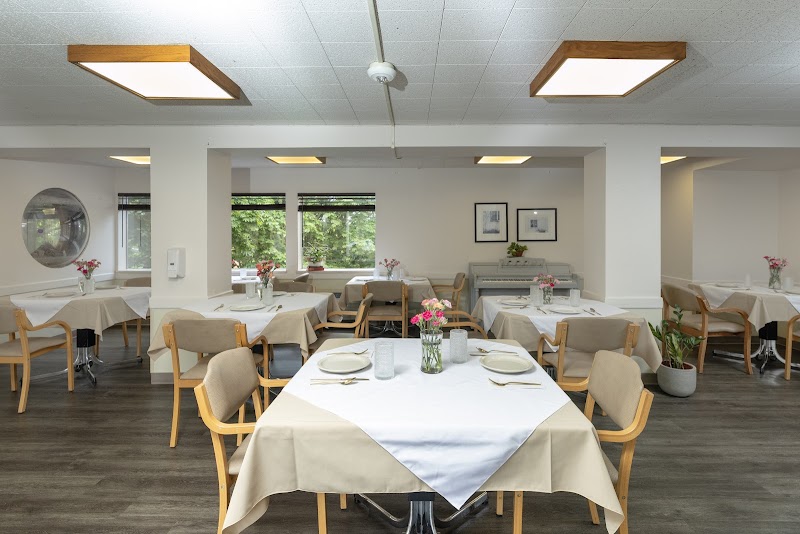
How is Transitional Of Seattle Staffed?

CMS rates TRANSITIONAL CARE CENTER OF SEATTLE's staffing level at 5 out of 5 stars, which is much above average compared to other nursing homes. Staff turnover is 30%, compared to the Washington average of 46%. This relatively stable workforce can support continuity of care.

What Have Inspectors Found at Transitional Of Seattle?

State health inspectors documented 37 deficiencies at TRANSITIONAL CARE CENTER OF SEATTLE during 2023 to 2025. These included: 37 with potential for harm.

Who Owns and Operates Transitional Of Seattle?

TRANSITIONAL CARE CENTER OF SEATTLE is owned by a for-profit company. For-profit facilities operate as businesses with obligations to shareholders or private owners. The facility is operated by EMPRES OPERATED BY EVERGREEN, a chain that manages multiple nursing homes. With 165 certified beds and approximately 83 residents (about 50% occupancy), it is a mid-sized facility located in SEATTLE, Washington.
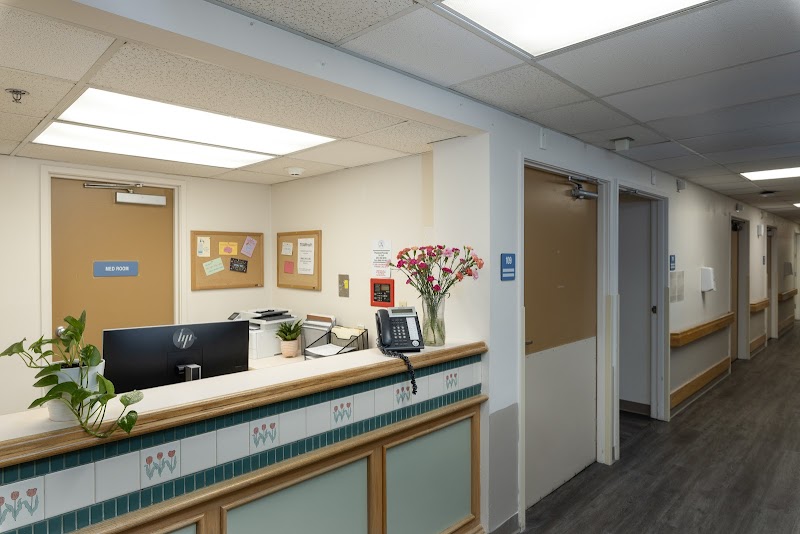
How Does Transitional Of Seattle Compare to Other Washington Nursing Homes?

Compared to the 100 nursing homes in Washington, TRANSITIONAL CARE CENTER OF SEATTLE's overall rating (4 stars) is above the state average of 3.2, staff turnover (30%) is significantly lower than the state average of 46%, and health inspection rating (3 stars) is at the national benchmark.

What Should Families Ask When Visiting Transitional Of Seattle?

Based on this facility's data, families visiting should ask: "Can I visit during a mealtime to observe dining assistance and food quality?" "How do you handle medical emergencies, and what is your hospital transfer rate?" "Can I speak with family members of current residents about their experience?"

Is Transitional Of Seattle Safe?

Based on CMS inspection data, TRANSITIONAL CARE CENTER OF SEATTLE has a clean safety record: no substantiated abuse findings (meaning no confirmed cases of resident harm), no Immediate Jeopardy citations (the most serious violation level indicating risk of serious injury or death), and is not on the Special Focus Facility watch list (a federal program monitoring the lowest-performing 1% of nursing homes). The facility has a 4-star overall rating and ranks #1 of 100 nursing homes in Washington. While no facility is perfect, families should still ask about staff-to-resident ratios and recent inspection results during their visit.

Do Nurses at Transitional Of Seattle Stick Around?

TRANSITIONAL CARE CENTER OF SEATTLE has a staff turnover rate of 30%, which is about average for Washington nursing homes (state average: 46%). Moderate turnover is common in nursing homes, but families should still ask about staff tenure and how the facility maintains care continuity when employees leave.

Was Transitional Of Seattle Ever Fined?

TRANSITIONAL CARE CENTER OF SEATTLE has been fined $38,565 across 1 penalty action. The Washington average is $33,465. While any fine indicates a compliance issue, fines under $50,000 are relatively common and typically reflect isolated problems that were subsequently corrected. Families should ask what specific issues led to these fines and confirm they've been resolved.

Is Transitional Of Seattle on Any Federal Watch List?

TRANSITIONAL CARE CENTER OF SEATTLE is not on any federal watch list. The most significant is the Special Focus Facility (SFF) program, which identifies the bottom 1% of nursing homes nationally based on persistent, serious quality problems. Not being on this list means the facility has avoided the pattern of deficiencies that triggers enhanced federal oversight. This is a positive indicator, though families should still review the facility's inspection history directly.