Richmond Beach Rehab


19235 - 15TH AVENUE NORTHWEST, SHORELINE, WA 98177 (206) 546-2666
For profit - Corporation 131 Beds AVAMERE Data: November 2025 1 Immediate Jeopardy citation
Trust Grade
53/100
#39 of 190 in WA
Last Inspection: November 2024

Within standard 12-15 month inspection cycle. Federal law requires annual inspections.

Overview

Richmond Beach Rehab in Shoreline, Washington, has a Trust Grade of C, indicating it is average compared to other facilities. It ranks #39 out of 190 facilities in Washington, placing it in the top half, and #7 out of 46 in King County, meaning there are only six better local options. The facility is showing improvement, with issues decreasing from nine in 2024 to just one in 2025. Staffing is a mixed bag; it has an average rating of 3 out of 5 stars, but the turnover rate of 36% is better than the state average of 46%. However, it has concerning RN coverage, being lower than 95% of Washington facilities, which suggests that critical health issues might not be caught as effectively. Despite its strengths, there are notable weaknesses. The facility faced $44,753 in fines, reflecting compliance issues that could be of concern. Specific incidents include a resident being injured when their wheelchair tipped over during transport due to improper securing of straps, and another resident was hospitalized due to adverse effects from medications that were not adequately monitored. Additionally, a resident with cognitive impairments was found to be smoking unsafely, despite care plans indicating they should not smoke independently. Families should weigh these factors carefully when considering Richmond Beach Rehab for their loved ones.


Trust Score
C
53/100
In Washington
#39/190
Top 20%
Safety Record
High Risk
Review needed
Inspections
Getting Better
9 → 1 violations
Staff Stability
○ Average
36% turnover. Near Washington's 48% average. Typical for the industry.
Penalties
⚠ Watch
$44,753 in fines. Higher than 81% of Washington facilities, suggesting repeated compliance issues.
Skilled Nurses
⚠ Watch
Each resident gets only 25 minutes of Registered Nurse (RN) attention daily — below average for Washington. Fewer RN minutes means fewer trained eyes watching for problems.
Violations
⚠ Watch
30 deficiencies on record. Higher than average. Multiple issues found across inspections.
★★★★★
5.0
Overall Rating
★★★☆☆
3.0
Staff Levels
★★★★★
5.0
Care Quality
★★★★☆
4.0
Inspection Score
Stable
2024: 9 issues
2025: 1 issues

The Good

  • 5-Star Quality Measures · Strong clinical quality outcomes
  • Full Sprinkler Coverage · Fire safety systems throughout facility
  • No fines on record
  • Staff turnover below average (36%)

    12 points below Washington average of 48%

Facility shows strength in quality measures, fire safety.

The Bad

Staff Turnover: 36%

Near Washington avg (46%)

Typical for the industry

Federal Fines: $44,753

Above median ($33,413)

Moderate penalties - review what triggered them

Chain: AVAMERE

Part of a multi-facility chain

Ask about local staffing decisions and management

The Ugly 30 deficiencies on record

1 life-threatening 2 actual harm
Jan 2025 1 deficiency
CONCERN (D) 📢 Someone Reported This

A family member, employee, or ombudsman was alarmed enough to file a formal complaint

Potential for Harm - no one hurt, but risky conditions existed

Pressure Ulcer Prevention (Tag F0686)

Could have caused harm · This affected 1 resident

Based on interview and record review, the facility failed to ensure the necessary treatment and services for pressure ulcer/pressure injury (PU/PI - an injury to skin and underlying tissue resulting f...

Read full inspector narrative →
Based on interview and record review, the facility failed to ensure the necessary treatment and services for pressure ulcer/pressure injury (PU/PI - an injury to skin and underlying tissue resulting from prolonged pressure on the skin) was provided consistent with professional standards of practice for 1 of 1 resident (Resident 1), reviewed for pressure ulcer care. This failure placed the resident at risk for deterioration of their pressure ulcer and a diminished quality of life. Findings included . Review of the facility's policy titled, Pressure Ulcers/Skin Breakdown - Clinical Protocol, revised in March 2014, showed, The physician will authorize pertinent orders related to wound treatments, including wound cleansing and debridement [the process of removing adherent dead or foreign material from wounds to minimize the risk of infection and promote healing] approaches, dressings (occlusive, absorptive, etc.), and application of topical agents if indicated for type of skin alteration. Review of Resident 1's admission Minimum Data Set (an assessment tool) dated 11/01/2024, showed Resident 1 had an intact cognition. The MDS further showed Resident 1 had one unstageable PU/PI related deep tissue injury (a purple or maroon area of discolored intact skin due to damage to the underlying soft tissue). In an interview on 12/26/2024 at 11:01 AM, Resident 1 stated that they had pressure ulcer to their buttock. When asked if they were receiving wound care, Resident 1 stated that they were not getting wound treatment according to their physician's order stating, My wound cleaning solution is missing. Review of the nursing progress note dated 12/03/2024, showed Resident 1 had an order to, Apply moistened gauze with Dakin's [a solution used to prevent and treat skin and tissue infections] solution 25 percent into wound bed. Review of a wound consultant note dated 12/12/2024, showed Resident 1 had a Stage 4 (a PU/PI with full thickness tissue loss with exposed bone, tendon or muscle) with a treatment recommendation to, Apply ¼ [quarter] strength Dakin's soaked gauze. The nursing progress note dated 12/23/2024 showed that Resident 1 refused their wound treatment due to, Dakins solution not being available and being in a significant amount of pain. The nursing progress notes dated 12/26/2024, 12/28/2024, 12/29/2024, 12/31/2024, 01/02/2025, and 01/03/2025, showed that Dakin's solution was not available for Resident 1's wound treatment. Further review of the progress notes did not show that Resident 1's physician or their wound consultant were notified about the unavailability of the Dakin's solution. In an interview on 01/10/2025 at 10:33 AM, Staff D, Licensed Practical Nurse, stated that Resident 1's Dakin's wound treatment solution was not available in the past and, they were treating Resident 1's wound with wet-to-dry (a wet or moist gauze dressing applied on wound and allowed to dry) dressing. When asked if Resident 1's physician was notified or a new wound care order was received, Staff D stated that Resident 1's wound doctor was aware, but their physician was not notified, or a new wound treatment order was received. In an interview and joint record review on 01/10/2025 at 12:40 PM, Staff C, Resident Care Manager, stated that when a prescribed wound treatment solution was not available, the pharmacy and the resident's physician would be notified. Staff C stated that they were aware of Resident 1's Dakin's solution was not available on 12/23/2024 and they notified the Director of Nursing (DON), and the solution was ordered. Joint record review of Resident 1's progress notes from 12/23/2024 to 01/03/2025 showed no record to show that Resident 1's physician was notified. Staff C stated that licensed nurses should have notified Resident 1's physician when the solution was not available. On 01/10/2025 at 1:18 PM, Staff B, DON, stated that Resident 1's physician should have been notified and an alternative wound treatment order should have been obtained when Dakin's solution was not available. Reference: (WAC) 388-97-1060 (1)(3)(b) .
Nov 2024 9 deficiencies
CONCERN (D)

Potential for Harm - no one hurt, but risky conditions existed

Transfer Notice (Tag F0623)

Could have caused harm · This affected 1 resident

Based on interview and record review, the facility failed to properly notify the Office of the State Long Term Care (LTC) Ombudsman (an advocacy group for residents) in writing, describing the reason ...

Read full inspector narrative →
Based on interview and record review, the facility failed to properly notify the Office of the State Long Term Care (LTC) Ombudsman (an advocacy group for residents) in writing, describing the reason for transfer for 1 of 1 resident (Resident 36), reviewed for hospitalization. This failure placed the resident at risk for not having the access to an advocate who informed residents about options and resident rights. Findings included . Review of the facility's policy titled, Transfer or Discharge Notice, revised in March 2021, showed, A copy of the notice is sent to the Office of the State LTC Ombudsman at the same time the notice of transfer or discharge is provided to the resident and representative. Review of the progress note dated 09/30/2024, showed Resident 36 was transferred to the hospital for further evaluation. Review of Resident 36's nursing progress note date 09/30/2024 to 11/25/2024 showed no documentation to show that the notice of transfer was sent to the State LTC Ombudsman office. In an interview on 11/27/2024 at 2:32 PM, Staff I, Social Services Assistant, stated that their responsibility included completing the transfer notice form and faxing it to the State LTC Ombudsman office. Staff I stated that there was no documentation confirming the completed transfer notice had been sent to the State LTC Ombudsman office or a fax receipt that showed the transfer notice was sent. Staff I stated that they did not document their communication with the State LTC Ombudsman office about Resident 36's hospital transfer. In an interview on 11/29/2024 at 10:41 AM, Staff A, Administrator stated that they expected the State LTC Ombudsman office to be notified in writing that Resident 36 was sent to the hospital. Staff A further stated that the communications between Staff I and the State LTC Ombudsman office should have been documented. Reference: (WAC) 388-97-0120 (5)(b)(i) .
CONCERN (D)

Potential for Harm - no one hurt, but risky conditions existed

Assessment Accuracy (Tag F0641)

Could have caused harm · This affected 1 resident

**NOTE- TERMS IN BRACKETS HAVE BEEN EDITED TO PROTECT CONFIDENTIALITY** Based on interview and record review, the facility failed to accurately assess 1 of 19 residents (Residents 68), reviewed for Mi...

Read full inspector narrative →
**NOTE- TERMS IN BRACKETS HAVE BEEN EDITED TO PROTECT CONFIDENTIALITY** Based on interview and record review, the facility failed to accurately assess 1 of 19 residents (Residents 68), reviewed for Minimum Data Set (MDS-an assessment tool). The failure to ensure accurate assessments regarding capturing occurrences during the look-back period for oxygen placed the residents at risk for unidentified and/or unmet care needs, and a diminished quality of life. Findings included . According to the Long-Term Care Resident Assessment Instrument (RAI) 3.0 User's Manual, (a guide directing staff on how to accurately assess the status of residents) Version 1.19.1, dated October 2024, showed, .an accurate assessment requires collecting information from multiple sources, some of which are mandated by regulations. Those sources must include the resident and direct care staff on all shifts, and should also include the resident's medical record, physician, and family, guardian and/or other legally authorized representative, or significant other as appropriate or acceptable. It is important to note here that information obtained should cover the same observation period as specified by the MDS items on the assessment and should be validated for accuracy (what the resident's actual status was during that observation period) by the IDT [Interdisciplinary Team] completing the assessment. As such, nursing homes are responsible for ensuring that all participants in the assessment process have the requisite knowledge to complete an accurate assessment. The Observation Period (also known as the Look-back period) is the time-period over which the resident's condition or status is captured by the MDS and ends at 11:59 PM on the day of the Assessment Reference Date (ARD or assessment period). Most MDS items themselves require an observation period, such as seven or 14 days, depending on the item. Since a day begins at 12:00 a.m. and ends at 11:59 p.m., the observation period must also cover this time period. When completing the MDS, only those occurrences during the look-back period will be captured. In other words, if it did not occur during the look-back period, it is not coded on the MDS. The RAI manual's Oxygen coding instruction directed to code oxygen under Section O (Special Treatments, Procedures, and Programs) if during the 14-day look-back period the resident had received oxygen. Resident 68 admitted to the facility on [DATE] with diagnoses that included asthma (a disease in which the airways in the lungs become narrowed and swollen, making it difficult to breathe) and respiratory failure (serious condition that makes it difficult to breathe). Review of the admission MDS dated [DATE], showed Resident 68's oxygen use was not coded on the MDS assessment. Review of the October 2024 Treatment Administration Record (TAR) showed that Resident 68 had received oxygen during the admission MDS's look-back period. In an interview and joint record review on 11/28/2024 at 10:39 AM, Staff H, Case Manager, stated that the MDS would be completed based on review of the resident's medical record, medication administration record, and TAR. A joint record review of Resident 68's October TAR showed the resident had received oxygen during the MDS look-back period. Joint record review of the admission MDS dated [DATE], showed oxygen was not coded on Resident 68's MDS. Staff H stated oxygen should have been coded on the MDS and they would correct the MDS. On 11/29/2024 at 8:13 AM, Staff B, Director of Nursing Services, stated that their expectation was for the staff to follow the RAI Manual and complete MDS assessments accurately. Reference: (WAC) 388-97-1000 (1)(b) .
CONCERN (D)

Potential for Harm - no one hurt, but risky conditions existed

Deficiency F0655 (Tag F0655)

Could have caused harm · This affected 1 resident

**NOTE- TERMS IN BRACKETS HAVE BEEN EDITED TO PROTECT CONFIDENTIALITY** Based on interview and record review, the facility failed to develop baseline care plans and/or provide a written summary of the...

Read full inspector narrative →
**NOTE- TERMS IN BRACKETS HAVE BEEN EDITED TO PROTECT CONFIDENTIALITY** Based on interview and record review, the facility failed to develop baseline care plans and/or provide a written summary of the baseline care plan to the residents and/or their representatives for 2 of 2 residents (Residents 40 & 151), reviewed for baseline care plan. This failure placed the residents at risk for unmet care needs and a diminished quality of life. Findings included . Review of the facility's policy titled, Care Plans - Baseline, revised in March 2022, showed, The resident and/or representative are provided a written summary of the baseline care plan (in language that the resident/representative can understand) that includes, but limited to the following: a. The stated goals and objects of the resident b. A summary of the resident's medication and dietary instructions. c. Any services and treatments to be administered by the facility and personnel acting on behalf of the facility; and d. Any updated information based on the details of the comprehensive care plan, as necessary. RESIDENT 40 Resident 40 admitted to the facility on [DATE]. A review of Resident 40's Electronic Health Record (EHR) showed no documentation that a written summary of the baseline care plan was provided to the resident or their representative. RESIDENT 151 Resident 151 admitted to the facility on [DATE]. Review of the admission Minimum Data Set (an assessment tool) dated 11/17/2024 showed Resident 151 had intact cognition. A review of Resident 151's EHR showed no documentation that a written summary of the baseline care plan was provided to the resident or their representative. On 11/27/2024 at 8:51 AM, Resident 151 stated that they have not received a written summary of their baseline care plan. On 11/28/2024 at 9:13 AM, Staff E, Resident Care Manager, stated that the baseline care plan would be developed upon residents' admission and the written summary would be provided to resident or their representative by social service personnel. In an interview and joint record review on 11/28/2024 at 12:19 PM, Staff G, Social Services Director, stated that the facility has had a process of providing a written summary of baseline care plan in the past. Joint record review of Resident 40 and Resident 151's EHR showed no record that a written summary of the baseline care plan was provided to them or their representatives. Staff G stated that there was no documentation that showed the summary of baseline care plan was given or offered to these residents. On 11/29/2024 at 8:17 AM, Staff B, Director of Nursing Services, stated that they expected a baseline care plan would be developed within 48 hours of admission and that a written summary of the baseline care plan would be provided to the residents. Reference: (WAC) 388-97-1020(3) .
CONCERN (D)

Potential for Harm - no one hurt, but risky conditions existed

Respiratory Care (Tag F0695)

Could have caused harm · This affected 1 resident

**NOTE- TERMS IN BRACKETS HAVE BEEN EDITED TO PROTECT CONFIDENTIALITY** Based on observation, interview, and record review, the facility failed to ensure oxygen tubing were appropriately stored for 2 ...

Read full inspector narrative →
**NOTE- TERMS IN BRACKETS HAVE BEEN EDITED TO PROTECT CONFIDENTIALITY** Based on observation, interview, and record review, the facility failed to ensure oxygen tubing were appropriately stored for 2 of 3 residents (Residents 17 & 46), reviewed for respiratory care. This failure placed the residents at risk for unmet care needs and potential negative outcomes. Findings included . Review of the facility's policy titled, Departmental (Respiratory Therapy) - Prevention of Infection, revised on November 2011, showed, Infection control considerations related to oxygen administration .keep the oxygen cannulae [NC -lightweight tube that splits into two prongs at one end and is inserted in the nostrils to deliver oxygen] and tubing used PRN [as needed] in a plastic bag when not in use. RESIDENT 17 Resident 17 admitted to the facility on [DATE] with diagnoses that included congestive heart failure (a condition where the heart does not pump blood effectively, causing a backup of fluid in the body) and asthma (a chronic lung disease). Review of Resident 17's physician's order, dated 10/13/2024, showed oxygen at one to four liters (a unit of measurement) per minute (flow rate of oxygen being delivered to a resident) via NC PRN for shortness of breath. Observation on 11/23/2024 at 1:27 PM, showed Resident 17's wheelchair had a portable oxygen tank with an oxygen tubing and cannula attached. Further observation did not show that Resident 17's oxygen tubing and cannula was stored properly while not in use. Observation on 11/26/2024 at 8:40 AM showed Resident 17's wheelchair had a portable oxygen tank and that the attached oxygen tubing and cannula was not stored properly while not in use. Further observation showed that the oxygen tubing was hanging on the wheelchair's left wheel lock and that the cannula nasal prongs touched the floor. In a joint observation and interview on 11/26/2024 at 10:00 AM with Staff K, Licensed Practical Nurse (LPN), showed Resident 17's oxygen tubing and cannula was hanging on their wheelchair's left wheel lock and that the nasal prongs touched the floor. Staff K stated that Resident 17's oxygen tubing and cannula should be stored in a bag when not in use. RESIDENT 46 Resident 46 admitted to the facility on [DATE] with diagnoses that included congestive heart failure, asthma and chronic respiratory failure with hypoxia (a condition that affects the lungs leading to a consistently low level of oxygen in their body). Review of Resident 46's physician's order, dated 10/28/2024, showed supplemental oxygen dependent due to respiratory failure, may use oxygen at two to three liters per minute via NC. Observation on 11/29/2024 at 8:27 AM showed Resident 46's oxygen tubing and cannula was not properly stored while not in use and was on the floor beside their bed. In a joint observation and interview on 11/29/2024 at 8:37 AM with Staff N, LPN, showed Resident 46's oxygen tubing and cannula was not properly stored while not in use and was on the floor beside their bed. Staff N stated that Resident 46's oxygen tubing and cannula found on the floor was their daytime tubing and that it was normally bagged when not in use. Staff N further stated, It should be trashed. In an interview on 11/29/2024 at 9:26 AM, Staff F, Resident Care Manager, stated they expected residents' oxygen therapy supplies should be stored in a bag when not in use. In an interview on 11/29/2024 at 11:42 AM, Staff B, Director of Nursing Services, stated they expected oxygen therapy supplies stored in a bag when not in use to prevent cross contamination (germs transfer from one surface to another). Reference: (WAC) 388-97-1060 (3)(j)(vi) .
CONCERN (D)

Potential for Harm - no one hurt, but risky conditions existed

Deficiency F0698 (Tag F0698)

Could have caused harm · This affected 1 resident

**NOTE- TERMS IN BRACKETS HAVE BEEN EDITED TO PROTECT CONFIDENTIALITY** Based on interview and record review, the facility failed to ensure dialysis (the kidneys no longer function and require a proce...

Read full inspector narrative →
**NOTE- TERMS IN BRACKETS HAVE BEEN EDITED TO PROTECT CONFIDENTIALITY** Based on interview and record review, the facility failed to ensure dialysis (the kidneys no longer function and require a process to remove waste and excess fluids from the blood stream) care was consistently evaluated after treatments according to professional standards for 1 of 1 resident (Residents 70), reviewed for dialysis. This failure placed resident at risk for unmet care needs, and deterioration of chronic condition. Findings included . The facility's policy titled, Hemodialysis (a medical procedure used to treat kidney failure, where the kidneys are no longer able to filter waste products and excess fluids from the blood effectively.) Access Care, revised in October 2010, stated that to prevent infection and/or clotting (a process by which blood transforms from a liquid to a semi-solid state), the access site must be always kept clean, and signs of infection (warmth, redness, tenderness or edema) should be checked at the access site when performing routine care and at regular intervals. Review of the face sheet showed Resident 70 admitted to the facility on [DATE]. Review of the November 2024 physician order showed Resident 70 received dialysis three times a week at an offsite dialysis center. Review of quarterly Minimum Data Set (an assessment tool) dated 10/17/2024 showed Resident 70 was cognitively intact and had been receiving dialysis therapy. Review of Resident 70's dialysis care plan directed staff to monitor, document, and report any signs and symptoms of infection at the access site. In an interview on 11/24/2024 at 1:51 PM, Resident 70 stated they went to dialysis on Mondays, Wednesdays, and Fridays. Review of Resident 70's Electronic Health Record (EHR) showed that there was no record that the resident was consistently evaluated after their dialysis treatments. In an interview on 11/27/2024 at 2:20 PM, Staff K, Licensed Practical Nurse, stated that they would check the resident after dialysis only if there was anything abnormal. When asked about the Resident 70's location of the dialysis access site, Staff K replied, I don't really know. In an interview and joint record review on 11/27/2024 at 2:25 PM, Staff F, Resident Care Manager, stated that Resident 70's dialysis access site was on their left arm and that it was checked by staff each time they returned from dialysis. Staff F stated that Resident 70 had order for their access site to be checked after every dialysis visit. Joint record review of Resident 70's EHR showed that there was no documentation indicating that Resident 70 had an active order to check the access site or consistently evaluated after dialysis treatments. In a follow up interview on 11/28/2024 at 12:20 PM, Staff F stated that the order to check the dialysis access site was not reinstated when the resident was readmitted to the facility in July 2024. Staff F stated that the order should have been reinstated and the staff should have been checking the dialysis access site after each dialysis visit. Staff F further stated that there should have been a clear order in place, and the staff should have been following it accordingly. In an interview on 11/28/2024 at 8:42 AM, Resident 70 stated that the facility never checked the dialysis access site or consistently evaluated after dialysis treatments. In an interview on 11/29/2024 at 10:09 AM, Staff B, Director of Nursing Services, stated that when Resident 70 readmitted to the facility their order to check dialysis access site was not placed back. Staff B further stated they expected the staff to check Resident 70's dialysis access site, consistently evaluate the resident after each dialysis treatment, every shift and document it. Reference: WAC 388-97-1900 (6) (a-c)
CONCERN (E)

Potential for Harm - no one hurt, but risky conditions existed

Deficiency F0645 (Tag F0645)

Could have caused harm · This affected multiple residents

**NOTE- TERMS IN BRACKETS HAVE BEEN EDITED TO PROTECT CONFIDENTIALITY** RESIDENT 46 Resident 46 admitted to the facility on [DATE] with diagnoses that included post-traumatic stress disorder (PTSD - a...

Read full inspector narrative →
**NOTE- TERMS IN BRACKETS HAVE BEEN EDITED TO PROTECT CONFIDENTIALITY** RESIDENT 46 Resident 46 admitted to the facility on [DATE] with diagnoses that included post-traumatic stress disorder (PTSD - a mental health condition that can develop after a person experiences a traumatic event), anxiety, and major depressive disorder. Review of Resident 46's physician's order, dated 07/31/2024, showed Resident 46 received an antidepressant medication for diagnosis of major depressive disorder. Review of Resident 46's Level I PASARR completed on 02/29/2024, showed IA was marked Yes to include the diagnosis of PTSD and anxiety disorder. Further review of the PASARR showed major depressive disorder was not marked in section IA and Section IV showed No level II evaluation indicated. Review of Resident 46's EHR showed no documentation that a Level II PASARR referral was completed. In a joint record review and interview on 11/29/2024 at 8:43 AM with Staff I, showed Resident 46's Level I PASARR dated 02/29/2024 did not show the diagnosis of major depressive disorder was marked in Section IA and that Section IV was marked no level II evaluation indicated. Staff I stated, Depression should be checked, and it wasn't captured, so I missed that. Staff I further stated that they were aware of the new law and that I don't think I put in a level II [PASARR evaluation] for [them]. RESIDENT 20 Resident admitted to the facility on [DATE] with diagnoses that included delusional disorders and major depressive disorder. Review of Resident 20's Level I PASARR completed on 08/20/2021, did now show the diagnosis for major depressive disorder was marked in Section IA and that Section IV was marked No level II evaluation indicated. Review of Resident 20's EHR showed no documentation that a Level II PASARR referral was completed. Joint record review and interview on 11/29/2024 at 8:43 AM with Staff I, showed Resident 20's Level I PASARR dated 08/20/2021 revealed the diagnosis of major depressive disorder was not marked in Section IA and that Section IV was marked No level II evaluation indicated. Staff I stated, It came from the hospital this way and I can't believe I didn't correct it. Staff I further stated Resident 20 should have had a level II PASARR referral completed. In an interview on 11/29/2024 at 8:53 AM, Staff G stated social services were responsible for reviewing PASARR documents received from the hospitals and that they expected them to be accurate. Staff G stated that they expected PASARR Level I form to have been accurate and that Level II PASARR evaluation referrals should have been completed for Resident 46 and Resident 20. In an interview on 11/29/2024 at 12:09 PM, Staff A stated they were aware of the clarification on the PASARR Level I since July 2024. Staff A further stated that they expected PASARR forms to be accurate and that Level II referrals would be completed as needed. Reference: (WAC) 388-97-1915 (2)(a)(b) Based on interview and record review, the facility failed to ensure the Preadmission Screening and Resident Review (PASARR- an assessment used to identify people referred to nursing facilities with Serious Mental Illness (SMI), Intellectual Disabilities (ID); or related conditions are not inappropriately placed in nursing homes for long term care) form was accurate and sent out for a Level II PASARR referral for 5 of 6 residents (Residents 41, 67, 36, 46 & 20), reviewed for PASARR Screening. This failure placed the residents at risk for not receiving the care and services appropriate for their needs. Findings included . Review of the facility's policy titled, PASRR, revised on 03/22/2024, showed that the social services department would review residents for any indicators that would need a level II screening, such as SMI or ID, and contact the community mental health program to request a Level II screening. Review of the Department of Social and Health Services, Dear Nursing Home Administrator Letter, guidance titled, Clarification to the Pre-admission Screening and Resident Review (PASARR or PASRR) Level I Screening Process, dated 07/06/2024 and amended on 08/23/2024, showed a positive Level I PASARR screen (that would then require a referral for a Level II PASARR) was if Any of the questions in Section IA (1, 2, and/or 3) are marked Yes. RESIDENT 41 Review of the face sheet printed on 11/27/2024 showed Resident 41 admitted to the facility on [DATE] with medical diagnoses that included major depressive disorder (mood disorder that causes a persistent feeling of sadness) and anxiety disorder (a condition that causes excessive feelings of fear or worry that can interfere with daily life). Review of Resident 41's current Level I PASARR completed by Staff I, Social Services Assistant, dated 09/05/2024 showed Section I was marked for a SMI indicator for Mood Disorders (Depression), but not for Resident 41's anxiety disorder. Joint record review and interview on 11/29/2024 at 8:28 AM with Staff I, showed Resident 41's Level I PASARR, revealed an evaluation referral for a Level II PASARR was not completed. Staff I stated that anyone who had anything marked for Section IA would require a Level II referral. Staff I stated that there was no referral sent for Resident 41 and that there should have been one. Staff I further stated that Resident 41's anxiety disorder should have also been marked as a SMI indicator. On 11/29/2024 at 8:53 AM, Staff G, Social Services Director, stated that if the PASARR form was incorrect, they would expect it to be corrected. Staff G stated that they were aware of the regulation requiring a Level II PASARR referral for any SMI indicators per Section IA. Staff G further stated, did not understand it, until now. On 11/29/2024 at 10:10 AM, Staff A, Administrator, stated it was their expectation to review PASARR forms to ensure accuracy in accordance with residents' diagnoses. Staff A further stated that if any SMI were marked for Section IA, they would expect a referral for a Level II assessment. RESIDENT 36 Review of the face sheet showed that Resident 36 initially admitted to the facility on [DATE] with multiple diagnoses that included bipolar disorder (a mental health condition characterized by extreme mood swings, which include emotional highs), anxiety disorder, and delusional disorder (a mental health condition that makes it hard for a person to distinguish reality from fantasy). Review of Resident 36's Level I PASARR form dated 02/21/2024, showed that mood and anxiety disorders were marked in section IA for SMI. Further review of the document showed that the SMI Indicators section was marked yes [has SMI]. Joint record review of the face sheet and interview on 11/29/2024 at 8:14 AM with Staff I, showed Resident 36 had diagnosis that included mood, anxiety and delusional disorders. Joint record review of Resident 36's Level I PASARR showed that mood and anxiety disorders were marked. The review of Resident 36's Level I PASARR also showed that delusional disorder was not marked. Further review of the record showed that SMI Indicators section was marked yes. Staff I stated that Resident 36's Level I PASARR should have been consistent with their medical diagnosis. After reviewing the new regulation, Staff I stated that they should have sent a Level II PASARR referral to evaluator for Resident 36. In an interview on 11/29/2024 at 10:06 AM, Staff G stated that they expected Resident 36's Level I PASARR should have been consistent with their medical diagnosis. In an interview on 11/29/2024 at 10:41 AM, Staff A stated that they expected Resident 36's medical diagnosis to align with their Level I PASARR evaluation. Staff A stated Level II PASARR referral should be sent for any indicators of SMI. RESIDENT 67 Resident 67 admitted to the facility on [DATE] with diagnoses that included anxiety and major depressive disorder. Review of the admission Minimum Data Set (an assessment tool) dated 10/16/2024, showed Resident 67 had an active diagnoses of anxiety disorder and depression. Review of Resident 67's Level I PASARR dated 10/11/2024, showed under Section IA was marked Yes to include the diagnosis of anxiety disorder. Further review of the PASARR showed mood disorder - depressive was not marked on the PASARR and Section IV showed, No Level II evaluation indicated. Review of the physician's progress note dated 10/15/2024 showed Resident 67 had an active diagnosis of anxiety and depressive disorder. Review of the Electronic Health Record (EHR) showed no documentation that Resident 67's PASARR Level I was corrected or a Level II PASARR referral was sent for review. In an interview and joint record review on 11/28/2024 at 10:03 AM, Staff G stated that when residents were admitted from the hospital, they would review their PASARR and check for accuracy. A joint record review of Resident 67's Level I PASARR dated 10/11/2024, showed Section IA was marked yes for diagnosis of anxiety disorder but not for depressive disorder. Staff G stated that Resident 67's PASARR Level I should have been corrected and referral for Level II should have been sent. On 11/29/2024 at 11:09 AM, Staff A stated that they expected that PASARR should be reviewed on admission for accuracy and Level II referral sent for any indicators of SMI.
CONCERN (E)

Potential for Harm - no one hurt, but risky conditions existed

Staffing Information (Tag F0732)

Could have caused harm · This affected multiple residents

Based on observation, interview, and record review, the facility failed to ensure the daily nurse staffing form was accurately completed with actual hours worked for each shift for 6 of 7 days (11/23/...

Read full inspector narrative →
Based on observation, interview, and record review, the facility failed to ensure the daily nurse staffing form was accurately completed with actual hours worked for each shift for 6 of 7 days (11/23/2024, 11/24/2024, 11/25/2024,11/26/2024,11/27/2024 & 11/28/2024), reviewed for sufficient and competent staffing. This failure placed the residents and residents' representatives at risk of not being fully informed of the current staffing levels. Findings included . Review of the facility's policy titled, Posting Direct Care Daily Staffing Numbers, revised in August 2022, showed that shift staffing information must be recorded on a form for each shift. The policy further showed the form should include the actual hours worked during that shift for each category and type of nursing staff [Registered Nurse, Certified Nursing Assistant and Licensed Practical Nurse]. Observations on 11/23/2024 at 1:36 PM, on 11/24/2024 at 2:26 PM, on 11/25/2024 at 2:21 PM, on 11/26/2024 at 1:23 PM, on 11/27/2024 at 1:43 PM and on 11/28/2024 at 2:03 PM, showed that the facility's daily nursing staffing form posted did not show the actual hours worked for each shift for all nursing staff. In an interview on 11/29/2024 at 8:38 AM, Staff B, Director of Nursing Services stated that they were responsible for completing the nurse staffing postings. Staff B stated that they had not been filling out the actual total hours because that was how their previous staffing coordinator trained them. In an interview on 01/20/2024 at 10:05 AM, Staff A, Administrator, stated, Daily nurse staff postings need to be visible and available, with the actual hours filled out. No associated WAC .
CONCERN (E)

Potential for Harm - no one hurt, but risky conditions existed

Deficiency F0761 (Tag F0761)

Could have caused harm · This affected multiple residents

**NOTE- TERMS IN BRACKETS HAVE BEEN EDITED TO PROTECT CONFIDENTIALITY** Based on observation, interview, and record review, the facility failed to ensure drugs and/or biologicals were properly labeled...

Read full inspector narrative →
**NOTE- TERMS IN BRACKETS HAVE BEEN EDITED TO PROTECT CONFIDENTIALITY** Based on observation, interview, and record review, the facility failed to ensure drugs and/or biologicals were properly labeled, stored, and/or expired supplies were removed/discarded in accordance with current accepted professional standards for 2 of 4 medication carts (Cascade and Olympic Medication Cart) and for 2 of 2 medication room refrigerators (Cascade and [NAME] Medication Room Refrigerators), reviewed for medication storage and labeling. These failures placed the residents at risk for receiving compromised and ineffective medications and medical supplies. Findings included . Review of the undated facility's dispensing pharmacy reference guide titled, Did you know? showed that Unless otherwise stated by manufacturer or stricter facility policy, open meds generally expire on the printed expiration date or one year since open date (whichever is sooner) .record an 'open date' on all opened meds (liquids, topicals, insulin [hormone that lowers blood sugar level] vials, insulin pens, eye drops, etc.) .Expiration dates: Insulins should be dated once opened and stored in [medication] cart .Storage: no unlabeled meds (e.g., from e-kit [emergency medication supply]). Review of the facility's undated policy titled Medication Labeling and Storage, showed that Labeling of medications and biologicals dispensed by the pharmacy is consistent with applicable federal and state requirements and currently accepted pharmaceutical practices .The medication label includes, at a minimum: medication name, prescribed dose; strength; expiration date, when applicable; resident's name; route of administration; and appropriate instructions and precautions .If medication containers have missing, incomplete or incorrect labels, [facility staff] contact the dispensing pharmacy for instructions regarding returning or destroying these items .only the dispensing pharmacy may label or alter the label on a medication container or package. CASCADE MEDICATION CART Joint observation and interview on [DATE] at 8:57 AM, showed Staff P, Licensed Practical Nurse (LPN), primed (removing air from the insulin pen to ensure the correct dose of insulin was delivered) two newly opened insulin pens. Further observation showed Staff P did not date the two insulin pens before storing the insulin pens in the medication cart. When asked if insulin pens should be dated with an open date, Staff P stated they should have dated the insulin pens with the open date. OLYMPIC MEDICATION CART Joint observation and interview on [DATE] at 10:03 AM with Staff K, LPN, showed a prescription bronchodilator (used to prevent and treat difficulty breathing) inhaler (medical device that delivers medication directly to the lungs through a mist or spray that the user breaths in) that had a pink label sticker. Written on the sticker was Resident 301's last name and an incomplete date, 11/7. Further observation showed Resident 301's inhaler did not have a prescription or pharmacy label. Staff K stated, The label should come from the pharmacy; this is not the right label. Staff K further stated the pink label attached to Resident 301's inhaler did not contain a complete name or date. Joint record review and interview on [DATE] at 11:55 AM with Staff B, Director of Nursing Services, showed the facility's pharmacy reference guide was the guidance followed and implemented by the facility. Staff B stated they expected OTC medications and prescribed inhalers to be properly labeled with the resident and prescription information when they were stored in the medication cart. CASCADE MEDICATION ROOM REFRIGERATOR According to the Centers for Disease Control and Prevention (CDC) website titled, Vaccine Storage and Handling, dated [DATE], showed, To ensure the safety of vaccines, the storage unit minimum and maximum temperatures should be checked and recorded at the start of each workday. If using a TMD [Temperature Monitoring Devices] that does not display minimum and maximum temperatures, then the current temperature should be checked and recorded a minimum of two times (at the start and end of the workday). Review of the Cascade medication room refrigerator temperature log for [DATE], [DATE] and [DATE] showed that the refrigerator's temperature was checked once a day during night shift. Further review of the log showed a written direction that stated, CDC recommends twice daily temps if vaccines present. In a joint observation and interview on [DATE] at 8:29 AM with Staff E, Resident Care Manager (RCM), showed there was a vaccine for Respiratory Syncytial Virus (RSV - a common respiratory virus usually causes mild, cold-like symptoms, serious lung infections) stored in the Cascade medication room refrigerator. Staff E stated that the vaccine stored in the refrigerator was for RSV. In an interview and joint record review on [DATE] at 10:55 AM, Staff E stated that the facility followed CDC's guideline for vaccines storage. Joint record review of the Cascade medication room temperature log for [DATE], [DATE] and [DATE] showed that the refrigerator's temperature was checked once a day. Staff E stated the refrigerator temperature should have been checked twice a day. BAKER MEDICATION ROOM REFRIGERATOR During a joint observation and an interview on [DATE] at 11:10 AM with Staff D, RCM, showed there was a box containing intravenous starter needle (IV - a small plastic tube, inserted into a vein to administer medications or fluid) with an expiration date of [DATE]. Staff D stated the IV needles were expired and should have been discarded. During a joint record review and an interview on [DATE] at 11:22 AM with Staff D, showed the [NAME] medication room refrigerator temperature log revealed no records of temperature on [DATE], [DATE] and [DATE]. Further review of the temperature log showed the temperature were checked once a day on [DATE], [DATE], [DATE], [DATE] and [DATE]. Staff D stated the refrigerator's temperature should have been consistently checked twice daily. In a joint observation and an interview on [DATE] at 8:42 AM with Staff D, showed there was an RSV vaccine stored in the medication room's refrigerator. Staff D stated that the vaccine stored in the refrigerator was for RSV and the refrigerator's temperature should have been checked twice daily. On [DATE] at 10:59 AM Staff C, Infection Preventionist, stated the medication rooms refrigerators' temperature should have been checked twice daily. On [DATE] at 8:22 AM, Staff B stated that the facility followed CDC's guideline for storage of vaccines and the medication rooms refrigerators temperature should have been checked twice daily. Staff B further stated expired IV starter needles should have been discarded. Reference: (WAC) 388-97-1300 (2) .
CONCERN (E)

Potential for Harm - no one hurt, but risky conditions existed

Infection Control (Tag F0880)

Could have caused harm · This affected multiple residents

**NOTE- TERMS IN BRACKETS HAVE BEEN EDITED TO PROTECT CONFIDENTIALITY** Based on observation, interview, and record review, the facility failed to ensure insulin (hormone that lowers blood sugar level...

Read full inspector narrative →
**NOTE- TERMS IN BRACKETS HAVE BEEN EDITED TO PROTECT CONFIDENTIALITY** Based on observation, interview, and record review, the facility failed to ensure insulin (hormone that lowers blood sugar level) pens were properly disinfected and hand hygiene practices were followed during medication administration for Resident 155, and failed to properly store personal care items for room [ROOM NUMBER] and Personal Protective Equipment (PPE) for 5 of 7 isolation carts in (Rooms 200, 215, 205, 118 & 325), reviewed for infection control. In addition, the facility failed to provide hand hygiene supplies for 2 of 2 medication rooms (Cascade & Baker), and failed to ensure disinfection of shared transfer lift equipment was conducted between resident use for 2 of 2 residents (Residents 82 & 301). These failures placed the residents and staff at an increased risk for infection and related complications. Findings included . Review of the facility's policy titled, Infection Prevention and Control Program, revised in October 2018, showed, The program is based on accepted national infection prevention and control standards .The infection prevention and control program . a facility-wide effort involving all disciplines and individuals .Policies and procedures reflect the current infection prevention and control standards of practice. Review of the website titled, CDC's Core Infection Prevention and Control Practices for Safe Healthcare Delivery in All Settings, dated April 12, 2024, showed that the following core practice categories were listed: 5c. Injection and Medication Safety 1. Prepare medications in a designated clean medication preparation area that is separated from potential sources of contamination, including sinks or other water sources. 5f. Reprocessing of reusable medical equipment 1. Clean and reprocess (disinfect or sterilize) reusable medical equipment .prior to use on another patient or when soiled . 2. Maintain separation between clean and soiled equipment to prevent cross contamination. RESIDENT 155 INSULIN PEN DISINFECTION & HAND HYGIENE Review of the facility's policy titled, Handwashing/Hand Hygiene, revised in August 2019, showed that hand hygiene is the final step after removing and disposing of PPE, including after removing gloves. Observation and interview on 11/26/2024 at 8:57 AM, showed Staff P, Licensed Practical Nurse (LPN), donned a gown and gloves prior to administering two separate insulin doses for Resident 155. After administering the first dose of insulin to Resident 155, Staff P needed a second alcohol wipe (used to clean the skin prior to insulin administration). Staff P then placed Resident 155's two insulin pens and one new insulin pen needle directly on the sink counter in Resident 155's room and doffed their gloves. Staff P did not perform hand hygiene after doffing gloves. While wearing a gown, Staff P found an alcohol wipe in their uniform pocket. Staff P did not perform hand hygiene after touching their uniform and gown before donning a new pair of gloves to administer Resident 155's second insulin dose. Further observation showed Staff P stored the two insulin pens in the medication cart without cleaning them. Staff P stated, After using them [Resident 155's insulin pens], yes, we should be wiping [cleaned/disinfected] them, I did not. Staff P further stated they did not perform hand hygiene before and after glove use when they administered Resident 155's insulin doses and that they should have performed hand hygiene. room [ROOM NUMBER] STORAGE OF PERSONAL CARE ITEMS Observation on 11/23/2024 at 8:18 AM, showed unbagged personal care items that included a portable toilet seat extender (a device that attaches to a toilet seat to increase its height), a female bed pan (portable container used for toileting) and two plastic basins stacked and placed directly on the bathroom floor in room [ROOM NUMBER]'s bathroom. Joint observation and interview on 11/24/2024 at 9:57 AM with Staff D, Resident Care Manager, showed unbagged items that included a portable toilet seat extender, a female bed pan, and two plastic basins stacked and placed directly on the bathroom floor in room [ROOM NUMBER]. Staff D stated that the personal items stacked on the floor were used and that It should be removed. Staff D stated personal hygiene items should be bagged whenever they were clean and stored in the resident's bathroom and that once they are used, they need to be taken to the dirty utility [room] to be washed. PPE AND ISOLATION CARTS Review of the CDC website tiled, Implementation of Personal Protective Equipment Use in Nursing Homes to Prevent Spread of Multidrug-resistant Organisms (MDROs-germ that is resistant to medications that treat infections), dated April 2, 2024, showed, Make PPE, including gowns and gloves, available immediately outside of the resident room. room [ROOM NUMBER] Observation on 11/24/2024 at 9:01 AM, showed the isolation PPE cart for Enhanced Barrier Precautions (EBP- gown and glove use to protect residents from MDRO in front of room [ROOM NUMBER] had one bag of Lays (a brand) chips stored in the first drawer, two plastic drink cups stored with a box of gloves in the second drawer, and an empty third drawer. Further observation did not show gowns were stored in the isolation cart. Joint observation and interview on 11/24/2024 at 9:05 AM, showed Staff H, Case Manager, took out the two plastic cups and the bag of chips from room [ROOM NUMBER]'s isolation cart. Staff H stated the two cups and bag of chips should not have been stored with PPE and that face shields, gowns and gloves should be stored in the isolation cart for EBP. Staff H further stated that room [ROOM NUMBER]'s isolation cart did not have gowns stored. In an interview on 11/24/2024 at 9:21 AM, Staff C, Infection Preventionist, stated the bag of chips and two cups should not have been stored in the isolation cart for room [ROOM NUMBER]. room [ROOM NUMBER] Observation on 11/24/2024 at 9:09 AM, showed the isolation cart for EBP in front of room [ROOM NUMBER] had linen stored in the third drawer. Further observation did not show gowns were stored in the isolation cart. In an interview and joint observation on 11/24/2024 at 9:11 AM, Staff Q, LPN, stated they did not know what PPE should be stored in the isolation cart for EBP. Joint observation showed that room [ROOM NUMBER]'s EBP signage directed staff to wear gloves and a gown for high contact resident care activities. Further joint observation showed that room [ROOM NUMBER]'s isolation cart did not have gowns stored. Staff Q stated there should not have been a bedsheet stored in the third drawer and that gowns should be stored in the isolation cart. In a joint observation and interview on 11/24/2024 at 9:18 AM with Staff C, showed room [ROOM NUMBER]'s isolation cart had a draw sheet in the third drawer. Staff C took out the draw sheet and stated it should not have been stored with the PPE. Staff C further stated that room [ROOM NUMBER]'s isolation cart should have had gowns readily available for staff. room [ROOM NUMBER] Observation on 11/24/2024 at 9:08 AM, showed the isolation cart for EBP in front of room [ROOM NUMBER] had incontinent briefs stored in the first drawer with a box of gloves. In an interview and joint observation on 11/24/2024 at 9:13 AM, Staff Q stated, I have no idea why [room [ROOM NUMBER]] would be on precautions. Joint observation showed room [ROOM NUMBER] had an EBP signage posted at their door and that incontinent briefs were stored in the first drawer of the isolation cart. Staff Q stated they did not think incontinent briefs should be stored with PPE. When Staff Q was asked what PPE should be stored in the isolation cart, Staff Q stated, I think you should ask management. Joint observation and interview on 11/24/2024 at 9:17 AM with Staff C, showed room [ROOM NUMBER]'s isolation cart had incontinent briefs stored with PPE. Staff C stated the incontinent briefs should not have been stored with PPE. Staff C further stated that they expected staff know the facility's process for EBP. room [ROOM NUMBER] Joint observation and interview on 11/24/2024 at 9:24 AM with Staff H, did not show the isolation cart in front of room [ROOM NUMBER] had gowns stored. Staff H stated No, it's not properly stocked; we are getting those supplies now. room [ROOM NUMBER] Observation on 11/24/2024 at 9:37 AM, showed the isolation cart for EBP in front of room [ROOM NUMBER] had oxygen tubing and normal saline stored with PPE. Joint observation and interview on 11/24/2024 at 9:40 AM with Staff B, Director of Nursing, showed the oxygen tubing and normal saline were stored in room [ROOM NUMBER]'s isolation cart. Staff B stated medical supplies should be stored in the medication room and should not have been stored in the isolation cart. In an interview on 11/29/2024 at 10:57 AM, Staff C stated the facility followed CDC's guidelines for infection prevention and control. Staff C stated that they expected PPE would be available at the point of use, stored in isolation carts. Staff C stated that they expected staff would perform hand hygiene before and after glove use. Staff C further stated that infection prevention practices would be followed when handling insulin pens to include disinfection after each use and before they were stored in the medication cart. In an interview on 11/29/2024 at 11:42 AM, Staff B stated they expected PPE supplies to be readily available in isolation carts and that they expected staff to know what PPE should be stored in the isolation carts and the indications for EBP. Staff B stated, that If [staff] forget, they can always read the [EBP] sign. Staff B stated the facility followed the process of cleaning insulin pens before and after each use and that insulin pens should not be placed on a surface near a sink. Staff B stated they expected staff to perform hand hygiene with glove use and always before and after having contact with the resident or their environment. Staff B further stated they expected personal hygiene supplies stored in residents' bathrooms to be bagged and should not have been placed directly on the floor. TRANSFER LIFT EQUIPMENT Review of facility's policy titled, Cleaning and Disinfection of Resident Care Items and Equipment, revised in September 2022, showed Resident care equipment, including reusable items and durable medical equipment will be cleaned and disinfected according to current CDC recommendations for disinfection and the OSHA Bloodborne Pathogens Standard [a regulation designed to protect workers from the health hazards of exposure to bloodborne pathogens]. According to the OSHA Bloodborne Pathogens Standard website, standard number 1910.1030, titled Bloodborne pathogens, section 1910.1030(d)(4)(ii) showed All equipment and environmental and working surfaces shall be cleaned and decontaminated after contact with blood or other potentially infectious materials. Observation on 11/23/2024 at 11:51 AM, showed that Staff L, Certified Nursing Assistant (CNA) and Staff M, CNA, transferred Resident 82 from their bed to a wheelchair using a Hoyer lift (or transfer lift-a mechanical device designed to assist with transferring residents who have limited mobility). After completing the transfer, Staff L did not disinfect the Hoyer lift before leaving it in the hallway. Further observation showed an EBP was indicated for Resident 82. Observation on 11/23/2024 at 12:16 PM, showed Staff K, LPN, and Staff M transferred Resident 301 from a wheelchair to their bed using the same Hoyer lift that had been previously used for Resident 82. In an interview on 11/23/2024 at 12:38 PM, Staff K stated that they, along with Staff M, transferred Resident 301 from a wheelchair to a bed using Hoyer lift. Staff K stated that they did not disinfect the Hoyer lift because the resident did not touch it. Staff K stated, they would clean Hoyer lift if the resident had an active infection. In an interview on 11/23/2024 at 12:45 PM, Staff L stated that they assisted Staff M in transferring Resident 82 from their bed to a wheelchair using a Hoyer lift. Staff L stated after the transfer, they left the Hoyer lift in the hallway without disinfecting. Staff L stated, I was supposed to sanitize it but forgot. In an interview on 11/23/2024 at 12:52 PM, Staff M stated that they transferred both Resident 82 and Resident 301 using the same Hoyer lift. Staff M stated that they did not clean or sanitize the Hoyer lift before and after transferring Residents 82 or 301. In an interview on 11/27/2024 at 1:30 PM, Staff C stated that their expectation was for the Hoyer lift to be cleaned after each use. Staff C stated that Staff K, Staff L, and Staff M should have cleaned the Hoyer lift after each use. In an interview on 11/29/2024 at 10:09 AM, Staff B stated that they expected staff to clean the Hoyer lift after each use. Staff B stated that Staff K, Staff L, and Staff M should have cleaned the Hoyer lift after using it. Reference: (WAC) 388-97-1320 (1)(a)(c)(5)(a)(c) HAND HYGIENE SUPPLIES-CASCADE AND BAKER MEDICATION ROOMS Review of the facility's policy titled, Handwashing/Hand Hygiene, revised in August 2019, showed, Hand hygiene products and supplies (sink, soap, towels, alcohol-based hand rub, etc.) shall be readily accessible and convenient for staff use to encourage compliance with hand hygiene policies. Observation of the Cascade medication room on 11/26/2024 at 10:43 AM, showed that the medication room had a hand washing station but there was no paper towel or trashcan available in the room. Further observation showed the medication room's hand sanitizer dispenser was empty. During a joint observation and an interview on 11/26/2024 at 11:03 AM with Staff D, showed the [NAME] medication room did not have a working hand washing station or hand sanitizer available in the room for use. Further joint observation of the room's sink showed a notice, Do not use, faucet pipe under construction. Staff D stated, We should have hand sanitizer in here. In an interview and joint observation on 11/26/2024 at 12:57 PM, Staff C stated, Hand washing supplies and hand sanitizer should be available in the medication rooms. Joint observation showed there was no trashcan available for use in the Baker's medication room. Joint observation of the Cascade medication room at 12:59 PM showed there was no hand sanitizer, paper towel or trashcan available for use in the medication room. Staff D stated hand hygiene supplies should have been available for use in the medication rooms. On 11/29/2024 at 8:22 AM, Staff B stated that hand hygiene supplies should have been available in the medication rooms.
Aug 2023 2 deficiencies 1 Harm
SERIOUS (G)

Actual Harm - a resident was hurt due to facility failures

Accident Prevention (Tag F0689)

A resident was harmed · This affected 1 resident

**NOTE- TERMS IN BRACKETS HAVE BEEN EDITED TO PROTECT CONFIDENTIALITY** Based on observation, interview, and record review, the facility failed to ensure safe transportation was provided for 1 of 3 re...

Read full inspector narrative →
**NOTE- TERMS IN BRACKETS HAVE BEEN EDITED TO PROTECT CONFIDENTIALITY** Based on observation, interview, and record review, the facility failed to ensure safe transportation was provided for 1 of 3 residents (Resident 45), reviewed for transportation to an appointment in the facility van. This failure caused harm when the wheelchair tipped over causing ongoing pain in Resident 45's left shoulder, arm, and hand. The failure to ensure the straps attached to the floor of the van were securely attached to the wheelchair before/after appointment transportation placed other residents at risk for injury and harm. Findings included . Review of Resident 45's quarterly Minimum Data Set assessment dated [DATE], showed a Brief Interview for Mental Status (BIMS) score of 13 out of 15, indicating Resident 45 was cognitively intact. Resident 45 was identified as requiring extensive assist of two person for bed mobility, transfers, and toileting, and required a wheelchair for mobility. Review of Resident 45's medical diagnoses included low back pain and chronic pain. The diagnosis of left shoulder osteoarthritis (inflammation of one or more joints) and left shoulder rotator cuff tear/rupture (condition of muscles and tendons of the shoulder causing pain), and adhesive capsulitis (frozen shoulder-loss of range of motion) of left shoulder were added to the diagnosis list by the physician on 07/10/2023. Review of a progress note dated 05/04/2023 at 3:30 PM, showed Resident 45 came back from an appointment and reported Resident 45 fell in the van while sitting in their electric wheelchair when the van was making a turn. According to the note, Resident 45 was alert and oriented and did not complain of pain and no bruising or injuries were observed. The note stated the resident was seen and evaluated by the nurse practitioner and was sent to the hospital for evaluation. A progress note, dated 05/04/2023 at 9:41 PM, stated Resident 45 returned from the emergency room and was alert and responsive, denied pain, headache, or dizziness. Review of a progress note written by the nurse practitioner, dated 06/13/2023 at 4:11 PM, revealed Resident 45 had been complaining of left shoulder pain for the past month. The note stated Resident 45 injured their shoulder when they were being transported to an appointment [referring to the 05/04/2023 fall incident in the facility van]. Resident 45 was prescribed diclofenac (anti-inflammatory medication) gel and Tylenol as needed for the pain. Review of a pain management consultant note, dated 06/14/2023 at 4:51 PM, stated Resident 45 was seen for complaint of left shoulder pain. The note stated that Resident 45 had left shoulder pain of around one month duration starting after a partial fall [referring to the 05/04/2023 fall incident in the facility van] when their wheelchair tipped over impacting the shoulder. The note stated the pain score was 3-5/10 and was described as aching when at rest and motion. Review of the Internal Medicine [physician who specializes in preventing, diagnosing and treating a wide variety of diseases and other health issues] Discharge Summary, dated 07/10/2023, revealed the physician stated, recent ground level fall from wheelchair into left side on 05/04/2023, and added diagnosis of rotator cuff arthropathy (joint disease causing pain, stiffness, and disability) and frozen shoulder. On 08/20/2023 at 9:42 AM, Resident 45 stated that a few months ago [referring to the fall incident on 05/04/2023] the facility staff picked them up from a doctor's appointment in the facility van and the van driver (Staff G, Maintenance Assistant) did not tie the wheelchair down to the van. When the driver made a left-hand turn to get on the interstate, the wheelchair tipped over and Resident 45's head, left shoulder, arm, and hand hit the side of the van's door. Resident 45 stated they had pain in their left shoulder, arm, and hand ever since this incident occurred. On 08/22/2023 at 1:04 PM, further interview regarding the 05/04/2023 fall incident showed, Staff H, Certified Nursing Assistant, accompanied Resident 45 to the doctor's appointment. When the appointment was over, the van driver picked them up, and pushed Resident 45's wheelchair into the van. Resident 45 told the driver to tie the wheelchair down to the van with the four straps on the floor, but the driver acted like they did not hear what they said. Resident 45 stated as the driver turned left to get on the highway, their wheelchair tipped over and they screamed. Resident 45 stated they hit their head on the driver's side sliding door of the van and landed on their left arm and shoulder. Resident 45 stated the driver pulled the van over, then Staff H lifted their legs to get the wheelchair upright, and the driver just kept saying they were sorry. Resident 45 stated that prior to the incident they did not have left shoulder or arm pain, but ever since it happened, they were having pain. On 08/22/2023 at 10:13 AM, Staff G was interviewed and stated they arrived at the clinic in the facility van to pick up Resident 45 and Staff H from their medical appointment. Staff G stated that Staff H got into the front passenger seat of the van, and they pushed the resident up the van ramp and into the van. Staff G stated they did not strap the wheelchair down because they did not think it would tip over because it was an electric wheelchair, and it was big. Staff G demonstrated that after the side sliding door on the passenger side of the vehicle was opened a ramp was manually pulled out from under the van and the wheelchair was pushed up into the van and maneuvered so it was facing to the front of the van. Observation of the van revealed it had four tiedown straps attached to the floor of the van. Staff G stated they were supposed to strap each corner of the wheelchair down using the straps, which had hooks on the end of the straps. Staff G stated it was possible to strap Resident 45's electric wheelchair down, but they did not strap it down because it was a big electric wheelchair and did not think it would tip over during the ride. Staff G stated as they were making a left-hand turn onto the freeway Resident 45's wheelchair tipped over, and Resident 45 screamed, the wheelchair, and Resident 45 hit the left side of the van door. Staff G stated it was loud when the wheelchair tipped over and hit the inside of the door. Staff G pulled the van over, opened the back passenger side sliding door, and Staff H opened the back driver side sliding door and pulled the wheelchair while Staff H pushed the wheelchair to get it back in the upright position. Staff G then strapped the resident's wheelchair down and drove back to the facility. On 08/22/2023 at 2:10 PM, Staff H stated that Staff G arrived at the medical center to pick them up in the facility van. Staff H stated that Staff G opened the passenger side back sliding door, pulled the ramp out, and pushed the resident in their electric wheelchair up into the van and positioned it, so they were faced forward. Staff H stated Resident 45 told Staff G to tie the wheelchair down, but Staff G stated they did not need to strap it down. Staff H sat in the front passenger seat because the wheelchair was big, and they would not fit in the back seat. Staff H stated as Staff G turned left to get on the freeway Resident 45's wheelchair tipped over to the left and hit their head, left arm, and shoulder on the left side of the van. Staff H stated that Staff G immediately pulled over and stopped and they got the wheelchair back in the right up position. Staff H stated the resident complained of left arm pain immediately after it happened. Staff G then put the four tiedowns on the loop brackets on each corner of the bottom of the wheelchair and drove them back to the facility. Staff H stated they did not call anyone but told the nurse about the incident after they arrived and brought Resident 45 into the facility. On 08/23/2023 at 8:08 AM, Staff B, Director of Nursing Services, was asked if the resident had complained of left shoulder pain prior to the 05/04/2023 incident. On 08/23/2023 at 9:30 AM, Staff B stated they reviewed Resident 45's record, and the only documentation of left shoulder pain was on 09/25/2022. Staff B provided a nursing progress note dated 09/25/2022 and timed 9:41 PM, stating the resident complained of left arm/shoulder pain and chest pain. 911 was called and the resident was sent to the emergency room. Review of the Electronic Medical Record, and interview with Staff B revealed the medical record did not show documentation of left arm or shoulder pain between 09/25/2022 and 05/04/2023. On 08/22/2023 at 3:04 PM, Staff A, Administrator, stated they did not have any policy specific to securing wheelchairs in the facility vans. Staff A stated they follow the instructions in the training material. The training materials were reviewed, the section titled, Ride Safely in the Van Safety Training Program 2012 training packet stated the four tiedown straps attached to the floor of the van must be attached to the securement points provided on the wheelchair and the straps must be tightened to remove all slack. On 08/02/2023 at 3:51 PM, the wheelchair was examined for the securement points/tiedown spots, and the wheelchair was manufactured with the securement points as illustrated in the training packet. Staff A was present during the observation and verified the observation. Staff A stated the wheelchair should have been secured to the van with tiedown straps prior to driving Resident 45 back to the facility. Reference: (WAC) 388-97-1060(3)(g) .
CONCERN (D)

Potential for Harm - no one hurt, but risky conditions existed

Respiratory Care (Tag F0695)

Could have caused harm · This affected 1 resident

**NOTE- TERMS IN BRACKETS HAVE BEEN EDITED TO PROTECT CONFIDENTIALITY** Based on observation, interview, and record review, the facility failed to ensure proper care of face mask and nasal tubing used...

Read full inspector narrative →
**NOTE- TERMS IN BRACKETS HAVE BEEN EDITED TO PROTECT CONFIDENTIALITY** Based on observation, interview, and record review, the facility failed to ensure proper care of face mask and nasal tubing used for nebulizer machine (breathing treatment) and/or Continuous Positive Airway Pressure (CPAP - a breathing therapy that pumps air into the lungs through the nose or nose and mouth that keeps the airway open) were stored properly for 2 of 2 residents (Residents 35 & 91) reviewed for respiratory care. This failure placed the residents at for unmet care needs, respiratory infections, and related complications. Findings included . Review of the facility's policy titled, Non-invasive ventilator used for CPAP/BIPAP [Bilevel Positive Airway Pressure - a device that helps with breathing], dated April 2015, showed under maintenance/cleaning, 3. Reassemble and store in a plastic bag. RESIDENT 35 Review of the electronic medical record (EMR) showed, Resident 35 admitted on [DATE], and was readmitted back to the facility on [DATE] with diagnosis that included chronic obstructive pulmonary disease (a lung disease where the small airways in the lungs are damaged causing shortness of breath [SOB]). Review of Resident 35's admission Minimum Data Set (MDS - an assessment tool) dated 08/07/2023, revealed a Brief Interview for Mental Status (BIMS) score of 11 of 15, which indicated Resident 35 was moderately impaired cognitively. Review of the August 2023 physician orders for Resident 35, revealed an order a nebulizer treatment, Ipratropium-Albuterol Inhalation Solution [opens the airways to ease shortness of breath] 0.5-2.5 milligram/milliliter MG/3ML (Ipratropium-Albuterol): one vial inhale orally every six hours as needed for Shortness of breath/dyspnea [SOB] for three months. Observation and interview on 08/20/2023 at 11:27 AM, showed Resident 35's face mask for the nebulizer was in a drawer and not stored properly or dated, the face mask was still attached to the nebulizer machine. Resident 35 stated they used the mask when needed for 15-minute breathing treatments. Joint observation on 08/21/2023 at 2:38 PM with Staff B, Director of Nursing, showed the face mask was in Resident 35's bedside table drawer, Staff B confirmed the face mask was not stored properly. RESIDENT 91 Review of the EMR showed Resident 91 admitted to the facility on [DATE] with diagnoses that included obstructive sleep apnea (a sleep disorder where breathing is interrupted during sleep), congestive heart failure (affects the pumping power of the heart, often swelling occurs), and SOB. Review of Resident 91's admission MDS dated [DATE], revealed a BIMS score of 13 of 15, which indicated Resident 91 was cognitively intact. The MDS also indicated that Resident 91 had a CPAP. Review of Resident 91's August 2023 physician orders revealed orders to Respiratory Therapy (Nursing): impaired respiratory function requiring CPAP treatment. Observation on 08/20/2023 at 8:01 AM, revealed the nasal tubing used for the CPAP machine was wrapped around the resident's half bed rail, not stored properly, or dated. Joint observation on 08/21/2023 at 2:25 PM, revealed the nasal tubing used for CPAP machine was wrapped around the resident's half bed rail, Staff B confirmed the tubing was not stored properly. Interview on 08/21/2023 at 2:30 PM, Staff B confirmed the facemask for Resident 35 and the nasal canula for Resident 91 were not stored properly and should have been stored and bagged. Interview on 08/22/2023 at 9:39 AM, Staff J, Resident Care Manager, stated the nurses were responsible for ensuring the face masks and nasal cannulas were stored properly. Reference: (WAC) 388-97-1060 (3)(j)(vi) .
Jul 2023 1 deficiency
CONCERN (D) 📢 Someone Reported This

A family member, employee, or ombudsman was alarmed enough to file a formal complaint

Potential for Harm - no one hurt, but risky conditions existed

Accident Prevention (Tag F0689)

Could have caused harm · This affected 1 resident

**NOTE- TERMS IN BRACKETS HAVE BEEN EDITED TO PROTECT CONFIDENTIALITY** Based on interview and record review, the facility failed to assess for safety and provide adequate supervision for 1 of 5 resid...

Read full inspector narrative →
**NOTE- TERMS IN BRACKETS HAVE BEEN EDITED TO PROTECT CONFIDENTIALITY** Based on interview and record review, the facility failed to assess for safety and provide adequate supervision for 1 of 5 residents (Resident 1) reviewed for accidents. The failure to supervise Resident 1 who was found on a busy street unnoticed and unsupervised placed the resident at risk for serious injury, harm, and a diminished quality of life. Findings included . Review of the admission Minimum Data Set assessment (MDS- a required assessment) dated 04/28/2023, showed Resident 1 was admitted to the facility on [DATE] with a diagnosis list that included impaired thinking and communication. The MDS also showed the resident required supervision and one-person physical assist for care. Review of the incident description/investigation dated 06/12/2023, documented that Resident 1 left the facility with staff to go on a group activity to a community department store and was escorted back to the facility by the local Fire Department prior to the return of the other residents and staff. Additional review of the incident description dated 06/12/2023, showed that Resident 1 looked up and down the aisles in the department store for facility staff and other facility residents that attended the group activity and did not see anyone. On 07/12/2023 at 1:47 PM, Staff C, Activity Director (AD), stated, I assumed they were all safe to go on the outing to the store. I thought the nursing staff assessed them and would let me know if they were not safe to go. Staff C stated that Resident 1 was new and never took them on an activity outside of the facility before. Staff C stated that Resident 8 wanted to go to a store across the street and it was a busy intersection, so they took Resident 8 to the store. Staff C further stated that they were the only staff member on the outing to supervise the residents, all the other residents were left in the store unsupervised and that when they returned to the store with Resident 8, they were informed that Resident 1 was brought back to the facility by the Fire Department. On 07/12/2023 at 1:47 PM, Resident 3 stated they knew Staff C left the store to take Resident 8 to another store across the street. Resident 3 stated that when they left, there was not another facility staff member inside the store with them. On 07/12/2023 at 2:10 PM, Staff B, Director of Nursing Services, stated that Staff C assessed the residents' ability to go on planned activities outside of the building based on the residents' Brief Interview for Mental Status score (BIMS) and that the residents that signed up to go on a planned activity outside of the facility were placed on the electronic communication tool and discussed in the morning meeting prior to the planned activity. Staff B was unable to confirm if Resident 1 had been assessed to go on the planned activity to the store. On 07/12/2023 Staff A, Administrator, stated that the Activity Department needed more support to assess the residents' ability to safely attend planned activities outside of the facility. Reference: (WAC) 388-97-1060 (3)(g) .
May 2022 17 deficiencies 1 IJ
CRITICAL (J)

Immediate Jeopardy (IJ) - the most serious Medicare violation

Accident Prevention (Tag F0689)

Someone could have died · This affected 1 resident

**NOTE- TERMS IN BRACKETS HAVE BEEN EDITED TO PROTECT CONFIDENTIALITY** RESIDENT 49 Resident 49 was admitted to the facility on [DATE] with multiple diagnoses that included stroke with right side weak...

Read full inspector narrative →
**NOTE- TERMS IN BRACKETS HAVE BEEN EDITED TO PROTECT CONFIDENTIALITY** RESIDENT 49 Resident 49 was admitted to the facility on [DATE] with multiple diagnoses that included stroke with right side weakness. Review of the resident's annual MDS assessment dated [DATE] showed the resident had moderately impaired cognition and needed extensive assistance with activities of daily living. The assessment also showed that Resident 49 was a current smoker. The facility's smoking safety evaluation dated 04/14/2022 showed that Resident 49 was dropping ashes and was not able to use an ashtray. The resident was putting cigarette butts in the pack and was unable to retrieve a dropped cigarette. The evaluation also showed Resident 49 was unable to smoke safely independently. Review of Resident 49's smoking care plan initiated on 01/16/2020 and revised on 04/04/2022, showed that Resident 49 was no longer safe to smoke independently. Resident 49's April 2022 and May 2022 TAR showed the following orders, which were signed by the LNs: 1) Resident is not safe to smoke independently. If found smoking, assure safety, and lock up smoking materials and notify Admin [Administrator] and DNS. 2) Room rounds Q4 (every four) hours to ensure all smoking materials are secure. May have smoking materials locked at nurse's station. Smoking materials include cigarettes, lighter, pipe, loose tobacco, wrapped tobacco, vapes/E [electronic]-cigarettes, matches, etc. If smoking materials found unsecure, secure smoking items, report to Administrator and DNS. On 05/10/2022 at 11:43 AM, observed Resident 49 lying in bed. The resident stated that he was a current smoker and that he had his smoking materials with him in his room. The resident then pointed to one of the room drawers. Observation of the resident's open drawer showed a key on it and there was a pack of CROWNS cigarette with multiple cigarettes in it. The resident also stated that he had his lighter with him in his room. Resident 85 Resident 85 was admitted to the facility 12/11/2021 with a diagnosis of a stroke that affected the left side of his body and facial weakness. A smoking assessment for the resident was not performed until 02/22/2022 and the smoking assessment was found to be incomplete. Review of the Care Plan initiated on 02/22/2022 showed the resident was modified independent with smoking, and at risk for injury with a history of burn holes in his clothing. The Medication Administration Record (MAR) for April 2022 and May 2022 showed that LNs signed off every 4-hour room rounds to secure smoking materials from Resident 85. The MAR also show the resident's smoking materials were to be locked at the nurse's station, and if smoking materials were found on the resident to notify Staff A, the Administrator, or the DNS. On 5/13/2022 at 12:03 PM, Resident 85 stated he was a smoker and stated he did not need assistance with smoking and that a smoking assessment had been performed and that he signed a form saying it was okay for him to smoke. Resident 85 also stated that the staff did not perform a visual confirmation to assess if he was safe to smoke without assistance. The resident was asked where he stored his cigarettes. The resident stated he stored his cigarettes in his coat pocket. At this time, the resident picked up his coat, reached into the pocket and pulled out his lighter and package of cigarettes. The resident was asked if he was aware of the facility smoking policy, to which he stated no. RESIDENT 76 Resident 76 admitted to the facility on [DATE] for multiple care needs. According to the resident's most recent annual MDS dated [DATE] showed the resident had diagnoses that included cancer, diabetes, and arthritis. Review of Resident 76's electronic record showed that she was assessed to be an independent smoker. Review of the Resident's Treatment Administration Record (TAR) for May 2022 showed an order that started on 04/12/2022, Safe smoker with Independent smoking privledges [privileges]. Assess as needed for safety. Cigarettes and smoking materials are to be kept locked at nursing station. This order was signed off by the Licensed Nurses (LNs) every shift as completed. Further review of the May 2022 TAR showed another order started 04/12/2022 for LNs to do Room rounds Q [every] 4 hours to ensure all smoking materials are secure. May have smoking materials locked at nurses' station. Smoking materials include cigarettes, lighter, [NAME], loose tobacco, wrapped tobacco, vapes/E-cigarettes, matches, etc. If smoking materials found unsecure, secure smoking items and report to Administrator and DNS. This order was signed as completed every 4 hours by the LNs. On 05/10/2022 at 11:43 AM, Resident 76 was asked if she was a smoker, then resident replied yes. The resident then was asked if she had her smoking materials on her, she also replied yes. Resident 76 was observed to have a lighter and two packs of cigarettes in her room. On 05/10/2022 at 3:55 PM, during an interview with Staff A and Staff B, and Staff Q, Corporate Nurse, the above concerns, observations, interviews were discussed. They stated the understanding of the IJ that the facility placed the residents and other residents at risk by allowing residents to maintain their smoking materials, especially when sharing a room with a resident who was using oxygen, and that even though the facility had physician orders in place to ensure residents did not have their smoking materials, but residents were keeping smoking materials in their rooms putting them and other residents at risk. ACCIDENTS RESIDENT 82 Resident 82 admitted to the facility on [DATE] for multiple care needs. Review of the resident's most recent quarterly MDS assessment dated [DATE] showed the resident required extensive assistance of one staff member for bed mobility and was independent with eating. Review of the incident report dated 05/05/2022 showed the resident sustained a burn on his lip, chin, and chest from hot soup served to him at lunch. Review of the resident's care plan revised 05/10/2022, showed an intervention, that [the resident] is to be up in a chair with a high back or in a WC [wheelchair] for all meals . Resident is not to be in a reclining position when eating or drinking hot food or beverage. Observation of Resident 82 on 05/11/2022 at 11:58 AM, showed Resident 82 eating lunch in bed. The head of bed was raised but resident was not sitting up right. The resident was eating his pie and had his entrée of mashed potatoes, meatloaf, and peas and carrots resting on his left thigh. When asked if staff had asked him if he wanted to sit in a chair for lunch, replied they may have mentioned that, but I am happy how I am. A second observation of the resident on 05/12/2022 at 8:07 AM, showed the resident lying down in bed eating breakfast. The head of the bed was elevated but the resident was not sitting upright in bed, nor was he in a chair as the care plan had stated he should have been for meals. On 05/12/2022 at 9:14 AM, during an interview with Staff R, Nursing Assistant Registered, when asked what he does for meal set up for Resident 82, Staff R stated the resident usually just wants them to leave his tray on his over bed table, if residents were asleep, they would go in and wake them up and try to reposition them. On 05/12/2022 at 1:58 PM, during an interview with Staff K, Certified Nursing Assistant, when asked what she does for meal set up for Resident 82, Staff K stated that even if they ask him if he wants to sit up, he gets mad at them, so we just set up his tray. On 05/16/2022 at 1:44 PM with Staff B, when asked if staff should be documenting and reevaluating a post incident intervention due to a resident refusing, stated that staff should be documenting refusals so the facility can readdress the intervention to prevent further incidents. RESIDENT 67 Resident 67 admitted to the facility on [DATE] for multiple care needs. Review of the resident's record showed she had sustained falls on 02/07/2022, 04/07/2022 and 04/13/2022. Review of the resident's care plan initiated on 02/09/2022, showed a post fall interventions of Auto lock brakes to wheelchair. Review of the resident's record did not include an order for the auto lock brakes. Observation of the resident's wheelchair on 05/17/2022 at 11:19 PM did not show the auto lock brakes to the back of the wheelchair. On 05/17/2022 at 1:19 PM, in a joint observation with Staff T, Rehab Director, the auto lock brakes were not observed on the back of either of the two wheelchairs in the resident room. Staff T stated that the wheelchair had no lock brakes, and that the resident should also have an order for the use of the auto lock brakes. Reference: (WAC) 388-97-1060 (3)(g) Based on observation, interview, and record review, the facility failed to follow and implement written policies and procedures, assessments, physician orders, plan of care, and evaluation related to smoking, and did not ensure smoking materials were securely maintained for 4 of 4 residents (Residents 38, 85, 49 & 76) for whom the facility had identified as smokers. The failure to ensure smoking materials were securely maintained for Resident 38 whose roommate was using oxygen in their room placed the residents at increased risk of serious harm and injury from potential fire hazards and risks of potential burns. The failed practice resulted in an Immediate Jeopardy (IJ) on 05/10/2022 at 3:40 PM when the facility failed to ensure the residents and the residents' environment was safe as practicable from potential fire related accidents related to smoking. The facility was notified of the IJ related to CFR 483.25 - F689 Free of Accident Hazards/Supervision/Devices on 05/10/2022 at 3:55 PM. An acceptable removal plan was received from the facility on 05/13/2022, and the immediacy was removed on 05/17/2022. In addition, the facility also failed to implement interventions for 2 of 8 residents (Residents 82 and 67) reviewed for accident hazards. This failure placed the residents at risk for sustaining another injury. Findings included . SMOKING Review of the facility's smoking policy, dated 09/20/2021, documented that, All smoking materials will be secured when the resident is not smoking. Residents are not allowed to have smoking materials on their person in the facility. All staff are expected to enforce this rule. RESIDENT 38 Resident 38 admitted to the facility on [DATE] for multiple care needs. According to the resident's most recent quarterly Minimum Data Set (MDS) assessment dated [DATE], Resident 38 had diagnoses that included non-traumatic brain dysfunction, cerebral vascular accident (stroke) and seizure disorder (epilepsy). Review of Resident 38's electronic record showed that he was assessed to be an independent smoker. On 05/10/2022 at 11:34 AM, Staff B, the Director of Nursing Services (DNS) was asked if residents were able to maintain their smoking materials with them. Staff B stated that Resident 38 was grandfathered in and was able to maintain his smoking materials. Observation of Resident 38's room on 05/10/2022 at 11:40 AM, showed his roommate was using oxygen in their shared room.
SERIOUS (G)

Actual Harm - a resident was hurt due to facility failures

Medication Errors (Tag F0758)

A resident was harmed · This affected 1 resident

**NOTE- TERMS IN BRACKETS HAVE BEEN EDITED TO PROTECT CONFIDENTIALITY** Based on observation, interview, and record review, the facility failed to ensure 1 of 5 residents (Resident 87) reviewed for un...

Read full inspector narrative →
**NOTE- TERMS IN BRACKETS HAVE BEEN EDITED TO PROTECT CONFIDENTIALITY** Based on observation, interview, and record review, the facility failed to ensure 1 of 5 residents (Resident 87) reviewed for unnecessary medications was free of unnecessary drugs. Failure to ensure the facility monitored behaviors the medications were intended to treat and ensure monitoring for Adverse Side Effects (ASEs) and consider pharmacy recommendations for Gradual Dose Reductions (GDRs), resulted in Resident 87 experiencing harm related to ASEs of medications prescribed. The facility's failure resulted Resident 87 being hospitalized for a diagnosis of Serotonin (a neurotransmitter affecting mood and depression) Syndrome (SS - also known as serotonin toxicity, is a potentially life-threatening condition caused by therapeutic medications, drug interactions or an overdose.) In addition, the Resident was recently diagnosed with an abnormal movement disorder, which was commonly related to the use of psychotropic (Antipsychotic [AP], Anti-Depressants [AD], Anti-Anxiety [AA]) medications. Findings included . The policy titled Psychoactive Medication Management Guideline dated 08/25/2020, indicated each medication would have an appropriate diagnosis and target behaviors identified, resident would be monitored for side effects and effectiveness, and would be reviewed by the IDT (Inter Disciplinary Team), the Pharmacists, and Psychotropic Drug Committee. And documented GDRs would be completed as indicated, to ensure the lowest effective dose was ordered and administered. Resident 87 was admitted to the facility on [DATE]. The most recent annual Minimum Data Set (MDS) assessment dated [DATE], documented the resident was alert and oriented, and indicated the resident was on three different classifications of medications including multiple AD, an AA, and an AP medications. The admission orders dated 08/17/2020, included multiple psychotropic medications, Fluoxetine (an AD) 60 Milligrams (mg), Nortriptyline (an AD) 75 mg a day, Lithium (a mood stabilizer) 450 mg once a day, Risperdal (an AP) 1.5 mg a day were ordered to treat bi-polar depression. Buspirone (an AA) 10 mg a day, was ordered to treat anxiety. All these medications could affect or modulate serotonin levels. On 05/05/2022 at 3:43 PM, Resident 87 reported she was hospitalized last November 2021, with serotonin syndrome. Resident 87 said prior to going to the hospital they were administering a ton of psych [psychotropic] meds [medications] and was hospitalized for 9 days between 11/04/2021 and 11/12/2021. The resident reported the Psychotropic medications were all the medications discontinued in the hospital except one Prozac (or Fluoxetine, an AD). On 05/09/2022 at 3:00 PM, a follow-up interview was conducted for Resident 87, the resident displayed pill rolling (rubbing the finger and thumb on the surface of a blanket on her lap), abnormal tongue and foot movements, which related to the use of psychotropic medications. Resident 87 said the physician recently discontinued the Prozac and was going to start a different AD and start another medication to treat the abnormal tongue movement (a movement disorder). The Behavior Monitors (BMs) dated for 10/2021 and 11/2021, found the medication had a specific behavior the medication was intended to treat, but did not document any behaviors had occurred. In addition, there was no evidence the ASE's associated with the medications were monitored. The Medication and Treatment Administration Records (MAR/TAR) for 10/2021 and 11/2021, were reviewed and there was no monitoring in place for ASE's. The care plan implemented on 08/19/2020, identified potential ASEs related to the AP medication included the following: Tardive Dyskinesia (a movement disorder, EPS (shuffling gait, rigid muscles, shaking), refusal to eat, depression, diarrhea, fatigue, insomnia, loss of appetite, nausea, vomiting. The care plan implemented 12/06/2021 (after readmission) noted was on an AD medication, and did identify ASE's which included the following, confusion, hallucinations/delusions, cognitive function, movement problems, tremors, diarrhea, insomnia, nausea/vomiting. The progress notes documented on 10/25/2021, staff documented Resident 87 started displaying jerky movements of the left arm, abnormal hand movements on 10/25/2021. The progress noted documented the resident was still not feeling well but did not think it was a Urinary Tract infection (UTI- bladder infection), a course of antibiotics was prescribed on 10/18/2022 for a UTI but felt shaky. The progress notes between 10/25/2021 and 11/04/2021 documented Resident 87 continued to display hand tremors or jerky movements, excess sweating, vomiting, poor appetite, diarrhea, and episodes of hypoglycemia (low blood sugar) [related to not eating] were documented by staff sporadically in the progress notes. There was no evidence staff documented the resident was experiencing hallucinations (false perceptions of objects or events involving the senses). A progress note dated 11/04/2021 documented by Staff E, the Resident Care Manager (RCM), showed Resident 87's condition had deteriorated further. The entry noted a change in cognition or mentation and Staff E requested Resident 87 be sent to the emergency room. On 11/04/2021, the resident was transferred and admitted to the hospital. The hospital physician's summary documented Resident 87 was having trouble with hand dexterity, jerking movements in the upper and lower extremities, frequent urination, no appetite, vomiting for the past 7 days, noting multiple episodes a day and noted the resident experienced a hallucination while the physician was present. The hospital Discharge summary dated [DATE], indicated the resident was diagnosed with SS and treated for a UTI. The discharge instructions identified a list of medications the resident should stop taking including the Lithium, Risperdal, Fluoxetine, Buspirone, Nortriptyline, in addition to other routine medications (Hydrocodone [narcotic pain medication], Gabapentin [medication to prevent/control seizure and/or to relieve nerve pain], and Furosemide [a water-pill]). Review of the Abnormal Involuntary Movement Scale (AIMS- test is a commonly used assessment tool to monitor for symptoms of abnormal movements) dated 11/28/2021, showed the score was 0, on 01/17/2022, an AIMS test score of 4 was obtained, and on 04/24/2022 a third AIMS test showed a score of 6. On 05/17/2022 at 11:00 AM, during an interview with Staff E, the Resident Care Manager (RCM), reported the resident had recently been diagnosed with an abnormal movement disorder (Tardive Dyskinesia). When asked why the behavior monitor showed no behaviors occurred, Staff E, commented some staff may have viewed the behaviors displayed as a normal baseline for the resident. She acknowledged the BM documented no behaviors were displayed. The RCM was not able to locate any information to verify what symptoms staff should be monitoring for any on-going documentation related to the medications ASEs. On 05/17/2022 at 11:40 AM, Staff B, the Director of Nursing Services, was asked if she could locate any documentation to show the physician had responded to the pharmacy recommendations to do GDR for all psychotropic medications. Staff B stated they had reviewed the physician entries and were not able to find any documentation to verify the physician responded to the recommendations. Staff B was also asked about the policy for management of psychotropic medications. The DNS stated the facility expectation of staff was to monitor behaviors and ASEs associated with psychotropic medication. Staff B stated the monitoring could be on the MAR and/or TAR or on BMs. When asked if the monitoring for Resident 87 was in place, she commented it was plausible it was not. Staff B explained Resident 87 was screened for ASE's using the AIMS test and indicated monitored the Lithium levels (in the blood) to check for toxicity. On 05/17/2022 at 1:50 PM, Staff D, the Advanced Registered Nurse Practitioner (ARNP), was interviewed. Staff D explained the all the psychotropic medications were discontinued while in the hospital and the abnormal movement movements had worsened over time since the readmission. The clinical records found two pharmacy consults dated 01/17/2021 and 07/09/2021, recommending a Gradual Dose Reduction (GDR), for the medications present on admission, including the AP, AD, and AA, they remained in place until the Resident 87 transferred to the on 11/04/2021. Not ensuring the facility policy to monitor behaviors, and ASEs associated with the medications left the facility without justification for the use of the psychotropic medications prescribed. In addition, they failed to ensure Gradual Dose Reductions (GDRs) were completed when recommended by the pharmacists. (See citation under F 756 for failure to respond to the pharmacy consults). The failure to meet these requirements resulted in the resident being hospitalized and treated for Serotonin Syndrome a life-threatening condition and being diagnosed with a movement disorder (commonly referred to as Tardive Dyskinesia) an ASE related to the use of psychotropic medications, which was an actual harm. Reference: (WAC) 388-97-1060(3)(k)(i)
CONCERN (D)

Potential for Harm - no one hurt, but risky conditions existed

Deficiency F0561 (Tag F0561)

Could have caused harm · This affected 1 resident

**NOTE- TERMS IN BRACKETS HAVE BEEN EDITED TO PROTECT CONFIDENTIALITY** Based on interview and record review, the facility failed to ensure 1 of 2 residents (Resident 81) reviewed for choices were pro...

Read full inspector narrative →
**NOTE- TERMS IN BRACKETS HAVE BEEN EDITED TO PROTECT CONFIDENTIALITY** Based on interview and record review, the facility failed to ensure 1 of 2 residents (Resident 81) reviewed for choices were provided the opportunity to make choices about the foods served with meals. Failure to ensure the residents were afforded an opportunity to select food items received with meals contributed to the residents' expressing dissatisfaction about meals served. Findings included . RESIDENT 81 Resident 81 was admitted to the facility in 2015, with multiple medical diagnoses. The most recent quarterly Minimum Data Set (MDS) assessment dated [DATE] documented the resident was alert and oriented and was able to make their needs known. During an interview on 05/06/2022 at 11:40 AM, Resident 83 reported he no longer received assistance filling out a select menu and stated that he did not know why assistance was no longer being provided. RESIDENT 38 Resident 38 was last readmitted to the facility on [DATE], with multiple medical diagnoses including dementia and behavioral issues. The most recent quarterly MDS assessment, dated 04/03/2022, documented the resident was alert and oriented and able to make their needs known. On 05/05/2022 02:08 PM, during an interview the Resident 38, stated he requested food items with meals but did not receive them. When asked if about the select menu, the resident stated he did not routinely get a menu to make selections. The resident reported they really liked hot dogs and it would be nice if they served them. On 05/12/2022 at 8:25 PM during a follow up interview, the resident stated he did not get a choice menu. A copy of on old menu, from the previous month, was observed in a stack of papers. After showing the document to the resident, he stated he had seen it before, but appeared to have trouble reading it. The resident was directed to the last page, which included an option for hot dogs, the resident could not locate it. Resident 81 said a friend who also resides in the facility, told him the options including hot dogs, and said he would like to have a hotdog. On 05/17/2022, at 8:00 AM, Staff Y, the Food Service Manager (FSM) was interviewed about the select menu system. The FSM explained the menus were provided to residents weekly and resident could then indicate which food items were selected and/or request additional items by writing them on the menu. The menu identified a main entrée, an alternative meal, and included a list of other items which could be requested if the main meal or alternative were not desired. When asked if Resident 81, received a menu to make selections, Staff Y, commented if the resident received something he does not want he will call and request alternates after the tray arrives. When asked if staff assisted residents with filling out the menus, she stated the Activity Department staff assisted some residents with filling out the menu if needed but was not certain which residents they assisted. On 05/17/2022 at 8:12 AM, Staff Z, Activities Director was interviewed about assistance provided with the select menus. Staff Z reported she had a list of residents who needed assistance and provided a list of resident who were assisted. When asked about Resident 81 the staff member stated in the past, they did assist him but since he was placed on an altered texture diet they no longer assisted with the menu. Not ensuring residents received and/or were afforded an opportunity to participate in food choices could negatively impact their quality of life. Reference: (WAC) 388-97-0900(3) .
CONCERN (D)

Potential for Harm - no one hurt, but risky conditions existed

Deficiency F0578 (Tag F0578)

Could have caused harm · This affected 1 resident

**NOTE- TERMS IN BRACKETS HAVE BEEN EDITED TO PROTECT CONFIDENTIALITY** Based on interview and record review, the facility failed to ensure that Advanced Directives were in place for 2 of 4 residents ...

Read full inspector narrative →
**NOTE- TERMS IN BRACKETS HAVE BEEN EDITED TO PROTECT CONFIDENTIALITY** Based on interview and record review, the facility failed to ensure that Advanced Directives were in place for 2 of 4 residents (Residents 22 & 23). This failure denied the residents of choosing their health care decisions when unable to make or communicate health care preferences. Findings included . ADVANCE DIRECTIVES (AD) An AD is a written instruction, such as a living will or durable power of attorney for health care, recognized under State law (whether statutory or as recognized by the courts of the State), relating to the provision of health care when the individual is incapacitated. PHYSICIAN ORDERS FOR LIFE-SUSTAINING TREATMENT (POLST) POLST is a form designed to improve patient care by creating a portable medical order form that records patients' treatment wishes so that emergency personnel know what treatments the patient wants in the event of a medical emergency, taking the patient's current medical condition into consideration. A POLST form is not an AD. Review of the facility's policy titled, Advanced Directives, revised December 2016, stated it was the policy of the facility that Advanced Directives will be respected in accordance with state law and facility policy. The policy also stated that the resident will be provided written information to include a description of the facility's policies to implement Advanced Directives. Furthermore, if the resident indicates that he or she has not established Advanced Directives, facility staff will offer assistance in establishing Advanced Directives. Resident 22 Resident 22 admitted to the facility on [DATE] with a diagnosis of a broken right ankle. The resident had a POLST form completed, but no Advanced Directive was found. On 05/12/2022 at 9:09 AM, the resident stated there was a conversation regarding Advanced Directives on admission, but that no further information had been provided to her. Review of Resident 22's admission Care Plan dated 03/10/2022, showed that Advanced Directives had been discussed, but no further discussion or information had been provided. Resident 23 Resident 23 admitted to the facility on [DATE] with a diagnosis of a stroke (brain injury) affecting the right side of her body. The resident has a POLST form completed, but no Advanced Directive is found. On 05/12/2022 at 8:51 AM, the resident stated Advanced Directives were discussed with her at a care conference, but no further information was provided. Review of Resident 23's Care Plan dated 03/24/2022, showed that Advanced Directives were last discussed on 03/03/2020, but no further discussion or information had been provided. On 05/10/2022 at 10:15 AM, Staff G Social Services Director, was asked what the facility process was for obtaining an Advanced Directive for the residents. Staff G stated that the facility asked the resident/representative to provide a copy of the Advanced Directives upon admission. Staff G was asked how often Advanced Directives were discussed. Staff G stated that Advanced Directives were discussed quarterly and at resident request. Staff G was asked where the documentation for Advanced Directives was located. Staff G stated the documentation was found in the Care Plan. Staff G was asked to provide documentation of quarterly care conference discussion, and the information that was provided to residents regarding Advanced Directives for Resident 22 and 23. Staff G stated she was told that documenting the conversation in the care plan was enough and she could not provide any further documentation to support that Advance Directives were discussed at quarterly care conferences or with care plan revisions. Reference: (WAC) 388-97-0280 (3)(c)(i-ii)(d)(i-iii) .
CONCERN (D)

Potential for Harm - no one hurt, but risky conditions existed

Abuse Prevention Policies (Tag F0607)

Could have caused harm · This affected 1 resident

Based on interview and record review, the facility failed to complete a background check prior to staff having access to the vulnerable elderly population for 1 of 5 recently hired staff (Staff V). Th...

Read full inspector narrative →
Based on interview and record review, the facility failed to complete a background check prior to staff having access to the vulnerable elderly population for 1 of 5 recently hired staff (Staff V). This failure placed a potential risk of ongoing, unidentified, unreported abuse and neglect. Findings included . Review of the facility's Abuse Prevention Policy and Procedure, dated 07/01/2020, showed, All Potential staff members are screened prior to or by the time of hire for a history of abuse, neglect, or mistreating residents, through prior reference checks and criminal background checks . Review of Staff V's employee filed showed she was hired as a Nursing Assistant Registered on 09/14/2021. Review of Staff V's background check showed it was conducted/dated 11/14/2021. On 05/17/2022 at 11:20 AM, Staff X, Pay Benefits Coordinator, stated the background check for Staff V was delayed and she had started working in the facility on 09/16/2021. Reference: (WAC) 388-97-0640 (2) .
CONCERN (D)

Potential for Harm - no one hurt, but risky conditions existed

Deficiency F0625 (Tag F0625)

Could have caused harm · This affected 1 resident

**NOTE- TERMS IN BRACKETS HAVE BEEN EDITED TO PROTECT CONFIDENTIALITY** Based on interview and record review, the facility failed to provide a bed hold notice in writing at the time of transfer to the...

Read full inspector narrative →
**NOTE- TERMS IN BRACKETS HAVE BEEN EDITED TO PROTECT CONFIDENTIALITY** Based on interview and record review, the facility failed to provide a bed hold notice in writing at the time of transfer to the hospital or within 24 hours of transfer to the hospital for 2 of 3 residents (Residents 24 and 81) reviewed for hospitalization. This failed practice placed the residents at risk for lack of knowledge regarding the right to hold their bed while they were at the hospital. RESIDENT 24 Resident 24 admitted to the facility on [DATE] for multiple care needs. Review of Resident 24's record showed that the resident sustained a fall and was sent to the hospital on [DATE] for further evaluation. Review of Resident 24's record did not include documentation that a bed hold was offered to the durable power of attorney when or after the resident discharged to the hospital. In an interview with Staff B, the Director of Nursing on 05/16/2022 at 1:59 PM, Staff B stated bed hold notices had not been occurring recently and acknowledged that there was no bed hold for Resident 24. SIMILAR FINDINGS: RESIDENT 81 Resident 81 most recently admitted to the facility on [DATE] for multiple care needs. Review of Resident 81's record showed that he had been hospitalized from [DATE] to 11/07/2021, 12/06/2021 to 12/10/2021, 01/22/2022 to 01/25/2022, and from 02/05/2022 to 02/10/2022. Review of the resident's record did not include documentation of a bed hold for any of the dates above. Reference: (WAC) 388-97-0120 (4) .
CONCERN (D)

Potential for Harm - no one hurt, but risky conditions existed

Comprehensive Care Plan (Tag F0656)

Could have caused harm · This affected 1 resident

**NOTE- TERMS IN BRACKETS HAVE BEEN EDITED TO PROTECT CONFIDENTIALITY** RESIDENT 55 Record review of facility's policy titled Care Plans - Comprehensive revised October 2010, showed that the comprehen...

Read full inspector narrative →
**NOTE- TERMS IN BRACKETS HAVE BEEN EDITED TO PROTECT CONFIDENTIALITY** RESIDENT 55 Record review of facility's policy titled Care Plans - Comprehensive revised October 2010, showed that the comprehensive care plan is developed within seven (7) days of completion of resident Minimum Data Set (MDS - an assessment tool) Assessment. The policy also showed assessments of residents are ongoing and care plans are revised as information about the resident and the resident's condition change. Resident 55 was admitted to the facility on [DATE] with multiple diagnoses including periprostatic fracture (broken bone that occurs around artificial joint or implant) and Diabetes Mellitus (DM - a disorder in which the body does not produce enough or respond normally to insulin, causing blood sugar levels to be abnormally high). Review of Resident 55's admission MDS assessment dated [DATE] showed the resident was cognitively intact and needed extensive assistance with activities of daily living. Further review of the MDS showed that DM was marked. Review of Nurse Practitioners visit note dated 04/28/2022 showed Resident 55 had episodes of diarrhea and recommended the resident to start on Loperamide HCl (antidiarrheal medication). Review of Resident 55's April 2022 and May 2022 Medication Administration record showed, Resident 55 was on scheduled Glargine (insulin injection) for DM and on as needed Loperamide for diarrhea. Review of Resident 55's current care plan showed no care plan was initiated for resident's identified problems for DM and diarrhea. A joint record review on 05/17/2022 at 1:35 PM, with Staff H, Resident Care Manager and Staff B, Director of Nursing Services, showed there was no care plan in the resident record for DM or diarrhea. Both staff acknowledged there was no care plan initiated for DM or Diarrhea. Reference: (WAC) 388-97-1020 (1) (2)(a)(b) Based on interview and record review, the facility failed to develop and implement a comprehensive care plan for 1 of 8 residents (55) reviewed for comprehensive care plans. This failure placed the resident at risk for not receiving personalized care and services and a diminished quality of life. Findings included .
CONCERN (D)

Potential for Harm - no one hurt, but risky conditions existed

Deficiency F0658 (Tag F0658)

Could have caused harm · This affected 1 resident

**NOTE- TERMS IN BRACKETS HAVE BEEN EDITED TO PROTECT CONFIDENTIALITY** Based on observation, interview, and record review, the facility failed to follow professional standards of practice for failure...

Read full inspector narrative →
**NOTE- TERMS IN BRACKETS HAVE BEEN EDITED TO PROTECT CONFIDENTIALITY** Based on observation, interview, and record review, the facility failed to follow professional standards of practice for failure to follow physician orders for administration of supplements for 1 of 1 resident (Resident 42) and for insulin administration for 1 of 1 resident (Resident 82) reviewed for medication administrations. These failures placed the residents at risk for not receiving medications per manufacturer recommendations and to have orders incorrectly implemented. RESIDENT 42 Resident 42 admitted to the facility on [DATE] for multiple care needs. According to the resident's most recent quarterly Minimum Data Set (MDS) assessment dated [DATE] showed the resident was on hospice care and had a diagnosis of malnutrition. Review of Resident 42's Medication Administration Record (MAR) and Treatment Administration Record (TAR) for April 2022 showed an order, started on 04/09/2020 for House Med Pass [supplement] three times a day Give [sic] 60 ml [milliliter]. Document ml consumed. Further review of the order administration for the above order showed the resident received the following supplements: 1. On 04/01/2022 at 2:00 PM, the resident received 120 ml, and 100 ml at 8:00 PM. 2. On 04/04/2022 at 8:00 AM, the resident received 90 ml, and 100 ml at 2:00 PM. 3. On 04/05/2022 the resident received 120 ml at 2:00 PM and at 8:00 PM. 4. On 04/06/2022 the resident received 120 ml at 8:00 PM. 5. On 04/07/2022 resident received 90 ml at 2:00 PM and 120 ml at 8PM. 6. On 04/08/2022 the resident received 90 ml at 2:00 PM and 120 ml at 8PM. 6. On 4/11/2022 the resident received 120 ml at 8:00 PM. 7. On 04/12/2022 the resident received 120 ml at both 2:00 PM and 8:00 PM. 8. On 04/13/2022 the resident received 120 ml at 8:00 PM. 9. On 04/14/2022 the resident received 120 ml at 8:00 AM, 100 ml at 2:00 PM and 120 ml at 8:00 PM. 10. On 04/15/2022 at 8:00 PM, the resident received 120 ml. 11. On 04/17/2022 at 8:00 AM, and at 8:00 PM, the resident received 120 ml. 12. On 04/18/2022 at 8:00 PM, the resident received 120 ml. 13. On 4/20/2022 at 2:00 PM, the resident received 100 ml. 14. On 4/21/2022 at 8:00 PM, the resident received 90 ml. 15. On 04/22/2022 at 8:00 AM, the resident received 90 ml, and at 100 ml at 8:00 PM. On 05/16 /2022 at 11:50 AM, Staff E, Resident Care Manager was asked if the licensed nurses were following the physician order for Resident 42, and if the resident was receiving the correct amount of supplement (60 ml) as ordered, Staff E replied no. Staff E acknowledged the above order was not followed as written. RESIDENT 82 Resident 82 admitted to the facility on [DATE] for multiple care needs. Review of Resident 82's May 2022 MAR showed an order for Insulin Glargine Solution 100 UNIT/ML Inject 30 unit [sic] subcutaneously [subcutaneous injection - a method of administering medication between tissue layer of the skin and muscle] in the morning . The resident had a second insulin order for Lispro . Inject 10 unit [sic] subcutaneously three times a day . Observation of medication administration with Staff P, Licensed Practical Nurse, on 05/12/2022 at 7:54 AM, showed her dialing the insulin pens to the dosages above. The pens were not primed (removing the air from the space between of the insulin pen and the tip of the needle to ensure the resident gets the full dose of insulin). Staff P was then observed to administer the insulin to the resident. Upon returning to the medication Staff P was asked if she had primed the insulin pens before administering the insulin. Staff P replied no. In an interview with Staff B, Director of Nursing Services on 05/17/2022 at 4:42 PM, it was acknowledged that licensed nurses should prime the insulin pens prior to administering insulin to residents. Reference: (WAC) 388-97-1620(2)(b)(i)(ii) .
CONCERN (D)

Potential for Harm - no one hurt, but risky conditions existed

Quality of Care (Tag F0684)

Could have caused harm · This affected 1 resident

**NOTE- TERMS IN BRACKETS HAVE BEEN EDITED TO PROTECT CONFIDENTIALITY** Based on observation, interview, and record review, the facility failed to complete weekly skin assessments for 1 of 4 residents...

Read full inspector narrative →
**NOTE- TERMS IN BRACKETS HAVE BEEN EDITED TO PROTECT CONFIDENTIALITY** Based on observation, interview, and record review, the facility failed to complete weekly skin assessments for 1 of 4 residents (Resident 42) reviewed for pressure ulcers. These failure placed the resident at risk for worsening or undiagnosed skin conditions. Findings included . Resident 42 admitted to the facility on [DATE] for multiple care needs. Review of the resident's most recent Minimum Data Set assessment dated [DATE] showed the resident was dependent on staff for all care needs. Review of the March 2022 Medication Administration Record and Treatment Administration Record showed an order dated 03/30/2022, for Weekly skin audits to be completed on Wednesday NOC [night shift]. (N) No skin issues, (Y) Yes new skin issues. Document in the EHR [Electronic Health Record] . Review of the resident's weekly skin check documentation and progress notes showed that even though the resident had an identified a skin issue, a small open area to the coccyx identified on 03/24/2022 with a daily treatment in place, there was no documentation of weekly skin assessments for the week of 04/06/2022, 04/13/2022, 04/20/2022, 05/05/2022 and/or 05/11/2022. The skin assessment form completed for 04/27/2022 said the skin was intact, yet there was still a treatment order in place for the wound at that time. On 05/16/2022 at 11:50 AM, Staff E, Resident Care Manager, stated that staff should be doing a weekly skin assessment form every week if there was a skin issue or not. Staff E also stated that if there was an identified open area weekly documentation of the wound measurements should be occurring as well, and if the skin was identified as intact the current treatment order should have been discontinued. Reference: (WAC) 388-97- 1060 (1)(3)(b) .
CONCERN (D)

Potential for Harm - no one hurt, but risky conditions existed

Deficiency F0688 (Tag F0688)

Could have caused harm · This affected 1 resident

**NOTE- TERMS IN BRACKETS HAVE BEEN EDITED TO PROTECT CONFIDENTIALITY** Based on observation, interview, and record review, the facility failed to implement and provide restorative nursing services in...

Read full inspector narrative →
**NOTE- TERMS IN BRACKETS HAVE BEEN EDITED TO PROTECT CONFIDENTIALITY** Based on observation, interview, and record review, the facility failed to implement and provide restorative nursing services in a timely manner to prevent further decline in range of motion (ROM) and mobility for 1 of 1 resident (Resident 55) reviewed for range of motion and mobility. This failure placed the resident at risk for decline in ROM and a diminished quality of life. Findings included . Review of the facility's policy titled, Restorative Services Skilled Nursing Facility dated 11/11/2005, showed the facility would provide its residents the restorative services to maintain the residents' highest level of self-care and independence, physically and psychosocially. Resident 55 was admitted to the facility on [DATE] with multiple diagnoses including Periprostatic fracture (broken bone that occurs around artificial joint or implant) for rehabilitation. Review of Resident 55's admission MDS assessment dated [DATE] showed the resident was cognitively intact and needed extensive assistance with activities of daily living. The MDS also showed the resident had impaired ROM on the right lower leg. On 05/05/2022 at 2:06 PM, Resident 55 stated that she was getting weaker since the therapy stopped working with her. Observation on 05/05/2022 at 2:25 PM, showed that Resident 55 unable to move her right knee. On 05/09/2022 at 11:21 AM, Resident 55 stated her right knee was stiff and did not have an exercise program since she was discharged from rehabilitation services. Review of Resident 55's Physical Therapy (PT) Discharge summary dated on 04/28/2022 showed the resident was discharged from PT with recommendation to continue exercise program under a restorative nursing program to facilitate and to maintain current level of performance and to prevent decline. The summary also showed active ROM and transfer exercise programs instruction had been completed with the interdisciplinary team. Resident 55's electronic documentation under tasks, showed the resident's exercise program was initiated on 05/05/2022 and it was not started until 05/06/2022 (8 days after it was recommended on 04/28/2022). On 05/16/2022 at 10:38 AM, Staff B, Director of Nursing Services was asked about the facility's policy for implementation of restorative nursing programs. Staff B stated that the restorative nursing program should have started within 48 hours of the recommendation. Reference: (WAC) 388-97-1060 (3)(d) .
CONCERN (D)

Potential for Harm - no one hurt, but risky conditions existed

Tube Feeding (Tag F0693)

Could have caused harm · This affected 1 resident

Based on observation, interview, and record review, the facility failed to ensure residents consistently received the appropriate treatment and services related to Tube Feeding (TF - a medical device ...

Read full inspector narrative →
Based on observation, interview, and record review, the facility failed to ensure residents consistently received the appropriate treatment and services related to Tube Feeding (TF - a medical device used to provide nutrition if unable to take food by mouth safely) for 1 of 1 resident (Residents 31) reviewed for TF. Failure to date, time and label tube feeding administration set, placed the residents at risk for adverse consequences or complications of feeding via tube. Findings included . Resident 31 was a long-term resident of the facility. The resident's diagnoses list included high blood pressure and dysphagia (difficulty swallowing foods or liquids). According to the quarterly Minimum Data Set (MDS - an assessment tool) dated 03/24/2022, showed the resident was assessed as severely impaired with cognition and required extensive assistance with activities of daily living. The assessment also showed Resident 31 was receiving nutrition and water via TF. Review of Resident 31's May 2022 Medication Administration Record (MAR) showed the following orders: 1) ENTERAL FEED: Diabetisource AC [A type of feeding formula] 85 mL (milliliter) per hour x 14 hours via PEG [TF] ON: 2100 - OFF: 1100. 2) Change feeding administration set with each new bottle/bag and label and date one time a day. Observation on 05/09/2022 at 10:46 AM, showed the TF was on and running. The TF formula bag was labeled and dated, however the water flush bag was not labeled or dated. Further observations on 05/10/2022 at 8:18 AM, 05/11/2022 at 8:50 AM, 05/13/2022 at 9:25 AM and 05/16/2022 at 8:04 AM, showed the TF formula was labeled and dated, but the water flush bag was not labeled or dated. Observation on 05/12/2022 at 9:35 AM, showed the TF formula and water flush was running in open system (a system where the TF formula from cans or bottles is poured into a feeding bag, then administered via a feeding tube). The TF formula bag and water flush bag was not labeled with the resident's name, type of TF formula, and the date or the time it was started. On 05/12/2022 at 10:50 AM, Staff B, Director of Nursing Services, was asked what the facility's policy for labeling, dating and/or writing the time on the TF formula and water flush bag. Staff B stated that TF formula bag and water flush bag should be labeled, dated, and timed before starting administration. Reference: (WAC) 388-97-1060 (3)(f) .
CONCERN (D)

Potential for Harm - no one hurt, but risky conditions existed

Deficiency F0700 (Tag F0700)

Could have caused harm · This affected 1 resident

**NOTE- TERMS IN BRACKETS HAVE BEEN EDITED TO PROTECT CONFIDENTIALITY** RESIDENT 31 Resident 31 was admitted to the facility on [DATE] with multiple diagnoses. According to the quarterly MDS assessmen...

Read full inspector narrative →
**NOTE- TERMS IN BRACKETS HAVE BEEN EDITED TO PROTECT CONFIDENTIALITY** RESIDENT 31 Resident 31 was admitted to the facility on [DATE] with multiple diagnoses. According to the quarterly MDS assessment dated [DATE], the resident was assessed as severely impaired with cognition and required extensive assistance with activities of daily living. Observation on 05/05/2022 at 2:36 PM, showed Resident 31 was lying in bed with bilateral (both) upper half rails attached to their bed. Further observations on 05/09/2022 at 10:40 AM, 05/11/2022 at 8:55 AM, 05/13/2022 at 9:25 AM and 05/16/2022 at 8:01 AM, the resident was lying in bed and attached to the bed were bilateral half side rails in the up position. Review of Resident 31's restrictive device assessment/consent for siderails, which was completed on 11/22/2019. Further review of the resident's record showed no other siderail assessment was conducted after the initial assessment. On 05/12/2022 at 10:49 AM, Staff B was asked how the facility reassess residents with restrictive devices. Staff B stated that restrictive devices should be evaluated quarterly, as needed and if there was a significant change of condition. On 05/16/2022 at 11:04 AM, during joint interview with Staff B and Staff H, RCM, they were asked if Resident 31's restrictive device was reviewed. Both Staff B and Staff H acknowledged there were no follow-up assessments or review for siderails use. RESIDENT 56 Resident 56 was admitted to the facility on [DATE] after a joint replacement surgery. Review of admission MDS assessment dated [DATE], showed the resident was moderately impaired with cognition. Observation on 05/05/2022 at 3:20 PM, showed Resident 56 was lying in bed with bilateral half side rails attached to their bed in the up position. On 05/09/2022 at 10:56 AM, Resident 56 stated the side rails were installed to his bed a few days after his admission to the facility. Review of Resident 56's May 2022 Treatment Administration Record showed an order for siderails was received on 05/06/2022. Review of Resident 56's restrictive device assessment/consent showed it was completed on 05/06/2022. On 05/16/2022 at 10:56 AM, during joint interview and record review, Staff B and Staff H were asked what the facility's process was when considering siderail use. Staff B stated that the resident would be evaluated by a physical therapist first. Then restrictive device assessment/consent would be completed prior to installing the siderails to the bed. Staff B acknowledged resident 56's bed rail was installed and used before his assessment/consent was completed. Reference: (WAC) 388-97-1060 (3)(g) Based on observation, interview, and record review, the facility failed to consistently ensure safety assessments and/or evaluations were completed for the use of side rail devices for 3 of 3 residents (Resident 65, 31 and 56) reviewed for siderails use. This failure placed the residents at increased at risk for increased potential for a device-related incidents or accidents. Findings included . Review of facility's policy titled, Use of Restrains, revised February 2014, defined physical restraints as any manual method of physical or mechanical device, material or equipment attached or adjacent to the resident's body that the individual cannot remove easily, which restricts freedom of movement or normal access to one's body. The policy showed that prior to placing a resident in restraints, there shall be a safety devise assessment and review to determine the need for restraints. Restraints shall only be used upon the written order of a physician and after obtaining consent from the resident/or representative. The policy also showed that restrained individuals shall be reviewed regularly (at least quarterly) to determine whether they are candidates for restraint reduction, less restrictive methods of restraints, or total restraint elimination. Resident 65 Resident 65 admitted to the facility on [DATE] with multiple medical conditions. The annual Minimum Data Set (MDS) assessment dated [DATE], documented the resident was alert and oriented, and transferred independently. An assessment for the side rails dated 05/18/2021 was in the clinical record. The assessment indicated the facility staff discussed risk for entrapment with the resident, however the resident did not sign or acknowledge the assessment. The care plan documented the following: the resident was able to: (use mobility bars for increased independence with bed mobility/repositioning), indicating the directive was initiated on 05/14/2021 (prior to admission) and revised on 05/26/2021. On 05/06/2022 at 9:45 AM, Resident 65 stated they used the bilateral (both) half side rails, to move around in bed and during transfers. The resident then reached out and grabbed the device and the rail appeared loose, (moving back and forth 1 to 2 inches) when grabbed. When asked if the facility staff monitored the side rails to ensure they securely attached to the bed, he commented there was no such thing. 05/10/2022 at 3:15 PM, Staff C, Maintenance Director (MD) was asked how staff alert his department if something needs repair. Staff C stated he usually gets a work order. After evaluating Resident 65's siderails, Staff C tightened a knob on the siderail where it was attached to the bed frame. After the adjustment, the side rail only moved back and forth slightly (less than a half an inch). When asked if there was any system to monitor the devices routinely, Staff C stated, no On 05/16/2022 at 11:30 AM, Staff E, Resident Care Manager (RCM) stated that siderail assessments were done on admission and quarterly. When asked why Resident 65 did not have any quarterly assessments completed, she said she did not know. When asked if residents usually signed the assessments, she stated they did, but did not know why the assessment was not signed or acknowledged. When asked if they ever monitored them to ensure they were secured to bed, Staff E commented the resident would tell them things like that. When asked what staff should do if siderails were loose, she stated they would put them in work order for maintenance staff if there were any issues with the device. Staff E also stated that they should be monitoring the environment and expected to report any issues observed. Staff E denied anyone alerted them to any problem with Resident 65's siderail. On 11/16/2022 at 10:30 AM, Staff B, Director of Nursing Services, verified the safety assessment for the side rails should be review annually and quarterly, and stated that if any environmental issues were found, the expectation was for staff to report it.
CONCERN (D)

Potential for Harm - no one hurt, but risky conditions existed

Deficiency F0757 (Tag F0757)

Could have caused harm · This affected 1 resident

**NOTE- TERMS IN BRACKETS HAVE BEEN EDITED TO PROTECT CONFIDENTIALITY** Based on observation, interview, and record review, the facility failed to ensure physician orders were followed for medication ...

Read full inspector narrative →
**NOTE- TERMS IN BRACKETS HAVE BEEN EDITED TO PROTECT CONFIDENTIALITY** Based on observation, interview, and record review, the facility failed to ensure physician orders were followed for medication administration for 1 of 5 residents (Resident 55) reviewed for unnecessary medications. This failure placed the residents at risk for medication related adverse side effect, medical complications, and a diminished quality of life. Findings included . Resident 55 was admitted to the facility on [DATE] with multiple diagnoses including high blood pressure and Diabetes Mellitus (DM - a disorder in which the body does not produce enough or respond normally to insulin, causing blood sugar levels to be abnormally high). Review of Resident 55's admission Minimum Data Set (MDS - an assessment tool) assessment dated [DATE], showed the resident was cognitively intact and needed extensive assistance with activities of daily living. INSULIN Review of Resident 55's April 2022 and May 2022 Medication Administration Record (MAR) showed the resident had an order for Glargine (a type of insulin injection) every evening shift for DM. Further review of the MARs showed no documentation that Resident 51 has received insulin injections on 04/14/2022 and 05/09/2022. There was no documentation that showed why the resident missed the insulin dose or if the resident's physician was notified. On 05/16/2022 at 10:43 AM, during joint interview and record review with Staff B, Director of Nursing Services (DNS) and Staff H, Resident Care Manager (RCM), staff acknowledged the insulin administration was not documented on 04/14/2022 and 05/09/2022. Staff also stated that there was no documentation that showed why it was not given and/or if physician was notified. BLOOD PRESSURE MEDICATION Review of Resident 55's April 2022 and May 2022 MAR showed the resident had an order for Atenolol (a drug that treats high blood pressure [BP]) 25 MG (milligram) one time a day. The order also directed to hold the medication if the resident's pulse was less than 60. Further review of the MARs showed that Resident 51's pulse was below 60 for several days listed below. However, the MAR showed that Resident 51 had received the Atenolol on the following days even though the resident's pulse were below 60: On 04/11/2022 - the resident's pulse was 50. On 04/16/2022 - the resident's pulse was 51. On 04/18/2022 - the resident's pulse was 58. On 04/23/2022 - the resident's pulse rate was not documented. On 04/24/2022 - the resident's pulse was 52. On 04/25/2022 - the resident's pulse was 59. On 05/01/2022 - the resident's pulse was 57. On 05/03/2022 - the resident's pulse was 55. On 05/06/2022 - the resident's pulse was 52. On 05/11/2022 - the resident's pulse was 57. On 05/12/2022 - the resident's pulse was 54. On 05/14/2022 - the resident's pulse was 56. On 05/15/2022 - the resident's pulse was 52. On 05/16/2022 - the resident's pulse was 57. On 05/17/2022 at 9:19 AM, Staff N, Licensed Practical Nurse (LPN), stated prior to administering the BP medication (such as Atenolol), the resident's BP and pulse should be assessed, and the physician's order should be followed. On 05/17/22 at 9:24 AM, Staff B stated that the facility's expectation for BP medications was for nurses to follow the physician's order and the parameters in place for the medication before administering BP medications. ANTIBIOTIC Review of Resident 55's April 2022 MAR showed the resident had an order for Cefadroxil (an antibiotic to treat/prevent infections) capsule 500 MG to be given two times a day for 7 days until 04/16/2022. The order start date was on 04/10/2022. Further review of the MAR showed that Resident 51 started receiving the Cefadroxil on 04/11/2022 and the last dose was given on 04/15/2022 for 5 days (instead of 7 days). On 05/16/2022 at 10:53 AM, during joint interview with Staff B and Staff H, they acknowledged Cefadroxil 500mg was ordered for 7 days but it was only given to the resident for 5 days. USE OF GASTROINTESTINAL MEDICATION Review of Resident 55's May 2022 MAR showed the resident was on Pantoprazole Sodium (a drug that treats certain stomach and esophagus problems such as acid reflux) 40 mg by mouth in the morning. The order also directed the staff that the medication must be taken daily on an empty stomach. On 05/12/2022 at 8:06 AM, Resident 55 stated that she had not received her morning medication. Observation on 05/12/2022 at 8:11 AM, showed the resident was already eating her breakfast and she had not received her Pantoprazole. On 05/12/2022 at 8:16 AM, Staff M, LPN, stated the Pantoprazole was not given to Resident 55 yet due to computer problem. On 05/13/2022 at 9:51 AM, Resident 55 stated that the resident had her breakfast but had not received her Pantoprazole medication. On 05/13/2022 at 10:32 AM, Staff M was asked if Resident 55 was given her Pantoprazole prior to eating her breakfast. Staff M stated that Resident 55's morning medication was scheduled to be given between 7:00 AM - 10:00 AM, and the resident had not received her morning medication yet, including her Pantoprazole. Staff M also stated, I know Pantoprazole should be given before breakfast. On 05/16/2022 at 10:52 AM, during joint interview and record review with Staff B and Staff H, they acknowledged that Pantoprazole administration time was scheduled between 7:00 AM - 10:00 AM, and that it should have been scheduled in the MAR before breakfast and given to the resident on an empty stomach. Reference: (WAC) 388-97-1060 (3)(k)(i) .
CONCERN (E)

Potential for Harm - no one hurt, but risky conditions existed

Deficiency F0761 (Tag F0761)

Could have caused harm · This affected multiple residents

Based on observation and interview, the facility failed to ensure medications were locked and secure for 1 of 3 medication rooms, ensure medications were not left unattended at the nurse's station and...

Read full inspector narrative →
Based on observation and interview, the facility failed to ensure medications were locked and secure for 1 of 3 medication rooms, ensure medications were not left unattended at the nurse's station and/or on top of 1 of 4 medication carts. In addition, the facility failed to ensure a vial of Tubersol (a prescription solution to test for Tuberculosis [potentially serious infectious disease that mainly affect the lungs]) was dated when it was first opened for 1 of 3 medication refrigerators, and ensure medications were not left unattended at bedside for Resident 69. These failures placed the residents at risk to have unintended access to drugs and biologicals that should have been locked and/or compromised medications. Findings included . OLYMPIC NURSES STATION On 5/13/2022 at 10:14 AM, observation of the medication storage room door at the Olympic nurses' station, showed the door was found to be propped open with a toolbox. There were no nursing staff present in the medication room, at the nursing station or in the hallways. The medications Clozapine (an antipsychotic), Haldol (anti-psychotic), Citalopram (an antidepressant) and antibiotic tablets were stored in baskets on the shelving, accessible to any person walking in. In a joint observation with Staff B, Director of Nursing (DNS), confirmed that the medication storage room door was propped open and that no nursing staff was present at the nurse's station or in the hallway and that Clozapine, Haldol, Citalopram, and antibiotics were stored in the baskets, and accessible to any residents, visitors and/or unauthorized staff. On 5/16/2022 at 8:25 AM, observation of the Olympic Nursing station, there were 3 bingo cards of Divalproex (anti-convulsant), 180 tabs total on the countertop at the nurse's station. The nurse's station was unattended. In an interview and joint observation with Staff F, Licensed Practical Nurse (LPN), Staff F confirmed that she received the anticonvulsant meds at 6:55 AM that day from the night shift nurse, became distracted and left the anticonvulsant medications sitting at the Olympic Nurse's since 6:55 AM. OLYMPIC MEDICATION CART Observation of the Olympic hallway medication cart on 05/12/2022 at 8:19 PM, showed two bottles of medicated eye drops (Ketorolac 0.5% and Latanoprost) sitting on top of the cart without licensed nurses around. Staff S, Registered Nurse, walked back to the medication cart and acknowledged that she had left the eye drops on top of the medication cart and they should have been locked in the cart. CASCADE MEDICATION ROOM Observation of the refrigerator in the Cascade Medication room on 05/17/2022 at 2:16 PM, showed a vial of Tubersol solution that was open and undated. Staff H, Resident Care Manager, acknowledged the bottle was undated, and removed it from the refrigerator. RESIDENT 69 Observation of Resident 69's bed side table on 05/05/2022 at 2:35 PM, showed a bottle of Fluticasone Propionate Suspension Nasal Spray (allergy medication). Staff P, LPN, walked into the resident's room and picked up the medication, and acknowledged it had been left at the bedside since the morning of medication pass. Staff P stated it should not have been left in the room, and removed it. Reference: (WAC) 388-97-1300 (2) ,
CONCERN (E)

Potential for Harm - no one hurt, but risky conditions existed

Infection Control (Tag F0880)

Could have caused harm · This affected multiple residents

**NOTE- TERMS IN BRACKETS HAVE BEEN EDITED TO PROTECT CONFIDENTIALITY** PERSONAL PROTECTIVE EQUIPMENT (PPE) Observation on 05/05/2022 at 11:50 AM, showed that residents in rooms 330, 331, 322, and 327...

Read full inspector narrative →
**NOTE- TERMS IN BRACKETS HAVE BEEN EDITED TO PROTECT CONFIDENTIALITY** PERSONAL PROTECTIVE EQUIPMENT (PPE) Observation on 05/05/2022 at 11:50 AM, showed that residents in rooms 330, 331, 322, and 327 had signs posted at the door titled, Observation Quarantine Precautions showed staff were to apply a N95 face mask, eye protection/face shield, gown, and gloves before entering the room. The signs also showed gowns and gloves must be worn for delivering meal trays, passing meds, and performing resident interview at bed side. Observation on 05/05/2022 at 11:50 AM, showed Staff K, Nursing Assistant Certified (NAC) was delivering a meal tray to room [ROOM NUMBER]. Staff K was wearing an N-95 mask and eye protection, but gown and gloves were not worn during close contact with the resident. After leaving room [ROOM NUMBER] and performing hand hygiene, the staff delivered a meal tray to room [ROOM NUMBER] without wearing gown or gloves. Observation on 05/05/2022 at 11:59 AM, showed Staff K was delivering a meal tray to room [ROOM NUMBER]. Staff K was wearing N-95 mask and eye protection, but gown and gloves was not worn during the meal delivery. Observation on 05/05/2022 at 12:05 PM, showed Staff O, NAC, was entering room [ROOM NUMBER] to deliver a meal tray. Staff was wearing an N-95 mask and eye protection but gown and gloves was not worn during the meal delivery. On 05/05/2022 at 12:07 PM, Staff O was asked about the required PPE in room [ROOM NUMBER]. Staff O acknowledged that they did not wear all the required PPE when they delivered the meal tray to room [ROOM NUMBER] and said that they were supposed to apply all PPE (N95 face mask, eye protection/face shield, gown, and gloves) before entering the rooms. On 05/05/2022 at 12:09 PM, Staff K acknowledged that they did not wear gown and gloves when they entered rooms [ROOM NUMBER] to deliver meal trays. Staff K said that they were instructed to apply on full PPE as listed on the sign posted on the door but did not. HAND HYGIENE Observation on 05/11/2022 at 1:24 PM, showed Staff L, NAC, was performing Resident 55's incontinence care. Staff L removed his soiled gloves, then put on a new pair of gloves from his pocket without performing hand hygiene. Staff L continued to clean the resident's peri area then with his soiled gloves, opened the resident's drawer to take a clean incontinent brief. Staff L then removed his soiled gloves and applied a new pair of gloves from his pocket without performing hand hygiene. Staff L put on a clean incontinent brief under the resident's bottom, with the same gloves opened the resident's nightstand drawer to take the barrier cream and applied the barrier cream on the resident's peri area and fastened the incontinent brief. With the same soiled gloves, he had been using, Staff L opened the resident's drawer and retrieved a clean underpad (bottom sheet) and pulled the old underpad and placed the clean underpad under the resident's bottom. Staff L then bagged the soiled underpad, removed his gloves and washed his hands. On 05/11/2022 at 01:38 PM, Staff L was asked about the expectation when performing hand hygiene during incontinence care and when to change gloves in between tasks. Staff L said the expectation was to wash hands at the beginning and at the end of incontinence care, and that hand hygiene was expected only when touching very soiled incontinent items. When asked about pulling gloves form his pocket, Staff L said that he should have taken gloves from the glove box instead of using the gloves from his pocket. On 05/17/2022 at 10:30 AM, Staff I, Staff Development Coordinator, said that it was their expectation for staff to perform hand hygiene in between gloves changes [and/or in between tasks]. Staff I also said that gloves should not be kept in the staff's pocket and that staff should use gloves from the gloves box. Reference: (WAC) 388-97-1320 (1)(a)(c)(5)(b)(c) Based on observation, interview, and record review, the facility failed to ensure infection control practices for hand hygiene were conducted when indicated, including glove change in between task (after touching the resident or the resident's environment), and to ensure appropriate PPE (Personal Protective Equipment - for gown and gloves) were worn prior to entering the residents' room on quarantine precautions (restrictions to prevent the spread of infection). These failures placed the residents at risk for facility acquired or healthcare-associated infections, and related complications. Findings included . According to CDC, the Core Infection Prevention and Control Practices for Safe Care Delivery in All Healthcare Settings recommendations of the Healthcare Infection Control Practices Advisory Committee (HICPAC) updated on 03/15/2017, include the following strong recommendations for hand hygiene in healthcare settings. Healthcare personnel should use an alcohol-based hand rub or wash with soap and water for the following clinical indications: Immediately before touching a patient, before performing an aseptic task [practices/procedures to prevent contamination from germs or microorganisms] or handling invasive medical devices. Before moving from work on a soiled body site to a clean body site on the same patient. After touching a patient or the patient's immediate environment. After contact with blood, body fluids, or contaminated surfaces, and immediately after glove removal. STAFF P Observation of Staff P, Licensed Practical Nurse, during a medication pass on 05/12/2022 at 7:57 AM showed she walk into a resident room, did not perform hand hygiene, and put on a pair of gloves to administer insulin to Resident 82. After Staff P was done administering medication and exited the room, she was asked if she performed hand hygiene prior to putting on a pair of gloves in the resident's room. Staff P replied, no. When asked if she should have performed hand hygiene prior to putting on gloves, Staff P stated, yes.
CONCERN (E)

Potential for Harm - no one hurt, but risky conditions existed

Antibiotic Stewardship (Tag F0881)

Could have caused harm · This affected multiple residents

**NOTE- TERMS IN BRACKETS HAVE BEEN EDITED TO PROTECT CONFIDENTIALITY** Based on interview and record review, the facility failed to follow an established antibiotic stewardship program to promote the...

Read full inspector narrative →
**NOTE- TERMS IN BRACKETS HAVE BEEN EDITED TO PROTECT CONFIDENTIALITY** Based on interview and record review, the facility failed to follow an established antibiotic stewardship program to promote the appropriate use of antibiotics (ABXs) and reduce the risk of unnecessary ABXs use for 3 of 17 residents (Residents 41, 140 &139) who were prescribed ABXs for UTIs (urinary tract/bladder infections) during the month of January 2022. In addition, the facility failed to identify on their monthly line listing regarding the organism of the culture report (culture and sensitivity) and if residents' symptoms and organism results met criteria for a true infection. These failures placed the residents at an increased risk for multidrug-resistant organisms (MDRO: microscopic organisms that are resistant to many antibiotics) and had the potential for adverse outcomes associated with inappropriate and/or unnecessary use of antibiotics. Findings included . RESIDENT 41 Review of Resident 41's progress notes included documentation that the resident went to the emergency room on [DATE] and returned with a diagnosis of acute cystitis (infection of the urinary bladder or any part of the urinary system) without hematuria (blood in the urine) and was prescribed seven days of ABXs. Further review of the electronic health record did not include the culture and sensitivity or documentation that the provider had reviewed the use of the antibiotic. RESIDENT 140 Review of Resident 140's progress notes showed a note on 01/05/2022, documented by a provider that stated, UA [urine analysis] came back positive from bacteria, leukocytes [white blood cells], and protein. Will start pt [patient] on antibiotics while waiting for culture results and adjust treatment when results are available. Start Bactrim [an antibiotic to treat infection] DS 1 tab twice daily for 5 days. The culture laboratory report was dated 01/06/2022 as reported to the facility. There was no further documentation in the resident's record that showed that the provider had reviewed the culture report and reevaluated the antibiotics that were prescribed the day before on 01/05/2022. RESIDENT 139 Review of Resident 139's progress note showed a note on 01/22/2022, that the resident went to the emergency room after sustaining fall and returned to the facility with a diagnosis of urinary tract infection and was prescribed an antibiotic. Further review of the documentation in the resident's record did not include the urine analysis results, the culture and sensitivity report or documentation by the provider that the resident had been reviewed for the use of antibiotics in relation to the urine analysis or culture report completed at the emergency room. Review of the facility's Infection Control Line Listing for the months of December 2021 to May 2022 did not include if infections met a standardized tool for determining if an infection met the criteria for being a true infection or not, nor did the line listing show the organism of growth from the culture report. On 05/17/2022 at 12:40 PM Staff I, Staff Development Coordinator, Infection Control Preventionist, acknowledged that the above UTIs did not have all the necessary documentation and that the line listing did not include the organism identified in a culture report nor that it identified which UTIs met a standardized tool for being a true infection or not. Reference: (WAC) 388-97-1060(3)(k)(i) .
CONCERN (E)

Potential for Harm - no one hurt, but risky conditions existed

Deficiency F0943 (Tag F0943)

Could have caused harm · This affected multiple residents

Based on interview and record review, the facility failed to ensure 4 of 5 staff (Staff U, V, G and W) had completed training regarding how to work with residents with dementia (memory loss). This fai...

Read full inspector narrative →
Based on interview and record review, the facility failed to ensure 4 of 5 staff (Staff U, V, G and W) had completed training regarding how to work with residents with dementia (memory loss). This failure placed the residents at risk for not being provided dementia focused care to residents with dementia. Findings included . STAFF U Staff U was hired on 02/14/2022 as a certified nursing assistant. Review of the employee training records did not include documentation of dementia training. STAFF V Staff V was hired on 09/14/2021 as a nursing assistant registered. Review of the employee training record did not include dementia training. STAFF G Staff G was hired on 07/06/2022 as the Social Services Director. Review of the employee training records did not include dementia training. STAFF W Staff W was hired on 06/22/2010 as a certified nursing assistant. Review of the employee training records did not include dementia training within the last year. On 05/17/2022 at 3:12 PM, Staff A, the facility administrator acknowledged that dementia training was not completed for the above employees. Reference: (WAC) 388-97-0640 (2) .
Understanding Severity Codes (click to expand)
Life-Threatening (Immediate Jeopardy)
J - Isolated K - Pattern L - Widespread
Actual Harm
G - Isolated H - Pattern I - Widespread
Potential for Harm
D - Isolated E - Pattern F - Widespread
No Harm (Minor)
A - Isolated B - Pattern C - Widespread

Questions to Ask on Your Visit

  • "What changes have you made since the serious inspection findings?"
  • "Can I speak with families of current residents?"
  • "What's your RN coverage like on weekends and overnight?"

Our Honest Assessment

Strengths
  • • 36% turnover. Below Washington's 48% average. Good staff retention means consistent care.
Concerns
  • • Multiple safety concerns identified: 1 life-threatening violation(s), 2 harm violation(s), $44,753 in fines. Review inspection reports carefully.
  • • 30 deficiencies on record, including 1 critical (life-threatening) violation. These warrant careful review before choosing this facility.
  • • $44,753 in fines. Higher than 94% of Washington facilities, suggesting repeated compliance issues.
  • • Grade C (53/100). Below average facility with significant concerns.
Bottom line: Mixed indicators with Trust Score of 53/100. Visit in person and ask pointed questions.

About This Facility

What is Richmond Beach Rehab's CMS Rating?

CMS assigns Richmond Beach Rehab an overall rating of 5 out of 5 stars, which is considered much above average nationally. Within Washington, this rating places the facility higher than 99% of the state's 100 nursing homes. This rating reflects solid performance across the metrics CMS uses to evaluate nursing home quality.
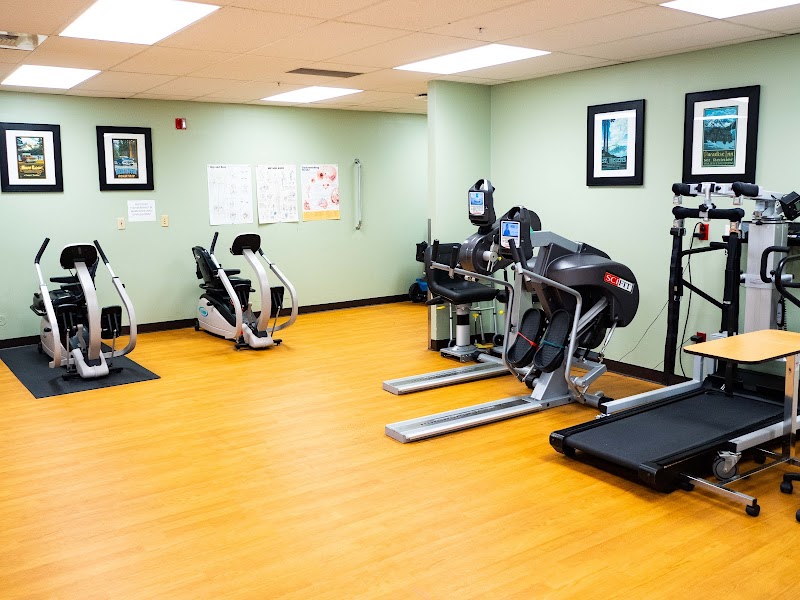
How is Richmond Beach Rehab Staffed?

CMS rates Richmond Beach Rehab's staffing level at 3 out of 5 stars, which is average compared to other nursing homes. Staff turnover is 36%, compared to the Washington average of 46%. This relatively stable workforce can support continuity of care.

What Have Inspectors Found at Richmond Beach Rehab?

State health inspectors documented 30 deficiencies at Richmond Beach Rehab during 2022 to 2025. These included: 1 Immediate Jeopardy (the most serious level, indicating potential for serious harm or death), 2 that caused actual resident harm, and 27 with potential for harm. Immediate Jeopardy findings are rare and represent the most serious regulatory concerns. They require immediate corrective action.

Who Owns and Operates Richmond Beach Rehab?

Richmond Beach Rehab is owned by a for-profit company. For-profit facilities operate as businesses with obligations to shareholders or private owners. The facility is operated by AVAMERE, a chain that manages multiple nursing homes. With 131 certified beds and approximately 105 residents (about 80% occupancy), it is a mid-sized facility located in SHORELINE, Washington.

How Does Richmond Beach Rehab Compare to Other Washington Nursing Homes?

Compared to the 100 nursing homes in Washington, Richmond Beach Rehab's overall rating (5 stars) is above the state average of 3.2, staff turnover (36%) is near the state average of 46%, and health inspection rating (4 stars) is above the national benchmark.

What Should Families Ask When Visiting Richmond Beach Rehab?

Based on this facility's data, families visiting should ask: "What changes have been made since the serious inspection findings, and how are you preventing similar issues?" "Can I visit during a mealtime to observe dining assistance and food quality?" "How do you handle medical emergencies, and what is your hospital transfer rate?" "Can I speak with family members of current residents about their experience?" These questions are particularly relevant given the facility's Immediate Jeopardy citations.

Is Richmond Beach Rehab Safe?

Based on CMS inspection data, Richmond Beach Rehab has documented safety concerns. Inspectors have issued 1 Immediate Jeopardy citation (the most serious violation level indicating risk of serious injury or death). The facility has a 5-star overall rating and ranks #1 of 100 nursing homes in Washington. Families considering this facility should ask detailed questions about what corrective actions have been taken since these incidents.

Do Nurses at Richmond Beach Rehab Stick Around?

Richmond Beach Rehab has a staff turnover rate of 36%, which is about average for Washington nursing homes (state average: 46%). Moderate turnover is common in nursing homes, but families should still ask about staff tenure and how the facility maintains care continuity when employees leave.

Was Richmond Beach Rehab Ever Fined?

Richmond Beach Rehab has been fined $44,753 across 1 penalty action. The Washington average is $33,526. While any fine indicates a compliance issue, fines under $50,000 are relatively common and typically reflect isolated problems that were subsequently corrected. Families should ask what specific issues led to these fines and confirm they've been resolved.

Is Richmond Beach Rehab on Any Federal Watch List?

Richmond Beach Rehab is not on any federal watch list. The most significant is the Special Focus Facility (SFF) program, which identifies the bottom 1% of nursing homes nationally based on persistent, serious quality problems. Not being on this list means the facility has avoided the pattern of deficiencies that triggers enhanced federal oversight. This is a positive indicator, though families should still review the facility's inspection history directly.