SNOHOMISH OF CASCADIA, LLC
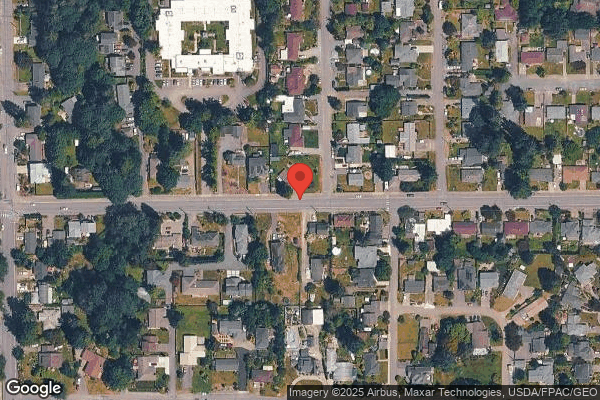
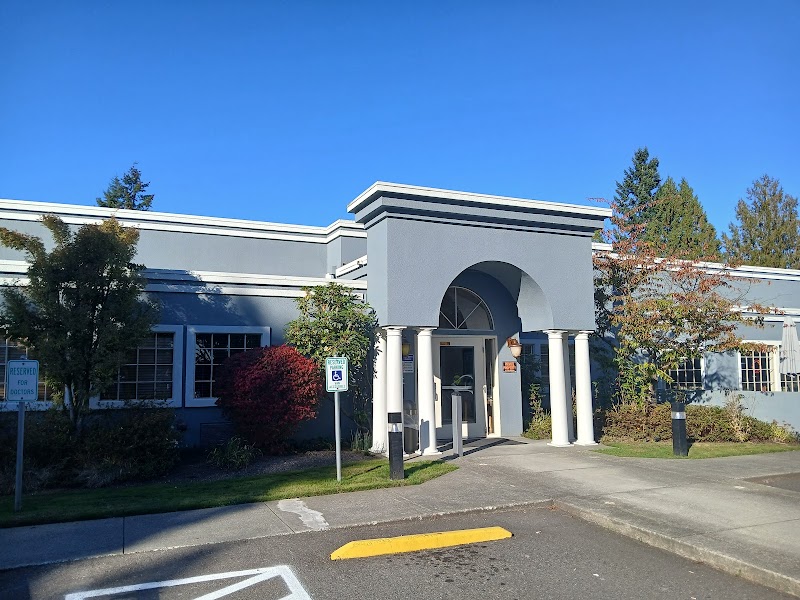
800 10TH STREET, SNOHOMISH, WA 98290 (360) 568-3161
For profit - Limited Liability company 91 Beds CASCADIA HEALTHCARE Data: November 2025
Trust Grade
0/100
#153 of 190 in WA
Last Inspection: March 2025

Within standard 12-15 month inspection cycle. Federal law requires annual inspections.

Overview

Snohomish of Cascadia, LLC has received a Trust Grade of F, indicating significant concerns and performance issues, which places it in the bottom tier of nursing homes. It ranks #153 out of 190 facilities in Washington, and #16 out of 16 in Snohomish County, showing that it is not only below average statewide but also the lowest option in its local area. Although the facility is improving with a reduction in issues from 20 in 2024 to 12 in 2025, it still has a high staffing turnover of 69%, which is concerning compared to the state average of 46%. Additionally, the facility has incurred $190,562 in fines, indicating compliance problems that exceed those of 93% of nursing homes in Washington. While the facility provides good RN coverage above 90% of state facilities, there have been serious incidents, such as residents developing severe pressure ulcers due to inadequate care and another resident suffering a hip fracture from a fall when care plan interventions were not followed. Overall, families should weigh these significant weaknesses against the few strengths when considering this facility for their loved ones.

Trust Score
F
0/100
In Washington
#153/190
Bottom 20%
Safety Record
High Risk
Review needed
Inspections
Getting Better
20 → 12 violations
Staff Stability
⚠ Watch
69% turnover. Above average. Higher turnover means staff may not know residents' routines.
Penalties
✓ Good
$190,562 in fines. Lower than most Washington facilities. Relatively clean record.
Skilled Nurses
✓ Good
Each resident gets 70 minutes of Registered Nurse (RN) attention daily — more than 97% of Washington nursing homes. RNs are the most trained staff who catch health problems before they become serious.
Violations
⚠ Watch
58 deficiencies on record. Higher than average. Multiple issues found across inspections.
★★☆☆☆
2.0
Overall Rating
★★★☆☆
3.0
Staff Levels
★★★★☆
4.0
Care Quality
★★☆☆☆
2.0
Inspection Score
Stable
2024: 20 issues
2025: 12 issues

The Good

  • 4-Star Quality Measures · Strong clinical quality outcomes
  • Full Sprinkler Coverage · Fire safety systems throughout facility
  • No fines on record

Facility shows strength in quality measures, fire safety.

The Bad

2-Star Overall Rating

Below Washington average (3.2)

Below average - review inspection findings carefully

Staff Turnover: 69%

23pts above Washington avg (46%)

Frequent staff changes - ask about care continuity

Federal Fines: $190,562

Well above median ($33,413)

Significant penalties indicating serious issues

Chain: CASCADIA HEALTHCARE

Part of a multi-facility chain

Ask about local staffing decisions and management

Staff turnover is elevated (69%)

21 points above Washington average of 48%

The Ugly 58 deficiencies on record

7 actual harm
Sept 2025 2 deficiencies
CONCERN (D) 📢 Someone Reported This

A family member, employee, or ombudsman was alarmed enough to file a formal complaint

Potential for Harm - no one hurt, but risky conditions existed

Investigate Abuse (Tag F0610)

Could have caused harm · This affected 1 resident

**NOTE- TERMS IN BRACKETS HAVE BEEN EDITED TO PROTECT CONFIDENTIALITY** Based on interview, and record review, the facility failed to thoroughly investigate incidents for one of one resident (Resident...

Read full inspector narrative →
**NOTE- TERMS IN BRACKETS HAVE BEEN EDITED TO PROTECT CONFIDENTIALITY** Based on interview, and record review, the facility failed to thoroughly investigate incidents for one of one resident (Resident 1) reviewed for medication errors. This failure prevented the facility from identifying the potential causes of the occurrence, placed residents at risk for repeated errors, substantial injury, left unanswered questions whether the incident was potentially related to neglect, and unmet care needs. Findings included . According to the Washington State Reporting Guidelines for Nursing Homes (Purple Book), dated October 2015, A thorough investigation is a systematic collection and review of evidence/information that describes and explains an event or a series of events. It includes guidelines for prevention and protection, incident identification, investigation and reporting for nursing homes, the facility investigation should end with the identification of who was involved in the incident, and what, when, where, why, and how the incident happened including the probable or reasonable cause. <RESIDENT 1>Resident 1 admitted to the facility on [DATE] with diagnoses to include fistula (an abnormal tube-like passage that connects two parts of the body that are not normally connected) of the vagina to small intestine, and ileostomy (an opening on your abdomen that diverts stool to from the small intestine directly to the outside of the body). Review of the facilities State Incident Reporting log, dated August 2025 did not show a medication error for Resident 1. Review of the facilities Med Error Reporting Log Form did not show a medication error for Resident 1. Review of a physician progress note dated 08/21/2025 showed Resident 1 was having diarrhea and creatinine (shows kidney function) was elevated. Assessment/Plan: Will give 1 liter (L) normal saline (NS). Review of Resident 1's physician orders showed a prescriber entered order dated 08/21/2025 for Normal Saline Flush Intravenous Solution 0.9% (Sodium Chloride Flush) Use 1 liter intravenously one time only for diarrhea for 3 days give 1L NS. Review of Resident 1's Medication Administration Record (MAR) dated August 2025 showed an entry dated 08/21/2025 at 8:15 PM PENDING CONFIRMATION Normal Saline Flush Intravenous Solution 0.9% (Sodium Chloride Flush) Use 1 liter intravenously one time only for diarrhea for 3 days give 1L NS. There was no documentation on the MAR that IV NS was administered. In an interview on 09/15/2025 at 11:00 AM, Staff D, Licensed Practical Nurse (LPN) stated if a medication error was identified an incident report would be initiated.In an interview on 09/15/2025 at 1PM, Staff E, LPN, Nurse Manager, stated if a medication error was identified, an investigation would be completed by the Director of Nursing (DNS) or Assistant Director of Nursing. In an interview on 09/15/2025 at 1:26 PM, Staff B, DNS stated if a medication error was identified the medication error would be investigated to determine if it is a true medication error and then guidelines would be followed. Staff B acknowledged that a medication error investigation was not completed for Resident 1. Reference WAC 388-97-0640 (6)(a)
CONCERN (D) 📢 Someone Reported This

A family member, employee, or ombudsman was alarmed enough to file a formal complaint

Potential for Harm - no one hurt, but risky conditions existed

Deficiency F0760 (Tag F0760)

Could have caused harm · This affected 1 resident

**NOTE- TERMS IN BRACKETS HAVE BEEN EDITED TO PROTECT CONFIDENTIALITY** Based on interview, and record review, the facility failed to ensure 1 of 3 sampled residents (Resident 1) reviewed for intraven...

Read full inspector narrative →
**NOTE- TERMS IN BRACKETS HAVE BEEN EDITED TO PROTECT CONFIDENTIALITY** Based on interview, and record review, the facility failed to ensure 1 of 3 sampled residents (Resident 1) reviewed for intravenous (IV) hydration use was free from medication errors. Failure to follow physician orders to administer IV hydration placed the resident at risk for complications from dehydration, a decline in their condition, and decreased quality of life. Findings included .Review of a facility policy titled Medication Error revised 08/01/2023 showed;Medications are managed and safely administered to residents with a minimum of medication errors (not 5% or greater) and residents are free of any significant medication errors. Definitions:Medication ErrorMeans the observed or identified preparation or administration of medications or biologicals which is not in accordance with: The observed preparation or administration of drugs or biologicals that are not in accordance with:a. Prescriber's Ordersb. Manufacturer's specifications (not recommendations) regarding the preparation and administration of the drug or biological; orc. Accepted professional standards and principles that apply to professionals providing services. Accepted professional standards and principles include the various practice regulations in each State, and current commonly accepted health standards established by national organizations, boards, and councils. <RESIDENT 1>Resident 1 admitted to the facility on [DATE] with diagnoses to include fistula (an abnormal tube-like passage that connects two parts of the body that are not normally connected) of the vagina to small intestine, and ileostomy (an opening on your abdomen that diverts stool to from the small intestine directly to the outside of the body). Review of the facilities State Incident Reporting log, dated August 2025 did not show a medication error for Resident 1. Review of the facilities Med Error Reporting Log Form did not show a medication error for Resident 1. Review of a physician visit progress note dated 08/21/2025 showed Resident 1 was having diarrhea and creatinine (a blood test that measures how well the kidneys are filtering waste from blood) was elevated. Assessment/Plan: Will give 1 liter (L) normal saline (NS).Review of Resident 1's physician orders showed a prescriber entered order dated 08/21/2025 for Normal Saline Flush Intravenous Solution 0.9% (Sodium Chloride Flush) Use 1 liter intravenously one time only for diarrhea for 3 days give 1L NS.Review of Resident 1's MAR dated August 2025 showed an entry dated 08/21/2025 at 8:15 PM PENDING CONFIRMATION for Normal Saline Flush Intravenous Solution 0.9% (Sodium Chloride Flush) Use 1 liter intravenously one time only for diarrhea for 3 days give 1L NS. There was no documentation that the NS was administered. In an interview on 09/11/2025 at 3:05 PM, Staff C, Licensed Practical Nurse (LPN), stated the nurses are responsible for checking for orders that need to be confirmed. Staff C there is an alert under the resident profile that would be red indicating that an order needed to be confirmed. Staff C stated the nurse assigned to the resident would be responsible for checking and confirming pending orders.In an interview and record review on 09/15/2025 at 1PM, Staff E, LPN, Nurse Manager, stated there is a clinical tab for pending orders in the electronic medical record system and all nurses on duty should be checking for new orders. Staff E stated they were notified on 08/24/2025 that pending orders for IV NS dated 08/21/2025 had not been processed for Resident 1. Staff E stated they advised the nurse to contact the provider and notified Staff B, Director of Nursing (DNS). Staff E reviewed Resident 1's MAR dated August 2025 and confirmed an order for IV NS dated 08/21/2025 was not confirmed, was not administered and was discontinued on 08/24/2025.In an interview and record review on 09/15/2025 at 1:26 PM, Staff B, DNS, stated they were aware that Resident 1 had not received IV NS as ordered on 08/21/2025 and stated the IV NS had not been administered because nursing staff were unable to start an IV line. Staff B reviewed Resident 1's MAR dated August 2025 and confirmed that Resident 1 had orders for IV NS dated 08/21/2025 and acknowledged that the physician order had not been confirmed. Staff B stated the expectation was for the nurse to notify the provider and document if they were unable to start an IV and if unable to place an IV after 24 hours, they should notify the provider. Staff B stated unconfirmed orders will stay in the computer as pending until discontinued or confirmed. Staff B stated they would attempt to find documentation that the provider was notified of attempts to place an IV for Resident 1 and provide if found. In an interview on 09/15/2025 at 2:43 PM, Staff B stated they were unable to find documentation of provider notification. No further information was provided. Refer to WAC 388-97-1060 (3)(k)(iii)
May 2025 1 deficiency
CONCERN (D) 📢 Someone Reported This

A family member, employee, or ombudsman was alarmed enough to file a formal complaint

Potential for Harm - no one hurt, but risky conditions existed

Investigate Abuse (Tag F0610)

Could have caused harm · This affected 1 resident

**NOTE- TERMS IN BRACKETS HAVE BEEN EDITED TO PROTECT CONFIDENTIALITY** Based on interview and record review the facility failed to conduct an investigation for 1 of 3 sampled Residents (Resident 1) r...

Read full inspector narrative →
**NOTE- TERMS IN BRACKETS HAVE BEEN EDITED TO PROTECT CONFIDENTIALITY** Based on interview and record review the facility failed to conduct an investigation for 1 of 3 sampled Residents (Resident 1) reviewed for falls. Failure to conduct an investigation to identify the root cause(s) and all contributing factors related to Resident 1's incident, placed the resident at risk for unidentified abuse or neglect, risk for injury, and unmet care needs. Findings included . According to the Washington State Reporting Guidelines for Nursing Homes (Purple Book), dated October 2015, A thorough investigation is a systematic collection and review of evidence/information that describes and explains an event or a series of events. It includes guidelines for prevention and protection, incident identification, investigation and reporting for nursing homes, the facility investigation should end with the identification of who was involved in the incident, and what, when, where, why, and how the incident happened including the probable or reasonable cause. <RESIDENT 1> Resident 1 admitted to the facility on [DATE], with diagnoses including Hemiplegia (paralysis on one side of the body) and Hemiparesis (Weakness on one side of the body) following Cerebral Infarction (a condition where blood flow to the brain is interrupted causing brain tissue damage) affecting left non-dominant side. According to the admission Minimum Data Set (MDS- an assessment tool) assessment dated [DATE], Resident 1 had moderate cognitive impairment. Review of the facilities State Incident Reporting log, for April 2025 did not show an investigation for Resident 1's fall on 04/25/2025. Review of Resident 1's progress note titled Health Status Note dated 04/25/2025 at 6:33 AM, Staff C, Registered Nurse (RN) documented While going to open the door for the medics, patient drops herself to the floor. Medics took her to providence hospital at 4:10 AM. During an interview on 05/16/2025 at 1:25 PM, Staff D, RN, stated if a resident had a fall the resident would be assessed, notifications would be made, statements from staff would be obtained and an incident report would be completed. During an interview on 05/16/2025 at 2:05 PM, Staff E, Licensed Practical Nurse, stated when a resident has a fall an incident report is completed in the computer. During an interview and record review on 05/19/2025 at 10:45 AM, Staff B, RN, Director of Nursing, Staff B reviewed Resident 1's progress notes. Staff B acknowledged documentation that the resident had fallen and stated there was not an incident report in the computer and the incident was not logged on the April 2025 reporting log. Staff B stated an investigation should have been conducted for the fall and to rule out abuse. Refer to WAC 388-97-0640 (6)(a)
Mar 2025 9 deficiencies
CONCERN (D)

Potential for Harm - no one hurt, but risky conditions existed

Deficiency F0553 (Tag F0553)

Could have caused harm · This affected 1 resident

**NOTE- TERMS IN BRACKETS HAVE BEEN EDITED TO PROTECT CONFIDENTIALITY** Based on interview and record review, the facility failed to ensure residents and/or their representatives were offered the oppo...

Read full inspector narrative →
**NOTE- TERMS IN BRACKETS HAVE BEEN EDITED TO PROTECT CONFIDENTIALITY** Based on interview and record review, the facility failed to ensure residents and/or their representatives were offered the opportunity to participate in care conferences (a collaborative care plan meeting where a resident's care is discussed and coordinated by a team of health care providers, family members and residents) for 3 of 6 sampled residents (Residents 3, 27, and 60) reviewed for participation in care planning. This failure placed residents at risk of not being allowed to be involved and informed about care and services and a diminished quality of life. Findings included . <RESIDENT 27> Resident 27 admitted to the facility on [DATE] with diagnoses to include pneumonia and vascular dementia. According to the resident's Quarterly Minimum Data Set (MDS-an assessment tool) assessment dated [DATE], Resident 27 had moderate cognitive impairment. Review of Resident 27's medical record showed no documentation a quarterly care conference had been completed. <RESIDENT 60> Resident 60 admitted on [DATE]. According to the residents MDS dated [DATE], Resident 60 had no cognitive impairment. Review of a Social Services Progress note dated 11/07/2025 at 2:45 PM, Staff O, Social Services, documented a care conference for Resident 60 was scheduled for 11/12/2025. Review of Resident 60's medical record showed no documentation that a admission care conference had been completed. During an interview and record review on 03/27/25 at 2:32 PM, Staff H, Social Services Assistant acknowledged there was no documentation in the Resident 60's clinical record for the scheduled care conference on 11/12/2025. During an interview and record review on 03/31/2025 at 11:42 AM, Staff A, Administrator, stated there should be a care conference within seventy-two hours of admission. Staff A acknowledged there was no documentation of a care conference for Resident 60 on 11/12/2025. No further information was provided. <RESIDENT 3> Resident 3 was admitted to the facility on [DATE]. According to the MDS assessment, dated 03/09/2025, the resident was cognitively intact. In an interview on 03/24/2025 at 11:38 AM, Resident 3 stated they had not attended a care conference. Resident 3 stated they were not told of a care plan meeting and were not involved in discussions regarding their person-centered care and not sure what the goal was for their care. Review of Resident 3's Electronic Medical Record during last 12 months, revealed no correlating documentation of any interdisciplinary care plan meeting with the resident or representative to discuss revisions of the care plan or changes in resident specific goals of care. In an interview on 03/27/2025 at 3:03 PM, Staff J, Resident Care Manager/Registered Nurse, stated care planning meetings for long term residents were supposed to be conducted with the resident and/or resident representatives every quarter (3 months). Staff J stated no care conference had been set up for Resident 3 since January 2024. In a record review and interview on 03/28/2025 at 12:11 PM, Staff G, Social Service Director, stated they reach out to residents and/or representatives to set up care plan meetings with the interdisciplinary team. Staff G stated care plan meetings were supposed to be conducted on admission, quarterly, annually, anytime for follow up and when a resident was close to discharge. Staff G stated Resident 3's last care plan meeting was done on 01/05/2024 and they were not aware what happened after that. In an interview on 03/29/2025 at 1:02 PM, Staff F, Assistant Chief Nursing Officer, stated care conferences should be conducted on admission, every quarter, annually, and as needed. Staff F stated they were aware the facility was behind in setting up care conferences and care plan meetings were not occurring with many residents or their representatives quarterly as required. Refer to WAC 388-97-1020 (2)(f)(4)(d)(e)
CONCERN (D)

Potential for Harm - no one hurt, but risky conditions existed

Deficiency F0578 (Tag F0578)

Could have caused harm · This affected 1 resident

**NOTE- TERMS IN BRACKETS HAVE BEEN EDITED TO PROTECT CONFIDENTIALITY** Based on interview and record review, the facility failed to obtain and/or offer assistance to residents and/or their representa...

Read full inspector narrative →
**NOTE- TERMS IN BRACKETS HAVE BEEN EDITED TO PROTECT CONFIDENTIALITY** Based on interview and record review, the facility failed to obtain and/or offer assistance to residents and/or their representatives to formulate Advance Directives (AD) for 1 of 6 residents (Resident 60) reviewed for ADs. These failures placed residents at risk of losing their right to have their stated preferences/decisions honored regarding medical treatment and end-of-life care. Findings included . An AD is A written instruction, such as a living will or durable power of attorney for health care, recognized under State law (whether statutory or as recognized by the courts of the State), relating to the provision of health care when the individual is incapacitated. <RESIDENT 60> Resident 60 admitted on [DATE]. According to the admission Minimum Data Set (MDS-an assessment tool) assessment dated [DATE], Resident 60 had no cognitive impairment. Review of Resident 60's medical record document titled Advance Directive Review dated 11/05/2024 documented Resident 60 would like to pursue formulating an AD. Review of Resident 60's medical record showed no documentation regarding whether the resident had formulated an AD or had been provided with information regarding their right to formulate an AD. During an interview on 03/26/2025 at 2:45PM, Staff G, Social Services Director, stated social services is responsible for assisting residents with formulating an AD by providing Power of Attorney (POA) documents and information for a mobile notary. During an interview and record review on 03/27/25 at 02:32 PM, Staff H, Social Services Assistant stated they had not followed up with Resident 60 for AD because they knew the resident did not want anyone involved in their care or finances because the resident was independent. Staff H reviewed the resident's medical record and acknowledged there was no documentation that the resident had been assisted to formulate AD. During an interview and record review on 03/31/2025 at 11:42 AM, Staff A, Administrator, stated if a resident indicated that they wanted to pursue developing an AD, the process should start immediately. Staff A acknowledged there was no documentation that Resident 60 was assisted in formulating an AD. Reference WAC 388-97-0280 (1) (3)(a)(c)(ii)
CONCERN (D)

Potential for Harm - no one hurt, but risky conditions existed

Deficiency F0657 (Tag F0657)

Could have caused harm · This affected 1 resident

**NOTE- TERMS IN BRACKETS HAVE BEEN EDITED TO PROTECT CONFIDENTIALITY** <RESIDENT 31> Resident 31 was admitted to the facility on [DATE] with diagnoses to include right below the knee amputatio...

Read full inspector narrative →
**NOTE- TERMS IN BRACKETS HAVE BEEN EDITED TO PROTECT CONFIDENTIALITY** <RESIDENT 31> Resident 31 was admitted to the facility on [DATE] with diagnoses to include right below the knee amputation. According to the quarterly MDS assessment dated [DATE], the resident had mildly impaired cognition. In an observation and interview on 03/24/2025 at 3:28 PM, Resident 31 was sitting up in their wheelchair, observed their right leg below the knee amputation. There was a leg prosthesis on the floor in their room, and the resident stated staff were not helping them put it on, so they don't wear their prosthesis. Review of Resident 31's care plan on 03/25/2025, did not show the resident had a prosthesis. The resident care plan documented that the resident was on a Restorative Nursing Program. In an observation on 03/26/2025 at 9:39 AM, Resident 31 was up in their wheelchair but was not wearing their leg prosthesis at the time of the observation. In an observation on 03/26/2025 at 3:17 PM, Resident 31 was with a male Restorative Aid in the exercise room and the resident was wearing their prosthesis. Review of Resident 31's physician orders on 03/27/2025 at 2:15 PM, an order documented: When donning (putting on) prosthetic leg: Apply gel cushion liner with logo facing anterior, don 3 ply sock (with green thread), roll/pull suspension sleeve proximal thigh. When the prosthesis is removed, apply prosthetic shrinker to maintain volume. This was dated 07/03/2023. In an interview on 03/27/2025 at 2:20 PM, Staff E, NAC stated that they get resident specific information and how to care for them off the Kardex or care plan and the reports given by the nurse or the NAC that worked with that resident on the prior shift. When asked about Resident 31's prosthesis, they stated that the resident had the prosthesis for a while, but they don't assist the resident in putting it on. They added that the only time the resident wears it was when they go for exercise. In an interview on 03/27/2025 at 2;32 PM, Staff C, Restorative Aid stated that Resident 31 can put their own prosthesis on but needs cuing. Staff C stated they put the resident's prosthesis on prior to going to the gym for exercises. Staff C stated that after the exercise, they assist the resident in doffing (removing) the prosthesis and they inspect their skin on the stump area to make sure there's no sore spots or pressure area developing. In an interview on 03/27/2025 at 3:08 PM, Staff K, RN, stated that Resident 31 only uses their prosthesis when they exercise and does not wear it any other time. In an interview on 03/28/2025 at 11:41 AM, Staff J stated that the RCM's update the care plans when there are new orders, or any concerns that need to be care planned and at a minimum reviewed/updated quarterly. When asked about Resident 31's prosthesis, they stated the resident only wears it during therapy sessions or during their Restorative Program. Staff J stated that there was no current order for staff to put the resident's prosthesis on. Staff J was unable to locate the resident's prosthesis on the care plan. In an interview on 03/28/2925 at 3:37 PM, Staff F, ACNO was unable to show documentation of Resident 31's prosthesis and when they were supposed to wear it. Staff F printed a copy of the resident's care plan, and they added an intervention dated 03/28/2025 that documented: Resident has prosthesis in the room, prefers to wear it during Restorative Therapy. Reference WAC 388-97-1020(2)(c)(d) Based on observation, interview and record review, the facility failed to review and revise care plans for 3 of 10 sampled residents (Residents 3, 34 and 31) reviewed for care planning. The failure to review and revise care plans by the interdisciplinary team placed residents at risk for unmet care needs, adverse health effects and diminished quality of life. Findings included . Review of the facility policy titled, Care Plans, revised date 10/15/2022, documented care plans are updated with any status change and revised based on changing goals, preferences, and needs of the resident and in response to current interventions. <RESIDENT 3> Resident 3 readmitted to the facility on [DATE] with diagnoses to include shingles zoster without complications. Review of Resident 3's March 2025 Medication Administration Record (MAR) documented Resident 3 was taking antiviral medication for herpes (viral infection) daily since 02/01/2024. Review of Resident 3's care plan, print date 03/27/2025, under the focus of potential skin impairment, documented antiviral medication for suppression therapy of long history of shingles outbreaks. There was no care plan about goals, nor any intervention related to antiviral medication use. In an interview and record review on 03/27/2025 at 2:54 PM, Staff J, Registered Nurse/Resident Care Manager (RN/RCM), stated Resident 3 was taking antiviral medication for long term suppression therapy with no end date and nurses needed to monitor possible side effects. Staff J stated they needed to review and update the care plan. In an interview and record review on 03/28/2025 at 12:50 PM, Staff F, Assistant Chief Nursing Officer (ACNO), stated the care plan of the antiviral medication was only mentioned under skin focus but no goals nor interventions were documented, and they needed to update the care plan. <RESIDENT 34> Resident 34 readmitted to the facility on [DATE] with diagnoses to include cerebral infarction (a condition of brain tissue damage due to blood flow to the brain is blocked). According to the annual Minimum Data Set (MDS-an assessment tool) assessment, dated 03/08/2025, the resident was rarely/never understood, dependent on bed mobility and at risk of developing pressure ulcers. Review of Resident 34's care plan, printed date 03/28/2025, documented Resident 34 had potential for skin alteration. One intervention initiated on 11/25/2022 was to offload heels or use boots when in bed. There were no other interventions for heel protection. In multiple observations on 03/24/2025, 03/25/2025, 03/26/2025 and 03/27/2025, Resident 34 was not using pressure relieving boots and their heels were not off loaded when in bed. In an interview on 03/27/2025 at 9:43 AM, Staff N, Nursing Assistant Certified (NAC), stated Resident 34 required two persons total assistant for bed mobility and Resident 34 did not use pressure relieving boots. In an interview on 03/28/2025 at 10:00 AM, Staff S, NAC stated Resident 34 required two persons total assist for positioning and the resident had not used pressure relieving boots for a long time because they always kicked their legs and tried to remove the boots. In an interview on 03/28/2025 at 10:26 AM, Staff I, Licensed Practice Nurse, stated Resident 34 bent their knees and moved their legs on the bed so they had blanchable redness on the sides of their feet off and on, not only just their heels. Staff I stated Resident 34 did not use pressure relieving boots at all because they kept rubbing the boots and trying to take them off which caused more friction and redness on the feet. Staff I stated the nurses tried to put pillows to offload pressure when redness was seen on the resident's feet. Staff I stated using boots should be removed from the care plan and the care plan needed to be updated. In an interview and record review on 03/28/2025 at 11:00 AM, Staff T, RN/RCM, stated they were responsible for reviewing and updating the care plans quarterly or when needed. Staff T was not aware Resident 34 did not use pressure relieving boots and stated other interventions included heel protection of putting pillows to elevate heels and applying skin prep. Staff T reviewed the current care plan and using pillows and skin prep were not documented interventions on the resident's care plan. Staff T stated the care plan needed to be updated. In an interview on 03/28/2025 at 12:50 PM, Staff F stated the RCMs were supposed to communicate with nurses to know residents' care conditions and review and revise care plans whenever there was a change. Staff F stated they would update Resident 34's care plan immediately.
CONCERN (D)

Potential for Harm - no one hurt, but risky conditions existed

Accident Prevention (Tag F0689)

Could have caused harm · This affected 1 resident

**NOTE- TERMS IN BRACKETS HAVE BEEN EDITED TO PROTECT CONFIDENTIALITY** Based on observation, interview and record review, the facility failed to ensure that the resident's environment was free from a...

Read full inspector narrative →
**NOTE- TERMS IN BRACKETS HAVE BEEN EDITED TO PROTECT CONFIDENTIALITY** Based on observation, interview and record review, the facility failed to ensure that the resident's environment was free from accident hazards of 1 of 3 residents (Resident 59) reviewed for environmental hazards. These failures placed residents at risk for possible injury and diminished quality of life. Findings included . Resident 59 was admitted to the facility on [DATE] with diagnoses to include Alzheimer's Disease and on hospice care. According to the quarterly Minimum Data Set (MDS - an assessment tool) assessment dated [DATE], the resident had severely impaired cognition. In an observation on 03/24/2025 at 10:34 AM, Resident 59 was in bed with a blanket over their head. The bed was in the lowest position with a scoop mattress (a special type of mattress with raised sides designed to prevent residents from rolling out of bed) on the left side of the bed on the floor and the bed was placed against the wall. Review of Resident 59's physician's orders on 03/28/2025 did not show any orders for the bed to be against the wall. Review of Resident 59's restraint consents on 03/28/2025 did not show any consent signed for the bed against the wall. Review of Resident 59's care plan on 03/28/2025 did not document about their bed being positioned against the wall. In an interview on 03/28/2025 at 2:11 PM, Staff K, Registered Nurse (RN) stated that ever since they started working with Resident 59, their bed has always been against the wall. Staff K stated that having a bed against the wall is not a form of a restraint, because the resident can get out of the bed on the other side. In an interview on 03/28/2025 at 2:13 PM, Staff E, Nursing Assistant Certified (NAC) stated that Resident 59's bed had always been against the wall. In an interview on 03/28/2025 at 3:08 PM, Staff I, Licensed Practical Nurse (LPN) stated the different kinds of restraints that they have used in the facility were wheelchairs that a resident can't get out of on their own like tilt chairs, wheelchairs that have seat belts, scoop mattresses, and beds against the wall due to residents not able to get out of bed on one side. Staff I stated prior to initiating a restraint the resident must be assessed first and it's usually Physical Therapy that assesses/evaluates the resident for device appropriateness, then they would obtain a doctor's order and have the resident or responsible party sign a consent, then update the care plan. Once those steps are done, they apply or implement the restraint, and they would review quarterly to ensure it's still appropriate. In an interview on 03/28/2025 at 3:27 PM, Staff F, Assistant Chief Nursing Officer stated that examples of restraints they use in the facility were tilt-in-space (a specialized wheelchair that allows the entire seating system to be tilted backwards or forward while maintaining a constant seat-to-back angle), low beds, scoop mattresses and beds against the wall. Asked Staff F their process for starting residents on restraints, Staff F stated the process for initiating restraints is that therapy assesses the resident and the device, they do a restraint assessment, obtain a consent signed by resident if able or their responsible party then update the care plan. Staff F stated that those need to be in place prior to initiating restraints. Staff F stated that they review restraints quarterly. Requested Staff F to provide Resident 59's physician's order, consent and care plan regarding the resident's bed against the wall and they were unable to provide the documents requested. Reference WAC 388-97-1060(3)(g)
CONCERN (D)

Potential for Harm - no one hurt, but risky conditions existed

Medication Errors (Tag F0758)

Could have caused harm · This affected 1 resident

**NOTE- TERMS IN BRACKETS HAVE BEEN EDITED TO PROTECT CONFIDENTIALITY** Based on interview and record review, the facility failed to ensure that 2 of 6 residents (Residents 26 and 59) reviewed for un...

Read full inspector narrative →
**NOTE- TERMS IN BRACKETS HAVE BEEN EDITED TO PROTECT CONFIDENTIALITY** Based on interview and record review, the facility failed to ensure that 2 of 6 residents (Residents 26 and 59) reviewed for unnecessary medications were free from unnecessary psychotropic medications (drugs that affect a person's mind, emotions and behavior, used to treat mental health conditions like anxiety, depression, and psychosis). These failures placed residents at risk for receiving unnecessary psychotropic medications, for adverse events and diminished quality of life. <RESIDENT 26> Resident 26 admitted to the facility on [DATE] with diagnoses to include bipolar disorder (a mental health disorder that causes extreme mood swings that include emotional highs, called mania and lows known as depression). Review of Resident 26's physician's orders on 03/26/2025, showed the following order: Give Sertraline Hydrochloride (HCl) 25 milligrams (mg) by mouth one time a day for Depression, dated 09/25/2024. Review of Resident 26's Pharmacy Recommendation dated 03/07/2025, showed gradual dose reduction consideration for Sertraline HCl from 25 mg to 12.5 mg. There was an x mark on the statement: Yes please reduce dose to 12.5 mg. It was signed by Advanced Registered Nurse Practitioner (ARNP) on 03/18/2025. Below the ARNP signature, was a handwritten note that showed, noted, signature and RN, dated 03/18/2025. Review of Resident 26's Medication Administration Record (MAR) with a print date of 03/26/2025 documented that the resident had been taking Sertraline HCl 25 mg by mouth daily instead of the pharmacists recommended and ARNP approved dose of 12.5 mg by mouth daily. In an interview on 03/27/2025 at 11:41 AM, Staff J, Resident Care Manager (RCM)/Registered Nurse (RN) stated that they receive pharmacy recommendations from medical records where they print a copy or an email from the pharmacy, then the printed copy goes to the binder that the provider reviews and signs if needed. Then the provider will send back the copy to the RCM, and they review the recommendations and orders in their monthly Psychotropic meeting. When asked why Resident 26's Sertraline HCl was still 25 mg and not 12.5 mg based on the ARNP order, they stated that ARNP did not want to change the dose to 12.5 mg. Requested to provide me a copy of the note wherein the ARNP did not want to change the dose to 12.5 mg. The note provided from Staff J from the ARNP was dated 03/27/2025. <RESIDENT 59> Resident 59 admitted to the facility on [DATE] with diagnoses to include anxiety disorder, depression, Alzheimer's Disease and was on hospice services. Review of Resident 59's physician's orders on 03/27/2025, documented to Give Clonazepam (psychotropic medication) 1 mg tablet by mouth three times a day for anxiety. There were no orders to monitor adverse side effects of the clonazepam. Review of Resident 59's February and March 2025 MAR did not show adverse side effect monitoring for Clonazepam medication. In an interview on 03/31/2025 at 10:00 AM, Staff U, RN stated that when a resident is on psychotropic medications, they monitor behavior changes, and side effects of the medication. Staff U stated that they document monitoring on the MAR or Treatment Administration Record (TAR). In an interview on 03/31/2025 at 10:20 AM, Staff J stated that when a resident is on psychotropic medication, they monitor behaviors and side effects. Staff J stated the licensed nurses document the side effect monitoring on the TAR every shift. Staff J reviewed the residents TAR for adverse side effect monitoring and stated they could not find it and they would add it. Reference WAC - 388-97-1060(3)(k)(i)(4)
CONCERN (D)

Potential for Harm - no one hurt, but risky conditions existed

Deficiency F0760 (Tag F0760)

Could have caused harm · This affected 1 resident

**NOTE- TERMS IN BRACKETS HAVE BEEN EDITED TO PROTECT CONFIDENTIALITY** Based on interview and record review, the facility failed to ensure residents were free from significant medication errors for 1...

Read full inspector narrative →
**NOTE- TERMS IN BRACKETS HAVE BEEN EDITED TO PROTECT CONFIDENTIALITY** Based on interview and record review, the facility failed to ensure residents were free from significant medication errors for 1 of 5 residents (Resident 26) selected for medication review. This failure placed Resident 26 at risk for adverse outcome related to receiving insulin when blood sugar was below the blood sugar parameter ordered. Findings included . Resident 26 admitted to the facility on [DATE] with admitting diagnoses to include Type 2 Diabetes Mellitus (DM - a chronic metabolic disorder characterized by persistent high blood sugar). According to the quarterly Minimum Date Set (MDS - an assessment tool) assessment dated [DATE] the resident had intact cognition. In a record review on 03/26/2025, Resident 26's physician's order documented: - Insulin Glargine (long-acting insulin), inject 25 units (U) subcutaneously (SQ - method of administering medication by injecting a drug into the fatty tissue layer beneath the skin) one time a day for DM. Hold for blood sugar (BS) less than (<) 90 and provide snack. Date ordered was 03/13/2025. Review of Resident 26's March 2025 Medication Administration Record (MAR) print date 03/26/2025, showed on March 13, 14, 15 and 16, the resident received 25 U of Insulin Glargine but there were no BSs were recorded/documented on either the MAR or progress notes. On March 17th, there was an initial BS on the MAR which indicated no insulin was needed. On March 18th 19th, 20th, 21st and 22nd, 25 U of Insulin Glargine were given but no BS was recorded/documented on either the MAR or progress note. On March 23rd, there was a VO documented which indicated vitals out of parameter and insulin was not administered. On March 24th and 25th, 25 U of Insulin Glargine was given but no blood sugars were documented. On March 27th, the resident's BS documented was 71 and 25 U of Insulin Glargine was given. Review pf Resident 26's physician orders on 03/26/2025, documented: - Insulin Glargine, inject 25 U SQ one time a day for DM. Hold for BS < 100. Order started on 12/02/2024 and was discontinued date on 03/12/2025. Review of February and March 2025 MAR print date 03/26/2025 showed that Resident 26 received 25 U of Insulin Glargine with BS <100. The following dates were when the resident received insulin outside the BS parameters: On 02/03/2025 at 6:55 am- BS was 82 and 25 units of Insulin Glargine was given. On 02/05/2025 at 6:55 AM- BS was 80 and 25 units of Insulin Glargine was given. On 02/06/2025 at 6:41 AM- BS was 89 and 25 units of Insulin Glargine was given. On 02/07/2025 at 6:44 AM- BS was 65 and 25 units of Insulin Glargine was given. On 02/10/2025 at 6:31 AM- BS was 98 and 25 units of Insulin Glargine was given. On 02/11/2025 at 7:16 AM- BS was 81 and 25 units of Insulin Glargine was given. On 02/13/2025 at 7:09 AM- BS was 89 and 25 units of Insulin Glargine was given. On 02/15/2025 at 7:19 AM- BS was 89 and 25 units of Insulin Glargine was given. On 02/16/2025 at 6:50 AM- BS was 85 and 25 units of Insulin Glargine was given. On 02/17/2025 at 7:09 AM- BS was 89 and 25 units of Insulin Glargine was given. On 02/19/2025 at 7:36 AM- BS was 83 and 25 units of Insulin Glargine was given. On 02/28/2025 at 6:49 AM- BS was 86 and 25 units of Insulin Glargine was given. On 03/01/2025 at 7:20 AM- BS was 88 and 25 units of Insulin Glargine was given. On 03/05/2025 at 7:09 AM- BS was 87 and 25 units of Insulin Glargine was given. On 03/06/2025 at 7:00 AM- BS was 89 and 25 units of Insulin Glargine was given. On 03/07/2025 at 6:54 AM- BS was 91 and 25 units of Insulin Glargine was given. On 03/11/2025 at 7:04 AM- BS was 98 and 25 units of Insulin Glargine was given. On 03/12/2025 at 6:52 AM- BS was 77 and 25 units of Insulin Glargine was given. In an interview on 03/27/2025 at 8:11 AM, Staff K, Registered Nurse (RN) stated that prior to giving insulin they check the blood sugar first and if the blood sugar was low, they hold the insulin. They added that all their assigned residents were all on long-acting insulin and that these residents don't have sliding scale insulin (an insulin therapy that involves using a chart with preestablished insulin doses to maintain blood sugar levels). When asked if Staff K had given Resident 26's insulin, and what was resident's BS level, they said yes, they have given the resident's insulin, and their BS level was 71. Asked Staff K if they could show the surveyor the resident's insulin order, they read the insulin order and after reading it they stated they did not give Resident 26's insulin due to their BS level being 71 which was outside the BS parameters that states hold if BS <90. Reviewed the MAR with Staff K and asked what the check mark with their initial on March 27th indicated and they stated they might have clicked it by mistake, and they did not know how to strike it out. In an interview on 03/27/2025 at 11:41 AM, Staff J, Resident Care Manager (RCM)/RN, stated that their process prior to administering insulin injections was follow what the doctor ordered. Staff J stated that the Chief Nursing Officer (CNO) does the audits. Staff J stated the CNO will have a printout on medication errors, and they discuss those in their daily clinical meeting and the RCM's follow up the same day. Staff J stated that the audits included insulin medications and were based off physicians' orders. Review of Resident 26's March 2025 MARs, Staff J stated that the check mark's on the insulin orders indicated the nurse had administered the insulin, and some that were administered were outside the BS parameters. Staff J stated they were not sure if insulin being outside the parameters and still administered was included in the medication audits conducted by CNO, they would have to ask. In an interview on 03/27/2025 at 2:50 PM, Staff B, CNO, stated that they were made aware of the insulin being administered outside the parameters and that they had started an incident report and an investigation. Staff B stated when they interviewed Staff K, they stated that they had not given insulin outside the parameters, but that it came out as it was given due to Staff K not knowing how to strike it out. However, part of the MAR showed the location of where the licensed nurse injected the insulin and all the BS that were outside the parameter had injection sites documented by Staff K. Staff B stated that they had educated Staff K, and they started an audit of all the insulin orders in the building and placed Resident 26 on alert charting to monitor for any side effects for receiving insulin outside the BS parameters. When asked if this error related to the insulin printed out in their medication error report, Staff B stated it did not because the BS and the insulin were signed so it did not show as a missed dose therefore it did not come out as a medication error. Staff B was asked to provide copies of Staff K's skills checklist for computer charting and insulin administration but was unable to provide that information. In an interview on 03/28/2025 at 1:10 PM, spoke to Collateral Contact 2 (CC2), Advanced Registered Nurse Practitioner (ARNP), they stated that they were not informed that Resident 26 had been receiving insulin outside the ordered BS parameters. Reference WAC 388-97-1060-(k)(iii)(4)
CONCERN (D)

Potential for Harm - no one hurt, but risky conditions existed

Dental Services (Tag F0791)

Could have caused harm · This affected 1 resident

**NOTE- TERMS IN BRACKETS HAVE BEEN EDITED TO PROTECT CONFIDENTIALITY** Based on observation, interview, and record review, the facility failed to ensure 1 of 3 sampled residents (Resident 27), review...

Read full inspector narrative →
**NOTE- TERMS IN BRACKETS HAVE BEEN EDITED TO PROTECT CONFIDENTIALITY** Based on observation, interview, and record review, the facility failed to ensure 1 of 3 sampled residents (Resident 27), reviewed for dental care, received timely assistance to coordinate appropriate denture services. This failure placed residents at risk for difficulty chewing, diminished quality of life and a loss of dignity. Findings included . <RESIDENT 27> Resident 27 admitted to the facility on [DATE] with diagnoses to include pneumonia and vascular dementia. According to Resident 27's Quarterly Minimum Data Set (MDS-an assessment tool) assessment dated [DATE], the resident had moderate cognitive impairment, and upper and lower dentures. The MDS documentation included: -Section L0200 A was documented No for broken or loose fitting full or partial denture (chipped, cracked, uncleanable, or loose) -Section L0200 F was documented No for mouth or facial pain, discomfort or difficulty chewing. In an interview on 03/25/2025 at 11:37 AM, Collateral Contact (CC) 1 stated Resident 27's dentures were old and broken and missing a tooth on the lower denture. CC1 was not able to state when Resident 27's dentures broke but stated they are missing a tooth on the lower denture. Review of Resident 27's medical record on 03/26/2025 showed no documentation they had or were scheduled to receive a dental appointment. In an interview and observation on 03/28/2025 at 11:42 AM, Resident 27 stated they fell not long ago and broke their dentures. The resident stated when they fell out of bed they hit their head and when their dentures fell out a middle tooth on the bottom broke. This writer observed Resident 27's bottom denture that was missing a tooth on the left side. The resident stated that staff know their dentures are broken and they have discomfort when eating. In an interview on 03/28/2025 at 11:39 AM, Staff Q, Nursing Assistant Certified, stated Resident 27's dentures were old and missing a tooth on the bottom. Staff Q stated the resident had a fall and Staff P saw that the resident's dentures were missing a tooth when they picked them up off the floor. In an interview on 03/28/2025 at 11:55 AM, Staff P, Licensed Practical Nurse (LPN), stated Resident 27 wore lower dentures and did not wear upper dentures. Staff P stated they were unaware that Resident 27's dentures were broken and stated the resident had not complained of broken dentures or difficulty eating. Staff P stated if a resident needed a dental appointment, staff would notify the nurse and they would schedule the appointment. In an interview on 03/28/2025 at 1:10 PM Staff R, LPN, Residential Care Manager, stated they were not aware of Resident 27's broken dentures. Staff R stated the resident had an unwitnessed fall out of bed with no injury on 02/26/2025. Staff R stated they would check and see if the resident was scheduled to see the dentist on the next scheduled visit to the facility. No further information was provided. In an interview on 03/28/2025 at 4:15 PM, Staff F, Registered Nurse, Assistant Chief Nursing Officer, stated the dentist visits the facility quarterly and can make referrals for dentures. Staff F stated the facility will facilitate appointments and transportation for residents with denture referrals. In an interview on 03/31/2025 at 11:55 AM, Staff F stated they were unsure if staff had followed up with Resident 27 to address the broken dentures and stated they would talk to Staff R. Review of an email received from Staff A, on 03/31/2025 at 12:28 PM, showed documentation of a late entry Health Status Note created on 03/31/2025 at 12:12 PM with effective date 03/28/2025 at 12:09 PM, Staff R documented Resident 27 was assessed for oral pain, chewing, or swallow issues related to the missing tooth on their dentures and no issues reported by the resident and Resident 27 was added to the list for dental services. Reference WAC 388-97-1060(1)(3)(j)(vii)
CONCERN (D)

Potential for Harm - no one hurt, but risky conditions existed

Infection Control (Tag F0880)

Could have caused harm · This affected 1 resident

**NOTE- TERMS IN BRACKETS HAVE BEEN EDITED TO PROTECT CONFIDENTIALITY** <RESIDENT 10> Resident 10 admitted to the facility on [DATE] with diagnoses to include Venous Ulcers (wound on the leg ca...

Read full inspector narrative →
**NOTE- TERMS IN BRACKETS HAVE BEEN EDITED TO PROTECT CONFIDENTIALITY** <RESIDENT 10> Resident 10 admitted to the facility on [DATE] with diagnoses to include Venous Ulcers (wound on the leg caused by abnormal or damaged vein) in the right lower extremity. In an observation and interview on 03/28/2025 at 10:17 AM, Resident 10 had just received a shower and staff were preparing to transfer the resident back to their bed from the shower chair. Staff L, Shower Aid/NAC and Staff M, NAC, donned (put on) gloves and proceeded to transfer the resident back to their bed. Neither staff were observed wearing gowns. They assisted Resident 10 in bed with repositioning, application of deodorant and dressing. Both staff were asked who the EBP sign outside the residents door was for and Staff M stated it was for Resident 10 due to wounds on their leg. Both Staff M and Staff L then stated that the precaution sign was just for the nurses when they perform wound care. Both staff stated that they did not need to wear gowns when they were transferring a resident because they were not touching the wound. In a record review on 03/28/2025 at 1:15 PM, Resident 10's doctor order documented EBP for wounds. Gown and gloves required for high-contact patient care (dressing, bathing, transferring, incontinence or toileting care, dressing, changing linens or device or wound care, dated 10/21/2024. In a joint interview on 03/31/2025 at 11:02 AM, both Staff A, Administrator and Staff F were both aware that staff were not using the proper PPE when entering an EBP room. Staff A stated they plan to continue to monitor, audit and educate the staff and to do one on one coaching with staff. Reference WAC - 388-97-1320(1)(a). Based on observation, interview and record review, the facility failed to ensure facility staff used personal protective equipment (PPE) in accordance with the Centers for Disease Control (CDC) guidelines when caring for 2 of 3 sampled residents (Residents 42 and 10) with enhanced barrier precautions (EBP- infection control practices designed to reduce the spread of multidrug-resistant organisms in nursing homes by focusing on gown and glove use during high-contact resident care activities). These failures placed residents at risk for facility acquired or healthcare-associated infections and related complications and a decreased quality of life. Findings included . <RESIDENT 42> Resident 42 admitted to the facility on [DATE] with diagnoses to include open wound. Review of Resident 43's Minimum Data Set (MDS-an assessment tool) assessment dated [DATE], documented Resident 42 had stage 4 pressure ulcer and moisture associated skin damage. Review of a progress note on 03/27/2025 at 9:46 AM, documented a consulting wound specialist was following up with the wound care. Review of Resident 42's current care plan and Kardex (a tool used to provide directions on how to care for a resident), both documented using enhanced barrier precautions to prevent infection. Gown and gloves were required for high-contact resident care including transferring. Review of EBP signage posted outside of Resident 42's room, transferring was listed as a high contact resident care activity and gowns were required. In an observation and interview on 03/26/2025 at 1:27 PM, Staff N, Nursing Assistant Certified (NAC), did not wear a gown when transferring Resident 42 from bed to wheelchair. Staff N stated Resident 42 was on EBP and they did not need to wear a gown when transferring the resident. Staff N stated the EBP signage posted outside of the doors instructed staff that transferring was a high contact resident care activity, and they needed to wear gowns for transferring. In an interview on 03/28/2025 at 12:00 PM, Staff F, Assistant Director of Nursing (ADON)/Infectious Prevention Nurse (IP Nurse), stated they expect staff to follow EBP when taking care of residents. Staff F stated the instruction of EBP was on the signage posted outside the resident's door and documented in the care plan and Kardex for staff to follow. Staff F stated that gowns were required when transferring EBP residents and they definitely needed to educate the staff that did not wear gowns when transferring EBP residents.
CONCERN (F)

Potential for Harm - no one hurt, but risky conditions existed

Deficiency F0645 (Tag F0645)

Could have caused harm · This affected most or all residents

**NOTE- TERMS IN BRACKETS HAVE BEEN EDITED TO PROTECT CONFIDENTIALITY** <RESIDENT 60> Resident 60 admitted to the facility on [DATE] with diagnoses to include generalized weakness, opioid depend...

Read full inspector narrative →
**NOTE- TERMS IN BRACKETS HAVE BEEN EDITED TO PROTECT CONFIDENTIALITY** <RESIDENT 60> Resident 60 admitted to the facility on [DATE] with diagnoses to include generalized weakness, opioid dependency, attention deficit hyperactivity disorder, insomnia, and major depressive disorder. Review of the clinical record showed the resident was cognitively intact. Review of Resident 60's clinical record documented a Level I PASRR was completed on 10/28/2024 prior to admission to the facility and it indicated the Level 1 was positive and a Level II was required. Review of a progress note dated 03/16/2025, documented Staff H forwarded the positive PASRR dated 10/28/2024 to the states PASRR coordinator requesting a [NAME] II be completed. During an interview/record review on 03/27/2025 at 2:18 PM, Staff H, stated that they have been employed at the facility for about 3 weeks now and honestly when I came back the PASRR process was a mess. Staff H stated that they forwarded a request to the PASRR coordinator on 03/16/2025, requesting Resident 60 be evaluated for their positive Level I. Staff H stated they felt that services for Resident 60 could have been a little better for them if we would have had a PASRR Level II completed earlier. Reference WAC 388-97-1915(1)(2)(a-c) Based on interview and record review, the facility failed to ensure 4 of 6 residents (Residents 25, 26, 59 and 60) had an accurate Pre-admission Screening and Resident Review (PASARR) on or before admission to the facility. This failure placed residents at risk for unmet care needs and at risk of not receiving appropriate mental health support/services needed. Findings included . Preadmission Screening and Resident Review (PASARR) is a federal requirement to help ensure that individuals are not inappropriately placed in nursing homes for long term care. PASARR requires that 1) all applicants to a Medicaid-certified nursing facility be evaluated for serious mental disorder and/or intellectual disability; 2) be offered the most appropriate setting for their needs (in the community, a nursing facility, or acute care setting); and 3) receive the services they need in those settings. The intent of this process is to ensure each resident in a nursing facility is screened for a mental disorder (MD) or intellectual disability (ID) prior to admission and that individuals identified with MD or ID are evaluated and receive care and services in the most integrated setting appropriate to their needs. <RESIDENT 26> Resident 26 admitted to the facility on [DATE] with admitting diagnoses to include bipolar disorder (a mental health disorder that causes extreme mood swings that include emotional highs, called mania and lows known as depression), Anxiety Disorder, Vascular Dementia. According to the quarterly Minimum Date Set (MDS - an assessment tool) assessment dated [DATE], the resident had intact cognition. In a record review on 03/26/2025 at 3:00 PM, Resident 26's doctor's orders showed that resident was receiving Olanzapine 5 mg (antipsychotic) by mouth at bedtime for Bipolar Disorder, Klonopin 0.5 mg at bedtime for anxiety, and Sertraline Hydrochloride 25 mg by mouth once a day for depression. In a record review on 03/26/2025, Resident 26's PASSR dated 09/24/2025 was documented in Section A that resident had Serious Mental Illness Indicators, mood disorders, psychotic disorders, anxiety disorders and delusional disorders were all checked. In Section B. Intellectual Disability (is a condition that involves limitations on intelligence, learning and everyday abilities necessary to live independently) Related Condition Indicators questions for number 3, 5, and 9 were marked yes, review of resident's diagnoses and history and physical did not indicate that resident had Intellectual Disability. In Section IV. Service Needs and Assessor Data, Level II evaluation referral required for Serious Mental Illness (SMI) was checked. Further review of resident's electronic record and did not see a Determination letter or PASSR Level II Evaluation Summary for the PASSR dated 09/24/2025. In a joint interview/record review on 03/28/2025 at 2:20 PM, Staff H, Social Worker stated that Resident 26's Level II PASSR Evaluation Summary was recently sent by the PASSR Coordinator, and this was document in the evaluation summary. Review of the PASSR evaluation summary showed that the evaluation date was 07/20/2023 and the referral date was 07/05/2024. Further review showed the PASSR that Staff H sent for evaluation was dated 09/24/2024. When asked why some of the questions in Section B of the PASSR were marked yes, Staff H stated they were not aware of how it was supposed to be filled out. <RESIDENT 59> Resident 59 admitted to the facility on [DATE] with admitting diagnoses to include anxiety disorder, depression, Alzheimer's Disease and is on hospice services. According to the quarterly MDS assessment the resident had severe cognitive impairment. In a record review on 03/27/2025 at 10:15 AM, Resident 59's doctor's order showed that the resident was receiving clonazepam 1 mg three times a day for anxiety disorder. In a record review on 03/28/2025 at 11:00 AM, Resident 59's PASSR form dated 10/31/2024 in Section A. Serious Mental Illness Indicators, it was marked no. In Section B: Intellectual Disability related conditional indicators numbers 3, 6, 8 and 9 had yes marked and residents did not have Intellectual Disability in their history or diagnoses. Section IV. Service Needs and Assessor Data, No Level II evaluation indicated was marked. In additional comments section it documented Patient is at end of life (EOL) and on comfort medications to include Quetiapine, Trazadone, Haldol, Lorazepam In an interview on 03/28/2025 at 2:20 PM, Staff H, SW stated they were not aware that Resident 59's PASSR was not filled out correctly and that they would be filling out another PASSR and would send it to the PASSR Coordinator for an evaluation. <RESIDENT 25> Resident 25 readmitted to the facility on [DATE] with diagnoses to include bipolar disorder. Review of Resident 25 March 2025 Medication Administration Record (MAR) documented Resident 25 was taking antidepressant every day. Review of Resident 25's most updated Level I PASRR, dated 06/27/2024, documented in Section IA that Resident 25 had serious mental illness indicators included mood disorders and anxiety. Section IV indicated level II evaluation referral required for serious mental illness. Review of Resident 25's entire electronic medical record showed no Level II PASRR was completed prior to the resident being admitted to the facility. In an interview on 03/28/2025 at 2:20 PM, Staff H stated that their process regarding PASSR on new admission residents is that the intake worker will receive the PASSR from the hospital or another facility and if the Level II was marked, then the intake person would fax a copy of the PASSR to the PASSR Coordinator and when the resident arrives to the facility they send an email to the PASSR Coordinator and wait for the determination letter or the evaluation summary. As soon as they receive the letter, they update the care plan and scan the letter into the residents' electronic chart. Staff H confirmed that they admit residents even if they don't have the evaluation summary from the PASSR Coordinator. In an interview on 03/31/2025 at 8:56 AM, Staff A, Administrator stated the facility admits residents without the Level II determination letter.
May 2024 4 deficiencies 2 Harm
SERIOUS (G) 📢 Someone Reported This

A family member, employee, or ombudsman was alarmed enough to file a formal complaint

Actual Harm - a resident was hurt due to facility failures

Accident Prevention (Tag F0689)

A resident was harmed · This affected 1 resident

**NOTE- TERMS IN BRACKETS HAVE BEEN EDITED TO PROTECT CONFIDENTIALITY** Based on observation, interview, and record review, the facility failed to consistently implement care plan interventions relate...

Read full inspector narrative →
**NOTE- TERMS IN BRACKETS HAVE BEEN EDITED TO PROTECT CONFIDENTIALITY** Based on observation, interview, and record review, the facility failed to consistently implement care plan interventions related to bed height and mattress type to prevent accidents/falls for 1 of 1 sample resident (Resident 7) reviewed for falls and accident hazards. Resident 7 experienced harm when they fell out of bed and sustained a left hip fracture (broken bone), pain, and required hospitalization. These failures placed residents at risk for potential falls, injuries, and a decreased quality of life. Findings included . Review of the facility's policy titled, Fall Response & Management, revised on 05/17/2021, showed for a fall with injury, staff should avoid moving the resident their status is fully evaluated to prevent further injury if an injury occurred as a result of the fall. Staff were to evaluate the resident's limb strength and motion. Don't perform range of motion (ROM) exercises if a fracture is suspected or if the resident complains of any odd sensations or limited movement. Review of the facility policy titled, Accidents and Supervision to prevent accidents, revised on 10/15/2022, showed the facility provides an environment that is free from accident hazards over which the facility has control and provides supervision and assistive devices to each resident to prevent avoidable accidents. The facility monitors to verify interventions are in place and effective and is to ensure that interventions are implemented correctly and consistently. Resident 7 was admitted to the facility on [DATE] with diagnoses to include vascular dementia (a general term for problems with reasoning, planning, memory, and other thought processes cause by brain damage from impaired blood flow to the brain) with behavioral disturbance, history of stroke, atrial fibrillation (a fast irregular heart rate) with long term use of blood thinners and history of falls. The resident was readmitted to the facility on [DATE] with a diagnosis of a left femur fracture. A review of Resident 7's activity of daily living (ADL - includes activities such as dressing, transfers, bed mobility, walking/locomotion, bathing personal hygiene, toileting and eating) care plan, dated 06/20/2022, showed Resident 7 was a two-person extensive assist for bed mobility, transfers, dressing, and toileting. Review of Resident 7's care plan, printed on 04/10/2024, showed a focus of impaired mobility with risk for falls, and actual fall with fracture on 03/17/2024. Interventions included to keep the bed in a position (care plan did not specify the position) for safe transfers and lock bed brakes, initiated on 06/20/2022. A perimeter mattress (a type of mattress to create a raised edge and defines the perimeter for enhanced fall prevention without using restraints) to assist resident in clearly identifying the edge of their bed, initiated on 11/18/2023. The care plan did not show updates/changes being done after Resident 7 sustained a fall with fracture on 03/17/2024. Review of the facility incident reporting log, dated 03/17/2024 at 12:05 AM, showed Resident 7 sustained an unwitnessed fall in their room. The facility documented in the reporting log the fall resulted in a fracture. Review of the facility's investigation for Resident 7's fall on 03/17/2024, showed Staff D, Registered Nurse (RN), documented the resident was found lying on the floor on their left side and the bed was in the high position. Staff D documented Resident 7 stated I fell out of bed. Staff D documented Resident 7 was unable to move their left leg, complained of left groin pain, and had a skin tear to their left elbow. Staff D documented Resident 7 was assisted into bed with a Hoyer (a type of mechanical lift device) lift, the provider was contacted, and gave orders to send the resident to the emergency room to rule out a possible fracture. Staff D documented that 911 was called and Resident 7 was sent to the hospital. Review of Resident 7's clinical record showed a form titled Acknowledgement of Physical Restraint Use, a consent for the use of a scoop (perimeter) mattress dated 11/21/2023. Review of a nursing progress note, dated 03/18/2024 at 10:04 AM, showed the Interdisciplinary Team (IDT)) met to review Resident 7's recent fall with injury that occurred on 03/17/2024. The progress note showed Resident 7 reported they were self-transferring when they fell. Observation on 4/10/2024 at 11:40 AM, Resident 7 was observed sitting in their wheelchair next to the bed. A standard mattress was observed on the bed. There was a blue fall mat (a safety feature that is placed on the floor along the side of the bed) on the floor next to the left side of the resident's bed. In a joint observation/interview on 04/10/2024 at 1:56 PM, Staff F, Certified Nursing Assistant (CNA), stated they found specific resident information on the [NAME] (care plan for nursing assistants). Staff F entered Resident 7's room and observed the mattress in place stating, This is the mattress that has always been on their bed. Staff F stated the mattress in place was a standard mattress not a perimeter mattress. Staff F stated they thought Resident 7's fall interventions in place included a fall mat at the bedside and low bed (a bed that was able to go to the floor) because that's what was in their room currently. Review of Resident 7's [NAME], dated 03/22/2024, showed under the section Safety/Falls to keep the adjustable bed in position for safe transfers, and lock the brakes. The [NAME] did not indicate that a perimeter mattress was on the bed, the bed should be kept in the low position, or fall mat was in use. In an interview on 04/10/2024 at 2:25 PM, Staff E, RN, stated they were aware that Resident 7 had fell and sustained a left hip fracture. Staff E stated they were unsure where to find resident's fall intervention information but I would just use common sense. Staff E observed the resident's mattress and stated, That is a regular mattress, not a perimeter mattress. In an observation on 04/22/2024 at 7:35 AM and on 04/24/2024 at 9:39 AM, Resident 7 was observed lying in bed, with a standard mattress in place, a blue fall mat on the left side of the bed and the bed was in the low position. In an observation on 04/30/2024 at 1:26 PM, Resident 7 was observed in lying in bed with no perimeter mattress in place. A blue fall mat was folded up by the door, the bed was positioned approximately three to four feet off the ground, and not in a low position. In an interview on 04/30/2024 at 1:35 PM, Staff H, Maintenance Director, stated the facility owns their own perimeter mattresses, but they do not maintain a log for them. Staff H was unable to state if Resident 7 had a perimeter mattress in place but did not think they did. Staff H stated the maintenance department was notified verbally by nursing when a perimeter mattress needed to be placed for a resident. In an interview on 05/01/2024 at 11:57 AM, Staff E stated if a resident had a fall, complained of pain, and unable to move during assessment, they would not move the resident, and would call 911. Staff E stated that Resident 7 was physically unable to operate their bed controller, staff assist them with raising and lowering their bed. In an interview on 05/01/2024 at 12:11 PM, Staff G, CNA, stated the resident was not physically able to independently adjust their bed using the bed controller, stating I do it for them. Staff G stated resident specific fall interventions would be listed on the [NAME]. In an interview on 05/01/2024 at 1:30 PM, Staff C, RN/Regional Nurse Consultant, stated if a resident complained of pain in the left lower extremity and groin during an assessment after a fall, the resident should not have been moved and 911 should have been called. This is a repeat citation from survey dated 05/24/2023. Refer to WAC 388-97-1060 (3)(g) .
SERIOUS (H) 📢 Someone Reported This

A family member, employee, or ombudsman was alarmed enough to file a formal complaint

Actual Harm - a resident was hurt due to facility failures

Pressure Ulcer Prevention (Tag F0686)

A resident was harmed · This affected multiple residents

**NOTE- TERMS IN BRACKETS HAVE BEEN EDITED TO PROTECT CONFIDENTIALITY** Based on observation, interview, and record review, the facility failed to comprehensively assess the increased risk for skin br...

Read full inspector narrative →
**NOTE- TERMS IN BRACKETS HAVE BEEN EDITED TO PROTECT CONFIDENTIALITY** Based on observation, interview, and record review, the facility failed to comprehensively assess the increased risk for skin breakdown, follow written policy and procedures, develop, and implement timely interventions necessary to prevent the development of avoidable pressure ulcers (PUs)for 4 of 6 sampled residents (Resident 1, 2, 3 and 4), reviewed for PUs. These failures caused harm to Resident 1 who admitted to the facility with a Stage 2 PU which deteriorated into an unstageable PU with osteomyelitis (bone infection), debridement (removal of dead [necrotic] or infected skin tissue to try to help wound heal), and a hospital treatment. developed a facility acquired unstageable PU with osteomyelitis (bone infection) and Residents 2, 3, and 4 experienced harm when they developed facility acquired PU's with partial and full thickness skin loss, and pain. This failed practice placed other residents at risk for the development of PUs, serious harm, and diminished quality of life. Findings included . The National Pressure Ulcer Advisory Panel (NPUAP) Pressure Injury (PI- also known as a PU) definition and stages of PU's include: -A PI (PU) is localized damage to the skin and/or underlying soft tissue usually over a bony prominence or related to a medical or other device. The injury can present as intact skin or an open ulcer and may be painful. The injury occurs as the result of intense and/or prolonged pressure or pressure in combination with shear. The tolerance of soft tissue for pressure and shear may also be affected by microclimate (the skin temperature, humidity, and airflow next to the skin's surface), nutrition, perfusion (measures how well the circulatory system is working), co-morbidities, and condition of the soft tissue. -Stage 2 PI (PU) is a partial-thickness skin loss with exposed dermis (the middle layer of the skin). The wound bed is viable, pink, or red, moist, and may also present as an intact or ruptured serum-filled blister. These injuries commonly result from adverse microclimate and shear in the skin over the pelvis and shear in the heel. Stage 3 PI (PU) is a Full-thickness loss of skin, in which adipose (fat) is visible in the ulcer and granulation tissue and epibole (rolled wound edges) are often present. Slough and/or eschar may be visible. The depth of tissue damage varies by anatomical location; areas of significant adiposity can develop deep wounds. Undermining (occurs when significant erosion occurs underneath the outwardly visible wound margins resulting in more extensive damage beneath the skin surface) and tunneling (when a wound progresses to form passageways underneath the surface) may occur. Stage 4 PI (PU) is a full-thickness skin and tissue loss with exposed or directly palpable fascia, muscle, tendon, ligament, cartilage, or bone in the ulcer. Slough (dead tissue that may appear yellow, tan, gray, green or brown in the wound bed) and/or eschar (dead tissue may be visible. Epibole (rolled edges), undermining occurs when significant erosion occurs underneath the outwardly visible wound margins resulting in more extensive damage beneath the skin surface), and/or tunneling (when a wound progresses to form passageways underneath the surface) often occur. Depth varies by anatomical location. If slough or eschar obscures the extent of tissue loss this is an Unstageable PI. Unstageable PI is an obscured full-thickness skin and tissue loss in which the extent of tissue damage within the ulcer cannot be confirmed because it is obscured by slough or eschar. If slough or eschar is removed, a Stage 3 or Stage 4 PI's will be revealed. Stable eschar (i.e. dry, adherent, and intact without erythema or fluctuance) on the heel or ischemic limb should not be softened or removed. Unstageable PI (PU) is an obscured full-thickness skin and tissue loss in which the extent of tissue damage within the ulcer cannot be confirmed because it is obscured by slough or eschar. If slough or eschar is removed, a Stage 3 or Stage 4 pressure injury will be revealed. Stable eschar (i.e. dry, adherent, and intact without erythema or fluctuance) on the heel or ischemic limb should not be softened or removed. Deep Tissue Pressure Injury (DTPI) is a persistent non-blanchable deep red, maroon, or purple discoloration. Intact or non-intact skin with localized area of persistent non-blanchable deep red, maroon, purple discoloration, or epidermal separation revealing a dark wound bed or blood-filled blister. Pain and temperature change often precede skin color changes. This injury results from intense and/or prolonged pressure and shear forces at the bone-muscle interface. The wound may evolve rapidly to reveal the actual extent of tissue injury or may resolve without tissue loss. If necrotic tissue, subcutaneous tissue, granulation tissue, fascia, muscle, or other underlying structures are visible, this indicates a full thickness PI. Review of the facility policy titled, Prevention and Treatment of Pressure Ulcer & Other Skin alterations, revision date of 07/13/2018, stated the facility has a system in place to promote skin integrity, prevent PU development/other skin alterations, promote healing of existing wounds consistent with professional standards of practice and prevent further development of additional skin alterations unless the individual's clinical condition demonstrates they were unavoidable to ensure that a resident who has a PU receives necessary treatment and services to promote healing, prevent infection and prevent new ulcers from developing. The policy stated with each dressing change or at least weekly (and more often when indicated by wound complications or changes in wound characteristics), an evaluation of the PU/PI or non-pressure skin alteration should be documented. At a minimum, documentation should include the date observed and location, staging if applicable; size; drainage description if present; pain if present; and wound bed description including evidence of healing or necrosis (tissue death). The interdisciplinary team, resident/family collaborate to establish goals and interventions to address resident specific risk factors for the prevention of skin alteration, promote the healing of wounds, and/or prevent further breakdown. <RESIDENT 1> Resident 1 admitted to the facility on [DATE] with diagnoses that included left femur fracture, anemia, and failure to thrive (when a resident has a loss of appetite, eats and drinks less than usual, loses weight, and is less active than normal). Review of the admission skin inspection form, completed by nursing dated 12/20/2023, showed Resident 1 has a PI on (did not state location) buttock measuring 2 centimeters (cm) by 1 cm. Will continue to monitor pressure injury [PU], have the wound nurse follow and attempt to alleviate pressure as resident allows. The body diagram on this form (Section B: Skin Impairments) that allowed for further description/location/measurements of the wound/s was left blank. Review of Resident 1's care plan, dated/created 12/22/2023, showed the resident has an actual Stage 2 PU to their coccyx (tailbone), was present on admission, and measured 1.08 cm x 0.48 cm. Interventions included to assess, record, and monitor the status of the wound, and to notify the physician for any improvements or decline of the PU. Review of form titled, Wound Evaluation, dated 12/25/2023, Staff I, Licensed Practical Nurse (LPN)/Wound Nurse, documented Resident 1 had a Stage 2 PU on the sacrococcygeal (a joint form between the oval surface at the lower part of the spine and the tailbone) area measured 1.08 centimeter (cm) long by 0.48 cm wide 1.08 cm long by 0.48 cm wide. A review of Resident 1's admission Minimum Data Set (MDS- an assessment tool) assessment, dated 12/26/2023, showed Resident 1 was cognitively intact and they required maximum assistance with toileting and bed mobility. The MDS assessment identified the resident admitted with a Stage 2 PU and was at a high risk for developing a PU. Review of Resident 1's wound evaluation form, dated 01/02/2024, Staff I documented Resident 1 had a Stage 2 PU on the sacrococcygeal area measured 8.96 cm long by 0.87 cm wide, a deterioration in their PU. Review of Resident 1's weekly skin inspection, dated 01/10/2024 completed by nursing, documented Right buttock PI [PU] measuring 2 cm by 1 cm. The body diagram on this form (Section B: Skin Impairments) was blank. The comment section documented to continue to monitor, continue with current treatment, and wound nurse following PU to the resident's coccyx and right buttocks. The skin inspection stated the resident now had two PU's (the coccyx PU was not measured). Review of Resident 1's wound evaluation form, dated 01/15/2024, Staff I documented the resident had a Stage 2 PU on the sacrococcygeal area measured 1.97 cm long by 0.68 cm wide. There was no assessment of the right buttock PU. Review of weekly skin inspection form, dated 01/17/2024 completed by nursing, documented Has pressure injury on buttock, measuring 2 cm by 1 cm. The body diagram on this form (Section B: Skin Impairments) was blank. The comment section documented to continue to monitor, continue with current treatment, and wound nurse following PU to the resident's coccyx and right buttocks, no new skin issues. Review of a progress note, dated 01/22/2024 at 8:43 PM (five days after the licensed nurse assessed the PU), Collateral Contact (CC) 1, contracted wound company's Physician Assistant Certified (PAC), documented Initial Visit, Resident 1 admitted to facility with a possible Stage 2 on sacrum, staff were concerned because the wound had deteriorated. Physical exam of wound showed DTPI on the sacrum measured 8.98 cm x 4.67 cm x 0.1. CC1 recommended a new treatment orders and air mattress for the resident's bed. Review of a progress note, dated 02/05/2024 at 7:47 PM, CC1 documented follow up assessment of a new wound that is deteriorating. CC1 documented Resident 1 had dementia, morbid obesity with impaired bed ability. Resident 1's wound was unstageable due to slough in lower left sacrum and coccyx that measured 8.98 cm by 4.67 cm by 0.02 cm. Treatment changes recommended included a low air loss mattress (the second time this was recommended by CC1) for pressure reduction. Review of Resident 1's wound evaluation form, dated 02/12/2024, Staff I documented the resident had an unstageable PU, present on admission, on the sacrococcygeal -middle measured 6.96 cm long by 3.06 cm wide (review of the picture taken there appears to be two separate PU's located on the resident's left buttock and coccyx). The PU was documented as a Stage 2 on admission and in fact had deteriorated to an unstageable PU. Review of the care plan, revised on 02/13/2024, to indicate the resident now has an actual unstageable PI (PU) to the coccyx that was present on admission and measured 1.08 cm by .48 cm (on 12/22/2023 the resident had a Stage 2 with the same exact measurements. The interventions were not updated, and the air mattress was not implemented on the care plan per CC1's recommendations on 01/22/2024 and 02/25/2024 (the resident was admitted with a Stage 2 PU on their coccyx not an unstageable PU). Review of the Significant Change in Status MDS Assessment 02/24/2024, showed Resident 1 had moderate cognitive impairment (a decline from their admission MDS), and they required maximum assistance with toileting and bed mobility. Review of the Care Area Assessment (CAA, a systematic process to interpret the triggered information from the MDS assessment to assess the potential problem and determine if the area should be care planned) 02/24/2024, showed Pressure Ulcer/Injury CAA was triggered related to Resident 1 needing increased assistance with activities of daily living including bed mobility, transfers, toileting, hygiene and having current skin issue and noted incontinence episodes- all increase the risk for pressure injury or exacerbation of current injury. CAA documented that Resident 1 needed a special mattress or seat cushion to reduce or relieve pressure and required regular schedule of turning, neither intervention was documented as implemented on the care plan. Review of a progress note dated 03/04/2024 at 4:36 PM, CC1 documented Resident 1 was seen for sacrum/coccyx PU. CC1 documented the resident had impaired bed mobility and was totally dependent for repositioning and offloading. Resident 1's wound was unstageable with most of the wound be covered in slough, measuring 6.67 cm by 2.44 cm by 0.0 cm. Further documentation showed that the resident needs a low air loss pressure reducing mattress (the third time the air mattress was recommended), as they were immobile and had poor bed mobility. In a late entry progress noted, dated 03/04/2024 at 2:36 PM, Staff I documented that Resident 1 was seen by CC1 today for an unstageable PU to their sacrum. Staff I documented the resident would be turned/repositioned while in bed with assistance from nursing staff and a low air loss mattress was started due to wound treatment. Review of Resident 1's wound evaluation form, dated 03/18/2024, Staff I documented the resident had an unstageable PU, present on admission, on the sacrococcygeal -middle measured 6.96 cm long by 3.06 cm wide (review of the picture taken by the facility show that the wound is one large wound now, with muscle and possible bone exposed). Review of a progress note dated 03/18/2024 at 8:21 PM, CC1 documented Resident 1 was seen for sacrum PU. Resident 1's wound was unstageable with most of the wound be covered in slough and eschar, measuring 8.4 cm by 4.7 cm by 5.4 cm. Further documentation showed that the resident required clinical debridement. Following debridement, the wound was staged as a Stage 4 on the sacrum with bone exposed. Review of a nursing progress note, dated 03/20/2024, showed Resident 1 was sent to the emergency room by facility after wound x-ray results indicated possible osteomyelitis. The resident did not return to the facility. Resident 1's diagnosis list was updated, dated 03/20/2024, to include a Stage 4 PU and osteomyelitis (infection of the bone) of the sacral region. In an interview on 04/30/2024 at 1:30 PM, Staff H, Maintenance Director, stated if residents need specialty equipment such as a lipped mattress (perimeter mattress), transfer pole, low air loss mattress etc., the maintenance department would be responsible to install those devices. Staff H stated they would not install anything unless directed by the proper person, such as an air mattress, nursing would need to assess the resident first and ensure that it was appropriate then maintenance would install it. Staff H stated there was a log maintained that tracked which residents have air mattresses. Staff H provided a copy of the log titled Equipment Rental, that showed an air mattress was placed for Resident 1 on 03/05/2024, 43 days after it was recommended by CC1. In an interview on 05/01/2024 at 1:30 PM, Staff C, Registered Nurse (RN)/Regional Nurse, stated they were familiar with Resident 1 and had reviewed their record recently. Staff C reviewed the progress notes of CC1 where they recommended an air mattress be placed on multiple occasions and stated they had recently spoke to the owner of the contracted wound company and were told by the owner that a low air loss mattress should not have been recommended for this resident but that the facility doctor should have been notified of the recommendation and given the opportunity to make a decision. Staff C then reviewed the log provided by maintenance showing that the air mattress for Resident 1 was not placed until 03/05/2024 and Staff C stated they had been asking for this log for a few days now and no one was able to give it to them. Resident 1 no longer resided in the facility and was not able to be interviewed. <RESIDENT 2> Resident 2 admitted to the facility on [DATE] with diagnoses including anemia, right femur fracture, dysphagia (difficulty swallowing), protein- calorie malnutrition (the body lacks enough protein and energy to function properly), and cognitive impairment. A review of Resident 2's admission MDS assessment, dated 02/18/2024, showed Resident 2 had severe cognitive impairment, required extensive assistance from two staff with transfers, toileting, and bed mobility. The MDS assessment showed the resident admitted to the facility without PU/PI's. Review of the admission skin inspection form dated 02/12/2024, Staff J, LPN/Nurse Manager documented Resident 2 had a surgical incision on the right hip with a bruise from above the knee to the hip. The section with the body diagram was left blank. The form did not indicate that Resident 2 had any PU's present on admission. Review of Resident 2's care plan printed on 04/10/2024, showed a potential for alteration in skin/tissue integrity related to incontinence, created/initiated on 02/12/2024. On 03/14/2024 the care plan was revised to show Resident 2 had an actual skin alteration DTPI to the right heel. Interventions included to offload their heels or use Prevalon boots (a boot that provided continuous pressure relief) when in bed, created/initiated on 02/12/2024. Skin inspection done during CNA care opportunities, and to report changes to the Licensed Nurse (LN) created/initiated on 02/12/2024. The LN to perform weekly skin inspections to include review/check for footwear and report alterations as needed to the resident's provider, created/initiated on 02/12/2024. Right heel wound treatment orders (not specified), created/initiated on 03/14/2024 and Med pass (wound management/weight loss liquid supplement, created/initiated on 04/05/20204. Review of Resident 2's Skin Inspection Eval form, dated 03/11/2024, Staff J, LPN/Nurse Manager documented no new skin issues this week. The section with the body diagram was left blank. The form did not show that Resident 2 had any current PU's. Review Resident 2's Skin Inspection Eval form, dated 03/14/2024, Staff J, LPN/Nurse Manager documented Right heel worsening now deep purple in color. Family notified. Treatment in place. Off load heels while in bed. The section with the body diagram was left blank. The were no measurements of the PU on the form. During an observation on 04/08/2024 at 10:00 AM, Resident 2 was observed lying in bed on their back. The resident was noted to be on a standard mattress, heels resting directly on the mattress. The resident was not wearing foam boots. Attempted to interview this resident but they were unarousable at this time. Observation on 04/08/2024 at 1:40 PM, Resident 2 was in the same position as early in the day. There were no pressure relieving devices in place. Review of a Skin/Wound Eval form, dated 04/08/2024, documented Resident 2 had a DTPI on the right heel and was documented present on admission. The PU measured 4.2 cm long by 3.6 cm wide. The form had a section where the resident's physician and family were to be notified of the new skin alteration, this section was left blank. During an observation on 04/10/2024 at 9:40 AM, Resident 2 was observed lying in bed in the supine (on back) position, asleep unable to arouse. There were no pressure relieving devices in place at the time of this interview. At 11:45 AM, Resident 2 remained lying in bed, with the head of bed slightly elevated. The residents' feet/legs were positioned directly on the mattress with no pressure relieving devices in place. At 3:10 PM, returned to room for follow up observation and the resident remained in bed, asleep and was observed to be wearing light blue heel protector boots on bilateral feet. Review of Resident 2's clinical record on 04/11/2024, showed that on 04/10/2024 at 12:48 PM, during the facility skin sweep of all residents, Resident 2 was found to have additional wounds not identified during the skin inspection completed on 04/08/2024. Staff I identified a DTPI on the lateral (to the side of, or away from, the middle of the body) right foot, measuring 7.64 cm x 2.18 cm (in-house acquired) and a DTPI on the left heel, measuring 3.16 cm x 2.32 cm (in-house acquired). <RESIDENT 3> Resident 3 admitted to the facility on [DATE] with diagnoses including bipolar disorder, diabetes mellitus, polyneuropathy (the simultaneous malfunction of many peripheral nerves throughout the body), and anemia. A review of Resident 3's' Quarterly MDS assessment, dated 02/27/2024, showed Resident 3 was cognitively intact, required partial/moderate assistance from staff for bed mobility and had no PU/PI's present. Review of Resident 3's weekly skin inspection form, dated 03/25/2024, Staff K, RN, documented the resident had no skin issues/injuries noted on their arms/legs or feet. Review of the Skin & Wound evaluation, dated 04/01/2024, Staff I, documented Resident 3 had a DTPI on the right heel, was present on admission, and measured 2.4 cm x 1.3 cm, with 100% black eschar covering the wound. The evaluation form did not indicate if the resident physician and family had been notified. Review of weekly skin inspection form, dated 04/02/2024, showed Resident 3 had no skin issues present, arms/legs/feet were clear (this form was completed a day after the DTPI was noted on the resident's right heel). In an interview on 04/08/2024 at 8:32 AM, CC2, Resident 3's family member, stated they were at the facility on 03/31/2024 to visit with the resident for Easter. CC2 stated they went a little early to the facility to help the resident get ready before other family members showed up. CC2 stated when they were helping Resident 3 put their socks on and asked for Neosporin (an ointment). CC2 asked what they needed that for, and the resident stated, For my foot and showed CC2 their right heel. CC2 stated there was a huge black sore on their heel that they had never seen before, stating What the h*ll is that? CC2 went out to the nurse on duty and told the nurse they needed a bandage on Resident 3's foot, and the nurse tried to hand them a Band-Aid. CC2 stated that they laughed and asked, What is that going to cover, [Resident 3] has a huge wound on her foot, you need to come look at it. CC2 was very upset at finding the sore stating These people get paid a lot of money to care for people, they get one shower a week and then they don't even know she has this huge sore on her foot, it's just not right. I don't want them to just sit in this place, keep getting sores because they aren't getting care, then die there, I am trying to get her moved out of there to an adult family home. During an interview/observation on 04/08/2024 at 9:35 AM, Resident 3 was lying in bed in a supine position. The resident was not observed to have any pressure relieving devices in place. The resident's feet were noted to be bare, with a gauze type dressing wrapped around the right foot. The resident stated they have a sore on their right foot and was unsure for how long they had the sore, stating it really hurts sometimes and thought the nurse changed the dressing three times a week. Resident 3 stated they do not have any kind of boots they wear on their feet, usually they wore just socks. Observation on 04/09/2024 at 1:50 PM, Resident 3 was observed self-propelling their wheelchair and wearing socks. The resident returned to their room, got into their bed, and there no pressure relieving devices present on their bed or in the room. Review of the current care plan, printed on 04/10/2024, showed a focus area of potential for alteration in skin/tissue integrity related to a scabbed area right knee, and history of moisture associated dermatitis. Interventions in place as of 11/21/2023 included: - Needs assistance to apply protective garments (specify: geri-sleeves, a protects sensitive thin skin on the resident's arms, Tubigrip (fabric that provides continuous support) legs, Prevalon boots, etc.). - Offload heels or use Prevalon boots when in bed. - Skin inspection during NAC care opportunities, report changes to LN. - Weekly LN skin inspections to include review/check footwear. Report alterations as indicated. On 04/10/2024, Resident 3's alteration in skin/tissue care plan was updated to include an actual alteration in skin integrity regarding a PU to the right heel. Interventions included to off load the resident's heels when in bed, Registered Dietitian would monitor and evaluate the resident's nutritional intake and condition of their wound and make recommendations as indicated. On 4/11/2024, an intervention was added to encourage Resident 3 to float their heels when in bed, assist the resident when they need help, and the resident required consistent reminding to continue to float their heels. Observation on 04/10/2024 at 9:15 AM, Resident 3 was observed lying in bed, sleeping in the fetal position. The resident was observed with a dressing in place on the right foot, and there was no pressure reliving devices observed on their feet or in their room. During an interview and observation on 04/10/2024 at 9:30 AM, Staff K, RN, stated they were the nurse for Resident 3 today. Staff K stated the resident currently had a PU on their right heel and the interventions in place included dressing changes and offloading their heels. Staff K stated they thought they had tried to have the resident wear pressure relieving boots at one point but stated Theres no way they would wear those. Staff K stated the resident did not have Prevalon boots in the room and doesn't remember ever seeing those type of boots in this facility. At 9:40 AM, Staff K was observed to change the resident's dressing to their right heel. Resident 3 complained of pain in the right foot during the dressing change, that went unaddressed by Staff K. Staff K stated the facility had a wound nurse and that was how wounds were assessed to determine progression or deterioration of the wound, stating we just change the dressings, do the treatments, and were not responsible to measure anything. The wound appeared to be the approximate size of a golf ball and was solid black/brown in color. The edges around the wound were noted to be red in color and appeared irritated. Staff K stated that the wound looked the same the last time they saw it. In an interview on 04/10/2024 at 12:25 PM, Staff B, RN/Director of Nursing (DNS), stated that the expectation for staff who find new skin alterations is to complete a Skin alteration incident investigation (Risk Management). Staff B was asked to provide the investigations for Resident's 2, and 3's in house skin issues and they stated that they had not been completed. Staff B stated that they would be completing investigations now for both residents and would get them to me tomorrow. Staff B was asked if a resident admitted with a skin issue that deteriorated while in the facility would they expect an investigation and they stated Yes. Staff B reviewed the completed skin inspections from 04/01/2024 and 04/02/2024 and was unable to provide any information regarding the skin check on 04/02/2024, completed by Staff L, documented the resident did not have any skin issues/PI on their feet, stating, They [Staff L] are going to be upset that they missed that, referring to Staff L completing a skin check and not documenting that Resident 3 had a PU on the right heel. Review of the facility's skin investigation dated 04/10/2024 at 12:39 PM, Staff B documented the report was completed due to worsening of Resident 3's right heel wound, initially not completed on 04/01/2024 when staff noted a deterioration in wound status. < RESIDENT 4> Resident 4 admitted to the facility on [DATE] with diagnoses including protein-calorie malnutrition, dementia (a mental disorder in which a person loses the ability to think, remember, learn, make decisions, and solve problems) without behaviors, Alzheimer's disease, and dysphagia. Review of the admission MDS assessment, dated 02/23/2024, showed Resident 4 had severe cognitive impairment and had no PU/PIs on admission. Review of Resident 4's weekly skin inspection forms showed the following: -On 02/18/2024 (admission to the facility), both of the resident's feet were purple, blanchable, and were that the resident's baseline. - On 03/21/2024 and 03/28/2024, there were no skin issues noted. - On 04/05/2024 and 04/11/2024, showed a right heel wound was identified, there was a treatment in place, and there were no measurements of the wound (the section with the body diagram was left blank). Review of Skin & Wound Evaluation, dated 04/08/2024, showed Resident 4 had a Stage 3 right heel PU. The evaluation showed the PU was present on admission (per the weekly skin inspections the PU developed on 04/05/2024 after the resident admitted to the facility) to facility and measured 2.3 cm x 2.3 cm x 1.3 cm. Observation on 04/16/2024 at 12:50 PM, Resident 4 was observed sitting up in their wheelchair, wearing only non-skid socks on their feet. Observation on 04/16/2024 at 3:10 PM, Resident 4 was noted to be lying in bed with their heels lying directly on the mattress. There was a blue boot and two pillows on the chair in their room, but no pressure relieving devices were observed in place. Observation on 04/19/2024 at 2:14 PM, Resident 4 was lying in bed watching TV. The resident's heels were lying directly on the mattress, and no pressure relieving devices were in place. Observation on 04/22/2024 at 7:44 AM, Resident 4 sitting in their bed, with their legs extended out directly on the mattress, wearing non-skid socks on both feet, no pressure relieving devices were observed in place. Observation on 04/22/20204 at 9:30 AM, Resident 4 was sitting up in their wheelchair in their room, there were no protective heel boots observed on the resident feet or in the room. During an observation/interview on 04/22/2024 at 11:25 AM, CC1 stated Resident 4 currently had a PU on their right heel but was unsure if they admitted with it or if it was acquired in the facility. CC1 removed an undated dressing on the right heel. The wound appeared as red tissue, no yellow tissue noted. At the time of the observation the measurements were 2.4 cm long by 1.7 cm wide and 0.2 cm deep. CC1 stated interventions in place currently for Resident 4 included heel prep to the right heel and foam boots on both of their feet when up in a chair or in bed. CC1 asked Staff M, RN/Nurse Manager, if the resident had protective boots available and Staff M opened the residents closet and stated, there are some in the closet and closed the door. Staff M was asked if Resident 4 refused to wear the boots and they stated, not that I have seen. After CC1 and Staff M completed the residents wound treatment, they exited the room and did not attempt to place the protective boots on the resident. During a joint record review/interview on 04/22/2024 at 12:43 PM, Staff B reviewed the current care plan for Resident 4 and stated interventions in place currently included to check the resident's footwear and complete weekly skin inspections. Staff B reviewed the physician orders and stated an intervention in place included to elevate the resident's heels when in bed, started on 03/17/2024. Staff B stated their expectation for Resident 4's protective boots were that Staff M should have removed them from the closet and placed them on the resident before leaving the room. Refer to WAC 388-97-1060 (3)(b) .
CONCERN (D) 📢 Someone Reported This

A family member, employee, or ombudsman was alarmed enough to file a formal complaint

Potential for Harm - no one hurt, but risky conditions existed

Investigate Abuse (Tag F0610)

Could have caused harm · This affected 1 resident

**NOTE- TERMS IN BRACKETS HAVE BEEN EDITED TO PROTECT CONFIDENTIALITY** Based on interview, and record review, the facility failed to conduct a thorough investigation for 1 of 1 resident (Resident 1) ...

Read full inspector narrative →
**NOTE- TERMS IN BRACKETS HAVE BEEN EDITED TO PROTECT CONFIDENTIALITY** Based on interview, and record review, the facility failed to conduct a thorough investigation for 1 of 1 resident (Resident 1) reviewed for falls. Failure to conduct a thorough investigation to identify the root cause(s) and all contributing factors related to Resident 1's incident, placed residents at risk for unidentified abuse or neglect, risk for injury, and ineffective care planning. Findings included . According to the Washington State Reporting Guidelines for Nursing Homes (Purple Book), dated October 2015, showed A thorough investigation is a systemic collection and review of evidence/information that describes and explains an event or a series of events. It seeks to determine if abuse, neglect, abandonment, personal and/or financial exploitation or misappropriation of resident property occurred, and how to prevent further occurrences. Review of the facility policy titled, Accidents and Supervision to prevent accidents, revised on 10/15/2022, showed the facility provides an environment that is free from accident hazards over which the facility has control and provides supervision and assistive devices to each resident to prevent avoidable accidents. The facility monitors to verify interventions are in place and effective and is to ensure that interventions are implemented correctly and consistently. Resident 7 was admitted to the facility on [DATE] with diagnoses to include vascular dementia (a general term for problems with reasoning, planning, memory, and other thought processes cause by brain damage from impaired blood flow to the brain) with behavioral disturbance, history of stroke, atrial fibrillation (a fast irregular heart rate) with long term use of blood thinners and history of falls. The resident was readmitted to the facility on [DATE] with a diagnosis of a left femur fracture (broken bone). A review of the resident's Significant Change Minimum Data Set (MDS - an assessment tool) assessment, dated 03/07/2024, showed Resident 7 had severe cognitive impairment and required extensive two-person assistance with bed mobility and transfers and dressing, and was dependent for toileting and personal hygiene. Review of the facility incident reporting log showed on 03/17/2024 at 12:05 AM, Resident 7 sustained a fall in their room. The facility documented this resulted in injury (S1) which indicated fracture. Review of the facility's fall investigation dated 03/17/2024 at 12:05 AM, showed that staff found Resident 7 lying on the floor in room on their left side, bed in a high position. The investigation was not thorough and missed information such as statements from all staff that were working with the resident, contributing factors or root cause analysis, and was unable to determine how the facility ruled out abuse and/or neglect. During an interview on 04/10/2024 at 1:40 PM, Staff B, Registered Nurse (RN)/Director of Nursing (DNS), stated for unwitnessed falls staff should assess the environment, assess for injuries, gather statements from the staff, and initiate an investigation. Staff B reviewed the fall investigation for Resident 7, dated 03/17/2024, and stated there were no witness statements or interviews included in the investigation and there should have been to be able to tell when the resident was last seen, provided care, and why the bed was in the high position etc. During an interview on 05/01/2024 at 1:30 PM, Staff C, RN/Regional Nurse Consultant, stated when a resident was found on the floor the nurse on duty should be notified immediately, assessment completed to determine if that resident could be moved or not and call 911 if indicated. Staff C stated the nurse would initiate a Risk Management investigation in the computer and would expect that investigation to include witness statements from all staff to get to a conclusion on what happened. Staff C reviewed the investigation, dated 03/17/2024, for Resident 7 did not include any statements from staff. Staff C stated that when Resident 7 complained of pain in the left leg and unable to move that leg during assessment the nurse should have called 911 immediately and not have moved the resident back into bed. This is a repeat citation from surveys dated 08/17/2023 and 11/08/2023. Refer to WAC 388-97-0640 (6)(a) .
CONCERN (D) 📢 Someone Reported This

A family member, employee, or ombudsman was alarmed enough to file a formal complaint

Potential for Harm - no one hurt, but risky conditions existed

Deficiency F0657 (Tag F0657)

Could have caused harm · This affected 1 resident

**NOTE- TERMS IN BRACKETS HAVE BEEN EDITED TO PROTECT CONFIDENTIALITY** Based on observation, interview, and record review, the facility failed to ensure timely review and revise the care plan to accu...

Read full inspector narrative →
**NOTE- TERMS IN BRACKETS HAVE BEEN EDITED TO PROTECT CONFIDENTIALITY** Based on observation, interview, and record review, the facility failed to ensure timely review and revise the care plan to accurately reflect the care needs for 1 of 1 resident (Resident 7), reviewed for timely care plan revision. This failure placed the residents at risk for unmet care needs and potential harm. Findings included . Resident 7 was admitted to the facility on [DATE] with diagnoses to include vascular dementia (a general term for problems with reasoning, planning, memory, and other thought processes cause by brain damage from impaired blood flow to the brain) with other behavioral disturbance, and major depressive disorder. On re-admission to the facility on [DATE], additional diagnoses to include left femur fracture. Review of Resident 7's care plan, dated 06/20/2022, showed a focus area of impaired mobility with risk for falls related to impaired mobility, and a history of falls. Interventions directed staff to keep the adjustable bed in position for safe transfers and lock bed brakes. An intervention of perimeter mattress to assist resident in clearly identifying the edge of their bed was initiated on 11/18/2024. There were no interventions for a fall mat to left side of bed and bed in low position on the care plan. In an observation on 4/10/2024 at 11:40 AM, Resident 7 was observed dressed and groomed, sitting in their wheelchair next to the bed. There was a standard mattress on his bed. There was a blue fall mat on the floor next to the left side of the resident's bed. In an observation on 04/10/2024 at 12:45 PM, Resident 7 was sitting in their wheelchair with a lunch tray on bedside table in front of them. There was a standard mattress on the bed. There was no blue fall mat on the floor next to the left side of the bed and the bed was in a low position. In an observation and interview on 04/10/2024 at 1:56 PM, Staff F, Certified Nursing Assistant (CNA), observed the resident's mattress and stated that was the mattress that they have always seen on Resident 7's bed, and it was not a perimeter mattress. Staff F stated information about how to care for residents and safety interventions would be on the [NAME] (a care guide to NAC's on how to provide care to residents). Staff F stated they thought fall interventions in place include a blue fall mat and low bed because those were in place currently in the room. Staff F stated that it was common for the [NAME] not to be up to date and have incorrect information on them. Staff F stated if there was a concern about the [NAME] being incorrect they would ask the nurse. In an observation and interview on 04/10/2024 at 2:25 PM, Staff E, Registered Nurse (RN), stated they did not know where to find information for fall interventions but would use common sense. Staff E observed the resident's mattress and stated, That is Resident 7's regular mattress, and it was not a perimeter mattress. Staff E stated I think the nurse managers were to update the care plans for residents. In an observation on 04/16/2024 at 9:22 AM, Resident 7 was lying in bed on a standard mattress. There was a blue fall mat in place at the left side of bed and the bed was in a low position. In an observation on 04/22/2024 at 7:35 AM, Resident 7 was lying in bed on a standard mattress with a breakfast tray on the bedside table over the bed. There was not a blue fall mat on the floor of the left side of the bed. The bed was three to four feet from the floor and was not in a low position. In an observation on 04/24/2024 at 9:39 AM, Resident 7 was lying in bed on a standard mattress. A blue fall mat was in place on the floor at the left side of bed and the bed was in a low position. In an observation on 04/24/2024 at 1:34 PM, Resident 7 was sitting in his wheelchair in his room. The There was a standard mattress on the bed and there was not a blue fall mat on the floor at the left side of the bed. In an observation on 04/30/2024 at 1:26 PM, Resident 7 was observed in lying in bed, on a standard mattress, no perimeter mattress in place. A blue fall mat was folded up by the door, and the bed was positioned approximately three to four feet off the ground, not in a low position. In an observation on 05/01/2024 at 10:02 AM, Resident 7 was lying in bed sleeping on his back. There was a standard mattress on the bed, a blue fall mat on the floor at the left side of the bed and the bed was in a low position. In an observation on 05/01/2024 at 12:25 PM, Resident 7, was lying in bed on a standard mattress. There was a blue fall mat on the floor at the left side of the bed and the bed was in a low position. In an interview on 05/01/2024 at 12:11 PM, Staff G, CNA, stated Resident 7 was not physically able to independently adjust his bed using the bed controller, stating I do it for him. Staff G stated fall interventions would be found on the [NAME]. In a joint interview/record review on 05/01/2024 at 1:30 PM, Staff C, RN/Regional Nurse Consultant, reviewed Resident 7's care plan and stated that the perimeter mattress was on the care plan as of 11/18/2023. They were unable to provide any additional information as to why there was no perimeter mattress on Resident 7's bed currently, but it was an intervention on the care plan. This is a repeat citation from survey dated 03/24/2024. Reference (WAC) 388-97-1020 (5)(b) .
Mar 2024 1 deficiency
CONCERN (D) 📢 Someone Reported This

A family member, employee, or ombudsman was alarmed enough to file a formal complaint

Potential for Harm - no one hurt, but risky conditions existed

Staffing Data (Tag F0851)

Could have caused harm · This affected 1 resident

Based on interview, and record review, the facility failed to ensure the direct care data of both contract and agency staff was accurately entered into the Payroll Based Journal (PBJ, a system for tra...

Read full inspector narrative →
Based on interview, and record review, the facility failed to ensure the direct care data of both contract and agency staff was accurately entered into the Payroll Based Journal (PBJ, a system for tracking staffing in nursing homes) for 1 of 1 quarter (Quarter 3) for the Fiscal Year (FY) 2023(which included July 2023 through September 2023) reviewed for PBJ reporting. This failure caused the Centers for Medicare and Medicaid Services (CMS) to have inaccurate data related to nursing home staffing levels which had the potential to impact care and services provided to all the residents in the facility. Findings included . Review of the PBJ information submitted by the facility showed that for Quarter 3, 2023, the facility was 301 hours short the required hours. In an interview on 03/07/2024 at 9:30 AM, Staff B, Director of Nursing provided the PBJ information that was submitted for Quarter 3. Staff B stated they were unaware that behavioral health consultant hours could be submitted towards their 3.4 direct care hours per resident day (HPRD) staffing hours requirement. Staff B stated the facility utilizes an outside provider that comes in for behavioral health services for some of the residents in the facility. Staff B stated for Quarter 3 the facility had approximately 104 hours of Geriatric Behavioral Health worker hours were not submitted accurately. In an email communication received on 03/11/2024 at 12:04 PM, Staff A, Facility Administrator stated the facility was unable to find any additional approved licensed nurse or nursing assistant hours that were not submitted for Quarter 3, 2023. Reference WAC 388-97-1090(1)(2)(3) .
Feb 2024 15 deficiencies 1 Harm
SERIOUS (G)

Actual Harm - a resident was hurt due to facility failures

Deficiency F0697 (Tag F0697)

A resident was harmed · This affected 1 resident

Based on observation, interview, and record review, the facility failed to consistently recognize and respond to complaints of pain and failed to consistently implement wound care recommendations rela...

Read full inspector narrative →
Based on observation, interview, and record review, the facility failed to consistently recognize and respond to complaints of pain and failed to consistently implement wound care recommendations related to pain management in accordance with professional standards for 1 of 3 sampled residents (Resident 55) reviewed for pain management. Resident 55 experienced harm when nursing staff failed to recognize and respond to complaints of pain and failed to implement wound care recommendations related to pain management. This failed practice placed residents at risk for unmanaged pain and a diminished quality of life. Findings included . Resident 55 admitted to the facility 06/30/2023 with diagnoses which included diabetes, history of bleeding in the brain, and throat cancer. The resident required extensive assistance for activities of daily living and was alert with some memory impairment but was able to communicate and respond appropriately to questions such as describing their pain level and location. Review of Resident 55's electronic medical record, dated 10/21/2023, showed the resident developed a pressure wound (pressure ulcer is localized damage to the skin and underlying soft tissue usually over a bony prominence or related to a medical or other device.) to the left ankle in a previously healed area. Review of Resident 55's Quarterly Minimum Data Set (MDS - an assessment tool) assessment, dated 01/06/2024, showed the resident pain interview and assessment were not completed as required. The resident's interview was marked not assessed, and there was no update related to pain management in the resident care plan. Review of Resident 55's weekly wound consultant notes, dated 10/21/2023 to 02/05/2024, showed the resident was referred to a wound consultant group who provided onsite weekly visits for wound management. The wound consultant notes showed the resident's complaints of pain were not consistent some visits the resident had no pain observed, and other visits the resident reported mild or moderate pain during assessment and treatment. The orders for wound care for the resident's left ankle wound were three times per week and as needed. Each visit note included the recommendation to administer pain medication 30 minutes prior to wound treatment; to please administer as needed (PRN) pain medication and/or topical anesthetic. Review of the current February 2024 physician orders, showed Resident 55 had an existing order for gabapentin (used to treat nerve pain), start date 06/30/23, scheduled to be given routinely three times per day at 8:00 AM, 2:00 PM and 8:00 PM, for nerve related pain and had orders for additional pain medication for breakthrough pain. An order for Tylenol (non-narcotic medication) PRN for mild breakthrough pain, and tramadol (a narcotic pain medication), with a start date of 07/11/2023, PRN for moderate to severe breakthrough pain. Review of Resident 55's Medication Administration Record (MAR), dated 02/01/2024 to 02/07/2024, showed the resident received no doses of PRN medication. The MAR did not include the wound recommendations to premedicate the resident prior to wound care. In an interview and observation on 02/04/2024 at 10:15 AM, Resident 55 pointed to their left foot and said their ankle hurt. They said they thought they could take something for pain but didn't know what it was. The resident replied I don't know to any further questions asked. In an observation on 02/05/2024 at 3:02 PM, Resident 55 was heard from the nurse's station calling out from their room stating hey, hey, my foot hurts .bad. In an observation and interview on 02/06/2024 at 1:16 PM, Resident 55 was calling out hey, hey, Staff M, Licensed Practical Nurse, went to the resident's room with their 2:00 PM gabapentin. The resident was observed to point to their left foot with a furrowed brow and say to Staff M, this d*** foot. Staff M stated, I know it is hurting and I am waiting to see if the wound nurse can come, otherwise I will do it (the dressing change) .I have until 10:00 PM to do it. Staff M did not ask further questions or further assess the resident's statement about their foot, did not offer the resident any breakthrough pain medication and left the room. Staff M stated the resident was just given their pain medication and stated the resident had nerve pain. Observation on 02/06/2024 at 1:26 PM, Staff H, Nursing Assistant Certified (NAC), and Staff Q, NAC, responded to Resident 55 calling out Hey, Hey, I need some help now. The resident was heard to state to the staff, this damn foot hurts, and Staff H and Q both stated (while standing in the hall outside of the room), the resident called out like this when they want to be moved. When asked if the resident ever stated they were having pain, Staff H stated the resident, doesn't usually . they will just say they want to be moved and stated they would tell the nurse if the resident was complaining about pain. Review of the Treatment Administration Record (TAR) for 02/06/2024 day shift (6:00 AM through 2:00 PM), showed Staff M documented Resident 55's pain level as a zero and the resident received no PRN pain medication on 02/06/2024. In an interview on 02/07/2024 at 12:37 PM, Staff N, NAC, stated Resident 55 sometimes complained about their foot hurting, I think it hurts a lot sometimes, but they don't really ask, they don't use the call light, but they will just call out and want to be moved, they will say their foot hurts or their bum hurts. We tell the nurse, and the nurse can give them medicine but [the resident] won't ask will just say they want help. In an interview on 02/07/2024 at12:43 PM, Staff O, Registered Nurse (RN), stated Resident 55 does best with yes or no questions, and stated when they asked the resident about their pain, they usually just shook their head no. I have not given them anything, nobody reported to me that they were having pain. Staff O stated the resident called out rather than using their call light. In an observation of wound care on 02/07/2024 at 2:30 PM, with Staff P, LPN/facility wound nurse, Resident 55 stated they were having pain to their left foot. Staff P asked the resident to rate their pain on a scale of zero to 10 (zero being no pain and 10 being severe), and the resident said 10. Staff P stated, that is a lot, and stated they had checked with Staff O and Staff O had given the resident their PRN pain medication. Staff P stated sometimes the resident complained of pain and sometimes not, but they were not always aware whether the resident had been pre-medicated unless they went to ask the nurse. Staff P stated they were present when the wound consultant rounds were done weekly and reviewed the notes. Resident 55 was observed to wince during cleansing of the ankle wound which was observed to be a small open area, about the size of a pea, over the bony prominence of the ankle and the surrounding tissue was pink. The resident stated, it hurts when you touch it like that. Record review showed Resident 55 had received PRN Tramadol at 2:00 PM on 02/07/2024. In an interview and observation on 02/08/2024 at 10:22 AM, Staff E, LPN/Resident Care Manager, stated Staff P was responsible for reviewing and implementing the orders and recommendations from the wound consultant visits and was not aware there were recommendations to premedicate Resident 55 had not been implemented. Staff E was not aware the resident was having complaints of pain which were not being recognized or assessed by the nursing staff. Staff E stated the residents PRN used to be routine, but they were not having complaints of pain and did not want it anymore, so it was changed to as needed, maybe something is changed. Staff E walked to the Resident 55's room where Staff E asked the resident how they were doing and if they had any pain. The resident stated, not really .except for that ankle and pointed to their left foot. Staff E was observed to ask the resident further probing questions about their pain and touched the resident's lower leg, foot and around the ankle where the bandage was in place and the resident stated, it hurts under there, it throbs all the time. Staff E asked if it was better after they had received a pain pill, and the resident stated they thought so. Staff E stated they would notify the provider the resident was having increased complaints of pain and would update the resident record with the wound recommendations and to increase the frequency the staff was monitoring the resident's pain to every four hours. Review of Resident 55's current pain monitor, dated 02/01/2024 to 02/07/2024, showed the monitor was set up for twice per day in the day and evening. Each of the day shift entries for the month of February were 0, except 02/04/2024, which was documented as a 2. The evening entries showed 02/01/2024, a 1, and 02/02/2024, a 2, and the remaining entries were 0. In an interview on 02/08/2024 at 11:53 AM, Staff C, RN/Director of Nursing Services, stated there should be coordination between the floor nurses and the wound nurse if staff were to premedicate 30 minutes before a resident's treatment, so they needed to know when the wound nurse was coming. The wound notes were in the progress notes section of the medical record and there was no way to acknowledge it, but the wound care nurse would stop in, we would talk, and Staff P lets me know directly after the wound rounds if there were new orders or recommendations but stated they did not personally double check that the record was updated. Staff C was informed of the concern related to lack of recognition, further assessment, and intervention of Resident 55's complaints of pain and Staff C stated they would provide education right away. This is a repeat citation from survey dated 03/24/2023. Refer to WAC 388-97-1060 (1) .
CONCERN (D)

Potential for Harm - no one hurt, but risky conditions existed

Safe Environment (Tag F0584)

Could have caused harm · This affected 1 resident

Based on observation, interview, and record review, the facility failed to ensure residents had a homelike environment for 2 of 4 sampled residents (Resident 55 and 17) reviewed for environment. This ...

Read full inspector narrative →
Based on observation, interview, and record review, the facility failed to ensure residents had a homelike environment for 2 of 4 sampled residents (Resident 55 and 17) reviewed for environment. This failure placed the residents at risk for decreased quality of life. Findings included . Review of the facility policy titled, Resident Environment, revision date 11/29/2019, showed that a homelike environment de-emphasizes institutional character 'as close to private home as possible' and stated residents with dementia or without family or friends and with few assets are assisted, to the extent possible, with making their bedroom homelike, if they so desire. <RESIDENT 55> Record review showed Resident 55 had been in their current room since 10/10/2023. The record showed the resident had cognitive impairment. In an interview and observation on 02/04/2023 at 1:15 PM, Resident 55's room had blank white walls with no pictures or any other personal or homelike items. The resident stated the only thing they did was stare at the second hand on their clock, watch TV, or watch traffic drive past their window. During the interview, Resident 55's overall demeanor was depressive and negative, with the exception of them talking about their dog and dogs in general, then they smiled, and their voice changed from gruff to soft and they said, oh he is such a lover and a good, good dog. Resident 55 stated their significant other never visited and they did not have any pictures of them. The resident stated, they won't let me have nothing. Applying the reasonable person concept, the facility did not identify an opportunity to provide a more homelike atmosphere for the resident who may have improved mood and behavior by adding some items such as pictures or other items to provide the resident some homelike comfort. <RESIDENT 17> Record review showed Resident 17 had been in their current room since 08/31/2023 and the walls were blank and institutional with no personalization or homelike touches in the room. Resident 17 declined to answer questions. In an interview on 02/07/2024 at 9:19 AM, Staff S, Activities Director, stated Resident 55 specifically loved dogs and had other areas of interest but seldom came out of the room, preferring to stay in bed and refused to participate in any group activities. Staff S stated they would visit the resident in their room and made sure they were on the list to be visited by visiting pets. Staff stated they had never been asked to do any homelike decoration in any resident rooms and did not think there were enough supplies to do that. This is a repeat citation from survey dated 03/24/2023. Refer to WAC 388-97-0880 .
CONCERN (D)

Potential for Harm - no one hurt, but risky conditions existed

Deficiency F0637 (Tag F0637)

Could have caused harm · This affected 1 resident

Based on interview, and record review, the facility failed to identify a significant change in status for 1 of 3 sampled residents (Resident 55), reviewed for pressure ulcers (localized damage to the ...

Read full inspector narrative →
Based on interview, and record review, the facility failed to identify a significant change in status for 1 of 3 sampled residents (Resident 55), reviewed for pressure ulcers (localized damage to the skin and underlying soft tissue usually over a bony prominence or related to a medical or other device). Failure to identify and complete a Significant Change in Status assessment, according to the Resident Assessment Instrument (RAI - instructions for when and how to use the RAI that include instruction for completion of the RAI as well as structured frameworks for synthesizing the MDS and other clinical information) Criteria, placed residents at risk for inadequate care planning and a diminished quality of life. Findings included . Record review of the Long-Term Care Facility Resident Assessment Instrument, User's Manual, Version 3.0, dated October 2019, showed that a Significant Change in Status assessment was appropriate when there was a determination that there had been a significant change in a resident's condition (a major decline in a resident's status that affected two or more assessment areas from his/her baseline . and the resident's condition was not expected to return to baseline within 2 weeks . Review of Resident 55's Quarterly MDS assessment, dated 10/06/2023, showed the resident was coded as having zero Stage I or higher PU, and had experienced no weight loss. Review of Resident 55's MDS assessment, dated 01/06/2024, showed it was coded as a routine Quarterly Assessment. The MDS assessment showed the resident was coded with two new unstageable PU's (is a full-thickness skin and tissue loss in which the extent of the tissue damage within the ulcer cannot be confirmed because the wound bed is obscured by slough [nonviable tissue] or eschar [dead tissue] obscures the wound bed) and had experienced weight loss that was not physician prescribed. Further review of the record showed the resident's weight loss met the criteria for significant weight loss. The development of two unstageable PU's and significant weight loss reflected major decline in the resident's status that affected two or more assessment areas and was not expected to return to baseline within two weeks. The MDS assessment, dated 01/06/2024, therefore should have been coded as a Significant Change in Status assessment (a comprehensive assessment with a Care Area Assessment component and full Care Plan review) and not as a routine Quarterly Assessment. In an interview on 02/08/2024 at 9:56 AM, Staff D, Registered Nurse/MDS Coordinator, stated residents were reviewed in daily clinical meetings which they participated in either in person or virtually. Staff D stated they had increased their hours in the facility due to recognizing there had been pieces of the assessments that were being missed. Staff D reviewed the assessment for Resident 55 and stated they believed this assessment had been completed when they were gone, and the facility had no person to replace them. Staff D stated they believed that was the reason the significant change criteria was missed. The computer MDS program was not set up to automatically alert the user that responses had triggered a significant change. The user needed to review and compare the responses and recognize it. Refer to WAC 388-97-1000(3)(b) .
CONCERN (D)

Potential for Harm - no one hurt, but risky conditions existed

Assessment Accuracy (Tag F0641)

Could have caused harm · This affected 1 resident

**NOTE- TERMS IN BRACKETS HAVE BEEN EDITED TO PROTECT CONFIDENTIALITY** Based on record review and interview, the facility failed to ensure the accuracy of the Minimum Data Set (MDS, assessment of car...

Read full inspector narrative →
**NOTE- TERMS IN BRACKETS HAVE BEEN EDITED TO PROTECT CONFIDENTIALITY** Based on record review and interview, the facility failed to ensure the accuracy of the Minimum Data Set (MDS, assessment of care needs) for 3 of 15 sampled residents (Residents 5, 61, and 55) reviewed for accuracy of the MDS. Failure to accurately assess the residents placed them at risk for unidentified and unmet care needs. Findings included . <RESIDENT 5> Resident 5 admitted to the facility on [DATE] with diagnoses including major depressive disorder, and Schizophrenia (a serious mental illness). Review of Resident 5's medical record, showed the Level II Preadmission Screening and Resident Review (PASRR- a federally required screening of all individuals who has both an Intellectual Disability (ID) or Related Condition (RC) and a serious mental illness (SMI) prior to admission to a Medicaid-certified nursing facility or a significant change of condition) was completed on 09/07/2022. Review of the PASRR Level II (an in-depth evaluation to determine whether the resident requires specialized rehabilitation services) section of the MDS, dated [DATE], showed Resident 5's had not been evaluated as having a serious mental illness. In an interview on 02/08/2024 at 2:29 PM Staff D, Registered Nurse (RN)/MDS coordinator, stated Resident 5 had a Level II PASRR, and the MDS was not coded correctly. <RESIDENT 61> Resident 61 admitted to the facility on [DATE]. Review of the MDS assessment, dated 09/28/2023, showed Resident 61 was able to communicate their needs and understand others. Review of the activity section showed it had not been assessed (completed). Review of the MDS assessment, dated 12/29/2023, showed the activity section had not been assessed. Review of the MDS assessment, dated 01/16/2024, showed Resident 61 should have been interviewed regarding activity preferences, but the interview was not done. During an interview on 02/06/2024 at 2:51 PM, Staff D stated the activity sections had not been completed because the facility did not have an activity director at the times of the assessments. <RESIDENT 55> Resident 55 had been admitted to the facility on [DATE]. Review of the MDS assessment, dated 01/06/2024, showed Resident 55 was able to communicate their needs and understand others. Review of the pain interview section, showed Resident 55 should have been interviewed regarding their pain status, but the interview was not done. During an interview on 02/08/2024 at 9:56 AM, Staff D stated Resident 55's pain assessment had been missed and the facility had been having difficulty getting the pain assessments completed for residents. This is a repeat citation from survey dated 03/24/2023. Refer to WAC 388-97-1000 (1)(b) .
CONCERN (D)

Potential for Harm - no one hurt, but risky conditions existed

Deficiency F0692 (Tag F0692)

Could have caused harm · This affected 1 resident

**NOTE- TERMS IN BRACKETS HAVE BEEN EDITED TO PROTECT CONFIDENTIALITY** Based on interview, and record review, the facility failed to ensure recommendations were acted upon for 1 of 5 sampled resident...

Read full inspector narrative →
**NOTE- TERMS IN BRACKETS HAVE BEEN EDITED TO PROTECT CONFIDENTIALITY** Based on interview, and record review, the facility failed to ensure recommendations were acted upon for 1 of 5 sampled residents (Resident 52) reviewed for nutrition. Failure to review and initiate nutrition recommendations placed residents at risk for weight loss, a decline in nutritional status, and related complications. Resident 52 admitted to the facility on [DATE] with diagnoses to include iron deficiency anemia (blood lacks adequate healthy red blood cells) and Stage IV (wound exposing muscle and/or bone) pressure ulcer (bed sore). Review of Resident 52's nutrition comprehensive evaluation, dated 10/17/2023, showed the Registered Dietician (RD) recommended the resident receive ProSource (liquid protein supplement) 30 milliliters (ml) twice a day due to increased protein needs and wound healing. Review of Resident 52's nutrition review, dated 11/01/2023, showed the resident had 2.4% weight loss since admission to the facility. The RD had recommended ProSource 30ml twice a day on 10/19/2023 and was still recommending it due to nutrient needs for wound healing. Review of Resident 52's nutrition review, dated 11/8/2023, showed the RD recommended ProSource 30ml twice a day for increased protein needs and wound healing. Review of Resident 52's current physician's orders, showed no order for ProSource, nor did the diet order show to give resident ProSource as a supplement. During an interview on 02/08/2024 at 11:14 AM, Staff C, Registered Nurse/Director of Nursing Services, was asked if ProSource had been given to Resident 52 per the RD's recommendations dated 10/17/2023, 11/01/2023 and 11/08/2023. Staff C stated they were not familiar with what supplements Resident 52 had for wound care and would follow up. During an interview on 02/08/2024 at 1:45 PM, Staff C reported they had reviewed the medical record and the RD's recommendations were missed and had not been acted upon. Refer to WAC 388-97-1060 (3)(h) .
CONCERN (D)

Potential for Harm - no one hurt, but risky conditions existed

Respiratory Care (Tag F0695)

Could have caused harm · This affected 1 resident

**NOTE- TERMS IN BRACKETS HAVE BEEN EDITED TO PROTECT CONFIDENTIALITY** Based on observation, interview and record review, the facility failed to ensure that 1 of 2 sampled residents (Resident 61) rev...

Read full inspector narrative →
**NOTE- TERMS IN BRACKETS HAVE BEEN EDITED TO PROTECT CONFIDENTIALITY** Based on observation, interview and record review, the facility failed to ensure that 1 of 2 sampled residents (Resident 61) reviewed for respiratory care were provided care consistent with professional standards of practice. Failure of the facility to ensure oxygen (O2) delivery and use of Continuous Positive Airway Pressure (CPAP, machine that uses air pressure to keep airways open) was provided according to physician orders, monitor respiratory status, and maintain oxygen equipment, placed residents at risk of discomfort and a potential negative outcome. Findings included . Review of a facility policy, titled, Oxygen Therapy, revised 08/04/2023, showed: - The facility staff were to monitor resident's tolerance to O2 for relief of physical symptoms, relief of difficulty breathing and/or improved O2 saturation. - Staff to provide ongoing documentation of routine and as needed (PRN) use. - Staff would change disposable O2 equipment per manufacturer directives. Review of a facility policy, titled, Respiratory Care, revised 07/21/2020, showed the residents care plan would identify the type of respiratory equipment in use and when to use equipment such as continuous or intermittent. The residents record should reflect practitioners' orders and an indication for use. Resident 61 admitted to the facility on [DATE] with diagnoses of Chronic Obstructive Pulmonary Disease (COPD, lung disease that causes obstructed air flow of lungs), asthma, and obstructive sleep apnea (collapse of upper airway during sleep). During an observation and interview on 02/04/2024 at 9:07 AM, Resident 61 was sitting in their wheelchair (w/c) at their bedside. Resident 61 was using O2 from a tank attached to their w/c and the flow rate was set to 2.5 Liter/minute (L/M) via nasal cannula (NC, O2 tubing with prongs that rest in the nares and delivers O2 to the resident). There was an O2 concentrator at the bedside that was turned on, set at a flow rate of 2 L/M. There was a NC connected to the concentrator. Neither NC was dated to show when it was last changed. There was a CPAP machine on the bedside table. Resident 61 reported they use the CPAP machine at night, and they needed staff to help them apply it. During an observation and interview on 02/05/2024 at 9:17 AM, Resident 61 was sitting in their w/c. The NC was wrapped around the O2 tank attached to the w/c, and the O2 tank was not on. Resident stated that they only sometimes used O2. During an observation and interview on 02/06/2024 at 8:15 AM, Resident 61 was sitting in their w/c. The NC was wrapped around the O2 tank attached to the w/c and it was not on. Resident 61 stated they did not like to use O2, so they only used when they needed it. Resident 61 stated they could tell when they needed O2. There was no date on the NC to show when it had been changed last. During an observation on 02/06/2024 at 2:20 PM, the O2 concentrator at the bedside of Resident 61 was turned on at set at 2 L/M. Resident was not in the room at the time. The NC was draped over the bed. There was no date on the NC to show when it had been changed last. Review of Resident 61's physician orders, dated 01/18/2024, showed an order for O2 via NC at 3 L/M every four hours as needed (PRN) for shortness of breath (SOB). The order did not show how long Resident 61 should remain on O2 if it was used. There were no orders to show how often the NC should be changed. There was a physician order, initiated on 02/02/2024, that read resident could use CPAP from home. The order did not show when Resident 61 was to use CPAP or for how long. The orders did not show any maintenance for the CPAP such as cleaning the mask, tubing, or how frequently the machine needed maintenance. Review of Resident 61's care plan, print date 02/07/2024, showed a problem area for altered cardiovascular status related to COPD and history of pneumonia with SOB, initiated on 12/01/2023. There was an update to the problem statement, dated 12/19/2023, to show Resident 61 had SOB and went to the emergency room and they returned with new medication orders. The interventions did not show that Resident 61 used O2 or a CPAP machine. There were no directions to the staff to monitor respiratory status or when to use O2 or the CPAP machine. Review of the 02/01/2024 to 02/08/2024 Medication Administration Records (MAR), showed an order for O2 at 3 L/M every four hours as needed for SOB. There was no documentation Resident 61 had used O2 on 02/04/2024 when the resident was observed using O2 from the tank on their w/c. The documentation did not show why Resident 61 had been on O2 or how long they had used it. During an interview on 02/07/2024 at 12:15 PM, Staff E, Licensed Practical Nurse/Resident Care Manager, stated if a resident used a CPAP machine, there should be physician order that showed the machine settings and when the resident was to use it. Staff E stated if O2 was used, there should be physician orders for continuous or PRN use, the O2 flow rate, and what type of O2 device was used to deliver the O2 to the resident. Staff E stated NC's were to be changed weekly, CPAP masks needed to be cleaned daily, and there should be documentation on the MAR for the staff to document. Staff E reviewed Resident 61's physician orders and stated there were no orders for the CPAP and the O2 orders were not clear when it should be used. Staff E reviewed Resident 61's care plan and stated the care plan did not address the resident's respiratory status or provide specific details to the staff on resident's respiratory needs. Staff E reviewed Resident 61's February 2024 MARs and stated there was no documentation to show resident had used O2 on 02/04/2024. Staff E could not state why the O2 was at 2.5 L/M when the order showed 3 L/M. During an observation and interview on 02/07/2024 at 12:18 PM, Staff E observed the NC's attached to the O2 concentrator at the bedside and the O2 tank was attached Resident 61's w/c. Staff E stated they did not know when they had been changed last since they were not dated. Refer to WAC 388-97-1060 (3)(j)(vi) .
CONCERN (D)

Potential for Harm - no one hurt, but risky conditions existed

Deficiency F0760 (Tag F0760)

Could have caused harm · This affected 1 resident

**NOTE- TERMS IN BRACKETS HAVE BEEN EDITED TO PROTECT CONFIDENTIALITY** Based on interview, and record review, the facility failed to ensure 1 of 5 sampled residents (Resident 13) reviewed for unneces...

Read full inspector narrative →
**NOTE- TERMS IN BRACKETS HAVE BEEN EDITED TO PROTECT CONFIDENTIALITY** Based on interview, and record review, the facility failed to ensure 1 of 5 sampled residents (Resident 13) reviewed for unnecessary medications were free of significant medication errors. Failure to accurately review and transcribe admission medication orders placed residents' health and safety in jeopardy. Resident 13 admitted to the facility from the hospital on [DATE]. Review of Resident 13's current physician orders, showed an order for quetiapine (medication used to treat hallucinations and disordered thoughts) 25 milligram (mg) every 12 hours for dementia (cognitive loss) with agitation with an initiation date of 12/20/2023. There was an order for trazodone (medication for depression that is often used to help sleep) 50 mg at bedtime for sleep with an initiation date of 12/21/2023. Review of the hospital Discharge summary, dated [DATE], showed Resident 13 was to have quetiapine 25 mg every 12 hours as needed for agitation and trazodone 50 mg tablet- give half tablet (25 mg) at bedtime. Review of the facility Medication Administration Records from 12/21/2023 through 02/08/2024, showed Resident 13 received trazodone 50 mg at bedtime nightly and quetiapine twice a day. These doses did not match the doses listed on the hospital discharge summary. During an interview on 02/09/2024 at 8:37 AM, Staff C, Director of Nursing Services, reviewed the hospital records and the current physician orders. Staff C reported the prior admission nurse had not transcribed the medications correctly from the hospital discharge summary. Staff C stated quetiapine and trazodone were transcribed incorrectly and Resident 13 was receiving the wrong dose of medications. Refer to WAC 388-97-1060 (3)(k)(iii) .
CONCERN (D)

Potential for Harm - no one hurt, but risky conditions existed

Medical Records (Tag F0842)

Could have caused harm · This affected 1 resident

**NOTE- TERMS IN BRACKETS HAVE BEEN EDITED TO PROTECT CONFIDENTIALITY** Based on interview, and record review, the facility failed to ensure resident clinical records were complete and accurate for 2 ...

Read full inspector narrative →
**NOTE- TERMS IN BRACKETS HAVE BEEN EDITED TO PROTECT CONFIDENTIALITY** Based on interview, and record review, the facility failed to ensure resident clinical records were complete and accurate for 2 of 24 sampled residents (Resident 60 and 65) reviewed for advance directives (AD, a resident wishes regarding medical treatment to ensure their wishes are carried out if they are unable to communicate them). The failure to ensure AD documentation was complete and accurate placed the residents at risk for not having their wishes honored. Findings included . <RESIDENT 60> The resident admitted to the facility on [DATE]. Review of Resident 60's Multidisciplinary Care Conference note, dated 01/16/2024, showed the facility documented: - The resident wanted help with getting a Medicare application approved. - The resident did not have an AD. The note documented no information was provided to the resident on their right to formulate an AD, and they documented the resident had not declined information on their right to formulate an AD. The note documented they reviewed a Living Will (an advance healthcare directive) and it indicated their wishes regarding being cremated and where they wanted their ashes placed. In an interview on 02/06/2024 at 9:37 AM, Staff R, Social Services, stated their progress note should have stated Resident 60 wanted help with a Medicaid application, not a Medicare application. Staff R stated the resident did not have an AD, to include no living will, and they only documented in the living will review documentation because there was no other place to document this information, though there was a place to document comments. Staff R was asked why they documented they provided no information on the resident's right to formulate an AD, they were unable to provide any specific information, but some residents declined to talk about that. Staff R was asked why they didn't use the documentation box Resident 60 had declined information on their right to formulate an AD, no information was provided. In an interview on 02/06/2024 at 1:51 PM, Resident 60 stated they did not have an AD. Resident 60 stated they wanted help with a Medicaid application, not a Medicare application. <RESIDENT 65> The resident admitted to the facility on [DATE]. Review of Resident 65's Multidisciplinary Care Conference note, dated 12/13/2023, showed staff documented Yes the resident did have an AD and the facility did not have a copy of the AD to be placed in the resident's record, and they did not request a copy of the AD from the resident. The note did not indicate what type of AD the resident had. In an interview on 02/05/2024 at 3:45 PM, Staff R was asked what AD they had documented regarding Resident 65, they were unable to provide any information, they stated that may have been an error. This is a repeat citation from survey dated 03/24/2023 and 07/12/2023. Refer to WAC 388-97-1720 (a)(i-ii) .
CONCERN (E)

Potential for Harm - no one hurt, but risky conditions existed

Deficiency F0582 (Tag F0582)

Could have caused harm · This affected multiple residents

Based on interview, and record review, the facility failed to provide the required beneficiary notices for 3 of 3 sampled residents (Residents 227, 228 and 229) reviewed for liability notices. This fa...

Read full inspector narrative →
Based on interview, and record review, the facility failed to provide the required beneficiary notices for 3 of 3 sampled residents (Residents 227, 228 and 229) reviewed for liability notices. This failure placed the residents at risk of not being fully informed of their rights to appeal the decision to end skilled services and/or the potential costs of continued services if the residents wished to stay at the facility. Findings included . <RESIDENT 227> Review of Resident 227s medical record, showed the resident was discharged from a Medicare Covered Part A stay with benefit days remaining on 12/20/2023. The required Notice of Medicare Non-Coverage (NOMNC - a form that shows insurance will no longer cover services) was not provided to the resident. The resident discharged home without being fully informed of their appeal rights or costs of continued services. In an interview on 02/06/2024 at 8:48 AM, Staff B, interim Administrator, stated they could not find record the NOMNC form had been provided to Resident 227. <RESIDENT 228> Review of Resident 228's medical record, showed the resident was discharged from a Medicare Covered Part A stay with benefit days remaining on 12/28/2023. The resident remained in the facility following the end of their Part A stay. A NOMNC form was issued and informed the resident Medicare would probably no longer cover skilled services and communicated to the resident that they may have to pay for any services received after 12/28/2023. Further review of the record revealed another required form, the Skilled Nursing Facility Advance Beneficiary Notice of non-coverage (SNF ABN - required form that outlined the transfer of financial liability from the nursing facility to the Medicare beneficiary) form, was not issued to Resident 228. This form would have explained the amount the resident would be liable to pay, if they remained in the facility for custodial (long-term) care, and/or opted to receive non covered services, after the last covered day declared on the NOMNC. <RESIDENT 229> Review of Resident 229's medical record, showed the resident was discharged from a Medicare Covered Part A stay with benefit days remaining on 12/27/2023. The resident remained in the facility following the end of their Part A stay. A NOMNC was issued and informed Resident 229 Medicare would probably no longer cover skilled services and communicated to the resident that they may have to pay for any services received after 12/27/2023. Further review of the records revealed another required form, the SNF ABN form was not issued to Resident 229. This form would have explained the amount the resident would be liable to pay, if they remained in the facility for custodial (long-term) care, and/or opted to receive non covered services, after the last covered day declared on the NOMNC. In an interview on 02/06/2024 at 11:02 AM, Staff A, Administrator, stated they were unable to locate ABN notices for Residents 228 and 229 and stated there was an issue with the facility understanding when to issue the required ABN notices and the facility needed to conduct further staff education. Refer to WAC 388-97-0300 (1)(e) .
CONCERN (E)

Potential for Harm - no one hurt, but risky conditions existed

Comprehensive Assessments (Tag F0636)

Could have caused harm · This affected multiple residents

**NOTE- TERMS IN BRACKETS HAVE BEEN EDITED TO PROTECT CONFIDENTIALITY** <RESIDENT 13> Resident 13 admitted to the facility on [DATE] with diagnoses to include leg fracture, dementia (impaired co...

Read full inspector narrative →
**NOTE- TERMS IN BRACKETS HAVE BEEN EDITED TO PROTECT CONFIDENTIALITY** <RESIDENT 13> Resident 13 admitted to the facility on [DATE] with diagnoses to include leg fracture, dementia (impaired cognitive function) with behavioral symptoms, anxiety, and depression. Review of the MDS assessment, dated 12/26/2023, showed Resident 13 received a hypnotic (sleeping) medication, an antipsychotic (medication used to treat hallucinations and disordered thoughts) medication, and an antidepressant (medication for depression). Review of the CAA for psychoactive medications (a group of medications that affects thoughts, mood, and behaviors), dated 01/02/2024, showed the facility documented the psychoactive care area had been triggered because Resident 13 required assistance with daily care needs from a recent fracture. The CAA showed the sections for resident/family interview, care plan considerations, description of the problem and how it affected the resident, and the referral sections were all blank. There was no review (assessment) of the behaviors or conditions the medications were prescribed for, the history of medication use and/or effectiveness of the medications, or if the resident had any side effects. During an interview on 02/09/2024 at 8:37 AM, Staff C, RN/Director of Nursing Services, reviewed the psychoactive CAA for Resident 13. Staff C stated the CAA was not complete and there was not enough information to assess the effectiveness of the medications or if there were any complications of medication use. <RESIDENT 52> Resident 52 admitted to the facility on [DATE] with diagnosis of a stage IV (exposing muscle or bone) PU (bed sore) stage IV (the ulcer had exposed muscle or bone). Review of Resident 52's PU CAA, dated 10/26/2023, showed the facility documented the area triggered because Resident 52 needed assist with daily care needs and had co-morbidities (chronic health problems), but they were not specified. The CAA showed the sections for resident/family interview, care plan considerations, description of the problem and how it affects the resident, and the referral sections were all blank. There was no review of resident having a PU, what special care may be required, or if the PU was healing or if there were complications. During an interview on 02/08/2024 at 2:50 PM, Staff D stated a CAA should have why the area triggered, what risk factors the resident had, what other areas were affecting the care area, and what interventions were needed to minimize risk or further decline. Staff D reviewed Resident 52's PU CAA and stated it was incomplete. Staff D stated there was not enough information to show the residents strengths and weaknesses and there was not enough information to assess the problem. Refer to WAC 388-97-1000 (1)(a),(2) Based on interview, and record review, the facility failed to ensure the Resident Assessment Instrument (RAI -instructions for when and how to use the RAI that include instruction for completion of the RAI as well as structured frameworks for synthesizing the MDS and other clinical information) Utilization Guidelines process was followed for 4 of 17 sampled residents (Residents 55, 57, 13 and 52) reviewed for comprehensive assessments. This failure placed residents at risk for inadequate care plan development and diminished quality of care. Findings included . Review of the Centers for Medicare & Medicaid Services Long-Term Care Facility Resident Assessment Instrument 3.0 User's Manual, dated October 2023, showed the RAI consists of three basic components: the Minimum Data Set (MDS - an assessment tool), the Care Area Assessment (CAA - a systematic process to interpret the triggered information from the MDS assessment to assess the potential problem and determine if the area should be care planned) process, and the RAI Utilization Guidelines. A required component of the MDS assessment was resident voice, via resident interviews in the areas of cognition, mood, preferences, and pain to be completed unless the resident was unable. In the case of the resident being unable to participate in the interview themselves, the facility was required to obtain information from the resident representative, family, or facility staff. Once a CAA had been triggered (areas that identify residents who have or are at risk for developing specific problems and require further assessment), nursing home providers used current, evidence-based clinical resources to conduct an assessment of the potential problem and determine whether or not to proceed with care plan interventions. <Resident 55> Resident 55 was alert with some cognitive impairment but was able to participate and respond to interview questions appropriately. Review of the resident's record showed they had conditions which caused them experience pain, and the resident was received routine and as needed (PRN) pain medication. Review of Resident 55's Quarterly MDS assessment, dated 01/06/2024, showed the required resident pain interview and assessment was not completed. Each of the resident interview questions was marked not assessed, and there was no information provided by the resident's representative. The question should the staff interview be conducted was marked no. <Resident 57> Review of Resident 57's admission MDS assessment, dated 11/16/2023, showed the cognition, communication, activities of daily living (ADL - dressing, transfers, bed mobility, walking/locomotion, bathing personal hygiene, toileting and eating), urinary incontinence and catheter, nutritional status, dehydration/fluid maintenance, and pressure ulcers (PU) CAA's were triggered based on the responses in the MDS assessment. Review of the CAA documentation, for the MDS assessment dated [DATE], showed the CAAs were not completed for the triggered care areas. In an interview on 02/08/2024 at 9:56 AM, Staff D, Registered Nurse (RN)/MDS Coordinator, stated they had increased their hours in the facility due to recognizing there had been pieces of the assessments that were being missed which included resident pain interviews. Staff D reviewed the CAA assessment section for Resident 57 and stated it was blank and was not sure how they were missed.
CONCERN (E)

Potential for Harm - no one hurt, but risky conditions existed

Deficiency F0726 (Tag F0726)

Could have caused harm · This affected multiple residents

In an interview on 02/08/2024 at 9:01 AM, Resident 69 stated the staff do not know how to roll them correctly to place them on a bedpan and one of the staff had voiced to them that they did not know h...

Read full inspector narrative →
In an interview on 02/08/2024 at 9:01 AM, Resident 69 stated the staff do not know how to roll them correctly to place them on a bedpan and one of the staff had voiced to them that they did not know how to properly place the bedpan. Refer to WAC 388-97-1080 (1) Based on interview, and record review, the facility failed to ensure Licensed Nurses (LN's) and Nursing Assistants Certified (NAC) had the appropriate competencies, skills sets and proficiencies to provide nursing and related services for each resident in accordance with the facility assessment when nursing staff failed to demonstrate the knowledge, skills and abilities to perform nursing services for 5 of 6 sampled staff (Staff F, G, H, T, and W) reviewed for competent nursing staff. This failure placed residents at risk for unmet care needs and a diminished quality of life. Findings included . The Facility Assessment, last reviewed 11/13/2023, showed staff competencies are completed based on required education/identified needs/changes in: i.e. Abuse/Neglect, Elder Justice Act (the first comprehensive federal law to address the abuse, neglect, and exploitation of older adults), Compliance, Health Insurance Portability and Accountability Act of 1996 (HIPAA, to protect residents from the unauthorized sharing of their private health information), Life Safety, Emergency Services, Mandatory Reporting, Infectious Disease, Dementia training, Resident Rights, Community needs/changes, Safety, Risk and Infection Control. The education is completed annually or as identified for further education. The facility policy titled, Sufficient Qualified Nurse Staffing, dated 11/28/2017, showed the facility ensures licensed nursing staff have the specific competencies and skill sets necessary to care for residents' needs, as identified through resident assessments, and described in the plan of care. Staff F, Nursing Assistant Certified (NAC), was hired by the facility on 02/01/2022. Staff F's training records did not include documentation they were assessed annually to be competent to provide nursing services to the facility's resident population. Staff G, NAC, was hired by the facility on 12/19/2022. Staff G's training records did not include documentation they were assessed annually to be competent to provide nursing services to the facility's resident population. Staff H, NAC, was hired by the facility on 02/01/2022. Staff H's training records did not include documentation they were assessed annually to be competent to provide nursing services to the facility's resident population. Staff T, Registered Nurse (RN, Agency), was hired by the facility on 12/21/2023. Staff T's records did not include documentation they were oriented to the facility or assessed on hire to be competent to provide nursing services to the facility's resident population. Staff W, RN, Agency, was hired by the facility on 12/20/2023. Staff W's records did not include documentation they were oriented to the facility or assessed on hire to be competent to provide nursing services to the facility's resident population. During an interview on 02/04/2024 at 10:24 AM, Resident 69 stated the agency staff do not seem to know how to care for them. In an interview on 02/06/2024 at 2:20 PM, Staff C, Director of Nursing Services (DNS), stated they were unable to provide documentation that Staff F, G and H had received annual dementia training, 12 hours of continuing education or skills/competencies evaluations completed in 2023. In an interview on 02/07/2024 At 2:20 PM, Staff A, Administrator, stated the facility had recently identified agency staff had not received orientation/competency evaluations prior to working in the facility. Staff A stated moving forward there was a new Agency Orientation Process in place that included staff reviewing the following prior to working on the floor with residents: - Abuse policy/Abuse officer. - Resident Rights. - Facility floor plan/Emergency binders. - Facility Orientation. - Competencies. - IT for documentation. - Blood borne pathogens. - Facility Kardex's.
CONCERN (E)

Potential for Harm - no one hurt, but risky conditions existed

Deficiency F0761 (Tag F0761)

Could have caused harm · This affected multiple residents

Based on observation, interview and record review, the facility failed to monitor the medication refrigerator temperatures and to ensure medications were stored in the medication room refrigerator und...

Read full inspector narrative →
Based on observation, interview and record review, the facility failed to monitor the medication refrigerator temperatures and to ensure medications were stored in the medication room refrigerator under proper temperature controls in 2 of 2 (Hall 1 and Hall 2) medication refrigerators observed. This failure placed residents at risk for receiving compromised or ineffective vaccines and medications with unknown potency. Findings included . <HALL 1> During an observation on 02/07/2024 10:39 AM, the Hall 1 medication refrigerator contained 21 Insulin (manages sugar in the body) pens, 1 Emergency Kit containing insulin, 6 intravenous antibiotics (medication to treat infection), 1 unopened multiple dose lorazepam (a medication used to treat anxiety) bottle, and 1 multi-dose Tubersol (a prescription solution to test for Tuberculosis which is a potentially serious infectious disease that mainly affect the lungs) vial. Review of Hall 1's medication room temperature log, dated January 2024, showed 15 missing readings for the AM shift and 20 missing readings for the PM shift. During an observation and interview on 02/07/2024 at 10:42 AM, Staff E, Licensed Practical Nurse/Unit Manager, stated refrigerator temperatures were not consistently documented and resident medications, Tubersol, and vaccines were stored in the refrigerator. <HALL 2> During an observation and interview on 02/07/2024 at 11:09 AM, the Hall 2 medication refrigerator contained 1 multi-dose Tuberculin vials, 3 bottles of lorazepam in a lock box, 23 insulin pens, 1 insulin vial, 1 Prevnar syringe (a vaccine to protect against pneumonia), 1 Spikevax syringe (a COVID vaccine), and 2 bottles of eye drops. There was a refrigerator temperature log, dated 01/01/2024 through 01/15/2024, taped to the front of the medication refrigerator and showed eight missing readings for the AM shift and nine missing readings for the PM shift. There was no observation of a February 2024 temperature log. Staff E stated vaccinations and resident medications were stored in the refrigerator. During an observation and interview on 02/07/2024 at 11:23 AM, Staff C, Registered Nurse/Director of Nursing Services, provided a copy of a refrigerator temperature log dated 01/01/2024 through 01/15/2024, which showed six missing readings for the AM shift and 15 missing readings for the PM shift. The log did not identify which refrigerator was being monitored. Staff C stated the log was for the Hall 2 medication refrigerator. Staff C stated there was not a temperature log for February 2024. On 02/07/2024 at 11:42 AM, Staff E provided medication refrigerator temperature logs for Hall 2, dated 01/15/2024 through 01/31/2024, showed three missing readings for the AM shift and 15 missing readings for the PM shift. Review of the 02/01/2024 through 02/15/2024 refrigerator temperature log, showed six missing readings for the PM shift. Staff E stated the temperature logs were found in a binder at the nurse's station. In an interview on 02/07/2024 at 1:32 PM, Staff C stated the facility did not have a separate refrigerator for vaccines and medication refrigerator temperature logs should be completed twice daily. Staff C confirmed the vaccinations and medications may be compromised. Refer to WAC 388-97-1300 (2) .
CONCERN (E)

Potential for Harm - no one hurt, but risky conditions existed

Deficiency F0806 (Tag F0806)

Could have caused harm · This affected multiple residents

**NOTE- TERMS IN BRACKETS HAVE BEEN EDITED TO PROTECT CONFIDENTIALITY** . Based on observation, interview, and record review, the facility failed to provide meals that accommodated residents' food pre...

Read full inspector narrative →
**NOTE- TERMS IN BRACKETS HAVE BEEN EDITED TO PROTECT CONFIDENTIALITY** . Based on observation, interview, and record review, the facility failed to provide meals that accommodated residents' food preferences and choices regarding types of food to eat and portion size for 7 of 8 sampled residents (Residents 50, 16, 19, 59, 52, 176, and 60) reviewed for food preferences. This failure placed residents at risk for dissatisfaction with food, weight loss, and a diminished quality of life. Findings included . Review of the facility policy titled, Dining Standards, dated 09/10/2020, showed: - Residents rights and wishes are respected, and reasonable accommodations are made for food preferences and amount of food to eat. - Tray cards are validated against items presented on meal trays for diet type, textures, fluids, likes and dislikes, prior to food delivery. In an interview and record review on 02/07/2024 at 8:43 AM, Staff K, Dietary Manager/Chef, stated activities staff hands out Select Menu's (a weekly menu with food choices and alternative food options). A review of Select Menu's for residents for that week showed: - For Resident 50, the kitchen had a Select Menu, but it was not filled out. - For Resident 16, the kitchen had no Select Menu. - For Resident 176, the kitchen had a Select Menu, but it was not filled out. Staff K stated they had noticed all the Select Menus were not being completed. Staff K stated activities staff did the food likes/dislikes assessments, and then the kitchen placed that information on the residents' tray cards. Review of Resident 176's evaluation showed they disliked corn, broccoli and coleslaw, a comparison was done to Resident 176's tray card and it had no likes/dislikes identified. Staff K stated they had missed that. Review of Resident 60's food evaluation and tray card showed the resident had dislikes to include apples, broccoli, pears, onions, and tomatoes that didn't make it to their tray card, they did like oatmeal. Staff K stated they offer oatmeal every day and it was instant oatmeal. Staff K was asked how residents would know they offer oatmeal every day, they were unable to provide any information. Staff K stated they just didn't know about all the residents' preferences, likes and dislikes, because no one had told them. <RESIDENT 50> Resident 50 admitted to the facility on [DATE] with diagnoses to include diabetes. In an observation and interview on 02/04/2024 at 12:54 PM, during the lunch meal service, Resident 50 was observed eating yellow rice. The resident stated they could eat the rice, but they didn't like it. Review of the Resident 50's tray card, undated, showed in the notes section no rice. In an interview on 02/04/2024 at 12:54 PM, Staff C, Registered Nurse/Director of Nursing Services, was asked about Resident 50's receiving rice though their tray card stated, no rice, Staff C was observed speaking with Resident 50 and then they were observed to go to the kitchen and bring back the resident a new lunch plate that had mashed potatoes, gravy, and no rice. In an interview on 02/07/2024 at 9:06 AM, Staff L, Cook, stated they had plated Resident 50's lunch with the rice, and that had been a mistake. <RESIDENT 16> Resident 16 admitted to the facility on [DATE]. According to the resident's admission Minimum Data Set (MDS - an assessment tool) assessment, dated 01/15/2024, showed they had no cognitive impairment. In an interview on 02/09/2024 at 11:16 AM, Resident 16 stated up until a couple days ago, they had never seen a menu, and that just happened by mistake. They stated they had been complaining about the food to one of the workers who told them you know, you can get other foods too. The resident stated they didn't know they could get other foods; they just figured you get what you get here. They resident stated they had been getting foods they didn't like, but they didn't know what to do about it. <RESIDENT 19> Resident 19 admitted to the facility on [DATE] with diagnoses to include malnutrition. According to the resident's admission MDS assessment, dated 01/13/2024, showed they had moderate cognitive impairment. In an interview on 02/09/2024 at 10:57 AM, Resident 19 stated today they got biscuits and gravy and that was not a breakfast food as far as they were concerned, and they would rather have oatmeal. The resident stated they didn't know about alternate food choices. The resident stated, Here it is take it or leave it, you eat it or you don't, because there is no choice. The resident stated the food isn't bad, it just isn't what I want all the time. <RESIDENT 59> Resident 59 admitted to the facility on [DATE]. According to the resident's quarterly MDS assessment, dated 11/22/2023, showed they had moderate cognitive impairment. In an interview on 02/08/2024 at 1:07 PM, Resident 59 stated they didn't like the food at the facility, and they had made arrangements for their family to bring lunch and dinner, and the only meal they ate at the facility was breakfast. The resident stated the only thing they liked for breakfast was shredded wheat cereal. The resident stated today they didn't eat breakfast because the facility was out of shredded wheat. Review of Resident 59's tray card, undated (printed 02/08/2024), showed for breakfast they wanted shredded wheat. In an observation and interview on 02/09/2024 at 8:10 AM, Resident 59 was observed to have no breakfast tray, they stated they sent their breakfast tray back because the kitchen sent them Raisin Bran cereal and they don't eat that. The resident stated that was the second day they didn't get breakfast, and the kitchen staff were aware all they ate was shredded wheat. In an interview on 02/09/2024 at 8:15 AM, Staff K stated they were out of shredded wheat, and they would get some next week. Staff K was asked what Resident 59 was supposed to eat for breakfast over the weekend, they stated they could go to the grocery store and get some. In an interview on 02/09/2024 at 8:20 AM, Resident 59 stated they know what they eat for breakfast, and they don't have any, so I won't eat anything. The resident stated as soon as I saw there was no shredded wheat, I sent it back, I didn't touch it. <RESIDENT 52> Resident 52 admitted to the facility on [DATE]. According to the quarterly MDS assessment, dated 01/19/2024, showed the resident had no cognitive impairment. Resident 52 had a stage IV Pressure Ulcer (bed sore exposing muscle and/or bone) In an interview on 02/04/2024 at 10:02 AM, Resident 52 stated they had tried choosing their meals off the menu, but they never got what they had signed up for, so they didn't do it anymore. In an interview/observation/record review on 02/06/2024 at 1:01 PM, Resident 52 stated their lunch was ok, but the portion size was small. An observation of the resident's roommate's pot pie and comparison to Resident 52's pot pie size, showed they were approximately the same size. Review of Resident 52's tray card for that meal showed they should have a large portion/high protein meal. Review of the Nutrition Review Comprehensive evaluation, dated 10/17/2023, showed Resident 52 could not be interviewed on their food preferences and the dietary department should follow up. The evaluation also showed Resident 52 required increased protein in their diet related to wound (pressure ulcer) healing. In an interview on 02/06/2024 at 1:57 PM, Staff K was asked about Resident 52 who was supposed to receive large meal portions, but got the same portion size as their roommate, Staff K stated the staff made an error then, they would remind the kitchen staff, and they would modify the tray card to make the large portion more apparent. Staff K reviewed the tray card for Resident 52 and stated it did not appear anyone had completed food preferences with the resident. <RESIDENT 176> Resident 176 admitted to the facility on [DATE]. According to the admission MDS assessment, dated 02/05/2024, showed the resident had no cognitive impairment. In an interview on 02/07/2024 at 8:39 AM, Resident 176 stated they had never received a Select Menu. <RESIDENT 60> The resident admitted to the facility on [DATE]. According to the quarterly MDS assessment, dated 11/06/2023, they had moderate cognitive impairment. In an interview on 02/04/2023 at 11:00 AM, Resident 60 stated they would like oatmeal every morning if they could get it, but they got it maybe only about once a week. Review of Resident 60's Diet History & Food Preferences documentation, dated 01/15/2024, showed special requests for breakfast to include oatmeal. Refer to WAC 388-97-1120 (3)(a)
CONCERN (E)

Potential for Harm - no one hurt, but risky conditions existed

Food Safety (Tag F0812)

Could have caused harm · This affected multiple residents

Based on observation, interview, and record review, the facility failed to ensure 3 of 3 food workers (Staff I, J, and K) with beards had restrained their facial hair to prevent food contamination. Th...

Read full inspector narrative →
Based on observation, interview, and record review, the facility failed to ensure 3 of 3 food workers (Staff I, J, and K) with beards had restrained their facial hair to prevent food contamination. The failure to ensure food workers restrained their facial hair placed residents at risk for food contamination and diminished quality of life. Findings included . Review of the facility policy titled, Personal Hygiene When Handling Food, dated 10/15/2022, showed hair restraints such as hats, hair coverings or nets, and beard restraints were to always be worn in the kitchen, and facial hair was to be neatly trimmed, and if longer than trimmed eyebrows, it was to be covered by a mask or beard guard. In an observation/interview on 02/06/2024 at 10:25 AM, Staff I, Cook, Staff J, Cook, and Staff K, Dietary Manager/Chef, were all observed working in the facility kitchen, all three had beards of several inches. Staff I and J were wearing no beard restraints, Staff K was wearing a surgical mask, but their beard protruded a few inches below the mask. Staff K was interviewed, and they stated the facility did not have a hair restraint policy. In an interview on 02/07/2024 at 8:43 AM, Staff K stated they weren't aware of the facility policy on beard restraints. Refer to WAC 388-97-1100 (3) and WAC 388-97-2980 .
CONCERN (E)

Potential for Harm - no one hurt, but risky conditions existed

Deficiency F0947 (Tag F0947)

Could have caused harm · This affected multiple residents

Based on record review, and interview, the facility failed to ensure 3 of 4 sampled employees, (Staff F, Staff G, and Staff H) reviewed for training, had the required 12 hours per year of in-services ...

Read full inspector narrative →
Based on record review, and interview, the facility failed to ensure 3 of 4 sampled employees, (Staff F, Staff G, and Staff H) reviewed for training, had the required 12 hours per year of in-services and required annual dementia training. This failure placed residents at risk of less than competent care and services from staff. Findings included . Review of facility employee records showed: Staff F, Nursing Assistant Certified (NAC), had a hire date of 02/01/2022. For the year of January 2023 to December 2023, the facility was unable to provide documentation Staff F had completed the required 12 hours of annual in-services or dementia training. Staff G, NAC, had a hire date of 02/01/2022. For the year of January 2023 to December 2023, the facility was unable to provide documentation Staff G had completed the required 12 hours of annual in-services or dementia training. Staff H, NAC, had a hire date of 02/01/2022. For the year of January 2023 to December 2023, the facility was unable to provide documentation that Staff H had completed the required 12 hours of annual in-services or dementia training. During a joint interview and record review on 02/06/2023 at 2:20 PM, Staff C, Registered Nurse/Director of Nursing Services, stated they were unable to find verification regarding Staff F, Staff G, or Staff H had received the required 12 hours in-services or dementia trainings. Refer to WAC 388-97-1680 (2)(a)(b) .
Dec 2023 1 deficiency 1 Harm
SERIOUS (G) 📢 Someone Reported This

A family member, employee, or ombudsman was alarmed enough to file a formal complaint

Actual Harm - a resident was hurt due to facility failures

Free from Abuse/Neglect (Tag F0600)

A resident was harmed · This affected 1 resident

Based on interview, and record review the facility failed to protect a cognitively impaired resident from unwanted touch for 1 of 1 resident (Resident 2) reviewed for sexual abuse. Resident 2 experien...

Read full inspector narrative →
Based on interview, and record review the facility failed to protect a cognitively impaired resident from unwanted touch for 1 of 1 resident (Resident 2) reviewed for sexual abuse. Resident 2 experienced psychosocial harm, based on a reasonable person concept, when they received a non-consensual sexual touch from Resident 1, who had been identified in the past of inappropriate behaviors and sexually suggestive statements with female staff and a history of wandering into Resident 2's room on multiple occasions. The facility failed to identify an incident of sexual abuse, report it timely to the state agency, and potentially placed cognitively impaired residents at risk for unwanted sexual touch and psychosocial harm. Findings included . Review of the facility policy titled, Abuse, revised on 08/01/2023, showed the facility respects the resident right to be free from abuse and neglect. The facility identifies residents most at risk of neglect and abuse. The policy also showed that allegations of sexual abuse are reported to the state agency within two hours if there was alleged abuse or serious bodily injury as a result of an event. Review of the online incident report submitted by the facility to the state agency, dated 10/16/2023 at 9:43 AM, showed After review of documentation from the event on 10/14/2023 the interdisciplinary team decided this even was a reportable situation. The report showed the date and time of this incident occurred on 10/16/2023 at 9:30 AM, almost 48 hours after the allegation of sexual abuse had occurred. Review of a facility incident investigation, dated 10/14/2023, showed Staff D, Nursing Assistant Certified (NAC), observed Resident 1 with their hand up Resident 2's shirt. Staff D removed Resident 1 from the room and notified the nurse. The summary of the investigation showed the interventions implemented after the incident included a room move was completed for Resident 1 (which occurred on 10/16/2023, two days after the incident), both residents were placed on alert charting (not completed until 10/18/2023). Review of each resident's medical record showed no documentation indicating these interventions were implemented timely. <RESIDENT 1> Resident 1 was a long-term care resident of the facility with diagnoses to include major depressive disorder, cognitive communication deficit, cerebral ischemia (brain injury) and mild cognitive impairment. According to the Quarterly Minimum Data Set (MDS - assessment tool) assessment, dated 09/05/2023, the resident had moderate cognitive impairment and required supervision with mobility in their wheelchair (w/c). Review of Resident 1's behavior progress notes showed: - On 09/24/2022, the resident made a statement about another female resident being their spouse. No other inappropriate behavior noted at this time. - On 12/31/2022 at 2:10 PM, the resident was redirected out of another resident's room twice this shift. Resident found sitting next to female resident and making statements that they believe the female resident was their wife. - On 01/07/2023 at 11:07 AM, the resident had increased agitation with staff when trying to redirect them from another resident's doorway (Resident 2). Resident 1 believed Resident 2 was their spouse. Resident 1 was noted sitting outside of Resident 2's room and trying to enter when staff were not around. Documentation showed, when Resident 1 seen a male staff member enter Resident 2's room they made threatening comments to the staff stating they would kill them. - On 01/27/2023 at 8:21 AM, review of a physician note, Resident 1 touched them inappropriately during their meeting and the facility had reported the resident pulled a staff member into their bed. - On 10/14/2023 at approximately 10:15 AM, Resident 1 went into Resident 2's room and the aide witnessed Resident 1 putting their hand up Resident 2's shirt. Review of Resident 1's care plan showed: - Focus problem, created on 01/27/2023, of the potential to demonstrate verbally and physically inappropriate sexualized behaviors towards staff related to poor impulse control. Interventions included analyze key times, places, circumstances, triggers and what de-escalates Resident 1's behavior and document; if the resident becomes agitated and begins inappropriate conversation, intervene before agitation escalates, if response was aggressive, staff should walk calmly away and approach later. - Focus problem impaired cognitive function or impaired thought processes, created 10/18/2023 (four days after the inappropriate touching incident on 10/14/2023), related to difficulty making decisions, impaired decision making, long and short-term memory loss. Interventions included room move completed to assist in deterring Resident 1 from entering the female resident's room they mistake as their wife; Resident 1 has history of mistaking another female resident for a member of their family, during these events redirect resident away from the female resident, ensure both residents are safe and attempt to re-orient to current situation. - Focus problem elopement risk/wanderer, created on 11/03/2023 (20 days after the wandering and sexual abuse incident on 10/14/2023), as evidenced by decreased cognition, decreased safety awareness, and history of wandering. Interventions included address wandering behavior by walking with or attempt to redirect from inappropriate area; engage in diversional activity; distract resident from wandering by offering pleasant diversions, structured activities, food, conversation, television, or a book. Observation on 12/12/2023 at 12:30 PM, Resident 1 was sitting in their w/c in their room. Resident 1 was not able to answer questions that were asked. <RESIDENT 2> Resident 2 was a long-term resident of the facility with diagnoses to include cerebral palsy (disorder resulting in impaired muscle coordination), quadriplegia (paralysis affecting all limbs of the body), and cognitive communication deficit. According to the Quarterly MDS assessment, dated 11/02/2023, Resident 2 had severe cognitive impairment and required extensive assistance from staff for all activities of daily living. Review of Resident 2's progress notes, dated 10/14/2023 through 10/18/2023, showed no psychosocial monitoring had been documented by facility staff for the resident following the allegation of sexual abuse on 10/14/2023. On 10/18/2023 at 12:16 PM, four days after the incident, Staff B, Registered Nurse (RN)/Chief Nursing Officer (CNO), documented they completed a visual observation of Resident 2 related to the incident with a male resident on 10/14/2023, no signs or symptoms of psychosocial distress noted. Observation on 11/28/2023 at 11:10 AM, Resident 2 was observed in their room in their w/c and was unable to be interviewed. During an interview on 12/12/2023 at 1:30 PM, Staff C, RN, stated they were the nurse on duty at the time of the incident between Resident 1 and Resident 2 on 10/14/2023. Staff C stated Staff D had notified them Resident 1 was in Resident 2's room and had their hand up Resident 2's shirt. Staff C stated they separated the two residents immediately and kept Resident 1 near the nurse's station for the remainder of their shift but was unsure as to when Resident 1's room was changed but that they did not handle the room change at the time of the incident. Staff C stated they notified facility management and the families but did not report it to the state hotline and had not realized at the time it needed to be reported. Staff C stated they thought they had put both Resident 1 and Resident 2 on alert charting and was unable to state why neither resident had been placed on psychosocial monitoring following the incident of non-consensual touching on 10/14/2023. On 12/12/2023 at 2:00 PM, Resident 2 was observed in bed making loud noises and unable to be interviewed. During a joint interview/record review on 12/12/2023 at 3:00 PM, Staff B stated when there was an incident that involved non-consensual touch between two residents their expectation was to protect the residents first and then the incident should be reported to the state immediately. Staff B stated Staff C was a fairly new nurse and was unsure about the reporting process of this specific incident. Staff B stated after this incident they had became aware there was a history of inappropriate behaviors with Resident 1 and that this was not the first time they had been found in Resident 2's room, but it was before they worked at the facility. After review of both Resident 1 and Resident 2's clinical records, Staff B was unable to show documentation that either resident had been monitored by facility staff after this incident, stating I had the Nurse Practitioner (non-employee of facility) see both residents on 10/16/2023. Staff B was unable to provide additional information about the delay in reporting to the state agency, the delay in moving Resident 1's room until 10/16/2023, or the delay in updating/revising the care plans of either resident until 10/18/2023. Refer to WAC 388-97-0640(1)(5)
Nov 2023 4 deficiencies 1 Harm
SERIOUS (G) 📢 Someone Reported This

A family member, employee, or ombudsman was alarmed enough to file a formal complaint

Actual Harm - a resident was hurt due to facility failures

Safe Transfer (Tag F0626)

A resident was harmed · This affected 1 resident

**NOTE- TERMS IN BRACKETS HAVE BEEN EDITED TO PROTECT CONFIDENTIALITY** Based on interview and record review, the facility failed to permit a resident to return (re-admit) to the facility for 1 of 1 s...

Read full inspector narrative →
**NOTE- TERMS IN BRACKETS HAVE BEEN EDITED TO PROTECT CONFIDENTIALITY** Based on interview and record review, the facility failed to permit a resident to return (re-admit) to the facility for 1 of 1 sampled resident (Resident 2), reviewed for transfer to the hospital when the resident was ready to return to the facility after a hospital stay. Resident 2 experienced harm and a decreased quality of life when they expressed unnecessary psychosocial distress when the resident was not permitted to return to the facility where she had lived since June 2023, and felt they had nowhere to safely discharge. Findings included . Review of the facility's policy, Transfer and Discharge, revision date 10/15/2022, showed residents who are sent emergently to the hospital are considered facility-initiated transfers because the residents return is generally expected. The facility allows residents whose hospitalization exceeds the bed-hold period under the State plan to return to the facility immediately upon first availability of a bed in a semi-private room even if the resident has an outstanding Medicaid balance, if the resident requires the services provided by the facility, and is eligible for Medicaid nursing facility services. Resident 2 was admitted to the facility on [DATE] with diagnoses including colon cancer, chronic pain syndrome, anxiety disorder, major depressive disorder, and sepsis (infection in the bloodstream). Review of a facility form titled, Brief Interview of mental status, dated 09/20/2023, showed Resident 2 was cognitively intact. Review of Resident 2's progress note, dated 09/23/2023, showed the resident was sent to the emergency room (ER) for complaints of uncontrolled pain. The resident stated they wanted to go and make sure everything was ok as they were supposed to start chemotherapy (chems - a drug treatment that uses powerful chemicals to kill fast-growing cells in the body) the following day. Review of a progress note, dated 09/24/2023, Staff C, admission Coordinator, documented Received a call from resident they will remain in the hospital for several days, offered a bed hold and Resident 2 stated they could not afford to pay the bed hold fee but would like to return to the same bed. Review of the hospital discharge planner communication documentation between the hospital and the facility, dated 09/25/2023 at 9:39 AM, showed the hospital declined Resident 2 to return to the facility. The facility's reason was Per nursing we cannot accept patients on Chemotherapy. Review of a progress note, dated 09/26/2023, showed Staff D, the prior Social Services Director (SSD), documented they had spoken with Resident 2 and the resident reported being told they could not return to the facility if they were receiving chemo (chemo) due to infection control and safety issues. Staff D stated they informed Resident 2 they would not be able to receive chemo while a resident in any skilled nursing facility (SNF) and suggested the resident look for placement at an adult family home (AFH). Staff D documented the resident verbalized understanding of this and felt they would be returning to the facility in a few days. Review of hospital progress note, dated 10/11/2023, showed Collateral Contact 1 (CC1), hospital discharge planner, documented speaking with Staff C about Resident 2 returning to the facility. Staff C reported they were unable to accept the resident back due to neutropenic (a condition that lowers white blood cells in the body making the person more prone to infections and bacteria) precautions and the cost of chemo. CC1 explained the resident would only need chemo once a month and would be receiving that at the cancer clinic and transportation would also be arranged. Staff C reported the facility was still unable to accept the resident back after receiving this information. During a telephone interview on 10/24/2023 at 10:15 AM, CC1 stated Resident 2 was currently inpatient at the hospital as the facility refused to re-admit the resident after sending them to the ER on [DATE]. CC1 stated the hospital communicated with the facility on 09/24/2023 to discuss them re-admitting the resident once able, but they were told that the facility would not be able to take the resident back due to them receiving chemo, and the facility would not want to pay for the chemo treatments. CC1 stated they explained to the admission coordinator the resident would be receiving their chemo treatments at an outside facility, and it would not cost the facility anything and they had even scheduled transportation to and from the appointments. CC1 stated the admission coordinator said they did not have a neutropenic room for the resident to stay in, and CC1 then explained that was not a requirement for this resident, but the facility continued to refuse admission after receiving this information. CC1 stated after this facility refused to take the resident back, they began looking for another facility and the resident was currently on a waitlist for another local SNF. Review of a hospital discharge planner note, dated 10/30/2023, showed Resident 2 cannot return to the facility due to refusing to accept pt [patient] back. Resident 2 was currently on a wait list for another SNF, and currently had an option of discharge to a trailer on a friends property. At 4:03 PM, showed an updated note that the friend, who was at the resident's bedside, could offer the trailer, expressed concerns the resident would be alone in the trailer, could not provide any medical or activities of daily living care needs (dressing, toileting, bathing, etc.), and would like a back-up plan for Resident 2's discharge. During an interview on 11/03/2023 at 12:30 PM, Staff C stated they were familiar with Resident 2, and they had accepted the resident back to the facility, but the hospital never sent additional requested information over. Staff C was unable to provide any documentation in the resident's clinical record to confirm these interactions/conversations with the hospital, stating I do not document all communications with the social workers at the hospitals, that's impossible. Staff C stated the last thing they remember seeing in EPIC (hospital health information site) was Resident 2 was waiting for an available bed at another facility and was unable to access the resident's record through EPIC at the time of this interview. During an interview on 11/08/2023 at 11:47 AM, CC2, Resident 2's family member, stated the resident really wanted to return to the facility since they had been there since June 2023, they really liked being there. CC2 stated Resident 2 was very upset about not being allowed to return and felt it was because they would be starting chemo. CC2 stated this whole situation caused a lot of stress to Resident 2 as they felt they had nowhere to go, and they felt the only option they were going to have would be to discharge to a trailer on a friend's property with no assistance and that was not a safe option. CC2 stated that Resident 2 was still in the hospital is actively passing away at the time of this interview. CC2 the facility never notified them regarding Resident 2 being sent to the hospital, it wasn't until the hospital called them that they knew Resident 2 had been admitted . During an interview on 11/08/2023 at 3:30 PM, Staff A, Executive Director, stated to their knowledge the facility can admit residents to the facility that received chemo outside of the facility. Staff A stated they were new to the facility, and it was discovered shortly after they started the previous admission coordinator was denying a lot of admissions. Staff A stated, We do not deny people, we are here to work with the hospitals and should be able to care for most residents, obviously there are a few conditions we are not equipped to handle like ventilators or in house chemotherapy. Staff A was unable to provide any further information as to why Resident 2 was denied re-admission to the facility but agreed they should have been able to re-admit even with receiving chemotherapy at an outside facility. Refer to CFR 483.15(c )(3)(i)-(iii), (c )(4)(i)(ii), (c )(5)(i)-(v), F-623 Notice before transfer. Refer to CFR 483.15(d), (d)(1)(i) - (iv), (d)(2), F -625 Notice of bed-hold policy and return. Refer to WAC 388-97-0120 (4)(b) .
CONCERN (D) 📢 Someone Reported This

A family member, employee, or ombudsman was alarmed enough to file a formal complaint

Potential for Harm - no one hurt, but risky conditions existed

Investigate Abuse (Tag F0610)

Could have caused harm · This affected 1 resident

**NOTE- TERMS IN BRACKETS HAVE BEEN EDITED TO PROTECT CONFIDENTIALITY** Based on interview and record review the facility failed to conduct a thorough investigation for 1 of 3 resident (Resident 1) re...

Read full inspector narrative →
**NOTE- TERMS IN BRACKETS HAVE BEEN EDITED TO PROTECT CONFIDENTIALITY** Based on interview and record review the facility failed to conduct a thorough investigation for 1 of 3 resident (Resident 1) reviewed for falls. Failure to conduct a thorough investigation to identify the root cause(s) and all contributing factors related to Resident 1's incident, placed residents at risk for unidentified abuse or neglect, risk for injury, and ineffective care planning. Findings included . According to the Washington State Reporting Guidelines for Nursing Homes (Purple Book), dated October 2015, A thorough investigation is a systematic collection and review of evidence/information that describes and explains an event or a series of events. It includes guidelines for prevention and protection, incident identification, investigation and reporting for nursing homes, the facility investigation should end with the identification of who was involved in the incident, and what, when, where, why, and how the incident happened including the probable or reasonable cause. Review of facility policy titled, Accidents and Supervision to prevent Accidents, dated 11/28/2017 and revised 10/15/2022, showed: - Identification: Post incident, the facility is to identify additional medical, environmental, staff issues/training, and/or other items that may impact additional falls/residents. - Supervision (Falls): If a fall occurs, manage the fall, then conduct a root-cause analysis to assist with updates to the fall prevention plan. When reviewing the incident for root-cause, evaluate the casual factors leading to the resident fall as that may also assist in developing and implementing relevant, consistent, and person-centered interventions to prevent future occurrences. Resident 1 admitted to the facility on [DATE], with diagnoses that obesity, anxiety disorder, and major depressive disorder. Review of facilities State Incident Reporting log, showed Resident 1 had a fall in their room on 10/14/2023, that resulted in a sprained ankle. Review of facility investigation, dated 10/14/2023, showed Resident 1 was found lying on their left side, on the floor in their room, and in front of the bedside commode on 10/14/2023 at 12:51 PM. The investigation was not thorough and missed information such as statements from all staff that were working with the resident, contributing factors or root cause analysis, and was unable to determine how the facility ruled out abuse and/or neglect. During an interview on 11/01/2023 at 4:29 PM, Resident 1 stated on 10/14/2023, while on the bedside commode their feet could not touch the ground, they became numb from their feet hanging there, reached to try and grab something that was on the bed and fell forward off the commode. Resident 1 stated their bedside table with most of their personal items was on the other side of the bed and they were unable to reach them. Resident 1 stated their door was closed, they called for help after they fell, and were on the floor for approximately 45 minutes before staff came in to help. Resident 1 stated staff said they were sorry it took so long, but they didn't see their light was on because the staff were on the other end of the hallway, It's always excuses with them. During a joint interview and record review on 11/03/2023 at 1:40 PM, Staff B, Chief Nursing Office (CNO) stated for unwitnessed falls staff should assess the environment, assess for injuries, gather statements from the staff, and initiate an investigation. Staff B reviewed the fall investigation for Resident 1, dated 10/14/2023, and stated there were no witness statements or interviews included in the investigation and there should have been to be able to tell where the resident was when found, and if their personal items were within reach or not. WAC 388-97-0640 (6)(a) .
CONCERN (E) 📢 Someone Reported This

A family member, employee, or ombudsman was alarmed enough to file a formal complaint

Potential for Harm - no one hurt, but risky conditions existed

Transfer Notice (Tag F0623)

Could have caused harm · This affected multiple residents

**NOTE- TERMS IN BRACKETS HAVE BEEN EDITED TO PROTECT CONFIDENTIALITY** Based on interview and record review, the facility failed to provide a written notice to the resident, resident's representative...

Read full inspector narrative →
**NOTE- TERMS IN BRACKETS HAVE BEEN EDITED TO PROTECT CONFIDENTIALITY** Based on interview and record review, the facility failed to provide a written notice to the resident, resident's representative(s) and representative of the Office of the State Long-Term Care Ombudsman of an emergency transfer for 5 of 5 resident's (2, 5, 6, 7, and 8) reviewed for hospitalizations. This failure did not afford resident and/or their representative to make informed decisions about transfers and prohibited access to an advocate who could inform resident/representative of their options and rights. This failure had the potential to affect all facility-initiated discharges. Findings included . Review of facility policy Transfer & Discharge, revision date 10/15/2022, stated if the facility determines a resident who was transferred with an expectation of returning to the facility, cannot return to the facility, the facility complies with the requirements: a. Notify the resident and the resident's representative(s) of the transfer or discharge and the reasons for the move in writing and in a language and manner they understand. b. The facility sends a copy of the notice of a presentative of the Office of the State Long-Term Care Ombudsman. c. The written notice of transfer/discharge includes: reason for transfer/discharge, effective date of transfer/discharge, location to which the resident is transferred/discharged ; statement that the resident has the right to appeal the action to the state, the name, address (mail and email), and telephone number of the State entity which receives appeal hearing request, information on how to request an appeal hearing, information on obtaining assistance in completing and submitting the appeal hearing request, and the name, address, and phone number of the representative of the Office of the State Long-Term Care ombudsman. <RESIDENT 2> Resident 2 was transferred to the hospital on [DATE]. A review of the resident's clinical records showed no evidence of documentation regarding any notification to the Office of the State Long-Term Care Ombudsman for the facility-initiated discharge/hospitalization. <RESIDENT 5> Resident 5 was transferred to the hospital on [DATE]. A review of the resident's clinical records showed no evidence of documentation regarding any notification to the Office of the State Long-Term Care Ombudsman for the facility-initiated discharge/hospitalization. <RESIDENT 6> Resident 6 was transferred to the hospital on [DATE]. A review of the resident's clinical records showed no evidence of documentation regarding any notification to the Office of the State Long-Term Care Ombudsman for the facility-initiated discharge/hospitalization. <RESIDENT 7> Resident 7 was transferred to the hospital on [DATE]. A review of the resident's clinical records showed no evidence of documentation regarding any notification to the Office of the State Long-Term Care Ombudsman for the facility-initiated discharge/hospitalization. <RESIDENT 8> Resident 8 was transferred to the hospital on [DATE]. A review of the resident's clinical records showed no evidence of documentation regarding any notification to the Office of the State Long-Term Care Ombudsman for the facility-initiated discharge/hospitalization. During a joint interview/record review on 11/03/2023 at 1:40 PM, Staff B, Chief Nursing Officer (CNO), stated they were unaware if transfer/discharge notices had been completed for facility-initiated discharges and provided to residents, their representative, and the ombudsman office as required, stating I will have to check on that. Staff B provided transfer/discharged notices for all facility-initiated discharges for last four months, which did not include all transfers/discharges. Staff B was unable to provide any documentation showing the LTC Ombudsman office had been notified of any transfers/discharges occurring over the past four months. During an interview on 11/08/2023 at 3:02 PM, Staff F, Social Services Director (SSD), stated it was their responsibility to complete the transfer/discharge notices, provide to the resident and/or representative and send copies to the Ombudsman's office. Staff F stated they were currently the only social worker for the facility and the previous social worker had not been completing these forms, stating We screwed up. Staff F stated now they have discovered that these were not being done correctly, they send them every single time there was a discharge, even if its daily. Staff F was unable to provide any further information or completed transfer/discharge forms for Resident 2, 5, 6, 7, and 8. Refer to WAC 388-97-0120 (1),(2)(a-d),(5)(b)(i) .
CONCERN (E) 📢 Someone Reported This

A family member, employee, or ombudsman was alarmed enough to file a formal complaint

Potential for Harm - no one hurt, but risky conditions existed

Deficiency F0625 (Tag F0625)

Could have caused harm · This affected multiple residents

**NOTE- TERMS IN BRACKETS HAVE BEEN EDITED TO PROTECT CONFIDENTIALITY** Based on interview and record review, the facility failed to provide a bed hold notice in writing at the time of a resident tran...

Read full inspector narrative →
**NOTE- TERMS IN BRACKETS HAVE BEEN EDITED TO PROTECT CONFIDENTIALITY** Based on interview and record review, the facility failed to provide a bed hold notice in writing at the time of a resident transfer to the hospital or within 24 hours of transfer to the hospital for 5 of 5 of sampled residents (Resident 2, 5, 6, 7, and 8) reviewed for hospitalizations. This failed practice placed the residents or their representative at risk for lack of knowledge regarding the right to hold their bed while they were at the hospital. Findings included . Review of the facility's policy titled, Bed Hold Policy, undated, stated the facility upon transfer will offer residents and/or responsible party the option to hold the bed. The resident and responsible party will be informed of this policy in writing upon admission and discharge or transfer. If unable to provide at the time of transfer or discharge the policy will be provided within 24 hours. <RESIDENT 2> A review of Resident 2's nursing progress notes and admission/discharge history, showed the resident discharged from facility to the hospital with a return anticipated on 09/23/2023. <RESIDENT 5> A review of Resident 5's nursing progress notes and admission/discharge history, showed the resident discharged from facility to the hospital with a return anticipated on 06/01/2023. <RESIDENT 6> A review of Resident 6's nursing progress notes and admission/discharge history, showed the resident discharged from facility to the hospital with a return anticipated on 09/11/2023. <RESIDENT 7> A review of Resident 7's nursing progress notes and admission/discharge history, showed the resident discharged from facility to the hospital on [DATE]. <RESIDENT 8> A review of Resident 8's nursing progress notes and admission/discharge history, showed the resident discharged from facility to the hospital with a return anticipated on 08/26/2023. Review of the medical records for Resident's 2, 5, 6, 7 and 8, showed no documentation the residents' or the resident's representative had been provided with a written bed hold notification at time of their discharge or within 24 hours of discharge. During a joint interview/record review on 11/03/2023 at 1:20 PM, Staff E, Medical Records Director, reviewed the clinical records for Resident's 2, 5, 6, 7 and 8 stated there was no written bed hold forms completed for these resident's or their representatives when they went to the hospital. Staff E stated that it was typically the admission Coordinator who would offer and complete the bed holds. Refer to WAC 388-97-0120 (4)(a-c) .
Aug 2023 2 deficiencies
CONCERN (D) 📢 Someone Reported This

A family member, employee, or ombudsman was alarmed enough to file a formal complaint

Potential for Harm - no one hurt, but risky conditions existed

Deficiency F0660 (Tag F0660)

Could have caused harm · This affected 1 resident

**NOTE- TERMS IN BRACKETS HAVE BEEN EDITED TO PROTECT CONFIDENTIALITY** Based on interview and record review, the facility failed to ensure an effective, resident-centered discharge plan was in place ...

Read full inspector narrative →
**NOTE- TERMS IN BRACKETS HAVE BEEN EDITED TO PROTECT CONFIDENTIALITY** Based on interview and record review, the facility failed to ensure an effective, resident-centered discharge plan was in place for 1 of 3 residents (Resident 3), reviewed for discharge planning. The failure to initiate a discharge plan consistent with the resident's needs and/or the resident representative's expressed discharge goals, placed the resident at risk for unmet care needs, decreased self-worth, and a diminished quality of life. Findings included . Review of the facility policy titled, Transfer & Discharge, dated 10/15/20222, showed the facility develops and implements an effective discharge planning process focusing on the resident's discharge goals, the preparation of the resident to be active partners and effectively transition them to post-discharge care, and the reduction of factors leading to preventable readmissions. Resident 3 admitted to the facility on [DATE] with diagnoses that included a brain bleed (bleeding between the brain tissues and skull or within the brain tissue itself), diabetes, malnutrition, urinary retention (when the bladder does not empty all the was or at all with urination) with foley catheter (tube inserted into the bladder to drain urine), and multiple pressure ulcers (wounds). Review of Resident 3's medical record showed they discharged from the facility on 07/30/2023. Review of the Discharge Minimum Date Set (MDS- an assessment tool) assessment, dated 07/30/2023 showed Resident 3 was cognitively intact, required extensive assistance for bed mobility, transfers, mobility, dressing, and toileting. Review of Resident 3's care plan on 08/16/2023, showed that no comprehensive person-centered discharge plan had been initiated for the resident. The care plan did not include information that identified the resident's discharge goals, needs, barriers to discharge or potential discharge location. Review of the Multidisciplinary Care Conference form, dated 07/28/2023 at 3:30 PM, showed this was the initial care conference conducted for Resident 3. The form was not person-centered and did not indicate barriers to discharge or an anticipated discharge date . The section on the form where the facility was to document if the discharge plan was reviewed, was not completed. Review of the progress notes from 07/07/2023 through 07/29/2023, showed no documentation, or information related to the resident's discharge plan, medical equipment required to safely discharge. Review of a progress note dated 07/29/2023 at 9:33 PM, Staff D, Licensed Practical Nurse, showed Collateral Contact 1 (CC 1), Resident 3's family member, contacted the facility, tearful and distressed requesting an extension of the resident's stay, stating CC 1 could not take the resident home the following day. In a telephone interview on 08/16/2023 at 10:37 AM, CC 1, stated they had no communication with the facility about the discharge process or planning until 07/28/2023, two days prior to Resident 3 discharging. CC 1 stated they were dealing with a lot in a short amount of time and called the facility on Saturday, 07/29/2023, to explain they would be unable to take the resident home on [DATE]. CC 1 stated there was no ramp to get the resident inside the residence, they did not have a wheelchair, or hospital bed to use. CC 1 stated they picked up Resident 3 on 07/30/2023 for discharge, because they felt there was no other choice as they were unable to pay privately to stay at the facility, until things were set up for a safe discharge. CC 1 felt this discharge was rushed and disorganized and resulted in them taking Resident 3 to the emergency room on the day of discharge, where they were admitted for approximately ten days before being sent to another skilled nursing facility. In an interview on 08/16/2023 at 1:25 PM, Staff C, Social Services Director, stated they have been employed at the facility only a short time and have been playing catch up from the prior social workers. Staff C stated they realized on 07/24/2023, Resident 3 had not had a care conference and began immediately trying to get that scheduled. Staff C stated typically the discharge planning process should start on admission but was unable to state why Resident 3's did not as they were not at the facility at that time. During an interview on 08/16/2023 at 3:40 PM, Staff B, Director of Nursing Services (DNS), stated the discharge process began upon admission to the facility and was unable to state why Resident 3 had been in the facility for almost two weeks prior to their discharge planning process beginning. During an interview on 08/16/2023 at 3:50 PM, Staff A, Administrator, stated they had been without staff in the social services department for a short period, and they had been filling in until they were able to hire two staff to fill the open positions. Staff A was unable to provide any further information related to Resident 3's discharge planning process. Reference WAC 388-97-0080 (1)(b)(i-iii)(2)(a)(d)(e)(i-iv
CONCERN (E) 📢 Someone Reported This

A family member, employee, or ombudsman was alarmed enough to file a formal complaint

Potential for Harm - no one hurt, but risky conditions existed

Deficiency F0561 (Tag F0561)

Could have caused harm · This affected multiple residents

**NOTE- TERMS IN BRACKETS HAVE BEEN EDITED TO PROTECT CONFIDENTIALITY** Based on observation, interview and record review, the facility failed to honor residents' rights to make choices for frequency ...

Read full inspector narrative →
**NOTE- TERMS IN BRACKETS HAVE BEEN EDITED TO PROTECT CONFIDENTIALITY** Based on observation, interview and record review, the facility failed to honor residents' rights to make choices for frequency of bathing for 4 of 6 residents (Resident 1, 2, 3 and 4) reviewed for choices. Failure to honor resident choices placed these residents at risk for a diminished quality of life. Findings included . Review of the facility policy titled, Activities of Daily Living, dated 02/28/2019, showed activities of daily living include the resident's ability to bathe, dress and groom. The policy stated resident's preferences are respected, and reasonable accommodations are made. <RESIDENT 1> Resident 1 was a long-term care resident of the facility. The Quarterly Minimum Data Set (MDS- an assessment tool) assessment, dated 07/28/2023, showed Resident 1 was cognitively intact, and felt that it was very important for them to be able to choose between a tub bath, shower, bed bath or sponge bath. Review of Resident 1's current care plan on 08/17/2023, showed a focus problem of Activities of Daily Living (ADL) self-care performance deficit, last revised on 09/29/2021. The interventions showed no bathing frequency preference documented but did show Resident 1 required one staff assistance with bathing, shower per their preference. Review of the documentation survey report (where nursing assistants document tasks provided), on 08/17/2023, showed in June 2023, Resident 1 was to receive bath/shower on Thursday and Sunday evenings, but only received 1 shower in 30 days. The July 2023 report showed the resident did not receive any showers in 31 days and the 08/01/2023 through 08/17/2023, report showed the resident did not receive any showers in 17 days. During a joint observation/interview on 08/08/2023 at 1:35 PM, Resident 1 was observed sitting up in their wheelchair at the bedside. The resident was had gauze dressing on their feet that appeared worn and falling off. There was a slight odor noted in the room. Resident 1 was asked about shower preferences and could not recall anyone at the facility talking to them about their preferences for showers. When the resident was asked when they last had received a shower, they were unable to state exactly. <RESIDENT 2> Resident 2 admitted to the facility on [DATE], for rehabilitation services related to a left ankle fracture. The admission MDS assessment, dated 08/08/2023, showed the resident was cognitively intact and felt that it was very important for them to be able to choose between a tub bath, shower, bed bath or sponge bath. Review of Resident 2's current care plan on 08/17/2023, showed focus of ADL self-care performance deficit, last revised on 08/03/2023. The interventions showed no bathing frequency preference documented but did show Resident 2 required limited assistance of one staff with bathing using a shower chair. Review of the 08/02/2023 through 08/17/2023, documentation survey report, showed Resident 2 had not received a shower since admitting to the facility. During an interview on 08/16/2023 at 10:45 AM, Resident 2 stated they had never been asked by staff about preferences for bathing and they had not received a shower since they came to the facility. Resident 2 stated the last shower they had was in the hospital almost a week before admitting to this facility. Resident 2 stated, With the increased heat we have been having, I would prefer a shower every day, but thought that was too much to ask for. <RESIDENT 3> Resident 3 admitted to the facility on [DATE] with diagnoses that included brain bleed (bleeding between the brain tissues and skull or within the brain tissue itself), malnutrition, and pressure ulcers (wounds). The admission MDS assessment, dated 07/13/2023, showed the resident was cognitively intact and felt that it was very important for them to be able to choose between a tub bath, shower, bed bath or sponge bath. Review of Resident 3's current care plan on 08/17/2023, showed focus of ADL self-care performance deficit, last revised on 07/07/2023. The interventions showed no bathing frequency preference documented but did show Resident 3 required two-person maximum assistance with bathing. Review of the 07/01/2023 through 07/30/2023, documentation survey report on 08/16/2023, showed Resident 3 was to receive bath/shower on Wednesday and Saturday evenings, but only received 2 showers in 23 days. During a telephone interview on 08/16/2023 at 10:37 AM, Collateral Contact 1 (CC 1), Resident 3's family member, stated the facility never talked to them about shower preferences. CC1 stated when they asked staff why the resident had not received a shower, they were told Resident 3 had received two showers since admission, but felt that was inaccurate, because the resident stated they had never received a shower in the facility. <RESIDENT 4> Resident 4 re-admitted to the facility on [DATE] with diagnoses that included multiple sclerosis (a disease that impacts the brain, spinal cord and optic nerves), blood infection and malnutrition. Review of Resident 4's current care plan on 08/16/2023, showed focus of ADL self-care performance deficit, last revised on 08/16/2023. The interventions showed no bathing frequency preference documented but did show Resident 4 required two- person extensive assistance with bathing. Review of 07/28/2023 through 08/16/2023, showed Resident 4 received no showers in the 19 days since re-admission. During an interview on 08/16/2023 at 11:17 AM, Resident 4 stated they had been back in the facility for a few weeks now and had yet to receive a shower. Resident 4 stated if the facility were to ask them, they preferred having a bed bath at least once a week, but they had not been asked about their preferences. During an interview on 08/16/2023 at 2:55 PM, Staff E, Nurse Manager, stated residents shower schedules were determined by what room and bed number the resident was in. Staff E stated they thought every resident was offered two showers a week and was unsure if the residents were specifically asked about their preferences. Staff E stated they felt one of the issues with bathing was the shower aids always have to help out on the floor when staff called in and then showers get behind. During a joint interview/record review on 08/16/2023 at 3:50 PM, Staff B, Director of Nursing Services (DNS), reviewed the documentation survey reports for Residents 1, 2, 3 and 4, and stated it did not appear those residents' received showers. During a telephone interview on 08/17/2023 at 3:00 PM, Staff A, Facility Administrator, stated they determined there was a technical issue with their charting system for the nursing assistants related to showers and it was being worked on by the IT department. Staff A stated that the residents that had not received showers had been completed today. Reference: (WAC) 388-97-0900 (1)(3) .
Jul 2023 4 deficiencies 1 Harm
SERIOUS (G) 📢 Someone Reported This

A family member, employee, or ombudsman was alarmed enough to file a formal complaint

Actual Harm - a resident was hurt due to facility failures

Investigate Abuse (Tag F0610)

A resident was harmed · This affected 1 resident

**NOTE- TERMS IN BRACKETS HAVE BEEN EDITED TO PROTECT CONFIDENTIALITY** Based on interview and record review, the facility staff failed to conduct a thorough investigation for potential neglect for 1 ...

Read full inspector narrative →
**NOTE- TERMS IN BRACKETS HAVE BEEN EDITED TO PROTECT CONFIDENTIALITY** Based on interview and record review, the facility staff failed to conduct a thorough investigation for potential neglect for 1 of 3 residents (Resident 1) who experienced a fall, was on the floor and staff was reported to not come to their assistance or communicate the fall timely to licensed staff. This caused harm to Resident 1 when they did not receive timely assistance after falling and experienced a hospitalization for a fractured (broken) left elbow and left hip. The facility failed to thoroughly investigate the fall to rule out abuse/neglect which placed residents at risk for inappropriate corrective actions, ineffective care planning, repeat incidents, injury, and the potential for unidentified abuse or neglect. Findings included . According to the Washington State Reporting Guidelines for Nursing Homes (Purple Book), dated October 2015, A thorough investigation is a systematic collection and review of evidence/information that describes and explains an event or a series of events. It includes guidelines for prevention and protection, incident identification, investigation and reporting for nursing homes, the facility investigation should end with the identification of who was involved in the incident, and what, when, where, why, and how the incident happened including the probable or reasonable cause. Review of facility policy titled, Accidents and Supervision to prevent Accidents, dated 11/28/2017 and revised 10/15/2022, showed: - Identification: Post incident, the facility is to identify additional medical, environmental, staff issues/training, and/or other items that may impact additional falls/residents. - Supervision (Falls): If a fall occurs, manage the fall, then conduct a root-cause analysis to assist with updates to the fall prevention plan. When reviewing the incident for root-cause, evaluate the casual factors leading to the resident fall as that may also assist in developing and implementing relevant, consistent, and person-centered interventions to prevent future occurrences. Resident 1 admitted to the facility on [DATE] with diagnoses that included repeated falls, impaired mobility, right side rib fractures, stroke (when the blood supply to part of the brain was interrupted or reduced), and dementia (loss of memory, language, problem-solving and other thinking abilities that are severe enough to interfere with daily life). The discharge Minimum Data Set (MDS - an assessment tool) assessment, dated 06/24/2023, showed Resident 1 required two-person extensive assistance with bed mobility, transfers, dressing and toileting. The resident's cognitive section was not completed and left blank. Review of the facility's State incident reporting log on 06/30/2023, showed Resident 1 had an incident on 06/26/2023 that resulted in a fracture. Review of the facility's investigation, dated 06/26/2023, showed the facility initiated an investigation, after receiving communication from a local hospital informing the facility that Resident 1 had been admitted to the hospital on [DATE] after the resident sustained a fall in the facility. The investigation stated the hospital determined Resident 1 had acute fractures to their left hip and left elbow. The facility's investigation found that Resident 1 sustained a fall during the evening of 06/23/2023 which had not been investigated at the time of the fall, Nursing Assistants (NAs) assisted Resident 1 up from the floor, and the resident did not have a nurse assess them after the fall occurred. Review of a witness statement, dated 06/24/2023, and included in the facility's investigation conducted on 06/26/2023, showed Staff H, NA, documented they observed Resident 1 on the floor on 06/23/2023 at 3:30 PM and Staff G, NA, was standing next to the resident. Staff H documented they observed the resident 15 minutes prior to the fall sitting in their wheelchair attempting to stand. Review of a witness statement, dated 06/24/2023, and included in the facility investigation conducted on 06/26/2023 showed Staff G documented they observed Resident 1 half lying and half sitting on the floor attempting to get up. Staff G documented staff members walked by the resident without offering assistance. Staff G stated immediately [Staff G] and my co-worker had talked to the nurse, and they seemed very busy, and we waited for them [the nurse]. Staff G documented Resident 1 was attempting to get up, asked their partner (Staff H) to assist them to get the resident up off the floor and back into their wheelchair. Review of an undated witness statement, included in the facility investigation, Staff C, Licensed Practical Nurse (LPN), showed they were approached by Collateral Contact 1 (CC 1), Resident 1's family member, asking if Resident 1 had a fall in the facility. Staff C replied to CC 1 that no staff member had reported to them that Resident 1 had fallen in the facility. Review of a progress note, dated 06/24/2023 at 2:18 AM, showed Staff C documented Resident 1 was found to have an abrasion to the left lateral (side) elbow, measuring approximately 1.5 centimeters (cm) by 2 cm in size, the area was bleeding and swollen. Staff C documented the area was cleansed and a dressing was applied. Further review of the clinical record showed there was no documentation that indicated Resident 1 fell while in the facility. In an interview on 06/29/2023 at 3:30 PM, Staff C stated while working on 06/23/2023, a NA requested the licensed nurse to come to the dining room to assess Resident 1, who had an area on their elbow that was bleeding. Staff C went to the dining room, assessed the residents left arm and noted there was a skin tear that was bleeding, swollen and required treatment. Staff C stated this injury had not been observed earlier in their shift and initiated a skin injury incident investigation. On 06/23/2023, CC 1 approached Staff C and asked if Resident 1 had fallen because another staff member had reported to CC 1 that the resident did have a fall. Staff C stated, No, I am not aware they fell. Staff C stated on 06/24/2023 at 12:00 PM, they received a text from Staff D, LPN/weekend supervisor, who asked if Resident 1 fell on [DATE] and Staff C replied they were not aware the resident had a fall. In a telephone interview on 06/30/2023 at 11:10 AM, Staff F, LPN/Staff Development, stated while they were walking down the hallway on 06/23/2023 around 4:00 PM, they heard someone yell that someone was on the floor and that's when they observed Resident 1 on the floor with Staff G sitting next to the resident. Staff F stated they did a quick visual check of Resident 1 and did not notice anything significant. Staff F instructed Staff G not to move the resident, and they would find Resident 1's nurse. Staff F stated they walked through the facility and upon returning to where Resident 1 fell, they observed Resident 1's nurse, Staff C, where the resident was found on the floor and did not see the resident on the floor. Staff F assumed Resident 1's fall was being managed by Staff C and left the facility and went home. Staff F stated they did not complete a witness statement or speak to Staff C directly, and stated this was a mistake on their behalf. Staff F further stated that they received a text message from Staff B, Director of Nursing Service (DNS), on 06/24/2023 at approximately 12:00 PM, to ask if they were aware that Resident 1 fell yesterday evening. Staff F replied to Staff B, No, any injuries? Staff B replied Yes, the CNA [NA] is trying to feed us a line, likely to cover up cuz [because] they had picked the resident up off the floor, after a recent in-service saying not to. Staff F asked Staff B who the NA was, and Staff B stated that the NA was Staff G. In a telephone interview on 06/30/2023 at 12:22 PM, CC 1 stated they were informed by an unnamed staff member that Resident 1 fell on [DATE]. CC 1 stated they returned to the facility the morning of 06/24/2023, asked about the fall, and facility staff were unable to confirm if Resident 1 fell on [DATE], but CC 1 was informed an x-ray had been ordered of the resident's left elbow for an injury of unknown cause. CC 1 stated Resident 1 had increased pain and CC 1 was tired of waiting for the x-ray technician to come to the facility and notified staff they were signing Resident 1 out of the facility and took the resident to the emergency room (ER). CC 1 stated the hospital determined Resident 1 had sustained a left elbow and left hip fracture and would probably require surgery. In a telephone interview on 06/30/2023 at 12:55 PM, Staff E, LPN, stated they worked a double shift (the day and evening day shift) on 06/24/2023 and were responsible for Resident 1. Staff E stated that Staff J, LPN, said they heard Resident 1 had a fall but there was no paperwork filled out to indicate the resident fell the previous day, 06/23/2023. Staff E asked Staff G if Resident 1 fell Staff G replied yes, they had. Staff E asked Staff G if they assisted the resident up off the floor without the nurse. Staff G stated they had because no one would help them. On 06/24/2023 at 10:07 AM, Staff E assessed Resident 1's left elbow and noted that it was black/blue/purple in color and swollen and requested an x-ray be ordered to rule out injury and or infection. In a telephone interview on 06/30/2023 at 2:41 PM, Staff H stated while working on 06/23/2023 they were walking down the hallway when they observed Staff G standing next to Resident 1, who was sitting on the floor and leaning to their left. Staff G asked Staff H if they could stay with Resident 1 while they went to tell the nurse about the fall, and they did. Staff H reported that they, along with Staff G, waited with Resident 1 for approximately 30 minutes and the nurse never came to assess the resident. Staff H stated Resident 1 was reaching up, grabbing Staff H and Staff G saying, Get me up, get me up, so after no one came to help them, Staff G asked Staff H's help to assist Resident 1 up from the floor. Staff H stated they knew this was against facility protocol and they should not have gotten the resident up without a nurse. During a telephone interview on 07/12/2023 around 2:15 PM, Staff B stated they communicated with Staff E on 06/24/2023, to obtain an x-ray for Resident 1's elbow. Staff B stated that they (Staff B) along with Staff E tried to talk with other staff to determine if there had been a fall involving Resident 1 the day before. Staff B confirmed messaging with Staff F on 06/24/2023 to see if anyone had reported to them that Resident 1 fell on [DATE], and stated the NA was trying to feed them a line, because they assisted the resident up from the floor without the nurse's knowledge. Staff B stated the facility initiated a fall investigation on 06/26/2023, after confirming with the hospital documentation and facility staff statements that Resident 1 had a fall on 06/23/2023. During an interview on 07/12/2023 at 4:30 PM, Staff A, Administrator, stated on the morning of 06/24/2023, unsure of the time, Staff D, the weekend supervisor, called to notify them an x-ray was ordered for Resident 1's elbow and that staff were upset as the family took the resident out of the facility. Staff A explained to Staff D that families had the right to take residents out as long as they signed them out of the facility. Staff A stated later that day they verified via the local hospital secured information site (EPIC) that Resident 1 was in the ER without any further information related to why the resident was in the ER Staff A stated they checked the site again the following day (06/25/2023) and it continued to show that Resident 1 was in the ER. On 06/26/2023, upon arriving at facility, Staff A, checked EPIC, which showed Resident 1 was admitted to the hospital on [DATE] after a fall in the facility that resulted in a left elbow and left hip fracture. Staff A stated after reviewing that information, they immediately initiated an investigation for a potential fall but felt the resident had possibly fell while out of the facility with their family on 06/24/2023. During the facility investigation, Staff A stated three staff members failed to follow proper protocol for a fall in the facility and, as a result, their employment was terminated. Staff A stated the staff members failed to report and investigate an unwitnessed fall. This is a repeat citation from 2567 SOD dated April 5, 2022 Reference WAC 388-97-0640 (6)(a-c) .
CONCERN (D) 📢 Someone Reported This

A family member, employee, or ombudsman was alarmed enough to file a formal complaint

Potential for Harm - no one hurt, but risky conditions existed

Quality of Care (Tag F0684)

Could have caused harm · This affected 1 resident

**NOTE- TERMS IN BRACKETS HAVE BEEN EDITED TO PROTECT CONFIDENTIALITY** Based on interview and record review, the facility failed to consistently assess and monitor multiple skin issues for 1 of 3 res...

Read full inspector narrative →
**NOTE- TERMS IN BRACKETS HAVE BEEN EDITED TO PROTECT CONFIDENTIALITY** Based on interview and record review, the facility failed to consistently assess and monitor multiple skin issues for 1 of 3 residents (Resident 1) reviewed for non-pressure related skin issues. Failure to assess, monitor, and care plan skin issues placed residents at risk for complications, decline in condition and psychosocial harm. Findings included . Resident 1 admitted to the facility on [DATE] with diagnoses that included repeated falls, impaired mobility, right side rib fractures, stroke (when the blood supply to part of the brain was interrupted or reduced), and dementia (loss of memory, language, problem-solving and other thinking abilities that are severe enough to interfere with daily life). The Medicare 5-day Minimum Data Set (MDS - an assessment tool) assessment, dated 06/24/2023, showed Resident 1 required two-person extensive assistance with bed mobility, transfers, dressing and toileting. Further review showed that the resident did not admit with any skin concerns. Review of the admission skin assessment, dated 06/19/2023, showed multiple skin alterations that included: - Right toe(s) second digit: 1 centimeter (cm) x 0.8 cm purple area; 0.7 cm x 0.5 cm purple area; fifth digit 0.5 cm x 0.5 cm purple area. - Left toe(s) first digit: 1 cm x 1 cm purple area; third digit: 2.5 cm x 2 cm purple area; fourth digit: 0.7 cm x 0.5 cm purple area. Review of Resident 1's care plan?, dated 06/19/2023, showed the resident had a potential for an alteration in their skin and/or tissue integrity, and interventions to apply protective barrier cream after each incontinent episode and/or when providing AM and PM care, the Certified Nursing Assistants were to inspect the resident's skin with care opportunities and report any skin concerns to the licensed nurse (LN), and weekly (on Wednesday) skin assessment by the LN to include review/checking of footwear. The care plan did not include monitoring or treatments for any of the skin concerns noted on admission. Review of the June 2023 Treatment Administration Record (TAR) did not include monitoring or treatments for any of Resident 1's skin concerns that were documented on the admission skin assessment. Review of the clinical record showed that Resident 1 discharged from the facility on 06/24/2023. Review of the local hospital's admission paperwork showed that the resident admitted to the emergency room (ER) on 06/24/2023, the same day. Review of the ERs documentation showed that the resident was found to have a necrotic (death of most tissue) left third toe and right second toe on admission. Additional areas of concern were documented on the left great and fourth toes that appeared as dark brown/black areas. Resident 1 was evaluated by a vascular doctor and conservative treatment (not involving surgery) was ordered as the doctor stated Resident 1 would be unable to heal after a toe or partial foot amputation and, if further deterioration continued, would require an above the knee amputation. During a joint interview and record review on 06/30/2023 at 2:05 PM, Staff D, Licensed Practical Nurse (LPN)/weekend nurse supervisor, stated when a resident admitted to the facility with skin issues/concerns they would ensure that those issues were documented on the initial admission assessment, TARs, care planned, and a referral would be made to the contracted wound care consultant if necessary. Staff D stated, after review of Resident 1's clinical record, there were no specific treatments in place on the TAR or care plan related to the multiple skin issues/concerns noted on the admission assessment, dated 06/19/2023, and stated all the concerns noted on the admission assessment should have been monitored and care planned. Staff D confirmed the nurse who completed the skin assessment and found areas of concern would initiate the treatments as indicated as well as implement a care plan. During a joint interview and record review on 06/30/2023 at 2:35 PM, Staff K, LPN/admission nurse, confirmed they were the nurse that completed the admission assessment for Resident 1 on 06/19/2023. Staff K stated issues such as lacerations, open areas, and pressure ulcers should be care planned and some kind of treatment or monitoring in place on the TAR. Staff K confirmed that they (Staff K) failed to initiate any treatments on the TAR and stated, This care plan was pretty generic, not specific to the issues that Resident 1 admitted with. During an interview and record review on 07/12/2023 at approximately 2:00 PM, Staff B, Director of Nursing, stated their expectation for residents that admit with skin issues such as lacerations, open areas, or pressure ulcers, was monitoring should be put into place and a care plan initiated. Staff B stated, after review of Resident 1's clinical record, there were no specific treatments in place on the TAR or the resident's care plan with specific interventions addressing the multiple skin alterations found on admission. Reference WAC 388-97-1060 (1)(3)(b) .
CONCERN (D) 📢 Someone Reported This

A family member, employee, or ombudsman was alarmed enough to file a formal complaint

Potential for Harm - no one hurt, but risky conditions existed

Medication Errors (Tag F0758)

Could have caused harm · This affected 1 resident

**NOTE- TERMS IN BRACKETS HAVE BEEN EDITED TO PROTECT CONFIDENTIALITY** Based on interview and record review the facility failed to ensure 2 of 3 residents (Resident 2 and 3), reviewed for unnecessary...

Read full inspector narrative →
**NOTE- TERMS IN BRACKETS HAVE BEEN EDITED TO PROTECT CONFIDENTIALITY** Based on interview and record review the facility failed to ensure 2 of 3 residents (Resident 2 and 3), reviewed for unnecessary medications, were free from unnecessary psychotropic medication use. The facility failed to provide medication management that included monitoring and periodic (at least per quarterly care plan review) evaluations for the effectiveness of the medications and need for continued use, placed residents at risk of receiving unnecessary medications and/or experiencing adverse side effects. Findings included . Review of facility policies titled, Psychotropic Drug Use, dated 11/28/2017 and revised date 10/15/2022, showed the facility would evaluate and document the resident's response, effectiveness, if the resident did or did not tolerate a dose reduction with the medication, factors and/or complications related to psychoactive drug use. Further review of the policy showed that gradual dose reductions should be attempted in two separate quarters (with at least one month between attempts) during the first year after admission or after the medication was initiated, unless contraindicated. <RESIDENT 2> Resident 2 admitted to the facility on [DATE] with diagnoses to include Schizophrenia (serious mental condition causing altered reality), anxiety, and major depressive disorder. Review of physician's orders as of 06/30/3023, showed Resident 2 received Haldol (an antipsychotic medication) for Schizophrenia, Ativan (an antianxiety medication) for an anxiety disorder, and Escitalopram (an antidepressant medication) for major depressive disorder on a routine basis. Review of the Resident 2's electronic health records from 02/01/2023 through 07/12/2023, showed no documentation of an evaluation related to the use of these psychotropic medications by the facility staff. <RESIDENT 3> Resident admitted to the facility on [DATE] with diagnoses to include major depressive disorder and anxiety. Review of physician's orders as of 07/05/2023, showed Resident 3 received Sertraline (an antidepressant) for major depressive disorder and Buspar (an antianxiety medication) for anxiety disorder on a routine basis. Review of the Resident 3's electronic health records from 02/01/2023 through 07/12/2023, showed no documentation of an evaluation related to the use of these psychotropic medications by the facility staff. In a joint interview and record review on 07/05/2023 at 3:12 PM, Staff B, Director of Nursing Services, stated psychotropic medication reviews would be found in the progress notes. Staff B stated they have only been employed for a short time at the facility and were unable to provide any information on the lack of documentation in the clinical records for Resident 2 and 3. During an interview on 07/12/2023, at 4:15 PM Staff A, Administrator, stated their expectation was psychotropic medications would be reviewed by the interdisciplinary team which included social services on a weekly basis, but had identified this had not been occurring. Staff A stated there was no documentation related to psychotropic medication management for Resident 2 and 3. Reference WAC 388-97-1060 (3)(k)(i) .
CONCERN (D) 📢 Someone Reported This

A family member, employee, or ombudsman was alarmed enough to file a formal complaint

Potential for Harm - no one hurt, but risky conditions existed

Medical Records (Tag F0842)

Could have caused harm · This affected 1 resident

**NOTE- TERMS IN BRACKETS HAVE BEEN EDITED TO PROTECT CONFIDENTIALITY** Based on interview and record review, the facility failed to maintain records in accordance with accepted professional standards...

Read full inspector narrative →
**NOTE- TERMS IN BRACKETS HAVE BEEN EDITED TO PROTECT CONFIDENTIALITY** Based on interview and record review, the facility failed to maintain records in accordance with accepted professional standards and practices for 1 of 3 residents (Resident 1) reviewed for documentation. The facility failed to ensure allegations of potential abuse or neglect were documented in the clinical records. Failure to ensure the medical record was complete and accurately documented placed residents at risk for inconsistent care and treatment. Findings included . Resident 1 admitted to the facility on [DATE] with diagnoses that included repeated falls, impaired mobility, right side rib fractures, stroke (when the blood supply to part of the brain was interrupted or reduced), and dementia (loss of memory, language, problem-solving and other thinking abilities that are severe enough to interfere with daily life). Review of the facility's State incident reporting log on 06/30/2023, showed Resident 1 had an incident on 06/26/2023 that resulted in a fracture. Review of the facility's investigation, dated 06/26/2023, showed the facility initiated an investigation after receiving communication from a local hospital informing the facility that Resident 1 had been admitted on [DATE], after sustaining a fall in the facility. The investigation stated the hospital determined Resident 1 had acute fractures to their left hip and left elbow. Review of progress notes for Resident 1, dated 06/19/2023 through 06/24/2023, showed no documentation that the resident sustained a fall with a significant injury in the facility on 06/23/2023. Staff A, Administrator, initiated an investigation into the fall on 06/26/2023, three days after the fall, and there was no documentation in the clinical record indicating the resident had fallen. During a joint interview and record review on 07/12/2023 at 4:30 PM, Staff A stated the expectation was when an incident occurred in the facility, there should be documentation in the clinical record of the incident. After review of Resident 1's clinical record, Staff A confirmed that there was no documentation related to the incident or investigation of a fall that occurred in the facility on 06/23/2023, that resulted in significant injury and required hospitalization. Staff A acknowledged that they initiated an investigation of the fall on 06/26/2023 but had failed to document any information regarding this in the clinical record, stating I was told that Administrators don't document in the progress notes. Reference WAC 388-97-1720 (1)(i)(ii)(iv) .
May 2023 2 deficiencies 1 Harm
SERIOUS (G) 📢 Someone Reported This

A family member, employee, or ombudsman was alarmed enough to file a formal complaint

Actual Harm - a resident was hurt due to facility failures

Accident Prevention (Tag F0689)

A resident was harmed · This affected 1 resident

**NOTE- TERMS IN BRACKETS HAVE BEEN EDITED TO PROTECT CONFIDENTIALITY** Based on interview and record review, the facility failed to provide two-person staff assistance with bed mobility while providi...

Read full inspector narrative →
**NOTE- TERMS IN BRACKETS HAVE BEEN EDITED TO PROTECT CONFIDENTIALITY** Based on interview and record review, the facility failed to provide two-person staff assistance with bed mobility while providing care, have ambulatory devices within reach for resident use, and consistently implement the care plan to prevent accidents/falls for 2 of 4 residents (Resident 2 and 1) reviewed for accidents. This failure caused harm to Resident 2 who fell out of bed and experienced a bump, bruises on their head, and a head injury and harm to Resident 1 who had a fall resulting in a left femur fracture (a broken bone). Findings included . <RESIDENT 2> Resident 2 was a long-term resident admitted to the facility on [DATE], with diagnoses to include developmental delay, unspecified disorder of the brain, obesity, and quadriplegia (paralysis of all four limbs). On re-admission to the facility on [DATE], additional diagnoses included disorientation, delirium (disturbance in mental abilities, confused thinking), unspecified psychosis (mental disorder), tremors and unspecified injury of head. A review of Resident 2's quarterly Minimum Data Set (MDS) assessment, dated 04/27/2023, showed the resident required extensive assistance of two staff for bed mobility, transfers, and dressing and was totally dependent on two staff for toileting. Review of the facility incident reporting log showed on 04/24/2023 at 7:00 PM Resident 2 sustained a fall in their room. The facility documented this resulted in injury (S30) which indicates surface layer of the skin. Actions taken by the facility following the resident's fall included staff training, care plan revisions, neuro checks, and therapy. Review of the facility's completed investigation for Resident 2's 04/24/2023 fall, showed that one Certified Nursing Assistant (CNA) was providing care to the resident in their bed, rolled the resident towards them, the resident was too close to edge of the bed, and rolled out. The investigation documented that Resident 2 hit their head on the bed during the fall, an ice pack was applied to bump/bruise to the left forehead for swelling and pain, they complained of a headache and had 2 episodes of vomiting. Lastly the investigation stated, NAC did not follow care plan, 1on 1 additional training provided. Review of Resident 2's current care plan, dated 05/16/2023, showed a focused area that the resident's had an activity of daily living (ADL) self-care performance deficit due to the resident's lack of expected normal physiological development in childhood, and was dependent upon staff for all ADL cares/needs. Interventions were in place for bed mobility however, the facility failed to include directive on how many staff were required to assist the resident with care, it only showed Dependent. Review of a progress note dated 04/30/2023 at 3:56 PM, Staff G, Licensed Practical Nurse (LPN), documented Resident 2 complained of dizziness while lying in bed. Resident has hematoma to left side of head related to prior fall on 04/24/2023. Observed swelling to left side of face, left side of jaw and under the left ear. Complained of tenderness to touch. On call provider notified and order received to obtain a 2-view x-ray to the left side of head related to hematoma expansion. Review of Resident 2's x-ray results dated 05/01/2023 showed it was negative for fracture and overall unremarkable. Review of Resident 2's provider progress note, dated 05/02/2023, showed Skilled Nursing Facility Monthly Follow up was completed by Staff H, Nurse Practitioner. This monthly follow up by the provider was a full head to toe assessment that did not mention the fall on 04/24/2023, or review of the x-ray results received on 05/01/2023. Review of a physician progress note, dated 05/16/2023 (3 weeks after the fall), showed Staff I, Medical Doctor (MD), had been alerted by nursing staff of Resident 2's fall that occurred 3 weeks prior that resulted in bump on the front of their head. Staff also reported progressive increase in confusion and reports of sadness since the fall. Staff I ordered a Computed Tomography Scan (CT which was a medical imaging technique used to obtain detailed internal images of for body) of the head to rule out a subdural hematoma (caused by head injury). Review of an Emergency Department note, dated 05/16/2023, showed Resident 2's CT scan showed no acute intracranial process identified and it could not exclude acute infarct (tissue death or necrosis due to inadequate blood supply to affected area). Further review of hospital records showed Active Hospital Problems, included delirium (confusion) and a head injury. During an interview in the facility on 05/23/2023 at 2:10 PM, CC 2, Resident 2's Representative/Power of Attorney, stated they were notified on 04/24/2023 their sister had fallen out of bed, and stated, I questioned the nurse on how that happened because my sister requires two people to move in bed and the nurse told them the NAC provided care to Resident 2 by themselves. CC2 also stated that they didn't believe that a doctor ever assessed Resident 2 after the fall out of bed on 04/24/2023, until they were sent out on 05/16/2023 for changes in behavior. On 05/23/2023 at 2:20 PM, Resident 2 was observed in bed, recently being re-admitted to the facility. Resident 2 was unable to answer questions related to the incident that occurred on 04/24/2023, where they fell out of bed, due to severely impaired cognition. During an interview on 05/23/2023 at 3:15 PM, Staff D, NAC, stated they were assisting Resident 2 in bed by themselves, when they rolled the resident towards them, they lost their balance and the resident fell off the bed. Staff D stated they assisted the resident to the floor and the resident hit their head on the bed. Staff D also acknowledged that it was not until after the fall they realized Resident 2 required two staff members assistance with bed mobility, stating I don't think I checked their [NAME] that day, I usually only review it if I have a new resident. During an interview on 05/23/2023 at 3:35 PM, Staff E, Registered Nurse (RN), stated CNAs used a [NAME] to get resident specific information for their care needs. Staff E stated that the resident had hit their head during fall, resulting in a bump and bruises to their forehead. Staff E stated that an ice pack was applied to bump on forehead, and pain medication was given for a headache and that Resident 2 also had two episodes of vomiting immediately after the fall. Staff E stated that Resident 2 required two-person assist with care in bed and transfers, stating They have always been a two person assist, and when the NAC told them Resident 2 had fallen out of bed and they were providing care alone, I educated the NAC immediately that [Resident 2] requires two-person assistance at all times. Staff E further stated, I think what happened was the resident was too close to edge of bed and when the aide rolled the resident towards them, they couldn't keep them in bed by themselves, and the resident rolled out, hitting their head on the nightstand next to the bed. <RESIDENT 1> Resident 1 admitted to the facility on [DATE] with diagnoses to include history of falls, infection/inflammation of internal orthopedic prosthetic device after a left ankle fracture, dementia with behavioral disturbances (a global term to describe agitation including verbal and physical aggression, wandering, and hoarding), anxiety disorder and major depressive disorder. Review of Resident 1's MDS assessment, dated 03/05/2023, showed the resident had severe cognitive impairment (a resident who had a very hard time remembering things, making decisions, concentrating, or learning) and required extensive assistance of two staff for bed mobility, and dressing, extensive assistance of one staff for toileting and supervision of two staff for transfers. Review of facility incident reporting log, dated 03/05/2023, showed Resident 1 had a fall in their room that resulted in a left femur fracture. Review of Resident 1's baseline care plan, dated 03/02/2023, showed a focus area of impaired mobility, was at risk for falls due to pain, had a recent surgical removal of orthopedic hardware, and a history of falls. Interventions directed staff to keep personal items and assistive devices in reach, ensure the bed brakes were locked, and keep the bed adjusted in a safe position when transferred. Review of the facility's completed investigation for Resident 1's unwitnessed fall with a substantial injury on 03/05/2023, showed Staff B, prior Director of Nursing Services (DNS), documented in the incident summary a care plan was initiated and at the time of the fall all care planned interventions were in place. Ambulation devices were not within reach in order to discourage use. Further review of the investigation information showed Staff J, RN, previous employee documented on a Post Fall Investigation form Floor was dry, walker and wheelchair not within reach. Review of a communication by Collateral Contact 1 (CC 1), a family member, on 05/08/2023, showed they were notified by the facility on 03/05/2023 at 7:00 AM that Resident 1 had experienced a fall, that had occurred earlier that morning, and had been told by the facility everything was OK. CC 1 arrived at the facility around 11:00 AM on 03/05/2023 and found Resident 1 in extreme pain. CC 1 said the family had directed the facility to send the resident to the emergency room immediately. CC 1 stated that Resident 1 required a total hip replacement following the fall. In an interview on 05/24/2023 at 1:50 PM, Staff C, Certified Nursing Assistant (CNA), confirmed nursing assistants (NAs also referred to as CNA's) used a [NAME] (care plans for nursing assistant's) to find resident specific information such as how the resident transferred, toileted, bed mobility status/requirements, assistive devices they may use/require, etc. Staff B stated, I make sure I check my residents [NAME]'s before I start my shift, everyday no matter what, you never know when things can change. Staff C stated they would never remove assistive devices that were on the [NAME] out of a residents reach to prevent resident use. Resident 1 no longer resided in the facility and was unable to be interviewed. Reference WAC 388-97-1060 (3)(g) .
CONCERN (D) 📢 Someone Reported This

A family member, employee, or ombudsman was alarmed enough to file a formal complaint

Potential for Harm - no one hurt, but risky conditions existed

Deficiency F0583 (Tag F0583)

Could have caused harm · This affected 1 resident

Based on interview and record review the facility failed to maintain medical records in accordance with accepted professional standards and practices for 1 of 1 resident (Resident 3) reviewed for priv...

Read full inspector narrative →
Based on interview and record review the facility failed to maintain medical records in accordance with accepted professional standards and practices for 1 of 1 resident (Resident 3) reviewed for privacy of personal medical information. These findings placed residents at risk for their private and secured individual identifiable health information was violated and potential distress. Findings included . On 04/19/2023 at 12:28 PM, an email communication was received from Collateral Contact 3 (CC 3), Resident 4's family member. Review of the email showed copies of Resident 3's personal and confidential medical information/records. During a telephone interview on 05/24/2023 at 3:15 PM, CC 3 stated they requested on 02/28/2023 copies of Resident 4's progress notes following a care conference. Following the care conference Staff F, Social Services, took CC 3 to their office, grabbed a file folder, and made copies of the contents and gave them to CC 3. After returning home, CC 3 reviewed the information received from Staff F and discovered the information provided was the personal medical records of Resident 3, not Resident 4 as requested. CC 3 stated the following day Staff B, prior Director of Nursing Services, called them to follow up and they notified Staff B they had received the medical records of another resident in the facility. During an interview on 05/24/2023 at 3:45 PM, Staff A, Administrator, was made aware that confidential medical records of Resident 3 were copied and provided to the family member of Resident 4. Staff A stated they were not an employee of the facility at the time this error occurred, and they were unable to provide any information. Reference WAC 388-97-0360 (1)(b)(c)(e )
Mar 2023 13 deficiencies
CONCERN (D)

Potential for Harm - no one hurt, but risky conditions existed

Assessment Accuracy (Tag F0641)

Could have caused harm · This affected 1 resident

**NOTE- TERMS IN BRACKETS HAVE BEEN EDITED TO PROTECT CONFIDENTIALITY** Based on interview and record review, the facility failed to ensure Minimum Data Set (MDS) assessments were accurate for 1 of 5 ...

Read full inspector narrative →
**NOTE- TERMS IN BRACKETS HAVE BEEN EDITED TO PROTECT CONFIDENTIALITY** Based on interview and record review, the facility failed to ensure Minimum Data Set (MDS) assessments were accurate for 1 of 5 one of five residents (Resident 29) reviewed for unnecessary medications. This failure placed the residents at risk for lack of comprehensive care plan development to meet resident needs and inaccurate facility quality indicators. Findings included . Resident 29 admitted [DATE] with medication orders which included an antipsychotic medication. Review of the admission MDS assessment, dated 11/07/2022, incorrectly coded the resident as 0 for antipsychotic medication. The omission of the antipsychotic category resulted in an MDS skip pattern and a further lack of response to whether a required gradual dose reduction had been attempted for the medication. The Care Area Assessment did not include a comprehensive assessment of antipsychotic medications as it only referenced the resident taking an antidepressant. The Quarterly MDS assessment, dated 02/01/2023, incorrectly coded the resident as taking an antianxiety medication, rather than the antipsychotic medication. An antianxiety side effect monitor was created unnecessarily. The consultant pharmacist identified the incorrect side effect monitor during the February 2023 medical record review, but the facility did not identify the MDS error as the cause. The omission of the antipsychotic category again resulted in an MDS skip pattern and a further lack of response to whether a required gradual dose reduction had been attempted for the medication. In an interview on 03/24/2023 at 9:56 AM, Staff O, Licensed Practical Nure/MDS nurse, stated that they reviewed hospital records, assessments, and the medication orders for each MDS. Staff O stated they were aware that Resident 29 was taking an antipsychotic medication but still somehow miscoded the medication section of the MDS. Reference (WAC) 388-97-1000 (1)(b) .
CONCERN (D)

Potential for Harm - no one hurt, but risky conditions existed

Comprehensive Care Plan (Tag F0656)

Could have caused harm · This affected 1 resident

**NOTE- TERMS IN BRACKETS HAVE BEEN EDITED TO PROTECT CONFIDENTIALITY** Based on observation, interview and record review, the facility failed to develop and implement a comprehensive person-centered ...

Read full inspector narrative →
**NOTE- TERMS IN BRACKETS HAVE BEEN EDITED TO PROTECT CONFIDENTIALITY** Based on observation, interview and record review, the facility failed to develop and implement a comprehensive person-centered care plan to adequately meet the resident's activity needs and preferences for 1 of 1 sampled resident (Resident 42) reviewed for activities. This failure placed residents at risk for unmet mental and psychosocial needs and decreased quality of life. Findings included . Resident 42 was admitted on [DATE] with diagnoses of history of stroke, dementia, and mood disorder. Review of Minimal Date Set (MDS) assessment, dated 12/15/2022, showed the resident had vision and hearing impairments, memory problems with symptoms of depression, need for extensive assistance with mobility and activity preferences were not assessed at that time. On multiple observations on 03/20/2023 at 2:14 PM, 03/21/2023 at 9:35 PM, 03/22/2023 at 10:10 AM and 03/22/2023 at 1:18 PM, Resident 42 was observed sitting up in their wheelchair or bed with only the TV on normal volume. Review of an activity evaluation, dated 03/17/2023, showed Resident 42's current preferences for activities were assessed as part of quarterly review process. Review of Resident 42's care plan, dated 03/22/2023, showed no activity focus. There was no documentation to show activity preferences, goals or interventions in place. During an interview on 03/22/2023 at 2:38 PM, Staff O, Licensed Practical Nurse/MDS Coordinator, acknowledged that the resident's activity preferences and needs were not addressed on the resident's care plan. Staff O stated there had been an instability in activity personnel and they were aware of activity assessment and care planning issues. Reference: WAC 388-97-1020(1), (2)(a)(b) .
CONCERN (D)

Potential for Harm - no one hurt, but risky conditions existed

Deficiency F0657 (Tag F0657)

Could have caused harm · This affected 1 resident

**NOTE- TERMS IN BRACKETS HAVE BEEN EDITED TO PROTECT CONFIDENTIALITY** Based on interview, and record review the facility failed to revise the care plan for 3 of 9 residents (Resident 30, 20, and 41)...

Read full inspector narrative →
**NOTE- TERMS IN BRACKETS HAVE BEEN EDITED TO PROTECT CONFIDENTIALITY** Based on interview, and record review the facility failed to revise the care plan for 3 of 9 residents (Resident 30, 20, and 41) reviewed for care planning. The facility failed to update goals, resident preferences and needs, and assess the effectiveness of current interventions. This failure placed residents at risk of unmet care needs. Findings included . <RESIDENT 30> Resident 30 was admitted to the facility on [DATE] after hospitalization related to weakness. In an interview on 3/21/2023 at 9:00 AM, Resident 30 stated that they wanted to discharge from the facility. Review of the Resident 30's care plan, dated 03/17/2023, showed that it did not have a discharge plan outlining resident's preference, potential for discharge, and/or barriers to discharge. In an interview on 03/22/2023 at 1:39 PM, Staff G, Social Services (SS), stated that there had been a discharge planning focus area in place for Resident 30, however it was resolved by a nurse. Staff G confirmed that discharge planning was a part of every resident's care plan. In an interview on 03/22/2023 at 1:39 PM, Staff E, SS, stated that care conferences were held as needed and at least quarterly. Staff E was not able to report what Resident 30's stated discharge goal was. <RESIDENT 41> Resident 41 admitted to the facility on [DATE] with diagnosis of right lower leg amputation. In an interview on 03/20/2023 at 8:04 AM, Resident 41 stated that they didn't want to live at the facility and wanted to discharge. Resident 41 stated that they had not been involved in care conferences and that their daughter, who was their power of attorney (POA), was difficult to contact. Resident 41 stated that they had stopped participating in therapy because their prosthetic leg did not fit properly, and the resident was not able to use it. Review of the Resident 41's care plan, dated 03/02/2023, showed that the resident planned to remain long term care at the facility. The interventions described on the care plan were generic and not personalized to the resident. One of the interventions contained another resident's name. The care plan also showed no focus or goal related to the use of a prosthetic device, only that resident was participating in therapies as ordered. In an interview on 03/23/2023 at 3:32 PM, Staff E stated that they were aware of Resident 41 desire to discharge. Staff E stated that the resident's plan to discharge was not safe and their POA was not in agreement with discharging the resident. In an interview on 03/23/2023 at 2:59 PM, Staff H, Licensed Practical Nurse/Resident Care Manager, stated Resident 41 needed to have their prosthetic refitted with a new socket. Staff H stated they were waiting on a call from the company to schedule the resident's next appointment for their prosthesis. Staff H stated that they were responsible to update the care plan with the information provided, but stated they did not realize it had not been updated. <RESIDENT 20> Resident 20 was initially admitted to the facility on [DATE] and was readmitted after hospitalization on 01/25/2023 with a diagnosis of heart failure. Review of Resident 20's care plan on 03/22/2023, showed that Resident 20 had upper and lower dentures and was pending new dentures. The care plan directed staff to monitor and report any missing, loose, broken, eroded, or decayed teeth. Review of dental notes, dated 08/19/2022, showed Resident 20 was seen by a denture clinic with noted issues of how the lower denture fitted. The recommendation was to use adhesive and have the resident practice wearing their lower dentures to get used to the fit. In a review of the Minimum Data Set (MDS) assessment, dated 01/26/2023, Resident 20 was noted to have no natural teeth and there was no notation of the resident's loose-fitting dentures or discomfort when wearing their dentures. In an interview on 03/20/2023 at 2:30 PM, Resident 20 stated that they don't wear their dentures because the lower denture did not fit. In an interview on 03/22/2023 at 9:50 AM, Staff F, Nursing Assistant Certified (NAC), stated that as long as they had worked at the facility, Resident 20 had not worn their and had complained that the dentures hurt their mouth. Reference (WAC) 388-97-1020 (5)(b) .
CONCERN (D)

Potential for Harm - no one hurt, but risky conditions existed

Quality of Care (Tag F0684)

Could have caused harm · This affected 1 resident

**NOTE- TERMS IN BRACKETS HAVE BEEN EDITED TO PROTECT CONFIDENTIALITY** Based on interview and record review, the facility failed to ensure treatment and care was provided in accordance with professio...

Read full inspector narrative →
**NOTE- TERMS IN BRACKETS HAVE BEEN EDITED TO PROTECT CONFIDENTIALITY** Based on interview and record review, the facility failed to ensure treatment and care was provided in accordance with professional standards of practice for 1 of 3 residents (Resident 215) reviewed for bowel management and medication review. These failures placed residents at risk for adverse events related to diarrhea. Findings included . Resident 215 admitted to the facility on [DATE]. In an interview on 03/20/2023 at 9:25 AM, Resident 215 stated that they had 15 loose stools in the last three days and the staff told them they were receiving a laxative. Review of Resident 215's March 2023 Medication Administration Records, showed that resident received Senna (laxative) once daily from 03/03/2023 through 03/19/2023. The medication was documented as being held on 03/20/2023. Review of Resident 215's bowel documentation, showed loose stools charted on 03/11/2023, 03/12/2023, 03/13/2023, 03/14/2023, 03/15/2023, 03/16/2023, 03/17/2023, 03/18/2023, and 03/19/2023. In an interview on 03/22/2023 at 8:52 AM, Staff L, Licensed Practical Nurse, reported giving Resident 215 senna on 03/18/2023. Staff L stated that they were not aware the resident was having loose stools at that time. Staff L stated that they do not check the bowel documentation before giving bowel meds and relied on the aides to report loose stools to them. In an interview on 03/22/2023 at 3:01 PM, Staff K, Nursing Assistant Certified, stated that Resident 215's stools have been water like or pudding consistency and was having multiple stools a day. Staff K stated that they had reported it to the day shift and night shift nurses. In an interview on 03/23/2023 at 2:47 PM, Staff I, Resident Care Manager/ Licensed Practical Nurse, stated that if a resident was having loose stools, the nurse should hold the laxative. Staff I noted that Resident 215 was having loose stools for multiple days without the senna being held. Reference WAC 388-97-1060 (3) (k) .
CONCERN (D)

Potential for Harm - no one hurt, but risky conditions existed

Deficiency F0697 (Tag F0697)

Could have caused harm · This affected 1 resident

**NOTE- TERMS IN BRACKETS HAVE BEEN EDITED TO PROTECT CONFIDENTIALITY** Based on interview and record review the facility failed to provide adequate pain control for 1 of 2 residents (Resident 5) revi...

Read full inspector narrative →
**NOTE- TERMS IN BRACKETS HAVE BEEN EDITED TO PROTECT CONFIDENTIALITY** Based on interview and record review the facility failed to provide adequate pain control for 1 of 2 residents (Resident 5) reviewed for pain management. This failure placed the resident at risk for unmet pain control and diminished quality of life. Findings included . Resident 5 admitted to the facility on [DATE] with diagnosis that included chronic pain syndrome. In an interview on 03/20/2023 at 9:56 AM, Resident 5 stated that they went out of the facility on 03/18/2023 for a celebration of life and was not provided their as needed medication for pain management. Review of resident's Resident 5's Medication Administration Record (MAR) for March 2023, showed that resident had medication orders for pain medication with instructions to give resident medication by mouth every 4 hours as needed for pain related to chronic pain syndrome. In an interview on 03/21/23 at 1:30 PM, Resident 5 stated that they left the facility around 3 PM and returned to the facility between 9:30 PM and 10 PM on 03/18/2023, 6 hours. Resident 5 reported that they only got their routine (scheduled) medication prior to leaving for their outing. Resident stated that there was no discussion about their prescribed as needed medication prior to leaving the facility for their outing. Resident stated that they asked the nurse prior to leaving if they were only getting their scheduled medications to take with them, they were told that was all. Review of Resident 5's MAR for March 2023, showed the resident was assessed by nursing at the beginning of each shift for pain. The MAR showed that on 03/18/2023 resident was assessed as having a pain rating of 8/10 (extreme pain) at 10 PM. The MAR showed that the resident received as needed pain medication at 12:54 PM on 03/18/2023, but nothing upon her return to the facility between 930 PM to 10 PM. In an interview on 03/21/2023 at 1:04 PM, Staff H, Licensed Practical Nurse/Resident Care Manager, stated that Resident 5 was assessed by the Nurse Practitioner (NP) as being able to leave the facility with their scheduled pain medications. Staff H stated that Resident 5 received their 6:00 PM dose of scheduled pain medications upon leaving the facility on 03/18/2023. Staff H stated that the NP had spoken with the resident directly about what medication would be given to them to take on their outing. In an interview on 03/21/2023 at 1:17 PM, Staff B, Director of Nursing Services, reported that they had a discussion with Resident 5 about returning to the facility if they started to feel tired while on their outing. Staff B stated that there was not a discussion about the resident's as needed pain medication. Staff B stated that the resident received their as needed pain medication prior to leaving the facility. In review of a progress note dated 03/16/2023 and written by the NP, indicated that Resident 5 had gone to the emergency department on 02/28/2023 and 3/09/2023 related to pain control. The progress note indicated that the resident requested to go out of the facility on 03/18/2023 and that the NP would discuss the outing with the RCM and DNS. There was no documentation found regarding the discussion. (WAC) 388-97-1060(1) .
CONCERN (D)

Potential for Harm - no one hurt, but risky conditions existed

Dental Services (Tag F0791)

Could have caused harm · This affected 1 resident

**NOTE- TERMS IN BRACKETS HAVE BEEN EDITED TO PROTECT CONFIDENTIALITY** Based on observation, interview, and record review, the facility failed to ensure 1 of 3 three residents (Resident 7), reviewed ...

Read full inspector narrative →
**NOTE- TERMS IN BRACKETS HAVE BEEN EDITED TO PROTECT CONFIDENTIALITY** Based on observation, interview, and record review, the facility failed to ensure 1 of 3 three residents (Resident 7), reviewed for dental care, received timely assistance to coordinate appropriate denture services for a Medicaid resident. This failure placed the resident at risk for diminished quality of life and a loss of dignity. Findings included . Resident 7 admitted [DATE]. The resident was alert and oriented and able to make their needs known. The resident's payor at the time of admission was a Managed Medicare. The resident had been Medicaid status since 08/27/2022. The resident had a brief hospital stay in October of 2022, and upon readmission; their payor status was Managed Medicare until 10/31/2022. The resident has been Medicaid since 11/01/2022. In an observation and interview on 03/22/2023 at 9:21 AM, Resident 7 had no observable teeth. They stated they used to have dentures, but they were lost years ago during a move. They stated they have wanted to have them replaced and had not been able to get any help, they stated they thought it was because of insurance. Resident 7 stated they talked to someone about it when they admitted , the fact that they wanted to get new dentures and stated they were not sure what was happening. Resident 7 stated they were able to eat but it wasn't easy to eat some things and they felt like they would look better with teeth. Review of the admission Minimum Data Set (MDS) assessment, dated 08/21/2022, identified Resident 7 resident as being edentulous. The Care Area Assessment (CAA) for dental stated the resident denied any dental pain or issues chewing, was on a regular diet, and was tolerating it without difficulty. There was no documentation related to the residents desire for dentures or history of prior lost dentures. There was no further documentation found in Resident 7's record related to dental services until a dental visit with the facility contracted dental provider on 11/11/2022, which showed no oral health concerns. The dental provider noted that the resident had not worn dentures in 10 years and the resident would like new dentures. Two months later, on 01/13/2023 (five months after admission), a denture request was noted in the record signed by the Resident 7's medical provider. In an interview on 03/22/2023 at 2:10 PM, Staff E, Social Services, stated that Medicaid covered dental, and they were responsible to get those appointments scheduled. Staff E stated that they had a contracted dental group that saw Medicaid and private pay residents. If the residents were a Medicare (or Managed Medicare) payor the facility had to make appointments with outside providers and it was often difficult to find openings. Denture referrals were done by the dental provider and signed by the resident's medical provider. Staff E stated Resident 7's dentures had been lost years ago and they had been working on the referral, stating Medicaid initially declined the referral because they had record of the resident having prior dentures, but the referral had incorrectly been filled out stating this was the first set of dentures for the resident. Staff E stated the process was long and it had been back and forth. Staff E had no further information regarding why it took 3 months for the resident to be seen by the facility contracted dental provider and 5 months from admission for the denture referral to be initiated. Staff E showed some of the emails regarding the resident's referral which were all within the past month. Reference (WAC) 388-97-1060 (1)(3)(j)(vii) .
CONCERN (D)

Potential for Harm - no one hurt, but risky conditions existed

Deficiency F0801 (Tag F0801)

Could have caused harm · This affected 1 resident

Based on interview and record review, the facility failed to ensure that unless the facility employed a full time Registered Dietitian, the director of food and nutrition services had completed an aca...

Read full inspector narrative →
Based on interview and record review, the facility failed to ensure that unless the facility employed a full time Registered Dietitian, the director of food and nutrition services had completed an academic program in nutrition or dietetics accredited by an appropriate national accreditation organization. This failure placed residents at risk of receiving dietary services from staff without the required competencies and skills to carry out food and nutrition services management. Findings included . In an interview on 03/22/2023 at 12:05 PM, Staff C, designated Dietary Services Manager, stated they had not enrolled in, nor completed a dietary manager certification program. Staff C confirmed the facility did not employ a qualified dietitian fulltime. Reference: (WAC) 388-97-1160 (2)(3)(a)(b)(i)
CONCERN (D)

Potential for Harm - no one hurt, but risky conditions existed

Medical Records (Tag F0842)

Could have caused harm · This affected 1 resident

**NOTE- TERMS IN BRACKETS HAVE BEEN EDITED TO PROTECT CONFIDENTIALITY** Based on interview and record review the facility failed to ensure a system in which resident's records were complete, accurate,...

Read full inspector narrative →
**NOTE- TERMS IN BRACKETS HAVE BEEN EDITED TO PROTECT CONFIDENTIALITY** Based on interview and record review the facility failed to ensure a system in which resident's records were complete, accurate, accessible and systematically organized for 2 of 5 residents (20 and 40) reviewed for immunizations. This failure placed residents at risk for not having their medical records accurate and incorrect/incomplete information being considered when making medical decisions. Findings included . <RESIDENT 20> Resident 20 admitted to the facility on [DATE] and readmitted on [DATE]. In a review of the consent for flu, pneumococcal and shingles vaccine, which was undated, showed that resident received their flu vaccine on 11/15/2022. The consent was incomplete, with unanswered medical questions that are required prior to giving the vaccine. In an interview on 03/23/2023 at 10:32 AM, Staff P, Infection Preventionist, stated that they typically provided the vaccination to residents. Staff P stated that consents are typically completed during the admit process then a copy of the consent goes into their box. Staff P did not provide a reason for the assessment questions not being filled out. In an interview on 03/23/23 11:14 AM, Staff H, Resident Care Manager (RCM), stated they don't usually provide the vaccine to residents and that Staff P is responsible for vaccine administration. Staff H reviewed the incomplete consent and stated that the uncompleted questions were important and should have been done. <RESIDENT 40> Resident 40 admitted to the facility on [DATE] with diagnosis that included weakness and frequent falls. In a review of the consent for flu, pneumococcal and shingles vaccine, which was undated, showed that resident received their flu vaccine on 11/15/2022. The consent was incomplete, with unanswered medical questions, required prior to giving the vaccine. In an interview on 03/23/2023 at 10:32 AM, Staff P, Infection Preventionist, stated that they typically provided the vaccination to residents. Staff P stated that consents are typically completed during the admit process then a copy of the consent goes into their box. Staff P did not provide a reason for the assessment questions not being filled out for Resident 20 and Resident 40. In an interview on 03/23/23 11:14 AM, Staff H, Resident Care Manager (RCM), stated they don't usually provide the vaccine to residents and that Staff P is responsible for vaccine administration. Staff H reviewed the incomplete consents and stated that the incompleted questions were important and should have been done answered. WAC 388-97-1720 (1)(a)(i-iv)
CONCERN (E)

Potential for Harm - no one hurt, but risky conditions existed

Safe Environment (Tag F0584)

Could have caused harm · This affected multiple residents

**NOTE- TERMS IN BRACKETS HAVE BEEN EDITED TO PROTECT CONFIDENTIALITY** Based on observation and interview, the facility failed to maintain a safe, clean and comfortable environment by failing to prov...

Read full inspector narrative →
**NOTE- TERMS IN BRACKETS HAVE BEEN EDITED TO PROTECT CONFIDENTIALITY** Based on observation and interview, the facility failed to maintain a safe, clean and comfortable environment by failing to provide necessary housekeeping and maintenance of resident rooms and furnishings for 8 of 47 resident rooms (28, 25, 30, 24, 6, 7, 12, 29) and 2 of 11 residents (Resident's 47 and 5) reviewed for environment. These failures placed residents at risk for a diminished quality of life and potential infection control issues. Findings included . <UNSANITARY RESIDENT ROOMS> RESIDENT 47 Resident 47 admitted to the facility on [DATE]. During an interview on 03/20/2023 at 11:49 AM, Resident 47 stated that he has not seen anyone clean his room since they admitted to the facility. Resident 47 stated that they used the commode because they did not want to use the bathroom because it was dirty. Multiple observations on 03/20/2023 and 03/21/2023 of Resident 47's bathroom showed dried brown matter on the inside and down the back of the raised toilet seat, the garbage can in the bathroom was full of paper, a blue glove and several pieces of paper were on the floor, the floor appeared dirty, and a fork with dried food was lying on the metal shelf under the paper towel dispenser. During an interview and observation on 03/21/2023 at 8:28 AM, Resident 47 stated that nobody has come by to clean his room or bathroom. Resident 47 showed surveyor that his commode was half full and he did not want to use it until it was emptied. During an interview on 03/21/2023 at 8:47 AM, Staff B, Director of Nursing Services, stated that bathrooms should be cleaned daily, and the commode should be emptied after use. Surveyor opened the resident's bathroom door and Staff B looked inside. Staff B stated that they did rounds this morning and Resident 47's bathroom was clean. RESIDENT 5 During an interview on 03/20/2023 at 9:56 AM, Resident 5 stated that maintenance does not have enough time to do what needs to be done. Resident stated that they had dust on the bottom of their pants when they put them on because their pants touched the flooring when dressing. Resident stated that the bathroom was not cleaned and the floors were not swept or mopped. room [ROOM NUMBER] During an observation on 03/20/2023 at 1:50 PM, room [ROOM NUMBER]'s floor was dirty. There was a two by one foot area of dried liquid matter in middle of the room and the floor was soiled with scattered paper type debris. Observed that the floor remained dirty daily until 03/23/2023. room [ROOM NUMBER] During an observation on 03/20/2023 at 2:53 PM, room [ROOM NUMBER]'s floor was dirty with paper type debris and an eight-inch round area of dried formula next to Bed 2. room [ROOM NUMBER] During an observation on 03/20/2023 at 7:30 AM, room [ROOM NUMBER]'s floor was dirty with multiple areas of dried liquids and crushed cracker crumbs next to Bed 1. room [ROOM NUMBER] During an observation on 03/21/2023 at 3:15 PM, there was dried brown spots on the privacy curtain and the same type of dried brown spots were noted on a personal blanket on top of Bed 1. room [ROOM NUMBER] During an observation on 03/21/2023 at 3:15 PM, room [ROOM NUMBER]'s floors were dirty. Plastic med cups and spoons were on the floor. There was noticeable dirt on the floor under the bed. <FACILITY MAINTENANCE> room [ROOM NUMBER] During an observation on 03/20/2023 at 1:50 PM, the wall behind Bed 1 was noted to have vertical scrapes from top of the headboard height to the floorboard. room [ROOM NUMBER] During an observation on 03/20/2023 at 2:53 PM, there were large vertical scrapes in the walls behind both beds. The scrapes were the width of the bed and from the height of the headboard to the floorboard. In some of these areas the scrapes extended through the drywall. room [ROOM NUMBER] During an observation on 03/21/2023 at 3:15 PM, the threshold was noted to be missing between the room and hallway, creating a gap in the flooring. room [ROOM NUMBER] During an observation on 03/21/2023 at 8:47 AM- the casing was missing from the hydraulic door closer for room [ROOM NUMBER] and wires were left exposed. room [ROOM NUMBER] During an observation on 03/20/2023 at 12:42 PM, it was noted that the chair rail molding was missing from the wall behind the resident's bed which left exposed sheetrock. There also were no paper towels in the dispenser at the sink. <GENERAL OBSERVATIONS> During an observation on 03/20/2023 at 6:24 AM, the mechanical lift was near the 3rd unit nursing station. The legs of the lift were noted to be covered in debris and visibly soiled. During an observation on 03/20/2023 at 7:03 AM, the trash cans near the entrance of the facility were overflowing. There were multiple items under the table in the breezeway and paper items on floor. During an observation on 03/20/2023 at 7:57 AM, there was dry brown liquid on the floor near room [ROOM NUMBER]. During an interview and observation on 03/21/2023 at 3:15 PM, the surveyor and Staff A, Administrator, walked around the facility. Staff A acknowledged the housekeeping and maintenance issues of the facility. Staff A acknowledged the floors of the facility were dirty. Staff A stated that the facility had employed six housekeepers but all, but one had recently resigned and the staff person left was still in training. REFERENCE: WAC 388-97-0880(2) .
CONCERN (E)

Potential for Harm - no one hurt, but risky conditions existed

Report Alleged Abuse (Tag F0609)

Could have caused harm · This affected multiple residents

**NOTE- TERMS IN BRACKETS HAVE BEEN EDITED TO PROTECT CONFIDENTIALITY** Based on observation, interview and record review, the facility failed to report via a state reporting log, allegations of poten...

Read full inspector narrative →
**NOTE- TERMS IN BRACKETS HAVE BEEN EDITED TO PROTECT CONFIDENTIALITY** Based on observation, interview and record review, the facility failed to report via a state reporting log, allegations of potential abuse and/or neglect for 3 of 6 residents (Resident's 4, 28 and 35) reviewed for incidents. The facility failed to report/log 2 incidents of unwitnessed falls with substantial injuries (Resident's 35 and 4) and an incident of injury during handling (Resident 28) to the required state agency. This failure to report placed all residents at risk for unidentified abuse and/or neglect. Findings included . According to the Washington State Nursing Home Reporting Guidelines (also known as the Purple Book) dated October 2015, under Appendix I showed if investigation finds substantial injuries were reasonably related to resident's condition, known and predictable interactions with surroundings, diagnosis, etc. findings needed to be recorded and logged within 5 days of the event/incident. <RESIDENT 35> Resident 35 was admitted to the facility on [DATE] with diagnoses that include dementia, history of syncope (fainting) and history of falls. In an observation on 03/21/2023 at 9:16 AM, Resident 35 was noted to have faded yellow green bruising on their face around the left eye. Review of progress notes dated 02/02/2023, showed documentation that Resident 35 had slid out of their wheelchair (w/c) onto the floor in the dining room. The fall was not witnessed and the resident sustained a left black eye and pain in left knee and hip that required a x-ray to rule out any fractures. Review of the facility's incident reporting logs from October 2022 through March 23, 2023, showed Resident 35's fall with a substantial injury was logged as required. <RESIDENT 4> Resident 4 was admitted on [DATE] with diagnoses that include heart disease, history of a stroke, and dementia. Review of a progress note dated 03/13/2023, showed documentation that Resident 4 had experienced a fall in their room that was not witnessed and sustained a lump on the back of their head. Review of the facility's incident reporting logs from October 2022 through March 24th, 2023, showed Resident 4's fall with substantial injury was logged as required <RESIDENT 28> Resident 28 admitted [DATE] with diagnoses which included dementia. In an observation and interview with Resident 28 on 03/21/2023 at 12:26 PM, the resident was noted to have an area of fading purple bruising on their left posterior hand extending up the forearm and a healing scabbed skin tear. The resident stated they injured their arm in the shower stating their arm had gotten caught under something and twisted in there but couldn't recall exactly what happened. Record review on 03/21/2023 showed a progress note dated 03/10/2023 at 5:23 PM, which documented a shower aide reported to the Registered Nurse that while Resident 28 was being transferred from the shower chair to their w/c in the shower room, the resident's left upper extremity was caught in the handrail and sustained a 0.5 centimeter skin tear. Record review of the state reporting log on 03/21/2023, showed Resident 28's injury during handling was not logged. Review of an alternate list of incidents provided by Staff B, showed an entry for Resident 28 listed under skin injury incidents. The list provided did not include the required coding format for incidents per the Nursing Home Guidelines, AKA, the purple book, Appendix E, which included injuries during handling as code 55 and required logging per the guidelines. In an interview on 03/23/23 at1:18 PM, Staff B was showed the state incident reporting log which did not include the incidents involving Residents 4, 28 or 35. Staff B stated that the reason the incidents were not on the log was that abuse and neglect had been ruled out, or the incidents had been ruled an accident, referencing a decision tree option for instances where a truly unforeseen incident occurred and would not require logging. It was discussed that unforeseen (accident) incident could not be the case for residents assessed as being at risk for falls, having prior falls and care planned interventions for falls such as Residents 4 and 35. Staff B stated the incidents were included in an alternate list kept in the facility risk management system, but the provided list did not include the incidents for Residents 4 and 35 and the incident involving an injury during handling was listed as skin injury incident. Staff B stated they were not sure why the provided list was not complete. In an interview on 03/23/23 at 1:22 PM, Staff A (new to the facility in the past week) stated they had not been aware of the incidents involving Residents 4, 28 and 35 and when they had previously reviewed the facility's state incident reporting log, they had been surprised that it included so few incidents. Staff A stated the expectation was that the facility follows the guidelines for reporting and logging of incidents. Reference (WAC) 388-97-0640 (5) .
CONCERN (E) 📢 Someone Reported This

A family member, employee, or ombudsman was alarmed enough to file a formal complaint

Potential for Harm - no one hurt, but risky conditions existed

ADL Care (Tag F0677)

Could have caused harm · This affected multiple residents

**NOTE- TERMS IN BRACKETS HAVE BEEN EDITED TO PROTECT CONFIDENTIALITY** Based on observation, interview and record review, the facility failed to provide the necessary assistance of grooming and bathi...

Read full inspector narrative →
**NOTE- TERMS IN BRACKETS HAVE BEEN EDITED TO PROTECT CONFIDENTIALITY** Based on observation, interview and record review, the facility failed to provide the necessary assistance of grooming and bathing for 4 of 6 of six residents (Resident 30, 41, 210 and 369) dependent on staff to ensure their needs were met per their individualized preferences. This failed practice placed residents at increased risk for medical complications, poor quality of life and psychosocial harm. Findings included . In a review of the facility's policy titled, Nail Care, indicated that nail care is provided to promote hygiene, comfort, neatness, well being and to prevent injuries and/or infections. The policy indicated that nursing personnel is responsible for nail care and documentation of completion, refusals, and any noted skin/nail issues was required. <RESIDENT 30> Resident 30 was admitted to the facility on [DATE] after a hospitalization. In an interview on 03/21/2023 at 9:00 AM, Resident 30 stated that they don't like taking showers because the floor was too slippery, and they were afraid of falling. In review of Resident 30's Plan of Care (POC) Response history showed that the resident had a shower on 03/22/2023 and a bed bath on 03/18/2023, 03/15/2023 and 03/11/2023. In review of Resident 30's POC Response for bath day nail care, showed that the resident's nails were clean and neat on 3/18/2023 and 3/11/2023. On 03/21/2023, 03/22/2023, 03/23/2023 and 03/24/2023, Resident 30 was observed to have dark brown debris under their fingernails. <RESIDENT 41> Resident 41 admitted to the facility on [DATE] with diagnosis of stroke and right lower leg amputation. In an observation on 3/20/2023 at 8:04 AM, Resident 41 was in lying in bed, on their left side, partially covered with a sheet. The fitted sheet was visibly soiled with urine that had a dark yellow dried ring surrounding the soiled area. There was a clear plastic bag hanging off the left side of the resident's bed, covering the call light. A urinal was observed sitting on top of an over bed table out of the reach of the resident. In an observation on 3/20/2023 at 8:04AM, Staff M, Nursing Assistant in Training, was observed placing Resident 41's breakfast tray on the over bed table. Staff M was walking at a fast pace and stated that they needed to change resident. In an observation on 3/20/2023 at 8:04 AM, Resident 41 asked Staff M why their breakfast was late and why they did not get assistance to get up at 6:30 AM like they did every day. Staff M responded to the resident that they were running behind. Review of resident's care plan, dated 08/18/2022, showed Resident 41 was at risk for skin breakdown related to incontinence. The care plan showed Resident 41 preferred to use a urinal, was to be asked if they were wet or dry, encouraged to use the toilet and for the resident to use an incontinent brief. Staff were directed to check and change resident when they were soiled. <RESIDENT 210> Resident 210 admitted on [DATE]. During an interview and observation on 03/20/2023 at 9:55 AM, Resident 210 stated that they had not had a shower since admit. Resident 210 had dried brown crusty material between the toes of their right foot. There was a brown spot on their left heel. Review of the bathing habits on the clinical evaluation admission form, dated 03/10/2023, showed that Resident 210 preferred a shower during the day and had couple listed under the frequency. Review of the [NAME] (guide of care needs) for Resident 210, print date 3/22/2023, showed bath/shower and shampoo and then a place within brackets that showed to specify days of the week and shift. There was no documentation to show what the bathing preference was for Resident 210. Review of bathing documentation since Resident 210 admitted showed that they had received a bed bath on 03/18/2023 on the evening shift. In an interview and observation on 03/22/2023 at 9:24 AM, Staff I, Licensed Practical Nurse/Resident Care Manager, washed the brown crusty material from between Resident 210's toes and washed the brown spot off their left heel. Staff I stated that the brown dried material was iodine that was placed on their toes from the hospital. Staff I reported that residents were placed on the shower schedule upon admission after asking them their shower preference. In an interview on 03/23/2023 at 2:39 PM, Staff I stated that Resident 210 had not been placed on the shower schedule upon admission to the facility. Staff I stated Resident 210 did have a bed bath on 03/18/2023. Staff I acknowledged that it did not appear that staff had washed resident's feet during the bed bath based on the iodine crusted between resident's toes. Reference: (WAC) 388-97-1060 (2)(c) <RESIDENT 369> Resident 369 admitted to the facility on [DATE] with diagnoses that included severe protein-calorie malnutrition, chronic kidney disease stage 4, cognitive communication deficits, and falls. Review of the admission Minimum Data Set (MDS) assessment, dated 12/22/2022, showed Resident 369 required physical assistance of one person with bathing. Review of the facilities form titled, Documentation Survey Report, dated December 2022, revealed Resident 369 received a bed bath on 12/31/2022. Review of the facilities form titled, Documentation Survey Report, dated January 2023, revealed Resident 369 received a shower on 01/06/2023. During a joint interview/record review on 03/23/2023 at 1:45 PM, Staff H, Resident Care Manager/Licensed Practical Nurse (RCM/LPN), confirmed that Resident 369 received one bed bath in December 2022 and one shower in January 2023. In an interview on 03/23/2023 at 2:20 PM, Staff N, Shower aide, explained the shower process they wash the resident from head to toe and their shower include nail care, both hands and feet. Staff N then clarified that they were not allowed to provide nail care to diabetic residents, that would have to be done by the nurse or podiatrist. Staff N stated that all shower documentation was completed and entered into the facility's electronic documentation program.
CONCERN (F) 📢 Someone Reported This

A family member, employee, or ombudsman was alarmed enough to file a formal complaint

Potential for Harm - no one hurt, but risky conditions existed

Deficiency F0625 (Tag F0625)

Could have caused harm · This affected most or all residents

**NOTE- TERMS IN BRACKETS HAVE BEEN EDITED TO PROTECT CONFIDENTIALITY** Based on interview and record review, the facility failed to provide a bed hold notice in writing at the time of transfer to the...

Read full inspector narrative →
**NOTE- TERMS IN BRACKETS HAVE BEEN EDITED TO PROTECT CONFIDENTIALITY** Based on interview and record review, the facility failed to provide a bed hold notice in writing at the time of transfer to the hospital or within 24 hours of transfer to the hospital for 5 of 5 of five residents (Resident's 12, 26, 27, 60 and 216) reviewed for hospitalizations. This failed practice placed the residents at risk for lack of knowledge regarding the right to hold their bed while they are at the hospital. Findings included . Review of the facility's policy titled Bed Hold Policy, dated 11/28/2017, stated facilities are required by federal law to have policies addressing holding a resident's bed during periods of absence such as hospitalizations or therapeutic leave. Additionally, facilities provide this written information about these policies to residents prior to and upon transfer for such absences. <RESIDENT 12> A review of Resident 12's nursing progress notes and admission/discharge history showed the resident discharged from facility to the hospital with a return anticipated on 03/03/2023. <RESIDENT 26> A review of Resident 26's nursing progress notes and admission/discharge history showed the resident discharged from facility to the hospital with a return anticipated on 03/14/2023. <RESIDENT 27> A review of Resident 27's nursing progress notes and admission/discharge history showed the resident discharged from facility to the hospital with a return anticipated on 03/02/2023. <RESIDENT 60> A review of Resident 60's nursing progress notes and admission/discharge history showed the resident discharged from facility to the hospital with a return anticipated on 03/05/2023. <RESIDENT 216> A review of Resident 216's nursing progress notes and admission/discharge history showed the resident discharged from facility to the hospital with a return anticipated on 03/19/2023. Review of the medical records for Resident's 12, 26, 27, 60 and 216 revealed no documentation that the residents' or the resident's family had been provided with a written bed hold notification at time of discharge or within 24 hours of discharge. In an interview on 03/23/2023 at 1:00 PM, Staff A, Administrator, confirmed that Resident 216 went to the hospital on [DATE] and no bed hold had been completed. Staff A stated that bed holds had not been completed by the facility for quite a while and once they discovered the bed hold issue, they initiated performance improvement plan immediately. Staff A verified that no bed hold was completed for Resident 216 when it was discovered they did not have one, stating No it was not completed after we discovered it because there wasn't even a form to use. Reference WAC 388-97-0120 (4)(a-c) .
MINOR (B)

Minor Issue - procedural, no safety impact

Infection Control (Tag F0880)

Minor procedural issue · This affected multiple residents

Based on observation and interview, the facility failed to ensure staff followed proper hand hygiene practices and avoided cross contamination when care was provided to 1 of 2 residents (Resident 210)...

Read full inspector narrative →
Based on observation and interview, the facility failed to ensure staff followed proper hand hygiene practices and avoided cross contamination when care was provided to 1 of 2 residents (Resident 210) observed during personal care. This failure placed residents at risk for the development of an infection. Findings Included . Review of a facility policy titled, Incontinence Management, dated 03/31/2018, showed that staff should remove gloves, perform hand hygiene, and reapply gloves after cleaning the perineal area before applying barrier cream/moisturizer. During an observation on 03/22/2023 at 9:19 AM, Staff K, Nursing Assistant Certified (NAC), and Staff J, NAC, were observed to provide incontinent care for Resident 210. Staff I, Resident Care Manager/ Licensed Practical Nurse, was also in the room while care was provided. Staff J cleaned feces from the resident's buttocks and then removed the incontinent brief from underneath the resident. Staff J did not remove their soiled gloves after cleansing the resident's buttocks. Staff J then applied a barrier cream to resident's buttocks, including to a shallow wound on their buttock. Staff J applied a clean brief and touched the bedding and bedside table with the contaminated gloves. Staff K then retrieved clothes from the resident's closet and handed them to Staff J. Staff J was observed to have barrier cream on their gloves. When Staff J was asked when gloves should be removed and new gloves applied; they stated they should change them when visibly soiled. Staff J changed their gloves then assisted Resident 210 to get dressed. During an interview on 03/22/2023 at 9:37 AM, Staff I stated that staff should change their gloves between dirty and clean. Staff I acknowledged that Staff J did not change their gloves after cleaning the feces and that they would not have changed their gloves if surveyor had not questioned them before assisting the resident with dressing. Reference: (WAC) 388-97-1320 (1)(a)(c) .
Understanding Severity Codes (click to expand)
Life-Threatening (Immediate Jeopardy)
J - Isolated K - Pattern L - Widespread
Actual Harm
G - Isolated H - Pattern I - Widespread
Potential for Harm
D - Isolated E - Pattern F - Widespread
No Harm (Minor)
A - Isolated B - Pattern C - Widespread

Questions to Ask on Your Visit

  • "Why is there high staff turnover? How do you retain staff?"
  • "Can I speak with families of current residents?"
  • "What's your RN coverage like on weekends and overnight?"

Our Honest Assessment

Strengths
  • • Licensed and certified facility. Meets minimum state requirements.
Concerns
  • • Multiple safety concerns identified: 7 harm violation(s), $190,562 in fines, Payment denial on record. Review inspection reports carefully.
  • • 58 deficiencies on record, including 7 serious (caused harm) violations. Ask about corrective actions taken.
  • • $190,562 in fines. Extremely high, among the most fined facilities in Washington. Major compliance failures.
  • • Grade F (0/100). Below average facility with significant concerns.
Bottom line: Trust Score of 0/100 indicates significant concerns. Thoroughly evaluate alternatives.

About This Facility

What is Snohomish Of Cascadia, Llc's CMS Rating?

CMS assigns SNOHOMISH OF CASCADIA, LLC an overall rating of 2 out of 5 stars, which is considered below average nationally. Within Washington, this rating places the facility higher than 0% of the state's 100 nursing homes. A rating at this level reflects concerns identified through health inspections, staffing assessments, or quality measures that families should carefully consider.
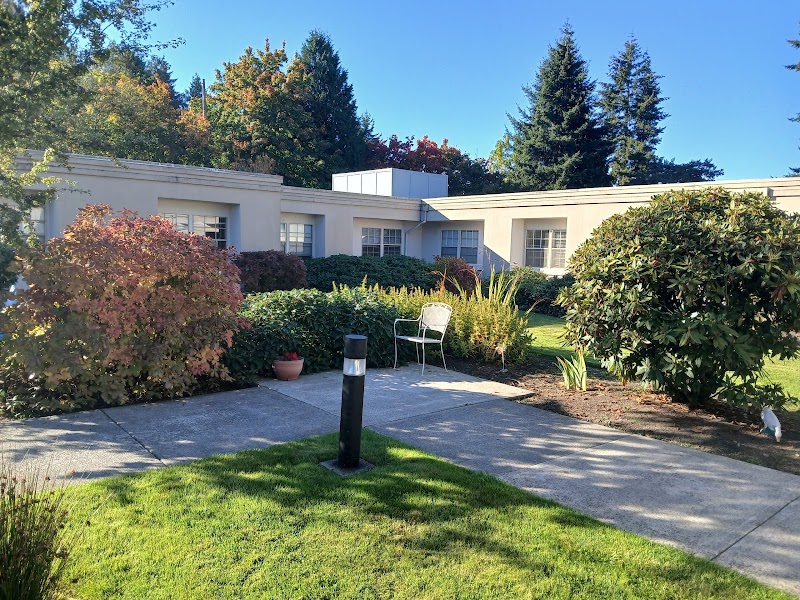
How is Snohomish Of Cascadia, Llc Staffed?

CMS rates SNOHOMISH OF CASCADIA, LLC's staffing level at 3 out of 5 stars, which is average compared to other nursing homes. Staff turnover is 69%, which is 23 percentage points above the Washington average of 46%. High turnover can affect care consistency as new staff learn residents' individual needs. RN turnover specifically is 73%, which is notably high. RNs provide skilled clinical oversight, so turnover in this role can affect medical care quality.

What Have Inspectors Found at Snohomish Of Cascadia, Llc?

State health inspectors documented 58 deficiencies at SNOHOMISH OF CASCADIA, LLC during 2023 to 2025. These included: 7 that caused actual resident harm, 50 with potential for harm, and 1 minor or isolated issues. Deficiencies causing actual harm indicate documented cases where residents experienced negative health consequences.
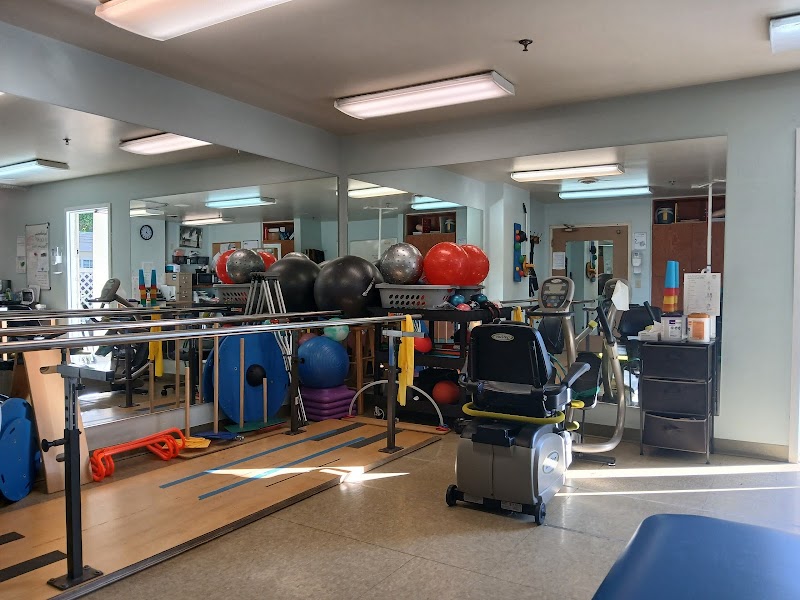
Who Owns and Operates Snohomish Of Cascadia, Llc?

SNOHOMISH OF CASCADIA, LLC is owned by a for-profit company. For-profit facilities operate as businesses with obligations to shareholders or private owners. The facility is operated by CASCADIA HEALTHCARE, a chain that manages multiple nursing homes. With 91 certified beds and approximately 72 residents (about 79% occupancy), it is a smaller facility located in SNOHOMISH, Washington.
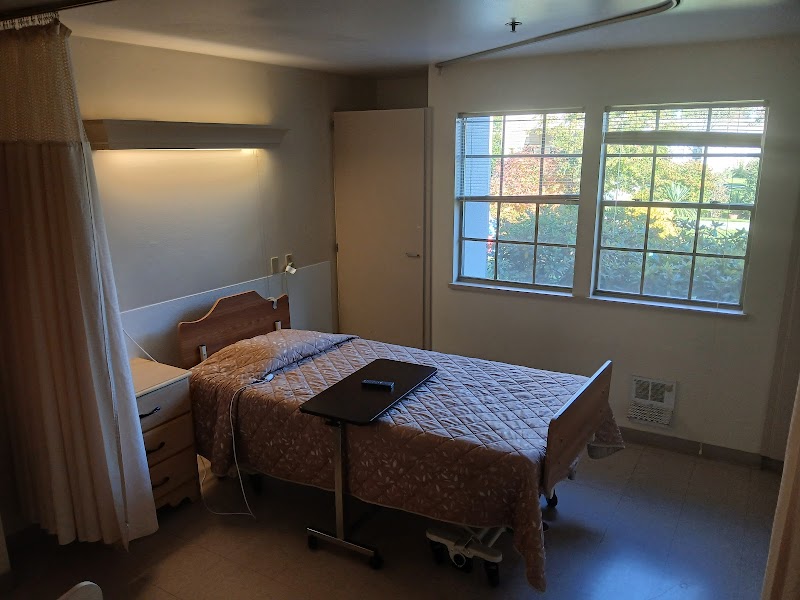
How Does Snohomish Of Cascadia, Llc Compare to Other Washington Nursing Homes?

Compared to the 100 nursing homes in Washington, SNOHOMISH OF CASCADIA, LLC's overall rating (2 stars) is below the state average of 3.2, staff turnover (69%) is significantly higher than the state average of 46%, and health inspection rating (2 stars) is below the national benchmark.

What Should Families Ask When Visiting Snohomish Of Cascadia, Llc?

Based on this facility's data, families visiting should ask: "How do you ensure continuity of care given staff turnover, and what is your staff retention strategy?" "Can I visit during a mealtime to observe dining assistance and food quality?" "How do you handle medical emergencies, and what is your hospital transfer rate?" "Can I speak with family members of current residents about their experience?" These questions are particularly relevant given the facility's high staff turnover rate.

Is Snohomish Of Cascadia, Llc Safe?

Based on CMS inspection data, SNOHOMISH OF CASCADIA, LLC has a clean safety record: no substantiated abuse findings (meaning no confirmed cases of resident harm), no Immediate Jeopardy citations (the most serious violation level indicating risk of serious injury or death), and is not on the Special Focus Facility watch list (a federal program monitoring the lowest-performing 1% of nursing homes). The facility has a 2-star overall rating and ranks #100 of 100 nursing homes in Washington. While no facility is perfect, families should still ask about staff-to-resident ratios and recent inspection results during their visit.

Do Nurses at Snohomish Of Cascadia, Llc Stick Around?

Staff turnover at SNOHOMISH OF CASCADIA, LLC is high. At 69%, the facility is 23 percentage points above the Washington average of 46%. Registered Nurse turnover is particularly concerning at 73%. RNs handle complex medical decisions and coordinate care — frequent RN changes can directly impact care quality. High turnover means new staff may not know residents' individual needs, medications, or preferences. It can also be disorienting for residents, especially those with dementia who rely on familiar faces. Families should ask: What is causing the turnover? What retention programs are in place? How do you ensure care continuity during staff transitions?

Was Snohomish Of Cascadia, Llc Ever Fined?

SNOHOMISH OF CASCADIA, LLC has been fined $190,562 across 4 penalty actions. This is 5.4x the Washington average of $34,984. Fines at this level are uncommon and typically indicate a pattern of serious deficiencies, repeated violations, or failure to correct problems promptly. CMS reserves penalties of this magnitude for facilities that pose significant, documented risk to resident health or safety. Families should request specific documentation of what issues led to these fines and what systemic changes have been implemented.

Is Snohomish Of Cascadia, Llc on Any Federal Watch List?

SNOHOMISH OF CASCADIA, LLC is not on any federal watch list. The most significant is the Special Focus Facility (SFF) program, which identifies the bottom 1% of nursing homes nationally based on persistent, serious quality problems. Not being on this list means the facility has avoided the pattern of deficiencies that triggers enhanced federal oversight. This is a positive indicator, though families should still review the facility's inspection history directly.