MCKAY HEALTHCARE & REHAB CTR
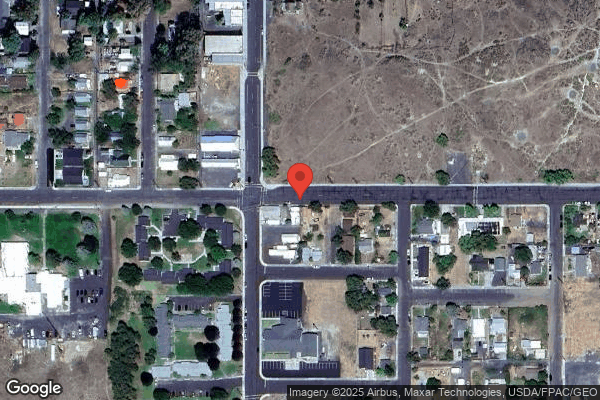
127 SECOND AVENUE SOUTHWEST, SOAP LAKE, WA 98851 (509) 246-1111
Government - Hospital district 42 Beds Independent Data: November 2025
Trust Grade
35/100
#107 of 190 in WA
Last Inspection: March 2025

Within standard 12-15 month inspection cycle. Federal law requires annual inspections.

Overview

McKay Healthcare & Rehab Center has received an F grade, indicating significant concerns about its care quality. Ranked #107 out of 190 facilities in Washington, it is in the bottom half, and #3 out of 4 in Grant County, suggesting limited local options that are better. While the facility is improving, having reduced its issues from 22 in 2024 to 8 in 2025, it still faces serious challenges. Staffing is a weak point, with a low rating of 1 out of 5 stars and a turnover rate of 55%, which is higher than the state average. The facility has been fined $120,005, indicating more compliance issues than 96% of other facilities in Washington. Specific incidents of concern include a resident suffering a second-degree burn from hot liquids due to inadequate supervision and failures to provide proper dietary information, placing residents at risk of receiving inappropriate food or drink. While the health inspection rating is decent at 4 out of 5 stars, the overall staffing and compliance issues highlight significant areas for improvement.

Trust Score
F
35/100
In Washington
#107/190
Bottom 44%
Safety Record
High Risk
Review needed
Inspections
Getting Better
22 → 8 violations
Staff Stability
⚠ Watch
55% turnover. Above average. Higher turnover means staff may not know residents' routines.
Penalties
○ Average
$120,005 in fines. Higher than 60% of Washington facilities. Some compliance issues.
Skilled Nurses
✓ Good
Each resident gets 48 minutes of Registered Nurse (RN) attention daily — more than average for Washington. RNs are trained to catch health problems early.
Violations
⚠ Watch
37 deficiencies on record. Higher than average. Multiple issues found across inspections.
★★★☆☆
3.0
Overall Rating
★☆☆☆☆
1.0
Staff Levels
★★★☆☆
3.0
Care Quality
★★★★☆
4.0
Inspection Score
Stable
2024: 22 issues
2025: 8 issues

The Good

  • Full Sprinkler Coverage · Fire safety systems throughout facility
  • No fines on record

Facility shows strength in fire safety.

The Bad

3-Star Overall Rating

Near Washington average (3.2)

Meets federal standards, typical of most facilities

Staff Turnover: 55%

Near Washington avg (46%)

Frequent staff changes - ask about care continuity

Federal Fines: $120,005

Well above median ($33,413)

Significant penalties indicating serious issues

Staff turnover is elevated (55%)

7 points above Washington average of 48%

The Ugly 37 deficiencies on record

1 actual harm
Mar 2025 6 deficiencies
CONCERN (D)

Potential for Harm - no one hurt, but risky conditions existed

Deficiency F0561 (Tag F0561)

Could have caused harm · This affected 1 resident

Based on interview and record review, the facility failed to ensure residents retained the right to exercise self-determination regarding their dining experience for 1 of 2 residents (Resident 14) rev...

Read full inspector narrative →
Based on interview and record review, the facility failed to ensure residents retained the right to exercise self-determination regarding their dining experience for 1 of 2 residents (Resident 14) reviewed for choices. This failure placed the residents at risk for dissatisfaction in their dining experience and decreased self-worth. Findings included . Review of a policy titled, Resident Rights, last edited 10/28/2024, showed the resident had the right to and the facility must promote resident self-determination through the support of resident choice, including the right to make choices about aspects of their life that were significant to the resident. <Resident 14> Review of the medical record showed Resident 14 was admitted to the facility with diagnoses including Parkinson's disease (a disorder of the central nervous system that affects movement, often including tremors), difficulty speaking, and difficulty swallowing. The 02/06/2025 comprehensive assessment showed Resident 14 was dependent on one to two staff members for activities of daily living. The assessment also showed Resident 14 was able to make their needs known. During a concurrent interview on 03/20/2025 at 11:04 AM, Resident 14's Representative stated the resident did not want to eat their meals in the dining room. Resident 14 stated they wanted to eat in their room because the dining room was too noisy. Resident 14 stated they had told staff they did not want to eat in the dining room but was told they had to because of their choking issues. During an interview on 03/20/2025 at 4:23 PM, Staff B, Director of Nursing, stated the residents had the right to choose where they have their meals, either the dining room or their own room. They stated when a resident required assistance with meals and chose to eat in their room, the facility would provide staff to assist. Staff B stated they were unsure why Resident 14's choices were not honored. Reference: WAC 388-97-0900(1)(3)
CONCERN (D)

Potential for Harm - no one hurt, but risky conditions existed

Deficiency F0645 (Tag F0645)

Could have caused harm · This affected 1 resident

**NOTE- TERMS IN BRACKETS HAVE BEEN EDITED TO PROTECT CONFIDENTIALITY** Based on interview and record review, the facility failed to review and validate the Preadmission Screening and Resident Reviews...

Read full inspector narrative →
**NOTE- TERMS IN BRACKETS HAVE BEEN EDITED TO PROTECT CONFIDENTIALITY** Based on interview and record review, the facility failed to review and validate the Preadmission Screening and Resident Reviews ([PASARR], an assessment to ensure individuals with serious mental illness [SMI] or intellectual/developmental disabilities [ID/DD] are not inappropriately placed in nursing homes for long term care) were corrected on admission and had the required Level 2 referral sent for a positive Level 1 PASARR for 2 of 3 residents (Residents 31 and 26) reviewed for PASARR. This failure placed the residents at risk for not receiving the care and services appropriate for their needs. Findings included . Review of the Department of Social and Health Services, Dear Nursing Home Administrator Letter, guidance titled, Clarification to the Pre-admission Screening and Resident Review (PASARR or PASRR) Level 1 Screening Process, dated 07/06/2024, showed a positive level one PASARR screen (that would then require a referral for a level two PASARR) was Any of the questions in Section 1A (1, 2, and/or 3) are marked Yes: or sufficient evidence of SMI is not available, but there is a credible suspicion that a SMI may exist; and the requirements for exempted hospital discharge do not apply . Additionally, nursing facilities will ensure residents with a positive level one PASARR screen have been evaluated by the designated state-authority through the level two PASARR process and approved for admission prior to admitting to the nursing facility. <Resident 31> Review of Resident 31's medical record showed the resident was admitted to the facility on [DATE] with diagnoses including depression (a mood disorder that causes a persistent feeling of sadness and loss of interest), restlessness, agitation, and insomnia (trouble sleeping). Review of the quarterly comprehensive assessment, dated 01/25/2025, showed the resident's cognition was moderately impaired and required minimal assistance of one staff member for activities of daily living (ADLs). Review of Resident 31's PASARR dated 09/27/2024, showed Resident 31 had a SMI of both depression and anxiety. Review of Resident 13's medical record showed no level 2 referral had been sent for review. <Resident 26> Review of Resident 26's medical record showed the resident was admitted to the facility on [DATE] with diagnoses including depression, anxiety, and insomnia. Review of the quarterly assessment dated [DATE] showed the resident was cognitively intact and required substantial assistance of one to two staff members for ADLs. Review of Resident 26's PASARR dated 09/27/2024, showed Resident 26 had SMI's including an adjustment disorder, depression and anxiety. Review of Resident 26's medical record showed no Level 2 referral had been sent for review. During an interview on 03/20/2025 at 4:22 PM with Staff J, Social Services Director, they stated they had become aware of the requirement to send out a referral for a PASARR Level 2 if section 1A listed a SMI/ID diagnosis. Staff J stated they had been going through all the resident's records to assure they were correct but had not reviewed all of the resident's records yet. Reference: WAC 388-97-1975 (1)(2)(3)(4), -1915 (1)(2)(a-c)
CONCERN (D)

Potential for Harm - no one hurt, but risky conditions existed

Deficiency F0699 (Tag F0699)

Could have caused harm · This affected 1 resident

Based on observation, interview, and record review, the facility failed to ensure a resident that experienced past trauma received care and services directed at avoiding re-traumatization and promotin...

Read full inspector narrative →
Based on observation, interview, and record review, the facility failed to ensure a resident that experienced past trauma received care and services directed at avoiding re-traumatization and promoting healing and recovery, in accordance with professional standards of practice for 1 of 3 residents (Resident 29), reviewed for trauma informed care. This failure placed the resident at risk for unidentified trauma triggers and re-traumatization. Findings included . Review of a policy titled, Trauma Informed Care, last edited 10/28/2024, showed the facility would collaborate with the resident and/or their family and provider to develop and implement individualized care plan interventions. Additionally, the facility would identify triggers which may re-traumatize residents with a history of trauma. Those identified triggers would be added to the resident's care plan. <Resident 29> Review of the medical record showed Resident 29 was admitted to the facility with diagnoses including parkinsonism (a progressive disease that causes rigidity, tremors, and unstable posture), aphasia (a disorder that affects the ability to communicate), vision and hearing loss. The 02/13/2025 comprehensive assessment showed Resident 29 was dependent on one to two staff for activities of daily living, including eating. The assessment also showed Resident 29 had a severely impaired cognition. During an interview on 03/17/2025 at 12:59 PM, Resident 29's representative (RR) stated the resident was severely physically and mentally abused by their spouse, and their mother growing up. The RR stated Resident 29 had triggers (a stimulus, situation, or memory that causes a strong emotional or physical reaction to past trauma or negative experiences), specifically with any fast movements and/or movement towards their face. The RR stated Resident 29 needed to be fed slow because they were scared due to the trauma and their limited vision. Review of a Social Service Assessment form, completed on admission, dated 06/06/2024, showed Staff J, Social Services Director, had completed the assessment and had noted Resident 29 had a prior history of abuse. The documentation showed the resident had repeated, disturbing memories, thoughts, or images of a stressful experiences from the past that were triggered by loud noises and was jumpy. Review of the care plan dated 03/17/2025, showed no documentation related to Resident 29's history of trauma or identified triggers. During an interview on 03/19/2025 at 8:29 AM, Staff J stated the process for screening for trauma included completing the Social Service Assessment. Staff J stated if the resident had a history of trauma, they would update the care plan with identified triggers and interventions. Staff J stated they were not aware of any concerns related to a history of trauma and/or abuse for Resident 29. During an interview on 03/20/2025 at 2:20 PM, Staff B, Director of Nursing, stated the Social Services Director was responsible for completing the trauma screen on admission. Staff B stated the identified trauma, and triggers should have been addressed and entered onto Resident 29's care plan. Reference: WAC 388-97-1060(1)(3)(e)
CONCERN (D)

Potential for Harm - no one hurt, but risky conditions existed

Deficiency F0760 (Tag F0760)

Could have caused harm · This affected 1 resident

Based on interview and record review, the facility failed to ensure residents were free of significant medication errors for 1 of 5 residents (Resident 2) reviewed for unnecessary medications. The fai...

Read full inspector narrative →
Based on interview and record review, the facility failed to ensure residents were free of significant medication errors for 1 of 5 residents (Resident 2) reviewed for unnecessary medications. The failure to administer an anti-depressant medication as ordered placed the resident at risk for less than an optimal therapeutic effect and/or a potential negative health outcome. Findings included . Review of a policy titled, Medication Errors, dated 04/03/2024, showed the facility would ensure medications would be administered according to physician's orders. <Resident 2> Review of the medical record showed Resident 2 was admitted to the facility with diagnoses including major depressive disorder (a serious mental health condition characterized by persistent feelings of sadness, loss of interest, and other symptoms that interfere with daily life), and anxiety. The 12/27/2024 comprehensive assessment showed Resident 2 was dependent on one to two staff members for activities of daily living. Further review showed Resident 2 was taking an anti-depressant (type of medication used to treat clinical depression) medication and had an intact cognition during the assessment period. Review of a physician order dated 11/05/2024, showed an order for paroxetine (a brand of anti-depressant medication) to be given daily for Resident 2's diagnosis of depression and anxiety. Further review showed the medication was to be given for 90 days, with a stop date of 02/03/2025. Prior to the stop date, the Primary Care Provider (PCP) was to reassess the medication for necessity. Review of a provider visit note dated 01/28/2025, showed Resident 2's medication was reviewed by the PCP with an order to continue the anti-depressant medication daily ongoing indefinitely. Review of the February 2025 medication administration record (MAR) showed the antidepressant medication was discontinued on 02/03/2025. Additionally, the record showed an order on 02/21/2025 for the anti -depressant medication once daily to be restarted (18 days after the original order was discontinued even though the PCP gave an order to continue the anti-depressant medication on 01/28/2025). During an interview on 03/20/2025 at 1:14 PM, Staff B, Director of Nursing, stated the order for the anti-depressant medication for Resident 2 did not get continued after the original order, written for 90 days, had been discontinued. Staff B stated they did not see that anyone had caught that medication error. Staff B further stated the process for receiving orders for any medication change was to review the current order to ensure no changes needed to be made. Staff B stated the process was not followed for Resident 2, and it was just missed. During an interview on 03/20/2025 at 4:36 PM, the PCP stated they were not notified of the medication error and had discovered the error while they were doing a review of Resident 2's medications. The primary care provider further stated they would expect to be notified on any medication errors. Reference: WAC 388-97-1060(3)(k)(iii)
CONCERN (D)

Potential for Harm - no one hurt, but risky conditions existed

Deficiency F0849 (Tag F0849)

Could have caused harm · This affected 1 resident

**NOTE- TERMS IN BRACKETS HAVE BEEN EDITED TO PROTECT CONFIDENTIALITY** Based on observation, interview, and record review, the facility failed to obtain a current hospice written agreement and develo...

Read full inspector narrative →
**NOTE- TERMS IN BRACKETS HAVE BEEN EDITED TO PROTECT CONFIDENTIALITY** Based on observation, interview, and record review, the facility failed to obtain a current hospice written agreement and develop and implement a process that ensured effective communication, collaboration, and coordination of care between the facility and hospice provider for 1 of 2 residents (Resident 14) reviewed for hospice services. This failure placed the resident at risk for not receiving necessary care and services at end-of-life. Findings included . Review of a policy titled, Hospice Services Coordination, dated 01/22/2024, showed the facility would maintain a written agreement with the hospice provider that specified the care and services to be provided and the process for hospice and nursing home communication. The facility would communicate with hospice and identify, communicate, follow and document all interventions put into place by hospice and the facility. <Resident 14> Review of the medical record showed Resident 14 was admitted to the facility with diagnoses including Parkinson ' s disease without dyskinesia (a progressive disease that destroys memory and other important mental functions, and causes tremors, rigidity, and slowness of movement, but without involuntary movements), and heart failure. The 02/06/2025 comprehensive assessment showed Resident 14 was dependent on one to two staff for activities of daily living and was able to make their needs known. Review of the written hospice agreement titled Nursing Facilities Services Agreement, dated 08/01/2019, showed the agreement would be reviewed no less than annually. There was no documentation that the document was reviewed since the initial agreement dated 08/01/2019 and was not signed by an authorized representative of the facility. Review of a document titled Medicare Election Form- [NAME], dated 03/12/2025 showed the Resident 14 ' s Representative enrolled Resident 14 into Hospice services with a Start of Care Date of 03/12/2025. Review of Resident 14 ' s care plan, showed no focus area, goals, or interventions related to hospice services until 03/18/2025. During an interview on 03/17/2025 at 10:13 AM, Collateral Contact 1 (CC1), Hospice Registered Nurse, stated Resident 14 was brand new to hospice services and they were performing their initial assessment. They stated there should be a care plan in place for Resident 14. CC1 stated they gave a verbal report to the facility nursing staff before and after each visit. During an interview on 03/19/2025 at 1:29 PM, Staff M, Licensed Practical Nurse, stated there was a binder for staff to leave notes for Hospice, but generally they would do a phone call or fax with the Hospice staff if there was a need. They stated Resident 14 was new to Hospice and did not have anything in the binder yet and the binder was mostly used for the nursing assistants to communicate things like showers. Review of the Hospice Communication Log showed no entries for Resident 14. During an interview on 03/20/2025 at 2:49 PM, Staff B, Director of Nursing, stated the process for ensuring the facility had a current agreement was the responsibility of the Administrator and the facility was working on an updated agreement. They stated the process for communication, collaboration, and coordination of care between the facility and the Hospice provider included the Hospice providers receiving the referral for services, meeting with the resident and/or their representative, and formulating care plan. They stated once the services were initiated, the Hospice staff would inform the nursing staff when they entered the building to perform services, sign in/out of the Hospice logbook, and report findings of their visit to both the nurse and the family. Staff B stated they expected facility nursing staff to document visits/conversations with the Hospice staff in the nursing progress notes. Reference: WAC 388-97-1060(1)
CONCERN (E)

Potential for Harm - no one hurt, but risky conditions existed

Resident Rights (Tag F0550)

Could have caused harm · This affected multiple residents

**NOTE- TERMS IN BRACKETS HAVE BEEN EDITED TO PROTECT CONFIDENTIALITY** Based on observation, interview, and record review, the facility failed to provide care and services in a manner that promoted r...

Read full inspector narrative →
**NOTE- TERMS IN BRACKETS HAVE BEEN EDITED TO PROTECT CONFIDENTIALITY** Based on observation, interview, and record review, the facility failed to provide care and services in a manner that promoted resident respect and dignity for 3 of 4 residents (Residents 14, 27, and 29) reviewed for resident rights. This failure placed the residents at risk for distress, embarrassment, and an undignified existence. Findings included . Review of a policy titled, Resident Rights, edited 10/28/2024, showed the resident had the right to self-determination and a dignified existence. <Resident 14> Review of the medical record showed Resident 14 was admitted to the facility with diagnoses including Parkinson's disease (a disorder of the central nervous system that affects movement, often including tremors), difficulty speaking, and difficulty swallowing. The 02/06/2025 comprehensive assessment showed Resident 14 was dependent on one to two staff members for activities of daily living (ADLs). The assessment also showed Resident 14 was able to make their needs known. An observation on 03/17/2025 at 10:09 AM, showed Resident 14 sitting in their wheelchair in the hallway outside of restroom [ROOM NUMBER], waiting to use the restroom. Restroom [ROOM NUMBER] had a door that opened into the restroom and a privacy curtain hanging across the doorway. Resident 14 was assisted into the restroom by Staff F, Nursing Assistant (NA), and Staff H, NA. Staff H exited the restroom and closed the privacy curtain. Staff F was overheard talking to Resident 14 about their toileting needs. An observation on 03/18/2025 at 9:36 AM, showed Resident 14 sitting in their wheelchair in the hallway outside of restroom [ROOM NUMBER]. There were two additional residents in the hallway waiting in line to use the restroom. Resident 14 was transferred into the restroom and on to the toilet by Staff D, NA, and Staff E, NA, using a mechanical lift (a device to safely lift and move people who can not stand or walk on their own). The curtain was pulled closed, leaving a three-inch gap between the wall and the curtain. Staff D told Staff E they needed to get a brief for Resident 14. Staff E exited the restroom and stated to Staff F, NA, the resident was on the toilet and walked down the hall towards Resident 14's room. At 9:42 AM, Staff E returned to the restroom, opened the curtain, and entered the restroom with Resident 14 ' s brief. The toilet was flushed, and Resident 14 was brought out of the restroom on the mechanical lift. A strong odor of feces was noted in the hallway. During an interview on 03/20/2025 at 11:04 AM, Resident 14's representative (RR) stated the restroom in the hallway (#104) was ridiculous (small and not private). They stated there was another restroom (#110) just down the hall that was larger, and the door could be shut. The RR stated they had always had an issue with privacy in the small restroom (#104) and stated the lack of privacy would be an issue for Resident 14 as well. <Resident 27> Review of the medical record showed Resident 27 was admitted to the facility with diagnoses including a stroke, kidney disease, and dementia (a progressive disease that destroys memory and other important mental functions). The 01/31/2025 comprehensive assessment showed Resident 27 was dependent on one to two staff for ADLs and had a severely impaired cognition. During an observation on 03/18/2025 at 9:48 AM, Staff D and Staff F transferred Resident 27 to restroom [ROOM NUMBER] using a mechanical lift. The privacy curtain was pulled, and the door was not shut. Toileting cares could be overheard from the hallway. During an interview on 03/18/2025 at 9:57 AM, Staff G, NA, stated they used restroom [ROOM NUMBER] for toileting residents because it was larger and safer area for toileting the residents that used a mechanical lift. They stated they were able to provide privacy by shutting the door. Staff G stated staff preferred to use the smaller restroom (#104) for convenience. During an interview on 03/18/2025 at 10:05 AM, Staff D stated they used the smaller restroom (#104) because it was quicker to toilet the residents that used a mechanical lift. Staff D stated they should always close the door for privacy. During a concurrent observation and interview on 03/20/2025 at 10:27 AM, showed Staff E and Staff I, NA, exiting the small restroom (#104) after assisting a resident with toileting. Staff E stated they preferred to use the smaller restroom for residents on a mechanical lift because it was quicker. Staff I stated they would not be comfortable going to the bathroom with just this curtain for privacy. Staff E stated they were able to close the door, when the lift was not in the bathroom. They stated they would have to take the lift out if they wanted to close the door. Staff E stated they closed the curtain for privacy. <Resident 29> Review of the medical record showed Resident 29 was admitted to the facility with diagnoses including neurocognitive disorder with Lewy bodies (a progressive disease that causes memory loss, tremors, stiffness, anxiety, depression, and sleep disorders), Alzheimer's disease (a progressive disease that destroys memory and other important mental functions), and presbyopia (gradual loss of the eye's ability to focus on nearby objects). The 02/13/2025 comprehensive assessment showed Resident 29 was dependent on one to two staff for ADLs. The assessment also showed Resident 29 had a severely impaired cognition and wore corrective lenses. Resident 29 was receiving palliative care (patient centered care that optimizes the quality of life by addressing physical, emotional, and social needs, and facilitates access to information and patient choice) during the assessment period. During a concurrent observation and interview on 03/17/2025 at 1:04 PM, showed Resident 29 sitting in their wheelchair in a private dining area with their representative, eating their meal. Resident 29 was wearing their glasses that had visible deterioration to both lenses. Resident 29's Representative (RR) stated the resident wore glasses but needed to have them replaced due to wear on the lenses. The RR stated they spoke with Staff J, Social Services Director (SSD), and was told they would look into what needed to be done to replace the glasses. An observation on 03/18/2025 at 10:02 AM, showed Resident 29 resting in bed. Their glasses were lying on the bedside table next to the resident's bed. Observation of the lenses of the glasses showed the protective film on each lens had deteriorated and was peeling, obstructing the clarity of the lenses. Review of a progress note dated 03/17/2025, showed Staff J had met with Resident 29's representative and informed them that Resident 29 was receiving palliative care and did not qualify for vision appointments. During an interview on 03/19/2025 at 8:41 AM, Staff J stated the family had brought concerns related to Resident 29's glasses to them on 03/17/2025. Staff J stated they had told Resident 29's RR since Resident 29 was on palliative care, they did not typically send residents out for appointments for things like that. Staff J stated palliative and hospice care (specialized care that focuses on comfort and quality of life for individuals with a terminal illness) were the same type of care. During an interview on 03/20/2025 at 2:29 PM, Staff B, Director of Nursing, stated the process for ensuring respect and dignity during toileting included assisting the resident to the restroom and ensuring privacy by closing the door to the restroom. Staff B stated they were unsure why the NAs were using the small restroom (# 104) for residents that required a mechanical lift for transfers. On the same day, during a follow-up interview at 3:20 PM, Staff B stated their expectation was for staff to close the restroom door when toileting residents. Staff B stated the process for obtaining necessary items for residents on palliative care included reviewing the need with the resident and/or their RR and proceed with obtaining the items that the resident needed. Reference: WAC 388-97-0180(1)(2)(4)(a)
Jan 2025 2 deficiencies
CONCERN (D) 📢 Someone Reported This

A family member, employee, or ombudsman was alarmed enough to file a formal complaint

Potential for Harm - no one hurt, but risky conditions existed

Accident Prevention (Tag F0689)

Could have caused harm · This affected 1 resident

**NOTE- TERMS IN BRACKETS HAVE BEEN EDITED TO PROTECT CONFIDENTIALITY** Based on observation, interview, and record review, the facility failed to ensure the staff implemented safe transfer technique ...

Read full inspector narrative →
**NOTE- TERMS IN BRACKETS HAVE BEEN EDITED TO PROTECT CONFIDENTIALITY** Based on observation, interview, and record review, the facility failed to ensure the staff implemented safe transfer technique during the operation of a mechanical lift for 1 of 3 (Resident 1) sampled residents reviewed for accidents. This resulted in Resident 1 experiencing a fall from a mechanical lift and a transfer to the hospital for further evaluation. Findings included . An undated and modified facility policy titled Safe Resident Handling/Transfers showed, two staff members must transfer residents with a mechanical lift. The policy directed the staff to position the resident in preparation for the transfer and apply, adjust, and secure the lift sling according to the manufacturer's guidelines. The policy instructed the staff that if a sit-to-stand lift [a lift that required the resident to bear some of their own weight and participate actively in the transfer] was used, to additionally secure the resident by buckling up the lift sling around the resident's waist prior to the transfer. Review of an 11/08/2024 comprehensive assessment showed Resident 1 admitted to the facility on [DATE] with a progressive neurological condition. The assessment showed the staff assessed Resident 1's cognition was severely impaired and dependent on the staff for transfers. Review of a 02/06/2024 care plan intervention showed Resident 1 was not able to pull [themselves] up to a standing position with one person assist. This intervention instructed the staff to transfer the resident with the use of a sit to stand lift with 2 person assist. An observation on 01/03/2025 at 10:17 AM showed two staff transferred Resident 1 from their wheelchair to the restroom in a sit-to-stand lift. Closer observation showed a dark purple bruise extending from the side of Resident 1's left elbow to the middle of the forearm, approximately 6 inches by 3 inches in size. Review of a 12/31/2024 progress note showed a nurse was called to Resident 1's room. The note showed that the nurse found Resident 1 face down on the floor and fell in mid-transfer from bed to wheelchair via sit to stand. The note showed the staff had Resident 1 transferred to the hospital for further evaluation. Review of a 12/31/2024 emergency room Summary showed Resident 1 presented to the emergency room with face and arm pain. The summary showed Resident 1 experienced a fall with a resulting cut inside the mouth and bruising to the upper gums and left upper arm. The notes showed there was no serious traumatic injury. Resident 1 was discharged back to the facility in stable condition that same day. Review of a 12/31/2024 facility investigation showed Resident 1 experienced a fall from the sit-to-stand lift the morning of 12/31/2024. The investigation showed Staff C, Agency Nursing Assistant (NA), and Staff D (Agency NA) were involved in Resident 1's transfer from the bed to the wheelchair the morning of the fall. In an interview on 01/07/2024 at 1:41 PM, Staff C stated that after providing personal cares to Resident 1 with the help of Staff D, they assisted the resident to sit at the edge of the bed, then stood the resident up with the sit-to-stand lift. Staff C stated that after the resident was assisted to a standing position, [Staff D] left me to go get other residents up. Staff C described Resident 1 then leaned forward and slowly slid off the foot plate of the sit-to-stand and, I was in shock, confused, and didn't know what to do so, I laid [the resident] on the floor. Staff C stated that they did not remember seeing the lift sling buckle secured around the resident's torso. Staff C stated, I didn't put the sling on [the resident], it was the other aide. Staff C stated that it was required to have two people present during a mechanical lift transfer, To keep an eye out for the resident in case like accidents like this, for safety reasons. Staff C stated that some of the things they would do to prevent a fall from a mechanical lift included, Double check everything. Like for future reference, make sure, be cautious. After this incident I would never be too sure, and double check. In an interview on 01/03/2024 at 2:37 PM, Staff D stated that when they were returning to Resident 1's room, they saw Staff C, ran out into the hall and said [Resident 1] fell. Staff D stated that when they entered the room, Resident 1's face was down and arms were up and, did not have the buckle on, just the sling around [their] back. Staff D stated, The buckle is for safety so they can't slip or fall. In an interview on 01/03/2025 at 11:11 AM, Staff B, Director of Nursing, stated that the investigation deducted, The lower waist belt was not buckled. Staff B acknowledged Staff C and Staff D did not follow the intervention that instructed the staff to transfer the resident with 2 person assist during the use of a sit-to-stand lift. The above findings were shared with Staff A, Administrator, on 01/07/2025 at 10:14 AM. Staff A stated the staff, did not follow the care plan. If [they] did what was supposed to be done, that could have prevented it [the fall]. Refer to F726. Reference WAC 388-97-1060 (3)(g). .
CONCERN (E) 📢 Someone Reported This

A family member, employee, or ombudsman was alarmed enough to file a formal complaint

Potential for Harm - no one hurt, but risky conditions existed

Deficiency F0726 (Tag F0726)

Could have caused harm · This affected multiple residents

Based on observation, interview, and record review, the facility failed to ensure 4 of 5 (Staff C, D, E and F) sampled agency (contracted) staff whose personnel files were reviewed, showed established...

Read full inspector narrative →
Based on observation, interview, and record review, the facility failed to ensure 4 of 5 (Staff C, D, E and F) sampled agency (contracted) staff whose personnel files were reviewed, showed established proficiency with the operation of mechanical lift transfers prior to or at the time of assignment to the facility. This failure placed the residents at risk for falls and their associated injuries. Findings included . Review of an undated and modified facility policy titled Safe Resident Handling/Transfers showed, two staff members must transfer residents with a mechanical lift. The policy directed the staff to position the resident in preparation for the transfer and apply, adjust, and secure the lift sling according to the manufacturer's guidelines. The policy instructed the staff that if a sit-to-stand lift [a lift that required the resident to bear some of their own weight and participate actively in the transfer] was used, to additionally secure the resident by buckling up the lift sling around the resident's waist prior to the transfer. Review of a 02/06/2024 care plan intervention showed Resident 1 was not able to pull [themselves] up to a standing position with one person assist. This intervention instructed the staff to transfer the resident with the use of a sit to stand lift with 2 person assist. Review of a 12/31/2024 facility investigation showed Resident 1 experienced a fall from the sit-to-stand lift the morning of 12/31/2024 and required a hospital transfer for further evaluation. The investigation showed Staff C, Agency Nursing Assistant (NA), and Staff D (Agency NA) were involved in Resident 1's transfer from the bed to the wheelchair the morning of the fall. In an interview on 01/07/2024 at 1:41 PM, Staff C stated, It hasn't even been a month, a couple of weeks [working with the staffing agency]. Staff C shared they recently completed their NA training then went to work directly with the staffing agency. Staff C recalled being exposed once to the use of a Hoyer lift (a lift that allows a resident to be fully lifted and transferred with no physical effort, unlike a sit-to-stand) at a different facility. Staff C was asked if they knew what the facility policy was regarding the use of a mechanical lift transfer and stated, No, not really. I don't know. When asked if they received any training on the use of mechanical lifts at the facility, Staff C stated, The first time I arrived [at the facility] another aide gave me a packet that had all that resident information, like a rundown of my residents and the assistance they needed, and what time I get my breaks and that's everything. Staff C stated that Staff D left them alone in the room with Resident 1 in a standing position in the sit-to-stand. Staff C described Resident 1 then leaned forward and slowly slid off the foot plate of the sit-to-stand and, I was in shock, confused, and didn't know what to do so, I laid [the resident] on the floor. Staff C stated that they did not remember seeing the lift sling buckle secured around the resident's torso. Staff C stated, I didn't put the sling on [the resident], it was the other aide. In an interview on 01/03/2024 at 2:37 PM, Staff D stated that when they were returning to Resident 1's room, they saw Staff C, ran out into the hall and said [Resident 1] fell. Staff D stated that when they entered the room, Resident 1's face was down and arms were up and, did not have the buckle on, just the sling around [their] back. Staff D stated, The buckle is for safety so they can't slip or fall. In an interview on 01/03/2025 at 11:11 AM, Staff B, Director of Nursing, was asked if the facility verified Staff C and Staff D were proficient in the use of mechanical lift transfers prior to their assignment or upon their arrival to the facility. Staff B stated that they received no records from the staffing agency and that, We get their basics [information] to verify their licenses and No, we didn't do our competencies or orientation [with Staff C and Staff D]. In an interview on 01/07/2025 at 9:32 AM, Staff G, Staffing Coordinator, stated that once they confirmed an agency aide was available for open shifts, they requested a Caregiver Profile (CP) from the staffing agency. The CP included, background checks, licenses, immunizations, work history, and references. Staff G stated that a proficiency skills checklist was automatically included with the CP and if it wasn't, they would request it. Staff G stated that once they received the CP, they reviewed it, forwarded it to the Human Resources Department, then scheduled the aide to work. Staff G stated that orientation of agency staff in the facility included providing knowledge of assignment and supply's locations, a little bit on the residents, and was not based on the proficiency skills checklist received from the staffing agency. In the continued interview of 01/07/2025 at 9:32 AM, Staff G stated Staff C, was super new to our facility, and worked two shifts, on 12/20/2024 and 12/31/2024 (the day of the fall). Staff G requested Staff C's proficiency skills checklist from the staffing agency on 01/03/2024, three days after the fall and 15 days after the initial day of work. In the continued interview of 01/07/2025 at 9:32 AM, Staff G confirmed Staff D worked in the facility on 12/02/2024, 12/03/2024, 12/05/2024, 12/09/2024, 12/11/2024 12/14/2024, 12/15/2024, 12/21/2024, 12/22/2024, 12/24/2024, 12/25/2024, 12/28/2024, 12/30/2024, and 12/31/2024. Review of the CP with Staff G showed no documentation the facility established Staff D's skills proficiency. In the continued interview of 01/07/2025 at 9:32 AM, Staff G stated that the facility employed a total of 21 agency NA. Staff E worked on 12/13/2024 and accepted assignments in the facility since 04/26/2024. Staff F worked on 12/14/2024 and accepted assignments in the facility since 04/07/2024. Review of the CP with Staff G showed no documentation the facility established Staff E's or Staff F's proficiencies. In an interview on 01/03/2025 at 11:35 AM, Staff A, Administrator, stated that agency staff proficiency, should be obtained and confirmed prior to their coming to work or at the time of their shift. Absolutely, like ASAP [as soon as possible]. No further information was provided. Refer to F689. Reference WAC 388-97-1080 (1), -1090 (1), -1680 (2)(a)(b)(i-ii)(c). .
Aug 2024 2 deficiencies
CONCERN (D) 📢 Someone Reported This

A family member, employee, or ombudsman was alarmed enough to file a formal complaint

Potential for Harm - no one hurt, but risky conditions existed

Resident Rights (Tag F0550)

Could have caused harm · This affected 1 resident

**NOTE- TERMS IN BRACKETS HAVE BEEN EDITED TO PROTECT CONFIDENTIALITY** Based on interview and record review, the facility failed to provide care in a dignified manner related to bathing frequency for...

Read full inspector narrative →
**NOTE- TERMS IN BRACKETS HAVE BEEN EDITED TO PROTECT CONFIDENTIALITY** Based on interview and record review, the facility failed to provide care in a dignified manner related to bathing frequency for 2 of 3 residents (Resident 1 and 2) reviewed for dignity. This deficient practice placed the residents at risk for distress, embarrassment, and an undignified existence. Findings included . <Resident 1> Review of the medical record showed Resident 1 admitted to the facility on [DATE] with diagnoses of Parkinson's Disease (a brain disorder that causes unintended or uncontrollable movements, such as shaking, stiffness, and difficulty with balance and coordination), dysarthria (where you have difficulty speaking because the muscles you use for speech are weak), and history of small strokes. Review of the comprehensive assessment, dated 05/17/2024, showed Resident 1 had moderate cognitive impairment and required the assistance of two people for toileting and transfers, and the assistance of one person for dressing and personal hygiene. During an interview, on 08/19/2024 at 10:30 AM, a Resident Representative (RR) stated they had visited Resident 1 on 08/11/2024 and was unable to give Resident 1 a hug at the end of the visit due to Resident 1's pungent (a strong, sharp, and unpleasant smell) odor. RR stated Resident 1 had a strong smell of body odor and sweat, and .they (Resident 1) would be so embarrassed if they realized how they smelled. Review of the medical record showed Resident 1's bathing schedule was to be assisted with showers two times per week on Mondays and Thursdays. Review of the bathing record for dates 07/23/2024 to 08/22/2024 (the last 30 days), Resident 1 was scheduled for assistance with nine showers. The bathing record showed the following documentation: 07/25/2024-Not Applicable 07/29/2024-Shower 08/07/2024-Not Applicable 08/08/2024-Not Available 08/12/2024-Refused 08/15/2024-Not Applicable 08/19/2024-Not Applicable 08/20/2024-Not Applicable 08/22/2024-Shower Resident 1's bathing record showed they received assistance with a shower two out of nine times in a 30-day period. <Resident 2> Review of the medical record showed Resident 2 admitted to the facility on [DATE] with diagnoses of dementia, heart failure, and generalized weakness. Review of the comprehensive assessment, dated 07/12/2024, showed Resident 2 had moderate cognitive impairment and required the assistance of two people for transfers and toileting, and the assistance of one person for dressing and personal hygiene. Review of the medical record showed Resident 2's bathing schedule was to be assisted with showers two times per week on Sundays and Wednesdays. Review of the bathing record for dates 07/23/2024 to 08/22/2024 (the last 30 days), Resident 2 was scheduled for assistance with nine showers. The bathing record showed the following documentation: 07/24/2024-Not Applicable 08/04/2024-Not Applicable 08/07/2024-Not Applicable 08/11/2024-Not Applicable 08/14/2024-Shower 08/18/2024-Shower 08/20/2024-Not Applicable 08/21/2024-Shower Resident 2's bathing record showed they received assistance with a shower three out of nine times in a 30-day period. During an interview, on 08/22/2024 at 2:23 PM, Staff D, Nursing Assistant (NA), stated the daily shower schedule was posted on the whiteboard in the charting area, and there was a master schedule in the bathing book. Staff D stated there were typically two showers scheduled per hallway (total of four hallways) and when they were fully staffed with four or more NAs, there was no problem getting showers completed. Staff D stated showers that were documented as Not Applicable were showers that did not get done, .likely due to being short staffed. During an interview, on 08/22/2024 at 2:30 PM, Staff E, NA, stated each hall assignment usually had two scheduled showers on Day Shift and Evening Shift, and if showers were not completed, the assigned NA would either document Not Applicable or leave it blank. Staff E stated they did not feel two or three showers in a 30-day period was hygienically enough for the residents. During an interview, on 08/22/2024 at 2:48 PM, Staff F, NA, stated the showers were completed more consistently when there was a bath aide (an NA dedicated to bathing residents for the shift), but .being short staffed makes it hard . to get the showers done. Staff F stated when they were unable to complete a shower, they leave the documentation blank and pass it on to the next shift. During an interview, on 08/22/2024 at 4:25 PM, Staff B, Director of Nursing, acknowledged the shower assistance documentation and stated they did not realize it was an issue. During an interview, on 08/22/2024 at 4:30 PM, Staff A stated .the staff do the best they can. That's all they can do. Reference: WAC 388-97-0180 (1-4)
CONCERN (D) 📢 Someone Reported This

A family member, employee, or ombudsman was alarmed enough to file a formal complaint

Potential for Harm - no one hurt, but risky conditions existed

Deficiency F0757 (Tag F0757)

Could have caused harm · This affected 1 resident

**NOTE- TERMS IN BRACKETS HAVE BEEN EDITED TO PROTECT CONFIDENTIALITY** Based on interview and record review, the facility failed to monitor the effectiveness of medications that affect blood pressure...

Read full inspector narrative →
**NOTE- TERMS IN BRACKETS HAVE BEEN EDITED TO PROTECT CONFIDENTIALITY** Based on interview and record review, the facility failed to monitor the effectiveness of medications that affect blood pressure (BP [the force of blood against the walls of the arteries]) for 2 of 3 residents (Resident 1 and 3) reviewed for unnecessary medications. This deficient practice placed the resident at risk of developing abnormal vital signs (body temperature, heart rate, respiration rate, and BP), experiencing adverse side effects, and the potential of receiving medications unnecessarily. Findings included . <Resident 1> Review of the medical record showed Resident 1 admitted to the facility on [DATE] with diagnoses of Parkinson's Disease (a brain disorder that causes unintended or uncontrollable movements, such as shaking, stiffness, and difficulty with balance and coordination), dysarthria (where you have difficulty speaking because the muscles you use for speech are weak), and high Blood Pressure (BP). Review of the comprehensive assessment, dated 05/17/2024, showed Resident 1 had moderate cognitive impairment and required the assistance of one person for eating, dressing and personal hygiene. Review of the August 2024 Physician's Orders (POs) showed Resident 1 was prescribed three medications (Lasix, Lisinopril, and Atenolol) for the diagnosis of hypertension (high blood pressure). Further review of the POs showed the medication Lisinopril had additional instructions-hold administration if Resident 1's Systolic Blood Pressure (SBP [top blood pressure value]) reading was less than 90. Review of the Medication Administration Records (MARs) for June 2024, July 2024, and August 2024 showed no documentation for routine BP monitoring with the administration of the high blood pressure medication Lisinopril. <Resident 3> Review of the medical record showed Resident 3 admitted to the facility on [DATE] with diagnoses of left above the knee amputation, heart disease including high BP, and severe obesity. Review of the comprehensive assessment, dated 07/26/2024, showed Resident 3 was cognitively intact, required the assistance of two people for personal cares. Review of the August 2024 POs showed Resident 3 was prescribed three medications (Bumex, Lisinopril, and Spironolactone) that affect and/or treat high BP. Further review of the POs showed the medication Spironolactone had additional instructions-hold administration if Resident 3's SBP reading was less than 100. Review of the MARs for June 2024, July 2024, and August 2024 showed no documentation for routine BP monitoring with the administration of the Spironolactone. During an interview, on 08/19/2024 at 3:10 PM, Staff C, Registered Nurse (RN), stated they obtained a BP reading prior to administering a high BP medication only when the order prompted them to. Staff C stated Resident 1's and Resident 3's orders for high BP medications did not have a prompt to check their BP before administration. Staff C stated administering medications without monitoring and/or considering the parameters was not safe. During an interview, on 08/22/2024 at 12:15 PM, Staff B, Director of Nursing, stated they were aware some medication orders had parameters and they felt it was a system that was not working. Reference: WAC 388-97-1060 (3)(k)(i)
Apr 2024 1 deficiency
CONCERN (D) 📢 Someone Reported This

A family member, employee, or ombudsman was alarmed enough to file a formal complaint

Potential for Harm - no one hurt, but risky conditions existed

Report Alleged Abuse (Tag F0609)

Could have caused harm · This affected 1 resident

Based on interview, and record review, the facility failed to ensure an allegation of neglect was reported to the State Survey Agency, as required, for one of three sampled residents (Resident 1), rev...

Read full inspector narrative →
Based on interview, and record review, the facility failed to ensure an allegation of neglect was reported to the State Survey Agency, as required, for one of three sampled residents (Resident 1), reviewed for abuse. Failure to report alleged neglect placed Resident 1 and additional residents in the facility at risk for continued neglect and poor quality of life. Findings included . Review of the facility's policy titled Abuse, Neglect and Misappropriation Policy, dated 09/10/2023, showed the facility was to report all alleged violations to the Administrator, State Agency, and all other required agencies in specified time frame. Review of the facility assessment, dated 12/15/2023, showed Resident 1 had diagnoses which included a neurological disorder. The resident was able to make their needs known. Per a facility investigation, initiated on 04/17/2024, Resident 1's representative reported to the facility they felt Resident 1 was being neglected and denied liquids. The allegation had not been reported to the State Agency, as required. During an interview on 04/25/2024 at 2:17 PM, Staff A, Director of Nursing (DNS), stated they had received the phone call from Resident 1's representative who alleged Resident 1 had been neglected. Staff A stated an investigation was done and neglect had not been suspected, so didn't think it met the criteria to call it to the State Agency. F-609 Reporting of Alleged Violations is a repeat deficiency; See Statement of Deficiencies dated 02/09/2024. Reference: WAC 388-97-0640 (5) (a)
Feb 2024 19 deficiencies 1 Harm
SERIOUS (G)

Actual Harm - a resident was hurt due to facility failures

Accident Prevention (Tag F0689)

A resident was harmed · This affected 1 resident

**NOTE- TERMS IN BRACKETS HAVE BEEN EDITED TO PROTECT CONFIDENTIALITY** Based on observation, interview, and record review, the facility failed to identify the risk of hot liquids, adequately supervis...

Read full inspector narrative →
**NOTE- TERMS IN BRACKETS HAVE BEEN EDITED TO PROTECT CONFIDENTIALITY** Based on observation, interview, and record review, the facility failed to identify the risk of hot liquids, adequately supervise, and initiate interventions for the safe use of hot liquids for a resident who required staff assistance with drinking fluids for 1 of 3 residents (Resident 6), reviewed for accidents. Resident 6 experienced harm as they sustained a second degree burn to their right thigh. Additionally, the facility failed to safeguard the residents' environment by securing cleaning chemicals for 2 of 3 common resident bathrooms (bathrooms [ROOM NUMBERS] on hall D ) and 2 of 2 shower rooms (shower rooms [ROOM NUMBERS] on hall D), reviewed for environment. These failures placed the residents at risk for injury and/or medical complications secondary to hot liquid spills and the ingestion of harmful chemicals. Findings included . Review of the State Operations Manual, Appendix PP, last revised February 2023, Code of Federal Regulation 483.25 (d) F-689 Accident hazards, showed second-degree burns involve the first two layers of skin. These may present as deep reddening of the skin, pain, blisters, glossy appearance from leaking fluid, and possible loss of some skin. <Hot Liquids> <Resident 6> Review of the medical record showed the resident was admitted to the facility on [DATE] with diagnoses to include intracerebral hemorrhage (a condition in which a ruptured blood vessel causes bleeding inside the brain), macular degeneration (an eye disease that causes vision loss), and muscle weakness. Resident 6's comprehensive assessment, dated 01/12/2024, showed the resident's cognition was moderately impaired. Further review of the assessment showed the resident required one staff member supervision or touching assistance with eating and drinking. Review of Resident 6's medical record showed the resident had a hot liquid evaluation on 07/25/2021 which showed the resident was not at risk for injury from hot liquids. Further review showed no further evaluations had been completed until after the resident sustained an injury from hot liquids on 01/21/2024. Review of Resident 6's care plan, dated 10/24/2023, showed the resident was to use a lipped plate for meals, receive thin liquids, and showed no documented risks regarding hot liquids. A dining observation on 02/04/2024 at 9:06 AM, showed Resident 6 in shorts with a large wound dressing to their right inner thigh, and were feeding themself without supervision or assistance. Further observations on 02/05/2024 at 11:32 AM, 02/06/2024 at 11:52 AM, 02/07/2024 at 12:32 PM, and 02/08/2024 at 11:22 AM, showed Resident 6 feeding themself and drinking a beverage without supervision or assistance. Review of a nursing progress note, dated 01/21/2024, showed Resident 6 spilled hot liquid down their front side and had reddened areas to their stomach and right thigh. During the nursing assessment, Resident 6 stated it felt like hell. Review of Resident 6's skin assessment, dated 01/21/2024, showed the resident had three blisters to their right thigh from the hot liquid spill. The three blisters measured one centimeter (cm, a unit of measure) by four cm; one cm by one cm; and one cm by four cm. Review of a 01/28/2024 skin assessment showed no documented measurements of the blisters. Review of a skin assessment, dated 01/30/2024, showed Resident 6 had two blisters to their right thigh with measurements of 14 cm by three cm, and six cm by 1.5 cm with yellow eschar (dead tissue that sheds or falls off from the skin) in the wounds. During an interview on 02/08/2024 at 10:11 AM, Staff L, Charge Nurse (CN), stated Resident 6 had a right thigh burn and had a daily wound care. Staff L explained that there were three areas that were cleaned with wound spray, then a pure gel (a water-soluble agent that reduces pain, protects the wound area from contamination and further injury) was applied to the wound, a collagen strip (a biomaterial that encourages wound healing) was applied to the wound, and then it was covered with two large gauze pads. During an interview on 02/08/2024 at 10:55 AM, Staff M, Restorative Aide (RA), stated Resident 6 had a morning restorative program but due to the burn on their leg, they were currently unable to complete their walking in the restorative program. During an interview on 02/08/2024 at 11:22 AM, Resident 6 stated they had burned their leg with coffee and now the staff had them using a lid on their cup any time they were drinking hot liquids. Resident 6 stated on the day of the 01/21/2024 incident, they had lost their grip of the cup and the hot coffee fell in their lap causing the burn. An observation of Staff L, CN, performing wound care on 02/08/2024 at 2:00 PM, showed Resident 6's right thigh had three large areas that were open. The wound beds had yellow eschar with redness around the wound edges. During an interview on 02/08/2024 at 4:18 PM, Staff B, Director of Nursing Services, stated the kitchen staff were not checking temperatures of the hot liquids and the coffee was delivered from the kitchen in a carafe (a container with a flared lip for serving liquids) for staff to serve to the residents. During an interview on 02/08/2024 at 4:26 PM, Staff G, Dietary Manager (DM), stated on 02/05/2024, they had their food vendor come out to lower the temperature on their coffee machine. During an interview on 02/09/2024 at 8:16 AM, Staff I, Cook, stated they did not check the temperatures of coffee served to residents, nor was it checked prior to Resident 6's hot coffee spill incident. During an interview on 02/09/2024 at 8:49 AM, Staff L (CN), stated Resident 6 had a second-degree partial thickness burn to their right thigh. Additionally, Staff L stated the measurements documented on the 01/30/2024 skin assessment only showed two of the areas on the thigh due to the third open area being difficult to measure. <Environment> Record review of the undated Material Safety Data Sheet for Micro-kill disposable disinfectant wipes (a pre-moistened towelette that contains a sanitizing disinfecting formula that kill or reduce germs on surfaces) showed, .Emergency overview: Do not get into eyes .wash thoroughly with soap and water after handling and before eating or drinking .if ingested rinse mouth, do not induce vomiting and obtain emergency medical attention . Observations on 02/04/2024 at 8:41 AM and 2/08/2024 at 1:13 PM, showed two bathrooms and two shower rooms located on the D hall with unsecured chemicals: Shower room [ROOM NUMBER]. One opened Micro-kill tub of disinfectant wipes observed in an unsecured cabinet. Shower room [ROOM NUMBER]. One opened Micro-kill tub of disinfectant wipes observed in an unsecured cabinet. Bathroom [ROOM NUMBER]. One opened Micro-kill tub of disinfectant wipes observed unsecured, on top of a cabinet in front of the toilet, and in an unsecured cabinet. Bathroom [ROOM NUMBER]. One opened Micro-kill tub of disinfectant wipes observed in an unsecured cabinet. During an interview on 02/08/2024 at 1:21 PM, Staff A, Administrator, stated that the cabinets in the shower rooms and bathrooms were closed, but they should have locks on them. Staff A stated the staff know better and should not have left the chemicals in the shower/bathrooms unsecured. Reference: WAC 388-97-1060(3)(g)
CONCERN (D)

Potential for Harm - no one hurt, but risky conditions existed

Deficiency F0569 (Tag F0569)

Could have caused harm · This affected 1 resident

**NOTE- TERMS IN BRACKETS HAVE BEEN EDITED TO PROTECT CONFIDENTIALITY** Based on interview and record review, the facility failed to ensure personal funds were reimbursed within 30 days of a residents...

Read full inspector narrative →
**NOTE- TERMS IN BRACKETS HAVE BEEN EDITED TO PROTECT CONFIDENTIALITY** Based on interview and record review, the facility failed to ensure personal funds were reimbursed within 30 days of a residents death for 1 of 4 residents (Resident 191) reviewed for personal funds. This failed practice caused delay in the reconciliation of Resident 191's account within a 30-day period as required. Findings included . <Resident 191> Review of Resident 191's medical records showed the resident admitted to the facility on [DATE] with diagnoses to include heart failure and a chronic lung disease. The record further showed the resident discharged from the facility on 07/20/2023. Review of Resident 191's personal funds account, dated 07/01/2023 through 09/30/2023, showed the resident had a balance of $3655.40 owed to them. Review of the facility's check dated 09/07/2023, showed $3655.40 was paid to the RR (49 days after the resident discharged ). During an interview on 02/09/2024 at 11:30 AM, Staff H, Business Office Manager, stated they were aware Resident 191's account reconciliation was late and did not have a reason. Reference: WAC 388-97-0340 (4)(5)
CONCERN (D)

Potential for Harm - no one hurt, but risky conditions existed

Deficiency F0604 (Tag F0604)

Could have caused harm · This affected 1 resident

**NOTE- TERMS IN BRACKETS HAVE BEEN EDITED TO PROTECT CONFIDENTIALITY** Based on observation, interview, and record review, the facility failed to assess a resident's need for the use of a postural su...

Read full inspector narrative →
**NOTE- TERMS IN BRACKETS HAVE BEEN EDITED TO PROTECT CONFIDENTIALITY** Based on observation, interview, and record review, the facility failed to assess a resident's need for the use of a postural support/safety harness (a device used to support impaired posture), that restricts a resident's freedom of movement for 1 of 1 resident (Resident 4) reviewed for physical restraints. Additionally, the documentation lacked least restrictive alternatives interventions were attempted, periodic removal of the device, and ongoing monitoring while in use. This failed practice placed the resident at risk for decline in physical function, restriction of movements, risk of injury, and loss of dignity. Findings included . <Resident 4> Review of Resident 4's medical records showed the resident admitted to the facility on [DATE], with diagnoses to include seizure (sudden, uncontrolled electrical disturbance in the brain which can cause changes in behavior, movements, feelings, and consciousness) activity and traumatic brain injury (TBI, a head injury causing damage to the brain by external force or mechanism). The comprehensive assessment, dated 11/10/2023, showed the resident's cognition was severely impaired, and required extensive staff assistance for all activities of daily living (ADLs). An observation on 02/04/2024 at 10:39 AM, showed Resident 4 sitting in a reclining wheelchair (w/c) with a white neck brace on and a black seat belt strapped across their waist secured to the bars of the w/c on each side of the resident. The black strap extended up the front of Resident 4's torso (the central part of the body that includes the chest and abdomen) and separated into a V-shape at the chest, extending into two straps, one across each shoulder. Each strap was secured to the bars on the back of the w/c, restricting movement of the resident's upper body. Review of Resident 4's care plan, dated 11/24/2023, showed the resident used a postural support device (harness) for their diagnoses of quadriplegia (condition in which both the arms and legs are paralyzed and lose normal motor function), TBI, and unable to maintain posture independently. Review of the current Physician orders dated February 2024, showed no order for a postural support, harness, or orders for monitoring. A concurrent observation and interview on 02/05/2024 at 3:25 PM, showed Resident 4 sitting up in their w/c with the black seat belt and chest/shoulder straps on, secured the same as observed on 02/04/2024. Staff M, Restorative Aide, stated the black strap was used to prevent Resident 4 from leaning forward in case the resident experienced seizures, stretched, or coughed. Staff M further stated the resident would move their arms from their arm rests to their lap. An observation on 02/07/2024 at 12:16 PM, showed Resident 4 up in their w/c with the black seat belt and chest/shoulder straps secured to the w/c as observed previously on 02/04/2024 and 02/05/2024. Review of the facility's Safety Assessments showed; 1) dated 11/02/2015, the resident used positioning devices; postural supports/Harness with their w/c to maintain posture and safety. The assessment showed alarms and frequent staff monitoring were not attempted as a least restrictive measure. 2) dated 04/04/2017, the resident used positioning devices; safety harness in w/c for seizures, TBI, and quadriplegia. The assessment showed the resident had resided at the facility for seven plus years and the current safety devices had worked thus far so no other least restrictive alternatives were attempted. The assessment further showed there were no risks associated with the positioning device and there were no other safety assessments completed after 04/04/2017. Additional review of Resident 4's medical records showed there was no signed risk and benefits or signed consents obtained for the use of the postural supports/harness. During an interview on 02/08/2024 at 9:37 AM, Staff C, Resident Care Manager, stated they could not locate any other safety assessments after 04/04/2017. Staff C further stated they could not locate a signed risk and benefits or a signed consent for the use of the postural support/harness. During an observation on 02/08/2024 at 2:19 PM, Staff O, Nursing Assistant, demonstrated how they repositioned the resident in their w/c since the strap did not get removed. Staff O grabbed the resident by the waist of their pants from the side of the chair and slightly adjusted the resident. The postural support/harness kept Staff O from making any significant adjustments to Resident 4's positioning. During an interview on 02/08/2024 at 3:07 PM, Staff D, Restorative Director/Minimum Data Set Coordinator (a standardized, comprehensive assessment of an adult's functional, medical, psychosocial, and cognitive status), stated they did not complete safety assessments and they were unsure if they were responsible for completing those assessments. During an interview on 02/09/2024 at 10:38 AM, Staff B, Director of Nursing Services, stated they did not think Resident 4's postural support/harness needed to be re-evaluated because it was not preventing the resident from movement, they could not do before. Staff B stated the safety assessment process could be improved. Reference: WAC 388-97-0620 (4)(a-c), (5)(a)
CONCERN (D)

Potential for Harm - no one hurt, but risky conditions existed

Investigate Abuse (Tag F0610)

Could have caused harm · This affected 1 resident

**NOTE- TERMS IN BRACKETS HAVE BEEN EDITED TO PROTECT CONFIDENTIALITY** Based on interview and record review, the facility failed to thoroughly investigate for allegations of abuse and/or neglect for ...

Read full inspector narrative →
**NOTE- TERMS IN BRACKETS HAVE BEEN EDITED TO PROTECT CONFIDENTIALITY** Based on interview and record review, the facility failed to thoroughly investigate for allegations of abuse and/or neglect for 1 of 2 residents (Resident 28), reviewed for accidents. Resident 28 had an unwitnessed fall that resulted in a fractured nasal bone and a concussion (a traumatic brain injury caused by a blow to the head). This failed practice placed the resident at risk for unidentified abuse and neglect. Findings included . Review of the policy titled Abuse, Neglect, and Exploitation dated 09/10/2023, showed during an investigation the facility would identify and interview all persons involved with the investigation, determine if abuse or neglect occurred, and document thoroughly. <Resident 28> Review of Resident 28's medical records showed the resident admitted to the facility on [DATE] with diagnoses to include dementia (a group of symptoms that affects memory, thinking and interferes with daily life). Review of the comprehensive assessment, dated 11/24/2023, showed the resident's cognition was severely impaired and was independent for bed mobility, transfers, and walking. The assessment further showed the resident had sustained a fall with major injury. Review of a fall investigation, dated 10/29/2023, showed Resident 28 had an unwitnessed fall and was found sitting on their floor beside their bed. The resident had a large bruised area to their forehead and nose, and a reddened right elbow. Resident 28's blood pressure continued to elevate, and their heart rate was slow. Resident 28 was transferred to the hospital for evaluation and treatment. The facility could not provide staff witness statements other than the nurse who found the resident on the floor (identified as agency staff, not by name), documented neurological assessments (before going to the hospital and upon returning from the hospital), or documented staff education had been completed. Review of Resident 28's hospital notes, dated 10/30/2023, showed significant bruising to the middle of the forehead, along the left side of the nose and cheek, an abrasion to the left side of the nose, and the nose was angled towards the right. The diagnoses were a concussion without loss of consciousness and a fracture of the nasal bone. During an interview on 02/08/2024 at 9:26 AM, showed Staff B, Director of Nursing Services, along with Staff C, Resident Care Manager, stated they had assumed since the blankets that were on the bed were found piled up on the floor next to the bed, that Resident 28 had gotten tangled up in them, causing them to fall. Staff B stated since coming to that conclusion, they did not think they needed to further investigate. Reference: WAC 388-97-0640 (6)(a)
CONCERN (D)

Potential for Harm - no one hurt, but risky conditions existed

Deficiency F0637 (Tag F0637)

Could have caused harm · This affected 1 resident

**NOTE- TERMS IN BRACKETS HAVE BEEN EDITED TO PROTECT CONFIDENTIALITY** Based on observation, interview, and record review the facility failed to recognize a significant change in a resident's activit...

Read full inspector narrative →
**NOTE- TERMS IN BRACKETS HAVE BEEN EDITED TO PROTECT CONFIDENTIALITY** Based on observation, interview, and record review the facility failed to recognize a significant change in a resident's activities of daily living (ADLs) due to their disease progression for 1 of 1 resident (Resident 16) reviewed for ADL decline. This failed practice placed the resident at risk for unmet needs due to changes. Findings included . Review of the Centers for Medicare and Medicaid Services (CMS) Resident Assessment Instrument manual, October 2023 (pages 2-24 thru 2-31), showed a significant change (a decline or improvement in a resident's status) should be identified while completing a resident's comprehensive assessment if the condition; 1. Will not normally resolve itself without intervention by staff or by implementing standard disease-related clinical interventions, the decline is not considered self-limiting, 2. Impacts more than one area of the resident's health status; and 3. Requires interdisciplinary (involving two or more different subjects or areas of knowledge) review and/or revision of the care plan. The manual further showed the assessment should be completed no later than 14 days after the determination was made. <Resident 16> Review of Resident 16's medical records showed the resident admitted to the facility on [DATE] with diagnoses to include Parkinson's disease (A chronic and progressive movement disorder that initially causes tremor in one hand, stiffness or slowing of movement) and difficulty swallowing. Review of the comprehensive assessment, dated 12/15/2023, showed the resident's cognition was moderately impaired. A concurrent observation and interview on 02/04/2024 at 10:29 AM, showed the Resident's Representative (RR) visiting Resident 16. The RR stated the resident had increased sleepiness over the past few months and had decreased in their daily activities. The RR stated the resident used to be able to transfer from the bed to their wheelchair (w/c) with one staff assistance but now had to be transferred using a mechanical lift. The RR stated Resident 16 loved to go to the exercise room every day but due to their weakness, had their walking program taken away. Resident 16 was observed sleeping in their recliner. An observation on 02/04/2024 at 1:30 PM, showed Resident 16 being transferred from their recliner to their w/c with two staff assistance using a sit-to-stand mechanical lift (a mechanical device designed to assist individuals to move from a sitting to a standing position) to use the restroom. An observation on 02/04/2024 at 1:43 PM, showed a white board used for communication to the nursing staff that showed Resident 16 was to receive small and slow bites of pureed food and was to be monitored closely. During an interview on 02/05/2024 at 3:31 PM, Staff M, Restorative Aide, stated the resident loved to go to the gym to participate in their exercises (stationary bike, stretches, and standing) but due to their pain in their knees and their increased weakness, they did not participate as often as they had before. An observation on 02/07/2024 at 12:21 PM, showed Resident 16 sitting in their recliner, dressed, and was observed sleeping. A concurrent observation and interview on 02/07/2024 at 12:28 PM, showed Staff O, Nursing Assistant, assisting Resident 16 with their meal. Resident 16's meal consisted of a pureed (food prepared by straining, blending, or rubbing through a strainer or processed in a blender) texture and their liquid was thickened. Staff O stated the resident had swallowing issues and required their food texture to be changed and required assistance with eating. Staff O stated prior to their swallowing issues, they could feed themselves. Staff O encouraged the resident to feed themselves and the resident was only able to take three bites and told Staff O they could not do it any further. Review of Resident 16's annual comprehensive assessment, dated 12/15/2023, showed Resident 16 required one staff assistance with setup or clean-up with their meals, was dependent (staff assistance does all of the effort or required two staff assistance completing the activity) with oral/toileting hygiene, showering, upper body dressing, bed mobility, and transfers, and did not perform walking or self-propelling in their w/c. Review of the 09/15/2023 quarterly assessment, showed the resident required staff assistance of one person for bed mobility, transfers, walking in and out of their room, dressing, toilet use, personal hygiene, and propelling their w/c. Review of Resident 16's dietary orders, showed on 10/22/2023 the resident's diet had been changed to a Dysphagia (difficulty swallowing) Advanced 3 (foods that are almost regular textured food minus hard, crunchy, and very sticky foods) with thickened liquids (help slow down the flow rate of liquids, which lessens the chance of liquid going into their airway). The diet order further showed the resident could have thin liquids between meals. Review of the dietary order on 01/10/2024, showed the resident's diet had been downgraded to pureed texture. Review of Resident 16's nursing progress note, dated 12/28/2023, showed the resident had a mobility decline and required two staff assistance with transfers using a mechanical lift, bed mobility, and decreased ambulation with their restorative programs. Another note, dated 01/03/2024, showed the resident's walking program had been discontinued due to disease progression/weakness. Lastly, a note on 01/15/2024, showed the resident had been evaluated by the Speech Therapist (ST, a specialist who treats speech and swallowing disorders) and they recommended a feeding tube (a device that's inserted into your stomach through your abdomen and is used to supply nutrition when you have trouble eating due to the increased swallowing difficulties). During an interview on 02/08/2024 at 2:58 PM, Staff D, Minimum Data Set (a standardized, comprehensive assessment of an adult's functional, medical, psychosocial, and cognitive status) Coordinator /Rehab Director, stated the resident could no longer complete their walking program due to being too weak. The resident had been very active and wanted to exercise twice daily but their health had progressively declined and was now sleeping more. Staff D stated they would need to assess whether the resident had a decline first, then schedule a conference with the resident and their family to talk about the next steps in their care. Staff D was not aware of the significant change in condition assessment requirement per the current RAI manual. Staff D further stated they were not aware if the resident had been assessed for their increased sleepiness, increased pain to their legs, or if they were being medicated for their pain prior to their walking program being discontinued. During an interview on 2/08/2024 at 12:45 PM, Staff C, Resident Care Manager, stated the resident was ordered to have an X-ray (a quick, painless test that produces images of the structures inside your body) of their knees on 11/07/2023, but those did not get done, they got overlooked. Staff C further stated the pain in the resident's knees was progressive as were their swallowing difficulties. Staff C stated the ST had evaluated the resident's diet to consist of no intake by mouth, but the family wanted the resident to continue eating, therefore the diet had been changed to a pureed texture until the feeding tube was placed. Staff C further stated they were not aware of the criteria for a significant change assessment and did not know whether one had been completed. Staff C further stated they felt the resident had declined in several areas over the past few months due to their disease progression. During an interview on 02/08/2024 at 1:57 PM, Resident 16 stated they did not want a feeding tube inserted into their stomach for nutrition. They further stated they wanted to eat their food with their mouth and if they could not have that, they still did not want a feeding tube. During an interview on 02/09/2024 at 10:49 AM, Staff B, Director of Nursing Services, stated they were unaware if Resident 16 had been assessed for significant changes or decline during their assessments. The RCM was the nurse responsible to complete those assessments. Staff B stated they did not have a good process for the annual and quarterly interdisciplinary team meetings to discuss significant resident changes and their process needed to improve. Reference: WAC 388-97-1000 (1)(a)(b)(d), (3)(b), (4)(b)
CONCERN (D)

Potential for Harm - no one hurt, but risky conditions existed

Deficiency F0655 (Tag F0655)

Could have caused harm · This affected 1 resident

**NOTE- TERMS IN BRACKETS HAVE BEEN EDITED TO PROTECT CONFIDENTIALITY** Based on interview and record review, the facility failed to develop a baseline care plan within 48 hours of admission that docu...

Read full inspector narrative →
**NOTE- TERMS IN BRACKETS HAVE BEEN EDITED TO PROTECT CONFIDENTIALITY** Based on interview and record review, the facility failed to develop a baseline care plan within 48 hours of admission that documented resident specific initial goals, physician orders and treatment plans for 1 of 1 resident (Resident 241), reviewed for recent admissions. The failure to develop and provide a summary of the care plan to the resident and/or family representative placed the resident at risk of not receiving continuity of care and resident centered care needs. Findings included . <Resident 241> Review of Resident 241's medical record showed the resident admitted to the facility on [DATE] with diagnoses including diabetes and a recent above the knee amputation of the left leg. Review of Resident 241's most recent comprehensive assessment, dated 01/30/2024 showed the resident required extensive assistance with transfers, toileting, and dressing with one to two caregivers and was cognitively intact. Review of the medical record showed no 48-hour baseline care plan or documentation to show that a summary of a baseline care plan was completed or that one was discussed, and a copy given to the resident. In an interview with Resident 241 on 02/05/2024 at 10:30 AM, they stated no one had discussed with them their medical diagnoses, medications, treatments, or goals since admission. In an interview with Staff E, the Social Services Director, on 02/05/2024 at 11:00 AM, stated they did not complete a 48-hour care plan for Resident 241 and realized they needed to reinstate the way the facility used to do the baseline care plans to assure all the components needed were included and the residents received a copy of the plan. Reference (WAC) 388-97-1020(3)
CONCERN (D)

Potential for Harm - no one hurt, but risky conditions existed

Deficiency F0657 (Tag F0657)

Could have caused harm · This affected 1 resident

**NOTE- TERMS IN BRACKETS HAVE BEEN EDITED TO PROTECT CONFIDENTIALITY** Based on interview and record review, the facility failed to develop comprehensive care plans prepared by the required members o...

Read full inspector narrative →
**NOTE- TERMS IN BRACKETS HAVE BEEN EDITED TO PROTECT CONFIDENTIALITY** Based on interview and record review, the facility failed to develop comprehensive care plans prepared by the required members of the interdisciplinary team (IDT a group of healthcare providers from different fields who work together for the best outcome for residents), including the residents and Resident Representatives (RRs) for 2 of 2 residents (Residents 18, and 3), reviewed for comprehensive care planning. This failure placed the residents at risk of unmet care needs. Findings included . Review of the State Operations Manual, Appendix PP, last revised February 2023 §483.21(b)(2)(ii) The interdisciplinary team (IDT) must, at a minimum, consist of the resident's attending physician, a registered nurse and nurse aide with responsibility for the resident, a member of the food and nutrition services staff, and to the extent possible, the resident and resident representative. <Resident 18> Review of the resident's electronic medical record showed they were admitted to the facility on [DATE] with diagnoses including Facioscapulohumeral Muscular Dystrophy (a genetic muscle disorder in which the muscles of the face, shoulder blades, upper arms and abdominal muscles are affected), muscular dystrophy (a progressive muscle degeneration disease that rarely affects the heart or respiratory system but weakens all the other muscles in the body) depression, and anxiety. Resident 18's most recent comprehensive assessment, dated 12/15/2023, showed they were a total assist with all activities of daily living (ADLs) and was cognitively intact. Review of Resident 18's care conference notes, dated 01/07/2024, showed only the resident, the social services director (SSD), and the dietary manager (DM) were present at the care conference. <Resident 3> Review of Resident 3's medical record showed the resident admitted on [DATE] with diagnoses including a chronic lung disease and a fast and abnormal heart rhythm. The comprehensive assessment, dated 10/27/2023, showed the resident's cognition was moderately impaired. During an interview on 02/05/2024 at 9:44 AM, Resident 3 stated they had not had a meeting regarding their care with the facility in a while. The resident stated they talked to someone about going to a lesser care facility some time ago and never heard anything about it. Review of Resident 3's Care Conference documents dated 02/14/2023, showed the last care conference the resident had. The document showed the IDT staff that attended were the SSD, DM, and the AD and discharge plans were not discussed. The care conference document, dated 01/20/2024, showed the RR had been invited and not the resident themselves. The document further showed the RR did not show up for the care conference, so the care conference was cancelled and not rescheduled. Review of Resident 3's care plan, dated 11/10/2023, showed a care plan focus for discharge, last revised on 08/04/2023, where the resident had no plan to discharge and would remain long term placement at the facility. Review of SSD's progress notes dated 06/19/2023, showed Resident 3 approached the SSD and informed them they would like to look for lesser care facilities. The note further showed the SSD would send a referral to the state agency case manager to find alternative placement. No further notes were found regarding Resident 3's request. During an interview on 02/07/2024 at 4:22 PM, showed Staff E stated, in January 2022, their process for care conferences changed from quarterly to annually. Staff E further stated they were not aware Resident 3 wanted to go to a lesser care facility and they were not aware of the required IDT members that were to be a part of the care conferences. Staff E additionally stated they did not have a process for updating the residents or the RR of care plan changes or changes to their quarterly assessment. During an interview on 02/09/2024 at 10:38 AM, Staff B, Director of Nursing Services, stated they did not have a good process for care conferences. Staff B further stated they did not have a process for informing residents or RRs about their quarterly or care plan changes and were not aware of the required members of the IDT for care conferences. Reference WAC 388-97-1020 (2)(c)
CONCERN (D)

Potential for Harm - no one hurt, but risky conditions existed

Quality of Care (Tag F0684)

Could have caused harm · This affected 1 resident

**NOTE- TERMS IN BRACKETS HAVE BEEN EDITED TO PROTECT CONFIDENTIALITY** Based on observation, interview, and record review, the facility failed to ensure residents received care and services in accord...

Read full inspector narrative →
**NOTE- TERMS IN BRACKETS HAVE BEEN EDITED TO PROTECT CONFIDENTIALITY** Based on observation, interview, and record review, the facility failed to ensure residents received care and services in accordance with professional standards of practice regarding ongoing skin assessments for 2 of 2 residents (Residents 14 and 16) reviewed for skin impairment. The facility's failure to provide the care and services required related to non-pressure skin issues placed residents at risk for unidentified and/or avoidable decline, delay in treatment, pain/discomfort, and unmet care needs. Findings included . Record review of the facility policy titled Skin assessment, Treatment and Prevention, dated 05/07/2019, showed . the facility will ensure all residents have a weekly skin assessment .skin integrity is quickly addressed, well documented .any identified skin issues must be measured and documented . <Resident 14> Review of the medical record showed the resident was admitted to the facility on [DATE] with diagnoses of a stroke (when the blood flow to the brain stops or is interrupted). The 01/05/2024 comprehensive assessment showed the resident required extensive assistance of one staff member for activities of daily living (ADLs). The assessment showed the resident had no skin issues and had an intact cognition. During an interview on 02/04/2024 at 1:39 PM, Resident 14 stated they had bruises (an injury appearing as an area of discolored skin on the body) everywhere from a blood thinner medication. During an observation on 02/07/2024 at 11:56 AM, showed Resident 14 had bruises that were yellow/brown in color on their first knuckle of their right hand, on their left arm, and on their right knee and shin. All the bruised areas were in various stages of healing (purple, brown, yellow and green). Record review of the weekly skin assessments, dated 01/06/2024 and 01/20/2024, showed that Staff N, Registered Nurse, documented that Resident 14's skin was intact, and no bruising was noted. During an interview on 02/07/2024 at 2:23 PM, Staff B, Director of Nursing Services (DNS), stated their expectations for the Licensed Nurses was that all skin issues, including bruises, were to be documented in the weekly skin assessment. Staff B further stated that Staff N did not follow the correct process for the skin assessments completed on Resident 14. During an interview on 02/08/2024 at 6:42 PM, Staff N stated Resident 14 bruised easily and that it was a reoccurring issue, so they did not document it. Staff N further stated that they normally would document bruises on the skin assessment and write an order to monitor them, but they did not do that with Resident 14. <Resident 16> Review of Resident 16's medical records showed the resident admitted to the facility on [DATE] with diagnoses to include difficulty with swallowing and a stroke (when blood flow to the brain is interrupted by a blockage or rupture of the blood vessel). The comprehensive assessment, dated 12/15/2023, showed the resident's cognition was moderately impaired and required two staff assistance with toilet hygiene, bed mobility, and transfers. The assessment further showed they had moisture associated skin damage (MASD, inflammation or skin erosion caused by prolonged exposure to a source of moisture such as urine, stool, sweat, wound drainage, saliva, or mucus). A concurrent observation and interview on 02/04/2024 at 2:18 PM, showed Resident 16 sitting in their recliner with multiple bruised (discoloration in varied stages of healing, black, blue/green, and yellow) areas to the upper and lower parts of both of their arms and hands, a one inch (in, unit of measure) in length, scabbed area to their right shin, with a quarter-sized shape of redness surrounding the scabbed area. Further observation showed both lower eye lids were bright red, swollen, with clear drainage. Resident 16 stated they felt like their eyes were on fire and hurt. Review of the February 2024 Medication Administration Record (MAR) showed Resident 16 was to have a consultation for the chronic sore on the head of their penis and for ectropion (a condition in which the lower eyelid turns outward) repair. A concurrent observation and interview on 02/04/2024 at 1:30 PM, showed Resident 16's lower left inner gluteal (muscles in the buttocks) fold of the buttock with a linear area greater than a one centimeter (cm, unit of measure) by one cm red, excoriated (damaged or removed part of the surface of the skin) area, further up on the same side was another excoriated area that was 0.5 cm by 0.5 cm, and the head of the penis was red and swollen. When the Surveyor inquired about the opened areas, Staff S, Nursing Assistant (NA), stated What areas? There weren't open areas. Review of the February 2024 Treatment Administration Record (TAR) showed Resident 16 was to have weekly skin assessments on Thursday night, and showed no monitoring of the bruised arms, scabbed right shin, or the ectropion of the eyes. The TAR also showed no monitoring of the chronic sore on the head of the penis. The January 2024 TAR showed no monitoring or treatment for the resident's red, gluteal fold. Review of Resident 16's weekly skin assessments dated 12/29/2023, 01/12/2024, and 01/26/2024, showed the resident had skin prep (cleaning and disinfecting of the site), and bordered foam (a dressing used for moderate to heavy drainage) dressing on gluteal fold, red raw and no other skin issues. Further review of the weekly skin assessments showed no assessments had been completed for 01/18/2024 and 02/04/2024. During an interview on 02/07/2024 at 12:51 PM, Staff O, NA, stated when they observed new skin issues with a resident, they were to report it to the nurse and stated they would document those findings under an alert in their charting system. Staff O stated they would report bruising, scratches, and skin breakdown. When asked if Resident 16's bruising and shin abrasion had been reported, Staff O stated they had not been reported because they had assumed someone else had already reported them since they had been there a while. During an interview on 02/08/2024 at 2:02 PM, Staff O, stated Resident 16 had an ongoing issue with their penis. Staff O stated the tip of the penis was red and raw and when attempting to clean it, the foreskin would not pull all the way back because it gets stuck. Staff O further stated they would discontinue cleaning because it would cause Resident 16 discomfort. During an interview on 02/08/2024 at 6:38 PM, Staff N, stated they had completed the skin assessments on 01/12/2024 and 01/26/2024. Staff N stated when they found a new skin issue, they would ensure the treatment and monitoring orders were obtained and completed. When Staff N was asked about the orders and monitoring for the reddened and raw gluteal fold, Staff N stated they thought there was already an order for that and maybe the order ended. Staff N further stated Resident 16's tip of their penis was reddened and irritated during their assessments but because this had been a reoccurring issue, they did not document it or ensure monitoring was in place. Review of Resident 16's skin assessment, dated 02/08/2024 at 10:54 PM, showed Staff N had not documented the bruised areas to both arms and hands, the excoriated areas to the gluteal fold, or the red and swollen eye lids. The assessment further showed reddened heels, red and swollen groin creases with a three cm length by 0.2 cm width by 0.1 cm deep slit in the tissue on the left side, a 1.5 cm by 0.5 cm by 0.5 cm slit on the right side of the groin, and raw, inflamed tissue at the base of the head of the penis. Staff N documented they were not able to pull back the skin of the penis all the way, making it difficult to assess and treat. Review of Resident 16's TAR, dated 02/09/2024, showed no new order for monitoring for the skin assessment of the reddened heels. During an interview on 02/09/2024 at 11:09 AM, Staff B stated they would expect the NAs to report any skin issues they found to the nurse and the nurse to go and assess the issue. Staff B stated skin assessments should be completed thoroughly each week and documented. Staff B further stated they would expect the nurse to notify the provider, obtain orders for treatment, the monitoring of current skin issues, and initiate alert charting. Additionally, Staff B stated their process needed work. Reference: WAC 388-97-1060 (1), (3)(b)
CONCERN (D)

Potential for Harm - no one hurt, but risky conditions existed

Deficiency F0688 (Tag F0688)

Could have caused harm · This affected 1 resident

**NOTE- TERMS IN BRACKETS HAVE BEEN EDITED TO PROTECT CONFIDENTIALITY** Based on observation, interview, and record review, the facility failed to ensure restorative therapy services were implemented ...

Read full inspector narrative →
**NOTE- TERMS IN BRACKETS HAVE BEEN EDITED TO PROTECT CONFIDENTIALITY** Based on observation, interview, and record review, the facility failed to ensure restorative therapy services were implemented for 1 of 3 sampled residents (Resident 32), reviewed for restorative therapy. This failure placed the resident at risk for loss of range of motion, deconditioning, and contractures. Findings included . Record review of a facility policy titled Restorative Nursing Programs, dated 11/06/2023, showed . the facility will provide restorative nursing programs for patients who: • Will benefit from restorative programs. • In conjunction with specialized rehabilitation therapy, or upon discharge from therapy. • To help the patient obtain and maintain optimal physical, mental, and psychosocial well-being. <Resident 32> Review of the medical record showed the resident was admitted to the facility on [DATE] with diagnoses of atrial fibrillation (a heart condition that causes an irregular and fast heart rate) and congestive heart failure (a condition when your heart can not pump blood well enough to give your body a normal supply.) The 12/15/2023 comprehensive assessment showed the resident required extensive assistance of two staff members for activities of daily living and had an intact cognition. Record review of a physical therapy and discharge summary note, dated 12/27/2023, showed that Resident 32 was discharged from therapy services. Record review of an occupational therapy progress and discharge summary note dated 01/03/2024 showed that Resident 32 was discharged from therapy services. Record review of the restorative program flow sheets for the months of December 2023, January 2024 and Febuary 2024 showed no restorative programs were implemented for Resident 32. During an interview on 02/08/2024 at 10:38 AM, Resident 32 stated that since they were discharged from therapy, no one had come in and done any exercises with them. Resident 32 stated that someone did come in and give them two hand weights and a Thera-band (a thick elastic band that provides a way to strengthen muscles through resistance) but did not show them how to use them or perform any exercises with them. Additionally, Resident 32 stated that they just moved their legs and did some exercises on their own. During an interview on 02/07/2024 at 12:05 PM, Staff D, Restorative Director, stated they would normally start a restorative program right after skilled therapy ended and knew they had this conversation about Resident 32, but they did not document it. Staff D further stated the process should have been followed more closely and they needed to develop a process for when this occurred. During an interview on 02/07/2024 at 2:33 PM, Staff B, Director of Nursing Services, stated that they would expect all residents to be evaluated for a restorative program when they were completed with their skilled therapies and that the correct process was not followed for Resident 32. Reference: WAC 338-97-1060 (3)(d)
CONCERN (D)

Potential for Harm - no one hurt, but risky conditions existed

Incontinence Care (Tag F0690)

Could have caused harm · This affected 1 resident

**NOTE- TERMS IN BRACKETS HAVE BEEN EDITED TO PROTECT CONFIDENTIALITY** Based on observation, interview, and record review the facility failed to ensure a resident who was continent of bowel and bladd...

Read full inspector narrative →
**NOTE- TERMS IN BRACKETS HAVE BEEN EDITED TO PROTECT CONFIDENTIALITY** Based on observation, interview, and record review the facility failed to ensure a resident who was continent of bowel and bladder on admission received services and assistance to maintain their continence status for one of one resident (Resident 241) assessed for bowel and bladder function. This failure left the resident with feelings of embarrassment and a loss of independence. Findings included . <Resident 241> Review of the resident's electronic medical record showed they were admitted to the facility on [DATE] with diagnoses including morbid obesity, diabetes and a recent above the knee amputation of the left leg. Resident 241's most recent comprehensive assessment dated [DATE] showed they required extensive assistance with a Hoyer lift (an assistive device that lifts patients for transfers from bed to wheelchair or toilet and back) and two caregivers and their cognition was intact. In an observation and interview with Resident 241 on 02/05/2024 at 10:47 AM, showed them sitting at a dining room table in their wheelchair working on a craft item. The resident stated they had been in another long-term care facility prior to this one and had been using a slide board (a transfer device designed for helping those with physical disabilities move from one surface to another independently). The resident stated since they had been in this facility, they had only been allowed to use the slide board under a physical therapist's supervision until the staff were trained in it's safe use and the therapist felt comfortable with independent use. Resident 241 stated the other facility made it easy to use the slide board by having a bed that could raise or lower to the position of their wheelchair and had a commode (a portable toilet) available with an arm lift that they could also use the slide board with to transfer off and on the toilet either with assistance or independently. During the same interview, Resident 241 stated they were completely continent of both bowel and bladder but since their admission to the facility, the staff had them use a bed pan (a shallow vessel used by bedridden persons for urination or defecation) when they stated they needed to go to the bathroom and always kept an adult diaper on them in case they had an accident, they were told by the staff. Resident 241 stated they had asked staff if they could be lifted onto the toilet or a commode with the Hoyer lift instead of having to use a bed pan and were told due to their large size, they did not have a commode available to accommodate them and the bathrooms were too small to use with a Hoyer lift. Resident 241 stated they did not understand how the other facility figured out a way for them to be independent to maintain their continence and at this facility was told they had to use a bedpan or use a diaper. Review of Resident 241's care plan, dated 02/05/2024, showed a problem listed for alteration in bowel and bladder elimination related to urinary incontinence. The goal was to meet the resident's toileting needs while maintaining dignity and preventing skin breakdown. The interventions listed included, The resident wears incontinence briefs and receives assist to change with cares and extensive assistance of 2 with Hoyer to use restroom. The resident may choose bed pan. Offer and assist to bathroom before meals, after meals and 1 to 2 times at night as needed. In an interview with Staff B, the Director of Nursing Services, on 02/05/2024 at 12:25 PM, they stated they were unaware Resident 241 was having issues with toileting and would assure the facility got the necessary equipment needed so the resident could be toileted in a more dignified manner while they were working with therapy to safely gain more independence. During an interview on 02/06/2024 at 2:13 PM with Staff R, Nursing Assistant (NA), they stated Resident 241 was continent of bowel and bladder and asked to use the bed pan when needed. Staff R stated they did not know why the resident wore an Attends, (a brand of adult incontinence brief), as to their knowledge Resident 241 had never had an incontinent issue unless the bed pan spilled. In an interview on 02/06/2024 at 2:21 PM with Staff O, NA, they stated Resident 241 always wore an Attends brief but did not know why. They stated the resident knew when they had to toilet and requested the bedpan because they could only use a Hoyer lift for transfers at this time. Staff O stated they were waiting for therapy to release Resident 241 to use a slide board for transfers since they did not have a toilet or commode that would accommodate the resident's size at this time. During an observation and interview with Resident 241 on 02/08/2024 at 2:52 PM, showed them lying in bed looking at the ceiling. They stated therapy was continuing to work with them on strengthening their good leg for safe transfers but still wanted to be able to use a toilet or commode until then. Resident 241 stated they did not like that they had to continue to have to ask to be put back to bed for a bed pan. Resident 241 expressed they concerned about the facility not allowing them to maintain their independence with toileting and felt it something had to be changed soon. Reference: WAC 388-97-1060(3)(c)
CONCERN (D)

Potential for Harm - no one hurt, but risky conditions existed

Unnecessary Medications (Tag F0759)

Could have caused harm · This affected 1 resident

Based on observation, interview, and record review, the facility failed to ensure a medication error rate of less than five percent (%). During observation of (4) medication passes, 2 of 3 Licensed Nu...

Read full inspector narrative →
Based on observation, interview, and record review, the facility failed to ensure a medication error rate of less than five percent (%). During observation of (4) medication passes, 2 of 3 Licensed Nurses (Staff K and V) administered 16 medications in error, out of 25 medications opportunities observed, resulting in an error rate of 64%. This failure placed the residents at risk for inaccurate and/or ineffective medication dosing and adverse side effects. Findings included . Review of the policy titled, Administering Medications, dated 02/27/2019, showed Medications shall be administered in a safe and timely manner, and as prescribed to decrease medication errors and adverse drug events . Medications must be administered within one (1) hour before or after their prescribed time, unless otherwise specified (for example, before and after meals orders) . Review of the Medication Administration Record (MAR), dated February 2024, showed Resident 35 had physician orders for pain, blood pressure, supplements , dementia, urinary health, depression, constipation, and gastric reflux medications that were to be administered daily between 7:00 AM- 9:00 AM. During a medication pass observation on 02/06/2024 at 11:58 AM (two hours and 58 minutes after the ordered time frame), Staff K, Licensed Practical Nurse (LPN), administered the following 12 medications to Resident 35: Tylenol (used for pain), Amlodipine (used for blood pressure), Citalopram (used for depression), Plavix (used for stroke (occurs when something blocking of blood supply to part of the brain or when a blood vessel in the brain bursts.)), cranberry tablet (used for urinary health), Famotidine (used for gastric reflux (the backward flow of stomach acid contents into the throat)), Losartan Potassium Hydrochlorothiazide (used for blood pressure), Memantine (used for dementia (the loss of thinking, remembering, and reasoning- to the extent that in interferes with ADL's.)), Metoprolol (used for blood pressure), MiraLAX (used for constipation), potassium (used for supplement), vitamin D3 (used for supplement). Review of the MAR dated February 2024 showed Resident 18 had physician orders for medications for anxiety, depression, muscle spasms, urinary frequency, and tremors that were to be administered daily between 7:00 AM to 9:00 AM. During a medication pass observation on 02/08/2024 at 11:57 AM (two hours and 57 minutes after the ordered time frame), Staff V, Registered Nurse (RN), administered the following eight medications to Resident 18: Buspirone (used for anxiety (a feeling of worry, nervousness, or unease.)), Fluoxetine (used for depression), magnesium (used for supplement for muscle spasms), oxybutynin (used for urinary frequency), propranolol (used for tremors) , baclofen (used for muscle spasms), and lorazepam (used for anxiety). Staff V acknowledged that the resident's medications were late, and Resident 18's preference was to receive their medications at 11:30 AM. During an interview on 02/08/2024 at 12:25 PM, Resident 18 stated they would like to get up at 10:00 AM and preferred to receive their medications as ordered by the physician. During an interview on 02/08/2024 at 12:33 PM, Staff C, Resident Care Manager, acknowledged that resident preferences for medication time frames should have a physician's order, be care planned, and placed on the MAR. During an interview on 02/08/2024 at 12:40 PM, Staff B, Director of Nursing Services, acknowledged that residents receiving their medications two hours late could have the potential for adverse side effects and were medication errors. Reference: WAC 388-97-1060 (3)(k)(ii)
CONCERN (D)

Potential for Harm - no one hurt, but risky conditions existed

Deficiency F0760 (Tag F0760)

Could have caused harm · This affected 1 resident

**NOTE- TERMS IN BRACKETS HAVE BEEN EDITED TO PROTECT CONFIDENTIALITY** Based on observation, interview, and record review, the facility failed to ensure residents were free from significant medicatio...

Read full inspector narrative →
**NOTE- TERMS IN BRACKETS HAVE BEEN EDITED TO PROTECT CONFIDENTIALITY** Based on observation, interview, and record review, the facility failed to ensure residents were free from significant medication errors for 2 of 2 residents (Resident 18, and 35) reviewed for medication administration. This failed practice placed the residents at risk for medication adverse side effects. Findings included . Review of the facility's policy titled, Administering Medications, dated 02/27/2019, showed medications should be administered in a safe and timely manner, and as prescribed, to decrease medication errors and adverse drug events. Review of the Nursing 2023 Drug Handbook showed that the following medications were not to be crushed; memantine [(used for dementia (the loss of thinking, remembering, and reasoning- to the extent that in interferes with ADL's.)) do not allow the patient to divide, chew, or crush, this can release all of the medication at once, increasing the risk of trouble walking, headache, pain, increased confusion.], metoprolol [(used for blood pressure) never crushed or chewed, this can release all of the medication at once, increasing the risk of shortness of breath, irregular heart rhythm and tightening of the chest.], and potassium [(used for supplement) do not crush, this can release the medication all at once, increasing the risk of irritation to the throat and stomach.]. <Resident 35> Review of the resident's electronic medical record showed they were admitted to the facility on [DATE] with diagnoses including dementia, hypertension (high blood pressure), and stroke (occurs when something blocking of blood supply to part of the brain or when a blood vessel in the brain bursts). Resident 35's most recent comprehensive assessment, dated 11/10/2023, showed they required moderate assistance of one staff member with activities of daily living (ADL's) and was severely cognitively impaired. During a medication pass observation on 02/06/2024 at 11:58 AM, Staff K, Licensed Practical Nurse (LPN), administered 12 medications to Resident 35, three of the medications were crushed. Medications included potassium, memantine, metoprolol that were not to be crushed. Review of the Medication Administration Record (MAR) dated February 2024, showed Resident 35 had physician orders were to be administered between 7:00 AM- 9:00 AM. The medications were not administered until 11:58 AM; 2 hours and 58 minutes after the allotted time frame. Additionally, three of the medications were crushed; memantine, metoprolol, and potassium. <Resident 18> Review of the resident's electronic medical record showed they were admitted to the facility on [DATE] with diagnoses including Facioscapulohumeral Muscular Dystrophy (a genetic muscle disorder in which the muscles of the face, shoulder blades, upper arms and abdominal muscles are affected) Muscular Dystrophy (a progressive muscle degeneration disease that rarely affects the heart or respiratory system but weakens all the other muscles in the body), depression, and anxiety. Resident 18's most recent comprehensive assessment dated [DATE] showed they required total assistance of one to two staff members with all ADL's and was cognitively intact. During a medication pass observation on 02/08/2024 at 11:57 AM, Staff V, Registered Nurse (RN), administered eight medications to Resident 18 that were not provided within the allotted time frame according to physician orders. Medications included buspirone (used for anxiety), fluoxetine (used for depression), magnesium (used for supplement for muscle spasms), oxybutynin (used for urinary frequency), propranolol (used for tremors), baclofen (used for muscle spasms), lorazepam (used for anxiety). Staff V stated that the resident's medications were late. Review of the MAR dated February 2024, Showed Resident 18 had physician orders for medications were to be administered between 7:00 AM to 9:00 AM. The medications were not administered until 11:57 AM; 2 hours and 57 minutes after the allotted time frame. During an interview on 02/08/2024 at 12:40 PM, Staff B, Director of Nursing Services, acknowledged that residents received their medications two hours late. They stated medications that should not be crushed could have potential adverse effects for a resident and created medication errors. Reference: WAC 388-97-1060 (3)(k)(iii)
CONCERN (E)

Potential for Harm - no one hurt, but risky conditions existed

Deficiency F0578 (Tag F0578)

Could have caused harm · This affected multiple residents

**NOTE- TERMS IN BRACKETS HAVE BEEN EDITED TO PROTECT CONFIDENTIALITY** Based on interview and record review, the facility failed to address required documentation for Advanced Directives (AD), a lega...

Read full inspector narrative →
**NOTE- TERMS IN BRACKETS HAVE BEEN EDITED TO PROTECT CONFIDENTIALITY** Based on interview and record review, the facility failed to address required documentation for Advanced Directives (AD), a legal document in which a person specifies what actions should be taken for their health if they are no longer are able to make decisions for themselves because of illness or incapacity) including incorporating ADs into the care planning process for 3 of 5 residents (Resident 3, 14, and 17) reviewed for ADs. These failures placed the residents at risk of losing their right of having their preferences and/or decisions followed regarding their end-of-life care. Findings included . <Resident 3> Review of Resident 3's medical records showed the resident admitted to the facility on [DATE] with diagnoses to include a chronic lung disease and depression. Review of the comprehensive assessment, dated 10/27/2023, showed the resident had moderately impaired cognition and required staff assistance with bed mobility and transfers. Further review of the records showed the resident did not have an AD nor did their care plan dated 11/10/2023 show ADs had been addressed. During an interview on 02/05/2024 at 9:46 AM, Resident 3 stated they did not have an AD and the facility had not talked with them about an AD. During an interview on 02/06/2024 at 11:28 AM, Staff E, Social Services Director (SSD), stated they had not asked Resident 3 about their AD or offered them information regarding AD's. Staff E stated they assumed the Power of Attorney (POA), a legal, written authorization to represent or act on another's behalf in private affairs, business, or some other legal matter) was sufficient. <Resident 14> Review of the medical record showed the resident was admitted to the facility on [DATE] with diagnoses of a stroke (when the blood flow to the brain stops or is interrupted). The 01/05/2024 comprehensive assessment showed the resident had an intact cognition. Review of the medical record showed Resident 14 did not have an AD in place. During an interview on 02/07/2024 at 11:54 AM, Resident 14 stated that they did not have an AD for health care and had not been asked about it. <Resident 17> Review of the medical record showed the resident was admitted to the facility on [DATE] with diagnoses of cerebellar ataxia (Sudden, uncoordinated movement of muscle due to disease or injury to the cerebellum) and dysphagia (difficulty in swallowing food or liquid). The 11/03/2023 comprehensive assessment showed the resident had a moderately impaired cognition. Review of the medical record showed Resident 17 did not have an AD in place. During an interview at 02/07/2024 at 9:29 AM, Resident 17 stated that they had an AD but they did not know where it was. Resident 17 further stated that no one had asked them for their AD. During an interview on 02/09/2024 at 11:39 AM, Staff A, Administrator, stated they would expect residents to be asked about ADs on admission and if they did not have one, for them to be offered one by facility staff, and documented in the medical record. Reference: WAC 388-97-0300 (1)(b)
CONCERN (E)

Potential for Harm - no one hurt, but risky conditions existed

Report Alleged Abuse (Tag F0609)

Could have caused harm · This affected multiple residents

**NOTE- TERMS IN BRACKETS HAVE BEEN EDITED TO PROTECT CONFIDENTIALITY** Based on observation, interview, and record review, the facility failed to ensure allegations of abuse/neglect involving unwitne...

Read full inspector narrative →
**NOTE- TERMS IN BRACKETS HAVE BEEN EDITED TO PROTECT CONFIDENTIALITY** Based on observation, interview, and record review, the facility failed to ensure allegations of abuse/neglect involving unwitnessed or unsupervised events with substantial injuries was reported to the state agency, as required for 2 of 2 residents (Residents 28 and 6), reviewed for accidents. The failure to report to the state agency resulted in the inability to recognize patterns of potential abuse and/or neglect. Findings included . Review of the policy titled Abuse, Neglect, and Exploitation dated 09/10/2023, showed the facility needed to report to the state agency no later than two hours after an incident for serious bodily injury. <Resident 28> Review of Resident 28's medical records showed the resident admitted to the facility on [DATE] with diagnoses to include dementia (a group of symptoms that affects memory, thinking and interferes with daily life). Review of the comprehensive assessment, dated 11/24/2023, showed the resident's cognition was severely impaired. The assessment further showed the resident had sustained a fall with major injury. Review of a fall investigation, dated 10/29/2023, showed Resident 28 had an unwitnessed fall and was found sitting on their floor beside their bed. The resident had injuries to their forehead and nose, and a reddened right elbow. Resident 28 was transferred to the hospital for evaluation and treatment. Review of the Resident Incident Log, dated October 2023, showed no fall with major injury had been logged or reported to the state agency for Resident 28. Review of Resident 28's hospital notes, dated 10/30/2023, showed significant bruising to the middle of the forehead, along the left side of the nose and cheek, an abrasion to the left side of the nose, and the nose was angled towards the right. The diagnoses were a concussion without loss of consciousness and a fracture of the nasal bone. During an interview on 02/08/2024 at 9:26 AM, Staff B, Director of Nursing Services (DNS), along with Staff C, Resident Care Manager, stated there was no reason the fall should not have been logged, it was overlooked. Staff B further stated they did not know the fall was a reportable incident and needed to be reported to the state agency. <Resident 6> Review of the medical record showed the resident was admitted to the facility on [DATE] with diagnoses to in included intracerebral hemorrhage (a condition in which a ruptured blood vessel causes bleeding inside the brain), macular degeneration (an eye disease that causes vision loss), and muscle weakness. Resident 6's comprehensive assessment, dated 01/12/2024, showed the resident's cognition was moderately impaired. Further review of the resident's comprehensive assessments, dated 07/13/2023, 10/24/2023 and 01/12/2024, showed the resident required one staff member for supervision or touching assistance with eating. Additional review of Resident 6's medical record showed the resident had a hot liquid evaluation on 07/25/2021 that showed the resident was not at risk for injury from hot liquids. Further review showed no further evaluation had been completed until after Resident 6 sustained an injury from hot liquids on 01/21/2024. Review of Resident 6's skin assessment, dated 01/21/2024 showed the resident had three blisters to their right thigh from the hot liquid spill. Review of the Resident Incident Log, dated, January 2024, showed no hot liquid incident resulting in a burn had been logged or reported to the state agency for Resident 6. During an interview on 02/07/2024 at 4:00 PM, Staff B stated they had documented the burn, but were unaware that burns were a reportable incident. Reference: WAC 388-97-0640 (5)(a)
CONCERN (E)

Potential for Harm - no one hurt, but risky conditions existed

Drug Regimen Review (Tag F0756)

Could have caused harm · This affected multiple residents

**NOTE- TERMS IN BRACKETS HAVE BEEN EDITED TO PROTECT CONFIDENTIALITY** Based on interview and record review, the facility failed to ensure timely follow-up on a pharmacist recommendation for a gradua...

Read full inspector narrative →
**NOTE- TERMS IN BRACKETS HAVE BEEN EDITED TO PROTECT CONFIDENTIALITY** Based on interview and record review, the facility failed to ensure timely follow-up on a pharmacist recommendation for a gradual dose reduction (GDR- a stepwise tapering of a dose to determine if symptoms, conditions, or risks could be managed by a lower dose or if the dose or medication could be discontinued) of an anti-depressant medication and an anti-psychotic medication for 3 of 6 residents (Resident 3, 17 and 24) reviewed for unnecessary medication. The failure to act timely on the recommendation placed the resident at risk for health complications related to potential adverse consequences of the psychotropic medications. Findings included . <Resident 3> Review of Resident 3's medical records showed they admitted to the facility on [DATE] with diagnoses including anxiety (an unpleasant state of inner turmoil and includes feelings of dread over anticipated events), depression (a persistent feeling of sadness and loss of interest), and a sleep disorder. The comprehensive assessment, dated 10/27/2023, showed the resident's cognition was moderately impaired and was dependent on staff for bed mobility and transfers. The assessment further showed the resident had mild depression, displayed no behaviors, and received anti-depressant and anti-psychotic medications during the assessment period. A physician order dated 01/25/2023 for Sertraline (a brand of anti-depression medication) once daily for diagnosis of depression. A 05/20/2023 pharmacy recommendation showed a recommendation for the anti-depressant. Pharmacy documentation showed GDR recommendations for the Sertraline had been sent to the facility on 10/2023, 11/2023, and 12/2023 with no GDRs attempted. <Resident 17> Review of the medical record showed the resident was admitted to the facility on [DATE] with diagnoses of cerebellar ataxia (poor muscle control that causes clumsy movement) and depression. The 11/03/2023 comprehensive assessment showed the resident required extensive assistance of one staff member for activities of daily living (ADLs) and had a moderately impaired cognition. Review of a pharmacy recommendation dated 09/18/2023, showed a GDR as clinically warranted on Citalopram (anti-depressant medication) 10 mg once daily and Trazodone (anti-depressant medication) 50 mg at bedtime. Follow up review of the recommendation showed the physician wrote an order to taper the Trazodone to 25 mg at bedtime and then discontinued it but did not address the recommendation for taper of the Citalopram. Further review of Pharmacy documentation on 09/30/2023. 10/31/2023, 11/30/2023 showed that the request for Citalopram taper had not been addressed by Resident 17's physician and no GDRs had been attempted. During an interview on 02/07/2024 at 3:59 PM, Staff C, Resident Case Manager, stated that the Physician did not address the request for the taper of the Citalopram for Resident 17. Staff C stated they did not get clarification because the Physician had read the pharmacy recommendation and they would not question that. Staff C further stated their process was to review the recommendations with the pharmacist. The Physician did not attend the Psychotropic meetings and the meeting minutes were not documented. During an interview on 02/08/2024 at 10:28 AM, Staff B, Director of Nursing, stated that their expectations for the licensed nurses would be to get clarification from the physician as to why the Citalopram request for taper was not addressed and that the correct process was not followed for Resident 17. <Resident 24> Review of the medical records showed Resident 24 was admitted to the facility on [DATE], with diagnoses including depression and an anxiety disorder. Resident 24's quarterly comprehensive assessment, dated 10/27/2023, showed the resident had moderate cognitive impairment, and required supervision or touching assistance of one staff for transfers, ambulation and meal set up. Review of the pharmacy recommendations for Resident 24 dated 11/30/2023 and 01/31/2024, showed a recommendation to the attending physician that referred to an order for Sertraline daily since 07/21/2023 and showed that a GDR must be attempted in two separate quarters (with at least one month in between the attempts) unless clinically contraindicated. There was no response from the prescriber. During an interview on 02/07/2024 at 10:57 AM, Staff B, stated they wanted to follow up on the GDRs with provider recommendations from the pharmacy and was unable to locate the pharmacy recommendations that the Physician had addressed. Reference: WAC 388-97-1300(4)(c)
CONCERN (E)

Potential for Harm - no one hurt, but risky conditions existed

Medication Errors (Tag F0758)

Could have caused harm · This affected multiple residents

**NOTE- TERMS IN BRACKETS HAVE BEEN EDITED TO PROTECT CONFIDENTIALITY** Based on observation, interview, and record review, the facility failed to ensure 1) consistent monitoring of individualized tar...

Read full inspector narrative →
**NOTE- TERMS IN BRACKETS HAVE BEEN EDITED TO PROTECT CONFIDENTIALITY** Based on observation, interview, and record review, the facility failed to ensure 1) consistent monitoring of individualized targeted behaviors for 4 of 6 residents (Residents 3, 17, 24 and 25), 2) as needed (PRN) psychotropic medications (medications capable of affecting the mind, emotions, and/or behavior) were limited to 14-days or had a documented rationale for their extended use for 3 of 6 residents (Resident 4, 24, and 25), 3) the consistent attempt of non-pharmacological (non-medication) interventions prior to psychotropic medication administration for 1 of 6 residents (Resident 3), 4) completion of abnormal involuntary movement scale (AIMS, the assessment of the presence and severity of abnormal movements of the face, limbs, and body in patients with tardive dyskinesia [abnormal and uncontrollable movements caused by anti-psychotic medications]) prior to starting a psychotropic medication and periodically thereafter for 3 of 6 residents (Resident 3, 24, and 25), and 5) an appropriate indication of use for 1 of 6 residents (Resident 3), all reviewed for unnecessary medications. These failures placed the residents at an increased risk for experiencing medication-related adverse side effects related to receiving unnecessary medications. Findings included . <Resident 3> Review of Resident 3's medical records showed they admitted to the facility on [DATE] with diagnoses including anxiety (an unpleasant state of inner turmoil and includes feelings of dread over anticipated events), depression (a persistent feeling of sadness and loss of interest), and a sleep disorder. The comprehensive assessment, dated 10/27/2023, showed the resident's cognition was moderately impaired and was dependent on staff for bed mobility and transfers. The assessment further showed the resident had mild depression, displayed no behaviors, and received anti-depressant and anti-psychotic medications during the assessment period. A concurrent observation and interview on 02/05/2024 at 9:27 AM, Resident 3 stated they loved attending activities and would embroider on their own time. Resident 3 was well groomed, sitting in their wheelchair (w/c), pleasant and stated they were going to the dining room to socialize. Review of the residents Medication Administration Record (MAR) dated February 2023, showed the following: • An order written on 01/24/2023 for Seroquel (a brand of anti-psychotic medication), once daily indicated for depression and anxiety. • An order written on 01/25/2023 for Sertraline (a brand of anti-depression medication), once daily indicated for depression. • An order written on 05/12/2023 for Vistaril (a brand of anti-anxiety medication), every six hours as needed (PRN) indicated for itching (almost one year past the 14-day PRN use, no stop date, and no documented rationale to continue past the 14-day use). Review of the Social Services Director's (SSD) behavioral monitoring documentation reviews, dated 11/02/2023, 12/03/2023, 01/04/2024, and 01/31/2024, showed Resident 3 had no behaviors documented. Review of Resident 3's Behavior Monitors (documentation for Licensed Nurses), dated May 2023 and June 2023, showed out of 180 opportunities to document the resident's behaviors and the non-pharmacological interventions attempted, there were 180 opportunities not documented by staff. Review of Resident 3's AIMS assessments dated 02/09/2023 and 10/11/2023, showed neither assessment had been completed. Review of the medical record showed a completed AIMS assessment on 11/09/2023 (almost one year after admission). <Resident 4> Review of Resident 4's medical records showed the resident admitted to the facility on [DATE] with diagnoses to include seizures (sudden, uncontrolled electrical disturbance in the brain which can cause changes in behavior, movements, feelings, and consciousness) and traumatic brain injury (TBI, a head injury causing damage to the brain by external force or mechanism). The comprehensive assessment, dated 11/10/2023, showed the resident's cognition was severely impaired. Review of Resident 4's February 2024 Medication Administration Record (MAR) showed an order on 04/07/2022 for lorazepam (anti-anxiety medication), injection into the muscle every six hours PRN for a diagnosis of seizures (almost two years past the 14-day PRN use, no stop date, and no documented rationale to continue past the 14-day use). Review of nursing progress notes from 03/01/2022 through 04/07/2022 showed no seizure activity or an indication that lorazepam needed to be ordered or why it was ordered, other than a call to the provider requesting the PRN lorazepam. During an interview on 02/08/2024 at 9:47 AM, Staff C, RCM, stated the resident had not had seizure activity in at least a few years. <Resident 17> Review of the medical record showed the resident was admitted to the facility on [DATE] with diagnoses of cerebellar ataxia (poor muscle control that causes clumsy movement) and depression. The 11/03/2023 comprehensive assessment showed the resident required extensive assistance of one staff member for activities of daily living (ADLs) and had a moderately impaired cognition. Review of Resident 17's MAR dated February 2024 showed Citalopram (anti-depressant medication) tablet once daily for an indication of depression with a start date of 08/12/2022. Review of Resident 17's Behavior Monitors (documentation for Licensed Nurses), dated August 2023 and September 2023, showed out of 180 opportunities to document the resident's behaviors and non-pharmacological interventions, there were 180 opportunities not documented by staff. Review of Task Monitor Sheets for Nursing Assistant (NA) from 01/17/2024 through 02/15/2024 showed staff were to document behavior symptoms such as frequent crying, yelling/screaming, abusive language, sexually inappropriate, and rejection of cares. NA documentation showed no behaviors were documented. <Resident 24> Review of the medical records showed Resident 24 was admitted to the facility on [DATE], with diagnoses including depression and an anxiety disorder. Resident 24's quarterly comprehensive assessment, dated 10/27/2023, showed the resident had moderate cognitive impairment, and required supervision or touching assistance of one staff for transfers, ambulation and meal set up. Review of a Physician order for Resident 24 dated 07/20/2023, showed Sertraline once daily was ordered and indicated for depression, and an order on 01/31/2024 showed Ativan was ordered every 12 hours PRN for anxiety. There was no stop dated ordered for the Ativan. Review of the SSD behavioral monitoring documentation reviews for 11/02/2023, 12/03/2023, and 01/31/2024 showed Resident 24 had no behaviors documented. Review of Task monitor sheets for NAs, dated 01/10/2024 through 02/06/2024, showed out of 90 opportunities to document the resident behaviors and non-pharmacological interventions tried, there were 90 opportunities not documented by staff. Review of the January and February 2024 MARs showed no documentation that Resident 24 received the Ativan for anxiety. The January 2024 MAR showed the resident had received Sertraline daily for depression. Review of the 11/30/2023, 12/28/2023, and 01/31/2024 MRR for Resident 24 showed a recommendation that psychotropic medication orders were to be written for no more than 14 days PRN unless a clinical rationale and specific duration was documented by the provider. There was no documented response from the provider. Additionally, review of Resident 24's medical record showed no documentation of an AIMS assessment. <Resident 25> Review of the medical records showed Resident 25 was admitted to the facility on [DATE], with diagnoses to include depression and mood affective disorder (disruptions in emotions). Resident 25's annual comprehensive assessment, dated 10/27/2023, showed the resident had severe cognitive impairment and was dependent on staff for ADLs. Review of a physician order dated 10/15/2023 for Resident 25 showed Ativan oral tablet every six hours PRN for indication of anxiety was ordered with no stop date. Review of the January 2024 MAR Resident 25 received 40 PRN doses of the Ativan. Review of the SSD notes for 03/30/2023 and 01/05/2024 showed Resident 25 had no behaviors documented. Review of the Task Monitor Sheets for the Nas, dated 01/16/2024 through 02/06/2024, showed out of 63 opportunities to document the resident behaviors and non-pharmacological interventions, there were 61 opportunities not documented by staff. Review of Resident 25's AIMS assessment, dated 02/08/2023, showed the assessment was completed over one year after the resident was admitted to the facility. Review of the MRR for Resident 25 dated 12/26/2023, showed a recommendation to the attending Physician that referred to an order for Ativan tablet every six hours PRN. The recommendation showed PRN psychotropic orders were to be written for no more than 14 days unless a clinical rationale and specific duration was documented by the provider. There was no documented response from the provider. During an interview on 02/09/2024 at 10:38 AM, Staff B, Director of Nursing Services (DNS), stated their process would be to have a stop date of at least six months, after the 14-day use, if the medication was to continue long term. Staff B stated the psychotropic medications needed to have an appropriate indication for use and a reason for the resident to need the medication before starting the medication. Staff B stated they would expect their nursing staff to document on the behavior flow sheets and attempt non-pharmacological interventions prior to administering the medication. Reference: WAC 388-97-1060 (3)(k)(i)
CONCERN (E)

Potential for Harm - no one hurt, but risky conditions existed

Dental Services (Tag F0791)

Could have caused harm · This affected multiple residents

**NOTE- TERMS IN BRACKETS HAVE BEEN EDITED TO PROTECT CONFIDENTIALITY** Based on observation, interview, and record review the facility failed to 1) provide prompt routine dental services for 2 of 3 r...

Read full inspector narrative →
**NOTE- TERMS IN BRACKETS HAVE BEEN EDITED TO PROTECT CONFIDENTIALITY** Based on observation, interview, and record review the facility failed to 1) provide prompt routine dental services for 2 of 3 residents (Resident 3 and 7) and 2) Failed to replace lost dentures for 1 of 1 resident (Resident 17) reviewed for dental services. This failure placed residents at increased risk for dental impairment/nutritional needs, altered self-imagery and weight loss. Finding included . Record review of the facility policy titled Dental Services, dated 08/24/2023, showed that the facility was to assist residents in obtaining routine (to the extent covered under the state plan) dental care. <Resident 3> Review of Resident 3's medical records showed the resident admitted to the facility on [DATE] with diagnoses to include an irregular and rapid heart rhythm, and anxiety (an unpleasant emotional state where the cause is either not readily identified or perceived as uncontrollable or unavoidable). Review of the comprehensive assessment, dated 10/27/2023, showed Resident 3 had moderately impaired cognition and required staff assistance of two with their oral, personal, and toileting hygiene. During an interview on 02/05/2024 at 9:46 AM, Resident 3 stated they had issues with their dentures, It constantly feels like there is something in between my teeth. Resident 3 stated they had not been asked about or offered routine dental care. A concurrent observation and interview on 02/08/2024 at 4:18 PM, showed while talking to Resident 3 in the dining room, their top dentures were falling down as they were talking and Resident 3 used their tongue to reposition them. Resident 3 stated they needed to have their dentures looked at because they could not use adhesive to keep them from falling down because it would make them feel like there was something in between them and caused discomfort. Review of Resident 3's care plan, dated 11/10/2023, showed an intervention that was dated for 01/25/2023 for their upper and lower dentures, .PRN [as needed] exams as scheduled, not at this time. <Resident 7> Review of the medical record showed the resident was admitted to the facility on [DATE] with diagnoses of congestive heart failure (occurs when the heart muscle doesn't pump blood as well as it should.) The 01/12/2024 comprehensive assessment showed the resident required extensive assistance of one staff member for activities of daily living (ADLs). The assessment showed the resident had severely impaired cognition. Record review of Resident 7's care plan, dated 08/02/2023, showed that the facility was to schedule dental examinations only on an as needed basis and per family request. During an interview on 02/02/2024 at 3:04 PM, Resident 7 stated that they could not remember the last time they had seen a dentist. Resident 7 further stated that they would like to see the dentist. During an interview on 02/06/2024 at 9:40 AM, Staff E, Social Services Director, stated that they did not have a process for routine dental visit and that the families of the residents would report to them if they wanted a dentist appointment. Staff E further stated that they would pass that information on to the Resident Case Manager (RCM). During an interview on 02/06/2024 at 9:41 AM, Staff C, RCM stated that residents would be seen by a dentist on an emergency basis only. Staff C stated that they did not have residents on a regular schedule for annual exams and that they did not have a process in place. During an interview on 02/08/2024 at 10:23 AM, Staff B, Director of Nursing Services, stated that they did not have a structured process in place for routine dental visits. <Resident 17> Review of the medical record showed the resident was admitted to the facility on [DATE] with diagnoses of cerebellar ataxia and dysphagia. The 11/03/2023 comprehensive assessment showed the resident required extensive assistance of one staff member for ADL'S. The assessment showed the resident had a moderately impaired cognition. Record review of the admission nursing assessment, dated 05/12/2022 showed that resident had full upper and lower denture. Review of the care plan, dated 10/17/2022, showed that staff should encourage the resident to wear their dentures and to assist them with placement and removal of the dentures. Record review of the Care Plan Acknowledgement form, dated 12/08/2022, showed staff E took a statement from Resident 17 about their lost dentures. During an interview on 02/06/2024 at 10:16 AM, Resident 17 stated that they had upper and lower dentures, but they had been missing for a year. Resident 17 stated that not having their dentures bothered them and they would like to have them back. Resident 17 further stated that they told the staff they were missing but nothing was done. During an interview on 02/06/2024 at 3:18 PM, Staff E stated that they remembered sending a prior authorization for dentures, but they could not find the follow up to that. Staff E further stated that they did not have good process to follow at that time and that it slipped through the cracks. During an interview on 02/07/2024 at 3:49 PM, Staff A, Administrator, stated the process for lost dentures was to investigate it as soon as possible and to obtain appointments for the replacement of lost dentures. Staff A further stated that the correct process was not followed for Resident 17. Reference: WAC 388-97-1060(1)(3)(j)(vii)
CONCERN (E)

Potential for Harm - no one hurt, but risky conditions existed

Infection Control (Tag F0880)

Could have caused harm · This affected multiple residents

Based on observation, interview and record review, the facility failed to maintain infection control practices for 4 of 4 residents (Residents 4, 6, 24, and 35), by not wearing the proper Personal Pro...

Read full inspector narrative →
Based on observation, interview and record review, the facility failed to maintain infection control practices for 4 of 4 residents (Residents 4, 6, 24, and 35), by not wearing the proper Personal Protection Equipment (PPE, equipment worn to minimize exposure to hazards that cause serious workplace injuries and illnesses) during COVID-19 (an infectious disease causing respiratory illness with symptoms including cough, fever, new or worsening malaise, headache, dizziness, nausea, vomiting, diarrhea, loss of taste or smell, and in severe cases difficulty breathing that could result in severe impairment or death) testing, perform hand hygiene and glove changes between dirty and clean tasks (after touching the resident and/or the resident's environment and during wound care dressing changes), or ongoing surveillance of communicable diseases and infections within the facility for 3 of 12 months (October, November and December 2023). These failures placed residents at risk for development of communicable diseases and the spread of infections. Findings included . Review of the policy titled Infection Prevention and Control Program dated 11/15/2023, showed that all staff shall use PPE according to established facility policy. All staff shall receive training relevant to their specific roles and responsibilities, regarding the facility's infection prevention and control program, including policies and procedures related to their job function. Additionally, hand hygiene shall be performed in accordance with the facility's established hand hygiene procedures. Review of the In-service (staff education) titled Infection Control Program and Walk-Around, includes Hand Washing/PPE DON (to put on) & DOFF (to remove) dated 11/15/2023 and 11/16/2023, showed 15 employees had attended the in-service. Out of the 15 employees, two were Nursing Assistants (NAs) and two Licensed Nurses. Review of the Centers for Disease Control and Prevention (CDC) guidelines for the use of PPE during Covid-19 testing, dated 09/09/2020, showed the following were to be used during testing; a face shield or goggles, a N95 (a particulate-filtering facepiece respirator) mask or respirator, non-sterile gloves, and an isolation gown. Review of the CDC guidelines procedure for hand hygiene titled Wash Your Hands revised 06/15/2022, showed to should scrub your hands for at least 20 seconds and instructed to use a timer, hum the happy birthday song from the beginning to end twice. During an observation on 02/04/2024 at 12:08 PM, showed Staff Z, Dietary Aide, did not perform hand hygiene in between handing off trays to the NAs. Additionally, Staff Z cleaned up a spill on the floor with a paper towel and did not perform hand hygiene afterwards, then continued with handling the food trays. During a diningn observation on 02/04/2024 at 12:09 PM, showed Staff S, NA, had performed less than a seven second handwashing; Staff AA, NA, had performed a less than 10 second handwashing; and Staff BB, NA, had performed a 10 second handwashing. During an observation on 02/05/2024 at 1:12 PM, showed Staff C, Resident Care Manager, wore an N95 mask and face shield while performing COVID-19 testing for Residents 4 and 24. Staff C did not wear an isolation gown during the testing process. During an observation on 02/07/2024 at 2:31 PM, showed Staff C wore an N95 mask and face shield while performing COVID-19 testing for Residents 6 and 35. Staff C did not wear an isolation gown during the testing process. During an observation and concurrent interview on 02/07/2024 at 9:54 AM, showed Staff L, Charge Nurse, performed a dressing change for Resident 32. During the dressing change Staff L donned gloves, partially removed the soiled dressing, used the wound cleanser to help remove the tape. Staff L with the same soiled gloves, touched the sterile barrier, opened a non-stick dressing, put ointment on the non-stick dressing with a tongue depressor (an instrument used by health practitioners to press down the tongue). Staff L, with the same gloves then grabbed and sprayed the wound cleanser again to help remove more of the dressing and tape. Staff L, removed their glove's, performed handwashing for less than five seconds, and left the room for supplies. Upon return, Staff L donned new gloves, used an alcohol pad to help remove the remaining tape and soiled dressing (contained blood), and placed it in trash. Staff L, with the same soiled gloves, used a tongue depressor to put ointment directly on the wound, grabbed the clean dressing off the barrier and placed the dressing over the wound. Staff L then secured the dressing with tape, removed their soiled gloves, and performed handwashing for less than six seconds. Staff L stated their normal process would be to change their gloves when going from dirty to clean. Additionally, Staff L stated they should have washed their hands for 30 seconds and acknowledged that they did not wash their hands effectively. During an interview on 02/08/2024 at 9:35 AM, Staff AA stated they were unsure when they last had training for hand hygiene. During an interview on 02/08/2024 at 1:17 PM, Staff D, Infection Preventionist, stated they had not educated staff on hand hygiene. Staff D stated the last hand hygiene in-service was done 11/15/2023. During an interview on 02/09/2024 at 10:05 AM, Staff B, Director of Nursing Services, stated the staff did not have a recent in-service for the hand hygiene and had spoken with the infection preventionist about the in-services. Review of the infection control binder showed no antibiotic line listings (a structured table that contains essential information about each antibiotic used, person, place, and time) or surveillance mapping (collection of information and locations of infections within the facility) for the months of October 2023, November 2023, and December 2023. During an interview on 02/06/2024 at 11:36 AM, Staff B, Director of Nursing Services, stated they only had January 2024 surveillance mapping and line listing. Staff B further stated the infection preventionist was working on a process. Staff B was unable to provide documentation for surveillance mapping or line listing for the months of October, November, and December 2023. During an interview on 02/07/2024 11:10 AM, Staff D, Infection Preventionist, stated they used Loeb Criteria (a minimum set of signs and symptoms which, when met, indicate that a resident has an infection.) They stated that the process had holes and they needed to do some education with the nursing staff. Staff D Further stated, yes, the surveillance listing/mapping had fallen off in October. Reference: WAC 388-97-1320 (1)(a)(c)
CONCERN (F)

Potential for Harm - no one hurt, but risky conditions existed

Deficiency F0806 (Tag F0806)

Could have caused harm · This affected most or all residents

Based on observation, interview, and record review, the facility failed to provide dietary information for staff to follow that recognized the resident's diet type, consistency, allergies, intolerance...

Read full inspector narrative →
Based on observation, interview, and record review, the facility failed to provide dietary information for staff to follow that recognized the resident's diet type, consistency, allergies, intolerances, and preferences for 34 of 34 residents living in the facility reviewed for dining. This failure placed the residents at risk of receiving food or drink that decreased their quality of life and had the potential to cause harm. Findings included . During an observation on 02/04/2024 between 12:20 PM and 1:15 PM, showed residents being served their lunch trays in the dining room from carts sent from the kitchen. It was noted there were only resident names on the meal trays and not any dietary cards that informed the staff of what kind of diet the residents were on or what kind of intolerances, preferences, or allergies the residents may have to the food and drinks being served. It was explained that currently there was a list of the resident's diets inside of a closet door in the dining room that they could refer to at any time to see the resident information about their type of diet. Observations of the dietary list behind the closet door were also made during this time. In an interview on 02/04/2024 at 12:22 PM with Staff Q, Dietary Aide, they stated, we haven't had the diet cards for about a month now. We are not out of them, it's just a time issue in getting everyone to fill them out. Review of the list of diets behind the dining room closet door on 02/05/2024 at 12:45 PM, showed the list was dated 01/03/2024 and included the resident's names and the type of diets they were on. There were no allergies, preferences, or intolerances to food or drinks documented on the list. There were four new residents admitted after 01/03/2024 that were also not listed. In an interview on 02/05/2024 at 2:01 PM with Staff G, Dietary Manager, they stated the facility used to use dietary cards but over time they got lost or destroyed until they just didn't use them anymore. They stated they put a list of the resident's diets inside a closet door in the dining room for the staff to follow and the staff were always welcome to ask the kitchen staff if there were questions. Staff G stated the kitchen staff had an updated list they followed when serving out the resident's meals that showed each resident's diet type, consistency, dislikes, intolerances, preferences, and allergies so the food leaving the kitchen was correct. In an interview on 02/06/2024 at 2:21 PM, with Staff O, Nursing Assistant, (NA) they stated they had noticed over the past few months that sometimes there were dietary cards on the resident's trays but not for a while now. Staff O stated there was a list on the inside of a dining room door but did not know if residents were getting what they liked or if they might have a food allergy without a card to alert them. During an observation and interview on 02/06/2024 at 3:34 PM, with Staff P, Cook, they showed an updated list dated 02/05/2024 of each resident's diet type, consistency type, intolerances, allergies, and preferences that they always followed when serving out meals. Staff P stated every resident now had an updated dietary card that went out on the resident's trays with the meal. Staff P preferred it when the staff had a dietary card to check, prior to serving the meal, as a double check system the residents were not receiving food or drink they should not have. Reference: WAC 388-97-1100 (1),-1120 (2)(a)
Jan 2023 7 deficiencies
CONCERN (D)

Potential for Harm - no one hurt, but risky conditions existed

Safe Environment (Tag F0584)

Could have caused harm · This affected 1 resident

**NOTE- TERMS IN BRACKETS HAVE BEEN EDITED TO PROTECT CONFIDENTIALITY** Based on observation, interview and record review, the facility failed to maintain a clean bedside commode for one of one reside...

Read full inspector narrative →
**NOTE- TERMS IN BRACKETS HAVE BEEN EDITED TO PROTECT CONFIDENTIALITY** Based on observation, interview and record review, the facility failed to maintain a clean bedside commode for one of one resident (20) reviewed for providing a safe, clean, comfortable and home-like environment. This failed practice placed residents at risk for diminished quality of life and compromised dignity. Findings included . Resident 20. Record review showed that the resident was admitted to the facility on [DATE]. Record review showed the resident had diagnoses including dementia, muscle wasting and atrophy, difficulty in walking, lack of coordination, and muscle weakness. Record review of Resident 20's assessment dated [DATE], showed that the resident had severely impaired cognition and required limited assistance with one person for toileting. An observation on 01/22/2023 at 9:00 AM, showed Resident 20's bedside commode contained feces causing a strong odor. Resident 20 was observed in their bed. An observation on 01/22/2023 at 10:21 AM, showed Resident 20's bedside commode contained feces causing a strong odor. An observation on 01/22/2023 at 12:12 PM, showed Resident 20's bedside commode contained feces causing a strong odor. Resident 20 was observed out of bed in their wheelchair. An observation on 01/22/2023 at 1:00 PM, showed Resident 20's bedside commode contained feces causing a strong odor. An observation on 01/22/2023 at 2:48 PM, showed Resident 20's bedside commode had been emptied and the commode had not been cleaned out entirely of the resident's feces. An observation on 01/23/2023 at 7:21 AM, showed Resident 20's bedside commode contained urine that caused an odor. Resident 20 was observed to be in their wheelchair. An observation and concurrent interview on 01/23/2023 at 1:36 PM, Staff B, the Director of Nursing Services (DNS), showed that Resident 20's bedside commode had feces in it. Staff B stated that they were unsure why the nursing assistant left the feces in the bedside commode. Staff B stated that it should be emptied immediately after resident's were toileted. Reference: WAC 388-97-0880(1)(2)
CONCERN (D)

Potential for Harm - no one hurt, but risky conditions existed

ADL Care (Tag F0677)

Could have caused harm · This affected 1 resident

**NOTE- TERMS IN BRACKETS HAVE BEEN EDITED TO PROTECT CONFIDENTIALITY** Based on observation, interview, and record review, the facility failed to provide nail care and shaving assistance for two of t...

Read full inspector narrative →
**NOTE- TERMS IN BRACKETS HAVE BEEN EDITED TO PROTECT CONFIDENTIALITY** Based on observation, interview, and record review, the facility failed to provide nail care and shaving assistance for two of two residents (18 and 11) reviewed for Activities of Daily Living (ADL) assistance. This failed practice placed the residents at risk for unmet care needs and a diminished quality of life. Findings included . Review of the undated facility policy titled [Facility Name] Routine Standards of Care - Nursing, showed .Check the resident's nails for cleanliness each shift and after bathing. Provide nail care weekly, after bathing and as need (PRN) .Provide equipment for residents to shave themselves and assist as necessary. Resident 18. Record review showed the resident was initially admitted to the facility on [DATE]. Record review showed the resident had diagnoses that included osteoarthritis (inflammation of one or more joints) of right and left wrist and secondary osteoarthritis of right elbow, abnormalities of gait and mobility, and chronic pain. Record review showed that Resident 18's quarterly assessment, dated 11/04/2022, had moderately impaired cognition. Further review of the assessment showed that Resident 18 required extensive one person assistance for personal hygiene. Review of Resident 18's Care Plan, dated 11/23/2022, showed that they had limited physical mobility related to weakness, cerebellar ataxia (uncoordinated movement of muscle). An observation on 01/22/2023 at 8:53 AM, showed Resident 18's nails on both hands showed that their nails should have been trimmed and cleaned. There was brown debris observed underneath all nails on Resident 18's right hand. An observation and concurrent interview on 01/24/2023 at 8:38 AM, Staff B, Director of Nursing Services (DNS) showed that Resident 18 was sitting in a wheelchair in their room. Staff B stated that Resident 18's nails should have been trimmed and cleaned. During an interview on 01/24/2023 at 8:22 AM, Staff L, Nursing Assistant (NA) stated that residents typically were shaved and nails trimmed on shower days. Staff L stated that if the resident refused then the staff member would have gone back to the resident to ask again. During an interview on 01/24/2023 at 8:38 AM, Resident 18 stated that they wanted to have their nails trimmed, and Staff B stated that residents should have received nail care and shaving on shower days and as needed. Resident 11. Record review showed the resident was admitted to the facility on [DATE]. Record review showed the resident had diagnoses that included Alzheimer's disease (a progressive neurologic disorder that causes the brain to shrink (atrophy) and brain cells to die), hypertension (elevated blood pressure), muscle weakness, cerebrovascular disease (stroke) and dementia (the loss of cognitive functioning, thinking, remembering, and reasoning to such an extent that it interferes with a person's daily life and activities). Review of the resident's quarterly assessment, dated 11/25/2022, showed that they had a severe impaired cognition. Further review of the assessment showed that Resident 11 required limited assistance with one person for personal hygiene. Record review of Resident 11's Care Plan, dated 12/07/2022, showed that they had an impaired physical mobility and self care challenges related to dementia, impaired balance, and decreased mobility and strength. Resident 11 had an Activities of Daily Living (ADL) self-care performance deficit related to dementia and impaired balance. An observation on 01/22/2023 at 11:50 AM, showed that Resident 11 had several long chin hairs. An observation on 01/24/2023 at 8:17 AM, showed that Resident 11 was sitting in their wheelchair in the dining room eating breakfast with long chin hairs on their face. An observation and subsequent interview on 01/24/2023 at 8:35 AM, showed that Resident 11 was sitting in a wheelchair in the dining room, Staff B stated that Resident 11 had long chin hairs and should have received nail care and been shaved on shower days and as needed. During an interview on 01/24/2023 at 8:22 AM, Staff L stated that the last time Resident 11's facial hairs were trimmed was at the beginning of the month when they gave them a shower. Staff L stated that Resident 11 did not refuse care. Reference: WAC 388-97-1060(1)(2)(a)(i)(c)
CONCERN (E)

Potential for Harm - no one hurt, but risky conditions existed

Resident Rights (Tag F0550)

Could have caused harm · This affected multiple residents

**NOTE- TERMS IN BRACKETS HAVE BEEN EDITED TO PROTECT CONFIDENTIALITY** Based on observation, interview, and record review the facility failed to ensure a resident's right to dignity and privacy was m...

Read full inspector narrative →
**NOTE- TERMS IN BRACKETS HAVE BEEN EDITED TO PROTECT CONFIDENTIALITY** Based on observation, interview, and record review the facility failed to ensure a resident's right to dignity and privacy was maintained during use of the public bathroom for four of four residents (24, 28, 2 and 1), reviewed for privacy and dignity during toileting. Additionally, the facility did not ensure resident privacy was maintained for one of one resident (7) reviewed for bathing activity. These failures had the potential to cause the residents embarrassment and a diminished quality of life. Findings included . Toileting Resident 24. Medical record review showed the resident had diagnoses including Alzheimer's Disease and chronic kidney disease (the kidneys no longer function normally). The most recent Minimum Data Set (MDS) assessment, dated 10/22/2022, showed the resident had impaired cognition and required extensive assistance from staff for transfers and toileting needs. During an observation on 01/23/2023 at 1:06 PM, Staff S Nursing Assistant (NA), wheeled Resident 24 to the large bathroom on Hall D. Staff S assisted the resident up to a standing position with a mechanical lift (sit to stand) and placed the resident on the toilet. Staff S pulled a blue flimsy see through curtain around the resident whose shadow outline could be seen sitting on the toilet, the door remained open to the hallway. Continued observation showed Staff S assisted the resident to pull down their pants. The privacy curtain showed the resident's legs observed from the knees down. Staff S removed the resident's pants, incontinent brief and instructed them to open wider and I need to change you. The interaction and instructions between the resident and the NA could be seen and heard in the hallway by anyone passing by. During an interview on 01/23/2023 at 1:20 PM, Staff S stated that it was their process to leave the door open during toileting activities in case they had to leave the room so that they could monitor the residents while they were on the toilet. Resident 28. Record review of Resident 28's comprehensive assessment, dated 09/23/2022, showed that they had a moderate impaired cognition and required extensive assistance with one person physical assist with toileting. An observation on 01/22/2023 at 11:29 AM, showed Staff N, NA, had wheeled the resident into the large bathroom in Hall D. Staff N kept the door completely open to the bathroom and pulled a curtain which was next to the toilet around them. Staff N placed the resident onto the toilet and stayed behind the curtain. The resident's legs were seen dangling from the toilet up to their knees and their outline was visible sitting on the toilet as the privacy curtain was thin. Resident 2. Review of the most recent comprehensive assessment, dated 11/11/2022, showed that the resident had an impaired cognition and required total dependence with two physical assist with toileting. An observation on 01/22/2023 at 1:12 PM, showed Staff N, NA had entered the restroom in Hall D. The door was completely open with a thin curtain pulled across the entrance. The residents legs were visible. When Staff N entered, they pulled the curtain back and exposed Resident 2 sitting on the toilet. Staff N tucked the curtain behind the resident's wheelchair in the restroom. Staff N left the restroom and kept the curtain partially open and retrieved a brief for the resident. Staff N returned to the restroom and stated to the resident to open your legs. The residents toileting activities could be heard and seen from the hall. Resident 1. Record review of Resident 1's comprehensive assessment dated [DATE], showed that they had a severe cognitive impairment and required extensive assitance with one person physical assist with toileting. An observation on 01/22/2023 at 2:44 PM, showed the resident inside the restroom in Hall C with the door completely open and a curtain pulled around a sit-to-stand lift device. There was a strong fecal odor in the hall near the restroom. At 2:48 PM, Staff R, NA arrived and pulled back the curtain to fully expose the resident sitting on the toilet and asked the resident by their name, Are you done? The resident responded that they were finished. Staff R stated that they were going to use the sit-to-stand lift device to help them get off the toilet. When the resident was lifted off the toilet Staff R stated, I'm going to wipe the front of you and dry you. Upon finishing the task, the resident was removed from the restroom in the upright position on the sit-to-stand lift device to their wheelchair in the hall near the restroom. The resident's toileting activities could be heard and seen from the hall as the door remained open. Bathing Resident 7. Record review of Resident 7's comprehensive assessment dateed 12/09/2022, showed they had an impaired cognition and required extensive assistance with one person physical assist with bathing. An observation on 01/23/2023 at 11:37 AM, showed the bathtub room in Hall D with the door completely open and a curtain pulled around a sit-to-stand lift device that was directly in front of the bathtub. The curtain did not obscure the room around the sit-to-stand lift device. Resident 7 was able to be seen from the knees down as they were being dressed in the sit-to-stand lift device. The doorway for the bathtub room was directly across from another resident's room. The room across from the bathtub room had the door completely open with two residents inside. Resident 7's dressing and transfers from the bathtub were visible by the other residents in the room across the hall. During an interview on 01/24/2023 at 3:34 PM, Staff B, Director of Nursing Services (DNS), stated that the expectation for staff when they were toileting residents in the restroom would be to shut the door and when residents were being bathed and dressed. Staff B stated they will need to assess the restrooms and bathing rooms. Reference: WAC 388-97-0860(1)(a)(b) Surveyor: [NAME], [NAME] K.
CONCERN (E)

Potential for Harm - no one hurt, but risky conditions existed

Quality of Care (Tag F0684)

Could have caused harm · This affected multiple residents

**NOTE- TERMS IN BRACKETS HAVE BEEN EDITED TO PROTECT CONFIDENTIALITY** Based on observations, interview and record review, the facility failed to ensure that a 1. Licensed nurse (LN) administered med...

Read full inspector narrative →
**NOTE- TERMS IN BRACKETS HAVE BEEN EDITED TO PROTECT CONFIDENTIALITY** Based on observations, interview and record review, the facility failed to ensure that a 1. Licensed nurse (LN) administered medications to one of one resident (28) reviewed for professional standards of medication administration . 2. Failured to ensure that medications were not left unsecured at a residents bedside for two of two residents (28 and 8) reviewed for safe/secure medications. 3) Failed to ensure that licensed staff monitored blood pressure (BP) and pulse prior to administration of BP medications when ordered by a physician for one of one resident (17) reviewed for blood pressure lowering agents. These failures placed the residents at risk for not receiving care that required assessment and supervision from a licensed nurse and placed residents at risk for negative health outcomes. Findings included . 1. Medication Administration Record review of the facility policy titled Administering medications dated 02/27/2019 showed .Only persons licensed permitted by Washington State to prepare, administer, and document the administration of medication may do so . Resident 28. Medical record review showed the resident was admitted to the facility on [DATE] with a diagnosis of congestive heart failure (the heart cannot keep up with the needs of the body). Review of the most current assessment Minimum Data Set (MDS) dated [DATE] showed the resident had moderate cognitive impairment and required an extensive assist for transfers and mobility. During an observation on 01/23/2023 at 9:49 PM, Staff O, Nursing Assistant , (NA) came out of the residents room with a small clear cup containing three pills and a cup of water. Staff O gave the plastic clear cup with medications to resident 28 with a cup of water, which the resident placed in their mouth took a sip of water and swallowed the medications as Staff O observed them. In an interview on 01/23/2023 at 9:52 AM, Staff O, NA stated that they gave the medications to the resident as they had been left on their bedside table and they wanted to make sure that the resident got them. Staff O stated she was not aware that the LN was responsible to give the medications if they had been left and verified that they had no specific cetifications that allowed them to administer medications. In an interview on 01/23/2023 at 09:56 AM, Staff J, LN, was informed that an NA who was not certified to pass medications had administered resident 28's medications as they had been left at the bedside. Staff J stated the medications were left with the resident as she had been called away. Staff J stated she should have watched the resident take their medications as NA staff were not supposed to give medications as they were not licensed to do so. 2. Medication Security Resident 8. Review of the residents medical record showed the resident was admitted to the facility on [DATE] with diagnoses including type 2 diabetes and end stage kidney disease with dialysis (the kidneys no longer function and require assitance from a machine to filter impurities from the blood). Review of the residents most current MDS assessment dated [DATE] showed the resident had severe cognitive impairment and required an extensive assist for activities of daily living. During an observation on 01/23/2023 at 10:00 AM, Staff J, LN went into resident 8's, room placed a clear cup with fmedications on the bedside table and left the room. At 10:05 AM (five minutes later) Staff J returned to the room with an additional medication. Staff J stated they had left the residents medication at the bedside to go and get a pain pill at the medication cart in the nurses station. The nurses station was located down the hall and around the corner. The LN could not observe the unsecured medications from the Nurses Station. In an interview on 01/23/2023 at 10:10 AM, Staff J was questioned about the process for security of medications and leaving them unattended at a residents bedside. Staff J stated stated she had left the medications at the residents bedside because she went to get them a pain pill, it was only for a few minutes. In a interview on 01/23/2023 at 10:55 AM, Staff S, NA who routinely worked with Resident 28 and 8 stated that resident 28's medications were usually left at their bedside for them to take later as the resident wanted to eat breakfast first. Staff S had not observed Resident 8's medications being left at the bedside its only something I have seen done with Resident 28. During an interview on 01/23/2023 at 2:20 PM, Staff B, Director of Nurses,(DNS) stated it was not appropriate for nurses to leave medications unsecured at the residents bedside unless there was an assessment and locked box to ensure the resident was safe and that the medications were secured. Staff B stated that NA staff were not allowed to give medications as they were not licensed. 3. Blood pressure medication During an interview on 01/23/2023 at 1:45 PM, Staff B, stated that they did not have a policy on blood pressure (BP) monitoring. Resident 17. Record review showed that Resident 17 was admitted to the facility on [DATE] with diagnoses of essential hypertension and heart failure. Record review of Resident 17's comprehensive assessment dated [DATE], showed that the resident had a servere cognitive decline. Review of the medical record under the Orders tab showed resident 17 was ordered to receive: Start date: 10/08/21: Losartan Potassium [blood pressure medication] Tablet- Give 100 mg by mouth one time a day for essential hypertension. Please hold for SBP [systolic blood pressure-top number] 100 or less. Start date: 12/06/20: Diltiazem HCL [blood pressure medication] tablet: Give 180 mg by mouth one time a day related to essential hypertension. Active order Notify provider of Systolic B/P [blood pressure] >180 3x in 1 week or a single result >210. Notify provider if Systolic B/P <90 3x in 1 week or a single result <80. Diastolic [bottom number] B/P >110 3x in 1 week or a single result >120. Notify provider if Diastolic B/P <50 3x in 1 week or a single result <40. Notify provider if Heart Rate [pulse] >120 or <50. Review of the Medication Administration Record (MAR), dated 01/23, showed no documentation of blood pressures. Review of the medical record under the Weights/Vitals tab indicated the most recent blood pressure documented for Resident 17 was on 10/19/22 with a result of 134/68. The most recent pulse rate documented for Resident 17 was on 10/19/22 with a result of 72 beats per minute (bpm). During an interview on 01/23/23 at 12:55 PM, Staff K, LN, stated if there was an order to hold the blood pressure medication when systolic was less than 100, then she would expect staff to take the blood pressure before the medication administration. During an interview on 01/23/23 at 1:44 PM, Staff J, LN stated that they (the nursing staff) had not been taking any blood pressures. Staff J stated that they did not know how often they needed to take blood pressure for the residents. During an interview on 01/23/23 at 1:45 PM, Staff B stated that they were not aware blood pressures were not being done. Staff B stated that if there was an order, then it should have been done Reference: WAC 388-97-1060(3)(g)(i)(k)(iii)(4)
CONCERN (E)

Potential for Harm - no one hurt, but risky conditions existed

Accident Prevention (Tag F0689)

Could have caused harm · This affected multiple residents

**NOTE- TERMS IN BRACKETS HAVE BEEN EDITED TO PROTECT CONFIDENTIALITY** Based on observation, interview and record review the facility failed to safeguard the residents environment from accidents and ...

Read full inspector narrative →
**NOTE- TERMS IN BRACKETS HAVE BEEN EDITED TO PROTECT CONFIDENTIALITY** Based on observation, interview and record review the facility failed to safeguard the residents environment from accidents and hazards for three of four resident bathrooms (Bathrooms [ROOM NUMBER]) reviewed for security of cleaning chemicals. Additionally, one of one equipment rooms that had electric equipment near a sink of water reviewed for electrical safety. These failures put the residents at risk for accidents that could potentially result in the residents subsequent harm. Findings included . Record review of the undated Material Safety Data Sheet for Micro-kill disposable disinfectant wipes showed, .Emergency overview: Do not get into eyes .wash thoroughly with soap and water after handling and before eating or drinking . Record review of the 05/11/2020 Safety Data Sheet, (SDS), for Renown disinfectant deodorant II spary showed, ' Advice for safe handling: Avoid contact with skin and eyes .Always replace cap after use .may cause skin irritation to susceptible persons and severe eye irritant . During an observation on 01/22/2023 at 9:35 AM showed three bathrooms on the D hall with unsecured chemicals easily accessible by residents. All 3 bathroom doors were unlocked and open to the hallway. Bathroom [ROOM NUMBER]. Open Micro-kill disinfectant wipes observed unsecured on the sink counter next to the toilet within reach of residents. Bathroom [ROOM NUMBER]. Open Micro-kill disinfectant wipes on sink counter with uncapped lid and within reach of residents. Bathroom [ROOM NUMBER]. Open Micro-kill disinfecting wipes and uncapped Renown disinfectant deodorant II spray on a table beside the toilet. Both products were unsecured and within residents reach. Electric Equipment An observation on 01/22/2023 at 10:05 AM, showed the equipment room on Hall D door was unlocked and open. The scale was directly in front of the counter and to the right was a small metal table which stored the mechanical lift batteries. Two batteries were noted plugged into an electric outlet. The plugged in batteries were above a hopper sink (a sink used to dispose of liquid clinical waste) half full of water. The two plugged in batteries were in close proximately to the water (6 inches) and within reach of residents. During an interview on 01/22/2023 at 2:46 PM, Staff A, Administrator, stated the bathroom doors were always left open because they were often used by staff. Staff A stated the DNA staff should secure the disinfectant wipes and other chemicals as there are several wandering and confused residents who could get into them. In the same interview, in reference to the electrical room where the batteries were stored, Staff A stated the scale room (equipment room) is open all the time Staff A stated the batteries had been plugged in by the hopper as long as I can remember Staff A stated they did not have a process for environmental safety rounds as they had not had time. Staff A further stated they would immediately move the batteries to another room as acknowledged that having electrical equipment plugged in by a water source could pose a risk to wandering confused residents. Reference: WAC 388-97-1060(3)(g)
CONCERN (F)

Potential for Harm - no one hurt, but risky conditions existed

Food Safety (Tag F0812)

Could have caused harm · This affected most or all residents

Based on observation, interview, and record review, the facility failed to ensure expired foods were disposed of, and the concentration of the dish machine was of proper concentration and monitored in...

Read full inspector narrative →
Based on observation, interview, and record review, the facility failed to ensure expired foods were disposed of, and the concentration of the dish machine was of proper concentration and monitored in accordance with professional standards for food service safety for one of one kitchen. This failure placed the residents at risk of food-borne illness. Findings included . Review of the facility's policy titled Food Receiving and Storage, dated 01/24/2023, showed Foods found to exceed the expiration date on the package will be discarded immediately. Review of the facility's policy titled Manual Washing and Sanitizing Kitchen Ware, dated 01/24/2023, showed A three step process is used to manually wash, rinse and sanitize dishware correctly. The third step is sanitizing with chlorine or quaternary sanitizer at the correct concentration based on product, testing at least when initially filled and as needed such as with extended use. An observation in the kitchen on 01/24/2023 at 8:46 AM, the walk-in refrigerator had six containers of yogurt, dated 01/16/2023. There were four, five-pound containers of cottage cheese, dated 01/17/2023. During an interview on 01/24/2023 at 8:51 AM, Staff H, Cook, stated that the yogurt and the cottage cheese were expired and should have been discarded. Staff H stated that they used the manufacturer's date as the expiration date. An observation and concurrent interview on 01/24/2023 at 9:23 AM, Staff I, Dietary Aide, checked the concentration of the dish machine and there was no measure. Staff I stated that they usually checked the concentration at the end of all the dishes being cleaned instead of beforehand. At 9:26 AM, Staff I checked the concentration again with no measure. The dish machine was in use. Staff C, Dietary Manager, was notified and at 9:28 AM, Staff C stated that they should prime the dish machine and try again. Staff C stated that the machine showed that it was working appropriately. Staff C rechecked the concentration and there was no measure of concentration. After a few runs, the dish machine showed proper concentration. Review of the Low Temp Dish Machine Log dated 01/2023, showed Instructions: Check and record dishwasher temperature and parts per million (PPM) twice daily. There were missing concentration levels on 01/02/2023, 01/03/2023, 01/05/2023, 01/06/2023, 01/07/2023, 01/13/2023, 01/14/2023, 01/16/2023, 01/20/2023, 01/21/2023, and 01/24/2023. During an interview on 01/24/2023 at 9:32 AM, Staff C stated that the staff should have been checking the concentration before they started running dishes through it instead of afterward. Reference: WAC 388-97-1100(3)
CONCERN (F)

Potential for Harm - no one hurt, but risky conditions existed

Infection Control (Tag F0880)

Could have caused harm · This affected most or all residents

**NOTE- TERMS IN BRACKETS HAVE BEEN EDITED TO PROTECT CONFIDENTIALITY** Based on observation, interview, and record review, the facility failed to implement an effective Infection Prevention and Contr...

Read full inspector narrative →
**NOTE- TERMS IN BRACKETS HAVE BEEN EDITED TO PROTECT CONFIDENTIALITY** Based on observation, interview, and record review, the facility failed to implement an effective Infection Prevention and Control Program (IPCP) with 1. monitoring to demonstrate ongoing data analysis with tracking and trending of residents' infectious organisms for seven of twelve months reviewed; 2. establishing and maintaining a water program with policies and procedures that inhibit microbial growth of the Legionella bacterium; and 3. ensuring appropriate storage of the connection tip and tubing for one of one resident (2) reviewed for tube feeding. These failures increased the risk of infections to all residents residing at the facility. Findings included . Monitoring Review of the facility's policy titled, Infection Surveillance, with a review and revised date of 09/29/2020, revealed all infections should be captured, tracked, and reported monthly for trends and outbreaks. Review of the facility's Infection Control Surveillance Tracking Binder, for January 2022 through December 2022 showed tracking, trending, and analysis of the IPCP data completed from January 2022 through May 2022. Nothing was entered in the binder from June 2022 through December 2022. During an interview on 01/24/2023 at 10:15 AM, Staff B, Director of Nursing Services (DNS), stated that they were unsure why the previous DNS stopped performing the surveillance through December 2022. During an interview on 01/25/2023 at 9:35 AM, Staff A, Administrator, stated if that [surveillance] is all that is in the binder, that is what we have. Water Program Review of the IPCP showed no evidence of a Legionella program (the bacterium Legionella could cause a serious type of pneumonia; outbreaks have been linked to poorly maintained water systems in facilities). During an interview on 01/24/2023 at 10:30 AM, Staff B stated that they did not know if the facility had a water program, and they were unsure about the Legionella policies and procedures. Staff B stated that they would check with the Maintenance Director. During an interview on 01/25/2023 at 9:40 AM, Staff A and Staff F, Maintenance Director, stated that they were not sure when the previous Maintenance Director tested the water and implemented the water program. They thought it was sometime in 2021, but they had no documentation. Staff F confirmed that they were not currently implementing the water program. Tube Feeding Storage An observation on 01/23/2023 at 7:52 AM of Resident 2's room, the uncapped tip connected to the line of the resident's bag of nutritional tube formula was hanging off the feeding bag pole. The tip of the nutritional formula line was the portion that connected to the percutaneous endoscopic gastrostomy (PEG, a tube placed through an incision in the resident's abdomen to provide nutrition, hydration, and medication. It is important that the tip is kept clean, with as little as possible exposure to pathogens) tube. Review of the electronic medical record (EMR) showed that Resident 2 was admitted to the facility on [DATE] with diagnoses that included persistent vegetative state, quadriplegia, and gastrostomy status. Review of Resident 2's EMR showed a 09/28/2022 physician order for the start of Jevity 1.2 (nutritional formula) using a pump via the resident's PEG tube. During an interview on 01/23/2023 at 7:56 AM, Staff J, Licensed Practical Nurse (LPN), stated that the tip of the PEG tube was supposed to be in the cap taped onto the feeding bag pole, but there was no cap taped on the pole. Staff J stated that they would replace the nutritional formula before starting Resident 2's next tube feeding. An observation on 01/24/2023 at 8:36 AM, the tip attached to the line of the nutritional formula bottle was hanging off the feeding bag pole exposed to air, and a cap was taped on the pole. During an interview on 01/24/2023 at 8:40 AM, Staff A stated that the tip of the line connected to the nutritional formula should be capped and not exposed to air, and they will have someone discontinue that and get a new one. Reference: WAC 388-97-1320(1)(a)(2)(c)
Understanding Severity Codes (click to expand)
Life-Threatening (Immediate Jeopardy)
J - Isolated K - Pattern L - Widespread
Actual Harm
G - Isolated H - Pattern I - Widespread
Potential for Harm
D - Isolated E - Pattern F - Widespread
No Harm (Minor)
A - Isolated B - Pattern C - Widespread

Questions to Ask on Your Visit

  • "Why is there high staff turnover? How do you retain staff?"
  • "Can I speak with families of current residents?"
  • "What's your RN coverage like on weekends and overnight?"

Our Honest Assessment

Strengths
  • • Licensed and certified facility. Meets minimum state requirements.
Concerns
  • • Multiple safety concerns identified: 1 harm violation(s), $120,005 in fines, Payment denial on record. Review inspection reports carefully.
  • • 37 deficiencies on record, including 1 serious (caused harm) violation. Ask about corrective actions taken.
  • • $120,005 in fines. Extremely high, among the most fined facilities in Washington. Major compliance failures.
  • • Grade F (35/100). Below average facility with significant concerns.
Bottom line: Trust Score of 35/100 indicates significant concerns. Thoroughly evaluate alternatives.

About This Facility

What is Mckay Healthcare & Rehab Ctr's CMS Rating?

CMS assigns MCKAY HEALTHCARE & REHAB CTR an overall rating of 3 out of 5 stars, which is considered average nationally. Within Washington, this rating places the facility higher than 0% of the state's 100 nursing homes. This mid-range rating indicates the facility meets federal standards but may have areas for improvement.

How is Mckay Healthcare & Rehab Ctr Staffed?

CMS rates MCKAY HEALTHCARE & REHAB CTR's staffing level at 1 out of 5 stars, which is much below average compared to other nursing homes. Staff turnover is 55%, which is 9 percentage points above the Washington average of 46%. High turnover can affect care consistency as new staff learn residents' individual needs. RN turnover specifically is 75%, which is notably high. RNs provide skilled clinical oversight, so turnover in this role can affect medical care quality.

What Have Inspectors Found at Mckay Healthcare & Rehab Ctr?

State health inspectors documented 37 deficiencies at MCKAY HEALTHCARE & REHAB CTR during 2023 to 2025. These included: 1 that caused actual resident harm and 36 with potential for harm. Deficiencies causing actual harm indicate documented cases where residents experienced negative health consequences.

Who Owns and Operates Mckay Healthcare & Rehab Ctr?

MCKAY HEALTHCARE & REHAB CTR is owned by a government entity. Government-operated facilities are typically run by state, county, or municipal agencies. The facility operates independently rather than as part of a larger chain. With 42 certified beds and approximately 35 residents (about 83% occupancy), it is a smaller facility located in SOAP LAKE, Washington.

How Does Mckay Healthcare & Rehab Ctr Compare to Other Washington Nursing Homes?

Compared to the 100 nursing homes in Washington, MCKAY HEALTHCARE & REHAB CTR's overall rating (3 stars) is below the state average of 3.2, staff turnover (55%) is near the state average of 46%, and health inspection rating (4 stars) is above the national benchmark.

What Should Families Ask When Visiting Mckay Healthcare & Rehab Ctr?

Based on this facility's data, families visiting should ask: "How do you ensure continuity of care given staff turnover, and what is your staff retention strategy?" "Can you walk me through typical staffing levels on day, evening, and night shifts?" "Can I visit during a mealtime to observe dining assistance and food quality?" "How do you handle medical emergencies, and what is your hospital transfer rate?" These questions are particularly relevant given the facility's high staff turnover rate and the below-average staffing rating.

Is Mckay Healthcare & Rehab Ctr Safe?

Based on CMS inspection data, MCKAY HEALTHCARE & REHAB CTR has a clean safety record: no substantiated abuse findings (meaning no confirmed cases of resident harm), no Immediate Jeopardy citations (the most serious violation level indicating risk of serious injury or death), and is not on the Special Focus Facility watch list (a federal program monitoring the lowest-performing 1% of nursing homes). The facility has a 3-star overall rating and ranks #100 of 100 nursing homes in Washington. While no facility is perfect, families should still ask about staff-to-resident ratios and recent inspection results during their visit.

Do Nurses at Mckay Healthcare & Rehab Ctr Stick Around?

Staff turnover at MCKAY HEALTHCARE & REHAB CTR is high. At 55%, the facility is 9 percentage points above the Washington average of 46%. Registered Nurse turnover is particularly concerning at 75%. RNs handle complex medical decisions and coordinate care — frequent RN changes can directly impact care quality. High turnover means new staff may not know residents' individual needs, medications, or preferences. It can also be disorienting for residents, especially those with dementia who rely on familiar faces. Families should ask: What is causing the turnover? What retention programs are in place? How do you ensure care continuity during staff transitions?

Was Mckay Healthcare & Rehab Ctr Ever Fined?

MCKAY HEALTHCARE & REHAB CTR has been fined $120,005 across 2 penalty actions. This is 3.5x the Washington average of $34,279. Fines at this level are uncommon and typically indicate a pattern of serious deficiencies, repeated violations, or failure to correct problems promptly. CMS reserves penalties of this magnitude for facilities that pose significant, documented risk to resident health or safety. Families should request specific documentation of what issues led to these fines and what systemic changes have been implemented.

Is Mckay Healthcare & Rehab Ctr on Any Federal Watch List?

MCKAY HEALTHCARE & REHAB CTR is not on any federal watch list. The most significant is the Special Focus Facility (SFF) program, which identifies the bottom 1% of nursing homes nationally based on persistent, serious quality problems. Not being on this list means the facility has avoided the pattern of deficiencies that triggers enhanced federal oversight. This is a positive indicator, though families should still review the facility's inspection history directly.