SPOKANE VALLEY HEALTH AND REHABILITATION OF CASCAD
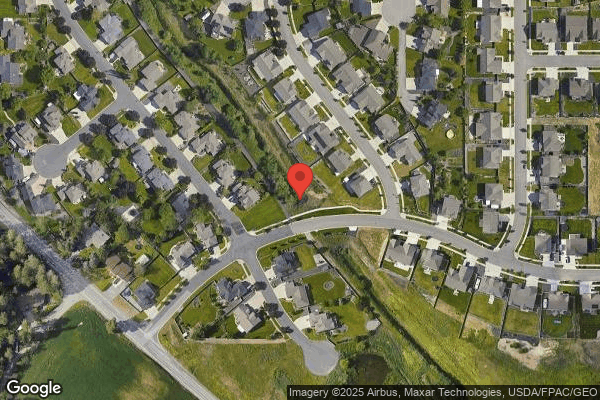
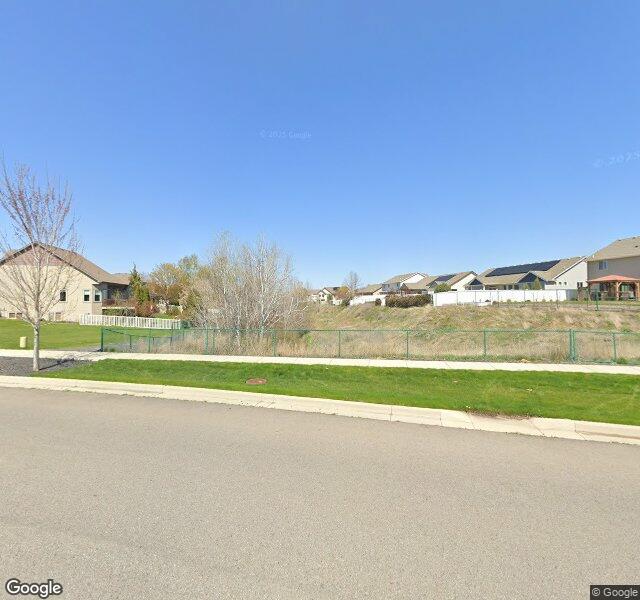
EAST 17121 EIGHTH AVENUE, SPOKANE VALLEY, WA 99016 (509) 924-6161
For profit - Corporation 97 Beds CASCADIA HEALTHCARE Data: November 2025
Trust Grade
30/100
#156 of 190 in WA
Last Inspection: August 2024

Within standard 12-15 month inspection cycle. Federal law requires annual inspections.

Overview

Spokane Valley Health and Rehabilitation of Cascad has received a Trust Grade of F, indicating poor performance and significant concerns about the quality of care provided. Ranking #156 out of 190 facilities in Washington places it in the bottom half, and #12 out of 17 in Spokane County highlights that only a few local options are better. Although the facility's trend is improving, with issues decreasing from 25 in 2024 to 3 in 2025, the staffing situation is concerning, as it has a low rating of 1 out of 5 stars and a high turnover rate of 64%, significantly above the state average. There have been serious incidents, such as failing to address significant changes in residents' health conditions and making medication errors, which resulted in residents receiving more than the prescribed doses, posing risks to their health. While there is some RN coverage that is considered average, the overall environment shows a mix of weaknesses that families should carefully consider.

Trust Score
F
30/100
In Washington
#156/190
Bottom 18%
Safety Record
Moderate
Needs review
Inspections
Getting Better
25 → 3 violations
Staff Stability
⚠ Watch
64% turnover. Above average. Higher turnover means staff may not know residents' routines.
Penalties
✓ Good
$57,116 in fines. Lower than most Washington facilities. Relatively clean record.
Skilled Nurses
○ Average
Each resident gets 33 minutes of Registered Nurse (RN) attention daily — about average for Washington. RNs are the most trained staff who monitor for health changes.
Violations
⚠ Watch
45 deficiencies on record. Higher than average. Multiple issues found across inspections.
★★☆☆☆
2.0
Overall Rating
★☆☆☆☆
1.0
Staff Levels
★★☆☆☆
2.0
Care Quality
★★★☆☆
3.0
Inspection Score
Stable
2024: 25 issues
2025: 3 issues

The Good

  • Full Sprinkler Coverage · Fire safety systems throughout facility
  • No fines on record

Facility shows strength in fire safety.

The Bad

2-Star Overall Rating

Below Washington average (3.2)

Below average - review inspection findings carefully

Staff Turnover: 64%

18pts above Washington avg (46%)

Frequent staff changes - ask about care continuity

Federal Fines: $57,116

Above median ($33,413)

Moderate penalties - review what triggered them

Chain: CASCADIA HEALTHCARE

Part of a multi-facility chain

Ask about local staffing decisions and management

Staff turnover is elevated (64%)

16 points above Washington average of 48%

The Ugly 45 deficiencies on record

1 actual harm
Mar 2025 3 deficiencies
CONCERN (D) 📢 Someone Reported This

A family member, employee, or ombudsman was alarmed enough to file a formal complaint

Potential for Harm - no one hurt, but risky conditions existed

Notification of Changes (Tag F0580)

Could have caused harm · This affected 1 resident

Based on interview and record review, the facility failed to notify the resident representative of an incident requiring transfer to the hospital experienced by 1 of 4 sampled residents (Resident 1), ...

Read full inspector narrative →
Based on interview and record review, the facility failed to notify the resident representative of an incident requiring transfer to the hospital experienced by 1 of 4 sampled residents (Resident 1), reviewed for accident hazards. This failure placed the resident at risk for delayed decisions for treatment by the legal representative. Findings included . Review of the 11/20/2024 annual assessment showed Resident 1 had significant cognitive impairments and was dependent upon staff for assistance with activities of daily living (ADLs). Per the 11/21/2024 care plan, Resident 1 had a surrogate decision-maker who was to be involved in all medical and financial decision making. Review of the December 2024 progress notes for Resident 1 showed on 12/05/2024 Staff B, Registered Nurse was notified by staff at the front desk that Resident 1 had a fall during an external appointment that day which resulted in low back pain and required a transfer to the hospital for evaluation. The note showed the resident was transferred back to the facility with no new physician orders. There was no documentation showing the resident's representative was notified of the incident. In an interview on 01/15/2025 at 11:57 AM, Resident Representative 1 (RR1) stated they were not aware Resident 1 had a fall on 12/05/2024 while at an appointment. RR1 further stated they were not aware the resident was even at an appointment and would not have agreed to the appointment due to the resident's confusion and history of refusal with the type of provider the appointment was scheduled with. In an interview on 01/15/2025 at 4:22 PM Staff A, Director of Nursing, stated a fall that occurred outside of the facility still needed to be reported to all responsible parties. Staff A reviewed Resident 1's medical record then confirmed that a fall requiring hospital transfer occurred at an external provider appointment on 12/05/2025. Per Staff A, the incident had not been reported to them and an investigation of the incident (which occurred more than a month prior to the interview) was still underway. Staff A was unable to provide additional information regarding notification to the resident's representative. Reference WAC 388-97-0320.
CONCERN (D) 📢 Someone Reported This

A family member, employee, or ombudsman was alarmed enough to file a formal complaint

Potential for Harm - no one hurt, but risky conditions existed

Accident Prevention (Tag F0689)

Could have caused harm · This affected 1 resident

Based on observation, interview and record review, the facility failed to ensure 1 of 4 sampled residents (Resident 1), reviewed for accident hazards, received adequate supervision while at an appoint...

Read full inspector narrative →
Based on observation, interview and record review, the facility failed to ensure 1 of 4 sampled residents (Resident 1), reviewed for accident hazards, received adequate supervision while at an appointment with an external provider. This failure placed the resident at risk of injury and unmet needs. Findings included . Review of the 11/20/2024 annual assessment showed Resident 1 had significant cognitive impairments and was dependent upon staff for assistance with activities of daily living (ADLs). Per the 11/21/2024 care plan, Resident 1 was at a high risk to fall, had a history of seizures (sudden uncontrolled electrical disturbance in the brain) and involuntary movements, and was confused. The care plan showed staff were to provide close monitoring of the resident, a specialty wheelchair that tilted back (to prevent falls from leaning forward), and required the assistance of two staff and a mechanical lift for transfers. Review of the December 2024 progress notes for Resident 1 showed on 12/05/2024 Resident 1 had an external appointment that day. Further review of the progress notes showed no documentation whether the resident was accompanied by either staff or family. Additionally, there was no documentation prior to the appointment showing an assessment was done to determine if the resident would be safe in their wheelchair, unaccompanied, out of the facility, for the duration of their appointment. In an interview on 01/14/2025 at 1:05 PM Collateral Contact 1 (CC1) stated Resident 1 arrived at their appointment on 12/05/2024 alone and confused. Per CC1, Resident 1 did not know their medical history or where they lived. Observation at 01/15/2025 at 10:29 AM showed Resident 1 was in their room on the locked memory unit. The resident was able to state their name but did not know how long they lived in the facility and was unable to recall what they ate for breakfast that day. In an interview on 01/15/2025 at 11:57 AM, Resident Representative 1 (RR1) stated they were not asked if they could accompany Resident 1 to an external appointment on 12/05/2024. RR1 further stated they were not aware the resident had an appointment scheduled that day and would not have agreed to the appointment due to the resident's confusion and history of refusal with the type of provider the appointment was scheduled with. RR1 stated they did not feel it was safe to send the resident to an external appointment alone. In an interview on 01/15/2025 at 12:10 PM Staff C, Nursing Assistant, stated Resident 1 was at high risk to fall and needed staff assistance to move in their wheelchair. Staff C stated staff could accompany residents to their appointments if they were notified in advance, but did not recall that any staff accompanied the resident on 12/05/2025. In an interview at 2:45 PM the same day, Staff E, Resident Care Manager, stated when the facility received notification of a resident appointment a transportation request sheet would be filled out and given to Staff D, Receptionist, for confirmation and scheduling of transportation. Staff E stated the interdisciplinary team (IDT: group of professionals from various health care disciplines) discussed upcoming appointments and if a resident was cognitively impaired, they would schedule a staff member or ask the resident's family to accompany the resident. Staff E stated they were out of the facility for a few weeks around the beginning of December, and they did not have additional information regarding Resident 1's 12/05/2025 appointment, including whether they were assessed to need supervision while out of the facility. Staff E stated Resident 1 was a high fall risk and had a fall the day prior to their appointment. At 3:13 PM the same day, Staff D confirmed they were responsible for scheduling appointments and transportation. Staff D stated they were not aware of each resident's mobility and cognitive status and relied on staff to notify them when a resident needed someone to accompany them to an appointment, which did not always occur. Per Staff D, Resident 1's 12/05/2025 appointment and transportation were scheduled by Staff E before Staff D started working at the facility. Staff D stated they were surprised the nursing staff let the resident go to the appointment when the transportation company arrived, and no one was scheduled to accompany the resident. In an interview on 01/15/2025 at 4:22 PM, Staff A, Director of Nursing, stated the facility would provide staff to accompany a resident to an appointment if it was needed, and that such information should be communicated to Staff D on the appointment/transportation form. Staff A stated they were not sure if Resident 1 needed staff to accompany them to their appointments and would defer to Staff E on the decision. Reference: (WAC) 388-97-1060 (3)(g)
CONCERN (E) 📢 Someone Reported This

A family member, employee, or ombudsman was alarmed enough to file a formal complaint

Potential for Harm - no one hurt, but risky conditions existed

Deficiency F0760 (Tag F0760)

Could have caused harm · This affected multiple residents

Based on interview and record review, the facility failed to ensure 1 of 3 sampled residents (Resident 6), reviewed for medication administration, received medication as ordered by the physician. This...

Read full inspector narrative →
Based on interview and record review, the facility failed to ensure 1 of 3 sampled residents (Resident 6), reviewed for medication administration, received medication as ordered by the physician. This failure resulted in a pattern of significant medication errors which placed the resident at risk for medical complications, unintended health consequences and diminished quality of life. Findings included . Review of the hospital discharge summary and orders dated 10/10/2024 showed Resident 6 was to receive fluconazole (oral antifungal medication) 600mg (milligrams; a unit of measurement) daily until 10/28/2024. The resident was to be closely monitored by nephrology (medical specialty that focuses on the kidneys) due to their advanced kidney disease. Per the October 2024 Medication Administration Record, Resident 6 received fluconazole 600mg twice daily on 10/11/2024, 10/12/2024, 10/13/2024, 10/14/2024, and 10/15/2024 (double the amount ordered). The resident's record showed they discharged from the facility on 10/15/2024. Review of the October 2024 progress notes showed no entries addressing the increase in Resident 6's fluconazole. In an interview on 03/18/2025 at 4:03 PM Staff F, Registered Nurse, stated when a resident discharged to the facility from the hospital their medication orders were processed by the Resident Care Manager. Staff F was unable to provide any information related to Resident 6's fluconazole. In an interview on 03/18/2025 at 4:15 PM Staff A, Director of Nursing, stated they started working at the facility in November and had identified concerns with the admission medication process shortly afterward. Staff A stated they now required two staff to review and verify the hospital discharge medication list was accurately entered into the facility's electronic system. Staff A reviewed Resident 6's record and confirmed the fluconazole administered to the resident did not match their hospital discharge orders, which constituted a medication error. Reference: (WAC) 388-97-1060 (3)(k)(iii)
Nov 2024 2 deficiencies
CONCERN (D) 📢 Someone Reported This

A family member, employee, or ombudsman was alarmed enough to file a formal complaint

Potential for Harm - no one hurt, but risky conditions existed

Free from Abuse/Neglect (Tag F0600)

Could have caused harm · This affected 1 resident

Based on observation, interview, and record review, the facility failed to ensure 1 of 8 sample residents (Resident 1) reviewed for abuse, was free from sexual abuse from another resident (Resident 2)...

Read full inspector narrative →
Based on observation, interview, and record review, the facility failed to ensure 1 of 8 sample residents (Resident 1) reviewed for abuse, was free from sexual abuse from another resident (Resident 2). This failure placed Resident 1 and other residents at risk for psychosocial harm and a diminished quality of life. Findings included . Review of the 09/09/2024 annual assessment showed Resident 2 was severely cognitively impaired, wandered one to three days of the assessment period, had delusions (false belief about external reality despite evidence to the contrary) and was able to walk with supervision. Review of the care plan initiated 09/06/2023 showed Resident 2 had poor physical boundaries with others and required staff to monitor their behavior. Per the 09/04/2024 quarterly assessment Resident 1 was severely cognitively impaired and independent with walking. Review of a 09/17/2024 facility investigation showed Staff D, Nursing Assistant, was walking down the hallway at approximately 2:45 PM that day and found Resident 2 in Resident 1's room. Per the report, Resident 1 was lying on their bed under the blankets and Resident 2 was next to the bed with one hand on Resident 1's (clothed) breast and the other hand under the blankets. Staff D told Resident 2 to stop and to leave; the resident responded with aggression towards Staff D and required two additional staff to assist in separating the residents. The investigation report showed Resident 1 stated they did not invite Resident 2 into their room. Observation on 09/30/2024 at 3:52 PM showed Resident 2's room was at the end of the hallway, furthest from the nurse's station. Resident 1's room was on the same side of the hallway, directly next to Resident 2's room. Resident 2 was in their room seated in their recliner with the door closed. When interviewed, the resident gave clear but incorrect answers to simple questions such as how long they had been residing in the facility. Resident 2 denied ever going into any other resident rooms and denied any inappropriate interactions with other residents. At 3:57 PM the same day Resident 1 was observed seated in the dining room conversing with other (unidentified) residents. Resident 1 was interviewed and stated they did not feel safe around too many people as they were used to living in the country with less crowding, however they did not have any concerns with the other residents at the facility. Resident 1 was pleasantly confused and did not recall the incident with Resident 2. In an interview on 09/30/2024 at 4:04 PM Staff C, Registered Nurse, stated Resident 2 had a history of wandering into other resident rooms and could be aggressive. Staff C stated they assisted to remove Resident 2 from Resident 1's room on 09/17/2024 due to the resident's aggression with Staff D. Staff C stated neither resident remembered the incident and Resident 1 had not had any changes in behavior afterwards. In an interview on 10/16/2024 at 10:25 AM Staff D stated on 09/17/2024 they began their shift on the unit Resident 1 and 2 resided on at 2:00 PM and were doing their initial checks on the residents when they found Resident 2 in Resident 1's room at 2:45 PM. Staff D stated Resident 1 was lying in their bed awake and unmoving while Resident 2 was seated in a chair next to the bed with their right hand on Resident 1's breast and their left hand under the covers in the area of Resident 1's genitalia. Staff D stated after they told Resident 2 to leave the resident responded that they were talking to Resident 1 and Staff D should mind their own business. Staff D stated Resident 1 did not have any changes in their behavior the night of the incident and had no negative responses to questioning about the incident. Per Staff D, Resident 2 had a prior history of wandering into female residents' rooms and staff were responsible to monitor the resident. Reference: (WAC) 388-97-0640 (1)
CONCERN (D) 📢 Someone Reported This

A family member, employee, or ombudsman was alarmed enough to file a formal complaint

Potential for Harm - no one hurt, but risky conditions existed

Staffing Data (Tag F0851)

Could have caused harm · This affected 1 resident

Based on interview and record review, the facility failed to ensure that direct care staffing information was accurate upon submission to the Centers for Medicare and Medicaid Services (CMS) for Quart...

Read full inspector narrative →
Based on interview and record review, the facility failed to ensure that direct care staffing information was accurate upon submission to the Centers for Medicare and Medicaid Services (CMS) for Quarter 1 of 2024 (January 1, 2024 through March 31, 2024) reviewed for Payroll Based Journal (PBJ - mandatory reporting of staffing information based on payroll data) submission. This failure caused CMS to have inaccurate data related to facility staffing levels and had the potential to impact resident care and services. Findings included . Review of the Certification and Survey Provider Enhanced Reports (CASPER) PBJ Staffing Data Report showed the facility reported data for Quarter 1, 2024 at a level lower than required by mandated staffing levels. In an interview on 10/16/2024 at 3:15 PM Staff B, Director of Nursing, stated the facility was having a lot of change during Quarter 1, 2024 and they did not think hours were being reported correctly. On 11/14/2024 at 8:10 PM Staff A, Operations Director, documented the facility had additional staffing data from Quarter 1, 2024 that was not reported. Per Staff A the missing staffing data related to staff who worked for external staffing agencies and provided invoices from the pertinent agencies.
Aug 2024 20 deficiencies
CONCERN (D)

Potential for Harm - no one hurt, but risky conditions existed

Resident Rights (Tag F0550)

Could have caused harm · This affected 1 resident

<Resident 67> Per the 06/28/2024 admission assessment, Resident 67 had diagnoses which included prostate cancer and chronic urinary retention and utilized a urinary catheter. On 08/01/2024 at 9...

Read full inspector narrative →
<Resident 67> Per the 06/28/2024 admission assessment, Resident 67 had diagnoses which included prostate cancer and chronic urinary retention and utilized a urinary catheter. On 08/01/2024 at 9:25 AM, Resident 67 was observed sitting in a chair in their room. The urine collection bag of their catheter was lying on the floor, not covered by a privacy bag. Additional observations of the collection bag without a privacy bag were observed on 08/01/2024 at 1:58 PM, 08/02/2024 at 9:50 AM, 08/06/2024 at 8:31 AM and 2:13 PM and 08/07/2024 at 10:33 AM. In an interview on 08/07/2024 at 3:14 PM, Staff D, Nursing Assistant, stated urinary catheter bags needed to be stored in privacy bags and this was a dignity issue. Staff D added the resident transferred themself and their catheter would be found on the floor often. During an interview on 08/13/2024 at 8:57 AM, Staff B, Director of Nursing stated the urine collection bag should have been placed in a privacy bag and it was a dignity issue. Reference: WAC 388-97-0180 (1-4) Based on observation, interview and record review, the facility failed to ensure residents were provided care in a dignified manner for 3 of 4 sampled residents (4, 58, 67) reviewed for resident rights. Specifically, Resident 4 was referred to as a feeder, and Residents 58 and 67 required use of urinary catheters (a tube inserted into the bladder that allowed urine to drain) and the urine collection bags were not covered and were visible to the public. This failure put the residents at risk for embarassment and decreased quality of life. Findings included . <Resident 4> A 06/04/2024 quarterly assessment documented Resident 4 had diagnoses including traumatic brain injury (TBI), and spastic hemiplegia (muscles on one side of the body are in a constant state of contraction) affecting their left dominant side. Resident 4 was moderately cognitively impaired and was dependent on staff for most activities of daily living (ADLs). The comprehensive care plan documented Resident 4 was at nutritional risk and required adaptive equipment at meals. Staff were instructed to provide feeding assistance, monitor for signs of choking or swallowing difficulties, use sponge-handled utensils, a blue lipped plate, and feeder cups. A 03/01/2024 annual nutrition evaluation by the Registered Dietician documented Resident 4 ate 76-100% of their meals, their appetite was good, and they required feeder cups with their meals. On 08/01/2024 from 11:27 AM to 12:28 PM, the noon meal was observed in the main dining room. Residents gathered around tables and staff began distributing coffee or other drinks. Resident 4 was assisted to the dining room in their wheelchair and seated at a table with another male resident. At 11:54 AM, a staff member, later identified as Staff L, MDS Coordinator (MDS, a tool used to assess resident care needs), called the staff in the dining room together and instructed the nursing assistants to remember to serve everyone at the same table, then serve the feeders last. Staff L stated once staff put a plate in front of the feeders they would have to sit down with them, so do them last. During an interview on 08/09/2024 at 12:10 PM, Staff N, Nursing Assistant, who had been present in the dining room on 08/01/2024, stated she had worked at the facility for 20 years and the residents were like family. When asked what a feeder cup was, Staff N stated they did not call them that; they did not like that term. Staff N stated they referred to the cups as sippy cups. These were cups with handles and a lid so that a resident did not spill their drink. Staff N stated they did not like the term feeder, it was not a dignified way to refer to a resident. Staff N referred to residents that needed fed as residents needing assistance. During an interview on 08/13/2024 at 10:41 AM, Staff M, Resident Care Manager, observed Resident 4's care plan with the surveyor. When asked what a feeder cup was, Staff M stated, if it was what they thought, it was a cup with handles, like a sippy cup. Staff M stated feeder was not a term they used to refer to residents and they were a little taken aback. They stated it was not dignified. During an interview on 08/13/2024 at 12:35 PM, Staff L stated they remembered talking to staff in the dining room on 08/01/2024. Staff L stated they used the term feeder because they were unaware what the correct term was for those residents who needed assistance being fed. <Resident 58> A review of the 05/29/2024 admission assessment documented Resident 58 had diagnoses including benign prostatic hyperplasia (BPH, prostate gland enlargement that can cause urination difficulty) and neurogenic bladder (bladder function is disrupted by injury or disease). Resident was cognitively intact and had an indwelling urinary catheter. During the noon meal observation on 08/01/2024 beginning at 11:27 AM, Resident 58 was observed seated in their motorized wheelchair. They entered the dining room and positioned themself at one of the tables. Resident 58 was wearing a pair of shorts and the collection bag for their urinary catheter was observed hanging on the frame of their wheelchair between and behind their legs. The collection bag was not covered and urine was visible. The bag remained in this manner throughout the meal. During an interview on 08/06/2024 at 11:37 AM, Resident 58 was observed with a cloth cover over their urine collection bag. Resident 58 stated his urine collection bag had not been covered when they ate in the dining room on 08/01/2024. Resident 58 stated urine had leaked on the cover they used and the cover had been sent to the laundry to be washed. They stated they did not have another cover, so they had to go to the dining room without one. Resident 58 stated it bothered them; they did not feel like everyone needed to see their urine and the cover gave them some privacy. They stated it would have been helpful to have a second one available.
CONCERN (D)

Potential for Harm - no one hurt, but risky conditions existed

Investigate Abuse (Tag F0610)

Could have caused harm · This affected 1 resident

Based on interview and record review, the facility failed to investigate a fall for 1 of 3 sampled residents (285), reviewed for falls. This failure placed the resident at risk of further falls, injur...

Read full inspector narrative →
Based on interview and record review, the facility failed to investigate a fall for 1 of 3 sampled residents (285), reviewed for falls. This failure placed the resident at risk of further falls, injury, and a diminished quality of life. Findings included . Review of the 05/17/2021 facility policy titled, Fall Response and Management documented nursing staff was to complete a post fall investigation, notify the physician, and communicate the event and intervention changes to the staff. According to the 08/04/2024 admission assessment, Resident 285 required partial to moderate assistance with activities of daily living such as transferring and toileting and was able to make their needs known. In an interview on 08/06/2024 at 8:44 AM, Resident 285's family member stated the resident had fallen on 08/02/2024 when staff had assisted him to the toilet. The family member stated the resident was standing in the bathroom, fell back and hit their hip on the toilet and experienced a lot of pain and was not getting any better. During an interview on 08/08/2024 at 8:38 PM, Staff D, Nursing Assistant, stated Resident 285 stood at the bars in the bathroom and as they turned, they stiffened and fell backwards, hitting their tailbone on the back of the toilet seat. Staff D denied this was a fall as the resident did not hit the ground. In an interview on 08/08/2024 at 8:47 PM, Staff E, Licensed Practical Nurse, stated Resident 285 had no falls since admission to the facility. Staff E stated the resident had an x-ray related to complaints of pain after hitting their hip on the toilet and it was negative for any type of injury. A review of the accident and injury log for August 2024 found no entry for a fall for resident 285. Per record review, the physician's assistant was not notified of the fall until 08/07/2024, five days after the fall occurred. During an interview on 08/12/2024 at 12:39 PM, Staff B, Director of Nursing, stated a fall is an unintentional change in position and should have been reported and investigated after the occurrence. Reference WAC: 388-97-0640 (6)(a)(b)
CONCERN (D)

Potential for Harm - no one hurt, but risky conditions existed

Deficiency F0645 (Tag F0645)

Could have caused harm · This affected 1 resident

Based on interview and record review, the facility failed to ensure 1 of 5 sampled residents (23) reviewed for Pre-admission Screening and Resident Review (PASARR, an assessment completed to determine...

Read full inspector narrative →
Based on interview and record review, the facility failed to ensure 1 of 5 sampled residents (23) reviewed for Pre-admission Screening and Resident Review (PASARR, an assessment completed to determine whether a resident with a diagnosis of a serious mental illness needed specialized mental health services) was completed accurately and prior to admission as required. In addition, the facility failed to ensure a new PASARR assessment was completed when Resident 23 had changes in their mental health diagnoses. These failures placed the resident at risk for unmet care needs. Findings included . <Resident 23> Resident 23's admission record documented the resident admitted to the facility with a mental health diagnosis of paranoid personality disorder, a mental health disorder characterized by irrational and persistent beliefs that people were trying to harm, deceive or exploit them. Review of Resident 23's record showed a PASARR was completed by Staff G, Social Worker, on 06/26/2023, four days after the resident was admitted to the facility. Section 1A of the assessment documented Resident 23 had no serious mental health indicators and the box for personality disorders was unchecked. Additional review of Resident 23's record documentation that additional mental health diagnoses of anxiety and depression were added on 11/04/2023 after the resident experienced changes in their mental health. Further record review found no documentation that the PASARR had been redone to assess if the resident needed specialized mental health services. In an interview on 08/06/2024 at 3:11 PM, Staff B, Director of Nursing stated PASARR needed to be completed prior to admission to the facility and updated when changes occurred. Reference (WAC): 388-97-1915 (1)(2)(a-c)
CONCERN (D)

Potential for Harm - no one hurt, but risky conditions existed

Comprehensive Care Plan (Tag F0656)

Could have caused harm · This affected 1 resident

<Resident 283> The 07/15/2024 admission assessment documented Resident 283 was able to make their needs known to staff and had ulcers to their left lower extremity. The 08/02/2024 care plan, in...

Read full inspector narrative →
<Resident 283> The 07/15/2024 admission assessment documented Resident 283 was able to make their needs known to staff and had ulcers to their left lower extremity. The 08/02/2024 care plan, instructed nursing staff to off load the pressure (keep the lower extremities from resting on a surface) from Resident 283's heels. During an observation on 08/06/2024 at 11:58 AM, Resident 283 was resting in bed with their heel resting on the mattress, no offloading of the lower extremity was provided. Subsequent observations of Resident 283's left lower extremity without offloading were made on 08/06/2024 at 2:15 PM, 08/07/2024 at 10:35 AM, 08/07/2024 at 1:10 PM, 1:35 PM and 3:02 PM, 08/08/2024 at 8:29 AM and 08/12/2024 at 5:32 AM. During an interview on 08/08/2024 at 2:24 PM, Staff GG, Licensed Practical Nurse, stated Resident 283 moved themselves in bed and needed reminders and checked on to ensure their lower extremity was offloaded. In an interview on 08/12/2024 at 12:46 PM, Staff B, Director of Nursing, stated offloading needed to be provided for any resident with wounds unless they declined to so and that needed to be documented. Reference: WAC 1020(1), (2)(a)(b) <Resident 4> A review of the record showed Resident 4 had diagnoses including hemiplegia affecting the left dominant side (paralysis affecting one side of the body), difficulty swallowing, and nutritional deficiency. The 06/04/2024 quarterly assessment documented Resident 4 was moderately impaired cognitively, had no behaviors, did not reject care and had weight loss but was not on a prescribed weight loss regimen. The 12/06/2023 Activity of Daily Living (ADLs) Care Plan documented Resident 4 had a self-care deficit. The care plan instructed that Resident 4 needed to be out of their room for all meals and in the dining room as they were able to tolerate. Resident 4 required assistance of one staff for eating and if unable to tolerate the dining room, staff were to ensure the resident was provided supervision in the hallway. Staff were to monitor for signs of difficulty chewing or swallowing. Provider orders dated 07/22/2024 documented Resident 4 was to receive a regular diet with level 3 advanced textures (moist foods in bite-sized pieces, and without hard, sticky or crunchy foods) . A 07/23/2024 Diet Requisition Form completed by Staff FF, Speech Therapist, documented Resident 4 inconsistently received the Level 3 diet, and at times had regular textures. Resident 4 was appropriate for the Level 3 diet because of poor safety awareness and increased impulsivity. The form highlighted with an asterisk that Resident 4 needed to be in the hall for meals, not in their room. A review of nursing progress notes from 07/14/2024 to 08/12/2024 documented Resident 4 refused to get out of bed for breakfast once, on 07/26/2024. On 08/02/2024 at 9:03 AM, Resident 4 was observed lying in bed in a hospital gown after they had eaten breakfast. When asked about breakfast, Resident 4 requested more coffee, and held up four fingers. On 08/06/2024 at 8:31 AM, Resident 4 was observed sitting in bed. The head of the bed was elevated, and Resident 4's head bent forward so that their chin was positioned almost on their chest. A nursing assistant sat to the right side of the resident and was feeding the resident. Resident 4 was also observed in bed being assisted with their breakfast on 08/09/2024 at 9:12 AM, and on 08/12/2024 at 8:22 AM. During an interview on 08/12/2024 at 10:49 AM, Staff M, Resident Care Manager, stated they were new to their position and were unsure why Resident 4's care plan instructed staff to ensure the resident was in the dining room for meals. They were unsure if it was because the resident refused to get up, or if it was because the resident was at risk for aspiration (when food or fluid enters the airway or lungs by accident). During a follow-up interview on 08/13/2024 at 10:02 AM, Staff M stated it was possible staff had not gotten Resident 4 out of bed because of a history of being verbally aggressive. If the resident refused to get out of bed, it was to be documented in the progress notes. Staff M stated the care plans were updated quarterly and any of the nurses were able to update the care plans. Based on observation, interview and record review, the facility failed to ensure care plan interventions were implemented for 3 of 19 sampled residents (1, 283, 4) reviewed for care planning. Failure to ensure nutritional interventions for Residents 1 and 4, and vascular ulcer interventions for 283 were followed placed the residents at risk for poor nutritional intake, potential skin breakdown, unmet care needs, and a diminished quality of life. Findings included . <Resident 1> The 07/08/2024 annual assessment documented Resident 1 was able to make their needs known to staff, had impaired range of motion to an upper extremity on one side of their body, and needed set up or clean up assistance from nursing staff to eat. On 08/01/2024 at 10:15 AM, Resident 1 was observed lying in their bed in their room talking with their representative. The representative stated Resident 1 was at risk for choking, would put too much food on the spoon when eating and the staff were supposed to supervise for safety, but it wasn't being done. In response to the comment, Resident 1 made a thumbs up gesture with their left hand, said yes, and shook their head up and down. Review of the ADL care plan documented Resident 1 tended to eat too quickly, took bites of food that were too big, and then would choke. Interventions were implemented on 08/25/2020 and instructed nursing staff to monitor the resident for safety, and cue as necessary to ensure proper intake. A revision on 07/05/2023 instructed nursing staff that Resident 1 needed assistance with the first bite, and then was able to feed themself. Review of the nutrition care plan informed nursing staff that Resident 1 was at risk for choking. A revision to the interventions on 01/22/2014 instructed nursing staff to serve the resident one food item at a time to avoid choking from eating too fast, and staff were to provide supervision and assistance at meals. On 08/01/2024 at 11:38 AM, Resident 1 was observed sitting in their wheelchair in their room with the beside tray table placed in front of them. When asked if they were ready for lunch, Resident 1 made a thumbs up gesture. On 08/01/2024 at 11:59 AM, Resident 1 was served their lunch tray in their room and began eating independently. The tray contained a tuna sandwich, shredded lettuce salad, soup with soda crackers, milk and coffee. No nursing staff were present in the room, and no nursing staff were supervising the resident eat. On 08/01/2024 at 12:05 PM Staff W, Nursing Assistant, was asked if Resident 1 needed assistance or supervision when eating. Staff W stated no, the resident was able to eat/feed themselves independently and did not need assisted or supervision. When asked how they knew what type of assistance or care needs a resident had, Staff W stated the residents care plans informed them. At 12:11 PM, Staff S, Nursing Assistant, asked Resident 1 how they were doing, Resident 1 made the thumbs up gesture, and Staff S then left the room. When asked if Resident 1 needed assistance or supervision during meals, Staff S stated Resident 1 needed set up assistance, but was able to feed themself. Resident 1 continued to eat alone in their room without assistance or supervision until 12:17 PM. On 08/06/2024 at 11:48 AM, Resident 1 was observed sitting in their wheelchair in their room. An unidentified nursing staff entered the room and placed Resident 1's lunch tray on the bedside tray table in front of them, then left the room, and Resident 1 began to eat. The tray contained mashed potatoes without gravy, ground meat, shredded lettuce salad with cheese on top, canned peaches, milk, and coffee. During the continuous observation from 11:48 AM until Resident 1 stated they were finished with the meal at 12:03 PM, a time of 15 minutes, none of the nursing staff assisted or supervised Resident 1. In an interview on 08/13/2024 at 2:02 PM, when informed of the meal observations and the lack of assistance and supervision for Resident 1, Staff B, Director of Nursing, stated the expectation was that care plan instructions and interventions were followed.
CONCERN (D)

Potential for Harm - no one hurt, but risky conditions existed

Deficiency F0661 (Tag F0661)

Could have caused harm · This affected 1 resident

Based on interview and record review, the facility failed to complete a discharge summary, including a recapitulation of the resident's stay as required, for 1 of 1 sampled residents (19), reviewed fo...

Read full inspector narrative →
Based on interview and record review, the facility failed to complete a discharge summary, including a recapitulation of the resident's stay as required, for 1 of 1 sampled residents (19), reviewed for discharge. This failure placed the resident at risk for having an incomplete medical record. Findings included . The 07/08/2024 quarterly assessment documented Resident 19 was cognitively intact to make decisions regarding care and needed set up assistance from staff to complete activities of daily living. A record review documented Resident 19 was admitted to the facility for physical and occupational therapy, following a urinary tract infection and sepsis (a life-threatening complication of an infection). A review of the progress note on 07/30/2024 documented Resident 19 was discharged to another facility. The 07/30/2024 discharge summary completed by Staff F, Physician Assistant, documented the resident discharged but did not state where to, nor did the summary provide a recapitulation of the care and services the resident received while at the facility. In an interview on 08/12/2024 at 12:35 PM, Staff B, Director of Nursing, stated a recapitulation of stay/discharge summary needed to be done by the provider when a resident discharged from the facility. Reference: WAC 388-97- 0080 (7)(a)
CONCERN (D)

Potential for Harm - no one hurt, but risky conditions existed

ADL Care (Tag F0677)

Could have caused harm · This affected 1 resident

Based on observation, interview, and record review, the facility failed to consistently provide bathing and/or grooming for 3 of 3 sampled residents (1, 43, 5), reviewed for activities of daily living...

Read full inspector narrative →
Based on observation, interview, and record review, the facility failed to consistently provide bathing and/or grooming for 3 of 3 sampled residents (1, 43, 5), reviewed for activities of daily living (ADLS). This failure placed the residents at risk for poor personal hygiene, unmet care needs and a diminished quality of life. Findings included . <Resident 1> The 07/08/2024 annual assessment documented Resident 1 had diagnoses which included paraplegia, a condition that caused the loss of muscle function in the lower half of the body. In addition, the assessment documented the resident was dependent on nursing staff to complete activities of daily living for bathing and personal hygiene such as shaving. On 08/01/2024 from 9:37 AM to 9:50 AM, Resident 1 was observed lying in bed in their room. The resident's hair was greasy in appearance and there was long facial stubble present. When asked if they were being bathed, and assisted to shave, the resident stated no, and made a thumbs down gesture. Resident 1's representative was present at the time and stated it had been about three weeks since the resident had been bathed, and staff should be shaving the resident, but it wasn't being done. The representative stated they had purchased an electric razor as well as safety razors for the resident, and opened the mirrored cabinet above the sink in the resident's room which contained the shaving supplies. Subsequent observations throughout the day on 08/01/2024 from 09:50 through 1:15 PM remained unchanged, with Resident 1's hair being greasy and long facial stubble present. On 08/06/2024 at 8:36 AM, Resident 1 was observed lying in bed, no facial stubble was present, and their hair appeared greasy. When asked if they had been shaved, the resident made a thumbs up gesture. When asked if they had also received a bath, the resident laughed and stated no. At 10:44 AM and 3:48 PM, the resident was observed to still have greasy hair. On 08/09/2024 at 8:27 AM, Resident 1 was observed lying in bed eating breakfast. The resident stated they had been shaved, but still had not been bathed. Review of the 01/02/2014 ADL care plan documented Resident 1 needed assistance with bathing and shaving, was to be bathed up to twice a week, and as needed. The interventions also instructed nursing staff that the resident was to be shaved when bathed, and as needed. Review of the bathing/grooming records for the last 30 days from 07/08/2024 through 08/09/2024 found no documentation that Resident 1 had been bathed. A review on 08/09/2024 of the Documentation Summary Report for tasks found the following: June 2024, the resident was bathed on 06/01/2024, and 06/12/2024; July 2024, the resident was bathed on 07/24/2024, and 07/31/2024; and August 2024, the resident had been bathed on 08/07/2024. In an interview on 08/12/24 at 7:52 AM, Staff V, Nursing Assistant, stated there used to be a bath team that did the resident's bathing, some residents took 40 minutes to bathe properly, and the aides tried their best to get the resident's bathed twice a week, but it was difficult to get residents bathed, and complete all other assigned tasks and care needs. <Resident 43> The 07/11/2024 quarterly assessment documented Resident 43 needed assistance from nursing staff to complete activities of daily living such as bathing. In an interview on 08/06/2024 at 3:58 PM, Resident 43 stated they were not getting bathed as often as they would like. When asked how often they were bathed, Resident 43 stated once a week would be nice, but that wasn't happening. Review of the 10/17/2023 ADL care plan documented Resident 43 needed moderate assistance from one nursing staff for bathing, and showers were to be given twice a week. Review of the bathing/shower record for the past 30 days from 07/11/2024 through 08/01/2024 documented Resident 43's scheduled bath days were on Monday and Thursday. No documentation was found that the resident had been bathed. A review on 08/09/2024 of the Documentation Summary Report for tasks found the following: June 2024, the resident was bathed on 06/19/2024 and 06/26/2024 for a total of two times out of eight times scheduled. July 2024, the resident was bathed 07/03/2024, 07/06/2024, 07/17/2024, and 07/24/2024 for a total of four times our of the nine times scheduled; and August 2024, the resident had been bathed on 08/07/2024. In an interview on 08/12/24 at 07:59 AM, Staff W, Nursing Assistant, stated the residents were not getting bathed, it can take anywhere from 30 to 40 minutes to bathe a resident and there wasn't enough time to be able to do bathing with all the other cares and tasks that needed to be done. In an interview on 08/13/2024 at 2:00 PM, when informed of the lack of bathing for residents 1 and 43, Staff B, Director of Nursing, stated they were aware there were some issues with bathing not being done, but was not aware of the scope of the problem. <Resident 5> A 07/25/2024 quarterly assessment documented Resident 5 had diagnoses including obesity and candidiasis of skin and nails (a yeast infection). Resident 5 was cognitively intact, had impairments of both upper and lower extremities, and was dependent on staff for toileting, showering/bathing and personal hygiene. The 12/18/2023 care plan documented Resident 5 had a self-care deficit related to decreased mobility. Staff were instructed to provide the resident a shower up to two times per week and as needed and provide a bed bath if the shower was refused or not tolerated. Resident 5 required assistance of one staff for bathing. A review of the bathing/shower record for the past 30 days from 07/08/2024 to 08/06/2024 showed Resident 5 had received a shower on Monday 07/29/2024, and on Monday 08/05/2024. A 04/30/2024 physician progress note documented they had a routine visit with Resident 5. There were no concerns other than the resident wanted showered two times a week. On 08/01/2024 at 9:21 AM, Resident 5 was observed resting in their bed. Resident 5 stated they were supposed to get their showers on Mondays and Thursdays, but over the past few months had not been getting them. Resident 5 produced a small notepad, and stated they had been keeping track of the days they were showered. A review of Resident 5's notebook showed they had been given showers on the following days: -04/04/2024, a span of 8 days from their previous shower, -04/14/2024, a span of 10 days, -04/21/2024, a span of 7 days, -04/29/2024, a span of 8 days, -05/06/2024, a span of 8 days, -05/14/2024, a span of 9 days, -05/31/2024, a span of 17 days, -06/08/2024, a span of 9 days, -06/27/2024, a span of 19 days, -07/04/2024, a span of 8 days, and -07/10/2024, a span of 6 days from their previous shower. During an interview on 08/13/2024 at 10:00 AM, Staff N, Nursing Assistant, stated there was a schedule in the shower room that showed what residents were to be showered each day. Staff N stated each aide was responsible for providing the showers to their assigned residents and if they were unable to complete it, they notified the next shift. During an interview on 08/13/2024 at 10:22 AM, Staff M, Resident Care Manager, stated if showers were missed, staff asked the next shift to make them up. Shower refusals were to be documented. Staff M had not heard that Resident 5 had not gotten their showers, but stated they were not surprised to learn that Resident 5 kept track. Staff M observed a copy of Resident 5's notepad and agreed that the resident had not received showers twice weekly. Staff M stated it was important that residents received their showers; it kept their skin clean and dry, prevented infections, and it was a good time to view the skin for any areas of breakdown. Reference: WAC 388-97-1060(2)(c)
CONCERN (D)

Potential for Harm - no one hurt, but risky conditions existed

Deficiency F0679 (Tag F0679)

Could have caused harm · This affected 1 resident

Based on observation, interview and record review, the facility failed to ensure 1 of 1 sampled residents (25) reviewed for activities, received an ongoing program of activities that met their interes...

Read full inspector narrative →
Based on observation, interview and record review, the facility failed to ensure 1 of 1 sampled residents (25) reviewed for activities, received an ongoing program of activities that met their interests. This failure placed the resident at risk for boredom and diminished quality of life. Findings included Per the 06/24/2024 quarterly assessment, Resident 25 was moderately cognitively impaired, was able to make some needs known, and had diagnoses which included dementia and depression. The assessment documented it was very important to the resident to be involved in activities that included: books, music, animals, religion, spending time outdoors, doing things with groups of people and participating in their favorite activities. Per the 03/22/2023 care plan, Resident 25 was at risk for activity deficits related to cognitive and physical deficits, difficulty with balance and memory, required encouragement to participate due to difficulty initiating stimulation and socialization. The goal for the resident was to participate in varied group and individual activities such as church service, devotions, exercise, trivia, arts and crafts three to five times a week. Review of the activities task from 07/18/2024 through 08/05/2024 documented Resident 25 participated in arts and crafts twice, had attended a music activity, an outside activity and entertainment activity once and had their nails painted. During an observation on 08/06/2024 at 11:09 AM, Staff I, Activity Director pushed a resident in their wheelchair into the dining room and stated they were frazzled because their assistant called in and could not come to work. Staff I stated there were two people working in the activities department about half of the time. In an observation on 08/08/2024 at 11:24 AM, an activity was held in the dining room in which Resident 25 sat at another table and was not involved. During an observation and interview on 08/08/2024 at 1:20 PM, Resident 25 was lying in bed. Resident 25 stated they liked to play the piano, liked singing, going for walks and loved animals. In an observation and interview on 08/09/2024 at 9:32 AM, Resident 25 was lying in bed staring out the window and stated there was nothing else to do. The resident was told there was going to be a bean bag toss at 10 AM and they stated they would probably not attend. The resident stated if it was bowling, basketball or softball they would have attended. The resident was told about the movie that was planned for the afternoon and stated they would probably attend that. Resident 25 added they liked to sew and used to make wedding dresses. During an observation on 08/09/2024 at 2:44 PM, Resident 25 was sitting in the dining room visiting with other residents. The regular television was on, and no movie was played. In an interview on 08/09/2024 at 10:06 AM, Staff J, Nursing Assistant, stated activities on that unit were not provided often. Staff J stated the residents do a lot of puzzles and are not interested in them. Staff J stated they have music the third Thursday of each month and the residents love it. Staff J added the residents on that unit needed more hands-on activities that would stimulate them. During an interview on 08/09/2024 at 10:14 AM, Staff K, Registered Nurse, stated there were not enough activities on the unit and the residents needed more things to do. In an interview on 08/09/2024 at 10:17 AM, Staff I agreed that Resident 25 was bored and felt there could be more activities on the unit. Staff I stated they had difficulty keeping an activities assistant in the department and had been short staffed. Staff I stated they could have reached out to the community to provide more music for the residents. During an interview on 08/12/2024 at 12:42 PM, Staff B, Director of Nursing, stated there was room for growth to include more activities on the unit. Staff B added they were in the process of getting spiritual services started. Reference : WAC 388-97-0940(1)
CONCERN (D) 📢 Someone Reported This

A family member, employee, or ombudsman was alarmed enough to file a formal complaint

Potential for Harm - no one hurt, but risky conditions existed

Pressure Ulcer Prevention (Tag F0686)

Could have caused harm · This affected 1 resident

Based on observation, interview and record review, the facility failed to ensure pressure relieving interventions were implemented for 1 of 4 sampled residents (4) reviewed. Specifically, Resident 4 d...

Read full inspector narrative →
Based on observation, interview and record review, the facility failed to ensure pressure relieving interventions were implemented for 1 of 4 sampled residents (4) reviewed. Specifically, Resident 4 did not have their pressure relieving foam boot applied consistently when in bed and an area where the resident had a history of pressure on their left heel reopened. This failure placed the resident at risk of further deterioration of their heel, pain, infection, and decreased quality of life. Findings included . <Resident 4> A review of the record showed Resident 4 had diagnoses including traumatic brain injury (TBI), hemiplegia (paralysis) affecting the left dominant side of the body, and Stage 3 pressure ulcer of the left heel, (full thickness loss of skin without exposure of muscle, tendon, or bone). The 06/04/2024 quarterly assessment documented Resident 4 was moderately cognitively impaired and was dependent on staff for most activities of daily living (ADLs) including rolling from side to side, personal hygiene and toileting. The resident was at risk for pressure ulcers, had no unhealed pressure ulcers and used a pressure relieving device for their bed. The 12/06/2023 care plan documented Resident 4 had a potential/actual impairment to skin related to fragile skin and had a Stage 3 pressure ulcer to the left heel. Staff were instructed to use an air overlay mattress to protect skin while in bed, reposition the resident every 2-3 hours and float heels while in bed as Resident 4 allowed. Resident 4 used a pressure relieving cushion and a boot for their left foot to protect it while up in their wheelchair. A weekly skin evaluation dated 07/26/2024 documented Resident 4 had no new skin issues. The 08/01/2024 at 11:47AM nursing progress note documented Resident 4 had a 2.5 centimeter (cm) x 2.0 cm wound noted to their left heel. The wound was covered with black eschar (dead tissue) that was firm to touch. The area was cleansed and treated with skin prep, a tacky clear skin protectant and the Resident Care Manager and the wound team was notified. The 08/05/2024 wound consultant Nurse Practitioner progress note documented they saw the resident for a wound on the left heel likely due to pressure and sheering forces. Per staff reports, the resident had a wound in the same area previously that had been healed for over a month, and the present wound was noted a week ago. A treatment and dressing was ordered, and it was recommended that staff used specialty boots to float heels to remove any pressure to the area. A follow-up progress note dated 08/12/2024 documented the left heel wound was healing well. Prevention strategies and recurrence of the wound was discussed with staff and they stated understanding. On 08/06/2024 at 11:02 AM, Resident 4 was observed in the common area of the nursing unit in their wheelchair. The resident was seated on a cushion and had a foam boot on their left foot. On 08/07/2024 at 9:24 AM, Resident 4 was observed lying in bed on their back. The resident was not wearing a protective boot, and their heel was resting on the mattress. A white adherent dressing was observed covering the left heel. Additionally, Resident 4 was observed in bed with no protective boot on or pillows under their legs to raise the heels off the mattress on 08/08/2024 at 10:58 AM, and on 08/12/2024 at 10:21 AM. On 08/12/2024 at 10:49 AM, Resident 4's left heel was observed with Staff M, Resident Care Manager. The wound had an area in the center that was dark red colored, similar in size to a nickel and had a scant amount of drainage present. The skin surrounding this was similar in size to a fifty-cent piece and was red in color. When interviewed concurrently, Staff M stated they had done a full facility skin check on each resident in July 2024, and there had been nothing on Resident 4's heel at the time. Staff M stated the resident had a foam boot that they wore when they were out of bed in their wheelchair, but when the resident was in bed, it took reminding the staff to get the resident's heels up and put the boot on. Staff M stated at times, staff placed pillows under Resident 4's legs to elevate them off the mattress but acknowledged that there had been no pillows present under Resident 4's legs presently. During an interview on 08/13/2024 at 1:00 PM, Staff HH, Nursing Assistant, stated they provided care for Resident 4 often. Staff HH stated when the resident went to bed their heels were supposed to be elevated. Staff HH stated Resident 4 was able to move their right leg more than their left. The staff tried to put pillows under Resident 4's legs to elevate the heels, but the resident used their right leg and kicked the pillow out from under them. Staff HH stated when Resident 4 had their foam heel protector on, they left it alone and did not try to kick it off. Staff HH stated that Resident 4 seemed to understand that the boot helped their heel. Reference: WAC 388-97-1060(3)(b)
CONCERN (D)

Potential for Harm - no one hurt, but risky conditions existed

Deficiency F0698 (Tag F0698)

Could have caused harm · This affected 1 resident

Based on observation, interview, and record review, the facility failed to provide consistent, ongoing communication and collaboration with the dialysis facility for 1 of 1 sampled resident (65), revi...

Read full inspector narrative →
Based on observation, interview, and record review, the facility failed to provide consistent, ongoing communication and collaboration with the dialysis facility for 1 of 1 sampled resident (65), reviewed for dialysis. These failures placed the residents at risk for unmet care needs and medical complications. Findings included . The 06/27/2024 admission assessment documented Resident 65 was able to make decisions regarding their cares, and had diagnoses which included kidney disease, and diabetes (a disease caused by the inability of the body to convert the food we eat into sugar needed for the cells to use as energy). In addition, the assessment documented the resident received dialysis (a procedure that removes waste products and excess fluid from the blood when the kidneys stopped working properly). Review of the 01/25/2024 agreement between the facility and the dialysis center documented care of residents receiving dialysis was to be coordinated between the facility and the dialysis center, to ensure continuity of care and the resident's well-being. Per the 06/28/2024 dialysis care plan, nursing was instructed to send the dialysis communication record to every visit and validate that it had been returned with the resident and to process any needed changes to the resident's care. Review of Resident 65's record, documented there were no dialysis communication forms between the facility and the dialysis clinic on 07/08/2024, 07/12/2024, 07/15/2024 and 07/17/2024. In addition, there were no dialysis communication forms sent from the facility to the dialysis center on 07/22/2024, 07/24/2024, 07/26/2024, 07/29/2024 and 07/31/2024. In an interview on 08/07/2024 at 3:20 PM, Staff E, Registered Nurse, stated a communication form was sent to the dialysis clinic and did not always return with the resident. Staff B added if the resident had not returned with the form the clinic needed to be contacted and this was important because they needed to know if something happened during the resident's treatment. During an interview on 08/12/2024 at 12:45 PM, Staff B, Director of Nursing, stated the facility communicated with dialysis by using the dialysis communication forms and they should have been sent with the resident and received upon their return. Staff B stated it was important for the collaboration of care. Reference: WAC 388-97-1900 (1), (6)(a-c)
CONCERN (D)

Potential for Harm - no one hurt, but risky conditions existed

Deficiency F0712 (Tag F0712)

Could have caused harm · This affected 1 resident

Based on interview and record review, the facility failed to ensure residents were seen by the physician within the required timeframes for 2 of 8 sampled residents (5, 59) reviewed. This failure plac...

Read full inspector narrative →
Based on interview and record review, the facility failed to ensure residents were seen by the physician within the required timeframes for 2 of 8 sampled residents (5, 59) reviewed. This failure placed residents at risk for unmet medical needs and decreased quality of care. Findings included . <Resident 59> The 07/12/2024 annual assessment documented Resident 59 was able to make decisions regarding their care and had diagnoses which included kidney disease. On 08/01/2024 at 12:23 PM, Resident 59 was observed sitting upright in bed. When asked if they had any concerns about their care, Resident 59 stated there was a new team of doctors at the facility and they had asked to see one, but it hadn't happened. Resident 59 further stated they had chronic urinary tract infections, had just finished antibiotics, and would like to speak to the doctor. Review of Resident 59's record found documentation that showed Staff R, Physician's Assistant, visited the resident on 06/18/2024, 07/03/2024, 07/09/2024, 07/15/2024, 07/25/2024, and 08/06/2024. A provider progress note on 06/12/2024 by Staff X, Physician, documented they visited Resident 59 at the facility and care was being transferred to the facility provider. No other documentation was found to show Resident 59 had been seen by a physician since that date. Additional record review found that prior to the 06/12/2024 visit from Staff X, the last time Resident 59 had been seen by a physician occurred eight months ago on 09/18/2023, when Staff Y, Physician, visited. In an interview on 08/13/2024 at 11:55 AM, Staff Z, Medical Records, stated a physician needed to see a resident every three months. After review of Resident 59's record, Staff Z, stated a physician visit was not due until September. <Resident 5> A 07/25/2024 quarterly assessment documented Resident 5 had diagnoses including generalized anxiety disorder and insomnia. Resident 5 was cognitively intact and was dependent on staff for most activities of daily living (ADLs). On 08/01/2024 at 9:33 AM, Resident 5 was observed resting in their bed. Resident 5 stated provider groups had changed. They preferred when Staff R, Physician Assistant, saw them. Resident 5 stated one of the physicians had decreased their anti-anxiety medication by half and they had experienced sleeplessness and shaking, and this was why they preferred Staff R. A 07/06/2024 Staff R progress note documented they saw the resident for a 60-day federally mandated visit. The note documented Resident 5 continued to take chronic benzodiazepines for anxiety and sleep, had been on those medications for years, and had been intolerant of gradual dose reductions in the past. A review of provider progress notes documented Resident 5 was seen by a physician at the following intervals: -On 10/18/2023 when the resident requested the visit in regard to eye drops. -On 01/31/2024 for routine follow up; a period of greater than 90 days from the 10/18/2023 visit, and -On 4/30/2024 for routine follow up; a period of 90 days from the 01/31/2024 visit. The most recent physician visit for Resident 5 was on 06/10/2024, which was within 60 days of the previous physician visit. During an interview on 08/13/2024 at 10:39 AM, Staff M, Resident Care Manager, stated they thought residents had to be seen by the physician every 90 days, but was uncertain. Staff M stated the medical records department kept track of who had been seen and who needed to be seen by the physician. During an interview on 08/13/2024 at 2:42 PM, Staff B, Director of Nursing, stated they believed the residents were to be seen every 60 or 90 days by the physician but was unsure. Staff B stated they would review the timeframes with the medical records department. Reference: WAC 388-97-1260(4)(c)
CONCERN (D)

Potential for Harm - no one hurt, but risky conditions existed

Deficiency F0730 (Tag F0730)

Could have caused harm · This affected 1 resident

Based on interview and record review, the facility failed to complete a yearly performance review on 3 of 3 sampled nursing assistants (AA, BB, CC) as required. This failure placed residents at risk o...

Read full inspector narrative →
Based on interview and record review, the facility failed to complete a yearly performance review on 3 of 3 sampled nursing assistants (AA, BB, CC) as required. This failure placed residents at risk of receiving care from inadequately trained staff. Findings included . Review of the following Nursing Assistant (NA) personnel files found the following: - Staff AA was hired on 05/03/2022. No documentation was found to show an annual performance evaluation had been completed as required. - Staff BB was hired on 07/01/2023. No documentation was found to show an annual performance evaluation had been completed as required. - Staff CC was hired 07/13/2023. No documentation was found to show an annual performance evaluation had been completed as required. In an email correspondence on 08/12/2024 at 6:34 AM, a request for the annual performance reviews for the above nursing assistants was sent to Staff B, Director of Nursing. On 08/13/2024 at 8:18 AM, Staff B replied that no annual performance reviews had been completed. Reference (WAC): 388-97-1680(2)(b)
CONCERN (D)

Potential for Harm - no one hurt, but risky conditions existed

Deficiency F0740 (Tag F0740)

Could have caused harm · This affected 1 resident

**NOTE- TERMS IN BRACKETS HAVE BEEN EDITED TO PROTECT CONFIDENTIALITY** Based on observation, interview and record review, the facility failed to ensure behavioral health services were provided for 2 ...

Read full inspector narrative →
**NOTE- TERMS IN BRACKETS HAVE BEEN EDITED TO PROTECT CONFIDENTIALITY** Based on observation, interview and record review, the facility failed to ensure behavioral health services were provided for 2 of 2 sampled residents (7, 36) reviewed. This failure placed the residents at risk of declining mental health, escalation of their chronic mental health conditions and decreased quality of life. Findings included . <Resident 7> A review of the record showed Resident 7 was admitted on [DATE] and had diagnoses including psychosis (disconnection from reality), schizoaffective bipolar disorder (a complex mental health condition that has symptoms of both Schizophrenia and mood disturbances) and catatonic disorder (inability to move normally). The [DATE] quarterly assessment documented Resident 7 was severely cognitively impaired, had hallucinations and physical behavioral symptoms such as hitting and kicking, and also rejected care. Resident 7 was dependent on staff for most activities of daily living (ADLs), took antipsychotic medication daily, and had not had a gradual dose reduction attempted. A review of the [DATE] hospital discharge summary documented Resident 7 was hospitalized for an extended period from 01/2024 to 03/2024 related to a decline in their mental health conditions. The resident had a history of court ordered electro-convulsive therapy (ECT, use of electric current to induce a brief seizure in the brain to treat mental health conditions). The resident's medications were adjusted, and the resident was cleared by psychiatry for discharge. A review of the [DATE] Pre-admission Screening and Resident Review (PASARR, a screening required to be completed prior to admission to a nursing home that looked for indicators that one may have a serious mental illness) indicated Resident 7 had a serious mental illness and required a PASARR level II review (an assessment that made recommendations about specialized services needed to determine the best setting to meet a person's behavioral health needs). The PASARR level II assessment completed [DATE] indicated Resident 7 required specialized behavioral health services while at the facility. The [DATE] care plan documented Resident 7 used antipsychotic medication. Staff were instructed to document the number of episodes of paranoid statements, use non-pharmacological interventions to reduce target behaviors, give medications as ordered, and review the medication with the inter-disciplinary team for a gradual dose reduction as indicated. The care plan had no goals or interventions related to behavioral health needs developed for Resident 7. A review of the facility provider group progress notes documented Resident 7 was seen by the Psychiatric Nurse Practitioner on [DATE]. There were no other behavioral health visits documented in the resident's electronic medical record. On [DATE] at 9:45 AM, additional psychiatric or behavioral health provider progress notes for Resident 7 were requested from Staff B, Director of Nursing. On [DATE] at 10:25 AM, Resident 7 was observed resting in bed in their room. Resident 7 spoke of school days, someone named [NAME], and that their sibling was not allowed to have the color blue in their room. The resident spoke about vegetables, that their teeth fell out when they were little, and that a sibling weighed 10 pounds at birth. The resident was unable to answer questions in a meaningful way related to a flight of ideas. On [DATE] at 1:26 PM, Staff B documented in nursing progress notes that contact was made with the local behavioral health services providers to re-establish services and an appointment had been made for Resident 7 on [DATE] at 10:00 AM. During an interview on [DATE] at 12:42 PM, Staff B stated there were no other behavioral health visits for Resident 7 after [DATE]. <Resident 36> A review of the record documented that Resident 36 had diagnoses including major depressive disorder, borderline personality disorder (a mental disorder characterized by unstable moods, behavior and relationships) and anxiety. The [DATE] quarterly assessment documented the resident was cognitively intact and had a quick depression assessment score of 7, which indicated mild depression. The resident took antipsychotic and antidepressant medications daily. The [DATE] care plan had the following care areas: -Resident 36 uses antidepressant medication; staff were instructed to document the number of episodes of signs/symptoms of depression and the interventions, provide 1 to 1 supervision, assess pain, or provide activities. -Identify potential triggers for depressive episodes and use non-pharmacological interventions to address depressive episodes, (no specific interventions for the resident were listed), give meds as ordered, monitor effectiveness and review for a gradual dose reduction as indicated. -Resident 36 uses anti-anxiety medication related to agitation; there were no goals or interventions developed. -Resident 36 uses antipsychotic medication; Staff were to identify triggers, give medications as ordered, and use nonpharmacologic person centered interventions to reduce target behaviors. There were no target behaviors listed and no person-centered interventions specified. The resident had a provider order dated [DATE] for psychiatric evaluation and treatment. The [DATE] provider progress note documented Resident 36 had non-specific cognitive impairment and depression and that it was unclear what diagnosis their antipsychotic medication was treating. This was to be monitored to determine whether the medication was appropriate based on the resident's cognitive assessment and quick depression assessment scores. The [DATE] provider progress note documented the resident had major depression in partial remission and borderline personality disorder. The doses of the antipsychotic and antidepressant medications were not changed. The [DATE] provider progress note documented they saw the resident. The plan was to continue the resident's antipsychotic and antidepressant medications, and a psychiatric consult would be appreciated. A [DATE] palliative care consult was conducted. The progress note documented Resident 36 was very tearful, reported significant depression, and had been on an antidepressant medication for years without a dose adjustment. The resident reported no enjoyment in things that used to bring them joy. The tearfulness and report of depression interfered with the ability to complete the comprehensive exam. The resident refused to have their quick depression score assessment repeated. Review of Resident 36's record found no documentation regarding their mental health from Social Services. During an interview on [DATE] at 9:42 AM, Resident 36 was in bed and watched their television. The resident stated they liked it at the facility but felt sad. They stated they felt like they needed their antidepressant dose increased; their mother died one year ago, and they blamed themself for their mother's death. Resident 36 stated they had requested to see someone, had not seen a counselor at the current facility, and someone was supposed to be setting that up for them. During a follow-up interview on [DATE] at 9:53 AM, Resident 36 stated they were still interested in speaking to a counselor but had not heard anything else about an appointment being made. On [DATE] at 1:25PM, Resident 36 stated their mother was still on their mind. They had not heard from anyone about increasing their antidepressant or getting counseling. They believed the counseling would help. During an interview on [DATE] at 11:22 AM, Staff M, Resident Care Manager stated if a provider wanted to order a referral to another provider, the request was written on a triplicate form, and a copy was given to the transportation staff to set up. Staff M had not received a behavioral health referral for Resident 36 and was not aware of the provider progress notes; this was the first they had heard of Resident 36's behavioral health concerns. During an interview on [DATE] at 2:42 PM, Staff B, Director of Nursing, stated the PASARR level II recommendations had gone to a social worker who was no longer employed at the facility. They were aware there were level II recommendations but were unaware what those recommendations had been. Staff B stated the previous provider group employed a behavioral health nurse practitioner that provided the behavioral health counseling services. The current provider group had a PA that provided behavioral health services, but at present was covering multiple facilities so only had time to make recommendations for what services they would recommend. Staff B stated the facility was working to establish services with another local counseling provider. Reference: No associated WAC
CONCERN (D)

Potential for Harm - no one hurt, but risky conditions existed

Unnecessary Medications (Tag F0759)

Could have caused harm · This affected 1 resident

Based on observation, interview, and record review, the facility failed to ensure a medication error rate of less than five percent. Five medication errors were identified for 1 of 8 sampled residents...

Read full inspector narrative →
Based on observation, interview, and record review, the facility failed to ensure a medication error rate of less than five percent. Five medication errors were identified for 1 of 8 sampled residents (Resident 73) observed during 40 medication opportunities, which resulted in an error rate of 12.5 percent. The failure to administer medications correctly placed the residents at risk for receiving subtherapeutic effects of their medications and possible adverse side effects. Findings included: During an observation on 08/12/2024 at 7:40 AM Staff E, Licsensed Practical Nurse prepared and administered multiple medications to Resident 73 which included one tablet of Mesalamine (a medication for Ulcerative Colitis, a bowel disease that causes swelling and sores in the colon and rectum), and two sprays of Azelastine (a medication for allergies) nasal spray in each nostril, but did not include Acetylcysteine (a medication for anxiety), Spiriva Respimat (a medication to improve breathing), and Ipratropium-Albuterol (a medication to improve breathing). Per review of the current physician orders as of 8/12/2024, Resident 73 was to receive the following: -Azelastine Nasal Solution, one spray in both nostrils twice per day. -Mesalamine two tablets twice per day. -Acetylcysteine one capsule twice per day. -Spiriva Respimat Inhaler once daily -Ipratropium-Albuterol Inhaler every 6 hours. Administering the incorrect dose of Azelastine and Mesalamine, as well as the omission of the Acetylcysteine, Spiriva Respimat, and Ipratropium-Albuterol constituted medication errors. In an interview on 08/12/2024 at 11:30 AM, Staff E acknowledged they had administered the incorrect dose of the Azelastine and Mesalamine, and did not administer the Acetylcysteine, Spiriva Respimat, or the Ipratropium-Albuterol. When asked why the medication errors occurred, Staff E stated Resident 73 preferred two sprays of the Azelastine, and stated, at the time of administration, they were unaware they had given the incorrect dose of the Mesalamine. They stated it was important to ensure the correct dose when administering medications to avoid medication errors which could cause harm to a resident. Staff E went on to say, they had not given the Acetylcysteine, Spiriva Respimat, and Ipratropium-Albuterol because they were out of the medications. They stated the medications had been ordered from the pharmacy for refill the prior week but had not yet been delivered. Reference: WAC 483.45(f)(1)-1060 (3)(k)(ii)
CONCERN (D)

Potential for Harm - no one hurt, but risky conditions existed

Deficiency F0761 (Tag F0761)

Could have caused harm · This affected 1 resident

Based on observation and interview, the facility failed to ensure expired medications were disposed of and multi-dose vials were dated when opened in 1 of 2 medication rooms inspected, and that insuli...

Read full inspector narrative →
Based on observation and interview, the facility failed to ensure expired medications were disposed of and multi-dose vials were dated when opened in 1 of 2 medication rooms inspected, and that insulin needles were securely stored on a unit that was closed. This failure placed residents at risk of receiving expired medications and potential needlestick injuries. Findings Included . On 08/01/2024 at 8:30 AM, a team of surveyors entered the facility to conduct a recertification survey. The team was provided a workspace in a dining area on a rehabilitation unit that was no longer in use. Across the hall from the dining area, a nursing station no longer in use was located, and contained a small dorm-style refrigerator, a sink area, and multiple unlocked cabinets, and drawers. At 11:01 AM, the nursing station was inspected. Inside a middle unlocked long cabinet on an upper shelf, there were 2 boxes of insulin needles, each 2/3 full. One box of needles expired on 07/31/2024. The second box of needles had an expiration date of 01/31/2025. In an adjacent cabinet on the middle shelf, there were 14 individually wrapped 25-gauge 1 inch needles. At the time, there were no residents in the vicinity. On 08/02/2024 at 8:25 AM, upon entrance to the facility, the hairdresser's shop, located at one end of the closed rehabilitation unit was open and a resident was getting their hair styled. Shortly after, this resident was observed walking down the hall past the nurse's station towards double doors that provided access to the assisted living facility. A second resident from the assisted living facility passed through the double doors, walked past the nursing station where the unsecured needles were and went to the hairdresser. Members of the survey team remained in the area. On 08/02/2024 at 10:43 AM, the medication room on the Berryway unit was observed with Staff O, Licensed Practical Nurse. When observed, there were no current logs to record the refrigerator temperatures for the month of August 2024 for the two refrigerators in the room. Temperature logs for June 2024 and July 2024 were hanging on the refrigerators and these had multiple omissions. Upon inspection, in the larger of the two refrigerators, there was one multi-dose vial of tuberculin serum (used to test for the presence of tuberculosis, a highly contagious bacterial illness) lot number 77298, that had been opened. The vial did not have a date on it that it had been opened, as required. At the time, Staff O stated multi-dose vials were supposed to be dated once opened. The following items were also observed: -three 22-gauge, 1.5-inch needles with a manufacturer expiration date of 2022, -one zip lock baggie full of Heparin (prevents blood clots) 5 milliliter (ml) flushes with a manufacturer expiration date of 06/30/2024, -one bottle of sodium bicarbonate tablets with a manufacturer expiration date of 07/2024, and -one bottle of B-complex multi-vitamins with a manufacturer expiration date of 06/2024. Staff O disposed of the expired medications at the time of the observation. Staff O was unsure who was responsible for reviewing the medication room and logging the refrigerator temperatures and was going to check. On 08/02/2024 at 12:14 PM, the nursing station on the closed unit was observed with Staff B, Director of Nursing. Staff B stated the unit had closed in May 2024 and they were unaware the needles had been left in the cabinet. Staff B stated it was important that all needles remain secured in case a resident wandered in the area and found the needles. Staff B stated the Resident Care Managers were responsible for maintaining the medication rooms and getting rid of expired medications. Staff B stated the refrigerators had thermometers that sent signals to the maintenance department if they fell out of range, but they still expected staff to record the temperatures. The maintenance staff were notified by Staff B and the unsecured needles were removed from the nursing station. Reference: WAC 388-97-1300(2)
CONCERN (D)

Potential for Harm - no one hurt, but risky conditions existed

Deficiency F0802 (Tag F0802)

Could have caused harm · This affected 1 resident

**NOTE- TERMS IN BRACKETS HAVE BEEN EDITED TO PROTECT CONFIDENTIALITY** Based on observation, interview and record review, the facility failed to ensure dietary staff had the required qualifications (...

Read full inspector narrative →
**NOTE- TERMS IN BRACKETS HAVE BEEN EDITED TO PROTECT CONFIDENTIALITY** Based on observation, interview and record review, the facility failed to ensure dietary staff had the required qualifications (current Food Worker Cards) for one of twelve dietary staff reviewed (EE). This failed practice had the potential risk for unsafe food handling practices and placed all residents at risk for developing foodborne illness. Findings included . A review of the dietary cards showed no Washington State Food Workers card for Staff EE (hire date 6/21/2024). Staff EE did have a certificate dated 7/4/2024 from Food Handler Solutions for completing the food handler's course. Review of Food Handler Solutions website, foodhandlersolutions.com/[NAME]-food-handler-card/ showed, the Food Handler Solutions Program is currently not approved in the state of [NAME]. This program is only intended to be used for personal development and preparation for the state provided training. A review of the staffing schedules documented Staff EE had worked in the kitchen August 1st-4th 6:00AM-2:30PM, and August 7th-11th 6:00AM-2:30PM. In an interview on 8/12/2024 at 08:20AM, Staff P, Human Resources Manager, stated they ensured new hires had the appropriate credentials. They stated they verified food handler's cards by obtaining the receipt and confirmation number off the card. Staff P stated they were unaware the Food Handler Solutions Certificate was not valid in Washington State. They stated Staff EE would not be allowed to work until they obtained the appropriate food handler credential through the Washington State Department of Health. Reference: WAC 483.60(a)(3)(b)-1160
CONCERN (D)

Potential for Harm - no one hurt, but risky conditions existed

Food Safety (Tag F0812)

Could have caused harm · This affected 1 resident

Based on observation and interview the facility failed to ensure hand hygiene was completed when indicated during 1 of 4 meals observed during dining. This failure resulted in potential risk of food b...

Read full inspector narrative →
Based on observation and interview the facility failed to ensure hand hygiene was completed when indicated during 1 of 4 meals observed during dining. This failure resulted in potential risk of food borne illness and a decreased quality of life for all residents. Findings included . On 08/01/2024 at 11:59 AM, Staff JJ, Nursing Assistant was observed pushing a resident in a wheelchair into the Dayspring dining room. Staff JJ then proceeded, without performing hand hygiene, to deliver a meal tray to a second resident, cut the resident's sandwich, and refill the coffee cup. Staff JJ continued, without performing hand hygiene, to take a meal tray for a third resident and unwrap the food items, pour water into a cup, place the eating utensils on the tray, and deliver the meal tray to the resident in the dining room. Then again, without performing hand hygiene, Staff JJ prepared a meal tray for a fourth resident by cutting up the food, opening items, opening straws and putting them in the drinks, then delivered the meal to the resident in the dining room. During an observation on 08/01/2024 at 12:11 PM, Staff JJ delivered a meal tray to a resident in their room, assisted the resident to sit up in bed, then exited the room and without performing hand hygiene, took a meal tray to a different resident in a different room. On 08/01/2024 at 12:17 PM Staff JJ was observed pushing a resident in a wheelchair into the Dayspring dining room then, without performing hand hygiene, Staff JJ began assisting a different resident with eating by spooning the food into the resident's mouth. In an interview on 08/01/2024 at 12:35 PM, when asked, Staff JJ stated hand hygiene should be performed between passing each meal tray. They stated they had gotten busy and forgot. In an interview on 08/06/2024 at 10:23 AM, Staff C, infection preventionist stated hand hygiene should be performed when entering/exiting a resident room and in between meal trays. Reference: WAC 483.60(i)(1)(2)-1100
CONCERN (E)

Potential for Harm - no one hurt, but risky conditions existed

Deficiency F0804 (Tag F0804)

Could have caused harm · This affected multiple residents

**NOTE- TERMS IN BRACKETS HAVE BEEN EDITED TO PROTECT CONFIDENTIALITY** <Test tray> During an observation and sampling of the lunch meal on 08/09/2024 at 12:15 PM the food was not colorful and d...

Read full inspector narrative →
**NOTE- TERMS IN BRACKETS HAVE BEEN EDITED TO PROTECT CONFIDENTIALITY** <Test tray> During an observation and sampling of the lunch meal on 08/09/2024 at 12:15 PM the food was not colorful and did not appear appetizing. The meal consisted of brown meatloaf with a dark red sauce, white mashed potatoes, white cauliflower, off-white banana cream pie and a dark purple fruit flavored drink. The temperatures of the food items were outside of the acceptable parameters and were as follows: Meatloaf 115° F, Mashed Potatoes 110° F, Cauliflower 80° F, Banana cream pie 60° F, and Grape flavored drink 58° F. The flavor of the food was bland with the meatloaf having only a slight taste of onion, the mashed potatoes tasted only of salt, the banana cream pie tasted only of sugar, and the drink tasted like a grape drink mix for children. In an interview on 08/09/2024 at 2:23 PM, when asked what seasonings are used when preparing the food for the residents, Staff II stated onion, garlic, sage, all sorts of seasonings, and stated they tasted the food as it was prepared. Reference: WAC 483.60(d)(1)(2)-1100 (1), (2) Based on observation, interview, and record review, the facility failed to provide appetizing and palatable food for 6 of 7 sampled residents (48, 59, 8, 41, 1, 43) reviewed for food. This failure placed the residents at risk for decreased nutritional intake, and a diminished quality of life. Findings included . According to [NAME] Administrative Code [PHONE NUMBER]0, Time/temperature control for safety food, hot and cold holding (FDA Food Code 3-501.16). Food must be maintained: At 135°F (57°C) or above, or at 41°F (5°C) or less. Resident Observations and Interviews <Resident 48> On 08/01/2024 at 2:41 PM, Resident 48 was observed sitting in a wheelchair in their room using their computer. When asked about the food, the resident stated the food was horrible, did not have much taste, and was not something they would eat if they had a choice. On 08/06/2024 at 8:29 AM, Resident 48 stated breakfast was good, had eggs, toast, oatmeal, and coffee, but there was no meat. Resident 48 further stated the meals often seemed incomplete, like the other night, they served mashed potatoes with gravy, and some meat, but there were no vegetables. <Resident 59> During an interview on 08/01/2024 at 12:18 PM, Resident 59 stated the food was horrible, the meat was mushy, ground garbage, and a week ago Sunday, one could not tell what it even was. In a follow-up interview on 08/06/24 between 8:45 and 9:11 AM, Resident 59 stated one of the worst foods the kitchen served was the steak teriyaki, the meat tasted and looked like little strips of cardboard. Resident 59 then stated the lasagna and pizza were made with just the sauce, there was no cheese or meat, and the stroganoff one night looked like dogfood. <Resident 8> On 08/02/2024 at 11:05 AM, Resident 8 was observed resting in bed in their room. When asked if they had any concerns, the resident stated the food was horrible, had no taste, and sometimes they didn't know what it was. <Resident 41> During an interview on 08/02/2024 at 11:47 AM, when asked about the food, Resident 41 stated the food did not taste good and was often cold. <Resident 1> On 08/01/2024 at 10:15 AM, Resident 1 was observed lying in their bed in their room talking with their representative. When asked if the food tasted good, Resident 1 gave a thumbs down gesture with their left hand. The representative stated the food was disgusting, did not taste good, and sometimes resembled glue. In response to the comment, Resident 1 then made a thumbs up gesture and shook his head up and down. <Resident 43> In an interview on 08/06/2024 at 3:17 PM, Resident 43 stated the food was terrible, and did not taste good at all. The resident further stated that they had been excited to get fried chicken at lunch, but the meat was so fused to the bones on the piece of the back that they were served that they couldn't eat it. Interviews In an interview on 08/12/2024 at 12:32 PM, when informed of the food concerns expressed by the above residents, Staff II, Dietary Manager, stated they were not aware of any food complaints. With regards to the food not having much taste/flavor, Staff II stated there was a new cook and they may be afraid of using the spices and seasonings that were available.
CONCERN (E)

Potential for Harm - no one hurt, but risky conditions existed

Infection Control (Tag F0880)

Could have caused harm · This affected multiple residents

**NOTE- TERMS IN BRACKETS HAVE BEEN EDITED TO PROTECT CONFIDENTIALITY** <Tuberculosis Surveillance> In a review of Resident 48's record there was documentation of a positive reaction to a tuberc...

Read full inspector narrative →
**NOTE- TERMS IN BRACKETS HAVE BEEN EDITED TO PROTECT CONFIDENTIALITY** <Tuberculosis Surveillance> In a review of Resident 48's record there was documentation of a positive reaction to a tuberculosis (TB) skin test. (TB- a contagious bacterial infection that affects the lungs and can spread through the air), (TB skin test- a simple and low-cost method to detect TB infection by injecting a solution under the skin). Staff NN, Licensed Practical Nurse documented on 5/18/2024 that resident 48's TB skin test resulted in a one centimeter touchable, raised, hardened area, at the TB test site. No further documentation of testing related to the TB skin test result was found in Resident 48's record. In an interview on 08/13/2024 at 11:19 AM, Staff C, Infection Preventionist stated they monitored the residents records to ensure documentation on TB testing was completed. Staff C stated a positive TB skin test result consisted of any induration, a raised, hard, reddened area, present at the test site. When asked what would happen if a resident had a positive TB skin test result, Staff C stated, they would investigate further by having the resident get a chest X-ray and/or a more conclusive TB test, and the results would have been documented in the resident record. Staff C stated they were unaware of Resident 48's positive TB skin test and no further action had been taken. An interview with Staff NN was unable to be conducted because they were no longer employed by the facility and did not return a phone call requesting an interview. Reference: WAC 388-97-1320(1)(c)(2)(a)(b) <Hand Hygiene> <Resident 75> According to the 07/01/2024 admission assessment, Resident 75 had a wound to their buttock and was cognitively intact. On 08/07/2024 at 10:46 AM, an observation was made of the wound care and dressing change to Resident 75's left buttock with Staff E, Licensed Practical Nurse. Staff E donned gloves and removed the dressing from the resident's left buttock, removed their gloves, and without performing hand hygiene, placed a new pair of gloves on and applied the treatment and dressing. Staff E did not perform hand hygiene during glove changes when indicated. <Resident 283> According to the 07/15/2024 admission assessment, Resident 283 had vascular wounds to their left lower extremity and was cognitively intact. On 08/07/2024 at 1:10 PM, an observation was made of the wound care and dressing change to Resident 283's left heel and lateral side of ankle with Staff E. Staff E donned gloves, removed the bandages, cleaned the wounds and removed their gloves, and without performing hand hygiene, placed a new pair of gloves on and applied the treatment and dressing. Staff E did not perform hand hygiene during glove changes when indicated. During an interview on 08/07/2024 at 1:34 PM, Staff E stated hand hygiene needed to be completed before and after the dressing change and was unsure if it needed to be completed after their gloves were removed. In an interview on 08/13/2024 at 10:03 AM, Staff C, Infection Prevention Registered Nurse, stated gloves needed to be changed when going from a clean area to a dirty area and hand hygiene was not needed after gloves were removed unless you touched something unclean. During an interview on 08/13/2024 at 10:12 AM, Staff B, Director of Nursing, stated hand hygiene needed to be completed after gloves were removed during dressing changes and this was important to prevent the spread of bacteria. During an observation on 08/26/2024 at 9:44 AM, Staff LL, Registered Nurse (RN) provided medication and fluid administration to Resident 7 through a feeding tube. Upon entering the resident's room, Staff LL washed their hands at the sink in the room and put on gloves. After they used a syringe to administer fluids and medications through the feeding tube, Staff LL rinsed the syringe at the sink in the resident's room and turned off the water using their gloved hand, then without performing hand hygiene or changing gloves, placed the syringe in a plastic bag, cleaned the resident's mouth, and applied lip balm to the resident's lips. Staff LL then removed their gloves and rinsed their hands with water at the sink, they did not wash with soap or use alcohol-based hand sanitizer to clean their hands. Staff LL then proceeded to prepare medications and administer them to another resident. In an interview on 08/06/2024 at 10:07 AM, when asked why they only rinsed with water after removing their gloves, Staff LL stated they never washed with soap after removing gloves. They said they only washed their hands with soap and water before putting on gloves. During an observation on 08/12/2024 at 8:48 AM Staff E, Licensed Practical Nurse prepared and administered medication to Resident 3 through the resident's PICC line. Upon entering the resident's room, Staff E washed their hands with soap and water, scrubbing their hands with the soap for five seconds, turned off the water faucet with their bare hand, and proceeded to put on gloves and administer the medication. After removing their gloves, Staff E washed their hands with soap and water, scrubbing their hands with the soap for three seconds, then turned off the water faucet with their bare hand. In an interview on 08/12/2024 at 09:01 AM, when asked how handwashing should be performed, Staff E stated, turn on the water, apply soap to hands, scrub hands with soap for 10-15 seconds, use a paper towel to dry hands, then use another paper towel and turn off the water. Staff E stated this was important to prevent the spread of infection. In an interview on 08/06/2024 at 10:23 AM Staff C, Infection Preventionist stated nursing staff were expected to wash their hands when entering or exiting a resident room, before putting on gloves, and after removing gloves. <Enhanced Barrier Precautions> <Resident 69> A quarterly assessment dated [DATE] documented Resident 69 had diagnoses including state 4 pressure ulcer, and a history of multi-drug resistant organisms (MDROs) in a leg wound. Resident 69 was moderately cognitively impaired, required moderate staff assistance with most Activities of daily living (ADLs), and required use of an indwelling urinary catheter (a catheter inserted in the bladder that allowed urine to drain into a collection bag.) The 05/07/2024 care plan documented Resident 69 required enhanced barrier precautions (EBP) related to their wound treatments and their indwelling catheter. Staff were instructed to use a gown and gloves for high contact resident care including dressing, bathing, transferring, toileting care, changing linens, or device or wound care. Staff were to monitor and report any signs or symptoms of infection to the provider. The resident was able to leave their room. On 08/02/2024 at 2:37 PM, the door to Resident 69's room had signage on the door indicating contact precautions were to be in use when the resident's room was entered. A cart containing personal protective equipment (PPE, disposable gowns and gloves used to prevent contact with harmful bacteria and body fluids) was located next to the door at the entrance. On 08/06/2024 at 9:15 AM, the door to Resident 69's room was open, and the resident was observed from the hall. There was no longer a PPE cart at the entrance or contact precautions signage on the door. At 9:19 AM, a student Nursing Assistant (NAC) was observed wearing gloves and no gown and pushing a mechanical lift out of the room. The student parked the lift in the hall next to the door, re-entered the room, disposed of their gloves and washed their hands. The lift was not cleaned after it's use. A staff member later identified as Staff HH, NAC, was observed straightening the linens on Resident 69's bed. They were not wearing a gown or gloves. Resident 69 was now seated in their wheelchair in the room. During an interview on 08/06/2024 at 9:27 AM, Staff HH stated Resident 69 was not on any type of care precautions; the roommate had been on antibiotics, so gloves were required when providing care to Resident 69's roommate. Staff HH stated they had been educated on EBP and the Infection Control Nurse told the staff who required precautions. Staff HH stated residents with urinary catheters did not require enhanced barrier precautions. On 08/07/2024 at 9:58 AM, Resident 69 was out of their room. There was no signage on the door indicating EBP was required. There was a PPE cart at the entrance again. On 08/08/2024 at 10:00 AM, Staff HH and an unidentified male staff entered Resident 69's room pushing a mechanical lift into the room. Neither staff wore a gown or gloves into the room. There was no signage on the door indicating EBP was in use. During an interview on 08/13/2024 at 2:10 PM, Staff C, Infection Control Registered Nurse, stated EBP was an ongoing battle. Staff C stated they placed a red stop sign on a resident's door and an additional sign underneath that notified staff of the reason the resident required EBP. Staff C stated they made rounds on the units to ensure signage was in place when indicated. Staff C stated they expected staff to put on the appropriate PPE when residents were on EBP. They stated it protected residents from cross contamination and decreased the change that infections were spread to other residents. <Resident 1> The 07/08/2024 annual assessment documented Resident 1 had diagnoses which included neurogenic bladder, a condition caused from injury to the spinal cord, brain or nerves that resulted in the loss of bladder control, was dependent on nursing staff to complete ADLS and utilized a urinary catheter. The 11/16/2023 care plan documented enhanced barrier precautions were implemented for Resident 1 due to the use of an indwelling catheter, and nursing staff were instructed that gown and gloves were required when performing high-contact resident care (dressing, bathing, transferring, incontinence or toileting care, dressing, changing linens, or device/wound care). On 08/01/2024 at 9:34 AM, Resident 1 was observed lying in their bed talking with their representative. A sign on the door informed visitors and staff that enhanced barrier precautions were in place due to device care/use and asked them to speak to the nurse before entering the room. The sign included information on what PPE were to be used and a cart containing PPE supplies was in the hall next to the entrance to the resident's room. On 08/01/2024 from 9:57 AM, Staff S, Nursing Assistant, was observed doing ADL care for Resident 1. Staff S performed hand hygiene and donned gloves, but no gown, then used cleansing wipes to clean the resident's groin area and buttocks. After placing an incontinence brief on Resident 1, Staff S then doffed the gloves, performed hand hygiene and donned new gloves, but no gown, and began to assist the resident to put on a shirt. When Staff S was asked what type of PPE should be used for Resident 1 when doing cares, Staff S stated they were told only gloves were needed. After getting the shirt on Resident 1, Staff S doffed the gloves, performed hand hygiene, donned new gloves and then emptied the urinary catheter bag before putting pants on the resident. Once the resident was dressed, Staff S doffed the gloves, did hand hygiene and left the room. On 08/01/2024 at 10:11 AM, Staff S returned to the room with a Hoyer lift, a mechanical lift used to transfer residents, and Staff OO, Licensed Practical Nurse, to get Resident 1 up in their wheelchair. Both Staff S and Staff OO performed hand hygiene, donned gloves, but no gown, and then used the Hoyer to transfer Resident 1 into their wheelchair. In an interview on 08/13/24 02:02 PM, Staff B, Director of Nursing, was informed of the above observations of enhanced barrier precautions/PPE not being implemented. Staff B stated it was the expectation that staff would implement EBP as instructed. <Resident 7> According to the 06/25/2024 Assessment, Resident 7 was severely cognitively impaired, unable to direct their own care, required assistance for Activities of Daily Living (ADLs) such as positioning in bed, and personal hygiene. Resident 7 had a feeding tube (a flexible plastic tube placed into the stomach or bowel to supply nutrients and fluids), and had diagnoses which included malnutrition and catatonic disorder (a brain disorder which often results in a lack of movement and communication). A sign by the door outside of the resident's room indicated Enhanced Barrier Precautions (EBP) were to be implemented for this resident and instructed staff to wear gloves and a protective gown when performing personal care for the resident as well as transferring, and device care and use including a feeding tube. During an observation on 08/26/2024 at 9:44 AM, Staff LL, Registered Nurse (RN) provided medication and fluid administration to Resident 7 through the feeding tube. Upon entering Resident 7's room, Staff LL did not put on gloves or a gown. Staff LL with the assistance of Staff MM, Resident Care Manager, who was wearing gloves but no gown, positioned the resident in bed, adjusted the over bed table, used the bed controls to adjust the bed height, and removed a surgical mask from the resident's face. Staff LL then performed hand hygiene and put on gloves but still no gown and proceeded to use a syringe to administer water and medications through Resident 7's feeding tube, then used a gloved hand and cleaned out the resident's mouth with a moistened foam swab, and applied lip balm to Resident 7's lips. In an interview on 08/06/2024 at 10:07 AM when asked what EBP meant, Staff LL stated they were not doing that and that they wore gloves when doing device care. In an interview on 08/06/2024 at 10:23 AM, Staff C, Infection Preventionist stated EBP included gloves and gown being worn when providing any personal care to a resident, including transfers, rolling, and positioning in bed. <Resident 73> According to a provider note date 07/29/2024, Resident 73 was cognitively intact, able to direct their own care and had diagnoses including fracture of the right lower leg with a subsequent infection. They had a Peripherally Inserted Central Catheter (PICC- a long, thin tube that's inserted through a vein in the arm and passed through to the larger veins near the heart) through which they received an antibiotic (a medication that can kill or stop the growth of bacteria). A sign by the door outside of the resident's room indicated Enhanced Barrier Precautions (EBP) were to be implemented for this resident and instructed staff to wear gloves and a protective gown when performing personal care for the resident, as well as when performing device care and use of a central line (a long flexible tube inserted into a large vein that leads to the heart). During an observation on 08/12/2024 at 8:48 AM, Staff E, Licensed Practical Nurse (LPN) entered the resident's room and put on gloves but did not put on a gown. Staff E then proceeded to administer medication through the PICC line. In an interview on 08/12/2024 at 9:01 AM when asked why the resident was on EBP, Staff E stated the resident was no longer on those precautions. When Staff E was shown the EBP sign on resident's door and the central line instruction were pointed out, Staff E stated the resident didn't have a central line. When Staff E was informed that a PICC line is a central line they stated they should have gowned and gloved when performing PICC line care and medication administration because it was important to prevent the spread of infection. <Infection Prevention Policies> A review of the Infection Prevention Program policies and procedures showed the following: -The facility Infection Prevention and Control Program policy was released 10/31/2017 and revised 10/15/2022. -The facility Influenza Program policy was released 10/31/2017 and revised 08/01/2023. -The facility Infection Control Sub-Committee policy was released 11/28/2017 and revised 09/10/2020. -The facility Pneumococcal Program policy was released 10/31/2017 and revised 05/31/2023. -The facility Infection Engineering Controls policy was released 10/01/2017. -The facility Infection Exposure Control Plan policy was released 10/31/2017. -The facility Antibiotic Stewardship policy was released 10/01/2017 and revised 10/15/2022. None of the listed policies had dates listed on them that indicated the policies had been reviewed (or revised when indicated) within the previous year. During an interview on 08/13/2024 at 2:10 PM, Staff C stated they were not aware the infection prevention policies were required to be reviewed annually. Staff C stated they were not sure who was responsible for reviewing the policies, if it was them, or if this was done at the corporate level. <Water Management Plan> On 08/12/2024 at 7:28 AM, documents detailing the facility water management plan were requested and provided by Staff KK, Maintenance Director. At that time, two binders and a water test kit were provided. The Water Test Kit was observed and listed 17 elements the kit identified if present in a water sample. The 17 elements the kit tested for did not include Legionella (a water-born bacteria that if inhaled caused pneumonia.) The Water Test results were logged in one of the binders under the heading titled Monthly Legionella Testing. Results were documented as negative. A further review of the water management binders included a title page that documented the plan had been reviewed in 04/2024 and showed policies and procedures as references that were from the facility's previous owner's group. Water system descriptions, ways of monitoring facility water sources, and interventions were specific to a facility located at a different site. During an interview on 08/13/2024 at 8:10 AM, Staff KK stated they had quickly reviewed the Water Management binders with their corporate resource staff member. At that time, they had done the risk assessment, but Staff KK stated they had not read through all of the documents in the plan thoroughly and did not realize they referred to a different facility. Staff KK stated a previous version of the water test kits they had used tested for Legionella and when new ones arrived, they had not noticed that the new kits no longer included Legionella. Staff KK stated they would review the plan more closely and make it specific to their facility. Based on observation, interview and record review, the facility failed to ensure enhanced barrier precautions (EBP, an infection control intervention to reduce transmission of multi-drug resistant organisms) were implemented when indicated for 4 of 4 sampled residents (69, 7, 73, 1) reviewed, and that hand hygiene was completed when indicated during 1 medication pass observed and 2 wound treatments observed. Additionally, the water management plan was not developed and implemented as required, Infection Prevention Program policies and procedures were not reviewed annually, and appropriate follow-up measures were not completed timely when one resident screened for Tuberculosis exposure (TB, a bacterical infection that mainly affected the lungs) had a positive skin test. These failures placed residents at risk for cross contamination of infectious material, and possible exposure or illness from debilitating bacterial and viral illnesses. The article, Implementation of Personal Protective Equipment (PPE) use in Nursing Homes to present the spread of multi-drug resistant organisms (MDROs), published by the Center of Disease Control (CDC) on 07/12/2022 stated because nursing home residents with wounds and indwelling medical devices were at especially high risk of acquisition and/or colonization of an MDRO, the use of enhanced-barrier precautions which included the use of a gown and gloves during high contact resident care activities such as: dressing, bathing, transferring, providing hygiene, changing linens, providing assistance with toileting or incontinence care, wound care, and device care was indicated. Findings included .
CONCERN (E)

Potential for Harm - no one hurt, but risky conditions existed

Deficiency F0883 (Tag F0883)

Could have caused harm · This affected multiple residents

**NOTE- TERMS IN BRACKETS HAVE BEEN EDITED TO PROTECT CONFIDENTIALITY** Based on record review and interview, the facility failed to ensure residents were provided education regarding the risks and be...

Read full inspector narrative →
**NOTE- TERMS IN BRACKETS HAVE BEEN EDITED TO PROTECT CONFIDENTIALITY** Based on record review and interview, the facility failed to ensure residents were provided education regarding the risks and benefits of influenza and pneumococcal immunizations, and received the immunizations or did not receive them due to contraindications or refusals for 4 of 5 sampled residents (36, 48, 66, 69) reviewed. This failure put residents at risk of being unable to participate in aspects of their care, and at risk of acquiring viral and bacterial diseases. Findings included . The 03/04/2022 revised Influenza Program facility policy documented residents and family members received education regarding the benefits of the influenza immunization. Residents were offered and given the vaccine unless it was contraindicated, they had already received it during the current flu season, or the resident refused it. The 05/31/2023 revised Pneumococcal Program facility policy documented residents and family members received education regarding the benefits of pneumococcal immunization. Residents were offered and given the vaccine unless contraindicated, they had already received it, or they refused it. A review of resident records on 08/12/2024 documented the following: <Resident 36> Resident 36 was admitted on [DATE] and had diagnoses including chronic obstructive pulmonary disease (COPD, a group of conditions in the lungs that cause inflammation and difficult breathing) and diabetes. Review of the Immunizations section of the electronic medical record (EMR) had no historical documentation that the resident had received a dose of the seasonal influenza vaccine or pneumococcal vaccines. There was no documentation that Resident 36 had been offered education regarding the vaccines or that they had consented to receive them or refused. The 04/24/2024 admission assessment documented Resident 36 did not receive the influenza vaccine as they were not in the facility during this year's influenza vaccination season, and they also did not receive the pneumococcal vaccine because they were not offered it. <Resident 48> Resident 48 was admitted on [DATE] and had diagnoses including morbid obesity, and diabetes. Review of the Immunizations section of the EMR had no historical documentation that the resident had received any doses of the seasonal influenza vaccine or pneumococcal vaccines they had received, if any. The 05/13/2024 admission assessment documented Resident 48 did not receive the influenza vaccine as they were not in the facility during this year's influenza vaccination season, and they did not receive the pneumococcal vaccine because they were not eligible. There was no documentation why the resident was determined to be ineligible. <Resident 66> Resident 66 was admitted on [DATE] and had diagnoses including malnutrition and diabetes. Review of the Immunizations section of the EMR had no historical documentation that the resident had received any doses of the seasonal influenza vaccine, or pneumococcal vaccines. There was no documentation that Resident 66 had received education regarding the vaccines, or that they had consented or refused to receive the vaccines. The 12/15/2023 admission assessment documented the resident did not receive the seasonal influenza vaccine or pneumococcal vaccine because they were not offered. <Resident 69> Resident 69 was admitted on [DATE] and had diagnoses including diabetes and pressure ulcers. Review of the Immunizations section of the EMR had no historical documentation that the resident had received any doses of the seasonal influenza vaccine or any pneumococcal vaccines. There was no documentation that Resident 69 had been offered education, had given consent or had refused to receive the vaccines. The 05/08/2024 admission assessment documented Resident 69 had not received the seasonal influenza vaccine or pneumococcal vaccine because they were not offered. On 08/13/2024 at 8:20 AM, immunization records, education regarding influenza and pneumococcal vaccine risk/benefits, and consents or refusals were requested for Residents 36, 48, 66, and 69, and none was provided. Staff B, Director of Nursing stated they had been unable to locate the documentation. During an interview on 08/13/2024 at 2:10 PM, Staff C, Registered Nurse, Infection Prevention, stated the facility had been working on the immunization process. They were planning to obtain a resident's immunization status when admitted and complete the process at that time. Staff C stated they had not been doing any record audits to ensure the resident vaccines were offered or education had been received. Staff C stated they had been doing both Infection Prevention and Resident Care Manager duties initially, so had been unable to follow up on the vaccines. Reference: WAC 388-97-1340(1)(2)(3)
CONCERN (E)

Potential for Harm - no one hurt, but risky conditions existed

Deficiency F0887 (Tag F0887)

Could have caused harm · This affected multiple residents

**NOTE- TERMS IN BRACKETS HAVE BEEN EDITED TO PROTECT CONFIDENTIALITY** Based on record review and interview, the facility failed to ensure resident records included evidence of the resident's vaccina...

Read full inspector narrative →
**NOTE- TERMS IN BRACKETS HAVE BEEN EDITED TO PROTECT CONFIDENTIALITY** Based on record review and interview, the facility failed to ensure resident records included evidence of the resident's vaccination status for COVID-19 (a viral illness that caused difficulty breathing, fever, or other severe symptoms that included possible death), that the residents had been offered education regarding the risks or potential side effects of the vaccine, had been offered the vaccine if available, refusals, contraindications, or administrations if given, for 4 of 5 sampled residents (36, 48, 66, 69) reviewed. This failure placed residents at risk of not being informed of their choices to receive immunizations, and at risk for acquiring serious viral illnesses. Findings included . The 07/03/2024 Centers for Disease Control (CDC) Staying Up to Date with COVID-19 Vaccines retrieved 08/14/2024 from cdc.gov/covid/vaccines/stay-up-to-date.html documented everyone aged 5 years and older should get 1 dose of an updated COVID-19 vaccine to protect against serious illness. People who are up to date with the COVID-19 vaccination have lowered risk of severe illness, hospitalization and death from COVID-19 than people who are unvaccinated or who have not completed the doses recommended for them by the CDC. A review of resident records on 08/12/2024 showed the following: <Resident 36> Resident 36 was admitted on [DATE] and had diagnoses including chronic obstructive pulmonary disease (COPD, a group of conditions in the lungs that cause inflammation and difficult breathing) and diabetes. Review of the Immunizations section of the electronic medical record (EMR) had no documentation that the resident had received any doses of a COVID-19 vaccination or booster in the past. A further review of the record failed to locate Resident 36's complete immunization history, documentation of education regarding the risks/benefits of receiving the COVID-19 vaccine, or documentation of refusal or administration of the vaccine. <Resident 48> Resident 48 was admitted on [DATE] and had diagnoses including morbid obesity, and diabetes. Review of the Immunizations section of the EMR had no documentation that the resident had received any doses of a COVID-19 vaccination or booster in the past. A further review of the record failed to locate Resident 48's complete immunization history, documentation of education regarding the risks/benefits of receiving the COVID-19 vaccine, or documentation of refusal or administration of the vaccine. <Resident 66> Resident 66 was admitted on [DATE] and had diagnoses including malnutrition and diabetes. Review of the Immunizations section of the EMR had no documentation that the resident had received any doses of a COVID-19 vaccination or booster in the past. A further review of the record failed to locate Resident 66's complete immunization history, documentation of education regarding the risks/benefits of receiving the COVID-19 vaccine, or documentation of refusal or administration of the vaccine. <Resident 69> Resident 69 was admitted on [DATE] and had diagnoses including diabetes and pressure ulcers. Review of the Immunizations section of the EMR had no documentation that the resident had received any doses of a COVID-19 vaccination or booster in the past. A further review of the record failed to locate Resident 69's complete immunization history, documentation of education regarding the risks/benefits of receiving the COVID-19 vaccine, or documentation of refusal or administration of the vaccine. On 08/13/2024 at 8:20 AM, immunization records, education regarding COVID-19 vaccine risk/benefits, and consents or refusals were requested for Residents 36, 48, 66, and 69, and none was provided. Staff B, Director of Nursing, stated they had been unable to locate the documentation. During an interview on 08/13/2024 at 2:10 PM, Staff C, Registered Nurse, Infection Prevention, stated the facility had been working on the immunization process. They were planning to obtain a resident's immunization status when admitted and complete the process at that time. Staff C stated they had not been doing any record audits to ensure the resident vaccines were offered or education had been received. Staff C stated they had been doing both Infection Prevention and Resident Care Manager duties initially, so had been unable to follow up on the vaccines. Reference: WAC 388-97-1320
Jul 2024 3 deficiencies
CONCERN (D) 📢 Someone Reported This

A family member, employee, or ombudsman was alarmed enough to file a formal complaint

Potential for Harm - no one hurt, but risky conditions existed

Deficiency F0658 (Tag F0658)

Could have caused harm · This affected 1 resident

Based on interview and record review, the facility failed to ensure professional standards of practice were followed when discontinuing medications for 1 of 3 sampled residents (Resident 3) reviewed f...

Read full inspector narrative →
Based on interview and record review, the facility failed to ensure professional standards of practice were followed when discontinuing medications for 1 of 3 sampled residents (Resident 3) reviewed for medication management. This failure placed the resident at risk of not receiving correct medications, adverse health effects, and diminished quality of life. Findings included . Per the Washington State Board of Nursing (https://nursing.wa.gov/faq/can-registered-nurse-be-delegated-enter-medication-prescriptions-electronic-health-system-or-call; retrieved 07/31/2024) a registered nurse may enter medication prescriptions into an electronic health system under the direction of an authorized health care practitioner. Review of the 07/03/2024 hospital transfer orders for Resident 3 showed a medical provider at the hospital ordered the medication tizanidine (a muscle relaxant) daily at night and L-Lysine (an over-the-counter supplement) daily. Review of Resident 3's July 2024 MAR showed the tizanidine was not provided to the resident from 07/03/2024 through 07/07/2024. Per the MAR the order for tizanidine was discontinued on 07/08/2024. The L-Lysine was not provided to the resident from 07/03/2024 through 07/08/2024. Per the MAR the order for the L-Lysine was discontinued on 07/09/2024. (See F-755 Pharmacy Services for additional information.) The July 2024 progress notes for Resident 3 showed no documentation regarding either the tizanidine or the L-Lysine. A provider note dated 07/08/2024 showed the resident's care was reviewed; no medication changes were listed. A provider note dated 07/11/2024 showed the resident's care was reviewed and the provider discontinued the following medications/supplements: naproxen (pain medication), melatonin (supplement), magnesium citrate (supplement), hydroxyzine (antihistamine medication), and calcium carbonate (supplement). Uploaded into Resident 3's electronic medical record was a handwritten physician order dated 07/11/2024 which was signed by the nurse and the medical provider. The orders to discontinue naproxen, melatonin, magnesium citrate, hydroxyzine, and calcium carbonate matched the provider note. Orders related to the resident's tizanidine and L-Lysine were not included. In an interview on 07/29/2024 at 1:10 PM Staff A, Director of Nursing, stated they were not aware of the circumstances surrounding the discontinuance of the orders for Resident 3's tizanidine and/or L-Lysine. Staff A reviewed the resident's electronic record and stated that both orders were discontinued by nursing staff. Per Staff A, if orders were not electronically signed (by an authorized health care practitioner) then medical records staff should have copies of the handwritten orders confirmed/signed by the medical providers. In an interview on 07/29/2024 at 1:54 PM, Staff E, Medical Records, stated all current provider orders were scanned into residents' electronic records and they did not have unscanned (paper) orders for any residents. Staff E reviewed the (paper) orders and notes for the past month in both the medical records office and on the unit where Resident 3 resided and confirmed there were no unscanned orders for the resident. At 2:16 PM the same day Staff A stated there was a signed provider order for Resident 3 in the electronic record dated 07/11/2024 (see above). After reviewing the signed order Staff A confirmed the L-Lysine and tizanidine were not included and stated they would have to follow-up with nursing staff for additional information. No additional information was provided. Reference: (WAC) 388-97-1620 (2)(b)(i)(ii), (6)(b)(i); -1260 (4)(b)
CONCERN (D) 📢 Someone Reported This

A family member, employee, or ombudsman was alarmed enough to file a formal complaint

Potential for Harm - no one hurt, but risky conditions existed

Medical Records (Tag F0842)

Could have caused harm · This affected 1 resident

Based on interview and record review, the facility failed to ensure a system was in place in which residents' records were complete and accurate for 1 of 3 sampled residents (Resident 1) reviewed for ...

Read full inspector narrative →
Based on interview and record review, the facility failed to ensure a system was in place in which residents' records were complete and accurate for 1 of 3 sampled residents (Resident 1) reviewed for accurate and complete medical records. The facility failed to ensure the medical record included consultant provider notes and medications administered during external provider visits. This failure to not maintain complete and accurate medical records placed residents at risk for medical complications, unmet care needs, and diminished quality of life. Findings included . Review of Resident 1's Medication Administration Record (MAR) for July 2024 showed an order for Procrit (injectable medication that stimulates red blood cell production for anemia treatment) once daily every 14 days, beginning on 07/11/2024. Per the MAR, the resident was not receiving the medication. (See F-755 Pharmacy Services for additional information.) Review of the July 2024 progress notes showed a 07/09/2024 provider progress note documenting that Resident 1's family would provide the Procrit. There were no further notes indicating that the medication was provided to the resident, either in the facility or at an external provider's office. In a telephone interview on 07/26/2024 at 2:21 PM a representative for Resident 1 stated the facility transported the resident to their nephrologist's (doctor that specializes in kidney care) office to receive the Procrit. Review of Resident 1's electronic medical record showed no documentation related to the resident's transport to an external provider and/or any treatment they received from their nephrologist. In an interview on 07/29/2024 at 1:10 PM Staff A, Director of Nursing, confirmed Resident 1 received their Procrit at their nephrologist's office, although they were not sure of the date(s). Per Staff A the facility did not receive any notes from the nephrologist's office showing care provided at the resident's visit(s). When asked how other providers would become aware of the treatments and services Resident 1 was receiving, specifically the Procrit, Staff A stated staff would have to hand-write the information into the resident's record. In an interview on 07/29/2024 at 1:54 PM, Staff E, Medical Records, confirmed the facility did not receive records from Resident 1's nephrologist's office following the resident's visit(s) while residing at the facility. Per Staff E, they had not been directed to follow-up and/or add any records to the resident's record to show the care and services they received. Reference: (WAC) 388-97-1720 (1)(a)(i)(ii), (2)(f)(m)
CONCERN (E) 📢 Someone Reported This

A family member, employee, or ombudsman was alarmed enough to file a formal complaint

Potential for Harm - no one hurt, but risky conditions existed

Pharmacy Services (Tag F0755)

Could have caused harm · This affected multiple residents

Based on observation, interview, and record review the facility failed to ensure pharmacy services were provided to meet the needs of 3 of 3 sampled residents (Resident 1, 2, and 3) reviewed for medic...

Read full inspector narrative →
Based on observation, interview, and record review the facility failed to ensure pharmacy services were provided to meet the needs of 3 of 3 sampled residents (Resident 1, 2, and 3) reviewed for medication management. The failure to ensure medications were acquired and administered as ordered, and follow facility processes for medications not available, placed residents at risk for adverse events related to missed medications. Findings included . <Resident 1> Review of the 07/01/2024 admission assessment showed Resident 1 had a diagnosis of anemia (deficiency of healthy red blood cells that can cause fatigue and unexplained weakness) and required staff assistance with activities of daily living (ADLs). Review of a provider progress note dated 07/09/2024 showed Resident 1's representative reported the resident's nephrologist (doctor who specializes in kidney care) recommended continuing an anemia treatment the resident had been receiving prior to admission to the facility; Procrit injections. The note documented the resident's family would provide the medication given the cost. In a telephone interview on 07/26/2024 at 2:21 PM a representative for Resident 1 stated the facility had refused to provide the resident with their Procrit due to the cost, so the resident was not receiving the medication at the facility even though their blood count was low. The representative stated they had to arrange for the resident to be transported to their nephrologist's office to receive their ordered medication. Review of Resident 1's Medication Administration Record (MAR) for July 2024 showed an order for Procrit once daily every 14 days, beginning on 07/11/2024. On 07/11/2024 and 07/25/2024 a code NN was listed in the space where staff were to sign for administration of the injection. In an interview on 07/29/2024 at 10:24 AM Staff B, Registered Nurse (RN), stated the code NN on the MAR indicated that a medication was not given due to the medication being unavailable. Staff B stated they were filling in for the usual nurse for Resident 1 and did not have additional information about the resident's Procrit injection. In a telephone interview on 07/29/2024 at 12:25 PM a representative of the facility's pharmacy, Omnicare of Spokane, stated the facility had requested Resident 1's Procrit, and the billing department had sent over forms for the facility to complete as the pharmacy could not fill the order without additional information. Per the representative, the pharmacy had not received a response from the facility and the resident's Procrit order had not been filled as of that date. In an interview on 07/29/2024 at 1:10 PM Staff A, Director of Nursing (DNS), stated it was not the facility's policy to refuse medications due to cost, and that high-cost medications requiring facility authorization were filled out and faxed to the pharmacy. Staff A stated they authorized Resident 1's Procrit but did not keep copies of the authorization and/or fax confirmation. Staff A stated once the resident's representative arranged for them to receive the medication from their nephrologist office they did not follow-up further with the pharmacy about filling the medication. <Resident 2> Review of the 07/18/2024 admission assessment showed Resident 2 had a diagnosis of diabetes (a metabolic disorder that affects how the body uses blood sugar) and used insulin to treat their condition. Review of the hospital transfer orders, dated 07/18/2024, showed Resident 2 was to use glargine (a long-acting insulin) daily at bedtime and lispro (a short-acting insulin) at mealtimes. Review of Resident 2's July 2024 MAR showed NA each day 07/18/20204 to 07/28/2024 in the space where staff were to sign for administration of the glargine. In an interview on 07/29/2024 at 10:17 AM Resident 2 stated they were not sure if they were getting all their medications. The resident stated they took glargine at home and that the nurses brought them some insulin, but they were not sure which ones. Observation on 07/29/2024 at 1:26 PM with Staff B, RN, showed Resident 2's short-acting insulin lispro was available on the medication cart, but the long-acting insulin glargine was not. Staff B and the surveyor also observed the medication room where extra medications were stored, including the refrigerator, and no glargine for Resident 2 was found. Staff B reviewed the resident's electronic record and stated the resident had an active order for glargine daily at bedtime, but they could not see that it had been ordered from the pharmacy. In an interview at 1:10 PM the same day, Staff A, DNS, stated if a resident's ordered medication was not available in the facility staff were to check the Omnicell (an automated medication dispensing cabinet, stocked with the most frequently used medications) first to see if it was stocked, and if not then call the pharmacy to see if it could be expedited. Staff A stated the pharmacy received medication orders electronically from the facility's computer system except for specific medications that required additional follow-up. Staff A stated they were not aware Resident 2's glargine was not available in the facility. In a follow-up interview at 2:16 PM Staff A stated Resident 2's order for glargine was present on admission and the pharmacy filled all other admission medication orders. Staff A stated the pharmacy should have sent the glargine with the resident's other medications and confirmed staff should have followed-up with the pharmacy when it was not received. Review of Resident 2's electronic record showed no documentation the provider had been notified of medication that was not available and not administered for the resident. A provider progress note dated 07/25/2024 showed the provider believed the resident was receiving glargine as ordered. <Resident 3> Review of the 07/08/2024 admission assessment showed Resident 3 had a diagnosis of Multiple Sclerosis (MS; a disease that affects the brain and spinal cord and causes nerve damage and communication problems) and required staff assistance with ADLs. Review of the hospital transfer orders, dated 07/03/2024, showed Resident 3 was to use tizanidine (a muscle relaxant) daily at night and L-Lysine (an over-the-counter or OTC supplement) daily. Review of Resident 3's July 2024 MAR showed the following: -On 07/03/2024 there was a blank space where staff were to document administration of the L-Lysine, code NN on 07/04/2024, 07/07/2024 and 07/08/2024, and NA on 07/05/2024 and 07/06/2024. The supplement was discontinued on 07/09/2024. -The resident's tizanidine was marked as NA on 07/03/2024, 07/04/2024, 07/05/2024, and 07/06/2024, and MR on 07/07/2024. Per the chart codes MR stood for Medication Refused. The tizanidine was discontinued on 07/08/2024. The July 2024 progress notes for Resident 3 showed no documentation regarding either the tizanidine or the L-Lysine. A provider noted dated 07/11/2024 showed the resident was requesting massage therapy for their MS (muscle stiffness and spasms occur in about 60-84% of people living with MS). In an interview on 07/29/2024 at 11:28 AM Resident 3 stated they had no idea if they were getting all the medications they were supposed to and denied refusing any medications. Resident 3 stated they took whatever medications the staff brought them and not all staff members told them what medications they were receiving. In an interview on 07/29/2024 at 12:25 PM Staff C and D, Central Supply, stated if staff needed an OTC supplement and/or medication for a resident that was not commonly stocked, they would write out a request on a clipboard. Staff C stated if a something was not available from their usual supplier they would look to see if it was available elsewhere. Staff C and D showed the surveyor the central supply room, which was stocked with common medications. Staff C stated L-Lysine was not currently stocked and had not been requested by nursing staff. Staff C and D provided a document titled, Items Needed, with dates from 07/01/20204 to 07/07/2024, which included a handwritten entry on 07/07/2024 for Lysine tablet. In a follow-up interview at 1:10 PM Staff C stated L-Lysine should come from the pharmacy. In a telephone interview on 07/29/2024 at 12:25 PM a representative of the facility's pharmacy, Omnicare of Spokane, stated Resident 3's tizanidine was not sent to the facility prior to the medication discontinuance and they did not have any notes to explain why not. The pharmacy representative stated the resident's L-Lysine had not been requested by the facility. In an interview on 07/29/2024 at 1:10 PM Staff A, DNS, stated they were not aware Resident 3 had not received their tizanidine and/or L-Lysine as ordered and were not aware of the circumstances surrounding the discontinuance of the orders for those medications/supplements. Staff A reviewed the resident's electronic record and stated that both orders were discontinued by nursing staff who were not currently in the building, and they would have to follow-up after investigating. At 2:16 PM the same day Staff A stated OTC medications and supplements could be ordered from the pharmacy if it was not available from the facility's usual suppliers. Staff A stated the L-Lysine should have been ordered from the pharmacy but was not sure if that was done and would follow-up after investigating. No additional information was provided. Reference: (WAC) 388-97-1300 (1)(a)(b)(i)(ii)
Oct 2023 1 deficiency 1 Harm
SERIOUS (G) 📢 Someone Reported This

A family member, employee, or ombudsman was alarmed enough to file a formal complaint

Actual Harm - a resident was hurt due to facility failures

Quality of Care (Tag F0684)

A resident was harmed · This affected 1 resident

**NOTE- TERMS IN BRACKETS HAVE BEEN EDITED TO PROTECT CONFIDENTIALITY** Based on interview and record review, the facility failed to take action or evaluate the need for action for 2 of 3 sampled resi...

Read full inspector narrative →
**NOTE- TERMS IN BRACKETS HAVE BEEN EDITED TO PROTECT CONFIDENTIALITY** Based on interview and record review, the facility failed to take action or evaluate the need for action for 2 of 3 sampled residents (Resident 1 and 2), who experienced significant changes in clinical status. There was a lack of timely interventions, physician notification and adherence to the bowel management program, Resident 1 experienced harm when complaints of stomach pain were not reported or managed, Resident 2 experienced harm when pain and significant weeping edema was not addressed. Findings included: Review of the facility's policy for change of condition, dated 11/28/2017, stated that upon recognition of a potentially life-threatening condition or significant change in status, the nurse should communicate with other health care providers to meet the needs of the resident. Review of a provider notification binder, found at all the nurses' stations within the facility, titled Alert to change in condition, dated 2020, stated early intervention is key! It further stated to call the provider if the resident was not themselves today and included decreased participation in activities, decreased food intake or appetite, increased complaints of pain, increased weakness, decreased ability to participate in ADL's, resident looks puffy. <Resident 1> Review of Resident 1's quarterly assessment dated [DATE] showed they were severely cognitively impaired and had diagnosis of Alzheimer's. Resident 1 was documented to require supervision by staff for walking and using the bathroom but walked independently, using a walker, around the unit they lived on. Review of Resident 1's medical record showed that nursing staff documented their food intake up to three times per day from 09/06/2023 until 10/02/2023. Beginning 09/28/2023 there was a decline in their usual food intake (of 76 meals recorded, during the time period, the resident consumed 75-100% of the meal 52 times, and 51-75% 15 times), with the resident refusing the lunch meal on 09/28/2023 and their dinner meal intake recorded as 26-50% consumed. On 09/29/2023 the breakfast meal was not recorded, and lunch was marked as refused. On 09/30/2023 breakfast was marked as refused and dinner was marked as 0-25% eaten. On 10/01/2023 the dinner meal was documented as 0-25% eaten. On 10/02/2023 the lunch meal was documented as 26-50% consumed and dinner meal was marked as 0-25% consumed. Further review of Resident 1's medical record showed that their care plan had a focus for constipation with a goal to have a bowel movement (BM) at least every two days. Review of the resident's Medication Administration Record (MAR) showed they had an as needed order for Senna-S tablet (an oral medication used to treat constipation) to be given up to two times daily for constipation, with direction to notify the provider/practitioner if there were three days without a significant BM. Review of Resident 1's BM record from 09/06/2023 until 10/02/2023 showed no BM recorded from 09/20/2023 until 09/23/2023 at 1:59 PM (more than three days). No BM was recoded from 09/27/2023 until 10/01/2023 at 10:06 AM (more than four days). Review of Resident 1's progress notes showed that on 09/28/2023 Staff H, Licensed Practical Nurse (LPN), wrote the resident appeared anxious and was complaining of epigastric pain (area around and above stomach). On 10/03/2023 at 5:13 AM Staff E, Registered Nurse (RN), noted they gave the resident as needed (to be given if needed for pain or fever) Tylenol (over the counter pain medication). At 7:00 AM Staff I, recorded the Tylenol as having been effective at relieving pain. At 7:30 AM Staff I, RN, wrote that they had received report from the night shift nurse, Staff E, that all residents were stable. They then wrote that upon entering Resident 1's room at 7:30 AM they found them on the floor on their left side covered in coffee ground emesis,(vomit that looks like coffee grounds and occurs due to old and coagulated blood in the gastrointestinal tract. It is a sign of internal bleeding). The resident was assessed and found to be deceased . During an interview on 10/05/2023 at 1:35 PM, Staff F, RN, stated that they had worked with Resident 1 several times per week for the last several months. They stated that Resident 1 would tell the nurse if they were in pain and had said their stomach hurt several times. Staff F stated that they had worked with Resident 1 on 10/01/2023 and that they had not said their stomach hurt that day, but they had seemed sleepier than usual and weak, and they had helped the resident to get ready and get into bed which was not at all typical. They did not report the previous reports of stomach pain or increased weakness to the medical provider or oncoming nurse. During an interview on 10/05/2023 at 1:01 PM, Staff D, Resident Care Manger (RCM), stated that Resident 1 was active and largely independent but required staff supervision as they would pack their belongings daily and say that they were returning home to their family. They stated that Resident 1 went to the toilet independently and would tell the nursing staff if they had a BM. They stated that if a resident had not had a BM in two to three days the nursing staff would give bowel medications and tell the medical provider. They were not sure if this had happened with Resident 1. They further stated that sometimes Resident 1 would say their stomach hurt. They stated that an agency nurse had told them that on 09/29/2023 that Resident 1 was less active and quieter than usual and did not join the rest of the residents for snacks and coffee as was typical for them, but stayed in their recliner, otherwise they were not aware of the resident's decreased food intake. Staff D stated that nurses did walking rounds at shift change (the off going and oncoming nurse walk room to room to check on each resident and talk about what happened during the shift), but this did not happen on the morning of 10/03/2023. Staff D stated that they did not notify the medical provider of Resident 1's reports of stomach pain, the decreased food intake, the decreased frequency of BM's or the staff report or unusual behavior. During an interview on 10/12/2023 at 10:51 AM, Staff E, RN, stated that they had worked with Resident 1 for about a year and that they would complain every couple months that their stomach hurt. On the early morning of 10/03/2023, about 5:00 AM, they had gone into the resident's room and found them in the bathroom with their arm across their mid abdomen and said their stomach hurt. Staff E stated that they gave the resident Tylenol for pain and then had to help Resident 1 back to bed, which was unusual and had not happened before. Staff E stated that they told the next nurse, Staff I, that they had given Resident 1 Tylenol but could not remember if they told Staff I what it was for and did not tell the day shift nurse that Resident 1 had complained of stomach pain or that they had to help them back to bed. They further stated that they did not notify the medical provider of resident 1's report of stomach pain or their increased weakness. During an interview on 10/12/2023 at 10:28 AM Staff G, Nursing Assistant (NA), stated that they had received report from the off going NA about 6:00 AM and was told Resident 1 often woke up and would get dressed on their own and they then started their day working with other residents. They further stated that about 7:30 AM on 10/03/2023 Staff I, RN, came out of Resident 1's room and said they needed help now. Staff G then stated that they entered Resident 1's room, the overhead light was on, and the resident was laying on their stomach on the floor next to their bed with their head turned to the left and a pool of black blood about the size of the resident's head on the floor. They then helped the RN move the resident from the floor onto their bed and left the room. They further stated that was their first day working at the facility and they had not worked with that resident previously. <Resident 2> Review of Resident 2's admit assessment dated [DATE] showed they were moderately cognitively impaired, had a urinary catheter (tubing placed to drain urine from the bladder) with a urinary tract infection in the last 30 days, wounds on both legs and heart failure. The assessment also showed Resident 2 required extensive assistance from staff to complete their activities of daily living and was receiving therapy services with the resident participating in therapy services daily. Review of Resident 2's medical record showed that on 09/21/2023 at midnight, labs taken on 09/20/2023 showed the resident had a significantly high white blood count (indicates infection). Staff J, Physicians Assistant saw the resident on 09/22/2023 and noted they had abdominal distention (swelling of the abdomen) and a high white blood count. They examined the resident's abdomen and noted it was distended and firm and that both resident's legs were swollen (2+) and weeping (when swollen parts of the body produce liquid that leaks out of the skin). Staff J ordered antibiotics to treat the unknown source of infection while they waited for further labs to result. Review of the residents MAR showed the antibiotics were ordered at 3:00 PM 09/22/2023 to start that evening, were marked as not available the evening of 09/22/2023 and were not given until the morning of 09/23/2023. Further record review showed Resident 2 was taking scheduled narcotic pain medication for pain but did not have a focus for pain management in their care plan. Standard of practice indicates that narcotic pain medication cause constipation. Resident 2's BM record showed no BM's from 09/13/2023 to 09/17/2023 at 1:59 PM (more than four days) and from 09/20/2023 to 09/23/2023 at 1:59 PM (more than three days). Resident 2's MAR showed they had an order for a bowel medication to be given every 24 hours as needed for constipation. The September 2023 MAR showed the medication was not given. Review of nursing progress note written by Staff D, RCM, dated 09/23/2023 at 3:58 PM stated that Resident 2 was up all morning shift moaning with agony .holding left lower extremity. The note indicated they gave the scheduled narcotic medication, and that the residents right leg was very swollen (3+++) and leaking fluid. At 10:43 PM on 09/23/2023 Staff K, RN, wrote that Resident 2 was found at 8:30 PM unresponsive in their wheelchair in the hallway and was found to be deceased . During an interview on 10/05/2023 at 1:01 PM, Staff D, RCM stated that Resident 1 was in a lot of pain and that their death was expected. When Staff D reviewed the resident's orders for treatment, they stated that the resident was not on comfort care and wanted treatment for infections. They further stated that sometimes orders placed for medications late in the day did not come until the next day from the pharmacy and it looked like that was what happened with Resident 2's antibiotic. They stated that they did not notify the provider of the increased leg swelling or increased resident complaints of pain. During an interview on 10/05/2023 at 2:05 PM, Staff C, Nurse Practitioner, stated that they had worked in the facility since July of 2023. They stated that Resident 1 was pleasantly cognitively impaired and would always tell them not to worry about them because they were going home that day and never had any complaints. They further stated that they had not been notified of any complaints related to Resident 1. They stated that they had not been notified of stomach or epigastric pain, decreased food intake, no BM for three or more days, and increased weakness and need for assistance with activities of daily living by the nursing staff. They stated that those were all things that were indicative of a change in condition, and they should have been notified. They stated that they had not worked with Resident 2 and the medical provider that had was no longer working in the building because the medical director had changed. They stated that there was not a set bowel regimen in the facility to manage residents who had constipation related to the medical director having changed several times in the last several months. They stated that all the medical providers in the building had followed the document titled alert to change in condition, and expected to be notified of anything listed on that document. During an interview on 10/18/2023 at 1:20 PM with Staff A, Administrator and Staff B, Director of Nursing. Staff B stated that they had started at the facility on 10/01/2023. The further stated that they were aware there was no bowel regimen in place to deal with residents' constipation and that was something they were actively working on with the new medical group which had started on 10/02/2023. They stated that all the medical groups that had been in the building in the last several months had followed the document titled alert to change of condition, and that the signs and symptoms on that document should be reported to medical providers. Staff A confirmed this. Staff B further stated that residents should receive antibiotics when they are ordered and if the facility does not have them when they are ordered to be given the nurse needs to notify the medical provider and/or the director of nursing. They further stated that since 10/06/2023 they had started monitoring residents for no BM in two days, decreased food intake and new orders for antibiotics so that any concerns could be followed up on promptly. Reference: (WAC) 388-97-1060 - 2 [A] (ii)(iii) - 2 [B]
Apr 2023 8 deficiencies
CONCERN (D)

Potential for Harm - no one hurt, but risky conditions existed

ADL Care (Tag F0677)

Could have caused harm · This affected 1 resident

**NOTE- TERMS IN BRACKETS HAVE BEEN EDITED TO PROTECT CONFIDENTIALITY** Based on observation, interview, and record review, the facility failed to consistently provide bathing/showers for two of four ...

Read full inspector narrative →
**NOTE- TERMS IN BRACKETS HAVE BEEN EDITED TO PROTECT CONFIDENTIALITY** Based on observation, interview, and record review, the facility failed to consistently provide bathing/showers for two of four sampled residents (52, 25) in a total sample of 18, who required extensive assistance from two staff to complete their activities of daily living (ADLs). This failure placed the residents at risk for a diminished quality of life and unmet care needs. Findings included . Review of the 11/29/2022 facility policy titled, Activities of Daily Living, showed, .Any resident who is unable to carry out activities of daily living will receive necessary services to maintain good nutrition, grooming and personal and oral hygiene . Resident 52 Review of Resident 52's electronic admission Record showed they were admitted to the facility on [DATE] with diagnoses that included stroke, dementia, and respiratory failure. Review of the 01/10/2023 admission Minimum Data Set (MDS) - a mandatory standardized, comprehensive assessment of each individual resident - showed Resident 52 had a Brief Interview of Mental Status (BIMS) score of four out of 15, which showed severe cognitive impairment for daily decision-making. The assessment also showed the resident required extensive assistance from two staff for bathing and personal hygiene. Review of the 01/16/2023 bowel and bladder care plan showed, . (date initiated: 03/10/23) Bathing: Shower up to 2x/week and PRN [as needed]. 1 staff assist for all bathing needs .Does not like seatbelt, encourage to use for safety .Bath Aide: To provide basic grooming needs once every shower or as necessary: Nails clipping (sic), Ear cleaning, shaving, application of moisturizing body lotion, hair combing . During an observation on 04/04/2023 at 9:13 AM, Resident 52 was sitting in a wheelchair in their room. The resident was observed with their eyes closed; their hair was uncombed and greasy. The resident's face had long hair that resembled an unkempt beard or goatee, that was growing into the ears and under the chin. Review of the electronic bathing record showed from 03/04/2023 to 04/04/2023 that Resident 52 had been given four showers (03/07/2023, 03/10/2023, 03/15/2023, 03/25/2023) and one bed bath. The last documented bathing was a bed bath given on 03/30/2023. Showers were not given twice weekly as care planned. Resident 25 Review of the 12/18/2019 admission Record showed Resident 25 was admitted to the facility on [DATE] with diagnoses that included Alzheimer's disease, malnutrition, and depression. Review of a significant change MDS (defined above), dated 03/07/2023, showed Resident 25 had a BIMS score of three out of 15, which showed severe impairment in cognition for daily decision-making, and that the resident required extensive assistance from two staff for bathing. Review of a 02/06/2020 electronic ADL [activities of daily living] self-care performance care plan showed,(date revised: 06/20/2021) Bathing: Shower up to 2x/week and PRN. 1 staff assist for all bathing needs. Does not like seatbelt, encourage to use for safety. Bath Aide: To provide basic grooming needs once every shower or as necessary: Nails clipping (sic), Ear cleaning, shaving, application of moisturizing body lotion, hair combing . During an observation on 04/04/2023 at 9:49 AM, Resident 25 was observed sitting in their wheelchair in the dining room after breakfast, watching television. The resident's hair was uncombed, with facial hair present, which showed they had been unshaven for quite a while, as the hair had grown done under the chin. Review of the bathing record showed from 03/04/2023 to 04/04/2023 showed Resident 25 had been given five showers in the 30-day period (03/10/2023, 03/20/2023, 03/24/2023, 03/28/2023, and 03/31/2023). During an interview on 04/06/2023 at 9:38 AM, Staff R, Nursing Assistant (NA), was asked about why the residents had not received consistent bathing. Staff R stated, We don't have a full-time bath aide, there is only one person, and she comes in only about three days per week, otherwise, it's left up to the CNAs [Certified Nursing Assistants] and we can't always get to it. During an interview on 04/06/2023 at 9:45 AM, Staff M, Registered Nurse (RN), was asked if the residents lack of bathing was a staffing issue. Staff M stated, Oh, yes it's a staffing issue with the residents not getting their showers. The bath aide is marvelous, but she is not steady. Staff M was told about the resident bathing records, which showed that it had occurred only five times in the last 30 days. They stated, I am not surprised. During an interview on 04/07/2023 at 9:09 AM, Staff L, RN/Clinical Care Leader, was asked what their expectation was regarding the residents getting their bathing and personal grooming needs met. Staff L stated, We don't have enough staff to do bathing. Staff L further stated that the bath aide was not there all the time, however, the nursing assistants should be doing a bed bath and providing any other grooming needs. Reference (WAC): 388-97-1060 (2)(c)
CONCERN (D)

Potential for Harm - no one hurt, but risky conditions existed

Deficiency F0679 (Tag F0679)

Could have caused harm · This affected 1 resident

**NOTE- TERMS IN BRACKETS HAVE BEEN EDITED TO PROTECT CONFIDENTIALITY** Based on observation, interview, and record review, the facility failed to ensure a program of meaningful activities in accordan...

Read full inspector narrative →
**NOTE- TERMS IN BRACKETS HAVE BEEN EDITED TO PROTECT CONFIDENTIALITY** Based on observation, interview, and record review, the facility failed to ensure a program of meaningful activities in accordance with the resident's preferences and current cognitive ability, as identified in the resident assessment, for one of two sampled residents (52), reviewed for activities, in a total sample of 18. This failure placed the resident at risk for a diminished quality of life. Findings included . Review of a facility policy titled, Guidelines Using Activities As Behaviors Interventions, Special Care Unit-Rehab/Skilled, dated 01/09/2023 showed, .Individualized, non-pharmacological approaches to care that are provided as part of a supportive physical and psychosocial environment, directed toward understanding, preventing, relieving, and/or accommodating a resident's distress or loss of abilities, as well as maintaining or improving a resident's mental, physical, or psychosocial well-being . Review of the electronic admission Record showed Resident 52 was admitted to the facility on [DATE] with diagnoses that included stroke, malnutrition, and respiratory failure. Review of the 01/20/2023 admission Minimum Data Set (MDS) - a mandatory standardized, comprehensive assessment of each individual resident - showed Resident 52 had a Brief Interview of Mental Status (BIMS) score of four out of 15, which indicated severe impairment in cognition for daily decision-making. In addition, the MDS showed the resident was staff assessed for Daily and Activity Preferences, which indicated the resident preferred spending time outside and participating in their favorite activities. Review of the 01/09/2023 activity care plan showed, The resident has potential for activity deficit R/T [related to] recent admit to this SNF [skilled nursing facility] following a fall, E/B [evidenced by] is unable to pursue activity interest due to cognition and physical deficits, has difficulty initiating stimulation and socialization. Review of the approaches listed on the activity care plan showed they were initiated on 01/09/2023 and revised on 03/22/2023. Resident 52's preferred activities were: movies, tv, accepting of group activities such as movie night and trivia, etc. Review of the Activity Interest Data Collection Tool also showed Resident 52 had an interest in listening to music, however, there was no documentation regarding the type of music the resident preferred. The assessment further showed that Resident 52 also had an interest in books, dancing, and bowling. Review of the Activities Record showed from 03/04/2023 to 04/04/2023 there was only one, one-to-one activity documented. During an observation on 04/04/2023 at 9:11 AM, Resident 52 was sitting up in a wheelchair with their overbed table in front of them. The resident's eyes were closed, and their body was leaning to the left; the television was on. Throughout random observations from 04/04/2023 to 04/07/2023, Resident 52 did not come out of their room. On 04/05/2023, they remained in bed with their eyes closed. Additionally, on 04/06/2023, Resident 52 remained in bed, with their eyes closed, unless their name was called. There was no music playing during these random observations in their room. During an interview on 04/06/2023 at 1:20 PM, Staff G, Activity Supervisor, was asked what Resident 52's current program of activities were. Staff G stated, Well, right now, he benefits mostly from one-to-one activities. Staff G further stated, I went in today and he is now bed bound. I want to make sure he doesn't feel alone. Staff G was asked what activities does he especially like. They stated, In the past, he loved story hour and being present in social groups for trivia. Staff G was asked if Resident 52 still participated in the group activities and stated, he was participating but not now. Staff G was asked about the group activity on 04/05/2023 in which they documented that Resident 52 had a creative activity but was observed being in bed all day. They stated, We did a gardening activity in the afternoon; however, he did not participate, I documented that he slept. Staff G was asked if the resident had slept while attending the activity or if they were in their room in bed, and stated, no, he was in his room, he did not come out. Staff G was asked what Resident 52's favorite activities were and stated, He was hard to read. I can't really tell you. Staff G was asked about Resident 52's music preference and stated, in interviewing [Resident 52], I had a hard time getting more than a yes or no, he just nodded his answers. I contacted his family but did not get anything from them. Staff G was asked if the Activity Care Plan had been revised recently to show their activity decline and stated, to tell you the truth, I am struggling. I only have me and one part-time assistant and when she calls in, then it's a real struggle. Staff G further stated, [Resident 52] has changed, and he is no longer doing the things he used to, the care plan should have been revised to include comfort measures, such as not letting him feel alone, and maybe increased one-to-one visits. Reference (WAC): 388-97-0940 (1)
CONCERN (D)

Potential for Harm - no one hurt, but risky conditions existed

Quality of Care (Tag F0684)

Could have caused harm · This affected 1 resident

**NOTE- TERMS IN BRACKETS HAVE BEEN EDITED TO PROTECT CONFIDENTIALITY** Resident 49 Review of the record showed that Resident 49 was admitted to the facility on [DATE], with diagnoses including diabet...

Read full inspector narrative →
**NOTE- TERMS IN BRACKETS HAVE BEEN EDITED TO PROTECT CONFIDENTIALITY** Resident 49 Review of the record showed that Resident 49 was admitted to the facility on [DATE], with diagnoses including diabetes (an inability to produce an adequate amount of insulin to regulate the body's blood glucose levels). Review of the Medication Administration Records for the month of April 2023 showed that Resident 49 was receiving insulin as well as an oral medication (Metformin), to lower the blood glucose levels. Review of provider orders for Resident 49 showed nursing staff were to give an insulin injection when the blood glucose level was above 140, and to notify the physician when the blood glucose was below 70. Review of the resident's blood glucose readings showed on 04/04/2023, the blood glucose was 51 at 2:50 AM, 67 at 4:51 AM, 41 at 11:45 PM, and on 04/05/2023 at 12:00 AM, a reading of 64. Review of progress notes from 03/08/2023 to 04/06/2023 showed no nursing progress note related to the blood glucose level reading of 67 at 4:50 PM on 04/04/2023. Further review showed that a nursing progress note regarding the reading of 51 at 2:50 AM showed no documentation that the provider was notified, as ordered. Review of records for blood sugar documentation showed that the follow-up reading on 04/04/2023 (after the reading of 51 at 2:50 AM) was 72 at 3:30 AM. In addition, there were two readings documented (after the 04/04/2023 blood glucose of 67 at 4:50 PM); one was 67 at 4:51 PM, and the second one was 149 at 8:40 PM. Review of the facility policy and procedure for hypoglycemic incidents (low blood sugars) dated November 2002, and revised on three additional dates - showed that the physician should have been notified if the blood sugar reading was below 70, and nursing staff were to monitor blood glucose levels every 15 minutes until it was above 70. Review of the provider communication book (a book used to document nurse-to-provider notes) showed no documentation regarding the two low blood sugar readings. Review of Resident 49's care plan showed no intervention for hypoglycemia or hyperglycemia (low or high blood glucose levels). On 04/05/2023 at 11:28 AM during an interview with Staff W, Licensed Practical Nurse, they stated that if a resident had a blood sugar that was under 70, they would give juice or proteins to the resident and notify the provider. On 04/05/2023 at 12:33 PM during an interview with Staff X, Registered Nurse, they stated that calling the provider and checking the resident's blood sugar every 15 minutes was the protocol. Staff X acknowledged they were not aware of the reading, and there was no progress note and no follow-up on the low blood glucose readings for Resident 49. On 04/06/2023 at 10:59 AM during an interview with Staff B, Director of Nursing, they stated that the provider should have been notified of the two readings of 51 and 67 as per the order and policy, and follow-up blood glucose readings should have been done every 15 minutes until the blood glucose level was within an acceptable range. On 04/07/2023 at 9:44 AM during an interview with Staff V, Registered Nurse, Resident Care Manager, they acknowledged not being aware of the low readings, and stated that the provider should have been notified. On 04/07/23 at 11:11 AM during an interview with Staff Y, Physician Assistant, they stated they were not aware of the low blood glucose readings. Reference (WAC): 388-97-1060 (1) Based on observation, interview, and record review, the facility failed to follow the physician orders for parameters set before administering medication for 2 of 5 sampled residents (17, 49), reviewed for medications. These failures placed the residents at risk for adverse side effects and unmet care needs. Findings included . Resident 17 Review of facility policy titled, Medication: Administration Including Scheduling and Medication Aides, revised 07/01/2022, read (in part), Medications are administered to the resident according to the Six Rights. All employees passing medications are familiar with the action and adverse reactions of medications. Procedure: .Review the Medication Administration Record (MAR) for medications due, follow the Six Rights: right medication, right dose, right resident, right route, right time, and right documentation, and perform three checks: read the label on the medication container and compare with the MAR when removing the container from the supply drawer, when placing the medication in an administration cup/syringe and just before administering the medication. Review of Resident 17's Order Summary Report showed an order for Verapamil HCL tablet 80 milligrams (mg)., to be given by mouth two times a day (BID) for hypertension (high blood pressure). The medication was to be held if the systolic blood pressure/SBP - the upper reading - was less than 120, and staff were to recheck the BP at noon if the morning (AM) dose was held. Review of facility provided blister package of the Verapamil read Verapamil HCL 80 mg. tablet. Take one tablet by mouth twice daily. Hold for SBP less than 120. Per observation on 04/06/2023 at 8:57 AM, Staff N, Licensed Practical Nurse (LPN), prepared medications for Resident 17, to include Verapamil 80 mg. which they placed one tablet into a clear cup. After Staff N obtained all the medication needed for the resident, the medication was given without taking Resident 17's blood pressure. At 10:53 AM, Staff N was interviewed, and confirmed not checking the resident's blood pressure prior to giving Resident 17 their medication. Review of the Medication Administration Record (MAR) for April 2023 showed no docuentation of the BP being checked on 04/06/2023, prior to giving medication at 8:57 AM that day. In an interview with Staff B, Director of Nursing (DON), on 04/06/2023 at 11:45 AM, they stated it was expected that nurses look on the MAR for additional information, including BP parameters, prior to giving medications for high blood pressure.
CONCERN (D)

Potential for Harm - no one hurt, but risky conditions existed

Deficiency F0692 (Tag F0692)

Could have caused harm · This affected 1 resident

**NOTE- TERMS IN BRACKETS HAVE BEEN EDITED TO PROTECT CONFIDENTIALITY** Based on observation, interview, and record review, the facility failed to provide care and services to prevent weight loss and ...

Read full inspector narrative →
**NOTE- TERMS IN BRACKETS HAVE BEEN EDITED TO PROTECT CONFIDENTIALITY** Based on observation, interview, and record review, the facility failed to provide care and services to prevent weight loss and impaired nutritional needs for one of two sampled residents (22), reviewed for nutrition and weight loss in a total sample of 18. This deficient practice caused Resident 22 to have a 7.5% weight loss in a three-month time frame. The facility failed to add additional interventions, failed to notify the provider in a timely manner of the weight loss, and consistently provide fluids as directed on the care plan at meals. These failures placed Resident 22 at risk for additional weight loss and impaired nutrition. Findings included . Review of the facility policy titled, Impaired Nutritional Status and Nutritional Risk, dated 03/30/2023 showed the facility .Ensures that each resident maintains acceptable parameters of nutritional status such as body weight, fluid and electrolyte balance, and hydration status unless the resident's clinical condition demonstrates that this is not possible .Impaired Nutritional Status-may be associated with an increased risk of mortality and other negative outcomes such as impairment of anticipated wound healing, decline in function, fluid and electrolyte imbalance/dehydration, and unplanned weight change . Review of the electronic admission record showed Resident 22 was admitted to the facility on [DATE] with diagnoses that included Parkinson's disease with Lewy body dementia [a condition which affects a person's ability to think and process information, which can negatively impact memory and alter personality], depression, and anxiety. Review of the 02/07/2023 quarterly Minimum Data Set (MDS) - a mandatory standardized, comprehensive assessment of each individual resident - showed Resident 52 had a Basic Interview of Mental Status (BIMS) score of two out of 15, which indicated severe cognitive impairment for daily decision-making, required extensive assistance for eating and weighed 104 pounds. Review of the 03/03/2021 nutritional care plan (which was revised on 03/10/2022) showed, .The resident has potential nutritional problems R/T [related to] at risk for malnutrition per MNA [Mini Nutritional Assessment] score, hx [history] COVID+ (1/2021) which negatively affected her weight and appetite, anxiety, dementia, Parkinson's .hallucinations, varied intake and requires extensive feeding assistance (can feed herself at times with supervision and cueing) E/B [evidenced by] requires added kcals [kilocalories] and protein with meals to help meet her nutritional needs . Approaches to the nutritional care plan showed the resident would be weighed weekly (initiated on 11/28/2018), the resident had an order for a medical nutritional supplement (initiated on 12/12/2019 and revised on 06/04/2021), and was to be provided with a calm, quiet, setting at meal times with adequate time given for them to eat. The care plan also showed the resident was to be provided with increased calories and protein with meals, to help meet their nutritional needs, and that they were to receive four ounces of prune juice with breakfast to help with bowel management (initiated on 11/28/2018), and to receive feeding assistance at meals (initiated on 12/12/2019 and revised on 4/25/2020). Review of Resident 22's electronic weight record showed the following: 12/22/2022: 106.2 pounds (lbs.). 01/03/2023: 107.3 lbs. 01/31/2023: 104.1 lbs. 02/07/2023: 104 lbs. 03/07/2023: 105.1 lbs 03/28/2023: 100.3 lbs. 04/04/2023: 98.9 lbs. Review of a 12/22/2022 Food and Nutrition Data Collection showed Staff D, Registered Dietician, documented, Quarterly MNA [mini nutritional assessment] score of 9.0 indicates resident is at risk for malnutrition. PO [by mouth] intake of regular diet remains varied, no recent significant changes in po intake. Dietary continues to provide resident with Boost Breeze [a high calorie/high protein drink] with each meal. CBW [current body weight]: 106.2# [pounds], stable . No recent significant weight changes. Skin intact. Plan is to continue with current dietary plan of care. Review of a 02/08/2023 Provider Visit Note by Staff T, Nurse Practitioner, showed, .Staff T documented that a feeding tube was not appropriate, that she was cachectic [physical wasting with loss of weight and muscle mass,] and anticipate weight loss with advancing dementia. Review of a 04/05/2023 Dietary Visit Note showed, .MNA score of 6.0 indicates resident is malnourished. PO intake of regular diet remains varied and 120-480 ml [milliliters] thin liquids with meals. Due to varied po intake, dietary provides [Resident 22] with whole milk and fortified cereal with breakfast, multi-mix and Boost Breeze with meals and ice cream with dinner and supper. CBW [current body weight] 98.9#, (3/28) 100.3#, (3/23) 100.2#, 1 mo; 105.1#, 3 mo: 107.3#, 6 mo: 108.9# triggers for 5% and 7.5% unintentional weight loss x 1, 3 months. BMI [body mass index]: 17.5, underweight .RD [Registered Dietician] to alert care team of significant weight loss . Observation on 04/06/2023 at 8:02 AM of Resident 22's Diet Card located on the meal cart outside the dining room showed that for breakfast the resident was to have whole milk (thin liquids), regular diet, regular texture, fortified cereal, prune juice as well as, the Boost Breeze (nutritional supplement). Observation of the breakfast meal on 04/06/2023 at 8:09 AM of Resident 22 in the dining room showed they were able to look at the surveyor, but did not respond verbally to simple questions. Their meal tray consisted of scrambled eggs, oatmeal, buttered toast, and a glass of Boost Breeze. There was no whole milk observed on the tray. During the observation, Staff Q, Nursing Assistant (NA), sat down next to the resident and assisted them with breakfast. At 9:01 AM, Staff Q asked Resident 22 if they were done with breakfast, and the resident did not respond. Staff Q confirmed there was no whole milk on the tray, and did not give them milk as She has thickened liquids. Review of the breakfast tray showed Resident 22 had consumed less than 25% of the total breakfast and about 120 ml. of the supplement drink. The prune juice was unopened. During an interview on 04/06/2023 at 12:18 PM, Staff D, Registered Dietician, was asked what the current interventions were for Resident 22's weight loss and nutritional impairment, and stated, Whole milk and a supplement drink. Staff D further stated, [Resident 22] has varied intake however, the meals served at the facility contain more than enough calories, so if the resident doesn't eat all of their meal, they still come in at the normal calorie intake. Staff D stated the resident was provided an extra pump of nutrition therefore, nothing has been changed and she was holding her own. Staff D was asked why there had not been any Dietary Visit Notes since December 20, 2022 and stated, I felt like that in reviewing her weights, they were hovering and had not really changed much. Staff D was asked if they had notified the provider of the weight loss and stated, No. During a second observation of Resident 22's breakfast meal on 04/07/2023 at 8:49 AM, Staff P, Nursing Assistant, was observed sitting in front of the resident, assisting them with the meal. The breakfast tray did not contain the glass of whole milk as per the care plan. During an interview on 04/07/2023 at 9:32 AM, Staff T, Nurse Practitioner, was asked how they were made aware of weight loss and nutritional risk with the residents. Staff T stated, The facility has its weights in the computer, when there is weight loss, the RD will address it and add snacks etc. Staff T was asked if Resident 22's medications had been reviewed for any impact affecting food intake and weight loss, and stated, We are just starting her yearly review where we go over all of her medications. Due to her significant behaviors, her antipsychotic medication [a drug to treat symptoms of psychosis] is contraindicated [not advisable] to be decreased. Staff T was asked if any lab work had been ordered and stated, The last lab work was done in 2020, but she is on comfort care. Staff T was asked if Resident 22's weight loss and nutritional impairment was unavoidable and if so, when did they come to that conclusion. Staff T stated, I feel that she gets snacks, high calorie meals, her husband comes and feeds her during meals, at times, and with her dementia weight loss can occur despite interventions. Staff T further stated, I anticipate weight loss with dementia residents. Reference (WAC): 388-97-1060 (3)(h)
CONCERN (D)

Potential for Harm - no one hurt, but risky conditions existed

Medication Errors (Tag F0758)

Could have caused harm · This affected 1 resident

Based on observation, interview, and record review, the facility failed to ensure that orders for as needed (PRN) antipsychotic medications (a type of medication used to treat symptoms of psychosis) w...

Read full inspector narrative →
Based on observation, interview, and record review, the facility failed to ensure that orders for as needed (PRN) antipsychotic medications (a type of medication used to treat symptoms of psychosis) were limited to 14 days for 2 of 4 sampled residents (11, 20), reviewed for Hospice (care for a terminal illness) services. In addition, the prescribing practioner had not re-evaluated Resident 11 for the appropriateness of the PRN antipsychotic medication, as required. These failures placed the residents at risk for unintended medication side effects and a decreased quality of life. Findings included . Resident 11 A review of records showed Resident 11 had diagnoses including adult failure to thrive, fusion of the cervical spine (backbone), and a benign meningioma (non-cancerous tumor in the brain). A significant change assessment completed on 02/07/2023 showed the resident had severe cognitive impairment, hallucinations (perceiving things that aren't really there), and delusions (a false belief that persists in spite of evidence to the contrary). The assessment also showed the resident required extensive assistance of two staff for most activities of daily living (ADLs). The 04/15/2022 comprehensive care plan had the following care areas: -delirium related to end of life; interventions were to monitor for and address environmental factors, environmental noise and commotion. -the resident had periods of confusion, delusions, and hallucinations; interventions were to provide the resident with cues, stop and return if agitated, provide diversionary activities, reassess for needs of hunger, thirst, toileting discomfort when confusion/delusions/hallucinations were present, and provide positive reassurance to the resident that they were safe and staff were there for support when present. -the resident had a terminal prognosis related to health decline, and on 02/03/2023, the care plan was updated to consult with the healthcare provider and social services to have Hospice care for the resident in the facility. On 04/07/2023, the care plan was updated to include that the resident was a patient of Hospice, and they would continue to receive physician care through their current provider group. The 02/02/2023 Notification of Admission form showed Resident 11 was admitted to Hospice services on 02/01/2023, and the primary physician was Staff C, Medical Doctor. On 02/01/2023, orders were obtained for the resident to receive haloperidol lactate (an antipsychotic medication) as needed (PRN). The orders had no end date after 14 days, as required. A review of the resident's medication administration records (MAR) for 03/2023 and 04/2023 showed the resident received haloperidol lactate on 03/07/2023, 03/19/2023, and 03/21/2023. Resident 11's records did not include progress notes or assessments from the resident's providers for 03/2023 or 04/2023 for the continued use of the haloperidol lactate for more than 14 days. Resident 20 Resident 20's record showed the resident had diagnoses including multiple sclerosis (MS, a disabling immune system disease that results in nerve damage). A significant change assessment completed on 02/24/2023 showed the resident was cognitively intact, and did not have hallucinations, delusions (both defined above), or behavioral symptoms. The Hospice Physician's Plan of Care showed Resident 20 was admitted to Hospice care on 02/20/2023. The 02/22/2023 care plan showed the resident had a terminal prognosis related to end-stage MS. Interventions were updated on 04/07/2023 to include the resident was a patient of Hospice and was to continue to receive physician care through their current provider group. On 03/28/2023, orders were obtained for the resident to receive haloperidol lactate (an antipsychotic medication as defined above) as needed (PRN). The orders had no end date after 14 days, as required. Review of the 03/2023 and 04/2023 MAR showed the resident had not received any doses of PRN haloperidol lactate. A review of the psychotropic medications meeting binder showed that the haloperidol lactate medication ordered for Resident 11 was not part of the reviews completed at the 03/25/2023 and 04/04/2023 meetings. During an interview on 04/07/2023 at 12:04 PM, Staff C, MD, stated they followed residents up until a resident went on Hospice, then the Hospice provider took over. Staff C stated they still saw the residents every 60 days if not more frequently, or alternated visits with the physician assistant or nurse practitioner. Staff C stated they were uncertain when they had seen Resident 11 last, and would check. Staff C returned and stated they had seen the resident last on 02/16/2023 and provided their progress note. During an interview on 04/07/2023 at 12:34 PM, Staff V, Registered Nurse (RN) Resident Care Manager (RCM), agreed PRN antipsychotic orders for Hospice residents required a stop date like any other antipsychotic medication orders. Staff V stated the orders could not go on indefinitely, as the resident needed to be reassessed. Staff V stated the facility was careful about reviewing the antipsychotic medications for residents, but was unsure about the process for Hospice residents. During an interview on 04/07/2023 at 12:53 PM, Staff K, Pharmacist, stated they reviewed each resident's MAR every month. They were also able to run a report that showed all the new medication orders. Staff K stated that as needed (PRN) antipsychotic medication orders (such as haldolperdol lactate) were limited to 14 days, and that it did not matter if the resident was on Hospice. Staff K stated to renew it, if the provider wanted to continue it, the physician had to visit the resident, document, then assign a new stop date, and a resident's Hospice status had no bearing on that regulation. Staff K stated they reviewed everyone that was in the facility, and a list was made of every resident they reviewed. They stated staff that reviewed psychotropic medications just met on 04/04/2023, and Resident 11 might have been missed. During a follow-up interview on 04/07/2023 at 2:18 PM, Staff V stated their process for antipsychotic medication reviews was that the pharmacy provided them a list of residents and the date the resident was due for a review. They stated those residents that were due were reviewed and the social worker kept notes. Staff C attended the meetings, and any recommendations made were done right then. Staff C was unable to attend the 04/04/2023 meeting, so those recommendations were emailed to Staff C. Staff V stated that Residents' 11 and 20 were not reviewed because they were on Hospice, and it was their understanding that Hospice had different guidelines. Staff V reviewed the haloperidol lactate orders active at the time of the interview on 04/07/2023, and agreed there were no stop dates for the orders. Reference: WAC 388-97-1060(3)(k)(i)
CONCERN (E)

Potential for Harm - no one hurt, but risky conditions existed

Unnecessary Medications (Tag F0759)

Could have caused harm · This affected multiple residents

Based on observation, record review, and interview, the facility failed to ensure a medication error rate of less than five percent. During observation of medication pass, there were two errors observ...

Read full inspector narrative →
Based on observation, record review, and interview, the facility failed to ensure a medication error rate of less than five percent. During observation of medication pass, there were two errors observed out of 25 opportunities, resulting in an 8% error rate. This had the potential to place two sample residents (12, 42) at risk of not receiving the full benefit of their medication therapy. Findings included . Review of facility policy titled, Medication: Administration Including Scheduling and Medication Aides, revised 07/01/2022, read in pertinent part, Medications are administered to the resident according to the Six Right. All employees passing medications are familiar with the action and adverse reactions of medications. Procedure: .Review the Medication Administration Record (MAR) for medications due, follow the Six Right: right medication, right dose, right resident, right route, right time, and right documentation, and perform three checks: read the label on the medication container and compare with the MAR when removing the container from the supply drawer, when placing the medication in an administration cup/syringe and just before administering the medication. Resident 12 Review of Resident 12's Order Summary Report showed Celexa, give 30 milligrams (mg.) by mouth in the morning for depression, as of 04/03/23. Review of the facility medication package showed Citalopram [Celexa] tablet 10 mg. Take three tablets (30 mg.) by mouth every day. Per observation on 04/06/2023 at 8:16 AM, Staff M, Registered Nurse (RN), prepared medications for Resident 12, which included Celexa 10 mg. one tablet, which they popped into a clear cup. After Staff M obtained all the medications needed for Resident 12, they were administered. At 10:58 AM, Staff M was interviewed about only giving one tablet, not three tablets, per the blister package instructions, which they confirmed. This constituted a medication error. Resident 42 Review of Resident 42's April 2023 Order Summary Report showed Voltaren External Gel 1%, apply to bilateral knees topically two times a day for pain related to pain in right and left knees, apply four grams per knee before lidocaine patch [a medication patch for pain], allow to dry, then apply lidocaine patch. Increased dosage order in progress note dated 01/16/23. Per observation on 04/06/2023 at 8:29 AM, Staff O, Licensed Practical Nurse (LPN), prepared medications for Resident 42, which included Voltaren gel 1%, in which a moderate amount of the gel was placed in a clear cup. Staff O did not use the dosing card that was included in the medication box of the Voltaren, which would specifically measure the correct amount of gel to use. After Staff O obtained all the medications needed for Resident 42, they administered them. At 11:00 AM, Staff O was interviewed, and stated that they measured the medication according to the size of Resident 42's knees, and was unaware of the measuring card that was in the medication box. This constituted a medication error. Per interview with Staff B, Director of Nursing (DON), on 04/06/2023 at 11:45 AM, they stated the expectation was that the nurses were to give the correct dosage of medication, and that the nurses would compare the blister card to the physician orders, prior to giving medication. Staff B stated they expected the nurses to use the measuring tool, included in the Voltaren gel medication box, to measure the correct amount of medication to apply. Reference (WAC): 388-97-1060 (3)(k)(ii)
CONCERN (E)

Potential for Harm - no one hurt, but risky conditions existed

Deficiency F0761 (Tag F0761)

Could have caused harm · This affected multiple residents

Based on observation, interview, and record review, the facility failed to properly label a medication box for one of four sampled residents (42), observed during a medication pass. This failure place...

Read full inspector narrative →
Based on observation, interview, and record review, the facility failed to properly label a medication box for one of four sampled residents (42), observed during a medication pass. This failure placed the resident at risk of receiving an inaccurate dosage of medication. In addition, the facility failed to ensure that there were no expired medications in one of the two medication rooms. Findings included . Review of facility policy titled, Medication: Disposition, revised 07/01/2022, read in pertinent part, To ensure accurate disposal of medications. Connect with your pharmacy consultant to be certain of state-specific regulations for approved methods of destruction. Disposal of any medication will be carried out under local, state and federal guidelines or in consultation of the pharmacist in the appropriate disposal procedure. Review of Resident 42's Order Summary Report dated 04/06/2023 showed Voltaren External Gel 1%, apply to bilateral knees topically two times a day (BID) for pain related to pain in right and left knees, apply four grams per knee before lidocaine patch [a medicated patch to treat pain], allow to dry, then apply lidocaine patch. Increased dosage order in progress note dated 01/16/23. Observation on 04/06/2023 at 8:29 AM, during a medication pass with Staff O, Licensed Practical Nurse (LPN), showed they removed a medication box from the cart and placed a moderate amount of Voltaren gel into a clear medication cup. The medication box read, Voltaren gel 1% (nonsteroidal anti-inflammatory medication that treats joint pain caused by arthritis), apply two (g) grams topically to each knee twice daily as directed. Per interview on 04/07/2023 at 10:18 AM, Staff B, Director of Nursing (DON), confirmed that the label on the Voltaren gel 1% medication box, was different from the physician order, dated 01/16/2023. Staff B confirmed that the medication was filled by the pharmacy on 02/14/2023. They confirmed that once an order was written, the nurse taking off the order was responsible for sending it to the pharmacy, so a correct label could be sent with the correct dosage. Expired medication During observation of the medication room, located at the nursing station on the 300-unit, on 04/06/2023 at 11:20 AM, there were two, unopened 10 milliliter (ml.) bottles of sterile water, which were located on a shelf in the cabinet, and expired on 02/2023. Per interview with Staff B, on 04/06/2023 at 11:45 AM, they confirmed that the two bottles of sterile water were expired, and that there should be no expired medication kept in the medication rooms and/or carts. Reference (WAC): 388-97-1300 (1)(b)(ii), (c)(ii-iv)
CONCERN (E)

Potential for Harm - no one hurt, but risky conditions existed

Deficiency F0804 (Tag F0804)

Could have caused harm · This affected multiple residents

Based on observation, interview, and record review, the facility failed to serve food that was at a safe and appetizing temperature for 3 of 5 sampled residents (22, 29, 42), reviewed for food palatab...

Read full inspector narrative →
Based on observation, interview, and record review, the facility failed to serve food that was at a safe and appetizing temperature for 3 of 5 sampled residents (22, 29, 42), reviewed for food palatability. This failure placed residents at risk for decreased food consumption and decreased enjoyment of their meals. Findings included . The 04/03/2023 Food Preparation-Food and Nutrition facility policy showed that food preparation was timed to ensure that cold foods were served below 41 degrees Fahrenheit (F) and hot foods were served above 135 degrees F. On 04/04/2023, the lunch meal service was observed on Morningside Unit with the following times: -At 11:52 AM, the cart of trays arrived on the unit. Three staff were observed preparing trays and drinks. -At 11:57 AM, the first meal tray was delivered to a resident. -At 12:23 PM, five trays were still in the cart waiting to be delivered. One staff member was standing at a separate small cart sorting meal preference place cards. The doors to the main food cart remained open the duration of the service. -At 12:32 PM, the last tray on the cart was served to Resident 42. On 04/04/2023 at 12:33 PM, Resident 42 was observed eating meatloaf, a baked potato, broccoli, and a tossed salad. They stated the food tasted okay but was cold. On 04/04/2023 at 12:53 PM, Resident 29 stated their hot food was always cold. On 04/05/2023, the lunch meal service was observed on the Morningside Unit, and the menu stated the meal consisted of Swiss steak, mashed potatoes with gravy, buttered peas, dinner roll, pineapple crisp, and coffee or milk. The alternate was a beef patty, and mashed potatoes with gravy. -At 11:48 AM, the cart of trays arrived on the unit. -At 11:53 AM, the cart doors were opened, and the first tray was served. The cart doors remained open throughout the service. -At 12:05 PM, Resident 29's tray was being delivered. At that time, the temperature of the resident's foods were tested. The meat patty was 116.4 degrees F, the mashed potatoes were 120.6 degrees F, the buttered peas were 117.0 F, and the gravy (served in a separate cup) was 118.9 degrees F, and the pudding was 60.6 degrees F. During an interview on 04/05/2023 at 10:00 AM, Staff G, Activities Supervisor, stated they conducted the Resident Council meetings. Per Staff G, the last meeting was held on 03/21/2023, and the meeting minutes were kept in a binder. They stated Staff F, Social Worker, was responsible for investigating grievances, and Staff G provided Staff F the grievances after the meetings. A review of the 03/21/2023 Resident Council meeting minutes showed 10 residents including Resident 29 attended the meeting. Under dietary concerns, residents reported that the food was cold. The 02/15/2023 Resident Council meeting minutes showed 6 residents attended. Under dietary concerns, residents reported the food was cold. On 04/06/2023, the breakfast meal service was observed on the Dayspring Unit. -At 8:09 AM, the food cart arrived on the unit. -At 8:36 AM, Resident 22 was served their tray by Staff Q, Nursing Assistant. The food temperatures were tested at that time. The oatmeal was 120.0 degrees F, and the scrambled eggs were 114.0 degrees F. Staff Q placed the oatmeal in the microwave to reheat it at that time. During an interview on 04/10/2023 at 9:34 AM, Staff Q stated some residents on the Morningside Unit ate in the dining room, but the dining room was not currently being used, and they were unsure why. Staff Q stated a coffee cart came to the unit about 10 minutes before the food cart, and once the food cart arrived, trays were passed out. Staff Q also stated usually there were two nursing assistants passing trays, but if anyone else was around they chipped in. They also said each nursing assistant kind of had their own routine, and sometimes a resident needed to be toileted before their tray was delivered. Staff Q stated 35 minutes was a long time for trays to get delivered, but no one had complained to them about their food being cold, saying if they did, it could be heated in the microwave or they could get a fresh tray from the kitchen. During an interview on 04/10/2023 at 9:48 AM, Staff E, Dietary Manager, stated cold food should be 41 degrees F or below, and hot food was to be 135 degrees F or hotter. Staff E stated if food was not at an adequate temperature, staff on the unit were to microwave it to an adequate temperature. Staff E was not sure if that was done or not. Staff E had been informed of resident concerns with hot food being cold, but typically it was only one resident or two, so that was when the microwave was to be used. Once the cart left the kitchen, Staff E stated they had no control over the delivery times. During an interview on 04/10/2023 at 10:33 AM, Staff F stated grievances from Resident Council were brought to them, and it depended on the nature of the grievance. If it was something like cold food, concerns were given to the kitchen manager. Reference: WAC 388-97-1100(1)(2)
Aug 2019 8 deficiencies
CONCERN (D)

Potential for Harm - no one hurt, but risky conditions existed

Deficiency F0553 (Tag F0553)

Could have caused harm · This affected 1 resident

**NOTE- TERMS IN BRACKETS HAVE BEEN EDITED TO PROTECT CONFIDENTIALITY** Based on interview and record review, the facility failed to ensure one of two sample residents (#40), reviewed for participatio...

Read full inspector narrative →
**NOTE- TERMS IN BRACKETS HAVE BEEN EDITED TO PROTECT CONFIDENTIALITY** Based on interview and record review, the facility failed to ensure one of two sample residents (#40), reviewed for participation in care planning, was provided opportunities to be involved in decision-making about care and treatment. This failure placed the resident at risk for a diminished quality of life, when she was not allowed to be involved in planning her care needs. Findings included . Per the quarterly assessment dated [DATE], Resident #40 admitted to the facility on [DATE], following a hospital stay for a hip fracture. The assessment showed the resident was cognitively intact, able to make her own decisions, and required assistance with her activities of daily living. In an interview on 08/13/19 at 9:31 AM, the resident stated that she hadn't attended or been invited to a care plan conference since she first arrived at the facility, seven months ago. She stated, I got to go to one when I first got here, but then nothing after that. A review of the resident's nursing progress notes, social services notes, and interdisciplinary team notes, showed no care conference notes, and no information regarding the resident having been spoken to to about a care conference. In an interview on 08/21/19 at 10:06 AM, Staff O, Social Services Director, acknowledged a care conference had not been completed for the resident in more than seven months, which had not allowed the resident to be a full participant in her plan of care. Reference (WAC) 388-97-1000(1)(a), -1020(2)(f)
CONCERN (D)

Potential for Harm - no one hurt, but risky conditions existed

Deficiency F0645 (Tag F0645)

Could have caused harm · This affected 1 resident

**NOTE- TERMS IN BRACKETS HAVE BEEN EDITED TO PROTECT CONFIDENTIALITY** Based on interview and record review, the facility failed to ensure Pre-admission Screening and Resident Review (PASARR) Assessm...

Read full inspector narrative →
**NOTE- TERMS IN BRACKETS HAVE BEEN EDITED TO PROTECT CONFIDENTIALITY** Based on interview and record review, the facility failed to ensure Pre-admission Screening and Resident Review (PASARR) Assessments were accurately completed prior to or upon admission to the facility, as required, for one of five sample residents (#23), reviewed for PASARR's. PASARR is a federal requirement to help ensure that individuals are not inappropriately placed in nursing homes for long-term care. This failure had the potential for inappropriate resident placement, and/or not receiving timely and necessary services to meet his mental health care needs. Findings included . Record review showed Resident #23 was admitted to the facility on [DATE]. According to the 06/11/18 admission Minimum Data Set (MDS - an assessment tool) the resident had diagnoses of dementia, depression and anxiety disorder, and utilized antipsychotics ( medications believed to be effective in the treatment of psychosis), antianxiety, and antidepressant medications. Record review showed no PASARR Level I was completed for the resident until 05/31/19. The PASARR identified the resident did not qualify for Level II services, related to her primary diagnosis of dementia. In an interview on 08/20/19 at 10:50 AM, Staff H, Social Services, said the PASSAR's are completed prior to admission, and checked by social services. She acknowledged the PASSAR Level I for Resident #23 was completed in May 2019, one year after admission to the facility. Reference WAC 388-97-1915 (1)(2)(a-c)
CONCERN (D)

Potential for Harm - no one hurt, but risky conditions existed

ADL Care (Tag F0677)

Could have caused harm · This affected 1 resident

**NOTE- TERMS IN BRACKETS HAVE BEEN EDITED TO PROTECT CONFIDENTIALITY** Based on observation, interview, and record review, the facility failed to ensure hygiene and grooming services were provided to...

Read full inspector narrative →
**NOTE- TERMS IN BRACKETS HAVE BEEN EDITED TO PROTECT CONFIDENTIALITY** Based on observation, interview, and record review, the facility failed to ensure hygiene and grooming services were provided to one of five sample residents (#40), reviewed for activities of daily living (ADLs). Facility failure to provide assistance with toenail care for a dependent resident, placed the resident at risk for embarrassment and a diminished quality of life. Findings included . Per the quarterly assessment dated [DATE], Resident #40 required one-person physical assistance with personal hygiene and bathing. The assessment also showed the resident was able to make her wants and needs known, and had not had any behaviors, related to refusal of care. In an interview on 08/13/19 at 9:31 AM, the resident stated that she had not received consistent assistance with trimming her toenails. She stated that when her toenails got too long, they started to curl under and caused discomfort. The resident stated that her toenails were currently curled under on several toes, and she had recently requested assistance with trimming them, but staff had not yet assisted her. According to the facility's Policy and Procedure titled Nail Care dated September 2012, and last revised in October 2017, staff was directed to keep nails clean and trimmed, to promote well being, to observe nail condition, and to prevent nail discomfort. In an interview on 08/21/19 at 9:00 AM, Staff P, Nursing Assistant, stated that residents generally received nail care during bathing, unless they had diabetes, in which case nail care was completed by a nurse. In an observation and interview on 08/21/19 at 11:01 AM, Staff Q, Registered Nurse, examined the resident's toes with the surveyor present, and acknowledged that four of the resident's toenails had gotten too long, and were curled under. In addition, Staff Q noted that three of the resident's toenails were very thick. When asked how often the residents feet were checked, Staff Q stated the overgrown nails should have been noted during weekly head to toe skin checks, and addressed. Staff Q confirmed the resident was not diabetic, and therefore, nursing assistants were able to provide nail care for the resident. A review of the weekly head to toe skin checks for July 2019 and August 2019, showed no documentation of the condition of the resident's feet or toenails. In addition, no information was located in the nursing assistant documentation, showing that nail care had been completed during bathing. Reference: (WAC) 388-97-1060(2)(c)
CONCERN (D)

Potential for Harm - no one hurt, but risky conditions existed

Deficiency F0688 (Tag F0688)

Could have caused harm · This affected 1 resident

Based on observation, interview, and record review, the facility failed to ensure services to prevent a reduction in range of motion were provided consistently and timely, for two of five sample resid...

Read full inspector narrative →
Based on observation, interview, and record review, the facility failed to ensure services to prevent a reduction in range of motion were provided consistently and timely, for two of five sample residents (#30, 61), reviewed for positioning and range of motion. This failure placed the residents at risk for a reduced quality of life, and loss of functional abilities. Findings included . 1. Resident #30's 06/13/19 quarterly assessment showed she was cognitively intact and was able to make her needs known. The assessment also showed she was admitted with a diagnosis of a progressive/chronic neuromuscular disease, and required extensive assistance with most activities of daily living, including bed mobility and transfers. In an interview on 08/13/19 at 9:44 AM, Resident #30 stated she was supposed to be receiving range of motion therapy six days a week, but hadn't received it consistently. She further stated range of motion really helped with her legs and hips, because her legs were contracted (a permanent shortening of a muscle or joint). Review of Resident 30's comprehensive care plan, revised 08/14/19, showed she was to receive restorative therapy (nursing interventions aimed at assisting residents to maximize their functioning). Therapy included passive range of motion (PROM) to her left upper arm and shoulder - when the exercises are totally done by someone else, and prolonged stretching of both hips and knees, for a minimum of 15 minutes. It further showed the resident wished to be woken up and offered therapy, if she was sleeping. There was no direction in the care plan regarding frequency or duration of restorative therapy. In an interview on 08/14/19 at 11:12 AM, Staff D, Restorative Nurse, stated his expectation was that restorative therapy would be attempted six times per week. He further stated the restorative aides were supposed to inform him if a resident was unavailable or refused therapy, and were to chart each attempt made. In an interview on 08/15/19 at 11:14 AM, when asked about the restorative program for Resident #30, Staff P, Restorative Aide, stated therapy was provided every day. She further stated she would re-approach the resident later in the day, if she was unavailable at the time of her therapy session. Review of Resident #30's restorative documentation, from 04/01/19 through 08/19/19, showed the resident had received therapy 46 times out of 120 opportunities. No documented refusals or documentation stating the resident was unavailable had been found. 2. Review of Resident #61's current comprehensive assessment, dated 07/11/19, showed she was admitted with diagnoses which included dementia, chronic pain, and arthritis. It further showed she was dependent on staff for all activities of daily living, including transfers and bed mobility. A review of the comprehensive care plan, revised 08/14/19, showed Resident #61 wore a palm protector on her left hand while in bed (a device to keep the hand/fingers in an open position). It further showed that as part of a restorative program, staff were to complete PROM to the left hand, to prevent immobility including contractures (a permanent reduction in range of motion to the finger joints). No direction in the care plan regarding frequency or duration of PROM was found. In an interview on 08/14/19 at 11:12 AM, Staff D, Restorative Nurse, stated it was his expectation for therapy to be attempted six times per week, to maintain or improve function, comfort, and range of motion. When asked about the process when a resident refused therapy or was unavailable, Staff D stated it was his expectation that the therapy aides would re-approach and offer therapy later in the day, and report to him any time a resident refused or was unavailable. He further stated he expected every attempt to be charted, including refusals or unavailability. Review of Resident #61's restorative documentation, from 04/01/19 through 08/19/19, showed the resident had received therapy 68 times out of 120 opportunities. No documented refusals or documentation stating the resident was unavailable was found. In an interview on 08/20/19 at 2:47 PM, Staff B, Director of Nursing, was not aware that the restorative program had not been offered consistently. Reference: WAC 388-97-1060 (3)(d)
CONCERN (D)

Potential for Harm - no one hurt, but risky conditions existed

Accident Prevention (Tag F0689)

Could have caused harm · This affected 1 resident

**NOTE- TERMS IN BRACKETS HAVE BEEN EDITED TO PROTECT CONFIDENTIALITY** Based on observation, interview, and record review, the facility failed to provide adequate supervision for one of four sample r...

Read full inspector narrative →
**NOTE- TERMS IN BRACKETS HAVE BEEN EDITED TO PROTECT CONFIDENTIALITY** Based on observation, interview, and record review, the facility failed to provide adequate supervision for one of four sample residents (#40), reviewed for accident prevention. The facility failed to adequately monitor a vulnerable resident, who left the building without staff knowledge. This placed the resident at risk for falls, injury, and being unaccounted for during an emergency. Findings included . According to the quarterly assessment dated [DATE], Resident #40 had diagnoses which included muscle weakness, and required one-person physical assistance with her activities of daily living. A review of the resident's care plan last revised on 05/29/19, showed the resident had a history of falls, and needed safety reminders. Per review of a physician's visit note dated 08/13/19, the resident self-reported a fall that occurred 2-3 days prior to the visit. The resident stated, I just lost my balance. On 08/20/19 at 1:10 PM, the surveyor went to speak to the resident, who was not in her room, or in the unit dining area. At 2:50 PM, the surveyor once again attempted to locate the resident to speak to her, and was unable to find her on her unit, the activities room, or the main dining room. When asked where the resident was, Staff D, Registered Nurse, stated I have been wondering where she is at for about 2 hours now. Staff D further stated that while the resident normally preferred to stay in her room on the unit, she was independent and could go where she wanted to. Staff D checked the appointment book, and a sign out log that was on top of the treatment cart on his unit; the resident had not signed herself out of the building. Staff D informed his Unit Manager (Staff C), who implemented a building wide search for the resident. In a follow-up interview on 08/20/19 at 3:13 PM, Staff C stated that she had maintenance doing a search of the grounds all around the nursing facility. She stated that the resident still had not been located at that time. Staff C attempted to contact the resident on her cell phone, and there was no answer. At 3:28 PM Staff B, Director of Nursing, stated she had located the resident, who had taken public transportation to go shopping. She further stated that it was her expectation if she asked staff where a resident was, they should know. In an interview on 08/20/19 at 3:46 PM, Staff R , Nursing Assistant, stated that she was concerned at 2:00 PM when the resisdent wasn't in her room and reported her concerns to Staff D at that time. She stated that Staff D didn't know where the resident was. Staff R further stated that the resident preferred to stay in her room most of the time, so it was unusual for her not to be in her room, unless it was meal time. In a follow-up interview with Staff B at 3:55 PM, she stated that the facility had individual sign out logs on each of the units, but not in the main reception area. In addition, Staff B stated that the receptionist was on vacation that weeek, so there had not been a dedicated person at the front desk to see anyone coming or going from the facility during that time. Reference: (WAC) 388-97-1060 (3)(g)
CONCERN (D)

Potential for Harm - no one hurt, but risky conditions existed

Deficiency F0730 (Tag F0730)

Could have caused harm · This affected 1 resident

Based on interview and record review, the facility failed to ensure nursing assistant training was individualized to show areas of weakness, and was reflected on any performance evaluations, for two o...

Read full inspector narrative →
Based on interview and record review, the facility failed to ensure nursing assistant training was individualized to show areas of weakness, and was reflected on any performance evaluations, for two of three nursing assistants (Staff J,K), reviewed for yearly in-service training. This failed practice placed residents at risk of receiving care from inadequately trained staff. Findings included . Record review of the Facility Assessment, dated 08/18/17, showed that staff training areas would be identified based on performance evaluations. 1. Review of Staff J, Nursing Assistant's, record showed his yearly in-service training did not include dementia management, and care of cognitively impaired residents. Record review of Staff J's performance review, dated 12/31/18, showed no individualized in-service training needs were identified, including the requirement to complete required yearly in-service training topics. 2. Review of Staff K, Nursing Assistant's, 12/31/18 performance review did not show individualized training needs, based off the performance review. In an interview on 08/20/19 at 1:50 PM, Staff I, Staff Development, confirmed staff performance reviews should identify individualized goals, including in-service training. Reference WAC 388-97-1680(1), (2)(a-c)
CONCERN (D)

Potential for Harm - no one hurt, but risky conditions existed

Deficiency F0760 (Tag F0760)

Could have caused harm · This affected 1 resident

**NOTE- TERMS IN BRACKETS HAVE BEEN EDITED TO PROTECT CONFIDENTIALITY** Based on interview and record review, the facility failed to ensure administration of a medication which affected blood sugar wa...

Read full inspector narrative →
**NOTE- TERMS IN BRACKETS HAVE BEEN EDITED TO PROTECT CONFIDENTIALITY** Based on interview and record review, the facility failed to ensure administration of a medication which affected blood sugar was completed in accordance with the physician's order, for one of five sample residents (#66), reviewed for unnecessary medications. This failure placed the resident at risk for adverse medication side effects, or unnecessary medications. Findings included . Per the facility assessment dated [DATE], Resident #66 had diagnoses which included diabetes. A physician's order dated 07/17/19 showed the resident received insulin injections once a day, in the morning. The order showed the resident was to have her fasting blood sugar tested in the morning, prior to the insulin injection being administered, and if the blood sugar was below 120, the insulin was to be held. A review of the Medication Administration Records (MAR's) for August 2019 showed on eight occasions (08/07/19, 08/08/19, 08/09/19, 08/11/19, 08/14/19, 08/15/19, 08/16/19 and 08/17/19) the resident was administered insulin even though her blood sugar was below the physician ordered parameter of 120. These errors placed the resident at risk for episodes of hypoglycemia (a very low level of blood sugar), and were significant medication errors. In an interview on 08/20/19 at 9:52 AM, Staff S, Registered Nurse, acknowledged the insulin had been given outside the physician ordered parameters, and stated that the medication should have been held, due to the resident already having low blood sugar levels. In a follow-up interview on 08/20/19 at 12:14 PM, Staff B, Director of Nursing, stated that if nursing staff had questions or concerns related to a physician's medication order, they were expected to contact the physician for clarification, prior to administering it. Reference: (WAC) 388-97-1060(3)(k)(iii)
CONCERN (D)

Potential for Harm - no one hurt, but risky conditions existed

Deficiency F0947 (Tag F0947)

Could have caused harm · This affected 1 resident

Based on interview and record review, the facility failed to ensure in-service training for two of three nursing assistants (Staff J, K) included dementia management, and the care of residents with co...

Read full inspector narrative →
Based on interview and record review, the facility failed to ensure in-service training for two of three nursing assistants (Staff J, K) included dementia management, and the care of residents with cognitive impairment, as required. These failures placed residents with dementia and cognitive impairment at risk for receiving care from inadequately trained staff. Findings included . Record review of the Facility Assessment, dated 08/18/17, showed that required in-service training for nursing assistants must include dementia management, and care of the cognitively impaired, for those staff providing services to individuals with cognitive impairments. 1. Review of Staff J's record showed he did not complete required yearly training regarding dementia management, and care of the cognitively impaired resident. 2. Review of Staff K's record showed she did not complete required yearly in-service training regarding dementia management, and care of the cognitively impaired resident. In an interview on 08/20/19 at 1:50 PM, Staff I, Staff Development, confirmed Staff J worked in the facility's dementia unit, and Staff K worked as a bath aide. Staff I stated staff completed yearly in-service training regarding handling residents with aggressive behaviors, but confirmed in-service training regarding dementia management, and care of the cognitively impaired resident, was not offered. Reference WAC 388-97-1680(2)(a-c)
Understanding Severity Codes (click to expand)
Life-Threatening (Immediate Jeopardy)
J - Isolated K - Pattern L - Widespread
Actual Harm
G - Isolated H - Pattern I - Widespread
Potential for Harm
D - Isolated E - Pattern F - Widespread
No Harm (Minor)
A - Isolated B - Pattern C - Widespread

Questions to Ask on Your Visit

  • "Why is there high staff turnover? How do you retain staff?"
  • "Can I speak with families of current residents?"
  • "What's your RN coverage like on weekends and overnight?"

Our Honest Assessment

Strengths
  • • Licensed and certified facility. Meets minimum state requirements.
Concerns
  • • 45 deficiencies on record, including 1 serious (caused harm) violation. Ask about corrective actions taken.
  • • $57,116 in fines. Extremely high, among the most fined facilities in Washington. Major compliance failures.
  • • Grade F (30/100). Below average facility with significant concerns.
  • • 64% turnover. Above average. Higher turnover means staff may not know residents' routines.
Bottom line: Trust Score of 30/100 indicates significant concerns. Thoroughly evaluate alternatives.

About This Facility

What is Spokane Valley Of Cascad's CMS Rating?

CMS assigns SPOKANE VALLEY HEALTH AND REHABILITATION OF CASCAD an overall rating of 2 out of 5 stars, which is considered below average nationally. Within Washington, this rating places the facility higher than 0% of the state's 100 nursing homes. A rating at this level reflects concerns identified through health inspections, staffing assessments, or quality measures that families should carefully consider.

How is Spokane Valley Of Cascad Staffed?

CMS rates SPOKANE VALLEY HEALTH AND REHABILITATION OF CASCAD's staffing level at 1 out of 5 stars, which is much below average compared to other nursing homes. Staff turnover is 64%, which is 18 percentage points above the Washington average of 46%. High turnover can affect care consistency as new staff learn residents' individual needs. RN turnover specifically is 59%, which is notably high. RNs provide skilled clinical oversight, so turnover in this role can affect medical care quality.

What Have Inspectors Found at Spokane Valley Of Cascad?

State health inspectors documented 45 deficiencies at SPOKANE VALLEY HEALTH AND REHABILITATION OF CASCAD during 2019 to 2025. These included: 1 that caused actual resident harm and 44 with potential for harm. Deficiencies causing actual harm indicate documented cases where residents experienced negative health consequences.

Who Owns and Operates Spokane Valley Of Cascad?

SPOKANE VALLEY HEALTH AND REHABILITATION OF CASCAD is owned by a for-profit company. For-profit facilities operate as businesses with obligations to shareholders or private owners. The facility is operated by CASCADIA HEALTHCARE, a chain that manages multiple nursing homes. With 97 certified beds and approximately 91 residents (about 94% occupancy), it is a smaller facility located in SPOKANE VALLEY, Washington.

How Does Spokane Valley Of Cascad Compare to Other Washington Nursing Homes?

Compared to the 100 nursing homes in Washington, SPOKANE VALLEY HEALTH AND REHABILITATION OF CASCAD's overall rating (2 stars) is below the state average of 3.2, staff turnover (64%) is significantly higher than the state average of 46%, and health inspection rating (3 stars) is at the national benchmark.

What Should Families Ask When Visiting Spokane Valley Of Cascad?

Based on this facility's data, families visiting should ask: "How do you ensure continuity of care given staff turnover, and what is your staff retention strategy?" "Can you walk me through typical staffing levels on day, evening, and night shifts?" "Can I visit during a mealtime to observe dining assistance and food quality?" "How do you handle medical emergencies, and what is your hospital transfer rate?" These questions are particularly relevant given the facility's high staff turnover rate and the below-average staffing rating.

Is Spokane Valley Of Cascad Safe?

Based on CMS inspection data, SPOKANE VALLEY HEALTH AND REHABILITATION OF CASCAD has a clean safety record: no substantiated abuse findings (meaning no confirmed cases of resident harm), no Immediate Jeopardy citations (the most serious violation level indicating risk of serious injury or death), and is not on the Special Focus Facility watch list (a federal program monitoring the lowest-performing 1% of nursing homes). The facility has a 2-star overall rating and ranks #100 of 100 nursing homes in Washington. While no facility is perfect, families should still ask about staff-to-resident ratios and recent inspection results during their visit.

Do Nurses at Spokane Valley Of Cascad Stick Around?

Staff turnover at SPOKANE VALLEY HEALTH AND REHABILITATION OF CASCAD is high. At 64%, the facility is 18 percentage points above the Washington average of 46%. Registered Nurse turnover is particularly concerning at 59%. RNs handle complex medical decisions and coordinate care — frequent RN changes can directly impact care quality. High turnover means new staff may not know residents' individual needs, medications, or preferences. It can also be disorienting for residents, especially those with dementia who rely on familiar faces. Families should ask: What is causing the turnover? What retention programs are in place? How do you ensure care continuity during staff transitions?

Was Spokane Valley Of Cascad Ever Fined?

SPOKANE VALLEY HEALTH AND REHABILITATION OF CASCAD has been fined $57,116 across 6 penalty actions. This is above the Washington average of $33,650. Fines in this range indicate compliance issues significant enough for CMS to impose meaningful financial consequences. Common causes include delayed correction of deficiencies, repeat violations, or care failures affecting resident safety. Families should ask facility leadership what changes have been made since these penalties.

Is Spokane Valley Of Cascad on Any Federal Watch List?

SPOKANE VALLEY HEALTH AND REHABILITATION OF CASCAD is not on any federal watch list. The most significant is the Special Focus Facility (SFF) program, which identifies the bottom 1% of nursing homes nationally based on persistent, serious quality problems. Not being on this list means the facility has avoided the pattern of deficiencies that triggers enhanced federal oversight. This is a positive indicator, though families should still review the facility's inspection history directly.