NORTH CENTRAL CARE CENTER
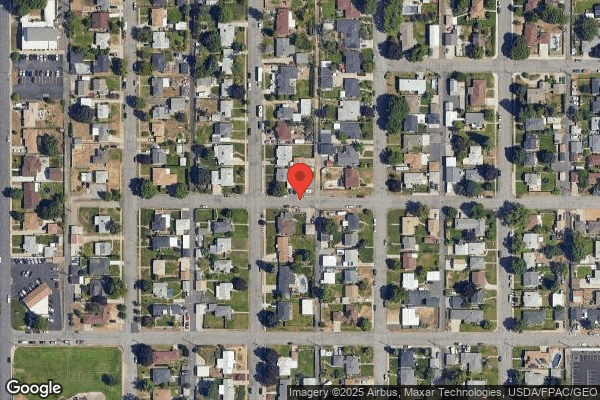
N 1812 WALL STREET, SPOKANE, WA 99205 (509) 328-6030
For profit - Corporation 99 Beds HYATT FAMILY FACILITIES Data: November 2025
Trust Grade
70/100
#76 of 190 in WA
Last Inspection: July 2025

Inspected within the last 6 months. Data reflects current conditions.

Overview

North Central Care Center in Spokane, Washington, has received a Trust Grade of B, indicating it is a good choice for families seeking a nursing home. Ranking #76 out of 190 facilities in Washington places it in the top half, and #5 of 17 in Spokane County suggests it is among the better local options. The facility has a stable trend, with 14 issues reported in both 2024 and 2025, signaling no significant deterioration or improvement. While the staffing turnover rate is a commendable 40%, which is lower than the state average, the RN coverage is concerning as it is below that of 78% of facilities in the state. Notable concerns include a failure to ensure proper oversight by the Director of Nursing when occupancy was high, and issues related to hand hygiene and food safety during meal service, which could pose risks to residents' health.

Trust Score
B
70/100
In Washington
#76/190
Top 40%
Safety Record
Low Risk
No red flags
Inspections
Holding Steady
14 → 14 violations
Staff Stability
○ Average
40% turnover. Near Washington's 48% average. Typical for the industry.
Penalties
✓ Good
No fines on record. Clean compliance history, better than most Washington facilities.
Skilled Nurses
○ Average
Each resident gets 33 minutes of Registered Nurse (RN) attention daily — about average for Washington. RNs are the most trained staff who monitor for health changes.
Violations
⚠ Watch
39 deficiencies on record. Higher than average. Multiple issues found across inspections.
★★★★☆
4.0
Overall Rating
★★★☆☆
3.0
Staff Levels
★★★★★
5.0
Care Quality
★★★☆☆
3.0
Inspection Score
Stable
2024: 14 issues
2025: 14 issues

The Good

  • 5-Star Quality Measures · Strong clinical quality outcomes
  • Full Sprinkler Coverage · Fire safety systems throughout facility
  • No fines on record
  • Staff turnover below average (40%)

    8 points below Washington average of 48%

Facility shows strength in quality measures, fire safety.

The Bad

Staff Turnover: 40%

Near Washington avg (46%)

Typical for the industry

Chain: HYATT FAMILY FACILITIES

Part of a multi-facility chain

Ask about local staffing decisions and management

The Ugly 39 deficiencies on record

Jul 2025 14 deficiencies
CONCERN (D)

Potential for Harm - no one hurt, but risky conditions existed

Deficiency F0552 (Tag F0552)

Could have caused harm · This affected 1 resident

**NOTE- TERMS IN BRACKETS HAVE BEEN EDITED TO PROTECT CONFIDENTIALITY** Based on interview and record review, the facility failed to provide information of potential risks and/or benefits of psychotro...

Read full inspector narrative →
**NOTE- TERMS IN BRACKETS HAVE BEEN EDITED TO PROTECT CONFIDENTIALITY** Based on interview and record review, the facility failed to provide information of potential risks and/or benefits of psychotropic (medications that affect behavior, mood, thoughts, or perception such as antidepressants) medications prior to their use for 1 of 5 sampled residents (Resident 31), reviewed for unnecessary medications. This failure placed residents and/or their representatives at risk of not being fully informed of the risks, benefits or alternative treatment options available before decisions were made regarding medications. Findings included. According to the 06/03/2025 admission assessment, Resident 31 admitted to the facility on [DATE] with diagnoses including depression and received antidepressant medication. Resident 31 was cognitively intact and able to clearly verbalize their needs. Review of the 05/28/2025 depression care plan showed Resident 31 used antidepressant medication and instructed staff to administer medication as ordered, monitor for adverse reactions to the medication, and educate the resident about the risks versus (vs) benefits and/or toxic symptoms of medications as needed. Review of provider orders showed an active 05/31/2025 order for Resident 31 to be administered Duloxetine (antidepressant medication) daily for depression. Review of May 2025 through July 2025 Medication Administration Records showed Resident 31 was administered Duloxetine 55 times. Additional record review showed no documentation a consent for Duloxetine use was obtained prior to medication administration, as required. In an interview on 07/25/2025 at 9:56 AM, Staff E, Registered Nurse, stated a consent needed to be obtained prior to administration of psychotropic medications. In an interview on 07/25/2025 at 10:29 AM, Staff D, Resident Care Manager, stated staff needed to discuss psychotropic medications with the resident when ordered and a consent with risks vs benefits obtained prior to administration of psychotropic medications. Staff D reviewed Resident 31's medical record. Staff D acknowledged they were unable to find documentation a Duloxetine consent was obtained for Resident 31 prior to medication administration, as required. In an interview on 07/28/2025 at 8:38 AM, Staff B, Director of Nursing, stated psychotropic medication consents needed to be obtained prior to medication administration. Staff B reviewed Resident 31's medical record. Staff B acknowledged the Duloxetine consent for Resident 31 was not obtained until July 2025 and expected staff to obtain psychotropic medication consents prior to medication administration, as required. Reference WAC 388-97-0300 (3)(a), 0260, 1020 (4)(a-b)
CONCERN (D)

Potential for Harm - no one hurt, but risky conditions existed

Safe Environment (Tag F0584)

Could have caused harm · This affected 1 resident

Based on observation, interview, and record review the facility failed to maintain a clean, sanitary, and homelike environment free of institutional odors for 1 of 4 sampled residents (Resident 31), r...

Read full inspector narrative →
Based on observation, interview, and record review the facility failed to maintain a clean, sanitary, and homelike environment free of institutional odors for 1 of 4 sampled residents (Resident 31), reviewed for environment. This failure placed residents at risk of lack of dignity, unmet care needs, and diminished quality of life.Findings included. According to the 06/03/2025 admission assessment, Resident 31 was frequently incontinent of urine and required substantial staff assistance for toileting hygiene. The assessment further showed Resident 31 rejected care four to six days a week, but less than daily. Resident 31 was cognitively intact and able to clearly verbalize their needs. Review of the 05/27/2025 activity of daily living care plan showed Resident 31 was incontinent, a heavy wetter, wore incontinence briefs, and required extensive staff assistance for bathing, bed mobility, and toileting. Interventions instructed staff to check and change Resident 31 every 90-120 minutes and as needed. The care plan further showed Resident 31 often refused care such as brief changes, bathing, and hygiene; staff were to notify the nurse of refusals and reapproach. No documentation was found to show how strong odors secondary to care refusals were minimized or addressed. During observation on 07/21/2025 at 10:09 AM, a strong urine odor was smelled coming from Resident 31's room, into the common hallway. Similar observations were made on 07/22/2025 at 10:06 AM and on 07/24/2025 at 2:07 PM. In an interview on 07/25/2025 at 10:49 AM, Staff F, Nursing Assistant, explained housekeeping deep cleaned resident beds on their shower day. Staff F stated they would notify housekeeping if strong odors were noted. Staff F further stated Resident 31 did not like to bathe. In an interview on 07/28/2025 at 11:29 AM, Staff H, Housekeeper, explained housekeeping deep cleaned resident beds on their shower day. Staff H acknowledged Resident 31's room had a really bad urine odor and explained Resident 31's mattress was exchanged on 07/22/2025; there was a puddle of urine under the bed, it was pretty bad. Staff H further stated the new mattress helped decrease the urine odor some, but the strong urine smell returned because Resident 31 refused to be changed and/or bathed. In an interview on 07/28/2025 at 11:48 AM, Staff G, Maintenance Director, acknowledged Resident 31's room had a strong urine odor, and the mattresses was exchanged recently because it was pretty saturated. In an interview on 07/28/2025 at 12:28 PM, Staff B, Director of Nursing, stated they were unsure how often housekeeping cleaned resident rooms or if housekeeping increased the cleaning frequency of resident rooms when the resident refused care and/or bathing. Staff B acknowledged Resident 31's room was odorous, and the facility recently threw out Resident 31's soggy mattress. Staff B explained Resident 31 often refused cares and the interdisciplinary team discussed possible odor eliminating interventions to attempt but nothing had been care planned. Reference WAC 388-97-0880
CONCERN (D)

Potential for Harm - no one hurt, but risky conditions existed

Deficiency F0645 (Tag F0645)

Could have caused harm · This affected 1 resident

**NOTE- TERMS IN BRACKETS HAVE BEEN EDITED TO PROTECT CONFIDENTIALITY** Based on interview and record review, the facility failed to ensure a Pre-admission Screening and Resident Review (PASRR, a scre...

Read full inspector narrative →
**NOTE- TERMS IN BRACKETS HAVE BEEN EDITED TO PROTECT CONFIDENTIALITY** Based on interview and record review, the facility failed to ensure a Pre-admission Screening and Resident Review (PASRR, a screening that occurred prior to facility admission that determined if one met nursing home level of care and potentially required services for mental health needs once a resident. If one was expected to be at the facility less than 30 days, they were exempt. After 30 days, if still at the facility, a new referral and screening was required) was completed timely after an exempted hospital stay expired for 2 of 5 sampled residents (Residents 2 and 3) reviewed. This failure placed residents at risk for not receiving timely and necessary services to support their mental health care needs.Findings included.<Resident 3> A review of the record documented Resident 3 was admitted to the facility on [DATE] and had diagnoses that included end stage renal (kidney) disease and depression. The [DATE] PASRR documented Resident 3 had mood and anxiety disorders. Section III of the Screening form documented the resident did not require further behavioral health screenings; they had an exempted hospital discharge per the requirements listed in Section IIA of the form. However, Section IIA was not completed. A review of Resident 3’s census data documented the resident was discharged to the hospital on [DATE] and was readmitted to the facility on [DATE]. On [DATE], a second PASRR was completed that documented Resident 3 had been a resident of the facility since [DATE], had diagnoses that included mood disorders, and the resident required further level II PASRR evaluations to determine their need for behavioral health services. During an interview on [DATE] at 11:57 AM, Staff L, Social Services Director, stated the admission Coordinator received initial admission paperwork and Staff L reviewed the PASRRs to ensure they were complete. Staff L stated initially, the plan was that Resident 3 was to reside at the facility for less than 30 days, but this changed after the resident returned to the hospital. Staff L stated they kept a list of those residents that had an exempted hospital stay so they ensured that another PASRR was completed timely when a resident remained at the facility longer than 30 days. Staff L stated a new PASRR should have been completed when the resident re-admitted to the facility on [DATE]. <Resident 2> The [DATE] quarterly assessment documented Resident 2 admitted to the facility from the hospital on [DATE], and had diagnoses which included medically complex conditions, depression, and dementia. On [DATE] at 10:04 AM, Resident 2 was observed sitting on the edge of the bed in their room. When asked how they were doing, Resident 2, laughed and stated, “Just fine”. Review of Resident 2’s record documented the hospital had completed a Level I PASRR on [DATE], prior to the resident’s arrival at the facility. The PASRR documented a Level II PASRR was not required since Resident 2 met the guidelines for an exempted hospital stay. Review of the progress notes from [DATE] through [DATE] documented ongoing conversations and discussions related to discharge planning occurred with the resident, their representative and the facility; the resident wished to remain at the facility. Additional record review found an updated Level I PASRR was completed on [DATE], two months past the time frame for the exempted hospital stay, and not within the 30 days as required. In an interview on [DATE] at 2:37 PM, Staff L stated an updated Level I PASRR needed to be completed when a resident with an exempted hospital stay did not discharge within the 30-day time frame. When informed an updated Level I was not found prior to [DATE] for Resident 2, Staff L stated they would review the resident records and follow-up. In a follow-up interview on [DATE] at 8:23 AM, Staff L stated they were unable to locate any documentation that showed an updated Level I was completed prior to [DATE] and acknowledged one should have been completed when Resident 2 did not discharge within 30 days of being admitted . Reference: WAC 388-97-1915(1)(2)(a-c)
CONCERN (D)

Potential for Harm - no one hurt, but risky conditions existed

ADL Care (Tag F0677)

Could have caused harm · This affected 1 resident

**NOTE- TERMS IN BRACKETS HAVE BEEN EDITED TO PROTECT CONFIDENTIALITY** Based on observation, interview, and record review, the facility failed to consistently provide shaving and nail care for 2 of 2...

Read full inspector narrative →
**NOTE- TERMS IN BRACKETS HAVE BEEN EDITED TO PROTECT CONFIDENTIALITY** Based on observation, interview, and record review, the facility failed to consistently provide shaving and nail care for 2 of 2 sampled residents (Residents 19 and13) reviewed for activities of daily living (ADLS). This failure placed the residents at risk for poor personal hygiene, unmet care needs, and a diminished quality of life.Findings included . <Resident 19> The 06/18/2025 quarterly assessment documented Resident 19 needed assistance from nursing staff to complete ADLS for personal hygiene such as shaving. In addition, the assessment showed Resident 19 had severe cognitive impairment and unclear speech. On 07/21/2025 at 9:14 AM, Resident 19 was observed standing in the hallway by the ward entrance doors. The resident’s face was clean and there was facial stubble present on the cheeks, chin and upper lip. Additional observations of Resident 19 with facial stubble were made on the following: 07/22/2025 at 9:02 AM, 07/23/2025 at 8:59 AM, 9:36 AM, and 11:52 AM, and on 07/24/2025 at 7:10 AM. Review of the ADL care plan included interventions that informed nursing staff of Resident 19’s care needs related to bathing, toileting, oral care and dressing, but no interventions or instructions related to Resident 19’s grooming/shaving needs, preferences or assistance required were included. Review of the personal hygiene/grooming records from 06/24/2025 through 07/22/2025 documented the type of assistance Resident 19 needed to maintain personal hygiene (shaving, combing hair, applying makeup, and washing/drying face and hands), but did not include what type of personal hygiene the resident received. In addition, the documentation indicated Resident 19 had refused assistance nine times but did not specify which type of personal hygiene was refused. In an interview on 07/23/2025 at 3:24 PM, Staff F, Nursing Assistant, stated the resident’s care plans informed them of the specific care needs for the resident. When asked when shaving was completed, Staff F stated it was done when the nursing staff got residents ready for the day, and when residents were bathed. In an interview on 07/23/2025 at 3:43 PM, Staff B, Director of Nursing, was informed of the observations of the resident with facial stubble, and the lack of interventions/instructions related to grooming/shaving in Resident 19’s care plan. Staff B stated the expectation was that shaving and personal hygiene were done with morning cares and the resident’s care plan was to include information that informed the staff of the resident’s specific care needs. <Resident 13> Review of the 05/22/2025 quarterly assessment showed Resident 13 admitted to the facility on [DATE] with medically complex conditions, to include a stroke and related weakness or paralysis (the loss of muscle function in part of the body, resulting in the inability to move or feel that area) to their left side, and had moderately impaired cognition. The assessment showed Resident 13 required partial to moderate assistance from the staff to complete personal hygiene (e.g., combing hair, shaving, applying makeup, washing/drying face and hands) and did not reject care. An observation and interview on 07/21/2025 at 10:35 AM showed Resident 13 in bed. The right hand had black matter under the fingernails that were visibly long and required trimming. The left-hand fingernails were unable to be properly visualized as the hand curled inward in a fist. When asked, Resident 13 said the staff did not clean their fingernails when they gave the resident their weekly evening shower. Subsequent observations of 07/21/2025 at 11:50 AM and 07/22/2025 at 8:53 AM showed similar findings. Review of the 05/17/2024 care plan showed the resident had “paralysis/deficits” to their left hand, arm, and shoulder due to a stroke, and staff were instructed to allow the resident time during tasks of dressing and grooming. Another care plan intervention instructed the staff to keep the resident’s fingernails short. Review of a July 2025 Treatment Administration Record showed an order that instructed the nurses to check Resident 13’s nails every two weeks on Thursdays and was signed by a nurse as completed on 07/10/2025. Review of a 07/13/2025 progress note showed the staff, “Trimmed fingernails on resident's contracted hand [left hand] without incident. Palm washed and dry washcloth placed for drying and separation of skin. Resident tolerated well.” Progress notes from 07/13/2025 to 07/23/2025 showed no documentation of staff attempts to provide nail care to Resident 13’s right hand. On 07/23/2025 at 12:32 PM, Resident 13 said they had a shower, “Two days ago”. The right-hand still showed black matter under the nails. Staff R, the Nursing Assistant who served Resident 13 their lunch and present during the observation stated, Yeah, they need to be cleaned and trimmed” and would let the nurse know. Staff R said that usually the nurse trimmed the nails to the left hand and then the nursing assistants completed nail care to the right hand on shower days. Resident 13 then interjected they preferred the nurse to trim the fingernails of both hands. The above findings were shared with Staff K, Resident Care Manager, on 07/25/2025 at 12:33 PM. Staff K stated that because of “behaviors” Resident 13 required two people for care provision. Staff K said that if a resident did not have diabetes or took an anticoagulant (blood thinner), the Nursing Assistants provided nail care, cleaned with an orange stick and trimmed the nails. Staff K said they expected staff to provide nail care in between shower days if the resident nails were long or had build-up noticeable under the nails. Reference: WAC 388-97-1060 (2)(c)
CONCERN (D)

Potential for Harm - no one hurt, but risky conditions existed

Quality of Care (Tag F0684)

Could have caused harm · This affected 1 resident

Based on observation, interview and record review, the facility failed to ensure care plan goals and interventions were developed and monitoring occurred for 2 of 2 sampled residents (Residents 11 and...

Read full inspector narrative →
Based on observation, interview and record review, the facility failed to ensure care plan goals and interventions were developed and monitoring occurred for 2 of 2 sampled residents (Residents 11 and 22) reviewed for edema (swelling) management. This failure placed the residents at risk for worsening edema, unrecognized changes to their skin, and decreased quality of life. Findings included. <Resident 11> The 06/17/2025 Significant Change assessment documented Resident 11 had diagnoses that included lymphedema (swelling and fluid buildup caused by blockage in the lymphatic system, part of the immune and circulatory system) and osteomyelitis (infection of the bone). The resident was cognitively intact and made their needs known. The 03/11/2025 admission skin assessment documented Resident 11 had a surgical incision on their left heel and 4+ edema (a deep indentation of the skin that occurred when pressure was applied that required two to three minutes to fill back in once pressure was relieved) to both lower legs. The 03/11/2025 care plan documented Resident 11 had actual skin impairment to the left heel related to an incision and drainage (I&D), and edema. Staff were to keep body parts from excessive moisture, keep the resident’s fingernails short to avoid scratching, keep skin clean and dry, use lotion on dry skin, encourage good nutrition, and encourage and assist to turn and reposition every two to three hours and as needed. The care plan did not have a care area, goals or interventions developed related to Resident 11’s lymphedema and lower leg edema. A 03/17/2025 Nurse Practitioner progress note documented nursing reported concerns of lower leg edema. An order was given to apply Tubi-grips (special garments that applied compression to the affected areas that helped reduce swelling and edema) to both lower extremities for edema, on in the morning, off at bedtime. There were no other provider or nursing orders given related to the management or monitoring of Resident 11’s edema. Review of the medication administration records (MARS) for April, May and June 2025 documented the resident refused the Tubi-grips daily. On 07/21/2025 at 2:31 PM, Resident 11 was observed in their room seated in their wheelchair. The resident was dressed in a hospital gown, and their lower legs were visible. Resident 11 wore non-skid socks, and their calves were edematous and had purple/red discoloration, the left more-so than the right. On 07/22/2025 at 2:38 PM, Resident 11 rested in bed. The resident’s legs were positioned straight out in front of them resting on the mattress and not in an elevated position. Resident 11 stated when they were home, they wore a compression stocking on their left leg because after they had a stroke, that leg was the one that had worse edema. Resident 11 stated they were given Tubi-grips to wear at the facility, but stopped wearing them because when they did, the wound on their left heel reopened. They were unaware of any other things being done to reduce swelling. The resident stated they just kept their leg out in front of them when they were in bed. A policy for lymphedema and edema management was requested. On 07/28/2025 at 11:10 AM, Staff B, Director of Nursing, responded by email that the facility had no specific policies for lymphedema and edema management. They used standard practices and procedures. During an interview on 07/28/2025 at 12:10 PM, Staff B stated they created initial care plans based on admission orders. Then, specific diagnoses were reviewed and if needed, care areas were created, but not every diagnosis had a care area developed in the care plan. Staff B stated a lymphedema care plan might or might not be created, it depended on what the resident’s assessments looked like. Staff B stated they understood Resident 11 was not wearing their Tubi-grips, so expected there would need to be other interventions to monitor and manage their edema instead. <Resident 22> The 05/19/2025 admission assessment documented Resident 22 admitted with diagnoses that included high blood pressure and irregular heartbeat. The resident had severe cognitive impairment and was able to make their needs known. In an observation on 07/21/2025 at 10:29 AM, Resident 22 was lying in bed and pulled the sheet off their legs. Their lower extremities were edematous, red in color and dressings were in place to several different areas on their legs. The resident was not wearing any compression hose, and their legs were not elevated. Review of the provider orders showed Resident 22 received Lasix (a medication used to rid the body of fluid) from 05/13/2025 through 07/02/2025. A 07/02/2025 progress note documented the provider assessed Resident 22 with orders to discontinue the Lasix. The note stated the resident needed to be monitored for changes in their blood pressure and fluid status for three days. The only progress note made during those three days was on 07/03/2025. Review of the May, June and July 2025 MARs showed there was no edema monitoring. The care plan did not have a care area, goals or interventions developed related to Resident 22's lower extremity edema. In an observation on 07/22/2025 at 10:07 AM, Resident 22 was sitting on their bed. The resident’s lower extremities were edematous, and their sheets were wet at the end of the bed. Resident 22 stated it was from their legs oozing fluid. At 1:33 PM, Resident 22 was lying in bed, and both legs were resting flat on the mattress. The resident wanted the nurse to be notified because they felt they were drowning in fluid. The nurse entered the room and explained the resident was going to restart their Lasix. In an observation on 07/24/2025 at 9:12 AM, Resident 22 was lying in bed. Their feet were edematous, red and lying flat on the mattress. Similar observations were made on 07/24/2025 at 12:33 PM and 3:59 PM, and 07/25/2025 at 12:26 PM. In an interview on 07/24/2025 at 9:28 AM, Staff X, Nursing Assistant, stated when a resident had edema they reported it to the nurse. Staff X stated residents with edema received Lasix, wore compression stockings, and their legs were elevated. In an interview on 07/24/2025 at 1:23 PM, Staff V, Licensed Practical Nurse, stated edema was monitored daily and documented in the MAR or TAR. Staff V added it was important to monitor edema because that could indicate a sudden change in medical condition and if the edema decreased the medication might need to be adjusted. In an interview on 07/24/2025 at 10:19 AM, Staff D, Resident Care Manager, stated Resident 22 should have had a care plan in place with interventions to include compression stockings, edema monitoring, and elevation of their lower extremities. In an interview on 07/25/2025 at 8:50 AM, Staff B, Director of Nursing, stated Resident 22 should have had a care plan in place for edema and their edema should have been monitored. Staff B stated it was important to monitor edema for fluctuations so the provider could be notified. Reference: WAC 388-97-1060 (1)
CONCERN (D)

Potential for Harm - no one hurt, but risky conditions existed

Respiratory Care (Tag F0695)

Could have caused harm · This affected 1 resident

Based on observation, interview and record review, the facility failed to maintain oxygen saturations per provider orders and failed to ensure respiratory equipment was cleaned and maintained for 1 of...

Read full inspector narrative →
Based on observation, interview and record review, the facility failed to maintain oxygen saturations per provider orders and failed to ensure respiratory equipment was cleaned and maintained for 1 of 1 sampled residents (Resident 70), reviewed for respiratory care. This failure placed the resident at risk for illness and decreased quality of life. Findings included .The 05/12/2025 admission assessment documented Resident 70 had diagnoses that included respiratory and heart failure. The resident was cognitively intact and was dependent on supplemental oxygen.In an observation on 07/21/2025 at 11:09 AM, Resident 70 was lying in bed asleep and was wearing oxygen. The resident had a CPAP (continuous positive air pressure, a machine that delivered pressurized air through a mask worn during sleep) on a table near their bed. The CPAP had a few white spots inside of the mask. In an interview on 07/21/2025 at 1:09 PM, Resident 70 was lying in bed wearing oxygen. Resident 70 stated the facility had not cleaned their CPAP.No further observations were made of Resident 70 as they were discharged to the hospital the morning of 07/22/2025.The 05/05/2025 comprehensive care plan documented Resident 70 had chronic obstructive lung disease (COPD, a group of lung diseases that made it difficult to breathe), received oxygen and wore a CPAP at bedtime. The nursing staff were to administer the medications as ordered by the physician. A review of the provider's orders instructed staff to administer 1-2 liters (L) of oxygen per minute and for the CPAP to be worn every night and removed in the morning. There were no orders to clean the CPAP mask in the medication or treatment administration record (MAR/TAR). A review of the July 2025 MARs showed Resident 70 was administered 3.5L of oxygen on 07/18/2025, 07/19/2025, 07/20/2025 and 07/21/2025. On 07/22/2025 the resident was administered 3L of oxygen. The orders also showed that Resident 70 wore her CPAP nightly. -On 07/19/2025 at 7:17 AM, Resident 70's oxygen saturation was 92%, at 5:24 PM it was 93%.-On 07/20/2024 at 1:27 PM, Resident 70's oxygen saturation was 94%.-On 07/22/2025 at 11:15 AM, Resident 70's oxygen saturation was 94%. A 07/19/2025 progress note stated Resident 70 was on 5L of oxygen.In an interview on 07/24/2025 at 1:30 PM, Staff V, Licensed Practical Nurse, stated they had a binder that contained standing orders from the providers, and they referred to that binder when administering oxygen. Staff V added in an emergent situation the resident's oxygen was increased without a provider's order and if non-emergent, they notified the provider and obtained an order to increase the oxygen. Staff V stated it was important to follow the provider orders for oxygen because the residents needed their oxygen saturations kept within a certain range because of their disease processes. Staff V stated they thought CPAPs were cleaned daily to weekly and that it would be optimal to have this information on the MAR or TAR. Staff V stated it was important to keep the CPAP mask clean to prevent bacteria. In an interview on 07/25/2025 at 8:53 AM, Staff B, Director of Nursing, stated the facility had standing oxygen orders from the providers. The standing order stated the residents were to receive between 0-4L of oxygen and for a resident with COPD the oxygen saturations were not to exceed 88-91%. Staff B stated nursing staff were trying to manage Resident 70's oxygen saturations by adjusting the resident's oxygen up and was unsure if staff had adjusted the oxygen back down after the resident exceeded the recommended saturations. Staff B stated nursing staff should have re-checked Resident 70's oxygen saturations and documented them in the progress notes. In an interview on 07/28/2025 at 9:06 AM, Staff B stated CPAP masks were washed and rinsed daily, and the orders were in the MAR. Staff B acknowledged there were no orders to clean Resident 70's CPAP and there should have been. Staff B stated it was important to perform routine cleaning on respiratory equipment to prevent the risk of infection. Reference: WAC 388-97-1060 (3)(j)(vi)
CONCERN (D)

Potential for Harm - no one hurt, but risky conditions existed

Safe Environment (Tag F0921)

Could have caused harm · This affected 1 resident

Based on observation and interview, the facility failed to ensure the kitchen floor was maintained and torn linoleum was repaired when indicated. This failure placed staff at risk of potentially avoid...

Read full inspector narrative →
Based on observation and interview, the facility failed to ensure the kitchen floor was maintained and torn linoleum was repaired when indicated. This failure placed staff at risk of potentially avoidable accidents, and infection control issues because the floor was not a cleanable surface.Findings included .In an observation of the kitchen on 07/21/2025 at 8:52 AM, the floor in the dishwashing area had a large area of the floor where the linoleum was torn off and missing, which created a possible tripping hazard for staff. The area was approximately 4 feet by 4 feet and had exposed wood which was not a cleanable surface. On 07/28/2025 at 1:23 PM, the floor in the dishwashing area was observed with Staff O, Dietary Manager. Staff O agreed the area was an infection control issue and a safety hazard and stated it was on their wish list to have it replaced. In an interview on 07/28/2025 at 1:51 PM, Staff B, Director of Nursing, stated they did not go past the yellow line in the kitchen (an area at the entrance of the kitchen where the staff entered to request items) so they were not aware of the floor in the dishwashing area. Reference: WAC 388-97-3220 (1)
CONCERN (E)

Potential for Harm - no one hurt, but risky conditions existed

Deficiency F0576 (Tag F0576)

Could have caused harm · This affected multiple residents

Based on observation, interview and record review, the facility failed to ensure an effective system to deliver mail to the residents on the days mail was delivered. This failure placed the residents ...

Read full inspector narrative →
Based on observation, interview and record review, the facility failed to ensure an effective system to deliver mail to the residents on the days mail was delivered. This failure placed the residents at risk for feelings of isolation, loneliness, anxiety, and depression. Findings included. In a resident group meeting on 07/22/2025 at 1:30 PM, a resident stated, I was told we don't get mail on Saturday because no one is at the front desk. Another resident stated, We don't have anybody here to let them in. Six of the six residents stated they did not get mail delivered to them on Saturdays.In an interview on 07/24/2025 at 11:50 AM, Staff S, Business Office Manager, stated, Mailman doesn't come on Saturday. I don't know why it's not delivered on Saturday.In a telephone interview on 07/24/2025 at 12:04 PM, a Collateral Contact (CC) from the Post Office that handled the facility mail stated, Mail is delivered on Saturdays unless the business is closed. The address of the facility was provided to the CC who confirmed, Mail is delivered there on Saturday.In an interview on 07/24/2025 in the afternoon hours, Staff T, Medical Receptionist, stated, We don't get mail on the weekends. The front door is locked on the weekends. The mail man doesn't come on Saturday and hasn't for years. They have to ring the doorbell for assistance and then a staff from the unit will come and let them in because there's nobody here at the front desk or at the offices. The doorbell is heard at the nurses station. When asked when the facility started locking the front door on the weekends, Staff T stated, For as long as I've been working here, years, you'd have to ask [Staff A, Administrator, or Staff B, Director of Nursing] about that.In an interview on 07/24/2025 at 12:52 PM, Staff U, Activities Assistant, stated they worked at the facility on Saturdays and, I think the front doors are locked because they don't want anyone coming in because it's kind of a bad neighborhood, but someone is usually here to unlock the doors. On weekends there is no front desk receptionist. Staff U stated, Maybe a couple months ago, [mailman] came once because I was at the door. I was letting someone else in, and [they] saw me, and I said I would take it [the mail] that one time.In an interview on 07/25/2025 at 9:44 AM, an express delivery services CC stated when the front doors were locked on Saturdays and there was no staff at the front desk, Then we will treat it as ‘Business Closed' and move on because we do not have time to wait.In an interview on 07/25/2025 at 10:40 AM, a Postal Service CC assigned to deliver mail at the facility stated they delivered mail to the facility since before 2020, to include Saturdays. The CC stated that when the COVID-19 (a contagious disease) pandemic started, the facility locked the doors of the building on Saturdays. The CC confirmed they knew there was a sign that asked of the public to Ring the doorbell if the doors were closed but, No one's at the door. The CC stated they did not stop by the facility anymore to deliver mail on Saturdays because of the door closure and there was no one at the front desk to readily accept the mail. The CC explained the Saturday mail is returned to the designated postal station and stayed there until the postal service's return to the facility the following week. The above findings were shared with Staff B, Director of Nursing, in lieu of Staff A's absence on 07/24/2025 at 1:02 PM. Staff B stated the front doors were locked ever since their employment at the facility, For 5 years they've locked up the doors on the weekends. Staff B said the doors were locked for security reasons and the Front Desk was not staffed on weekends. When asked what was required for a resident to receive their mail on Saturdays, Staff B said, That's a good question. I don't know the entirety of the answer and did not know if locking the front doors with no Front Desk attendant created a delay or hindrance for mail delivery to the residents on Saturdays. When asked if the facility explored ways to complete mail delivery to the residents on Saturdays, Staff B said, I've never had a concern brought to my attention. In a follow up interview on 07/28/2025 at 10:27 AM, Staff B said, I checked our video cameras, and they haven't delivered mail for the past three weekends. I can't make them [mailman] ring the doorbell and wait.General observations during the survey period from 07/21/2025 to 07/28/2025 showed a plaque on the side of the exterior wall before the front entry doors that instructed the public to Ring Bell for Admittance. There were no instructions to the mailman as to what to do when they encountered locked front doors and no staff readily available to take the mail from them and no mail receptacle visible for drop off. Reference WAC 388-97-0360, -0540(1-3), -0180(2).
CONCERN (E)

Potential for Harm - no one hurt, but risky conditions existed

Deficiency F0628 (Tag F0628)

Could have caused harm · This affected multiple residents

**NOTE- TERMS IN BRACKETS HAVE BEEN EDITED TO PROTECT CONFIDENTIALITY** Based on interview and record review, the facility failed to ensure the staff documented the information conveyed to the hospita...

Read full inspector narrative →
**NOTE- TERMS IN BRACKETS HAVE BEEN EDITED TO PROTECT CONFIDENTIALITY** Based on interview and record review, the facility failed to ensure the staff documented the information conveyed to the hospital at the time of 4 of 5 hospital transfers for 1 of 3 sampled residents (Resident 6) whose closed records were reviewed. Additionally, the staff failed to ensure bed hold notices were offered to Resident 6 or their representative in 4 of 5 hospital transfers and failed to notify the Office of the State Long-Term Care Ombudsman (an advocate for residents of nursing homes, adult family homes, and assisted living facilities who protect and promote the resident rights under federal and state law and regulations) of 5 of 5 hospital transfers. These failures placed the resident at risk for delayed services and a lack of knowledge regarding the right to a bed-hold while they were hospitalized , and detracted from the residents' rights being protected, the opportunity to explore other options, or provide them with support and advocacy during a potentially stressful and confusing time.Findings included. Review of an undated facility policy and procedure titled Room and Bed Hold Letter showed that when a resident transferred to the hospital, the nurse presented a Room and Bed Hold Letter to the resident, family, or responsible party upon transfer of the resident. If a resident could not participate in the transfer process, the nurse sent a copy of the Room and Bed Hold Letter with the resident to the hospital and made a copy of the letter and left it for the medical records staff to mail it on the next business day. The medical records staff attempted to contact the resident's family or responsible party by phone on the first business day following the transfer, explained the bed hold notice policy and informed them a copy was placed in the mail.On 07/24/2025 at 5:48 PM, Staff B, Director of Nursing Services, communicated to the Survey Team via e-mail that the facility did not have specific policies regarding Sending a resident to the hospital but the procedure was, an SBAR [Situation, Background, Assessment, and Recommendation, a structured tool used to facilitate clear and concise communication between healthcare professionals when reporting patient information] will be completed and sent with the ambulance team, along with MAR [Medication Administration Record], POLST [Physician Orders for Life-Sustaining Treatment, a document that outlines a person's wishes for medical treatment, particularly at the end of life], face sheet [details about a resident's identity, contact information, medical background], notice of transfer, and bed-hold information. This was sent in a print format with [the ambulance team]. Review of a 06/11/2025 admission assessment showed Resident 6 admitted to the facility on [DATE] with weakness, diabetes, and several heart conditions. The assessment showed Resident 6's cognition was intact and they required physical assistance from the staff to complete their Activities of Daily Living.<1st Transfer>Review of a 04/29/2025 progress note written at 9:07 AM showed Resident 6 required a hospital transfer due to abnormal blood work results. The progress note showed the staff called the hospital to give report. Review of the medical record showed no documentation of what information the facility communicated to the hospital, for example the SBAR, contact information for their provider, family or representative, POLST and/or advanced directives, plan of care and treatment, current medications and the reason for the hospital transfer. Additionally, review of the medical record showed no documentation the staff offered or provided a bed hold notice to Resident 6 or their representative. <2nd Transfer>Review of a 06/23/2025 progress note written at 1:01 PM showed Resident 6 was insisting to go to the ER [Emergency Room] because [they were] in excruciating pain and Paperwork given to resident to take to the ER. The note showed, Resident called 911 and left about [3:45 PM]. Review of the medical record showed no documentation of what information the staff conveyed to the hospital at the time of the transfer or that a bed hold notice was offered or provided to Resident 6 or their representative. <3rd Transfer>Review of a 07/01/2025 progress note written at 8:01 PM showed the staff was unable to flush Resident 6's urinary catheter (a flexible tube inserted inside the urinary canal to drain urine from the bladder) and assessed some blood in urine. The staff reported the change in condition to the provider who ordered a transfer to the hospital. Record review showed the staff conveyed information to the hospital using an SBAR form. Record review showed no documentation the staff provided or offered a bed hold notice to Resident 6 or their representative.<4th Transfer>Review of 07/04/2025 progress notes showed the provider was in the facility and assessed Resident 6, who appeared pale. After their assessment, the provider ordered a transfer to the ER for evaluation and blood transfusion. The notes showed, All paperwork along with order to transfer and recent labs sent with resident. Review of the medical record showed no documentation of what information staff conveyed to the hospital in all paperwork sent at the time of transfer or that a bed hold notice was offered or provided to Resident 6 or their representative. <5th Transfer>Review of a 07/20/2025 progress note written at 12:00 AM showed that when the nurse went to give Resident 6 an opioid (drug used to reduce moderate to severe pain) they found the resident sitting up in wheelchair sweating, mucus running out of [their] nose, eyes closed. The nurse, Held medications and took the resident's blood sugar which measured 29, a critically low reading. The resident's blood sugar rose to 83 after emergency medications were provided but remained unresponsive and was transferred to the hospital for further evaluation. Review of a 07/22/2025 progress note showed the facility, Called [Resident 6's representative] to offer a bed hold. Review of the medical record showed no documentation of what information the staff conveyed to the hospital at the time of transfer. In an interview on 07/25/2025 at 9:33 AM, Staff I, Licensed Practical Nurse, (LPN), stated that when a resident experienced a change in condition that required a hospital transfer, they provided the hospital with the resident's face sheet and copy of the POLST. Staff I stated the progress notes would show what information was conveyed to the hospital at the time of a transfer but, I don't generally type that in the progress note. I was not oriented to that form [SBAR]. I've never done one. Staff I stated the bed hold notice, Should be given immediately [to the resident]. Theoretically, before they ever leave the building.In an interview on 07/25/2025 at 10:11 AM, Staff J, LPN, stated that at the time of a hospital transfer, they provided the hospital with a face sheet, medication list, and a copy of the POLST form, and if they just had labs also send them out too or x-rays. Staff J stated the information conveyed to the hospital was located, In the progress notes. Not familiar with a transfer form, at least I haven't done one. Staff J stated that a bed hold notice was provided to the resident at the time of transfer or shortly after depending on how emergent the situation was and level of resident alertness, Or social services will call and ask them [afterwards]. The above findings were shared with Staff K, Resident Care Manager, on 07/25/2025 at 12:04 PM. Staff K stated they expected of the nurses to send a POLST, a face sheet, a medication list, and pertinent information of the change in condition, like the SBAR. Staff K stated, We like for our nurses to be detailed in a progress note about everything that was sent at the time [of the hospital transfer]. There should be a discharge-transfer out summary. Across the board, the assessment is the SBAR Transfer Form. Staff K stated the bed hold notice should be provided to the resident at the time of the hospital transfer, but that medical records or social services personnel reached out to the resident if unable to accomplish at the time of the transfer. Staff K stated bed hold notice provision was to be documented in the progress note, to include whether the resident accepted or declined the bed hold. Staff K acknowledged that in four of the five hospital transfers Resident 6 experienced, the medical record showed no documentation the staff provided a bed hold notice to the resident or their representative or communicated required and adequate information to the hospital. Review of a six-month list of Nursing Home Transfer or Discharge Notices provided to the Survey Team on 07/23/2025 showed no documentation the facility notified the Office of the Ombudsman of any of Resident 6's hospital transfers. On 07/25/2025 at 11:52 AM, the above findings were shared with Staff L, Social Services Director. Staff L stated they were not involved with bed hold notices. Staff L stated they notified the Ombudsman Office of a hospital transfer, As soon as I am aware of it.In a follow-up interview on 07/28/2025, Staff L stated they did not notify the Ombudsman Office of Resident 6's hospital transfers because they were under the impression that if the resident's stay at the hospital was under 24 hours, they did not need to notify the Ombudsman.Reference WAC 388-97- 0120 (2)(a-d), (4), -0140 (1)(a)(b)(c)(i-iii)
CONCERN (E)

Potential for Harm - no one hurt, but risky conditions existed

Deficiency F0688 (Tag F0688)

Could have caused harm · This affected multiple residents

**NOTE- TERMS IN BRACKETS HAVE BEEN EDITED TO PROTECT CONFIDENTIALITY** Based on observation, interview and record review, the facility failed to ensure the staff provided required splints and positio...

Read full inspector narrative →
**NOTE- TERMS IN BRACKETS HAVE BEEN EDITED TO PROTECT CONFIDENTIALITY** Based on observation, interview and record review, the facility failed to ensure the staff provided required splints and positioning devices and adequately followed up with resident refusals of Restorative Nursing Programs for 3 of 3 sampled residents (Residents 12, 13, and 71) reviewed for Limited Range of Motion (ROM, the full movement potential of a joint) and positioning. These failures placed the residents at risk for worsening contractures (shortening and hardening of muscles, tendons, or other tissue, often leading to deformity and rigidity of joints) and a diminished quality of life.Findings included.Review of the October 2024 Resident Assessment Instrument User Manual (a comprehensive guide used in nursing homes and other long-term care facilities to assess residents' needs and develop individualized care plans) showed, Restorative nursing program [RNP] refers to nursing interventions that promote the resident's ability to adapt and adjust to living as independently and safely as possible. Measurable goals and interventions were documented in the care plan and in the medical record. When the care plan was revised, the resident's progress with the RNP, goals, and duration/frequency were reassessed and the results of the reassessment documented in the resident's medical record. Evidence of periodic evaluation by a licensed nurse (LN) was present in the resident's medical record. A progress note written by the restorative aide (RA) and countersigned by a LN was sufficient to document the RNP once the purpose and objectives were established.Review of the April 2025 Facility Assessment showed the facility offered services to the residents that included walking, contracture prevention/care, and management of braces and splints. Review of an 11/15/2023 facility policy titled Restorative Nursing Policy and Procedure showed the facility provided RNP as needed to help promote optimal safety and independence. Restorative goals and objectives were individualized, resident-centered, and outlined in the resident's plan of care. The policy showed the facility was responsible for a monthly summary note completed by a LN.Review of an undated facility policy titled Resident Mobility and Range of Motion showed the facility provided the residents with the required treatment, services, equipment and assistance to increase and/or prevent a further decrease in ROM and maintain or improve mobility unless it was unavoidable. The care plan included specific interventions, exercises and therapies to maintain, prevent avoidable decline in, and/or improve mobility and ROM, to include the type, frequency, and duration of interventions, as well as measurable goals and objectives. Documentation of the resident's progress toward the goals and objectives included attempts to address any changes or decline in the resident's condition or needs.<Resident 12>Review of a 04/30/2025 Significant Change Assessment showed Resident 12 admitted to the facility on [DATE] with medically complex conditions, which included dementia and schizophrenia (a chronic and severe mental health disorder that affected how a person thinks, feels, and behaves). The assessment showed Resident 12's cognitive skills were moderately impaired for daily decision making, was dependent on the staff for completion of most Activities of Daily Living (ADLs), had limitations to both legs' range of motion, received no RNP in the last seven days of the assessment reference date period, and did not reject care.Review of a 07/09/2021 care plan showed Resident 12 was on a Restorative Program for Grooming. The goal of the RNP was to maintain or increase the ability to brush hair, wash hand/face and the ability [to] maintain oral care with cueing and setup. To achieve this goal, the care plan instructed the staff to, Provide all necessary items and Provide cuing or assistance if needed, and chart minutes of participation 15 minutes/day 6 days/week.Review of flow sheets associated with the grooming RNP showed that between 06/25/2025 and 07/23/2025, the staff documented they implemented the RNP twice a day, on day and afternoon shifts, but Resident 12 refused 22 of the 58 scheduled shifts. Review of the medical record showed no documentation why Resident 12 refused to participate in the RNP and how the staff addressed the refusals.Review of the medical record showed no periodic assessments related to the RNP from 01/2024 to 06/2025.In an interview on 07/25/2025 at 9:44 AM, Staff W, Nursing Assistant (NA), stated Resident 12 was, Not on any RNP and at times rejected cares.The above findings were shared with Staff K, Resident Care Manager, on 07/25/2025 at 12:28 PM. Staff K stated they expected the staff to, Notify [Staff K] of consecutive refusals so that it can be documented by the nurse. I would want the nurse to try and assist them in reapproaching and encouraging them to complete the task, then if the resident is completely disagreeable then I need to be made aware. Staff K acknowledged the medical record showed no documentation the facility evaluated and addressed Resident 12's refusals of their RNP. <Resident 13>Review of a 02/20/2025 Significant Change in Condition assessment showed Resident 13 admitted to the facility on [DATE] with medically complex conditions, which included a stroke and associated weakness or paralysis (the loss of muscle function in part of the body, resulting in the inability to move or feel that area) to the left side of the body. The assessment identified the resident's cognition was intact, had one-sided functional limitation in ROM to their upper and lower extremity, received no RNP in the last seven days of the assessment reference date period, and did not reject care.An observation and interview on 07/21/2025 at 11:04 AM, showed Resident 13 in bed with their left hand curled into the shape of a fist. The resident said the staff used to offer them exercises for the left hand, but not anymore. They stopped. Resident 13 was unable to open their left hand when asked. No splint or hand roll were observed to the left hand to prevent or manage the fingers from curling inward.Review of a 01/13/2025 Occupational Therapy Discharge Summary showed, Patient will safely wear a finger extension splint, a resting hand splint and a hand roll on left hand, left fingers and left wrist for up to 8 hours w/ [with] minimal s/s/ [signs and symptoms] redness, swelling, discomfort or pain. The note showed, Discharge therapy to restorative nursing program for splint donning [put on] and doffing [take off] and stretching LUE [left upper extremity].Review of the provider orders showed no direction or instruction on the splint application, to include frequency and duration.Review of a 02/14/2025 care plan showed the staff identified Resident 13 was at risk for contractures. The care plan showed the goal was the resident, will not have any increase in contractures in LUE during this review period. The intervention to achieve the goal showed the resident would have a LUE hand splint donned, that the resident often refuses splint donning. Splint is kept in therapy gym. The care plan showed no instruction to the staff about who applied and monitored the splint application, how often the splint would be applied, and how long the resident would aim to keep the splint on to prevent any increase in contractures in LUE. Review of the medical record showed no documentation the staff applied the splint to Resident 13's left hand as required.Review of a 02/19/2025 Care Conference Summary showed the resident, currently has a restorative nursing program for LE (lower extremity) strengthening and ROM for LE/UE [Upper extremity] ROM but refuses often. A 05/27/2025 Care Conference Summary showed the resident, currently refuses restorative therapies. [The resident] does wear a splint on LUE but refuses to wear it due to pain.Review of progress notes showed on 03/20/2025, Resident has some slight redness to left AC [antecubital, the front of the elbow, or the inner bend of the arm] due to contracture of arm and resident's refusals to allow splinting. Review of a 05/08/2025 note showed, Resident would not allow this ln [licensed nurse] to extend [their] left arm for assessment, left arm has a contracture as resident does not allow ROM or splint. Review of a 05/15/2025 note showed, Unable to fully examine L [left] inner arm as resident stated [they] could not open enough but no noted concern with the area at this time. Resident continues to refuse splints and ROM exercises with staff. Cont [continue] with encouragement and education. Review of a 06/05/2025 note showed, Skin to left AC remains red with a slightly musty smell due to resident's reluctance to have staff treat site. [The resident] also continues to refuse contracture splints.Further review of the medical record showed no periodic documentation or re-assessments pertinent to the splint program that therapy services discharged the resident with on 01/13/2025, including contracture management and monitoring, how the facility responded to the splint and ROM refusals, or that the staff notified the physician or therapy services of the refusals. Observations on 07/21/2025 at 10:35 AM, 07/21/2025 at 11:50 AM, 07/22/2025 at 8:53 AM, 07/22/2025 at 11:19 AM, 07/23/2025 at 8:43 AM, 07/23/2025 at 12:32 PM, and 07/24/2025 at 8:08 AM showed Resident 13 in bed, with no splint to manage the left-hand contracture as required by therapy's assessment.In an interview on 07/25/2025 at 9:54 AM, Staff W stated Resident 13's left arm and leg were impaired, [the resident] can't move it. Staff W said the resident used to have a splint to the left arm but, haven't seen it in a while and I think therapy was putting it on because it wasn't us. Staff W said when they cared for Resident 13, any kind of movement to the left side is painful. Not able to open left hand. Staff W stated the resident came in with a contracture to the left hand and, I would say it's about the same as when admitted .In an interview on 07/25/2025 at 10:03 AM, Staff I, Licensed Practical Nurse, stated Resident 13 had contractures to the left arm, specifically at the elbow, left hand, and possibly left leg. Staff I stated the left knee was straight, the resident did not bend it, and when in their wheelchair (WC) the resident supported the left leg by placing their right leg underneath it. Staff I said that when staff cared for the resident, it's pretty painful. Staff I recalled therapy, put a brace to that arm and couldn't tolerate it and had not seen a splint or brace on the resident since February 2025. Staff I expected the staff to notify them if the resident was not re-approachable and kept refusing a splint.In an interview on 07/25/2025 at 12:44 PM, Staff K confirmed Resident 13's left hand was contracted. Staff K said the RA or therapy personnel applied Resident 13's splint to the left hand, therapy personnel monitored the splint and ensured it was donned appropriately and were not sure where to find documentation that showed the staff complied with the left-hand splint application. Staff K said they were aware of Resident 13's refusal to wear the splint to the left hand, that the refusals were related to pain as, [The resident] doesn't like to have them stretch that hand out, and were unsure of the frequency of the refusals. Staff K stated Resident 13 ran the risk of, becoming more severely contracted and unable to use the left hand secondary to not wearing the splint and, The elbow is a little tighter. I could get [the resident] to go straight before but now it takes longer, its stiffer to extend. Staff K said no referrals were made to address the refusals related to the splint application and, Theres no documentation any of this information was relayed to anyone. In an interview on 07/25/2025 at 1:30 PM, Staff F, Lead RA, read Resident 13's care plan and Kardex (abbreviated instructions to nursing assistants for care) and acknowledged they were responsible for applying the splint to the resident's left hand. Staff F then stood up, went to the therapy cupboard, retrieved a neon-green splint and said, This is the one [the resident is] supposed to be wearing. Staff F said the splint was applied to Resident 13's left hand, a few times and It's been since, honestly, the end of April [2025], beginning of May [2025] since the splint's last application. Staff F explained that the number of times the RA was pulled from RNP duties to work on the floor as an NA, led to the inconsistency of [splint] application and added to the [resident] refusals. Staff F reviewed the care plan goal for the splint program and acknowledged it did not have pertinent information that directed the staff on the frequency and duration of splint application. Staff F stated the care plan for the splint should have been removed as the splint was discontinued but did not recall when that happened or what alternative measures were implemented to manage and prevent contracture worsening and associated pain. Staff F said, We are not consistent with evaluating the effectiveness of the program [RNP]. We are not meeting every quarter as we should.In an interview on 07/28/2025 at 8:27 AM, Staff Y, Therapy Director, stated Resident 13, is in an extension splint. But [the resident has] a lot of noncompliance. [The resident] doesn't like pain. [They're] really sensitive in that hand. Staff Y said Resident 13 had contractures to their left hand and leg, knee joint and hip. Staff Y said Resident 13 required the hand splint, Eight hours over night. It should be daily, to prevent worsening of contracture. Staff Y said the last time they assessed Resident 13's contracture status was in March or April 2025. I can tell worsening [of the contracture] if [the resident] could fit in a splint because of the way the hand is shaped. Staff Y said they expected staff to document if the resident refused their splint and bring the splint to therapy for evaluation. Staff Y said they received no referrals to evaluate Resident 13's refusals to wear the splint for contracture management.<Resident 71>Review of a 04/30/2025 quarterly assessment showed Resident 71 admitted to the facility on [DATE] with medically complex conditions, including hemiplegia [severe or complete loss of movement to one side of the body] or hemiparesis [weakness on one side of the body]. The assessment showed Resident 71's cognition was intact and had impaired functional limitation in ROM. The assessment showed the facility provided no RNP in the last seven days of the assessment reference date period and the resident did not reject care.Review of Resident 71's medical record showed a physician order dated 04/20/2023 for a left-hand splint for flexion contracture management in fingers.Review of an 11/02/2023 care plan showed an instruction to the staff to, Ensure black wedge is placed on [resident's] right side while up in [their] wheelchair to allow for correct posture in order to use both feet for self - propelling. The care plan showed no instructions to the staff about the presence of a left-hand splint, its purpose, goals for use, or its management.Review of a 05/06/2025 Care Conference Summary showed Resident 71, currently works with restorative nursing for LE [lower extremity] strengthening and ROM on UE [upper extremity] and splint placement.Observations from 07/21/2025 to 07/24/2025 showed:- 07/21/2025 at 1:36 PM no splint to left hand while at bingo,- 07/22/2025 at 11:21 AM in hallway propelling self in WC with their right hand while in a sliding backwards position making the corner around the nurses station, no splint to left hand, no wedge to right side of resident,- 07/23/2025 at 8:46 AM - in hallway visiting with another resident, no splint to left hand, used right hand to mobilize self in WC while leaning over to the right side of the WC, armpit directly above armrest,- 07/23/2025 at 10:32 AM in the main Dining Room, sitting in WC with the right hand holding on the wheel spoke of the WC and leaning sharply to the right side, no left-hand splint,- 07/23/2025 at 12:07 PM in dining room eating lunch, no splint to left hand,- 07/23/2025 at 3:27 PM in room sitting in WC and in front of laptop with no splint to left hand,- 07/24/2025 at 7:30 AM in the dining room, no splint on,- 07/24/2025 at 8:11 AM in dining room; leaning to the right side, no splint to the left hand,- 07/24/2025 at 12:37 PM leaning to right side as they propelled themselves coming from dining room towards room direction, armpit touching the arm rest,- 07/28/2025 at 12:52 PM, in the hallway where they resided, leaning over to the right side of the WC while propelling themselves, a blue cushion was between the resident's lower torso and the right side of the WC. Further review of the care plan showed, Resident started on Restorative Program: Date Initiated: 11/02/2023, showed no goal for the RNP, and the intervention included, Walk to dine: Using front wheeled walker with [their] wheelchair following, allow [resident] to walk from [their] room to dining room as tolerated. The intervention showed the RNP should occur two to six days a week with a distance of 130 feet.Review of the Tasks Section in the medical record showed an additional RNP program, not included in the care plan, that addressed Resident 71's ROM but showed no purpose of the RNP or resident goal. The Walk-to-Dine program was also included in the Tasks section. Review of the Walk-to-Dine flowsheet from 06/24/2025 to 07/23/2025 showed the staff offered the program at least twice a day for a total of 58 opportunities, predominantly at lunch and dinner. The flow sheet showed the staff documented Resident 71 participated in the walk-to-dine program only 8 of the 58 opportunities, refused 41 times and Not Applicable nine times. Record review showed no documentation why Resident 71 refused to participate in the Walk-to-Dine RNP, how the facility addressed the refusals, or what Not Applicable meant.Review of progress notes showed no mention of a splint or refusals of the walk-to-dine program from January 2025 to July 2025.In an interview and observation on 07/25/2025 at 10:28 AM, Resident 71 sat in their wheelchair inside their room. A blue cushion and not the black wedge mentioned in the care plan, was between the resident's lower torso and the right side of the WC. A black wedge was observed sitting on top of a walker inside the resident's bathroom. Resident 71 stated they had to ask the staff to place the wedge to the right side and that, even though it helped the resident not lean to the right side, it also made it difficult to propel themselves in the wheelchair; this being one of the reasons the resident did not ask for the wedge. When asked if the staff asked the resident why they did not want to use the wedge, the resident said, They haven't but they should ask me. Resident 71 said they did not walk because, both knees get painful.In an interview on 07/25/2025 at 9:47 AM, Staff W said staff waited for Resident 71 to ask for the wedge cushion to be placed in their WC. Staff W said, The wedge appears and does not appear. Sometimes therapy has it I'm assuming. Staff W said they were unaware of what placed the resident at risk for contracture development and sometimes saw them with a brace managed by therapy. Staff W said Resident 71 was dependent on the staff to maintain proper alignment and posture in their wheelchair because of the affected left arm and staff placed a wedge cushion when it was available or by boosting up the resident in their WC. Staff W said the last time the saw a splint on Resident 71's left hand was, A couple of weeks ago. I don't know when therapy decides to do it. It doesn't seem like it's daily.In an interview on 07/25/2025 at 10:03 AM, Staff I stated Resident 17 had a left frozen arm, used a wedge pillow whenever the resident allowed it and was difficult to maintain good positioning even with the use of the pillow. Staff I was unaware of any resident refusals but if made aware of such, they would offer the resident something different to maintain their posture correctly in the WC, like a towel or blanket. Staff I said the resident had a contracture to their left hand and a splint RNP. Staff I said they saw the splint on in the mornings but not at all during the current week, and when the splint was on it was applied for, A couple of hours but not extending past lunch. It's usually gone by lunch time.In an interview on 07/25/2025 at 12:55 PM, Staff K said they were aware Resident 71 refused their walking program secondary to issues with endurance and that it was solely up to the resident to ask for the wedge cushion placement. Staff K said they were not aware Resident 71 did not ask to use the black wedge as instructed in the care plan.In an interview on 07/25/2025 at 1:14 PM, Staff F said Resident 71 wore a splint intended to manage left-hand contracture and applied it themselves, although the staff have asked the resident not to do that. Staff F said that when the resident chose to wear the splint, the resident would bring it to them, and when it became uncomfortable to wear the resident removed it. Staff F acknowledged there were no instructions for the effective management of the left-hand splint to prevent worsening of a contracture. Staff F said the NA staff were responsible for walking Resident 71 to the dining room and observed the resident would take their walker out in the hall, whether from their room or the dining room, and wait for someone to come and walk them. Staff F said, As far as I know, [the resident] wants to walk. Staff F said they would like to be informed about resident refusals of their walk-to-dine program.In an interview on 07/28/2025 at 8:27 AM, Staff Y stated the Restorative Nursing Department implemented all the RNP and ensured the use of positioning devices as instructed or care planned. Staff Y said they were unaware of Resident 71's refusal of the walk-to-dine program, acknowledged the medical record showed no closure to the persistent refusals, and expected the staff to inform them of refusals. Staff Y said the resident would need the left-hand splint for at least four to six hours daily to prevent worsening of the contracture and acknowledged the provider order for the splint did not show the duration and frequency of the splint application and should be included in the care plan. Staff Y acknowledged there was no documentation to show the staff implemented the use of the left-hand splint for the management of Resident 71's contracture. Staff Y said they did not know why the staff used or from where they obtained a blue cushion instead of the black wedge care planned to maintain Resident 71's position in the WC.In the continued interview on 07/25/2025 at 1:14 PM, Staff F said the RNP in the facility was overseen by Staff Z, MDS (Minimum Data Set, an assessment) Coordinator. Staff F said, We used to keep really good close track of this [RNP] for billing purposes but now haven't billed for years. Our documentation probably isn't the best. When we get [the RNP] up and running as we are supposed to, then it will include goal setting that is specific, measurable, attainable, relevant, and time bound.In an interview on 07/28/2025 at 8:45 AM, Staff Z, said the facility did not have a Restorative Nurse currently and, I don't think we have anybody managing the restorative nursing program. Staff Z said, It's been a while, since the facility had a Restorative Nurse and that as the MDS Coordinator, I haven't coded restorative programs [as occurring] in over a year. Staff Z said the facility administration was aware of the deficient facility RNP. The above findings were shared with Staff B, Director of Nursing Services, on 07/28/2025 at 10:11 AM. Staff B stated that the RNP, It's a group effort. It is piecemeal to be honest. In theory, I have direct oversight but it's not enough participation from the residents to fit the MDS coding criteria for [an RNP]. When asked if the facility evaluated why there was not enough resident participation in the RNP, Staff B said, Probably not as much as we should be. Staff B stated that when refusals to an RNP were not reported, Outcomes are not measured. No further information was provided.On 07/28/2025 at 1:04 PM, Staff F presented a list of residents currently on RNP. The list did not show Residents 12, 13, and 71 received RNP services.Reference WAC 388-98-1060 (3)(d), (j)(ix).
CONCERN (E)

Potential for Harm - no one hurt, but risky conditions existed

Deficiency F0730 (Tag F0730)

Could have caused harm · This affected multiple residents

Based on interview and record review, the facility failed to complete annual staff performance reviews yearly as required and provide education based on the outcome of these reviews for 3 of 8 sampled...

Read full inspector narrative →
Based on interview and record review, the facility failed to complete annual staff performance reviews yearly as required and provide education based on the outcome of these reviews for 3 of 8 sampled staff (Staff AA, BB, and CC), reviewed for performance reviews. This failure placed residents at risk of receiving care from inadequately trained and/or under-qualified care staff, and a diminished quality of life.Findings included. <Staff AA>Review of Staff AA's, Nursing Assistant (NA), personnel file showed they were hired on 02/05/2016. No documentation of a performance evaluation was found on file. In an interview on 07/26/2025 at 1:58 PM, the yearly performance evaluation for Staff AA was requested from Staff A, Administrator. No documentation was provided. <Staff BB>Review of Staff BB's, NA, personnel file showed they were re-hired on 07/17/2020. No documentation of a performance evaluation was found on file. In an interview on 07/28/2025 at 8:32 AM, the yearly performance evaluation for Staff BB and Staff CC was requested from Staff B, Director of Nursing (DNS). None was received. <Staff CC>Review of Staff CC's, NA, personnel file showed they were re-hired on 08/21/2023. No documentation of a performance evaluation was found on file. In an interview on 07/25/2025 at 10:35 AM, Staff D, Resident Care Manager, stated staff performance evaluations were supposed to be completed yearly. In an interview on 07/28/2025 at 10:41 AM, Staff B stated they expected staff to complete performance evaluations yearly, as required. On 07/30/2025, an email was received from the DNS that included an evaluation for Staff BB. The evaluation documented it was completed on 07/29/2025, after the recertification survey was exited. Reference WAC 388-97-1680 (1)(2)(a-c)
CONCERN (F)

Potential for Harm - no one hurt, but risky conditions existed

Deficiency F0727 (Tag F0727)

Could have caused harm · This affected most or all residents

**NOTE- TERMS IN BRACKETS HAVE BEEN EDITED TO PROTECT CONFIDENTIALITY** Based on interview and record review, the facility failed to ensure the Director of Nursing (DNS) did not serve as a charge nurs...

Read full inspector narrative →
**NOTE- TERMS IN BRACKETS HAVE BEEN EDITED TO PROTECT CONFIDENTIALITY** Based on interview and record review, the facility failed to ensure the Director of Nursing (DNS) did not serve as a charge nurse when the facility had an average daily occupancy over 60. This failure placed all residents at risk of lack of oversight for care provided, unmet care needs, and a diminished quality of life.Findings included . Review of the facility assessment dated [DATE] showed the facility's average daily census was 75-80. The assessment identified Staff B as the DNS. The staffing plan showed the facility required one DNS to meet the care requirements of the facility resident population during day-to-day operations and during emergencies. The contingency staffing plan showed the facility would utilize interdepartmental staff support from various departments to meet staffing needs in another department, as long as such support does not violate licensure/certification requirements. In an interview on 07/21/2025 at 8:30 AM, Staff A, Administrator, stated Staff B, DNS, was not working that morning because there was a scheduling issue and they worked night shift last night. Review of the facility census for 07/21/2025 showed the facility had 80 current residents. In an interview on 07/25/2025 at 10:35 AM, Staff D, Resident Care Manager, stated nurse managers, including the DNS, rotated being on-call during weekends. Staff D explained the on-call manager received staff call-ins on the weekends, attempted to fill staffing needs, and were required to work on the weekends if unable to find needed staffing coverage. Staff D acknowledged Staff B worked the floor often and the facility average census was about 80. In an interview on 07/25/2025 at 11:27 AM, Staff M, Staffing Coordinator, stated nurse managers, including the DNS, rotated being on-call during weekends. Staff M explained the on-call manager attempted to staff open shifts and were required to come in and work the floor if unable to find needed coverage. Staff M stated the facility's daily average census was between 79-85. Staff M acknowledged Staff B should not work the floor as a charge nurse when the facility census was at a certain level. In an interview on 07/28/2025 at 8:46 AM, Staff B, DNS, stated the facility had a daily average census of 82-83. Staff B explained they and other nurse managers rotated being on-call during weekends; they received staff call-ins, attempted to staff open shifts, and were required to work if unable to find needed staffing coverage. Staff B acknowledged they should not work the floor as a charge nurse but did when needed, if unable to find needed staffing coverage, because they would not ask or require their staff to do something they were not also willing to do. Reference WAC 388-97-1080 (2)(a)
CONCERN (F)

Potential for Harm - no one hurt, but risky conditions existed

Food Safety (Tag F0812)

Could have caused harm · This affected most or all residents

Based on observation, interview and record review, the facility failed to ensure gloves were changed and hand hygiene was completed when indicated during the lunch meal service, foods were served at t...

Read full inspector narrative →
Based on observation, interview and record review, the facility failed to ensure gloves were changed and hand hygiene was completed when indicated during the lunch meal service, foods were served at the appropriate temperatures and food was labeled and dated as required. The facility further failed to maintain the required dish washing machine temperatures. These failures placed residents at risk for food-borne illnesses. Findings included .<Expired/undated food>During an observation on 07/21/2025 at 9:58 AM, the refrigerator on the Tucson Hall dining room revealed three frozen drinks. There was a name on one of the drinks, the other two drinks were not labeled and none of the drinks had dates of when they had been placed in the freezer. In an interview on 07/21/2025 at 12:24 PM, Staff N, Registered Nurse, stated the refrigerator in the dining room was for the residents. Staff N stated everything in the refrigerator should have had a name and date and it was important to put names and dates on items, so one knew who they belonged to and when to discard them, so they did not spoil. Staff N added it was the kitchen staff's responsibility to clean the refrigerator and to ensure food items were dated, however, whoever put items in the refrigerator needed to label and date them. <Food Temperatures>During observation of the lunch meal service on 07/28/2025 at 11:19 AM, Staff Q, Cook, had checked the temperatures of the cold food items. The pudding was 42.1 degrees Fahrenheit (F), cottage cheese was 43.5 degrees F, the fruit cup was 44.3 degrees F, and the salad was 41.2 degrees F, all above the recommended food temperature of 41 degrees. On 07/28/2025 at 11:40 AM, Staff Q was plating food and the aide placed watermelon on a meal tray. The watermelon came out of the refrigerator and the temperature was 42 degrees F. Once the meal trays were placed in the carts and ready to be served, the staff was asked what the temperature of the cold items needed to be and Staff O, Dietary Manager, stated 40 degrees or below. Staff O stated the cold items were cold in the refrigerator but were not staying cold and were not going to hold their temperature. Staff Q instructed staff to remove the cold items from the meal carts. Staff O stated the watermelon was fine to be served because it came out of the refrigerator and the temperature was subject to change. <Hygienic practice>During an observation of the meal service on 07/28/2025 at 12:10 PM, Staff O microwaved some food that was in mugs. Staff O had touched the microwave handles which had been touched by other staff members. Staff O gave the mugs of food to Staff Q who was wearing gloves and plating food. Staff Q did not remove their gloves and perform hand hygiene after they received the mugs. Staff Q then plated food and with their same gloved hands picked up fish and touched green beans that fell off the plate. On 07/28/2025 at 12:16 PM, Staff Q used their arm to push up their glasses while plating food. Similar observations of Staff Q using their arm to push up their glasses were made on 07/28/2025 at 12:19 PM, 12:20 PM, 12:23 PM, 12:24 PM, 12:25 PM, 12:30 PM, and 12:32 PM. Staff Q stated they needed new glasses because they had to keep pushing their glasses back onto their face. On 07/28/2025 at 12:33 PM, Staff Q wiped the side of their mouth on their shirt while plating food. <Dishwasher temperatures>During an observation of the kitchen on 07/28/2025 at 12:59 PM, Staff O stated the dishwasher was a high temperature dishwasher. This meant the dishes had to be rinsed at 180 degrees F or above to kill bacteria. An observation of the dishwasher showed the final rinse temperature was 170 degrees F. In an observation on 07/28/2025 at 1:11 PM, Staff P, Dishwasher, was putting away the dishes that came out of the dishwasher that did not reach the required final rinse temperature. In an observation on 07/28/2025 at 1:12 PM, another dishwasher cycle was observed, and the final rinse temperature was 170 degrees F. A third cycle was observed at 1:14 PM and the final rinse temperature was 172 degrees F. The temperature logs from May 2025 through July 2025 showed the final rinse temperatures were below 180 degrees on 34 different occasions in July, 41 occasions in June and 47 occasions in May. In an interview on 07/28/2025 at 1:23 PM, Staff O stated all items placed in the refrigerators should have names and dates and this was important to know who they belonged to and when the items needed to be discarded. Staff O stated cold food items needed to be served at the appropriate temperatures to prevent food borne illnesses. Staff O stated it was important to maintain hygiene during the meal service to protect the food and the residents. Staff O stated Staff Q should have performed hand hygiene and put on gloves after they touched the mugs of food that were reheated and prior to touching the food. Staff O stated Staff Q should have waited until after the meal service to adjust their glasses and wipe their mouth for infection control. Staff O stated they looked at the dishwasher temperature logs daily and should have notified maintenance. Staff O stated there was an issue with the hot water tank, and they thought things were fixed. Reference: WAC 388-97-1100 (3), 2980
CONCERN (F)

Potential for Harm - no one hurt, but risky conditions existed

Infection Control (Tag F0880)

Could have caused harm · This affected most or all residents

Based on observation, interview and record review, the facility failed to ensure interventions developed to prevent the growth of waterborne bacteria or Legionella (a contagious bacteria that caused r...

Read full inspector narrative →
Based on observation, interview and record review, the facility failed to ensure interventions developed to prevent the growth of waterborne bacteria or Legionella (a contagious bacteria that caused respiratory illness when water droplets or mist containing the bacteria were inhaled) as part of the Water Management Plan were monitored for completion as required. This failure placed residents and staff at risk of developing severe respiratory illness and unintended health consequences. Findings included.The undated facility Water Management Plan documented areas in the facility were identified that could encourage growth and spread of water borne bacteria or Legionella and included shower heads, sink aerators, dirty utility room hoppers (large basins where soiled linens or clothing were rinsed), tubs, and floor drains. Specific measures currently used to control the spread included:-flushing unused toilets weekly,-running water in unused sinks weekly,-Housekeeping was to clean shower heads with appropriate sanitizing agents,-Maintenance department was to flush basement floor drains weekly, and-the facility was to conduct Legionella testing of the water quarterly. On 07/28/2025 at 10:05 AM, a binder that contained completed logs that documented water temperatures were checked, and flushes of high-risk areas of the facility not in use were completed was observed with Staff G, Maintenance Director. The logs were dated from 12/22/2023 and ended 05/02/2025. Staff G looked for the logs from 05/02/2025 to the present and was unable to locate them. They stated they had assigned the water flushes to one of the staff in the Central Supply department to help them out, but they were unable to confirm that the logs and the water flushes had been completed. Reference: WAC 388-97-1320(1)(a)
Mar 2024 14 deficiencies
CONCERN (D)

Potential for Harm - no one hurt, but risky conditions existed

Deficiency F0558 (Tag F0558)

Could have caused harm · This affected 1 resident

Based on observation, interview and record review, the facility failed to accommodate a resident's desire for a larger television that they could better visualize for 1 of 3 sampled residents (Residen...

Read full inspector narrative →
Based on observation, interview and record review, the facility failed to accommodate a resident's desire for a larger television that they could better visualize for 1 of 3 sampled residents (Resident 47) reviewed for environment. This failure placed the resident at risk of being unable to participate in their preferred activities and decreased quality of life. Findings included . A 01/15/2024 quarterly assessment documented Resident 47 had diagnoses including Parkinson's disease (nerve cell damage in the brain that causes stiffness, tremors, and difficult movement.) Resident 47 was cognitively intact, and it was very important for them to be able to listen to music and do their favorite activities. The 10/10/2023 Activities care plan documented Resident 47 enjoyed current events including the news on TV (television), music, assorted Westerns, talk shows, and comedy series with their personal room and recreational rooms as the preferred setting. The activity staff were to have 1 to 1 visits in the resident's room, help in selecting TV programs and music channels in the resident's room, and respect choices in regards to participating in an activity as opposed to observing an activity. On 03/24/2024 at12:57 PM, Resident 47 was observed in their room resting on their bed. The resident's head leaned to their left with their chin down towards their chest and they wore eyeglasses. Resident 47 had a video game controller in their left hand and used the controller to operate their TV. The head of the resident's bed was positioned on one wall and their TV was positioned at the foot end of the bed on the opposite wall. When interviewed, Resident 47 stated they had changed rooms recently because they did not get along with their previous roommate and wanted their old room back. Resident 47 stated they preferred the other room because the TV was much larger. They stated they had difficulty seeing their current TV because it was smaller and farther away. Resident 47 stated they enjoyed looking at You-tube videos on TV, but they were unable to read the titles and captions of the videos. Resident 47 stated they had requested the larger TV from maintenance and was told no. During an interview on 03/29/2024 at 10:16 AM, Staff F, Plant Operations Manager, stated Resident 47 had a 50 TV in their old room. Staff F stated they were asked if the TVs could be traded and they answered no, that they did not go around swapping the TVs. Staff F stated moving the TV was a two-person job and they did not want to swap them. Staff F viewed Resident 47's TV with the surveyor. Resident 47 was asked to read words that were currently on their TV screen and was unable. Staff F stated they had no other TV, shrugged their shoulders, and exited Resident 47's room. During an interview on 03/29/2024 at 11:39 AM, Staff E, Social Services Director, stated they had checked in with Resident 47 on 03/18/2024, and asked the resident how they were adjusting to their new room and the resident responded they did not know. Staff E stated they had not been made aware Resident 47 had concerns regarding their TV. During an interview on 03/29/2024 at 3:55 PM, Staff A, Administrator, stated they knew the TV was very important to Resident 47 and stated they would look for a solution so Resident 47 would be able to see their TV. Reference: WAC 388-97-0860(2)
CONCERN (D)

Potential for Harm - no one hurt, but risky conditions existed

Safe Environment (Tag F0584)

Could have caused harm · This affected 1 resident

Based on observation, interview, and record review, the facility failed to provide a clean, comfortable, homelike environment for 1 of 2 sampled residents (Resident 48), reviewed for environment. This...

Read full inspector narrative →
Based on observation, interview, and record review, the facility failed to provide a clean, comfortable, homelike environment for 1 of 2 sampled residents (Resident 48), reviewed for environment. This failure placed residents at risk for possible illness from unclean equipment, a lack of dignity, and a decreased quality of life. Findings included . Resident 48 had diagnoses, including Vascular Dementia (problems with reasoning, planning, judgment, memory, and other thought processes caused by brain damage from impaired blood flow to the brain). A 02/28/2024 quarterly assessment documented Resident 48 was severely cognitively impaired and did not walk, making the wheelchair (w/c) their only method of mobility. Review of a 03/27/2024 cleaning assistive device task documented Resident 48 was to have their w/c cleaned once a week on Sundays but there was no documentation found within the last 30 days. During an observation on 03/24/2024 at 03:02 PM, Resident 48 was sitting in their w/c in the dining room requesting a cup of coffee. An observation was made of Resident 48's w/c; the black seat cushion and lower components of wheelchair was unclean, with an unknown substance that appeared to be dried spilled liquid and food debris. Subsequent observations of the w/c being unclean was made on 03/25/2024 at 09:49 AM, 03/25/2024 at 11:03 AM, 03/26/2024 at 09:16 AM, 03/27/2024 at 08:51 AM, 03/27/2024 at 11:18 AM, 03/27/2024 at 03:55 PM, and on 03/28/2024 at 10:52 AM. On 03/29/2024 at 8:40 AM, an observation was made of a sign posted by nursing management in the dining room that documented the evening shift was to pull w/cs and walkers out for the night shift to facilitate cleaning every night. Resident 48 was not able to be interviewed related to their disease progression, but was alert, and able to freely move while in their wheelchair. During an interview on 03/29/2024 at 08:28 AM, Staff H, Nursing Assistant, stated that the evening shift was to pull out the residents w/c's for the night shift to clean and if it needed to be cleaned during the day, the staff on duty at that time would clean it. Staff H also stated that there was a sign in the dining room which indicated the process for cleaning assistive devices. Staff H verified Resident 48's w/c was unclean. During an interview on 03/29/2024 at 08:42 AM, Staff I, Registered Nurse, stated the nighttime staff was responsible for cleaning the w/cs. During an interview 03/29/2024 at 09:24 AM, Staff B, Director of Nursing, stated there was a schedule and the w/cs were supposed to be cleaned by the night shift. Reference: WAC 388-97-0880
CONCERN (D)

Potential for Harm - no one hurt, but risky conditions existed

Report Alleged Abuse (Tag F0609)

Could have caused harm · This affected 1 resident

Based on interview, and record review, the facility failed to ensure incidents of potential abuse, such as misappropriation of personal property, were identified as such and reported to the State Surv...

Read full inspector narrative →
Based on interview, and record review, the facility failed to ensure incidents of potential abuse, such as misappropriation of personal property, were identified as such and reported to the State Survey Agency as required, for 1 of 6 sampled residents (Resident 30) reviewed for abuse. Failure to report allegations/incidents of abuse placed the resident at risk for additional abuse. Findings included . Review of the facility Abuse, Neglect, Mistreatment and Misappropriation of Resident Property Policy, last revised 09/21/2022, documented the policy of the facility was their residents had the right to be free from abuse, neglect, misappropriation of resident property, and exploitation. The policy further showed, All reports of resident abuse, neglect, exploitation, misappropriation of resident property, mistreatment and/or injuries of unknown source (hereafter referred to as abuse) would be promptly reported to local, state, and federal agencies (as defined by current regulations) and thoroughly investigated by facility management. Per the 02/26/2024 quarterly assessment, Resident 30 was cognitively intact and able to direct their care, required maximum assistance for Activities of Daily Living (ADLs) such as personal hygiene, dressing, and transferring, and had diagnoses including Stroke, Aphasia (a brain disorder where a person has trouble speaking or understanding), and hemiplegia (paralysis that affects only one side of the body). On 03/24/2024 at 01:56 PM, Resident 30 was observed to have left sided weakness, they were unable to speak clearly, and their voice was very quiet. They nodded or shook their head and used gestures to communicate. In addition, they communicated by writing in a notebook. During an interview on 03/24/2024 at 2:44, PM Resident 30 stated their phone was stolen by the previous roommate's family member. Resident 30 then wrote on a piece of paper that the former roommate's family member stole their new phone with a mint green case and a couple of the staff looked for it but didn't find it. During an interview on 03/27/2024 at 11:30 AM, Staff E, Social Services Director stated Resident 30 initially told them the roommate's family member stole the phone, then later Resident 30 told them it might have slipped into the trash. Staff E stated they had called Resident 30's family to find out if they had taken it and to discuss if they wanted to replace it and were waiting to hear back. In a follow up interview on 03/29/2024 at 12:40 PM, Staff E Social Services Director stated they were still waiting to hear from Resident 30's family and had planned on calling on them that day. When asked when they would report Resident 30's missing property to the state hotline, Staff E stated if the value of the missing phone was $500.00 or greater it would need to be reported. Staff E then stated they could follow up with resident to see what they wanted to do and how the ongoing service would be paid for and/or get them a prepaid phone. In a phone interview on 03/29/2024 at 2:30 PM with Resident 30's family, they stated they had obtained a replacement phone and were hoping to bring it to the resident in a couple days. They acknowledged they had not returned calls from the Social Services Director In a follow up interview on 03/29/2024 at 3:55PM, when asked if anyone from the facility had talked to them when the phone went missing, Resident 30 replied yes. When asked if they told the facility the phone might have fallen into the trash they said yes. When asked if they believed the phone fell into the trash they said no, it was stolen. A review of the facility Concern Log on 3/27/2024 at 11:13 AM, showed a report of a missing cell phone by Resident 30 on 3/5/2024. A review of the facility Accident/Incident log on 3/27/2024 at 11:16 AM, showed no documentation of Resident 30's missing cell phone. A review of Resident 30's record showed no progress notes related to the missing phone. On 03/29/2024 at 2:28 PM, a review of STARS, the Washington State computer program for tracking reports of incidents involving nursing home residents, showed no report had been made regarding the missing phone. Reference: WAC 388-97--0640(5)(a)
CONCERN (D)

Potential for Harm - no one hurt, but risky conditions existed

Deficiency F0637 (Tag F0637)

Could have caused harm · This affected 1 resident

**NOTE- TERMS IN BRACKETS HAVE BEEN EDITED TO PROTECT CONFIDENTIALITY** Based on observation, interview and record review, the facility failed to ensure a significant change assessment was completed t...

Read full inspector narrative →
**NOTE- TERMS IN BRACKETS HAVE BEEN EDITED TO PROTECT CONFIDENTIALITY** Based on observation, interview and record review, the facility failed to ensure a significant change assessment was completed timely when a resident had several areas of decline for 1 of 21 sampled residents (Resident 8) reviewed for declines in activities of daily living (ADLs). This failure placed residents at risk for unrecognized and unmet changes in care needs. Findings included . Per review of the record, Resident 8 was admitted from the hospital on [DATE] with diagnoses including dementia and adult failure to thrive. Review of the Minimum Data Set (MDS), a comprehensive assessment completed on 11/22/2023 documented Resident 8 was moderately impaired cognitively, required set up or clean up assistance for eating, substantial/maximum assistance for dressing their upper body, and completing personal hygiene, partial/moderate assistance when changing from a lying position to a sitting position and weighed 193 pounds (lbs.). In the Assessments area of the record, an interdisciplinary team (IDT) note completed on 11/29/2023 documented the discharge plan was for Resident 8 to go home with their spouse, the resident was working with therapies for strengthening and was slow to progress due to rapid dementia. The IDT note completed on 01/31/2024 documented the resident's spouse was unsure of discharge and little therapy progress was made in recent weeks. Resident 8 was to stay in the memory care unit. There were no other IDT notes after 01/31/2024. A review of the resident weights documented on 01/19/2024, Resident 8 weighed 197.8 lbs. On 02/20/2024, their weight was documented as 185.2 lbs., a significant loss of 6.4% in one month. The quarterly MDS assessment completed on 02/20/2024 documented Resident 8 was now severely cognitively impaired, was dependent for eating, dependent for upper body dressing, personal hygiene, and changing from a lying to a sitting position, and their weight was 189 lbs., Weight loss was none, or unknown. Provider progress notes reviewed from 01/2024 through the time of the survey did not document the resident's dementia was terminal or that the resident was end stage, that the provider had been notified of weight loss, or that the resident required more assistance with eating, dressing, personal hygiene and position changes. On 03/27/2024 at 11:05 AM, Resident 8 was observed in the dining room in a wheelchair. The resident was dressed, groomed and their legs were elevated on foot rests. The resident did not engage with other residents, or reposition themself in the wheelchair, or attempt to move their arms. A staff member asked Resident 8 how they were doing. Resident 8 took a few seconds to respond, then repeated several times I'm fine, I'm fine. then became tearful. They repeated this until the staff member offered them reassurance. Resident 8 remained in the same position at the table and looked around without engaging others. During an interview on 03/29/2024 at 9:38 AM, Staff H, Nursing Assistant, stated they had worked in the memory care unit for 3 years. Staff H stated Resident 8 had declined since their admission. They stated when the resident arrived, Resident 8 was able to stand, bear weight, and use a sit-to-stand transfer device (allowed the resident to participate when transferred from a seated position to a standing position). Staff H stated the resident now required a hoyer lift for transfers, did not roll in bed, or help with sitting up or getting dressed. Staff H stated Resident 8 no longer talked as much or at times said one word over and over. Staff H stated when they noticed changes in a resident's functioning, they notified the nurses. During a telephone interview on 03/29/2024 at 12:57 PM, Staff Q, Registered Nurse, MDS Coordinator, stated the team discussed resident changes in functioning every morning during their morning meeting. When asked if a decline in functioning from substantial assistance to dependent assistance was considered a significant change, Staff Q stated if a resident had been sick, it might not be a significant change; Staff Q watched those residents for 2 weeks and if they did not improve then did a significant change assessment. Staff Q stated that if a resident had dementia though, they did not initiate a significant change assessment because the decline was expected. Staff Q stated they did not notify the provider of changes in a resident's functioning, as it was the nurses responsiblity to do so. During an interview on 03/29/2024 at 2:08 PM, Staff B, Director of Nursing, stated Resident 8 had been making progress after their admission, but then became ill with a viral illness. Staff B stated Resident 8 recovered after their illness, but then plateaued in their therapy and since, had been on a steady decline. Staff B was unsure if the changes from the admission MDS assessment and the quarterly MDS assessment constituted a significant change, and deferred to the MDS Coordinator, Staff Q. Reference: WAC 388-97-1000(3)(b)
CONCERN (D)

Potential for Harm - no one hurt, but risky conditions existed

Deficiency F0645 (Tag F0645)

Could have caused harm · This affected 1 resident

**NOTE- TERMS IN BRACKETS HAVE BEEN EDITED TO PROTECT CONFIDENTIALITY** Based on interview and record review, the facility failed to ensure a Pre-admission Screening and Resident Review(PASARR) [an as...

Read full inspector narrative →
**NOTE- TERMS IN BRACKETS HAVE BEEN EDITED TO PROTECT CONFIDENTIALITY** Based on interview and record review, the facility failed to ensure a Pre-admission Screening and Resident Review(PASARR) [an assessment used to identify people referred to nursing facilities with mental illness, intellectual disabilities, or related conditions], was completed for 1 of 5 sampled residents (Resident 48), reviewed for PASARR services. This failure placed the residents at risk for inappropriate placement, and/or not receiving timely and necessary services to meet mental health care needs. Findings included . According to the 02/28/2024 quarterly assessment, Resident 48 was admitted on [DATE] with diagnoses which included dementia and received psychotropic medication (medications that affect the mind, emotions, and behavior). Review of Resident 48s's Level I PASARR showed it was completed and signed by Staff E, Social Services, on 08/28/2023, 5 days after the resident's admission to the facility, and not prior to admission as required. In an interview on 03/29/2024 at 9:09 AM, Staff E stated the PASARR was received upon admission to the facility. Staff E added if the PASAAR was not received, they thought they had thirty days in which the form had to be completed. In an interview on 03/29/2024 at 4:13 PM, Staff A, Administrator stated the PASARR should have been completed prior to or upon admission. Reference: WAC 388-97-1915 (1)(2)(a-c)
CONCERN (D)

Potential for Harm - no one hurt, but risky conditions existed

ADL Care (Tag F0677)

Could have caused harm · This affected 1 resident

**NOTE- TERMS IN BRACKETS HAVE BEEN EDITED TO PROTECT CONFIDENTIALITY** Based on observation, interview and record review, the facility failed to ensure 1 of 1 sampled resident (Resident 48) reviewed ...

Read full inspector narrative →
**NOTE- TERMS IN BRACKETS HAVE BEEN EDITED TO PROTECT CONFIDENTIALITY** Based on observation, interview and record review, the facility failed to ensure 1 of 1 sampled resident (Resident 48) reviewed for activities of daily living, received assistance with eating and consuming fluids. These failures placed the resident at risk for weight loss, dehydration, and diminished quality of life. Findings included . According to Resident 48's quarterly assessment dated [DATE], Resident 48 had diagnoses including dementia and anxiety. Resident 48 was able to feed themselves after setup assistance. Resident 48's care plan dated 06/21/2023, documented Resident 48 required up to extensive assistance with eating. On 03/14/2024, an order was received to ensure Resident 48's cup was filled with ice water and placed at their side with and in between meals. During an observation on 03/25/2024 at 12:05 PM, Resident 48 took a large bite of cauliflower, was fidgety, held onto meal card holder for at least five minutes before taking another bite of food. At 12:09 PM, Resident 48 had food that had spilled from their mouth, was fidgety and was concerned with their right leg. At 12:21 PM, Resident 48 had not consumed any liquids from their meal tray. At 12:37 PM, Resident 48 consumed their supplement, spit out their food, picked the food up and ate it again. During this timeframe, Staff U, Licensed Practical Nurse, addressed Resident 48 by asking them if they were done with their meal, in which the resident pulled their tray forward and continued eating. Resident 48 had not received any help from nursing staff with their meal. During an observation on 03/26/2024 at 9:16 AM, Resident 48 looked fatigued and was attempting to open their eyes. Staff U instructed the aide to lay Resident 48 down and stated they were dehydrated. During an observation on 03/26/2024 at 12:14 PM, Resident 48 had difficulty with hand to mouth coordination during meal. Resident 48 was fidgety and held onto their meal ticket holder. Resident 48 attempted to fasten their shirt protector, had to use their left arm to hold the shirt cover and ate with their right hand simultaneously. Nursing staff did not assist Resident 48 during this time. During an observation on 03/27/2024 at 3:52 PM, Resident 48's water bottle was on a tray table to the far left in front of them, not within their reach. During an observation on 03/27/2024 at 3:55 PM, Resident 48 attempted to reach forward to obtain their water bottle by pulling the tray table closer. The water bottle fell off the table and landed on the floor. The water bottle was not within reach of Resident 48. During an observation on 03/29/2024 at 2:20 PM, Resident 48's water bottle was on a tray, not within resident's reach. During an interview on 03/29/2024 at 8:28 AM, Staff H, Nursing Assistant, stated Resident 48 required assistance with eating when fatigued and when they became distracted. Staff H added they were unaware of any specific interventions related to Resident 48's fluid intake. During an interview on 03/29/2024 at 8:42 AM, Staff I, Registered Nurse, stated Resident 48's spouse wanted them to have ice water and that it was important for the water to be within resident's reach. During an interview on 03/29/2024 at 9:24 AM, Staff B, Director of Nursing stated residents who become distracted during mealtimes should have been assisted and fluids within reach to prevent dehydration. Reference: WAC 388-97-1060 (2)(c)
CONCERN (D)

Potential for Harm - no one hurt, but risky conditions existed

Quality of Care (Tag F0684)

Could have caused harm · This affected 1 resident

Based on observation, interview, and record review, the facility failed to consistently monitor and provide bowel care timely for 2 of 2 sampled residents (Resident 48 and 268), reviewed for constipat...

Read full inspector narrative →
Based on observation, interview, and record review, the facility failed to consistently monitor and provide bowel care timely for 2 of 2 sampled residents (Resident 48 and 268), reviewed for constipation. This failure placed the residents at risk for medical complications and unmet care needs. Findings included . Review of the facility's undated bowel management program instructed nursing staff to administer Milk of Magnesia or other laxative as ordered on the third day of a resident not having a bowel movement (BM), if not effective, a suppository would be given the following day, and if that was ineffective an enema would be given. Nursing staff was required to do an abdominal assessment on any resident that had received bowel medications. <Resident 48> Per the 02/28/2024 quarterly assessment, Resident 48 was unable to make decisions regarding cares, and needed assistance from staff for activities of daily living, such as toileting. Review of the care plan dated 06/21/2023 documented the resident was at risk for constipation and had interventions which instructed nursing staff to report if Resident 48 had no BM in three days. Review of the February 2023 Medication Administration Record (MAR) documented on 08/23/2023, the physician had ordered a laxative (Milk of Magnesia) to be given daily as needed, Senna twice daily as needed, and a suppository was to be given if no BM in three days. Review of the bowel records from 02/01/2024 through 03/26/2024, documented Resident 48 had no BMs from 02/27/2024 through 03/02/2024 (five days), 03/05/2024 through 03/10/2024 (six days), and from 03/12/2024 through 03/17/2024 (six days). Additional review of the MARS for February 2024 and March 2024, documented the resident had not received the bowel medication as ordered during the above time frames, and no documentation was found in Resident 48's record that stated the reason for the omissions. <Resident 268> Per the 03/13/2024 admission assessment, Resident 268 was unable to make decisions regarding cares, and needed assistance from staff for activities of daily living, such as toileting. Review of the care plan dated 03/06/2024 documented the resident was at risk for constipation and had interventions which instructed nursing staff to report if Resident 268 had no BM in three days. Review of the bowel records form Resident 268 from 03/06/2024 through 03/29/2024 documented no BMs from 03/09/2024 through 03/13/2024 (five days), and 03/15/2024 through 03/24/2024 (ten days) Additional review of the MARS for March 2024 documented the resident had not received the bowel medication as ordered during the above time frames, and no documentation was found in Resident 268's record that stated the reason for the omissions. During an interview on 03/29/2024 at 9:24 AM, Staff B, Director of Nursing, stated Milk of Magnesia was given on the third day of resident having no BM unless otherwise care planned. Staff B added if Milk of Magnesia was not effective, a suppository was given and if that was not effective an enema was given. During an interview on 03/09/2024 at 2:30 PM, Staff R, Physician's Assistant, stated they would want to be notified if a resident did not have a BM in five days. Staff R added their expectation was for the licensed nurses to administer the as needed bowel medications when indicated. Reference: WAC 388-97-1060(1)
CONCERN (D)

Potential for Harm - no one hurt, but risky conditions existed

Deficiency F0692 (Tag F0692)

Could have caused harm · This affected 1 resident

Based on observation, interview and record review, the facility failed to ensure a resident that had significant weight loss was reassessed by the Registered Dietician (RD) timely for 1 of 6 sampled r...

Read full inspector narrative →
Based on observation, interview and record review, the facility failed to ensure a resident that had significant weight loss was reassessed by the Registered Dietician (RD) timely for 1 of 6 sampled residents (Resident 268) reviewed for nutrition. This failure placed residents at risk for further undesired weight loss, and a decline in their health. Findings included . According to an admission assessment completed on 03/06/2024, Resident 268 had diagnoses including chronic obstructive pulmonary disease (COPD, a group of lung diseases that block airflow and make it difficult to breathe) and post-traumatic stress disorder (PTSD, a disorder in which a person has difficulty recovering after experiencing or witnessing a terrifying event). Resident 268 was severely cognitively impaired and could feed self. A review of the weights showed the following for Resident 268: -03/09/2024 131.2 pounds (lbs.) -03/20/2024 126.8 lbs. The 03/11/2024 Nutritional Risk assessment documented resident's spouse stated Resident 268 weighed approximately 169 lbs. a year ago and had decreased to 140 lbs. after having sustained a hip fracture. Review of the meal monitor from 03/06/2024 through 03/26/2024 documented Resident 268 had eaten: 0-25% of 34 meals 26-50% of 7 meals 51-75% of 3 meals 76-100% of 7 meals Refused 10 meals The 03/06/2024 comprehensive care plan showed Resident 268 had nutritional risks related to progressed vascular dementia, anemia, and palliative care (specialized medical care that focuses on providing relief from pain and other symptoms of a serious illness). Interventions included to provide a general diet and thin liquids, high protein high calorie features, chocolate supplement twice daily during medication pass, loves sweets, especially ice cream, resident feeds self, and weights per policy. Further record review documented there were no further RD assessments or progress notes regarding the resident's nutritional status and no additional nutritional interventions had been added. Resident 268 was observed during the lunch meal service on 03/25/2024 at 11:52 AM. Resident 268 consumed a small dish of fruit cocktail, one bite of salad, and several bites of ice cream and was not offered an alternate meal or any type of supplement. At 12:27 PM, Resident 268 was asked how they were doing by surveyor, resident stated they needed more fruit and coffee. Resident 268 was observed during the lunch meal service on 03/26/2024 at 12:16 PM. Resident 268 consumed a quarter of their sandwich and ice cream and half of a banana. At 12:22 PM, the meal tray was removed, and the nurse was not notified of the resident's poor intake. Resident 268 was not offered an alternate meal or any type of supplement. During a conversation on 03/26/2024 at 12:38 PM, Resident's spouse stated Resident 268 had lost a lot of weight and they liked the chocolate health shakes when they were home. Resident 268 was observed during the lunch meal service on 03/27/2024 at 12:30 PM. Resident 268 consumed a quarter of their pineapple and stated they were not hungry. At 12:47 PM, the resident's meal tray was removed, and the nurse was not notified of the resident's poor intake. Resident 268 was not offered an alternate meal or any type of supplement. In an interview on 03/29/2024 at 11:43 AM, Staff I, Registered Nurse, stated nursing assistants reported meal intake, and if a resident had poor intake, they would have been offered an alternate meal of their choice, snacks, or a protein drink. When asked where the amount of house supplement consumed was documented, Staff I could not find this in the resident's record. In an interview on 03/29/2024 at 2:00 PM, Staff J, Registered Dietician, stated Resident 268 received supplements twice daily and the amount consumed was supposed to be documented on the medication administration record. Staff J stated the expectation was for nursing to chart the amount of supplement consumed, as this information would be needed when reassessing the resident. Staff J stated residents with a history of weight loss upon admission should have been discussed in the nutrition at risk meeting and Resident 268 was missed. Staff J stated if Resident 268 had poor intake that kept occurring, another supplement may have been appropriate. Staff J added Resident 268 needed to be reassessed and the expectation was for nursing staff to offer Resident 268 a supplement or something else to eat when they had poor meal intake. Reference: WAC 388-97-1060 (3)(h)
CONCERN (D)

Potential for Harm - no one hurt, but risky conditions existed

Deficiency F0801 (Tag F0801)

Could have caused harm · This affected 1 resident

Based on interview and record review, the facility failed to ensure dietary staff had the proper qualifications. Failure to ensure the dietary manager had the proper certification placed all residents...

Read full inspector narrative →
Based on interview and record review, the facility failed to ensure dietary staff had the proper qualifications. Failure to ensure the dietary manager had the proper certification placed all residents at risk for receiving dietary services from staff without the required competencies. Findings included In an interview on 03/28/2024 at 12:28 PM, Staff D, Dietary Manager, stated they were in the process of getting certified as a dietary manager in Washington State. She stated they were currently enrolled in the course and needed to take the examination. On 03/29/2024 at 2:28 PM, Staff A, Administrator, confirmed the Dietary Manager for the facility was not certified as a dietary manager. Reference (WAC) 388-97-1160 (1)
CONCERN (D)

Potential for Harm - no one hurt, but risky conditions existed

Deficiency F0802 (Tag F0802)

Could have caused harm · This affected 1 resident

**NOTE- TERMS IN BRACKETS HAVE BEEN EDITED TO PROTECT CONFIDENTIALITY** Based on observation, interview and record review, the facility failed to ensure dietary staff had the required training for 2 d...

Read full inspector narrative →
**NOTE- TERMS IN BRACKETS HAVE BEEN EDITED TO PROTECT CONFIDENTIALITY** Based on observation, interview and record review, the facility failed to ensure dietary staff had the required training for 2 dietary staff (S,T). This failed practice had the potential risk for unsafe food handling practices and placed all residents at risk for developing foodborne illness. Findings included . A review of the dietary cards showed no Washington State Food Workers card for Staff S and Staff T. Staff S had a certificate dated 05/14/2021 that expired on 05/14/2024, Staff T had a certificate dated 06/01/2022 that expired on 06/01/2025 from Food Handler Solutions for completing the food handler's course. Review of Food Handler Solutions website, foodhandlersolutions.com/[NAME]-food-handler-card/ showed, the Food Handler Solutions Program is currently not approved in the state of [NAME]. This program is only intended to be used for personal development and preparation for the state provided training. During an interview on 03/29/2024 at 12:17 PM, Staff D, Dietary manager, stated they were unaware of the program not being accredited and would check into it. Reference: WAC 388-97-1160
CONCERN (D)

Potential for Harm - no one hurt, but risky conditions existed

Food Safety (Tag F0812)

Could have caused harm · This affected 1 resident

Based on observation, interview, and record review, the facility failed to store food in accordance with professional standards for food service safety. Failure to ensure expired foods were discarded ...

Read full inspector narrative →
Based on observation, interview, and record review, the facility failed to store food in accordance with professional standards for food service safety. Failure to ensure expired foods were discarded for 1 of 3 refrigerators and 1 of 1 dry storage areas, and failure to cover food that was stored in 1 of 1 refrigerators. These failures placed residents served from the kitchen at risk for consuming expired food and food-borne illnesses. Findings included . During an initial tour of the kitchen on 03/24/2024 at 10:25 AM, the pantry revealed four boxes of corn starch that had expired on 03/23/2024 and eight boxes of apple juice that had expired on 03/14/2024. The refrigerator in the kitchen contained a container of soup that was uncovered without a date, and a pan of pork cutlets, partially covered without a date. In an interview on 03/24/2024 at 10:48 AM, Staff D, Dietary Manager, stated the dry storage area is checked twice weekly and expired food was discarded at that time. Staff D acknowledged the corn starch and apple juice was expired and should have been discarded. During a subsequent tour of the kitchen on 03/28/2024 at 11:22 AM, there was 11 cartons of thickened cranberry cocktail that had expired on 03/27/2024. In an interview on 03/29/2024 at 9:04 AM, Staff D stated the soup and pork cutlets should not have been stored uncovered and could have resulted in a food-borne illness. On 03/29/2024 at 9:45 AM, an observation of the Meadow [NAME] refrigerator was made, there was four packs of Jello that had expired on 02/16/2024, Italian dressing that had expired on 02/20/2024, can of V8 juice that had expired on 09/25/2022 and Simply Cranberry cocktail that had expired on 08/04/2021. In an interview on 03/29/2024 at 12:17 PM, Staff D stated they checked the refrigerators weekly on Mondays for expired foods. Staff D stated staff place things in the refrigerator and they are unaware of those things. Staff D was informed of the observation made of the Meadow [NAME] refrigerator. Staff D when asked, stated residents could become ill if they received expired foods. Reference: WAC 388-97-1100(3), 2980
CONCERN (D)

Potential for Harm - no one hurt, but risky conditions existed

Infection Control (Tag F0880)

Could have caused harm · This affected 1 resident

Based on observations, interview, and record review the facility failed to perform hand hygiene when indicated during meal service in 1 of 3 dining rooms (Meadowood) and 1 of 3 halls (Tuscan Trail), o...

Read full inspector narrative →
Based on observations, interview, and record review the facility failed to perform hand hygiene when indicated during meal service in 1 of 3 dining rooms (Meadowood) and 1 of 3 halls (Tuscan Trail), observed during meal service. These failures placed residents at risk for transmission of communicable diseases and/or healthcare associated diseases, and diminished quality of life. Findings included . Review of the facility's undated policy titled, Handwashing/Hand Hygiene, documented staff should follow handwashing/hand hygiene procedures to prevent the spread of infections to others. The policy instructed staff to perform hand hygiene before and after contact with residents, after contact with resident's intact skin, after contact with objects in the immediate vicinity of a resident, after removing gloves, before and after handling food, and before and after assisting a resident with meals. The policy further documented the use of gloves did not replace hand hygiene. The website CDC.gov - in which CDC refers to Centers for Disease Control and Prevention- with regard to hand hygiene documented, healthcare personnel should use alcohol-based hand rub or wash with soap and water . immediately before touching a patient, after touching a patient or the patient's immediate environment and immediately after glove removal. When washing hands with soap and water rub hands together for at least 15 seconds. When using handrubs . rub hands together covering all surfaces until dry. <Meadowood Dining Room> During continuous observation on 03/24/2024 from 12:00 PM until 12:27 PM, Staff N, Nursing Assistant (NA), performed hand hygiene and put on gloves. Staff N delivered, opened, and set up six different resident lunch trays while wearing the same gloves and did not perform hand hygiene between each resident. Staff N then removed their gloves without performing hand hygiene. During continuous observation on 03/24/2024 from 12:05 PM until 12:27 PM, Staff O, NA, performed hand hygiene and put on gloves. Staff O delivered, opened, and set up two different resident trays while wearing the same gloves and did not perform hand hygiene between each resident. Staff O removed their gloves without performing hand hygiene and put on a new set of gloves. Staff O then assisted a resident with eating their lunch. <Tuscan Hall> During observation on 03/24/2024 at 12:06 PM, Staff G, NA, began to pass the lunch trays to residents on Tuscan Trail. Staff G delivered a lunch tray, used the bed control to adjust the bed, moved the bedside table and placed a clothing protector on the resident. Staff G did not perform hand hygiene when they left the resident's room before they delivered the next meal tray. During continuous observation on 03/24/2024 from 12:11 PM until 12:29 PM, Staff G delivered, opened, and set up four different lunch trays for residents eating in their room, without performing hand hygiene between residents. Staff G also picked up and returned dirty breakfast trays to the large meal cart, without performing hand hygiene after returning the dirty trays and before bringing in the new lunch trays. During an interview on 03/24/2024 at 12:29 PM, Staff G stated they performed hand hygiene before they started passing meal trays, and if they touched something yucky. Staff G acknowledged they did not perform hand hygiene between delivering or picking up different residents' lunch trays. In an interview on 03/29/2024 at 9:49 AM, Staff P, NA, stated hand hygiene should be performed before and after each meal tray was delivered. Staff P acknowledged the same gloves should not be used for multiple residents and hand hygiene should be performed after gloves were removed. In an interview on 03/29/2024 at 9:55 AM, Staff L, Licensed Practical Nurse, stated hand hygiene should be performed multiple times a day including before gloves are applied and after gloves are removed. Staff L acknowledged staff should not use the same gloves when performing tasks for different residents. In an interview on 03/29/2024 at 10:05 AM, Staff B, Director of Nursing, stated hand hygiene should be performed before putting gloves on and after removal of gloves. Staff B further stated hand hygiene should be performed numerous times a day and their expectation was that staff perform hand hygiene between each task and each resident. Reference WAC 388-97-1320 (1) (c)
CONCERN (E)

Potential for Harm - no one hurt, but risky conditions existed

Deficiency F0698 (Tag F0698)

Could have caused harm · This affected multiple residents

**NOTE- TERMS IN BRACKETS HAVE BEEN EDITED TO PROTECT CONFIDENTIALITY** Based on interview and record review the facility failed to consistently monitor tolerance to dialysis (procedure to remove flui...

Read full inspector narrative →
**NOTE- TERMS IN BRACKETS HAVE BEEN EDITED TO PROTECT CONFIDENTIALITY** Based on interview and record review the facility failed to consistently monitor tolerance to dialysis (procedure to remove fluid and waste from the body when the kidneys stop working properly) treatments and collaborate care with the dialysis center for 1 of 2 sampled residents (Resident 51), reviewed for dialysis care. These failures placed residents at risk of unrecognized complications, unmet care needs and diminished quality of life. Findings included . Review of the Long Term Care Facility Outpatient Dialysis Services Coordination Agreement, between the facility and the dialysis center dated 04/05/2021, documented the facility should provide the dialysis center with an interchange of information useful and/or necessary for the care of the dialysis resident. The agreement further documented there should be documentation of collaboration of care and communication between the long-term care facility and the dialysis center. According to the 12/19/2023 quarterly assessment, Resident 51 had a diagnosis of end stage renal disease (kidneys stop working and are not able to remove waste or extra water from the blood) and was dependent on dialysis. Resident 51 was cognitively intact and able to make their needs known. Review of progress notes showed Resident 51 readmitted to the facility on [DATE] with newly initiated dialysis that was scheduled three times weekly on Tuesdays, Thursdays, and Saturdays mornings. Review of the 06/14/2023 care plan documented Resident 51 had end stage renal disease, was dependent on dialysis and was to receive dialysis three times weekly on Tuesday, Thursday, and Saturday mornings at an off-site dialysis center. The care plan instructed staff to monitor for changes in consciousness, changes in skin elasticity, signs of infection to dialysis access site, and changes to heart and lung sounds. Review of provider orders showed a 10/17/2023 order that Resident 51 was to attend dialysis three times weekly on Tuesday, Thursday, and Saturday mornings. Dialysis communication forms were found in Resident 51's medical record, the communication forms consisted of three sections. The first section of the form instructed the facility to complete prior to dialysis with the resident's vital signs, medication administered prior to dialysis, pain, any concerns, changes in condition since last visit, physician order changes since last visit, labs completed since last visit, the time the resident left for dialysis and a section for a facility nurse to sign. The second section was to be completed by the dialysis center with the resident's vital signs, medications given during dialysis, dialysis tolerance and events that occurred during dialysis treatment. The third section instructed the facility to complete upon return from dialysis with the resident's vital signs, pain, and dialysis access site assessment. Review of the dialysis communication forms December 2023 through March 2024 showed: - December: Only 9 of 13 dialysis communication forms were located. The facility pre-dialysis and post dialysis sections were blank on eight of nine forms. The facility pre-dialysis section was completed on one form, but the facility post-dialysis section was blank. - January: Only 9 of 13 dialysis communication forms were located. The facility pre-dialysis and post dialysis sections were blank on five of nine forms. The facility pre-dialysis section was partially completed on three of nine forms but the facility post dialysis section was blank. One dialysis communication form had the facility pre-dialysis section completed but the post-dialysis section was blank. - February: Only 9 of 13 dialysis communication forms were located. On all nine dialysis communication forms, the facility pre and post dialysis sections were blank. - March: Only 8 of 11 dialysis communication forms were located. The facility pre-dialysis and post-dialysis sections were blank on four of 11 forms. The facility pre-dialysis section was completed on one form, but the facility post-dialysis section was blank. The facility pre-dialysis section was blank on two of 11 forms with the facility post-dialysis section partially filled out. The facility pre-dialysis section was blank on one form with the facility post-dialysis section completed. Review of the December 2023 through March 2024 vital sign records showed Resident 51's vital signs were obtained infrequently and inconsistently by the facility: - December: 1 blood pressure and 1 heart rate obtained - January: 2 blood pressures and 2 heart rates obtained - February: 5 blood pressures and 5 heart rates obtained - March: 2 blood pressures and 2 heart rates obtained Review of the December 2023 through March 2024 progress notes showed Resident 51's dialysis tolerance was infrequently and inconsistently monitored. In an interview on 03/24/2024 at 11:02 AM, Resident 51 stated they were on dialysis and typically took paperwork with them to the dialysis center. The facility dialysis policy was requested on 03/24/2024 at 11:23 AM from Staff A, Administrator. No policy was provided. In an interview on 03/28/2024 at 9:26 AM, Staff K, Nursing Assistant, stated the nurses usually took care of monitoring residents on dialysis and any paperwork went straight to the nurse. In an interview on 03/28/2024 at 10:09 AM, Staff L, Licensed Practical Nurse, stated the facility communicated with the dialysis center via a communication form that accompanied the resident to each dialysis treatment. Staff L further stated the resident's vital signs should be obtained prior to a dialysis treatment and upon their return from dialysis. Staff L acknowledged if the dialysis communication form was not completed it made it difficult to assess a resident's baseline and tolerance to dialysis treatments. In an interview on 03/28/2024 at 10:32 AM, Staff B, Director of Nursing, stated monitoring a dialysis resident consisted of an assessment of the dialysis access site and obtaining the resident's vital signs prior to and after each dialysis treatment. Staff B further stated the facility communicated with the dialysis center via a communication form that went with a resident to their dialysis treatments and their expectation was for staff to complete the dialysis communication form each time. Reference WAC 388-97-1900 (1), (6)(a-c)
CONCERN (E)

Potential for Harm - no one hurt, but risky conditions existed

Deficiency F0760 (Tag F0760)

Could have caused harm · This affected multiple residents

Based on interview and record review the facility failed to timely transcribe provider orders and administer medications as intended by the provider for 1 of 6 sampled residents (Resident 34), reviewe...

Read full inspector narrative →
Based on interview and record review the facility failed to timely transcribe provider orders and administer medications as intended by the provider for 1 of 6 sampled residents (Resident 34), reviewed for unnecessary medications. Specifically, Resident 34 was routinely administered pain medication when the provider intended to change the prescription to as needed. This failure placed residents at risk of adverse side effects, unnecessary medications, and diminished quality of life. Findings included . According to the 03/18/2024 quarterly assessment, Resident 34 had frequent mild pain that did not affect their activities of daily living. Resident 34 was cognitively intact and able to make their needs known. Review of the 12/16/2021 care plan instructed staff to offer nonpharmacological pain interventions such as repositioning, diversional activities, food, toileting, music, and a quiet environment. The care plan also instructed staff to monitor frequency of pain and medication effectiveness. Review of provider orders in the medical record showed an active 03/15/2023 Hydrocodone (narcotic pain medication) order to be administered routinely three times daily. Review of the February 2024 pharmacist monthly medication regimen review showed that on 02/05/2024 the pharmacy received a signed prescription for Hydrocodone one tab every eight hours as needed but the facility electronic medical record showed Hydrocodone one tab routinely three times daily. The pharmacy requested clarification. Review of the facility provider communication book showed a 02/06/2024 entry for Resident 34 which stated the new Hydrocodone prescription was written for as needed, not routinely scheduled and asked if that was correct. A provider response of yes was written on 02/07/2024 in the provider communication book. Review of the February 2024 through March 2024 medication administration record showed the Hydrocodone order was not changed to as needed and Resident 34 continued to receive Hydrocodone routinely three times daily. After 02/07/2024, Resident 34 received 61 doses of Hydrocodone in February and 74 doses in March. Review of the February 2024 through March 2024 pain monitor showed Resident 34 had frequent 0-3 pain (on a scale of 0-10, 0 being no pain and 10 being the worst pain). On 03/25/2024 at 9:58 AM Resident 34 was observed in bed sleeping. Similar observations were made on 03/26/2024 at 10:18 AM and 2:17 PM, on 03/27/2024 at 8:50 AM and 3:44 PM, and on 03/28/2024 at 8:25 AM. In an interview on 03/29/2024 at 1:13 PM, Staff M, Registered Nurse, was shown the 02/06/2024 entry in the provider communication book for Resident 34 that requested clarification on the Hydrocodone prescription. Staff M acknowledged the provider responded on 02/07/2024 and wanted the prescription administered as needed, not routinely. Staff M further stated nurses typically did not review the provider book for provider responses or verify orders written in the provider book were processed. In an interview on 03/29/2024 at 1:33 PM, Staff B, Director of Nursing, was shown the 02/06/2024 entry in the provider communication book for Resident 34 that requested clarification on the Hydrocodone prescription. Staff B stated the 02/07/2024 yes entry was the provider acknowledging and addressing the concern. Staff B acknowledged nursing staff did not review the provider communication book for provider responses or new orders. A policy for processing provider orders was requested from Staff A, Administrator on 03/29/2024 at 1:48 PM. No policy was provided. In an interview on 03/29/2024 at 4:21 PM, Staff A, stated resident care managers and Staff B reviewed provider communication logs in the communication books but the facility had no policy for use of the provider communication books. Reference WAC 388-97-1060 (3)(k)(iii)
Oct 2023 1 deficiency
CONCERN (D) 📢 Someone Reported This

A family member, employee, or ombudsman was alarmed enough to file a formal complaint

Potential for Harm - no one hurt, but risky conditions existed

Deficiency F0726 (Tag F0726)

Could have caused harm · This affected 1 resident

**NOTE- TERMS IN BRACKETS HAVE BEEN EDITED TO PROTECT CONFIDENTIALITY** Based on interview and record review, the facility failed to ensure staff possessed appropriate competencies and skills to admin...

Read full inspector narrative →
**NOTE- TERMS IN BRACKETS HAVE BEEN EDITED TO PROTECT CONFIDENTIALITY** Based on interview and record review, the facility failed to ensure staff possessed appropriate competencies and skills to administer medications for 1 of 3 sample residents (Resident 1), reviewed for medication administration. This failure placed residents at risk for adverse medication outcomes and potential medication errors. Findings included . Per the Washington State Department of Health website: https://doh.wa.gov/licenses-permits-and-certificates/professions-new-renew-or-update/pharmacy-professions/who-can-prescribe-and-administer-prescriptions-[NAME]-state, a Certified Nursing Assistant (CNA) may administer medications in community-based care settings or in-home care settings under nurse delegation. The document showed a CNA may administer medications in a nursing home with a medication assistant endorsement. Review of a facility assessment dated [DATE] showed Resident 1 had diagnoses which included Diabetes and kidney disease. The resident was impaired with decision making. Review of the Medication Administration Record (MAR) for April 2023 showed the resident was taking oral medication for depression, kidney disease, reflux, non-narcotic pain medication, and vitamins. The resident was also taking insulin (a medication given by injection, used to treat Diabetes, a condition where the body doesn't produce enough insulin on it's own) and had three eye drop medications ordered. During an interview on 10/24/2023 at 3:40 PM, Staff C, Director of Nursing, confirmed Staff B, Nursing Assistant, gave, medication to Resident 1 which was not in Staff B's scope of practice. Staff C stated Staff B reported they had given medication to Resident 1 and felt pressure to do so by Staff A, Registered Nurse. The incident occurred in April 1013 and Staff C could not recall what medications had been given. Staff A was from an agency and Staff B was an employee of the facility. On 10/25/2023 at 09:25 AM, Staff B was interviewed. Staff B stated in April 2023 they were approached by Staff A, Registered Nurse, shortly after their shift started. Staff A asked if Staff B would give medications to a resident because they were refusing medications from Staff A. Staff A explained to Staff B they were not going to pass the medication if Staff B didn't give them. Staff A stated they felt it was wrong for them to give the medication but the resident needed the medication. Staff B confirmed they gave Resident 1 oral medication and insulin but had not administer the eye drops. Staff B stated at the end of their shift they let Staff C know about giving the medication. Per record review, Staff A was a Certified Nursing Assistant without a medication assistant endorsement. Reference (WAC) 388-97-1080 (1), 1090 (1)
Feb 2023 10 deficiencies
CONCERN (D) 📢 Someone Reported This

A family member, employee, or ombudsman was alarmed enough to file a formal complaint

Potential for Harm - no one hurt, but risky conditions existed

Quality of Care (Tag F0684)

Could have caused harm · This affected 1 resident

Based on interview and record review, the facility failed to monitor and report a low oxygen saturation reading to the provider for 1 of 4 sample residents (220), reviewed for oxygen use. This failure...

Read full inspector narrative →
Based on interview and record review, the facility failed to monitor and report a low oxygen saturation reading to the provider for 1 of 4 sample residents (220), reviewed for oxygen use. This failure placed the resident at risk for potential deterioration in their medical condition and unmet care needs. Findings included . A quarterly Minimum Data Set assessment - a federally mandated clinical assessment of the resident - completed on 12/07/2022 showed Resident 220 had diagnoses including chronic obstructive pulmonary disease (COPD - a constriction of the airways causing difficulty breathing). The assessment also showed the resident was cognitively intact and required supplemental oxygen (extra oxygen administered from a tank or machine). Review of the 03/03/2022 provider orders for Resident 220 showed supplemental oxygen was to be given at 2 liters per minute (oxygen delivered into the nostrils through soft tubing, typically at a rate between one and 10 liters per minute), nursing staff were to monitor oxygen saturation (the amount of oxygen present in the blood), and to change the oxygen tubing and clean the oxygen filter. Review of Medication Administration Records (MAR) for January 2023 showed that Resident 220 had orders to check and document the oxygen saturation one time in the morning and one time in the evening. The MAR showed missing morning readings on 01/03/2023 and 01/04/2023. In addition, the evening reading of oxygen saturation on 01/03/2023 was 77% (normal readings should be between 95-100%). The MAR showed the evening reading on 01/04/2023 was 90%. Further review of orders in the Medication Administration Record for January 2023 showed that the order was to titrate (adjust) the oxygen to keep the oxygen saturation above 88-92. In addition, review of Resident 220's progress notes for the month of January showed that there was no nursing documentation on the 3rd of January. And there was no follow up documented after the low oxygen saturation reading to determine what interventions (if any) were completed, to include adjusting the oxygen level. Further review showed that the nurse didn't call the provider, and documented the low oxygen level in the wrong communication book, so it was not seen. Per interview on 02/27/2023 at 9:45 AM with Staff BB, Nurse Practitioner, they stated that the oxygen saturation of 77% should have been reported to them by phone call. They also stated that the information was not written in their communication book, so they were unaware of the change in condition (i.e., extremely low oxygen saturation) had occurred, and if they knew at the time, a full assessment and labs would have been ordered. During an interview on 02/27/2023 at 1:05 PM, Staff T, Resident Care Manager, stated that the oxygen saturation reading of 77% should have been reported to them as well as to the provider. They acknowledged that they were not aware or informed of the reading. During an interview on 2/27/2023 at 2:00 PM, Staff B, Director of Nursing, stated they expected staff to report an oxygen saturation of 77% to the resident care manager, themselves, and the provider. They acknowledged that they were not informed of the reading. During an interview on 02/28/2023 at 9:17 AM, Staff W, Licensed Practical Nurse (LPN), stated that oxygen saturation reading of 77% should be reported to the provider, resident care manager, and the director of nursing. During an interview on 2/28/2023 at 9:22 AM, Staff Q, LPN, acknowledged an oxygen saturation reading of 77% was to be reported to the provider, the resident care manager, and the director of nursing. Reference: WAC 388-97-1060 (3) (G) (VI)
CONCERN (D) 📢 Someone Reported This

A family member, employee, or ombudsman was alarmed enough to file a formal complaint

Potential for Harm - no one hurt, but risky conditions existed

Deficiency F0688 (Tag F0688)

Could have caused harm · This affected 1 resident

**NOTE- TERMS IN BRACKETS HAVE BEEN EDITED TO PROTECT CONFIDENTIALITY** Based on observation, interview, and record review, the facility failed to provide care-planned restorative interventions for 1 ...

Read full inspector narrative →
**NOTE- TERMS IN BRACKETS HAVE BEEN EDITED TO PROTECT CONFIDENTIALITY** Based on observation, interview, and record review, the facility failed to provide care-planned restorative interventions for 1 of 3 sample residents (31), reviewed for restorative services (interventions developed to promote the resident's ability to achieve and maintain optimal physical, mental, and psychosocial functioning). This failure placed the resident at risk for a decline in mobility and a decreased quality of life. Findings included . The July 2022 Facility Assessment documented that services offered were based on resident needs. Services regarding mobility and fall prevention included transfers, ambulation, restorative nursing, contracture prevention, and supporting resident independence in doing as much of these activities by themselves. Resident 31 had diagnoses including Myoclonic Epilepsy with Ragged Red Fibers (MERRF syndrome, an incurable genetic mutation that causes symptoms of uncontrolled jerking movements, seizures, weakness, dementia, and progressive stiffness.) A Minimum Data Set (MDS) assessment - a federally mandated clinical assessment of the resident - completed on 01/30/2023 showed Resident 31 was cognitively intact, was independent for toileting, locomotion, dressing, and personal hygiene, and required set up help for eating. The assessment showed the resident ambulated using a walker and wheelchair. The 04/25/2022 comprehensive care plan had the following care areas: -Activities of daily living (ADL) self-performance deficit; staff were to provide limited assistance for personal hygiene, extensive assistance of one staff for dressing, the resident's mobility status fluctuated, and they had requested grab bars to assist with transfers. -Restorative program; ambulate in halls with a four-wheeled walker 200 feet with stand-by assistance as tolerated six times a week for at least 15 minutes. Allow rest breaks as needed, monitor for decline of maintenance (restorative) program quarterly. The Nursing Assistant Care Instructions (called a [NAME]), active at the time of the survey on 02/21/2023, showed that for restorative care, the resident was to receive the following: -GROOMING: Provide all necessary items to maintain the ability to perform hand/face washing, brushing hair and maintaining oral care. Provide cueing or assistance if needed, chart minutes of participation. 15 minutes/day, 6 days/week. -WALKING: Ambulate in halls with rollator/Four Wheeled [NAME] (FWW) 200 feet with stand-by assistance as tolerated. Allow rest breaks if needed. To be done at least 6 times a week for at least 15 minutes. This included time for set up, rest breaks, encouragement, redirection, participation, and any clean up. May request Physical Therapy evaluation as needed (PRN) for any decline. A review of the electronic medical record section completed by nursing assistants showed that from 01/30/2023 to 02/27/2023, the resident completed two sessions of grooming for a total of 20-30 minutes on most days. There was no area in the electronic medical record for documentation of the resident's walking sessions. During an interview on 02/21/2023 at 10:50 AM, Resident 31 stated they felt like they did not get the assistance they needed or the restorative activities because the restorative nursing assistants were always being pulled to work on the nursing units. During an interview on 02/23/2023 at 9:17 AM, Staff V, Rehabilitation Nursing Assistant (RNA) stated restorative assessments were done by therapy, then nursing reviewed the recommendations and entered them into a resident's electronic medical record. Staff V documented restorative care in the section of the electronic record designated as RNA tasks; they stated if the documentation was blank, they were pulled to the floor and N/A meant they were unable to get to the resident. Staff V stated they worked Monday through Friday, and a second RNA worked Wednesday through Saturday; on Sunday no staff provided restorative care. Per Staff V, that equaled 6 days, but they had worked as a nursing assistant on the nursing unit on 02/20/2023, and the other RNA was doing showers that day, so they did not always get to everyone who needed restorative services. During an interview on 02/24/2023 at 11:35 AM, Staff U, Nursing Assistant (NA), stated Resident 31 had fallen a while ago and did not walk as much anymore. Per Staff U, the resident used furniture to support themselves when moving around their room. Staff U was not sure if Resident 31 received restorative services anymore. During a follow-up interview on 02/24/2023 at 12:39 PM, Staff V stated they worked with Resident 31 twice that week. The resident's program was for walking, but the resident wanted the time reduced after they had fallen. Staff V stated they worked with the resident on their breathing for endurance, but saw a lot of stuff piled on their walker, so did not know how often the resident currently walked. Staff V gave the resident things to work on independently, but did not know if the resident completed them. During an interview on 02/27/20 23 at 2:53 PM, Staff B, Director of Nursing Services, stated residents were usually started on restorative care/services after they were finished with Physical Therapy (PT) or if they had stopped making progress. The restorative program was determined with input from physical thrapy and nursing. Once approved, the restorative care plan was initiated and then carried out by the RNAs. Per Staff B, if the RNAs were pulled from restorative tasks to work as NAs, there probably was not someone else to pick up those tasks. Staff B reviewed Resident 31's task documentation with the surveyor, and was unable to locate restorative walking documentation. Staff B stated it was important to provide the restorative care so residents did not have a decline in their functioning. If the resident no longer required the restorative care, their care plan should have been updated to reflect that. Reference: WAC 388-97-1060(3)(d)(m)(4)
CONCERN (D)

Potential for Harm - no one hurt, but risky conditions existed

Deficiency F0692 (Tag F0692)

Could have caused harm · This affected 1 resident

**NOTE- TERMS IN BRACKETS HAVE BEEN EDITED TO PROTECT CONFIDENTIALITY** Based on observation, interview, and record review, the facility failed to implement nutritional interventions as per the care p...

Read full inspector narrative →
**NOTE- TERMS IN BRACKETS HAVE BEEN EDITED TO PROTECT CONFIDENTIALITY** Based on observation, interview, and record review, the facility failed to implement nutritional interventions as per the care plan, or provide the resident with a requested food in a timely manner, for 1 of 3 sample residents (19), reviewed for nutritional status. This failure resulted in the resident losing a significant amount of weight in a short period of time. Findings included . Review of the facility's undated policy titled Weight Assessment and Intervention showed care planning for weight loss or impaired nutrition would be a multidisciplinary effort and would include the physician, nursing staff, the dietitian, the consultant pharmacist, and the resident or resident's legal surrogate. Resident 19 was admitted on [DATE] and had diagnoses including adult failure to thrive and diabetes. A 02/02/2023 Minimum Data Set (MDS) assessment - a federally mandated clinical assessment of the resident - showed the resident had moderately impaired cognition, required set-up help and supervision for eating, and weighed 122 pounds (lbs.). The facility provider had ordered the following: 01/26/2023: No concentrated sweets (NCS) diet, regular texture, thin liquids. 02/02/2023: High density nutritional supplement (HDNS) two times a day (BID) for increased protein. 02/02/2023: Remeron oral tablet 15 milligrams (mg.) for appetite stimulant. 02/22/2023: High calorie/high protein diet, regular texture, thin liquid consistency, small portions. 02/22/2023: HDNS (high calorie/high protein drink) four times a day. The care plan initiated on 01/26/2023 showed the resident had an alteration in nutrition related to diabetes, respiratory syncytial virus (RSV), pneumonia, and poor intake. Interventions included a no concentrated sweets (NCS) diet, regular consistency, thin liquids, soup at lunch and dinner, cold cereal with milk at breakfast, otherwise no milk to drink, and high density nutritional supplement (HDNS) twice a day at med pass. The care plan showed the resident disliked eggs, mashed potatoes, pancakes, hot cereal, and chocolate. Staff were to complete the meal monitor per policy (the amount of food/fluids consumed), and weight per policy. The care plan showed the resident could feed themselves after set-up, and ate in their room per their choice. Staff G, Registered Diet Technician's Nutritional assessment dated [DATE] showed Diagnosis: RSV, pneumonia, diabetes, hypokalemia (low potassium), high blood pressure (HTN), and hypothyroid . Weight: 121.6 lbs, Height 64 inches . Meal intake: Breakfast 0-25%; Lunch 25-50%, Dinner 0-25% . Estimated needs: protein 55 grams (g), 1400 calories, 1700 milliliters (ml) fluids . Resident says they do not like the meals in general. Discussed food preferences. They provided disliked foods and agreed to have soup on lunch and dinner meals. They do not like milk except with cereal at breakfast. Will also add HDNS BID at med pass. The assessment was not completed or reviewed by Staff E, Registered Dietician - see F 801 for additional information. Review of Resident 19's weights revealed the following: 01/29/2023: 121.6 lbs. 02/19/2023: 119.6 lbs. 02/22/2023: 111.6 lbs., (an 8.2% weight loss since admission) Review of the nursing progess notes showed that on 02/12/2023, the resident refused all of their medications throughout the day except for a medication to treat ulcers, and had not been eating meals; instead, they had two servings of chicken broth, a milkshake, and drank some fluids throughout the day. On 02/17/2023, the resident continued to refuse all their medications and did not eat any meals or drink the nutritional supplements provided as per the care plan. A 02/19/2023 Nutrition at Risk (NAR) weight change note by Staff G showed a current weight was to be obtained for further evaluation. The note showed the resident's intake remained poor, and they were to have a re-visit to determine food preferences. There were no changes in interventions. A weight change note dated 02/22/2023 by Staff G showed the resident stated they'd like to have instant chicken flavored noodle soups. They declined any other items or suggestions. The resident had no family or friends to bring the resident food items they enjoyed, and the resident stated they did not have enough money to use meal delivery services. Staff were to purchase soup for the resident as requested. During an observation and interview on 02/22/2023 at 12:14 PM, Resident 19 received 10 meatballs, a baked potato with sour cream, tomato soup, a nutritional shake, blueberry tart, and mixed vegetables. The resident was feeding themselves in their room, and stated it was too much. The care plan had identified the resident disliked potatoes; a baked potato was served. On 02/23/2023 at 8:23 AM, Resident 19 received a tortilla with scrambled eggs and shredded cheese, hot cereal, french toast, juice and 2% milk. They did not eat the food provided. The care plan and the nutritional assessment identified the resident disliked eggs, hot cereal, and milk to drink; all of these items were served. During an interview on 02/23/2023 at 12:39 PM, Staff D, Physician Assistant, stated they had seen Resident 19 maybe a couple of times. Staff D stated the resident had failure to thrive and refused meals, so they added supplementation and an appetite stimulant. Staff D stated they were unsure of the dietary process in completing nutritional consults. They were not aware the Registered Dietician had not seen the resident - see F 801 for additional information. During an interview on 02/24/2023 at 11:52 AM, Staff B, Director of Nursing, stated they ran a weight report, and any residents with weight losses were reviewed in the NAR meetings. If the weight loss was unplanned, the resident was referred to Staff G to determine the cause of the weight loss. Staff B stated the recommendations from Staff G were entered in the electronic medical record and the provider signed off on them. Staff B stated Resident 19 wanted some soup with noodles, and it was on the list of things to get them. They had not been provided at that time, and staff were not able to state when they would be obtained. During an interview on 02/24/2023 at 1:30 PM, Staff E stated they went to the facility on an as needed basis, and stated they had not talked to or visited Resident 19. Reference: WAC-388-97-1060(3)(h)
CONCERN (D)

Potential for Harm - no one hurt, but risky conditions existed

Deficiency F0760 (Tag F0760)

Could have caused harm · This affected 1 resident

Based on interview and record review, the facility failed to ensure 1 of 5 sample residents (57), reviewed for unnecessary medication, was free from significant medication errors. Failure to follow th...

Read full inspector narrative →
Based on interview and record review, the facility failed to ensure 1 of 5 sample residents (57), reviewed for unnecessary medication, was free from significant medication errors. Failure to follow the physician's orders for monitoring and administering insulin (a medication used to treat diabetes, a medical condition resulting in the body being unable to produce enough insulin), and contacting the provider when the blood sugar was over 450, placed the resident at risk for health complications. Findings included . Review of the Medication Administration Records (MAR's) and progress notes for 01/01/2023 through 02/23/2023 showed Resident 57 had an order dated 10/08/2023 to give 8 units of Lispro insulin (a short-acting form of the medication) for blood sugars greater than 400 (a level between and 90 and 140 would be considered normal) as needed, to treat diabetes. Per the January 2023 Medication Administration Record (MAR), the resident's blood sugar was documented above 400 on five occasions: 01/05/2023 (527), 01/20/2023 (412), 01/22/2023 (496, 468), and on 01/26/2023 (553). The 8 units of Lispro insulin was not administered on the above listed dates as ordered by the physician. On 01/11/2023 and 01/12/2023 there was no blood sugar recorded for the evening, however, 3 units of insulin was shown as given. The resident also had an order for Lispro insulin to be given before meals on a sliding scale. The order read, inject as per sliding scale: if 151 - 200 = 1 unit, 201 - 250 = 2 units, 251 - 300 = 3 units, 301 - 350 = 4 units, 351 - 400 = 5 units, 401 - 999 = 6 units. Notify provider if greater than 450. Per the February 2023 MAR's, the resident's blood sugar was documented above 400 on ten occasions: 02/05/2023 (450), 02/10/2023 (437), 02/12/2023 (483), 02/15/2023 (408), 02/17/2023 (448), 02/19/2023 (450, 433, 557), and 02/20/2023 (430, 420). On 02/03/2023, 02/04/2023, 02/07/2023, 02/09/2023, 02/10/2023, 02/12/2023, and 02/21/2023, the midday blood sugar was recorded as non-applicable; however, 3 units of insulin was administered to the resident on those days. On 02/11/2023, 02/14/2023, 02/18/2023, and 02/20/2023, blood sugar was recorded with an x (i.e., no numerical value), however, 3 units of insulin was administered to the resident on those days. In a review of progress notes for January and February 2023, there was no documentation the provider was notified when the blood sugar was above 450. In an interview on 02/27/2023 at 8:45 AM, Staff Q, Licensed Practical Nurse, stated they would re-check a blood sugar greater than 400 for accuracy. They additionally added that they would give the extra insulin as the order was written, and clarify with the provider on dialysis days, as the resident's blood sugar decreased. In an interview on 02/27/2023 at 1:43 PM, Staff B, Director of Nursing Services, stated that they would give the insulin if the blood sugar was greater than 400 if the resident consented to this on dialysis days. Staff B stated that the order needed to be clarified to give the insulin on non-dialysis days, as the resident's blood sugar decreased on days that they received dialysis. Staff B was unable to provide information to show these things had been done. Per review of the record for January and February 2023, Resident 57 had no documentation showing that they refused insulin on the above dates. Reference: WAC 388-97-1060 (3)(k)(iii)
CONCERN (D)

Potential for Harm - no one hurt, but risky conditions existed

Deficiency F0761 (Tag F0761)

Could have caused harm · This affected 1 resident

Based on observation and interview, the facility failed to discard undated, opened vials of long-acting and short-acting insulin, and expired vials of two other types of insulin. In addition, the foll...

Read full inspector narrative →
Based on observation and interview, the facility failed to discard undated, opened vials of long-acting and short-acting insulin, and expired vials of two other types of insulin. In addition, the following medications were expired: over-the-counter pain relieving patches, an over-the-counter acid reducer, vitamin B-12 and iron, for 1 of 4 medication carts reviewed (Tuscan hallway). This failure placed the residents at risk for receiving discharged resident's medications and compromised or ineffective medications. Findings included . On 02/24/2023 at 8:22 AM, an observation was made of medication cart #1 (Tuscan hallway) with Staff J, Licensed Practical Nurse (LPN). A partially used vial of long-acting insulin was observed in the top drawer of the medication cart. The insulin vial was labeled with Resident 27's name. The vial was undated, and had been opened and used. A partially used vial of a short-acting insulin was observed in the top drawer of the medication cart. The insulin vial was labeled with a discharged resident's name. Staff J stated that they were not sure when the vials had been opened, and stated the discharged resident's medication should have been discarded as well. A partially used vial of insulin was labeled with Resident 64's name. The date listed on the vial showed it was opened on 01/24/2023. A partially used vial of a different insulin was labeled with Resident 39's name. The date listed on the vial showed it was opened on 01/20/2023. Staff J was aware that the insulin should have been discarded at 28 days. There was an opened package of pain relieving patches that expired on 10/22/2022, with no specific resident name was listed on the box, acid reducing tablets which had expired on 09/2022, vitamin B-12 which had expired on 01/2022, and iron tablets which had expired on 12/2022. Staff J was notified of the expired medications. In an interview on 02/27/2023 at 9:34 AM, Staff T, Licensed Practical Nurse/Care Manger stated the floor nurses were responsible for checking the carts and medication room for expired medications, and should do so frequently, to ensure there are no expired medications. Staff B, Director of Nursing Services, heard the conversation and added that central supply was responsible for over-the-counter medications, and stated that they were in agreement with Staff T. Reference: WAC 388-97-1300 (2)
CONCERN (D)

Potential for Harm - no one hurt, but risky conditions existed

Deficiency F0806 (Tag F0806)

Could have caused harm · This affected 1 resident

Based on observation, interview, and record review, the facility failed to provide food that accommodated food preferences for 1 of 6 sample residents (31), reviewed for preferences. This failure plac...

Read full inspector narrative →
Based on observation, interview, and record review, the facility failed to provide food that accommodated food preferences for 1 of 6 sample residents (31), reviewed for preferences. This failure placed the resident at risk for decreased dietary intake and decreased quality of life. Findings included . A 01/30/2023 quarterly Minimum Data Set (MDS) assessment - a federally mandated clinical assessment of the resident - showed Resident 31 had diagnoses including Myoclonic Epilepsy with Ragged Red Fibers (MERRF Syndrome, a progressive illness that causes symptoms of uncontrolled jerking movements, seizures, dementia, heartbeat irregularities and others). The assessment also showed the resident was cognitively intact, weighed 160 pounds (lbs.), and required set-up help with their meals. The 04/25/2022 comprehensive care plan showed the resident was at nutritional risk related to their diagnosis of MERRF Syndrome, and staff were to provide a general diet of regular consistency and thin liquids, and were to monitor meals and weights per policy. An admission progress note dated 04/26/2022 by Staff F, Dietary Manager, showed they spoke with Resident 31 regarding food preferences and the resident's diet card was updated to reflect those preferences. An admission Nutrition Assessment completed on 06/22/2022 by Staff G, Registered Diet Technician, showed the resident weighed 139 lbs. on admission to the hospital and 150.9 lbs. at hospital discharge. The resident was tolerating a regular diet as ordered, and the goal was for weight stability. There were no entries in the resident's record by the Registered Dietician. The resident's record had the following weights documented: 04/25/2022-154.6 lbs. 08/04/2022-159.6 lbs. 09/26/2022-165.0 lbs. 01/30/2023 160.0 lbs. 02/22/2023-158.2 lbs. During an interview on 02/21/2023 at 10:36 AM, Resident 31 stated the foods provided lacked flavor and variety. They had preferred a whole plant-based diet and had requested two servings of vegetables at their meals. They stated if they got vegetables, they were not fresh, and consisted of two servings of the same vegetable, or one serving of a frozen vegetable and mashed potatoes. The resident did not consider mashed potatoes a vegetable; they were instant and contained milk and butter. The resident also preferred fresh fruits but received fruit cocktail or canned fruits. They liked oatmeal, but it was too thick so had requested that one serving be split into two bowls. That was so they could balance the bowl in their lap, scoot their wheelchair into the bathroom and add water to it to thin it out. When the bowl was too full of the oatmeal however, there was no room left to add water. When full, it was difficult to balance in their lap so they could return to their overbed table with it. The resident stated that from the time they were hospitalized they had gained 20 lbs. because of all the processed foods they were given. The extra weight made it difficult for them to dress themselves. They had not been visited by a registered dietician, a diet technician, or kitchen staff regarding their food preference. On 02/22/2023 at 12:10 PM, the resident's lunch tray was observed. The meal included mashed potatoes covered with meatballs and gravy and a serving of pre-packaged Capri-blend vegetables. There was a bowl of canned peaches on the side. The resident stated they did not like the sugary syrup on the peaches and was going to take them in the bathroom and rinse the syrup off. On 02/23/2023 at 8:33 AM, Resident 31's breakfast tray was observed. The resident was served two bowls of oatmeal; one had been eaten. The second bowl of oatmeal was full and had thickened into one solid lump. A banana and soy milk had been consumed. A place card observed on the tray contained the resident's preferences: Breakfast: soymilk, banana or XXXXXX (the entry was covered with white out tape) and 2 oatmeals; dislikes cheese, grapefruit, and eggs. Lunch: likes fruit (did not say fresh), double vegetables, no dessert; dislikes corn and cheese. Dinner: likes fruit (did not say fresh), double vegetables, no dessert; dislikes peanut butter and jelly, cheese, sandwiches. On 02/23/2023 at 8:47 AM, the walk-in cooler was observed with Staff F, Dietary Manager. It contained salad mix, and tomatoes, and no other fruits or vegetables. The dry storage area contained bananas. Staff F confirmed that was all the fresh fruits and vegetables they had; they did not have any on the menu and they only used canned or frozen fruits or vegetables for the meals. Staff F stated they used to have oranges and apples (for snacks) but the residents did not eat them and they went bad so they no longer purchased them. During a follow-up interview on 02/23/2023 at 2:31 PM, Staff F stated they did not routinely discuss food preferences with the residents. Staff F was normally told of diet requests by nursing staff. Staff F stated if a resident requested a plant-based diet, they would have to do some investigating and that would be tough to implement, as they typically did not have fresh fruit. Staff F stated Resident 31 only wanted a small amount of oatmeal in their bowl but did not know why. Staff F stated they had not hit that mark for the resident though and too much was being put in the bowls. Staff F was not aware the resident preferred a plant-based diet or fresh fruit, the preferences were important to the resident, and their preferences should be accommodated. During an interview on 02/24/2023 at 9:50 AM, Staff G stated no one had made them aware Resident 31 had concerns about their weight. Staff G did not do routine follow-up regarding resident preferences, stating Staff F did that. If a resident preferred a plant-based diet, Staff G stated they would discuss this with the resident, but no one had made them aware Resident 31 preferred a plant-based diet. During an interview on 02/27/23 at 3:47 PM, Staff CC, Nursing Assistant, stated Resident 31 talked often about their food and was very particular and had many preferences. They stated the resident would tell them what was preferred and then Staff CC told the kitchen to see if a change could be made. The resident also wrote their preferences on their weekly menu. Staff CC stated when they passed out the meal trays, they hoped the kitchen did their part to get it right. They also made sure they told the resident what was on their tray before they left the room so the resident could request something else if preferred. Reference: WAC 388-97-1120(a)
CONCERN (E) 📢 Someone Reported This

A family member, employee, or ombudsman was alarmed enough to file a formal complaint

Potential for Harm - no one hurt, but risky conditions existed

Comprehensive Care Plan (Tag F0656)

Could have caused harm · This affected multiple residents

**NOTE- TERMS IN BRACKETS HAVE BEEN EDITED TO PROTECT CONFIDENTIALITY** Resident 220 Review of the admission record showed that Resident 220 was admitted to the facility in March 2022, and was dischar...

Read full inspector narrative →
**NOTE- TERMS IN BRACKETS HAVE BEEN EDITED TO PROTECT CONFIDENTIALITY** Resident 220 Review of the admission record showed that Resident 220 was admitted to the facility in March 2022, and was discharged on 01/06/2023. Review of the 03/03/2022 provider orders for Resident 220 showed oxygen was to be administered at 2 liters per minute (oxygen delivered into the nostrils, as ordered for the resident, generally runs between one and 10 liters per minute). Nursing staff were also ordered to monitor the oxygen saturation (meaning the percentage of blood saturated with oxygen), and to change the oxygen tubing and clean the oxygen filter. Review of Resident 220's care plans showed four care plans developed 03/2022, 05/2022, 08/2022 and 12/2022. None of the care plans had any information related to the resident needing and receiving continuous oxygen. On 02/27/2023 at 1:05 PM during an interview with Staff T, Resident Care Manager, they acknowledged that there was no care plan in place related to oxygen use for Resident 220. On 02/27/2023 at 2:00 PM during an interview with Staff B, Director of Nursing, they acknowledged that there was no care plan related to the contiual use of oxygen for Resident 220. On 02/28/2023 at 9:17 AM during an interview with Staff W, Licensed Practical Nurse, they explained that Resident 220 was on oxygen, and that the resident care manager and the director of nursing were responsible for initiating the care plans; Staff W also acknowledged that there was no oxygen care plan for Resident 220. On 02/28/2023 at 9:22 AM during an interview with Staff Q, Licensed Practical Nurse, they stated that Resident 220 had continuosly used oxygen, and stated there was no care plan for its use. Reference: WAC: 388-97-1020(1), 2)(a)(b) Based on interview and record review, the facility failed to develop comprehensive person-centered care plans, to address a resident with a suprapubic catheter (a surgically created connection between the urinary bladder and the skin used to drain urine), and a resident receiving oxygen, for 2 of 20 sample residents (43, 220), whose care plans were reviewed. This failure placed the residents at risk for unmet needs. Findings included: Resident 43 According to Resident 43's admission assessment dated [DATE], the resident had a foley catheter (a flexible tubing inserted into the bladder to drain urine into a bag), and had diagnoses which included neurogenic bladder (a condition in which there is a lack of bladder control due to a brain, spinal cord or nerve problem). Review of the resident's medical record showed they had a suprapubic catheter (see above definition)placed on 02/13/2023. Review of Resident 43's care plan dated 12/02/2022, and last revised on 02/15/2023, showed they had a care plan for alteration in elimination related to having a suprapubic catheter secondary to a neurogenic bladder. The care plan did not reflect a goal related to their suprapubic catheter. In an interview on 02/27/2023 at 3:43 PM Staff B, Director of Nursing, stated the care plan should have a goal such as the resident will have no infection related to the catheter. Staff B additionally added that for a resident with a catheter, the care plan should include the size and type of catheter, how to manage an occlusion, and instructions to notify the provider if there was no urinary output, or discolored urine; Resident 43's care plan did not include any of that information.
CONCERN (E)

Potential for Harm - no one hurt, but risky conditions existed

Deficiency F0804 (Tag F0804)

Could have caused harm · This affected multiple residents

Based on observation, interview, and record review, the facility failed to ensure the food was palatable, attractive, and served at a safe and appetizing temperature for 6 of 6 sample residents (11,19...

Read full inspector narrative →
Based on observation, interview, and record review, the facility failed to ensure the food was palatable, attractive, and served at a safe and appetizing temperature for 6 of 6 sample residents (11,19, 31, 51, 522, 523), reviewed for food. This failure caused residents dissatisfaction with their meals and placed them at risk for reduced food intake and possible weight loss. Findings included . The undated Temperatures facility policy documented hot foods will be served at the appropriate hot temperature of 160 degrees Fahrenheit (F) or hotter. The policy also showed a designated food service worker will do quality management checks to identify if a temperature problem is occurring. The undated Preparation and Service of Food facility policy documented frequently observed food service violations included vegetables not being seasoned, foods not being tasted prior to being served, and when food was refused, appropriate substitutes of similar nutritive value will be offered. Review of the 12/28/2022 Resident Council meeting minutes showed residents reported the food was coming up cold at times and the meat was tough at times. The concern was marked as resolved. Review of the 01/26/2023 Resident Council meeting minutes showed residents reported the food was cold. The concern was marked as resolved. During an interview on 02/21/2023 at 10:30 AM, Resident 51 stated the salisbury steak was disgusting. They stated the food was repetitive and they liked more variety. During an interview on 02/21/2023 at 10:33 AM, Resident 523 stated the food was bad and tasteless. During an interview on 02/21/2023 at 10:36 AM, Resident 31 stated the hot foods such as the hot cereals were cold. They stated the food had no flavor and no variety. During an interview on 02/21/2023 at 11:32 AM, Resident 522 stated the food was terrible. During an interview on 02/22/2023 at 9:43 AM, Resident 11 stated the food was cold and did not taste good and weren't the types of foods they preferred. During an interview on 02/23/2023 at 8:23 AM, Resident 19 stated the food was cold. During an observation of the lunch tray line on 02/23/2023 at 11:20 AM, Staff H, Cook, took the temperatures of the hot food. The corn was 195 degrees F, and the refried beans were 190 degrees F. Temperature of the chicken fajita was not observed. A test tray was prepared and placed onto the cart at 11:43 AM. (the cart left the kitchen at 11:51 AM). The cart arrived on the hall at 11:55 AM, and tray pass started at 11:59 AM; the last tray was passed at 12:20 PM. Observation of the test tray with Staff H showed the chicken fajita was 114 degrees F, the refried beans were 114.3 degrees F, and the corn was 114.3 degrees F. The refried beans tasted salty, and the corn had no other seasonings. During an interview on 02/23/2023 at 12:17 PM, Staff F, Dietary Manager, stated they only attended resident council when invited. They stated the tray pass seemed lengthy, the test tray food temperatures should have been in a range of 130-140 degrees F, and after tasting the food stated it was not great. During an interview on 02/24/2023 at 1:30 PM, Staff E, Registered Dietitian, stated they were not aware of any resident concerns regarding palatability. During an interview on 02/24/23 at 1:54 PM, Staff A, Administrator, stated they had some complaints about food temperatures, and they were working harder at getting the trays out faster. Reference: WAC 388-97-1100(1)(2)
CONCERN (F)

Potential for Harm - no one hurt, but risky conditions existed

Deficiency F0801 (Tag F0801)

Could have caused harm · This affected most or all residents

**NOTE- TERMS IN BRACKETS HAVE BEEN EDITED TO PROTECT CONFIDENTIALITY** Based on interview and record review, the facility failed to ensure a qualified Registered Dietician (Staff E) completed nutrit...

Read full inspector narrative →
**NOTE- TERMS IN BRACKETS HAVE BEEN EDITED TO PROTECT CONFIDENTIALITY** Based on interview and record review, the facility failed to ensure a qualified Registered Dietician (Staff E) completed nutritional assessments and failed to ensure the Registered Diet Technician (Staff G), received proper supervision in accordance with professional standards related to the care of 3 of 7 sample residents (19, 31, 57), reviewed for nutrition. This failure placed the residents at risk of receiving nutritional care and services from staff without the required competencies and skills, possible weight loss, and a deterioration in their nutritional status. Findings included . The Academy of Nutrition and Dietetics: Revised 2017 Scope of Practice for the Registered Dietician Nutritionist. Journal of the Academy of Nutrition and Dietetics,118(1), p141-165 documented the registered dietitian nutritionist (RDN) develops and oversees the system for delivery of nutrition care activities, often with the input of others, including the nutrition and dietetic technicians, registered (NDTR). The RDN is responsible for completing the nutrition assessment, determining the nutrition diagnosis, developing the care plan, implementing the nutrition intervention, evaluating the patient or client's response; and supervising the activities of professional, technical, and support personnel assisting with the patient's/client's care. NDTRs work under the supervision of an RDN when in direct patient/client nutrition care. The 07/26/2022 Facility Assessment showed nutrition services offered were based on the resident needs and included individualized dietary requirements, liberal diets, specialized diets, intravenous (IV) nutrition, tube feeding, cultural or ethnic dietary needs, assistive devices, fluid monitoring or restrictions, and dietician assessments via a Dietician consultant 1 day/week. Resident 19 Resident 19 was admitted on [DATE] and had diagnoses including adult failure to thrive and diabetes. A 02/02/2023 Minimum Data Set (MDS) assessment - a federally mandated clinical assessment of the resident - showed the resident had moderately impaired cognition, required set-up help and supervision for eating and weighed 122 pounds (lbs.). The hospital Discharge summary dated [DATE] showed the resident had been found at their home unable to care for themselves, had not been taking their medications, and had lost approximately 47 pounds (lbs.) in the last two years. Review of the 01/27/2023 History and Physical completed by Staff D, Physician Assistant, showed the resident was diagnosed with adult failure to thrive, and the plan was for a nutrition consult for adequate nutrition and appropriate healing. Staff G, Registered Diet Technician's Nutritional assessment dated [DATE] showed Diagnosis: RSV, pneumonia, diabetes, hypokalemia (low potassium), high blood pressure (HTN), and hypothyroid . Weight: 121.6lbs, Height 64 inches . Meal intake: Breakfast 0-25%; Lunch 25-50%, Dinner 0-25% . Estimated needs: protein 55 grams (g), 1400 calories, 1700 milliliters (ml) fluids . Resident says they do not like the meals in general. Discussed food preferences. They provided disliked foods and agreed to have soup on lunch and dinner meals. They do not like milk except with cereal at breakfast. Will also add HDNS {a high calorie/high protein drink} BID at med pass. The nutritional assessment was not completed or reviewed by Staff E, Registered Dietician. A review of the resident's weights showed that on 01/29/2023 the resident weighed 121.6 lbs., and 111.6 lbs. on 02/22/2023; an 8.2% weight loss since admission. There were no entries in the resident's record from Staff E, Registered Dietician (RD) related to their nutritional status. During an interview on 02/24/2023 at 1:30 PM, Staff E stated they had not talked to or visited Resident 19 since their admission. Resident 57 A 12/22/2022 quarterly MDS assessment (defined above) showed Resident 57 had diagnoses including end stage renal disease (ESRD) requiring dialysis (the process of removing excess water, solutes, and toxins from the blood in people whose kidneys can no longer perform these functions naturally), diabetes, and protein calorie malnutrition. The 06/08/2022 comprehensive care plan showed the resident had an alteration in nutrition related to ESRD, dialysis, and poor compliance with renal diet restrictions. Interventions included a no concentrated sweets, renal diet, 900 milliliter (ml.) fluid restriction, educate the resident on the risks of non-compliance with dietary restrictions, weights per policy, eating and meal monitor (i.e., record the amount of food and fluids consumed). On 12/02/2022, a nutritional communication form was sent from the dialysis center addressed to the attention of Staff E, Registered Dietician. The nutritional form suggested that Resident 57 increase protein intake, to continue and recommended additional protein powder to appropriate foods, continue and recommended adding a renal appropriate supplement for added calories and protein, decrease phosphorus rich foods, and ensure that a phosphorus binder was given with meals and snacks, and to limit fluid intake to 950 ml. and limit sodium intake. A review of the 01/2023 and 02/2023 Medication Administration Records (MARs) showed the resident was to have a fingerstick blood sugar check three times a day. The results ranged from a low of 83 to a high of 583 (the American Diabetes Association recommended blood sugar levels be less than 180 two hours after eating in a person with diabetes). There were 11 blood sugar readings in January greater than 400, and 7 readings in February greater than 400. There were no entries in the resident's record by Staff E, Registered Dietician, from 12/2022 through 02/2023. During an interview on 02/24/2023 at 10:21 AM, Staff G, Registered Dietician Tech, stated they communicated with the dialysis center as needed for weights or lab reports. Staff G stated they did not regularly review blood sugar levels unless there was a concern, and they expected nursing to notify them if there was a concern. They had asked Resident 57 to sign a waiver on the food intake because they were non-compliant, but the resident did not sign. They had given the resident handouts on diabetic diets. Staff G stated the resident's nutritional concerns were not ones that Staff G would consult with the registered dietician about. Staff G stated that suggestions from the dialysis clinic RD were addressed by nursing staff unless it was addressed to the dietary department, and if so, they followed up on the suggestions. When asked about the nutritional communication form on 12/02/2022, Staff G stated they were not aware of the form and did not address it, and that it should have been addressed. In an interview on 02/28/2023 at 8:56 AM, the dialysis center's Registered Dietician (RD) stated they had given their contact information to the RD at the nursing facility, and had rarely been contacted. They reported that if they recommended an order for a medication or supplement, they spoke to a nurse. To ensure orders were followed up on, the dialysis center RD stated they contacted the facility monthly. They were concerned to learn that Staff G was not the RD, as they had been told by the facility they were. The dialysis center intended to and thought they were communicating with the facility RD, not the diet technician. They stated the communication between the clinic and the facility could be better. Resident 31 A 01/30/2023 quarterly Minimum Data Set (MDS) assessment showed Resident 31 had diagnoses including Myoclonic Epilepsy with Ragged Red Fibers (MERRF Syndrome, a progressive illness that causes symptoms of uncontrolled jerking movements, seizures, dementia, heartbeat irregularities and others). The assessment also showed the resident was cognitively intact, weighed 160 pounds (lbs.), and required set-up help with their meals. The 04/25/2022 comprehensive care plan showed the resident was at nutritional risk related to their diagnosis of MERRF Syndrome, and staff were to provide a general diet of regular consistency and thin liquids, and were to monitor meals and weights per policy. An admission Nutrition Assessment completed on 06/22/2022 by Staff G, Registered Diet Technician, showed the resident weighed 139 lbs. on admission to the hospital and 150.9 lbs. at hospital discharge. Per the note, the resident was tolerating a regular diet as ordered, and the goal was for weight stability. The assessment did not include MERRF in the diagnoses section of the assessment. The assessment was signed by Staff E, Registered Dietician. There were no other entries in the resident's record from Staff E. During an interview on 02/21/2023 at 10:36 AM, Resident 31 stated they had requested fresh fruits and two servings of vegetables and preferred a plant-based diet. The resident stated the foods served did not resemble anything like that. The resident stated that from the time they were hospitalized they had gained 20 lbs. because of all the processed foods they were given. The extra weight made it difficult for them to dress themselves. They stated they felt like staff did not recognize or appreciate how having MERRF affected them. Resident 31 stated they had not been visited by a registered dietician at the facility, and did not know who that person was. During an interview on 02/24/2023 at 9:50 AM, Staff G stated they would look up Resident 31 so they could become familiar with them. If a resident preferred a plant-based diet, Staff G stated they would discuss this with the resident, but no one had made them aware Resident 31 preferred a plant-based diet or had concerns about their weight. Staff G stated they were not familiar with MERRF. Review of the consulting hours for Staff E, Registered Dietician, for the months of 12/2022 and 01/2023 showed the facility was billed a total of 2 hours each month. Review of the consulting hours for Staff G, Registered Diet Tech, for the months of 12/2022 and 01/2023 showed the facility was billed 31.75 hours for 12/2022 and 35.25 hours for 01/2023. During an interview on 02/23/2023 at 11:15 AM, Staff A, Administrator, stated they did not have a job description for the registered diet tech or registered dietitian, as they were contracted staff. At 1:02 PM the same day, Staff A stated it had been a couple of months since Staff E had been at the facility. During an interview on 02/22/2023 at 2:25 PM, Staff G stated they completed the admission nutrition assessments, the annual nutrition assessments, conducted the Nutrition at Risk (NAR) meetings, and completed nutrition consultations. In a follow-up interview on 02/24/2023 at 9:50 AM, Staff G stated completion of nutrition assessments was within their scope of practice, and Staff E did not sign off on the annual assessments, NAR meeting notes, nutrition progress notes, or nutrition recommendations Staff G made. During an interview on 02/24/2023 at 1:30 PM, Staff E stated they came to the facility on an as needed basis. Staff E stated they did not sign off on progress notes, recommendations, or annual nutrition assessments completed by Staff G. Staff E stated they trusted Staff G's recommendations. Staff E stated they did not participate in NAR meetings and were not made aware when there were weight gains; Staff G managed that. During an interview on 02/24/23 at 1:54 PM, Staff A stated Staff G was the primary person for clinical nutritional care at the facility. Staff A stated they were not aware of the lack of Staff E's oversight of Staff G. Reference: WAC 388-97-1160(1)
CONCERN (F)

Potential for Harm - no one hurt, but risky conditions existed

Menu Adequacy (Tag F0803)

Could have caused harm · This affected most or all residents

**NOTE- TERMS IN BRACKETS HAVE BEEN EDITED TO PROTECT CONFIDENTIALITY** Based on observation and interview, the facility failed to ensure a vegetarian diet menu was in place, recipes were followed, an...

Read full inspector narrative →
**NOTE- TERMS IN BRACKETS HAVE BEEN EDITED TO PROTECT CONFIDENTIALITY** Based on observation and interview, the facility failed to ensure a vegetarian diet menu was in place, recipes were followed, and the high calorie high protein diet parameters were followed in accordance with established national guidelines. This deficient practice placed residents receiving food from the kitchen at risk of a diet lacking variety and adequate nutrient intake. Findings included . Review of the facility's policy titled Diet Orders (undated), showed, The regular diet is based on the Basic 4 Food Groups or Food Guide Pyramid to provide variety and assure adequate nutrient intake. All foods are allowed. Inclusion of the Dietary Guidelines for Americans for meal planning is encouraged to promote optimum health. Review of the policy High Cal Hi Protein (undated), showed, Interventions can include: -8 ounce whole milk at meals; -6 ounce fortified cereal at breakfast (add butter and 1 scoop beneprotein [commercial protein powder]); -4 ounces fortified mashed potatoes at lunch and/or dinner (add butter and 1 scoop beneprotein); -4 ounce fortified starch (add butter) at lunch and/or dinner; -6 ounce fortified soup at lunch and/or dinner (added cream or 1/2 and 1/2 ); -Melted butter may be served on vegetables per resident's preference; -HDNS (high-density nutrition supplement) at lunch and/or provided BID (2x day), TID (3x day) or QID (4x day) at med pass. Review of the Diet Type Report provided by the facility, dated 02/22/2023, showed: 11 residents received high calorie high protein diet orders; and two residents received the vegetarian diet order. During an interview on 02/21/2023 at 11:32 AM, Resident 522 stated they had been on a special diet, vegetarian, and stated the food was not good. The resident stated they needed to get home so they could eat. During an observation and interview on 02/22/2023 at 12:04 PM, Resident 522 was sitting at the dining room table. Their meal consisted of mashed potatoes and gravy, rice, and mixed vegetables. There was no protein source on the tray. The resident stated they gave them two starches, and it would be nice to see the dietitian on admission. Resident 522 stated they did not receive any alternative meats, and the day before, they had been given two rice servings along with the peas. During an interview on 02/22/2023 at 9:08 AM, Staff F, Dietary Manager, stated the facility got menus from Sysco (a food distribution company), and Staff F made changes to them, stating the dietitian signed off on the menus after they finished writing them. During an interview on 02/23/2023 at 10:00 AM, Staff F stated they had fortified hot cereal. They stated they added protein powder to the hot cereal. Staff F stated they added a nutrition shake at lunch and at dinner meals, and stated the only food item fortified was the hot cereal. During an observation on 02/23/2023 at 10:41 AM, Staff H, Cook, took out some frozen roasted corn and placed it into the steamer. The ingredient label read: corn. No other ingredients were listed on the package. At 10:47 AM, Staff H added some boiling water into a pan, and added a couple of dried packages of refried beans for rehydration. The ingredients read: pinto beans, [NAME], and salt. Staff H placed the pan onto the steam table. No other ingredients were added to the corn or the refried beans. Review of the Fiesta Corn recipe revealed the ingredients were to be: frozen whole kernel corn, sweet diced red peppers, diced green peppers, diced yellow onions, chopped cilantro, and chili powder. During an interview on 02/23/2023 at 12:01 PM, Staff F stated being aware the vegetarian diets needed to have a menu, and stated they usually discussed it. Staff F confirmed they did not have a menu extension for the vegetarian diet, or for the high calorie high protein diet. Staff F stated for the vegetarian diets, they usually looked at adding ravioli, pasta, and cottage cheese for proteins, and confirmed they did not normally give the residents mashed potatoes with rice and vegetables. They stated not being aware of a resident receiving two rice dishes for a meal, adding, That is not good. Staff F stated they had been on the same menu cycle for about a year. During an interview on 02/23/2023 at 2:32 PM, Staff F stated they did not have a policy or procedure for the vegetarian diet, and acknowledged they needed to have one. Staff F stated they did not have a recipe for the refried beans, or the chicken fajitas, and confirmed the fiesta corn recipe was not followed (all food items were on the menu for that day). During an interview on 02/24/2023 at 9:33 AM, Staff A, Administrator, stated they just obtained the high calorie high protein diet parameters from Staff E, Registered Dietitian, the night of 02/23/2023. During an interview on 02/24/2023 at 9:50 AM, Staff G, Registered Diet Tech, stated Staff E signed off on the menus, and stated the menu items should have had standardized recipes. Staff G stated the recipes should have absolutely been followed, and stated the high calorie high protein diet should have included extra butter, extra gravy, fortified cereals, and extra sauces. They stated they had fish and veggie burgers for the vegetarian diets, but was unsure if they had a vegetarian menu. During an interview on 02/24/2023 at 1:30 PM, Staff E confirmed reviewing the menus. Staff E stated they got menus from Sysco, and they reviewed them after changes were made. Staff E stated recipes should have been followed, and that they would be using the high calorie high protein diet policy in the future. Staff E acknowledged they needed to provide extensions for the vegetarian diet and provide in-servicing and education. During an interview on 02/24/2023 at 1:54 PM, Staff A stated they were not previously aware of not having a vegetarian diet, or the staff not following the high calorie high protein diets. Reference: WAC 388-97-1100(1)
Understanding Severity Codes (click to expand)
Life-Threatening (Immediate Jeopardy)
J - Isolated K - Pattern L - Widespread
Actual Harm
G - Isolated H - Pattern I - Widespread
Potential for Harm
D - Isolated E - Pattern F - Widespread
No Harm (Minor)
A - Isolated B - Pattern C - Widespread

Questions to Ask on Your Visit

  • "Can I speak with families of current residents?"
  • "What's your RN coverage like on weekends and overnight?"

Our Honest Assessment

Strengths
  • • No major safety red flags. No abuse findings, life-threatening violations, or SFF status.
  • • No fines on record. Clean compliance history, better than most Washington facilities.
  • • 40% turnover. Below Washington's 48% average. Good staff retention means consistent care.
Concerns
  • • 39 deficiencies on record. Higher than average. Multiple issues found across inspections.
Bottom line: Mixed indicators with Trust Score of 70/100. Visit in person and ask pointed questions.

About This Facility

What is North Central's CMS Rating?

CMS assigns NORTH CENTRAL CARE CENTER an overall rating of 4 out of 5 stars, which is considered above average nationally. Within Washington, this rating places the facility higher than 99% of the state's 100 nursing homes. This rating reflects solid performance across the metrics CMS uses to evaluate nursing home quality.

How is North Central Staffed?

CMS rates NORTH CENTRAL CARE CENTER's staffing level at 3 out of 5 stars, which is average compared to other nursing homes. Staff turnover is 40%, compared to the Washington average of 46%. This relatively stable workforce can support continuity of care.

What Have Inspectors Found at North Central?

State health inspectors documented 39 deficiencies at NORTH CENTRAL CARE CENTER during 2023 to 2025. These included: 39 with potential for harm.

Who Owns and Operates North Central?

NORTH CENTRAL CARE CENTER is owned by a for-profit company. For-profit facilities operate as businesses with obligations to shareholders or private owners. The facility is operated by HYATT FAMILY FACILITIES, a chain that manages multiple nursing homes. With 99 certified beds and approximately 86 residents (about 87% occupancy), it is a smaller facility located in SPOKANE, Washington.

How Does North Central Compare to Other Washington Nursing Homes?

Compared to the 100 nursing homes in Washington, NORTH CENTRAL CARE CENTER's overall rating (4 stars) is above the state average of 3.2, staff turnover (40%) is near the state average of 46%, and health inspection rating (3 stars) is at the national benchmark.

What Should Families Ask When Visiting North Central?

Based on this facility's data, families visiting should ask: "Can I visit during a mealtime to observe dining assistance and food quality?" "How do you handle medical emergencies, and what is your hospital transfer rate?" "Can I speak with family members of current residents about their experience?"

Is North Central Safe?

Based on CMS inspection data, NORTH CENTRAL CARE CENTER has a clean safety record: no substantiated abuse findings (meaning no confirmed cases of resident harm), no Immediate Jeopardy citations (the most serious violation level indicating risk of serious injury or death), and is not on the Special Focus Facility watch list (a federal program monitoring the lowest-performing 1% of nursing homes). The facility has a 4-star overall rating and ranks #1 of 100 nursing homes in Washington. While no facility is perfect, families should still ask about staff-to-resident ratios and recent inspection results during their visit.

Do Nurses at North Central Stick Around?

NORTH CENTRAL CARE CENTER has a staff turnover rate of 40%, which is about average for Washington nursing homes (state average: 46%). Moderate turnover is common in nursing homes, but families should still ask about staff tenure and how the facility maintains care continuity when employees leave.

Was North Central Ever Fined?

NORTH CENTRAL CARE CENTER has no federal fines on record. CMS issues fines when nursing homes fail to meet care standards or don't correct problems found during inspections. The absence of fines suggests the facility has either maintained compliance or corrected any issues before penalties were assessed. This is a positive indicator, though families should still review recent inspection reports for the full picture.

Is North Central on Any Federal Watch List?

NORTH CENTRAL CARE CENTER is not on any federal watch list. The most significant is the Special Focus Facility (SFF) program, which identifies the bottom 1% of nursing homes nationally based on persistent, serious quality problems. Not being on this list means the facility has avoided the pattern of deficiencies that triggers enhanced federal oversight. This is a positive indicator, though families should still review the facility's inspection history directly.