SOUTH HILL REHABILITATION AND CARE CENTER
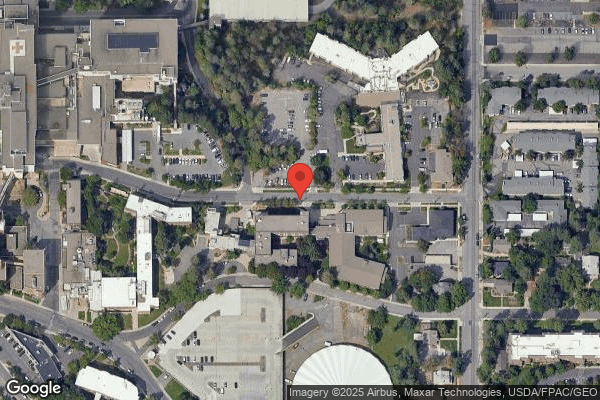
17 EAST 8TH AVENUE, SPOKANE, WA 99202 (509) 474-5678
For profit - Limited Liability company 113 Beds PROVIDENCE HEALTH & SERVICES Data: November 2025
Trust Grade
58/100
#82 of 190 in WA
Last Inspection: June 2025

Inspected within the last 6 months. Data reflects current conditions.

Overview

South Hill Rehabilitation and Care Center has a Trust Grade of C, which means it is average and falls in the middle of the pack among nursing homes. It ranks #82 out of 190 facilities in Washington, placing it in the top half overall, and #6 out of 17 in Spokane County, indicating that only five local options are better. Currently, the facility is improving, with issues decreasing from 14 in 2024 to 10 in 2025. Staffing is a concern, earning a 3 out of 5 rating with a turnover rate of 63%, significantly higher than the state average. Additionally, the facility has incurred fines totaling $9,311, which is average compared to other facilities in the state. On the positive side, the care center offers more Registered Nurse (RN) coverage than 76% of Washington facilities, which is beneficial for catching potential issues. However, there have been concerning incidents, such as a resident suffering a fracture due to improper transfer assistance when two staff members were required. Another issue involved the failure to ensure that the Registered Dietician was properly licensed, raising concerns about residents' nutritional needs. Furthermore, kitchen staff were observed not following food safety protocols, such as not wearing beard nets, which could lead to unsanitary conditions and potential foodborne illnesses. Overall, while there are strengths in RN coverage, the facility faces significant staffing and compliance challenges.

Trust Score
C
58/100
In Washington
#82/190
Top 43%
Safety Record
Moderate
Needs review
Inspections
Getting Better
14 → 10 violations
Staff Stability
⚠ Watch
63% turnover. Above average. Higher turnover means staff may not know residents' routines.
Penalties
○ Average
$9,311 in fines. Higher than 67% of Washington facilities. Some compliance issues.
Skilled Nurses
○ Average
Each resident gets 41 minutes of Registered Nurse (RN) attention daily — about average for Washington. RNs are the most trained staff who monitor for health changes.
Violations
⚠ Watch
29 deficiencies on record. Higher than average. Multiple issues found across inspections.
★★★★☆
4.0
Overall Rating
★★★☆☆
3.0
Staff Levels
★★☆☆☆
2.0
Care Quality
★★★★☆
4.0
Inspection Score
Stable
2024: 14 issues
2025: 10 issues

The Good

  • Full Sprinkler Coverage · Fire safety systems throughout facility
  • No fines on record

Facility shows strength in fire safety.

The Bad

Staff Turnover: 63%

17pts above Washington avg (46%)

Frequent staff changes - ask about care continuity

Federal Fines: $9,311

Below median ($33,413)

Minor penalties assessed

Chain: PROVIDENCE HEALTH & SERVICES

Part of a multi-facility chain

Ask about local staffing decisions and management

Staff turnover is elevated (63%)

15 points above Washington average of 48%

The Ugly 29 deficiencies on record

1 actual harm
Jun 2025 10 deficiencies
CONCERN (D)

Potential for Harm - no one hurt, but risky conditions existed

Deficiency F0552 (Tag F0552)

Could have caused harm · This affected 1 resident

**NOTE- TERMS IN BRACKETS HAVE BEEN EDITED TO PROTECT CONFIDENTIALITY** Based on interview and record review, the facility failed to ensure informed consents which explained the potential risks and be...

Read full inspector narrative →
**NOTE- TERMS IN BRACKETS HAVE BEEN EDITED TO PROTECT CONFIDENTIALITY** Based on interview and record review, the facility failed to ensure informed consents which explained the potential risks and benefits associated with the use of psychotropic medications and/or vaccines were accurately completed, and obtained from the resident or their representative prior to their administration, for 2 of 5 sampled residents (Residents 14 and 3) reviewed for unnecessary medications. In addition, the facility failed to ensure Resident 3 had the cognitive ability to understand the risks prior to signing the informed consent. These failures placed the residents and/or their representatives at risk of not being fully informed of the potential risks and benefits of receiving the medication and/or vaccines. Findings included . <Resident 14> The 04/15/2025 quarterly assessment documented Resident 14 had diagnoses which included depression, a mental health condition characterized by a persistent feeling of sadness that lasted over an extended period. In addition, the assessment documented that the resident received psychotropic medication. Review of the physician orders from 01/01/2025 through 06/11/2025 documented the psychotropic medication, Duloxetine, had been prescribed on 03/01/2024 to treat Resident 14's depression. Review of the Medication Administration Records (MARS) from 03/01/2025 through 06/11/2025 documented Resident 14 had received the medication daily as prescribed. Review of Resident 14's record found an informed consent that included the risks and benefits for the Duloxetine had been signed by the resident on 03/13/2024, 12 days after the resident began taking the medication. In an interview on 06/11/2025 at 12:46 PM, Staff H, Nurse Manager, stated informed consents for psychotropic medications needed to be obtained prior to the first dose of the medication being given. When informed of the Duloxetine consent being completed 12 days after Resident 14 had received the medication, Staff H stated the facility had transitioned to new ownership and a different electronic record system and would check with medical records to see if an earlier consent had been obtained. In a follow-up interview on 06/11/2025 at 1:05 PM, Staff H provided an informed consent for the Duloxetine; however, it was the same consent that was dated 03/13/2024. Staff H acknowledged an informed consent had not been done prior to Resident 14 receiving the medication as was required. <Resident 3> Review of a 05/16/2025 quarterly assessment showed Resident 3 was admitted to the facility on [DATE] with a diagnosis of dementia and bipolar disorder (a mental illness with extreme shifts in mood, energy, and activity levels). The assessment showed Resident 3 had severely impaired cognitive skills for daily decision making, unclear speech, and was sometimes able to be understood by and sometimes able to understand others. Review of the medical record showed Resident 3 had two next of kin as emergency contacts. Additionally, a 02/28/2025 cognition care plan showed the resident was no longer consistently responding to the cognitive assessment, showing signs of severely impaired cognition and the [Spouse] assists with decision making and coordination of care. The care plan informed the staff Resident 3 required supervision/assistance with all decision making. Review of a 09/11/2024 vaccine consent for pneumonia (a contagious respiratory disease) showed the staff provided vaccine information to Resident 3 and the consent was signed by the resident. The consent showed the resident understood the risks and benefits of receiving the vaccine and did not consent to receiving it. Review of 09/23/2024 vaccine consents for influenza and COVID-19 (both contagious respiratory diseases) showed the staff provided vaccine information to Resident 3 and the consents were signed by the resident. The consents showed the resident understood the risks and benefits of receiving the vaccines and consented to receiving them. Review of the June 2025 MAR showed the staff administered to Resident 3, Depakote [an anticonvulsant or seizure medication also used to treat bipolar disorder] twice a day for bipolar disorder. Review of a 09/11/2024 Informed Consent for Use of Psychotropic Medication showed the medication category chosen was Antipsychotic [a class of medications primarily used to manage symptoms of psychosis, such as hallucinations, delusions, and disorganized thinking], to include the possible side effects associated with the use of an antipsychotic. The consent showed Resident 3's legal representative consented to the use of the antipsychotic and educated to the potential side effects associated with that medication category, instead of the anticonvulsant. The above findings were shared with Staff H, Nurse Manager, on 06/13/2025 at 3:34 PM. Staff H confirmed Resident 3 signed the informed consents to the immunizations, acknowledged Resident 3's severely impaired cognition, and stated that the resident was not the appropriate person to make an informed decision about immunizations and the vaccine information should have been reviewed with the next of kin identified in the care plan. Staff H acknowledged the Depakote was placed in the wrong medication category, making the informed consent erroneous in the information provided to Resident 3's representative. Reference WAC 388-97- 0300(3)(a), -0260, -1020(4)(a-b). .
CONCERN (D)

Potential for Harm - no one hurt, but risky conditions existed

Deficiency F0565 (Tag F0565)

Could have caused harm · This affected 1 resident

Based on interview and record review, the facility failed to utilize their grievance process to ensure concerns and grievances expressed by members of the Resident Council were responded to and/or fol...

Read full inspector narrative →
Based on interview and record review, the facility failed to utilize their grievance process to ensure concerns and grievances expressed by members of the Resident Council were responded to and/or followed up in a timely manner for 2 of 7 sampled residents (Residents 35 and 59) reviewed for Resident Council. This failure placed the residents at risk for a diminished quality of life and loss of self-worth. Findings included . The facility Grievance policy, last reviewed 12/20/2023, documented the grievance process was available to be utilized by residents to express concerns with their care and treatment as well as other general concerns. The policy documented the facility's Grievance Official would evaluate, investigate, and take actions to resolve the concerns. In addition, the policy documented the Grievance Official would respond to the individual who expressed the concern within three working days of the concern being expressed, complete the grievance resolution forms, and follow up with the individual to inform what steps were taken to address and/or correct the concern. <Resident Council Minutes> Review of the January 2025 through April 2025 Resident Council minutes showed the following: - On 01/28/2025, Resident 35 stated their shower drained slowly after bathing and Resident 59 stated towels were not picked up after they showered, it sometimes took days and there had been times when they had placed the towels outside in the hallway by their room door in order to have them picked up. In addition, the meeting minutes documented many of the residents in attendance stated their bed linens were not being changed timely. - On 02/25/2025, no documentation was found in the meeting minutes that showed the concerns that were expressed in the 01/28/2025 meeting as stated above had been addressed and/or followed up on by the Grievance Official. - The 03/25/2025 meeting minutes were not provided, the documentation received only included the meeting agenda and the attendance roster of staff and residents. - On 04/29/2025, Resident 59 stated the issue with bath towels not being picked up and bed linens not being changed timely was still a problem. No documentation was found in the meeting minutes that showed the issue was addressed, what actions were taken, or what if any, follow-up occurred. Review of the facility's grievance log and grievance binder from January 2025 through April 2025, found no entries were made related to the above concerns that were expressed in the Resident Council meetings, nor were any grievance forms completed as per the facility's grievance policy. During an interview on 06/13/2025 from 3:16 PM through 3:42 PM, Staff Q, Activity Director, stated the Grievance Official was Staff A, Administrator, until about a month ago, and now it was Staff K, Social Services. After reviewing the Resident Council meeting minutes and a discussion about the grievance process and concerns that residents voiced during Resident Council had not been addressed and/or followed-up timely, Staff Q stated the grievance forms were filled out by the Grievance Official. When asked if the grievance forms were completed for issues expressed during Resident Council meetings, Staff Q stated they had not been, but using them would make it easier and helpful to ensure concerns were addressed and followed-up on. In an interview on 06/13/2025 at 11:54 AM, after discussion about the grievance process, lack of logging grievance concerns in the facility log, and lack of timely follow up for resident's concerns, Staff A acknowledged the facility grievance process was not utilized consistently and addressing and following up on resident's concerns was not timely. Reference WAC 388-97-0920 (1-6)
CONCERN (D)

Potential for Harm - no one hurt, but risky conditions existed

Deficiency F0658 (Tag F0658)

Could have caused harm · This affected 1 resident

**NOTE- TERMS IN BRACKETS HAVE BEEN EDITED TO PROTECT CONFIDENTIALITY** Based on interview and record review, the facility failed to ensure controlled medications were adequately accounted for, follow...

Read full inspector narrative →
**NOTE- TERMS IN BRACKETS HAVE BEEN EDITED TO PROTECT CONFIDENTIALITY** Based on interview and record review, the facility failed to ensure controlled medications were adequately accounted for, following accepted standards of practice in 3 of 3 controlled medication ledgers reviewed. This failure placed residents at risk of misappropriation of controlled substances and a decreased quality of care. Findings included . According to the 2025 article titled Narcotic Drugs: Handling and Documentation, Controlled Drug Policy and Procedure, written by [NAME], a nationally recognized Registered Nurse (RN) and online educator, for the publication RN.org, the traditional method of accounting for narcotic medications in long-term care facilities included an end-of-shift narcotics count with the oncoming nurse counting the medications, the outgoing nurse verifying the count, and both nurses signing off in the ledger that the count was correct. <Controlled Substance Ledger Books> Record reviews and interviews of the controlled substance ledger books showed the following: - On 06/18/2025 at 1:35 PM, the ledger showed that 37 out of 75 signature lines were blank from 05/24/2025 through 06/18/2025 for Medication Cart 1 on the first floor. In an interview at that time, Staff R, Licensed Practical Nurse (LPN), confirmed the signatures were missing. - On 06/18/2025 at 01:45 PM, the ledger showed that 93 out of 189 signature lines were blank from 05/17/2025 through 06/18/2025 for Medication Cart 1 on the second floor. In an interview at that time, Staff S, LPN, confirmed the signatures were missing. - On 06/18/2025 at 01:55 PM, the ledger showed that 93 out of 189 signature lines from 03/17/2025 through 06/18/2025 for Medication Cart 2 on the second floor. In an interview at that time, Staff T, RN, confirmed the signatures were missing and acknowledged the facility process to account for controlled substances was the same as described in the 2025 article referenced above. In an interview on 06/18/2025 at 2:16 PM, Staff B, Director of Nursing, acknowledged the inconsistent accounting of controlled substances. Reference WAC: 388-97-1620(2)(b)(i)(ii),(6)(b)(i)
CONCERN (D)

Potential for Harm - no one hurt, but risky conditions existed

Deficiency F0692 (Tag F0692)

Could have caused harm · This affected 1 resident

**NOTE- TERMS IN BRACKETS HAVE BEEN EDITED TO PROTECT CONFIDENTIALITY** Based on observation, interview, and record review, the facility failed to ensure the medical record showed an accurate account ...

Read full inspector narrative →
**NOTE- TERMS IN BRACKETS HAVE BEEN EDITED TO PROTECT CONFIDENTIALITY** Based on observation, interview, and record review, the facility failed to ensure the medical record showed an accurate account of a resident's fluid intake while on a fluid restriction for 1 of 3 sampled residents (Resident 180) reviewed for nutrition and hydration. This failure placed the resident at risk of dehydration, fluid overload, and rehospitalization. Findings included . Review of the medical record showed Resident 180 was admitted to the facility on [DATE] after being hospitalized for an episode of congestive heart failure [CHF, where the heart can't pump enough blood to meet the body's needs] and septic shock [a severe medical condition characterized by dangerously low blood pressure and organ failure, resulting from the body's overwhelming response to an infection] secondary to cellulitis [a bacterial infection of the skin and underlying tissues]. The medical record showed that at the hospital, almost 4.8 liters (a measurement and over a gallon) of fluid were removed. The resident received a diuretic, or water pill (a medication that helped the body get rid of excess water and salt through increased urination). An observation on 06/09/2025 at 9:25 AM showed laminated signage with a blue drop of water on Resident 180's room door. The signage showed, Day 450, Eve [Evening] 450 and NOC [Night] 100. Entry into the resident's room showed Resident 180 sitting in a wheelchair (WC) in their room next to their bed. When asked, Resident 180 stated they were no longer on fluid restriction and the reason it was started was because, lungs were failing. The resident said they now had a water pitcher brought to them by the staff, which started two days ago, and refreshed with ice whenever they asked for it. On 06/10/2025 at 10:31 AM, a water pitcher was observed on Resident 180's bedside table. Resident 180 was not in their room. On 06/12/2025 at 10:10 AM, a clear plastic glass filled partially with water and a water pitcher sat on the over-the-bed table. Resident 180 sat in their WC and stated the staff brought them the water pitcher, Every time I ask. It's the first one for today, and I didn't ask for it. It's fresh today. It's got ice in there. A bottle of Boost [oral nutrition] supplement also sat on the over-the-bed table to which the resident said they received, Every meal. The amount in the bottle was 237 milliliters (mL, a measurement). On 06/13/2025 at 10:31 AM, the laminated signage with the blue drop of water and integers by shift remained on Resident 180's door. Review of 06/02/2025 hospital transfer documents showed orders for a salt-restricted diet with a fluid restriction of 2000 ml. Review of the facility provider orders showed no instruction to the nurses Resident 180 was on a fluid restriction. Review of the care plan and Kardex (abbreviated care instructions for nursing assistants derived from the general care plan) showed it informed the staff Resident 180 was on a Fluid restriction of 2000mL per day. The care plan or Kardex showed no clarity to how much fluid was allowed per shift, specifically the amount sent with meal trays by the kitchen department and how much the staff was allowed to give the resident between meals and per shift apart from the meal trays. Review of the medical record showed no documentation the staff monitored or reconciled Resident 180's fluid intake between shifts to ensure they maintained the ordered fluid restriction. In an interview on 06/13/2025 at 10:08 AM, Staff M, Nursing Assistant, stated they knew a resident was on fluid restriction by the water drop signage on doors and by checking the Kardex. Staff M stated they documented fluids in the electronic medical record (EMR) under the Tasks section and included fluids from a water pitcher, at mealtimes and in between meals. Staff M stated the nurses were responsible for documenting how much of the Boost supplement a resident drank. Staff M stated that a water pitcher held 800 to 1000 mL, and they would calculate how much the resident drank at the end of the shift by pouring out and deducting the remaining water from the 800 to 1000 mL adding, I can do an estimate of what was consumed. In an interview on 06/13/2025 at 10:33 AM, Staff L, Licensed Practical Nurse, stated a resident ran the risk of becoming dehydrated, constipated, or running a low blood pressure when on a fluid restriction. Staff L was asked what the facility process was to ensure the staff provided fluids that did not exceed fluid restriction and stated, I believe kitchen gives a certain amount on each tray and there is usually a little sign on the door [of what] nursing gives. Staff L explained that the nursing assistants did not give the resident fluids apart from what was sent on the meal trays and were responsible for documenting that amount under the Tasks section of the EMR. Staff L stated that residents on fluid restriction are generally not provided water pitchers but if they really want one we will fill it with what they can have for their shift. Staff L stated that before the end of their shift, they checked the amount of fluid a resident consumed, tallied and then documented it either in the Medication Administration Record (MAR) or the progress notes. Staff L stated they believed Resident 180 was on a fluid restriction secondary to CHF. Staff L confirmed nurses were responsible for including the amount of Boost supplement consumed and counted it towards the fluid restriction. Staff L stated a provider order showed how much fluid the kitchen department would send at meal trays and how much the staff could give per shift so that the fluid restriction would not be exceeded. Staff L checked Resident 180's medical record and could not find an order for the fluid restriction and added, [The resident] does have heart failure and kidney disease, especially [now] that he also has IV [by vein] fluids. That's something that needs to be clarified. Staff L acknowledged there was no documentation in the medical record that showed how much fluid the nurses gave Resident 180 shift by shift, or the nurses reviewed and tallied the entire daily amount of fluid to ensure Resident 180 met the fluid restriction ordered at the time of admission to the facility and mentioned in the care plan. The above findings were shared with Staff N, Registered Dietitian, on 06/13/2025 at 11:18 AM. Staff N stated they expected fluid restriction to show in the provider order. Staff N reviewed Resident 180's medical record and confirmed, I don't see that order in, and we would want to see and delegate who's responsible for how much to give per shift. Staff N reviewed Resident 180's meal tray slip delivered with each meal, which would include the type of diet, allergies, preferences, and fluid restriction. Staff N confirmed it did not show instructions to the kitchen staff on Resident 180's fluid restriction and stated, I'm not sure what happened. Reference WAC 388-97-1060 (3)(i). .
CONCERN (D)

Potential for Harm - no one hurt, but risky conditions existed

Tube Feeding (Tag F0693)

Could have caused harm · This affected 1 resident

**NOTE- TERMS IN BRACKETS HAVE BEEN EDITED TO PROTECT CONFIDENTIALITY** Based on observation, interview, and record review, the facility failed to ensure 1 of 2 sampled residents (Resident 77) reviewe...

Read full inspector narrative →
**NOTE- TERMS IN BRACKETS HAVE BEEN EDITED TO PROTECT CONFIDENTIALITY** Based on observation, interview, and record review, the facility failed to ensure 1 of 2 sampled residents (Resident 77) reviewed for tube feeding (TF, the delivery of nutrients through a tube directly inserted into the stomach) received their nutrition according to provider orders. This failure placed the resident at risk of nutritional complications, dehydration, or fluid overload. Findings included . Review of a 06/02/2025 admission assessment showed Resident 77 was admitted to the facility on [DATE] with diagnoses that included a progressive neurological condition and severe malnutrition. The staff assessed the resident as cognitively intact and depended on TF for nutrition. An observation on 06/11/2025 at 12:50 PM showed Resident 77 in bed with the head of the bed up. A dressing was observed to their left abdomen and TF tubing extending out. A pole was observed with a pump for the delivery of enteral nutrition. Resident 77 was unable to be interviewed secondary to their desire to conserve physical energy. Review of the May 2025 Medication Administration Record (MAR) showed a 05/28/2025 order that instructed the nurses to administer Jevita [sic, a nutrition formula] 1.2 at 50 cc (cubic centimeter, a measurement) every hour and continuously, for a total administration of 1,200 cc in a 24-hour period, or 400 cc every eight-hour shift. The nurses documented the amount administered on their shift as 50/hr on 05/29/2025, 05/30/2025, and 05/31/2025, not showing the approximate or complete amount of nutrition provided each shift. Review of the June 2025 MAR showed an order that instructed the nurses to administer Jevity 1.2 at 60 ml (milliliter, a measurement also equivalent to a cc) every hour and continuously, totaling 1,440 cc in a 24-hour period, or 480 cc every eight-hour shift. On 06/02/2025, 06/03/3025 and 06/04/2025, the nurses showed no documentation of how much enteral nutrition was provided to Resident 77. Review of the June 2025 MAR showed an order dated 06/03/2025 that instructed the nurses to administer FiberSource (a nutrition formula) 1.2 at 60 cc/hr in a 24-hour period for a total of 1,440 cc, or 480 cc every eight-hour shift. The MAR showed the nurses documented 60 or 60cc instead of the expected or approximate amount of 480 cc per shift from 06/03/2025 to 06/10/2025. Review of the June 2025 MAR showed an order dated 06/10/2025 that instructed the nurses to provide Resident 77 IsoSource (a nutrition formula) at 50 cc/hr continuously, for a total of 1,200 cc in a 24-hour period, or 400 cc every eight-hour shift. Review of the MAR showed the nurses administered nutrition more than what was ordered by the physician on: 06/10/2025 Night Shift - 795 cc, an excess of 395 cc 06/11/2025 Day Shift - 890 cc, an excess of 490 cc 06/11/2025 Afternoon Shift - 1202 cc, an excess of 802 cc 06/12/2025 Day Shift - 600 cc, an excess of 200 cc 06/12/2025 Evening Shift - 600 cc, an excess of 200 cc The above findings were shared with Staff N, Registered Dietitian, on 06/13/2025 at 10:57 AM. Staff N stated the facility ensured a resident with orders for enteral nutrition received the prescribed rate by review of documentation in the MAR. Staff N acknowledged the medical record did not show the staff consistently provided Resident 77 with the prescribed rate of enteral nutrition daily and stated, It would be good to have the total amount [administered]. Looks like there is some miscommunication as to what is supposed to be in the MAR. I don't have an answer for you on that. Am not sure what was going on there. Reference: WAC 388-97-1060 (3)(f). .
CONCERN (D)

Potential for Harm - no one hurt, but risky conditions existed

Deficiency F0761 (Tag F0761)

Could have caused harm · This affected 1 resident

Based on interview and observation, the facility failed to ensure medications carts were locked/secured in the absence of a nurse, expired medications were discarded timely, and injectable medications...

Read full inspector narrative →
Based on interview and observation, the facility failed to ensure medications carts were locked/secured in the absence of a nurse, expired medications were discarded timely, and injectable medications were dated/timed when opened. These failures placed the residents at risk of unauthorized access to medications and their potential adverse effects, theft or diversion of medications, and decreased potency and safety of the medications. Findings included . <Unsecured Medication Cart> An observation on the second floor on 06/09/2025 at 9:06 AM showed an unlocked and unattended medication cart stationed at the beginning of Unit B - Transitional Care Unit. In this continuous observation, Staff C, Licensed Practical Nurse (LPN) approached the medication cart. At 9:30 AM, the medication cart was again observed unlocked and unattended, and Staff C was coming from Unit B, Long Term Care Unit. Staff C acknowledged the medication cart was opened and that it should have been locked, and stated it should be secured, When we are away. <Expired Medications> On 06/18/2025 at 01:45 PM, during an inspection of medication cart 2 on the first floor, an eight-ounce bottle of Hibiclens (a skin cleanser that helps reduce bacteria) with an expiration date of 11/2024 was observed in the cart with other medications and supplies. Staff S, LPN, acknowledged the expiration date and stated the Hibiclens should have been discarded. Staff S stated all the medication cart nurses are responsible for checking for and disposing of expired medications and supplies in the medication carts. <Injectable Medications> On 06/18/2025 at 1:10 PM, during an inspection of the second floor medication room, an open, undated bottle of Tubersol solution (used to help diagnose tuberculosis infection) was observed in the medication refrigerator. Staff O, Nurse Manager, acknowledged the Tubersol was opened and undated and stated it should have been disposed of because it expired 30 days after being opened and there was no way to know when it was opened. In an interview on 06/18/2025 at 02:16 PM , Staff B, Director of Nursing, stated Tubersol was only good for 30 days after being opened and if it was not dated when opened it should be thrown away. Reference WAC 388-97-1300 (2), -2340. .
CONCERN (D)

Potential for Harm - no one hurt, but risky conditions existed

Deficiency F0849 (Tag F0849)

Could have caused harm · This affected 1 resident

Based on interview and record review, the facility failed to identify a designated interdisciplinary team member, to act as a liaison for coordinating care and communication with the hospice provider,...

Read full inspector narrative →
Based on interview and record review, the facility failed to identify a designated interdisciplinary team member, to act as a liaison for coordinating care and communication with the hospice provider, for 1 of 1 sampled residents (Resident 37), reviewed for hospice services. This failure placed the resident at risk for unmet care needs. Findings included The 05/05/2025 significant change assessment documented Resident 37 was able to make decisions regarding their care, had diagnoses which included malnutrition, asthma, and respiratory failure. In addition, the assessment documented the resident received hospice services. Review of Resident 37's record showed a referral was made on 04/16/2025 for hospice services, and serv ices were started on 05/01/2025. Review of the facility's 05/01/2025 hospice agreement documented the services and responsibilities for care that would be provided by both the facility and the hospice provider; however, the policy did not include and/or document who the designated facility liaison to hospice was that was responsible for collaborating in the development and care of the resident. In an interview on 06/11/2025 at 2:11 PM, Staff A, stated the facility was in the process of updating and renewing contracts due to transitioning to new owners. When asked if the facility had a designated hospice liaison, Staff A stated when hospice services were desired, Staff K, Social Services made the arrangements, but a designated hospice liaison had not been appointed. No associated WAC
CONCERN (E)

Potential for Harm - no one hurt, but risky conditions existed

Deficiency F0655 (Tag F0655)

Could have caused harm · This affected multiple residents

**NOTE- TERMS IN BRACKETS HAVE BEEN EDITED TO PROTECT CONFIDENTIALITY** Based on observation, interview, and record review, the facility failed to ensure the development of adequate baseline care plan...

Read full inspector narrative →
**NOTE- TERMS IN BRACKETS HAVE BEEN EDITED TO PROTECT CONFIDENTIALITY** Based on observation, interview, and record review, the facility failed to ensure the development of adequate baseline care plans within the required timeframe to ensure continuity of care for 4 of 7 sampled residents (Resident 183, 180, 52 and 17) recently admitted to the facility. This failure placed the residents at risk for unmet needs and possible complications. Findings included . <Resident 183> Review of the medical record showed Resident 183 was admitted to the facility on [DATE] with diagnoses that included a recent stroke that affected the right side of their body, diabetes, chronic kidney disease, and heart failure [where the heart can't pump enough blood to meet the body's needs]. An observation on 06/09/2025 at 10:04 AM showed Resident 183 in their room sitting in a wheelchair (WC) with their representative present. The resident's right arm was elevated with a stack of towels about 4 inches thick. On their wardrobe door was signage that instructed the staff to keep their arm elevated 30 degrees while in bed and WC. Resident 183's hand was slightly swollen or puffy. A black forearm/hand brace was observed on the bedside table and the resident's representative stated the resident did not like to wear it. An observation on 06/11/2025 at 10:21 AM showed Resident 183 in their room, seated in a WC, and their representative present. The resident had their right forearm supported on a stack of washcloths, with fingers curled around the washcloths. Observed on the right forearm was a black brace. Resident 183's hand was slightly swollen or puffy. An observation on 06/13/2025 at 10:22 AM showed Resident 183 seated in a WC in their room, watching the television. A stack of towels supported the right forearm which had a black brace applied. The resident's hand was less swollen. Review of the June 2025 Medication Administration Record (MAR) showed Resident 183 received Torsemide (a water pill, used to remove excess water and salt from the body through increased urine production; helps to lower blood pressure and reduce fluid buildup in the body and commonly used to treat conditions like high blood pressure, heart failure, and swelling). Review of the June 2025 Treatment Administration Record (TAR) showed a 06/05/2025 order (the day of Resident 183's admission) that instructed the nurses to, Monitor skin under brace to R [right] wrist. Notify provider if any breakdown is noted. In an interview on 06/13/2025 at 9:54 AM, Staff M, Nursing Assistant, said Resident 183 wore a brace to their right hand because it was softer than a cast, kept their hand in place and from hurting, and the caregivers applied the brace. Staff M said the resident wore the brace whenever they were up and came off at bedtime, That's what I know at least off hand. Staff M said they found specifics about the brace management in the Kardex, an abbreviated form of a care plan for nursing assistants. In an interview on 06/13/2025 at 10:43 AM, Staff L, Licensed Practical Nurse, said, Resident 183 wore the brace because, That's [their] weak side so were keeping the fingers open and preventing a contracture [a condition where muscles, tendons, or skin shorten and tighten, restricting joint movement and causing stiffness]. Staff L stated the nurses or nursing assistants could apply the brace and would know for how long the brace should be on by verifying its order in the TAR. Staff L said if the order was in the TAR, then it would become consistent with the brace application and helped identify concerns, like refusals. Staff L confirmed there were no orders in the TAR to show who was responsible for brace application and how long to keep the brace on once applied. Review of Resident 183's medical record and Kardex showed no indication of the presence of a brace to the right wrist, its purpose, who was responsible for ensuring it was applied, and for how long the brace should be left on the resident's wrist. Additionally, it did not identify or address the primary physical problems and functional limitations associated with heart failure, the resident's goals or desired response, and interventions to help achieve those goals. The above findings were shared with Staff E, Nurse Manager, on 06/13/2025 at 2:34 PM. Staff E acknowledged Resident 183's baseline care plan should have but did not adequately address potential resident response to the diagnosis of heart failure. Staff E stated Resident 183 wore the brace to the right wrist, for comfort and based off of the patient's wishes, and could be applied by the nurses and aides, the resident, and the resident's spouse. Staff E acknowledged the baseline care plan did not show the potential resident response to the brace, the intent of the brace, the resident goals for the brace, and interventions to achieve those goals. Staff E stated the use of the brace should have reflected on the care plan, when it was given to the resident. <Resident 180> Review of the medical record showed Resident 180 was admitted to the facility on [DATE] with diagnoses that included chronic kidney disease, heart failure, ventricular fibrillation (a life-threatening heart rhythm where the heart quivers irregularly instead of beating effectively), and the presence of a defibrillator (a small battery-powered device placed in the chest that detects and stops irregular heartbeats). The medical record showed orders for the staff to administer Eliquis, an anticoagulant (blood thinner), twice a day for DVT (deep venous thrombosis, a blood clot that forms in a deep vein, most commonly in the legs) prevention. Review of Resident 180's medical record and Kardex showed no care plan that identified or addressed the primary physical problems and functional limitations associated with the treatment of DVT prevention or ventricular fibrillation, to include the presence of a defibrillator, the resident's goals or desired response, and interventions to help achieve those goals. The above findings were shared with Staff E on 06/13/2025 at 2:16 PM. Staff E reviewed Resident 180's care plan and confirmed, I don't see this on here but normally it would be. <Resident 52> According to a comprehensive admission assessment, dated 02/06/2025, Resident 52 was admitted on [DATE] with end-stage renal disease (the kidneys can no longer meet the body's needs) which required dialysis (a medical procedure that uses a machine to filter wastes and fluids from the blood). Review of Resident 52's electronic medical record (EMR) showed the following dialysis-related orders: - on 01/30/2025, dialysis scheduled to occur on Monday, Wednesday and Friday. Details of the order included details of the transport company, pick-up and drop-off times, and the name of the kidney center with their address and phone number. - on 01/30/2025, orders instructed the nursing staff to complete the dialysis communication sheet prior to dialysis, send the form with the resident to dialysis, and complete the form upon the resident's return to the facility. - on 03/01/2025, orders instricted the nurses to monitor the Permcath (a small flexible tube inserted in the right upper chest that facilitated dialysis treatment) every shift. A review of the 03/01/2025 care plan documented a focus of end-stage renal disease. Interventions included to elevate feet, give medications as ordered and monitor for signs of complications. There was no documentation in the care plan that the resident received dialysis services, their dialysis schedule or the name and contact information of the dialysis center, as required. <Resident 17> According to a comprehensive admission assessment dated [DATE], Resident 17 was admitted on [DATE] with diagnoses of a hip fracture and irritable bowel syndrome (IBS, a bowel disorder, symptoms included abdominal pain, bloating and changes in the consistency of bowel movements) with constipation (hard, dry or difficult to pass stools). The resident was alert and able to make their needs known. During an interview on 06/10/2025 at 10:23 AM, Resident 17 stated that they occasionally had abdominal discomfort, and were unsure of the cause. They further reported problems with hard bowel movements, which changed to diarrhea after taking suppositories and enemas. A review of the medical record showed Resident 17 received both scheduled and as needed medications to regulate their bowels. From 05/18/2025 through 06/16/2025, the resident had four formed/normal stools, fourteen diarrhea/loose stools and five constipated/hard stools. A review the 05/09/2025 care plan showed no mention of the presence of an actively treated diagnosis of IBS, any focus on monitoring their bowels, the resident's goals or desired response, and interventions to help achieve those goals. During an interview on 06/18/2025 at 10:08 AM, Staff L, Licensed Practical Nurse (LPN), stated that staff monitored Resident 17's bowel habits and they could give medications for either constipation or diarrhea. They stated that IBS and symptoms should be on their care plan and expressed surprise that it was not. During an interview on 06/18/2025 at 2:50 PM, Staff O, Nurse Manager, reviewed the care plans for Resident 17 and Resident 52. They acknowledged that information on Resident 17's IBS and Resident 52's dialysis treatment should have been on their care plans and were not. Reference WAC 388-97-1020(3) .
CONCERN (E)

Potential for Harm - no one hurt, but risky conditions existed

Food Safety (Tag F0812)

Could have caused harm · This affected multiple residents

<Second Floor Dining Room> Observations of the meal showed the following on 06/09/2025: At 12:01 PM, Staff D, Speech Therapist, touched the back of a female resident seated at a dining room (DR)...

Read full inspector narrative →
<Second Floor Dining Room> Observations of the meal showed the following on 06/09/2025: At 12:01 PM, Staff D, Speech Therapist, touched the back of a female resident seated at a dining room (DR) table. Staff D completed HH then grabbed a pair of gloves and put them on. Staff D approached another female resident, touched their wheelchair (WC) with the gloved hand, walked to the serving area to get a bowl of soup, and brought it to the female resident. Staff D then touched another resident's WC with the same gloves on, went to get ketchup at the serving area. Staff D returned to the resident with the same gloved hands, opened the burger bun, poured the ketchup on the burger, and moved it closer to the resident. At 12:05 PM, Staff D went to get a plate of food with the same gloved hands and brought it to Resident 183, touched the table surface, then the resident's right chest, and then the table surface again with gloved hands. A staff approached Staff D with a plate, Staff D touched the plate of food and gave instructions to the staff. Staff D then assisted a male resident in their WC out of the DR with the same gloved hands. At 12:10 PM, Staff D returned to the DR, put on gloves, went to talk to a male resident, got a cola for another male resident, opened the cola can, touched their pants at the hip area, then sat down on the resident's walker seat. Staff D then returned to Resident 183, placed the same gloved hands on the table surface where Resident 183 was seated at. Staff D then stepped away and went to a male resident who requested a baked apple for dessert. En route to getting the male resident the baked apple, Staff D went to Resident 71, adjusted their napkin, and went to the serving cart to ask for the baked apple. Staff D took the baked apple and brought it to the male resident. With the same gloved hands, Staff D then went to another male resident and touched their WC with their left hand. Staff D then touched their own front thighs and was called by another male resident who also requested a baked apple. Staff D went to the serving area, obtained the baked apple, and brought the baked apple to the male resident with the same gloved hands. Staff D then announced, I have to go now downstairs, removed their gloves, and exited the DR. The above findings were shared in an interview with Staff F, Infection Preventionist, on 06/16/2025 at 11:03 AM. Staff F stated, You need to take gloves off and wash your hands when making in-between contact with residents and anything that's a personal surface. Reference WAC 388-97-1100 (3), -2980. Based on observation, interview and record review, the facility failed to ensure the staff performed hand hygiene (HH) and changed gloves when required for 2 of the 2 dining rooms observed. This failure placed the residents at risk for foodborne illnesses. Findings included . <First Floor Dining Room> Observations of the meal showed the following on 06/09/2025: - At 12:31 PM, Staff U, Nursing Assistant (NA), touched a resident's arm, then proceeded to touch a sink faucet. Staff U opened the refrigerator door, retrieved a can of soda, opened it, then poured it into a cup. Without performing hand hygiene, Staff U held onto the cup at the rim where the resident's mouth would touch, and gave it to a resident who proceeded to drink from the cup. In an interview on 06/09/2025 at 12:40 PM, when asked when they should perform hand hygiene during meal service, Staff U stated, when changing glove and after providing care for a resident. Staff U stated they did not realize they hadn't performed hand hygiene, and when asked if they should have performed hand hygiene, the staff stated they definitely should have. Observations of the meal showed the following on 06/16/2025: - At 11:45 AM, Staff V, NA, touched a resident's wheelchair handle with gloved hands, then opened the refrigerator and removed juice and two cans of soda. Staff V then poured the juice into a cup and without changing gloves or performing hand hygiene picked up the cup by the rim where the resident's mouth would touch and placed it in front of a resident. Staff V then proceeded to open the cans of soda pop for two different residents and place them in front of the residents. Staff V, still wearing the same gloves, removed a straw from its wrapper, touching it where it would come in contact with the resident's mouth and placed it in front of a resident, then, without changing gloves or performing hand hygiene, picked up two cups by the rims, where a resident's mouth would touch, and filled the cups with ice and placed them in front of residents. Staff V, still wearing the same gloves, then proceeded to touch a tabletop, assisted a resident to put on a clothing protector, then touched a wheelchair handle of another resident, then without changing gloves or performing hand hygiene prepared a drink and gave it to a resident. In an interview on 06/16/2025 at 11:54 AM when asked when glove change and hand hygiene should be performed when working the dining room, Staff V stated between touching residents, when starting meal trays, and if touched a dirty surface. When asked why they did not perform hand hygiene and glove changes at the appropriate times they stated it was because they were only serving drinks and only touching the bottom of the cups. When Staff V was informed they were observed touching the rims of cups and touching the straw they stated they should have performed hand hygiene and glove changes, and stated it was important to prevent cross contamination.
CONCERN (E)

Potential for Harm - no one hurt, but risky conditions existed

Infection Control (Tag F0880)

Could have caused harm · This affected multiple residents

**NOTE- TERMS IN BRACKETS HAVE BEEN EDITED TO PROTECT CONFIDENTIALITY** Based on observation, interview, and record review, the facility failed to ensure signage was placed to inform the staff of resi...

Read full inspector narrative →
**NOTE- TERMS IN BRACKETS HAVE BEEN EDITED TO PROTECT CONFIDENTIALITY** Based on observation, interview, and record review, the facility failed to ensure signage was placed to inform the staff of residents (Resident 7, 77, 180, 182, 183, and 191) who required Enhanced Barrier Precautions (EBP, infection control intervention designed to reduce transmission of multidrug-resistant organisms [MDRO, germs that are resistant to many antibiotics]). Additionally, the facility failed to ensure hand hygiene was implemented as required during medication administration. These failures placed the residents at risk for the spread of infections, illnesses and unintended health consequences. Findings included . According to a 06/28/2024 Centers for Disease Control article, EBP are used in conjunction with standard precautions and expanded the use of putting on gown and gloves during high-contact resident care activities (e.g., dressing, bathing/showering, transferring, changing linens, providing hygiene, wound care and assisting with toileting) for residents known to be colonized or infected with a MDRO when Contact Precautions did not otherwise apply, as well as those at increased risk of MDRO acquisition (e.g., residents with wounds or indwelling medical devices). <Resident 183> Review of the medical record showed Resident 183 admitted to the facility on [DATE] after they experienced a stroke. The medical record showed Resident 183 admitted with the use of an indwelling urinary catheter that helped empty their bladder. An observation on 06/09/2025 at 10:09 AM showed Resident 183 sitting in a wheelchair and the tubing of the urinary catheter drained to a collection bag and secured to the wheelchair. No EBP signage was observed to instruct the staff of the required PPE after four days of admission. <Resident 77> Review of the progress notes showed Resident 77 admitted to the facility on [DATE] with a feeding tube (a flexible tube used to provide liquid nutrition, fluids, and medications directly to the stomach or small intestine when someone is unable to eat or drink adequately). The medical record showed the staff used the feeding tube to provide continuous nutrition, hydration and administer medication to the resident. An observation on 06/09/2025 at 12:34 PM showed Resident 77 in bed. A dressing was observed to the left side of their stomach and a feeding tube coming out of it and connected to a bag of nutrition formula run by a pump on a pole. No EBP signage was observed to instruct the staff of the required PPE after six days of admission. <Resident 7> Review of the medical record showed Resident 7 admitted to the facility on [DATE] with orders to administer antibiotics ([NAME]) intravenously (IV, by vein). The medical record showed the staff currently administered two [NAME] by IV. An observation on 06/09/2025 at 9:49 AM showed Resident 7 sitting in a wheelchair in their room with an IV line to their right inner arm. No EBP signage was observed to instruct the staff of the required PPE after 31 days of admission. <Resident 180> Review of the medical record showed Resident 180 was admitted to the facility on [DATE] with orders to administer an ABT by IV. The medical record showed the staff currently administered an ABT by IV. An observation on 06/09/2025 at 9:28 AM showed Resident 180 sitting in a wheelchair in their room with an IV line to their right arm. No EBP signage was observed to instruct the staff of the required PPE after seven days of admission. <Resident 191> Review of the medical record showed Resident 191 admitted to the facility on [DATE] with IV [NAME] for a bloodstream infection. The medical record showed the staff currently administered the [NAME] three times a day. An observation on 06/10/2025 at 1:25 PM showed Resident 191 sitting in a recliner. Staff D, Speech Therapist, sat directly on the resident's bed with no gown on and wore a surgical mask required by the facility for a COVID-19 (a contagious disease) outbreak. Staff D talked with the resident during their visit. An IV pole was observed with a pump and an IV bag connected to it. No EBP signage was observed to instruct the staff of the required PPE. Another observation on 06/11/2025 at 9:10 AM showed no EBP signage in use after nine days of admission. <Resident 182> Review of a medical record showed Resident 182 admitted to the facility on [DATE] with IV ABT. An observation on 06/09/2025 at 10:21 AM showed Resident 182 in bed. An IV line was observed to their right arm. No EBP signage was observed to instruct the staff of the required PPE after five days of admission. In an interview on 06/12/2025 at 8:44 AM, Staff G, Nursing Assistant, stated that they knew when a resident required EBP by, We have it [signage] posted right outside their door. The above findings were shared with Staff E, Nurse Manager, in an interview and observation on 06/12/2025 at 9:25 AM. Staff E stated that they informed the staff of the requirement for EBP via use of a laminated sign placed outside and by the resident's door on admission. Staff E stated any resident with wounds, IV lines, urinary catheters and feeding tubes required EBP signage. Staff E stated that the staff should wear a gown if they sat on the bed of a resident who met the criteria for EBP. Staff E acknowledged Resident 191 still did not have the signage to show certain cares required EBP and should have been in place eight days ago upon admission to the facility. Staff E stated that when a resident was admitted to the facility, the Admissions Nurse placed EBP signage as required and the reason the signage was not up for the above residents during the observations of 06/09/2025 was because the Admissions Nurse, just took a week's vacation and it [the admission process] was very broken. The above findings were shared with Staff F, Infection Preventionist, on 06/16/2025 at 11:05 AM. No further information was provided. <Hand Hygiene during Medication Administration> On 06/16/2025 at 8:39 AM, observed the administration of medications for Resident 283. Staff P, Nursing Technician, placed their pills into a medication cup and the pain ointment into another cup at the medication cart. Staff P then entered the resident's room, placed the pill cup on the bedside table and watched as the resident took the pills. Staff P put on gloves and applied the ointment, then discarded the gloves. They did not use hand sanitizer after removing the gloves or upon entering or leaving the resident's room. Staff P then went to the medication cart, documented the medications on the computer and began preparing medications for the next resident, without performing hand hygiene. During a concurrent interview, Staff P stated they should use hand sanitizer whenever entering or leaving a resident room, and after removing their gloves. They acknowledged they had forgotten to do so. During an interview on 06/18/2025 at 3:17 PM, informed Staff A, Administrator and Staff B, Director of Nursing of observations during medication pass with Staff P. Staff B stated they expected staff to perform hand hygiene after removing gloves and between each resident. Reference WAC 388-97-1320 (2)(b); -1320 (1)(c).
Apr 2024 4 deficiencies
CONCERN (D) 📢 Someone Reported This

A family member, employee, or ombudsman was alarmed enough to file a formal complaint

Potential for Harm - no one hurt, but risky conditions existed

Grievances (Tag F0585)

Could have caused harm · This affected 1 resident

Based on interview and record review, the facility failed to investigate resident-reported concerns (grievances) and to provide timely follow-up for 1 of 5 sampled residents (Resident 2), reviewed for...

Read full inspector narrative →
Based on interview and record review, the facility failed to investigate resident-reported concerns (grievances) and to provide timely follow-up for 1 of 5 sampled residents (Resident 2), reviewed for grievances. This failure placed the resident at risk of having unresolved grievances and a diminished quality of life. Findings included . Review of the policy titled, Safeguarding Residents' Belongings, revised December 2023, showed the facility would promptly respond to and investigate complaints of missing property, and the Administrator or their designee would notify the resident of the results of the investigation and corrective action taken within 10 working days. In an interview on 03/29/2024 at 1:18 PM, Resident 2 stated during their admission to the facility they had reported to multiple unidentified nursing assistants and one unidentified charge nurse a concern about missing property (a notebook) and missing money (stored inside the notebook). The resident stated they were told by the charge nurse that facility administration was aware of the concern and were investigating. Review of the 2024 grievance log and incident logs showed no entries for Resident 2. In an interview on 04/09/2024, Staff C, Charge Nurse, confirmed Resident 2 had mentioned missing property and money to them, and they had notified the resident that facility administration was investigating the complaint. Staff C stated they did not recall the date(s) of the investigation and/or the outcome. In an interview on 04/12/2024 at 11:10 AM Staff D, Social Services, stated resident concerns regarding missing property were typically reported by residents to nursing staff, then submitted on a grievance form. Staff D stated Resident 2's concern regarding their missing book and money was written on a scrap of paper, and upon a search the book had been found. Staff D stated no money was found inside the book and since the resident did not bring up the missing money again, they assumed it had been found. Per Staff D, facility administration was responsible for following up with residents on grievances, but Resident 2's concern had not been properly documented so there was no closure. In an interview on 04/15/2024 at 12:51 PM, Staff A, Administrator, confirmed that resident concerns of missing property or money began as a grievance, then were escalated to the incident log if unable to be found. Staff A stated since the resident and staff did not bring up further concerns with missing property and/or money for Resident 2 they believed the resident's concern had been resolved. Staff A confirmed no documentation regarding the investigation for Resident 2 was available and stated assumptions regarding the outcome should not be made. Reference WAC 388-97-0460
CONCERN (D) 📢 Someone Reported This

A family member, employee, or ombudsman was alarmed enough to file a formal complaint

Potential for Harm - no one hurt, but risky conditions existed

Report Alleged Abuse (Tag F0609)

Could have caused harm · This affected 1 resident

Based on interview and record review, the facility failed to ensure an allegation of potential misappropriation was reported to the State Agency as required, for one of five sampled residents (Residen...

Read full inspector narrative →
Based on interview and record review, the facility failed to ensure an allegation of potential misappropriation was reported to the State Agency as required, for one of five sampled residents (Resident 2) reviewed for abuse. This failure placed residents at risk for possible abuse. Findings included . In an interview on 03/29/2024 at 1:18 PM, Resident 2 stated during their admission to the facility they had reported to multiple unidentified nursing assistants and one unidentified charge nurse a complainant about missing property (a notebook) and missing money (stored inside the notebook). The resident stated they were told by the charge nurse that facility administration was aware of the concern and were investigating. Review of the January to April 2024 incident logs showed no entries for Resident 2. In an interview on 04/09/2024, Staff C, Charge Nurse, confirmed Resident 2 had mentioned missing property and money to them, and they had notified the resident that facility administration was investigating the complaint. Staff C stated they were not involved in the investigation and had no further information, but an entry should have been on the incident log. In an interview on 04/09/2024 at 3:52 PM, Staff A, Administrator, stated Resident 2 had submitted a complaint to social services staff about missing items and thought that included a concern about a missing debit card. In an interview on 04/12/2024 at 11:10 AM Staff D, Social Services, confirmed Resident 2 had complained about missing money inside of a book, and after a search facility staff had found and returned the resident's book, but no money was inside of it. Staff D stated missing money complaints should be reported to facility administration, but since the resident did not bring up the missing money again, they thought the complaint had been resolved. In a follow up interview with Staff A at 12:51 PM on 04/15/2024, Staff A confirmed Resident 2's complaint of missing money was not reported as required. Reference: (WAC) 388-97-0640(5)(a)
CONCERN (D) 📢 Someone Reported This

A family member, employee, or ombudsman was alarmed enough to file a formal complaint

Potential for Harm - no one hurt, but risky conditions existed

Comprehensive Care Plan (Tag F0656)

Could have caused harm · This affected 1 resident

**NOTE- TERMS IN BRACKETS HAVE BEEN EDITED TO PROTECT CONFIDENTIALITY** Based on interview and record review, the facility failed to care plan and implement an identified intervention for 1 of 5 sampl...

Read full inspector narrative →
**NOTE- TERMS IN BRACKETS HAVE BEEN EDITED TO PROTECT CONFIDENTIALITY** Based on interview and record review, the facility failed to care plan and implement an identified intervention for 1 of 5 sampled residents (Resident 3) reviewed for care planning. This failure placed the resident at risk of unmet needs and diminished quality of life. Findings included . Review of a facility investigation dated 03/15/2024 showed Resident 3 made a statement about trauma from their past that was triggered by cares provided by a (male) nurse the previous night. Per the investigation, the resident's care plan was updated to include female-only care for personal care. Review of Resident 3's care plan, effective 03/11/2024 to 04/20/2024, showed no interventions for female-only care for personal care. The [NAME] (summarized version of the care plan) for the same timeframe also showed no interventions for female-only personal care. In an interview on 04/09/2024 at 12:39 PM a representative for Resident 3 stated they were told Resident 3 would have female-only staff provide personal care after 03/15/2024, but the resident continued have male staff provide personal care such as toileting and dressing/undressing for bed. In an interview at 1:14 PM the same day, Staff E, Social Services, confirmed Resident 3 was to have female-only staff provide personal care after 03/15/2024, which was listed in their care plan. After reviewing the care plan and [NAME], Staff E stated there was no intervention listed on either for female-only care. Per Staff E, the care plan and [NAME] was the method of communicating interventions (such as female-only care) to staff members. In an interview at 4:10 PM the same day, Staff A, Administrator stated identified interventions for resident care should be added to the care plan. Reference: (WAC) 388-97-1020(1), (2)(a)(b)
CONCERN (D) 📢 Someone Reported This

A family member, employee, or ombudsman was alarmed enough to file a formal complaint

Potential for Harm - no one hurt, but risky conditions existed

Accident Prevention (Tag F0689)

Could have caused harm · This affected 1 resident

Based on observation, interview, and record review, the facility failed to thoroughly investigate the cause(s) of falls and assess the need for additional effective interventions for 1 of 3 sampled re...

Read full inspector narrative →
Based on observation, interview, and record review, the facility failed to thoroughly investigate the cause(s) of falls and assess the need for additional effective interventions for 1 of 3 sampled residents (Resident 1), reviewed for accident hazards. This failed practice placed the resident at risk for additional falls, injury secondary to falls, and diminished quality of life. Findings included . Review of the 03/06/2024 significant change assessment showed Resident 1 was severely cognitively impaired and had a history of falls. Additionally, the resident required moderate staff assistance for transfers, toileting, and walking, and supervision in their wheelchair. Review of Resident 1's care plan for falls, initiated 04/27/2023, showed staff were to offer toileting assistance every two hours and assess for unmet needs, ensure the resident's floor was clean and free of clutter, encourage appropriate footwear, ensure the bed was at an appropriate height to allow for safe transfers, and provide a room in a highly trafficked area to facilitate frequent observation. Review of the March 2024 incident log showed two non-injury falls for Resident 1 were listed on 03/22/2024 and 03/26/2024. In an interview on 03/29/2024 at 3:20 PM a representative for Resident 1 stated on a recent visit with the resident they had noticed a large amount of bruising on the resident's face and was told by the resident that they had a recent fall. The representative stated they were concerned about fall prevention as the resident was high risk to fall and had previously had significant injuries due to falls. Observation at 3:38 PM the same day showed Resident 1 still had a healing bruise next to their right eye. The resident was sitting up in their wheelchair in their room, leaning far forward in their wheelchair attempting to pick up a crumbled-up piece of garbage from the floor next to their garbage can. Review of the March 2024 progress notes for Resident 1 showed the resident was found lying face down on the floor in their room by nursing staff after attempting to self-transfer on 03/13/2024. The note did not contain additional details regarding the fall, including whether care planned interventions to prevent falls were in place at the time. Review of a facility fall report dated 03/22/2024 showed the resident was found on the floor at approximately 7:00PM. Per the note, the resident had no injury other than a healing bruise from a previous fall. Per the report the resident's call light and fluids were in reach but the report did not indicate if the call light was utilized at the time of the fall. Assessment of additional factors that may have contributed to the fall were not included. No new interventions to prevent further falls were listed. Review of a facility fall report dated 03/26/2024 showed the resident had an unwitnessed fall at approximately 3:21 PM that day, after attempting to walk to the bathroom. The report did not show when the resident had last been assisted to the bathroom and/or seen by staff. No new interventions to prevent further falls were listed. In an interview on 03/29/2024 at 3:54 PM, Staff F, Nursing Assistant, stated they tried to encourage Resident 1 to attend activities during the day and they tried to monitor the resident when they were in their room. Staff F stated Resident 1 was care planned for assistance with toileting every two hours, but the resident would try to go the bathroom more frequently than that. Per Staff F, the resident thought they could walk but they were very unsteady. In an interview at 4:35 PM the same day, Staff B, Director of Nursing, stated they were not aware of Resident 1's fall on 03/13/2024 and the fall was not investigated. When asked about root causes for the falls on 03/22/2024 and 03/26/2024 Staff B stated there was no additional information available and the investigation reports should have been reviewed for completeness by the charge nurse on duty at the time. Staff B acknowledged no additional interventions to prevent falls were developed due to the lack of information available regarding the falls. Reference: (WAC) 388-97-1060 (3)(g)
Feb 2024 10 deficiencies
CONCERN (D)

Potential for Harm - no one hurt, but risky conditions existed

Resident Rights (Tag F0550)

Could have caused harm · This affected 1 resident

Based on observation and interview, the facility failed to provide a dignified dining service for 1 of 1 sampled resident (341). Specifically, Resident 341 was referred to as a feeder on their printed...

Read full inspector narrative →
Based on observation and interview, the facility failed to provide a dignified dining service for 1 of 1 sampled resident (341). Specifically, Resident 341 was referred to as a feeder on their printed meal ticket. This failure placed the resident at risk for psychosocial harm and decreased quality of life. Findings included . On 02/21/2024 at 12:02 PM, Resident 341 was served lunch in the 2nd floor dining room. A meal ticket listed the Resident name, diet, and assistance level as 1:1 Feeder. The meal ticket was placed face-up on the table in front of the resident, and visible to residents, staff and visitors. On 02/21/2024 between 12:15 PM and 12:37 PM, Resident 341 ate their meal without staff assistance, and at 12:57 PM, had finished eating and left the dining room independently in their wheelchair. During an interview on 02/22/2024 at 10:31 AM, Staff Q, Nursing Assistant, stated they knew what level of assistance a resident needed at meals by reading the meal ticket. Staff Q stated if they needed to communicate the level of assistance a resident needed with eating or drinking, they would describe the type of help needed, and they would not call a resident a feeder. During an interview on 02/22/2024 at 11:00 AM, Staff K, Registered Dietician, stated meal tickets were used to communicate the residents' diet, allergies, and level of assistance to the kitchen and staff. Staff K stated they completed the meal ticket information, and they used the term feeder and one to one assistance interchangeably to describe a resident that needs assistance with eating. Staff K acknowledged the term feeder could be a dignity issue. Reference: WAC 388-97-0108(1-4)
CONCERN (D) 📢 Someone Reported This

A family member, employee, or ombudsman was alarmed enough to file a formal complaint

Potential for Harm - no one hurt, but risky conditions existed

Investigate Abuse (Tag F0610)

Could have caused harm · This affected 1 resident

Based on observation, interviews and record review, the facility failed to thoroughly investigate an allegation of abuse involving a bruise of unknown origin for 1 of 3 sampled residents (68) reviewed...

Read full inspector narrative →
Based on observation, interviews and record review, the facility failed to thoroughly investigate an allegation of abuse involving a bruise of unknown origin for 1 of 3 sampled residents (68) reviewed for skin conditions. This failure placed residents at risk for potential mistreatment and decreased quality of life. Findings included . According to the 02/12/2024 quarterly assessment, Resident 68 had diagnoses including schizoaffective disorder and had a history of falling. Resident 68 was severely cognitively impaired and required substantial staff assistance for their activities of daily living (ADLs). A review of the Accidents and Incidents log documented that on 02/06/2024, Resident 68 had a bruise of unknown origin on their right leg, the investigation was still pending, and this was reported to the State Reporting Agency. The undated Incident Investigation documented Resident 68 had bruising to the right interior upper leg found by Staff E, Nursing Assistant (NAC), during cares. Staff E notified the licensed nurse. Staff E gave a statement that they noticed a large bruise on the inside of Resident 68's right knee and the resident reported that staff were rough with them at bedtime, and it was abuse. Staff D, Social Worker, interviewed Resident 68 and was informed that a male and a female staff assisted the resident to bed causing the bruise. Resident 68 changed the subject when asked to describe the staff, only stated that they were young. Five other residents were interviewed and reported they had not received rough care. Four staff provided statements regarding the bruise. The investigation concluded that due to statements from other residents and lack of a confirmed abuser, abuse was ruled out. The investigation did not include any statements or interviews of any male staff. On 02/20/2024 at 10:02 AM, Resident 68's right leg was observed with Staff E. On the posterior aspect of the right knee, a purple-colored bruise was observed where the knee bends. The bruise had uneven borders and was approximately 4 inches long and 1 inch wide at the widest part. There was also a faded bruise visible on the anterior knee, just left of the kneecap. Staff E stated when they first noticed the bruise, it was in mid-January. The bruise was already fading and was light purple/green in color. During the observation, Resident 68 stated they go to bed at 9:30 PM. Two staff had assisted them to bed, and they had been rough. Resident 68 stated they did not know the names of the staff, but it was one male and one female. Resident 68 described the male as tall and thin and had dark brown hair. Staff E stated that on the evening shift, there was only one male NAC, and Staff F resembled the staff member Resident 68 described. During an interview on 02/20/2024 at 3:38 PM, Staff F, NAC, stated they often assist Resident 68 to bed. Resident 68 had never cried out in pain or notified Staff F they were hurting when assisted to bed. Staff F stated they were unaware Resident 68 had a bruise on their right leg in mid-January, and had not been asked by anyone about the source of the bruise. During an interview on 02/21/2024 at 3:46 PM, Staff B, Director of Nursing, stated the bruise on Resident 68's leg was noticed by Staff E, and Staff D had interviewed the resident. Staff B stated they had not been aware that Resident 68 had stated a male staff member had been involved when their leg was bruised. Staff B agreed that if no male staff members had been interviewed regarding the bruise, they would not have been able to fully rule out abuse. Reference: WAC 388-97-0640(6)(a)(b)
CONCERN (D)

Potential for Harm - no one hurt, but risky conditions existed

ADL Care (Tag F0677)

Could have caused harm · This affected 1 resident

**NOTE- TERMS IN BRACKETS HAVE BEEN EDITED TO PROTECT CONFIDENTIALITY** Based on observation, interview, and record review, the facility failed to provide dependent residents services to maintain thei...

Read full inspector narrative →
**NOTE- TERMS IN BRACKETS HAVE BEEN EDITED TO PROTECT CONFIDENTIALITY** Based on observation, interview, and record review, the facility failed to provide dependent residents services to maintain their personal hygiene for 1 of 2 sampled residents, (341), reviewed for activities of daily living (ADLs) for dependent residents. Specifically, the facility failed to provided nail care. This failure had the potential to place the resdient at risk for unmet care needs and diminished quality of life. Findings included . A review of the record showed Resident 341 had a diagnosis of arthritis (inflammation of the joints that caused pain and stiffness) and needed assistance with personal care. A 02/07/2024 quarterly assessment showed the resident had frequent pain that limited day-to-day activities and required extensive assistance with most ADLs, including hygiene and bathing. The 02/07/2024 ADL care plan instructed nursing staff to perform nail care twice a week on the residents shower days. A review of Resident 341's record from admission on [DATE] to 02/22/2024 showed no documentation of nail care provided or offered to the resident. There was no documentation of resident refusals of nail care. On 02/16/2024 at 8:47 AM, Resident 341's fingernails were observed to be long, past their fingertips, and soiled with brown matter with some broken and jagged edges. During an interview on 02/21/2024 at 3:33 PM, Staff X, Nursing Assistant, stated the bath aides provided bathing and grooming twice a week, including nail care for non-diabetics. During an interview on 02/21/2024 at 4:31 PM, Resident 341 stated the staff had not offered to trim their nails and they would like a nail trim because their nails were too long. The resident's nails were no longer soiled, yet the nails remained long with some broken and jagged edges. During an interview on 02/22/2024 at 9:18 AM, Staff W, Registered Nurse, acknowledged the nursing aides did most of the grooming including nail care for dependent residents. On 02/22/2024 at 4:02 PM, Resident 341 was observed eating in the dining room. Resident 341's fingernails were observed to be clean yet they were still long past the fingertips with some broken and jagged edges. Reference: WAC 388-97-1060 (2)(c)
CONCERN (D)

Potential for Harm - no one hurt, but risky conditions existed

Deficiency F0757 (Tag F0757)

Could have caused harm · This affected 1 resident

Based on interview and record review, the facility failed to ensure blood pressure medications were consistently monitored for 2 of 5 sample resident (9, 53) reviewed for unnecessary medications. This...

Read full inspector narrative →
Based on interview and record review, the facility failed to ensure blood pressure medications were consistently monitored for 2 of 5 sample resident (9, 53) reviewed for unnecessary medications. This failure placed the residents at risk for potential adverse side effects and medical conditions. Findings included . <Resident 53> Per the quarterly 02/12/2024 assessment, Resident 53 had diagnoses which included high blood pressure. Review of the Active Order Report showed the physician prescribed a blood pressure medication (Cardizem) on 07/20/2023 to be given every 12 hours. The order instructed nursing staff to hold the medication if the heart rate was less than 55 beats per minute or the systolic blood pressure was under 105. Review of the January and February 2024 MARs showed on 01/06/2024, 01/10/2024, 01/11/2024, 01/20/2024, 01/21/2024, 01/24/2024, 02/02/2024, 02/03/2024, 02/07/2024, and 02/08/2024, the PM dose of Cardizem was administered, but the blood pressure values were documented as zero's, and no actual blood pressure values were documented to show the blood pressure was within the parameters as instructed in the physician's order. Review of the Vitals Parameters report from 01/01/2024 through 02/21/2024 showed Resident 53's blood pressure had been taken during the evening shift on the above dates, but it was taken from three to five hours before the medication was administered. In an interview on 02/22/2024 at 9:27 AM, Staff Y, Registered Nurse, stated the nursing assistants would take the blood pressures at the beginning of the shift and give the values to the nurses. When asked if the blood pressure would be retaken closer to the time of the medication being given, Staff Y stated, if the value earlier was within normal range, the blood pressure was not rechecked, and a zero was entered. <Resident 9> Per the 01/15/2024 quarterly assessment, Resident 9 had diagnoses which included heart failure and high blood pressure. A review of the January 2024 Medication Administration Records (MARS) showed the physician prescribed a blood pressure medication (Metoprolol) on 06/06/2022 to be given every morning. The order instructed nursing staff to hold the medication if the heart rate was below 55 beats per minute or the top number of the blood pressure (systolic) was under 105 and to recheck the blood pressure in thirty minutes. In addition, the nursing staff were to notify the physician if two consecutive doses were held. Additional review of the January 2024 MARS showed the medication was held on 01/21/2024 and 01/24/2024 due to the blood pressure being below the parameters as stated in the order. Review of Resident 9's record which included progress notes and vital sign records showed no documentation that the resident's blood pressure had been rechecked as instructed. In an interview on 02/22/2024 at 9:06 AM, Staff V, Registered Nurse, stated blood pressure should be checked prior to giving medication if there were parameters ordered. After review of Resident 9's January 2024 MAR and vital sign documentation, Staff V confirmed the blood pressure had not been taken on 01/21/2024 and 01/24/2024 prior to the medication being administered. In an interview on 02/22/2024 at 10:32 AM, Staff B, Director of Nursing stated the expectation was that the blood pressure would be taken prior to medication being administered as instructed in the physician's orders for both Residents 9 and 53. With regards to Resident 53's blood pressure being taken at the start of the shift and the significant time lapse before the medication was given, Staff B acknowledged there was a concern and a potential for an adverse outcome. Reference (WAC): 388-97-1060 (3)(k)(i)
CONCERN (D)

Potential for Harm - no one hurt, but risky conditions existed

Deficiency F0760 (Tag F0760)

Could have caused harm · This affected 1 resident

**NOTE- TERMS IN BRACKETS HAVE BEEN EDITED TO PROTECT CONFIDENTIALITY** Based on interview and record review, the facility failed to ensure that 1 of 5 residents (32), reviewed for unnecessary medicat...

Read full inspector narrative →
**NOTE- TERMS IN BRACKETS HAVE BEEN EDITED TO PROTECT CONFIDENTIALITY** Based on interview and record review, the facility failed to ensure that 1 of 5 residents (32), reviewed for unnecessary medications, was free of significant medication errors. Specifically, Resident 32 had numerous medications that were not given as ordered, when they were at dialysis three times a week. This failed practice put the resident at increased risk of medical complications due to missed doses of important medications. Findings included . An agreement between the facility and the resident's dialysis center, dated 04/13/2021, showed that the facility was responsible for providing the dialysis center information about the resident's medications. According to a comprehensive assessment dated [DATE], Resident 32 was cognitively intact and made their needs known. The assessment further showed that Resident 32 had diagnoses which included end-stage renal disease (ESRD) that required dialysis three times a week (a treatment to filter wastes and water from the blood when the kidneys no longer work). A review of Resident 32's January 2024 Medication Administration Record (MAR), showed the following medications were ordered upon admission: 1) Humalog Insulin to be given for blood sugars over 150 if needed 3 times a day, with meals. 2) Pacerone (antiarrhythmic for irregular heartbeat) once a day, scheduled between 7:00-9:00 AM. 3) Eliquis (a blood thinner to prevent clots) twice a day, morning dose scheduled between 7:00-9:00 AM. 4) Vitamin D (supplement) once a day, scheduled between 7:00-9:00 AM. 5) Celexa (antidepressant) once a day, scheduled between 7:00-9:00 AM. 6) Prilosec (for gastric reflux) twice a day, morning dose scheduled between 7:00-9:00 AM. 7) Renvela (for ESRD) three times a day, before each meal. Doses scheduled at 7:00 AM, 11:30 AM and 5:00 PM. 8) Metoprolol (blood pressure medication) 50mg twice a day, morning dose scheduled between 7:00-9:00 AM. Resident 32's February 2024 MAR showed the following additions/changes: 1) Resident 32's schedule for dialysis was on Mondays, Wednesdays and Fridays. The resident was picked up at 6:35 AM and brought back to the facility at 12:30 PM on those days. 2) On 01/30/2024, Tylenol (for pain) 500mg 3 times a day was ordered. Doses were scheduled for 7:00 AM, 1:00 PM and 8:00 PM. 3) On 02/08/2024, the Tylenol was increased to 500mg 4 times a day. Doses were scheduled for 8:00 AM, 12:00 Noon, 4:00 PM and 8:00 PM. 4) On 01/30/2024, the resident's Metoprolol was increased to 75mg twice a day. Morning dose was scheduled for between 7:00-9:00 AM. 5) On 02/02/2024, the resident's Metoprolol was decreased back to 50mg twice a day. Morning dose was scheduled for between 7:00-9:00 AM. A further review of the January 2024 MAR, showed that Resident 32's morning doses of insulin, Pacerone, Elaquis, Vitamin D, Celexa, Prilosec, Renvela and Metoprolol were not given and charted as Held due to resident not in facility on January 22, 24, 26, 29 and 31. Additionally, the lunch doses of their insulin and Renvala were held on January 22 and 29, for the same reason. A review of the February 2024 MAR, showed that Resident 32's morning doses of Tylenol, insulin, Pacerone, Elaquis, Vitamin D, Celexa, Prilosec, Renvela and Metoprolol were charted as Held due to resident not in facility on February 2, 5, 7, 12, 14 and 16. Additionally, the morning dose of Renvela on February 9 and lunch doses of Tylenol on [DATE] and 12, and lunch insulin and Renvela on February 2, 5, 12 and 16 were held for the same reason. A review of the Kidney Dialysis Communication Forms showed no documentation from the facility that informed the dialysis center they had not given the resident's medications on the above dates. A review of Resident 32's medical record showed no documentation that the missed medications were given when the resident returned from dialysis, nor was there any documentation found to show the physician had been notified. During an interview on 02/21/2024 at 9:31 AM, Staff V, Registered Nurse (RN) stated that for residents on dialysis, administration times would often be adjusted, so they were not due when the resident was at the dialysis center. During a phone interview on 02/21/2024 at 2:32 PM, Staff R, Administrator at the dialysis center, stated they were not aware that Resident 32 had not received their medications on days they went to dialysis. During an interview on 02/21/2024 at 2:57 PM, Resident 32 stated that they did not get their morning medications before dialysis or at the center. Resident 32 stated that they rarely got them when they returned to the facility. I guess they just give them to me in the evening, or not at all. During a phone interview on 02/22/2024 at 11:08 AM, Staff T, Consulting Pharmacist, was informed of the specific medications that were not given on dialysis days. They stated the provider and the dialysis center should have been informed, as they would likely change the administration times to avoid missing doses. During an interview on 02/22/2024 at 12:06 AM, Staff U, Licensed Practical Nurse (LPN), stated that if a resident is not in the facility when scheduled medications were due, they marked as not given on the MAR and the reason. They further stated that they would not give once they returned to the facility because the next dose might be due soon, and it would be too close together, but should talk to the provider about it. When Staff U looked at the MAR, they verified that those medications were not given. During an interview on 02/22/2024 at 12:00 PM, Resident 32's provider Staff S, Physician Assistant (PA) was shown the documentation of medications held on dialysis days. Staff S stated they had not been informed of the missed medications. They further stated concern that missing those medications could contribute to an increased risk of clots, high blood pressure, worsening depression and worsening Afib. They reported that the resident did not show any of these signs or symptoms. During an interview on 02/22/2024 at 12:40 PM, Staff B, Director of Nursing, stated that medications that were due when a resident was not at the facility should have been given when they returned. Staff B acknowledged the failed practice and that the issue should have been discovered and addressed earlier. Reference: WAC 388-97-1060(3)(k)(iii)
CONCERN (D)

Potential for Harm - no one hurt, but risky conditions existed

Menu Adequacy (Tag F0803)

Could have caused harm · This affected 1 resident

**NOTE- TERMS IN BRACKETS HAVE BEEN EDITED TO PROTECT CONFIDENTIALITY** <Resident 48> The 11/16/2023 quarterly assessment showed Resident 48 had diagnoses including morbid obesity, was cognitive...

Read full inspector narrative →
**NOTE- TERMS IN BRACKETS HAVE BEEN EDITED TO PROTECT CONFIDENTIALITY** <Resident 48> The 11/16/2023 quarterly assessment showed Resident 48 had diagnoses including morbid obesity, was cognitively intact, weighed 498 pounds (lbs.) and was not on a prescribed weight loss regimen. The 12/12/2023 and 02/06/2024 Staff K, Registered Dietician (RD) progress notes documented Resident 48's weight had been steady within 10lbs., and the resident was attempting to eat healthier to reduce their weight. Resident 48 liked cottage cheese at lunch and dinner and there had been difficulties getting it through their supplier, but they would provide it when able. The 01/24/2024 nutrition care plan documented Resident 48 had an actual nutrition imbalance related to Diabetes. Staff were instructed to see the provider orders and [NAME] (nursing assistant care instructions) for the diet, see the meal ticket for the resident's food preference likes and dislikes, weigh the resident per the provider orders, and the Registered Dietician (RD) was to meet with the resident as needed to update their food preferences. The care plan did not have goals or interventions developed related to Resident 48's desire to lose weight. A review of the provider orders revealed Resident 48 was to have a consistent carbohydrate, high protein diet, and was to be weighed monthly. The following weights were documented for Resident 48: -12/11/2023 498 lbs. -01/02/2024 491.6 lbs. -02/01/2024 512 lbs. The 02/15/2024 provider note documented Resident 48 was seen in follow-up, there were no new concerns; the resident was sleeping well and had good appetite. The note did not mention Resident 48's desire to lose weight. During an interview on 02/13/2024 at 10:26 AM, Resident 48 stated they were trying to lose weight and ordered specific low-calorie foods such as cottage cheese, and soups and salads and these were not being given to them. When they did not get the foods they preferred, they were hungry and ate more snack items of foods they were trying to avoid. During an observation on 02/16/2024 at 12:16 PM, Resident 48 was in their room eating lunch. The lunch tray and meal ticket were observed. The resident's food preferences listed on the meal ticket included 2 dressing packets with salads, two 2% milks with lunch and dinner, NO DESSERTS, NO potatoes/pasta/rice, only diet cola at lunch and dinner, soup at lunch and dinner, and x2 protein portions at all meals. A small yellow menu request was stapled to the meal ticket that indicated Resident 48 had ordered 2 V/8's (vegetable juice), a fruit plate, cottage cheese, and a salad. Resident 48 stated they received one V/8, one milk, and no soup. During an interview on 02/20/2024 at 9:54 AM, Resident 48 stated on 02/19/2024, they never received cottage cheese they ordered for lunch or dinner and added they wanted it for every meal. Resident 48 then stated preferences on their meal ticket were not current and no one had asked if any of the preferences had changed. Resident 48 stated they had notified Staff K, RD, of their desire to lose weight, but no formalized diet plan, eating suggestions, or changes to their preferences had occurred after that. Resident 48 stated losing weight was important so that eventually they might be able to have surgery to get their knees repaired. During an observation on 02/20/2024 at 12:41 PM, Resident 48 was in their room finishing their lunch. Resident 48 had received cottage cheese but did not receive double portions of the bratwurst and had requested it. Resident 48 also did not receive soup, one milk, and one V/8. During an interview on 02/22/2024 at 10:57 AM, Staff K stated they were covering for the Food Services Manager and was the one that met with residents to determine food and diet preferences then filled out the meal tickets with that information. If staff notified them a resident was having issues not eating or losing weight, they met with the resident again to update their likes or dislikes. They relied on the resident to notify them if their preferences changed. Staff K stated there were no audits done to check meal trays for completeness; whoever made up the tray was supposed to make sure it was complete. Staff K stated they had been told by Resident 48 that they wanted to eat less but did not know Resident 48 wanted to lose weight. Fruit plates and salads were supposed to be sent from the kitchen, which was in a different building. They had a difficult time getting cottage cheese from their distributor but felt it had improved. If staff notified Staff K a resident did not receive their fruits or food items, they would try to obtain it for them. Reference: WAC 388-97-1160(1)(a)(b) Based on observation, interview and record review, the facility failed to ensure food preferences were honored for 2 of 9 residents (Residents 9 and 48) reviewed for food. Specifically, the facility failed to thoroughly assess Resident 9's nutritional preferences for a Kosher diet, foods that are processed and prepared according to Jewish religion, and failed to ensure Resident 48 was provided foods they selected on their menus that they felt would assist them to lose weight. These failures placed the residents at risk for decreased quality of life. Findings included . <Resident 9> Per the 01/15/2024 quarterly assessment, Resident 9 was admitted to the facility on [DATE], was able to make decisions regarding their care, and was independent for eating. During the lunch observation on 02/13/2024 at 12:24 PM, Staff AA, Nursing Assistant requested a serving of the beef stew from Staff Z, dietary aide, for Resident 9. When Staff Z stated the resident doesn't normally eat meat, Staff AA stated it was all right, the resident had asked for it. At 12:28 PM that same day, Staff AA was asked if the resident received the beef stew. Per Staff AA, Resident 9 was of the Jewish faith, usually didn't want meat, so alternative meals were given, but after receiving the lunch meal, requested the stew so it was given. On 02/14/2024 at 9:20 AM, Resident 9 was observed in their room sitting in their wheelchair using the computer. When asked if the food at the facility was good, Resident 9 stated they tried to maintain a Kosher diet, foods that are prepared and processed according to the laws of the Jewish religion, but it was not really possible. Resident 9 further stated that they finally accepted meals with pork to enable more food options, they just moved the pork off the plate. Review of Resident 9's record from 10/20/2021 through 02/06/2024 found no nutritional assessments with the exception of the initial nutritional screen done upon admission. Review of the nutritional progress notes from the same time period showed several notes documenting the resident's preference to not have pork and on 06/28/2022 at 3:57 PM and 07/27/2022 at 1:33 PM, Staff K documented Resident 9 continued to be incredibly averse to pork. No documentation was found to show the resident had been assessed to determine if any food/nutritional preferences were due to any religious reasons. On 06/08/2023 at 5:00 PM by Staff K documented the resident wanted pork removed from the dislike list so more food options were available. In an interview on 02/21/2024 at 8:45 AM, Resident 9 was sitting in their wheelchair next to their bed painting, their breakfast tray was sitting on the bed. The tray contained French toast, two eggs, apricots, and coffee. Review of the meal ticket showed it did not list the resident as preferring a Kosher diet. When asked, Resident 9 stated the meal ticket used to note they were on a Kosher diet, but after three years of rarely getting the right food, they gave up and had it taken off. When Resident 9 was asked if they filled out menus for the meals to inform staff of their choice for the meal, the resident stated, What would the point of doing that be when you don't get want you chose? In an interview on 02/22/2024 at 10:57 AM, Staff K, Registered Dietician, confirmed that they complete the meal tickets, update as needed and the ticket contains information specific to the resident such as food preferences and meal choices. When asked if there were preferences due to religious reasons, Staff K stated religious restrictions were also documented on the meal tickets, but it was not specific, for example, with a Kosher diet, would just have stated no pork. Staff K stated they did an initial nutritional screen when residents admitted to the facility, but did not do quarterly or yearly assessments. Discussed Resident 9's preference to have a Kosher diet. Staff K stated they knew there was more to a Kosher diet than just not having pork, but they would need to look that up. When informed that Resident 9 had stated they have given up on being able to have a Kosher diet, Staff K stated there were choices and they would follow up with the resident.
CONCERN (D)

Potential for Harm - no one hurt, but risky conditions existed

Deficiency F0810 (Tag F0810)

Could have caused harm · This affected 1 resident

Based on observation, interview and record review, the facility failed to ensure assistive eating equipment/utensil devices were provided for 2 of 9 sampled residents (14, 20) observed during dining. ...

Read full inspector narrative →
Based on observation, interview and record review, the facility failed to ensure assistive eating equipment/utensil devices were provided for 2 of 9 sampled residents (14, 20) observed during dining. This failure placed residents at risk of decreased oral intake, weight loss, and nutritional complications. Findings included . Resident 14 Per the 01/13/2024 quarterly assessment, Resident 14 had diagnoses which included Parkinson's disease, a nervous system disorder that caused tremors, muscle rigidity, decreased mobility and slow voluntary movements. In addition, the assessment showed the resident was able to eat independently with only set-up assistance from staff. Review of the 01/03/2024 nutritional care plan instructed staff to provide assistance with eating as needed. In addition, the staff were informed the resident was to have a lipped plate, a plate that has a high wall with an inner lip that kept food from sliding off the plate and was used to push food onto the eating utensil, at meals. On 02/13/2024 at 12:21 PM, Resident 14 was observed eating lunch. The resident's lunch plate contained beef stew poured over a biscuit. Review of the resident's meal ticket showed a lipped plate was to be used and food needed to be cut up for them. The food was served to the resident without being cut up and a lipped plate was not used. A similar observation on 02/16/2024 at 12:09 PM, showed Resident 14 had been served lunch on a plate that was not lipped. Resident 20 Per the 02/07/2024 quarterly assessment, Resident 20 had diagnoses which included dementia, and was able to eat independently with set-up assistance from staff. During the lunch observation on 02/13/2024 at 12:10 PM, Resident 20 was observed eating lunch independently. Per review of the meal ticket, the resident was to have food served on a lipped plate and was to receive Boost, a nutritional drink, with meals. There was no Boost present, and the beef stew was no served on a lipped plate. A similar observation on 02/16/2024 at 12:09 PM, showed Resident 20 had been served lunch on a plate that was not lipped, and no Boost was provided. On 02/21/2024 at 12:00 PM during the lunch meal, Resident 20 was observed to have a spoon in the right hand and was attempting to scoop mashed potatoes and brown gravy onto the bowl of the spoon. After several unsuccessful attempts, Resident 20 placed their left index finger at the edge of the plate and slid the spoon toward the finger to be able to scoop the food onto the bowl of the spoon. As with the previous observations, a lipped plate had not been used, and no Boost was present for the resident. In an interview on 02/22/2024 at 8:56 AM, Staff Z, dietary aide, stated the residents meal tickets informed the dietary staff what resident's assistive equipment (such as a lipped plate), food preferences, and meal choice were. Per Staff Z, the meal tickets were updated by the Dietician or the dietary manager. In an interview on 02/22/2024 at 10:57 AM, Staff K, Dietician, confirmed that they completed the meal tickets, updated them as needed, and the ticket contained information specific to the resident such as assistive devices needed, food preferences, and meal choices. After discussion of the lunch observations for Residents 14 and 20, Staff K stated both residents should have had their meals served on a lipped plate. Staff K stated the expectation was that dietary staff were to double check trays to ensure the assistive devices, food and nutritional drinks were correct prior to serving the resident. Reference WAC 388-97-1140 (2)
CONCERN (D)

Potential for Harm - no one hurt, but risky conditions existed

Infection Control (Tag F0880)

Could have caused harm · This affected 1 resident

Based on observation and interview, the facility failed to ensure appropriate hand hygiene and glove changes were performed during wound care for 1 of 1 sampled residents (69) observed during a dressi...

Read full inspector narrative →
Based on observation and interview, the facility failed to ensure appropriate hand hygiene and glove changes were performed during wound care for 1 of 1 sampled residents (69) observed during a dressing change. This failure placed the resident at risk for infection and delayed wound healing. Findings included . The CDC recommended healthcare personnel should use alcohol-based hand rub or wash with soap and water .immediately before touching a patient, after touching a patient or the patient's immediate environment and immediately after glove removal. When washing hands with soap and water .rub hands together for at least 15 seconds. When using handrubs rub hands together covering all surfaces until dry. According to the 02/05/2024 quarterly assessment Resident 69 had diagnoses of Stage 4 sacral pressure ulcer (an injury of the tailbone area caused by prolonged pressure on the skin which extends into the muscle, tendon, ligament, cartilage or even bone), Osteomyelitis (an infection of the bone), and Paraplegia (a type of paralysis that affects the ability to move the lower half of the body), was cognitively intact and able to direct their care, and dependent on staff for activities of daily living such as toileting, positioning, and mobility. On 02/20/2024 at 11:46 AM, an observation was made of the wound care and dressing change to sacral wound with Staff G LPN, (Licensed Practical Nurse). The sacral wound was covered with a wound vac dressing (a foam bandage over an open wound, attached to a vacuum pump and a drainage collection container). Staff G replaced the old drainage cannister, which was in a privacy bag on the bed beside the resident, and without performing hand hygiene or glove change they picked up a stack of clean gauze, and prepared the new wound vac dressings for the dressing change. Staff G proceeded to remove the old dressings from the wound, then changed gloves but did not perform hand hygiene before continuing to clean the wound using gauze from the stack they had previously handled with dirty gloves. Without changing gloves or performing hand hygiene they then applied the wound dressings to the wound, and multiple times throughout the process they handled clean gauze, dressing supplies and scissors while wearing dirty gloves. Once the dressing was applied, Staff G changed their gloves but did not perform hand hygiene. Staff G then proceeded to put away the dressing supplies, reposition the resident in bed, and rearrange the room before removing gloves, and performing hand hygiene at 12:15 PM In an interview on 02/20/2024 at 12:16 PM, when asked when hand hygiene and glove changes should be performed during wound care, Staff G stated hand hygiene should occur when entering a resident's room, and gloves should be changed after removing the old dressing, and after cleaning the wound. When asked why they did not perform hand hygiene between glove changes, Staff G replied thy did not know they were supposed to wash or sanitize their hands when changing gloves, and when asked, Staff G stated they did not realize they had handled the clean dressing supplies with dirty gloves. Staff G stated they should have performed hand hygiene between glove changes and used clean gloves when touching clean wound care supplies to prevent potential contamination. In an interview on 02/22/2024 at 3:02 PM with Staff C Infection Preventionist, Registered Nurse, they stated hand hygiene and wound care was reviewed at a skills fair that was held January 2024, and Staff G had been in attendance. They stated the expectation of staff was to complete hand hygiene when touching resident surroundings or the resident, before sterile procedures and when going from dirty areas to clean areas. They stated was important because there could be microtears in the gloves, and to prevent the spread of infection. Reference (WAC): 388-97-1320 (1)(c)
CONCERN (F)

Potential for Harm - no one hurt, but risky conditions existed

Deficiency F0801 (Tag F0801)

Could have caused harm · This affected most or all residents

Based on interview and record review, the facility failed to employ sufficient staff with the appropriate licensing necessary to carry out the functions of the nutritional services for 91 residents. F...

Read full inspector narrative →
Based on interview and record review, the facility failed to employ sufficient staff with the appropriate licensing necessary to carry out the functions of the nutritional services for 91 residents. Failure to ensure the Registered Dietician (RD) had a license to practice in Washington State placed residents at risk for unmet nutritional needs and possible unintended weight loss or gain. Findings included . On 02/21/2024, a review of the staff credentials showed Staff K, Registered Dietician (RD), had successfully completed requirements for dietetic registration through the Academy of Nutrition and Dietetics Commission on Dietetic Registration, with a certificate valid through 08/31/2024. A copy of Staff K's license to practice in Washington State was also requested and none was provided. A search of the Washington State Department of Health Provider Credential database found no record to show that Staff K had the required Dietician Certification (license) to practice as a dietician in Washington State. In an interview on 02/22/2024 at 11:08 AM, Staff K was asked if they were licensed as a dietician in Washington State. Staff K stated no, and then asked if they needed to be. When informed it was required, Staff K stated they were not aware and would take the necessary steps to get the license. Reference: WAC 388-97-1160(1)
CONCERN (F)

Potential for Harm - no one hurt, but risky conditions existed

Food Safety (Tag F0812)

Could have caused harm · This affected most or all residents

Based on observation, interview, and record review the facility failed to ensure food was prepared in accordance with professional standards for food service safety. Specifically, the facility failed ...

Read full inspector narrative →
Based on observation, interview, and record review the facility failed to ensure food was prepared in accordance with professional standards for food service safety. Specifically, the facility failed to ensure the kitchen staff with facial hair were wearing beard restraints (nets) to prevent hair from contacting exposed food and clean equipment. Unsafe food handling practices placed the residents at risk of unsanitary food and possible foodborne illness. Findings included . A document from the United States Food & Drug Administration Food Code website titled Food and Drug Administration Food Code 2022, Chapter 2. Management and Personnel Section 2-402 Hair Restraints updated on January 18, 2023, showed that food employees shall wear coverings over their hair and beards to prevent hair from contacting exposed food and clean equipment. On 02/13/2024 at 8:49 AM, during a tour of the kitchen, Staff J, Cook, was observed chopping fresh fruit. Staff J had a full beard of short hair, without a beard net in place. On 02/22/2024 at 10:24 AM, during a second visit to the kitchen, Staff L, Cook, had a goatee (facial hair on chin) and was observed combining a flour-like mix with water in a large metal bowl without a beard net in place. During an interview on 02/22/2024 at 10:28 AM Staff L acknowledged they should wear a beard nets while preparing food in the kitchen. Staff L stated they would put on a beard net. During an interview on 02/22/2024 at 11:00 AM Staff K, Registered Dietician, acknowledged staff with facial hair are required to wear a beard net. Reference: WAC 388-97-1100 (3)
Jun 2023 1 deficiency
CONCERN (D) 📢 Someone Reported This

A family member, employee, or ombudsman was alarmed enough to file a formal complaint

Potential for Harm - no one hurt, but risky conditions existed

Report Alleged Abuse (Tag F0609)

Could have caused harm · This affected 1 resident

Based on interview and record review, the facility failed to ensure an allegation of abuse was reported to the State Survey Agency as required, for one of five sampled residents (Resident 1), reviewed...

Read full inspector narrative →
Based on interview and record review, the facility failed to ensure an allegation of abuse was reported to the State Survey Agency as required, for one of five sampled residents (Resident 1), reviewed for abuse. Failure to report alleged abuse placed Resident 1 and additional residents in the facility at risk for uninvestigated abuse allegations, mistreatment, and poor quality of life. Findings included . Review of the facility's policy titled Abuse Prohibition and Prevention, revised on 10/2021, showed staff were to report suspected and alleged abuse to the facility Administrator, State Survey Agency, and all other required agencies. Per a facility investigation, initiated on 04/12/2023, Resident 1's representative approached Staff B, Nurse Manager, and Staff C, Social Services, at approximately 12:00 PM that day, and stated the resident had made a statement that they had been molested within the last few days. The investigation report stated State agency notified, but no confirmation of the report was included. In an interview on 04/14/2023 at 12:39 PM Staff B stated Resident 1 was interviewed after their representative informed staff of the allegation, and had reiterated the allegation that they had been molested in the last several days, while they resided in the facility. Per Staff B an internal investigation was ongoing. At 1:28 PM the same day, Staff A, Administrator, stated the facility had identified the need to report the allegation to the State Survey Agency, but two different staff members each thought the other had done the required reporting, and it was not done prior to the surveyor asking for confirmation of report earlier that day. F-609 Reporting of Alleged Violations is a repeat deficiency; See Statement of Deficiencies dated 04/15/2022. Reference: WAC 388-97-0640 (5) (a)
Mar 2023 1 deficiency 1 Harm
SERIOUS (G) 📢 Someone Reported This

A family member, employee, or ombudsman was alarmed enough to file a formal complaint

Actual Harm - a resident was hurt due to facility failures

Accident Prevention (Tag F0689)

A resident was harmed · This affected 1 resident

Based on observation, interview, and record review, the facility failed to provide the identified transfer assistance required to prevent injury for one of five sample residents (1), reviewed for acci...

Read full inspector narrative →
Based on observation, interview, and record review, the facility failed to provide the identified transfer assistance required to prevent injury for one of five sample residents (1), reviewed for accidents and supervision. This failure resulted in actual harm to Resident 1, who sustained a fracture and pain during a transfer without utilization of a two-person assist and appropriate equipment, as required. Findings included . Per the 11/24/2022 quarterly assessment, Resident 1 required extensive assistance of one staff for transfers, was not steady, and had no falls since admission to the facility. Review of a 01/03/2023 provider progress note showed Resident 1 had an assisted fall the previous day while transferring from the toilet to their wheelchair via Lumex (a non-mechanical stand assist transfer aid designed for residents who have the strength and stability to lift and support themselves). The resident reported their legs just sometimes give out. Per the care plan initiated 05/11/2021, new interventions were implemented on 01/03/2023 and 01/04/2023 for physical therapy to evaluate the resident's transfer status, and for extensive assistance of two staff for transfers via Hoyer (a mechanical lift used to transfer residents with increased assistance needs due to mobility challenges and weakness). Review of an 01/23/2023 incident investigation showed Staff E, Nursing Assistant (NA), used the Lumex to transfer Resident 1 into a shower around 9:45 AM that day without incident, despite the resident stating it won't work. After the shower Staff E used the Lumex to transfer the resident back to bed and was unable to properly seat the resident on the edge of the bed. Staff E requested assistance; Staff D, Registered Nurse, entered the room and found Resident 1 sliding off the edge of the bed with the Lumex in front of them and reporting they were not able to stand back up. Per the investigation, Staff D and E were unable to successfully assist Resident 1 into bed with the Lumex, so they placed a pillow under the resident and asked for additional staff assistance. Staff F, NA, entered the room and found Resident 1 sitting halfway on the edge of the bed and sliding down, while still holding the grab bar on the Lumex, which caused their buttocks to be lower than their knees, while their feet were sliding off the foot platform. Staff F repositioned the resident's feet onto the platform, then Staff E and F grabbed the resident under the arms and assisted them into a standing position and back into the bed. Per the investigation, at 12:30 PM that day, Resident 1's wife reported to staff that the resident's left leg was swollen and painful. An x-ray was completed on 01/24/2023, and found the resident had a new fracture to the lower left leg. In an interview on 03/10/2023 at 2:43 PM Staff E, NA, stated prior to the incident on 01/23/2023 staff were notified of resident care needs, such as their transfer status, from a care guide (a brief version of the care plan) that was kept at the nurse's station; however Staff E did not look at the care guide for Resident 1, prior to transferring the resident into and out of the shower that day. Staff E stated when previously working with the resident, the resident used the Lumex, and they were not told about the updates to the resident's status. Staff E confirmed being the only staff member present when they transferred the resident out of the shower to the bed with the Lumex, and stated the resident said their leg wasn't working right, but they did not know what happened to cause the resident to slide off the edge of the bed. On 03/09/2023 at 2:28 PM Staff D stated they were aware Resident 1 was care planned for use of the Hoyer when the incident occurred on 01/23/2023, due to weakness and a prior fall, but when entering the room to assist Staff E, the resident was already sliding off the edge of the bed and on the Lumex. Staff D stated they attempted to push the Lumex back to assist the resident onto the bed, and when that was unsuccessful, locked the brakes until another staff member came to assist. In an interview on 03/10/2023 at 3:39 PM, Staff C, Physical Therapist, stated the resident was initially seen for therapy for a left upper leg fracture in 2021, and had progressed to standing and walking prior to the fall on 01/02/02023. After the fall, physical therapy started working with the resident again on strengthening, and nursing staff were to use the Hoyer for Resident 1's transfers until therapy staff had cleared the resident to begin using the Lumex again. Staff C stated nursing staff had not yet been cleared to use the Lumex with the resident when the incident occurred on 01/23/2023, due to the resident's continued weakness. Observation at 4:33 PM on 03/09/2023 showed Resident 1 was sitting up in a wheelchair in their room with their left leg wrapped in a thick brace and elevated on the wheelchair leg rest. The resident did not wake up despite attempts to rouse them. In an interview on 03/10/2023 at 10:34 AM a representative for Resident 1 stated they visited the resident on 01/23/2023 and the resident immediately told them that staff had pushed on their left leg during a transfer, which was surprising because staff should have known to be careful, due to the resident's prior injury. Per the representative, there was obvious swelling below the knee, and the resident reported severe pain at the time. The representative also stated Resident 1 had been sleeping in their wheelchair a lot lately as it was less painful for them than the bed. The representative stated the resident was experiencing pain and discomfort at night, due to an inability to move their leg to reposition themselves and the heavy/bulky brace, which they were not allowed to remove. Per the representative, the resident had seen an orthopedic doctor after the fracture was identified, and on their last visit on 03/01/2023, the physician notified the resident and their representative that the fracture was stable, not healing but not getting worse, and would need to be evaluated monthly for the next three months, to determine a plan of care. On 03/10/2023 at 3:10 PM, Staff B, Resident Care Manager, stated Resident 1's care guide identified they were to be using the Hoyer after their fall in the beginning of January 2023, and the facility's investigation revealed staff were not checking the care guides at the nurse's station prior to providing care. Per Staff B, the facility's investigation concluded that the stress placed on the resident's leg while attempting to reposition them up into the bed via the Lumex (to prevent them from falling) on 01/23/2023 caused the lower leg fracture. Staff B confirmed Resident 1 was to wear the brace on the left leg at all times, and continue monthly follow up visits with the orthopedic doctor for the next three months, as the resident was not a surgical candidate (to repair the fracture) due to their overall medical status. At 3:55 PM the same day, Staff A, Director of Nursing, confirmed the facility's investigation found the root cause of Resident 1's injury to be a transfer that was not done according to the resident's identified care needs. Reference (WAC) 388-97-1060(3)(g)
Jan 2022 3 deficiencies
CONCERN (D)

Potential for Harm - no one hurt, but risky conditions existed

Deficiency F0561 (Tag F0561)

Could have caused harm · This affected 1 resident

**NOTE- TERMS IN BRACKETS HAVE BEEN EDITED TO PROTECT CONFIDENTIALITY** Based on interview, record review, and review of the facility's admission Packet, the facility failed to ensure 1 of 3 sample re...

Read full inspector narrative →
**NOTE- TERMS IN BRACKETS HAVE BEEN EDITED TO PROTECT CONFIDENTIALITY** Based on interview, record review, and review of the facility's admission Packet, the facility failed to ensure 1 of 3 sample residents reviewed for choices (14), had choices and preferences honored regarding bathing/showers. Findings included: Review of the electronic medical record revealed Resident 14 was admitted to the facility on [DATE] from a hospital with diagnoses including coronary artery disease, depression, and chronic obstructive pulmonary disease (COPD - a lung disease characterized by persistent repiratory symptoms like progressive breathlessness and cough). Review of Resident 14's 10/20/2021 care plan showed that the resident was to have showers on Wednesdays and Sundays, and bed baths as needed. Review of the admission Minimum Data Set - a document required to thoroughly evaluate residents, dated 10/26/2021 showed a Brief Interview Mental Status (BIMS) score of 15 out of 15, which indicated intact cognition. Under the daily preferences section of the document, it showed that it was very important for Resident 14 to choose between a tub bath, shower, bed bath, and sponge bath. During an interview and observation with Resident 14 on 01/11/2022 at 9:56 AM, they stated having only had two or three showers since admission, and they had asked for more showers without success. Review of the nursing asssistant charting from the electronic record showed Resident 14 received showers on three dates since admission: [DATE], 12/30/2021, and 01/04/2022. There was no documentation in the record that Resident 14 refused showers. Review of shower documentation, located in the unit shower room, showed no showers or entries for Resident 14. During an interview with the Staff G, Unit Manager, on 01/11/2022 at 11:30 AM, they stated that Staff F informed them of Resident 14 not receiving showers. Staff G stated it was the expectation that nursing assistants advise nursing staff if residents refuse showers or other services. During an interview with the Staff F, Charge Nurse, on 01/11/22 at 1:10 PM showed they were not aware that Resident 14 had not received showers. Staff F ran a report of Resident 14's showers since admission, and stated that there was no documentation that Resident 14 had received showers as ordered, and there was no documentation that Resident 14 had refused the showers. There was also no documentation that Resident 14 had received bed baths. Staff F stated that it was an expectation that the nursing assistants provide showers as care planned at a minimum, and informed nursing staff if the resident refused showers and/or baths. Review of the 05/2017 facility admission Packet under the Resident Rights and Responsibilities, showed the resident had the right to and the facility would promote and facilitate resident self-determination through support of resident choice including, Resident has a right to choose .schedules .and providers of health care services, the right to make choices about aspects of his or her life that are significant to the resident and the right to .receive services in the facility with reasonable accommodation of resident needs and preferences. Reference: WAC 388-97-0900
CONCERN (E)

Potential for Harm - no one hurt, but risky conditions existed

Deficiency F0578 (Tag F0578)

Could have caused harm · This affected multiple residents

**NOTE- TERMS IN BRACKETS HAVE BEEN EDITED TO PROTECT CONFIDENTIALITY** Based on interview, record review, and facility policy review, the facility failed to ensure 4 of 5 sample residents (33, 57, 36...

Read full inspector narrative →
**NOTE- TERMS IN BRACKETS HAVE BEEN EDITED TO PROTECT CONFIDENTIALITY** Based on interview, record review, and facility policy review, the facility failed to ensure 4 of 5 sample residents (33, 57, 365, 366), reviewed for advance directives, were provided with written information regarding advance directives, and the right to formulate one, to ensure the residents' desired level of medical care was known in the case of an inability to direct care on their own. Findings included: RESIDENT 33 Review of Resident 33's facility's printed Record of Admission showed a facility admission date of [DATE] with medical diagnoses that included chronic obstructive pulmonary disease (COPD - a lung disease characterized by persistent repiratory symptoms like progressive breathlessness and cough), major depressive disorder, asthma, high blood pressure, diabetes, and coagulation disorder (a disruption in the body's ability to control blood clotting). Review of Resident 33's electronic medical record showed a Physician's Order for Life Sustaining Treatment (POLST) form regarding cardiopulmonary resuscitation (CPR) however, no documentation was found regarding written education regarding an advance directive, or how to formulate one. Review of Resident 33's annual Minimum Data Set (MDS) assessment - a document required to thoroughly evaluate residents, with a reference date of [DATE], showed a Brief Interview for Mental Status (BIMS) score of 15 out of a possible 15, indicative of being cognitively intact. During an interview on [DATE] at 11:38 AM regarding education for advance directives, Resident 33 stated they had a form in the chart. After an explanation of what an advance directive was, Resident 33 responded If you ask the social worker she will help you, she revealed she had not received anything in writing about those, I've never seen anything. I just think they assume someone else has taken care of it [education]. RESIDENT 57 Review of an undated document provided by the facility titled Record of Admission, showed Resident 57 was admitted to the facility on [DATE] with a diagnosis of chronic lymphocytic leukemia (a form of cancer). Review Resident 57's admission MDS, provided by the facility, dated [DATE], showed the resident had a BIMS score of 15 out of 15, which indicated the resident was cognitively intact. A review was conducted of Resident 57's electronic medical record and hard chart showed no evidence the facility provided the resident with information on how to formulate an advance directive. During an interview on [DATE] at 4:18 PM, Resident 57 stated they would need to go through the admission paperwork to determine if the resident received information on advance directives or not. During an interview on [DATE] at 4:30 PM, Staff E, Staff Development, stated there was no indication Resident 57 was provided information on advance directives. Staff E stated it was the expectation when a resident was newly admitted they were to be provided information on advance directives. RESIDENT 365 Review of Resident 365's facility practitioner Interdisciplinary Progress Note showed an admission date of [DATE] with medical diagnoses that included traumatic brain injury, gait disturbance, Bell's palsy (a condition that causes temporary weakness or paralysis of the muscles in the face), high blood pressure, and weakness. Review of the electronic record did not show Resident 365 had an advance directive and/or a POLST, and no documentation was found regarding written education regarding an advance directive or how to formulate one. Upon request for documentation of an advance directive on [DATE] at 9:55 AM, the facility provided a POLST signed by Resident 365 on the day of admission. In addition, the facility showed a provider interdisciplinary progress note, written on [DATE] at 6:31 PM that showed: The patient's values and overall goals of future treatment/care were discussed. Advanced care planning services were explained to the patient and family/persons present as above. The patient has been deemed competent to make decisions on their behalf. The patient's preferences for aggressive medical care and alternatives to aggressive medical care were discussed. These included potential for hospitalization and how to avoid hospitalization. The patient's options for palliative care, comfort care, hospice should the time arise were discussed and reviewed. However, no documentation showed that the resident was provided any written information regarding advance directive formulation. RESIDENT #366 Review of Resident 366's printed facility Record of Admission showed a facility admission date of [DATE], with medical diagnoses that included diabetes, leg fracture, fall history, high blood pressure, and anemia (a lack of red blood cells in the blood). A review of Resident 366's Medication Administration Record on [DATE] at 11:29 AM did not show any advance directive or POLST. In response to a request for Resident 366's advance directives, or documentation of the provision of written educational information on [DATE] at 9:58 AM, the facility provided a POLST form signed by the resident on the day of admission. In addition, the facility provided a provider progress dated [DATE] (a late entry for [DATE]) that showed: The patient's values and overall goals of future treatment/care were discussed. Advanced care planning services were explained to the patient. The patient has been deemed competent to make decisions on their behalf. The patient's preferences for aggressive medical care and alternatives to aggressive medical care were discussed. These included potential for hospitalization and how to avoid hospitalization. The patient's options for palliative care, comfort care, hospice should the time arise were discussed and reviewed. The patient wishes to remain a full code/full treatment at this time. However, no documentation was provided that the resident was provided any written information regarding advance directive formulation. In a follow-up interview on [DATE] at 2:05 PM, regarding being provided written advance directive education, Resident 366 stated, No one has gone over anything like that, and I definitely have not gotten anything in writing. During an interview on [DATE] at 2:18 PM Staff W, Social Worker, was asked what their understanding of what an advance directive was and responded, All-inclusive advance care planning in general, we have the POLST or POA [power of attorney] or advance care planning [clarified 'It would include patient preferences for life and treatment in the future or as of now.'] We have an easy form, 3 or 4 pages, a short version of an advance directive and a lengthen form. Staff W then pulled a stapled packet of papers out of the desk drawer that was titled Advance Directives: Living Will and Durable Power of Attorney for Health Care and a pamphlet Advance Care Planning. Staff W confirmed that not every resident receives this written information [packet or pamphlet], they have to ask for it. In an interview on [DATE] at 4:15 PM, Staff V, Administrator in Training, confirmed the written advance directive education was not provided to all residents, prior to the conversation with Staff W. Review of the facility policy titled SNF/AL [Skilled Nursing Facility/Assisted Living] Advance Directives, reviewed 01/2022 showed: Policy Statement SNF residents have the right to request, refuse and/or discontinue treatment, to participate in or decline to participate in experimental research and to formulate an advance directive(s). Policy Interpretation A. Determine on admission whether the resident has an advance directive and, if not, determine whether the resident wishes to formulate one. B. Obtain a copy of the resident's active/current advance directive and maintain the copy for all care team members to access in the resident's medical record. C. Provide information, in a manner easily understood by resident and/or resident representative, about the right to decline medical or surgical treatment and formulate an advance directive L. Examples of advance directives include, but are not limited to: 1. Living Will 2. Durable Power of Attorney (DPOA) for Health Care 3. CPR/No CPR 4. Do Not Resuscitate (DNR) order 5. Do Not intubate (DNI) order Reference: WAC 38-97-0280(3)(c)(i-ii); 388-97-0300 (1)(b)
CONCERN (E)

Potential for Harm - no one hurt, but risky conditions existed

Food Safety (Tag F0812)

Could have caused harm · This affected multiple residents

**NOTE- TERMS IN BRACKETS HAVE BEEN EDITED TO PROTECT CONFIDENTIALITY** Based on observation, interview, and review of facility policy, the facility failed to ensure food was distributed and served in...

Read full inspector narrative →
**NOTE- TERMS IN BRACKETS HAVE BEEN EDITED TO PROTECT CONFIDENTIALITY** Based on observation, interview, and review of facility policy, the facility failed to ensure food was distributed and served in accordance with professional standards for food service safety. Observations revealed the facility failed to ensure 31 slices of pie were covered on rolling carts to be delivered to residents. Findings included: During an observation of the second-floor dining on 01/10/2022 at 12:10 PM, pies were observed to be on separate saucers and were uncovered. The pies were then put onto the meal tray and loaded into the cart. Pies remained uncovered on the meal tray. During observation of first-floor dining on 01/10/2022 at 12:18 PM, pies were observed uncovered and on small individual paper plates. The pies were then put onto residents' meal trays and put into the rolling tray cart. The pies remained uncovered on the meal tray. During observation of the second-floor tray pass on 01/10/2022 at 12:25 PM, Staff C, Nursing Assistant, was observed serving a meal tray with the pie uncovered. During observation of the second-floor tray pass on 01/10/2022 at 12:29 PM, Staff D, Nursing Assistant, was observed serving a meal tray with the pie uncovered. During observation of the second-floor tray pass on 01/10/2022 at 12:30 PM, Staff C was observed serving another meal tray with the pie uncovered. During an observation of the first-floor dining on 01/12/2022 at 11:50 AM, four pecan pies were observed, uncovered, on top of a rolling cart near the entrance of the dining room. Additionally, approximately 20 pecan pies and seven apple pies were observed, uncovered, in the dining room on top of a rolling cart near the steam table. During continuous observation on 01/12/2022 from 11:50 AM to 12:16 PM, the pecan and apple pies remained uncovered. During an interview on 01/12/2022 at 12:15 PM, Staff Q, Food Nutrition Services Assistant, stated the desserts come from the kitchen, on a tray covered with saran wrap. Staff Q stated they then uncovered them, but did not cover them individually, when placing them on the rolling carts to be served to residents. During an interview on 01/12/2022 at 12:15 PM, Staff O, Food Nutrition Services Assistant stated desserts are always served uncovered. During observation of the second-floor dining on 01/12/2022 at 12:18 PM, pecan pies were observed to be uncovered and on individual saucers on the opposite side of the steam table. The pies were placed onto the resident meal trays, and put onto the rolling cart to be delivered to the unit. The pies remain uncovered during this process. During observation of the second-floor dining on 01/13/2022 at 11:48 AM, chocolate mint pies were observed uncovered, on top of a rolling cart in the dining room. On 01/13/2022 at 12:17 PM, a test tray was brought into the conference room by Staff L, Registered Dietician. At this time the chocolate mint pie was uncovered. An interview with the Staff L at that time showed pies were served uncovered, and that the facility did not have a cover to place over the pies. Staff L stated there were no facility policies to address uncovered food items. Staff L stated the floor staff took the meal trays to each resident room, along with uncovered sliced pie. Review of facility policy entitled, PSJCC Food Preparation and Service, with an effective 09/2019 showed, It is the policy of Providence St [NAME] Care Center (PSJCC) that food and beverages are prepared and served to residents in a manner that complies with safe food handling practices. Reference: WAC 388-97-1100 (3)
Understanding Severity Codes (click to expand)
Life-Threatening (Immediate Jeopardy)
J - Isolated K - Pattern L - Widespread
Actual Harm
G - Isolated H - Pattern I - Widespread
Potential for Harm
D - Isolated E - Pattern F - Widespread
No Harm (Minor)
A - Isolated B - Pattern C - Widespread

Questions to Ask on Your Visit

  • "Why is there high staff turnover? How do you retain staff?"
  • "Can I speak with families of current residents?"
  • "What's your RN coverage like on weekends and overnight?"

Our Honest Assessment

Strengths
  • • Licensed and certified facility. Meets minimum state requirements.
Concerns
  • • 29 deficiencies on record, including 1 serious (caused harm) violation. Ask about corrective actions taken.
  • • Grade C (58/100). Below average facility with significant concerns.
  • • 63% turnover. Above average. Higher turnover means staff may not know residents' routines.
Bottom line: Mixed indicators with Trust Score of 58/100. Visit in person and ask pointed questions.

About This Facility

What is South Hill Rehabilitation And's CMS Rating?

CMS assigns SOUTH HILL REHABILITATION AND CARE CENTER an overall rating of 4 out of 5 stars, which is considered above average nationally. Within Washington, this rating places the facility higher than 99% of the state's 100 nursing homes. This rating reflects solid performance across the metrics CMS uses to evaluate nursing home quality.
How is South Hill Rehabilitation And Staffed?

CMS rates SOUTH HILL REHABILITATION AND CARE CENTER's staffing level at 3 out of 5 stars, which is average compared to other nursing homes. Staff turnover is 63%, which is 17 percentage points above the Washington average of 46%. High turnover can affect care consistency as new staff learn residents' individual needs. RN turnover specifically is 55%, which is notably high. RNs provide skilled clinical oversight, so turnover in this role can affect medical care quality.

What Have Inspectors Found at South Hill Rehabilitation And?

State health inspectors documented 29 deficiencies at SOUTH HILL REHABILITATION AND CARE CENTER during 2022 to 2025. These included: 1 that caused actual resident harm and 28 with potential for harm. Deficiencies causing actual harm indicate documented cases where residents experienced negative health consequences.
Who Owns and Operates South Hill Rehabilitation And?

SOUTH HILL REHABILITATION AND CARE CENTER is owned by a for-profit company. For-profit facilities operate as businesses with obligations to shareholders or private owners. The facility is operated by PROVIDENCE HEALTH & SERVICES, a chain that manages multiple nursing homes. With 113 certified beds and approximately 85 residents (about 75% occupancy), it is a mid-sized facility located in SPOKANE, Washington.
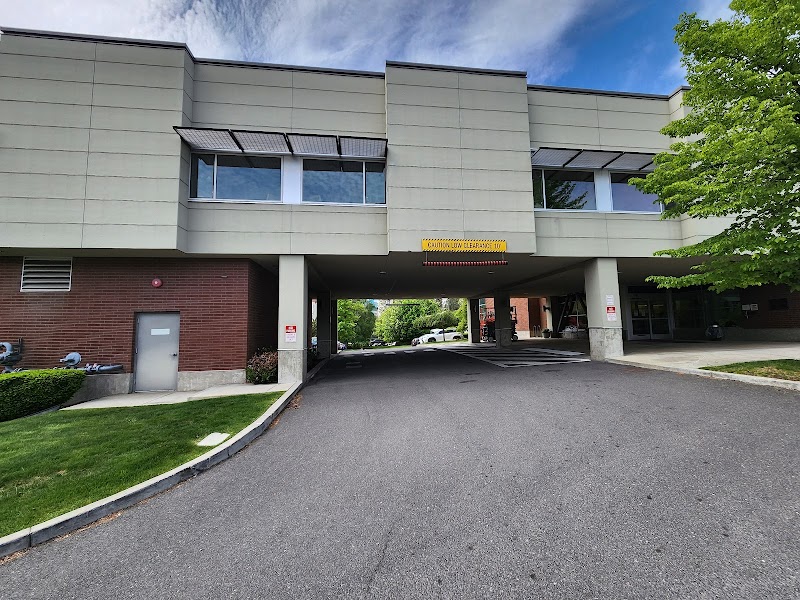
How Does South Hill Rehabilitation And Compare to Other Washington Nursing Homes?

Compared to the 100 nursing homes in Washington, SOUTH HILL REHABILITATION AND CARE CENTER's overall rating (4 stars) is above the state average of 3.2, staff turnover (63%) is significantly higher than the state average of 46%, and health inspection rating (4 stars) is above the national benchmark.

What Should Families Ask When Visiting South Hill Rehabilitation And?

Based on this facility's data, families visiting should ask: "How do you ensure continuity of care given staff turnover, and what is your staff retention strategy?" "Can I visit during a mealtime to observe dining assistance and food quality?" "How do you handle medical emergencies, and what is your hospital transfer rate?" "Can I speak with family members of current residents about their experience?" These questions are particularly relevant given the facility's high staff turnover rate.

Is South Hill Rehabilitation And Safe?

Based on CMS inspection data, SOUTH HILL REHABILITATION AND CARE CENTER has a clean safety record: no substantiated abuse findings (meaning no confirmed cases of resident harm), no Immediate Jeopardy citations (the most serious violation level indicating risk of serious injury or death), and is not on the Special Focus Facility watch list (a federal program monitoring the lowest-performing 1% of nursing homes). The facility has a 4-star overall rating and ranks #1 of 100 nursing homes in Washington. While no facility is perfect, families should still ask about staff-to-resident ratios and recent inspection results during their visit.

Do Nurses at South Hill Rehabilitation And Stick Around?

Staff turnover at SOUTH HILL REHABILITATION AND CARE CENTER is high. At 63%, the facility is 17 percentage points above the Washington average of 46%. Registered Nurse turnover is particularly concerning at 55%. RNs handle complex medical decisions and coordinate care — frequent RN changes can directly impact care quality. High turnover means new staff may not know residents' individual needs, medications, or preferences. It can also be disorienting for residents, especially those with dementia who rely on familiar faces. Families should ask: What is causing the turnover? What retention programs are in place? How do you ensure care continuity during staff transitions?

Was South Hill Rehabilitation And Ever Fined?

SOUTH HILL REHABILITATION AND CARE CENTER has been fined $9,311 across 1 penalty action. This is below the Washington average of $33,172. While any fine indicates a compliance issue, fines under $50,000 are relatively common and typically reflect isolated problems that were subsequently corrected. Families should ask what specific issues led to these fines and confirm they've been resolved.

Is South Hill Rehabilitation And on Any Federal Watch List?

SOUTH HILL REHABILITATION AND CARE CENTER is not on any federal watch list. The most significant is the Special Focus Facility (SFF) program, which identifies the bottom 1% of nursing homes nationally based on persistent, serious quality problems. Not being on this list means the facility has avoided the pattern of deficiencies that triggers enhanced federal oversight. This is a positive indicator, though families should still review the facility's inspection history directly.