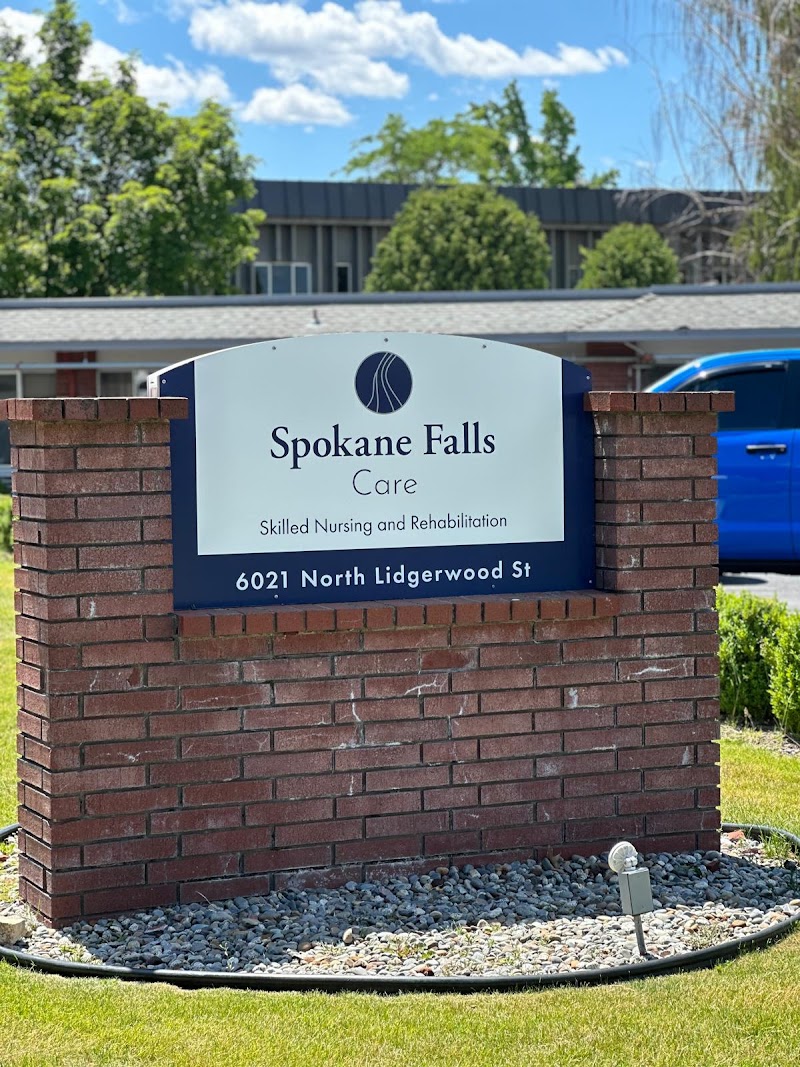
SPOKANE FALLS CARE

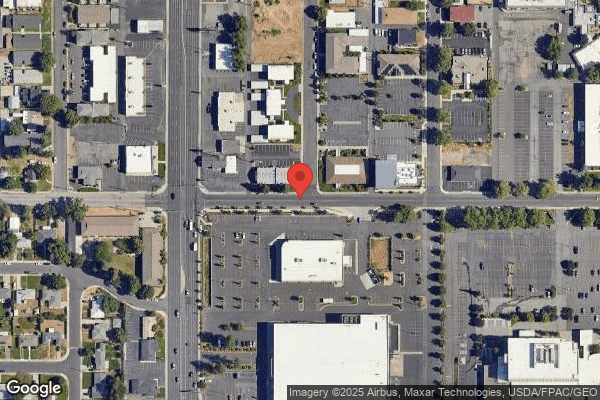
6021 NORTH LIDGERWOOD, SPOKANE, WA 99207 (509) 489-3323
For profit - Corporation 100 Beds CALDERA CARE Data: November 2025
Trust Grade
0/100
#188 of 190 in WA
Last Inspection: December 2024

Within standard 12-15 month inspection cycle. Federal law requires annual inspections.

Overview

Spokane Falls Care has a Trust Grade of F, indicating significant concerns about the quality of care provided. It ranks #188 out of 190 facilities in Washington, placing it in the bottom half of all nursing homes in the state, and #16 out of 17 in Spokane County, meaning only one local facility is rated lower. While the facility has shown improvement in its reported issues, dropping from 47 in 2024 to just 7 in 2025, the staffing situation is concerning with a rating of 2 out of 5 stars and a high turnover rate of 67%, significantly above the state average. The facility has also accumulated $184,090 in fines, which is higher than 90% of other nursing homes in Washington, suggesting ongoing compliance problems. There have been serious incidents reported, including a resident sustaining a neck fracture after falling from an unsecured wheelchair and another resident being hospitalized due to untreated blood clots, highlighting critical gaps in care and monitoring.

Trust Score
F
0/100
In Washington
#188/190
Bottom 2%
Safety Record
High Risk
Review needed
Inspections
Getting Better
47 → 7 violations
Staff Stability
⚠ Watch
67% turnover. Above average. Higher turnover means staff may not know residents' routines.
Penalties
✓ Good
$184,090 in fines. Lower than most Washington facilities. Relatively clean record.
Skilled Nurses
⚠ Watch
Each resident gets only 26 minutes of Registered Nurse (RN) attention daily — below average for Washington. Fewer RN minutes means fewer trained eyes watching for problems.
Violations
⚠ Watch
107 deficiencies on record. Higher than average. Multiple issues found across inspections.
★☆☆☆☆
1.0
Overall Rating
★★☆☆☆
2.0
Staff Levels
★★★☆☆
3.0
Care Quality
★☆☆☆☆
1.0
Inspection Score
Stable
2024: 47 issues
2025: 7 issues

The Good

  • Full Sprinkler Coverage · Fire safety systems throughout facility
  • No fines on record

Facility shows strength in fire safety.

The Bad

1-Star Overall Rating

Below Washington average (3.2)

Significant quality concerns identified by CMS

Staff Turnover: 67%

21pts above Washington avg (46%)

Frequent staff changes - ask about care continuity

Federal Fines: $184,090

Well above median ($33,413)

Significant penalties indicating serious issues

Chain: CALDERA CARE

Part of a multi-facility chain

Ask about local staffing decisions and management

Staff turnover is elevated (67%)

19 points above Washington average of 48%

The Ugly 107 deficiencies on record

6 actual harm
Sept 2025 1 deficiency
CONCERN (D) 📢 Someone Reported This

A family member, employee, or ombudsman was alarmed enough to file a formal complaint

Potential for Harm - no one hurt, but risky conditions existed

Accident Prevention (Tag F0689)

Could have caused harm · This affected 1 resident

**NOTE- TERMS IN BRACKETS HAVE BEEN EDITED TO PROTECT CONFIDENTIALITY** Based on observation, interview, and record review, the facility failed to ensure adequate supervision for 1 of 3 sampled reside...

Read full inspector narrative →
**NOTE- TERMS IN BRACKETS HAVE BEEN EDITED TO PROTECT CONFIDENTIALITY** Based on observation, interview, and record review, the facility failed to ensure adequate supervision for 1 of 3 sampled residents (Resident 1), reviewed for elopement (leaving the premises or safe area without authorization). The resident left the facility, unattended, after being identified with poor memory and safety awareness. This failure placed the resident at risk for possible injury and being in an unsafe situation. Findings included . Review of a facility assessment dated [DATE] showed Resident 1 was admitted with diagnoses to include a stroke and heart disease. The resident was independent and/or required supervision with Activities of Daily Living (ADL's) to include mobility. Review of the facility admission assessment, dated 05/23/2025, showed the resident was not identified as an elopement risk at the time of admission. Review of an admission assessment by Staff A, Nurse Practitioner, dated 05/27/2025, showed the resident had significant encephalopathy (brain not functioning properly) and cognitive decline (a gradual loss or decline in mental abilities, such as memory, attention, reasoning, and problem-solving). Staff A documented the resident had limited insight and no capacity to make appropriate medical decisions independently.On 05/29/2025 a therapy progress note titled therapy to nursing showed the resident was seen by therapy for moderate to severe cognitive impairment. The resident demonstrated difficulty with reasoning, problem solving, orientation, and insight. It was noted the resident attempted to mask their difficulties with sarcasm and humor.A nurses note on 06/04/2025 by Staff G, Resident Care Manager (RCM), showed they followed up with the resident because staff on evening shift had concern the resident was more confused. At times, the resident would go into the bathroom, become disoriented, and wander out of their room into the hallway to look for their bed. The resident required frequent reorientation, and staff stated the resident tried to go out the door at the end of the hallway to look for their room.Review of the care plan, revised on 06/05/2025, showed no information the resident cognitive decline, difficulty reasoning/problem solving, and disorientation. On 06/27/2025 at 12:00 AM, Staff B, Licensed Practical Nurse, (LPN), documented the resident was not present in the facility at the start of their shift. Staff B reviewed the sign out log, the resident signed themselves out, and the log indicated the resident had expected to return at 8:00 PM. Staff B contacted the resident's family, but they reported they hadn't seen him. A call was placed to Staff E, Director of Nursing (DNS), who advised Staff B to contact law enforcement to report the incident. The LN was informed by law enforcement the family had already contacted them. In a follow up note from Staff B, the resident returned to the facility at 3:05 AM from the hospital. The resident stated they went to the hospital because they had chest pain.On 06/27/2025 a note from Staff A showed the resident had signed themself out of the facility around 11:30 AM and had not returned by midnight. Staff A wrote while the resident was out of the facility, they developed chest pain and went to the emergency room (ER). Staff A documented with the resident's wandering, poor recall and cognition there was concern for their safety and being out of the facility for extended periods of time. Staff A wrote the resident may require tracking device vs wander guard for safety with their poor memory and ability to return to the facility when leaving independently. On 07/03/2025 Staff A documented the resident had worsened confusion when they missed doses of blood pressure medication which resulted in going to the ER after they left without an escort. The resident was now unable to leave without a staff escort. Review of the resident's record showed no updated elopement risk assessment or care plan related to the risk of leaving the facility independently.On 08/29/2025 a progress note by Staff B at 3:22 AM showed the resident returned to the facility at approximately midnight and exhibited signs of intoxication. There was no further documentation to show when the resident left or how long they had been out of the facility. Review of the facility resident sign out form showed the resident had not signed out of the facility on 08/28/2025 or 08/29/2025.On 08/29/2025 at 4:27 PM, Staff H, LPN, wrote the resident went out to the smoking area frequently. The resident required constant redirection and education related to leaving the facility due to the resident being confused and forgot their whereabouts. On 09/08/2025 Staff D, Social Services Director (SSD) documented the resident was made an elopement risk due current cognitive impairment because of a stroke and related to impaired safety awareness. Staff D tried to place a wander guard and the resident refused. Review of the resident's record showed no updated elopement risk assessment and no care plan related to being at risk for elopement.On 09/24/2025 at 1:35 PM Staff C, Nursing Assistant (NAC), stated Resident 1 got confused and would forget where their room was. Resident 1 did go out to the smoking area independently but didn't leave the facility by themselves. The resident either went out with family or friends. On 09/24/2025 at 2:10 PM Staff D stated Resident 1 could answer questions appropriately but did not understand safety awareness. Staff D was asked if the resident had left the facility unattended prior to the 09/08/2025 note that identified them as an elopement risk. Staff C stated Resident 1 left a few weeks prior, with another resident, without signing out, and returned after midnight. Staff D stated there was a discussion with the Medical Director that stated the resident lacked enough safety awareness they could just walk out in the street when traffic was coming. On 09/24/2025 at 2:18 PM Staff I, RCM, stated an elopement risk evaluation would be done on admission, quarterly, and as needed if there was a concern. If a resident refused a wander guard, they would be reapproached, and if continued to refuse the Power of Attorney (POA) would be notified. The resident would be put in the elopement book, which was kept at the nurses station. Staff I stated Resident 1 wasn't able to make safe decision after their stroke, was confused and was an elopement risk so was placed in the elopement book. Staff I stated the IDT (interdisciplinary team) would discuss interventions if a resident refused to wear a wander guard. On 09/24/2025 at 3:10 PM, Resident 1 and family were sitting outside in the facility smoking area. A family member stated they were the Power of Attorney (POA) for the resident. The POA had it implemented while the resident was in the hospital and also now at the facility. The POA stated they were told when the resident admitted the resident was not to sign themselves out or leave unattended. The POA went on to say there was two separate times the resident did leave the facility unattended, one time they signed out, and the most recent time they hadn't. Resident 1 responded to the POA they thought they did sign out when they left. The POA corrected them. The surveyor asked the resident if staff had asked them to wear a device that would alarm when they went out a facility door. The resident stated, I don't know, ask her and pointed to the POA. The resident was able to converse with the surveyor and POA but could not recall specific information. On 09/24/2025 at 3:30 PM, Staff F, Administrator, and Staff E, DNS, were interviewed. Staff F stated the resident went out of the facility with another resident a few weeks ago and didn't sign out. After the incident, staff discussed the resident with the Medical Director and because the resident had poor decision making and no reasoning, the resident shouldn't leave the facility unattended. Staff F stated they were not at the facility when the resident admitted or during the incident in June when they left the facility.On 09/26/2025 at 11:15 AM, Staff E stated when therapy would send a message to nursing, nursing was alerted. The information would then be discussed in stand up. Staff E stated the resident had left the facility unattended two times, other times they had been with family. When Staff E was asked about the incident in June, they stated the resident hadn't returned when they said they would. The facility contacted the family when they could not locate the resident, and the police were notified. The resident had gone into the emergency room because they had chest pain. Staff E confirmed an updated elopement risk assessment should have been completed. When asked about an updated care plan, Staff E stated the resident was often discussed in stand up and they discussed a care plan. Staff E was not able to find one prior to the updated completed after the investigation.Reference: WAC 388-97-1060(3)(g)
May 2025 2 deficiencies
CONCERN (D) 📢 Someone Reported This

A family member, employee, or ombudsman was alarmed enough to file a formal complaint

Potential for Harm - no one hurt, but risky conditions existed

Report Alleged Abuse (Tag F0609)

Could have caused harm · This affected 1 resident

Based on interview and record review, the facility failed to identify and report potential allegations of abuse and/or negect to the State Survey Agency as required for 3 of 5 sampled residents (Resid...

Read full inspector narrative →
Based on interview and record review, the facility failed to identify and report potential allegations of abuse and/or negect to the State Survey Agency as required for 3 of 5 sampled residents (Resident 1, 2, and 4), reviewed for abuse and/or negelct. This failure placed the residents at risk for further abuse and/or neglect and a diminished quality of life. Findings included . <Resident 1> Review of a facility assessment, dated 04/16/2025, showed Resident 1 was admitted with diagnoses to include an amputation of their lower leg. The resident was able to make their needs known. Review of the facility grievance log from January 2025 through April 2025 showed on 04/24/2025, Resident 1 filed a grievance which was noted as a nursing concern. Review of the facility's Grievance Summary Report, dated 04/24/2025, showed Resident 1 reported staff had not changed their roommate (Resident 2) from 7:00 PM to 6:30 AM. The resident wrote Resident 2 had to sit in their own feces all night, take care of people like they are your family! Review of the facility reporting incident log showed Resident 1's allegation of potential neglect had not been logged or called to the State Survey Agency, as required. During an interview on 04/25/2025 at 10:15 AM, Resident 1 was up in their wheel chair in the room. The resident stated they had filed a grievance about Resident 2, their roommate, not being changed all night. Resident 1 stated they were independent and could get to the bathroom, but therir roommate wasn't. Resident 1 stated there were other incidents where it took up to 2 hours for staff to change Resident 2. <Resident 2> Review of a facility assessment, dated 03/16/2025, showed Resident 2 had Diabetes and Depression. The resident was able to make their needs known. Review of the facility grievance log from January 2025 through April 2025 showed on 04/21/2025, Resident 2 filed a grievance which was noted as a nursing concern. Review of the facility's Grievance Summary Report, dated 04/21/2025, showed Resident 2 reported they were on a bed pan from 9:30 AM and not checked on again until evening shift. Resident 2 then stated they were changed that evening at 8:00 PM and didn't see staff again until 9:00 AM the following morning. Resident 2 documented they needed to be changed regulary due to skin breakdown when wet. Review of the facility reporting incident log showed Resident 2's allegation of potential neglect had not been logged or called to the State Survey Agency, as required. <Resident 3> Review of a facility assessment, dated 04/29/2025 showed Resident 3 was admitted with diagnoses which included spine surgery. The resident was able to make their needs known. Review of the facility grievance log from January 2025 through April 2025 showed on 04/21/2025, Resident 2 filed a grievance which was noted as a concern for nursing. Review of the facility's Grievance Summary Report, dated 04/21/2025, showed the resident had a concern with a call light light response time and when someone finally answered, they shut off the call light and light in the room, and turned their back on the resident. When interviewed by Staff A, Administrator, Resident 3 additionally stated their pain medication wasn't available on admission for several hours. Review of the facility reporting incident log showed Resident 2's allegation of potential neglect had not been logged or called to the State Survey Agency, as required. During an interview on 05/13/2025 at 12:55 PM, Resident 3 was laying in bed. The resident stated it took an hour and 15 minutes for someone to answer their call light. When the staff did answer, they turned the call light off and left the room. It was another 20 minutes before they actually received help. Resident 3 also stated when they were admitted they had to wait for pain medication. The resident stated they had spine surgery, their pain was a 10 out of 10 (pain scale is 0 - 10, 0 no pain, 10 worst pain), and was told the facility had run out of their medication. During an interview on 05/13/2025 at 3:20 PM, Staff B, Regional Director of Operations, stated Staff A was no longer at the facility. Staff B stated they had identified issues with the grievance process and if their was allegations of potential abuse and/or neglect, they should be logged and called to the State Agency and then an investigation would be done. Reference: WAC 388-97-0640 (5)(a), (6)(a)(c)
CONCERN (D) 📢 Someone Reported This

A family member, employee, or ombudsman was alarmed enough to file a formal complaint

Potential for Harm - no one hurt, but risky conditions existed

Medication Errors (Tag F0758)

Could have caused harm · This affected 1 resident

Based on observation, interview, and record review, the facility failed to ensure 1 of 3 residents (Resident 4) were free of unnecessary psychotropic drugs (any drug that affects brain activities asso...

Read full inspector narrative →
Based on observation, interview, and record review, the facility failed to ensure 1 of 3 residents (Resident 4) were free of unnecessary psychotropic drugs (any drug that affects brain activities associated with mental processes and behavior). Failure for the facility to obtain informed consent for treatment with psychotropic drugs and to ensure Resident 4 was monitored for adverse side effects, placed residents at risk of not being fully informed of the risks and benefits of treatment with psychotropic drugs and to receive unnecessary psychotropic drugs. Findings included . Review of a facility assessment, dated 03/14/2025, showed Resident 4 had diagnoses which included Cellulitis (an infection of the skin and tissues beneath) of their lower legs, anxiety, and depression. The resident was able to make their needs known. Review of Staff C, Nurse Practitioner, progress notes, dated 04/21/2025, showed the provider spoke to Resident 4 about their behaviors. Staff C documented the resident had acute psychosis (when a person experiences a sudden onset of psychotic symptoms, often involving hallucinations, delusions, and disorganized thoughts or behavior), had been screaming, and refused care. The resident told Staff C they were hesitant to try psychiatric medication and Staff C assured the resident they would be monitored closely for adverse side effects. The resident agreed for a trial of Zyprexa (an antipsychotic medication) and staff were instructed to monitor for side effects. Review of the resident's care plan, dated 03/10/2025, showed no documentation related to the resident being started on Zyprexa or for staff to monitor for potential adverse side effects. The Medication Administration Record (MAR) and Treatment Administration Record (TAR) for April 2025 showed on 04/21/2025 Zyprexa 2.5 mg was ordered to be given every morning and 5 mg to be given at bedtime. The resident refused the evening dose of 4/21/25, both doses on 4/22/2025, and both on 04/23/2025. 04/24/2025 and 04/25/2025 the resident received the medication twice a day, refused both doses on 04/26/2025 and 04/27/2025 had received the medication on the evening of 04/28/2025. The medication was discontinued on 04/29/2025. The MAR and TAR were reviewed and did not have a monitor in place to document any adverse side effects related to the psychotropic medication. Review of Staff C's progress notes, dated 04/23/2025, showed the resident had refused to take the Zyprexa and refused to sign an informed consent for treatment. The resident raised concerns about the Zyprexa interacting with their narcotic pain medication and that they had sleep apnea (when a person has shallow breathing or episodes of no breathing during sleep). The medication was to be discontinued due to the resident's refusal and to reduce the risk of the medication being administered to the resident without an informed consent. On 04/30/2025, Staff C documented Resident 4 had received at least 5 doses of Zyprexa over the weekend. There was no consent for the medication and it was unknown why or how the resident was given medications, as the resident previously was adamant to not take it. Per interview on 05/13/2025 at 12:50 PM, Staff C, Licensed Practical Nurse (LPN), stated when a resident was started on a psychotropic medication the floor nurses were to provide the residents with an informed consent. When asked if a resident refused to sign, Staff C stated they would let the provider know so they could talk to the resident or maybe change the medication. On 05/13/2025 at 2:50 PM, Staff D, Resident Care Manager (RCM), stated the floor nurses were to get the informed consents completed with the residents. If a resident refused to sign, the provider would be notified. Staff D stated it did appear the resident received the medication without a consent in place. Staff D stated the medication had been discontinued by Staff C and again by Staff D, but the medication had not been removed from the MAR. On 05/13/2025 at 3:20 PM, Staff B, Regional Director of Operations, confirmed informed consents were to be signed prior to administering psychotropic medication and Resident 4 did not have one in place. Reference: WAC 388-97-1060(3)(k)(i)
Apr 2025 4 deficiencies
CONCERN (D) 📢 Someone Reported This

A family member, employee, or ombudsman was alarmed enough to file a formal complaint

Potential for Harm - no one hurt, but risky conditions existed

Investigate Abuse (Tag F0610)

Could have caused harm · This affected 1 resident

Based on interview and record review, the facility failed to investigate an allegation of potential verbal abuse for 1 of 1 sampled residents (Resident 8), reviewed for abuse and/or neglect. This fail...

Read full inspector narrative →
Based on interview and record review, the facility failed to investigate an allegation of potential verbal abuse for 1 of 1 sampled residents (Resident 8), reviewed for abuse and/or neglect. This failure placed all resident at risk for abuse and a diminished quality of life. Findings included . A facility assessment, dated 01/24/2025, showed Resident 8 had diagnoses which included a history of a stroke which affected their left side. The resident was able to make their needs known. During an interview on 03/14/2025 at 2:30 PM, Resident 8 was laying in bed with a hospital gown on. The resident stated Staff I came into their room and hollered and screamed at them. Staff I was telling Resident 8 what to do and argued with everything the resident said and then told Staff I to leave the room. Resident 8 stated there was another staff member in the room during the incident and the higher ups came into their room and asked why they told Staff I to get out of their room. In a follow up interview on 03/20/2025 at 1:35 PM, Resident 8 stated they weren't fearful of Staff I but it made them upset. The resident said they didn't need to deal with stress and had to call a family member to calm down. Per review of the facility incident log, there was no documentation to show the incident had been investigated. On 03/20/2025 at 1:54 PM, Staff E, Nursing Assistant (CNA), stated they were in Resident 8's room when Staff I came into the room and talked to Resident 8 about their dressing changes. Staff E stated Resident 8 liked to push boundaries and the conversation turned into an argument between the two. In a follow up interview on 04/03/2025 at 10:30 AM, Staff E stated they felt Staff I escalated the argument, when they should have left the room, and felt it was to the point of verbal abuse. Staff E went on to say they immediately went to the Director of Nursing (DNS) and reported the incident. During an interview on 03/25/2025 at 12:26 PM, Staff H, Administrator, was asked if they had information about Resident 8 being yelled at by Staff I. Staff H stated they had only been told Resident 8 no longer wanted Staff I in their room and was unaware Staff I yelled at Resident 8. The DNS at the time of the incident no longer worked at the facility. Reference: WAC 399-97-0640(6)(a)(b)(c)
CONCERN (D) 📢 Someone Reported This

A family member, employee, or ombudsman was alarmed enough to file a formal complaint

Potential for Harm - no one hurt, but risky conditions existed

Quality of Care (Tag F0684)

Could have caused harm · This affected 1 resident

**NOTE- TERMS IN BRACKETS HAVE BEEN EDITED TO PROTECT CONFIDENTIALITY** Based on observation, interview, and record review, the facility failed to assess, monitor, and/or measure non-pressure related ...

Read full inspector narrative →
**NOTE- TERMS IN BRACKETS HAVE BEEN EDITED TO PROTECT CONFIDENTIALITY** Based on observation, interview, and record review, the facility failed to assess, monitor, and/or measure non-pressure related skin conditions for 2 of 3 sampled residents (Resident 1 and 5), reviewed for skin conditions. This failure placed residents at risk for worsening skin conditions and a decreased quality of life. Findings included . Review of a facility policy titled Wound Prevention and Treatment, dated 02/03/2023, showed the policy included the following wounds; surgical wounds, pressure injuries, stasis ulcers (open sores that occur due to poor blood flow in the veins, leading to fluid buildup and skin breakdown, typically in the lower legs and ankles), venous/arterial ulcers (chronic, open wounds that develop on the lower legs due to poor blood circulation), and Diabetic ulcers (open sores or wounds on the feet of people with diabetes, often caused by nerve damage and poor circulation). These wound types were to be monitored weekly and documentation of size, color, odor, healing progression, and notifications to physicians were to be documented in the electronic medical record (EMR). <Resident 1> A facility assessment, dated 03/07/2025, showed Resident 1 was admitted with diagnoses to include cancer of the blood and multiple pathological (fractures due to a disease process not trauma) fractures. The resident was able to make their needs known and required substantial to maximum assistance with activities of daily living (ADL's). Review of the hospital transfer orders, dated 02/28/2025, showed Resident 1 had skin impairments which included the Gluteal Cleft (grooved area between buttocks), right inner ankle, front of the left lower leg, groin ulcer, and the resident's gastric tube (G-Tube; a flexible, hollow tube inserted through the abdomen into the stomach) insertion site had Moisture-Associated Skin Damage (MASD; inflammation and erosion of the skin caused by prolonged exposure to moisture sources such as wound drainage). The admission assessment from the facility, dated 02/28/2025, showed the resident was identified with wounds on their abdomen, groin, right lower front leg, and left lower leg. There was no documentation to show the type of wound, measurements, or appearance (color, presence of drainage, etc.) of the wounds. Review of the resident's care plan, dated 03/04/2025, showed the resident was at risk for pressure ulcers. Staff were to apply moisturizer to the skin and use mild cleansers for peri-care. If the resident had a change in skin status then the appearance, color, wound healing, wound size and signs and symptoms of infection was to be documented. There was no documentation to show the resident's current wounds or treatment to be done. Review of Resident 1's Treatment Administration Record (TAR) for February 2025 showed staff were to monitor the G-tube site to include marking the tube at insertion, on admission, and verify with each medication/tube feeding administration. There was no treatment orders for the resident's wounds on the February TAR The March 2025 TAR showed on 03/05/2025, wound care for the resident's G-Tube site was started and staff were to swab the area with iodine, apply an antifungal powder on surrounding tissue, and dab on an antibiotic ointment. The G-Tube site was to be covered with a sponge dressing. A facility form titled Total Body Skin Evaluation, dated 03/11/2025, identified a skin issues on the resident's abdomen and front of left and right lower legs. There was no further documentation to describe the type of wound, measurements, or appearance. The facility skin evaluation forms dated 03/13/2025 and 03/19/2025 had no skin issue identified. On 03/14/2025 at 8:30 AM, a Collateral Contact (CC) had concerns the staff were not properly cleaning the resident's G-Tube and when the provider came in, they showed staff how it was to be cleaned. The resident was also having quite a bit of bloody draining around the tube when they first arrived to the facility. During an interview on 03/14/2025 at 1:10 PM, Resident 1 stated when they first were admitted to the facility, it took awhile for the staff to change their dressing around their G-Tube. Resident 1 said they had quite a bit of drainage around the tube. In a follow up interview on 03/20/2025 at 1:05 PM, Resident 1 had a clean and dry split gauze dressing around their G-Tube insertion site. The resident was observed with a circular scab on their right inner leg, near the ankle. The resident stated when they were at home, the sore wouldn't stop bleeding, which was why they originally went to the hospital. <Resident 5> Review of a facility assessment, dated 03/09/2025, showed Resident 5 had diagnoses which included surgery after a fractured leg and Diabetes. The resident was able to make their needs known and required substantial and maximum assistance with most activities of daily living (ADL's). Review of the transfer orders from the hospital, dated 03/02/2025, showed the resident had a venous ulcer (chronic, open wounds that develop on the lower legs due to poor blood circulation) on the right shin, fragile, red skin on the right scrotum, an incision on the left ankle with a dressing and splint on, and the right outer ankle had cluster wounds. Review of the admission skin assessment, dated 03/02/2025, showed the resident was identified with a right ankle wound, front right leg wound, and Stage 2 wound (stages describe pressure wounds - Stage 1 ulcers have not yet broken through the skin. Stage 2 ulcers have a break in the top two layers of skin. Stage 3 ulcers affect the top two layers of skin, as well as fatty tissue. Stage 4 ulcers are deep wounds that may impact muscle, tendons, ligaments, and bone) on the resident's testicle. There was no documentation to show the type of wounds, measurements, or appearance (color, presence of drainage, etc.) of the wounds. The resident's care plan, dated 03/04/2025, showed the resident was at risk for pressure ulcers. Staff were to apply moisture to the resident's skin and use mild cleansers for peri-care, new skin impairments were to be monitored to include appearance, color, healing, wound size, and signs and symptoms of infection. There was no information found on the resident's current wounds. The facility form Total Body Skin Evaluation, dated 03/12/2025 and 03/24/2025, documented the resident had a wound on the front right leg and wound on the right outer ankle. No further description was found to include appearance, wound size, or if the wounds were healing. During an interview on 03/20/2025 at 1:40 PM, Resident 5 was laying in bed with a hospital gown on. The resident stated they had surgery and a rod put in their left leg. When the resident arrived to the facility they had a splint on the leg which had since been removed. In a follow up interview on 03/25/2025 at 12:45 PM the resident was up in their wheel chair in the dining room. The resident had shorts on and was observed to have several scabbed areas on the right shin. The resident had a healed incision on the left ankle. On 03/25/2025 at 11:42 AM, Staff B, Licensed Practical Nurse (LPN), stated skin checks were done each week and were also done when nurse aides gave the residents showers. Staff B stated the Resident Care Managers (RCM's) filled out the skin grid sheets with description and measurements. On 04/01/2025 at 12:11 PM, Staff A, LPN, stated skin checks were done by the nurse aides during showers and nurses did weekly skin checks. If a resident had a skin issue then it would be documented on a skin sheet with descriptions and measurements. On 04/01/2025 at 1:40 PM, Staff F, Resident Care Manager (RCM), stated nurses were supposed to do weekly skin assessments. If skin issues were identified, the nurses would document the type of wounds to include measurements and appearance. Staff F stated if a resident was admitted with wounds they would often be referred to the outside wound provider that came to the facility. Reference: WAC [PHONE NUMBER]60(1)
CONCERN (D) 📢 Someone Reported This

A family member, employee, or ombudsman was alarmed enough to file a formal complaint

Potential for Harm - no one hurt, but risky conditions existed

Deficiency F0692 (Tag F0692)

Could have caused harm · This affected 1 resident

Based on observation, interview, and record review, the facility failed to ensure staff obtained timely weights, re-weighed residents to ensure accuracy, and had measures implemented to prevent signif...

Read full inspector narrative →
Based on observation, interview, and record review, the facility failed to ensure staff obtained timely weights, re-weighed residents to ensure accuracy, and had measures implemented to prevent significant weight loss for 1 of 3 residents (Resident 4), reviewed for nutrition. In addition, the facility failed to obtain weekly weights for a resident on enteral nutrition (nutrition through a tube into the stomach), to monitor for adequate nutrition, for 1 of 1 resident (Resident 1), reviewed for tube feedings. This failure placed residents at risk for weight loss and unmet nutritional needs. Findings included . Review of a facility policy titled Weight Monitoring, revised 11/2022, showed the facility required measured and recorded weights to assure accuracy and to provide information for the assessment of clinical status unless clinically contraindicated. The residents would be weighed by the Nursing Assistants (CNA) or designee, and the Licensed Nurses (LN's), were responsible to document the resident's weight in the Electronic Medical Record (EMR). Residents were to be weighed within 24 hours of admission, weekly for four weeks and/or until the weight was determined to be stable, and then weighed monthly. The LN's would verify accuracy of the weight by comparing the weight with the most recently recorded weight, supervise re-weighs by the CNA to assure an accurate process was followed, and if the weight changed with a gain or loss of 5% or greater. Nutritional services were to review weight alerts daily to assure all residents with significant weight changes were reviewed and assessed. <Resident 4> Review of a facility assessment, dated 01/15/2025, showed Resident 4 had diagnoses to include liver disease and Diabetes. The resident was able to make their needs known. The resident's care plan for nutrition, dated 01/14/2025, showed the resident was at nutritional risk. The goal for the resident was to have no unplanned significant weight changes. The resident's weight was anticipated to fluctuate related to being on diuretic therapy (medication to reduce extra fluid in the body). Review of Resident #4's admission nutritional assessment, dated 01/14/2025, by Staff G, Registered Dietician (RD), showed the resident was at risk for malnutrition and their current weight was 130 pounds (lbs). Staff G noted the resident's weight at the hospital was 288 lbs and due to the discrepancy, a re-weigh was requested. The resident's nutritional needs were calculated based off the current listed weight (130 lbs) which may be inaccurate. The goals were to have no unplanned significant weight changes. Weight was anticipated to fluctuate related to edema (build up of fluid in the body) and being on diuretics. Review of the resident's weights showed the following: - 01/08/2025 had 2 weights documented, 286 lbs and 130 lbs. The 130 lbs was later struck out on 01/22/2025 as being inaccurate. - 01/15/2025 and 01/22/2025 268 lbs (18 lbs since admission). - 01/29/2025 and 02/02/2025 271 lbs - 02/03/2025 and 02/19/2025 average weight was 266 lbs - 02/27/2025 to 03/05/2025 246 lbs (a weight loss of 40 lbs in almost 2 month, 13% loss) - 03/10/2025 236 lbs (an additional weight loss of 5 lbs). - 03/26/2025 to 03/28/2025 232 lbs (a weight loss of 54 lbs in almost 3 months or 18%). A nutrition at risk meeting on 01/22/2025 showed the resident weighed 268 lbs, a -3.0% weight change from their last weight. The resident had slight swelling in their legs and typically took 51-100% of their meals. It was noted the resident's weight loss was possibly attributed to weight error on admission or fluid weight loss. Weight was anticipated to fluctuate related to edema and diuretic therapy. The resident's intake was fair to good and there was no nutritional concerns. Review of the resident's Treatment Administration Record (TAR) for February and March 2025 showed the resident was monitored for edema based on a scale (the severity of the swelling based on the indentation left when pressing on the swollen area and how long it took to rebound, ranging from 1+ - 4+) There was 1 day, 02/15/2025, the resident had 2+ edema (slight indent that disappeared in 10 - 15 seconds), and all other entries were 0 - 1+ (slight indent that disappeared immediately) On 02/05/2025 a nutrition at risk meeting showed the resident weighed 265 lbs, a -5.0% weight change in a month. It was noted the resident had slight edema and took about 76 - 100% of meals. The resident was currently on vitamins and weight loss was likely a combination of true body weight loss and fluid weight loss. The resident also consumed excessive calories at home with alcohol consumption. No nutritional concerns identified. On 03/05/2025 it was documented the resident's last weight was 247 lbs, a -5% weight change in the last month (a weight loss of 39 lbs, -13% weight loss since admission). The same interventions were in place with no nutritional concerns. On 03/12/2025 the resident weighed 236 lbs, a loss of another 11 lbs since 03/05/2025. The same interventions were in place with no nutritional concern noted. 03/12/2025 was the last NAR meeting in the resident's record. <Resident 1> A facility assessment, dated 03/07/2025, showed Resident 1 was admitted with diagnoses to include cancer of the blood and multiple pathological (fractures due to a disease process not trauma) fractures. The resident was able to make their needs known. Resident 1 was admitted with a Gastric Tube (G-Tube) for nutrition. During observation on 03/14/2025 at 1:10 PM, Resident 1 was in bed with tube feeding being infused for nutrition. The resident's most recent care plan, dated 03/06/2025, showed the resident required tube feedings due to difficulty swallowing. Tube feeding was to be administered and water flushes done, Staff were to check for tube placement prior to feeding and medication administration, place the head of the bed was to be elevated 30 degrees during and thirty minutes after tube feeding and monitor weights per orders/protocol. The physician was to be notified with significant weight loss or gain. Review of the resident's record from 02/28/2025 to 04/01/2025 showed the following weights: 03/04/2025 151 pounds (lbs) 03/19/2025 191 lbs The resident's admission assessment was reviewed and no admission weight was documented. On 03/06/2025 an admission Nutritional Evaluation was done. The evaluation showed the resident was on a nectar thick, pureed diet. The resident had poor oral intake, usually consuming 0-25% and the majority of the nutritional needs were provided by the tube feedings. It was noted the resident was not tolerating the goal rate and the rate of the tube feed was to increase each week until goal was achieved. On 03/25/2025 at 1:50 PM, Staff B, Licensed Practical Nurse (LPN), stated the nursing assistants took resident weights and then the nurses input the weights in the computer. If there was a discrepancy then nurses would let the nursing assistants know they needed to re-weigh the resident. On 04/01/2025 at 11:28 AM, Staff D, Nursing Assistant (CNA), stated the nursing assistant took the weekly weights and they now had restorative aides taking the monthly weights. The weights were then given to the nurses or the nursing assistants would enter the weight into the computer. On 04/01/2025 at 1:40 PM, Staff F, Resident Care Manager (RCM), stated Staff G, Registered Dietician (RD), visited the facility twice a week. Staff F stated the Director of Nursing (DNS) was monitoring the weights, who was no longer at the facility, and the RD would as well. There were weekly Nutrition at Risk meetings (NAR) for residents who triggered due to a weight gain or loss. Staff F stated they reviewed Resident 4 related to the significant weight loss. The team discussed the resident had a lot of empty calories prior to admitting, due to alcohol intake, which probably contributed to their weight loss. Resident 1 was on a tube feeding and when it was first started the resident was not tolerating it so the amount was adjusted. Staff F stated weights should be taken weekly and then monthly unless the RD determined a resident needed to continue to have weekly weights. On 04/03/2025 at 10:15 AM, Staff G stated they were at the facility 2 days a week. Weights were to be taken weekly x 4 and then monthly unless there was a concern with the resident's weight. The nurses enter the weights and make sure they are done. The RCM's, DNS and RD all monitor the weights. Staff G stated they had NAR meetings for residents that were determined to be at risk for a weight gain or loss, residents on tube feedings, and residents with wounds. The team comprised of RD, Dietary Manager, RCM's and invite the DNS and Administrator who would come if they were available. Staff G stated they sent emails with recommendations, such as re-weighs, and then would ensure they had been done at the next NAR meeting. Staff G was asked about Resident 4 and stated the weight lost was attributed to the first weight being an error (the 130 lbs). Resident 4's further weight loss was due to improvement of the resident's edema and they had a history of excessive calories due to alcohol consumption. Staff G confirmed Resident 4's weight loss had been significant but since their BMI (body mass index) was still high, in part, it was therapeutic. Staff G stated Resident 1 did not tolerate their tube feeds initially so they had to slowly titrate them up. Staff G said they had requested re-weighs on Resident 1 in their recommendations to the facility, which hadn't been done. Reference: WAC 388-97-1060(3)(h)
CONCERN (E) 📢 Someone Reported This

A family member, employee, or ombudsman was alarmed enough to file a formal complaint

Potential for Harm - no one hurt, but risky conditions existed

ADL Care (Tag F0677)

Could have caused harm · This affected multiple residents

Based on observation, interview, and record review, the facility failed to ensure 5 of 6 dependent residents (Residents 1, 3, 4, 5, 6), reviewed for Activities of Daily Living (ADL's), received the ap...

Read full inspector narrative →
Based on observation, interview, and record review, the facility failed to ensure 5 of 6 dependent residents (Residents 1, 3, 4, 5, 6), reviewed for Activities of Daily Living (ADL's), received the appropriate number of baths per week. In addition, the facility failed to provide grooming for 4 of 6 dependent residents (Residents 1, 2, 4, and 5), reviewed for nail care. This placed residents at risk for poor hygiene and diminished quality of life. Findings included . SHOWERS <Resident 1> Review of a facility assessment, dated 03/07/2025, showed Resident 1 was admitted with diagnoses which included cancer of the blood and multiple fractures. The resident was able to make their needs known and required substantial to maximum assistance for showers and partial to moderate assistance for hygiene. During an interview on 3/14/2025 at 1:10 PM, Resident 1 was observed laying in bed. The resident stated they had gotten a bed bath, not a shower, because the pain they had when being moved. Review of the resident's shower record from 02/28/2025 to 04/03/2025 showed the resident had a partial sponge bath 03/04/2025 and seven days later 03/11/2025. The next partial sponge bath was 03/18/2025, seven days later. A bed bath was done 03/21/2025 and the next partial sponge bath was done 04/01/2025, eleven days later. <Resident 3> Review of a facility assessment, dated 01/28/2025, showed the resident was admitted with diagnoses which included Diabetes and lung disease. The resident was able to make their needs known and required partial to moderate assistance with showers. Review of the resident's shower record from 01/21/2028 to 01/31/2025 showed the resident refused a bath on 01/23/2025, 01/28/2025, 1/30/2025 and received a shower 01/31/2025, eleven days after admission. <Resident 4> Review of an assessment, dated 01/15/2025, showed the resident was admitted with diagnoses which included Diabetes and malnutrition. The resident was able to make their needs known and required substantial to maximum assistance with showers and supervised assistance for hygiene. Review of the resident's shower record from 02/19/2025 to 04/01/2025 showed the resident received a bed bath on 02/19/2025 and the next bed bath was 10 days later on 03/01/2025. The resident went from 03/01/2025 to 03/11/2025, 10 days without a shower, and 9 days later received a bed bath on 03/20/2025. <Resident 5> Review of a facility assessment, dated 01/31/2025, showed the resident was admitted with diagnoses which included Diabetes and a stroke with right sided weakness. The resident was able to make their needs known and required substantial to maximum assistance for showers and partial to moderate assistance for hygiene. Review of the resident's shower record from 02/27/2025 to 04/03/2025 showed the resident received a partial bed bath on 03/10/2025 and 14 days later received their next partial bed bath on 03/24/2025. There was no further bed bath or shower documented from 03/24/2025 to 04/03/2025. <Resident 6> Review of an assessment, dated 03/09/2025, showed Resident 6 was admitted with diagnoses which included Diabetes and a surgical repair of their leg. The resident was able to make their needs known and required substantial to maximum assistance for showers and supervised assistance for hygiene. On 03/20/2025 at 1:35 PM, Resident 6 was laying in bed in a hospital gown. The resident stated they had been at the facility for about 3 weeks and was supposed to have showers on Tuesdays and Fridays. Resident 6 stated they had only been offered a bed bath once, on evenings, and they refused because they preferred to have baths and/or showers in the morning. Review of the resident's shower record from 03/02/2025 to 04/03/2025 showed the resident received 1 shower on 04/01/2025, almost 4 weeks after admission. A nurses note dated 03/18/2025 at 8:56 PM, documented the resident was offered a shower and had refused. There was no further documentation on refusals. On 04/01/2025 at 10:50 AM, Staff AC, Nursing Assistant (CNA), stated the facility did not have a shower aide so they had to do showers themselves. Staff C stated they could not get all their showers done, especially when they were assigned 4 showers on a shift. Staff C stated the most they could do was 2 maybe 3 because of the acuity of the residents. Staff C stated the Residents were upset they weren't able to get showers consistently and commented one of the resident's hadn't gotten one since they were admitted . If a resident refused a shower, they were to sign a refusal form and it was given to the nurses. On 04/01/2025 at 11:28 AM, Staff E, CNA, stated there were times they couldn't get all their showers done, especially when only 4 aides were working. If a resident refused, a form was put in the shower book or they would let the nurses know. Staff E stated if showers weren't done, Saturdays could be make up days. On 04/01/2025 at 1:40 PM, Staff F, Resident Care Manager (RCM), stated showers should be done twice a week. The staffing coordinators made the shower schedule. When asked if the schedule was done based on acuity, Staff E stated they thought it was done based on room number. Staff F stated if a resident refused a shower, a form was filled out which would be given to the nurses. On 04/03/2025 at 10:30 AM, Staff D, CNA, stated the floor aides were the ones to do resident showers. Staff D stated they were told there would only had to do 2 showers in a shift but sometimes they were given 4 that needed done. The staff were told if they couldn't do a resident's shower then give the resident a bed bath. Staff D stated some residents hadn't stepped foot in a shower since admission which wasn't right. GROOMING <Resident 1> Review of a facility assessment, dated 03/07/2025, showed Resident 1 was admitted with diagnoses which included cancer of the blood and multiple fractures. The resident was able to make their needs known and required substantial to maximum assistance for showers and partial to moderate assistance for hygiene. Review of the resident admission assessment, dated 02/28/2025, documented the resident was admitted with long, yellow toenails. On 03/20/2025 at 1:05 PM, Resident 1 was laying in bed with a hospital gown on. The resident stated they did not receive nail care at the facility and was observed with long finger nails and commented they liked their nails short. Resident 1 stated their daughter had asked staff to assist them in nail care and their son had brought in a nail file for the resident to use. When asked about their toenails, Resident 1 stated they had not been trimmed. Per observation, the resident had long, yellow toenails. Review of the resident's nail care record from 02/28/2025 to 04/01/2025 showed no nail care had been completed. <Resident 2> Review of a facility assessment, dated 12/30/2024, showed Resident 2 had a mental illness. The resident was able to make their needs known and required set up assistance for hygiene. On 03/20/2025 at 11:30 AM, Resident 2 was asked about nail care. Resident 2 stated they clipped their own finger nails but was not able to do their toe nails. The resident's feet were observed. Their toe nails were long and the right great toe nail was jagged. Review of the resident's nail care record showed no nail care from 03/02/2025 to 04/03/2025 had been done. On 04/01/2025 at 1:40 PM, Staff F, RCM, went to Resident 2's room with the surveyor and confirmed their nails were long and jagged. <Resident 4> Review of a facility assessment, dated 01/15/2025, showed the resident was admitted with diagnoses which included Diabetes and malnutrition. The resident was able to make their needs known and required substantial to maximum assistance with showers and supervised assistance for hygiene. On 03/20/2025 at 12:28 PM, Resident 4 was laying in bed and stated they had been in the facility since January. The resident was asked about nail care and stated no one did their nails at the facility. The resident stated they had a special nail clipper at home but hadn't brought it with them. Per observation, the resident's toe nails were long and yellow. The resident's most recent care plan showed the resident had Diabetes. The resident was to be referred to a podiatrist/foot care nurse to monitor/document foot care needs and to cut long nails. There resident's record was reviewed and there was no documentation to show the resident had been referred to a podiatrist. <Resident 5> Review of a facility assessment, dated 01/31/2025, showed the resident was admitted with diagnoses which included Diabetes and a stroke with right sided weakness. The resident was able to make their needs known and required substantial to maximum assistance for showers and partial to moderate assistance for hygiene. On 04/01/2025 at 12:18 PM the surveyor entered Resident's 5's room. The resident was not in the room but the resident's roommate, Resident 7, was sitting in their wheel chair. Resident 7 stated they were able to do their own nail care but their roommate, Resident 5, couldn't. Resident 7 stated Resident 5 wanted them to cut their toe nails. Resident 7 stated they looked at Resident 5's toe nails and stated they were long and thick and told the resident they would not cut them. They need to go to a podiatrist. Resident 7 stated they wore a larger shoe than Resident 5 and would loan their shoes to the resident so they didn't have pain from the toe nail hitting the ends. At 04/01/2025 at 12:36 PM, Resident 5 was interviewed. They stated they had been told by the facility someone was going to come in and trim their nails but no one had. At 12:57 PM, Resident 5 stated the surveyor could look at their toe nails on the right foot, and stated their left foot had a partial amputation of their toes. Staff A, Licensed Practical Nurse (LPN), came into the room with the surveyor and Resident 5's shoe was removed. The resident's right big toe had a long, pointed nail that was thick. The resident's other toe nails were straight and long. Resident 5 commented when they put shoes on it caused their foot to be sore because of the long nail. Staff A stated nail care was done during showers or the nurses trimmed toe nails if they were Diabetic. Staff A stated some of the resident's needed to see a podiatrist. Staff A stated the former RCM had been working on getting a podiatrist to come to the facility and was not sure where that was at. Review of the resident records showed a consent for podiatry form dated 02/20/2025. There was no documentation to show an appointment had been made for the resident to be seen by a podiatrist. During an interview on 03/25/2025 at 1:50 PM, Staff B, LPN, stated the nurse aides did nail care during showers, both finger and toe nails. If a resident was Diabetic then the nurses could cut the nails or the resident would be sent to a podiatrist. On 04/01/2025 at 10:50 AM, Staff C, CNA, stated nail care was to be done during the resident's showers unless they were Diabetic. Staff C stated it was just not done because they didn't have enough time to do it. On 04/01/2025 at 1:40 PM, Staff E, RCM, stated nail care should be done during showers, to include toe nails, unless the resident was Diabetic. If residents were Diabetic, nail care was done on the weekends by the nurses. Staff E stated the facility was supposed to contract for a podiatrist to come to the building. Reference WAC 388-97-1060(2)(c)
Dec 2024 31 deficiencies
CONCERN (D) 📢 Someone Reported This

A family member, employee, or ombudsman was alarmed enough to file a formal complaint

Potential for Harm - no one hurt, but risky conditions existed

Resident Rights (Tag F0550)

Could have caused harm · This affected 1 resident

Based on observation, interview and record review, the facility failed to ensure residents that required urinary catheters (a tube inserted in the bladder that drained urine) had the drainage collecti...

Read full inspector narrative →
Based on observation, interview and record review, the facility failed to ensure residents that required urinary catheters (a tube inserted in the bladder that drained urine) had the drainage collection bags maintained in a dignified manner for 1 of 2 sampled residents (Resident 61) reviewed for resident rights. This failure placed the residents at risk for loss of dignity and decreased quality of life. Findings included . The undated Bowel and Bladder Program: Indwelling Urinary Catheters policy did not have guidance regarding dignity concerns that may have arisen related to the use of urinary catheters. A review of the record documented Resident 61 had diagnoses including prostate cancer that had spread to the brain, and urinary retention. The 10/11/2024 significant change assessment documented the resident had a urinary catheter and required maximum assistance of staff for toileting. The 08/18/2024 comprehensive care plan documented Resident 61 had altered urinary elimination related to an indwelling catheter. Staff were instructed to change the catheter if it leaked or was damaged, to ensure the drainage bag and tubing were positioned lower than the level of the bladder to allow for gravity drainage, and to provide a privacy cover for the urine collection bag at all times. On 12/04/2024 at 10:18 AM, Resident 61 was observed resting in their bed. The resident's urinary catheter tubing and urine collection bag were hanging on the bed frame and contained dark colored urine. A blue privacy bag, also referred to as a dignity bag, hung on the bed frame next to the urine collection bag, not in use. The resident's urine was viewable from the doorway. On 12/06/2024 at 8:56 AM, the collection bag and dignity bag were in the same positions; the bed was in a low position so that the catheter tubing and clamp to the collection bag rested on the floor. Resident 61's urine collection bag was observed from the hall with the dignity bag hanging next to it on 12/06/2024 at 1:33 PM, 12/09/2024 at 9:05 AM and 10:57 AM, and 12/10/2024 at 10:32 AM. On 12/11/2024 at 3:51 PM, Staff I, Nursing Assistant, observed Resident 61's catheter with the surveyor. The catheter tubing and urine collection bag were hung on the bedframe and the dignity bag hung next to them. Staff I stated residents' urine collection bags were supposed to be kept in the dignity bags to maintain a resident's dignity and privacy. During an interview on 12/17/2024 at 12:41 PM, Staff B, Director of Nursing, stated they expected the staff to ensure the urine collection bags were placed in the dignity bags for the residents. Staff B also stated that if the tubing and collection bag had been resting on the floor the system needed changed for cleanliness reasons. Reference: WAC 388-97-0180(1-4)
CONCERN (D) 📢 Someone Reported This

A family member, employee, or ombudsman was alarmed enough to file a formal complaint

Potential for Harm - no one hurt, but risky conditions existed

Deficiency F0552 (Tag F0552)

Could have caused harm · This affected 1 resident

**NOTE- TERMS IN BRACKETS HAVE BEEN EDITED TO PROTECT CONFIDENTIALITY** < Resident 20> According to a review of the record, Resident 20 was admitted on [DATE] and had diagnoses that included str...

Read full inspector narrative →
**NOTE- TERMS IN BRACKETS HAVE BEEN EDITED TO PROTECT CONFIDENTIALITY** < Resident 20> According to a review of the record, Resident 20 was admitted on [DATE] and had diagnoses that included stroke, failure to thrive, and depression. The 11/06/2024 admission assessment documented Resident 20 had a memory problem and took an antipsychotic medication (a type of psychotropic medication that reduced psychotic symptoms and disorganzied thinking) daily. On 10/30/2024, a provider order was entered in the record for Resident 20 to receive quetiapine, an antipsychotic medication, twice daily to treat major depression. On 10/31/2024 goals and interventions were created in Resident 20's care plan related to the use of the antipsychotic medication they took to treat their depression. On 11/22/2024, a consent that included the risks and benefits of taking quetiapine was signed and entered in Resident 20's record, 23 days after the resident began receiving their medications from the facility. During an interview on 12/16/2024 at 11:40 AM, Staff G, Licensed Practical Nurse (LPN), stated when a resident was admitted , there was a packet of forms that were obtained. If a resident took psychotropic medications, the consent was usually obtained at that time. During an interview on 12/17/2024 at 9:17 AM, Staff D, LPN, Resident Care Manager, stated consent for psychotropic medications were obtained on admission or when there was a new medication being initiated. Staff D stated when the floor nurse documented in the admission assessment, they were to answer yes or no if a resident took psychotropic medications. If they answered yes, the consent for the medication opened in another window so the consent could be obtained at that time. Staff D reviewed Resident 20's admission and stated the nurse that admitted them answered no when prompted, so the consent never opened and did not get signed. Once discovered on 11/22/2024, they got the resident's consent for the quetiapine completed. Reference WAC 388-97-0300(3)(a), -0260, -1020(4)(a-b). Based on interview and record review, the facility failed to ensure informed consents, information that explained the potential risks associated with the use of psychotropic medications, were obtained prior to administration of psychotropic medications (medications that affected how the brain worked and caused changes in mood, feelings or behavior) for 2 of 6 sampled residents (Residents 20 and 60) reviewed for resident rights. This failure did not allow residents to be fully informed or to participate in their treatment. Findings included . <Resident 60> The 11/12/2024 quarterly assessment documented Resident #60 had diagnoses which included depression, a mental health condition characterized by a persistent feeling of sadness that lasted over an extended period. In addition, the assessment documented the resident had received psychotropic medication. Review of the Order Summary Report from 01/01/2024 through 12/06/2024 documented on 10/18/2024, a psychotropic medication, Paroxetine, had been prescribed to treat the resident's depression. Reviews of the November 2024 and December 2024 Medication Administration Records documented Resident 60 had received the medication daily. Review of Resident 60's record found no documentation that an informed consent had been completed that explained the risks and benefits of taking a psychotropic medication either verbally or written, with the resident and/or their representative prior to the resident receiving the medication. In an interview on 12/12/2024 at 9:48 AM, Staff H, Licensed Practical Nurse, stated informed consents for psychotropic medication were obtained by the Resident Care Managers when the medication was ordered. In an interview on 12/12/2024 at 1:36 PM, Staff C, Resident Care Manager, stated informed consents for psychotropic medications needed to be completed before the resident received the medication, and confirmed an informed consent had not been done for the Paroxetine.
CONCERN (D) 📢 Someone Reported This

A family member, employee, or ombudsman was alarmed enough to file a formal complaint

Potential for Harm - no one hurt, but risky conditions existed

Deficiency F0554 (Tag F0554)

Could have caused harm · This affected 1 resident

**NOTE- TERMS IN BRACKETS HAVE BEEN EDITED TO PROTECT CONFIDENTIALITY** Based on observation, interview, and record review the facility failed to ensure the interdisciplinary team (IDT) assessed and d...

Read full inspector narrative →
**NOTE- TERMS IN BRACKETS HAVE BEEN EDITED TO PROTECT CONFIDENTIALITY** Based on observation, interview, and record review the facility failed to ensure the interdisciplinary team (IDT) assessed and determined a resident was clinically appropriate to self-administer medications safely or store medications at the bedside and care plan accordingly for 1 of 14 sampled residents (Resident 68), reviewed for resident rights. This failure placed residents at risk of access to unsecured medications, medication errors, and diminished quality of life. Findings included . Review of the facility policy titled, Self-Medication Program and Evaluation revised September 2024, showed a resident who requested to self-administer medication would be assessed for their ability to safely self-administer medications. The policy instructed staff to complete a self-medication evaluation that would be analyzed by the IDT. The policy further showed staff would determine a safe and secure location for bedside medication storage, progress notes would be made showing the resident was self-administering medication, and self-medication administration would be care planned. Review of the 11/28/2024 admission assessment showed Resident 68 admitted to the facility on [DATE] with diagnoses including failure to thrive and mild cognitive impairment. Resident 68 was able to clearly verbalize their needs. Review of the 11/22/2024 food preference record showed Resident 68 was to receive fruit punch daily with their lunch. Review of the 11/26/2024 baseline care plan showed no documentation Resident 68 was evaluated and determined to be safe to self-administer medications or keep medications at bedside. Review of the comprehensive care plan revised 11/29/2024 showed no documentation Resident 68 was evaluated and determined to be safe to self-administer medications or keep medications at bedside. Review of November 2024 through December 2024 nursing progress notes showed no documentation Resident 68 was evaluated and determined to be safe to self-administer medications or keep medications at bedside. During observation and interview on 12/04/2024 at 9:20 AM, Resident 68 stated they requested not to receive fruit punch because it caused them heartburn. Resident 68 grabbed a bottle of an over-the-counter antacid off of their bedside table, showed it to the surveyor, and Resident 68 stated they had to take a tablet once in a while. Resident 68 explained they did not have to notify staff when they took the antacid and had not notified staff when they had taken it. Resident 68 placed the bottle of antacid back on their bedside table. Similar observations of the antacid at Resident 68's bedside were made on 12/04/2024 at 3:49 PM, on 12/05/2024 at 8:35 AM, 9:56 AM, 10:52 AM, and 3:25 PM, on 12/06/2024 at 8:50 AM and 12:01 PM, on 12/09/2024 at 8:41 AM and 4:06 PM, and on 12/10/2024 at 8:39 AM. Review of provider orders as of 12/04/2024 showed Resident 68 had no orders for the over-the-counter antacid. During observation and interview on 12/10/2024 at 9:46 AM, Staff G, Licensed Practical Nurse, stated they were unsure of the facility process if a resident requested to self-administer medications. Staff G observed the bottle of over-the-counter antacid on Resident 68's bedside table. Staff G acknowledged Resident 68 did not have orders for the antacid and the antacid should not have been at the bedside. During an interview on 12/10/2024 at 10:24 AM, Staff D, Resident Care Manager, explained if a resident chose to self-administer medication they would need to be evaluated, found to be appropriate to self-administer medications, and care planned. Staff D further stated the provider's order would include documentation if the resident could self-administer a medication or if a medication was to be stored at bedside. Staff D reviewed Resident 68's medical record. Staff D acknowledged Resident 68 did not have orders for the over-the-counter antacid and it should not have been left at the bedside without the proper steps being completed. During an interview on 12/10/2024 at 3:39 PM, Staff B, Director of Nursing, explained if a resident chose to self-administer medication, they would need to be cognitively intact, be evaluated for their ability to safely self-administer medications, provider orders received that identified what medications could be self-administered and/or stored at the bedside, and care planned accordingly. Staff B acknowledged medications should not be left unattended if the proper steps had not been taken. In an interview on 12/16/2024 at 3:27 PM, Staff A, Administrator, stated they expected staff to follow the appropriate steps if a resident chose to self-administer medications. Reference WAC 388-07-0440, -1060(3)(l), -1880(2)(g)(i).
CONCERN (D) 📢 Someone Reported This

A family member, employee, or ombudsman was alarmed enough to file a formal complaint

Potential for Harm - no one hurt, but risky conditions existed

Deficiency F0558 (Tag F0558)

Could have caused harm · This affected 1 resident

<Resident 23> According to a quarterly assessment, dated 09/12/2024, Resident 23 had diagnoses of cancer, dementia and heart failure and was on Hospice (end of life) services. The assessment fur...

Read full inspector narrative →
<Resident 23> According to a quarterly assessment, dated 09/12/2024, Resident 23 had diagnoses of cancer, dementia and heart failure and was on Hospice (end of life) services. The assessment further documented the resident was alert, made their needs known, and used a walker to get around. On 12/04/2024 at 11:19 AM, the faucet in Resident 23's room was observed to be loose and not secured to the sink. The faucet was functional, and water flowed when turned on, but the faucet could be lifted nearly an inch above the sink, before the water lines prevented it from being lifted further. The resident was aware the faucet was loose, but was not sure how long it had been like that. Similar observations of the loose faucet were made on 12/09/2024 at 12:02 PM and 12/13/2024 at 10:15 AM. During an interview on 12/13/2024 at 10:40 AM, Staff H, Licensed Practical Nurse (LPN) stated that if staff noted a maintenance issue in a resident room, they could call the maintenance staff or send a message on the computer. Staff H reported they were not aware of the loose faucet in Resident 23's room, as they mostly used hand sanitizer after cares. During an interview on 12/16/2024 at 2:35 PM, Staff C, Resident Care Manager (RCM) stated that if there was a maintenance issue, they would notify the maintenance staff usually in person, or by an online application. Staff C stated they were unaware of the loose faucet in Resident 23's room, and called Staff N, Maintenance Director into the office and asked them about it. Staff N did not remember any maintenance requests about it, but stated they would check. During an interview on 12/17/2024, Staff P, Nursing Assistant, stated that they had known about the loose faucet for at least a couple of weeks. They stated a work order had been submitted for it a couple of times, but the facility did not have any maintenance staff and nothing got done. Staff P further reported they put another work order in for it yesterday, 12/16/2024. During an interview on 12/17/2024 at 10:35 AM, Staff N stated they looked back for three months and did not find any maintenance tickets for the faucet in Resident 23's room. They further reported that after our conversation yesterday, they fixed the faucet. Reference: WAC 388-97-0860(2) Based on observation, interview and record review, the facility failed to ensure sink faucets were safe and functional in resident rooms for 2 of 5 residents (Residents 38 and 23) reviewed for environment. Failure to have a working faucet for Resident 38, and failure to repair a loose faucet for Resident 23 placed the residents at risk for unmet care needs and diminished quality of life. Findings included . <Resident 38> The 09/13/2024 quarterly assessment documented Resident 38 was able to make decisions regarding their care and was independent to complete activities of daily living (ADLS) for oral hygiene and personal hygiene, such as washing their face, with the assistance from nursing staff to set up the supplies needed. On 12/04/2024 at 2:39 PM, Resident 38 was observed in their room lying in bed watching television. When asked if they received the assistance they needed to complete ADLS, Resident 38 stated it was hard to do because the water to the sink had been turned off for a few weeks due to a leak that caused water to run into the room next to theirs. An observation of the sink on 12/04/2024 at 3:07 PM showed the sink was dry without any visible damage, clog or odor. When the hot and cold-water handles to the faucet were turned, no water came out. Similar observations of the water being turned off to the sink were made on 12/05/2024 at 9:15 PM, 12/06/2024 at 9:03 AM, 12/09/2024 at 8:47 AM, and 12/10/2024 at 9:42 AM. In an interview on 12/13/2024 at 10:59 AM, Staff M, Nursing Assistant, stated the water to the sink had been turned off for awhile due to it leaking which caused water to flow into the storage room next door. Staff M stated to do hand hygiene with soap and water, they had to leave the room and go down the hall to the shower room, and to be able to provide ADL cares, they filled basins with warm water from another room and then took the basin to the resident's room. In an interview on 12/13/2024 at 2:05 PM, Staff C, Resident Care Manager, stated they were not aware the water had been turned off to the sink in Resident 38's room. Staff C stated staff would report maintenance-type issues directly to Staff A, Administrator, Staff B, Director of Nursing, and/or the maintenance department directly. In an interview on 12/16/2024 at 11:58, Staff N, Maintenance Director, stated they had been employed at the facility about a month and was not aware of the water being turned off in Resident 38's room until a few days prior. Staff N stated the facility used an app for maintenance-type issues and the staff entered any issues into the app and it alerted the maintenance department. Due to only being employed a short time ago, Staff N stated they would check the app to determine how long the water had been turned off and when the issue had been reported. At 3:37 PM, Staff N, stated they had checked the app for the past three months and no entries or reports related to Resident 38's sink/water were found. In an interview on 12/17/2024 at 1:59 PM, Staff A, Administrator, stated they had not been aware of any issues with Resident 38's sink or been informed the water had been turned off until a few days prior and once aware, it was addressed and fixed within 30 minutes.
CONCERN (D) 📢 Someone Reported This

A family member, employee, or ombudsman was alarmed enough to file a formal complaint

Potential for Harm - no one hurt, but risky conditions existed

Deficiency F0576 (Tag F0576)

Could have caused harm · This affected 1 resident

Based on interview and record review, the facility failed to ensure mail delivery was provided consistently, including Saturdays, for 4 of 8 sampled residents (Residents 13, 29, 44, 50) reviewed for r...

Read full inspector narrative →
Based on interview and record review, the facility failed to ensure mail delivery was provided consistently, including Saturdays, for 4 of 8 sampled residents (Residents 13, 29, 44, 50) reviewed for resident rights. This failure placed residents at risk of not having their rights honored to receive and send communication through the mail, and a diminished quality of life. Findings included . Review of the facility's 08/2022 Resident Rights/Resident [NAME] of Rights policy showed residents were informed of their right to have privacy in written communication which included the right to send and promptly receive mail. In an interview on 12/06/2024 at 12:08 PM, Resident 13 stated they didn't get mail on the weekends because there was nobody there to hand the mail out to the residents. Per Resident 13, Staff O, Life Enrichment Assistant, received the mail when it was delivered, then handed it out to the residents, but on the weekends, there was nobody working to give the mail to Staff O. During a group interview on 12/06/2024 at 1:22 PM with members of the Resident Council, the group was asked if they received mail on Saturdays. Resident 13 explained to the group that they had informed the surveyor that mail was not handed out on the weekends due to there not being staff working to give the mail to Staff O. Residents 29, 44, and 50 all stated they agreed with Resident 13, that not getting mail on the weekend was a problem. In an interview on 12/16/2024 at 4:10 PM, Staff B, Director of Nursing, stated Staff O handed the mail out to the residents, was currently the only staff member in the activity department, and nobody was available to hand out the mail on the weekend to the residents. In an interview on 12/17/2024 at 8:47 AM, Staff O, stated they were given the mail when it was delivered, and then they handed it out to the residents. When asked if the residents received mail if Staff O was not working, Staff O stated they were the only staff right now in the activity department. Reference WAC 388-97-0500 (1) .
CONCERN (D) 📢 Someone Reported This

A family member, employee, or ombudsman was alarmed enough to file a formal complaint

Potential for Harm - no one hurt, but risky conditions existed

PASARR Coordination (Tag F0644)

Could have caused harm · This affected 1 resident

**NOTE- TERMS IN BRACKETS HAVE BEEN EDITED TO PROTECT CONFIDENTIALITY** <Resident 35> A review of the record documented Resident 35 was originally admitted on [DATE] and had diagnoses including ...

Read full inspector narrative →
**NOTE- TERMS IN BRACKETS HAVE BEEN EDITED TO PROTECT CONFIDENTIALITY** <Resident 35> A review of the record documented Resident 35 was originally admitted on [DATE] and had diagnoses including kidney disease dependent on dialysis (a mechanical way of removing waste from the body when the kidneys no longer function) and history of other mental and behavioral disorders not specified. Prior to admission to the facility, a level I PASRR screening was completed on 09/23/2024 and indicated Resident 35 had no serious mental illness and did not require a referral for further level II evaluation by the state behavioral health assessor. The 10/09/2024 admission comprehensive assessment documented Resident 35 had a mood severity assessment completed and a score of 00, no symptoms, was assigned. Resident 35 was not taking psychotropic medications (antipsychotics, antidepressants or antianxiety medications for example). Further record review documented Resident 35 was hospitalized from [DATE] to 11/06/2024. On 11/07/2024, a provider order was given to administer escitalopram, a psychotropic medication, daily to Resident 35 for depression. The 11/13/2024 significant change assessment documented Resident 35 took an antidepressant medication daily and had a mood severity score of 2; little interest or pleasure in doing things and feeling down or hopeless for several days during the evaluation period. On 12/06/2024 at 1:15 PM, Medical Records staff was asked for documentation that showed a second PASRR evaluation had been completed for Resident 35 when their antidepressant medication was initiated. None was provided. <Resident 54> A review of the record documented Resident 54 was admitted on [DATE] and had diagnoses that included stimulant induced psychotic disorder. Prior to admission to the facility, Resident 54 had a PASSR level II completed in 03/2024 that documented the resident required behavioral health services once admitted to the facility. Further review of the record showed Resident 54 was not seen by the behavioral health provider until 09/17/2024. During an interview on 12/10/2024 at 1:10 PM, Staff E, Social Services Director, stated it had not been their practice to refer for a PASRR evaluation for medication changes so they would not have sent a referral for Resident 35. Staff E was unsure why behavioral health services for Resident 54 had been delayed. Staff E stated at the time Resident 54 was admitted , they were unsure of the PASRR process in general so that may have contributed to the delay. During an interview on 12/17/2024 at 12:41 PM, Staff B, Director of Nursing, stated Resident 54's referral to behavioral health was not timely. It was important the resident PASRRs were completed correctly and the referrals sent timely so the residents could receive the services they needed to maintain good mental health. Reference: WAC 388-97-1915 (4) Based on interview and record review, the facility failed to ensure residents with newly evident mental conditions were referred for a Preadmission Screening and Resident Review (PASRR, an evaluation that ensured residents received the appropriate behavioral health services), and were referred for behavioral health services once recommended for 3 of 11 sampled residents (Residents 35, 54 and 60) reviewed. Specifically, Residents 35 and 60 were diagnosed with depression and started on psychotropic medication therapy (medications that altered mood, behavior and brain function) and a PASRR level I screening and referral for level II was not completed, and Resident 54 had PASRR level II recommendations for behavioral health services and the recommendations were not implemented timely. Findings included . The 04/26/2023 PASRR Requirements facility policy documented the center strives to ensure that PASRR documentation is correct at the time of admission. The facility was to immediately complete a new level I screening using the standardized form if the facility found that a resident, not previously determined to have a serious mental illness, developed symptoms and were to refer the resident to the mental health PASRR evaluator for further recommendations. Additionally, the facility was to provide any specialized services and interventions recommended by the level II evaluator. <Resident 60> The 08/12/2024 admission assessment documented Resident 60 had admitted to the facility in August 2024 from the hospital and had no mental health/psychiatric diagnoses. Review of Resident 60's record showed a level I PASRR was completed prior to admission on [DATE] by the hospital. The assessment documented the resident did not have any serious mental health indicators/diagnoses, and a level II PASRR assessment (a more in-depth assessment to identify if specialized mental health services were required), was not indicated. Review of the 11/12/2024 quarterly assessment documented Resident #60 now had a diagnosis of depression, a mental health condition characterized by a persistent feeling of sadness that lasted over an extended period. In addition, the assessment documented the resident had received psychotropic medication. Review of the Order Summary Report from 01/01/2024 through 12/06/2024 documented on 10/18/2024, a psychotropic medication, Paroxetine, had been prescribed to treat the symptoms of depression. Reviews of the November 2024 and December 2024 Medication Administration Records documented Resident 60 had received the medication daily. Additional record review found no documentation that the facility completed a new level I PASRR and referred the resident to the mental health PASRR evaluator to have a level II assessment completed as required, after identifying Resident 60 had developed symptoms consistent with a serious mental illness. In an interview on 12/10/2024 from 1:10 PM to 1:47 PM, Staff E, Social Services Director stated a PASRR level I needed to be done prior to a resident being admitted and redone when there was a change in the resident's mental health/condition, and serious mental illness would need a PASRR level II completed. When asked what qualified as a serious mental illness, Staff E stated that serious mental illnesses included delusional disorders, bipolar disorder (a mental illness characterized by extreme mood swings), and schizophrenia (a mental illness characterized by hallucinations, delusions, disorganized thinking and behavior). When asked if a new PASRR and a referral for a level II evaluation had been completed for Resident 60 after the addition of the depression diagnosis, Staff E stated it was their understanding that a depression diagnosis would not need a new PASRR or referral as it was not considered a serious mental illness, so it had not been completed.
CONCERN (D) 📢 Someone Reported This

A family member, employee, or ombudsman was alarmed enough to file a formal complaint

Potential for Harm - no one hurt, but risky conditions existed

Deficiency F0645 (Tag F0645)

Could have caused harm · This affected 1 resident

**NOTE- TERMS IN BRACKETS HAVE BEEN EDITED TO PROTECT CONFIDENTIALITY** Based on interview and record review, the facility failed to ensure residents with histories of mental disorders were screened a...

Read full inspector narrative →
**NOTE- TERMS IN BRACKETS HAVE BEEN EDITED TO PROTECT CONFIDENTIALITY** Based on interview and record review, the facility failed to ensure residents with histories of mental disorders were screened appropriately for a need for specialized behavioral health services prior to admission as required for 2 of 11 sampled residents (Residents 20 and 61) reviewed. This failure placed residents at risk for unmet behavioral health needs and potential decline in their psycho-social well-being. Findings included . A State of [NAME] Department of Social and Health Services Dear Nursing Facility Administrator letter dated June 6, 2024, provided clarification to the Pre-admission Screening and Resident Review (PASRR) process. The initial screening, referred to as a PASRR Level I, was to be completed prior to the nursing facility admission with the purpose of identifying individuals who have or may have serious mental illness or intellectual disability. Those that had been identified with any of the qualifying criteria required a PASRR Level II referral prior to admission. The Level II evaluation identified specialized services required for the resident and were those that generally exceeded the typical services provided by nursing facilities. The Level II referral was required prior to nursing facility admission irrespective of the resident's reported stability. The letter documented if any questions in section 1A were marked yes, a Level II PASRR was required. <Resident 20> A review of the record documented Resident 20 was admitted on [DATE] and had diagnoses that included depression and adult failure to thrive. The 11/06/2024 comprehensive admission assessment documented Resident 20 took an antipsychotic medication (medication that treated mood and anxiety disorders by altering brain chemistry) daily. The 10/31/2024 care plan documented Resident 20 used antipsychotic medication related to major depression. Staff were instructed to monitor for medication side effects and effectiveness in treating the target behavior of self-isolation. A PASRR Level I screening was completed at the hospital on [DATE]. Section 1A did not identify that Resident 20 had a serious mental illness, and the resident was not referred for a Level II evaluation prior to their admission to the facility as required. <Resident 61> A review of the record documented Resident 61 was admitted on [DATE] and had diagnoses that included prostate cancer that had spread to the brain and depression. The 08/24/2024 comprehensive admission assessment documented Resident 61 received antidepressant medication (medication used to treat depression) daily. The 08/18/2024 care plan documented Resident 61 used antidepressant medication related to depression. Staff were instructed to monitor for medication side effects and effectiveness in treating the target behavior of sadness. A PASSR Level I screening was completed at the hospital on [DATE]. Section 1A did not identify that Resident 61 had a serious mental illness, and the resident was not referred for a Level II evaluation prior to their admission to the facility as required. During an interview on 12/10/2024 at 1:10 PM, Staff E, Social Services Director, stated Staff B, Director of Nursing, had a list of diagnoses that qualified as a serious mental illness that required a Level II evaluation. Staff E stated if they were unsure if a resident had a serious mental illness, they checked with Staff B. Staff E reviewed the records for Residents 20 and 61 and stated Resident 20 had a diagnosis of major depressive disorder but the hospital PASRR Level I showed the resident had no serious mental illness. Staff E stated they should have had a Level II evaluation. Staff E stated they previously understood that Resident 61's diagnosis was of depression only, so a Level II evaluation was not indicated. Staff E then agreed that the Level II evaluator would be the one to determine if a resident's depression was serious or not. Reference WAC 388-97-1915 (1)(2)(a-c).
CONCERN (D) 📢 Someone Reported This

A family member, employee, or ombudsman was alarmed enough to file a formal complaint

Potential for Harm - no one hurt, but risky conditions existed

Deficiency F0655 (Tag F0655)

Could have caused harm · This affected 1 resident

**NOTE- TERMS IN BRACKETS HAVE BEEN EDITED TO PROTECT CONFIDENTIALITY** Based on observation, interview and record review, the facility failed to ensure baseline care plan goals and interventions rela...

Read full inspector narrative →
**NOTE- TERMS IN BRACKETS HAVE BEEN EDITED TO PROTECT CONFIDENTIALITY** Based on observation, interview and record review, the facility failed to ensure baseline care plan goals and interventions related to dialysis (a mechanical way of removing waste from the body when the kidneys no longer function) needs were developed in the required timeframe for 2 of 7 sampled residents (Residents 63 and 220) reviewed for dialysis care. This failure put the residents at risk for unmet complex dialysis care needs and potential undesired health complications. Findings included . <Resident 63> A review of the record documented Resident 63 was admitted to the facility on [DATE] and had diagnoses including end-stage renal disease (ESRD, lack of kidney function) and was dependent on dialysis. The 10/29/2024 nursing admission Evaluation documented Resident 63 was not incontinent of urine, had no urinary catheter, and did not receive dialysis. There was no mention what type of dialysis access the resident had or where it was located on the resident. The 10/31/2024 Provider History and Physical documented Resident 63 was transferred from a skilled nursing facility in a neighboring state for management of the resident's diabetes and dialysis with a goal of transfer to an adult family home for more independent living. Review of the 10/29/2024 comprehensive care plan showed goals and interventions related to Resident 63's dialysis needs were initiated on 11/26/2024. No documentation was found that showed a baseline care plan that included goals and interventions for dialysis had been developed within 48 hours of admission, as required. <Resident 220> A review of the record documented Resident 220 was admitted on [DATE] and had diagnoses including Cardiac Arrest (emergency life threatening shut down of a body's vital functions) and ESRD and was dependent on dialysis. The resident was discharged from the facility on 07/31/2024. The 06/21/2024 hospital history and physical documented Resident 220 had missed a long stretch of dialysis sessions related to travel plans that had gone awry. The last session was on 06/09/2024. Per the documentation, the resident was sent for a dialysis session from the Emergency Department, and while there went into cardiac arrest, likely from electrolyte and blood sugar imbalances in conjunction with a seizure. The 07/15/2024 nursing admission Evaluation documented Resident 220 was not incontinent of urine, had no urinary catheter and questions regarding dialysis were left blank. The comprehensive care plan initiated on 07/15/2024 had no goals or interventions developed regarding the resident's dialysis needs for the entirety of the resident's stay. During an interview on 12/13/2024 at 11:01 AM, Staff C, Resident Care Manager, stated the care plan development was a multi-step process; the admission assessment was completed first because the assessment triggered the goals and interventions that were part of the care plan. Facility staff received information regarding new admissions from the central admission staff that included diagnoses and other pertinent information. After the initial care plan was initiated from the admission assessment, the interdisciplinary team met generally in the first 2-3 days and added goals and interventions to the care plans. Staff C stated the initial basic care plan needed to address the care needs of the residents. During an interview on 12/17/2024 at 12:41 PM, Staff B, Director of Nursing, stated the staff would need to know the type of dialysis access a resident had, where they received their dialysis treatments, and what to monitor for such as complications among other needs. They expected staff to identify and include this information on the basic care plan. Reference: WAC 388-97-1020(3)
CONCERN (D) 📢 Someone Reported This

A family member, employee, or ombudsman was alarmed enough to file a formal complaint

Potential for Harm - no one hurt, but risky conditions existed

Deficiency F0661 (Tag F0661)

Could have caused harm · This affected 1 resident

**NOTE- TERMS IN BRACKETS HAVE BEEN EDITED TO PROTECT CONFIDENTIALITY** Based on interview and record review the facility failed to complete a discharge summary with all the required components includ...

Read full inspector narrative →
**NOTE- TERMS IN BRACKETS HAVE BEEN EDITED TO PROTECT CONFIDENTIALITY** Based on interview and record review the facility failed to complete a discharge summary with all the required components including a recapitulation of the resident's stay, the resident's status at time of discharge, a medication reconciliation, or a discharge plan of care, as required for 1 of 2 sampled residents (Resident 66), reviewed for discharge. This failure placed residents at risk of unsafe discharges, unmet care needs and diminished quality of life. Findings included . Review of the 09/05/2024 admission assessment showed Resident 66 admitted to the facility on [DATE]. Review of the 09/06/2024 discharge assessment showed Resident 66 discharged the facility on 09/06/2024. Review of September 2024 nursing progress notes showed no progress notes had been documented for Resident 66. In a telephone interview on 12/16/2024 at 11:45 AM, Resident 66 stated they left the facility against medical advice (AMA) because they were unhappy with their room. Resident 66 further stated they signed an AMA form prior to leaving the facility. Further review of Resident 66's medical record showed no AMA form was found. In an interview on 12/16/2024 at 12:30 PM, Staff D, Resident Care Manager (RCM), stated when a resident left AMA the nurse or RCM were to discuss the AMA form with the resident and explain why it's a bad decision to discharge AMA. Staff D further stated they were to notify the physician, director of nursing (DNS), and the Administrator of any residents that wanted to discharge AMA and progress notes that included preventative actions taken should be documented. Staff D reviewed Resident 66's medical record. Staff D acknowledged no AMA documentation could be found. In an interview on 12/16/2024 at 12:45 PM, Staff F, Medical Records, reviewed Resident 66's medical record. Staff F acknowledged no AMA documents were found into Resident 66's record. In an interview on 12/16/2024 at 2:02 PM, Staff B, DNS, stated they expected a discharge summary, AMA form, and progress note be documented if or when a resident chose to discharge AMA. Staff B further stated that notifications should be made to the physician, the resident's next of kin (legal representative), Administrator, DNS, and the Ombudsman (neutral third party who helps residents with concerns about their care). Staff B acknowledged no documentation could be found regarding the Resident 66's discharge. In an interview on 12/16/2024 at 4:11 PM, Staff E, Social Service Director, stated when a resident discharged AMA the facility did not take any additional steps, except to notify Adult Protective Services. No documentation was found or provided that showed Adult Protective Services was notified. Refer to F 835 for additional information. Reference: WAC 388-97-0080 (7)(a)
CONCERN (D) 📢 Someone Reported This

A family member, employee, or ombudsman was alarmed enough to file a formal complaint

Potential for Harm - no one hurt, but risky conditions existed

Accident Prevention (Tag F0689)

Could have caused harm · This affected 1 resident

**NOTE- TERMS IN BRACKETS HAVE BEEN EDITED TO PROTECT CONFIDENTIALITY** Based on observation, interview, and record review the facility failed to evaluate and assess a resident for substance use disor...

Read full inspector narrative →
**NOTE- TERMS IN BRACKETS HAVE BEEN EDITED TO PROTECT CONFIDENTIALITY** Based on observation, interview, and record review the facility failed to evaluate and assess a resident for substance use disorder, thoroughly assess for safe smoking abilities, and monitor a resident after they sustained a fall for 3 of 5 sampled residents (Resident 68, 20, and 23), reviewed for accident hazards and supervision. This failure placed residents at risk of potentially avoidable accidents, unmet care needs, and diminished quality of life. Findings included . Review of the facility policy titled, Management of Residents with Substance Use Disorder revised December 2024, defined a substance use disorder (SUD) as recurrent use of alcohol and/or drugs that cause significant impairment. Residents would be assessed upon admission for SUD and/or history of SUD using the social service admission and discharge evaluation. The policy further showed residents with a SUD would have increased monitoring and have care planned interventions. Review of the facility policy titled, Smoking- [NAME] Center Smoking Allowed implemented August 2022, showed the facility permitted smoking in posted designated areas outside of the center. Smoking materials were to be stored in a locked cabinet in the resident's room or at the nursing station. Residents who retained their own smoking materials were not to share smoking materials with others. The policy showed handwritten lines that crossed out the section of the policy showing the facility offered supervised smoking- individuals assessed to require supervision with smoking may only smoke under staff supervision, in designated areas at designated times, and may be required to adhere to other safety requirements. The policy further showed all resident who smoked would be screened using the smoking safety data collection assessment to assess their ability to safely smoke independently upon admission, quarterly, and with a significant change of condition. The results of the assessment would be discussed with the resident and/or their representative and care planned accordingly. A facility policy titled Fall/Injury Management-Post Fall or Injury, revised 01/30/2023, documented the final step of the process was to continue documentation each shift for 72 hours. Further assessment beyond 72 hours was based on resident's condition or physician order. <Resident 68> Review of the 11/28/2024 admission assessment showed Resident 68 admitted to the facility on [DATE] with diagnoses including alcohol abuse with intoxication, alcohol cirrhosis of liver (severe and irreversible liver condition caused by long-term, excessive alcohol consumption) with ascites (fluid buildup in the abdomen) and tobacco use. Review of the 11/28/2024 social service admission and discharge evaluation showed Resident 68 had no problems with or treatment for drug or alcohol abuse identified. Review of the 11/28/2024 smoking evaluation showed Resident 68 was assessed an identified to safely smoke independently. Review of the 11/29/2024 care plan showed Resident 68 was at risk for pain and malnutrition r/t alcohol cirrhosis of liver with ascites and instructed staff to administer pain medications and dietary supplements as ordered. No SUD goals or interventions were found. Review of the 12/09/2024 social service admission and discharge evaluation showed Resident 68 had a problem with or treatment for drug or alcohol abuse identified with alcoholic cirrhosis of liver with ascites and alcohol abuse with intoxication listed. Review of November 2024 and December 2024 nursing progress notes showed no documentation Resident 68 was assessed for risks related to their SUD. In an interview on 12/04/2024 at 9:26 AM, Resident 68 stated they smoked both cigaretted and doobies. Resident 68 proceeded to take a small square tin out of their front jacket pocket that contained two pre-rolled Marijuana cigarettes. Resident 68 stated they had a nightstand drawer with a lock on it. In an interview on 12/16/2024 at 11:56 AM, Staff L, Nursing Assistant, stated a SUD was when a person had an addiction. Staff L further stated a resident with a SUD would have interventions listed on their care plan. In an interview on 12/16/2024 at 1:46 PM, Staff G, Licensed Practical Nurse, was unsure what facility staff were trained to recognize signs and/or symptoms of substance use. Staff G further stated a resident with a SUD would be assessed and have interventions care planned. In an interview on 12/16/2024 at 1:50 PM, with Staff E, Social Service Director, and Staff K, Social Service Assistant. Both Staff E and K stated a SUD was when a person had addiction issues and struggled with use of substances such as illicit drugs, alcohol and/or medications. Both staff where unsure which staff were trained to recognize signs and/or symptoms of substance use. Staff E stated communication between the interdisciplinary team was important if or when a resident had a SUD. Staff E was unaware of a facility assessment that evaluated for risks associated with a SUD. Staff E further stated if a resident had a SUD, it would be addressed in their care plan with interventions implemented. Staff E stated residents were informed upon admission that Marijuana was a substance that was not allowed in the facility. Staff F acknowledged Resident 68 should not of had Marijuana cigarettes in the facility. In an interview on 12/16/2024 at 2:07 PM, Staff D, Resident Care Manager, stated they were unsure which staff were trained to recognize signs and/or symptoms or substance use, if the facility had an assessment to assess for risks associated with a SUD, or the facility process for dealing with potential emergencies related to substance use. In an interview on 12/17/2024 at 10:59 AM, Staff B, Director of Nursing, stated the facility had no specific assessment to assess for risks associated with a SUD, all staff were trained to recognize signs and/or symptoms of substance use, and a resident with a SUD would have a care plan with interventions. Staff B acknowledged Resident 68 should not of had Marijuana cigarettes in the facility. In an interview on 12/17/2024 at 11:33 AM, Staff A, Administrator, stated they expected staff to appropriately screen, assess, monitor, and care plan residents with SUD. Staff A acknowledged Resident 68 should not of had Marijuana cigarettes in the facility. Refer to F572 for additional information <Resident 20> A review of the record documented Resident 20 had diagnoses including adult failure to thrive and hemiplegia (paralysis on one side of the body) after a stroke. The 11/06/2024 admission assessment had no Brief Interview for Mental Status completed (BIMS, a mandatory tool used to identify the cognitive condition of residents upon admission to a long-term care facility) because the resident was rarely understood and had a memory problem. Resident 20 had impaired upper and lower extremities on one side of their body, used a manual wheelchair, and required moderate assistance transferring from the bed to a chair and wheeling at least 150 feet in a corridor or similar space. On 12/09/2024 a Smoking Evaluation was completed and documented Resident 20's decision-making ability was consistent and appropriate, and their cognition did not impact their ability to smoke independently. Also, Resident 20 was at risk for falls, but their mobility and dexterity did not impact their ability to smoke independently. The evaluation documented Resident 20 was observed and demonstrated the ability to use the ashtray, light a cigarette and maintain control of their cigarette. It was determined Resident 20 was able to independently smoke safely. On 12/09/2024, Resident 20's careplan was updated to include the resident was at risk for injury when smoking related to-risk for smoking r/t hemiplegia; Interventions included to complete the Smoking Evaluation, review the smoking policy with the resident, and store smoking materials in a locked box or cabinet. Smoking materials were defined as cigarettes, electronic cigarettes, cigars, pipes, tobacco, inhaled tobacco substitutes, matches, lighters and other sources of ignition. On 12/09/2024 at 12:24 PM, Resident 20 was observed in their wheelchair outside in the designated smoking area. Resident 20 was handed two cigarettes by Resident 68. Resident 68 lit Resident 20's cigarette. At 12:35 PM, Resident 20 was by themself in the smoking area and attempted to get back in the facility. The door was open and the resident struggled to get their wheelchair over the door jamb. The door banged on the wheels as the resident attempted to scoot over the hump. Resident 68 happened to appear, opened the door further and pushed Resident 20 inside. Once inside, Resident 20 was overheard saying they had to try to remember where their room was. On 12/11/2024 at 11:58 AM, Surveyors in the facility conference room heard noises through the window that looked out towards the smoking area. Resident 20 was observed outside groaning and said loudly, Oh. Oh! I may need help. The resident was halfway through the door but was unable to get their wheelchair over the door jamb again. An unidentified person was seen reaching their arm out. They grabbed Resident 20 by the arm and pulled them back inside the building. The resident had been outside in a long sleeve t-shirt and the temperature obtained from a surveyor's mobile device showed the outside temperature was 35 degrees. On 12/11/2024 at 1:55 PM, Resident 20 was outside in the designated smoking area attempting to get back in the building. They were half in, slightly rocking back and forth but could not get enough momentum to propel their front wheels over the door jamb. A staff member walked by and pulled Resident 20 back into the facility then continued down the hall. During an interview on 12/17/2024 at 9:17 AM, Staff D, Resident Care Manager, stated the nurse on the unit completed a smoking evaluation once it was identified that a resident smoked. Staff D stated Resident 20 did not smoke initially and in theory the person that completed the smoking evaluation observed the resident. Staff D stated they did not have any residents currently that required assistance to smoke. They had not seen Resident 20 struggle to get back in the building but agreed it was a potential safety issue if the resident was unable to get back inside. During an interview on 12/17/2024 at 12:41 PM, Staff B, Director of Nursing, stated they had completed the Smoking Evaluation document regarding Resident 20's ability to smoke independently. Staff B stated they were usually the person that observed residents to determine their ability to smoke safely. A resident had to be able to handle their smoking materials independently and staff did not go to the smoking area to supervise the residents. They had watched Resident 20 smoke,but had not observed the resident attempt to get back in the building and was unaware that the resident struggled. Staff B stated this was a safety concern. <Resident 23> According to a quarterly assessment, dated 09/12/2024, Resident 23 had diagnoses of cancer, dementia and heart failure and was on Hospice (end-of-life) services. The assessment further documented the resident was alert, made their needs known, and used a walker to get around, without staff assistance. A nursing progress note, dated 12/03/2024 at 1:34 PM, documented Resident 23 was found on the floor of their room, and they were unable to describe what happened. The resident reported pain to their right ribs at the time and was given a dose of pain medication. The resident care manager, hospice agency and the provider were notified. The note further showed No neuro checks (evaluation of a residents mentation, alertness, pupil response and strength/reflexes) as per hospice orders, monitoring ribs for pain and bruises, no bruises at this time. The facility fall investigation, dated 12/06/2024, documented that the fall was unwitnessed, there were no injuries observed immediately after the fall and the resident reported pain to their right ribs. The medical record from 12/03/2024 through 12/07/2024 was reviewed. No notes that showed the resident was assessed for any latent injury following their fall (such as bruising or change in their mentation/level of consciousness) were found. No neuro checks were found in the record. During an interview on 12/13/2024 at 10:27 AM, Staff L, Nursing assistant (NA) stated that if a resident fell, they would notify the nurse who would assess them. If the resident hit their head or may have hit their head, (if the fall was not seen by staff), the nurse would do neuro checks. During an interview on 12/13/2024 at 10:40 AM, Staff H, Licensed Practical Nurse (LPN) stated that following a resident fall, they should be assessed for bleeding, bruising and their mental status. If the resident's fall was witnessed and they did not hit their head, there was no need to do neuro checks. If the resident had an unwitnessed fall, should do neuro checks in case they hit their head. Staff H further clarified that the resident was placed on alert charting for 72 hours, so the nurses documented an evaluation for latent injuries every shift. During a follow-up interview on 12/16/2024 at 1:45 AM, Staff H stated that when Hospice was notified about Resident 23's fall, they were told they did not need to do neuro checks. Staff H further stated at the time of Resident 23's fall, Staff H did not know to put a resident on alert for three days following a fall. During an interview on 12/16/2024 at 2:35 PM, Staff C, Resident Care Manager (RCM) acknowledged the documentation to ensure the resident had no further injuries from their fall was not done, as required. Reference: WAC 388-97-1060(3)(g)
CONCERN (D) 📢 Someone Reported This

A family member, employee, or ombudsman was alarmed enough to file a formal complaint

Potential for Harm - no one hurt, but risky conditions existed

Incontinence Care (Tag F0690)

Could have caused harm · This affected 1 resident

Based on observation, interview and record review, the facility failed to ensure a resident with symptoms of a urinary tract infection (UTI) had interventions implemented timely for 1 of 2 sampled res...

Read full inspector narrative →
Based on observation, interview and record review, the facility failed to ensure a resident with symptoms of a urinary tract infection (UTI) had interventions implemented timely for 1 of 2 sampled residents (Resident 218) reviewed for UTIs. This failure placed the resident at risk of worsening infection, deterioration of their health and decreased quality of life. Findings included . A review of the record documented Resident 218 had diagnoses that included left below the knee amputation related to gangrene (death of tissue due to lack of blood flow). The 11/27/2024 admission assessment documented Resident 218 was cognitively intact, was occasionally incontinent of urine, required supervision assistance for toileting, and used a wheelchair independently for mobility. The 11/20/2024 care plan had no goals or interventions developed related to the resident's elimination patterns. On 12/01/2024, a provider order was given to send a urine sample for a urinalysis with culture and sensitivity (UA C&S, laboratory examination of urine to detect various substances or the presence of bacteria and what antibiotic was needed to treat if indicated) for Resident 218's symptoms of urinary frequency (voiding frequent small amounts) and urgency (sudden intense need to urinate), both signs of a possible UTI. A 12/01/2024 Staff CC, Licensed Practical Nurse, progress note documented they were made aware by Resident 218 that the resident was having urinary frequency and urgency. A urine sample was collected, and the urine was cloudy, dark in color and had a foul odor. The on-call provider was notified and a urinalysis with culture and sensitivity (UA C&S) was ordered. A 12/07/2024 Staff V, Medical Director progress note documented Resident 218 had a positive urine culture, but the resident had discharged from the facility earlier against medical advice (AMA, when a resident chose to leave earlier than their anticipated or official discharge). A UA C&S result dated 12/08/2024 documented Resident 218 had a urinary tract infection from e-coli and a bacterial strain of enterococcus resistant to some antibiotics. On 12/04/2024 at 2:50 PM, Resident 218 was interviewed in their room. The resident was dressed, clean and seated in their wheelchair. Resident 218 stated they were concerned about the facility's lab procedures. They stated they had a UTI the week prior and it took two days to get the lab sample sent out and they still had not heard back what the results were. Resident 218 stated it hurt to urinate, and they felt like they had to go all the time and was constantly in the bathroom. During an interview on 12/12/2024 at 11:57 AM, Staff CC stated that on Saturday, 11/30/2024, Resident 218 reported they had urinary frequency and urgency. Staff CC stated they notified the resident that the lab did not do STAT labs (labs that require immediate collection and processing) on Fridays or Saturdays. Staff CC stated they called the on-call provider on Sunday, 12/01/2024, then collected the sample from the resident. Staff CC stated the lab picked up the urine sample late that same afternoon. They stated if there are urgent test results, the lab usually called or sent a fax to the facility. Staff CC stated they were called with the urinalysis results on Saturday 12/08/2024, but Resident 218 had already left AMA. Staff CC stated at times, the lab sent a preliminary result (showed evidence of infection prior to the culture being complete), but the providers did not order antibiotics until the urine culture results came back. During an interview on 12/16/2024 at 10:21 AM, Staff V, Medical Director, stated it was their practice to prescribe a broad-spectrum antibiotic (one that killed many types of bacteria) and then narrow it once the culture came back. They stated they had concerns about the facility's process for determining if a resident had a UTI. They stated they had advocated for using a researched criteria (Loeb) that differed from the one currently used by the facility (McGeer) to determine the presence of a UTI and bedside testing such as a urine dipstick that allowed the providers to know right away if a resident required treatment but had received pushback. Staff V stated if a few changes were made, it allowed a UTI to be caught instead of becoming follow-up care that extended over several days and multiple providers. Staff V stated there were also many times when they made rounds and the residents were not present or available to be seen, and that was the case for Resident 218. It was their medical opinion that these situations delayed care and that urosepsis (severe UTI that spread to the bloodstream, a life-threatening condition that required immediate attention) or related concerns were one of the main reasons their residents were sent to the emergency room. During an interview on 12/17/2024 at 12:41 PM, Staff B, Director of Nursing, stated their lab service did not perform routine labs on weekends, only STATS. The urine sample for Resident 218 could have been picked up and processed, however. They stated waiting over 24 hours to send the urine sample was not timely. Staff B stated the facility usually received preliminary lab results fairly quickly, however, after review of Resident 218's record stated they did not see a preliminary result for that resident's urinalysis. Reference WAC 388-97-1060 (3)(c).
CONCERN (D) 📢 Someone Reported This

A family member, employee, or ombudsman was alarmed enough to file a formal complaint

Potential for Harm - no one hurt, but risky conditions existed

Tube Feeding (Tag F0693)

Could have caused harm · This affected 1 resident

Based on observation, interview and record review, the facility failed to ensure physician orders for nutrition were transcribed completely for one of two sampled residents (60) reviewed for tube feed...

Read full inspector narrative →
Based on observation, interview and record review, the facility failed to ensure physician orders for nutrition were transcribed completely for one of two sampled residents (60) reviewed for tube feeding (a medical device used to deliver nutrients through a tube directly inserted into the stomach). Failure to ensure previous physician orders for tube feeding formula and water flushes were discontinued when new orders were obtained, placed the resident at risk for adverse medical and nutritional complications. Findings included . <Resident 60> The 11/12/2024 quarterly assessment documented Resident 60 had diagnoses which included stroke and received more than 51 percent of their calories and water through a feeding tube. On 12/05/2024 at 9:11 AM, Resident 60 was observed sleeping in their bed. A tube feeding formula bag and water bag were hanging on the intravenous pole (IV pole: a medical device that holds bags that delivered fluids to a resident). Both bags were labeled with the date the bag was hung, and the type of formula and fluid in the bag. Observation of the tube feeding pump (a medical device used to deliver a specific amount of nutrition and fluids at a set rate over a specified period of time) showed the rate for the tube feeding formula was set at 250 milliliters (ml) an hour and the water bag rate was set at 130 ml an hour. Review of the Order Summary Report from 08/01/2024 through 12/06/2024 documented on 11/22/2024 the physician ordered Glucerna (a formula used to provide calories/nutrition) to be administered four times a day at the rate of 250 ml an hour and it was to be given over a two-hour time period or until 550 ml had been given. In addition, the physician ordered the resident was to receive a water flush four times a day via the tube in the amount of 130 ml each time for a total amount of 500 ml a day. Review of the December 2024 Medication Administration Record documented Resident 60 was receiving the Glucerna and water flushes as ordered, however the record also contained the previous tube feeding formula (Osmolite) and water flush orders which appeared to have been administered at the same time until being discontinued on 12/04/2024. All of the orders documented the amount given. Review of the November 2024 MAR documented the Glucerna and water flush orders had been started on 11/22/2024 as ordered, but the order for the Osmolite formula to be given four times a day at the rate of 275 ml and hour for two hours, and the water flush order of 125 ml four times a day, were not discontinued. In an interview on 12/12/2024 from 9:33 to 9:48 AM, Staff H, Licensed Practical Nurse, stated Resident 60 received their nutrition mainly through the use of the feeding tube. When asked about the duplicate orders for the tube feeding formulas and water flushes, Staff H reviewed the MARS and stated the Osmolite order and water flush should have been discontinued when the Glucerna and new water flush order had been received. Staff H stated the pump was set at the correct rates, and did not believe the resident had received both formulas and water flushes. In an interview on 12/12/2024 at 1:50 PM, Staff C, Resident Care Manager, was asked about the conflicting tube feeding and water flush orders, and after review of Resident 60's physician orders and MARS, confirmed the previous formula and water flush orders were not discontinued 11/22/2024 when the new order for the Glucerna and water flush had been obtained. With regards to the documentation that showed the amounts given for both sets of formula/water flush orders, Staff C stated the tube feeding pump was a two pump system and as it was programmed correctly, they did not believe the resident received both formulas/water flushes. Staff C stated they believed the nursing staff did not fully read the orders and instead just documented the amounts specified in the orders. Reference WAC 388-97-1060 (3)(f). .
CONCERN (D) 📢 Someone Reported This

A family member, employee, or ombudsman was alarmed enough to file a formal complaint

Potential for Harm - no one hurt, but risky conditions existed

Deficiency F0699 (Tag F0699)

Could have caused harm · This affected 1 resident

**NOTE- TERMS IN BRACKETS HAVE BEEN EDITED TO PROTECT CONFIDENTIALITY** Based on observation, interview and record review, the facility failed to have a system in place that identified residents that ...

Read full inspector narrative →
**NOTE- TERMS IN BRACKETS HAVE BEEN EDITED TO PROTECT CONFIDENTIALITY** Based on observation, interview and record review, the facility failed to have a system in place that identified residents that were survivors of trauma in order to eliminate or mitigate triggers (a stimulus that causes an adverse emotional response for one with a history of trauma) for 1 of 2 sampled residents (Resident 20) reviewed. This failure put the resident at risk for re-traumatization and for decline in their psycho-social well being. Findings included . A review of the record documented Resident 20 had diagnoses that included hemiplegia (paralysis on one side of the body) after a stroke, depression, and failure to thrive. The [DATE] admission assessment documented Resident 20 had memory problems, required moderate assistance for most of their activities of daily living (ADLs), and took an antipsychotic medication (medications that changed brain function, mood and behavior). A hospital history and physical documented Resident 20 was seen for profound weakness and left leg pain and swelling. The note documented the resident was at the hospital primarily for social reasons; the resident was unable to walk more than a few steps and generally sat on their couch in their motor home but was unsure if their motorhome had been towed. The [DATE] nursing admission Evaluation documented Resident 20 did not take antipsychotic medications or other psychotherapeutic medications. The assessment did not include an evaluation or mention of any social concerns, situations or trauma that may have impacted the resident's health and wellbeing. An admission evaluation by a Social Worker was not documented for Resident 20. A baseline care plan was initiated for Resident 20 on [DATE]. On [DATE], the care plan was updated to include potential for complications related to discharge planning that included financial limitations, little/no support at home, prior living environment not possible due to the resident's motorhome was towed and their family was unsure where it was. Interventions included to assess the need for durable medical equipment of home health services prior to discharge, discuss discharge status regularly, and discuss with family to see if there were any concerns regarding the resident's discharge plan. The resident's care plan did not have goals or interventions developed that addressed the resident's social concerns, or factors that had a potential to impact their psycho-social well being. On [DATE] at 10:08 AM, Resident 20 was observed lying in bed. The resident was thin for their stature, had long unclipped fingernails, long stringy hair, and a long unkempt beard that hung down to their chest. Resident 20 stated they were unsure what happened to their motorhome, wallet and cell phone and it upset them. They had one sibling of several that was the only one who had been involved with the resident recently. Resident 20 stated when they were [AGE] years old, they were removed from their mother and sent to a youth farm. At the age of 14, they ran away from the farm and hitch-hiked back to Idaho, where they knew a foster family that took them in. Resident 20 stated they had a son that died from a fentanyl overdose and a daughter that died at birth. Resident 20's sibling entered the resident's room at that time, and stated the resident's motorhome had no electricity or running water and smelled of human waste. Resident 20's sibling stated they were unsure what became of the motorhome. During an interview on [DATE] at 11:32 AM, Staff E, Social Services Director, stated if a nurse came to them and said that a resident had experienced trauma Staff E then assessed them. They stated a social work admission evaluation was completed when residents were admitted that contained questions regarding any trauma a resident might have experienced. Staff E reviewed Resident 20's record and stated they did not see that the social work evaluation had been completed for Resident 20. Staff E stated previously, they had been screening residents they were told to screen for trauma. They were unsure what the appropriate procedure for identifying trauma was and if all residents were to be evaluated for trauma. Staff E agreed Resident 20 needed to be evaluated for trauma. During an interview on [DATE] at 3:14 PM, Staff S, Nursing Assistant, stated they had not heard of trauma informed care. They stated if residents had fears or concerns related to their care the nursing assistants passed that information along in report at shift change. Staff S stated they were unsure if things that might trigger a resident or traumatize them were written down anywhere. Staff S stated they had information about how to transfer a resident or things like that but nothing about what might trigger a resident. They stated knowing that information would be helpful. Staff S stated they did not remember receiving any education regarding trauma informed care. During an interview on [DATE] at 12:41 PM, Staff B, Director of Nursing, stated there was a resident evaluation that was to be completed on admission regarding trauma informed care; every resident was to be screened. Staff B stated based on Resident 20's diagnoses and depression, they likely experienced trauma. Staff B stated the benefit of knowing if a resident had experienced trauma in their life was that appropriate services could be implemented to help manage the trauma and triggers could be identified so the resident was not re-traumatized. Reference: WAC 388-97-1060(3)(e)
CONCERN (D) 📢 Someone Reported This

A family member, employee, or ombudsman was alarmed enough to file a formal complaint

Potential for Harm - no one hurt, but risky conditions existed

Deficiency F0742 (Tag F0742)

Could have caused harm · This affected 1 resident

**NOTE- TERMS IN BRACKETS HAVE BEEN EDITED TO PROTECT CONFIDENTIALITY** Based on observation, interview and record review, the facility failed to ensure a resident received the appropriate services to...

Read full inspector narrative →
**NOTE- TERMS IN BRACKETS HAVE BEEN EDITED TO PROTECT CONFIDENTIALITY** Based on observation, interview and record review, the facility failed to ensure a resident received the appropriate services to address their mental health needs timely for 1 of 2 sampled residents (Resident 54) reviewed. This failure put the resident at risk of having unmet behavioral health needs and a deterioration of their psychosocial well being. Findings included . A review of the record documented Resident 54 was admitted on [DATE] and had diagnoses that included stimulant induced psychotic disorder. The 03/2024 PASRR Level II evaluation completed prior to the resident's admission to the facility documented Resident 54 met criteria for nursing home level of care and required behavioral health services once admitted . The 03/27/2024 Social Services admission Evaluation documented Resident 54's stay was expected to be short term stay; the question regarding mood and behavior, PASRR, and involvement of psychiatric services were blank. The 03/25/2024 care plan documented Resident 54 demonstrated verbally abusive behaviors, swore and threw objects at staff and made sexually inappropriate comments related to their mental illness. Staff were to provide care in pairs at all times, calmly walk away if the resident became aggressive, and document the observed behaviors. Resident 54 had potential to demonstrate physical behaviors and had poor impulse control and anger. Staff were to help set goals for more pleasant behavior and anticipate the resident's needs. On 06/11/2024, Resident 54 filed a grievance that documented their concern that no one had discussed trauma informed care with them. The grievance form documented the resident's concern that they had no trauma informed care evaluation, and no trauma related care plan and that they needed this because of their history. Remedial actions listed on the form were to schedule a care conference for Resident 54 and complete a trauma evaluation. A 06/12/2024 progress note documented that a care conference was held and Resident 54's discharge needs were discussed, and options were being discussed with the resident's family. A 07/12/2024 Social Services progress note documented a Level II PASSR referral was being sent Resident 54 because of psychotic behavior. On 08/23/2024 a provider order was given to send a Behavioral Health referral for Resident 54. A 09/17/2024 Behavioral Health Nurse Practitioner progress note documented Resident 54 was evaluated for agitation and a medication was ordered. There was no earlier progress note for a behavioral health provider in the resident's record. During an interview on 12/10/2024 at 2:18 PM, Staff E, Social Services Director, stated sometime in June or July, a counselor came in to talk to Resident 54, but the resident was not willing to talk to anyone except for a Pastor that they knew. The resident stated at the time that they did not want the service. Staff E was uncertain why the behavioral health referral had not been completed when Resident 54 was admitted . They stated at the time Resident 54 was admitted , they were unfamiliar with how the PASRR process worked, and this might have contributed to the delay in services for Resident 54. During an interview on 12/12/2024 at 1:47 PM, Staff B, Director of Nursing, stated if Resident 54 was admitted in March of 2024 but had not been seen by a Behavioral Health provider until September 2024, that was not timely and the referral should have been sent earlier. Reference: WAC 388-97-1915
CONCERN (D) 📢 Someone Reported This

A family member, employee, or ombudsman was alarmed enough to file a formal complaint

Potential for Harm - no one hurt, but risky conditions existed

Drug Regimen Review (Tag F0756)

Could have caused harm · This affected 1 resident

**NOTE- TERMS IN BRACKETS HAVE BEEN EDITED TO PROTECT CONFIDENTIALITY** Based on interview and record review the facility failed to consistently complete monthly medication regimen reviews and follow-...

Read full inspector narrative →
**NOTE- TERMS IN BRACKETS HAVE BEEN EDITED TO PROTECT CONFIDENTIALITY** Based on interview and record review the facility failed to consistently complete monthly medication regimen reviews and follow-up on recommendations timely, as required for 3 of 6 sampled residents (Resident 27, 29, and 60), reviewed for unnecessary medications. This failure placed residents at risk of receiving unnecessary medications, potential diminished quality of life. Findings included . Review of the facility policy titled, Medication Monitoring Medication Regimen Review and Reporting dated January 2024, showed a medication regimen review (MRR) included a review of a resident's medical record performed by the consultant pharmacist in order to prevent, identify, report, and resolve medication-related problems, medication errors, or other irregularities. The policy further showed the pharmacist would submit a report with recommendations to the facility nurses, physicians, and the care planning team within 48 hours of MRR completion. Recommendations would be acted upon within 30 calendar days. The provider was to either accept and act upon the report and recommendations or reject all or some of the report with rationale documented in the resident's medical records. <Resident 27> Review of the 09/12/2024 admission assessment showed Resident 27 admitted to the facility on [DATE] with diagnoses including coronary artery disease (blood vessels that carry blood to the heart become narrow or blocked) and high blood pressure. The assessment further showed Resident 27 received antiplatelet (medication that help prevent blood clots) medication, was cognitively intact and able to verbalize their needs. Review of the 09/30/2024 consultant pharmacist's medication regimen review recommendations showed Resident 27 was on aspirin (over-the-counter medication that reduced pain, fever, and blood clotting) and Clopidogrel (antiplatelet medication). The pharmacist recommendation was to consider discontinuing Clopidogrel and continuing aspirin alone to reduce the risk of bleeding complications. The recommendation included an undated handwritten note Ok to discontinue Plavix [Clopidogrel]. Further review of Resident 27's record showed no MRR was found for October 2024. Review of provider orders showed Resident 27's Clopidogrel was discontinued on 11/21/2024, 52 days after the pharmacist recommendation was completed. On 12/10/2024 at 10:11 AM, Resident 27's October 2024 MRR was requested from Staff B, Director of Nursing (DNS). At 1:29 PM, Staff B stated they were unable to locate the October 2024 MRR for Resident 27. In an interview on 12/12/2024 at 12:38 PM, Staff G, Licensed Practical Nurse, stated they were unsure of the facility process related to MRRs. In an interview on 12/12/2024 at 12:58 PM, Staff D, Resident Care Manager (RCM), stated they were unsure of the facility process related to MRRs. In an interview on 12/12/2024 at 1:20 PM, Staff B, DNS, explained they began employment 09/30/2024, they received the September 2024 and October 2024 MRR at the beginning of November 2024, and that was when the September and October recommendations were addressed. Staff B acknowledged there was a gap in MRR process because of the change in management. In an interview on 12/16/2024 at 3:27 PM, Staff A, Administrator, stated they expected staff to follow-up on pharmacy MRR recommendations within the required timeline. <Resident 29 > According to a quarterly assessment dated [DATE], Resident 29 had diagnoses which included anxiety, bipolar disorder (a mental disorder characterized by periods of depression and abnormally elevated mood) and dementia. During a review of Resident 29's medical record, no documents of the previous 6 months of required pharmacist medication reviews were found. A review of the monthly medication reviews, provided by the facility, showed that Resident 29's medications were reviewed by the pharmacist in the months of June, October and September, 2024. No changes to their medications were recommended at those times. There was no information for July, August and September, 2024, that showed if the resident had a review of their medications, or if there were any recommendations from the pharmacist. During an interview on 12/12/2024 at 12:55 PM, Staff B, Director of Nursing (DON) stated that they had given the team everything that the pharmacy had sent about the monthly medication reviews. During an interview on 12/12/2024 at 1:18 PM, Staff C, Resident Care Manager (RCM) stated that in the last four months, the facility had three Directors of Nursing. They further stated there was a month that the temporary DON did not know what to do with the reports, and the usual process was dropped. During an interview on 12/17/2024 at 2:24 PM, Staff A, Administrator, was informed of the missing documentation of the required monthly medication reviews for Resident 29, for July through September. They acknowledged the pharmacist should have reviewed, and would get the documents to the survey team, if found. No further documents were provided. Refer to F835 for additional information. Reference: WAC 388-97-1300(1)(c)(iii, iv)(4)(c) <Resident 60> The 11/12/2024 quarterly assessment documented Resident 60 had diagnoses which included stroke, and Diabetes Mellitus, a disease that occurred when the body was unable to produce the insulin hormone to convert sugar into energy. In addition, the assessment showed the resident received insulin injections and a blood thinning medication daily. A pharmacy consultation report dated 09/29/2024, requested the physician evaluate if administering insulin per a sliding scale range (the insulin dose was based on the value obtained from the blood sugar test) was still appropriate or Resident 60. In addition, the pharmacy consultant requested clarification of the diagnosis for the blood thinning medication. No response from the physician was found regarding the requests, and further record review found the request was again repeated on the 10/31/2024 pharmacy consultation report. Reviews of the October and November 2024 Medication Administration Records documented Resident 60 continued to receive the sliding scale insulin until 11/15/2024 and the clarification for the diagnosis of the blood thinning medication did not occur until 11/18/2024, a month and a half after the requests had been made. In an interview on 12/12/2024 at 12:56 PM, Staff B, Director of Nursing, stated they had provided all the documentation the facility had, and there was no additional documentation for the pharmacy consultation reports. In an interview on 12/12/2024 at 1:18 PM, Staff C, Resident Care Manager, stated the consultant pharmacist did a monthly review of all resident's medications, the recommendations were shared with the physicians, and the resident's record was updated with any changes to the medications or orders. When informed no response to the pharmacist's requests from 09/29/2024 had been found prior to 11/15/2024 and 11/18/2024 for Resident 60, Staff C stated they would review Resident 60's record to check for any additional documentation. In a follow up interview on 12/13/2024 at 2:03 PM, Staff C stated no additional documentation had been found and acknowledged the response for the pharmacist's recommendations had not been timely.
CONCERN (D) 📢 Someone Reported This

A family member, employee, or ombudsman was alarmed enough to file a formal complaint

Potential for Harm - no one hurt, but risky conditions existed

Deficiency F0761 (Tag F0761)

Could have caused harm · This affected 1 resident

<North Hall Medication Room> During observation and interview on 12/12/2024 at 9:29 AM, the North hall medication room was observed with Staff C, Resident Care Manager. The medication refrigerat...

Read full inspector narrative →
<North Hall Medication Room> During observation and interview on 12/12/2024 at 9:29 AM, the North hall medication room was observed with Staff C, Resident Care Manager. The medication refrigerator contained a 30-milliliter bottle of liquid Ativan (narcotic medication used to treat anxiety and feeling of gasping for air during end of life). The medication label showed it was filled by the pharmacy on 11/12/2024. Staff C acknowledged the liquid Ativan had not been logged into a narcotic tracking-controlled substance book so it could be counted every shift and should have been. Review of the narcotic tracking-controlled substance book showed the liquid Ativan was not logged into the narcotic book until 12/12/2024. In an interview on 12/16/2024 at 3:27 PM, Staff A, Administrator, stated they expected staff to store and track controlled medication in a manner that would allow for an accurate medication reconciliation. Reference WAC 388-97-1300 (1)(b)(ii), (c)(ii-iv). Based on observation, interview and record review, the facility failed to ensure expired medications were removed from inventory in 1 of 2 medication storage rooms (South Hall) and 1 of 2 medication carts (South Hall), observed for medication storage. In addition, one bottle of a liquid oral narcotic was not monitored for loss or diversion as required. This failure placed residents at risk of receiving less than the optimum dose of their medications, placed the facility at increased risk for potential controlled substance drug diversion and detracted from the facility's ability to promptly identify drug diversion. Findings included . Review of the facility undated policy titled, Controlled Drugs showed controlled drugs would be logged into a controlled substance record book by a licensed nurse. The policy further showed all controlled drugs were to be counted at each change of shift by one off going and one oncoming licensed nurse and documented on the shift verification of controlled substance sheet. On 12/12/2024 at 8:39 AM, an observation of the medication room on the South unit was conducted with Staff G, Licensed Practical Nurse (LPN). The following expired medications were identified and not removed from inventory: -2 bottles of generic brand Zinc Sulfate 220mg tablets with a manufacturer expiration date of 09/2024, -2 bottles of generic brand Ocular Vitamin tablets with a manufacturer expiration date of 09/2024. Additionally, when the locked refrigerator was opened, there were 3 emergency kits that contained multiple types of medications. The plastic emergency kit storage boxes were labeled as Box 318, Box 329, and Box 334. The boxes listed the expiration dates of the contents on the covers. -Box 318 contained 2 vials of 2 milligrams/millilter (mg/ml) of lorazepam (a controlled substance used to treat anxiety or seizures for example) for injection that had a manufacturer expiration date of 07/2024. There was also one bottle with the plastic lid seal still intact of 2 mg/ml, 30ml total liquid lorazepam for oral use that had a manufacturer expiration date of 07/2024. -Box 329 contained one vial of powdered Cath-flo activase ( a powder that when added with liquid was injected into an intravenous catheter to dissolve a clot) with the plastic stopper still intact that had a manufacturer expiration of 07/2024. -Box 334 contained no expired medications. Staff G stated they did not count the lorazepam when they reconciled their narcotics with a second nurse at the end of the shift and stated the Pharmacy was responsible for monitoring expiration dates for the medications in the emergency kits. On 12/12/2024 at 8:58 AM, the medication cart on the South unit [NAME] side contained one bottle of generic brand Zinc Sulfate 220mg tablets with a manufacturer expiration date of 08/2024. Staff G stated expiration dates were to be checked when the medications were prepared for administration. Staff G stated they had no residents receiving the Zinc tablets, so it being expired was missed. On 12/12/2024 at 2:05 PM, the South unit medication room was observed with Staff B, Director of Nursing. Staff B was not aware the refrigerator contained expired lorazepan and Cath-flo activase. Staff B stated the emergency kits were sealed with a green zip tie when the pharmacy placed them in the refrigerator. Once opened, the kit was supposed to be resealed with a red zip tie so the pharmacy knew to exchange the kit for a full one. The narcotic lorazepam was added to the narcotic count books once it was removed from the emergency kit. None of the three emergency kits were secured with either green or red zip ties. Staff B was unsure when the Pharmacy had checked the refrigerator last and they were going to reach out to their Pharmacy services provider.
CONCERN (D) 📢 Someone Reported This

A family member, employee, or ombudsman was alarmed enough to file a formal complaint

Potential for Harm - no one hurt, but risky conditions existed

Deficiency F0801 (Tag F0801)

Could have caused harm · This affected 1 resident

Based on interview and record review, the facility failed to ensure dietary staff had the proper qualifications. Specifically, the failure to ensure the dietary manager had the proper certification pl...

Read full inspector narrative →
Based on interview and record review, the facility failed to ensure dietary staff had the proper qualifications. Specifically, the failure to ensure the dietary manager had the proper certification placed all residents at risk for nutritional deficits, unmet nutritional needs, and diminished quality of life. Findings included . During an interview on 12/12/2024 at 2:22 PM, Staff Z, Regional Registered Dietician, stated they were at the facility part-time, typically two days per week. During a phone interview on 12/17/2024 at 11:45 AM, Staff Q, Dietary Manager, stated that they had been in their current position for almost three years. Staff Q further stated that they did not have their dietary manager certification, but had been approved to take the class. A review of dietary staff records showed that Staff Q had a current food handler card, but no other documents were provided. During an interview on 12/17/2024 at 2:24 PM, Staff A, Administrator, stated that Staff Q had been at the facility for about three years. Staff A acknowledged that since the dietician was not full-time at the facility, the Dietary Manager must have a dietary manager certification, and they did not. Reference: WAC 388-97-1160(1)
CONCERN (D) 📢 Someone Reported This

A family member, employee, or ombudsman was alarmed enough to file a formal complaint

Potential for Harm - no one hurt, but risky conditions existed

Deficiency F0807 (Tag F0807)

Could have caused harm · This affected 1 resident

Based on observation, interview, and record review the facility failed to provide residents with their preferred beverages upon request for 2 of 3 sampled residents (Resident 27 and 68), reviewed for ...

Read full inspector narrative →
Based on observation, interview, and record review the facility failed to provide residents with their preferred beverages upon request for 2 of 3 sampled residents (Resident 27 and 68), reviewed for choices. This failure placed residents at risk of unmet care needs and diminished quality of life. Findings included . Review of the facility policy titled, Food Preferences revised August 2023, showed the facility would gather information upon admission to inform the food and nutrition services department of an individual's food preference, allergies, intolerances, cultural preferences, and diet history. The policy instructed staff to use the food preference interview form to gather information including beverage preferences. <Resident 27> Review of the 09/12/2024 admission assessment showed Resident 27 had diagnoses including malnutrition, was cognitively intact and able to clearly verbalize their needs. The assessment further showed it was very important for Resident 27 to have snack available between meals. Review of the 09/09/2024 food preference record showed no documentation Resident 27 preferred to drink coffee. Review of 10/30/2024 resident council (group of residents that regularly meet to discuss and address concerns about their care) minutes showed concerns were raised about the lack of coffee with excessive wait times. Review of the nutrition care plan revised 11/29/2024 instructed staff to provide Resident 27 choices at mealtime, offer alternative food choices when items were refused, provide dietary supplements and diet as ordered. In an interview on 12/05/2024 at 9:04 AM, Resident 27 stated they felt they were losing their independence because the facility would not honor an easy requests they had, like to get a simple cup of coffee first thing in the morning. In a follow-up interview on 12/05/2024 at 9:49 AM, Resident 27 stated they preferred to get up around 5:00 AM. Resident 27 explained they requested a cup of coffee, waited three hours for a cup of coffee and then were informed the facility was out of coffee. Resident 27 stated coffee was their beverage of choice but the facility cut the coffee off at 10:30 PM. In a follow-up interview on 12/06/2024 at 8:57 AM, Resident 27 again stated the facility said they were out of coffee this morning and I am still waiting for a cup of coffee. In an interview on 12/06/2024 at 11:59 AM, the resident council stated coffee was cut off around 2:00 PM because there were numerous residents that should not drink excess coffee. <Resident 68> Review of the 11/28/2024 admission assessment showed Resident 68 had diagnoses including malnutrition and tobacco use. Resident 68 was able to clearly verbalize their needs Review of the 11/22/2024 food preference record showed no documentation Resident 68 preferred to drink coffee. Review of the nutrition care plan revised 11/29/2024 instructed staff to provide Resident 68 choices at mealtime, offer alternative food choices when items were refused, provide dietary supplements and diet as ordered. In an interview on 12/04/2024 at 9:08 AM, Resident 68 stated they enjoyed drinking coffee but sometimes the facility ran out. Review of a 12/06/2024 grievance showed Resident 68 voiced concerns about not having coffee available in the dining room or on their unit. In a follow-up observation and interview on 12/06/2024 at 8:50 AM, Resident 68 sat on the edge of their bed with a scowl on their face. Resident 68 was asked if they needed anything or if they had concerns. With an upset tone of voice and while raising an empty mug, Resident 68 stated they wanted a cup of coffee, but staff told them the facility was out of coffee. At 8:52 AM, the surveyor approached Staff R, Nursing Assistant, and informed them Resident 68 wanted a cup of coffee. Staff R entered Resident 68's room and informed them the facility was out of coffee. At 8:54 AM, Staff A, Administrator, was asked when the facility would have coffee again because Resident 68 was informed the facility was out of coffee. Staff A stated coffee was replenished throughout the day on the units and obtained a cup of coffee for Resident 68. In an interview on 12/17/2024 at 8:53 AM, Staff P, Nursing Assistant, stated the facility went through coffee like crazy, it was expensive, and the facility limited it. In an interview on 12/17/2024 at 9:51 AM, Staff G, Licensed Practical Nurse, stated the kitchen brewed the coffee and filled the large pump coffee carafe kept in the unit kitchenettes three times daily, around mealtimes. Staff G stated staff could take the unit carafe to the kitchen for a coffee refill if the unit was out of coffee prior to the kitchen refilling it. Staff G was unsure how a resident would get coffee if/when the unit coffee carafe was empty, and the kitchen was closed. In an interview on 12/17/2024 at 11:45 AM, Staff Q, Dietary Manager, stated coffee residents could have coffee 24 hours a day/7 days a week if that was their preference, unless they had a dietary restriction. In an interview on 12/17/2024 at 12:39 PM, Staff A, Administrator, stated the facility's only coffee machine was in the kitchen, the kitchen opened at 5:00 AM and closed at 8:00 PM. Staff A explained the kitchen began to fill the kitchenette coffee carafes around 6:00 AM. Staff A further stated coffee was not available 24 hours a day/7 days a week, and acknowledged staff would not be able to get coffee from the kitchen when it was closed. Reference WAC 388-97--1060 (3)(i), -1100 (1).
CONCERN (D) 📢 Someone Reported This

A family member, employee, or ombudsman was alarmed enough to file a formal complaint

Potential for Harm - no one hurt, but risky conditions existed

Medical Records (Tag F0842)

Could have caused harm · This affected 1 resident

Based on interview and record review, the facility failed to maintain accurate medical records for 1 of 5 residents (Resident 23), reviewed for unnecessary medications. Resident 23 had two medication ...

Read full inspector narrative →
Based on interview and record review, the facility failed to maintain accurate medical records for 1 of 5 residents (Resident 23), reviewed for unnecessary medications. Resident 23 had two medication allergies listed, that were not accurate and were not corrected in their medical record when staff determined that they were not true allergies. This failure placed the resident at risk of unmet care needs. Findings included . According to a quarterly assessment, dated 09/12/2024, Resident 23 had diagnoses of cancer, dementia and heart failure and was on Hospice (end-of-life) services. The assessment further documented the resident was alert, made their needs known. Residents electronic medical record (EMR) documented resident allergies in a number of areas, including the resident profile, the allergy tab, the Medication Administration Record (MAR) and care plan. A review of Resident 23's EMR, listed Acetaminophen (Tylenol/APAP), Baclofen (a muscle relaxant) and Morphine (a narcotic pain medication) as allergies and were documented on all those areas of their chart. Review of Resident 23's December 2024 MAR documented on 09/12/2024, the physician perscribed Morphine liquid every two hours as needed for pain, and the resident recieved it regularly. A further review of Resident 23's December 2024 MAR documented physician prescrivbed Tylenol 650mg every 4 hours as needed for pain or fever. A review of the Resident 23's June 2024 MAR documented the physician perscribed Hydrocodone/Tylenol (combination of a narcotic with Tylenol/APAP) every 4 hours as needed for pain. The resident had received doses from 06/04/2024 through 06/06/2024. A progress note, dated 09/12/2024, from Staff D, Resident Care Manager (RCM) documented that the system has identified possible drug allegy for Morphine. A progress note, dated 12/04/2024, from Staff B, Director of Nursing (DON) again documented the same note text about possible drug allergy to morphine. Progress notes on 06/03/2024 and 06/04/2024, from 2 other Licensed Practical Nurses (LPN) documented that the system had identified a possible drug allergy for Hydrocodone/APAP. During an interview on 12/09/2024 at 12:02 PM, Resident 23 stated that they were not allergic to Morphine, it wored well for their pain. They further clarified that they did not take Tylenol because of their liver damage. During an interview on 12/13/2024 at 1:18 PM, Staff U, LPN, stated that Resident 23 was not actually allergic to Tylenol. Staff U recalled that when Hospice services started, they questioned the morphine allergy and determined the resident could have it. Staff U stated neither should have been listed as an allergy, and they would call the physician to make the correction. During a phone interview on 12/16/2024 at 12:24 PM, Staff BB, Pharmacist Director, stated that their records showed both Morphine and Tylenol were listed as allergies since June 14, 2022. They stated that the pharmacy does not provide Tylenol, and they had note from the hospice provider that Morphine had worked well in the past. Staff BB further stated that the nursing facility staff entered the allergies in the computer system, not the pharmacists. During an interview on 12/17/2024 at 2:24 PM, Staff A, Administrator acknowledged the inaccurate documentation. Reference: WAC 388-97-1720(1)(a)(i-iv)(b)
CONCERN (D) 📢 Someone Reported This

A family member, employee, or ombudsman was alarmed enough to file a formal complaint

Potential for Harm - no one hurt, but risky conditions existed

Deficiency F0847 (Tag F0847)

Could have caused harm · This affected 1 resident

**NOTE- TERMS IN BRACKETS HAVE BEEN EDITED TO PROTECT CONFIDENTIALITY** Based on interview and record review, the facility failed to explain the arbitration (a procedure used to settle a dispute using...

Read full inspector narrative →
**NOTE- TERMS IN BRACKETS HAVE BEEN EDITED TO PROTECT CONFIDENTIALITY** Based on interview and record review, the facility failed to explain the arbitration (a procedure used to settle a dispute using an independent person mutually agreed upon by both parties) agreement in a form, manner and/or language understood by the resident and/or their legal representative for 1 of 4 sampled residents (Resident 272), reviewed for arbitration agreement. This failure placed residents at risk of losing legal protection, forfeiture (loss or giving up of something) of the right to a jury or court, lack of understanding of the legal document signed, and a diminished quality of life. Findings included . Review of the 06/13/2024 admission assessment showed Resident 272 admitted to the facility on [DATE]. The assessment further showed Resident 272's preferred language was Mandarin, and they would like an interpreter to communicate with healthcare staff. Resident 272 had severe cognitive impairment. Review of the voluntary arbitration agreement showed the agreement was written in English and signed by the severely cognitively impaired Resident 272, not their legal representative, on 06/11/2024. Review of the communication care plan revised 07/01/2024 showed Resident 272's primary language was Mandarin/Chinese and instructed staff to use gestures, family, and an interpreter line to communicate with the resident. Review of June 2024 nursing progress notes showed Resident 272 was non-English speaking and communicated nonverbally with staff. No documentation was found to show the arbitration agreement was reviewed and explained in a form, manner, or language understood by Resident 272 and/or their legal representative. In an interview on 12/04/2024 at 8:53 AM, Staff A, Administrator, stated the business office manager (BOM) was responsible for reviewing arbitration agreements with the residents and/or their representative. In an interview on 12/16/2024 at 12:55 PM, Staff F, Medical Records, stated they recently started reviewing arbitration agreements with the residents and/or their representative because the facility currently did not have a BOM. Staff F was unsure if the facility had arbitration agreements in languages other than English. Staff F was asked how residents or their representative knew what they were signing if the form was not in a language, format, font size, or literacy level they understood. Staff F was unsure how a non-English speaking resident and/or their representative knew what they were signing if it was not in a language they understood. In an interview on 12/16/2024 at 2:50 PM, Staff B, Director of Nursing, stated the facility had arbitration agreements in languages other than English. Staff B explained staff should use an interpreter service to review the arbitration agreement with non-English speaking resident, if cognitively intact, or their representatives, if the resident has cognitive impairment, and document a progress note of their understanding. In an interview on 12/16/2024 at 3:37 PM, Staff A, Administrator, explained paperwork should be reviewed with the resident if they are cognitively intact and their representative if the resident had cognitive impairment. Staff A stated they expected staff to review arbitration agreement in a form, manner and language understood by the resident and/or their representative. No Associated WAC. Refer to F835 for additional information.
CONCERN (D) 📢 Someone Reported This

A family member, employee, or ombudsman was alarmed enough to file a formal complaint

Potential for Harm - no one hurt, but risky conditions existed

Deficiency F0849 (Tag F0849)

Could have caused harm · This affected 1 resident

**NOTE- TERMS IN BRACKETS HAVE BEEN EDITED TO PROTECT CONFIDENTIALITY** Based on observation, interview and record review, the facility failed to consistently communicate and coordinate care with the ...

Read full inspector narrative →
**NOTE- TERMS IN BRACKETS HAVE BEEN EDITED TO PROTECT CONFIDENTIALITY** Based on observation, interview and record review, the facility failed to consistently communicate and coordinate care with the hospice provider, for 1 of 4 residents (Resident 23) reviewed for hospice (end-of-life) services. In addition, the facility failed to designate an interdisciplinary team member, in writing, to coordinate care and communication with the hospice agency, as required. These failures placed the residents at risk for unmet care needs. Findings included . A review of the facility policy titled Hospice - Admission, Discharge, Care, and Treatment, revised on 12/30/2022, did not name a facility staff member designated to coordinate care between the facility and the hospice agency. A review of a facility agreement, dated 03/19/2018, showed the agreement was between the hospice provider and the facility under their previous name ([NAME] Hills Health & Rehabilitation Center) and a former administrator. The document did not include a facility staff member designated to coordinate care between the facility and the hospice agency. Review of another facility agreement, dated 12/11/2008 with an addendum added on 05/11/2015, showed the agreement was between a second hospice provider and the facility under their previous name and former administrator. The documents did not include a facility staff member designated to coordinate care between the facility and the hospice agency. During an interview on 12/16/2024 at 2:54 PM, Staff B, Director of Nursing stated that Staff C, Resident Care Manager (RCM) was the facility point of contact for the Hospice program. During an interview on 12/16/2024 at 2:57 PM, Staff C stated that officially, the social worker was the facility point of contact for Hospice. Staff C clarified that since they did not want anything to get missed, they just took care of it and they spoke to the hospice nurses every time they came into the facility. <Resident 23> According to a quarterly assessment, dated 09/12/2024, Resident 23 had diagnoses of cancer, dementia and heart failure and was on hospice services. The assessment further documented the resident was alert, made their needs known, and was able to bathe themself after set up from staff. According to a facility investigation report, completed on 12/06/2024, the resident sustained a fall on 12/03/2024 and following the fall, required increased assistance with activities of daily living (ADL's) such as bathing, During an interview on 12/04/2024 at 11:19 AM, Resident 23 stated that hospice came to see them maybe every couple of weeks. The resident was unkempt with greasy-looking hair. A review of Resident 23's bathing task for December 2024 documented they had a bath by Non-center staff (family/hospice/ambulance/student/etc) on 12/02/2024. The Hospice Care Plan, dated 06/05/2024 showed orders for hospice nurse visits 2-4 times per month, and hospice nurse aide visits up to daily as directed by RN, if the resident desired. Resident 23's care plan documented that a focus of hospice care was initiated on 07/01/2024 and revised on 12/04/2024. The care plan included the hospice provider and contact information, and two interventions: 1) Provide end of life care as needed to meet the needs of the resident 2) Alert MD with Resident 23's status changes The facility care plan did not include when or how often the hospice nurse or hospice aide visited Resident 23. A review of the binder labeled Shower Lists at the nurses station showed Resident 23's was listed for a shower on Mondays and Wednesdays. The sheets had Resident 23 name, then (Hospice) [NAME] off in PCC, with an arrow across the rest of the columns. A review of the bathing task reports back to June 2024 (when hospice services started) showed that facility staff provided all the baths until 08/07/2024, then non-center staff provided the baths for the rest of that month. In September and October, a few baths were provided by the facility staff, the majority were done by non-center staff. In November and December, all baths were documented as given by non-center staff until 12/16/2024. A review of Resident 23's record documented the last hospice note scanned into the chart was dated 10/14/2024. This note did not mention the frequency of nurse visits, nor anything about NA/bathing services. There were no NA/bathing notes from hospice found in the resident's medical record. During an interview on 12/09/2024 at 3:57 PM, Staff C, Resident Care Manager (RCM) stated all documentation from hospice providers would be scanned and uploaded into the resident chart. Staff C further stated that any documentation from the hospice aides were only kept by hospice, but all hospice residents were bathed by hospice. During an interview on 12/11/2024 at 9:09 AM, Staff M, Nursing Assistant (NA) stated that the hospice aides did not go by the shower schedule in the book, they set their own schedule. Staff M stated hospice would let the facility NA know when they gave a shower, so they could document it in the computer. During an interview on 12/11/2024 at 9:20 AM, Staff P, NA, when asked about the hospice aides, stated Honestly, I don't ever see them come in, maybe they come on evening shift. During an interview on 12/13/2024 at 10:27 AM, Staff L, NA, stated that hospice would let the facility staff know if they did a bath and the facility NA would document it in the computer. Staff L further stated they were not supposed to mark it as done, just because the bath was scheduled that day. Staff L stated they did not know when the hospice aides came for Resident 23 and they sometimes visited in the evening. During an interview on 12/11/2024 at 9:23 AM, Staff U, Licensed Practical Nurse (LPN) stated that hospice aides did the showers for the hospice residents. Staff U was unsure how often Resident 23 was seen by hospice staff. During a telephone interview on 12/13/2024 at 3:43 PM, Staff AA, the hospice provider supervisor, stated that on the most recent hospice nurse visit 2 days ago, the nurse had put in an order for the bath aide for Resident 23. Staff AA clarified that the bath aide services were optional, and that Resident 23 had not had a bath aide since on hospice (in the last 6 months) before now. During an interview on 12/16/2024 at 2:35 PM, Staff C, RCM, reviewed the bathing task record for Resident 23, which documented the resident was bathed by non-facility staff the majority of time for the last five months. Informed Staff C of the conversation with Staff AA, the hospice provider supervisor, who stated that Resident 23 had not had hospice bath aide orders until last week, after their fall. Staff C expressed they were upset and there was a lack of communication with that hospice provider, and that is not an issue with the other hospice agency they use. Staff C further stated that staff should not have assumed or documented that hospice was bathing the resident, without verifying and the issue should have been caught. No Associated WAC
CONCERN (E) 📢 Someone Reported This

A family member, employee, or ombudsman was alarmed enough to file a formal complaint

Potential for Harm - no one hurt, but risky conditions existed

Deficiency F0572 (Tag F0572)

Could have caused harm · This affected multiple residents

**NOTE- TERMS IN BRACKETS HAVE BEEN EDITED TO PROTECT CONFIDENTIALITY** Based on interview and record review the facility failed to routinely inform cognitively intact residents and/or the legal repre...

Read full inspector narrative →
**NOTE- TERMS IN BRACKETS HAVE BEEN EDITED TO PROTECT CONFIDENTIALITY** Based on interview and record review the facility failed to routinely inform cognitively intact residents and/or the legal representatives of cognitively impaired residents of the facility rules, resident rights and responsibilities including notice of Medicaid rights for 10 of 14 sampled residents (Residents 27, 28, 30, 42, 44, 41, 68, 268, 271, and 270), reviewed for resident rights. This failure placed residents at risk of not being fully informed of their rights, unmet care needs, and diminished quality of life. Findings included . <Resident 27> Review of the 09/12/2024 admission assessment showed Resident 27 admitted to the facility on [DATE]. Resident 27 was not comatose (unresponsive), was cognitively intact, and able to clearly verbalize their needs. Review of Resident 27's medical record as of 12/11/2024, 90 days after their admission, showed no documentation an admission agreement that included information on basic charges, all resident rights including the right to leave and/or refuse treatment, payments, discontinuation of Medicaid or Medicare, Denial of Medicare and Medicaid, interest on late payments, smoking, advanced directives, additional notifications, grievances and complaints, and acknowledgement of understanding was reviewed with Resident 27 upon their 09/12/2024 admission, as required. Additional review of the resident's record found no documentation the admission agreement and/or included paperwork had been reviewed or discussed with Resident 27 or their representative upon admission, as required. In an interview on 12/13/2024 at 11:20 AM, Staff F, Medical Records, stated all admission paperwork should be completed with a resident each time they admitted to the facility. Staff F acknowledged Resident 27 should of have admission paperwork completed upon their 09/06/2024 admission. In an interview on 12/13/2024 at 2:09 PM, Staff C, Resident Care Manager (RCM), reviewed Resident 27's medical record. Staff C acknowledged Resident 27 did not have admission paperwork completed when they admitted to the building on 09/06/2024 and should have. <Resident 28> Review of the 08/09/2024 admission assessment showed Resident 28 admitted to the facility on [DATE]. Resident 28 had severe cognitive impairment. Review of the admission agreement that included information on basic charges, all resident rights including the right to leave and/or refuse treatment, payments, discontinuation of Medicaid or Medicare, Denial of Medicare and Medicaid, interest on late payments, advanced directives, additional notifications, grievances and complaints, and acknowledgement of understanding was signed by the severely cognitively impaired Resident 28, not their representative, on 09/14/2024, 43 days after their admission. Additional review of the resident's record found no documentation the admission agreement and/or included paperwork had been reviewed or discussed with Resident 28's representative upon admission, as required. <Resident 30> Review of the 09/24/2024 admission assessment showed Resident 30 admitted to the facility on [DATE]. Resident 30 was not comatose, was cognitively intact, and able to clearly verbalize their needs. Review of the admission agreement that included information on basic charges, all resident rights including the right to leave and/or refuse treatment, payments, discontinuation of Medicaid or Medicare, Denial of Medicare and Medicaid, interest on late payments, advanced directives, additional notifications, grievances and complaints, and acknowledgement of understanding was signed by Resident 30 on 09/26/2024, seven days after their admission. Additional review of the resident's record found no documentation the admission agreement and/or included paperwork had been reviewed or discussed with Resident 30 upon admission, as required. <Resident 42> Review of the 11/12/2024 admission assessment showed Resident 42 had severe cognitive impairment and admitted to the facility on [DATE]. Review of the admission agreement that included information on basic charges, all resident rights including the right to leave and/or refuse treatment, payments, discontinuation of Medicaid or Medicare, Denial of Medicare and Medicaid, interest on late payments, advanced directives, additional notifications, grievances and complaints, and acknowledgement of understanding was electronically signed by Resident 42's representative on 11/20/2024, 15 days after their admission. Additional review of the resident's record found no documentation the admission agreement and/or included paperwork had been reviewed or discussed with Resident 42's representative upon admission, as required. <Resident 44> Review of the 11/13/2024 admission assessment showed Resident 44 admitted to the facility on [DATE]. Resident 44 was not comatose, was cognitively intact, and able to clearly verbalize their needs. Review of the admission agreement that included information on basic charges, all resident rights including the right to leave and/or refuse treatment, payments, discontinuation of Medicaid or Medicare, Denial of Medicare and Medicaid, interest on late payments, advanced directives, additional notifications, grievances and complaints, and acknowledgement of understanding was electronically signed by Resident 44 on 12/12/2024, 36 days after their admission. Additional review of the resident's record found no documentation the admission agreement and/or included paperwork had been reviewed or discussed with Resident 44 upon admission, as required. <Resident 41> Review of the 11/20/2024 admission assessment showed Resident 41 admitted to the facility on [DATE]. Resident 41 had moderate cognitive impairment. Review of the admission agreement that included information on basic charges, all resident rights including the right to leave and/or refuse treatment, payments, discontinuation of Medicaid or Medicare, Denial of Medicare and Medicaid, interest on late payments, advanced directives, additional notifications, grievances and complaints, and acknowledgement of understanding was electronically signed by Resident 41's representative on 11/19/2024, 6 days after their admission. Additional review of the resident's record found no documentation the admission agreement and/or included paperwork had been reviewed or discussed with Resident 41's representative upon admission, as required. <Resident 68> Review of the 11/28/2024 admission assessment showed Resident 68 admitted to the facility on [DATE]. In an interview on 12/09/2024 at 11:07 AM, Resident 68 stated the facility did not review any paperwork with them upon admission. Review of Resident 68's medical record showed no documentation an admission agreement that included information on basic charges, all resident rights including the right to leave and/or refuse treatment, payments, discontinuation of Medicaid or Medicare, Denial of Medicare and Medicaid, interest on late payments, advanced directives, additional notifications, grievances and complaints, and acknowledgement of understanding was reviewed, discussed and/or signed by Resident 68 upon admission, as required. Additional review of Resident 68's record found no documentation that the admission agreement and/or paperwork included had been discussed with the resident upon admission. <Resident 268> Review of the 12/02/2024 admission assessment showed Resident 268 admitted to the facility on [DATE]. Resident 268 was not comatose, was cognitively intact and able to clearly verbalize their needs. In an interview on 12/06/2024 at 11:53 AM, Resident 268 stated they did not recall reviewing or signing admission paperwork upon admission. Review of the admission agreement that included information on basic charges, all resident rights including the right to leave and/or refuse treatment, payments, discontinuation of Medicaid or Medicare, Denial of Medicare and Medicaid, interest on late payments, advanced directives, additional notifications, grievances and complaints, and acknowledgement of understanding was electronically signed by Resident 268 on 12/13/2024, 18 days after their admission. Additional review of Resident 268's record found no documentation that the admission agreement and/or paperwork included had been discussed with the resident upon admission. <Resident 271> Review of the 12/06/2024 admission assessment showed Resident 271 admitted to the facility on [DATE]. Resident 271 was not comatose, was cognitively intact, and able to clearly verbalize their needs. Review of the admission agreement that included information on basic charges, all resident rights including the right to leave and/or refuse treatment, payments, discontinuation of Medicaid or Medicare, Denial of Medicare and Medicaid, interest on late payments, advanced directives, additional notifications, grievances and complaints, and acknowledgement of understanding showed it had not been signed by Resident 271 as of 12/16/2024, 20 days after their admission. Additional review of Resident 271's record found no documentation that the admission agreement and/or paperwork included had been discussed with the resident upon admission. <Resident 270> Review of the 12/09/2024 admission assessment showed Resident 270 admitted to the facility on [DATE]. Resident 270 was cognitively intact, was not comatose, did not require assistance for health literacy, and was able to clearly verbalize their needs. Review of the admission agreement that included information on basic charges, all resident rights including the right to leave and/or refuse treatment, payments, discontinuation of Medicaid or Medicare, Denial of Medicare and Medicaid, interest on late payments, advanced directives, additional notifications, grievances and complaints, and acknowledgement of understanding showed it was electronically signed by Resident 270 on 12/13/2024, 11 days after their admission. Additional review of Resident 270's record found no documentation that the admission agreement and/or paperwork included had been discussed with the resident upon admission. In an interview on 12/13/2024 at 10:10 AM, Staff G, Licensed Practical Nurse, explained that when a resident admitted to the facility the nurse working the floor or the resident care manager would complete a small packet of paperwork that included a one-page notification and consent form, the facility smoking rules, a skin assessment form, and a form for portable orders for life-sustaining treatment (POLST), day one of admission. Staff G was unsure if any other paperwork had to be reviewed with a resident and/or their representative upon admission. In an interview on 12/13/2024 at 13:31 AM, Staff F, Medical Records, explained the 29-page electronic admission agreement contained information on basic charges, all resident rights including the right to leave and/or refuse treatment, payments, discontinuation of Medicaid or Medicare, Denial of Medicare and Medicaid, interest on late payments, advanced directives, additional notifications, grievances and complaints. Staff F acknowledged residents would not be aware of the facility rules or their rights and responsibilities if admission paperwork was not reviewed and explained with new admissions and/or their legal representatives. Staff F acknowledged some residents in the facility did not have the 29-page admission paperwork completed upon admission and some residents discharged the facility prior to the admission paperwork being completed. In an interview on 12/13/2024 at 2:09 PM, Staff C, Resident Care Manager, was unsure how residents and/or their representatives would be aware of the facility rules or their rights and responsibilities if all the admission paperwork was not completed upon admission. In an interview on 12/16/2024 at 8:39 AM, Staff B, Director of Nursing, stated paperwork should be reviewed with a cognitively intact resident or their representative if the resident was cognitively impaired. Staff B acknowledged admission paperwork should be completed upon admission. In an interview on 12/16/2024 at 3:27 PM, Staff A, Administrator, stated they expected staff to complete admission paperwork within 24-72 hours of an admission and review the paperwork with the resident if they were cognitively intact or their representative if the resident had cognitive impairment. Refer to F578, F620, F625, and F835 for additional information. Reference WAC 388-97-0300 (1)(a), (7)(b).
CONCERN (E) 📢 Someone Reported This

A family member, employee, or ombudsman was alarmed enough to file a formal complaint

Potential for Harm - no one hurt, but risky conditions existed

Deficiency F0578 (Tag F0578)

Could have caused harm · This affected multiple residents

**NOTE- TERMS IN BRACKETS HAVE BEEN EDITED TO PROTECT CONFIDENTIALITY** Based on interview and record review the facility failed to routinely provide written information including the facility policy ...

Read full inspector narrative →
**NOTE- TERMS IN BRACKETS HAVE BEEN EDITED TO PROTECT CONFIDENTIALITY** Based on interview and record review the facility failed to routinely provide written information including the facility policy on advanced directives (a written instruction, such as a living will or Durable Power of Attorney [DPOA] for health care-a document delegating to an agent the authority to make health care decisions in case the individual delegating the authority subsequently becomes incapable to do so), review and thoroughly explained information on the right to formulate advanced directives with cognitively intact residents and/or the resident's legal representative when indicated upon admission, as required for 6 of 12 sampled residents (Residents 68, 28, 271, 44, 20, and 218), reviewed for advanced directives. This failure placed residents and/or their legal representatives at risk of losing their right to have their healthcare preferences and/or decisions honored. Findings included . Review of the facility policy titled, Advanced Directives revised [DATE], showed residents had the right to refuse treatment, to participate in health care decision-making and to formulate advanced directives. The policy defined advanced directives as written instruction related to the provision of healthcare when individuals were incapacitated such as a living will, declaration to physician, durable power of attorney for healthcare, healthcare directives, portable order for life-sustaining treatment (POLST) or other written health care instruction. The policy instructed staff to provide the resident and/or the resident representative with the facilities resident rights policies including the right to formulate advanced directives, in writing with an oral explanation, prior to or upon admission. Staff were to evaluate the resident's decision-making capacity upon admission, quarterly, annually, and upon a significant change in condition and document in the medical record whether or not an advanced directive had been executed by the resident. A copy of advanced directive paperwork was to be placed in a resident's permanent medical record. The policy further showed staff were to document and care plan when a resident was determined not to have decision-making capacity and therefore decision-making was transferred to the resident's legal representative. <Resident 20> A review of Resident 20's record documented they were admitted on [DATE] and had diagnoses that included paralysis on one side of the body from a stroke and malnutrition. The [DATE] admission assessment documented Resident 20 had clear speech, was able to make themselves understood sometimes, and a brief interview for mental status (BIMS) was not conducted as the resident was rarely understood. A review of the admission Agreement dated [DATE] that contained consents for treatment, notice of a resident's right to formulate an advanced directive and financial agreements were signed by Resident 20's sibling, who was listed on the face sheet (demographic information and contact information) as an emergency contact. A different sibling was listed on the face sheet as Resident 20's DPOA. A copy of the DPOA document was not found in the record. The [DATE] nursing admission Evaluation documented Resident 20 was oriented to person, place, time and situation, and had clear speech. The [DATE] comprehensive care plan documented Resident 20 had an advance directive and staff were to maintain advance directive documents in the resident's medical record. On [DATE], the care plan was updated to document that Resident 20 was their own health care decision maker. A review of Social Service progress notes from [DATE] to [DATE] had no documentation regarding Resident 20's DPOA paperwork, or any resident concerns regarding the their ability to make their own decisions. On [DATE] at 10:14 AM, Resident 20 was observed in their room lying in bed, alert and pleasant. The resident was thin, had limited use of their left arm, and was oriented to the surroundings and their situation and was able to recall in great detail many life events. Resident 20 stated their sibling had made themself the resident's DPOA when the resident was unconscious in the hospital from a stroke. Resident 20 stated their sibling did not have much to do with them, and they did not want them to be their DPOA anymore because they had the resident's wallet, bank card, and they wanted those items returned to them. On [DATE] at 10:54 AM, Resident 20 was observed in the hall talking to Staff A, Administrator. Resident 20 was heard stating their sibling had their DPOA, and they wanted the sibling removed. Staff A directed Resident 20 into the office of Staff E, Social Services Director. At 12:24 PM, Resident 20 was observed outside in the smoking area and stated to other residents present that their sibling had their wallet and money, and they wanted the sibling removed as their DPOA. During an interview on [DATE] at 10:45 AM, Staff E stated they attempted to have a care conference with residents within a week of admission. If life-saving instructions in the event of a code were not already in place, that was addressed immediately upon admission. Staff E stated Resident 20 was competent but seemed to forget their limitations. Staff E stated Resident 20 had talked with them several times; a care plan meeting was held on [DATE] and Resident 20's sibling was present at the resident's request. Staff E stated they notified Resident 20 there was no DPOA documentation in their record and the resident was their own responsible party so Staff E had no reason to reach out to the resident's sibling. Staff E stated they normally added a progress note when they had discussions with residents, but they had not completed one for their discussion with Resident 20 regarding the resident's DPOA yet, and they had only updated the discharge plan. Staff E stated regarding the DPOA, all that had been done was that they requested a copy from the resident's sibling, but were told by the sibling it had been given to the hospital. <Resident 218> A review of the record documented Resident 218 was admitted on [DATE] and had diagnoses that included malnutrition and left below the knee amputation. The [DATE] admission assessment documented Resident 218 was cognitively intact and participated in choosing their preferences for their care. The [DATE] care plan documented Resident 218 made all their own healthcare decisions. Further review of Resident 218's record identified there was no admission Agreement that included consents for treatment, documentation that advanced directives had been offered to the resident, or that Resident 218 had received a copy of the Resident's Rights. Resident 218 left the faciity on [DATE] against medical advice (AMA, when one chose to leave a facility sooner than anticipated or prior to when final discharge planning events had occurred). On [DATE] at 1:39 PM, a copy of the admission Agreement for Resident 218 was requested from Staff F, Medical Records. The documentation was requested again on [DATE] at 2:47 PM from Staff DD, Regional Director of Operations, when they were assisting in the Medical Records and Business Office. At 2:51 PM, Staff DD stated there was no admission paperwork. Staff DD declined to be interviewed regarding the process for completion of admission Agreements. During an interview on [DATE] at 2:58 PM, Staff A, Administrator, stated there was no admission Agreement for Resident 218 and stated the facility was looking at that process. They stated there was a vacancy in the Business Office. <Resident 68> Review of the [DATE] admission assessment showed Resident 68 admitted to the facility on [DATE]. Review of the one-page notification and consent form documented you have the right to make decisions regarding your medical care, including the right to refuse or accept medical or surgical treatment and the right to formulate advanced directives. The center's clinical staff will review this with you and complete the evaluation. See attached policy and record. No policy or record was attached. The form showed it was signed by Resident 68 on [DATE]. Review of the [DATE] Social Service admission and Discharge Evaluation showed Resident 68 was their own responsible party to make decisions and had a POLST. No documentation was found to show the facility's policy on the right to formulate advanced directives or information on formulating advanced directives was reviewed with or provided to Resident 68. Review of the [DATE] advanced directive care plan showed Resident 68 had advanced directives, a POLST, and instructed staff to refer to the form for cardiopulmonary resuscitation (CPR) instructions. Review of [DATE] through [DATE] nursing progress notes showed no documentation the facility's policy on the right to formulate advanced directives or information on formulating advanced directives was reviewed with or provided to Resident 68. In an interview on [DATE] at 11:07 AM, Resident 68 stated facility staff did not review or explain things to them upon admission. <Resident 28> Review of the [DATE] admission assessment showed Resident 28 admitted to the facility on [DATE]. Resident 28 had severe cognitive impairment. Review of the admission agreement that showed information on advanced directives was provided, reviewed, explained, and understood was signed by the severely cognitively impaired Resident 28 on [DATE], not their legal representative, as required. Review of [DATE] through [DATE] nursing progress notes showed no documentation information on advanced directives was provided, reviewed, explained, to Resident 28's legal representative, as required. Review of the [DATE] healthcare decision maker care plan showed Resident 28 made their own healthcare decisions and instructed staff to advise the resident on their right to establish advanced directives. <Resident 271> Review of the [DATE] admission agreement showed Resident 271 admitted to the facility on [DATE]. Resident 271 was not comatose (unresponsive), was cognitively intact and able to clearly verbalize their needs. Review of [DATE] through [DATE] nursing progress notes showed no documentation was found that showed information on advanced directives was provided, reviewed, explained, to Resident 271, as required. Review of the admission agreement that showed information on advanced directives was provided, reviewed, explained, and understood was not signed by Resident 271 or staff, as of [DATE], 12 days after their admission. Review of the [DATE] healthcare decision maker care plan showed Resident 271 made their own healthcare decisions. <Resident 44> Review of the [DATE] admission assessment showed Resident 44 admitted to the facility on [DATE]. Resident 44 was not comatose, was cognitively intact and able to clearly verbalize their needs. Review of the one-page notification and consent form documented you have the right to make decisions regarding your medical care, including the right to refuse or accept medical or surgical treatment and the right to formulate advanced directives. The center's clinical staff will review this with you and complete the evaluation. See attached policy and record. No policy or record was attached. The form showed it was signed by Resident 44 on [DATE]. Review of [DATE] nursing progress notes showed Resident 44 was alert and oriented on [DATE], day of admission. No documentation was found that showed information on advanced directives was provided, reviewed, explained, to Resident 44, as required. In an interview on [DATE] at 10:10 AM, Staff G, Licensed Practical Nurse, stated admission paperwork should be reviewed with residents when they are cognitively intact and their legal representative when the resident had cognitive impairment, upon admission. In an interview on [DATE] at 10:31 AM, Staff F, Medical Records, stated information on formulating advanced directives including the facility policy was part of the 29-page electronic admission paperwork. Staff F further stated information on advanced directives should be reviewed with the resident when they are cognitively intact and their legal representative when the resident had cognitive impairment, upon admission. Staff F was unsure how a resident or their legal representative would be aware of their rights if the information was not review and/or explained to them. In an interview on [DATE] at 2:09 PM, Staff C, Resident Care Manager, stated they were unsure what facility staff was responsible for reviewing the 29-page electronic admission paperwork that included information on the right to formulate advanced directives. Staff C further stated it was outside of their scope of knowledge on how residents and/or their representatives would be informed of their rights if paperwork was not reviewed with them. Staff C acknowledged paperwork should be reviewed with the resident if they were cognitively intact and with their legal representative if the resident had cognitive impairment. In an interview on [DATE] at 8:39 AM, Staff B, stated the 29-page admission paperwork that included information on the right to formulate advanced directives should be reviewed with the resident if they were cognitively intact and their legal representative if the resident had cognitive impairment. Staff B further stated the admission paperwork including information on advanced directives should be reviewed, explained, and completed upon admission. Staff B acknowledged residents and/or their legal representative would not be informed of their rights if it was not documented. In an interview on [DATE] at 3:27 PM, Staff A, Administrator, stated paperwork should be reviewed with a cognitively intact resident and their legal representative if the resident had cognitively impairment. Staff A stated they expected staff to review, explain, and complete the 29-page admission paperwork that included information on the right to formulate advanced directives within 24-72 hours of admission. Refer to F572, F620, F625, and F835 for additional information.
CONCERN (E) 📢 Someone Reported This

A family member, employee, or ombudsman was alarmed enough to file a formal complaint

Potential for Harm - no one hurt, but risky conditions existed

Deficiency F0620 (Tag F0620)

Could have caused harm · This affected multiple residents

**NOTE- TERMS IN BRACKETS HAVE BEEN EDITED TO PROTECT CONFIDENTIALITY** Based on interview and record review the facility failed to establish and implement an effective admission policy with all the r...

Read full inspector narrative →
**NOTE- TERMS IN BRACKETS HAVE BEEN EDITED TO PROTECT CONFIDENTIALITY** Based on interview and record review the facility failed to establish and implement an effective admission policy with all the required components, failed to not require a third-party guarantee of payment to the facility as a condition of admission, and failed to routinely review and complete admission paperwork with cognitively intact residents and/or the resident's legal representative when indicated upon admission, as required for 10 of 14 sampled residents (Resident 27, 28, 30, 42, 44, 41, 68, 268, 271, and 270), reviewed for admission. This failure placed residents at risk of not being fully informed of their rights, unmet care needs, and diminished quality of life. Findings included . Review of the facility policy titled, admission Policy revised September 2024, showed the facility offered 24 hours a day, seven days a week admissions based on resident needs and center ability to meet the identified needs. The policy further showed the facility would utilize a 24 hours a day, seven day a week admission plan by instituting a central admissions team and utilize the weekend manager program for weekend admissions. The facility would provide a 24 hours, seven days a week admission plan that allowed referrals and admission to be accepted 24 hours, seven days a week. Marketing that admissions were available 24 hours, seven days a week would be done, and staff would be educated on the policy. <Resident 27> Review of the 06/14/2024 admission assessment showed Resident 27 admitted to the facility on [DATE]. Resident 27 was cognitively intact and able to clearly verbalize their needs. Review of the admission agreement that included information on basic charges, physician care, bed hold, all resident rights including the right to leave and/or refuse treatment, refunds, room transfers, privacy, resident trust account, payments, discontinuation of Medicaid or Medicare, denial of Medicare and Medicaid, interest on late payments, resident identification, advanced directives, additional notifications, grievances and complaints, and acknowledgement of understanding showed it was electronically signed by Resident 27 on 06/13/2024, 6 days after their admission. Review of the 08/06/2024 discharge assessment showed Resident 27 discharged the facility to the community on 08/06/2024, with a return not anticipated. Review of the 09/12/2024 admission assessment showed Resident 27 re-admitted to the facility on [DATE]. Resident 27 was not comatose (unresponsive), was cognitively intact, and able to clearly verbalize their needs. Review of September 2024 nursing progress notes showed no documentation the admission agreement that included information on basic charges, physician care, bed hold, all resident rights including the right to leave and/or refuse treatment, refunds, room transfers, privacy, resident trust account, payments, discontinuation of Medicaid or Medicare, Denial of Medicare and Medicaid, interest on late payments, resident identification, advanced directives, additional notifications, grievances and complaints, and acknowledgement of understanding was reviewed and/or discussed with Resident 27 upon admission, as required. Further review of Resident 27's medical record as of 12/11/2024, 90 days after their 09/12/2024 admission, showed no documentation an admission agreement that included information on basic charges, physician care, bed hold, all resident rights including the right to leave and/or refuse treatment, refunds, room transfers, privacy, resident trust account, payments, discontinuation of Medicaid or Medicare, Denial of Medicare and Medicaid, interest on late payments, resident identification, smoking, advanced directives, additional notifications, grievances and complaints, and acknowledgement of understanding was reviewed with Resident 27 upon their 09/12/2024 re-admission, as required. In an interview on 12/13/2024 at 11:20 AM, Staff F, Medical Records, stated all admission paperwork should be completed with a resident each time they admitted to the facility. Staff F acknowledged Resident 27 should of had admission paperwork completed upon their 09/06/2024 admission. In an interview on 12/13/2024 at 2:09 PM, Staff C, Resident Care Manager (RCM), reviewed Resident 27's medical record. Staff C acknowledged Resident 27 did not have admission paperwork completed when they admitted to the building on 09/06/2024 and should have. <Resident 28> Review of the 08/09/2024 admission assessment showed Resident 28 admitted to the facility on [DATE]. Resident 28 had severe cognitive impairment. Review of November 2024 nursing progress notes showed no documentation the admission agreement that included information on basic charges, physician care, bed hold, all resident rights including the right to leave and/or refuse treatment, refunds, room transfers, privacy, resident trust account, payments, discontinuation of Medicaid or Medicare, Denial of Medicare and Medicaid, interest on late payments, resident identification, smoking, advanced directives, additional notifications, grievances and complaints, and acknowledgement of understanding was reviewed and/or discussed with Resident 28 or their representative upon admission, as required. Review of the admission agreement that included information on basic charges, physician care, bed hold, all resident rights including the right to leave and/or refuse treatment, refunds, room transfers, privacy, resident trust account, payments, discontinuation of Medicaid or Medicare, denial of Medicare and Medicaid, interest on late payments, resident identification, smoking, advanced directives, additional notifications, grievances and complaints, and acknowledgement of understanding showed it was signed by the severely cognitively impaired Resident 28, not their representative, on 09/14/2024, 43 days after their admission. <Resident 30> Review of the 09/24/2024 admission assessment showed Resident 30 admitted to the facility on [DATE]. Resident 30 was not comatose, was cognitively intact, and able to clearly verbalize their needs. Review of September 2024 nursing progress notes showed no documentation the admission agreement that included information on basic charges, physician care, bed hold, all resident rights including the right to leave and/or refuse treatment, refunds, room transfers, privacy, resident trust account, payments, discontinuation of Medicaid or Medicare, Denial of Medicare and Medicaid, interest on late payments, resident identification, smoking, advanced directives, additional notifications, grievances and complaints, and acknowledgement of understanding was reviewed and/or discussed with Resident 30 upon admission, as required. Review of the admission agreement that included information on basic charges, physician care, bed hold, all resident rights including the right to leave and/or refuse treatment, refunds, room transfers, privacy, resident trust account, payments, discontinuation of Medicaid or Medicare, denial of Medicare and Medicaid, interest on late payments, resident identification, smoking, advanced directives, additional notifications, grievances and complaints, and acknowledgement of understanding showed it was signed by Resident 30 on 09/26/2024, 7 days after their admission. <Resident 42> Review of the 11/12/2024 admission assessment showed Resident 42 admitted to the facility on [DATE]. Resident 42 had severe cognitive impairment. Review of a one-page notification and consent form documented in consideration of the medical services received, I hereby assign to the center any third-party payments due to me or that may become due to me under any and all policies of insurance held by me or for my benefits for services rendered by the center. I do hereby authorize and direct that all insurance benefit payments be made direct to the center. The form showed it was signed by the severely cognitively impaired Resident 42, not their representative, on 11/05/2024. Review of November 2024 nursing progress notes showed no documentation the admission agreement that included information on basic charges, physician care, bed hold, all resident rights including the right to leave and/or refuse treatment, refunds, room transfers, privacy, resident trust account, payments, discontinuation of Medicaid or Medicare, Denial of Medicare and Medicaid, interest on late payments, resident identification, smoking, advanced directives, additional notifications, grievances and complaints, and acknowledgement of understanding was reviewed and/or discussed with Resident 42 or their representative upon admission, as required. Review of the admission agreement that included information on basic charges, physician care, bed hold, all resident rights including the right to leave and/or refuse treatment, refunds, room transfers, privacy, resident trust account, payments, discontinuation of Medicaid or Medicare, denial of Medicare and Medicaid, interest on late payments, resident identification, advanced directives, additional notifications, grievances and complaints, and acknowledgement of understanding showed it was electronically signed by Resident 42's representative on 11/20/2024, 15 days after their admission. <Resident 44> Review of the 11/13/2024 admission assessment showed Resident 44 admitted to the facility on [DATE]. Resident 44 was not comatose, was cognitively intact, and able to clearly verbalize their needs. Review of a one-page notification and consent form documented in consideration of the medical services received, I hereby assign to the center any third-party payments due to me or that may become due to me under any and all policies of insurance held by me or for my benefits for services rendered by the center. I do hereby authorize and direct that all insurance benefit payments be made direct to the center. The form showed it was signed by Resident 44 on 11/06/2024. Review of November 2024 nursing progress notes showed no documentation the admission agreement that included information on basic charges, physician care, bed hold, all resident rights including the right to leave and/or refuse treatment, refunds, room transfers, privacy, resident trust account, payments, discontinuation of Medicaid or Medicare, Denial of Medicare and Medicaid, interest on late payments, resident identification, smoking, advanced directives, additional notifications, grievances and complaints, and acknowledgement of understanding was reviewed and/or discussed with Resident 44 upon admission, as required. Review of the admission agreement that included information on basic charges, physician care, bed hold, all resident rights including the right to leave and/or refuse treatment, refunds, room transfers, privacy, resident trust account, payments, discontinuation of Medicaid or Medicare, denial of Medicare and Medicaid, interest on late payments, resident identification, smoking, advanced directives, additional notifications, grievances and complaints, and acknowledgement of understanding showed it was electronically signed by Resident 44 on 12/12/2024, 36 days after their admission. <Resident 41> Review of the 11/20/2024 admission assessment showed Resident 41 admitted to the facility on [DATE]. Resident 41 had moderate cognitive impairment. Review of November 2024 nursing progress notes showed no documentation the admission agreement that included information on basic charges, physician care, bed hold, all resident rights including the right to leave and/or refuse treatment, refunds, room transfers, privacy, resident trust account, payments, discontinuation of Medicaid or Medicare, Denial of Medicare and Medicaid, interest on late payments, resident identification, smoking, advanced directives, additional notifications, grievances and complaints, and acknowledgement of understanding was reviewed and/or discussed with Resident 41 or their representative upon admission, as required. Review of the admission agreement that included information on basic charges, physician care, bed hold, all resident rights including the right to leave and/or refuse treatment, refunds, room transfers, privacy, resident trust account, payments, discontinuation of Medicaid or Medicare, denial of Medicare and Medicaid, interest on late payments, resident identification, smoking, advanced directives, additional notifications, grievances and complaints, and acknowledgement of understanding showed it was electronically signed by Resident 41's representative on 11/19/2024, 6 days after their admission. <Resident 68> Review of the 11/28/2024 admission assessment showed Resident 68 admitted to the facility on [DATE]. Review of a one-page notification and consent form documented in consideration of the medical services received, I hereby assign to the center any third-party payments due to me or that may become due to me under any and all policies of insurance held by me or for my benefits for services rendered by the center. I do hereby authorize and direct that all insurance benefit payments be made direct to the center. The form showed it was signed by Resident 68 on 11/21/2024. In an interview on 12/09/2024 at 11:07 AM, Resident 68 stated the facility did not review any paperwork with them upon admission. Review of November 2024 nursing progress notes showed no documentation the admission agreement that included information on basic charges, physician care, bed hold, all resident rights including the right to leave and/or refuse treatment, refunds, room transfers, privacy, resident trust account, payments, discontinuation of Medicaid or Medicare, Denial of Medicare and Medicaid, interest on late payments, resident identification, advanced directives, additional notifications, grievances and complaints, and acknowledgement of understanding was reviewed and/or discussed with Resident 68 upon admission, as required. Further review of Resident 68's medical record showed no documentation an admission agreement that included information on basic charges, physician care, bed hold, all resident rights including the right to leave and/or refuse treatment, refunds, room transfers, privacy, resident trust account, payments, discontinuation of Medicaid or Medicare, Denial of Medicare and Medicaid, interest on late payments, resident identification, advanced directives, additional notifications, grievances and complaints, and acknowledgement of understanding was reviewed with Resident 68 upon admission, as required. No admission agreement was found. <Resident 268> Review of the 12/02/2024 admission assessment showed Resident 268 admitted to the facility on [DATE]. Resident 268 was not comatose, was cognitively intact and able to clearly verbalize their needs. Review of a one-page notification and consent form documented in consideration of the medical services received, I hereby assign to the center any third-party payments due to me or that may become due to me under any and all policies of insurance held by me or for my benefits for services rendered by the center. I do hereby authorize and direct that all insurance benefit payments be made direct to the center. The form showed it was signed by Resident 268 on 11/25/2024. In an interview on 12/06/2024 at 11:53 AM, Resident 268 stated they did not recall reviewing or signing admission paperwork upon admission. Review of November 2024 nursing progress notes showed no documentation the admission agreement that included information on basic charges, physician care, bed hold, all resident rights including the right to leave and/or refuse treatment, refunds, room transfers, privacy, resident trust account, payments, discontinuation of Medicaid or Medicare, Denial of Medicare and Medicaid, interest on late payments, resident identification, advanced directives, additional notifications, grievances and complaints, and acknowledgement of understanding was reviewed and/or discussed with Resident 268 upon admission, as required. Review of the admission agreement that included information on basic charges, physician care, bed hold, all resident rights including the right to leave and/or refuse treatment, refunds, room transfers, privacy, resident trust account, payments, discontinuation of Medicaid or Medicare, denial of Medicare and Medicaid, interest on late payments, resident identification, advanced directives, additional notifications, grievances and complaints, and acknowledgement of understanding showed it was electronically signed by Resident 268 on 12/13/2024, 18 days after their admission. <Resident 271> Review of the 12/06/2024 admission assessment showed Resident 271 admitted to the facility on [DATE]. Resident 271 was not comatose, was cognitively intact, and able to clearly verbalize their needs. Review of November 2024 nursing progress notes showed no documentation the admission agreement that included information on basic charges, physician care, bed hold, all resident rights including the right to leave and/or refuse treatment, refunds, room transfers, privacy, resident trust account, payments, discontinuation of Medicaid or Medicare, Denial of Medicare and Medicaid, interest on late payments, resident identification, smoking, advanced directives, additional notifications, grievances and complaints, and acknowledgement of understanding was reviewed and/or discussed with Resident 271 upon admission, as required. Review of the admission agreement that included information on basic charges, physician care, bed hold, all resident rights including the right to leave and/or refuse treatment, refunds, room transfers, privacy, resident trust account, payments, discontinuation of Medicaid or Medicare, denial of Medicare and Medicaid, interest on late payments, resident identification, advanced directives, additional notifications, grievances and complaints, and acknowledgement of understanding showed it had not been signed by Resident 271 as of 12/16/2024, 20 days after their admission. <Resident 270> Review of the 12/09/2024 admission assessment showed Resident 270 admitted to the facility on [DATE]. Resident 270 was cognitively intact, was not comatose, did not require assistance for health literacy, and was able to clearly verbalize their needs. Review of a one-page notification and consent form documented in consideration of the medical services received, I hereby assign to the center any third-party payments due to me or that may become due to me under any and all policies of insurance held by me or for my benefits for services rendered by the center. I do hereby authorize and direct that all insurance benefit payments be made direct to the center. The form showed it was signed by Resident 270 on 12/02/2024. Review of December 2024 nursing progress notes showed no documentation the admission agreement that included information on basic charges, physician care, bed hold, all resident rights including the right to leave and/or refuse treatment, refunds, room transfers, privacy, resident trust account, payments, discontinuation of Medicaid or Medicare, Denial of Medicare and Medicaid, interest on late payments, resident identification, advanced directives, additional notifications, grievances and complaints, and acknowledgement of understanding was reviewed and/or discussed with Resident 270 upon admission, as required. Review of the admission agreement that included information on basic charges, physician care, bed hold, all resident rights including the right to leave and/or refuse treatment, refunds, room transfers, privacy, resident trust account, payments, discontinuation of Medicaid or Medicare, denial of Medicare and Medicaid, interest on late payments, resident identification, advanced directives, additional notifications, grievances and complaints, and acknowledgement of understanding showed it was electronically signed by Resident 270 on 12/13/2024, 11 days after their admission. In an interview on 12/13/2024 at 10:10 AM, Staff G, Licensed Practical Nurse, explained that when a resident admitted to the facility the nurse working the floor or the RCM would complete a small packet of paperwork that included a one-page notification and consent form, the facility smoking rules, a skin assessment form, and a form for portable orders for life-sustaining treatment (POLST), day one of admission. Staff G was unsure if any other paperwork had to be reviewed with a resident and/or their representative upon admission. During interview and record review on 12/13/2024 at 13:31 AM, Staff F, Medical Records, confirmed the admission paperwork should be completed as stated by Staff G. Staff F provided a copy of the packet. The packet was nine pages and included a licensed nurse checklist, nursing assistant checklist, the one-page notification and consent form, a diet requisition form, the facility smoking allowed policy, an agreement to accept responsibility for a smoking resident related to the facility was a no smoking center, a personal effect inventory sheet, an admission skin assessment sheet, and a POLST form. Staff F continued to explain there were also 29-pages of electronic admission paperwork that included the admission agreement, voluntary arbitration agreement, notification and consent form, media release form, in house provider consent form, a heart and kidney specialist consent form, podiatrist consent form, a chronic care management care consent, advanced directives policy, advanced directive record form, bed hold policy, a list of facility room and therapy rates, care conference policy and care planning process, equipment safety form with items not allowed in the facility, information on emergency preparedness, disabled persons accessibility program information, non-discrimination policy, grievance policy, a corporate compliance hotline flyer, mandatory reporter abuse hotline information flyer, resident rights policy, resident bill of rights policy, notice of privacy, long-term care minimum data set system information, discharge management policy, personal item inventory policy, release of information consent, no smoking policy, electronic nicotine delivery system policy, and an understand the aging process informative letter that should be completed day one of admission with the resident if they were cognitively intact or with the resident's legal representative if the resident had cognitive impairment. Staff F further stated the 29-page electronic admission paperwork was completed by the business office manager. Staff F acknowledged residents would not be aware of their rights if admission paperwork was not reviewed and explained with new admissions. Staff F acknowledged some residents in the facility did not have the 29-page admission paperwork completed upon admission and some residents discharged the facility prior to the admission paperwork being completed. Staff F provided a paper list of residents that did not have the 29-page admission paperwork completed. Review of the list provided showed 14 out of 18 residents admitted [DATE] through 11/29/2024 did not have the paperwork completed and 4 out of 5 resident discharged the facility prior to having admission paperwork completed. In an interview on 12/13/2024 at 2:09 PM, Staff C, RCM, explained their portion of the admission process included entering provider orders, ordering medications, completing a nursing admission assessment, initiating care plans, and completing the small 9-page paper packet of paperwork. Staff C was unsure which staff were responsible for completing the 29-page electronic admission paperwork. Staff C was unsure how residents and/or their representatives would be aware of their rights if all the admission paperwork was not completed upon admission. In an interview on 12/16/2024 at 8:39 AM, Staff B, Director of Nursing, explained the floor nurse or the RCM completed the nine page paperwork packet along with entering orders, ordering medications and completing the admission assessments. Staff B further stated the business office manager or medical records was to review and complete the 29-page electronic admission paperwork upon admission. Staff B stated paperwork should be reviewed with a cognitively intact resident or their legal representative if the resident was cognitively impaired. Staff B acknowledged admission paperwork should be completed upon admission. In an interview on 12/16/2024 at 3:27 PM, Staff A, Administrator, stated they expected staff to complete admission paperwork within 24-72 hours of an admission and review the paperwork with the resident if they were cognitively intact or their representative if the resident had cognitive impairment. Refer to F572, F578, F625, and F835 for additional information. Reference WAC 388-97-0040 (1).
CONCERN (E) 📢 Someone Reported This

A family member, employee, or ombudsman was alarmed enough to file a formal complaint

Potential for Harm - no one hurt, but risky conditions existed

Deficiency F0625 (Tag F0625)

Could have caused harm · This affected multiple residents

**NOTE- TERMS IN BRACKETS HAVE BEEN EDITED TO PROTECT CONFIDENTIALITY** Based on interview and record review the facility failed to review and provide written information regarding bed holds (the righ...

Read full inspector narrative →
**NOTE- TERMS IN BRACKETS HAVE BEEN EDITED TO PROTECT CONFIDENTIALITY** Based on interview and record review the facility failed to review and provide written information regarding bed holds (the right to pay the facility to hold their room/bed while hospitalized or on therapeutic leave) including the facility's policy to cognitively intact resident and/or the legal representatives of cognitively impaired residents upon admission for 8 of 14 sampled residents (Resident 27, 28, 42, 44, 68, 268, 270, and 271), reviewed for admission. This failure placed residents at risk for a lack of knowledge regarding the right to a bed-hold while they were hospitalized or on a therapeutic leave. Findings included . Review of the facility policy titled, Bed Hold: Notification of Bed Hold Policy and Return (Voluntary Transfer to Hospital and Therapeutic Leave) implemented September 2022, showed the resident and/or the resident representative would be provided written notice of the bed hold policy at time of admission. The policy further showed the facility required a written notice be provided to the resident, family member or responsible party regarding the resident's bed hold rights and the center's bed hold policy. <Resident 27> Review of the 09/12/2024 admission assessment showed Resident 27 admitted to the facility on [DATE]. Resident 27 was not comatose (unresponsive), was cognitively intact, and able to clearly verbalize their needs. Review of September 2024 nursing progress notes showed no documentation the admission agreement which included information on bed hold was reviewed and/or discussed with Resident 27 upon admission. Further review of Resident 27's medical record as of 12/11/2024, 90 days after their 09/12/2024 admission, showed no documentation an admission agreement that included information on bed hold was reviewed with Resident 27 upon their 09/12/2024 admission. <Resident 28> Review of the 08/09/2024 admission assessment showed Resident 28 admitted to the facility on [DATE]. Resident 28 had severe cognitive impairment. Review of November 2024 nursing progress notes showed no documentation the admission agreement which included information on bed hold was reviewed and/or discussed with Resident 28 or their representative upon admission. Review of the admission agreement that included information on bed hold showed it was signed by the severely cognitively impaired Resident 28, not their representative, on 09/14/2024, 43 days after their admission. <Resident 42> Review of the 11/12/2024 admission assessment showed Resident 42 admitted to the facility on [DATE]. Resident 42 had severe cognitive impairment. Review of November 2024 nursing progress notes showed no documentation the admission agreement which included information on bed hold was reviewed and/or discussed with Resident 42 or their representative upon admission. Review of the admission agreement that included information on bed hold showed it was electronically signed by Resident 42's representative on 11/20/2024, 15 days after their admission. <Resident 44> Review of the 11/13/2024 admission assessment showed Resident 44 admitted to the facility on [DATE]. Resident 44 was not comatose, was cognitively intact, and able to clearly verbalize their needs. Review of November 2024 nursing progress notes showed no documentation the admission agreement which included information on bed hold was reviewed and/or discussed with Resident 44 upon admission. Review of the admission agreement that included information on bed hold showed it was electronically signed by Resident 44 on 12/12/2024, 36 days after their admission. <Resident 68> Review of the 11/28/2024 admission assessment showed Resident 68 admitted to the facility on [DATE]. In an interview on 12/09/2024 at 11:07 AM, Resident 68 stated the facility did not review any paperwork with them upon admission. Further review of Resident 68's medical record showed no documentation an admission agreement which included information on bed hold was reviewed with Resident 68 upon admission. Review of November 2024 nursing progress notes showed no documentation the admission agreement that included information on bed hold was reviewed and/or discussed with Resident 68 upon admission. <Resident 268> Review of the 12/02/2024 admission assessment showed Resident 268 admitted to the facility on [DATE]. Resident 268 was not comatose, was cognitively intact and able to clearly verbalize their needs. In an interview on 12/06/2024 at 11:53 AM, Resident 268 stated they did not recall reviewing or signing admission paperwork upon admission. Review of November 2024 nursing progress notes showed no documentation the admission agreement which included information on bed hold was reviewed and/or discussed with Resident 268 upon admission. Review of the admission agreement that included information on bed hold showed it was electronically signed by Resident 268 on 12/13/2024, 18 days after their admission. <Resident 271> Review of the 12/06/2024 admission assessment showed Resident 271 admitted to the facility on [DATE]. Resident 271 was not comatose, was cognitively intact, and able to clearly verbalize their needs. Review of November 2024 nursing progress notes showed no documentation the admission agreement which included information on bed hold was reviewed and/or discussed with Resident 271 upon admission. Review of the admission agreement that included information on bed hold showed it had not been signed by Resident 271 as of 12/16/2024, 20 days after their admission. <Resident 270> Review of the 12/09/2024 admission assessment showed Resident 270 admitted to the facility on [DATE]. Resident 270 was cognitively intact, was not comatose, did not require assistance for health literacy, and was able to clearly verbalize their needs. Review of December 2024 nursing progress notes showed no documentation the admission agreement which included information on bed hold was reviewed and/or discussed with Resident 270 upon admission. Review of the admission agreement that included information on bed hold showed it was electronically signed by Resident 270 on 12/13/2024, 11 days after their admission. In an interview on 12/13/2024 at 10:10 AM, Staff G, Licensed Practical Nurse, explained that when a resident admitted to the facility the nurse working the floor or the resident care manager would complete a small packet of paperwork that included a one-page notification and consent form, the facility smoking rules, a skin assessment form, and a form for portable orders for life-sustaining treatment (POLST), day one of admission. Staff G was unsure if any other paperwork had to be reviewed with a resident and/or their representative upon admission. In an interview on 12/13/2024 at 13:31 AM, Staff F, Medical Records, explained the 29-pages electronic admission paperwork included information on the facility's bed hold policy should be completed day one of admission with the resident if they were cognitively intact or with the resident's legal representative if the resident had cognitive impairment. Staff F acknowledged residents would not be aware of their bed hold rights if admission paperwork was not reviewed and explained with new admissions or their legal representative. In an interview on 12/13/2024 at 2:09 PM, Staff C, RCM, was unsure which staff were responsible for reviewing, explaining, and completing the 29-page electronic admission paperwork that included information on the facility's bed hold policy. Staff C was unsure how residents and/or their representatives would be aware of their bed hold rights if all the admission paperwork was not completed upon admission. In an interview on 12/16/2024 at 8:39 AM, Staff B, Director of Nursing, stated the business office manager or medical records was to review and complete the 29-page electronic admission paperwork that included information on the facility's bed hold policy, upon admission. Staff B stated paperwork should be reviewed with a cognitively intact resident or their representative if the resident was cognitively impaired. Staff B acknowledged admission paperwork should be completed upon admission. In an interview on 12/16/2024 at 3:27 PM, Staff A, Administrator, stated they expected staff to review, explain, and complete admission paperwork that included information on the facility's bed hold policy within 24-72 hours of an admission and review the paperwork with the resident if they were cognitively intact or their legal representative if the resident had cognitive impairment. Refer to F572, F578, F620 and F835 for additional information. Reference WAC 388-97-0120 (4)
CONCERN (E) 📢 Someone Reported This

A family member, employee, or ombudsman was alarmed enough to file a formal complaint

Potential for Harm - no one hurt, but risky conditions existed

Quality of Care (Tag F0684)

Could have caused harm · This affected multiple residents

**NOTE- TERMS IN BRACKETS HAVE BEEN EDITED TO PROTECT CONFIDENTIALITY** Based on observation, interview, and record review the facility failed to address subtherapeutic (less than therapeutic) blood v...

Read full inspector narrative →
**NOTE- TERMS IN BRACKETS HAVE BEEN EDITED TO PROTECT CONFIDENTIALITY** Based on observation, interview, and record review the facility failed to address subtherapeutic (less than therapeutic) blood values for a resident on a blood thinner, routinely implement the bowel protocol when indicated, and administer medications as ordered for 3 of 6 sampled residents (Residents 268, 27, and 29), reviewed unnecessary medications. This failure placed residents at risk of potentially avoidable accidents, medical complications, and diminished quality of life. Findings included . Review of the facility policy titled, Coumadin [blood thinner] and Other Anticoagulant [blood thinner] Medication revised January 2024, showed blood test monitoring would occur for resident who received Coumadin, per provider orders. The policy instructed staff to enter blood test orders into the resident's medical record, complete laboratory requisition paperwork, and implement an anticoagulant care plan to monitor for signs and/or symptoms of bleeding. Review of the facility policy titled, Management of Constipation revised November 2023, defined constipation as three or more days without a bowel movement (BM). BMs would be monitored via clinical alerts and nursing staff was to assess a resident identified with no or small BM documented in 64 hours. The policy showed the clinical alert would be cleared once a progress note with documented findings and interventions were documented. The policy included exampled of oral and rectal laxatives that could be used to relieve constipation, with a provider order. <Resident 268> Review of the 12/02/2024 admission assessment showed Resident 268 admitted to the facility on [DATE] with diagnoses including heart failure (heart cannot pump enough blood to meet the body's needs), aortic valve stenosis (narrowed heart valve), and cor pulmonale (heart failure that causes high blood pressure in lung vessels). The assessment further showed Resident 268 received blood thinners, was cognitively intact and able to clearly verbalize their needs. Review of 11/25/2024 hospital discharge orders showed Resident 268 was to receive Coumadin daily and have a prothrombin time and internation normalized ratio (PT/INR, blood test that measured how long blood took to clot) obtained on 11/27/2024 with a goal range of 2-3. Review of facility provider orders showed a 11/25/2024 order for Resident 268 to have a PT/INR drawn every morning with a goal range of 2-3. Review of the November 2024 and December 2024 Medication Administration Record (MAR) showed the PT/INR signed and doucmented as obtained on 11/26/2024, 11/27/2024, 11/28/2024, 11/29/2024, 11/30/2024, 12/01/2024, 12/02/2024, 12/03/2024, and 12/04/2024. Review of the 11/26/2024 PT/INR results showed Resident 268's level was 1.89, below the desired goal range of 2-3. Further review of Resident 268's records showed no documentation of PT/INR results for 11/27/2024, 11/28/2024, 11/29/2024, 11/30/2024, 12/01/2024, 12/02/2024, 12/03/2024, or 12/04/2024. Review of the provider communication book from 11/02/2024 through 12/05/2024 showed no documentation the provider was notified of Resident 268's low 11/26/2024 PT/INR results. Review of the 11/26/2024 admission provider note showed Resident 268 was to take Coumadin with INR monitoring. No documentation was found to show the provider reviewed the low 11/26/2024 PT/INR results. Review of the 11/26/2024 cardiology (specialist that specialized in the heart, blood vessels, and circulatory system) progress notes showed no documentation Resident 268 was on Coumadin with PT/INR monitoring. Review of the 11/27/2024 provider progress note showed Resident 268 took Coumadin. No documentation was found to show the provider reviewed the low 11/26/2024 PT/INR results. Review of the 12/03/2024 cardiologist follow-up progress note showed Resident 268 took Coumadin. No documentation was found to show the provider reviewed the low 11/26/2024 PT/INR results. Review of nursing progress notes from 11/25/2024 through 12/06/2024 showed no documentation the provider was notified of the low 11/26/2024 PT/INR results. In an interview on 12/06/2024 at 11:53 AM, Resident 268 stated they had taken Coumadin for eight years. Resident 268 further stated they were unsure if their PT/INR level had been checked since they arrived at the facility or how often it was to be checked. In an interview on 12/06/2024 at 12:13 PM, Staff G, Licensed Practical Nurse (LPN), stated Resident 268 took Coumadin daily and had their PT/INR checked by an outside laboratory. In an interview on 12/06/2024 at 12:47 PM, Resident 268's PT/INR results for 11/27/2024, 11/28/2024, 11/29/2024, 11/30/2024, 12/01/2024, 12/02/2024, 12/03/2024, and 12/04/2024 were requested from Staff F, Medical Records. In a follow-up interview on 12/06/2024 at 12:52 PM, Staff G, stated Resident 268 was at risk for blood clots if the PT/INR level was low. In a follow-up interview on 12/06/2024 at 1:11 PM, Staff F, stated Resident 268 was ordered to have their PT/INR drawn daily but the only PT/INR drawn was on 11/26/2024. In an interview on 12/06/2024 at 1:21 PM, Staff C, Resident Care Manager, explained when a resident was on Coumadin, they usually had PT/INR orders to check blood clotting levels. Staff C reviewed Resident 268's medical record. Staff C stated Resident 268's PT/INR orders were transcribed into the medical record incorrectly, the PT/INR was entered as daily, but the hospital only ordered it to be drawn once on 11/27/2024. Staff C acknowledged they were unable to find documentation the 11/26/2024 low PT/INR results were reported or reviewed by the provider. Staff C acknowledged Resident 268 was at risk for stroke, blood clots, and potential negative outcomes including death. A brief record review on 12/06/2024 of all current residents, showed no other residents were on Coumadin. During an interview on 12/06/2024 at 2:30 PM, Staff C, RCM stated that they notified the provider, who ordered an immediate PT/INR for Resident 268. They further clarified that the laboratory staff was already at the facility to draw the lab. In an interview on 12/12/2024 at 10:55 AM, Staff B, Director of Nursing, stated residents on Coumadin had PT/INR blood work obtained per provide orders to attempt to maintain their levels within their goal parameters. Staff B acknowledged the provider had not been notified of Resident 268's 11/26/2024 low PT/INR results and they should have been. In an interview on 12/16/2024 at 3:27 PM, Staff A, Administrator, stated they expects staff to follow-up on PT/INR results as indicated. <Resident 27> Review of the 09/12/2024 admission assessment showed Resident 27 had diagnoses including arthritis and hemiplegia (weakness or paralysis on one side of the body). The assessment further showed Resident 27 required moderate staff assistance to complete toileting hygiene. Resident 27 was cognitively intact and able to make their needs known. Review of the 09/06/2024 self-care performance deficit care plan showed Resident 27 was independent with toileting and required extensive staff assistance for hygiene. The bowel elimination care plan revised 11/29/2024 instructed staff to observe pattern of incontinence, provide incontinence products and assistance with personal hygiene. Review of the November 2024 and December 2024 bowel movement (BM) record showed the following: - 11/1/2024 medium BM, -11/06/2024 medium BM (after 5 days without a BM) - 11/13/2024 two medium BM (after 7 days without a BM) - 11/23/2024 medium BM, 11/27/2024 large BM (after 4 days without a BM) - 11/30/2024 medium BM. - 12/02/2024 medium BM, no documentation of BM through 12/09/2024 (7 days without a BM). Review of provider orders showed 09/06/2024 order for Resident 27 to be administered a liquid oral laxative on day three of not having a BM. A 09/06/2024 order showed Resident 27 was to be administered a laxative suppository if no results from the liquid oral laxative after 12 hours. A 09/06/2024 order showed Resident 27 was to be administered an enema (liquid laxative inserted rectally) if no results from the suppository after six hours. Review of the November 2024 through December 2024 medication administration record (MAR) showed Resident 27 was administered the liquid oral laxative once on 11/12/2024. Review of November 2024 through December 2024 nursing progress notes showed no documentation Resident 27 was assessed related to constipation or bowel interventions implemented. Review of the provider communication book from 11/02/2024 through 12/05/2024 showed no documentation the provider was notified of Resident 27's constipation issues. Review of November 2024 through December 2024 provider progress notes showed no documentation the provider was informed of Resident 27's constipation issues. In an interview on 12/10/2024 at 11:46 AM, Staff J, Nursing Assistant, stated BM were documented in the resident electronic medical record, the system would trigger an alert if no BMs were documented in 64 hours and the nurse would follow-up. Staff J was unsure of the facility bowel protocol but stated a resident was at risk for a bowel obstruction if they had unrelieved constipation. In an interview on 12/10/2024 at 12:38 PM, Staff G, Licensed Practical Nurse, explained BM were documented in the resident's electronic medical record and the system would trigger an alert if no BMs were documented in 64 hours. Staff G further stated the facility bowel protocol started when a resident did not have a BM documented in three days or 64 hours and bowel interventions administered would be documented in the MAR. Staff G acknowledged a resident was at risk of bowel blockages from unrelieved constipation. In an interview on 12/10/2024 at 12:35 PM, Staff D, Resident Care Manager, stated BMs were documented in the electronic medical record and the facility bowel protocol would start if a resident did not have a BM after three days. Staff D explained the facility also had standing orders for constipation and resistant constipation that could also be implemented as needed. Staff D further stated a resident was at risk of bowel blockages from unrelieved constipation. Staff D reviewed Resident 27's medical record. Staff D acknowledged Resident 27's last BM was documented as 12/02/2024, eight days prior. In an interview on 12/10/2024 at 3:44 PM, Staff B, Director of Nursing, stated BMs were documented in the electronic medical record, the facility bowel protocol would start if a resident did not have a BM after three days with interventions administered documented in the MAR. Staff B further stated a resident was at risk of bowel obstructions from unrelieved constipation. Staff B was notified Resident 27's last documented BM was 12/02/2024, eight days prior. Staff B stated staff should have implemented the bowel protocol and notified the provider. In an interview on 12/16/2024 at 3:27 PM, Staff A, Administrator, stated they expected staff to implement the bowel protocol when indicated. <Oxygen parameters> According to a quarterly assessment dated [DATE], Resident 29 had diagnoses which included Chronic Obstructive Pulmonary Disease (COPD, a progressive lung disease which causes obstruction of the airflow), respiratory failure, and hypertension ( high blood pressure). Resident 29 was observed wearing oxygen on 12/04/2024 at 1:39 PM, 12/09/2024 at 11:42 PM and 12/11/2024 at 9:39 AM. On 12/12/2024 at 1:45 PM, Resident 29 was observed seated in their room, with their oxygen tubing wrapped around the positioning bar on their bed. They stated that they don't need the oxygen on all of the time. A review of Resident 29's medical record showed a current order, dated 08/02/2023, for Oxygen 1-4 liters (measure of the oxygen flow) to keep oxygen saturations (O2 sats) between 88-90 % (a reading of percentage of oxygen in the blood.) A review of the November 2024 Medication Administration Record (MAR) documented the oxygen saturation levels were above the 90% parameter 46 out of 60 times checked, while the resident was on oxygen. A review of the December 2024 MAR from 12/02/2024 and 12/06/2024 documented the oxygen saturation levels were above 90%, eight of 11 times checked, while the resident was on oxygen. During an interview on 12/13/2024 at 10:40 AM, Staff H, Licensed Practical Nurse (LPN) stated that if a resident's O2 sat levels were outside of the range on the provider order, they should check with the doctor. During an interview on 12/16/2024 at 2:35 PM, Staff C, Resident Care Manager (RCM) viewed Resident 29's oxygen order and said the nurses should have checked with the doctor, and acknowledged that the current doctors orders for oxygen were not followed. During an interview on 12/16/2024 at 11:29 AM, Staff V, Medical Doctor (MD), stated that for people in the later stages of COPD, it could be detrimental to get too much oxygen. Staff V further stated that for Resident 29, they did not have any adverse effect from the oxygen use. Staff V acknowledged that the order was not followed as written and staff should have been clarified with the physician. <Blood pressure parameters> According to a quarterly assessment dated [DATE], Resident 29 had diagnoses which included Chronic Obstructive Pulmonary Disease (COPD, a progressive lung disease which causes obstruction of the airflow), respiratory failure, and hypertension ( high blood pressure). A review of Resident 29's medical record showed a current order for Lisinopril 5mg (a blood pressure medication) every day for hypertension. The order documented to hold the medication if the systolic blood pressure (SBP, the top number) was less than 100 or the diastolic blood pressure (DBP, the bottom number) was less than 60. A review of the November 2024 Medication Administration Record (MAR) documented the diastolic blood pressure was below the ordered parameter of 60, and was given on the following dates: - 11/04/2024 the blood pressure (BP) was 133/55 - 11/10/2024 the BP was 118/42 - 11/12/2024 the BP was 124/57 - 11/13/2024 the BP was 100/59 - 11/15/2024 the BP was 102/37 During an interview on 12/13/2024 at 1:18 PM, Staff U, LPN, stated that the Nursing Assistants (NA's) would check the BP and put it in the computer. Then the nurse looked the BP documented, and gave the medication or held it, depending on the reading. Sometimes the nurse would re-check the BP and gave the medication if within range. When shown Resident 29's November MAR, they stated that the Linsinopril should have been held, or if it the BP was rechecked and within the ordered range, the second BP reading should have been documented. During an interview on 12/16/2024 at 2:35 PM, Staff C, RCM, stated they expected nurses to not give the medication if it was outside of the ordered parameters. They further clarified that if the BP was rechecked, staff should document the new reading when the medication was given. Reference: WAC 388-97-1060(1)
CONCERN (E) 📢 Someone Reported This

A family member, employee, or ombudsman was alarmed enough to file a formal complaint

Potential for Harm - no one hurt, but risky conditions existed

Deficiency F0698 (Tag F0698)

Could have caused harm · This affected multiple residents

Based on observation, interview and record review, the facility failed to ensure dialysis (a mechanical way of removing waste from the body when the kidneys no longer function) care was delivered comp...

Read full inspector narrative →
Based on observation, interview and record review, the facility failed to ensure dialysis (a mechanical way of removing waste from the body when the kidneys no longer function) care was delivered comprehensively for 4 of 7 sampled residents (Residents 30, 32, 35, and 63) reviewed for dialysis care. Specifically, individualized care plans were not developed, medications were omitted on days residents attended dialysis treatments, and fluid intake was not monitored for those on fluid restrictions, and one resident had blood drawn from an extremity that had a non-functioning fistula (a surgical connection of a vein and artery, usually in one arm used to conduct dialysis, also referred to as a graft) that was the potential cause of a large hematoma. This failure placed the residents at risk for deterioration of their chronic health conditions and unmet care needs. See also F655-Baseline care plan, and F760-Significant Medication Errors Findings included . <Resident 30> A review of the 09/24/2024 admission assessment documented Resident 30 had diagnoses that included end-stage renal disease (ESRD, kidneys no longer function) dependent on dialysis. The resident cognitively intact and was able to participate in their health car decisions. The 09/19/2024 care plan documented Resident 30 received dialysis three days a week on Mondays, Wednesdays and Fridays. Staff were instructed to administer medications according to the provider and dialysis center recommendations, apply direct pressure to the graft site for 15 minutes or longer if bleeding after dialysis, monitor for complications and report any to the provider. The care plan did not have instructions regarding where the dialysis access was located on the resident, who was to manage any dressing changes if indicated, or if it was permissible to take blood pressures or blood draws in an arm that contained a graft, for example. Resident 30 had an order to take sevelamer (a medication that reduced the level of phosphorous in the blood in residents on dialysis) with their meals daily, and to send the medicine with the resident to dialysis. A review of the December 2024 medication administration record (MAR) documented the resident did not receive their sevelamer on 12/02/24, 12/04/2024, 12/06/2024, and 12/09/2024, on dialysis days. A code 3 was entered on the MAR that indicated the resident was out of the facility without their medications. A 12/09/2024 provider progress note documented staff had concerns related to a non-functioning fistula on Resident 30's left arm. The note documented the graft had not been used in over a year, and staff notified the provider of a possible hematoma (collection of blood under the skin) versus an abscess (infected pocket under the skin). The note documented it was possible a tourniquet (a band wrapped tightly around an extremity often used when drawing blood to make veins more visible) had been placed over the graft for a blood draw the previous Sunday. The plan was to continue to observe and monitor the area. On 12/12/2024 at 11:20 AM, Resident 20's medication administration was observed with Staff G, Licensed Practical Nurse (LPN). The resident stated they did not take their sevelamer unless they had food as it made them nauseous, and they did not take it at dialysis. Resident 30 was observed to have bruises visible on the backs of both hands and forearms. Resident 30 had a fistula present on their left forearm. A large dark purple bruise similar is size to the palm of a hand with a raised bump similar in size to an egg was present over the top of the fistula. Resident 30 stated their platelet (part of the blood that clumped together to help stop bleeding) count was low and the lab had drawn their blood. The resident stated the lab staff had tried to obtain blood from their right arm, but could not, so put the tourniquet around their left wrist and got blood from their left hand. Resident 30 stated after that, the bruise had developed in their arm. Resident 30 stated they knew they should not have blood draws or blood pressures in their left arm, but did not know what else to do once the lab was unable to get the blood from their right side. Resident 30 stated they knew what to do if they bled and when they were to notify staff if they felt differently. <Resident 32> A review of the 11/20/2024 admission assessment documented Resident 32 had diagnoses that included ESRD dependent on dialysis and heart failure (ineffective heart pumping that created fluid build up in the extremities). Resident 32 was moderately cognitively impaired but was able to make their needs known. Resident 32 had provider orders that included the following: -Dialysis three days a week on Mondays, Wednesdays, and Fridays at 11:30. -Sevelamer three times a day before meals; send sack lunch and sevelamer to dialysis with the resident. -1500 milliliter (ml) fluid restriction in 24 hours (one 8-ounce cup of fluid=240ml). Dietary provided 240ml at breakfast, 360ml at lunch and dinner, and nursing provided 180ml each shift to equal 1500ml daily. The 11/14/2024 care plan documented Resident 32 received dialysis. Staff were instructed to administer medications according to the provider and dialysis center recommendations, check the dialysis access site post-treatment and monitor the site and resident for complications and notify the provider. A dialysis center report dated 11/27/2024 was scanned in Resident 32's medical record. The report contained orders for facility consideration: -Standard fistula/left upper arm, active and in use -No blood pressures, blood draws, or IV's in the access arm These were not included in Resident 32's plan of care. A review of the December medication administration record (MAR) documented sevelamer was sent to dialysis with Resident 32 on 12/02/24, 12/04/2024, and 12/06/2024. A review of Nursing Assistant fluid intake and fluid intakes documented on the December MAR added together showed the resident exceeded their fluid restriction on the following dates: -12/13/2024-1620ml -12/15/2024-2160ml -12/16/2024-1790ml On 12/10/2024 at 10:03 AM, Resident 32 was observed in their room. They were seated on the edge of their bed. There was a coffee cup and glass of milk on their breakfast tray and both were drank, a large container of Arizona Iced tea, and a water bottle on the overbed table, both half full. <Resident 35> A review of the 11/13/2024 significant change assessment documented Resident 35 had diagnoses that included ESRD dependent on dialysis and malnutrition. Resident 35 was moderately cognitively impaired. The 11/12/2024 care plan documented Resident 35 was dependent on dialysis related to ESRD. Staff were instructed to send to dialysis as ordered, monitor for changes in mental status, monitor and report signs and symptoms of acute failure and plan rest periods. The care plan did not address where the resident's dialysis access site was, who would monitor it or who would change the dressings if indicated. Resident 35 had provider orders that included the following: -Dialysis three times weekly on Tuesdays, Thursdays and Saturdays -1500ml fluid restriction. Nursing to provide 180ml fluids on each shift, dietary to provide 320 ml at breakfast, lunch and dinner. Document total amount provided every shift. A review of the Nursing Assistant fluid intakes and November 2024 and December 2024 MARs documented Resident 35 exceeded their fluid restriction on the following days when added toghether: 11/18/2024 -1615ml 11/26/2024-1630ml 12/112024-1620ml On 12/05/2024 at 11:11 AM, Resident 35 was observed in their room. A half full large water bottle was on the overbed table next to the resident. Resident 35 stated they were supposed to be on a fluid restriction. Resident 35 stated they kind of kept track of their intake on their own but was unsure who or where the fluids were monitored. <Resident 63> A review of the 11/05/2024 admission assessment documented Resident 63 had diagnoses that included ESRD dependent on dialysis and high blood sugar. Resident 63 was moderately cognitively impaired. Resident 63 had provider orders that included the following: -Dialysis three times weekly on Mondays, Wednesdays and Fridays. -Sevelamer three times daily before meals, send a sack lunch and send sevelamer to dialysis with the resident. -1200ml Fluid Restriction in 24 hours; nursing to give 160ml each shift, and dietary to provide 240cc's with each meal. A review of the December MAR documented the sevelamer was sent to dialysis with the Resident each day of dialysis except those days the resident was hospitalized . A review of the Nursing Assistant fluid intake and December MAR intakes added together showed Resident 63 exceeded their fluid restriction on the following dates: 12/10/2024-1680ml 12/11/2024-1350ml 12/12/2024-1350ml 12/13/2024-1330ml 12/14/2024-1710ml On 12/17/2024 at 9:03 AM, Resident 63 was not in their room. The resident had 3 containers of supplement drink, one can of Soft-drink, one half-full cup of coffee, and one empty water bottle on their overbed table. During an interview on 12/10/2024 at 10:03 AM, Staff FF, LPN, stated sevelamer was sent to dialysis with Resident 32. After review of communication forms from the dialysis center, Staff FF stated they were unsure why the form did not document that the sevelamer was given to the resident when at dialysis but Resident 32 was able to verify if they took the medication or not. During an interview on 12/10/2024 at 10:48 AM, Resident 32 stated at dialysis they were only given a vitamin and that was after they had eaten their lunch. Resident 32 stated the pill they were supposed to take before their meals was only taken when they were at the facility. During a telephone interview on 12/11/2024 at 1:10 PM, the Registered Nurse in charge at the dialysis center where Residents 32 and 63 had dialysis sessions stated the dialysis center did not administer medications that resident brought with them. The medications would have to be taken by the resident, and only if the resident was able to self-administer their medication and if the resident remembered to take it. During an interview on 12/13/2024 at 9:11 AM, Staff R, Nursing Assistant (NA), stated they took care of Resident 30 often. Staff R stated they knew what residents had dialysis by looking in the appointment book. Staff R stated there was usually a sign in a resident's room or a resident might have on a bracelet that notified the staff they were not to take blood pressures or blood draws in a resident's arm where their access was. The information was also supposed to be in the resident's care plan or the nurse should know that. Staff usually knew how to care for residents who received dialysis by how much experience they had, but Staff R instructed other staff to always check the care plan. During an interview on 12/16/2024 at 9:49 AM, Staff G, LPN, stated the care plans did not always include important information for the residents that received dialysis, such as which provider they would contact-the dialysis center or the facility's provider or who was to manage a resident's dressings, or if blood pressures were not to be taken in a specific arm. They stated that information would be helpful, especially if there were agency staff that were unfamiliar with the residents. During an interview on 12/17/2024 at 9:06 AM, Staff P, NA, stated nurses notified them if a resident had a fluid restriction but if not, it popped up on their computer screen when they went to document. Staff P stated Resident 63 drank coffee all day long. The resident went to the store and bought their own juice too. When they documented for residents, they were able to tell if a resident had a fluid restriction because there was a separate task to document the fluids and Resident 63 did not have that task so their fluids were documented where the food intake was documented. They could always add more to the amount already documented. Their documentation did not include what the nurses gave the residents. During an interview on 12/17/2024 at 12:10 PM, Staff B, Director of Nursing, stated staff knew a resident was on a fluid restriction because it was in the care plan. The order directed how much was given by dietary and how much was given by nursing. After review of the Nursing Assistant task and MARs, Staff B stated they were unsure how the fluid amounts were monitored-the two areas did not show a total intake, and there was no where that the total was documented. It was important to know how much fluid the resident drank. They could become overloaded with fluid if not monitored. Staff B stated staff needed to know what type of access a dialysis resident had, where it was located, and what to monitor. Staff B was also not aware that medications were being omitted for dialysis residents and they had already begun to work on correcting that. Reference: WAC 388-97-1900 (1), (6)(a-c). .
CONCERN (E) 📢 Someone Reported This

A family member, employee, or ombudsman was alarmed enough to file a formal complaint

Potential for Harm - no one hurt, but risky conditions existed

Deficiency F0726 (Tag F0726)

Could have caused harm · This affected multiple residents

Based on interview and record review, the facility failed to ensure nursing assistant and licensed nurses competencies/skill sets or performance evaluations were completed yearly as required for 6 out...

Read full inspector narrative →
Based on interview and record review, the facility failed to ensure nursing assistant and licensed nurses competencies/skill sets or performance evaluations were completed yearly as required for 6 out of 10 sampled employees reviewed for sufficient and competent nurse staffing. This failure had the potential to place the residents at risk for unmet care needs and impact the quality of care provided. Findings included . In an interview on 12/13/2024 at 11:02 AM, Staff M, Nursing Assistant, stated the facility used to do evaluations and skills fairs, but they hadn't been done in about two years. Review of employee files found no documentation of staff competencies/skill sets or yearly performance evaluations for the following: - Staff C, Resident Care Manager, hired 10/09/2023 - Staff M, hired 10/19/2018 - Staff R, Nursing Assistant, hired 02/04/2020 - Staff U, Licensed Practical Nurse, hired 12/14/2012 - Staff X, Nursing Assistant, hired 12/18/2019 - Staff Y, Registered Nurse, hired 03/18/2015 In an interview on 12/17/2024 at 11:36 AM, Staff B, Director of Nursing, stated competencies and performance evaluations should be done yearly and Staff A, Administrator had asked the Human Resource Department for requested employee records. In an interview on 12/17/2024 at 1:46 PM, Staff W, Human Resources, stated no evaluations/competency/skills set documentation had been found for the requested employees, and the facility was in the process of auditing and getting them completed. Reference WAC 388-97-1080 (1), 1090 (1)
CONCERN (E) 📢 Someone Reported This

A family member, employee, or ombudsman was alarmed enough to file a formal complaint

Potential for Harm - no one hurt, but risky conditions existed

Deficiency F0760 (Tag F0760)

Could have caused harm · This affected multiple residents

**NOTE- TERMS IN BRACKETS HAVE BEEN EDITED TO PROTECT CONFIDENTIALITY** Based on observation, interview and record review, the facility failed to ensure significant medications were given as ordered f...

Read full inspector narrative →
**NOTE- TERMS IN BRACKETS HAVE BEEN EDITED TO PROTECT CONFIDENTIALITY** Based on observation, interview and record review, the facility failed to ensure significant medications were given as ordered for 4 of 7 sampled residents (Residents 30, 35, 63 and 221) reviewed for dialysis care. This failure put the residents at risk for sub-therapeutic levels of their medications and unintended health consequences. Findings included . <Resident 30> A review of the 09/24/2024 admission assessment documented Resident 30 had diagnoses that included end-stage renal disease (ESRD, kidney failure) dependent on dialysis and cirrhosis of the liver (damage to the liver that caused scarring and failure). The resident 30 was cognitively intact. Resident 30 had provider orders that included the following: -Renal dialysis 3 times weekly on Monday, Wednesday and Friday -Gabapentin twice daily for nerve pain -Sevelamer (controls blood levels of phosphate in those with kidney disease) three times a day with meals -acetaminophen three times daily for hip pain A review of the December 2024 medication administration record (MAR) completed through 12/08/2024 showed Resident 30 did not receive their gabapentin, acetaminophen and sevelamer on evening doses on Monday, 12/02/2024, Wednesday, 12/04/2024, and Friday, 12/06/2024. The MAR had a code 3 entered, that according to the description documented the resident was absent from the facility without meds. Review of the November 2024 MAR showed similar omissions on the days Resident 30 was at dialysis. <Resident 35> A review of the 11/13/2024 significant change assessment documented Resident 35 had diagnoses that included ESRD and malnutrition. The resident had mild cognitive impairment. Resident had provider orders that included the following: -Renal dialysis three times weekly on Tuesday, Thursday and Saturday at 6:30 AM -Cholecalciferol vitamin supplement once daily in the morning -escitalopram in the morning for depression -Ferrous Gluconate (iron) supplement once daily in the morning -Levetiracetam once daily in the morning for seizures -Vitamin C supplement once daily in the morning -Carvedilol twice daily for high blood pressure -Lactobacillus capsule (probiotic, supports healthy bowel bacteria) twice daily for history of diarrheal illness -Torsemide twice daily for high blood pressure -Creon capsule three times a day with meals for history of liver infection A review of the December 2024 medication administration record completed through 12/12/2024 documented Resident 35 did not receive the Cholecalciferol, escitalopram, Ferrous gluconate, levetiracetam, Vitamin C, Carvedilol, Lactobacillus, Torsemide and Creon on Thursday, 12/05/2024 and Saturday, 12/07/2024. A code 3, absent from facility without medications was entered on the MAR. The medications were given on Tuesday 12/03/2024; a 12/03/2024 progress note documented the resident missed their dialysis session. A review of the November 2024 MAR showed similar omissions on multiple occasions. <Resident 63> The 11/05/2024 admission assessment documented Resident 63 had diagnoses that included diabetes and ESRD dependent on dialysis. The resident was moderately cognitively impaired. Resident 63 had provider orders that included the following: -Renal dialysis three times weekly on Monday, Wednesday and Friday at 6:30 AM. -Apixaban twice daily for irregular heartbeat -Lantus insulin injection twice a day for high blood sugar -Lisinopril once in the morning for high blood pressure -Sevelamer three times a day before meals -Metoclopramide before meals for gastroparesis (slow emptying of the stomach). A review of the November 2024 MAR documented Resident 63 did not receive the following medications on the dates listed: Apixaban 11/20/2024, 11/22/2024, and 11/27/2024, Lisinopril 11/22/2024 and 11/27/2024, Lantus injection, sevelamer, and metoclopramide 11/20/2024, 11/22/2024, 11/25/2024, and 11/27/2024 A code 8, other, see nurse notes was entered on the MAR for the omitted medications. <Resident 221> A review of the record documented Resident 221 was admitted to the facility on [DATE] and had diagnoses that included ESRD dependent on dialysis and malnutrition. The resident was cognitively intact, and no longer resided at the facility. Resident 221 had provider orders that included the following: -Renal dialysis three times a week on Tuesday, Thursday and Saturday at 6:30AM. -Baby Aspirin in the morning to prevent blood clots -Atorvastatin once daily in the morning for cholesterol reducer -Cholecalciferol once daily in the morning for supplement -gabapentin three times daily for nerve pain -midodrine three times daily to prevent low blood pressure. A review of the July 2024 and August 2024 MAR documented Resident 221 did not receive medications on the following dates: Atorvastatin and cholecalciferol were omitted on 07//20/2024, 07/23/2024, and 07/25/2024 Aspirin, gabapentin and midodrine were omitted on 07/20/2024, 07/23/2024, 08/03/2024, 08/08/2024 and 08/10/2024. Gabapentin and midodrine were also omitted on 07/25/2024, 07/27/2024, and 08/01/2024. Codes 3and 8 were entered on the MAR in the corresponding areas for the omitted doses. During an interview on 12/13/2024 at 9:25 AM, Staff G, Licensed Practical Nurse (LPN), stated they entered a code 3 on the days residents were at dialysis. Their medications were not with them and the doses were missed. They stated it had been the practice to skip those doses under the assumption that the medication would be dialyzed out of the resident's system anyhow. Staff G agreed that missed doses of medications could have a negative impact on a resident, and the provider should determine what doses were needed or could be omitted. During an interview on 12/13/2024 at 10:40 AM, Staff U, LPN, stated when a resident was out of the facility, they entered a code 8 on the MAR and the medication was not given. Staff U stated missed medications had the potential to impact the resident in a negative way. Staff U stated Resident 63 used to go to dialysis in the evening, then was changed to the mornings and the medication administration times were affected and they would notify the provider so the administration times could be reviewed. During an interview on 12/13/2024 at 11:01 AM, Staff C, Resident Care Manager, stated they were not aware resident medications were omitted when the residents were at their dialysis sessions. The physician was to be consulted so it could be determined what doses could be omitted, and so the times the medications were given could be adjusted. Staff C stated they expected staff to communicate with them if medications were unable to be given so that alternate plans could be made. Reference: WAC 388-97-1060 (3)(k)(iii).
CONCERN (E) 📢 Someone Reported This

A family member, employee, or ombudsman was alarmed enough to file a formal complaint

Potential for Harm - no one hurt, but risky conditions existed

Administration (Tag F0835)

Could have caused harm · This affected multiple residents

Based on observation, interview, and record review, the facility administration failed to effectively use its resources to maintain facility compliance with Federal regulatory requirements for 6 of 12...

Read full inspector narrative →
Based on observation, interview, and record review, the facility administration failed to effectively use its resources to maintain facility compliance with Federal regulatory requirements for 6 of 12 sampled residents (Resident 20, 28, 44, 68, 218, and 271) reviewed for Advance Directives, 10 of 14 sampled residents (Resident 27, 28, 30, 42, 44, 41, 68, 268, 271, and 270) reviewed for admission and resident rights, and 8 of 14 sampled residents (Resident 27, 28, 42, 44, 68, 268, 270, and 271) reviewed for bed hold notification. Failure to ensure the facility's admission Agreement which included information on advance directives, resident rights, and the facility's bed hold notification/policy was completed upon admission and/or timely placed the residents at risk of not being informed of their rights, unmet care needs, and diminished quality of life. Findings included . Please see the following F tags for additional information: F572 483.10(g)(1)(16) - Notice of Rights and Rules The Administration failed to inform residents and/or representatives of the facility rules and their rights as residents of the facility. F578 483.10(c)(6), (g)(12) - Request/Refuse/Discontinue Treatment/Formulate Advance Directive The Administration failed to ensure written information regarding the residents right to form an Advance Directive, a written document that specified a designated person to act on behalf of the resident to honor their wishes for health care decisions in the event they were unable to make their own decision, was provided upon admission. F620 - 483.15(a)(1), (2) - Admissions Policy The Administration failed to ensure the facility had established and implemented an effective admission policy that included all the required components, and did not require a third-party guarantee of payment as a condition of admission to the facility. In addition, the Administration failed to ensure the facility reviewed admission paperwork with the resident and/or representative. F625 - 483.15(d)(1)(2) - Notice of bed-hold policy and return The Administration failed to ensure the facility provided written information to the resident and/or representative which explained their right to pay the facility to hold their room/bed in the event the resident was hospitalized or went on therapeutic leave. In an interview on 12/09/2024 at 2:54 PM, Staff A, Administrator, stated the admission paperwork and admission packets were the responsibility of the business office manager to complete, but their last day of employment was 12/06/2024, so medical records were now responsible. In an interview on 12/12/2024 at 1:33 PM, Staff C, Resident Care Manager, was asked where the admission agreement documentation and documentation for advance directives was kept, Staff C stated it was part of the resident's record. When informed the survey team was not finding the documentation for some residents, Staff C stated there had been a gap in Medical Records since the staff member who had been in the position left late Spring, and some documents may not have been scanned into the resident's record yet. In an interview on 12/13/2024 at 10:31 AM, Staff F, Medical Records, stated that there had not been a Medical Records staff member for about three months, from about July until they had been placed in the Medical Records position in November. Staff F had responsibilities for Central Supply as well, but as of yesterday, they were full time in Medical Records. In an interview on 12/17/2024 with Staff A, Administrator, from 1:39 to 1:52 PM, they stated a person for the Medical Records position had been hired in September, but afterwards, they informed the facility they would not be coming, and Staff F was then promoted into the position. When discussion about the concerns with the resident records not being complete, the absence of admission documentation/agreements and advance directives was expressed, Staff A stated they were aware that the facility was behind on getting documents scanned into resident records, and some catching up was needed, but they were not aware of the extent of the missing documents until the survey team began asking. When asked what lead to the admission agreements and admission documentation not being completed, Staff A stated the medical records staff member helped get the documents completed in the past, but it was the business office managers responsibility to ensure it had been completed, and that was not done. Reference WAC 388-97-1620 (1)
CONCERN (F) 📢 Someone Reported This

A family member, employee, or ombudsman was alarmed enough to file a formal complaint

Potential for Harm - no one hurt, but risky conditions existed

Infection Control (Tag F0880)

Could have caused harm · This affected most or all residents

The website CDC.gov - in which CDC refers to Centers for Disease Control and Prevention- with regard to hand hygiene showed, Hand hygiene means handwashing with water and soap or antiseptic hand rub (...

Read full inspector narrative →
The website CDC.gov - in which CDC refers to Centers for Disease Control and Prevention- with regard to hand hygiene showed, Hand hygiene means handwashing with water and soap or antiseptic hand rub (alcohol-based foam or gel hand sanitizer) . gloves are not a substitute for hand hygiene. If your task requires gloves, perform hand hygiene before donning [applying] gloves and touching the patient or the patient's surroundings recommendations for hand hygiene in healthcare settings . immediately before touching a patient, before moving from work on a soiled body site to a clean body site on the same patient, after touching a patient or the patient's immediate environment, after contact with blood, body fluids, or contaminated surfaces, and immediately after glove removal. <Hand Hygiene> During observation on 12/12/2024 at 8:35 AM, Staff H, Licensed Practical Nurse, did not perform hand hygiene prior to dispensing medications for Resident 34. Staff H entered Resident 34's room without performing hand hygiene and proceeded to help Resident 34 sit up on the edge of their bed. Staff H spooned medications into Resident 34's mouth, without performing hand hygiene. Staff H assisted Resident 34 lay back down in bed and washed their hands with soap and water prior to leaving the room. In an interview on 12/17/2024 at 10:50 AM, Staff T, Infection Preventionist, stated they expected staff to perform hand hygiene when indicated. Reference WAC 388-97-1320 (1)(a)(b)(c). Based on observation, interview and record review, the facility failed to ensure enhanced barrier precautions were implemented during cares and a dressing change for 2 of 4 residents on Enhanced Barrier Precautions (Resident 35 & 61); failed to ensure hand hygiene was completed when indicated during 1 of 3 medication administration observations, and failed to ensure a comprehensive Water Management Plan was developed as required. These failures placed staff and residents at risk for spread of bacterial illnesses, exposure to splashes of body fluids, and illness related to water borne bacteria. Findings included . The website CDC.gov - in which CDC refers to Centers for Disease Control and Prevention- with regard to hand hygiene showed, Hand hygiene means handwashing with water and soap or antiseptic hand rub (alcohol-based foam or gel hand sanitizer) . gloves are not a substitute for hand hygiene. If your task requires gloves, perform hand hygiene before donning [applying] gloves and touching the patient or the patient's surroundings recommendations for hand hygiene in healthcare settings . immediately before touching a patient, before moving from work on a soiled body site to a clean body site on the same patient, after touching a patient or the patient's immediate environment, after contact with blood, body fluids, or contaminated surfaces, and immediately after glove removal. The 04/2024 updated Enhanced Barrier Precautions facility policy documented use of gowns and gloves were indicated for high-contact resident activities that included bathing, dressing, transferring, providing hygiene, changing linens, assisting with toileting, and device or wound care. Appropriate signage was to be posted on the resident's door. Gowns and gloves were to be discarded and hand hygiene performed prior to exiting the room. The precautions were to protect against the spread of organisms resistant to antibiotics. <Enhanced Barrier Precautions> <Resident 35> A review of the record documented Resident 35 was admitted with diagnoses that included end stage renal disease dependent on dialysis (a mechanical way of removing waste from the body when the kidneys no longer function), and Clostridium difficile diarrhea (C-diff, contagious diarrheal illness spread through caused by disruption of healthy colon bacteria.) The 10/04/2024 care plan documented Resident 35 had received treatment for C-diff at the hospital and this had resolved, and that the resident required use of Enhanced Barrier Precautions related to an indwelling medical device and a history of infection from a bacteria resistant to some antibiotics. A 12/04/2024 Nurse Practitioner progress note documented Resident 35 had not gone to their dialysis treatment that day related to diarrhea. On 12/04/2024 at 1:51 PM, Resident 35's room was observed. At the entrance was a bin that contained disposable gowns and gloves. A [NAME] colored sign on the wall above the bin indicated Resident 35 was on Contact/Enteric Precautions. The sign instructed staff or anyone who entered the room to wear a gown and gloves before entering the room, and to wash their hands with soap and water when exiting the room. A staff member later identified as Staff EE, Nursing Assistant, was observed in Resident 35's room with no gown or gloves on as instructed by the sign. Staff EE straightened the linens on Resident 35's bed, then pushed the resident's hair away from their face with their bare hand. Staff EE washed their hands then left the room. During an interview on 12/04/2024 at 2:34 PM, Staff EE stated Resident 35 used to be on Contact Precautions because they had c-diff. Staff EE stated they had not worked on that unit for about one month so was unsure if precautions were still required. Staff EE observed the signage on the doorway and read that a gown and gloves were required when the room was entered. Staff EE questioned if the gown and gloves were required just to straighten the linen. Staff EE stated they had given the resident a shower and made their bed but did not put on the gown or gloves. They stated they had not received much education when they were hired and felt they would benefit from more education. They switched assignments so often they were unsure which residents required precautions and which ones did not. On 12/05/2024 at 8:39 AM and 12/06/2024 at 9:38 AM, two different signs were hung at Resident 35's door-the brown Contact/Enteric Precautions sign, and one that indicated Enhanced Barrier Precautions were indicated. The Enteric Precaution signage instructed staff to don a gown and gloves for certain care activities where there was more direct contact with the resident or their environment such as when toileting, changing linens or transferring a resident. On 12/09/2024 at 9:21 AM, only an Enhanced Barrier Precaution sign was present at Resident 35's door. <Resident 61> A review of the record documented Resident 61 was admitted with diagnoses that included prostate cancer that had spread to the brain. The 08/18/2024 care plan documented Resident 61 received Hospice services (for end-of-life care needs), had an indwelling urinary catheter (a tube inserted in the bladder to allow urine to drain when a blockage occurred) and required Enhanced Barrier Precautions related to an indwelling medical device. On 12/09/2024 at 9:08 AM, Staff G, Licensed Practical Nurse, was observed carrying bandage supplies into Resident 61's room. Signage was posted on the door that indicated Resident 61 was on Enhanced Barrier Precautions. Staff G notified Resident 61 they were there to change the dressing on Resident 61's left forearm. Staff G donned gloves and sat in Resident 61's wheelchair next to the resident where they were able to reach the resident's arm. Staff G did not wear a gown and changed the dressing. They threw away the supplies, removed the gloves, exited the room and used hand sanitizer at their medication cart. During an interview on 12/17/2024 at 10:50 AM, Staff T, Infection Preventionist, stated they worked with the Director of Nursing and the Resident Care Manager to determine when a resident required use of Enhanced Barrier or Contact Precautions. Staff T stated they made sure the bins for the gowns and gloves were kept full for staff use. They stated they were new to their position and there had been a gap in Infection Prevention coverage so Staff T was unsure what kind of monitoring had been done to ensure staff followed the policy for Enhanced Barrier Precautions, but Staff T expected staff to do so. It was important to prevent infections to staff and residents. <Hand Hygiene> During a medication administration observation on 12/12/2024 at 8:35 AM, Staff H, Licensed Practical Nurse, did not perform hand hygiene prior to dispensing medications for Resident 34. Staff H entered Resident 34's room without performing hand hygiene and proceeded to help Resident 34 sit up on the edge of their bed. Staff H spooned medications into Resident 34's mouth, without performing hand hygiene. Staff H assisted Resident 34 lay back down in bed and washed their hands with soap and water prior to leaving the room. In an interview on 12/17/2024 at 10:50 AM, Staff T, Infection Preventionist, stated they expected staff to perform hand hygiene when indicated. <Water Management Plan> On 12/17/2024, the facility Water Management Binder was reviewed. The plan included diagrams of the facility water system and intakes and identified areas where Legionella (a bacteria that can cause respiratory illnesses and is spread by inhalation of water mist) or other water borne illnesses could grow. A copy of the Centers for Disease Control (CDC) Legionella environmental assessment form was included in the binder, but was not filled in. A policy Domestic Water System Safety Management Program was in the binder but was unsigned and undated. A copy of an Emergency Call Roster was in the binder, it did not include staff currently employed at the facility. In the back section of the binder, a consultant had visited the facility in 2021 and had written recommendations for interventions the facility could implement to prevent the spread of water borne illnesses and documented items such as if you have an evaporative cooling tower, I recommend to add scale inhibitors, corrosion inhibitors, etc. There was no specific plan developed that documented what interventions the facility was to employ, how frequently the interventions were to occur, and how the plan was to be monitored. During an interview on 12/17/2024 at 11:37 AM, Staff N, Maintenance Director, stated as part of the Water Management Plan, water temperatures were randomly monitored in resident rooms on each unit, toilets were flushed and showers run in vacant rooms, and ice machines were routinely cleaned. Staff N stated they were new to their position and were unsure who was on the Water Management Team, and how often the plan needed reviewed. Staff N agreed the plan was not comprehensive. Reference: WAC 388-97-1320 (1)(a)(b)(c).
Nov 2024 4 deficiencies
CONCERN (D) 📢 Someone Reported This

A family member, employee, or ombudsman was alarmed enough to file a formal complaint

Potential for Harm - no one hurt, but risky conditions existed

Free from Abuse/Neglect (Tag F0600)

Could have caused harm · This affected 1 resident

Based on observation, interview, and record review, the facility failed to ensure 1 of 5 sample residents (Resident 1), reviewed for abuse, remained free from mental abuse when Resident 2 made sexuall...

Read full inspector narrative →
Based on observation, interview, and record review, the facility failed to ensure 1 of 5 sample residents (Resident 1), reviewed for abuse, remained free from mental abuse when Resident 2 made sexually inappropriate comments towards Resident 1. Failure to implement adequate interventions and supervision for Resident 2, placed all residents at risk for psychosocial harm and potential mental abuse. Findings included . Review of a facility assessment, dated 09/22/2024, showed Resident 1 had diagnoses of chronic pain and depression. The resident was alert and oriented and was able to make their needs known. Resident 1 was independent with most Activities of Daily Living (ADL's). Review of a facility grievance by Resident 1, dated 09/16/2024, showed the resident documented inappropriate sexual comments had been ongoing from Resident 2. Resident 1 wrote Resident 2 had told Resident 1 he would like to perform lewd, sexual acts on Resident 1. The resident requested one of them be moved to another room. When Social Services followed up, Resident 1 explained how uncomfortable it made them feel. The concern was taken to a meeting with Administration and it was recommended to separate the residents in a timely manner. Review of the facility incident log, there was no investigation related to the allegation of mental abuse from the 09/16/2024 grievance. Review of a facility investigation, dated 10/30/2024, showed on 10/29/2024 Staff A, Licensed Practical Nurse (LPN), reported an argument between Resident 1 and Resident 2. Resident 1 yelled at Resident 2 and stated how many times have you said you will suck my d .k . Staff A intervened and Resident 2 left the room. Resident 2 was to be moved to Resident 3's room. Resident 3 was told about Resident 2 being their roommate and Resident 3 refused. Resident 3 stated Resident 2 had made statements they would rape Resident 3 and they were afraid. During an interview on 11/07/2024 at 11:35 AM, Resident 1 was laying in bed with a hospital gown on. Resident 1 stated they had a roommate who was problematic. Resident 1 said Resident 2 was very inappropriate with sexual comments which occured several times a day. Resident 1 stated they reported the comments to staff several times and wanted to be moved or have Resident 2 moved. Resident 1 stated I was afraid he would come over and do something, it was scary. Resident 1 stated nothing had been done until last week. On 11/07/2024 at 2:15 PM, Resident 3 was interviewed and stated Resident 2 constantly made lewd sexual comments to them a in common area where several residents met. Resident 3 did not report the comments because they didn't feel threatened until Resident 2 said they would rape them. When Resident 3 was told Resident 2 would be moved into their room, Resident 2 refused and reported Resident 2 had threatened to rape them. During an interview on 11/15/2024 at 2:30 PM, Staff B, Social Services Director (SSD), stated they received the grievance from Resident 1 in September and reported it to Staff D, Administrator. The concern was discussed in a meeting and it was determined to move one of the residents. Resident 1 reported several incidents about being uncomfortable with Resident 2, SSD informed administration, and nothing was done. Resident 1 requested a room change 09/26/2024 and Resident 2 was not moved until 10/29/2024. During an interview on 11/15/2024 at 3:10 PM, Staff G, Director of Nursing, had been hired after Resident 1 had made allegations Resident 2 was sexually inappropriate and wanted moved. Staff G explained they thought the first it had been reported was 10/29/2024 when Resident 1 and Resident 3 reported Resident 2 stated they would rape the two residents. Reference: WAC 388-97-0640(1)
CONCERN (D) 📢 Someone Reported This

A family member, employee, or ombudsman was alarmed enough to file a formal complaint

Potential for Harm - no one hurt, but risky conditions existed

Deficiency F0760 (Tag F0760)

Could have caused harm · This affected 1 resident

Based on interview and record review, the facility failed to follow physician orders, as intended, for 1 of 3 sample residents (Resident 4), reviewed for medication administration. Resident 4 had an o...

Read full inspector narrative →
Based on interview and record review, the facility failed to follow physician orders, as intended, for 1 of 3 sample residents (Resident 4), reviewed for medication administration. Resident 4 had an order to receive Carvedilol (a heart medication) one tablet twice a day. On 07/11/2024, the medication was changed to once a day with no order to make the change. This failure placed the resident at risk for adverse side effects and diminished quality of life. Findings included . According to the facility assessment, dated 10/03/2024, Resident 4 had diagnoses to include heart disease. Resident 4 was able to make their needs known. During an interview on 10/24/2024 at 1:26 PM, Resident 4 stated they were supposed to take a cardiac medication twice a day. Resident 4 went to a cardiology appointment on 09/30/2024 and it was discovered the resident had only been getting the medication once a day since July 2024. Review of the Medication Administration Record (MAR) for July 2024 showed the resident took one tablet of Carvedilol twice a day since admission, 06/26/2024. On 07/11/2024, the order was discontinued and a new order was placed to give Carvedilol one tablet once a day. Review of progress notes, dated 07/11/2024, showed a new order for Carvedilol one tablet one time a day. The new order was identified as being below the usual dose and usual frequency. There was no documentation to show the resident had an order to change the medication and no documentation to show the flagged concern for the medication had been addressed. During an interview on 11/15/2024 at 1:47 PM, Staff E, Resident Care Manager (RCM), stated if a change was made on medication, such as putting in parameters for a blood pressure medication, staff could go into the system and make those changes. Staff E said when the change was made, the computer discontinued the prior order and placed the new order. The system would be flagged if there was an identified concern with the new order. Staff E was made aware what had happened with Resident 1's cardiac medication after they returned from their cardiology visit. Staff F, Licensed Practice Nurse (LPN), who no longer worked at the facility, had made a change to the medication and the system flagged it was below dose and frequency but no one addressed it. The resident went from 07/11/2024 to 09/30/2024 with the lower dose. Reference: WAC 388-97-1060(3)(k)(iii)
CONCERN (E) 📢 Someone Reported This

A family member, employee, or ombudsman was alarmed enough to file a formal complaint

Potential for Harm - no one hurt, but risky conditions existed

Investigate Abuse (Tag F0610)

Could have caused harm · This affected multiple residents

Based on interview, and record review, the facility failed to thoroughly investigate allegations of abuse and/or neglect for 2 of 6 residents (Residents 1 and 5), reviewed for abuse and/or neglect. Th...

Read full inspector narrative →
Based on interview, and record review, the facility failed to thoroughly investigate allegations of abuse and/or neglect for 2 of 6 residents (Residents 1 and 5), reviewed for abuse and/or neglect. This failure placed residents at risk for abuse and/or neglect and a diminished quality of life. Findings included . Review of the facility policy: Prevention and Reporting: Resident mistreatment, Neglect, Abuse .Misappropriation of Resident Property, dated 08/2022, showed there was to be an investigation of all allegations of abuse and/or neglect to include resident interview, resident observation, staff interviews and other resident interviews. The investigation was to include a summary to rule out abuse and neglect. <Resident 1> Review of a facility assessment, dated 09/22/2024, showed Resident 1 had diagnoses of chronic pain and depression. The resident was alert and oriented and was able to make their needs known. Resident 1 was independent with most Activities of Daily Living (ADL's). Review of a facility grievance by Resident 1, dated 09/16/2024, showed the resident documented inappropriate sexual comments had been ongoing from their roommate, Resident 2. Resident 1 wrote Resident 2 had told Resident 1 he would like to perform lewd, sexual acts on them. The resident requested one of them be moved to another room. When Social Services followed up, Resident 1 explained how uncomfortable it made them feel. The concern was taken to a meeting with Administration and it was recommended to separate the residents in a timely manner. Review of the facility incident log, there was no investigation related to the allegation of sexual abuse from the 09/16/2024 grievance. During an interview on 11/07/2024 at 11:35 AM, Resident 1 was laying in bed with a hospital gown on. Resident 1 stated they had a roommate who was problematic. Resident 1 said Resident 2 was very inappropriate with sexual comments which was several times a day. Resident 1 had reported the comments to staff several times and wanted to be moved or have Resident 2 moved. Resident 1 stated I was afraid the resident would come over and do something to them,it was scary. Resident 1 stated nothing had been done until last week. <Resident 5> Review of a facility assessment, dated 08/20/2024, showed Resident 5 was admitted with heart and lung disease. The resident was able to make their needs known. Review of a grievance form, dated 09/25/2024 showed Resident 5 had care concerns which included no showers the first two weeks after admit, wounds on legs not addressed by staff, and labs not properly drawn. The recommendation was for the interdisciplinary team to meet and have a care conference with the family and resident. Review of the facility incident log showed no entry the grievance had been investigated for allegations of abuse and/or neglect. During an interview on 11/15/2024 at 2:30 PM, Staff B, Social Services Director (SSD), stated they were the grievance officier but Staff D, Administrator, kept the grievance binder. Staff B had received the grievance from Resident 1 in September and reported it to Administration. The concern was discussed in a meeting and it was determined to move one of the residents. Resident 1 had reported several incidents that made them uncomfortable with their roommate, SSD let Administration know, inquired about the move, and nothing was done. Staff B said Resident 5 and their family wanted to have a care conference with nursing because they were upset with care. The meeting was arranged but the interim Director of Nursing (DNS) and Administrator did not attend. The resident and family were not happy because they didn't have care issues addressed. On 11/15/2024 at 3:10 PM, Staff D stated if there was an allegation of abuse and/or neglect it would be elevated to an incident and investigated. No investigations had been done on Resident 1 and Resident 5's allegations. Reference WAC: 388-97-0640 (6)(a)(b)
CONCERN (E) 📢 Someone Reported This

A family member, employee, or ombudsman was alarmed enough to file a formal complaint

Potential for Harm - no one hurt, but risky conditions existed

Deficiency F0727 (Tag F0727)

Could have caused harm · This affected multiple residents

Based on interview and record review, the facility failed to ensure there was a Registered Nurse (RN) on duty at least eight hours a day, seven days a week. This failure had the potential to impact al...

Read full inspector narrative →
Based on interview and record review, the facility failed to ensure there was a Registered Nurse (RN) on duty at least eight hours a day, seven days a week. This failure had the potential to impact all residents present in the building. Findings included . Review of the staffing pattern from 10/01/2024 through 10/31/2024 showed no RN coverage for 18 full days. 11/01/2024 through 11/15/2024 showed no RN coverage for 10 full days. During an interview on 11/15/2024 at 1:20 PM, Staff C, Staffing Coordinator, confirmed the facility did not have RN coverage seven days a week. The facility had a RN that worked 16 hour shifts every Saturday and Sunday and until 11/01/2024 had a RN that worked one day during the week. Staff C stated the facility used agency staff but normally they would send Licensed Practical Nurses (LPN). On 11/15/2024 at 3:10 PM, Staff D, Administrator, confirmed the facility did not have the required RN coverage. Staff D stated they were in the process of hiring RN's. Reference: WAC 388-97-1080(3)(a)
Sept 2024 6 deficiencies
CONCERN (D) 📢 Someone Reported This

A family member, employee, or ombudsman was alarmed enough to file a formal complaint

Potential for Harm - no one hurt, but risky conditions existed

Deficiency F0694 (Tag F0694)

Could have caused harm · This affected 1 resident

**NOTE- TERMS IN BRACKETS HAVE BEEN EDITED TO PROTECT CONFIDENTIALITY** Based on observation, interview and record review, the facility failed to ensure Intravenous (IV) access devices had dressing ch...

Read full inspector narrative →
**NOTE- TERMS IN BRACKETS HAVE BEEN EDITED TO PROTECT CONFIDENTIALITY** Based on observation, interview and record review, the facility failed to ensure Intravenous (IV) access devices had dressing changes completed weekly, in accordance with professional standards of practice, for 2 of 2 residents (Residents 1 and 2), reviewed for IV therapy. In addition, the facility failed to follow orders to measure the circumference of the resident's arm, measure the length of the Peripherally Inserted Central Catheter (PICC a long, thin tube that is inserted through a vein and passed through to the larger veins near the heart), and ensure normal saline flushes (a solution pushed through the catheter to help prevent blockage) were completed. These failures placed residents at risk for loss of vascular access, infection, and other complications. Findings included . <Resident 1> Resident 1 was admitted to the facility on [DATE] with diagnoses to include cellulitis (a bacterial infection that affects the skin's deeper layers) and an infection of the blood. The resident had a PICC (thin, flexible tube that is inserted into a vein) in the left chest to administer IV antibiotics. The resident was alert and oriented. On 09/24/2024 at 10:08 AM, Resident 1 was laying in bed. The resident stated they were at the facility to receive antibiotics. The resident pointed to their left chest and showed they had a PICC line. The resident mentioned staff had not changed their dressing since they had been at the facility. The PICC line had 2 ports, was covered with tegaderm (a clear, occlusive dressing) and dated 09/09/2024, 15 days since the last dressing change. Review of the resident's Treatment Administration Record (TAR) for September 2024 showed the resident had an order to have the dressing changed to the PICC line by a Registered Nurse (RN). This was to be done on admit and every 7 days. The upper arm circumference and external catheter length was also to be measured on admit and with each dressing change. There was no documentation to show the tasks had been completed. <Resident 2> Resident 2 had been admitted to the facility on [DATE] with diagnoses to include an infection in the bone. The resident had a PICC line in the right upper arm to receive antibiotics. The resident was able to make their needs known. On 09/25/2024 at 2:20 PM, Resident 2 was laying in bed. The resident had a PICC line on their right upper arm. The PICC had 2 ports and was covered with a tegaderm dressing. There was no date on the dressing. The resident was not sure if or when it had been changed. Review of Resident 2's TAR for September 2024 showed the resident had an order to have the PICC dressing changed every week by a RN. On 9/24/2024 there was an 8 documented which showed there was a corresponding nurses note. The nurse progress notes were reviewed and there was no documentation found. The TAR showed an order to flush the IV PICC line every 12 hours in the unused port. The flushes were not started until 9/23/2024, 7 days after admission. On 09/25/2024 at 1:38 PM, Staff I, Resident Care Manager (RCM), stated care of PICC lines included Normal Saline flushes and monitoring the dressing to ensure it was clean, dry and intact. Staff I stated only Registered Nurses (RN) did the dressing changes. When asked if there were RN's readily available, Staff I stated the interim Director of Nursing and the Infection Preventionist (who worked part time) were RN's. On 09/25/2024 at 2:34 PM, Staff C, Licensed Practical Nurse (LPN), stated as a LPN, they would flush the ports with Normal Saline, they made sure the dressing on the PICC lines were clean, dry and intact. Staff C stated only RN's could do the dressing changes. When asked if RN's were available to do the dressing changes, they stated the DNS was an RN. Reference WAC 388-97-1060 (3)(j)(ii)
CONCERN (D) 📢 Someone Reported This

A family member, employee, or ombudsman was alarmed enough to file a formal complaint

Potential for Harm - no one hurt, but risky conditions existed

Infection Control (Tag F0880)

Could have caused harm · This affected 1 resident

Based on observation and interview, the facility failed to ensure proper personal protection equipment (PPE's) was used during a COVID outbreak, in accordance with Centers for Disease Control (CDC) gu...

Read full inspector narrative →
Based on observation and interview, the facility failed to ensure proper personal protection equipment (PPE's) was used during a COVID outbreak, in accordance with Centers for Disease Control (CDC) guidelines, by 1 of 4 staff (Staff E), when reviewing infection control practices. This failure placed residents and the staff at risk for contracting COVID-19, a respiratory disease caused by a virus. Findings included . At the beginning of the complaint investigation on 09/11/2024, Staff D, Administrator, stated there was 12 residents that were in isolation for COVID-19. The residents were spread through out the facility on different units. According to the April 2024 Washington State Department of Health COVID-19 preparedness and outbreak control checklist for long term care showed staff were required to wear N95 respirators, gowns, gloves, and eye protection and be donned, prior to entering a COVID-19 room. On 09/24/2024 at 9:35 AM, Staff E, Housekeeper, was observed exiting a room in isolation. The staff member had a gown on with gloves. The staff was wearing a surgical mask, pulled down below their nose, and no eye protection. Staff E doffed the gown and gloves and threw them in the housekeeping cart garbage. Staff E was asked what PPE's should be worn when entering an isolation room. Staff E stated the gown he had on and gloves, Staff E pulled up their surgical mask over the nose. When asked about a N95 mask, they stated it was difficult to breathe when they wore them so didn't. During an interview on 09/24/2024 at 10:20 AM, Staff F, Infection Preventionist, stated the facility currently had 4 residents in isolation. Staff F stated all managers in the departments were given a check list on what type of PPE's were required when going in isolation rooms. Staff were to wear gowns, gloves, eye shields, and N95's. Staff F stated there were a few newly hired employees that needed to be fit tested for N95 but all other employees were completed. Staff F stated if a staff member didn't pass the fit test, which was rare, they would need to go to a physician for an exemption and would not provide any direct care. Staff F confirmed Staff E had a fit test 06/2024 and passed. Reference: WAC 388-97-1320(2)(b)
CONCERN (E) 📢 Someone Reported This

A family member, employee, or ombudsman was alarmed enough to file a formal complaint

Potential for Harm - no one hurt, but risky conditions existed

Safe Environment (Tag F0584)

Could have caused harm · This affected multiple residents

**NOTE- TERMS IN BRACKETS HAVE BEEN EDITED TO PROTECT CONFIDENTIALITY** Based on observation and interview, the facility failed to maintain a quiet, comfortable, homelike environment for the residents...

Read full inspector narrative →
**NOTE- TERMS IN BRACKETS HAVE BEEN EDITED TO PROTECT CONFIDENTIALITY** Based on observation and interview, the facility failed to maintain a quiet, comfortable, homelike environment for the residents in 4 out of 4 Hallways (Southwest, Southeast, Northwest, and Northeast) during construction. This failure placed all residents at risk for fatigue, unwanted noise, and a non-homelike environment. Findings included . <Southwest hall> During an Observation on 9/11/2024 at 8:45 AM Construction workers were observed using an air compressor and automatic nail gun to hang wood trim above residents doors. The noise was very loud with the air compressor running and when the nails were being placed. Residents were in the rooms where the construction was occurring. The hose of the nail gun was across the hallway, a resident in a wheel chair was in the hall and wanted to go through, the hose was moved by the worker. During an interview on 09/11/2024 at 8:57 AM, Resident 3 was in their room on the Southwest hall in a wheel chair. The resident stated the noise was loud and but said there was nothing they could do about it. During an interview on 09/11/2024 at 10:18 AM, Staff G, Maintenance Director, stated when the construction crew was in the building it was usually very loud, especially when they sanded around the metal door frames. During an observation on 09/24/2024 at 9:30 AM, and 09/25/2024 at 11:26 AM workers were observed painting doors and door frames in the Southwest hall. Residents were in the rooms being painted. During an interview on 9/25/2024 at 12:26 PM, Resident 7 and 8 were in their room on the Southwest hallway. The residents stated the construction was taking too long and it was loud. The residents stated the halls had tools in them and they had to ask workers to move things to get around. <Southeast hall> During an observation on 09/25/2024 at 11:26 AM, workers were painting door frames and doors, rooms were occupied by residents. <Northwest hall> During an observation on 09/11/2024 at 9:00 AM, the hallway was observed with new construction. [NAME] was above the doors and some painting of door frames had been done. The end of the hallway had construction workers with carts full of tools and supplies. There was no active construction during the observation. During an interview on 09/11/2024 at 9:29 AM, Resident 4 was laying in bed on the Northwest hall. Resident 4 stated construction had been so loud they got migraine headaches more frequently. Resident 4 stated sometimes the construction was in the morning, sometimes all day. Resident 4 stated they didn't have a great sense of smell but the other day the fumes were so strong they could smell them. During an interview on 09/11/2024 at 9:55 AM, Staff B, Licensed Practical Nurse (LPN), stated the residents complained about the noise when they were doing construction in the Northwest hallway. During an observation and interview on 09/24/2024 at 10:20 AM, Resident 5 as in their room on the Northwest hall. When asked about the construction in the hall, they stated I am about done with this s**t going on. The resident went on to say since construction started, the call lights didn't work and they couldn't call out for help because it was too loud in the halls. During an observation and interview on 09/25/2024 at 12:46 PM, Resident 6 was in their room on the Northwest hall, sitting in their wheel chair. Resident 6 stated the construction had been going on for awhile and it was very noisy when they were working on their hallway. There were tools and supplies in the hallway but staff were good about moving them for residents. <Northeast hall> During an observation on 9/11/2024 at 8:54 AM. Construction workers were observed using an electric [NAME] sanding down metal door frames. The noise was extremely loud. A resident occupied the room being sanded. The [NAME] was connected to a vacuum, fine dust was on the floors. During an interview on 09/11/2024 at 10:00 AM, Staff C, (LPN), confirmed residents had complained about the noise level during construction. During an interview on 09/25/2024 at 1:38 PM, Staff I, Resident Care Manager (RCM) stated the construction had been very noisy. The door frames were being sanded down to the metal. Staff I stated several residents had made complaints about the noise. Reference WAC 388-97-0880(1)(4)(b)
CONCERN (E) 📢 Someone Reported This

A family member, employee, or ombudsman was alarmed enough to file a formal complaint

Potential for Harm - no one hurt, but risky conditions existed

Deficiency F0761 (Tag F0761)

Could have caused harm · This affected multiple residents

**NOTE- TERMS IN BRACKETS HAVE BEEN EDITED TO PROTECT CONFIDENTIALITY** Based on observation, interview, and record review, the facility failed to ensure 2 of 2 medication storage rooms (North and Sou...

Read full inspector narrative →
**NOTE- TERMS IN BRACKETS HAVE BEEN EDITED TO PROTECT CONFIDENTIALITY** Based on observation, interview, and record review, the facility failed to ensure 2 of 2 medication storage rooms (North and South medication rooms) stored medications at proper temperatures. This failures placed residents at risk of receiving compromised medications and biologicals. Findings included . <South medication room> On 09/11/2024 at 9:35 am, Staff A, Licensed Practical Nurse (LPN), unlocked and entered the South medication room with the surveyor. There was a thermometer on the wall of the room that showed the maximum temperature it reached was 80 degrees Fahrenheit (F). The current reading showed slightly above 80 degrees. Staff A said the medication room got hot and the only thing that could be done was put a fan in the room and prop open the door, as long as staff were at the nurses station. When asked if a log was kept, Staff A stated they didn't log temperatures in the room. At 11:22 AM Staff L, Resident Care Manager (RCM), stated the temperatures were logged in the medication room. Staff L entered the room with the surveyor and was asked if the thermometer went higher than 80 degrees and they didn't think so. Staff L stated when the room was too hot the door could be opened. <North medication room> On 9/11/2024 at 10:20 am, Staff B, LPN, unlocked and entered the medication room with the surveyor. The thermometer on the wall of the room which showed the maximum temperature it reached was 80 degrees. The current reading showed it was 80 degrees in the room. Staff B commented not bad today. Staff B stated sometimes the room was extremely hot. Staff C, LPN, entered the room. Staff C stated the refrigerator temperatures were checked too. The refrigerator was opened and a thermostat showed it was 39 degrees. Staff C stated the last couple of weeks the temperatures in the room had been hot and there was no air flow in the room. Staff B and C were asked what was done if the temperatures were hot, they both stated they could prop open the door, as long as they were in the nurses station, to try and cool off the room. Review of a log titled Medication room and Refrigerator Temperature Log Sheet showed staff were instructed to measure the temperature, both inside and outside of the refrigerator, twice a day. It was noted temperatures out of range were to be immediately reported to the Director of Nursing (DNS) for alternate storage. There was a column available for staff to explain what they did if a temperature was out of range. Temperature parameters were provided: refrigerator 36-46 degrees F and medication room [ROOM NUMBER]-77 degrees F. The log for the South Medication room was reviewed for September 1 - 11, 2024. There was 1 entry on 09/01/2024 showing the room was 80 degrees in the morning and 80 degrees in the evening. There was no other entry on the log. The log for the North Medication room was reviewed for August and September 2024: August 2024 log showed 27 out of 31 days temperatures were logged at least once a day. The medication room showed temperatures of greater than 77 degrees 20 out of possible 62. The highest temperature documented was 82. The column for what was done showed opened door. There was nothing to show the DNS was notified of the high temperatures. September 2024 log from the 1st through the 11th showed temperatures were logged at least once 8 days out of 11. All 8 days showed the temperature of 80 or had an arrow pointed up to indicate hotter than 80. There was nothing documented in the column of what was done when the temperatures were high. On 09/25/2024 at 3:15 PM, Staff D, Administrator, stated they were not able to find a policy for Medication Storage but said the room should be under 80 degrees. The Administrator was not aware the thermometer only went to 80 degrees. Refer to WAC 388-97-1300 (2)
CONCERN (E) 📢 Someone Reported This

A family member, employee, or ombudsman was alarmed enough to file a formal complaint

Potential for Harm - no one hurt, but risky conditions existed

Deficiency F0919 (Tag F0919)

Could have caused harm · This affected multiple residents

**NOTE- TERMS IN BRACKETS HAVE BEEN EDITED TO PROTECT CONFIDENTIALITY** Based on observation and interview, the facility failed to ensure there were functioning call lights in 10 resident rooms out of...

Read full inspector narrative →
**NOTE- TERMS IN BRACKETS HAVE BEEN EDITED TO PROTECT CONFIDENTIALITY** Based on observation and interview, the facility failed to ensure there were functioning call lights in 10 resident rooms out of 13 rooms observed (room [ROOM NUMBER], 30, 34, 37, 38, 39, 62, 79, 81, and 85). The facility was undergoing construction which had caused the call lights to not function correctly. This failure placed the residents at risk for unmet care needs, and the inability to call for assistance. Findings included . In an interview on 09/11/2024 at 9:18 AM, Staff G, Maintenance Director, stated the call lights went out all the time. Staff G said the system was very old, needed to be replaced, and was always going out. On 09/11/2024 at 9:29 AM, Resident 4, in room [ROOM NUMBER], had a bell at their bedside. The resident was asked about the bell and stated they had it when the call light went out. It had happened on several occasions, the last time it hadn't worked since. The resident had a call light box on the wall, the light on the box was red but the light wasn't on outside their door in the hall. On 09/11/2024 at 9:55 AM, Staff B, Licensed Practical Nurse (LPN) stated the call lights went out a lot. Staff can give residents bells to use but sometimes they don't know they had gone out until a resident was yelling for help. Staff B stated maintenance was notified when they went out. During an interview on 09/11/2024 at 10:20 AM, Resident 5, room [ROOM NUMBER], stated the call lights didn't work anymore because the construction crew cut the wire or something. Resident 5 stated they would call out for help but with the noise in the halls, no one heard them. On 09/24/2024 at 10:08 AM, Resident 1, in room [ROOM NUMBER], was asked about their call light. They stated they had been waiting about an hour for their light to be answered. The call light box on the wall had a red light on but there was no light outside the room in the hallway. The resident stated they didn't have a bell to use when the call lights went out. On 09/24/2024 at 10:10 AM, Staff J, Nursing Assistant (NAC), was working with Resident 1's roommate at the time of the conversation about the call lights. Staff J stated the call lights come and go, currently they aren't working. Staff J stated they gave residents bells to use, if they wanted them, but it was hard to hear them in the hall. Staff J said the call light boxes in the rooms light up but don't work out in the hall. Staff J stated they made more frequent rounds to ensure the residents got helped or could look at the nurses station call light board. On 09/24/2024 at 10:41 AM the call light board at the South hall nurses station was sounding. The board showed call lights were on in Rooms 88, both beds, and 53, both rooms were not occupied. room [ROOM NUMBER]'s light had been on 14 minutes, room [ROOM NUMBER] showed the light had been on an hour, and room [ROOM NUMBER] the light had been on 5 minutes. The hallway was observed and only 1 room had a light lit up out in the hallway, room [ROOM NUMBER]. During an interview on 09/24/2024 at 10:45 AM, Resident 9 was in their wheel chair in room [ROOM NUMBER]. The resident stated they hoped construction was almost done. Resident 9's main concern was the call lights malfunctioned and so don't get answered. When asked how long they had to wait, Resident 9 commented one time it was so long they had forgotten why they put it on. Resident 9 said they didn't have use of their right leg and needed help to go into the bathroom. When asked if they had a bell to ring, they stated they didn't know they could have one. The resident stated they had to raise their voice at times to get help but it was hard for the staff to hear them. The resident's light was not lit outside in the hallway but the call light box in the room had a red light on. In a follow up interview on 09/25/2024 at 11:40 AM, Resident 1 stated the facility had fixed their call light. The surveyor asked for them to push their button. The red light on the wall unit lit up but there was no light on in the hallway. On 09/25/2024 at 12:46 PM, Resident 6 was in room [ROOM NUMBER] sitting in a wheel chair. The resident was in the Northwest hallway and explained their call light did not work when the construction workers had worked on the wiring. Resident 6 said they had been fixed for about a week. Resident 6 stated one time the light went out and they didn't know it. It was a Friday morning and they put their call light on at 9:00 AM, by 10:00 AM the light hadn't been answered and figured it wasn't working. Resident 6 started to pound on their bell for help. A staff member immediately came in to help them and reported the issue to Administration. The resident then stated they also went to administration to ensure the call lights would be fixed before the weekend. They were told they would but no one was called in until Saturday morning. The resident stated the staff could look at the call light board at the nurses station to show whose call light was on. In a follow up interview with Resident 4 on 09/25/2024 at 1:00 PM, the resident's call light cord had been pulled out from the call light box on the wall. The red button was on but the light in the hallway remained off. They stated they were told the bulb was burned out in the hallway. Resident 4 had told staff the call light had been pulled out and staff told them it didn't matter either way because the light was broken. They did state they used the bell at times but it was hard to hear in the hall. On 09/25/2024 at 1:15 PM the call light board in the North nurses station was observed. The system was sounding and the screen showed room [ROOM NUMBER]'s light had been on 14 minutes, room [ROOM NUMBER]'s light had a time of 7:25 AM when it turned on, room [ROOM NUMBER] had been on 9 minutes and room [ROOM NUMBER] on 18 minutes. The halls were observed and no rooms had lights on out in the hallway. A staff member came to the nurses station, looked at the board, and went to answer a light. On 09/25/2024 at 1:23 PM, Staff K, NAC, stated the call lights had not been working the last couple of weeks. Staff were told they were fixed but some of them still weren't working, like Resident 4's in room [ROOM NUMBER]. Residents could use a bell that staff would provide. Staff K stated they checked on the residents with non-working call lights more often. On 09/25/2024 at 12:26 PM, Resident 7 and 8, in room [ROOM NUMBER], stated their call lights didn't work and you never knew when it would be. Resident 7 stated they sometimes wondered if they weren't working or if staff just don't want to answer them. Resident 8 put on their call light and commented they were working now. The call light box lit up with a red light but in the hallway the light was not on. They stated the issue started with construction and they messed up the wiring. On 09/25/2024 at 1:38 PM, Staff I, Resident Care Manager (RCM), stated they thought the construction work was what caused the call light problems and the system was old. When staff discovered a call light not working they reported it to the Administrator. The residents could use a bell and staff looked at the call light screen in the nurses station to see if a call light was on. On 09/25/2024 at 3:15 PM, Staff D, Administrator, stated when the call lights didn't work the call light panel at the nurses station would still sound. Staff D stated they thought the South panel stopped sounding but found out the monitor had been turned down. Staff had been instructed to listen for the sound and look at the call light panel. Reference: WAC 388-97-2280 (1)(a)
CONCERN (F) 📢 Someone Reported This

A family member, employee, or ombudsman was alarmed enough to file a formal complaint

Potential for Harm - no one hurt, but risky conditions existed

Food Safety (Tag F0812)

Could have caused harm · This affected most or all residents

**NOTE- TERMS IN BRACKETS HAVE BEEN EDITED TO PROTECT CONFIDENTIALITY** Based on observation and interview, the facility failed to ensure dry food and refrigerated food were stored in sanitary conditi...

Read full inspector narrative →
**NOTE- TERMS IN BRACKETS HAVE BEEN EDITED TO PROTECT CONFIDENTIALITY** Based on observation and interview, the facility failed to ensure dry food and refrigerated food were stored in sanitary conditions. This failure placed residents at risk for food borne illness. Findings included . The kitchen was entered on 09/11/2024 at 9:05 AM. Towels were observed on the floor, outside of the walk in refrigerator, soaked with water. The walk in refrigerator door was open and water covered the floor with food debris floating in the water. The dry storage room was next to the refrigerator. There was about an inch of standing water on the floor. The canned goods had water pooled on the top, the labels were coming off, and the card board boxes they were on were saturated with water. There were pipes on the wall between the refrigerator and the dry storage room. Water was dripping from the pipes and being collected into a bucket. At 9:10 AM Staff G, Maintenance Director, stated the leak in the walk in refrigerator and dry storage had been going on for a month or so. Staff G said they brought it to the attention of Administration and was told to shop vac the water up each day, commenting it had to be done more than once a day. Staff G stated staff had to keep towels on the floor outside of the refrigerator because of the water coming from under the refrigerator door. Earlier that morning, the pipes were spraying water in the dry storage and onto the cans. Staff G stated the facility just kept patching the pipes, which would then leak again, and needed a [NAME] to come in and fix it correctly. At 9:15 AM, Staff H, Dietary Manager (DM) stated the leaking had been going on about a month. Staff H had reported the problem to Staff D, Administrator, and the corporate Maintenance Director and the issue had not been fixed. On 09/24/2024 at 10:20 AM, Staff F, Infection Preventionist, stated they had reported to maintenance and dietary the concerns related to the pooling water in the walk in refrigerator and dry storage. Staff F stated sustained water shouldn't be in an environment with food. Staff F stated the issue had been talked about in stand up meetings and Administration was aware. On 09/25/2024 at 3:15 PM, Staff D, Administrator confirmed there had been a leak in the walk in refrigerator and the dry storage room. Staff D stated they tried to fix it a couple of times but it hadn't worked. Reference: WAC 388-97-1100(3)
Apr 2024 2 deficiencies
CONCERN (E) 📢 Someone Reported This

A family member, employee, or ombudsman was alarmed enough to file a formal complaint

Potential for Harm - no one hurt, but risky conditions existed

ADL Care (Tag F0677)

Could have caused harm · This affected multiple residents

Based on interview and record review, the facility failed to consistently provide showers for 4 of 5 dependent sampled residents (Resident 1, 2, 5, and 6), reviewed for bathing. This failure placed re...

Read full inspector narrative →
Based on interview and record review, the facility failed to consistently provide showers for 4 of 5 dependent sampled residents (Resident 1, 2, 5, and 6), reviewed for bathing. This failure placed residents at risk for poor hygiene and a diminished quality of life. Findings included . <Resident 1> Review of a facility assessment, dated 03/12/2024, showed Resident 1 had diagnoses which included a stroke. The resident was alert and able to make their needs known. Resident 1 required moderate assistance with showers. According to Resident 1's care plan, dated 03/07/2024, Resident 1 preferred 2 showers a week, in the mornings. A review of the resident's shower records from 03/05/2024 through 03/30/2024 showed Resident 1 refused a shower on 03/07/2024 and received a shower 6 days later on 03/13/2024. The resident refused a shower on 03/20/2024 and the next shower the resident received was 03/26/2024, 13 days from their previous shower. <Resident 2> Review of a facility assessment, dated 02/19/2024, showed Resident 2 had diagnoses to include heart and kidney disease. Resident 2 was able to make their needs known and required substantial assistance with showering. According to Resident 2's care plan, dated 02/14/2024, Resident 2 preferred to have a shower twice a week, in the mornings. A review of the resident shower records from 02/17/2024 through 03/26/2024 showed Resident 2 had a shower on 02/17/2024 and 11 days later on 02/28/2024. Resident 2 refused a shower on 03/13/2024 and 03/14/2024 and had a shower on 03/15/2024 which was 16 days since their last shower. The next shower the resident had was 11 days later on 03/26/2024. <Resident 5> Review of a facility assessment, dated 03/31/2024, showed Resident 5 had diagnoses which included the inability to move their lower legs. Resident 5 was able to make their needs known and required moderate assistance with showers. According to the resident's care plan, dated 09/12/2023, Resident 5 preferred showers 2 -3 times a week, in the mornings. Review of Resident 5's shower records from 02/02/2024 through 04/01/2024 showed Resident 5 had a shower on 02/02/2024 and 7 days later on 02/09/2024. Resident 5 had a shower on 02/23/2024 and seven days later on 03/01/2024. On 03/18/2024 the resident had a shower and 7 days later on 03/25/2024. During an interview on 04/10/2024 at 1:35 PM, Resident 5 stated they were on the schedule to have showers Mondays and Fridays but did not always receive showers twice a week. Showers on Fridays tend to fall through the cracks. Resident 5 stated when they only had one shower a week they didn't like to go out to appointments because they didn't feel clean. Resident 5 stated one reason they didn't get showers twice a week was because the shower aides (SA) would get pulled to the floor if the facility was short staffed. <Resident 6> Review of a facility assessment, dated 02/25/2024, showed Resident 6 had diagnoses which included a stroke. The resident was able to make their needs known and required maximum assistance with showers. According to the resident's care plan, dated 05/05/2023, Resident 6 had no preference documented related to number of showers a week or time of day. Review of Resident 6's shower records from 01/01/2024 through 03/20/2024 showed Resident 6 had refused a shower on 01/01/2024, on 01/03/2024 they didn't receive one because the SA was pulled off showers, a shower was given 01/08/2024, at least 7 days since the last shower. On 01/10/2024 the resident refused a shower and had a shower 01/17/2024, 9 days later. Documentation showed the resident didn't have a shower from 02/21/2024 to 03/11/2024 and no showers after 03/11/2024 until discharged on 03/20/2024. On 04/10/2024 at 9:45 AM, Staff B stated residents got very upset if they didn't get their showers. Staff B stated the SA's would be pulled to work on the floor and the showers missed were hard to make up. Staff B went on to say there used to be a SA for each hall but that had changed to one SA per unit which made it difficulty to get all the showers done. Staff B stated when they weren't able to do showers the floor staff were supposed to help which didn't happen. On 04/19/2024 at 1:19 PM, Staff A, Director of Nursing (DNS), stated if a resident refused a shower then the Residential Care Managers (RCM's) were to approach the resident and offer another shower. If they refused again, the RCM was to document in the progress notes or ask them what day they would accept one. That information was then given to SA. When a SA was pulled off of showers and worked on the floor, or if a SA was not on the schedule, the floor aides were to do showers. Reference: WAC 388-97-1060(2)(a)(i)
CONCERN (E) 📢 Someone Reported This

A family member, employee, or ombudsman was alarmed enough to file a formal complaint

Potential for Harm - no one hurt, but risky conditions existed

Quality of Care (Tag F0684)

Could have caused harm · This affected multiple residents

Based on interview and record review, the facility failed to implement bowel management protocol when indicated for 4 of 4 residents (Resident 1, 2, 3, and 4) reviewed for constipation. This failure p...

Read full inspector narrative →
Based on interview and record review, the facility failed to implement bowel management protocol when indicated for 4 of 4 residents (Resident 1, 2, 3, and 4) reviewed for constipation. This failure placed residents at risk for medical complications and unmet care needs. Findings included . Review of the facility policy titled, Management of Constipation, revised on 11/2023, showed residents Bowel Movements (BM's) were to be monitored through the electronic charting system. When a resident was identified with no/small BM's documented for 64 hours, the Licensed Nurse (LN) would assess the resident and determine if the bowel protocol would be initiated. The policy showed staff were to administer Milk of Magnesia (MOM) after eight shifts of no BM, a laxative suppository was to be administered if no results from the MOM, and an enema was to be administered if no results from the suppository. <Resident 1> Review of a facility assessment, dated 03/12/2024, showed Resident 1 had diagnoses which included cancer and malnourishment. Resident 1 was able to make their needs known and required partial/moderate assistance for toileting. Review of the 03/05/2024 care plan showed Resident 1 was at risk for constipation. The facility protocol was to be followed and staff were to monitor for signs and symptoms of complications from constipation. Review of Resident 1's March 2024 bowel record showed the following periods without a BM: 03/08/2024 through 03/12/2024 no BM for 12 shifts. 03/17/2024 through 03/22/2024 no BM for 18 shifts 03/24/2024 through 03/27/2024 no BM for 11 shifts. The resident's Medication Administration Record (MAR) for March 2024 showed the resident had Miralax (laxative) twice a day and Senna (a stool softener) twice a day for bowel management. The resident did not receive MOM, a suppository, or enema for the periods without a BM as per protocol. <Resident 2> Review of a facility assessment, dated 02/19/2024, showed Resident 2 had diagnoses to include heart and kidney disease. Resident 2 was able to make their needs known and was dependent on staff for toileting. Review of Resident 2's February and March 2024 bowel record showed the following periods without a BM: 02/12/2024 through 02/15/2024 no BM for 11 shifts 02/29/2024 through 03/03/2024 no BM for 12 shifts 03/17/2024 through 03/20/2024 no BM for 12 shifts 03/26/2024 through 04/01/2024 no BM for 19 shifts The resident's MAR for February and March of 2024 showed the resident had Miralax twice a day for bowel management. The resident did not have MOM, a suppository, or enema for the periods without a BM as per protocol. <Resident 3> Review of a facility assessment, dated 01/24/2024, showed Resident 3 had diagnoses which included heart disease. Resident 3 was able to make their needs known and required substantial assistance with toileting. Review of Resident 3's January and February 2024 bowel record showed the following periods without a BM: 01/18/2024 through 01/24/2024 no BM for 19 shifts 02/02/2024 through 02/05/2024 no BM for 10 shifts 02/11/2024 through 02/14/2024 no BM for 12 shifts 2/16/2024 through 02/19/2024 no BM for 13 shifts Review of the resident's MAR for January and February 2024 showed the resident had Miralax twice a day and Senna twice a day for bowel management. There was no documentation to show the resident received MOM, a suppository, or enema during the periods of no BM as per protocol. <Resident 4> Review of a facility assessment, dated 03/17/2024, showed Resident 4 was admitted with diagnoses to include heart disease and anxiety. Resident 4 was able to make their needs known and was dependent on staff for toileting. Review of the resident's care plan, revised 07/27/2023, showed the resident had constipation. Staff were to use the protocol for bowel management and monitor for signs and symptoms of complications for constipation. Review of Resident 4's April 2024 bowel record showed the the following periods without a BM: 04/06/2024 through 04/11/2024 no BM for 15 shifts Review of the facility provider records, dated 04/09/2024, showed the resident reported to the provider they had constipation. An order was placed for an x-ray of their abdomen and to start an additional laxative, Lactulose, for constipation. Per record review, the lactulose was not started until 04/13/2024. Review of the resident's MAR for April 2024 showed the resident was on Senna twice a day, Miralax twice a day which was decreased to once a day on 04/09/2024 for bowel management. Lactulose was started on 04/13/2024. The resident had refused a suppository on 04/09/2024 and there was no documentation to show the MOM, additional suppositories, or enema had been given. During an interview on 04/16/2024 at 12:45 PM, Resident 4 stated there was a period of time they had diarrhea and after that they were constipated and went days without a BM. The resident stated they also had nausea and vomiting. Resident 4 received medication that had been ordered and were finally able to have a BM. During an interview on 04/16/2024 at 2:00 PM, Staff C, LPN stated the Resident Care Managers (RCM's) monitored residents for BM's. Staff C stated they tried to look at the resident's record as well to make sure the resident wasn't going too long without a BM. On 04/16/2024 at 2:33 PM, Staff D, RCM, stated the RCM's were supposed to monitor the residents BM's and made sure medication was available if they went too long without a BM. On 04/16/2024 at 3:20 PM, Staff B, Director of Nursing (DNS), stated the RCM's were supposed to review resident records several times a week to monitor bowels. Staff B confirmed residents were not being monitored as they should and it was a work in progress. Reference WAC 388-97- 1060 (1)
Mar 2024 3 deficiencies 1 Harm
SERIOUS (G) 📢 Someone Reported This

A family member, employee, or ombudsman was alarmed enough to file a formal complaint

Actual Harm - a resident was hurt due to facility failures

Accident Prevention (Tag F0689)

A resident was harmed · This affected 1 resident

Based on observation, interview and record review, the facility failed to ensure 2 of 4 sampled residents (Residents 4, and 5), reviewed for accidents, was free from injury. Resident 4, who had a hist...

Read full inspector narrative →
Based on observation, interview and record review, the facility failed to ensure 2 of 4 sampled residents (Residents 4, and 5), reviewed for accidents, was free from injury. Resident 4, who had a history of seizure-like activity (spasms/involuntary jerking movements), experienced harm when they were left unsupervised in their wheelchair after a seizure-like episodes earlier that morning, fell out of their wheelchair onto the floor and sustained a neck fracture. Resident 5 experienced harm when their wheelchair was not properly secured in the facility transport van; when the van stopped to avoid an accident, the resident ' s wheelchair flipped backwards which resulted in the resident hitting their head on the back door. Resident 5 was transported back to the facility where it was determined the resident needed hospital evaluation and was transferred to the hospital via emergency transportation where they were diagnosed with a neck fracture. These accidents constituted Past Non-Compliance (the facility was not in compliance at the time the situations occurred; however, there was sufficient evidence that the facility corrected the non-compliance after they were identified) at harm level. For Resident 4, the facility immediately implemented and completed a plan of correction which included all? staff education which was verified by surveyors, measures to prevent recurrence, and monitors to ensure solutions were sustained. For Resident 5, the van was immediately removed from service for a full inspection. Van transporters, front-line staff and Human Resource (HR) manager had been educated on the policy for Comprehensive Vehicle Safety. Van drivers received additional education on how to properly secure wheelchairs for transport. Staff F, Maintenance Director, ensured each day the van was used, the transporter had completed all requirements to conduct transports. Findings included . <Resident 4> According to the facility assessment, dated 02/26/2024, Resident 4 was admitted with diagnoses to include an intellectual disability and anxiety. The resident required extensive assistance with all activities of daily living (ADL's). Resident 4 was severely impaired in decision making. On 02/27/2024 at 11:05 AM, Resident 4 was observed in bed with a neck brace on. The resident was asleep. Review of a nursing progress note, dated 02/17/2024, showed Staff G, Licensed Practical Nurse (LPN), documented the resident had seizure-like activity, described as involuntary jerking movements to both upper arms The resident was lethargic (decrease in consciousness), awake but unresponsive to physical stimulus. The resident was sent to the hospital for an evaluation. Review of the facility investigation, dated 02/19/2024, showed written statements by staff who cared for Resident 4 at the time of the incident. Staff H, NAC, reported they gave the resident a shower about 7:30 AM. During the shower, Resident 4 had a slight spasm and leaned forward in the chair. Staff H had to place their arm in front of the resident to prevent them from falling or sliding out of the chair. Staff H stated prior to the shower, Resident 4 didn't seem like their usual self. Staff H described Resident 4 staring blankly, not moving much, and didn't seem all there. Staff I, Hospitality Aide, had assisted the resident after the shower. Staff I reported after the resident was done eating, the resident had one of their spasms. Staff I waited until the resident no longer had the spasm and got the nurse, Staff J, LPN. After Staff J left the room, Staff I went to the sink and heard a thud. Resident 4 was on the floor. Staff I reported they had seen the spasm like activity multiple different times with Resident 4. Staff I described the resident would have a blank stare, their shoulders would twitch, the resident's head would go to the side, and they would stare straight ahead. This would last about a minute or two. During an interview on 03/08/2024 at 10:46 AM, Staff H , NAC, explained they had taken the resident to the shower the morning of the fall. The resident had a spasm. After the spasm, the resident leaned forward and Staff H had to put their hand in front of them to not fall. Staff H stated they had witnessed the spasms since December and had reported to nursing after each incident. Staff H stated they had witnessed a more intense spasm prior. The resident stared off, wasn't talkative like their usual, said the water was cold but it wasn't. The resident then let out a yelp, drooped over and stared for about 15-20 seconds before they answered Staff H. The incident was reported to the nurse on shift. During an interview on 03/08/2024 at 12:35 PM, Staff J, LPN, stated they were at the resident's door when the resident had the spasm the day of the fall. Staff J described it more as a weird shimmy. Staff J remained in the room about five minutes, nothing further happened, so left the room. Staff J stated Staff I reported to them later to report the resident had fallen. Staff J entered the room, the resident was on the floor, and complained of head pain. The resident was transported to the hospital. Staff J stated they had not seen the resident spasm before but heard a couple days prior, the resident had been sent to the hospital for seizure-like activity. During an interview on 03/08/2024 at 12:45 PM, a Collateral Contact (CC) was interviewed. The CC stated they were with Resident 4 on 01/16/2024 to help the resident eat. The CC stated the resident's body shot up in the wheelchair and then their head slammed on the table. The resident then started to jerk and did not respond to their named being called. The CC reported the incident to a nurse, asked the provider to be informed and document the incident in the resident's chart. The CC went on to say they came to visit the resident the following day and was told the resident was visited by a provider and the provider felt the resident looked fine and it was a spasm not a seizure. Per record review, there was no documentation related to the 01/16/2024 incident or the provider had been contacted. During an interview on 03/08/2024 at 2:03 PM, Staff C, Director of Nursing (DNS) stated they were unaware the resident had seizures. Staff C stated nursing assistants had described it as more of a movement. Staff C stated family had told them they reported a seizure the month prior but no staff witnessed it and they were not able to identify who the family told. <Resident 5> According to the facility assessment, dated 01/24/2024, Resident 5 had diagnoses to include seizures and heart disease. Resident 5 was able to make their needs known. On 02/27/2024 at 11:50 AM, Resident 5 was observed lying in bed with a neck brace on. Resident 5 stated they were in the van headed back to the facility when Staff E slammed on the brakes because a car was coming. Resident 5 stated they fell back in the wheelchair and their feet went up into the air. Resident 5's head hit the back door and they got punctures on their scalp which caused their head to bleed. Resident 5 stated Staff E had them get up, climb over the wheelchair and sit it back in the wheelchair. Staff I then cleaned off some of the blood on the resident's head. The resident recalled telling Staff E to take them to the hospital but they were taken back to the facility instead. Resident 5 stated they arrived at the facility and an ambulance was called. They had a fractured neck. Review of the facility investigation, dated 02/13/2024, showed Staff I was interviewed about the incident. Staff I explained they suddenly had to stop to avoid a collision from another car. Staff I stated Resident 5's wheelchair flipped over backwards, with the resident still strapped in the wheelchair, and the resident hit their head and started to bleed. Staff I assisted the resident up, had the resident get back into the wheelchair, and headed to the facility. Staff I did not call an ambulance immediately after the accident. During an interview on 02/27/2024 at 11:00 AM, Staff C stated Staff I no longer was employed at the facility. Staff C stated Resident 5 should have been taken to the hospital but Staff I brought them back to the facility. As soon as the resident arrived, the ambulance was called and they were transported to the hospital. During an interview on 02/27/2024 at 11:43 AM, Staff F stated after the incident the van was pulled from service until the investigation was completed. Staff F checked the van to ensure there wasn't any equipment failure that may have contributed to the incident. Staff F had Staff E go to the van and asked how the wheelchair had been secured. Staff E stated they couldn't remember if all straps had been placed. Staff F then demonstrated to Staff E on how to properly secure wheelchairs. Staff were educated on the policy Comprehensive Vehicle Safety. Staff F stated Staff E was no longer the transporter and going forward, all perspective drivers would have comprehensive training. Staff F would have the staff load them into the van in a wheelchair, secure the straps, take them around the block, and then unload them to ensure it was done correctly. The staff also had to take a distracted and defensive driving course on line, be certified in the restrain system being used, have drug screens done, and background checks. Staff F stated they had the only keys to the van so they could be aware of who was transporting the residents. This was Past Non-Compliance at harm level and is no longer outstanding. Reference: WAC 388-97-1060(3)(g)
CONCERN (D) 📢 Someone Reported This

A family member, employee, or ombudsman was alarmed enough to file a formal complaint

Potential for Harm - no one hurt, but risky conditions existed

Quality of Care (Tag F0684)

Could have caused harm · This affected 1 resident

Based on observation, interview, and record review, the facility failed to thoroughly assess and evaluate changes in condition for 1 of 3 sampled residents (Resident 4), reviewed for change in conditi...

Read full inspector narrative →
Based on observation, interview, and record review, the facility failed to thoroughly assess and evaluate changes in condition for 1 of 3 sampled residents (Resident 4), reviewed for change in condition. Resident 4 had been observed with seizure-like activity on 01/16/24 by a Collateral Contact (CC). CC reported the incident to a staff member and asked the provider be contacted. Staff G and Staff K, Nursing Assistants (CNA's) and Staff I, Hospitality Aide (HA), had observed Resident #4 with abnormal involuntary movements which had been reported to nursing staff. There was no documentation found to show Resident 4's change in condition and no documentation to show the provider had been notified. This failure constituted a Past Non-Compliance (the facility was not in compliance at the time the situations occurred; however, there was sufficient evidence that the facility corrected the non-compliance after they were identified). The facility imposed a plan of correction which included staff education, measures to prevent recurrence, and monitors to ensure solutions were sustained. Findings included . According to the facility assessment, dated 02/26/2024, Resident 4 was admitted with diagnoses to include an intellectual disability and anxiety. The resident required extensive assistance with all activities of daily living (ADL's). Resident 4 was severely impaired in decision making. On 02/27/2024 at 11:05 AM, Resident 4 was observed in bed with a neck brace on. The resident was sleeping. During an interview on 03/04/2024 at 1:38 PM, the resident's representative stated Resident 4 had a seizure on 01/16/2024. The representative stated it had been witnessed and requested the resident have an EEG (a test that measures electrical activity in the brain). The representative was told by the facility the provider didn't feel it was necessary. The representative stated Resident 4 fell out of their wheel chair on 02/19/2024, was sent to the hospital, and had a neck fracture. While at the hospital, an EEG was done, which showed Resident 4 had seizures. The resident was put on a seizure medication. During an interview on 03/08/2024 at 12:45 PM, a CC was interviewed. The CC stated they were with Resident 4 on 01/16/2024 when the resident's body shot up and then their head slammed on the table. The resident then started to jerk and when their named was called, the resident didn't respond. The CC reported the incident to a nurse and asked that they inform the provider and document the incident in the resident's chart. The CC went on to say they came to visit the resident the following day and was told the resident was visited by a provider and the provider felt the resident looked fine and it was spasms. Review of hospital records, dated 02/20/2024, showed the resident had an EEG while at the hospital. The findings suggested an underlying predisposition towards a primary generalized seizure disorder. Review of progress notes from 01/16/2024 through 02/16/2024 showed no documentation the resident had any unusual involuntary body movements until 02/17/2024. On 02/17/2024, Staff G, Licensed Practical Nurse (LPN), documented the resident had seizure-like activity, described as involuntary jerking movements to both upper arms. The resident was lethargic (decrease in consciousness), awake but unresponsive to physical stimulus. The resident was sent to the hospital for an evaluation. Review of a facility investigation, dated 02/19/2024, showed written statements by staff who cared for Resident 4. Staff H, NAC, stated they had seen spasms for Resident 4 several times. Most of the nurses know [Resident 4] has these weird spasms. Staff H reported them to nursing after each occurrence. Staff I, HA, described the resident had one of their spasms on the 2/19/2024 incident. Staff I stated they had witnessed them multiple times and described the resident would have a blank stare, their shoulders would twitch, the resident's head would go to the side, and they would stare straight ahead. This would last about a minute or two. Staff K, NAC, reported they had witnessed the resident and the spasms.She has been doing that for a while now and we've told the nurses. Staff K described Resident 4's whole body would jerk and Resident 4 wouldn't respond for a few minutes. During an interview on 03/08/2024 at 10:46 AM, Staff H, Nursing Assistant (CNA) stated they had seen Resident 4 have spasms since December. Staff H stated they had reported each incident to nursing staff. Staff H stated the most intense spasm they witnessed happened during a shower. The resident stared off, wasn't talkative as per their usual, said the water was cold and began to shiver. Staff H stated the water was at the normal temperature. The resident then let out a yelp, drooped over and just stared. Staff H stated it took about 15-20 seconds before the resident answered they were ok. The incident was immediately reported to the nurse on shift. Staff H stated the latest episode the resident had was 02/19/2024. Resident 4 had slight spasms during the shower, stared blankly, and leaned over in the chair. Staff H had to put their arm in front of the resident to prevent a fall. During an interview on 03/08/2024 at 12:35 PM, Staff J, LPN, stated they were at the resident's door when the resident had the spasm on 02/19/2024. Staff J described it more as a weird shimmy. Staff J remained in the room about 5 minutes after, nothing further happened, so left the room. Staff J stated they had not seen the resident spasm before but heard a couple days prior the resident had been sent to the hospital for seizure-like activity. During an interview on 03/08/2024 at 1:25 PM, Staff B, Social Services Director (SSD), stated when they were first hired they were a hospitality aide for Resident 4. Staff B was asked if they had seen the resident have spasms and stated the resident would jerk at times, which would last a couple of seconds. The resident would become quiet, seem distant, and be off from the resident's norm. Staff B stated they reported it to the nurse and was told it was muscle spasms. Staff B stated most of the nurses and nursing aides were aware of the spasms. This was a Past Non-Compliance and no longer outstanding. Reference: WAC 388-97-1060(1)
CONCERN (E) 📢 Someone Reported This

A family member, employee, or ombudsman was alarmed enough to file a formal complaint

Potential for Harm - no one hurt, but risky conditions existed

Investigate Abuse (Tag F0610)

Could have caused harm · This affected multiple residents

Based on observation, interview, and record review, the facility failed to thoroughly investigate allegations of abuse and/or neglect for 3 of 4 sampled residents (Resident 1, 2, and 3), reviewed for ...

Read full inspector narrative →
Based on observation, interview, and record review, the facility failed to thoroughly investigate allegations of abuse and/or neglect for 3 of 4 sampled residents (Resident 1, 2, and 3), reviewed for abuse and/or neglect. This failure placed residents at risk for continued abuse and/or neglect and a diminished quality of life. Findings included . Review of the facility policy: Prevention and Reporting: Resident mistreatment, Neglect, Abuse .Misappropriation of Resident Property, dated 08/2022, showed there was to be an investigation of all allegations of abuse and/or neglect to include resident interview, resident observation, staff interviews and other resident interviews. The investigation was to include a summary to rule out abuse and neglect. <Resident 1> According to the facility assessment, dated 02/02/2024, Resident 1 had diagnoses to include a fracture and anxiety. The resident was able to make their needs known. During an interview on 02/27/2024 at 11:11 AM, Resident 1 was sitting on the side of their bed. The resident stated they had concerns about Staff A, Resident Care Manager (RCM). Resident 1 stated they knew when their medication was due and Staff A wouldn't give the medication until the exact minute. Resident 1 stated they felt hurt by Staff A and it was like Staff A was out to get them. Resident 1 stated they filled out a grievance form but heard nothing from the facility related to the concerns. Review of a grievance form, dated 02/19/2024, showed Resident 1 had filed a grievance about medication not received on time. The resident wrote when Staff A worked, Staff A would make sure to pass Resident 1's medication late, sometimes up to an hour and 1/2 later. A copy of a progress note was attached to the grievance, from Staff A, which documented the resident was asleep when they went to give the medication. There was nothing further to show a thorough investigation had been done, to include a follow up interview with the resident, staff interviews, or other resident interviews. There was no summary to show abuse and/or neglect had been ruled out. <Resident 2> According to the facility assessment, dated 02/09/2024, Resident 2 had diagnoses to include anxiety. The assessment showed Resident 2 had verbal behaviors and yelled out. Resident 2 was able to make their needs known. During an interview on 02/27/2024 at 1:32 PM, Resident 2 was in their room in bed. Resident 2 stated they had filled out several grievances and felt Staff A had it out for them since admitted to the facility. Resident 2 stated when they requested a pain pill, Staff A wouldn't give it and threatened to throw the resident out of the facility. Resident 2 stated they had not heard any follow up on the grievance filed. Review of a grievance form, dated 02/15/2024, showed Staff B, Social Services Director (SSD) had filled out the grievance for Resident 2 related to the resident was fearful of retaliation. The resident stated they noticed they were treated differently then other residents by Staff A. Resident 2 acknowledged they had behaviors but explained they tried to work on not yelling out. Resident 2 went on to say if they asked for anything from Staff A, they were dismissed immediately. Resident 2 was fearful Staff A was going to kick them out of the facility. Resident 2 asked SSD to transfer to another facility. A written statement of the incident was attached to the grievance, from Staff A. There was nothing further to show a thorough investigation had been done, to include a follow up interview with the resident, staff interviews, or other resident interviews. There was no summary to show abuse and/or neglect had been ruled out. Review of a grievance form, dated 02/16/2024, showed Resident 2 filed a grievance on being in a wet brief. Resident 2 stated the staff gave them a new one, which they put on themselves, and didn't get help to change wet pads on the bed. The resident stated they laid in a wet bed for hours. Resident 2 alleged Staff A was a bully. A statement from Staff A was attached to the grievance. There was nothing further to show a thorough investigation had been done, to include a follow up interview with the resident, staff interviews, or other resident interviews. There was no summary to show abuse and/or neglect had been ruled out. <Resident 3> According to the facility assessment, dated 02/11/2024, Resident 3 was admitted with diagnoses to include Alzheimer's dementia and anxiety. The resident had difficulty making their needs known. Review of a grievance, dated 01/22/2024, showed Resident 3 reported they felt staff were not taking care of or treating the resident right. The resident wrote when they put on the call light, staff refused to come into their room. Resident 3 felt they were not being listed to by staff. There was nothing further to show a thorough investigation had been done, to include a follow up interview with the resident, staff interviews, or other resident interviews. There was no summary to show abuse and/or neglect had been ruled out. During an interview on 03/08/2024 at 11:55 AM, Staff B stated up until recently Staff D, former Administrator, had been doing the grievances. Staff B stated Staff D had Staff B assigned them grievances related to missing items. Staff B stated they had not been told who was going to do the grievances going forward, or if they would do more than missing items. Staff B stated if they received one that was a nursing concern, they would give it to the Director of Nursing, Staff C. During an interview on 03/08/2024 at 2:03 PM, Staff C stated Staff D had been doing the grievances and Staff C was not involved or given the information on them. If a nursing concern was on a grievance, Staff C should have received it, determined if it was an allegation of abuse and/or neglect, and completed an investigation. Staff C confirmed the above grievances should have been investigated to rule out abuse and/or neglect. Reference WAC: 388-97-0640 (6)(a)(b)
Jan 2024 1 deficiency
CONCERN (E) 📢 Someone Reported This

A family member, employee, or ombudsman was alarmed enough to file a formal complaint

Potential for Harm - no one hurt, but risky conditions existed

Deficiency F0760 (Tag F0760)

Could have caused harm · This affected multiple residents

**NOTE- TERMS IN BRACKETS HAVE BEEN EDITED TO PROTECT CONFIDENTIALITY** Based on interview and record review the facility failed to administer medications according to professional standards of practi...

Read full inspector narrative →
**NOTE- TERMS IN BRACKETS HAVE BEEN EDITED TO PROTECT CONFIDENTIALITY** Based on interview and record review the facility failed to administer medications according to professional standards of practice and provider orders for 7 of 9 sampled residents (Resident 1, 2, 3, 4, 5, 6, and 7), reviewed for medication administration. This failure placed residents at risk of adverse side effects, potential complications from medical conditions, and diminished quality of life. Findings included . Review of the facility policy titled, Medication Administration, revised 12/2022, showed the licensed nurse would check the following to administer medication: right medication, right dose, right dosage form, right route, right resident, and right time. The policy instructed staff to read the Medication Administration Record (MAR) for the ordered medication, dose, dose form, route, time, and document medication administration into the MAR as soon as medications are given. The website nih.gov -which NIH refers to National Institute of Health showed, nurses have traditionally followed the '5 rights' of medication administration: right patient, right drug, right route, right time, right dose, to help prevent errors, and more recently, '7 rights' which includes right reason and right documentation. <Resident 1> According to the 11/26/2023 quarterly assessment, Resident 1 had diagnoses of heart failure (heart does not pump blood as it should) and a seizure disorder (uncontrolled electrical brain activity which causes temporary abnormal muscle tone or movements). Resident 1 was cognitively intact and able to make their needs known. Review of the care plan revised 07/13/2022 showed Resident 1 had a seizure disorder and instructed staff to administer medications as ordered by the provider. Review of provider orders dated 10/24/2023, showed Resident 1 was to be administered Divalproex (medication used to treat seizure disorders alone or in combination with other seizure medications) and Dilantin (medication with a narrow effectiveness range used to control seizures) twice daily for seizures. Review of the November and December 2023 MAR showed no omissions in documentation of Divalproex and Dilantin medication administration. Review of the facility November and December 2023 Medication Administration Audit Report showed: -11/07/2023 7 PM doses of Divalproex and Dilantin documented as administered by Staff A, Assistant Director of Nursing (ADON), on 11/08/2023 at 00:03 AM (5 hours after it was scheduled). -11/15/2023 7 PM doses of Divalproex and Dilantin documented as administered by Staff A, on 11/16/2023 at 00:04 AM (5 hours after it was scheduled). -11/22/2023 7 PM doses of Divalproex and Dilantin documented as administered by Staff A, on 11/23/2023 at 01:29 AM (6.5 hours after it was scheduled). -11/29/2023 7 PM doses of Divalproex and Dilantin documented as administered by Staff A, on 11/30/2023 at 00:56 AM (6 hours after it was scheduled). -12/05/2023 7 PM doses of Divalproex and Dilantin documented as administered by Staff A, on 12/06/2023 at 1:50 PM (19 hours after it was scheduled). -12/06/2023 7 PM doses of Divalproex and Dilantin documented as administered by Staff A, on 12/08/2023 at 4:32 AM (33.5 hours after it was scheduled). Review of November through December 2023 progress notes showed no seizure activity occurred. <Resident 2> According to the 12/21/2023 quarterly assessment, Resident 2 admitted to the facility on [DATE] and had diagnoses of heart failure, atrial fibrillation [A-fib] (fast and irregular abnormal heartbeat), and a seizure disorder. Resident 2 was cognitively intact and able to make their needs known. Review of October 2023 provider orders showed Resident 2 was to be administered Metoprolol (medication used to treat chest pain, heart failure, and high blood pressure), Apixaban (Medication used to prevent serious blood clots from forming), and Valsartan (Medication used to treat high blood pressure and heart failure.) twice daily for A-fib. Keppra twice daily was started on 12/02/2023 for seizures. Review of the November and December 2023 MAR showed no omissions in documentation of Apixaban, Metoprolol, Valsartan, or Keppra medication administration while in the facility. Review of the facility November and December 2023 Medication Administration Audit Report showed: -11/29/2023 7 PM doses of Metoprolol, Apixaban, Valsartan documented as administered by Staff A, on 11/30/2023 at 00:42 AM (5.5 hours after it was scheduled). -12/05/2023 7 PM doses of Apixaban and Keppra documented as administered by Staff A, on 12/06/2023 at 1:30 PM (18.5 hours after it was scheduled). -12/06/2023 7 PM doses of Keppra, Apixaban, Valsartan documented as administered by Staff A, on 12/08/2023 at 6 AM (35 hours after it was scheduled). Review of November through December 2023 progress notes showed that on the evening of 12/06/2023 Resident 2 called law enforcement with the concern of not receiving their medication timely. No seizure activity occurred after initiation of Keppra. In an interview on 01/03/2024 at 11:15 AM Resident 2 stated they experienced issues of not receiving their medications on several occasions. Resident 2 denied seizure activity after initiation of Keppra. <Resident 3> According to the 11/14/2023 quarterly assessment, Resident 3 had diagnoses of heart failure, hypertension (high blood pressure), and A-fib. Resident 3 was cognitively intact and able to make their needs known. Review of provider orders dated 08/07/2023 showed Resident 3 was to be administered Apixaban twice daily for deep vein thrombosis (blood clot in a deep vein), Metoprolol and Amiodarone twice daily for high blood pressure, and Neurontin for nerve pain. Review of the November and December 2023 MAR showed no omissions in medication administration for November. 12/05/2023 and 12/06/2023 7 PM doses of Metoprolol and Neurontin were left blank. Review of the facility November and December 2023 Medication Administration Audit Report showed: -11/07/2023 7 PM dose of Metoprolol, Amiodarone, Apixaban, and Neurontin documented as administered by Staff A, on 11/08/2023 at 1:41 AM (6.5 hours after it was scheduled). -11/14/2023 7 PM doses of Metoprolol and Neurontin documented as administered by Staff A, on 11/15/2023 at 3:26 AM (8.5 hours after it was scheduled). -11/15/2023 7 PM dose of Metoprolol and Neurontin documented as administered by Staff A, on 11/16/2023 at 3:48 AM (9 hours after it was scheduled). -11/22/2023 7 PM doses of Metoprolol and Neurontin documented as administered by Staff A, on 11/23/2023 at 1:39 AM (6.5 hours after it was scheduled). -11/29/2023 7 PM doses of Metoprolol and Neurontin documented as administered by Staff A, on 11/30/2023 at 1:24 AM (6.5 hours after it was scheduled). In an interview on 12/26/2023 at 11:15 AM, Resident 3 stated they did not receive their bedtime medications from Staff A, on a few occasions. <Resident 4> According to the 11/03/2023 admission assessment, Resident 4 had diagnoses of pulmonary embolism (blood clot that traveled into the lungs) and moderate depression. Resident 4 was able to make their needs known. Review of provider orders dated 10/27/2023 showed Resident 4 was to be administered Remeron and Risperidone at bedtime for depression, Apixaban twice daily for pulmonary embolism. 11/18/2023 Hydroxyzine was started four times daily and as needed for increased anxiety. Review of the November and December 2023 MAR showed no omissions in documentation of Remeron, Risperidone, or Apixaban for November. 12/05/2023 and 12/06/2023 7 PM doses of Remeron, Risperidone, Apixaban, and Hydroxyzine were left blank. Review of the facility November and December 2023 Medication Administration Audit Report showed: -11/07/2023 7 PM doses of Remeron, Risperidone, and Apixaban documented as administered by Staff A, on 11/08/2023 at 00:18 AM (5 hours after it scheduled). -11/08/2023 7 PM doses of Remeron, Risperidone, and Apixaban documented as administered by Staff A, on 11/09/2023 at 3:33 AM (8.5 hours after it was scheduled). -11/14/2023 7 PM doses of Remeron, Risperidone, and Apixaban documented as administered by Staff A on 11/15/2023 at 3:55 AM (9 hours after it was scheduled). -11/15/2023 7 PM doses of Remeron, Risperidone, and Apixaban documented as administered by Staff A, on 11/16/2023 at 3:22 AM (8.5 hours after it was scheduled). -11/22/2023 7 PM doses of Remeron, Risperidone, and Apixaban documented as administered by Staff A, on 11/23/2023 at 2:04 AM (7 hours after it was scheduled). -11/29/2023 7 PM doses of Remeron, Risperidone, and Apixaban documented as administered by Staff A, on 11/30/2023 at 1:29 AM (6.5 hours after it was scheduled). In an interview on 12/26/2023 at 11:23 AM, Resident 4 stated they had issues not receiving their bedtime medications. <Resident 5> According to the 10/21/2023 quarterly assessment, Resident 5 had diagnoses of heart failure and hypertension. Resident 5 was cognitively intact and able to make their needs known. Review of provider orders dated 10/24/2023 showed Resident 5 was to be administered Metoprolol twice daily for high blood pressure. Review of the November and December 2023 MAR showed no omissions in documentation of Metoprolol for November. 12/05/2023 and 12/12/2023 7 PM doses of Metoprolol were left blank. Review of the facility November and December 2023 Medication Administration Audit Report showed: -11/07/2023 7 PM dose of Metoprolol documented as administered by Staff A, on 11/08/2023 at 5:30 AM (10.5 hours after it was scheduled). -11/08/2023 7 PM dose of Metoprolol documented as administered by Staff A, on 11/09/2023 at 6:44 AM (12 hours after it was scheduled). -11/15/2023 7 PM dose of Metoprolol documented as administered by Staff A, on 11/16/2023 6:40 AM (11.5 hours after it was scheduled). -11/22/2023 7 PM dose of Metoprolol documented as administered by Staff A, on 11/23/2023 at 6:01 AM (11 hours after it was scheduled). -11/29/2023 7 PM dose of Metoprolol documented as administered by Staff A, on 11/30/2023 at 6:43 AM (11.5 hours after it was scheduled). <Resident 6> According to the 12/16/2023 quarterly assessment, Resident 6 had diagnoses of diabetes (body doesn't make enough insulin) with neuropathy (nerve damage caused by diabetes that results in pain, weakness, numbness, and tingling), depression, and chronic pain. Resident 6 was able to make their needs known. Review of the care plan revised 06/21/2023 showed Resident 6 had moderate depression with duplicate antidepressant medication therapy and instructed staff to monitor for suicidal behavior or thinking. The care plan further showed pain related to neuropathy and instructed staff to administer medications as ordered by the provider. No diabetic care plan was found. Review of provider orders dated 08/02/2023, showed Resident 6 was to be administered Lantus (long-acting insulin) at bedtime for diabetes, both Zoloft and Trazodone at bedtime for depression, and Neurontin for nerve pain. Review of the November and December 2023 MAR showed no omissions in documentation of Lantus, Zoloft, Trazodone, or Neurontin medication administrations. Review of the facility November and December 2023 Medication Administration Audit Report showed: -12/06/2023 7 PM doses of Lantus, Zoloft, Trazodone, and Neurontin as administered by Staff A, on 12/08/2023 at 5:50 AM (35 hours after it was scheduled). In an interview on 12/26/2023 at 11:01 AM, Resident 6 stated Staff A documented their evening medications as administered but they never received them. <Resident 7> According to the 10/13/2023 quarterly assessment, Resident 7 had diagnoses of restless legs syndrome (condition that causes irresistible urge to move legs), neuralgia (nerve pain), and anxiety. Resident 7 was cognitively intact and able to make their needs known. Further review of Resident 7's medical records showed they discharged the facility on 12/21/2023. Review of provider orders dated 08/01/2023 showed Resident 7 was to be administered Ropinirole twice daily for restless legs, Neurontin at bedtime for neuralgia, and Buspirone three times daily for anxiety. Review of the November and December 2023 MAR showed no omissions in documentation of Ropinirole, Neurontin, and Buspirone. Review of the facility November and December 2023 Medication Administration Audit Report showed: -11/15/2023 7 PM doses of Ropinirole, Neurontin, and Buspirone documented as administered by Staff A, on 11/16/2023 at 1:02 AM (6 hours after it was scheduled). -11/22/2023 7 PM doses of Ropinirole, Neurontin, and Buspirone documented as administered by Staff A, on 11/23/2023 at 6:04 AM (11 hours after it was scheduled). -11/29/2023 7 PM doses of Ropinirole, Neurontin, and Buspirone documented as administered by Staff A on 11/30/2023 at 6:48 AM (12 hours after it was scheduled). -12/05/2023 7 PM doses of Ropinirole, Neurontin, and Buspirone documented as administered by Staff A, on 12/26/2023 at 1:37 PM (21 days after it was scheduled and 4 days after Resident 7 discharged the facility). -12/06/2023 7 PM doses of Ropinirole, Neurontin, and Buspirone documented as administered by Staff A, on 12/08/2023 at 11:21 AM (40 hours after it was scheduled). In an interview on 01/03/2023 at 9:45 AM, Staff C, Nursing Assistant (NA), acknowledged residents on the south hall voiced concern over not receiving medications from Staff A, Assistant Director of Nursing. In an interview on 01/03/2023 at 10:02 AM, Staff D, NA, acknowledged residents on the south hall voiced concern over not receiving medications from Staff A. During a confidential interview on 01/03/2023 at 10:13 AM, it was acknowledged medications should be documented as administered as soon as possible if they were not then there was a potential to double dose a resident or residents could suffer medical complications if they did not receive certain critical medications as ordered. The confidential interviewee acknowledged Resident 6 had voiced concern of not receiving medications from Staff A. During an interview on 01/03/2023 t 11:24 AM, Staff E, Resident Care Manager, stated medications should be documented as administered after they were given. Staff E acknowledged that there was a potential for duplicate medication administration which could lead to overdose and adverse side effects if documentation was not done timely. Staff E further stated that residents' conditions could worsen if medications were not administered as ordered. During an interview on 01/03/2023 at 11:36 AM, Staff B, Director of Nursing, acknowledged Resident 2 had called law enforcement with the concern of not receiving medications from Staff A but review of the MAR showed no omissions in medication administration. Staff B stated medication administration should be documented as soon as possible to prevent potential overdose of medications. Staff B also acknowledged medical complications could occur if critical medications were not administered as ordered. During an interview on 01/03/2023 at 12:01 PM, Staff A, Assistant Director of Nursing, stated medications should be documented as administered at the time they were given or if that was not possible then documentation should occur at the next possible juncture but there was a risk of not recalling information accurately if medication administration was not documented timely. Staff A acknowledged residents had voiced concern about not receiving their medications, but they were confused. Reference WAC 388-97-1060 (3)(k)(iii)
Dec 2023 3 deficiencies
CONCERN (D) 📢 Someone Reported This

A family member, employee, or ombudsman was alarmed enough to file a formal complaint

Potential for Harm - no one hurt, but risky conditions existed

Investigate Abuse (Tag F0610)

Could have caused harm · This affected 1 resident

Based on interview, and record review, the facility failed to thoroughly investigate allegations of abuse and/or neglect for 1 of 3 residents (Residents 1), reviewed for abuse and/or neglect. This fai...

Read full inspector narrative →
Based on interview, and record review, the facility failed to thoroughly investigate allegations of abuse and/or neglect for 1 of 3 residents (Residents 1), reviewed for abuse and/or neglect. This failure placed residents at risk for abuse and/or neglect and a diminished quality of life. Findings included . Review of the facility policy: Prevention and Reporting: Resident mistreatment, Neglect, Abuse .Misappropriation of Resident Property, dated 08/2022, showed there was to be an investigation of all allegations of abuse and/or neglect to include resident interview, resident observation, staff interviews and other resident interviews. The investigation was to include a summary to rule out abuse and neglect. According to the facility assessment, dated 08/10/2023, Resident 1 had diagnoses to include Diabetes and lung disease. Resident 1 required extensive assistance for most Activities of Daily living (ADL's). Resident 1 was able to make their needs known. During an interview on 11/30/2023 at 12:23 PM, Resident 1 stated at times, they waited an hour or more for their call light to be answered. The resident stated they were asked by staff to go to the bathroom in their brief because it was easier then getting on a bed pan. Resident 1 was not sure why the staff always had to get a second person when the resident could assist rolling side to side. The resident stated they had filled out several grievances while in the facility. There was no mention during the interview of physical abuse or psychosocial harm. Review of the facility grievance log showed Resident 1 had filed a grievance on 08/18/2023, 09/08/2023, and 09/09/2023. Review of a Grievance Form, dated 08/18/2023, showed Resident 1 reported they turned on their call light at 07:40 AM to be changed. The resident was on the phone when the Nursing Assistant answered the call light and Resident 1 was told they couldn't be changed while on the phone. The resident ended the phone call and the staff member explained they needed to get a partner to assist. The resident documented they were not changed until 08:23 AM, almost 45 minutes later. The resident felt they were being punished by staff when made to wait so long. Under step taken to investigate the grievance, it was documented Staff F, Director of Nursing, spoke to the resident about not having care done while on the phone due to privacy and dignity issues. There was no investigation or documentation about the allegation of abuse and/or neglect. Review of a Grievance Form, dated 09/08/2023, showed Resident 1 explained to staff they would assist rolling side to side so their hip wouldn't get hurt. The resident wrote as they were assisting in rolling over, a staff member shoved the resident's hip and leg so hard their leg fell off the pillow. The resident documented they started crying and couldn't stop because of the pain. Resident 1 also documented when one staff member came in, they would be told they had to wait while they got a second staff member. Sometimes the resident waited an hour or longer in a dirty brief. Under step taken to investigate grievance it was documented the DNS would meet with the resident to address ongoing concerns. Under describe your findings it was noted the resident was cautiously optimistic that things were going to improve with care. There was no investigation related to the allegation of potential abuse and/or neglect. Review of a Grievance Form, dated 09/09/2023, showed Resident 1 had timed their roommates call light response. In the grievance, Resident 1 saw the nursing assistant assigned to their hallway sitting at the nurse's station, not answering call lights. The resident documented the call light had been turned on at 1:50 PM and at 2:45 PM, Resident 1's roommate got themselves to the bathroom because they could not wait any longer. Under actions or recommendations it was noted the facility would investigate the call light response time. On the form it had a note the nursing assistant had been written up but nothing else was documented. During an interview on 12/06/2023 at 1:35 PM, Staff F was asked what the process was if a grievance form had potential allegations of abuse and/or neglect. Staff F stated Staff G, Administrator, handled all of the grievances. Staff G stated if abuse and/or neglect was alleged then staff could fill out a risk management form and it would then go to Staff F to investigate. Staff F stated they never received a risk management form on Resident 1. Staff F stated they had spoken to Resident 1 about being on the phone during cares but wasn't aware the resident had concerns with care. Staff F stated they would try and get more information on the investigations and why the nursing assistant was written up because Staff G was not available. No further documentation was received. Reference WAC: 388-97-0640 (6)(a)(b)
CONCERN (D) 📢 Someone Reported This

A family member, employee, or ombudsman was alarmed enough to file a formal complaint

Potential for Harm - no one hurt, but risky conditions existed

Quality of Care (Tag F0684)

Could have caused harm · This affected 1 resident

**NOTE- TERMS IN BRACKETS HAVE BEEN EDITED TO PROTECT CONFIDENTIALITY** Based on interview and record review, the facility failed to assess and document wound characteristics (size, depth, and tissue ...

Read full inspector narrative →
**NOTE- TERMS IN BRACKETS HAVE BEEN EDITED TO PROTECT CONFIDENTIALITY** Based on interview and record review, the facility failed to assess and document wound characteristics (size, depth, and tissue appearance) from 06/20/2023 to 07/06/2023 on a vascular ulcer (wounds that develop because of poor circulation) for 1 of 3 sampled residents (Resident 1), reviewed for non-pressure related skin wounds. Failure to thoroughly assess and document the wound appearance, to determine the effectiveness of treatment, and if the wounds got better or worse, placed the resident at risk for unmet care needs and potential worsening of the wounds. Findings included . According to the 08/10/2023 assessment, Resident 1 was admitted with diagnoses to include Diabetes and a disorder that involves the narrowing of peripheral blood vessels. Resident 1 was able to make their needs known. During an interview on 11/30/2023 at 12:23 PM, Resident 1, stated they had a wound on their leg that had not been properly treated by the facility until a wound care team evaluated it. Resident 1 stated it took several weeks for the wound team to come to evaluate and the wound worsened. Resident 1 stated there was dressing changes in place on admission, every other day, and after the wound team evaluated the wound, it was daily. Review of the facility form titled admission Evaluation, dated 06/20/2023, under skin the resident was identified with a surgical wound. No other wound was documented on the form. Review of nursing notes from 06/20/2023 - 07/02/2023, showed no documentation related to wounds until 07/03/2023. A facility form titled Total Body Skin Evaluation Weekly was completed and showed there was no new skin concerns. Review of the Treatment Administration Record (TAR) for June 2023, showed the resident had wound care orders started on 06/27/2023. The wound was to be cleansed; hydrogel placed (provides a moist environment in the wound which promotes tissue growth), and covered with a bordered dressing. The wound care was to be done every other day. A note from the facility ARNP (Advanced Registered Nurse Practitioner), dated 06/22/2023, showed the resident was seen for a wound evaluation. It was noted the resident had chronic (constantly recurring) swelling and wounds on the lower legs. In addition, the resident had a wound vacuum (a device to gently pull fluid from the wound) on the hip. A wound care team was to evaluate the resident's wounds. An ARNP note, dated 06/29/2023, showed the resident reported they had not been seen by the wound team. The ARNP spoke with the Resident Care Manager (RCM) about the wound care being provided and the wound healing of the lower leg. The wound team was to follow the resident. A wound care team note, dated 07/06/2023, showed the resident lower leg wound was evaluated. The wound was described as full thickness (opening of the outer layer and middle layer of the skin), measured 5 centimeters (cm) x 2 cm x .1 cm. The wound had a moderate amount of drainage. The wound was debrided (removal of damaged tissue) and was then a Stage 3 (There are 4 stages to wounds. Stage 1: redness of skin, Stage 2: redness and loss of partial thickness of the skin, Stage 3: full thickness ulcer that might involve subcutaneous fat, Stage 4: full thickness with the involvement of muscle or bone). This was the first documentation found with assessment of the wound, measurements, and description of the wound skin since the resident had been admitted on [DATE]. During an interview on 12/06/2023 at 11:45 AM, Staff H, RCM, stated resident skin checks were done on shower days. The nursing assistants would notify the RCM's if there were any open wounds. RCMs would then refer open wounds to an outside wound care team. When the referral was placed, the wound team would evaluate the resident the next day they would be at the facility. The team came into the facility weekly. On 12/06/2023 at 11:55 AM, Staff B, RCM, stated the nurses would assess the wounds weekly. Staff B stated the facility had recently re-implemented the skin grids which had an area for wound measurements. If a resident was referred to the outside wound team, the resident's consultation would be the next time the team came into the building. When asked about Resident 1's wound, Staff B stated the resident had a chronic open area on their lower leg. Staff B stated the wound was slow to heal because it was on the back of the resident's leg and the resident would rub it on the bed. On 12/06/2023 at 1:35 PM, Staff E, DNS, stated skin checks were to be done weekly by nursing and in addition, the shower aide checked resident skin while in the shower. Staff E stated the RCM's referred residents with wounds to the outside wound team. The wounds that weren't followed by the wound team would be assessed by the nurse or the RCM which should include a description of the wound and measurements. Further documentation was requested on Resident 1's wound from 06/20/2023 to 07/06/2023. No documentation was received. Reference: WAC 388-97-1060(1)(3)(b)
CONCERN (D) 📢 Someone Reported This

A family member, employee, or ombudsman was alarmed enough to file a formal complaint

Potential for Harm - no one hurt, but risky conditions existed

Deficiency F0726 (Tag F0726)

Could have caused harm · This affected 1 resident

**NOTE- TERMS IN BRACKETS HAVE BEEN EDITED TO PROTECT CONFIDENTIALITY** Based on interview and record review, the facility failed to ensure staff possessed appropriate competencies and skills to admin...

Read full inspector narrative →
**NOTE- TERMS IN BRACKETS HAVE BEEN EDITED TO PROTECT CONFIDENTIALITY** Based on interview and record review, the facility failed to ensure staff possessed appropriate competencies and skills to administer medications to residents in 2 of 4 hallways (Southwest and Southeast). This failure placed residents at risk for adverse medication outcomes and potential medication errors. Findings included . Per the Washington State Department of Health website: https://doh.wa.gov/licenses-permits-and-certificates/professions-new-renew-or-update/pharmacy-professions/who-can-prescribe-and-administer-prescriptions-[NAME]-state, a Certified Nursing Assistant (CNA) may administer medications in community-based care settings or in-home care settings under nurse delegation. The document showed a CNA may administer medications in a nursing home with a medication assistant endorsement. During an interview on 11/20/2023 at 12:23 PM, a former resident stated they had been given medications from nursing assistants numerous times when Staff B, Resident Care Manager, worked on the medication cart. During an interview on 12/01/2023 at 09:14 AM, Staff A, Nursing Assistant, stated they had been asked to pass medications to residents by Staff B. Staff A stated they told Staff B they were uncomfortable passing medication for them and was not asked again. On 12/01/2023 at 09:20 AM, Staff C, Nursing Assistant, stated Staff B asked Staff C to put medication patches on residents. Staff C stated other nursing assistants had been asked by Staff B to give medications. Staff C stated the staff asked to pass the medication were usually new staff and followed what they were asked to do. On 12/01/2023 at 10:22 AM, Staff D, Nursing Assistant, stated they were concerned when Staff B was working the medication cart, which was fairly frequent, because nursing assistants would be asked to deliver medication to residents. Staff D stated they reported this to Staff F, Director of Nursing, and was not sure anything had been done. On 12/01/2023 at 10:56 AM, Staff E, Transporter/Nursing Assistant, was asked if they had been asked to pass out medication for Staff B. Staff E confirmed they had. Staff E stated Staff B would dispense the medication into a cup, tell Staff E what room, bed number and name of the resident who was to receive the medication. Staff E then took the medication to the resident. Staff E stated they didn't know it was an issue since Staff E wasn't dispensing the medication, only delivering the medication to the residents. On 12/06/2023 at 11:55 AM, Staff B stated they had asked a nursing assistant to take a cup of medication into a resident, but it was only one time. Staff B stated they could see the nursing assistant administer the medication. On 12/06/2023 at 1:35 PM, Staff F, Director of Nursing, stated they had not been told nursing assistants had delivered medication for Staff B and confirmed nursing assistants were not to be passing medications for the nurse. Reference (WAC) 388-97-1080 (1), 1090 (1)
Nov 2023 2 deficiencies 2 Harm
SERIOUS (G) 📢 Someone Reported This

A family member, employee, or ombudsman was alarmed enough to file a formal complaint

Actual Harm - a resident was hurt due to facility failures

Quality of Care (Tag F0684)

A resident was harmed · This affected 1 resident

Based on observation, interview and record review, the facility failed to provide thorough assessments and evaluate for changes in condition, for 1 of 3 residents (Resident 1), reviewed for change in ...

Read full inspector narrative →
Based on observation, interview and record review, the facility failed to provide thorough assessments and evaluate for changes in condition, for 1 of 3 residents (Resident 1), reviewed for change in condition. Failure to monitor Resident 1's right arm after complaints of pain and increased edema (swelling caused by too much fluid in the tissues)resulted in harm to Resident 1, who was sent to the hospital and diagnosed with blood clots in their right arm and lungs. Findings included . Review of a facility assessment, dated 09/11/2023, showed Resident 1 was admitted with diagnoses which included lung and heart disease. The resident was able to make their needs known. In an interview on 10/24/2023 at 9:20 AM, with collateral contact (CC). The CC stated Resident 1 had started to have swelling in the right arm and hand which doubled in size over a week. CC stated they let the staff know, who told them the facility provider would look into it. Resident 1 tried to elevate the arm themselves and asked for ice to reduce the swelling. The CC stated they told the staff numerous times and nothing was done. Resident 1 finally had a test done which showed blood clots in the right arm and their lungs. On 10/26/2023 at 11:17 AM, Resident 1 was lying in bed. The resident had slight swelling in the right arm. The resident stated swelling started happening after they had received a vaccine in the arm, along with pain. The resident reported it everyday to the staff and explained to them the swelling was worsening. Resident 1 stated the right arm was much better now but it had been twice the size and extremely tight. Resident 1 explained they finally had a scan that showed two blood clots in their right arm. Resident 1 was sent to the hospital and they found a clot in the lungs as well. Review of Staff C's, Physician Assistant, progress notes dated 10/03/2023, showed Staff C was informed by nursing the resident had right arm pain and swelling. Resident 1 was examined by Staff C and the resident reported they received a vaccination about a week prior and since then they have had ongoing pain and swelling to the right arm. The resident had tried ice to reduce the swelling which only mildly helped. Staff C's plan was to notify the Infection Preventionist, Director of Nursing, and Resident Care Manager for protocol on vaccination reactions. A right upper arm Doppler (an ultrasound to view blood flow) was ordered to be done immediately as well as blood work. Staff were to monitor the resident's arm. Review of orders showed the immediate Doppler ultrasound was ordered on 10/03/2023, the study was done on 10/05/2023. Review of nursing progress notes showed no documentation about the resident's pain and swelling in the right arm until 10/04/2023 by Staff A, Infection Preventionist. Staff A documented the resident reported they had swelling and pain in their right arm after receiving a pneumonia vaccine on 09/22/2023. Staff A assessed the resident's right arm and noted the resident's right arm/hand/fingers had 1-2 non-pitting edema (swelling that ranges from 2 millimeters(mm) - 4 mm when pressing on the swollen area and no indentation remains). Staff A documented there was no sign of a systemic reaction to the vaccine (a systemic reaction would include fever, body aches, headache). Staff A spoke with Staff C and an ultrasound was ordered. In an interview on 10/27/2023 at 2:05 PM, Staff D, Resident Care Manager (RCM), stated if a resident had a change in condition the nurses would be expected to contact the provider and then a supervisor. Staff D stated they were not familiar with Resident 1 because they had recently started the position. Staff D stated if a resident had a vaccination and started having pain and swelling, the nurses should have called the provider. The facility had providers that were new to the building and they made it clear they wanted to be called at all times of the day/night if needed. Staff D stated if an order was put in to be done immediately, it was often one to two days until it was done, unless it was an x-ray. Staff D stated if a study was needing to be done the same day, the resident would need to go to the hospital to have it done. On 10/27/2023 at 2:18 PM, Staff A was interviewed. Staff A went to assess Resident 1's right arm which was swollen from their fingers to the upper arm. Staff A stated the resident had noticed the swelling after a vaccination so the provider was concerned about a possible reaction. Staff A stated there was no redness or warmth at the injection site and the resident didn't appear to have a systemic reaction to the vaccine. Staff A consulted with Staff C and an ultrasound was ordered. The resident ended up having blood clots in their arm. On 10/27/2023 at 10:15 AM, Staff E, RCM, stated if a resident had a change in condition then the nurse should either find the provider, if they were in the building, or call the provider. The only time the communication book should be used was if it was a non-urgent situation. When a study such as a Doppler was ordered to be done immediately, it would not be done the same day unless the resident was sent to the hospital. On 11/02/2023 at 10:36 AM, Staff C was interviewed and stated they were made aware of Resident 1's pain and swelling in the right arm after reviewing their communication book. The nurse who made the entry had not called Staff C or any provider on call with the change in condition. When Staff C assessed Resident 1's arm, it was pretty swollen from their upper arm to fingers. The resident had mentioned it started after receiving a pneumonia vaccine, which was a week prior. Staff C stated they were not aware if an ultrasound was ordered to be done immediately, it would not be done the same day. Staff C stated it was very frustrating after the order was put in for an immediate ultrasound and it wasn't done for a couple of days. Staff C stated this was the first they were made aware of immediate orders for a study would only be done same day if the resident was sent to the hospital. Resident 1 ended up having two blood clots in their arm. Repeat deficiency from 04/20/2023 and 09/15/2023 Reference: WAC 388-97-1060(1)
SERIOUS (G) 📢 Someone Reported This

A family member, employee, or ombudsman was alarmed enough to file a formal complaint

Actual Harm - a resident was hurt due to facility failures

Deficiency F0697 (Tag F0697)

A resident was harmed · This affected 1 resident

**NOTE- TERMS IN BRACKETS HAVE BEEN EDITED TO PROTECT CONFIDENTIALITY** Based on observation, interview, and record review, the facility failed to provide adequate pain management for 2 of 4 sampled r...

Read full inspector narrative →
**NOTE- TERMS IN BRACKETS HAVE BEEN EDITED TO PROTECT CONFIDENTIALITY** Based on observation, interview, and record review, the facility failed to provide adequate pain management for 2 of 4 sampled residents (Resident 1 and 2), reviewed for pain. Resident 2 experienced harm when their pain was not assessed on admission and failed to receive their scheduled narcotic pain medication as ordered until the following day, and was sent to the hospital for intractable (severe, constant, relentless, and debilitating) pain. This failure placed residents at risk of uncontrolled pain and diminished quality of life. Findings included . < Resident 2 > According to the facility assessment, dated 10/17/2023, Resident 2 was admitted with diagnoses which included recent abdominal surgery. The resident was able to make their needs known. Resident 2 was admitted to the facility on [DATE] at about 6:30 PM. The resident had orders for a narcotic pain medication to be given every 4 hours as needed, a muscle relaxer every six hours as needed (PRN), and Tylenol every 6 hours PRN. Resident 2's pain level was to be assessed every shift. Review of the October 2023 Medication Record Administration (MAR), showed Resident 2's pain level was not assessed until the morning of 10/18/2023 and they rated it a 10 (pain scale is 0 no pain to 10 worst pain). The resident received a medication for anxiety and medication for muscle spasms at 5:30 AM and effectiveness of the medications was undetermined. The MAR documented an entry at 12:21 PM on 10/18/2023 as receiving the narcotic pain medication. The effectiveness was marked as undetermined. Review of progress notes showed there was no admission documentation to support a pain assessment was completed, and no documentation why the resident had not received pain medication until the morning of 10/18/2023. Review of the first progress note, dated 10/18/2023 at 1:00 PM documented by Staff D, Resident Care Manager (RCM). Staff D documented Resident 2 had intractable pain despite receiving pain medication. The Director of Nursing (DNS) was consulted and Resident 2 was transferred to the hospital for an evaluation. On 10/18/2023 at 1:29 PM, Staff B, documented the resident was crying in pain and stated they could not take a full breath related to abdominal pain that radiated down the right side. Resident 2 stated the pain was beyond a 10/10. Review of the facility investigation, dated 10/18/2023. showed the staff member who was on during the night shift, Staff F, Registered Nurse (RN), was interviewed. Staff F stated a code was received from pharmacy but they were unable to get into the medication distribution machine to get the narcotic pain medication for Resident 2. Staff F stated they did not ask the other nurse on shift for help and did not call the provider or DNS when they were unable to get the medication. In the morning of 10/18/2023, the on-coming nurse helped Staff F pull the medication at 06:30 AM. Staff F stated they did not administer the medication at that time because a narcotic count had already been done. Staff F stated they gave the medication to Staff G, RN, and told Staff G to give the medication to Resident 2 as soon as possible. Staff G was interviewed and explained Staff F had pulled the narcotic medication and was instructed to give it to Resident 2. The medication was not given to Resident 2 until 9:45 AM on 10/18/2023 and a 2nd dose was given at 12:00 PM. The investigation concluded the pain was uncontrolled as a result of Resident 2 not receiving the narcotic medication that was available to them. Once the prescription was available at 9:30 PM on 10/17/2023, after receiving the pharmacy code, the medication would have been available to be pulled from the machine every four hours until the medications arrived at the facility. On 11/02/2023 at 09:12 AM Staff B stated the process with a new resident or a resident with a new prescription was to call the pharmacy, get an authorization code, and pull the medication from the dispensing machine. Staff could call the pharmacy every four hours, if needed, and get a new code to get the pain medication for a resident until it arrived at the facility. Staff B stated they spoke to Staff F who stated they did not ask the nurse on the other unit to help, did not call Staff B, and waited until 06:30 AM to get help from an oncoming nurse. Staff B spoke to Staff G who stated they did not give the pain medication to Resident 2 until 09:45 AM because they had forgotten. After the second dose of pain medication the resident continued to be out of control with pain so was sent to the hospital. In an interview on 11/09/2023 at 10:45 AM, Staff F, stated the Resident 2 was admitted on [DATE] at about 6:15 PM. Staff F stated the day shift nurse spent an hour to an hour and a half getting a prescription sent to pharmacy for the pain medication and received an authorization code to get the medication out of the dispensing machine. Staff F stated the code came through about 10:44 PM, and when Staff F went into the room, Resident 2 was sleeping so Staff F did not try to get the pain medication out of the machine. At around 5:00 AM, Resident 2 started complaining of pain and when Staff F tried to enter the authorization code into the medication dispenser, it didn't work. Staff F stated the oncoming nurse assisted them in getting the medication which she gave to another nurse at 6:00 AM to administer. < Resident 1> According to the facility assessment, dated 09/11/2023, Resident 1 was admitted with heart and lung disease. The resident was able to make their needs known. On 10/26/2023 at 11:16 AM, Resident 1 was observed lying in bed. In an interview at that time the resident stated they had a vaccination when they first arrived at the facility and their right arm started to become painful and swell afterwards. Resident 1 stated they reported this to the staff and staff kept telling them they would notify the provider. Resident 1 stated the provider came in to see them about a week later to assess their right arm. Resident 1 went on to say they also started to have intermittent pain on the left side of their abdomen. Resident 1 explained this had occurred at times prior to coming to the facility but the pain started to get worse. Resident 1 stated they notified staff they were having pain and wanted something to be done. Resident 1 stated they finally had a scan that showed they had a large kidney stone. Review of nursing progress notes showed no documented of Resident 1's right arm pain or swelling and no documentation of the pain in the resident's lower abdomen. Review of provider progress notes, dated 10/09/2023, by Staff C, Physician Assistant, showed the resident was lying in bed in mild distress rating their pain an eight out of 10 (a scale used to rate pain, 0 is no pain, 10 is worst pain). Resident 1 stated they had intermittent left lower abdominal pain in the past but the pain had worsened over the last two days. Resident 1 stated they were nauseated and was requesting pain medication and anti-nausea medication. A Computed Tomography (CT) scan was ordered to be done immediately on the abdomen. Staff C documented to wait on pain medication, other than Tylenol, until the results were obtained. Electronic Medical Records (EMR) showed the CT scan was ordered 10/09/2023 and was done on 10/11/2023. Review of the October 2023 Medication Administration Record (MAR), showed the Resident 1 had an order for non-pharmacological pain interventions such as repositioning, relaxation, or diversion activities. There was no documentation to show any of the non-pharmacological interventions were attempted. There was no order for pain medication until 10/12/2023, after the scan showed a kidney stone. On 10/27/2023 at 10:15 AM, Staff E, RCM, stated if a resident had a change in condition, such as new complaints of pain, then the nurse should either find the provider, if they were in the building, or call the provider. Staff E was not familiar with Resident 1 and their pain. During an interview on 11/02/2023 at 10:36 AM, Staff C stated Resident 1 had abdominal pain and Staff C ordered a STAT CT scan to rule out a potential issue with Resident 1's bowels. Staff C stated the CT scan showed a kidney stone. Staff C ordered pain medication after the scan and an urinary medication to help in passing the stone. Staff C stated they were not aware STAT orders were not done the same day, unless it was an x-ray. Staff C found out after ordering STAT studies for Resident 1 that they had to be sent to the hospital for same day appointments. Reference: WAC 388-97-1060(1)
Sept 2023 3 deficiencies
CONCERN (D) 📢 Someone Reported This

A family member, employee, or ombudsman was alarmed enough to file a formal complaint

Potential for Harm - no one hurt, but risky conditions existed

Free from Abuse/Neglect (Tag F0600)

Could have caused harm · This affected 1 resident

Based on interview, and record review, the facility failed to ensure 2 of 3 residents (Resident 5 and 6) were free from potential sexual abuse. The facility failed to immediately investigate the alleg...

Read full inspector narrative →
Based on interview, and record review, the facility failed to ensure 2 of 3 residents (Resident 5 and 6) were free from potential sexual abuse. The facility failed to immediately investigate the allegations of sexual abuse and immediately suspend the accused staff member, Staff C, Nursing Assistant, to protect residents. This failure placed all residents at risk for potential sexual abuse. Findings included . The facility policy Prevention and Reporting: Resident Mistreatment, Neglect, Abuse, dated 08/2022, showed when allegations met the definition of abuse were received, the facility would report all alleged violations immediately, thoroughly investigate all alleged violations, and prevent further abuse while the investigation was in progress. Under protection the facility was to provide for immediate safety of the resident upon identification of potential abuse, neglect, mistreatment. The identified employee would be immediately suspended pending outcome of the investigation. <Resident 5> According to the facility assessment, dated 07/20/2023, Resident 5 had diagnoses which included anxiety. The resident was independent or set up assistance with most activities of daily living. Resident 5 was able to make their needs known. Review of a facility investigation, dated 08/17/2023 (five days after the allegation was made), showed Resident 5 reported they were in the shower and Staff C scratched their genitals for a very long time, which made Resident 5 feel uncomfortable. Resident 5 reported after they started to shower, Staff C opened the door and Resident 5 yelled they were still showering. Resident 5 reported they felt Staff C would hit them. The investigation noted the resident's story remained consistent during their interviews, and the resident was alert and oriented. Staff C was removed from the facility. According to the facility investigation, abuse could not be ruled out. During an interview on 09/07/2023 at 2:00 PM, Resident 5 stated they asked Staff C, Nursing Assistant, to set them up for a shower (08/12/2023). Resident 5 stated while in the shower room, Staff C grabbed their genital area for a long period of time, which made them feel very uncomfortable. The resident stated while showering, the staff member tried to come into the room but Resident 5 yelled they were still in the shower. <Resident 6> According to the facility assessment, dated 06/20/2023, Resident 6 had diagnoses to include anxiety and depression. Resident 6 was independent with activities of daily living. The resident was able to make their needs known Review of a facility investigation, dated 08/17/2023 (five days after the allegation was made), showed staff reported to Staff A, Administrator, that Staff C laid in bed while Resident 6 was in it. It was reported Staff C took the facility van, without permission, and drove Resident 6 out of the facility to a pharmacy and restaurant. When Resident 6 was interviewed during the investigation, the resident confirmed that Staff C laid in their bed and took the resident out of the facility in the van. Resident 6 also stated they communicated with Staff C on the telephone. The conclusion of the investigation showed abuse could not be ruled out and Staff C was removed from the building. During an interview on 09/15/2023 at 10:25 AM, Staff B, Social Services Director, stated they spoke to Residents 5 and 6. Resident 5 stated Staff C scratched their private area for an uncomfortable amount of time while showering. Staff B stated they heard from other staff Resident 5 had reported to them that Staff C masturbated in front of them. Staff B stated they went in and checked on the resident after the incident. Resident 5 was upset and wanted nothing to do with Staff C. Resident 6 was interviewed and confirmed Staff C did take the facility van and drove the resident to the pharmacy and a restaurant. Resident 6 stated Staff C hung out in their room and laid on the bed. Staff B said other staff had witnessed Staff C lying in Resident 6's bed. On 09/15/2023 at 10:40 AM, Staff D, lead Nursing Assistant, stated they had concerns about Staff C being inappropriate and having personal conversations with residents. Staff D stated Staff C had contact with a resident on their personal time. Staff D stated there were complaints about Staff C being inappropriate with a couple of residents. Staff D stated it was reported to Administration on 08/14/2023. On 09/15/2023 at 10:45 AM, Staff E, Nursing Assistant, stated Resident 5 reported to them that Staff C stood in the shower room and masturbed. Staff E reported the allegation to Staff D and filled out a grievance form and gave it to Staff F, Director of Nursing. Staff E stated the relationship between Staff C and Resident 6 was weird. Staff E stated on a Saturday (08/12/2023), Staff C reported they took the facility van to go to the store with Resident 6. Staff E told Staff C they couldn't do that, but Staff C did anyway. Staff E reported it to Staff D. On 09/15/2023 at 11:30 AM, Staff A and F, Director of Nursing, were interviewed. Staff F stated there were no concerns with Staff C until the incidents were reported to them about Resident 5 and 6. Staff F stated both incidents with Resident 5 and 6 occurred on the same day (08/12/2023) and they were not informed until Monday, 08/14/2023. Staff F stated they suspended Staff C that day and started the investigation. Staff A stated that Staff C did not get the okay to use the facility van, did so anyway and took Resident 6 out of the facility. Staff A and Staff C stated staff did not call them on the day of the incidents to report the concerns. Staff C's employment was terminated. Reference WAC 388-97-0640(1)
CONCERN (D) 📢 Someone Reported This

A family member, employee, or ombudsman was alarmed enough to file a formal complaint

Potential for Harm - no one hurt, but risky conditions existed

Quality of Care (Tag F0684)

Could have caused harm · This affected 1 resident

**NOTE- TERMS IN BRACKETS HAVE BEEN EDITED TO PROTECT CONFIDENTIALITY** Based on interview and record review, the facility failed to provide thorough assessments and evaluate for changes in condition,...

Read full inspector narrative →
**NOTE- TERMS IN BRACKETS HAVE BEEN EDITED TO PROTECT CONFIDENTIALITY** Based on interview and record review, the facility failed to provide thorough assessments and evaluate for changes in condition, for 1 of 3 residents (Resident 7), reviewed for change in condition. Failure to monitor a sudden increase in weight, thoroughly evaluate respiratory status, and consistently monitor for edema (swelling caused by too much fluid in the tissues) placed the resident at risk for worsening symptoms and a potential delay in treatment. Findings included . Review of the facility assessment, dated 06/10/2023, showed Resident 7 was admitted with congestive heart failure (a weakened heart that causes fluid build up in feet, arms, and lungs) and lung disease. Resident 7 required supervision or was independent with most activities of daily living. The resident was able to make their needs known. Review of Resident 7's Treatment Administration Record (TAR) for August and September 2023 showed the resident had a monitor in place to check edema in the lower legs. The entries from August showed three days the resident was not monitored for edema. Two days, 08/16/2023 and 08/19/2023 showed the resident was Grade 1 (a scale to measure edema. Grade 1 is an immediate rebound with a 2 millimeter [mm] pit [depression of the skin]). The rest of the days were documented as 0 no edema. From 09/01/2023 - 09/05/2023 the edema was documented as 0. Review of the record showed a Nursing communication to Therapy note, dated 08/27/2023, showed Resident 7 had a possible change in condition in the following areas: Personal hygiene, Toileting/Continence, Transfers, and General physical decline. On 08/28/2023 Therapy had attempted to evaluate Resident 7 but they declined. Review of Resident 7's record showed the following weights: 7/10/2023 249 pounds (lbs) 08/09/2023 252 lbs 08/29/2023 280 lbs Review of a progress note, dated 08/29/2023, from Staff H, Dietician, showed Resident 7 had triggered for a weight warning. Staff H documented the resident was up 28 pounds (5.0%) in weight over 30 days. Staff H noted the resident was currently in the hospital and would request a weight when readmitted . Review of the record showed Resident 7 returned to the facility on [DATE]. the resident was not weighed again until 09/01/2023 and their weight remained at 280 pounds. There was no documentation to show the dietician or provider had been notified. Review of a nursing progress note by Staff F, Licensed Practical Nurse, dated 09/06/2023 at 01:22 AM, showed Resident 7's edema had slowly been increasing. It was noted edema had started on the left side extremities but was now in all extremities and in the abdomen. The swelling in the abdomen was 2-3+ (Grade 2 less than 15 second rebound with a 3 - 4 mm pit, Grade 3 is greater than 15 second rebound but less than 60 seconds with 5 - 6 mm pit.). It was documented the resident's abdomen was so tight that when the resident received a subcutaneous injection (under the skin), they bled. The resident was documented as having shortness of breath with exertion (activity) and when lying flat on their back. It was also noted the resident required more assistance with activities of daily living due to increased shortness of breath. There was no documentation to show Staff F did a thorough respiratory assessment, to include listening to the resident's lung sounds, or notify the physician of a change in Resident 7's condition. Review of a progress note, dated 09/06/2023 at 7:00 AM, showed Resident 7 was found without a pulse and not breathing. The resident was a full code. Cardiopulmonary Resuscitation was started, and emergency medical personnel were called. The resident was pronounced dead at 7:12 AM. Review if a facility investigation, dated 09/06/2023, related to Resident 7's unexpected death, showed Staff F had been interviewed and stated they were not aware of Resident 7's sudden weight gain. Staff F stated Resident 7's edema was increasingly worsening and the edematous stomach was new to Staff F. The facility immediately conducted education to the licensed staff to include monitoring and management of congested heart failure, as well as when to notify the provider. In an interview on 09/12/2023 at 12:50 PM, Staff H stated they went to the facility at least twice a week. Staff H reviewed weights and attended weekly Nutrition at Risk (NAR) meetings. Staff H stated the upward trend of weight gain for Resident 7 was concerning and Staff H had recommended weekly weights. Staff H stated they would make recommendations for residents, but they were not the final decision as to whether they were implemented. Staff H stated after a visit at the facility they gave a report with recommendations to the Administrator, Director of Nursing, and Resident Care Manager. On 09/15/2023 at 11:12 AM, Staff G, Resident Care Manager, stated Resident 7 had a swollen arm and the physician was aware. The resident had an appointment with an Oncologist (cancer specialty physician). Staff G stated Resident 7 was reviewed in NAR due to weight gain and non-compliance with diet. Staff G stated they were not overly concerned about the weight gain since the resident was choosing their own diet and was not conscientious of their diabetes (inablity to sustain a normal blood sugar). Staff G was not able to find notes from the NAR meetings. Staff G stated if they received recommendations from Staff H, they would place them in a binder. Staff G looked and did not find any recommendations on Resident 7. When asked if the resident's physician was aware of the sudden weight gain and change of condition, Staff G stated the previous medical group was aware of the resident gaining some weight, but a new medical group started at the facility 08/01/2023, and Staff G was not sure if they were made aware of the resident's continuing weight gain. During an interview on 09/15/2023 at 11:30 AM, Staff F, Director of Nursing, stated if a resident with heart disease needed weekly weights the physician would order them, and it was quite possible the new medical group was not aware of Resident 7's sudden weight gain. Resident 7 had a swollen arm and was being evaluated for lymphoma. Staff F stated the resident's swollen abdomen was noticed at the end prior to Resident 7 coding. Staff F stated the coroner referred the sudden death to the medical director who stated the resident had numerous co-morbidities and it wasn't considered unexpected. Reference (WAC) 388-97-1060(1)
CONCERN (E) 📢 Someone Reported This

A family member, employee, or ombudsman was alarmed enough to file a formal complaint

Potential for Harm - no one hurt, but risky conditions existed

Investigate Abuse (Tag F0610)

Could have caused harm · This affected multiple residents

**NOTE- TERMS IN BRACKETS HAVE BEEN EDITED TO PROTECT CONFIDENTIALITY** Based on observation, interview, and record review, the facility failed to thoroughly investigate allegations of misappropriatio...

Read full inspector narrative →
**NOTE- TERMS IN BRACKETS HAVE BEEN EDITED TO PROTECT CONFIDENTIALITY** Based on observation, interview, and record review, the facility failed to thoroughly investigate allegations of misappropriation of resident property for 4 of 5 residents (Residents 1, 2, 3, and 4), reviewed for personal property. This failure placed residents at risk for misappropriation of personal property and a diminished quality of life. Findings included . Review of the facility policy: Prevention and Reporting: Resident mistreatment, Neglect, Abuse .Misappropriation of Resident Property, dated 08/2022, showed there was to be an investigation of all allegations of misappropriations of resident property to include resident interview, resident observation, staff interviews and other resident interviews. The investigation was to include a summary to rule out abuse and neglect. <Resident 1> According to the facility assessment, dated 07/11/2023, Resident 1 required extensive assistance with most activities of daily living. The resident was able to make their needs known. During an interview on 09/07/2023 at 12:10 PM, Resident 1 was observed in bed. Resident 1 stated they had $5,000 missing. The resident had withdrew the money from the facility safe and planned to give it to their Power of Attorney (POA) the following day. Resident 1 stated they locked the money in the top drawer of their nightstand and kept the key around their wrist. Resident 1 stated they took sleeping medication and thought someone had removed the key from their wrist and opened the drawer. The resident reported the missing money and stated the facility was not going to reimburse them. During the interview, the resident was observed to be visibly upset and stated, It is all the money I have. An investigation report was requested for Resident 1's allegation of missing money. The facility provided Grievance Form, dated 07/27/2023. The grievance form showed the resident reported they locked $5,000 in their drawer and it was gone the next morning. On 08/02/2023, the resident wanted the missing money reported to the authorities. The grievance summary showed a full investigation was done, and it was determined that there was not any suspects. Review of the facility grievance form did not show that an interview with the resident, staff members, other residents in the area were conducted. Under describe findings it was documented the resident was encouraged to secure their money and the resident had a locking drawer at the bedside with the only key. The resolution documented the money was not found, and the facility would not replace the money because the resident was responsible. There was no documentation to show misappropriation was ruled out. in an interview on 09/15/2023 at 10:25 AM, Staff B, Social Services Director, stated with missing money they would get the resident statement, interview residents in the surrounding area, report to crime check and the State Survey Agency. Staff B stated they explained to Resident 1 it was not safe to withdraw the money and had witness Resident 1 place the money in their locking drawer. Staff B was unable to produce interviews with staff but stated one staff member did say they helped the resident count their money; however there was no probable cause the staff member took the money. <Resident 2> According to the facility assessment, dated 07/04/2023, Resident 2 required extensive assistance with most activities of daily living. Resident 2 was able to make their needs known. An investigation was requested for Resident 2 and a Grievance Form, dated 07/28/2023, was received. The Grievance Form showed the resident reported to a staff member money was taken out of their purse. Under recommendations, it was documented the facility will conduct a complete investigation. There was no interview with residents in the surrounding area or staff members documented on the grievance form. The Summary Report showed the money could not be found and would be replaced by the facility. There was no documentation to show that misappropriation had been ruled out. On 09/12/2023 at 11:00 AM, Resident 2 was observed seated in their room. In an interview at that time, The resident stated they had $110 in their purse and someone took it. The resident stated they were reimbursed. In an interview on 09/15/2023 at 10:25 AM, Staff B stated the resident had $110 dollars in their purse and the purse was in the locking drawer. Staff B wasn't sure if the drawer was actually locked. Resident 2's report of missing money was around the same time as Resident 1 and they reside in the same hallway. <Resident 3> According to the facility assessment, dated 07/10/2023, Resident 3 required extensive assistance with most activities of daily living. The resident was able to make their needs known. An investigation was requested for Resident 3 and a Grievance Form, dated 07/26/2023 m showed Resident 3 was interviewed and stated they slept with their purse by their right hand and when they woke up it was down on the blanket. Five other residents were interviewed without concerns with missing valuables. No interviews with staff were documented. The findings showed the resident did not have an answer as to why they did not use the locking drawer or The Resident Trust Account. The resolution showed the resident was responsible for the loss of the money. There was no documentation to show misappropriation of missing property had been ruled out or the staff member in question had been interviewed. On 09/07/2023 at 1:30 PM, Resident 3 was observed sited in their wheel chair in their room. In an interview at that time, Resident 3 stated they had money go missing from their purse while they slept. Resident 3 stated they kept their purse under their right arm when they slept. The resident woke up and the purse was on the pillow on the lower bed. Resident 3 stated all the cash was gone, between $600 and $700. The resident filled out a grievance form to notify the facility. Resident 3 stated they suspected a new employee that worked that night, and has not seen them since. Resident 3 reported their suspicion of the staff member to Administration. During an interview on 09/15/2023 at 10:25 AM, Staff B stated the resident had their money on the bed in their purse. The resident had filled out a grievance card and Staff A investigated it. Staff B confirmed Resident 3 was in the same hallway as the other two residents and it was around the same time. <Resident 4> According to the facility assessment, dated 09/04/2023, showed Resident 4 was admitted to the facility on [DATE]. The resident was able to make their needs known. An investigation was requested for Resident 4 and a Grievance Form was received, dated 09/04/2023, showed the resident went to the bank and confirmed the resident had $410 after paying the facility. Under action or recommendations showed the resident's family wanted the money replaced. There was no documentation to show other residents in the surrounding area were interviewed or staff members. There was no conclusion to show misappropriation of resident property was ruled out. During an interview on 09/12/2023 at 10:45 AM, Resident 4 was interviewed and stated they had $410 in their purse, which they locked in the top drawer of the bedside table. The resident stated they went to the bank and withdrew money to pay the facility and kept the remainder in their purse. Resident 4 discovered the money gone on 09/01/2023 and reported it. During an interview on 09/12/2023 at 3:00 PM, Staff A, Administrator, stated Staff B interviewed some staff about the missing money but was unable to provide documentation of the interviews. Staff A stated that maintenance gave locks to residents and the only key to the drawer were given to the residents. When asked for further information to show a thorough investigation was completed to show misappropriation had been ruled out, no further information was provided. During an interview on 09/15/2023 at 10:25 AM, Staff B stated Resident 4's money went missing awhile after the other residents and was in a different hallway. Resident 4 reported to Staff B the money was in their locked drawer. Reference WAC: 388-97-0640 (6)(a)(b)
Aug 2023 18 deficiencies
CONCERN (D)

Potential for Harm - no one hurt, but risky conditions existed

Resident Rights (Tag F0550)

Could have caused harm · This affected 1 resident

Based on observation, interview and record review, the facility failed to provide a dignified dining experience for 4 of 16 sampled residents (Residents 2, 20, 22, and 123), observed during lunch. Thi...

Read full inspector narrative →
Based on observation, interview and record review, the facility failed to provide a dignified dining experience for 4 of 16 sampled residents (Residents 2, 20, 22, and 123), observed during lunch. This failure placed residents at risk for a decreased quality of life. Findings included . A review of records revealed the following: A 05/07/2023 quarterly assessment showed Resident 2 had diagnoses including cancer, was cognitively intact and was able to eat independently. A 05/07/2023 quarterly assessment showed Resident 20 had diagnoses including dementia and malnutrition, was cognitively intact, and required set-up assistance (help opening lids, dressings, or condiments or cutting up meats) for eating. A 07/11/2023 annual assessment showed Resident 22 had diagnoses including dementia and stroke, was moderately cognitively impaired, and required set-up assistance for eating. A 07/20/2023 quarterly assessment showed Resident 123 had diagnoses including malnutrition, was moderately cognitively impaired, and required supervision and set-up assistance for eating. On 07/25/2023, three staff and 16 residents were observed during the lunch meal in the main dining room. Observations showed: At 11:18 AM, Resident 2 was seated at a table with two other residents. Resident 20 sat in their wheelchair in between two of four residents all seated at a table big enough for four diners. Resident 22 was assisted into the dining room in their wheelchair and was positioned across the table from one other resident. Resident 123 was assisted into the dining room in their wheelchair and was positioned by themselves at a table near the entrance. Resident 123 was dressed in a hospital gown. The back of the gown gaped open and exposed most of the resident's back and their incontinence brief. The resident had no blanket or sheet covering their lap or available to cover their back. At 11:23 AM, meal trays arrived and 3 staff began to distribute the meals. At 11:29 AM, all the available meals had been distributed. Residents 2, 20, 22 and 123 did not receive meals. When interviewed at that time, Staff O, Nursing Assistant, stated staff did not know ahead of time which residents were eating in the dining room instead of their individual rooms. Residents 2, 20, 22 and 123 did not normally eat in the dining room so they did not have meals yet. Staff O stated those residents had to wait for the kitchen to deliver their meals to the nursing units, then staff retrieved the meals from the nursing units and brought them to the dining room. At 11:39 AM, Resident 22 stated they came to the dining room after their therapy session. Resident 22 stated they ordered soup and a sandwich but was told when they were assisted to the dining room that they had to wait until the other residents were finished eating and then they would receive their meal. Resident 22 stated, Now that does not seem very nice, does it? At 11:43 AM, two staff remained in the dining room and assisted residents who required help eating. Resident 123 remained by the entrance with their back and brief exposed. There were no attempts to provide the resident a blanket or pull their gown closed. At 11:47 AM, Staff O and Staff P, Restorative Nursing Assistant, removed plates and dishes from the tables of those residents that had eaten and left the dining room. Only Residents 2, 20, 22 and 123 remained and were all seated at different tables with no one left to converse with. Resident 2 was provided their meal at 11:48 AM and Resident 22 was provided their meal at 11:50 AM. At 11:53 AM, Resident 123 was provided their meal by an unidentified staff member from the nursing unit. They opened the lids and uncovered the plate but did not close the back of the resident's gown or provide a blanket to cover their back and brief. At 11:58 AM, Resident 20 was provided their meal. During an interview on 07/25/2023 at 12:00 PM, Staff P stated that at times, residents came to the dining room to have their meals instead of eating in their rooms. Those meals went to the nursing units on the unit food carts and then staff went to the units to retrieve them. Staff P acknowledged that when that happened, residents had to watch other residents eat their meals and were likely hungry. Staff P stated the process did not seem very dignified. Staff P saw that Resident 123's back and brief were exposed and stated the resident should have been dressed and had their brief covered before being brought to the dining room, and being left in that state was not dignified. During an interview on 08/03/2023 at 4:03 PM, Staff C, Regional Registered Nurse, stated Resident 123 should have been offered a blanket or something to cover their back. Staff C stated serving Residents 2, 20, 22, and 123 after all other residents were finished with their meals was not dignified. Reference: WAC 388-97-0180(1-4)
CONCERN (D)

Potential for Harm - no one hurt, but risky conditions existed

Grievances (Tag F0585)

Could have caused harm · This affected 1 resident

Based on interview and record review, the facility failed to identify, investigate and resolve a grievance of missing clothing timely for 1 of 4 sampled residents (Resident 39), reviewed for personal ...

Read full inspector narrative →
Based on interview and record review, the facility failed to identify, investigate and resolve a grievance of missing clothing timely for 1 of 4 sampled residents (Resident 39), reviewed for personal property. Failure to identify and follow up on grievances promptly placed residents at risk for diminished quality of life. Findings include . Review of the facility policy titled, Grievances revised on 01/27/2023, showed that an employee who received a grievance from a resident and/or their representative should assist in filling out a grievance form as needed and immediately provide the completed grievance report to the grievance officer or their designee. The policy further showed the facility would attempt to resolve a grievance within five business days of receipt and follow up with the resident and/or their representative to ascertain satisfaction with the resolution. According to the 07/09/2023 quarterly assessment, Resident 39 was able to make their needs known, and required extensive assistance of one to two staff to perform most activities of daily living. In an interview on 07/24/2023 at 11:17 AM, Resident 39 stated they had clothing missing, staff looked for them, but staff were unable to find all their items. Resident 39 further stated the facility did not offer to replace or reimburse them for the missing items, nor did the facility provide any follow up. Review of Resident 39's record showed a progress note dated 05/22/2023 by Staff J, Physician Assistant, that showed Resident 39's biggest concern for that day that they wanted help with was missing clothing items that were lost in the laundry. There was no other documentation in Resident 39's record regarding missing clothing. The facility grievance log reviewed from 01/2023 through 07/2023 showed no documentation of any grievances filed on behalf of Resident 39. In an interview on 08/02/2023 at 9:52 AM, Staff D, Nursing Assistant, stated that any staff member was able to fill out a grievance form and considered reports of missing clothing to be a grievance. Staff D was not aware of Resident 39's report of missing clothing. In an interview on 08/02/2023 at 10:26 AM, Staff E, Licensed Practical Nurse, stated a grievance could include care issues or missing items. Staff E stated that missing clothing was considered a grievance and a report should have been filled out. In an interview on 08/02/2023 at 11:32 AM, Staff F, Resident Care Manager, confirmed missing clothing was a grievance, a report should have been filled out, and the concerns should have been reported to Social Services so the grievance process could be followed. In an interview on 08/02/2023 at 2:00 PM, Staff B, Social Services Director, was unsure if they had heard about Resident 39's report of missing clothing. Staff B stated they forwarded concerns regarding missing clothing to the laundry staff so the items could be searched for and returned to the residents if found. If not found, residents were reimbursed or the items were replaced. In an interview on 08/02/2023 at 4:00 PM, Staff C, Regional Registered Nurse, confirmed a grievance should have been filled out when Resident 39 reported missing clothing so the concern could have been investigated and followed up on. In an interview on 08/03/2023 at 10:17 AM, Staff A, Administrator, stated no grievance, no investigation and no follow up on behalf of Resident 39's missing clothing was done. Reference: WAC 388-97-0460
CONCERN (D)

Potential for Harm - no one hurt, but risky conditions existed

Deficiency F0645 (Tag F0645)

Could have caused harm · This affected 1 resident

**NOTE- TERMS IN BRACKETS HAVE BEEN EDITED TO PROTECT CONFIDENTIALITY** Based on interview and record review the facility failed to ensure Pre-admission Screening and Resident Reviews (PASRR, a screen...

Read full inspector narrative →
**NOTE- TERMS IN BRACKETS HAVE BEEN EDITED TO PROTECT CONFIDENTIALITY** Based on interview and record review the facility failed to ensure Pre-admission Screening and Resident Reviews (PASRR, a screening tool used to identify behavioral healthcare needs) were completed prior to admission as required for 3 of 5 sampled residents (Residents 21, 47 and 60), reviewed. This failure placed residents at risk for unmet behavioral healthcare needs and diniminshed quality of life. Findings included . The facility policy titled, PASRR Requirements dated 04/26/2023, showed the facility strived to ensure PASRR documentation was correct at time of admission. <Resident 47> According to the 02/14/2023 admission assessment, Resident 47 was admitted to the facility on [DATE] with diagnoses including depression, dementia and had severe cognitive impairment. Review of Resident 47's record showed the PASRR was completed by Staff B, Social Service Director, 10 days after admission on [DATE]. <Resident 21> According to the 04/20/2023 admission assessment, Resident 21 was admitted to the facility on [DATE] with diagnoses including depression and post-traumatic stress disorder (PTSD, a mental health condition developed after experiencing a traumatic event). Review of Resident 21's record showed the PASRR was completed by Staff B, 11 days after admission on [DATE]. <Resident 60> According to the 04/12/2023 admission assessment, Resident 60 was admitted to the facility on [DATE] with diagnoses including schizophrenia (a mental illness that affects the way one thinks, acts or expresses emotions), depression and anxiety. Review of Resident 60's record showed the PASRR was completed by Staff B, 2 days after admission on [DATE]. In an interview on 08/02/2023 at 8:21 AM, Staff B was not able to state how the facility verified they were able to meet a residents' behavioral health needs if a PASSR was not completed prior to admission. Staff B confirmed that they completed the PASSRs after residents were admitted . In an interview on 08/02/2023 at 3:47 PM Staff C, Regional Registered Nurse, stated the facility process was to verify a PASRR was completed prior to admission to ensure the facility could meet the residents behavioral healthcare needs. Reference: WAC 388-97- 1915 (1)(2)(a-c)
CONCERN (D) 📢 Someone Reported This

A family member, employee, or ombudsman was alarmed enough to file a formal complaint

Potential for Harm - no one hurt, but risky conditions existed

Deficiency F0685 (Tag F0685)

Could have caused harm · This affected 1 resident

Based on interview and record review, the facility failed to follow-up timely on a doctor's referral for 1 of 2 sampled residents (Resident 18), reviewed for vision and dental needs. This failure plac...

Read full inspector narrative →
Based on interview and record review, the facility failed to follow-up timely on a doctor's referral for 1 of 2 sampled residents (Resident 18), reviewed for vision and dental needs. This failure placed the resident at risk for diminished quality of life and unmet care needs. Findings included . The 07/03/2023 quarterly assessment showed Resident 18 was able to make decisions regarding care, had vision impairments and wore glasses. On 07/31/2023 at 5:04 AM, Resident 18 was observed lying in bed watching Westerns on the television. A pair of glasses were lying on the over the bed tray table. When asked about the glasses, the resident pointed to the glasses, stated the glasses did not work well, they did not like to wear them, and they needed an eye examination. Review of the 04/06/2023 vision care plan showed the resident needed larger print materials for reading related to a history of cataracts, (a condition that caused blurred vision due to the lens of the eyes becoming progressively cloudy), diabetes, and glaucoma, (an eye disease that caused damage to the optic nerve, increased pressure in the eye and vision loss). The care plan instructed nursing staff to remind the resident to wear their glasses, keep the glasses clean and within reach, and to obtain vision consults as needed. An optometrist (a healthcare provider that assesses vision and prescribes glasses) progress note dated 01/25/2023, showed the resident was seen due to blurred vision and difficulty seeing. An order was written that instructed the facility to schedule an appointment for the resident to be assessed by a retinal specialist (a doctor that specialized in the treatment of the retina of the eye). Review of Resident 18's record which included progress notes from 01/26/2023 through 04/11/2023, showed no documentation that the appointment had been scheduled, or that the resident had been assessed by a retinal specialist. Review of an optometrist progress note dated 04/12/2023 showed the resident had not been seen by the retinal specialist two and half months after the initial order and instructed the facility to make the appointment. Review of Resident 18's record showed the facility faxed an outside provider to request an appointment with a retinal specialist for the resident on 04/24/2023, three months after the initial order was written, and 12 days after the second order. No documentation was found that showed an appointment had been scheduled or the resident had been assessed by a retinal specialist after the facility faxed the outside provider. However, an optometrist progress note dated 07/19/2023 documented the resident had been assessed, and a new order was written to have the facility make an appointment to have the resident assessed by a glaucoma specialist. Additional review of Resident 18's record and progress notes from 07/20/2023 through 08/01/2023 did not show the appointment had been scheduled, or that the resident had been assessed by a glaucoma specialist. In an interview on 08/02/2023 at 9:13 AM, Staff K, Licensed Practical Nurse, stated when a referral or an order from an outside provider was received, Staff L, Medical Records, handled the referral and the appointment and transportation arrangements are made by Staff M, Transportation Assistant. In an interview on 08/02/2023 at 10:08 AM with Staff L and Staff M (in attendance via telephone), :Staff L stated Resident 18 had not been scheduled yet to see the glaucoma specialist. Staff M checked the transportation schedule and confirmed an appointment had not been made and stated they would call and obtain an appointment. When asked why there had been a delay in scheduling the retinal specialist and the glaucoma specialist appointments, both Staff L and Staff M stated they were not sure what the reason for the delays were. A progress note on 08/02/2023 at 2:59 PM showed an appointment with a glaucoma specialist had been made for 08/23/2023. Reference: (WAC) 388-97-1060(3)(a)
CONCERN (D)

Potential for Harm - no one hurt, but risky conditions existed

Deficiency F0688 (Tag F0688)

Could have caused harm · This affected 1 resident

**NOTE- TERMS IN BRACKETS HAVE BEEN EDITED TO PROTECT CONFIDENTIALITY** Based on observation, interview, and record review the facility failed to provide appropriate treatment and services to prevent ...

Read full inspector narrative →
**NOTE- TERMS IN BRACKETS HAVE BEEN EDITED TO PROTECT CONFIDENTIALITY** Based on observation, interview, and record review the facility failed to provide appropriate treatment and services to prevent further decrease in range of motion for 1 of 2 sampled residents (Resident 1), reviewed for decreased range of motion. This failure placed residents at risk of worsening contractures (fixed tightening of muscle, tendons, ligaments, or skin that prevents normal movement), pain, and diminished quality of life. Findings included . According to the 06/07/2023 admission assessment, Resident 1 was admitted on [DATE] with diagnoses including hip fracture, paraplegia (paralysis that affects legs but not arms), and traumatic brain injury (sudden trauma causes damage to brain and affects how it works). In addition, Resident 1 received services from occupational therapy for one day on 06/01/2023. Review of 05/31/2023 nursing admission assessment completed by Staff F, showed listed impairment on both sides of upper extremity (shoulder, elbow, wrist, and hand) under range of motion. Resident 1 was observed on 07/24/2023 at 9:13 AM with their right hand with fingers that appeared not to open all the way without a hand splint (rigid support used to protect or immobilize a body part), palm protector (hold the fingers out to prevent digging into the palm of hand) or item to prevent hand from closing. Simillar observations of the resident's hand were made on 07/24/2023 at 12:06 PM, 1:45 PM, 2:39 PM, 07/25/2023 at 8:30 AM, 9:28 AM, 12:13 PM, 3:53 PM, 07/26/2023 at 9:45 AM, 12:09 PM and 2:11 PM. In an interview on 07/25/2023 at 9:28 AM, Resident 1 stated they were right hand dominant but were unable to open 4 fingers on their right hand. Resident 1 stated that staff did not work with their right hand, and they did not have any hand splint or palm protector for the right hand. Resident 1 further stated they cannot do anything with that hand. Review of 06/02/2023 history and physical assessment completed by Staff U, Physician, showed Resident 1 needed progressive physical and occupational therapy with active monitoring. Review of Resident 1's care plan did not show interventions for range of motion exercises, splints, palm protectors or a restorative nursing program. In an interview on 08/01/2023 at 9:50 AM, Staff I, Nursing Assistant, stated Resident 1 kept their hands clamped and they were not able to fully open thier right hand. Staff I stated that Resident 1 did not have splints, palm protectors or items to hold the hand open. If they did, those interventions were included on the care plan, and therapy informed floor staff to ensure they were applied. In an interview on 08/01/2023 at 11:17 AM, Staff H, Licensed Practical Nurse, confirmed Resident 1 had hand contractures, but Staff H did not see any palm protectors or splints applied to Resident 1 or on their care plan. In an interview on 08/01/2023 at 12:04 PM, Staff V, Occupational Therapist (OT), stated they evaluated Resident 1 on 06/01/2023 and the evaluation showed the right hand and wrist were impaired with limitation for grabbing, releasing, and reaching over head from contractures. Staff V confirmed Resident 1 could have benefitted from a splint or palm protector but nothing was ordered because of an insurance authorization issue. In a follow up interview on 08/02/2023 at 9:21 AM, Staff V was asked if there were any nursing interventions that could have been initiated while they waited for insurance authorization. Staff V stated therapy had to make reccomendations before restorative nursing program was implemented. In an interview on 08/02/2023 at 3:42 PM, Staff F, Resident Care Manager, confirmed Resident 1 did not have splints or palm protectors but if nursing would have been informed contractures were an issue, they could have tried placing rolled up washcloths in Resident 1's hands. In an interview on 08/02/2023 at 4:25 PM, Staff C, Regional Registered Nurse, stated Resident 1 was a paraplegic, so they were high risk for contractures. Staff C confirmed Resident 1 had impairment on both upper arms. Staff C acknowledged there was no care plan for range of motion exercises, splints, or palm protectors. Staff C further stated that restorative nursing could have stepped in to provide something for contracture management while waiting for the insurance authorization. Reference WAC 388-97-1060 (3)(d)
CONCERN (D)

Potential for Harm - no one hurt, but risky conditions existed

Incontinence Care (Tag F0690)

Could have caused harm · This affected 1 resident

Based on observation, interview and record review, the facility failed to provide follow-up specialty care for 1 of 1 sampled residents (Resident 32) reviewed for bladder incontinence (inability to co...

Read full inspector narrative →
Based on observation, interview and record review, the facility failed to provide follow-up specialty care for 1 of 1 sampled residents (Resident 32) reviewed for bladder incontinence (inability to control urination.) This failure placed the resident at risk for further decline in their bladder function, frustration, and placed residents at risk for unmet needs. Findings included . A review of the record showed Resident 32 had diagnoses including stroke and overactive bladder. A quarterly assessment completed on 05/10/2023 showed Resident 32 was cognitively intact, was frequently incontinent of urine, and required limited assistance of one staff for toileting. The 07/24/2019 comprehensive care plan showed Resident 32 required extensive assistance at times for toileting, was able to call for assistance when needed, had urge incontinence (a sudden strong urge to urinate then unable to delay going to the toilet) related to muscle weakness, and used incontinence briefs. A urologist (a medical provider that specializes in diagnosing and treating diseases of the urinary system) progress note showed the resident was seen on 04/12/2022 for a long-standing condition of leaking urine. The recommendation was for the resident to start pelvic floor therapy (exercises that strengthened the muscles around the bladder and bottom). Resident 32 was to be seen again in six months to assess their response. There were no further progress notes from the urologist in Resident 32's record. On 04/21/2023, a progress note by Staff GG, Nurse Practitioner, documented the resident insisted again about doing something about their leaking urine, and the urologist was consulted at the resident's request. On 05/30/2023, a document was scanned in the resident's record showing the facility requested Resident 32's records from the urologist's office. There were no additional records from the urologist's office in the resident's record. During an interview on 07/27/2023 at 1:29 PM, Resident 32 stated they constantly leaked urine and had for many years. They had requested to see someone about it but did not know what was being done. During an interview on 08/02/2023 at 3:24 PM, Staff M, Transportation Assistant, stated they scheduled appointments for the residents and Resident 32 saw the urologist on 04/12/2022. Staff M stated they took over doing appointments and transportation in 10/2022, which would have been around the same time the resident was to have a follow-up appointment. Staff M reviewed Resident 32's record and stated they did not see any other urology progress notes, and that Staff L, Medical Records, might have something more. During an interview on 08/02/2023 at 4:36 PM, Staff S, Physical Therapist, stated their department worked with residents doing pelvic floor exercises when there were referrals from the providers. Staff S stated they worked with Resident 32 for a round of therapy but was unsure if Resident 32 was seen again by the urologist. During an interview on 08/03/2023 at 9:19 AM, Staff L, Medical Records, stated they started in 10/2022, around the same time the resident was due for their follow-up appointment. Staff L reviewed Resident 32's record and stated they did not see anything from the urologist around 10/2022, so they did not believe the appointment happened; it got missed. Staff L stated they had a spreadsheet that kept track of the residents seen by the incoming providers but had not thought of keeping one for the referrals going out. Reference: WAC 388-97-1060(3)(c)
CONCERN (D)

Potential for Harm - no one hurt, but risky conditions existed

Tube Feeding (Tag F0693)

Could have caused harm · This affected 1 resident

Based on observation, interview and record review the facility failed to follow provider orders for weight monitoring and maintenance of feeding tube equipment for 1 of 1 sampled residents (Resident 3...

Read full inspector narrative →
Based on observation, interview and record review the facility failed to follow provider orders for weight monitoring and maintenance of feeding tube equipment for 1 of 1 sampled residents (Resident 39), reviewed for tube feeding. This failure placed residents at risk of unidentified weight fluctuations, potential infections, and diminished quality of life. Findings included . According to the 07/09/2023 quarterly assessment, Resident 39 had diagnoses of anemia (body produces lower than normal amount of healthy red blood cells), diabetes (body doesn't make enough insulin or cannot use it as well as it should), dysphasia (swallowing difficulties) and moderate malnutrition (body is deprived of vitamins, minerals and other nutrients needed to maintain healthy tissue and organ function). Review of the Order Summary Report showed the following orders: - 03/31/2023 replace tube feeding syringe and tubing every 24 hours and as needed for tube feeding maintenance. - 04/01/2023 obtain weekly weights. Review of the 04/03/2023 nutritional care plan instructed staff to monitor weights as ordered. The 04/03/2023 tube feeding care plan instructed staff to monitor resident weights weekly. Review of Medication Administration Record (MAR) from 04/2023 through 07/2023 showed a weight of 150 pounds (lbs) documented on 04/08/2023 and a weight of 158 lbs on 07/29/2023. Further review of the resident's records found no documentation that weight had been taken weekly as ordered. During observation on 07/24/2023 at 2:34 PM, Resident 39 had a double tube feeding system that consisted of an open refillable water bag with attached Y-shaped tubing on one side that connected to the tube feeding container (formula) on the other side. This allowed the formula and water to run simultaneously through one pump. The tube feeding container was dated 07/24/2023 at 12:40 PM and the refillable water bag was dated 07/23/2023 at 2:20 PM. Additional observations showed the following: On 07/25/2023 at 3:16 PM, the tube feeding container and refillable water bag had not been changed from the day before. On 07/26/2023 at 2:05 PM, the tube feeding container had been changed and was dated 07/25/2023 at 4:50 PM. The refillable water bag remained dated 07/23/2023 and had not been changed as ordered. On 07/28/2023 at 8:19 AM, the tube feeding container was dated 07/27/2023 at 1:00 PM. The refillable water bag was dated 07/26/2023, and had not been changed as ordered. In a interview on 08/01/2023 at 8:52 AM, Resident 39 was lying in bed with the tube feeding and water infusing. Resident 39 stated they were not feeling great today, I have a stomachache as they rubbed their stomach with their left hand. In an interview on 08/02/2023 at 9:52 AM, Staff J, Nursing Assistant, stated Resident 39 was to be weighed weekly, but weight documentation had to be completed by a nurse. In an interview on 08/02/2023 at 10:26 AM, Staff E, Licensed Practical Nurse stated tube feeding system was to be changed every 24 hours by the night shift nursing staff. Staff E stated that Resident 39's refillable water bag and tubing was one piece and if found undated it should be replaced. Staff E further stated the refillable water bag/tubing was not be used for multiple days related to bacteria and infection control issues. Staff E confirmed Resident 39 had doctor orders to obtain weights weekly and was unsure why that was not done as ordered. In an interview on 08/02/2023 at 11:32 AM, Staff F, Resident Care Manager, stated Resident 39's tube feeding system was one piece and was to be changed every 24 hours or if found undated. Staff F stated tubing should not be used for multiple days because of potential bacterial growth and clogging issues. Staff F further stated Resident 39 had provider orders for weekly weights, but weights were not done per orders because their weight was stable. In an interview on 08/02/2023 at 4:14 PM, Staff C, Regional Registered Nurse, stated the tube feeding system should be changed every 24 hours and the refillable water bag/tubing should not be reused for multiple days related to potential infection control issues. In a follow up interview on 08/03/2023 at 10:32 AM, Staff C confirmed Resident 39's weights were not done per provider orders or care plan as they should have been. Reference WAC 388-97-1060 (3)(f)
CONCERN (D)

Potential for Harm - no one hurt, but risky conditions existed

Respiratory Care (Tag F0695)

Could have caused harm · This affected 1 resident

Based on observation, interview and record review, the facility failed to clean and maintain respiratory care equipment consistent with professional standards for 2 of 6 sampled residents (Residents 4...

Read full inspector narrative →
Based on observation, interview and record review, the facility failed to clean and maintain respiratory care equipment consistent with professional standards for 2 of 6 sampled residents (Residents 4 and 32), reviewed. This failure placed the residents at risk for contact with contaminated care equipment and potential respiratory infections. Findings included . <Resident 4> According to the 04/23/2023 annual assessment, Resident 4 had diagnoses that included obstructive sleep apnea (weakened muscles that cause narrowing or collapse of the airway during sleep resulting in fragmented sleep). Resident 4 was cognitively intact and used BIPAP/CPAP (bilevel positive airway pressure/constant positive airway pressure; machines that supply pressure to the airway via a mask to keep the airway open when sleeping.) The 05/03/2023 care plan showed the resident used CPAP related to sleep apnea. Staff were to apply CPAP per order, monitor and report signs and symptoms of respiratory distress, place on aerosol-generating procedure (AGP) precautions as needed (precautions using masks and other protective equipment when there is risk of aerosols being distributed in the air then breathed in.) The care plan and the provider's orders did not include interventions for the maintenance or cleaning of the CPAP, tubing, or the mask. On 07/26/2023 at 8:47 AM, Resident 4 was observed in their room after breakfast. A BIPAP/CPAP machine was on their overbed table. The mask had a film and small specks of dried on material inside it. The grey material on the edge of the mask had pink colored smears on it. Resident 4 stated the staff did not wash the mask or tubing and their equipment supplier asked them if it ever got washed as well. The mask and tubing were observed in the same condition on 07/26/2023 at 10:42 AM, 07/27/23 at 8:24 AM, 07/28/2023 at 8:41 AM and on 08/03/2023 at 10:43 AM. At that time, Resident 4 stated their mask and tubing still had not been washed. <Resident 32> According to a quarterly assessment completed on 05/10/2023, Resident 32 had diagnoses including chronic obstructive pulmonary disease (COPD, increased mucus and inflammation in the airways that cause difficult breathing.) The resident was cognitively intact and wore oxygen. The 07/24/2019 comprehensive care plan showed Resident 32 had potential altered respiratory status related to COPD. Staff were to elevate the head of the bed to prevent shortness of breath, administer oxygen via nasal cannula at 1-4 liters to maintain oxygen saturations of 88-90%, change oxygen tubing and wash the concentrator (the machine that delivered oxygen into the nasal cannula) filter weekly. A review of the Resident 32's provider orders dated 09/08/2022 showed oxygen tubing was to be changed and labeled and the concentrator filter was to be washed every Sunday on the night shift. A review of the 07/2023 medication and treatment administration record (MAR/TAR) showed the tubing was changed and the concentrator filter was cleaned weekly every Sunday in July by Staff EE, Registered Nurse, as ordered with no omissions. On 07/25/2023 at 8:50 AM Resident 32 was observed in their bed. They were wearing oxygen; the upper portion of the tubing was dated 07/22/2023. Extension tubing at the end by the oxygen concentrator was dated 06/22/2023. The back of the oxygen concentrator and an air vent on the left upper corner of it were covered in a thick layer of dust and debris. A filter was not visible on the back of the concentrator. These observations were observed again on 07/26/23 at 10:40 AM, 07/27/23 8:22 AM, and on 07/28/23 3:00 PM. On 08/03/2023 at 10:59 AM, Resident 32's oxygen concentrator and tubing were observed with Staff K, Licensed Practical Nurse. Staff K stated they had changed the oxygen tubing that morning. They stated they had not changed the extension tubing, however, and it was dated 06/22/2023. A small, closed compartment was on the back right corner of the concentrator where the filter was housed. Staff K stated nursing staff did not clean the filter; it was done by maintenance or someone else, but they were unsure. During a telephone interview on 08/03/2023 at 11:27 AM, the facility's oxygen concentrator equipment provider stated the filters were maintained by them and were serviced every two years. Opening the filter compartment voided the warranty. They stated the surfaces and air vents on the back were to be cleaned with an all-purpose spray cleaner and damp cloth regularly. During an interview on 08/03/2023 at 4:03 PM, Staff C, Regional Registered Nurse, stated orders were to be included for the cleaning and maintenance of any respiratory equipment including oxygen tubing, concentrators, and BIPAP/CPAP machines. Staff C stated if the filter was not being cleaned as documented in the MAR/TAR, the dust still needed to have been wiped off and there should have been signage that instructed staff not to open the filter compartment. Reference: WAC 388-97-1060(3)(j)(vi)
CONCERN (D)

Potential for Harm - no one hurt, but risky conditions existed

Deficiency F0700 (Tag F0700)

Could have caused harm · This affected 1 resident

**NOTE- TERMS IN BRACKETS HAVE BEEN EDITED TO PROTECT CONFIDENTIALITY** Based on observation, interview, and record review the facility failed to assess a resident for risk of entrapment, obtain infor...

Read full inspector narrative →
**NOTE- TERMS IN BRACKETS HAVE BEEN EDITED TO PROTECT CONFIDENTIALITY** Based on observation, interview, and record review the facility failed to assess a resident for risk of entrapment, obtain informed consent and care plan for the use of bed rails for 1 of 2 sampled residents (Resident 44), reviewed for restraints. This failure placed residents at risk of entrapment, injury, and diminished quality of life. Findings included . The facility policy titled, Safety Device- Least Restrictive revised on 04/07/2023, showed that the facility required completion of a safety device data collection assessment and information evaluation when a resident showed an identified need for a safety device, or a safety device was in use. The policy further stated that risks versus benefits would be reviewed with the residents and/or their representative, provider order would be obtained, and a care plan would be initiated. According to the 06/13/2023 admission assessment, Resident 44 admitted to the facility on [DATE]. Resident 44 required extensive assistance of two staff for bed mobility. Resident 44 was cognitively intact and able to make their needs known. Review of the resident's record on 07/24/2023, showed no care planned interventions, risk assessment, provider orders or progress notes for the use of the bed rails. Review of Resident 44's record showed a safety device data collection assessment (bed rail assessment) was completed on 08/01/2023. The assessment did not include what alternatives were attempted and failed prior to use of bed rails. In an interview on 07/24/2023 at 10: 38 AM, Resident 44 stated that bed rails were on the bed when they admitted to the facility. Resident 44 further stated that they did not recall staff discussing risks versus benefits associated with the use of bed rails prior to use. Resident was observed in bed with side rails on both sides of the bed in the up position on 07/24/2023 at 9:55 AM. Similar observations were made on 07/24/2023 at 1:55 PM, 07/25/2023 at 8:29 AM, 07/25/2023 at 2:15 PM, 07/26/2023 at 11:31 AM, 07/27/2023 at 8:44 AM, 07/27/2023 at 1:38 PM and 07/28/2023 at 3:02 PM. Review of Resident 44's record showed a provider order for bed rail use was obtained on 08/01/2023 and a bed rail safety device care plan was initiated on 08/01/2023. In an interview on 08/02/2023 at 9:04 AM, Staff D, Nursing Assistant, stated Resident 44 used bed rails and the bed rails were placed after their admission in June 2023. In an interview on 08/02/2023 at 10:46 AM, Staff E, Licensed Practical Nurse, confirmed Resident 44 used bed rails on both sides of their bed but was unsure how long the rails had been in place. In an interview on 08/02/2023 at 11:24 AM, Staff F, Resident Care Manager, stated Resident 44 used bed rails on both sides of their bed since their admission to the facility. Staff F acknowledged that the care plan was updated on 08/01/2023. In an interview on 08/02/2023 at 4:20 PM, Staff C, Regional Registered Nurse, stated the expectation was for staff to complete a safety device assessment, obtain a provider order, review risks versus benefits with the resident and/or their representative and initiate a care plan prior to installation or use of a safety device such as bed rails. Staff C acknowledged these steps were not followed. Reference WAC 388-97-0230
CONCERN (D)

Potential for Harm - no one hurt, but risky conditions existed

Deficiency F0757 (Tag F0757)

Could have caused harm · This affected 1 resident

Based on interview and record review the facility failed to ensure adequate weight monitoring for diuretic (medication that helps rid the body of water) medication use was completed per provider order...

Read full inspector narrative →
Based on interview and record review the facility failed to ensure adequate weight monitoring for diuretic (medication that helps rid the body of water) medication use was completed per provider orders and care plan for 1 of 6 sampled residents (Resident 26), reviewed for unnecessary medications. This failure placed the resident at risk of dehydration, muscle weakness, and cardiac arrhythmias (problem with rate or rhythm of one's heartbeat). Findings included . According to the 06/24/2023 quarterly assessment, Resident 26 had diagnoses of fluid overload (condition where there was too much fluid volume in the body), heart failure (heart cannot pump enough blood to meet the body's needs for blood or oxygen), and respiratory failure (serious condition that makes it difficult to breathe on one's own because the lungs cannot get enough oxygen into the lungs). Review of Resident 26's record showed a provider order initiated on 04/01/2023 to obtain weekly weights and instructed nursing staff to notify the doctor of a weight gain of five pounds or more to monitor heart failure. Provider orders also showed Resident 26 had orders to receive a daily diuretic since their admission to the facility. Record review of Resident 26's Medication Administration Record (MAR) from 04/2023 through 07/2023 showed a weekly weight of 185.4 pounds (lbs) was documented on 04/08/2023. No other documentation was found in the resident's record to show weekly weights had been obtained as ordered. Review of the 03/26/2023 cardiac (heart) care plan instructed staff to notify the doctor of weight gain greater than five pounds in three days. The 04/12/2023 diuretic care plan instructed staff to monitor Resident 26's weights according to physician orders. In an interview on 08/01/2023 at 9:34 AM, Staff I, Nursing Assistant, stated that most residents were supposed to be weighed monthly or every two weeks, but it depended on their specific orders. Staff I further stated they thought Resident 26 was a monthly weight. In an interview on 08/01/2023 at 11:10 AM, Staff H, Licensed Practical Nurse, stated they believed Resident 26 was to be weighed weekly because of heart failure and that it would be listed in the resident's care plan or in their MAR. In an interview on 08/02/2023 at 9:27 AM, Staff F, Resident Care Manager, stated residents were weighed at least monthly but if there was a different weight frequency wanted by the doctor then it would be listed in their MAR. Staff F confirmed Resident 26 was on weekly weights because they were on a diuretic for heart failure. In an interview on 08/02/2023 at 3:56 PM, Staff C, Regional Registered Nurse, stated resident weights were obtained monthly unless otherwise specified by the doctor. Staff C confirmed Resident 26 had orders to be weighed weekly and was not weighed according to doctor's orders or the care plan. Staff C stated that the expectation was for staff to follow provider orders and the resident's care plan. Reference WAC 388-97-1060 (3)(k)(i)
CONCERN (D)

Potential for Harm - no one hurt, but risky conditions existed

Deficiency F0760 (Tag F0760)

Could have caused harm · This affected 1 resident

**NOTE- TERMS IN BRACKETS HAVE BEEN EDITED TO PROTECT CONFIDENTIALITY** Based on observation, interview and record review, the facility failed to ensure blood pressure medication (hydralazine) was adm...

Read full inspector narrative →
**NOTE- TERMS IN BRACKETS HAVE BEEN EDITED TO PROTECT CONFIDENTIALITY** Based on observation, interview and record review, the facility failed to ensure blood pressure medication (hydralazine) was administered according to the ordered parameters for 1 of 5 sampled residents (Resident 59) whose medication regimens were reviewed. Additionally, the facility failed to obtain an order and assess Resident 59 for the ability to safely keep at their bedside and self-administer an albuterol (medication to open the airway when short of breath) rescue inhaler. This failure placed the resident at risk for adverse cardiovascular events, insufficient monitoring of medication effects, and placed the resident at risk for adverse events related to medication errors. Findings included . According to a review of the record, Resident 59 was admitted on [DATE]. A quarterly assessment completed on 07/21/2023 showed Resident 59 had diagnoses including high blood pressure, chronic obstructive respiratory disease (COPD, increased mucus and inflammation in the lungs that causes difficult breathing) and asthma. Resident 59 was cognitively intact. Resident 59 had the following medication orders: -04/13/2023 Albuterol Sulfate Solution 108 (90 base) micrograms per activation (MCG/ACT), 2 puffs inhaled orally every 4 hours as needed (prn) for wheezing. -06/21/2023 hydralazine (treats high blood pressure) 10 milligrams (mg) twice a day. Hold for systolic blood pressure less than 110. -06/21/2023 hydralazine 10mg every 6 hours prn for systolic blood pressure greater than 160. On 07/25/2023, the hydralazine was increased to 20mg twice a day, hold for systolic less than 110, and 20mg every 6 hours prn for systolic blood pressure greater than 160. The medication orders did not include an order for Resident 59 to self-administer the albuterol inhaler or to keep the albuterol inhaler at their bedside. The 05/02/2023 care plan did not include care areas, goals or interventions related to Resident 59's high blood pressure, COPD, or asthma. The record review did not include an assessment of Resident 59's ability to self-administer the albuterol inhaler. A review of the 07/2023 medication administration record (MAR) showed that through 07/27/2023, Resident 59 had not received any prn doses of the albuterol inhaler and they had received hydralazine for their blood pressure twice daily as ordered. Blood pressure readings recorded on the MAR at the time of the hydralazine administrations showed there were 28 systolic blood pressure readings greater than 160. Further review of the 07/2023 MAR showed Resident 59 received only three doses of prn hydralazine: on 07/17/2023 at 4:41 PM and twice on 07/18/2023 at 6:05 AM and 3:10 PM. A progress note dated 07/27/2023 by Staff GG, Nurse Practitioner, documented Resident 59's blood pressure was uncontrolled, and the plan was that the dose of hydralazine was increased from 10mg to 20mg, with prn doses for systolic blood pressures greater than 160. There were no nursing progress notes that documented what was done regarding Resident 59's elevated blood pressure readings, if the blood pressure readings were rechecked, or if the readings were discussed with the provider. On 07/28/23 at 9:32 AM, Resident 59 was observed in their room in their wheelchair. During an interview regarding their medications, Resident 59 stated they took two different inhalers every day. If they had difficulty breathing, they used their rescue inhaler and pointed to the inhaler that was on their overbed table. The inhaler was observed to contain albuterol sulfate 90mcg with instructions to take as needed for shortness of breath. The resident's name was written in marker and covered over how often to take the inhaler. Resident 59 stated they used the inhaler a month ago and had not been notifying the nurse when they used the rescue inhaler. Resident 59 agreed that it made sense to notify the nurse if they used the rescue inhaler so their breathing could be monitored. During an interview on 08/02/2023 at 1:59 PM, Staff K, Licensed Practical Nurse, stated residents were not to have medications at the bedside unless there was an order. The residents had to be alert and be able to demonstrate how do give it correctly. The medication would also need to be locked in a resident's drawer, not left on their overbed table. Staff K also stated that Resident 59 was given hydralazine twice a day. Staff K stated they spoke with the nurse practitioner, and was told to take the resident's blood pressure, then give them their regular dose of hydralazine. If the blood pressure was high, they were to recheck it in an hour and if still elevated give a prn dose. Staff K stated there was no place in the MAR to document a recheck of the blood pressure, and they also did not write progress notes. Staff K acknowledged that if the blood pressures had improved after being rechecked, but had not been documented, it appeared Resident 59 should have received additional doses of hydralazine but did not. During an interview on 08/03/2023 at 4:03 PM, Staff C, Regional Registered Nurse, reviewed the 07/2023 MAR for Resident 59. Staff C stated there should have been documentation of blood pressures being obtained every 6 hours, documentation that the provider was notified, or that the resident was rechecked and did not require the additional dose of hydralazine. Staff C agreed that the elevated blood pressure placed Resident 59 at risk for a cardiovascular event. Staff C also stated Resident 59 needed to have an order and an assessment done so they could have the albuterol inhaler at the bedside. Reference: WAC 388-97-1060(3)(k)(iii)
CONCERN (D) 📢 Someone Reported This

A family member, employee, or ombudsman was alarmed enough to file a formal complaint

Potential for Harm - no one hurt, but risky conditions existed

Food Safety (Tag F0812)

Could have caused harm · This affected 1 resident

Based on observation and interview, the facility failed to store resident foods as required in 2 of 2 nursing unit kitchenettes. This failure placed residents at risk for foodborn illness and decrease...

Read full inspector narrative →
Based on observation and interview, the facility failed to store resident foods as required in 2 of 2 nursing unit kitchenettes. This failure placed residents at risk for foodborn illness and decreased quality of life. Findings included . On 08/02/2023 at 11:10 AM, the North Unit kitchenette was observed. There were two refrigerators in the room. The first refrigerator contained many half sandwiches that had been prepared by the facility kitchen: -7 peanut butter and jelly sandwiches were dated 07/28/2023. -1 peanut butter and jelly and 4 meat and cheese sandwiches were dated 07/29/2023. -1 meat and cheese and 3 peanut butter and jelly sandwiches were dated 07/30/2023. -1 meat and cheese sandwich was dated 07/31/2023. - 6 meat and cheese and 5 peanut butter and jelly sandwiches were dated 08/01/2023. None of the sandwiches included a use by date. An open half pint carton of milk was in the refrigerator door. The milk was not dated when opened. The second larger refrigerator contain resident foods brought in from outside sources. -A Styrofoam carton of chow main for was dated 07/25/2023. -A carton of leftover steak and shrimp tails was dated 07/29/2023. -A brown bag of a hamburger restaurant contained old French fries and a burger. The bag had no date on it. -A clear plastic container that contained Harvest Chicken Salad had a manufacturer expiration date of 07/25/2023. During an interview on 08/02/2023 at 11:18 AM, Staff Q, Nursing Assistant, stated they had never put anything in the kitchenette refrigerators. The kitchen staff stocked them. Staff Q stated the sandwiches were good for seven days. On 08/02/2023 at 11:54 AM, the South Unit kitchenette was observed. The refrigerator contained the following foods: -A croissant sandwich dated 07/26/2023. -A bowl of pasta salad that had no label or date on it. -An open carton of thickened lemon water was dated 06/06/2023. -An open carton of thickened cranberry cocktail was dated 02/28/2023. During an interview on 08/03/2023 at 3:27 PM, Staff X, Dietary Manager, stated the cooks, dietary aides and Staff X maintained the unit kitchenette refrigerators. They went through them every day and checked the food items and discarded any outdated foods. Sandwiches and resident foods were good for 3 days and were to be labeled with a resident's name and date. Those without dates were to be discarded. Staff X stated the sandwiches and outdated foods should have been discarded. Reference: WAC 388-97-1100(3), -2980
CONCERN (D)

Potential for Harm - no one hurt, but risky conditions existed

Infection Control (Tag F0880)

Could have caused harm · This affected 1 resident

**NOTE- TERMS IN BRACKETS HAVE BEEN EDITED TO PROTECT CONFIDENTIALITY** Based on observation, interview, and record review, the facility failed to ensure fit testing (a test done to ensure an N95 mask...

Read full inspector narrative →
**NOTE- TERMS IN BRACKETS HAVE BEEN EDITED TO PROTECT CONFIDENTIALITY** Based on observation, interview, and record review, the facility failed to ensure fit testing (a test done to ensure an N95 mask formed a tight seal) was completed for 3 of 13 staff (E, H, and Q) reviewed for fit testing. This failure placed residents and staff at risk for contracting COVID-19, a respiratory disease caused by the SARS-CoV-2 virus. According to the 09/03/2021 Center for Disease Control publication, Fit Testing, Fit testing should be done at least annually to ensure the respirator (N95) continued to fit properly. In addition, a new fit test should be performed if a new brand, model, or size of respirator was used, and when there were changes to weight or facial/dental alterations, as all of these factors can change how the respirator forms a seal. On 07/24/2023 at 8:40 AM, a sign at the reception desk in the lobby of the facility stated there was active COVID-19 in the building. When asked, Staff N, Director of Nursing, stated there was one resident who had tested positive for COVID-19, and staff would be wearing an N95 when providing care to the resident. On 07/24/2023 at 3:00 PM, Staff H, Nursing Assistant, was observed putting on an N95 mask, gloves, gown, and a face shield before to entering a room. On 07/26/2023 at 11:20 AM, Staff A, Administrator, and Staff N informed the survey team that two more residents had just tested positive for COVID-19. At 12:06 PM, Staff Q, Nursing Assistant, was observed putting on an N95 mask, gloves, gown, and a face shield prior to entering a room to deliver the lunch tray. On 07/27/2023 at 9:17 AM, Staff E, Licensed Practical Nurse was observed putting on gloves, gown, a face shield, and an N95 before entering a room. On 07/31/2023 at 04:30 AM, Staff T, Nursing Assistant, was observed wearing an N95 mask and stated all staff are wearing N95's now due to more residents being positive for COVID-19. At 5:16 AM, Staff T stated they had worked at the facility about four months and had not been fit tested yet. When asked if they had been fit tested at their previous place of employment, Staff T stated no. On 07/31/2023 at 5:17 AM, Staff A provided a list of seven residents who were positive for COVID-19. Review of the N95 fit testing documentation provided by the facility showed the following: Staff H had not been fit tested since 10/29/2020. Staff E was fit tested on [DATE] and no other documentation was provided to show Staff E had been fit tested prior. No documentation was found that Staff Q had been fit tested. In an interview on 08/03/2023 at 8:13 AM, Staff Y, Human Resource Manager, stated that Staff E had been fit tested yesterday, and planned on testing Staff Q today. When asked who performed the fit testing, Staff Y stated they were trained to do fit testing as well as the previous Infection Preventionist. Per Staff Y, the facility was in the process of training the new Infection Preventionist. In an interview on 08/03/2023 at 4:07 PM, Staff C, Regional Registered Nurse, stated the facility should get confirmation upon hire that a staff member had been fit tested, and if not, then fit tested needed to be done. In addition, Staff C stated fit testing needed to be done annually per current guidelines. Reference WAC: 388-97-1320 (1)(a)
CONCERN (D)

Potential for Harm - no one hurt, but risky conditions existed

Deficiency F0883 (Tag F0883)

Could have caused harm · This affected 1 resident

**NOTE- TERMS IN BRACKETS HAVE BEEN EDITED TO PROTECT CONFIDENTIALITY** Based on interview and record review, the facility failed to ensure each resident was offered an influenza and/or pneumococcal i...

Read full inspector narrative →
**NOTE- TERMS IN BRACKETS HAVE BEEN EDITED TO PROTECT CONFIDENTIALITY** Based on interview and record review, the facility failed to ensure each resident was offered an influenza and/or pneumococcal immunization as required for 2 of 6 sample residents (62, 65) reviewed for immunizations. This failure prevented the residents from making decisions about their care, and placed the residents at risk for illness, and possible health complications. Findings included . The Center for Disease Control (CDC) has different guidelines for the schedule of pneumococcal vaccinations depending on age, medical conditions, and previous vaccination history. Per 02/17/2022 guidelines: Anyone ages 19-[AGE] years of age with certain underlying medical conditions, other risk factors, or those who have not previously received a pneumococcal conjugate vaccine, or who have an unknown vaccination history; 1 dose PCV15 or 1 dose of PCV20 should be given. If PCV15 is used, a dose of PPSV23 should be given at least one year later. For those who are 65 years or older who have not received a pneumococcal conjugate vaccine or who have an unknown vaccination history, 1 dose of PCV15 or 1 dose PCV20 should be given. If PCV15 is given, a dose of PPSV23 should be given at least one year later. Per the 02/17/2022 guidelines, the CDC recommends anyone aged 19 years or older receive any influenza vaccine annually based on their age and health status. <Resident 62> Per the 07/20/2023 quarterly assessment, Resident 62 was able to make needs know to staff, and needed minimal assist with activities of daily living. The assessment showed the resident had not received an Influenza vaccine prior to admission and was up to date on the pneumococcal vaccine. Review of the resident's record, which included immunization records, showed no documentation that the resident had been offered the influenza vaccine for the 2022-2023 flu season, nor was any immunization history or records for the influenza or pneumococcal vaccines found. Further review of Resident 62's record showed on 05/02/2023, the facility faxed a local hospital to request vaccination records, but no documentation was found that showed the facility received the records or that a follow-up call was done. <Resident 65> Per the 06/01/2023 admission assessment, Resident 65 was able to make decisions regarding their care. Review of Resident 65's record, which included immunization records, showed no documentation that the resident had been offered the influenza vaccine for the 2022-2023 flu season, nor was any immunization history or records for the influenza or pneumococcal vaccines found. Additional record review showed on 07/31/2023, the facility faxed a local hospital to request vaccination records, but no documentation was found that showed the facility received the records or that a follow-up call was done. In an interview on 08/03/2023 at 2:31 PM, Staff AA, Infection Preventionist, stated resident vaccination histories were obtained through a variety of sources, historical records, and family and influenza vaccines were offered seasonally and then routinely. Staff AA further stated they were new to the position and would need to confirm the process. In an interview on 08/03/2023 at 4:05 PM, Staff C, Regional Registered Nurse, the lack of vaccination history and documentation to show Residents 62 and 65 had been offered the influenza and pneumococcal vaccines was discussed. Staff C confirmed that resident vaccination histories are obtained upon admission, through record review and by information provided by the resident and families, as well as community providers, and vaccines should be offered as stated by Staff AA. Reference WAC 388-97-1340 (1), (2), (3)
CONCERN (E) 📢 Someone Reported This

A family member, employee, or ombudsman was alarmed enough to file a formal complaint

Potential for Harm - no one hurt, but risky conditions existed

Report Alleged Abuse (Tag F0609)

Could have caused harm · This affected multiple residents

<Resident 273> According to the 07/25/2023 admission assessment, Resident 273 was cognitively intact and able to make their needs known. In an interview on 07/25/2023 at 2:21 PM, Resident 273 s...

Read full inspector narrative →
<Resident 273> According to the 07/25/2023 admission assessment, Resident 273 was cognitively intact and able to make their needs known. In an interview on 07/25/2023 at 2:21 PM, Resident 273 stated they had one thousand dollars disappear from their wallet two days prior, but they had not reported the incident to facility staff. At 2:59 PM, the State Surveyor reported the allegation to Staff N, Director of Nursing. Staff N stated that the facility would initiate an investigation. Review of the facility mandatory reporting log 07/24/2023 through 07/27/2023 did not show an entry for Resident 273's allegation of missing money. An entry was made on 07/25/2023 at 3:15 PM on the facility's grievance log instead. In an interview on 08/02/2023 at 8:54 AM, Staff D, Nursing Assistant, stated that if a resident reported missing money, they would fill out a grievance and report it to the business office for follow up. Staff D was unsure of the difference between a grievance and a reportable allegation. In an interview on 08/02/2023 at 10:17 AM, Staff E, Licensed Practical Nurse, stated that if a resident reported money or an item of value was missing, it was considered an allegation of potential misappropriation that was to be reported to the State Agency and law enforcement. In an interview on 08/03/2023 at 10:17 AM, Staff A, Administrator, stated that typically when the facility received an allegation of missing money the resident and/or their representative would be asked if they wanted the incident reported to the State Survey Agency or the police, the facility would then act depending on their wishes. As of the conclusion of the Recertification Survey on 08/03/2023, the State Agency's reporting database did not show a facility report of the missing money as required. Reference WAC 388-97-6040 (5)(a) Based on interview and record review, the facility failed to identify misappropriation of resident money as potential abuse, and failed to report to the State Survey Agency as required, for 2 of 3 sample residents (Residents 16 and 273), reviewed for abuse. This failure placed residents at risk for additional abuse and diminished quality of life. Findings included . The undated facility policy, Prevention and Reporting: Resident Mistreatment, Neglect, Abuse, Injuries of Unknown Sources, and Misappropriation of Resident Property defined misappropriation of resident property as deliberate misplacement, or wrongful, temporary, or permanent use of a resident's belongings or money without the resident's consent. The policy further showed that when a report that met the criteria of abuse, neglect, or misappropriation of resident property was received the facility should ensure the alleged violations were reported immediately to the appropriate entities, including the State Survey Agency. The policy defined immediately to mean as soon as possible but not to exceed 24 hours after discovery. <Resident 16> Per the 07/10/2023 quarterly assessment, Resident 16 had no cognitive impairment and made decisions regarding their care. A review of the facility grievance log from 01/2023 through 07/2023 showed an entry was made on 07/26/2023 that Resident 16 had reported a financial concern. A grievance form dated 07/26/2023 at 7:46 AM showed Resident 16 reported six to seven hundred dollars missing from their purse. The money was last seen 07/24/2023. Resident 16 stated they slept with their purse within reach of their right hand, and this morning (07/26/2023) the purse was not within reach when they woke up. The resident found the money was missing when they checked their purse. Additional review of the facility grievance log found no documentation that the resident's financial concern (missing money) was identified as possible misappropriation and called to the State Agency as required. In an interview on 08/01/2023 at 4:30 PM, Staff A, Administrator, confirmed that Resident 16 had reported missing money and the facility had started an investigation. When asked if the incident had been reported to the State Agency, Staff A stated they were not sure that it needed to be, and would know more once the investigation was completed. Review of the State Agency's reporting database showed the facility reported the incident on 08/02/2023, seven days after the resident reported the missing money. In an interview on 08/03/23 at 5:04 PM, Staff C, Regional Registered Nurse, stated reports of missing money were to be reported to the State Agency, and the facility should not have waited until the investigation was completed before the report was made. After discussion of Resident 16's report of missing money, Staff C stated the incident had not been identified as potential misappropriation or reported to the State Agency, and it should have been.
CONCERN (E) 📢 Someone Reported This

A family member, employee, or ombudsman was alarmed enough to file a formal complaint

Potential for Harm - no one hurt, but risky conditions existed

ADL Care (Tag F0677)

Could have caused harm · This affected multiple residents

<Resident 57> According to the 03/30/2023 admission assessment, Resident 57 required extensive assistance of one staff for bathing. Resident 57 was cognitively intact and able to make their nee...

Read full inspector narrative →
<Resident 57> According to the 03/30/2023 admission assessment, Resident 57 required extensive assistance of one staff for bathing. Resident 57 was cognitively intact and able to make their needs known. In an interview on 07/24/2023 at 2:13 PM, Resident 57 stated that they had gone nearly two weeks without receiving a shower. Review of the 03/23/2023 care plan showed that Resident 57 required extensive assistance for bathing or showering and preferred to bathe in the morning. Review of the bathing records from 04/2023 through 07/2023 showed Resident 57 did not receive a bath or shower for 11 days from 07/12/2023 through 07/22/2023. In an interview on 08/02/2023 at 9:10 AM, Staff D, NA, stated when the bath aide was pulled to work the floor, the nursing assistants tried to squeeze baths in for their residents if time allowed. Staff D further stated they had heard Resident 57 voice concern about not getting bathed enough. Staff D stated going 11 days without being bathed was not acceptable. In an interview on 08/02/2023 at 3:33 PM, Staff F, Resident Care Manager, stated they were aware residents had complained about not getting bathed. Staff F further stated going 11 days without being bathed was not acceptable. and could lead to skin issues. In an interview on 08/03/2023 at 10:10 AM, Staff A, Administrator, stated that the facility tried to bathe residents twice weekly and usually staffed a bath aid. On occasion, the bath aides were pulled to the floor when short staffed. Reference: WAC 388-97-1060 (2)(c) Based on observation, interview, and record review, the facility failed to consistently provide bathing/showers for 3 of 5 sampled residents (Residents 16, 40 and 57), reviewed for activities of daily living (ADL). This failure placed the residents at risk for a diminished quality of life and unmet care needs. Findings included . The facility policy titled, Personal Needs revised 12/20/2022, showed that a resident's care plan would address an individual resident's needs and ADL support would be provided according to the care plan. <Resident 16> The 07/10/2023 quarterly assessment showed Resident 16 had no cognitive impairment, made decisions regarding care, and needed extensive assistance from one staff to complete activities of daily living such as bathing. In an interview on 07/24/2023 at 2:41 PM, Resident 16 stated they were scheduled to be bathed three times a week and it was not being done consistently due to the bath aide being pulled to work the floor. The resident further stated they had a medical appointment today and smelled bad because of not getting bathed prior to the appointment. Review of the 12/13/2022 care plan showed Resident 16 needed assistance with bathing and instructed nursing staff to provide a sponge bath when a full bath or shower was not tolerated or available. Review of the bathing records from 05/2023 through 07/2023, showed Resident 16 was scheduled to be bathed on Mondays, Wednesdays, and Fridays. The documentation showed Resident 16 had been bathed on 07/12/2023 and had not been bathed again until eight days later on 07/21/2023. Further review of Resident 16's record found no documentation to show the resident had refused to be bathed or that a sponge bath had been offered. <Resident 40> The 07/14/2023 quarterly assessment showed Resident 40 had no cognitive impairment, made decisions regarding care, and needed assistance from one staff for bathing. In an interview on 07/24/2023 at 10:55 AM, Resident 40 stated they were supposed to get bathed three days a week and that day was one of them, but it had not happened since the bath aide was gone. Review of the bathing records from 05/2023 through 07/2023, showed Resident 40 was scheduled to be bathed on Mondays, Wednesdays, and Fridays. The documentation showed Resident 40 was bathed on 07/12/2023, but was not bathed again until 07/21/2023, a time period of eight days. Additional review of Resident 40's record found no documentation to show the resident had refused to be bathed or whether a sponge bath had been offered. In an interview on 08/02/2023 at 8:59 AM, Staff G, Nursing Assistant (NA), stated there were two bath aides, but one of the aides had been absent, so it was a challenge to get the residents bathed. Sometimes the bath aide was pulled to work the floor to provide resident care when there was not enough nursing assistants. When asked if the baths were done when the bath aides were absent or pulled to the floor, Staff G, stated baths were not provided when that happened. In an interview on 08/03/2023 at 9:32 AM, Staff F, Resident Care Manager, stated the nursing assistants do their best to get the residents bathed when the bath aides were absent or pulled to work the floor, but it was a challenge.
CONCERN (E)

Potential for Harm - no one hurt, but risky conditions existed

Pharmacy Services (Tag F0755)

Could have caused harm · This affected multiple residents

Based on observation, interview, and record review the facility failed to maintain a system for accurate reconciliation of controlled drugs in 2 of 2 sampled medication rooms (South Hall and North Hal...

Read full inspector narrative →
Based on observation, interview, and record review the facility failed to maintain a system for accurate reconciliation of controlled drugs in 2 of 2 sampled medication rooms (South Hall and North Hall), reviewed for medication storage. This failure placed residents at risk for misappropriation of their controlled medications and placed the facility at increased risk for controlled substance drug diversion. Findings included . The undated facility procedure titled, Controlled Drugs- Storage and Accountability of Controlled Drugs showed that controlled drugs needed to be logged into a controlled substance record book by a licensed nurse. The procedure further stated each entry needed to be signed by a licensed nurse. The undated facility procedure titled, Controlled Drugs- Ongoing inventory of Controlled Drugs at Each Shift showed that all controlled substances need to be counted at each change of shift by one off-going and one oncoming licensed nurse. The procedure further stated that on-going and off-going licensed staff also had to verify and document the emergency kit supply of controlled drugs was present and contents properly secured each shift. During observation of the South Medication Room's locked refrigerator on 07/28/2023 at 10:57 AM with Staff F, Resident Care Manager, a clear plastic pharmacy emergency kit #321 was closed with two red zip tie tags #00802348 and #00802348. The pharmacy emergency kit inventory list attached to the top of the container listed contents that included four vials of injectable Ativan (controlled drug used to treat anxiety, seizures, or air hunger at end of life), and 2 bottles of oral Ativan liquid. Visual observation of the emergency kit contents through the clear plastic container showed it contained the four vials of injectable Ativan. The kit did not contain the 2 bottles of oral Ativan liquid. In addition, an undated brown paper towel with a signature, resident name and pull code #1127 written on it was in the kit. Per interview on 07/28/2023 at 10:57 AM Staff F, Resident Care Manager, acknowledged they pulled a bottle of oral Ativan liquid for a resident within the last day or two. Staff F further stated that the Ativan in that medication room refrigerator was logged and tracked in the South Hall medication cart narcotic book. Review of the South Hall medication cart narcotic book, showed an entry titled Fridge Locked Box on page 45 dated 04/17/2023 that instructed staff to check fridge with every hand off and sign. No entries were found that documented the oral Ativan liquid had been signed out as instructed. The only entries found were dated 04/17/2023 at 1430 and 04/19/2023 at 0630 with tag number listed as 00689451. This tag number did not correspond with the tag number currently used to secure the emergency kit. In an interview on 07/28/2023 at 11:23 AM, Staff H, Licensed Practical Nurse (LPN), stated they were unaware of the locked medication box in the South medication room refrigerator. Staff H acknowledged they did not verify the tag numbers on the pharmacy emergency kit at change of shift that morning. During observation of North Medication Room's locked refrigerator on 07/28/2023 at 11:32 AM with Staff Z, LPN, a clear plastic pharmacy emergency kit #311 was closed with two green zip tie tags #04335290 and #04335289. The pharmacy emergency kit inventory list attached to the top of the container listed contents that included four vials of injectable Ativan and 2 bottles of oral Ativan liquid. Visual observation of emergency kit content through the clear plastic container showed it contained the four vials of injectable Ativan and one bottle of the oral Ativan liquid. A black metal locked box was affixed to the refrigerator door, Staff Z was unable to open the locked box. In an interview on 07/28/2023 at 11:32 AM, Staff Z stated the pharmacy emergency kit tags were checked when the kit was accessed by staff, but not every shift. Staff Z further stated that the emergency kit was not logged into a narcotic book because nursing staff had to call pharmacy for a pull code to open the kit and staff was given the appropriate tag numbers from pharmacy at that time. In an interview on 07/28/2023 at 12:59 PM with Staff C, Regional Registered Nurse and Staff N, Director of Nursing (DNS). Staff N stated that the emergency kit tags were verified when facility staff accessed the emergency kit, and the tag numbers were to be written down on a paper that was inside of the kit. Staff N acknowledged the South medication room's emergency kit had been logged into the narcotic book, but it had not been checked since April 2023. Staff C acknowledged the Ativan in the pharmacy emergency kit had not been tracked. During observation and interview at 07/28/2023 at 1:52 PM with Staff N, the locked black box in the North medication room was opened. Inside were 4 bottles of oral Ativan liquid with resident names on them. Staff N verified that the four bottles of Ativan were not logged into the narcotic books on the North medication cart but should have been so they could be tracked every shift. In a follow up interview on 07/28/2023 at 2:14 PM, Staff N stated the pharmacy emergency kit had last been filled on 05/30/2023. Staff N also confirmed that the Ativan bottles in the black box had not been tracked/counted for some time. Staff N further stated that not tracking controlled substances was a high risk for drug diversion situation. Reference WAC 388-97-1300 (1)(b)(ii),(c)(ii-iv)
CONCERN (F) 📢 Someone Reported This

A family member, employee, or ombudsman was alarmed enough to file a formal complaint

Potential for Harm - no one hurt, but risky conditions existed

Deficiency F0807 (Tag F0807)

Could have caused harm · This affected most or all residents

**NOTE- TERMS IN BRACKETS HAVE BEEN EDITED TO PROTECT CONFIDENTIALITY** <Resident 53> According to the 07/13/2023 admission assessment, Resident 53 was admitted to the facility on [DATE]. Reside...

Read full inspector narrative →
**NOTE- TERMS IN BRACKETS HAVE BEEN EDITED TO PROTECT CONFIDENTIALITY** <Resident 53> According to the 07/13/2023 admission assessment, Resident 53 was admitted to the facility on [DATE]. Resident 53 had diagnoses of severe protein malnutrition (person shows significant muscle wasting, loss of body fat, decreased nutritional intake and/or weight loss) and Gastroesophageal Reflux Disease [stomach contents leak back into esophagus (tube that connects throat to stomach) causing irritation]. Resident 53 was cognitively intact and able to make their needs known. During observation on 07/25/2023 at 12:09 PM, Resident 53 requested milk to drink with their lunch. Staff FF, NA, told Resident 53 they (referring to facility) do not serve milk for lunch. Staff FF walked away, continued to pass lunch trays and Resident 53 was not served milk as requested. A cup of water was observed on Resident 53's lunch tray. Review of the 07/10/2023 Food Preference Record showed the resident preferred to drink milk at all three meals. Review of the 07/11/2023 Nutritional Evaluation showed the resident requested milk, large food portions, and a chocolate nutrition shake with all meals. Observations of Resident 53's lunch meal tray on 07/26/2023 at 12:03 PM, 07/27/2023 at 11:50 AM, 07/28/2023 at 12:01 PM, showed a cup of water was on the tray, no milk, or other fluids were served. During an interview on 07/31/2023 at 06:01 AM, Staff W, Cook, stated only water was served at lunch and milk was served only at breakfast and dinner per instruction received from the corporate office. In an observation and interview on 07/31/2023 at 11:40 AM, Resident 53 stated they wanted milk with their meals but only got it for breakfast because the facility rules were that residents could not have milk with lunch. Resident 53's lunch meal tray was delivered with a cup of water, and again, no milk or other fluids were served. In an interview on 08/01/2023 at 9:58 PM, Staff I, NA, stated that milk and juice was only served with breakfast unless otherwise requested. Staff I stated that resident preferences, dislikes, and food allergies were listed on the tray card that came with the meal tray. In an interview on 08/02/2023 at 9:38 AM, Staff F, Resident Care Manager, stated that they were not aware of restrictions on what residents could drink at meals. Staff F was informed Resident 53 requested milk with their lunch but was told milk was not served for lunch. Staff F acknowledged Resident 53 should have been served milk as requested. In an interview on 08/03/2023 at 3:00 PM, Staff X, Dietary Manager, stated that drink preferences would be listed on the meal tray card then dietary staff would ensure preferred drinks were prepared and served with the tray. Staff X was informed that Resident 53's food preference record stated milk with all meals, but they were not served milk on their lunch trays, and when Resident 53 requested milk, they were told by staff it was not served at lunch. Staff X acknowledged that Resident 53 should have been served milk. In addition, Staff X stated a directive was received from the corporate office approximately six months ago which instructed the kitchen to serve only water at lunch. Reference WAC 388-97-1060 (3)(i) Based on observation, interview and record review the facility failed to provide residents with drinks per their request or preferences for 5 of 11 sampled residents (Resident 14, 16, 18, 40, and 53), reviewed for food and nutrtion. This failure placed residents at risk of dehydration, unmet care need, and diminished quality of life. Findings included . Review of the facility policy titled, Food Preferences dated 03/2023, showed that a food preference interview form would be completed upon admission, reassessment and as needed. The policy further stated that the food preference information would be used to assure residents needs and desires for food were met. Review of the weekly menus for July and August 2023 showed that water was the only fluid offered during the lunch meal. <Resident 14> The 07/18/2023 quarterly assessment showed Resident 14 had severe cognitive impairment, but was able to make needs known to staff, and had diagnoses which included malnutrition and adult failure to thrive. On 07/24/2023 at 11:32, Resident 14 was observed sitting in their wheelchair in their room visiting with their spouse. When asked if the facility provided enough fluids, the resident stated milk was only available at breakfast and dinner, they didn't really mind that, but some people liked milk with all their meals. Resident 14 then asked, Shouldn't they be allowed to have that? <Resident 16> Per the 07/10/2023 quarterly assessment, Resident 16 had no cognitive impairment and made decisions regarding their care, and had diagnoses which included Diabetes. In an interview on 07/26/2023 at 11:03 PM, Resident 16 stated juice was only offered at breakfast, milk was only given at breakfast and dinner, and only water was offered at lunch. The resident further stated everyone was only allowed to have two drinks a day if it contained carbohydrates, so if you wanted more, you had to purchase your own supply. Review of the 10/04/2022 Food Preference Record showed Resident 16 liked to have cranberry juice and milk at breakfast, orange juice and water at lunch, and cranberry juice and water with dinner. No other documentation showed the resident's food preferences had been reviewed or assessed since 10/04/2022, the day of their admission to the facility. <Resident 18> The 07/03/2023 quarterly assessment showed Resident 18 was able to make decisions regarding care, and had diagnoses which included Diabetes. In an interview on 07/25/2023 at 8:28 AM, Resident 18 was lying in bed watching television. When asked about the food, the resident stated the food was not that bad, but there were not many options available for fluids, and milk was not something they really liked, but sometimes they put milk on breakfast tray. Review of the Food Preference Record showed an assessment was done 07/12/2023, but did not include preferences or dislikes for any fluids. Further review showed on 02/03/2022, the Food Preference Record documented the resident preferred juice at breakfast, and disliked milk. <Resident 40> The 07/14/2023 quarterly assessment showed Resident 40 had no cognitive impairment, made decisions regarding care and had diagnoses which included malnutrition. On 07/27/2023 at 8:46 AM, Resident 40 was observed lying in bed watching television. When asked if the facility offered a variety of fluids, the resident stated no, juice was only offered at breakfast, milk was only offered at breakfast and dinner, and only water at lunch was provided. Review of the 10/12/2022 Food Preference Record, done when the resident admitted to the facility, showed the resident liked all juices and milk. No other documentation was found to show the residents food preferences had been reviewed or assessed since admission. On 07/25/2023 at 11:50 AM, during the lunch meal of the North unit, only water was observed on the meal trays for the residents who were eating in their rooms. No other fluids were offered. On 07/25/2023 at 12:00 PM, during the dining room lunch meal observation, only water was observed on the meal trays for the residents. When asked if other fluids were served with the meal, Staff P, Restorative Nursing Assistant, stated there used to be a juice and coffee cart during meals, but that stopped when the COVID-19 pandemic started. 0n 07/26/2023 at 11:30 PM, the lunch meal observations showed the residents were only offered water to drink and no alternatives were provided. In an interview on 07/26/2023 at 11:57 AM, Staff G, Nursing Assistant (NA), stated milk was offered at breakfast and dinner, juice at breakfast and not much was offered at lunch except for water. On 07/26/2023 at 2:02 PM Resident 40 was attending a bingo activity with other residents in the dining room. Water was the only fluid being offered to the residents. In an interview on 08/03/2023 at 3:04 PM, Staff X, Dietary Manager, stated resident food preferences, likes and dislikes were assessed quarterly. When informed that no documentation was found that showed Resident 16 and Resident 40's food preferences had been assessed since they were admitted , Staff X stated they would need to follow up, since a quarterly assessment should have been done. When asked about the fluid provided at meals, Staff X confirmed that juice was offered at breakfast, milk was offered at breakfast and dinner, and water was provided at lunch. Staff X further stated the facility had lemonade, juice, milk, water, tea, coffee, ice cream and popsicles available, but staff would need to ask for them, unless the item was on the resident's food preference record, then the item should be on their meal tray. When informed that Resident 16's food preference record showed they liked orange juice at lunch, Staff X stated that would not be provided because the resident had Diabetes and a sugar-free drink would be given instead.
May 2023 1 deficiency 1 Harm
SERIOUS (G) 📢 Someone Reported This

A family member, employee, or ombudsman was alarmed enough to file a formal complaint

Actual Harm - a resident was hurt due to facility failures

Deficiency F0760 (Tag F0760)

A resident was harmed · This affected 1 resident

**NOTE- TERMS IN BRACKETS HAVE BEEN EDITED TO PROTECT CONFIDENTIALITY** Based on interview and record review, the facility failed to ensure 1 of 3 sampled residents (Resident 1), reviewed for insulin ...

Read full inspector narrative →
**NOTE- TERMS IN BRACKETS HAVE BEEN EDITED TO PROTECT CONFIDENTIALITY** Based on interview and record review, the facility failed to ensure 1 of 3 sampled residents (Resident 1), reviewed for insulin administration (a hormone that controls the amount of sugar in the blood), was free from a significant medication error. Resident 1 received a long-acting and an additional dose of short-acting insulin without a blood sugar reading and did not receive nutrition as ordered when the insulin was administered. Resident 1 was found unresponsive, had an unreadable blood sugar (too low to register a reading), and had to be hospitalized . This constituted a Past Non-Compliance (the facility was not in compliance at the time the situation occurred; however, there was sufficient evidence that the facility corrected the non-compliance after it was identified) at harm. The facility immediately educated the licensed nurses involved as well as all facility licensed nurses, audited residents to identify those on enteral nutrition and insulin and immediately reviewed their records and moved central supply to a more readily available location which included at least a week supply of nutrition and equipment it required. The facility was notified on 05/05/2023. Findings included . An assessment dated [DATE] showed Resident 1 had diagnoses to include diabetes, kidney disease, and malnutrition. The resident was alert, oriented and able to make their needs known. Per the assessment, Resident 1 had a gastric tube to receive enteral nutrition (a tube inserted through the stomach that brings nutrition directly to the stomach by a liquid). In addition, the resident had orders for a regular, thin consistency, diet. Review of physician orders showed Resident 1 was on long-acting insulin twice a day, with orders to not give the medication if blood sugars were less than 100, and a regular insulin based on a sliding scale (meaning the insulin dose depended on the blood sugar level) every 6 hours. The orders also showed the resident's liquid nutrition was to be infusing from 7:00 PM until 10:00 AM each day. Review of 04/21/2023 progress notes at 9:00 AM showed Staff B, Licensed Practical Nurse (LPN), documented Resident 1 was found unresponsive by staff. The resident was sent to the hospital. Review of the facility investigation, dated 04/21/2023, showed Resident 1 was given both long-acting insulin and short-acting insulin in the morning by Staff B, LPN, who used the blood sugar reading from the previous shift. Staff C, Licensed Practical Nurse (LPN), had taken the resident's blood sugar at 6:00 AM (which was 209 - normal levels before meals is between 70 and 130), and had already administered the short-acting insulin according to the sliding scale. In addition, Resident 1 did not have their enteral nutrition connected, as ordered, and did not receive a breakfast tray, which contributed to the resident's blood sugar levels not being maintained after receiving the insulin. Per the investigation, Staff C had not hung a new bag of tube feeding and told Staff B there was no enteral nutrition for the resident in the facility, however, according to the investigation, there was plenty of formula available at the time. In addition to the resident not receiving their tube feeding, they also were not served a breakfast tray. It was not on the food delivery cart, and staff did not go and ask the kitchen to make one. During an interview on 05/05/2023 at 12:47 PM, Staff A, Licensed Practical Nurse (LPN), stated prior to administering insulin they would obtain a blood sugar. If a resident had sliding scale insulin ordered, they would administer the insulin according to the scale. Staff A stated they would never administer insulin based on another nurse's blood sugar reading and they always checked on their diabetic residents to ensure they had received their meal after insulin had been administered. On 05/05/2023 at 1:30 PM, Staff B, LPN, stated they sent Resident 1 to the hospital on [DATE], due to unresponsiveness. Staff B stated when they came on shift, they were told by Staff C the resident ran out of enteral nutrition. Staff B went in and checked on Resident 1, who had no signs or symptoms of low blood sugar and administered the scheduled insulins. Staff B stated it was facility practice to have the nurses on night shift take the blood sugars and then the nurses on day shift would give the insulin. Staff B gave the short-acting insulin based on the previous shift blood sugar reading at 6:00 AM. Staff B stated they were not aware Staff C gave the insulin after taking the blood sugar reading on the previous shift. At around 8:30 AM, an aide reported to Staff B that Resident 1 was sleeping. At 9:00 AM the same day, staff went in to get the resident ready for an outside appointment and found them unresponsive. Staff B went to the room, and was unable to get the resident to respond, so they called the ambulance. Staff B stated when the ambulance arrived, the blood sugar readings were so low they didn't register, the resident was given glucose, and continued to be unresponsive. Staff B stated as far as the enteral nutrition, they didn't think to connect it because Resident 1 was going to an outside appointment. During an interview on 05/05/2023 at 2:20 PM, Staff D, Administrator, and Staff E, Director of Nursing were interviewed. Staff E was made aware of the practice of the night shift nurses taking the blood sugars and the day shift nurses giving the insulin after the incident and confirmed that was not to be done. This was a Past Non-Compliance citation at harm and is no longer outstanding. Reference: WAC 388-97-1060(3)(k)(iii)
Apr 2023 4 deficiencies 1 Harm
SERIOUS (G) 📢 Someone Reported This

A family member, employee, or ombudsman was alarmed enough to file a formal complaint

Actual Harm - a resident was hurt due to facility failures

Quality of Care (Tag F0684)

A resident was harmed · This affected 1 resident

Based on interview and record review, the facility failed to timely determine the cause of a resident's increasing pain for 1 of 3 sampled residents (Resident 3), who slid out of a wheelchair at the f...

Read full inspector narrative →
Based on interview and record review, the facility failed to timely determine the cause of a resident's increasing pain for 1 of 3 sampled residents (Resident 3), who slid out of a wheelchair at the facility. This failure resulted in harm to Resident 3, who had a decline in activities of daily living, refused care related to a significant increase in pain, and was found to have a leg fracture 15 days after the accident. Findings included . Review of a 01/02/2023 assessment showed Resident 3 had diagnoses to include heart and respiratory disease, anxiety, and chronic pain. The assessment also showed the resident was alert, oriented, and able to make their needs known, and was independent with most activities of daily living. Review of the April 2023 physician orders showed the following medications were ordered to control the resident's chronic pain: A muscle relaxant (pill) was ordered once a day and every eight hours as needed, a narcotic pain medication (pill) was ordered to be given every four hours, and the resident had a pain patch applied every three days. Resident 3's most recent care plan, dated 02/27/2023, showed the resident was at risk for acute and chronic pain. The staff were to encourage different positions, relaxation, and distraction. The staff were to monitor/record/report to nursing staff if the resident complained of pain, and to provide alternate comfort measures. A 03/13/2023 facility investigation showed Resident 3 was found sitting in front of their wheelchair on the floor on 03/12/2023 at 5:45 PM. The resident stated they had fallen asleep and slid out of the wheelchair, onto the floor. There were no complaints of pain at the time of the initial assessment. On 03/13/2023 at 6:12 AM, Staff K, Licensed Practical Nurse (LPN), documented Resident 3 complained of breakthrough pain and muscle spasms in the left thigh. Staff G, Nurse Practitioner, was notified and an x-ray was ordered for the left leg. No fracture was seen at that time. On 03/14/2023 at 3:04 AM Staff J, Registered Nurse (RN), documented a change in condition since Resident 3's fall. Per the note, the resident's mouth was open, their speech a little slurred, and skin color pale. The note showed the resident was much weaker and needed two staff to assist them to the bathroom; the resident previously transferred independently. On 03/14/2023, when Staff G visited Resident 3, staff reported the resident continued to complain of pain in the left leg. A pain gel and heat therapy were ordered, which physical therapy was to provide. On 03/17/2023, Staff G documented the resident had continued pain and Resident 3 stated they had not received heat therapy. Staff G contacted therapy to inform them of the order for heat therapy from 03/14/2023. Review of progress notes showed the following: On 03/14/2023, 03/15/2023, and 03/16/2023, Staff I, Licensed Practical Nurse (LPN), documented Resident 3 continued to complain of pain and the medications administered had ineffective results. The resident was requesting a higher dose of their pain medication. Various methods of pain relief including repositioning and use of pillows for comfort were tried (as per the care plan current in February 2023). The provider had been made aware. A progress note dated 03/21/2023 by Staff A, Resident Care Manager (RCM), showed Resident 3 continued to complain of pain to the left thigh/hip region. The note showed the resident was unable to stand or transfer on their own, as they had previously been able to do, and the resident was refusing cares. The note also showed Resident 3 did not have a bed in their room due to refusing to use it in the past, but that day requested it from the nurse so they could try and be more comfortable and make it easier to be changed. On 03/21/2023, 03/22/2023, and 03/23/2023, Staff I documented Resident 3's routine medication continued to be ineffective, and interventions were tried to keep the resident comfortable. On 03/24/2023, Staff G's progress note showed Resident 3 continued to have severe muscle spasms and pain in their left thigh since the fall. The resident stated they wanted more pain medication, which was increased. Per review of all above progress notes, there was no re-evaluation found to determine why Resident 3 had a continuation of pain and a decline in their activities of daily living, 11 days after the fall On 03/28/2023 Staff G documented the left leg was causing so much pain and discomfort the resident refused personal cares, and that Resident 3 screams out in pain. Another x-ray was ordered (15 days after the initial x-ray) which showed a fracture of the left leg. During an interview on 04/20/2023 at 1:15 PM Staff I stated Resident 3 had fallen, and their pain escalated each day. Staff I stated the resident liked to sleep in their recliner before the fall but requested a hospital bed afterwards, to try to get better pain relief. Staff I went on to say Resident 3 started to have pain relief after the fracture was found, when they received a leg immoblizer and a different pain medication was ordered. On 04/20/2023 at 1:25 PM, during an interview with Staff H, Nursing Assistant (NA), they stated Resident 3 fell and didn't initially have pain. After a few days, the resident started to complain of pain. Per Staff H, the pain continued to get worse, and Resident 3 would often refuse care, such as a brief change or showers, because any movement would cause them pain. In an interview on 04/20/2023 at 2:40 PM Staff A, RCM, stated Resident 3 had an x-ray on the day of their fall because they had complaints of pain. Staff A stated Resident 3 then went a couple of days without pain, but started to complain of continuous pain. Staff A stated the pain continued to get worse, even with additional pain medication, the resident had trouble standing, and the resident usually slept in a recliner but requested a bed, so they could try and be more comfortable. The provider ordered another x-ray which found the fracture in the left leg. Staff A stated Resident 3 then received a leg immobilizer and different pain medications. Resident 3 did not want to go to the hospital, but just wanted to be comfortable. Reference WAC 388-97-1060(1)
CONCERN (D) 📢 Someone Reported This

A family member, employee, or ombudsman was alarmed enough to file a formal complaint

Potential for Harm - no one hurt, but risky conditions existed

Resident Rights (Tag F0550)

Could have caused harm · This affected 1 resident

Based on observation, interview, and record review, the facility failed to provide care and services in a manner that maintained and promoted dignity for 1 of 3 sampled residents (Resident 2), reviewe...

Read full inspector narrative →
Based on observation, interview, and record review, the facility failed to provide care and services in a manner that maintained and promoted dignity for 1 of 3 sampled residents (Resident 2), reviewed for resident rights. This failed practice placed the resident at risk for a diminished quality of life. Findings included . Resident 2 was admitted to the facility 03/23/2023 with diagnoses to include malnutrition, kidney disease, anxiety, and depression. Per record review, upon admission (same date as above), the resident had a jejunostomy tube (a soft, plastic tube placed through the skin of the abdomen into the midsection of the small intestine), to receive nutrition. The resident went to an outside medical appointment three times a week. Per interview on 04/11/2023 at 2:20 PM, Resident 2 was laying in bed. The resident had a pole at the bedside, with a bag of tube feeding (liquid nutrition) hanging on the pole. The bag was connected to a tube, which went into the resident's abdomen. The resident stated they went out of the facility three times a week. When they had asked staff to disconnect the feeding tube for the appointments, a nurse said it couldn't be disconnected, and made them take it with them. The resident stated it was upsetting and people stare when it was connected. The resident went on to say it was their right to have it disconnected. During an interview on 04/19/2023 at 2:18 PM, Staff D, Transporter, stated Resident 2 had told them they hated taking the feeding tube with them, and it made them uncomfortable when leaving the facility. Staff D got the resident ready for transport on 04/05/2023 and when the resident was in the hallway, they asked nursing to disconnect the tube feed. Staff B, Resident Care Manager, came out of their office and told the resident they had to keep it connected. Staff D went on to say the resident's rights were violated over and over, by having to take the tube feeding with them to their appointments, when they had expressed their desire not to do so. Staff B was interviewed on 04/20/2023 at 3:30 PM. Staff B stated if a resident requested something to be done that wasn't ordered, a risk vs. benefits form would be filled out and signed. Staff B stated Resident 2 did not have an order to disconnect the tube feeding, so was told it couldn't be disconnected. Staff B stated since the resident did want the tube feed off, it probably was their right to have it done. On 04/20/2023 at 1:30 PM Staff E, Licensed Practical Nurse, stated they were hired after the resident was not able to get their tube feeding disconnected for appointments. Staff E stated Resident 2 told them about it not being disconnected, stating it made them miserable. On 04/20/2023 at 4:05 PM, Staff F, Administrator, stated they had been present when Resident 2 had asked for the tube feeding to be disconnected, and agreed it was a resident rights issue to not have done so. Reference: WAC 388-97-0180(1-4)
CONCERN (D) 📢 Someone Reported This

A family member, employee, or ombudsman was alarmed enough to file a formal complaint

Potential for Harm - no one hurt, but risky conditions existed

Notification of Changes (Tag F0580)

Could have caused harm · This affected 1 resident

Based on interview and record review, the facility failed to provide notification to the resident's representative of a change in condition for 1 of 3 sampled residents (Resident 1), reviewed for noti...

Read full inspector narrative →
Based on interview and record review, the facility failed to provide notification to the resident's representative of a change in condition for 1 of 3 sampled residents (Resident 1), reviewed for notification of change. This failure prevented the resident's representative from being informed of a worsening skin condition, and participating in care decisions. Findings included . Per a 02/15/2023 facility discharge assessment, Resident 1 had diagnoses to include a previous stroke with residual cognitive deficits (decreased attention and concentration, impaired memory, difficulty word-finding and problem-solving, and decreased psychomotor speed), diabetes, and anxiety. Per the assessment, the resident had a wound on the left ankle, and was able to make their needs known. During an interview on 04/14/2023 at 8:15 AM, the resident's Power of Attorney (POA) stated the resident had an open wound on their ankle which had worsened while in the facility. The POA stated they were not notified about the wound when it initially developed, and didn't know if it had healed or worsened. When Resident 1 had transferred to another facility, the POA was notified of how bad the wound was, and the resident had to be transferred to the hospital. The POA stated on admission, Resident 1 did not have a POA in place but shortly after admission, they brought the paperwork to the facility. The POA further stated they were also not aware the resident refused treatment, to include dressing changes. Record review showed on 09/01/2021 the Durable Power of Attorney for Health Care documents were scanned into the resident's record. Records from an outside wound consultant showed they saw Resident 1 on 12/27/2022 and that the resident had a history of ankle wounds, refused to get out of bed, and would not wear offloading boots (to alleviate pressure to the area). Per the documentation, the left ankle wound had re-opened over the last week. The wound was debrided (removal of damaged tissue) and a treatment order was placed. On 02/14/2023, a note from the wound consultant showed the left ankle wound continued to deteriorate. The wound was described as a Stage 4 (when skin was severely damaged and the surrounding tissue begins to die). Review of the resident's record showed there was no documentation the POA had been contacted when the wound re-developed, when the wound worsened, or about Resident 1's refusal of care. On 04/20/2023 at 2:40 PM Staff A, Resident Care Manager, was interviewed. Staff A stated staff were to notify a resident's POA for any falls, new medications, or worsening condition. Per Staff A, if the resident was their own decision-maker and a POA was listed in the record, the POA should be notified. Staff A stated some of the nurses had some confusion about contacting a POA when a resident was their own decision-maker. On 04/20/2023 at 3:30 PM, Staff B, Resident Care Manager, stated staff were to notify the POA or emergency contact for any changes in their condition, even if the resident was listed in their record as their own decision-maker. Further documentation was requested and none was received. Reference (WAC) 388-97-0320
CONCERN (D) 📢 Someone Reported This

A family member, employee, or ombudsman was alarmed enough to file a formal complaint

Potential for Harm - no one hurt, but risky conditions existed

Deficiency F0602 (Tag F0602)

Could have caused harm · This affected 1 resident

**NOTE- TERMS IN BRACKETS HAVE BEEN EDITED TO PROTECT CONFIDENTIALITY** Based on interview and record review, the facility failed to ensure residents were free from misappropriation of personal proper...

Read full inspector narrative →
**NOTE- TERMS IN BRACKETS HAVE BEEN EDITED TO PROTECT CONFIDENTIALITY** Based on interview and record review, the facility failed to ensure residents were free from misappropriation of personal property for 1 of 3 sampled residents (Resident 1), reviewed for misappropriation. This failure placed the resident at risk for missing property, and a diminished quality of life. Findings included . Resident 1 was admitted to the facility on [DATE] with diagnoses to include anxiety, history of a stroke, and dementia. During an interview on 04/14/2023 at 8:10 AM, the resident's Power of Attorney (POA) stated when the resident was admitted they brought in some belongings for the resident. Per the POA, as other items were brought in, they were added to the resident's inventory list (including a cell phone with charger, a DVD player, additional movies, and a Nintendo gaming machine). The resident was transferred to another facility and not all of the resident's things were sent with them. The POA stated the resident left the facility with clothes, some DVD's, but no electronics, and that the majority of the DVD's were missing. Per record review, on 06/28/2021, an inventory of personal effects showed resident clothes, a DVD player, and some DVD's. On 12/05/2022, the inventory record showed an iPhone and charger was received, and on 12/26/2022, a Nintendo was brought in. On 03/25/2023, the day of discharge, the inventory sheet was in the discharge paperwork. The form had not been signed by the facility, the resident, or the Power of Attorney (POA). During an interview on 04/20/2023 at 2:40 PM, Staff A, Resident Care Manager, stated on admission the nursing aide's filled out the resident inventory sheets. Per Staff A, if items come in for the resident after admission, they would be documented on the form. At discharge, the inventory sheet was reviewed with the resident, and signed by the resident or POA. On 04/20/2023 at 3:40 PM, Staff B, Social Services Director, stated the nursing aides usually filled out the inventory sheets when the resident was admitted . Per Staff B, at discharge, social services staff would go over the inventory sheet and sign it, along with the resident. When asked about Resident 1, Staff B stated the resident was not their own decision-maker, their family member was. Staff B confirmed the resident's inventory sheet had not been signed on discharge by the resident or staff. When asked if the POA was notified of the belongings being sent with resident, Staff B could not recall. On 04/20/2023 at 4:05 PM, Staff C, Administrator, confirmed the process when residents discharged was to review the inventory sheet with the resident or POA, and that the sheet should be signed. Staff C was not aware the resident had missing items upon discharge. Reference: WAC 388-97-0640(2)(a), (3)(c)(d)
Feb 2023 1 deficiency
CONCERN (D) 📢 Someone Reported This

A family member, employee, or ombudsman was alarmed enough to file a formal complaint

Potential for Harm - no one hurt, but risky conditions existed

Deficiency F0624 (Tag F0624)

Could have caused harm · This affected 1 resident

**NOTE- TERMS IN BRACKETS HAVE BEEN EDITED TO PROTECT CONFIDENTIALITY** Based on interview and record review, the facility failed to ensure a safe discharge for 1 of 3 residents (Resident 1), reviewed...

Read full inspector narrative →
**NOTE- TERMS IN BRACKETS HAVE BEEN EDITED TO PROTECT CONFIDENTIALITY** Based on interview and record review, the facility failed to ensure a safe discharge for 1 of 3 residents (Resident 1), reviewed for discharges. This failed practice resulted in the need to utilize emergency services for Resident 1 on the day of discharge, re-hospitalization and potential psychosocial distress. Findings included . Resident 1 was admitted to the facility on [DATE], with diagnoses to include weakness, anxiety, and delusions. According to the facility discharge assessment, dated 01/31/2023, Resident 1 was able to make their needs known. Per the assessment, the resident required extensive assistance on most activities of daily living (ADL's) to include bed mobility, transfers, and toileting. Per telephone interview on 02/15/2023 at 9:30 AM, a nurse at the hospital stated the resident arrived in the emergency room and they had concerns the resident was discharged home with no home health services. The staff member stated the resident wasn't even able to get themselves up to the toilet. The resident was found laying in bed by the neighbors, soiled, and was sent to the emergency room. Per telephone interview on 01/31/2023 at 09:45 AM, a community Case Manager stated they went to the resident's home to meet them on the day they were discharged . The case manager stated they did evaluations on residents to ensure they had a safe home environment and would schedule care givers. When the resident arrived and they went into the apartment, the staff stated immediately they knew the resident could not stay. The state of the apartment was horrifying. There was food left out on the counter from 7 months prior, which was moldy and full of bugs. The apartment had no heat and was cold, there was barely a path to walk through let alone the use of a wheelchair. They immediately called off the care givers due to safety and called the facility asking if the resident could come back due to the unsafe conditions. According to the case manager, the facility refused to take the resident back so they were sent to the hospital. The case manager stated they had found out later the hospital sent the resident back home where they remained in bed for 24 hours. The resident's neighbors found them and sent them to the hospital again. Review of a Social Service Discharge summary, dated [DATE], the resident was being discharged on 01/31/2023 to their home. The resident had Home Health ordered for Physical Therapy (PT), Occupations Therapy (OT), nursing, bath aid and social services. In addition, the resident had an order for a Hoyer (mechanical lift) and a large wheelchair with extended leg rests. The record documented the resident was bedbound and was approved for 50 hours of care givers per week. The Physical Therapy assessment and summary, dates of service 01/06/2023 - 01/27/2023, showed the resident had a fixation on pain medication, a lack of insight into their limitations and condition, had unrealistic expectations and behaviors. These factors impacted the resident's progress with therapy goals. The resident was resistant to anything that caused pain in their left knee and was also very resistant on using a Hoyer lift. The therapist was able to convince the resident to try the Hoyer and they tolerated the transfer well. The Physical Therapist recommended a Hoyer lift for transfers, a 24-inch wheelchair with elevating leg rests, home health services and sufficient care hours when at home. On 02/16/2023 at 11:35 AM, Staff A, Physical Therapy Assistant (PTA), stated to prepare a resident for discharge they would do a discharge assessment. Staff A stated a care conference would be done towards the time of discharge to discuss the resident's level of function. When asked about Resident 1, Staff A stated Resident 1 had a lot of behaviors. The resident was a Hoyer transfer and stated they recalled the discharge was not safe but PT worked with the resident closer to the time of discharge. During an interview on 02/16/2023 at 12:45 PM, Staff B, Social Service, stated prior to a resident discharging, a care conference was done to ensure a safe discharge. Therapy, business office, social services, and nursing would discuss home health needs. The resident would be involved and family, if the resident wanted them to be. Resident 1 was determined to not be a safe discharge without home health and care givers so that was ordered. Per telephone interview on 02/23/2023 at 10:35 AM a community Social Worker stated the resident was given 50 hours a week for care giving. The social worker had been notified by the home health agency with concerns the resident had an unsafe home environment which had overwhelming clutter. The resident needed a wheelchair for locomotion and a Hoyer to lift them but the apartment did not have enough room to move through, let alone use equipment. The resident was transported to the hospital. On 02/23/2023 at 10:45 AM, Staff C, Physical Therapist (PT), stated they evaluated residents at the time of discharge for equipment needs and help them improve mobility, if needed, prior to going home. Resident 1 wanted to discharge in December 2022 so an evaluation was done. The resident was in a lot of pain and very fixated on pain medication. The resident did not tolerate bending their knee, due to pain, so therapy was started to try and help them improve. The discharge did not happen and nursing worked with the resident on pain issues. The discharge was then scheduled for the end of January. Another evaluation was done and the resident was continuing to complain of pain. Staff C stated they got the resident to sit on the side of the bed, but they refused to stand. With further sessions, the therapist was able to get the resident to stand once, with maximum assist, but they would not fully stand upright. It was recommended a Hoyer lift for transfers, sufficient care hours, and a wheelchair with leg rests. Staff C stated the resident was bedbound but once they were up in a wheelchair, they could move around. Staff D, Social Services Director (SSD), was interviewed on 02/23/2023 at 11:20 AM. Staff D stated discharge preparation began on admission. Usually a resident would need home health set up and equipment would be ordered, if needed. A resident would have an evaluation by therapy if they were not currently receiving services. The therapist would determine equipment they would need Staff D stated they would make follow up calls once the resident was home, to make sure they were doing okay. Resident 1 did not have any family involvement. Staff D stated he resident was able to get out of bed, so in order to continue and improve, therapy was ordered for them at home. A follow up call was not done with Resident 1 because the resident had been sent to the hospital. On 02/23/2023 at 11:35 AM Staff E, facility transporter, was interviewed. Staff E stated they followed the transport service to the resident's home to bring their belongings on 01/31/2023. When they arrived at the apartment, care givers were there. The apartment was on the lower level. Staff E stated they took a step into the apartment and stated it was filthy and a wreck, stating the resident had not been home in 7 months. Staff E stated it was cold and felt like the heat hadn't been turned on. Staff E placed the resident's belongings in the apartment and returned to the facility.When Staff E returned to the facility, they informed the Director of Nursing and Staff D of the condition of the resident's apartment. On 02/24/2023 Staff F, Director of Nursing, was interviewed at 3:30 PM. Staff F stated they did not do home evaluations prior to a resident discharging. When asked how the facility ensured the resident had a safe and orderly discharge, Staff F stated care conferences were done with the resident and they would discuss needs when discharged . Staff F stated Resident 1 had reached a plateau with therapy because they chose not to participate. The resident would refuse to get up into a wheelchair or go into the bathroom. Staff F stated the care givers had contacted the facility the day of discharge and informed them the resident appeared to be a hoarder, the apartment was dirty, and they couldn't safely stay there. They asked if the resident could come back to the facility and Staff F informed them they would need to go to the hospital in order to be readmitted . Reference: (WAC) 388-97-0120 (3)(a)
Jan 2023 1 deficiency
CONCERN (E) 📢 Someone Reported This

A family member, employee, or ombudsman was alarmed enough to file a formal complaint

Potential for Harm - no one hurt, but risky conditions existed

Deficiency F0698 (Tag F0698)

Could have caused harm · This affected multiple residents

**NOTE- TERMS IN BRACKETS HAVE BEEN EDITED TO PROTECT CONFIDENTIALITY** Based on interview and record review, the facility failed to ensure consistent and complete communication with the dialysis cent...

Read full inspector narrative →
**NOTE- TERMS IN BRACKETS HAVE BEEN EDITED TO PROTECT CONFIDENTIALITY** Based on interview and record review, the facility failed to ensure consistent and complete communication with the dialysis center for 3 of 3 sampled residents (1,2,3), reviewed for dialysis services. In addition, the facility failed to initiate and document routine monitoring of a hemodialysis (HD, a mechanical process of filtering impurities from the blood when the kidneys are no longer functioning) fistula (a large robust blood vessel created by joining a vein onto an artery) for 1 resident (3). These failures placed the residents at risk for unmet care needs and complications related to dialysis care. Findings included . Review of an 08/2022 facility policy titled, Dialysis, showed the facility would utilize the medication record to communicate the pre-(before) and post-(after) dialysis assessments. The policy showed the facility went into a contractual agreement with the dialysis center which included but was not limited to the development and implementation of a dialysis care plan, the exchange of information useful or necessary for the care of the resident, and obtaining a clear understanding of the roles and responsibilities between the facility and the dialysis center. The policy showed the staff assessed and managed post-dialysis complications, which included bleeding, fatigue, unsteady gait, signs and symptoms of infection, seizures, low blood pressure, and chest pain. The policy instructed the staff to check the fistula site function by palpating for a thrill (a rumbling sensation that you can feel) and listening for a bruit (a rumbling sound that you can hear) daily and upon return from dialysis, and document in the medical record. A bruit and a thrill were indicative of a good flow rate. The policy showed the facility reviewed and revised the resident's dialysis care plan as needed. Resident 1 Failure to assess/monitor a HD fistula Review of a 10/19/2022 quarterly assessment showed Resident 1 admitted to the facility on [DATE] with medically complex conditions, to include End Stage Renal (kidney) Disease (ESRD). The assessment also showed staff assessed Resident 1 was alert and oriented and received dialysis (see definition of hemodialysis above). A 07/12/2022 admission nursing assessment showed Resident 1 admitted to the facility with both a fistula to the left upper extremity and a HD catheter to the right chest. Review of a 07/12/2022 progress note showed, Bruit and Thrill + [positive] to LUE [left upper extremity] fistula. Review of the July 2022 MAR showed the staff implemented a physician order to monitor Resident 1's fistula every shift and check for bruit/thrill s/sx [signs/symptoms] of infection to left arm. A 07/18/2022 progress note showed the staff assessed Resident 1 after they returned from the dialysis center with a bruised and swollen left arm and that the resident stated, They [dialysis staff] missed the fistula and hit the muscle. The progress note showed staff identified Resident 1, has a port-a-cath [an implanted device which allows easy access to a blood vessel]. A 07/19/2022 provider note showed that a consult review identified Resident 1's left arm fistula was noted with dysfunction, and possibly required repair. The July 2022 MAR showed the order for the daily assessment of the left arm fistula that started on 07/12/2022, was discontinued on 07/20/2022. A 07/30/2022 and 08/01/2022 progress note showed, Dialysis access is through port-a-cath on right chest. Review of 08/04/2022 consult notes showed the resident stated, that [their] fistula was infiltrated [when the content of intravenous therapy leaks out of the veins and into the surrounding tissues] at dialysis. They are unable to access the fistula. This record showed Resident 1 underwent repair of the fistula on 08/04/2022. Review of 09/25/2022, 09/27/2022, 09/28/2022, 09/29/092022, 10/01/2022, 10/02/2022, 10/04/2022, 10/06/2022, and 10/11/2022 progress notes showed the staff acknowledged Resident 1 received dialysis through the left arm fistula. A 10/11/2022 progress note showed, Res [Resident] had right port removed today. Review of the October and November 2022 MAR showed the staff continued to monitor the right upper chest catheter, even though the port was removed on 10/11/2022. Review of Resident 1's 07/12/2022 dialysis care plan showed no documentation the staff identified or developed interventions that addressed the management of a dialysis fistula, to include daily assessment to confirm it was functional and to prevent injury to the fistula. The care plan still showed Resident 1 underwent dialysis through the use of the right chest port. Review of Resident 1's medical record showed no documentation the staff assessed daily for the presence of a bruit or a thrill to the left arm fistula from 08/04/2022 to Resident 1's discharge from the facility on 11/08/2022, even though the staff acknowledged the presence and active use of the fistula for HD. The above information was shared with Staff B, Registered Nurse/Unit Manager, on 01/03/2023 at 11:50 AM. Staff B stated that the nurses should assess the fistula daily for a bruit and thrill, to include a visual inspection of the site. Staff B acknowledged the lack of fistula care planning and assessment of Resident 1's fistula for a period of three months and stated, There's nothing that talks about the fistula. It should show so that we can have that in the [NAME] [abbreviated care instructions for the staff]. The nurses need to be assessing this every day. That's huge. Failure to communicate and coordinate care Resident 2 Review of a 09/09/2022 quarterly assessment showed Resident 2 admitted to the facility on [DATE] with medically complex conditions, to include ESRD. The assessment showed Resident 2 was alert and oriented, with highly impaired vision, and received dialysis. In an interview on 12/27/2022 at 1:18 PM, a Collateral Contact (CC) stated that the facility failed to send a dose of Midodrine (a medication for low blood pressure) with Resident 2 to the dialysis center. The CC stated, I confirmed with [the dialysis center] that [the Midodrine] was not provided [by the facility], and that [the dialysis center] do not have it onsite to administer. The CC stated that Resident 2 experienced a very low blood pressure and, [The resident's] first reading coming back from dialysis was 72/55, then 83/55. According to the National Institute of Health, a normal blood pressure for most adults is usually less than 120/80 mmHg (millimeters of mercury, a measurement). A low blood pressure is generally considered a blood pressure reading lower than 90/60mmHg. Review of a 03/28/2022 facility provider note showed, Dialysis with requests to send Midodrine dose with patent [sic] - to be given right before dialysis. Discussed with nursing and patient okay with this. The note showed the dialysis center requested for the Midodrine to be sent to dialysis with the resident because Resident 2's blood pressure became low and they were unable to complete the full dialysis treatment. Review of Resident 2's 05/26/2021 dialysis care plan showed, Administer medication according to MD [doctor]/dialysis center recommendation and Coordinate care with dialysis center and MD. This care plan showed no documentation of who was responsible for administering the Midodrine to Resident 2 once at the dialysis center. On 12/29/2022 at 3:32 PM, a Dialysis Center CC stated, We [dialysis staff] wouldn't have administered that [Midodrine]. [The Resident] would have administered it. If [they] came with it, it was [their] own medication so we wouldn't have given it here. We wouldn't have documented the resident administered their own medication necessarily. We supervise when they take them. The CC stated, If a note was passed or something was said, it was not documented in our system. It did not get communicated to the nephrologist [kidney doctor] who would have then given us orders, then we would have it stocked and on hand. The CC stated, I found one instance on 12/06/2022 that the dialysis staff said [the resident] arrived without the Midodrine. With that visit it looks like [the resident] did not come with one [Midodrine] because it was documented, 'Patient did not have Midodrine with [them] to help support with [their] blood pressure.' Review of a 12/06/2022 facility progress note showed the facility received a call from the dialysis center who reported that Resident 2 was groggy, had a productive cough that was new to the resident, and a low blood pressure. This note showed the dialysis nurse reported that it took several attempts to get a blood pressure reading, and due to the resident having a low blood pressure, they were unable to pull much fluid off with dialysis. The resident returned to the facility and was assessed to have a blood pressure of 83/46. On 01/03/2022 at 11:26 AM, Staff C, Agency Licensed Practical Nurse, was asked who administered the Midodrine when Resident 2 was at the dialysis center. Staff C stated, I think it was the dialysis staff. When asked how the order to give the Midodrine as needed was communicated to the dialysis center, Staff C stated, We would send it [with the resident] and it was on the [communication] form. On 01/03/2023 at 11:50 AM, Staff B, Registered Nurse/Unit Manager stated, I am not aware of, I don't know, when asked who administered the Midodrine at the dialysis center. When asked how the need to give the Midodrine or ensure the resident took it was communicated to the dialysis center, Staff B stated, As far as I know it was an ongoing known thing. I am sure we had communication, since [the resident] was here [they were] always on the Midodrine. I tried to write it on the dialysis communication form. Staff B stated, There's a few times [Resident 2] got sent back [to the facility] with them [the Midodrine tablet]. On 01/03/2022 at 2:51 PM, Staff E, Registered Nurse (RN), stated that they did not know who administered Resident 2's Midodrine when required at the dialysis center. Staff E was asked if they communicated to the dialysis center that Resident 2 was sent with the Midodrine and stated, No. [Resident 2] had a binder and we would put the Midodrine dose in a plastic bag with the name of the medication and clip it on to the binder. Staff E stated that the dialysis center Never communicated to the facility whether the Midodrine was administered to Resident 2. Staff E stated that sometimes Resident 1 returned to the facility with the Midodrine and, I would open the binder and you would find the Midodrine [tablet]. Review of the October, November and December 2022 Medication Administration Records [MAR] showed a 03/28/2022 order that instructed the staff to have Resident 2 BRING TO DIALYSIS a tablet of Midodrine. These MARs showed the staff initialed that they sent a Midodrine tablet with Resident 2 each day the resident went to dialysis. Review of the October, November, and December 2022 Dialysis Center Communication Record (DCCR, a communication form) showed no documentation the staff informed the dialysis center they sent a Midodrine tablet with Resident 2 to be administered as needed for low blood pressure, or that the dialysis staff communicated to the facility whether Resident 2 required and was administered the Midodrine. Incomplete or no assessments On 01/03/2022 at 12:02 PM, Staff B stated that the staff used the DCCR to show the facility and dialysis communicated with each other on dialysis days. Review of a DCCR showed a pre-dialysis section completed by the facility nurse, which included an assessment of the HD access site, vital signs, time of last meal, type of diet, medications given six hours prior to dialysis, any changes or additional information, if a bruit or thrill was present, any signs of infection, or bleeding after the last dialysis treatment. The DCCR included a section for the Dialysis Nurse to show any lab work done at dialysis, pre and post-dialysis vital signs and weights, any access site problems or change in condition, and any medications given during or after dialysis. The DCCR included a Post Dialysis section completed by the facility nurse, which included an assessment of the vital signs, the bruit and thrill, any bleeding, and symptoms of possible complications after dialysis. All three sections required a signature, date, and time of the assessment. On 01/03/2022 at 11:43 AM, Staff D, Agency Licensed Practical Nurse (LPN), was asked how the facility and dialysis communicated with each other. Staff D stated, I don't know. I'm agency so still learning. On 01/03/2022 at 11:50 AM, when asked if there were times when they did not receive communication from the dialysis center on dialysis days, Staff B stated A lot. On 01/03/2022 at 2:51 PM, Staff E, Registered Nurse (RN), was asked how the facility and the dialysis center communicated with each other on dialysis days and Staff E replied, Poorly. Staff E stated that they, frequently received incomplete or no information at all from the dialysis center when the residents returned from dialysis. Resident 1 Review of the September, October, and November 2022 DCCR showed incomplete and/or no communication and assessments between the facility and the dialysis center on 09/02/2022, 09/07/2022, 09/09/2022, 09/14/2022, 09/16/2022, 09/19/2022, 09/21/2022, 09/23/2022, 09/26/2022, 09/30/2022, 10/03/2022, 10/05/2022, 10/07/2022, 10/10/2022, 10/12/2022, 10/14/2022, 10/17/2022, 10/19/2022, 10/21/2022, 10/24/2022, 10/26/2022, 10/28/2022, 10/31/2022, 11/02/2022, and 11/07/2022. Resident 2 Review of the October, November, and December 2022 DCCR showed incomplete and/or no communication and assessments between the facility and the dialysis center on 10/01/2022, 10/04/2022, 10/06/2022, 10/08/2022, 10/11/2022, 10/13/2022, 10/15/2022 10/20/2022, 10/22/2022, 10/25/2022, 10/29/2022, 11/01/2022, 11/03/2022, 11/05/2022, 11/08/2022, 11/10/2022, 11/12/2022, 11/15/2022, 11/17/2022, 11/19/2022, 11/24/2022, 11/26/2022, 12/01/2022, 12/03/2022, and 12/06/2022. Resident 3 Review of an 11/29/2022 comprehensive admission assessment showed Resident 3 was admitted to the facility on [DATE] with medically complex conditions, to include ESRD. This assessment showed Resident 3 had severe cognitive impairment and received dialysis. Review of the November and December 2022 DCCR showed incomplete and/or no communication and assessments between the facility and the dialysis center on 11/23/2022, 11/25/2022, 11/28/2022, 11/30/2022, 12/21/2022, 12/26/2022, 12/30/2022, 12/05/2022, 12/07/2022, 12/09/2022, 12/12/2022, 12/23/2022, and 12/28/2022. The above findings for Residents 1, 2, and 3 were shared with and acknowledged by Staff B, RN/Unit Manager, on 01/03/2022 at 12:49 PM. Staff B stated, It does not show complete assessments. Staff A, Director of Nursing, followed-up with a phone call on 01/03/2022 at 4:36 PM. Staff A stated, I expect of the nurses to check every shift for a bruit and thrill and on dialysis days to assess the resident before and after and document it. That they communicate with the Unit Manager that they are missing documentation on that form so they can call the dialysis center to see if they can get any kind of information. Staff A acknowledged the incomplete or missing communication and assessments between the facility and the dialysis center. Reference: WAC 388-97-1900 (1), (6)(a)(c).
Feb 2020 20 deficiencies 1 Harm
SERIOUS (G)

Actual Harm - a resident was hurt due to facility failures

Accident Prevention (Tag F0689)

A resident was harmed · This affected 1 resident

Based on observation, interview, and record review, the facility failed to implement effective interventions to prevent falls, for one of five sample residents (#45), reviewed for accidents. This fail...

Read full inspector narrative →
Based on observation, interview, and record review, the facility failed to implement effective interventions to prevent falls, for one of five sample residents (#45), reviewed for accidents. This failure resulted in actual harm to the resident, who suffered an arm fracture and dislocation, as a result of a preventable fall. Findings included . Per the quarterly assessment, dated 01/28/2020, Resident #45 required extensive assistance of two staff for activities of daily living, rejected care daily, and had a diagnosis of dementia. The resident's cognition was not assessed. (See F 641 for additional information.) Review of the 06/11/19 fall prevention care plan, showed staff were to anticipate the resident's needs, and encourage the resident to change positions slowly. Additionally, the resident was to have the bed against the wall, with a concave mattress (a specialty mattress with foam raised sides). Per a 10/16/19 facility investigation, the resident had an unwitnessed non-injury fall from her bed to the floor. The root cause evaluation listed the resident seems unable to tell when she is sitting too close to edge of bed .putting herself at risk for a fall. The care plan was updated to include keeping the bed in the lowest position, when the resident was in bed without staff present. Review of a 12/04/19 progress note showed the resident moved from a room on one unit to a room on another unit that day. Review of two facility investigations, dated 12/05/19 and 12/09/19, showed the resident had two additional falls that occurred while sitting at the edge of the bed. The root cause evaluation listed the mattress was too large for the frame of the bed, resulting in decreased support at the edge of the mattress. Per the investigations, the mattress was replaced with a standard mattress. In an interview on 02/27/2020 at 4:23 PM, Staff B, Director of Nursing stated when the resident moved rooms on 12/04/19, the bed was placed into transport mode, and was not put back into an extended position once it was in the new room, resulting in a lack of support for the edges of the mattress, where the resident sat. Per a 12/11/19 physical therapy note, the resident was evaluated, and was found to be at her mobility baseline. The root cause of the December 2019 falls (mattress size) was addressed, however, there was no indication the October 2019 fall root cause (poor safety awareness) was addressed. Per the therapy note, the bed was to be placed at a height to keep the resident's hips and knees at 90 degrees or less, when sitting at the edge of the bed. Review of an 01/27/2020 facility investigation showed the resident was found on the floor in her room, next to her bed, with complaints of pain to her right shoulder. An attached x-ray report showed the resident had a fracture and dislocation to her right arm/shoulder, as well as osteopenia (weakness of the bone, less severe than osteoporosis). Per the investigation, the resident had last been seen sitting at the edge of the bed, with her bedside table in front of her. There was no evidence the resident was encouraged to sit in a different position, despite staff initially identifying the resident was not safe to sit at the edge of the bed in October 2019. The care plan was updated to assist the resident to lie down, if observed at the edge of the bed on 01/28/2020 (after the fall with fracture). Observation on 02/23/2020 at 11:31 AM showed Resident #45 was lying in bed in a room near the end of the hallway, moaning. The bed was in a low position, but not against the wall. Yellow and dark blue bruises were seen to the resident's right arm from shoulder to elbow, and to the right side of her chest. The resident responded when spoken to, but was not able to answer questions related to the injury or her fall. In an interview on 02/26/2020 at 9:58 AM, Staff J, Nursing Assistant, stated prior to the most recent fall, the resident was forgetful and had poor safety awareness, requiring frequent checks of every two hours. Per Staff J, no additional interventions were in place prior to the January 2020 fall, and no new interventions had been put in place after the fall. Staff J additionally stated the resident would sometimes refuse care or safety interventions, which staff would report to the nurse, but she generally was agreeable when staff re-approached her. In an interview on 02/27/2020 at 10:54 AM, Staff S, Licensed Practical Nurse, stated Resident #45 was confused and required frequent checks, at least hourly while awake. Per Staff S, the resident had a history of unsafe behaviors putting her at risk to fall, stated she was not safe at the edge of the bed, and should be encouraged to either lay down in bed, or sit in her wheelchair. On 02/27/2020 at 4:23 PM, Staff B, Director of Nursing, stated in an interview no trends had been identified with the resident's falls. Staff B stated the interventions of a concave mattress and bed against the wall were discontinued after the December 2019 falls, and a physical therapy evaluation done, due to the resident's preference to sit at the edge of the bed. No alternative interventions were put in place at that time. In an interview on 02/27/2020 at 4:48 PM, Staff Y, Physical Therapist, stated Resident #45 was not followed by physical therapy, and had a limited evaluation in December 2019, related to the two falls that month. Per Staff Y, nursing staff reported the root cause of the December 2019 falls (i.e., the mattress size) had been addressed, and he was not informed of the safety concern related to sitting on the edge of the bed, initially identified by staff in October 2019. Additionally, Staff Y stated if residents self-transferred, he recommended more frequent checks. Reference: (WAC) 388-97-1060 (3)(g)
CONCERN (D)

Potential for Harm - no one hurt, but risky conditions existed

Resident Rights (Tag F0550)

Could have caused harm · This affected 1 resident

Based on observation, interview, and record review, the facility failed to provide personal privacy, for one of one sample residents (#45), reviewed for dignity. This failure placed the resident at ri...

Read full inspector narrative →
Based on observation, interview, and record review, the facility failed to provide personal privacy, for one of one sample residents (#45), reviewed for dignity. This failure placed the resident at risk for feelings of diminished self-worth and embarrassment. Findings included . According to the quarterly assessment, dated 01/28/2020, Resident #45 was cognitively impaired, and required staff assistance for activities of daily living, including dressing. On 02/23/2020 at 11:31 AM the resident was observed lying in bed awake, restless and fidgeting. The resident's hospital gown was partially off, exposing a large portion of her upper body, including her chest. The resident's roommate had a visitor in the room. The privacy curtain was not closed to protect Resident #45's privacy. At 11:40 AM the resident remained exposed in her room with her roommate and the visitor present. An unidentified staff member entered the room to assist Resident #45's roommate, but did not offer Resident #45 assistance with dressing, or other measures to protect her privacy before leaving the room. Staff did not return to the room to assist Resident #45 until 11:45 AM. In an interview on 02/27/2020 at 3:25 PM, Staff U, Nursing Assistant, stated Resident #45 would fiddle with items within her reach, and required staff assistance for the provision of safety and privacy. Per Staff U, if a resident had a visitor, both residents in the room should be assisted with dressing prior to the visit. Staff U stated if the resident refused assistance with dressing, the privacy curtain should be pulled closed for the visit. In an interview on 02/27/2020 at 3:53 PM, Staff V, Resident Care Manager, confirmed staff should offer to assist the resident with personal privacy. Reference WAC 388-97-0860(1)(a)
CONCERN (D)

Potential for Harm - no one hurt, but risky conditions existed

Deficiency F0552 (Tag F0552)

Could have caused harm · This affected 1 resident

Based on interview and record review, the facility failed to ensure one of five sample residents (#42), reviewed for unnecessary medications, was informed of the potential risks associated with the us...

Read full inspector narrative →
Based on interview and record review, the facility failed to ensure one of five sample residents (#42), reviewed for unnecessary medications, was informed of the potential risks associated with the use of psychotropic medications (medications that can affect the mind, emotions and behaviors). This failure resulted in the resident and/or his representative not being fully informed of the potential risks and benefits of taking the medications. Findings included According to the 01/23/2020 admission assessment, Resident #42 had hallucinations (seeing, hearing, feeling or seeing something that does not exist) and delusions (a fixed or false belief in something that is not real), and had received psychotropic medications daily. The January and February 2020 Medication Administration Records (MARS) showed on 01/16/2020, the resident was prescribed a psychotropic medication (Depakote) to help stabilize his mood. On 01/22/2020, another psychotropic medication (Seroquel) was prescribed, to treat delusions/hallucinations. Per the February 2020 MAR, the Seroquel was discontinued on 02/04/2020. A review of the Psychopharmacologic Medication Informed Consent form for Seroquel showed it had not been completed to indicate the potential benefits or risks of the medication. In addition, the form was dated 01/28/2020, six days after the resident began taking the medication. The 01/16/2020 informed consent form for the use of Depakote showed the potential benefits and risks were marked for the use of an antipsychotic medication (and not a mood stabilizer). The form did not include any benefits or risks associated with taking a mood stabilizer such as Depakote. On 02/27/2020 at 4:03 PM, Staff B, Director of Nursing, stated informed consents for psychotropic medications needed to be completed prior to the resident receiving the first dose, and confirmed this was not done prior to the resident receiving the Seroquel. With regard to the Depakote, Staff B stated the form listed some incorrect risks and benefits. Reference (WAC): 388-97-0260
CONCERN (D)

Potential for Harm - no one hurt, but risky conditions existed

Deficiency F0625 (Tag F0625)

Could have caused harm · This affected 1 resident

Based on interview and record review, the facility failed to provide a bed-hold notice at the time of transfer to the hospital, for one of three sample residents (#369), reviewed for hospitalization. ...

Read full inspector narrative →
Based on interview and record review, the facility failed to provide a bed-hold notice at the time of transfer to the hospital, for one of three sample residents (#369), reviewed for hospitalization. This failure placed the resident and/or his representative at risk for a lack of knowledge regarding the right to a bed-hold, while the resident was hospitalized . Findings included . Per a 02/14/2020 progress note, Resident #369 was transferred to the hospital for concerns related to his urinary catheter (a flexible tube inserted into the bladder to drain urine). No documentation was found in the resident's record, to show he and/or his representative were given a copy of the bed-hold policy, as required. In an interview on 02/27/2020 at 3:44 PM, Staff V, Resident Care Manager, stated bed-hold notices were initiated at the time of the transfer to the hospital, and should be provided before the resident left the facility. Staff V reviewed the resident's record, and confirmed a bed-hold notice was not present. Staff V stated the resident's son was his representative, however, she was unable to provide further information. Reference: (WAC) 388-97-0120 (4)
CONCERN (D)

Potential for Harm - no one hurt, but risky conditions existed

Comprehensive Assessments (Tag F0636)

Could have caused harm · This affected 1 resident

Based on interview and record review, the facility failed to ensure resident assessments contained complete and accurate information, obtained by communication with the resident, for one of 21 sample ...

Read full inspector narrative →
Based on interview and record review, the facility failed to ensure resident assessments contained complete and accurate information, obtained by communication with the resident, for one of 21 sample residents (#369), reviewed for assessments. Failure to accurately complete assessments with resident input placed the resident at risk for unmet care needs. Findings included . Per the Resident Assessment Instrument Manual, updated October 2018, residents should be actively involved in the assessment process, unless the resident is unable to understand the proceedings, or is comatose. Per the manual, involving the resident in all assessment interviews is important to address dignity, self-determination, and quality of life (pg 571). Additionally, residents should be considered able to make themselves understood if they conduct social conversation in their primary language (pg 160), and when an interpreter is needed or wanted the nursing home should ensure an interpreter is available (pg 132). Review of Resident #369's admission assessment, dated 02/14/2020, showed the following: the resident did not need or want an interpreter to communicate with staff, the resident did not have a preferred alternate language, the resident had unclear speech and was rarely/never understood, and the resident interviews related to cognition, mood and pain were marked as not done. The assessment also showed the resident had both an indwelling and external urinary catheter (a flexible tube inserted into the bladder to drain urine). In an interview on 02/23/2020 at 3:04 PM, Staff R, Nursing Assistant, stated the resident did not speak much English, but she was able to communicate with him in his primary language, and he was able to explain his wants and needs. In an interview on 02/27/2020 at 11:32 AM, Staff C, Assessment Nurse, stated Resident #369 had a language barrier, and the resident's family member was not initially available to provide necessary translation services to complete the assessment, with the resident's input. Per Staff C, resident interviews should have been attempted, because it was possible the resident could have contributed. Additionally, after reviewing the resident's record, Staff C stated the resident only had an indwelling urinary catheter, and the external catheter was a miscoding error. (See F-676 for additional information). Reference: (WAC) 388-97-1000 (1)(a)
CONCERN (D)

Potential for Harm - no one hurt, but risky conditions existed

Comprehensive Care Plan (Tag F0656)

Could have caused harm · This affected 1 resident

**NOTE- TERMS IN BRACKETS HAVE BEEN EDITED TO PROTECT CONFIDENTIALITY** Based on observation, interview, and record review, the facility failed to develop a person-centered care plan for pain, for one...

Read full inspector narrative →
**NOTE- TERMS IN BRACKETS HAVE BEEN EDITED TO PROTECT CONFIDENTIALITY** Based on observation, interview, and record review, the facility failed to develop a person-centered care plan for pain, for one of two sample residents (#45), reviewed for pain management. Additionally, the facility failed to follow the care plan interventions for weight-bearing status for one of two sample residents (#45). This failure placed the resident at risk for unresolved pain, additional injury, and a diminished quality of life. Findings included . Development According to the quarterly assessment dated [DATE], Resident #45 had a diagnosis of dementia, and had difficulties communicating her needs. Additionally the resident required extensive staff assistance for activities of daily living, and rejected cares daily. Per the care plan for pain, updated 01/29/2020, staff were to observe for non-verbal signs of pain, and anticipate the resident's need for pain relief. Staff were to report complaints of pain to the nurse, and the nurse was to report unrelieved pain to the physician. There were no interventions specific to the resident's frequent refusals of care as it related, to pain management. In an interview on 02/23/2020 at 11:51 AM, Staff X, Registered Nurse, stated the resident was sometimes resistive to taking medication for pain, but was more agreeable when staff joked with her, and offered cranberry juice with her medication. On 02/27/2020 at 10:54 AM, Staff S, Licensed Practical Nurse, stated the resident was often confused, and sometimes needed to be approached by a different staff member when she was having pain but refusing interventions to address it. Staff S also stated the resident would take pain medications easier when they were given in juice or food. In an interview on 02/27/2020 at 11:50 AM, Staff U, Nursing Assistant, stated Resident #45 was more resistive to cares and suggestions from some staff, but she worked really well with staff who had built a good relationship from working with her over the past few years. Staff U noted he had a particularly good relationship with the resident, and she would often be more cooperative for him than other staff. On 02/27/2020 at 3:53 PM, Staff V, Resident Care Manager, stated the resident had both acute pain related to an arm fracture in January 2020, and chronic pain prior to that. Per Staff V, the resident was resistive to care and medications, and was known to prefer female care staff. The care plan did not include the interventions identified by staff above: using humor, using food or drinks, using staff the resident was familiar with, and/or using a female nurse to approach the resident. Implementation Review of Resident #45's 01/29/2020 care plan for fracture and dislocation of the right shoulder showed an intervention of no weight-bearing to the right upper extremity. In an observation on 02/27/2020 at 11:50 AM, the resident was seated in a wheelchair in her room with Staff U, Nursing Assistant standing nearby. Staff U brought the wheelchair to the side of the bed, and instructed the resident to stand, using her arms to push up from the wheelchair. The resident applied body weight to her right arm, as she used it to push herself up into a standing position. Once sitting in bed, the resident moaned loudly and rubbed her right arm. In a follow-up interview on 02/27/2020 at 3:25 PM, Staff U stated the resident was supposed to wear a sling to her arm, but she did not usually agree to have the sling on, so he would encourage her not to move her arm. Per Staff U, if the resident was not supposed to bear weight on her arm, that information would be on the care plan, but he was not aware of any instructions related to weight-bearing status. He added that the resident used her right arm, and would stop if it hurt. On 02/27/2020 at 3:53 PM, Staff V, Resident Care Manager, confirmed the resident had orders not to bear weight on her right arm, due to the fracture. Staff V stated the resident was confused, and required frequent reminders to wear the sling, and not apply weight to her arm. Reference: (WAC) 388-97-1020 (1), (2)(a)(b)
CONCERN (D)

Potential for Harm - no one hurt, but risky conditions existed

Deficiency F0676 (Tag F0676)

Could have caused harm · This affected 1 resident

Based on observation, interview, and record review, the facility failed to provide language services for one of one sample residents (#369), reviewed for communication. This failure disallowed the res...

Read full inspector narrative →
Based on observation, interview, and record review, the facility failed to provide language services for one of one sample residents (#369), reviewed for communication. This failure disallowed the resident self-determination in his own care, and placed the resident at risk for a diminished quality of life. Findings included . Per the facility assessment, updated 02/20/2020, non-English speaking residents would have 24 hour availability to translation services via Google Translation (a service that instantly translates words, phrases, and web pages between English and over 100 other languages), and a picture book for communicating common tasks. There was no alternative listed if these interventions were ineffective. According to the 02/14/2020 admission assessment, Resident #369 had a diagnosis of dementia, and had physical and verbal behaviors one to three days of the week. Per the assessment, the resident required extensive assistance of one to two staff for activities of daily living, and rejected care one to three days of the week. Additionally, the resident had a language barrier which placed him at risk for unmet needs. Review of the care plan, initiated 02/07/2020, showed staff were to identify themselves at each interaction, provide consistent simple directions, honor the resident's choices related to care and activities, and allow the resident time to ask questions and verbalize his feelings and perceptions. The care plan did not include direction for staff on how to implement these interventions with the language barrier. In an interview conducted with translation services on 02/24/2020 from 11:23 AM to 11:50 AM, Resident #369 stated sometimes staff were able to communicate what they wanted him to do, but he did not always understand what he was directed to do, or why. The resident stated nurses brought him medications, but he was not always told what he was given, or why. Additionally, he stated he was frequently unable to communicate what he needed from staff, including preferences for food and drink, episodes of pain requiring intervention, and the need for assistance with activities of daily living. Observation of the resident's room at the time of the interview showed no picture book for communication (as per the facility assessment). Observation on 02/26/2020 at 12:11 PM showed Staff J and Staff P, Nursing Assistants, were helping the resident to get up from his bed to his wheelchair. The staff members did not use Google Translation or a picture book, to notify the resident of the care to be provided. As Staff J lowered the head of the bed, the resident startled, but did not resist care. Staff P then used hand gestures to notify the resident she would be turning him in his bed. In an interview on 02/26/2020 at 12:53 PM Staff F, Registered Nurse, stated the resident had poor eyesight so a translated list of common words did not work for him. Staff F confirmed the resident did not currently have a picture book for communication. On 02/26/20 at 4:24 PM, Staff BB, Nursing Assistant, stated it was difficult to communicate with the resident about cares to be provided, and she mostly relied on hand gestures for communication. Staff BB stated the resident would become frustrated and refuse care. In an interview on 02/27/2020 at 10:37 AM Staff S, Licensed Practical Nurse, stated the resident was not able to use Google Translation due to his eyesight, and limitations in the service's ability to recognize accents/dialects. In an interview on 02/27/2020 at 3:44 PM, Staff V, Resident Care Manager, stated there were staff available on the day shift who could communicate with the resident in his primary language, and after hours Staff K, Executive Director, was available by phone for assistance with translation. When asked how staff were informed of the availability of Staff K for translation, Staff V stated all the department heads were notified in a meeting, and should have distributed that information to the rest of the staff. (See F-636, F-677, F-697, and F-800 for additional information) Reference: (WAC) 388-97-1060 (2)(a)(v)
CONCERN (D)

Potential for Harm - no one hurt, but risky conditions existed

ADL Care (Tag F0677)

Could have caused harm · This affected 1 resident

2. Per the 02/14/2020 assessment, Resident #369 had a diagnosis of diabetes, and required extensive assistance from staff with activities of daily living. Review of the care plan, initiated 02/07/202...

Read full inspector narrative →
2. Per the 02/14/2020 assessment, Resident #369 had a diagnosis of diabetes, and required extensive assistance from staff with activities of daily living. Review of the care plan, initiated 02/07/2020, showed the resident was to receive assistance with dressing daily. Additionally, the resident's nails were to be trimmed on bath days (twice weekly), and as necessary, by the nurse. If his nails were long, the resident was to be referred to a podiatrist. In an interview conducted with translation services on 02/24/2020 at 11:44 AM, Resident #369 stated he had pain in his small toe whenever staff were putting on or taking off his sock, and the sock would get stuck to the toe. The resident stated he was not able to report the pain due to language barriers, and staff did not ask him about nail care. (See F-676 for additional information.) Observation on 02/26/2020 at 11:21 AM, with Staff F, Registered Nurse, showed the resident had long toenails to both feet, and a thick and raised toenail on the small toe of the right foot. Staff F and the resident conversed in Spanish, then Staff F stated the resident had pain in that toe, which had not previously been reported to her. Staff F stated she would enter a request for a podiatry referral that day. In an interview on 02/27/2020 at 3:34 PM, Staff U, Nursing Assistant, stated nursing assistants cut toenails for residents unless they were diabetic, or the nails were too long and/or thick to cut. Per Staff U, if a resident had long and/or thick nails, it should be reported to the nurse for follow up. Reference (WAC): 388-97-1060 (2)(c) Based on observation, interview, and record review, the facility failed to consistently provide grooming for two of five dependent sample residents (#46, 369), reviewed for activities of daily living. Failure to provide nail care placed the residents at risk for poor personal hygiene, pain, and a diminished quality of life. Findings included 1. According to the 01/29/2020 admission assessment, Resident #46 was cognitively intact, had diagnoses which included depression and diabetes, and needed extensive assistance from one staff to complete activities of daily living (ADLs), such as grooming and nail care. On 02/23/2020 at 2:30 PM, Resident #46 was observed to be sleeping in bed; his fingernails on both hands were short, but had dark brown matter underneath them. Similar observations of the resident's nails with dark brown matter underneath them were made on 02/24/2020 at 9:42 AM and 10:07 AM, 02/25/2020 at 9:20 AM, 11:10 AM and 3:00 PM, and 02/26/2020 at 8:37 AM. On 02/26/2020 at 10:06 AM, Resident #46 was lying in bed watching television. He stated he was getting a shower that day, and after looking at his nails, said They are terrible, need trimmed and cleaned. At 10:08 AM, Staff O, Nursing Assistant, entered the room to get the resident ready for his shower. Resident #46 held out his right hand, and told Staff O his nails needed to be trimmed and cleaned. After looking at the resident's hand, Staff O agreed. She stated nail care was done on shower days, but she checked the nails daily, of those residents she worked with, to ensure they were clean. Staff O stated it had been a week since she last worked with the resident (to which the resident nodded his head in agreement). When Staff O asked the resident if his nails had been cleaned since she last worked with him, he shook his head no. In an interview on 02/26/2020 at 10:26 AM, Staff M, Registered Nurse, confirmed nail care was done when residents were bathed, and when hands/nails were noticed to be soiled. Staff M further stated Resident #46's hands and nails were cleaned frequently, but it was a challenge to keep them clean, as he often ate with his hands.
CONCERN (D)

Potential for Harm - no one hurt, but risky conditions existed

Deficiency F0688 (Tag F0688)

Could have caused harm · This affected 1 resident

Based on interview and record review, the facility failed to provide the recommended restorative therapy (a program to maintain any progress a resident has made during therapy treatments, or enables t...

Read full inspector narrative →
Based on interview and record review, the facility failed to provide the recommended restorative therapy (a program to maintain any progress a resident has made during therapy treatments, or enables them to function at their highest capacity), for one of one sample residents (#64), reviewed for range of motion. This failure placed the resident at risk for a decline in mobility, and unmet care needs. Findings included . Per the 02/09/2020 quarterly assessment, Resident #64 had impaired range of motion to his lower extremities, needed extensive assistance to complete activities of daily living, and utilized a wheelchair for mobility. The assessment further showed the resident received physical therapy for five days during the assessment period. A therapy to nursing communication progress note, dated 02/10/2020, showed the resident was discharged from physical therapy, and recommendations were made to place the resident in a restorative program. The resident's record showed no documentation the resident had received restorative services. A review of the resident's care plan did not show interventions related to restorative therapy. In an interview on 02/26/2020 at 3:13 PM, after looking at Resident #64's record, Staff Z, Rehab Director, stated a referral for restorative therapy was made on 02/03/2020, but was missed, and the resident did not get placed on a restorative program. Reference (WAC): 388-97-1060 (3)(d)
CONCERN (D)

Potential for Harm - no one hurt, but risky conditions existed

Incontinence Care (Tag F0690)

Could have caused harm · This affected 1 resident

Based on observation, interview, and record review, the facility failed to ensure one of one sample residents (#19), reviewed for urinary catheter care (a flexible tube which drains urine from the bla...

Read full inspector narrative →
Based on observation, interview, and record review, the facility failed to ensure one of one sample residents (#19), reviewed for urinary catheter care (a flexible tube which drains urine from the bladder into a collection bag outside the body), had the tubing correctly positioned to allow the urine to freely drain into the collection bag. This failure placed the resident at risk for urinary tract infections. Findings included . Per the Centers for Disease Control Guideline for Prevention of Catheter-associated Urinary Tract Infections 2009, catheter tubing must be placed in a manner to promote an unobstructed flow of urine, from the bladder into the collection bag. The 01/07/2020 admission assessment showed Resident #19 had diagnoses which included heart failure and high blood pressure. The assessment further showed the resident did not have a urinary catheter at the time of the assessment. A review of the physician's orders showed on 01/25/2020, an indwelling urinary catheter was ordered due an increase in the doses of her diuretic medications, used to treat increased swelling in her legs, and the need to be able to accurately measure urine output. The care plan showed interventions related to catheter care were implemented on 01/28/2020, and nursing staff were directed to make sure the catheter tubing and collection bag were positioned below the level of the bladder. On 02/23/2020 at 11:50 AM, Resident #19 was sitting in her wheelchair; the catheter bag was clipped to the lower bar of the wheelchair, with the tubing looped into an O shape. There was visible urine backed up and pooled in the lower loop of the tubing and the urine was unable to drain into the bag. Similar observations of the catheter tubing being looped into an O shape with urine backed up and pooled into the lower loop were made on 02/24/2020 at 9:45 AM, 02/25/2020 at 9:36 AM, 11:13 AM, and 3:07 PM, and on 02/26/2020 at 12:20 PM. On 02/27/2020 at 10:27 AM, Resident #19 was sitting in her wheelchair, with the catheter tubing positioned down the front of her right leg, and looped upwards to drain into the catheter bag, which was hung on the side bar of the front-wheeled walker that was sitting next to her. The bag was positioned above the level of the resident's bladder, which prevented the urine from draining into the bag. Staff L, Nursing Assistant, went into the room and repositioned the catheter tubing so it was behind the resident's right leg, then hung the catheter bag back where it had been (i.e. above the resident's bladder). In an interview with Staff L on 02/27/2020 at 10:46 AM, Staff L stated catheter tubing should be positioned below the bladder without loops or kinks, to allow the urine to drain into the bag. Reference: (WAC) 388-97-1060 (3)(c)
CONCERN (D)

Potential for Harm - no one hurt, but risky conditions existed

Deficiency F0697 (Tag F0697)

Could have caused harm · This affected 1 resident

Based on observation, interview, and record review, the facility failed to recognize and/or adequately intervene for pain for two of two sample residents (#45, 369), reviewed for pain management. Thes...

Read full inspector narrative →
Based on observation, interview, and record review, the facility failed to recognize and/or adequately intervene for pain for two of two sample residents (#45, 369), reviewed for pain management. These failures placed the residents at risk of unresolved pain and a diminished quality of life. Findings included . 1. According to the 01/28/2020 assessment, Resident #45 had a diagnosis of dementia, and had difficulty making herself understood. The assessment showed the resident required extensive staff assistance for activities of daily living. Per the care plan revised 01/29/2020, the resident had chronic pain and acute pain, related to a fractured arm. Interventions listed were: staff to anticipate need for pain relief and respond to any complaint of pain, report to nurse signs of non-verbal pain, and encourage different methods of pain relief such as positioning, ice, heat, relaxation therapy, etc. Review of the February 2020 physician's orders showed the resident was to receive an extended release tablet of morphine every twelve hours, and could additionally receive a short-acting pain medication as needed. Observation on 02/23/2020 at 11:31 AM showed the resident was lying in bed restless and moaning, with her fractured arm unsupported. Several staff entered the room during the next twenty minutes, but did not offer to reposition the resident's arm, or encourage pain relief options. At 11:51 AM, the resident remained in the same position and continued to moan. Staff X, Registered Nurse, entered the room and asked the resident if she was in pain, and offered the resident her extended release morphine. Staff X did not offer positioning or alternate pain relief options. Observation at 12:51 PM showed the resident was sitting up in her wheelchair in her room, with her arm unsupported and moaning. Similar observations were made at 2:46 PM, 2:55 PM, and 3:11 PM. Staff walking by in the hallways, or working with the resident's roommate in the room, did not address the resident to ask about pain or offer pain relief options. Review of the February 2020 Medication Administration Record showed the resident did not receive the additional as needed short-acting medication on 02/23/2020. On 02/24/2020 at 1:48 PM, the resident was sitting upright in bed, moaning and rubbing her arm. Staff Y, Physical Therapist, walked by the room and the resident yelled out hello. When Staff Y asked the resident what she wanted, she continued to rub her arm and said she didn't know. Staff Y gave the resident her call light and went to work with another resident. Staff Y was not observed to report the possible signs of non-verbal pain to the nurse. In an interview on 02/26/2020 at 9:58 AM, Staff J, Nursing Assistant, stated Resident #45 often made noises, even when no one else was in the room. Staff J stated if the resident said she was in pain she would notify the nurse, but she did not know if the moaning was a sign of pain. On 02/27/2020 at 8:44 AM the resident was sitting in her wheelchair, holding her arm protectively close to her body and moaning. Staff AA, Corporate Nurse, went into the room and asked the resident about pain. In an interview immediately following the observation, Staff AA stated she was aware moaning could be a sign of pain, but she did not know if the nursing assistants would be aware of that. In an interview on 02/27/2020 at 10:54 AM, Staff S, Licensed Practical Nurse, stated Resident #45 was confused and did not always answer questions correctly. Per Staff S, it was important to pay attention to the resident's face and body language, and use a pain scale designed for use with cognitively impaired residents to assess her pain. Staff S stated staff should ask the resident about pain, and report to him if she was moaning. Additionally, he stated the resident would sometimes accept ice or heat when offered. 2. According to the admission assessment, dated 02/14/2020, Resident #369 had a language barrier, was rarely understood, and was not interviewed regarding the presence or absence of pain. (See F-636 for additional information.) Review of the resident's record showed no care plan for pain. On 02/24/2020 at 11:09 AM, the resident was observed working on a hand bike in the therapy gym, with occupational therapy staff nearby. In an interview conducted with translation services on 02/24/2020 at 11:43 AM, Resident #369 stated he had pain while in the facility, and was currently experiencing pain in his right arm. The resident patted his upper arm, near the shoulder. He stated nurses gave him medications, but he did not always know what the medications were, or if pain medications were included. The resident was unable to state if he had received medication for the pain he was currently experiencing, and denied being offered a non-medication intervention recently. Review of the Medication and Treatment Administration Records for February 2020 showed no pain medications were administered on 02/24/2020, but interventions of repositioning, relaxation, diversional activities, and redirection were done at an unspecified time between 6:00 AM and 6:00 PM that day. Observation on 02/26/2020 at 12:11 PM showed Staff J and Staff P, Nursing Assistants, were helping the resident to get up from his bed to his wheelchair. Both staff spoke to the resident in English, and the resident responded in Spanish. After rolling the resident in his bed to apply a sling for use with a mechanical lift, the resident patted his upper right arm several times, grimaced briefly, and spoke to the staff. When asked what the resident said, Staff J stated she did not know, but she thought the resident was asking about the sling, because the mechanical lift was new. After assisting the resident into his wheelchair, staff wheeled him in to the dining room for lunch. Neither staff member was observed to ask a Spanish-speaking staff member to follow up with the resident, regarding what he was trying to communicate. In an interview on 02/26/2020 at 12:53 PM, Staff F, Registered Nurse, stated she spoke Spanish, and was able to talk with the resident about his needs. Staff F was unaware of the resident unsuccessfully attempting to communicate with staff about his right arm earlier in the day. In an interview on 02/27/2020 at 3:16 PM, Staff T, Occupational Therapist, stated he would use a translation application to ask the resident about pain, and would report pain to the nurse, who would give the resident medication. Per Staff T, the resident mostly complained of pain to his knees. When asked about non-medication interventions for pain, Staff T stated some residents used heat, cold, or other interventions, but he had not tried those with Resident #369. On 02/27/2020 at 10:37 AM, Staff S, Licensed Practical Nurse, stated he could communicate with the resident in Spanish, and would expect non-Spanish speaking staff to report verbalizations and hand gestures, indicating the resident was attempting to communicate. Per Staff S, the resident used words such as molesta to indicate he was having pain, rather than the more common dolor, and non-Spanish speaking staff had been educated to use gestures to communicate. Staff S stated the resident usually had arm pain, but also had a history of pain to the knees. In an interview on 02/27/2020 at 3:44 PM, Staff V, Resident Care Manager, confirmed Staff J and/or Staff P should have reported the resident's verbalization and hand gestures related to his right arm on 02/24/2020, so staff could follow up with him about potential pain. Reference: (WAC) 388-97-1060 (1)
CONCERN (D)

Potential for Harm - no one hurt, but risky conditions existed

Deficiency F0698 (Tag F0698)

Could have caused harm · This affected 1 resident

Based on observation and interview, the facility failed to ensure one of one sample residents (#26), reviewed for dialysis (the process of filtering blood to maintain kidney function) received consist...

Read full inspector narrative →
Based on observation and interview, the facility failed to ensure one of one sample residents (#26), reviewed for dialysis (the process of filtering blood to maintain kidney function) received consistent assessment and monitoring after dialysis treatments. This failure placed the resident at risk for unidentified post-treatment complications. Findings included . According to a 01/12/2020 annual assessment, Resident #26 had diagnoses including diabetes and chronic kidney disease, and received dialysis treatments. A dialysis care plan, initiated on 12/27/18, showed the resident received dialysis treatments three mornings a week, at an outside center. Per the care plan, staff was to check the resident's dialysis access site in her left chest after treatment, as well as monitor and document signs/symptoms of post-dialysis complications. In an interview on 02/27/2020 at 2:37 PM, Staff G, Registered Nurse, stated after residents returned from dialysis, staff would assess their vital signs and access site, as well as monitor for anything out of the ordinary. Staff G stated the assessments would be documented on the facility dialysis form. The resident's Dialysis Center Communication Forms for 02/01/2020 - 02/24/2020 were provided to the surveyor by the facility upon request. The post-dialysis assessment was complete on only one of the nine forms. One form (02/21/2020) was completely missing. The post-dialysis assessment was blank on six of the remaining eight forms, with the remaining two forms having only vital signs documented. Review of the resident's progress notes and electronic vital sign record for the dates of the incomplete or missing dialysis forms showed progress note entries related to the resident's post-dialysis status and/or vital signs, on three of the dates. Of the ten dialysis days reviewed, documentation of post-dialysis vital signs was found for only three of the days, and no documentation of any post-dialysis monitoring or assessment was found for three days. In an interview on 02/28/2020 at 9:34 AM, Staff B, Director of Nursing, stated after returning from dialysis residents should have their vital signs taken, and the access site assessed, with both documented on the lower portion of the dialysis form. Resident #26's dialysis forms, progress notes, and vital sign record for 02/01/2020 through 02/24/2020 were reviewed with Staff B. Staff B stated the documentation did not meet the facility's process. Reference: WAC 388-97-1900 (1)
CONCERN (D)

Potential for Harm - no one hurt, but risky conditions existed

Deficiency F0757 (Tag F0757)

Could have caused harm · This affected 1 resident

Based on observation, interview, and record review, the facility failed to ensure one of five sample residents (#66), reviewed for medication management, was monitored for the effectiveness of a diure...

Read full inspector narrative →
Based on observation, interview, and record review, the facility failed to ensure one of five sample residents (#66), reviewed for medication management, was monitored for the effectiveness of a diuretic (a medication used to remove excess fluid from the body). The facility further failed to monitor the resident's weight and edema (swelling in the legs), as per the physician order. These failures placed the resident at risk for compromised health and a diminished quality of life. Findings included . According to the most recent quarterly assessment, dated 02/10/2020, Resident #66 was admitted with diagnoses which included heart failure (a condition in which the heart has lost the ability to pump enough blood to the body's tissues), lower leg edema, and took a diuretic medication daily (Lasix). According to the Nursing 2016 Drug Handbook (Wolters Kluwer, p.657), Lasix had the following Black Box Warning: Lasix is a potent diuretic and can cause severe diuresis [fluid loss] with water and electrolyte depletion. Monitor patient closely. A review of the current physician orders for February 2020 showed Resident #66 was prescribed a diuretic medication daily, to treat her edema. In addition, the orders showed that she was to wear compression stockings, and to have weekly weights, to monitor for fluctuations in weight. A review of the resident's cardiovascular care plan dated 09/25/19, showed interventions that included: monitoring for signs of dependent edema, and to report a weight gain greater than five pounds in three days, or greater than five pounds in one week, to the physician. A review of the Treatment Administration Record (TAR) for February 2020 did not show any edema monitoring had been initiated, to determine the effectiveness of the diuretic medication. The TAR showed nursing staff were to place compression stockings on the resident daily, and to remove them each evening, which had been done. A review of the Medication Administration Record (MAR) for February 2020 showed the nurse was to monitor for weight fluctuations weekly, which had not been done consistently. Review of the weekly weight summary for November 2019 showed the resident weighed 227.8 pounds on 11/08/19. The next documented weight was 13 days later, which showed a weight gain of 9.9 pounds. In December 2019, the resident weighed 236.2 pounds on 12/09/19. The next recorded weight was on 12/26/19, 17 days later, which showed a gain of 5.2 pounds. In January 2020, the resident was weighted on 01/08/2020, and again on 01/20/2020, 12 days later. Only one weight had been recorded from 01/30/2020 until 02/11/2020, and no further weights were recorded in February 2020. Further review showed no documentation to show the physician had been notified of the above weight fluctuations. In an interview on 12/28/2020 at 12:16 PM, Staff B, Director of Nursing, stated they specifically use weight parameters as an indicator for edema monitoring. Staff B confirmed the weight monitoring had not been done consistently. Reference: WAC 388-97-1060(3)(k)(i)
CONCERN (D)

Potential for Harm - no one hurt, but risky conditions existed

Deficiency F0760 (Tag F0760)

Could have caused harm · This affected 1 resident

Based on interview and record review, the facility failed to ensure one of two sample residents (#38), reviewed for anticoagulation (blood thinning) therapy, received medications in accordance with ph...

Read full inspector narrative →
Based on interview and record review, the facility failed to ensure one of two sample residents (#38), reviewed for anticoagulation (blood thinning) therapy, received medications in accordance with physician orders. This failure resulted in significant medication errors, and placed the resident at risk for medical complications. Findings included . According to a 12/06/19 quarterly assessment, Resident #38 had diagnoses including atrial fibrillation (an irregularity in the way the heart pumps, which increases the chance for blood clot formation), and that she received anticoagulation medication daily. Review of the resident's anticoagulation log showed the goal was to keep the resident's INR (lab test to determine if the anticoagulation medication was providing a therapeutic effect) between 2-3. Per the log, the resident's INR result on 11/25/19 was 1.61 (below the goal, placing her at risk for blood clots), and an order for Coumadin (the anticoagulant), was to be given daily at a dose of 2 milligrams (mg.). According to the November 2019 Medication Administration Record (MAR), the resident did not receive any Coumadin on 11/25/19 through 11/30/19, despite the 11/25/19 order. Review of a 12/02/19 facility investigation showed the resident had missed doses of the anticoagulation medication from 11/25/19 through 11/30/19, related to an order transcription error. Per the investigation, the resident's provider had been notified, lab work was completed, and the resident did not experience any adverse side effects related to missing multiple doses of the medication. Further review of the resident's anticoagulation log showed the resident's INR was 3.34 (above the goal, placing her at risk for bleeding) on 02/10/2020. Per the log, the resident's Coumadin dosage was changed, and her INR was to be re-checked on 02/16/2020. A copy of lab results from 02/10/2020 included a hand-written note by a facility nurse, to change the resident's Coumadin to 2.5 mg every Monday, Wednesday, and Thursday, and 2.0 mg each Tuesday, Friday, Saturday, and Sunday. An actual physician's order for the dosage change was not found. According to the February 2020 MAR, the resident's Coumadin orders were not updated on 02/10/2020 per the new order, and she received 2.5 mg on 02/11/2020 (Tuesday), instead of the 2.0 mg she should have. Per a lab report received by the facility on 02/17/2020, the resident's INR had increased to 3.93. New orders were received and implemented. In an interview on 02/26/2020 at 11:32 AM, Staff F, Registered Nurse, stated INR results were called to providers when they were received by the facility, and a physician order written for any dose changes. In an interview on 02/26/2020, Staff B, Director of Nursing, stated the November 2019 Coumadin error was a result of an order entry error. Per Staff B, the dose change had been entered with a start date of 12/01/19, instead of 11/25/19. Staff B added the error was discovered on 12/02/19, the resident was monitored, and did not suffer any adverse side effects. The resident's 02/10/2020 INR result with the handwritten note, as well as the resident's February 2020 MAR were then reviewed with Staff B. Staff B confirmed the resident had received the incorrect dose of Coumadin on 02/11/2020, and she would initiate an investigation into the error. Staff B added the facility had been trying to streamline its Coumadin monitoring process. Reference: WAC 388-97-1060 (3)(k)(iii)
CONCERN (D)

Potential for Harm - no one hurt, but risky conditions existed

Deficiency F0761 (Tag F0761)

Could have caused harm · This affected 1 resident

**NOTE- TERMS IN BRACKETS HAVE BEEN EDITED TO PROTECT CONFIDENTIALITY** Based on observation, interview, and record review, the facility failed to ensure the narcotic box in the north medication room ...

Read full inspector narrative →
**NOTE- TERMS IN BRACKETS HAVE BEEN EDITED TO PROTECT CONFIDENTIALITY** Based on observation, interview, and record review, the facility failed to ensure the narcotic box in the north medication room refrigerator was affixed, as required. Additionally, the facility failed to ensure an open vial of tuberculosis testing solution was dated when opened, and failed to discard expired multi-use medications, in one of two medication carts. These failures placed residents at risk for receiving compromised or ineffective medication, and for unintended access by others to narcotics. Findings included . MEDICATION STORAGE ROOM According to the Federal Drug Administration (FDA) package insert, Tubersol (tuberculosis testing solution) should be discarded 30 days after the first use. On [DATE] at 10:13 AM, a tour of the north hall medication storage room was completed with Staff F, Registered Nurse. The medication storage refrigerator contained an open vial of Tubersol, which was undated. Staff F confirmed the vial was currently in use, and acknowledged it was undated, which made it impossible to tell how long the vial had been in use, or whether it was still effective (according to FDA standards). Additionally, a small black lock box was sitting on the shelf in the refrigerator. The box was not permanently affixed to the refrigerator as required, was easily removed from the refrigerator, and contained narcotic medications. Additionally, a similar unaffixed narcotic box was present in the south medication storage room. According to Staff F, the refrigerators were not, and had never been, locked. MEDICATION STORAGE CART An inspection of the medication storage cart on the south hall was completed with Staff M, Registered Nurse, on [DATE] at 11:19 AM. Two multi-use medications, used for gastrointestinal symptoms, were in the cart with expiration dates of 07/2019 and 11/2019. When asked if the medications were currently in use, Staff M replied yes, but they should have been discarded once they expired. Reference: (WAC) 388-97-1300(2) & -2340
CONCERN (D)

Potential for Harm - no one hurt, but risky conditions existed

Deficiency F0800 (Tag F0800)

Could have caused harm · This affected 1 resident

**NOTE- TERMS IN BRACKETS HAVE BEEN EDITED TO PROTECT CONFIDENTIALITY** 2. Per the admission assessment dated [DATE], Resident #369 admitted to the facility on [DATE], and was rarely understood. In a...

Read full inspector narrative →
**NOTE- TERMS IN BRACKETS HAVE BEEN EDITED TO PROTECT CONFIDENTIALITY** 2. Per the admission assessment dated [DATE], Resident #369 admitted to the facility on [DATE], and was rarely understood. In an interview on 02/23/2020 at 3:04 PM, Staff R, Nursing Assistant, stated the resident did not speak much English, but she was able to communicate with him in his primary language, and he was able to explain his wants and needs. Per Staff R, other staff who did not know his primary language communicated with him by hand signals. In an interview conducted with translation services on 02/24/2020 at 11:36 AM, Resident #369 stated he was regularly served broccoli, peas, and orange juice, which he did not like. The resident further stated if he did not like a meal, he did not know how to communicate that, and staff did not typically ask him if he wanted an alternative. No documentation was found in the resident's record, to show his food preferences were assessed. Observation on 02/26/2020, from 12:29 PM to 1:09 PM, showed the resident was seated at a table in the dining room with other residents, eating lunch. A meal ticket labeled for lunch on that day was on the table next to the resident, and had no preferences listed. During the meal, the resident waved at staff as they were refilling juices. Staff Q filled the resident's empty cup with orange juice. In an interview during the meal observation, at 12:58 PM, Staff Q stated staff would know resident's preferences from asking them, or from the meal ticket provided by the kitchen with each meal. Staff Q stated she thought Resident #369 liked orange juice, but she was not sure who told her that. In an interview on 02/27/2020 at 10:21 AM, Staff E, Certified Dietary Manager, stated she typically assessed resident preferences within 72 hours (three days) of admission, and the dietician also asked about dietary preferences on their initial assessment. Staff E stated staff would know resident preferences from the meal ticket printed by dietary staff with each meal, but Resident #369's preferences had not yet been assessed, due to lack of translation services. Per Staff E, no nursing staff had reported any specific preferences for the resident. (See F-676 for additional information). Reference: (WAC) 388-97-1100 (1) Based on observation, interview, and record review, the facility failed to ensure two of six sample residents (#28, 369), were provided food in accordance with their preferences. Failure to assess resident preferences and/or honor those preferences, placed the residents at risk for a diminished quality of life and weight loss. Findings included . 1. In an interview on 02/23/2020 at 2:25 PM, Resident #28 stated that she was regularly served hot cereal and cooked vegetables, despite that fact that she did not want them, due to her personal preferences. She added that the facility had talked to her several times regarding her likes and dislikes, and written them all down, but did not honor them. Per review of a 12/17/19 physician's order, the resident was on the facility's equivalent to a cardiac diet (low fat and low salt) with renal features (low sodium, phosphorus and potassium). In a follow-up interview on 02/25/2020 at 12:57 PM, the resident stated she had been served pork with gravy that day, despite her known preference for no gravy. On 02/26/2020 at 12:26 PM, the resident was observed eating lunch in her room. The main dish was a ground turkey patty covered in gravy. The meal ticket on the resident's tray clearly listed NO GRAVY ON MEATS. On 02/28/2020 at 8:07 AM, the resident was observed eating breakfast in her room. Included on her tray was a bowl of hot oatmeal. The meal ticket on the tray listed cream of rice cereal (hot cereal), not oatmeal. In an interview on 02/28/2020 at 10:28 AM, Staff N, Cook, was asked how he knew what each residents preferences were. Staff N stated he looked at each resident's meal ticket, which listed their individual preferences and special needs, as he prepared their meal trays. In an interview at 02/28/2020 at 10:30 AM, Staff E, Certified Dietary Manager, confirmed the facility was aware of Resident #28's preference for no gravy on meats, and no cooked vegetables. Staff E added that oatmeal and cream of wheat were listed as dislikes for the resident. Staff E stated if the resident had received any of those items, it was a matter of the cook not reading the meal tickets.
CONCERN (D)

Potential for Harm - no one hurt, but risky conditions existed

Deficiency F0810 (Tag F0810)

Could have caused harm · This affected 1 resident

Based on observation, interview, and record review, the facility failed to provide meals with assistive devices for one of six sample residents (#369), reviewed for food concerns. This failure placed ...

Read full inspector narrative →
Based on observation, interview, and record review, the facility failed to provide meals with assistive devices for one of six sample residents (#369), reviewed for food concerns. This failure placed the resident at risk for decreased meal intake, loss of dignity, and a diminished quality of life. Findings included . Review of a nutrition services order, dated 02/11/2020, showed Resident #369 was to have a plate guard (a dining aid to promote independence and decrease spills for people who have difficulty keeping food on the plate), at all meals. In an interview conducted with translation services on 02/24/2020 at 11:32 AM, the resident stated he had difficulty feeding himself, and was not receiving necessary assistance with meals. Observation on 02/26/2020, from 12:29 PM to 1:09 PM, showed the resident was seated at a table in the dining room with other residents. Staff O, Nursing Assistant, set a plate with ground turkey, brussel sprouts, and bread at the table in front of the resident. No plate guard was applied to the plate. The resident lowered his face to approximately four inches away from the plate, and used the bread to push other food onto a spoon. Several times throughout the meal, the resident pushed food off the plate onto his lap, and used his fingers to pick it back up and feed himself. Staff P and Staff Q, Nursing Assistants, were nearby, and assisted the resident and other residents at the same table to refill their juices, but did not assist the resident with his food, or apply the ordered assistive device. A meal ticket labeled for lunch 02/26/2020, on the table next to the resident, showed a plate guard was to be provided with the meal. In an interview during the meal observation, at 12:58 PM, Staff Q stated staff would know resident specific dietary information from the meal ticket provided by the kitchen with each meal. On 02/27/2020 at 9:12 AM, the resident was observed eating breakfast in bed. A plate guard was applied to the plate, but was positioned away from the resident. The resident used a spoon to scoop food towards himself, pushing food off the plate into his bed. In an interview on 02/27/2020 at 3:16 PM, Staff T, Occupational Therapist, stated the resident was pushing foods off his plate while attempting to feed himself, so the plate guard was ordered to assist the resident in independent dining. Per Staff T, the plate guard should be applied towards the resident, to prevent him from accidentally scooping food off the plate. Reference: (WAC) 388-97-1140 (2)
CONCERN (D)

Potential for Harm - no one hurt, but risky conditions existed

Medical Records (Tag F0842)

Could have caused harm · This affected 1 resident

**NOTE- TERMS IN BRACKETS HAVE BEEN EDITED TO PROTECT CONFIDENTIALITY** 2. Review of Resident #54's annual assessment dated [DATE], showed he was alert, oriented, and able to direct his healthcare dec...

Read full inspector narrative →
**NOTE- TERMS IN BRACKETS HAVE BEEN EDITED TO PROTECT CONFIDENTIALITY** 2. Review of Resident #54's annual assessment dated [DATE], showed he was alert, oriented, and able to direct his healthcare decisions. Review of Resident #54's record showed a POLST signed by the resident on 12/10/19, which listed the resident's wishes for end-of-life care. Per the form, the resident wished to have full treatment, including cardiopulmonary resuscitation. Review of the physician's order dated 12/04/19, showed an order, which stated, Do Not Resuscitate. In an interview on 02/25/2020, Staff X, Registered Nurse, when asked how they determined the resident's wishes for end-of-life care, stated they could look at the POLST in the front of the resident's paper chart, or look in the resident's electronic record for the physician's order. Staff X looked up the physician's orders for Resident #54, and confirmed the order was incorrect, stating she would have it changed immediately. Reference: WAC 388-97-1720 (1)(a)(i)(ii) Based on interview and record review, the facility failed to ensure medical records were complete and accurate for two of four sample residents (#44, 54), reviewed for advance directives. Failure to ensure advance directives were accurately documented in the medical record placed the residents at risk for not being provided emergency medical care, or end-of-life care per their choice. Findings included . 1. Review of Resident #44's record showed a Physician Orders of Life Sustaining Treatment form (POLST), signed by the resident on 11/15/19, which detailed the resident's wishes with regards to end-of-life care. Per the form, the resident did not want to be resuscitated if her heart or breathing stopped. Additionally, a facility Cardiopulmonary Resuscitation Consent form also signed by the resident on 11/15/19, which showed the resident did not want to be resuscitated. Further review of the record showed a 01/22/2020 physician's order instructing staff to initiate resuscitation procedures on the resident, in the event her heart or breathing stopped. In an interview on 02/24/2020 at 11:46 AM, Staff F, Registered Nurse, was asked where she would look to determine if a resident wanted to be resuscitated. Staff F stated she would look either in the physician orders in the electronic record, or the POLST form in the resident's paper chart, depending on which source she was closest to at the time. In an interview on 02/25/2020 at 2:25 PM, Staff B, Director of Nursing, stated staff were to consult the facility consent form, to determine if a resident wanted to be resuscitated. The resident's POLST, facility consent, and physician's order were reviewed with Staff B. In a follow-up interview at 2:30 PM the same day, Staff B stated she had just spoken with the resident, and verified the resident did not want to be resuscitated, per her signed POLST and consent. Staff B was unable to provide an explanation for the 01/22/2020 physician's order, which was different from the resident's expressed wishes.
CONCERN (E)

Potential for Harm - no one hurt, but risky conditions existed

Assessment Accuracy (Tag F0641)

Could have caused harm · This affected multiple residents

**NOTE- TERMS IN BRACKETS HAVE BEEN EDITED TO PROTECT CONFIDENTIALITY** 6. Review of Resident #66's admission assessment dated [DATE], showed the resident had diagnoses which included developmental di...

Read full inspector narrative →
**NOTE- TERMS IN BRACKETS HAVE BEEN EDITED TO PROTECT CONFIDENTIALITY** 6. Review of Resident #66's admission assessment dated [DATE], showed the resident had diagnoses which included developmental disability, major depressive disorder, explosive disorder (a condition that involves sudden outbursts of rage, aggression, or violence), and a delusional disorder. Further review of the assessment showed the resident had not been evaluated to determine PASARR Level II requirements (Pre-admission screening tool used to determine if a resident needed additional services to treat psychosocial or developmental disorders). A review of the resident's record showed a PASARR level I had been completed on 08/08/19, which recommended a Level II evaluation. A PASRR level II had been completed on 08/09/19, which showed the resident was a DDA (developmental disabilities administration) client with recommendations for community services and a family mentor, which were in place. In an interview on 02/27/2020 at 3:16 PM, Staff C, Assessment Nurse, confirmed the MDS had been miscoded, stating the resident should have been coded as having PASARR Level II conditions. Reference: WAC 388-97-1000 (1)(b) 4. Per the annual assessment dated [DATE], Resident #29 had wandering behaviors four to six days of the assessment period. Additionally, the communication section documented the resident understood others, and was able to make himself understood, but the cognition section documented the cognition assessment was not done, because the resident was rarely/never understood. Review of the 01/08/2020 to 01/14/2020 nursing progress notes and nursing assistant task monitor showed no wandering behaviors were documented during the assessment period. In an interview on 02/25/2020 at 11:25 AM, Staff C, Assessment Nurse, stated cognition and behavioral assessments were done by the social services department. Per Staff C, Resident #29 was understandable, and the cognition section of the assessment was miscoded. In an interview on 02/25/2020 at 11:33 AM, Staff W, Social Services Assistant, stated the resident went outside to smoke during the assessment week, which was miscoded as wandering. Staff W confirmed the resident had no behaviors of aimless wandering. 5. Per the quarterly assessment dated [DATE], Resident #45 had no falls since the previous assessment on 10/28/19, did not have weight loss of 10% (percent) in the last six months, and had no dental abnormalities. Additionally, the communication section documented the resident sometimes understood others, and was sometimes able to make herself understood, but the cognition section documented that assessment was not done, because the resident was rarely/never understood. Review of the facility incident log, from 10/28/19 to 01/28/2020, showed the resident had one non-injury fall, and one fall with minor injury in December 2019. Review of the electronic weight summary showed a documented weight of 172.8 pounds (lbs.) on 01/14/2020 (two weeks prior to the assessment date) and a documented weight of 196.8 lbs. on 07/29/19 (six months prior to the assessment date). This represented a 12% body weight loss in six months. Observation on 02/23/2020 at 11:41 AM showed the resident had missing and broken teeth to both the upper and lower portion of her mouth. In an interview on 02/27/2020 at 11:41 AM, Staff C, Assessment Nurse, stated the resident's cognition should have been assessed, as the resident was sometimes understandable. After reviewing the resident's record, Staff C confirmed the resident had two falls, and he did not know why they were not included in the assessment. Per Staff C, weight loss was identified by reviewing computer generated warnings for weight loss, and none were present in the weight record. The weight record was reviewed, and Staff C confirmed the weight loss should have been included in the assessment. Staff C stated the dental section of the assessment was filled out from nutrition notes in the computer, rather than observation. Staff C was unaware if Resident #45 had dental concerns (which she did), so the coding was incorrect. 3. During an interview on 02/23/2020 at 3:02 PM, Resident #47 stated he had been put on hospice services in December 2019 while in the hospital, but came off of those services the beginning of January 2020, per his request. A review of the resident's record showed he had been admitted to the hospital on [DATE], and returned to the facility on [DATE], with hospice services. In addition, the record review showed on 01/07/2020, the resident was discharged from hospice services. Per the 12/21/19 quarterly assessment, the resident was not receiving hospice services, despite being on hospice at the time of the assessment. In addition, no assessment was found to have been completed as required, when hospice services were discontinued. In an interview on 02/28/2020 at 11:32 AM, Staff C, Assessment Nurse, confirmed the 12/21/19 assessment should have been marked to indicate the resident was on hospice. When asked if an assessment had been completed when Resident #47 came off hospice services on 01/07/2020, Staff C stated he was not aware that an assessment was required, when hospice services were discontinued. Based on observation, interview, and record review, the facility failed to ensure assessments were accurate for six of 21 sample residents (#28, 15, 29, 45, 47, 66), whose assessments were reviewed. This failure placed residents at risk for unmet care needs. Findings included . 1. According to a 01/14/2020 quarterly assessment, Resident #28 was receiving dialysis services (the process of filtering blood to maintain kidney function), while a resident at the facility. In an interview on 02/23/2020 at 3:01 PM, Resident #28 stated she had been on dialysis during a hospital stay several months earlier, but had not needed it when she transferred back to the facility. In an interview on 02/27/2020, Staff C, Assessment Nurse, confirmed the 01/14/2020 assessment was inaccurate, as it related to dialysis services. 2. According to a 12/18/19 quarterly assessment, Resident #15 was moderately cognitively impaired, and exhibited the behavior of wandering daily. Per the assessment, the resident's wandering behavior was the same as the previous assessment, although the resident's 09/17/19 quarterly assessment showed he did not exhibit any behaviors. During observations throughout the survey, including 02/23/2020 at 11:25 AM, 02/24/2020 at 9:22 AM, 02/25/2020 at 2:37 PM, and 02/26/2020 at 10:34 AM, the resident was seated in a chair across from the dining room, next to the facility's bird cage. In an interview on 02/26/2020 at 10:40 AM, Staff J, Nursing Assistant, stated she had not seen the resident exhibit any behaviors, including wandering. Staff J added the resident liked to sit next to the facility's birds. In an interview on 02/27/2020, Staff D, Social Services Director, confirmed the resident was not a wanderer, so the coding on the 12/18/19 assessment was inaccurate.
CONCERN (F)

Potential for Harm - no one hurt, but risky conditions existed

Food Safety (Tag F0812)

Could have caused harm · This affected most or all residents

Based on observation, interview, and record review, the facility failed to ensure food was prepared, distributed, and served in accordance with professional standards for food service safety. The kitc...

Read full inspector narrative →
Based on observation, interview, and record review, the facility failed to ensure food was prepared, distributed, and served in accordance with professional standards for food service safety. The kitchen environment was dirty, the grease drain pan attached to the grill/ovens leaked, and was in a state of poor repair, and the steamer was leaking water all over the kitchen floor. These failures placed residents at risk for food-borne illness, and being served food of poor quality. Findings included . During an initial kitchen tour on 02/23/2020 at 8:45 AM, the following was observed: Food crumbs and other debris was under the handwashing sink, all the food preparation areas, in the corners of the dry food storage area, underneath all the stove/ovens, and underneath the counters with appliances stored on them. The industrial toaster was caked with bread crumbs, and splattered with other food debris. The grease trap for the grill/ovens was leaking all over the floor, and there was water on the floor from the industrial steamer, which had sprung a leak. The front of the walk-in refrigerator was splattered with dried-on food, as were the backsplashes of several of the food preparation areas. The large plastic storage containers where flour and sugar were kept for easy access in the kitchen area, were dirty on the outside, and had old food crumbs and other debris on the inside. The flour and sugar were in bags inside the bins, but the bags were not closed. A follow-up visit was made of the kitchen on 02/26/20 at 2:02 PM with Staff E, Certified Dietary Manager. During the final walk-through of the kitchen, a few flies were noted to be in the area. While looking in the dry food storage area, Staff E moved a box containing bananas, and several flies flew out of the box. The grease trap in the kitchen continued to leak onto the floor, in spite of a posted sign which instructed staff to keep the area wiped up. Staff E acknowledged some of the large equipment had not been cleaned appropriately, and stated that dietary staff had lists of cleaning and other items they were to complete in the kitchen on a daily basis. She confirmed this had not been completed in accordance with expected standards, and stated that staff needed to work on cleanliness of the floors, equipment, and food storage areas. Per record review of the reporting log, there had been no recent food-borne illness. Reference: (WAC) 388-97-1100(3) & -2980
Understanding Severity Codes (click to expand)
Life-Threatening (Immediate Jeopardy)
J - Isolated K - Pattern L - Widespread
Actual Harm
G - Isolated H - Pattern I - Widespread
Potential for Harm
D - Isolated E - Pattern F - Widespread
No Harm (Minor)
A - Isolated B - Pattern C - Widespread

Questions to Ask on Your Visit

  • "Why is there high staff turnover? How do you retain staff?"
  • "Can I speak with families of current residents?"
  • "What's your RN coverage like on weekends and overnight?"

Our Honest Assessment

Strengths
  • • Licensed and certified facility. Meets minimum state requirements.
Concerns
  • • Multiple safety concerns identified: 6 harm violation(s), $184,090 in fines. Review inspection reports carefully.
  • • 107 deficiencies on record, including 6 serious (caused harm) violations. Ask about corrective actions taken.
  • • $184,090 in fines. Extremely high, among the most fined facilities in Washington. Major compliance failures.
  • • Grade F (0/100). Below average facility with significant concerns.
Bottom line: Trust Score of 0/100 indicates significant concerns. Thoroughly evaluate alternatives.

About This Facility

What is Spokane Falls Care's CMS Rating?

CMS assigns SPOKANE FALLS CARE an overall rating of 1 out of 5 stars, which is considered much below average nationally. Within Washington, this rating places the facility higher than 0% of the state's 100 nursing homes. A rating at this level reflects concerns identified through health inspections, staffing assessments, or quality measures that families should carefully consider.

How is Spokane Falls Care Staffed?

CMS rates SPOKANE FALLS CARE's staffing level at 2 out of 5 stars, which is below average compared to other nursing homes. Staff turnover is 67%, which is 21 percentage points above the Washington average of 46%. High turnover can affect care consistency as new staff learn residents' individual needs. RN turnover specifically is 90%, which is notably high. RNs provide skilled clinical oversight, so turnover in this role can affect medical care quality.

What Have Inspectors Found at Spokane Falls Care?

State health inspectors documented 107 deficiencies at SPOKANE FALLS CARE during 2020 to 2025. These included: 6 that caused actual resident harm and 101 with potential for harm. Deficiencies causing actual harm indicate documented cases where residents experienced negative health consequences.

Who Owns and Operates Spokane Falls Care?

SPOKANE FALLS CARE is owned by a for-profit company. For-profit facilities operate as businesses with obligations to shareholders or private owners. The facility is operated by CALDERA CARE, a chain that manages multiple nursing homes. With 100 certified beds and approximately 71 residents (about 71% occupancy), it is a mid-sized facility located in SPOKANE, Washington.

How Does Spokane Falls Care Compare to Other Washington Nursing Homes?

Compared to the 100 nursing homes in Washington, SPOKANE FALLS CARE's overall rating (1 stars) is below the state average of 3.2, staff turnover (67%) is significantly higher than the state average of 46%, and health inspection rating (1 stars) is much below the national benchmark.

What Should Families Ask When Visiting Spokane Falls Care?

Based on this facility's data, families visiting should ask: "How do you ensure continuity of care given staff turnover, and what is your staff retention strategy?" "Can you walk me through typical staffing levels on day, evening, and night shifts?" "Can I visit during a mealtime to observe dining assistance and food quality?" "How do you handle medical emergencies, and what is your hospital transfer rate?" These questions are particularly relevant given the facility's high staff turnover rate and the below-average staffing rating.

Is Spokane Falls Care Safe?

Based on CMS inspection data, SPOKANE FALLS CARE has a clean safety record: no substantiated abuse findings (meaning no confirmed cases of resident harm), no Immediate Jeopardy citations (the most serious violation level indicating risk of serious injury or death), and is not on the Special Focus Facility watch list (a federal program monitoring the lowest-performing 1% of nursing homes). The facility has a 1-star overall rating and ranks #100 of 100 nursing homes in Washington. While no facility is perfect, families should still ask about staff-to-resident ratios and recent inspection results during their visit.

Do Nurses at Spokane Falls Care Stick Around?

Staff turnover at SPOKANE FALLS CARE is high. At 67%, the facility is 21 percentage points above the Washington average of 46%. Registered Nurse turnover is particularly concerning at 90%. RNs handle complex medical decisions and coordinate care — frequent RN changes can directly impact care quality. High turnover means new staff may not know residents' individual needs, medications, or preferences. It can also be disorienting for residents, especially those with dementia who rely on familiar faces. Families should ask: What is causing the turnover? What retention programs are in place? How do you ensure care continuity during staff transitions?

Was Spokane Falls Care Ever Fined?

SPOKANE FALLS CARE has been fined $184,090 across 3 penalty actions. This is 5.3x the Washington average of $34,920. Fines at this level are uncommon and typically indicate a pattern of serious deficiencies, repeated violations, or failure to correct problems promptly. CMS reserves penalties of this magnitude for facilities that pose significant, documented risk to resident health or safety. Families should request specific documentation of what issues led to these fines and what systemic changes have been implemented.

Is Spokane Falls Care on Any Federal Watch List?

SPOKANE FALLS CARE is not on any federal watch list. The most significant is the Special Focus Facility (SFF) program, which identifies the bottom 1% of nursing homes nationally based on persistent, serious quality problems. Not being on this list means the facility has avoided the pattern of deficiencies that triggers enhanced federal oversight. This is a positive indicator, though families should still review the facility's inspection history directly.