SPOKANE HEALTH & REHABILITATION
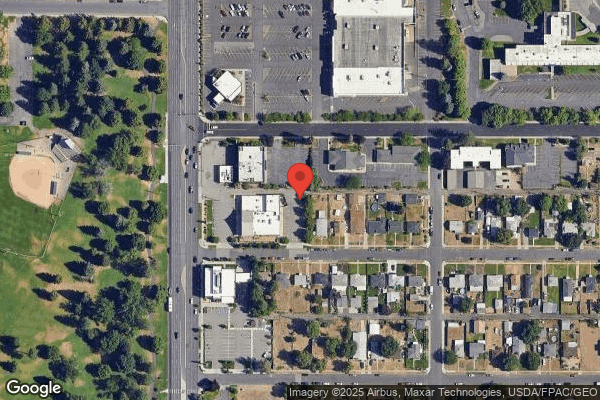
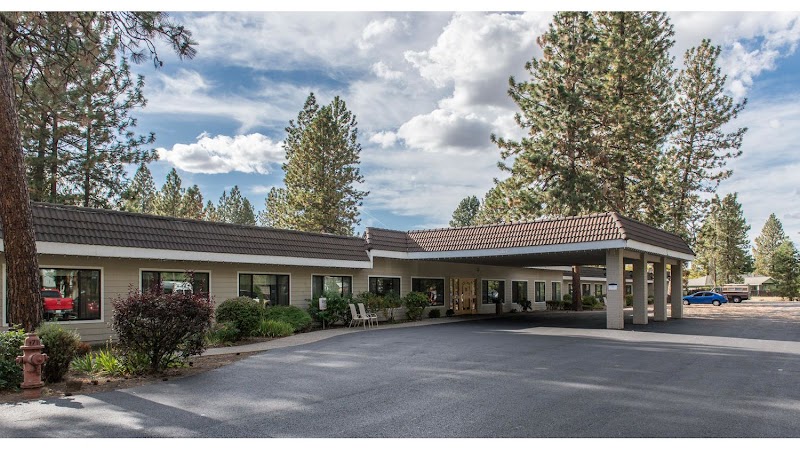
NORTH 6025 ASSEMBLY, SPOKANE, WA 99205 (509) 326-8282
For profit - Limited Liability company 125 Beds HILL VALLEY HEALTHCARE Data: November 2025 1 Immediate Jeopardy citation
Trust Grade
0/100
#155 of 190 in WA
Last Inspection: April 2025

Within standard 12-15 month inspection cycle. Federal law requires annual inspections.

Overview

Spokane Health & Rehabilitation has received a Trust Grade of F, indicating poor performance with significant concerns. They rank #155 out of 190 facilities in Washington, placing them in the bottom half, and #11 out of 17 in Spokane County, meaning there are only a few local options that are better. The facility is worsening, with issues increasing from 34 in 2024 to 50 in 2025. Staffing is a concern, as they have a rating of 2 out of 5 stars and a high turnover rate of 70%, which is much higher than the state average. In terms of fines, the facility has accumulated $251,259, higher than 92% of Washington facilities, suggesting ongoing compliance problems. Additionally, they have less RN coverage than 82% of state facilities, which could impact resident safety. Specific incidents of concern include a failure to assess smoking abilities for several residents, leading to potential injury, and a serious lapse in care that resulted in a resident developing a severe pressure ulcer. While the facility does have excellent quality measures, these significant weaknesses are troubling when considering care for loved ones.

Trust Score
F
0/100
In Washington
#155/190
Bottom 19%
Safety Record
High Risk
Review needed
Inspections
Getting Worse
34 → 50 violations
Staff Stability
⚠ Watch
70% turnover. Very high, 22 points above average. Constant new faces learning your loved one's needs.
Penalties
✓ Good
$251,259 in fines. Lower than most Washington facilities. Relatively clean record.
Skilled Nurses
○ Average
Each resident gets 30 minutes of Registered Nurse (RN) attention daily — about average for Washington. RNs are the most trained staff who monitor for health changes.
Violations
⚠ Watch
105 deficiencies on record. Higher than average. Multiple issues found across inspections.
★★☆☆☆
2.0
Overall Rating
★★☆☆☆
2.0
Staff Levels
★★★★★
5.0
Care Quality
★☆☆☆☆
1.0
Inspection Score
Stable
2024: 34 issues
2025: 50 issues

The Good

  • 5-Star Quality Measures · Strong clinical quality outcomes
  • Full Sprinkler Coverage · Fire safety systems throughout facility
  • No fines on record

Facility shows strength in quality measures, fire safety.

The Bad

2-Star Overall Rating

Below Washington average (3.2)

Below average - review inspection findings carefully

Staff Turnover: 70%

24pts above Washington avg (46%)

Frequent staff changes - ask about care continuity

Federal Fines: $251,259

Well above median ($33,413)

Significant penalties indicating serious issues

Chain: HILL VALLEY HEALTHCARE

Part of a multi-facility chain

Ask about local staffing decisions and management

Staff turnover is very high (70%)

22 points above Washington average of 48%

The Ugly 105 deficiencies on record

1 life-threatening 7 actual harm
Aug 2025 1 deficiency 1 Harm
SERIOUS (G) 📢 Someone Reported This

A family member, employee, or ombudsman was alarmed enough to file a formal complaint

Actual Harm - a resident was hurt due to facility failures

Pressure Ulcer Prevention (Tag F0686)

A resident was harmed · This affected 1 resident

**NOTE- TERMS IN BRACKETS HAVE BEEN EDITED TO PROTECT CONFIDENTIALITY** Based on observation, interview, and record review, the facility failed to provide pressure reducing measures to prevent the dev...

Read full inspector narrative →
**NOTE- TERMS IN BRACKETS HAVE BEEN EDITED TO PROTECT CONFIDENTIALITY** Based on observation, interview, and record review, the facility failed to provide pressure reducing measures to prevent the development or worsening of a pressure ulcer/injury for 3 of 3 Residents (Residents 1, 2, and 3) reviewed for pressure ulcer/injury (areas of damaged skin and tissue caused by sustained pressure). Resident 1 experienced harm when they developed Stage 3 (a full thickness skin loss potentially extending into the subcutaneous tissue layer) pressure ulcer to their left heel and that required debridement. This placed other residents at risk for developing/worsening pressure ulcers, pain, and a diminished quality of life.<Resident 1>Resident 1 was admitted to the facility on [DATE] with diagnoses including a repaired hip fracture and diabetes (a chronic metabolic disease characterized by elevated levels of blood sugar, which can lead to serious damage to various organs, nerves and tissues), and were cognitively intact.Review of Resident 1's care plan showed a focus, dated 07/15/2025, that the resident was at risk for development of pressure ulcers.Review of Resident 1's admission Minimum Data Set (MDS--a standardized assessment tool that measures health status in nursing home residents) dated 07/21/2025, indicated the resident required assistance from staff for activities of daily living including bed mobility, transfers, and positioning. The MDS documented that the resident was at risk of developing a pressure ulcer/injury (PU/PI) and did not have either at the time of admission.Review of Resident 1's medical record showed that on 07/27/2025 at 9:36 AM, Staff C, Licensed Practical Nurse documented in a progress note that the resident was noted to have a pressure ulcer/injury. Lt (left) heel.Review of Resident 1's medical record showed a note written by Staff B, Medical Doctor, on 07/28/2025 at 11:33 AM, patient has new open area left heel. Wound care added and unloading of heels (refers to the process of redistributing pressure away from the heels to promote healing and prevent complications, particularly in individuals at risk for pressure ulcers/injuries).Review of Resident 1's medical record showed a progress note from an outside wound care provider, dated 07/31/2025 at 3:08 PM, with a statement that this was their first observation of a left heel wound that was noted over the last week. The left heel wound was described as Stage 3 (a full thickness skin loss potentially extending into the subcutaneous tissue layer), with a size of 1.3 cm by 1.1 cm by 0.1 cm (about the size of a dime) with subcutaneous tissue exposed (innermost layer of skin composed primarily of fat and connective tissue). The wound was then surgically debrided (use of a sharp tool to remove nonviable tissue) by the wound care provider, with a measurement afterwards of 1.4 cm by 1.2 cm by 0.2 cm.On 08/08/2025 at 11:20 AM, Resident 1 was observed lying on their bed with the head of the bed elevated about 45 degrees, a pillow was observed turned length wise under both feet, with both heels resting on the pillow and against the footboard of the bed. Both feet had clean, non-slip socks on and during an interview with the resident at the same time, they stated that the nursing staff had just changed the dressing on their left heel, that there was an open area about the size of a dime, that it was painful, and they did not want anyone to mess with it. They further reported that when they were first admitted their right hip was very painful and they did not think they were moving around enough, that they had laid in bed quite a bit and thought that was how they developed the heel wound.<Resident 2>Resident 2 was admitted to the facility on [DATE] with diagnoses including an existing pressure ulcer on their sacral area (just above the buttocks at the base of the spine), multiple fractures in their spine (T11-T12 burst fractures) and dementia (loss of cognitive functions that interferes with daily life and activities).Review of Resident 1's care plan showed a focus, dated 07/09/2025, that the resident had an area of impaired skin integrity to their coccyx (tailbone area), left heel and right heel. The interventions included the application of heel protectors and floating their heels (use of a pillow or another device to keep heels from contacting mattress or other surfaces).Review of Resident 1's admission MDS, dated [DATE], indicated the resident required assistance from staff for activities of daily living including bed mobility, transfers, and positioning. The MDS also documented that the resident was at risk of developing a PU/PI and had one unstageable pressure ulcer (a pressure injury that cannot be formally staged because the depth and extent of the wound is obscured by dead tissue that covers the wound) on admission.Review of Resident 1's medical record showed that on 07/09/2025 at 2:56 PM, Staff D, Registered Nurse wrote in a progress note that the resident was noted to have a pressure ulcer/injury. Boggy heels (a heel that feels soft, spongy, and mushy to the touch, indicating a potential issue with the underlying tissues. This sensation is often a sign of deep tissue injury (DTI), which can be a precursor to a PU/PI).Review of Resident 1's medical record showed on 07/09/2025 an order for moon boot (also known as a walking boot, a device used to protect the foot and ankle) to bilateral heels while in bed. Document all refusals.Review of Resident 1's Medication Administration Record (MAR) for August of 2025, showed an order dated 07/09/2025 at 2:15 PM, for moon boot to bilateral (both sides) heels, with a box for day, evening and night shift nurses to document if the resident was wearing the boots. Of the 22 opportunities to document the boots, four were marked as the resident refusing to wear the boots, one was blank, and the other 17 were marked as the resident wearing the boots, including day shift of 08/08/2025 (6:30 AM to 2:00 PM).Observation of Resident 1, on 08/08/2025 at 1:55 PM, showed them lying on a typical mattress, with both feet bare, heels resting on the mattress, no boots were visible anywhere in the room.During an interview on 08/08/2025 at 2:05 PM, Staff E, Nursing Assistant, stated that they had worked with Resident 2 that day and they were not aware of the resident having an order to wear boots to protect their heels, they had not seen any boots in the room and that the resident had not worn the boots that day. They further stated that this was the second time they had worked with the resident, and they had not seen boots in the room or on the resident.<Resident 3>Resident 3 was admitted to the facility on [DATE] with diagnoses including a pressure ulcer of unspecified heel, acute and chronic respiratory failure with dependence on oxygen (short term worsening of a long term condition characterized by difficulty of the lungs in exchanging oxygen and carbon dioxide, leading to low levels of oxygen in the blood, with dependence on oxygen from a machine to keep oxygen levels in the blood high enough to live) and polyneuropathy (a type of nerve disorder leading to symptoms such as numbness, tingling and pain in multiple areas of the body).Review of Resident 3's Braden Scale (an assessment tool that measures risk for pressure injury), dated 08/06/2025, scored the resident as 16, at risk for PU/PI development.Reviews of Resident 3's admission skin assessment, dated 08/07/2025 at 8:24 AM, showed an open area to right heel. No measurements of the open area were found in the resident's records.Review of Resident 3's medical orders showed on 08/06/2025 Staff B, Medical Doctor wrote to use heel boot when in bed to offload right heel. Document refusals every shift.Review of Resident 3's August MAR did not show an order, or a place to document any type of offloading of the resident's heels.Review of the Resident's care plan did not show a focus, or interventions related to impaired skin and or treatment/prevention of PU/PI. The Kardex (summary of the care plan often used by direct care staff) also did not contain information related to the resident's right heel PU/PI.On 08/08/2025 at 2:08 PM Resident 3 was observed sitting in their room in a wheelchair, wearing sandals on both feet, with their right heel visible and covered by a 4 in by 4 in bordered foam type dressing (a type of wound dressing designed to provide a moist environment conducive to wound healing, with adhesive at the edges to seal the dressing against the skin) that was peeling at the edges. During an interview with their family member, Collateral Contact 1, at the same time as the observation, they stated that the resident had a pressure ulcer on their right heel. They further stated that they had a soft boot at the hospital but had not had one while they had been at the facility. They looked through the resident's belongings and confirmed that there was not a soft boot. They further stated that the resident needed some way to float [their] heels and then spoke to the resident who stated that they had not been doing that since admission.During an exit interview on 08/08/2025 at 2:15 PM, Staff A, Administrator, stated that the facility had hired a full time wound care nurse that would help to correct the current situation. Reference WAC 388-97-1060 (3)(b)
Jul 2025 1 deficiency
CONCERN (E) 📢 Someone Reported This

A family member, employee, or ombudsman was alarmed enough to file a formal complaint

Potential for Harm - no one hurt, but risky conditions existed

Deficiency F0725 (Tag F0725)

Could have caused harm · This affected multiple residents

Based on observation, interview, and record review, the facility failed to ensure available staff provided the necessary care and services in a timely manner for 8 of 10 sampled residents (Resident 1,...

Read full inspector narrative →
Based on observation, interview, and record review, the facility failed to ensure available staff provided the necessary care and services in a timely manner for 8 of 10 sampled residents (Resident 1, 2, 3, 4, 5, 6, 7, and 8), reviewed for call light response. This failure placed the residents at risk for unmet care needs and a diminished quality of life.Findings included. <Resident 1>A facility assessment, dated 06/16/2025, showed Resident 1 was admitted with diagnoses to include both arms fractured. The resident was able to make their needs known and was dependent on most Activities of Daily Living (ADL's).During an interview on 07/22/2025 at 1:18 PM, Resident 1 stated the call light response time was not good at the facility. Resident 1 said sometimes staff came in, told them they had to get help, and took a long time to return. On 07/22/2025 at 3:30 PM, Resident 1's call light was on and sounded at the nurses' station. Staff seen in the nurses' station and several staff walked past the resident's room. The call light system at the nurses' station read the call light had been on 45 minutes. At 3:32 PM, the surveyor went into Resident 1's room and Resident 1 stated they needed to have their brief changed. At 3:35 PM, a staff member entered Resident 1's room to assist them. The call light had been on for 50 minutes before Resident 1 received help. <Resident 2>A facility assessment, dated 06/19/2025, showed Resident 2 was admitted with diagnoses of a prior stroke. The resident had difficulty making their needs known and was dependent with toileting. On 07/22/2025 at 1:13 PM, Resident 2's call light was on. The call light system at the nurses' station showed it had been on 26 minutes before being answered. On 07/25/2025 at 10:00 AM, Resident 2 was lying in bed with their call light within reach. The resident was asked about what the response was when they used the call light, the resident lifted up their call light and did not answer the question. <Resident 3>A facility assessment, dated 07/01/2025, showed Resident 3 was admitted with diagnoses to include a narrowing of their spine in the neck. The resident was able to make their needs known and required partial/moderate assistance with most ADL's.On 07/11/2025 at 1:07 PM, Resident 3's call light was turned on. It lit outside of the resident's room and sounded at the nurses' station. At 1:29 PM, Resident 3's call light remained on. Several staff walked past the resident's room and a nurse was at their cart just outside the resident's room. The call light had been on for 22 minutes. The resident's call light was answered at 1:34 PM, 27 minutes after the call light had been pushed.On 07/18/2025 at 11:25 AM, Resident 3 was in their wheelchair in their room. The resident had a collar on their neck. When asked about call light response times, the resident stated somedays it took a long time to be answered. The surveyor told the resident the prior day their call light had been on for 27 minutes and Resident 3 stated that was not as bad as other times. Resident 3 stated they felt their call light was ignored because someone had told them they were a difficult patient. <Resident 4>A facility assessment, dated 06/21/2025, showed Resident 4 was admitted with diagnoses to include a stroke. The resident was able to make their needs known, required substantial/moderate assistance with most ADL's and dependent with toileting.On 07/22/2025 at 2:03 PM, Resident 4's call light came on in the hall. At 2:22 PM Resident 4 was laying in their bed. When asked what they had their call light on for, the resident stated they didn't know it was on. Resident 4 stated the facility was very slow on everything, which included the call lights.At 2:43 PM, the call light remained on. The call light system sounded in the nurses' station and showed the resident's call light had been on for 40 minutes. Staff were seen at the nurses' station and walked by the resident's room. At 2:55 PM, the call light was answered after being on for 52 minutes.<Resident 5>A facility assessment, dated 06/27/2025, showed Resident 5 was admitted with diagnoses to include a fractured leg. The resident was able to make their needs known, required substantial/maximum assistance with most ADL's, and partial/moderate assistance with toileting.On 07/22/2025 at 3:33 PM, Resident 5's call light was on. The call light system at the nurses station showed it had been on for 29 minutes. The light was answered at 3:34 PM, after 30 minutes on.On 07/25/2025 at 10:13 AM, Resident 5 was sitting in their wheelchair in their room. The resident stated the care at the facility was slow and they needed more help. The resident stated when they pushed their call light it would take a long time for someone to answer it.At 12:55 PM, Resident 7, Resident 5's roommate, stated they had to wait for an hour at times to get help. Resident 7 stated they couldn't stand or walk by themselves and required a sit to stand lift to get to the commode.<Resident 6>A facility assessment, dated 07/25/2025, showed Resident 6 was admitted with diagnoses to include a fractured arm and pelvic bone. The resident had some difficulty making their needs known and required substantial/maximum assistance for ADL's which included toileting. On 07/25/2025 at 9:06 AM Resident 6's call light was on. Several staff walked by the resident's room and did not answer the call light. At 9:34 AM, 28 minutes later, a staff member went into the resident's room to answer the call light. The staff was heard telling the resident since they had already started to go in their brief they could finish and would then be cleaned up. At 10:05 AM, Resident 6 was lying in bed. The resident stated they didn't think it took long for staff to respond to the call light. The resident said they had to use the call light often to be changed out of their dirty briefs.At 10:09 AM, Resident 8, Resident 6's roommate, stated they tried not to use the call light when they saw staff running around in the hall. Resident 8 for the most part staff responded quickly to their call light. The resident did say one shift they had to wait about 40 minutes before they received help. During an interview on 07/25/2025 at 10:10 AM, Staff A, Nursing Assistant, (NAC), stated the staffing was usually good unless staff called off and couldn't be replaced. Staff A stated the problem was more that some staff didn't work as a team to help answer the call lights. Staff A stated at times Administration would come to the floor but would pick up meal trays and not answer call lights.On 07/25/2025 at 10:21 AM, Staff B, NAC, stated there seemed to be enough staff and most days they would be with a partner that worked as a team. There were times, however, their partner didn't work as a team and wouldn't answer a call light if it was not their assigned room.On 07/25/2025 at 10:25 AM, Staff C, NAC, stated it depended on who they were paired with as a partner. Some would work as a team and answer call lights and some wouldn't. On 07/25/2025 at 12:20 PM, Staff D, Director of Nursing (DNS) and Staff E, Administrator, were interviewed. Staff D stated ideally, they would like to see call lights be answered in 5 - 10 minutes but sometimes things happened on the floor that could delay that. Staff E said they would like to see the call lights answered within 15 minutes. Staff E stated they had only started in the building a few days prior and would like to see staff work more as a team which was something Staff E would work on moving forward. Reference: WAC: 388-97-1080(1),1090(1)
Apr 2025 37 deficiencies 1 IJ (1 facility-wide)
CRITICAL (L) 📢 Someone Reported This

A family member, employee, or ombudsman was alarmed enough to file a formal complaint

Immediate Jeopardy (IJ) - the most serious Medicare violation

Accident Prevention (Tag F0689)

Someone could have died · This affected most or all residents

⚠️ Facility-wide issue

**NOTE- TERMS IN BRACKETS HAVE BEEN EDITED TO PROTECT CONFIDENTIALITY** Based on observation, interview, and record review the facility failed to consistently and accurately assess residents smoking a...

Read full inspector narrative →
**NOTE- TERMS IN BRACKETS HAVE BEEN EDITED TO PROTECT CONFIDENTIALITY** Based on observation, interview, and record review the facility failed to consistently and accurately assess residents smoking abilities and implement safety interventions to prevent smoking related injuries for 3 of 3 sampled residents (Resident 73, 86 and 461), reviewed for smoking. The failure to accurately assess residents' smoking abilities and implement safety interventions to prevent smoking related injuries represented an immediate jeopardy (IJ). On 04/15/2025 at 5:21 PM, the facility was notified of the identified IJ related to F689 CFR §483.25 Accidents and Supervision. Onsite verification by surveyors on 04/17/2025 showed, the facility removed the immediacy by placing Resident 73 on one-to-one surveillance, secured the resident's smoking paraphernalia, re-assessed the resident's ability to smoke, and revised the care plan to show the level of assistance and supervision the resident required to smoke safely. The facility closed access to unsupervised patio areas. The facility added a fire blanket and an outdoor ashtray to the designated smoking area. The facility interviewed other residents and staff to identify other residents who smoked and completed smoking safety evaluations of all the residents in the facility and for any residents identified as a smoker/tobacco user, to include development or revision of their care plans to show individualized interventions and supervision levels related to smoking preference. The facility completed a facility-wide sweep to remove unauthorized smoking materials. The facility notified the residents of the smoking policy. The facility educated the staff on the smoking policy, and identifying, managing, and reporting unsafe smoking behaviors. Immediacy was removed 04/16/2025. Findings included . Review of a facility admission agreement showed smoking or vaping was prohibited within and on the grounds of the facility. The agreement informed the residents that possessing smoking related items, like cigarettes and lighters, was strictly prohibited. Residents were informed that the facility would provide information and assistance with exploring smoking cessation interventions and products if they had a history of smoking or tobacco use prior to admission to the facility and if so desired. Violation of the Smoke-Free Facility policy endangered the health and safety of the residents in the facility and was ground for discharge. Review of the facility policy titled, Smoking Prohibited for Residents But Allowed For Staff dated October 2021, showed if staff found a resident with smoking materials, they were to be given to the nurse who secured them. The policy further showed staff would notify the provider for each incident of policy violation, document incident in the medical record, and investigated by the facility leadership team to evaluate the scope and potential endangerment to other residents and staff. The results of the investigation determined the course of action to protect other residents and staff from endangerment, to include re-education of the resident, removal of smoking materials, discussion about smoking cessation support, evaluation of the resident's ability to smoke safely without staff assistance or supervision in a location out of the facility and off the facility grounds, and/or discharge from the facility. During the entrance conference on 04/14/2025 at 8:42 AM, Staff A, Administrator, stated the facility was a non-smoking facility and there were no residents that smoked. <Resident 73> Review of a 01/24/2025 hospital document showed Resident 73 fell asleep easily during the interview but awakens easily again. The document showed the resident smoked cigarettes on some days. Review of a 02/03/2025 facility provider note showed Resident 73 was, Current smoker some days. Review of a 02/07/2025 facility admission assessment showed Resident 73 admitted to the facility from the hospital on [DATE] with medically complex conditions, including Parkinson's disease (a neurological disorder) and diabetes. The assessment showed Resident 73's speech was unclear, was cognitively intact, experienced fluctuating altered levels of consciousness and required staff assistance during transfers and walking. The assessment showed Resident 73 did not use tobacco. Review of progress notes showed on 02/17/2025, the staff observed Resident 73, smoking outside in the parking lot. Social worker went out to speak to resident and remind [them] that we are a non-smoking facility. [The resident] was agreeable and put out [their] cigarette. Review of a 02/17/2025 Smoking - Resident Safety Evaluation, signed off as completed on 03/05/2025 (16 days later), showed the staff identified Resident 73 used tobacco products, allowed the resident to smoke, and used Cigarettes / Cigars. The staff assessed Resident 73 was unable to hold or extinguish a cigarette safely or use an ashtray to extinguish the cigarette. The staff concluded, Resident is not a safe smoker at this time. [They] agreed to Nicotine patches and to not smoke at this time. Family notified and nicotine patch order placed. Review of a 03/03/2025 progress note showed, the facility informed the resident, that this is a non-smoking facility as was noted to be smoking at one point. Smoking materials obtained until safety can be established. Review of a 03/04/2025 Tobacco Use care plan showed, Resident 73 preferred to smoke cigarettes. The goal was for the resident to follow non-smoking policy. The interventions included, Instruct the resident about smoking risks and hazards and about smoking cessation aids that are available, Notify social services or nurse manager if patient is found to be smoking, and smoking assessment as needed. The interventions were dated 03/04/2025 and 03/05/2025. The care plan showed no documentation the facility developed interventions to keep the resident safe from smoking related injuries or that compensated for their inability to manage smoking supplies. The care plan showed no documentation where smoking supplies were kept. Review of 03/03/2025, 03/06/2025 and 03/14/2025 facility provider notes showed once more Resident 73 was, Current smoker some days. Review of March and April 2025 Medications Administration Records (MAR) showed no documentation the provider prescribed nicotine patches for Resident 73 prior to 04/15/2025, as indicated in the 02/17/2025 resident smoking safety evaluation. An observation on 04/15/2025 at 2:23 PM, by the entire survey team, showed Resident 73 self-propelling in their wheelchair in the patio area with a lit cigarette in their hand. The resident attempted to enter the conference room where surveyors were with the lit cigarette, but was unable to open the door. Resident 73 then wheeled over to the barbecue area under the [NAME] and sat next to a propane tank with the lit cigarette. At 2:34 PM, a surveyor entered the patio area, and it smelled of cigarette smoke. No fire blanket or ashtrays were observed. Resident 73 stated that they liked to smoke three times a day, and when asked if there was an ashtray outside, they said, No. Observation of a white plastic fold-up table showed black streaks on its surface resembling the stubbing of a cigarette (to put out a cigarette by pressing the lit end against a surface, often done using a surface like an ashtray or the ground). Resident 73 again attempted to get into the conference room but was unable to do so. The resident then self-propelled across to the other side of the patio to enter another side of the building. A staff member was observed to escort Resident 73 back in the building. In an interview on 04/15/2025 at 3:23 PM, Staff Q, Registered Nurse (RN), stated that the facility was a non-smoking establishment, and smoking was allowed out on the street or off the premises. Staff Q became aware if a resident actively smoked and the assistance required by checking the resident's roster (a basic information sheet used by the staff). Staff Q stated that they did not have any resident smoking materials secured. Staff Q stated that they were unaware of any residents who smoked in the facility but that if they did see a resident smoke, they would stop the resident and notify the Unit Manager. In an interview on 04/15/2025 at 3:29 PM, Staff R, Nursing Assistant (NA), stated that they became aware of resident information by review of the Kardex (a summary of the care plan). Staff R stated, We are non-smoking so I am unsure if there are smokers [in the facility] but if they did smoke, they would have to go off property. Staff R stated that there was no designated place for a resident to smoke on facility premises. Staff R stated if they saw a resident violate the facility smoking policy they would, stop it from happening and let the nurse supervisor know and report it up above. Go through the chain [of command] not just the nurse. Staff R stated that smoking materials would be kept in a lock box with the Social Services department. In a confidential interview on 04/15/2025 at 3:36 PM, an Anonymous Staff stated, Not a lot of residents here smoke and As long as [the resident] is on the sidewalk, that's considered off property. The staff stated if they saw a resident violate the facility smoking policy they would, Ask them if they can go to the sidewalk and educate them on the policy. I'd let my Unit Managers know or the ADON [Assistant Director of Nursing]. The staff identified Resident 73 was the only resident they were aware of that currently smoked and stated the resident kept their smoking materials in their jacket and never has it out in the open. The Anonymous Staff was unaware how long Resident 73 smoked since admission to the facility. An observation and interview on 04/15/2025 between 3:36 PM and 4:00 PM showed, Resident 73 lying in bed. Resident 73 stated that they kept their cigarettes in their pocket along with the lighter and smoked more than twice a day and off the property. Additionally, Resident 73 stated that when the front doors to the facility were locked after 7:00 PM or 8:00 PM, I have to wait until someone sees me to let me in because the doors are locked. Resident 73 stated that their preferred smoking time began at noon or after lunch. The above findings were shared with Staff A, Administrator, in an interview on 04/15/2025 at 5:21 PM. Staff A confirmed the patio was not a smoking area and that, North [Hall] staff said they were not aware of [any] smoker [in the facility]. Staff A stated that when staff escorted Resident 73 back to the facility, the resident had a faint smell of smoke. Staff A stated the resident was known to have paraphernalia on [them] which was relinquished to the facility and the resident, will not tell us how [they] got the smokes and lighter [afterwards and] we are assuming the family brought it in or visitors. Staff A stated that since Resident 73 refused to relinquish the cigarettes and lighter they were placed on a one-to-one surveillance after the 04/15/2025 observations in the patio. In an interview on 04/24/2025 at 9:45 AM, Staff C, ADON, described the process on how the facility identified residents who smoked and ensured their safety. Staff C stated that hospital paperwork was reviewed, and part of the facility's admission assessment completed by the nurse asked about smoking preferences. Once a resident was identified as currently smoking, We care plan if they are an active smoker and let them know we are a non-smoking facility and if they prefer to smoke, come up with a smoking plan and establish locations to smoke and smoking times. Staff C stated the facility identified concerns related to smoking, At initial assessment if admitting, observations of the resident, communication at Stand Up [a daily Inter-disciplinary meeting], and review of the 24-hour report [progress notes]. Staff C stated that when a resident was identified as unsafe to smoke or noncompliant with the smoking policy, the facility should ensure the resident, does not have smoking paraphernalia in their room, provide a smoking apron and supervision, and re-do their smoking assessment. On 04/28/2025 at 8:13 AM in a follow up telephone conversation, the facility provided additional information. Staff C stated the facility should have added instructions to the care plan to direct the staff on the level of supervision and amount of assistance Resident 73 required during smoking after completion of the 02/17/2025 Smoking Safety Evaluation, to include staying with the resident while they smoked. Staff C stated that the additional safety interventions did not show in the care plan because the evaluation concluded a smoking cessation program (nicotine patches) would be started. Staff C acknowledged upon review of the medical record that the nicotine patches never started as mentioned in the 02/17/2025 smoking evaluation. <Resident 461> According to the 01/03/2025 quarterly assessment, Resident 461 admitted to the facility on [DATE] with diagnoses including Chronic Obstructive Pulmonary Disease (COPD, progressive lung disease that makes it difficult to breathe). The assessment further showed Resident 461 was cognitively intact, did not exhibit behaviors and was able to clearly verbalize their needs. Review of the 07/04/2024 hospital history and physical provided to the facility during the admisson process showed Resident 461 smoked tobacco and had a tobacco abuse diagnosis. Review of the 07/11/2024 resident safety assessment showed Resident 461 used tobacco products including cigarettes/cigars and the facility did not allow smoking. A nicotine patch was listed as a smoking cessation intervention. Resident 461 was identified as safe to smoke with supervision. Review of provider orders showed a 07/12/2024 order for Resident 461 to use a nicotine patch daily for nicotine dependence. Review of the July 2024 through September 2024 MAR showed Resident 461 began to refuse the nicotine patch on 08/10/2024. The nicotine patch was discontinued on 09/11/2024. Review of the 08/21/2024 care plan showed Resident 461 smoked and was agreeable to smoke off premises. Interventions instructed staff to educate the resident about smoking risks and hazards, smoking cessation aids available, educate the resident about the facility smoking policy to include smoking off premises only, notify the charge nurse immediately if the resident was suspected of violating the facility smoking policy, and monitor clothing and skin for signs of cigarette burns. Review of the 08/22/2024 resident safety assessment showed Resident 461 used tobacco products including cigarettes/cigars and the facility allowed resident smoking. The assessment further showed Resident 461 was offered a nicotine patch but refused it and requested to smoke. Resident 461 was educated on not smoking in their room and to store cigarettes and lighter in a safe location. Resident 461 was identified as safe to smoke without supervision. Review of the 10/11/2024 resident safety assessment showed Resident 461 used tobacco products including cigarettes/cigars, resident declined smoking cessation interventions, and the facility allowed resident smoking. Resident 461 was identified as safe to smoke without supervision. No documentation was found that showed Resident 461's smoking materials were stored securely for safety after additional record review. Review of August 2024 through December 2024 nursing progress notes showed the following: - 08/21/2024, Resident 461 stated they had five packs of cigarettes, knew how to wean themselves off, and did not need a nicotine patch. - 08/22/2024 the facility non-smoking policy was reviewed with Resident 461, they were no longer wearing the nicotine patch and continued to smoke on the facility property, no additional smoking safety interventions were implemented at that time. - 12/27/2024 Resident 461 continued to demonstrate unsafe behavior of smoking on the facility property. When Resident 461 was reminded smoking was not permitted on the premises, Resident 461 stated they were not leaving the premises and would continue to smoke on the property. A 30-day notice was discussed with Resident 461 related to their health had improved sufficiently so they no longer needed services provided by the facility and their continued smoking on the property endangered other facility residents. No additional smoking safety interventions were implemented at that time. - 12/29/2024 the fire alarm was set off at approximately 2:30 AM, staff smelled smoke in Resident 461's bathroom, Resident 461 denied smoking indoors and refused to hand over their cigarettes or lighter, frequent checks for safety were implemented. At noon, Resident 461 was placed on 1:1 monitoring due to safety concerns. Resident 461 again refused to give staff their lighter and stated, I'm going to smoke no matter what. - 12/30/2024 Resident 461 was provided a discharge notice. Review of the 12/29/2024 fire alarm detailed activity report showed at 2:18 AM the fire alarm was activated, the fire department was dispatched, facility staff were contacted by the fire alarm monitoring company, the fire alarm was cleared and restored. Review of the 12/30/2024 nursing home transfer or discharge notice showed Resident 461's health improved sufficiently so that they no longer needed services provided by the facility and the safety of other individuals in the facility was endangered due to the status of the resident. A brief explanation showed Resident 461 was independent with all activities of daily living and left the facility daily in their car or motorcycle. Resident 461 continues to smoke on property and has been found smoking in [their] room. In an interview on 04/21/2025 at 9:29 AM, Staff G, Maintenance Director, acknowledged the fire alarm went off on 12/29/2024 because Resident 461 smoked in their bathroom. Staff G further stated Resident 461 was placed on 1:1 monitoring after that incident and did not smoke indoors after that. Staff G explained Resident 461 was a challenging resident and would ignore staff when asked to do things. In an interview on 04/21/2025 at 9:36 AM, Staff C, ADON, stated Resident 461 smoked, they were offered a nicotine patch but refused it and chose to smoke. Staff C explained on 12/29/2024, Resident 461 exercised their right to smoke in their bathroom and was placed on 1:1 monitoring after that incident. Staff C stated Resident 461 was not safe to smoke independently, they were self directed and did what they wanted to do. In an interview on 04/23/2025 at 2:44 PM, Staff A stated Resident 461 would smoke in the facility parking lot and refused to quit smoking. Staff A explained on 12/29/2024 the fire alarm went off, staff thought Resident 461 had smoked in their room, but Resident 461 denied it and refused to give staff their smoking paraphernalia. Staff A stated Resident 461 was placed on 1:1 monitoring after the 12/29/2024 fire alarm incident and was given a 30-day notice. <Resident 86> According to the 03/31/2025 quarterly assessment, Resident 86 admitted to the facility on [DATE] with diagnoses including weakness. Resident 86 had severe cognitive impairment and was able to verbalize their needs. Review of the 11/06/2024 hospital history and physical that was provided to the facility during the admission process showed Resident 86 smoked cigarettes every day. Review of the 11/12/2024 safety assessment showed Resident 86 did not use tobacco products and the facility did not allow resident smoking. Review of the 11/19/2024 tobacco use care plan showed Resident 86 preferred to smoke cigarettes daily. Interventions instructed staff to educate the resident about smoking risks and hazards, smoking cessation aids available, remind the resident the facility was non-smoking, there was no smoking on the facility property, and to complete a smoking assessment as needed. In an interview on 04/16/2025 at 9:24 AM, Resident 86 stated they used to smoke but had not smoked in a while. Resident 86 further stated staff had not spoken to them about smoking and they were unaware the facility was a non-smoking building. In a follow-up interview on 04/24/2025 at 9:55 AM, Staff A stated they expected staff to accurately assess residents for tobacco use and safe smoking abilities when a resident chose to smoke. Staff A further stated they also expected staff to implement smoking safety interventions as needed for resident safety. Reference: WAC 388-97-1060 (3)(g) Refer to F572, F620, and F657 and F867 for additional information
CONCERN (D)

Potential for Harm - no one hurt, but risky conditions existed

Deficiency F0554 (Tag F0554)

Could have caused harm · This affected 1 resident

Based on observation, interview and record review, the facility failed to ensure a resident was assessed for their ability to self-administer their medications safely for 1 of 5 sampled residents (Res...

Read full inspector narrative →
Based on observation, interview and record review, the facility failed to ensure a resident was assessed for their ability to self-administer their medications safely for 1 of 5 sampled residents (Resident 22) reviewed for medication administration. This failure placed the resident at risk for adverse side effects or unintended health consequences if under- or over-medicated. Findings included . The 04/01/2025 significant change in condition assessment documented Resident 22 had diagnoses that included Parkinson's disease (a disorder of the central nervous system that affected movement), and acid reflux (stomach acid irritates the lining of the esophagus). Resident 22 had moderate cognitive impairments and was able to make their needs known. On 04/14/2025 at 1:33 PM, Resident 22 was observed in their room lying in bed. The resident had a bottle of Tums chewable tablets on their overbed table. Resident 22 stated they took the Tums whenever they needed them. Subsequent observations of the Tums chewable tablets on Resident 22's tray table were made on 04/15/2025 at 12:12 PM, 04/16/2025 at 9:11 AM and 12:03 PM, 04/17/2025 at 8:56 AM, and 04/21/2025 at 8:44 AM. A review of the record documented on 11/22/2022, the provider ordered Tums E-X 750 milligram chewable tablets, two tablets twice daily as needed for gastro-intestinal (GI) upset. The resident's record did not include an order for the resident to self-administer their Tums, or an assessment that documented Resident 22 was able to administer their Tums safely and at the frequency ordered. A review of the April 2025 Medication Administration Record had no administrations of Tums documented. In an interview on 04/22/2025 at 2:02 PM, Staff F, Resident Care Manager, stated residents who wanted to self-administer medications needed to be assessed by the provider, have an order obtained, and a self-medication assessment completed. Then if approved, the residents were given a lock box to store their medications in. Staff F stated the assessments were important so staff knew if a resident was able to take their own medications safely, and Resident 22 should have had that assessment completed. Reference: WAC 388-97-0440
CONCERN (D)

Potential for Harm - no one hurt, but risky conditions existed

Safe Environment (Tag F0584)

Could have caused harm · This affected 1 resident

**NOTE- TERMS IN BRACKETS HAVE BEEN EDITED TO PROTECT CONFIDENTIALITY** Based on observation, interviews and record review, the facility failed to ensure a clean, comfortable and homelike environment ...

Read full inspector narrative →
**NOTE- TERMS IN BRACKETS HAVE BEEN EDITED TO PROTECT CONFIDENTIALITY** Based on observation, interviews and record review, the facility failed to ensure a clean, comfortable and homelike environment for 3 of 7 residents (Resident 56, 64, and 69) reviewed for environment. Specifically, Resident 56's call light button was dirty, Resident 64's wheelchair was not maintained in a clean manner, and Resident 69's sheets were not changed regularly. These failures placed the residents at risk of a diminished quality of life. Findings included . <Resident 56> According to a comprehensive assessment dated [DATE], Resident 56 had diagnoses which included Chronic Obstructive Pulmonary Disease (COPD, a lung disease that causes chronic respiratory symptoms) and depression. Resident 56 made their needs known and was able to eat independently after their food was set up by staff. On 04/14/2025 at 2:47 PM, Resident 56 was observed in their bed with an unkempt appearance. Their fingers were tightly contracted with limited movement other than their thumbs. Their fingernails were long with brown matter beneath the nails. The resident stated they had refused any therapy or manipulation to their hands because it hurt too much. They further stated they would not allow staff to wash or soak their hands due to the pain and refused any pain medications. The residents call light button was in easy reach, hanging from the trapeze over their bed. The button and end of the cord was covered in an unknown brown, crusty matter. Similar observations of the call light button with brown, crusted matter were made on 04/17/2025 at 8:57 AM, 04/18/2025 at 9:36 AM and 04/22/2025 at 9:41 AM. During an interview on 04/23/2025 at 3:18 PM, Staff T, Nursing Assistant, stated they had tried to convince Resident 56 a warm washcloth might feel good on their hands, but the resident would not allow it. They further stated they would wipe down the call light button if they noticed it was dirty. During an interview on 04/24/2025 at 11:10 AM, Staff UU, Housekeeping, was mopping the floor in Resident 56's room. Staff UU stated that they wiped down the call lights when cleaning. On 04/24/2025 at 11:17 AM, this surveyor entered Resident 56's room with Staff F, Resident Care Manager. The call light was clean. Staff UU informed Staff F that they just cleaned Resident 56's call light because it was dirty with brown/reddish stuff. Staff F acknowledged that resident's rooms should be maintained and kept clean. During an interview on 04/24/2025 at 12:37 PM, Staff PP, Housekeeping Director, stated that high touch surfaces such as call lights, should be wiped down routinely, hopefully every day. <Resident 64> According to a comprehensive assessment dated [DATE], Resident 64 had diagnoses which included COPD and heart failure (where the heart cannot pump enough blood for the body's needs.) Resident 64 used a wheelchair for mobility. During a resident interview on 04/14/2025 at 11:09 AM, dried fluid was observed on the left side of the resident's wheelchair and seat cushion. Similar observations of the dried fluids on the left side of the wheelchair and seat cushion were made on 04/18/2025 at 9:46 AM, 04/21/2025 at 10:11 AM, 04/23/2025 at 2:37 PM and 04/24/2025 at 10:29 AM. A shower schedule posted in the North Nursing station showed the resident was scheduled for showers on Tuesday and Saturday's. A review of the Resident 64's record showed no schedule for routine cleaning of the wheelchair. During an interview on 04/21/2025 at 10:16 AM, Staff Y, Nursing Assistant (NA) stated that they would wipe down a wheelchair when they noticed it was needed. Staff Y was unsure if it was an assigned task. During an interview on 04/23/2025 at 3:18 PM, Staff T, NA stated that wheelchairs were supposed to be cleaned by the night shift NA's twice weekly, the same day as the shower was scheduled. Staff T did not think that the wheelchair cleaning was documented anywhere. During an interview on 04/24/2025 at 11:17 AM, Staff F, Resident Care Manager stated that wheelchairs were cleaned on night shift but was unsure of the exact schedule. After an observation of Resident 64's wheelchair with Staff F, Staff F acknowledged the wheelchair was dirty and should have been cleaned. <Resident 69> The 03/07/2025 significant change in condition assessment documented Resident 69 was cognitively intact, able to make their needs know, and had diagnoses which included high blood pressure, anxiety. In an interview on 04/16/2025 at 12:06 PM, Resident 69's family member stated staff were not changing the resident's sheets and the sheets that were currently on the bed had been on there for two weeks. Subsequent observations of Resident 69 having the same sheets on their bed were made on 04/18/2025 at 8:44 AM, 04/22/2025 at 1:55 AM, and 04/23/2025 at 10:51 AM. In an interview on 04/22/2025 at 8:47 AM, Staff W, NA, stated sheets were changed on the resident's showers days and whenever soiled. In an interview on 04/22/2025, Staff C, Assistant Director of Nursing, stated sheets were changed on showers days and when visibly soiled. Staff C stated it was important to change the resident's sheets for skin integrity, hygiene and infection control. Reference: WAC 388-97-0880
CONCERN (D)

Potential for Harm - no one hurt, but risky conditions existed

Deficiency F0645 (Tag F0645)

Could have caused harm · This affected 1 resident

**NOTE- TERMS IN BRACKETS HAVE BEEN EDITED TO PROTECT CONFIDENTIALITY** Based on interview and record review, the facility failed to ensure 2 of 7 sampled residents (Resident 264, 79), reviewed for Pr...

Read full inspector narrative →
**NOTE- TERMS IN BRACKETS HAVE BEEN EDITED TO PROTECT CONFIDENTIALITY** Based on interview and record review, the facility failed to ensure 2 of 7 sampled residents (Resident 264, 79), reviewed for Pre-admission Screening and Resident Review (PASARR, an assessment completed prior to admission into a skilled nursing facility to determine whether a resident with a diagnosis of a serious mental illness needed specialized mental health services) was completed prior to admission, accurately, and if indicated, a referral for a PASARR Level II (a more in-depth screening assessment) had been made. Specifically both residents admitted to the faciity with an exempted hospital stay and should have been referred for a Level II evaluation after they remained in the facility for more than 30 days. This failure placed the residents at risk for unidentified care needs related to their mental health. Findings included . <Resident 264> The 04/04/2025 quarterly assessment documented Resident 264 admitted to the facility on [DATE] from the hospital and had diagnoses which included traumatic brain injury, muscle weakness, and malnutrition. In addition, the assessment documented Resident 264 received anti-depressant medication. Review of the Order Summary Report from 01/10/2025 through 04/17/2025 documented Resident 264 had been prescribed anti-depressant medication, Lexapro and Mirtazapine, at the time of admission to the facility. Review of Resident 264's record showed a level I PASARR was completed on 01/03/2025 by the hospital prior to the resident's admission to the facility. The assessment documented Resident 264 had serious mental health indicators of a mood disorder and/or depressive disorder, and a level II PASARR was not needed, due to meeting the guidelines for an exempted hospital stay (meaning the resident was admitted to the facility directly from a hospital after receiving acute inpatient care, and the expected stay at the facility was 30 days or less). Additional record review which included progress notes from 01/10/2025 through 04/17/2025 found Resident 264 currently resided at the facility and had not been discharged within 30 days or less as expected. No documentation was found that showed the facility had sent the referral to have a level II PASARR completed as required, after the 30-day time period had elapsed. In an interview on 04/18/2025 at 2:29 PM, Staff V, Social Services Director, stated PASARR needed to be completed prior to a resident's admission to the facility, reviewed upon admission for accuracy, and if incorrect, a new assessment was completed. After discussion and review of Resident 264's record, Staff V confirmed a referral for a Level II PASARR should have been completed, as the resident had not discharged from the facility within the 30-day timeframe. <Resident 79> According to the 02/27/2025 admission assessment, Resident 79 had diagnoses which included dementia (a long-term brain disorder that involved problems with memory, thinking, behavior and muscle control), anxiety (an excessive feeling of worry, fear or unease about the future) and depression (a serious mood disorder that causes persistent feelings of sadness and loss of interest in activities). The resident had severely impaired cognition. A review of Resident 79's PASARR level 1, completed and signed on 02/17/2025, documented the resident had depression and anxiety. The document further showed they met the criteria for an exempted hospital discharge, as it was anticipated they would be in the facility for less than 30 days. Further directions on the form showed a Level 2 must be completed if the scheduled discharge did not occur within 30 days. Per the medical record, Resident 79 was admitted to the facility on [DATE] and remained at the facility through 04/24/2025, (62 days). A review of Resident 79's medical record showed no referral for a level 2 evaluation was made, as required. During an interview on 04/23/2025 at 3:36 PM, Staff V, Social Services Director, stated for residents admitted under an exempted hospital discharge should be referred for a PASARR Level 2 if they had not discharged within 30 days. When asked about Resident 79, they looked in the record and confirmed there was no documentation a PASARR Level 2 was requested, and it should have been. Reference (WAC): 388-97-1915 (1)(2)(a-c)
CONCERN (D)

Potential for Harm - no one hurt, but risky conditions existed

Deficiency F0657 (Tag F0657)

Could have caused harm · This affected 1 resident

**NOTE- TERMS IN BRACKETS HAVE BEEN EDITED TO PROTECT CONFIDENTIALITY** Based on interview and record review, the facility failed to ensure care plan revisions were completed and failed to ensure care...

Read full inspector narrative →
**NOTE- TERMS IN BRACKETS HAVE BEEN EDITED TO PROTECT CONFIDENTIALITY** Based on interview and record review, the facility failed to ensure care plan revisions were completed and failed to ensure care plan conferences were held for 3 of 60 sampled residents (Resident 33, 38, and 85) reviewed for care planning. Failure to ensure Residents 33 and 85's care plans were revised to include interventions after the resident;s care needs had changed, and failure to conduct care plan conferences as required for Resident 38, placed the residents at risk for unmet care needs and a diminished quality of life. Findings included . <Resident 33> The 02/03/2025 significant change assessment documented Resident 33 admitted to the facility on [DATE], was cognitively intact to make decisions regarding their care, had diagnoses which included medically complex conditions, and needed substantial assistance from nursing staff to reposition while in bed. In addition, the assessment documented Resident 33 had pressure ulcers (wounds caused from prolonged pressure, friction, and/or shearing to the skin), had pressure relieving interventions implemented, and received pressure ulcer treatments. Review of the progress note from 12/13/2024 to 04/20/2025 found the following: - On 12/13/2024 at 2:19 AM, Resident 33 arrived at the facility. Large burn blisters to the top of the right foot, a small red blister to the top of the left foot, and redness to the coccyx were found during the admission skin assessment. - On 01/17/2025 at 9:09 PM, Resident 33 was sent to the hospital for evaluation after a change in condition. - On 01/28/2025 at 4:00 PM, Resident 33 returned to the hospital. Pre-existing skin issues that had been noted during the initial skin assessment on 12/13/2024 to the facility were noted, and a newly identified Stage II pressure ulcer (shallow wound with skin loss of the top two layers) was found on their coccyx during the readmission skin assessment. Review of Resident 33's skin care plan showed interventions were implemented on 12/13/2025 that included resident specific goals and interventions related to skin care and prevention of pressure ulcers, however, no additional interventions were found that included the specific care needs and/or treatment related to the coccyx pressure ulcer that was identified after the resident readmitted to the facility on [DATE]. In an interview on 04/23/2025 at 10:06 AM, Staff C, Assistant Director of Nursing (ADON), stated care plan revisions needed to be done when resident care needs changed. After discussion and review of Resident 33's skin care plan, Staff C acknowledged it had not been revised to include the interventions for the treatment of the coccyx pressure ulcer. CARE CONFERENCE <Resident 38> The 02/01/2025 quarterly assessment documented Resident 38 was cognitively intact and able to make their needs known. In an interview on 04/14/2025 at 10:54 AM, Resident 38 stated they had never been invited to a care conference. A review of the progress notes from October 2024 through April 2025 documented there was a care conference held on 10/31/2024. There was no other documentation in the residents' record that indicated additional care conferences had been offered or completed. In an interview on 04/22/2025 at 1:16 PM, Staff V, Social Service Director, stated care conferences were completed within 48 to 72 hours of admission, quarterly and as requested. Staff V stated it was important to have care conferences, so everyone knew the level of care needed for the residents and the plan going forward. In an interview on 04/24/2025 at 8:30 AM, Staff C stated care conferences were held within 48 hours of admission and anytime the family had concerns. Staff C stated it was important to have care conferences to ensure staff were meeting the goals of care for the residents and for the residents and family to voice concerns. Staff C added Resident 38 should have been invited to a quarterly care conference in February. Reference WAC 388-97-1020 (2)( c)(d) -1020 (5)(b) Refer to F655 and F656 for additional information. <Resident 85> According to the 03/30/2025 quarterly assessment, Resident 85 admitted to the facility on [DATE] with diagnoses which included weakness and need for assistance with personal care. The assessment further showed Resident 85 was occasionally incontinent of urine. Resident 85 was cognitively intact and clearly able to verbalize their needs. Review of the 10/31/2025 care plan showed Resident 85 required an indwelling urinary catheter (flexible tube inserted into the bladder to drain urine) related to urinary retention and instructed staff to change the catheter per provider orders, anchor the catheter tubing, provide catheter care every shift, and monitor for signs and/or symptoms of infection. Review of November 2024 nursing progress notes showed on 11/04/2025 Resident 85's indwelling urinary catheter was discontinued, their bladder was scanned to check for urinary retention, intermittent catheterization was to be done if they retained over a certain amount of urine, and long-term catheter inserted again as needed for continued urinary retention. Review of provider orders as of 04/14/2025 showed no active orders for Resident 85 to have an indwelling urinary catheter. In an interview on 04/17/2025 at 1:37 PM, Resident 85 stated they had a urinary catheter for approximately two weeks, but it was removed, and they have not had one for a while. In an interview on 04/22/2025 at 8:42 AM, Staff C, ADON, reviewed Resident 85's medical record. Staff C acknowledged Resident 85's urinary catheter was removed in November 2024, but the catheter was not removed from the care plan until 04/17/2025, four and a half months later. Staff C acknowledged it was important for the care plan to accurately reflect a resident's needs. In an interview on 04/22/2025 at 10:32 AM, Staff A, Administrator, stated they expected staff to ensure care plans accurately reflected a resident's needs.
CONCERN (D)

Potential for Harm - no one hurt, but risky conditions existed

Respiratory Care (Tag F0695)

Could have caused harm · This affected 1 resident

Based on observation, interview and record review, the facility failed to ensure a resident's CPAP machine (a machine connected to a mask, that kept airways open while sleeping) was functional and fai...

Read full inspector narrative →
Based on observation, interview and record review, the facility failed to ensure a resident's CPAP machine (a machine connected to a mask, that kept airways open while sleeping) was functional and failed to accurately document its use for 1 of 1 sampled resident (Resident 17) investigated for respiratory care. This failure placed the resident at risk of worsening health complications. Findings included . According to the 03/26/2025 admission assessment, Resident 17 had diagnoses which included heart failure (where the heart cannot pump enough blood for the body's needs), Chronic Obstructive Pulmonary Disease (COPD, a lung disease that causes chronic respiratory symptoms and airflow limitations) and obstructive sleep apnea (OSA, a condition where the airway becomes blocked during sleep, causing pauses in breathing). The resident was alert and able to make their needs known. A review of the medical record showed the following provider orders for use of their CPAP machine: 1) CPAP home setting, to be worn at bedtime every evening and night shift, started on 03/20/2025. 2) CPAP on at bedtime, started on 03/20/205. 3) CPAP mask cleaning every morning on day shift, started on 03/21/2025. 4) Change CPAP tubing on night shift, every month on the 19th, started on 04/19/2025. Resident 17's Respiratory care plan, initiated on 04/02/2025, documented they were at risk for respiratory complications due to OSA. One of the interventions was to assist the resident as needed to administer/setup their CPAP machine. Review of the March 2025 Treatment Administration Record (TAR) documented the following: 1) CPAP home setting every evening and night, initialed by nurse as done on evening and night shift from 3/20/25 through 03/31/2025. 2) CPAP on at bedtime, initialed by the nurse as done on night shift from 3/20/25 through 03/31/2025. 3) CPAP mask cleaning every morning on day shift, initialed by the nurse as done on from 3/21/25 through 03/31/2025. Review of the April 2025 TAR documented the following: 1) CPAP home setting every evening and night, initialed by nurse as done on evening and night shift from 04/01/2025 through 04/14/2025. The only exception was the 04/09/2025 evening shift slot was blank. 2) CPAP on at bedtime, initialed by the nurse as done from 04/01/2025 through 04/14/2025. The only exception was the 04/09/2025 slot was blank. 3) CPAP mask cleaning every morning on day shift, initialed by the nurse as done from 04/01/2025 through 04/15/2025. The only exceptions were the 04/09/2025 and 04/11/2025 slots were blank. A 03/22/2025 nursing progress note at 7:36 PM documented CPAP use noted. A 03/31/2025 nursing progress note at 1:20 PM documented CPAP use noted. Details as follows: set to home settings, tolerating well. Review of the nursing progress notes showed no mention of the CPAP not functioning, not in use or the resident stating that it was not working. Review of the provider notes on 03/21/2025, 03/24/2025, 03/26/2025 and 04/12/2025 documented the resident had not used their CPAP for over 6 months. During an interview on 04/15/2025 at 11:17 AM, Resident 17 stated they brought their CPAP from home, but it was not working. They were informed by the staff that they did not repair them and they had not helped them to replace the CPAP. Resident 17 further stated since they were unable to use it, they had difficulty falling sleep and woke up in the night and were unable to fall back asleep. During an interview on 04/23/2025 at 9:25 AM, Staff NN, Central Supply, stated if a resident needed a CPAP, it was easy to obtain. They would get a doctor's order with the settings and correct size mask and fax it over to the supply company to rent one and it usually arrived the same day. Staff NN further stated no one had asked about renting a CPAP for Resident 17. During an interview on 04/23/2025 at 9:55 AM, Staff BB, Licensed Practical Nurse (LPN) stated that they would ask Resident 17 if they needed help with their CPAP and many times they would say they could do it themselves at bedtime. Staff BB further stated they were not aware that Resident 17's CPAP was not working, or they would have told management. During an interview on 04/23/2025 at 10:55 AM, Staff C, Assistant Director of Nursing, stated they were not informed that Resident 17's CPAP was not working. Staff C stated that staff should have noted that the resident was not using the CPAP and followed up on it. During an interview on 04/23/2025 at 11:52 AM, Staff C and Staff E, Regional Director of Clinical Operations, acknowledged that staff were not following up on the use and function of the CPAP and the discrepancy of the documentation was failed practice. Reference: WAC 388-97-1060(3)(j)(vi)
CONCERN (D)

Potential for Harm - no one hurt, but risky conditions existed

Deficiency F0696 (Tag F0696)

Could have caused harm · This affected 1 resident

**NOTE- TERMS IN BRACKETS HAVE BEEN EDITED TO PROTECT CONFIDENTIALITY** Based on observation, interview, and record review, the facility failed to ensure 1 of 1 sampled resident (Resident 31) reviewed...

Read full inspector narrative →
**NOTE- TERMS IN BRACKETS HAVE BEEN EDITED TO PROTECT CONFIDENTIALITY** Based on observation, interview, and record review, the facility failed to ensure 1 of 1 sampled resident (Resident 31) reviewed for prosthesis (an artificial limb designed to replace the function of an amputated or missing arm or leg) received the care and assistance required to be able to use the prosthesis. This failure placed the resident at risk for decreased mobility and balance, delayed discharge from the facility to the community, and a diminished quality of life. Findings included . An undated facility policy titled, Artificial Limb - Prosthesis showed, staff would assist the resident in caring for their prosthesis to encourage resident function and safety. The policy showed the use of the prosthesis would be addressed in the resident's plan of care. Care instructions included washing, rinsing, and drying the socket (the device that joins the residual limb [stump] to the prosthesis) every day, inspecting the prosthesis for loose or worn parts at least once each week, reporting the findings to the nurse, avoiding the use of any creams, ointments, or preparations that contained alcohol, and following the manufacturers guidelines for any special care of the prosthesis. The policy instructed the staff to ensure the limb sock (a sock worn over a residual limb to improve fit and comfort within a prosthesis) was free of wrinkles, fit well, cleaned daily with cool water and mild soap, and completely dry before reusing. The staff were not to pad the limb or prosthesis with towels or washcloths as any uneven distribution of pressure could cause pressure sores and infection to the residual limb. Review of a 02/22/2025 quarterly assessment showed Resident 31 admitted to the facility on [DATE] with the primary medical condition of an amputation (the surgical removal of all or part of a limb, typically an arm or leg). The assessment showed the resident was cognitively intact, no rejection of care, and was dependent on the staff or required assistance for Activities of Daily Living. The assessment showed no prosthesis in use during the assessment reference period. An observation and interview on 04/14/2025 at 1:40 PM showed Resident 31 sitting up in a wheelchair in their room. A leg prosthesis was lying on the windowsill. Observation of Resident 31's left leg showed a covered stump. Resident 31 said the prosthesis was not in use since they were not making progress with therapy and wanted to walk so they could discharge from the facility. The resident showed a business card of the clinic who built the leg prosthesis. An observation and interview on 04/21/2025 at 9:37 AM showed Resident 31 in bed, with the leg prosthesis standing upright on the windowsill. Resident 31 said the staff do not apply the leg prosthesis but applied a shrinker [a type of compression stocking that is worn to help shape and reduce swelling in the residual limb] in the morning and removed it at night. Review of a 09/06/2024 Quarterly Discharge Plan Review showed Resident 31, wants to remain in the facility until [the resident] receives [their] prosthetic leg and then wants to find an alternative placement. A subsequent review on 12/05/2024 showed the resident, wants to remain in the facility long term. In an interview 04/21/2025 at 7:36 AM, Staff V, Social Services Director, stated Resident 31 wanted to stay in the facility and was waiting to receive their prosthetic leg. When asked to elaborate what was meant by waiting to receive their prosthetic leg, Staff V stated, The appointments to get the prosthetic leg going and once they got the prosthetic leg maybe reconsider other alternative placements [for living]. Review of the 12/12/2024 progress note showed Resident 31 received their prosthesis and stood with therapy earlier this week. On 12/19/2024 it showed the resident continued to work with therapy with their prosthesis. A 12/23/2024 note showed, continues to make improvements with [their] prosthesis with therapy. On 01/28/2025, the notes showed the facility notified the resident of their last day with therapy services, and Resident 31 was upset as wanting to use [their] prosthetic leg more and the Resident agreed that [they] will get out of bed to increase [their] stamina and attempt to put [their] leg on. Review of progress notes showed no rejection of care from 12/12/2024 to 04/20/2025. Review of 12/06/2024 note from the prosthesis clinic showed Resident 31 received their prosthesis. The notes showed the clinic provided information on the function of the prosthesis, its care and cleaning, how and when to report problems related to the prosthesis or changes in physical condition, benefits and precautions to take, usage and break-in period, removing and applying the prosthesis, fitting issues, skin inspection, and other safety issues. Review of 12/27/2024 note from the prosthesis clinic showed the resident informed the clinic staff they were able to wear the prosthesis daily for short amounts of time, but mostly laying in bed with the prosthesis on, but has done some standing with a forearm walker. The resident complained of some discomfort when wearing the prosthesis when in bed or sitting, and the clinic staff discussed with the resident that wearing the prosthesis for a prolonged period of sitting or lying down changed the pressure in the socket and was the reason for the discomfort. The clinic educated the resident to ensure the full prosthesis was supported to decrease gravity pull. The notes showed the resident increased the limb sock thickness and currently wearing 5 ply [a thickness or layer] with good fit. In this visit, the clinic staff re-educated Resident 31 on applying the prosthesis and cleaning the liner, including written instructions. Review of 01/29/2025 note from the prosthesis clinic showed the clinic became aware all therapy was stopped as Resident 31 needed, to work on upper body strength from wheelchair and leg exercises from bed. The notes showed the resident wore the prosthesis for 30 minutes, three times a week while sitting, and a shrinker when not wearing the prosthesis. Review of the provider orders showed no directions on the care or management of the prosthesis, including application of the shrinker or limb sock. Review of the provider notes on 12/31/2024, 01/10/2025, 01/30/2025, 02/03/2025, 02/06/2025, 02/27/2025, 03/08/2025, 03/13/2025, 03/21/2025, 03/27/2025, and 04/09/2025 made no mention of a prosthesis in existence or use. Review of a 01/30/2025 Physical Therapy (PT) discharge summary showed Resident 31 was able to apply and remove the left leg prosthesis with minimum assistance. The summary showed the resident would not commit to being out of bed beyond trying to stand during their therapy session and would not wear the prosthesis limb except during the therapy treatment time. In an interview on 04/23/2025 at 8:39 AM, Staff FF, PT, stated Resident 31 would not wear the prosthesis except during therapy treatment time because, It's kind of a behavior thing. It was a lot of work to get out of bed. It was painful for [the resident], too, to a certain degree. Staff FF stated the resident was, not receptive to being out of bed for a longer period of time. Staff FF stated that prosthesis wear-time is gradual, starting at one to two hours a day, up to eight hours a day, and off at night. Staff FF said since discharge from therapy, I have not seen [the resident] with the prosthetic on. In an interview on 04/23/2025 at 8:30 AM, Staff M, Nursing Assistant, stated Resident 31 was transferred out of bed by use of a mechanical lift once a day and never saw the resident walk. Staff M stated they never put the prosthesis on Resident 31's stump and, I don't think [they] really use it during the day. Staff M stated they applied the shrinker in the morning and staff usually take it off at night. In an interview on 04/23/2025 at 8:34 AM, Staff X, Licensed Practical Nurse, stated, Never really seen [the resident] walk and occasionally [they] will ask for the prosthetic to be put on and the aides could do that. Staff X stated the aides also applied the shrinker. Review of a 06/11/2024 care plan showed, The resident has an amputation of left lower extremity and that The resident's wound will heal and progress without complications. The care plan showed no documentation that acknowledged the presence of the prosthesis, instructions on wear time, how to ensure proper fit to prevent skin breakdown, the care of the prosthesis, or the use of the shrinker and limb sock. On 04/21/2025 at 8:16 AM, a Collateral Contact (CC) from the clinic who built Resident 31's prosthesis was interviewed. The CC stated the prosthesis was issued on 12/06/2024. The CC stated the facility notify was supposed to notify the clinic when they identified issues with the fit of the prosthesis, pain, impaired skin integrity, or if any components were loose or feeling unstable when the resident wore the prosthesis. The CC stated the prosthesis should be worn daily by the resident, as long as no sores or not painful, and the shrinker also worn daily as it helps with swelling and phantom pain (when you feel pain in your missing body part after an amputation). The CC stated that the risk of the prosthesis not being worn daily was, not training your body to use it which can keep you wheelchair bound. The above findings were shared with Staff F, Unit Manager, on 04/21/2025 at 9:55 AM. Staff F stated they were not aware of any refusals with the prosthetic as Resident 31 was very eager to have it. Staff F stated, I believe [the resident] puts on the shrinker [themselves]. At first the nursing staff was helping [them]. Staff F acknowledged the care plan did not reflect the status of the stump and stated, I believe that area is healed. Staff F acknowledged the medical record showed no direction on the care of the prosthesis and associated components, including instructions from the prosthesis clinic, its care and cleaning, how and when to report problems related to the prosthesis, wear-time, skin inspection, and other safety issues. Reference WAC 388-97-1060 (3)(j)(ix). .
CONCERN (D)

Potential for Harm - no one hurt, but risky conditions existed

Deficiency F0698 (Tag F0698)

Could have caused harm · This affected 1 resident

**NOTE- TERMS IN BRACKETS HAVE BEEN EDITED TO PROTECT CONFIDENTIALITY** Based on observation, interview and record review, the facility failed to ensure it obtained all treatment-related documentation...

Read full inspector narrative →
**NOTE- TERMS IN BRACKETS HAVE BEEN EDITED TO PROTECT CONFIDENTIALITY** Based on observation, interview and record review, the facility failed to ensure it obtained all treatment-related documentation from the dialysis center and the medical records showed the accurate dialysis access site and location of the dialysis center for 1 of 1 sampled resident (Resident 88) reviewed for dialysis (a procedure that removed waste products and excess fluid from the blood when the kidneys failed to do so). This failure placed the resident at risk for delayed treatment and post-dialysis complications. Findings included . Review of a 03/22/2025 admission assessment showed Resident 88 admitted to the facility on [DATE] with medically complex conditions. The assessment showed the resident was cognitively intact and received dialysis services. Review of 03/16/2025 hospital transfer orders showed a dialysis access site to the left subclavian (a large blood vessel located beneath the collarbone used for central line [a flexible tube inserted into a large vein near the heart placement used to deliver medications, fluids, nutrition, or blood products] placement). An observation and interview on 04/14/2025 at 10:12 AM showed Resident 88 sitting at the edge of the bed. The resident stated that they went to the dialysis center on Tuesdays, Thursdays and Saturdays from 2:00 PM to 7:30 PM. Observed to the resident's chest was a dressing that, according to Resident 88, covered a central line catheter. Resident 88 stated that the facility did not communicate with the dialysis center adding, I have to make sure I have all my records with me, so they [dialysis] know what's been happening. Review of Resident 88's medical record showed no presence of dialysis logs. Dialysis logs document key information about each dialysis treatment session. These sheets serve as a record of the resident's condition, the treatment settings, and any events or complications that occurred during the dialysis session. This information was crucial for monitoring the resident's progress, optimizing treatment, and ensuring resident safety. Review of the 03/16/2025 dialysis care plan showed the location of the dialysis center, treatment days, and access site corresponded to the observation of and interview with Resident 88 on 04/14/2025. Review of an April 2025 Order Summary showed a particular dialysis center with a pick-up time and scheduled dialysis days on Mondays, Wednesdays, and Fridays different to Resident 88's interview and care plan. Additionally, the orders directed the staff to, Check AV [arteriovenous, between an artery and a vein] Fistula [a surgically created connection usually in the arm] for bruit and thrill every shift, and if the fistula was bleeding, to apply pressure. A bruit was a sound heard with a stethoscope, while thrill was a vibration felt by hand, both caused by blood flow through the fistula. These assessments helped ensure the fistula was functioning properly and allowed for early intervention if issues arose. Central lines inserted into veins do not produce a bruit or thrill. The above information was shared with Staff F, Resident Care Manager, on 04/21/2025 at 9:58 AM. Staff F confirmed Resident 88 had a central line and acknowledged the provider orders that showed an AV fistula and corresponding assessments, and the dialysis center location and days were inaccurate and, should be clarified and corrected. Staff F stated, I have yet to see [dialysis logs] come [to the facility]. No further information was provided. Reference WAC 388-97-1900 (1), (6)(a-c) .
CONCERN (D)

Potential for Harm - no one hurt, but risky conditions existed

Deficiency F0806 (Tag F0806)

Could have caused harm · This affected 1 resident

Based on observation, interview and record review, the facility failed to ensure resident food preferences were honored for 3 of 13 sampled residents (Residents 15, 63 and 89) reviewed for food prefer...

Read full inspector narrative →
Based on observation, interview and record review, the facility failed to ensure resident food preferences were honored for 3 of 13 sampled residents (Residents 15, 63 and 89) reviewed for food preferences. This failure placed the residents at risk of unintended weight loss, less pleasure in dining and diminished quality of life. Findings included . <Resident 15> The 01/01/2025 quarterly assessment documented Resident 15 was cognitively intact and was able to make their needs known. On 04/16/2025 at 12:05 AM, Resident 15's meal was observed. They were served barbequed ribs and mashed potatoes. Resident 15 stated they were upset. They had ordered the shrimp scampi and filled out their menu twice. Resident 15 attempted to eat the ribs and stated they were going return their meal. On 04/17/2025 at 12:13 AM, Resident 15's meal included a chicken patty, green beans and mashed potatoes. Resident 15 stated they had ordered the alternate menu choice but their menu must have been lost. They stated they had filled out their menu twice and had given it to an aide. They were going to request a sandwich. On 04/18/2025 at 8:47 AM, Resident 15 stated they were frustrated because they were supposed to get boiled eggs but was served scrambled eggs. On 04/18/2025 at 12:34 PM, Resident 15 had pudding and fluids on their meal tray. They stated they had been given fish and that was not what they ordered. Resident 15's visitor stated Resident 15 did not eat rice, but it was served to them. Resident 15 stated they were tired of getting sent the wrong things despite filling out the menus. <Resident 89> The 01/23/2025 significant change in condition assessment documented Resident 89 was cognitively intact and was able to make their needs known. On 04/18/2025 at 8:49 AM, Resident 89 stated they did not get their yogurt and milk and got orange juice instead of apple juice. On 04/18/2025 at 12:32 PM, Resident 89 stated they were upset because they did not get yogurt again. Resident 89's tray card instructed staff to send yogurt on the meal trays. On 04/21/2025 at 8:39 AM, Resident 89 stated they did not get any apple juice and were given oatmeal. Resident 89's tray card instructed staff to send cold cereal, apple juice, toast and milk for breakfast. During an interview on 04/23/2025 at 1:13 PM, Staff JJ, Regional Food Service Manager, stated residents sent their menus to the kitchen then staff wrote the menu requests on meal tickets. Staff JJ stated it was important to provide the residents their requests because this was their home, and staff were there to serve the residents. During an interview on 04/23/2025 at 1:26 PM, Staff II, Nursing Assistant, stated they had to take meals back to the kitchen because residents were served the wrong things. <Resident 63> The 02/12/2025 quarterly assessment documented Resident 63 had diagnoses that included failure to thrive. Resident 63 had moderate cognitive impairment and was able to clearly verbalize their needs and received a therapeutic diet. The 03/14/2025 dietary profile documented Resident 63's food dislikes including sweet potatoes, potatoes, and scrambled eggs. On 04/18/2025 at 8:43 AM, Resident 63 was observed lying in bed with their breakfast tray in front of them. The plate contained an uneaten scoop of scrambled eggs and hashbrowns. Resident 63 stated they did not like scrambled eggs or potatoes and only ate a piece of sausage and their oatmeal. Resident 63 stated they were not offered alternative options. Review of the breakfast tray card documented Resident 63 disliked scrambled eggs and potatoes. During an interview on 04/22/2025 at 1:22 PM, Staff C, Assistant Director of Nursing, stated resident food preferences were obtained by completing a dietary profile assessment and the preferences were printed on the tray cards. Residents were also able to circle meal options on provided menus. Staff C stated they expected staff to honor a resident's food preferences. During an interview on 04/24/2025 at 8:34 AM, Staff GG, Dietary Manager, acknowledged staff returned meals to the kitchen because it was not what residents ordered. Staff GG stated at times residents were not provided menus, or the menus were not returned to the kitchen timely. At other times, menu selections contradicted information on the tray cards. Staff GG stated they were unsure why the named residents received foods they did not want or disliked. It was possible kitchen staff hurried, did not look at the menu items closely, or were new employees. Reference: WAC 388-97-1120 (2)(a), -1100 (1), -1140 (6)
CONCERN (D)

Potential for Harm - no one hurt, but risky conditions existed

Deficiency F0883 (Tag F0883)

Could have caused harm · This affected 1 resident

**NOTE- TERMS IN BRACKETS HAVE BEEN EDITED TO PROTECT CONFIDENTIALITY** Based on interview and record review, the facility failed to ensure 2 of 5 sampled residents (Residents 88 and 6) reviewed for i...

Read full inspector narrative →
**NOTE- TERMS IN BRACKETS HAVE BEEN EDITED TO PROTECT CONFIDENTIALITY** Based on interview and record review, the facility failed to ensure 2 of 5 sampled residents (Residents 88 and 6) reviewed for infection control practices, received vaccinations for influenza and pneumonia as consented to. This failure placed the residents at risk of contracting pneumonia and influenza and potential complications associated with those illnesses. Findings included . Review of the 08/10/2023 facility policy titled Influenza Vaccine documented the facility offered residents an influenza vaccine within 5 working days of their admission to the facility between October 31st and March 31st (generally accepted as influenza season) each year. Review of the undated facility policy titled Pneumococcal Vaccine documented that before or upon admission, the staff assessed residents for eligibility to receive the pneumococcal vaccine series and, if indicated, offered the vaccine within 30 days of admission to the facility, unless previously received or medically contraindicated. <Resident 88> The 03/22/2025 admission assessment documented Resident 88 admitted to the facility on [DATE] with medically complex conditions. The assessment documented the resident had not received the influenza vaccine, the pneumococcal vaccine was not up to date, and neither vaccine was offered by the facility. Review of the medical record showed no documentation the facility screened Resident 88 for influenza and pneumococcal vaccination eligibility or offered them. The above findings were shared with Staff D, Infection Preventionist, on 04/22/2025 at 10:55 AM. Staff D stated they would grab consent. On 04/22/2025 at 1:10 PM, Staff D provided an undated but signed Vaccine Consent Form which showed Resident 88 requested both the influenza and pneumococcal vaccines. Staff D stated the consent was completed on 03/16/2025 and the pneumococcal vaccine was ordered just today. Staff D acknowledged it was past the 30 days for staff to offer Resident 88 the pneumococcal vaccine. No further information was provided to show what efforts the facility made to show they provided Resident 88 the influenza vaccine during the remaining influenza season. <Resident 6> The significant change assessment dated [DATE] documented Resident 6 admitted to the facility on [DATE] with medically complex conditions. The assessment documented the resident did not receive the influenza vaccine during the influenza vaccination season because it was not offered. An undated but signed Vaccine Consent form documented Resident 6 requested vaccination for influenza. The Vaccine Consent Form was scanned into the electronic medical record on 02/03/2025. Review of the February, March and April 2025 Medication Administration Records had no documentation Resident 6 received the influenza vaccination during the remaining influenza season as requested. The above findings were shared with Staff D on 04/22/2025 at 1:10 PM. Staff D acknowledged Resident 6 should have but did not receive the influenza vaccine as consented to. Reference: WAC 388-97-1340 (1) (2) (3) .
CONCERN (D)

Potential for Harm - no one hurt, but risky conditions existed

Room Equipment (Tag F0908)

Could have caused harm · This affected 1 resident

Based on observation, interview and record review, the facility failed to ensure equipment was maintained in a safe operational condition for 1 of 4 sampled residents (Resident 17) reviewed for enviro...

Read full inspector narrative →
Based on observation, interview and record review, the facility failed to ensure equipment was maintained in a safe operational condition for 1 of 4 sampled residents (Resident 17) reviewed for environment. This failure placed the resident at risk of possible injury. Findings included . According to the 03/26/2025 admission assessment, Resident 17 was cognitively intact to make decisions regarding their care and able to make their needs known. On 04/15/2025 at 11:11 AM, Resident 17's call light/television (TV) cord was observed with various colored wire cords exposed near the control. The resident stated they told staff and asked if it could be replaced, but nothing had been done about it. Similar observations of the call light/TV cord with exposed wires were made on 04/17/2025 at 11:30 AM, 04/18/2025 at 1:45 PM, 04/21/2025 at 7:35 AM, and on 04/22/2025 at 9:22 AM. During an interview on 04/23/2025 at 9:26 AM, Staff G, Maintenance Director, stated if a call light was not working, there was usually a spare one in a drawer in the nurses station. For any non-urgent maintenance issues, staff filled out a work order on the computer. Staff G was informed of the observations of Resident 17's call light/TV cord with exposed wires. During a follow-up interview on 04/23/2025 at 10:36 AM, Staff G stated they replaced the call light in Resident 17's room. They verified that it was the first work order they received about the call light. Staff G stated that even though the break in the plastic did not go though the individual coating of the wires, it was still a safety issue and should have been replaced when first noticed. During an interview on 04/23/2025 at 10:55 AM, Staff C, Assistant Director of Nursing, stated they expected staff to let maintenance know when they noted any issues, and if it was urgent, they should inform management to contact Staff G. Staff C further clarified that Resident 17's call light should have been replaced as soon as staff noticed or were informed of it. Reference: WAC 388-97-2100
CONCERN (D)

Potential for Harm - no one hurt, but risky conditions existed

Safe Environment (Tag F0921)

Could have caused harm · This affected 1 resident

**NOTE- TERMS IN BRACKETS HAVE BEEN EDITED TO PROTECT CONFIDENTIALITY** Based on observation and interview, the facility failed to ensure a sanitary, comfortable and homelike environment for 1 of 7 sa...

Read full inspector narrative →
**NOTE- TERMS IN BRACKETS HAVE BEEN EDITED TO PROTECT CONFIDENTIALITY** Based on observation and interview, the facility failed to ensure a sanitary, comfortable and homelike environment for 1 of 7 sampled residents (Resident 87) reviewed for environment. This failure placed the resident at risk of an unpleasant, uncomfortable living environment and a decreased quality of life. Findings included . The 03/24/2025 quarterly assessment documented Resident 87 had diagnoses including heart failure, high blood pressure and depression. Resident 87 was cognitively intact and able to make their needs known. In an observation on 04/14/2025 at 1:33 PM, upon entrance to shared room [ROOM NUMBER], there was a very strong foul odor that resembled sweat and urine. The odor became stronger as you passed Resident 87's side of the room. Resident 87 shared a room with Resident 22. The 04/01/2025 significant change in condition assessment documented Resident 22 had diagnoses including diabetes, high blood pressure and depression. Resident 22 had moderately cognitive impairments and was able to make their needs known. In an observation and interview on 04/14/2025 at 1:33 PM, Resident 22 was lying in bed and their hair appeared greasy. Resident 22 stated they received a shower once a week when they allowed it. Resident 22's tray table was unclean with multiple napkins, a washcloth, container of ice cream that looked like it had been there for quite some time, the floor had food and fluid on it that had spilled. Subsequent observations of the foul odor in room [ROOM NUMBER] were made on 04/15/2025 at 12:12 PM, 04/16/2025 at 9:11 AM, 12:03 PM, and 2:52 PM, 04/17/2025 at 8:56 AM and 12:35 PM, and 04/18/2025 at 9:00 AM. In an interview on 04/17/2025 at 8:59 AM, Resident 87 was asked if the foul odor in the room bothered them, and they stated yes and they had mentioned it numerous times to the staff, but nothing was done. In an interview on 04/23/2025 at 12:15 PM, Staff OO, Licensed Practical Nurse, stated Resident 22 did not take showers very often and there was a foul odor in the room at times. Staff OO stated they smelled the odor when they entered the room to provide medications. In an interview on 04/23/2025 at 12:20 PM, Staff PP, Environmental Service Director, stated room [ROOM NUMBER] had a foul odor and they had replaced Resident 22's mattress a few times. In an interview on 04/23/2025 at 12:23 PM, Staff V, Social Service Director, stated room [ROOM NUMBER] had a foul odor as Resident 22 refused their showers. Staff V stated they had not spoken to Resident 87 regarding the foul odor in the room to determine if the condition of the room or the foul odor was bothersome to them. In an interview on 04/23/2025 at 1:47 PM, Staff C, Assistant Director of Nursing, stated Resident 22 refused cares and had a foul odor in their room off and on. Staff C stated they did not have a conversation with Resident 87 regarding the foul odor in the room. In an observation on 04/23/2025 at 1:54 PM, when Staff V informed Resident 87 they were being moved to a new room, Resident 87 stated that was great and thanked Staff V. Reference WAC 388-97-3220 (1) .
CONCERN (E)

Potential for Harm - no one hurt, but risky conditions existed

Deficiency F0552 (Tag F0552)

Could have caused harm · This affected multiple residents

**NOTE- TERMS IN BRACKETS HAVE BEEN EDITED TO PROTECT CONFIDENTIALITY** Based on interview and record review, the facility failed to fully inform residents and/or their representatives on admission to...

Read full inspector narrative →
**NOTE- TERMS IN BRACKETS HAVE BEEN EDITED TO PROTECT CONFIDENTIALITY** Based on interview and record review, the facility failed to fully inform residents and/or their representatives on admission to the facility of the care to be provided and/or the professional who would furnish that care for 4 of 5 sampled residents (Residents 12, 262, 263 and 313), reviewed for admission. Additionally, the facility failed to provide information of potential risks and/or benefits of psychotropic medications (medications that treat disorders of the mind and emotions) prior to their use for 3 of 5 sampled residents (Residents 79, 313 and 38), reviewed for unecessary medications. These failures placed residents and/or their representatives at risk of not being fully informed of the risks, benefits or alternative treatment options available before decisions were made regarding medications and/or medical care. Findings included . admission CONSENT TO TREAT <Resident 12> The 03/09/2025 admission assessment documented Resident 12 was admitted to the facility on [DATE] with diagnoses that included muscle weakness and bacterial blood infection. Resident 12 was cognitively intact and able to clearly verbalize their needs. A review of Resident 12's record found no documentation the admission Agreement and/or supporting documents had been reviewed or discussed with Resident 12 at the time of admission as required. Review of the 03/03/2025 floor nurse admission Process check list and March 2025 nursing progress notes did not include documentation that Resident 12 signed a consent for routine nursing care, or other care and services to be provided by the facility or providers. <Resident 313> The 03/31/2025 admission assessment documented Resident 313 was admitted to the facility on [DATE] with diagnoses that included dementia and failure to thrive. The assessment further showed Resident 313 had severe cognitive impairment. A review of Resident 313's record found no documentation that the admission Agreement and/or supporting documents had been reviewed or discussed with Resident 313 at the time of admission as required. Review of the 03/25/2025 floor nurse admission Process check list and March through April 2025 nursing progress notes did not include documentation that Resident 313 or their representative signed a consent for routine nursing care, or other care and services to be provided by the facility or providers. During an interview on 04/18/2025 at 2:47 PM, Resident 313 stated they did not recall if staff informed them of the type of care they were to receive or who was to provide their care when they were admitted to the facility. Resident 313 was unable to recall if they signed a consent for care and treatment when admitted . <Resident 262> The 04/03/2025 admission assessment documented Resident 262 was admitted to the facility on [DATE] with diagnoses that included weakness and wound infection. Resident 262 was cognitively intact and able to clearly verbalize their needs. A review of Resident 262's record found no documentation that the admission Agreement and/or supporting documents had been reviewed or discussed with Resident 262 at the time of admission as required. Review of the 03/28/2025 floor nurse admission Process check list and March through April 2025 nursing progress notes did not include documentation that Resident 262 signed a consent for routine nursing care, or other care and services to be provided by the facility or providers. During an interview on 04/18/2025 at 2:49 PM, Resident 262 stated they were not informed of the type of care they were to receive or who was to provide their care when admitted to the facility. Resident 262 further stated they did not recall signing a consent for care and treatment when admitted . <Resident 263> The 04/06/2025 admission assessment documented Resident 263 was admitted to the facility on [DATE] with diagnoses that included hip fracture. Resident 263 was cognitively intact and able to clearly verbalize their needs. A review of Resident 263's record found no documentation that the admission Agreement and/or supporting documents had been reviewed or discussed with Resident 263 at the time of admission as required. Review of the 03/31/2025 floor nurse admission Process check list and March through April 2025 nursing progress notes did not include documentation that Resident 263 signed a consent for routine nursing care, or other care and services to be provided by the facility or providers. During an interview on 04/18/2025 at 2:53 PM, Resident 263 stated they were not informed of the type of care they were to receive or who was to provide their care when admitted to the facility. Resident 263 further stated they did not recall signing a consent for care and treatment when admitted . On 04/17/2025 at 10:37 AM, a list of admissions in the past 30 days with full admission packets were requested from Staff A, Administrator. Review of the provided 30-day admissions report documented that from 03/20/2025 through 04/17/2025, the facility had 36 admissions. Only two of the 36 admission packets that contained a consent for routine nursing care, or other care and services to be provided by the facility or providers, were provided. During an interview on 04/21/2025 at 9:45 AM, Staff T, Social Service Assistant, stated they were unsure if admission consents were required to be completed within a certain timeframe. Staff T acknowledged that residents or their representatives would not be fully informed of care and/or services to be provided if admission documents were not reviewed with them timely during the admission process. During an interview on 04/21/2025 at 11:11 AM, Staff U, Director of Business Development, stated admission documents that included consents for routine nursing care, or other care and services to be provided by the facility or providers were completed electronically. Staff U acknowledged they were able to locate only two admission packets for admissions that occurred in the past 30 days. Staff U stated the facility struggled to complete admission documents timely since January of 2025; the Admissions Director/Coordinator position had been vacant. Staff U acknowledged that a lack of reviewing admission documents with residents prevented residents from being informed of and making decisions regarding their care. During an interview on 04/22/2025 at 10:22 AM, Staff A, Administrator, acknowledged the facility had identified admission documents and consents were not completed timely but had been unable to implement corrective action due to staffing vacancies. Staff A stated they expected admission agreements to be reviewed and signed by residents or their representatives within 72 hours of admission. PSYCHOTOPIC MEDICATION CONSENTS <Resident 79> The 02/27/2025 admission assessment documented Resident 79 had diagnoses that included debility (physical weakness, especially from illness) and dementia (a long-term mental decline that involved problems with memory, behavior and muscle control.) Resident 79 had severely impaired cognition and required maximum assistance to stand and transfer between the bed or wheelchair. Resident 79's adult child was the resident's primary decision maker. During a telephone interview on 04/15/25 at 10:28 AM, Resident 79's representative stated they had been notified four or five times since the resident's admission that Resident 79 had fallen. They stated they were then called and told Resident 79 was being started on an antipsychotic medication, quetiapine, because Resident 79 tried to get up unassisted frequently. Resident 79's representative stated they agreed to have the resident started on a medication to stimulate their appetite but was unsure if the quetiapine had been started or not. Review of the facility Accident and Incident log documented Resident 79 had fallen frequently since their admission. A 04/12/2025 at 10:29 PM nursing progress note documented Resident 79 had been very impulsive, insistent on standing and attempts to maintain the resident's attention had little effect to maintain the resident's safety. The physician was notified and ordered quetiapine to be given every 12 hours as needed to stabilize the resident's mood. There was no mention of attempts to contact Resident 79's representative for consent and no consent was present in Resident 79's medical record. The April 2025 Medication Administration Record (MAR) documented that quetiapine was administered that evening, on 04/12/2025 at 8:18 PM. A 04/13/2025 at 8:48 AM nursing progress note documented that Resident 79's representative was called and informed about the physician recommendation for quetiapine and because the resident became agitated when staff asked them to not try to stand up without staff assistance. The family member declined the medication because it was indicated for bipolar and schizophrenia and because of possible side effects. The note documented the resident's representative was then asked what they would like staff to do then, to keep the resident safe when the resident was agitated and did not follow instructions. The medication was discontinued. During an interview on 04/24/2025 at 10:20 AM, Staff DD, Medical Records, confirmed there was no consent for quetiapine for Resident 79. <Resident 313> The 03/31/2025 admission assessment documented Resident 313 had diagnoses that included dementia (a disease that caused a decline in memory, thinking and reasoning skills and affected daily life). In addition, Resident 313 received hospice services for end-of-life care. The Order Summary Report dated 03/25/2025 through 04/16/2025 documented Lorazepam and Haloperidol, psychotropic medications, were prescribed on 03/25/2025 and were to be administered on an as needed basis to treat symptoms of anxiety and agitation commonly experienced at the end of one's life. The March 2025 and April 2025 Medication Administration Records (MARs) documented Resident 313 received their first dose of Lorazepam on 03/26/2025, and the first dose of Haloperidol on 03/27/2025. An informed consent regarding risks and benefits of Lorazepam was completed on 03/25/2025, prior to the resident's first dose of the medication. An informed consent regarding the risks and benefits of Haloperidol was completed on 04/06/2025, after the medication had already been administered to Resident 313. During an interview on 04/21/2025 at 9:35 AM, Staff H, Licensed Practice Nurse (LPN), stated informed consents for psychotropic medications needed to be obtained when the medication was ordered by the physician and prior to giving the first dose of the medication to the resident. During an interview on 04/21/2025 at 10:44 AM, Staff C, Assistant Director of Nursing, confirmed Resident 313's consent had not been completed. <Resident 38> The 02/01/2025 quarterly assessment, documented Resident 38 had diagnoses that included anxiety, depression, schizophrenia (disturbances in thoughts that affected a person's ability to think, feel and behave) and post-traumatic stress disorder (PTSD, a mental health disorder that was caused by an extremely stressful or terrifying event). Resident 38 was cognitively intact and received psychotropic medication daily. A review of the provider orders documented venlafaxine was ordered on 10/29/2024 to treat depression, and quetiapine was ordered on 10/30/2024 to treat schizophrenia. The November and December 2024 MARs documented the medications were administered to the resident daily. Further review of Resident 38's record showed the consents, and risks and benefits of the medications were obtained 49 days after the resident had received the medication. The psychotropic consents had not listed the more serious side effects/black box warnings (serious or life-threatening risks) of the medications. During an interview on 04/22/2025 at 9:00 AM, Staff X, LPN, stated informed consents were obtained prior to the first dose of the medication. Staff X added it was the resident's choice to take the medication, and they needed to be aware of the risks. In an interview on 04/22/2025 at 12:07 PM, Staff C, Assistant Director of Nursing, stated informed consents were obtained prior to the first dose of the medication. Staff C stated it was important so the residents could make a decision and acknowledge the side effects. Reference: WAC 388-97-0300 (3)(a) Refer to F572, F578, F579, F582, F620, and F625 for additional information
CONCERN (E) 📢 Someone Reported This

A family member, employee, or ombudsman was alarmed enough to file a formal complaint

Potential for Harm - no one hurt, but risky conditions existed

Deficiency F0572 (Tag F0572)

Could have caused harm · This affected multiple residents

**NOTE- TERMS IN BRACKETS HAVE BEEN EDITED TO PROTECT CONFIDENTIALITY** Based on interview and record review the facility failed to routinely inform cognitively intact residents and/or the legal repre...

Read full inspector narrative →
**NOTE- TERMS IN BRACKETS HAVE BEEN EDITED TO PROTECT CONFIDENTIALITY** Based on interview and record review the facility failed to routinely inform cognitively intact residents and/or the legal representatives of cognitively impaired residents of the facility rules, regulations governing resident conduct, resident rights including notice of Medicaid rights and responsibilities for 4 of 5 sampled residents (Resident 12, 313, 262, and 263), reviewed for admission. This failure placed residents at risk of not being fully informed of their rights, facility rules, and resident conduct expectations. Findings included . <Resident 12> According to the 03/09/2025 admission assessment, Resident 12 admitted to the facility on [DATE] with diagnoses including muscle weakness and bacterial blood infection. Resident 12 was cognitively intact and able to clearly verbalize their needs. Review of March 2025 nursing progress notes showed no documentation the admission agreement that included information on all resident rights and services, facility rules governing resident conduct, State-developed notice of Medicaid rights and obligations, and written acknowledgement of understanding was reviewed and/or discussed with Resident 12 upon admission, as required. Additional review of the resident's record found no documentation the admission agreement and/or included paperwork had been reviewed or discussed with Resident 12 upon admission, as required. <Resident 313> According to the 03/31/2025 admission assessment, Resident 313 admitted to the facility on [DATE] with diagnoses including dementia and failure to thrive. The assessment further showed Resident 313 had severe cognitive impairment. Review of March 2025 nursing progress notes showed no documentation the admission agreement that included information on all resident rights and services, facility rules governing resident conduct, State-developed notice of Medicaid rights and obligations, and written acknowledgement of understanding was reviewed and/or discussed with Resident 313 and/or their representative upon admission, as required. Additional review of the resident's record found no documentation the admission agreement and/or included paperwork had been reviewed or discussed with Resident 313 and/or their representative upon admission, as required. In an interview on 04/18/2025 at 2:47 PM, Resident 313 stated they did not recall if staff reviewed the facility rules, resident rights including Medicare/Medicaid rights, resident conduct expectations and responsibilities with them, upon admission to the facility. <Resident 262> According to the 04/03/2025 admission assessment, Resident 262 admitted to the facility on [DATE] with diagnoses including weakness and wound infection. The assessment further showed Resident 262 was cognitively intact and able to clearly verbalize their needs. Review of March 2025 through April 2025 nursing progress notes showed no documentation the admission agreement that included information on all resident rights and services, facility rules governing resident conduct, State-developed notice of Medicaid rights and obligations, and written acknowledgement of understanding was reviewed and/or discussed with Resident 262 upon admission, as required. Additional review of the resident's record found no documentation the admission agreement and/or included paperwork had been reviewed or discussed with Resident 262 upon admission, as required. In an interview on 04/18/2025 at 2:49 PM, Resident 262 stated they did not recall if staff reviewed the facility rules, resident rights including Medicare/Medicaid rights, resident conduct expectations and responsibilities with them, upon admission to the facility. <Resident 263> According to the 04/06/2025 admission assessment, Resident 263 admitted to the facility on [DATE] with diagnoses including hip fracture. The assessment further showed Resident 263 was cognitively intact and able to clearly verbalize their needs. Review of March 2025 through April 2025 nursing progress notes showed no documentation the admission agreement that included information on all resident rights and services, facility rules governing resident conduct, State-developed notice of Medicaid rights and obligations, and written acknowledgement of understanding was reviewed and/or discussed with Resident 263 upon admission, as required. Additional review of the resident's record found no documentation the admission agreement and/or included paperwork had been reviewed or discussed with Resident 263 upon admission, as required. In an interview on 04/17/2025 at 10:37 AM, a list of admissions in the past 30 days with full admission packets were requested from Staff A, Administrator. Review of the admissions report from 03/20/2025 through 04/17/2025 showed the facility had 36 admissions. Only two out of 36 admission packets that contained information on the facility rules, resident rights including Medicare/Medicaid rights, resident conduct and responsibilities were received. In an interview on 04/18/2025 at 2:53 PM, Resident 263 stated staff did not review or inform them of the facility rules, resident rights including Medicare/Medicaid rights, resident conduct expectations and responsibilities, upon admission to the facility. In an interview on 04/21/2025 at 9:45 AM, Staff T, Social Service Assistant, stated they were unsure of the time frame the admission packets and the asssociated paperwork were to be completed by. Staff T acknowledged residents and/or their representatives would not be fully informed of facility rules, rights, and responsibilities if admission paperwork and the associated paperwork was not reviewed with them timely. Staff T stated admission related paperwork should be reviewed and filled out timely upon admission. In an interview on 04/21/2025 at 11:11 AM, Staff U, Director of Business Development, explained admission packets and the associated admission paperwork were completed electronically. Staff U was informed the survey team requested admission packets for all admits in the past 30 days but only received two packets. Staff U acknowledged that was correct, they were only able to locate two admission packets for admits in the past 30 days. Staff U explained the facility had been struggling since January 2025 to complete admission packets timely because of the admissions director/coordinator position vacancy. Staff U acknowledged residents and/or their representatives would not be fully informed of facility rules, rights, resident conduct and responsibilities, if admission paperwork was not reviewed with them timely. In an interview on 04/22/2025 at 10:22 AM, Staff A, Administrator, stated the admissions director/coordinator and/or Staff U reviewed and completed the admission agreement packets and the associated paperwork with residents and/or their representatives. Staff A acknowledged the facility had identified admission packets were not being completed timely but were unable to implement corrective action due to staffing. Staff A stated they expected admission agreements to be reviewed and signed within 72 hours of an admission. Reference WAC 388-97-0300 (1)(a), (7)(b) Refer to F552, F578, F579, F582, F620, and F625 for additional information.
CONCERN (E)

Potential for Harm - no one hurt, but risky conditions existed

Deficiency F0578 (Tag F0578)

Could have caused harm · This affected multiple residents

**NOTE- TERMS IN BRACKETS HAVE BEEN EDITED TO PROTECT CONFIDENTIALITY** Based on record review and interview, the facility failed to routinely inform and provide written information regarding the righ...

Read full inspector narrative →
**NOTE- TERMS IN BRACKETS HAVE BEEN EDITED TO PROTECT CONFIDENTIALITY** Based on record review and interview, the facility failed to routinely inform and provide written information regarding the right to formulate an advance directive (legal document that oulined wishes for medical care if a person was unable to make decisions for themselves) for 4 of 19 sampled residents (Resident 3, 15, 69, and 263), reviewed for advanced directives. This failure placed residents at risk of not being able to exercise their rights, not having their wishes honored, and a diminished quality of life. Findings included . Review of the facility policy titled Advance Directives dated March 2023, showed residents would be provided with written information concerning the right to formulate an advanced directive if they chose to do so. If the resident was incapacitated and unable to receive information about their right to formulate an advanced directive, the information may be provided to the resident's legal representative. Upon admission, the Social Service Director or designee would inquire of the resident, their family, and/or legal representative about the existence of any written advanced directives. <Resident 3> A review of the record showed Resident 3 had diagnoses which included chronic obstructive pulmonary disease (COPD, inflammation in the lungs that made it difficult to breathe) and chronic pain. The record did not contain documentation that Resident 3 had been informed of their right to form an advance directive or if they had accepted assistance in forming one. <Resident 15> A review of the record showed Resident 15 had diagnoses which included COPD and high blood pressure. The record did not contain documentation that Resident 15 had been informed of their right to form an advanced directive or if they had accepted assistance in forming one. <Resident 69> A review of the record showed Resident 69 had diagnoses which included high blood pressure and anxiety. The record did not contain documentation that Resident 69 had been informed of their right to form an advance directive or if they had accepted assistance in forming one. In an interview on 04/22/2025 at 9:55 AM, Staff C, Assistant Director of Nursing, stated advance directives were completed upon admission and it was important so they would know how to care for the residents. Staff C stated they believed Social Services were responsible for completing the advance directives. In an interview on 04/22/2025 at 9:59 AM, Staff V, Social Service Director, stated advance directives were discussed in the care conferences which were held within 48 to 72 hours of admission. Staff V stated the discussion about advanced directives were placed in the progress notes. Staff V was unable to provide information that advanced directives were offered to the residents listed above. <Resident 263> According to the 04/06/2025 admission assessment, Resident 263 admitted to the facility on [DATE] with diagnoses which included a hip fracture. The assessment further showed Resident 263 was cognitively intact and able to clearly verbalize their needs. Review of March 2025 nursing progress notes showed no documentation the admission agreement that included information on the right to formulate advanced directives was reviewed and/or discussed with Resident 263 upon admission, as required. Additional review of the resident's record found no documentation the admission agreement and/or included paperwork had been reviewed or discussed with Resident 263 upon admission, as required. In an interview on 04/17/2025 at 10:37 AM, a list of admissions in the past 30 days with full admission packets that included information on the right to formulate advanced directives was requested from Staff A, Administrator. Review of the admissions report from 03/20/2025 through 04/17/2025 showed the facility had 36 admissions. Only two out of 36 admission packets were received. In an interview on 04/18/2025 at 2:53 PM, Resident 263 stated staff did not review and/or discuss the right to formulate advanced directives with them when they admitted to the facility. In an interview on 04/21/2025 at 9:45 AM, Staff T, Social Service Assistant, stated they were unsure of the time frame the admission packets that contained information on the right to formulate advanced directives, were to be completed by. Staff T acknowledged residents and/or their representatives would not be fully informed of the right to formulate advanced directives if admission paperwork was not reviewed with them timely. Staff T stated admission paperwork should be reviewed and filled out timely upon admission. In an interview on 04/21/2025 at 11:11 AM, Staff U, Director of Business Development, explained admission packets and the information on the right to formulate advanced directives, were completed electronically. Staff U was informed the survey team requested admission packets for all admits in the past 30 days but only received two packets. Staff U acknowledged that was correct, they were only able to locate two admission packets for admits in the past 30 days. Staff U explained the facility had been struggling since January 2025 to complete admission packets timely because of the admissions director/coordinator position vacancy. Staff U acknowledged residents and/or their representatives would not be fully informed of the right to formulate advanced directives if admission paperwork was not reviewed with them timely. In a follow-up interview on 04/22/2025 at 10:11 AM, Staff V explained they asked residents if they had advanced directives when their care conferences were held and requested copies of paperwork if they had advanced directives. Staff V further stated they did not offer or provide information on the right to formulate advanced directives if and/or when a resident stated they did not have any. In an interview on 04/22/2025 at 10:22 AM, Staff A stated admission agreement packets that contained information on the right to formulate advanced directives was to be reviewed and completed with residents and/or their representatives by the admissions director/coordinator or Staff U but information on advanced directives was also reviewed during care conferences. Staff A acknowledged the facility had identified admission packets were not being completed timely but were unable to implement corrective action due to staffing. Staff A stated they expected admission agreements to be reviewed and signed within 72 hours of admission. Reference: WAC 388-97-0300(1)(b), (3)(a-c) Refer to F552, F579, F572, F582, F620, and F625 for additional information.
CONCERN (E)

Potential for Harm - no one hurt, but risky conditions existed

Deficiency F0579 (Tag F0579)

Could have caused harm · This affected multiple residents

**NOTE- TERMS IN BRACKETS HAVE BEEN EDITED TO PROTECT CONFIDENTIALITY** Based on interview and record review, the facility failed to routinely provide residents and/or their representatives oral and w...

Read full inspector narrative →
**NOTE- TERMS IN BRACKETS HAVE BEEN EDITED TO PROTECT CONFIDENTIALITY** Based on interview and record review, the facility failed to routinely provide residents and/or their representatives oral and written information on how to apply for and use Medicare and/or Medicaid benefits for 4 of 5 sampled residents (Resident 12, 313, 262, and 263), reviewed for admission. This failure placed residents and/or their representatives at risk of not being fully informed of their Medicare/Medicaid rights, unmet care needs, and a diminished quality of life. Findings included . <Resident 12> According to the 03/09/2025 admission assessment, Resident 12 admitted to the facility on [DATE] with diagnoses which included muscle weakness and bacterial blood infection. Resident 12 was cognitively intact and able to clearly verbalize their needs. Review of the March 2025 nursing progress notes showed no documentation the admission agreement that included information on how to apply for and use Medicare and/or Medicaid benefits, Denial of Medicare and Medicaid, discontinuation of Medicaid or Medicare was reviewed and/or discussed with Resident 12 upon admission, as required. Additional review of the resident's record found no documentation the admission agreement and/or included paperwork had been reviewed or discussed with Resident 12 upon admission, as required. <Resident 313> According to the 03/31/2025 admission assessment, Resident 313 admitted to the facility on [DATE] with diagnoses which included dementia and failure to thrive. The assessment further showed Resident 313 had severe cognitive impairment. Review of March 2025 nursing progress notes showed no documentation the admission agreement that included information on how to apply for and use Medicare and/or Medicaid benefits, Denial of Medicare and Medicaid, discontinuation of Medicaid or Medicare was reviewed and/or discussed with Resident 313 and/or their representative upon admission, as required. Additional review of the resident's record found no documentation the admission agreement and/or included paperwork had been reviewed or discussed with Resident 313 and/or their representative upon admission, as required. In an interview on 04/18/2025 at 2:47 PM, Resident 313 stated they did not recall if staff orally reviewed or provided them written information on how to apply for and use Medicare and/or Medicaid benefits, Denial of Medicare and Medicaid, discontinuation of Medicaid or Medicare, when they admitted to the facility. <Resident 262> According to the 04/03/2025 admission assessment, Resident 262 admitted to the facility on [DATE] with diagnoses which included weakness and wound infection. The assessment further showed Resident 262 was cognitively intact and able to clearly verbalize their needs. Review of March 2025 nursing progress notes showed no documentation the admission agreement that included information on how to apply for and use Medicare and/or Medicaid benefits, Denial of Medicare and Medicaid, discontinuation of Medicaid or Medicare was reviewed and/or discussed with Resident 262 upon admission, as required. Additional review of the resident's record found no documentation the admission agreement and/or included paperwork had been reviewed or discussed with Resident 262 upon admission, as required. In an interview on 04/18/2025 at 2:49 PM, Resident 262 stated staff did not orally review or provided them written information on how to apply for and use Medicare and/or Medicaid benefits, Denial of Medicare and Medicaid, discontinuation of Medicaid or Medicare when they admitted to the facility. <Resident 263> According to the 04/06/2025 admission assessment, Resident 263 admitted to the facility on [DATE] with diagnoses which included a hip fracture. The assessment further showed Resident 263 was cognitively intact and able to clearly verbalize their needs. Review of March 2025 through April 2025 nursing progress notes showed no documentation the admission agreement that included information on how to apply for and use Medicare and/or Medicaid benefits, Denial of Medicare and Medicaid, discontinuation of Medicaid or Medicare was reviewed and/or discussed with Resident 263 upon admission, as required. Additional review of the resident's record found no documentation the admission agreement and/or included paperwork had been reviewed or discussed with Resident 263 upon admission, as required. In an interview on 04/17/2025 at 10:37 AM, a list of admissions in the past 30 days and full admission packets were requested from Staff A, Administrator. Review of the Admissions Report from 03/20/2025 through 04/17/2025 showed the facility had 36 admissions. Only two out of 36 admission packets that included information on how to apply for and use Medicare and/or Medicaid benefits, Denial of Medicare and Medicaid, discontinuation of Medicaid or Medicare were received. In an interview on 04/18/2025 at 2:53 PM, Resident 263 stated staff did not orally review or provided them written information on how to apply for and use Medicare and/or Medicaid benefits, Denial of Medicare and Medicaid, discontinuation of Medicaid or Medicare when they admitted to the facility. In an interview on 04/21/2025 at 9:45 AM, Staff T, Social Service Assistant, stated they were unsure of the time frame the admission packets that included information on how to apply for and use Medicare and/or Medicaid benefits, Denial of Medicare and Medicaid, discontinuation of Medicaid or Medicare were to be completed by. Staff T acknowledged residents and/or their representatives would not be fully informed on how to apply or use Medicare and/or Medicaid benefits if admission paperwork was not reviewed with them timely. Staff T stated admission paperwork should be reviewed and filled out timely upon admission. In an interview on 04/21/2025 at 11:11 AM, Staff U, Director of Business Development, explained admission packets that included information on how to apply for and use Medicare and/or Medicaid benefits, Denial of Medicare and Medicaid, discontinuation of Medicaid or Medicare were completed electronically. Staff U was informed the survey team requested admission packets for all admits in the past 30 days but only received two packets. Staff U acknowledged that was correct, they were only able to locate two admission packets for admits in the past 30 days. Staff U explained the facility had been struggling since January 2025 to complete admission packets timely because of the admissions director/coordinator position vacancy. Staff U acknowledged residents and/or their representatives on would not be fully informed on how to apply for and use Medicare and/or Medicaid benefits if admission paperwork was not reviewed with them timely. In an interview on 04/22/2025 at 10:22 AM, Staff A, Administrator, stated admission agreement packets that contained included information on how to apply for and use Medicare and/or Medicaid benefits, Denial of Medicare and Medicaid, discontinuation of Medicaid or Medicare were reviewed and completed with residents and/or their representatives by the admissions director/coordinator or Staff U. Staff A acknowledged the facility had identified admission packets were not being completed timely but were unable to implement corrective action due to staffing. Staff A stated they expected admission agreements to be reviewed and signed within 72 hours of an admission. Reference WAC 388-97-0300 (9) Refer to F552, F578, F572, F582, F620, and F625 for additional information.
CONCERN (E)

Potential for Harm - no one hurt, but risky conditions existed

Deficiency F0582 (Tag F0582)

Could have caused harm · This affected multiple residents

**NOTE- TERMS IN BRACKETS HAVE BEEN EDITED TO PROTECT CONFIDENTIALITY** Based on interview and record review, the facility failed to routinely inform cognitively intact residents and/or their legal re...

Read full inspector narrative →
**NOTE- TERMS IN BRACKETS HAVE BEEN EDITED TO PROTECT CONFIDENTIALITY** Based on interview and record review, the facility failed to routinely inform cognitively intact residents and/or their legal representatives, of items and services included in nursing services which the resident may and may not be charged for and amount of potential costs for services not covered under Medicare and/or Medicaid or by the facility's per diem rate for 4 of 5 sampled residents (Resident 12, 313, 262, and 263), reviewed for admission. Additionally, the facility failed to provide the required beneficiary notices for 2 of 3 sampled residents (Residents 19 and 85), reviewed for required notices and associated choices related to Medicare services ending. These failures placed residents at risk of not being fully informed of their rights and/or financial responsibilities, unmet care needs, and diminished quality of life. Findings included . Review of the Skilled Nursing Facility (SNF) Advanced Beneficiary Notice (ABN) form showed it provided information to Medicare beneficiaries so that they could decide if they wished to continue receiving the skilled services that might not be paid for by Medicare and assume financial responsibility. The form was required when a resident had skilled benefit days remaining, was being discharged from Medicare Part A services, and continued living in the facility. admission INFORMATION <Resident 12> According to the 03/09/2025 admission assessment, Resident 12 admitted to the facility on [DATE] with diagnoses which included muscle weakness and bacterial blood infection. Resident 12 was cognitively intact and able to clearly verbalize their needs. Review of March 2025 nursing progress notes showed no documentation the admission agreement which included information on basic charges, payments, interest on late payments, and the facility discharge check out time of 11:00 AM. No documentation was found that showed the facility policy of charging a fee of 660 dollars, the private daily room rate, for going past the 11:00 AM discharge time was provided to the resident and/or their representative. Additional review of the resident's record found no documentation the admission agreement and/or included paperwork had been reviewed or discussed with Resident 12 upon admission, as required. <Resident 313> According to the 03/31/2025 admission assessment, Resident 313 admitted to the facility on [DATE] with diagnoses which included dementia and failure to thrive. The assessment further showed Resident 313 had severe cognitive impairment. Review of March 2025 nursing progress notes showed no documentation the admission agreement which included information on basic charges, payments, interest on late payments, and the facility discharge check out time of 11:00 AM. No documentation was found that showed the facility policy of charging a fee of 660 dollars, the private daily room rate, for going past the 11:00 AM discharge time was provided to the resident and/or their representative. Additional review of the resident's record found no documentation the admission agreement and/or included paperwork had been reviewed or discussed with Resident 313 upon admission, as required. In an interview on 04/18/2025 at 2:47 PM, Resident 313 stated they did not recall if staff reviewed items and services included in nursing services which the resident may and may not be charged for and costs of potential charges for services not covered under Medicare and/or Medicaid or by the facility's per diem rate with them, upon admission to the facility. <Resident 262> According to the 04/03/2025 admission assessment, Resident 262 admitted to the facility on [DATE] with diagnoses which included weakness and wound infection. The assessment further showed Resident 262 was cognitively intact and able to clearly verbalize their needs. Review of March and April 2025 nursing progress notes showed no documentation the admission agreement which included information on basic charges, payments, interest on late payments, and the facility discharge check out time of 11:00 AM. No documentation was found that showed the facility policy of charging a fee of 660 dollars, the private daily room rate, for going past the 11:00 AM discharge time was provided to the resident and/or their representative. Additional review of the resident's record found no documentation the admission agreement and/or included paperwork had been reviewed or discussed with Resident 262 upon admission, as required. In an interview on 04/18/2025 at 2:49 PM, Resident 262 stated they did not recall if staff reviewed items and services included in nursing services which the resident may and may not be charged for and costs of potential charges for services not covered under Medicare and/or Medicaid or by the facility's per diem rate with them, upon admission to the facility. <Resident 263> According to the 04/06/2025 admission assessment, Resident 263 admitted to the facility on [DATE] with diagnoses which included a hip fracture. The assessment further showed Resident 263 was cognitively intact and able to clearly verbalize their needs. Review of March 2025 nursing progress notes showed no documentation the admission agreement which included information on basic charges, payments, interest on late payments, and the facility discharge check out time of 11:00 AM. No documentation was found that showed the facility policy of charging a fee of 660 dollars, the private daily room rate, for going past the 11:00 AM discharge time was provided to the resident and/or their representative. Additional review of the resident's record found no documentation the admission agreement and/or included paperwork had been reviewed or discussed with Resident 263 upon admission, as required. In an interview on 04/17/2025 at 10:37 AM, a list of admissions in the past 30 days and full admission packets that included the above information was requested from Staff A, Administrator. Review of the Admissions Report from 03/20/2025 through 04/17/2025 showed the facility had 36 admissions. Only two out of 36 admission packets were received. In an interview on 04/18/2025 at 2:53 PM, Resident 263 stated staff did not review items and services included in nursing services which the resident may and may not be charged for and costs of potential charges for services not covered under Medicare and/or Medicaid or by the facility's per diem rate with them, upon admission to the facility. In an interview on 04/21/2025 at 9:45 AM, Staff T, Social Service Assistant, stated they were unsure of the time frame the admission packets that contained information on basic charges, payments, nursing services which the resident may and may not be charged for and amount of potential costs for services not covered under Medicare and/or Medicaid or by the facility's per diem rate such as the facility $660 late discharge fee NOT payable by insurance for late discharges without prior arrangements made, and interest on late payments, were to be completed by. Staff T acknowledged residents and/or their representatives would not be fully informed of facility rules, rights, and responsibilities if admission paperwork was not reviewed with them timely. Staff T stated admission paperwork should be reviewed and filled out timely upon admission. In an interview on 04/21/2025 at 11:11 AM, Staff U, Director of Business Development, explained admission packets that contained information on basic charges, payments, nursing services which the resident may and may not be charged for and amount of potential costs for services not covered under Medicare and/or Medicaid or by the facility's per diem rate such as the facility $660 late discharge fee NOT payable by insurance for late discharges without prior arrangements made, and interest on late payments, were completed electronically. Staff U was informed the survey team requested admission packets for all admits in the past 30 days but only received two packets. Staff U acknowledged that was correct, they were only able to locate two admission packets for admits in the past 30 days. Staff U explained the facility had been struggling since January 2025 to complete admission packets timely because of the admissions director/coordinator position vacancy. Staff U acknowledged residents and/or their representatives would not be fully informed of potential charges, fees, interest and/or financial responsibility if admission paperwork was not reviewed with them timely. In an interview on 04/22/2025 at 10:22 AM, Staff A, Administrator, stated admission agreement packets that contained information on basic charges, payments, nursing services which the resident may and may not be charged for and amount of potential costs for services not covered under Medicare and/or Medicaid or by the facility's per diem rate such as the facility $660 late discharge fee NOT payable by insurance for late discharges without prior arrangements made, and interest on late payments were reviewed and completed with residents and/or their representatives by the admissions director/coordinator or Staff U. Staff A acknowledged the facility had identified admission packets were not being completed timely but were unable to implement corrective action due to staffing. Staff A stated they expected admission agreements to be reviewed and signed within 72 hours of an admission. MEDICARE COVERAGE NOTICES <Resident 19> Review of a Notice of Medicare Non-Coverage (NOMNC) form showed Resident 19's last day of Medicare Part A services ended on 01/30/2025. Record review found no documentation that showed the facility provided a SNF ABN to Resident 19 as required. Resident 19 currently resided at the facility. <Resident 85> Review of a NOMNC form showed Resident 85's last day of Medicare Part A services ended on 11/25/2024. Record review found no documentation that showed the facility provided a SNF ABN to Resident 85 as required. Resident 85 currently resided in the facility. On 04/23/2025 at 1:46 PM, the SNF Beneficiary Notification Review forms were reviewed with Staff A, Administrator. Staff A stated that the SNF ABN forms were not given to Residents 19 and 85 because, there was no BOM in the facility since the beginning of February [2025]. Staff A stated the BOM's duties were absorbed between them and Corporate oversight. Reference WAC 388-97-0300 (1)( e) (5), (6) Refer to F552, F578, F572, F579, F620, and F625 for additional information.
CONCERN (E)

Potential for Harm - no one hurt, but risky conditions existed

Transfer Requirements (Tag F0622)

Could have caused harm · This affected multiple residents

**NOTE- TERMS IN BRACKETS HAVE BEEN EDITED TO PROTECT CONFIDENTIALITY** <Resident 90> According to the 01/05/2025 admission assessment, Resident 90 had diagnoses which included septicemia (a se...

Read full inspector narrative →
**NOTE- TERMS IN BRACKETS HAVE BEEN EDITED TO PROTECT CONFIDENTIALITY** <Resident 90> According to the 01/05/2025 admission assessment, Resident 90 had diagnoses which included septicemia (a serious infection caused when bacteria entered the bloodstream and spread throughout the body) and respiratory failure (a condition where the lungs cannot exchange oxygen and carbon dioxide correctly.) The resident had severe cognitive impairment. A 03/09/2025 progress note at 12:21 PM documented the resident developed difficulty breathing and a fever. The resident's family member requested they be sent to the emergency room for evaluation and treatment. A progress note on 03/09/2025 at 12:37 PM documented that the resident was transported by ambulance and admitted to the hospital. A review of Resident 90's record showed no documentation that any records were sent to the hospital, including recent vital signs, current medication list, care plan, code status and current provider, as required. There was no documentation that the resident's condition was reported to the hospital. During an interview on 04/23/2025 at 9:55 AM, Staff BB, LPN, stated the nurse would send the face sheet (that has name, birth date, insurance/provider/family contact information), medication list and recent vital signs with the resident to the hospital. When asked if there was a form or check list, where they could document what was sent with the resident, they responded they didn't think so, but a progress note should be made. During an interview on 04/24/2025 at 10:42 AM, Staff CC, LPN stated when a resident went to the hospital, the nurse sent them with copies of current provider orders, their med list, code status, vital signs and face sheet. Staff CC further stated the facility did not have a checklist, but the nurse needed to make a progress note and fill out the Transfer Form. Staff CC searched for the form in Resident 90's electronic medical record and was unable to find the transfer form. During an interview on 04/24/2025 at 11:17 AM, Staff F, RCM, stated copies of the resident face sheet, POLST, current med list and any chart notes were sent to the hospital. Staff F stated they just found out about the transfer form in the electronic documentation system, they had not been aware of it before. They further stated they hoped staff put in a progress note. Staff CC acknowleged this information should have been sent to the hospital, and documented in the resident's record. Reference WAC 388-97-0120 (1) Refer to F623 and F625 for additional information. Based on interview and record review the facility failed to repeatedly ensure resident hospital transfer documentation was completed as required to include the basis for hospital transfer, specific resident needs unable to be met by the facility, facility attempts to meet the needs, services available at the receiving facility to meet needs, and what information was conveyed to the receiving provider for 3 of 4 sampled residents (Resident 16, 41, and 90), reviewed for hospitalization. This failure placed residents at risk of potential delays in emergent hospital treatment, unmet care needs, and diminished quality of life. Findings included . <Resident 41> According to the 02/10/2025 admission assessment, Resident 41 admitted to the facility on [DATE] with diagnoses including spinal cord compression (pressure on the spinal cord). Resident 41 was cognitively intact and able to clearly verbalize their needs. Review of the 03/19/2025 neurosurgeons (doctor that specialized in nerve, brain, and spinal cord surgery) progress note showed Resident 41 had worsening spinal cord compression of the neck with worsening weakness and functional abilities. The neurosurgeon's plan was for Resident 41 to [NAME] surgery in the near future. Review of the 03/28/2025 neurosurgeon's pre-operative (before surgery) instructions showed Resident 41 was scheduled to undergo surgery on 04/18/2025. Review of the 04/08/2025 provider progress note showed Resident 41 had significant spinal stenosis (narrowing of spinal canal) of the neck with spinal cord compression. Resident 41 was scheduled to undergo spinal neck surgery on 04/18/2025. Review of the April 2025 nursing progress notes showed no progress notes documented on 04/18/2025. No documentation was found in the resident's record to show the basis for hospital transfer, what condition Resident 41 was in at the time of hospital transfer, what information was provided to the receiving hospital, what specific needs were unable to be met by the facility, and what services were available at the receiving facility. During an observation on 04/18/2025 at 8:50 AM, Resident 41 was not in their room and their bed was stripped of linens. Similar observations were made at 10:47 AM that same day and on 04/21/2025 at 6:16 AM. During an interview on 04/18/2025 at 12:25 PM, Staff Z, Licensed Practical Nurse (LPN), stated Resident 41 was out of the facility at a surgery appointment today. During an interview on 04/23/2025 at 9:30 AM, Staff C, Assistant Director of Nursing (ADON), stated Resident 41 went to the hospital for a planned spinal cord surgery. Staff C reviewed Resident 41's medical record. Staff C acknowledged there were no progress notes in Resident 41's record to show where they were at or what condition they were in at time of transfer and there should have been. <Resident 16> According to the 03/11/2025 significant change in condition assessment, Resident 16 had diagnoses including heart failure (heart unable to pump sufficient blood) and muscle weakness. Resident 16 was cognitively intact and able to clearly verbalize their needs. Review of the February 2025 nursing progress notes showed on 02/02/2025 Resident 16 had a harsh cough with chest congestion. On 02/03/2025 Resident 16 was flushed, hot to touch, had a barky cough, and increased confusion and tremors. On 02/04/2025 Resident 16 was ashy in color, unresponsive, had an increased temperature, decreased oxygen levels, and they were transported to the hospital for evaluation. No documentation was found in the resident's record to show what information was provided to the receiving hospital, what specific needs were unable to be met by the facility, and what services were available at the receiving facility. In an interview on 04/22/2025 at 12:06 PM, Staff H, LPN, stated the facility did not utilize the eINTERACT (form that would electronically transmit entered information to the hospital) hospital transfer forms at the facility when a resident was transferred to the hospital. Staff H explained they documented in the progress notes, sent relevant information to the hospital, and called and gave the hospital a report on the resident's condition. In an interview on 04/22/2025 at 12:24 PM, Staff C, ADON, explained they would send a resident's physician order for life sustaining treatment (POLST), medication list, progress notes, and face sheet when a resident was transferred to the hospital. Staff C reviewed Resident 16's medical record. Staff C acknowledged they were unable to find what information was provided to the receiving hospital, what specific needs were unable to be met by the facility, and what services were available at the receiving facility for Resident 16's 02/04/2025 hospital transfer. In an interview on 04/22/2025 at 1:54 PM, Staff E, Regional Director of Clinical Operations, explained the facility utilized two different eINTERACT forms for hospital transfers that included detailed resident information including the reason for the hospital transfer. Staff E reviewed Resident 16's medical record. Staff E stated they were unable to find what information was provided to the receiving hospital, what specific needs were unable to be met by the facility, and what services were available at the receiving facility for Resident 16's 02/04/2025 hospital transfer. Staff E acknowledged staff should have completed the eINTERACT forms for Resident 16's hospital transfer.
CONCERN (E)

Potential for Harm - no one hurt, but risky conditions existed

Deficiency F0625 (Tag F0625)

Could have caused harm · This affected multiple residents

**NOTE- TERMS IN BRACKETS HAVE BEEN EDITED TO PROTECT CONFIDENTIALITY** Based on interview and record review the facility failed to routinely review and provide written information regarding bed holds...

Read full inspector narrative →
**NOTE- TERMS IN BRACKETS HAVE BEEN EDITED TO PROTECT CONFIDENTIALITY** Based on interview and record review the facility failed to routinely review and provide written information regarding bed holds (the right to pay the facility to hold their room or bed while hospitalized or on therapeutic leave) upon admission for 4 of 5 sampled residents (Resident 12, 313, 262, and 263), reviewed for admission and upon transfer to the hospital for 4 of 4 sampled residents (Resident 19, 16, 41, and 90), review for hospitalizations. This failure placed residents at risk for a lack of knowledge regarding the right to a bed-hold while they were hospitalized or on therapeutic leave. Findings included . An undated facility policy titled Bed Hold showed that the facility would inform the residents or their representatives in writing of the bed hold return policy at the time of admission. A second written notice was provided at the time of transfer, or in cases of emergency transfer, within 24 hours. The policy also showed the facility would document multiple attempts to reach the resident's representative in cases where the facility was unable to notify them. BED HOLD UPON admission <Resident 12> According to the 03/09/2025 admission assessment, Resident 12 admitted to the facility on [DATE] with diagnoses including muscle weakness and bacterial blood infection. Resident 12 was cognitively intact and able to clearly verbalize their needs. Review of the March 2025 nursing progress notes showed no documentation the admission agreement that included information on the facility bed hold policy was reviewed and/discussed with Resident 12 upon admission, as required. Additional review of the resident's record found no documentation the admission agreement and/or included paperwork had been reviewed or discussed with Resident 12 upon admission, as required. <Resident 313> According to the 03/31/2025 admission assessment, Resident 313 admitted to the facility on [DATE] with diagnoses including dementia and failure to thrive. The assessment further showed Resident 313 had severe cognitive impairment. Review of the March 2025 nursing progress notes showed no documentation the admission agreement that included information on facility bed hold policy was reviewed and/or discussed with Resident 313 and/or their representative upon admission, as required. Additional review of the resident's record found no documentation the admission agreement and/or included paperwork had been reviewed or discussed with Resident 313 and/or their representative upon admission, as required. In an interview on 04/18/2025 at 2:47 PM, Resident 313 stated they did not recall if staff reviewed the facility bed hold policy with them, upon admission to the facility. <Resident 262> According to the 04/03/2025 admission assessment, Resident 262 admitted to the facility on [DATE] with diagnoses including weakness and wound infection. The assessment further showed Resident 262 was cognitively intact and able to clearly verbalize their needs. Review of the March 2025 through April 2025 nursing progress notes showed no documentation the admission agreement that included information on the facility bed hold policy was reviewed and/or discussed with Resident 262 upon admission, as required. Additional review of the resident's record found no documentation the admission agreement and/or included paperwork had been reviewed or discussed with Resident 262 upon admission, as required. In an interview on 04/18/2025 at 2:49 PM, Resident 262 stated they did not recall if staff reviewed the facility bed hold policy with them, upon admission to the facility. <Resident 263> According to the 04/06/2025 admission assessment, Resident 263 admitted to the facility on [DATE] with diagnoses including hip fracture. The assessment further showed Resident 263 was cognitively intact and able to clearly verbalize their needs. Review of the March 2025 nursing progress notes showed no documentation the admission agreement that included information on the facility bed hold policy was reviewed and/or discussed with Resident 263 upon admission, as required. Additional review of the resident's record found no documentation the admission agreement and/or included paperwork had been reviewed or discussed with Resident 263 upon admission, as required. In an interview on 04/17/2025 at 10:37 AM, a list of admissions in the past 30 days with full admission packets that included information on the facility bed hold policy were requested from Staff A, Administrator. Review of the admissions report from 03/20/2025 through 04/17/2025 showed the facility had 36 admissions. Only two out of 36 admission packets were received. In an interview on 04/18/2025 at 2:53 PM, Resident 263 stated staff had not reviewed and/or discussed the facility bed hold policy with them, upon admission to the facility. In an interview on 04/21/2025 at 9:45 AM, Staff T, Social Service Assistant, stated they were unsure of the time frame the admission packets that contained information on the facility bed hold policy, were to be completed by. Staff T acknowledged residents and/or their representatives would not be fully informed of the facility bed hold policy if admission paperwork was not reviewed with them timely. Staff T stated admission paperwork should be reviewed and filled out timely upon admission. In an interview on 04/21/2025 at 11:11 AM, Staff U, Director of Business Development, explained admission packet that contained information on the facility bed hold policy, were completed electronically. Staff U was informed the survey team requested admission packets for all admits in the past 30 days but only received two packets. Staff U acknowledged that was correct, they were only able to locate two admission packets for admits in the past 30 days. Staff U explained the facility had been struggling since January 2025 to complete admission packets timely because of the admissions director/coordinator position vacancy. Staff U acknowledged residents and/or their representatives would not be fully informed of the facility bed hold policy if admission paperwork was not reviewed with them timely. In an interview on 04/22/2025 at 10:22 AM, Staff A, Administrator, stated the admission agreement packet that contained information on the facility bed hold policy was to be reviewed and completed with residents and/or their representatives by the admissions director/coordinator or Staff U. Staff A acknowledged the facility had identified admission packets were not being completed timely but were unable to implement corrective action due to staffing. Staff A stated they expected admission agreements to be reviewed and signed within 72 hours of admission. BED HOLD UPON TRANSFER <Resident 19> Review of Resident 19's medical record showed they were admitted to the facility on [DATE], assessed to have moderately impaired cognition, and had a Power of Attorney (an agent who can act on their behalf in certain matters). The progress notes showed the resident experienced a change in condition on 10/16/2024 and 02/23/2025 and required a transfer to the hospital from the facility. Review of the medical record showed no documentation the facility provided a bed hold notice to the resident or their representative when the hospital transfers occurred. The above findings were shared with Staff C, Assistant Director of Nursing, on 04/23/2025 at 8:49 AM. Staff C confirmed the medical record showed no bed hold was provided to the resident or their representative and expected to see documentation that showed it was provided at the time of transfer or shortly thereafter. <Resident 41> According to the 02/10/2025 admission assessment, Resident 41 admitted to the facility on [DATE] with diagnoses including spinal cord compression (pressure on the spinal cord). Resident 41 was cognitively intact and able to clearly verbalize their needs. Review of the 04/08/2025 provider progress note showed Resident 41 had significant spinal stenosis (narrowing of spinal canal) of the neck with spinal cord compression. Resident 41 was scheduled to undergo spinal neck surgery on 04/18/2025. Review of the April 2025 nursing progress notes showed no progress notes documented on 04/18/2025. No documentation was found to show Resident 41 was offered a bed hold at the time of hospital transfer, as required. <Resident 16> According to the 03/11/2025 assessment, Resident 16 had diagnoses including heart failure (heart unable to pump sufficient blood) and muscle weakness. Resident 16 was cognitively intact and able to clearly verbalize their needs. Review of the February 2025 nursing progress notes showed on 02/04/2025 Resident 16 was ashy in color, unresponsive, had an increased temperature, decreased oxygen levels, and they were transported to the hospital for evaluation. No documentation was found to show Resident 41 was offered a bed hold at the time of hospital transfer, as required. <Resident 90> According to an admission assessment dated [DATE], Resident 90 had diagnoses which included septicemia (a serious infection caused when bacteria entered the bloodstream and spread throughout the body) and respiratory failure (a condition where the lungs cannot exchange oxygen and carbon dioxide correctly.) The resident had severe cognitive impairment. A 03/09/2025 progress at 12:21 PM documented the resident developed difficulty breathing and a fever. The resident's family member requested they be sent to the emergency room for evaluation and treatment. A 03/09/2025 progress note at 12:37 PM documented the resident was transported by ambulance and admitted to the hospital. A review of the medical record found no documentation a bed hold had been offered to the resident's representative, after the hospital transfer. In an interview on 04/22/2025 at 12:06 PM, Staff H, Licensed Practical Nurse, stated the nurse that transferred a resident to the hospital did not offer and/or provide information on bed holds, upon hospital transfer. Staff H explained bed holds were offered by nurse management if/when a resident was out of the facility after midnight. In an interview on 04/22/2025 at 12:24 PM, Staff C, Assistant Director of Nursing, stated residents were offered a bed hold at time of hospital transfer, if not offered at that time, then staff followed up the next day. Staff C acknowledged the facility was inconsistent about offering bed holds and completing the bed hold form. In an interview on 04/22/2025 at 1:54 PM, Staff A, Administrator, stated they expected staff to offer residents a bed hold at time of hospital transfer. Reference WAC 388-97-0120 (4) Refer to F622 and F623 for additional information.
CONCERN (E)

Potential for Harm - no one hurt, but risky conditions existed

Deficiency F0655 (Tag F0655)

Could have caused harm · This affected multiple residents

**NOTE- TERMS IN BRACKETS HAVE BEEN EDITED TO PROTECT CONFIDENTIALITY** Based on interview and record review, the facility failed to ensure a baseline care plan was developed that contained resident-s...

Read full inspector narrative →
**NOTE- TERMS IN BRACKETS HAVE BEEN EDITED TO PROTECT CONFIDENTIALITY** Based on interview and record review, the facility failed to ensure a baseline care plan was developed that contained resident-specific goals and interventions which included the minimum healthcare information necessary to properly care for each resident immediately upon their admission for 4 of 6 sampled residents (Resident 313, 312, 33, and 263) reviewed for baseline care plans. Failure to develop a baseline care plan for Resident 313 related to hospice and nutrition, failiure to develop a baseline care plan for Resident 263 for nutrition, and failure to develop baseline care plans for both Residents 312 and 33 related to Multiple Sclerosis (MS), a disease where the immune system attacks the nerves which resulted in various symptoms such as fatigue, difficult coordination, muscle weakness, and vision changes, placed the residents at risk for unmet care needs and a diminished quality of life. Findings included . <Resident 313> The 03/31/2025 admission assessment documented Resident 313 admitted to the facility on [DATE] and had diagnoses which included malnutrition, adult failure to thrive, and dementia. In addition, the assessment documented Resident 313 received hospice services. Review of Resident 313's care plan showed interventions were developed to address the resident's care needs related to hospice on 03/28/2025, and nutrition on 03/30/2025, however, no documentation was found that showed a baseline care plan had been developed for hospice and nutrition within the 48 hours of admission as required. <Resident 312> The 12/18/2024 admission assessment documented Resident 312 admitted to the facility on [DATE], was cognitively intact to make decisions regarding their care and had diagnoses which included weakness and MS. Review of Resident 312's record found no documentation that showed a baseline care plan had been developed to instruct nursing staff of Resident 312's immediate care needs related to MS. <Resident 33> The 02/03/2025 significant change assessment documented Resident 33 admitted to the facility on [DATE], was cognitively intact to make decisions regarding their care, and had diagnoses which included weakness and MS. Review of Resident 33's record found no documentation that showed a baseline care plan had been developed to instruct nursing staff of Resident 33's immediate care needs related to MS. In an interview on 04/21/2025 at 6:48 AM, Staff C, Assistant Director of Nursing, stated baseline care plans were developed within the first 24 hours of the resident's admission to the facility. After discussion and review of Resident 313, 312, and 33's records, Staff C acknowledged the baseline care plans had not been completed. <Resident 263> According to an admission assessment dated [DATE], Resident 263 was admitted with diagnoses which included surgical aftercare following a hip fracture, Cirrhosis (a chronic condition which scar tissue replaced healthy liver tissue) and Ascites (an abnormal buildup of fluid in the abdomen, often caused by late-stage cirrhosis of the liver.) The resident was alert and able to make their needs known. A physician note, dated 04/02/2025, documented that the resident had required weekly paracentesis (a medical procedure in which a tube is inserted into the abdomen, to drain excess fluid) and was taking a diuretic (medication to decrease fluid retention) twice daily. The resident had admission orders for weekly weights for three weeks, then monthly for four weeks. The resident's weight dropped from 142.7 pounds on 03/31/2025 to 116.2 pounds on 04/15/2025, a loss of 26.5 pounds in 15 days. A review of the resident's care plan documented a focus of Nutrition/Hydration status: The resident was at risk for dehydration, weight loss or malnutrition related to chronic disease. The care plan goal was to have optimal nutrition and hydration status, and interventions included ice water at the bedside, record meal intake, dietician consult as needed, review dietary preferences and diet and weights as ordered. This care plan focus was initiated on 04/02/2025. Another care plan focus, dated 04/03/2025, documented the resident had a history of alcoholism with alcoholic cirrhosis with ascites. The care plan goal was for the resident to not have any adverse reaction related to alcoholism, and interventions included administer ordered medications, vital signs as needed and to observe for any signs of intoxication or alcohol withdrawal, and notify the physician as indicated. There was not any documentation in the resident's care plan that they required weekly paracentesis and daily diuretics, which would significantly impact their fluid retention and weight. A review of the medical record showed the resident was transferred to the hospital on [DATE], three weeks after admitted . During an interview on 04/23/2025 at 3:47 PM, Staff HH, Registered Dietician (RD) stated that they were aware of her liver disease, ascites and paracentesis and expected weight fluctuation for that reason. They concurred that should be on the care plan, and the nutrition care plan was not resident specific. During an interview on 0424/2025 at 11:17 AM, Staff F, Residential Care Manager (RCM) stated that it was important for the care plan to show the resident got regular paracentesis, as it would impact their care, and they would add it to the care plan when the resident returned from the hospital. Reference: WAC 388-97-1020(3)
CONCERN (E)

Potential for Harm - no one hurt, but risky conditions existed

Comprehensive Care Plan (Tag F0656)

Could have caused harm · This affected multiple residents

**NOTE- TERMS IN BRACKETS HAVE BEEN EDITED TO PROTECT CONFIDENTIALITY** Based on observation, interview and record review, the facility failed to repeatedly ensure care plans were developed that inclu...

Read full inspector narrative →
**NOTE- TERMS IN BRACKETS HAVE BEEN EDITED TO PROTECT CONFIDENTIALITY** Based on observation, interview and record review, the facility failed to repeatedly ensure care plans were developed that included resident specific goals and interventions related to their specific care needs for 3 of 60 sampled residents (Residents 264, 60, and 311), reviewed for care planning. Failure to develop care plans for Residents 264 for nail care, Resident 60 for shaving preferences, and for Resident 311 related to hospice placed the residents at risk for unmet care needs and a diminished quality of life. Findings included . <Resident 264> The 04/04/2025 quarterly assessment documented Resident 264 was admitted to the facility on [DATE] and had diagnoses which included stroke, traumatic brain injury, muscle weakness, and was dependent on nursing staff to complete activities of daily living for personal hygiene such as nail care. On 04/14/2025 at 1:56 PM, Resident 264 was observed lying in bed wearing a hospital gown. Resident 264's fingernails were observed to have dark brown matter underneath them. Review of Resident 264's care plan found no interventions had been developed that instructed nursing staff what Resident 264's care needs were related to nail care. In an interview on 04/18/2025 from 10:21 AM to 10:27 AM, Staff P, Nursing Assistant (NA), stated the care plans informed them what the resident's type of assistance and specific care needs were. In an interview on 04/21/2025 at 6:55 AM, Staff C, Director of Nursing (ADON), stated care plans should be resident centered with interventions specific to the resident's care needs. After discussion and review of Resident 264's care plan, Staff C acknowledged the care plan did not include interventions or instructions related to nail care. <Resident 60> Review of a 03/16/2025 admission assessment showed Resident 60 admitted to the facility on [DATE] with medically complex conditions. The assessment showed the resident was cognitively intact and required supervision or touching assistance for personal hygiene (like combing hair, shaving, applying makeup, washing/drying face and hands). The assessment showed there was no rejection of care. Observations on 04/15/2025 at 10:40 AM, 04/16/2025 at 9:27 AM, and 04/18/2025 at 1:16 PM showed Resident 60 in bed under the linens. Resident 60 presented with a hospital gown and facial hair to the moustache area, the chin and below jaw area. In an interview on 04/16/2025 at 12:04 PM, Resident 60 said that they did not like the facial hair, preferred their spouse to shave them and the spouse decided when it was time for shaving. The resident stated the spouse shaved them in the facility and the staff did not offer to shave them. Review of the care plan or Kardex (a quick-reference guide that provides a concise overview of resident information) showed no instruction to the staff regarding the resident's preference to have their spouse shave them as needed or to offer them assistance with shaving when the spouse was unavailable. In an interview on 04/21/2025 at 7:10 AM, Staff Y, NA, stated they shaved residents, Only if requested. Sometimes we don't have time to do all that. If we see a lot of hair we will do it. We do offer. They will usually let us know or will have their own razors in the room. Staff Y said they would offer to shave a female resident because of, personal hygiene and I wouldn't want to have facial hair. Staff Y said Resident 60, refuses a lot of care. In an interview on 04/24/2025 at 10:20 AM, Staff V, Social Services Director, said there was no involvement of Resident' 60's spouse with their care at this time, and hasn't been in the facility since a month ago. In an interview on 04/18/2025 at 1:25 PM, Staff F, Unit Manager, said that preferences and inclusion of non-staff persons to provide cares was documented in the care plan, in the Tasks area of the electronic medical record, or under orders if clinically related, and flows into the Kardex. Staff F stated Resident 60's, spouse has taken a step back recently regarding coming in and if they were aware of the resident's preference to have their spouse shave them, they would, make that note in the care plan. Our staff should be offering to do it for [them] or assisting [the resident] if the spouse does not come in. Staff F acknowledged the resident's preference for shaving was not and should have been included in the care plan. <Resident 311> The 04/04/2025 admission assessment documented Resident 311 had diagnoses which included cancer. The resident had moderate cognitive impairments and was on hospice (a specialized type of care focused on comfort and quality of life for individuals with a serious illness and a life expectancy of six months or less). A review of the 04/05/2025 comprehensive care plan showed there were no interventions developed to delineate what care the nursing staff would provide versus what care hospice provided. The care plan had no contact information for the hospice facility. In an interview on 04/18/2025, Staff W, NA, stated they knew what care to provide the residents with by looking at their care plan. In an interview on 04/18/2025 at 2:10 PM, Staff AA, Licensed Practical Nurse, stated the care provided by the facility versus what care hospice provided needed to be included in the care plan. Staff AA stated this was important because if they had staff work that were unfamiliar with the residents they would need that information. In an interview on 04/18/2025 at 2:14 PM, Staff C stated hospice provided bathing and normally that was placed in the care plan. Staff C acknowledged the information was not a part of Resident 311's care plan and stated the care plan was basic and needed to be updated. Reference: WAC 388-97-1020(1), (2)(a)(b) Refer to F867 for additional information.
CONCERN (E) 📢 Someone Reported This

A family member, employee, or ombudsman was alarmed enough to file a formal complaint

Potential for Harm - no one hurt, but risky conditions existed

Deficiency F0658 (Tag F0658)

Could have caused harm · This affected multiple residents

**NOTE- TERMS IN BRACKETS HAVE BEEN EDITED TO PROTECT CONFIDENTIALITY** Based on observation, interview, and record review the facility failed to ensure services provided consistently and routinely me...

Read full inspector narrative →
**NOTE- TERMS IN BRACKETS HAVE BEEN EDITED TO PROTECT CONFIDENTIALITY** Based on observation, interview, and record review the facility failed to ensure services provided consistently and routinely met professional standards of practice for 12 of 13 sampled residents (Resident 6, 262, 69, 16, 41, 83, 312, 63, 65, 311, 79, and 85), reviewed for skin conditions, constipation and accidents. Failure of staff to monitor wounds, follow and/or clarify physician orders when indicated, develop and implement an effective fall prevention policy and consistently monitor residents for injury after falls, placed residents at risk for a delay in treatment, injury, hospitalization, and a diminished quality of life. Findings included . The American Nurses Association (ANA) is a national professional organization that represents the interests of registered nurses in the United States and sets and promotes high standards of nursing practice to ensure quality and ethical care for patients. The ANA developed the document, Nursing: Scope and Standards of Practice, with its fourth edition released in 2021. The resource informs and guides nurses in providing safe, quality, and competent patient care. The resource outlined and described 18 standards of practice for nursing professionals to follow. Review of the Nursing: Scope and Standards of Practice resource showed the first six standards included: 1. Assessment: effectively collect data and resident information that is relative to their condition or situation. 2. Diagnosis: analyze the data gathered during the assessment phrase, to determine potential or actual diagnoses. 3. Outcomes Identification: effectively predict outcomes for the resident. 4. Planning: After identifying a diagnosis and outcomes, develop a plan or strategy to attain the best possible outcome for the resident in need. 5. Implementation: Implement the identified plan. This may be done by coordinating care for the residents, such as administering treatment, or implementing/following provider orders. 6. Evaluation: After implementation, a nurse must monitor and evaluate the patient's progress towards the expected outcome or health goals. FAILURE TO ASSESS AND IMPLEMENT TREATMENT FOR NON-PRESSURE SKIN CONDITIONS Review of an undated facility policy titled, Skin Tears, Abrasions, and Bruises Management showed, the nurses completed weekly skin observations and documented their findings in the medical record. The documentation included the location of the skin condition and its description, to include the size, along with treatment orders and interventions to promote healing. The policy instructed the nurses to evaluate the effectiveness of the treatment weekly. <Resident 6> Review of a 02/23/2025 significant change in condition assessment showed Resident 6 admitted to the facility on [DATE] with medically complex conditions, to include Sjögren's syndrome (a chronic autoimmune disease that can cause dry skin). The assessment showed the resident had moderately impaired cognition and had no lesions, skin tears, or abrasions. An observation on 04/14/2025 at 11:28 AM showed Resident 6 sitting in a wheelchair in a resident lounge area. An undated dressing was observed towards the top of the resident's head, partially lifted on the right side and exposed an open area of an undetermined size. The exposed area was not actively draining and seemed to have a dry, red wound bed, like an abrasion. Resident 6 stated the staff, Change the dressing if I need it every day. Observations on 04/16/2025 at 09:25 AM and 04/17/2025 at 8:39 AM showed Resident 6 up in a wheelchair and out of their room, with no dressing present. Observed was a dry abrasion, approximately 1.5 centimeters (cm, a unit of measurement) by 2 cm. No active drainage or signs of infection were observed. Review of the April 2025 Treatment Administration Records (TAR) showed no instructions to monitor or care for the abrasion to Resident 6's head. A 03/06/2025 progress note documented Resident 6 had opened several scabbed wounds by scratching on [their] forehead and right leg resulting in bleeding. Antibiotic antibiotic ointment and skin prep was applied to the wounds and dressed with bordered dressings. Another 03/06/2025 progress note showed the staff identified abrasions to the right lower leg and to the right side of the scalp. Review of the March 2025 Treatment Administration Records (TAR) showed no orders for the application of the antibiotic ointment and bordered dressings to the wounds on the forehead or right leg. Review of a 03/13/2025 Wound Consultant note showed, the staff assessed Resident 6 had, bruises and abrasions from falls and scratching [themselves]. The consultant instructed the staff to apply one or more ounces of emollient [moisturizing] cream to all the skin at least two times a day. Subsequent notes by the Wound Consultant on 03/20/2025, 03/27/2025, 04/03/2025, and 04/10/2025 showed the same instructions. Review of the March and April 2025 TAR or care plan showed no documentation the nurses implemented the Wound Consultant's specific instruction. Review of the progress notes from 03/21/2025 to 04/12/2025 showed the staff identified various skin conditions as follows: - On 03/21/2025, an abrasion to the forehead - On 03/24/2025, skin tears and abrasions - On 03/26/2025, abrasions to knees - On 03/28/2025, skin abrasions - On 04/12/2025, a skin tear that is not covered; skin found to be open, size is about 8cm in length with moderate amount of blood; Per the documentation, the resident was sent to the hospital, returned to the facility at 8:15 PM, and had obtained 9 stitches and 5 steri-strips [adhesive strips]. Review of provider notes showed they also identified the following various skin conditions: - On 02/19/2025 and 03/17/2025 - abrasions to both knees and scalp -On 03/06/2025, 03/11/2025, 03/14/2025, 3/27/2025, 03/28/2025, 4/17/2025 - Wound on scalp or Scabbed wound on scalp. Review of the medical record showed the nurses completed weekly Skin Observation assessments on 02/17/2025, 02/24/2025, 03/03/2025, 03/06/2025, 03/11/2025, 03/13/2025, 04/10/2025, and 04/17/2025. The medical record showed no documentation that showed the nurses assessed or evaluated the status or progress of the multiple identified non-pressure skin conditions, to include the substantial skin tear of unknown location, or developed and implemented measures to ensure adequate healing and/or prevent complications associated with the non-pressure skin conditions. Review of the physician orders showed no instructions to care for the substantial skin tear of unknown location that required the resident's transfer to the hospital for invasive treatment on 04/12/2025. The above findings were shared with Staff C, Assistant Director of Nursing (ADON), on 04/18/2025 at 11:21 AM. Staff C acknowledged the nurses should have, but did not procure or implement provider orders for the management of non-pressure skin conditions, assessed or evaluated the status or progress of non-pressure skin conditions, or developed and implemented measures to ensure adequate healing and prevent complications associated with the non-pressure skin conditions. <Resident 63> According to the 02/12/2025 quarterly assessment, Resident 63 was dependent on staff assistance to perform personal hygiene which included washing/drying their face. Resident 63 had moderate cognitive impairment and was able to clearly verbalize their needs. Review of the 02/04/2025 weekly skin assessment observation showed Resident 63 had dry skin. Review of the 02/11/2025 weekly skin assessment observation showed Resident 63 had extremely dry skin. Review of Resident 63's care plan showed no documentation or interventions to address Resident 63's extremely dry skin. During observation and interview on 04/14/2025 at 9:00 AM, Resident 63 had thick white dry skin flakes covering their entire forehead, down both sides of their face, inside both ear crevices, down both sides of their neck, and behind both ears. Resident 63 stated they had Psoriatic [skin condition that resulted in red patches covered with silvery scales] Arthritis [joint pain, stiffness, and swelling]. Resident 63 stated they were experiencing a bad flare up and explained their skin itched and was irritated. Resident 63 stated they had a cream to help but they had to request it and I never seem to get it. Resident 63 further stated it took their skin a while to calm back down after a flare up. Similar observations were made at 11:31 AM, 1:20 PM, on 04/15/2025 at 8:58 AM and 12:03 PM, on 04/16/2025 at 12:14 PM, and on 04/18/2025 at 8:43 AM. In an interview on 04/22/2025 at 1:18 PM, Staff C reviewed Resident 63's medical record. Staff C acknowledged Resident 63 had extremely dry skin and no treatment for psoriasis. Staff C stated they expected staff to follow up on skin issues as needed. <Resident 16> According to the 03/11/2025 assessment, Resident 16 was cognitively intact and able to clearly verbalize their needs. Review of the 04/07/2025 facility unwitnessed fall report showed Resident 16 attempted to self-transfer but their legs gave out and fell. Resident 16 sustained a skin tear to the back of their left hand that was closed with steri-strips (thin strips of tape used to close small cuts). Review of April 2025 nursing progress notes showed on 04/07/2025 Resident 16 fell and sustained a skin tear to the back of their left hand that was closed with steri-strips. On 04/08/2025 the left hand steri-strips were getting a little dirty and were covered with gauze. No documentation of skin tear monitoring or assessment for signs and/or symptoms of infection was found until 04/15/2025. On 04/15/2025 the left-hand dressing was dislodged, the wound was cleansed, assessed, and redressed. Resident 16 informed the staff the skin tear was an injury from their recent fall. Review of provider orders as of 04/14/2025, seven days after Resident 16 sustained a fall, showed no provider orders to monitor the left-hand skin tear for signs and/or symptoms of infection or to change the bandage. During observation and interview on 04/14/2025 at 11:18 AM, Resident 16 stated they sustained a skin tear to their left hand when they attempted to self-transfer recently and fell. Resident 16 pointed to a white undated bandage on the back of their left hand with a dark blood drainage stain spot observed through the bandage. Resident 16 stated the bandage had not been changed for a week and thought the skin tear was worsening because it was becoming painful, warm, and continued to bleed. Similar observation was made on 04/15/2025 at 8:52 AM. In an interview on 04/22/2025 at 12:02 PM, Staff H, Licensed Practical Nurse (LPN), explained if a resident fell and sustained a skin tear the provider would be notified and orders to monitor and/or skin treatment orders implemented. Staff H stated skin issues could worsen or get infected if they were not monitored. Staff H reviewed Resident 16's medical record. Staff H acknowledged Resident 16 experienced a fall on 04/07/2025, sustained a skin tear to the back of their left hand, and staff should have implemented orders to monitor the skin tear. In an interview on 04/22/2025 at 12:19 PM, Staff C, ADON, stated skin issues could worsen or get infected if they were not consistently monitored. Staff C reviewed Resident 16's medical record. Staff C acknowledged Resident 16 sustained a skin tear from a fall on 04/07/2025, but treatment orders were not implemented until 04/16/2025, nine days later. Staff C stated they expected staff to follow-up on skin issues. In an interview on 04/22/2025 at 2:01 PM, Staff A, Administrator, stated they expected staff to follow up on skin issues. FAILURE TO ASSESS AND IMPLEMENT ORDERS FOR CONSTIPATION Review of provider standing orders showed directions to address constipation before and after 48 hours of not experiencing a bowel movement (BM). The protocol was time-specific regarding administration of the different laxatives. The standing orders showed that after 48 hours of no BM, the nurses were instructed to administer Lactulose every two hours as needed and if the resident did not have a BM after six hours, then Milk of Magnesia (MOM). If the resident did not have a BM after six hours of receiving the MOM, the nurses were to administer a Bisacodyl suppository. If the suppository proved ineffective after six hours, the nurses were ordered to administer a Fleets enema once and to notify the provider if they wished to repeat it. The orders instructed the nurses to notify the provider if a resident did not have a BM greater than 3 days and to let them know of all medications that were already attempted. <Resident 262> Review of a 04/03/2025 admission assessment showed Resident 262 admitted to the facility on [DATE] with medically complex conditions, which included Parkinsonism (a neurological disorder) and chronic pain syndrome. The assessment showed the resident was cognitively intact and presented with a bowel pattern of constipation. An observation and interview on 04/18/2025 at 1:04 PM showed Resident 262 sitting up in a chair in their room. Resident 262 said they independently walked to the bathroom. The resident said they had a BM one every 4 or 5 days here [in the facility] which was a change from home where they had a BM, almost every day. The resident shared that at home they took a a big gulp of Milk of Magnesia about once a week and, Apparently [staff] don't know about Milk of Magnesia here. The resident referred to being offered a liquid twice a day that they thought was for the management of constipation but, I wonder about it because I'm still not pooping. Maybe I should mention it to [the staff]. That would make me go poop. I'd like that. When asked if the staff inquired if they had a bowel movement, Resident 262 stated, No, I don't think anybody has asked that. Review of the April 2025 Medication Administration Records (MAR) showed physician orders for routine or scheduled administration of medications that had the side effect of constipation, to include amiodarone (a cardiac agent), bupropion (an antianxiety agent), iron tablets, semaglitude (for diabetes), and carbidopa-levidopa (for Parkinsons). The MAR showed that both scheduled senna tablets and gavilax (both over the counter [OTC] medications used to treat constipation) were discontinued on 04/07/2025. The MAR showed no as needed orders for medications to treat episodes of constipation. Review of a 03/29/2025 care plan showed the staff assessed and determined the resident was at risk for constipation related to medications. The care plan showed, if the resident experiences constipation it will be resolved thru the review period. The interventions directed the nurses to administer medications as ordered, implement bowel protocol when indicated, observe for signs and symptoms of constipation or extended abdomen that may indicate constipation, and track and record bowel movements. Review of a Bowel Elimination Record from 03/28/2025 to 04/18/2025 showed Resident 262 did not have a BM recorded for three days from 03/28/2025 to 03/30/2025, for six days from 04/04/2025 to 04/09/2025, and for three days from 04/11/2025 to 04/13/2025 and from 04/15/2025 to 04/17/2025. The above findings were shared with Staff C on 04/18/2025 at 1:30 PM. Staff C clarified that the bowel protocol the care plan referred to was the provider's standing orders and the nurses had to manually input those orders into the electronic medical record for their use. Staff C acknowledged the medical record showed no documentation the nurses assessed Resident 262 or implemented the standing orders for constipation, as per professional standards of practice, to include notifying the provider when Resident 262 did not have a BM greater than 3 days. <Resident 69> The 03/07/2025 significant change in condition assessment documented Resident 69 had diagnoses which included constipation and high blood pressure. The resident was cognitively intact and able to make their needs known. In an interview on 04/14/2025 at 10:04 AM, Resident 69 stated they had constipation and MOM helped. The 12/09/2025 care plan instructed nursing to monitor for signs and symptoms of constipation, implement bowel protocol when indicated, administer medications as ordered, and track and record bowel movements. The care plan documented if the resident experienced constipation it would be resolved through the review period. The bowel record from 03/01/2025 to 04/18/2025 documented Resident 69 did not have a BM on the following dates: 03/05/2025 to 03/12/2025, eight days 03/21/2025 to 03/24/2025, four days 04/14/2025 to 04/19/2025, six days Review of the March and April 2025 MARs showed Resident 69 had as needed Bisacodyl to treat episodes of constipation and none was administered. <Resident 38> The 02/01/2025 quarterly assessment documented Resident 38 had diagnoses which included diabetes and heart failure. The resident was cognitively intact and able to make their needs known. The 10/30/2024 care plan instructed nursing to monitor signs and/or symptoms of constipation, implement bowel protocol when indicated, administer medications as ordered, and track and record bowel movements. The care plan documented if the resident experienced constipation it would be resolved through review period. The bowel record from 03/01/2025 to 04/18/2025 documented Resident 38 did not have a BM on the following dates: 03/18/2025 to 03/27/2025, ten days 04/01/2025 to 04/04/2025, four days 04/06/2025 to 04/12/2025, seven days Review of the March and April 2025 MARs showed Resident 38 had no as needed medications to treat episodes of constipation. In an interview on 04/22/2025 at 9:00 AM, Staff X, Licensed Practical Nurse, stated the bowel protocol was started on day three of no BM and they were to administer DOSS (a stool softener), Senna (a laxative) and Miralax (a stimulant). Staff X stated small bowel movements did not count. Staff X stated it was important to follow the protocol, so blockage and pain did not occur. In an interview on 04/22/2025 at 1:30 PM, Staff C stated they had standing orders for the bowel protocol from a group of their providers, and they had a provider that ordered MOM on day three of no BM, if no results a suppository was given, and if no results the next day an enema was given. Staff C stated the bowel protocol should have been followed for the above residents or a progress note made stating they spoke to the residents and inquired if they had a BM. Staff C stated it was important to follow the bowel protocol to prevent pain and blockage. <Resident 16> According to the 03/11/2025 assessment, Resident 16 was always incontinent of bowel and their bowel patterns showed constipation was present. Resident 16 was cognitively intact and able to clearly verbalize their needs. Review of the 02/21/2025 care plan showed Resident 16 was at risk for constipation and instructed staff to administer medications as ordered, track BMs, observe for signs of constipation, and implement the bowel protocol when indicated. Review of provider orders showed a 02/11/2025 order for Resident 16 to be administered MOM every 24 hours as needed for constipation, MiraLAX to be administered every 24 hours as needed for constipation, and a Bisacodyl suppository daily as needed for bowel care. Review of the bowel elimination record from 03/19/2025 to 04/17/2025 showed Resident 16 did not have a BM for three days from 03/27/2025 to 03/29/2025, for four days from 04/01/2025 to 04/03/2025, for four days from 04/05/2025 to 04/08/2025, and for four days from 04/11/2025 to 04/14/2025. Review of the March 2025 through April 2025 MAR showed Resident 16 was not administered any as needed bowel medication from 03/24/2025 through 04/16/2025. <Resident 41> According to the 02/13/2025 admission assessment, Resident 41 was continent of bowel, was cognitively intact and able to clearly verbalize their needs. Review of the 02/05/2025 continence care plan showed Resident 41 was usually continent of bowel and instructed staff to record BMs, provide staff assistance with toileting, and provide toileting/incontinence supplies as needed. Review of provider orders showed a 02/04/2025 order for Resident 41 to be administered MiraLAX every 24 hours as needed for constipation. Review of the bowel elimination record from 03/20/2025 to 04/18/2025 showed Resident 41 did not have a BM for five days from 03/30/2025 to 04/03/2025 and for four days from 04/06/2025 to 04/09/2025. Review of the April 2025 MAR record showed Resident 41 was not administered MiraLAX for constipation as needed. <Resident 85> According to the 03/30/2025 quarterly assessment, Resident 85 was always incontinent of bowel and their bowel patterns showed constipation was present. Resident 85 was cognitively intact and able to clearly verbalize their needs. Review of the 01/14/2025 opioid (class of drugs used to reduce moderate to severe pain) use care plan showed Resident 85 was at risk for complications and instructed staff to administer medications as ordered, record/track bowel movements, and implement the bowel regimen protocol. Review of provider orders showed a 12/30/2024 order for Resident 85 to be administered a bisacodyl suppository every 24 hours as needed for constipation, and a 02/17/2025 order for Resident 85 to be administered MOM every 24 hours for constipation lasting more than 48 hours. Review of 12/18/2024, 12/30/2024, 02/06/2025, 03/01/2025, and 03/17/2025 provider progress notes showed Resident 85 struggled with recurrent constipation going up to several days before having a hard BM. Review of February 2025 nursing progress notes showed on 02/23/2025 Resident 85 had an incident of hard impacted stool. Several large hard stools were passed after Resident 85 was administered a Bisacodyl suppository. Resident 85 will require education on bowel maintenance when taking scheduled [opioid] medication. Review of the bowel elimination record from 03/18/2025 to 04/16/2025 showed Resident 85 did not have a BM for 10 days 03/20/2025 to 03/29/2025, for four days from 04/04/2025 to 04/07/2025, and for five days from 04/12/2025 to 04/16/2025. Review of the March 2025 through April 2025 MAR showed Resident 85 was not administered MiraLAX or a Bisacodyl suppository for constipation as needed. In an interview on 04/22/2025 at 9:23 AM, Resident 85 stated the facility did not monitor or track BMS and often went 9-10 days without a BM. Resident 85 further stated it was painful to have a BM after 10 days, staff did not offer bowel interventions and often had to request a suppository or enema. In an interview on 04/22/2025 at 9:43 AM, Staff F, Resident Care Manager, stated residents were at risk for bowel blockages if the bowel protocol was not implemented when indicated and staff should document bowel interventions attempted and/or refused. Staff F reviewed Resident 85's medical record. Staff F acknowledged Resident 85 went 9-10 days without a BM and staff should have implemented the bowel protocol. In an interview on 04/22/2025 at 10:34 AM, Staff A, Administrator, stated they expected staff to implement the bowel protocol when indicated. FAILURE TO IMPLEMENT FALL PRECAUTIONS Review of the facility policy titled, Fall Safety- Everyone is at Risk of Falling dated October 2022, showed anyone could fall regardless of age, gender, or illness. The policy instructed staff to be alert to situations that could lead to falls and included some potential situations to avoid and interventions to implement. The Falling Leaves program consisted of a leaf sticker placed next to a high fall risk resident's door name tag. The sticker was to notify staff the identified resident required frequent rounding to help reduce falls. The policy did not instruct staff how to assess fall risk, what steps to take when a fall occurred, or how to monitor residents when falls were sustained. Review of an undated facility incident report form instructed staff to use the format as a guide on what steps were required after a resident sustained a fall. Staff were to place the resident on alert charting: every shift for 72 hours, or longer if not resolved. The form additionally instructed staff to complete a neurological evaluation (neuro and/or neuro checks, a series of tests that assess mental status, reflexes, movement, and pupil reaction to evaluate brain and nervous system function) if a resident hit their head or the fall was unwitnessed by staff. Review of the Neurological Evaluation Flow Sheet used by the facility to assess for any changes instructed staff to complete a neuro evaluation with vital signs every 30 minutes for two hours, then every hour for four hours, then every 8 hours for nine hours (72 hours), compare vital signs over time and pay close attention to respiratory patterns. The form included a graph to document the required information on. <Resident 65> According to the 02/11/2025 admission assessment, Resident 65 admitted to the facility on [DATE] with diagnoses including Dementia, syncope (to faint) and collapse. The assessment further showed Resident 65 sustained a fall in the month prior to admission and a non-injury fall since their admission. Resident 65 had severe cognitive impairment, disorganized thinking and inattention. Review of the 01/30/2025 hospital history and physical showed Resident 65 experienced a fall at home and was down for approximately an hour. The notes further showed Resident 65 had a history of falls, needed assistance with walking, had a soft-spoken voice, and spoke minimally per their baseline. Review of the 02/05/2025 admission assessment showed Resident 65 arrived to the facility at 3:00 PM, had cognitive impairment, was confused, oriented to self only, and unable to make their needs known. The assessment further showed Resident 65 had post fall injuries including significant bruising, four lacerations, and an eyebrow abrasion. Review of the 02/06/2025 care plan showed Resident 65 was at risk for falls related to cognitive and functional impairments, weakness, recent hospitalization, unsteady gait, and incontinence. The care plan instructed staff to anticipate Resident 65's needs, have the bed against the wall in the lowest position, non-skid strips at bedside, educate resident on safe transfers, provide and use non-skid socks while out of bed. An intervention implemented on 02/13/2025 showed Resident 65 was added to the Falling Leaves program. Revisions on 03/03/2025 instructed staff that resident was to be in high visibility areas when up in the wheelchair (WC), and on 03/13/2025 a fall mat was to be placed to the left side of the bed. Review of the February 2025 through March 2025 facility incident reporting log showed fall entries related to Resident 65 were made on 02/05/2024, 02/13/2025, 02/28/2025, 03/12/2025, and 03/14/2025. Review of Resident 65's fall reports showed: - Unwitnessed fall on 02/05/2025 at 4:50 PM (1 hour and 50 minutes after their admission), staff entered Resident 65's room to answer their call light and found them lying on the floor. Resident 65 was restless, continued to attempt to self-transfer out of bed. Resident 65 had aphasia (disorder that made it hard to understand and speak) and could not explain the situation. Interventions implemented were to place the bed against the wall in the lowest position and provide the resident with non-skid socks. No documentation of neuro checks was found. - Unwitnessed fall on 02/13/2025, Resident 65 was found on the floor next to their roommate's bed. The mattress on the floor next to [Resident 65's] bed had been moved away from the bed about 4-5 inches and appeared the resident self-transferred. Intervention implemented was to add Resident 65 to the Falling Leaves program. The attached neurological evaluation flow sheet vital signs section showed only five of 12 sets of vital signs were documented. - Unwitnessed fall on 02/28/2025, Resident 65 slid out of their WC, was confused, unable to state what happened and neuro checks were started, however, no documentation of neuro checks were found. - Unwitnessed fall on 03/12/2025, Resident 65 was found sitting on the floor next to their bed with the fall mat again pushed away from the bed, neuro checks were initiated. The incident summary showed Resident 65's care plan remained appropriate. No documentation of intervention implemented, or neuro checks was found. - Unwitnessed fall on 03/14/2025, Resident 65 was found lying on the floor next to their WC near the nurses' station, and neuro checks were initiated. Intervention implemented was a therapy referral for WC evaluation. The attached neuro sheet showed omissions in documentation for four of 12 neuro assessments and eight of 12 sets of vital signs. Review of February 2025 through March 2025 nursing progress notes showed Resident 65 was inconsistently monitored for latent injuries after falls occurred. In an interview on 04/24/2025 at 10:34 AM, Staff H, Licensed Practical Nurse (LPN), stated residents were assessed for fall risk upon admission. Staff H explained when a fall occurred, an incident report was completed, the resident assessed for injuries, placed on alert to monitor for potential latent injuries, provider notified, and interventions implemented. Staff H further stated all unwitnessed falls and falls with head injury needed to have neuro checks completed and documented on the paper form. A fall intervention needed to be implemented when a fall occurred to prevent further falls and/or injury. Staff H acknowledged a resident's health and safety was in jeopardy if a resident was not consistently monitored after a fall occurred. In an interview on 04/24/2025 at 10:40 AM, Staff C, ADON, explained neuro checks were to be completed for unwitnessed falls or falls with head injury. Staff C stated staff were to document neuro checks on the paper neurological evaluation flow sheet when implemented. Staff C further stated residents were monitored for latent injuries via the neuro check flow sheet and nursing progress notes, if a resident was not monitored then staff would not know if or when a resident had a worsening injury, pain, or change of condition. Staff C reviewed Resident 65's fall reports and acknowledged there were omissions in Resident 65's neuro check monitoring, and staff should have monitored neuros consistently. <Resident 69> The 03/07/2025 significant change assessment documented Resident 69 had diagnoses including high blood pressure, anxiety and repeated falls. Resident 69 was cognitively intact and was able to make their needs known. The 12/10/2024 risk for falls care plan documented Resident 69 was at risk for falls related to weakness, poor vision, incontinence and functional impairments. The care plan had multiple fall interventions in place. Review of the September 2024 through March 2025 facility incident log showed Resident 69 sustained a fall on 09/19/2025. A 09/19/2024 progress note documented Resident 69 reported they fell in their room and had gotten themselves up off the floor. The resident stated they landed on their right side. The nurse stated they initiated neuros. The neuro monitoring sheet revealed 10 omissions and documented the resident was asleep. Review of Resident 69's record revealed there were no further progress notes regarding the fall.
CONCERN (E)

Potential for Harm - no one hurt, but risky conditions existed

Deficiency F0730 (Tag F0730)

Could have caused harm · This affected multiple residents

Based on interview and record review the facility failed to complete annual staff performance reviews yearly as required and provide education based on the outcome of these reviews for 3 of 5 sampled ...

Read full inspector narrative →
Based on interview and record review the facility failed to complete annual staff performance reviews yearly as required and provide education based on the outcome of these reviews for 3 of 5 sampled staff (Staff K, L, and M), reviewed for performance reviews. This failure placed residents at risk of receiving care from inadequately trained and/or underqualified care staff, and a diminished quality of life. Findings included . <Staff K > Review of Staff K's, Nursing Assistant, personnel file showed they were hired on 04/01/2023. No documentation of a performance evaluation was found. <Staff L> Review of Staff L's, Nursing Assistant, personnel file showed they were hired on 11/29/2023. No documentation of a performance evaluation was found. <Staff M> Review of Staff M'S, Nursing Assistant, personnel file showed they were hired on 12/06/2023. No documentation of a performance evaluation was found. In an interview on 04/23/2025 at 3:18 PM, Staff A, Administrator, acknowledged Staff K, L, and M did not have performance evaluations on file. Staff A stated they expected staff to complete performance evaluations yearly, as required. Reference WAC 388-97-1680 (1), (2)(2-c)
CONCERN (E)

Potential for Harm - no one hurt, but risky conditions existed

Staffing Information (Tag F0732)

Could have caused harm · This affected multiple residents

Based on observation, interview, and record review the facility failed to consistently post nurse staffing information on a daily basis, as required for 4 of 4 months (January, February, March and Apr...

Read full inspector narrative →
Based on observation, interview, and record review the facility failed to consistently post nurse staffing information on a daily basis, as required for 4 of 4 months (January, February, March and April 2025), reviewed. This failure resulted in residents, families and visitors not being fully informed of the facility's current staffing levels and resident census information. Findings included . During an observation on 04/14/2025 at 10:19 AM, daily staffing information was not posted in a prominent place readily accessible to residents, families, and/or visitors. Similar observations were made at 1:15 PM, on 04/15/2025 at 8:28 AM, 9:50 AM, and 11:21 AM, on 04/16/2025 at 8:23 AM, 12:04 PM, 2:33 PM, on 04/17/2025 at 8:21 AM, on 04/18/2025 at 8:35 AM, 10:45 AM, and 3:17 PM, on 04/21/2025 at 4:17 AM and 7:45 AM. During observation and interview on 04/21/2025 at 8:21 AM, Staff N, Staffing Coordinator, stated nurse managers were to post the daily head count staffing information. Staff N walked the surveyor to Staff C, Assistant Director of Nursing's office. Staff N asked Staff C for the head count sheets. Staff C pulled out a blank daily staffing sheet and stated they thought Staff N had been posting the daily staffing information. Daily staffing sheets from January 2025 through 04/21/2025 were requested at that time. During an interview on 04/21/2025 at 8:36 AM, Staff N provided the daily staff posting sheets they had on file. Staff N acknowledged there were no daily staffing sheets after 03/14/2025. Review of the daily staffing sheets provided showed no daily staffing information for the following dates: - January: 01/03/2025, 01/07/2025-01/12/2025, 01/14/2025, 01/16/2025-01/19/2025, 01/21/2025, and 01/28/2025-01/29/2025 - February: 02/03/2025, 02/07/2025-02/10/2025, 02/11/2025, 02/14/2025-02/16/2025, 02/18/2025-02/20/2025, 02/24/2025-02/26/2025, and 02/28/2025 - March: 03/01/2025-03/09/2025, 03/11/2025-03/13/2025. No documentation was found after 03/14/2025. In an interview on 04/21/2025 at 8:43 AM, Staff A, Administrator, stated they expected staff to post the daily staffing, as required. No associated WAC
CONCERN (E)

Potential for Harm - no one hurt, but risky conditions existed

Deficiency F0761 (Tag F0761)

Could have caused harm · This affected multiple residents

Based on observation, interview, and record review, the facility failed to consistently ensure 2 of 3 sampled medication carts (Med Bridge unit carts 1 and 2) were free from expired medications, and m...

Read full inspector narrative →
Based on observation, interview, and record review, the facility failed to consistently ensure 2 of 3 sampled medication carts (Med Bridge unit carts 1 and 2) were free from expired medications, and medications were labeled and disposed of properly when unused. In addition, the facility failed to consistently ensure controlled medications (medications that have a high risk for abuse such as narcotics, anti-anxiety, hypnotic and hallucinogenic) were securely stored and monitored for loss or diversion as required for 1 of 2 sampled medication rooms (Med Bridge unit) reviewed for medication storage, and failed to ensure medications were stored securely for Resident 95 who was observed to have medicaiton in their room. Findings included . MEDICATION CARTS An observation of the Med Bridge Unit Cart 1 on 04/24/2025 at 9:09 AM showed opened insulins of Humalog Lispro dated 03/21/2025 and Novolin R dated 3/18/2025. Staff H, Licensed Practical Nurse (LPN), acknowledged the insulins were beyond the expiration date of 28 days and that they should have been discarded. An observation on 04/24/2025 at 11:27 AM of Med Bridge Unit Cart 2 with Staff C, Assistant Director of Nursing (ADON), showed the top left drawer had a medication cup with Resident 82's name hand written on it that contained six unknown medications, and the top center drawer of the cart contained an unlabeled/unopened bottle of nitroglycerin tablets, used for chest pain, and a plastic bag that contained an unopened EpiPen, an injectable medication used to treat life threatening allergic reactions. The plastic bag had Resident 46's name hand written on it, but aside from the bag, no other pharmacy label that included the resident's name, date, or other information was present on either the bottle of nitroglycerin or the EpiPen. Staff C stated medications needed to be labeled, and believed both medications had been pulled from the emergency cart, and should have been returned when it was determined they were not needed. SAFE STORAGE OF RESIDENT MEDICATION <Resident 95> An observation and interview on 04/14/2025 at 12:57 PM showed, 2 tablets of Imodium AD (anti-diarrhea) 2 mg (milligrams, a measurement) sat on Resident 95's bedside stand. The resident said, I have some. I haven't used them here. Last used them probably in late August. An observation and interview on 04/15/2025 at 11:30 AM showed, Resident 95 awake and in bed and the two Imodium AD tablets on the bedside stand. At this time, Staff X, Licensed Practical Nurse (LPN), confirmed the presence of the medication on the bedside stand and said that they should not be unsecured in the room. Resident 95 stated their family member brought them and that they had some more in their coin purse. Resident 95 then took out five more tablets, this time of generic Imodium (loperamide) 2mg. Staff F stated, The family should know not to bring in medications and if we find them, we take them or have family come pick them up. Staff X confirmed there were no physician orders for the use of Imodium or loperamide, or to keep medications at bedside. MEDICATION ROOM An observation on 04/24/2025 at 9:02 AM of the medication storage room on the Med Bridge unit with Staff C, showed two of the three emergency medication kits were not sealed and contained a controlled medication that was used to treat anxiety (Ativan). The first kit contained two vials of injectable Ativan and three bottles of oral liquid, and the second kit contained two vials of injectable Ativan and two bottles of oral liquid. When asked if the Ativan vials/bottles were counted by the nurses to ensure not being diverted, Staff C stated the kits should have seals and the Ativan was not counted. Additional observations of the medication room showed a locked medication safe was used to store medications that needed to be destroyed, including controlled medications. The safe was a drop box style with an opening that allowed the medications to be dropped into. Staff C stated medications were put in the safe until they could be destroyed and/or returned to pharmacy and there were only two keys to unlock the safe and they were kept by the nurse managers. On 04/24/2025 at 9:51 AM, when Staff C was asked if the controlled medications were counted to ensure diversion was not occurring during the waiting period to be destroyed, Staff C stated the count was not done once the medication had been placed in the safe. Reference (WAC): 388-97-1300 (2), 2340
CONCERN (E)

Potential for Harm - no one hurt, but risky conditions existed

Deficiency F0801 (Tag F0801)

Could have caused harm · This affected multiple residents

**NOTE- TERMS IN BRACKETS HAVE BEEN EDITED TO PROTECT CONFIDENTIALITY** <Resident 313> The 03/31/2025 admission assessment documented Resident 313 had severe cognitive impairment and diagnoses w...

Read full inspector narrative →
**NOTE- TERMS IN BRACKETS HAVE BEEN EDITED TO PROTECT CONFIDENTIALITY** <Resident 313> The 03/31/2025 admission assessment documented Resident 313 had severe cognitive impairment and diagnoses which included dementia, malnutrition, and adult failure to thrive. In addition, the assessment documented the Resident 313 received hospice services. On 04/15/2025 at 9:51 AM, Resident 313 was observed in their room lying in bed watching television. The resident was very thin in appearance and a glass of untouched vanilla protein drink was sitting on the bedside tray table. When asked about their care, Resident 313 stated they had been at the facility for a long time, but was unable to give details or the date. In an interview on 04/15/2025 at 10:29 AM, Resident 313's representative stated the resident's appetite was very poor and that was to be expected, but they would drink Ensure, a brand that makes nutritional drinks. When asked if Ensure was provided, the representative stated they had been told the facility used a different kind of nutritional drink, and it was their understanding Ensure was not available, so they purchased and brought it in for Resident 313. Review of Resident 313's record found the following information: - The meal monitor records from 03/25/2025 through 04/16/2025 documented Resident 313 refused meals on 12 out of the 25 days they resided at the facility. - The care plan had nutritional interventions implemented on 03/30/2025, but did not include resident specific goals or interventions related to the resident's diagnoses of malnutrition or adult failure to thrive. The interventions were generic and not resident centered, nor did they provide instruction and/or information to the nursing staff to inform them of Resident 313's dietary likes/dislikes or preferences. - The admission nutrition assessment was completed on 04/16/2025, 22 days after the resident was admitted to the facility. The assessment showed Resident 313 was offered and refused the facility's house nutritional drink, but aside from monitoring food intake at meals and encouraging food and fluid intake, no other nutritional interventions or considerations were offered or implemented. The assessment documented Resident 313's dietary preferences and dislikes were included on the dietary profile and referred nursing staff to the profile for details, however, no dietary profile was found in Resident 313's record. - Review of the progress notes from 03/25/2025 through 04/15/2025 found no documentation related to the nutritional or dietary needs for Resident 313. In an interview on 04/18/2025 at 10:29 AM, Staff P, NA, stated they encouraged Resident 313 to eat, they often refused meals, but liked chocolate, water and juice, so they tried to make sure it was provided. In an interview on 04/22/2025 at 11:33 AM, Staff HH stated they attempted to complete nutritional assessments within a week of a resident's admission to the facility, but was behind on getting them completed. When asked what nutritional interventions were offered for Resident 313, Staff HH stated the house supplement was offered, but was refused. When asked if there were other nutritional interventions such as offering ice cream or NEM (nutritionally enhanced meals which contain more nutrients than a normal meal), Staff HH stated yes, once they spoke to Resident 313's representative, they would have a better idea of what to offer. When asked if they had spoken to Resident 313's representative, Staff HH stated no, but now that they were aware they would. Reference: WAC 388-97-1160(1) Refer to F804 and F806 for additional information. Based on observation, interview, and record review, the facility failed to ensure nutritional assessments were completed accurately and timely for 4 out of 5 sampled residents (Residents 60, 88, 313, and 263), accurate and timely weights were obtained after a significant weight loss occurred (Resident 60), and the required nutritional supplements were available and/or provided (Residents 88 and 313). These failures placed the residents at risk for weight loss, unmet nutritional needs, and a diminished quality of life. Findings included . Review of a 05/25/2023 facility policy titled, Weight Assessment and Intervention showed, the facility strived to prevent, monitor and intervene for undesirable weight loss for the residents. The policy defined a significant weight change as, 5% [percent] in one month, 7.5% in 3 months, and 10% in 6 months, and anything above these percentages considered a severe weight change. The policy instructed the staff to weigh residents upon admission and if no weight concerns were identified, then measured monthly. If an inaccurate weight was suspected or a 5% or more weight change identified, the facility reweighed the resident for confirmation. The facility notified the provider of significant weight changes once verified. The policy instructed the staff to investigate and analyze an unplanned significant weight change. <Resident 60> Review of a 03/16/2025 admission assessment showed Resident 60 admitted to the facility on [DATE] with medically complex conditions. The assessment showed Resident 60 weighed 162 pounds (lb) and experienced no weight loss. An observation and interview on 04/18/2025 at 1:11 PM showed Resident 60 in bed. Resident 60 said they did not know if they had lost weight or what their current weight was since their admission to the facility. When asked if the facility involved them in decisions about their diet, food preferences, and where to eat, the resident said, Not really. Resident 60 said they did not necessarily want to lose weight, that their weight prior to coming to the facility was 161 lb, and no staff reviewed their current weight with them. Review of 03/09/2025 hospital records showed Resident 60 weighed 162 lb. Another hospital record dated 03/10/2025 showed the resident weighed 168.6 lb. Review of a provider order showed the staff were ordered to weigh Resident 60 on the day of admission, then weekly for the next three weeks, then monthly. Review of the March 2025 Medication Administration Record (MAR) showed no documentation the staff obtained a weight on 03/10/2025 or 03/11/2025 as ordered by the provider. Additionally, the nurses documented Resident 60 refused to be weighed on 03/12/2025, NA [not applicable] for 03/24/2025, and refused again on 03/31/2025. The progress notes for March 2025 showed no documentation about why the resident refused to be weighed and what the staff did to address the reason for the refusals and obtain a weight. Review of the Weight Summary section in the electronic medical record (EMR) showed the staff obtained Resident 60's first weight on 03/17/2025, seven days after admission. The weight obtained was 149.4 lb, a severe weight loss of almost 8% in one week and under 30 days compared to the hospital weights. Record review showed no documentation the staff re-weighed Resident 60 to confirm the severe weight loss, or completed weekly weights as ordered on or around 03/24/2025 and 03/31/2025. Review of a 03/17/2025 Nutritional at Risk Assessment completed by Staff HH, Registered Dietitian (RD), showed it was an initial assessment and acknowledged the 03/17/2025 weight of 149.4 lb. as the most recent weight. The assessment showed Staff HH assessed Resident 60 with a moderate decrease in food intake over the past three months due to loss of appetite, digestive problems, chewing or swallowing difficulties. The assessment asked if there was weight loss during the last three months, to which Staff HH answered, does not know. The assessment concluded that Resident 60 was at risk of malnutrition due to two or more medical conditions and established a goal to maintain weight. Approaches to achieve weight maintenance included monitoring significant weight loss. Staff HH documented they, Need updated weight. The assessment showed no documentation Staff HH reconciled the hospital or resident's reported weight of 161 lb against the facility's weight of 149.4 lb and ruled out severe or significant weight loss. Review of provider notes showed on 03/12/2025, Patient's current weight not recorded. Hospital weight 168 lb. The 03/17/2025 and 03/26/2025 notes showed the provider acknowledged the 03/17/2025 weight of 149.4 lb. Record review showed no documentation the provider identified or reconciled severe or significant weight loss or was notified of it by the facility. Review of March 2025 Nutrition and Hydration meeting notes scanned into the EMR showed: - 03/20/2025, Staff HH reviewed Resident 60 because they were a new admit and acknowledged the 03/17/2025 weight of 149.4 lb and no weekly weight was available. Staff HH concluded there was no weight trigger or meal refusals. The summary showed that the staff would obtain the second weekly weight in a few days. This document was signed by Staff HH and Staff C, Assistant Director of Nursing (ADON). The notes showed no documentation Staff HH reconciled the resident's reported weight of 161 lb or the hospital weights supporting the resident's weight range in the 160 lb. - 03/27/2025, Staff HH reviewed Resident 60 because they were a new admit, weight of 149.4 # [lb] 3/17/25 and, No change this week as an updated weight is needed. The summary showed, will review next week, no new interventions and provider aware. The notes showed no documentation Staff HH reconciled the resident's reported weight of 161 lb or the hospital weights supporting the resident's weight range in the 160 lb. Review of the April 2025 MAR showed the staff weighed Resident 60 on 04/07/2025 at 149.4 lb, a sustained severe and significant weight loss of about 8% in under 30 days. Record review showed no documentation the staff re-weighed the resident to confirm or reconcile the weight loss. Review of April 2025 Nutrition and Hydration meeting notes scanned into the EMR showed: - 04/03/2025, Staff HH reviewed Resident 60 and documented the resident was, refusing weights, reattempts made to obtain a weight, intake variable but adequate, no supplements, no new interventions, provider aware, and no meal refusals. The review showed no documentation to demonstrate why Resident 60 refused to be weighed and how the facility addressed those refusals. Staff HH requested a weight from the staff. - 04/10/2025, Staff HH reviewed Resident 60 and noted, no new weights as resident is known to refuse weights, meds [medications] and cares. Intake remains variable, however, [the resident] is likely meeting [their] needs. The review showed no documentation Staff HH investigated and analyzed why the resident refused to be weighed and how the facility addressed those refusals. The notes showed no documentation Staff HH acknowledged or reconciled the sustained severe and significant weight loss of 149.4 lb. A 04/07/2025 and 04/17/2025 provider notes showed, Patient's current weight 149 lb. The notes showed no documentation a reconciliation or confirmation of Resident 60's Hospital weight [of] 168 lb, mentioned in the 03/12/2025 provider notes, occurred. In an interview on 04/18/2025 at 1:54 PM, Staff QQ, Nursing Assistant (NA) said they managed resident refusals by reapproaching the resident and letting the nurse know. Staff QQ said Resident 60 refused meals because the resident, is just not hungry. The meal doesn't look good to her. Staff QQ said the floor NA weighed residents and Resident 60 did not like to get out of bed because, I think [they are] depressed. Staff QQ said they notified the nurse when Resident 60 refused to be weighed. In an interview on 04/18/2025 at 2:30 PM, Staff C described how the facility identified weight concerns for a newly admitted resident. Staff C said they and Staff HH attended a Nutrition and Hydration meeting every Thursday. Staff C said staff obtained weights on admission, then weekly after that, and go on to monthly weights if stable. Staff C said the facility determined a change in weight from the time of admission occurred, by reviewing hospital records of weights, interviewing the resident, and Staff HH went to meet the resident. Staff C said, If [the resident is] of sound cognition they will usually give you a baseline of what [their weight] is. Staff C said they expected the provider and resident representative to be notified of a significant weight change. Staff C said they did not know why Resident 60 refused to be weighed. Staff C acknowledged Resident 60's weights from the hospital upon record review and that a significant weight change should have been identified in the 03/20/2025 nutrition meeting with Staff HH. In an interview on 04/18/2025 at 02:01 PM, Staff HH stated they provided services at the facility Monday through Friday. Staff HH said they identified weight concerns for a newly admitted resident by completing an overview of their admit paperwork upon admission and participate in their initial care conference. Staff HH said they evaluated new residents weekly and determined weight changes from the time of admission by reviewing weight measurements obtained by the staff. Staff HH said, Sometimes I don't consider a hospital weight to be reliable and not having a current weight, makes it harder to gather a baseline for new admit. I can't always come up with a proper intervention if there needs to be one. Staff HH stated that when they identified a significant weight loss, We evaluate the reason for that weight loss and Yes, I notify family and providers. Staff HH said it was unknown to them why Resident 60 refused to be weighed by the staff. On 04/18/2025 at 2:21 PM, Staff HH calculated Resident 60 experienced a significant weight loss of 8%, from the 03/09/2025 hospital weight of 162 lb to the facility weight of 149.4 lb on 03/17/2025 and 04/07/2025. Staff HH said, Because we did not have the hospital weights in the [weight summary section of the EMR, the resident] did not trigger for the significant weight loss. When asked if they reviewed Resident 60's hospital records on their first assessment of the resident's nutritional status, Staff HH stated, Yes, I did a comparison. I noted in my assessment that I needed weights. <Resident 88> Review of a 03/22/2025 admission assessment showed Resident 88 admitted to the facility on [DATE] with medically complex conditions. The assessment showed the resident was cognitively intact and received dialysis (a procedure that removed waste products and excess fluid from the blood when the kidneys failed to do so) services. Review of March 2025 Medication Administration Record (MAR) showed an order that instructed the nurses to provide Resident 88 Nepro (a therapeutic liquid nutrition specifically designed for dialysis patients to help meet their unique nutritional needs, offering higher protein content and lower levels of potassium and phosphorus) prior to dialysis on Mondays, Wednesdays and Fridays. The order showed kitchen staff would stock the North Nutrition Room refrigerator with the supplement. The Nepro was scheduled for administration at 5:00 AM. The order asked the nurses to document the amount consumed in mL [milliliter, a measurement], if possible, and to document refusals of the supplement. Review of administration documentation showed a 9 [Other/See progress notes] on 03/10/2025, 03/21/2025 and 03/24/2025, a 3 [absent from facility/hospitalized ] on 03/12/2025, a 2 [refused] on 03/19/2025, and left blank on 03/14/2025. Further review of the MAR showed the days of the Nepro administration changed to Tuesdays, Thursdays, and Saturdays, with a 9 documented on 03/27/2025 and 237 mL on 03/29/2025. Review of progress notes associated with the March 2025 MAR Nepro order showed the nurses documented on 03/10/2025, Resident 88 experienced a transfer to the hospital, on 03/21/2025 is going Saturday to dialysis, on 3/24/2025 change in dialysis day and time, and on 03/27/2025, dialysis is later in the day. There was no documentation that showed why Resident 88 refused Nepro on 03/19/2025. Review of the April 2025 MAR showed an order that instructed the nurses to provide Resident 88 Nepro prior to dialysis on Tuesdays, Thursdays, and Saturdays at 5:00 AM. The order showed kitchen staff would stock the North Nutrition Room refrigerator with the supplement. Every administration from 04/01/2025 to 04/17/2025 was signed by a nurse and 9 [Other/See progress notes]. Review of progress notes associated with the April 2025 MAR Nepro order showed on 04/01/2025 no documentation of the amount of Nepro Resident 88 consumed. On 04/03/2025 and 04/05/2025, the nurses documented no intake due to, takes own later in the day. On 04/08/2025 the nurse documented, dialysis is later in the day. On 04/10/2025, the nurse documented, takes later. On 04/15/2025 the nurse documented, Takes [their] own later in the day due to dialysis scheduled later. On 04/17/2025 the nurse documented, drinks own later in the day. An observation and interview on 04/21/2025 at 5:02 AM showed Resident 88 sitting on the edge of the bed. When asked about their knowledge of the Nepro supplement, the resident stated, Oh it was just horrible. It tasted horrible. I didn't like it at all. I wouldn't wish it on my worst enemy. It was really watered down. It made me sick to my stomach. Resident 88 said they bought their own supplement locally, their significant other brought it to the facility, and the resident would then take it to dialysis with them. Resident 88 identified the supplement they took with them on dialysis days as Ensure Plus (a general-purpose nutritional supplement for those with increased nutritional needs). Resident 88 said Staff HH saw them physically, Just once, a month ago, about 35 days ago. Review of March 2025 Nutrition and Hydration notes showed Staff HH acknowledged the staff sent the Nepro with Resident 88 to the dialysis center on Mondays, Wednesdays, and Fridays (03/20/2025 and 04/03/2025), 100% of the Nepro was given to the resident on dialysis days (03/27/2025), and the resident accepted the Nepro three times a week 100% of the time. There was no documentation that showed Staff HH ascertained how much of the Nepro Resident 88 consumed when the nurses documented 9 or the extent of Resident 88's refusal of the supplement. An observation of the North Nutrition refrigerator and interview with Staff TT, Licensed Practical Nurse on 04/21/2025 at 4:14 AM, showed no presence of Nepro. Staff TT stated Resident 88 chose to buy their own supplement, and staff stored the supplement then gave it to the resident whenever they asked for it. Staff TT stated the supplement Resident 88 purchased was, I think it's an Ensure Plus. Staff TT stated the Nepro, That was the one [they] didn't like. That's why I chart [the resident] refuses. Staff TT said Resident 88 did not like the taste of Nepro and that's why they chose to buy another supplement. When asked about night nurses documenting in the MAR that they gave Resident 88 their supplement at 5:00 AM, Staff TT stated, I'm not here to say if [they] drank it. Staff TT said the resident told staff they did not like the taste of Nepro. In an interview and observation of the facility dry food storage area on 04/21/2025 at 5:14 AM, Staff GG, Dietary Manager, showed the availability of Nepro. Staff GG stated one resident in the facility was on Nepro. Staff GG said they knew which supplements to provide the residents with when the nurses ordered them or by instructions in the meal ticket. Staff GG stated a doctor's order of the supplement required of the nurse to, come to the kitchen to get them. Staff GG showed a Dialysis Sack Lunch schedule with the name of two residents, of which Resident 88 was one of them. The schedule showed their dialysis days, when to be ready for dialysis transport pick-up, the type of diet, and what to provide with their sack lunches. The schedule showed it was created by Staff HH. There was no documentation in the schedule that showed Resident 88 required Nepro prior to dialysis. In an interview on 04/21/2025 at 6:57 AM, Staff RR, Registered Nurse (RN), stated they were unsure what Resident 88's dialysis sack lunch included. Staff RR stated Resident 88's significant other, was bringing [the resident] the Boost [a general nutritional drink] and stopped supplying the Boost and was doing the Ensure. Ensure is not very good for dialysis patients so they switched [Resident 88] to the Nepro. Staff RR stated the resident was, now on the Nepro and that just started this week. Staff RR stated that they saw Resident 88 take the Boost to dialysis. In an interview on 04/21/2025 at 7:12 AM, Staff SS, NA, stated they were unsure if Resident 88 took a bottle of supplement with them to the dialysis center because, [the resident] packs a bag [themselves] of stuff [they] take. But I do know for sure [the resident has] bought some Glucerna [a liquid supplement specifically designed for individuals with diabetes or prediabetes to help manage blood sugar levels] and takes with [them] to dialysis. The above findings were shared with Staff F, Resident Care Manager, on 04/21/2025 at 10:18 AM. Staff F stated if a resident refused a supplement, they expected documentation in the medical record of the refusal and provider notification and identify if there is a trend and, see what's driving the refusals. Staff F stated that Nepro was, a supplement for dialysis patients and had no knowledge Resident 88 did not like to drink the Nepro. Staff F was asked how the facility determined consumption of the Nepro when the night shift nurses documented the resident consumed it later in the day or drinks their own and stated, by [Staff HH] looking [in the medical record]. Staff F acknowledged the medical record showed no documentation the facility identified and addressed Resident 88's refusal of the Nepro. The above findings were shared with Staff HH on 04/21/2025 at 10:25 AM. Staff HH stated that when a resident had orders for a supplement, they checked the MAR to verify and make sure the nurses documented the amount of supplement consumed. Staff HH stated they, lean on what's documented in the MAR to estimate percentage consumed. Staff HH stated they were unaware Resident 88 did not like and was not consuming Nepro. <Resident 263> According to an admission assessment dated [DATE], Resident 263 was admitted with diagnoses which included surgical aftercare following a hip fracture, cirrhosis (a chronic condition which scar tissue replaced healthy liver tissue) and ascites (an abnormal buildup of fluid in the abdomen, often caused by late-stage cirrhosis of the liver.) The resident was alert and able to make their needs known. A physician note, dated 04/02/2025, documented that the resident had required weekly paracentesis (a medical procedure in which a tube was inserted into the abdomen, to drain excess fluid). Review of the medical record showed the resident had admission orders for weekly weights for three weeks, then monthly for four weeks. The resident's weight dropped from 142.7 lb. on 03/31/2025 to 116.2 lb. on 04/15/2025, a loss of 26.5 lb. in 15 days, which indicated a significant and severe weight loss. A Nutrition and Hydration meeting note dated 04/10/2025, documented the significant weight change and that their food/fluid intake had been adequate. Per the note, Staff HH attended. A further review of the medical record showed no comprehensive nutritional assessment was completed by Staff HH as required. During an interview on 04/23/2025 at 3:47 PM, Staff HH stated they completed the comprehensive assessment within one week of admission, or sooner if their admission paperwork showed a concern. Staff HH acknowledged they had done Resident 263's full assessment as they were behind on them.
CONCERN (E)

Potential for Harm - no one hurt, but risky conditions existed

Deficiency F0804 (Tag F0804)

Could have caused harm · This affected multiple residents

**NOTE- TERMS IN BRACKETS HAVE BEEN EDITED TO PROTECT CONFIDENTIALITY** Based on observation, interview, and record review, the facility failed to provide appetizing and palatable food for 8 of 9 samp...

Read full inspector narrative →
**NOTE- TERMS IN BRACKETS HAVE BEEN EDITED TO PROTECT CONFIDENTIALITY** Based on observation, interview, and record review, the facility failed to provide appetizing and palatable food for 8 of 9 sampled residents (Residents 262, 63, 89, 56, 3, 15, 47, and 16) reviewed for food. This failure placed the residents at risk for decreased nutritional intake, potential weight loss, and a diminished quality of life. Findings included . <Resident 262> Review of a 04/03/2025 admission assessment showed Resident 262 admitted to the facility on [DATE] with medically complex conditions. The assessment showed the resident was cognitively intact. In an interview on 04/14/2025 at 10:28 AM, Resident 262 stated, The food is not good. The cold food is lukewarm, and the hot food is cold. There is no variety, and the portion sizes are small. An observation and interview on 04/17/2025 at 11:38 AM showed, the staff delivered a lunch tray to Resident 262's room. Resident 262 stated of the meal, It's actually hot. First time I've had [the meal hot] in a week. You need to come more often. An observation and interview on 04/21/2025 at 7:52 AM showed the staff delivered a breakfast tray to Resident 262's room. The resident stated of the breakfast, That's an improvement, it's usually cold.<Resident 56> According to the quarterly assessment dated [DATE], Resident 56 had diagnoses which included depression and malnutrition. Resident 56 made their needs known and was able to eat independently after their food was set up by staff. During an interview on 04/15/2025 at 9:33 AM, Resident 56 stated that they only had about three hot meals for a while. They further described the food as horrible, and without much variety. During a follow-up interview on 04/22/2025 at 9:41 AM, Resident 56 stated that breakfast was scanty and lunches and dinners were usually chicken and occasionally hamburger. They repeated that the meals were cold, not tasty and they didn't eat much of them. <Resident 3> The 03/08/2025 annual assessment documented Resident 3 was cognitively intact and was able to make their needs known. In an interview on 04/14/2025 at 11:19 AM, Resident 3 stated the food was not that good. In an interview on 04/16/2025 at 2:45 PM, Resident 3 stated they ordered a sandwich that day because they did not like the food that was served. <Resident 15> The 01/01/2025 quarterly assessment documented Resident 15 was cognitively intact and was able to make their needs known. In an interview on 04/14/2025 at 1:59 PM, Resident 15 stated they had peanut butter and jelly sandwiches because the food was horrible and served cold at times. In an interview on 04/16/2025 at 12:05 PM, Resident 15 stated the mashed potatoes served for lunch had no flavor. In an interview on 04/18/2025 at 8:47 AM, Resident 15 stated their hashbrowns were served cold that morning. <Resident 47> The 03/05/2025 quarterly assessment documented Resident 47 was cognitively intact and was able to make their needs known. In an interview on 04/14/2025 at 2:50 PM, Resident 47 stated some days the food was good, and some days was unrecognizable and if it looked bad, they did not want to eat it. In an interview on 04/17/2025 at 12:27 PM, Resident 47 stated they got some type of meat that resembled a bird patty. Resident 47 stated they guessed what kind of food they were eating because some days it was unidentifiable. <Resident 89> The 01/23/2025 significant change assessment documented Resident 89 was cognitively intact and was able to make their needs known. In an interview on 04/14/2025 at 1:50 PM, Resident 89 stated the food was not good and was not always served hot. In an interview on 04/16/2025 at 12:29 PM, Resident 89 stated they ordered a sandwich at lunch because they did not like the food that was served. In an interview on 04/17/2025 at 8:50 AM, Resident 89 stated the food was excellent, it was like someone flipped a coin. In an interview on 04/18/2025 at 8:49 AM, Resident 89 stated the hashbrowns were served cold and the sausage was gross. <Resident 16> According to the 03/11/2025 significant change assessment, Resident 16 was cognitively intact and able to clearly verbalize their needs. In an interview on 04/14/2025 at 11:14 AM, Resident 16 stated the food was bland, and not always hot or cold. Resident 16 explained if the food was delivered on time it was warmer and colder when it was delivered later. <Resident 85> According to the 03/30/2025 quarterly assessment, Resident 85 had diagnoses which included diabetes. The assessment further showed Resident 85 required a mechanically altered therapeutic diet, was cognitively intact and able to clearly verbalize their needs. In an interview on 04/14/2025 at 1:49 PM, Resident 85 stated the food was terrible. Resident 85 explained the hot food was lukewarm and the cold food was often hot. In a follow-up interview on 04/17/2025 at 1:37 PM, Resident 85 stated the menu lacked variety, and they ordered out for lunch that day. <Test Tray> Review of the menu for the 04/22/2025 lunch meal showed the meal consisted of roasted chicken, mashed potatoes, buttered corn and peach cobbler or ravioli and tossed salad. On 04/22/2025 at 12:31 PM, a test tray of the lunch meal was sampled by the survey team. The entrée meal consisted of roasted chicken that appeared colorless and dry, without sauce or toppings, mashed potatoes without butter or gravy, corn, ravioli with marinara sauce, and peach cobbler. The roasted chicken was bland, dry, and tasted like plain boiled chicken breast, not roasted chicken. The mashed potatoes tasted bland, similar to plain unseasoned instant boxed mashed potatoes. The ravioli had dried edges which made it difficult to cut, the marinara had good flavor. The peach cobbler appeared watery and soupy but had good peach cobbler flavor. During an interview on 04/22/2025 at 2:12 PM, Staff GG, Dietary Manager, was informed of the survey team's evaluation of the test tray (unflavorful, chicken was dry and food not hot). Staff GG stated that they changed food suppliers when the facility had a change of ownership, and just started the new spring/summer menu from that new company three days ago. They usually prepared the food exactly as directed the first time, then would make adjustments with the dietician after that. Staff GG acknowledged that today's lunch was bland, looked colorless and not very appetizing. In a follow-up interview on 04/24/2025 at 8:34 AM, Staff GG, stated they tasted the food, after they made it. Staff GG acknowledged they received complaints of the food being bland. Staff GG further stated they tried to alter the recipes to their abilities to make them more palatable but could not add too much salt because of the resident's dietary restrictions. Staff GG stated the food was cooked to the proper temperatures then placed onto hot plates, but it was up to nursing to get the meal trays passed. Staff GG stated they had occasional complaints of the food not being hot and they replaced the meals. Reference WAC 388-97-1100 (1),(2) Refer to F806 for additional information.
CONCERN (E)

Potential for Harm - no one hurt, but risky conditions existed

Food Safety (Tag F0812)

Could have caused harm · This affected multiple residents

**NOTE- TERMS IN BRACKETS HAVE BEEN EDITED TO PROTECT CONFIDENTIALITY** Based on observation, interview, and record review, the facility failed to store and prepare food in accordance with professiona...

Read full inspector narrative →
**NOTE- TERMS IN BRACKETS HAVE BEEN EDITED TO PROTECT CONFIDENTIALITY** Based on observation, interview, and record review, the facility failed to store and prepare food in accordance with professional standards for food safety. Specifically, some foods were not labeled with the date opened or type of food item, labeled with a resident name (in the nourishment refrigerators) or discarded when expired. Additionally, the facility failed to maintain a clean kitchen environment, ensure dietary personnel wore appropriate hair coverings that fully covered their hair and performed hand hygiene when indicated. These failures placed residents at risk for food borne illness and diminished quality of life. Findings included . Review of the facility policy titled Food Brought by Family/Visitors dated February 2019 documented, perishable foods must be stored in the refrigerator. The policy instructed staff to label containers with the resident's name, and a use by date as appropriate. During the initial kitchen tour on 04/14/2025 at 9:02 AM with Staff GG, Kitchen Manager, the following was observed: Food crumbs and debris were noted in the following areas: 1) Shelves of a rolling cart near hot service area with jelly and butter packages 2) Shelves of a rolling cart with cold cereal packages 3) Top shelf of the cart with the toaster 4) Shelf under the coffee station that contained bins with peanut butter and honey 5) Flat surfaces around one of two stoves with drips of an unknown, dried substance down the right side of the a stove. 6) The floor under the stove and 2 ovens had food debris and crumbs. 7) The floor of the walk-in freezer had crumbs covering the rubber mats, two vanilla ice cream cups and a clear plastic wrapper on the back left corner of the floor, under the shelving unit. <Hair Coverings> Staff VV, [NAME] was wearing a hairnet and beard covering. Staff VV had a full beard about 2 inches long. The beard net only covered their chin which left the hair of their upper lip, cheeks and neck uncovered. <Food Storage/Cleanliness> 1) Three opened, large bags of shredded cheese, about half full on a shelf in the refrigerator. There was no date that showed when the bags were opened. 2) A full pitcher of white liquid with a date of 04/19. There was no label that showed what the white liquid was. Per Staff GG, it was a health shake. 3) Opened, partially used spice containers on a shelf over the food prep area had seasoning salt, garlic powder, garlic salt, dill, lemon pepper, steak seasoning, thyme, parsley, paprika, poultry seasoning and pepper. The poultry seasoning was dated 11/23 in black marker, and the pepper was dated 8/20. It was not clear if that meant day/month or month/year. None of the other nine spice containers were clearly marked with the date opened. The seasoning salt container had an unknown dried substance dripped on the cover. 4) On the same spice shelf, there was an opened bag of rock hard brown sugar with plastic wrap over an opened corner of the bag. There was no date that showed when it was opened. 5) On a rolling shelf next to refrigerators, a large opened container of caramel sauce and white chocolate sauce was observed, both undated with an open date. The caramel sauce container did not have a cap, had dried caramel drips down the sides of the whole container, and it was past the manufacturer expiration date of 03/08/2025. The container of white chocolate sauce was also past the manufacturer expiration date of 11/04/2024. There were three shaker containers (approximately one cup each) that contained colored powder granules; two had shakers were covered and one was uncovered. These containers were not labeled with a date or contents. The shelf had spills of a sticky, dried red substance, that some of the containers were stuck to. During a concurrent interview on 04/14/2025 at 9:02 AM, Staff GG acknowledged that the sauces should be discarded since they were expired. Staff GG further stated all foods should be dated when opened, so that they would know when to throw them out but was unsure how long spices were ok to use for once opened. Staff GG explained the powder in the shaker containers was jello powder used to sprinkle over desserts using a [NAME]. Staff GG acknowledged items should be properly labeled with the contents and an open or discard date. On 04/22/2025 from 10:52 AM to 12:14 PM, during the lunch meal preparation in the kitchen the following was observed: <Hair Coverings> Staff VV's beard was about half covered, as described on the initial visit to the kitchen on 04/14/2025. During the meal observation, Staff VV checked food temperatures, served all of the food onto plates and placed the plates on a shelf for Staff WW, Dietary Aide, to put onto trays. Staff WW had a short neat beard that you could not see skin though and did not wear a beard covering. Staff WW was on the other side of the steam table, put the insulated bases and plate covers on the food filled plate, placed them on the trays and into the rolling meal carts. Staff JJ, Regional Food Service Director, had a beard that was about half an inch long and did not wear a beard covering. Staff JJ was on the far side of the kitchen, past the red line on the floor near the entrance that indicated hair coverings were required past that point. <Hand Hygiene> Staff WW did not wear gloves while in the kitchen. During the meal preparation, they opened cart doors, moved carts, filled cups with coffee or hot water for tea. At 11:49 AM, Staff WW scratch their face and adjust their headphones and did not perform hand hygiene before returning to place the food filled plates on the insulated bases, covering them and placing them on the tray. During an interview on 04/22/2025 at 2:12 PM, Staff GG, Kitchen Manager, explained the red line near the kitchen entrance was a visual reminder for staff that they could not go past the red line without a hairnet or cap. Staff GG stated they had not received clear guidance on beard coverings but acknowledged beard coverings/nets should also be worn past that red line. Staff GG acknowledged Staff WW should have washed their hands after touching their face and headphones and before returning to their tasks. Staff GG was informed of the unclean areas of kitchen observed earlier. Staff GG acknowledged surfaces should be cleaned and acknowledged there was no cleaning schedule/log sheet for those tasks at this time. NOURISHMENT REFRIGERATORS <North Hall> During an inspection of the North hall nourishment refrigerator on 04/21/2025 at 5:15 AM, the following was observed: 1) Three strawberry Ensure and 4 Premier Protein Shakes labeled with room numbers but no resident name. 2) One container from Olive Garden labeled with a last name and room number, but no date. 3) A partially used container of roasted red pepper hummus, without a resident name, room number or date. <South Hall> During an inspection of the South hall nourishment refrigerator on 04/21/2025 at 7:40 AM, the following was observed: 1) Two opened containers of Simply Orange juice with a room number, but no resident name or open date. 2) A pitcher of clear yellow liquid, about a quarter full, without a date or label identifying the liquid contents. During an interview on 04/23/2025 at 3:47 PM, Staff HH, Registered Dietician, stated any staff that past the red line in the kitchen should have appropriate hair and beard coverings on. Staff HH was informed of the surveyor's observations including staff in kitchen without full coverage of beards, incidents of missing hand hygiene, incomplete labeling/dating of foods, and crumbs/spills on surfaces in the kitchen. Staff HH acknowledged the findings did not meet their expectations for food service safety. Reference WAC 388-97-1100(3) and WAC 388-97-2980
CONCERN (E)

Potential for Harm - no one hurt, but risky conditions existed

Infection Control (Tag F0880)

Could have caused harm · This affected multiple residents

**NOTE- TERMS IN BRACKETS HAVE BEEN EDITED TO PROTECT CONFIDENTIALITY** Based on observation, interview, and record review, the facility failed to ensure hand hygiene was followed during medication ad...

Read full inspector narrative →
**NOTE- TERMS IN BRACKETS HAVE BEEN EDITED TO PROTECT CONFIDENTIALITY** Based on observation, interview, and record review, the facility failed to ensure hand hygiene was followed during medication administration and wound care for Resident 89 and during the observation of the lunch meal service, failed to serve food in a sanitary manner for an unidentified resident, failed to ensure signage was placed to inform the staff of residents (Resident 6, 88, 89, 462 and 82) who required Enhanced Barrier Precautions (EBP, infection control intervention designed to reduce transmission of multidrug-resistant organisms [MDRO, germs that are resistant to many antibiotics]), failed to sanitize equipment between resident use, and failed to timely change and maintain infection control practices for a central line (a thin, flexible tube inserted into a large vein until the tip rested in a major vein near the heart) for Resident 89. These failures placed the residents at risk for the spread of infections, illnesses and unintended health consequences. Findings included . ENHANCED BARRIER PRECAUTIONS According to a 06/28/2024 Centers for Disease Control article, EBP involved gown and glove use during high-contact resident care activities for residents known to be colonized or infected with a MDRO, as well as those at increased risk of MDRO acquisition (e.g., residents with wounds or indwelling medical devices). EBP expanded the use of gown and gloves beyond anticipated blood and body fluid exposures. EBP directed staff to don (put on) gowns and gloves when dressing, bathing/showering, transferring, changing linens, providing hygiene, wound care and assisting with toileting. <Resident 6> Review of the 02/23/2025 significant change assessment showed Resident 6 admitted to the facility on [DATE] with medically complex conditions. The assessment showed Resident 6 had moderately impaired cognition and an indwelling urinary catheter. Review of the medical record showed the staff treated Resident 6 for wounds to the right foot. An observation on 04/14/2025 at 11:31 AM showed Resident 6 in their wheelchair, and the urinary catheter bag was covered. No EBP signage was observed near Resident 6's room to show the staff needed to don PPE prior to entering the room when providing high contact activities. <Resident 88> Review of a 03/22/2025 admission assessment showed Resident 88 admitted to the facility on [DATE] with medically complex conditions, including an MDRO. The assessment showed the resident was cognitively intact and received dialysis (a procedure that removed waste products and excess fluid from the blood when the kidneys failed to do so). An observation and interview on 04/14/2025 at 10:12 AM showed Resident 88 sitting at the edge of the bed. The resident stated they went to the dialysis center and received dialysis through a central line. Resident 88 showed a dressing that covered the central line to the left side of their chest. No EBP signage was observed near Resident 88's room to show the staff needed to don PPE prior to entering the room when providing high contact activities. <Resident 82> According to the 03/03/2025 quarterly assessment, Resident 82 had an indwelling urinary catheter (flexible tube inserted into the bladder to drain urine). Review of the 11/27/2024 care plan showed Resident 82 had a urinary catheter related to urinary retention and instructed staff to maintain the tubing anchored, provide catheter care every shift, observe for signs of a bladder infection, and to keep the catheter in place until seen by a urologist (doctor that specialized in the urinary system). Review of 02/06/2025 urologist progress notes showed Resident 82's urinary catheter was to remain in place to prevent recurrent urinary retention. During an observation on 04/14/2025 at 9:19 AM, no EBP signage was observed to be posted outside Resident 82's room. Similar observations were made that same day at 11:53 AM and 12:36 PM. <Resident 462> According to the 04/03/2025 admission assessment, Resident 462 received liquid nutrition via a feeding tube (flexible tube inserted into the digestive system to deliver nutrition when unable to eat). Review of the 03/28/2025 care plan showed Resident 462 received nutrition via tube feeding and instructed staff to administer flushes and feedings as ordered, provide oral care daily, and check the tube insertion site. During observation on 04/21/2025 at 4:45 AM, Staff Q, Registered Nurse (RN), put on a pair of gloves without performing hand hygiene, pulled items out of their pocket including a cell phone to check the time prior to labeling a bottle of tube feed formula, adjusted the bedside table, touched Resident 462's left shoulder to get their attention, and raised the head of the bed up. Without changing gloves, performing hand hygiene, or putting a gown on, Staff Q flushed Resident 462's feeding tube, connected the tubing to the resident and began running their formula. The above findings were shared with Staff D, Infection Preventionist, on 04/21/2025 at 9:14 AM. Staff D stated they identified residents who required EBP to be implemented during cares by reviewing the admission orders. Staff D stated residents required EBP during cares if they presented with an indwelling medical device or uncontainable wound and the requirement was communicated to the staff through signage. Staff B acknowledged EBP signage was not posted during the 04/14/2025 observations and that it should be put up upon admission [to the facility]. <Resident 89> The 01/23/2025 significant change assessment documented Resident 89 had diagnoses which included a left leg fracture and depression. The assessment further showed Resident 89 was on isolation or quarantine for an active infectious disease process, was cognitively intact and able to make their needs known. A review of provider orders documented a 04/11/2025 order for Resident 89 to be administered cefazolin (antibiotic) intravenously (IV) every eight hours to treat an infection associated with an internal fixation (implants such as plates, screws or rods used to stabilize fractured bones) device in Resident 89's left leg. A 04/11/2025 order showed Resident 89 was to be on EBP related to a peripherally inserted central catheter (PICC, a long thin tube inserted into a vein in the arm and threaded up to a larger vein near the heart used for administration of medications). The 04/13/2025 care plan documented Resident 89 had a PICC and required EBP. During observation on 04/14/2025 at 9:31 AM, no EBP signage was observed to be posted outside of Resident 89's room and there was no plastic tote containing personal protective equipment such as gowns near the room entrance. Similar observation was made at 12:36 PM. In an observation on 04/14/2025 at 2:26 PM, Staff LL, Registered Nurse (RN), put on gloves, wiped Resident 89's PICC with an alcohol swab, flushed the line, wiped off the IV tubing and connected it to the PICC line and had not worn a gown. In an interview on 04/17/2025 at 8:50 AM, Resident 89 stated the staff had not always worn a gown when administering their antibiotics. In an interview on 04/23/2025 at 1:29 PM, Staff D stated a gown needed to be worn when administering medication through a PICC line and it was important to prevent the spread of microorganisms. HAND HYGIENE <Resident 89> The 01/23/2025 significant change in condition assessment documented Resident 89 had diagnoses including a left leg fracture and depression. The assessment further showed Resident 89 was on isolation or quarantine for an active infectious disease process, was cognitively intact and able to make their needs known. A review of provider orders documented a 04/11/2025 order for Resident 89 to be administered cefazolin (antibiotic) intravenously (IV) every eight hours to treat an infection associated with an internal fixation (implants such as plates, screws or rods used to stabilize fractured bones) device in Resident 89's left leg. A 04/11/2025 order showed Resident 89 was to be on EBP related to a peripherally inserted central catheter (PICC, a type of central line). The 04/13/2025 care plan documented Resident 89 had a PICC and required EBP. In an observation on 04/14/2025 at 2:26 PM, Staff LL, Registered Nurse (RN) put on a pair of gloves, wiped the PICC with alcohol, flushed the PICC line, wiped end of IV tubing and connected it to the PICC line, programmed the IV machine, and whiile wearing the same gloves placed a medicated patch on Resident 89's back. In an observation on 04/17/2025 at 1:57 PM, Staff LL put on a gown and pair of gloves, picked up the IV machine cord, plugged it in, and then programmed the IV machine. Without changing gloves or performing hand hygiene, Staff LL then swabbed the PICC and IV tubing with alcohol, flushed the PICC line and reprogrammed the IV machine. Staff LL then removed their gloves and without performing hand hygiene, put on a new pair of gloves. In an interview on 04/17/2025 at 2:18 PM, Staff LL stated they should have removed their gloves and performed hand hygiene after plugging the IV machine in and programming it to prevent the spread of germs. During an observation on 04/21/2025 at 4:58 AM, Staff Q, RN, did not perform hand hygiene, and put a pair of gloves, gown, and surgical mask on. With their gloved hands, Staff Q took items out of their pocket, opened the IV tubing, draped the tubing around the back of their neck, grabbed the trashcan with their right hand to move closer to the bedside, and used it to drip IV solution into when priming the tubing. Without removing gloves or performing hand hygiene, Staff Q then inserted the tubing into the IV pump, cleansed Resident 89's IV access line with alcohol, connected the tubing, and began to administer the IV medication. In an interview on 04/23/2025 at 1:29 PM, Staff D, Infection Preventionist, stated hand hygiene needed to be performed, and gloves changed after touching things and prior to administering medications. Staff D stated hand hygiene needed to be performed prior to putting on a new pair of gloves. WOUND CARE <Resident 89> The 01/23/2025 significant change assessment documented Resident 89 had diagnoses which included a left leg fracture and depression. The assessment further showed Resident 89 was on isolation or quarantine for an active infectious disease process, was cognitively intact and able to make their needs known. A review of provider orders documented a 04/11/2025 order for Resident 89 to be administered cefazolin (antibiotic) IV every eight hours to treat an infection associated with an internal fixation device in Resident 89's left leg. A 04/11/2025 order showed Resident 89 was to be on EBP related to a PICC. The 12/06/2024 skin impairment care plan documented Resident 89 had a surgical incision to their left knee and instructed nursing to keep the skin as clean and dry as possible and to apply treatment per the treatment administration record (TAR). In an observation on 04/17/2025 at 1:57 PM, Staff LL had not performed hand hygiene and put on a pair of gloves. Staff LL set up their treatment supplies on a plastic blue sheet, opened the clean dressings, removed the dressings from Resident 89's left leg, cleansed the wounds, and without removing the gloves and performing hand hygiene, applied the new dressings and touched the part of the dressing with their fingers that covered Resident 89's wound. Staff LL then discarded the old dressings and supplies into the garbage, and wearing the same gloves grabbed a marker out of their pocket and dated the dressings on the resident's left leg. In an interview on 04/17/2025 at 2:18 PM, Staff LL stated they should have removed their gloves and performed hand hygiene prior to the dressing change, and after removing the soiled dressings and cleaning the wounds prior to putting the new dressings on to prevent the spread of germs. In an interview on 04/23/2025 at 1:29 PM, Staff D stated gloves needed to be changed after the old dressings were removed and hands sanitized. Staff D stated a new pair of gloves were worn to put on the new dressing and this was important to prevent the spread of infection. SANITIZATION In an observation on 04/22/2025 at 10:32 AM, Staff W, Nursing Assistant (NA), and an unidentified nursing assistant used the mechanical lift in room [ROOM NUMBER]. The nursing assistant pushed the mechanical lift to the tub room and closed the door without cleaning it. In an interview on 04/22/2025 at 3:16 PM, Staff C, Assistant Director of Nursing (ADON), stated staff needed to wipe the lifts between residents to prevent the spread of germs. In an interview on 04/22/2025 at 3:25 PM, Staff D stated staff needed to wipe the lifts between residents to prevent the spread of microorganisms. PICC LINE DRESSING CHANGE <Resident 89> The 01/23/2025 significant change assessment documented Resident 89 had diagnoses which included a left leg fracture, depression, was cognitively intact and able to make their needs known. In an observation on 04/14/2025 at 1:50 PM, Resident 89 was sitting on their bed. Resident 89 had a PICC line dressing on their right arm that was dated 04/06/2025. A review of the provider's orders documented on 04/11/2025 PICC line dressings changes needed to be changed every Tuesday. The 04/13/2025 care plan documented Resident 89 had a PICC and the dressing was to be changed per the order. In an observation and interview on 04/16/2025 at 9:02 AM, Resident 89 was sitting on their bed. The resident's PICC line dressing was dated 04/16/2025. Resident 89 stated the dressing was changed yesterday but was not placed correctly so it had to be re-done. The resident went nine days between dressing changes. In an interview on 04/22/2025 at 12:07 PM, Staff C stated PICC line dressing changes needed to be completed every seven days and this was important for infection control. In an interview on 04/24/2025 at 12:47 PM, Staff D stated Resident 89's PICC line dressing should have been changed within seven days from the last dressing change and this was important to prevent infections. DINING OBSERVATION During observation on 04/14/2025 at 12:26 PM, Staff MM, NA, did not perform hand hygiene and delivered a tray to a resident in the small assisted dining room. Staff MM adjusted the resident's wheelchair (WC) closer to the table, placed a new clothing protector on the resident, did not perform hand hygiene, then sat down to start assisting the resident with their meal. Staff MM pulled the resident up in their WC by grabbing the back of their pants, did not perform hand hygiene, and sat down to continue assisting the resident with their meal. Staff MM pulled down the surgical mask they were wearing, blew on the resident's food to cool it down, and asked the resident is that better? as they placed the food into the resident's mouth. In an interview on 04/22/2025 at 2:54 PM, Staff Y, NA, stated hand hygiene was using alcohol-based (ABHR) hand rub when entering/exiting resident rooms or touching anything soiled. Staff Y stated staff should perform hand hygiene when indicated to prevent the spread of germs. Staff Y further stated staff should not blow on a resident's food to cool it down because it could spread germs. In an interview on 04/22/2025 at 2:57 PM, Staff H, Licensed Practical Nurse (LPN), explained hand hygiene was washing hands with soap and water for 20 seconds or using ABHR and should be performed before/after resident cares and before/after dispensing/administering medications. Staff H stated staff should perform hand hygiene when indicated to prevent the spread of infection from person to person. Staff H acknowledged staff should not blow on a resident's food to cool it down as that could spread germs. In an interview on 04/22/2025 at 3:16 PM, Staff C explained hand hygiene was washing hands with soap and water or using ABHR before/after resident cares, before applying gloves, and after glove removal. Staff C stated staff should perform hand hygiene when indicated to prevent the spread of germs and infections. Staff C acknowledged staff should not blow on a resident's food because staff could pass germs onto a resident's food. In an interview on 04/22/2025 at 3:25 PM, Staff D stated hand hygiene was washing hands with soap and water or using ABHR before entering a resident's room, after exiting a resident's room, between providing care to different residents, between delivering different resident meal trays, and after adjusting residents in their WCs. Staff D stated staff should perform hand hygiene when indicated to prevent the spread of microorganisms. Staff D acknowledged staff should not blow on a resident's food to cool it down because it was an infection control issue. In an interview on 04/22/2025 at 3:31 PM, Staff A, Administrator, stated they expected staff to change gloves and perform hand hygiene when indicated. Staff A acknowledged staff should not blow on residents' food to cool it down because that was a potential infection control issue. Reference WAC 388-97-1320 (1)(a), -1320 (2)(b), -1320 (1)(c).
CONCERN (E)

Potential for Harm - no one hurt, but risky conditions existed

Antibiotic Stewardship (Tag F0881)

Could have caused harm · This affected multiple residents

Based on interview and record review, the facility failed to follow an established Antibiotic Stewardship Program (ASP) to promote the appropriate use of antibiotics (ABT) for newly admitted residents...

Read full inspector narrative →
Based on interview and record review, the facility failed to follow an established Antibiotic Stewardship Program (ASP) to promote the appropriate use of antibiotics (ABT) for newly admitted residents or those prescribed an ABT by community providers for 3 of 3 months (January, February, and March 2025) reviewed for infection control practices. This failure increased resident risk for multi-drug-resistant organisms (MDRO, germs that are resistant to many antibiotics) and had the potential for adverse outcomes with inappropriate and/or unnecessary use of ABT. Findings included . The 08/2023 facility policy titled Administrative Infection Control Processes documented the elements of the Infection Prevention and Control program included antibiotic stewardship. The staff used surveillance data to determine whether ABT usage patterns required change. The policy documented the facility used McGeer Criteria, a set of standardized definitions that helped identify potential infections and guided appropriate ABT use. A review of Monthly Infection Surveillance Logs for January, February, and March 2025 with Staff D, Infection Preventionist, occurred on 04/21/2025 at 8:44 AM. Staff D clarified that residents identified with CA [community acquired] infections, admitted from the hospital with an ABT or were prescribed the ABT by a community provider. Review of the January 2025 Monthly Infection Surveillance Log with Staff D showed 28 residents identified with CA infections received an ABT. The log showed no answer to the question, If ABT used, McGeer's minimum criteria met?, for eight of the 28 residents. Review of the February 2025 Monthly Infection Surveillance Log with Staff D showed 24 residents identified with CA infections received an ABT. The log showed no answer to the question, If ABT used, McGeer's minimum criteria met?, for nine of the 24 residents, N/A [not applicable] for four other residents, and No for one resident. Review of the March 2025 Monthly Infection Surveillance Log with Staff D showed 35 residents identified with CA infections received ABT. The log showed no answer to the question, If ABT used, McGeer's minimum criteria met?, for 31 of the 35 residents, No for one resident, and N/A for two other residents. On 04/21/2025 at 8:44 AM, Staff D acknowledged the ASP was not implemented for new admissions to the facility or residents prescribed an ABT by community providers. Staff D stated they did not apply the ASP process because, I am under the impression the hospital ensures McGeer is being followed on their end. No further information was provided. No Associated WAC
CONCERN (E)

Potential for Harm - no one hurt, but risky conditions existed

Deficiency F0919 (Tag F0919)

Could have caused harm · This affected multiple residents

Based on observation, interview and record review, the facility failed to repeatedly ensure residents' call lights were readily accessible for 2 of 4 sampled residents (Resident 21 and 65), reviewed f...

Read full inspector narrative →
Based on observation, interview and record review, the facility failed to repeatedly ensure residents' call lights were readily accessible for 2 of 4 sampled residents (Resident 21 and 65), reviewed for resident call systems. This failure placed residents at risk of potentially avoidable accidents, unmet care needs, and a diminished quality of life. Findings included . <Resident 21> The 03/29/2025 quarterly assessment documented Resident 21 had diagnoses that included muscle weakness and left below the knee amputation. Resident 21 was dependent on staff assistance to perform most activities of daily living (ADLs). Resident 21 had moderate cognitive impairment and was able to clearly verbalize their needs. The 01/09/2025 care plan documented Resident 21 was at risk for falls related to lower extremity weakness, impaired physical mobility, and a history of falls. Staff were instructed to anticipate Resident 21's needs, provide education and remind the resident to use their call light to request assistance with ADLs. On 04/14/2025 at 9:09 AM, Resident 21's room was observed. The right side of the bed was placed against the wall in a high position. The call light cord ran across the top of the over bed light fixture, the soft touch call light pad dangled down the wall, unreachable from the left side of the bed if sitting in a wheelchair. Similar observations were made at 10:09 AM, on 04/15/2025 at 8:45 AM, 10:37 AM, 12:06 PM, and 3:23 PM, on 04/16/2025 at 8:46 AM, 12:06 PM, and 2:38 PM, and on 04/21/2025 at 7:49 AM. On 04/21/2025 at 10:24 AM, Resident 21 was observed seated in their wheelchair on the left side of their bed watching television. The call light cord ran across the top of the overbed light fixture as previously observed. Resident 21 stated they were unable to reach the call light. They stated they would have to wait for staff to walk past their room and yell out for help if they needed assistance. During an interview on 04/21/2025 at 10:42 AM, Staff O, Registered Nurse, observed Resident 21's call light cord running across the top of the over bed light fixture and dangling down the wall. Staff O acknowledged Resident 21's call light should be within their reach so they could call for help when needed. <Resident 65> The 02/11/2025 admission assessment documented Resident 65 had diagnoses that included syncope (to faint) and collapse. Resident 65 sustained a fall in the month prior to admission and had a non-injury fall once admitted . The 01/30/2025 hospital history and physical documented Resident 65 experienced a fall at home and was down for approximately an hour. Resident 65 had a history of falls, needed assistance with walking, had a soft-spoken voice, and spoke minimally, which was their baseline level of functioning. The 02/06/2025 care plan documented Resident 65 was at risk for falls related to cognitive and functional impairments, weakness, recent hospitalization, unsteady gait, and incontinence. Staff were instructed to anticipate Resident 65's needs, have the bed against the wall in the lowest position, place common items within reach, and educate the resident on safe transfers. The facility Incident Log documented Resident 65 sustained falls on 02/05/2024 at 4:50 PM (1 hour and 50 minutes after their admission), 02/13/2025, 02/28/2025, 03/12/2025, and 3/14/2025. On 04/14/2025 at 9:08 AM, Resident 65's room was observed. The right side of their bed was against the wall. The call light was pinned to the cord that came out of the wall, unreachable from the left side of the bed if sitting in a wheelchair. Similar observations were made at 10:09 AM, and on 04/15/2025 at 8:47 AM, and 10:37 AM. On 04/16/2025 at 8:47 AM, Resident 65's bed was observed in a high position. The call light was on the floor behind the bed. Similar observations were made at 12:06 PM, and 2:38 PM, on 04/17/2025 at 8:37 AM, and on 04/21/2025 at 7:48 AM and 10:25 AM. On 04/21/2025 at 10:37 AM, Staff P, Nursing Assistant, observed the call light on the floor with the surveyor and stated the call light needed to be left where the resident could call for assistance when they needed to. During an interview on 04/21/2025 at 10:54 AM, Staff A, Administrator, stated they expected their staff to leave resident call lights where residents could use them to call for assistance. Reference WAC 388-97-2280 (1)(a)
CONCERN (F)

Potential for Harm - no one hurt, but risky conditions existed

Deficiency F0620 (Tag F0620)

Could have caused harm · This affected most or all residents

**NOTE- TERMS IN BRACKETS HAVE BEEN EDITED TO PROTECT CONFIDENTIALITY** Based on interview and record review the facility failed to not request or require residents to waive potential facility liabili...

Read full inspector narrative →
**NOTE- TERMS IN BRACKETS HAVE BEEN EDITED TO PROTECT CONFIDENTIALITY** Based on interview and record review the facility failed to not request or require residents to waive potential facility liability for losses of personal property upon admission to the facility for 3 of 8 sampled residents (Resident 85, 463, and 41), reviewed for resident rights. This failure placed all residents at risk of inability to exercise their resident rights, unmet needs, and a diminished quality of life. Findings included . <Resident 41> According to the 02/10/2025 admission assessment, Resident 41 admitted to the facility on [DATE] with a diagnosis of spinal cord compression (pressure on the spinal cord). Resident 41 was cognitively intact and able to clearly verbalize their needs. Review of the 02/04/2025 facility admission agreement showed the facility will not be responsible for any of your valuables or personal effects stored in your room and/or kept on your person beyond the exercise of reasonable care. You may bring small items for your personal use, but you must label all items with your full name. The facility maintains a secure area available to use to secure small personal items, upon request. Residents and their legal representatives may request a bedside drawer or cabinet with a lock. The admission agreement was electronically signed by Resident 41. Review of the 02/11/2025 inventory list included the statement We urge you not to keep cash/valuables or irreplaceable items at the facility. We encourage you to take these items home or allow staff to lock them in the facility safe. The facility is not responsible for items of value that you elect to keep unlocked the form was signed by Resident 41. <Resident 463> According to the 03/15/2025 assessment, Resident 463 admitted to the facility on [DATE] with diagnoses which included weakness and need for assistance with personal care. Resident 463 was cognitively intact. Review of the 03/04/2025 facility admission agreement showed the facility will not be responsible for any of your valuables or personal effects stored in your room and/or kept on your person beyond the exercise of reasonable care. You may bring small items for your personal use, but you must label all items with your full name. The facility maintains a secure area available to use to secure small personal items, upon request. Residents and their legal representatives may request a bedside drawer or cabinet with a lock. The admission agreement was electronically signed by Resident 463. Review of the 03/04/2025 inventory list included the statement We urge you not to keep cash/valuables or irreplaceable items at the facility. We encourage you to take these items home or allow staff to lock them in the facility safe. The facility is not responsible for items of value that you elect to keep unlocked the form was signed and dated by Resident 463. <Resident 85> According to the 03/30/2025 quarterly assessment, Resident 85 admitted to the facility on [DATE] with diagnoses which included weakness and need for assistance with personal care. The assessment further showed Resident 85 was cognitively intact and clearly able to verbalize their needs. Review of the 10/18/2024 facility admission agreement showed the facility will not be responsible for any of your valuables or personal effects stored in your room and/or kept on your person beyond the exercise of reasonable care. You may bring small items for your personal use, but you must label all items with your full name. The facility maintains a secure area available to use to secure small personal items, upon request. Residents and their legal representatives may request a bedside drawer or cabinet with a lock. The admission agreement was electronically signed by Resident 85. Review of Resident 85's undated and unsigned inventory of personal effects sheet showed they brought a cell phone into the facility. The bottom of the form included the statement I agree that the above is a correct listing of the personal belongings that I have chosen to keep in my possession while I am a resident/patient at this facility/community/center. I take full responsibility for these items and any other personal effects brought to me. Review of December 2024 through March 2025 nursing progress notes showed on 01/11/2025 around noon a nursing assistant (NA) entered Resident 85's room. Resident 85 asked them to complete a task, the nurse heard something fall, the NA stated Resident 85's phone had fallen, the phone was picked up and handed back to the resident. Resident 85 reported their phone had a cracked screen. No other documentation was found related to Resident 85's broken cell phone screen. Review of the facility January 2025 through February 2025 grievance log showed one entry for Resident 85, on 01/29/2025 related to a care issue concern. Review of Resident 85's 01/29/2025 grievance showed it was not related to their broken cell phone screen. In an interview on 04/14/2025 at 2:00 PM, Resident 85 stated staff broke their cell phone three months ago and they had spoken to Social Services about the issue, but the facility did not replace or reimburse them for the broken phone. In an interview on 04/22/2025 at 9:06 AM, Staff Y, NA, stated the facility completed a resident inventory sheet upon admission. Staff Y further stated they would notify Social Services, if a resident reported missing or broken personal items, so follow up could be completed. In an interview on 04/22/2025 at 9:14 AM, Staff X, Licensed Practical Nurse, stated the facility completed a resident inventory sheet upon admission. Staff X further stated a concern form was to be completed if a resident reported a missing or broken personal item. Staff X was unsure if the facility reimbursed residents for missing or broken personal items. In an interview on 04/21/2025 at 11:11 AM, Staff U, Director of Business Development, reviewed the facility admission agreement. Staff U stated the admission agreement was to be reviewed and signed with every new admission 72 hours after their admission. Staff U read the verbiage on the admission agreement related to valuables and personal effects. Staff U acknowledged the verbiage sounded like it waived potential facility liability for losses of personal property. In an interview on 04/22/2025 at 9:40 AM, Staff F, Resident Care Manager, stated the facility completed a resident inventory sheet upon admission, the inventory sheet was recently revised. Staff F further stated a grievance form was to be filled out if/when a resident reported a missing or broken personal item and given to Social Services to track/resolve the issue. Staff F was unsure if residents were reimbursed for missing or broken items. A copy of the facility inventory sheet used was requested. In an interview and record review on 04/22/2025 at 9:49 AM, Staff C, Assistant Director of Nursing, provided a copy of the recently updated inventory sheet that was to be completed upon admission. Review of the inventory sheet provided included the statement We urge you not to keep cash/valuables or irreplaceable items at the facility. We encourage you to take these items home or allow staff to lock them in the facility safe. The facility is not responsible for items of value that you elect to keep unlocked. Staff C was asked if the inventory sheet statement waived potential facility liability for losses of personal property. Staff C referred the surveyor to Staff A, Administrator. In an interview and record review on 04/22/2025 at 10:05 AM, Staff V, Social Service Director, explained when a resident reported a missing or broken item, the inventory sheet would be checked, and a grievance filled out so the facility could follow up as needed. Staff V was shown the admission agreement and inventory sheet. Staff V acknowledged every resident should have that admission agreement and inventory sheet completed upon admission. Staff V reviewed verbiage on the inventory sheet and admission agreement related to valuables and personal effects. and acknowledged the verbiage sounded like it waived potential facility liability for losses of personal property. Staff V acknowledged there was no grievance for Resident 85's reported broken cell phone screen. In an interview and record review on 04/22/2025 at 10:22 AM, Staff A stated the facility would provide residents with the following options to secure their valuables, 1) take items home, 2) use of the facility safe, and 3) a lock box. The verbiage on the inventory sheet and admission agreement related to valuables and personal effects was reviewed with Staff A. Staff A stated verbiage referred to resident clothing. Staff A was asked if the verbiage waived potential facility liability for losses of personal property. Staff A stated the facility provided reasonable care for resident's property. Staff A was asked about Resident 85's broken cell phone screen. Staff A stated they thought there was a grievance about Resident 85's broken cell phone. A copy of the grievance was requested at that time, no documentation was provided. Reference WAC 388-97-0040 (2)(a)(b),-0180 (4)(i)(ii) Refer to F552, F578, F572, F579, F582, and F625 for additional information.
CONCERN (F)

Potential for Harm - no one hurt, but risky conditions existed

Transfer Notice (Tag F0623)

Could have caused harm · This affected most or all residents

**NOTE- TERMS IN BRACKETS HAVE BEEN EDITED TO PROTECT CONFIDENTIALITY** Based on interview and record review, the facility failed to repeatedly notify the Office of the State Long-Term Care (LTC) Ombu...

Read full inspector narrative →
**NOTE- TERMS IN BRACKETS HAVE BEEN EDITED TO PROTECT CONFIDENTIALITY** Based on interview and record review, the facility failed to repeatedly notify the Office of the State Long-Term Care (LTC) Ombudsman (an advocate for residents of nursing homes, adult family homes, and assisted living facilities who protect and promote the resident rights under federal and state law and regulations) of residents who discharged the facility or transferred to the hospital for 3 of 3 months (January, February, and March 2025), reviewed for hospitalization and discharge. This failure detracted from all facility residents' rights being protected, the opportunity to explore other options, or provide them with support and advocacy during a potentially stressful and confusing time. Findings included . Review of the facility policy titled, Facility Initiated Transfer and Discharge dated October 2021, showed when a resident was transferred or discharged from the facility, the facility would send a copy of the Notice of Discharge to a representative of the State LTC Ombudsman. A copy of the notice would be sent at the same time as it was provided to the resident or their representative, but for emergency transfers when practicable, such as in a list of residents monthly. <Resident 19> Review of Resident 19's medical record showed they experienced a change in condition on 02/23/2025 and required a transfer to the hospital. On 04/17/2025 at 12:23 PM, the Survey team requested documentation from the facility that showed they notified the Office of the LTC Ombudsman of discharges that occurred between January 2025 through March 2025. No records were provided. Review of a Discharge Report showed that between 03/20/2025 and 04/17/2025, seven residents were discharged to the hospital. <Resident 90> A review of the medical record documented that Resident 90 was admitted to the nursing facility on 12/30/2024. A progress note dated 03/09/2025 at 12:21 PM documented the resident developed difficulty breathing and a fever. The resident's family member requested they be sent to the emergency room for evaluation and treatment. A progress note on 03/09/2025 at 12:37 PM documented the resident was transported by ambulance and admitted to the hospital. <Resident 41> According to the 02/10/2025 admission assessment, Resident 41 admitted to the facility on [DATE] with diagnoses including spinal cord compression (pressure on the spinal cord). Resident 41 was cognitively intact and able to clearly verbalize their needs. Review of 04/08/2025 provider progress notes showed Resident 41 had significant spinal stenosis (narrowing of spinal canal) of the neck with spinal cord compression. Resident 41 was scheduled to undergo spinal neck surgery on 04/18/2025. Review of April 2025 nursing progress notes showed no progress notes documented on 04/18/2025. During observation on 04/18/2025 at 8:50 AM, Resident 41 was not in their room and their bed was stripped of linens. Similar observations were made at 10:47 AM and on 04/21/2025 at 6:16 AM. During interview on 04/18/2025 at 12:25 PM, Staff Z, LPN, stated Resident 41 was out of the facility at a surgery appointment today. <Resident 16> According to the 03/11/2025 assessment, Resident 16 had diagnoses including heart failure (heart unable to pump sufficient blood) and muscle weakness. Resident 16 was cognately intact and able to clearly verbalize their needs. Review of February 2025 nursing progress notes showed on 02/04/2025 Resident 16 was ashy in color, unresponsive, had an increased temperature, decreased oxygen levels, and they were transported to the hospital for evaluation. In an interview on 04/22/2025 at 1:54 PM, Staff A, Administrator, stated they believed social services notified the Ombudsman of hospital transfers and discharges at the end of each month. In an interview on 04/22/2025 at 2:07 PM, Staff V, Social Service Director, stated they were unsure who was responsible for notifying the Ombudsman of hospital transfers or discharges. In an interview 04/22/2025 at 3:11 PM, the Regional LTC Ombudsman stated, [The facility] did not send [notifications] to us. I went back as far as May 2024 to current. We found one notice from the facility dated 12/30/2024. Reference WAC 388-97-0120 (2)(a-d), -1040 (1)(a)(b)(c )(i-iii) Refer to F622 and F625 for additional information.
CONCERN (F) 📢 Someone Reported This

A family member, employee, or ombudsman was alarmed enough to file a formal complaint

Potential for Harm - no one hurt, but risky conditions existed

Deficiency F0725 (Tag F0725)

Could have caused harm · This affected most or all residents

**NOTE- TERMS IN BRACKETS HAVE BEEN EDITED TO PROTECT CONFIDENTIALITY** Based on observation, interview and record review, the facility failed to repeatedly ensure the facility had enough staff to pro...

Read full inspector narrative →
**NOTE- TERMS IN BRACKETS HAVE BEEN EDITED TO PROTECT CONFIDENTIALITY** Based on observation, interview and record review, the facility failed to repeatedly ensure the facility had enough staff to provide care according to the facility acuity (the level of severity of residents' illnesses, physical, mental, and cognitive limitations, and conditions) and/or care plans for 9 of 17 sampled residents (Resident 16, 46, 61, 64, 65, 15, 22, 63 and 85), reviewed for sufficient staffing. This failure placed all residents at risk for potentially avoidable accidents, unmet care needs, and diminished quality of life. Findings included . Review of the facility assessment reviewed 09/01/2023 showed the assessment was conducted annually to determine and update the capacity to meet the needs of and competently care for the residents during day-to-day operations. The assessment further showed the facility was licensed for 125 beds, had an average daily census of 84 which included 55 long-term care residents and 29 short term skilled (received higher level of medical care and/or rehabilitation services) residents. The facility had between two to five admissions during the week and two to three admissions on weekends. The facility provided care to residents who required specialized care, had mobility impairments, required assistance completing activities of daily living (ADLS) such as toileting, and were incontinent (unintentional leakage of urine or stool). The assessment showed on average the facility cared for 78 residents with urinary incontinence, 44 residents with bowel incontinence, and 15 residents that required a toileting program. The assessment further showed the facility had adequate staffing, staffing was reviewed daily to ensure that adequate staff was available to meet the needs of facility residents, the facility employed a full-time staffing coordinator (during weekdays) and used contracted/agency staff when facility staff was unable to meet the needs of [facility] residents. <Resident 65> According to the 02/11/2025 significant change assessment, Resident 65 admitted to the facility on [DATE] with diagnoses including syncope (to faint) and collapse. The assessment further showed Resident 65 required substantial staff assistance for toileting hygiene, was frequently incontinent of urine and always incontinent of bowel. Resident 65 had severe cognitive impairment. Review of the 02/06/2025 rehabilitation care plan showed Resident 65 required maximum assistance from two staff for transfers and was dependent for toileting. The 02/06/2025 risk for falls care plan instructed staff to anticipate Resident 65's needs, ensure appropriate footwear, place common items within reach, keep the bed against the wall, and ensure Resident 65 was in areas of high visibility when up in their wheelchair. Review of the 02/15/2025 allegation of neglect incident investigation showed at 6:54 PM it was reported Resident 65 was not changed. Review of the February 2025 through March 2025 facility incident log showed Resident 65 sustained falls on 02/05/2025 (1 hours and 50 minutes after admission), 02/13/2025, 02/28/2025, 03/12/2025, and 03/14/2025. <Resident 46> According to the 03/29/2025 significant change assessment, Resident 46 required moderate staff assistance to complete most of their ADLS which included toileting hygiene. The assessment further showed Resident 46 had severe cognitive impairment and was frequently incontinent of bowel and bladder. Review of the 01/08/2025 continence care plan showed Resident 46 was frequently incontinent of bowel and bladder and instructed staff to assist with toileting, apply barrier cream, provide toileting hygiene, monitor for signs of a bladder infection, and check and change incontinence brief every two hours. The 01/08/2025 risk for fall care plan instructed staff to keep items within reach, do not leave in the bathroom unattended, ensure proper footwear, and encourage Resident 46 to stay in areas of high visibility when up in their chair. Review of the 03/25/2025 allegation of neglect incident investigation showed at 7:00 AM it was reported Resident 46 had not been checked and/or changed during the night shift. The investigation included a 03/25/2025 staff statement that showed Resident 46 had not been changed by night shift and was soiled through brief when checked on day shift. In an interview on 04/15/2025 at 9:31 AM, Resident 46's family member stated the facility needed more staff, Resident 46 did not get help needed, and had a few falls. Review of the November 2024 through March 2025 facility incident log showed Resident 46 sustained falls on 11/06/2024, 12/12/2024, 01/08/2025, 02/06/2025, 02/24/2025, 03/07/2025, 03/09/2025, and on 03/17/2025. <Resident 64> According to the 03/25/2025 annual assessment, Resident 64 was frequently incontinent of urine and was dependent on staff assistance for toileting. Resident 64 was cognitively intact. Review of the 01/07/2025 continence care plan showed Resident 64 was frequently incontinent of bowel and bladder and instructed staff to provide maximal assistance with toileting, apply barrier cream, and check and change their incontinence brief frequently as needed. Review of the 02/13/2025 Resident Council (group of facility residents that met normally to discuss care and/or concerns) Meeting Minutes showed the Council voiced concerns related to excessively long call light wait times. Review of the 03/26/2025 allegation of neglect incident investigation showed it was reported Resident 64 had not been changed. The investigation included a 03/26/2025 staff statement that showed Resident 64 was unhappy and yelling because staff had not checked or changed them. Resident 64 did not have their call light, their bed and brief was completely soaked with a wet brown ring of urine. In an interview on 04/14/2025 at 11:14 AM, Resident 64 stated there were excessively long call light wait times, sometimes up to an hour. <Resident 63> According to the 02/12/2025 quarterly assessment, Resident 63 was always incontinent of bowel and bladder, and dependent on staff assistance for toileting hygiene and bed mobility. Resident 63 had moderate cognitive impairment and was able to clearly verbalize their needs. Review of the 01/03/2025 respiratory care plan showed Resident 63 utilized supplemental oxygen and instructed staff to administer oxygen as ordered, obtain vital signs as needed, and monitor for signs and/or symptoms of respiratory complications. The 02/11/2025 continence care plan showed Resident 63 was frequently incontinent of bowel and bladder and instructed staff to apply barrier cream, provide maximal assistance with toileting, provide the bed pan as requested, and check/change Resident 63's incontinence brief as needed. In an interview on 04/14/2025 at 1:22 PM, Resident 63 stated the facility did not have enough staff because they experienced excessively long call light wait times and seldom got changed on time. Resident 63 further stated they were unable to get up or walk, they wore oxygen but sometimes was unable to get to their call light or oxygen. <Resident 16> According to the 03/11/2025 significant change assessment, Resident 16 required substantial staff assistance for toileting hygiene and was always incontinent of bowel and bladder. The assessment further showed Resident 16 was cognitively intact and able to clearly verbalize their needs. Review of the 03/17/2025 rehabilitation care plan showed Resident 16 required substantial/maximal assistance with bed mobility and toileting. The 03/17/2025 continence care plan showed Resident 16 was usually continent of bladder and instructed staff to apply barrier creams and observe for signs and/or symptoms of a bladder infection. The 04/10/2025 interventions instructed staff to provide assistance with toileting, provide the bed pan upon request, provide toileting hygiene as needed, record bowel movements, and check and change the incontinence brief while in bed. Review of the 04/01/2025 allegation of neglect incident investigation showed at 2:15 PM Resident 16 reported they had not been changed since that morning and their bed was found to be wet with odor. The investigation included a 04/01/2025 2:18 PM staff statement that showed Resident 16's bed was found to be saturated when [Resident 16] got up. [Resident 16's] brief found to be completely soaked through and heavy. In an interview on 04/14/2025 at 11:08 AM, Resident 16 stated they were incontinent, did not know how much or when they urinated, and needed to be routinely checked and changed. Resident 16 stated the facility had been short staffed for a while. Resident 16 explained they could tell the facility was short staffed because they did not receive care when needed and have had to wait up to an hour for assistance, which occurred three weeks ago. Resident 16 further stated, I wish they could do something to level out this staffing issue, it is not the resident's fault they don't have enough staff, they got to be able to hire some more people. Review of the 04/07/2025 unwitnessed fall investigation showed Resident 16 attempted to self-transfer but their legs gave out and they sustained a fall with a left-hand skin tear. In a follow-up interview on 04/14/2025 at 11:18 AM Resident 16 stated they recently fell and sustained a skin tear to their left hand. Resident 16 explained I did not want to keep waiting for [staff] to help me, I wanted to get in bed, so I did it myself. <Resident 61> According to the 02/26/2025 quarterly assessment, Resident 61 was dependent on staff assistance for toileting hygiene, was frequently incontinent of urine and always incontinent of bowel. Resident 61 was cognitively intact and able to clearly verbalize their needs. Review of the 06/12/2024 self-care deficit care plan showed Resident 61 required extensive staff assistance for bed mobility and personal hygiene. The 09/20/2024 care plan showed Resident 61 required long-term care and instructed staff to render appropriate nursing care. The care plan showed no documentation Resident 61 was incontinent of bowel and bladder. Review of the 04/01/2025 allegation of neglect incident investigation showed at 2:15 PM Resident 61 reported they had not been changed all day. The investigation included an undated handwritten staff statement that showed Resident 61 stated they had not been changed since 7:30 AM and their bed was soaked. In an interview on 04/14/2025 at 9:47 AM, Resident 61 stated the facility absolutely did not have enough staff, day shift was extremely short staffed, and weekends were worse than other days. Resident 61 explained they had excessive long call light wait times and has had to wait up to 45 minutes to be changed, which happened a few weeks ago on day shift. Review of the October 2024 through April 2025 facility incident log showed the following: - October: 10/01/2024 allegation of abuse, 10/06/2024 four different allegations of neglect, 10/09/2024 allegation of neglect, and 10/15/2024 injury of unknown origin. - November: 11/02/2024 allegation of neglect, 11/05/2024 allegation of abuse, and 11/29/2024 allegation of abuse. - December: 12/09/2024 allegation of abuse, 12/17/2024 allegation of misappropriation, 12/23/2024 three different allegations of neglect, 12/25/2024 allegation of abuse, and 12/31/2024 allegation of abuse. - January: 01/01/2024 allegation of neglect, 01/02/2024 one allegation of abuse and one allegation of neglect, 01/10/2025 two different allegations of neglect, 01/21/2025 allegation of abuse, 01/23/2025 allegation of neglect, 01/24/2025 allegation of neglect, 01/29/2025 allegation of neglect, 01/30/2025 allegation of misappropriation, and 01/31/2025 allegation of neglect. - February: 02/12/2025 allegation of abuse and two residents were involved in resident-to-resident altercation, 02/15/2025 five different allegations of neglect, 02/21/2025 allegation of neglect, 02/22/2025 allegation of abuse, 02/26/2025 two residents were involved in a resident-to-resident altercation, and 02/27/2025 allegation of neglect - March: 03/06/2025 allegation of neglect, 03/09/2025 three different allegations of neglect, 03/20/2025 two residents were involved in a resident-to-resident altercation, 03/22/2025 allegation of neglect, and 03/25/2025 two different allegations of neglect. - April: 04/01/2025 two different allegations of neglect and one allegation of misappropriation, 04/07/2025 allegation of neglect, 04/13/2025 allegation of abuse, and 04/17/2025 two different allegations of neglect. In a follow-up interview on 04/18/2025 at 10:52 AM, Resident 61 again stated, the facility is so short staffed, but that does not even begin to describe it. <Resident 22> According to the 04/01/2025 significant change assessment, Resident 22 had diagnoses which included diabetes. Resident 22 had moderate cognitive impairment and was able to clearly verbalize their needs. Review of provider orders showed an active 11/09/2023 order for staff to monitor for signs and/or symptoms of low blood sugar and implement the facility low blood sugar protocol as needed. Review of the 01/20/2025 diabetes care plan showed Resident 22 was at risk for blood sugar fluctuations and instructed staff to administer medications as ordered, provide diabetic foot care, and observe for signs and/or symptoms of high or low blood sugars. In an interview on 04/14/2025 at 1:33 PM, Resident 22 stated they had excessively long call light wait times and has had to wait an hour or longer for their call light to be answered. Resident 22 explained they were diabetic, they had a low blood sugar during the night and it took staff 45 minutes to get them a glass of juice. Resident 22 voiced concern because they did not want staff to take forever if and/or when their blood sugar dropped again. <Resident 15> According to the 03/20/2025 quarterly assessment, Resident 15 was frequently incontinent of bowel and bladder and was dependent on staff assistance for toileting hygiene and bed mobility. Resident 15 was cognitively intact and able to clearly verbalize their needs. Review of the 03/24/2023 self-care deficit care plan showed Resident 15 was dependent on Hoyer (full body mechanical lift) for transfers and required moderate staff assistance for toileting. The 03/24/2023 elimination care plan showed Resident 15 was usually continent of bowel and bladder and instructed staff to encourage Resident 15 to get out of bed daily, monitor bowel movements, and implement the bowel protocol as needed. In an interview on 04/14/2025 at 1:59 PM, Resident 15 stated they were not impressed with resident care because the facility was totally understaffed especially when residents required a lot of care. Resident 15 explained they can never find [staff] if we need help and had waited up to three hours to have their brief changed, which happened at least once a week. Resident 15 further stated when they talked to staff about their excessive long call light times, Resident 15 was told they are shorthanded. <Resident 85> According to the 03/30/2025 quarterly assessment, Resident 85 was dependent on staff assistance for toileting hygiene and bed mobility. The assessment further showed Resident 85 was always continent of bowel and occasionally incontinent of bladder. Resident 85 was cognitively intact and able to clearly verbalize their needs. Review of the 10/31/2024 care plan showed Resident 85 was administered diuretics (medication used to help rid the body of excess fluid). The 01/14/2025 rehabilitation care plan showed Resident 85 required extensive assistance for bed mobility and was dependent for transfers and toilet use. During observation on 04/14/2025 at 11:47 AM, Resident 85 was wheeled into their room by an unidentified female staff and then walked out of the room. With an upset and loud tone of voice, Resident 85 began to yell out, that girl took off! you need to find her! I need to go pee! At 11:48 AM Resident 85's roommate walked out into the hall in search of staff to assist Resident 85. At 11:50 AM, as an unidentified male staff walked past Resident 85's room, Resident 85 again yelled out, I am going to pee my pants! The lady that brought me in here disappeared! In an interview on 04/14/2025 at 1:44 PM, Resident 85 stated they had been out of the facility from 6:45 AM until 11:30 AM at a doctor appointment in Idaho and really needed to urinate. Resident 85 stated they did not like to be incontinent of urine. Resident 85 further stated the facility was short staffed and they were stuck in bed when there was not enough staff to get them up, because two staff were required to use the Hoyer, even though their record showed they needed to be up daily. Resident 85 preferred to be up in their wheelchair by 10 AM. Resident 85 stated they had excessively long call light wait times, waiting up to 50 minutes to be toileted. Review of provider orders showed an active 03/17/2024 order for Resident 85 to be out of bed and in their wheelchair twice daily for at least an hour. Review of the Medication Administration Record from 03/17/2025 through 03/31/2025 showed Resident 85 was not gotten out of bed and into their wheelchair 10 out of 29 times, only three refusals were documented. Review of 04/01/2025 through 04/15/2025 showed Resident 85 was not gotten out of bed and into their wheelchair 19 out 30 times, only three refusals were documented. During observation on 04/16/2025 at 11:54 AM 38 out of 60 residents on the North (100 hall, long-term care) were observed eating lunch in bed. Review of the 04/17/2025 allegation of neglect incident investigation showed Resident 85 was upset because they were not gotten out of bed. The investigation included a 04/17/2025 staff statement that showed Resident 85 reported they were very upset because they requested to get out of bed but was told most of the Hoyers were not working, only one Hoyer was in working order, but other residents needed to get up and Resident 85 was not gotten out of bed as requested. During observation and interview on 04/17/2025 at 1:37 PM, Resident 85 was observed lying in bed. Resident 85 stated staff did not get them out of bed today because staff told them there was only one functioning Hoyer lift and all staff were fighting to use it. Resident 85 stated I am stuck in bed for the day. I am not happy. I do not like to be in bed all day long. My preference is to be up in my chair for a while. In an interview on 04/17/2025 at 2:33 PM, the Resident Council stated the facility did not have enough staff, they experienced excessively long call light waiting times, up to an hour. The Resident Council explained sometimes staff were also unable to find a second staff to assist with cares, when cares required two staff. In a follow-up interview on 04/22/2025 at 9:34 AM, Resident 85 again stated they were stuck in bed all day yesterday because staff told them they were shorthanded, I was pissed. During a confidential interview on 04/18/2025 at 10:25 AM, Confidential Staff A, stated the facility did not have enough staff, the North (100 hall, long-term care) unit was heavy care, and normally staffed with only four nursing assistants but that was not enough staff, it was hard to get things done. Review of the 04/19/2025 facility census showed Residents 15, 16, 22, 46, 61, 63, 64, 65, and 85 all resided on the North 100 long-term care hall. In an interview on 04/22/2025 at 9:30 AM, Staff W, Nursing Assistant (NA), stated the facility was short staffed most of the time and they typically cared for about 15 residents. During observation on 04/22/2025 at 9:32 AM, Staff KK, NA, was observed asking several NAs for assistance to change the resident in room [ROOM NUMBER] but was unable to get help. Staff W told Staff KK to ask a manager for help because they needed to help a resident who asked for help. At 9:47 AM Staff KK was observed asking Staff LL, Registered Nurse, for help but Staff LL stated, I am sorry, I can't help you, I am running way behind and asked Staff KK to let them know when they changed the resident in room [ROOM NUMBER] because they needed to apply cream to them. Staff KK replied, that is what I have been trying to do, I have been trying to get help. At 9:49 AM Staff KK told the resident they would change them alone, since they were unable to find staff to help. In an interview on 04/23/2025 at 12:07 PM, Staff N, Staffing Coordinator, stated they used a HPD (hours per resident day, minimum staffing requirements) spreadsheet that was based on census, not based on acuity as a guide to see how many staff were needed. A copy of the spreadsheet was requested at that time. Staff N explained if the facility needed to provide 1:1 monitoring for a resident they would make an exception to the budget and cover the 1:1 needs. Staff N stated if the facility acuity increased they would have to pull staff from the other units and adjust section assignments to better staff the more acute unit. Staff N explained the North 100 hall was the easier unit, it was more consistent because the residents were long-term care and the South hall was the more acute unit because that was where residents admitted to and were typically more ill. Staff N was asked what would happen with staffing if the census increased. Staff N stated if the census increased they would have to schedule more agency staffing because the facility did not have enough facility staff. Staff N further stated the facility used agency staffing seven days a week, for both NAs and nurses. Staff N further stated the facility had a high staff turnover rate and needed more staff. Staff N acknowledged staff voiced staffing concerns related to the need for more staff, residents with excessively long call light wait times, and residents not changed timely. In an interview on 04/23/2025 at 12:43 PM, Staff A, Administrator, had a copy of the HPD spreadsheet used by Staff N as a guide for staffing. Staff A stated the form was just a quick and fast tool used to see if the facility had enough staff, based on census. Staff A did not provide a copy of the spreadsheet as requested. In a follow-up interview on 04/24/2025 at 8:34 AM, Staff A, explained the facility reassessed staffing every shift and attempted to balance staffing, census, and acuity. Staff A stated they used agency staffing daily and staff would bring staffing concerns to them, if there were any. Staff A stated if/when residents reported excessively long call light wait times, it was reported as an allegation of neglect. Staff A acknowledged the facility had an increased number of allegations of abuse and/or neglect. Staff A stated, I am not short staffed. Reference WAC 388-97-1080 (1), 1090 (1) Refer to F658 and F919 for additional information.
CONCERN (F)

Potential for Harm - no one hurt, but risky conditions existed

Deficiency F0727 (Tag F0727)

Could have caused harm · This affected most or all residents

Based on interview and record review the facility failed to designate a Registered Nurse (RN) to serve as the Director of Nursing (DNS) on a full-time basis, as required. This failure placed all resid...

Read full inspector narrative →
Based on interview and record review the facility failed to designate a Registered Nurse (RN) to serve as the Director of Nursing (DNS) on a full-time basis, as required. This failure placed all residents at risk of lack of RN oversight for care provided, unmet care needs, and a diminished quality of life. Findings included . In an interview on 04/14/2025 at 8:34 AM, Staff A, Administrator, identified Staff B as the interim Director of Nursing. Staff A stated the facility had no nurse staffing waivers in place. Review of the facility staff list provided on 04/15/2025 showed Staff B was the MDS (Minimum Data Set, standardized resident assessment tool) RN/DNS. Staff C was identified as Licensed Practical Nurse (LPN)/Assistant Director of Nursing (ADON). In an interview on 04/18/2025 at 11:29 AM, Staff C, explained they reviewed the facility incident reports after they were completed by floor staff, they tried to implement other interventions, but did not always have a chance to complete reviews. In an interview on 04/23/2025 at 11:16 AM, Staff B, Interim Director of Nursing, stated they were the MDS Coordinator. Staff B explained they became the interim DNS in February 2025 but Staff C, LPN/ADON, handled most of the DNS duties. Staff B further stated they worked a 40-hour work week and focused on MDS duties. Staff B stated they were not on-call after hours, staff contacted Staff C in case of emergencies and/or if there were allegations of abuse/neglect made but they were kept in the loop. In a follow-up interview on 04/23/2025 at 12:01 PM, Staff A, again stated Staff B was the interim DNS since 02/22/2025 and worked 40-ish hours a week. Staff A was asked if they expected Staff B to perform DNS duties 40 hours a week. Staff A stated Staff B was available to work 40 hours a week as a DNS if needed. Staff A further stated Staff B reviewed incident reports and was notified if/when allegations of abuse were made. Payroll data was requested at that time for Staff B from February 2025 until current. No documentation was provided. Reference WAC 388-97-1080 (2)(b) Refer to F552, F554, F622, F625, F655, F656, F657, F658, F689, F695, F698, F725, F730, F757, F761, F880, F881, F883, F887, WAC 1380 and 1480 for additional information.
CONCERN (F)

Potential for Harm - no one hurt, but risky conditions existed

Deficiency F0843 (Tag F0843)

Could have caused harm · This affected most or all residents

Based on interview and record review, the facility failed to establish and maintain a written transfer agreement with at least one area hospital approved for participation with Medicare/Medicaid progr...

Read full inspector narrative →
Based on interview and record review, the facility failed to establish and maintain a written transfer agreement with at least one area hospital approved for participation with Medicare/Medicaid programs. This failure placed all residents at risk for delayed hospital transfers, lack of access to hospital level of care and diminished quality of life. Findings included . On 04/23/2025 at 11:17 AM, Staff A, Administrator, and Staff E, Regional Director of Clinical Operations, were asked to provide the facility-hospital transfer agreements. In an interview on 04/23/2025 at 1:11 PM, Staff E acknowledged the facility did not have a transfer agreement with any local hospital. Reference: WAC 388-97-1620(6)(a) Refer to F622, F623, and F625 for additional information.
CONCERN (F)

Potential for Harm - no one hurt, but risky conditions existed

QAPI Program (Tag F0867)

Could have caused harm · This affected most or all residents

Based on interview and record review, the facility failed to implement an effective Quality Assessment and Assurance (QA&A) program that ensured corrective actions for identified problem areas [activi...

Read full inspector narrative →
Based on interview and record review, the facility failed to implement an effective Quality Assessment and Assurance (QA&A) program that ensured corrective actions for identified problem areas [activities of daily living, falls/monitoring, care planning conferences and admission procedures] were monitored and sustained. This failure precluded facility staff the opportunity to analyze potential and actual system deficiencies and modify corrective actions for deficiencies placing all residents at risk for a diminished quality of life and care. Findings included . The undated facility Quality Assessment Performance Improvement (QAPI) Plan documented the QAPI Committee was to analyze data gathered through a variety of sources, including recertification surveys, to look for trends and negative outcomes. The committee would then establish benchmarks or targets to achieve through the implementation of performance improvement plans (PIPs). The plans were to be monitored for effectiveness. During the unannounced Recertification Survey conducted from 04/14/2025 to 04/24/2025, the following areas of repeated deficiency were identified by the survey team: -Activities of Daily Living Similar deficiencies were cited during a complaint survey dated 01/23/2025. <Resident 3> The 03/08/2025 annual assessment documented Resident 3 had diagnoses including chronic obstructive pulmonary disease (COPD, a lung disease that makes it difficult to breathe), seizures and chronic pain. Resident 3 was cognitively intact and able to make their needs known. In an interview on 04/14/2025 at 11:20 AM, Resident 3 stated they were supposed to get two showers per week and a lot of times they only received one. The 03/10/2025 care plan stated Resident 3 needed assistance with activities of daily living (ADLs) related to chronic health conditions and weakness. The care plan instructed nursing staff to assist the resident with showers. A shower binder documented Resident 3's showers were to be given on Tuesdays and Fridays. A review of Resident 3's record revealed they did not receive two showers per week on 03/09/2025, 03/16/2025, 03/23/2025 and 04/06/2025. <Resident 15> The 01/01/2025 quarterly assessment documented Resident 15 had diagnoses including COPD, high blood pressure and depression. Resident 15 was cognitively intact and able to make their needs known. In an interview on 04/14/2025 at 1:59 PM, Resident 15 stated they had not consistently received two showers per week. The 03/24/2023 care plan stated Resident 15 needed assistance with activities of daily living (ADLs) related to their disease processes and physical limitations. The care plan instructed nursing staff to assist the resident with bathing on Tuesday and Friday evenings. A review of Resident 15's record revealed they did not receive two showers per week on 03/09/2025, 03/16/2025 and 04/06/2025. In an interview on 04/22/2025 at 9:30 AM, Staff W, Nursing Assistant, stated showers were given every three to four days and documented in the plan of care or the shower binder. In an interview on 04/23/2025 at 11:05 AM, Staff C, Assistant Director of Nursing (ADON), stated showers were supposed to be given twice a week. Staff C stated it was important for the residents to have their showers for overall health and skin integrity. <Resident 264> The 04/04/2025 quarterly assessment documented Resident 264 had diagnoses which included stroke and muscle weakness. In addition, the assessment documented Resident 264 was dependent on nursing staff to complete activities of daily living for oral care and personal hygiene such as nail care. On 04/14/2025 at 1:56 PM, Resident 264 was observed lying in bed wearing a hospital gown. When the resident opened their mouth to respond after being greeted, their breath smelled very foul and their teeth were observed to be broken and unclean. Resident 264's fingernails were observed to have dark brown matter underneath them. Similar observations of Resident 264 with foul-smelling breath and dark matter under the fingernails were made on 04/15/2025 at 9:10 AM and 04/16/2025 at 12:11 PM. On 04/17/2025 at 11:15 AM, Resident 264 was observed lying in bed watching television. When asked if the staff assisted them with brushing their teeth or cleaning/trimming their nails, Resident 264 shook their head side to side, indicating no, then verbally stated No. Resident 264's breath was still foul-smelling, and the dark brown matter was observed to still be present under the fingernails. In an interview on 04/18/2025 from 10:21 AM to 10:27 AM, Staff P, Nursing Assistant (NA), stated the care plans informed them what the resident's type of assistance and specific care needs were. When asked when oral and nail care were done, Staff P stated oral care was part of morning care that was supposed to be provided daily, and nail care was done on shower days and when needed. In an interview on 04/21/2025 at 6:55 AM, Staff C was informed of the multiple observations of Resident 264 with foul smelling breath and dirty fingernails Staff C stated nail care was to be done when the resident was bathed, and as needed, and oral care was to be done daily during morning cares. In an interview on 04/24/2025 at 1:17 PM, Staff A, Administrator, stated they had concerns with showers and were not sure if they were back in substantial compliance. The facility alleged a back in compliance date of 02/21/2025. Staff A stated they did a plan of correction and audits were completed and they still had some holes. -Falls/Monitoring See F658 for additional information. Similar deficiencies were cited during the annual recertification survey dated 01/19/2024 and during a complaint investigation on 05/29/2024. In an interview on 04/24/2025 at 1:17 PM, Staff A stated they were not aware there were concerns with monitoring after falls occurred. Staff A stated the previous Director of Nursing (DNS) completed a PIP in December 2024 in which they performed audits and educated the staff. Staff A stated the DNS felt the PIP was successful as they reduced their number of falls from 28 to 23 and they no longer needed to do a full QAPI on falls. -Care Conferences See F657 for additional information. In an interview on 04/24/2025 at 1:17 PM, Staff A stated they were unaware there were issues with care conferences not being offered or held. Staff A asked how they were out of compliance, and it was explained that 12 residents were reviewed and only one resident had a care conference for those that were scheduled in February 2025. Staff A stated the PIP included looking at the scheduled care conferences daily and asking if they had been completed and the staff said they were. Staff A did not check to see that the care conferences had been completed. -admission Processes See F552, F572, F579, F582, and F625 for additional information. In an interview on 04/24/2025 at 1:17 PM, Staff A stated they were aware they were out of compliance with completing admission documents with the residents. Staff A stated they monitored the progress of the PIP through a report from the admissions staff on who was still outstanding. Staff A stated the PIP was not sustained. Reference: WAC 388-97-1760 (1)(2)
Apr 2025 2 deficiencies
CONCERN (D) 📢 Someone Reported This

A family member, employee, or ombudsman was alarmed enough to file a formal complaint

Potential for Harm - no one hurt, but risky conditions existed

Deficiency F0761 (Tag F0761)

Could have caused harm · This affected 1 resident

Based on observation and interview, the facility failed to ensure the staff secured topical (applied on the skin) medications for 1 of 4 units observed. This failure placed residents at risk for medic...

Read full inspector narrative →
Based on observation and interview, the facility failed to ensure the staff secured topical (applied on the skin) medications for 1 of 4 units observed. This failure placed residents at risk for medication errors and accidental ingestion. Findings included . An observation on 04/04/2025 at 10:17 AM showed Staff C, Licensed Practical Nurse, walked out of a room in the back end of the Northwest Unit (Rooms 130 to 135) and head to the medication cart parked in the hall near those rooms. Observed about two rooms down from the medication cart and towards an exit door was a treatment cart. On top of the treatment cart were four food boats (disposable food packaging designed to hold a variety of foods), each identified with a forename. One boat had a medication cup with white powder inside, another had a medication cup with a white cream inside. Another boat had two medication cups, one with green cream and the other with white powder inside. Yet another boat had a medication cup with green cream inside. On 04/04/2025 at 10:18 AM, the above findings were shared with Staff C who was still standing at the medication cart. Staff C stated, Oh, that's me. I forgot to put them [medications] in the drawer, because they got distracted. The above findings were shared with Staff B, Assistant Director of Nursing, on 04/03/2025 at 11:45 AM. Staff B stated that all topical medications should be locked in the treatment or medication cart. Staff B stated that Staff C, Stepped away [from the treatment cart and] forgot about them and got busted. Reference WAC 388-97-1300(2). .
CONCERN (E) 📢 Someone Reported This

A family member, employee, or ombudsman was alarmed enough to file a formal complaint

Potential for Harm - no one hurt, but risky conditions existed

Deficiency F0694 (Tag F0694)

Could have caused harm · This affected multiple residents

**NOTE- TERMS IN BRACKETS HAVE BEEN EDITED TO PROTECT CONFIDENTIALITY** Based on observation, interview, and record review, the facility failed to provide appropriate care and treatment for 3 of 3 sam...

Read full inspector narrative →
**NOTE- TERMS IN BRACKETS HAVE BEEN EDITED TO PROTECT CONFIDENTIALITY** Based on observation, interview, and record review, the facility failed to provide appropriate care and treatment for 3 of 3 sample residents (Residents 1, 2, and 3), who had surgically inserted devices to provide intravenous (IV) access. Specifically, the facility failed to show adequate monitoring of the IV site, document maintenance flushes, and change site dressings as required. These failures placed the residents at risk for medical complications associated with the use of IV devices. Findings included . Review of a 02/21/2024 Centers for Disease Control (CDC) article showed, a central line (CL) is a catheter (tube) placed in a large vein in the neck, chest or groin to give medication or fluids or to collect blood for medical tests. Central lines accessed a major vein close to the heart, could remain in place for weeks or months, and were much more likely to be a source of serious infection. Types of CL include a peripherally inserted central catheter (PICC, placed into a vein in the arm), a tunneled catheter (passed under the skin and placed into a vein in the chest or neck), and an implanted port (surgically placed under the skin and medicines inserted using a needle placed through the skin into the catheter). Review of a 2017 revised CDC article titled, Guidelines for the Prevention of Intravascular [within a blood vessel] Catheter-Related Infections showed, it recommended to facilities to educate staff regarding proper procedures for the maintenance of CL, establish appropriate infection control measures to prevent catheter-related infections, periodically assess knowledge of and adherence to guidelines for all staff involved in the maintenance of CL, and designate only trained staff who demonstrate competence for the maintenance of CL. The recommendations included instructions to the staff to replace a CL site dressing routinely at least every 7 days for transparent dressings or if it became damp, loosened, or visibly soiled. The article showed the staff should monitor the CL sites visually when changing the dressing or by touch through an intact dressing on a regular basis. Review of an 08/2021 facility policy titled Dressing Change for Vascular Devices showed that to prevent local and extensive infection related to CL, transparent dressings were changed every 7 days and as needed. An undated facility policy titled Central Venous and Midline Catheter Flushing showed catheters were flushed before and after intermittent solutions and medication administration. This ensured CL patency, prevented mixing of incompatible medications and solutions, and ensured the entire dose of the solution or medication was administered. Review of an 08/2021 facility policy on IV lines showed a prescriber's order was required for all IV flushes. <Resident 1> Review of the 03/27/2025 significant change assessment showed Resident 1 re-admitted to the facility on [DATE] from the hospital. The assessment showed the staff assessed Resident 1 had severe cognitive impairment and admitted with a diagnosis of pneumonia. Review of 03/21/2025 hospital transfer orders showed, Picc line per protocol. The orders included the administration of two IV antibiotics, cefazolin (administered every 8 hours), and ertapenem (administered every 24 hours) for sepsis (a serious condition in which the body responds improperly to an infection), pneumonia, and bacteremia (the presence of bacteria in the bloodstream). The transfer orders showed Discharge References/Attachments for PICC Line Care but no reference or attachments were located with the transfer orders. Review of the March and April 2025 Medication Administration Records (MARs) and Treatment Administration Record (TARs), showed no instruction to the staff on PICC line protocol for management of Resident 1's CL, to include changing the site dressing, flushing of the line, and monitoring of the CL. Review of the 12/31/2024 comprehensive care plan showed no information to the staff that Resident 1 had a CL, the type of, or interventions related to the care and maintenance of it, to include prevention of CL related complications. Review of progress notes from 03/21/2025 to 04/03/2025 showed, the staff assessed Resident 1 had a PICC line to the right upper arm with a dressing. The staff documented the resident's PICC line was patent and/or flushed (from 03/22/2025 to 3/26/2025) despite no orders for the flush. On 03/29/2025 and 03/30/2025, the staff documented the PICC line was a little sluggish and PICC patent but a little bit of resistance noted. On 04/01/2025 the staff documented, Dressing reinforced to PICC site on right upper inner arm. No documentation showed the staff changed Resident 1's PICC line dressing. An observation and interview on 04/03/2025 (13 days after admission) at 11:04 AM showed, Resident 1 was lying in bed. Observed to the upper, inner right arm was a CL under a transparent dressing. Staff C, Licensed Practical Nurse (LPN), visually confirmed at that time the CL was a PICC and the presence of the initials and date, OUT, OTP and 03/20/2025 on the transparent dressing. When asked what the initials meant, Staff C stated, I have no idea. When asked if the dressing required to be changed, Staff C stated, I don't do that one. I'd have somebody else do it. <Resident 2> Review of the 03/23/2025 admission assessment showed Resident 2 admitted to the facility on [DATE] from the hospital. The assessment showed the staff assessed Resident 2 was cognitively intact and admitted with medically complex conditions. Review of 03/17/2025 hospital transfer orders showed Resident 2 experienced an infection to the left ankle and required weekly blood draws for infectious disease management. The orders instructed the staff to administer meropenem (an antibiotic) into the vein every eight hours. The transfer orders showed Resident 2 had a Medi-port (a surgically implanted device under the skin that provided long-term access to a major vein for administering medications, fluids, and blood products, or for drawing blood samples) to the right chest. Review of a 03/17/2025 handoff report showed, the hospital communicated to the facility Resident 2 had an IV Port Rt [right] chest]. Review of the March and April 2025 MARs and TARs showed no instruction to the staff for the management of Resident 2's CL, to include changing the site dressing, flushing of the line, and monitoring of the CL. Review of the 03/17/2025 comprehensive care plan showed no information to the staff Resident 2 had a CL, the type of, or interventions related to the care and maintenance of it, to include prevention of CL related complications. Review of progress notes from 03/17/2025 to 04/03/2025 showed the staff documented on 3/17/2025, Resident has midline port in place. A midline port is not a medical term. Review of 03/19/2025 and 03/31/2025 notes showed the staff assessed, PICC line noted. Right Chest. A 04/02/2025 note showed the staff assessed Resident 2 had, No intravenous, infusion or dialysis sites present. An observation and interview on 04/03/2025 at 11:59 AM showed, Resident 2 was sitting up in front of an over-the-bed table. Observed to the upper right chest was a CL catheter under an undated transparent dressing. Resident 2 stated that the last time their dressing was changed was, Last Monday, and previously had concerns with, One nurse wasn't scrubbing the port [where the needle entered the skin] when giving the medication and I reported it, and they took care of it. Scrubbing helps to remove surface bacteria and other microorganisms that could potentially enter the bloodstream through the access point, leading to infection. <Resident 3> Review of the 03/26/2025 admission assessment showed Resident 3 admitted to the facility on [DATE] from the hospital with medically complex conditions, to include an abscess to the spine. The assessment showed the staff assessed Resident 3 had moderately impaired cognition. Review of 03/19/2025 hospital transfer orders showed Resident 3 had a PICC line and required weekly blood draws. The orders instructed the staff to administer two antibiotics into the vein once a day. Review of the March 2025 TAR showed the staff documented they changed Resident 3's CL dressing on 03/27/2025. An observation and interview on 04/03/2025 at 12:14 PM showed, Resident 3 was sitting up in front of an over-the-bed table. Staff D, LPN, and the resident representative were also present during the observation. Observed to the upper, inner right arm was a CL catheter under a transparent dressing dated 03/19/2025 and was acknowledged by Staff D. Resident 3 stated, They haven't changed this dressing since I came here. Staff D reviewed the resident's March 2025 TARs and acknowledged the dressing did not reflect the date of 03/27/2025. Staff D stated Resident 3, missed a dressing on that particular day [03/27/2025]. Staff D stated that to ensure the CL functioned adequately and to prevent complications, the staff must flush the CL before and after the antibiotic administration, and determine the presence of a dressing and how long since its last change. Staff D stated that CL dressings should be changed weekly or within the week. The above findings were shared with Staff B, Assistant Director of Nursing on 04/03/2025 at 11:34 AM. Staff B stated that CL dressings were changed, Every 5 days. Staff B stated that the nurses knew when a CL dressing change was due by referring to orders in the MAR and by looking at the date on the CL dressing. Staff B said that to prevent CL related complications, the nurses should monitor the site for infection and get a flush order for before and after medication administration and as needed to prevent clotting. Staff B acknowledged Residents 1 and 2 medical records showed no orders or instructions to the staff that the residents had a CL, the type of, or interventions related to the care and maintenance of it, to include prevention of CL related complications. Reference WAC 388-97-1060 3(j)(i). .
Mar 2025 1 deficiency 1 Harm
SERIOUS (G) 📢 Someone Reported This

A family member, employee, or ombudsman was alarmed enough to file a formal complaint

Actual Harm - a resident was hurt due to facility failures

Quality of Care (Tag F0684)

A resident was harmed · This affected 1 resident

**NOTE- TERMS IN BRACKETS HAVE BEEN EDITED TO PROTECT CONFIDENTIALITY** Based on interview and record review, the facility failed to order labs on admission, to act timely in accordance with professio...

Read full inspector narrative →
**NOTE- TERMS IN BRACKETS HAVE BEEN EDITED TO PROTECT CONFIDENTIALITY** Based on interview and record review, the facility failed to order labs on admission, to act timely in accordance with professional standards for critical lab results and medical provider orders for 1 of 3 residents (Resident 1) reviewed for quality of care. Resident 1 experienced harm when they had the change in condition that required transfer to the hospital for treatment and were diagnoised with acute kidney failure. These failures placed residents at risk for unintended health consequences and decreased quality of life. Findings included . Record review showed that on [DATE] Resident 1 admitted from the hospital to the facility. Review of their hospital discharge documentation showed that the resident had been at the hospital for treatment of heart failure (the heart cannot pump enough blood to meet the body's needs) with pulmonary hypertension (high blood pressure in the arteries in the lungs) and fluid overload (occurs when the body cannot get rid of excess fluid). They were discharged to the facility with normal kidney function (glomerular filtration rate (eGFR) of 91 (above 90 is considered normal) on [DATE])) on oral diuretic medication (torsemide) with an order to monitor the resident's kidney function twice weekly. The same record indicated the resident was a full code (wanted all treatment possible to sustain life). Record review showed that on [DATE], Staff D, Medical Doctor, saw the resident and ordered labs to be completed on [DATE]. They further reviewed the resident's history and most recent labs and wrote that the resident was medically stable. Record review of progress notes for Resident 1 found that on [DATE] at 6:52 AM, Staff B, Licensed Practical Nurse (LPN) wrote, Resident was worried last night about [their] fluid overload. [They] feel as if [they] [are] filling up again. [They] [have] not had any urination since [their] dose of torsemide evening shift .[their]diuretic was given early .per [their] request. Day shift nurse to monitor for results. Placed in provider book so [they] can speak to them about the issue. Lung sounds are diminished in the bases with upper field wheezing (indicates possible fluid in the lungs). Record review found that Resident 1 was not seen by a medical provider on [DATE] and no nursing progress notes were written for the resident. Further review of the Resident's Medication Administration Record (MAR) showed the lab scheduled for that day was signed off by the nurse, indicating it was completed. Record review of Resident 1's resulted labs showed that on [DATE] at 8:11 PM the ordered labs were collected, and the labs resulted the same day at 10:15 PM. The lab results showed an eGFR of 12 (indicated kidney failure-kidneys can no longer filter fluids and waste products and they build up in the body), a creatinine (a measure of how well the kidneys are filtering waste products from the blood) of 4.74 mg/dL (normal is between 0.7 to 1.5, with higher levels indicating waste is not being filtered) and a Blood Urea Nitrogen (levels above normal indicate kidney damage) of 71 mg/dL (normal is between 8-24). Record review of the Resident 1's facility medical record did not documentations that the resident was refusing hospital care. During an interview on [DATE] at 10:03 AM, Resident 1's spouse stated that they woke on the morning of [DATE] to find a voicemail from Resident 1 asking them if they thought they should go to the hospital. They further stated that they didn't know what [Resident 1] was thinking, of course [they] should have gone to the hospital, I did not get the voicemail until morning because I were so exhausted. They further stated that Resident 1 had possibly not been thinking clearly as they had a medical background and should have understood what the lab values meant. They stated that if they had spoken to their spouse, they would have told [them] [they] had to go to the hospital and that no one else from the facility called. Resident 1's spouse further stated that they had met Resident 1 at the hospital on [DATE] and there had been an attempt to try dialysis (a medical procedure that removes waste products from the bloodstream when the kidneys are unable to function) but that it had not worked, and Resident 1 had died of kidney failure on [DATE]. During an interview on [DATE] at 1:40 PM, Staff F, Advanced Registered Nurse Practitioner (ARNP), stated that they saw Resident 1 on [DATE] and during the visit the resident expressed concern that they were filling up with fluid, also that labs had not been done. They stated that they then ordered STAT (to be completed as soon as possible) labs. At that time, Staff F stated that the resident did not want to go to the hospital, that they wanted to see their labs and decide after that if they needed to go to the hospital. During an interview on [DATE] at 11:53 AM, Staff B, stated they worked with Resident 1 on the night shift of [DATE] into [DATE] and again on [DATE] into [DATE]. They stated that the resident was concerned they were filling up with fluid on both nights. They indicated that on the night of [DATE] into [DATE] they had written the resident's concerns in the doctor book so that the resident could be seen by the medical provider that day. They further stated that on the night of [DATE] they had received the resulted labs for Resident 1 after 10:00 PM, showing that the resident was in kidney failure. They stated that they then gave a copy of the labs to the resident per their request and told them they were going to call the on-call medical provider. They stated that they called the on-call medical provider, Staff E, ARNP, with the critical lab values between 1-2 AM. They stated that the ARNP they spoke to did not give any orders but stated that the facility medical provider would see the resident on [DATE]. They stated that they could not remember if they went back and talked to the resident after speaking to Staff E, I had 55 patients that night, I can't remember if I went back or not. During an interview on [DATE] at 11:56 AM, Staff C, Registered Nurse, stated that they were told by the night shift nurse that during the night of [DATE] into [DATE] Resident 1 had complained of decreased urine output and trouble breathing. Staff C then worked for 16 hours on [DATE], during which time the Resident had one wet incontinence brief, had diminished lung sounds and was short of breath when they got up to have their weight taken. Staff C further stated that they thought that the labs scheduled to be completed that day had already been completed. Record review of the medical provider on-call log showed that at 1:00 AM on [DATE], Staff E, ARNP, took a call related to Resident 1. The note stated that STAT labs had been completed with an elevated creatinine. The note further stated alert and oriented at baseline, no complaints reported. Nurse reports resident is very anxious about condition. The recommendations section of the note state, in house to follow up to discuss results and goal of care and notify provider of any change in condition. Record review showed a note from Staff F, on [DATE], that indicated Resident 1 needed hospital treatment related to the lab values that had resulted the night before. Record review showed Staff G, LPN, wrote a progress note on [DATE] at 10:22 AM that stated the staff F ordered Resident 1 to go to the hospital for evaluation and an ambulance was called. Staff G wrote another note at 10:56 AM that the resident had left in the ambulance, about 12 hours after the critical lab results had been available and about three days since Resident 1 had started complaining of decreased urination and feeling like they were filling up with fluid. During an interview with Staff A, Resident Care Manager, on [DATE] at 12:33 PM, they stated that the lab orders for Resident 1, that came from the hospital, should have been entered upon admit and were not. They further stated that the labs ordered to be completed on [DATE] had also not been completed. They further stated that if a resident is having trouble breathing or had concerns for filling up with fluid, that the nurse working with the resident should not write in the medical provider book, the book is for non-urgent needs, but should have called the medical provider. They further stated that when the critical labs for Resident 1 had resulted that the nurse could have called the on-call nurse manager for consult. They stated that if they had received a call with the lab values reported they would have told the resident they needed to go to the hospital, that there was nothing that could be done for them at the facility. Reference (WAC) 388-97-1060(1)
Feb 2025 5 deficiencies
CONCERN (D) 📢 Someone Reported This

A family member, employee, or ombudsman was alarmed enough to file a formal complaint

Potential for Harm - no one hurt, but risky conditions existed

Deficiency F0552 (Tag F0552)

Could have caused harm · This affected 1 resident

**NOTE- TERMS IN BRACKETS HAVE BEEN EDITED TO PROTECT CONFIDENTIALITY** Based on interview and record review, the facility failed to ensure psychotropic medication consents were accurate and obtained ...

Read full inspector narrative →
**NOTE- TERMS IN BRACKETS HAVE BEEN EDITED TO PROTECT CONFIDENTIALITY** Based on interview and record review, the facility failed to ensure psychotropic medication consents were accurate and obtained prior to their administration for 2 of 7 sampled residents (Residents 1 and 2) whose medications were reviewed. This failure placed the residents or their representative at risk of not being fully informed of the potential risks and benefits of taking the medications. Findings included . <Resident 1> Record review showed Resident 1 admitted to the facility on [DATE] with orders for the staff to administer sertraline, a psychotropic. Review of the December 2024 and January 2025 Medication Administration Records (MAR) showed the staff administered sertraline daily, starting 12/12/2024 through 01/16/2025. Review of a medication consent for sertraline showed the facility discussed the risks, benefits, purpose, and side effects of the medication with Resident 1's Power of Attorney for healthcare on 01/01/2025, 21 days after the resident's admission to the facility. <Resident 2> Review of an undated consent for Lexapro (a psychotropic) and a 01/13/2025 consent for mirtazapine (a psychotropic) showed Resident 2's signature to the consents. The consents provided the resident the opportunity to choose whether they agreed to the use of the psychotropics. The consents showed no documentation Resident 2 made any choice to the use of the psychotropics. Review of the January and February 2025 MAR showed orders for the administration of mirtazapine and Lexapro since 01/10/2025 and 01/11/2025 respectively. The MAR showed the staff administered the psychotropics daily through 02/06/2025, a total of 28 days, despite the consent not showing the resident's choice to use the medications. The above information was shared with Staff B, Assistant Director of Nursing, on 02/07/2025 at 9:29 AM. Staff B acknowledged the inadequate consents for the use of the psychotropics. Staff B stated that the consents should be signed and completed prior to the staff giving the medication. No further information was provided. Reference WAC 388-97-0300(3)(a), -0260, -1020(4)(a-b). .
CONCERN (D) 📢 Someone Reported This

A family member, employee, or ombudsman was alarmed enough to file a formal complaint

Potential for Harm - no one hurt, but risky conditions existed

Notification of Changes (Tag F0580)

Could have caused harm · This affected 1 resident

**NOTE- TERMS IN BRACKETS HAVE BEEN EDITED TO PROTECT CONFIDENTIALITY** Based on interview and record review, the facility failed to notify the resident representative of a significant weight loss exp...

Read full inspector narrative →
**NOTE- TERMS IN BRACKETS HAVE BEEN EDITED TO PROTECT CONFIDENTIALITY** Based on interview and record review, the facility failed to notify the resident representative of a significant weight loss experienced by 1 of 7 sampled residents (Resident 1) reviewed for nutrition. This failure placed the resident at risk for delayed decisions for treatment by the legal representative. <Resident 1> In an interview on 02/04/2025 at 12:06 PM, a Collateral Contact stated that on a visit with Resident 1, they observed the resident, looked terrible, skinny. In an interview on 02/05/2025 at 2:47 PM, another Collateral Contact stated that when they visited Resident 1, they were, not touching food when food was in front of [them]. Review of a 12/17/2024 comprehensive assessment showed Resident 1 admitted to the facility on [DATE], had severe cognitive impairment, and required assistance for eating. Record review also showed Resident 1 had a Power of Attorney (POA) for medical decision-making. Review of a 12/11/2024 hospital discharge summary showed Resident 1's weight at 178.9 pounds. Review of the facility's electronic medical records showed the staff obtained a weight on 12/18/2024 of 161.6 pounds, a significant weight loss of 17.3 pounds or 9.67% in one week. Review of Resident 1's medical record showed no documentation the facility notified Resident 1's POA of the significant weight loss. The above information was shared with Staff B, Assistant Director of Nursing, on 02/07/2025 at 9:49 AM. Staff B stated that the staff should notify resident representatives of a significant weight loss. Staff B acknowledged the medical record showed no documentation the staff notified Resident 1's POA of the significant weight loss. Reference WAC 388-97-0320. .
CONCERN (D) 📢 Someone Reported This

A family member, employee, or ombudsman was alarmed enough to file a formal complaint

Potential for Harm - no one hurt, but risky conditions existed

Investigate Abuse (Tag F0610)

Could have caused harm · This affected 1 resident

Based on interview and record review, the facility failed to complete a thorough investigation into allegations of neglect, to include a skin assessment, for 1 of 5 residents (Resident 11) reviewed fo...

Read full inspector narrative →
Based on interview and record review, the facility failed to complete a thorough investigation into allegations of neglect, to include a skin assessment, for 1 of 5 residents (Resident 11) reviewed for abuse and/or neglect. Failure to complete a skin assessment placed the resident at risk for unmet care needs and diminished quality of life. Findings included . Review of a 01/10/2025 facility investigation noted that Resident 11 was found soaking wet, with brown urine rings soaked through [their] bedding and stool stuck to [their] bottom. The facility investigation noted that a skin check was completed and no skin issues noted. Record review on 02/06/2025 did not find a skin check for that date in Resident 11's medical record or in the facility investigation. A skin assessment was found for 01/08/2025 at 3:56 PM with no skin concerns in the groin region noted. On 01/12/2025 Resident 11 received assistance with a shower and no skin concerns were noted at that time. In an interview with Staff C, Director of Nursing, on 02/10/2025 at 10:32 AM, they stated that a skin check needed to be completed after an allegation of neglect or abuse. They further stated that the skin check had been done after the allegation on 01/10/2025. In email correspondence with Staff A, Administrator, on 02/11/2025 at 9:44 AM, they wrote that the nurse who worked with Resident 11 on 01/10/2025 worked for an agency and had not been allowed to return to the facility. No skin assessment after the substantiated neglect allegation on 01/10/2025 was produced for review. Reference: WAC 388-97-0640 (6)(a)(b)
CONCERN (E) 📢 Someone Reported This

A family member, employee, or ombudsman was alarmed enough to file a formal complaint

Potential for Harm - no one hurt, but risky conditions existed

Abuse Prevention Policies (Tag F0607)

Could have caused harm · This affected multiple residents

Based on interview and record review, the facility failed to implement written abuse policies and procedures related to monitoring for psychosocial harm after abuse and/or neglect allegations for 4 of...

Read full inspector narrative →
Based on interview and record review, the facility failed to implement written abuse policies and procedures related to monitoring for psychosocial harm after abuse and/or neglect allegations for 4 of 6 residents (Residents 7,8, 9 and 10). This failure placed residents at risk for unmet care needs related to possible psychosocial harm. Findings included . Review of the facility policy titled, Abuse revised 10/20/2022, showed the facility would maintain and implement policies and procedures to prohibit and prevent abuse that would include: in the event of an allegation or observation of abuse, the facility will immediately assess the resident . The policy further states that the resident's plan of care will be revised to reflect interventions to minimize recurrence and to treat any injury or harm identified through assessment of the resident. <Resident 7> Review of Resident 7's medical record showed they were admitted to the facility with diagnoses including Chronic Obstructive Pulmonary Disease (ongoing lung disease caused by damage to the lungs) and heart failure (failure of the heart to pump blood efficiently throughout the body). Their care plan dated 12/18/2024 and revised on 01/14/2025 showed the resident had a history of trauma. Record review of a facility investigation dated 12/31/2025 showed that on that date Resident 7 reported a staff member looking through the drawers in their room and taking photos of them. The investigation stated that the resident was placed on alert. Record review did not show evidence that the resident was monitored or assessed after the incident for any signs or symptoms of psychosocial harm. <Resident 8> Review of Resident 8's medical record showed they were admitted to the facility with diagnoses including vascular dementia (lack of blood flow to the brain causing impaired reasoning, judgement and memory) and right sided weakness after a stroke. Their care plan dated 12/17/2024 showed the resident was dependent on staff for toileting. Record review of a facility investigation dated 01/02/2025 showed that on that date Resident 8 was found to have not been changed during a specified shift. The investigation stated that the resident reports no impaired psycho-social wellbeing from incident. Record review did not show evidence that the resident was monitored or assessed after the incident for any signs or symptoms of psychosocial harm. <Resident 9> Review of Resident 9's medical record showed they were admitted to the facility with diagnoses including high blood pressure and difficulty walking. Their care plan dated 02/05/2025 showed the resident had a history of trauma. Record review of a facility investigation dated 01/23/2025 showed that the resident reported that there had been a call light response delay resulting in having to sit in a wet bed. The investigation stated that the resident was placed on alert. Record review did not show evidence that the resident was monitored or assessed after the incident for any signs or symptoms of psychosocial harm. <Resident 10> Review of Resident 10's medical record showed they were admitted to the facility with diagnoses including Chronic Obstructive Pulmonary Disease (ongoing lung disease caused by damage to the lungs) and dementia (damage to the brain causing impaired reasoning, judgement and memory). Daily nurse documentation on 12/23/2024 at 8:58 PM noted that the resident was incontinent of bladder and required assistance to use the toilet. Record review of a facility investigation dated 01/01/2025 showed that Resident 10's roommate had reported that a nursing assistant had declined to assist the resident to the bathroom. The investigation stated that the resident was placed on alert. Record review showed no evidence that the resident was monitored or assessed after the incident for any signs or symptoms of psychosocial harm. During an interview on 02/10/2025 at 10:32 AM, Staff C, Director of Nursing, stated that after an allegation of abuse or neglect the facility process was to place the resident on alert, typically for 72 hours, during which time the nursing staff would complete a progress note each shift indicating they had monitored and assessed the resident for any signs or symptoms of psychosocial harm related to the specific incident the resident had been involved in. If psychosocial harm was found the resident would have care plan updates and follow-up as needed. During an interview on 02/10/2025 at 10:48 AM, Staff A, Administrator, stated that the alert charting order was in place for each resident, but that nursing was not consistently completing the charting in each resident's progress notes. Reference: WAC 388-97-0640(1)(6)(b)
CONCERN (E) 📢 Someone Reported This

A family member, employee, or ombudsman was alarmed enough to file a formal complaint

Potential for Harm - no one hurt, but risky conditions existed

Medical Records (Tag F0842)

Could have caused harm · This affected multiple residents

**NOTE- TERMS IN BRACKETS HAVE BEEN EDITED TO PROTECT CONFIDENTIALITY** Based on interview and record review, the facility failed to maintain complete and accurate records for 9 of 10 sampled resident...

Read full inspector narrative →
**NOTE- TERMS IN BRACKETS HAVE BEEN EDITED TO PROTECT CONFIDENTIALITY** Based on interview and record review, the facility failed to maintain complete and accurate records for 9 of 10 sampled residents (Residents 1, 2, 3, 4, 5, 6, 12, 13 and 14) whose medical records were reviewed. Failure to ensure completed consents for psychotropics (drugs that affect a person's mental state), signed nutrition documents, accurate documentation in progress notes, complete discharge paperwork, complete assessment and monitoring, accurate code status within a resident chart, and an accurate weight record, placed the residents at risk for unmet needs. Findings included . <Incomplete Psychotropic Consents> <Resident 2> Review of Resident 2's medical record showed an undated consent for Lexapro (a psychotropic) signed by Resident 2. The form showed no documentation who reviewed the form with the resident, and the areas to be addressed by staff with the resident were left blank. Similar findings were identified with a [DATE] consent for mirtazapine (a psychotropic). <Resident 3> Review of Resident 3's medical record showed [DATE] informed consents for Xanax (a psychotropic) and mirtazapine, but no resident signature. <Unsigned Nutrition Assessments> Review of Nutrition Assessments showed no documentation on who completed the assessments for the following residents: Resident 1 - [DATE], [DATE], [DATE], and [DATE] Resident 2 - [DATE] and [DATE] Resident 3 - [DATE] and [DATE] Resident 4 - [DATE] and [DATE] Resident 5 - [DATE] and [DATE] Resident 6 - [DATE] Resident 14 - [DATE], [DATE], and [DATE] Resident 15 - [DATE] <Inaccurate Progress Notes> <Resident 1> Record review showed Resident 1 had severe cognitive impairment. Review of a [DATE] Care Conference Note showed the staff gave Resident 1 a NOMNC (Notice of Medicare Non-Coverage, a document informing them that their Medicare covered services were ending and explained how they could appeal the decision if they disagreed with it). Review of a [DATE] NOMNC showed it was signed by Resident 1's representative, contrary to the [DATE] progress note. <Incomplete Discharge Paperwork> <Resident 1> Review of Notice of Transfer of Discharge and Discharge Transition Plan and Acknowledgement forms showed the facility obtained a verbal consent from Resident 1's representative on [DATE]. The forms served to show the facility discussed specifics about Resident 1's discharge. Review of the forms showed all areas of discussion were left unchecked, to include Comments for items not checked. The forms showed no documentation which staff obtained the verbal consent from the representative to discharge or transfer the resident. <Incomplete assessment and/or monitoring> <Resident 12> Record review showed that on [DATE] Resident 12 may have received their roommate's medication. The facility investigation noted the medical provider told nursing staff to monitor for any possible adverse effects for the possibility of receiving the wrong medications. Further record review found no evidence of Resident 12 being monitored after the reported incident. <Resident 13> Record review of a facility investigation showed that on [DATE] it was alleged that Resident 13 had not had a surgical dressing change in six days. The investigation noted the wound was healing within normal limits. Further record review found no skin assessment conducted and no progress notes indicating the state of the incision or if/when dressing changes had occurred between [DATE] and [DATE]. A handwritten statement dated [DATE] of a nurse assessment of Resident 13's wound was provided to the investigator on [DATE] at 9:44 AM. <Incorrect code status> <Resident 14> Record review of Resident 14's medical chart showed a Physician Order for Life-sustaining Treatment (POLST) document signed on [DATE] with direction to not administer cardiopulmonary resuscitation (CPR). During record review on [DATE] it was observed that Resident 14's banner area of their medical chart, containing quick access to code status, allergies, contacts as well as other information, indicated Resident was a full code (wished to have CPR if it was indicated). <Inaccurate weight record> <Resident 14> Review of weights for Resident 14 found weight documentation that widely fluctuated with indication from nutrition notes on [DATE] that weights weresuspect on [DATE] and [DATE]. No re-weighs on these dates were found to determine accuracy. Thus the facility staff were unable to determine if the resident had gained or lost weight over time. The above findings were shared in a joint conversation with Staff A, Administrator, and Staff B, Assistant Director of Nursing, on [DATE] at 9:49 AM. Staff B stated that the [DATE] Care Conference Note in Resident 1's medical record was erroneous and should have shown it was given to the representative. Staff A and Staff B acknowledged the incomplete and inaccurate medical records and that dates, signatures, and completed forms were required. Reference WAC 388-97-1720 (1)(a)(i-iv)(b). .
Jan 2025 3 deficiencies
CONCERN (D) 📢 Someone Reported This

A family member, employee, or ombudsman was alarmed enough to file a formal complaint

Potential for Harm - no one hurt, but risky conditions existed

Quality of Care (Tag F0684)

Could have caused harm · This affected 1 resident

**NOTE- TERMS IN BRACKETS HAVE BEEN EDITED TO PROTECT CONFIDENTIALITY** Based on interview and record review, the facility failed to provide care according to the medical provider orders for 2 of 12 s...

Read full inspector narrative →
**NOTE- TERMS IN BRACKETS HAVE BEEN EDITED TO PROTECT CONFIDENTIALITY** Based on interview and record review, the facility failed to provide care according to the medical provider orders for 2 of 12 sampled residents (Resident 1 and 3) reviewed for quality of care. Specifically, Resident 1 did not have their vital signs monitored per the medical provider orders and Resident 3 was on a fluid restriction but did not have evidence that the restriction was monitored. These failures placed residents at risk for unintended health consequences and decreased quality of life. Findings included . <Resident 1> Resident 1's care plan dated 12/30/2024, showed they were admitted on [DATE] with diagnoses which included a recent stroke with left sided weakness, colon perforation with a new ileostomy (surgical procedure where a diversion from the intestine to the outside of the abdomen is made to divert stool from the body) and need for enteral nutrition (nutrition provide in liquid form through a tube inserted through the nose and then into the stomach). The same care plan had a focus for enteral feedings that stated the resident was at risk for complications related to the need for enteral feeding. The interventions associated with this focus stated, observe for signs and symptoms of aspiration or aspiration pneumonia. Review of Resident 1's order recapitulation for 12/01/2024 through 01/31/2025 showed a medical provider order for vitals BID (two times per day) every day and evening shift for monitoring, with a start date of 12/30/2024 and end date of 01/14/2025. Review of Resident 1's Electronic Medication Administration Record (EMAR) showed blood pressure and pulse being monitored daily related to a medication the resident was being administered. An additional scheduled vital sign section on the EMAR which included a space to enter values for blood pressure, temperature, pulse, respirations and oxygen saturation were blank from 01/01/2025 through 01/13/2025. Review of the vitals section of the Resident's EMAR showed one temperature value entered on 12/31/2025 of 99.3 degrees Fahrenheit. No other documentation could be located. Further review showed one respiration value entered on 12/31/2024 of 21 breaths per minute. No other documentation could be located. Further review showed one oxygen saturation value, dated 12/31/2024 of 90% saturation. No other documentation could be located. During an interview on 01/13/2025 at 12:10 PM, Staff G, Registered Nurse, stated that full sets of vitals are important for Resident's with enteral nutrition because the first signs of aspiration are usually an elevated temperature, decreased oxygen and increased respirations. Upon review of Resident 1's EMAR Staff G stated that they didn't know why just the blood pressure and pulse were being collected and recorded, but not the other vital signs. <Resident 3> Resident 3's care plan dated 12/28/2024, showed they were admitted on [DATE] with diagnoses which included acute on chronic combined systolic and diastolic heart failure (a new worsening of an old condition with the heart not able to pump an adequate volume of blood throughout the body to meet demand, with fluid buildup occurring in the lungs and/or extremities). The same care plan had a focus for the resident being at risk for cardiac (heart) complications secondary to heart failure. A focus or intervention for a fluid restriction was not found. Review of Resident 3's order recapitulation for 12/01/2024 through 01/31/2025 showed a dietary order for an 1800 milliliter (ml) fluid restriction that began on 12/27/2024 and was discontinued on 12/31/2024. No orders to record the Resident's fluid intake were found. Review of Resident 3's Electronic Medication Administration Record (EMAR) showed no order to monitor fluid intake and/or record the intake for the resident. Hospital discharge orders for Resident 3, dated 12/27/2024, showed a recommendation for an 1800 ml fluid restriction. In an interview on 01/21/2025 at 12:45 PM, with Staff E, Resident Care Manager, they stated that when a resident admits there is an order put in automatically for 14 days of vital signs to be completed two times per day. Upon review of Resident 1s EMAR they stated that it looked like full sets of vital signs had not been documented, that there should have been full sets of vital signs for at least 14 days. During the same interview Staff E stated that Resident 3 had a diet order for a fluid restriction, but there were no orders to record the amount of fluid the resident drank each day, and so no place to record the volume of fluids on the EMAR. They further stated that recording the amount of fluid a person drinks when they are on a fluid restriction and have heart failure is important because they can fill up with fluid. Reference WAC 388-97-1060 (1)
CONCERN (E) 📢 Someone Reported This

A family member, employee, or ombudsman was alarmed enough to file a formal complaint

Potential for Harm - no one hurt, but risky conditions existed

ADL Care (Tag F0677)

Could have caused harm · This affected multiple residents

**NOTE- TERMS IN BRACKETS HAVE BEEN EDITED TO PROTECT CONFIDENTIALITY** Based on observation, interview, and record review, the facility failed to ensure 5 of 12 dependent residents (Residents 1, 2, 3...

Read full inspector narrative →
**NOTE- TERMS IN BRACKETS HAVE BEEN EDITED TO PROTECT CONFIDENTIALITY** Based on observation, interview, and record review, the facility failed to ensure 5 of 12 dependent residents (Residents 1, 2, 3, 6, and 7), reviewed for activities of daily living (ADL's), received the appropriate number of showers per week. This failure placed residents at risk for poor hygiene and a diminished quality of life. Findings included . <Resident 1> A facility assessment, dated 01/06/2025, showed Resident 1 was admitted on [DATE] with diagnoses which included a recent stroke with left sided weakness and colon perforation with a new ileostomy (surgical procedure where a diversion from the intestine to the outside of the abdomen is made to divert stool from the body). The Resident was not able to make their needs known and was dependent on staff for showers. Review of the Resident's shower record from 12/30/2024 to 01/21/2025 showed Resident 1 was scheduled for showers on Monday and Friday evenings. The record showed that the Resident received a shower on 12/31/2024 at 2:43 AM and on 01/13/2025 at 5:27 PM. The dates of 01/02/2025, 01/03/2025 and 01/12/2025 had NA (not applicable) marked. During an observation on 01/13/2025, at 12:05 PM, Resident 1 was observed to be sitting up in bed, with the head of their bed elevated, they were wearing a hospital gown and their hair appeared very oily. During this observation Resident 1 was observed to inadvertently put their left hand into their plate of pureed food that was on the bedside table in front of them, appear confused with what to do with the pureed food on their hand and several times run their left hand through their hair on the left side of their head, leaving green and white pureed food in their hair. <Resident 2> A facility assessment, dated 12/31/2024, showed Resident 2, was admitted on [DATE] with diagnoses including right hip and elbow fractures. The Resident was able to make their needs known and was dependent on staff for showers. Review of the Resident's shower record from 12/24/2024 to 01/22/2025 showed the resident was scheduled for showers on Monday and Thursday evenings. The record showed that the Resident received a shower on 01/03/2025 at 5:19 PM and on 01/06/2025 at 9:59 PM. The dates of 12/30/2024, 12/31/2024, 01/02/2025, 01/02/2025, 01/16/2025 were marked with NA. The record showed the resident refused a shower on 01/20/2025. During an interview on 01/21/2025 at 11:20 AM, Resident 2 was observed lying in their bed with the head of the bed elevated at about 45 degrees. The resident was dressed, and their hair was combed but oily. The resident answered all orientation questions correctly and stated they had a couple showers during their stay. They further stated that they would like to have more showers, but they didn't like to complain and they knew the girls were busy. <Resident 3> A facility care plan, dated 01/01/2025, showed Resident 3 was admitted on [DATE] with diagnoses which included heart failure and after care following a leg amputation. The Resident was able to make their needs known and was dependent on staff for showers. Review of the Resident's shower record from 12/27/2024 to 01/08/2025 (date of discharge) showed the Resident was scheduled for showers on Wednesday and Sunday days. The record showed that the Resident received a shower on 01/05/2025 at 1:59 PM and on 01/08/2025 at 1:59 PM. All other documented days were marked as NA. <Resident 6> According to a facility assessment, dated 01/16/2025, showed Resident 6 was admitted on [DATE] with diagnoses to include kidney disease and an infection of the skin. The resident was able to make their needs known and was dependent on staff for showers. Review of the resident's shower record from 01/10/2025 to 01/23/2025 showed the resident refused a shower on 01/14/2025 and had a bed bath on 01/17/2025. The resident received one bath in 13 days. During an interview on 01/23/2025 at 2:40 PM, Resident 6 was sitting on the side of the bed. The resident was dressed and hair was combed but appearead oily. The resident stated they only had one bed bath since they admitted and would like to have another I don't care if it is a shower or bed bath, I just want something. <Resident 7> According to a facility assessment, dated 01/15/2025, showed Resident 7 was admitted on [DATE] with diagnoses to include an arm and leg fracture. The resident was able to make their needs known and was dependent on staff for showers and hygiene. Review of the resident's shower record from 01/09/2025 to 01/23/2025 showed the resident had a shower on 01/12/2025 and refused a shower on 01/19/2025. The resident received one shower in 15 days. During an interview on 01/23/2025 at 2:30 PM, Resident 7 was laying in bed. The resident was in isolation for COVID. Resident 7 had a sling on their right arm and stated they had broken their arm and leg from a fall. Resident 7 stated they had one bed bath they knew of and would like more. On 01/21/2025 at 12:40 PM, Staff B, Certified Nursing Assistant (CNA), stated the aides did their own showers and thought there was a shower aide on evenings. Staff B stated if a resident refused a shower, the resident would be reapproached and if continued to refuse, a sheet would be filled out and given to the nurse. Staff B stated the residents in isolation received bed baths. On 01/23/2025 at 2:45 PM, Staff C, CNA, stated they had a shower list to show what showers they were responsible for. Staff C stated if a resident refused a shower, a bed bath would be offered. If they refused a bed bath the nurse would be notified. Staff C said they did have make up days for the residents that refused. On 01/23/2025 at 2:52 PM, Staff D, Director of Nursing (DNS), stated residents were to receive two showers a week and as needed. There was shower lists for staff and the showers were spread out between days and evenings. If a resident refused, staff were to try and offer one the next day. Reference: (WAC) 388-97-1060(2)(c)
CONCERN (E) 📢 Someone Reported This

A family member, employee, or ombudsman was alarmed enough to file a formal complaint

Potential for Harm - no one hurt, but risky conditions existed

Deficiency F0692 (Tag F0692)

Could have caused harm · This affected multiple residents

**NOTE- TERMS IN BRACKETS HAVE BEEN EDITED TO PROTECT CONFIDENTIALITY** Based on observation, interview, and record review, the facility failed to ensure staff obtained accurate and timely weights, to...

Read full inspector narrative →
**NOTE- TERMS IN BRACKETS HAVE BEEN EDITED TO PROTECT CONFIDENTIALITY** Based on observation, interview, and record review, the facility failed to ensure staff obtained accurate and timely weights, to include weights on admission and/or ongoing weights per the medical provider order, for 6 of 12 sampled residents (Residents 1, 2, 3, 5, 6, and 7), reviewed for nutrition. Further findings included failure to provide required assistance with meals for 1 of 12 sampled residents (Resident 1). These failures placed the residents at risk for unrecognized, unplanned, weight loss and nutritional complications. Findings included . <Resident 1> A facility assessment, dated 01/06/2025, showed Resident 1 was admitted on [DATE] with diagnoses which included a recent stroke with left sided weakness, colon perforation with a new ileostomy (surgical procedure where a diversion from the intestine to the outside of the abdomen is made to divert stool from the body) and need for enteral nutrition (nutrition provide in liquid form through a tube inserted through the nose and then into the stomach). The resident was not able to make their needs known. The assessment identified the resident was at risk for weight loss and an updated weight was needed. Review of Resident 1's admission paperwork, dated 12/30/2024, showed hand-written documentation of their admission weight of 169 lb. (pound) 2 oz (ounces), which was then lined out with a red pen and above was written 120 lb. 2 oz. Upon review of the Resident's weights in their facility medical record, 120 lbs. was entered on 12/31/2024. The next weight entered in their facility medical record under weights was on 01/14/2025 and was recorded as 147 lbs., 15 days after the resident was admitted . Review of Resident 1's meal monitors for 01/01/2025 through 01/22/2025 showed Resident 1 had intake of 75 -100 percent (%) of their meal on two occasions, otherwise their intake was 51-77% on three occasions, 26 to 50% on eight occasions, and 0-25% on 15 occasions. Refusals were recorded on 15 occasions. Review of Resident 1's January 2025 Electronic Medication Administration Record (EMAR) and medical orders from 12/30/2024 through 01/21/2025 showed that they had an order for enteral nutrition that started on 12/30/2024. The January EMAR showed five different enteral feed orders, none of the documentation showed the actual amount of nutrition that was administered. Further review showed an undated order for daily weights to be done at 8:00 AM daily, with no weights entered. Review of the Resident's initial weight change nutrition note, for loss/gain, dated 01/09/2025, showed the resident had an intake of 0 - 50%, and had one weight taken at that time of 120 lbs. At that time a by mouth nutrition supplement was added and their enteral nutrition timing was modified. Review of Resident 1's care plan, dated 12/31/2024, showed weights to be collected as ordered. A care plan intervention was added on 01/01/2025 for feeding assistance with meals. During an interview with Collateral Contact 1, 2 and 3, on 01/13/2025, they all stated that they were concerned their family member was losing weight and that they were not being offered feeding assistance by staff and that the tube placed for their enteral nutrition had been inadvertently dislodged by Resident 1 or had become plugged and had to be replaced (at the time of these interviews record review showed the tube had been replaced three times, with each replacement requiring a trip to the hospital and possibly time without their enteral nutrition administered). They further stated that while they were in the facility on 01/01/2025, 01/04/2025 and 01/07/2025 no feeding assistance was provided by staff for Resident 1. During an observation on 01/13/2025, at 12:05 PM through 12:26 PM, Resident 1 was observed to be sitting up in bed, with the head of their bed elevated, with a tray of pureed food and five different cups, one standard coffee cup with a plastic lid, one plastic cup with juice with a plastic cover, a nutritional shake in a cardboard container that was open, and two double handled cups with clear liquid in them. During this observation, Staff F, Nursing Assistant came into the room to assist the other Resident in the room back into bed but made no attempt to assist Resident 1 with eating. Resident 1 was observed to lift the double handled cup to their mouth multiple times but did not drink. Resident 1 was also observed to inadvertently put their left hand into their plate of pureed food on multiple occasions and then appeared to be confused, lifting their hand toward their eyes, shaking their head and then going back to lifting their cup and putting it down. Several times the Resident was observed to run their left hand through their hair, on the left side of their head, after having placed their left hand in their tray of food. During this observation Resident 1 would look at the investigator from time to time but did not answer questions or appear to understand the situation. During this observation the Resident's right hand rested at the level of their mid abdomen with their hand closed into a fist (admission diagnosis of left sided weakness, not right sided). During an interview with Staff F on 01/13/2025 at 12:25 PM, they stated that they knew they needed to assist Resident 1 with eating, but they had not had time to help them. During an interview on 01/13/2025 at 12:10 PM with Staff G, Registered Nurse, they stated that there was an active order to weigh Resident 1 daily, but that all they could see was one weight entered in their medical record. <Resident 2> A facility assessment, dated 12/31/2024, showed Resident 2, was admitted on [DATE] with diagnoses including right hip and elbow fractures and severe protein-calorie malnutrition (obvious significant muscle wasting with loss of fat). The Resident was able to make their needs known. The assessment identified the Resident was at risk for weight loss and an updated weight was needed. Review of the Resident's weights showed the Resident did not have an admission weight, the first weight was taken on 01/14/2025, 21 days after admission. Review of the Resident's initial weight change nutrition note, dated 12/31/2024, showed the Resident had an intake of 51 - 100%, had no facility weights available, and there was no admission weight. The assessment noted the need for updated weight to determine recent weight loss. <Resident 3> A facility care plan, dated 01/01/2025, showed Resident 3 was admitted on [DATE] with diagnoses which included heart failure and after care following a leg amputation. The Resident was able to make their needs known. The care plan included a focus for being at risk for weight loss, malnutrition or poor hydration status related to chronic disease as well as a focus to weigh the resident as ordered. Review of the Resident's weights showed the resident did not have an admission weight, the first weight was taken on 01/05/2025, 10 days after admission. Review of the Resident's hospital discharge paperwork, dated 12/27/2025, showed the order for daily weights related to their heart failure. Review of Resident 3's order recapitulation from 12/01/2024 through 01/31/2025 showed no orders for weights to be completed. <Resident 5> A facility assessment, dated 01/15/2025, showed Resident 5 was admitted on [DATE] with diagnoses which included a fractured arm and leg. The Resident was able to make their needs known. The assessment identified the Resident was at risk for weight loss. Review of the Resident's weights showed the resident did not have an admission weight, the first weight was taken on 01/14/2025, almost a week later. Review of the Resident's meal monitor from 01/09/2025 through 01/23/2025 showed the Resident had 1 day of at least one meal they ate 0 - 25% and 7 days they ate 26-50%. Review of the Resident's initial weight change nutrition note, dated 01/16/2025, showed the Resident had an intake of 0 - 100%, had only 1 weight at the time of the note, and there was no admission weight or height for the resident. Staff were to continue to monitor the resident. <Resident 6> A facility assessment, dated 01/09/2025, showed Resident 6 was admitted on [DATE] with diagnoses which included Diabetes. The Resident was able to make their needs known. Review of the Residents weight record showed there was no weight on admission, the first weight was taken on 01/09/2025, almost a week later. Review of a weight change nutrition note, dated 01/09/2025, showed the Resident did not have a height documented and did not have an initial admission weight. The summary noted the Resident's intake was adequate and the resident would be reviewed in a week. <Resident 7> A facility assessment, dated 01/16/2025, showed Resident 7 was admitted on [DATE] with diagnoses which included an infection of the skin. The Resident was able to make their needs known. Review of Resident's weight record showed there was no weight on admission, the first weight was dated 01/19/2025, nine days later. There was no documentation the Resident had an initial weight change nutrition note. During an interview on 01/21/2025 at 12:45 PM, Staff E, Resident Care Manager, stated the nurse managers entered the orders for weights at admission. They stated that they were new to the position and that they would have to verify what weight orders to enter when resdent's were admitted as the information was not on their cheat sheet. During an interview on 01/23/2025 at 2:52 PM, Staff D, Director of Nursing, stated the residents were to all be weighed on admission, weekly for 4 weeks, and if stable monthly. If an admission weight was not taken, staff could use the hospital weight if it was clearly dated and within the last 30 days, stating it was not ideal. Staff D stated they did weight change nutrition meetings at admission and then if needed, and weights were reviewed at that time. Staff D confirmed the above residents did not have admission weights completed. Reference: WAC 388-97-1060(3)(h)
Nov 2024 2 deficiencies
CONCERN (D) 📢 Someone Reported This

A family member, employee, or ombudsman was alarmed enough to file a formal complaint

Potential for Harm - no one hurt, but risky conditions existed

Deficiency F0688 (Tag F0688)

Could have caused harm · This affected 1 resident

**NOTE- TERMS IN BRACKETS HAVE BEEN EDITED TO PROTECT CONFIDENTIALITY** Based on observation, interview, and record review, the facility failed to ensure 2 of 9 residents (Resident 7 and 8) reviewed f...

Read full inspector narrative →
**NOTE- TERMS IN BRACKETS HAVE BEEN EDITED TO PROTECT CONFIDENTIALITY** Based on observation, interview, and record review, the facility failed to ensure 2 of 9 residents (Resident 7 and 8) reviewed for range of motion/mobility, received monitoring and consistent treatment for identified range of motion limitations. This failure placed the residents at risk for avoidable range of motion declines. Findings included . <Resident 7> Review of Resident 7's medical record showed they admitted to the facility on [DATE] with diagnosis of Parkinsonism (clinical syndrome characterized by tremor, rigidity and postural instability) and generalized muscle weakness. A quarterly assessment, dated November 8, 2024, showed the resident had no functional limitation in range of motion for their upper extremities, but had functional limitation for both of their lower extremities. Review of Resident 7's care plan, dated 11/10/2023, showed that they required total assistance from two staff for transfers using a mechanical lift (a hydraulic lift used to move residents who have a medical condition that does not allow them to stand or assist with moving). The Resident's [NAME] (short summary of care needs for a resident mostly used by nursing assistant staff) showed that they used a sit-to-stand lift (a device that helps lift a resident into a supported, standing position to allow movement between surfaces) for transfers with two staff to assist. Neither care plan or [NAME] indicated the resident had any functional limitation in their upper or lower extremities. Neither care plan or [NAME] indicated if the resident was on a facility program to prevent a decrease in their range of motion in their upper and/or lower extremities. Record review of facility assessments for Resident 7 showed that there was not a range of motion assessment conducted within the last year. Further review showed a referal for therapy services on 11/18/2024 indicating the resident required therapy services for flexion contractures (inability to fully straighten or extend the knee or elbow) of both upper and lower extremities. Record review of Resident 7's medical provider notes showed that on 10/02/2024, Staff F, Physician Assistant, wrote that they had seen the resident because of concerns from family that patient developing contractures of [their] extremities. Staff F also entered an order on 10/24/2024, at 7:00 PM, for physical therapy services to start for range of motion exercises to minimize flexion contractures of upper and lower extremities. Recommended by neurology. On 11/13/2024 at 10:00 AM Resident 7 was observed seated in their tilt-in-space wheelchair (a specialized wheelchair designed to enhance postural support, comfort and decrease areas of pressure by tilting back, allowing the resident to sit comfortably in a reclined position) near the nurses' station. Resident 7 had their eyes closed, the trunk of their body was leaning forward in their reclined wheelchair with their chin resting on their chest, both of their arms were bent at the elbow and tucked in toward their chest, both of their knees were flexed in a seated position. On 11/18/2024 at 10:58 AM Resident 7 was observed seated in their tilt-in-space wheelchair near the nurses' station. Resident 7 had their eyes closed, the trunk of their body was leaning forward in the wheelchair with their chin resting on their chest, both of their arms were bent at the elbow and tucked in toward their chest, both of their knees were flexed in a seated position. During an interview on 11/18/2024 at 10:22 AM, Staff D, Rehabilitation Director, stated that physical therapy had last worked with Resident 7 in August of 2024. They further stated that they had not received a referal for Resident 7 to work with therapy services related to a decrease in their range of motion. They reviewed their computer system and showed that there were not any referrals or completed referrals for therapy services for Resident 7, and they did not know why they did not receive a referal if the medical provider had ordered one to be completed. On 11/18/2024 at 11:33 AM Staff C, Resident Care Manager, was interviewed and stated that they could see the order written by Staff F, Physician Assistant on 10/24/2024, for Resident 7 to have a referal to physical therapy related to contractures in their arms and legs. They stated that the order had been confirmed by nursing staff but had not been forwarded to the therapy department for follow-up. <Resident 8> Review of Resident 8's medical record showed they admitted to the facility on [DATE] with diagnosis of Cerebral Palsy (a group of conditions that affect movement and posture) and quadriplegia (a symptom of paralysis that affects movement and sensation in both arms and legs). A quarterly assessment, dated September 2, 2024, showed the Resident was cognitively intact, and had functional limitation in range of motion for their upper and lower extremities. The same assessment showed Resident 8 was dependent on staff for all of their care. The same assessment showed the Resident was not receiving passive range of motion (movement of a joint applied entirely by another person meant to help prevent decline) or active range of motion (movement of a joint by the person with assistance or guidance from another person), nor any other restorative programs (programs meant to prevent decline in a resident's abilities). Review of Resident 8's care plan, dated 03/11/2024 and revised on 09/23/2024, showed that they had contractures of upper and lower extremities, but did not show any interventions to prevent a decline in their range of motion. Record review of facility assessments for Resident 8 did not show a baseline range of motion assessment at admission for staff to reference when determining if the Resident's range of motion had gotten better or worse. Record review of Resident 8's medical provider notes showed that on 11/07/2024, Staff G, Nurse Practitioner, wrote that the Resident was mostly bedbound [with] contractures upper and lower extremities impacting mobility issues. On 11/13/2024 at 11:40 AM Resident 8 was observed being helped back into bed by Staff H, Physical Therapist, who stated they had assessed the resident for safety using their motorized wheelchair and that the assessment was not successful. On 11/13/2024 at 11:50 AM Resident 8 was observed lying in bed on their right side in a fetal position (lying on one side of the body with arms and legs pulled in toward the center of the body). At that time Resident 8 stated that the contractures in their arms had gotten worse, that they could not reach the control on their motorized wheelchair during the physical therapy assessment. On 11/13/2024 at 1:00 PM, Staff I, Community Engagement Specialist, was interviewed while they visited with Resident 8. Staff I, stated that when they worked with the resident in their prior facility, they were able to reach the controls on their wheelchair and would zip around. Record review of a progress note written by Staff H, Physical Therapist, dated 11/13/2024 at 12:11PM and revised on the same date at 3:39 PM, stated that the patient feels [their] left arm is not moving well enough. The note further states that the resident will start working with therapy to give [them] more motion in the left upper extremity. Right now [their] biceps (the large muscle that lies on the front of the upper arm between the shoulder and the elbow) has a lot of tone (the resistance of muscles to passive stretch or elongation) that limits [their] ability to reach out to the joystick (standard driving control found on motorized wheelchairs). Reference: WAC [PHONE NUMBER](3)(d)
CONCERN (E) 📢 Someone Reported This

A family member, employee, or ombudsman was alarmed enough to file a formal complaint

Potential for Harm - no one hurt, but risky conditions existed

Infection Control (Tag F0880)

Could have caused harm · This affected multiple residents

Based on observation and interview the facility failed to consistently implement infection control standards related to handling of contaminated laundry (laundry which has been soiled with blood/body ...

Read full inspector narrative →
Based on observation and interview the facility failed to consistently implement infection control standards related to handling of contaminated laundry (laundry which has been soiled with blood/body fluids or other potentially infectious materials), for 5 of 13 residents. This failure placed residents at risk for exposure to an infectious disease. Findings included . During general facility observations on 11/13/2024 at 11:58 AM, Resident 1 was observed to have a collateral contact with them in their room. When both were asked how things were going at the facility the collateral contact displayed a white plastic bag with dirty laundry in it and stated that they had brought a bag from home to pick up Resident 1's dirty laundry. They stated that they thought the facility was washing Resident 1's laundry but had noticed on previous visits, Resident 1's room had been messy. They further stated that they had just collected dirty laundry from Resident 1's wheelchair and out of the bottom of their closet. They stated that one pair of sweatpants in the wheelchair had been wet, and the other clothing was dirty. During an observation on 11/18/2024 at 10:05 AM, Resident 2 was observed to have visibly soiled linen in a clear plastic bag on the floor outside the bathroom door. During an observation on 11/18/2024 at 10:07 AM, Resident 3 was observed to have a clear plastic bag with visibly soiled linen on the floor against the far wall of their room under the window. During an observation on 11/18/2024 at 10:46 AM, Resident 4 was observed to have a clear plastic bag on the floor under their sink with what appeared to be a nightgown inside. During an observation on 11/18/2024 at 11:00 AM, Resident 5 was observed to have a clear plastic bag with soiled linen under the sink in the main area of their room. In an interview on 11/18/2024 at 10:12 AM, Staff E, Nursing Assistant, stated that they had been trained that it was not okay to leave soiled clothing or bed linens on beds, chairs, wheelchairs or anywhere in the room. They further stated that the nursing staff were supposed to take soiled linen directly from the resident rooms to the dirty utility room, where it was kept, until it could be washed. They stated that they had been taught to never leave dirty linen on the floor or room surfaces because it could spread germs. In an interview on 11/18/2024 at 11:50 AM, Staff B, Director of Nursing, stated that it was not acceptable infection control practice to leave soiled linen in bags on the floors of resident rooms or on room surfaces, and that soiled linen needed to be put directly into bags and be taken to the soiled utility room to prevent any possible spread of infection. Reference: WAC 388-97-1320(3)
Oct 2024 3 deficiencies
CONCERN (D) 📢 Someone Reported This

A family member, employee, or ombudsman was alarmed enough to file a formal complaint

Potential for Harm - no one hurt, but risky conditions existed

Free from Abuse/Neglect (Tag F0600)

Could have caused harm · This affected 1 resident

Based on interview and record review, the facility failed to protect the residents' right to be free from neglect for 2 of 5 residents (Resident 7 and 8). The failure to provide incontinence care to r...

Read full inspector narrative →
Based on interview and record review, the facility failed to protect the residents' right to be free from neglect for 2 of 5 residents (Resident 7 and 8). The failure to provide incontinence care to residents who were identified by nursing staff to have been incontinent, and required staff assistance for toileting and incontinence care, resulted in a possible diminished quality of life. Findings included . <Resident 7> Record review showed Resident 7 had admitted to the facility in April of 2024 with diagnoses of Parkinson's Disease (a brain disorder that causes unintended or uncontrolled movements) and dementia (a loss of thinking, remembering and reasoning skills). Review of Resident 7's care plan, dated 04/20/2024, showed that Resident 7 required assistance from one staff with toilet use and was incontinent. <Resident 8> Record review showed Resident 8 had admitted to the facility in April of 2024 with diagnoses of Parkinson's Disease, and a need for assistance with personal care. Review of Resident 8's care plan, dated 04/03/2024 and revised on 11/10/2023, showed that Resident 8 was dependent on staff for toileting and was incontinent. Review of a facility incident report, dated 09/05/2024, stated that at shift exchange between evening shift and night shift, of 09/05/2024, Staff I, Nursing Assistant, found Resident 7 and 8 with dried feces in their incontinence briefs. Per a witness statement, dated 09/06/2024, evening shift Staff J, Nursing Assistant, stated that about 3:30 pm on 09/05/2024 they had found Resident 8 crawling out of bed and that they and their bed were soiled. Staff J helped clean the resident up but was not assigned to that section of residents and did no further cares for this resident. Staff J further stated that when the night shift Nursing Assistant, Staff I, started work just before 11:00 PM they told them that Resident 8 was a mess. Per a witness statement, dated 09/06/2024, Staff G, Licensed Practical Nurse, said that about 4:00 PM on 09/05/2024, Staff M, Nursing Assistant had been asked by Staff L, Nursing Assistant, to watch their section of residents. Staff L had told Staff M that their section of residents was all changed and fine. Staff M then came and got Staff G to show them that Resident 7 had dried feces and brown urine on their bed, and they were lying in their bed and appeared to have not been changed. They further stated that at shift exchange between evening and night shift, just before 11:00 PM, Staff I came and got them, and they both observed Resident 7 and 8 not in bed. Resident 8 was then helped into bed where they found dried feces on them and Staff G stated that they appeared to have not been changed. Resident 7 was observed as being soaked. Per a witness statement, dated 09/06/2024, Staff I started night shift and found Resident 7 with BM coming out of the top of the pants of [the Resident]. It looked old and some fresh. They then went to ask Staff L what had happened and found them on their phone at the nurse's station. Staff L then stated, [they had] been like that all night, I am not doing it again. Staff M stated that they had asked Staff L to change Resident 7 and 8, and that Staff G had also asked Staff L to change Resident 7 and 8. Staff C, Resident Care Manager, was interviewed on 09/17/2024 at 1:09 PM. They stated that Staff I had texted them the night of 09/05/2024, to tell them that Residents 7 and 8 were both found soiled and looked like they had not had incontinence care for a while. Staff C stated they completed part of the investigation and documented that the allegation of neglect of Resident 7 and 8 had been substantiated by the facility and that Staff L, an agency nursing assistant, had been banned from the facility. Staff A, Administrator, was interviewed on 10/08/2024 at 2:00PM and stated that the neglect allegations for Resident 7 and 8 had been substantiated by the facility. They further stated that it was the duty of the Licensed Nurse on shift to make sure all care was provided to residents they were responsible for. Reference (WAC) 388-97-0640(1) .
CONCERN (E) 📢 Someone Reported This

A family member, employee, or ombudsman was alarmed enough to file a formal complaint

Potential for Harm - no one hurt, but risky conditions existed

Quality of Care (Tag F0684)

Could have caused harm · This affected multiple residents

**NOTE- TERMS IN BRACKETS HAVE BEEN EDITED TO PROTECT CONFIDENTIALITY** Based on interview, and record review, the facility failed to ensure physician ordered medications were available as ordered for...

Read full inspector narrative →
**NOTE- TERMS IN BRACKETS HAVE BEEN EDITED TO PROTECT CONFIDENTIALITY** Based on interview, and record review, the facility failed to ensure physician ordered medications were available as ordered for 4 of 5 residents (Resident 1, 4, 5 and 6) and that medications were administered per the direction of the physician order for 2 of 5 (Resident 1 and 4) residents reviewed for quality of care. This failure placed residents at risk of not receiving necessary care and a diminished quality of life. Findings included . <Resident 1> Record review showed that Resident 1 re-admitted to the facility from the hospital on [DATE] with diagnosis including Enterocolitis due to Clostridium difficile (a bacteria that causes an infection of the bowel causing abdominal pain, nausea and diarrhea), Diabetes (a chronic disease that happens when the body cannot process sugar) and End Stage Renal Disease requiring dialysis (the kidneys have stopped working and a process for cleaning waste products from the blood (dialysis) is required to live). Review of the hospital Discharge summary dated [DATE] at 11:25 AM, stated that Resident 1 had completed 8 of 10 days of an antibiotic to treat their Clostridium difficile infection (Fidaxomicin) and required the facility to finish the administration of the drug (five doses). The discharge instructions also specified for the resident to continue their dose of an anti-nausea drug (Scopolamine), given in patch form, administered every 72 hours, their two times daily injection of a diabetes medication (Tresiba) used to treat high blood glucose (high level of sugar in the blood) and two different daily bowel medications (Gavilax powder and Senna tablets) used to treat constipation (difficulty having a bowel movement). Review of Resident 1's September 2024 Medication Administration Record (MAR) showed that the antibiotic used to treat their bowel infection (Fidaxomicin) was to be given twice daily (8:00 AM and 4:00 PM) for six doses. MAR entries for 09/09/2024 4:00 PM through 09/12/2024 at 8:00 AM showed the medication was not given. Further review of Resident1's September MAR showed that their anti-nausea patch, to be applied every three days, was not given on 09/10/2024, 09/13/2024, 09/16/2024 and 09/19/2024. Further review of Resident 1's MAR showed that their two times daily diabetes medication was not given on 09/09/2024 at 8:00 PM and again not given on 09/10/2024 at 8:00 AM and then was placed on hold (not given) from 09/10/2024 at 8:00 PM through 09/17/2024 at 8:00AM. Further review of Resident 1's MAR showed that their Gavilax powder, directed to be given two times daily for bowel care, hold for loose stools, was given at 8:00 AM and 4:00 PM on 09/10/2024, 09/11/2024, 09/12/2024, 09/16/2024 and 09/17/2024. Further review of Resident 1's MAR showed that their Senna tablets, directed to be given as two tabs twice daily for bowel care, hold for loose stools, was given on 09/09/2024 at 4:00 PM, on 09/10/2024, 09/11/2024 twice, given one time on 09/12/2024, 09/13/2024, 09/14/2024, 09/15/2024, and then was given twice daily on 09/16/2024 and one time on 09/17/2024. Review of a progress note written by Staff H, Physician Assistant, on 09/10/2024, stated that Resident 1 was still complaining of recurrent diarrhea and that they could not go to dialysis while they were having diarrhea because they would have to sit in the diarrhea for four hours. Review of a progress note written by Staff H on 09/11/2024, stated that patient reports to have a lot of diarrhea, [they] are unable to attend dialysis today due to the fact [they are] constantly soiling [themselves]. [They] are almost done with Fidaxomicin, which will end tomorrow. Review of a progress note written by Staff H on 09/12/2024, stated that patient continues to complain of abdominal pain cramping with diarrhea. Patient is currently on Fidaxomicin and Imodium (a drug used to stop loose stools). As a result of persistent diarrhea patent has been unable to attend dialysis. Review of a progress note written by Staff H on 09/13/2024, stated continues with liquid diarrhea . An addendum to this note stated that Resident 1 had not been on Fidaxomicin due to unavailability and the medication was to restart in 24 hours. Review of a progress note written by Staff H on 09/17/2024, stated Patient is being seen today because [they] refused to go to dialysis yesterday because [they were] quote not feeling well. Patient has a repeated issues with this and is always making up reason why [they] can't go to [dialysis]. Normally [they] refuse to go to dialysis because of diarrhea and loose stools. [They] did recently have [clostridium difficile] and is still completing treatment for it. Patient says that [they] didn't feel well because [their] blood sugars have been elevated. Patient's blood sugar was over 400 yesterday and we treated [them] with [their] normal 22 units plus [sliding] scale plus an additional 10 units. [They also] receive Tresiba 42 units at bedtime. Further on in the same note Staff H wrote Changed [their] MiraLAX and Senna to [as needed]. [They] should not have been receiving these with [their] recent C-diff (Clostridium difficile) an[d] diarrhea issues. Further on in the same note Staff H continues It was discovered that the patient Tresiba has been on hold since arrival due to confusion with [their] insulin on arrival. Restarted to Tresiba 42 units twice daily. Will continue to monitor and adjust if needed. Previously planned insulin changes were discounted once it was discovered [they] had not been receiving [their] Tresiba correctly. In an interview on 10/08/2024 at 12:10 PM Staff C, Resident Care Manager, stated that they were not sure why the Fidaxomicin was ordered for six doses and not five per the hospital discharge orders. They further stated that Resident 1's Fidaxomicin, Tresiba and Scopolamine were not available because they were not sent from the pharmacy. They further stated that it appeared from review of Resident 1's September 2024 MAR that they had been receiving several constipation medications while they had been having diarrhea. In an interview on 10/08/2024 at 12:06 PM Staff H, Physician Assistant, stated that they had not been aware that Resident 1 did not have their ordered doses of Fidaxomicin, Scopolamine, and Tresiba. They also had not been aware that the resident was being administered constipation medications when they had been complaining of diarrhea. When they became aware, they had restarted the medications and changed the constipation medications to as needed for constipation, but the resident had gone out to the hospital shortly after for an issue with wounds. They stated that giving constipation medications when a resident had loose stools, and a Clostridium difficile infection, was contraindicated. <Resident 4> Review of Resident 4's hospital Discharge summary dated [DATE] at 11:10 AM showed that they were admitting to the facility with diagnoses including diverticulitis (inflammation in the bowel), asthma (a condition where airways narrow and swell), Chronic Obstructive Pulmonary Disease (COPD) (an ongoing lung condition caused by damage to the lungs) and schizophrenia (a serious mental disorder characterized by distortions in thinking, perception, emotions, language, sense of self, and behavior). They were ordered by the discharging Physician to start taking an antibiotic three times a day for four days (12 doses). They were also ordered to continue their home doses of a medication to treat symptoms of schizophrenia, a topical (applied on the skin) medication to treat pain, and two different inhaled medications to treat asthma and/or COPD. Review of Resident 4's September 2024 MAR showed that the ordered antibiotic was not given at 2:00 PM on 09/06/2024 and then was given at 10:00 PM and then was given for an additional 12 doses (13 doses total). Further review of Resident 4's September MAR showed that they did not receive one of their ordered medications, to treat their diagnosis of Schizophrenia, on 09/06/2024 at 4:00 PM and again on 09/07/2024 at 8:00 AM. Further review of Resident 4's September MAR showed that they did not receive their ordered dose of their topical pain medication on 09/06/2024 at 4:00 PM and 8:00 PM, and again on 09/07/2024 at 8:00 AM and 12:00 PM. Further review of resident 4's September MAR showed that they did not receive their ordered inhaled medication for asthma on 09/06/2024 at 4:00 pm nor on 09/07/2024 at 8:00 AM. They also did not receive their COPD inhaled medication on 09/07/2024 at 8:00 AM. In an interview with a collateral contact on 10/01/2024 at 11:40 AM, they stated that they received a call from a facility nurse on 09/07/2024. The nurse stated that they did not have one of Resident 4's prescribed medications used to treat their diagnosis of schizophrenia. The facility requested the collateral contact to bring the residents home medication to the facility to administer, which the collateral contact did the same day. In an interview on 10/08/2024 at 12:10 PM Staff D, Resident Care Manager, stated that they had called Resident 4's collateral contact to let them know that they did not have one of Resident 4's medications to treat Schizophrenia and asked them to bring in the home medication. They further stated that when Resident 4 was sent from the hospital there was not a written prescription for one of Resident 4's schizophrenia medications, which the pharmacy required because it was a controlled medication, and so it was not immediately available. In the same interview, Staff D stated that there had been problems getting medication in a timely manner from the facility pharmacy. <Resident 5> Review of Resident 5's MAR showed that they admitted to the facility on [DATE] with diagnoses including COPD. During their stay at the facility, in August 2024, they were diagnosed with a shingles infection (a viral infection causing a painful rash with blisters). Review of the July 2024 MAR showed that Resident 5 was ordered a medication on 07/10/2024 at 8:00 AM, for five days, to treat a cough related to their diagnosis of COPD. The MAR showed that on 07/10/2024 and 07/11/2024 the medication was not administered. Review of Resident 5's medical record showed that they developed a shingles rash on 09/18/2024. The Physician Assistant, Staff H, placed an order the same day to start an antiviral medication to treat the rash. A second medical provider, Staff K, Medical Doctor, was noted to stop the medication the same day, at 11:14 PM and wrote as the reason time change due to just now being confirmed so there are no missed doses. The order was then written to start on 09/19/2024 at 4:00 PM. Review of the August 2024 MAR showed that Resident 5 was ordered, by Staff H, to start five days (given four times per day at 7:00 AM, 12:00 PM, 4:00 PM and 9:00 PM) of an antiviral medication used to treat shingles to start on 09/18/2024 at 12:00 PM (noon). It then showed the order was discontinued at 11:14 PM the same day. The order then was written again to start on 09/19/2024 at 4:00PM. At 4:00 PM the medication was not available and was not given. At 9:00 PM the second prescribed dose was also marked as not available and was not given. The medication was then started on 09/20/2024 at 7:00 AM, a delay of five doses. In an interview on 10/08/2024 at 12:10 PM Staff C stated that Resident 5's antiviral medication had not come from the pharmacy and so was not available until 09/20/2024. <Resident 6> Review of Resident 6's MAR showed that they admitted to the facility in October of 2022 with diagnoses including Congestive Heart Failure (the heart fails to pump efficiently). During their stay at the facility, in September 2024, they were diagnosed with a bacterial infection (an infection caused by bacteria that are normally outside the body) and prescribed an antibiotic to be given one time per day for five days to start on 09/25/2024 at 4:00 PM and finish on 09/29/2024 at 4:00 PM. Review of Resident 6's September 2024 MAR showed that they did not receive their prescribed dose of antibiotic on 09/25/2024. Review of nursing and medical provider progress notes for September did not find evidence that the fifth dose of the prescribed antibiotic was given nor that the provider was notified or aware of the missing dose. In an interview on 10/08/2024 at 1:05 PM Staff E, Infection Control Nurse, stated that they keep track on a spreadsheet of which residents are taking antibiotics or antivirals and when they start and stop the medications to make sure the resident gets the full course as ordered. They further stated that they were off work when Resident 6 was prescribed their antibiotic medication and they did not have them, or their course of antibiotic on their tracking spreadsheet. In an interview on 10/08/2024 at 2:00 PM Staff B, Director of Nursing stated that they were aware of the problem with pharmacy not delivering medication for residents in a timely manner and that they had called the pharmacy multiple times. They further stated that it was not a standard of care to give constipation medication to residents who have diarrhea and that receiving a full course of antibiotics, as ordered, was important to prevent residents from developing resistant bacteria that are hard to treat. In an interview on 10/08/2024 at 2:00 PM Staff A, Administrator, stated that they were aware of the issue with pharmacy, and when a problem with a medication had been identified by nursing, they had been calling the pharmacy to try and get the medication in a timely manner. They also stated that there had not been a backup staff for Staff E identified as there had been several recent changes in the Director of Nursing for the facility. See related F 698 dated 10/08/2024 Reference: (WAC) 388-97-1060 (1)
CONCERN (E) 📢 Someone Reported This

A family member, employee, or ombudsman was alarmed enough to file a formal complaint

Potential for Harm - no one hurt, but risky conditions existed

Deficiency F0698 (Tag F0698)

Could have caused harm · This affected multiple residents

**NOTE- TERMS IN BRACKETS HAVE BEEN EDITED TO PROTECT CONFIDENTIALITY** Based on observation, interview, and record review, the facility failed to provide dialysis services consistent with professiona...

Read full inspector narrative →
**NOTE- TERMS IN BRACKETS HAVE BEEN EDITED TO PROTECT CONFIDENTIALITY** Based on observation, interview, and record review, the facility failed to provide dialysis services consistent with professional standards, and ensure consistent, ongoing communication and collaboration with the dialysis facility for 3 of 3 sampled resident (Residents 1,2 and 3), reviewed for dialysis. These failures placed the residents at risk for unmet care needs and medical complications. Findings included . The facility policy, End Stage Renal Disease - Care of Resident, undated, stated that Agreements between this facility and the contracted ESRD (end stage renal disease) facility will include all aspects of how the resident's care will be managed including but not limited to: .the communication process between the nursing facility and the dialysis center that will reflect ongoing communication, coordination and collaboration. The policy further states that the nursing facility staff will provide immediate monitoring and documentation of the status of the resident's condition and resident's access site(s) upon return from dialysis treatment to observe for bleeding or other complications. <Resident 1> Record review showed Resident 1 had admitted to the facility on [DATE] with diagnoses of a lower leg fracture, diabetes (a chronic disease that happens when the body cannot process sugar) and ESRD requiring dialysis (the kidneys have stopped working and a process for cleaning waste products from the blood (dialysis) is required to live). Review of Resident 1's July, August and September Medication Administration Record (MAR) showed an order for the licensed nurse to complete Pre/Post Dialysis Review Assessment that includes vital signs. Place the vital signs on the dialysis communication form every evening shift every Mon, Wed, Fri for dialysis. Review of dialysis communication forms in the assessment portion of Resident 1's electronic health record and their dialysis book download showed assessment forms for 08/02/2024, 08/07/2024, 08/16/2024, 08/19/2024, 09/14/2024 and 09/18/2024. Forms on 08/07/2024 and 09/18/2024 were partially completed. Review of Resident1's dialysis schedule showed that they had 15 opportunities during July, August and September 2024 to attend dialysis. The resident was noted to have some refusals, but it was difficult to determine from their record and interviews when they did or did not attend dialysis. <Resident 2> Record review showed Resident 2 had admitted to the facility in 05/15/2024 with diagnoses of a lower leg fracture, diabetes and ESRD requiring dialysis. Review of Resident 1's July, August and September Medication Administration Record (MAR) showed an order for the licensed nurse to complete Pre/Post Dialysis Review Assessment that includes vital signs. Place the vital signs on the dialysis communication form two times a day every Tue, Thurs, Sat for dialysis. Review of Resident 2's dialysis communication book showed documentation for 24 dialysis sessions, 22 of the assessment sheets were not complete. Review of Resident 2's assessment tab in their electronic health record showed 39 dialysis sessions, 19 of the assessment sheets were not complete. <Resident 3> Record review showed Resident 3 admitted to the facility 10/01/2024 with diagnoses of a bone infection of their ankle, diabetes and ESRD requiring dialysis. Review of the Medication Administration Record for October of 2024 showed an order for the licensed nurse to complete Pre/Post Dialysis Review Assessment that includes vital signs. Place the vital signs on the dialysis communication form one time a day every Mon, Wed, Fri and one time a day. In an observation during an interview with Staff F, Registered Nurse, Resident 3's dialysis binder was reviewed at the nurses' station. Staff F explained that the book goes with the resident each time they go to dialysis and the nurse working with the resident that day puts their completed and then printed pre-dialysis assessment in the book, the book goes to dialysis with the resident, dialysis puts weights, vital signs and any other pertinent information on the sheet and then the resident brings the binder back, gives it to the nurse and the nurse fills out the post dialysis assessment and leaves it in the book. When the book was opened, one dialysis communication sheet was visualized for 10/01/202. Staff F stated that that was the only sheet they had because Resident 3 had lost their dialysis binder. During an interview on 10/08/2024 at 12:10 PM, Staff C, Resident Care Manager, stated that the pre and post dialysis forms were how the facility nurse and the staff at the dialysis center communicated and included and assessment done by the facility nurse prior to the resident leaving for dialysis and when they came back. They stated that to fill them out correctly the form would be completed in its entirety, all boxes completed, with pre and post weights, collected by the dialysis center staff and written on the form. This document showed nursing staff was monitoring the resident for complications of dialysis before they went to dialysis and when they came back. During an interview on 10/08/2024 at 2:00 PM Staff B, Director of Nursing stated that the facility process for communication with the dialysis center was to send a binder with the facility completed assessment with the resident to their dialysis appointment. At the appointment the dialysis center would enter the resident's weight before dialysis and then after dialysis and note anything out of the ordinary. When the resident returned to the facility the licensed nurse working with the resident would get the book and fill out the second part of the assessment and leave it in the book. This process would happen each day a Resident had dialysis. They further stated that all available dialysis forms had been downloaded into Resident 1, 2 and 3's electronic medical record. See related F 684 dated 10/08/2024 Reference: WAC 388-97-1900 (1), (6)(a-c)
Aug 2024 3 deficiencies
CONCERN (D) 📢 Someone Reported This

A family member, employee, or ombudsman was alarmed enough to file a formal complaint

Potential for Harm - no one hurt, but risky conditions existed

Report Alleged Abuse (Tag F0609)

Could have caused harm · This affected 1 resident

Based on interview and record review, the facility failed to ensure allegations of potential abuse were reported immediately to administration and the State Agency as required, for 1 of 3 sampled resi...

Read full inspector narrative →
Based on interview and record review, the facility failed to ensure allegations of potential abuse were reported immediately to administration and the State Agency as required, for 1 of 3 sampled residents (1) reviewed for abuse. This failure placed residents at risk for possible abuse. Findings included . Record review showed that on 08/04/2024 AT 3:30 PM an unidentified facility staff member notified Staff B, Director of Nursing that they had overheard Staff E yell at Resident 1. The facility was found to have not reported the incident to the required State Survey Agency until 08/05/2024 at 8:34 PM. In an interview at 1:02 PM on 08/29/2024, Staff A, Administrator, stated that the time frame for reporting abuse allegations to the required State agency is two hours and they were not sure why that had not happened in this case. They further stated that staff in the facility know that they are mandatory reporters and that they need to report abuse allegations promptly. Reference: (WAC) 388-97-0640 (5)(a)
CONCERN (E) 📢 Someone Reported This

A family member, employee, or ombudsman was alarmed enough to file a formal complaint

Potential for Harm - no one hurt, but risky conditions existed

Deficiency F0661 (Tag F0661)

Could have caused harm · This affected multiple residents

**NOTE- TERMS IN BRACKETS HAVE BEEN EDITED TO PROTECT CONFIDENTIALITY** Based on interview, and record review, the facility failed to ensure the discharge summary was completed that included a reconci...

Read full inspector narrative →
**NOTE- TERMS IN BRACKETS HAVE BEEN EDITED TO PROTECT CONFIDENTIALITY** Based on interview, and record review, the facility failed to ensure the discharge summary was completed that included a reconciliation of all pre-discharge medications with the resident's post-discharge medications (both prescribed and over the counter) for 3 of 3 sampled residents (Residents 2, 3 and 4) reviewed for discharge planning. This failure put residents at risk of complications and delayed treatment of medical conditions by not having the necessary information to ensure continuity of care when discharged to the community. Findings included . During an interview on 08/28/2024 at 10:25 PM, Staff C, Resident Care Manager, stated that the facility practice was to print out medication reconciliation paperwork prior to a resident discharging from the facility. The paperwork was then given to the nurse assigned to work with the resident on the day of their discharge. The assigned nurse would then go over the medications on the list with the resident, or their designee, to make sure they understood the direction on when and how to take each medication. This process also was the way the facility accounted for any medication given to the resident when they discharged or if medication was returned to the pharmacy. Staff C further stated that this was an important step in the discharge process so that residents had the medication they needed when they discharged , as well as knowing how and when to take their doctor prescribed medications. <RESIDENT 2> Resident 2 admitted to the facility on [DATE] and was discharged on 07/27/2024. In a review of Resident 2's clinical record on 08/27/2024, no discharge medication reconciliation could be found for 07/27/2024. Upon further review a medication reconciliation was found dated 07/30/2024, 3 days after Resident 2 had discharged . On 08/22/204 at 1:30 PM a statement written by a collateral contact was reviewed. It stated that Resident 2 was setup to discharge on [DATE]. When the collateral contact arrived to pick up their family member there was no doctors orders, medications or written prescriptions given to them. When they attempted to call the facility to get information on medications they were not contacted until 07/30/2024 when they went to the facility and received paperwork giving direction for how and when Resident 2 should take their medications. <RESIDENT 3> Resident 3 admitted to the facility on [DATE] and was discharged on 07/31/2024. In a review of Resident 3's clinical record on 08/28/2024, no discharge medication reconciliation could be found. <RESIDENT 4> Resident 4 admitted to the facility on [DATE] and was discharged on 07/12/2024. In a review of Resident 4's clinical record on 08/28/2024, medication reconciliation paperwork was found dated 07/12/2024, but did not contain a reconciliation of what medication and the number of medications that were sent with the resident or were returned to the pharmacy. In an interview on 08/28/2024 at 10:25 PM, Staff C, Resident Care Manager, stated that discharge medication reconciliations were scanned into the resident chart and if they were not there then they were not completed. Staff C then reviewed the medication reconciliation paperwork available for Resident 2, 3 and 4 and said that the paperwork was not completed according to the facility process and was not typical. Refer to WAC 388-97-0080 (7)(a-c)
CONCERN (E) 📢 Someone Reported This

A family member, employee, or ombudsman was alarmed enough to file a formal complaint

Potential for Harm - no one hurt, but risky conditions existed

Deficiency F0757 (Tag F0757)

Could have caused harm · This affected multiple residents

**NOTE- TERMS IN BRACKETS HAVE BEEN EDITED TO PROTECT CONFIDENTIALITY** Based on interview and record review, the facility failed to ensure several high risk medications, antidepressants (a medication...

Read full inspector narrative →
**NOTE- TERMS IN BRACKETS HAVE BEEN EDITED TO PROTECT CONFIDENTIALITY** Based on interview and record review, the facility failed to ensure several high risk medications, antidepressants (a medication used to treat low mood) and anticoagulants (a medication used to prevent blood clots), were consistently monitored for 3 of 5 sample resident (1,2 and 7) reviewed for unnecessary medications. This failure placed the residents at risk for potential adverse side effects and medical complications. Findings included . <Resident 1> Review of resident 1's medical record showed that they were admitted to the facility on [DATE] and at that time were taking an antidepressant (AD) medication one time daily. Review of their July and August 2024 Medication Administration Record (MAR) showed Resident 1 was being administered an AD medication in the morning daily. Neither the July nor the August MAR had a monitor for recording possible side effects of this medication. <Resident 2> Review of Resident 2's medical record showed that they were admitted to the facility on [DATE] and during their stay they were administered an AD medication one time daily and an AC medication one time daily. Review of their June, July and August 2024 MAR showed Resident 2 being administered an AD medication and an AC injection in the morning daily. The June, July and August MAR did not have a monitor for recording possible side effects of these medications. <Resident 7> Review of Resident 7's medical record showed that they were admitted to the facility on [DATE] and at that time were being administered an AD medication one time daily. Review of their August 2024 medication administration record (MAR) showed Resident 7 taking an AD medication in the morning daily. The August MAR did not have a monitor for recording possible side effects of this medication. In an interview on 08/29/2024 at 11:16 AM, Staff D, Licensed Practical Nurse stated that monitors were on resident MARs for AC and AD medications so that nurses were reminded to monitor and document if a resident had any possible side effects from these medications. They further stated that AC drugs can be dangerous and cause bruising, as well as external and internal bleeding. AD drugs can cause sedation and declining mood among other possible side effects. Staff D's understanding was that monitoring for side effects of these drugs was a standard of care and should be done every shift while the resident was admitted to the facility. Staff D further confirmed that they did not observe monitors on the MARs of Resident 1,2 and 7. In an interview on 08/29/2024 at 10:25 AM Staff C, Resident Care Manager, stated that monitors for AC and AD drugs were a standard of care and should be on the MAR for every resident taking those medications and should be documented every shift. They further stated that these monitors were important to determine if a medication was working, but also to determine if the medication was having side effects that may cause harm to the resident in the form of possible excessive bleeding or sedation. Staff C stated that they were not completing audits to make sure these monitors were in place, and they did not think anyone else was either. Reference (WAC): 388-97-1060 (3)(k)(i)
Jul 2024 5 deficiencies
CONCERN (E) 📢 Someone Reported This

A family member, employee, or ombudsman was alarmed enough to file a formal complaint

Potential for Harm - no one hurt, but risky conditions existed

Deficiency F0661 (Tag F0661)

Could have caused harm · This affected multiple residents

**NOTE- TERMS IN BRACKETS HAVE BEEN EDITED TO PROTECT CONFIDENTIALITY** Based on interview and record review the facility failed to repeatedly prepare discharge summaries that include all the required...

Read full inspector narrative →
**NOTE- TERMS IN BRACKETS HAVE BEEN EDITED TO PROTECT CONFIDENTIALITY** Based on interview and record review the facility failed to repeatedly prepare discharge summaries that include all the required components, complete a final summary of the resident's status upon discharge, complete a discharge plan of care with all the required components, and convey discharge information to the provider continuing care for 3 of 6 sampled residents (Resident 6, 7, and 8), reviewed for discharge planning. This failure placed residents at risk of unsafe discharges, unmet care needs and diminished quality of life. Findings included . Review of the facility policy titled, Transfer or Discharge, Preparing a Resident for dated 10/2021, showed a post-discharge plan would be developed for each resident prior to their discharge or transfer and reviewed with the resident and/or their representative at least 24 hours prior to the resident's discharge or transfer. The policy instructed nursing or social service staff to obtain orders for discharge or transfer with recommended services and equipment, prepare a discharge summary, prepare medication to be discharged with resident, provide the resident or representative with the required documentation, pack personal items, escort the resident to transport, and complete a discharge not in the medical record. <Resident 6> Review of the admission assessment, dated 07/01/2024, showed Resident 6 admitted to the facility on [DATE] with diagnoses including non-traumatic brain dysfunction (complex medical condition that can cause brain damage due to internal factors), quadriplegia (paralysis that affects all limbs and body from the neck down), and locked-in state (rare nervous system disorder that causes a person to be conscious and aware of their surroundings, but unable to move or speak, except for their eyes). Resident 6 required dependent assistance for all of their activities of daily living and received artificial nutrition through a feeding tube (flexible tube inserted through the abdomen to provide nutrients when a person is unable to eat or drink safely orally). Review of June 2024 through July 2024 nursing progress notes showed Resident 6's parents had medication concerns on 06/24/2024. On 07/15/2024 Resident 6 had a non-injury fall out of bed and the bed was placed in the lowest position. On 07/18/2024 Resident 6 discharged back to their previous setting with their belongings per family request. No documentation regarding Resident 6's status at time of discharge was found. Review of the 07/03/2024 provider progress notes showed Resident 6 had increased agitation and anxiety consistently but Resident 6's as needed antipsychotic was ineffective. The provider ordered an as needed antianxiety medication to use if the as needed antipsychotic or pain medication was ineffective. Review of the 07/14/2024 provider progress notes showed Resident 6 was seen per family request for tube feed rate adjustment related to weight loss concerns. Family claimed Resident 6 had a 20 pound (lbs) weight loss since their admission at the facility. The note showed only one facility weight had been obtained and it was recorded as 182 lbs. The provider ordered a nutritional consult for tube feed rate evaluation and weights to be checked twice weekly. The provider was uncertain if Resident 6 had true weight loss as they had no previous records to refer to. Review of the 07/15/2024 provider progress notes showed Resident 6 had a fall out of bed with no obvious bruising, injuries or deformities noted. Review of the facility 07/18/2024 discharge documentation included a provider order for Resident 6 to discharge with their current medications and treatments and an order summary report with all active orders signed by the provider. The discharge documentation did not include a recapitulation of Resident 6's stay, course of treatment or therapy, pertinent laboratory results, radiology results, consultations, post-discharge plan of care with any arrangements that have been made for follow up care, post-discharge medical and non-medical services, or final summary of Resident 6's status upon discharge. <Resident 7> Review of the admission assessment, dated 07/09/2024, showed Resident 7 admitted to the facility on [DATE] with diagnoses including right tibia (shin bone) fracture, seizure (uncontrolled burst of electrical activity in the brain) disorder, and pyoderma gangrenosum (rare condition that causes large painful sores to develop on a person's skin). Resident 7 was cognitively intact and able to verbalize their needs. Review of the 07/03/2024 skin care plan showed Resident 7 had impaired skin integrity and instructed staff to float heels while in bed, provide perineal care with incontinence episodes and use barrier cream as indicated. Review of the 07/12/2024 provider progress notes showed Resident 7 wore a right leg splint, was not to bear weight, required follow up with orthopedics (bone doctor), and had wounds that required wound care. Review of Resident 7's July 2024 nursing progress notes showed was on Methadone (medication typically used for chronic pain or opioid use disorder) for pain and was on a contract at a clinic. Resident 7 had numerous wounds to their right heel, both feet, right calf, left thigh, and buttocks. On 07/16/2024 Resident 7 discharged in stable condition, all questions answered to patient's satisfaction, all belongings with resident. Review of the facility 07/15/2024 discharge documentation included a provider order for Resident 7 to discharge home with home health services, an order summary report with all active orders signed by the provider, and a cover sheet with a discharge address, discharge pharmacy, primary care physician information including prescheduled appointment, services and equipment ordered. The discharge documentation did not include a recapitulation of Resident 7's stay including wounds, wound care, weight bearing status, course of treatment or therapy, pertinent laboratory results, radiology results, consultations during stay or required after discharge, or final summary of Resident 7's status upon discharge. Review of the 07/15/2024 discharge plan of care resident discharge instructions did not include a recapitulation of Resident 7's stay including wounds, wound care, weight bearing status, course of treatment or therapy, pertinent laboratory results, radiology results, consultations during stay or required after discharge, or final summary of Resident 7's status upon discharge. The assessment included sections for discharge vital signs, which was left blank and signature section for the resident and/or representative and the discharging nurse, which were also left blank. Review of the 07/16/2024 provider progress notes showed there were concerns medical equipment needed in order to return home was not yet available because it was ordered incorrectly, the provider ordered the necessary medical equipment at that time, the day of discharge. The note further showed Resident 7 needed to follow up with orthopedics after discharge. <Resident 8> Review of the quarterly assessment, dated 05/28/2024, showed Resident 8 admitted to the facility on [DATE] with diagnosis including spinal stenosis (when the spaces in the spine narrow, putting pressure on the spinal cord and nerve roots), seizure disorder, chronic obstructive pulmonary disease (COPD - lung disease that makes it hard to breathe and restricts airflow) and repeated falls. Review of the 10/05/2023 psychosocial care plan showed Resident 8 did not want contact with a specific family member. The 02/27/2024 care plan showed Resident 8 was verbally aggressive related to ineffective coping skills and instructed staff to provide positive feedback, anticipate the resident's needs, and administer medications as ordered. A 06/17/2024 care plan showed Resident 8 resisted care such as bathing and grooming and instructed staff to allow Resident 8 to have control by setting them up for independent bathing. The 06/20/2024 care plan showed Resident 8 had potential to be physically aggressive related to agitation, behaviors, refusing to listen, and poor safety judgment. The 08/28/2023 fall care plan showed Resident 8 was at risk for falls and required a wide bed for increased surface area. The 01/11/2024 safety care plan showed Resident 8 chose to smoke and instructed staff to check clothing for holes or burn marks and ensure Resident 8 wore appropriate clothing for the weather when going outdoors to smoke. Review of May 2024 through July 2024 nursing progress notes showed Resident 8 had frequent neck and back pain, occasional headaches, frequently refused to bathe, and had frequent anxiety. On 05/01/2024 Resident 8 attended an outside provider appointment and had a follow-up appointment scheduled for 11/21/2024. On 05/30/2024 Resident 8 had a cough, chills, a sore throat, and was monitored for a respiratory infection. On 06/05/2024 Resident 8 had a witnessed non-injury fall out of bed. On 06/12/2024 Resident 8 had a verbal confrontation with a peer where Resident 8 was the aggressor. No nursing progress notes were found for 07/01/2024, the day Resident 8 discharged the facility. Review of the 06/24/2024 provider progress notes showed Resident 8 requested a dandruff shampoo for severe dandruff and medications to help them sleep for reports of nightly difficulties sleeping. Resident 8 reported difficulty breathing with chest tightness. The provider ordered a chest x-ray due to a respiratory infection, dandruff shampoo and an as needed medication for insomnia. Review of the 07/01/2024 provider progress notes showed Resident 8 was admitted after a hospitalization for a fall witha non-operative fracture. Resident 8 was recently treated for an upper respiratory infection, completed a course of steroids, and their respiratory symptoms slowly improved two days prior. The provide expressed concerns about Resident 8's mobility, lack of wheelchair accessibility at the discharge residence so the provider recommended a temporary wheelchair ramp be set up until a permanent one could be placed. The provider also recommended Resident 8 follow up with their primary care provider regarding their COPD medication regimen. Review of the 07/01/2024 discharge plan of care resident discharge instruction documentation showed Resident 8 was to discharge to their own home, but no address was listed. A primary care appointment was documented, but the follow-up appointment scheduled for 11/21/2024 was not documented. The discharge plan did not include a recapitulation of Resident 8's stay, course of treatment or therapy, pertinent laboratory results, radiology results, consultations during stay or required after discharge, or final summary of Resident 8's status upon discharge. The assessment included sections for discharge vital signs, which was left blank and signature section for the resident and/or representative and the discharging nurse, which were also left blank. Further review of Resident 8's medical record showed no additional discharge documentation. Review of facility discharges 05/24/2024 through 07/24/2024 showed the facility discharged 75 residents. In an interview on 07/25/2024 at 11:51 AM, Staff D, Licensed Practical Nurse, stated they were unsure of the discharge process. In an interview on 07/25/2024 at 1:40 PM, Staff E, Resident Care Manager, stated discharge documentation included a discharge planning form, a signed provider order for discharge, an order summary, and a discharge plan of care resident discharge instruction assessment. Staff E further stated they typically did not see lab results, consults, provider notes, or a recapitulation of stay included in the discharge documentation. Staff E acknowledged it would be good practice to enter a nursing progress note into the resident's record when they discharge that included information reviewed, education provided, what condition the resident was in, and who they discharged the facility with. Staff E was unsure how the Ombudsman was notified of discharges. In an interview on 07/25/2024 at 12:31 PM, Staff F, Director of Social Services, stated typically discharges were discussed during a care conference to determine transportation, medical equipment needs, and a rough estimate on discharge date . Staff F stated medical equipment required for discharge was typically ordered 48 hours prior to a resident's discharge date . Staff F explained the discharge documentation consisted of the discharge planning form, a signed provider order for discharge, and an order summary. Staff F further stated there was also discharge plan of care resident discharge instruction documentation that nursing completed upon discharge. Staff F stated they were unsure if a recapitulation of a resident's stay was written and acknowledged additional records such as pertinent laboratory results, radiology results, or consultations during a residents stay were given upon request. Staff F acknowledged Resident 8's discharge planning form, signed provider order for discharge, and discharge order summary had not been scanned into the electronic medical record. In an interview on 07/25/2024 at 2:43 PM, with Staff A, Administrator and Staff B, Director of Nursing, stated discharge documentation included completion of a discharge plan of care resident instruction form, a discharge summary and documentation should be in the resident's electronic medical record. Staff A acknowledged discharge documentation should include a recapitulation of the resident's stay, pertinent laboratory results, radiology results, and/or consultations that occurred during their stay. Reference WAC 388-97- 0080 (a)(b)
CONCERN (E) 📢 Someone Reported This

A family member, employee, or ombudsman was alarmed enough to file a formal complaint

Potential for Harm - no one hurt, but risky conditions existed

Quality of Care (Tag F0684)

Could have caused harm · This affected multiple residents

**NOTE- TERMS IN BRACKETS HAVE BEEN EDITED TO PROTECT CONFIDENTIALITY** Based on interview and record review the facility failed to consistently accurately transcribe and implement provider orders, ro...

Read full inspector narrative →
**NOTE- TERMS IN BRACKETS HAVE BEEN EDITED TO PROTECT CONFIDENTIALITY** Based on interview and record review the facility failed to consistently accurately transcribe and implement provider orders, routinely monitor and evaluate residents' conditions, consistently implement care interventions, routinely monitor, evaluate, and/or revise interventions as appropriate, and provide needed care and services for 3 of 8 sampled residents (Resident 2, 5, and 6), reviewed for quality of care. This failure placed residents at risk of medical complications, unmet care needs, and diminished quality of life. Findings included . Review of the facility policy titled, Weight Assessment and Intervention dated 10/2021, showed residents would be weighed upon admission as ordered by the provider and recorded in the resident's medical record. Weights would be reviewed by designated dietary staff [based on frequency of weights] to follow individual weight trends over time. The policy further showed unplanned weight changes or impaired nutrition risks would be care planned with input from the resident and/or their representative. <Resident 2> Review of the admission assessment, dated 06/05/2024, showed Resident 2 admitted to the facility on [DATE] with diagnoses including intracranial hemorrhage (brain bleed, life threatening condition that occurs when blood leaks or bursts from a weakened blood vessel in the brain) and psychoactive substance (drugs or substances that affect how the brain works and cause changes in mood, awareness, thoughts, feelings, or behavior) abuse. The assessment section for high-risk medication use showed Resident 2 took opioid medications. Resident 2 had severe cognitive impairment. The website heart.org - with regard to blood pressure showed systolic [SBP- upper number]/diastolic [DBP- lower number] a normal blood pressure is less than 120/80 systolic blood pressure measures the pressure your blood is pushing against your artery walls when the heart beats high blood pressure [HTN] happens when the force of your blood pushing against the walls of your blood vessels is too high. High blood pressure can lead to other serious problems such as heart attack [blood flow to the heart is blocked, preventing the heart from getting enough oxygen] or stroke [blood flow to the brain is blocked or there is sudden bleeding in the brain] . when blood pressure is high for too long, it can damage the walls of blood vessels, causing them to develop tiny tears. Review of the 05/27/2024 hospital computed tomography (CT- diagnostic imaging that creates detailed imagines of the inside of the body) head scan results showed Resident 2 had severe chronic small vessel ischemic (condition where small blood vessels in the brain, heart, eyes, or kidneys have blockages or leaks) disease and an acute right thalamus (part of the brain that acts like a relay station for sensory and motor signals) hemorrhage likely secondary to hypertension, coagulation, or vasculopathy [blood vessel disease] The website stroke.org - with regard to hemorrhagic stroke showed hemorrhagic (bleed) stroke occurs when a weakened blood vessel ruptures . the most common cause of hemorrhagic stroke is uncontrolled high blood pressure. Review of the 05/30/2024 hospital provider notes showed Resident 2 presented to the hospital with signs and symptoms consistent with stroke and was found to have an intracerebral hemorrhage (emergent situation in which a ruptured blood vessel causes bleeding inside the brain typically cause by trauma or high blood pressure). The notes showed the cause of the stoke was uncertain given Resident 2's SBP was in the 150s upon their hospital admission. Review of the 05/30/2024 hospital discharge orders showed Resident 2's blood pressure should be monitored with a goal SBP 120-140. Cardiac recommendations included to obtain Resident 2's weights and notifying the provider if there was a two-pound weight gain in a day or five-pounds in five days, new or worsening leg swelling, difficulty breathing at night, cough, or fatigue. Review of 05/31/2024 provider progress notes showed Resident 2 was recently hospitalized for signs and symptoms of a stroke and was found to have a hemorrhagic stroke. The provider's plan was to follow hospital orders and monitor Resident 2's blood pressure with a SBP 120-140 goal. Review of the 05/30/2024 HTN care plan instructed staff to monitor Resident 2's vital signs notifying the provider of significant abnormalities and obtain Resident 2's weight daily notifying the provider of a two-pound gain in a day or five-pound gain in five days. The 05/31/2024 stroke care plan instructed staff to monitor Resident 2's vital signs twice daily and as needed, notify the provider if Resident 2 had new or worsening leg swelling, difficulty breathing at night, cough, or fatigue. Review of Resident 2's May 2024 through June 2024 BP reading documentation showed the following: May: 05/31/2024 181/76 and 117/69 June: 06/01/2024 134/97, 06/02/2024 145/77, 06/03/2024 168/71 and 128/74, 06/05/2024 139/61, 06/06/2024 154/68, and 06/10/2024 133/60. Only one BP reading documented on 06/01/2024, 06/02/2024, 06/05/2024, 06/06/2024 and 06/10/2024, not twice daily as care planned. No BP reading documentation was found for 06/04/2024, 06/07/2024, 06/08/2024, or 06/10/2024. Review of Resident 2's May 2024 through June 2024 weight documentation showed no documentation weights were obtained as care planned. Review of Resident 2's May 2024 through June 2024 nursing progress notes showed on 06/01/2024 Resident 2 reported complaints of difficulty breathing, had an elevated respiratory rate, used accessory muscles to breath (use of extra muscles to breathe as a result of having a hard time breathing), Resident 2 was given a diuretic (medication to help rid the body of excess fluid) and an inhaler, the note did not show the provider was notified. On 06/03/2024 Resident 2 was slow to respond to questions. On 06/04/2024 Resident 2 was not responding well to questions, was not at their baseline from two days prior, was transported to the hospital for further assessment, Resident 2 returned a few hours later after lab work and imaging was obtained. 06/06/2024 Resident 2 had a change in condition with a flaccid left side, was unable to drink from a straw without assistance, attempting to climb out of bed because they thought the bed was attacking them which resulted in a fall out of bed, Resident 2's blood pressure was documented as 154/68, provider was notified of the changes and ordered a medication for possible cerebral edema (brain swelling) to start the following day. On 06/07/2024 the interdisciplinary team met to discuss Resident 2's change in condition and Resident 2 was transported back to the hospital for further evaluation. On 06/11/2024 Resident 2 requested to go to the hospital because they thought they were having a seizure, within minutes Resident 2 began thrashing around and was transported back to the hospital, Resident 2's blood pressure was 185/78. In an interview on 07/25/2024 at 11:34 AM, Staff C, Nursing Assistant (NA), stated they typically obtained vital signs on all their residents when they worked but the nurse could instruct direct care staff on what vital signs needed to be obtained. In an interview on 07/25/2024 at 11:51 AM, Staff D, Licensed Practical Nurse (LPN), explained the facility had two major wings, one was for long term care residents and the skilled side was for more acute residents. Staff D stated vital signs for residents on the skilled side were obtained every shift and should be entered into the electronic health record by the nurse. Vital signs for residents on the long-term care side depended on a resident's condition, if medications had parameters, or if directed by the provider or management. Staff D reviewed Resident 2's medical record. Staff D acknowledged Resident 2 admitted to the facility related to a brain bleed, the hospital discharge orders instructed staff to monitor Resident 2's BP with a goal SBP 120-140 which was important because a BP could tell you about cranial pressure (pressure on the brain). Staff D acknowledged Resident 2's BPs were not taken consistently, and they should have been. In an interview on 07/25/2024 at 1:40 PM, Staff E, Resident Care Manager (RCM), stated vital signs were obtained every shift for skilled residents, obtained as needed per resident condition for residents on the long-term care side and documented in the electronic health record. Staff E reviewed Resident 2's medical record. Staff E stated Resident 2 admitted for an intercranial hemorrhage and the hospital orders instruct staff to monitor Resident 2's blood pressure with a SBP goal of 120-140. Staff E acknowledged Resident 2's BP was not monitored consistently. In an interview on 07/25/2024 at 2:43 PM, with Staff A, Administrator, and Staff B, Director of Nursing (DNS), they stated vital signs were obtained daily for new admissions. Both Staff A and B reviewed Resident 2's medical record. Staff A acknowledged the hospital discharge orders instructed the facility to monitor Resident 2's BP with a SBP goal of 120-140 but Resident 2's BP was not monitored on a daily basis. Staff B acknowledged Resident 2 admitted for a brain bleed and it was important to monitor vital signs for Resident 2. <Resident 5> Review of the admission assessment, dated 07/03/2024, showed Resident 5 admitted on [DATE] with diagnoses including right lower limb cellulitis (common but potentially serious bacterial skin infection), right foot and ankle osteomyelitis (painful bone infection) and right toe/s amputations. The assessment further showed Resident 5 had foot ulcers, surgical foot wounds, and received antibiotics. Resident 5 was cognitively intact and able to verbalize their needs. Review of the 06/27/2024 hospital infection disease provider notes showed Resident 5 had a right foot soft tissue infection, underwent a partial foot amputation but there was concern for possible residual bone infection, wound cultures were completed and grew methicillin-resistant staphylococcus aureus (MRSA- a type of bacteria resistant to many antibiotics). Resident 5 was started on intravenous (IV) Vancomycin (Vanco- antibiotic used to treat serious infections) for six weeks with weekly blood work: complete blood count (CBC- used to look at overall health and find a wide range of conditions), basic metabolic panel (BMP- used to help assess the body's fluid balance, electrolyte levels, and see how well the kidneys are working), C-reactive protein (CRP- checks for inflammation in the body), and Vanco trough (blood test that check medication levels in blood). The website mayoclinic.org - with regards to IV Vanco showed Vancomycin is used to treat infections caused by bacteria Vancomycin injection is also used to treat serious infections for which other medicines may not work. However, this medicine may cause some serious side effects, including damage to your hearing and kidneys. These side effects may be more likely to occur in elderly patients . blood tests may be needed to check for unwanted effects. Review of the 06/28/2024 hospital discharge orders showed Resident 5 was to be administer IV Vanco for 31 days and Vanco trough, CBC, comprehensive metabolic panel (CMP- gives information about the body's fluid balance, electrolyte levels, and she how well the kidneys and liver are working), and CRP blood work drawn weekly. Review of the 06/28/2024 IV medication care plan showed Resident 5 received IV Vanco for a right foot infection and instructed staff to monitor the IV access site for signs and/or symptoms of IV access displacement and complete dressing changes. Review of the 06/30/2024 provider note showed Resident 5 was hospitalized for infected foot ulcers which resulted in a partial foot amputation. Resident 5 was discharged on IV Vanco for osteomyelitis the provider's plan was to continue the IV antibiotic and Vanco trough as ordered by the hospital. Review of provider orders showed Resident 5 was to have a Vanco trough drawn on 07/01/2024, 07/09/2024, 07/18/2024, 07/21/2024, and 07/22/2024. No provider orders were found for the weekly CBC, CMP, or CRP lab work as ordered by the hospital. Review of Resident 5's blood work results showed a Vanco troughs were drawn on 07/01/2024, 07/11/2024, and 07/18/2024, not weekly as ordered by the hospital. CBC, CRP, and a BMP were drawn once on 07/11/2024. No documentation was found to show the CMP blood work was completed as ordered by the hospital. Review of the 07/11/2024 provider note showed Resident 5 had right foot osteomyelitis, was to be administered Vanco for 31 days and needed weekly CBC, CMP, CRP, and Vanco trough blood work. The provider's plan was to continue IV Vanco twice daily for 31 days and obtain weekly CBC, CMP, CRP, and Vanco trough blood work. In an interview on 07/22/2024 at 1:20 PM, Resident 5 stated they were on IV Vanco and was supposed to have routine blood work drawn but it was not being done consistently. In an interview on 07/25/2024 at 11:51 AM, Staff D, LPN, Staff D stated admission orders were entered into the computer by nurse management, compared against hospital discharge orders for accuracy, discrepancies fixed or clarified by the provider. Staff D stated if vital signs, weights, and/or blood work was not obtained as ordered or per the resident's plan of care vital information could be missed. Staff D reviewed Resident 5's medical record. Staff D stated Resident 5 admitted to the facility for IV Vanco related to osteomyelitis and the hospital ordered weekly Vanco trough, CBC, CMP, and CRP. Staff D acknowledged the Vanco trough was being done fairly regularly but the other labs had only been drawn once. Staff D stated the blood work was important to monitor Resident 5 because Vanco was a strong antibiotic with potentially serious side effects. In an interview on 07/25/2024 at 1:40 PM, Staff E, RCM, stated new admission orders were entered into the electronic health record by nurse management, verified for accuracy by two nurses by comparing hospital discharge orders with orders in the electronic health record, and discrepancies corrected. Staff E stated a resident was at risk for negative outcomes if vital signs, weights and/or lab work was not done as ordered or per a resident's plan of care. Staff E reviewed Resident 5's medical record. Staff E stated Resident 5 admitted for IV Vanco and the hospital ordered weekly Vanco trough, CBS, CMP, and CRP blood work. Staff E acknowledged the Vanco trough was not done quite weekly, the other labs were only done once but should have been done weekly because that was how Vanco tolerance and potential side effects were monitored. In an interview on 07/25/2024 at 2:43 PM, with Staff A, and Staff B, stated if blood work orders were received, nursing staff would enter them into the electronic system with the date set, orders confirmed, the outside provider comes in to draw blood work, lab results are automatically uploaded into the electronic health record. Staff A stated the facility recently self-identified blood work was being missed and implemented a corrective action plan. Both Staff A and B reviewed Resident 5's medical record. Staff A acknowledged the hospital discharge orders were to obtain weekly Vanco trough, CBC, CMP, and CRP blood work but the CBC, CMP, and CRP had only been obtained once and not as ordered by the hospital. Review of the 07/11/2024 facility action plan showed Resident 5 missed Vanco trough blood work, the root cause was identified as new nursing staff had not received training on how to process laboratory orders and the clinical interdisciplinary team was not reviewing laboratory orders to ensure timely completion. The facility completed some nursing staff education and audits of blood work orders. The action plan did not identify Resident 5's weekly CBC, CMP, and CRP lab work was not transcribed into the electronic medical record and not completed as ordered by the hospital. <Resident 6> Review of the admission assessment, dated 07/01/2024, showed Resident 6 admitted to the facility on [DATE] with diagnoses including non-traumatic brain dysfunction (complex medical condition that can cause brain damage due to internal factors), quadriplegia (paralysis that affects all limbs and body form the neck down), and locked-in state (rare nervous system disorder that causes a person to be conscious and aware of their surroundings, but unable to move or speak, except for their eyes). Resident 6 required dependent assistance for all of their activities of daily living and received artificial nutrition through a feeding tube (flexible tube inserted through the abdomen to provide nutrients when a person is unable to eat or drink safely orally). Review of the 06/24/2024 advanced care hospital discharge summary and orders showed Resident 6 was to be administered Trazodone (medication used to treat depression or insomnia) 50 milligrams (mg) at bedtime, Quetiapine (antipsychotic that helps calm and relieve psychotic thoughts) 25mg every six hours as needed, Amlodipine (medication used to treat high blood pressure) 10mg daily, Venlafaxine (medication used to treat depression) 37.5mg daily, and Hydromorphone (opioid pain medication used to treat moderate to severe pain) 4mg four times daily as needed upon discharge. The notes further showed Resident 6 was not to have oral intake and receive their nutrition via a feeding tube. Resident 6's weight was 216 pounds (lbs) on 06/16/2024, and 226 pounds at discharge on [DATE]. Review of June 2024 nursing progress notes showed Resident 6's parents had medication related concerns on 06/24/2024, day of admission. Review of the 06/25/2024 provider notes showed Resident 6 had a complex medical history including a feeding tube revision on 05/17/2024 and was nonverbal. Staff were concerned because Resident 6 had been up all night yelling and screaming. The note further showed the facility was to provide Resident 6 medications, but Resident 6 did not receive their Trazodone, Quetiapine, or Hydromorphone that were on the medication list. The provider spoke with the DNS related to Resident 6's medications were all inaccurate, by that evening the provider noted certain medication orders had not been corrected so the provider corrected the Trazodone and Quetiapine orders. Review of 06/25/2024 provider orders entered into the electronic health record showed Resident 6 was to be administered Trazodone 300mg at bedtime, not 50mg as ordered; Quetiapine 25mg routinely at bedtime, not 25mg every six hours as needed as ordered; Amlodipine 20mg daily, not 10mg daily as ordered; Venlafaxine 18.75mg daily, not 37.5mg as ordered; Hydromorphone 0.5mg every four hours as needed, not 4mg four times daily as needed as ordered. Review of the June 2024 medication administration record showed no documentation Resident 6 was administered Trazodone on 06/24/2024 or 06/25/2024. Review of the 07/14/2024 provider progress notes showed Resident 6 was seen per family request for tube feed rate adjustment related to weight loss concerns. Family claimed Resident 6 had a 20 lbs weight loss since their admission at the facility. The note showed only one facility weight had been obtained and it was recorded as 182 lbs. The provider ordered a nutritional consult for tube feed rate evaluation and weights to be checked twice weekly. The provider was uncertain if Resident 6 had true weight loss as they had no previous records to refer to. Review of weight documentation showed Resident 6 weighed 182.4 lbs on 07/12/2024, 18 days after their admission, and 180 lbs on 07/16/2024. Further review of provider orders showed a 07/14/2024 order for Resident 6's weights to be checked and recorded twice weekly on Tuesdays and Fridays for weight loss. In an interview on 07/24/2024 at 1:01 PM, Resident 6's parent stated Resident 6 appeared to be losing weight after their admission and voiced concerns to the facility. Resident 6's parent was informed the facility typically weighed residents monthly but Resident 6's parent requested Resident 6 be weighed at least weekly related to being on a feeding tube and was informed Resident 6 would be weighed weekly on Fridays. Resident 6's parent was informed Resident 6's weight was 182.4 lbs on Friday 07/12/2024. Resident 6's parent was concerned and informed the facility Resident 6 was losing weight. Resident 6's parent reviewed their notes and acknowledged Resident 6 was 215 lbs prior to discharge from the advanced care hospital and weighed 199 lbs when they readmitted back to the advanced care hospital on [DATE]. Review of facility admissions 05/24/2024 through 07/24/2024 showed the facility had three new admissions on 05/30/2024, which included Resident 2. On 06/24/2024 the facility had three new admissions, including Resident 6. On 06/28/2024 the facility had four new admissions, including Resident 5. In an interview on 07/25/2024 at 11:34 AM, Staff C, NA, stated all resident were weighed on Tuesdays and it was documented in a book. Staff C was unsure who entered resident weights into the electronic medical record or how the facility determined whose weights were handwritten on the paper form without resident names written and the facility high admission and discharge rate. In an interview on 07/25/2024 at 11:51 AM, Staff D, LPN, stated weights for skilled residents were obtained weekly on Tuesdays and monthly for all other residents. Staff D was unsure who entered resident weights into the electronic medical record or how the facility determined whose weights were handwritten on the paper form without resident names written and the facility high admission and discharge rate. In an interview on 07/25/2024 at 1:40 PM, Staff E, RCM, stated residents were typically weighed upon admission, weekly for skilled residents, monthly for long term care residents, and weights entered into the electronic health record. Staff E acknowledged a resident was at risk for potential negative outcomes including death if vital signs, weights, and/or blood work weas not obtained per provider orders or the resident's plan of care. In an interview on 07/25/2024 at 2:43 PM, with Staff A, and Staff B, stated weights were obtained weekly for new admissions and monthly for long term care residents. Staff A stated the facility recently changed their weight system, but weights should be entered into the electronic health record. Staff B stated a resident could have potential negative effects if vital signs, weights and/or blood work was not obtained per provider orders or the resident's plan of care. Reference WAC 388-97-1060 (1) This is a repeat citation from 01/19/2024
CONCERN (E) 📢 Someone Reported This

A family member, employee, or ombudsman was alarmed enough to file a formal complaint

Potential for Harm - no one hurt, but risky conditions existed

Accident Prevention (Tag F0689)

Could have caused harm · This affected multiple residents

**NOTE- TERMS IN BRACKETS HAVE BEEN EDITED TO PROTECT CONFIDENTIALITY** Based on observation, interview, and record review the facility failed to repeatedly identify risks, evaluate and analyze risks,...

Read full inspector narrative →
**NOTE- TERMS IN BRACKETS HAVE BEEN EDITED TO PROTECT CONFIDENTIALITY** Based on observation, interview, and record review the facility failed to repeatedly identify risks, evaluate and analyze risks, and implement safety interventions to reduce risks and hazards for 2 of 2 sampled residents (Resident 1 and 2), reviewed for substance use disorder. In addition, the facility failed to accurately and routinely assess elopement risk for 4 of 6 sampled residents (Resident 1, 3, 4, and 11), reviewed for accidents and supervision. This failure placed residents at risk of leaving the facility without staff knowledge, potentially avoidable accidents, and diminished quality of life. Findings included . Review of the undated facility policy titled, Substance Use Disorder showed the admissions coordinator would notify the Director of Nursing (DNS) and Social Service department of a new admission referral with a substance use disorder with the risk for relapse. Social Services and the DNS would review the referral to determine if the facility was capable of providing adequate care and/or services. The policy further showed if a resident was to be admitted , nursing staff must be alerted by the DNS and/or their designee of the risk for substance use relapse. The policy instructed staff to complete a substance use disorder assessment within 48-72 hours of their admission to identify risks and implement a care plan. The policy instructed staff to monitor residents for risk of leaving the facility against medical advice (AMA), determine additional interventions needed, and provide education on substance use relapse and prevention. Review of the facility policy titled, Elopement, Unsafe Wandering Risk Evaluations, dated 04/2023, showed the facility would complete an elopement risk evaluation upon admission, readmission, quarterly, and as needed for changes in a resident status to determine a resident's risk for elopement or unsafe wandering. The policy instructed staff to implement preventative interventions for residents identified to be at risk for elopement or unsafe wandering. The policy showed a resident's care plan would reflect the identified risk and person-centered interventions. SUBSTANCE USE DISORDER <Resident 1> Review of the admission assessment, dated 07/05/2024, showed Resident 1 admitted to the facility on [DATE] with diagnoses including alcohol abuse, low back pain, and current long-term opiate (narcotic pain medication used to treat moderate to severe pain) use. The assessment section for high-risk medication use showed no documentation Resident 1 was taking opioid medications. The assessment further showed Resident 1 was able to perform most activities of daily living independently but could require up to staff supervision to perform. Resident 1 was cognitively intact and able to verbalize their needs. Review of the 06/21/2024 hospital provider progress notes included urine screen lab results for drugs of abuse that showed Resident 1 was positive for Opiates and Buprenorphine (medication used to treat opiate use disorder). Review of the 06/22/2024 hospital history and physical showed Resident 1 experienced a fentanyl (powerful synthetic opioid used to treat severe pain) drug overdose September 2023. Review of the 06/28/2024 hospital discharge summary showed Resident 1 had tobacco dependency and polysubstance use including fentanyl and methamphetamines (powerful highly addictive illegal drug). The summary listed tobacco and substance abuse as active medical conditions. The summary further showed Resident 1 was discharged from the hospital with no active prescriptions for opiate pain medications. Review of 06/28/2024 provider orders showed Resident 1 was not on opiate pain medication and their pain was managed with non-narcotic medications. Review of the 06/28/2024 resident safety evaluation showed Resident 1 was confined to a bed or chair and could not self-propel which identified Resident 1 as not at risk for elopement and disabled further assessment questions. Review of the 06/28/2024 self-care performance care plan showed Resident 1 was able to perform most activities of daily living independently including transfers into their wheelchair. A 06/28/2024 care plan showed Resident 1 had chronic pain and instructed staff to administer medications as ordered, provide non-pharmacological interventions such as repositioning, redirection, distraction, and to notify the provider if interventions were unsuccessful. The care plan did not identify Resident 1's polysubstance use disorder or safety interventions to reduce risks and hazards related to substance use. Review of Resident 1's June 2024 through July 2024 nursing progress notes showed on 06/28/2024 (the day they of admission) around 8 PM, Resident 1 requested to go home so they could work with therapy, but staff was able to redirect Resident 1 by telling them the facility had therapy services. Around 9:30 PM the same night, Resident 1 yelled at staff because they did not like the facility bed, wanted to go home to their own bed, Resident 1 called law enforcement to pick them up from the facility, and Resident 1 stated they had already reserved a taxi. On 07/01/2024 evening Resident 1 became upset and stated they would just go home because staff would not administer their pain medications per their request. On 07/07/2024 at approximately 9 PM, Resident 1 was observed heading to the front of the facility to meet and talk with a friend which Resident 1 had visited with before. At 10:30 PM the same night, staff was unable to locate Resident 1 at the front of the building and began to search for Resident 1. Staff searched for Resident 1 numerous times but were unable to locate Resident 1 on the premises and notifications were made to facility management, providers, and law enforcement. No documentation was found that showed nursing staff was notified of Resident 1's risk for substance use relapse or that education on substance use relapse and prevention was provided. Review of the 06/30/2024 provider note showed Resident 1 had a history of tobacco dependency and polysubstance abuse which included alcohol, fentanyl, and amphetamine abuse. Resident 1 stated they always had pain, the provider's plan was to continue medications as ordered by the hospital and staff was to notify the provider if Resident 1's pain worsened. Review of the 07/01/2024 provider note showed Resident 1 had pain that did not change. The note showed narcotic pain medication should be avoided due to Resident 1's history of substance abuse. Review of the 07/07/2024 provider note showed Resident 1 was seen for requests for changes to their pain medications. The note showed Resident 1 was not taking narcotic pain medications. The provider increased Resident 1's non-narcotic nerve pain medication at that time. Further review of Resident 1's medical record showed no documentation a substance use disorder assessment had been completed to identify risk of substance use relapse, identify potential risks, or education on substance use relapse and prevention was provided. Review of the 07/08/2024 facility elopement incident report investigation showed on 07/07/2024 at 9 PM, Resident 1 visited with a friend in front of the facility, at 10:30 PM Resident 1 was identified as missing, at 10:45 PM facility staff contacted Resident 1's sibling who informed the facility they believed Resident 1 was with a friend they associated with because of their history of substance abuse. Resident 1 was located at their previous living setting on 07/08/2024 at 11:40 AM, nearly 15 hours after they left the facility unattended the previous night. The investigation confirmed Resident 1 showed up at their previous living setting on 07/07/2024 at 11:21 PM accompanied by the friend identified by Resident 1's sibling. In an interview on 07/25/2024 at 8:13 AM, Resident 1's sibling acknowledged Resident 1 had a long history of substance abuse, took medications for drug addiction treatment for years but approximately seven months ago Resident 1 stopped taking the medication, relapsed, began abusing substance/s again, and associating with friends with similar substance use habits. Resident 1's sibling described a friend Resident 1 commonly associated with during times of substance abuse. Resident 1's sibling acknowledged Resident 1 was an addict and their addiction was their first priority. Resident 1's sibling further stated Resident 1 had a history of having increased behaviors at the begining of the month because that is when they had the finances available to obtain substances of their choice. In an interview on 07/25/2024 at 11:34 AM, Staff C, Nursing Assistant, was unsure what a substance use disorder was, how a resident with a substance use disorder was monitored, what the facility process was for dealing with potential emergencies related to substance use, or how safety was maintained for a resident with a substance use disorder. Staff C stated facility staff should be trained on how to recognize potential signs and/or symptoms of substance abuse but they were unsure which staff had that specified training. Staff C further stated any resident specific interventions should be found in a resident's care plan. In an interview on 07/25/2024 at 11:51 AM, Staff D, Licensed Practical Nurse (LPN), was unsure what a substance use disorder was, how a resident with a substance use disorder was assessed for risk of substance abuse while in the facility or risk for leaving the facility without notifying staff, how a resident with a substance use disorder was monitored, what the facility process was for dealing with potential emergencies related to substance use, how safety was maintained for a resident with a substance use disorder or if any facility staff were trained to recognize potential signs and/or symptoms of substance abuse. In an interview on 07/25/2024 at 12:31 PM, Staff F, Social Services Director, stated a substance abuse disorder was when a person had an issue with alcohol, drugs or illegal substances. Staff F stated Methadone (medication used to treat opioid withdrawal and opioid use disorders) was typically prescribed as an opioid replacement for persons who wanted to stop substance use, Methadone helped prevent drug cravings and was typically prescribed from a specialized Methadone clinic. Staff F was unsure what the facility process was for dealing with potential emergencies related to substance abuse, how residents with substance abuse were assessed for risk of substance abuse while in the facility or risk for leaving the facility without notifying staff. Staff F further stated if a resident had a history of heroin (highly addictive and dangerous illegal opioid) or methamphetamine use, it should be care planned with individualized resident interventions implemented. Staff F stated Resident 1 was always agitated and/or upset, confused, and had a difficult time focusing, which could have been a symptom of recent withdrawals. Staff F reviewed Resident 1's medical record. Staff F acknowledged Resident 1 had a documented polysubstance abuse which included fentanyl and methamphetamines, but it was not addressed in the care plan and should have been. In an interview on 07/25/2024 at 1:40 PM, Staff E, Resident Care Manager (RCM), was unsure of the facility process for determining if a resident had a substance use disorder, what facility staff were trained to recognize signs and/or symptoms of substance use, or how safety was maintained for a resident with a substance use disorder. Staff E reviewed Resident 1's medical record. Staff E acknowledged Resident 1 had documented polysubstance abuse which included fentanyl and methamphetamines. Staff E reviewed Resident 1's care plan and acknowledged substance abuse disorder was not addressed in the care plan but should have been. In an interview on 07/25/2024 at 2:43 PM with Staff A, Administrator, and Staff B, Director of Nursing (DNS), stated hospital records were typically reviewed to help determine if a resident had a substance use disorder but acknowledged the facility did not do substance abuse assessments routinely. Staff A stated the facility would follow their wandering/elopement policy to determine if a resident was at risk of leaving the facility without staff notification. Staff A stated nursing and social service staff were trained to recognize signs and/or symptoms of substance abuse. Staff A further stated some residents admitted with orders for Narcan (medication used for rapid reversal of opioid overdose) for use in case of potential substance use emergencies, which the facility stored inside their secured electronic emergency medication dispensing machine located in the locked medication room. Staff A and B reviewed Resident 1's medical record. Staff A acknowledged Resident 1 had a polysubstance use disorder that included tobacco, fentanyl, and methamphetamines but it was not addressed in their care plan and should have been. <Resident 2> Review of the admission assessment, dated 06/05/2024, showed Resident 2 admitted to the facility on [DATE] with diagnoses including intracranial hemorrhage (brain bleed, life threatening condition that occurs when blood leaks or bursts from a weakened blood vessel in the brain) and psychoactive substance (drugs or substances that affect how the brain works and causes changes in mood, awareness, thoughts, feelings, or behavior) abuse. The assessment section for high-risk medication use showed Resident 2 took opioid medications. Resident 2 had severe cognitive impairment. Review of 05/30/2024 hospital provider progress notes showed Resident 2 was on Methadone for treatment of their opioid use disorder. Resident 2 presented to the hospital with signs and symptoms consistent with stroke and was found to have an intracerebral hemorrhage (emergent situation in which a ruptured blood vessel causes bleeding inside the brain typically cause by trauma or high blood pressure). Review of 05/30/2024 hospital discharge orders showed Resident 2 was to be administered Methadone daily for opioid use disorder. Review of the 05/31/2024 resident safety evaluation showed Resident 2 was confined to a bed or chair and could not self-propel which identified Resident 2 as not at risk for elopement and disabled further assessment questions. Further review of Resident 2's medical record showed no documentation a substance use disorder assessment had been completed to identify risk of substance use relapse, identify potential risks, or provided education on substance use relapse and prevention. Review of 05/31/2024 provider orders showed Resident 2 was to be administered Methadone daily for opioid use disorder. Review of 05/31/2024 provider progress notes showed Resident 2 was on Methadone for opioid use disorder treatment which the provider planned on continuing as ordered. Review of May 2024 through June 2024 nursing progress notes showed a care conference was held on 06/04/2024 with Resident 2's child. Resident 2's child informed the facility Resident 2 was a heroin addict. No documentation was found that showed nursing staff was notified of Resident 2's risk for substance use relapse or that education on substance use relapse and prevention was provided. Review of the 06/11/2024 care plan showed Resident 2 received Methadone related to substance abuse disorder and instructed staff to monitor respiratory rate, increased risk for falls, and adverse reactions related to medications. The care plan did not identify Resident 2's polysubstance use disorder or safety interventions to reduce risks and hazards related to substance use. Review of May 2024 through June 2024 respiration rate showed no respiratory rate documentation for 05/30/2024, 06/04/2024, 06/07/2024, 06/08/2024, 06/09/2024 or 06/11/2024. ELOPEMENT <Resident 3> Review of the quarterly assessment, dated 06/25/2024, showed Resident 3 admitted to the facility on [DATE] with diagnoses including non-traumatic brain dysfunction (complex medical condition that can cause brain damage due to internal factors) and dementia (loss of cognitive functioning such as thinking, remembering, and reasoning that interferes with a person's daily life). Resident 3 had severe cognitive impairment with inattention, disorganized thinking, fluctuating level of consciousness, rejection of care and wandering which was the same as the previous assessment. Review of the 12/31/2023 elopement risk evaluation showed Resident 3 had cognitive impairment but did not have any predisposing diagnosis such as dementia. The assessment further showed Resident 3 had no verbalizations expressed of wanting to leave the facility, no history of wandering, or elopement attempts. The assessment identified Resident 3 as not at risk for elopement at this time. Review of December 2023 through May 2024 nursing progress notes showed Resident 3 was very forgetful, did not always understand what is being asked, had increased anxiety, did not understand why they have lived so long and wanted to die. The notes further showed Dementia limited interactions, slowed learning, limited ability to make good choices, and Resident 3 perseverated on things daily. On 12/30/2024 Resident 3 was confused and wandering around their room. On 01/18/2024 Resident 3 was concerned about their dog at home and was started on medication for episodic anxiety. On 01/30/2024 a knife with a three-inch blade was found under Resident 3's sheets, Resident 3 stated I need to go home so I can commit suicide, I am too old and I am in pain. On 02/02/2024 Resident 3 continued to be anxious about going home and wondering why they have lived this long. On 02/17/2024 Resident 3 voiced sadness and confusion about facility placement and continuously asking why they cannot live in their trailer. On 02/24/2024 Resident 3 was again wanting to end their life repeatedly stating I am tired of living . On 02/25/2024 Resident 3 was placed on 15-minute safety checks until evaluated by the provider for suicidal ideation statements and verbalizing they did not want to be here anymore. On 03/13/2024 Resident 3 had increased agitation and confusion for several hours repeatedly asking why they were there and where their house was, non-pharmacological interventions were ineffective. On 04/01/2024 Resident 3 was disoriented to place, time, situation, and found exiting the front doors with a wanderguard bracelet (wandering managment system that consist of a wander bracelet device placed on a person that will sound an alarm if a sensored perimeter exit is approached by the individual) on. On 04/14/2024 Resident 3 was wanting to go outside, a new wanderguard bracelet was placed and staff aware to monitor. On 04/16/2024 Resident 3 wandering around the facility multiple times looking for three small children they lost while on a field trip, Resident 3 attempted to get into the administration offices, it too staff much effort to redirect Resident 3 back to their room. On 04/23/2024 Resident 3 was on alert charting for elopement but no additional details were documented. On 04/24/2024 a new wanderguard bracelet was applied to Resident 3. On 04/29/2024, staff notified Resident 3's family Resident 3 had increased wandering, wanted to go outside, and discussed potential discharge to a memory care facility. On 05/06/2024 Resident 3's family informed the facility they would not move Resident 3 to a memory care facility. On 05/15/2024 Resident 3 was evaluated for risk of elopement, and no signs of eloping behaviors noted. On 05/22/2024 Resident 3 was looking for their dog, eloped the facility, and was found in the back parking lot area in their wheelchair. Review of the 01/06/2024 resident safety evaluation showed Resident 3 was alert with no cognitive impairment, did not have a history of elopement attempts in the last six months, did not have a history of wandering, no concerns voiced that indicated the resident may try to leave. Resident 3 was identified as not at risk for elopement at this time. Review of February 2024 through May 2024 behavior monitoring documentation showed Resident 3 wandered on: February: 02/09/2024, 02/16/2024, 02/19/2024, and 02/24/2024 March: 03/10/2024, 03/16/2024, 03/18/2024, and 03/30/2024 April: 04/01/2024, 04/02/2024, 04/04/2024, 04/05/2024, 04/11/2024, 04/12/2024, 04/15/2024, 04/20/2024, 04/23/2024, 04/26/2024, and 04/30/2024 May: 05/03/2024, 05/04/2024, 05/06/2024, 05/07/2024, 05/09/2024, 05/11/2024, 05/14/2024, 05/20/2024, and 05/30/2024 Review of the 04/14/2024 elopement risk evaluation showed Resident 3 had verbal expressions of desire or plan to leave the facility unauthorized/unsupervised or has packed their belongings to go home or stayed near an exit door and did not have elopement attempts in the past six months. Resident 3 was identified as a risk for elopement but no wanderguard was placed on the resident. Review of the 04/24/2024 elopement risk evaluation showed Resident 3 had no verbal expressions of desire or plan to leave the building. Resident 2 was identified as a risk for elopement and had a wanderguard bracelet placed to their ankle. Under the section for additional comments, it was documented Resident 3 wanted to go outside and tried to leave out the front door when it was open. Review of the wandering care plan initiated on 05/22/2024 showed Resident 3 was at risk for elopement related to history of attempts to leave the facility unattended, impaired safety awareness, and aimless wandering. The care plan instructed staff to distract resident from wandering by offering pleasant diversions, wanderguard bracelet placed to back of wheelchair, provide structured activities such as walks inside or outside the building. Review of the 05/22/2024 facility elopement incident investigation showed Resident 3 was found self-propelling their wheelchair, in the back parking lot. Confusion, impaired memory, recent medication changes, gait imbalance, and wandering were listed as predisposing factors. The 06/11/2024 incident summary showed Resident 3 had severe cognitive impairment with frequent episodes of confusion, hallucinations (false perceptions of things that seem real but are not, and are created by the mind), and behaviors. A wanderguard bracelet was placed on Resident 3's wheelchair for safety due to exit seeking and poor safety awareness. Review of Resident 3's provider orders showed a 06/11/2024 order for placement of a wanderguard bracelet to the back of their wheelchair, staff were to check function and ensure placement every shift. In an interview on 07/25/2024 at 11:34 AM, Staff C was unsure what was considered an elopement but was able to describe the facility process if a resident was missing. During observation and interview on 07/25/2024 at 11:51 AM, Staff D, LPN, stated an elopement was when a resident left the facility without staff knowledge. Staff D further stated residents were assessed for elopement risk upon admission but was unsure of the assessment frequency. Staff D pulled up an example of an elopement assessment in the medical record. Staff D explained if the mobility question was marked as confined to bed or chair (cannot self-propel) the resident would be identified as not at risk for elopement and the rest of the elopement assessment would be disabled. <Resident 4> Review of the yearly assessment, dated 06/04/2024, showed Resident 4 had diagnoses including stroke (blood flow to the brain is blocked or there is sudden bleeding in the brain), dementia, and amnesia (loss of memories, facts, information and experiences). Resident 4 had severe cognitive impairment but was able to propel their wheelchair independently. The assessment further showed Resident 4 had daily verbal behaviors directed towards others and wandered, which were unchanged from the previous assessment. Review of care plan revised 11/10/2023 showed Resident 4 was at risk for behaviors related to stroke and dementia. The care plan instructed staff to consistently approach the resident when care is provided and observe the resident for mental status or behaviors changes with medication changes. The self-care deficit care plan revised 01/14/2018 showed Resident 4 was able to self-propel their wheelchair throughout the facility. No documentation was found related to wandering or elopement risk. Review of the 12/19/2023 elopement risk evaluation showed Resident 4 had no history of wandering and was identified as not at risk for elopement. Under the section for additional comments, it was documented Resident 4 liked to go outside but returned back to the building and had not attempted to leave and not return. Review of the 01/08/2024 resident safety assessment showed Resident 4 had no history of wandering and was identified as not at risk for elopement. Further review of Resident 4's medical record showed, no documentation an elopement or safety assessment was completed after 01/08/2024. Review of March 2024 through June 2024 behavior monitoring documentation showed Resident 4 wandered on: March: 03/01/2024, 03/04/2024, 03/05/2024, 03/06/2024, 03/07/2024, 03/08/2024, 03/10/2024, 03/11/2024, 03/12/2024, 03/16/2024, 03/17/2024, 03/19/2024, 03/22/2024, 03/23/2024, 03/24/2024, 03/25/2024, 03/29/2024, 03/30/2024, and 03/31/2024 April: 04/03/2024, 04/04/2024, 04/05/2024, 04/10/2024, 04/11/2024, 04/12/2024, 04/17/2024, 04/18/2024, 04/24/2024, 04/25/2024, 04/27/2024, and 04/28/2024 May: 05/03/2024, 05/05/2024, 05/06/2024, 05/10/2024, 05/24/2024, 05/27/2024, and 05/28/2024 June: 06/02/2024, 06/08/2024, 06/09/2024, 06/12/2024, 06/17/2024, and 06/26/2024 Review of March 2024 through June 2024 nursing progress notes showed Resident 4 had episodic anxiety, agitation, uncooperativeness with cares, and refusal of cares. <Resident 11> Review of the quarterly assessment, dated 05/09/2024, showed Resident 11 admitted to the facility on [DATE] with diagnoses including stroke and dementia. The assessment further showed Resident 11 was able to propel their wheelchair (WC) independently, did not exhibit behaviors or wander which was unchanged from the previous assessment. Resident 11 was cognitively intact. Review of the 11/04/2022 self-care deficit care plan showed Resident 11 was able to propel their WC independently. The cognitive impairment care plan revised 07/20/2023 showed Resident 11 had an impaired though process related to dementia and instructed staff to maintain a consistent routine, administer medications as ordered, and monitor for signs and/or symptoms of cognitive changes. A 11/01/2023 wandering care plan showed Resident 11 was at risk for elopement related to history of attempts to leave the facility unattended and instructed staff to distract resident from wandering by offering pleasant diversions, and structured activities. A 11/01/2023 interventions showed Resident 11 had a wanderguard bracelet placed on their right ankle. Review of the 12/10/2023 resident safety evaluation showed Resident 11 had no predisposing diagnosis such as dementia, had no history of elopement attempts in the last six months, no history of wandering, and was identified as not at risk for elopement at that time. Review of the 12/19/2023 elopement risk assessment showed Resident 11 had no verbal expressions to leave the facility, had elopement attempts in the last six months, did have a history of wandering, and was identified as not at risk for elopement at that time. Under the section for additional comments, it was documented Resident 11 had a wanderguard bracelet on their WC but was not actively attempting to leave the building. Review of provider orders showed a 03/18/2024 order Resident 11 was to have a wanderguard bracelet to their right leg and staff were to check for placement every shift for safety related to elopement risk. Review of the 03/20/2024 resident safety evaluation showed Resident 11 was alert with no cognitive impairment, had no predisposing diagnoses such as dementia, no verbal expressions to leave the facility, no elopement attempts in the past six months, no history of wandering, and was identified as not at risk for elopement at that time. Review of January 2024 through June 2024 behavior monitoring documentation showed Resident 11 wandered on 04/04/2024. Review of the facility elopement risk book showed Resident 11 was identified as being an elopement risk and had a wanderguard bracelet. In an interview on 07/25/2024 at 1:40 PM, Staff E, RCM, stated residents were assessed for elopement risk upon admission and quarterly. Staff E further stated wandering interventions should be care planned. In an interview on 07/25/2024 at 2:43 PM with Staff A, Administrator, and Staff B, Director of Nursing (DNS), stated an elopement was when a resident made it to an unsafe unsupervised area. Staff B further stated residents were assessed for elopement risk upon admission and quarterly by completing an elopement or safety assessment. Staff B stated the assessment determined if a resident was at risk for elopement based on the question answers, if a resident was identified as an elopement risks then interventions would be implemented and care planned. Reference WAC 388-97-1060 (3)(g) This is a repeat citation from 05/29/2024 and 01/19/2024
CONCERN (E) 📢 Someone Reported This

A family member, employee, or ombudsman was alarmed enough to file a formal complaint

Potential for Harm - no one hurt, but risky conditions existed

Incontinence Care (Tag F0690)

Could have caused harm · This affected multiple residents

**NOTE- TERMS IN BRACKETS HAVE BEEN EDITED TO PROTECT CONFIDENTIALITY** Based on interview and record review the facility failed to identify and implement interventions to prevent urinary tract infect...

Read full inspector narrative →
**NOTE- TERMS IN BRACKETS HAVE BEEN EDITED TO PROTECT CONFIDENTIALITY** Based on interview and record review the facility failed to identify and implement interventions to prevent urinary tract infections (UTI) and restore continence to the extent possible for 2 of 8 sampled residents (Resident 9 and 10), reviewed for quality of care. This failure placed resulted in Resident 9 and Resident 10 experiencing recurrent UTIs, placed residents at risk of development of multidrug resistant organisms and diminished quality of life. Findings included . The website CDC.gov - in which CDC refers to Centers for Disease Control and Prevention- with regard to UTI showed urinary tract includes the bladder [organ in pelvis that stores urine], urethra [tube which urine leaves the body] and kidneys [remove waste and extra water from the blood as urine]. UTIs are common infections that happen when bacteria, often form the skin or rectum, enter the urethra and infect the urinary tract any time you take antibiotic, they can cause side effects. Side effects can include rash, dizziness, nausea, diarrhea, and yeast infections. More serious side effects can include antimicrobial-resistant infections <Resident 9> Review of the quarterly assessment, dated 06/25/2024, showed Resident 9 readmitted to the facility on [DATE] with diagnoses including diabetes (disease that occurs when blood sugar is too high), respiratory failure (condition that makes it difficult to breathe on one's own), hypertension (HTN - high blood pressure), muscle weakness. The assessment further showed Resident 9 was occasionally incontinent of urine, required moderate assistance of staff to transfer onto the toilet, toileting program had not been attempted, and was independent with toileting hygiene. Resident 9 was cognitively intact and able to verbalize their needs. Review of the 12/07/2023 self-care deficit care plan showed Resident 9 required extensive assistance of two staff for transfers and was dependent of two staff for toilet use. The 12/21/2023 bladder incontinence care plan showed Resident 9 chose not to wear incontinence briefs and instructed staff to offer Resident 9 incontinence products, check and change them every two to three hours, provide incontinence care with each episode, and monitor for signs and/or symptoms of UTI. The 12/07/2024 HTN care plan showed Resident 9 received medications to help rid the body of excess fluids. The antibiotic care plan revised 01/23/2024 showed Resident 9 received antibiotic for a UTI and instructed staff to administer medications as ordered by the provider, monitor for signs and/or symptoms of adverse drug effects, and monitor for potential secondary infections. Review of provider orders showed Resident 9 had urine cultures ordered on 01/19/2024, 01/21/2024, 02/07/2024, 04/03/2024, and 04/28/2024 for signs and/or symptoms of UTI. Resident 9 was treated with antibiotic for UTIs on 01/02/2024 - 01/09/2024, 01/22/2024 - 01/27/2024, 02/08/2024 - 02/19/2024, 02/13/2024 - 02/21/2024, 04/29/2024 - 05/06/2024, and 05/21/2024 - 05/28/2024. Review of 01/02/2024 provider notes showed Resident 9 was seen for a UTI with urinary discomfort. The provider indicated a urine culture was pending but started and antibiotic for seven days for a UTI. Review of the 02/08/2024 provider notes showed Resident 9 had painful urination even after being treated with antibiotics for a UTI. Resident 9 denied having fever, chills, urinary frequency, abdominal or pelvic pain. The provider ordered an antibiotic for 10 days to treat a UTI. Review of the 04/28/2024 provider notes showed Resident 9 had urinary concerns related to frequent burning sensation during urination but denied abdominal or back pain. Resident 9 had a history of recurrent UTIs. The provider ordered a urine analysis. Review of the 05/14/2024 provider notes showed Resident 9 was seen for persistent frequent burning sensation during urination even after Resident 9 was treated with antibiotics the week prior for a UTI based on symptoms, no urine culture was completed at that time. The provider ordered a urine analysis. Review of the 05/21/2024 provider notes showed Resident 9's urine results were positive for a UTI. Resident 9 reported their frequent burning sensation during urination was gradually worsening. Resident 9 had a history of recurrent UTIs and had received multiple different treatments for UTIs in the last three months. The provider started an antibiotic for a UTI at that time and indicated a urine analysis would be repeated only if symptoms continue after antibiotics were completed. In an interview on 07/25/2024 at 10:30 AM, Resident 9 acknowledged they had frequent UTIs but typically they did not feel any pain from them until the UTI was identified. Resident 9 stated they typically felt little twinges, not super bad and requested urine cultures be obtained because they wanted to know if they had a UTI or just a twinge. Resident 9 stated they had occasional urinary incontinence, had a difficult time performing perineal hygiene independently because of range of motion issues and described the unsanitary perineal technique they used. Resident 9 acknowledged their unsanitary perineal technique could potentially be a contributing factor to their recurrent UTIs but that was the best perineal care they could perform independently. In an interview on 07/25/2024 at 11:51 AM, Staff D, Licensed Practical Nurse (LPN), stated they were unsure what the facility tool, protocol or criteria was used to determine if a resident needed an antibiotic. Staff D further stated if antibiotics were inappropriately prescribed residents could become resistant to the medication. Staff D was unsure how the facility minimized UTIs in urinary incontinent residents but a referral to a urologist (doctor who specializes in the urinary system) for further evaluation may be needed for a resident with recurrent UTIs. Staff D reviewed Resident 9's medical record. Staff D acknowledged Resident 9 had frequent UTIs that were treated with numerous antibiotics but was unable to find a urologist consult in the records. In an interview on 07/25/2024 at 1:08 PM, Staff G, Infection Preventionist, stated they tracked and trended infections but no trends had been identified. Staff G stated if antibiotics were inappropriately prescribed residents were at risk of creating resistant organisms. Staff G further stated checking and changing incontinent residents more frequently, encouraging fluids, and good perineal care could minimize UTIs. Staff G reviewed Resident 9's medical record. Staff G acknowledged Resident 9 was treated for UTIs frequently and was unsure if post void residual (amount of urine remaining in the bladder after a voluntary void) bladder scans had been attempted or if Resident 9 had seen a urologist for their frequent UTIs. Staff G was unaware Resident 9 requested urinalysis when experienced little twinges or Resident 9's unsanitary perineal technique and acknowledged Resident 9's technique could potentially contribute to recurrent UTIs. In an interview on 07/25/2024 at 1:40 PM, Staff E, Resident Care Manager (RCM), stated UTIs could be minimized in incontinent residents by performing good perineal care, frequent toileting, implementing toileting schedules, and encouraging fluids. Staff E reviewed Resident 9's medical record. Staff E acknowledged Resident 9 had frequent UTIs and did not perform perineal hygiene appropriately which could potentially contribute to UTIs. In an interview on 07/25/2024 at 2:43 PM, with Staff A, Administrator, and Staff B, Director of Nursing (DNS), they stated proper perineal care and encouraging fluids to flush the bladder could minimize UTIs in residents with urinary incontinence. Both Staff A and B reviewed Resident 9's medical record. Staff A acknowledged Resident 9 had frequent urinalysis completed and did not have new UTI preventative interventions implemented since 12/2023. <Resident 10> Review of the quarterly assessment, dated 05/22/2024, showed Resident 10 admitted to the facility on [DATE] with diagnosis including diabetes, muscle weakness, and UTI. The assessment further showed Resident 10 was frequently incontinent of urine, required supervision to transfer onto the toilet, toileting program had not been attempted, and was independent with toileting hygiene. Resident 10 was cognitively intact and able to verbalize their needs. Review of the 02/22/2024 self-care deficit care plan showed Resident 10 required moderate assistance of one staff for toilet use. The 02/22/2024 bladder incontinence care plan showed Resident 10 required staff assist for transfers onto the toilet and instructed staff to check and change Resident 10 every two hours, perform perineal care with each incontinence episode, and monitor for signs and/or symptoms of UTI. Review of provider orders showed a 02/22/2024 order for Resident 10 to be administered Oxybutynin (medication used to treat symptoms of overactive bladder) three times daily for urinary retention. Resident 10 had orders to obtain urine cultures on 03/20/2024, 03/31/2024, 04/28/2024, and 06/15/2024 for signs and/or symptoms of UTI. Resident 10 was treated with antibiotics for UTIs on 02/22/2024 - 02/27/2024, 03/25/2024 - 04/03/2024, 05/05/2024 - 05/12/2024, and 06/20/2024 - 06/30/2024. Review of the 02/27/2024 provider progress notes showed Resident 10 completed a course of antibiotics for treatment of a UTI and their urination was normal. Review of the 03/25/2024 provider progress notes showed Resident 10 was seen for UTI concerns related to frequent, painful urination, and staff obtained a urinalysis. Resident 10 was prone to frequent UTIs because of poor health, immobility, and diabetes. Resident 10 denied abdominal pain or fever. The provide indicated urine results were still pending but ordered seven days of antibiotics to treat a UTI and would modify the antibiotic if needed after the culture results were in. Review of the 04/28/2024 provider progress notes showed Resident 10 was seen for UTI concerns related to frequent and painful urination. Resident 10 denied abdominal or back pain. The provider ordered a urinalysis. Review of the 06/17/2024 provider progress notes showed Resident 10 was seen for UTI concerns related to odorous urine and elevated blood sugar levels, orders were given to obtain a urinalysis, and results were still pending. Review of the 07/09/2024 provider progress notes showed Resident 10 was seen because antibiotics were completed, and Resident 10 anticipated their urinary symptoms would predictably recur. Resident 10 has experienced chronic UTI symptoms over their lifetime with frequent treatments and was on Oxybutynin three times daily for their urinary symptoms. The provider discussed hygiene with Resident 10, but they remain a high risk for UTIs. In an interview on 07/25/2024 at 11:51 AM, Staff D, LPN, reviewed Resident 10's medical record. Staff D acknowledged Resident 10 had frequent UTIs that were treated with numerous antibiotics but was unable to find a urologist consult in the records. In an interview on 07/25/2024 at 1:08 PM, Staff G, Infection Preventionist, reviewed resident 10's medical record. Staff G acknowledged Resident 10 had recurrent UTIs that were treated with antibiotics. Staff G was unsure if Resident 10 had UTI preventative interventions or was seen by a urologist for further evaluation of their recurrent UTIs. In an interview on 07/25/2024 at 1:40 PM, Staff E, RCM, reviewed Resident 10's medical record. Staff E acknowledged Resident 10 had a history of recurrent UTIs but was unsure if Resident 10 had been seen by a urologist. Staff E further stated Resident 10's UTI preventative interventions included providing perineal care, changing them every two hours, and monitoring them for signs and/or symptoms of UTI. Reference WAC 388-97-1060 (3)(c ) This is a repeat citation from 01/19/2024 and 12/20/2023 Refer to F881 for additional information
CONCERN (E) 📢 Someone Reported This

A family member, employee, or ombudsman was alarmed enough to file a formal complaint

Potential for Harm - no one hurt, but risky conditions existed

Antibiotic Stewardship (Tag F0881)

Could have caused harm · This affected multiple residents

**NOTE- TERMS IN BRACKETS HAVE BEEN EDITED TO PROTECT CONFIDENTIALITY** Based on interview and record review the facility failed to repeatedly implement antibiotic protocols to ensure antibiotics were...

Read full inspector narrative →
**NOTE- TERMS IN BRACKETS HAVE BEEN EDITED TO PROTECT CONFIDENTIALITY** Based on interview and record review the facility failed to repeatedly implement antibiotic protocols to ensure antibiotics were appropriately prescribed, and routinely implement a facility-wide system to monitor antibiotic use for 2 of 3 sampled residents (Resident 9 and 10), reviewed for infection control. This failure placed residents at risk of development of antibiotic-resistant organisms, adverse side effects, and diminished quality of life. Findings included . Review of the facility undated policy titled, Infection Prevention and Control Program showed infection surveillance tools were used to recognize the occurrence of infections, record their number and frequency, detect outbreaks, and monitor adherence to infection prevention and control practices. The policy showed McGeer Constitutional Criteria (guidelines to assess antibiotic initiation appropriateness) was used to help recognize and mange infections. Culture reports, sensitivity date, and antibiotic usage was evaluated as part of antibiotic stewardship. The policy further showed the infection preventionist would collect, analyze and provide infection and antibiotic usage data and trends to nursing staff and health care practitioners; consult on infection risk assessment and prevention strategies; provide education and training; and implement evidenced-based infection prevention and control practices. The website CDC.gov - in which CDC refers to Centers for Disease Control and Prevention - with regard to antibiotic stewardship showed antibiotic stewardship is the effort to measure and improve how antibiotics are prescribed by clinicians and used by patients improving antibiotic prescribing and use is critical to effectively treat infections, protect patients from harms caused by unnecessary antibiotic use, and combat antibiotic resistance. The website CDC.gov - with regard to urinary tract infection (UTI) showed urinary tract includes the bladder [organ in pelvis that stores urine], urethra [tube which urine leaves the body] and kidneys [remove waste and extra water from the blood as urine]. UTIs are common infections that happen when bacteria, often from the skin or rectum, enter the urethra and infect the urinary tract any time you take antibiotic, they can cause side effects. Side effects can include rash, dizziness, nausea, diarrhea, and yeast infections. More serious side effects can include antimicrobial-resistant infections Review of McGeer Criteria revised 04/2024, showed residents without an indwelling catheter (tube left in the bladder that drains urine into a drainage bag) must meet criteria 1 and criteria 2 for symptomatic UTI infection. Criteria 1- At least one symptom acute dysuria (burning sensation during urination) OR acute pain, swelling, or testicular tenderness; fever OR leukocytosis (high white blood cell count) AND at least one of the following localized urinary tract sub-criteria: acute back pain or tenderness, suprapubic (area above the pubic bone where the bladder is typically located) tenderness, gross hematuria (visualize blood in the urine), new or marked increased incontinence, urinary urgency or frequency. In the absence of fever or leukocytosis, then at least 2 or more localizing urinary symptoms need to be met. Criteria 2- culture identified no more than 2 species of microorganisms >100,000 colony count (number of microorganisms grown) in a voided (to urinate) urine. UTI should be diagnosed when there are localizing signs and/or symptoms AND a positive urinary culture . pyuria [pus in urine] does not differentiate symptomatic UTI from asymptomatic bacteriuria [high bacterial count with one or more organisms in the urine specimen without symptoms or infection]. <Resident 9> Review of the quarterly assessment, dated 06/25/2024, showed Resident 9 readmitted to the facility on [DATE] with diagnoses including diabetes (disease that occurs when blood sugar is too high) and hypertension (HTN - high blood pressure). The assessment further showed Resident 9 was occasionally incontinent of urine, toileting program had not been attempted, and was independent with toileting hygiene. Resident 9 was cognitively intact and able to verbalize their needs. Review of the 12/21/2023 bladder incontinence care plan showed Resident 9 chose not to wear incontinence briefs and instructed staff to offer Resident 9 incontinence products, check and change them every two to three hours, provide incontinence care with each episode, and monitor for signs and/or symptoms of UTI. The antibiotic care plan revised 01/23/2024 showed Resident 9 received antibiotic for a UTI and instructed staff to administer medications as ordered by the provider, monitor for signs and/or symptoms of adverse drug effects, and monitor for potential secondary infections. Review of provider orders showed Resident 9 had urine cultures ordered on 01/19/2024, 01/21/2024, 02/07/2024, 04/03/2024, and 04/28/2024 for signs and/or symptoms of UTI. Resident 9 was treated with antibiotic for UTIs on 01/02/2024 - 01/09/2024, 01/22/2024 - 01/27/2024, 02/08/2024 - 02/19/2024, 02/13/2024 - 02/21/2024, 04/29/2024 - 05/06/2024, and 05/21/2024 - 05/28/2024. Review of Resident 9 urinalysis results showed the following: - 01/19/2024: clean catch (method of collecting a sample that minimizes contamination from bacteria naturally present on the skin around the genitals) sample collected with results on 01/21/2024 showing >100,000 colony count - 01/21/2024: clean catch sample collected with results on 01/26/2024 showing > 100,000 colony count - 04/03/2024: clean catch sample collected with results on 04/09/2024 showing > 100,000 colony count - 05/15/2024: clean catch sample collected with results on 05/20/2024 showing <100,000 colony count No documentation of urinalysis culture results were found for 02/07/2024 or 04/28/2024 urine culture orders. Review of 01/02/2024 provider notes showed Resident 9 was seen for a UTI with urinary discomfort. The provider indicated a urine culture was pending but started and antibiotic for seven days for a UTI. Review of the 02/08/2024 provider notes showed Resident 9 had painful urination even after being treated with antibiotics for a UTI. Resident 9 denied having fever, chills, urinary frequency, abdominal or pelvic pain. The provider ordered an antibiotic for 10 days to treat a UTI. Review of the 04/28/2024 provider notes showed Resident 9 had urinary concerns related to frequent burning sensation during urination but denied abdominal or back pain. Resident 9 had a history of recurrent UTIs. The provider ordered a urine analysis. Review of the 05/14/2024 provider notes showed Resident 9 was seen for persistent frequent burning sensation during urination even after Resident 9 was treated with antibiotics the week prior for a UTI based on symptoms, no urine culture was completed at that time. The provider ordered a urine analysis. Review of the 05/21/2024 provider notes showed Resident 9's urine results were positive for a UTI. Resident 9 reported their frequent burning sensation during urination was gradually worsening. Resident 9 had a history of recurrent UTIs and had received multiple different treatments for UTIs in the last three months. The provider started an antibiotic for a UTI at that time and indicated a urine analysis would be repeated only if symptoms continue after antibiotics were completed. In an interview on 07/25/2024 at 10:30 AM, Resident 9 acknowledged they had frequent UTIs but typically they did not feel any pain from them until the UTI was identified. Resident 9 stated they typically felt little twinges, not super bad and requested urine cultures be obtained because they wanted to know if they had a UTI or just a twinge. Resident 9 stated they had occasional urinary incontinence, had a difficult time performing perineal hygiene independently because of range of motion issues and described the unsanitary perineal technique they used. Resident 9 acknowledged their unsanitary perineal technique could potentially be a contributing factor to their recurrent UTIs but that was the best perineal care they could perform independently. In an interview on 07/25/2024 at 11:51 AM, Staff D, Licensed Practical Nurse (LPN), stated they were unsure what tool, protocol or criteria the facility used to determine if antibiotics were needed or appropriately prescribed. Staff D further stated they were unsure how to monitor or determine if an antibiotic was effective and would refer to the infection control specialist or providers. Staff D acknowledged residents could develop resistance to antibiotics if they were inappropriately prescribed. In an interview on 07/25/2024 at 1:08 PM, Staff G, Infection Preventionist, stated the facility used McGeer Criteria to determine if an antibiotic was needed, if a UTI was suspected then a urinalysis with culture should be obtained to determine which antibiotic was appropriate. Staff should monitor residents for signs and/or symptoms of potential side effects and monitor the infection is improving. Staff G stated obtaining repeat urinalysis or reassessing a wound infection after treatment were methods of determining if an antibiotic was effective. Staff G further stated they tracked antibiotic prescriptions on a flow sheet for infection surveillance, reviewed treatment effectiveness after the antibiotic course was completed, tracked and trended infections but not trends had been identified. Staff G acknowledged residents were at risk of development of antibiotic-resistant organisms if antibiotics were inappropriately prescribed. Staff G was unaware of Resident 9's unsanitary perineal care technique and acknowledged that practice could contribute to UTIs. Staff G reviewed Resident 9 medical record. Staff G acknowledged Resident 9 was treated with antibiotics for UTIs frequently and should have had urinalysis with culture completed prior to being treated with antibiotics to prevent resistant microorganism development. <Resident 10> Review of the quarterly assessment, dated 05/22/2024, showed Resident 10 admitted to the facility on [DATE] with diagnosis including diabetes, muscle weakness, and UTI. The assessment further showed Resident 10 was frequently incontinent of urine, toileting program had not been attempted, and was independent with toileting hygiene. Resident 10 was cognitively intact and able to verbalize their needs. Review of the 02/22/2024 bladder incontinence care plan showed Resident 10 required staff assist for transfers onto the toilet and instructed staff to check and change Resident 10 every two hours, perform perineal care with each incontinence episode, and monitor for signs and/or symptoms of UTI. Review of provider orders showed an 02/22/2024 for Resident 10 to be administered Oxybutynin (medication used to treat symptoms of overactive bladder) three times daily for urinary retention. Resident 10 had orders to obtain urine cultures on 03/20/2024, 03/31/2024, 04/28/2024, and 06/15/2024 for signs and/or symptoms of UTI. Resident 10 was treated with antibiotics for UTIs on 02/22/2024 - 02/27/2024, 03/25/2024 - 04/03/2024, 05/05/2024 - 05/12/2024, and 06/20/2024 - 06/30/2024. Review of Resident 10 urinalysis results showed the following: - 03/21/2024: clean catch sample collected with results on 03/26/2024 showing >100,000 colony count - 04/27/2024: clean catch sample collected with results on 05/04/2024 showing >100,000 colony count - 04/29/2024: clean catch sample collected with results on 05/04/2024 showing >100,000 colony count - 06/16/2024: clean catch sample collected with results on 06/21/2024 showing >100,000 colony count No documentation of urinalysis culture results were found for 03/31/2024 culture orders. Review of the 02/27/2024 provider progress notes showed Resident 10 completed a course of antibiotics for treatment of a UTI and their urination was normal. Review of the 03/25/2024 provider progress notes showed Resident 10 was seen for UTI concerns related to frequent and painful urination. Resident 10 had a urine analysis sampled because they thought they had a UTI. Resident 10 was prone to frequent UTIs because of poor health, immobility, and diabetes. Resident 10 denied abdominal pain or fever. The provide indicated urine results were still pending but ordered seven days of antibiotics to treat a UTI and would modify the antibiotic if needed after the culture results were in. Review of the 04/28/2024 provider progress notes showed Resident 10 was seen for UTI concerns related to frequent and painful urination. Resident 10 denied abdominal or back pain. The provider ordered a urinalysis. Review of the 06/17/2024 provider progress notes showed Resident 10 was seen for UTI concerns related to odorous urine and elevated blood sugar levels, orders were given to obtain a urinalysis, and results were still pending. Review of the 07/09/2024 provider progress notes showed Resident 10 was seen because antibiotics were completed, and Resident 10 anticipated their urinary symptoms would predictably recur. Resident 10 has experienced chronic UTI symptoms over their lifetime with frequent treatments and was on Oxybutynin three times daily for their urinary symptoms. The provider discussed hygiene with Resident 10, but they remain a high risk for UTIs. In an interview on 07/25/2024 at 1:40 PM, Staff E, Resident Care Manager, stated the facility used McGeer Criteria to determine if an antibiotic was needed and determined antibiotic effectiveness by routinely assessing the infection status, repeating urinalysis or obtaining additional blood work as needed. Staff E acknowledged residents were at risk of developing multidrug resistant organisms if antibiotics were inappropriately prescribed. In an interview on 07/25/2024 at 4:43 PM, with Staff A, Administrator, and Staff B, Director of Nursing, they stated the facility used McGeer Criteria to determine if an antibiotic was needed. Staff B stated obtaining diagnostic testing like a urinalysis for a UTI helped ensure antibiotics were appropriately prescribed because the results should identify the antibiotic/s an organism/s was susceptible to. Staff B further stated residents should be monitored for potential signs and/or symptoms of medication adverse side effects and illness the antibiotic was treating routinely assessed to determine effectiveness. Staff A stated the infection preventionist tracked and trended infections but not trends had been identified. Staff A acknowledged residents were at risk for development of multidrug resistant organisms if antibiotics were inappropriately used. Staff B stated they would not expect a urinalysis with a colony count less than 100,000 to be treated with antibiotics. No associated WAC Refer to F690 for additional information
May 2024 6 deficiencies
CONCERN (D) 📢 Someone Reported This

A family member, employee, or ombudsman was alarmed enough to file a formal complaint

Potential for Harm - no one hurt, but risky conditions existed

Deficiency F0604 (Tag F0604)

Could have caused harm · This affected 1 resident

**NOTE- TERMS IN BRACKETS HAVE BEEN EDITED TO PROTECT CONFIDENTIALITY** Based on interview and record review, the facility failed to ensure residents were free from physical and chemical restraints fo...

Read full inspector narrative →
**NOTE- TERMS IN BRACKETS HAVE BEEN EDITED TO PROTECT CONFIDENTIALITY** Based on interview and record review, the facility failed to ensure residents were free from physical and chemical restraints for 1 of 3 sampled residents (6) reviewed for restraints. This failure placed residents at risk for injury, limited freedom of movement and a decreased quality of life. Findings included . Review of Resident 6's medical record showed they admitted to the facility on [DATE] with diagnosis of acute respiratory failure with hypoxia (lungs are not able to properly oxygenate the blood or remove carbon dioxide), dementia (a general term for loss of memory, language, problem solving and other skills that interferes with everyday life) and hospice care (an outside agency who provides some care and resources when a person is close to death). Review of the facility's Physical Restraints policy, undated, states that restraints shall only be used for the safety and well-being of the resident(s) and only after other alternatives have been tried successfully. The policy further states emergency use of restraints is permitted if their use is immediately necessary to prevent the resident from injuring himself/herself or others. The policy further stated that the director of nursing services/designee has the authority to order emergency restraints after which the attending physician and resident representative would be notified of such use and the reason for the order. The policy defines manual method as to hold or limit a resident's voluntary movement by using body contact as a method of physical restraint. The facility reported to the required state agency that on 05/18/2024 at around 6:00 AM a floor Licensed Nurse and a Nursing Assistant used the manual method to physically restrain Resident 6. Review of the facility incident report, dated 05/23/2024, stated that Staff O, Nursing Assistant, walked by Resident 6's room and saw the resident was struggling with their oxygen tubing. Staff O then attempted to put the oxygen tubing back on Resident 6 at which time Resident 6 became aggressive and Staff O held their wrists against their chest and called for the Registered Nurse, Staff M. Staff M then approached Staff N, Licensed Practical Nurse, and asked them what to do. Staff N, then assisted Staff O to physically restrain Resident 6, stating that Resident 6 was then pulling at their urinary catheter (tubing inserted into the bladder to drain urine). Staff M then tried to give a prescribed antipsychotic medication (used to treat agitation in elderly) in pill form to Resident 6. When Resident 6 would not take the pill, Staff N told Staff M to get a liquid antipsychotic medication, not prescribed to Resident 6, from Staff N's medication cart. Staff M then gave Resident 6 a dose of the liquid medication after which time Resident 6 relaxed and the manual restraint was discontinued. Further record review of the facility incident report found that the facility resolution for the use of the manual restraint by a Nursing Assistant and a Licensed Practical Nurse, with another Registered Nurse present, was to educate Staff O on 05/19/2024. Staff N had since stopped working at the facility. Staff M was not educated. An inservice signed as created by Staff P, Staff Development and Infection Control Nurse, dated 05/18/2024, stated that the facility under no circumstances, physically or chemically restrain residents, was not signed by Staff O, M or N. A skin assessment completed by Staff P, on 05/18/2024, showed discoloration to the resident's wrists. During an interview with Staff P, on 05/29/2024 at 1:50 PM, they stated that they did not educate Staff M on use of physical or chemical restraints, and they did not know if anyone else did. They stated that Staff O and Staff N were suspended while the facility investigated the incident, but that Staff M was not. During an interview on 05/29/2024 at 1:59 PM, Staff B, Director of Nursing, stated that they had not educated Staff M on use of chemical or physical restraints. During and interview on 05/29/2024 at 2:47 PM, Staff A, Administrator, stated that there had not been education given to Staff M because they did not physically restrain Resident 6. Reference WAC 388-97-0620 (1)(b)
CONCERN (D) 📢 Someone Reported This

A family member, employee, or ombudsman was alarmed enough to file a formal complaint

Potential for Harm - no one hurt, but risky conditions existed

ADL Care (Tag F0677)

Could have caused harm · This affected 1 resident

**NOTE- TERMS IN BRACKETS HAVE BEEN EDITED TO PROTECT CONFIDENTIALITY** Based on observation, interview and record review, the facility failed to consistently provide adequate hygiene for 1 of 3 resid...

Read full inspector narrative →
**NOTE- TERMS IN BRACKETS HAVE BEEN EDITED TO PROTECT CONFIDENTIALITY** Based on observation, interview and record review, the facility failed to consistently provide adequate hygiene for 1 of 3 residents (6) dependent on staff to complete activities of daily living. This failure placed residents at risk for poor hygiene and a diminished quality of life. Findings included . Review of Resident 6's medical record showed they admitted to the facility on [DATE] with diagnoses of acute respiratory failure with hypoxia (lungs are not able to properly oxygenate the blood or remove carbon dioxide) and hospice care (an outside agency who provides some care and resources when a person is close to death). According to Resident 6's care plan, dated 04/19/2024, Resident 6 required staff assistance to complete their oral care, was dependent on staff to use the toilet, and showered or received a bed bath two times a week. No focus or interventions for refusal of care was found. On 05/29/2024 at 11:11 AM an observation showed Resident 6 lying in bed covered with a blanket, on their right side, with the head of their bed elevated to about 20 degrees. The resident was wearing a hospital gown, had several days growth of facial hair and smelled strongly of urine and body odor. When an interview was attempted, the resident mumbled and breathed with their mouth open. The smell of their breath was very strong and unpleasant from more than five feet away. On 05/29/2024 at 11:16 AM, Staff K, Nursing Assistant (NA), was interviewed and stated that Resident 6 had declined in the last several weeks and required more care than they had when they were admitted . They stated that the resident often refused care and could take up to three people to change them and provide hygiene care because they hit, kicked, scratched and pinched. They stated that there were times when the resident could not be changed, and the NA staff would tell the nurse and the next shift of NAs. Staff K further stated that when hygiene care was provided it often required that Resident 6's whole bed be changed. Staff K stated that Resident 6 smelled strongly of urine. On 05/29/2024 at 1:45 PM an observation of Resident 6 showed them lying in bed on their right side with the head of their bed elevated to about 45 degrees. The resident was wearing a hospital gown, had several days growth of facial hair and smelled strongly of urine and body odor. When an interview was again attempted, the resident was only able to mumble and breathed with their mouth open. The smell of their breath was very strong and unpleasant from more than five feet away. On 05/29/2024 at 1:54 PM, Staff L, Licensed Practical Nurse, was interviewed and stated that the resident had become more combative and required three people to change them and provide care. Staff L stated that Resident 6 smelled strongly of urine, and they would try to find staff to help change them. On 05/29/2024 at 1:59 PM, Staff B, Director of Nursing, stated Resident 6 had declined quickly and was near the end of their life. They further stated they were unaware three people were required to provide necessary hygiene and daily care for Resident 6. They stated that Resident 6's care plan had not been updated to reflect their increased need for assistance and nursing staff had not reported the increased care needs or the refusals of care to them. Reference: WAC 388-97-1060(2)(a)(i)
CONCERN (D) 📢 Someone Reported This

A family member, employee, or ombudsman was alarmed enough to file a formal complaint

Potential for Harm - no one hurt, but risky conditions existed

Accident Prevention (Tag F0689)

Could have caused harm · This affected 1 resident

**NOTE- TERMS IN BRACKETS HAVE BEEN EDITED TO PROTECT CONFIDENTIALITY** Based on interview and record review the facility failed to consistently implement effective preventative measures for falls, fo...

Read full inspector narrative →
**NOTE- TERMS IN BRACKETS HAVE BEEN EDITED TO PROTECT CONFIDENTIALITY** Based on interview and record review the facility failed to consistently implement effective preventative measures for falls, for 1 of 3 sampled residents (5), reviewed for accidents. These failures placed residents at risk for repeat falls, injury, and diminished quality of life. Findings included . Review of Resident 5's medical record showed that they initially admitted to the facility on [DATE] after sustaining a hip fracture at home. At admit, they also had diagnosis of right sided weakness after a stroke. On 03/13/2024 Resident 5 sustained an arm fracture after falling in their room at the facility. On 05/01/2024 Resident 5 fell in their room again and fractured multiple ribs on their right side which resulted in decreased mobility and increased need for pain management. A fall assessment for Resident 5 dated 04/08/2024 showed they were high risk for falls and overestimated or forgot their own limits. Review of the facility accident and injury log for March 2024 through May 2024 showed that Resident 5 had sustained falls in the facility on 03/12/2024, 03/13/2024, 04/08/2024 and 05/01/2024. The fall on 03/13/2024 resulted in an arm fracture and the fall on 05/01/2024 resulted in right rib fractures. Review of Resident 5's care plan included a focus for falls dated 03/20/2024 which included interventions to encourage the resident to use their call light, for staff to provide assistance with transfers as necessary, for staff to provide frequent safety checks when the resident was up in their wheelchair and to determine causative factors after a fall. No updates were made to Resident 5's care plan after the fall with rib fractures on 05/01/2024. On 05/22/2024 a new care plan for the resident was started with a non-individualized falls focus and no interventions for the right rib cage fractures. Review of the 05/03/2024 facility fall incident report showed Resident 5 had a witnessed fall at 10:35 PM on 05/01/2024 when they tried to transfer independently from their wheelchair to their bed and fell against a nearby trash can striking their right side. A nursing assistant staff was present in the room during the fall but could not reach the resident. A medical provider note from 05/02/2024, stated that Resident 5 had a history of repeated falls, was noncompliant with asking staff to assist with transfers, which was necessary related to their right sided weakness. The medical provider further stated that they had discontinued two medications on 05/02/2024, a muscle relaxer and a medication for itching, that were considered to increase the risk for falls in the elderly population. The final facility resolution to prevent further falls, dated 05/03/2024, was to encourage Resident 5 to use their call light and wait for staff to assist them. Review of Resident 5's May 2024 medication administration record showed that the two high risk medications were discontinued on 05/02/2024 but then restarted on 05/21/2024, along with a narcotic medication to treat pain (also has been found to increase the risk for falls in elderly people). During an interview on 05/29/2024 at 1:59 PM, Staff B, Director of Nursing, stated that Resident 5 was highly impulsive and that they did what they wanted, when they wanted. Staff B further stated that the intervention to prevent further falls for Resident 5 was to encourage them to use their call light and to stop some of their high fall risk medications. Staff B stated that they were not aware Resident 5's high risk medications had been restarted on 05/21/2024 and they were not sure if the intervention to encourage Resident 5 to use their call light would stop further falls because the resident was so impulsive and could be resistant to care. Reference WAC 388-97-1060 (3)(g)
CONCERN (D) 📢 Someone Reported This

A family member, employee, or ombudsman was alarmed enough to file a formal complaint

Potential for Harm - no one hurt, but risky conditions existed

Deficiency F0761 (Tag F0761)

Could have caused harm · This affected 1 resident

**NOTE- TERMS IN BRACKETS HAVE BEEN EDITED TO PROTECT CONFIDENTIALITY** Based on interview and record review the facility failed to store controlled drugs in a locked storage compartment and only perm...

Read full inspector narrative →
**NOTE- TERMS IN BRACKETS HAVE BEEN EDITED TO PROTECT CONFIDENTIALITY** Based on interview and record review the facility failed to store controlled drugs in a locked storage compartment and only permit access to authorized personnel for 1 of 9 sampled residents (Resident 4), reviewed for controlled medication storage. This failure caused unauthorized individuals to have access to Resident 4's controlled medications. This failure constituted Past Non-Compliance (the facility was not in compliance at the time the situation occurred; however, there was sufficient evidence that the facility corrected the non-compliance after it was identified). The facility immediately implemented and completed a plan of correction which was verified by surveyors. The plan of correction included a facility wide search for the missing controlled medication, an audit of all controlled medications in the facility to identify other potential concerns regarding inappropriate storage and/or tracking, education to licensed nurses on medication storage including controlled medication storage, tracking, and steps to take for discrepancies found, and audits to ensure solutions were sustained. Findings included . Review of the facility policy titled, Medication Storage Controlled Medication Storage dated 01/2023, showed controlled medications were subject to special handling, storage, disposal, and record keeping. Controlled medications were to be stored locked separate from non-controlled medications only accessed by authorized licensed nursing and pharmacy personnel. Controlled medications were to be tracked in a controlled substance record/book and all controlled medications counted at shift change by two licensed nurses. Review of the quarterly assessment dated [DATE], showed Resident 4 frequently experienced pain and received routine pain medication. The assessment further showed Resident 4 received opioids (a controlled pain medication). Resident 4 was cognitively intact and able to make their needs known. Review of provider orders showed a 12/04/2021 order, Resident 4 was to receive Hydrocodone (opioid pain medication used to treat moderate to severe pain) routinely four times daily for pain management. Review of the 03/30/2024 facility investigation showed during change of shift controlled-substance count nursing staff identified a bubble pack card that contained 27 tablets of Hydrocodone was missing for Resident 4. Multiple staff searched numerous facility locations, but the medication was not located. The facility replaced Resident 4's missing medication at facility cost. Review of March 2024 and April 2024 Medication Administration Record showed Resident 4 received their scheduled Hydrocodone as ordered by the provider without omissions in doses. Resident 4's pain was assessed every shift, with pain levels that remained at baseline. Review of March 2024 through April 2024 nursing progress notes showed Resident 4's pain was routinely monitored, without reports of increased pain. Resident 4 received their pain medications as ordered by the provider without missed doses. In an interview on 04/17/2024 at 1:08 PM, Resident 4 stated they received their pain medications as ordered by the doctor and had not gone without. Resident 4 stated their pain was well managed and controlled. In an interview on 05/20/2024 at 10:22 AM, Staff J, Licensed Practical Nurse, stated narcotic medications had to be locked up and only the nurse had access to the keys. Staff J further added narcotics were counted each change of shift. In an interview on 05/24/2024 at 10:04 AM, Staff G, Registered Nurse, stated narcotic medication should be double locked in the medication cart and only the assigned nurse had keys to access them. Staff G further stated narcotics were tracked in a narcotic book and counted with every change of shift or nurse. In a phone interview on 05/24/2024 at 11:46 AM, Staff C, Assistant Director of Nursing, stated narcotic medication should be double locked, typically kept in a locked drawer in the locked medication cart. Narcotics were to be logged into a narcotic tracking book and count verified for accuracy every change of shift. Staff C further stated medication should never be left unattended with access to residents, unauthorized staff, and/or visitors. Staff C stated nursing staff identified a bubble pack card that contained 27 tablets of Hydrocodone was missing for Resident 4. Staff C further stated numerous facility searches were conducted but the missing narcotics were not located. In an interview on 05/24/2024 at 12:40 PM, Staff B, Director of Nursing, stated narcotic medication was to be double locked, kept in a locked drawer in a locked medication cart. Narcotic medication was to be logged into a narcotic book, tracked, and counted every change of shift. Staff B further stated medication should not be left unattended with access to unauthorized individuals. Staff B stated at the end of March 2024, nursing staff identified a bubble pack card with 27 tablets of Hydrocodone was missing for Resident 4. Multiple staff searched numerous facility locations and a cut up piece of a medication bubble pack card was found in a sharps container, but no medication was found. Staff B further added that on 05/23/2024 a family member of a previous resident returned a partially cut up medication bubble pack card that contained 28 white tablets, the returned card matched up with the piece of card that was previously found in the facility's sharps container. Staff B was observed disposing of the medication in a bottle of drug buster, with a second nurse. This was Past Non-Compliance and is no longer outstanding. The facility corrected the noncompliance on 04/05/2024. Reference WAC 388-97-1300 (2), -2340
CONCERN (D) 📢 Someone Reported This

A family member, employee, or ombudsman was alarmed enough to file a formal complaint

Potential for Harm - no one hurt, but risky conditions existed

Infection Control (Tag F0880)

Could have caused harm · This affected 1 resident

**NOTE- TERMS IN BRACKETS HAVE BEEN EDITED TO PROTECT CONFIDENTIALITY** Based on observation, interview, and record review the facility failed to follow transmission-based precautions to prevent the s...

Read full inspector narrative →
**NOTE- TERMS IN BRACKETS HAVE BEEN EDITED TO PROTECT CONFIDENTIALITY** Based on observation, interview, and record review the facility failed to follow transmission-based precautions to prevent the spread of a Multi-Drug Resistant Organisms (MDRO) for 1 of 3 sampled residents (Resident 3), reviewed for infection control. This failure placed residents at risk for transmission of a communicable MDRO diseases, and diminished quality of life. Findings included . Review of the facility policy titled, Transmission-Based Precautions dated 02/2022, showed transmission-based precautions would be implemented for residents who may be infected with certain infectious agents for which additional precautions are needed to prevent infection transmission. The policy showed contact precautions may be implemented for residents known to be infected with microorganisms that can be transmitted by direct contact with the resident or indirect contact with environmental surfaces or resident-care items in the resident's environment. For contact precautions, the policy instructed staff and visitors to wear gloves and a gown when entering a resident's room, for all interactions that may involve contact with the resident and/or the resident's environment. The website CDC.gov - in which CDC refers to Centers for Disease Control and Prevention- with regard to contact precautions showed use contact precautions for patients with known or suspected infections that represent an increased risk for contact transmission . wear a gown and gloves for all interactions that may involve contact with the patient or the patient's environment . Review of the admission assessment, dated 03/28/2024, showed Resident 3 admitted to the facility on [DATE] with diagnoses including septicemia (blood poisoning caused by bacteria, viruses, or fungus that entered the bloodstream), chronic interstitial nephritis (disease caused by swelling around parts of the kidney that can lower the kidney's ability to clean the blood and make urine), and a urinary tract infection (UTI). The assessment further showed Resident 3 received intravenous (IV) antibiotics prior to admission and while at the facility. Resident 3 was cognitively intact and able to verbalize their needs. Review of Resident 3's 04/16/2024 urine culture lab results showed Resident 3's urine was positive for Vancomycin Resistant Enterococcus (VRE- strain of bacteria resistant to Vancomycin antibiotics which can spread from person-to-person or from contaminated surfaces). The results further showed contact precautions should be observed with this patient. Review of a 04/16/2024 provider progress note showed Resident 3's urine culture results were received that morning which showed it was positive for a VRE UTI. Isolation precautions were ordered at that time related to the resistant organism identified. Review of the 04/16/2024 care plan showed Resident 3 received antibiotic therapy for a VRE UTI. Resident 3 was to be on contact isolation precautions for safety and infection prevention. The care plan instructed staff to perform all activities of daily living and therapy in Resident 3's room. During observation and interview on 04/17/2024 at 1:16 PM, a contact precaution sign was posted outside of Resident 3's room. The sign instructed persons entering the room to perform hand hygiene, put gloves and a gown on prior to entering the room, remove gloves and gown prior to exiting the room, and perform hand hygiene again. Staff E, Physical Therapist (PT), and Staff F, Certified Occupational Therapist Assistant (COTA), were both observed in the room wearing a pair of purple gloves but no gown. One staff was positioned on either side of Resident 3 as both Staff E and Staff F assisted Resident 3 into their bed. Resident 3 appeared weak to fully participate in the transfer which required both staff to position their bodies close to Resident 3. Both Staff E and Staff F touched Resident 3 and their bed during the assisted transfer. At 1:27 PM the surveyor pointed to the contact precaution sign posted outside of Resident 3's room and asked both Staff E and Staff F what personal protective equipment (PPE) was required upon entering the room. Staff E stated they required a gown only if they were to provide peri-care (perineal care- to cleanse the genitals, groin, and anus) but if not then they just needed to wear gloves and be careful. Review of the provider orders showed Resident 3 was treated with antibiotics for a VRE UTI 04/16/2024 through 04/25/2024 and again 05/16/2024 through 05/30/2024. On 05/15/2024 an order was written for contact isolation precautions for safety and infection prevention related to Resident 3's symptoms. Review of a 05/15/2024 provider progress note showed Resident 3 was diagnoses with a VRE UTI the prior evening and was started on two weeks of IV antibiotics. During observation on 05/20/2024 at 10:49 AM, the same contact precaution sign was posted outside of Resident 3's room. Resident 3 was lying in bed with a male visitor at their bedside who was leaning against the bed, the visitor did not have a gown or gloves on. Staff H, Nursing Assistant (NA), entered resident 3's room without performing hand hygiene or putting on gloves or a gown prior to entering. Staff H proceeded to approach Resident 3's bed, adjust Resident 3's bed sheet then placed a pair of gloves. In an interview on 05/20/2024 at 11:02 AM, Staff H, NA, stated gloves and a gown were to be worn for residents on contact precautions if staff were to have contact with them. Staff H stated Resident 3 was on precautions because they had a urinary catheter in place. During observation on 05/20/2024 at 11:06 AM, Staff G, Registered Nurse (RN), entered Resident 3's room without performing hand hygiene or putting gloves or a gown on prior to entering. Staff G approached Resident 3's bedside and checked their blood sugar level. Staff G performed hand hygiene then exited the room. At 11:57 AM Staff G entered Resident 3's room again without performing hand hygiene, placed a pair of gloves on but no gown and approached the bedside. Staff G assessed Resident 3's pain then removed their gloves, performed hand hygiene then exited the room. In an interview on 05/20/2024 at 11:15 AM, Staff G, RN, stated contact precautions were implemented to protect staff from contacting germs from a resident or their environment. Staff G stated a gown and gloves had to be worn when entering a contact precaution room. In an interview on 05/24/2024 at 9:51 AM, Staff I, NA, stated everyone that entered a contact precaution room had to put on a pair of gloves and a gown. Staff I stated if transmission-based precautions were not followed staff could get the infection a resident had, or it could spread to other facility residents or the community. Staff I acknowledged Resident 3 had an infection that required anyone that entered that room to put on a pair of gloves and a gown. In a follow up interview on 05/24/2024 at 10:04 AM, Staff G, RN, stated a MDRO was a drug resistant organism like VRE. Staff G stated if transmission-based precautions were not followed then the risk of infection transmission from one resident to another or resident to staff was very high. Staff G acknowledged Resident 3 was diagnosed with a VRE UTI multiple times and now had chronic VRE. Staff G stated Resident 3 was on contact precautions because of VRE. In a phone interview on 05/24/2024 at 11:46 AM, Staff C, Assistant Director of Nursing, stated anyone who entered a contact precaution room had to put on a pair of gloves and a gown. Staff C stated they expected staff to follow transmission-based precautions because if precautions were not followed an infection could spread to other facility residents or staff. Staff G acknowledged Resident 3 had VRE, was on contact precautions, and staff should wear gloves and a gown when entering that room. In an interview on 05/24/2024 at 12:58 PM, Staff B, Director of Nursing, stated typically contact precautions were implemented because there was an active infection that required persons entering that room to put on a pair of gloves and a gown. Staff B further stated they expected staff to follow transmission-based precautions because if precautions were not followed an infection could spread to other residents or staff. Staff B reviewed Resident 3's medical record. Staff B acknowledged Resident 3 was on contact precautions for an active VRE UTI. This is a repeat citation from 01/19/2024. Reference WAC 388-97-1320 (2)(b)
CONCERN (E) 📢 Someone Reported This

A family member, employee, or ombudsman was alarmed enough to file a formal complaint

Potential for Harm - no one hurt, but risky conditions existed

Deficiency F0760 (Tag F0760)

Could have caused harm · This affected multiple residents

**NOTE- TERMS IN BRACKETS HAVE BEEN EDITED TO PROTECT CONFIDENTIALITY** Based on interview and record review the facility failed to consistently administer medications as ordered by the provider, moni...

Read full inspector narrative →
**NOTE- TERMS IN BRACKETS HAVE BEEN EDITED TO PROTECT CONFIDENTIALITY** Based on interview and record review the facility failed to consistently administer medications as ordered by the provider, monitor for potential side effects of missed medication doses and ensure freedom from significant medication errors for 2 of 7 sampled residents (Resident 1, and 2), reviewed for medication administration. This failure placed residents at risk of medical complications, adverse side effects, and diminished quality of life. Findings included . Review of the facility policy titled, Medication Administration General Guidelines dated 01/2023, showed medications would be administered per provider's written orders. The staff who administered a medication dose would immediately document the medication as given in the Medication Administration Record (MAR) and not report off-duty without first recording medications as administered. The policy instructed staff to enter an explanatory note into the medical record when a dose of a regularly scheduled medication was withheld, refused, or given at other than the scheduled time. The policy further showed the provider was to be notified if two consecutive doses of a vital medication was withheld or refused. Review of the facility's undated policy titled, Adverse Consequences and Medication Errors defined a medication omission as a drug that was ordered to be administered but not administered, which was considered a medication error. The policy defined a medication error as administration of a drug which was not in accordance with a physician's orders or accepted professional standards. The policy further showed the attending physician would be promptly notified of any significant errors, the resident monitored closely, and the incident described in the resident's medical record. The policy instructed the Director of Nursing (DON) or designee to conduct a root cause analysis of medication errors to determine the source of errors, implement process improvement steps, and compare results over time to determine the system improvements were effective in medication error reduction. The website nih.gov -which NIH refers to National Institute of Health showed, nurses have traditionally followed the '5 rights' of medication administration: right patient, right drug, right route, right time, right dose, to help prevent errors, and more recently, '7 rights' which includes right reason and right documentation. <Resident 1> Review of the admission assessment, dated 03/13/2024, showed Resident 1 admitted to the facility on [DATE] and had diagnosis including a seizure disorder (uncontrolled burst of electrical activity in the brain that can cause shaking, loss of muscle control, and loss of consciousness). Resident 1 was cognitively intact and able to verbalize their needs. Review of 03/07/2024 hospital discharge summary showed Resident 1 was to receive Dilantin (a medication with a narrow therapeutic range used to control seizures) and Phenobarbital (a medication used to control seizures) daily after hospital discharge. Review of 03/08/2024 provider orders showed Resident 1 was to receive Phenobarbital and Dilantin at bedtime daily for epilepsy (a chronic brain disease that causes frequent seizures). Review of the 03/08/2024 care plan showed Resident 1 had epilepsy and instructed the staff to administer Phenobarbital and Dilantin as ordered by the provider. Review of a 03/29/2024 provider progress note showed Resident 1 informed the provider they required brand name Dilantin to treat their epilepsy. The provider ordered the brand name of the medication and advised Resident 1 the facility would obtain brand name Dilantin for them. A provider order dated, 04/05/2024 showed Resident 1 was to receive brand name Dilantin at bedtime daily for epilepsy, not to be substituted with a generic drug version. Review of the April 2024 through May 2024 Medication Administration Record (MAR) showed no documentation Dilantin or Phenobarbital were administered on 04/13/2024. The MAR further showed a code nine, which indicated a nursing progress note had been written, documented for the Dilantin doses on 05/05/2024, 05/16/2024, 05/17/2024, and 05/18/2024. Review of the May 2024 nursing progress notes showed no documentation for the 05/05/2024 Dilantin dose. A 05/16/2024 progress note showed the Dilantin was not administered because it was on order. A 05/17/2024 progress note showed the Dilantin was not administered because the medication was unavailable. A 05/18/2024 progress note showed Resident 1 was out of Dilantin and the pharmacy would be called. No documentation was found that showed the provider had been informed of the missed Dilantin doses or that Resident 1 was monitored for adverse side effects including the potential for seizure activity. Review of a 05/20/2024 provider progress note showed Resident 1 missed three doses of Dilantin the week prior because the facility did not order the medication on time and ran out. Resident 1 denied seizure activity at that time. The website MayoClinic.org - with regard to the medication Dilantin showed, this medication should not be suddenly stopped without checking with your doctor because it may cause your seizures to return or to occur more often. In an interview on 05/20/2024 at 11:21 AM, Resident 1 stated they did not receive their Dilantin on 05/16/2024, 05/17/2024, or 05/18/2024 because the medication was not ordered on time and the facility ran out. Resident 1 acknowledged they had been taking both Dilantin and Phenobarbital for epilepsy since they were [AGE] years old. Resident 1 denied experiencing seizure activity. During observation on 05/20/2024 at 12:31 PM, Staff D, Advanced Registered Nurse Practitioner, informed Staff C, Assistant Director of Nursing (ADON), Resident 1 had missed some doses of their Dilantin. In an interview on 05/24/2024 at 10:04 AM, Staff G, Registered Nurse (RN), stated a resident was at increased risk for seizure activity if seizure medications were not administered as ordered. Staff G reviewed Resident 1's medical record. Staff G stated Resident 1 had a seizure disorder and required brand name Dilantin because the generic drug version was not as effective for them. Staff G acknowledged Resident 1 missed some seizure medication doses related to the medication not being reordered on time. In a phone interview on 05/24/2024 at 11:46 AM, Staff C, ADON, stated Resident 1 had epilepsy and received seizure medications. Staff C stated a resident was at increased risk for seizures if they did not receive their seizure medications as ordered. Staff C reviewed Resident 1's medical record. Staff C acknowledged Resident 1 did not receive their Dilantin as ordered on 05/16/2024, 05/17/2024, or 05/18/2024. In an interview on 05/24/2024 at 12:58 PM, Staff B, DON, stated a resident was at increased risk for seizure activity if seizure medications were not administered as ordered. Staff B reviewed Resident 1's medical record. Staff B acknowledged Dilantin was not administered to Resident 1 on 04/13/2024, 05/05/2024, 05/16/2024, 05/17/2024, and 05/18/2024 because the medication was not ordered on time and ran out. <Resident 2> Review of the admission assessment, dated 05/17/2024, showed Resident 2 admitted to the facility on [DATE] with diagnoses including septicemia (blood poisoning caused by bacteria, viruses, or fungus that entered the bloodstream), osteomyelitis (bone infection that could kill bone tissue if left untreated) in their spine, rectal abscess (pus-filled cavity), and a Clostridium Difficile (C-Diff, highly contagious infectious diarrhea) infection. The assessment further showed Resident 2 received intravenous (IV) medications while in the facility. Resident 2 had moderate cognitive impairment. Review of the 05/09/2024 hospital infectious disease provider progress notes showed Resident 2 was to be administered both IV Vancomycin (antibiotic that will kill bacteria in the intestines) and IV Zosyn (antibiotic used to treat moderate to severe infections) for six weeks for osteomyelitis, with the antibiotic course to end on 06/06/2024. Review of the 05/10/2024 hospital discharge orders showed Resident 2 was to be administered oral Vancomycin for 27 days for C-Diff diarrhea, and both IV Zosyn and IV Vancomycin for 27 days for spine osteomyelitis and rectal abscess. Review of the 05/11/2024 provider orders showed Resident 2 was to be administered IV Zosyn three times a day (scheduled at 6 AM, 2 PM, and 10 PM) for 27 days ending on 06/06/2024, IV Vancomycin every other day for 27 days ending on 06/07/2024, and oral Vancomycin twice daily for 27 days ending on 06/06/2024. Review of a 05/13/2024 provider note showed Resident 2 had a complex hospital history which included osteomyelitis, septicemia, and C-Diff infections. The provider's plan was to continue both IV Vancomycin and IV Zosyn for osteomyelitis and oral Vancomycin for C-Diff. Review of the May 2024 MAR showed a code nine entered for the 05/18/2024 IV Vancomycin dose and the 05/22/2024 dose was left blank. The first dose of oral Vancomycin was not administered until the evening of 05/13/2024, two days after Resident 2 admitted . The IV Zosyn had blanks for the following doses: 05/12/2024 10 PM, 05/13/2024 2 PM, 5/20/2024 6 AM, 05/21/2024 6 AM, 05/22/2024 6 AM and 2 PM. Review of the May 2024 nursing progress notes showed the 05/18/2024 IV Vancomycin was not administered because a medication level blood test had not been drawn that morning. No documentation was found for the other missed antibiotic doses, monitoring for complications related to missed doses, or that the provider had been informed of missed doses. In an interview on 05/24/2024 at 10:04 AM, Staff G, RN, stated the MAR needed to be signed off when a medication was administered to a resident. If a medication was not available, then staff could attempt to obtain the medication from the facility's emergency medication supply and/or call the pharmacy to obtain the medication. If a medication was not administered, then ideally the provider would be notified, and a nursing progress note written. Staff G reviewed Resident 2's medical record. Staff G stated Resident 2 admitted to the facility with numerous infections which included sepsis and osteomyelitis, that could lead to death if left untreated. Staff G acknowledged IV Zosyn had administration omissions for the 05/12/2024 10 PM dose, 05/13/2024 2 PM dose, 05/20/2024 6 AM dose, 05/21/2024 6 AM dose, 05/22/2024 6 AM and 2 PM doses. Staff G was unsure if the IV antibiotic had been administered as ordered. In a phone interview on 05/24/2024 at 11:46 AM, Staff C, ADON, stated the MAR needed to be signed off every time a medication was administered. If the medication was not available, then staff could attempt to obtain the medication from the facility's emergency medication supply which contained commonly used medications and/or reach out to the pharmacy to obtain the medication. Staff C stated osteomyelitis was a bone infection that could lead to a loss of limb if left untreated and sepsis was a severe infection that could ultimately lead to death if left untreated. Staff C reviewed Resident 2's medical record. Staff C stated Resident 2 admitted with numerous issues which included a C-Diff infection and osteomyelitis in their spine. Staff C acknowledged IV Zosyn had administration omissions for the 05/12/2024 10 PM dose, 05/13/2024 2 PM dose, 05/20/2024 6 AM dose, 05/21/2024 6 AM dose, 05/22/2024 6 AM and 2 PM doses. Staff C stated it appeared the IV antibiotic had not been administered as ordered and it was an important medication for Resident 2 to receive. In an interview on 05/24/2024 at 12:58 PM, Staff B, DON, stated the provider should be notified every time a medication was not administered and documented in the resident's medical record. Staff B stated osteomyelitis was a bone infection that could lead to death if left untreated. Staff B reviewed Resident 2's medical record. Staff B acknowledged IV Zosyn had administration omissions for the 05/12/2024 10 PM dose, 05/13/2024 2 PM dose, 05/20/2024 6 AM dose, 05/21/2024 6 AM dose, 05/22/2024 6 AM and 2 PM doses. Staff B stated it appeared the IV antibiotic had not been administered as ordered because it was not documented as administered. Staff B stated they expected staff to administer medications as ordered by the provider and medications had to be signed as administered in the MAR, when administered. Staff B further stated, if it was not documented it was not done. This is a repeat citation from 01/19/2024. Reference WAC 388-97-1060 (3)(k)(iii)
Jan 2024 15 deficiencies 2 Harm
SERIOUS (G)

Actual Harm - a resident was hurt due to facility failures

Accident Prevention (Tag F0689)

A resident was harmed · This affected 1 resident

**NOTE- TERMS IN BRACKETS HAVE BEEN EDITED TO PROTECT CONFIDENTIALITY** <Resident 1> According to the 12/06/2023 quarterly assessment, Resident 1 had diagnoses of stroke with hemiplegia (paralys...

Read full inspector narrative →
**NOTE- TERMS IN BRACKETS HAVE BEEN EDITED TO PROTECT CONFIDENTIALITY** <Resident 1> According to the 12/06/2023 quarterly assessment, Resident 1 had diagnoses of stroke with hemiplegia (paralysis that affects one side of the body) affecting left dominant side, dementia (loss of thinking, remembering, and reasoning that interferes with daily life activities), and left-hand contracture (fixed tightening of muscle, tendons, ligaments, or skin that prevents normal movement). Resident 1 had severe cognitive impairment and was able to make their needs known. The assessment showed Resident 1 sustained falls while in the facility. <Burn> The website medlineplus.gov showed first-degree burns affect only the outer layer of skin. They cause pain, redness, and swelling. Second-degree (partial thickness) burns affect both the outer and underlying layer of skin. They cause pain, redness, swelling, and blistering. Third-degree (full thickness) burns affect the deep layers of skin. They cause white or blackened, burned skin. Review of the 11/28/2023 facility investigation showed Resident 1 spilled their coffee onto their right thigh and a blister was noted two days later. A skin assessment dated [DATE] was included in the investigation which showed Resident 1 had a 6-centimeter (cm) x 3cm blister (pocket of fluid under the skin in response to pressure or injury) on their right middle thigh. The incident report showed no documentation of implemented intervention. Review of the July 2023 through [DATE] facility incident log showed Resident 1 sustained a self-inflicted injury on 11/28/2023 at 1200 with the injury listed as a burn. Review of wound specialist progress notes showed Resident 1 was assessed on 11/30/2023 related to a hot coffee spill to their right inner thigh that caused a 3cm x 4.5cm burn. A 12/07/2023 note classified the burn as partial thickness wound that healed. Review of Resident 1's care plan initiated 01/09/2024 (42 days after the coffee burn) showed they were at risk for burns and/or injuries related to hot liquid spills and needed a lid on all hot beverages. Per observation on 01/08/2024 at 9:38 AM, Resident 1 dropped a cup of cocoa with a lid on the floor. Per observation on 01/10/2024 at 9:10 AM, Resident 1 drank fluid out of a cup with lid placed in a cup holder attached to the right side of their wheelchair. In an interview on 01/18/2023 at 3:52 PM, Staff M, Licensed Practical Nurse (LPN), acknowledged at the end of November 2023 Resident 1 spilled coffee on themselves and it caused a second-degree burn because a blister formed. Staff M further stated Resident 1's coffee cup was changed because their previous cup would get hot, and Resident 1 now obtained their coffee from the kitchen which placed ice in the coffee to cool it down. In an interview on 01/18/2024 at 4:24PM, Staff L, LPN, stated Resident 1 had spilled coffee on themselves and the coffee machines were removed from the nutrition rooms. Staff L furhter stated the kitchen now provided the coffee in pots after the temperature was verified, and facility residents were assessed for the need for lids on their coffee based on their risk for potential burns as interventions related to Resident 1's burn from spilled coffee. In an interview on 01/18/2024 at 4:40 PM, Staff N, Maintenance Director, stated coffee machines were removed from the nutrition rooms as one of the interventions related to Resident 1 sustaining a burn from spilled coffee. In an interview on 01/19/2024 at 3:49 PM, Staff B, Director of Nursing, acknowledged Resident 1 sustained a burn from spilled coffee and the facility removed the coffee machines from the nutrition rooms because the temperature could not be adjusted on them. Staff B further stated they attempted to cool Resident 1's coffee to the coolest temperature they would accept. In an interview on 01/19/2024 at 4:55PM, Staff A, Administrator, acknowledged Resident 1 spilled coffee on themselves and the facility completed safety assessments on all the residents to see who needed lids on coffee and the coffee machines were removed from nutrition rooms. Staff A further stated the kitchen now checked coffee and soup temperatures prior to leaving the kitchen, kitchen staff were trained on acceptable temperature ranges, and the facility conducted audits to ensure compliance. Staff A further stated Resident 1's care plan was updated to include the need for a lid on their coffee. Review of safety assessments completed and provided by the facility as part of their plan to prevent other residents from potentially sustaining burns from hot liquid spills showed seven residents were identified as high risk for hot liquid spills. Five of seven safety assessments, including Resident 1, were not completed until 01/09/2023 (42 days after Resident 1 sustained the coffee burn). <Falls> Review of the July 2023 through [DATE] facility incident log showed Resident 1 had falls on 09/20/2023, 10/24/2023, 11/20/2023, and 12/19/2023. Review of the fall reports showed: -09/20/2023: Resident 1 had an unwitnessed fall attempting to self-transfer out of bed and sustained two small skin tears to their right shin. Memory impairment, confusion, and unsafe or absent footwear were listed as predisposing factors. Resident 1 had frequent falls related to noncompliance and not locking their wheelchair, needed frequent reminders to lock their wheelchair and request assistance during transfers. Intervention listed was repeat resident education on call light use and locking wheelchair prior to transfers. -10/24/2023: Resident 1 had an unwitnessed non-injury fall attempting to self-transfer out of bed. Memory impairment, confusion, and incontinence were listed as predisposing factors. Resident 1 frequently self-transferred and refused to call for assistance. Intervention listed was repeat resident education on call light use and locking wheelchair prior to transfers. -11/20/2023: Resident 1 had an unwitnessed fall attempting to self-transfer out of bed and sustained a small skin tear to their right shin. Memory impairment, weakness, and incontinence were listed as predisposing factors. Resident continued to self-transfer despite staff encouragement to use call light and wait for assistance. -12/19/2023: Resident 1 had an unwitnessed fall attempting to self-transfer out of bed and sustained a 15cm x 8cm abrasion to their back. Memory impairment, confusion, and incontinence were listed as predisposing factors. Resident cognitively at baseline and already care planned for noncompliance with transfers. Review of the fall care plan initiated 02/17/2021 showed no evaluation for the effectiveness of fall prevention interventions was completed when the resident continued to fall. On 01/11/2024 (the day fall incident reports were requested from the facility) interventions for safety checks and a therapy evaluation were added to the care plan. In an interview on 01/18/2024 at 3:52PM, Staff M, LPN, acknowledged Resident 1 had frequent monthly falls out of bed and the unit managers were usually responsible for initiation of interventions. Staff M further stated that Resident 1 did not use their call light because they did not remember to use it, but it did not matter because Resident 1 was getting weaker and now had a harder time self-transferring. In an interview on 01/18/2024 at 4:24 PM, Staff L, Infection Preventionist, stated fall interventions should be put into place and care planned immediately. Staff L further stated resident education depended on the level of cognitive impairment. Staff L reviewed Resident 1's care plan and acknowledged there were not many fall interventions listed. In an interview on 01/19/2024 at 9:09 AM, Staff O, Director of Rehab, stated therapy recently started working on transfer training with Resident 1because they continued to self-transfer. In an interview on 01/19/2024 at 12:55 PM, Staff P, Nursing Assistant, stated they had not witnessed Resident 1 have any falls, but they were informed Resident 1 would attempt to self-transfer out of bed, so the bed was always placed in the low position. In an interview on 01/19/2024 at 3:49 PM, Staff B, DNS, acknowledged most of Resident 1's falls occurred when they attempted to self-transfer out of bed, staff had attempted to remind Resident 1 to call for assistance, but Resident 1 did not remember. Staff B further stated they had a care conference recently and recommended discharge to an adult family home related to increased falls at the facility. Staff B acknowledged no new fall interventions had been attempted for the 09/20/2023, 10/24/2023, 11/20/2023, or 12/19/2023 falls out of bed. Reference: WAC 388-97-1060(3)(g) Based on observation, interview and record review, the facility failed to evaluate the effectiveness of interventions implemented to prevent accidents to determine if supervision or other interventions were needed to prevent accidents for 2 of 5 sampled residents (Resident 1 and 65), reviewed for accidents. Specifically, Resident 65 was not evaluated for the need for additional supervision after an unwitnessed fall occurred while using the bathroom, then harm w when they fell under similar circumstances four days later which resulted in a broken left femur. In addition, Resident 1 was at risk for harm when they sustained a second degree (blister) to their thigh from a potentially uncontrolled hot coffee temperature and experienced skin tears with repeated falls out of bed when fall interventions were not implemented. These failures placed residents at risk for more accidents, diminished quality of life, and additional harm. Findings included . Review of the facility's undated policy titled, Fall Protocols, showed the interdisciplinary team would identify and document resident risk factors for falls and establish a resident-centered fall prevention plan based on relevant assessment information. A fall risk assessment would be completed on admit, re-admission, quarterly and when the resident's risk for falls changed. The policy further showed a fall investigation would be conducted by the interdisciplinary team to identify reason, contributing factors and/or root cause of a fall to implement a change in care to minimize recurrence. The policy instructed staff to implement additional or different interventions until falls reduced or stopped. The policy gave examples of potential interventions. <Resident 65> According to the 09/19/2023 re-admission assessment, Resident 65 had diagnoses of ulcerative colitis (inflammation in the digestive tract) and malnutrition. Resident 65 was cognitively intact, always continent of both bowel and bladder, and had not fallen in the month prior to their admission. Resident 65 required moderate assistance (the resident performed less than half the work) for toilet transfers and walking less than 50 feet distances. Review of a care plan initiated on 08/09/2023 documented Resident 65 was at risk for falls related to gait and balance problems. Interventions listed included: to ensure the resident's call light was within reach, encourage the resident use call light for assistance as needed, staff to respond promptly to all requests for assistance, follow the facility fall protocol, and physical therapy to evaluate and treat as ordered or as needed. Review of a 09/23/2023 change in condition evaluation showed the provider was called to report Resident 65 had fallen, which had not occurred before that afternoon. There were no changes in the resident's mental status or injuries listed. A recommendation was included to have the resident use non-skid socks. Review of a 09/23/2023 Morse Fall Scale (a tool used to assess one's risk for falling) post fall assessment identified Resident 65 as moderate risk for falls. Review of a 09/23/2023 Post Fall assessment documented Resident 65 ambulated without assistance and fell in the bathroom. There was no apparent bruising or changes in their range of motion. A review of the 09/2023 accident and incident log showed on 09/23/2023 at 5:30 AM, Resident 65 fell in their room, there were no injuries, and the care plan was updated. An entry on 09/27/2023 ( four days later) at 12:30 AM showed Resident 65 sustained another fall, sustained a fracture, and required medical care. Review of the 09/23/2023 facility fall investigation showed Resident 65 fell in their bathroom, and the resident stated they felt dizzy and lost their balance while they ambulated without assistance. Staff were instructed to make sure the resident had their call light in reach, encourage call light use to request help prior to attempting to transfer. It was documented that the care plan had been updated. Further review of the care plan showed there had been no additional interventions added. The use of non-skid socks recommended in the 09/23/2023 change of condition evaluation was not added to the care plan. Review of the 09/27/2023 facility fall investigation showed Resident 65 had an unwitnessed fall while they ambulated out of bed without assistance after an incontinence episode, did not use their call light for assistance, and was not wearing non-skid socks. Resident 65 stated they were looking for another incontinence brief. The investigation documented Resident 65 had intermittent periods of confusion. The investigation noted that on 09/28/2023 an x-ray was ordered, a potential fracture of the left greater trochanter (the top outside edge of the thigh bone) was in question and Resident 65 was sent to the hospital for further evaluation. Imaging at the hospital diagnosed a fracture and Resident 65 was admitted to the hospital. The investigation did not state whether abuse or neglect were ruled out, or that the fall with major injury was reported to the State Survey Agency. Review of the 10/05/2023 hospital discharge summary showed Resident 65 did not require surgery for their fracture and was discharged back to the facility. Upon readmission, Resident 65's care plan was not updated to include additional interventions to prevent falls, even after they had fallen and broken their femur. Review of the Nursing Assistant [NAME] (Nursing Assistant care instructions card) effective date 01/10/2024, listed under the Safety category the same interventions to be sure the resident's call light was within reach, encourage the resident to use the call light for assistance as needed, and prompt response to all requests for assistance. In an observation on 01/09/2024 at 3:25 PM, Resident 65's room showed a sign posted at the entrance that instructed staff that Resident 65 was on isolation precautions related to infectious stool, and that a gown and gloves were required to be put on prior to entering the room. There were two residents in the room, Resident 65's bed was by the window, and the other resident had the bed by the door. A privacy curtain was pulled between the two residents such that Resident 65 was unable to be observed from the hall. Upon entrance to the room, Resident 65 was observed lying in bed on a specialty air mattress, napping with their call light across their lap, the floor was linoleum. Resident 65's sheets had worked their way off the resident and their legs were visible. Resident 65 was not wearing non-skid socks. Similar observations were made upon entrance to the Resident 65's room on 01/10/2024 at 11:37 AM, 01/11/2024 at 12:42 PM, 01/12/2024 at 11:35 PM, and 01/16/2024 at 12:05 PM. During an interview on 01/18/2024 at 1:45 PM, Staff E, Nursing Assistant (NAC), stated they had been employed by the facility for just over a year and provided care for Resident 65 often. Staff E stated residents that were at risk for falling were brought to the nurse's station for closer observation at times, or their doors was left open so they could be seen from the hall. Staff E stated they knew what care a resident required by looking at the [NAME] or from receiving the information in shift report from the previous shift. They stated Resident 65 was not as active as they used to be and rarely got out of bed. Staff E further stated they were not aware if there was anything to do for Resident 65 to prevent falls other than make sure their bed was in low position. During an interview on 01/19/24 at 8:58 AM, Staff Q, NAC, stated they had been employed by the facility since September of 2023. Staff Q stated if a resident fell, an alert popped up on their computer screen when they logged in or resident the information was on the [NAME]. Staff Q stated Resident 65 had never gotten out of bed for them and they were unaware Resident 65 had fallen. During an interview on 01/19/2024 at 5:28 PM, Staff B, Director of Nursing, stated at the time Resident 65 fell, they sent the resident to the hospital, but it was not until much later they learned the resident's femur was broken. Staff B acknowledged Resident 65's plan of care had not been updated after they broke their femur and should have been.
SERIOUS (G)

Actual Harm - a resident was hurt due to facility failures

Deficiency F0692 (Tag F0692)

A resident was harmed · This affected 1 resident

**NOTE- TERMS IN BRACKETS HAVE BEEN EDITED TO PROTECT CONFIDENTIALITY** Based on observation, interview, and record review, the facility failed to ensure weights were consistently obtained and accepta...

Read full inspector narrative →
**NOTE- TERMS IN BRACKETS HAVE BEEN EDITED TO PROTECT CONFIDENTIALITY** Based on observation, interview, and record review, the facility failed to ensure weights were consistently obtained and acceptable parameters of nutrition were maintained for 3 of 10 sampled residents (Residents 9, 65 and 429) reviewed for nutrition. Resident 65 experienced harm when they experienced a significant weight loss, over 25% of their weight from 11/21/2023 to 01/12/2024, when their weight was not consistently and accurately obtained, staff did not provide consistent assistance and cueing with eating, and weight loss was not reported timely to the provider. This failure placed the resident at risk for further decline in their weight, unintended consequences of poor nutrition, and decreased quality of life. Findings included . Review of the facility policy titled Nutritional Assessment dated 10/01/2021 showed the dietician is to conduct a nutritional assessment for each resident upon admission and as indicated by a change in condition that placed the resident at risk for impaired nutrition. The interdisciplinary team may consider additional situations that place a resident at increased risk for impaired nutrition-cognitive or functional decline, chewing or swallowing abnormalities, increased need for calories or protein, poor digestion or absorption or inadequate availability of food or fluid. Once analyzed, individual care plans will be developed to minimize the resident risks for nutritional complications where possible. Review of the facility policy titled Weight Assessment and Intervention dated 10/01/2021 showed the interdisciplinary team will strive to prevent, monitor and intervene for undesirable weight loss. Significant and undesired weight change was defined as: 1 month- 5% weight change is significant, greater than 5% is severe. 3 months-7.5% weight change is significant, greater than greater than 7.5% is severe. 6months-10% weight change is significant, greater than 10% is severe. Weights will be measured on admission as ordered by the practitioner. If no weight concerns are noted, weights will be measured monthly and recorded in the resident's medical record. If any inaccurate weight is suspected, the resident will be reweighed and if found to be accurate, will be reported to the practitioner immediately. The dietary team will review the weight records to follow weight trends over time. <Resident 65, significant weight loss with harm> A review of the record showed Resident 65 had diagnoses including ulcerative colitis (long-term inflammation in the digestive tract) recurrent Clostridium difficile (C-diff, a bacterium that causes inflammation and diarrhea) and protein calorie malnutrition (reduced availability of nutrients that leads to changes in the body composition and function.) The 08/13/2023 Minimum Data Set (MDS) assessment (a comprehensive clinical assessment of a resident's functional capabilities) documented Resident 65 was cognitively intact, did not reject care, was able to eat independently, weighed 119 pounds (lbs.), and had lost 5% of their weight in one month or 10% in 6 months, not on a prescribed diet. A 10/10/2023 significant change MDS assessment documented Resident 65 was cognitively intact, weighed 120 lbs., and had no or unknown weight loss. A 01/10/2024 quarterly MDS assessment documented Resident 65 was severely cognitively impaired, required set-up or clean-up assistance for eating, their weight was not listed, and had no or unknown weight loss. Resident 65's 08/09/2023 comprehensive care plan had the following care areas implemented: -Activities of daily living (ADL) self-care deficit related to their disease process and fatigue; the resident is independent for eating with set-up assistance. This was updated on 11/30/23 to 1:1 assist of one caregiver for eating. -Risk for alteration in nutritional status related to poor oral intake, unplanned weight loss and ulcerative colitis (UC); interventions included to give diet as ordered-updated on 11/30/23 to include regular, soft and bite-sized textures, regular/thin consistency of fluids, identify and honor preferences, medications/labs as ordered, weights per protocol, encourage fluids, supplements as ordered and document consumption, Speech/occupational therapy evaluate and treat as ordered. A 08/09/2023 Nutrition at Risk admission assessment by the Registered Dietitian (RD) documented Resident 65 was 63 inches tall and weighed 118.6 lbs.; their usual body weight 150 lbs., and their ideal bodyweight was 120 lbs. Resident 65 had dentures but did not wear them to eat, had constant diarrhea, and required additional calories due to their medical condition. Resident 65 had a moderate decrease in food intake and altered nutrient absorption. They required 1908 calories, 1908 milliliters (ml) of fluids and 71 grams of protein daily. Ensure (a liquid drink containing extra calories and nutrients) three times a day with meals (TID) was to be ordered for additional energy needs. On 11/21/2023, the hospital provider Skilled Nursing Facility Transfer Orders documented Resident 65's weight readings from the last 3 hospitalizations: 08/21/2023 127 lbs. 6.8 ounces 09/28/2023 121 lbs. 14.6 ounces and 11/20/2023 137 lbs., 9.6 ounces. The orders included Resident 65 to have a general diet, dental soft texture, thin fluids, vegetarian. Boost plus (a liquid nutritional shake-like drink) supplement was also ordered, but the order did not include how many the resident was to receive daily. The following provider orders were given for Resident 65: -11/21/2023 regular diet, soft and bite-size texture, thin liquids, vegetarian. -11/22/2023 Boost once a day for supplement. -An order for Ensure TID with meals had been entered on 10/09/2023 and was discontinued on 11/04/2023. On 01/10/2024, Resident 65's facility obtained weights were reviewed and showed the following: -08/09/2023 118.6 lbs. -09/14/2023 124.6 lbs. -09/19/2023 122.4 lbs. -10/05/2023 120.0 lbs. -11/21/2023 120.3 lbs. There were no other weights For Resident 65 documented in the electronic medical record (EMR). The 11/29/2023 provider readmission History and Physical documented Resident 65 had been hospitalized for sepsis and diverticulitis (inflammation or infection in the colon). Resident 65 weighed 120.2 lbs. and ate less than 50% of their meals. Staff were to monitor closely, monitor the resident's labs and replace electrolytes when warranted. Additional provider notes reviewed through 01/18/2024 did not mention the providers had been notified of Resident 65's weight or that there had been a significant weight loss. A review of nursing progress notes from 11/21/2023 to 01/11/2023 documented that Resident 65 began to refuse the Boost supplement drinks in November 2023. In December 2023, Resident 65 declined to get out of bed, refused care, had periods of confusion, and preferred to sleep during the day. In January 2024, Resident 65 began refusing medications they had ordered to treat their ulcerative colitis, declined to get out of bed, slept most of the time, had poor appetite, was incontinent of both bowel and bladder, and required total assistance with most of their care. On 01/05/2024, a quarterly nutrition assessment was completed by Staff CC, RD. The assessment documented Resident 65 weighed 120.3 lbs., obtained 11/21/2023. Resident 65's ideal body weight was 115 lbs. and their weight was stable the past quarter with some fluctuations of +/- 4 lbs. The resident received a soft diet with bite sized foods and Boost daily. Resident 65's meal intake was highly variable, likely contributing to the weight variance. The current interventions were maintained. On 01/09/2024 at 3:21 PM, Resident 65 was observed lying in bed. They leaned to the right and their bed was in disarray. The resident's hair was uncombed and sticking up. The resident looked cachectic (frail, loss of weight and muscle mass), their collar bones protruded. and their skin had a grey undertone to it. Resident 65's cheeks were sunk in, and their mouth and skin were dry. The resident answered simple yes or no questions but closed their eyes when interviewed and reported feeling tired. On 01/10/2024 at 11:50 AM, Staff E, Nursing Assistant (NAC) brought Resident 65 their lunch tray and positioned it in front of the resident, who was lying in bed. From 11:52 AM to 12:53 PM, no staff entered Resident 65's room, aided or encouraged the resident to eat or offered the resident an alternative. At 12:53 PM, Staff S, Nursing Assistant Registered, entered Resident 65's room and asked Resident 65 if they were hungry or wanted a nutrition shake. Staff S removed their uneaten lunch and went to retrieve a shake. Staff E stated Resident 65 did not eat their breakfast either. Staff S stated they would notify the nurse. At 2:52 PM, Staff S stated Resident 65 did not drink the shake they were given at lunch and they would notify the nurse. On 01/11/2024 at 9:00 AM, Resident 65 was observed in bed. Staff Q, NAC, stated Resident 65 ate 50% of breakfast, drank a milk, and a nutritional shake. At 12:32 PM, Staff Q and the surveyor entered Resident 65's room. Resident 65 was in bed, the head of the bed was elevated, but Resident 65 had slid down and was leaning over to the right in an awkward position. Resident 65's lunch was untouched, lids were still on the salad and peaches, and the drink cups of punch and coffee were full. There was no nutritional shake on the tray. Resident 65 drank all the milk. Resident 65 stated they were not hungry, and Staff Q removed their lunch without offering a substitute or encouraging the resident to eat. On 01/12/2024, a weight of 89.4 lbs had been entered in Resident's 65's EMR, a loss of 30.9 lbs. or 25.7% since last recorded weight of 120.3 on 11/21/2023. On 01/12/2024 at 11:43 AM, Staff FF, Registered Nurse (RN) stated Staff E had weighed Resident 65 that morning. Staff FF stated every resident was weighed once a week on a certain day, which they thought was Tuesdays. When asked if Resident 65's weight looked low, Staff FF stated, No, Resident 65 is tiny. Staff FF then reviewed Resident 65's weights and stated they would have the NAC get a reweight. There was no reweight documented in the resident's EMR. On 01/13/2024, the Staff C, Assistant Director of Nursing, nursing progress note documented that Resident 65's weight was not documented correctly-the wheelchair weight was not deducted. Staff were educated to deduct the weight of the resident's wheelchair. The progress note did not document that the provider or the RD had been notified of the resident's weights. A Care Conference Assessment completed on 01/15/2024 documented a care conference was held that day with Resident 65, the Social Worker, Therapy, Nursing and a family representative related to limited care participation and weight loss. Goals were to add nutritional interventions and encourage out of bed activity, and chocolate shakes were being added. A review of Resident 65's weights completed on 01/16/2023, revealed Resident 65's weights documented in the EMR had been changed to reflect the following: -08/09/2023 118.6 lbs. -08/15/2023 87.4 lbs., a loss of 31.2 lbs. -09/05/2023 89.6 lbs. -09/14/2023 89.6 lbs. -09/19/2023 89.6 lbs. -10/05/2023 120.0 lbs., a gain of 30.4 lbs. -11/21/2023 106.0 lbs., a loss of 14 lbs. from 10/05/2023. -11/28/2023 106.6 lbs. -12/05/2023 93.4 lbs., an additional loss of 13.2 lbs. from 11/28/2023. -12/26/2023 88.2 lbs., an additional loss of 5.2lbs. from 12/05/2023. -01/12/2024 89.4lbs. The weights did not correlate with the weights documented in the 11/21/2023 hospital Skilled Nursing Transfer Orders. On 01/16/2024 at 12:05 PM, Resident 65 was observed lying in bed, with their lunch in front of them. Resident 65 had taken a few bites of the fish and nothing else. Heir meal ticket documented Resident 65 was to have a chocolate nutritional shake, but it was not on their tray. Resident 65 stated they were not hungry. There were no staff are in the room to cue or encourage Resident 65 to eat. During an interview on 01/18/2024 at 1:45 PM, Staff E stated Resident 65 hardly ate. If Resident 65 sat upright and was awake they were able to feed themselves, but the resident was rarely awake. If Resident 65 was supposed to get Boost, it would come on their meal tray from the kitchen. Staff E stated that after the resident returned from the hospital in November, they did less and got out of bed less. During an interview on 01/18/2024 at 2:54 PM, Staff DD, Food Services Manager stated if a resident was ordered a supplement, nurses notified Staff DD using a requisition form. Staff DD stated they served a generic house shake they ordered from their distributor. They had difficulty obtaining Boost and other brand-named shakes. Staff DD reviewed their orders and stated they showed Resident 65 was to receive their house shake three times a day, not the Boost. During an interview on 01/19/2024 at 8:58 AM, Staff Q stated they would have Resident 65 sit up for their meals but Resident 65 usually only drank their milk and did not drink their shakes. Staff Q notified the nurse if the resident did not drink the shake. Staff Q thought Resident 65 was required to be weighed once a month. They stated Resident 65 did look thin and it was concerning. Staff Q stated at times, they mixed ice cream with the resident's nutritional shake, but if Resident 65 refused twice Staff Q didn't push it. On 01/19/2024 at 11:51 AM, Resident 65 was observed lying in bed. The head of the bed was elevated, and the resident had slid down and was leaning to the left in an awkward position. Resident 65 had a baked potato covered in a cheese sauce and sour cream and was picking up pieces of the potato with their fingers. The resident's fork had fallen behind their plate, and their spoon was resting on the plate in the potato. The milk and half of a chocolate nutritional shake had been drunk. There were no staff in the room to cue or aid the resident with their meal. During an interview on 01/19/2024 at 12:33 PM, Staff CC stated they had just completed their first full week of employment at the facility. They had seen Resident 65 prior to their official employment on a consult basis. Staff CC stated Resident 65 did not seem interested in talking and was covered in blankets so their body was not able to be observed. Resident 65 declined further interview so Staff CC obtained much of the information for their assessment from the EMR. Staff CC stated when they begin to document an assessment in the EMR, the most current weight and vital signs auto-populated in the assessment screen so it auto-populated the weight from 11/21/2023 of 120.3 lbs. Staff CC stated they had not been notified after the resident's weight was obtained on 01/12/2024, and that this was a time when they should have been notified to come and reassess Resident 65. During an interview on 01/19/2024 at 1:40 PM, Staff C stated weights on Resident 65's unit were to be obtained weekly and they had audited Resident 65's weights on 01/13/2024. Staff C had requested Resident 65 be reweighed, and a weight the same as the one obtained on 01/12/2024 of 89.4 lbs. was obtained. It was determined through interviews that the NACs had not subtracted the weight of the wheelchair when they weighed Resident 65. Staff C stated they changed the weights recorded in the EMR but had not compared those weights with the ones from the hospitalizations. Staff C stated they had identified that weights were not obtained consistently, and they were having a difficult time getting staff to obtain them. Staff C stated they had not notified the RD of the weight of 89.4 lbs. but thought the RD would have seen it. During an interview on 01/19/2024 at 5:35 PM, Staff B, Director of Nursing, stated they had been updated that Resident 65's weights were off, and that staff had not subtracted the weight of the resident's wheelchair. After reviewing Resident 65's weights with the surveyor, Staff B agreed that the weights that had been revised in the EMR on 01/13/2024 did not correlate with previous weights recorded for the resident. Staff B agreed that Resident 65 had had a significant amount of weight loss at some point after their return from the hospital in November 2023. Staff B stated they had not had consistent RD coverage in the past and Staff CC had just started. Staff B stated that Resident 65 had always had some confusion, but in their opinion was more withdrawn and Staff B stated they did not see Resident 65 getting better. <Resident 9> A 12/22/2023 admission assessment documented Resident 9 had diagnoses including end-stage renal disease (ESRD, kidney failure) and was dependent on dialysis, a way of removing waste from the body using a machine when the kidneys no longer function. Resident 9 was cognitively intact, was able to eat independently, weighed 180 lbs., and had no or unknown weight loss. The 12/17/2023 care plan revealed Resident 9 was at risk for alteration in nutrition. Staff were instructed to provide a consistent carbohydrate diet that included 2 grams (gm) of potassium and no more than 1200 milligrams (mg) of phosphorous daily. Resident 9 had dialysis session at the local provider every Tuesday, Thursday and Saturday from 10:00 AM to 2:00 PM. Resident 9 had the following provider orders: 12/18/2023 Novasource Renal supplement drink once daily, document amount consumed. 12/17/2023 liberal renal diet, regular texture, thin consistency fluids, consistent carbohydrates, 2 gm potassium, 1200 mg phosphorous restricted. The 12/22/2023 dietary profile documented Resident 9 was on a 1200 milliliter (ml) fluid restriction, but this was not reflected in the provider orders. A further review of the electronic medical record (EMR) showed one weight only of 180.0 lbs. was recorded for Resident 9 on 12/17/2023. There were no assessments or progress notes completed by the RD, and no areas in the medication administration record (MAR) or NAC tasks where fluid intake was documented. The 12/17/2023 nursing admission progress documented Resident 9 was to be restricted to 1200 ml of fluid daily. On 12/26/2023, Resident 9 did not feel well, and declined to go to dialysis. On 12/29/2023, the nurse practitioner (NP) noted Resident 9 had been nauseated, the nurse reported to them Resident 9 had not been taking in enough fluids, but they had advised Resident 9 not to take in more fluid than was recommended by the dialysis center. On 01/08/2024 at 9:17 AM, Resident 9 was observed in their room in seated in a chair. They stated they had been ill in the hospital, had lost weight and was severely dehydrated from their illness. They had met with the RD at the dialysis center many times but had not met the RD from the facility. Resident 9 stated they were supposed to watch how much fluid they drank. A large mug with a blue lid on it provided by the facility was observed to be full of water. The resident also had their own water bottle on their overbed table. They pointed to their water bottle and stated if they thought they were drinking too much, they cut back on what they drank from their water. On 01/12/2024 at 8:36 AM, Resident 9 was observed after breakfast. They stated they had a small glass of orange juice at breakfast. The large mug was on the overbed table and was full of water. The resident's water bottle also contained water and was 2/3 full. The resident's meal ticket was on their breakfast tray and showed Resident 9 was on a 1200 ml fluid restriction. Resident 9 stated they were being discharged home later that day and had not met the facility RD. During a telephone interview on 01/18/2024 at 11:28 AM, the technician at the local dialysis center stated Resident 9 was to have a fluid restriction. Resident 9 had been nauseated at their sessions, and this was new for Resident 9 in the last two weeks. The dialysis center RD stated after Resident 9's hospitalization, their protein levels were low but that was to be anticipated and they had not changed Resident 9's interventions. <Resident 429> A 12/27/2023 admission assessment documented Resident 429 had diagnoses including ESRD dependent on dialysis, severe protein-calorie malnutrition, and esophageal cancer. Resident 429 was cognitively intact, ate independently, weighed 185.0 lbs. and had no or unknown weight loss. The 12/22/23 care plan documented Resident 429 was at risk for potential nutritional problems. Staff were to provide the ordered diet, obtain weights as indicated and notify the provider as needed. The resident received dialysis on Mondays, Wednesdays, and Fridays. The provider orders documented Resident 429 was to have a high protein, high calorie consistent carbohydrate diet, and nutritional drinks to supplement three times a day with their meals. An initial review of Resident 429's record revealed there were no assessments or progress notes by the RD, and no weights had been recorded for the resident after the admission assessment dated [DATE]. On 01/16/2024 a weight was entered in the EMR that documented Resident 429 weighed 159.2 lbs. This represented a significant weight loss of 14%, 25.8 lbs. During an interview on 01/09/2024 at 3:01 PM, Resident 429 stated they left for their dialysis sessions at 6:30 AM and so missed breakfast. A snack was not sent with them to dialysis, so they waited until they returned and had their lunch. On 01/10/2024 at 2:45 PM, Resident 429 was in bed and had an emesis bucket resting on their abdomen. They stated they ate lunch when they got back from dialysis but had not eaten breakfast. They were given medications at dialysis when their stomach was empty, but Resident 429 was unsure if that was what caused their stomach upset. They stated the nausea was new for them. During an interview on 01/18/2024 at 1:45 PM, Staff E, Nursing Assistant, stated whoever took a resident to the lobby for their ride to dialysis was supposed to stop by the scale and weigh them. Staff E stated a piece of paper was taped to the ice machine in the unit kitchen and it showed which residents were supposed to have their fluids restricted. They were unsure if Resident 9 was supposed to be on a fluid restriction, but stated any resident with a fluid restriction would not have a mug with the blue lid on their overbed table; nurses or the kitchen provided their fluids. During an interview on 01/19/24 at 9:41 AM, Staff EE, Registered Nurse (RN), stated in the past, when the facility had a consistent RD, residents were usually assessed by the RD in their first week following their admission. Resident 9 refused to be weighed often so did not want weighed again at the facility. Staff EE was unaware Resident 9 was supposed to have a fluid restriction. Staff EE stated they used to send paperwork with the residents to their dialysis treatments so those things could be documented, but that was not always done, and communication with the dialysis centers was lacking. During an interview on 01/19/2024 at 12:33 PM, Staff CC, RD, stated they had just completed their first week of employment with the facility. They had not assessed Resident 9 and 429 as they were not employed when the residents were admitted . Staff EE stated it was their practice prior to starting their employment with the facility to assess new admissions within the first 3-7 days. Reference: WAC 388-97-1060(3)(h)
CONCERN (D)

Potential for Harm - no one hurt, but risky conditions existed

Resident Rights (Tag F0550)

Could have caused harm · This affected 1 resident

Based on observation, interview and record review, the facility failed to provide care that maintained a resident's dignity for 1 of 2 sampled residents (Resident73) reviewed. This failure placed the ...

Read full inspector narrative →
Based on observation, interview and record review, the facility failed to provide care that maintained a resident's dignity for 1 of 2 sampled residents (Resident73) reviewed. This failure placed the resident at risk for psychosocial harm and placed residents at risk for decreased quality of life. Findings included . A 12/11/2023 admission assessment documented Resident 73 had diagnoses including fracture of their left femur (thigh bone), and unspecified symptoms of cognitive (mental) function. The resident was severely cognitively impaired, rejected care at times, was dependent on staff for assistance with most activities of daily living (ADLs) and had an indwelling urinary catheter (a tube that was inserted into the bladder that drained urine). Resident 73's comprehensive care plan dated 12/12/2023 documented Resident 73 had a self-care deficit and was totally dependent on staff for assistance with dressing, and had an indwelling catheter related to having hip surgery. Staff were instructed to position the catheter and the urine collection bag below the level of the bladder and away from view of the entrance room door and were to cover the urine collection bag with a dignity cover (a cloth or plastic covering used to keep urine from public view). On 01/08/2024 at 10:14 AM, Resident 73 was observed in bed and had two family members visiting. Resident 73 was wearing a pink pullover shirt that was bunched up around their waist. Their bedding was in disarray such that part of their abdomen and the top of their incontinence brief was exposed. The resident's hair was greasy, uncombed, and sticking up in various directions. Resident 73's family member stated they came to visit a week ago and Resident 73 had on a hospital gown. The gown was fastened around their neck but had come off everywhere else, and the resident's nudity was exposed. They stated they had to go find staff to redress Resident 73. On 01/10/2024 at 9:13 AM, Resident 73 was lying in bed wearing the same pink shirt observed on 01/08/2024. Their hair was uncombed, stringy, and sticking up, and their shirt was bunched up around their waist. The bedding was in disarray. Resident 73's catheter and urine collection bag were hung on the side of the bedframe, visible from the doorway. The collection bag had no dignity cover on it. The nurse passing medications entered the room and gave Resident 73 medications then left the room. They did not straighten the resident's hair, clothing or bedding and did not position the catheter out of public view. On 01/10/2024 at 11:02 AM, Resident 73 was observed still in bed. They had taken a grey blanket and placed it behind their neck across their shoulders. Their hair was sticking up. Other bedding was bunched up and in a ball behind the resident's right side and torso. The rest of the bedding had worked its way off Resident 73, and their brief and bare legs were visible from the door. Resident 73 was doing leg lifts with their right leg, unaware they were observed. At 11:44 AM, Resident 73 had pulled part of the grey blanket further down and covered their torso. The resident's bare legs remained uncovered with the bed in disarray. Staff E, Nursing Assistant, brought a lunch tray into Resident 73. Resident 73 was still in an uncovered state with their bare thighs visible and their urine collection bag hanging from the side of the bed uncovered and visible from the door. Resident 73 refused their lunch at that time, and Staff E left the room with the tray. Staff E did not cover Resident 73 or reposition their urine collection bag out of public view. On 01/11/2024 at 8:49 AM, Resident 73 was dressed and seated in their wheelchair. Their hair was greasy, uncombed, and sticking up in clumps in the back. At 11:05 AM, Resident 73 had their family visiting. Their hair was still uncombed, greasy and sticking up. During an interview on 01/18/2024 at 1:45 PM, Staff E stated when residents required a urinary catheter, the catheter was supposed to be positioned at the end of the bed, with no kinks or loops in the tubing, and the collection bag was to be covered in a blue dignity bag. Staff E stated Resident 73 was restless at times and took their clothes off at times, but they did not work with Resident 73 often. Staff E stated they walked by the rooms throughout their shift doing rounds and looked at the residents and tried to keep them covered if they saw them uncovered. During an interview on 01/19/2024 at 5:28 PM, Staff B, Director of Nursing, stated staff were expected to cover the resident and position the resident's catheter out of public view before they left the resident's room to provide for their dignity. Reference: WAC 388-97-0180(1-4)
CONCERN (D)

Potential for Harm - no one hurt, but risky conditions existed

Investigate Abuse (Tag F0610)

Could have caused harm · This affected 1 resident

Based on interview and record review, the facility failed to thoroughly investigate potential allegations of abuse for 1 of 5 sampled residents (1), reviewed for abuse. Specifially, Resident 1 had a b...

Read full inspector narrative →
Based on interview and record review, the facility failed to thoroughly investigate potential allegations of abuse for 1 of 5 sampled residents (1), reviewed for abuse. Specifially, Resident 1 had a bruise on their forehead and the cause of the bruise was not investigated to rule out abuse. This failure placed residents at risk of further potential abuse and diminished quality of life. Findings included . Review of the facility policy titled, Abuse, revised 10/2022, showed designated staff would immediately review and investigate all allegations of abuse then report investigation results to the administrator and other officials including the State Survey Agency within five working days of the incident. The policy further stated the resident's plan of care would be revised to reflect interventions to minimize recurrence and to treat any injury or harm identified. <Resident 1> According to the 12/06/2023 quarterly assessment, Resident 1 had diagnoses of stroke with hemiplegia (paralysis that affects one side of the body) and dementia (loss of thinking, remembering, and reasoning that interferes with daily life activities). Resident 1 had severe cognitive impairment and was able to make their needs known. Review of the 12/16/2023 facility investigation showed Resident 1 had a large silver dollar sized bruise with a small scrape to the middle of their forehead. According to the investigation, Resident 1 was a poor historian and was unable to state where the bruise came from. The investigation did not contain staff or other resident interviews or a conclusion that abuse had been ruled out. In an interview on 01/18/2024 at 3:52 PM, Staff M, Licensed Practical Nurse, (LPN), stated they noted the bruise to Resident 1's forehead when they came into work and thought Resident 1 had bumped their head on the nightstand that was placed next to the head of their bed. Staff M further stated Resident 1 was unable to recall how they sustained the bruise and staff were unable to determine the cause of the injury. In an interview on 01/18/2024 at 4:24 PM, Staff L, LPN, stated the root cause of the forehead bruise was not identified but thought it could have been from the nightstand next to Resident 1's bed or from standing up at the grab bar in the bathroom. Staff L was unsure if an intervention to prevent reoccurrence had been put into the care plan. In an interview on 01/19/2024 at 11:16 AM, Staff P, Nursing Assistant, stated they thought Resident 1 had fallen and sustained a bruise to their forehead. In an interview on 01/19/2024 at 3:11 PM, Staff D, Social Service Director, stated interviews conducted during an investigation would be included with the incident report documentation. Staff D further stated they did not know anything about a forehead bruise on Resident 1. In an interview on 01/19/2024 at 3:49 PM, Staff B, Director of Nursing, stated staff and resident interviews had been conducted but they were unable to locate the documentation. Staff B acknowledged Resident 1 did not recall how they sustained the bruise to their forehead and interventions had not been attempted to prevent potential recurrence. In an interview on 01/19/2024 at 4:55 PM, Staff A, Administrator, stated they did not know much information about the bruise to Resident 1's forehead. Review of the care plan revised 01/11/2024 showed no new interventions had been added to prevent recurrence of bruising to Resident 1's forehead. Reference WAC 388-97-0640 (6)(a)(b)
CONCERN (D)

Potential for Harm - no one hurt, but risky conditions existed

Quality of Care (Tag F0684)

Could have caused harm · This affected 1 resident

**NOTE- TERMS IN BRACKETS HAVE BEEN EDITED TO PROTECT CONFIDENTIALITY** <Resident 37> According to the comprehensive assessment dated [DATE] documented Resident 37 had diagnoses of edema, lymph...

Read full inspector narrative →
**NOTE- TERMS IN BRACKETS HAVE BEEN EDITED TO PROTECT CONFIDENTIALITY** <Resident 37> According to the comprehensive assessment dated [DATE] documented Resident 37 had diagnoses of edema, lymphedema, and chronic heart failure (ineffective heart pumping that can cause fluid buildup in the extremities.) On 01/08/2024 at 10:17 AM, Resident 37 was observed sitting in their wheelchair and had specialized Juxtalite compression stockings (a compression system with a variety of compression strengths that require different leg measurements for proper fitting, a muli-velcro strap wrap is placed over a compression stocking) on their lower legs. Resident 37 stated they received their stockings 5-6 years ago and had been measured for them at that time. They were concerned that the nursing aides were not properly trained on the placement of the specialized compression stockings. Similar observations of Resident 37 wearing their specialized compression stockings were made on 01/09/2024 at 10:23 AM and 1:39 PM; 01/10/2024 at 9:15 AM; 01/11/2024 at 9:05 AM; 01/12/2024 at 4:32 AM and 01/16/2024 at 11:05 AM. A review of the medical record showed no documentation related to the use of compression stockings, meausurements of lower leg edema, monitoring of lower leg skin (related to wearing compression stockings), elevation of the resident's legs to relieve edema, or parameters of when a doctor should be notified of changes in edema. A note from an outside wound agency, dated 11/16/2023, documented Resident 37 wore compression stockings on both of their legs and documented Resident 37 had stated it helped significantly with their edema. Resident 37 had a history of wounds and weeping edema to their legs intermittently. The note further showed that Resident 37 did not walk but used their legs to propel their wheelchair. During an interview on 01/12/2024 at 11:35 AM, Staff I, Nursing Assistant, stated they had been trained about how to apply compression stockings, but not at this facility. Staff I stated they had not observed other residents wearing the same type of compression stocking and thought Resident 37 brought theirs in from home. During an interview on 01/18/2024 at 11:00 AM, Staff Z, Licensed Practical Nurse, reviewed Resident 37's orders and confirmed there was no order for their compression stockings. Staff Z stated Resident 37's spouse brought them in from home. Reference: WAC 388-97-1060(3) Based on observation, interview, and record review the facility failed to provide edema (swelling caused by fluid trapped in body tissues) care according to professional standards of practice for 2 of 2 sampled residents (62 and 37), reviewed for edema management. This failure placed residents at risk of complications due to excess fluid accumulation, unmet care needs, and diminished quality of life. Findings included . The website mayoclinic.org with regard to edema showed, wearing compression garments and raising the affected arm or leg higher than the heart helps compression garments keep pressure on the limbs to prevent fluid from building up . medicines that help the body get rid of too much fluid through urine can treat worse forms of edema. <Resident 62> According to the 12/19/2023 admission assessment, Resident 62 had diagnoses including septicemia (blood poisoning by bacteria, the most extreme response to an infection), lymphedema (chronic swelling caused by the lymph system not draining excess fluid) and a wound infection. Resident 62 was cognitively intact and able to make their needs known. Review of the 12/13/2023 hospital discharge summary section titled, issues requiring follow-up after discharge listed lymphedema/pitting edema (swelling that when pressed down on caused a pit or indentation to remain) which showed diuretics (medication that helped rid the body of excess fluid) were adjusted to see if that would provide improvement with pitting edema and advised mechanical compression and leg elevation as much as possible. The summary further stated Resident 62 was instructed to raise their legs at night and use mechanical compression to avoid worsening lower extremity swelling. Review of the 12/13/2023 hospital transfer orders under the wound/skin care section instructed the facility to follow current recommendations of the wound team for treatment. Review of the 12/13/2023 facility order summary showed no orders for Resident 62 to elevate their legs or use mechanical compression. Review of the skin care plan revised 01/16/2024 showed Resident 62 had impairment to skin integrity related to lymphedema in their legs and instructed staff to float heels when in bed and use a pressure reduction surface in their wheelchair. The care plan further stated if treatments were refused to confer with the resident and interdisciplinary team to determine why and attempt alternative methods to gain compliance and instructed staff to document alternative methods. No interventions were found to encourage elevation of Resident 62's legs at night or to use mechanical compression for edema management. On 01/08/2024 at 10:26 AM, Resident 62 was observed sitting up their wheelchair with their legs in a dependent position and edema that measured 4+ (edema measured from 1-4 with 4 being the worst edema) without any compression devices. Similar observations made on 01/09/2024 at 9:20AM, 01/09/2024 at 1:12 PM, 01/10/2024 at 9:21 AM, 01/10/2024 at 2:02 PM, 01/11/2024 at 8:49 AM, and 01/12/2024 at 4:50 AM. In an interview on 01/19/2024 at 11:33 AM, Staff EE, Registered Nurse, stated Resident 62 had 4+ non pitting edema in their legs and 3+ generalized edema in their arms and other body areas. Staff EE stated standard of practice for edema management consisted of encouraging elevation of affected limbs, compression and/or fluid restriction if it was not contraindicated, and medication management. Staff EE stated Resident 62 was not compliant with elevation of their legs but was unable to find documentation of noncompliance or trials of mechanical compression attempted to their legs. In an interview on 01/19/2024 at 11:53 AM, Staff HH, Unit Manager, stated Resident 62 had a minimum of 3+ generalized edema. Staff HH stated standards of practice for edema management were to elevate, apply compression, and give diuretics if ordered. Staff HH was unsure of the edema management interventions Resident 62 had in place. In an interview on 01/19/2024 at 12:08 PM, Staff B, Director of Nursing, acknowledged Resident 62 had edema but was unsure of the cause. Staff B acknowledged hospital discharge summaries were not reviewed by staff because typically they did not contain orders in them. Staff B read and reviewed Resident 62's 12/13/2023 hospital discharge summary and acknowledged it contained orders for leg elevation and leg compression, which were not processed. In a follow-up interview on 01/19/2024 at 1:25 PM, Staff B stated the facility did not review hospital discharge summaries because they only contained recommendations, and these were not considered orders.
CONCERN (D)

Potential for Harm - no one hurt, but risky conditions existed

Pressure Ulcer Prevention (Tag F0686)

Could have caused harm · This affected 1 resident

**NOTE- TERMS IN BRACKETS HAVE BEEN EDITED TO PROTECT CONFIDENTIALITY** Based on interview and record review the facility failed to consistently monitor a non-removable medical device for 1 of 2 sampl...

Read full inspector narrative →
**NOTE- TERMS IN BRACKETS HAVE BEEN EDITED TO PROTECT CONFIDENTIALITY** Based on interview and record review the facility failed to consistently monitor a non-removable medical device for 1 of 2 sampled residents (2), and Resident 2 developed a pressure ulcer. This failure placed the residents at risk of unidentified pressure ulcers, unmet care needs, and diminished quality of life. Findings included . Review of the facility's undated policy titled, Pressure Injury Prevention and Management, showed staff would provide care consistent with professional standards of practice to ensure development of pressure injuries did not occur unless clinically unavoidable. Pressure ulcers were defined as localized damage to skin over a bony prominence or damage related to a medical device. A pressure ulcer was avoidable when one or more of the following was not completed: evaluation of the resident's clinical conditions and risk factors, implementation of interventions, monitoring or evaluation of interventions, or revision of interventions. According to the 04/13/2023 admission assessment, Resident 2 was admitted to the facility on [DATE] with diagnoses including left tibia (shin bone) fracture. Resident 2 was cognitively intact and able to make their needs known. Review of 04/07/2023 hospital transfer care orders showed Resident 2 was to continue to wear a long-leg splint to their left leg and instructed staff to regularly monitor circulation to the toes. Resident 2 was to wear the leg splint until their follow up appointment with the orthopedic (bone) doctor in two weeks for reevaluation and possible cast placement. The documentation showed Resident 2 had a surgical wound to the front of their left lower leg that had been covered with an elastic bandage wrap. Review of the facility 04/07/2023 nursing admission assessment showed Resident 2 had redness to their sacrum (bone at base of the spine that connects to pelvis) and dry flaking skin to the right leg. No skin issues or wounds were listed to the left lower leg. Review of the 04/07/2023 admission body audit tool for Resident 2 showed a diagram of a person with a line drawn across the left knee and a line drawn below the toes of the left foot labeled splint with ace wrap between the two lines. No skin issues or wounds were labeled in the diagram of the left lower leg. Review of Resident 2's orders showed a 04/07/2023 order for non-weight bearing status to the left lower leg and a long-leg splint was to be worn until seen by the orthopedic doctor. There were no specific orders to monitoring circulation or skin related to the leg splint. A 04/11/2023 order instructed staff to complete a skin observation body audit every Tuesday day shift. Review of Resident 2's skin observation audits showed: - No skin observation audits were documented between 04/11/2023 and 06/06/2023. -A 06/06/2023 paper skin worksheet showed Resident 2 had an area to the outer side of the left knee labeled closed wound with pink area around wound. - A 06/10/2023 paper skin worksheet showed normal was checked off, no skin issues documented. - A 06/13/2023 electronic skin assessment showed Resident 2 had a small abrasion to just below left outer knee - A 06/14/2023 paper skin worksheet showed normal was checked off, no skin issues documented. - A 06/21/2023 paper skin worksheet showed abnormal was checked off, an area to the outer side of the left knee was circled and labeled red. - A 06/27/2023 paper skin worksheet showed normal was checked off, no skin issues documented. - A 07/02/2023 paper skin worksheet was labeled refused. - A 07/11/2023 electronic skin assessment showed Resident 2 had an abrasion from admission healing slowly to left outer knee, treatment in place. None of the skin issues identified had measurements. Review of 05/17/2023 orthopedic follow up appointment progress notes showed Resident 2 had a superficial pressure sore over the fibular (knee portion of the fibula bone) head. Review of Resident 2's progress notes showed: -On 05/13/2023, Staff GG, Registered Nurse, unwrapped Resident 2's left leg bandage and noticed no skin issues. -On 05/18/2023 Staff GG documented the left leg splint was removed at Resident 2's follow up orthopedic appointment the day before and a pressure sore to the outer left leg above the knee where the splint sat was noted. -On 05/19/2023 Staff GG documented the pressure sore was healing with skin protectant and pressure relief. -On 05/26/2023 Staff GG documented a dressing was changed to the pressure area and the wound was no longer healing. -On 06/01/2023 Staff GG documented the left leg sore was healing with some drainage. -On 06/02/2023 Staff GG documented the wound to the left leg was healing with moderate amount of drainage on the bandage and pink granulation (beefy-like tissue typically seen in deeper wounds) tissue to wound bed. Further review of the record showed there were no orders for dressings to be applied to Resident 2's wound. In an interview on 01/19/2024 at 12:08 PM, Staff B, Director of Nursing (DNS), acknowledged the facility typically did not review hospital discharge summaries because they did not contain provider orders so orders to monitor Resident 2's circulation and non-removeable device were not implemented. In a follow-up interview on 01/19/2024 at 4:23 PM, Staff B acknowledged Resident 2 sustained a sore from their splint. In an interview on 01/19/2024 at 5:28 PM, Staff B stated weekly skin checks used to be documented in the medication or treatment administration records (MAR/TAR), but the new facility owners did not want skin checks documented in the MAR/TAR process was implemented. Since then, it was more difficult to verify completion of weekly skin audits. Staff B stated nurses were expected to complete a skin check weekly. Reference WAC 388-97-1060 (3)(b)
CONCERN (D)

Potential for Harm - no one hurt, but risky conditions existed

Incontinence Care (Tag F0690)

Could have caused harm · This affected 1 resident

**NOTE- TERMS IN BRACKETS HAVE BEEN EDITED TO PROTECT CONFIDENTIALITY** Based on observation, interview and record review, the facility failed to implement toileting recommendations which contributed ...

Read full inspector narrative →
**NOTE- TERMS IN BRACKETS HAVE BEEN EDITED TO PROTECT CONFIDENTIALITY** Based on observation, interview and record review, the facility failed to implement toileting recommendations which contributed to a fall and continued incontinence for 1 of 2 sampled residents (70) reviewed for bowel and bladder incontinence. This failure placed the resident at risk for injuries from further falls and decreased dignity and quality of life. Findings included An admission assessment dated [DATE] showed Resident 70 had diagnoses including surgical care after removal of a non-cancerous brain tumor. Resident 70 was moderately impaired cognitively, was dependent on staff for toileting and transferring to the toilet, had a urinary catheter (a tube inserted in the bladder that allowed urine to drain) and was frequently incontinent of bowel. The 11/03/2023 comprehensive care plan had the following care areas developed for Resident 70: -Activities of daily living (ADLs) self-care deficit; two staff were required for transfers from bed, and for toileting the resident. -Risk for falls related to debility, gait and balance problems; Staff were to keep the call light in reach and encourage the resident to use it, promptly respond to all requests for assistance, physical therapy evaluation and treat, and anticipate the resident's needs, and follow fall protocol. On 12/10/2023, the care plan was updated to show Resident 70 had an actual fall. Staff were to keep the call bell in reach. On 01/02/2024, the fall care plan was updated to include to monitor and report any signs of pain, bruises or change in mental status, and determine and address the cause of the fall. A care area for urinary catheter care was resolved on 12/17/2023. There were no care-planned goals or interventions developed for bowel and bladder incontinence. An admission incontinence assessment completed on 11/03/2023 showed Resident 70 had bowel incontinence and had a bowel movement daily and used a full incontinence brief. Resident 70 had a urinary catheter and was not a candidate for removal of the catheter, see comments, but no comments were documented. Review of provider progress notes showed that Resident 70 was seen by the urologist (a provider that specializes in care of the kidneys, ureters and bladder) on 11/30/2023. The note showed Resident 70 had the urinary catheter inserted after they had brain surgery; they denied any urinary retention problems, and desired to have the catheter removed. The catheter was removed by the urologist. On 12/14/2023, a follow-up urologist progress note showed Resident 70 had been urinating without significant problems; there had only been difficulty with assistance ambulating to the commode then having incontinence episodes. The urologist made the following recommendations: - Stay hydrated with 60-70 ounces of water daily. -Front load fluids during awake hours and stop fluids after dinner to reduce the need to urinate at night. - Timed voids every 3 hours while awake, attempt to empty bladder well at each void. -Double-void, which meant to wait a moment after urinating, then attempt to void again but avoid straining or pushing. The urologist recommendations were not added to Resident 70's orders or plan of care. Review of the nursing progress notes showed that on 12/05/2023, Resident 70 attempted several times during the evening to self-transfer to the bedside commode without calling for help. Resident 70 was easily redirected, and the commode was moved away from the bedside, away from the resident's reach. On 12/10/2023 at 5:29 PM, progress notes showed Resident 70 was found seated on the floor with their back against the bed. Resident 70 stated they had been sitting on the edge of the bed and had slipped. The call light was not on, and Resident 70 stated they did not want to bother anyone, so waited on the floor until someone walked by. There were no injuries. Resident 70 was educated to use their call bell. On 12/25/2023 at 5:14 PM, progress notes showed Resident 70 was found seated on the floor with their back against the bed. Resident 70 stated they had been trying to go to the bathroom and had not wanted to bother anyone. Resident 70 was educated on the use of their call bell. On 01/09/2024 at 10:15 AM, Resident 70 was in their room seated in their wheelchair. The bulk of an incontinence brief was visible under Resident 70's slacks. Resident 70 stated prior to their surgery, they were able to feel the urge to void. After surgery a catheter had been placed, and the catheter was removed at the beginning of December. Resident 70 stated during the day, they would feel the urge to go, and staff helped them to the bathroom. At night, Resident 70 wore a brief, and staff waited for them to be incontinent, then changed their brief. Resident 70 stated they did not mind wearing the brief, they also wore one at home, but was able to go to the bathroom if helped. Resident 70's spouse was present and stated when Resident 70 needed to go to the bathroom, they waited for staff to come and by then, they had been incontinent. On 01/10/2024 at 11:01 AM, Resident 70 was observed dressed and groomed and was wearing a brief under their slacks. The call bell was in reach. During an interview on 01/11/2024 at 09:25 AM, Staff E, Nursing Assistant (NAC), stated they were caring for Resident 70 that morning. They had reported for work at 5:50 AM and Resident 70 was already awake, so they assisted Resident 70 to the bathroom and their brief was dry at that time. Staff E stated that usually when they came for their shift, Resident 70 had been incontinent during the night requiring their bed linens to be changed. During an interview on 01/12/2024 at 4:26 AM, Staff LL, Nursing Assistant Registered (NAR), stated Resident 70 occasionally rang their call bell for assistance to go to the bathroom, and at other times they had accidents, so Resident 70 wore a brief just in case. If needed, Staff LL assisted Resident 70 to the bathroom using their wheelchair, and if they rang their call bell. During a follow-up interview on 01/18/2024 at 1:45 PM, Staff E stated Resident 70 fell a few times and was confused about what they were capable of doing. Resident 70 tried to get up often unassisted. Resident 70 was aware they needed to go to the bathroom, and by the time they were assisted to the bathroom, the minute one started to get their pants down they started urinating. Staff E stated if Resident 70 was on a toileting schedule, they were unaware of it. Resident 70 was close to the nurse's station, and their door was left open, but other than that, Staff E stated they were unaware of anything else that was to be done to prevent Resident 70 from falling. During an interview on 01/19/2024 at 9:53 AM, Staff EE, Registered Nurse, stated they were Resident 70's primary nurse. When Resident 70 was first admitted , they had a catheter and were incontinent of stool which was attributed to Resident 70's mobility. The mobility and incontinence improved during their stay. Staff EE stated Resident 70 had urgency and frequency and was already urinating as they were pressing their call light. Staff EE stated they were unaware of the urologist's recommendations from 12/12/2023. Staff EE stated Resident 70 voided more frequently than every three hours so they would have recommended toileting them every 2 hours and as needed. Also, the NACs should have been educated to assist Resident 70 to double void. During an interview on 01/19/2024 at 5:28 PM, Staff B, Director of Nursing, stated they did not always receive a summary of resident visits with specialty providers and needed to figure out a way to get the specialty progress notes so their recommendations could be added to the residents' care plans. Staff B was unaware Resident 70's commode had been moved out of their reach, and stated it was possible regular timed toileting might have prevented Resident 70 from attempting to get up unassisted. Reference: WAC 388-97-1060(3)(c)
CONCERN (D)

Potential for Harm - no one hurt, but risky conditions existed

Deficiency F0757 (Tag F0757)

Could have caused harm · This affected 1 resident

**NOTE- TERMS IN BRACKETS HAVE BEEN EDITED TO PROTECT CONFIDENTIALITY** Based on interview and record review, the facility failed to identify that a resident had separate and concurrent orders for the...

Read full inspector narrative →
**NOTE- TERMS IN BRACKETS HAVE BEEN EDITED TO PROTECT CONFIDENTIALITY** Based on interview and record review, the facility failed to identify that a resident had separate and concurrent orders for the same medication, for 1 of 5 residents (19) reviewed for unnecessary medications. This failure put the resident at risk for receiving an incorrect amount of medication ordered by the physician, and possible ineffective response and increased side effects. Findings included . According to a comprehensive assessment dated [DATE], Resident 19 had moderately impaired cognition, but was understood and made their needs known. The document further showed that they had diagnosis which included diabetes. A review of the resident record showed the following current orders: 1) An order to apply antifungal cream (a medication to treat yeast infection) to redness in groin area until healed, every day and night shift, was started on 01/04/2023. This order was shown on the resident's January 2024 Treatment Administration Record (TAR) and scheduled for 6:15 AM and 10:15 PM. All slots were initialed as given by staff. 2) A second order to Clean groin and between thighs with normal saline. Pat dry. Apply antifungal cream until healed every day and evening shift was started on 09/19/2023. This order was shown on the residents January 2024 TAR and scheduled for 6:15 AM and 2:15 PM. All slots were initialed as given by staff. Additionally, a review of the resident's January 2024 Medication Administration Record (MAR) showed the following: 1) Apply Nystatin (a type of antifungal cream) to groin and between thighs every day and night shift for yeast infection. A start date of 12/14/2023 was shown, and the medication was scheduled for 6:15 AM and 10:15 PM daily. The slots were initialed by staff with no omissions. On 01/18/2024 at 11:13 AM, Resident 19's current MAR and TAR were reviewed with Staff M, Licensed Practical Nurse (LPN) on their computer. When shown the 3 separate areas to document administration of the same medication, Staff M stated that they only applied it once in the morning, although it was documented 3 different times. Staff M further stated they could not explain the second dose, or clarify if it was given in the afternoon, night or both. During an interview on 01/18/2024 at 2:19 PM, Staff B, Director of Nursing, stated that Staff M had brought the issue to their attention. Staff B further stated they were talking to the nurses involved. Staff B acknowledged that there should not have been 3 current orders for the same thing, it was an error. They further stated they were unsure why staff did not question the duplication and continued to chart it numerous times. Reference: WAC 388-97-1060(3)(k)(i)
CONCERN (D)

Potential for Harm - no one hurt, but risky conditions existed

Medication Errors (Tag F0758)

Could have caused harm · This affected 1 resident

**NOTE- TERMS IN BRACKETS HAVE BEEN EDITED TO PROTECT CONFIDENTIALITY** Based on observation, interview, and record review the facility failed to ensure psychotropic (medication that can reduce or rel...

Read full inspector narrative →
**NOTE- TERMS IN BRACKETS HAVE BEEN EDITED TO PROTECT CONFIDENTIALITY** Based on observation, interview, and record review the facility failed to ensure psychotropic (medication that can reduce or relieve symptoms such as hearing or seeing something that is not there) medications were gradually reduced as required for 2 of 5 sampled residents (28, 11), reviewed. Additionally, the facility failed to ensure medications given on an as needed basis had a rationale for continued use, and an appropriate indication for its use. Also, target behaviors were not documented. These failures placed residents at risk of potential adverse side effects from psychotropic medications, unmet care needs, and diminished quality of life. Findings included . According to the 02/01/2023 quarterly assessment, Resident 28 was admitted to the facility on [DATE] with diagnoses including Pick's disease (less common form of dementia), anxiety, and depression. Resident 28 received routine antipsychotic, antianxiety, and antidepressant medications. According to the assessment no gradual dose reduction had been attempted and a physician had not documented a gradual dose reduction was clinically contraindicated. The assessment documented Resident 28 had an altered level of consciousness (lethargic meaning repeatedly dozing off when being asked questions, stuporous meaning difficult to arouse, and comatose, not able to be aroused). The assessment further showed Resident 28 had no behaviors, which was unchanged from their previous assessment. Additionally, the assessment showed Resident 28 received Occupational Therapy 07/27/2022-08/12/2022 and Physical Therapy on 06/01/2022. Review of Resident 28's order summary report showed the following active orders: -11/01/2021 Lexapro daily for depression, -06/21/2023 Buspirone twice daily for anxiety, -07/05/2023 Ativan as needed every 24 hours before hand therapy, -07/26/2022 Seroquel 12.5 milligrams (mg) in the morning for Pick's disease and -07/26/2022 Seroquel 25 mg in the afternoon for depression. Review of Resident 28's 09/22/2023 anxiety care plan listed Ativan was to be used for anxiety but did not list what resident specific target behaviors staff were to monitor for. The 11/10/2023 psychotropic medication care plan listed Seroquel was used for agitation and anxiety but did not list what resident specific target behaviors to monitor for. The 11/10/2023 care plan showed Resident 28 was at risk for adverse medication side effects related to use of multiple medications and instructed staff to monitor for signs and symptoms of adverse drug reactions such as fatigue and lethargy. The 02/16/2022 care plan showed Resident 28 was at risk for adverse side effects related to antipsychotic use and instructed staff to report decline in mental status, lethargy, tremors, or other side effects to the physician. Review of the July 2023 monthly pharmacy medication review showed two pharmacy recommendations. One recommendation requested a stop date on the 07/05/2023 Ativan ordered for use as needed. The form contained a handwritten response neurology manages, reassess in one year. The second recommendation identified Resident 28 had been receiving Seroquel since 07/26/2022 and recommended a gradual dose reduction be considered. The form contained a handwritten response call neurology. A second handwritten response in different handwriting showed that neurology manages-benefits out-weigh risk of reoccurring symptoms. Reassess in one year. A 07/05/2023 neurologist letter in the paper records showed Resident 28 could use Ativan if needed before hand therapy so that therapy was more successful. There was no end date for the order as required. Further review of Resident 28's electronic medical record and paper documentation contained no other documentation from the neurologist. Review of the July 2023 through January 2024 Medication Administration Records (MAR) showed Resident 28 received as needed Ativan for hand therapy on the following dates: -July 2023: 07/05/2023, 07/09/2023, 07/14/2023, and 07/26/2023 -[DATE]: 08/02/2023, 08/03/2023, 08/06/2023, 08/10/2023, 08/21/2023, and 08/27/2023 -[DATE]: 09/01/2023, 09/03/2023, 09/13/2023, and 09/24/2023 -[DATE]: 10/01/2023, 10/17/2023, and 10/27/2023 -[DATE]: 11/04/2023, 11/05/2023, 11/10/2023, and 11/30/2023 -[DATE]: 12/05/2023, 12/06/2023, 12/19/2023, and 12/30/2023 -[DATE]: 01/03/2023 Review of Occupational Therapy notes showed Resident 28 received services from 10/26/2023-11/14/2023 which consisted of training Resident 28's spouse on application of a hand splint, contracture management, massage and stretching techniques. Resident 28 was seen by Occupational Therapy on 10/26/2023, 10/27/2023, 10/31/2023, 11/01/2023, 11/03/2023, 11/07/2023, 11/08/2023, 11/10/2023, and 11/14/2023. Resident 28 received as needed Ativan on 10/27/2023 and 11/10/2023 therapy sessions days only. Review of the 01/06/2024 psychoactive medication evaluation completed by Staff B, Director of Nursing, showed Resident 28 utilized Lexapro, Buspirone, Ativan, and Seroquel for neurological conditions and behaviors which were listed as occurring daily during care. The assessment marked adverse reaction as not apparent and provider not aware of adverse side effects. The comment/recommendation section showed Resident 28 was stable, medications were monitored by a neurologist, no medication or dose changes were made, and to review for gradual dose reduction July 2024. Review of behavior monitoring documentation from July 2023 through January 2024 showed Resident 28 grabbed at staff on 11/05/2023, 12/06/2023, and 01/01/2024, no other behaviors were documented. On 01/08/2024 at 9:37 AM, Resident 28 was observed lying in bed with their head elevated with their eyes closed sleeping comfortably. Similar observations made on 01/08/2024 at 10:33 AM, 01/08/2024 at 2:27 PM, 01/09/2024 at 9:32 AM, 01/09/2024 at 1:06 PM, 01/10/2024 at 9:11 AM, 01/10/2024 at 11:35 AM, 01/10/2024 at 12:13 PM, 01/10/2024 at 2:43 PM, 01/11/2024 at 8:53 AM, 01/11/2024 at 1:54 PM, and 01/12/2024 at 4:15 AM. In an interview on 01/08/2024 at 10:55 AM, Resident 28's spouse stated they were at the facility daily. Resident 28 liked to nap a lot because of treatment for their disorders. The spouse stated some of the medications involved more sleeping. In a follow-up interview at 01/18/2024 at 4:21 PM, Resident 28's spouse stated Resident 28 was no longer working with therapy. In an interview on 01/19/2024 at 8:57 AM, Staff O, Director of Rehab, acknowledged therapy Staff were no longer working with Resident 28. Staff O further stated the last time Occupational Therapy worked with Resident 28 was on 11/14/2023 when the resident's spouse received training for a hand splint. In an interview on 01/19/2024 at 11:07 AM, Staff P, Nursing Assistant, stated Resident 28 had no behaviors, was a mellow and sweet person. Staff P further stated that Resident 28 reached out at times but not in a violent way, they reached out to hold staff's hand. Staff P acknowledged Resident 28 slept a lot because they received medications in the morning. Staff P stated Resident 28 was more awake in the morning before breakfast but was really sleepy by lunch time. In an interview on 01/19/2024 at 2:02 PM, Staff Y, Registered Nurse, stated they were unsure if therapy worked with Resident 28. Staff Y acknowledged Resident 28 slept a lot and did not have any behaviors. Staff Y further stated Resident 28 took as needed Ativan for anxiety' which was usually triggered by another resident screaming or overstimulation from too many visitors. In an interview on 01/19/2024 at 3:01 PM, Staff D, Social Service Director, stated Resident 28 did not have behaviors, any resident specific target behaviors or interventions would be in a resident's care plan and any behaviors observed would be documented in the behavior monitor for the nursing assistants to document on. Staff D was unsure how often Resident 28 was seen by their neurologist. In an interview on 01/19/2024 at 3:30 PM, Staff B, Director of Nursing, stated Resident 28 slept more recently but did not have any behaviors. Resident 28 was a smiley and sweet person. Staff B stated resident specific target behaviors or interventions should be listed in a resident's care plan. Staff B further stated they were unsure if the Seroquel had been decreased as it was managed by the neurologist who they thought Resident 28 saw regularly. Neurologist progress notes were requested, Staff B looked in three different computer systems but was unable to locate any documentation. Staff B stated the as needed Ativan was used before Resident 28's spouse performed passive range of motion on the resident. In an interview on 01/19/2024 at 5:08 PM, Staff A, Administrator, stated the facility should receive paperwork when a resident attended outside provider appointments. Staff A acknowledged if there was no provider documentation about a gradual dose reduction or contraindication rational then they could see how medication could appear as unnecessary. Staff A was informed neurology documentation was not found. Staff A stated they would have to work on obtaining documentation. No additional documentation was provided. <Resident 11> According to the 11/09/2023 annual assessment, Resident 11 admitted to the facility 11/04/2022 with diagnosis of dementia and depression. A review of Resident 11 medical record showed they received an antipsychotic medication Olanzapine 5 mg once daily indicated for depression. A review of Resident's 11 medication orders showed a gradual dose reduction (GDR) occurred on 04/25/2023, which reduced the dosage from 5 mg daily to 2.5 mg once at daily at bedtime. Resident 11's medication administration record and care plan showed monitoring in place for behaviors such as angry outbursts and agitation, as required. The following quarterly assessments dated 08/09/2023 and 11/09/2023, documented a GDR had not been attempted, and the date of the last attempted GDR was blank. Further review of Resident 11's medical record showed no physician documentation that a GDR was considered. A review of Resident 11's care plan, dated 12/08/2023 documented the following intervention consult with pharmacy, MD to consider dosage reduction when clinically appropriate at least quarterly. A further review of the medical record found no documentation of a second attempted GDR for Olanzapine, as required. During an interview on 01/18/2024 at 10:49 AM, Staff Z, Registered Nurse, stated Resident 11 was easily agitated, yet for the most part they were calm. In an interview on 01/19/2024 at 5:08 PM, Staff A, Administrator, acknowledged if there was no provider documentation about a gradual dose reduction or reasons against a GDR, then they could see how medications could appear as unnecessary. No additional documentation was provided. Reference WAC: 388-97-1060 (3)(k)(i)
CONCERN (D)

Potential for Harm - no one hurt, but risky conditions existed

Unnecessary Medications (Tag F0759)

Could have caused harm · This affected 1 resident

<Resident 72> During an observation on 01/12/2024 at 7:03 AM, Staff FF, Registered Nurse (RN), prepared and administered numerous medications for Resident 72, which did not include Torsemide (a ...

Read full inspector narrative →
<Resident 72> During an observation on 01/12/2024 at 7:03 AM, Staff FF, Registered Nurse (RN), prepared and administered numerous medications for Resident 72, which did not include Torsemide (a water pill). A review of the physician orders showed Resident 72 was to receive Torsemide 40mg twice daily. Staff FF did not administer the Torsemide as ordered. This constituted a medication error. In an interview on 01/12/2024 at 10:48 AM, Staff FF, RN, acknowledged they did not administer Torsemide to Resident 72 as ordered because they were out of the medication, it was not in the electronic emergency back up machine, and had to be ordered from the pharmacy. Reference: WAC 388-97-1060(3)(k)(ii) Based on observation, interview, and record review, the facility failed to ensure a medication error rate of less than 5 percent for 3 of 11 sampled residents (41, 10, 72), observed during medication pass. Specifically, 3 errors were made during 31 medication administration opportunities, resulting in an error rate of 9.68 percent. Errors in medication administration placed residents at potential risk for not receiving the full therapeutic effect of the medication. Findings included . Review of the facility policy titled, Medication Administration General Guidelines, dated 01/2023, showed medications were to be administered as prescribed and within 60 minutes of the scheduled time. The policy instructed staff to verify the correct medication three times, when dispensing the medication out of the package, when the dose is being prepared, and before administering. Additionally, the policy instructed staff to notify the physician when two consecutive doses of a vital medication were withheld or refused, and an explanatory note entered into the medication administration record. <Resident 41> During an observation on 01/12/2024 at 5:08 AM, Staff G, Licensed Practical Nurse, (LPN), brought up the 6:00 AM scheduled dose of Oxycodone 10mg (a narcotic pain medication) on the computer screen. They removed the resident's card labeled Oxycontin CR 10mg, give with 40mg tab to total 50mg for chronic pain. from the narcotic drawer. They prepared to pop the tablet from the bubble pack card, out into a medication cup. When asked if the resident had any other cards with narcotics in the drawer, they found another card labeled Oxycodone IR 10mg every 6 hours. They again prepared to pop out a dose of the Oxycontin CR 10mg. Staff G stated that Oxycontin was the trade name for generic Oxycodone, so they were the same. When asked about what the IR meant, they correctly stated that it was immediate release and they thought the resident's 40mg tablet was possibly stopped and they only needed 10mg now. Staff G initially was unsure of the meaning of CR, then agreed that it meant continuous release. After this discussion, when asked which pill they would give, and Staff G stated the Oxycontin CR 10mg, When this surveyor stated that would be an error, they responded that since the resident care managers were arriving soon, they would wait to clarify with one of them. A review of the current physician orders showed Oxycontin CR 10mg, give with 40mg to total 50mg daily, scheduled at 8 AM . Another current order was for Oxycodone 10mg every 6 hours for pain, scheduled at 6:00 AM, 12:00 noon, 6:00 PM and 12:00 midnight. This constituted a medication error. During an interview on 01/12/2024 at 6:29 AM, Staff G stated that the order was confusing and if they made a mistake, other staff could have also made a mistake and the issue should be looked at. <Resident 10> During an observation on 01/12/2024 at 6:44 AM, Staff H, LPN, prepared medications for Resident 10. One of the medications was their morning dose of Guaifenesin (a cough medication.) Staff H gave two 400mg tablets, which totaled 800mg to the resident. A review of the physician order showed the resident was to receive Guaifenesin two tablets, 600mg each, (for a total of 1200mg) twice daily, not two 400mg tablets. This constituted a medication error. During an interview on 01/12/2024 at 10:47 AM, reviewed the medication order for Guaifenesin on the computer with Staff H. They noted that the dose was for two 600mg tablets, and acknowledged they should have given 3 tablets instead of 2 for the correct dosage. During an interview on 01/19/2024 at 5:45 PM, Staff A, Administrator, acknowledged that giving the wrong dose of a medication, and a continuous release instead of an immediate release form of a medication, were errors.
CONCERN (D)

Potential for Harm - no one hurt, but risky conditions existed

Deficiency F0760 (Tag F0760)

Could have caused harm · This affected 1 resident

**NOTE- TERMS IN BRACKETS HAVE BEEN EDITED TO PROTECT CONFIDENTIALITY** <Resident 62> According to the 12/19/2023 admission assessment, Resident 62 admitted to the facility on Wednesday 12/13/20...

Read full inspector narrative →
**NOTE- TERMS IN BRACKETS HAVE BEEN EDITED TO PROTECT CONFIDENTIALITY** <Resident 62> According to the 12/19/2023 admission assessment, Resident 62 admitted to the facility on Wednesday 12/13/2023 with the diagnoses of septicemia (blood poisoning by bacteria, the most extreme response to an infection) and a wound infection. The assessment showed Resident 62 received IV (intravenous) medications while a resident and was on antibiotics. Resident 62 was cognitively intact and able to make their needs known. Review of the 12/13/2023 hospital transfer orders showed Resident 62 was to be administered IV Ancef (intravenous antibiotic) every 8 hours for 8 days for bacteria in the blood and soft tissue infection. Review of the facility order summary report showed a 12/13/2023 order for Resident 62 to receive Ancef IV until 12/21/2023 for cellulitis (common but potentially serious bacterial skin infection). Review of the December 2023 Medication Administration Record (MAR) showed a code 9 which meant there was a progress note written, documented on 12/13/2023 10 PM dose. No documentation for the 12/13/2023 6 AM dose or the 12/17/2023 2 PM dose of the IV medication was found. Review of Resident 62's progress notes showed a 12/13/2023 11:34 PM note by Staff T, Registered Nurse (RN), that showed Resident 62 was admitted to the facility without IV access. The note showed the provider was called to inform them there was no IV access, but it did not specify direction for administration of the scheduled IV antibiotic medication doses until IV access was obtained or show the provider had been informed Resident 62 would miss IV antibiotic doses related to not having IV access. In an interview on 01/19/2024 at 11:33 AM, Staff EE, Registered Nurse, stated Resident 62 admitted prior to a weekend and the hospital nurse discontinued the IV access prior to Resident 62 discharging the hospital. Staff EE stated Resident 62 admitted for cellulitis that cause extreme weakness and septicemia, it was important for Resident 62 to get their IV antibiotics because of the septicemia. Staff EE further stated that if staff were not able to administer medications as ordered then the provider should have been informed. Staff EE reviewed the progress notes and stated provider was called to inform them there was no IV access but could not find provider direction for the scheduled IV medications until IV access was obtained. In an interview on 01/19/2024 at 11:53 AM, Staff HH, Unit Manager, stated Resident 62 admitted for IV antibiotics related to sepsis and it was important for them to receive the medication. Staff HH stated when the night shift nurse went to administer the IV antibiotic there was no IV access, they attempted to place one but were unsuccessful. Staff HH further stated that if a resident missed medication doses the provider should be informed but they were unsure if the provider was informed Resident 62 had missed IV antibiotic doses related to not having IV access. Staff HH acknowledged they obtained IV access on 12/14/2023 around 7:30AM. In an interview on 01/19/2024 at 12:08 PM, Staff B, Director of Nursing (DNS), stated Resident 62 admitted to the facility around 5PM on a Saturday for IV antibiotics related to septicemia secondary to lower leg cellulitis. Staff B stated Resident 62's IV access was discontinued prior to discharging the hospital, which they encountered often. Staff B further stated staff attempted to insert an IV five times without success until Sunday morning and thought the provider was notified. In a follow-up interview on 01/19/2024 at 1:25 PM, Staff B, DNS, stated they looked through the provider call log and found the provider had been called about not having IV access for Resident 62. Review of the provider call log showed one entry on Thursday 12/14/2023 at 0:28 AM, Staff T, RN, called related to Resident 62 PICC (peripherally inserted central line typically used for long term IV access) line is out. The provider response was for Resident 62 to stay the night and order a new line. No documentation was found that the provider was informed of missed IV abx medication doses. <Resident 9> According to a 12/22/2023 admission assessment, Resident 9 had diagnoses including end-stage renal disease (ESRD, kidney failure). Resident 9 was cognitively intact and independent with their care needs. On 12/31/2023 an order was given for Resident 9 to receive Polymyxin B-Trimethoprim eye drops (antibiotic drops to treated an eye infections) every 4 hours. A review of the MAR showed the medication had not been administered because it was not received from the pharmacy. A 01/03/2024 provider progress note documented Resident 9 had complained of pain in their right eye, stinging and crustiness for one day on 12/31/2023 and had continued redness. Multiple calls had been made to the pharmacy. A new order for the eye drops was given on 01/04/2024. The MAR showed the medication was started on 01/05/2024, 5 days after it was originally ordered. <Resident 84> According to the 01/18/2024 admission assessment, Resident 84 had diagnoses including cancer and anemia (lack of red blood cells). Resident 84 moderate cognitive impairment and was able to make their needs known. On 01/12/2024, an order was given for Resident 84 to receive citicoline 1000 milligrams (mg) twice daily for supplement. A review of the MAR showed from 01/12/2024 to 01/18/2024 the medication was not given and was unavailable. During an interview on 01/18/2024 at 3:50 PM, Staff MM, RN, stated if a new admission arrived before 6:00 PM, their orders were activated, and their medications would arrive from the pharmacy that night. Staff MM reviewed Resident 84's citicoline order on the MAR and stated the medication had not been delivered from the pharmacy. At times, the medications would arrive the next day.Staff MM stated that if a medication did not arrive from the pharmacy they might be able to get it from the facility emergency supply (e-kit), but those eye drops were not in the e-kit. Staff MM then stated they would have to call the pharmacy and wait on hold for long periods of time. Staff MM stated when they had pharmacy delivery problems it was unfortunate because residents would miss doses of their medications. During a telephone interview on 01/19/2024 at 12:13 PM, the dispensing pharmacy's pharmacist stated the eye drops order for Resident 9 they received on 12/31/2023 showed profile only, which meant the pharmacist just added the medication to the list of a resident's medications, but did not dispense the medicine to the facility. The pharmacist stated a new order was received on 01/04/2024, and the eye drops were delivered. The pharmacist then stated the citicoline ordered for Resident 84 was an over-the-counter supplement and was not something they dispensed. During an interview on 01/19/2024 at 4:48 PM, Staff B, Director of Nursing, stated the facility met with their pharmacy weekly because there had been difficulties getting medications. Staff B stated they had not been able to conduct real time audits of the MARS but medications were reviewed at care conferences. <Anti-coagulation monitoring> A 12/22/2023 admission assessment showed Resident 9 had diagnoses including atrial fibrillation (A-FIB, an irregular heartbeat that placed one at risk for blood clots) and took an anti-coagulant (prevents blood clots, also referred to as blood thinners) daily. Resident 9 was cognitively intact and was able to make their needs known. Review of Resident 9's initial admission [DATE] orders, showed Resident 9 was to receive Coumadin (blood thinner) 2.5 milligrams (mg) daily at bedtime. On 12/18/2023, orders showed a PT/INR (blood test that monitored Coumadin levels in the blood) blood test was to be completed every Monday, with a goal blood level of 2.0-3.0. During an interview on 01/08/2024 at 9:29 AM, Resident 9 stated they took Coumadin. Resident 9 stated their 01/05/2023 Coumadin level was 4, so the Coumadin had been held and was then restarted but the Coumadin level had not been rechecked after the medication was restarted. A review of the provider orders, MAR and progress notes showed the following: -12/18/2023 to 01/10/2024: provider orders to obtain a INR every Monday with a goal level of 2.0-3.0. The December 2023 MAR showed an omission on Monday, 12/18/2023. -12/19/2023 provider order to give Coumadin 2mg one time dose and recheck the INR on 12/22/2023. -12/20/2023 provider order to give Coumadin 2.5mg daily at bedtime was re-ordered; this was documented as administered on 12/20/2023 and 12/21/2023. -12/22/2023 provider order to hold Coumadin x2 days because the INR level was 4.1; the MAR showed the medication was held 12/22/2023, 12/23/2023, then Coumadin 2.5mg was administered on 12/24/2023 and 12/25/2023. -12/26/2023 provider order to recheck INR once was completed. The result was 4.6, and an order was then given to hold the Coumadin x2 days. The MAR showed the Coumadin was held on 12/26/2023 and 12/27/2023. -12/28/2023 Coumadin 2.5mg was resumed. The MAR showed Resident 9 received the Coumadin 2.5mg on 12/28/2023, 12/29/2023, 12/30/2023, and 12/31/2023. -01/01/2024 (Monday) progress note showed the INR level was 2.8, within the goal range, the provider was notified and a recheck was to be completed on 01/08/2024. -01/03/2024 a nurse practitioner progress note documented Resident 9's INR level was 4.7, the Coumadin was to be held x2 days, recheck the INR in two days and notify the provider for the dose. There was no INR level documented for 01/05/2024. The MAR showed the Coumadin was held once on 01/03/2024 and was administered on 01/04/2024, 01/05/2024, 01/06/2024, 01/07/2024, 01/08/2024, and 01/09/2024. -01/08/2024, the MAR showed an INR was not completed as ordered. -On 01/09/2024, an order was given to check the INR, report results to the provider and adjust Coumadin as ordered. The MAR showed a blank for the INR test. A progress note showed Resident 9 was at dialysis and no INR was obtained, and the next shift would be notified. -On 01/10/2024 at 12:28 AM, a nursing progress note documented Resident 9 was to have an INR test, but the nurse was getting an error code on the bedside INR testing machine. At 8:59 PM a progress notes showed Resident 9's INR was 5.3. The Coumadin was to be held for 3 days, and an order was given for the resident to receive Vitamin K 2.5 mg (medication that reverses the effects of Coumadin) for one dose for the elevated INR. In an interview on 01/12/2024 at 5:53 AM, Staff T, RN, stated they attempted to obtain an INR for Resident 9 the day prior but kept getting an error code on the bedside INR testing machine. They had notified the oncoming nurse. In an interview on 01/18/2024 at 3:50 PM, Staff B, Director of Nursing, stated Staff T was likely unfamiliar with the INR testing machine and would receive more education regarding their use. Staff B verified that the testing machines were in working order. In an interview interview on 01/19/2024 at 9:27 AM, Staff EE, RN, stated on 01/08/2024, they were notified in report that the bedside INR testing machine failed multiple times and Resident 9 needed an INR. Staff EE stated they checked Resident 9's INR on 01/10/2024 and by that time, Resident 9's INR was 5.3, so the resident was given Vitamin K and the Coumadin was held for 3 more days. Reference WAC: 388-97-1060 (3)(k)(iii) Based on interview, and record review the facility failed to ensure medications were administered as ordered for 3 of 12 sampled residents (9, 62, 84), reviewed for medication administration and monitoring. Spcifically, Residents 9, 62, and 84 did not receive medications when ordered and multiple doses were omitted, and Resident 9 was on an anti-coagulant (prevents blood clots from forming) that required monitoring, their blood level was high, and the medication was not held and levels rechecked as ordered. This failure placed residents at risk of possible bleeding, decline in their medical conditions and diminished quality of life. Findings included . Review of the facility policy titled, Medication Administration General Guidelines, dated 01/2023, showed medications were to be administered as prescribed. The policy instructed staff to verify the correct medication three times, when dispensing the medication out of the package, when the dose is being prepared, and before administering. Additionally, the policy instructed staff to notify the physician when two consecutive doses of a vital medication were withheld or refused, and an explanatory note entered into the medication administration record.
CONCERN (E)

Potential for Harm - no one hurt, but risky conditions existed

Deficiency F0568 (Tag F0568)

Could have caused harm · This affected multiple residents

Based on interview and record review, the facility failed to ensure that residents or their representatives were given quarterly financial statements, as required, for 13 of 13 residents who had trust...

Read full inspector narrative →
Based on interview and record review, the facility failed to ensure that residents or their representatives were given quarterly financial statements, as required, for 13 of 13 residents who had trust fund accounts. This failure did not allow residents with trust fund accounts to be fully informed of the facility's management of their money. Findings included . According to a list provided by the facility on 01/08/2024, there were 13 current residents who had active trust fund accounts. On 01/19/2024 at 2:15 PM, during a concurrent record review and interview, Staff F, Business Office Manager, initially pulled up the information on Residents 15, 41 and 35 on the computer. When asked how the residents got their quarterly financial statements, Staff F stated that they had not been doing that since they took the job in June of 2023. Staff F further stated they were unaware of the requirement to send quarterly statements out until the week prior. Staff F acknowledged that their current practice did not meet the requirement. A review of resident records showed that all 13 residents had been at the facility for at least 3 months and should have received at least one financial statement. During an interview on 01/19/2024 at 5:45 PM, Staff A, Administrator, stated they had spoken to Staff F and acknowledged that the residents should have been receiving quarterly statements, but had not. Reference: WAC 388-97-0340(3)(c)
CONCERN (E)

Potential for Harm - no one hurt, but risky conditions existed

Report Alleged Abuse (Tag F0609)

Could have caused harm · This affected multiple residents

<Resident 1> According to the 12/06/2023 quarterly assessment, Resident 1 had diagnoses of stroke with hemiplegia (paralysis that affects one side of the body) and dementia (loss of thinking, re...

Read full inspector narrative →
<Resident 1> According to the 12/06/2023 quarterly assessment, Resident 1 had diagnoses of stroke with hemiplegia (paralysis that affects one side of the body) and dementia (loss of thinking, remembering, and reasoning that interferes with daily life activities). Resident 1 had severe cognitive impairment and was able to make their needs known. Review of the November and December 2023 Accident and Incident Reporting log showed an entry on 11/28/2023. Resident 1 sustained a self-inflicted injury with the injury listed as a burn, notification to the State Survey Agency was marked as No. Review of the 11/28/2023 facility investigation showed Resident 1 spilled their coffee on their right thigh and sustained a burn that caused a 6-centimeter (cm) x 3 cm blister. The investigation showed the incident was unwitnessed, did not contain resident or staff interviews, abuse or neglect was not ruled out, and the State Survey Agency was not notified. In an interview on 01/18/2024 at 3:52 PM, Staff M, Licensed Practical Nurse, (LPN), acknowledged they did not report Resident 1's burn to the State Survey Agency because they thought initiation of the incident report automatically sent a notification alert to the State Survey Agency. Staff M further stated that staff in management positions were the mandatory reporters and direct care floor staff just followed the chain of command. In an interview on 01/18/2024 at 4:24 PM, Staff L, LPN, acknowledged that Resident 1's coffee burn was considered a significant injury that should have been reported to the State Survey Agency, but it had not been. In an interview on 01/19/2024 at 11:16 AM, Staff P, Nursing Assistant (NAC), stated they had never heard of a specific mandatory reporter before. In an interview on 01/19/2024 at 3:49 PM, Staff B, DNS, stated they were unsure why the coffee spill burn incident was not reported to the State Survey Agency. In an interview on 01/19/2024 at 4:55 PM, Staff A, Administrator, acknowledged that Resident 1's coffee burn incident not being reported to the State Survey Agency was an oversight and it should have been reported. <Resident 2> According to the 01/09/2024 quarterly assessment, Resident 2 required moderate to substantial assistance to perform most of their ADLs. Resident 2 was cognitively intact and able to make their needs known. Review of July 2023 through December 2023 progress notes showed a note written by Staff B on 08/18/2023 at 11:29 AM, that Resident 2 was interviewed related to an alleged verbal altercation with Resident 283 (their roommate), was offered a room change but declined. Staff B noted they requested Resident 2 report further issues between the two roommates to staff immediately. There was no documentation showing the residents had been monitored for possible psychosocial harm related to the incident. The facility investigation for the allegation of verbal altercation between Resident 2 and Resident 283 was requested on 01/17/2024 at 9:20 AM, no investigation was provided. Review of the July 2023 through January 2023 Accident and Incident Reporting log showed no entries regarding the allegation of verbal abuse between Resident 2 and Resident 283. <Resident 283> According to the 08/17/2023 admission assessment, Resident 283 was cognitively intact and able to make their needs known. Review of Resident 283 progress notes showed on 08/18/2023 at 6:37 AM, Staff T, Registered Nurse, documented Resident 283 was aggressive and violent that night shift related to unwanted changes to their pain management regimen. At 10:49 AM, Staff B documented that staff notified them that Resident 283 was yelling at their roommate, Resident 2. When Staff B entered the room, they observed Resident 283 yelling obscenities in Resident 2's direction, Resident 2 was sitting quietly in their bed not responding to Resident 283. When Staff B asked Resident 283 what the issue was, they responded belligerently and nonsensically. Resident 283 was asked to calm down but became more belligerent and began to raise their voice again when they attempted to explain the issue with their pain management regimen. Staff B asked Resident 283 to speak respectfully but again began yelling and became belligerent. Resident 283 acknowledged Resident 2 was being too loud, and that was the reason they yelled at Resident 2. Staff B then offered Resident 283 a room change but they declined related to a private room not being available. Staff B informed Resident 283 to address all roommate issues or concerns with staff and not their peer directly and asked they treat Resident 2 with respect. Review of Resident 283's care plan initiated 09/15/2023 (28 days after the incident with Resident 2 occurred) showed Resident 283 had a potential for verbal aggression related to pain medications and instructed staff to provide positive interaction, attention, and if reasonable discuss the inappropriateness of their behaviors. The care plan also instructed staff to walk away calmly and approach at a later time if Resident 283 became agitated. In an interview on 01/19/2024 at 3:16 PM, Staff D, Social Service Director (SSD), acknowledged they considered the documented verbal altercation between Resident 2 and Resident 283 as a potential allegation of verbal abuse, but no investigation had been conducted. Staff D was unsure if the incident was reported to the State Survey Agency as required or if the residents were monitored for potential psychosocial harm related to this incident. In an interview on 01/19/2024 at 4:23 PM, Staff B acknowledged that staff informed them that Resident 2 was being yelled at by their roommate, Resident 283. When Staff B entered the room Resident 283 was yelling in Resident 2's direction, mad about recent medication changes. Staff B acknowledged that after re-reading the documentation the incident did sound like an allegation of verbal abuse but it was not treated that way and it should have been. In an interview on 01/19/2024 at 4:45 PM, Staff A, Administrator, stated the alleged verbal altercation between Resident 2 and Resident 283 was treated like a behavioral outburst and not an allegation of potential verbal abuse but acknowledged that after re-reading the documentation, it did sound like an incident of potential verbal abuse. Staff A further added they had checked on the roommates daily after the incident to see how they were doing but Staff A was unable to provide documentation this had been done. Reference: WAC 388-97-0640(6)(c) Based on observation, interview and record review, the facility failed to identify an allegation as potential verbal abuse, ensure allegations of abuse and accidents that caused severe bodily injury were reported to the State Survey Agency as required for 5 of 7 sampled residents (1, 2, 65, 72, and 283), reviewed for abuse. This failure placed residents at risk for further abuse, injuries and decreased quality of life. Findings included . <Resident 65> A 10/10/2023 significant change assessment documented Resident 65 had diagnoses including a non-displaced femur (upper thigh bone) fracture. Resident 65 was cognitively intact and required moderate assistance of staff for ambulation and toileting. A care plan initiated on 08/09/2023 documented Resident 65 was at risk for falls related to gait and balance problems. Interventions included to be sure the resident's call light was in reach and to encourage the resident to use it for assistance as needed; the resident needed prompt response to all requests for assistance, physical therapy to evaluate and treat as ordered and as needed, and to follow the facility fall protocol. The September 2023 Accidents & Incidents Reporting log documented that on 09/27/2023 at 12:30 AM, Resident 65 fell in their room and sustained a fracture. The form documented the resident required medical treatment. The column that indicated the accident had been reported to the State Survey Agency was blank. The 09/27/2023 incident investigation documented Resident 65 had attempted to retrieve a brief unassisted after being incontinent and had fallen. On 09/28/2023, the resident was sent to the hospital for further evaluation after an x-ray showed a questionable left greater trochanter (the upper outer part of the femur, thigh bone) fracture. A computed tomography (CT) scan confirmed a fracture, and the resident was admitted to the hospital. <Resident 72> A 11/27/2023 admission assessment documented Resident 72 had diagnoses including a bleed in the brain and a non-displaced fracture of the left humerus (upper arm bone). Resident 72 was moderately cognitively impaired and required assistance with their activities of daily living (ADLs). On 12/28/2023, Resident 72's care plan was updated to include that the resident had a potential psychosocial well-being problem related to family discord. Staff were instructed to consult social services, supervise the family when they visited, and move the resident to a calm, safe place if conflict arose. A 12/28/2023 Staff R, Social Worker, progress note stated the Administrator was called to the resident's room. Resident 72's granddaughter and grandson were arguing and the granddaughter was verbally aggressive towards the grandson. The family was removed from the resident's room. A son and daughter of Resident 72 then reported that Resident 72 had been financially, mentally and physically abused by a daughter that Resident 72 had assigned to be their Durable Power of Attorney (one appointed to make decisions for a resident if they are unable to make their own decisions.) The progress note documented a report was made with Adult Protective Services (APS) and any family visits were to be supervised. A review of the Washington State Secure Tracking and Reporting System (STARS, the state incident reporting platform) was completed and there were no intakes related to the fall with fracture for Resident 65 or the allegation of abuse for Resident 72 as required. During an interview on 01/19/2024 at 2:53 PM, Staff R stated Resident 72's family had been arguing about where the resident would be discharged to, and the granddaughter had pushed the grandson. Staff R had not seen the push, and APS had been updated of the discharge arrangements. Staff R stated that because there had been an allegation of abuse, it was required to be reported to the State Survey Agency in addition to APS, and this would have been done by the Administrator or the Director of Nursing. During an interview on 01/19/2024 at 5:13 PM, Staff B, Director of Nursing, stated any allegation of abuse was required to be reported and the incident involving Resident 72 was missed. Staff B stated that when Resident 65 fell in September, it was much later when they were notified Resident 65 had sustained a fracture, so Staff B thought it was too late to report the accident. Staff B stated in the future, if a resident fell and required further evaluation at the hospital, they could report the fall, and provide an update to the State Survey Agency if it was determined there were no injuries.
CONCERN (E)

Potential for Harm - no one hurt, but risky conditions existed

Deficiency F0698 (Tag F0698)

Could have caused harm · This affected multiple residents

Based on observation, interview and record review, the facility failed to provide dialysis services (use of a machine to remove waste from the body when the kidneys do not function) according to accep...

Read full inspector narrative →
Based on observation, interview and record review, the facility failed to provide dialysis services (use of a machine to remove waste from the body when the kidneys do not function) according to accepted standards for 2 of 2 sampled residents (9, 429) reviewed. Specifically, the facility had no contract with the dialysis provider, a means of communicating with the dialysis center had not been established, the residents were not assessed for nutritional needs by the Registered Dietician (RD), and weights were not monitored. This failure placed the residents at risk for altered fluid balance, miscommunication regarding care, and poor outcomes. Findings included . A review of the facility undated policy titled End Stage Renal Disease (ESRD)-Care of Resident showed that residents with ESRD (kidneys did not function to remove waste from the body) would be cared for according to currently recognized standards. Agreements between the facility and the contracted ESRD facility would include all aspects of how the residents care would be managed including development of an integrated care plan, communication between the facilities that reflected ongoing communication, nutritional and fluid management. The comprehensive care plan was to reflect the resident's needs related to dialysis and who was responsible for providing the care. <Resident 9> The 12/22/2023 comprehensive admission assessment showed Resident 9 had diagnoses including ESRD dependent on dialysis. Resident 9 was cognitively intact, was independent for self-care, and weighed 180 lbs. The 12/17/2023 care plan showed Resident 9 was to receive dialysis every Tuesday, Thursday, and Saturday at the off-site dialysis center. Staff were instructed to relieve the side effects of dialysis such as cramping, fatigue, headache, and to monitor the fistula (the area on the arm where a vein and artery are accessed to perform dialysis) for adequate blood flow or bleeding. If bleeding, apply pressure and call the dialysis center to determine the need to be sent to the Emergency Room. Resident 9 was to have a consistent carbohydrate diet that included 2 grams (g) of potassium and restricted phosphorous to 1200 milligrams (mg), and staff were to document consumption and weights per protocol. The care plan did not indicate if Resident 9 was to have a fluid restriction. The 12/17/2023 admission nursing progress note showed Resident 9 was on a 1200 cc (cubic centimeter, the equivalent of 40.5 ounces) fluid restriction daily. There was no provider order for a fluid restriction or orders for how often to obtain weights. The medication administration and treatment administration records (MAR/TAR) and the nursing assistant task documentation did not include areas to document or monitor fluid intake. Further record review showed only one weight had been recorded for Resident 9, 180.0 lbs. on admission, 12/17/2023. There were no progress notes or assessments documented by the RD. A correspondence sheet from the dialysis center dated 01/02/2024 was in Resident 9's record and showed Resident 9's blood pressure had become extremely low 76/58 during their session but recovered after treatment was completed and the facility was notified. There were no other documents or communication sheets scanned into Resident 9's record or in their paper chart that documented communication between the facility and the dialysis center. On 01/08/2024 at 9:17 AM, Resident 9 was observed seated in a chair in their room. They stated they had been going to dialysis for 8 years, had come to the facility after being hospitalized for a viral infection. They had lost weight and had been severely dehydrated, so the dialysis center had been working to get their weight back up. Resident 9 stated they were supposed to have 32 ounces of fluids daily, and that included soups and any liquids. A full water bottle approximately 12 inches tall was on their overbed table. The resident stated they were unsure how their fluid was monitored, but if they felt like they had too much, they cut back on their water bottle. On 01/12/2024 at 8:36 AM, Resident 9 had two bottles of water on their overbed table; their own water bottle they had brought in, and a facility provided translucent mug with a blue lid that showed on the outside that it held 550 cc's (almost half of the amount of fluids allowed in their fluid restriction). The mug was full of water, and the resident's water bottle was 2/3 full. Resident 9 stated they had not met with the facility RD; they thought the facility did not have one. Resident 9 stated they were being discharged that day. <Resident 429> The 12/27/2023 admission assessment documented Resident 429 had diagnoses including ESRD, dependent on dialysis, malnutrition, and cancer of the esophagus. Resident 429 was cognitively intact, and weighed 185.0 lbs. The 12/22/2023 care plan showed Resident 429 was to receive dialysis every Monday, Wednesday, and Friday. Staff were to administer medications as ordered, follow emergency protocols, and if bleeding, apply direct pressure to the access site. Staff were to monitor the fistula to assure adequate blood flow, however the resident no longer had a fistula. They had a catheter in their right chest. The resident was to be provided their diet as ordered, consistent carbohydrates, high protein, high calorie, and obtain weights as indicated and notify the provider if needed. There were no weights, RD assessments or progress notes or communication sheets from the dialysis center in Resident 429's record. On 01/09/2024 at 3:01 PM, Resident 429 was resting in bed. They stated they went to dialysis three days a week, but they were unsure how their weights had been. Resident 429 stated they were not on a fluid restriction. They left the facility at 6:30 AM on the days they had dialysis, so they missed breakfast. They were not given a snack to take with them, so they waited until they returned then had lunch. They had not met with the RD. A copy of the dialysis contract was requested on 01/08/2024 during the survey entrance conference, on 01/11/2024 at 8:45 AM, and at 3:45 PM. On 01/18/2024 at 9:30AM, the dialysis contract was requested again. Staff A, Administrator stated the legal department was working to get one but one was not currently in place. The facility had been working under the contract of the previous owners. Staff A stated ownership had changed in April of 2023. A copy of the previous owner's dialysis contract was then requested, and at the time of exit from the facility, one had not been provided. During an interview on 01/09/2024 at 2:42 PM, Staff EE, Registered Nurse (RN), stated they did not send a binder with the residents when they went to dialysis. They sent a packet with them for the dialysis center to document the session, but the packets usually did not return. Staff EE stated communication with the dialysis center was difficult and if they had questions, they usually just called the center. They relied on the resident to tell them if anything had changed at their session. On 01/18/2024 at 12:05 PM, Staff FF, RN, was asked if there were any packets or sheets from dialysis. One sheet dated 01/12/2024 for Resident 429 and one sheet that did not have a resident's name on it was found in a pile of documents at the desk. Staff FF stated the documents were supposed to be filed by staff on the night shift. Staff FF stated the nurse on the unit was responsible to complete the dialysis sheet with the resident's vitals, weight, and any medications, make sure the form went with them, then make sure the form was reviewed when the resident returned from their sessions. During an interview on 01/18/2024 at 1:45 PM, Staff E, Nursing Assistant, stated whoever took a resident to the lobby for their ride was supposed to weigh the resident on the way. Nurses were responsible for giving fluids to residents if they had a fluid restriction, and a list of residents on fluid restrictions was hung on the ice machine in the unit kitchen. Any resident on a fluid restriction was not to have a mug of water on their overbed table. During an interview on 01/19/2024 at 2:19 PM, Staff C, Assistant Director of Nursing, stated residents had a pre-dialysis and post-dialysis weight which would be recorded on the communication sheets. Staff C stated that was how it was supposed to happen, but they were unsure if that was happening. Weights were important; that was how a resident's fluid balance was monitored or showed if a resident was fluid overloaded. Staff C was uncertain who was to be monitoring the resident's weights-if it was nursing or the RD. There had been turnover in the RD department and that system was broken. During an interview on 01/19/2024 at 4:36 PM, Staff B, Director of Nursing, stated they used to send binders with the residents to their dialysis sessions, but had not been aware that over time, the staff just stopped sending the binders. Staff B stated the Administrator was still working to get a contract, and a new RD had just started so they stated this would provide more consistency for the residents. Reference: WAC 388-97-1900(1)(6)(a-c)
CONCERN (E)

Potential for Harm - no one hurt, but risky conditions existed

Infection Control (Tag F0880)

Could have caused harm · This affected multiple residents

Based on observations, interview and record review, the facility failed to ensure that infection control processes were followed by staff during meal service, during medication administration, and dur...

Read full inspector narrative →
Based on observations, interview and record review, the facility failed to ensure that infection control processes were followed by staff during meal service, during medication administration, and during care of residents on Transmission Based Precautions (TBP) for COVID-19 (a viral illness that caused fever, fatigue, respiratory difficulty, and sometimes death) and Clostridium difficile (C-diff, a highly-infectious debilitating diarrheal illness). In addition, the facility failed to report a case of Influenza A to the appropriate state agencies, as required. These failures placed residents at risk of potential exposed to communicable diseases and diminished quality of life. Findings included . The 05/08/2023 updated Centers for Disease Control (CDC) Interim Infection Prevention and Control Practices during the COVID-19 Pandemic documented healthcare personnel (HCP) caring for residents with suspected or confirmed COVID-19 infection should use full personal protective equipment (PPE; gown, gloves, eye protection and a National Institute for Occupational Safety and Health [NIOSH] approved N95 or equivalent respirator.) The CDC document How to Properly Put on and Take off a Disposable Respirator, from https://www.cdc.gov/niosh/docs/2010-133/pdfs/2010-133.pdf, showed the top strap (on single or double strap respirators) was to be worn over and resting at the top back of the head. The bottom strap was to be positioned around the neck and below the ears. The document also showed the straps were not to be crisscrossed, and facial hair, hair, jewelry, glasses, clothing, or anything else to prevent proper placement/fit between the face and the respirator was not allowed. The CDC 2007 Guideline for Isolation Precautions: Preventing the Transmission of Infectious Agents in Healthcare Settings updated 07/2023 recommended the use of Contact precautions in addition to Standard precautions to prevent transmission of infectious agents that are spread through direct or indirect contact with the patient or the patient's environment. Healthcare personnel caring for patients on Contact Precautions wear a gown and gloves for all interactions that may involve contact with the patient or potentially contaminated areas in the environment and was to be donned (put on) upon room entry and (doffed) discarded before exiting the room, especially those implicated in transmission through environmental contamination, including C. difficile. The CDC recommended healthcare personnel should use alcohol-based hand rub or wash with soap and water . immediately before touching a patient, after touching a patient or the patient's immediate environment and immediately after glove removal. When washing hands with soap and water rub hands together for at least 15 seconds. When using handrubs . rub hands together covering all surfaces until dry. Review of the facility policy titled, Medication Administration General guidelines, dated 01/2023, showed staff were to wash their hands with soap and water then place gloves prior to administration of topical, ophthalmic, optic, parenteral, enteral, rectal, or vaginal medications. The policy instructed staff to wash their hands again after medication administration or any resident contact. <Dining Room Hand Hygiene> During observations on 01/08/2024 from 12:04-12:08 PM, Staff I, Nursing Assistant (NA) and another NA passed lunch trays to 7 residents in the North Dining Room. Staff I took a tray from the cart, brought it to the resident and set it up as the resident needed and requested (removed plate cover, cut up food, opened cartons or removed lids from beverages.) Staff I then went to the cart to get the next tray and set up the next resident's meal. Staff I did not perform hand hygiene or use hand sanitizer between passing trays and assisting residents. During an observation on 01/08/2024 at 12:11 PM, Staff I washed their hands and put on gloves. They sat at the table between Resident 3 and Resident 56, to assist them both with eating. Resident 56 was able to occasionally take a bite on their own. Resident 3 was fed each bite by Staff I. At one point, Resident 56 reached for Staff I's hand to hold it, so Staff I gave alternate bites to both residents using their right hand. Staff I did use each resident's own utensils but did not change gloves or perform hand hygiene between assisting each resident. On 01/08/2024 at 12:27 PM, Staff I removed their gloves, left the dining room and took a plastic spoon from the nurses' medication cart in the hallway. They put on a pair of clean gloves and returned to the dining room, where they stirred Resident 56's health shake and assisted them to drink it. Staff I did not use hand sanitizer or wash hands with the glove change. During an interview on 01/08/2024 at 12:33 PM, Staff I stated that they used hand sanitizer in between passing each resident's tray. When asked if they also did so when passing trays in the dining room, acknowledged that they did not today and should have. In addition, Staff I stated that they should have assisted one resident at a time to eat, and changed gloves and sanitized their hands in between each resident. <Hand Hygiene During Medication Administration> During an observation on 01/12/2024 at 4:19 AM, Staff T, Registered Nurse (RN), prepared medication for Resident 279. Staff T put gloves on without performing hand hygiene then walked in the resident's room, used the bed control to raise the resident's head up in bed, administered the medications, removed their gloves, and rinsed hands with water for 2 seconds, no soap was used. Staff T then returned to their medication cart to document the medication they administered and began preparing medication for Resident 280. During an observation on 01/12/2024 at 4:30 AM, Staff T, prepared narcotic medication for Resident 280 without performing hand hygiene after administering medication to Resident 279. Staff T touched the medication cart, keys to unlock the narcotic drawer, and narcotic book. Staff T put gloves on without performing hand hygiene, walked down the hall wearing gloves, knocked on Resident 280's door, and administered medications. Staff T removed gloves and used alcohol-based hand rub (ABHR). During an observation on 01/12/2024 at 4:41 AM, Staff T, prepared medication for Resident 281. Staff T walked into Resident 281's room, put gloves on without performing hand hygiene, used the bed control to raise the head of the bed, and administered the medication. Staff T removed their gloves, did not perform hand hygiene, andwalked out of the room. Staff T then grabbed a plastic cup off of the medication cart, got ice from the dining room and brought back to Resident 281's room. Staff T gave Resident 281 ice water, removed their gloves, used ABHR on their palms only then walked back to their medication cart to document medication as administered. During an observation on 01/12/2024 at 6:20 AM, Staff FF, RN, prepared medication for Resident 72. They put gloves on without performing hand hygiene, grabbed a glucometer, lancet and test strip, locked the medication cart then knocked on the resident's door. Staff FF obtained a drop of blood from Resident 72 to check their blood sugar, then handed the resident a tissue and administered eye drops into both eyes. Staff FF placed a pain patch on Resident 72's left shoulder then administered a second eye drop into both eyes. Staff FF removed trash off of the bedside table and put trash container. Staff FF did not perform hand hygeine between tasks. Staff FF then washed hands with soap for 4 seconds without scrubbing the back of their hands. Staff FF returned to the medication cart to document the blood sugar and medications as administered. Staff FF grabbed a vial of insulin and a syringe out of the medication cart. Staff FF put gloves on without performing hand hygiene, touched their nose, opened the individually wrapped syringe and drew up insulin. Staff FF returned to Resident 72's room, pulled up Resident 72's shirt, administered the insulin, then removed gloves and used ABHR prior to exiting the room. During observation on 01/12/2024 at 6:50 AM, Staff FF, labeled intravenous (IV) tubing, grabbed IV medication, and two saline IV flushes for Resident 282. The surveyor asked if Resident 282 was on any special precautions. Staff FF stated Resident 282 was on contact precautions for infectious stool, but staff were only required to wear a gown when they were providing direct care. The surveyor informed Staff FF that they were required to put personal protective equipment (PPE) according to the type of precautions when a resident room was entered. Staff FF replied, that is ok, we can both put full PPE on. Staff FF put a gown on then put gloves on without performing hand hygiene prior to entering the resident's room. Resident 282 had a peripherally inserted central catheter (PICC) with two access ports to their right upper arm. Staff FF cleaned both access ports with alcohol, flushed each line with saline, then let the ports drop and touch the white blanket. Staff FF grabbed one of the ports, attached the IV tubing without sanitizing again after it touched the blanket, and ran the IV antibiotic. Staff FF removed their gloves and gown then proceeded to wash their hands with soap and water for 10 seconds. Staff FF then left the room and returned to their cart to document medication as administered. <PPE use in rooms of residents ill with COVID-19> During an observation on 01/12/2024 at 4:27 AM, Staff J, Nursing Assistant (NA) was outside Resident 32's room, preparing to enter. Resident 32 had tested positive for COVID -19 7 days earlier, had a sign for Aerosol Precautions (which required staff to wear an N95 respirator, gown, gloves and eye protection in the room) on their doorway and an isolation cart outside the room. Staff J had surgical mask over their full beard. They put on a gown from the isolation cart, entered the room and closed the door. Staff J did not put on gloves, and N95 respirator or eye protection. At 4:34 AM, Staff J was observed leaving the resident's room. They had on a surgical mask and were rubbing their hands together after using hand sanitizer. They had already removed their gown. Staff J did not change their surgical mask and went down the hall to care for other residents. During an interview on 01/12/2024 at 4:40 AM, Staff J stated that when they entered a resident room who had Covid, they should put on a gown and mask up. They further stated that if no N95 respirators were available, they would wear 2 surgical masks and remove the outer one when they left a COVID room, which they said they just did. Staff J acknowledged there were N95's at the nurses' station that they should have worn. In addition, Staff J stated that they did not wear gloves or a face shield, and they should have. In a follow up interview on 01/12/2024 at 4:52 AM, Staff J stated they were fit tested for the N95 respirator about a year ago in another city. In addition, Staff J stated that they had to shave off their beard in order to pass the test at that time. When asked if any staff here had mentioned their facial hair when wearing an N95, they said no one. On 01/12/2024 at 6:54 AM, Staff K, NA was observed putting on a gown, gloves, and a face shield to enter Resident 32's room. Staff K was wearing a surgical mask, not an N95. On 01/12/2024 at 11:29 AM, Staff K was asked about the required PPE to enter a resident room who was on precautions for COVID. They stated that they would wear a gown, gloves and mask, either a surgical mask or an N95. They further stated could wear a surgical mask if they wore a face shield over it. Another NA, who overheard this conversation, told Staff K that they must wear an N95 mask. <PPE use in rooms of residents ill with C-diff> A review of the record showed Resident 65 had diagnoses including ulcerative colitis (long-term inflammation in the digestive tract) and recurrent C-diff. The 01/10/2024 comprehensive assessment showed Resident 65 was cognitively impaired and was incontinent of both bowel and bladder. On 01/08/2024, Resident 65's entrance to their room had a brown colored sign on their doorway that showed Resident 65, and their roommate were isolated on Enteric Precautions (enteric-related to the intestines). The sign instructed staff to put on a gown and gloves before entering the room, and to wash hands when exiting the room. On 01/10/2024 at 11:52 AM, Staff E, NA was observed entering Resident 65's room. Staff E did not put on a gown or gloves, walked past Resident 65's roommate and carried a lunch tray to Resident 65. Staff E adjusted Resident 65's overbed table, their bed and placed the lunch tray on the table. Staff E washed their hands for 5 seconds then exited the room. At the same time, Staff O, Director of Therapy, transported Resident 65's roommate into the room. Staff O did not put on a gown or gloves and pushed the roommate in their wheelchair and positioned them next to their bed. Staff O washed their hands then exited the room. Staff R, NA entered the room with the roomates lunch tray. Staff R did not have on a gown or gloves. They placed the tray on the roommates overbed table, adjusted the table then exited the room. Staff R did not wash hands with soap and water as required for these precautions, they used ABHR instead. When interviewed on 01/10/2024 at 2:58 PM, Staff R stated when a resident was on isolation for C-diff, staff were only required to put on a gown and gloves when they were providing direct care to the residents. If they were only bringing in meals or such, they were not required to use PPE. On 01/11/2024 at 11:35 AM, an unidentified physical therapy aide was observed in Resident 65's room. They were not wearing a gown or gloves and were in a hard-backed chair seated at the foot of the roommate's bed, using a portable computer tablet. The aide then exited the room and did not wash their hands. When interviewed on 01/18/2024 at 1:45 PM, Staff E stated they had received training on the use of PPE and what was contained in the PPE carts. They stated when they entered rooms for residents on isolation for COVID-19, they were required to change from a surgical mask to an N95 respirator. They had been fit-tested and had not passed the fit-test three times. Staff E stated the masks on the PPE carts were not the same as the one they were fit-tested for, and they had to twist the sides of the N95 to make it fit. Staff E then stated they were not required to wear an N95 when entering Resident 65's room, but still had to put on a gown and gloves. But gowning and gloving was only required if they were providing direct care to the residents in that room. When interviewed on 01/19/2024 at 3:15 PM, Staff L, Infection Preventionist, stated enteric precautions were implement for any residents that had diarrheal illnesses. Staff L stated ABHR did not kill C-diff, so staff were required to wash their hands, and this was standard for preventing the spread of C-diff. Staff were expected to put a gown and gloves on when they entered Resident 65's room and wash their hands when they exited. They had placed red tape line on the floor inside the room entrance so staff could check on the residents from just inside the entry, but if they were entering past the red tape, they were expected to gown and glove. Staff L stated to their knowledge, all staff had been fit-tested for N95 respirators. Prior to entering rooms on isolation for COVID-19, staff were expected to put on a gown, gloves, N95 and eye protection such as a face shield. They were expected to wear the N95 correctly and were not going to have appropriate seal if they had a full beard. All PPE available was for single use, and the facility had an ample supply. <Reporting to state and local agencies> Resident 46 was originally admitted to the facility in November of 2022. According to a recent comprehensive assessment, dated 12/25/2023, the resident was cognitively intact and had diagnoses which included diabetes and Influenza A. Per a nursing note on 12/15/2023, Resident 46 had a cough, weakness, runny nose and a slight fever. Per a nursing note on 12/16/2023, Resident 46 had a worsening of their symptoms. The note further showed that the resident had tested negative for COVID every day for the last 3 days. A nursing note dated 12/18/2023 showed Resident 46 was transferred to the hospital. According to the Respiratory Surveillance Line List for December 2023, Resident 46 tested positive at the hospital for Influenza A on 12/18/2023. A progress note on 12/22/2023 showed that the resident returned to the facility with orders for Droplet Precaution Isolation for Influenza A. A review of the Resident 46's medical record showed no documentation that state or local agencies were notified that the resident was diagnosed with Influenza A, as required. During an interview on 01/19/2024 at 3:44 PM, Staff L, Infection Preventionist stated that Resident 46's Influenza A was confirmed at the hospital. When asked if the state agency or local health department was notified, they stated that they couldn't remember if it was, but it should have been. As of 01/19/2024, no report of the residents positive Influenza A had been reported to the state agency, as required. No further information was provided by the facility. Reference WAC 388-97-1320 (1)(c)
Dec 2023 2 deficiencies
CONCERN (D) 📢 Someone Reported This

A family member, employee, or ombudsman was alarmed enough to file a formal complaint

Potential for Harm - no one hurt, but risky conditions existed

Free from Abuse/Neglect (Tag F0600)

Could have caused harm · This affected 1 resident

Based on interview and record review, the facility failed to ensure 1 of 3 sampled residents (Resident 1) remained free from verbal and physical abuse. This failure placed the resident at risk for psy...

Read full inspector narrative →
Based on interview and record review, the facility failed to ensure 1 of 3 sampled residents (Resident 1) remained free from verbal and physical abuse. This failure placed the resident at risk for psychosocial harm, as well as a diminished quality of life. Findings included . Record review showed Resident 1 was admitted to the facility for care after a planned surgery and was cognitively intact. The resident had been discharged from the facility prior to investigation of the incident. A facility investigation showed on 11/27/2023 Resident 1 reported to Staff C, Therapy Assistant, that Staff D, Nursing Assistant, told them to urinate in their brief when they asked for assistance to use the bathroom. When Staff D later returned and found that Resident 1 had urinated in their brief and on the bedding Staff D was verbally abusive and then physically pushed Resident 1 over in bed to change the sheets. Per the investigation Staff D worked for a staffing agency and was not allowed to return to the facility. The investigation report included a follow up interview with Resident 1, by Staff B, Director of Nursing, later the same day during which the resident reported they felt scared and threatened by Staff D at the time of the incident but no longer felt scared or threatened. Review of progress notes and facility alerts showed the resident was not monitored after the incident for signs of psychosocial harm. A progress note written on 11/29/2023 at 8:09 AM by Staff E, Social Services, documented the Resident 1 felt everything had been resolved and was happy with the facility and had a good mood and motivation. During an interview on 12/20/2023 at 1:38 PM Staff B stated that they had interviewed Resident 1 after the report of abuse and that the report had been substantiated. Staff B was unable to find documentation that the resident was monitored for psychosocial harm after the substantiated incident. In an interview on 12/20/2023 at 2:09 PM, Staff A, Administrator, confirmed the facility had substantiated abuse with regards to the incident involving Resident 1 and Staff D. Reference: (WAC) 388-97-0640(1)
CONCERN (D) 📢 Someone Reported This

A family member, employee, or ombudsman was alarmed enough to file a formal complaint

Potential for Harm - no one hurt, but risky conditions existed

Incontinence Care (Tag F0690)

Could have caused harm · This affected 1 resident

**NOTE- TERMS IN BRACKETS HAVE BEEN EDITED TO PROTECT CONFIDENTIALITY** Based on interview and record review, the facility failed to ensure 2 of 3 sampled residents (Resident 1 and 2) received appropr...

Read full inspector narrative →
**NOTE- TERMS IN BRACKETS HAVE BEEN EDITED TO PROTECT CONFIDENTIALITY** Based on interview and record review, the facility failed to ensure 2 of 3 sampled residents (Resident 1 and 2) received appropriate services to maintain as much normal bladder function as possible. Failure to provide assistance with toileting placed the residents at risk for decline in urinary function, and diminished quality of life. Findings included: <Resident 1> According to an admission assessment dated [DATE], Resident 1 had diagnoses including aftercare for fusion of the spine and need for assistance with personal care. Per the same assessment the resident was cognitively intact, required extensive assistance with toileting, was frequently incontinent of urine, and did not have a toileting program (e.g. scheduled toileting, prompted voiding, or bladder training) in place. Review of Resident 1's care plan, dated 11/28/2023, showed the resident preferred to get up to use the toilet for bowel and bladder and wore a brief for accidental incontinence. Record review of a facility investigation, dated 11/27/2023, stated that resident 1 reported to Staff C, Therapy Assistant, that a night shift Nursing Assistant, Staff D, had told them to urinate in their brief instead of assisting them to get out of bed and use the toilet. In an interview on 12/20/2023 at 1:38 PM, Staff B, Director of Nursing, stated that Resident 1's concerns were substantiated and that they had been told to urinate in their brief by Staff D, instead of being offered assistance to void in the toilet. <Resident 2> According to an admission assessment dated [DATE], Resident 2 had diagnoses including a liver abscess and cancer of the colon. Per the same assessment the resident was cognitively intact and required extensive assistance with toileting, was occasionally incontinent of urine, and did not have a toileting program in place. Review of Resident 2's care plan, dated 12/04/2023, showed the resident was able to walk to the bathroom with their walker and the assistance of a nursing assistant using a gait belt (a belt placed around a resident's waist, and held onto by a second person, to assist with balance while walking to help prevent falls). Record review of a facility investigation, dated 12/06/2023, stated that Resident 2 reported to Staff E, Social Services, that a night shift Nursing Assistant, Staff F, had not answered their call light for over an hour and they been incontinent of urine on their bed as a result. In an interview on 12/20/2023 at 12:56 PM, Resident 2 stated that the staff would come into the room and shut off their call light and then not return. They stated that during the night of 12/06/2023 they had waited over an hour for assistance with using the toilet and finally had to urinate in their bed because no one came and they did not want to go by themselves as they were afraid of falling. Resident 2 further stated that the issue continued to be a problem as the staff would come in and turn off their call light when they needed assistance with a task and then leave the room and not return for more than 30 minutes and up to an hour. Resident 2 sated that they were frustrated by the situation but did not feel that the situation had affected their overall mental or physical health. In an interview with Staff A, Administrator, on 12/20/2023 at 2:09 PM, they stated that the facility staff had done spot checks to check for long call light wait times on 12/07/2023 and 12/08/2023 but was not aware that staff were turning off resident call lights, leaving the room and then not returning to assist them. Reference: WAC 388-97-1060 (3)(c)
Sept 2023 1 deficiency
CONCERN (D) 📢 Someone Reported This

A family member, employee, or ombudsman was alarmed enough to file a formal complaint

Potential for Harm - no one hurt, but risky conditions existed

Deficiency F0660 (Tag F0660)

Could have caused harm · This affected 1 resident

**NOTE- TERMS IN BRACKETS HAVE BEEN EDITED TO PROTECT CONFIDENTIALITY** Based on interviews and record review the facility failed to ensure a safe discharge for one of three residents (Resident 1) rev...

Read full inspector narrative →
**NOTE- TERMS IN BRACKETS HAVE BEEN EDITED TO PROTECT CONFIDENTIALITY** Based on interviews and record review the facility failed to ensure a safe discharge for one of three residents (Resident 1) reviewed for discharge planning. Failure to ensure the necessary durable medical equipment was available at discharge placed the resident at risk for medical complications, decreased quality of life and readmission to a hospital or nursing facility. Findings included . Record review showed Resident 1 admitted to the facility on [DATE] with diagnosis of a pressure ulcer (an open area in the skin caused by prolonged pressure on the area) on the sacral region (the triangle shaped bone at the base of the spine), and a skin infection in both legs. Resident 1's discharge assessment dated [DATE] showed that they were dependent on two staff for transfers and using the toilet and required a wheelchair for moving around. On 08/23/2023 at 10:30 AM Staff A, Therapy Director, stated that Resident 1 was non-ambulatory, had been for a long time and had used an electric wheelchair to move around. At discharge, the physical therapy and occupational therapy department recommended the resident have a Hoyer lift (a piece of equipment used to lift and move a resident who cannot stand) and a hospital bed. They further stated that they had tried to train the resident on the use of a slide board (a method for moving from one surface to another by using a flat, rigid board to slide across) but had determined it was not a safe method of transfer. Review of the facility Discharge summary dated [DATE], showed that Resident 1 was non-ambulatory and required a Hoyer lift. The recommendation for the hospital bed was not documented in the summary. During a telephone interview on 08/16/2023 at 10:24 AM with Resident 1 they stated that they had been discharged from the facility on 07/21/2023 and had returned to their home. They stated that prior to discharge there had been a planning meeting where they were told the facility would make sure they had a hospital bed and a Hoyer lift for when they were at home. Resident 1 stated that they used an electric wheelchair to get around and could not get out of their wheelchair without the Hoyer lift and the facility was aware of that prior to their discharge. Resident 1 stated that it had been nearly three weeks since they had discharged , and they did not have the Hoyer lift or the hospital bed that they were promised. Resident 1 stated this had caused great difficulty as they could not stand up from their wheelchair and had been forced to have bowel movements in their pants and then require the assistance of two to three family members to try and help clean them up. They further stated that they had an open wound on their bottom and had been worried it would become infected because they could not get to the toilet to have a bowel movement. In an Interview on 08/23/2023 at 11:18 AM with Staff B, Social Services Director, they stated that when Resident 1 discharged they needed a Hoyer lift, a hospital bed and a transfer board. Staff B stated that they told the resident and their family on 07/19/2023 that they had ordered the medical equipment and that they may not get it immediately, but the equipment would be there within the week. They further stated that they knew Resident 1 had never gotten the required equipment and that they had not ordered the equipment correctly on 07/19/2023. Reference (WAC) 388-97-0080
Jul 2023 1 deficiency 1 Harm
SERIOUS (G) 📢 Someone Reported This

A family member, employee, or ombudsman was alarmed enough to file a formal complaint

Actual Harm - a resident was hurt due to facility failures

Deficiency F0697 (Tag F0697)

A resident was harmed · This affected 1 resident

**NOTE- TERMS IN BRACKETS HAVE BEEN EDITED TO PROTECT CONFIDENTIALITY** Based on interview and record review, the facility failed to provide pain management that met the individuals acceptable level o...

Read full inspector narrative →
**NOTE- TERMS IN BRACKETS HAVE BEEN EDITED TO PROTECT CONFIDENTIALITY** Based on interview and record review, the facility failed to provide pain management that met the individuals acceptable level of pain, for a resident who experienced uncontrolled pain during movement and daily wound care treatments, for 1 of 3 sampled residents (Resident 1). This failed practice resulted in harm related to inadequate pain control and a diminished quality of life for the resident, and placed other residents at risk for unmanaged pain. Findings included . Review of hospital discharge records, dated 04/18/2023, showed Resident 1 had an unstageable pressure ulcer (localized damage to the skin and underlying soft tissue usually over a bony prominence) on their sacral (base of the spine) region, and a deep tissue injury (pressure injury that begins in the muscle closest to the bone) to their left buttock. Review of Resident 1's admission assessment, dated 04/25/2023, showed the resident had moderate cognitive impairment and an unstageable sacral pressure ulcer and fractures of the sacrum (the large triangular bone at the base of the spine). The Revised National Pressure Ulcer Advisory Panel (NPUAP) Pressure Ulcer (Injury) Stages, dated November 14, 2016, definitions included: Stage 4: full thickness skin loss, with exposed muscle, tendon, cartilage and or bone. Unstageable: Full thickness tissue loss in which actual depth of the ulcer is completely obscured by slough (yellow, tan, gray, green or brown) and/or eschar (tan, brown or black) in the wound bed. If slough or eschar is removed, a Stage 3 or Stage 4 pressure injury will be revealed. Review of Resident 1's pain assessment, dated 06/13/2023, showed their acceptable level of pain as two out of 10 (2/10) on a pain scale (zero on the scale represented no pain, one to three represented mild pain, four to six represented moderate pain and seven and above represented severe pain, with 10 on the scale being the worst possible pain). Interventions identified in Resident 1's assessment to manage pain were pain medication and rest. Review of Resident 1's care plan related to pain, initiated on 04/20/2023, included interventions to manage pain related to a Stage 4 pressure ulcer. Goals for their care included direction to notify the facility physician if interventions to manage Resident 1's pain were unsuccessful and to give the resident pain medication prior to treatment/turning to ensure their comfort. Review of a comprehensive physician orders recap for 06/01/2023 through 07/03/2023 showed Resident 1 had active physician orders for acetaminophen to be given every four hours, as needed, for pain. The medication was held from 07/03/2023 at 11:45 AM until 07/07/2023 at 11:44 AM. The medication was not restarted until 07/07/2023 at 11:45 AM, with the same direction as prior to the hold order. Review of Resident 1's allergy list recorded on admission included three medications used to treat pain - aspirin, hydrocodone (narcotic) and tramadol (narcotic)). The allergy list did not indicate what were the allergic effects to the resident when they had taken the medications. Resident 1's June 2023 Medication Administration Record (MAR) showed acetaminophen (ordered to manage the resident's pain) was administered 13 times. Each time the medication was administered, the nurse noted Resident 1's pain level. The pain level was documented at above their acceptable level of pain (2/10 on the pain scale) nine of the 13 times the medication was administered. A pain evaluation completed by a nurse at 6:15 AM, 2:15 PM, and 10:15 PM daily was recorded as above the resident's acceptable level of pain during seven shifts. No indication was found that the medical provider had been notified by the nurses completing the evaluations that Resident 1's pain had not been successfully controlled to their acceptable level (2/10). Resident 1's July 2023 Medication Administration Record (MAR) showed acetaminophen was administered five times from 07/01/2023 until 07/12/2023. Each time the medication was administered the nurse noted Resident 1's pain level. The pain level was documented above their acceptable level of pain (2/10 on the pain scale) four of the five administration times. A pain evaluation done on each shift, at 6:15 AM, 2:15 PM, and 10:15 PM was recorded as above the resident's acceptable level of pain 14 times. From 07/03/2023 through 07/07/2023, an order to hold the resident's only pain control medication was made, due to Resident 1's family member (Collateral Contact 1 - CC 1's) concern that the medication had caused a rash. On 07/03/2023 at 11:46 PM Staff G, Licensed Practical Nurse, wrote they notified the provider of Resident 1's possible rash in a facility communication book. From 07/03/2023 until 07/07/2023 there was no evidence of follow up by nursing staff to obtain alternate pain control medication. On 07/07/2023 at 11:45 AM Resident 1's order for acetaminophen was restarted. Review of the undated facility policy titled, Pain Management, showed pain management will be a collaborative effort between the resident, physician, and representatives of the interdisciplinary team including but not limited to pharmacy, nursing, .social services, activities, etc. The policy showed the process of pain management for residents included developing and implementing approaches to pain management, identifying, and using specific strategies for different levels and sources of pain, monitoring for the effectiveness of interventions, and modifying approaches as needed. In addition, the policy showed, if pain had not been adequately controlled, the multidisciplinary team, including the physician, may reconsider approaches and make adjustments as indicated. Review of Resident 1's electronic medical record showed on 06/23/2023 at 2:02 PM Staff B, Social Services Director, wrote a progress note showing CC 1 had asked for the facility medical director to review Resident 1's medications to see if anything would work for them to manage pain, as the resident was allergic to multiple medications and had taken pediatric doses in the past. Record review showed that on 07/02/2023 at 10:23 PM Staff C, Licensed Practical Nurse, wrote a progress note showing Resident 1 exhibits a lot of pain when doing wound care, repositioning or brief care. Resident 1's MAR for the same day showed no pain medication was administered. Record review showed that on 07/02/2023 at 10:38 PM Staff A, Director of Nursing, wrote a progress note showing, Per caregiver: Right hip, buttocks and upper thigh are red and warm to the touch. Pt. exhibits a great deal of pain when turning, dsg (dressing) changes or brief change. [CC 1] is requesting a call back from MD (medical director). Record review showed that on 07/03/2023 at 11:46 PM Staff G, Licensed Practical Nurse, wrote a progress note showed CC 1 wanted Resident 1's pain-relieving medication held because they were concerned the resident had a rash. The same staff wrote that the red area seen on Resident 1's right leg and buttock did not seem to cause them pain or discomfort. Record review showed that on 07/06/2023 at 3:43 PM Staff D, Resident Care Manager, wrote a progress note describing Resident 1's wound to their sacral area as about the size of a [NAME], with muscle and bone exposed and heavy purulent drainage (foul smelling, thick fluid indicating infection). The note showed that comfort was the goal for the resident, as the wound was increasing in size and severity, and the possibility of infection being present was discussed with the facility's medical provider. CC 1 was involved in this discussion per the note. There was no documentation to address alternative comfort/pain control for Resident 1 while the acetaminophen was on hold. Review of Staff E's, Wound Care Provider, progress note, dated 07/07/2023 at 11:26 AM, showed they provided care to Resident 1 on 07/06/2023. Staff E noted that Resident 1's pressure wound was continuing to deteriorate, and there was purulent drainage as well as exposed bone that was starting to splinter (break apart). Staff E documented the resident was uncomfortable during wound care and cleaning, and that the resident's only pain-relieving medication had been discontinued (held 07/03/2023 at 11:45 AM until 07/07/2023 at 11:44 AM). The note further stated that given the severity of the resident's wound as well as the deterioration of the wound and the obvious discomfort with cleaning and care of the wound, I would recommend the patient be premedicated with an oral pain medication. Given the extent of [their] wound, I would also recommend that [they] have pain medication available throughout the day as needed for pain. Staff E's note showed a surgical debridement (removal of dead skin) down to the bone was performed with only a topical (medication absorbed through the skin to treat pain) pain reliever on that day. During an interview on 07/20/2023 at 2:06 PM, Staff F, Nursing Assistant, stated that Resident 1 was in pain when the staff moved the bed or repositioned them in bed. They further stated that during daily dressing changes to care for the wound on the resident's back the resident would open their mouth and wail. Staff F stated they would hold the resident's hand and squeeze it and they thought that helped a little. During an interview on 07/20/2023 at 1:44 PM, Staff C, Licensed Practical Nurse, stated that Resident 1's wound was terrible, and they felt awful about how much pain the resident was in. They stated that during daily wound care the resident would call out, grab at staff and grab at the sheets on their bed. Staff C stated that they spoke with Staff A, with Staff D present, on 07/02/2023, and expressed their concern over the lack of pain control for Resident 1, especially during daily wound care. Staff C stated they had spoken with CC 1 prior to this date, and CC 1 had stated that they had conversations with the medical staff about the need for pain control for Resident 1, especially during wound care, and that they had wanted to find a pain medication that worked better for Resident 1, other than acetaminophen, since May 2023. CC1 had further stated that they but did not feel like the medical staff had offered options other than a narcotic pain medication they thought Resident 1 might be allergic to. Staff C stated that they tried to educate CC 1 on pain control but were not sure if they understood. In an interview on 07/20/2023 at 1:25 PM Staff B, Social Services Director, stated that their understanding was that Resident 1 was in pain and when they looked at Resident 1, they appeared to be in pain. Staff B said that they had several meetings with CC 1, who was concerned about what pain medications the resident could take because of a history of having rashes. Staff B stated that the medical provider was not at these meetings, and they were not sure if the medical provider had followed up on CC 1's request to discuss pain control for Resident 1 on 06/23/2023. Staff B stated that they had passed on the information from CC 1 verbally to the medical provider and Staff B thought that a conversation about pain control for Resident 1 would then take place. In an interview on 07/20/2023 at 2:43 PM, Staff A, Director of Nursing, stated that Resident 1 had experienced pain during wound care and movement. They stated they had multiple conversations with CC 1, and CC 1 would not commit to a specific course for pain control. Staff A stated that they thought the medical provider talked to CC 1 on 06/23/2023 but no changes were made to the resident's pain control plan. Staff A stated that the medical provider did not follow-up with the CC 1 on 07/02/2023, when a follow-up had been requested after the acetaminophen was held because CC 1 was concerned it was causing a rash, and after Staff C had expressed concerns for the Resident 1's level of pain and lack of pain control. Staff A further stated that on 07/06/2023, the wound care provider, Staff E, verbally told them they would not continue to provide wound care if Resident 1 did not have pain medication available. Staff A stated they had tried to contact the medical provider on that day and did not receive a response. On 07/07/2023, a new medical provider assumed care of Resident 1. On 07/12/2023, a care conference with the new medical provider, CC 1, Staff B and Staff A occurred. After the team discussed pain management, CC 1 was accepting of a narcotic pain medication to treat Resident 1's pain during movement and daily wound care. Staff A stated that Resident 1's pain control was important to them, and they did not feel it had been addressed by the former medical director. They further stated that adequate pain control for Resident 1 was one of the first things they wanted the new medical provider group to address when they took over from the previous medical director on 07/07/2023. Staff A could not provide an explanation of why a care conference meeting with all concerned medical staff and CC 1 to discuss pain control/comfort was not then held until five days later. Staff A stated that the pain medication ordered after the care conference on 07/12/2023 was effective in treating Resident 1's pain during movement and wound care treatments until they passed away on 07/15/2023. This is a repeat deficiency from 05/01/2023. Reference: WAC 388-97-1060(1)
Jun 2023 2 deficiencies
CONCERN (E) 📢 Someone Reported This

A family member, employee, or ombudsman was alarmed enough to file a formal complaint

Potential for Harm - no one hurt, but risky conditions existed

Deficiency F0655 (Tag F0655)

Could have caused harm · This affected multiple residents

**NOTE- TERMS IN BRACKETS HAVE BEEN EDITED TO PROTECT CONFIDENTIALITY** Based on interview and record review, the facility failed to develop and implement baseline care plans with the minimum required...

Read full inspector narrative →
**NOTE- TERMS IN BRACKETS HAVE BEEN EDITED TO PROTECT CONFIDENTIALITY** Based on interview and record review, the facility failed to develop and implement baseline care plans with the minimum required health information within 48 hours of admission as reuired, to provide safe healthcare for 12 of 13 sampled residents (Residents 1, 2, 3, 4, 5, 6, 7, 8, 9, 10, 11, and 12), reviewed for care planning. This failure placed residents at risk for injury, unmet care needs, and a diminished quality of life. Findings included . <Resident 1> According to the 05/25/2023 admission assessment, Resident 1 was admitted to the facility on [DATE]. Resident 1 had a diagnosis of below the knee amputations on both right and left lower legs, and required limited to extensive assistance of one to two staff to perform most activities of daily living (ADLs). Review of Resident 1's records did not show documentation of a baseline care plan completed. <Resident 2> According to the 06/09/2023 admission assessment, Resident 2 was admitted to the facility on [DATE]. Resident 2 had a diagnosis of compression fractures in their back, and required extensive assistance of one to two staff to perform most ADLs. Review of Resident 2's records did not show documentation of a baseline care plan completed. <Resident 3> According to the 05/30/2023 admission assessment, Resident 3 was admitted to the facility on [DATE]. Resident 3 had a diagnosis of recent joint replacement surgery, and required extensive assistance of one staff to perform most ADLs. Review of Resident 3's records did not show documentation of a baseline care plan completed. <Resident 4> According to the 06/11/2023 admission assessment, Resident 4 was admitted to the facility on [DATE]. Resident 4 had diagnoses of deep vein thrombosis (blood clot in a deep vein) of the left lower extremity, and pulmonary embolism (a blood clot from a deep vein that has broken off and traveled into the lungs, causing a blockage in a lung artery). Per the assessment, Resident 4 required supervision up to extensive assistance of one staff to perform most ADLs. Review of Resident 4's records did not show documentation of a baseline care plan completed. <Resident 5> According to the 05/23/2023 admission assessment, Resident 5 was admitted to the facility on [DATE]. Resident 5 had diagnoses of cellulitis (a bacterial skin infection) of the right lower extremity and a heart attack. Resident 5 required supervision of one staff to perform most ADLs. Review of Resident 5's records did not show documentation of a baseline care plan completed. <Resident 6> According to the 06/06/2023 admission assessment, Resident 6 was admitted to the facility on [DATE]. Resident 6 had diagnoses of acute respiratory failure (when the lungs cannot release enough oxygen into the blood), and heart failure (a weak and stiff heart ventricle that cannot contract or relax normally). Per the assessment, Resident 6 required extensive assistance of one staff to perform most ADLs. Review of Resident 6's records did not show documentation of a baseline care plan completed. <Resident 7> According to the 05/28/2023 admission assessment, Resident 7 was admitted to the facility on [DATE]. Resident 7 had diagnoses of sepsis (bacterial blood poisoning), and an ischemic infarct (blockage cuts off blood supply to part of the body) of a muscle in the left lower extremity. Per the assessment, Resident 7 was able to perform ADLs independently. Review of Resident 7's records did not show documentation of a baseline care plan completed. <Resident 8> According to the 05/16/2023 admission assessment, Resident 8 was admitted to the facility on [DATE]. Resident 8 had a diagnosis of epilepsy (a seizure disorder that causes recurrent seizures), and required limited to extensive assistance of one staff to perform most ADLs. Review of Resident 8's records did not show documentation of a baseline care plan completed. <Resident 9> According to the 06/11/2023 admission assessment, Resident 9 was admitted to the facility on [DATE]. Resident 9 had diagnosis of dementia (impaired ability to remember, think or make decisions that interfere with daily life), and required extensive assistance of one staff to perform most ADLs. Review of Resident 9's records did not show documentation of a baseline care plan completed. <Resident 10> According to the 05/10/2023 admission assessment, Resident 10 was admitted to the facility on [DATE]. Resident 10 had diagnoses of a fracture to the back and recurrent major depressive disorder (persistent and chronic depression). The assessment showed Resident 10 required limited to extensive assistance of one staff to perform most ADLs. Review of Resident 10's records did not show documentation of a baseline care plan completed. <Resident 11> According to the 05/01/2023 admission assessment, Resident 11 was admitted to the facility on [DATE]. Resident 11 had diagnoses of a recent joint replacement and infection of a joint prosthesis (a device to replace a missing body part). The assessment showed Resident 11 required supervision to limited assistance of one staff to perform most ADLs. Review of Resident 11's records did not show documentation of a baseline care plan completed. <Resident 12> According to the 06/05/2023 assessment, Resident 12 admitted to the facility on [DATE]. Resident 12 had diagnoses of a sacral (below the spine and above the tailbone) pressure ulcer (a wound caused by pressure), and diabetes (a disease in which the body does not make or use insulin well). The assessment showed Resident 12 required limited to extensive assistance of one staff to perform most ADLs. Review of Resident 12's records did not show documentation of a baseline care plan completed. Per interview on 06/14/2023 at 3:34 PM Staff B, Licensed Practical Nurse/Assistant Director of Nursing, stated that generic non-resident specific baseline care plans were auto created by the admission assessment, but the computer system had not been working properly for some time. Staff B acknowledged there was no process for admission baseline care planning, and was unsure of when they needed to be developed by. Per interview on 06/14/2023 at 3:48 PM Staff A, Administrator, stated that the admission baseline care plans should be completed within 72 hours of admission, but was unsure of the current facility process. Reference WAC: 388-97-1020 (3)
CONCERN (E) 📢 Someone Reported This

A family member, employee, or ombudsman was alarmed enough to file a formal complaint

Potential for Harm - no one hurt, but risky conditions existed

Comprehensive Care Plan (Tag F0656)

Could have caused harm · This affected multiple residents

**NOTE- TERMS IN BRACKETS HAVE BEEN EDITED TO PROTECT CONFIDENTIALITY** Based on interview and record review, the facility failed to develop and implement comprehensive person-centered care plans that...

Read full inspector narrative →
**NOTE- TERMS IN BRACKETS HAVE BEEN EDITED TO PROTECT CONFIDENTIALITY** Based on interview and record review, the facility failed to develop and implement comprehensive person-centered care plans that included the level of assistance required to perform Activities of Daily Living (ADL), in order to maintain the residents' highest practicable physical, mental, and psychosocial well-being for 12 of 13 sampled residents (Residents 1, 2, 3, 4, 5, 6, 7, 8, 9, 10, 11, and 12), reviewed for care planning. This failure placed residents at risk of injury, unmet care needs, and a diminished quality of life. Findings included . <Resident 1> According to the 05/25/2023 admission assessment, Resident 1 was admitted to the facility on [DATE]. The assessment showed Resident 1 had diagnoses of below the knee amputations on both right and left lower legs, and required limited to extensive assistance of one to two staff to perform most ADLs. Per interview on 06/14/2023 at 12:37 PM, Resident 1 stated that they typically used a slide board to transfer between surfaces, but staff did not transfer them consistently. Resident 1 further stated that they had also been transferred by being hugged and picked up. Per interview on 06/14/2023 at 1:03 PM, Staff C, Nursing Assistant (NA), stated that they go to the [NAME] (a document direct care staff use which contains [NAME] directions on how to care for each individual resident), to check how residents transfer. Review of Resident 1's comprehensive care plan and [NAME] did not specify how much ADL assistance they needed, or specify how Resident 1 was to be transferred. <Resident 2> According to the 06/09/2023 admission assessment, Resident 2 was admitted to the facility on [DATE]. The assessment showed Resident 2 had diagnosis of thoracic vertebra (mid to upper back bone) compression fractures, and required extensive assistance of one to two staff to perform most ADLs. Per interview on 06/14/2023 at 12:49 PM, Staff D, Licensed Practical Nurse (LPN), stated that they follow each individualized resident care plan or [NAME] when care was provided. Review of Resident 2's comprehensive care plan and [NAME] did not specify how much ADL assistance they needed, or specify how Resident 2 was to be transferred. <Resident 3> According to the 05/30/2023 admission assessment, Resident 3 was admitted to the facility on [DATE]. The assessment showed Resident 3 had a diagnosis of recent joint replacement surgery, and required extensive assistance of one staff to perform most ADLs. Review of Resident 3's comprehensive care plan and [NAME] did not specify how much ADL assistance they needed, or specify how Resident 3 was to be transferred. <Resident 4> According to the 06/11/2023 admission assessment, Resident 4 was admitted to the facility on [DATE]. Per the assessment, Resident 4 had diagnoses of a deep vein thrombosis (a blood clot in a deep vein) of the left lower extremity, and a pulmonary embolism (a blood clot from a deep vein that has broken off and traveled into the lungs that caused a blockage in a lung artery). The document also showed Resident 4 required supervision up to extensive assistance of one staff to perform most ADLs. Per interview on 06/14/2023 at 1:12 PM Staff E, LPN, stated that they look in the care plan or [NAME] for a resident's transfer status. Review of Resident 4's comprehensive care plan and [NAME] did not specify how much ADL assistance they needed, or specify how Resident 4 was to be transferred. <Resident 5> According to the 05/23/2023 admission assessment, Resident 5 was admitted to the facility on [DATE]. The assessment showed Resident 5 had a diagnosis of a heart attack, and required supervision of one staff to perform most ADLs. Per interview on 06/14/2023 at 2:30 PM Staff F, NA, stated that they go into the computer to look at a resident's care plan or [NAME] for their ADL needs. Review of Resident 5's comprehensive care plan and [NAME] did not specify how much ADL assistance they needed, or specify how Resident 5 was to be transferred. <Resident 6> According to the 06/06/2023 admission assessment, Resident 6 was admitted to the facility on [DATE] with diagnoses of acute respiratory failure (the lungs cannot release enough oxygen into the blood) and heart failure (a weak and stiff heart ventricle that cannot contract or relax normally). The assessment showed Resident 6 required extensive assistance of one staff to perform most ADLs. Per interview on 06/14/2023 at 2:59 PM Staff G, NA, stated that they go into the care plan or [NAME] to get information on resident ADL needs, but they also get that information from verbal report from the previous NA or nurse on duty. Review of Resident 6's comprehensive care plan and [NAME] did not specify how much ADL assistance they needed, or specify how Resident 6 was to be transferred. <Resident 7> According to the 05/28/2023 admission assessment, Resident 7 was admitted to the facility on [DATE]. The assessment showed Resident 7 had diagnoses of sepsis (bacterial blood poisoning) and ischemic infarct (a blockage that cuts off the blood supply to part of the body) of a muscle in the left lower extremity; Resident 7 was able to perform ADLs independently. Review of Resident 7's comprehensive care plan and [NAME] did not specify how much ADL assistance they needed, or specify how Resident 7 was to be transferred. <Resident 8> According to the 05/16/2023 admission assessment, Resident 8 was admitted to the facility on [DATE]. The assessment showed Resident 8 had a diagnosis of epilepsy (seizure disorder that causes recurrent seizures), and required limited to extensive assistance of one staff to perform most ADLs. Per interview on 06/14/2023 at 3:00 PM Staff H, NA, stated that they go into the care plan and [NAME] in the computer to see how much ADL assistance a resident needs and acknowledged that some of the care plans were not up to date. Staff H further stated that they also get some resident information during verbal report from the previous shift. Review of Resident 8's comprehensive care plan and [NAME] did not specify how much ADL assistance they needed, or specify how Resident 8 was to be transferred. <Resident 9> According to the 06/11/2023 admission assessment, Resident 9 was admitted to the facility on [DATE]. The assessment showed Resident 9 had a diagnosis of dementia (impaired ability to remember, think or make decisions that interferes with daily life), and required extensive assistance of one staff to perform most ADLs. Per interview on 06/14/2023 at 3:01 PM Staff I, NA, stated that they go to the [NAME] in the computer for a resident's transfer status or ADL care needs. Review of Resident 9's comprehensive care plan and [NAME] did not specify how much ADL assistance they needed, or specify how Resident 9 was to be transferred. <Resident 10> According to the 05/10/2023 admission assessment, Resident 10 was admitted to the facility on [DATE]. The assessment showed Resident 10 had a diagnosis lumbar vertebra (bones in the lower back) fractures, and required limited to extensive assistance of one staff to perform most ADLs. Review of Resident 10's comprehensive care plan and [NAME] did not specify how much ADL assistance they needed, or specify how Resident 10 was to be transferred. Per interview on 06/14/2023 at 2:15 PM Staff B, LPN/Assistant Director of Nursing (ADON), stated that the nurse management was responsible for updating resident care plans. <Resident 11> According to the 05/01/2023 admission assessment, Resident 11 was admitted to the facility on [DATE]. The assesssment showed Resident 11 had diagnosis of a recent joint replacement and infection of a joint prosthesis (a device to replace a missing body part), and required supervision to limited assistance of one staff to perform most ADLs. Review of Resident 11's comprehensive care plan and [NAME] did not specify how much ADL assistance they needed, or specify how Resident 11 was to be transferred. <Resident 12> According to the 06/05/2023 assessment, Resident 12 admitted to the facility on [DATE]. Per the assessment Resident 12 had diagnoses of a sacral pressure ulcer (a wound caused by pressure near the tailbone), and required limited to extensive assistance of one staff to perform most ADLs. Review of Resident 12's comprehensive care plan and [NAME] did not specify how much ADL assistance they needed, or specify how Resident 12 was to be transferred. In a follow-up interview on 06/14/2023 at 3:34 PM, Staff B stated that nursing assistants go into the care plan or [NAME] for a resident's transfer status or to get information on ADL needs. Staff B further stated that NAs also give each other verbal report from shift to shift, but verbal reports could be incorrect. Staff B acknowledged that incorrect verbal reports or lack of care plan information could be a resident safety issue. Per interview on 06/14/2023 at 3:48 PM Staff A, Administrator, stated that care plans should be updated quarterly. Staff A further stated that NAs could see a resident's care plan or [NAME] through their computer access, and acknowledged it could be a safety issue if transfer status or ADL needs were not listed in the care plan. Reference WAC: 388-97-1020 (1), (2)(a)(b)
May 2023 3 deficiencies 1 Harm
SERIOUS (G) 📢 Someone Reported This

A family member, employee, or ombudsman was alarmed enough to file a formal complaint

Actual Harm - a resident was hurt due to facility failures

Deficiency F0760 (Tag F0760)

A resident was harmed · This affected 1 resident

**NOTE- TERMS IN BRACKETS HAVE BEEN EDITED TO PROTECT CONFIDENTIALITY** Based on record review and interview, the facility failed to ensure 2 of 5 sampled residents (Residents 3 and 4), reviewed for m...

Read full inspector narrative →
**NOTE- TERMS IN BRACKETS HAVE BEEN EDITED TO PROTECT CONFIDENTIALITY** Based on record review and interview, the facility failed to ensure 2 of 5 sampled residents (Residents 3 and 4), reviewed for medication administration, were free from significant medication errors. This failure resulted in actual harm for Resident 3 who experienced an adverse medication side effect requiring emergency hospitalization, and placed Resident 4 at risk for worsening of their medical condition. Findings included . <Resident 3> Review of Resident 3's facility medical record showed they were first admitted with diagnoses of respiratory failure with hypoxia (a condition where there is not enough oxygen in the tissues of the body), pulmonary hypertension (a type of high blood pressure that affects the lungs and the right side of the heart) and atrial fibrillation (a condition of the heart characterized by irregular and often faster heartbeat). The resident was first admitted on [DATE] from the hospital, returned to the hospital on [DATE], and was readmitted on [DATE]. Review of the February and March 2023 Medication Administration Record (MAR) for Resident 3 showed they were admitted on [DATE] with orders for digoxin 0.25 milligrams (mg) to treat atrial fibrillation, and diltiazem ER (extended release) 180 mg, to treat high blood pressure. On 02/22/2023, when the resident was readmitted from the hospital, they returned with the same dose of digoxin and a lower dose of diltiazem ER (120 mg). On 02/24/2023, another order for 180 mg diltiazem ER was entered. According to the February and March 2023 MAR, Resident 3 received, in error, a combined dosage of diltiazem ER 120 mg and 180 mg, for a combined dose of 300 mg daily, from 02/24/2023 until 03/14/2023. Review of Resident 3's nursing progress note, written by Staff F, Licensed Practical Nurse, dated 03/14/2023 at 12:20 PM, showed the resident reported being dizzy, short of breath, became hard to arouse, lethargic, and had decreased oxygen levels. The resident was transferred to the hospital for emergency care at 11:50 AM that day. Review of hospital records, dated 03/14/2023, showed Resident 3 arrived with a very low heart rate and a high level of digoxin in their blood. The records showed the resident had a temporary pacemaker (an emergency procedure meant to stabilize a slow or irregular heart rate) placed, and was transferred to another local hospital for intensive care treatment, where the resident was placed on a ventilator (a machine that is used to support or replace the breathing of a person) later the same day. Per the hospital records, the physicians treating the resident were not aware of the increased dose of diltiazem. In an interview with Resident 3's family member on 04/25/2023 at 11:40 AM, they stated that Resident 3 was taken to the hospital because they could not breathe, and the hospital told them that their digoxin level was at a toxic level. They further stated that the experience was very scary, and the resident thought they were going to die. In an interview on 04/21/2023 at 12:26 PM, Staff B, Licensed Practical Nurse, stated that when a resident was admitted to the facility a double check was done by the nurses to assure medication orders were correct. Staff B stated that after the orders were double checked, a nurse could still enter an order, and there was no procedure in place to catch an error. Staff B showed the surveyor how the medication error happened with Resident 3 - the correct medication order was entered on 02/22/2023, double checked by another nurse, and then a third nurse entered the incorrect dosage on 02/24/2023 without discontinuing the 02/22/2023 dosage (which led to the resident receiving 300 mg of diltiazem ER daily at 8:00 AM instead of 120 mg.). In an interview on 05/01/2023 at 8:16 AM, Staff D, Pharmacist, confirmed that there was a medication interaction between digoxin and diltiazem that could lead to elevated blood levels of digoxin. When both medications were entered into the facility system when Resident 3 was re-admitted , the nurse had to confirm the order was correct, and the facility doctor was aware of the possible interaction. Per Staff D, it looked like the resident had started on 180 mg of diltiazem, it was decreased to 120 mg, and then increased back to 180 mg. They further stated that an elevated dose of diltiazem given in error, especially for 18 days, could lead to digoxin toxicity as well as leading to a low heart rate, trouble breathing, low oxygen levels and a decreased level of consciousness. In an interview on 05/01/2023 at 1:07 PM, Staff E, Resident Care Manager, stated they do not review new medication orders to try and catch errors. Staff E thought the director of nursing probably did. In an interview on 05/01/2023 at 1:34 PM, Staff A, Director of Nursing (DNS), stated the elevated dose of diltiazem was given due to an error. They further stated that they were aware an elevated dose of diltiazem could lead to digoxin toxicity, as well as causing other side effects such as a low heart rate and trouble breathing. Staff A stated that there had not been a process in place for checking newly entered medication orders for errors, but that a new process was hopefully starting that week. <Resident 4> Resident 4 was admitted to the facility on [DATE] with a diagnosis of necrotizing fasciitis (a soft tissue infection that is severe and spreads rapidly) in their right lower arm. admission orders included intravenous (IV) antibiotics to be administered four times per day to treat the infection. Review of Resident 4's MAR showed missed doses of the IV antibiotic on 03/27/2023 at 8:00 PM, and again on 03/28/2023 at 2:00 PM. The order for the dose of antibiotic was charted as given on 03/28/2023 at 6:00 AM. Review of Resident 4's nursing progress note, dated 03/28/2023 at 7:32 AM, showed missed IV antibiotic doses from last night and this morning. The same note detailed the resident's orders being faxed to the pharmacy that morning, and the antibiotic dose was to arrive in two to three hours. In an interview with Staff A, Director of Nursing, on 05/01/2023 at 1:34 PM, they stated they tried not to admit residents late in the day, but Resident 4 came in about 6:00 PM, and because of that, it was hard to get some medications the same day. Staff A stated that the situation occurred prior to them taking over the DNS role but that they had been present when the doctor was notified, the doctor was very angry, and had threatened to call the state about the missed antibiotic doses. Reference: (WAC) 388-97-1060(3)(k)(iii)
CONCERN (D) 📢 Someone Reported This

A family member, employee, or ombudsman was alarmed enough to file a formal complaint

Potential for Harm - no one hurt, but risky conditions existed

Notification of Changes (Tag F0580)

Could have caused harm · This affected 1 resident

Based on interview and record review, the facility failed to notify the resident's representative of a significant change in condition for 1 of 3 sampled residents (Resident 1), reviewed for notificat...

Read full inspector narrative →
Based on interview and record review, the facility failed to notify the resident's representative of a significant change in condition for 1 of 3 sampled residents (Resident 1), reviewed for notification of changes. Failure to notify the resident's representative of acute changes in the resident's condition necessitating hospitalization placed the resident at risk for not having a representative involved in health care decisions. Findings included . Review of Resident 1's medical record showed the resident had diagnosis of sepsis (an infection of the bloodstream resulting in a cluster of symptoms such as drop in a blood pressure, increase in heart rate and fever) and cellulitis (a skin infection) of their right lower leg. On 03/08/2023, Staff G, Social Service Director, had determined and noted the resident was cognitively intact. A note written written by Staff H, Licensed Practical Nurse, on 04/03/2023 at 1:21 PM showed the resident was found to be minimally responsive and when attempting to assess [their] LOC (level of consciousness), resident was only able to moan. The resident was then transferred to the hospital for care where they were admitted . Review of hospital records for the resident admission between the dates of 04/03/2023 and 04/12/2023 showed the resident was admitted for sepsis and cellulitis, and was minimally responsive upon arrival. In a telephone interview on 04/18/2023 at 11:31 AM with Resident 1's community social worker, they stated that Resident 1's representative did not receive a call or message from the facility, relative to the resident's change of condition and need for emergency treatment. They further stated that the family was not aware the resident had been sent to the hospital for care until they came to the facility to visit several days later, and found out from the resident's roommate that they were in the hospital. During an interview with Resident 1 on 05/01/2023 at 12:34 PM, they stated that they were really sick and out of it, and didn't even remember what had happened when they had to go to the hospital. They stated that while they were in the hospital a family member told them they didn't know that they were in the hospital for a couple of days, and found out they were there from their roommate. They further stated they knew their family was mad that they had not been notified when the resident had to go to the hospital. During an interview with Staff A, Director of Nursing, on 05/01/2023 at 1:34 PM, they stated that the nurse who sent Resident 1 to the hospital had a family emergency, and left shortly after the resident was transferred to the hospital. They stated that they took over for the nurse and assumed the family had been notified. They further stated that they did not know if Resident 1's family had ever been contacted by the facility about the failure to notify them of Resident 1's change in condition, or their emergency transfer to the hospital. Reference: WAC 388-97-0320
CONCERN (D) 📢 Someone Reported This

A family member, employee, or ombudsman was alarmed enough to file a formal complaint

Potential for Harm - no one hurt, but risky conditions existed

Deficiency F0697 (Tag F0697)

Could have caused harm · This affected 1 resident

**NOTE- TERMS IN BRACKETS HAVE BEEN EDITED TO PROTECT CONFIDENTIALITY** Based on interview and record review, the facility failed to comprehensively assess pain, monitor for adverse side effects while...

Read full inspector narrative →
**NOTE- TERMS IN BRACKETS HAVE BEEN EDITED TO PROTECT CONFIDENTIALITY** Based on interview and record review, the facility failed to comprehensively assess pain, monitor for adverse side effects while the resident was without pain medication, and provide adequate pain management in a timely manner for 1 of 3 sampled residents (Resident 2), receiving as needed pain medication.This failed practice resulted in inadequate pain control and a diminished quality of life for the resident. Findings included . According to a 02/09/2023 assessment, Resident 2 was cognitively intact, and had diagnoses including osteoarthritis (a degenerative joint disease that happens when the tissues that cushion the ends of the bones within the joints break down over time) and chronic pain syndrome (a condition with ongoing pain that lasts longer than six months). Review of Resident 2's nursing admission assessment dated [DATE] showed one question to address pain, asking if the resident had pain at that time. No other pain assessments were found in the resident record, except for an incomplete assessment dated [DATE] named pain tool -V2 with one question filled out, noting the resident's acceptable pain level as 2/10 (with zero representing no pain, and 10 being the worst possible pain). A care plan related to pain was initiated on 08/12/2021 and revised on 09/03/2023. Goals included the resident would express pain as controlled to an acceptable limit of 3/10. Interventions included notifying the physician if the current analgesia (pain) regimen had become ineffective. Review of a comprehensive physician's orders recap for 01/20/2023 through 04/30/2023 showed Resident 2 had active physician orders for a strong narcotic pain medication to be taken as needed every 6 hours for pain. Resident 2's March 2023 Medication Administration Record (MAR) showed the medication ordered by the facility physician to manage the resident's pain was administered 60 times. Each time the medication was administered, the nurse noted the resident's pain level (which was shown to be at or below their acceptable level of 3 out of 10 three times). The last administration of the narcotic pain medication was on 3/31/2023 at 8:53 PM, at which time the residents recorded pain level was 6/10. No non-medication interventions to try, prior to administering pain medication, were included on the March 2023 MAR. A daily pain evaluation on day shift, unrelated to when the last pain medication was given, was recorded as 0/10 17 times, with the highest level recorded as 4/10. Review of Resident 2's April 2023 MAR showed the resident's narcotic pain medication was not administered from 04/01/2023 through 04/06/2023 at 12:30 PM. During the time period of 04/01/2023 through 04/06/2023, the daily pain evaluations showed 3/10 for 04/01/2023 and 04/02/2023, 0/10 for 04/03/2023 and was not recorded on 04/04/2023 and 04/05/2023. No non-medication interventions to try prior to administering pain medication were included on the April 2023 MAR. A facility investigation dated 04/06/2023 showed that the facility director of nursing had received an email from Resident 2's family member, stating that the resident had not received their pain medication for several days although the resident had been asking for it. The investigation showed Resident 2 was then interviewed, and reported they had asked for their prescribed pain medication and three different nurses had not given it to them. They further stated that they believed they were experiencing withdrawal symptoms, including nausea and vomiting. During an interview with Resident 2 on 04/21/2023 at 12:10 PM, they stated that they had been taking the prescribed narcotic pain medication about 2 times per day for the last 5 years for pain. When they asked for their pain medication on 04/01/2023, they were first told that the facility had changed ownership and their medication was not available, and were then told that the facility had a new pharmacy, and their medication was not available, and then were told that the doctor was out of town so the nurse did not have the medication. Resident 2 reported they continued to ask for the narcotic pain medication, and told the nurses how bad the pain was several times daily, and continued to be told it was not available. The resident reported that after three days without the medication they experienced withdrawal symptoms including sharp abdominal pain, nausea, no appetite and a terrible pain. The resident stated that they finally called their family member to see if they could help. In an interview with Staff C, Licensed Practical Nurse, on 04/21/2023 at 12:20 PM, they stated that the resident had asked them for their pain medication several times and they had called the pharmacy; the pharmacy stated they needed a new prescription. Staff C stated normally they would have asked the doctor for a new written prescription, but that the doctor was out of town. Per Staff C, they did not request help with the situation from another nurse or the director of nursing. Staff C further stated that they did not ask the resident if they were having any withdrawal symptoms and if the resident was asleep, they documented their pain level as 0/10. In an interview on 05/01/2023 at 8:16 AM with Staff D, Pharmacist, they stated that Resident 2 may have developed a dependency on their prescribed narcotic pain medication, and withdrawal symptoms were possible if the resident did not receive a long-time pain medication for several days. They further stated that if a resident was without their pain medication the resident should have been closely monitored for pain. They further stated that the facility was not treating a resident's pain adequately if they did not have a supply of the prescribed pain medication to give when it was requested. In an interview on 05/21/2023 at 1:34 PM, Staff A, Director of Nursing, stated that the facility had changed ownership and pharmacies on 04/01/2023. They further stated that when they investigated Resident 2 not receiving their ordered pain medication from 04/01/2023 through 04/06/2023, they found that the medication was not available because it had not been ordered through the new pharmacy. Staff A further stated that if the resident did not have pain assessments in their medical record, then they probably did not occur. They stated that moving forward the policy was to have a complete pain assessment for each resident, but that process was not in place yet. Staff A stated that they had not been notified by staff of the resident not having their prescribed medication available, and that the facility doctor also reported that they had not been notified or asked for a new prescription until 04/06/2023. Reference: WAC 388-97-1060(1)
Jan 2023 2 deficiencies 1 Harm
SERIOUS (G) 📢 Someone Reported This

A family member, employee, or ombudsman was alarmed enough to file a formal complaint

Actual Harm - a resident was hurt due to facility failures

Quality of Care (Tag F0684)

A resident was harmed · This affected 1 resident

Based on interview and record review, the facility failed to follow standards of care related to wound management for 1 of 3 sampled residents (1), reviewed for skin and wound care. This failure resul...

Read full inspector narrative →
Based on interview and record review, the facility failed to follow standards of care related to wound management for 1 of 3 sampled residents (1), reviewed for skin and wound care. This failure resulted in actual harm to Resident 1, who had pain and a skin infection requiring topical antibiotics. Findings included . Per the Procedure Manual for High Acuity, Progressive, and Critical Care, 7th edition (pages 1156-1161), the timing of removal of sutures/staples depended upon the location they were placed, and ranged from 3 to 21 days. Unexpected outcomes included embedded sutures/staples and wound infection. Review of the 12/14/2022 admission assessment showed Resident 1 required extensive assistance of one or two staff for activities of daily living. Per the hospital discharge orders, dated 12/06/2022, the facility was to schedule a televisit appointment as soon as possible with the resident's orthopedic surgeon for three weeks after their admission to the facility. There were no orders regarding care of staples. Review of a 12/07/2022 admission body audit tool showed the resident had 22 staples covering a surgical incision to the hip, and an additional eight staples covering a laceration to the head. Review of the December 2022 and January 2023 Treatment Administration Records (TAR) showed nursing staff changed a dressing to the resident's hip daily. Per review of the TAR and nursing notes, there was no monitoring of the staples to the head, or treatment orders regarding when to remove the resident's staples. There was no documentation the physician who placed the staples was contacted to determine when they were to be removed. On 01/08/2023 at 12:34 PM, a collateral contact (healthcare provider) stated Resident 1 discharged from the facility more than four weeks after their admission, with both head and hip staples in place. The contact stated the staples were ingrown (embedded), red, infected, and the resident required substantial amounts of pain medication during the procedure to remove the embedded staples. In an interview on 01/23/2023 at 2:00 PM Staff C, Licensed Practical Nurse (LPN), stated Resident 1 had a daily dressing change to their hip, and staff were aware of the placement of staples to the incision. Per Staff C, residents typically had their staples removed when they went to see their surgeon for a follow-up visit, or had them removed by facility staff if there were physician orders for them to do so. When asked who followed up on staple removal when there was no physician order, Staff C stated a Resident Care Manager (RCM) would call the resident's physician to obtain an order for removal. In an interview on 01/23/2023 at 2:40 PM Staff F, Admissions Coordinator, stated they were in charge of scheduling resident appointments at the time Resident 1 was admitted to the facility. Per Staff F, nurses responsible for admitting the resident would notify Staff F of the need to schedule an appointment, and they would set up transportation. Staff F stated they were not notified of the need to set up any appointments for Resident 1 during their stay. Staff F consulted with Staff E Medical Records, and both staff reviewed the hospital discharge orders and verified the order for the facility to set up a follow-up appointment. Both staff reviewed the facility appointment calendar and stated no outpatient appointment for Resident 1 had been made during their stay, but they were unable to provide any details regarding a televisit appointment for the resident. At 3:05 PM the same day, Staff G, LPN/RCM, stated resident care managers were responsible for setting up resident appointments, and notifying transportation staff of the need for transport. Staff G confirmed that sutures/staples would be removed by facility staff based upon physician orders, and RCMs would follow-up with the physician if there were no orders. Staff G was unable to provide any information regarding Resident 1's follow-up appointment and/or staple removal orders. On 01/26/2023 at 1:45 PM Staff A, Administrator, and Staff B, Director of Nursing, were asked to provide evidence of a televisit appointment for Resident 1 as ordered. An electronic communication received at 4:38 PM that day showed a note that facility staff attempted to contact the physician's office to schedule an appointment on 01/10/2023 (after the resident had discharged from the facility, and more than the three weeks listed in the physician orders). In an interview on 01/27/2022 at 1:40 PM, a representative of the resident confirmed that the resident endured significant pain during the procedure to remove the staples due to overgrown skin, and required topical antibiotic treatment to the sites afterwards due to skin infection. The representative stated the resident required staff assistance with care during their stay at the facility, and would not have been able to schedule their own follow-up appointments due to confusion. Reference: (WAC) 388-97-1060 (1)
CONCERN (E) 📢 Someone Reported This

A family member, employee, or ombudsman was alarmed enough to file a formal complaint

Potential for Harm - no one hurt, but risky conditions existed

Infection Control (Tag F0880)

Could have caused harm · This affected multiple residents

Based on observation, interview, and record review, the facility failed to ensure personal protective equipment (PPE) was used in accordance with the Centers for Disease Control and Prevention (CDC) g...

Read full inspector narrative →
Based on observation, interview, and record review, the facility failed to ensure personal protective equipment (PPE) was used in accordance with the Centers for Disease Control and Prevention (CDC) guidelines by one staff (D), when reviewing infection control practices. Additionally, the facility failed to follow national and local health standards for cohorting of six of six sampled residents (4, 5, 6, 7, 8, 9,) with COVID-19 infections and/or exposures, reviewed for infection control practices. These failures placed residents and staff at risk for contracting COVID-19, an infectious disease causing respiratory illness with symptoms including cough, fever, new or worsening malaise [a general feeling of discomfort/uneasiness], headache, dizziness, nausea, vomiting, diarrhea, loss of taste or smell, and in severe cases difficulty breathing that could result in severe impairment or death. Findings included PPE Use Review of the CDC's Interim Infection Prevention and Control Recommendations for Healthcare Personnel During the Coronavirus Disease 2019 (COVID-19) Pandemic, updated 09/23/2022, showed facility staff were to routinely wear respirators or well-fitting face masks that covered the nose and mouth. Observation on 01/23/2023 from 1:50 to 2:00 PM showed Staff D, Licensed Practical Nurse, standing at a medication cart in the hallway of the 200 hall with a face mask pulled down under the chin (exposing the nose and mouth), while residents and staff used the same hallway and came into close proximity to Staff D. An unidentified staff member approached Staff D and had a conversation, while the face mask was not applied correctly. Staff D did not adjust the mask into proper placement at any time during the observation. In an interview at 2:20 PM, Staff H, Staff Development and Infection Control staff member, stated the facility audited staff for appropriate usage of PPE in resident areas, and would provide additional education and verbal warnings for staff who did not wear PPE correctly. Additional observation during an interview with the State Agency Surveyor from 3:35 to 3:40 PM the same day showed Staff D continued to wear the face mask on their chin (exposing the nose and mouth), while in a resident area. At the end of the interview, when asked about their training on how to wear PPE, Staff D stated they had received training within the past year, and pulled their face mask up into proper position. Staff D did not provide any information on why their face mask was not placed properly prior to the surveyor's questioning. In an interview at 1:45 PM on 01/26/2023, Staff B, Director of Nursing, confirmed staff should wear their face masks in resident areas, and stated having previously spoken to Staff D about improper use of their face mask. Cohorting Review of the CDC's Interim Infection Prevention and Control Recommendations for Healthcare Personnel During the Coronavirus Disease 2019 (COVID-19) Pandemic, updated 09/23/2022, showed residents with suspected or confirmed SARS-CoV-2 infection should be placed in a singe-person room. If limited rooms were available, only residents with the same status should be housed in the same room, and facilities should defer to the recommendations of the local public health authority. Observation on 01/05/2023 at 12:50 PM showed Residents 6 and 7 shared a room, and Residents 8 and 9 shared a room. Both rooms had signage indicating additional precautions were required when entering the rooms. In an interview at the same time, Staff I, Licensed Practical Nurse, stated one resident in each room was currently COVID-19 positive and their roommates, who were negative, had not been moved to another room because they were already exposed. Staff I stated Resident 6 had a cough, but the other three residents did not have any symptoms. Review of the 01/05/2023 census sheet showed Resident 7 and Resident 8 were both COVID-19 positive, and their roommates (Residents 6 and 9) were not. Additionally, the census sheet showed there were six empty rooms available in the facility. In an interview on 01/23/2023 at 12:29 PM, a representative of the local public health authority stated if a resident with a roommate tested positive for COVID-19 the exposed, but not positive, roommate should be moved to another area (to decrease continuing exposure). Per the representative, facilities were to call for guidance if they were experiencing challenges related to placement of COVID-19 positive and COVID-19 exposed residents. The representative stated the facility had not reached out for guidance about resident placement during the current outbreak. In an interview at 2:35 PM the same day, Staff H, Staff Development Infection Control staff member, stated Resident 8 tested positive for COVID-19 on 12/28/2023, and their roommate, Resident 9, tested negative on 12/31/2022 and 01/03/2023. Staff H stated Resident 7 tested positive on 01/01/2023, and their roommate Resident 6 tested negative on 01/03/2023. When asked why the negative residents were not moved out of the rooms with COVID-19 positive residents, Staff H stated they were already exposed and showing symptoms. In an interview on 01/26/2023 at 11:18 AM with Residents 4 and 5, together in their room, Resident 5 stated both had been positive for COVID-19 during the current outbreak, and had experienced runny noses, coughs, and low-grade fevers, but had gotten it pretty light. Neither resident was observed to have current symptoms. During a follow-up interview at 1:05 PM on 01/26/2023, Staff H stated Resident 4 was positive for COVID-19 on 12/28/2022, and their roommate, Resident 5, stayed in the same room, but was not positive until 01/04/2023 (a full week later). At 1:45 PM the same day, Staff A, Administrator, and Staff B, Director of Nursing, confirmed the facility did not move exposed but negative COVID-19 residents away from their COVID-19 positive roommates, as they were already exposed, and they did not differentiate between exposed and positive residents. Staff B stated that was consistent with the guidance from the local public health authority, and would provide correspondence showing that was discussed with them. No correspondence/documentation was provided. Reference: (WAC) 388-97-1320 (2)(a)(b)
Nov 2022 1 deficiency
CONCERN (D) 📢 Someone Reported This

A family member, employee, or ombudsman was alarmed enough to file a formal complaint

Potential for Harm - no one hurt, but risky conditions existed

Comprehensive Care Plan (Tag F0656)

Could have caused harm · This affected 1 resident

**NOTE- TERMS IN BRACKETS HAVE BEEN EDITED TO PROTECT CONFIDENTIALITY** Based on observation, interview, and record review, the facility failed to revise the person-centered care plans and interventio...

Read full inspector narrative →
**NOTE- TERMS IN BRACKETS HAVE BEEN EDITED TO PROTECT CONFIDENTIALITY** Based on observation, interview, and record review, the facility failed to revise the person-centered care plans and interventions after residents declined services and care for 2 of 4 sampled residents (1,2), whose care plans were reviewed. Specifically, Residents 1 and 2 had refused therapy and wound care, and had verbally aggressive behaviors towards staff at times. The care plans did not identify the care or service being declined, the interventions added to address the declinations and/or behaviors, or the interdisciplinary team efforts to educate the residents of the risks their refusals posed to the achievement of their goals. This failure placed the residents at risk for unmet needs, a potentially longer stay at the facility, and a decreased quality of life. Findings included . According to a 09/06/2022 admission assessment, Resident 1 had diagnoses including osteomyelitis (a bone infection), surgical amputation of a toe, and lower extremity wounds that required nursing care. Per the assessment, the resident was cognitively intact. Progress notes dated from admission on [DATE] until discharge on [DATE] showed the resident had at times refused wound care, physical therapy, and had been non-compliant with their prescribed diet and oxygen therapy. They had also made sexual and verbally aggressive comments towards nursing staff. The progress notes did not include education the resident had been provided, interventions the staff attempted, or if the staff requested to have the resident seen by the provider to rule out medical reasons for the resident's refusals and behaviors. The resident's goal was to return home able to walk and climb stairs independently, however, the resident passed away unexpectedly on 10/28/2022. In an interview on 11/21/2022 at 12:38 PM Staff B, Resident Care Manager, stated that the resident would often refuse care and could be verbally abusive to the nursing staff. They stated the resident had behaved in this manner from the time they were admitted . Staff B stated that in general when residents had refusals or maladaptive behaviors the staff would try to figure out the reason they were happening, and would develop specific interventions to help staff and the resident address the issues. Per Staff B, the process would include the addition of care plan goals to address refusals of care, non-compliance with treatment plans, and verbally and sexually abusive behavior. In an interview on 11/21/2022 at 2:10 PM Staff C, Social Service Assistant, stated that Resident 1 refused care and normally interventions would have been added to the resident's care plan to address the refusal of care. Staff C further described an incident during a care conference on 10/27/2022 when the resident was very verbally abusive. Staff C had then added a care plan focus for the resident being at risk for changes in mood and at risk for behavior symptoms - no goals or interventions were added. Per interview on 11/21/2022 at 2:10 PM, Staff A, Interim Director of Nursing Services, stated that the resident had wanted to return home but wanted to be able to walk first. Staff A stated the resident refused to work with therapy because they said that they were not told they could bear weight on the foot that had an amputation. Staff A stated many staff tried to educate the resident that they were able to bear weight, but the resident continued to refuse therapy, and other cares. Staff A acknowledged that the resident's care plan did not contain person-centered focus areas, goals or interventions for the resident's non-compliance or refusals. Resident 1's initial comprehensive care plan dated 08/30/2022, was not revised to include care areas, interventions or education for the resident when they refused treatments and care, when to notify the provider, or interventions staff were to take to gain the resident's participation in their care. According to a 09/15/2022 admission assessment, Resident 2 was admitted from a local hospital with wounds requiring nursing care, a blood infection, diabetes, and a personal history of healed physical injury and trauma. The assessment showed the resident was cognitively intact. Progress notes from 09/22/2022 until 11/16/2022 showed the resident refused therapy services after continually expressing the goal to discharge back to their home. The resident's refusal to work with therapy resulted in the resident being discharged from therapy services on 09/29/2022. Between 09/22/2022 and 11/16/2022, the resident refused wound care on several occasions, culminating in a refusal for nursing to perform wound care between the dates of 11/01/2022 to 11/08/2022 (8 days). On 11/21/2022 at 11:35 AM Resident 2 was observed lying in bed with clean hair and wearing a hospital gown. Severe, disfiguring, healed burns were visible across the resident's face and lower legs. The resident stated that their goal was to participate in therapy so they could return home by Thanksgiving (11/24/2022). They stated that the staff in the facility had not included them in discussions of their plan to return home. Resident 2 expressed frustration that they were not getting therapy services. The resident stated they had made an agreement with therapy staff that if they got out of bed daily then therapy would be restarted. Since then, however, staff had not always offered to get the resident out of bed, and therapy had still not resumed. In an interview on 11/21/2022 at 11:35 AM, Staff D, Licensed Practical Nurse, stated that the resident frequently refused care. Staff D worked regularly with the resident, and was aware the resident had an agreement with therapy and nursing to get out of bed daily, but did not always do so. When asked how they knew the resident was supposed to get out of bed, Staff D said they had been told verbally by Staff B, Resident Care Manager. Staff D further stated that information should be in the resident's care plan. In an interview on 11/21/2022 at 12:20 PM, Staff E, Physical Therapist, stated that if a resident was refusing therapy, it was normal to discuss the issue with nursing staff. Per Staff E, the therapists would leave notes on a report sheet detailing resident refusal of therapy, and those notes would be reviewed in a daily morning meeting where therapy, nursing, social services, the administrator, and other facility staff were present. Interventions would then be discussed, but normally nursing or social services would complete those in the person-centered care plan so it would be individualized to that resident. In an interview on 11/21/2022 at 12:38 PM Staff B, Resident Care Manager, stated that the resident would often refuse wound care or physical therapy, then deny they had refused. Staff B stated that they and a member of the therapy team had made an agreement with Resident 2 to get out of bed daily to demonstrate willingness to work towards their goal of working with therapy in order to discharge. Staff B stated if the resident got out of bed daily, then therapy services would be able to start again. Staff B stated that the nursing staff might not know to get the resident out of bed, because that intervention had not been added to the care plan. Staff B stated that normally an intervention like that would be added to the care plan but in this case, they had not added it because they knew Resident 2 wouldn't do it. In an interview on 11/21/2022 at 2:10 PM Staff C, Social Service Assistant, and Staff A, Interim Director of Nursing, stated that Resident 2 often refused care. They further stated that the resident had threatening behaviors and the staff would go in pairs when providing the resident's care because the resident would threaten them. They also stated that many of the younger female staff would not work with the resident because they made sexual comments. When asked if these challenging behaviors and refusal of care had been addressed in the care plan, Staff C stated they could not remember specifically, but that these problems had all been discussed in daily meetings with the interdisciplinary team present (director of nursing, administrator, resident care manager, social services assistant, physical therapy director, as well as other members of staff integral to the facility), and any of them could have started a care plan focus for this resident. A review of the resident's care plan dated 09/08/2022 showed there had been no goals or interventions developed to address refusals of care and refusals of therapy, or interventions to address those behavioral concerns. There were also no revisions added to the care plan instructing staff to assist the resident out of bed daily. Reference: WAC 388-97-1020(1), (2)(a)(b)
Sept 2022 9 deficiencies
CONCERN (D)

Potential for Harm - no one hurt, but risky conditions existed

Deficiency F0552 (Tag F0552)

Could have caused harm · This affected 1 resident

**NOTE- TERMS IN BRACKETS HAVE BEEN EDITED TO PROTECT CONFIDENTIALITY** Resident 28 was admitted to the facility on [DATE] with diagnoses of dementia with psychosis (the loss of cognitive functioning ...

Read full inspector narrative →
**NOTE- TERMS IN BRACKETS HAVE BEEN EDITED TO PROTECT CONFIDENTIALITY** Resident 28 was admitted to the facility on [DATE] with diagnoses of dementia with psychosis (the loss of cognitive functioning that impairs thinking, remembering, reasoning and the ability to distinguish what is real and what is not), anxiety, and severe protein calorie malnutrition. A review of the resident's June 2022 Medication Administration Record showed that the resident was taking an antipsychotic medication (Quetiapine) and two antidepressant medications (Mirtazapine and Lexapro) daily. A review of resident's chart showed that consents were signed for all medications on 06/10/2022. The consents did not include the most serious possible side effects included in the Black Box warnings, as required. During an interview on 09/23/2022 at 3:45 PM Staff B, Director of Nursing, was informed that the Black Box Warning was not included as information when providing informed consent. Reference (WAC): 388-97-483.10(c)(1)(4)(5) Based on interview and record review, the facility failed to ensure three of five sample residents (9, 28, 56), reviewed for unnecessary medications, and/or their resident representative, were fully informed in writing of the potential risks associated with use of psychotropic medication (a medication which alters thought processes) and antidepressant medication (used to treat depression), prior to starting the medications, as required. This failure placed the residents at risk for adverse medication side effects, and failed to provide the residents and/or their representative at risk for not being able to make an informed decision about a medication. Findings included . Resident 9 According to Drugwatch.com, a Black Box Warning is the FDA's most stringent warning for drugs, to alert the public and health care providers to the most serious side effects, such as injury or death. Resident 9 was admitted to the facility on [DATE], with diagnoses of bipolar disorder (a mental disorder that causes extreme mood swings) and depression (a mental condition of persistent low mood.) A review of the resident's September 2022 Medication Administration Record (MAR) showed that the resident was taking an antipsychotic medication (Seroquel) and two antidepressant medications (Sertraline and Trazodone) every day. A review of the resident's chart showed consents for Seroquel and Sertraline. Both documents were signed by the resident. Neither showed the date signed or the signature of the nurse completing the form. Additionally, neither consent showed the most serious possible side effects included in the black box warnings, as required. No consent for Trazodone was found in the resident record. On 09/22/2022 at 10:54 AM, the surveyor requested a Trazodone consent from Staff M, Medical Records. On 09/22/2022 at 11:25 AM, Staff M stated that they could not find a consent for Trazodone. During an interview on 09/23/2022 at 10:02 AM, Staff K, Licensed Practical Nurse, stated that the nurse was responsible for obtaining and filling out the consent form before giving the medication, so that they could answer any questions. During an interview on 09/23/2022 at 4:00 PM, Staff A, Administrator, was informed of incomplete consents and a missing consent for Resident 9. No further documentation was provided. Per the 08/19/2022 quarterly assessment, Resident 56 had diagnoses which included depression and schizoaffective disorder (a chronic, severe mental disorder that affects the way a person thinks, acts, expresses emotions, and perceives reality), and received psychotropic medications (see previous definition) daily. A review of the Order Summary Report showed on 01/10/2022, Resident 56 was prescribed psychotropic medications (Cymbalta and Trazodone) to treat depression, and Zyprexa (an antipsychotic medication) to treat the symptoms associated with schizoaffective disorder. Review of the August 2022 and September 2022 Medication Administration Records (MARS) showed the medications were given daily as ordered. Review of the Consent for Use of Psychoactive Medication therapy forms, and progress notes, showed the Zyprexa was incorrectly marked as being an antidepressant medication instead of an antipsychotic. In addition, the forms for all medications (Cymbalta, Trazodone, and Zyprexa) were signed by Resident 56, but did not include the date or signature of the nurse who completed the form. In an interview on 09/22/2022 at 11:16 AM, Staff O, Licensed Practical Nurse, stated informed consents were done by the nurse when the order for the medication was received, prior to the resident being given the first dose of the medication. At 09/23/2022 at 1:02 PM, Staff B, Director of Nursing, confirmed informed consents should include the date and signature of the nurse completing the form, to ensure consent and information regarding adverse side effects was provided, prior to giving the medication.
CONCERN (D)

Potential for Harm - no one hurt, but risky conditions existed

Deficiency F0645 (Tag F0645)

Could have caused harm · This affected 1 resident

**NOTE- TERMS IN BRACKETS HAVE BEEN EDITED TO PROTECT CONFIDENTIALITY** Based on interview and record review, the facility failed to ensure 2 of 5 sample residents (9, 56), reviewed for Pre-admission ...

Read full inspector narrative →
**NOTE- TERMS IN BRACKETS HAVE BEEN EDITED TO PROTECT CONFIDENTIALITY** Based on interview and record review, the facility failed to ensure 2 of 5 sample residents (9, 56), reviewed for Pre-admission Screening and Resident Review (PASARR) [a form to evaluate residents for serious mental illness before going to a nursing facility], received a PASARR Level II screening (a more in-depth screening) for necessary services, as required. This failure placed the residents at risk for unidentified mental health needs. Findings included . Resident 9 Resident 9 was admitted to the facility on [DATE], with diagnoses of bipolar disorder (a mental disorder that causes extreme mood swings) and depression (a mental condition of persistent low mood.) An emergency department physician note from the hospital, dated 06/15/2021, showed that the resident had a diagnosis of bipolar 1 disorder and depression. A PASARR Level I (a form to evaluate residents for serious mental illness before going to a nursing facility), dated 06/17/2021, was completed by the hospital. This document did not have the bipolar or depression diagnoses checked/identified, so they were not referred for a follow-up PASARR Level II form, as required. Another PASARR Level I form was completed on 07/19/2021 by Staff J, Social Services, for the nursing facility, with the correct information of the bipolar disorder and depression diagnoses. Staff J's documentation showed that a Level II evaluation was required. No PASARR Level II was found in the resident record. During an interview on 09/21/2022 at 10:22 AM, the resident was able to answer some yes/no questions, but did not seem to understand more detailed questions about their care, even after the question was rephrased. On 09/22/2022 at 10:54 AM, the surveyor requested the PASARR Level II for Resident 9, from Staff M, Medical Records. On 09/22/2022 at 11:25 AM, Staff M stated that they could not find a PASARR Level II for the resident. During an interview on 09/23/2022 at 10:02 AM Staff K, Licensed Practical Nurse, stated that the nurses gave the PASARR to Social Services, and they would follow up on it. During an interview on 09/23/2022 at 10:04 AM Staff J, Social Services, stated that the social services staff reviewed the PASARR forms, and corrected them if something was wrong. Staff J stated they would look for the PASARR Level II form for Resident 9. No further documentation was provided. Per the 08/19/2022 quarterly assessment, Resident 56 admitted to the facility in January 2020 from the hospital, and had diagnoses which included depression and schizoaffective disorder (a chronic, severe mental disorder that affects the way a person thinks, acts, expresses emotions, and perceives reality). Review of Resident 56's record showed a level I PASARR was completed prior to admission on [DATE] by the hospital, which showed a level II PASARR (a more in-depth screening, to identify whether nursing home services were needed, and if specialized mental health services were required), was not needed, due to meeting the guidelines for an exempted hospital stay (meaning the resident was admitted to the facility directly from a hospital after receiving acute inpatient care, and the expected stay at the facility was 30 days or less). Further record review showed Resident 56 did not discharge from the facility within 30 days or less as expected, and was currently still a resident at the facility. No documentation was found to show the facility had sent the referral to have the level II PASARR completed as required, after the 30 day time period had elapsed. In an interview on 09/22/2022 at 1:59 PM, Staff J, Social Services, confirmed since Resident 56 did not discharge within the 30 day timeframe, the referral for the level II PASARR should have been completed. Reference (WAC) 388-97-1915 (1)(2)(a-c)
CONCERN (D)

Potential for Harm - no one hurt, but risky conditions existed

ADL Care (Tag F0677)

Could have caused harm · This affected 1 resident

**NOTE- TERMS IN BRACKETS HAVE BEEN EDITED TO PROTECT CONFIDENTIALITY** Based on observation, interview, and record review, the facility failed to consistently provide grooming for one of four sample ...

Read full inspector narrative →
**NOTE- TERMS IN BRACKETS HAVE BEEN EDITED TO PROTECT CONFIDENTIALITY** Based on observation, interview, and record review, the facility failed to consistently provide grooming for one of four sample residents (337), reviewed for activities of daily living. This failure placed the resident at risk for not being groomed according to their preferences, and a diminished quality of life. Findings included . According to the admission assessment dated [DATE], Resident 337 was admitted with diagnoses which included dementia, and required supervised assistance from one staff to complete activities of daily living, such as grooming. The resident's 08/25/2022 care plan showed staff were to assist the resident with daily hygiene, grooming, dressing, oral care, and eating as needed. On 09/20/2022 12:49 PM, Resident 337 was observed to have long fingernails with a brown substance underneath them, facial hair on their cheeks, chin, and neck, and a mustache covering part of their lips. Similar observations of the resident with facial hair and the brown substance underneath their fingernails were made on 09/21/2022 at 3:42 PM and 09/22/2022 at 9:07 AM. In an interview on 09/20/2022 at 12:49 PM, the resident stated that they liked to be shaved and had told someone, but could not remember who. In an interview on 09/22/22 at 9:07 AM, Resident 337 stated that they liked their fingernails trimmed and would like to be shaved. In an interview on 09/22/22 at 3:28 PM Staff P, Nursing Assistant, stated the resident did not refuse cares. They also stated that they do nail care if they have time, usually during showers. They additionally added that they asked residents if they wanted to be shaved during bathing. On 09/22/22 at 3:41 PM Staff B, Director of Nursing, accompanied the surveyor to the resident's room. Staff B asked the resident if they could do nail care and they stated yes, and also stated they were willing to have the hair from their beard (going down the neck) removed. Staff B stated that nail care should be done on shower days and if the resident refused their shower, nail care still needed to be completed that day. Reference (WAC): 388-97-483.24(a)(2)
CONCERN (D)

Potential for Harm - no one hurt, but risky conditions existed

Deficiency F0688 (Tag F0688)

Could have caused harm · This affected 1 resident

**NOTE- TERMS IN BRACKETS HAVE BEEN EDITED TO PROTECT CONFIDENTIALITY** Based on observation, interview, and record review, the facility failed to follow-up on a medical provider's request to have a r...

Read full inspector narrative →
**NOTE- TERMS IN BRACKETS HAVE BEEN EDITED TO PROTECT CONFIDENTIALITY** Based on observation, interview, and record review, the facility failed to follow-up on a medical provider's request to have a resident evaluated for a possible contracture (shortening of a muscle, causing the muscle to be resistant to stretching), for 1 of 3 sample residents (43), reviewed for range of motion. This failure placed the resident at risk for a decline in range of motion and unmet care needs. Findings included . Per the 09/14/2022 quarterly assessment, Resident 43 had diagnoses including stroke, and needed extensive assistance of two nursing staff to complete activities of daily living. In addition, the assessment showed the resident did not have any limitations or impairments in range of motion to their upper or lower extremities, and had not received restorative services (a program in which staff work with residents to maintain and/or improve their ability to participate in activities of daily living). A progress note dated 05/16/2022 by Staff F, Nurse Practitioner, documented the resident had the beginning of a contracture of the right hand, and the resident would be referred to therapy for evaluation and treatment. No further documentation was found to show the therapy referral and evaluation had been completed. On 09/20/2022 at 9:50 AM, Resident 43 was observed lying in bed, with the right hand was clenched into a fist. When an attempt was made by the surveyor to ask the resident about their hand, they declined to be interviewed. The same day, similar observations of the resident's right hand being clenched into a fist were made at 12:23 PM and 2:52 PM. On 09/22/2022 at 8:59 AM and 9:57 AM, the resident was again observed lying in bed, their right hand clenched into a fist. A review of the care plan showed interventions were implemented 01/05/2021 that instructed nursing staff to provide active and passive range of motion to the resident's upper and lower extremities during activities of daily living. No information or interventions were found related specifically to the right hand. In an interview on 09/22/2022 at 11:00 AM, Staff Z, Nursing Assistant, stated the resident's right hand was contracted. When asked if a splint or rolled up washcloth was ever used, Staff Z stated not that they were aware of. During an interview on 09/22/2022 at 11:16 AM, Staff O, Licensed Practical Nurse, stated they had not worked with the resident in months, and were unable to state if the right hand was contracted. Staff O further stated the facility did not have a restorative program, but when issues/concerns arose, the nursing staff made a referral to therapy to have the resident evaluated. On 09/23/2022 at 8:36 AM, Staff Y, Physical Therapy Director, was asked if Resident 43 had a right-hand contracture; Staff Y stated they were unaware of a contracture. After review of therapy documentation from admission on [DATE] through 09/23/2022, no documentation was found that showed therapy had received a referral to evaluate and treat the resident's right hand for a possible contracture. (See above note from 05/2022 showing a referral was to be done). On 09/23/2022 at 8:59 AM, Resident 43 was lying in bed, and their right hand was clenched in a fist. Staff Y asked the resident if they would open their right hand and the resident replied, I can't. When Staff Y asked the resident if they would allow them to open their right hand, Resident 43 stated, Get out of here, leave me alone. Staff Y stated due to the resident refusing to allow the assessment, they were unable to definitively state if the right hand was contracted. In an interview on 09/23/2022 at 1:09 PM, Staff B, Director of Nursing, was informed of the observations of Resident 43's right hand. Staff B confirmed there was no documentation to show the resident's right hand had been evaluated for a possible contracture. Reference: WAC 388-97-1060 (3)(d)
CONCERN (E)

Potential for Harm - no one hurt, but risky conditions existed

Comprehensive Care Plan (Tag F0656)

Could have caused harm · This affected multiple residents

**NOTE- TERMS IN BRACKETS HAVE BEEN EDITED TO PROTECT CONFIDENTIALITY** Based on observation, interview, and record review, the facility failed to develop comprehensive, person-centered care plans for...

Read full inspector narrative →
**NOTE- TERMS IN BRACKETS HAVE BEEN EDITED TO PROTECT CONFIDENTIALITY** Based on observation, interview, and record review, the facility failed to develop comprehensive, person-centered care plans for 2 of 6 sample residents (42, 56), reviewed for care plans. Resident 42's care plan listed inaccurate diagnoses, was not updated after a wound had healed, and was missing goals and interventions related to limited range of motion (ROM) of their hands. Resident 56's care plan was missing goals and interventions related to having had a heart transplant, use of blood thinning medication, and diabetes. Failure to establish care plans that were individualized and accurately reflected current care needs, placed residents at risk for unmet care needs. Findings included . Resident 42 Resident 42 was admitted to the facility on [DATE] with diagnoses of bilateral amputations of both legs, peripheral vascular disease (a circulation disorder that can block blood flow to extremities), lung disease, and malnutrition. The resident's initial comprehensive assessment, dated 12/25/2021, showed that they were cognitively intact, had no impairment of the function in their hands, were frequently incontinent of stool, and had one unstageable pressure ulcer (an injury to the skin and underlying tissue that the depth can not be determined, because it is covered with dead tissue.) SKIN A progress note, dated 12/20/2021, showed that the resident had an ulcer to the right elbow (stage not identified). Subsequent comprehensive assessments, dated 01/05/2022 and 02/09/2022, showed that the resident had one unstageable pressure ulcer (site not identified on assessments). The comprehensive assessment dated [DATE] showed that they had no pressure ulcers. A review of the medical record showed current orders that included a Body Audit (checking the body for any skin issues) weekly on Friday, and to document the findings. On 09/22/2022 at 9:18 AM, it was observed that Resident 42's skin was intact on their right elbow and forearm. They stated that their elbows were fine. The current care plan showed a focus of Resident has pressure ulcer right elbow, and listed the intervention of a Daily Body Audit (rather than weekly as ordered). The care plan items and interventions were initiated on 12/20/2021, and were not revised since. INACCURATE DIAGNOSIS A review of the diagnosis list in the medical record did not show diagnoses of diabetes, ostomy (an opening through the abdomen for the elimination of stool into a bag) or any end-stage (terminal) disease, nor were these diagnoses found elsewhere in the medical record. The Medication Administration Record (MAR) for September 2022, showed no diabetic medications were prescribed. A review of the medical record showed a current order for a regular diet (not a diabetic diet). The current care plan showed a focus of Bowel Incontinence/Ostomy related to Impaired Mobility, was initiated on 01/12/2022. An intervention initiated on that same date and revised on 05/23/2022, showed frequent incontinence of bowel. On 09/22/2022 at 9:18 AM, it was observed that Resident 42 did not have an ostomy. The current care plan showed another focus of at risk for alteration in skin integrity related to: diabetes/PVD/edema/end-stage disease (Describe), impaired mobility. This focus was initiated on 12/20/2021 and revised on 03/04/2022. Per record review and the above diagnosis list, Resident 42 was not a diabetic, and did not have an end-stage disease. MISSING FOCUS ON IMPAIRED MOBILITY TO HANDS During an observation and interview on 09/21/2022 at 11:07 AM and 09/22/2022 at 9:18 AM, the resident stated that they could usually open things on their meal tray and feed themselves. If they needed help, they would ask staff. They showed how they held a coffee cup to drink with a straw, using their thumbs and pointer fingers to weakly grasp the handle. Their middle, ring, and pinkie fingers on both hands, were immobile and bent down against their palms. During an interview on 09/22/2022 at 1:59 PM, Staff N, Agency Nursing Assistant, said that the Resident 42's hands were bad. They further stated that the resident was able to use them somewhat, but didn't know what or if anything had been tried for their fingers. During an interview on 09/22/2022 at 2:31 PM, Staff Y, Physical Therapist, Rehab Director, said that the resident had been on and off rehab services for the last year. They showed the surveyor Occupational Therapy evaluations dated 12/20/2021, 02/14/2022, and 06/10/2022. Staff Y stated that the resident's mobility in their fingers had gotten worse. Staff Y further stated that the resident was very adamant about what they would and would not do. Staff Y also stated that the rehab staff had offered splints and rolled up washcloths for Resident 42's hands and they were taught range-of-motion (ROM) exercises for their fingers, and they declined. Per Staff Y, the resident was not currently getting therapy because they refused the last time. Resident 42's current care plan did not show any information about their decreased mobility in their hands, notations of past referrals to therapy, or any of their recommendations to encourage the resident to participate in services to prevent further decline. Per the 08/19/2022 quarterly assessment, Resident 56 had diagnoses which included heart transplant and diabetes mellitus, (a chronic, metabolic disease that results due to the body not being able to break down sugar (glucose) for the body's cells to use for energy). In addition, the assessment showed the resident received medication to treat the diabetes, and an anticoagulant (blood thinning medication) daily. Review of the 01/19/2020 care plan showed the resident had a self-care deficit related to having a heart transplant, but no other information or interventions specific to the resident's care needs related to the heart transplant were found, nor were there any interventions related to the use of an anticoagulant (such as monitoring for signs and symptoms of bleeding). The 01/27/2020 nutritional care plan informed the staff that the resident had diabetes, but no other interventions were found to address the resident's specific care needs related to diabetes (such as monitoring for signs and symptoms of high or low blood sugar, and what staff needed to do when it occurred). In an interview on 09/22/2022, Staff Z, Nursing Assistant, stated a resident's care plan directed their care and told the staff what specific care needs the resident had. In an interview on 09/23/2022, Staff B, Director of Nursing, confirmed Resident 56's care plan should include interventions related to the heart transplant, diabetes, and anticoagulant medication. Reference (WAC) 388-97-1020(1), (2)(a)(b)
CONCERN (E)

Potential for Harm - no one hurt, but risky conditions existed

Food Safety (Tag F0812)

Could have caused harm · This affected multiple residents

Based on observation, interview, and record review, the facility failed to ensure expired supplements were removed from the refrigerator and the dry storage room, in order to prevent the possible use ...

Read full inspector narrative →
Based on observation, interview, and record review, the facility failed to ensure expired supplements were removed from the refrigerator and the dry storage room, in order to prevent the possible use of the supplements. This failure had the potential to affect 1 of 1 sample residents (43), who the facility identified as receiving the supplement via gastrostomy tube (a small flexible tube, inserted into the stomach to provide nutrition and medication). The facility further failed to ensure the hood vent was free of lint and grease. This had the potential to affect 91 of the 93 residents who consumed food from the kitchen. Findings included . Review of the facility's policy titled Hood and Duct Cleaning Log dated 05/01/2019 showed Grease filter cleaning: frequency: depending on condition. Minimum monthly; weekly if dust or grease is visible. Review of the facility's policy titled Labeling Food and Date Marking dated 11/2020, showed Refrigerators and storage areas are routinely checked for temperatures, labeling, and dating of food items with food being discarded when beyond the use-by date. During an observation of the main kitchen on 09/23/2022 at 9:00 AM, the tall refrigerator had one carton of tube feeding supplement with a use-by date of 07/01/2022. The dry storage room had eight cartons of tube feeding supplement with a use-by date of 07/01/2022. The Cook, Staff D, confirmed the supplement was expired and needed to be thrown out. During an observation of the main kitchen on 09/23/2022 at 10:17 AM, the hood vent was dirty with lint and grease throughout. The Food Service Director, Staff C, confirmed the hood vent was dirty. Staff C stated the hood got cleaned every Friday, and then confirmed the hood was not cleaned the past Friday, and did not know why it was missed. During an interview on 09/23/2022 at 11:30 AM, Staff C stated they had heard about the expired tube feeding supplement, and stated they did have one resident receiving the product (Resident 43). Staff C stated Central Supply was usually in charge of the supplement stock, but acknowledged it was ultimately the responsibility of the dietary department/staff, and stated they would have to monitor for expired products before they were distributed. Reference (WAC) - 388-97-1240(2) & 2980
CONCERN (E)

Potential for Harm - no one hurt, but risky conditions existed

Infection Control (Tag F0880)

Could have caused harm · This affected multiple residents

**NOTE- TERMS IN BRACKETS HAVE BEEN EDITED TO PROTECT CONFIDENTIALITY** Based on observation, interview, and record review, the facility failed to ensure personal protective equipment (PPE) was used i...

Read full inspector narrative →
**NOTE- TERMS IN BRACKETS HAVE BEEN EDITED TO PROTECT CONFIDENTIALITY** Based on observation, interview, and record review, the facility failed to ensure personal protective equipment (PPE) was used in accordance with the Centers for Disease Control (CDC) guidelines by 10 facility staff (L,P,Q,R,S,T,U,V,W,X), when reviewing infection control practices. This failure placed residents and staff at risk for contracting COVID-19 (an acute respiratory illness caused by a coronavirus, capable of producing severe symptoms and in some cases death, especially in older people and those with underlying health conditions). Findings included . At the time of the survey, the county had a COVID-19 transmission rate classified as substantial. According to the 03/16/2022 CDC publication, How to use Your N95 Respirator, N95 masks (a special type of tight-fitting mask that filters particles) must form a seal to the face to work properly. The document showed the mask should be placed under the chin, with the nose piece bar at the top, with the top strap pulled over the head and placed near the crown, and the bottom strap at the back of the neck, below the ears. The straps should lay flat, be untwisted, and not be crisscrossed. On 09/20/2022 at 9:20 AM, Staff Q, Nursing Assistant, was observed going into a resident's room. Staff Q was wearing an N95 with both mask straps placed behind the neck. On 09/20/2022 at 9:22 AM, Staff U, Licensed Practical Nurse, was observed standing in the hallway at the medication cart wearing an N95 with the top strap placed across the front of the mask, and the bottom strap behind their neck. At 10:07 AM the same day, Staff V, Nursing Assistant, was observed wearing an N95 with both straps positioned slightly above their ears. At 10:42 AM, Staff U was observed going into Resident 56's room; the position of the top strap was still in front of the mask. On 09/20/2022 at 11:01 AM, Staff R, Licensed Practical Nurse, was observed standing in the hallway at the medication cart wearing an N95 with both mask straps placed behind the neck. On 09/20/2022 at 11:02 AM, Staff S, Licensed Practical Nurse, was observed walking down the hallway wearing an N95 with both mask straps placed behind the neck. As with the earlier observation, at 2:05 PM, Staff S was wearing both mask straps behind the neck, while standing in the hallway at the medication cart. On 09/20/2022 at 3:15 PM, Staff W, Registered Nurse, was observed wearing an N95 with the top strap positioned on the top of the head, and the bottom strap positioned below their chin. At 4:01 PM, Staff P, Nursing Assistant, was observed coming out of a resident's room wearing an N95 mask with the top strap stuffed inside the mask, and the bottom strap behind the neck. On 09/21/2022 at 8:35 AM, Staff S was observed still wearing an N95 with both mask straps placed behind the neck. At 9:26 AM, the observation of Staff U's mask strap placement was unchanged from the previous day, with the top strap positioned across the front of the mask, and the bottom strap behind the neck. On 09/21/2022 at 9:41 AM, Staff T, Housekeeping, was observed wearing an N95 with the bottom mask strap on top of their head, and the top strap placed in front of the mask. On 09/21/2022 at 11:19 AM, Staff X, an unidentified staff member from an outside vendor, was observed in the hallway checking the fire alarms. Staff X was wearing an N95 mask with both straps placed behind their neck. At 1:48 PM, Staff X was standing in the hallway outside room [ROOM NUMBER]; the mask strap positions remained unchanged. On 09/22/2022 at 3:02 PM, Staff L, Registered Nurse, was observed wearing an N95 with both mask straps behind the neck. At 3:15 PM, Staff L was in Resident 9's room doing a skin assessment, with both mask straps still positioned behind the neck. On 09/22/2022 at 3:16 PM, Staff P was again observed wearing an N95 with the top strap stuffed inside the mask and the bottom mask strap behind the neck. When asked about the placement of the mask straps, Staff P stated the top strap should be on the top of the head and the bottom strap behind the neck. After checking the placement of the mask straps, Staff P confirmed the straps were not properly placed. In an interview on 09/23/2022 at 1:20 PM, Staff B, Director of Nursing, stated ongoing education to staff related to PPE use and masking had occurred. When told of the observations of improper mask strap placement of the N95, Staff B confirmed the top strap should be placed on the top of the head and the bottom strap behind the neck. Reference (WAC): 388-97-1320 (1)(a)
CONCERN (E)

Potential for Harm - no one hurt, but risky conditions existed

Antibiotic Stewardship (Tag F0881)

Could have caused harm · This affected multiple residents

**NOTE- TERMS IN BRACKETS HAVE BEEN EDITED TO PROTECT CONFIDENTIALITY** Based on record review (to include facility policies and hospital records), and interview, the facility failed to promote antibi...

Read full inspector narrative →
**NOTE- TERMS IN BRACKETS HAVE BEEN EDITED TO PROTECT CONFIDENTIALITY** Based on record review (to include facility policies and hospital records), and interview, the facility failed to promote antibiotic stewardship by ensuring the appropriate use of antibiotics for 3 of 3 sample residents (47, 4, 83) reviewed for urinary tract infections (UTIs), in a total sample of 19. These failures placed the residents at risk for potentially adverse outcomes. Findings included . Review of the facility policy titled Antibiotic Stewardship, dated 07/2021 showed, .According to the Centers for Disease Control and Prevention (CDC), 'Antibiotic stewardship refers to a set of commitments and actions designed to optimize the treatment of infections while reducing the adverse events associated with antibiotic use. This can be accomplished through improving antibiotic prescribing, administration, and management designed to make sure patients receive the right dose, of the right antibiotic, for the right amount of time; and only when truly necessary.' The over utilization of antibiotics has led to the growth of bacterial resistance to current antibiotic therapies and with few new antibiotic therapies in development, there is little that can be done to combat the increasing resistance of organisms .This becomes particularly important for long-term care patients for the following reasons .Antibiotics that are prescribed for prevention instead of treatment .Antibiotics that are prescribed for colonization instead of infection .Antibiotics that are prescribed for too long a period of time or at an incorrect dose .Exposure to the effects of consequences of antimicrobial therapy, i.e., C. difficile (an inflammation of the colon caused by the bacteria Clostridium difficile and can cause severe damage to the colon and can be fatal), adverse drug events, colonization, disruption in normal flora and the development of resistant organisms .Co-morbid conditions that complicate recovery from bacterial infections . In addition, the facility policy on Antibiotic Stewardship, showed, .The company's Antibiotic Stewardship Program will assist centers to manage and ensure the appropriate use of antibiotics while minimizing resistance to unnecessary antibiotic therapy. The overall goals of the program include .Improve appropriate utilization of antibiotic therapy .Reduce resistance to antibiotic therapy .Reduce adverse drug events related to antibiotic therapy .Reduce administration of unnecessary antibiotics .Improve patient outcomes . Review of the admission Record showed Resident 47 was admitted to the facility on [DATE] with diagnoses including chronic obstructive pulmonary disease (COPD) - a long-lasting disease where the small airways in the lungs are damaged, making it harder for air to get in and out, and heart failure. Review of the progress notes showed on 06/28/2022, Resident 47 had complained they were having difficulty urinating and a Urine dip stick test (a quick way to test urine) was performed. The test returned positive for a potential UTI and therefore, the urine sample was sent to the laboratory for further testing to determine if an antibiotic would be appropriate. In addition, the same progress note showed that Staff F, Nurse Practitioner, was notified of the Dip Stick test results and placed the resident on an antibiotic twice daily for seven days. Review of the medical record did not show the urinalysis (UA) test results having been sent from the lab. Despite not having any lab results, Resident 47 remained on the antibiotic for seven days. Review of the June 2022 and July 2022 Medication Administration Record (MAR), showed Cipro 500 mg. (milligrams) twice daily for seven days however, no diagnosis was listed for the use of the antibiotic. A progress note dated 08/16/2022, showed Resident 47 had complained of, s/sx (signs/symptoms) of a UTI and a UA was obtained and dip test indicated UA with C&S (Culture and Sensitivity) was indicated. Results pending at this time. Due to resident history of UTI, the resident was started on broad spectrum antibiotics for treatment while results pending. Per review of the 08/17/2022 annual resident assessment, the resident was cognitively intact, and had been on an antibiotic for three days during the seven-day observation period. Review of an 08/17/2022 progress note for Resident 47 showed that the lab did not pick up the urine sample that was obtained on 08/16/2022. Per the note, a new urine specimen was obtained, while the resident was on antibiotics, and was sent to the laboratory for further testing. An Infection Control Progress Note, dated 08/23/22 showed, Infection Control Follow-Up (UTI): Resident continues to require ABX [antibiotic] treatment for UTI; final C&S from sample sent received from lab on 08/23/2022; reviewed and will change ABX treatment based on sensitivity. Ciprofloxacin discontinued, resident will now transition to Macrobid 100mg PO [by mouth] BID [twice a day] starting 08/23/2022 PM and continuing for 7 days. During an interview on 09/23/2022 at 10:48 AM, Staff B, Director of Nursing (DON) confirmed that an antibiotic should not be prescribed until a urine sample had been obtained. In addition, the DON stated that to ensure the resident was receiving the right medication, the facility must have the urine culture results to ensure no unnecessary medications were administered. The DON confirmed that the MAR must contain a diagnosis when medication wass administered and it was the nurses' responsibility, when inputting the information into the record, to have a diagnosis listed. Review of the admission Record showed Resident 4 was admitted to the facility on [DATE], with diagnoses that included cancer of the lung, and a history of UTIs. Review of the 06/09/2022 quarterly resident assessment showed the resident was cognitively intact, and had not received an antibiotic during the seven-day observation period. Review of a 07/10/2022 progress note showed Resident 4 was complaining of bladder spasms and was very confused. According to the 07/11/2022 progress note, an x-ray was done of the resident's abdomen, and a urine sample was obtained. In addition, the progress note showed that Resident 4 received the first dose of Cipro for a UTI, and had no complaints of pain with urination. Review of the record under the Results tab showed that urine was positive for kidney problems however, the culture was negative for any bacteria. Despite the culture being negative for bacteria, the resident remained on the antibiotic until 07/18/2022. During an interview on 09/23/2022 at 10:50 AM, the DON stated that the antibiotic should have been discontinued when the culture came back negative. Per the DON, if the urine test was positive and the culture was negative, then the physician should have been contacted for a possible referral to a specialist. The DON was asked if the Cipro, which was given for seven days, could be considered an unnecessary medication, and stated yes. Review of the admission Record showed Resident 83 was admitted to the facility on [DATE] with diagnoses that included Alzheimer's disease and a hip fracture. Review of the 07/01/2022 admission assessment showed Resident 83 was severely impaired in cognition, and had been on an antibiotic for five out of seven days during the observation period. Review of the record showed that Resident 83 had admitted to the facility from the hospital with a physician order dated 06/24/2022 for Macrobid 100 mg. (milligrams) at bedtime for a simple infection of the urinary tract. Review of the hospital records, including a History and Physical, Discharge Summary, and Nursing Home Transfer forms, provided by the facility, did not show any lab results including urinalysis tests and culture and sensitivity results for the use of an antibiotic. During an interview on 09/23/2022 at 12:25 PM, the DON stated that part of the facility's antibiotic stewardship protocol for new admissions was to review the labs when a resident was admitted on antibiotics. If no labs were sent with the resident, then the facility was to call the hospital and obtain copies. The DON stated this would allow the facility to review for antibiotic appropriateness. The DON stated that they called the hospital and reviewed the resident's medical records, and found no urine tests were done, and therefore, the antibiotic should have been discontinued. The DON stated, We have pathways and procedures in place to capture this, and it was not done for Resident 83. No Associated WAC
CONCERN (E)

Potential for Harm - no one hurt, but risky conditions existed

Deficiency F0883 (Tag F0883)

Could have caused harm · This affected multiple residents

**NOTE- TERMS IN BRACKETS HAVE BEEN EDITED TO PROTECT CONFIDENTIALITY** Based on interview, record review, and review of the Centers for Disease Control and Prevention (CDC) guidelines, the facility f...

Read full inspector narrative →
**NOTE- TERMS IN BRACKETS HAVE BEEN EDITED TO PROTECT CONFIDENTIALITY** Based on interview, record review, and review of the Centers for Disease Control and Prevention (CDC) guidelines, the facility failed to offer 4 of 6 sample residents reviewed for pneumonia vaccinations (386, 82, 38, 28) and/or their representatives, the opportunity for the resident to be vaccinated in accordance with nationally recognized standards. The facility failed to offer the residents the opportunity to be vaccinated with Pneumococcal polysaccharide vaccine (PPSV23), and if this vaccination was not available, to offer one dose of Prevnar 20 (PCV20). This failed practice had the potential to increase the risk for these residents to contract pneumonia. Findings included . Review of CDC website titled Pneumococcal Vaccination: Summary of Who and When to Vaccinate, indicated . CDC recommends pneumococcal vaccination for all adults 65 years or older. The tables below provide detailed information . For adults 65 years or older who have not previously received any pneumococcal vaccine, CDC recommends you . Give 1 dose of PCV15 or PCV20 . If PCV15 is used, this should be followed by a dose of PPSV23 at least one year later. The minimum interval is 8 weeks and can be considered in adults with an immunocompromising condition, cochlear implant, or cerebrospinal fluid leak . If PCV20 is used, a dose of PPSV23 is NOT indicated . For adults 65 years or older who have only received a PPSV23, CDC recommends you . May give 1 dose of PCV15 or PCV20 . The PCV15 or PCV20 dose should be administered at least one year after the most recent PPSV23 vaccination. Regardless of if PCV15 or PCV20 is given, an additional dose of PPSV23 is not recommended since they already received it. For adults 65 years or older who have only received PCV13, CDC recommends you . Give PPSV23 as previously recommended. For adults who have received PCV13 but have not completed their recommended pneumococcal vaccine series with PPSV23, one dose of PCV20 may be used if PPSV23 is not available. If PCV20 is used, their pneumococcal vaccinations are complete . The CDC guidelines went into effect on 10/21/21 per recommendations from the Advisory Committee on Immunization Practices (ACIP). Review of the facility policy titled, Pneumococcal Vaccine Recommendations, dated May 2022, showed, . Pneumococcal vaccines are offered upon admission and also offered annually during the influenza season to patients/residents who have never been vaccinated with a pneumonia vaccine or who have refused to be vaccinated in the past . Review of the admission Record showed Resident 386 was admitted to the facility on [DATE] and was [AGE] years old. Review of the Immunizations section of the resident's medical record did not show documentation the pneumonia vaccine was offered/administered/refused. During an interview on 09/23/2022 at 10:36 AM, Staff B, Director of Nursing (DON), confirmed they could not find any documentation in Resident 386's record regarding the resident having been offered the pneumonia vaccine upon admission. Review of the admission Record showed Resident 82 was admitted to the facility on [DATE] and was [AGE] years old. The same record showed the resident was admitted with diagnoses that included pneumonia and respiratory failure. Review of the Immunizations section of the record for the resident did not show documentation that the pneumonia vaccine was offered/administered/refused. During an interview on 09/23/2022 at 10:36 AM, the DON confirmed Resident 82 had not been offered the pneumonia vaccine, as recommended. The DON further confirmed that the resident was at high risk for having pneumonia, and it should have been offered. Review of the resident's admission Record showed Resident 38 was admitted to the facility on [DATE] and was [AGE] years old. Review of the resident's Immunization record did not show documentation that Resident 38 was offered/administered/refused the pneumonia vaccine. During an interview on 09/23/2022 at 10:36 AM, Staff B, the DON, confirmed Resident 38 was a candidate for the pneumonia vaccine and had not been offered the vaccine, as recommended. Review of Resident 28's admission Record showed they were admitted to the facility on [DATE] and was [AGE] years old. Review of the resident's Immunization record did not show documentation that Resident 28 was offered/administered/refused the pneumonia vaccine. During an interview on 09/23/2022 at 10:36 AM, Staff B stated Resident 28 was currently on hospice care however, should have been offered the pneumonia vaccine when first admitted to the facility, prior to going on hospice. Reference (WAC): 388-97-1340 (1)(2)(3)
Understanding Severity Codes (click to expand)
Life-Threatening (Immediate Jeopardy)
J - Isolated K - Pattern L - Widespread
Actual Harm
G - Isolated H - Pattern I - Widespread
Potential for Harm
D - Isolated E - Pattern F - Widespread
No Harm (Minor)
A - Isolated B - Pattern C - Widespread

Questions to Ask on Your Visit

  • "What changes have you made since the serious inspection findings?"
  • "Why is there high staff turnover? How do you retain staff?"
  • "Can I speak with families of current residents?"
  • "What's your RN coverage like on weekends and overnight?"

Our Honest Assessment

Strengths
  • • Licensed and certified facility. Meets minimum state requirements.
Concerns
  • • Multiple safety concerns identified: 1 life-threatening violation(s), Special Focus Facility, 7 harm violation(s), $251,259 in fines, Payment denial on record. Review inspection reports carefully.
  • • 105 deficiencies on record, including 1 critical (life-threatening) violation. These warrant careful review before choosing this facility.
  • • $251,259 in fines. Extremely high, among the most fined facilities in Washington. Major compliance failures.
  • • Grade F (0/100). Below average facility with significant concerns.
Bottom line: This facility is on CMS's Special Focus list for poor performance. Consider alternatives strongly.

About This Facility

What is Spokane Health & Rehabilitation's CMS Rating?

CMS assigns SPOKANE HEALTH & REHABILITATION an overall rating of 2 out of 5 stars, which is considered below average nationally. Within Washington, this rating places the facility higher than 0% of the state's 100 nursing homes. A rating at this level reflects concerns identified through health inspections, staffing assessments, or quality measures that families should carefully consider.
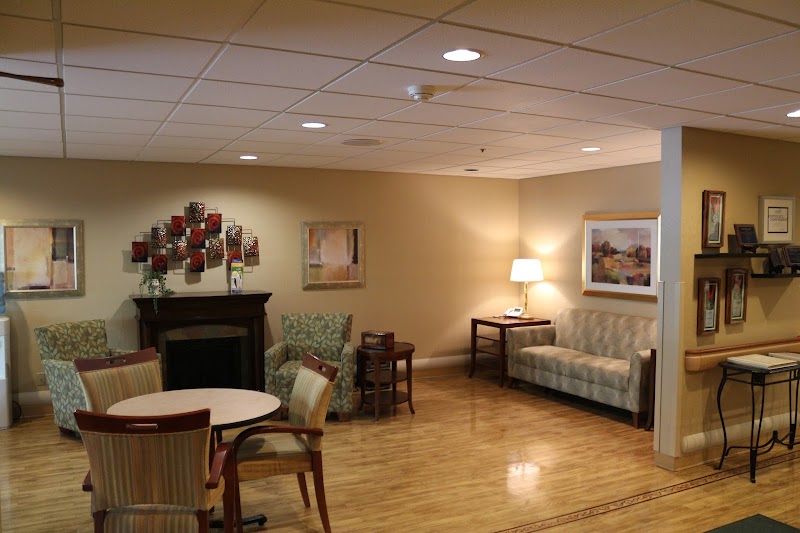
How is Spokane Health & Rehabilitation Staffed?

CMS rates SPOKANE HEALTH & REHABILITATION's staffing level at 2 out of 5 stars, which is below average compared to other nursing homes. Staff turnover is 70%, which is 24 percentage points above the Washington average of 46%. High turnover can affect care consistency as new staff learn residents' individual needs. RN turnover specifically is 67%, which is notably high. RNs provide skilled clinical oversight, so turnover in this role can affect medical care quality.

What Have Inspectors Found at Spokane Health & Rehabilitation?

State health inspectors documented 105 deficiencies at SPOKANE HEALTH & REHABILITATION during 2022 to 2025. These included: 1 Immediate Jeopardy (the most serious level, indicating potential for serious harm or death), 7 that caused actual resident harm, and 97 with potential for harm. Immediate Jeopardy findings are rare and represent the most serious regulatory concerns. They require immediate corrective action.
Who Owns and Operates Spokane Health & Rehabilitation?

SPOKANE HEALTH & REHABILITATION is owned by a for-profit company. For-profit facilities operate as businesses with obligations to shareholders or private owners. The facility is operated by HILL VALLEY HEALTHCARE, a chain that manages multiple nursing homes. With 125 certified beds and approximately 105 residents (about 84% occupancy), it is a mid-sized facility located in SPOKANE, Washington.

How Does Spokane Health & Rehabilitation Compare to Other Washington Nursing Homes?

Compared to the 100 nursing homes in Washington, SPOKANE HEALTH & REHABILITATION's overall rating (2 stars) is below the state average of 3.2, staff turnover (70%) is significantly higher than the state average of 46%, and health inspection rating (1 stars) is much below the national benchmark.

What Should Families Ask When Visiting Spokane Health & Rehabilitation?

Based on this facility's data, families visiting should ask: "What changes have been made since the serious inspection findings, and how are you preventing similar issues?" "How do you ensure continuity of care given staff turnover, and what is your staff retention strategy?" "Can you walk me through typical staffing levels on day, evening, and night shifts?" "Can I visit during a mealtime to observe dining assistance and food quality?" These questions are particularly relevant given the facility's Immediate Jeopardy citations, the facility's high staff turnover rate, and the below-average staffing rating.

Is Spokane Health & Rehabilitation Safe?

Based on CMS inspection data, SPOKANE HEALTH & REHABILITATION has documented safety concerns. Inspectors have issued 1 Immediate Jeopardy citation (the most serious violation level indicating risk of serious injury or death). The facility is currently on the Special Focus Facility watch list (a federal program monitoring the lowest-performing 1% of nursing homes nationwide). The facility has a 2-star overall rating and ranks #100 of 100 nursing homes in Washington. Families considering this facility should ask detailed questions about what corrective actions have been taken since these incidents.

Do Nurses at Spokane Health & Rehabilitation Stick Around?

Staff turnover at SPOKANE HEALTH & REHABILITATION is high. At 70%, the facility is 24 percentage points above the Washington average of 46%. Registered Nurse turnover is particularly concerning at 67%. RNs handle complex medical decisions and coordinate care — frequent RN changes can directly impact care quality. High turnover means new staff may not know residents' individual needs, medications, or preferences. It can also be disorienting for residents, especially those with dementia who rely on familiar faces. Families should ask: What is causing the turnover? What retention programs are in place? How do you ensure care continuity during staff transitions?

Was Spokane Health & Rehabilitation Ever Fined?

SPOKANE HEALTH & REHABILITATION has been fined $251,259 across 5 penalty actions. This is 7.1x the Washington average of $35,591. Fines at this level are uncommon and typically indicate a pattern of serious deficiencies, repeated violations, or failure to correct problems promptly. CMS reserves penalties of this magnitude for facilities that pose significant, documented risk to resident health or safety. Families should request specific documentation of what issues led to these fines and what systemic changes have been implemented.

Is Spokane Health & Rehabilitation on Any Federal Watch List?

SPOKANE HEALTH & REHABILITATION is currently an SFF Candidate, meaning CMS has identified it as potentially qualifying for the Special Focus Facility watch list. SFF Candidates have a history of serious deficiencies but haven't yet reached the threshold for full SFF designation. The facility is being monitored more closely — if problems continue, it may be added to the official watch list. Families should ask what the facility is doing to address the issues that led to this status.