SULLIVAN PARK CARE CENTER
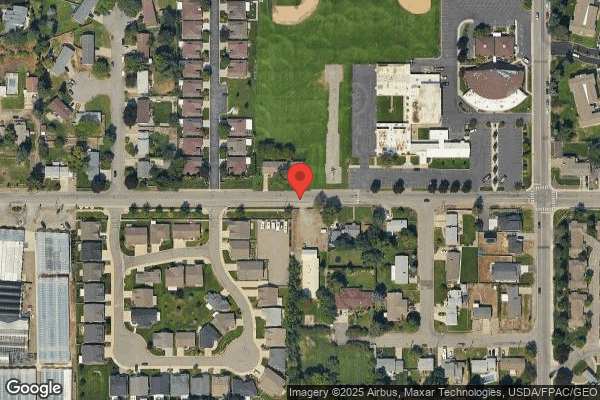
14820 EAST FOURTH, SPOKANE, WA 99216 (509) 922-1644
For profit - Corporation 125 Beds PRESTIGE CARE Data: November 2025
Trust Grade
10/100
#189 of 190 in WA
Last Inspection: March 2025

Within standard 12-15 month inspection cycle. Federal law requires annual inspections.

Overview

Sullivan Park Care Center has received a Trust Grade of F, indicating significant concerns and a poor overall quality of care. Ranked #189 of 190 facilities in Washington and last in Spokane County, this facility is in the bottom tier of options available. The facility's performance is worsening, with the number of issues increasing from 17 in 2024 to 33 in 2025. Staffing is a concern here, with a rating of 2 out of 5 stars and a high turnover rate of 58%, significantly above the state average. Additionally, the facility has incurred $126,188 in fines, which is troubling, as it is higher than 78% of Washington facilities, pointing to repeated compliance problems. Specific incidents have raised serious concerns, including the failure to provide pain management for residents, which led to hospital transfers for uncontrolled pain, and a lack of proper assistance during transfers, resulting in a resident sustaining a fracture. There were also issues with consent for psychoactive medication administration, preventing residents from being involved in their treatment decisions. Overall, while there are some areas of quality measures rated good, the significant weaknesses in care practices and staffing should be carefully considered by families researching this nursing home.

Trust Score
F
10/100
In Washington
#189/190
Bottom 1%
Safety Record
High Risk
Review needed
Inspections
Getting Worse
17 → 33 violations
Staff Stability
⚠ Watch
58% turnover. Above average. Higher turnover means staff may not know residents' routines.
Penalties
○ Average
$126,188 in fines. Higher than 58% of Washington facilities. Some compliance issues.
Skilled Nurses
○ Average
Each resident gets 31 minutes of Registered Nurse (RN) attention daily — about average for Washington. RNs are the most trained staff who monitor for health changes.
Violations
⚠ Watch
92 deficiencies on record. Higher than average. Multiple issues found across inspections.
★☆☆☆☆
1.0
Overall Rating
★★☆☆☆
2.0
Staff Levels
★★★★☆
4.0
Care Quality
★☆☆☆☆
1.0
Inspection Score
Stable
2024: 17 issues
2025: 33 issues

The Good

  • 4-Star Quality Measures · Strong clinical quality outcomes
  • Full Sprinkler Coverage · Fire safety systems throughout facility
  • No fines on record

Facility shows strength in quality measures, fire safety.

The Bad

1-Star Overall Rating

Below Washington average (3.2)

Significant quality concerns identified by CMS

Staff Turnover: 58%

12pts above Washington avg (46%)

Frequent staff changes - ask about care continuity

Federal Fines: $126,188

Well above median ($33,413)

Significant penalties indicating serious issues

Chain: PRESTIGE CARE

Part of a multi-facility chain

Ask about local staffing decisions and management

Staff turnover is elevated (58%)

10 points above Washington average of 48%

The Ugly 92 deficiencies on record

2 actual harm
Mar 2025 32 deficiencies
CONCERN (D)

Potential for Harm - no one hurt, but risky conditions existed

Deficiency F0554 (Tag F0554)

Could have caused harm · This affected 1 resident

Based on observation, interview and record review the facility failed to ensure a resident was evaluated to self-administer their medications for 1 of 5 sampled residents (Resident 20), observed durin...

Read full inspector narrative →
Based on observation, interview and record review the facility failed to ensure a resident was evaluated to self-administer their medications for 1 of 5 sampled residents (Resident 20), observed during medication administration. This failure placed residents at risk for missed medication doses or unintended health consequences. According to a 01/10/2025 comprehensive assessment, Resident 20 had diagnoses that included diabetes, heart failure and aphasia (a partial or total loss of the ability to articulate or comprehend language). Per the assessment, they could usually understand and made their needs known. Their Brief Interview for Mental Status (BIMS, a cognitive test) score was 00 (out of a maximum of 15), and all responses were either: no answer, missed, incorrect or could not recall. A review of Resident 20's care plan, initiated on 01/06/2022 and revised on 01/13/2025, showed a focus that the resident had episodes of refusing cares, and the goal was the resident would accept cares and have fewer episodes of refusals. An Interdisciplinary Team Conference Note, dated 01/10/2025, under Medication/Treatment compliance No was checked, and that the risk of refusal of medication/treatments/plan of care was explained to the resident and/or responsible party. No provider order or evaluation of the resident's ability to self-administer their medication was found in their medical record. On 02/25/2025 at 8:15 AM, Staff M, Registered Nurse, prepared medications for Resident 20, and placed them in a med cup. These included diabetic, blood pressure, heart failure, and blood thinner medications. Resident 20 was seated in a wheelchair in their room. Staff M told Resident 20 they had brought their morning medications and left the medication cup of pills on the table in front of the resident. Staff M had not asked the resident to take the pills at the time and left the room and passed medications to the next resident. On 02/25/2025 at 8:58 AM, observed that Resident 20's pills were no longer on their bedside table. The resident stated they had taken the medications. During an interview on 02/25/2025 at 1:13 PM, Staff M stated that Resident 20 was alert and took their medications without problems. They further stated that some residents were not responsible and nurses needed to make sure they took their pills. When asked if it was written anywhere if a resident could take their medication without supervision, Staff M looked in Resident 20's medical record and acknowledged they should have watched the resident take the pills, as there was nothing in their record that indicated the resident could take them independently. During an interview on 02/26/2025 at 1:55 PM, Staff B, Director of Nursing, stated that the expectation was for nurses to observe the residents take their medication, unless there was an evaluation/authorization that the medication could be left at the bedside. Staff B acknowleged that Resident 20 did not have the specific documentation that documented they could take their medication independently and should have been observed taking their pills. Reference: WAC 388-97-0440
CONCERN (D) 📢 Someone Reported This

A family member, employee, or ombudsman was alarmed enough to file a formal complaint

Potential for Harm - no one hurt, but risky conditions existed

Deficiency F0558 (Tag F0558)

Could have caused harm · This affected 1 resident

Based on observation, interview, and record review the facility failed to make reasonable efforts to accommodate a resident's visual impairment needs for 1 of 4 sampled resident (Resident 46), reviewe...

Read full inspector narrative →
Based on observation, interview, and record review the facility failed to make reasonable efforts to accommodate a resident's visual impairment needs for 1 of 4 sampled resident (Resident 46), reviewed for personal property. This failure placed residents at risk of eye strain, potentially avoidable accidents, and diminished quality of life. Findings included . According to the 02/17/2025 quarterly assessment, Resident 46 had diagnoses including cataracts (the natural clear eye lens becomes cloudy making it difficult to see). The assessment further showed Resident 46 had impaired vision and had no corrective lenses. Resident 46 was cognitively intact and able to clearly verbalize their needs. Review of the 10/19/2021 vision care plan showed Resident 46's vision was within normal limits with use of their glasses and instructed staff to arrange eye appointments as needed, monitor for signs and/or symptoms of eye problems and to ensure Resident 46's glasses were clean, in good repair, and easily available for use. Review of a 01/22/2025 vison exam progress notes showed Resident 46 was seen related to complaints of blurred vision and difficulty with their near vision. The note further showed Resident 46 was happy with the cataract surgery they had last summer but did not get new glasses at that time related to not liking any of the frames the eye clinic offered. Resident 46's vision was within normal limits with use of glasses, a new glasses prescription was written at that time but again did not like any of the frames offered. Review of the January 2024 through March 2024 nursing progress notes showed no documentation Resident 46 had blurred vision, wore glasses, or what follow-up was done related to their new 01/22/2025 prescription for glasses. In an interview on 02/24/2025 at 2:19 PM, Resident 46 stated their glasses went missing and they were given a replacement pair that did not fit them. In observation and follow-up interview on 02/25/2025 at 9:21 AM, Resident 46 showed their glasses and stated they could not see out of them. In an interview on 03/04/2025 at 7:53 AM, Staff JJ, Nursing Assistant, stated a resident's care plan would indicate if they wore glasses or not. Staff JJ further stated they had not seen Resident 46 wear glasses and was unsure if they had difficulty seeing. In an interview on 03/04/2025 at 9:06 AM, Staff M, Registered Nurse, stated Resident 46 sometimes wore glasses but did not most of the time. Staff M was unsure if Resident 46 had vision issues. In an interview on 03/04/2025 at 9:19 AM, Staff E, Resident Care Manager (RCM), stated the facility did not typically label or have a process to track glasses. Staff E stated a resident's care plan should indicate if they wore glasses or not. Staff E further stated they typically did not see Resident 46 wearing glasses. Staff E reviewed Resident 46's medical record. Staff E acknowledged Resident 46 was care planned to wear glasses, they were seen by the eye doctor on 01/22/2025, had normal vision with glasses, and received a new prescription for glasses at that time. Staff E was unsure of the progress made for obtaining new glasses for Resident 46. In an interview on 03/06/2025 at 12:44 PM, Staff B, Director of Nursing, stated nurses and/or the RCM should review progress notes from appointments and/or specialist, implementing orders and following up as needed. Staff B acknowledged it was important for Resident 46 to have glasses that worked for them. In an interview on 03/06/2025 at 12:56 PM, Staff A, Administrator, stated they were unsure of the facility process when a new prescription for glasses was received. Staff A stated they expected staff to follow-up as needed when residents were seen by providers. Reference WAC 388-97-0860 (2)
CONCERN (D) 📢 Someone Reported This

A family member, employee, or ombudsman was alarmed enough to file a formal complaint

Potential for Harm - no one hurt, but risky conditions existed

Deficiency F0578 (Tag F0578)

Could have caused harm · This affected 1 resident

**NOTE- TERMS IN BRACKETS HAVE BEEN EDITED TO PROTECT CONFIDENTIALITY** Based on interview and record review the facility failed to ensure advanced directive documents were completed accurately and th...

Read full inspector narrative →
**NOTE- TERMS IN BRACKETS HAVE BEEN EDITED TO PROTECT CONFIDENTIALITY** Based on interview and record review the facility failed to ensure advanced directive documents were completed accurately and the correct information was entered into the medical record for 3 of 3 sampled residents (Residents 102, 91 and 63), reviewed for advanced directives. Specifically, Resident 102 had conflicting information regarding what interventions staff were to take during a code situation (an emergency where one would die if cardio-pulmonary rescusitation, CPR, was not started) and Resident 91 had severe cognitive impairement and signed their own advanced directive documents. These failures created potential for confusion during medical emergencies and for resident decision makers to be uninformed of a resident's care. Findings included Review of the facility policy titled, Advanced Directives reviewed [DATE], defined advanced directives as written instruction, such as a living will or durable power of attorney (POA) for healthcare, recognized under law, related to the provision of healthcare when the individual was incapacitated. An advanced directive was not a medical order for care but should be taken into account when orders for care were given. The policy further showed during the admission process, staff was to identify if a resident had an advanced directive or physican orders related to life sustaining treatment (POLST, form documented if a resident desired life-saving measures in a code situation, of if a resident preferred to be allowed to die of natural causes if their heart or breathing stopped. This decision was usually determined much in advance of a resident's decline) and request a copy to be kept in a resident's medical record. The policy instructed staff to provide assistance in filling out a POLST if a resident desired to have one. If a resident was incapacitated, advanced directive information would be given to the representative. A person must be capable of understanding and signing an advanced directive for it to be effective. Staff were to identify a resident's primary decision maker or appropriate legal representative and invoke this person at any time the resident was assessed as unable to make relevant health care decisions. <Resident 102> A review of the [DATE] five-day assessment documented Resident 102 had diagnoses that included stroke with paralysis on one side of their body and malnutrition. Resident 102 was able to make decisions regarding their care and required staff assistance for activities of daily living. The [DATE] hospital discharge summary documented Resident 102 had been found on the ground at their home and had been down for an unknown length of time. Resident 102 had suffered a stroke and had a rapid irregular heartbeat. While at the hospital, the palliative (care that focused on quality of care) care provider was consulted to help with treatment decision making. Resident 102 determined they did not want to be intubated (a tube inserted in the airway to assist breathing when one was unable to breathe effectively), have chest compressions (pushing on the chest to create a heartbeat and keep blood flowing to vital organs), and if they further declined the resident wished for comfort measures. The [DATE] care plan documented Resident 102 had an advanced directive for full code status (to administer life saving CPR if breathing or the heart stopped). Interventions included that the advanced directives and medical orders for treatment would be in the medical record at all times, code status was to be reviewed with the resident and the provider notified of desire for changes to the advanced directives as indicated, and staff were to notify ambulance/hospital providers of the resident's code status. A review of Resident 102's electronic medical record (EMR) dashboard section, a section that had quick access to resident specific information such as their most recent weight, vital signs, and allergies, for example, documented Resident 102's code status was CPR, full treatment. A [DATE] POLST form scanned into the EMR documented Resident 102 desired full CPR to be performed in a code situation. A [DATE] POLST scanned into the EMR documented Resident 102 preferred Do Not Resuscitate (DNR) status, to allow natural death if their heart or breathing stopped. A provider order dated [DATE] documented Resident 102 was to receive CPR, full treatment, in the event their heart or breathing stopped. During an interview on [DATE] at 11:57 AM, Staff O, Licensed Practical Nurse (LPN), stated if a resident was not well, they were able to quickly locate the resident's code status on the dashboard screen in the EMR. Staff O stated the original POLST forms were kept in a binder at the nurse's station. When observed, the POLST in the binder was dated [DATE], and documented Resident 102 requested DNR status. Staff O stated they were unaware the resident's EMR dashboard information did not match the original POLST paper document. During an interview on [DATE] at 2:21 PM, Staff P, LPN, stated if staff needed to know a resident's code status, the POLST documents were in the binder at the nurse's station. Staff P stated the information was also in the EMR, but Staff P stated they looked in both places because the information did not always match. During an interview with Staff F, Resident Care Manager (RCM), and Staff G, RCM, on [DATE] at 10:41 AM, Staff F stated many residents came to the facility with advanced directive documents already in place. If not, the admission nurse went over the POLST form with the resident or had the resident's decision maker sign the document. The form was then placed in the binder for the provider to sign. After reviewing Resident 102's POLST documents and their dashboard, Staff F stated staff were instructed to go to the binder when they needed to know a resident's code status. Staff F stated it was important that all areas of the resident's medical record matched and contained the correct code status information so staff could provide the correct care for the resident. <Resident 63> According to the [DATE] quarterly assessment, Resident 63 admitted to the facility on [DATE] with diagnoses including progressive neurological conditions (disease that caused gradual decline in brain function, spinal cord, or nerves), severe dementia with behavioral disturbances, and delirium (sudden change in mental state that caused confusion and disorientation). The assessment further showed Resident 63 had severe cognitive impairment with inattention and disorganized thinking. Review of medical record face sheet (like an identification card containing key information at a glance including contact details) showed a Resident 63 had a POA. Review of the [DATE] advanced directive care plan showed Resident 63 had advanced directives and instructed staff review advanced directives with the resident and/or their responsible party, and honor Resident 63's wishes. Further review of Resident 63's medical record showed no documentation of POA paperwork found on file. In an interview on [DATE] at 11:06 AM, Resident 63's identified POA stated they were not involved in Resident 63's care and referred the surveyor to Resident 63's child. In an interview on [DATE] at 1:27 PM, Staff Q, Social Service Director, explained they reviewed a resident's POLST and/or discussed formulating advanced directives quarterly during care conferences. Staff Q reviewed Resident 63's medical record. Staff Q acknowledged Resident 63's face sheet identified a POA, but they were unable to locate POA paperwork. Staff Q further stated social services should reach out to an identified POA for appropriate paperwork because it was important for the facility to have the correct resident representative information in the medical record. In a follow-up interview on [DATE] at 12:01 PM, Resident 63's identified POA stated they did not have any official POA paperwork for Resident 63. In an interview on [DATE] at 12:30 PM, Resident 63's child stated there was no official POA paperwork for their parent. In an interview on [DATE] at 12:49 PM, Staff B, Director of Nursing, explained a resident's face sheet was developed based on information found in a referral packet prior to admission, and social services was to review the correct contact information was on file when they held the first care conference 72 hours after an admission. Staff B stated they expected a resident's emergency contact information to be accurate. In an interview on [DATE] at 12:59 PM, Staff A, Administrator, stated it was important to have the correct resident representative listed in a resident's medical record and expected staff to ensure the information was accurate. <Resident 91> Per the [DATE] comprehensive quarterly assessment, Resident 91 had diagnoses which included stroke, aphasia and dementia. The resident was severely cognitively impaired and unable to make decisions regarding their care. Review of Resident 91's record found an admission Agreement, which included the right to formulate the advanced directives, was esigned by the severely cognitively impaired resident on [DATE]. In addition, record review showed the POLST was also signed by the severely impaired cognitive resident on [DATE]. In an interview on [DATE] at 3:30 PM, Staff B, Director of Nursing, acknowledged that the acknowledged the resident should not have signed the form. Reference (WAC): 388-97-0230 (3)(c)(i-ii), 0300 (1)(b)(3)(a-c)
CONCERN (D)

Potential for Harm - no one hurt, but risky conditions existed

Safe Environment (Tag F0584)

Could have caused harm · This affected 1 resident

**NOTE- TERMS IN BRACKETS HAVE BEEN EDITED TO PROTECT CONFIDENTIALITY** Based on observation, interview, and record review the facility failed to maintain a clean, comfortable, safe and homelike envir...

Read full inspector narrative →
**NOTE- TERMS IN BRACKETS HAVE BEEN EDITED TO PROTECT CONFIDENTIALITY** Based on observation, interview, and record review the facility failed to maintain a clean, comfortable, safe and homelike environment for 1 of 2 sampled residents (Resident 20), reviewed for environment. Specifically, Resident 20's walls in their room were in disrepair and chemicals were not properly secured in a storage room. These failures placed all residents at risk for potentially avoidable injuries and a diminished quality of life. Findings included . During an observation and interview on 02/24/2025 at 10:31 AM, Resident 20 was sitting in their wheelchair in their room. Resident 20's room had multiple patches of drywall on the wall next to their bed and the wall at the foot of their bed. The wall to the right as you entered the room had black scrapes and gauges out of the wall. The wall to the left as you entered the room had a hole near the floor. The bathroom was painted a tan color, a paper towel dispenser in the room had been raised and the area was blue from the previous paint job. The resident stated they did not feel like it was a homelike environment. Subsequent observations of the walls in disrepair were made on 02/27/2025 at 08:40 AM and 12:47 PM, 02/28/2025 at 08:19 AM and 03/03/2025 at 8:42 AM. In an interview on 02/28/2025 at 10:13 AM, Staff L, Maintenance Director, stated the staff notified them when repairs were needed. Staff L stated they tried to repair as much as they could with the time they had. When Staff L was asked if the above was homelike, they stated no, and it was important for the resident to have a homelike environment because they wanted them to feel like this was their home. During an interview on 02/28/2025 at 10:19 AM, Staff A, Administrator, stated they would get to the resident's room as soon as possible and it was not an ideal homelike environment. <Soiled Utility room [ROOM NUMBER] Hall> During observation on 02/24/2025 at 9:42 AM, the soiled utility room on 600 hall ajar, off set, not lached closed, and a large cleansing spray bottle was inside. No residents were observed wandering near the area. Similar observations were made at 10:48 AM and 11:36 AM. During observation and interview on 11:38 AM, Staff WW, Maintenance, the 600-hall soiled utility room was ajar and not latched with a large cleansing spray bottle inside. Staff WW stated the fire door had been ajar for at least a month, but the fire door repair company had been called. At 11:39 AM, Staff K, Nursing Assistant, approached the soiled utility room. Staff K stated the spray bottle contained floor cleansing chemicals that needed to be secured, and the soiled utility room door needed to be kept closed. During an observation on 02/24/2025 at 11:40, an unidentified staff placed soiled bagged items in the soiled utility room but did not ensure the door shut or latched closed. There was no signage posted near or on the door to notify staff the door needed to be pulled shut in order to latch closed. During observation and interview on 02/24/2025 at 11:42 AM, Staff L, Maintenance Director, the 600-hall soiled utility room door was observed. Staff L acknowledged the door had been ajar for some time and was working with two different fire door companies to repair the door. Staff L was asked how they ensured resident safety on a unit with confused wandering residents and unsecured chemicals. Staff L nodded their head and stated, I see what you are saying. Staff L was asked how staff were notified the door needed to be pulled to shut and latch completely if there was no signage posted near the area. Staff L did not provide an answer. Staff L was asked if they attempted to store the chemicals in an alternate secured location until the door could be fixed. Staff L stated they were unsure what chemicals were stored inside the soiled utility room. Documentation on the progress of fire door repair was requested at that time. During a follow up interview and record review on 02/24/2025 at 12:15 PM, Staff L, stated they typed up a word document with the timeline of events for fixing the identified door. Review of paperwork provided included a 12/17/2024 e-mail correspondence with a quote from one company to make needed repairs to the identified door. Review of the word document showed a second fire door repair company assessed the fire door for needed repairs on 01/14/2025 (28 days after the first company's repair quote) and requested the facility call them with the total number of fire door that needed servicing. The second fire door company was not called back until 02/11/2025, 28 days after their request for additional information and 56 days after the first fire door company's quote. In an interview on 03/03/2025 at 10:08 AM, Staff J, Nursing Assistant, stated the 600-hall soiled utility room door had been broken for a year. In an interview on 03/03/2025 at 10:53 AM, Staff A, Administrator, stated the fire door companies were not in a hurry to get the doors fixed. Staff A further stated they expected staff to secure chemicals to prevent unintended access. Reference WAC 388-97-0880
CONCERN (D) 📢 Someone Reported This

A family member, employee, or ombudsman was alarmed enough to file a formal complaint

Potential for Harm - no one hurt, but risky conditions existed

Free from Abuse/Neglect (Tag F0600)

Could have caused harm · This affected 1 resident

**NOTE- TERMS IN BRACKETS HAVE BEEN EDITED TO PROTECT CONFIDENTIALITY** Based on observation, interview, and record review the facility failed to consistently supervise and/or monitor cognitively impa...

Read full inspector narrative →
**NOTE- TERMS IN BRACKETS HAVE BEEN EDITED TO PROTECT CONFIDENTIALITY** Based on observation, interview, and record review the facility failed to consistently supervise and/or monitor cognitively impaired residents' behaviors to prevent verbal and/or physical resident-to-resident altercations to the extent possible for 2 of 10 sampled residents (Resident 89 and 63), reviewed for abuse. This failure placed residents at risk of potential abuse, unmet care needs, and diminished quality of life. Findings included . Review of the facility policy titled, Abuse, Neglect, Exploitation and Misappropriation Prevention Program revised April 2021, documented the facility would develop and implement policies to prevent and identify abuse or mistreatment of residents; neglect of residents; and/or theft, exploitation or misappropriation of resident property. Staff would be provided orientation and training on abuse prevention, incident identification and reporting. The policy further showed all potential allegations of abuse, neglect, mistreatment, or misappropriation of resident property would be identified, reported within the required timeframes, investigated, and residents protected from potential harm during the investigation process. <Resident 89> The 01/30/2025 significant change assessment documented Resident 89 had moderate cognitive impairment with verbal behaviors that had worsened. Resident 89's behaviors significantly interfered with the resident's participation in activities or social interactions and disrupted care and the living environment. Wandering was not checked on the assessment. Review of 11/18/2024 elopement assessment documented Resident 89 was cognitively impaired, ambulated independently, expressed the desire to leave, looked for their spouse, and wandered in the past month. The summary stated Resident 89 wandered frequently, had exit seeking behaviors, experienced delusions and hallucinations. Review of the 10/22/2024 behavioral care plan documented Resident 89 experienced hallucinations, delusions and was verbally aggressive toward others. The care plan instructed staff to monitor the resident and document changes to behaviors, approach in a calm and non-threatening manner, remove the resident for safety of the resident and others, and notify the provider. The care plan instructed nursing to remain calm and offer a diversional activity, food/drink or conversation when the resident had hallucinations and delusions and if the resident experienced aggression, they needed to leave and notify nursing. The 08/29/2024 elopement risk care plan documented Resident 89 wandered related to altered cognition, exit seeking behaviors, history of elopement or attempts and wandered aimlessly. The care plan instructed staff to monitor the resident's whereabouts frequently, provide redirection as needed, check placement and function of the wandering bracelet/alarm system, if wandering or elopement was attempted follow the facility protocol, and to keep an updated photograph in the risk for elopement binder. A review of the progress notes from September 2024 through February 2024 documented Resident 89 wandered into other resident rooms, was argumentative, yelled, hovered over and had aggression toward other residents. A 02/10/2025 nursing progress note stated they were taking resident off alert because they wandered into Resident 408's room on 02/05/2025. Staff were aware to keep them separated and the resident needed redirection when they wandered toward other resident's rooms. Resident forgetful with cognitive impairment related to dementia and did not recall that they wandered into room [ROOM NUMBER]. There was no progress note made on 02/05/2025 regarding the incident. Review of the August 2024 through February 2025 incident log documented no resident-to-resident altercations, although an altercation occurred on 02/05/2025. In an interview on 02/24/2025 at 10:46 AM, Resident 20 stated there was a resident on the same hall that entered their room and yelled at them. Resident 20 stated three staff members removed the resident from their room. Resident 20 stated the resident wandered into their room often. The incident for 02/05/2025 was written on a piece of paper that stated Staff A, Administrator, spoke to Resident 20 regarding their interaction with Resident 89 on 02/05/2025 at 5:00 PM. Resident 20 stated Resident 89 was trying to enter their room, and they blocked them from coming in with their wheelchair. Resident 20 stated Resident 89 placed their hand on their left arm to support themselves when they turned around. Staff A stated they had asked Resident 20 if Resident 89 had squeezed their arm, and they said no. Resident 20 stated they told Resident 89 to leave their room, and staff came and redirected the resident. Staff A stated Resident 20 reassured them several times that nothing happened, nor did Resident 89 hit them, and they were not afraid of them. In an interview on 02/28/2025 at 8:19 AM, Resident 20 stated Resident 89 had wheeled themselves into my room, they were angry and held my arm. Resident 20 stated they yelled at me, and this was the worst experience I had with them. Resident 20 stated you never knew how the resident was going to act. A statement obtained from Staff OO, Registered Nurse, stated Resident 89 was in Resident 20's room and they tried to remove them. Staff OO stated Resident 89 was yelling, cursing and swinging at them and refused to leave. Staff OO stated they pulled Resident 89 out of the room. Resident 20 reported they felt something on their right arm but could not feel much pain on that side related to a stroke. The residents were separated for safety and regular checks were made on Resident 89 for disruptive behaviors. During an interview on 02/26/2025 at 8:27 AM, Resident 18 stated Resident 89 wandered into their room. In an interview on 02/26/2025 at 9:12 AM, Staff S, Nursing Assistant, stated Resident 89 wandered on the hall. During an interview on 02/26/2025 at 9:40 AM, Staff M, Registered Nurse, stated Resident 89 wandered. In an interview on 03/04/2025 at 4:19 AM, Staff KK, Nursing Assistant, stated they had lots of wanderers at night with behaviors that tried to elope. During an interview on 03/04/2025 at 4:25 AM, Staff LL, Registered Nurse, stated they had a lot of residents with behaviors who wandered. In an observation on 03/04/2025 at 4:39 AM, Resident 89 was observed sitting in a chair near the nurse's station without a shirt. A nursing assistant was able to put a shirt on them and gave them a blanket. In an interview on 03/06/2025 at 11:18 AM, Staff B, Director of Nursing, stated Resident 89 had hallucinations, agitation and behaviors. Staff B stated Resident 89 wandered and hit the staff. When Staff B was asked how they ensured the safety of the other residents on the 400 hall they stated they were trying to find them a smaller setting to live in, their medications were assessed, stop signs were placed on some resident rooms, and tried to ensure staff were alternating their breaks so there was supervision on the hall. Staff B stated they felt Resident 89 needed increased supervision, a formalized schedule to have someone with them during waking hours. Staff B agreed there was a concern for the other residents safety. <Resident 63> According to the 02/03/2025 quarterly assessment, Resident 63 had severe cognitive impairment with inattention and disorganized thinking. Resident 63 had worsening wandering that significantly intruded on the privacy or activities of others and placed Resident 63 at significant risk of getting into potentially dangerous places. Review of 08/20/2024 elopement assessment showed Resident 63 was confused, disoriented, able to propel their wheelchair and did not exhibit unsafe wandering. Review of August 2024 through November 2024 nursing progress notes documented Resident 63 spoke little English and had advanced cognitive impairment with hallucinations at times. Staff noted wandering in September 2024, and on 09/18/2024 Resident 63 was found in an opposite sex peer's bed, both sound asleep. On 10/01/2024 Resident 63 showed increased confusion and wandered. On 10/15/2024 Resident 63 moved to the 400 hall. On 10/29/2024 Resident 63 demonstrated increased aggression over the last two days, entering other resident rooms with difficulty in redirection. On 10/30/2024 Resident 63 was involved in a resident-to-resident altercation where they open handedly slapped a peer on the back of their head. On 10/31/2024 Resident 63 refused medications, chased staff and attempted to run them over, wandered through the lobby to the other side of the building, and a wanderguard (system consisting of a bracelet placed on an individual that will set off an alarm when exit doors were approached) was placed at that time. On 11/01/2024 Resident 63 wandered onto 400 hall and verbally harassed a peer while swinging a hairbrush. On 11/05/2024 Resident 63 wandered throughout the South side of the building (South side contained 400, 500, and 600 halls). On 11/06/2024 the resident had verbal and physical aggression towards staff, and bit a staff member's arm. On 11/09/2024 at 2:30 AM, Resident 63 was found in a 400-hall peer's room and had rummaged through the bedside dresser, was agitated when redirected and threatened to throw objects at peers. On 11/10/2024 at 5:30 AM, Resident 63 undressed in the 400-hall, became violent and combative by kicking, swinging arms and attempted to scratch staff with redirection. At 1:19 PM, Resident 63 yelled and cursed at peers, became aggressive with staff, and pulled a peer's hair on 400-hall. On 11/11/2024 at 6:30 AM, Resident 63 wandered into a peer's room on 500-hall and began hitting them in the head with a hairbrush. At 10:44 AM, medication changes were made, and staff were currently waiting to see if medication changes were effective. Review of the 11/01/2024 psychosocial behavioral care plan showed Resident 63 struck out, was combative, wandered, and exhibited verbal, physical and sexually inappropriate behaviors. The care plan instructed staff to administer medications as ordered, anticipate Resident 63's needs, provide supervision, offer distractions/activities as needed, provide simple, direct reminders, and observe whether behaviors endangered the resident and/or others and intervene if necessary. The 11/01/2024 elopement risk care plan documented Resident 63 wandered related to agitation and combative behaviors. The care plan instructed staff to administer medications as ordered, allow wandering in safe areas within the facility, check placement and function of the wandering bracelet/alarm system, address potential pain, encourage attendance and participation in activities. Review of the October 2024 through November 2024 incident log showed Resident 63 was involved in resident-to-resident altercations on 10/30/2024, 11/10/2024 and 11/11/2024. Review of the facility incident investigations showed the following: -10/30/2024 at 1:45 PM: Staff witnessed Resident 63 open handedly slapped a peer on the back of their head. Intervention was to increase psychotropic (medication that affect the mind, emotions, and behavior) medication dose and move Resident 63 to the 600 hall. -11/10/2024 at 11:45 AM: Resident 63 wandered onto 400 hall and exhibited aggressive behaviors. Staff witnessed when Resident 63 pulled a peer's hair. -11/11/2024 at 6:35 AM: Resident 63 wandered onto 500 hall and exhibited aggressive behaviors. Staff found Resident 63 in a peer's room and they had hit them on the back of the head with a hairbrush. Review of the 11/10/2024 elopement assessment documented Resident 63 was cognitively impaired, had a history of wandering that significantly intruded on the privacy or activities of others and placed the resident at significant risk of getting to an unsafe place. The assessment identified Resident 63 was at risk to wander and/or elopement, a wanderguard was placed on the resident to enable maximal independence with mobility in facility while allowing safety. The assessment showed it was signed as completed on 02/19/2025. During observation on 02/24/2025 at 11:08 AM, Resident 63 was observed dressed, in their wheelchair, self-propelling, and wandering the South unit without staff supervision. Similar observations were made on 02/24/2025 at 4:00 PM, on 02/26/2025 at 8:31 AM, 9:34 AM, and 1:04 PM, on 02/27/2025 at 2:38 PM, on 03/03/2025 at 9:29 AM, on 03/05/2025 at 11:21 AM, 11:54 AM, and 12:03 PM. In an interview on 02/25/2025 at 11:22 AM, Resident 63's family member acknowledged Resident 63 wandered often. In an interview on 02/26/2025 at 10:01 AM, Staff N, Nursing Assistant, stated sometimes wandering interventions were in a resident's care plan. Staff N acknowledged Resident 63 wandered including entering into other resident's rooms. Staff N was asked what interventions Resident 63 had for wandering besides the use of a wanderguard. Staff N stated Resident 63 had a peer they were to avoid because of a previous resident-to-resident altercation, I guess, we just try to pay attention where [Resident 63] is at and staff on the units attempted to redirect residents who wandered. In a follow-up interview on 02/26/2025 at 12:56 PM, Resident 63's family member was observed pushing Resident 63 down the hall in their wheelchair. Resident 63's family member had stopped to speak with the surveyor as Resident 63 stopped briefly but then continued to self-propel/wander down the hall. Resident 63's family member stated it was hard to visit with their parent because they wandered around all the time. In an interview on 03/06/2025 at 12:26 PM, Staff H, Registered Nurse, acknowledged Resident 63 wandered all over. Staff H stated Resident 63 was involved in a resident-to-resident altercation with a non-English speaking peer and was moved to the 600 hall. Staff H further stated Resident 63 wandered onto the other units but was now buddies with a peer they experienced an altercation with, and they now roamed around hand in hand without issues. In an interview on 03/06/2025 at 12:52 PM, Staff B, Director of Nursing, acknowledged Resident 63 wandered and experienced behaviors when their psychotropic medications were decreased when the facility attempted to determine if the medications were necessary or not. In an interview on 03/06/2025 at 1:02 PM, Staff A, Administrator, acknowledged Resident 63 wandered onto the other units. Staff A was asked how the facility ensured resident safety while psychotropic medications took effect. Staff A stated they expected staff to follow the care plan. Reference WAC 388-97-0640 (1) Refer to F607, F725 and F726 for additional information.
CONCERN (D)

Potential for Harm - no one hurt, but risky conditions existed

Transfer Requirements (Tag F0622)

Could have caused harm · This affected 1 resident

**NOTE- TERMS IN BRACKETS HAVE BEEN EDITED TO PROTECT CONFIDENTIALITY** Based on observation, interview and record review the facility failed to identify what information was conveyed to the hospital ...

Read full inspector narrative →
**NOTE- TERMS IN BRACKETS HAVE BEEN EDITED TO PROTECT CONFIDENTIALITY** Based on observation, interview and record review the facility failed to identify what information was conveyed to the hospital at the time of transfer for 2 of 2 sampled residents (Resident 110 and 104), reviewed for hospitalizations. This failure placed residents at risk for a disruptive, ineffective transition from the facility to the hospital setting and unmet care needs. Findings included . Review of the facility policy titled, Notice of Transfer or Discharge dated April 2020, showed when a resident transferred to the hospital, staff documented the transfer in the medical record and appropriate information was communicated to the receiving hospital. The policy showed the minimum information communicated to the hospital included the contact information of the provider responsible for the care of the resident, resident representative information, including contact information, Advanced Directive information, special instructions or precautions for ongoing care, Comprehensive Care Plan goals, a copy of the discharge summary, and other necessary information, including resident needs that could not be met and facility attempts to meet those needs. <Resident 104> A review of the 01/30/2025 five-day assessment documented Resident 104 had diagnoses that included Stroke and difficult swallowing. The resident was cognitively intact and was able to make decisions regarding their care. On 03/03/2025 at 9:07 AM, it was observed that Resident 104 was not in their room or on the nursing unit. Staff Y, Nursing Assistant, stated they heard Resident 104 had been vomiting blood and was sent to the hospital early that morning, but knew nothing more. Review of the record had no progress notes describing the events that led up to Resident 104's need to be transfered to the hospital. A 03/03/2025 at 11:29 AM progress note documented the hospital had called and notified the facility Resident 104 was being admitted . An eINTERACT SNF/NF to Hospital Transfer Form documented Resident 104 was sent to the local hospital on [DATE] at 4:50 PM. The section titled Reason for Transfer was blank. The Acute Care Transfer Document Checklist that listed the documentation sent to the hospital with the resident was blank. During an interview with Staff F, Resident Care Manager (RCM), and Staff G, RCM, on 03/05/2025 at 10:54 AM, Staff F stated they believed Resident 104 left the facility in the early morning hours on 03/03/2025 before 6:00 AM. Staff F stated nursing staff were expected to enter a progress note that described the events leading up to a hospital transfer and the documentation that was sent with the resident at the time of transfer. Staff F and Staff G were unaware if the eINTERACT form was the facility's designated area where the required transfer information was to be entered. Staff G was unaware of the form, and Staff F stated the form popped up when a resident's status was changed in the electronic documentation system, but they had never completed it before. <Resident 110> Review of 11/02/2024, 11/06/2024, and 11/27/2024 progress notes showed Resident 110 experienced a change in condition which required a transfer to the hospital. Review of the medical record showed no documentation the facility communicated to the hospital adequate and required communication at the time of the resident's transfer. The above information was shared with Staff B, Director of Nursing, on 02/13/2025 at 9:12 AM. Staff B acknowledged the medical record showed no documentation of what the staff communicated to the hospital at the time of Resident 110's transfers to the hospital. No further information was provided. Reference: WAC 388-97-0120.
CONCERN (D)

Potential for Harm - no one hurt, but risky conditions existed

PASARR Coordination (Tag F0644)

Could have caused harm · This affected 1 resident

**NOTE- TERMS IN BRACKETS HAVE BEEN EDITED TO PROTECT CONFIDENTIALITY** Based on interview and record review, the facility failed to ensure the completion of a required Pre-admission Screening and Res...

Read full inspector narrative →
**NOTE- TERMS IN BRACKETS HAVE BEEN EDITED TO PROTECT CONFIDENTIALITY** Based on interview and record review, the facility failed to ensure the completion of a required Pre-admission Screening and Resident Review (PASRR) Level 2 evaluation (a person-centered evaluation that is completed for anyone identified as having or suspected of having a serious mental illness, intellectual disability, developmental disability, or related condition) prior to admission for 2 of 5 sampled residents (Resident 6 and 102), reviewed for PASRR. Additionally, the facility failed to ensure Resident 52's PASRR Level 2 recommendations were implemented. These failures placed the residents at risk for unmet mental health care needs. Findings included . Review of the facility policy titled PASRR Process dated March 2019, showed that if a Level 2 PASRR was indicated the facility Social Worker would ensure the resident was evaluated within a timely period. <Resident 6> Review of a 02/17/2025 assessment showed Resident 6 admitted to the facility on [DATE] with medically complex conditions and assessed as cognitively intact. The assessment showed diagnoses of depression, anxiety disorder, and post-traumatic stress disorder. Review of a 12/06/2024 PASRR Level 1 completed by the hospital showed, Resident 6 was identified with indicators of Serious Mental Illness (SMI). This evaluation showed a PASRR Level 2 was required for the SMI and a referral was sent to PASRR coordinator on 12/06/24. Review of Resident 6's medical record showed no documentation the facility ensured completion of the PASRR Level 2 prior to the resident's admission to the facility. The above information was shared with Staff Q, Social Services Director, on 03/04/2025 at 8:40 AM. Staff Q acknowledged the lack of the required PASRR Level 2 prior to admission and afterwards and stated, PASRRs from the hospitals are a mixed bag. No further information was provided. <Resident 102> A review of the 01/20/2025 admission assessment documented Resident 102 had diagnoses that included delusional disorder (unshakeable false beliefs) and major depressive disorder. The resident took antipsychotic and antidepressant medications (also referred to psychotropic medications that affect the mind, emotions and behavior) daily. A PASRR-level I screen dated 01/02/2025 documented Resident 102 required a level II evaluation related to their history of delusions and psychotic disorder. The 01/14/2025 hospital discharge summary documented Resident 102 exhibited paranoid delusions while hospitalized , particularly with regards to his neighbors, and had some hallucinations. The summary stated Resident 102 was started on citalopram and risperidone, both psychotropic medications, and required outpatient mental health follow-up when discharged . A copy of the PASRR level II evaluation was requested. In an email dated 03/04/2025 at 7:48 AM, Staff A, Administrator, wrote that the facility did not have a level II evaluation for Resident 102 yet, the evaluator was behind. <Resident 52> The 12/26/2024 admission assessment documented Resident 52 had diagnoses that included borderline personality disorder and depression. Resident 52 was cognitively intact and took antipsychotic and antidepressant medications daily. The 12/18/2024 PASRR level II notice of determination documented Resident 52 had an existing behavioral health diagnosis and required specialized behavioral health services, met the requirement for nursing home level of care and required specialized behavioral health services. The 02/04/2025 Physician Assistant progress note documented Resident 52 was seen for suicidal ideation, had always reached out for help in the past and had never harmed themselves. Resident 52 was agreeable to a behavioral health consultation while at the facility. An order was entered for the behavioral health referral. On 03/03/2025 12:22 PM, any behavioral health provider progress notes for Resident 52 were requested and none were provided. During an interview on 03/03/2025 at 2:23 PM, Resident 52 stated someone had recently asked them about seeing a behavioral health provider about it. During an interview on 03/05/2025 at 1:14 PM, Staff Q, Social Work Director, stated Resident 52 had a level II evaluation completed prior to their admission to the facility. Staff Q stated they were not aware the resident had not been seen by a behavioral health provider yet and acknowledged this was not timely. Staff Q stated they were not aware that if a level II evaluation was recommended that it was required to be completed prior to admission to the facility. Staff Q further stated the admission nurses reviewed documentation prior to admission to ensure everything was complete. Staff Q stated they were not involved with the PASRR process until after residents had already arrived at the facility. In an interview on 03/05/2025 at 1:01 PM, Staff A, Administrator, stated they expected staff to follow the appropriate PASRR process. <Resident 91> Per the 02/24/2025 comprehensive quarterly assessment, Resident 91 had diagnoses which included stroke, aphasia and dementia. The resident was severely cognitively impaired. A review of Resident 91's record documented a Level I PASARR was completed on 02/27/2025, 155 days after the resident admitted to the facility. On 11/01/2024, the resident had a physician's order to start an antidepressant medication following a new diagnosis of depression. No new Level I PASARR or a Level II PASARR was found. In an interview on 03/05/2025 at 12:18 PM, Staff Q, Social Services Director, stated they did not have an earlier Level 1 PASARR for Resident 91. They stated there was a different process in place last year to ensure PASARRs were completed. They stated that social services should have been notified regarding Resident 91's new diagnosis to implement a new Level I PASARR with a Level II referral. Staff Q stated this important so that residents were appropriately evaluated for state programs. Reference: WAC 388-97-1915(4)
CONCERN (D)

Potential for Harm - no one hurt, but risky conditions existed

Deficiency F0645 (Tag F0645)

Could have caused harm · This affected 1 resident

**NOTE- TERMS IN BRACKETS HAVE BEEN EDITED TO PROTECT CONFIDENTIALITY** Based on interview and record review, the facility failed to ensure Preadmission Screening and Resident Review Level I (PASRR, d...

Read full inspector narrative →
**NOTE- TERMS IN BRACKETS HAVE BEEN EDITED TO PROTECT CONFIDENTIALITY** Based on interview and record review, the facility failed to ensure Preadmission Screening and Resident Review Level I (PASRR, determines if an individual had or was suspected of having a serious mental illness [SMI], intellectual or developmental disability or related condition) were accurately completed for 3 of 5 sampled residents (Residents 6, 411, and 63 ) reviewed for PASRR. This failure placed the residents at risk for inappropriate placement and/or not receiving timely and necessary services to meet their mental health care needs. Findings included . Review of the facility policy titled, PASRR Process dated March 2019, showed the facility ensured that upon a resident's admission to the facility, a PASRR Level I was included in the admission paperwork. If there was no PASRR Level I, the Medical Records Director or designee contacted the hospital to obtain it. Review of the Washington State Department of Social and Health Services Level I PASRR form showed the facility was responsible for ensuring the form was complete and accurate before a resident's admission to the facility. In the event the resident experienced a significant change in condition, or if an inaccuracy in the current Level I was discovered, the facility was instructed to complete a new PASRR Level I and make referrals to the appropriate entities if a SMI and/or intellectual disability or related condition was identified or suspected. <Resident 6> Review of a 02/17/2025 admission assessment showed Resident 6 admitted to the facility on [DATE] with medically complex conditions. This assessment showed the diagnoses of anxiety disorder, depression, and post-traumatic stress disorder (PTSD). Review of a 12/06/2024 PASRR Level I showed the diagnosis of PTSD but no identification of the anxiety disorder or depression. <Resident 411> Review of the medical record showed Resident 411 admitted to the facility on [DATE]. The diagnoses list included depression, anxiety, borderline personality disorder, and PTSD. Review of a 02/11/2025 PASRR Level 1 showed no mention of the PTSD, and that Resident 411 showed indicators within the last two years of Schizophrenia, for which there was no diagnosis for in the medical record. The above information was shared with Staff Q, Social Services Director, on 03/04/2025 at 8:53 AM. Staff Q acknowledged the inaccurate PASRR Level I's for Residents 6 and 411. Staff Q stated, That would be good to double check on these on admission. We would do a new PASRR that is more accurate. <Resident 63> According to the 02/03/2025 quarterly assessment, Resident 63 admitted to the facility on [DATE] with diagnoses including depression. The assessment further showed Resident 63 took antipsychotic (a drug or other substance that affected how the brain worked and caused changes in mood, awareness, thoughts, feelings, or behavior and were typically used to treat mental health conditions) and antidepressant medications. Review of the 08/15/2024 PASRR showed Resident 63 had no mood or psychotic disorders and identified a level II evaluation was not indicated. Review of Resident 63's diagnoses showed a 08/20/2024 depression diagnosis. In an interview on 03/05/2025 at 1:03 PM, Staff Q, explained PASRRs were completed by hospitals prior to admission, reviewed by the facility's central admission intake nurse prior to admission and social services reviewed them once the resident admitted to the facility. Staff Q reviewed Resident 63's medical record. Staff Q stated Resident 63 had a diagnoses of depression upon admission and went through several psychotropic medication changes since admission. Staff Q acknowledged Resident 63's PASRR was inaccurate, should have been reviewed for accuracy and corrected as needed. Staff Q further stated social services should review PASRRs prior to admission for accuracy. In an interview on 03/05/2025 at 1:01 PM, Staff A, Administrator, stated they expected social services to review PASRRs for accuracy, make corrections as needed, and follow the appropriate PASRR process. Refer to WAC 388-97-1915 (1)(2)(a-c) Refer to F644 and F699 for additional information.
CONCERN (D) 📢 Someone Reported This

A family member, employee, or ombudsman was alarmed enough to file a formal complaint

Potential for Harm - no one hurt, but risky conditions existed

Deficiency F0655 (Tag F0655)

Could have caused harm · This affected 1 resident

**NOTE- TERMS IN BRACKETS HAVE BEEN EDITED TO PROTECT CONFIDENTIALITY** Based on interview and record review, the facility failed to develop a baseline care plan within 48 hours of admission that docu...

Read full inspector narrative →
**NOTE- TERMS IN BRACKETS HAVE BEEN EDITED TO PROTECT CONFIDENTIALITY** Based on interview and record review, the facility failed to develop a baseline care plan within 48 hours of admission that documented resident specific goals and treatment plans for 2 of 3 residents (Resident 6 and 411), reviewed for new admissions. This failure placed residents at risk for unmet care needs, possible medical complications, and diminished quality of life. Findings included . <Resident 6> Review of an admission assessment showed Resident 6 admitted to the facility on [DATE]. The medical record showed the resident was treated with medications for heart failure, high blood pressure, and atrial fibrillation (an irregular and often very rapid heart rhythm). Additionally, the resident was diagnosed as legally blind. Review of the resident's baseline care plan showed no goals or interventions to address the provider orders for the management of the cardiovascular diagnoses or the vision impairment. <Resident 411> Review of the medical record showed Resident 411 admitted to the facility on [DATE]. The medical record showed the resident was treated with medications for chronic obstructive pulmonary disease (lung diseases that lead to breathing difficulties) and asthma. Review of the resident's baseline care plan showed no goals or interventions to address the provider orders for the management of the lung diseases. The above information was shared with Staff G, Resident Care Manager, on 03/04/2025 at 10:43 AM. Staff G acknowledged Resident 6's and 411's baseline care plans did not identify the residents' nursing needs, interventions, or goals related to the active or treated diagnoses, and should have been included. Reference WAC 388-97-1020 (3). .
CONCERN (D) 📢 Someone Reported This

A family member, employee, or ombudsman was alarmed enough to file a formal complaint

Potential for Harm - no one hurt, but risky conditions existed

Comprehensive Care Plan (Tag F0656)

Could have caused harm · This affected 1 resident

**NOTE- TERMS IN BRACKETS HAVE BEEN EDITED TO PROTECT CONFIDENTIALITY** Based on observation, interview and record review the facility failed to develop the care plans and implement interventions for ...

Read full inspector narrative →
**NOTE- TERMS IN BRACKETS HAVE BEEN EDITED TO PROTECT CONFIDENTIALITY** Based on observation, interview and record review the facility failed to develop the care plans and implement interventions for 3 of 24 sampled residents (Resident 78, 62, and 41), reviewed for care planning. This failure placed the residents at risk for inadequate care, unmet care needs, and a diminished quality of life. Findings included . Review of the facility policy titled Quarterly MDS [Minimum Data Set, an assessment]/Care Plan Review dated June 2017 showed, the facility reviewed a resident's care plan, no less frequently than quarterly to ensure the care plan reflected the resident's current needs. <Resident 78> Review of a 12/16/2024 admission assessment showed Resident 78 admitted to the facility on [DATE] with medically complex conditions. The assessment further showed Resident 78 had difficulty hearing and used a hearing aid or other hearing appliance. During an observation on 02/24/2025 at 9:50 AM, Resident 78 was in bed with a hearing aid (HA) to the right ear. An observation on 02/25/2025 at 10:19 AM showed Resident 78 in bed. The HA was observed on the over the bed table to the left side of the resident's bed. Resident 78 took the HA, and this time placed it in the left ear, upside down. Resident 78 gestured they could not hear from it. Communication with Resident 78 occurred in a handwritten interview. Resident 78 stated their family took care of the HA when they came in the evening hours and that they communicated with the staff through feeling. Resident 78 stated that HA was old and chose to wear it and keep their brand-new HAs at home for safe keeping. Resident 78 stated that the staff use a little bit of both writing or use of pictures to communicate with them. On 02/27/2025 at 10:08 AM, Resident 78 was observed in bed, the HA was on the over-the-bed table. Resident 78 placed the HA in the left ear. Staff T, Licensed Practical Nurse (LPN), stepped by the doorway and stated to the Surveyor, Just so you know, [Resident 78] is very hard or hearing, even with a hearing aid. In a written interview, Resident 78 stated they only had one hearing in use at the facility. An interview with a Resident Representative (RR) on 02/27/2025 at 5:02 PM showed Resident 78 was, very hard of hearing, almost 100% deaf, and used HAs, reads lips, and if anybody knows how to sign [language], [Resident 78] signs. The RR stated, It's difficult to have conversations with Resident 78. The RR explained Resident 78 managed the care of their HAs and the one HA went in their left ear. On 03/04/2025 at 8:02 AM, Staff BB, Nursing Assistant stated they communicated with Resident 78, Most of the time [Resident 78] read my lips, then I will put [their] hearing aid in, and just watching your face. Staff BB stated that when reading lips was not effective for Resident 78, they would then use written communication. Review of a 12/19/2024 Communication care plan showed Resident 78 had mild hearing loss with HA and moderate loss without. A 12/19/2024 intervention showed Resident 78 had hearing aids to both ears, contrary to observations and interviews. All other interventions were dated 12/19/2024 and did not include other ways the resident and staff could communicate with each other, like sign language, reading lips, or written form. The above information was shared with Staff F, Resident Care Manager, on 03/04/2025 at 6:47 AM. Staff F stated that they communicated with Resident 78 verbally by using a louder tone and, Not to my knowledge does [Resident 78] wear any hearing aids. Staff F acknowledged Resident 78's care plan was not developed to showed resident-centered alternative communication techniques, like sign language, lip reading, or written communication, nor show the use of only one HA. <Resident 62> According to the 01/14/2025 quarterly assessment, Resident 62 had diagnoses including anxiety and depression. In an interview on 02/24/2025 at 2:56 PM, Resident 62 stated approximately three months ago, a night shift staff knocked me on the head with a bottle of roll-on pain relief lotion that was on the bedside table. Review of the facility 08/23/2024 facility incident investigation showed Resident 62 alleged being hit in the head by the nurse around midnight when they requested pain medications. Resident 62's care plan was updated to included two staff for all interactions including medication administration and conversations. Review of general information care plan showed Resident 62's care plan was updated on 09/04/2024 requiring two staff for all interactions. During observation on 03/03/2025 at 1:14 PM, Staff J, Nursing Assistant, entered Resident 62's room alone to answer their call light. At 1:15 PM, Staff J informed the surveyor Resident 62 wanted to speak with them and the surveyor entered the room. Resident 62 stated they do not send two staff in here all the time. During observation on 03/04/2025 at 10:59 AM, Staff J, again entered Resident 62's room alone to answer their call light. Staff J exited Resident 62's room at 11:01 AM. At 11:03 AM, Staff J returned to Resident 62's room with crackers as requested. At 11:06 AM, Staff J exited the room and informed Staff H, Registered Nurse (RN), Resident 62 was ready to take their pills. At 11:07 AM, Staff H entered Resident 62's room, alone, to administer medications. In an interview on 03/04/2025 at 11:16 AM, Staff J, stated Resident 62 had behaviors, yelled, cursed and was mean to staff. Staff J further stated Resident 62 was two person assist when care was provided but did not require two staff to answer the call light. Staff J reviewed Resident 62's record. Staff J acknowledged Resident 62 required two staff for all interactions and stated that would be hard to do. In an interview on 03/04/2025 at 11:21 AM, Staff H, RN, stated Resident 62 was verbally abusive to staff. Staff H reviewed Resident 62's medical record. Staff H acknowledged Resident 62 required two staff for all interactions. Staff H explained that having a conversation with a person was an interaction so technically Resident 62 required two staff to talk with them. In an interview on 03/05/2025 at 12:17 PM, Staff E, RCM, reviewed Resident 62's medical record. Staff E acknowledged Resident 62 required two staff for all interactions and expected staff to follow the care plan. In an interview on 03/06/2025 at 11:11 AM, Staff A, Administrator, stated they expected staff to follow care planned interventions. <Resident 41> Per the 02/21/2025 quarterly assessment, Resident 41 had diagnoses which included stroke and heart failure. The resident was moderately cognitively impaired, had adequate vision with glasses and reading books, newspapers and magazines was important to them. Per review of the 11/20/2024 care plan, there was no documentation related to Resident 41's vision. Review of the November 2024 to February 2025 nursing and provider progress notes documented no changes or interventions regarding Resident's 41's eyes or vision. A nursing note on 02/25/2025 documented the resident was scheduled for an eye appointment for cataracts (clouding of the eye lens which was typically clear) in March 2025. In an observation and interview on 02/25/25 at 09:07 AM, Resident 41 was in their room near their computer desk holding a typed letter. They stated they were in the process of improving their eyesight and should be wearing their glasses. The resident began to read the letter out loud. They struggled to read the first sentence and then placed the letter down on their desk. No glasses were found in their room. Subsequent observations of Resident 41 not wearing their glasses were made on: 02/26/2025 at 11:40 AM and 1:38 PM. In an observation on 02/27/25 at 08:34 AM, Resident 41 was in their room sitting at the desk with their computer on. They were not wearing their glasses. There were various pieces of unopened mail scattered across their desk. In an observation on 02/28/2025 at 08:26 AM, Resident 41 not wearing their glasses. At 09:04 they had letters, unopened mail and snacks spread across their desk in their room. On 03/03/2025 at 08:49 AM, Resident 41 was in the unit quad area and was observed for the first time wearing their glasses. In an observation on 03/04/2025 at 11:14 AM, Resident 41 was sitting at the table in the unit quad area. They had an insurance letter on the table in front of them and was not wearing their glasses. They stated they needed their glasses to read the letter and reminders to wear them daily. In an observation on 03/05/2025 at 11:09 AM, Resident 41 was wearing their glasses and the right lens was missing. In an interview on 03/06/25 at 12:25 PM, Staff FF, Registered Nurse, stated Resident 41 wore glasses daily. They stated the resident occasionally misplaced their glasses, in which staff would have to find them. In an interview on 03/06/2025 at 1:00 PM, Staff E, Resident Care Manager, acknowledged Resident 41 required glasses for their activities of daily living (ADLs) and should have been documented in their care plan. They stated this was important for the resident's safety during ADLs and performance for activities of interests. Reference WAC 388-97-1020 (1), (2)(a)(b) Refer to F607 and F686 for additional information.
CONCERN (D)

Potential for Harm - no one hurt, but risky conditions existed

Deficiency F0657 (Tag F0657)

Could have caused harm · This affected 1 resident

Based on observation, interview and record review, the facility failed to revise the care plans in response to changing goals, needs of the residents or in response to current interventions for 2 of 3...

Read full inspector narrative →
Based on observation, interview and record review, the facility failed to revise the care plans in response to changing goals, needs of the residents or in response to current interventions for 2 of 33 sampled residents (Residents 44 and 35) reviewed. Specifically, Resident 44 fell and broke their hip, and had continued falls and the care plan was not updated. Additionally, Resident 35 was newly diagnosed with Addison's disease (when the adrenal glands are damaged and do not produce enough hormones to regulate blood pressure, water and salt balance, and respond to stress), and disease related interventions were not added to the residents care plan. These failures put the residents at risk for unmet care needs and unintended health consequences. Findings included . <Resident 44> A review of the 12/18/2024 significant change assessment documented Resident 44 had diagnoses that included dementia with behavioral disturbances and right femur (upper thigh bone) fracture. Resident 44 was severely cognitively impaired, behaviors had worsened since their last assessment, and they had fallen and sustained a major injury since their admission. The 08/05/2024 admission Basic Care Plan documented Resident 44 was at risk for falls. Staff were instructed to keep the call light and personal items in the resident's reach, remind to use the call light for assistance, and use non-skid footwear when transferring the resident. The resident was high risk for falls. A review of nursing progress notes documented on 08/10/2024, Resident 44's roommate came to the door and stated the resident was on the floor. Resident 44 stated they tried to transfer from the wheelchair to their bed. They reported pain, especially in their right hip. After x-ray results were obtained that showed the right femur was broken, the resident was transferred to the hospital. The 09/19/2024 progress note documented Resident 44 was assisted to the bathroom and was advised to use the call light when done. The resident yelled out that they were done and by the time the nurse entered the bathroom, the resident was walking out of the bathroom with their walker and stated they had fallen. The nurse wrote that they had never left the resident's room, the resident's story kept changing but the nurse assessed the resident and there were no injuries. The 11/17/2024 progress note documented Resident 44 was in the common area and slid out of the recliner. The resident had been exhibiting more aggressive behaviors and required frequent bathroom trips every 10 minutes. The resident had been started on an antibiotic for urinary tract infection symptoms. A review of the facility incident logs showed the resident had the following additional falls: -11/21/2024 at 6:00 PM, the resident fell in their room with no injury. -12/04/2024 at 9:01 PM, the resident fell in their room, sustained skin tears. -12/27/2024 at 9:21 PM, the resident fell in their room with no injury. -01/13/2025 at 1:30 AM, the resident fell in their room with no injury. After Resident 44 fell and fractured their femur on 08/10/2024, their care plan related to their fall risk was not updated until 11/18/2024. A review of the comprehensive care plan showed on 11/18/2024, a fall care plan was initiated for Resident 44, that documented the resident had an unwitnessed fall and was at risk for injury, pain and recurring falls. Staff were instructed to anticipate the resident's need, keep the call light in reach, explain procedures and provide reassurance during mobility tasks to alleviate fear of falling, keep personal items within reach, provide proper footwear, remind/cue the resident to ask for assistance, monitor for complications from falls and notify the provider if observed. On 01/09/2025, the care plan was updated to include remind the resident to use the call light and wait for assistance prior to attempting to transfer. On 02/04/2025, the care plan was updated to include remind the resident to call for assistance. On 02/24/2025 at 11:05 AM, Resident 44 was observed resting in their bed. The bed was in low position and there was a fall mat on the floor. Resident 44 stated they did not feel well. When asked if they had ever fallen, they stated they had fallen but was unable to remember when. Resident 44 stated nothing got broken when they fell, but it never felt good. During an interview on 03/04/25 at 8:56 AM, Staff B, Director of Nursing, stated if a resident fell and broke their leg, they would expect to see changes to the resident's plan of care. Staff B stated the incident occurred during a time of transition of facility ownership and there was a period that documentation was completed on paper. Staff B stated they would attempt to see if they could locate additional documentation regarding Resident 44's care plan. During an interview on 03/04/2025 at 9:30 AM, Staff Y, Nursing Assistant, stated they remembered when Resident 44 fell and broke their leg. Staff Y stated the resident used to be and was still impulsive and tried to sit on the edge of the bed and holler. Staff Y stated they tell Resident 44 to wait until they get there, and if they do not get there timely the resident tried to get up. Staff Y stated Resident 44 probably did not know what their call bell was for most of the time. During an interview with Staff F, Resident Care Manager (RCM), and Staff G, RCM, on 03/05/2025 at 10:14 AM, Staff G stated a fall with major injury was reviewed in the morning meetings with the interdisciplinary team. Staff G stated the MDS (Minimum Data Set) coordinators initiated the resident care plans. The RCMs might add a few interventions, or they emailed the MDS coordinator when an incident occurred so the MDS coordinator could update the care plan. <Resident 35> Per the 02/26/2025 comprehensive assessment, Resident 35 had diagnoses which included chronic respiratory failure (a condition in which the lungs were unable to adequately exchange oxygen and carbon dioxide over an extended period), dry eye syndrome (a condition where both upper eyelid glands failed to produce enough tears) and diabetes. The resident was cognitively intact to make decisions regarding their care. In an observation and interview on 02/24/2025 at 03:34 PM, Resident 35 was lying in their bed. They stated they were concerned about their medical care related to their diagnosis, Addison's disease (when the adrenal glands are damaged and do not produce enough hormones to regulate blood pressure, water and salt balance, and respond to stress) during an adrenal crisis (a flare-up). They stated they were administered an injection when they had an adrenal crisis. They stated they had an adrenal crisis at the facility which did not subside until 48 hours later after two injections. The resident stated they felt the nursing staff were not educated on how to address it. Review of the December 2024 through February 2025 MARS documented Resident 35 had two physician orders for primary adrenocortical insufficiency (Addison's Disease): Hydrocortisone oral tablet, 20 mg, three times daily ordered on 07/12/2024 and Hydrocortisone injection, 100 mg as needed every 24 hours for an adrenal crisis ordered on 10/02/2024. Review of the December 2024 MARS and nursing progress notes documented Resident 35 was administered the injection on 12/03/2024 at 9:58 PM, 12/28/2024 at 8:04 AM, and 12/31/2024 at 10:19 AM. Further review documented the only words the resident was able to state was that they needed their injection on 12/31/2024. The progress note documented the resident had spastic movements and their eyes tracked to the right. There was no further documentation found related to interventions. Review of the January 2025 MARS and nursing progress notes documented Resident 35 was administered the injection on 01/05/2025 at 6:00 PM and 1/10/2025 at 12:21 AM. There was no further documentation found related to interventions. Review of the February 2025 MARS and nursing progress notes documented Resident 35 had muscle spasms and was administered the injection on 02/02/2025 at 3:21 PM. The resident initially had no response to the injection. The nurse called the provider at 4:10 PM. While on the phone, the resident showed improvement in their condition at 4:30 PM and was placed on alert charting. There was no further documentation found related to interventions. Review of the 12/05/2024 care plan showed no documentation related to Resident 41's Addison's Disease diagnosis. In an observation and interview on 03/03/2025 at 08:44 AM, Resident 41 was lying in their bed. They stated they received an injection after convincing the new nurse on duty that they needed one. They stated they were in pain and I know my body. They stated their symptoms began at 4:00 AM. They stated they delayed informing the new nurse of their symptoms because it was too difficult to explain their disease since it is a rare condition. Review of the March 2025 nursing progress notes documented Resident 35 was administered the injection on 03/03/2025 at 8:01 AM. There was no further documentation found related to interventions. In an interview on 03/05/2025 at 1:38 PM, Staff Y, Registered Nurse, reviewed the resident's physician orders for their disease and stated if the resident continued to show symptoms after an injection then the nurse should know to contact the provider. They stated when a resident has a change in their health, the nurse should put them in the alert charting system, but they primarily were verbally informed during a staff shift change. In an interview on 03/05/2025 at 03:22 PM, Staff E, Resident Care Manager, stated they had previously met with Resident 35 regarding their concerns about making sure that staff was aware of the interventions for their disease. They stated the disease should have been added to the resident's care plan with special instructions/interventions. Staff E further stated this was important because it would ensure staff provided the appropriate care for Resident 35 and management of their condition. Reference: WAC 388-97-1020(5)(b)
CONCERN (D) 📢 Someone Reported This

A family member, employee, or ombudsman was alarmed enough to file a formal complaint

Potential for Harm - no one hurt, but risky conditions existed

ADL Care (Tag F0677)

Could have caused harm · This affected 1 resident

Based on observation, interview and record review, the facility failed to ensure that residents requiring assistance with their activities of daily living (ADLs), were provided timely assistance accor...

Read full inspector narrative →
Based on observation, interview and record review, the facility failed to ensure that residents requiring assistance with their activities of daily living (ADLs), were provided timely assistance according to their needs and preference for 2 of XXX sampled residents (Residents 52 and 41) reviewed for ADLs. Specifically, Resident 52 was not provided showers per their preference and Resident 41 was not shaved when indicated. This failure put residents at risk for decreased quality of life. Findings included . <Resident 52> The 12/26/2024 admission assessment documented Resident 52 had diagnoses that included empyema (pockets of infection that build up in the space between the lung and the chest wall) and fractured ribs. The resident was cognitively intact and required substantial assistance of 1 to 2 staff for showering. The 12/28/24 care plan revised on 01/30/2025 documented Resident 52 was at risk for skin breakdown related to incontinence. Staff were instructed to keep the skin clean and dry, and minimize exposure to moisture from incontinence, wounds, and perspiration. Nursing Assistance shower task documentation reviewed on 03/04/2025 documented the resident received showers on 02/06/2025, 02/08/20258, then not again until 02/15/2025; then again 02/19/2025, 02/22/2025, 02/26/2025 and 02/28/2025. There were no showers documented after 02/28/2025. During an interview on 02/24/2025 at 10:18 AM, Resident 52 stated that ever since their admission they had not received their showers twice weekly as scheduled and preferred. They stated many times, the shower aide was removed from shower duties and given assignments on a different unit. Resident 52 stated their showers were scheduled on the evening shift when there was less staff and they were often told there was no one to give them their shower. On 02/26/2025 at 1:25 PM, Resident 52 stated they had not been given their shower the previous evening. They stated they asked for one and was told there was not enough staff. At this time, Resident 52 notified the nurse and was told they would work it in for the resident. On 02/27/2025 at 8:31 AM, Staff P, Licensed Practical Nurse stated Resident 52 was provided their shower on 02/26/2025 as they had requested. During an interview on 03/04/2025 at 9:40 AM, Staff Y, Nursing Assistant, stated there were two shower aides for the 100, 200 and 300 units that worked on the day shift. Staff Y stated the shower aides were frequently pulled from shower duties to cover staff that had called in. Staff Y stated the shower aides were also pulled to accompany residents on appointments if an escort was needed. Staff Y stated residents that had showers scheduled on evening shifts usually did not get them. Staff Y stated if there was no shower aide scheduled, they worked with the other aide on their unit to try to get them done but that took them away from other care. During an interview on 03/05/2025 at 11:07 AM, Staff F, Resident Care Manager, stated if Resident 52 did not receive a shower on their scheduled day, the shower aides worked to make it up the next day. Staff F stated they wondered if it was a matter of the showers not being documented. Staff F stated if the shower aide was pulled to work on the unit, the Nursing Assistant on the unit was expected to provide the shower. Staff F thought the shower aide was pulled to the unit maybe once a week but was unsure. Staff F reviewed the shower documentation and agreed Resident 52 had not gotten a shower since 02/28/2025. <Resident 41> Per the 02/21/2025 quarterly assessment, Resident 41 had diagnoses which included stroke and heart failure. The assessment further documented the resident had moderate cognitive impairment, required partial to moderate assistance with personal hygiene and substantial to maximal assistance with showering. Review of the 11/20/2024 nursing care plan, revised on 02/24/2025, documented staff were instructed to provide Resident 41 partial assistance with personal hygiene and substantial assistance with showering. In an observation and interview on 02/25/2025 at 9:15 AM, Resident 41 was unshaved and had a stubbled, scruffy, wispy beard. They stated they could not recall the last time they were shaved. Resident 41 stated they felt refreshed when they were shaved. Per review of the personal hygiene record from 01/31/2025 to 02/25/2025, Resident 41 received personal hygiene tasks daily and required mostly partial to dependent assistance. Per review of the shower record from 01/31/2025 to 02/25/2025, Resident 41 received showers two days a week, on Tuesdays and Fridays. One refusal was documented on 01/31/2025. In an observation on 02/26/2025 at 9:07 AM, Resident 41 had a clean-shaven face. In an observation and interview on 02/27/2025 at 08:34 AM, Resident 41 had noticeable stubbled facial hair. The resident stated they had a shower 2-3 days ago. In an observation on 03/03/2025 at 8:49 AM, Resident 41 had a 5 o'clock shadow beard. In an observation and interview on 03/06/2025 at 11:10 AM, Staff XX, Nursing Assistant, stated residents were groomed daily. They stated residents were shaved on their shower days and during the week as needed. They stated Resident 41 required assistance with shaving, and it was the staff's responsibility to initiate it. In an observation and interview on 03/06/2025 at 11:25 AM, Resident 41 wheeled through the dining area in their wheelchair. They had a scruffy beard with wispy whiskers. Staff XX viewed the resident as they passed by and acknowledged they should have been shaved. In an interview on 03/06/25 at 12:13 PM, Staff FF, Registered Nurse, confirmed Resident 41 had a shower on 03/04/2025 and acknowledged Resident 41 should have been shaved. They stated this was important because they needed to be treated with dignity. Reference: WAC 388-97-1060(2)(a)(ii). .
CONCERN (D)

Potential for Harm - no one hurt, but risky conditions existed

Quality of Care (Tag F0684)

Could have caused harm · This affected 1 resident

Based on observation, interview and record review the facility failed to implement the bowel management protocol when indicated for 2 of 3 sampled residents (Resident 18 and 71), reviewed for constipa...

Read full inspector narrative →
Based on observation, interview and record review the facility failed to implement the bowel management protocol when indicated for 2 of 3 sampled residents (Resident 18 and 71), reviewed for constipation. In addition, the facility failed to identify changes in a resident's skin condition timely for 1 of 2 sampled residents, (Resident 15), reviewed for skin conditions. These failures placed residents at risk for complications, worsening conditions, and diminished quality of life. Findings included . Review of the facility policy titled, Bowel Protocol, revised Febuary 2019, documented nursing staff was to review a resident's bowel monitor every shift. The policy instructed nursing staff to implement the bowel program if a resident did not have a bowel movement (BM) for three days. The policy documented nursing staff was to administer Milk of Magnesia (MOM) on day three and a laxative suppository was to be administered the next shift if there were no results from MOM. If the resident exceeded four days without a BM, the Licensed Nurse performed an abdominal assessment and notified the provider. CONSTIPATION <Resident 18> The 12/26/2024 quarterly assessment documented Resident 18 was able to make decisions regarding cares and needed substantial to maximal assistance from staff for activities of daily living, such as toileting. Review of the 05/09/2022 constipation care plan documented interventions for Resident 18 to have the bowel protocol placed upon admission and the licensed nurse was to initiate the protocol as ordered. The care plan instructed staff to monitor bowel movements and for signs and/or symptoms of constipation. Review of the Order Summary Report documented on 05/09/2022, the physician ordered Resident 18 to be administered a laxative (Milk of Magnesia) to be given on day three of no BM as needed, and a suppository to be given the next shift if no results from the MOM. Review of the bowel records from 01/31/2025 through 02/28/2025, documented Resident 18 had no BMs for the following dates: 01/31/2025 through 02/04/2025 (five days) 02/06/2025 through 02/09/2025 (four days) 02/11/2025 through 02/13/2025 (three days) 02/15/2025 through 02/18/2025 (four days) 02/21/2025 through 02/23/2025 (three days) 02/25/2025 through 02/28/2025 (four days) Additional review of the Medication Administration Records (MARs) for January 2025 and February 2025, documented the resident had not received the bowel medication as ordered during the above time frames, and no documentation was found in Resident 18's record that stated the reason for the omissions. <Resident 71> The 01/10/2025 quarterly assessment documented Resident 71 was able to make decisions regarding cares and needed substantial to maximal assistance from staff for activities of daily living, such as toileting. Review of the 07/19/2023 constipation care plan documented interventions for Resident 71 to have the bowel protocol placed upon admission and the licensed nurse was to initiate the protocol as ordered. The care plan instructed staff to monitor bowel movements and for signs and/or symptoms of constipation. Review of the Order Summary Report documented on 07/19/2023, the physician had ordered a laxative (Milk of Magnesia) to be given on day three of no BM as needed, and a suppository was to be given the next shift if no results from the MOM. Review of the bowel records from 01/28/2025 through 02/28/2025, documented Resident 71 had no BMs for the following dates: 01/28/2025 through 01/30/2025 (three days) 02/05/2025 through 02/07/2025 (three days) Additional review of the MARs for January and February 2025, documented Resident 71 had not received the bowel medication as ordered during the above time frames, and no documentation was found in Resident 71's record that stated the reason for the omissions. In an interview on 03/04/2025 at 9:37 AM, Staff M, Registered Nurse, stated MOM was administered on day three of no BM, if that was not effective a suppository was given on the next shift, if that was not effective an enema (liquid laxative inserted rectally) was given, and the provider was notified. During an interview on 03/04/2025 at 9:48 AM, Staff E, Resident Care Manager, stated the bowel medications should have been administered for the above dates. In an interview on 03/05/2025 at 2:05 PM, Staff B, Director of Nursing, stated the bowel medications should have been given as ordered, an abdominal assessment completed and documented, and the provider notified. Staff B stated it was important for the bowel protocol to be followed to prevent bowel obstruction. SKIN <Resident 15> Per the 02/25/2025 quarterly assessment, Resident 15 had diagnoses which included Alzheimer's Disease, heart failure, and depression. Resident 15 did not have any skin conditions and was not cognitively intact to make decisions regarding their care. Resident 15 required substantial to maximal assistance to complete personal hygiene and bathing tasks. During an observation on 02/24/2025 at 11:35 AM, Resident 15 was in their room, sitting in their wheelchair watching TV. Their head was shaved in a low buzz cut. The right side of their head showed a visible patch of red, irritated scalp the size of an average avocado, with striations of blood and hard flakes scattered throughout their scalp, transcending down towards their right ear. Resident 15 had heavy flakes of skin in and around their right ear, in which they were significantly rubbing, picking, and flicking flakes onto the floor. Resident 15 had a noticeable amount of dry skin flakes on their shirt and pants. In an observation on 02/26/2025 at 8:52 AM, Resident 15 was sitting in their room watching television. Their scalp had reddish indentations on the right side with hard crud flakes. Their ears, face and neck were dry, showing flakes of skin that had fallen on their upper and lower shirt. Their skin was pinkish red within the goatee area on their face. Resident 15 was digging in and scratching their right ear and rubbing their eyes lids. In an observation on 02/27/2025 at 8:47 AM, Resident 15 was asleep sitting in their wheelchair in the dining area. They were wearing a baseball cap and had noticeable flakes of skin on their black shirt. In an interview on 02/25/2025 at 02:04 PM, a family member stated Resident 15 had a medical history of psoriasis (a condition in which the skin cells build up and formed scales and itchy dry patches). They stated Resident 15's ears were not cleaned during showers. They stated Resident 15's head was bleeding and itching during their visit on the previous day. The family member stated they cleaned Resident 15's ears and applied their personal psoriasis moisturizing cream to their scalp, face, and neck while they were visiting. Per record review of the 11/20/2024 nursing care plan, staff were instructed to use lotion on Resident 15's dry skin skin as needed and inform the nurse of any new skin issues. No documentation was found to show Resident 15 required interventions specifically for their scalp. Review of the September 2024 through February 2025 nursing and provider progress notes showed no changes in Resident 15's skin condition. Review of the provider orders as of 02/26/2025 showed Resident 15 had no orders to treat their skin conditions. Per review of the shower record from 01/29/2025 to 02/27/2025, Resident 15 received showers on Saturdays and Wednesdays. Per review of the personal hygiene record from 01/29/2025 to 02/27/2025, Resident 15 received personal hygiene cares two to three times daily. There was no documentation found for new skin changes. In an observation on 02/28/2025 at 8:28 AM, Resident 15 was sitting in their wheelchair in the dining area. They had speckles of reddish scabs on the right side of their scalp. In an observation on 03/04/2025 at 11:16 AM, the right side of Resident 15's scalp had residual reddish indentations with a few hard scabbed flakes, in and around their right ear, with noticeable flakes that had fallen onto their upper shirt. In an observation and interview on 03/05/2025 at 10:56 AM, Resident 15 was in their room with a family member. Their scalp was slightly reddish with flakes in the same area and in and around both of their ears. The family member stated that Resident 15 did not have a prescription at the facility for their skin and/or scalp. They stated staff was aware they needed to apply their personal psoriasis moisturizing cream. In an interview on 03/06/2025 at 9:51 AM, Staff FF, Registered Nurse, stated they assessed residents' skin every shower day and as needed when there were skin issues. Staff FF stated staff had informed nurse of residents' skin issues. Staff FF stated they were not aware Resident 15 had new skin issues and/or concerns nor that they used a personal psoriasis moisturizing cream. In an interview on 03/06/2025 at 12:54 PM, Staff E, RCM, acknowledged staff should have informed the nurse regarding Resident 15's skin issues. Staff E stated this was important to ensure a resident's skin was healthy and interventions were in place to prevent infection. Reference WAC 388-97-1060 (1).
CONCERN (D) 📢 Someone Reported This

A family member, employee, or ombudsman was alarmed enough to file a formal complaint

Potential for Harm - no one hurt, but risky conditions existed

Pressure Ulcer Prevention (Tag F0686)

Could have caused harm · This affected 1 resident

**NOTE- TERMS IN BRACKETS HAVE BEEN EDITED TO PROTECT CONFIDENTIALITY** Based on observation, interview, and record review the facility failed to ensure residents who admitted without pressure injurie...

Read full inspector narrative →
**NOTE- TERMS IN BRACKETS HAVE BEEN EDITED TO PROTECT CONFIDENTIALITY** Based on observation, interview, and record review the facility failed to ensure residents who admitted without pressure injuries did not develop pressure injuries and residents with pressure injuries did not worsen. Specifically, the facility failed to communicate interventions to the staff including settings of specialty mattresses, the correct use of positioning devices, and to address the identification of refusals of care for 3 of 5 residents (Residents 101, 1, and 105), reviewed for pressure injury. These failures placed residents at risk for pressure injury development, wound infections and/or complications, and diminished quality of life. Findings included . Review of the facility policy titled, Skin at Risk/Skin Breakdown revised September 2020, showed residents who entered the facility without pressure injuries would not develop pressure injuries unless the clinical condition demonstrated it was unavoidable and a resident with pressure injuries would receive the necessary treatment and services to promote healing, prevent infection and prevent new sores from developing. Residents would be evaluated for risk for pressure injury development upon admission, weekly for the initial three weeks following admission, significant changes of condition, and annually. The licensed nurse was to complete full body skin evaluations weekly, indicating if new skin impairment was observed or not. If new skin impairment was noted after admission staff was to initiate alert charting, review current skin risk and interventions for effectiveness, and implement new interventions as needed. The national institute of health website nih.gov with regard to the revised National Pressure Ulcer Advisory Panel pressure injury staging system showed a pressure injury is localized damage to the skin and underlying soft tissues usually over a bony prominence or related to a medical or other device. The injury can present as intact skin or an open ulcer and may be painful. The injury occurs as a result of intense and/or prolonged pressure or pressure in combination with shear. The tolerance of soft tissue for pressure and shear may also be affected by microclimate, nutrition, perfusion [flow of fluid or blood to cells and tissues], comorbid condition [medical conditions that coexist and affect health and treatment], and condition of the soft tissue. Stage 1 pressure injury: intact skin with a localized area of non-blanching erythema [redness that does not disappear when pressure is applied to the area]. Stage 2 pressure injury: partial thickness [involving epidermis and/or dermis] loss of skin with exposed dermis. The wound bed is viable, pink or red, moist, and may also present as an intact or ruptured serum-filled blister. Stage 3 pressure injury: full thickness [wound that extends below the epidermis and dermis into the subcutaneous tissue or deeper] skin loss, in which adipose (fat) or granulation [new connective tissue] tissue is visible in the ulcer. Stage 4 pressure injury: full thickness skin and tissue loss with exposed or directly palpable fascia [connective tissue], muscle, tendon [strong cords of tissue that connect muscle to bones], ligament [bands that connect bones and joints], cartilage [tough, flexible connective tissue that protects bones and joints, and provides structure to the nose and ears], or bone in the ulcer. Unstageable pressure injury: full thickness skin and tissue loss in which the extent of the tissue damage within the ulcer cannot be confirmed because it is obscured by slough [dead skin or tissue that can appear in a wound] or eschar [dead tissue that forms over healthy skin and eventually falls off]. Deep Tissue Pressure Injury [DTPI]: intact or nonintact skin with localized area of persistent non-blanchable deep red, maroon, purple discoloration, or epidermal separation reveling a dark wound bed or blood-filled blister. It is essential that the intended staging or classification system be used for each type of injury to ensure appropriate treatment. <Use of Positioning Devices> <Resident 101> Review of an admission assessment showed Resident 101 admitted to the facility on [DATE] with medically complex conditions. This assessment showed the staff assessed the resident had severe cognitive impairment, was dependent on the staff for bed mobility and transfers, and did not reject care. The assessment showed Resident 101 admitted to the facility with no pressure ulcers but was at risk of developing pressure ulcers. Review of a 01/17/2025 worksheet associated with the assessment showed the staff assessed Resident 101, Needs special mattress or seat cushion to reduce or relieve pressure. An observation on 02/25/2025 at 9:38 AM showed Resident 101 in bed. Observed at the foot of the bed was a pump connected to the mattress, set at a 230 pound setting, a 10 minute cycle time, and on alternate mode. Observed under the mattress were two blue colored foam wedges placed under the resident's mid torso and legs areas. In an interview on 02/25/2025 at 9:38 AM, Staff T, Licensed Practical Nurse (LPN), stated that the staff placed the wedges under the mattress, I believe to get pressure off the bottom like turning the resident to the side. In an interview on 03/04/25 at 6:21 AM, Staff U, Bath Aide, stated that the wedges in Resident 101's room go under the sheet to keep the resident turned. Staff U stated that the wedges were used like every two hours in when [the resident was] in bed. Staff U stated Resident 101 rarely refused cares provided by the staff, to include turning and repositioning. Review of the February 2025 physician orders and the care plan showed no instruction to the staff on the use of the wedges or the pump settings for the specialty mattress. The above findings were shared with Staff G, LPN Supervisor, on 03/04/2025 at 10:14 AM. Staff G stated that the wedges should be placed under the bed sheet and not under the mattress. Staff G acknowledged Resident 101's care plan and orders showed no instructions for the pump settings associated with the specialty mattress and that, it should be care planned and have an order with the settings. Staff G stated the use and purpose of the wedge, should be in the care plan. <Management of Refusals> Review of Resident 101's 01/10/2025 admission Evaluation showed, No other skin concerns are noted. Resident refused and resisted turning in bed to check [their] buttocks, coccyx [tailbone], sacrum, and back. The evaluation showed that an aide stated the resident, is also resisting/refusing turning and pericare [hygiene] for them. Review of a Skin at Risk care plan, initiated and revised on 01/13/2025 showed, Pressure reduction cushion to chair and Pressure reduction mattress as ordered if indicated, Staff to reposition resident frequently during every shift to offload high pressure areas, and Use lift pads to minimize friction and shear. Review of a 01/20/2025 progress note showed the staff, Noted new pressure ulcer spanning the sacrum [the lower back, above the tail bone] and Resident doesn't tolerate much time up in w/c [wheel chair] and spends most of [their] day in bed. The note showed the staff revised the care plan, for an air mattress to reduce pressure. Air mattress placed. Review of the medical record showed no documentation what the staff did differently to prevent pressure ulcer development prior to 01/20/2025, even though they had knowledge Resident 101 was intolerant to much time up in w/c, or spent most of [their] day in bed. Review of a 01/20/2025 Wound Consultant note showed, Consultation was requested for sacral wound. The note showed the staff identified Resident 101, refused, turning and repositioning upon arrival to facility and for several days after admission. The note showed the staff identified an open wound to sacrum when up for their shower and a LAL [low air loss, a specialty mattress] was obtained today after discovery of the wound. The wound consultant assessed the wound as a DT or deep tissue injury (DTI). Review of progress notes from 01/10/2025 to 01/17/2025 showed no documentation what the staff did to address the refusals mentioned by the Wound Consultant in the 01/17/2025 notes, to include identifying the reason why Resident 101 refused to turn or reposition. Review of a Skin care plan initiated on 01/21/2025 and revised on 02/25/2025 showed no documentation the staff considered refusals as a contributor to the development of Resident 101's pressure ulcer or put interventions in place to address rejection of turning and repositioning, as stated by the Wound Consultant's note of 01/17/2025. In an interview on 03/04/25 at 10:23 AM, Staff G, Resident Care Manager, stated they expected, the aide to alert their nurse, who then could have alerted me to get an order to track the refusals, and alerted the wound nurse so they could assess and order something different. Find out why the resident is refusing. Interview the resident. Look at the care plan and see what needs to be changed. Staff G acknowledged the medical record did not show the staff acted upon their identification of Resident 101's refusals to turn or reposition prior to the development of a DTI. <Resident 1> According to the 02/14/2025 quarterly assessment, Resident 1 had diagnoses including malnutrition and multiple sclerosis (disorder where nerve cells deteriorate). The assessment further showed Resident 1 required substantial up to dependent staff assistance for bed mobility, lower body dressing, and transfers. Resident 1 did not refuse cares, was at risk for pressure injury development and had one Stage 4 pressure injury, not present on admission. Resident 1 was cognitively intact and able to clearly verbalize their needs. Review of the skin care plan revised 08/14/2024 showed Resident 1 had chronic moisture associated skin damage (MASD) that deteriorated into a Stage 3 pressure injury. The care plan showed Resident 1 refused to adhere to skin integrity interventions and instructed staff to review risk versus benefits of refusals to adhere to skin integrity interventions with Resident 1, quarterly. The care plan showed Resident 1 used an air mattres but no documentation of resident specific settings for the use of the air mattress was found. Review of January 2024 through August 2024 nursing progress notes showed no documentation Resident 1 refused to adhere to skin integrity interventions or risk versus benefits of refusals were discussed with Resident 1 quarterly, as care planned. On 07/01/2025 Resident 1 was seen by the wound specialist for deteriorating bilateral buttock skin breakdown with use of an air mattress and compliance with turning. On 07/08/2024 Resident 1's MASD deteriorated and presented as a Stage 3 pressure injury. Review of provider orders as of 02/25/2025 showed a 12/04/2023 order for staff to monitor Resident 1's Roho (a cushion with individual flexible air-filled cells) cushion for proper inflation twice daily. No documentation was found to show Resident 1 to have or use an air mattress or what the settings were to be set to. In an interview on 03/03/2025 at 1:28 PM, Staff J, Nursing Assistant, stated resident skin was monitored during routine cares and new skin issues identified would be reported to the nurse for follow-up. Staff J further stated skin interventions were in a resident's care plan and staff were to implement them because skin and/or wounds could worsen if not implemented. Staff J stated Resident 1 did not refuse cares but had a wound on their buttock for awhile because they used to like to stay up in their WC. During observation and interview on 03/05/2025 at 9:27 AM, Staff H, RN, stated residents' skin was monitored via weekly skin assessments. Staff H stated skin interventions implemented would be in a resident's care plan and staff were expected to implement interventions. Staff H further stated if a resident used an air mattress for skin integrity, then a provider order was required as well as care planning. Staff H demonstrated two different air mattresses/pumps on the unit and explained air mattresses were set up based on the resident's weight. One of the air mattress/pump observed did not show a weight range for the settings and had a comfort zone instead. Staff H was asked how the appropriate comfort zone setting was determined. Staff H explained if the comfort zone setting was determined based on the resident's comfort level and was adjusted as needed. Staff H acknowledged Resident 1 developed a pressure injury from resisting to lay down and staying up in their WC all day. In an interview on 03/05/2025 at 9:11 AM, Staff E, Resident Care Manager (RCM), stated NAs monitored skin during routine care and nurses completed weekly skin assessments. Staff E further stated if a skin issue was identified current interventions were reviewed and new interventions added as needed. Staff were expected to implement care planned interventions and notify the RCM if/when a resident refused so appropriate education could be done. Staff E explained when an air mattress was used for skin integrity it was typically just care planned, and no provider order or consent was obtained. Staff H stated air mattresses were set up by restorative nursing staff or maintenance staff and settings determined based on the resident's comfort level. Staff H reviewed Resident 1's medical record. Staff H stated Resident 1 had MASD to their buttock that deteriorated into a pressure injury last year because of refusal to reposition. Documentation of quarterly risk versus benefit education was requested at that time. In an interview on 03/05/2025 at 9:42 AM, Staff CC, Restorative Nursing Assistant, stated restorative nursing had nothing to do with setting up air mattresses. Staff CC stated maintenance set up air mattresses. In an interview on 03/05/2025 at 9:46 AM, Staff L, Maintenance Director, stated maintenance only assisted nursing by setting up new air mattresses, by unpackaging them when purchased, all other times air mattresses were set up by nursing staff. Staff E explained the facility used two different brands of air mattresses and the setting could be very easily adjusted by nursing staff. <Resident 105> According to the 02/02/2025 admission assessment, Resident 105 admitted to the facility on [DATE] with diagnoses including malnutrition, muscle weakness, difficulty walking, and repeat falls. The assessment further showed Resident 105 required substantial up to dependent staff assistance for bed mobility, lower body dressing, and transfers. Resident 105 was assessed and identified to be at risk for pressure injury development and admitted to the facility without any pressure injuries. Resident 105 was cognitively intact and able to clearly verbalize their needs. Review of the 01/27/2025 hospital discharge summary showed Resident 105 had worsening progressive generalized weakness and was referred to a neurologist (doctor that specializes in disorders of the nervous system) for evaluation of a possible neurodegenerative (condition where nerve cells deteriorate and lead to progressive loss of function) condition. Review of the 01/27/2025 BRADEN (simple tool used to check how likely someone was to a develop pressure injury) showed Resident 105 was at risk for pressure injury development. Review of the 01/27/2025 admission assessment showed Resident 105 admitted to the facility with a Stage 1 pressure injury to their right buttock. Review of the 01/28/2025 baseline care plan showed Resident 105 required maximal assistance from staff for bed mobility, had a current pressure injury and required wound care. No description or documentation of interventions implemented was found. Review of the 02/04/2025 skin evaluation showed Resident 105 now had a DTI to their coccyx. The evaluation included notes that showed the wound began as a Stage 1 that developed into a DTI, an air mattress was requested at that time. Review of the skin care plan implemented on 02/05/2025 showed Resident 105 had a DTI to their buttock and DTI to bilateral heels were identified on 02/20/2025. The care plan instructed staff to administer medications as ordered, use a pressure reduction cushion in the wheelchair (WC), educate the resident on pressure injury risk factors, use an air mattress and use of padded boots when in bed/WC. The care plan showed no resident specific settings for the use of the air mattress and the padded boots were implemented on 02/22/2025, after the bilateral heel DTIs developed. Review of the 02/10/2025 wound assessment report showed Resident 105's coccyx DTI developed in the facility on 02/04/2025. Review of provider orders as of 02/24/2025 showed no provider order for Resident 105 to have or use an air mattress. Review of the 02/24/2025 wound assessment report showed Resident 105's acquired the bilateral heel blisters in the facility on 02/21/2025. In an interview on 02/24/2025 at 9:19 AM, Resident 105's spouse stated Resident 105 had a wound to their buttock that worsened at the facility. During observation on 02/24/2025 at 10:21 AM, Resident 105's wounds were observed. Resident 105 had an unstageable wound to their coccyx covered with black eschar in the center surrounded by thick attached yellow slough, left heel had a large fluid filled blister, and the right heel had a smaller intact blister. During interview and record review on 03/04/2025 at 5:18 AM, Staff K, Nursing Assistant, stated Resident 105 did not refuse cares, had a wound on their buttocks and blisters on both heels. Staff K further stated skin interventions were in a resident's care plan and pulled up Resident 105's medical record to show they were care planned to use bilateral heel boots, an air mattress, and a Roho WC cushion. Staff K explained it was very important to ensure the Roho cushion was filled up properly or else it would not be effective. During observation on 03/04/2025 at 9:34 AM, Staff H, RN, Resident 105's air mattress pump was observed to be set at 5/8 firmness. During observation and interview on 03/04/2025 at 10:47 AM, Resident 105 stated their bed was too hard and uncomfortable. Resident 105 further stated they were unable to assist with bed mobility and typically just laid in bed once in bed. The air mattress pump hanging off the footboard showed the air mattress was set at 5/8 on firmness. In an interview on 03/05/2025 at 9:26 AM, Staff E, RCM, reviewed Resident 105's medical record. Staff E acknowledged Resident 105 admitted with a Stage 1 pressure injury to their coccyx that developed into a DTI and also acquired bilateral heel blisters since admission. Staff E was unsure how air mattress setting were determined when the pump had a comfort zone versus a weight range. In an interview on 03/05/2025 at 3:27 PM, Staff C, Assistant Director of Nursing, stated air mattresses were placed by maintenance and setting based on resident comfort. Staff C was asked how staff were to monitor air mattresses for proper settings when no provider order was implemented with resident specific settings. Staff C stated air mattresses were adjusted based on resident comfort. Staff C was informed different individuals could have different comfort levels, some individuals could prefer the firmest setting. Staff C acknowledged adjusting air mattress settings based on resident comfort was not the best practice. In an interview on 03/06/2025 at 10:47 AM, Staff A, Administrator, acknowledged Resident 105 had a coccyx wound that worsened and developed bilateral heel blisters, since their admission. Staff A stated they expected staff to follow care planned interventions. Reference WAC 388-97-1060 (3)(b) Refer to F656 for additional information.
CONCERN (D) 📢 Someone Reported This

A family member, employee, or ombudsman was alarmed enough to file a formal complaint

Potential for Harm - no one hurt, but risky conditions existed

Accident Prevention (Tag F0689)

Could have caused harm · This affected 1 resident

**NOTE- TERMS IN BRACKETS HAVE BEEN EDITED TO PROTECT CONFIDENTIALITY** Based on observation, interview and record review the facility failed to ensure smoking materials were secured as care planned f...

Read full inspector narrative →
**NOTE- TERMS IN BRACKETS HAVE BEEN EDITED TO PROTECT CONFIDENTIALITY** Based on observation, interview and record review the facility failed to ensure smoking materials were secured as care planned for 1 of 3 sampled residents (Resident 18), reviewed for smoking. In Addition, the facility failed to assessed and monitored for the safe use of an electrical heating appliance for 1 of 5 sampled residents (Resident 78), reviewed for accident hazards. These failures placed residents at risk for potentially avoidable accident and placed the facility at risk of fire. Findings included . <Electrical Appliances> Review of a 12/16/2024 admission assessment showed Resident 78 admitted to the facility on [DATE] with medically complex conditions. The assessment further showed Resident 78's cognition as intact and had both vision and hearing impairment. Resident 78 required assistance from the staff to complete Activities of Daily Living. An observation on 02/25/2025 at 10:19 AM showed Resident 78 in bed, head slightly up, and a heating pad to their right side. When asked about its use, Resident 78 stated, I just put it on there. Resident 78 stated their family brought the heating pad in and they used it when they get cold at night. An observation on 02/27/2025 at 10:08 AM showed Resident 78 in bed with the heating pad observed to the left side of the head of the bed. Resident 78 stated they used the heating pad, This morning. When touched, the heating pad was warm to touch and set at 100 degrees for 45 minutes. Review of Resident 78's physician orders showed no instructions for the use of a heating pad. Review of Resident 78's care plan showed no documentation of the heating pad, its purpose or interventions for its safe use. An observation on 02/28/2025 at 8:32 AM, showed Resident 78 in bed on their left side with a heating pad on edge of the bed next to them. On 02/28/2025 at 8:35 AM, Staff T, Licensed Practical Nurse (LPN), identified the appliance as a hot pad. Staff T stated, I think [Resident 78's] family brought it in. [Resident 78] is using it for just relaxing. Staff T then asked Resident 78 why they used the hot pad, and Resident 78 stated, When I get pain to the side and pointed to the left stomach area. Staff T then asked the Surveyor, Do we need to get rid of that [the hot pad]? Staff T stated they knew of no other residents that used a hot pad and confirmed they were aware Resident 78 used the hot pad prior to 02/28/2025. Staff T stated, I thought it was just for comfort to be honest. Staff T stated that some of the risks of using heating pads without monitoring included, They get too hot if they turn it up too high. Burns from not checking it often. Staff T stated they, Usually make sure the aides are aware of [the hot pad] and check on it a lot make sure it's not too hot. Find out if [Resident 78] is physically able to manage it. Staff T again asked the Surveyor, Should I get rid of it? I'll double check with my boss. In an interview on 02/28/2025 at 8:41 AM, Staff BB, Nursing Assistant (NA), familiar with Resident 78's care, was asked if they were aware of any residents that used electrical heating appliances or a heating pad. Staff BB stated, I have not seen any of those on my hallway. Staff BB stated the risks involved with the use of electrical heating pads included, The cords can be frail and catch on fire if it's plugged improperly, and just getting too hot for the patient and causing burns. Staff BB stated that if they observed a resident with a heating pad they would, Ask them if they made sure it was okay to have in their room and double check with nurse and ask if it's okay with them and if they feel it's not safe then take it out and [the resident] can use it when in public view. The above findings were shared with Staff A, Administrator, on 02/28/2025 at 8:46 AM. Staff A stated that they were unaware of any resident that used an electric heating pad. Staff A stated the use of an electric heating pad could cause a burn or thermal injury if it got too warm. Staff A stated they expected staff to, Notify management and unplug [the appliance], if staff saw residents using these appliances. No further information was provided. <Smoking> Per the 12/26/2024 quarterly assessment, Resident 18 had diagnoses which included a stroke, hemiplegia (paralysis that affected only one side of your body), diabetes and was able to make decisions regarding their care. During an observation and interview on 02/24/2025 at 9:29 AM, Resident 18 stated they smoked and always kept their cigarettes and lighter with them. Resident 18 had a cup that was attached to their wheelchair and there was a pack of cigarettes and a lighter in it. The 05/19/2022 smoking care plan documented Resident 18's smoking materials were to be kept locked in the medication cart. In an observation on 02/24/2025 at 4:00 PM, a cognitively impaire resident from another hall (Resident 63) wandered down to the 400 hall (the hall Resident 18 lived on) in their wheelchair. Resident 63 picked up another resident's drink and wheeled off while they drank from it. At 4:02 PM, Staff R, Licensed Practical Nurse, came out of a room and took the cup away from Resident 63 and escorted them back to their own hall. In an observation on 02/26/2025 at 9:11 AM, Resident 63 again wandered onto the 400 hall and was tampering with the lift that assisted residents to stand. In an interview on 02/26/2025 at 9:36 AM, Resident 70, another resident that smoked and lived on 400 hall, stated a month or two ago they had cigarettes that went missing. At 10:19 AM Resident 70 stated they kept their cigarettes and lighter in a basket that was attached to their wheelchair. During an interview on 02/26/2025 at 10:26 AM, Resident 18 stated there were two residents on the 400 hall that wandered into rooms. Resident 18 stated the one resident wandered in their room about twice a week. Resident 18 stated they had taken some candy out of their room and if the resident saw something they liked they would take that too. Resident 18 stated staff had attempted to put a stop sign on their door but that did not keep the wandering residents out of their room. Subsequent observations of Resident 18 with their cigarettes and lighter in their wheelchair cup were made on 02/25/2025 at 2:22 PM, 02/27/2025 at 11:43 AM and 2:57 PM. In an interview on 02/26/2025 at 9:12 AM, Staff S, NA, stated there were two residents that wandered on 400 hall and three residents wandered from the other two halls on the secured unit that wandered onto 400 hall. Staff S stated Resident 63 went into the other resident's rooms, took items, and held them in their lap. During an interview on 02/26/2025 at 9:40 AM, Staff M, Registered Nurse, stated there were three residents on the 400 hall that wandered and two residents from other halls on the secured unit wandered onto 400 hall. Staff M stated there was one resident on 400 hall that would take things out of resident rooms. Staff M stated they told Resident 18 today they had onto hold their lighter. In an interview on 02/26/2025 at 1:26 AM, Staff B, Director of Nursing, stated they had residents that wandered into other resident's rooms and took things. When Staff B was asked if they felt it was safe for Resident 18 to have their smoking supplies on them when they had a roommate on oxygen. Staff B stated Resident 18's supplies needed to be kept in the nurse's cart as care planned. Staff B added it was important that smoking supplies were kept in the nurse's cart for safety reasons. Staff B acknowledged the concern about the residents who wandered and the unsecured smoking supplies and agreed this was unsafe. Reference: WAC 388-97-1060(3)(g)
CONCERN (D)

Potential for Harm - no one hurt, but risky conditions existed

Deficiency F0694 (Tag F0694)

Could have caused harm · This affected 1 resident

Based on observation, interview and record review, the facility failed to ensure a resident's peripherally inserted central catheter (PICC, also known as a central line, a catheter placed in a large v...

Read full inspector narrative →
Based on observation, interview and record review, the facility failed to ensure a resident's peripherally inserted central catheter (PICC, also known as a central line, a catheter placed in a large vein in the arm that extended to a large vein in the heart, used if long term antibiotic therapy was required or if antiobiotics were damaging to smaller veins) was maintained according to standards for 1 of 1 sampled residents (Resident 52) reviewed. This failure placed the resident at risk for complications related to their PICC including blood stream infections, blood clots, or inflammation of the vein. Findings included . The 2011 Centers for Disease Control and Prevention Guidelines for the Prevention of Intravascular Catheter-Related Infections, updated October 2017, retrieved at https://www.cdc.gov/infection-control/hcp/intravascular-catheter-related-infection/index.html documented the following recommendations: replace transparent dressings used on central venous catheters at least every 7 days or if it becomes loosened, damp, or visibly soiled, and promptly remove any intravascular (inside a vein) catheter that is no longer essential. The 2015 Association for Professionals in Infection Control and Epidemiology Guide to Preventing Central Line-Associated Bloodstream Infections recommended the transparent dressing be changed every 7 days, and that a daily assessment of the necessity of the catheter be performed and the catheter be removed promptly if no longer essential. <Resident 52> The 02/04/2025 re-admission assessment documented Resident 52 had diagnoses that included fractured ribs and empyema (pockets of infection between the lung and the chest wall). Resident 52 was cognitively intact, made decisions regarding their care and received antibiotics through a peripherally inserted central venous catheter (PICC line). A review of the 01/30/2025 care plan revealed there were no goals or interventions developed related to the management of Resident 52's PICC line. Resident 52 had the following provider orders: -01/30/2025 flush PICC with 20 milliliters (m)l of saline after each blood draw -01/30/2025 flush PICC with 10 ml saline prior to and after each dose of antibiotic -01//30/2025 flush PICC with 10ml saline every 8 hours and prn (as needed) -01/30/2025 Change PICC transparent dressing every 7 days on Sunday evenings and prn -01/30/2025 Measure upper arm circumference weekly with dressing change -01/30/2025 Measure external length of the PICC from the insertion site to the end where the intravenous (IV) tubing connects, document the length in centimeters every Sunday -01/30/2025 Monitor for phlebitis (redness, pain, tenderness, drainage) daily, document + if present, - if not present. -03/02/2025 Cathflo activase (an enzyme that breaks up clots) once for occluded PICC. A review of the February 2025 and March 2025 medication and treatment administration records (MAR/TAR) documented the resident received the last dose of their antibiotic on 02/20/2025 at 6:00 AM. The PICC dressing changes were omitted on 2/16/2025 and on 03/02/2025. The saline flushes ordered every 8 hours and as needed were omitted from 02/25/2025 until 03/01/2025 at 6:00 AM. The Cathflo Activase ordered on 03/02/2025 was omitted. A corresponding progress note documented the Cathflo Activase was not available. There were no progress notes that documented attempts to restore the patency of the PICC after it became occluded, notes regarding the continued need for the PICC line or orders for its discontinuation. On 02/25/2025 at 9:33 AM, Resident 52 was dressed and seated in their wheelchair in the common area of the unit. A PICC line was observed on the inner upper portion of the resident's right arm. A transparent dressing covered the insertion site and was dated 02/16/2025 (9 days previous). The edges of the dressing were peeling off. Resident 52 stated they were finished with their antibiotics but had not heard what the plan was for the removal of the PICC line. On 02/26/2025 at 7:50 AM, Resident 52 was seated in the entry area waiting for a ride to an appointment. Their PICC was observed; the dressing was dated as changed on 02/25/2025. On 03/03/2025 at 9:24 AM, Resident 52 was in the common are of the unit. Their PICC line was still present, the dressing was still dated 02/25/2025. On 03/04/2025 at 10:06 AM, Resident 52's PICC line was observed. It was dated 02/25/2025. Resident 52 stated on Sunday, 03/02/2025, the PICC would no longer flush. They stated the nurse on Monday evening tried again to flush it and it still would not so the nurse reported to the resident that they would have Staff D, Infection Prevention, just remove it. Resident 52 had not heard anything further about getting it out since it no longer functioned. On 03/05/2025 at 10:06 AM, Resident 52 stated the PICC line was removed the prior evening by Staff D, and it came out without any difficulty. During an interview on 03/05/2025 at 11:20 AM, Staff F, Resident Care Manager, stated a PICC dressing change was considered a procedure that required sterile technique and if Licensed Practical Nurses were not comfortable changing them, there were other nurses that were able. Staff F stated PICC lines were removed when the antibiotics therapy had been completed, or as soon as it was determined that the infection was cured. Staff F stated they expected PICC dressing changes to be completed every 7 days as ordered. This was important because residents that had PICC lines were already being treated for infections so were already at risk for other infections. Staff F stated they assumed there could be a risk to a resident if an occluded PICC line was not removed promptly, but they were unaware what those complications were. Staff F knew there had been Cathflo ordered but had not been aware that it was not given. Staff F stated they were unaware if nurses had completed competencies for the management and care of a resident with a PICC line but they did not think so. Staff F stated, We do not do competencies that I am aware of. That would be a good one. On 03/06/2025 at 10:32 AM, Staff D, Infection Prevention stated best practice was for PICC dressings to be changed weekly. They had changed the dressing for Resident 52 on 02/25/2025 and had also removed the resident' s PICC. Staff D stated the PICC was not removed sooner as there had been speculation that maybe Resident 52 was going to need more antibiotics. Staff D stated they had been told on Monday, 03/03/2025 that the PICC was occluded, but did not think leaving it in after it became occluded was a risk for the resident. They expected there would be a progress note regarding the Cathflo, and whether it was effective in re-opening the PICC or not. Staff D stated they were not part of providing competencies for the nursing staff. Reference: WAC 388-97-1060(3)(j)(ii)
CONCERN (D)

Potential for Harm - no one hurt, but risky conditions existed

Respiratory Care (Tag F0695)

Could have caused harm · This affected 1 resident

Based on observation, interview, and record review, the facility failed to ensure oxygen delivery equipment was maintained in a clean manner for 2 of 4 sampled residents (Residents 35, 74) reviewed fo...

Read full inspector narrative →
Based on observation, interview, and record review, the facility failed to ensure oxygen delivery equipment was maintained in a clean manner for 2 of 4 sampled residents (Residents 35, 74) reviewed for respiratory care. These failures placed the residents at risk for respiratory complications and infection. Findings included . Review of the facility policy titled, Respiratory Treatment, dated 06/22/2022, documented the external filter of an oxygen concentrator provided no protection to the resident from respiratory illness, per manufacturers. The filter kept debris from the concentrator compressor only and provided no respiratory protection to the resident. Oxygen cannulas/mask and tubing were to be changed as needed if soiled or damaged and the concentrator filters were to be cleaned weekly. <Resident 74> Per the 12/18/2024 quarterly assessment, Resident 74 had diagnoses which included chronic obstructive lung disease (COPD, a group of lung diseases that make it difficult to breathe), respiratory failure and needed oxygen due to those conditions. Review of the physician orders documented on 08/30/2024, the resident had been prescribed oxygen to be used continuously at 3 liters per minute (lpm), due to COPD. The 06/21/2024 respiratory care plan showed no direction for cleaning oxygen filters on the oxygen concentrator, a machine that delivers oxygen to the resident. On 02/24/2025 at 9:53 AM, Resident 74 was observed wearing oxygen at 4 lpm (not 3 lpm as ordered) while sitting in their wheelchair. An inspection of the oxygen concentrator in the resident's room showed the concentrator was unclean with thick dust debris. Subsequent observations of the oxygen concentrator filter being unclean were made on 02/25/2025 at 2:18 PM, 02/26/2025 at 8:38 AM and 12:22 PM. Subsequent observations were made of Resident 74 wearing their oxygen at 4 lpm on 02/25/2025 at 2:18 PM, 02/26/2025 at 8:38 AM and 12:22 PM, 02/27/2025 at 8:29 AM and 11:46 AM, 02/28/2025 at 8:18 AM. In an observation and interview on 02/27/2025 at 8:29 AM, Resident 74's oxygen concentrator filter was clean. The resident stated they had cleaned their filter yesterday. In an observation on 03/03/2025 at 8:41 AM, Res was observed lying in bed wearing oxygen at 2 lpm. In an interview on 02/28/2025 at 8:50 AM, Staff M, Registered Nurse, stated Resident 74 received oxygen at 3 lpm. Staff M accompanied the surveyor to the resident's room and adjusted the oxygen from 4 lpm to 3 lpm. Staff M had asked the resident if they had adjusted the oxygen, and the resident said no. In an interview on 02/28/2025 at 8:57 PM, Staff C, Assistant Director of Nursing, stated maintenance cleaned the oxygen concentrators weekly. Staff C stated Resident 74 should have had oxygen administered as ordered unless they had an acute change. Staff C stated it was important to follow the provider orders to avoid carbon dioxide retention and it was important to maintain clean oxygen concentrator filters to ensure the efficacy of the machine. In an interview on 03/05/2025 at 1:17 PM, a collateral contact from the oxygen supplier, stated when the oxygen filter was unclean it could clog the airway for the flow of air into the concentrator and would impact the flow of oxygen. <Resident 35> Per the 12/04/2024 quarterly assessment, Resident 35 had diagnoses which included chronic respiratory failure and needed oxygen. Review of the physician orders documented on 07/12/2024, the resident had been prescribed oxygen to be used continuously at 1 lpm, and 2 lpm as needed for oxygen levels below 90 percent due to chronic respiratory failure. The 05/11/2022 care plan documented the resident required oxygen as needed and instructed maintenance staff to clean the concentrator filter weekly. Nursing staff was instructed to change the oxygen tubing as needed when soiled or damaged. In an interview and observation on 02/24/2025 at 3:07 PM, Resident 35 stated they had asked for a new nasal cannula two days ago because it was dirty with blood on it. The resident stated their tubing was supposed to be changed weekly but had to request that it be done. The resident was observed with dried blood on their oxygen tubing, and it was unclean. In an observation on 02/24/2025 at 3:20 PM, Resident 35 wore oxygen tubing that was dated 08/02/2024. The oxygen filter on the concentrator was unclean with dust debris in the vents. The resident's oxygen was set at 2 lpm. Subsequent observations of the filter being unclean were made on 02/25/2025 at 11:02 AM, 02/26/2025 at 9:29 AM, 02/27/2025 at 1:14 PM, 03/03/2025 at 8:35 AM and 12:28 PM. In an interview on 03/05/2025 at 3:45 PM, Staff E, Resident Care Manager, verified there was no documentation in the chart that showed the oxygen tubing and cannula had been changed. Staff E added it was important to change the oxygen tubing for infection control. Reference: WAC 388-97-1060 (3)(j)(vi)
CONCERN (D)

Potential for Harm - no one hurt, but risky conditions existed

Deficiency F0726 (Tag F0726)

Could have caused harm · This affected 1 resident

Based on interview and record review, the facility failed to develop and implement a system to evaluate staff competencies in skills and techniques to ensure staff provided necessary care and respond ...

Read full inspector narrative →
Based on interview and record review, the facility failed to develop and implement a system to evaluate staff competencies in skills and techniques to ensure staff provided necessary care and respond to each resident's individualized needs for 10 of 12 sampled staff (Staff I, S, N, BB, HH, JJ, LL, RR, SS, and UU), reviewed for nursing services. This failure placed residents at risk of receiving care from inadequately trained and/or underqualified care staff, unmet care needs, and diminished quality of life. Findings included . Review of the facility assessment reviewed January 2025, showed the facility's average daily census was 120. The facility admitted more acutely ill residents with multiple co-morbidities (two or more medical conditions) and was able to provide care for residents who required total parental nutrition (TPN, liquid nutrition provided into the bloodstream), respiratory care, intravenous (IV) medications, and wound care. Staff completed routine competency checks to ensure staff could provide care to the facility population to include infection prevention and control practices. The facility cared for an increased number of residents with drug abuse, cognitive impairment, behaviors and used a wander guard system (system consisting of a bracelet that will alarm when an exit door was approached) on the south side of the building with secured doors leading onto the unit, for wandering residents. The facility utilized a staffing coordinator and staffed the facility based on Washington State's 'Per Patient Day' minimum staffing levels. Agency staff was used as needed to ensure proper staffing patterns if in-house staff was not sufficient to meet resident needs. FACILITY STAFF <Staff N> Review of Staff N's, Nursing Assistant (NA), personnel file showed they were originally hired on 09/06/2016. Review of Staff N's training records showed no training or competency documentation on infection control and prevention. <Staff UU> Review of Staff UU's, NA, personnel file showed they were originally hired on 02/21/2018. Review of Staff UU's training records showed no training or competency documentation on infection control and prevention. <Staff I> Review of Staff I's, NA, personnel file showed they were originally hired on 01/14/2022. Review of Staff I's training records showed no training or competency documentation for infection control and prevention. <Staff BB> Review of Staff BB's, NA, personnel file showed they were originally hired on 03/14/2022. Review of Staff BB's training records showed no training or competency documentation on infection control and prevention. <Staff RR> Review of Staff RR's, Licensed Practical Nurse, personnel file showed they were originally hired on 07/31/2023. Review of Staff RR's training records showed no training or competency documentation for administering TPN, IV care and/or management, or infection control and prevention. <Staff LL > Review of Staff LL's, Registered Nurse, personnel file showed they were originally hired on 01/10/2024. Review of Staff LL's training records showed no training or competency documentation for caring for cognitively impaired residents, administering TPN or IV care and/or management. <Staff S> Review of Staff S's, NA, personnel file showed they were hired on 01/17/2025. Review of Staff S's training records showed no training documentation for dementia care or infection control and prevention. AGENCY STAFF <Staff SS> Review of Staff SS's, NA, personnel file showed they were an agency staff. Review of the minimal training records provided showed Staff SS received dementia care training on 06/18/2024, and no other training or competency documentation was provided. <Staff JJ> Review of Staff JJ's, NA, personnel file showed they were an agency staff. Review of the minimal training records provided showed Staff JJ received dementia care training 12/09/2022, not yearly as required. Staff JJ reviewed and signed an infection control policy on 07/30/2024 that included information on transmission-based precautions (TBP) and hand hygiene, but no documentation of skills competency was included. <Staff HH> Review of Staff HH's, NA, personnel file showed they were an agency staff. Review of the minimal training records provided showed Staff HH had no dementia care training on file. Staff HH reviewed and signed an infection control policy on 07/04/2024 that included information on TBP and hand hygiene, but no documentation of skills competency was included. In an interview on 03/05/2025 at 2:42 PM, Staff AA, Human Resources, acknowledged the facility had no process in place to train or orient agency staff. Staff AA further stated the facility was working on developing a process to train all staff. Staff AA acknowledged Staff SS only had dementia care training in their file. In a follow-up interview on 03/06/2025 at 8:52 AM, Staff AA acknowledged Staff S did not have dementia care or infection prevention and control training in their file. During an interview and record review on 03/06/2025 at 9:12 AM, Staff NN, Staffing Coordinator, stated the facility used both agency nurses and nursing assistants as needed. Staff NN explained they had a paper packet that agency nurses reviewed, signed, and returned the cover page prior to working but there was no packet for agency nursing assistants to review, sign, or return. Review of the packet provided showed it contained information on how to access the electronic medical record, fall documentation, what to do when medication was unavailable, steps for transferring and/or discharging a resident, mealtimes, emergency processes, and tips on resident rights, behavior management, and reporting allegations of abuse and/or neglect. Staff NN further stated the facility had no process in place to verify agency staff skills and/or competencies. In an interview on 03/06/2025 at 10:00 AM, Staff C, Staff Development, stated they took over the staff development role October 2024 and was still in the process of developing a process to verify staff skills and/or competencies. In an interview on 03/06/2025 at 10:21 AM, Staff B, Director of Nursing, stated the facility ensured staff had the skills and/or competencies through Staff C. In an interview on 03/06/2025 at 10:34 AM, Staff A, Administrator, stated they expected staff to have the appropriate skills and/or competencies to provide care to the facility residents. Refer to WAC 388-97-1080 (1), 1090 (1) Refer to F600, F607, F694, F695, and F880 for additional information.
CONCERN (D)

Potential for Harm - no one hurt, but risky conditions existed

Pharmacy Services (Tag F0755)

Could have caused harm · This affected 1 resident

**NOTE- TERMS IN BRACKETS HAVE BEEN EDITED TO PROTECT CONFIDENTIALITY** Based on observations, interview and record review, the facility failed to ensure that controlled medications were tracked, and ...

Read full inspector narrative →
**NOTE- TERMS IN BRACKETS HAVE BEEN EDITED TO PROTECT CONFIDENTIALITY** Based on observations, interview and record review, the facility failed to ensure that controlled medications were tracked, and controlled medications for discharged residents were discarded, in 1 of 2 medication rooms (North Hall) inspected. This failure placed the facility at risk for drug diversion. Findings included . On [DATE] at 8:40 AM, the North Hall medication room was inspected with Staff F, Licensed Practical Nurse/ Resident Care Manager (LPN/RCM.) In the locked narcotic box in the refrigerator, the following medications were found for two residents: Resident 999 1) an unopened, full sealed bottle of liquid Morphine (a narcotic pain medication) that was filled on [DATE]. 2) an unopened, full sealed bottle of liquid Lorazepam (a controlled anti-anxiety medication) that was filled on [DATE]. 3) a medication card contained 10 Dronabinol 5 milligram (mg) capsules (used to treat nausea and stimulate appetite) was filled on [DATE] and had expired on [DATE]. Resident 998 4) an unopened, full sealed bottle of liquid Lorazepam that was filled on [DATE]. During a concurrent interview, Staff F stated that all medications that were locked in the narcotic box, had a page number (written on the medication) that corresponded to the page number in the narcotic book and was counted every shift. The bottles of Lorazepam and Morphine did not have a page numbers on them, and the Dronabinol had page number 140 on the card. Additionally, Staff F stated all 4 of the medications definitely should have been counted every shift. Per Staff F, the bottles of Morphine and Lorazepam likely were not entered into the narcotic book, and they thought that Resident 999 and 998 were discharged a while back. A review of Resident 999's medical record showed that the resident had discharged on [DATE] (almost five months ago) and had been on the 300 Hall. A review of Resident 998's medical record showed the resident had discharged on [DATE] (over seven months ago) and had been on the 100 Hall. During an interview on [DATE] at 11:29 AM, Staff P, LPN stated there were currently no narcotics on the 100 Hall that were in the refrigerator. A review of the 100 Hall Narcotic books (#3 and #4,) dated back to [DATE], showed no entry for the liquid Lorazepam bottle for Resident 998. A review of the 300 Hall Narcotic book #29, dated back to [DATE], showed no entries for the liquid Lorazepam bottle, liquid Morphine bottle or the Dronabinol 5mg capsules for Resident 999. Page 140 was blank (page number on the Dronabinol capsules) The prior 300 Hall Narcotic books were not found on the 300 Hall. During an interview on [DATE] at 9:41 AM, Staff H, Registered Nurse (RN) stated that the facility nurse that received the medication from the pharmacy was responsible for putting it in the refrigerator and entering the medication into the appropriate hall narcotic book. During an interview on [DATE] at 10:15 AM, Staff QQ, LPN stated that the facility nurse was supposed to put the narcotics in the log book when delivered, and if for some reason a refrigerated narcotic was not in the log book, the mistake probably wouldn't be caught. During an interview on [DATE] at 2:46 PM, Staff B, Director of Nursing verified that the facility staff who received the medication from the pharmacy would put the medication in the locked box in the refrigerator, with the page number of the narcotic book written on the medication. Staff B was informed of the medications found in the North Hall narcotic box for Resident 999 and 998. When asked what was done with medications once a resident was discharged , Staff B stated that they would go through the resident's medications and waste or send them back to the pharmacy. Staff B admitted that they had not been checking the narcotic box in the medication refrigerator for discharged resident medications, especially if they weren't in the medication book. Staff B acknowledged that if they were not tracked in the narcotic books, there was a risk of drug diversion and the facility staff would not even know it. Reference: WAC 388-97-1300(1)(b)(ii), (2)
CONCERN (D)

Potential for Harm - no one hurt, but risky conditions existed

Medication Errors (Tag F0758)

Could have caused harm · This affected 1 resident

**NOTE- TERMS IN BRACKETS HAVE BEEN EDITED TO PROTECT CONFIDENTIALITY** Based on interview and record review, the facility failed to identify and monitor target behaviors for the use of psychoactive (...

Read full inspector narrative →
**NOTE- TERMS IN BRACKETS HAVE BEEN EDITED TO PROTECT CONFIDENTIALITY** Based on interview and record review, the facility failed to identify and monitor target behaviors for the use of psychoactive (a drug or other substance that affects how the brain works and causes changes in mood, awareness, thoughts, feelings, or behavior and are typically used to treat mental health conditions) medications for 2 of 5 sampled residents (Resident 6 and 411), reviewed for unnecessary medications. This failure placed residents at risk for potential adverse consequences related to the use of the medications. Findings included . <Resident 6> A 10/2022 facility policy titled Psychoactive Medications showed, the facility reviewed the use of psychoactive drugs and behaviors associated with the use of the drugs quarterly. The facility evaluated the number of targeted behaviors or symptoms, the effectiveness of the medication, potential side effects, and supporting diagnoses for the use of psychoactive medications. Review of a 02/17/2025 admission assessment showed Resident 6 admitted to the facility on [DATE] with medically complex conditions to include anxiety disorder, depression, and post-traumatic stress disorder. Review of a February 2025 Medication Administration Record (MAR) showed the staff administered three antidepressants; doxepin and duloxetine for depression and trazadone for anxiety and insomnia. Review of medical record showed no documentation the facility identified what target behaviors required the use of the antidepressants, their monitoring, or associated behavioral interventions. <Resident 411> Review of a 02/21/2025 Social History Assessment showed Resident 411 admitted to the facility on a 02/20/2025. Review of a February 2025 Medication Administration Record (MAR) showed the staff administered the following psychoactive agents: aripiprazole for borderline personality disorder, doxepin and duloxetine for recurrent depressive disorders, and buspirone for anxiety. Review of medical record showed no documentation the facility identified what target behaviors required the use of the psychoactive agents, their monitoring, or associated behavioral interventions. The above information was shared with Staff Q, Social Services Director, on 03/04/25 at 8:45 AM. Staff Q acknowledged there was no behavior monitoring or interventions to support the use of the psychoactive agents and should have started at the time of or shortly after the residents' admission to the facility. Reference WAC 388-97-1060 (3)(k)(i). .
CONCERN (D)

Potential for Harm - no one hurt, but risky conditions existed

Deficiency F0760 (Tag F0760)

Could have caused harm · This affected 1 resident

Based on observation, interview, and record review, the facility failed to ensure medications were administered according to the provider's order for 2 of 7 sampled residents (Residents 95 and 102) re...

Read full inspector narrative →
Based on observation, interview, and record review, the facility failed to ensure medications were administered according to the provider's order for 2 of 7 sampled residents (Residents 95 and 102) reviewed for medication administration. Specifically, multiple doses of a medication that treated Resident 95's lupus (the body's immune system attacks it's own healthy tissues causing pain and swelling) were omitted. Additionally, medication to control Resident 102's heart rate was not held when hold parameters were met. This failure placed the residents at risk for unintended health consequences from omitted doses, and medication side effects when medications were not held as ordered. Findings included . <Resident 95> A review of the 02/14/2025 quarterly assessment documented Resident 95 had diagnoses that included lupus and drug-induced suppression of the immune system. Resident 95 was cognitively intact and frequently had pain that interfered with therapy and day-to-day activities. The 11/19/2024 care plan documented Resident 95 was at risk for pain and discomfort. Staff were instructed to administer medications as ordered, monitor for medication side effect and notify the provider if observed, position for comfort, and assess for the presence of pain every shift. A review of the January 2025 and February 2025 medication administration records (MARs) documented Resident 95 was to receive Cellcept, (a medication to treat lupus that reduced overactive immune system activity) daily at bedtime. Further review of the MARs documented Resident 95 did not receive Cellcept on 01/31/2025, 02/01/2025, 02/02/2025, 02/08/2025, 02/09/2025, 02/10/2025, 02/16/2025, 02/17/2025, and 02/18/2025 . A code 9 was entered on the MAR on those dates. The key on the MAR defined the code 9 as Other/see Nurses Notes. Corresponding progress notes documented the medication was not available, was ordered from the pharmacy, had not been delivered and was unavailable in the Cubex (a medication storage unit that held extra doses of commonly ordered medications). On 02/25/2025 at 2:06 PM, Resident 95 was seated in their wheelchair at the dining table in the common area of the nursing unit. Resident 95 stated they had pain and took medication for lupus. Resident 95 stated that several times during their stay, the facility had run out of the medication and it caused them to have more pain. They stated the longest they went without it was four days. During an interview on 03/05/2025 at 11:33 AM, Staff F, Resident Care Manager, stated for specialty medications like Resident 95's Cellcept, they received an order from the provider and the order is sent to the pharmacy. Staff F stated after review, the medication might need a prior authorization before the pharmacy will dispense it. A form is filled and sent back to the pharmacy and, if all is complete, the medication is sent to the facility. Staff F reviewed the February 2025 MARs and progress notes and agreed there had been omissions of the medication. They stated they expected to see more documentation that the nurses contacted the pharmacy or notified the provider if the medication was unavailable so adjustments to the medication could be made, or other arrangements to obtain the medication could be made. Staff F stated if Resident 95 missed doses of Cellcept, it could cause a flare-up of their lupus and that could cause the resident increased pain, inflammation, fatigue, or many other concerns. <Resident 102> A review of the 01/20/2025 admission assessment documented Resident 102 had diagnoses that included rapid atrial fibrillation (AFIB, a rapid irregular heartbeat) and stroke. Resident 102 was able to make decisions regarding their care and required substantial assistance of staff for activities of daily living. A review of the 01/14/2025 hospital discharge summary documented Resident 102 was found down at their home for an undetermined amount of time and was taken to the hospital. The resident was diagnosed with a stroke and AFIB. The AFIB was initially treated with medication named Cardizem to control the fast heartbeat and was eventually switched to amiodarone. The amiodarone provided good rate control. Eventually the resident was discharged to the facility. On 01/15/2025, an order was received to give Resident 102 amiodarone once a day. The order instructed staff to take the resident's pulse and blood pressure before administration. The medication was to be held if the heart rate was less than 60 beats per minute, or if the systolic blood pressure (SBP, the top number of a blood pressure reading) was less than 110, and the provider was to be notified. A review of the February 2025 MAR showed Resident 102's SBP reading was below 110 but the amiodarone was still given on 02/17/2025, 02/18/2025, 02/20/2025, 02/21/2025, 02/24/2025 and 02/25/2025. During an interview on 03/05/2025 at 9:25 AM, Staff P, Licensed Practical Nurse, reviewed the MAR and stated they had just begun their employment at the facility on the dates mentioned and did not realize the amiodarone was to be held if the SBP was below 110. Staff P stated they had not discussed the low readings with the provider and if a resident had low blood pressure, they would want to make sure the resident was not having any symptoms. Staff P stated they should have held the amiodarone. They stated there were frequent interruptions that prevented them from concentrating when giving medications. During an interview on 03/05/2025 at 10:41 AM, Staff F stated when there are parameters ordered for a medication, the medication needed to be held, and the provider was to be notified. This allowed the provider to change the dose if necessary. If the medication was given, staff needed to monitor the resident to make sure their blood pressure or heart rate did not get even lower. Reference: WAC 388-97-1060(3)(k)(iii). .
CONCERN (D)

Potential for Harm - no one hurt, but risky conditions existed

Deficiency F0802 (Tag F0802)

Could have caused harm · This affected 1 resident

Based on observation, interview, and record review, the facility failed to ensure dietary staff had the required qualifications (current Washington State Food Worker Cards) for 1 of 14 dietary staff (...

Read full inspector narrative →
Based on observation, interview, and record review, the facility failed to ensure dietary staff had the required qualifications (current Washington State Food Worker Cards) for 1 of 14 dietary staff (Staff Z), whose records were reviewed. This failed practice had the potential risk for unsafe food handling practices and placed residents at risk for developing foodborne illness. Findings included . On 02/28/2025, a copy of dietary staff's current Washington State Food Worker cards were requested. Review of dietary cards on 02/28/2025 at 3:25 PM showed no documentation Staff Z, Dietary Manager/Registered Dietician, had a Food Workers Card, as required. Staff Z acknowledged they did not have a Washington State Food Worker card. In a follow-up interview on 03/06/2025 at 10:53 AM, Staff Z confirmed they were required to obtain the Washington State Food Worker card. Staff Z further stated it was important because it showed proof of competency and knowledge of dietary operations. Reference WAC 388-97-1160. .
CONCERN (D)

Potential for Harm - no one hurt, but risky conditions existed

Medical Records (Tag F0842)

Could have caused harm · This affected 1 resident

Based on observation, interview, and record review, the facility failed to ensure medical records were complete and accurately documented for 1 of 5 sampled residents (Resident 104) whose discharge re...

Read full inspector narrative →
Based on observation, interview, and record review, the facility failed to ensure medical records were complete and accurately documented for 1 of 5 sampled residents (Resident 104) whose discharge records reviewed. Specifically, Resident 104 was sent to the local hospital for urgent treatment and the medical record did not include events leading to the resident's decline and need for transfer. This failure created a risk for incomplete sharing of vital information with care givers across levels of care and lack of evidence of care provided. Findings included . A review of the 01/30/2025 five-day assessment documented Resident 104 had diagnoses that included stroke and difficult swallowing. Resident 104 required substantial staff assistance for their activities of daily living and was able to make decisions regarding their care. On 03/03/2025 at 9:07 AM, it was observed that Resident 104 was not present in their room and the nursing unit. When asked, Staff Y, Nursing Assistant, stated they heard Resident 104 had been vomiting blood and was sent to the hospital, but they were unsure. During an interview on 03/03/2025 at 9:10 AM, Staff P, Licensed Practical Nurse, stated the report they received was that Resident 104 had vomited and there was blood in it, so they were sent to the hospital at around 4:30 AM that morning. A review of progress notes documented the resident was last seen by the facility Physician Assistant on 02/28/2025. A 02/28/2025 nursing progress note documented the resident's care plan was updated to show female care givers only. A 03/03/2025 at 11:29 AM progress note documented the hospital had called and notified that Resident 104 was being admitted . The 03/02/2025 eINTERACT facility to hospital transfer form documented Resident 104 was sent to the hospital at 4:50 PM that day. The Reason for Transfer area was blank. There were no entries in the record from 02/28/2025 to 03/03/2025 that described events of the resident's decline, who was notified, any interventions that had been attempted, any provider notification, any orders given to intercede on the resident's behalf and what information had been provided to the hospital regarding the resident's clinical situation. During an interview on 03/05/2025 at 10:54 AM, Staff F, Resident Care Manager, stated they believed Resident 104 left the facility early on 03/03/2025 before 6:00 AM. Staff F stated the resident had nausea and vomiting and there was some blood in it. Staff F reviewed the resident's record and stated they did not see any documentation regarding that. Staff F stated they expected staff to document the events that lead up to the resident's transfer to the hospital, any notifications to the providers, and any other relevant information. Staff F stated, It was important because people would come in and want to know what happened to the resident. Reference: WAC 388-97-1720(2)(a-m). .
CONCERN (D)

Potential for Harm - no one hurt, but risky conditions existed

Deficiency F0887 (Tag F0887)

Could have caused harm · This affected 1 resident

**NOTE- TERMS IN BRACKETS HAVE BEEN EDITED TO PROTECT CONFIDENTIALITY** Based on observation, interview, and record review, the facility failed to ensure staff were educated regarding the risks and be...

Read full inspector narrative →
**NOTE- TERMS IN BRACKETS HAVE BEEN EDITED TO PROTECT CONFIDENTIALITY** Based on observation, interview, and record review, the facility failed to ensure staff were educated regarding the risks and benefits of and provided the COVID (a highly contagious viral illness that caused fever, breathing difficulty and potential hospitalization) vaccine if desired, and failed to ensure minimum documentation was maintained regarding staff COVID vaccination status for 1 of 1 sampled staff (Staff P) reviewed. This failure placed staff and residents at risk of exposure to and illness from COVID-19. Findings included . The Centers for Disease Control and Prevention (CDC) Recommended Adult Immunization Schedule 2025 for ages 19 years or older retrieved from www.cdc.gov/acip-recs/hcp/vaccine-specific/ documented adults age [AGE]-64 years, or adults age [AGE] or older who were unvaccinated for COVID-19, were recommended to receive 1 or 2 doses (dependent on the vaccine brand) of COVID-19 vaccine unless contraindicated. Those previously vaccinated before 2024-2025 were recommended to receive 1 or 2 doses (dependent on the vaccine brand) of 2024-2025 COVID-19 vaccine unless contraindicated. During an interview on 03/04/2025 at 5:45 AM, Staff P, Licensed Practical Nurse, stated they had been employed by the facility for about two weeks. They stated they had been offered a COVID vaccine during orientation, but had not received any education and had not signed any type of consent or declination to receive the vaccine. During an interview on 03/06/2025 at 11:14 AM, Staff D, Infection Prevention Registered Nurse, stated they had started to look back and create a log of the staffs previous COVID vaccinations, but it was not yet completed and they were not the one that offered COVID vaccination to new hires. Staff D stated Human Resources kept vaccination records in employee files. During an interview and observation on 03/06/2025 at 11:37 AM, Staff P's employment file was reviewed with Staff AA, Human Resources. The file contained only a record of Staff P's tuberculosis screening and the results of their respirator mask fit test. Staff AA stated they kept a separate health folder for each employee for any health related documents given to them by Staff D. Staff AA stated they kept a spreadsheet of any documents they were given, but it was not a comprehensive list of what was required to be kept for each staff member. Reference: WAC 388-97-1320(1).
CONCERN (E) 📢 Someone Reported This

A family member, employee, or ombudsman was alarmed enough to file a formal complaint

Potential for Harm - no one hurt, but risky conditions existed

Deficiency F0552 (Tag F0552)

Could have caused harm · This affected multiple residents

**NOTE- TERMS IN BRACKETS HAVE BEEN EDITED TO PROTECT CONFIDENTIALITY** Based on interview and record review, the facility failed to ensure appropriate consents were obtained prior to the administrati...

Read full inspector narrative →
**NOTE- TERMS IN BRACKETS HAVE BEEN EDITED TO PROTECT CONFIDENTIALITY** Based on interview and record review, the facility failed to ensure appropriate consents were obtained prior to the administration of psychoactive (a drug or other substance that affects how the brain works and causes changes in mood, awareness, thoughts, feelings, or behavior and are typically used to treat mental health conditions) medications for 3 of 5 sampled residents (Residents 91, 102 and 411) reviewed for unnecessary medications. This failure precluded the residents or their representatives to participate in decisions regarding their care and treatment. Findings included . <Resident 411> A 10/2022 facility policy titled Psychoactive Medications showed, the staff obtained informed consent from the resident or their representative prior to the administration of any psychoactive medication. Informed consent included a review of the risks and benefits of the psychoactive medication. Review of a 02/21/2025 Social History Assessment showed Resident 411 admitted to the facility on [DATE] and the staff assessed the resident was, alert and oriented to time/date, able to make needs known. The assessment showed the resident was on several psychoactive medications, to include buspirone for anxiety, doxepin and duloxetine for depression, and aripiprazole for borderline personality disorder. Review of the February 2025 Medication Administration Record (MAR) on 02/27/2025, showed the staff administered the psychoactive medications since 02/20/2025. Review of the medical record showed no documentation the facility reviewed with Resident 411 the use the psychoactive agents, to include the risks and benefits. The above information was shared with Staff G, Resident Care Manager, on 03/04/2025 at 11:01 AM. Staff G stated that when a resident wass prescribed a psychoactive drug, the staff completed a consent evaluation before the first dose was given. Staff G acknowledged the medical record showed no consent evaluations and stated, I'm not seeing them in there. That should have been done on admission. <Resident 102> The 01/20/2025 five-day assessment documented Resident 102 had diagnoses that included delusional disorders (beliefs in things that could not possibly be true) and major depression. The resident was cognitively intact and took antipsychotic and antidepressant medications (collectively referred to psychotropic medications, used to treat delusions, hallucinations and depression) daily. On 01/14/2025, consents were obtained for Resident 102 to take citalopram daily for their depression, and risperidone twice daily for psychosis with behavioral disturbances, both ordered as part of the resident's transfer orders from the local hospital. The 02/23/2025 behavioral health provider progress note documented Resident 102 was seen for their initial evaluation. The resident appeared anxious and depressed and reported people in the facility were trying to poison them and had become increasingly depressed and suicidal related to their current situation. The provider recommended increasing the dose of the risperidone and stopping the citalopram. They also recommended starting escitalopram and increasing the dose after two days. The recommended changes were ordered on 02/25/2025. Further review of Resident 102's medical record failed to identify that consents had been obtained for the changes in the resident's psychotropic medications as required. During an interview with Staff F, Resident Care Manager (RCM) and Staff G, RCM on 03/05/2025 at 10:41 AM, Staff F stated the admission nurse was to obtain consents for antipsychotic medications on admission, and if medications changed, another consent was needed. Staff G stated new orders were discussed in the morning huddle and Resident 102 should have been discussed in their morning meetings but they could not remember doing so. Staff F and Staff G both stated when the escitalopram was ordered a new consent should have been obtained. <Resident 91> Per the 02/27/2025 comprehensive quarterly assessment, Resident 91 had diagnoses which included stroke, aphasia and dementia. The resident was severely cognitively impaired and unable to make decisions regarding their care. In addition, the assessment documented the resident had received psychotropic medications. Review of the Order Summary Report from September 2024 through February 2025 documented the resident was prescribed had been prescribed the following medications to treat their psychosis and insomnia: Trazodone on 09/25/2024, Seroquel on 9/20/2024 and Zyprexa on 11/25/2024 Review of Resident 91's record found an informed consent that explained the risks and benefits of taking psychotropic medications to treat psychosis and insomnia signed on 09/25/2024. However, this form was signed by Resident 91, whom had severe cognitive impairment. In an interview on 03/05/2025 at 3:30 PM, Staff B, Director of Nursing, acknowledged that the acknowledged the resident should not have signed the form. Reference WAC 388-97--0300(3)(a), -0260, -1020(4)(a-b). .
CONCERN (E) 📢 Someone Reported This

A family member, employee, or ombudsman was alarmed enough to file a formal complaint

Potential for Harm - no one hurt, but risky conditions existed

Abuse Prevention Policies (Tag F0607)

Could have caused harm · This affected multiple residents

**NOTE- TERMS IN BRACKETS HAVE BEEN EDITED TO PROTECT CONFIDENTIALITY** Based on interview and record review the facility failed to implement the facility's abuse prevention policy including identific...

Read full inspector narrative →
**NOTE- TERMS IN BRACKETS HAVE BEEN EDITED TO PROTECT CONFIDENTIALITY** Based on interview and record review the facility failed to implement the facility's abuse prevention policy including identification of potential allegations, timely reporting allegations to the State Survey Agency as required, thoroughly investigating allegations, and monitoring residents for potential psychosocial harm after allegations were made for 6 of 10 sampled residents (Resident 42, 62, 63, 35, 311, and 20), reviewed for abuse. This failure placed residents at risk of potential abuse, neglect and/or misappropriation or their property and diminished quality of life. Findings included . Review of the facility policy titled, Abuse, Neglect, Exploitation and Misappropriation Prevention Program revised April 2021, documented the facility would develop and implement policies to prevent and identify abuse or mistreatment of residents; neglect of residents; and/or theft, exploitation or misappropriation of resident property. Staff would be provided orientation and training on abuse prevention, incident identification and reporting. The policy further showed all potential allegations of abuse, neglect, mistreatment, or misappropriation of resident property would be identified, reported within the required timeframes, investigated, and residents protected from potential harm during the investigation process. <Resident 20> The 01/10/2025 quarterly assessment documented Resident 20 was cognitively intact and made their needs known. In an interview on 02/24/2025 at 10:46 AM, Resident 20 stated there was a resident on the same hall that entered their room and yelled at them and wandered into their room often. Resident 20 stated three staff members removed the resident from their room. The incident for 02/05/2025 was written on a single piece of paper that stated Staff A, Administrator, spoke to Resident 20 regarding their interaction with Resident 89 on 02/05/2025 at 5:00 PM. Resident 20 stated Resident 89 was trying to enter their room, and Resident 20 blocked them from coming in with their wheelchair. Resident 20 stated Resident 89 placed their hand on their left arm to support themselves when they turned around. Staff A stated they had asked Resident 20 if Resident 89 had squeezed their arm, and Resident 20 said no. Resident 20 stated they told Resident 89 to leave their room, staff came and redirected the resident. Staff A stated Resident 20 reassured them several times that nothing happened, Resident 89 did not hit them, and they were not afraid of them. Review of the February 2025 incident log had no documentation that Resident 20 was involved in a resident-to-resident altercation and the State Survey Agency was not notified as required. In a follow-up interview on 02/28/2025 at 8:19 AM, Resident 20 stated Resident 89 had wheeled themselves into my room, they were angry and held my arm. Resident 20 stated they yelled at me, and this was the worst experience I had with them. Resident 20 stated you never knew how Resident 89 was going to act. The facility investigation did not include staff or other resident interviews. There was no progress note written on 02/05/2025 regarding the resident-to-resident altercation. A progress note on 02/06/2025 stated there was no evidence of latent injury to Resident 20's right arm and no psychosocial issues were noted. The investigation was reopened after concerns were shared with Staff A, Administrator. The investigation documented a stop sign was placed across Resident 20's door to their room, a behavioral health visit was requested for Resident 89, an activity referral was made, the interdisciplinary team discussed a memory care unit for the resident, and resident and staff interviews were completed. Staff A was provided re-education by the Regional Director of Clinical Services on Washington State reporting guidelines to prevent future similar incidents from going unreported. In an interview on 03/06/2025 at 11:18 AM, Staff B, Director of Nursing, stated it was important to do thorough investigations to prevent harm or re-occurrence and to identify triggers to prevent future occurrences. Staff B stated staff, and resident interviews should have been completed. <Resident 42> According to the 12/12/2024 annual assessment, Resident 42 had diagnoses including muscle weakness and pain. Resident 42 was cognitively intact and able to clearly verbalize their needs. In an interview on 02/24/2025 at 10:26 AM, Resident 42 stated the night prior (02/23/2025), they waited for an hour and 15 minutes for their call light to be answered. Resident 42 explained they had a clock in their room, turned their call light on at 9:45 PM to be changed after an incontinence episode but staff did not enter their room until 11:00 PM. Resident 42 further stated this had also occurred 4 other times. In an interview on 02/24/2025 at 2:02 PM, Staff A, Administrator, was notified of the allegation Resident 42 made earlier that morning. Staff A stated they were not aware of the allegation. Review of the 02/24/2025 facility incident investigation documented residents and staff were interviewed related to the allegation of delay in response to call lights the weekend on February 22 and 23, 2025. A 02/27/2025 statement by Staff I, Nursing Assistant (NA), documented Resident 42 was glad Staff I answered their call light because Resident 42 had waited for an hour to be changed. Staff I reported Resident 42's allegation of delayed call light response time to the nurse. The investigation further documented the allegation of abuse and/or neglect was not reported to the State Survey Agency until 02/24/2025 at 3:40 PM, after the allegation was brought up to administration by the surveyor. <Resident 62> According to the 01/14/2025 quarterly assessment, Resident 62 had diagnoses including anxiety and depression. In an interview on 02/24/2025 at 2:56 PM, Resident 62 stated approximately three months ago, a night shift staff knocked me on the head with a bottle of roll-on pain relief lotion that was on the bedside table. Resident 62 explained they had concerns with being hit in the head. Review of the facility 08/23/2024 facility incident investigation documented Resident 62 alleged they were hit in the head by the nurse around midnight when they had requested pain medications. The investigation further documented the allegation of abuse was not reported to the State Survey Agency until 08/23/2024 at 5:44 PM, over 24 hours after the allegation was made. Review of August 2024 nursing progress notes showed a 08/23/2024 note no behaviors noted. No further documentation was found until 08/27/2024, 4 days later, to monitor Resident 62 for potential psychosocial harm related to the allegation of abuse. <Resident 35> According to the 02/26/2025 annual assessment, Resident 35 was cognitively intact and able to clearly verbalize their needs. Review of the 10/31/2024 grievance form documented Resident 35 was missing $50 that was replaced by the facility when they were unable to locate the money. Review of the October 2024 through November 2024 incident log showed no entries for Resident 35's missing $50. <Resident 311> According to the 10/03/2024 discharge assessment, Resident 311 admitted to the facility on [DATE] and discharged on 10/03/2024. Resident 311 was cognitively intact. Review of the 10/02/2024 grievance form showed Resident 311 was missing $40 that was replaced by the facility when they were unable to locate the money. Review of the October 2024 incident log showed no entries for Resident 311's missing $40. <Resident 63> According to the 02/03/2025 quarterly assessment, Resident 63 had severe cognitive impairment with inattention and disorganized thinking. Resident 63 had worsening wandering that significantly intruded on the privacy or activities of others and placed Resident 63 at significant risk of getting into potentially dangerous places. Review of the September 2024 through November 2024 incident log showed Resident 63 was involved in resident-to-resident altercations on 10/30/2024, 11/10/2024 and 11/11/2024. Review of the facility incident investigations showed the following: -10/30/2024 at 1:45 PM: Staff witnessed Resident 63 open handedly slapped a peer on the back of their head. The incident was not reported to the State Survey Agency until 10/31/2024 at 1:00 PM, 23 hours after the physical aggression incident was witnessed by staff. -11/10/2024 at 11:45 AM: Resident 63 wandered onto 400 hall and had exhibited aggressive behaviors. Staff witnessed when Resident 63 pulled a peer's hair. The incident was not reported to the State Survey Agency until 11/11/2024 at 11:55 AM, 24 hours after the physical aggression incident was witnessed by staff and another resident-to-resident altercation occurred the following day. -11/11/2024 at 6:35 AM: Resident 63 wandered onto 500 hall and had exhibited aggressive behaviors. Staff found Resident 63 in a peer's room and they had hit them on the back of the head with a hairbrush. The incident was not reported to the State Survey Agency until 11/11/2024 at 11:40 AM. In an interview on 03/04/2025 at 5:15 AM, Staff K, NA, stated allegations of abuse needed to be reported to the State Survey Agency within two hours, the nurse should have been notified so the resident could have been monitored for potential psychosocial harm, and management notified so an investigation was completed. Staff K explained everyone was a mandated reporter and acknowledged allegations of waiting over an hour to have a call light answered, missing money, and resident-to resident verbal/physical aggression were all potential allegations of abuse and/or neglect that needed to be reported and thoroughly investigated. In an interview on 03/04/2025 at 9:42 AM, Staff H, Registered Nurse, stated when an allegation of abuse/neglect was made against a staff member, they needed to be immediately removed from providing direct resident care pending the results of the investigation. Staff H stated residents were placed on alert charting to monitor for potential psychosocial harm after an allegation was made. Staff H was unsure how abuse and/or neglect was ruled out. Staff H acknowledged allegations of waiting over an hour to have a call light answered, missing money, and resident-to resident verbal/physical aggression were all potential allegations of abuse and/or neglect that needed to be reported and thoroughly investigated. In an interview on 03/05/2025 at 12:03 PM, Staff E, Resident Care Manager, stated when an allegation of abuse was made resident safety was the first priority. Staff E explained if an allegation identified an individual staff, the staff needed to be immediately removed from direct resident care pending the results of the investigation. Staff E further stated all allegations needed to be reported to the State Survey Agency per the required timelines and thoroughly investigated by conducting resident and staff interviews. Staff E acknowledged allegations of waiting over an hour to have a call light answered, missing money, and resident-to resident verbal/physical aggression were all potential allegations of abuse and/or neglect that needed to be reported and thoroughly investigated. Staff E explained the facility would not wait until they suspected theft prior to reporting missing money because the facility might not suspect theft until instances of missing money were investigated. In an interview on 03/05/2025 at 3:44 PM, Staff B, Director of Nursing, stated allegations of abuse needed to be reported to the State Survey Agency within two hours, residents placed on alert to monitor for potential psychosocial harm after an allegation was made, abuse and/or neglect was ruled out through resident and staff interviews. Staff B was informed Staff I was informed of Resident 42's allegation of delayed call light response times when the incident occurred but it was not identified as a potential allegation or reported until the allegation was brought to administration by the surveyor. Staff B explained if an allegation identified an individual staff, ideally the staff was immediately removed from direct resident care pending the results of the investigation. Staff B was informed Resident 62's allegation of abuse occurred on night shift when only one nurse was working the South unit, but the identified nurse was not removed from direct resident care at that time and Resident 62 was not monitored for potential psychosocial harm following the allegation. Staff B further stated allegations of missing money was individualized depending on the amount of money missing and if it was found within 24 hours or not. Staff B was informed Resident 35 and 311's grievances of missing money were not identified as potential allegations, reported or investigated as such. In an interview on 03/06/2025 at 10:55 AM, Staff A, Administrator, stated allegations of abuse and/or neglect were reported to the State Survey Agency within two hours, thoroughly investigated, and residents monitored after allegations were made. Staff A explained if an allegation identified a staff, they would be removed from direct resident care as soon as the facility became aware of the allegation. Staff A stated they expected staff to report allegations within two hours. Staff A further stated instances of missing money were reported to the State Survey Agency on a case-by-case basis, if it was over $100 or if theft was suspected. Reference WAC 388-97-0640 (2) Refer to F725, F726, F600 and F689 for additional information.
CONCERN (E) 📢 Someone Reported This

A family member, employee, or ombudsman was alarmed enough to file a formal complaint

Potential for Harm - no one hurt, but risky conditions existed

Deficiency F0699 (Tag F0699)

Could have caused harm · This affected multiple residents

**NOTE- TERMS IN BRACKETS HAVE BEEN EDITED TO PROTECT CONFIDENTIALITY** Based on interview and record review, the facility failed to ensure 6 of 6 sampled residents (Resident 6, 23, 411, 416, 417, and...

Read full inspector narrative →
**NOTE- TERMS IN BRACKETS HAVE BEEN EDITED TO PROTECT CONFIDENTIALITY** Based on interview and record review, the facility failed to ensure 6 of 6 sampled residents (Resident 6, 23, 411, 416, 417, and 62) reviewed for trauma informed care, received culturally competent, trauma-informed care in accordance with professional standards of practice. The failure of the facility to adequately screen, assess, identify potential triggers (a psychological stimulus that prompts recall of a previous traumatic event), and develop and implement a Trauma Informed Care Plan to help limit the residents' exposure to potential trauma triggers, placed the residents at risk for re-traumatization and a diminished quality of life. Findings included . Review of the [DATE] facility policy titled, Trauma-Informed Care showed, the facility screened residents for indications of trauma for newly admitted residents and as part of the comprehensive care plan process, and developed appropriate interventions based upon the screening responses and resident observations. The facility interviewed the resident and/or their representative as part of the screening process and care plan development. <Resident 6> Review of a [DATE] admission assessment showed Resident 6 admitted to the facility on [DATE] with the diagnosis of Post Traumatic Stress Disorder (PTSD, a mental health condition that can develop after experiencing or witnessing a traumatic event). The staff assessed Resident 6 as cognitively intact. Review of a [DATE] hospital History and Physical document showed Resident 6 experienced sudden losses of relatives or spouse at a young age. Resident 6 also experienced gunshot wounds to the chest which left the resident unable to perform their job any longer. Review of a [DATE] facility Social History Assessment showed a questionnaire for Significant Life Events. The questionnaire asked about a number of difficult or stressful things that sometimes happen to people. All the events, to include, Assault with a weapon and Sudden, unexpected death of someone close to you were marked as Not sure. Review of the medical record showed four emergency contacts and relatives of Resident 6 listed. Progress notes review showed no indication the facility made additional efforts to collaborate with family members to determine the type of PTSD Resident 6 experienced and its possible triggers. Additionally, no care plan development for Trauma Informed Care was noted to help direct the staff on preventing re-traumatization of Resident 6. On [DATE] at 9:04 AM, Staff PP, Nursing Assistant (NA), stated that they were familiar with Resident 6, a resident on the 300 Hall. Staff PP stated that they knew if a resident was a trauma survivor by, I would hope that the nurses would articulate that to the aides to let us know because we do not have access to their personal record. Sometimes the admission person would let us know. On [DATE] at 9:24 AM, Staff QQ, Licensed Practical Nurse (LPN), stated that they were familiar with Resident 6 as they were a primary nurse assigned to the 300 Hall. Staff QQ stated that they did not know of any residents on the 300 Hall with the diagnosis of PTSD or were trauma-survivors. Staff QQ stated that they knew a resident was a trauma-survivor by, sometimes when they are admitted I will look at admission documents from hospital. Staff QQ stated that they knew what triggers to avoid to prevent re-trauma by asking the resident, reviewing the progress notes and, some of it is common sense thing. The above information was shared with Staff Q, Social Services Director, on [DATE] at 8:19 AM. Staff Q stated he was unaware of Resident 6's history of PTSD as stated in the hospital records of [DATE], It should be in the care plan but to be honest I don't think it got seen in those documents when [the resident] got here but that warrants a follow up. We would start with reaching out to a POA [Power of Attorney], always be our first step, spouse or child, any direct contacts. <Resident 23 and 417> Review of a Diagnosis Report showed Residents 23 and 417 resided on the 300 Hall and both carried the diagnosis of PTSD from admission. Record review showed Resident 23 admitted to the facility on [DATE] and Resident 417 on [DATE]. Neither resident's medical record showed the development of a Trauma Informed Care Plan to help direct the staff on recognizing triggers and preventing re-traumatization of the residents. Review of Resident 417's [DATE] and Resident 23's [DATE] Social History Assessments showed the answer of Not sure to all the Significant Life Events questionnaire. <Resident 411> Review of the medical record showed Resident 411 admitted to the facility on [DATE] with a diagnosis of PTSD. Review of an undated hospital admission referral showed, Pt [patient] requesting [their] door be left open and reports [their] father passed away while hospitalized . Review of a [DATE] Social History Assessment showed the answer of Not sure to all the Significant Life Events questionnaire. Resident 411 resided in the 200 Hall. <Resident 416> Review of the medical record showed Resident 416 admitted to the facility on [DATE] with a diagnosis of PTSD. Review of a [DATE] Social History Assessment showed the answer of Not sure to all the Significant Life Events questionnaire. Resident 416 resided in the 200 Hall. Neither Resident 411 or 416's medical record showed the development of a Trauma Informed Care Plan to help direct the staff on recognizing triggers and preventing re-traumatization of the residents. On [DATE] at 9:02 AM, Staff BB, Nursing Assistant stated that they were a primary aide on the 200 Hall. Staff BB stated that they became aware a resident was a trauma survivor by, It should come with their admission paperwork so we get that information in report. I don't remember if I've ever taken care of a resident with PTSD before. Staff BB stated that it was difficult for them to know what triggers to avoid for a resident with a history of trauma unless they know the type of trauma. Staff BB mentioned there might be a resident on the 200 Hall with PTSD because the resident, was telling me [they] had trauma. It just came in conversation. On [DATE] at 8:52 AM, Staff T, LPN, stated they were a 200 Hall primary nurse. Staff T stated that they knew a resident was a trauma survivor and what triggers to avoid through, report when they get here. Like in their History and Physical [from the hospital]. Find out from the family. Staff T was unaware of any residents on the 200 Hall with the diagnosis of PTSD. The above findings were shared with Staff Q on [DATE] at 9:01 AM. Staff Q stated that since nothing triggered secondary to the Not Sure answers throughout the Significant Life Events questionnaire, it did not trigger a Trauma informed Care Plan for the residents. <Resident 62> According to the [DATE] quarterly assessment, Resident 62 had diagnoses including anxiety and depression. The assessment further showed Resident 62 was able to clearly verbalize their needs. Review of the [DATE] behavior care plan showed Resident 62 rejected care, became mute, and made accusations. The care plan instructed staff to re-approach, create a calming environment, and inform social services of any new accusations. No documentation was found to show Resident 62 experienced trauma or any identified trauma triggers for staff to avoid. Review of the [DATE] trauma screen showed no documentation Resident 62 was asked if they had experienced any traumatic events. Review of the facility [DATE] facility incident investigation showed Resident 62 alleged being hit in the head by the nurse around midnight when they requested pain medications. In an interview on [DATE] at 2:56 PM, Resident 62 stated approximately three months ago, a night shift staff knocked me on the head with a bottle of roll-on pain relief lotion that was on the bedside table. Resident 62 explained they had concerns with being hit in the head because they previously lived in California, where the culture was different, and they were beat with a baseball bat. Resident 62 stated they were aware of the potential risk of death secondary to a head injury and explained they knew someone who died from a ruptured aneurysm (bulge or ballooning of a blood vessel) after they sustained a head injury. In an interview on [DATE] at 11:15 AM, Staff J, NA, was unsure if Resident 62 had experienced any traumatic events. In an interview on [DATE] at 12:19 PM, Staff E, Resident Care Manager, was unsure if Resident 62 had experienced any traumatic events. In an interview on [DATE] at 1:42 PM, Staff Q, Social Service Director, stated residents were screened for trauma upon admission but if they were not willing to talk about trauma experienced or if they state they did not experience trauma then the conversation stopped. Staff Q reviewed Resident 62's trauma screen. Staff Q acknowledged the trauma screen did not ask the resident if they had experienced any traumatic events, the screen only asked the resident if they wanted to talk about trauma experienced. Staff Q further acknowledged it would be better practice to ask the resident if they experienced trauma prior to asking them if they would like to talk about trauma because that way the facility could identify/be aware the resident experienced trauma so staff could be on the lookout for potential unidentified trauma triggers to avoid and/or verbalizations of trauma details. In an interview on [DATE] at 11:07 AM, Staff A, Administrator, stated they expected staff to appropriately screen residents for trauma to identify potential triggers to avoid. No associated WAC Refer to F607 for additional information.
CONCERN (E)

Potential for Harm - no one hurt, but risky conditions existed

Deficiency F0725 (Tag F0725)

Could have caused harm · This affected multiple residents

**NOTE- TERMS IN BRACKETS HAVE BEEN EDITED TO PROTECT CONFIDENTIALITY** Based on interview and record review the facility failed to ensure the facility had enough staff to provide care according to fa...

Read full inspector narrative →
**NOTE- TERMS IN BRACKETS HAVE BEEN EDITED TO PROTECT CONFIDENTIALITY** Based on interview and record review the facility failed to ensure the facility had enough staff to provide care according to facility acuity (the level of severity of residents' illnesses, physical, mental, and cognitive limitations, and conditions) and/or care plans for 5 of 10 sampled resident's, (Resident 63, 62, 91, 89, and 42), reviewed for sufficient staffing. This failure placed all residents at risk for potentially avoidable accidents, unmet care needs, and diminished quality of life. Findings included . Review of the facility assessment reviewed January 2025, documented the facility's average daily census was 120. The facility admitted more acutely ill residents with multiple co-morbidities and provided care for an increased number of residents with drug abuse, cognitive impairment, behaviors and used a wander guard system (system consisting of a bracelet that would alarm when an exit door was approached) on the south side of the building (400, 500, and 600 halls) with secured doors leading onto the unit, for residents that wandered. The assessment further documented the interdisciplinary team met daily Monday through Friday to review resident acuity and staffing needs making staffing levels adjustments as needed. The facility utilized a staffing coordinator and staffed the facility based on [NAME] State's 'Per Patient Day' minimum staffing levels. Agency staff was used as needed to ensure proper staffing patters if in-house staff was not sufficient to meet resident needs. <Resident 63> According to the 02/03/2025 quarterly assessment, Resident 63 had severe cognitive impairment with inattention and disorganized thinking. Resident 63 had worsening wandering that significantly intruded on the privacy or activities of others and placed Resident 63 at significant risk of getting into potentially dangerous places. Review of the 11/01/2024 psychosocial behavioral care plan documented Resident 63 struck out, was combative, wandered, and exhibited verbal, physical and sexually inappropriate behaviors. The care plan instructed staff to administer medications as ordered, anticipate Resident 63's needs, provide supervision, offer distractions/activities as needed, provide simple, direct reminders, and observe whether behaviors endangered the resident and/or others and intervene if necessary. The 11/01/2024 elopement risk care plan documented Resident 63 wandered related to agitation and combative behaviors. The care plan instructed staff to administer medications as ordered, allow wandering in safe areas within the facility, check placement and function of the wandering bracelet/alarm system, address potential pain, encourage attendance and participation in activities. Review of August 2024 through November 2024 nursing progress notes documented Resident 63 spoke little English and had advanced cognitive impairment with hallucinations at times. Staff noted wandering in September 2024, and on 09/18/2024 Resident 63 was found in an opposite sex peer's bed, both sound asleep. On 10/01/2024 Resident 63 had increased confusion and wandered. On 10/15/2024 Resident 63 moved to the 400 hall. On 10/29/2024 Resident 63 demonstrated increased aggression over the last two days, entered other resident rooms with difficulty in redirection. On 10/30/2024 Resident 63 was involved in a resident-to-resident altercation where they open handedly slapped a peer on the back of their head. On 10/31/2024 Resident 63 refused medications, chased staff attempting to run them over, wandered through the lobby to the other side of the building, and a wanderguard was placed at that time. On 11/01/2024 Resident 63 wandered onto 400 hall and verbally harassed a peer while they swung a hairbrush. On 11/05/2024 Resident 63 wandered throughout the South side of the building. On 11/06/2024 verbal and physical aggression towards staff and they bit a staff member's arm. On 11/09/2024 at 2:30 AM, Resident 63 was found in a 400-hall peer's room and had rummaged through the bedside dresser, became agitated when redirected and threatened to throw objects at peers. On 11/10/2024 at 5:30 AM, Resident 63 undressed in the 400-hall, became violent and was combative by kicking, swinging arms and attempting to scratch staff with redirection. At 1:19 PM, Resident 63 yelled and cursed at peers, became aggressive with staff, and pulled a peer's hair on 400-hall. On 11/11/2024 at 6:30 AM, Resident 63 wandered into a peer's room on 500-hall and hit them in the head with a hairbrush. At 10:44 AM, medication changes were made, and staff were currently waiting to see if medication changes were effective. Review of the October 2024 through November 2024 incident log showed Resident 63 was involved in resident-to-resident altercations on 10/30/2024, 11/10/2024 and 11/11/2024. Review of the 11/10/2024 elopement assessment showed Resident 63 was cognitively impaired, wandered and significantly intruded on the privacy or activities of others and placed the resident at significant risk of getting to an unsafe place. The assessment identified Resident 63 as at risk to wander and/or elopement, a wanderguard was placed on the resident to enable maximal independence with mobility in facility while allowing safety. During observation on 02/24/2025 at 4:00 PM, Resident 63 was observed dressed, in their wheelchair, self-propelled and wandered down the South unit halls without staff supervision, picked up a peer's tumbler, and wheeled off with it as they drank the unknown contents. Similar unsupervised wandering observations were made on 02/26/2025 at 8:31 AM, 9:34 AM, and 1:04 PM, on 02/27/2025 at 2:38 PM, on 03/03/2025 at 9:29 AM, on 03/05/2025 at 11:21 AM, 11:54 AM, and 12:03 PM. In an interview on 02/25/2025 at 11:22 AM, Resident 63's family member acknowledged Resident 63 wandered often. In an interview on 02/26/2025 at 10:01 AM, Staff N, Nursing Assistant (NA), stated sometimes wandering interventions were in a resident's care plan. Staff N acknowledged Resident 63 wandered including entering into other resident's rooms. Staff N was asked what interventions Resident 63 had for wandering besides the use of a wanderguard. Staff N stated Resident 63 had a peer they were to avoid because of a previous resident-to-resident altercation, I guess, we just try to pay attention where [Resident 63] is at and staff on the South units halls attempted to redirect wandering residents. <Resident 62> According to the 01/14/2025 quarterly assessment, Resident 62 had diagnoses including anxiety and depression. Review of the facility 08/23/2024 facility incident investigation documented Resident 62 alleged being hit in the head by the nurse around midnight when they requested pain medications. Resident 62's care plan was updated to included two staff for all interactions including medication administration and conversations. Review of general information care plan documented Resident 62's care plan was updated on 09/04/2024 requiring two staff for all interactions. During an observation on 03/03/2025 at 1:14 PM, Staff J, Nursing Assistant, entered Resident 62's room alone to answer their call light. At 1:15 PM, Staff J informed the surveyor Resident 62 wanted to speak with them and the surveyor entered the room. Resident 62 stated they do not send two staff in here all the time. During an observation on 03/04/2025 at 10:59 AM, Staff J, again entered Resident 62's room alone to answer their call light. Staff J exited Resident 62's room at 11:01 AM. At 11:03 AM, Staff J returned to Resident 62's room with crackers as requested. At 11:06 AM, Staff J exited the room and informed Staff H, Registered Nurse (RN), Resident 62 was ready to take their pills. At 11:07 AM, Staff H entered Resident 62's room, alone, to administer medications. In an interview on 03/04/2025 at 11:16 AM, Staff J, stated Resident 62 had behaviors, yelled, cursed and was mean to staff. Staff J further stated Resident 62 was two person assist when care was provided but did not require two staff to answer the call light. Staff J reviewed Resident 62's record. Staff J acknowledged Resident 62 required two staff for all interactions and stated that would be hard to do. <Resident 89> According to the 01/30/2025 significant change in status assessment, Resident 89 had severe cognitive impairment. The assessment further documented Resident 89 had exhibited worsening wandering that significantly interfered with participation in activities and disrupted the living environment. Resident 89 was able to ambulate independently with staff supervision and exhibited verbal behaviors directed towards others. Review of the 08/14/2024 cognitive impairment care plan instructed staff to administer medications as ordered, cue, orient, and supervise as needed. Review of the 08/26/2024 behavior care plan showed Resident 89 wandered the halls, entered peer's rooms, and believed they were an employee. Behavioral interventions instructed staff to remind Resident 89 where they were, ensure their care needs were met, reduce stimulation in the environment, and redirect as needed. The 09/04/2024 elopement care plan showed Resident 89 exhibited exit seeking behaviors and wandered aimlessly with interventions to administer medications as ordered, allow for wandering in safe areas within the facility, approach in a calm manner, provide redirection as needed, check placement and function of the wanderguard system. Review of the August 2024 through January 2025 facility incident log documented Resident 89 eloped from the facility on 08/29/2024 and sustained falls on 10/15/2024, 10/24/2024, 12/09/2024, 12/28/2024, 01/11/2024, 01/26/2024, and 01/28/2024. During observation on 03/04/2025 at 4:08 AM, the secured South unit was entered, the double doors leading onto the South unit (400, 500, and 600 halls) were closed. Upon opening the doors, a strong pungent urine odor was smelled, and Resident 89 was observed sitting in the common area, shirtless. <Resident 91> According to the 02/24/2025 quarterly assessment, Resident 91 had severe cognitive impairment. The assessment further documented Resident 91 exhibited wandering that significantly interfered with their care, participation in activities, intruded on the privacy of others, and disrupted the living environment. Resident 91 was able to ambulate independently with staff supervision and exhibited verbal behaviors directed towards others. Review of the 09/24/2024 mobility care plan showed Resident 91 required distant supervision for transfers and used both a walker and wheelchair for mobility. The 10/08/2024 behavioral care plan showed Resident 91 often ambulated independently without an assistive device, followed staff as they performed their duties, entered peer's rooms, disrobed in public and wandered down other halls on the unit. Behavioral interventions instructed staff to distract Resident 91 with conversation of their favorite movies, remind resident sitting is safer, make family phone calls, offer television, and avoid overstimulation. The 12/16/2024 elopement care plan documented Resident 91 wandered related to cognitive impairment and instructed staff to allow for wandering in safe areas within the facility, approach in a calm manner, provide redirection as needed, check placement and function of the wanderguard system. Review of September 2024 through January 2025 facility incident log showed Resident 91 sustained falls on 9/25/2024, 9/27/2024, 10/13/2024, 10/29/2024, 12/06/2024, 12/24/2025, 12/25/2024, and 01/02/2025. Review of October 2024 through February 2025 nursing progress notes documented Resident 91 often ambulated independently on the unit, wandered into peer's rooms, rummaged through peer's belongings, was verbally and physically aggressive towards staff, took and wore peer's items and clothes. During observation on 03/04/2025 at 4:32 AM, Resident 91 stood in the doorway to their room, wandered down the hall, looked inside the ice chest, and stumbled to the common area on the South unit between 400, 500, and 600 halls. At 4:36 AM, Resident 91 wandered toward the nursing station and placed their hand in a bag with unknown contents. <Resident 42> According to the 12/12/2024 annual assessment, Resident 42 had diagnoses including muscle weakness and pain. Resident 42 was cognitively intact and able to clearly verbalize their needs. Review of a 10/15/2024 grievance form documented multiple residents had concerns about excessively long call light wait times and/or not having a call light within reach. In an interview on 02/24/2025 at 10:26 AM, Resident 42 stated the night prior (02/23/2025), they waited for an hour and 15 minutes for their call light to be answered. Resident 42 explained they had a clock in their room, turned their call light on at 9:45 PM to be changed after an incontinence episode but staff did not enter their room until 11:00 PM. Resident 42 further stated this had also occurred four other times. During observation on 02/27/2025 at 9:25 AM, the bathroom call light for room [ROOM NUMBER] came on. Staff answered the bathroom call light at 9:46 AM, 21 minutes later. During observation on 02/27/2025 at 9:28 AM, the call light for room [ROOM NUMBER] came on. Staff answered the call light at 9:54 AM, 26 minutes later. During observation on 02/27/2025 at 2:42 PM, the call light for room [ROOM NUMBER] came on while staff were observed at the nurse's station. At 2:47 PM, the resident in room [ROOM NUMBER] yelled out for assistance to get staff's attention. Staff then approached and the resident stated they needed oxygen. In an interview on 03/04/2025 at 4:19 AM, Staff KK, Nursing Assistant (NA), stated the facility did not have enough staff on night shift. Staff KK explained the South unit of the facility had a lot of residents that wandered, tried to elope, and exhibited behaviors. Staff KK further stated staff were unable to take lunch breaks most nights and had a hard time completing extra duties such as cleaning wheelchairs because they were too busy trying to manage resident care. Staff KK stated staffing an extra person on night shift would be very beneficial. In an interview on 03/04/2025 at 4:25 AM, Staff LL, Registered Nurse, stated the facility did not have enough staff. Staff LL explained the South unit had lots of behaviors, residents that wandered, and it was hard for the aides to keep up and get everything done. Staff LL further stated the South unit used to staff two nurses on night shift and it was rough with only one nurse. In a confidential interview on 03/04/2025 at 4:31 AM, Confidential Staff 1, stated the facility did not staff sufficient staff. Confidential Staff 1 explained the South unit had quite a few behaviors including residents that did not sleep, wandered, were aggressive, and high fall risks. Confidential Staff 1 further stated they were unable to check and change residents timely because of managing residents with behaviors and having an extra staff member would be helpful. In an interview on 03/04/2025 at 4:46 AM, Staff NN, Staffing Coordinator, stated they did not work night shift that night but was called in around 4:00 AM (the survey team entered the facility at 4:00 AM) to provide support. Staff NN stated the night shift on the South unit was typically staffed with only one nurse and one nursing assistant per each hall (400, 500, and 600). Staff NN further stated the South unit had gotten into a good routine and did not require more staff. Review of the 02/25/2025 secured South unit resident census showed the 400-hall had 22 residents, 500-hall had 18 residents, and 600-hall had 21 residents. 61 residents:1 night shift nurse and approximately 20 residents:1 NA. The secured South unit housed majority of the facility's cognitively impaired and behavioral residents. In an interview on 03/04/2025 at 4:59 AM, Staff K, Nursing Assistant, stated they worked day shift, which started at 6:00 AM, but often came in early at 5:00 AM to help clean, organize the unit, and prepare for the day. During a follow-up interview and record review on 03/06/2025 at 9:12 AM, Staff NN, stated the North unit was the more acute (intense) unit because that was where most of the new admissions were, and the South unit was more long-term care. Staff NN explained they used a spread sheet to determine staffing levels for day and evening shift. Night shift was always staffed with six nursing assistants, one per hall, two nurses on the North unit but only one nurse on the South unit. Review of the spread sheet provided documented three columns 1) resident census, 2) total day shift NAs, and 3) total evening shift NAs. Staff NN stated depending on the number of residents the next column showed how many NAs were needed. Staff NN further stated they had not heard night shift needed more staff to help manage residents that wandering and/or had behaviors. Staff NN stated Staff L, Maintenance Director, was responsible for staffing the laundry department, Staff NN only staffed laundry with nursing staff if they had a person with light duty restrictions. LAUNDRY STAFFING During an interview on 02/24/2025 at 3:03 PM, Resident 50 stated they had not sent their personal clothing to the laundry anymore, because it was not getting done. They further reported some laundry staff had quit and the facility was using maintenance staff now in that department. During an interview on 03/03/2025 at 12:56 PM, Resident 68 stated they requested to talk to the surveyor because some of their clothing (pants, shirts, underwear and socks) had not been returned from the laundry for about three weeks. During an interview on 03/03/2025 at 12: 59 PM, Staff W, NA, stated that resident laundry had been an issue for about three weeks and management was in the process of addressing it. Staff W further stated the priority was getting the linens and towels washed. Resident laundry was only delivered on Sunday or Monday and had not arrived yet. Additionally, if a resident was out of clothing, the aides had to go and dig through the bins, which were so high it was time-consuming to sort through them. The interview with Staff W was interrupted when Resident 33 was observed in their doorway, wearing only their footwear. Another staff went to the laundry to get some clothes for Resident 33, as they didn't have any in their room. During a tour of the laundry area on 03/05/2025 at 12:31 PM with Staff X, Laundry Aide/NA, a large rectangular rolling bin was observed in the soiled laundry area. This bin was approximately four feet wide, three feet deep and waist high. The bin was overflowing with resident clothing. During a concurrent interview, Staff X stated that they usually had 3 staff daily and just got approval to hire a fourth person for the laundry. Washing facility linens was currently prioritized over resident laundry, and nursing assistants brought the dirty linen from the resident care areas to the laundry, rather than having the laundry staff pick it up. Staff X further stated that if they had a sick call or not enough staff, a nursing assistant was pulled from resident care to help. Per Staff X, when fully staffed and resident clothing came into the laundry, it took 24 hours until it was returned to the resident. When asked how long it was currently taking to get resident clothing back to them, Staff X stated, honestly, about a week. In an interview on 03/06/2025 at 10:21 AM, Staff B, Director of Nursing, stated Staff A, Administrator, and Staff NN determined staffing levels based on census. Staff B explained night shift was staffed with two nurses on the North unit, one nurse on the South unit with one NA per each of the six halls. Staff B stated they had not heard residents and/or staff voice staffing concerns. In an interview on 03/06/2025 at 10:34 AM, Staff A, stated they expected sufficient staff to provide care to the facility residents and staffed the facility above the Washington State minimum requirements. Reference WAC 388-97-1080 (1), 1090 (1) Refer to F600, F656, F726, and WAC 388-97-1080 for additional information.
CONCERN (E)

Potential for Harm - no one hurt, but risky conditions existed

Deficiency F0730 (Tag F0730)

Could have caused harm · This affected multiple residents

Based on interview and record review, the facility failed to complete annual staff performance reviews yearly as required and provide education based on the outcome of these reviews for 4 of 6 sampled...

Read full inspector narrative →
Based on interview and record review, the facility failed to complete annual staff performance reviews yearly as required and provide education based on the outcome of these reviews for 4 of 6 sampled staff (Staff I, BB, N, and UU), reviewed for performance reviews. This failure placed residents at risk of receiving care from inadequately trained and/or underqualified care staff, and diminished quality of life. Findings included . <Staff N> Review of Staff N's, Nursing Assistant (NA), personnel file showed they were originally hired on 09/06/2016. No documentation of a performance evaluation was found. <Staff UU> Review of Staff UU's, NA, personnel file showed they were originally hired on 02/21/2018. No documentation of a performance evaluation was found. <Staff I> Review of Staff I's, NA, personnel file showed they were originally hired on 01/14/2022. No documentation of a performance evaluation was found. <Staff BB> Review of Staff BB's, NA, personnel file showed they were originally hired on 03/14/2022. No documentation of a performance evaluation was found. In an interview on 03/05/2025 at 2:42 PM, Staff AA, Human Resources, acknowledged Staff I, N, BB, and UU did not have a yearly performance evaluation on file, as required. In an interview on 03/06/2025 at 10:21 AM, Staff B, Director of Nursing, stated evaluations were completed yearly but when the recent facility change of ownership occurred, there was a gap in paperwork. Staff B acknowledged some staff did not have yearly performance evaluations on file, as required. In an interview on 03/06/2025 at 10:34 AM, Staff A, Administrator, stated they expected performance evaluations to be completed yearly, as required. Reference WAC 388-97-1680 (1), (2)(a-c) Refer to F600, F607, and F726 for additional information.
CONCERN (E)

Potential for Harm - no one hurt, but risky conditions existed

Deficiency F0804 (Tag F0804)

Could have caused harm · This affected multiple residents

<Resident 211> The 01/16/2025 significant change assessment documented Resident 211 had diagnoses that included protein calorie malnutrition. Resident 211 was cognitively intact and required set...

Read full inspector narrative →
<Resident 211> The 01/16/2025 significant change assessment documented Resident 211 had diagnoses that included protein calorie malnutrition. Resident 211 was cognitively intact and required set-up assistance from staff to eat. During an interview on 02/24/2025 at 4:10 PM, Resident 211 stated food was tough, overcooked and the hot food was not hot. On 03/03/2025 at 2:56 PM, Resident 211 stated their lunch that day was not good. They stated the cheese ravioli had been cooked for so long that the sauce soaked completely into the pasta. They stated they picked off the pasta and were going to eat only the cheese insides, but that was rubbery and had no taste. They stated the pumpkin pie had a dark layer on top, beneath that was mushy and the pie had an off-putting smell. <Resident 20> The 01/10/2025 quarterly assessment documented Resident 20 had diagnoses which included heart failure and diabetes. Resident 20 was cognitively intact and was independent with eating. During an interview on 02/24/2025 at 10:31 AM, Resident 20 stated the food was terrible, overcooked and was served cold. On 02/04/2025 at 12:27 PM, Resident 20 stated the chicken that was served was not good and they did not like it. In an interview on 02/26/2025 at 12:27 PM, Resident 20 stated they did not like the beef stroganoff that was served so they requested an egg salad sandwich and said it was better than nothing. <Resident 71> The 01/10/2025 quarterly assessment documented Resident 71 had diagnoses which included heart failure and diabetes. Resident 71 was cognitively intact and needed set up assistance for eating. In an interview on 02/24/2025 at 2:43 PM, Resident 71 stated the food was not good, was not always served hot, the biscuits were hard, the food was flavorless, and the meat was tough and dry. During an interview on 02/26/2025 at 12:30 PM, Resident 71 stated they were served tamales for dinner last night and it looked awful, and the beans were terrible. Resident 71 stated they had ordered food and ate that for dinner. <Resident 46> According to the 02/17/2025 quarterly assessment, Resident 46 had diagnoses including malnutrition. The assessment further showed Resident 46 received a therapeutic diet, was cognitively intact and able to clearly verbalize their needs. In an interview on 02/24/2025 at 2:19 PM, Resident 46 stated the food was terrible. Resident 46 explained there was an alternate menu, but they did not like that food either. <Test Tray> On 02/28/2025 at 1:23 PM, a test tray of the lunch meal directly from the kitchen steam table was sampled by the survey team. The entrée meal consisted of a lemon fish (cod) almondine, red bliss potatoes, candied carrots, and fruit parfait. The temperature of the food was lukewarm, and the appearance of the main entrée was unappetizing with dull colors. The fish and potatoes tasted bland; the fish had no lemon or almond flavoring and the potatoes taste like plain salt free boiled potatoes, the textures were firm. The carrots were watery, mushy with minimal carrot flavor and not candied. An egg salad and bacon, lettuce, and tomato (BLT) sandwiches were also ordered from the alternate menu. The egg salad sandwich tasted like hard boiled eggs with no seasoning. The fruit parfait was diced soft peaches with cinnamon and tasted mediocre. The BLT sandwich was the only food item that was appetizing and tasted flavorful. In an interview on 02/28/2025 at 3:31 PM, Staff Z, Dietary Manager, stated the cooks tasted the food during the cooking process. Staff Z further stated they themselves also tasted the food to check for proper seasonings to ensure the meal was palatable and tasty. Staff Z adjusted ingredients as needed and consumed each meal served while they were present. Staff Z stated sampling the food was important for resident satisfaction. In a follow-up interview on 03/04/2025 at 10:52 AM, Staff Z stated they had also eaten the entrée meal served for lunch on 02/28/2025. Staff Z acknowledged the lemon fish almondine had no lemon flavor and had to add seasoning to their meal. Reference WAC 388-97-1100 (1), (2). Based on observation, interview, and record review, the facility failed to provide appetizing and palatable food for 5 of 14 sampled residents (Residents 35, 46, 211, 20, and 17) reviewed for food. This failure placed the residents at risk for decreased nutritional intake, potential weight loss, and a diminished quality of life. Findings included . In a Resident Council (group of facility residents that regularly met to discuss care at the facility) Meeting on 02/26/2025 at 10:37 AM, the Council stated the food was only good maybe two days a week. The Council explained the vegetables were overcooked, the menu lacked variety, and the weekend food was the worst. <Resident 35> The 02/26/2025 comprehensive assessment documented Resident 35 had diagnoses which included diabetes and depression. Resident 35 was cognitively intact to make decisions regarding their care. In an observation and interview on 02/24/2025 at 3:16 PM, Resident 35 was lying in bed and watching television. Resident 35 stated the quality and taste of the food had diminished over the past year. Resident 35 explained the meat (i.e., chicken, hamburger patties) was extremely overcooked and so tough they could not chew it, the vegetables were mushy, and desserts were even worse because there was often cake without icing. In an observation on 02/26/2025 at 1:02 PM, Resident 35 was sitting up in their bed with their lunch tray on the table in front of them. The meal served was beef stroganoff with noodles, peas, a roll, cake and 1 cup of milk. The beef stroganoff looked like chunky gravy with barely any meat, all the peas were welted like raisins, and the cake looked dry with a thin layer of icing. Resident 35 only ate the noodles, half of the roll, cake, and drank half of their milk. In an observation and interview on 03/03/2025 at 10:15 AM, Resident 35 was lying in bed making jewelry. Resident 35 stated last night's dinner was the worst meal they had been served. Resident 35 explained the chicken was so dry they could not swallow it, the vegetables were cooked to oblivion, the rice was undercooked, and the dessert was a version of a smashed flat chocolate peanut butter candy bar. Resident 35 stated that the meal was inedible and instead ate their left-over vegetable tray ordered from the local grocery store.
CONCERN (E)

Potential for Harm - no one hurt, but risky conditions existed

Food Safety (Tag F0812)

Could have caused harm · This affected multiple residents

Based on observation, interview, and record review the facility failed to store, discard and distribute food, monitored temperatures of foods being served, ensure accuracy of preparation of thickened ...

Read full inspector narrative →
Based on observation, interview, and record review the facility failed to store, discard and distribute food, monitored temperatures of foods being served, ensure accuracy of preparation of thickened liquids, and maintain a cleaning schedule in accordance with professional standards for food safety for 1 of 1 facility kitchens, reviewed. This failure placed residents at risk for food borne illness and diminished quality of life. Findings included . Review of the U.S. Food and Drug Administration (FDA) Food Code 2022 revised 01/18/2023, showed that food must be labeled with the date the food was prepared, the package opened, and the date the food must be discarded as directed by the food manufacturer's use-by-date. During a kitchen observation and interview on 02/24/2025 at 09:02 AM, the reach-in refrigerator contained an unlabeled tossed salad covered with plastic wrap. Staff Z, Dietary Manager, acknowledged the salad should have been labeled with a date and quickly disposed of it. Staff Z stated that it was important for food to be discarded at the appropriate time to reduce potential for bacterial growth. During a kitchen observation and interview on 02/24/2025 at 09:15 AM in the dry storage room, there were four opened bags of cereal with expired dates: Cornflakes expired on 01/07/2025, Cheerios expired on 02/14/2025, Raisin Bran expired on 01/10/2025, and [NAME] Krispies expired on 02/14/2025. Further observation showed there was a 22-quart container of rice measured at 5 liters labeled with a use-by-date of 02/10/2025. During a kitchen observation on 02/24/2025 at 09:22 AM, the walk-in refrigerator contained the following items opened and unlabeled with a date: precooked sausage patties (120 count), packages of sliced turkey meat, half a jar of dill pickles (375-425 count) size, 1 gallon of lemon juice with heavy sediment, 1 gallon of mayonnaise, 1 gallon of creamy Cesar salad dressing, 1 gallon of salsa. During a kitchen observation on 02/24/2025 at 10:22 AM, the walk-in freezer contained the following items unlabeled with a date: frozen bunch of bananas blackened in a carboard box, 1 cup of bacon bits wrapped in plastic, 14 lemon cookies in a plastic bag, and a medium sized box of scones wrapped in an opened plastic bag. In an observation and interview on 02/24/2025 at 09:45 AM, the north nourishment refrigerator was greatly overcrowded with resident commercial food and drink items. The refrigerator had the following resident food items opened and unlabeled with a date: overripen cut-up fruit in container, 3-inch block of cheese and a beef summer sausage in a plastic baggie, half of an egg salad sandwich in a baggie, two seafood salads in a bowl, dried up sliced raw vegetables in a container, medium sized bottle of V8 juice. Staff Z stated items in the refrigerator are rarely managed and the kitchen staff often inquired about unlabeled food. Staff Z stated the perishable food items should have been labeled with a date when opened and should have been discarded within 7 days due to bacterial contamination. Further inspection of the north nourishment refrigerator found 20 facility assembled cups of applesauce with lids unlabeled. Staff Z stated the facility used the FIFO method (first in and first out) to track when the applesauce was used. <Food Preparation and Service> Review of the facility policy titled, Food Temperatures, dated April 2005 (reviewed February 2019), showed the dietary department would check food temperatures on all items prepared by the dietary department, hot foods should be held at 135 degrees Fahrenheit (F), and potentially hazardous cold food kept at or below 41 degrees F. The policy instructed staff to measure and record food temperatures on a temperature log every meal. The Serving temperatures will be recorded by the cook or other designated personnel for all items served prior to serving on a temperature log. Review of the U.S. Food and Drug Administration (FDA) Food Code 2022 revised 01/18/2023, showed that there is an increased risk of contamination when food is held, cooled and reheated at improper temperatures. Thus, temperatures of food must be taken and monitored. Records must be maintained to verify food temperatures are within the parameters required for food safety. During an observation of a tray line service held in the kitchen on 02/28/2025 at 11:25 AM, the fruit cups being served for lunch were setting on resident trays stacked on the meal cart. At 11:48 AM, Staff ZZ, Dietary Cook, began to prep food items, such as chopped hamburger, fixings and place them in the steam table pans where the other entrée items were already placed. At 11:53 AM, the dietary staff began coordinate and serve the lunch meal (lemon almondine fish, red bliss potatoes, steamed carrots, butter roll, fruit parfait, hamburger with fixings, BLT sandwich). Staff ZZ began to serve from the steam table. Staff ZZ placed the hamburger and fixings on a plate and began to add other food items to it. No staff checked the food temperatures of the food resting in the steam table. This surveyor prompted Staff ZZ to check the temperatures of all food items at the steam table. Staff ZZ stated they took the temperatures right before this surveyor entered the kitchen approximately 30 minutes ago. They replied with an undetermined explanation of their policy on checking food temperatures during tray line. At 11:56 AM, this surveyor informed Staff ZZ they needed to check the temperatures during the inspection visit and proceeded to check the temperatures. At 12:00 PM, the fruit parfait had a temperature of 46°F. Staff Z instructed the dietary staff to remove the fruit parfait from the meal cart and they placed them in the refrigerator. Staff Z stated the cold food temperature needed to be below 40°F due to prevention of bacterial growth. In an observation at 12:06 PM, staff ZZ still had not checked the temperature of the regular and chopped hamburger, and fixings (lettuce, tomato, cheese). In an observation and interview on 02/28/2025 at 12:22 PM, Staff Z instructed the dietary staff to obtain the fruit parfait from the refridgerator. The staff began to add the fruit parfait to the meal trays. Staff ZZ stated the fruit parfait was below 70°F, but safe for consumption. In an interview on 02/28/2025 at 12:39 PM, Staff Z stated the kitchen staff documented temperatures on a log daily. They stated holding temperatures were referenced to food items being held on the steam table. They stated that it was important to check food temperatures for prevention of bacteria, foodborne illness and ensure food palatability. Review of the kitchen temperature logs from 02/17/2025 through 02/28/2025 had missing final cooking and holding temperatures for the following dates: 02/17/2025 to 02/20/2025 and 02/23/2025-02/27/2025. The log did not include temperature checks before tray line or mid service. <Thickened Liquids> Review of the facility policy titled, Thickened Liquids, dated August 2024, showed thickened liquids that not pre-thickened are prepared by the dietary department and thickened according to the mixing chart and provided for the requested meal or to nursing for hydration or medication pass, including oral liquids supplements. In an observation and interview during kitchen tray line on 02/28/25 at 12:10 PM, Staff AAA , Dietary Aide, pumped 3 full strokes of liquid thickener from a dispenser (Simply Thick Thickener) into an 8 ounce (oz) cup of lemonade, swished the cup around, placed a lid on the cup and set it on a tray in the resident meal cart. They stated the correct consistency for thickened liquids were 3 pumps for honey thick and 2 pumps for nectar thick liquids. They stated that if the liquid is too thin, then they added more thickener to thicken the drink. Staff Z stated the kitchen used the International Dysphagia Diet Standardization Initiative (IDDSI) Flow Test to measure the thickness of liquids with a syringe. In an interview on 02/28/2025 at 12:15 PM, Staff Z stated that an 8 oz. cup of liquid required 4 pumped full strokes for honey thick and 3 pumped full strokes for nectar thick. Staff Z was informed of this surveyor's observations of Staff AAA. Staff Z acknowledged the dietary staff needed more education/training. Staff Z stated that this was important to ensure the accuracy of thickened liquids to decrease the risk of aspiration. In an interview on 02/28/2025 at 3:31 PM, Staff Z stated the kitchen did not complete an IDDSI Flow Test every time thickened liquids were prepared. Staff Z stated they did not conduct training for all dietary staff but intended to do so. <Cleaning Schedule> In a kitchen observation and interview on 03/04/2025 at 10:30 AM, there was no sanitizer bucket in the kitchen. Staff Z stated that the kitchen had a red sanitizer bucket that should have been in the designated area. Staff Z instructed Staff AAA to locate the sanitizer bucket. At 10:39 AM, Staff AAA found the bucket, filled it with cleaning solution and performed an Ecolab strip test (tool used to measure the concentration of various sanitizing and disinfecting solutions) which showed the correct strength. In an interview on 03/04/2025 at 10:43 AM, Staff Z stated that they did not have a documented cleaning schedule for staff to follow. They stated they verbally instructed staff to complete cleaning tasks and they themselves inspected the results afterwards. They acknowledged there should have been a cleaning schedule log. They stated this was important to ensure proper sanitization, decrease bacteria and eliminate cross contamination within the kitchen was documented. Review of the latest cleaning schedule, Food Service Task Sheet, showed 3 weeks in the month of December 2024 (12/8-12/14, 12/15-12/21, & 12/22-12/28). The schedules had tasks that were not completed for the majority of the days. Reference: WAC 388-97-1100(3)
CONCERN (E)

Potential for Harm - no one hurt, but risky conditions existed

Infection Control (Tag F0880)

Could have caused harm · This affected multiple residents

**NOTE- TERMS IN BRACKETS HAVE BEEN EDITED TO PROTECT CONFIDENTIALITY** Based on observation, interview, and record review, the facility failed to ensure infection control practices were followed duri...

Read full inspector narrative →
**NOTE- TERMS IN BRACKETS HAVE BEEN EDITED TO PROTECT CONFIDENTIALITY** Based on observation, interview, and record review, the facility failed to ensure infection control practices were followed during wound care to include removal of gloves and performing hand hygiene (HH) when indicated for 2 of 5 sampled residents (Residents 101 and 105), reviewed for pressure ulcers. Specifically, staff did not implement or follow Enhanced Barrier and Contact Precautions when indicated. Additionally, staff failed to notify the Infection Preventionist (IP) of a potential gastrointestinal (GI) outbreak in 1 of 4 units in the facility. These failures placed the residents at risk for the spread of infections, illnesses and unintended health consequences. Findings included . The Centers for disease Control (CDC) 2007 Guideline for Isolation Precautions: Preventing Transmission of infectious Agents in Healthcare Settings updated September 2004 retrieved from https://www.cdc.gov/infection-control/hcp/isolation-precautions/index.html documented Standard Precautions were recommended the use of gloves, disposable gowns, masks, or protective eyewear in any setting where there would be exposure to any body fluid. Contact precautions were recommended when the presence of excessive wound drainage, incontinence of stool or other discharges from the body created an increased potential for extensive environmental contamination. Implementation of Contact Precautions included donning a gown and gloves for all patient interactions upon room entry and discarding before exiting the room to help contain pathogens (viruses or bacteria that are highly contagious and cause illness) especially those transmitted through environmental spread including noroviruses and other intestinal pathogens. The CDC Implementation of Personal Protective Equipment (PPE, gloves, disposable gowns, eye protection or masks, for example) Use in Nursing Homes to prevent Spread of Multidrug-resistant Organisms updated July 12, 2002, retrieved from https://www.cdc.gov/long-term-care-facilities/hcp/prevent-mdro/ppe.html recommended use of Enhanced Barrier Precautions (EBP) as an infection control intervention that employed targeted gown and glove use during high contact resident care activities when Contact Precautions do not apply for residents with wounds or indwelling medical devices such as feeding tubes or catheters. EBP directs staff to don gowns and gloves when dressing, bathing/showering, transferring, changing linens, providing hygiene, wound care and assisting with toileting. <Hand Hygiene> <Resident 101> During an observation of wound care on 02/27/2025 at 9:34 AM, Staff T, Licensed Practical Nurse (LPN), began a dressing change on Resident 101. Staff T donned gown and gloves before entering the resident's room. Resident 101 was assisted to their right side while in bed. Staff T removed two soiled dressings, one from each buttock. Staff T then removed their gloves, did not complete HH, donned new gloves, and cleansed the wounds to the buttocks. After cleansing the wounds, Staff T did not remove gloves and complete HH, proceeded to apply dressings to the wounds, and dated the dressings with a writing instrument taken out of their uniform pocket. Resident 101 then rolled to their back. With the same gloves on, Staff T reapplied the resident's incontinence brief. Staff T then proceeded to physically check Resident 101's gastrostomy tube (G-tube, a tube inserted through the belly that delivered nutrition directly to the stomach) site with the same gloves on, touched the dressing to the G-tube site, tossed the used wound supplies and wrappers, rubbed the resident's left shoulder, then removed the gloves and washed their hands. Staff T then donned a new pair of gloves, cleaned the G-tube site, then removed their gloves. Staff T completed no HH, then donned another pair of gloves, and applied a new dressing to the G-tube site. Staff T removed the glove to the right hand, obtained a piece of tape, put a glove back on the right hand, secured the G-tube site dressing with the piece of tape, and dated the dressing. Staff T completed HH. On 02/27/2025 at 9:58 AM, Staff T stated that HH during a dressing change should occur, before and upon glove switching. Staff T acknowledged the missed opportunities where hand hygiene should have occurred but did not. <No notice of potential outbreak and no implementation of contact precautions > <Resident 74> The 12/18/2024 quarterly assessment documented Resident 74 had diagnoses that included heart failure, high blood pressure, and anxiety. The resident was cognitively intact and made their needs known. During an interview on 03/03/2025 at 8:41 AM, Resident 74 stated they had the flu, in reference to having nausea, vomiting and diarrhea. On 03/03/2025 at 12:55 PM, there was no contact precaution sign on Resident 74's door. At 1:02 PM, Resident 74 was observed in bed and stated they did not feel good. <Resident 20> The 01/10/2025 quarterly assessment documented Resident 20 had diagnoses that included heart failure, high blood pressure and diabetes. The resident was cognitively intact and made their needs known. During an interview on 03/03/2025 at 8:42 AM, Resident 20 stated they were nauseated and had vomited. On 03/03/2025 at 12:56 PM, there was no contact precaution sign on Resident 20's door. In an interview on 03/03/2025 at 1:13 PM, Staff M, Registered Nurse, stated Resident 20 had vomiting and diarrhea on 03/02/2025 and Resident 74 had nausea and diarrhea that morning. During an interview on 03/03/2025 at 1:37 PM, Staff M, stated the residents probably needed contact precautions for nausea, vomiting and diarrhea. Staff M stated this was important to prevent the spread of germs to the other residents and themselves. Staff M added they needed to inform the infection preventionist when nausea, vomiting and diarrhea occurred but had not done so. <Enhanced Barrier Precautions Not Followed> <Resident 102> A review of the 01/20/2025 five-day assessment documented Resident 102 had diagnoses that included stroke and paralysis on one side of their body. Resident 102 had a stage 3 (involved all layers of skin loss that extended into the fat layer of tissue) and required substantial assistance from staff for their activities of daily living. On 03/03/2025 at 8:47 AM, the doorway to Resident 102's room was observed to have signage hanging that indicated EBP was to be used when care was provided for Resident 102. Upon entry, staff W, Nursing Assistant (NA), and Staff VV, NA, were observed standing next to resident 102's bed. They were moving a mechanical lift away from the bedside. Resident 102 was observed in bed. When asked if the resident required EBP, Staff W stated if they came in contact whit the resident's legs where there were wounds, they used EBP. Staff W stated they did not use EBP when they transferred the resident to bed or when they toileted the resident because they did not get near the legs. On 03/03/2025 at 11:48 AM, Resident 102's skin condition in their periarea (the groin, buttocks and lower back region) was observed. Staff W and Staff VV donned disposable gowns and gloves prior to entering the resident's room. When asked about the use of gown and gloves during this resident interaction, Staff W stated they planned on dressing Resident 102 in their pants after their skin was observed, so because they would be touching the resident's legs, they had to use EBP. <Resident 105> According to the 02/02/2025 admission assessment, Resident 105 had diagnoses that included malnutrition and muscle weakness. The assessment further showed Resident 105 had an indwelling urinary catheter (flexible tube inserted into the bladder to help drain urine) and required substantial staff assistance for most of their ADLs. Review of the 02/03/2025 bladder care plan showed Resident 105 used an indwelling urinary catheter and instructed staff to provide catheter care routinely and monitor for potential signs and/or symptoms of a bladder infection. The skin care plan implemented on 02/05/2025 showed Resident 105 had a deep tissue injury (DTI, intact or nonintact skin with localized area of persistent unchanging deep red, maroon, purple discoloration) to their buttock and bilateral heels blisters. The care plan did not include instructions for staff to use EBP. During an observation on 02/24/2025 at 10:21 AM, Resident 105's wound care was observed with Staff D, Infection Preventionist and a wound specialist staff. There was no enhanced barrier precaution signage posted outside of Resident 105's room and staff performing wound care did not don a disposable gown prior to providing the wound care. Resident 105 had an indwelling catheter present and a moist wound to their coccyx (tailbone) that was covered with dead tissue and required a dressing to contain drainage. In an interview on 03/04/2025 at 9:12 AM, Staff J, Nursing Assistant, explained enhanced barrier precautions was the use of gown and gloves during high contact care activities and were required when a resident had a catheter and/or a wound. Staff J stated staff should follow enhanced barrier precautions. In an interview on 03/05/2025 at 9:26 AM, Staff E, Resident Care Manager, explained enhanced barrier precautions included use of gloves and a gown during high contact care activities. Staff E further stated EBP should be implemented when a resident had a chronic wound such as a pressure injury to protect the resident. In an interview on 03/05/2025 at 11:48 AM, Staff D, Infection Preventionist, acknowledged they did not wear a gown on 02/24/2025 at 10:21 AM when completing Resident 105's wound care, and they should have. <Additional Observations> During an observation on 03/03/2025 at 1:23 PM, Staff GG, Nursing Assistant and Staff HH, Nursing Assistant, were in room [ROOM NUMBER] providing cares for a resident on EBP. Signage on the resident's doorway indicated EBP was to be used. Staff GG and HH were not wearing gowns as instructed. When interviewed at 1:31 PM, Staff HH stated they were not aware the resident was on EBP precautions because they did not see the sign. Staff HH stated they should have worn a gown, and this was important to protect the residents from the spread of germs. On 03/04/2025 at 10:01 AM, Staff II, housekeeper, was observed in Resident 74's room without a gown. At 10:02 AM, Staff II walked out of the room and was asked about contact precautions. Staff II looked at the contact precaution sign and stated they should have worn a gown. Staff II stated it was important to wear a gown to protect the residents and themselves from spreading germs. On 03/04/2025 at 7:51 AM, room [ROOM NUMBER] had a contact precaution sign posted outside the door that instructed staff to perform hand hygiene then put gloves and a gown on prior to entering. Staff JJ, Nursing Assistant (NA), entered room [ROOM NUMBER] without performing hand hygiene or putting gloves or a gown on. Staff JJ exited the room with a meal tray, placed it on the meal cart, then reentered the same room, again without performing hand hygiene, or putting on gloves and/or a gown. During observation and interview on 03/04/2025 at 9:27 AM, room [ROOM NUMBER] had a contact precaution sign posted outside the door that instructed staff to perform hand hygiene then put gloves and a gown on prior to entering. Staff H, Registered Nurse, entered room [ROOM NUMBER] without performing hand hygiene or putting gloves or a gown on. The sign was pointed out to Staff H. Staff H stated staff only had to put PPE on when they provided care, not when entering the room. On 03/04/2025 at 10:51 AM, Staff M was observed in room [ROOM NUMBER] applying a treatment to Resident 20's chest and did not wear a gown. At 10:53 AM, Staff M stated they should have worn a gown, and it was important to do so to prevent the spread of infections. On 03/04/2025 at 11:02 AM, Staff JJ, NA, brought a mechanical lift out of resident 71's room and wheeled it down the hall and parked it. Staff JJ did not clean the machine after using it. In an interview on 03/03/2025 at 1:51 PM, Staff D, Infection Prevention, stated they were unaware there were residents on the 400 hall with gastrointestinal issues. Staff D stated it was important to have contact precautions in place to ensure an infectious disease was not spread between residents. During an interview on 03/04/2025 at 11:46 AM, Staff B, Director of Nursing, stated mechanical lifts needed to be cleaned after each use for infection prevention. In an observation on 03/05/2025 at 9:21 AM, Staff M had assisted a resident on EBP and removed their PPE in the doorway. Staff M brought the soiled PPE down the hall and disposed of it in the soiled utility room. During an interview on 03/05/2025 at 9:28 AM, Staff D stated the PPE should have been placed in a bag and then disposed of to prevent exposure of germs. During an interview on 03/05/2025 at 3:42 PM, Staff B, Director of Nursing, stated they expected staff to implement and follow EBP when indicated. Staff B acknowledged Staff D should have worn a gown when providing wound care. During an interview on 03/06/25 at 10:47 AM, Staff D, Infection Prevention, stated staff education regarding the use of EBP occurred when they hung signage on a resident's doorway. It consisted of letting the staff on the unit at the time know the resident required EBP. Staff D stated the signage indicated what PPE was needed to be worn and when. Staff D stated there was no formal monitoring of staff compliance with EBP use. They expected the nurse on the unit to monitor the staff. Staff D stated they were comfortable having the nurses on the units determine when to implement EBP or contact precautions and then notifying them. Staff D stated they had not been notified of any residents on the 400's unit having diarrhea or vomiting and Staff D stated they should have been notified. Staff D stated most of the time, staff asked them when it was ok to take a resident off of isolation precautions. During an interview on 03/06/2025 at 10:52 AM, Staff A, Administrator, stated they expected staff to implement and follow EBP, as required. Reference: WAC 388-97-1320(1)(c)(2)(b)
Jan 2025 1 deficiency
CONCERN (D) 📢 Someone Reported This

A family member, employee, or ombudsman was alarmed enough to file a formal complaint

Potential for Harm - no one hurt, but risky conditions existed

Pharmacy Services (Tag F0755)

Could have caused harm · This affected 1 resident

**NOTE- TERMS IN BRACKETS HAVE BEEN EDITED TO PROTECT CONFIDENTIALITY** Based on interview, and record review the facility failed to ensure pharmacy services were provided to meet the needs of 1 of 3 ...

Read full inspector narrative →
**NOTE- TERMS IN BRACKETS HAVE BEEN EDITED TO PROTECT CONFIDENTIALITY** Based on interview, and record review the facility failed to ensure pharmacy services were provided to meet the needs of 1 of 3 sampled residents (Resident 1) reviewed for medication management. The failure to ensure medications were acquired and administered as ordered placed residents at risk for adverse events related to missed medications. Findings included . <Resident 1> Review of the 11/15/2024 care plan showed Resident 1 had a diagnosis of schizoaffective disorder, bipolar type (((a mental disorder characterized by symptoms of both schizophrenia (hallucinations, delusions, disorganized thinking) and a mood disorder (bouts of mania and depression))). In a telephone interview on 01/08/2025 at 11:09 AM with Staff C, Physican Assistant, they stated that they were the provider in the facility who worked with residents who used medications for psychological diagnoses requiring medication managment. They further stated that they had worked with Resident 1 since shortly after they admitted . Staff C stated that they had been notifed by the facility that Resident 1 had missed their medication to treat their schizoaffective disorder (clozapine) on 11/11/2024 and 11/12/2024. They further stated that they disscussed with the facility medical provider that the specific medication the resident was taking required close monitoring but typically stays in a person's system for about 2 days, and could be restarted at the same level within 48 hours of their last dose. They explained that their understanding was that the resident recieved the medication when it arrived from the pharmacy on 11/13/2024, but that they were showing some signs of increased irritablity and distressing hallucinations at that time, as well as having kicked Staff A. They further explained that the Resident had gone to the hospital, at the request of family, on 11/15/2024, because the family felt Resident 1 was in a mental health crisis. Review of Resident 1's Medication Administration Record (MAR) for [DATE] showed an order for clozapine daily to be given at 7:00 PM. The MAR showed codes indicating the medication was not given on 11/11/2024 and 11/12/2024. In an interview on 01/08/2025 at 11:09 AM Staff D, Licensed Practical Nurse, stated that they had worked the previous Friday, 11/08/2024, with Resident 1, and had counted their supply of clozapine for the pharmacy on that day and there had been a six day supply. When they arrived back to work on 11/11/2024, a holiday, they could not find the clozapine for the 7:00 PM dose and reordered it from the pharmacy and notifed the medical provider. The next day when they came to work the medication had still not arrived and the medical provider was again notified. Staff D explained that they understood that their order on 11/11/2024 had missed the cutoff time for ordering medication to arrive the next day and so was not delivered until 11:45 AM on 11/13/2024. Review of Resident 1's nursing progress notes showed that on 11/12/2024 at 11:21 AM Staff D wrote,[Resident 1] has seemed depressed today and yesterday. Today [they] ha[ve] been tearful and crying most of the day. Staying in [their] room more than usual. Short-tempered and snapping at staff sometimes. Has refused/declined some cares. Behavior concern report completed and turned in to social services. Review of Resident 1's nursing progress notes showed that on 11/12/2024 at 5:35 PM Staff D wrote, Notified provider of resident's increased behaviors today. Noted to have aggression, kicking the staff members, yelling and swearing at staff. Noted that [they] missed 1 dose of clozapine on 11/11/24 which could be the cause of increased behaviors. Provider notified of missed dose and [family] concerns [related to] increased agitation. Received a 1 time of order of 12.5mg of Seroquel for agitation. MAR updated. Review of Resident 1's nuring progress notes showed that on 11/13/2024 at 11:32 AM, [Resident 1] continues with strange behavior. No adversities noted from one time dose of seroquel. Has been tearful/crying at times, laughing at other times, and talking to [themselves] intermittently. No aggressive behavior toward staff or other resident's noted or reported this shift. Review of Resident 1's nuring progress notes showed that on 11/14/2024 at 11:33 AM, [Resident 1] continues with behaviors. Talking to [themselves] constantly, having conversations with [themself], being very loud and verbally abusive at random times. Friendly at times, hostile at times. Appears to be very manic. Review of Resident 1's nuring progress notes showed that on 11/15/2024 at 1:16 PM, Resident 1's family member arrived to the facility and took them to a local hospital for evaluation at 11:15 AM, after Resident 1 refused to go with Emergency Medical Technicians, who had been called at the request of the family member. In a interview with Staff B, Director of Nursing, on 01/16/2025 at 12:05 PM they stated that they had investigated the medication error for Resident 1 that occured in November of 2024. They stated that at that time the facility was using a pharmacy based in Vancouver, [NAME] and that they had been having difficulty getting medications they ordered the same day or the next day. In the instance with Resident 1, Staff D had not realized the medication was not available until just before 7:00 PM on 11/11/2024, when the medication was scheduled to be administered. This meant that the cutoff time for delivery the next day had been missed and the medication was not delivered until 11/13/2024 when the medication was given upon its arrival, per the medical provider order. In an interview on 01/16/2025 at 12:00 PM Staff A, Adminstrator, stated that the interdisciplinary team had recognized there was a problem with timely deliver of medication from the Vancouver based pharmacy prior to this incident. They produced e-mails showing coorespondance with the pharmacy account manager starting on 10/25/2024 asking about how they could swith to the Spokane based Pharmacy. They further stated that they were in the process of switching during the medication incident with Resident 1 and had completed the switch to the local pharmacy on 12/01/2024. Staff A stated that this switch made it possible to get medication deliveries the same day. Review of hospital records for Resident 1, dated from 11/15/2024 through 01/07/2025, showed medical provider conclusion that off meds contributed but strongly suspect neurocognitve disorder (dementia) [related to] alcohol abuse is causing worsening Schizo disorder. Reference: (WAC) 388-97-1300 (1)(a)(b)(i)(ii) This citation is Past Noncompliance.
Oct 2024 3 deficiencies
CONCERN (D) 📢 Someone Reported This

A family member, employee, or ombudsman was alarmed enough to file a formal complaint

Potential for Harm - no one hurt, but risky conditions existed

Notification of Changes (Tag F0580)

Could have caused harm · This affected 1 resident

Based on interview and record review, the facility failed to ensure 1 of 6 sampled residents (Resident 8) and their representatives and medical provider, reviewed for notification of changes, received...

Read full inspector narrative →
Based on interview and record review, the facility failed to ensure 1 of 6 sampled residents (Resident 8) and their representatives and medical provider, reviewed for notification of changes, received timely notification of an incident. This failure placed the resident at risk of delayed access to care, inability to participate in care planning, and diminished quality of life. Findings included . Review of a 09/19/2024 facility investigation report showed Resident 8 was found in Resident 1's bed at 9:40 PM the previous evening. Per the report, Resident 8 was fully dressed but Resident 1 was undressed and both residents had diagnoses of dementia (group of symptoms affecting memory, thinking, and social abilities). Resident 8 was interviewed in their primary language the next morning and reported that Resident 1 brought them into Resident 1's room, encouraged them into bed, attempted to remove their clothes, and laid down next to them in bed. The report showed Resident 8's representatives and the medical provider were notified of the incident but did not include the date and time of the notifications. In an interview on 10/01/2024 at 2:36 PM a representative for Resident 8 stated they were not notified of the incident until the morning afterwards, approximately 13 hours later. The representative stated the resident, their representative(s), and the medical provider decided to transfer Resident 8 to the hospital for a medical exam to rule out sexual assault, but by the time they received notification of the incident, the resident had already received cares which limited the outcome of the medical exam. In an interview at 3:16 PM the same day, Staff B, Assistant Director of Nursing, stated they made the required notifications related to the incident between Resident 1 and Resident 8 the following day. Staff B stated the nurse who was responsible for the residents at the time of the incident should have notified the resident's representative, the medical provider, and local law enforcement immediately. See F-610 for additional information. Reference: (WAC) 388-97-0320 (1)(b)(d)
CONCERN (D) 📢 Someone Reported This

A family member, employee, or ombudsman was alarmed enough to file a formal complaint

Potential for Harm - no one hurt, but risky conditions existed

Investigate Abuse (Tag F0610)

Could have caused harm · This affected 1 resident

Based on interview and record review, the facility failed to thoroughly investigate an allegation of resident-to-resident abuse, for 1 of 6 sampled residents (Resident 8), reviewed for abuse. The fail...

Read full inspector narrative →
Based on interview and record review, the facility failed to thoroughly investigate an allegation of resident-to-resident abuse, for 1 of 6 sampled residents (Resident 8), reviewed for abuse. The failure to provide timely follow-up medical care and to preserve potential evidence placed the resident at risk of unidentified abuse. Findings included . Review of a 09/19/2024 facility investigation report showed Resident 8 was found in Resident 1's bed at 9:40 PM the previous evening. Per the report, Resident 8 was fully dressed but Resident 1 was undressed and both residents had diagnoses of dementia (group of symptoms affecting memory, thinking, and social abilities). Resident 1 was unable to give a statement about the incident due to their cognitive deficits. Resident 8 was not interviewed until the following morning. Resident 8 was interviewed in their primary language and denied sexual assault but was transferred to the hospital for additional examination due to the potential for sexual assault. In an interview on 10/01/2024 at 2:36 PM a representative for Resident 8 stated the resident had dementia and refused to talk to them about the incident. The representative stated the resident was not sent to the hospital until more than 13 hours after the incident, and the resident had been showered by facility staff and their clothing removed, prior to the hospital examination. They stated the resident's clothing had not yet been returned and should have been sent with the resident, unshowered, for evaluation to determine if semen or other fluids were present. Review of both the 09/19/2024 hospital records and the September 2024 facility bathing records showed Resident 8 received a shower prior to their hospital transfer and medical examination that day. In an interview on 10/01/2024 at 3:16 PM, Staff B, Assistant Director of Nursing, stated a medical exam was recommended by Resident 8's medical provider due to the potential for sexual assault and confirmed that the resident should have been transferred to the hospital in their same clothing and without a prior shower unless the resident requested. In a follow-up interview on 10/07/2024 at 11:20 AM Staff B stated they interviewed the staff working with Resident 8 on 09/19/2024 and confirmed the resident received a shower (and was changed into clean clothing) prior to their hospital transfer that day as it was their regularly scheduled shower day. Staff B stated the incident was not properly communicated amongst facility staff, and the shower aide was not aware of the need to potentially preserve evidence. See F-580 for additional information. Reference: (WAC) 388-97-0640 (6)(a)(b)
CONCERN (D) 📢 Someone Reported This

A family member, employee, or ombudsman was alarmed enough to file a formal complaint

Potential for Harm - no one hurt, but risky conditions existed

Transfer Notice (Tag F0623)

Could have caused harm · This affected 1 resident

Based on interview and record review, the facility failed to provide a written transfer/discharge notice to the resident, their representative, and the State Long-Term Care Ombudsman for 1 of 5 sample...

Read full inspector narrative →
Based on interview and record review, the facility failed to provide a written transfer/discharge notice to the resident, their representative, and the State Long-Term Care Ombudsman for 1 of 5 sampled residents (Resident 10), reviewed for discharge. This failure placed the resident at risk of not having the opportunity to make informed decisions about transfers/discharges. Findings included . Review of the facility's policy titled, Notice of Transfer or Discharge, adopted on 08/01/2024, showed the facility would notify the resident and the resident's representative(s) of the transfer or discharge and the reasons for the move in a written notice using the Resident Notice of Transfer or Discharge. In the case of an emergency transfer, the written notice would be issued as soon as practical. Additionally, the facility would send a copy of the notice to the State Long-Term Care Ombudsman. Review of the 09/12/2024 admission assessment showed Resident 10 had cognitive impairments and physical behaviors that impacted their care one-to-three-days of the assessment period. Review of a 09/16/2024 facility investigation report showed at 7:30 AM that day Resident 10 was involved in a physical altercation with another resident and was transferred to the hospital for psychiatric evaluation. Review of Resident 10's electronic health record (under assessments, nursing progress notes, and documents) did not show documentation that a written notice of transfer/discharge was provided to Resident 10 and their representative. In an interview on 10/07/2024 at 3:31 PM a representative for Resident 10 stated on 09/16/2024 they were on their way to the facility to visit the resident when they received a notification that the resident had been discharged to the hospital. The representative stated the resident was still at the hospital and they had not received written notice of the transfer/discharge and/or any information regarding the resident's rights to appeal. In an interview on 10/08/2024 at 11:20 AM, Staff C, Social Services, stated that Resident 10's representative was verbally notified on 09/13/2024 that a hospital transfer may be required if the resident continued to have behaviors that put themselves and other residents at risk, but a formal discharge notice had not been issued during the resident's stay. Staff C stated they typically were the person to notify the Ombudsman of resident transfers and discharges via a telephone call, but they were not aware of any forms required, and did not believe the Ombudsman had been notified of Resident 10s transfer/discharge. In an interview on 10/08/2024 at 4:23 PM Staff B, Assistant Director of Nursing, stated they verbally notified Resident 10's representative and the resident's medical provider of the plan to transfer the resident to the hospital, but they were not aware of any requirements for written notices to be provided. Staff A, Administrator, stated if a discharge was for safety reasons the 30-day notice of intent to discharge was exempted. Reference: (WAC) 388-97-0120 (2)(a-d); -0140 (1)(a)(b)(c)(i-iii)
Sept 2024 11 deficiencies 1 Harm
SERIOUS (G) 📢 Someone Reported This

A family member, employee, or ombudsman was alarmed enough to file a formal complaint

Actual Harm - a resident was hurt due to facility failures

Deficiency F0697 (Tag F0697)

A resident was harmed · This affected 1 resident

**NOTE- TERMS IN BRACKETS HAVE BEEN EDITED TO PROTECT CONFIDENTIALITY** Based on observation, interview, and record review, the facility failed to provide necessary pain management for 2 of 3 sampled ...

Read full inspector narrative →
**NOTE- TERMS IN BRACKETS HAVE BEEN EDITED TO PROTECT CONFIDENTIALITY** Based on observation, interview, and record review, the facility failed to provide necessary pain management for 2 of 3 sampled residents (Resident 3 and 4), reviewed for pain. Resident 3 and 4 each experienced harm when the facility did not ensure they had the ordered pain medication, or another effective alternative, to treat the residents timely, which resulted in each resident requiring to transfer to the hospital to relieve their pain. This failure placed residents at risk of uncontrolled pain and diminished quality of life. Findings included . Review of the facility's policy titled, Controlled Substance Medication Orders, dated January 2023, showed a prescription required multiple components including a manual signature from the medical provider to be valid. <Resident 3> Review of the hospital discharge notes dated 07/26/2024 showed Resident 3 had pain to their right wrist, right groin, and right shoulder after a fall which resulted in fractures to the pelvis, rib and wrist. The resident was to discharge to a skilled nursing facility for physical and occupational therapy as they were not safe to discharge home. Per the 07/27/2024 hospital transition of care orders Resident 3 was ordered medications to treat pain: morphine instant release (IR) 15mg (milligrams) available every four hours as needed, and tramadol 50mg every six hours as needed. The hospital orders were electronically signed by the medical provider. Review of the July 2024 Medication Administration Record (MAR) showed neither of the medications listed above were administered to Resident 3. Review of the July 2024 progress notes showed Resident 3 admitted to the facility at 5:20 PM on 07/27/2024 and reported they had terrible pain that could become out of control quickly and was not relieved with tramadol. At 11:30 PM (six hours after the resident admitted to the facility) the resident called emergency medical services from their own cell phone to request transfer to the hospital for pain control. The notes showed the resident's documents listing the orders for pain medications were insufficient and most likely not sent to the pharmacy in time to allow for receipt from the automated medication dispensing system. In an interview on 08/09/2024 at 3:37 PM Resident 3 stated they admitted to the facility on a Saturday and were told that their medications would not be available from the pharmacy until the following Monday. The resident stated they reported pain to multiple staff and asked for their ordered pain medication at 8:00 PM and 10:30 PM, which they did not receive. Per Resident 3, when they notified staff they were calling emergency medical services for a transfer the staff offered a muscle relaxer, but it was not sufficient for pain control, and they had already been in pain for several hours. In an interview on 09/04/2024 at 10:15 AM Staff D, Resident Care Manager (RCM), stated the manager assigned on-call for the weekend was responsible for admission paperwork, including entering medication orders, but the orders could not be activated until the resident walked in the front door. Staff D stated on a weekday medication orders had to submitted to the pharmacy by 5:00 PM for timely processing, but they were not sure what times medications had to be submitted on a weekend. Staff D stated Resident 3 arrived late in the day on 07/27/2024 and the prescription for Resident 3's morphine was not valid. Staff D stated they were trying to work with the hospital on fixing the prescription, but in the meantime the facility's medical providers would not write an authorization for residents that they hadn't seen. Observation at 11:06 AM the same day with Staff E, RCM, showed the facility had morphine IR 15mg available in the automated medication dispensing system. Staff E stated the morphine was stocked along with other commonly prescribed medications, but narcotic pain medication required pharmacy authorization to access. In an interview on 09/04/2024 at 11:20 AM Staff B, Director of Nursing, stated if there was a problem with the prescription from the hospital, the facility's medical provider was not comfortable writing a prescription, so the only option was to send the resident back to the hospital. <Resident 4> Review of the hospital Discharge summary dated [DATE] showed Resident 4 had multiple abdominal surgeries and discharged with two surgical drains (to remove fluid from a wound) to the abdomen. The resident was to discharge to a skilled nursing facility as they were not safe to return home. Per the 07/07/2024 skilled nursing facility transfer orders Resident 4 was ordered oxycodone 5mg one or two tablets every four hours as needed for pain and acetaminophen 650mg four times daily. Review of the July 2024 Medication Administration Record (MAR) showed the order for acetaminophen was not entered. Additional review showed no administration of the oxycodone. Review of the July 2024 progress notes showed Resident 4 admitted to the facility at 4:31 PM on 07/07/2024. No pain assessment on admission was documented. Per the notes, at 8:30 PM (four hours after admission) two facility nurses disagreed about the validity of the resident's oxycodone prescription as well as procedures to administer the oxycodone. The notes documented that the resident should be sent to the hospital for further care until their supplies and medications had been received or ordered. In an interview on 08/09/2024 at 4:06 PM Collateral Contact (CC) 4 stated nothing was done about Resident 4's pain until approximately 10:00 PM the night they admitted . Per CC4, Staff I, Registered Nurse, got permission from [the] supervisor to get one pain medication from the kiosk. CC4 stated about 10 minutes later Staff H, Licensed Practical Nurse, told them the facility was discharging the resident back to the hospital because the facility did not receive records related to the resident's condition, and the facility could not provide pain control and necessary wound care. In an interview on 08/09/2024 at 4:13 PM Resident 4 stated the staff at the facility had a nonchalant attitude about their pain. Resident 4 stated they reported pain to staff multiple times and were told the nurse would be right in but then they did not see a nurse until 10:00PM. In an interview on 08/19/2024 at 2:32 PM Staff H stated the pharmacy told them they would send Resident 4's medications, but the medications would not arrive until after 10:00 PM. Staff H stated Resident 4 did not complain of pain to them but they were told by Staff B, Director of Nursing, that other staff reported they had allowed the resident to suffer for six hours. Observation at 11:06 AM on 09/04/2024 with Staff E, RCM, showed the facility had oxycodone 5mg available in the automated medication dispensing system. Staff E stated the oxycodone was stocked along with other commonly prescribed medications, but narcotic pain medication required pharmacy authorization to access. In an interview on 09/04/2024 at 11:20 AM Staff B stated pain had been an issue for Resident 4 and Staff H reported that pain medication was not available due to an insurance issue with the pharmacy. Staff B stated upon investigation after the resident's discharge it was found that there were no issues with the pharmacy and pain medication was available in the facility, but Staff H did not have access to the automated medication dispensing system. See F-684 Quality of Care for additional information. Reference: WAC 388-97-1060(1)
CONCERN (D) 📢 Someone Reported This

A family member, employee, or ombudsman was alarmed enough to file a formal complaint

Potential for Harm - no one hurt, but risky conditions existed

Deficiency F0557 (Tag F0557)

Could have caused harm · This affected 1 resident

Based on observation, interview, and record review, the facility failed to provide personal privacy for 2 of 2 sampled residents (Resident 5 and 8), reviewed for dignity. Failure to ensure the residen...

Read full inspector narrative →
Based on observation, interview, and record review, the facility failed to provide personal privacy for 2 of 2 sampled residents (Resident 5 and 8), reviewed for dignity. Failure to ensure the residents' personal privacy placed them at risk for lack of dignity and a diminished quality of life. Findings included . <Resident 8> In an interview on 08/15/2024 at 1:17 PM, Collateral Contact (CC) 1 stated when visitors came in to see Resident 8 they found the resident obviously soaked in urine on two separate occasions. Observation on 08/16/2024 at 12:42 PM showed Resident 8 was in bed covered with a blanket. Staff O, Physical Therapist, came into the resident's room and invited the resident to go to the therapy gym for a therapy session. Staff O pulled back the blankets which revealed Resident 8 was lying in a large puddle of fluid that was clearly visible on the front and back of their shirt and pants. A strong odor of urine was present. Staff O stated the resident needed assistance from nursing staff then went out into the hallway and immediately returned with a non-mechanical lift for transfers and assisted Resident 8 to transfer into their wheelchair. Staff O then took the resident, visibly soiled with urine, out of the room, down the hallway, and into the therapy gym, in full view of other residents, staff and visitors. At 1:04 PM the same day, Staff J and K, Nursing Assistants, brought Resident 8 back to their room and transferred the resident back into bed to change their clothing. Resident 8's clothes remained wet, and a large wet area was visible on the resident's wheelchair after they were no longer sitting in it. Staff J stated the resident should not have been taken out of the room in urine-soaked clothing. In an interview on 08/16/2024 at 4:52 PM Staff A, Administrator, and Staff B, Director of Nursing, confirmed Resident 8 should have received personal care before being removed from their room to maintain their dignity. <Resident 5> Observation on 08/16/2024 at 1:29 PM showed Resident 5 arrived at the facility in a hospital gown, buckled on a stretcher, and accompanied by paramedics. The resident was taken to the hall they were admitting to, and the paramedics approached facility staff in the main area where Residents 1, 8, 9 and other unsampled residents were gathered and eating lunch. Staff M, Nursing Assistant, told the paramedics that the resident's room was not yet ready but did not offer a private area for the resident to wait. Continuous observations until 1:49 PM showed Resident 5 remained in the main gathering area of the hall on the stretcher with multiple paramedics accompanying them, while healthcare staff discussed the resident's admission in front of other residents and visitors in the area. In an interview on 09/04/2024 at 10:54 AM Resident 5 stated they were in a stretcher waiting for a long time in the main room when they first admitted to the facility, which they did not think was dignified. Reference (WAC) 388-97-0880(1)
CONCERN (D) 📢 Someone Reported This

A family member, employee, or ombudsman was alarmed enough to file a formal complaint

Potential for Harm - no one hurt, but risky conditions existed

Report Alleged Abuse (Tag F0609)

Could have caused harm · This affected 1 resident

Based on interview and record review, the facility failed to ensure allegations of potential misappropriation were reported immediately to administration and the State Agency as required, for 1 of 3 s...

Read full inspector narrative →
Based on interview and record review, the facility failed to ensure allegations of potential misappropriation were reported immediately to administration and the State Agency as required, for 1 of 3 sampled residents (Resident 4) reviewed for abuse. This failure placed residents at risk for possible misappropriation. Findings included . Review of Resident 4's July 2024 progress notes showed an entry on 07/07/2024 by Staff H, Licensed Practical Nurse, which documented an allegation that Staff I, Registered Nurse, had misappropriated oxycodone (narcotic pain medication) from an unknown resident and administered it to Resident 4, due to lack of availability of Resident 4's medication from the pharmacy. The note showed Resident 4's pain was discussed with Staff B, Director of Nursing, but did not document whether Staff B was notified of the allegation of misappropriation. Review of the facility's Incident Log for July 2024 did not show any entries related to Resident 4 and/or any entries of misappropriation for any resident. In an interview on 09/04/2024 at 11:45 AM, Staff B, Director of Nursing, stated they were aware Resident 4 was having issues with pain on 07/07/2024 which resulted in them returning to the hospital. Staff B stated the facility typically reviewed resident progress notes and would investigate and report any allegations of abuse found in notes. Staff B reviewed the documentation present in Resident 4's progress note (see above) and stated they had not previously been notified of the allegation of misappropriation of an unknown resident's medication. Staff A, Administrator, was notified of the unreported allegation of misappropriation at 11:55 AM the same day. Please see F-697 for additional information. Reference: (WAC) 388-97-0640 (5)(a)
CONCERN (D) 📢 Someone Reported This

A family member, employee, or ombudsman was alarmed enough to file a formal complaint

Potential for Harm - no one hurt, but risky conditions existed

Quality of Care (Tag F0684)

Could have caused harm · This affected 1 resident

**NOTE- TERMS IN BRACKETS HAVE BEEN EDITED TO PROTECT CONFIDENTIALITY** Based on interview, and record review, the facility failed to ensure necessary wound care supplies were available and staff were...

Read full inspector narrative →
**NOTE- TERMS IN BRACKETS HAVE BEEN EDITED TO PROTECT CONFIDENTIALITY** Based on interview, and record review, the facility failed to ensure necessary wound care supplies were available and staff were knowledgeable in their use for 1 of 14 sampled residents (Resident 4), reviewed for quality of care. This failure placed residents at risk of not receiving necessary care and a diminished quality of life. Findings included . Review of the hospital Discharge summary dated [DATE] showed Resident 4 had multiple abdominal surgeries and discharged with two surgical drains (to remove fluid from a wound) to the abdomen. The resident was to discharge to a skilled nursing facility as they were not safe to return home. Per the 07/07/2024 skilled nursing facility transfer orders Resident 4 was to have negative pressure wound therapy (wound vacuum) to their abdominal incision continuously. Review of the July 2024 progress notes showed Resident 4 admitted to the facility on [DATE] with a specialty dressing intended for use with a wound vacuum but did not have a wound vacuum machine. Per the notes, the facility did not have the proper supplies available for the resident's care, and the resident was to be discharged back to the hospital later in the evening of the same day they admitted . In an interview on 08/09/2024 at 4:06 PM Collateral Contact (CC) 4 stated they asked both Staff I, Registered Nurse, and Staff H, Licensed Practical Nurse, about Resident 4's wound care on the day they admitted , but nothing was done. CC4 stated staff told them the facility did not have the supplies needed for the resident's wound care (wound vacuum) even though the facility had been notified of the resident's pending admission two days prior, on 07/05/2024. Per CC4, sometime after 10:00 PM Staff H came into the resident's room and told them the facility was discharging the resident back to the hospital because the facility did not receive records related to the resident's condition, and the facility could not provide necessary wound care and pain control. In an interview on 08/19/2024 at 2:32 PM Staff H stated Resident 4 admitted on a weekend and nursing staff did not receive training on how to deal with weekends admissions. Per Staff H, hospital records for Resident 4 were sent electronically to the nurse manager on duty and were not available for direct care staff to access on the day of the resident's admission. Staff H stated Resident 4 admitted with a specialty dressing for use with a wound vacuum, but was not connected to a wound vacuum machine, nor was one available in the facility. Staff H stated they asked Staff C, Resident Care Manager, and Staff F, Infection Preventionist, for guidance about the resident's wound dressing and was told the nurse managers would follow-up on Monday (the next day). Staff H stated after the resident had been in the facility for several hours a nurse from another hall (Staff I) came and told them to apply a wet-to-dry dressing to the resident's abdominal incision instead. Staff H stated Staff I refused to enter a new wound care order into the computer and Staff H did not feel comfortable writing and/or following an order they did not take from the provider. In an interview on 09/04/2024 at 11:32 AM Staff I stated they were not assigned to Resident 4's care on 07/07/2024 and went to check on the resident after they received a phone call from CC4. Staff I stated they called Staff C about a wound vacuum for Resident 4 and were told one was available in the facility, but they did not know where. Staff I stated it was a standard of care to place a wet-to-dry dressing if the wound vacuum dressing couldn't be attached to a wound vacuum machine after two hours and the facility had standing orders (orders pre-approved by the medical provider) to that effect. In an interview on 09/04/2024 at 11:45 AM Staff B, Director of Nursing, stated they told Staff H they needed to call the medical provider to get an order for a wet-to-dry dressing change and that they couldn't not take care of Resident 4. Staff B stated they were aware the resident discharged later that same night related to pain control issues. See F-697 for more information. Reference: (WAC) 388-97-1060 (1)
CONCERN (D) 📢 Someone Reported This

A family member, employee, or ombudsman was alarmed enough to file a formal complaint

Potential for Harm - no one hurt, but risky conditions existed

Accident Prevention (Tag F0689)

Could have caused harm · This affected 1 resident

Based on observation, interview, and record review, the facility failed to ensure 1 of 3 sampled residents (Resident 8), reviewed for accident hazards and staff supervision, were safely transferred wi...

Read full inspector narrative →
Based on observation, interview, and record review, the facility failed to ensure 1 of 3 sampled residents (Resident 8), reviewed for accident hazards and staff supervision, were safely transferred with via the assistance devices and staff supervision level they were assessed to need. This placed the resident at risk for injury, decreased sense of safety and a diminished quality of life. Findings included . Review of the 08/13/2024 admission assessment showed Resident 8 had a diagnosis of hemiplegia (one sided paralysis or weakness) and was dependent upon staff for transfers. Review of the care plan initiated 08/06/2024 showed staff were to transfer Resident 8 via a total body mechanical lift and assistance of two staff. The care plan included that the resident had weak legs. In an interview on 08/15/2024 at 1:17 PM, Collateral Contact (CC) 1 stated an unidentified staff member transferred Resident 8 from their wheelchair into their bed with a mechanical sit-to-stand lift and no additional staff assistance. CC1 stated the resident had not been strapped into the lift properly and the straps to the back sling were up underneath their armpits, which caused them pain during and after the transfer. Per CC1 the staff placed the resident's right arm on the mechanical lift, but the resident did not have feeling in their arm and lost their grip. Additionally, CC1 stated the resident's right leg was not positioned properly on the transfer platform so all their weight was on their left leg. Observation on 08/16/2024 at 1:04 PM showed Staff J and K, Nursing Assistants, transferred Resident 8 from their wheelchair to their bed with the mechanical sit-to-stand lift. The staff strapped the resident's legs onto the transfer platform and placed a sling behind their back with the straps under the arms and attached to the arms of the lift. As the resident stood up with the lift, the straps dug into their armpits and their leg partially bent and came up off the platform. In an interview following the observation Staff K stated staff knew a resident's transfer status from their care plan on the computer, but the facility currently did not have computer access for a week due to a system change. At 1:49 PM the same day, Staff C, Resident Care Manager, stated resident care plans were printed and placed in a book at the nurse station prior during the computer downtime and that therapy staff and/or nurse managers would handwrite updates onto the care plan. In an interview at 3:08 PM Staff N, Nursing Assistant, stated they checked the resident's care plans prior to transfers and Resident 8 used a total body mechanical lift for transfers. Staff N stated they had been told the day before (08/15/2024) that the resident's transfer status had changed to the non-mechanical aid, but it was not yet written in the care plan. In an interview on 08/16/2024 at 3:27 PM, Staff O, Physical Therapist, stated when Resident 8 initially admitted to the facility they required a total body mechanical lift for transfers. Staff O stated therapy staff had recently requested nursing staff use a non-mechanical stand aid for the resident's transfers, but if staff did not feel it was safe they could still use the total body mechanical lift for transfers. Staff P, Occupational Therapy, clarified that the resident was only to use the non-mechanical stand aid as the mechanical sit-to-stand lift was not safe for the resident due to their hemiplegia and the sling straps under the arms could injure the resident. Staff O agreed the mechanical sit-to-stand was not safe for Resident 8. In a follow-up interview with Staff C at 3:50 PM the same day Staff C confirmed therapy staff changed Resident 8's transfer status to a non-mechanical stand aid and the resident's care plan should have been updated to reflect the change. Staff C then reviewed the printed care plan at the nurse's station and stated it was incorrect (only the total body mechanical lift was listed for transfers). Staff C stated the total body mechanical lift was still an option if the resident was experiencing increased weakness at the time of the transfer, but the resident should not use the mechanical sit-to-stand lift as it was not safe for them with their weak legs. After further review of the resident's electronic and paper records, Staff C stated the resident's care plan had been updated electronically after the paper care plan was printed and staff did not have access to the current, correct information regarding the resident's transfers. Reference: (WAC) 388-97-1060 (3)(g)
CONCERN (D) 📢 Someone Reported This

A family member, employee, or ombudsman was alarmed enough to file a formal complaint

Potential for Harm - no one hurt, but risky conditions existed

Deficiency F0810 (Tag F0810)

Could have caused harm · This affected 1 resident

Based on observation, interview, and record review, the facility failed to provide meals with assistive devices in the correct position for use for 1 of 3 sampled residents (Resident 8), reviewed for ...

Read full inspector narrative →
Based on observation, interview, and record review, the facility failed to provide meals with assistive devices in the correct position for use for 1 of 3 sampled residents (Resident 8), reviewed for meal service. This failure placed the resident at risk for decreased meal intake, loss of dignity, and a diminished quality of life. Findings included . Review of the 08/13/20204 admission assessment showed Resident 8 had an impairment in mobility to their upper extremity and were dependent upon staff for eating assistance. Review of Resident 8's care plan for nutrition and activities of daily living (ADLs), initiated 08/06/2024, showed a goal of no further avoidable decline in ADLs and an intervention of staff to provide supervision and cues when the resident ate. There was no instruction to staff on how to maintain/encourage independence with eating for Resident 8 and/or assistive devices the resident utilized with their meals. In an interview on 08/08/2024 at 11:04 AM Collateral Contact (CC) 1 stated Resident 8 was not receiving adequate assistance with eating and was not provided with assistive devices they required. Observation on 08/16/2024, from 1:33 PM to 1:57 PM, showed Resident 8 and several other residents were seated at a table near the nurse station on the unit they resided on. Staff G, Licensed Practical Nurse, set a plate of food at the table in front of Resident 8, then left to pass out trays to other residents. A plate guard (a dining aid to promote independence and decrease spills for people who have difficulty keeping food on the plate) was applied to the edge of the plate furthest away from the resident. Resident 8 attempted to scoop food on their spoon themself, and several times throughout the meal the resident's food was pushed off the plate onto their lap instead of onto their utensils. No staff members stayed to monitor Resident 8 and other residents eating their meal. In an interview during the meal observation, at 1:49 PM, Staff C, Resident Care Manager stated staff would know resident specific dietary information from the printed care plan in a book at the nurse's station. When asked about the use of the plate guard Staff C stated it was not in the correct position for use and turned Resident 8's plate until the plate guard was on to the side closest to the resident (to prevent food from accidentally scooping off the plate) and acknowledged that the care plan did not include direction to staff on how the plate guard was to be used. On 09/09/2024 at 1:17 PM a similar observation was made of Resident 8 attempting to feed themself with a plate guard incorrectly applied (away from the resident) while food was pushed off the plate instead of onto the resident's utensils. Reference: (WAC) 388-97-1140 (2)
CONCERN (D) 📢 Someone Reported This

A family member, employee, or ombudsman was alarmed enough to file a formal complaint

Potential for Harm - no one hurt, but risky conditions existed

Medical Records (Tag F0842)

Could have caused harm · This affected 1 resident

Based on interview and record review, the facility failed to ensure a system was in place in which residents' records were complete and accurate for 1 of 11 sampled residents (Resident 4) reviewed for...

Read full inspector narrative →
Based on interview and record review, the facility failed to ensure a system was in place in which residents' records were complete and accurate for 1 of 11 sampled residents (Resident 4) reviewed for accurate and complete medical records. The facility failed to ensure the medical record included medications administered for pain control immediately prior to a transfer to a hospital for pain control. Failure to maintain complete and accurate medical records placed the resident at risk for medical complications, unmet care needs, and diminished quality of life. Findings included . Review of Resident 4's Medication Administration Record (MAR) for July 2024 showed no medications were administered to the resident on 07/07/2024. An order for oxycodone 5 mg (milligrams) one to two tablets every four hours as needed for pain was present on the MAR, but not administrations were documented. There was no order for acetaminophen on the MAR. Review of the July 2024 progress notes showed a note which documented Staff I, Registered Nurse, administered a pill in a cup to Resident 4 on 07/07/2024 at an unknown time. Per the notes, Staff I stated the medication was oxycodone 10 mg. The progress notes showed Resident 4 discharged to the hospital the same evening. In an interview on 08/09/2024 at 4:06 PM Collateral Contact (CC) 4 stated Resident 4 had issues with pain control and wound care on 07/07/2024, which resulted in a transfer to the hospital. Per CC4, Staff I stated they got permission from [the] supervisor to get one pain medication from the kiosk and was observed administering medication to Resident 4 approximately 10 minutes prior to the resident's transfer the hospital. In an interview on 08/13/2024 at 2:32 PM Staff H, Licensed Practical Nurse, stated they were the nurse responsible for Resident 4 on 07/07/2024. Staff H stated Staff I administered oxycodone at an unknown dose to Resident 4 prior to their transfer to the hospital and refused to enter documentation into the resident's record. In an interview on 09/04/2024 at 11:32 AM Staff I confirmed Staff H was the nurse responsible for Resident 4's care on 07/07/2024. Staff I denied administering any medications (documented or otherwise) to Resident 4. In an interview on 09/09/2024 at 10:55 AM Staff B, Director of Nursing, stated during an investigation of an allegation of misappropriation Staff I stated they administered acetaminophen to Resident 4 on 07/07/2024. See F-609 Reporting Alleged Violations and F-697 Pain Management for additional information. Reference: (WAC) 388-97-1720 (1)(a)(i)(ii), (2)(f)(m)
CONCERN (D) 📢 Someone Reported This

A family member, employee, or ombudsman was alarmed enough to file a formal complaint

Potential for Harm - no one hurt, but risky conditions existed

Infection Control (Tag F0880)

Could have caused harm · This affected 1 resident

Based on observation, interview, and record review, the facility failed to ensure that one randomly observed staff (Staff L) wore personal protective equipment (PPE) in accordance with Centers for Dis...

Read full inspector narrative →
Based on observation, interview, and record review, the facility failed to ensure that one randomly observed staff (Staff L) wore personal protective equipment (PPE) in accordance with Centers for Disease Control (CDC) guidelines for prevention of spread of COVID-19 (a disease with a wide range of symptoms ranging from mild symptoms to severe illness caused by the SARS-CoV-2 virus). This failure placed residents (facility census 108) and staff at risk for spread of a contagious disease. Findings included . Review of the CDC guidelines titled, Infection Control Guidance: SARS-CoV-2, updated 06/24/2024, showed staff working on a unit or area of a facility experiencing a SARS-CoV-2 outbreak should use source control (face mask or respirator to cover a person's mouth and nose to prevent spread of respiratory secretions). Additionally, staff who entered the room of a resident with suspected or confirmed SARS-CoV-2 infection should use a N95 respirator (instead of source control), gown, gloves and eye protection. Review of a document titled, COVID, dated 08/08/2024, provided by Staff F, Infection Preventionist, showed nine residents residing on the 300 and 100 halls had tested positive for COVID-19 between 08/08/2024 and 08/12/2024. Resident 14 was included in the list of residents positive for COVID-19. In an interview on 08/15/2024 at 1:17 PM Collateral Contact (CC) 1 stated the facility was experiencing a COVID-19 outbreak, and staff members were not wearing PPE as required. Observation on 08/16/2024 at 1:38 PM showed Resident 14's room had a cart near the doorway with PPE available and a sign near the doorway instructing staff in procedures to apply and remove PPE when entering/leaving the room. Staff L, Nursing Assistant, was wearing a face mask to pass out meal trays on the 100 hall. Staff L entered Resident 14's room without applying the required PPE (N95, gown, gloves, and eye protection), then left the room without removing their face mask and applying clean source control. In an interview at 3:10PM the same day, Staff C, Resident Care Manager, confirmed Resident 14 was positive for COVID-19 and staff were expected to apply and remove PPE when entering COVID-19 positive room, even if it was just to drop off a tray. Staff C called Staff F on the telephone to confirm that Staff L should have changed their PPE when entering/leaving Resident 14's room. Reference: (WAC) 388-97-1320 (2)(b)
CONCERN (E) 📢 Someone Reported This

A family member, employee, or ombudsman was alarmed enough to file a formal complaint

Potential for Harm - no one hurt, but risky conditions existed

ADL Care (Tag F0677)

Could have caused harm · This affected multiple residents

**NOTE- TERMS IN BRACKETS HAVE BEEN EDITED TO PROTECT CONFIDENTIALITY** Based on observation, interview, and record review, the facility failed to ensure 2 of 3 sampled residents (Resident 8 and 12), ...

Read full inspector narrative →
**NOTE- TERMS IN BRACKETS HAVE BEEN EDITED TO PROTECT CONFIDENTIALITY** Based on observation, interview, and record review, the facility failed to ensure 2 of 3 sampled residents (Resident 8 and 12), reviewed for meal intake, received assistance setting up their meals and continued supervision and cueing while eating. This failure placed the residents at risk of decreased dietary intake, potential weight loss, and decreased quality of life. Additionally, the facility failed to ensure 3 of 3 sampled residents (Resident 8, 1, and 5), reviewed for bathing, received the assistance they required with baths and/or showers. This failure placed the residents at risk for skin breakdown, discomfort, and diminished quality of life. Findings included <Resident 8> Review of the admission assessment dated [DATE] showed Resident 8 had impairments to upper and lower extremities and was dependent on staff for activities of daily living (ADLs) such as eating, transferring and bathing. Per the assessment, the resident did not refuse care. Review of the care plan dated 08/09/2024 showed staff were to provide supervision and verbal cues to Resident 8 while eating. Per the care plan staff were to offer supplements/alternate for meal intake of less than 50% (percent). Additionally, the staff were to provide total assistance of two staff for bathing twice weekly, on Tuesday and Friday. In an interview on 08/08/2024 at 11:04 AM Collateral Contact (CC) 1 stated on 08/06/2024 Resident 8 was provided a meal tray with no assistance or encouragement from staff and when the resident didn't eat, staff removed the tray. Per CC1 on 08/07/2024 around 2:00 PM Resident 8 was lying in bed with food all over their face, blankets, sheets and pillows and unidentified staff reported the resident had spilled their food so was assisted back into bed (without replacing the meal). CC1 stated Resident 8 was not receiving the assistance they needed with many ADLs including eating, toileting assistance and hygiene. Continuous observation on 08/16/2024 from 1:24 PM to 2:09 PM showed multiple residents, including Resident 8, were seated at the tables in the communal area on the 100 hall for lunch service. An unopened cart with residents' meal trays was in the hallway nearby. At 1:33 PM Collateral Contact (CC) 2 asked Staff G, Licensed Practical Nurse, for Resident 8's tray. At 1:38 PM Staff G set the resident's tray down on the table and uncovered the plate before returning to the cart to distribute additional resident trays. Staff G did not provide cues for eating and all additional set-up assistance (cutting of meat, opening condiments, taking lids off beverages and sides) was provided by CC2. In an interview at 2:12 PM the same day, Staff K, Nursing Assistant, stated they did not have enough staff to provide assistance to residents in their rooms and residents eating their meals in the communal area at the same time. Staff K stated sometimes they did not have enough staff to get Resident 8 up out of bed for a meal and their family supervised their meals in bed. Review of Resident 8's August and September 2024 bathing records showed no documentation from their admission on [DATE] until 08/24/2024 (18 days). An undated written statement by Staff Q, Nursing Assistant, provided on 09/04/2024 showed Resident 8 required assistance of two staff for transfers into the shower and was dependent on staff assistance with showering. Per the written statement, Resident 8 was offered two showers a week and received one shower weekly and sometimes two if not refused. In an interview on 09/04/2024 at 3:34 PM Staff A, Administrator, confirmed documentation related to showers for Resident 8 did not show they were offered bathing assistance at the interval defined in the care plan (twice weekly). Staff A stated the assigned shower aide was on vacation but had provided a written statement that Resident 8 received one to two showers per week. <Resident 12> Review of the 06/05/2024 admission assessment showed Resident 12 had mobility impairments to one arm and required staff assistance for meal set-up. Review of the care plan dated 06/01/2024 showed the resident required supervision and verbal cues during the meal and staff were to check for pocketing (condition where food is held in the mouth without being swallowed). The care plan also showed the resident's nutrition was at risk and staff were to offer supplements and/or an alternative if meal intake was less than 50%. Continuous observation on 08/16/2024 from 1:24 PM to 2:09 PM showed multiple residents were gathered in the communal area on the 100 hall for lunch service. At 1:38 PM Staff G, Licensed Practical Nurse, brought Resident 12's meal tray out of the cart and set it down on a table, uncovered the plate, and walked away without uncovering/unwrapping the sides or beverages. Resident 12 was not yet seated at the table and once the resident arrived no staff checked with the resident to see if they needed any additional set-up assistance. At 1:47 PM Resident 12 was struggling to cut their main entree with one hand; after several failed attempts to cut the meat the resident stopped eating and sat at the table talking to other residents. Staff entered and left the area as they passed out meal trays or assisted other residents with care in their rooms, but no staff were monitoring the residents eating at the tables. At 1:57 PM Staff G asked Staff J and K, Nursing Assistants, if Resident 12 was done eating as they were no longer at the table but less than 25% of their meal had been consumed. Staff K stated the resident had left the hallway to go outside then picked up the resident's tray. At 3:18 PM the same day Resident 12 stated the meat on their lunch was too tough to cut and/or chew and they did not like the sides, so they did not eat that meal. The resident stated no one was around to ask for assistance or for an alternative, and staff did not come to the resident to offer an alternative. The resident stated they were concerned about their meal intake, specifically protein, because they had a wound on their bottom, but they didn't want to squawk. <Resident 1> Review of the 07/14/2024 admission assessment showed Resident 1 was severely cognitively impaired, did not refuse care, and required moderate assistance of one staff for bathing. Review of the care plan initiated 07/08/2024 showed Resident 1 preferred showers in the morning and staff were to provide extensive assistance with showers twice weekly, on Tuesday and Thursday. Review of the July, August and September 2024 bathing records for Resident 1 showed a gap of 13 days between showers on 07/24/2024 and 08/06/2024, and a gap of 22 days until the next offered shower on 08/28/2024, which the resident refused. There was no documentation a shower was offered after the resident refused on 08/28/2024 at the time of the record review on 09/04/2024 (7 days later). Interview on 08/13/2024 at 11:23 showed Resident 1 was confused and unable to provide details about their care. The resident smelled of urine though there was no visible wetness on their clothing and was unable to state when they were last offered/given a shower. An undated written statement by Staff Q, Nursing Assistant, provided on 09/04/2024 showed Resident 1 was offered two showers a week and will sometimes only take one due to giving themself a sponge bath. The statement did not include information related to documentation of resident refusals or attempts to re-approach the resident after a refusal. In an interview on 09/04/2024 at 3:34 PM Staff A, Administrator, stated they spoke with Staff Q on the telephone as the staff member was not available that week. Per Staff A, Staff Q stated that Resident 1 received at least one shower a week and preferred to do the second one themself. Staff A acknowledged that the bathing documentation did not match the resident's care plan and/or the staff member's statement. <Resident 5> Review of the 08/22/2024 admission assessment showed Resident 5 had paralysis to both legs and was dependent on staff for lower body dressing and hygiene. Per the assessment, the resident did not refused care and was not offered a shower during the assessment period due to safety concerns. Review of the care plan initiated 08/21/2024 showed Resident 5 required assistance of one staff for bathing and could have a shower or bed bath. Frequency of bathing was not defined. Review of the August and September 2024 bathing records on 09/04/2024 showed no showers and/or bed baths documented for Resident 5 (interval of 19 days since admission). In an interview on 09/03/2024 at 1:46 PM, Staff H, Licensed Practical Nurse, stated they were concerned for Resident 5's skin as they admitted with wounds and other skin impairments, but they were not receiving adequate bathing assistance. Staff H stated the resident did not receive a shower or bed bath in 10 days and attributed it to a lack of staffing. In an interview on 09/04/2024 at 10:54 AM Resident 5 stated they were at the facility for at least a week and a half before they got a bed bath, and they just had their hair washed for the first time the night before. In an interview at 2:04 PM the same day, Staff K, Nursing Assistant, stated the facility typically scheduled a shower aide in addition to the nursing staff assigned to the halls, but the shower aide was often pulled to the floor. Staff K stated there were many residents who required heavy/frequent care and staff struggled to find time to provide residents' showers if there was not a shower aide scheduled. See F-725 Sufficient Staffing for additional information. Reference: (WAC) 388-97-1060 (2)(c)
CONCERN (E) 📢 Someone Reported This

A family member, employee, or ombudsman was alarmed enough to file a formal complaint

Potential for Harm - no one hurt, but risky conditions existed

Deficiency F0725 (Tag F0725)

Could have caused harm · This affected multiple residents

Based on observation, interview, and record review, the facility failed to ensure sufficient nursing staff were available to respond to call lights timely and to meet the care needs of 6 of 13 sampled...

Read full inspector narrative →
Based on observation, interview, and record review, the facility failed to ensure sufficient nursing staff were available to respond to call lights timely and to meet the care needs of 6 of 13 sampled residents (Residents 13, 8, 3, 4, 5, and 12), reviewed for sufficient nursing staff. This failure resulted in feelings of frustration and vulnerability, diminished quality of life and unmet care needs of the residents. Findings included . <Resident 13> Observation on 08/16/2024 at 12:25 PM showed Resident 13 was sitting in their wheelchair in the doorway of their room with the call light activated. The resident was looking up and down the hallway and muttering to themself. At 12:56 PM the resident's call light was still activated and the resident wheeled themself to the nurse's medication cart and asked when staff would be available to assist them into bed to use the bedpan. The resident stated they had been waiting more than 45 minutes and were beginning to become nauseous due to their gastrointestinal (GI) symptoms. Staff G, Licensed Practical Nurse (LPN), told Resident 13 that staff were busy moving a resident from one room to another. The resident replied, that doesn't help me. Staff G obtained Pepto Bismol (over-the counter medication used to treat various GI issues) at the resident's request then the resident wheeled back to their room. Further observation at 1:24 PM (an hour later) showed Resident 13's call light was still on and the resident was still waiting in their wheelchair for assistance with transferring and toileting. Collateral Contact (CC) 3 and the resident's roommate were in the room as well. Both confirmed the resident's call light had been on for more than an hour, and that residents often had to wait an hour or longer for assistance. In an interview at 1:26 PM the same day, Staff K, Nursing Assistant (NA), stated Resident 13 required the assistance of two staff members for transfers and they were waiting for Staff J, NA, to get the mechanical lift so they could assist the resident with their toileting needs. Staff K stated six out of the 18 residents residing on the 100 hall that day needed assistance of two staff for care and there were only two NA staff scheduled. Per Staff K, it was difficult to responds to resident requests timely and sometimes on the weekends staff would call off work and would not be replaced so Staff K was the only NA on the hall. Staff K stated the previous weekend they were not able to get Resident 13 up out of bed until after evening shift staff arrived at 2:00 PM because staff from the other halls were busy and unable to assist. Review of the facility staffing records from 08/06/2024 to 08/18/2024 showed the facility typically assigned two NAs and one nurse to each hall during the day and evening shifts with additional aides (shower aides and restorative aides) not assigned to a hall. In an interview on 08/16/2024 at 2:41 PM Staff R, Staffing, stated the NA assigned to work with Staff K was out ill both Saturday 08/10/2024 and Sunday 08/11/2024 and that staff should have marked on the staffing sheets if a bath aide or shower aide had been pulled to work on the floor. Staff R stated the facility had a specific phone that staff were to call when they called off ill and the person the phone was assigned to should attempt to fill the position. Staff R stated they had just taken over handling staffing and were unable to provide additional detail about coverage for the previous weekend. In an interview on 08/19/2024 at 2:32 PM Staff H, LPN, stated they worked on the weekends and the facility never had enough staff and residents had a lot of complaints about their wait times for care. Staff H stated they worked on 08/10/2024 and 08/11/2024 with Staff K and confirmed there was only one NA assigned to the hall. Staff H stated they tried to help but they were also covering a portion of another hall due to a nurse call off. <Resident 8> Review of the care plan dated 08/09/2024 showed staff were to provide supervision and verbal cues to Resident 8 while eating. Additionally, the staff were to provide total assistance of two staff for bathing twice weekly. Review of Resident 8's August and September 2024 bathing records showed they were not receiving showers at least twice weekly. In an interview on 08/08/2024 at 11:04 AM Collateral Contact (CC) 1 stated Resident 8 was not receiving the assistance they needed with eating and with their hygiene. In an interview on 08/16/2024 at 12:31 PM CC2 stated they or another visitor tried to stay with Resident 8 as often as possible as the resident had been falling when unattended. CC 2 stated they had concerns about the timeliness of staff response to resident needs and there were not enough staff to monitor the residents. Observation at 1:04 PM the same day showed Staff J and K, NAs, assisted Resident 8 to transfer from their wheelchair to their bed with a mechanical sit-to-stand lift, changed the resident's soiled clothes, and transferred them back to their wheelchair. Resident 8 was unsteady and required both staff to be present during the transfer and the care. At 1:22 PM Staff J was asked who was assisting other residents while both NAs were in the resident's room. Staff J stated it was just them and Staff G, LPN, and they had many residents who required at least two staff for assistance. At 1:24 PM (20 minutes) Staff J and K exited Resident 8's room. Further observations from 1:24 PM to 2:09 PM showed Resident 8 did not receive staff supervision or cueing during their meal, after staff dropped off their lunch tray. In an interview on 09/09/2024 at 2:57 PM, Staff S, LPN, stated Resident 8 required frequent checks and close monitoring for safety as well as extensive assistance of two staff with their care. Staff S stated even when two NAs were scheduled on the 100 hall it felt like there was not enough staff to monitor residents closely as there were many residents who required heavy care. Staff S stated they did not feel like staff were always able to provide timely care. <Resident 3> Review of the July 2024 progress notes showed Resident 3 was cognitively intact. In an interview on 08/09/2024 at 3:37 PM Resident 3 stated they did not feel safe at the facility due to lack of staff response to their call light. The resident stated it took longer than an hour for staff to respond to the call light and they had called the facility with their phone to reach staff at the nurse's station to request assistance. <Resident 4> Review of the July 2024 progress notes showed Resident 4 was cognitively intact. In an interview on 08/09/2024 at 4:06 PM CC4 stated staff did not respond timely to Resident 4's requests. CC4 stated the resident called them for assistance when facility staff did not respond so CC4 called the facility on the telephone to request assistance but it still took a long time for staff to respond. In an interview at 4:13 PM the same day, Resident 4 stated staff did not respond timely and they had to walk out from their room to the nurse cart to get staff assistance. Resident 4 stated they waited approximately two hours. <Resident 5> Review of the 08/22/2024 admission assessment showed Resident 5 was cognitively intact and was dependent on staff for assistance with activities of daily living. Review of the August and September 2024 bathing records on 09/04/2024 showed no showers and/or bed baths documented for Resident 5 (interval of 19 days since admission). In an interview on 09/03/2024 at 1:46 PM, Staff H, LPN, confirmed Resident 5 did not receive bathing assistance at the frequency they required and attributed it to a lack of staffing. In an interview on 09/04/2024 at 10:54 AM Resident 5 stated they did not get the assistance they required with bathing and staff did not always respond timely to the call light and/or requests for assistance with ADLs. In an interview on 09/04/2024 at 4:19 PM Staff B, Director of Nursing, stated when shower aides were not available NAs assigned to the halls were responsible for showers. Staff B stated the facility recently added more shower aides but the NA assigned to the 100 hall was on vacation. <Resident 12> Review of the 06/05/2024 admission assessment showed Resident 12 had mobility impairments to one arm and required staff assistance for meal set-up. Review of the care plan dated 06/01/2024 showed Resident 12 required supervision and cues during meals. Continuous observation on 08/16/2024 from 1:24 PM to 2:09 PM showed Resident 12 did not receive staff supervision or cueing during their meal, after staff dropped off their lunch tray. The resident was observed to eat less than 25% of their meal. In an interview at 3:18 PM the same day Resident 12 stated their meat was too tough that day and they required assistance with their meal but no one was around to ask. The resident stated some days there were not enough staff and they did not always receive timely assistance. In an interview on 08/16/2024 at 3:50 PM Staff C, Resident Care Manager (RCM), stated the facility needed more staff as there were multiple residents on the 100 hall who required extensive assistance of two staff for transfer, bed mobility and toileting. Per Staff C, the facility admitted residents with complex medical needs who required close supervision and monitoring. See F-677 ADL Care for Dependent Residents for more information. Reference: (WAC) 388-97-1080 (1), 1090 (1)
CONCERN (E) 📢 Someone Reported This

A family member, employee, or ombudsman was alarmed enough to file a formal complaint

Potential for Harm - no one hurt, but risky conditions existed

Deficiency F0760 (Tag F0760)

Could have caused harm · This affected multiple residents

**NOTE- TERMS IN BRACKETS HAVE BEEN EDITED TO PROTECT CONFIDENTIALITY** Based on observation, interview, and record review, the facility failed to ensure significant medications were given as ordered ...

Read full inspector narrative →
**NOTE- TERMS IN BRACKETS HAVE BEEN EDITED TO PROTECT CONFIDENTIALITY** Based on observation, interview, and record review, the facility failed to ensure significant medications were given as ordered for 3 of 3 sampled residents (Resident 3, 4, 5), reviewed for medication administration. This failure placed the residents at risk for worsening of their medical conditions and unintended consequences. Findings included . <Resident 3> Per the 07/27/2024 hospital transition of care orders Resident 3 had the following medication orders: -an oral antibiotic, cephalexin 500 mg (milligrams), four times daily for seven days for a skin infection to their left lower leg -requip (medication to treat restless legs and neurological disorders) 3mg at bedtime -amitriptyline (tricyclic antidepressant) 25mg at bedtime -gabapentin 300mg three times daily (drug that affects chemicals and nerves involved in seizures and pain) Review of Resident 3's July 2024 Medication Administration Record (MAR) showed no administration of any medications. Review of the July 2024 progress notes showed Resident 3 admitted to the facility on [DATE] and transferred back to the hospital later the same day. Per the notes the orders for medications were most likely not sent to the pharmacy in time to allow for receipt from the automated medication dispensing system. In an interview on 08/09/2024 at 3:37 PM Resident 3 stated they admitted to the facility on a Saturday and were told that none of their medications would not be available from the pharmacy until the following Monday. The resident stated they kept asking about their medications and staff kept putting them off. In an interview on 09/04/2024 at 10:15 AM Staff D, Resident Care Manager (RCM), stated the manager assigned on-call for the weekend was responsible for admission paperwork, including entering medication orders, but the orders could not be activated until the resident walked in the front door. Staff D stated on a weekday medication orders had to submitted to the pharmacy by 5:00 PM for timely processing, but they were not sure what times medications had to be submitted on a weekend. Staff D stated Resident 3 arrived late in the day on 07/27/2024 and was primarily concerned with pain control, which they were working on with the pharmacy. <Resident 4> Per the 07/05/2024 skilled nursing facility transfer orders Resident 4 had the following medications ordered: -an oral antibiotic twice daily for 14 days for a peritoneal abscess (pocket of pus and infected fluid in the belly) -regular insulin every six hours for diabetes (metabolic disorder that affects how the body uses sugar) Review of the July 2024 MAR showed no administration of any medications to Resident 4. Review of the July 2024 progress notes showed Resident 4 admitted to the facility on [DATE] and transferred back to the hospital later the same day. No notes related to the resident's medications other than pain medications were documented. In an interview on 08/09/2024 at 4:06 PM Collateral Contact (CC) 4 stated Resident 4 did not receive any of their scheduled medications the day they admitted to the facility. Per CC4, Staff H, Licensed Practical Nurse, reported to them that the facility did not receive records from the hospital, related to Resident 4's medications. In an interview on 08/19/2024 at 2:32 PM Staff H stated they were waiting for the pharmacy to deliver Resident 4's medications on 07/07/2024. Staff H stated the pharmacy was slow to deliver medications for many residents who were newly admitted , and it was unacceptable for Resident 4 because they were dependent on their insulin. In an interview on 09/04/2024 at 10:15 AM Staff D, Resident Care Manager, stated when a resident admitted to the facility a nurse manager was responsible to enter medication orders onto the MAR and the pharmacy would send routine medications, but the medications typically didn't arrive until the next day. Staff D stated the facility had an automated medication dispensing system that had common medications that were important for nurses to access for residents while waiting for the medications to arrive from the pharmacy. In an interview on 09/04/2024 at 11:20 AM Staff B stated the pharmacy was supposed to deliver important medications that were not available in the automated medication dispensing system within four hours. Staff B stated all of Resident 4's medications had been ordered and should have been available from the automated medication dispensing system, but Staff H did not yet have access to the system on 07/07/2024. <Resident 5> Per the 08/16/2024 hospital transition of care orders Resident 5 had the following medication orders: -an intravenous (IV) antibiotic, ceftriaxone 2g (grams) every 24 hours for four days -an oral antibiotic, flagyl 500mg three times a day for four days -an IV antibiotic, vancomycin 1000mg every 24 hours for 37 days -losartan 25mg once daily for blood pressure -levothyroxine 50mcg (micrograms) every morning before breakfast Review of Resident 5's August 2024 MAR showed no medications were administered on 08/16/2024 and only insulin was administered on 08/17/2024. Review of the August 2024 progress notes showed Resident 5 admitted to the facility in the early afternoon on 08/16/2024. There was no documentation regarding the lack of administration of the resident's medications and/or notification to the medical provider of the missed/late doses. In an interview on 08/19/2024 at 2:32 PM, Staff H, Licensed Practical Nurse, stated Resident 5 was one of two residents who admitted on Friday 08/16/2024 and did not receive their medications until Saturday night or Sunday morning due to a delay in medication delivery. Staff H stated they did not know when the medications were delivered and required assistance from Staff C, Resident Care Manager, to locate the residents' medications once delivered. On 09/04/2024 at 10:54 AM Resident 5 was observed on an airbed in their room. The resident stated they did not receive their medications until the third day of their stay in the facility and were continuing to receive IV antibiotics for their severely infected wounds. Reference: WAC 388-97-1060(3)(k)(iii)
Feb 2024 3 deficiencies 1 Harm
SERIOUS (G) 📢 Someone Reported This

A family member, employee, or ombudsman was alarmed enough to file a formal complaint

Actual Harm - a resident was hurt due to facility failures

Accident Prevention (Tag F0689)

A resident was harmed · This affected 1 resident

Based on observation, interview, and record review, the facility failed to provide the identified transfer assistance required to prevent injury for 1 of 3 sampled residents (Resident 1), reviewed for...

Read full inspector narrative →
Based on observation, interview, and record review, the facility failed to provide the identified transfer assistance required to prevent injury for 1 of 3 sampled residents (Resident 1), reviewed for accidents and supervision. This failure resulted in actual harm to Resident 1, who sustained a fracture and pain during a transfer without utilization of a two-person assist and appropriate equipment, as required. Findings included . Review of the 01/02/2024 annual assessment showed Resident 1 was dependent on staff for transfers, had impaired mobility to one upper and one lower extremity, and had no falls since the previous assessment. Per the mobility care plan initiated 01/08/2021, Resident 1 was to use a sit-to-stand lift (a mechanical lift used to transfer residents who could bear some weight) for transfers. The care plan included the instruction: this needs to be done with two people. Additionally, the care plan stated if the resident was drowsy, having increased weakness, or decreased ability to bear weight, staff were to use the Hoyer lift (full body mechanical lift used to transfer residents with increased assistance needs due to mobility challenges and weakness) with two people. Review of an 01/19/2024 facility investigation report showed Staff G, Nursing Assistant (NA), used a sit-to-stand lift to transfer Resident 1 from their wheelchair into their bed around 6:50 PM that day, without the assistance of a second staff member. Per the report, after seating the resident on the edge of the bed, Staff G moved the lift away and attempted to move the resident's legs up into the bed and the resident fell to the floor and landed on their right side. During interview with the facility investigator Staff G stated they had been trained that they could use the sit-to-stand lift by themself (see F-726 Staff Competency for more information). The investigation report showed the resident complained of pain to their right arm several hours later and was found to have a mid to distal humeral shaft fracture with malalignment (fracture to the upper arm where the bones do not align properly). Review of the orthopedic consultation notes dated 01/29/2024 showed the fracture to Resident 1's right arm was placed in a brace and surgical repair was not recommended due to the resident's other health conditions. A follow-up orthopedic consultation note dated 02/26/2024 showed no significant bone healing was noted on X-ray of Resident 1's right arm that day. Observation on 02/16/2024 at 2:51 PM showed Resident 1 was sleeping in bed with their right arm in a brace. The right arm was swollen despite elevation with pillows. The resident did not wake up when spoken to. In an interview at 2:54 PM the same day, Staff E, Licensed Practical Nurse, stated Resident 1 wore a brace to their arm continuously, except for showers. Per Staff E, the resident had pain to their arm initially after the incident, for which they received pain-relieving medication, but had not had recent complaints of pain. Staff E stated the resident used to be up in their wheelchair more frequently before the incident, and two staff members would assist with transfers via the sit-to-stand lift, but now the resident was in bed more frequently and utilized the Hoyer lift for all transfers. In an interview on 02/29/2024 at 2:41 PM Staff G stated Resident 1 had not shown any signs of increased drowsiness or weakness before the incident on 01/19/2024, so they used the sit-to-stand lift to transfer the resident by themself, as they had on previous occasions. Staff G stated they thought Resident 1's care plan said one or two people could transfer the resident prior to the incident but they were not sure. In an interview at 3:09 PM the same day, Staff C, Resident Care Manager, confirmed Resident 1's care plan stated they were to have the assistance of two staff members for transfers with the sit-to-stand lift prior to the incident on 01/19/2024 and did not know why Staff G transferred the resident by themself. Staff C stated Staff G should have been educated on reading resident care plans during their orientation period and should have known to use two staff members during Resident 1's transfer. In an interview at 4:32 PM on 02/16/2024, Staff A, Director of Nursing, confirmed the facility's investigation found the root cause of Resident 1's injury to be a transfer that was not done according to the resident's identified care needs. Reference (WAC) 388-97-1060(3)(g)
CONCERN (D) 📢 Someone Reported This

A family member, employee, or ombudsman was alarmed enough to file a formal complaint

Potential for Harm - no one hurt, but risky conditions existed

Comprehensive Care Plan (Tag F0656)

Could have caused harm · This affected 1 resident

Based on observation, interview and record review, the facility failed to implement care planned interventions for 1 of 4 sampled residents (Resident 1) reviewed for care planning. This failure left t...

Read full inspector narrative →
Based on observation, interview and record review, the facility failed to implement care planned interventions for 1 of 4 sampled residents (Resident 1) reviewed for care planning. This failure left the resident at risk for unmet needs, falls and fall related injuries. Findings included . Review of the fall prevention care plan revised 01/25/2024 showed staff were to keep Resident 1's call light was in reach, provide a Paddle-style call light for ease of use, and place a fall mat at the bedside when the resident was in bed. Observation on 02/16/2024 at 2:51 PM showed Resident 1 was in bed with a standard call light, a bedside table with personal items next to the bed, and no fall mat. A similar observation was made on 02/29/2024 at 2:37 PM. The care planned interventions of the specialty paddle-style call light and fall mat at bedside were not observed on either date. In an interview on 02/29/2024 at 2:41 PM Staff G, Nursing Assistant, stated they were responsible for Resident 1's care that day but did not know whether their care planned interventions to prevent falls were in place as they had just started their shift. Per Staff G, staff were responsible for checking the care plan to know what interventions residents needed. In an interview on 02/29/2024 at 3:09 PM Staff C, Resident Care Manager, stated nursing assistants were responsible for implementing resident care plan interventions and the nurse assigned to the resident's care was responsible for supervision and ensuring care plan interventions were in place. Staff C reviewed Resident 1's care plan and confirmed the resident should have a fall mat and a paddle-style call light when in bed. Per Staff C, both interventions were older and needed to be reassessed to determine if they were still appropriate interventions for the resident. Reference: (WAC) 388-97-1020(1), (2)(a)(b)
CONCERN (D) 📢 Someone Reported This

A family member, employee, or ombudsman was alarmed enough to file a formal complaint

Potential for Harm - no one hurt, but risky conditions existed

Deficiency F0726 (Tag F0726)

Could have caused harm · This affected 1 resident

Based on interview and record review, the facility failed to ensure two of three staff members (Staff F and G), reviewed for competency, were evaluated by the facility for competency with skills and t...

Read full inspector narrative →
Based on interview and record review, the facility failed to ensure two of three staff members (Staff F and G), reviewed for competency, were evaluated by the facility for competency with skills and techniques upon hire. This failure placed residents at risk to receive substandard care. Findings included . Review of Staff F's employee file showed Staff F, Nursing Assistant, was hired on 07/17/2023 and had no documentation showing their competency with skills and techniques were assessed. Review of Staff G's employee file showed Staff G, Nursing Assistant, was hired on 09/20/2023 and had no documentation showing their competency with skills and techniques were assessed prior to 01/22/2024. The employee file showed Staff G was assessed for skill competency related to resident transfers only on 01/22/2024 (after an incident involving Staff G improperly transferring a resident; see F-689 Free of Accident Hazards/Supervision for more information). In an interview on 02/29/2024 at 2:41 PM Staff G stated they got training if they asked for it and were oriented to the facility when they first started. Staff G was not able to provide additional information regarding competency skills reviews done by the facility. In an interview on 02/29/2024 at 2:22 PM, Staff D, Staff Development Coordinator (SDC), stated they took over the role in October of 2023, after Staff F and G were hired. Per Staff D, staff members training newly hired staff were to document skills competency for new staff during their orientation period and return documentation to them (SDC). Staff D stated they were working on implementing a skills competency evaluation for new staff as they were not currently receiving documentation of skills competencies done during orientation. Reference: (WAC) 388-97-1080 (1)
Dec 2023 14 deficiencies
CONCERN (D)

Potential for Harm - no one hurt, but risky conditions existed

Resident Rights (Tag F0550)

Could have caused harm · This affected 1 resident

Based on observation and interview, the facility failed to preserve a resident's dignity for 1 of 2 sampled residents (10) reviewed. Failure to ensure signage regarding Resident 10's personal care was...

Read full inspector narrative →
Based on observation and interview, the facility failed to preserve a resident's dignity for 1 of 2 sampled residents (10) reviewed. Failure to ensure signage regarding Resident 10's personal care was not hung in public view placed Resident 10 at risk for embarassment and decreased quality of life. Findings included . According to a quarterly assessment completed on 11/09/2023, Resident 10 was severely cognitively impaired and required total assistance with personal hygiene. Review of the Physicians Order dated 05/17/2023 instructed nursing staff to monitor redness on Resident 10's left buttock. During an observation on 12/11/2023 at 9:11 AM, a sign hung to the right of Resident 10's bed documented to apply Calazyme (a skin protectant that repels moisture) to the resident's buttocks for bed sores. The sign was highlighted in a bright yellow color, decorated with hearts, and included Resident 10's name at the bottom. The sign was in view of Resident 10's roommate or any visitors that came into the room. During subsequent observations on 12/13/2023 at 9:10 AM, 12/13/2023 at 10:43 AM, 12/13/2023 at 12:10 PM, and 12/14/2023 at 10:44 AM, the sign remained posted in Resident 10's room in public view. During an interview on 12/19/2023 at 9:37 AM, Staff J, Registered Nurse, stated the sign was a dignity issue. Staff J removed the sign and placed it in the resident's closet. During an interview on 12/20/2023 at 2:00 PM, Staff C, Director of Nursing, stated the sign was not appropriate and was a dignity issue for Resident 10. Reference: WAC 388-97-0180(1-4)
CONCERN (D)

Potential for Harm - no one hurt, but risky conditions existed

Comprehensive Care Plan (Tag F0656)

Could have caused harm · This affected 1 resident

<Resident 81> A review of the 11/30/2023 quarterly assessment documented Resident 81 had diagnoses including dementia, hypertension (high blood pressure) and atrial fibrillation (irregular heart...

Read full inspector narrative →
<Resident 81> A review of the 11/30/2023 quarterly assessment documented Resident 81 had diagnoses including dementia, hypertension (high blood pressure) and atrial fibrillation (irregular heartbeat). Resident 81 was cognitively intact and had a history of falling. The 08/23/2023 comprehensive care plan documented Resident 81 was at risk for falls related to atrial fibrillation, depression, and dementia. Interventions included signs to remind the resident to lock wheelchair brakes. Nursing staff were instructed to use nonskid material to the seat of the recliner, keep the bed at knee height, place nonskid footwear on the resident, and to remind the resident to use call light and keep the call light within the resident's reach. During an observation on 12/11/2023 at 10:46 AM, Resident 81 was seated in their recliner and the call light was not within their reach. Resident 81 stated if their call light was needed, they would try to get up and get it. During subsequent observations on 12/11/2023 at 2:21 PM and 3:38 PM, 12/12/2023 at 9:30 AM, 11:12 AM, and 1:47 PM, 12/14/2023 10:41 AM, 12/15/2023 at 10:57 AM and 12/19/2023 at 11:33 AM, the call light was not within Resident 81's reach. During a conversation on 12/15/2023 at 10:57 AM, Resident 81 asked surveyor if they could get their call light for them. The call light was over three feet away and was hung on a clip on the wall beside their bed, out of the reach of the resident. During an interview on 12/18/2023 at 2:45 PM, Staff I, Nursing Assistant, stated the call light should be within reach of the resident. During an interview on 12/20/2023 at 2:01 PM, Staff C, Director of Nursing, stated Resident 81 had a history of falling and their call bell needed to be positioned where Resident 81 could reach it. Reference: WAC 388-97-1020(1),(2)(a)(b) Based on observation, interview and record review, the facility failed to develop care planned goals and interventions for 3 of 27 sampled residents (82, 53 and 81) reviewed and failed to ensure the care plan was implemented by staff for 1 of 27 sampled residents (81) reviewed for care planning. Specifically, Resident 82 was dependent on dialysis (a way of removing waste from the body when kidneys no longer function). Residents 53 and 80 had post-traumatic stress disorder (PTSD, condition triggered when one expierienced or witnessed shocking or terrifying events). These residents had no goals or interventions developed related to these diagnoses. Also, Resident 81 had a history of falling and their call bell was not left within their reach as care-planned. These failures left residents at risk for unmet needs, and at risk for fall related injuries. Findings included <Resident 82> An 11/27/2023 admission assessment documented Resident 82 had diagnoses including end-stage renal (kidney) failure dependent on dialysis. The resident was cognitively intact and was dependent on staff for their toileting needs. The 11/21/2023 provider admission orders documented Resident 82 was to be picked up every Tuesday, Thursday and Saturday at 12:00 PM for their dialysis sessions and was to return at 4:00 PM. Staff were to monitor Resident 82's vital signs and weight before and after their sessions, and monitor the dialysis access site for bleeding, swelling, pain or signs of infection and notify the provider or dialysis nurse, in addition to other instructions. A review of the 11/21/2023 comprehensive care plan showed there was no care area, goals or interventions developed related to Resident 82's end-stage renal failure and dependence on dialysis. During an interview on 12/20/2023 at 10:59 AM, Staff O, Registered Nurse, stated they had completed the initial admission assessment for Resident 82. Staff O stated that in their electronic documentation system, once a physical body system of a resident was assessed, there was a section to add goals and interventions to the care plan for that body system. Staff O stated in the safety section of the documentation, a box was checked if a resident was receiving dialysis. Staff O did not check that box so goals and interventions did not appear for that element of Resident 82's care to flow into their care plan. Staff O stated if they did not add a care area to a resident's care plan on admission, those areas were to be added when the comprehensive assessment was completed. Resident 82's dialysis needs were missed and it was important for the dialysis care to be a part of Resident 82's care plan. <Resident 53> A review of the 11/29/2023 quarterly assessment documented Resident 53 had diagnoses including general anxiety disorder, depression, and PTSD. Resident 53 was cognitively intact and received regular anti-anxiety and anti-depressant medication. The 06/23/2023 trauma screen completed by Staff W, Director of Social Work, documented Resident 53 was asked if they wished to discuss any trauma related events in their life, to which Resident 53 responded no. The 06/10/2023 comprehensive care plan documented Resident 53 was prescribed anti-depressant medicine related to depression, PTSD, insomnia, and anxiety. Interventions included to obtain consent for the medication prior to administration, discuss effectiveness with the pharmacist on a monthly basis, reduce the dosage as recommended by the pharmacist, and monitor for adverse reaction to the medication daily. The care plan did not have a care area with goals and interventions developed related to the management of PTSD for Resident 53. <Resident 80> A review of the 12/01/2023 30-day assessment documented Resident 80 had diagnoses including PTSD, depression, and anxiety. The resident was cognitively intact and received an anti-depressant daily. The 08/09/2023 trauma screen completed by Staff W documented Resident 80 was asked if they wished to discuss any trauma related events in their life, to which Resident 80 responded no. A review of the psychiatric Physician Assistant progress notes from 08/2023 through 11/2023 revealed the resident had a history of PTSD and depression and found treatment helpful in the past. Resident 80 had not been experiencing any PTSD related symptoms but had increased depression and anxiety related to their medical situation and admission to the facility. In 11/2023, Resident 80 experienced increased irritability and sleeping throughout the day. Resident 80's anti-depressant medication dose was increased at that time. The 7/19/2023 comprehensive care plan showed Resident 80 used psychotropic medications related to depression. The intervention instructed nursing staff to see their medication and treatment administration record (MAR/TAR) for current interventions. Review of the 12/2023 MAR/TAR showed no interventions were included related to the care and treatment of the resident's PTSD. Review of the care plan did not have any care area, goals or interventions developed related to Resident 80's diagnosis of PTSD. During an interview on 12/20/2023 at 2:05 PM, Staff W stated they completed a trauma informed care screening by day 21 of a resident's stay, it was done only once, and in their experience, most of their residents responded they did not want to discuss any trauma related events. When that happened, the section in the electronic documentation system closed. If Staff W received a yes response from a resident, the system prompted Staff W to ask a few more screening questions, then a section to create a care plan related to PTSD opened in the electronic documentation. Staff W stated they expected the care plan to have even just a general intervention so that staff were aware of any resident's PTSD history and how not to re-traumatize or trigger them.
CONCERN (D)

Potential for Harm - no one hurt, but risky conditions existed

Deficiency F0657 (Tag F0657)

Could have caused harm · This affected 1 resident

Reference: WAC 388-97-1020(2)(c)(d) Based on observation, interview, and record review, the facility failed to ensure the care plan was reviewed and revised for 1 of 27 sampled residents (62) reviewe...

Read full inspector narrative →
Reference: WAC 388-97-1020(2)(c)(d) Based on observation, interview, and record review, the facility failed to ensure the care plan was reviewed and revised for 1 of 27 sampled residents (62) reviewed for care planning. Specifically, Resident 62's care plan did not reflect that they were not to have their nutrition by mouth. This failures placed the resident at risk for adverse events related to receiving the wrong therapies. Findings included . <Resident 62> According to a 10/11/2023 quarterly assessment, Resident 62 was admitted to the facility with a diagnosis of Cerebrovascular Accident (stroke) and dysphagia (swallowing difficulty). The assessment showed Resident 62 had moderately impaired cognitive skills. Review of the nursing progress notes from 10/12/2023 through 10/20/2023 documented the resident was admitted to the hospital and upon readmission to the facility, was not to have any food/fluids by mouth. According to the October 2023 Medication Administration Record (MAR), Resident 62 was to receive nothing by mouth, and medication was to be administered through a gastrostomy tube, (G-Tube, a tube that was inserted through the abdoment into the stomach). A review of the resident's active care plan included an intervention added on 08/28/2023, that Resident 62 could eat a modified diet with thickened fluids. No other revisions were found that documented the care plan was revised to reflect that the resient was not to have anything by mouth. During an observation on 12/11/2023 at 9:28 AM, a sign was on Resident 10's door that stated they were to have nothing by mouth. During an interview on 12/20/2023 at 10:43 AM, Staff L, Resident Care Manager, stated care plans are updated with significant changes, during quarterly assessments and when incidents occurred. Staff L stated they had not updated Resident 62's care plan because they had not completed their next quarterly assessment, and this should have been changed to reflect that Resident 62 was not to have anyting by mouth.
CONCERN (D)

Potential for Harm - no one hurt, but risky conditions existed

Deficiency F0679 (Tag F0679)

Could have caused harm · This affected 1 resident

Based on observation, interview and record review, the facility failed to ensure 1 of 1 sampled residents (16) reviewed for activities, received an ongoing program of activities that met their interes...

Read full inspector narrative →
Based on observation, interview and record review, the facility failed to ensure 1 of 1 sampled residents (16) reviewed for activities, received an ongoing program of activities that met their interests. This failure placed the resident at risk for boredom and diminished quality of life. Findings included Per the 09/30/2023 quarterly assessment, Resident 16 was cognitively intact and had diagnoses which included macular degeneration (an eye disease that caused vision loss). The assessment showed it was very important to the resident to be involved in activities that included: books, newspapers, and magazines to read. Review of Resident 16's care plan, showed they were dependent for meeting emotional, intellectual, physical, and social needs related to their disease process and staff would offer opportunities to engage in planned group/social activities as well as material to self-engage. The goal for Resident 16 was to participate in activities of choice one to three times weekly. The interventions were to provide the resident with books on tape, assist with tapes, and to ensure that the tape player provided was functional. On 12/12/2023 at 10:52 AM, Resident 16 was observed lying in bed. staring out the window, no other auditory or visual stimulation was present. When asked if they participated in the activity programs at the facility, Resident 16 stated their favorite thing to do was listen to books on tape, they only got to listen once a week if at all. Review of the daily activity record from 11/16/2023 through 12/07/2023 documented Resident 16 had no auditory stimulation provided. During an interview on 12/19/2023 at 11:35 AM, Staff M, Nursing Assistant, stated they did not offer the resident books on tape because they were not aware it was in their room until then. During an interview on 12/19/2023 at 1:04 PM, Staff N, Activities Director, stated Resident 16 liked listening to books on tape and they should have been played for them. Staff N added since it had been mentioned, it would be offered more. Reference (WAC) 388-97-0940(1)
CONCERN (D)

Potential for Harm - no one hurt, but risky conditions existed

Accident Prevention (Tag F0689)

Could have caused harm · This affected 1 resident

**NOTE- TERMS IN BRACKETS HAVE BEEN EDITED TO PROTECT CONFIDENTIALITY** Based on observations, interviews and record review, the facility failed to ensure that residents environment remained free of a...

Read full inspector narrative →
**NOTE- TERMS IN BRACKETS HAVE BEEN EDITED TO PROTECT CONFIDENTIALITY** Based on observations, interviews and record review, the facility failed to ensure that residents environment remained free of accident hazards, and that 1 of 5 sampled residents (29), reviewed for accidents/hazards, received adequate supervision to prevent accidents. Specifically, hazardous chemicals and materials were not secured on 5 of 5 halls where residents could access them, treatment and medication carts were left unlocked and unsupervised. In addition, Resident 29 had unsecured cigarettes and a lighter in a pouch on their wheelchair. These failures placed the residents at a potential risk of harm related to avoidable incidents. Findings included . <200 Hall Shower Room> On 12/11/2023 at 10:49 AM, a gallon container labeled ZEPS (a cleaning product) was observed in the unlocked 200 Hall shower room. An unnamed Nursing Assistant (NA) stated that the shower door was usually locked. A similar observation on 12/12/2023 at 11:30 AM, showed the door to the shower room remained unlocked. There were no residents wandering in the area. <300 Hall Shower Room> On 12/11/2023 at 12:35 PM, a spray bottle of Alpha HP cleaner was observed sitting on a waist- high shelf in the shower room. The door was unlocked and open, and there were no residents wandering in the area. <400 Hall Treatment Cart, Medication Cart and Clean Linen Room> On 12/11/2023 from 11:14 AM-11:23 AM, the treatment cart was observed unlocked and unattended by staff. The cart contained pain relief and antifungal creams, oral pain gel, breathing treatment medications, Epinephrine (an injectable medication to treat urgent, life-threatening conditions) and Narcan spray (a medication used to treat narcotic overdose.) Similar observations of the unlocked and unattended treatment cart were made on 12/12/2023 at 8:33 AM, 12/14/2023 from 12:48 AM-1:19 PM and 12/18/2023 at 4:24 AM. No residents were observed near the area. On 12/12/2023 from 10:45 AM-11:09 AM, the nursing medication cart was observed to be unlocked and unattended by staff. A similar observation of the unlocked and unattended cart was made on 12/12/2023 at 11:47 AM. No residents were observed near the area. On 12/11/2023 at 11:18 AM, the door to the clean linen room was observed to be unlocked and the room contained razors. Similar observation of the unlocked clean linen room were made on 12/12/2023 at 10:45 AM and 12/14/2023 at 1:19 PM. No residents were observed near the area. <500 Hall Shower Room> On 12/11/2023 at 10:20 AM, observed the open common area of the 500 Hall. All resident rooms opened to this common area and the hallway. The shower room was located next to room [ROOM NUMBER], and in full view of the common area and most resident rooms. The shower room door was fully opened, held in place by a magnet near the top of door. No staff or residents were in the room. There was a spray bottle of hdqC2 Cleaner on a shelf of an unlocked lower cabinet. The label showed to keep out of reach of children. A red sharps container about half full of razors was on the counter, not secured to the wall. Observations of the hdqC2 cleaner in the unlocked cabinet, and sharps container in the shower room were also made on 12/13/2023 at 10:01 AM, 12/15/2023 at 11:25 AM and 12/18/2023 at 5:00 AM. The only time the shower door was seen closed, was when it was in use. No residents were observed going into the shower room without a staff member. <600 Hall Clean and Soiled Utility Rooms> On 12/11/2023 at 10:32 AM, the soiled utility room off the common area was observed to be unlocked. Prominence Diversey Heavy Duty Floor cleaner in a spray bottle was on floor. The label showed the caution statement: wear eye protection, avoid contact when sprayed. Two full sharps containers were in an open bin in the room. The Clean Utility room was locked, however, the key was in the lock. The observations of the clean and soiled utility rooms were unchanged on 12/11/2023 at 12:07 PM and 2:52 PM, and 12/12/2023 at 9:24 AM. No residents were wandering near the area. During an interview on 12/19/2023 at 9:23 AM, Staff S, Nursing Assistant (NA) stated that the shower room on 500 hall was always kept open, unless in use. During an interview on 12/19/2023 at 9:52 AM, Staff F, Licensed Practical Nurse (LPN) stated that the cleaner for the shower should have been in the locked cabinet all along, and it was locked up now. During an interview on 12/19/2023 at 10:15 AM, Staff E, Registered Nurse (RN) stated that cleaning products were locked in the Equipment Storage room. They further stated that hazardous chemicals and materials should be locked up. During an interview on 12/19/2023 at 9:44 AM, Staff T, Housekeeping Supervisor, stated that all chemicals should be locked up, either on the housekeeping cart or housekeeping room. During an interview on 12/19/2023 at 12:12 PM, Staff O, RN, stated that they kept the medication cart locked to prevent residents from taking medications, which could have serious consequences. During an interview on 12/20/2023 at 2:04 PM, Staff C, Director of Nursing, stated that treatment carts, medication carts and utility rooms should be locked to keep residents safe from hazardous chemicals, materials and resident medications. <Resident 29> Per the 10/23/2023 quarterly assessment, Resident 29 was able to make decisions regarding their care, had diagnoses of hemiplegia (loss of muscle function or weakness on one side of the body), aphasia (a disorder affecting speech, and understanding of language), and narcolepsy (a condition causing excessive sleepiness in the daytime and suddenly falling asleep during any activity). They required extensive physical assistance of one to two people for most activities of daily living (ADLs) including moving from one position to another and transferring from bed to wheelchair. In addition, the assessment showed the resident utilized a wheelchair to move about the facility. The 12/07/2023 Smoking care plan instructed facility staff to take Resident 29 to the smoking area to smoke, assist with set up for smoking, and to go back in approximately five to ten minutes to make sure Resident 29 returned safely. The resident's smoking materials were to be kept locked in the medication cart. During an interview on 12/11/2023 at 3:31 PM, Resident 29 stated they kept their cigarettes and lighter in a pouch on their wheelchair, and one of the aides would take them outside to smoke. On 12/12/2023 at 11:08 AM, Resident 29, was observed in their room inside the facility. They opened the pouch on their wheelchair, and an observation was made of cigarettes and a lighter in the pouch. Resident 29 stated their cigarettes and lighter were always kept there, even when the resident was in bed. Resident 29 then picked up the lighter and independently used the lighter to produce a flame. Resident 29 stated they didn't want the cigarettes and lighter kept at nurses' station because they were afraid they would disappear. In an interview on 12/12/2023 at 11:12 AM, Staff E stated the resident was independent with smoking, informed them when they wanted to smoke, and kept their cigarettes and lighter in a pouch on their wheelchair at all times. In an interview on 12/14/2023 at 3:23 PM, Resident 29 stated staff took their cigarettes and lighter yesterday and locked them up in the medication cart. During an interview on 12/15/2023 at 10:06 AM Staff E stated Resident 29's cigarettes and lighter were currently locked up in medication cart; the resident did not always hand them into the nurse when done smoking as care planned. Staff E stated they did not have time to go get them whenever the resident returned from smoking. Staff E questioned if they were supposed to be locked up and looked at Resident 29's care plan. Staff E then confirmed the cigarettes and lighter should have been locked in the medication cart as care planned. Reference: WAC 388-97-1060(3)(g)
CONCERN (D)

Potential for Harm - no one hurt, but risky conditions existed

Deficiency F0692 (Tag F0692)

Could have caused harm · This affected 1 resident

Based on observation, interview and record review, the facility failed to ensure residents that had significant weight loss were reassessed by the Registered Dietician (RD) timely for 2 of 6 sampled r...

Read full inspector narrative →
Based on observation, interview and record review, the facility failed to ensure residents that had significant weight loss were reassessed by the Registered Dietician (RD) timely for 2 of 6 sampled residents (10, 62) reviewed for nutrition. This failure placed residents at risk for further undesired weight loss, and a decline in their health. Findings included . <Resident 10> According to a quarterly assessment completed on 11/09/2023, Resident 10 had diagnoses including dysphagia (swallowing difficulty), stroke and anxiety. Resident 10 was severely cognitively impaired and required substantial assistance of one for eating and had significant weight loss not on a prescribed weight loss regimen. A review of the resident weights showed the following weights for Resident 10: -6/4/2023 140 pounds (lbs.), -09/03/2023 142 lbs., -11/08/2023 121 lbs., -12/12/2023 124 lbs., a -12.68% loss in 3 months and -11.43% loss in 6 months. The 12/06/2023 Nutritional Risk assessment showed Resident 10 had significant weight loss, they ate 0-25% of their meals and occasionally consumed nutritional supplements consuming 0-50%. The plan was to continue to monitor intake and weights. The 04/30/2021 comprehensive care plan showed Resident 10 had nutritional risks related to visual impairment, swallowing difficulty, anxiety, pain, and medication use. Interventions included to provide a general diet and thickened liquids, and orient to the plate, offer alternate meals and snacks as needed, report to nurse if less than 50% of meal consumed, offer 6 ounces of nutritional supplement if less than 75% of meal consumed, Registered Dietician to consult as needed and monitor intake. The care plan was revised on 11/07/2023 with a goal that stated resident would like to gain weight to return to their usual body weight of 130 lbs. Further record review showed there were no further RD assessments or progress notes regarding the resident's nutritional status and no additional nutritional interventions had been added. Resident 10 was observed during the lunch meal service on 12/14/2023 at 12:41 PM and again on 12/19/2023 at 12:45 PM in the dining area on the hall. On 12/14/2023, the resident consumed a glass of milk and a few bites of mashed potatoes with assistance from Staff X, Nursing Assistant. Staff X did not report to the licensed nurse that Resident 10 had consumed less than 50% of meal as directed and was not offered a nutritional supplement. On 12/19/2023, the resident consumed some milk and a few bites of mashed potatoes. The nursing assistant requested a nutritional supplement and the resident had one drink and started coughing. The resident had emesis and was assisted to their room. During an interview on 12/18/2023 at 7:03 AM, Staff M, Nursing Assistant stated when a resident ate less than 75% of their meal, an alternate meal or a nutritional supplement would be offered. Staff M stated Resident 10 liked the nutritional supplements and hot cocoa. Staff M added that resident received a nutritional supplement on their meal trays. During an interview on 12/19/2023 at 9:37 AM, Staff J, Registered Nurse, stated that Resident 10 ate less than 25% of their meal and received a nutritional supplement on their meal trays. Staff J stated resident usually consumed all their nutritional supplement. When asked why Resident 10 had not been offered nutritional supplement during times of poor intake, Staff J stated if the resident did not consume the nutritional supplement on their tray, they did not offer another supplement. During an interview on 12/19/2023 at 10:04 AM, Staff L, Resident Care Manager, stated Resident 10 received nutritional supplements on their tray and if not, staff gave it to them. Staff L looked at resident's orders and the only order was to give the nutritional supplement as needed for intake less than 50%. Staff L looked at the resident's medication administration record for December 2023 and there was no documentation that nutritional supplements were given. Staff L stated if staff encouraged the resident, they would consume at least 50% or more of the nutritional supplements. Per observation of Resident 10's meal card, the resident received no nutritional supplements on their trays. During an interview on 12/20/2023 at 3:08 PM, Staff R, RD stated Resident 10 was seen annually and unless a referral came up or the resident had significant weight loss, they would not have reassessed the resident. Staff R stated for a resident that had significant weight loss they would talk with the resident, assess intake over past 30 days, look at bowel pattern, changes in swelling, talk to staff so likes could be addressed, and add nutritional supplements. Staff R reviewed Resident 10's medication administration record and noted there was no documentation on the resident receiving nutritional supplements as needed. Staff R stated the resident had consumed 0-25% of their meals. Staff R stated they would add routine nutritional supplements immediately if a resident was not eating well or appeared thin. Staff R added they would suggest an appetite stimulant if supplemental interventions were not effective and would offer other items to add caloric intake. When asked about Resident 10, Staff R stated the resident did not have significant weight loss and was weighed monthly, however after review of Resident 10's recorded weights, they confirmed the resident had significant weight loss and was unsure how it was missed. Staff R further stated they did not do audits of resident weights. <Resident 62> According to a quarterly assessment completed on 10/11/2023, Resident 62 had diagnoses including dysphagia (swallowing difficulty), stroke and severe protein calorie malnutrition. Resident 62 was moderately cognitively impaired and required tube feeding (nutrition that is provided by a tube that is inserted through the abdomen into the stomach) and had significant weight loss not on a prescribed weight loss regimen. A review of the resident weights showed the following weights for Resident 62: -6/2/2023 180.8 lbs, -09/10/2023 170 lbs., -11/08/2023 163 lbs., -12/10/2023 155 lbs., a -8.82% loss in 3 months, -14.27% loss in 6 months. The 05/11/2022 comprehensive care plan, last revised on 10/24/2023, showed Resident 62 had nutritional risks related to swallowing difficulty, severe protein calorie malnutrition, swelling, constipation, medications, and nothing by mouth status with tube feedings. Interventions included to administer tube feeding and hydration needs per the physician's order and registered dietician's recommendations, and for the registered dietician to consult as needed. The care plan stated the goal was for Resident 62 not to have any unplanned significant change in weight as set by registered dietician and interdisciplinary team, however, the goal weight was listed on the care plan. A nursing progress note on 11/17/2023 at 2:29 PM, stated the resident had bouts of vomitting with the previous tube feeding order and the RD recommended to change the formula to 1000 milliliters of Glucerna over a five hour period daily and to advance as tolerated. The recommendation was waiting for approval from the physician. The 12/06/2023 Nutritional Risk assessment showed Resident 62 had significant weight loss. The assessment documented the resident had recently re-admitted from the hospital and was to receive 100% of their nutrition by tube feeding and water flushes, nothing was to be given by mouth. The assessment further documented the RD had no concerns related to weight loss as the resident was stable with tube feedings and the loss was potentially due to frequent episodes of vomiting, and no nutritional changes were made. Further record review showed there were no further RD assessments or progress notes regarding the resident's nutritional status and no additional nutritional interventions had been added. During an observation on 12/11/2023 at 9:28 AM, a sign was on Resident 10's door that stated they were to have nothing by mouth. During an observation on 12/13/2023 at 12:05 PM, Resident 10 was lying in bed and stated the tube feeding formula upsets their stomach at times, but they knew they needed the nutrtion. A similar observaton was made on 12/14/2023 at 10:27 AM, with the resident lying in bed. When asked, Resident 10 stated they were feeling better. During an interview on 12/20/2023 at 3:21 PM, Staff R stated Resident 62 would have triggered for weight loss from 11/20/2023 through 11/28/2023, but was missed because nutrition at risk meeting was not done that week related to the holiday. Staff R stated they would have increased the tube feeding had they been aware of the weight loss. Staff R stated the resident returned from a hospital stay and they changed the tube feeding formula and decreased the rate for tolerance on 11/07/2023. When Staff R was asked when a re-assessment would be done related to the resident having continued weight loss, they stated quarterly, unless someone notified them. Staff R added they had not considered reviewing Resident 10's and Resident 62's nutritional needs with their supervisor, the Corporate Registered dietician, nor had they considered conducting a calorie count assessment. See also F801, qualified dietary staff. Reference: WAC 388-97-1060 (3)(h)
CONCERN (D)

Potential for Harm - no one hurt, but risky conditions existed

Tube Feeding (Tag F0693)

Could have caused harm · This affected 1 resident

Based on interview and record review, the facility failed to follow standards of care for 1 of 2 residents (62) reviewed for tube feedings. Specifically Resident 62 experienced vomiting and failure of...

Read full inspector narrative →
Based on interview and record review, the facility failed to follow standards of care for 1 of 2 residents (62) reviewed for tube feedings. Specifically Resident 62 experienced vomiting and failure of staff to check gastric residual volumes (GRV - fluid/contents that remain undisgested in the stomach) prior to tube feeding administration. This failure placed the resident at risk for weight loss, continued vomiting, medical complications, and decreased quality of life. Findings included . Review of the comprehensive care plan dated 05/11/2022, showed Resident 62 had dysphagia (difficulty swallowing), and received 100% of their nutrition and hydration through use of a tube feeding. Review of the medical record showed there were no orders that directed staff to check for GRV prior to the initiation of tube feeding, what an acceptable GRV was for Resident 62, or when to notify the physician when the GRV exceeded the acceptable range. During an interview on 12/20/2023 at 10:43 AM, Staff L, Resident Care Manager, stated there should have been an order to check for GRV as this was important to see how food was being absorbed verses how much remained in the stomach. During an interview on 12/20/2023 at 1:14 PM, Medical Director stated they would want to be notified about GRV as this could be related to over feeding or an obstruction, and this could impact their nutrition and ability to gain weight. Please see F692 for additional information Reference: WAC 388-97-1060 (3)(f)
CONCERN (D)

Potential for Harm - no one hurt, but risky conditions existed

Respiratory Care (Tag F0695)

Could have caused harm · This affected 1 resident

Based on observation, interview, and record review, the facility failed to ensure oxygen delivery equipment was maintained in a clean manner for 2 of 4 sampled residents (16, 40) reviewed for respirat...

Read full inspector narrative →
Based on observation, interview, and record review, the facility failed to ensure oxygen delivery equipment was maintained in a clean manner for 2 of 4 sampled residents (16, 40) reviewed for respiratory care. These failures placed the residents at risk for respiratory complications and infection. Findings included . <Resident 16> Per the 09/30/2023 quarterly assessment, Resident 16 had diagnoses which included heart failure (when the heart muscle doesn't pump blood as well as it should), circulation problems, lung disease, and needed oxygen due to those conditions. Review of the physician orders showed on 03/03/2020, the resident had been prescribed oxygen to be used continuously, due to the heart and lung conditions listed above. The 04/02/2020 respiratory care plan showed no direction for cleaning oxygen filters on the oxygen concentrator, a machine that delivers oxygen to the resident. On 12/11/2023 at 9:14 AM, Resident 16 was observed wearing oxygen while lying in bed. An inspection of the oxygen concentrator in the resident's room showed the concentrator was unclean with thick dust stuck to the vent, and the filter was dark with visible dust and debris. Subsequent observations to the oxygen concentrator being unclean and the filter being dirty were made on 12/12/2023 at 9:38 AM, 12/13/2023 at 9:56 AM and 1:43 PM, and 12/14/2023 at 10:39 AM. On 12/19/2023 at 9:22 AM, Staff J, Registered Nurse, and the surveyor observed Resident 16's concentrator. The concentrator had thick dust stuck to the vent and the filter contained dust and hair. Staff J stated concentrators were supposed to be changed and cleaned weekly, confirmed the concentrator was dirty, and this could result in a respiratory infection or difficulty breathing for the resident. During an interview on 12/20/2023 at 1:53 PM Staff C, Director of Nursing, confirmed oxygen concentrator filters were to be cleaned weekly and the order to do so had been missed. Staff C added that a dirty filter could have caused difficulty breathing. <Resident 40> Per the 10/02/2023 quarterly assessment, Resident 40 was severely cognitiviely impaired, had chronic respiratory failure with hypoxia (a condition in which the lungs do not supply enough oxygen to the blood), coronary artery disease (a condition where there is reduced blow flow to the heart) and heart failure (a condition in which the heart muscle can't pump enough blood to meet the body's needs for blood and oxygen). The 09/24/2019 care plan showed the resident required supplemental oxygen and instructed the nursing staff to change the oxygen tubing and equipment (not specificed) every week, and to label the tubing with the date and initials of the staff changing it. The most current order dated 6/28/2022 instructed nursing staff to change the oxygen tubing as needed (prn) for damage, soiling, or non-function, (not weekly as instructed in the care plan). Review of the 11/2023 and 12/2023 medication administration record and treatment admininstration records (MAR/TAR) showed no documentation the oxygen tubing was changed. During an observations on 12/11/2023 at 09:41 AM, and 12/12/2023 at 2:37 PM Resident 40's oxygen tubing was not labeled with the date to show when it had last been changed In an interview on 12/14/2023 at 9:47 AM, Staff E, Registered Nurse, stated the oxygen tubing was supposed to be changed prn, but they tried to change it monthly. In an interview on 12/14/2023 at 3:00 PM, Staff K, Resident Care Manager, stated the oxygen tubing was changed prn if soiled or damaged, but they thought it should be changed monthly. Reference: WAC 388-97-1060 (3)(j)(vi)
CONCERN (D)

Potential for Harm - no one hurt, but risky conditions existed

Deficiency F0760 (Tag F0760)

Could have caused harm · This affected 1 resident

Based on observation, interview and record review, the facility failed to ensure medications were given as ordered for 1 of 6 sampled residents (53) reviewed for medication administration. This failur...

Read full inspector narrative →
Based on observation, interview and record review, the facility failed to ensure medications were given as ordered for 1 of 6 sampled residents (53) reviewed for medication administration. This failure placed Resident 53 at risk for worsening depression and adverse health consequences when they missed doses of their medications. Findings included . <Resident 53> A review of the 11/29/2023 quarterly assessment documented Resident 53 had diagnoses including general anxiety disorder, post-traumatic stress disorder (PTSD, trauma from experienced stressful or terrifying events), and high cholesterol and was cognitively intact. On 12/13/2023 at 9:52 AM, Resident 53 was observed to keep their door closed. Upon entrance, Resident 53 was observed sitting on their bed organizing personal bank items. Resident 53 rocked back and forth during conversation. Resident 53 stated they went to a friend's house and stayed until midnight most nights because they did not sleep well. Resident 53 stated that usually upon return to the facility, their nighttime medications were brought in for them to take. Resident 53 stated this did not happen the last two evenings, 12/11 and 12/12/2023. Resident 53 was unsure what happened; they did not request the medications because the medications were scheduled to take regularly. A review of active orders documented Resident 53 was to receive the following medications: -08/31/2023 Prazosin 2 milligrams (mg) at bedtime for nightmares. -09/11/2023 atorvastatin 20mg at bedtime for high cholesterol. -11/09/2023 buspirone 15mg at bedtime for anxiety. A review of the December 2023 medication administration record (MAR) revealed omitted entries (blank spaces) for Resident 53's Prazosin, atorvastatin, and buspirone on 12/04/2023, 12/05/2023, 12/11/2023, and 12/12/2023. Further review of nursing progress notes and the MAR revealed no documented progress notes or administration codes explaining the omitted medication entries in the MAR. During a follow-up interview on 12/20/2023 at 11:09 AM, Resident 53 stated if they stayed out of the facility overnight, they had a pill organizer and took their medications with them, then brought the pill organizer back when they returned to the facility. Resident 53 stated if they left for the evening only, they took their evening pain medications prior to leaving, and were due for their buspirone, atorvastatin and Prazosin when they returned to the facility. Resident 53 stated they did not always get those medications when they returned. Resident 53 stated they might not always remember having nightmares, but felt anxious and not rested in the morning, and then did not have a good morning. They stated they also did not sleep well and tossed and turned if their medications were not given. During an interview on 12/20/2023 at 2:17 PM, Staff CC, Registered Nurse, Resident Care Manager, reviewed the MAR for Resident 53 and stated there were cases where Resident 53 left the facility and did not take their bedtime medications with them. The electronic medication system did not provide a prompt for a nurse to give a medication if it was due at bedtime and Resident 53 returned after midnight. That was past the timeframe where a nurse would receive a prompt. Staff CC stated if medications were not given there was to be something documented in the MAR. Staff CC reviewed the MAR and nursing progress notes and stated they did not see progress notes that addressed the omissions for 12/04, 12/05, 12/11, and 12/12/2023 so there was no way to be sure if Resident 53 received the medications. Staff CC stated this could put Resident 53 at risk for increased anxiety or worsening depression. Staff CC stated they became the Resident Care Manager in October 2023 and had not done any auditing of resident MARs. Reference: WAC 388-07-1069(3)(k)(iii)
CONCERN (D)

Potential for Harm - no one hurt, but risky conditions existed

Deficiency F0801 (Tag F0801)

Could have caused harm · This affected 1 resident

Based on interview and record review, the facility failed to employ sufficient staff with the appropriate licensing necessary to carry out the functions of the nutritional services for 92 residents. S...

Read full inspector narrative →
Based on interview and record review, the facility failed to employ sufficient staff with the appropriate licensing necessary to carry out the functions of the nutritional services for 92 residents. Specifically, the Registered Dietician (RD) did not have a license to practice in Washington State. This failure placed residents at risk for unmet nutritional needs and possible unintended weight loss or gain. Findings included . A review of staff credentials showed that Staff R, Registered Dietician (RD), had successfully completed requirements for dietetic registration through the Academy of Nutrition and Dietetics Commission on Dietetic Registration, with a certificate valid through 08/31/2024. A copy of Staff R's license to practice in Washington State was also requested and none was provided. A search of the Washington State Department of Health Provider Credential database could not confirm that Staff R had a Dietician Certification (license) necessary for practice in Washington State. During an interview on 12/19/2023 at 1:07 PM, Staff A, Administrator, stated they requested a copy of Staff R's license from Staff R and learned Staff R did not have one. Staff A stated the corporate RD was the supervisor for Staff R and they had monthly telephone calls, but Staff A was uncertain how often the corporate RD visited the facility. During an interview on 12/20/2023 at 1:17 PM, Staff U, Human Resources/Payroll Clerk, stated Staff R was hired in 04/2023 but Staff U had just been made aware that Staff R did not have a Washington State RD license. Staff U stated the corporate office was looking into it and they had not yet been informed of a plan for Staff R to get their license. During a follow-up interview with Staff A and Staff B, Corporate Operation Officer on 12/20/2023 at 1:41 PM, Staff A stated Staff R had now applied for their license and it was observed in the Washington State provider credential search database as pending. Staff B stated the corporate RD was unaware that Staff R did not have a license, and going forward was going to review Staff R's documentation and assessments and sign off on them. See also F692, Nutrition/Hydration Status Maintenance for further findings related to significant weight loss and RD interventions. Reference: WAC 388-97-1160(1)
CONCERN (E)

Potential for Harm - no one hurt, but risky conditions existed

Unnecessary Medications (Tag F0759)

Could have caused harm · This affected multiple residents

Based on observation, interview, and record review, the facility failed to ensure a medication error rate of less than 5 percent for 2 of 4 sampled residents (62,35) during 4 medication passes observe...

Read full inspector narrative →
Based on observation, interview, and record review, the facility failed to ensure a medication error rate of less than 5 percent for 2 of 4 sampled residents (62,35) during 4 medication passes observed. Specifically, 3 errors were made during 27 medication administration opportunities, resulting in an error rate of 11.11 percent. Errors in medication administration placed residents at potential risk for not receiving the full therapeutic effect of the medication. Findings included . <Resident 62> During an observation on 12/18/2023 at 6:12 AM, Staff J, Registered Nurse, prepared medications for Resident 62. The medications included a Bisacodyl suppository (a medication used to treat constipation) to be administered every morning. Staff J decided not to administer the suppository related to the resident had a bowel movement. The resident also had an order to check placement of their peg tube (a tube that is placed inside the stomach wall to provide a means of feeding when oral intake is not possible). Staff J did not check placement of the tube per physician order. In an interview after observation, Staff J confirmed the medication should not have been held unless ordered by the physician and they should have checked placement of the peg tube. This constituted two medication errors. <Resident 35> During an observation on 12/18/2023 at 7:54 AM, Staff E, Registered Nurse, prepared medications for Resident 35. The medications included a Probiotic 500mg capsule (medicine to promote healthy stomach bacteria). Review of the physician's order revealed the Probiotic capsule dose should have been 250mg and Resident 35 was given 500mg. This constituted a medication error. In an interview after observation, Staff E stated the order was to give one capsule. Staff E then reviewed the order displayed on the computer, which instructed to give 250mg and the bottle contained 500mg capsules. Reference: WAC 388-97-1060(3)(k)(ii)
CONCERN (E)

Potential for Harm - no one hurt, but risky conditions existed

Deficiency F0761 (Tag F0761)

Could have caused harm · This affected multiple residents

Based on observation, interview, and record review, the facility failed to ensure expired medications were disposed of timely, in accordance with currently accepted professional standards, in 1 of 1 m...

Read full inspector narrative →
Based on observation, interview, and record review, the facility failed to ensure expired medications were disposed of timely, in accordance with currently accepted professional standards, in 1 of 1 medication storage rooms. Additionally, temperatures were not monitored consistently for refrigerators containing vaccines, narcotic books did not contain two verifying signatures that the count was correct, and insulin was expired and undated when opened. The facility further failed to ensure narcotics were locked in a permanently affixed narcotic container in 2 of 2 medication storage room refrigerators. These failures placed residents at risk for receiving compromised or ineffective medication and placed the facility at risk for potential diversion or misappropriation of narcotic medications. Findings included . According to the Centers for Disease Control (CDC), vaccines should be stored between 36-46 degrees Fahrenheit (F) and failure to do so reduced or destroyed their potency, resulting in inadequate or no immune response in the recipient. During observation of the north medication storage room on 12/18/2023 at 7:19 AM with Staff O, Registered Nurse (RN), the following antibiotics had expired manufacturer dates: -6 bottles of Cefazolin, expired 02/2023 -5 bottles of Cefepime, expired 11/2022 -12 bottles of Oxacillin, expired 07/2022 -4 bottles of Ampicillin Sulbactam, expired 10/2023, 4 bottles expired 02/2023 -4 bottles of Ceftazidime, expired 09/2022, 2 bottles expired 08/2022 -6 bottles of Ampicillin, expired 01/2023, 3 bottles expired 6/2022, 3 bottles expired 05/2022 -7 bottles of Meropenem, expired 04/2023, 1 bottle expired 07/2022 -2 bottles of Lidocaine numbing solution, expired 03/2023, 1 bottle expired 06/2022 -12 bottles of Cefazolin, expired 02/2023 -3 Intravenous bags of Metronidazole, expired 03/2023, 3 bags expired 06/2022 -3 bottles of Ceftriaxone, expired 02/2023, 3 bottles expired 02/2022 -1 bottle of Piperacillin and Tazobactam, expired 11/2023, 6 bottles expired 10/2023, 1 bottle expired 09/2023, 4 bottles expired 08/2023 -6 bottles of Clindamycin, expired 07/2022 -4 bottles of Ertapenem, expired 02/2023 The medication refrigerator contained Influenza (used to protect against infection by influenza viruses), Pneumococcal (used to protect against pneumonia) and Shingrix (used to protect against shingles) vaccines. Review of temperature logs documented no temperatures were taken from the refrigerator containing the vaccines on the following dates: 08/01 through 08/03/2023, 08/06/2023, 08/13/2023 09/09/2023, 09/10/2023, 09/17/2023, 09/18/2023, 09/23/2023, 09/25/2023, 09/26/2023, 09/30/2023, 09/31/2023 10/01/2023, 10/02/2023, 10/07 through 10/09/2023, 10/14 through 10/16/2023, 10/20/2023, 10/27 through 10/29/2023, 10/31/2023 11/04 through 11/06/2023, 11/13/2023 12/01/2023, 12/03/2023, 12/04/2023, 12/11/2023 Additionally, the temperature of the refrigerator on 08/25/23 was 29 degrees, 08/26/2023 32 degrees F, 08/27/2023 32 degrees F, 08/28/2023 30 degrees F, 12/02/2023 30.9 degrees F, all of which were below the required storage guidelines. The medication refrigerator held a black box, which was used to store narcotic medication, and was not permanently affixed to the refrigerator as required. During an observation and interview on 12/08/2023 at 8:08 AM, Staff O, RN, stated they were unaware the narcotic box needed to be permanently affixed. Review of the narcotic book on the 600 hall with Staff E, RN, showed there were missed signatures verifying the narcotic count was correct by two nurses on 12/03/2023 night shift, 12/04/2023 day shift and evening shift, 12/05/2023 day shift, 12/06/2023 night shift and 12/13/23 night shift. Review of the narcotic book on the 300 hall with Staff P, Licensed Practical Nurse (LPN), showed there were missed signatures verifying the narcotic count was correct by two nurses on 12/01/2023 day and evening shift, 12/14/2023 evening and night shift, 12/18/2023 evening shift, 12/19/2023 evening shift, and 12/20/2023 was signed for but had not occurred as the date was 12/19/2023. During an observation of the 200-hall medication cart on 12/19/2023 at 11:57 AM, with Staff P, LPN, an expired opened vial of insulin for a resident and an undated opened vial of insulin for an additional resident was found. Staff P stated the insulin should have been discarded and not used. During an interview on 12/18/2023 at 8:11 AM, Staff C, Director of Nursing, observed the narcotic box in the South medication room and stated they were aware the narcotic box needed to be permanently affixed and were working on a solution. Staff C expected nursing staff to remove expired medications from medication rooms and carts. During an interview on 12/18/2023 at 11:14 AM, Staff Q, Assistant Director of Nursing, stated they expected nurses to count the narcotics every shift with a second nurse, and sign the book showing the count of the narcotics was accurate. During an interview on 12/20/2023 at 2:04 PM, Staff C stated the temperature of the refrigerator in which vaccines were stored should have been monitored twice daily. Staff C added if the temperature was too low, the vaccines would have frozen and would have needed to be discarded. Reference: WAC 388-97-1300 (2), 2340
CONCERN (E)

Potential for Harm - no one hurt, but risky conditions existed

Food Safety (Tag F0812)

Could have caused harm · This affected multiple residents

**NOTE- TERMS IN BRACKETS HAVE BEEN EDITED TO PROTECT CONFIDENTIALITY** Based on observation, interview, and record review, the facility failed to store and prepare food in accordance with profession...

Read full inspector narrative →
**NOTE- TERMS IN BRACKETS HAVE BEEN EDITED TO PROTECT CONFIDENTIALITY** Based on observation, interview, and record review, the facility failed to store and prepare food in accordance with professional standards for food service safety. Specifically, perishable foods were not labeled with the opened on or discard date, expired foods were not discarded, refrigerator temperatures were not monitored, hand hygiene was not performed with glove changes, and facial hair was not covered in the food preparation area. These failures placed residents at risk for consuming contaminated foods and food-borne illness. Findings included . On 12/11/2023 at 9:05 AM, during a tour of the kitchen with Staff Y, Food Service Manager, the following observations were made: In the dry storage area, the following items were opened and partially used, but were not labeled with an opened on or use by date. 1) Cream Soup base 2) [NAME] style cooking wine, 1 gallon 3) Light molasses, 1 gallon 4) Worchestershire sauce, 1 gallon 5) [NAME] cooking wine, 1 gallon 6) Vegetable oil, 1 gallon 7) White cooking wine, 1 gallon 8) Liquid smoke, 1 gallon, 10/10/2022 was printed on the manufacturer label (date when it was ordered), the manufacturer use by date was illegible. 9) Soy Sauce, 2 gallon jugs, both opened and partially used 10) Sesame oil, 1 gallon 11) Bag of brown powder, secured with a clip. Staff Y stated the powder was brownie mix. 12) Plastic bin with 4 opened bags of dry cereal. There was approximately one cup of loose cereal scattered on the bottom of the bin. 13) Bag of tortillas 14) Cream of wheat cereal 15) Sliced almonds 16) Dry pasta and rice with bags not clamped closed, open to air. In the walk-in refrigerator, the following items were open: 1) Large container of salsa undated. Staff Y discarded the salsa at the time of the observation. 2) Undated bag of hard-boiled eggs, closed with a clamp. The bag was puffy and stretched taut with eggs, liquid and air when compared to an unopened bag. 3) Soy sauce, expired manufacturer date 4) Syrup, expired manufacturer date 5) Undated container of ricotta cheese During the initial kitchen tour on 12/11/2023 at 9:05 AM, Staff Y stated that when food came into the facility, they did not label it with the date, but used the manufacturer's expiration date on the item. They then wrote the date it was opened on the container. Staff Y acknowledged that dates had not been written on items when opened as inidicated. They further stated that staff would not be able to determine when opened items needed discarded if they were not dated when opened. On 12/14/2023 beginning at 11:47 AM, during a lunch meal preparation, the following observations were made: 1) Staff Z, Dietary Aide, had a full beard, without any facial hair covering in place. Staff Z mixed instant mashed potatoes in a container without wearing gloves, then put on gloves without performing hand hygiene, then started putting food on plates. At 12:24 PM, Staff Z opened the walk-in refrigerator and retrieved a food item. Without changing gloves or performing hand hygiene, they resumed putting food on plates. 2) Staff AA, Cook, scooped fruit cocktail into individual serving cups. They added utensils, napkins and resident food tickets to trays. Staff AA did not perform hand hygiene or wear gloves. At 12:30 PM, Staff AA put on gloves to prepare a grilled cheese sandwich but did not perform hand hygiene. During an interview on 12/14/2023 at 1:10 PM, Staff Y stated that many of the kitchen staff had beards and they did not wear beard coverings. They acknowledged that staff with facial hair should have their beard covered while working in the kitchen. On 12/18/2023 at 5:30 AM, the South unit nourishment room was observed with the following findings: 1) A temperature log was taped on the refrigerator door dated September 2023. The last entry was recorded on 09/05/2023. No other recent temperature logs were found in the room. 2) A printed sign on the refrigerator door instructed staff to label food with a resident name and date and to discard the item after 3 days. 3) An undated, opened container of cool whip in the refrigerator was labeled with the resident name only. 4) An undated plate of cookies in a plastic bag was labeled with a resident name only. 5) Individual pudding containers, labeled with a resident name, were past the manufacturer expiration date of 10/18/2023. 6) 2 opened loaves of bread and an opened container of peanut butter were on the counter, undated. On 12/18/2023 at 7:56 AM, the North unit nourishment room was observed with the following findings: 1) A temperature log was taped on the refrigerator door dated September 2023. The last entry was recorded on 09/13/2023. No other recent temperature logs were found in the room. 2) Individual containers of applesauce were on a tray in the refrigerator, some of the applesauce had spilled on the tray. 3) There was dried brown substance/debris on the bottom of the refrigerator and dried, brownish drips on the inside, left wall of the refrigerator. 4) Unopened cartons of vanilla and chocolate shakes did not have a manufacturer expiration date. 5) An opened vitamin water, labeled with a room number, had no resident name or date. 6) An undated, opened jar of peanut butter was on the counter. During an interview on 12/19/2023 at 9:23 AM, Staff S, Nursing Assistant (NA), stated they had not ever checked the temperature of the nourishment room refrigerators and thought that the dietary staff did. During an interview on 12/19/2023 at 9:52 AM, Staff F, Licensed Practical Nurse (LPN), stated that dietary staff was responsible for checking the temperature of refrigerators and cleaning and discarding expired food from the nourishment rooms. During a follow-up interview on 12/19/2023 at 2:44 PM, Staff Y stated they expected staff to wash their hands every time they changed gloves. Staff Y further stated that staff were to label all food brought into the facility with a resident name and date, date the food when opened or moved from the original packaging, discard expired food and keep the nourishment refrigerators clean. Staff Y was unsure who was responsible for monitoring refrigerator temperatures and agreed that should be done. References: WAC 388-97-1100(3)
CONCERN (E)

Potential for Harm - no one hurt, but risky conditions existed

Infection Control (Tag F0880)

Could have caused harm · This affected multiple residents

**NOTE- TERMS IN BRACKETS HAVE BEEN EDITED TO PROTECT CONFIDENTIALITY** <Wound Care> According to the 10/2/2023 quarterly assessment, Resident 40 had diagnoses of trauma wounds to their right lo...

Read full inspector narrative →
**NOTE- TERMS IN BRACKETS HAVE BEEN EDITED TO PROTECT CONFIDENTIALITY** <Wound Care> According to the 10/2/2023 quarterly assessment, Resident 40 had diagnoses of trauma wounds to their right lower leg and foot and right hand and was severely cognitively impaired. On 12/12/2023 at 12:07 PM, an observation was made of the wound care and dressing change to right lower leg, foot, and hand with Staff E, Registered Nurse. The right lower leg wounds were covered with a gauze dressing, the right foot was wrapped in gauze, the right-hand wounds were uncovered. Staff E donned gloves and removed the dressings from right lower leg and right foot.There were multiple open wounds of varying depths and in various stages of healing present on the right lower extremity and right hand. Staff E used one piece of moistened gauze to clean all the leg wounds, then cleaned between the 1st and 2nd toes on the right foot with the same gauze. Staff E then used another piece of moistened gauze to clean wounds on right hand. Wearing the same gloves, Staff E used a clean tongue depressor to apply medicated ointment to the wounds on right hand, then used a second clean tongue depressor to apply the ointment to both the right foot and right leg wounds. The right hand, right leg and foot wounds were then covered with clean gauze dressings. Staff E did not change their gloves or perform hand hygiene during the entire procedure when indicated. Immediately following the procedure, when asked when glove changes and hand hygiene should be performed during wound care, Staff E stated when going from one part of the body to another they should perform hand hygiene and change their gloves. Staff E stated the wounds on right foot and right lower leg were in the same area, so hand hygiene and glove changes were not indiciated. In a follow-up interview on 12/15/2023 at 10:06 AM, when asked if they should have changed their gloves when moving from lower extremity wounds to wounds on the hand, Staff E replied no; the wounds were small and it was not a sterile dressing change. They stated if the wounds had been messy they probably would have changed their gloves. When asked what kind of wound care training they had received, Staff E stated none other than nursing school. In an interview on 12/20/2023 at 4:42 PM, Staff D, Infection Control, and Staff B, Corporate Operations Officer stated that on hire and annually, staff were given wound care educational material to review and then completed a return demonstration. They expected staff to perform hand hygiene when indicated and when going from dirty to clean procedures. Reference: WAC 388-97-1320(10(a)(c)(2)(a) <Medication Passes> During observation of a medication pass on 12/18/2023 at 6:12 AM, Staff J, Registered Nurse, readied supplies to administer medications to Resident 62 through a peg tube (a tube inserted into a resident's stomach through the abdomen when unable to take medications and food by mouth). Staff J applied gloves, placed supplies to check Resident 62's blood sugar on top of their tube feeding supplies without a barrier, checked the resident's blood sugar and did not perform hand hygiene or change their gloves. Staff J then filled the feeding tube tubing with the liquid formula to prepare it for administration and placed the tubing on Resident 62's overbed table without a barrier under it. Staff J then looked through Resident 62's drawer to get a basin and a tubing connector for their tube feeding, rinsed the connector and flushed the feeding tube with water. Without performing hand hygiene or changing their gloves, Staff J administered the resident's medications through the resident's tube. During this time, the cap came off the readied tubing that was on the overbed table and leaked onto the table. Without cleaning the tubing after it leaked, Staff J connected the tubing to Resident 62's peg tube. Staff J then removed their gloves and performed hand hygiene. During an interview on 12/18/2023 at 6:41 AM, Staff J stated the cap had popped off the tubing and leaked, and they should have swabbed the end of the tubing with alcohol prior to re-inserting it in the resident's peg tube. Staff J added they should have changed their gloves and performed hand hygiene after checking the resident's blood sugar, between getting supplies in the drawer and administering fluids and medications via the peg tube. Staff J also stated they should have placed a barrier between their blood sugar supplies and the resident's table. During a medication administration observation on 12/18/2023 at 8:53 AM, Staff V, Licensed Practical Nurse (LPN), applied gloves and administered eye drops to Resident 45. Without changing gloves or performing hand hygiene, they cleaned Resident 45's intravenous (IV) connector tubing with an alcohol wipe, connected the main IV tubing and started an antibiotic infusing using an IV pump. They then removed their gloves and performed hand hygiene. During an interview at 12/18/2023 at 8:53 AM, Staff V stated they should have changed their gloves after administering the eye drops, prior to working with the IV tubing, as this could cause an infection for the resident. During a medication administration observation on 12/20/2023 at 9:07 AM, Staff P, LPN, prepared medications in a cup for a newly admitted resident. The resident poured the pills on their tray table and asked what they were for. Staff P pulled a wrapped straw out of their pocket and touched each pill with the wrapped straw while explaining each pill and what they treated. When Staff P had finished, they placed the straw back into their pocket and the resident picked the pills off the table and took them. After the observation, Staff P stated they were unsure why they touched the pills with the unclean straw wrapper and stated it was an infection control issue. <Dining Room> During a lunch observation in the South unit dining room on 12/11/2023 at 11:27 AM, Staff G, Activities Assistant, applied gloves, passed coffee to a resident, and then wiped their own face with their gloves. Staff G, did not change gloves and continued to serve other residents their drinks. Staff G left the dining room to get a resident's mug from the resident's room. When Staff G returned to the dining room, they applied gloves and touched the mug, grabbed a packet of hot cocoa out of bin, touched the hot water dispenser spout, touched their clothing, then touched tables, then removed their gloves and did not perform hand hygiene. At 11:49 AM, Staff G applied a new pair of gloves and passed out drinks to the residents. Staff G picked up a book laying on one of the tables, turned the pages, then wore the same gloves and prepared and served a cup of coffee for another resident. Staff G did not remove the gloves or perform hand hygiene. At 12:25 PM, Staff G was asked to cut a resident's sandwich. Staff G removed their gloves, did not perform hand hygiene, put on a new pair of gloves, then cut the sandwich. At 12:42 PM, Staff G cleaned plates when a resident requested a cup of coffee. Without changing gloves or performing hand hygiene, Staff G opened a sugar packet, poured it and coffee into a mug and gave it to the resident. During an interview on 12/11/2023 at 4:03 PM, Staff G stated they needed to change their gloves when helping a resident, after touching their hair, clothing, or when cutting up food. Staff G stated they needed to wash their hands prior to putting on new gloves and stated not doing so could cause cross contamination. During observation of the South dining room for the lunch meal on 12/14/2023 at 11:54 AM multiple residents were seated at tables. Staff G brought drinks to the residents. At 12:01 PM, Staff G wiped up a spill on a table, and without changing gloves or performing hand hygiene took a cup from a resident and prepared cocoa mix in that cup, touched the community hot water dispenser with the same dirty gloves then delivered the cocoa to the resident. At 12:05 PM, Staff G threw an item into the trash, then retrieved a paper towel and wiped their right hand. Keeping ahold of the dirty paper towel in their left hand, Staff G proceeded to wash their right hand for a count of 3 seconds, dried their hand using the dirty paper towel they had been holding, and continued to pass beverages and food trays to residents. During an interview on 12/14/2023 at 12:57 PM when asked why they dried their hand with a dirty paper towel, Staff G stated they did not realize they had done it at the time. When asked what the expectation was, they stated they should have thrown the dirty paper towel away, removed both gloves, washed both hands then dried them with a clean paper towel. During the same meal observation at 12:27 PM, Staff R, Registered Dietician, placed a clothing protector on a resident and left the dining room. At 12:28 PM, Staff R returned with two mugs, did not sanitize their hands, and made a resident coffee. Staff R then pushed the resident's wheelchair forward, did not complete hand hygiene, and continued to pass meal trays to the residents. During an interview on 12/14/2023 at 12:32 PM, Staff R stated they should have washed their hands after touching the resident's wheelchair before they assisted with other trays. During the same meal, at 12:47 PM, Staff W, Nursing Assistant, was observed passing a tray to a resident when a lid fell onto the floor. Staff W picked it up with their bare hands and continued to pass trays with no hand hygiene performed. Based on observation, interview and record review, the facility failed to establish a system for identifying, investigating and reporting infectious diseases for 1 of 5 sampled residents (82) reviewed for tuberculosis (TB) screening (a bacterial infectious disease spread through contact with or breathing in particles coughed into the air) and failed to ensure hand hygiene was completed when indicated during observations of three medication passes, one dressing change, and two meals in the South unit dining room. This failure placed residents at risk for spread of infectious illnesses and decreased quality of life. Findings included . The Centers for Disease Control and Prevention (CDC) Guidelines for Preventing the Transmission of Mycobacterium Tuberculosis (TB) in Healthcare Settings, 2005 retrieved 01/02/2024 from http://www.cdc.gov/tb/topic/infectioncontrol/TBhealthCareSettings.htm documented primary tuberculosis (TB) risk to others was the undiagnosed or unsuspected patient with infectious TB. A high index of suspicion for TB disease and implementation of precautions were essential to prevent transmission. The following recommendations were to be applied for diagnosing TB: a complete medical exam including symptoms, previous disease or treatment of TB, a physical exam including a chest radiograph (x-ray), microscopic examination (looking at a smear of sputum under a microscope), sputum culture, and Nucleic Acid Amplification testing (NAA, a molecular test of sputum). <Resident 82> A review of the record documented Resident 82 was admitted to the facility on [DATE] with diagnoses including respiratory failure and other diseases of the lung and multiple myeloma (cancer in the blood) in remission. The 11/21/2023 hospital discharge summary documented Resident 82 was hospitalized on [DATE] after collapsing at home, requiring insertion of a breathing tube. Resident 82 had a history of asymmetric (not found in both sides) cystic lung disease of unknown cause (air-filled, thin-walled pockets located next to healthy lung tissue), and repeated pleural (lung) effusions (fluid build-up in tissues that line the lungs) on the right side. A scan of the lungs confirmed the fluid in the right lung with a moderate lung collapse, and confirmed the position of the breathing tube. A chest tube was inserted into the right lung and the fluid drained was sent to the lab to be cultured for a possible source of infection. There was no growth of bacteria in the cultured lung fluid after 5 days. The resident was treated in the intensive care unit with antibiotics and medications to support their blood pressure and eventually discharged . In bold red type on the discharge summary were issues to be followed up on that included symptoms of shortness of breath, cough, and sputum production. A TB screen completed by Staff O, Registered Nurse, on 11/21/2023 documented Resident 82 was not having any symptoms associated with TB disease, which included cough that lasted longer than 3 weeks, fever, night sweats, unexplained fatigue, unexplained weight loss, and coughing up blood. The physician communication book (a log used for the purpose of notifying the providers of relevant resident information, usually reviewed when making resident visits and rounds) had an undated entry for Resident 82 that documented Residnet 82 twice refused a PPD, a skin test to screen for exposure to TB, had a chest x-ray, and questionable TB. The entry was initialed by Staff BB, Nurse Practitioner. On 11/22/2023, an x-ray was obtained to rule out respiratory disease. The results showed Resident 82 had severe lung disease including extensive granulomatous sequela (tiny clusters of white blood cells and other tissues in the lungs), tuberculosis was not excluded. The 11/22/23 Staff BB, NP progress note documented Resident 82 had no fever or chills, difficulty breathing, chest pain, or overt concerns at that time; the lung sounds were clear, respiratory effort was normal and non-labored. A review of additional provider progress notes and nursing progress notes from 11/22/2023 through 12/15/2023 showed there were no entries discussing the 11/22/2023 x-ray results, that the x-ray had been reviewed, or that the providers had been notified of the results. There were no progress notes regarding notification to the local health department. A review of the provider orders did not include orders for further testing as recommended by the CDC to rule out TB. A Patient Care Advisory on Resident 82 from the x-ray imaging provider was faxed to the facility on [DATE] and in bolded letters documented the x-ray on the resident was reported with a positive result. The notice reminded the facility a reassessment of Resident 82 might be necessary, and to please ensure the follow-up exam and the reason for it were noted in the nursing notes and on the provider's order if follow-up imaging was required. On 12/13/2023 at 11:38 AM, Resident 82 was observed lying in their bed wearing oxygen and watching their television. Resident 82 had on a winter hat and had an extra red blanket over their lower body. Resident 82 was thin and frail looking, and their voice was slightly hoarse when they visited. During an interview on 12/15/23 at 8:53 AM, Staff O stated they were unsure which staff member had made the entry in the provider communication book that Resident 82 had refused their PPD. Staff O stated usually whichever staff member had the concern was the one to make the entry in the provider communication book. Staff O stated they were aware of the x-ray results and if the provider felt more testing was necessary, they would have ordered more. Staff O stated they printed off any diagnostic results for residents and placed them in the provider's communication book for them to review when they made rounds. During an interview on 12/15/2023 at 9:25 AM, Staff D, Infection Control, licensed practical nurse, stated they verified that PPD skin tests were ordered and completed on new admissions. Staff D stated they were not notified Resident 82 had refused to have their PPD done and was not made aware of the 11/22/2023 x-ray results. Staff D stated they would have discussed the x-ray with the provider right away had they been aware. During an interview on 12/15/2023 at 12:13 PM, Staff BB stated they had reviewed the 11/22/2023 x-ray result. Staff BB stated they reviewed the culture taken at the hospital which had no growth, and the hospital CT scan and after discussion with the medical director, determined there was no evidence of TB so decided there was no need for further testing. Staff BB stated they assessed the resident for symptoms of TB but did not document they had done so. During a telephone interview on 12/19/2023 at 9:42 AM with the TB Program Coordinator at the local health department, they stated testing for TB included completing molecular testing, obtaining sputum cultures for microscopic examination, and sending the sputum samples out for culture. They stated molecular testing resulted quickly, but cultures could take as long as 6 to 8 weeks for results to return. The Program Coordinator stated the [NAME] Administrative Code (WAC) directed facilities regarding if further testing was necessary; facilities needed evidence of a positive blood test, history of a positive skin test (PPD) or evidence of completed treatment for inactive TB if further testing was not going to be completed. They stated that second to the WACS, the local health department relied on facilities to follow the recommendations from the CDC. During a follow-up interview on 12/20/2023 at 10:19 AM with Staff D, and Staff B, Corporate Operations Officer, they agreed Resident 82's record did not show evidence that TB had been ruled out and they stated they would provide further Resident 82 information to the local health department for follow-up.
Nov 2023 3 deficiencies
CONCERN (D) 📢 Someone Reported This

A family member, employee, or ombudsman was alarmed enough to file a formal complaint

Potential for Harm - no one hurt, but risky conditions existed

Quality of Care (Tag F0684)

Could have caused harm · This affected 1 resident

**NOTE- TERMS IN BRACKETS HAVE BEEN EDITED TO PROTECT CONFIDENTIALITY** Based on interview and record review, the facility failed to consistently monitor and/or accurately document condition changes f...

Read full inspector narrative →
**NOTE- TERMS IN BRACKETS HAVE BEEN EDITED TO PROTECT CONFIDENTIALITY** Based on interview and record review, the facility failed to consistently monitor and/or accurately document condition changes for 2 of 3 sampled residents (Resident 2 and 3). These failures placed residents at risk of potential medical complications, unmet care needs and diminished quality of life. Findings included . <Resident 2> Review of Resident 2's medical record showed they admitted on [DATE] with diagnoses of heart failure (the inability of the heart to beat effectively resulting in fluid buildup in the body), edema (swelling), chronic kidney disease (kidneys are not able to filter toxins and fluids as they normally would) and chronic obstructive pulmonary disease [COPD] (treatable disease characterized by progressive breathlessness and cough). The record also showed the resident was a full code (indicating they would like all life saving measures performed in case of a medical emergency). Review of Resident 2's July 2023 Medication Administration Record (MAR) showed an order to complete a Heart Care Zone Tool, used to manage symptoms of heart failure and help indicate when medical intervention was necessary to prevent readmission to the hospital. The tool was to be filled out every shift, based upon nursing assessment, to determine the zone the resident was in for seven days after admission. The tool included a green zone, to be recorded if the resident did not have a weight gain of more than two pounds in one day and no shortness of breath or trouble breathing. The green zone indicated the current treatment was effective in managing the resident's diagnosis of heart failure. The yellow zone was to be recorded if there was a weight gain of three pounds or more in one day, increased cough and/or increased shortness of breath. This zone then directed that the resident needed to be evaluated by a physician and possibly have medications adjusted. The red zone indicated the need for immediate evaluation by a physician and included symptoms such as shortness of breath at rest and wheezing. The tool showed it could be changed to be completed daily if the resident was in the green zone for seven days. The MAR showed nursing staff documented the resident was in the green zone 21 of 21 times, for 7 days, from 07/13/2023 (at admission) through 07/20/202, indicating they had no signs or symtoms of worsening heart failure. Review of Staff I's, Nurse Practitioner, initial visit note, dated 07/14/2023, showed Resident 2 should be weighed daily and the weight should be reported to the provider if there was a gain of more than three pounds in two days. Review of Residents 2's July 2023 MAR showed an order to weigh the resident weekly, not daily per the facility heart zone tool or per Staff I's 07/14/2023 visit note. Review of Resident 2's weights showed they were not weighed upon admission to the facility and the only weight was taken on 07/16/2023, three days after admitting. Review of a medical provider note, written by Staff G, Medical Doctor, dated 07/18/2023, showed Resident 2 complained of a cough that kept them up at night for about five days (since 07/13/2023 when nursing staff was documenting resident in the green zone, indicating no increased cough). On 07/18/2023 an antibiotic was started to treat a possible COPD flare up and a diuretic (medication to help the body get rid of excess fluid) was given to manage heart failure. Review of the resident's July 2023 MAR showed that on 07/18/2023 they were given an as needed dose two times of an inhaled medication to help with cough, COPD, wheeze. This order was then changed to be given routinely every six hours for two days (until 07/20/2023) and was documented as administered seven out of eight times. The MAR showed a second as needed inhaled medication was also administered at 10:45 PM on 07/15/2023 and at 1:35 AM on 07/21/2023 for complaints of wheezing. A third as needed inhaled medication was given on 07/22/2023 at 1:07 PM for complaints of cough and increased shortness of breath. Review of the resident's progress notes showed on 07/22/2023 Resident 2 experienced trouble breathing and decreased oxygen levels and was sent to the hospital for further evaluation. Review of hospital record dated 07/22/2023 showed Resident 2 arrived with an irregular and elevated heartbeat and labs collected at that time showed the resident had a very high level of a protein which indicated worsening heart failure. During an interview on 11/06/2023 at 12:03 PM Staff H, Registered Nurse, stated the Heart Zone Tool was used for residents who admitted with a diagnosis of heart failure because they would often return to the hospital with complications if their weight and other symptoms, such as edema and cough, were not monitored closely. They further stated that a resident with heart failure would be weighed daily on admit for at least seven days and if the resident's weight increased by two pounds in one day, or if they had a cough or trouble breathing, the medical provider would be notified and treatment would start to try and control the symptoms that indicated worsening heart failure. They stated that a daily weight was necessary to fill out the Heart Zone Tool and place a resident in the green zone. They further stated a cough, or shortness of breath or wheezing would put the resident into the yellow zone and the medical provider would need to be contacted that day. During an interview with Staff B, Director of Nursing, on 11/06/2023 at 1:01 PM, they stated that a resident who admitted with a diagnosis of heart failure was typically placed on daily weights for at least seven days and then could be changed to less frequent weights if the medical provider decided they were stable. They further stated that the Heart Zone Tool needed a daily weight to be filled out correctly and required the nurse to assess the resident for cough or difficulty breathing and if present would place the resident into the yellow or red zone which required further follow-up and that the medical provider be notified. They did not know why the Heart Zone Tool for Resident 2 had been filled out each shift with a G indicating the resident was without any signs or symptoms indicating a possible worsening of their heart failure when signs and symptoms were being documented and only one weight had been taken. <Resident 3> Review of Resident 3's medical record showed they admitted on date 07/21/2023 with a diagnosis of joint replacement and an essential tremor (an involuntary movement in the body causing difficulty performing normal daily tasks). On admission an order for an anti-seizure medication, Primidone, to treat Resident 3's tremor was entered into their MAR and given from 07/21/2023 until 07/26/2023 at a dose of 350 mg in the morning and 100 mg in the evening. On 07/26/2023 the dose was recognized as having been transcribed incorrectly and was changed to the correct dosage of 350 mg in the morning and 350 mg in the evening. Review of facility incident report dated 07/26/2023 at 4:00 PM indicated the resident had been given the incorrect dose of a medication and there was no effect to the resident from the incorrect dose. Review of the Resident 3's medical record showed no indication monitoring was completed after the identified medication error on 07/26/2023 to determine if there had been any affect to the resident. During an interview on 11/06/2023 at 1:01 PM Staff B, Director of Nursing, stated that after a medication error occurred the resident who was involved would be monitored each shift for at least 72 hours to determine if there had been any effect. Staff B reviewed Resident 3's medical record and could not find any indication any monitoring had taken place after the medication error and was not sure if there had been any ill effect from the lesser dose. Reference: (WAC) 388-97-1060 - 2 [A] (ii)(iii) - 2 [B]
CONCERN (D) 📢 Someone Reported This

A family member, employee, or ombudsman was alarmed enough to file a formal complaint

Potential for Harm - no one hurt, but risky conditions existed

Deficiency F0698 (Tag F0698)

Could have caused harm · This affected 1 resident

Based on interview and record review the facility failed to consistently monitor tolerance to dialysis (procedure to remove fluid and waste from the body when the kidneys stop working properly) treatm...

Read full inspector narrative →
Based on interview and record review the facility failed to consistently monitor tolerance to dialysis (procedure to remove fluid and waste from the body when the kidneys stop working properly) treatments for 1 of 2 sampled residents (Resident 1), reviewed for dialysis care. In addition, the facility failed to communicate and collaborate care with the dialysis center. These failures placed residents at risk of unrecognized complications, unmet care needs and diminished quality of life. Findings included . Review of the facility policy titled, Dialysis-Provision of Care by Outside Providers, revised 02/2019, showed communication would exist between the dialysis center and the facility with an interchange of information necessary for the care of the resident. Review of the facility policy titled, Hemodialysis Care, revised 11/2023, showed residents who require hemodialysis were provided ongoing assessment and monitoring for complications of their condition before and after treatments. The policy further stated the licensed nurse was to complete the Dialysis Center Communication Form prior to and upon return from dialysis attaching it to the resident's medical record. According to the 05/26/2023 admission assessment, Resident 1 admitted to the facility on Friday 05/19/2023 with diagnoses of diabetes, heart failure (heart cannot pump enough blood to meet the body's needs), and end stage renal disease (kidney's permanently cease function leading to the need for dialysis). The assessment further showed Resident 1 received dialysis treatments prior to and after admission to the facility. Review of 05/19/2023 hospital discharge summary showed Resident 1 was newly started on dialysis treatments and would need to continue dialysis while at the skilled nursing facility after hospital discharge. The hospital set up dialysis services at the dialysis center three times weekly on Mondays, Wednesdays, and Fridays scheduled to start on Monday 05/22/2023. Review of 05/19/2023 provider orders showed Resident 1 was scheduled to receive dialysis treatments at the dialysis center, three times weekly on Mondays, Wednesdays, and Fridays. Review of the 05/19/2023 care plan showed Resident 1 needed dialysis treatments and instructed staff to integrate care by using the coordination of care or communication form. Review of the 05/2023 medication administration record showed Resident 1 attended dialysis treatments on Monday 05/22/2023, Wednesday 05/24/2023, Friday 05/26/2023, Monday 05/29/2023, and Wednesday 05/31/2023. Review of Resident 1's medical record showed no communication between the dialysis center and the skilled nursing facility. No assessment or monitoring of dialysis treatment tolerance was found. Communication documentation between the dialysis center and the nursing facility was request on 11/06/2023 at 10:59 AM from Staff A, Administrator. No documentation was provided. Review of Resident 1's electronic medical record showed a progress note dated 05/31/2023 by Staff E, Licensed Practical Nurse (LPN), showed Resident 1 had a sudden change of status shortly after they returned to the facility from their dialysis treatment, which resulted in emergent hospitalization. In an interview on 11/06/2023 at 12:03 PM, Staff D, LPN, stated a computerized dialysis assessment communication form needed to be filled out with the resident's vital signs prior to a resident attending dialysis and upon return from dialysis. Staff D stated the assessment form was printed out and sent to dialysis with the resident, but the form did not always return to the facility. Staff D further stated the facility would not be aware of dialysis tolerance without the form unless the dialysis center called the facility which typically only occurred if the dialysis center transported the resident to the hospital. In an interview on 11/06/2023 at 12:40 PM, Staff C, Resident Care Manager, stated the facility process was to fill out a pre-dialysis form, send that form to dialysis, fill out the post dialysis portion of form upon return from dialysis and upload the completed form into the medical record. Staff C acknowledged Resident 1 was at the facility for 12 days and received dialysis services. Staff C was unable to locate communication documentation between the dialysis center and the nursing facility. In an interview on 11/06/2023 at 1:03 PM, Staff B, Director of Nursing, stated the facility would obtain a resident's vital signs, assess the dialysis access site then complete a dialysis form prior to and after attending dialysis. Staff B stated the filled-out form would be sent with the resident to dialysis but if no form returned to the facility, then staff would have to call the dialysis center to find out the resident's tolerance to dialysis and write a progress note. Staff B acknowledged Resident 1 was newly placed on dialysis and was not at the facility long. Staff B was unable to locate any communication documentation between the dialysis center and the nursing facility. In an interview on 11/06/2023 at 1:14 PM, Staff A, Administrator, acknowledged the facility has historically had issues getting the dialysis communication forms back from the dialysis center. Reference WAC 388-97-1900 (1), (6) (a-c)
CONCERN (D) 📢 Someone Reported This

A family member, employee, or ombudsman was alarmed enough to file a formal complaint

Potential for Harm - no one hurt, but risky conditions existed

Deficiency F0760 (Tag F0760)

Could have caused harm · This affected 1 resident

**NOTE- TERMS IN BRACKETS HAVE BEEN EDITED TO PROTECT CONFIDENTIALITY** Based on interview and record review the facility failed to transcribe providers orders accurately and/or ensure residents routi...

Read full inspector narrative →
**NOTE- TERMS IN BRACKETS HAVE BEEN EDITED TO PROTECT CONFIDENTIALITY** Based on interview and record review the facility failed to transcribe providers orders accurately and/or ensure residents routinely received their medications as ordered by the provider for 2 of 3 sampled residents (Resident 1 and 2), reviewed for significant medication errors. These failures placed residents at risk of potential adverse side effects, unmet care needs and diminished quality of life. Findings included . Review of the facility policy titled, Medication and Treatment Orders, revised 06/2019, showed medication and treatment orders would be entered into the electronic medical record completely and accurately exactly as ordered. The policy further showed orders would be reviewed for completeness and accuracy during the first week a resident was admitted . Standards of nursing care indicate medication should be administered as ordered by the prescribing provider. <Resident 1> According to the 05/26/2023 admission assessment, Resident 1 admitted to the facility with diagnoses of diabetes, heart failure (the inability of the heart to beat effectively resulting in fluid buildup in the body), and end stage renal disease (kidney's permanently cease function leading to the need for dialysis). The assessment further showed the provider changed Resident 1's insulin orders once and Resident 1 received insulin injections for 7 days. Review of 05/19/2023 hospital discharge summary showed Resident 1 had poor oral intake for one week prior to hospitalization and their long-acting insulin (Glargine) was stopped during the hospital stay with direction for the primary care physician to follow up on diabetes management after hospital discharge. Review of progress notes showed a 05/22/2023 note by, Staff F, Nurse Practitioner, the provider planned to restart Resident 1's Glargine at 7 units daily for diabetes management. Review of provider orders showed an order dated 05/23/20233 to administer Glargine insulin at 17 units daily for diabetes. Review of the 05/2023 medication administration record showed Resident 1 was administered 17 units of Glargine on 05/23/2023, 05/24/2023, 05/25/2023, 05/26/2023, 05/28/2023, 05/29/2023, and on 05/30/2023. Review of the care plan revised on 05/29/2023 showed Resident 1 was diabetic and instructed staff to administer diabetes medications as ordered by the provider. Review of progress notes showed a 05/31/2023 note by, Staff G, Medical Doctor, Resident 1 had persistently low morning blood sugars ranging between 59 and 64 with the most recent low of 35 that morning (average normal blood sugar 70-130). The note further showed Resident 1 had poor oral intake and the Glargine insulin was being administered at 17 units daily instead of the 7 units daily as originally intended. In an interview on 11/06/2023 at 10:03 PM, Staff D, Licensed Practical Nurse (LPN), stated nurses were responsible for entering provider orders if requested by the provider. Staff D further stated orders entered by facility staff automatically became active and did not require accuracy verification. Staff D acknowledged a risk of receiving too much insulin was that a person's blood sugar could bottom out (blood sugar level falls too low for bodily functions to continue). In an interview on 11/06/2023 at 12:40 PM, Staff C, Resident Care Manager, stated most of the providers entered their own orders into the electronic medical record which then required a facility staff nurse to confirm and activate the order. Staff C further stated that unless there was an outlandish error with an abnormally high dose then there would be no red flag raised when the nurse confirmed and activated an order. Staff C acknowledged hypoglycemia (blood sugar level lower than standard range) was the main risk of receiving too much insulin. In an interview on 11/06/2023 at 1:03 PM, Staff B, Director of Nursing, stated orders were not double checked by a second nurse prior to the order becoming active in the electronic medical record. Staff B further stated new orders written were reviewed Monday-Friday during the managing acute changing conditions review meeting to ensure they contained all the required components, but orders were not verified for accuracy or compared to what the provider wanted to order. Staff B acknowledged hypoglycemia was a potential risk of receiving too much insulin. <Resident 2> Review of Resident 2's facility medical record showed they admitted on [DATE] with diagnosis of heart failure, edema (swelling), chronic kidney disease (kidneys are not able to filter toxins and fluids as they normally would) and chronic obstructive pulmonary disease [COPD] (treatable disease characterized by progressively worsening breathlessness and cough). Review of Resident 2's July 2023 Medication Administration Record (MAR) showed they had an order for an maintenance inhaler two times daily to help manage the effects of their COPD and keep the disease from worsening. The July 2023 MAR showed the resident was to start recieving the inhaler on the morning of 07/14/2023. The inhaler was marked as not given on the morning of 07/14/2023, marked as not applicable on 07/16/2023, 07/17/2023 and 07/21/2023 day shifts, and the area to indicate if a medication was given was blank on the day shift of 07/19/2023 and 07/20/2023 . Review of a progress note written by Staff G, Medical Doctor, on 07/18/2023 indicated Resident 2 was experiencing a worsening of their COPD symptoms. They directed that the mainatance inhaler, indicated above, was to be taken as ordered to help manege the worsening symptoms. Review of the resident's medcial record showed that they were sent to the hospital on [DATE] for evaluation after they experienced difficulty breathing and decreased oxygen levels. In an interview on 11/06/2023 at 1:01 PM, Staff B, Director of Nursing, stated that an ordered medication should be given as ordered and if doses were missed it was considered a medication error. Upon review of the Resident 2's MAR and medical record they could not say why the resident had not recieved the ordered inhaler, see any indication the medical provider had been notified the resident was not recieving the inhaler or see an indication there had been notification that the inhaler was not available from the pharmacy. Reference WAC 388-97-1060 (3)(k)(iii)
Oct 2023 4 deficiencies
CONCERN (D) 📢 Someone Reported This

A family member, employee, or ombudsman was alarmed enough to file a formal complaint

Potential for Harm - no one hurt, but risky conditions existed

Report Alleged Abuse (Tag F0609)

Could have caused harm · This affected 1 resident

Based on observation, interview, and record review, the facility failed to ensure one staff member (Staff G) timely reported allegations of staff misappropriation of resident property, as required. Th...

Read full inspector narrative →
Based on observation, interview, and record review, the facility failed to ensure one staff member (Staff G) timely reported allegations of staff misappropriation of resident property, as required. This failure placed residents at risk of misappropriation and exploitation. Findings included . Review of the facility policy titled, Abuse - Screening, Training, Identification, Investigation, Reporting, and Protection, revised January 2023, showed any staff member observing staff to resident exploitation or misappropriation of resident property would immediately remove the resident from the situation and report to administrative personnel. If the allegation included misappropriation of resident property, the incident would be reported to local law enforcement and the State Survey Agency within 24 hours. Review of the care plan revised 06/24/2023 showed Resident 7 was at risk of altered mental status due to delirium, opioid use, and Parkinson's with a psychotic disorder with delusions. In an interview on 10/12/2023 at 3:31 PM, Staff G, Nursing Assistant, stated they started working at the facility in July 2023, and during their second or third week at work Resident 7 gave Staff E, Registered Nurse, a beautiful, small antique trunk, which the staff member took home and kept. Staff G stated Resident 7 had told them they also gave Staff E figurines to take home. Additionally, Staff G stated Staff E showed them a ring they were wearing and told Staff G that it was given to them by another (unidentified) resident. Staff G stated they did not report their concerns with the staff member taking items from residents, and the statements of the resident and/or staff to either the State Survey Agency or facility administration at the time the events/statements occurred because they were new to the facility and did not know who to report to. Staff G stated they had just reported the concerns listed above to Staff A, Administrator, a few days prior to the interview, during the course of a more recent investigation involving Staff E. (See F-602 for more information.) In an interview at 4:24 PM the same day, Resident 7 stated they had given Staff E a box from their personal items some time previously but were unable to say when that had occurred. Per the resident, Staff E was disrespectful and treated them like a child. The resident stated Staff A had returned the box to them three days ago and educated them not to gift staff members items of value. Resident 7 showed the surveyor the small, intricately carved wooden box, and stated they did not know it's exact value, but many of the antique items in their room had significant monetary value. In an interview at 5:06 PM, Staff A confirmed the concerns brought forward by Staff G had not been previously reported to facility administration, as required. Staff A stated they were not aware of the monetary value of the trunk Resident 7 gave to Staff E, but Staff E made a point of saying to the resident that it was not worth anything. Staff A stated the resident had many other items in their room of great value, and the resident wasn't able to remember if other items had been given to the staff member. Staff A was not able to provide additional information about the ring alleged to have been given to the staff member by an unidentified resident. Staff A stated they were currently in the process of reporting to local law enforcement and other applicable agencies, as required (approximately three months after the events took place). Reference: (WAC) 388-97-0640 (5)(a)
CONCERN (D) 📢 Someone Reported This

A family member, employee, or ombudsman was alarmed enough to file a formal complaint

Potential for Harm - no one hurt, but risky conditions existed

Investigate Abuse (Tag F0610)

Could have caused harm · This affected 1 resident

Based on interview and record review, the facility failed to thoroughly investigate 1 of 3 (Resident 2) allegations of misappropriation of resident property. This failure placed residents at risk of u...

Read full inspector narrative →
Based on interview and record review, the facility failed to thoroughly investigate 1 of 3 (Resident 2) allegations of misappropriation of resident property. This failure placed residents at risk of unidentified misappropriation and diminished quality of life. Findings included . Review of a facility investigation dated 09/13/2023 showed a representative for Resident 2 reported the resident was missing a medical alert necklace, which had been removed from the resident by Staff C, Social Services, while the resident was at the facility. The investigation included a typed summary by Staff B, Director of Nursing, which documented both Staff C and Staff D, Social Services, were interviewed, as well as unidentified nurses and nursing assistants, who worked on the same hall the resident resided on, as well as a list of residents. Neither the staff member nor the resident statements, including date and time of the interviews or specific statements made, were included. Additionally, the interviewed parties did not include Staff F, Transport Staff, the first person to see the resident during their admission to the facility. In an interview on 10/12/2023 at 2:12 PM, Staff F, Transport Staff, confirmed Resident 2 had a medical alert necklace on the day of their admission to the facility. Per Staff F, unidentified nursing staff and Staff C, Social Services, were notified of the resident's necklace, and Staff C stated they would take care of it. Staff F stated they were not aware the necklace was missing until the resident's representative reported the missing item a month later. In an interview at 2:37 PM the same day, Staff C stated they were not involved in Resident 2's admission and did not have any knowlege of the missing medical alert necklace until after it was reported missing. Staff C stated that Staff D was the social services staff member assigned to Resident 2, and no longer worked for the facility. In an interview on 10/09/2023 at 3:04 PM, Staff A, Administrator, stated Staff B was responsible for investigations of allegations and Staff A signed off on them when they were completed. Staff A confirmed the interviews and/or witness statements from staff and residents should be included in the investigation, rather than summarized by Staff B. This is a repeat deficiency. See Statement of Deficiencies dated 06/17/2022. Reference: (WAC) 388-97-0640 (6)(a)(b)
CONCERN (E) 📢 Someone Reported This

A family member, employee, or ombudsman was alarmed enough to file a formal complaint

Potential for Harm - no one hurt, but risky conditions existed

Deficiency F0602 (Tag F0602)

Could have caused harm · This affected multiple residents

**NOTE- TERMS IN BRACKETS HAVE BEEN EDITED TO PROTECT CONFIDENTIALITY** Based on observation, interview, and record review, the facility failed to ensure residents were free from misappropriation of p...

Read full inspector narrative →
**NOTE- TERMS IN BRACKETS HAVE BEEN EDITED TO PROTECT CONFIDENTIALITY** Based on observation, interview, and record review, the facility failed to ensure residents were free from misappropriation of personal property and funds for 3 of 4 sampled residents (Residents 2, 4, and 7), reviewed for misappropriation. This failure placed residents at risk for missing property, missing funds, and a diminished quality of life. Findings included . Review of the facility policy titled, Abuse - Screening, Training, Identification, Investigation, Reporting, and Protection, revised January 2023, showed misappropriation definitions included the deliberate use of a resident's resources for personal profit or gain, and borrowing or spending resident funds. Exploitation was defined as taking advantage of a resident for personal gain. <Resident 2> Review of the admission assessment dated [DATE] showed Resident 2 admitted to the facility on e week prior to the assessment date (08/15/20023) with diagnoses of stroke and dementia. The assessment showed the resident had weakness to one side of their body and required extensive assistance of one staff member with dressing. In an interview on 10/09/2023 at 12:43 PM a representative for Resident 2 stated the resident admitted to the facility directly from the hospital and that the resident was wearing a medical alert necklace when they left the hospital. Per the representative, a facility staff member had removed the necklace when the resident arrived at the facility, and it was not returned to the resident and/or their representative. The representative stated they reported the missing necklace to facility administration, and had not been notified of the outcome of the investigation, had not received the missing property back, and had not been reimbursed for the item. Review of Resident 2's Inventory of Personal Effects dated 08/15/2023 showed no documentation of a medical alert necklace, any other jewelry, and/or items of specific value. Review of the August 2023 progress notes showed on 08/16/2023 the resident was provided a locked drawer for their personal items and educated of the facility safe by Staff D, Social Services. The note did not include information regarding the resident's medical alert necklace. In an interview on 10/12/2023 at 2:12 PM, Staff F, Transport Staff, stated they picked residents up from the hospital for admission to the facility and hospital staff would give them bags of resident's personal belongings to transport at the same time. Staff F stated they were not responsible for inventory of resident personal items, and that process was completed by nursing staff once the resident was at the facility. Staff F stated they recalled that Resident 2 had a medical alert necklace on the day of their admission to the facility that hospital staff stated was the resident's personal propery. Per Staff F, unidentified nursing staff and Staff C, Social Services, were notified of the resident's necklace, and Staff C stated they would take care of it. Staff F stated they were not aware the necklace was missing until the resident's representative reported the missing item a month later. In an interview at 2:37 PM the same day, Staff C stated they were not involved in Resident 2's admission and did not have any knowlege of the missing medical alert necklace until after it was reported missing. Staff C stated that Staff D was the social services staff member assigned to Resident 2, and no longer worked for the facility. <Resident 4> Review of the quarterly assessment dated [DATE] showed Resident 4 was cognitively intact and independent with most activities of daily living. Review of the care plan revised on 05/10/2023 showed Resident 4 had a locked drawer and they were educated on the safety of their personal items in the drawer. The care plan did not include information about whether the resident was educated about measures to secure money, including the facility safe. In an interview on 10/09/2023 at 2:34 PM Resident 4 stated they had gone to the hospital a few weeks prior to the interview, and that they were very ill and out of it during the transfer. The resident stated they had money in their locked drawer before they left for the hospital and noted that the money was missing a few days after they returned. The resident stated they did not have the key to their locked drawer on them when they left the facility, and Staff E, Registered Nurse, was aware of the money in the drawer. The resident stated he did not observe staff take and/or return their money and it had not been returned or reimbursed as of the interview. A written statement by Staff E, dated 10/10/2023, documented that the resident asked Staff E to take their money and not lock it up because the resident stated, if they knew I had this money they would take it away from me before the first hospital visit in September 2023. Staff E documented that they counted the resident's money with Staff G, Nursing Assistant, placed it in their purse, and took it home, and returned it to the resident on 09/06/2023. Per the statement, the money was counted in front of Staff G and Resident 4 before it was placed back in the resident's locked drawer. The written statement showed the resident went to the hospital again on 09/14/2023 and again asked the staff member to hold their money for them. Per the statement, the resident returned the same night, and Staff E counted the money in front of Resident 4 and Staff G before placing it in the locked drawer in the resident's room. In an interview on 10/12/2023 at 3:31 PM Staff G confirmed Resident 4 had gone to the hospital twice the previous month and on the first occasion Staff E had Staff G go into the resident's room with them (Staff E) after the resident had left the facility. With the resident's key Staff E opened the locked drawer and took money out, counted it out on the resident's bed, placed it in an envelope, placed the envelope in their purse, and took it home with them that night. Staff G stated the resident returned to the facility and Staff E returned the resident's money. Staff G stated after the resident returned to the facility they were hospitalized again a few days later, and after the resident left the facility Staff E once again had Staff G go into Resident 4's room and witness them take the envelope with money out of the resident's locked drawer with the use of the resident's key, and placed the envelope in their purse. Per Staff G, the resident returned to the facility the same day they left; at the time of the resident's return Staff E told them they were going to return the resident's money, and quickly left the nurse's station, entered Resident 4's room, and returned rapidly. Staff G stated they did not observe Staff E return Resident 4's money to the room, and did not feel Staff E had been in the resident's room long enough to unlock the drawer, place the money into it, and re-lock the drawer. Staff G stated they were notified a few days later that the resident had reported missing money from their lock box, and they were concerned because Staff E contacted them at home to request that they be a witness to Staff E returning the money when they had not observed that. In an interview at 2:05 PM the same day, Staff A, Administrator, stated Staff E admitted to taking Resident 4's money home verbally and in a written statement, both of which were witnessed by themself (Staff A) and Staff H, Assistant Director of Nursing. Per Staff A, there were no witnesses to verify Staff E's statement that they had also returned the resident's money. Staff A stated it was not appropriate for staff to take resident's money home, and if there were any requests for safekeeping residents' money should have been placed in the facility safe or the locked box on the nurse's medication cart and counted between nurses each shift. Staff A also stated Resident 4 had been interviewed and the resident denied making statements about concerns someone would take their money before leaving the facility when they were hospitalized . Staff A stated Resident 4 also denied Staff E's statement that they returned the money in front of the resident upon their return. <Resident 7> Review of the care plan revised 06/24/2023 showed Resident 7 was at risk of altered mental status due to delirium, opioid use, and Parkinson's with a psychotic disorder with delusions. In an interview on 10/12/2023 at 3:31 PM, Staff G, Nursing Assistant, stated in July 2023 Resident 7 gave Staff E, Registered Nurse, a beautiful, small antique trunk, which the staff member took home and kept. In an interview at 4:24 PM the same day, Resident 7 stated they had given Staff E a box from their personal items some time previously but were unable to say when that had occurred. Per the resident, Staff E was disrespectful and treated them like a child. The resident stated Staff A, Administrator, had returned the box to them three days ago and educated them not to gift staff members items of value. Resident 7 showed the surveyor the small, intricately carved wooden box, and stated they did not know it's exact value, but many of the antique items in their room had significant monetary value. In an interview at 5:06 PM, Staff A confirmed Staff E had taken a trunk of unknown monetary value from Resident 7 and returned it several months later when informed by Staff A that it was inappropriate for staff to take resident personal items for their own possession. Interview attempts between 10/12/2023 and 10/20/2023 with Staff E were unsuccessful. Reference: WAC 388-97-0640(2)(a), (3)(c)(d)
CONCERN (E) 📢 Someone Reported This

A family member, employee, or ombudsman was alarmed enough to file a formal complaint

Potential for Harm - no one hurt, but risky conditions existed

Infection Control (Tag F0880)

Could have caused harm · This affected multiple residents

Based on observation, interview, and record review, the facility failed to implement measures to prevent the spread of communicable disease during a COVID-19 (an infectious disease causing respiratory...

Read full inspector narrative →
Based on observation, interview, and record review, the facility failed to implement measures to prevent the spread of communicable disease during a COVID-19 (an infectious disease causing respiratory illness with symptoms including cough, fever, new or worsening malaise [a general feeling of discomfort/uneasiness]) outbreak on 2 of 2 affected units (200 & 300 halls). This failure placed residents at risk of contracting a communicable disease. Findings included . Per the Centers for Disease Control and Prevention (CDC) Interim Infection Prevention and Control Recommendations for Healthcare Personnel During the Coronavirus Disease 2019 (COVID-19) Pandemic, updated 05/08/2023, respirators or well fitting face masks to cover a person's mouth and nose to prevent spread of respiratory secretions when they are breathing, talking, sneezing, or coughing should be worn by those working on a unit or area of the facility experiencing a COVID-19 or other outbreak of respiratory infection until no new cases of infection have been identified for 14 days. Additionally, the facility should perform testing for all residents and HCP identified as close contacts or on the affected unit(s). <Mask Use> Review of the facility policy titled, SARS-CoV-2 (COVID-19), revised 05/23/2023, showed healthcare personnel (HCP) were to wear masks if they worked on a unit or area of the facility experiencing a COVID-19 outbreak until 14 days after no new cases were identified. Review of a LTC Respiratory Surveillance Line List dated 09/29/2023 showed the facility had 20 residents and five staff test positive for COVID-19 between 09/26/2023 and 10/06/2023. All but one of the residents resided on the 200 & 300 halls. The last positive on the 200 hall occurred on 10/04/2023 and the last positive on the 300 hall was on 10/06/2023. Review of the North Resident List dated 10/09/2023 showed 38 residents total resided on the 200 & 300 halls (approximately half the residents had not yet contracted COVID-19 during the current outbreak). Observation on 10/09/2023 at 3:13 PM showed Staff I, Licensed Practical Nurse (LPN), and Staff J and K, Nursing Assistants (NAs), were working on the 300 hall without wearing masks in the common areas, along with unidentified unmasked residents. Two of the room doors (309 and 314) were closed, with carts with personal protective equipment (PPE) outside them and signs on the doors documenting staff were to wear PPE inside the rooms. At 3:15 PM the same day, Staff I was observed coughing while working at the medication cart. Staff I stated they had been off work for the last five days due to coughing and sneezing but their symptoms were less severe than they previously had been, so they had returned to work that day. Staff I stated they had not tested positive for COVID-19 and were using approved cleaning products to clean nearby surfaces. When asked about mask use the staff member stated they would not wear a mask. At 3:29 PM the same day, Staff K stated staff were only required to wear PPE in COVID-19 positive rooms, and masks were optional in the common area and hallways. Per Staff K, staff would apply an N-95 respirator, gown, gloves, and face shield to enter rooms with positive residents, then remove them when leaving those rooms. Observation on 10/09/2023 at 3:31 PM showed Staff L, Registered Nurse (RN), and Staff M, N and O, NAs, were working on the 200 hall without wearing masks in the common areas, along with unidentified unmasked residents. Two of the room doors (210 and 213) were closed, with carts with personal protective equipment (PPE) outside them and signs on the doors documenting staff were to wear PPE inside the rooms. At 3:35 PM the same day, Staff O stated PPE was only required in rooms with COVID-19 positive residents residing in them. On 10/12/2023 at 2:03 PM Staff B, Director of Nursing, stated the facility had additional residents test positive since the previous line list was provided, and provided an untitled, undated form showing three additional residents on the 300 hall had tested positive for COVID-19, with the most recent positive identified on 10/11/2023. Observation at 1:02 PM the same day showed Staff P, LPN, and Staff Q, NA were observed working in the common areas of the 200 hall without masks, near unidentified and unmasked residents who were also in the common areas. Observation at 1:07 PM the same day showed Staff S, NA, was working on the 300 hall with no mask, and Staff T, RN, entered the unit without donning a mask. In an interview at the same time as the observation, Staff R, LPN, stated there were still residents residing on the 300 hall who were on transmission-based precautions (TBP) for active COVID-19 infections, and that staff were required to wear PPE in those rooms only. Staff R (who was wearing a mask) stated mask use was optional on the unit, except for staff who had recently recovered from COVID-19, who were to wear an N-95 respirator at all times. In an interview on 10/12/2023 at 4:48 PM, Staff B stated the current facility policy was that masks were required in COVID-19 positive rooms only, and that wearing masks on the unit encouraged confusion about when and what type of mask staff were to wear into positive rooms. Staff B reviewed the policy dated 05/23/2023 (see above), and stated they had a different understanding of mask requirements. <Testing> In an interview on 10/09/2023 at 2:13PM Staff H, Assistant Director of Nursing, stated the facility had a new Infection Preventionist (IP) nurse who had not yet received training on their position, and the previous IP had not worked the previous week due to illness. Per Staff H, the IP was responsible for all COVID-19 monitoring, tracking and trending, as well as following up with the local health jurisdiction (LHJ) on any recommendations to help mitigate spread of COVID-19. Staff H stated staff and residents were only being tested if they showed symptoms of COVID-19 and/or if they were a roommate of a positive resident. In an interview on 10/17/2023 at 2:14 PM a representative of the LHJ stated testing for COVID-19 guidelines for the LHJ were the same as the CDC (see above), and all residents and HCP on the affected unit(s) should be tested via a broad-based approach for the duration of the outbreak due to ongoing transmission. Reference: (WAC) 388-97-1320 (1)(a), (2)(a)
Aug 2023 1 deficiency
CONCERN (D) 📢 Someone Reported This

A family member, employee, or ombudsman was alarmed enough to file a formal complaint

Potential for Harm - no one hurt, but risky conditions existed

Quality of Care (Tag F0684)

Could have caused harm · This affected 1 resident

**NOTE- TERMS IN BRACKETS HAVE BEEN EDITED TO PROTECT CONFIDENTIALITY** Based on observation, interview, and record review, the facility failed to ensure 1 of 4 sample residents (Resident 1), reviewed...

Read full inspector narrative →
**NOTE- TERMS IN BRACKETS HAVE BEEN EDITED TO PROTECT CONFIDENTIALITY** Based on observation, interview, and record review, the facility failed to ensure 1 of 4 sample residents (Resident 1), reviewed for skin conditions, received appropriate monitoring and nursing care related to skin care. This failure placed the resident at risk for unidentified wounds, unmet care needs, and a decreased quality of life. Findings included . Review of the facility policy titled, Skin at Risk/Skin Breakdown, revised September 2020, showed a licensed nurse was to examine a resident's entire body within 8 hours of admission, to determine if skin impairment was present. Additionally, a full body skin evaluation was to be completed and documented weekly by the licensed nurse. Per the admission assessment dated [DATE], Resident 1 admitted to the facility from a hospital one week prior and required limited to extensive assistance of 1-2 staff for dressing, toileting, hygiene and bathing. The assessment also showed the resident had no behaviors of rejecting care. Review of the July 2023 Treatment Administration Record (TAR) showed no documentation Resident 1 received a skin check on admission to the facility. Additionally, on 07/31/2023, a weekly skin check was marked as NA (not applicable). Review of the August 2023 TAR showed no documentation of a skin check. Review of the July and August 2023 nursing notes showed no documentation of a review of Resident 1's skin on admission, or any day afterwards. In an interview on 08/11/2023 at 2:28 PM Staff D, Licensed Practical Nurse, stated they routinely worked with Resident 1 and were not aware of any wounds. Staff D reviewed the resident's chart and confirmed no wounds and/or dressing change orders were present. On 08/11/2023 at 3:32 PM Resident 1 was lying in bed in their room. The resident stated they had wounds on their hip and back that they could not see, and there was a dressing over the wound on their low back that was uncomfortable and leaked fluid throughout the day. The resident stated they did most care themselves, but received assistance with showers. The resident denied refusing any wound/skin care, and agreed to have a facility nurse assess their skin with the surveyor present. In an observation at 3:44 PM the same day, Staff D and Staff E, Wound Nurse, assessed Resident 1's skin and found no wounds on their hip or back. A dressing dated 07/23/2023 (prior to the resident's admission, and 19 days prior to the observation) was noted on the resident's sacrum (bottom of the spine). Staff E removed the soiled dressing and told the resident that their skin was intact underneath the dressing, and that the dressing was likely applied as a preventative measure in the hospital. Staff E stated there were feces and dried flaky skin on and underneath the dressing. The resident immediately started scratching their skin, stating it continued to be uncomfortable. Staff F, Nursing Assistant, cleaned the resident's skin and applied a water-resistant barrier cream over the resident's sacral area at the direction of Staff E. In an interview on 08/11/2023 at 4:06 PM, Staff C, Registered Nurse, stated they or another nurse were responsible for performing resident skin checks on admission, but they did not remember if a skin check was performed during Resident 1's admission. Staff C further stated the resident had been in the facility long enough that they would have had additional weekly skin checks performed, and the old/soiled dressing should have been caught by direct care nurses if the admission nurses missed it. Reference: (WAC) 388-97-1060 (1)
Apr 2023 1 deficiency
CONCERN (D) 📢 Someone Reported This

A family member, employee, or ombudsman was alarmed enough to file a formal complaint

Potential for Harm - no one hurt, but risky conditions existed

Infection Control (Tag F0880)

Could have caused harm · This affected 1 resident

**NOTE- TERMS IN BRACKETS HAVE BEEN EDITED TO PROTECT CONFIDENTIALITY** Based on observation, interview, and record review, the facility failed to ensure personal protective equipment (PPE) was used i...

Read full inspector narrative →
**NOTE- TERMS IN BRACKETS HAVE BEEN EDITED TO PROTECT CONFIDENTIALITY** Based on observation, interview, and record review, the facility failed to ensure personal protective equipment (PPE) was used in accordance with the Centers for Disease Control and Prevention (CDC) guidelines by one staff (B), when reviewing infection control practices. This failure placed residents and staff at risk for contracting COVID-19, an infectious disease causing respiratory illness with symptoms including cough, fever, new or worsening malaise [a general feeling of discomfort/uneasiness], headache, dizziness, nausea, vomiting, diarrhea, loss of taste or smell, and in severe cases difficulty breathing that could result in severe impairment or death. Findings included Review of the CDC's Interim Infection Prevention and Control Recommendations for Healthcare Personnel During the Coronavirus Disease 2019 (COVID-19) Pandemic, updated 09/27/2022, showed healthcare personnel (HCP; all persons serving in healthcare settings who have the potential for direct or indirect exposure to patients or infectious materials) who entered the room of a resident with confirmed COVID-19 should use a respirator with N95 filters or higher, gown, gloves, and eye protection (goggles or a face shield that covered the front and sides of the face). Per a Long Term Care Respiratory Surveillance Line List, provided by the facility on 04/07/2023, multiple residents on the 400 hallway had tested positive for COVID-19, between the dates of 04/02/2023 and 04/06/2023. An observation on 04/07/2023 at 11:56 AM showed there were signs on the doors of room [ROOM NUMBER] and 414, showing that transmission-based precautions (TBP) were required upon entry to the rooms, and a cart was placed outside the rooms with all applicable personal protective equipment (PPE) available. At 12:20 PM the same day, Staff B, Laundry, entered room [ROOM NUMBER] with the resident present in the room, to deliver laundry while wearing a face mask (rather than the N95 respirator, gown, gloves, and eye protection identified above). Upon exiting the room, Staff B did not change their mask before delivering laundry to two other rooms on the unit, including room [ROOM NUMBER]. Staff B again did not apply the necessary PPE before entering the room with signs showing TBP were required. The nursing staff assigned to the 400 hallway (Staff C, Licensed Practical Nurse, Staff D and E, Nursing Assistants) were present in the common areas while Staff B entered and exited the rooms, but none of the staff approached Staff B to remind them of the need for additional PPE. In an interview at 12:26 PM, Staff B confirmed they did not apply an N95 respirator, gown, gloves, and eye protection before entering rooms where TBP were required, and/or change their face mask after exiting the rooms. Staff B stated they had been fit-tested to wear an N95 mask, but additional PPE beyond a face mask was not required if they were delivering laundry, even if the COVID-19 positive resident was present in the room. At 1:31 PM on 04/07/2023, Staff A, Infection Preventionist, stated laundry staff were required to wear an N95 respirator, gown, gloves and eye protection when delivering laundry to rooms where TBP were required. Per Staff A, laundry staff had been educated on the use of PPE, including when additional PPE was required for TBP, though no record of the education could be located in Staff B's file. Additionally, Staff A stated they would have expected the licensed nurse to say something to any staff observed not wearing their PPE properly. Reference: (WAC) 388-97-1320 (1)(a)(3)
Jun 2022 19 deficiencies
CONCERN (D)

Potential for Harm - no one hurt, but risky conditions existed

Deficiency F0561 (Tag F0561)

Could have caused harm · This affected 1 resident

Based on interview and record review, the facility failed to accommodate 1 of 2 sample residents (11), reviewed for choices, related to when they could get out of bed to smoke. This failure placed the...

Read full inspector narrative →
Based on interview and record review, the facility failed to accommodate 1 of 2 sample residents (11), reviewed for choices, related to when they could get out of bed to smoke. This failure placed the resident at risk of decreased quality of life. Findings included . Resident 11 was admitted to the facility in March 2021, with a diagnosis of paraplegia (paralysis of the legs). The most recent comprehensive assessment, dated 03/12/2022, showed that the resident was cognitively intact and able to make their needs known. Resident 11 required staff assistance to get into their wheelchair, but were independent with mobility once in their chair. A 03/19/2022 Smoking Safety Evaluation showed that the resident was safe to smoke independently. A review of the record showed that the resident had fallen on 05/10/2022. A further review of the fall report investigation from the same date showed a recommendation for two people to assist with transfers to and from the wheelchair, and the resident's care plan was updated with that information. During an interview on 06/14/2022 at 3:30 PM, Resident 11 stated that they now required two staff to assist with transfers. The resident stated that they used to get up once on night shift to go out and smoke, prior to the fall. According to Resident 11, Staff II, Nursing Assistant, told them that because they do not have time on nights due to staffing, the nursing assistants could not do that anymore. Resident 11 stated that they were independent once in the wheelchair, and would like to smoke once on night shift, as before. During an interview on 06/17/2022 at 1:10 PM, the resident clarified that they had not been able to get up on night shift to smoke since that fall. I was just told no, and I didn't ask again. During an interview on 06/17/2022 at 2:14 PM, Staff L, Resident Care Manager, stated that if a resident needed care that required two staff, they asked another person to help, even if that staff member was working on another hallway. When informed of the request from Resident 11 about getting up during night shift, Staff L stated that it was the first time they had heard anything about it. Staff L acknowledged that the residents have a right to get up to smoke when they want. Reference: WAC 388-97-0900(1)-(4)
CONCERN (D)

Potential for Harm - no one hurt, but risky conditions existed

Investigate Abuse (Tag F0610)

Could have caused harm · This affected 1 resident

Based on record review and interview, the facility failed to ensure an allegation of misappropriation of property was thoroughly investigated for 1 of 1 sample residents (22), reviewed for abuse, out ...

Read full inspector narrative →
Based on record review and interview, the facility failed to ensure an allegation of misappropriation of property was thoroughly investigated for 1 of 1 sample residents (22), reviewed for abuse, out of a total sample of 42 residents. This failure placed the resident at risk for additional incidents of misappropriation. Findings included . Review of the facility's Abuse policy, revised February 2019, read, Policy- It is the policy of this center to: . 4) investigate allegations of abuse . 6) Protect our residents from abuse. Procedure to include Prevention, Investigation, and Protection . 6. Facility shall utilize Incident/ Accident Investigation policy and procedure to investigate concerns and incidents. The investigations will include but not limited to the following: a. All alleged incidents of abuse, neglect, abandonment, mistreatment, injuries of unknown source, personal and or/financial exploitation or misappropriation of resident property must be thoroughly investigated . b. A thorough investigation is completed through a systematic collection and review of evidence information that describes and explains an event or a series of events. It seeks to determine if abuse, neglect, abandonment, personal and/or financial exploitation or misappropriation of resident property occurred, and how to prevent further occurrences. Review of the undated admission Record showed Resident 22 was admitted to the facility in January of 2005 with diagnoses including unspecified intracranial (brain) injury without loss of consciousness, diabetes, and a history of a traumatic brain injury. Review of the 03/04/2022 quarterly Minimum Data Set (MDS) assessment (a required document which identifies individual care needs for care plan development), showed a Brief Interview of Mental Status (BIMS) score of 15 out of 15, indicating Resident 22 was cognitively intact. During an initial tour of the facility, an interview was attempted on 06/14/2022 at 3:27 PM; the resident stated they did not want to answer any questions, and did not want the surveyor in their room. Review of a facility incident investigation showed Resident 22 filed a grievance on 04/14/2022 about missing razor blades and candy. During the grievance process, the resident made a statement that the razor blades had been stolen. The facility then began an investigation of misappropriation of property. During an interview on 06/17/2022 at 1:38 PM, Staff D (Social Service Director) was asked if they recalled the investigation. Staff D stated they recalled the resident filed a grievance, but when the resident stated they thought some items were stolen by a staff member, it became an abuse investigation and Staff B (Director of Nursing) took over the investigation at that time. During an interview on 06/17/2022 at 1:50 PM, Staff B, Director of Nursing, was asked about the investigation. Staff B stated it started out as a grievance, and when in Resident 22's room, the resident stated thinking the items had been liberated (i.e., stolen). Staff B stated because of that statement, it became a misappropriation of resident property issue. Staff B was asked if they had interviewed residents and staff. Staff B stated they did talk to staff, but did not have their statements documented. Staff B was asked if other residents had been interviewed, to see if they were missing anything, and the director of nursing stated, I should have chosen a sample and interviewed residents. Staff B was asked if this was a complete and thorough investigation, and they stated, It is something I forgot to do. Reference: WAC 388-97-0640 (6)(a)(b)
CONCERN (D)

Potential for Harm - no one hurt, but risky conditions existed

Transfer Notice (Tag F0623)

Could have caused harm · This affected 1 resident

**NOTE- TERMS IN BRACKETS HAVE BEEN EDITED TO PROTECT CONFIDENTIALITY** Review of Resident 83's physician orders and progress notes showed they were originally admitted to the the facility on 05/12/20...

Read full inspector narrative →
**NOTE- TERMS IN BRACKETS HAVE BEEN EDITED TO PROTECT CONFIDENTIALITY** Review of Resident 83's physician orders and progress notes showed they were originally admitted to the the facility on 05/12/2022 with a diagnosis of sepsis (the body's extreme response to an infection), secondary to aspiration pneumonia (inhaling a substance into the lungs). Per further record review, on 05/18/2022 the resident was sent to the hospital again, and was readmitted back to the facility on [DATE]. In reviewing the record additionally, during the time of the second transfer to the hospital, there was no documentation to show the resident, their representative, or the Ombudsman was notified in writing of the transfer to the hospital, as required. On 06/16/2022 at 3:43 PM Staff B, Director of Nursing, and Staff U, Regional Support Nurse, were interviewed. Staff U stated regarding the information provided to the Ombudsman, what we gave you is what we have for the bed-hold. Staff B stated the facility did not notify the Ombudsman when residents were transferred to the hospital. See F 625 for additional information related to bed-holds. Reference: WAC 388-97-0120 (2)(a-d) Based on record review and interview, the facility failed to provide required transfer notices for 2 of 4 sample residents (36, 83), reviewed for hospitalization. The facility failed to provide the resident and/or their representative a written notice at the time the resident was transferred to the hospital, and failed to send a copy of the notice to the Ombudsman (a person who investigates complaints and/or concerns related to care and services in a nursing home), as required. Findings included . Per record review, Resident 36 was admitted to the facility in May 2022 with diagnoses including heart disease, diabetes, bipolar disorder (a serious mental illness characterized by extreme mood swings), and a psychotic disorder with delusions (a mental illness in which the person has an unshakable belief in something untrue). Review of a 02/08/2022 progress note showed the resident was sent to the hospital with increased blood pressure, diaphoresis (profuse sweating), and chest pain. Further review of the record showed no evidence that Resident 36 received a written transfer notice, as required. There was also no documentation that written notification regarding their transfer was sent to the Ombudsman, as required. Review of another progress note dated 05/11/2022 showed Resident 36 was sent to the hospital with suicidal ideation. Further review of the record showed no evidence that the resident received a written transfer notice, as required, and there was also no documentation showing notification of the transer was sent to the Ombudsman. During an interview on 06/16/2022 at 3:08 PM, Staff B, Director of Nursing, stated there was no written notice of the transfer provided to the resident, and no notice sent to the Ombudsman. Staff B stated, I was not aware of that having to be done.
CONCERN (D)

Potential for Harm - no one hurt, but risky conditions existed

Assessment Accuracy (Tag F0641)

Could have caused harm · This affected 1 resident

Based on observation, interview, and record review, the facility failed to ensure the accuracy of a comprehensive assessment (an assessment tool used to identify a resident's care needs), for 1 of 3 s...

Read full inspector narrative →
Based on observation, interview, and record review, the facility failed to ensure the accuracy of a comprehensive assessment (an assessment tool used to identify a resident's care needs), for 1 of 3 sample residents (4), reviewed for assessments. Failure to accurately assess the resident related to hearing loss, placed the resident at risk for feelings of isolation, and unmet care needs. Findings included . Per the 06/05/2022 annual assessment, Resident 4 had diagnoses which included respiratory failure, and loss of vision. The assessment further showed the resident required extensive physical assistance with most activities of daily living. Under the communication and sensory evaluation of the same assessment, the resident was assessed as having adequate hearing, with no use of hearing aids. During an observation and interview on 06/14/2022 at 9:18 AM, hearing aids were in a box on Resident #4's beside table. The resident stated the hearing aids didn't work and needed repaired. A review of the care plan dated 02/25/2021, showed there was no care plan in place related to the resident's hearing loss and use of hearing aids. In an interview on 06/15/2022 at 2:08 PM, Staff QQ, Licensed Practical Nurse, stated they knew the resident was hard of hearing and had hearing aids. Additionally, Staff QQ stated the resident did wear them at times, and staff had to speak very loudly to the resident when they didn't wear them. Staff QQ stated as far as they were aware, the resident changed the batteries and took care of the hearing aids on their own. The nurse was not aware the hearing aids were not working. In a follow-up interview on 06/15/2022 at 2:15 PM, Staff QQ confirmed the resident's hearing aids were not working. The staff member stated they would let social services know the hearing aids needed to be replaced and or repaired. On 06/16/2022 at 8:58 AM, Staff L, Resident Care Manager, was interviewed. Staff L stated they were not aware Resident 4 was hearing impaired, and acknowledged it had not been documented on the resident's comprehensive assessment, and subsequently care planned as it should have been. Reference: WAC 388-97-1000(1)(a)
CONCERN (D)

Potential for Harm - no one hurt, but risky conditions existed

Deficiency F0679 (Tag F0679)

Could have caused harm · This affected 1 resident

**NOTE- TERMS IN BRACKETS HAVE BEEN EDITED TO PROTECT CONFIDENTIALITY** Based on observation, interview, and record review, the facility failed to provide and follow a comprehensive activity plan, tha...

Read full inspector narrative →
**NOTE- TERMS IN BRACKETS HAVE BEEN EDITED TO PROTECT CONFIDENTIALITY** Based on observation, interview, and record review, the facility failed to provide and follow a comprehensive activity plan, that met specific resident interests and needs, and to promote well-being, for 3 of 7 sample residents (71, 12, 83), reviewed for activities. This failure placed the residents at risk of a diminished quality of life and unmet needs. Findings included . Per record review, Resident 71 was admitted to the facility on [DATE] with diagnoses of dementia (a condition that makes it hard to remember, think clearly and make decisions), anxiety, and depression. The most recent comprehensive assessment, dated 05/06/2022, showed that Resident 71 had moderately impaired cognition, but was able to understand and be understood. The resident had impaired vision and used a walker or wheelchair with assistance. The document further showed that music, pets/animals, keeping up with the news, going outside when the weather was good, and religious services were all very important to the resident. A review of the Activities Initial Interview, dated 11/03/2021, showed the list of activities, interests, and hobbies the resident liked to participate in, which were similar to those listed on the 05/06/2022 comprehensive assessment. Additionally, it showed plans for one on one visits weekly to check activity needs, to ensure that the resident received any needed assistance and/or reminders of programs, and to provide wheelchair rides to/from programs, and assist with a sight deficit by sitting close to activity personnel and offer a magnifying glass. The document also showed the resident expressed interest in Catholic/Lutheran spiritual activities. A review of the Quarterly Activities Assessments, dated 01/27/2021, 02/03/2022, and 04/28/2022, all showed the same interests listed in the above document, showed that the resident attended some group activities of choice, and preferred one on one interactions and independent activities in their room. Under additional comments, the assessments showed the resident was unable to pursue all prior interests related to COVID-19 restrictions. Additionally, the documents showed that no changes to the focus, goals, or interventions were needed. A review of the resident's care plan (initiated on 11/04/2021), showed two areas of focus related to visitation, activities, and social needs by the activity staff. The interventions were to provide one on one interactions, offer in-room activity supplies, and assist to provide different/new leisure activities. Other interventions were many of those previously listed, as well as the one on one weekly check in visits by staff, and reminders of activities of interest. A review of the resident's undated [NAME] (the summary of care for the nursing assistants) showed the same list of activities as the resident's care plan. A review of the resident's daily activity record, from 05/18/2022 through 06/15/2022, showed that the resident participated in coffee and conversation 11 times, pet visits three times, social/happy hour twice, cards/games once, and independent activity once. There were no refusals documented. On 06/14/2022 at 9:17 AM and 10:48 AM, the resident was observed in their room, lying in bed. On 06/14/2022 at 11:12 AM, the resident was observed sitting on the side of the bed, visiting with their family. On 06/15/2022 at 8:43 AM, 10:09 AM, and 2:06 PM, the resident was observed lying in their bed with their eyes closed, resting quietly. The large activities calendar, posted in the main south hallway, showed that worship music in the dining room was scheduled for 06/15/2022 at 3:30 PM. On 06/15/2022 at 2:09 AM, Resident 71 was observed lying in bed, awake. In a concurrent interview, when asked what they liked to do at the facility, the resident stated, I don't know. What is there to do? Resident 71 further stated that they loved all kinds of music. When the surveyor asked if they liked worship/church music, the resident smiled and said Oh, yes! A review of the resident's daily activity in the record showed that no activity was checked off under entertainment or music/singing on 06/15/2022 (the day of that scheduled activity). On 06/15/2022 at 4:45 PM, the resident was observed lying in bed. On 06/16/2022 at 9:13AM, the resident was observed lying in bed, with the TV on but no sound. When asked if anything good was on, they stated, I don't pay much attention. It's company, I suppose. On 06/17/2022 at 9:41 AM and 12:22 PM, the resident was observed lying in bed with their eyes closed. The only observations of social interaction with Resident 71 were with their family, when they visited on 06/14/2022 and 06/16/2022. The resident was not observed out of their room to participate in any group or individual activities, and no staff were heard inviting the resident to activities of interest during the above observation periods. During an interview with the resident's family member on 06/14/2022 at 11:23 AM, they stated that the resident stayed in their room a lot, and the family would like to see them involved in more activities. They stated they had seen an audio book in their room a few weeks ago, but it was no longer there. They further stated that the resident was nearly blind and didn't like to bother the staff. Per the record, Resident 12 was admitted to the facility on [DATE] with a diagnosis of Alzheimer's disease (a type of dementia.) The most recent comprehensive assessment, dated 06/12/2022, showed that the resident had severely impaired cognition, was slightly hard of hearing, and needed assistance of staff to use their wheelchair. The document further showed that reading, music, keeping up with the news, doing things with groups, going outside when the weather was good and religious activities were very important to the resident. A Quarterly Activities Assessment, dated 06/10/2022 showed that the resident liked one on one interactions, TV, music, sensory stimulation (activities provided to residents with dementia to activate one or more of the senses - smell, touch, taste, etc.), visiting with other, coffee/snack carts, and family visits. The document further showed that the resident liked BINGO and coloring at times. An Activity Participation Note, dated 06/15/2022 showed that the resident joined some group activities and special events. The resident's care plan (initiated on 07/24/2019 and revised on 01/06/2022) by an activity staff member, showed interventions of one on one interactions weekly to check needs, sensory stimulation, and hall activities. Interests listed included football, baseball, basketball, TV, massages, music, parties, special events, pets, and BINGO. The document further showed that the resident needed encouragement/reminders of the programs available, and reminders to check the activities calendar. The resident's undated [NAME] showed the same information listed on the care plan. On 06/14/2022 at 10:33 AM, Resident 12 was observed in the common area, seated in their wheelchair, watching TV. On 06/14/2022 at 3:14 PM, the resident was observed dozing in their wheelchair in the common area. On 06/15/2022 at 8:36 AM, the resident was observed eating in the common area, facing the TV. On 06/15/2022 at 10:01 AM, the resident was observed in their room, dozing in their recliner. On 06/15/2022 at 2:03 PM, the resident was observed in the common area, dozing in front of the TV. BINGO was occurring in the dining room at that time; no staff were observed reminding the resident of that activity, or offering to transport them to it. On 06/16/2022 at 8:53 AM, the resident was observed in their recliner in their room, dozing. Their TV was on showing a western, but the sound was off. Their roommate's radio was on loudly; the roommate was not in the room. On 06/16/2022 at 3:37 PM, the resident was observed smiling and talking with a family member in the main common area. On 06/17/2022 at 9:38 AM, the resident was observed eating and watching TV in the common area. During an interview on 06/17/2022 at 12:53 PM, Staff NN, Nursing Assistant, when asked what interests Resident 71 had, stated that sometimes they would do the exercise group (Sit and Be Fit), but mostly preferred to stay in their room and watch TV. Continuing the interview on 06/17/2022 at 12:53 PM, Staff NN stated that Resident 12 would do Sit and Be Fit, and BINGO with assistance sometimes. They further stated that it was hit and miss for Resident 12 to go to any activities. During an interview on 06/17/2022 at 10:53 AM, Staff OO, Activities Assistant, stated that they found out what each resident liked to do by observing multiple times, to watch what they did and would talk about. Additionally, they stated that the activities staff added a focus to the resident care plan when they were admitted to the facility, and documented what activities the resident would participate in. Regarding activities for residents with dementia, Staff OO stated that they sometimes participated in Sit and Be Fit, BINGO with staff assistance, and coffee and conversation. An activities staff member would touch base with each resident at least weekly. Staff OO stated that Resident 71 had an audio book on tape at one point, but they thought the resident did not like it. Staff OO stated that Resident 12 liked getting their fingernails painted and talking about their family. Staff OO further stated that they would visit with the resident and ask if they wanted to go to an activity. They stated that they did not document if the resident was invited and refused. Per record review, Resident 83 was readmitted to the facility 05/21/2022. The 05/28/2022 Minimum Data Set - a document completed by the facility to determine each resident's individual preferences and care needs - showed activity preferences were: books/newspapers/magazines to read, listening to music, animals, current news, group events, getting fresh air during nice weather, and religious groups (this activity was somewhat important). Review of the 06/15/2022 care plan showed Resident 83 was dependent on staff to meet the resident's emotional, intellectual, physical, and social needs. The interventions listed were: BINGO, cards, games, computers, cooking, crafts, gardening, massages, music, outdoors, pets, puzzles, reading, sports, and walking with family. The resident had 1:1 activities once a week listed on the care plan, as well as needing reminders of the activity programs. Review of the activity calendars and Resident Activity Participation records for 05/29/2022 through 06/15/2022 (including seven days for quarantine due to the resident being a new admission), showed Resident 83 participated in 17 activities out of 112 preferred activities that were listed on the activity calendar. Further review of the activities records showed the resident completed an unnamed independent activity once a day. On 06/14/2022 at 11:30 AM, Resident 83 was interviewed in their room while in bed. The resident stated I watch television and sometimes play solitaire. But I would like to do more out of my room. I really like to be around people and enjoy playing games and being around others. Observations of Resident 83, who was not capable of turning on the TV, showed the following: -On 06/14/2022 at 11:02 AM, 11:30 AM, 1:30 PM, 3:00 PM, and 4:09 PM, the resident was observed in their room, there was no television on, and the resident was not playing cards. -On 06/15/2022 at 8:29 AM, 8:30 AM, and 8:45 AM, Resident 83 was in their room in bed, and there was no television on, and the resident was not completing any activity. -On 06/16/2022 at 8:29 AM, 8:30 AM, 8:35 AM, 8:45 AM, and 9:00 AM, Resident 83 was in their room with no TV or activities. -On 06/17/2022 from 8:17 AM to 8:20 AM and at 9:00 AM, Resident 83 was in their room with no TV and no activities. On 06/17/2022 at 9:19 AM, Staff M, Activity Director stated, Activities staff do a one-to-one activity once a week. [Resident 83] does like to play cards and was playing cards with one resident yesterday. Reference: WAC 388-97-0940(1)
CONCERN (D)

Potential for Harm - no one hurt, but risky conditions existed

Quality of Care (Tag F0684)

Could have caused harm · This affected 1 resident

**NOTE- TERMS IN BRACKETS HAVE BEEN EDITED TO PROTECT CONFIDENTIALITY** Based on record review, observations, and interview, the facility failed to ensure a central intravenous (IV) catheter - a thin ...

Read full inspector narrative →
**NOTE- TERMS IN BRACKETS HAVE BEEN EDITED TO PROTECT CONFIDENTIALITY** Based on record review, observations, and interview, the facility failed to ensure a central intravenous (IV) catheter - a thin flexible tube inserted into a vein, which is then guided into a large vein above the right side of the heart - had dressing changes as ordered by the physician for 1 of 5 sample residents (340), reviewed during medication administration. This failure placed the resident at risk for infection at the insertion site. Findings included . Review of the facility's undated IV Catheter Insertion and Care Policy showed . Central and Midline Dressing Changes: Central and Midline catheter dressings will be changed at specified intervals, or when needed, to prevent catheter-related infections associated with contaminated, loosened, or soiled catheter site dressings . Review of the undated admission Record, showed Resident 340 was admitted to the facility on [DATE], with diagnoses including chronic osteomyelitis (bone infection). An admission assessment had not yet been completed, but per interview, the resident was determined to be cognitively intact. Review of the resident's physician orders dated 06/07/2022 through 06/17/2022 showed the resident was on an IV antibiotic for the bone infection, which was administered on Monday, Wednesday, and Friday. The orders also showed a weekly dressing change was to be completed as follows: 1. Always wear a mask, 2. Do not touch area with ungloved hands, 3. Use antimicrobial disk and change with each dressing change every day shift every Sunday for dressing change, 4. Use stabilization device for catheter change with each dressing change, 5. Measure line before placing transparent dressing. Review of Resident 340's Treatment Administration Record (TAR) from 06/07/2022 through 06/17/2022 showed the resident's dressing had been changed on Sunday 06/12/2022 as ordered. The TAR showed Staff HH, Licensed Practical Nurse (LPN), recorded the dressing change. Staff R , LPN, was observed administering the resident's IV medication on 06/16/2022 at 9:02 AM. The dressing on the central IV line, located in the right upper chest, was not dated or initialed by staff. During an interview on 06/16/2022 at approximately 9:10 AM, Resident 340 stated the dressing had not been changed since their admission to the facility on [DATE]. During an interview on 06/16/2022 at approximately 9:15 AM, Staff R stated the resident's IV dressing was to be changed weekly on Sundays, and additionally as needed. Staff R stated all central IV line dressings were to be changed every Sunday. During an interview on 06/17/2022 at 2:23 PM, Staff HH, LPN, confirmed the entry on Resident 340's TAR showing that the central IV dressing was changed on 06/12/2022 was theirs. Staff HH stated, I did not change [the resident's IV] dressing on Sunday. I probably just got busy and did not do it after I signed it off (on the TAR). During an interview on 06/17/2022 at 2:38 PM, with Staff B, Director of Nursing, they stated their expectation was central line (IV) dressings were to be changed at least once per week. Reference: WAC 388-97-1060 (1)
CONCERN (D)

Potential for Harm - no one hurt, but risky conditions existed

Deficiency F0688 (Tag F0688)

Could have caused harm · This affected 1 resident

**NOTE- TERMS IN BRACKETS HAVE BEEN EDITED TO PROTECT CONFIDENTIALITY** Based on observation, interview, and record review, the facility failed to ensure 1 of 2 sample residents (43), reviewed for pos...

Read full inspector narrative →
**NOTE- TERMS IN BRACKETS HAVE BEEN EDITED TO PROTECT CONFIDENTIALITY** Based on observation, interview, and record review, the facility failed to ensure 1 of 2 sample residents (43), reviewed for positioning and range of motion, received services to prevent a further decrease in range of motion for a hand contracture (a condition of shortening and hardening of muscles, tendons, or other tissue, often leading to rigidity of joints), through use of a hand brace. This failure placed the resident at increased risk for a worsening contracture, potential decrease in range of motion, and skin integrity issues. Findings included . Per the quarterly assessment dated [DATE], Resident 43 had diagnoses which included cerebral palsy (cerebral palsy is a group of disorders that affect a person's ability to move and maintain balance and posture). Additionally, the assessment showed the resident had right sided upper body mobility limitations. During an observation on 06/14/2022 at 10:57 AM, Resident 43 was seated in a wheelchair in their room. The resident's right hand and wrist were curled inward, toward their palm. Per a review of the facility's Occupational Therapy Treatment Encounter Notes, dated 01/13/2021, showed the resident informed therapy staff they had braces for their hand that were at home. In an observation and interview on 06/15/2022 at 8:58 AM, the resident stated having had a brace for the right arm. They stated that their representative had brought the brace in that the physician prescribed so they could wear it. Additionally, Resident 43 stated staff put it away somewhere, and I haven't seen it since. The resident stated that they want to wear the brace, and would wear it, but needed staff to assist them to put it on. A review of the resident's 01/08/2021 care plan (updated on 04/14/2022), did not have information or direction, related to the resident's brace. In observations on 06/15/2022 at 2:50 PM, and 06/16/2022 at 11:55 AM and 12:30 PM, the resident was not wearing a brace on their right hand. In an interview on 06/16/2022 at 3:02 PM, the resident's representative stated the resident did normally wear a brace on their right hand. The representative further stated they had brought the brace into the facility so the resident could wear it. During an interview on 06/16/2022 at 3:53 PM, Staff V, Director of Rehabilitation, stated that Resident 43 had been seen by therapy six times since their admission to the facility 01/15/2021. Staff V acknowledged the report of the resident stating they had hand braces. Additionally, Staff V stated they were unable to locate a referral for range of motion during that time and stated, I think therapy wasn't involved while that splint was here. In an interview on 06/16/22 at 4:22 PM, Staff LL, Licensed Practical Nurse, stated that restorative services (services that assist a resident to maintain/improve their ability to participate in activities of daily living), worked with the resident in the mornings. Staff LL stated that they didn't know whether or not the resident had a brace for their hand, as they had not seen one. In a follow-up interview on 06/16/2022 at 4:43 PM, Staff EE, Restorative Aide, stated that the resident had a brace that they wore at night. Staff EE looked for the brace in the resident's room, and was unable to locate it. Staff EE acknowledged there was no mention of the brace on the resident's care plan or [NAME] (a document used to inform direct care staff of the resident's individual care needs and preferences). In an interview and observation on 06/17/2022 at 8:55 AM, Staff MM, Occupational Therapist, evaluated the resident for functional decline. During the evaluation, Staff MM stated there had been no functional decline, and the skin in the resident's palm was intact and dry, with no sign of breakdown. The resident stated that they hadn't noticed much change in their abilities. While being evaluated the resident stated they liked to wear the hand brace, and wanted it located. Staff MM asked the resident of they would like a new hand brace, and the resident replied yes. In a follow-up interview on 06/17/2022 at 2:53 PM, Staff K, Resident Care Manager, acknowledged the resident had not had the opportunity to wear the hand brace consistently while at the facility. Reference: WAC 388-97-1060 (3)(d)
CONCERN (D)

Potential for Harm - no one hurt, but risky conditions existed

Deficiency F0692 (Tag F0692)

Could have caused harm · This affected 1 resident

**NOTE- TERMS IN BRACKETS HAVE BEEN EDITED TO PROTECT CONFIDENTIALITY** Based on interview and record review, the facility failed to maintain acceptable parameters of nutritional status, such as usual...

Read full inspector narrative →
**NOTE- TERMS IN BRACKETS HAVE BEEN EDITED TO PROTECT CONFIDENTIALITY** Based on interview and record review, the facility failed to maintain acceptable parameters of nutritional status, such as usual body weight, or to monitor weight consistently, for 2 of 6 sample residents (439, 10), reviewed for nutritional status. This failure resulted in significant weight loss for Resident 439, and placed Resident 10 at risk for nutritional compromise and weight loss. Findings included . Review of the facility's policy titled Weight Monitoring and Documentation, revised 03/2019, showed, It is the policy of this facility to monitor nutrition parameters, including weights. In an interview with Staff B, Director of Nursing, on 06/16/2022 at 3:09 PM, showed the facility did not have any other policies related to nutritional status. Per record review, Resident 439 was admitted to the facility on [DATE] with diagnoses of right hip fracture, macular degeneration (vision loss), vascular dementia without behavioral disturbance, and dysphagia (difficulty swallowing). Review of the assessment dated [DATE] showed a Brief Interview for Mental Status (BIMS) score of 11 out of 15, which indicated the resident had moderately impaired cognition. During an interview on 06/14/2022 at 9:43 PM, Resident 439 stated the meals were terrible. They stated they received too many potatoes, a piece of broccoli, and a thing of soup. The resident stated it was not enough food. During an interview on 06/16/2022 at 1:53 PM, Resident 439 again stated the food was horrible, and they were not going to eat whatever it is (orzo pasta). Review of the resident's care plan initiated on 05/27/2022, showed the resident had nutritional problems or potential nutritional problems. The stated goal showed: Resident's weight will be within acceptable parameters as set forth by RD [Registered Dietitian] and IDT [Interdisciplinary Team]. Care plan interventions showed: the resident could eat in the assisted dining, main dining room, or their room, and under eating it showed - 1 person cues only, up in chair. The care plan was not personalized, and not updated to include Resident 439's current nutritional status. Review of the resident's weights showed the following: -05/27/2022: 187 pounds (lbs.). -05/29/2022: 183 lbs. -06/05/2022: 178 lbs. (a 2.7% weight loss in one week, and a 4.8% weight loss since admission). -06/12/2022: 174 lbs. (a 6.9% weight loss since admission). -06/17/2022: 169 lbs. (a 9.6% weight loss since admission) Review of the June 2022 physician orders showed dietary orders dated 05/27/2022 for a regular textured diet, thin consistency fluids, and for staff to monitor for edema (swelling in the extremities) daily, for edema prevention. Further review of the physician orders showed no additional nutritional interventions. Review of the resident's May 2022 and June 2022 Treatment Administration Record (TAR), showed no edema was identified or documented. Review of the 06/04/2022 Nutrition admission Assessment, showed the resident was offered a 6 oz. [ounce] house supplement (a beverage containing high protein and high calories) and for intake of less than 50% of meals, was also offered a bedtime snack. The assessment showed the average intake of supplements: offered 17 times, accepted 9 times with 76-100% consumed. The note also identified the admission weight of 187 lbs. (05/27/2022), 183 lbs. (05/29/2022), and noted the resident's usual weight at 180 lbs. (plus or minus 3 lbs.). Review of the June 2022 Documentation Survey Report for Interventions and Tasks revealed the following: -Nutrition- HS [bedtime] snack: Eight out of 15 days were refused; one out of 15 days was marked as not available; one out of 15 days was marked as no intake; and five out of 15 days were marked as 51-100% intake. [snacks]. In addition meal intake was shown as 50-100%. Review of Resident 439's progress notes showed the following: -06/09/2022 at 3:46 PM a Nutrition at Risk note showed the resident had a 5% weight loss in one week, and weights were being monitored. The note also showed a current skin issue of a surgical incision of the right hip. The note showed the resident's weight loss was anticipated related to improved bowel patterns along with healing of the left surgical hip repair, with a plan to continue the current regime. -A note on 06/14/2022 at 1:31 PM showed that the resident stated losing weight because of not liking the food, and identifed a 13 lb. weight loss since admission. There were no new interventions added at that time. During an interview on 06/17/2022 at 9:08 AM, Staff E, Registered Dietitian, stated the facility had a Nutrition at Risk meeting that met weekly for residents with weight loss. Staff E stated they started food first interventions for residents with weight loss. Food first would include higher calorie beverages, fortified foods, and ensuring favorite foods were added to the meals. Staff E stated they would add a house supplement in between meals or a medication pass supplement with meals for residents who did not want fortified foods or high calorie foods. Staff E stated they had small kitchens on the north and south units for snacks. Staff E stated snacks were supposed to be offered at bedtime, but they received differing comments when asking residents if they were offered or given. Staff E stated they felt like Resident 439 was consuming adequate nutrition when assessing them on 06/04/2022, and that some weight loss was anticipated related to having surgery. Staff E stated the resident accepted the supplement at least a dozen times, and confirmed there were no additional supplements added and no fortified foods in place. During an interview on 06/17/2022 at 9:38 AM, Staff B, Director of Nursing, stated the resident was included in the weekly Nutrition at Risk meetings. Staff B stated interventions were resident-centered, individualized, and included adding supplements, ice cream, whole milk, or large portions. Staff B did not remember any specifics regarding Resident 439. During an interview on 06/17/2022 at 9:43 AM, an anonymous staff member stated the Resident's weight had been going down each week, and was down to 174 lbs. They stated they had requested a reweigh for the resident. The staff member stated they had a standing order for a supplement if a resident consumed less than 50% at meals, and there were no additional Registered Dietitian interventions at the time, and they were monitoring weights. The staff member acknowledged Resident 439 stated the food was terrible, and the facility staff encouraged the family to bring in additional foods of preference. During an interview on 06/17/2022 at 10:34 AM, Staff F, Dietary Manager, stated the residents received snacks when they asked for them, but they were getting ready to start a new snack program. Staff F stated not being involved in the Nutrition at Risk meetings, and did not know which residents had weight loss. Staff F stated they needed to be more involved with residents and weight loss. Review of the facility's Weight Monitoring and Documentation Policy, dated 03/2019, showed It is the policy of this facility to monitor nutrition parameters, including weights; and Weekly weights will be documented for a minimum of 4 weeks following admission, and for residents at nutrition risk as determined by the dietician and nutrition risk review. Per the record Resident 10 was admitted to the facility on [DATE] with diagnoses including diabetes and morbid obesity. Review of the resident's 03/08/2022 assessment showed the resident was cognitively intact, and had no significant weight loss or gain. Review weight records from 02/01/2022 through 06/17/2022 showed a weight of 326 pounds on 02/14/2022. There were no further recorded weights for Resident 10, between 02/14/2022 and 06/17/2022. Review of the 04/26/2022 nutritional care plan showed Resident 10 chose to deviate from their physician ordered diet, continued to consume excess calories, and was at increased risk for skin breakdown, depressed respiratory status, worsening diabetes, cardiac issues, injury during handling, and an overall decline in overall quality of life, due to recently having COVID-19, and increased dependence on staff to complete day to day activities. Interventions included Attempt to weigh at least once a month. At this time resident is unable to get up in her current wheelchair and PT [Physical Therapy] is working on WC [wheelchair] modifications. Will attempt to weigh her whenever possible; and [Facility] is working on getting device to be able to weigh her. Review of the residents dietician notes, dated 04/20/2022 showed, Per wound report, [Resident 10] has a stage I [pressure sore]) to [her right] heel, a stage II [pressure sore] to [her] L [left] buttock and a stage III [pressure sore] to [her] right buttock. Her estimated [caloric] needs are based on a healthy BMI [Body Mass Index] wt [weight] considering her obesity. She did experience significant weight loss between Jan-[DATE] and [DATE] to [DATE] r/t [related to] her stay at [a different facility]. During an interview on 06/17/2022 at 11:58 AM, Staff K, Registered Nurse, stated they thought administration had looked into getting a Hoyer Scale (a specialized scale for obese people) to weigh Resident 10, but none of the facility's Hoyer lifts were compatible. Staff K thought the central supply clerk was supposed to be ordering something to facilitate getting the resident weighed. During an interview on 06/17/2022 at 12:02 PM, the resident stated they had not been weighed since February of 2022, stating, That's because I haven't been up [out of bed]. They don't have a Hoyer weigher. Resident 10 further stated, I would like to know how much I weigh. During an interview on 06/17/2022 at 12:10 PM, Staff BB, Central Supply Coordinator stated, I think they [Administration] were looking into getting a scale to put on the Hoyer [lift]. I'm not sure what has happened with that. I haven't ordered anything yet. During an interview on 06/17/2022 at 12:21 PM, Staff B, Director of Nursing, stated their expectation was that residents be weighed monthly, and if a resident was at risk for or had a significant weight loss or skin issues that resident was to be weighed weekly. Staff B stated, We were weighing her weekly due to skin breakdown [up until 02/14/2022]. If we were to restart weighing [the resident] we would need to be weighing her weekly until we figure out whether she is stable or not. During an interview on 06/17/2022 at 1:21 PM, Staff E, Dietician, stated if residents were displaying weight loss or gain, they were to be weighed weekly. Staff E further stated, She [Resident 10] lost a significant amount of weight and physical ability when she went out to the hospital and had COVID. We needed to be weighing her weekly due to her decline. We should be weighing her weekly due to her [previous] weight loss. Reference: WAC 388-97-1060 (3)(h)
CONCERN (D)

Potential for Harm - no one hurt, but risky conditions existed

Tube Feeding (Tag F0693)

Could have caused harm · This affected 1 resident

**NOTE- TERMS IN BRACKETS HAVE BEEN EDITED TO PROTECT CONFIDENTIALITY** Based on observation, interview, and record review, the facility failed to ensure interventions were implemented to prevent aspi...

Read full inspector narrative →
**NOTE- TERMS IN BRACKETS HAVE BEEN EDITED TO PROTECT CONFIDENTIALITY** Based on observation, interview, and record review, the facility failed to ensure interventions were implemented to prevent aspiration for 1 of 2 sample residents (83), reviewed for tube feeding. This failure placed the resident at risk for medical complications and a decline in condition. Findings included . Review of the facility's policy Gastrostomy Feeding Tube, undated, showed the resident's head of bed should be elevated a minimum of 30-45 degrees during administration of enteral feeding (providing nutrition through a tube into the stomach), and for at least 30 minutes following administration. Should the resident be required to be in the supine position for any reason during a tube feeding, the tube feeding shall be stopped and then restarted once the procedure is completed. If the resident's clinical condition warrants supine or a position less than 30-45 degrees in elevation, this will be indicated on the resident's care plan . Review of the facility's policy Enteral Feeding Tubes, undated, showed to prevent aspiration pneumonia: .Elevate head of bed 30-45 degrees during and a minutes of 30 minutes post enteral feeding . Review of the record showed Resident 83 was initially admitted to the facility 05/11/2022 with the diagnoses of sepsis (the body's extreme reponse to an infection) due to aspiration pneumonia (inhalation of food or fluid into the lungs), feeding by G-tube (defined above), and was readmitted on [DATE] with hyperkalemia (high potassium level), and pneumonitis (inflammation of the lungs)due to inhalation of food and vomit, and dysphagia (difficulty swallowing) . Review of the 05/11/2022 admission Minimum Data Set Assessment (MDS), a document to assess a resident's current condition in order to make a person-centered plan of care, showed a Brief Interview for Mental Status (BIMS) score of eight out of 15, indicating moderate cognitive impairement. Further review of the MDS showed Resident 83 was receiving over 51% of their calories via tube feeding and over 501 cc. (cubic centimeters) of fluid via tube feeding or through an IV (in the vein). The MDS also showed Resident 83 had signs and symptoms of a swallowing problem, as evidenced by coughing or choking during meals or when swallowing medications, and complaints of difficulty or pain with swallowing. Review of Resident 83's Care Plan, dated 05/11/2022 and revised on 06/15/2022, showed the resident was NPO (could have nothing by mouth), and was receiving artificial tube feeding via gastrointestinal tube feeding, related to protein calorie malnutrition with dysphagia and recurrent aspiration pneumonia. The goal was for Resident 83 to maintain adequate nutritional and hydration status with no signs of complications from the feeding tube enteral feeding solution, and that they would not aspirate. The care plan showed the head of the bed (HOB) was to be elevated at a minimum of 30-45 degrees during administration of enteral feedings/medication/water administration, and for at least 30 minutes following administration. It also showed should the resident be required to be in a supine (flat) position for any reason during the tube feeding, the feeding MUST be stopped and then restarted once the procedure was completed (so the head could be raised again). Review of physician orders, dated 05/11/2022, directed nursing staff to Elevate the head of the bed 30-45 degrees during feeding. On 06/14/2022 at 10:45 AM, 11:04 AM, and at 3:00 PM, Resident 83 was observed in their room in bed coughing. The tube feeding was running, and the head of bed was below the level of 30 degrees. On 06/15/2022, Resident 83 was observed in their room in bed at 8:29 AM, 8:30 AM, 8:45 AM, with their tube feed running, and the head of bed was elevated at approximately 10 degrees. On 06/16/2022 at 8:15 AM, 8:18 AM, 8:27 AM, and 8:29 AM, Resident 83 was observed in their room in bed with the tube feeding running, and the head of bed was elevated to approximately 10 degrees. On 06/16/2022 at 8:30 AM, Staff R, Licensed Practical Nurse, was interviewed and stated, I will get the girls to help me get him up. No, the head of the bed is not elevated, and it should be [they] are NPO and have aspiration precautions. The head of the bed is to be at 40-45 degrees, and it looks like it is at 10. On 06/16/2022 at approximately 8:30 AM, Staff O, Nursing Assistant, stated that the resident slides down, but because they are NPO and have aspiration precautions, they have to have the head of the bed elevated. On 06/16/2022 at approximately 9:10 AM and 12:28 PM, Staff T, Charge Nurse stated, Residents who are receiving a tube feeding should have their head of the bed elevated. On 06/16/2022 at 12:19 PM, Staff X, Speech Language Pathologist, stated that Resident 83 was an extremely high risk for aspiration, and had to have their head of the bed elevated. Reference: WAC 388-97-1060 (3)(f)
CONCERN (D)

Potential for Harm - no one hurt, but risky conditions existed

Medication Errors (Tag F0758)

Could have caused harm · This affected 1 resident

Based on observation, interview, and record review, the facility failed to ensure appropriate behavior monitoring for 2 of 5 sample residents (9, 10), reviewed for unnecessary use of psychotropic medi...

Read full inspector narrative →
Based on observation, interview, and record review, the facility failed to ensure appropriate behavior monitoring for 2 of 5 sample residents (9, 10), reviewed for unnecessary use of psychotropic medication drugs that affect behavior, mood, thoughts, or perception. This failure placed the residents at risk for receiving unnecessary and/or ineffective medications. Findings included . Review of the facility's Psychoactive Medication Policy, revised in 05/2022, showed the resident's medication regimen should be free from unnecessary drugs and help to promote or maintain the resident's highest practicable mental, physical, and psychosocial well-being. The policy also stated newly admitted residents and residents started on psychoactive medication would be placed on alert charting for monitoring behaviors and a behavior management plan would be initiated. Review of the Resident 10's admission record, dated 09/20/2017, showed the resident admitted with diagnoses including insomnia, anxiety, and major depression. Review of a 03/08/2022 significant change assessment showed Resident 10 was cognitively intact. This assessment also showed Resdient 10 was not exhibiting any behaviors during that reference period. Review of Resident 10's care plan, revised on 09/22/20, showed Resident 10 was receiving antidepressant medications related to their diagnoses of major depression and insomnia and anxiolytic medication related to their diagnosis of anxiety. Approaches included: Administer medications as ordered by physician and monitor resident's mood and response to medication. Further review of Resident 10's care plan showed behaviors associated with the diagnosis of depression and use of antidepressant medication included the inability to sleep (insomnia), and verbalizing feeling down, depressed, or hopeless. No specific behaviors associated with the resident's anxiety were listed in the care plan. Review of Resident 10's physician orders from 06/01/2022 through 06/17/2022, showed orders for the anti-depressant medication to be taken at bedtime for insomnia, another medication to be taken twice daily for anxiety, and a second anti-depressant medication to be taken daily. Review of the resident's Medication Administration Record (MAR), Treatment Administration Record (TAR), nursing assistant documentation, and progress notes, dated 06/01/2022 through 06/17/2022 was completed. No documentation was found to show hours of sleep were being monitored for the use of the medication for sleep, and the resident's verbalizing feeling down, depressed, or hopeless was not being monitored for the use of anti-depressant medications. The MAR/TAR related to monitoring the effectiveness of the medication, or associated behaviors, was not being done as care planned. Review of Resident 9's admission record, dated 08/17/2013, showed diagnoses including schizoaffective disorder (a mental disorder characterized by abnormal thought processes and an unstable mood), depression, and anxiety. Review of Resident 9's 03/13/2022 quarterly assessment showed they were cognitively intact, and not exhibiting any behaviors during that reference period. Review of Resident 9's care plan, revised on 09/24/2020, showed the resident was receiving antidepressant medications related to their diagnoses of depression and insomnia, and anxiolytic medication related to their diagnosis of anxiety. Approaches included: monitor resident's mood and response to medication. Behaviors associated with Resident 9's use of antidepressant and anxiolytic medication included sudden changes in mood, increases in anxiety, sadness, self-isolation, decline in appetite, and withdrawal from social interactions. Review of physician orders from 06/01/2022 through 06/17/2022 showed orders for an anti-anxiety medication, to be given twice daily for anxiety, and an anti-depressant medication, to be given each morning for neuropathy (a nerve problem that causes pain, numbness, tingling, swelling, or muscle weaness in different parts of the body), and depression. Review of Resident 9's MAR, TARs, nursing assistant documentation, and progress notes, from 06/01/2022 through 06/17/2022, showed no documentation of monitoring the above behaviors in general, or as they related to the medication the resident was taking for them. During an interview on 06/16/2022 at 3:42 PM, Staff FF, Registered Nurse, stated behaviors were to be documented by nursing assistants and by nurses each shift. Staff FF stated hours of sleep were only documented by the night shift, and should be documented on the TAR. During an interview on 06/16/2022 at 3:46 PM, Staff K, Resident Care Manager, stated resident specific behaviors were to be monitored and charted by the nursing assistants. Staff K stated each resident's specific behaviors were entered into the resident record so staff were aware of what behaviors to track. During an interview on 06/16/2022 at 4:06 PM, Staff B, Director of Nursing, stated specific behaviors were to be monitored and documented by nursing in an alert charting progress note. Staff B also stated that hours of sleep should be documented on the TAR for the use of medication administered for insomnia. Reference: WAC 388-97-1060 (3)(k)(i)
CONCERN (D)

Potential for Harm - no one hurt, but risky conditions existed

Deficiency F0919 (Tag F0919)

Could have caused harm · This affected 1 resident

**NOTE- TERMS IN BRACKETS HAVE BEEN EDITED TO PROTECT CONFIDENTIALITY** Based on observation, interview, and record review, the facility failed to ensure, in a timely manner, there was a functioning c...

Read full inspector narrative →
**NOTE- TERMS IN BRACKETS HAVE BEEN EDITED TO PROTECT CONFIDENTIALITY** Based on observation, interview, and record review, the facility failed to ensure, in a timely manner, there was a functioning call light in resident rooms occupied by 1 of 5 residents (4), reviewed for call light use. This failure placed the resident at risk for unmet care needs, and the inability to call for assistance. Findings included . Per the annual assessment dated [DATE], Resident 4 had diagnoses which included respiratory failure, and loss of vision. The assessment further showed the resident required extensive physical assistance with most activities of daily living. During an observation and interview on 06/14/2022 at 9:18 AM, Resident 4 reported that the call light in their room would not work unless the call light in the bathroom was turned completely off. The resident stated the problem had been reported to maintenance. On 06/14/2022 at 9:30 AM, the survey team tested the call lights in all sample resident rooms. All other call lights were in working order. In an interview on 06/14/2022 at 11:00 AM, Staff N, Maintenance Director, stated the call light for bed 1 did not work if the bathroom call light was not pushed back up all the way. Staff N stated that they had done in-services with staff so they knew how to make the call light work properly. They further stated most staff knew about it. Additionally, Staff N stated that there was no way to fix the issue, and the staff just had to make sure the bathroom call light pull switch was pushed all the way back up (turned off) or else the call light in the bed would not work. During an observation on 06/15/2022 at 9:41 AM, Resident 4's bed call light was not working. In an interview on 06/15/2022 at 9:46 AM, Staff RR, Nursing Assistant, and Staff PP, Licensed Practical Nurse, stated that they were not aware of anything special or different that had to be done to get Resident 4's call light to work. In a follow-up interview with the resident on 06/16/2022 at 8:44 AM, they said they can occasionally get the call light to work if they pull the call light plug all the way out, and push it back in. Reference: WAC 388-97-2280 (1)(a)
CONCERN (E)

Potential for Harm - no one hurt, but risky conditions existed

Deficiency F0625 (Tag F0625)

Could have caused harm · This affected multiple residents

**NOTE- TERMS IN BRACKETS HAVE BEEN EDITED TO PROTECT CONFIDENTIALITY** Per the 04/24/2022 quarterly assessment, Resident 44 admitted to the facility on [DATE] with diagnoses which included dementia a...

Read full inspector narrative →
**NOTE- TERMS IN BRACKETS HAVE BEEN EDITED TO PROTECT CONFIDENTIALITY** Per the 04/24/2022 quarterly assessment, Resident 44 admitted to the facility on [DATE] with diagnoses which included dementia and kidney failure. The assessment also showed the resident required extensive one to two person physical assistance with most activities of daily living. A review of the resident's progress notes dated 04/11/2022 showed the resident had been admitted to the hospital on [DATE] for diabetic ketoacidosis (a serious complication of diabetes that occurs when the body produces high levels of blood acids called ketones), and was readmitted to the facility on [DATE]. A review of the resident's complete record showed a bed-hold notice form/document had not been issued to the resident or resident's representative for that hospital stay. In an interview on 06/17/2022 at 1:05 PM, Staff B, Director of Nursing, and Staff U, Regional Support Nurse, confirmed a bed-hold notice had not been issued for the above hospital stay. Reference: WAC 388-97-0120 (4) Per record review, Resident 16 was initially admitted to the facility in December 2021, and readmitted in June 2022, with diagnoses including major depression and obstructive sleep apnea (a potentially serious sleep disorder which causes breathing to repeatedly stop and start during sleep). Review of the 05/16/2022 Minimum Data Set (MDS) Assessment - a required document to be completed by facility staff, which was used to provide individualized care, showed a Brief Interview for Mental Status (BIMS) was not available for Resident 16. The discharge status on that MDS showed the resident was sent to an acute hospital on [DATE]. Review of the Transfer to Hospital Summary, dated 05/16/2022, showed the resident had a temperature of 103.7 F (F=Fahrenheit) with tachycardia (rapid heartbeat), and documented to send resident to the ER [Emergency Room] for evaluation and treatment. During an interview on 06/15/2022 at 2:17 PM, Staff B, Director of Nursing, acknowledged there was no bed-hold document in Resident 16's record for the hospitalization on 05/16/2022. Staff B stated there was a bed-hold form in the electronic record that should have been used. On 06/15/2022 at 2:25 PM, Staff B stated they talked to social services and confirmed they missed it for the resident. Staff B stated the nurse oversaw filling out the bed-hold form/document at time of their hospitalization. During an interview on 06/17/2022 at 8:51 AM, Staff D, Social Services Director, stated the nurse on the floor was to fill out the bed-hold form for hospitalizations. Staff D stated the resident did not have to decide at that time, but the document should have been provided. Staff D acknowledged the bed-hold was not provided to Resident 16, and there was no follow up from social services. Review the record showed Resident 83 was originally admitted to the facility on [DATE] with diagnoses which included sepsis (the body's extreme response to an infection), secondary to aspiration pneumonia (inhaling a substance into the lungs). The record also showed on 05/18/2022, the resident was sent to the hospital, and was readmitted to the facility on [DATE]. Further review of the record showed no documentation that the resident or the resident's representative was provided with a bed-hold document as required, ensuring the resident had a room to return to at the facility. On 06/16/2022 at 3:09 PM Staff B stated a bed-hold policy was not provided to Resident 83 at the time of transfer to the hospital. Staff B stated nursing was to hold the bed for the resident and provide documentation. Staff B also stated if the nurse did not provide the documentation to a resident and/or resident representative, then Social Services was to provide that documentation (this would happen when a resident went out emergently). Staff B stated that information would have been documented in the progress notes by Social Services within 24 hours of the time of transfer, and upon review, that had not been documented. Based on record review and interview, the facility failed to ensure 4 of 4 sample residents (36, 16, 44, 83), reviewed for hospitalization, were given a written copy of a bed-hold notice prior to or within 24-hours of an emergency transfer to the hospital, as required. This failure created the potential for residents and/or their responsible parties to not have the information needed to safeguard their return to the facility. Findings included . Review of the facility policy titled Bed Hold (revised March 2019) read, Policy. The resident and or resident representative will be informed of this policy in writing upon admission, transfer or leave of absence. If unable to provide at the time of transfer or leave of absence, the policy will be provided within 24 hours. Review of the record showed Resident 36 was admitted to the facility on [DATE] with diagnoses including heart disease, diabetes, bipolar disorder (a serious mental illness characterized by extreme mood swings), and a psychotic disorder with delusions (a mental illness in which the person has an unshakable belief in something untrue). Per the record, on 02/08/2022, Resident 36 was sent to the hospital after having high blood pressure, profuse sweating, and chest pain. Further review of the record showed no evidence the facility bed-hold policy was given to the resident at the time of the transfer, or within 24 hours, as required. A progress note on 05/11/2022 also showed the resident was sent to the hospital with suicidal ideation. Further review of the record showed no evidence the resident was provided the facility bed-hold policy, either at the time of the transfer, or within 24 hours, as required. During an interview on 06/16/2022 at 3:08 PM, Staff B, Director of Nursing, was asked about the provision of the bed-hold policy to Resident 38 for both transfers. Staff B stated, Nursing is to provide the policy at the time of transfer and document in the progress notes. If that does not happen, Social Services is to follow up within 24 hours. That did not happen.
CONCERN (E)

Potential for Harm - no one hurt, but risky conditions existed

ADL Care (Tag F0677)

Could have caused harm · This affected multiple residents

**NOTE- TERMS IN BRACKETS HAVE BEEN EDITED TO PROTECT CONFIDENTIALITY** Based on observation, interview, and record review, the facility failed to ensure 5 of 9 sample residents (8, 36, 43, 68, 74), w...

Read full inspector narrative →
**NOTE- TERMS IN BRACKETS HAVE BEEN EDITED TO PROTECT CONFIDENTIALITY** Based on observation, interview, and record review, the facility failed to ensure 5 of 9 sample residents (8, 36, 43, 68, 74), who were dependent on staff for care, received appropriate care and services related to hair removal and bathing. Failure to provide necessary care and services to dependent residents placed them at risk for embarrassment and a diminished quality of life. Findings included . According to the 05/04/2022 quarterly assessment, Resident 8 had diagnoses which included muscle weakness, history of a stroke, and a cognitive communication deficit. Additionally, the assessment showed the resident required extensive, one person physical assistance with personal hygiene. Per the resident's care plan dated 03/09/2022, staff were directed to provide physical assistance with bathing and personal hygiene, which included shaving. During an observation on 06/14/2022 at 10:23 AM, Resident 8 was sitting in a common area of the facility in a wheelchair. The resident had very long nostril hair, protruding from the bottom of both nostrils. Additionally, the resident had large [NAME] (clusters) of hair visibly protruding from both ear canals. In an interview on 06/14/2022 soon after the observation, the resident stated they had been bathed earlier that morning, and needed someone to help them with shaving and hair removal. On 06/15/2022 at 1:54 PM, the resident was in the common area of on the hallway, and still had long nostril and ear hair. During an observation and interview on 06/17/2022 at 8:36 AM, Resident 8 was in a wheelchair in the common area of their unit. The resident was observed with stubble growing from their chin, and continued to have long hair protruding from their nostrils and ears. The resident stated that they had a shower last night and the person that would normally shave them, would not do it last night. Per the 04/18/2022 quarterly assessment, Resident 43 had diagnoses which included hearing and vision loss, developmental delay, and a contracture (a condition of shortening and hardening of muscles, tendons, or other tissue, often leading to rigidity of joints) of the right dominant hand and wrist. The assessment also showed the resident required extensive, one person physical assistance with bathing, grooming, and personal hygiene. Per the resident's care plan (dated 01/08/2021 and revised 04/14/2022), staff were directed to provide the resident with full assistance with personal hygiene, bathing, and skin care. During an observation on 06/14/2022 at 10:53 AM, Resident 43 was seated in a wheelchair at a table in the common area on their hallway and had long (between 1/4-1/2 inch) hair growing from their chin. In an observation and interview on 06/15/2022 at 8:59 AM, the resident continued to have long hair on their chin, stated that they needed help to remove facial hair, and did not want their facial hair to be grown out like it was. During an observation on 06/17/2022 at 11:13 AM, Resident 43 still had long facial hair on their chin. Per the quarterly assessment dated [DATE], Resident 74 had diagnoses which included dementia, diabetes, and heart failure. The assessment also showed the resident required extensive, one person physical assistance with personal hygiene. During an observation and interview on 06/14/2022 at 10:47 AM, the resident had long (approximately 1/2-1 inch in length) facial hair around the upper part and sides of their mouth. The resident stated that they would like help to remove it. Additionally, the resident stated they had limitations with their right arm and hand, and could not do it themselves. Resident 74 stated that staff had never offered to remove the facial hair for them. On 06/15/2022 at 1:48 PM, the resident still had long facial hair, and stated they were waiting for staff to come and get them for a bath in a few minutes. In a follow-up observation on 06/15/2022 at 2:49 PM, the resident had been bathed, but still had long facial hair around their mouth. In an interview on 06/17/2022 at 2:44 PM, Staff KK, Nursing Assistant, stated that shaving and facial hair removal should have been completed as part of routine resident care. In a follow-up interview on 06/17/20222 at 2:48 PM, Staff K, Resident Care Manager, stated they were unaware of the issue, and additional information could be added to the resident's care plan. Record review showed Resident 68 was admitted to the facility in May 2022 with the diagnosis of a thigh fracture. The resident's 05/17/2022 MDS showed the resident was totally dependent on staff for bathing, and was cognitively intact. Review of the 05/10/2022 care plan showed the resident had a decline in the ability to perform activities of daily living independently, including bathing, related to a recent hospitalization. The interventions for bathing showed the resident was to have a shower or bed bath on Wednesday and Saturday, on the evening shift. On 06/16/2022 at 2:30 PM, Resident 68 stated they didn't get many showers and would like showers more often, but would accept bed baths. Review of the resident shower records, nursing notes, physician progress notes, dietary notes, and other interdisciplinary team notes showed the resident refused a bath/shower on 05/10/2022, 06/11/2022, and 06/15/2022. On 05/28/2022, documentation showed the activity did not occur. There was no documentation in the record showing Resident 68 was offered another shower/bath the week of 05/10/2022. Further review of the shower record showed the resident had no shower/bath the week of 05/22/2022. The next recorded shower/bath was on 06/01/2022 (i.e., Resident 68 went a week without a shower/bath), had a shower/bath on 06/09/2022, and refused a bath/shower on 06/11/2022 and 06/15/2022. There was no documentation that after the resident refused, a shower/bath was attempted again. On 06/17/2022 at 9:13 AM, Staff P, Nursing Assistant, stated Resident 68 was showered or had a bed bath on the evening shift on Wednesdays and Saturdays. Staff P also stated, If they [the residents] refuse, we tell the nurse. On 06/16/2022 at 2:45 PM, Staff Z, Registered Nurse stated, The resident's showers are done usually on the evening shift. Nursing assistants do the showers or bed baths. They both count as a bath. If the resident refuses the nursing assistants will try again but they will tell us [the nurse], and we will go with them and try and see if we can get the resident to bathe. We document any time they refuse, and the nursing assistant is to [document] also. On 06/17/2022 at 2:26 PM, Staff AA, Nursing Assistant stated, If they [the residents] do not have the bed bath or shower I don't re-attempt again. It is not my job to force her to have a shower or bath. We document if she refuses in our charting. On 06/17/2022 at 2:30 PM, Staff DD, Resident Care Manager stated, If they [the residents] refuse, they [the nursing assistants] can re-approach and if the nurse needs to intervene the nurse will. The nursing assistants communicate to the nurse. On 06/17/2022 at 2:57 PM, Staff T, Charge Nurse, stated residents were to have baths twice a week. We can accommodate more if they want more. The nursing assistant should always ask twice and then tell the nurse. On 06/17/2022 at 3:05 PM, Staff B, Director of Nursing, was interviewed. Staff B was not able to provide documentation as to whether or not Resident 68 had more showers/baths, or if they refused (which should have been in the progress notes). Reference: WAC 388-97-1060 (2)(c) Record review showed Resident 36 was admitted to the facility on [DATE] with diagnoses including heart disease, diabetes, and several mental health disorders. A review of the 04/08/2022 quarterly Minimum Data Set (MDS) assessment - a detailed and specific assessment of a resident's condition, used in order to provide person-centered care, showed Resident 36 required supervision for personal hygiene with setup help only. During an observation on 06/14/2022 at 10:35 AM, Resident 36 was sitting in a wheelchair in their room. The resident had thick [NAME] (small clusters) of hair growing on their chin. In a follow-up observation on 06/15/2022 at 8:25 AM, the resident was asked if the hairs on their chin bothered them, to which they replied, Yes, they do. I do not have any clippers. During an interview on 06/16/2022 at 8:43 AM, Staff J (Nursing Assistant) was asked about Resident 38's chin hairs. Staff J stated that the hairs were usually shaved when the resident took a shower. Staff J was asked if the resident could have the hairs removed other than on their shower day, and they stated, Yes. She cannot have the scissors or razor because of suicidal ideation. It can be difficult to do that because she is quick to grab things from you. During an interview on 06/16/2022 at 9:29 AM, Staff G, Licensed Practical Nurse, was asked about Resident 38's chin hairs. Staff G stated they usually get then done on shower day and stated, She sometimes will allow us and sometimes she won't. During an interview on 06/17/2022 at 2:28 PM, Staff K, Registered Nurse Resident Care Manager, was asked what the expectation was for female residents with chin hairs. Staff K stated that the residents were to be shaved on shower day. When told that Resident 36 really wanted the hairs removed, Staff K stated that the resident had never told them that.
CONCERN (E)

Potential for Harm - no one hurt, but risky conditions existed

Accident Prevention (Tag F0689)

Could have caused harm · This affected multiple residents

**NOTE- TERMS IN BRACKETS HAVE BEEN EDITED TO PROTECT CONFIDENTIALITY** Fall Prevention and Maintenance of Wheelchair Armrests Per record review, Resident 83 was initially readmitted to the facility 0...

Read full inspector narrative →
**NOTE- TERMS IN BRACKETS HAVE BEEN EDITED TO PROTECT CONFIDENTIALITY** Fall Prevention and Maintenance of Wheelchair Armrests Per record review, Resident 83 was initially readmitted to the facility 05/21/2022 with a diagnosis of pneumonitis (inflammation of the lungs), due to inhalation of food and vomit Review of the assessment dated [DATE] showed the resident had fallen before being admitted to the facility. Review of the revised fall care plan dated 06/15/2022, showed the resident was at for risk for falls related to unsteady balance, weakness, a history of falls, a decline in mobility, nutritional concerns, cognitive impairment, depression, arthritis, and heart problems. The interventions in part were to keep the bed at knee height position with the brakes locked. Observations of Resident 83's bed height revealed the following: -On 06/14/2022 at 11:05 AM, 11:30 AM, 1:30 PM, and 3:00 PM, the bed was in a high position. -On 06/15/2022 at 8:45 AM, the bed was in a high position. -On 06/16/2022 at 8:15 AM, 8:18 AM, 8:19 AM, and 8:27 AM, Resident 83 was in bed, with the bed height above the knee level. During all of the observations, the resident's bed was above the care planned height for fall prevention. On 06/16/2022 at 8:27 AM, Staff R, Licensed Practical Nurse, was interviewed. Staff R stated that the bed should be lower, and that sometimes staff would raise the bed, to do a procedure like a blood draw, then not put the bed back into the low position. 06/16/2022 at 12:38 PM, Staff T, Registered Nurse, was interviewed. Staff T stated the assessments were completed when residents were initially admitted , then additional assessment were done if the resident has a fall. Per Staff T, Resident 83 had admitted to the facility as a high fall risk, and had falls before coming to the facility. In addition, the 06/15/2022 care plan related to pressure injuries and skin identified Resident 83 was at risk for skin injuries for multiple reasons (previously listed above). On 06/16/2022 at 12:38 PM, Staff T stated that the resident had fragile skin. Per review of the care plan, one intervention was to avoid shearing the skin during positioning, transferring, and turning. Observations were made on 06/14/2022 at 11:05 AM, 11:30 AM, 1:30 PM, and 3:00 PM; on 06/15/2022 at 1:56 PM, 1:59 PM, and 2:37 PM; and on 06/16/2022 at 11:00 AM. All of these observations showed both wheelchair armrests with cracks and tears, creating the potential for skin tears to Resident 83. The torn areas were missing the fabric to cover the armrests, and fibers were showing through the torn areas. The armrests were a blue to black color, and the underneath fibers showing through were tan small squares, with occasional strings sticking out. On 06/16/2022 at 11:24 AM, Staff N, Director of Maintenance, stated guess I am the one responsible for replacing the armrests. Staff N stated the facility would replace the armrests right away. Per Staff N, when staff found equipment problems, they could let them know directly, or put it in the Tells system (a computerized system for documenting needed repairs). On 06/17/2022 at 9:01 AM, Staff V, Director of Rehabilitation, stated that usually restorative staff would make a request for new armrests. Staff V stated they used to have a book, but now used the computerized system for repair requests. Reference: WAC 388-97-1060 (3)(g) Based on observation, interview, and record review, the facility failed to fully investigate a mechanical lift failure involving 1 sample resident (10); to ensure the smoking area on the rehabilitation unit was equipped with a fire extinguisher; to ensure cigarette butts were disposed of in the appropriate containers.; and maintain fall interventions and ensure wheelchair armrests were in good condition for 1 sample resident (83). These failures placed the residents at risk for accidents and injuries (including burns). Findings included . Mechanical Lifts Review of the Resident 10's record showed they were admitted to the facility on [DATE], with diagnoses including morbid obesity. Review of the resident's significant change in condition assessment dated [DATE] showed a Brief Interview for Mental Status (BIMS) score of 15 out of 15, indicating Resident 10 was cognitively intact. The assessment also showed the resident had experienced one fall with minor injury since the last assessment. Review of the resident's care plan for falls, most recently revised on 09/22/2020, showed they were at risk for falling related to a decline in physical mobility, weakness, history of falls, neuropathy (a result of damage to the nerves located outside of the brain and spinal cord), pain, osteoarthritis (arthritis affecting the joints), morbid obesity, heart problems, anxiety, depression, and medication use. The resident's plan of care showed the resident was to be transferred using a Hoyer lift (mechanical lift), and was only to be out of bed for important medical appointments related to the instability in their wheelchair and weakness. Review of a Fall Incident Progress Notes/Incident Report, dated 03/25/2022, showed documentation which read, This nurse heard a loud bang, upon investigation found resident on floor in hoyer sling. Two NAC [Certified Nursing Assistants] in room after resident shower, NAC transferred resident into bed with hoyer, NAC stated, hoyer tipped, I lowered resident to the floor, no head injury, no contact with head and any surface, assessed resident head to toe for injuries at this time, notified provider and POA [Power of Attorney]. The additional information section of the entry showed, Res. [resident] had just finished her shower and was being transferred to bed from shower chair. Two staff members were in the room. One person was steering the hoyer one person was guiding [Resident 10] to her bed. Hoyer legs were opened. When staff started to move the hoyer it started to tilt. Staff members were not able to correct and she was lowered to the ground by staff member who was guiding her. Res. Is within weight limit of the hoyer but is overweight with recent health and muscle decline make it very difficult to maneuver res [resident] (sic). A thorough investigation of the fall was requested by the survey team on 06/16/2022 at 8:35 AM, but was not received prior to survey exit on 06/17/2022. The facility's policy related to investigation of incidents and accidents was requested by the survey team on 06/17/2022 at approximately 10:00 AM, and was also not received prior to survey exit on 06/17/2022. During an interview on 06/14/2022 at 10:46 AM, Resident 10 stated having recently fallen and said, They [staff] was (sic) using a Hoyer to transfer me into bed about two months ago and the Hoyer started to tip. [Staff] were able to catch me during the fall so I didn't get hurt. Something was wrong with the Hoyer. Maybe it wasn't the right kind. During an interview on 06/17/2022 at 9:43 AM, Staff CC, Licensed Practical Nurse, stated the resident had not recently been getting out of bed for safety reasons. Staff CC stated, She has had some pretty severe falls and her wheelchair was unsafe. Staff CC stated weight and immobility were the main issues contributing to safety concerns. Staff CC stated, The [Hoyer] sling needs to be bigger. Maybe we need some new Hoyers. We have some pretty big people here. During an interview on 06/17/2022 at 11:26 AM, Staff B, Director of Nursing, stated all falls were to be fully investigated (including staff and resident interviews, as well as an evaluation of any equipment used during any incident) and stated, There was no evaluation of the particular [Hoyer] lift used during the incident to determine if there was an issue with the lift itself. Fire Extinguishers Review of the facility policy revealed .6. A portable Fire Extinguisher, rated Class A, is located at the designated smoking area . The following observations of the smoking area revealed no fire extinguisher: -06/14/2022 at 12:56 PM and 12:59 PM. -06/15/2022 at 8:40 AM, 3:36 PM, 3:43 PM, and 3:45 PM. -06/16/2022 at 11:19 AM and11:24 AM. On 06/16/2022 at 11:19 AM, Staff B, Director of Nursing, and Staff N, Director of Maintenance, were interviewed. Staff N stated the fire extinguisher was right by the door entrance. Upon observation Staff N stated, it should have been there, we will have to order one. Staff N stated environmental rounds had not been done to ensure the fire extinguisher was there. Disposal of Cigarette Material Review of the facility policy Smoking Policy and Procedure Independent and Supervised, dated 04/2019, showed Smoking areas are provided with metal containers equipped with self-closing covers to be used solely for the disposal of cigarette butts and ashes .Cigarettes and other smoking materials are disposed of in these containers and not discarded elsewhere on grounds .Smoking areas are provided a trash can to be used solely for trash. Observations made on 06/15/2022 at approximately 11:45 AM, 1:30 PM, 2:20 PM, 3:36 PM, 3:43 PM, and 3:45 PM, showed a mound of wet cigarette butts, approximately six inches in diameter, on the ground. There was no container to dispose of cigarette butts in that area. On 06/15/2022 at 3:45 PM, Staff B stated they would take of the concern, and share it with maintenance. On 06/16/2022 at 11:19 AM, Staff N stated that someone had to have done that (made the mound of cigarette butts) from Tuesday night to Wednesday during the day, because they had completed rounds every day and documented once a week in the facility's computerized system that rounds were done.
CONCERN (E)

Potential for Harm - no one hurt, but risky conditions existed

Respiratory Care (Tag F0695)

Could have caused harm · This affected multiple residents

**NOTE- TERMS IN BRACKETS HAVE BEEN EDITED TO PROTECT CONFIDENTIALITY** Per the quarterly assessment dated [DATE], Resident 14 had diagnoses which included chronic lung disease, and had shortness of b...

Read full inspector narrative →
**NOTE- TERMS IN BRACKETS HAVE BEEN EDITED TO PROTECT CONFIDENTIALITY** Per the quarterly assessment dated [DATE], Resident 14 had diagnoses which included chronic lung disease, and had shortness of breath when lying flat. A physician order dated 01/21/2022 showed the resident received supplemental oxygen as needed to keep their oxygen levels above 88%. During an observation on 06/14/2022 at 12:11 PM, the resident's oxygen concentrator was coated with dust, and the tubing was not labeled. In subsequent observations on 06/14/2022 at 12:23 AM and 12:38 PM, the resident's oxygen tubing was kinked where it came out of the concentrator. Staff PP, Licensed Practical Nurse, examined the concentrator to confirm it was turned on, and verified due to the kinking in the tube, the oxygen wasn't flowing properly at that time. Staff PP straightened the tubing to increase oxygen flow to the resident. On 06/15/2022 at 8:53 AM, Resident 14's oxygen concentrator filter remained dirty, and there was no labeling on the nasal canula to indicate the tubing had been changed. Further review of the medical record showed that the routine maintenance and cleaning of the oxygen concentrator was documented under the Tasks category. One of the listed tasks was that the oxygen tubing was to be replaced weekly and labeled with the date and initials of the staff performing the task. Per the document, the oxygen tubing for Resident 14 was last replaced on 06/10/2022 by Staff PP. In an observation on 06/16/2022 11:52 AM, the filters on the resident's oxygen concentrator and it's charger (used to fill portable oxygen containers with oxygen) were both very dusty. Additionally, the tubing on concentrator was not labeled with a date/time, and the tubing was wound up and hanging off of the oxygen canister on the charger. During an interview on 06/16/2022 at 11:55 AM, Staff CC, Licensed Practical Nurse, stated that nurses did not clean the filter. Upon observing the resident's oxygen equipment, they did not think the task charting that showed the tubing had been changed on 06/10/2022 was correct. In a follow-up interview on 06/16/2022 at 12:00 PM, Staff L, Resident Care Manager, stated that the nurses do clean the filters on the oxygen concentrators. Staff L stated they were unsure of the frequency and method for cleaning those filters. Reference: WAC 388-97-1060 (3)(j)(vi) Per the record, Resident 34 was admitted to the facility on [DATE] with a diagnosis of COPD (a type of chronic lung disease), and needed supplemental oxygen. A review of the medical record showed a current order for oxygen continuously by nasal cannula. A further review of the medical record showed that the routine maintenance and cleaning of the oxygen concentrator was documented under the Tasks category. One of the listed tasks was that the oxygen tubing was to be replaced weekly, and labeled with the date and initials of the staff performing the task. Per the document, the oxygen tubing for Resident 34 was last replaced on 06/10/2022. On 06/14/2022 at 4:18 PM, 06/15/2022 at 8:40 AM, and 06/17/2022 at 9:42 AM, Resident 34 was observed in their room with their oxygen on. There was no label on the oxygen tubing. During an interview on 06/17/2022 at 12:28 PM, Staff JJ, Registered Nurse, stated that weekly care of oxygen equipment included to wash the filters and humidifiers in gentle soap and water, rinse well and let dry before putting them back on the machine. Staff JJ further stated that the tubing should be labeled with the date changed. Staff JJ said that they already changed the oxygen tubing for Resident 34, but had not gotten around to putting on the label yet. When asked if the tubing that they removed was labeled, they said that it was not, and acknowledged that it should have been. Based on observation, interview, and record review, the facility failed to maintain the cleanliness of the oxygen concentrator filter (a type of medical device used for delivering oxygen to individuals), change nasal canula tubing (flexible tubing placed in the nose to administer oxygen), label the nasal cannula tubing, and cover nasal canula tubing when not in use according to the facility protocol, for 4 of 5 sample residents (36, 38, 34, 14), who required respiratory care. This failure placed the residents at increased risk for infection and unmet care needs. Findings included . The facility respiratory treatment policy, dated 03/31/2022, showed that oxygen concentrator filters were to be cleaned weekly. The task was documented on the treatment record and when oxygen was not in use, the nasal cannula and tubing were to be stored in a plastic or mesh bag. Review of Resident 36's record showed an admission date of 05/12/2022, with diagnosis including mild asthma and heart disease. Further review of the record showed an order dated 04/02/2022, for the resident to wear O2 (oxygen) at night or when lying down, with O2 at 0-4 L/min (Liters per minute) per NC (nasal canula) to keep O2 Saturation level between 88 to 92% (normal levels for people without lung disease is 95-100%). A review of the resident's 04/08/2022 assessment, showed Resident 36 had shortness of breath when lying flat, and received oxygen therapy for seven days during the observation period. During an observation on 06/14/2022 at 10:39 AM, Resident 36's oxygen tubing was hanging on the hand grip area of their quad cane (a cane with four feet). The oxygen concentrator filter had a layer of dust covering it. In a follow-up observation on 06/15/2022 at 8:29 AM, Resident 36's oxygen tubing was hanging on the hand grip area of the resident's quad cane. The oxygen concentrator filter had a layer of dust covering it. Review of Resident 36's record showed the scheduled cleaning of the filter for 06/11/2022 was checked not applicable. In an interview on 06/16/2022 at 9:29 AM, Staff G, Licensed Practical Nurse, was asked about the filter. Staff G stated they were not aware that the filter was dirty. Staff G stated the cleaning of the filter did not appear on the task sheet that was assigned to them during the day shift. When asked who was responsible for cleaning the filters, Staff G stated nursing was, and it was their responsibility no matter when it was assigned. When asked about the nasal canula hanging on the cane, Staff G stated it should be in a bag when not in use. Review of Resident 38's record showed an admission date of 01/10/2020, with diagnoses including multiple sclerosis (a chronic disease affecting the brain and spinal cord), chronic respiratory failure with hypoxia (low oxygen levels), and atrial fibrillation (irregular heartbeat). Review of Resident 38's physician orders showed the resident was to have O2 at 0-4 L/min per NC as needed, to keep oxygen saturation levels greater than 90%. Review of the 04/09/2022 quarterly assessment showed Resident 38 received oxygen therapy for seven days during the observation period. During observations on 06/14/2022 at 11:06 AM and 06/15/2022 at 8:32 AM, Resident 38's oxygen concentrator filter was covered in a thick layer of dust. In an interview and observation on 06/16/2022 at 9:26 AM, Staff G was shown the filter on the concentrator. Staff G agreed it was dirty with dust. Staff G stated that there was no task that showed up on their treatment record for them to wash the filter. Staff G stated, I should have looked at those also when I cleaned the ones that are assigned to me. Staff G indicated that the assignments were placed in the computer by the Resident Care Managers (RCMs). Review of the record showed scheduled cleaning of the filter for 06/11/2022 was checked not applicable. During an interview on 06/16/2022 at 10:19 AM, Staff L, Resident Care Manager, was asked about the assignments of the cleaning of the filters. Staff L stated the assignment was placed in the computer and it popped up for the staff that were working that particular day and time. Staff L stated the filters should be washed weekly, and the canulas should be covered when they were not in use.
CONCERN (E)

Potential for Harm - no one hurt, but risky conditions existed

Menu Adequacy (Tag F0803)

Could have caused harm · This affected multiple residents

**NOTE- TERMS IN BRACKETS HAVE BEEN EDITED TO PROTECT CONFIDENTIALITY** Based on observation, record review, and interview, the facility failed to ensure menus and recipes were followed to ensure nutr...

Read full inspector narrative →
**NOTE- TERMS IN BRACKETS HAVE BEEN EDITED TO PROTECT CONFIDENTIALITY** Based on observation, record review, and interview, the facility failed to ensure menus and recipes were followed to ensure nutritional adequacy for 5 of 5 sample residents (439, 53, 68, 15, 64), observed in the 100-hall dining room. This failure had the potential to affect residents who received food from the kitchen, causing decreased quality of life and health complications to include weight loss. Findings included . Review of the facility's policy titled Portion Size Adjustment, reviewed 05/2019, showed The standard menu lists regular size portions to be served unless otherwise indicated. Review of the facility's policy titled Menus, reviewed 02/2019, showed The menus serviced will meet the nutritional needs of the residents in accordance with established national guidelines .If there are changes to the menus, the changes must be written on all posted menus (production and resident) prior to services. Review of the facility's menu for breakfast on 06/16/2022 showed waffles, breakfast meat of choice, seasonal fruit, and a choice of juice, milk, coffee or tea. Review of the facility's menu spreadsheet for breakfast on 06/16/2022 showed the breakfast meat of choice was ounces of meat or 2 sausage links; and seasonal fruit: ½ cup. Observation of the 100-hall dining room area on 06/16/2022 at 8:19 AM, showed five residents were receiving the breakfast meal. The residents received one small sausage link, one waffle, one glass of milk and a container of hot cereal. They did not receive any fruit. Resident 439 confirmed they received one small sausage link and no fruit. Resident 53 confirmed receiving one small sausage link and no fruit. During an interview on 06/16/2022 at 8:39 AM, Resident 68 stated they got fruit occasionally, and confirmed they did not receive any fruit for breakfast that morning. Resident 68 stated they liked fruit. During an interview on 06/16/2022 at 8:41 AM, Resident 15 stated they did not get fruit that often. Resident 15 confirmed receiving one sausage link for breakfast that morning. During an interview on 06/16/2022 at 8:46 AM, Resident 64 stated they did not receive any fruit at breakfast that morning. The resident stated they received fruit off and on. During an interview on 06/16/2022 at 9:08 AM, Staff F, Dietary Manager, confirmed the sausage links were one-ounce portions and they needed to be two-ounces per serving, according to the menu. Staff F confirmed the residents should have received fruit, and there was no reason as to why they didn't. Review of the facility's menu for lunch on 06/16/2022 revealed lemon pepper baked fish, orzo pasta with vegetables, steamed spinach, bread, or roll, and an alterrnate of pork steak scallopini. Review of the facility's menu spreadsheet for lunch on 06/16/2022 revealed 3-oz. lemon pepper baked fish, 1-lemon wedge, 1-Tablespoon (Tbsp) tartar sauce, 1/2 cup of orzo with vegetables, 1/2 cup scoop of steamed spinach, and a slice of bread or a roll. Review of the facility's recipe for Lemon Pepper Baked Fish (undated) showed ingredients which included margarine, biscuit mix, corn meal, lemon pepper, white pepper, liquid whole eggs, water and [NAME] fish fillet. Review of the facility's recipe for Orzo with Vegetables (undated) revealed ingredients which included orzo pasta, water, olive oil, fresh zucchini, red bell pepper, garlic clove, diced tomatoes, salt, black pepper, and parmesan cheese. Review of the facility's recipe for Pork Steak Scallopini (undated) revealed ingredients which included pork cutlet, flour, salt, black pepper, canola oil, mushrooms, yellow onions, margarine, soup base, water, lemon juice, parsley, rosemary, and oregano. During an observation on 06/17/2022 at 10:42 AM, Staff H, Cook, arrived in the kitchen to begin lunch preparation. Staff H looked at the recipes. At 10:51 AM, Staff H took the pork steak out of the plastic, placed it in a metal pan, and put the pan in the oven. Nothing was added to the pork prior to placing in the oven. At 11:06 AM, Staff H placed frozen fish onto flat metal pans. Staff H placed some lemon pepper into melted butter. At 11:14 AM, Staff H proceeded to brush the fish fillets with the lemon pepper mixture. Nothing else was added to the frozen fish before placing it into the oven. At 11:16 AM, Staff H placed water into a metal pan and placed it on the stovetop. At 11:22 AM, Staff H poured some olive oil into the pan on the stovetop for the orzo. At 11:26 AM, Staff H placed the dry orzo into the metal pan on the stovetop. At 11:31 AM, Staff H took the fish out of the oven and moved the fillets into a pan, and proceeded to place the pan on the steam table. No additional ingredients were added to the fish. At 11:41 AM, Staff H poured some melted butter into the orzo pasta and placed it onto the steam table. No additional ingredients were added to the orzo. At 11:58 AM, Staff H took the pork steak out of the oven. He cut the pork into slices and placed the pork into a metal pan. Staff H then placed the pan onto the steam table with no additional ingredients added. During an observation of the lunch meal service in the kitchen on 06/16/2022 at 12:30 PM, Staff H was placing food from the steam table onto plates for service. A ladle was used for the orzo, and tongs were used for the spinach. Staff F placed a ladle in the spinach, and Staff H used a partial scoop to dish out the orzo and the spinach to the residents. During an interview on 06/16/2022 at 12:48 PM, Dietary Manager, Staff F, confirmed the portions were not proper portion sizes for the meal. Staff F confirmed Staff H used partial servings during meal service. Staff F stated the cook had been trained on proper portions in the past. During an observation of the lunch meal in the 100-hall dining room on 06/16/2022 at 1:39 PM, five residents in the dining room did not receive any bread or lemon wedge. During an interview on 06/16/2022 at 1:53 PM, Resident 64 stated the orzo had no flavor. During the initial tour on 06/14/2022 at 2:58 PM, Resident 54 was asked about the food, stated being a diabetic, and not wanting rice and pasta on their plate. Resident 54 stated it is on was on their plate all the time. Observation of the noon time meal on 06/14/2022 at 12:37 PM showed Resident 54 had rice on their plate. During an interview on 06/16/2022 at 8:50 AM, Staff J, Nursing Assistant, was asked if they knew of any food dislikes for Resident 54. Staff J stated, He does not want rice or pasta on his plate. When I go in, I write it in the menu, and he still gets it. Observation of the noon time meal on 06/16/2022 at 12:45 PM, showed Resident 54 had orzo pasta on their plate. Review of the resident's meal ticket for lunch on 06/16/2022 showed dislikes listing both rice and pasta. Staff G, Licensed Practical Nurse, confirmed that the ticket did say no rice and pasta. During an interview on 06/16/2022 at 2:03 PM, Staff F stated trying the food from the steam table and acknowledged the orzo was bland, the spinach could have used more flavor, and the pork was tough. Staff F was able to taste some lemon in the fish. During an interview on 06/16/2022 at 2:09 PM, Staff H stated they cooked at breakfast and lunch on 06/16/2022. Staff H stated they did not have enough time to provide the residents with fruit at breakfast. Staff H confirmed not serving bread for lunch. Staff H confirmed not following the recipe or the menu for the food items, stating he did not have time for proper preparation of the food items. Staff H stated they did not notice not using a full scoop during tray line. During an interview on 06/17/2022 at 9:08 AM, Staff E, Registered Dietitian, confirmed the staff should have been following the recipes and the menus provided. Staff E stated they had printouts showing the calories and protein present in the menus, and they would not be able to ensure the nutritional needs were met when the recipes and menus were not followed. Staff E stated they needed to complete more test trays and monitor for adequate portions. During an interview on 06/17/2022 at 10:34 AM, Staff F stated printing the new menus and recipes out and showed them to the cooks. Staff F stated there had been no additional training for the new menus and recipes. Staff F stated there needed to be some more training with the dietary staff to help ensure all menus and recipes were followed. Reference: WAC 388-97-1100 (1)
CONCERN (E)

Potential for Harm - no one hurt, but risky conditions existed

Deficiency F0804 (Tag F0804)

Could have caused harm · This affected multiple residents

Based on observation, interview, and record review, the facility failed to ensure food served to the residents was palatable and at proper temperature for 13 of 13 sample residents (439, 85, 49, 8, 74...

Read full inspector narrative →
Based on observation, interview, and record review, the facility failed to ensure food served to the residents was palatable and at proper temperature for 13 of 13 sample residents (439, 85, 49, 8, 74, 29, 52, 11, 27, 34, 69, 15, 64) interviewed related to the food quality. This failure placed the residents at decreased quality of life and potential weight loss. Findings included . Interview with the Staff B, Director of Nursing, on 06/16/2022 at 3:09 PM showed the facility did not have any policies related to food palatability. During an interview on 06/14/2022 at 9:43 AM, Resident 439 stated the meals were terrible, stating the menu was repetitive and there was not enough food. During an interview on 06/14/2022 at 10:02 AM, Resident 85 stated the food was inedible the day before. Resident 85 stated the ice cream was melted, and they consistently ran out of snacks. During an interview on 06/14/2022 at 10:47 AM, Resident 49 stated the food did not look good or taste good. During an interview on 06/14/2022 at 11:06 AM, Resident 8 stated the food was not good. During an interview on 06/14/2022 at 11:12 AM, Resident 74 stated the food was not very good and it was cold. The resident also stated they did not give them enough to eat. During an interview on 06/14/2022 at 1:02 PM, Resident 29 stated they did not like the food, and it was not cooked properly. During an interview on 06/14/2022 at 1:37 PM, Resident 52 stated they felt weak and tired because they did not get enough food. During an interview on 06/14/2022 at 3:34 PM, Resident 11 stated the lunch meal was terrible. The resident stated the food was lukewarm and was cold most of the time, and they did not get choices at meals. During an interview on 06/14/2022 at 3:50 PM, Resident 27 stated hot food was served cold, and was often late. The resident stated they were not consistently told what the next day's menu was. During an interview on 06/14/2022 at 4:11 PM, Resident 34 stated they loved eggs and bacon, but had only had it a few times in the years they had lived there. They stated the food was always cold. Resident 34 stated they did not make any hamburgers or cheeseburgers anymore. During an interview on 06/15/2022 at 9:37 AM, Resident 69 stated the food used to be better, stating the chicken was overcooked and the food was cold. During an interview on 06/16/2022 at 8:41 AM, Resident 15 stated some of the food was not good. The resident stated they would love to have fried eggs, but that was never offered. During an interview on 06/16/2022 at 8:46 AM, Resident 64 stated they were not able to get any over easy eggs, and they always received sausage instead of bacon. The resident stated they received sausage that morning. During an observation of lunch meal service in the kitchen on 06/16/2022 at 12:13 PM, there were nine pellets placed in lower transport containers, which were placed on the steam table in preparation for meal service. A test tray was prepared and placed on the cart at 12:26 PM. The test tray arrived at the floor at 12:41 PM. The last tray was taken off the cart at 12:48 PM. The test tray revealed a temperature of 116 degrees F (Farenheit) for the fish, 117 degrees F for the spinach, and 121 degrees F for the orzo pasta. Staff F, Dietary Manager, was present at the time the test tray was temped, and confirmed the test tray food temperatures. Staff F stated the temperatures were consistent with the temperatures before they had the new pellet system. They also confirmed the portions were not proper portions, that Staff H, Cook, used partial servings during meal service. Staff F stated Staff H had been trained on proper portions in the past. The test tray revealed the fish was rubbery with little seasoning, the orzo was dry, sticky, and bland, and the spinach had no flavor. During an interview on 06/16/2022 at 2:03 PM, Staff F stated they tried the food from the steam table and acknowledged the orzo was bland, the spinach could have used more flavor, and the pork was tough. Staff F stated being able to taste some lemon in the fish. During an interview on 06/16/2022 at 2:09 PM, Staff H, Cook, stated having been a cook for about a year. Staff H confrmed not following the recipe or the menu for the food items, and stated they did not have time for proper preparation of the food items. During an interview on 06/17/2022 at 9:08 AM, Staff E, Registered Dietitian, stated they had tried the meals at times, but not since the current menu was put into place. During an interview on 06/17/2022 at 9:38 AM, Staff B, Director of Nursing, stated they were included in the weekly Nutrition at Risk meetings. Staff B stated there had been some complaints about the food, but they felt like it was improving. Staff B stated they heard the food was cold and implemented a new hot pellet system. During an interview on 06/17/2022 at 9:43 AM, an anonymous staff member stated a consistent complaint from the residents and families was that the meat was tough and dry, and it was not appetizing. During an interview on 06/17/2022 at 10:34 AM, Staff F stated the pork was bland at times, but they had not heard anything about the food being bland, in general. Staff F stated they would try and move the hot pellets closer to the steam table so that they did not stack them on the steam table, which would reduce the chance of the pellets cooling. Staff F stated they were aware of the food being too cold for the residents, so they initiated the pellet system. Staff F stated they needed to ensure the pellet system was used in a manner to maintain improved food temperatures. Reference: WAC 388-97-1100 (1)(2) & 1180
CONCERN (E)

Potential for Harm - no one hurt, but risky conditions existed

Food Safety (Tag F0812)

Could have caused harm · This affected multiple residents

Based on observation, interview, and record review, the facility failed to store, prepare, distribute, and serve food in accordance with professional standards for food service safety for one of one f...

Read full inspector narrative →
Based on observation, interview, and record review, the facility failed to store, prepare, distribute, and serve food in accordance with professional standards for food service safety for one of one facility kitchens. This failure had the potential to affect all residents that received food from the kitchen. Findings included . Review of the facility's policy titled Discard Date, reviewed 02/2019, showed Leftover food that is to be reused will be wrapped, covered with plastic wrap or placed in a suitable NSF [National Sanitation Foundation] approved plastic container and stored in the appropriate manner. Review of the facility's policy titled Bare Hand Contact, reviewed 02/2019, showed It is the policy of our facility to NOT allow bare hand and arm contact with all food. In an interview with Staff B, Director of Nursing, on 06/16/2022 at 3:09 PM, showed the facility did not have any policies related to box storage in the refrigerator/freezer walk-ins. During an observation on 06/14/2022 at 8:44 AM, the walk-in refrigerator had one plate of salad, uncovered; one metal pan with cooked bacon, uncovered; and one container of cooked sliced meat, uncovered. During an interview on 06/14/2022 at 8:50 AM, Staff F, Dietary Manager, confirmed the food items were not covered and they should have been. Staff F stated all kitchen staff were responsible for ensuring food was covered. During an observation on 06/15/2022 at 9:58 AM, the walk-in freezer had two boxes of food stored on the floor. Staff F confirmed the boxes were stored on the floor, and should have been stored on crates. During an observation on 06/17/2022 at 12:15 PM, Staff H, Cook, placed a raw tomato onto a blue tray near the stove with their bare left hand. During an interview on 06/16/2022 at 2:09 PM, Staff H confirmed touching the tomato with their bare hands. During an interview on 06/17/2022 at 9:08 AM, Staff E, Registered Dietitian, stated they completed weekly tray audits ensuring items served were correct. Staff E stated they had not completed one in a while. Staff E stated they completed a monthly kitchen sanitation inspection between the three of them (the dietary manager, the administrator, and the dietitian). Staff E stated they had not identified any foods stored uncovered or boxes stored on the floor. Staff E stated the food should have been stored on crates and not the floor. Staff E stated they thought it was ok for the staff to touch ready-to-eat foods if their hands were clean. Staff E stated they had not completed any recent in-services with the staff. During an interview on 06/17/2022 at 10:34 AM, Staff F stated they were a certified dietary manager for another state, but did not think it was a national program. They stated the state provided a separate kind of program. Staff F stated theydid not have certified dietary manager credentials. Staff F stated the staff was educated on not touching ready-to eat food with their bare hands. Reference: WAC 388-97-1100 (3) & -2890
CONCERN (E)

Potential for Harm - no one hurt, but risky conditions existed

QAPI Program (Tag F0867)

Could have caused harm · This affected multiple residents

Based on interview and record review, the facility failed to develop a Quality Assessment and Performance Improvement (QAPI) program that identified quality deficiencies and developed, implemented, an...

Read full inspector narrative →
Based on interview and record review, the facility failed to develop a Quality Assessment and Performance Improvement (QAPI) program that identified quality deficiencies and developed, implemented, and maintained corrective actions that ensured ongoing compliance with federal regulations. These failures placed residents at risk for not receiving care and services for optimal resident outcomes. Findings included Per documentation provided by the facility on 06/14/2022, the facility had a census of 99 residents. On 06/17/2022 at 10:30 AM, an interview was completed with Staff A, Administrator, and Staff B, Director of Nursing, regarding the facility's QAPI program. Staff A stated the facility had a QAPI committee, and meetings were held at least quarterly with the required members. The following deficiencies were identified by the survey team during the Long Term Care Survey Process, and were not identified by the facility, until brought to their attention by the survey team: Notice of Bed-Hold Policy Before/Upon Transfer See F625 for additional information. When Staff A was asked if the committee had identified any issues with Bed-Hold notifications not being issued per federal regulations, they acknowledged . this had not been identified by the committee. ADL Care Provided For Dependent Residents See F677 for additional information. The facility failed to provide consistent and timely assistance to dependent resident with ADL care. This was also cited during the previous Annual Survey and Recertification on 04/18/2019, and again during an Abbreviated Survey on 04/23/2021. Respiratory/Tracheostomy Care and Suctioning See F695 for additional information. The facility failed to provide timely cleaning and maintenance for respiratory equipment. This represented a pattern in the facility. Menus Meet Resident Needs/Prep in Advance/Followed. See F803 for additional information. The facility failed to provide menus to meet residents individual needs and preferences. This represented a pattern in the facility. Food Procurement, Store/Prepare/Serve-Sanitary See F812 for additional information. The facility failed to prepare and serve food to residents in a sanitary manner. This represented a pattern in the facility. Free of Accident Hazards/Supervision/Devices See F689 for additional information. This represented a pattern in the facility. The facility was previously cited at F689 during an Abbreviated Survey on 09/27/2019, and again during an Abbreviated Survey on 04/23/2021 at a harm level. During an interview with Staff B, Director of Nursing Services, on 06/17/2022 at 10:30 AM, they stated that the committee was in the process of developing a performance improvement plan for falls. However, the committee had not identified any additional accident hazards. During the course of the interview with Staff A and Staff B, they discussed several issues/projects the QAPI program was working on, but none of the issues were the same as the concerns the survey team had identified. Reference (WAC) 388-97-1760 (1)(2)
Understanding Severity Codes (click to expand)
Life-Threatening (Immediate Jeopardy)
J - Isolated K - Pattern L - Widespread
Actual Harm
G - Isolated H - Pattern I - Widespread
Potential for Harm
D - Isolated E - Pattern F - Widespread
No Harm (Minor)
A - Isolated B - Pattern C - Widespread

Questions to Ask on Your Visit

  • "Why is there high staff turnover? How do you retain staff?"
  • "Can I speak with families of current residents?"
  • "What's your RN coverage like on weekends and overnight?"

Our Honest Assessment

Strengths
  • • Licensed and certified facility. Meets minimum state requirements.
Concerns
  • • Multiple safety concerns identified: 2 harm violation(s), $126,188 in fines. Review inspection reports carefully.
  • • 92 deficiencies on record, including 2 serious (caused harm) violations. Ask about corrective actions taken.
  • • $126,188 in fines. Extremely high, among the most fined facilities in Washington. Major compliance failures.
  • • Grade F (10/100). Below average facility with significant concerns.
Bottom line: Trust Score of 10/100 indicates significant concerns. Thoroughly evaluate alternatives.

About This Facility

What is Sullivan Park's CMS Rating?

CMS assigns SULLIVAN PARK CARE CENTER an overall rating of 1 out of 5 stars, which is considered much below average nationally. Within Washington, this rating places the facility higher than 0% of the state's 100 nursing homes. A rating at this level reflects concerns identified through health inspections, staffing assessments, or quality measures that families should carefully consider.

How is Sullivan Park Staffed?

CMS rates SULLIVAN PARK CARE CENTER's staffing level at 2 out of 5 stars, which is below average compared to other nursing homes. Staff turnover is 58%, which is 12 percentage points above the Washington average of 46%. High turnover can affect care consistency as new staff learn residents' individual needs.

What Have Inspectors Found at Sullivan Park?

State health inspectors documented 92 deficiencies at SULLIVAN PARK CARE CENTER during 2022 to 2025. These included: 2 that caused actual resident harm and 90 with potential for harm. Deficiencies causing actual harm indicate documented cases where residents experienced negative health consequences.

Who Owns and Operates Sullivan Park?

SULLIVAN PARK CARE CENTER is owned by a for-profit company. For-profit facilities operate as businesses with obligations to shareholders or private owners. The facility is operated by PRESTIGE CARE, a chain that manages multiple nursing homes. With 125 certified beds and approximately 119 residents (about 95% occupancy), it is a mid-sized facility located in SPOKANE, Washington.

How Does Sullivan Park Compare to Other Washington Nursing Homes?

Compared to the 100 nursing homes in Washington, SULLIVAN PARK CARE CENTER's overall rating (1 stars) is below the state average of 3.2, staff turnover (58%) is significantly higher than the state average of 46%, and health inspection rating (1 stars) is much below the national benchmark.

What Should Families Ask When Visiting Sullivan Park?

Based on this facility's data, families visiting should ask: "How do you ensure continuity of care given staff turnover, and what is your staff retention strategy?" "Can you walk me through typical staffing levels on day, evening, and night shifts?" "Can I visit during a mealtime to observe dining assistance and food quality?" "How do you handle medical emergencies, and what is your hospital transfer rate?" These questions are particularly relevant given the facility's high staff turnover rate and the below-average staffing rating.

Is Sullivan Park Safe?

Based on CMS inspection data, SULLIVAN PARK CARE CENTER has a clean safety record: no substantiated abuse findings (meaning no confirmed cases of resident harm), no Immediate Jeopardy citations (the most serious violation level indicating risk of serious injury or death), and is not on the Special Focus Facility watch list (a federal program monitoring the lowest-performing 1% of nursing homes). The facility has a 1-star overall rating and ranks #100 of 100 nursing homes in Washington. While no facility is perfect, families should still ask about staff-to-resident ratios and recent inspection results during their visit.

Do Nurses at Sullivan Park Stick Around?

Staff turnover at SULLIVAN PARK CARE CENTER is high. At 58%, the facility is 12 percentage points above the Washington average of 46%. High turnover means new staff may not know residents' individual needs, medications, or preferences. It can also be disorienting for residents, especially those with dementia who rely on familiar faces. Families should ask: What is causing the turnover? What retention programs are in place? How do you ensure care continuity during staff transitions?

Was Sullivan Park Ever Fined?

SULLIVAN PARK CARE CENTER has been fined $126,188 across 2 penalty actions. This is 3.7x the Washington average of $34,341. Fines at this level are uncommon and typically indicate a pattern of serious deficiencies, repeated violations, or failure to correct problems promptly. CMS reserves penalties of this magnitude for facilities that pose significant, documented risk to resident health or safety. Families should request specific documentation of what issues led to these fines and what systemic changes have been implemented.

Is Sullivan Park on Any Federal Watch List?

SULLIVAN PARK CARE CENTER is not on any federal watch list. The most significant is the Special Focus Facility (SFF) program, which identifies the bottom 1% of nursing homes nationally based on persistent, serious quality problems. Not being on this list means the facility has avoided the pattern of deficiencies that triggers enhanced federal oversight. This is a positive indicator, though families should still review the facility's inspection history directly.