TOUCHMARK ON SOUTH HILL NURSING
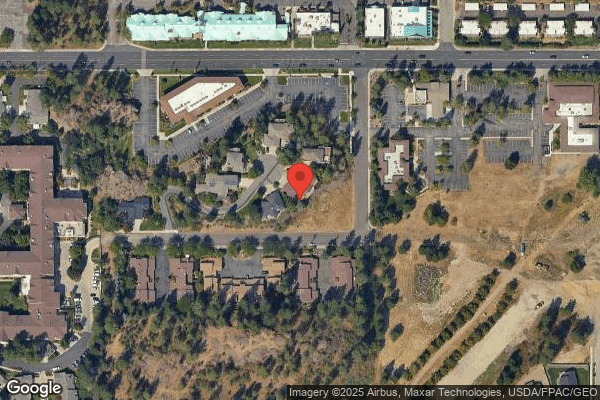

2929 SOUTH WATERFORD DRIVE, SPOKANE, WA 99203 (509) 536-2929
For profit - Limited Liability company 57 Beds Independent Data: November 2025 1 Immediate Jeopardy citation
Trust Grade
48/100
#121 of 190 in WA
Last Inspection: January 2025

Within standard 12-15 month inspection cycle. Federal law requires annual inspections.

Overview

Touchmark on South Hill Nursing has a Trust Grade of D, indicating below-average performance with some significant concerns. It ranks #121 out of 190 facilities in Washington, placing it in the bottom half, and #9 out of 17 in Spokane County, meaning only eight local options are better. The facility is improving overall, reducing its issues from nine in 2024 to three in 2025, but it still has a concerning history. Staffing is a significant weakness here, with a poor rating of 1 out of 5 stars, despite a low turnover rate of 0%, which is well below the state average. Notably, the facility has not incurred any fines, which is a positive aspect, but recent inspector findings revealed critical failures, including a resident choking incident due to inadequate supervision that led to a tragic death, and concerns about the lack of a water management plan for Legionnaires Disease, posing additional risks to residents.

Trust Score
D
48/100
In Washington
#121/190
Bottom 37%
Safety Record
High Risk
Review needed
Inspections
Getting Better
9 → 3 violations
Staff Stability
○ Average
Turnover data not reported for this facility.
Penalties
✓ Good
No fines on record. Clean compliance history, better than most Washington facilities.
Skilled Nurses
○ Average
RN staffing data not reported for this facility.
Violations
⚠ Watch
33 deficiencies on record. Higher than average. Multiple issues found across inspections.
★★★☆☆
3.0
Overall Rating
★☆☆☆☆
1.0
Staff Levels
★★★★☆
4.0
Care Quality
★★★★☆
4.0
Inspection Score
Stable
2024: 9 issues
2025: 3 issues

The Good

  • 4-Star Quality Measures · Strong clinical quality outcomes
  • Full Sprinkler Coverage · Fire safety systems throughout facility
  • No fines on record

Facility shows strength in quality measures, fire safety.

The Bad

3-Star Overall Rating

Near Washington average (3.2)

Meets federal standards, typical of most facilities

The Ugly 33 deficiencies on record

1 life-threatening
Jan 2025 3 deficiencies
CONCERN (D)

Potential for Harm - no one hurt, but risky conditions existed

Deficiency F0552 (Tag F0552)

Could have caused harm · This affected 1 resident

**NOTE- TERMS IN BRACKETS HAVE BEEN EDITED TO PROTECT CONFIDENTIALITY** <Resident 11> The 01/03/2025 quarterly assessment documented Resident 11 had diagnoses which included Parkinson's disease,...

Read full inspector narrative →
**NOTE- TERMS IN BRACKETS HAVE BEEN EDITED TO PROTECT CONFIDENTIALITY** <Resident 11> The 01/03/2025 quarterly assessment documented Resident 11 had diagnoses which included Parkinson's disease, a progressive neurological condition that caused problems with movement, balance, and coordination. In addition, the assessment showed the resident had received psychotropic medication. Review of the Order Summary Report from 01/01/2024 through 01/07/2025 documented when admitted to the facility on [DATE], the resident had been prescribed a psychotropic medication, Clonazepam, to treat insomnia. Review of the Medication Administration Records (MARS) from June 2024 through January 2025 documented Resident 11 had received the medication every evening as ordered. Review of Resident 11's record found no documentation that an informed consent had been completed either verbally or written prior to the medication being given, that explained to the resident and/or their representative of the risks and benefits of taking a psychotropic medication. In an interview on 01/09/2025 at 1:36 PM, Staff B, Director of Nursing, stated an informed consent should have been obtained prior to the resident being administered the medication, and they would review Resident 11's record. In a follow-up interview at 2:49 PM, the same day, Staff B confirmed an informed consent for the Clonazepam had not been obtained. Reference (WAC): 388-97-0260 Based on interview and record review, the facility failed to ensure informed consents (information that explained the potential risks and benefits), were obtained prior to administration of psychotropic medications (medications that affected how the brain worked and caused changes in mood, feelings or behavior, such as antipsychotics and antidepressants) for 3 of 6 sampled residents (Residents 5, 11, 13) reviewed for resident rights. This failure did not allow residents to be fully informed or to participate in their treatment. Findings included . <Resident 5> According to a quarterly assessment, dated 10/10/2024, Resident 5 had diagnoses which included depression (a mood disorder that caused feelings of sadness that would not go away.) Resident 5 had moderate cognitive impairment. Review of Resident 5's medical record showed the provider ordered Aripiprazole (a psychotropic medication) daily for depression on 08/22/2024. Resident 5's Medication Administration Record (MAR) for December 2024 and January 2025 showed staff had administered Aripiprazole daily. No consent for Aripiprazole was found during a review of Resident 5's medical record. <Resident 13> According to a quarterly assessment, dated 12/23/2024, Resident 13 had diagnoses which included dementia (a group of symptoms affecting memory, thinking and social abilities) and depression. Resident 13 had severe cognitive impairment and was not able to make decisions regarding their care. Review of Resident 13's medical record showed the provider ordered Fluoxetine (an antidepressant) daily for depression on 09/16/2024 and Risperidone (an antipsychotic) daily on 09/24/2024. Resident 13's MAR for December 2024 and January 2025 showed staff had administered both psychotropic medications daily. No consent for Fluoxetine or Risperidone was found during a review of Resident 13's medical record. During an interview on 01/09/2025 at 1:07 PM, Staff B, Director of Nursing (DON), stated that they did not have a consent for Aripiprazole for Resident 5 or Fluoxetine and Risperidone consents for Resident 13. They further stated the facility staff had missed some consents before they were the DON. Staff B acknowledged that consents should have been obtained before the first dose of any psychotropic medication was given.
CONCERN (D)

Potential for Harm - no one hurt, but risky conditions existed

Food Safety (Tag F0812)

Could have caused harm · This affected 1 resident

**NOTE- TERMS IN BRACKETS HAVE BEEN EDITED TO PROTECT CONFIDENTIALITY** Based on observation and interview, the facility failed to ensure food items were labeled with the date opened, and expired food...

Read full inspector narrative →
**NOTE- TERMS IN BRACKETS HAVE BEEN EDITED TO PROTECT CONFIDENTIALITY** Based on observation and interview, the facility failed to ensure food items were labeled with the date opened, and expired food was discarded on or before their date of expiration. These failures placed the residents at risk for food-borne illnesses. Findings included . During an initial tour of the facility kitchen on 01/06/2025 at 9:12 AM with Staff C, Dietary Manager, the following were observed: *a bag of Ruffles potato chips that was closed using tape - no label that showed the date opened. *a two-quart container of Raisin Bran dry cereal that did not have a label that showed the date opened. *a jug of [NAME] barbeque sauce with an expiration date of 01/03/2025 At 9:16 AM, that same day, when asked about the undated and expired items, Staff C stated unlabeled and expired items needed to be thrown away to prevent potential food-borne illnesses. On 01/06/2025 at 9:43 AM, the resident nourishment refrigerator/freezer was observed to contain the following: *An opened bag of marshmallows that was not labeled with the date opened. *Snack sized bags of graham crackers and saltine crackers were not labeled with the date opened. *a carton of chocolate milk that had an expiration date of 12/18/2024 *a jar of unidentified juice - no label that stated what type of juice or the date opened. In an interview on 01/10/2025 at 11:34 AM, Staff D, Dietary Director, stated they were aware of the undated and expired food items that had been found during the observations of the kitchen and nourishment refrigerator, and confirmed all food needed to be labeled with the date opened and discarded when expired. Reference: WAC 388-97-1100(3)
CONCERN (D)

Potential for Harm - no one hurt, but risky conditions existed

Deficiency F0883 (Tag F0883)

Could have caused harm · This affected 1 resident

Based on interview and record review, the facility failed to ensure the influenza and/or pneumococcal immunizations were offered as required for 2 of 5 sampled residents (13, 14), reviewed for immuniz...

Read full inspector narrative →
Based on interview and record review, the facility failed to ensure the influenza and/or pneumococcal immunizations were offered as required for 2 of 5 sampled residents (13, 14), reviewed for immunizations. This failure prevented the residents from making decisions about their care, and placed them at risk for illness, and possible health complications. Findings included . The Center for Disease Control's guidelines for Influenza and Pneumococcal Vaccinations, last updated 09/05/2024, recommend that adults receive the flu vaccine, with it being especially important for those aged 65 years and older due to being at higher risks of developing serious complications. The guidelines also recommend adults aged 50 years or older be up to date with the pneumococcal vaccine to decrease the risk of pneumococcal disease, a contagious bacterial infection that can be a complication of the flu and lead to serious illness or death. <Resident 13> The 12/23/2024 quarterly assessment documented Resident 13 was able to make decisions regarding their care. Review of Resident 13's record, which included immunization records, found no documentation that the resident had been offered the pneumococcal vaccine. A form titled Pneumococcal (PPV) and Pneumococcal (PCV-13) which provided information regarding the vaccine was found in the resident's record, but the form was blank, undated and unsigned and did not indicate whether the resident had been offered or declined the vaccine. <Resident 14> The 10/22/2024 admission assessment documented Resident 14 was able to make decisions regarding their care. Review of Resident 14's record, which included immunization records, found no documentation that the resident had been offered the Influenza or the pneumococcal vaccine. Both the forms titled Flu Vaccine and Pneumococcal (PPV) and Pneumococcal (PCV-13) were found in the resident's record, but were blank, undated and unsigned and did not indicate whether the resident had been offered or declined either vaccine. During an interview with Staff A, Administrator, and Staff E, Infection Preventionist, on 01/13/2025 at 2:36 PM, the findings from the immunization review for Residents 13 and 14 were discussed. Staff A stated immunizations were offered when residents admitted to the facility and the flu vaccine was offered yearly to residents. Staff A further stated they would check Resident 13 and 14's records. In a follow-up interview on 01/13/2025 at 3:19 PM, Staff A stated the information for the immunizations for Residents 13 and 14 had not been found, and they were both being offered the vaccines now. Reference (WAC) 388-97-1340 (1), (2), (3)
Aug 2024 4 deficiencies
CONCERN (D) 📢 Someone Reported This

A family member, employee, or ombudsman was alarmed enough to file a formal complaint

Potential for Harm - no one hurt, but risky conditions existed

Report Alleged Abuse (Tag F0609)

Could have caused harm · This affected 1 resident

**NOTE- TERMS IN BRACKETS HAVE BEEN EDITED TO PROTECT CONFIDENTIALITY** Based on interview and record review the facility failed to identify and report potential misappropriation of resident property ...

Read full inspector narrative →
**NOTE- TERMS IN BRACKETS HAVE BEEN EDITED TO PROTECT CONFIDENTIALITY** Based on interview and record review the facility failed to identify and report potential misappropriation of resident property to the State Survey Agency as required for 2 of 3 sampled residents (Resident 2 and 3), reviewed for missing property. This failure placed residents at risk of further misappropriation of personal possessions and diminished quality of life. Findings included . Reivew of the undated facility policy titled, Personal Property Policy showed residents were encouraged to bring personal belongings to provide familiarity and a homey atmosphere. The policy showed the facility would not ask a resident to waive their rights including the right to collect payment for lost or stolen articles. The policy showed a personal inventory sheet would be completed and updated whenever items were brought into or removed from a resident's possession. Reimbursement for missing items may depend upon verification of the presence of the item. The policy further showed it would not be reasonable or prudent for a resident to maintain cash in their possession; the resident is vulnerable to theft of cash and there was little to spend money on inside the community. For an item to be considered for replacement, missing items must be promptly reported, a search would be conducted, if the loss was deemed to be the responsibility of the community, the community would replace the item. Review of the undated facility policy titled, Grievance Policy showed a grievance was a formal or informal written or verbal complaint made by a resident, their representative, family member, or staff member about quality of care, treatment, or concerns related to the facility. The grievance officer was responsible for overseeing the grievance process, documenting and tracking grievances, conducting investigations, and maintaining confidentiality. The policy showed a praise, concern, suggestion form may be used if a concern was NOT an allegation of abuse or neglect, those concerns were to be reported to the director of nursing or administrator immediately. If a grievance involved potential abuse, neglect, or exploitation, the policy instructed staff to follow mandatory reporting procedures. Review of the facility policy titled, Abuse Policy dated 2023, showed abuse was prohibited and must be reported in a timely manner to allow for proper investigation and implementation of measures to prevent recurrence or retaliation. The policy defined an allegation as a statement, or a gesture made by someone (regardless of capacity or decision-making ability) that indicated abuse, neglect, exploitation, or misappropriation of resident property may have occurred and required a thorough investigation. Abuse included sexual abuse, mental abuse, physical abuse, and exploitation. The policy defined financial exploitation as illegal or improper use of the property, income, resources, or trust funds of the vulnerable adult by any person for any person's profit or advantage. The policy further showed all alleged violations of abuse, neglect, mistreatment, and/or exploitation must be reported to the administrator, director of nursing or their designee and reported to the State Survey Agency hotline. The policy showed staff were mandatory reporters, trained to identify and report allegations including disappearance or misappropriation of resident's personal property, and expected to understand individual responsibilities as a mandatory reporters. <Resident 2> Review of the admission assessment, dated 07/10/2024, showed Resident 2 admitted to the facility on [DATE] with diagnoses including severe protein-calorie malnutrition and failure to thrive. Resident 2 was cognitively intact and able to verbalize their needs. Review of May 2024 through July 2024 grievance log showed Resident 2 reported a missing brown wallet on 07/09/2024, the day after their admission to the facility. Review of the July 2024 facility reporting incident log showed no entries for Resident 2's report of a missing wallet. Review of the facility 07/09/2024 praise, concern, suggestion form showed Resident 2 reported a missing brown wallet. The form showed Resident 2's family was contacted, and confirmed $340 from the wallet was taken home, the wallet and contents were left with Resident 2. The family listed the wallet contents as two debit cards, two silver credit cards, one home equity card, various insurance cards, one photo identification card, checks, one veteran card, and military discharge paperwork containing Resident 2's social security information. On 07/12/2024 the facility informed Resident 2's child they were unable to find the missing wallet and would reimburse the cost of a new wallet if a receipt was submitted but the facility could not do anything about the loss of cards. In an interview on 08/22/2024 at 10:34 AM, Staff B, Nursing Assistant (NA), stated they did not have knowledge of Resident 2's missing wallet containing debit/credit cards and social security information, but that incident should have been reported to the State Survey Agency and investigated as an incident of potential misappropriation. In an interview on 08/22/2024 at 10:57 AM, Staff C, Registered Nurse (RN), denied knowledge of Resident 2's missing wallet containing debit/credit cards and social security information. Staff C stated that incident should have been reported to the State Survey Agency and investigated as an incident of potential misappropriation because bad things could happen when unauthorized individuals had access to that type of sensitive information. In an interview on 08/22/2024 at 11:41 AM, Staff D, Social Service Director (SSD), reviewed documentation for Resident 2's 07/09/2024 missing wallet incident. Staff D acknowledged the incident was not identified, reported or investigated as potential misappropriation but should have been because of the wallet contents. <Resident 3> Review of the admission assessment, dated 06/03/2024, showed Resident 3 admitted to the facility on [DATE] with diagnoses including bilateral below knee amputations and enterocolitis (inflammation that occurs throughout the intestines). Resident 3 was cognitively intact and able to verbalize their needs. Review of May 2024 through June 2024 grievance log showed Resident 3 reported a missing US [NAME] Corps money clip with approximately $75 on 05/30/2024, two days after their admission to the facility. Review of the May 2024 through June 2024 facility reporting incident log showed no entries for Resident 3's report of a missing US [NAME] Corp money clip with approximately $75. Review of the facility 05/30/2024 praise, concern, suggestion form showed Resident 3 reported a missing US [NAME] Corp money clip with $75. The results of the investigation section showed numerous facility locations were searched but staff was not able to locate the money clip or the $75. Resident 3 stated they believed their money clip and money was discarded with a pair of pants related to numerous episodes of stool incontinence. On 06/13/2024 at $75 credit for lost items in skilled nursing was added to Resident 3's account. In an interview on 08/12/2024 at 3:06 PM, Resident 3's child acknowledged Resident 3 reported a missing money clip, stated Resident 3 was a pretty good historian and might recall the incident. In an interview on 08/12/2024 at 3:35 PM, Resident 3 acknowledged a money clip about the size of a half dollar with the [NAME] Corp emblem containing approximately $100 went missing, the facility was unable to locate the money clip and/or money and credited their account $70. In an interview on 08/22/2024 at 10:34 AM, Staff B, NA, stated if a resident reported a missing item staff would review the inventory sheet, search for the missing item, contact the resident representative for additional information, if unable to find an item listed on the inventory sheet, then the facility would replace but if the item was not listed on the inventory sheet, then the facility was not responsible for replacing the item. Staff B was unable to state the difference between a missing item and potential misappropriation of resident property. Staff B stated they did not have knowledge of Resident 3's missing money clip or money but that incident should have been reported to the State Survey Agency and investigated as an incident of potential misappropriation. In an interview on 08/22/2024 at 10:57 AM, Staff C, RN, denied having knowledge about Resident 3's missing money clip or money but acknowledged the incident should have been considered potential misappropriation, reported, and investigated as such. In an interview on 08/22/2024 at 11:41 AM, Staff D, SSD, stated Resident 3 reported a missing money clip with money shortly after their admission, Resident 3 believed the money clip and money was accidently discarded in a pair of pants when they experienced numerous episodes of stool incontinence. Staff D acknowledged the incident was not identified or investigated as potentially misappropriation because of how Resident 3 reported the incident but it should have been. In an interview on 08/22/2024 at 2:52 PM, Staff A, Administrator, stated residents were highly discouraged from keeping money, bank cards, insurance cards, credit cards or other items of value in their possession and given locking drawers to secure items because theft was a crime of opportunity. Staff A further stated each missing item situation was investigated individually depending on the incident and residents reimbursed according to the investigation findings. Staff A acknowledged Resident 2's or Resident 3's missing items were not identified as instances of potential misappropriation. Staff A further stated items of value were at high risk of theft or potential misappropriation and it appeared there was a pattern of missing items. Reference WAC 388-97- 0640 (5)(a) Refer to F602 for additional information
CONCERN (D) 📢 Someone Reported This

A family member, employee, or ombudsman was alarmed enough to file a formal complaint

Potential for Harm - no one hurt, but risky conditions existed

Assessment Accuracy (Tag F0641)

Could have caused harm · This affected 1 resident

**NOTE- TERMS IN BRACKETS HAVE BEEN EDITED TO PROTECT CONFIDENTIALITY** Based on interview and record review the facility failed to accurately reflect the resident's status as of the assessment refere...

Read full inspector narrative →
**NOTE- TERMS IN BRACKETS HAVE BEEN EDITED TO PROTECT CONFIDENTIALITY** Based on interview and record review the facility failed to accurately reflect the resident's status as of the assessment reference date (ARD) for 1 of 3 sampled residents (Resident 4), reviewed for assessment accuracy. This failure placed residents at risk of unmet care needs and diminished quality of life. Findings included . The website Dermnet.org - in which derm refers to dermatology (medical field that focuses on conditions that affect skin) - with regard to structure of normal skin showed the layers of the skin from top to bottom, consist of 3 layers: epidermis, dermis, and subcutis Epidermis is the uppermost or epithelial layer of skin. It acts as a physical barrier, preventing loss of water from the body, and preventing entry of substances and organisms into the body. Its thickness varies according to the body site Dermis is the fibrous connective tissue or supportive layer of the skin Subcutis is the fat layer immediately below the dermis and epidermis. It is also called subcutaneous tissue. The subcutis mainly consist of fat cells (adipocytes), nerves and blood vessels. The website nih.gov - in which nih refers to national institute of health- with regard to the revised National Pressure Ulcer Advisory Panel pressure injury staging system showed a pressure injury is localized damage to the skin and underlying soft tissues usually over a bony prominence or related to a medical or other device. The injury can present as intact skin or an open ulcer and may be painful. The injury occurs as a result of intense and/or prolonged pressure or pressure in combination with shear. The tolerance of soft tissue for pressure and shear may also be affected by microclimate, nutrition, perfusion [flow of fluid or blood to cells and tissues], comorbid condition [medical conditions that coexist and affect health and treatment], and condition of the soft tissue . Stage 1 pressure injury: intact skin with a localized area of non-blanching erythema [redness that does not disappear when pressure is applied to the area] . Stage 2 pressure injury: partial thickness [involving epidermis and/or dermis] loss of skin with exposed dermis. The wound bed is viable, pink or red, moist, and may also present as an intact or ruptured serum-filled blister Stage 3 pressure injury: full thickness [wound that extends below the epidermis and dermis into the subcutaneous tissue or deeper] skin loss, in which adipose (fat) or granulation [new connective tissue] tissue is visible in the ulcer Stage 4 pressure injury: full thickness skin and tissue loss with exposed or directly palpable fascia [connective tissue], muscle, tendon [strong cords of tissue that connect muscle to bones], ligament [bands that connect bones and joints], cartilage [tough, flexible connective tissue that protects bones and joints, and provides structure to the nose and ears], or bone in the ulcer . unstageable pressure injury: full thickness skin and tissue loss in which the extent of the tissue damage within the ulcer cannot be confirmed because it is obscured by slough [dead skin or tissue that can appear in a wound] or eschar [dead tissue that forms over healthy skin and eventually falls off] . Deep Tissue Pressure Injury [DTPI]: intact or nonintact skin with localized area of persistent non-blanchable deep red, maroon, purple discoloration, or epidermal separation reveling a dark wound bed or blood filled blister It is essential that the intended staging or classification system be used for each type of injury to ensure appropriate treatment. Review of the Centers for Medicare and Medicaid Services Long Term Care Facility Resident Assessment Instrument (RAI) 3.0 User's Manual Version 1.18.11 revised October 2023, showed the RAI consisted of three basic components: the Minimum Data Set (MDS), the Care Area Assessment (CAA) and the RAI utilization guidelines. The utilization of the three component of the RAI yields information about a resident's functional status, strengths, weaknesses, and preferences, as well as offered guidance on further assessment once problems were identified. The intent of Section M: Skin Conditions, was to document the risk, presence, appearance, and change of pressure injuries. A complete skin assessment should be performed focusing on bony prominences and pressure-bearing areas such as sacrum (large triangular bone in the lower spine), buttocks, heels, and ankles. The skin assessment was essential to an effective pressure injury prevention and skin treatment program. It was imperative to determine the etiology of all wound and lesions because it would determine and direct the proper treatment and management of a wound. The care planning process should include efforts to stabilize, reduce, or remove underlying risk factors; to monitor the impact of interventions; and to modify the interventions as appropriate. For the MDS assessment, initial numerical staging of pressure injuries or deep tissue injury (DTI) should be coded in terms of what was assessed during the seven-day look-back period. For pressure injuries, at admission, code based on the findings from the first skin assessment that was conducted on or after and as close to the admission as possible. A DTI should be coded as an unstageable pressure injury. For each pressure injury, determine if the injury was present at the time of admission and not acquired while the resident was in the care of the nursing home by reviewing the medical record for pressure injury history, location and staging at time of admission. If a pressure injury was present on admission and subsequently increased in numerical stage during the resident's stay, the pressure injury was to be coded at the higher stage and should not be considered as present on admission. A DTI may indicate severe damage and precede the development of a stage 3 or stage 4 pressure injury even with optimal treatment. Identification and management of a DTI was imperative and required more vigilant monitoring because of the potential for rapid deterioration, such monitoring should be reflected in the care plan. Assessment findings should be clearly documented in the resident's medical record. Facilities should be aware that a resident was at higher risk of having the area of a closed pressure injury open up due to damage, injury, or pressure, because of the loss of tensile strength (maximum stress before breaking) of the overlying tissue. Facilities should put preventative measures in place that will mitigate the opening of a closed ulcer due to the fragility of the overlying tissue. The section for MDS correction showed once completed, edited, and accepted, providers may not change a previously completed MDS assessment as the resident's status changes during the course of the resident's stay- the MDS must be accurate as of the ARD. Review of the unmodified admission assessment, dated 02/12/2024, showed Resident 4 admitted to the facility on [DATE] with diagnoses including muscle weakness and ischemic cardiomyopathy (heart muscle cannot pump well because of damage from lack of blood supply to the muscle). Resident 4 was cognitively intact, able to verbalize their needs, and frequently incontinent of bowel. The assessment further showed Resident 4 was at risk for pressure injury development, admitted to the facility no pressure injuries and did not use pressure reduction devices in their wheelchair or bed, and was not on a turning/repositioning program. Review of the modified admission assessment, dated 02/12/2024, showed Resident 4 was at risk of pressure injury development, admitted to the facility with two unstageable and two Stage 3 pressure injuries but did not use pressure reduction devices in their wheelchair or bed, and was not on a turning/repositioning program. Resident 4 was dependent on staff for toileting, toileting hygiene, bed mobility, and transfers. The assessment further showed it was modified on 04/15/2024, three days after Resident 4 discharged . Review of 01/30/2024 through 02/06/2024 hospital notes showed Resident 4 required maximum up to dependent assistance to perform most activities of daily living and had significant range of motion impairment in all four limbs. On 01/30/2024 Resident 4 was assessed as having the following skin concerns: pressure injuries to bilateral lower buttock with comments listed as purple areas, pressure injury to the left medial (towards the middle or center) lateral (to the side of, or away from, the middle of the body) heel, pressure injury to right posterior (the back of something) medial heel, and a left lower knee abrasion (superficial rub or wearing off of the skin, usually caused by a scrape). Hospital documentation included pictures taken of identified wounds on 01/31/2024 and wound status' at time Resident 4 discharged the hospital on [DATE]. Review of Resident 4's 02/06/2024 admission skin assessment documentation showed: left leg with 0.5-centimeter (cm) x 0.5cm open area above ankle, 1.2cm x 1.2 cm abrasions to lateral left foot and distal (away from the center of the body) Achilles (tendon that runs down the back of the lower leg, connects calf muscle to the heel bone), DTPI to both right and left heels, 1.5cm x 1.2 cm and 1cm x 0.5cm abrasions to the inner left buttock. Review of the 02/06/2024 baseline care plan showed Resident 4 had DTPI to both heels and skin breakdown to their groin and coccyx (small bone at the bottom of the spine) with interventions to improve or prevent skin breakdown listed as protective boots and an alternating air mattress. Review of the 02/13/2024 skin assessment documentation showed Resident 4 had two stage 2 pressure injuries to the right buttock, open ulcer to the right heel, DTPI to the left heel and above the left heel; no measurements were documented. An attached note showed Resident 4 was being followed by the wound team. Review of the 02/21/2024 skin assessment documentation showed Resident 4 had two open sores 1.5cm x 1.5cm each on the right buttock, 2cm x 2cm blister injury to the left heel, and an open unstageable pressure sore to the right heel 2.5cm x 4cm. Review of the 02/23/2024 wound teams' initial assessment progress notes showed Resident 4 had five wounds: a right heel unstageable pressure injury 2.4cm x 3.7cm, left heel DTPI 2cm x 2.3cm, right buttock stage 3 pressure injury 4.8cm x 1.2cm x 0.1cm, sacrum stage 3 pressure injury 0.5 cm x 0.3cm x 0.1cm, and a left posterior ankle abrasion 0.8cm x 0.7cm. The right buttock wound was identified as deteriorating. Resident 4's spouse stated Resident 4 spent majority of their time in bed on their back instead of on their side. Review of the 03/13/2024 provider progress note showed Resident 4 had stage 3 pressure injuries to the right buttock and sacrum with onset dates of 03/12/2024. In an interview on 08/22/2024 at 10:57 AM, Staff C, Registered Nurse, stated pressure injuries could occur quickly by being in a position for long periods of time and not allowing oxygen to get into the tissues. Staff C was able to explain the different stages of pressure injuries. Staff C stated a skin check was completed upon admission that should document skin conditions or wounds present upon admission, skin assessments were completed weekly thereafter, documentation should include measurements, tissue description, and enough detail to be able to assess a wound' status. Staff C reviewed Resident 4's medical record including skin check documentation. Staff C acknowledged Resident 4's wounds worsened, and they developed new wounds. In an interview on 08/22/2024 at 12:19 AM, Staff E, Resident Care Manager, stated wound documentation should include measurements, tissue description, odor, discomfort, and details to effectively assess a wounds' status. Staff E reviewed Resident 4's medical record. Staff E acknowledged Resident 4 admitted with DTPI to both heels, abrasions to both buttocks and left Achillies. Staff E further stated according to the documentation it appeared Resident 4's wounds worsened. In an interview on 08/22/2024 at 1:15 PM, Staff F, Wound Care Nurse, reviewed Resident 4's medical record. Staff F stated Resident 4 admitted with DTPI to their heels and abrasion to their buttock but was unable to determine if the buttock wounds worsened without observing and assessing the wounds personally. Staff F further stated an abrasion would be treated differently than a stage 2 pressure injury. In an interview on 08/22/2024 at 2:19 PM, Staff G, MDS Coordinator, explained an MDS was collective information about a resident's processes, disease, risks, treatments, and diagnoses used as a reimbursement tool for payer sources. MDS data was collected through assessments, interviews, review of nursing assistant charting, nursing progress notes, therapy notes, provider notes, and wound specialist notes. Staff G further stated the ARD was the snapshot in time, the resident observation period was up to the ARD and seven days prior, the MDS should accurately reflect a resident's status at the time of the ARD. Staff G reviewed Resident 4's medical record. Staff G stated Resident 4's 02/12/2024 was modified because of scattered pressure ulcers to bilateral heels, scrotum and lower back, section M was modified. Staff G compared the original 02/12/2024 MDS and the modified 02/12/2024 MDS, the original MDS showed Resident 4 admitted to the facility with no pressure injuries, the modified MDS showed Resident 4 admitted to the facility with two unstageable pressure injuries and two stage 3 pressure injuries. Staff G further stated a 02/06/2024 clinical assessment showed Resident 4 had ulcers but did not specify what stage they were and acknowledged they were unable to locate any wound care notes during the assessment period. Staff G further stated the 02/23/2024 wound teams' initial assessment progress notes should not be used for the 02/12/2024 MDS because it was past the ARD date, data had to be during the appropriate time frame. Staff G acknowledged the 02/12/2024 MDS did not accurately reflect Resident 4 as of the ARD. In an interview on 08/22/2024 at 2:52 PM, Staff A, Administrator, stated they expected the MDS to accurately reflect a residents' status as of the ARD. Reference WAC 388-97-1000 (1)(b) Refer to F686 for additional information
CONCERN (E) 📢 Someone Reported This

A family member, employee, or ombudsman was alarmed enough to file a formal complaint

Potential for Harm - no one hurt, but risky conditions existed

Deficiency F0602 (Tag F0602)

Could have caused harm · This affected multiple residents

**NOTE- TERMS IN BRACKETS HAVE BEEN EDITED TO PROTECT CONFIDENTIALITY** Based on interview and record review the facility failed to repeatedly ensure residents were free from misappropriation of prope...

Read full inspector narrative →
**NOTE- TERMS IN BRACKETS HAVE BEEN EDITED TO PROTECT CONFIDENTIALITY** Based on interview and record review the facility failed to repeatedly ensure residents were free from misappropriation of property and/or exploitation for 3 of 3 sampled residents (Resident 1, 2, and 3), reviewed for missing property. This failure placed residents at risk of further misappropriation of personal possessions and diminished quality of life. Findings included . Reivew of the undated facility policy titled, Personal Property Policy showed residents were encouraged to bring personal belongings to provide familiarity and a homey atmosphere. The policy showed the facility would not ask a resident to waive their rights including the right to collect payment for lost or stolen articles. The policy showed a personal inventory sheet would be completed and updated whenever items were brought into or removed from a resident's possession. Reimbursement for missing items may depend upon verification of the presence of the item. The policy further showed it would not be reasonable or prudent for a resident to maintain cash in their possession; the resident is vulnerable to theft of cash and there was little to spend money on inside the community. For an item to be considered for replacement, missing items must be promptly reported, a search would be conducted, if the loss was deemed to be the responsibility of the community, the community would replace the item. Review of the undated facility policy titled, Grievance Policy showed a grievance was a formal or informal written or verbal complaint made by a resident, their representative, family member, or staff member about quality of care, treatment, or concerns related to the facility. The grievance officer was responsible for overseeing the grievance process, documenting and tracking grievances, conducting investigations, and maintaining confidentiality. The policy showed a praise, concern, suggestion form may be used if a concern was NOT an allegation of abuse or neglect, those concerns were to be reported to the director of nursing or administrator immediately. If a grievance involved potential abuse, neglect, or exploitation, the policy instructed staff to follow mandatory reporting procedures. Review of the facility policy titled, Abuse Policy dated 2023, showed abuse was prohibited and must be reported in a timely manner to allow for proper investigation and implementation of measures to prevent recurrence or retaliation. The policy defined an allegation as a statement, or a gesture made by someone (regardless of capacity or decision-making ability) that indicated abuse, neglect, exploitation, or misappropriation of resident property may have occurred and required a thorough investigation. Abuse included sexual abuse, mental abuse, physical abuse, and exploitation. The policy defined financial exploitation as illegal or improper use of the property, income, resources, or trust funds of the vulnerable adult by any person for any person's profit or advantage. The policy further showed all alleged violations of abuse, neglect, mistreatment, and/or exploitation must be reported to the administrator, director of nursing or their designee and reported to the State Survey Agency hotline. The policy showed staff were mandatory reporters, trained to identify and report allegations including disappearance or misappropriation of resident's personal property, and expected to understand individual responsibilities as mandatory reporters. <Resident 1> Review of the admission assessment, dated 07/22/2024, showed Resident 1 admitted to the facility on [DATE] with diagnoses including hypertension (high blood pressure) and polyneuropathy (group of conditions that cause multiple peripheral nerves throughout the body to malfunction at the same time). Resident 1 was cognitively intact and able to verbalize their needs. The assessment further showed it was very important for Resident 1 to take care of their personal belongings, have a place to lock items for safety, and have family or friends involved in their care, while in the facility. Review of the 07/16/2024 resident preference evaluation showed it was very important for Resident 1 to take care of their personal belongings, have a place to lock items for safety, and have family or friends involved in their care. Review of the 07/19/2024 personalized care care plan showed it was very important for Resident 1 to take care of their personal belongings, have a place to lock items for safety, and have family or friends involved in their care. The 07/22/2024 care plan showed Resident 1 preferred to have their power of attorney (POA- legal document that allows a person to designate someone else to act on one's behalf regarding finance and/or health care decisions) involved in their care. Review of the July 2024 through August 2024 facility reporting incident log showed entries for Resident 1 missing property on 07/31/2024, 15 days after their admission to the facility, and 08/01/2024, 16 days after their admission. Review of the 07/31/2024 facility incident investigation report showed Resident 1 reported $526 was missing from their room which they had rubber banded together with all their credit cards in the top nightstand drawer with the lock, but the lock did not work. The incident investigation summary note showed staff had seen credit cards, medical cards, gift cards, a blank check, and a lot of cash lying around on 07/26/2024 and moved the items to the top nightstand drawer. On 07/30/2024 (14 days after their admission) Resident 1 reported they were missing approximately $500, staff searched Resident 1's room but were unable to locate the missing money. On 07/31/2024, Resident 1 reported $526 missing from their room which they kept rubber banded together with gift cards and all their credit cards and stored in the top drawer of their locking nightstand, but the lock did not work. Staff searched the room again and located a pair of shorts with credit cards, gift cards, and $100 rubber banded together. Resident 1 explained they admitted to the facility with $726, they gave $200 to their personal care giver to purchase requested items, had the remaining $526 missing from their room, Resident 1 requested a friend bring them in an additional $100 because they no longer had cash available. Social Service staff verified the top drawer of Resident 1's nightstand was not locking, a new functioning key was obtained and provided to Resident 1, Resident 1 had their credit cards, blank check, gift cards, and $100 locked in the top nightstand drawer. The facility contacted Resident 1's POA who confirmed Resident 1 was given $726 on 07/17/2024 per their request and an additional $100 was given to Resident 1 on 07/30/2024. Review of the 08/06/2024 facility incident investigation report showed on 08/01/2024 staff were informed Resident 1 had a large amount of cash, debit card, credit card, gift cards, and a blank check in their nightstand. Two staff members removed the items from Resident 1's room, completed an inventory list, items were placed in a zip lock bag and white legal envelope, sealed, placed in the facility safe, and copy of inventory list given to Resident 1. The included inventory list showed: $900 cash in $100 bills, four blank checks, three $500 gift cards, six debit/credit cards, driver's license, insurance cards, and a disabled parking placard. A 08/08/2024 facility check showed Resident 1 was reimbursed $1426, and a 08/12/2024 receipt showed Resident 1 was reimbursed for three $500 gift cards. The incident investigation contained an undated handwritten statement that showed Resident 1 had $100 and a gift card, the handwritten statement indicated the facility would not be responsible if the items were lost or missing and was initialed by Resident 1. In an interview on 08/12/2024 at 2:55 PM, Resident 1's POA acknowledged Resident 1 had money missing on two different occasions within approximately a week. The first time, Resident 1 had $526 missing from the top drawer of the nightstand that Resident 1 was unable to lock due to having the incorrect key. POA stated Resident 1 was given the correct nightstand key after the $526 went missing. POA explained after the first incident, Resident 1 had a friend take them on a personal outing and returned to the facility with $900 in $100 bills, three $500 gift cards, credit cards, driver's license, and check books; facility staff removed the items from Resident 1's room and placed them in the facility safe where they went missing a few days prior to Resident 1's discharge. Resident 1's POA acknowledged Resident 1 was informed the facility would not be responsible for lost or missing items after the $526 went missing but the facility reimbursed the missing gift cards and cash. In an interview on 08/22/2024 at 10:34 AM, Staff B, Nursing Assistant (NA), stated the facility completed an inventory sheet upon admission that should list all items brought into the facility including any items of value. Staff B stated every resident room had a locking nightstand drawer that was checked and verified for proper functioning. Staff B further stated if a resident reported a missing item staff would review the inventory sheet, search for the missing item, contact the resident representative for additional information, if unable to find an item listed on the inventory sheet, then the facility would replace but if the item was not listed on the inventory sheet, then the facility was not responsible for replacing the item. Staff B was unaware Resident 1 was missing $526 on 07/31/2024 or missing $900, blank checks, debit/credit cards, or three $500 gift cards missing from the facility safe on 08/06/2024. In an interview on 08/22/2024 at 10:57 AM, Staff C, Registered Nurse (RN), stated residents were allowed to keep personal possessions including money, bank cards, credit cards, identification cards, or insurance cards, items listed on the inventory sheet for tracking, residents and/or resident representatives should be encouraged to update the inventory sheet if/when items were brought in or removed from the facility. Staff C further stated each room had a locking drawer that should be checked for proper function, but residents were strongly encouraged to take items of value home. Staff C acknowledged the facility should not ask a resident to waive potential facility liability from loss or theft because the facility should track resident items. Staff C acknowledged Resident 1 reported $526 missing from their room and management completed an investigation. In an interview on 08/22/2024 at 11:41 AM, Staff D, Social Service Director (SSD), stated a resident inventory sheet was completed upon admission and remind families during the care conference to update the inventory sheet if/when items were brought in or removed from the facility. Staff D further stated residents were allowed to keep their personal possessions including money, bank cards, credit cards, checks, or insurance cards, and items should be listed/updated on the resident inventory sheet. Staff D stated residents were provided with a locking drawer and if large sums of money were observed then residents were offered other alternatives for securing their valuables. Staff D was unsure if the facility should ask a resident to waive potential facility liability for losses of personal items. Staff D acknowledged on 07/31/2024 Resident 1 reported $526 missing from their room, through the investigation it was confirmed Resident 1 admitted with $726, and the missing $526 was reimbursed. Staff D explained Resident 1 had additional cash [NAME] into the facility after the $526 went missing from their room, facility staff noted the additional cash and gift cards, items were inventoried, removed from Resident 1's room, secured in the facility safe on Thursday 08/01/2024, and noted to be missing from the facility safe on Tuesday 08/06/2024. In an interview on 08/22/2024 at 12:19 PM, Staff E, Resident Care Manager, acknowledged Resident 1 had $526 missing from their room then had gift cards and almost a thousand dollars missing from the facility safe. In an interview on 08/22/2024 at 2:52 PM, Staff A, Administrator, acknowledged Resident 1 had $526 missing from their room on 07/31/2024, staff noted additional money was brought into the facility with gift cards, staff inventoried items, removed items from Resident 1's room, locked them in the facility safe, and items were noted missing from the facility safe upon Resident 1's discharge. Staff A stated Resident 1 was reimbursed for the missing items. <Resident 2> Review of the admission assessment, dated 07/10/2024, showed Resident 2 admitted to the facility on [DATE] with diagnoses including severe protein-calorie malnutrition and failure to thrive. Resident 2 was cognitively intact and able to verbalize their needs. The assessment further showed it was very important for Resident 2 to take care of their personal belongings and somewhat important to have a place to lock items for safety, while in the facility. Review of the 07/08/2024 resident preference evaluation showed it was very important for Resident 2 to take care of their personal belongings and somewhat important for to have a place to lock items for safety. Review of the 07/10/2024 personalized care care plan showed it was very important for Resident 2 to take care of their personal belongings and somewhat important to have a place to lock items for safety. Review of July 2024 nursing progress notes showed Resident 2 admitted to the facility on [DATE] at 4:48 PM and their wallet was identified as missing on 07/09/2024 at 3:10 PM, 22.5 hours after Resident 2 admitted to the facility. On 07/10/2024 Resident 2 was visibly upset yelled at staff and family, refused medications, meals, and fluids. On 07/11/2024 Resident 2 told their child if you don't get me out of here, I'm going to kill myself, potentially harmful objects were removed for the room, and Resident 2 was placed on 15-minute visual checks for suicidal ideation (when someone thinks about killing themselves, thoughts may or may not include a plan). On 07/14/2024 Resident 2 reported they had not slept in five days, since 07/09/2024. Review of the 07/12/2024 care conference care planning meeting assessment showed a care conference was held on 07/10/2024 with Resident 2 and their representative/s where resident rights were reviewed, and no concerns or issues were discussed. Review of May 2024 through July 2024 grievance log showed Resident 2 reported a missing brown wallet on 07/09/2024, the day after their admission to the facility. Review of the facility 07/09/2024 praise, concern, suggestion form showed Resident 2 reported a missing brown wallet. The form showed Resident 2's family was contacted, and confirmed $340 from the wallet was taken home, the wallet and contents were left with Resident 2. The family listed the wallet contents as two debit cards, two silver credit cards, one home equity card, various insurance cards, one photo identification card, checks, one veteran card, and military discharge paperwork containing Resident 2's social security information. On 07/12/2024 the facility informed Resident 2's child they were unable to find the missing wallet and would reimburse the cost of a new wallet if a receipt was submitted but the facility could not do anything about the loss of cards. In an interview on 08/22/2024 at 11:41 AM, Staff D, Social Services Director, acknowledged Resident 2 reported a missing wallet on 07/09/2024, family confirmed they took $340 home upon admission but left various bank cards and wallet with Resident 2, staff searched for the missing items, but they were not located. <Resident 3> Review of the admission assessment, dated 06/03/2024, showed Resident 3 admitted to the facility on [DATE] with diagnoses including bilateral below knee amputations and enterocolitis (inflammation that occurs throughout the intestines). Resident 3 was cognitively intact and able to verbalize their needs. The assessment further showed it was not very important for Resident 3 to take care of their personal belongings or to have a place to lock items for safety, while in the facility. Review of the 05/30/2024 resident preference evaluation showed it was somewhat important for Resident 3 to take care of their personal belongings and to have a place to lock items for safety. Review of the 05/30/2024 personalized care care plan showed it was somewhat important for Resident 3 to take care of their personal belongings and to have a place to lock items for safety. Review of May 2024 through June 2024 grievance log showed Resident 3 reported a missing US [NAME] Corps money clip with approximately $75 on 05/30/2024, two days after their admission to the facility. Review of the facility 05/30/2024 praise, concern, suggestion form showed Resident 3 reported a missing US [NAME] Corp money clip with $75. The results of the investigation section showed numerous facility locations were searched but staff was not able to locate the money clip or the $75. Resident 3 stated they believed their money clip and money was discarded with a pair of pants related to numerous episodes of stool incontinence. On 06/13/2024 at $75 credit for lost items in skilled nursing was added to Resident 3's account. Review of the 06/02/2024 care conference care planning meeting assessment showed a care conference was held on 05/31/2024 with Resident 3 and their representative where resident rights were reviewed, and no concerns or issues were discussed. In an interview on 08/12/2024 at 3:06 PM, Resident 3's child acknowledged Resident 3 reported a missing money clip, stated Resident 3 was a pretty good historian and might recall the incident. In an interview on 08/12/2024 at 3:35 PM, Resident 3 acknowledged a money clip about the size of a half dollar with the [NAME] Corp emblem containing approximately $100 went missing, the facility was unable to locate the money clip and/or money and credited $70 to their account. In an interview on 08/22/2024 at 10:34 AM, Staff B, NA, stated they did not have knowledge of Resident 3's missing money clip or money. In an interview on 08/22/2024 at 10:57 AM, Staff C, RN, denied having knowledge about Resident 3's missing money clip or money. In an interview on 08/22/2024 at 11:41 AM, Staff D, SSD, stated Resident 3 reported a missing money clip with money shortly after their admission, Resident 3 believed the money clip and money was accidently discarded in a pair of pants when they experienced numerous episodes of stool incontinence, and was reimbursed $75. In an interview on 08/22/2024 at 2:52 PM, Staff A, Administrator, stated residents were highly discouraged from keeping money, bank cards, insurance cards, credit cards or other items of value in their possession and given locking drawers to secure items because theft was a crime of opportunity. Staff A further stated each missing item situation was investigated individually and residents reimbursed according to the investigation findings. Staff A acknowledged it appeared as if there was a pattern of missing items. Reference WAC 388-97- 0640 (2)(a), (3)(c )(d) Refer to F609 for additional information
CONCERN (E) 📢 Someone Reported This

A family member, employee, or ombudsman was alarmed enough to file a formal complaint

Potential for Harm - no one hurt, but risky conditions existed

Pressure Ulcer Prevention (Tag F0686)

Could have caused harm · This affected multiple residents

**NOTE- TERMS IN BRACKETS HAVE BEEN EDITED TO PROTECT CONFIDENTIALITY** Based on interview and record review the facility failed to consistently accurately assess, monitor, and evaluate wounds, consis...

Read full inspector narrative →
**NOTE- TERMS IN BRACKETS HAVE BEEN EDITED TO PROTECT CONFIDENTIALITY** Based on interview and record review the facility failed to consistently accurately assess, monitor, and evaluate wounds, consistently implement individualized skin interventions to prevent new and/or worsening pressure injury development, and prevent wound infection to the extent possible for 3 of 3 sampled residents (Resident 4, 5, and 6), reviewed for pressure injuries. This failure placed residents at risk of development of potentially avoidable pressure injuries, unmet care needs, and diminished quality of life. Findings included . Review of the facility policy titled, Prevention of Skin Breakdown dated 2023, defined skin breakdown as skin damage that could result in ulcers, sores, or wounds, often due to pressure, friction, or shear forces. The policy instructed staff to complete a comprehensive skin risk assessment upon admission and regularly thereafter, use assessment tools to evaluate a resident's risk level, and develop individualized care plan with interventions based on the risk assessment outcomes. The policy further showed all skin assessment, interventions, and resident responses were to be documented in the electronic health record accurately and promptly. Skin assessments were to be completed weekly with any changes in skin condition or care needs communicated promptly to the interdisciplinary team. Review of the facility policy titled, Skin Program dated 2023, showed nursing staff would complete weekly skin check documenting wound measurements, wound site, wound type, wound status, drainage, status of surrounding tissue, signs of infection, pain identified, and document findings into the electronic health record. The policy instructed staff to contact the wound care specialist if a resident had an acute or chronic wound. If a wound was found to have developed in the facility staff were instructed to assess/investigate to identify potential causes, determine what interventions were in place prior to wound development, wound identification, and identify new potential interventions to prevent further skin breakdown and/or complications. A nutrition committee regularly reviewed skin conditions, risk factors, skin assessment notes, care plans and interventions to ensure proper treatments were in place. The policy further showed all identified pressure areas would be assessed weekly to identify progress, and identify new treatments needed. All residents in the facility would have routine preventative skin care such as turning and positioning, application of pressure relieving devices, good skin care, adequate nutrition and hydration. The website Dermnet.org - in which derm refers to dermatology (medical field that focuses on conditions that affect skin) - with regard to structure of normal skin showed the layers of the skin from top to bottom, consist of 3 layers: epidermis, dermis, and subcutis Epidermis is the uppermost or epithelial layer of skin. It acts as a physical barrier, preventing loss of water from the body, and preventing entry of substances and organisms into the body. Its thickness varies according to the body site Dermis is the fibrous connective tissue or supportive layer of the skin Subcutis is the fat layer immediately below the dermis and epidermis. It is also called subcutaneous tissue. The subcutis mainly consist of fat cells (adipocytes), nerves and blood vessels. The website nih.gov - in which nih refers to national institute of health- with regard to the revised National Pressure Ulcer Advisory Panel pressure injury staging system showed a pressure injury is localized damage to the skin and underlying soft tissues usually over a bony prominence or related to a medical or other device. The injury can present as intact skin or an open ulcer and may be painful. The injury occurs as a result of intense and/or prolonged pressure or pressure in combination with shear. The tolerance of soft tissue for pressure and shear may also be affected by microclimate, nutrition, perfusion [flow of fluid or blood to cells and tissues], comorbid condition [medical conditions that coexist and affect health and treatment], and condition of the soft tissue . Stage 1 pressure injury: intact skin with a localized area of non-blanching erythema [redness that does not disappear when pressure is applied to the area] . Stage 2 pressure injury: partial thickness [involving epidermis and/or dermis] loss of skin with exposed dermis. The wound bed is viable, pink or red, moist, and may also present as an intact or ruptured serum-filled blister Stage 3 pressure injury: full thickness [wound that extends below the epidermis and dermis into the subcutaneous tissue or deeper] skin loss, in which adipose (fat) or granulation [new connective tissue] tissue is visible in the ulcer Stage 4 pressure injury: full thickness skin and tissue loss with exposed or directly palpable fascia [connective tissue], muscle, tendon [strong cords of tissue that connect muscle to bones], ligament [bands that connect bones and joints], cartilage [tough, flexible connective tissue that protects bones and joints, and provides structure to the nose and ears], or bone in the ulcer . unstageable pressure injury: full thickness skin and tissue loss in which the extent of the tissue damage within the ulcer cannot be confirmed because it is obscured by slough [dead skin or tissue that can appear in a wound] or eschar [dead tissue that forms over healthy skin and eventually falls off] . Deep Tissue Pressure Injury [DTPI]: intact or nonintact skin with localized area of persistent non-blanchable deep red, maroon, purple discoloration, or epidermal separation reveling a dark wound bed or blood filled blister It is essential that the intended staging or classification system be used for each type of injury to ensure appropriate treatment. <Resident 4> Review of the modified admission assessment, dated 02/12/2024, showed Resident 4 admitted to the facility on [DATE] with diagnoses including muscle weakness and ischemic cardiomyopathy (heart muscle cannot pump well because of damage from lack of blood supply to the muscle). Resident 4 was cognitively intact, able to verbalize their needs, was frequently incontinent of bowel, and had an indwelling urinary catheter (thin, flexible tube inserted into the bladder through the urethra and left in place to drain urine). Resident 4 was at risk of pressure injury development, admitted to the facility with two unstageable and two Stage 3 pressure injuries but did not use pressure reduction devices in their wheelchair or bed, and was not on a turning/repositioning program. The assessment further showed Resident 4 was dependent on staff for toileting, toileting hygiene, bed mobility, and transfers. Review of 01/30/2024 through 02/06/2024 hospital notes showed Resident 4 required maximum up to dependent assistance to perform most activities of daily living and had significant range of motion impairment in all four limbs. On 01/30/2024 Resident 4 was assessed as having the following skin concerns: pressure injuries to bilateral lower buttock with comments listed as purple areas, pressure injury to the left medial (towards the middle or center) lateral (to the side of, or away from, the middle of the body) heel, pressure injury to right posterior (the back of something) medial heel, and a left lower knee abrasion (superficial rub or wearing off of the skin, usually caused by a scrape). Hospital documentation included pictures taken of identified wounds on 01/31/2024 and wound status' at time Resident 4 discharged the hospital on [DATE]. Review of the 02/06/2024 hospital discharge orders showed Resident 4 had an indwelling catheter in place related to urinary retention that was to remain in place until seen by a urologist (doctor that specializes in the urinary system) or monitored closely for repeat urinary retention if it was removed. The hospital discharge orders instructed staff to provide catheter management per nursing protocol and follow standard nursing protocols for wound care. Review of Resident 4's 02/06/2024 admission skin assessment documentation showed: left leg with 0.5-centimeter (cm) x 0.5cm open area above ankle, 1.2cm x 1.2 cm abrasions to lateral left foot and distal (away from the center of the body) Achilles (tendon that runs down the back of the lower leg, connects calf muscle to the heel bone), DTPI to both right and left heels, 1.5cm x 1.2 cm and 1cm x 0.5cm abrasions to the inner left buttock. Review of the Braden scale for predicting pressure injury risk assessments showed Resident 4 was identified as being at risk for skin break down on 02/06/2024, 02/15/2024, and 02/27/2024. Review of provider orders showed a 02/06/2024 order Resident 4 had a temporary foley catheter in place for urinary retention and needed a urologist follow-up to determine discontinuation. A 02/06/2024 order instructed the nurse to ensure the catheter tubing was patent (flowing without blockages), not kinked, leg strap attached, and no signs of breakdown under tubing or leg strap. Review of the 02/06/2024 baseline care plan showed Resident 4 required assistance of two or more staff for bed mobility and transfers and had an indwelling urinary catheter. Resident 4 had DTPI to both heels and skin breakdown to their groin and coccyx (small bone at the bottom of the spine) with interventions to improve or prevent skin breakdown listed as protective boots and an alternating air mattress. Review of the 02/07/2024 self-care deficit care plan showed Resident 4 required limited to maximum assistance to perform most activities of daily living, used a slideboard (a board used to assist a person in moving from one surface to another by sliding across) for transfers, was to be up in their wheelchair for all meals, and staff were to do skin inspections during routine care reporting changes to the nurse. The 02/13/2024 bowel incontinence care plan instructed staff to check Resident 4 every two hours, assist with toileting as needed, and provide perineal care after each episode of incontinence. The 02/13/2024 urinary retention care plan showed Resident 4 had an indwelling urinary catheter in place and staff were to position the urine collection bag below bladder level, check tubing for kinks, monitor and document pain or discomfort due to the catheter. The 02/13/2024 skin integrity care plan showed Resident 4 was at risk of pressure injury development related to indwelling catheter use, immobility, and functional limitations; 02/13/2024 interventions instructed staff to complete treatments as ordered, educate the resident, family, caregivers on causes of skin breakdown, follow facility policies and/or protocols for prevention and treatment of skin breakdown, notify the resident and/or family of new skin breakdown, provide diet as ordered, instruct and assist with shifting weight in wheelchair as tolerated. Review of the 02/13/2024 skin assessment documentation showed Resident 4 had two stage 2 pressure injuries to the right buttock, open ulcer to the right heel, DTPI to the left heel and above the left heel; no measurements were documented. An attached note showed Resident 4 was being followed by the wound team. Review of the 02/21/2024 skin assessment documentation showed Resident 4 had two open sores 1.5cm x 1.5cm each on the right buttock, 2cm x 2cm blister injury to the left heel, and an open unstageable pressure sore to the right heel 2.5cm x 4cm. Review of the 02/23/2024 wound teams' initial assessment progress notes showed Resident 4 had five wounds: a right heel unstageable pressure injury 2.4cm x 3.7cm, left heel DTPI 2cm x 2.3cm, right buttock stage 3 pressure injury 4.8cm x 1.2cm x 0.1cm, sacrum stage 3 pressure injury 0.5 cm x 0.3cm x 0.1cm, and a left posterior ankle abrasion 0.8cm x 0.7cm. The right buttock wound was identified as deteriorating. Resident 4 reported they did not like to wear offloading boots. Resident 4's spouse stated Resident 4 spent majority of their time in bed on their back instead of on their side. Review of February 2024 through April 2024 nursing progress notes showed on 02/06/2024 Resident 4 had an extensive skin assessment completed with appropriate treatments in place and had a urinary catheter to remain in place pending a urologist follow-up. Resident 4 used a wheelchair for mobility and frequently spent time lying in bed with the head of bed elevated. On 02/13/2024 a care conference was held, Resident 4 had DTPI to bilateral legs and was being followed by the wound team for excoriation (skin damage caused by mechanical injury such as scratching or rubbing) to bilateral buttocks. On 02/15/2024 treatments to skin wounds continued with no new findings or setbacks. On 02/17/2024 pressure injuries to heels and coccyx were beginning to heal. On 02/20/2024 Resident 4 continued to be followed by the wound team for bilateral buttock excoriation and DTPI to both legs. On 02/24/2024 Resident 4 had some mild redness around the urethral meatus (opening at the end of the urethra that allows urine to exit the body) and requested their catheter be removed. On 02/25/2024 Resident 4 had a pressure injury to their coccyx, needed frequent positioning in bed related to tendency to slide down in bed but was reluctant to offload pressure to coccyx. On 02/27/2024 Resident 4 had a 1.5cm linear skin spit at the urethral opening, the catheter securement device was readjusted to relieve pressure caused by the catheter and monitor urethra erosion (breakdown of outer skin layers). On 02/29/2024 Resident 4 continued to have the urinary catheter in place and had a urethral skin spit due to urinary catheter pulling. On 03/01/2024 Resident 4's urinary catheter was discontinued. On 03/02/2024 Resident 4's urethral meatus had receded about 1cm related to foley catheter use. On 03/03/2024 sacral (sacrum- large triangular bone in the lower spine) sores treated by floating hips on pillows, Resident 4 was out of bed and into their wheelchair daily. On 03/12/2024 Resident 4 had complications of skin breakdown related to poor insight to deficits and safety awareness. On 03/26/2024 pressure relief wheelchair cushion was placed. On 03/28/2024 a care conference was held, therapy expressed concern Resident 4's new motorized wheelchair seat was too hard, family requested additional cushion but were informed it would not be safe related to use of the slideboard for transfers. Resident 4 continued to use their new motorized wheelchair until they discharged the facility on 04/12/2024. Review of Resident 4's 02/26/2024 provider note showed no documentation of identified skin issues or concerns including the mild urethral meatus redness observed on 02/24/2024. Resident 4 was to continue the urinary catheter for urinary retention. Review of the 02/27/2024 skin assessment documentation showed Resident 4 had a 1.5cm urethral skin split. A left heel blister, open skin breakdown to right buttock, and a right heel sore; no measurements were documented. Review of the 03/05/2024 skin assessment documentation showed Resident 4 had small open areas near the anus (opening at the lower end of the digestive tract) and bilateral heel blisters; no measurements were documented. Review of the 03/12/2024 skin assessment documentation showed Resident 4 had bilateral heel blisters and a sore to the right buttock; no measurements were documented. Review of the 03/15/2024 wound team progress notes showed Resident 4 had six wounds: a right heel unstageable pressure injury 2.8 cm x 4.5 cm, unstageable left heel pressure injury 0.5 cm x 0.7 cm, right buttock stage 3 pressure injury 3.4 cm x 0.4cm x 0.1cm, sacrum stage 3 pressure injury 0.5 cm x 0.3 cm x 0.1cm, left posterior ankle abrasion 0.6 cm x 0.5cm, and a left lateral foot unstageable pressure injury 0.7cm x 0.8cm. Resident 4 expressed frustration related to having wounds and the length of time it was taking for them to heal. Review of 03/20/2024 provider note showed Resident 4 continued to have wound care daily to bilateral legs, sacrum, and buttocks. Resident 4 was scheduled to see an outside wound specialist provider on 03/26/2024. The note further showed stage 3 pressure injuries to the right buttock and sacrum with onset dates of 03/12/2024. Review of the 03/26/2024 outside wound specialist initial assessment progress notes showed Resident 4 had an unstageable pressure injury to the right heel, stage 4 pressure injury to the left heel, diabetic foot ulcers on the left heel and left midfoot. The notes included wound pictures at time of the wound clinic appointment. The notes instructed the facility to order a pressure relief wheelchair cushion, float heels when in bed, elevate legs as much as possible, and follow included wound care orders. Resident 4 was started on an oral antibiotic for 10 days for a wound infection. Further review of provider orders showed a 03/28/2024 order for Resident 4 to be administered an antibiotic twice daily for 10 days for a wound infection. Review of the medication administration record showed Resident 4 received an antibiotic twice daily 03/28/2024 through 04/07/2024 for a wound infection. Review of the 04/04/2024 outside provider wound specialist progress notes showed Resident 4 was seated on a regular cushion and again instructed the facility to order a pressure relief wheelchair cushion, float heels when in bed, elevate legs as much as possible, and follow included wound care orders. In an interview on 08/16/2024 at 12:55 PM, Resident 4's spouse acknowledged Resident 4's developed new and worsening wounds while at the facility. In an interview on 08/22/2024 at 10:34 AM, Staff B, Nursing Assistant (NA), stated pressure injuries were caused by unrelieved pressure for an extended period of time and preventative skin breakdown interventions included proper hygiene and a turning or repositioning schedule. Staff B further stated residents had a skin check completed upon admission to determine if there were any pressure injuries present upon admission, NAs monitor residents' skin during routine care informing the nurse if/when new skin issues were identified, and nurses monitored resident's skin via weekly skin check assessments. In an interview on 08/22/2024 at 10:57 AM, Staff C, Registered Nurse, stated pressure injuries could occur quickly by being in a position for long periods of time and not allowing oxygen to get into the tissues. Staff C was able to explain the different stages of pressure injuries. Staff C further stated pressure injury preventative interventions included adequate protein intake, repositioning, use of pressure relieving cushions and surfaces, and timely incontinence care. Staff C stated a skin check was completed upon admission that should document skin conditions or wounds present upon admission, skin assessments were completed weekly thereafter, documentation should include measurements, tissue description, and enough detail to be able to assess a wound' status. Staff C reviewed Resident 4's medical record. Staff C acknowledged Resident 4 had urethral meatus redness on 02/24/2024 but the urinary catheter was not removed, and they developed a pressure injury related to positioning of the tubing. Staff C reviewed Resident 4's skin check documentation; acknowledged Resident 4's wounds worsened, and they developed new wounds. In an interview on 08/22/2024 at 12:19 AM, Staff E, Resident Care Manager, stated a new admission skin assessment was completed upon admission to identify wounds and/or skin conditions present and implement proper treatment and interventions. Staff E further stated wound documentation should include measurements, tissue description, odor, discomfort, and details to effectively assess a wounds' status. Staff E reviewed Resident 4's medical record. Staff E acknowledged Resident 4 admitted with DTPI to both heels, abrasions to both buttocks and left Achillies. Staff E further stated according to the documentation it appeared Resident 4's wounds worsened. In an interview on 08/22/2024 at 1:15 PM, Staff F, Wound Care Nurse, reviewed Resident 4's medical record. Staff F stated Resident 4 admitted with DTPI to their heels and abrasion to their buttock but was unable to determine if the buttock wounds worsened without observing and assessing the wounds personally. Staff F further stated an abrasion would be treated differently than a stage 2 pressure injury. Staff F acknowledged Resident 4 developed a urethral meatus skin split potentially caused by their urinary catheter. <Resident 5> Review of the admission assessment, dated 06/30/2024, showed Resident 5 admitted to the facility on [DATE] with diagnoses including malnutrition, cervical spinal fusion (surgical procedure that joins two or more neck bones for increased stability), and need for assistance with personal cares. Resident 5 was cognitively intact and able to make their needs known. Resident 5 was at risk of pressure injury development, admitted to the facility with no pressure injuries, and used a pressure reducing device in bed. Review of the 06/24/2024 hospital discharge orders showed Resident 5 had recent cervical spine surgery and instructed Resident 5 to avoid strenuous physical activity, not lift greater that eight pounds (roughly equal to a gallon of milk) for the next six weeks and avoid repetitive bending or twisting of the neck. Review of the 06/24/2024 clinical admission assessment showed Resident 4 had surgical incisions to their neck and wore a neck collar (device that helps support the neck and limit head movement after injury or surgery) at all times. No pressure injuries were documented. Review of the 06/25/2024 care plan showed Resident 5 had surgical incisions and instructed staff to keep skin clean, provide skin care per facility guidelines, and wound care per providers orders. The 06/25/2024 self-care deficit care plan showed Resident 5 required up to limited staff assistance to perform most activities of daily living. A 07/23/2024 skin care plan showed Resident 5 had a stage 1 pressure injury to their coccyx or potential for pressure injury development related to immobility and instructed staff to follow the facility policy and/or protocols for prevention and treatment of skin breakdown, remind, monitor, and assist with turning and repositioning at least every two hours or more often. Review of the 07/23/2024 incident report showed Resident 5 requested pain medication related to a sore buttock and reported they thought they were developing a pressure injury from lying on their back all the time. Resident 5 had a 4cm x 3cm non-blanchable redness (stage 1 pressure injury) to their right buttock. Review of June 2024 through July 2024 nursing progress notes showed Resident 5 preferred to sit in a recliner often because it was more comfortable than their wheelchair. On 07/09/2024 Resident 5 had a respiratory infection and was to remain in isolation in their room. On 07/11/2024 Resident 5 had weight loss likely due to recent illness and a high protein supplement was added. On 07/18/2024 Resident 5 had additional weight loss and was reassessed by the dietician. On 07/20/2024 Resident 5 was started on a new medication for anorexia (eating disorder that causes people to weight less than is considered healthy). On 07/23/2024 Resident 5 had a stage 1 pressure injury to their right buttock that was periodically painful, a skin barrier cream was added, and Resident 5 was educated on repositioning. On 07/26/2024 Resident 5 discharged home. <Resident 6> Review of the admission assessment, dated 05/19/2024, showed Resident 6 admitted to the facility on [DATE] with diagnoses including thoracic compression fractures (break or crack in bones of the middle back), aphasia (language disorder that makes it difficult to communicate), and need for assistance with personal cares. Resident 6 had moderate cognitive impairment and required moderate to maximum staff assistance to perform most activities of daily living. Resident 6 was at risk of pressure injury development, admitted to the facility with no pressure injuries, and used a pressure reducing device in bed. Review of the 05/13/2024 hospital discharge orders and notes showed Resident 6 had intractable back pain secondary to thoracic compression fractures, was fitted for a back brace, pain medications adjusted, and discharged work with therapy on strengthening to increase mobility. The facility was instructed to follow standard nursing protocols for skin care. Review of the 05/13/2024 admission assessment showed Resident 6 had bruising to their left thigh, no pressure injuries were documented. Review of the 05/13/2024 self-care deficit care plan showed Resident 6 required up to limited assistance of staff to perform most activities of daily living. A 06/04/2024 care plan showed Resident 6 had a pressure injury and instructed staff to encourage resident to shift weight frequently, keep skin clean, provide skin care per facility guidelines, and educated the resident and family on proper skin care to prevent skin breakdown. The 06/11/2024 risk for impaired skin integrity care plan showed Resident 6 had redness to their right buttock and instructed staff to educate the resident and/or representative on proper skin care to prevent skin breakdown and causes of pressure injuries. Review of the 05/16/2024 provider progress note showed Resident 6 had a full skin assessment and not noted to have any skin integrity issues. Resident 6 was to wear a back brace when out of bed related to thoracic compression fractures and required continued staff assistance to complete activities of daily living because of weakness. Review of the 06/03/2024 skin assessment showed Resident 6 wore a back brace but had no skin issues noted or reported. Review of the 06/05/2024 incident report showed Resident 6 had a 2cm x 2cm stage 1 pressure injury to their right buttock. Resident 6 was alert and oriented to self only, confused, and weak. Resident 6 was started on a barrier cream, turned and repositioned every two hours while in bed. In an interview on 08/22/2024 at 2:52 PM, Staff A, Administrator, stated it was important to stage a wound appropriately upon admission and expected staff to document accurately with enough detail to be able to appropriately monitor, assess, and evaluate a wounds' status. Reference WAC 388-97-1060 (3)(b) Refer to F641 for additional information
Jun 2024 2 deficiencies
CONCERN (E) 📢 Someone Reported This

A family member, employee, or ombudsman was alarmed enough to file a formal complaint

Potential for Harm - no one hurt, but risky conditions existed

Deficiency F0760 (Tag F0760)

Could have caused harm · This affected multiple residents

**NOTE- TERMS IN BRACKETS HAVE BEEN EDITED TO PROTECT CONFIDENTIALITY** Based on interview and record review the facility failed to accurately transcribe provider orders, consistently administer medic...

Read full inspector narrative →
**NOTE- TERMS IN BRACKETS HAVE BEEN EDITED TO PROTECT CONFIDENTIALITY** Based on interview and record review the facility failed to accurately transcribe provider orders, consistently administer medications as ordered by the provider, and ensure freedom from significant medication errors for 2 of 5 sampled residents (Resident 1 and 2), reviewed for medication administration. This failure placed residents at risk of medical complications, adverse side effects, and diminished quality of life. Findings included . Review of the facility's undated policy titled, Medication Administration, showed medications would be administered safely and timely as prescribed. The policy instructed staff administering medications to check the medication label to verify the right resident, right medication, right dosage, right time, and right method or route prior to administration of medications. If a drug was withheld, refused, or given at an unscheduled time, the policy instructed staff to document the reasoning in a progress note. The policy further showed staff who administered medications were to document in the record date and time a medication was administered, the dosage administered, any complaints or symptoms for which the drug was given, any results achieved and when those results were observed. Review of the facility's undated policy titled, Medication Error Report, showed medications were to be administered per doctor's order to ensure resident safety, resident right to safe and accurate delivery of medication and to establish parameters for monitoring and/or reporting of errors and guidelines for education. The policy included a medication error decision tree which started by asking if the error was a transcription error, the decision tree listed potential contributing factors for both transcription errors and non-transcription errors, and different severity levels for medication errors. The policy further showed when an error was made, the medication error form would be filled out, administration would review the error to determine the severity of the error, then the Director of Nursing (DNS) or administrator would decide on the course of action to follow based on the error and level of severity. The website nih.gov -which NIH refers to National Institute of Health showed, nurses have traditionally followed the '5 rights' of medication administration: right patient, right drug, right route, right time, right dose, to help prevent errors, and more recently, '7 rights' which includes right reason and right documentation. <Resident 1> Review of the admission assessment, dated 05/07/2024, showed Resident 1 admitted to the facility on [DATE] with diagnoses that included debilitating cardiorespiratory conditions (diseases that affect the heart and lungs), hypertension (HTN- high blood pressure), acute respiratory failure (a serious condition that occurs when the lungs have difficulty getting oxygen into the blood) with hypoxia (low oxygen levels in the body's tissues), pulmonary hypertension (blood pressure in the lungs is higher than normal causing the heart to work harder than normal) dependent on supplemental oxygen. The assessment further showed Resident 1 had shortness of breath (SOB) with exertion, but none identified when sitting at rest or when lying flat. Resident 1 took a diuretic (medication that helps rid the body of excess water), used continuous oxygen therapy, was cognitively intact and able to verbalize their needs. Review of the hospital history and physical, dated 04/29/2024, showed Resident 1 was hospitalized for worsening hypoxemia (low blood oxygen) and difficulty breathing. The notes showed Resident 1 had pulmonary hypertension, heart failure (HF- long term condition that occurs when the heart cannot pump enough blood to meet the body's needs that can lead to inadequate blood flow and fluid buildup), and interstitial lung disease (group of chronic lung disorders that cause inflammation, irritation, or scarring of the lungs that makes it difficult to breathe and get enough oxygen into the bloodstream). The notes additionally showed Resident 1 had acute (severe and sudden onset) on worsening chronic heart failure from possible underdiuresis (not enough fluid removed from the body) and identified Resident 1's home dose of Torsemide (a diuretic) as 30 milligrams (mg) daily. The notes further showed Resident 1 admitted to the hospital with a weight of 158.5 pounds (lbs) and was 150.3 lbs upon hospital discharge after increased diuretics were given during the course of their hospital stay. The summary showed Resident 1 was able to converse in full sentences without increased SOB, and their oxygen level dropped to 87% after they walked 125 feet, but Resident 1's oxygen level returned to 90% within 30 seconds. Review of the hospital transfer orders, dated 05/01/2024, showed Resident 1's Torsemide order was increased to 50mg daily and the hospital recommended daily weights. The discharge instructions showed changes to Resident 1's Torsemide were made to attempt to keep them from retaining water and having SOB. Review of the facility provider orders showed a 05/01/2024 Torsemide order for Resident 1 to be administered 10mg daily for HTN, not 50mg daily as ordered by the hospital. Review of a 05/02/2024 provider progress note showed Resident 1 was recently hospitalized for respiratory failure, hospital chest x-ray was concerning for HF, and Resident 1 was diuresed at the hospital with symptom improvement. Resident 1 currently had clear lung sounds, oxygen level was 93%, and the provider's plan was to continue the diuretics as ordered by the hospital. Review of the May 2024 Medication Administration Record (MAR) showed Resident 1 was administered 10mg of Torsemide for five days on 05/02/2024, 05/03/2024, 05/04/2024, 05/05/2024, and 05/06/2024. Review of May 2024 nursing progress notes showed upon admission on [DATE] Resident 1 had clear lung sounds, and SOB was noted during a transfer but maintained 93% oxygen level. On 05/03/2024 Resident 1 began to report breathing difficulty, lung pain, and rhonchi (abnormal breath sounds that sound loud and coarse like snoring and usually a sign of secretions in the airway) were observed. Resident 1's oxygen level was 86%, their supplemental oxygen rate was increased, and Resident 1's oxygen level increased to 91-92%. On 05/05/2024 Resident 1 oxygen level ran between 81-89% while on increased supplemental oxygen, Resident 1 was switched to an oxygen mask and their oxygen level increased to 92-93%. On 05/07/2024 Resident 1s therapy was limited by their severe respiratory condition, oxygen levels would drop to 84% with minimal activity, their supplemental oxygen rate was increased again and took several minutes for Resident 1's oxygen level to recover to 91%, once recovered Resident 1 was able to maintain 90-92% oxygen levels at their normal supplemental oxygen rate. On 05/08/2024 Resident 1 had frequent complaints of not being able to breathe, quick oxygen desaturations (blood oxygen levels drop below normal) with increased recovery time taking up to seven minutes to reach oxygen levels 90% or above. Resident 1's child spoke to nursing staff about medication related concerns. On 05/13/2024 Resident 1 frequently stated I can't breathe!, had congested lung sounds, their supplemental oxygen rate was readjusted, and started on a medication for congestion. Review of May 2024 physical therapy daily treatment progress notes showed on 05/02/2024 Resident 1 was able to walk up to 70 feet prior to their oxygen level dropping to 80%. On 05/03/2024 Resident 1 was able to walk up to 50 feet prior to their oxygen levels dropping to 85%. On 05/06/2024 Resident 1 required frequent rest breaks due to SOB but was able to walk up to 50 feet before their oxygen levels dropped to 84%. On 05/07/2024 Resident 1 completed seated exercises and was able to maintain their oxygen levels between 88%-92%. On 05/08/2024 Resident 1 completed chair to wheelchair transfers prior to their oxygen level dropping to 86%, without improvement after supplemental oxygen was increased. On 05/09/2024 Resident 1 reported feeling fatigued and congested but was agreeable to seated exercises. On 05/10/2024 Resident 1 had an oxygen mask in place while they moaned and fidgeted. Resident 1 reported deep chest pain and lungs wringing. Review of the 05/08/2024 facility medication error incident report showed Resident 1 admitted to the facility on [DATE] and a transcription error had been made on the Torsemide dose. The Torsemide order was entered into the electronic medical record as 10mg daily but should have been entered as 50mg daily. Staff spoke to Resident 1's child about the error, and they were concerned. The report showed the order was corrected, daily weights implemented, and staff was educated on double checking orders, no staff education documentation was included. Review of Resident 1's weights showed the following: 05/03/2024: 149.4 lbs 05/06/2024: 152.8 lbs 05/07/2024: 155 lbs 05/08/2024: 157.2 lbs Resident 1 gained 6.9 lbs during their first week at the facility. Further review of Resident 1's provider orders showed a 05/08/2024 order for staff to obtain daily weights and notify the provider if the resident's weight increased by two lbs in one day or by five lbs in a wk. Review of a 05/09/2024 provider note showed Resident 1 was seen for severe heart failure, interstitial lung disease, and to discuss a possible referral for hospice (care and services for persons with serious illness who were approaching end of life). The note showed Resident 1's weight was steadily creeping up again, conversations about hospice were started with the family that day, and Ativan (medication used to treat anxiety) to help manage the symptom of air hunger (the feeling of being unable to breathe deeply enough, running out of air, or gasping for air) was ordered. Further review of the May 2024 MAR showed Resident 1 received Ativan routinely three times daily starting on 05/10/2024 for acute respiratory failure with additional as needed doses administered on 05/10/2024, 05/12/2024 and 05/13/2024. Review of the outside hospice provider contract showed Resident 1 began to receive hospice services on 05/26/2024. Review of 05/28/2024 hospice progress notes showed Resident 1 had interstitial lung disease, had SOB with conversation, and had swelling to their legs. In an interview on 06/25/2024 at 12:50 PM, Resident 1's child stated Resident 1 had interstitial lung disease and was supposed to take Torsemide to help remove fluid from the lungs. Resident 1 repeatedly informed them they were not getting their medication as ordered so they went to nursing with the concerns. Resident 1's child acknowledged Resident 1 went four or five days without getting the correct dose of their Torsemide, they had fluid buildup, and were now on hospice. In an interview on 06/26/2024 at 10:47 AM, Staff D, Licensed Practical Nurse (LPN), stated the facility received orders for new admits prior to their arrival at the building, the orders would be entered into a cue in the electronic medical record by a resident care manager (RCM) or the Director of Nursing (DNS), cued orders were verified for accuracy by a second nurse, orders activated once correct, then orders faxed to the pharmacy to be filled. Staff D stated Resident 1 admitted to the facility related to respiratory failure, HF, and was now on hospice. Staff D reviewed Resident 1's medical record. Staff D acknowledged a transcription error was made on the Torsemide when Resident 1 admitted , Torsemide was entered as 10mg daily but should have been 50mg daily, and Resident 1 received 10mg of Torsemide for five days. Staff D further stated Torsemide was an important medication, especially for someone like Resident 1 who had HF, not receiving the appropriate dose could very easily put someone back into fluid overload (when the body has too much fluid) and/or require a trip to the hospital. In an interview on 06/26/2024 at 12:12 PM, Staff E, RCM, stated orders for new admits should be entered into the electronic medical record according to the hospital orders but they automatically became active once entered. Staff E further stated the current facility practice was for one nurse to read the hospital orders from the paper and a second nurse would read the orders entered into the electronic medical record to verify for accuracy. Staff E reviewed Resident 1's medical record. Staff E acknowledged Resident 1's Torsemide was entered into the electronic medical record as 10mg daily and Resident 1 received that dose for five days, but the Torsemide should have been 50mg daily. Staff E further stated Resident 1 was on Torsemide because they had HF and interstitial lung disease. In an interview on 06/26/2024 at 1:16 PM, Staff B, DNS, stated orders entered into the electronic medical record were reviewed for accuracy by two nurses but orders entered automatically became active. Staff B reviewed Resident 1's medical record. Staff B acknowledged upon admission Resident 1's Torsemide was not entered into the electronic medical record correctly, it was entered as 10mg daily, Resident 1 received 10mg for five days, Torsemide 50mg was not started until 05/07/2024 but according to the hospital orders the Torsemide should have been 50mg all along. Staff B further stated Torsemide was an important medication for Resident 1 because of all their medical conditions. In an interview on 06/26/2024 at 1:57 PM, Staff A, Administrator, acknowledged Resident 1's Torsemide order was entered incorrectly upon their admission and there was an incident report about it. <Resident 2> Review of the admission assessment, dated 04/12/2024, showed Resident 2 admitted to the facility on [DATE] with diagnoses including HF, chronic lung disease (disorders that affect the lungs and respiratory system, usually develop slowly, and worsen over time), and respiratory failure. Resident 2 was cognitively intact and able to verbalize their needs. Review of the hospital history and physical, dated 04/03/2024, showed Resident 2 felt dizzy and fell which resulted in a left ankle fracture. Review of the 04/05/2024 hospital transfer orders showed Resident 2's admitting diagnoses included dizziness and HTN. A summary showed Resident 2 felt dizzy and fell but they had never fallen before, and upon arrival at the emergency room Resident 1's blood pressure (BP) was 91/63. Resident 2 was to be administered Carvedilol (medication that slows down one's heart rate and makes it easier for the heart to pump blood around the body) twice daily upon hospital discharge. The website heart.org - with regard to blood pressure showed systolic [SBP- upper number]/diastolic [DBP- lower number] a normal blood pressure is less than 120/80 . a low blood pressure is less than 90/60 . consistently low blood pressure can be dangerous if it causes signs and symptoms such as: confusion, dizziness, nausea, fainting, fatigue, neck or back pain, headache, blurred vision, Review of Resident 2's provider orders showed a 04/12/2024 order for Carvedilol twice daily (AM and PM) for HTN with parameters to hold if SBP was less than 100 or heart rate (HR) was less than 60. Review of Resident 2's April 2024 through June 2024 BP readings showed: 04/23/2024- 98/67 05/31/2024- 93/51 06/7/2024- 85/60 06/8/2024- 98/65 No BP documentation was found for 04/12/2024, 04/13/2024, 04/14/2024, 04/15/2024, 04/16/2024 PM, 04/17/2024, 04/19/2024, 04/20/2024, 04/21/2024, 04/22/2024, 04/24/2024, 04/25/2024 PM, 04/26/2024, 04/29/2024, 04/30/2024 AM, 05/03/2024 PM, 05/04/2024, 05/10/2024 PM, 05/12/2024 PM, 05/17/2024 PM, 05/18/2024, 05/19/2024 AM, 05/24/2024 PM, 06/02/2024 PM, 06/08/2024 PM, 06/09/2024 PM, 06/15/2024 PM, 06/21/2024 PM. Review of Resident 2's April 2024 through June 2024 HR readings showed: 05/13/2024- 59 06/05/2024- 59 No HR documentation was found for 04/12/2024, 04/13/2024, 04/14/2024, 04/15/2024, 04/16/2024 PM, 04/17/2024, 04/19/2024, 04/20/2024, 04/21/2024, 04/22/2024, 04/24/2024, 04/25/2024 PM, 04/26/2024, 04/28/2024 PM, 05/01/2024-05/12/2024, 05/13/202 PM, 05/14/2024, 05/15/2024 PM, 05/16/2024-05/20/2024 AM, 05/21/2024 AM, 05/22/2024 AM, 05/23/2024 PM, 05/25/2024 PM, 05/26/2024 PM, 05/28/2024 AM-06/03/2024 AM, 06/04/2024, 06/05/2024 AM- 06/10/2024 AM, 06/11/2024, 06/12/2024, 06/13/2024 PM-06/18/2024 AM, 06/19/2024, 06/21/2024 AM, and 06/23/2024 PM. Review of Resident 2's April 2024 through June 2024 MAR related to Carvedilol administration showed: April- Resident 2 was administered 23 doses of Carvedilol without BP and/or HR documentation found from 04/12/2024 through 04/25/2024. Resident 2 was administered Carvedilol doses without BP and/or HR documentation on 04/12/2024 PM, 04/13/2024 AM/PM, 04/14/2024 AM/PM, 04/15/2024 AM/PM, 04/16/2024 AM/PM, 04/17/2024 AM/PM, 04/19/2024 AM/PM, 04/20/2024 AM/PM, 04/21/2024 AM/PM, 04/22/2024 AM/PM, 04/24/2024 AM/PM, and 04/25/2024 AM/PM. May- A code 5 which stood for hold see progress note was documented for the following doses 05/04/2024 AM/PM, 05/12/2024 PM, 05/24/2024 AM, 05/25/2024 PM, 05/26/2024 PM. A code 9 which stood for other see progress note was documented for the following doses 05/17/2024 PM, 05/18/2024 AM/PM, 05/19/2024 AM. On 05/31/2024 PM Carvedilol was documented as administered with a BP documented as 93/51, the medication dose should have been held according to the parameters. June- code 5 documented for the following doses 06/02/2024 PM, 06/08/2024 PM, 06/09/2024 PM, and 06/21/2024 PM. On 06/07/2024 PM dose Carvedilol was documented as administered with a BP documented as 85/60, the medication dose should have been held according to the parameters. On 06/08/2024 AM dose, Carvedilol was documented as administered with a BP documented as 98/65, the medication dose should have been held according to the parameters. Review of Resident 2's May 2024 and June 2024 nursing progress notes showed on 05/04/2024 AM BP was documented as 108/70 and HR 60, and the PM BP documented as 106/63 and HR 62, both AM/PM Carvedilol doses were held but should have been administered according to the medication parameters. On 05/12/2024 PM BP was documented as 120/65 and HR 60, Carvedilol was held but should have been administered according to the medication parameters. Progress notes for the 05/17/2024 PM Carvedilol dose had bp low documented and the 05/18/2024 AM dose had low bp documented, but no BP reading was documented for those days. On 05/25/2024 PM BP was documented as 109/71 and HR 63, Carvedilol was held but should have been administered according to the medication parameters. On 05/26/2024 PM BP was documented as 102/60 and HR 62, Carvedilol was held but should have been administered according to the medication parameters. On 06/02/2024 PM BP was documented as 103/56 and HR 68, Carvedilol was held but should have been administered according to the medication parameters. No progress notes were found for the Carvedilol doses held on 05/18/2024 PM, 05/19/2024 AM, 05/24/2024 AM, 06/08/2024 or 06/21/2024 PM. In an interview on 06/26/2024 at 10:47 AM, Staff D, LPN, stated if a medication had parameters for administration, such as BP and/or HR parameters for a cardiac medication, staff should obtain the required vital signs and administer the medication according to the parameters for that particular medication. Staff D further stated if a BP medication was administered without following parameters it could cause a residents BP to drop even lower and potentially fall or cause harm. Staff D stated medications needed to be documented as administered in the MAR when administered, if a code 5 or code 9 was documented the medication was typically not administered and a progress note should be entered with details of why it was not administered. Staff D reviewed Resident 2's medical record. Staff D acknowledged Resident 1's Carvedilol had BP and HR parameters for administration, but it was not administered per parameters on several occasions. In an interview on 06/26/2024 at 12:12 PM, Staff E, RCM, stated if a medication had administration parameters, vital signs should be obtained, medication administered or held according to parameters, a progress note should be written if it was not administered, and provider notified each time because the provider may want to follow up and further assess if there was an acute change in condition. Staff E further stated medication parameters should be followed to optimize the health of the resident and not place them in an unsafe situation. Staff E reviewed Resident 2's medical record. Staff E acknowledged Resident 2's Carvedilol was not administered as ordered numerous times. In an interview on 06/26/2024 at 1:16 PM, Staff B, DNS, stated if a medication had parameters for administration they should be followed, if a medication was held related to parameters the provider should be notified, and a progress note written with details of why the medication was not administered. Staff B reviewed Resident 2's medical record. Staff B acknowledged Resident 2's Carvedilol was not administered according to parameters on 06/07/2024 and 06/08/2024. In an interview on 06/26/2024 at 1:57 PM, Staff A stated they expected staff to administer medications as ordered by the provider. Reference WAC 388-97-1060 (3)(k)(iii)
CONCERN (E) 📢 Someone Reported This

A family member, employee, or ombudsman was alarmed enough to file a formal complaint

Potential for Harm - no one hurt, but risky conditions existed

Infection Control (Tag F0880)

Could have caused harm · This affected multiple residents

**NOTE- TERMS IN BRACKETS HAVE BEEN EDITED TO PROTECT CONFIDENTIALITY** Based on observation, interview, and record review the facility failed to implement a system for recording infections identified...

Read full inspector narrative →
**NOTE- TERMS IN BRACKETS HAVE BEEN EDITED TO PROTECT CONFIDENTIALITY** Based on observation, interview, and record review the facility failed to implement a system for recording infections identified with corrective actions taken, consistently implement transmission-based precautions to prevent or control the spread of infections, and post appropriate signage for 2 of 3 sampled residents (Resident 3 and 2), reviewed for infection control. These failures placed residents at risk for transmission of communicable diseases and/or healthcare associated diseases, and diminished quality of life. Findings included . Review of the undated facility policy titled, Infection Prevention and Control Program showed if a resident experienced signs and/or symptoms of a communicable disease it should be documented, the interdisciplinary team would identify immediate precautions to implement to protect the resident and prevent the spread of the identified infection to other residents, staff, and family. The policy further showed the medical provider would assess, test, diagnose, and provide a plan of care for the resident to include any laboratory testing, medications, or special precautions to implement. Review of the facility policy titled, Contact Precautions dated 2020, showed contact precautions would be used in addition to standard precautions for specified residents known or suspected to be infected with organisms that could be transmitted by direct contact with the resident or indirect contact with environmental surfaces or resident-care items in the resident's environment. The policy gave examples which included nausea and diarrhea. The policy instructed persons entering the resident's room to wear gloves and a gown if it was anticipated a person's clothing could have contact with the resident, environmental surfaces, items in the resident's room, if the resident was incontinent or had diarrhea. The policy further showed resident transport from the room should be limited to essential purposes only. If a resident was transported out of the room, staff was to ensure precautions were maintained to minimize the risk of organism transmission to other resident and contamination of environmental surfaces or equipment. The website CDC.gov - in which CDC refers to Centers for Disease Control and Prevention- with regard to transmission-based precautions showed transmission-based precautions are the second tier of basic infection control and are to be used in addition to standard precautions for patients who may be infected or colonized with certain infections agents for which additional precautions are needed to prevent infection transmission. There are three categories of transmission-based precautions: contact precautions, droplet precautions, and airborne precautions use contact precautions for patients with known or suspected infections that represent an increased risk for contact transmission . wear a gown and gloves for all interactions that may involve contact with the patient or the patient's environment . The website CDC.gov - regarding Norovirus showed Norovirus is the leading cause of vomiting and diarrhea from acute gastroenteritis [inflammation of the lining of the stomach and intestines] norovirus is a very contagious virus that causes vomiting and diarrhea . most people with norovirus illness get better within 1 to 3 days; but they can still spread the virus for a few days after a person usually develops symptoms 12 to 48 hours after being exposed . norovirus spreads very easily and quickly by having direct contact with someone with norovirus, like caring for them, sharing food or eating utensils with them, touching contaminated objects or surfaces . you are most contagious when you have symptoms of norovirus illness, especially vomiting and during the first few days after you feel better. Review of the facility acute gastroenteritis/Norovirus case report worksheet, dated 06/13/2024, showed five residents listed as affected. Resident 2 was listed as the first resident on the spreadsheet, but the symptoms, symptom onset date, and diagnostics section of the form were left blank. The worksheet further showed Resident 3 vomited once with the symptom onset date listed as 06/10/2024. <Resident 3> Review of the quarterly assessment, dated 04/17/2024, showed Resident 3 had diagnoses including stroke with hemiplegia or hemiparesis (weakness or paralysis on one side of the body after a stroke), dementia (disease that affects the brain and worsens over time causing a loss of cognitive function that interferes with daily life), and gastroesophageal reflux (GERD, also known as heartburn, a digestive disorder that occurs when stomach acid flows back into the esophagus). Resident 3 had severe cognitive impairment. Review of the 05/21/2024 provider progress notes showed Resident 3 had six putty like stools on 05/20/2024. The provider's plan was to avoid laxatives and continue to monitor bowels. Review of May 2024 through June 2024 provider orders showed Resident 3 was not on routine laxatives. Review of Resident 3's May 2024 through June 2024 nursing progress notes showed that on 05/20/2024 day shift Resident 3 went to the dining room for breakfast and lunch, no concerns were identified that shift and the day was uneventful. At 4:23 PM, Resident 3 attended a social event, visited the café, and took a stroll with their family. At 10 PM, it was identified Resident 3 had multiple bowel movements that day shift and two loose stools that evening. Resident 3 also attended the dining room for their dinner meal. On 06/05/2024 Resident 3 was placed on alert for loose stools but continued to eat their meals in the dining room daily and attend social activities. On 06/10/2024, Resident 3 vomited during the day shift but continued to eat their meals in the dining room daily and attend social activities. On 06/13/2024 at 7:44 PM Resident 3 was placed on enteric precautions for nausea and vomiting; the precautions were removed on 06/14/2024 at 11:29 AM, approximately 11.5 hours after precautions were implemented. Review of the 06/10/2024 provider progress notes showed Resident 3 vomited twice and was ordered a medication to prevent or reduce nausea and vomiting. In an interview on 06/26/2024 at 10:47 AM, Staff D, Licensed Practical Nurse (LPN), stated contact precautions required anyone who entered the room to put on a pair of gloves and a gown. Staff D further stated during the recent gastrointestinal (GI) outbreak residents who experienced three episodes of nausea, vomiting, or diarrhea were placed on contact precautions until they were symptom free for 24 hours, without the use of medications for symptom control. Staff D acknowledged all the residents who showed GI signs and/or symptoms during the outbreak had eaten in the dining room. Staff D stated residents on contact precautions should not attend group activities or communal dining and should stay in their rooms until they are 24 hours symptom free or else other residents were at risk of exposure and the infection could spread. Staff D reviewed Resident 3's medical record. Staff D acknowledged Resident 3 should not have participated in group activities or communal dining and should have stayed in their room until they were symptom free for 24 hours without the use of medication to manage symptoms. In an interview on 06/26/2024 at 12:12 PM, Staff E, Resident Care Manager (RCM), stated during the recent GI outbreak, residents were placed on enteric precautions because those precautions were GI based and required anyone who entered the room to put on a pair of gloves, gown, mask, and eye protection if there was a potential for splashing. Residents with precautions implemented should have stayed on precautions until they were symptom free for 24 hours without the use of medications to manage symptoms. Staff E further stated residents on enteric precautions should not participate in group activities or communal dining because GI infections were highly transmissible, they should have had 1:1 activities and eaten in their room. Staff E stated they 100% expected staff to follow any transmission-based precautions implemented because if they were not followed then the infection could spread. In an interview on 06/26/2024 at 1:16 PM, Staff B, Director of Nursing, stated enteric precautions were implemented during the recent GI outbreak, because those precautions required persons entering a room to place a pair of gloves, gown, and mask. Staff B further stated residents were to remain on precautions until they were 24 hours symptom free without the use of medications for symptom management. Staff B stated residents on enteric precautions were not to attend the dining room and should be encouraged to stay in their room. Staff B further stated they absolutely expected staff to follow transmission-based precautions because other residents and staff could become sick if they were not followed. Staff B acknowledged Resident 3 was the first resident to show signs and/or symptoms of GI illness on 06/10/2024. Staff B reviewed Resident 3's record. Staff B further acknowledged Resident 3 should have been encouraged to eat their meals in their room versus the dining room and not participate in group activities. <Resident 2> Review of the admission assessment, dated 04/12/2024, showed Resident 2 admitted to the facility on [DATE] with diagnoses including heart failure (long term condition that occurs when the heart cannot pump enough blood and oxygen to the body), chronic lung disease (disorders that affect the lungs and respiratory system, usually develop slowly and worsen over time), and respiratory failure (a serious condition that makes it difficult to breathe on one's own). The assessment further showed Resident 2 was frequently incontinent of bowel and bladder. Resident 2 was cognitively intact and able to verbalize their needs. Review of June 2024 nursing progress notes showed Resident 2 was placed on contact enteric precautions for GI upset on 06/13/2024 at 12:55 PM. A 2:16 PM note the same day, showed Resident 2 was placed on precautions for nausea and could come off precautions later that night at 11:05 PM (nine and a half hours after precautions were implemented). During observation on 06/26/2024 at 10:20 AM, an airborne contact precaution sign was posted outside of Resident 2's room door. The sign was not from the CDC and showed personal protective equipment (PPE) use recommendations for the hospital setting, not a skilled nursing environment. In an interview on 06/26/2024 at 10:38 AM, Staff C, Nursing Assistant, was unable to state what PPE was required for the different types of transmission-based precautions. Staff C stated they would typically read the transmission-based precaution signs that would be posted on a residents' room's door to obtain that information. Staff C acknowledged that if a resident was on specific transmission-based precaution then they should not participate in group activities or communal dining because it could expose other residents to the infection and spread to others. In an interview on 06/26/2024 at 10:47 AM, Staff D, LPN, reviewed Resident 2's medical record. Staff D acknowledged Resident 2's contact precaution removal on 06/13/2024 was not correct because they had not been symptom free for 24 hours. In an interview on 06/26/2024 at 12:12 PM, Staff E, RCM, reviewed Resident 2's medical record. Staff E acknowledged Resident 2 should not have been removed from precautions on 06/13/2024 because they had not met the 24 hours criteria. In an interview on 06/26/2024 at 1:16 PM, Staff B, DNS reviewed Resident 2's medical record. Staff B acknowledged the removal of Resident 2's contact precautions were not appropriate because Resident 2 should have been symptom free for 24 hours. In an interview on 06/26/2024 at 1:57 PM, Staff A, Administrator, stated during the recent GI illness, residents were placed on enteric precautions which required person's entering the room to place a pair of gloves and gown prior to entering a room then perform hand hygiene using soap and water instead of alcohol-based hand rub use. Staff A stated they absolutely expected staff to follow transmission-based precautions implemented because if they were not then the illness could continue to spread. Staff A further stated residents who were placed on enteric precautions should have been educated not to participate in group activities or communal dining until at least 24 hours after their symptoms had resolved. Staff A was unaware the facility's transmission-based precautions signage was for hospital use, not the skilled nursing setting. Staff A reviewed Resident 2 and 3's medical records. Staff A acknowledged there was more infection control staff education that needed to be done. Reference WAC: 388-97-1320 (2)(a), (2)(b), (2)(c )
Apr 2024 2 deficiencies
CONCERN (D) 📢 Someone Reported This

A family member, employee, or ombudsman was alarmed enough to file a formal complaint

Potential for Harm - no one hurt, but risky conditions existed

ADL Care (Tag F0677)

Could have caused harm · This affected 1 resident

**NOTE- TERMS IN BRACKETS HAVE BEEN EDITED TO PROTECT CONFIDENTIALITY** Based on interviews and record review, the facility failed to provide assistance with activities of daily living relative to toi...

Read full inspector narrative →
**NOTE- TERMS IN BRACKETS HAVE BEEN EDITED TO PROTECT CONFIDENTIALITY** Based on interviews and record review, the facility failed to provide assistance with activities of daily living relative to toileting, transfers, personal hygiene and dressing for 1 of 3 residents (Resident 1) dependent on staff for that care. This failed practice placed residents at risk for embarrassment, poor hygiene, unmet care needs, diminished quality of life. Findings included . Review of Resident 1's medical record showed they were admitted to the facility on [DATE] with diagnosis including a repaired left hip fracture and unsteadiness on their feet. Review of the 03/12/2024 plan of care showed Resident 1 required assistance from staff to use the toilet, to complete transfers, to perform personal hygiene and to dress. In an interview on 04/08/2024 at 1:33 PM, Resident 1 stated they had had been left in the bathroom, naked for a long time after a nursing assistant had taken them into the bathroom after breakfast, assisted them to remove their wet, soiled clothing and then left them naked and cold sitting on the toilet and had not returned. They stated that this had happened several weeks prior, and they were bothered by it and worried they might be left naked and cold in the bathroom again. In an interview on 04/08/2024 at 2:08 PM, Staff C, Social Services Director, stated that they had become aware of the incident with Resident 1 on the morning of 03/25/2024 and had gone to talk to the resident to find out what had happened. They further stated they collected a statement from the resident and that they were concerned about what had happened to the resident because Resident 1 had been distressed about being left in the bathroom unclothed for an extended period of time. They further stated the resident reported feeling humiliated by the situation. Record review of the facility investigation into the incident involving Resident 1, dated 03/25/2024, indicated the incident involving Resident1 had occurred on 03/24/2024 around breakfast time. An untimed interview was conducted by Staff C, with Resident 1, on 03/25/2024. The statement given by Resident 1 was as follows: Being left in the restroom was the worst, I sat there for a long time before someone came back to help me. I was taken to the restroom after breakfast when the aide removed my clothing because they were wet. The aide did not tell me they were leaving the room just that my clothing was wet. A different aid came in and helped me get dressed and off the toilet . In an interview on 04/08/2024 at 1:54 PM, Staff B, Director of Nursing, stated that they had been notified of the incident involving Resident 1 on 03/24/2025 when the Registered Nurse, Staff D, had reported to them that a Nursing Assistant, Staff E, had left Resident 1 in the bathroom, on the toilet, naked. Staff B, stated that they were concerned by the incident and that it was terrible. In an interview on 04/08/2024 at 2:26 PM, Staff A, Administrator, stated that Staff E, Nursing Assistant, had been terminated after some discussions with [them] about their CNA (certified nursing assistant) capabilities. They further stated that part of the reason for Staff E's termination was based upon Resident 1 reporting they were cold and bothered by it. Reference (WAC) 388-97-1060(2)(c)
CONCERN (D) 📢 Someone Reported This

A family member, employee, or ombudsman was alarmed enough to file a formal complaint

Potential for Harm - no one hurt, but risky conditions existed

Accident Prevention (Tag F0689)

Could have caused harm · This affected 1 resident

**NOTE- TERMS IN BRACKETS HAVE BEEN EDITED TO PROTECT CONFIDENTIALITY** Based on interview and record review the facility failed to provide necessary supervision to 1 of 3 residents (Resident 2) revie...

Read full inspector narrative →
**NOTE- TERMS IN BRACKETS HAVE BEEN EDITED TO PROTECT CONFIDENTIALITY** Based on interview and record review the facility failed to provide necessary supervision to 1 of 3 residents (Resident 2) reviewed for accidents. This failure placed residents at risk for potentially avoidable accidents, injuries, and diminished quality of life. Findings included . Review of 02/20/2024 pre-admission hospital notes showed Resident 2 fell at home striking their head and fracturing their left hip. Imaging of Resident 1's head on 02/20/2024 did not indicate any acute damage to the resident's brain or skull. Review of Resident 2's facility medical record showed Resident 2 admitted to the facility on [DATE] with diagnosis of left hip fracture, history of falling and heart failure (failure of the heart to pump blood throughout the body in an effective manner). A baseline care plan completed on 03/01/2024 at 12:42 PM indicated that Resident 1 was a high fall risk and was confused. A skin assessment dated [DATE] noted the resident to have no bruising on their head or face. Another skin check completed on 03/02/2024 also indicated no bruising on Resident 1's face or head. Review of Resident 2's progress notes showed they attempted to self-transfer, were confused, agitated and unable to be re-directed. - 03/02/2024 at 3:16 AM, resident was very confused, agitated and trying to get out of bed without assistance. Due to high fall risk the resident was helped into wheelchair after which the resident sat at the nurses' station and was given crushed pain medication in applesauce. - 03/02/2024 at 8:57 AM, resident is very confused with dementia, agitated and refusing all care. Resident unable to be redirected and is trying to stand up out of wheelchair and bed, call light in place. - 03/02/2024 at 11:55 AM, noted unsafe behaviors when left alone. -03/03/2024 at 10:38 AM, resident awake most of night, calling out and climbing out of bed, was brought to nurses' station in wee hours of morning and given a snack with a [narcotic] pain medication and then was taken back to bed. When checked on at shift exchange the resident was found laying at the end of their bed on their right side with their legs on the side of the bed resting on the floor. Was given more [narcotic] pain medication and taken in their wheelchair to the nurse station where they fell asleep. The resident's family member then pointed out a bruise to the right side of their face and stated that it was not their yesterday. -03/03/2024 at 10:54 AM, bruising observed to right side of head, bed in low position and fall mats on both sides of bed as it was reported that patient attempts to crawl out of bed, self-transfers and attempts to walk on [their] own. Received report that patient was seated at the nurses' station in [their] wheelchair for most of NOC (night) shift as [they were] anxious/restless and needed closer monitoring through the night. Was back in bed at 0300 (3:00 AM). -03/03/2024 at 1:11 PM, bruising also observed to upper left forehead. -03/03/2024 at 1:47 PM, Resident with severe lethargy, neuro check is abnormal (indicating a problem with the brain and/or nervous system). Unknown cause of bruising to right temporal area (right side of head near eye) and left side of forehead. Sent to emergency room for evaluation. In an interview on 03/20/2024 at 11:50 AM, Staff D, Registered Nurse, stated that they were working with Resident 2 when the family member found the bruising on their face. They stated it was red and raised and near their right eye. They further stated that when they saw the resident at shift exchange, they were laying on their right side near the end of their bed with their feet on the floor. They woke the resident and helped the nursing assistant change their clothes and took them to the nurses' station in their wheelchair after which they did a pain assessment, gave the resident another narcotic pain pill and they then fell asleep again in their wheelchair. They stated that they did not know how the resident got the bruise on their face but thought they might have laid on their call light in bed or may have hit their face at the nurse station during the night. They stated that is was later in the shift that a physical therapist was helping the resident to wash their face and discovered the bruising on the resident's left forehead and told Staff D. Record review of hospital notes from Resident 2's admission starting 03/03/2024 stated that Resident 2 was given narcotic pain medication at 1:30 AM on 03/03/2024 and again at 7:14 AM. Resident 2's head was then imaged, and a small acute (new) intracranial (inside the skull) hemorrhage (bleed) was found over the right frontal lobe (right front of face/head) indicative of a fall. In an interview on 04/08/2024 at 1:54 PM, Staff B, Director of Nursing, stated that something had to have happened while Resident 2 was at the facility, that they had to have hit [their] head, it did not appear out of nowhere. Reference WAC: 388-97-1060 (3)(g)
Feb 2024 1 deficiency
CONCERN (E) 📢 Someone Reported This

A family member, employee, or ombudsman was alarmed enough to file a formal complaint

Potential for Harm - no one hurt, but risky conditions existed

Investigate Abuse (Tag F0610)

Could have caused harm · This affected multiple residents

Based on interview, and record review, the facility failed to thoroughly investigate allegations of abuse and/or neglect for 3 of 5 residents (Residents 5, 6, and 7), reviewed for abuse and/or neglect...

Read full inspector narrative →
Based on interview, and record review, the facility failed to thoroughly investigate allegations of abuse and/or neglect for 3 of 5 residents (Residents 5, 6, and 7), reviewed for abuse and/or neglect. This failure placed residents at risk for abuse and/or neglect and a diminished quality of life. Findings included . Review of the facility policy titled Abuse Policy showed the definition of an allegation was a statement or a gesture made by someone (regardless of capacity or decision - making ability) that indicates that abuse, neglect, exploitation, or misappropriation of resident property may have occurred and requires a thorough investigation. The policy documented investigations were to be done for all incidents (unexpected occurrences) to maintain the safest possible environment for the residents. The facility commitment to a thorough incident investigation procedure allows the facility to monitor and trend incidents, promptly assess the presence/absence of abuse, analyze and identify underlying system issues, identify high risk residents, identify areas for ongoing staff in-servicing, and make care plan changes appropriate to the individual needs of the resident. <Resident 5> According to the facility assessment, dated 12/13/2023, Resident 5 had diagnoses to include lung and kidney disease. Resident 5 was able to make their needs known. Review of the facility grievance log showed Resident 5 had filed a grievance on 12/13/2023. Review of the Grievance Form, dated 12/13/2023, showed Resident 5 had reported they woke up with someone in their face which made Resident 5 uncomfortable. The person asked the resident if they were dry, the resident responded they were. The staff member then insisted on checking their brief even though they were able to use their call light and knew when they were wet or dry. There was no documentation to show a thorough investigation had been done to rule out abuse and/or neglect. <Resident 6> According to the facility assessment, dated 12/22/2023, Resident 6 was admitted with multiple fractures. Resident 6 was able to make their needs known. Review of the facility grievance log showed Resident 6 had filed a grievance on 01/25/2024. Review of the Grievance Form, dated 01/25/2024, showed Resident 6 had concerns they had to wait very long times for their call light to be answered. The resident reported their clothes were not changed when soiled for multiple days, and staff would not give the resident time to communicate their needs or wants. There was no documentation to show a thorough investigation had been done to rule out abuse and/or neglect. <Resident 7> According to the facility assessment, dated 12/11/2023, Resident 7 was admitted with Diabetes. Resident 7 was able to make needs known. Review of the facility grievance log showed Resident 7 had failed a grievance on 12/13/2023 Review of the Grievance Form, dated 12/13/2023, showed Resident 7 had reported they were taken into the bathroom and they waited on the toilet for 30 minutes to get help. There was no documentation to show a thorough investigation had been done to rule out abuse and/or neglect. During an interview on 02/07/2024 at 1:45 PM, Staff H, Social Services, stated the Grievance Forms were either given to them or there was a box they could be put in which Staff H checked daily. If an allegation of abuse and/or neglect was made on the grievance, the information would be taken to the Administrator or Director of Nursing. If it was not an allegation, Staff H would complete the grievance. On 02/07/2024 at 3:16 PM, Staff G, Administrator, stated if a grievance form had an allegation of potential abuse and/or neglect, the form would immediately be given to them. An investigation would be started, interviews done, and reported to the State Survey Agency. An email was received on 02/07/2024 after exiting the facility. Staff G wrote the incident with Resident 5 was given to a prior Director of Nursing to input in the system the potential abuse, which had not been done. Staff G confirmed Resident 6's comments probably should have been placed in the system for an investigation to be done. Reference WAC: 388-97-0640 (6)(a)(b)
Aug 2023 13 deficiencies
CONCERN (D)

Potential for Harm - no one hurt, but risky conditions existed

Deficiency F0558 (Tag F0558)

Could have caused harm · This affected 1 resident

Based on observation, interview, and record review, the facility failed to answer resident call lights in a reasonable amount of time for 2 of 2 sample residents (Resident 7 and 336), reviewed for qua...

Read full inspector narrative →
Based on observation, interview, and record review, the facility failed to answer resident call lights in a reasonable amount of time for 2 of 2 sample residents (Resident 7 and 336), reviewed for quality of life. This failure placed residents at risk of unmet care needs and diminished quality of life. Findings included . Review of the facility undated policy titled, Call Lights, showed call lights were intended to be used by residents to request assistance from staff and care givers. The facility's goal was to answer call lights under 10 minutes based on urgency of the request. <Resident 336> According to the 08/17/2023 admission assessment, Resident 336 required staff assist to perform most activities of daily living (ADL). Resident 336 was cognitively intact and able to make their needs known. Review of Resident 336's 08/21/2023 care plan showed they were at risk for falls related to weakness and impaired mobility with interventions to ensure their call light was within reach and for staff to encourage call light use for assistance. During an interview on 08/28/2023 at 10:00 AM, Resident 336 stated I've been here two weeks, waited one hour this morning for help when I pushed the call light. I can't get up on my own yet. It really upsets me. Review of the call light log showed Resident 336 activated their call light on 08/28/2023 at 8:00 AM, staff answered the call light at 8:41 AM, 41 minutes after it was turned on. The log further showed Resident 336 activated their call light on 08/30/2023 at 6:05 AM, staff answered the call light at 6:48 AM, 43 minutes after it was turned on. In a follow up interview on 08/30/2023 at 8:41 AM with Resident 336 and Staff V, Nursing Assistant (NA), Resident 336 stated they waited 40 minutes for staff to get them up to use the bathroom that morning. Staff V acknowledged Resident 336's call light had been on for 40 minutes that morning and they assisted Resident 336 into the bathroom. In an interview on 08/31/2023 at 10:01 AM Staff AA, NA, explained staff were notified of call light activation by a cell phone device that would show what time a call light was turned on. Staff AA further stated NAs should answer any call light not only call lights activated in their own assigned section. Staff AA acknowledged call lights should not be on for more than 10 minutes. During an interview on 08/31/2023 at 10:54 AM Staff B, Director of Nursing (DNS), stated they expected staff to answer call lights as soon as possible, not just in their assigned area but any call light. <Resident 7> According to the 07/19/2023 admission assessment, Resident 7 used oxygen and required extensive assistance of staff of one to perform most activities of daily living. Resident 7 was cognitively intact and able to make their needs known. Review of the 02/2023 through 08/2023 facility grievance log showed 11 out of 23 resident concerns were about excessive call light wait times. Review of the call light log showed Resident 7 activated their call light on 08/28/2023 at 7:25 AM, staff answered the call light at 8:05 AM, 40 minutes after it was turned on. The log further showed Resident 7 activated their call light on 08/29/2023 at 7:21 AM, staff answered the call light at 7:56 AM, 35 minutes after it was turned on. In an interview on 08/31/2023 at 8:47 AM, Resident 7 stated call light response time was excessive, sometimes it took staff over 30 minutes to answer their call light and was concerned about staff response time in case of an emergency. Resident 7 further stated they wore oxygen, and their call light could be to request assistance related to oxygen or breathing issues. During an observation and interview on 08/31/2023 at 9:09 AM with Staff W, NA, and Staff AA, NA. They demonstrated and explained the facility call light system, when a call light was turned on it made a single beep in the room when activated and sent an alert to a special mobile device, computer monitors at the nurse's station and a variety of offices, the call light would remain on the devices until it was physically turned off in the room where it was activated. Staff W acknowledged they heard residents voice concern about excessive call light wait times and tried to float around to answer call lights when residents voiced concern. In an interview 08/31/2023 at 10:07 AM, Staff P, Licensed Practical Nurse, acknowledged they did not carry the special mobile call light notification device. Staff P further stated the only way they knew a call light was on was if they heard the single beep when the call light was activated or if they were near the nurse's station and looked at the call light notification monitor. In an interview on 08/31/2023 at 10:53 AM, Staff N, Resident Care Manger, stated all floor staff should carry the mobile call light notification device since the call lights only emitted a single beep when activated and there were no lights visible in the halls. Staff N further stated they had heard residents voice concern about their call lights not being answered timely. In an interview on 08/31/2023 at 1:06 PM, Staff B, DNS, stated all nursing assistance should carry the mobile call light notification device. Staff B explained the call light system was in lieu of the traditional visual and audible call light system to eliminate alarm and noise fatigue. Staff B acknowledged residents have voiced conern about excessive call light response times. No associated WAC
CONCERN (D)

Potential for Harm - no one hurt, but risky conditions existed

Deficiency F0625 (Tag F0625)

Could have caused harm · This affected 1 resident

**NOTE- TERMS IN BRACKETS HAVE BEEN EDITED TO PROTECT CONFIDENTIALITY** Based on interview and record review, the facility failed to provide written information regarding bed holds at time of transfer...

Read full inspector narrative →
**NOTE- TERMS IN BRACKETS HAVE BEEN EDITED TO PROTECT CONFIDENTIALITY** Based on interview and record review, the facility failed to provide written information regarding bed holds at time of transfer for 3 of 3 sampled residents (Resident 15, 23 and 430), reviewed for hospitalizations. This failure placed residents at risk of making uninformed decisions and diminished quality of life. Findings included . Review of the facility undated policy titled, Bed Hold, showed if a resident required admission to a hospital during their stay at the facility, the resident had the right to pay to hold their current bed. The policy further showed resident representatives should be approached within 12 hours of hospital transfer to inquire about a bed hold and that without a bed hold payment the facility could not guarantee readmission to the same bed upon return to the facility. <Resident 23> According to the 07/31/2023 admission assessment, Resident 23 admitted to the facility on [DATE] and was able to make their needs known. Review of Resident 23 medical records showed they were transferred to the hospital of their choice related to increased breathing issues. Bed hold preference or documentation at time of hospital transfer was not found in the medical record. In an interview on 08/31/2023 at 10:03 AM, Staff P, Licensed Practical Nurse, was unsure of facility bed hold policy or process. In an interview on 08/31/2023 at 10:48 AM, Staff N, Resident Care Manager, acknowledged they did not review bed holds at time of hospital transfer but thought social services took care of bed holds. In an interview on 08/31/2023 at 12:15 PM, Staff G, Social Worker, stated they contact family representatives about a bed hold 24 hours after a hospital transfer. Staff G acknowledged they did not complete a bed hold form or do a progress note related to Resident 23's bed hold preference. In an interview on 08/31/2023 at 1:01 PM, Staff B, Director of Nursing, acknowledged bed hold preference was reviewed with a resident representative the morning following a hospital transfer and not at the time of transfer. <Resident 15> According to the 06/14/2023 admission assessment, Resident 15 required extensive assistance of staff to perform some activities of daily living. Resident 15 was cognitively intact and able to make their needs known. Review of Resident 15's progress notes showed they went out of the facility for surgery on 06/30/2023. Resident 15 was transferred to the hospital on [DATE] for further evaluation of their infected surgical incision. Further review of Resident 15's medical record did not show documentation the bed-hold policy was provided at the time of hospital transfers on 06/30/2023 or 07/28/2023. During an interview on 08/29/2023 at 12:14 PM, Staff B, acknowledged Resident 15 has had two hospital transfers, one for their knee surgery and the second for surgical complications. During an interview on 08/29/2023 at 2:56 PM, Staff G, stated all residents were provided the bed-hold notice at admission and asked if they wanted to pay for a bed-hold or not at that time. Staff G acknowledged there was no bed-hold notice provided to Resident 15 at the time of hospital transfer. During an interview on 08/29/2023 at 3:26 PM, Staff A, Administrator, stated that no bed hold notices were provided to residents at the time of transfer. Staff A acknowledged Resident 15 did not receive the bed-hold notice on 06/30/2023 or 07/28/2023. During an interview on 08/31/2023 at 9:51 AM, Staff R, Medical Records, acknowledged Resident 15 was transferred to the hospital on [DATE] and 07/28/2023. During an interview on 08/31/23 at 9:58 AM, Resident 15 stated they did not recall receiving bed-hold notice for their transfers to the hospital. <Resident 430> According to the admission assessment, Resident 430's was admitted to the facility on [DATE] with a diagnosis of fracture of left femur. During observation and interview on 08/29/2023 at 12:55 PM, Resident 430 was sitting in their room and stated they were leaving for the hospital related to low blood pressure. Review of Resident 430's progress note showed they were transported to the hospital on [DATE]. Review of provider orders showed an 08/29/2023 order to send Resident 430 to the hospital related to abnormal lab results. Further review of Resident 430's medical record did not show documentation the bed-hold policy was provided at the time of hospital transfer on 08/29/2023. During an interview on 08/30/2023 at 2:52 PM, Staff G, acknowledged Resident 430 was sent to the hospital on 8/29/2023 and was not given a written bed hold notice at time of hospital transfer. Staff G stated they would call the resident's responsible party to discuss a bed hold after Staff G found out if Resident 430 was admitted to the hospital or not. During an interview on 08/30/2023 at 3:13 PM, Staff R, stated Staff G typically reviewed bed holds with residents or their representatives. Reference WAC 388-97-0120 (4)
CONCERN (D)

Potential for Harm - no one hurt, but risky conditions existed

Deficiency F0698 (Tag F0698)

Could have caused harm · This affected 1 resident

**NOTE- TERMS IN BRACKETS HAVE BEEN EDITED TO PROTECT CONFIDENTIALITY** Based on observation, interview, and record review, the facility failed to ensure dialysis care and services consistent with pro...

Read full inspector narrative →
**NOTE- TERMS IN BRACKETS HAVE BEEN EDITED TO PROTECT CONFIDENTIALITY** Based on observation, interview, and record review, the facility failed to ensure dialysis care and services consistent with professional standards of practice 1 of 2 sampled residents (Resident 328), reviewed for dialysis care. The facility failed to monitor the resident's condition for complications following a treatment, failed to provide ongoing communication with the dialysis facility, failed to implement the prescribed renal diet, and failed to implement a physician's order change related to the dialysis treatment. This failure placed residents at risk of complications, unmet care needs and diminished quality of life. Findings included . Review of the facility's undated policy titled, Hemodialysis Access Care showed nursing staff would monitor patients immediately following dialysis care and follow any orders sent from the dialysis center, document any nutritional, emotional/psychosocial needs, weights weekly or as directed, labs directed by doctor or dialysis center. The policy further stated the Resident Care Manager (RCM) would initiate a comprehensive care plan and ensure medications were given at the appropriate times. The policy included a Skilled Nursing Dialysis Communication Form the top portion of the form was to be filled out by facility staff prior to each dialysis treatment, sent with the resident to each dialysis appointment, the bottom portion of the form was then to be completed by the dialysis center and returned to the facility as a communication method between the two facilities. According to the admission assessment, Resident 328 admitted to the facility on [DATE] with diagnoses of osteoporosis with current pathological right femur fracture, end stage renal disease, hypotension, and diabetes. <Monitoring> Review of Resident 328's physician orders showed an order dated 08/24/2023 for dialysis three times weekly and an order dated 08/25/2023 to obtain a full set of vital signs upon return from dialysis. Resident 328 also had an order for Midodrine (medication used to treat and raise low blood pressure) daily with an additional 2 tablets to be given as needed on dialysis days, to be administered at 6 AM. Review of Resident 328's 08/25/2023 dialysis section of the communication form, read lost consciousness during transfer when standing x2, nearly fell. The form showed Resident 328 received medications and fluids related to low blood pressures during dialysis treatment. No other documentation was found in Resident 328's record regarding the dialysis treatment tolerance or complications. During observation and interview on 08/28/2023 at 12:03 PM, Resident 328 stated they did not have breakfast because they left the facility at 6:00 AM to go to dialysis and were hungry upon return, Resident 328 requested lunch from Staff Z, Registered Nurse. Staff Z stated they were unsure of the procedures related to dialysis. During observation and interview on 08/28/2023 at 12:39 PM, Resident 328 was served their lunch, but said I'm not feeling great, I don't think I can eat by myself. At 12:43 PM, Staff X, Nursing Assistant (NA), told Resident 328 do your best at eating, after Resident 328 stated they did not feel well and wanted to lay down. Staff W, Nursing Assistant, entered the room to obtain Resident 328 vital signs because they did not look very good. The blood pressure was taken and read 83/35. Resident 328 told the Staff M, RCM, they had taken the Midodrine at 9:00 AM at dialysis because I leave at 6:00 AM. On 08/29/2023 at 4:06 PM the 08/28/2023 dialysis communication form was requested from Staff M but they were not able to locate the form and subsequently called the dialysis center to request the form. On 08/30/2023 at 8:44 AM, Staff M was again asked for the communication form from Resident 328's dialysis appointment on 08/28/2023. Staff M stated, I'm hoping to get it today when they open up. Review of the 08/28/2023 dialysis communication form showed the form was filled out and dated 08/29/2023. In an interview on 08/30/23 at 11:03 AM, Staff M acknowledged filling out the 08/28/2023 dialysis communication form on 08/29/2023. The response from the dialysis facility read please ensure patient takes prescribed midodrine prior to transporting to clinic, gives medication time to take effect, have had blood pressures 80's-90's on arrival, so unable to meet fluid removal goal. A physician's order dated 08/30/2023, to change the Midodrine order to be given at 5:00 AM instead of 6:00 AM. The order was written after the resident was at dialysis on 08/30/2023, therefore the medication was not administered at 5:00 AM. During observations and interview on 08/30/2023 at 12:33 PM, Resident 328 was in their room after their dialysis appointment, eating lunch and stated, no one has come in to take my vitals. Resident 328 acknowledged they felt much better than on 08/28/2023 because they [dialysis center] did not take any fluid off, because I did not have my medicine at the right time. On 08/30/2023 at 2:43 PM, there was no dialysis communication available for review in the resident's medical record. Staff M, Resident Care Manager was unsure if a dialysis communication form was completed. In an interview on 08/31/2023 at 1:16 PM, Staff M, was asked if the dialysis communication form had been received from the 08/30/2023 appointment. The form was obtained, via fax, on 08/31/2023, with notations reading dressing to left elbow saturated, wound weeping, new dressing applied. Amount of fluid removed 300 ml. Midodrine 10mg at 10:00 AM. Staff M stated they were unsure of what dialysis care details needed to be on the care plan. <Renal Diet> Resident 328's lunch meal on 08/28/2023 consisted of an egg salad sandwich, corn chips, watermelon slice, broccoli cheddar soup, chocolate cake, and apple juice. Resident 328's lunch meal on 08/29/2023 consisted of two sliders, coleslaw, cookies, and apple juice. Review of provider orders showed an order dated 08/24/2023 for a renal dialysis diet, regular texture, regular consistency. Review of Resident 328's diet card showed a regular, no added salt, low potassium, low phosphorous diet. The card also listed milk with oatmeal, peanut butter, toast, and scrambled eggs, as preferences under the breakfast category. On 08/30/2023, Staff F, Dietary Manager, provided two charts utilized in the kitchen to identify high phosphorus and high potassium foods to avoid for those who required low phosphorus or low potassium diets. Foods to avoid on the high phosphorus foods chart included milk, bran cereal, peanut butter, and chocolate. Foods to avoid on the high potassium foods chart included oranges and salt substitute. The identified foods to avoid were observed to have been served to Resident 328. During an interview on 08/30/23 at 8:55 AM Staff M stated they were unsure if there were any specific foods Resident 328 could or could not have on the prescribed renal diet. In a telephone interview on 08/31/2023 at 4:23 PM with Staff E, Registered Dietician, stated they had not been notified of concerns related to Resident 328's diet or the foods provided to them for their physician prescribed renal diet. Staff E acknowledged they had not had any communication with the dialysis center regarding Resident 328's diet. Reference WAC 388-97-1900 (1), (6) (a-c)
CONCERN (D)

Potential for Harm - no one hurt, but risky conditions existed

Pharmacy Services (Tag F0755)

Could have caused harm · This affected 1 resident

**NOTE- TERMS IN BRACKETS HAVE BEEN EDITED TO PROTECT CONFIDENTIALITY** Based on observation, interview and record review, the facility failed to have a system of receipt, disposition, and reconcillia...

Read full inspector narrative →
**NOTE- TERMS IN BRACKETS HAVE BEEN EDITED TO PROTECT CONFIDENTIALITY** Based on observation, interview and record review, the facility failed to have a system of receipt, disposition, and reconcilliation of controlled drugs for residents who received Hospice services in 1 of 1 medication rooms observed. This failure placed residents at risk for misappropriation of their controlled medications and placed the facility at increased risk for controlled substance drug diversion. Findings included . Review of the facility undated policy, Controlled Medications Administration and Accountability showed medications included in the Drug Enforcement Agency (DEA) classification as controlled are subject to special handling. The Director of Nursing (DNS) and consultant pharmacist maintain the facility's compliance. At each shift change, a physical inventory of all schedule II and III medications is conducted by two licensed nurses and is documented on an audit record. Any discrepancy shall immediately be reported to the responsible supervisor. Discontinued substances which remain after the discharge or death of a resident shall be destroyed within 30 days by the DNS and a registered nurse (RN) employee. A discharge assessment completed on [DATE] showed Resident 32 was admitted to the facility [DATE] and was deceased on [DATE]. A discharge assessment completed on [DATE] showed Resident 40 was admitted to Hospice services on [DATE] and was deceased on [DATE]. On [DATE] at 3:00 PM, the lower locked drawer in the medication room refrigerator was observed with Staff BB, Registered Nurse. Inside the drawer was a plastic storage container similar in size to a shoe box that was labeled for Hospice. The box was full and contained various medications including narcotics in grey plastic bags for multiple residents. Staff BB was asked to randomly select one of the grey bags and find the corresponding narcotics count sheet. Staff BB selected a bag labeled for Resident 32. The bag contained 3 syringes of morphine (pain medication), each syringe contained 2 milligrams (mg) in 1 milliliter (ml) of solution (mg/ml). The corresponding count sheet dated [DATE] showed a correct count of 3 syringes of morphine. The bag contained 3 syringes of lorazepam (anti-anxiety medication) 2 mg/1ml, and the corresponding count sheet was correct. Lastly, the bag contained 1 syringe of haloperidol (an antipsychotic medication), 2mg/1ml which was not required to be counted. The corresponding count sheet showed 3 syringes were expected. Staff BB stated they were unsure who removed the two syringes of haloperidol and the count sheet was not correct. Staff BB randomly selected a second bag of medications to observe labeled for Resident 40. The corresponding narcotic count sheet for Resident 40 had haloperidol, lorazepam, and morphine all listed on the same count sheet with no amounts logged. The label was dated [DATE], and showed the medications expired [DATE]. The grey bag selected by Staff BB contained three syringes of lorazepam, 2mg/1ml. These were not logged on the corresponding count sheet. A partially filled syringe containing haloperidol was listed on the count sheet and the count was correct. The count sheet showed 3 syringes of morphine 2mg/1ml had been transferred to Medication Cart 1 on [DATE]. Staff N was unable to locate a corresponding narcotic count sheet on Medication Cart 1 that showed the morphine was transferred from the Hospice storage container to the medication cart's inventory. When interviewed concurrently, Staff BB stated they were unsure when narcotic medications for residents on Hospice services were wasted or destroyed. Staff BB stated the narcotics in the Hospice medication box were to be counted and verified on the corresponding count sheet each shift with the nurse from the oncoming shift; the lorazepam and morphine for Resident 40 were not verified. Staff BB stated they would try to locate the count sheet for the morphine syringes transferred to the medication cart, and one was not provided at the time the survey team exited the facility. During an interview on [DATE] at 12:18 PM with Staff B, Director of Nursing and Staff CC, Clinical Operations Manager, Staff B stated the facility was responsible for destroying narcotic Hospice medications. Staff CC stated Hospice did not want the sealed grey bags in the Hospice box opened until Hospice was notified the medications inside were going to be used. The medications were to be signed out of the Hospice box and signed into the medication cart. Then Hospice sent a long-term supply of the narcotics and this process had become confused. Staff CC stated all narcotics were to be accounted for and disposed of in a timely manner. Reference: WAC 388-97-1300(1)(b)(ii), (c)(ii-iv)
CONCERN (D)

Potential for Harm - no one hurt, but risky conditions existed

Medication Errors (Tag F0758)

Could have caused harm · This affected 1 resident

**NOTE- TERMS IN BRACKETS HAVE BEEN EDITED TO PROTECT CONFIDENTIALITY** Based on interview and record review the facility failed to provide behavioral interventions for 2 of 5 sampled residents (Resid...

Read full inspector narrative →
**NOTE- TERMS IN BRACKETS HAVE BEEN EDITED TO PROTECT CONFIDENTIALITY** Based on interview and record review the facility failed to provide behavioral interventions for 2 of 5 sampled residents (Resident 2 and 278), who received psychotropic (medication that affects behavior, mood, thought, or perception) medications and were reviewed for unnecessary medications. This failure placed residents at risk of unmet care needs and diminished quality of life. Findings included . Review of the undated facility policy titled, Psychoactive Medications and Antipsychotic Medications, showed that residents who received psychoactive medications would receive non-pharmacological behavioral interventions to promote and maintain the resident's highest practicable mental, physical, and psychosocial well-being. The policy further showed that the facility would review psychotropic medication orders upon admission and weekly to ensure proper documentation in the resident's medical record. <Resident 278> According to the 08/30/2023 admission assessment, Resident 278 admitted to the facility on [DATE] with diagnoses of anxiety and depression. The assessment further showed that Resident 278 received antipsychotic and antidepressant medications. Review of Resident 278's Order Summary Report showed orders written on 08/24/2023 for Abilify (antipsychotic medication used to treat mood disorders) daily without an indication for use listed, Prozac (antidepressant medication) daily for depression, and Trazodone (antidepressant sometimes used to treat insomnia) nightly for insomnia. Review of the medication administration record showed Resident 278 was administered antipsychotic and antidepressant medication daily since their admission. Review of 08/24/2023 baseline care plan did not show Resident 278 received psychotropic medication and the social service section was left blank. Further review of Resident 278's medical record did not show documentation on non-pharmacological behavioral interventions to attempt. In an interview on 08/31/2023 at 9:17 AM, Staff W, Nursing Assistant, stated if a resident had behavioral interventions, they would be listed on their care plan. In an interview on 08/31/2023 at 10:21 AM, Staff P, Licensed Practical Nurse, stated they were unsure why Resident 278 took an antipsychotic and acknowledged the Abilify should have a diagnosis listed for use. Staff P further stated when psychotropic medications were used there should be resident specific behaviors and interventions listed in their care plan. In an interview on 08/31/2023 at 11:13 AM, Staff N, Resident Care Manager, was unsure why Resident 278 took an antipsychotic. Staff N further stated psychotropic medications were typically care planned by Social Services. In an interview on 08/31/2023 at 12:20 PM, Staff G, Social Worker, was unsure why Resident 278 took an antipsychotic. Staff G confirmed there were no psychotropic medications, resident specific target behavior or target interventions listed on the baseline care plan. In an interview on 08/31/2023 at 1:26 PM, Staff B, Director of Nursing, acknowledged there was no indication for antipsychotic medication use. Staff B further acknowledged the resident specific behaviors or interventions had not been care planned yet. In an interview on 08/31/2023 at 3:26 PM, Staff A, Administrator, acknowledged there were no resident specific target behaviors or target interventions care planned and there should be. <Resident 2> According to the 06/15/2023 admission assessment, Resident 2 admitted to the facility on [DATE]. The assessment further showed Resident 2 had moderate cognitive impairment and received hospice care services. Review of Resident 2's orders showed an order dated 06/09/2023 for Ativan (antianxiety medication sometimes used for insomnia) daily for insomnia. Review of Resident 2's 08/03/2023 care plan showed they were on Ativan for insomnia and instructed staff to monitor for hypnotic medication side effects and medication effectiveness every shift. The care plan did not show documentation of what non-pharmacological behavioral interventions staff should provide or attempt. Further review of Resident 2's medical records showed no monitoring for side effects or sleep pattern for Ativan. During an interview on 08/31/2023 at 10:41 AM, Staff P, Licensed Practical Nurse (LPN), acknowledged Resident 2 was on routine Ativan for sleep. Staff P stated that typically monitoring for psychotropic medication was found in the medication administration record (MAR), but they were unable to locate the medication monitoring for Resident 2. During an interview on 08/31/2023 at 11:27 AM, Staff N, LPN, stated Hospice ordered the Ativan for Resident 2 and it was part of hospice policy to not monitor. During an interview on 08/31/2023 at 1:35 PM, Staff B, Director of Nursing, stated there should be orders in the MAR for Ativan medication side effect monitoring and sleep tracking. Staff B reviewed the electronic medical record and acknowledged there was no monitoring in Resident 2's record. During a telephone interview on 08/31/2023 at 4:10 PM, Staff S, Consultant Pharmacist, stated they reviewed Resident 2's medical records last month and discussed monitoring for medication side effects and sleep tracking with Staff A, Administrator and Staff B, Director of Nursing. Staff S acknowledged Resident 2's sleep pattern and medication side effects should be monitored. Reference WAC 388-97-1060 (3)(k)(i)
CONCERN (D)

Potential for Harm - no one hurt, but risky conditions existed

Deficiency F0760 (Tag F0760)

Could have caused harm · This affected 1 resident

**NOTE- TERMS IN BRACKETS HAVE BEEN EDITED TO PROTECT CONFIDENTIALITY** Based on observation, interview and record review, the facility failed to ensure medication orders from a primary care provider'...

Read full inspector narrative →
**NOTE- TERMS IN BRACKETS HAVE BEEN EDITED TO PROTECT CONFIDENTIALITY** Based on observation, interview and record review, the facility failed to ensure medication orders from a primary care provider's office were transcribed and initiated for 1 of 9 residents (Resident 5) reviewed for medication administration. This failure placed residents at risk for injuries related to medication errors and decreased quality of life. Findings included . The undated facility policy Physician Orders Processing documented routine orders should be processed within 24 hours. Regular reviews of physician orders should be conducted to ensure they are up to date and discontinued or expired orders should be promptly removed from the resident's record. A review of the record showed Resident 5 had diagnoses including diabetes mellitus (high blood sugar) and epilepsy (seizures). The [DATE] quarterly assessment showed the resident was cognitively intact and received insulin injections daily. The [DATE] comprehensive care plan showed the resident had insulin dependent diabetes mellitus. Staff were to give diabetes medications as ordered by the doctor, monitor/document side effects and effectiveness, obtain fasting blood sugars as ordered, and monitor for signs and symptoms of hyperglycemia (high blood sugar) and hypoglycemia (low blood sugar). The care plan did not have goals, timeframes or interventions related to the resident's epilepsy diagnosis. The following medications were ordered for Resident 5: -[DATE] lacosamide 100 milligrams (mg) twice daily for seizures. -[DATE] Glargine (long-acting) insulin 25 units by injection daily at bedtime. -[DATE] check fingerstick blood sugar (FSBS) at 02:00 AM. Give snack if below 120 or if resident requests for low blood sugar during the night. -[DATE]-Lispro (short-acting) insulin injection, amount given was dependent on the FSBS. Further review of Resident 5's record showed that Resident 5 was seen by their primary care provider on [DATE]. The progress note was time-stamped that it was faxed to the facility on [DATE] at 11:54 AM. The visit progress note documented the resident inquired about stopping their insulin and seizure medications; the resident had low blood sugar levels frequently in the night causing them to have symptoms, and their seizure diagnosis was made years and years ago and Resident 5 denied ever having seizures of any variety. The provider shared the risks and benefits with the resident, that they would check the resident's kidney function before converting to oral diabetic medications, and it was reasonable to trial stopping the seizure medication. The following orders were included in the progress note: -recheck the metabolic profile (blood work showing electrolyte balance and kidney function), -discontinue daily lacosamide (seizure medication), -discontinue daily FSBS, check FSBS only as needed (prn) for symptoms of low blood sugar, -discontinue lispro insulin, -discontinue glargine insulin, -start metformin extended release (oral diabetes medication) 500mg once a day for one week, then increase to twice daily if tolerated. Resident 5 was to follow up with their provider on [DATE]. At the time of the record review on [DATE] at 8:32 AM, the medication changes were not part of the resident's active orders. During an interview on [DATE] at 9:13 AM, Resident 5 stated they talked with their doctor about stopping their insulin and the doctor decided to take the resident off of it. Resident 5 stated they were still receiving the insulin and early that morning their FSBS was low. They ate graham crackers and drank orange juice. The low blood sugar made them feel shaky and not well. Resident 5 stated they had had friends that took oral diabetes medications, but they got diarrhea. Resident 5 stated they did not want diarrhea but were willing to try the oral medications to see if they tolerated them. Resident 5 stated no one at the facility had talked to them about stopping their insulin. During an interview on [DATE] at 3:05 PM, Staff M, Resident Care Manager, stated Resident 5 had gone to see their provider and they discussed stopping the insulin and seizure medication, but the provider wanted to check Resident 5's blood work first. Staff M stated the office faxed over a progress note of the visit and they had given a copy to Resident 5 for their records. Staff M retrieved the copy provided to the resident. It was time stamped that it was faxed to the facility on [DATE] at 10:06 AM. Resident 5's copy and the copy on the resident's chart that was faxed on [DATE] did not match; the orders to cancel the insulins and seizure medications had been added to the visit progress note faxed on [DATE] and Staff M stated they had not received that copy. Staff M stated someone might have thought it was a duplicate and then filed it. Staff M stated not getting medications discontinued timely could put residents at risk for a bad outcome. During an interview on [DATE] at 9:49 AM, Staff B, Director of Nursing, stated there was a three-step process to check the accuracy of the residents medication orders. Residents that went to an appointment outside of the facility were sent with a packet that included a form for the provider to write orders on. The orders were processed when residents returned from their appointments. Resident 5 did not have orders with them when they returned from their appointment. Staff at the facility had to call the provider's office and request that any orders be faxed over. Staff B was unsure how the orders got placed on the resident's chart without getting processed. Reference: WAC 388-97-1060(3)(k)(iii)
CONCERN (D)

Potential for Harm - no one hurt, but risky conditions existed

Deficiency F0761 (Tag F0761)

Could have caused harm · This affected 1 resident

Based on observation and interview, the facility failed to label multi-dose vials and floor-stock medications with expiration dates in 1 of 1 medication rooms and 1 of 2 medication carts observed for ...

Read full inspector narrative →
Based on observation and interview, the facility failed to label multi-dose vials and floor-stock medications with expiration dates in 1 of 1 medication rooms and 1 of 2 medication carts observed for medication storage. This failure placed residents at risk for receiving expired or contaminated medications. Findings included . During observation and interview on 08/29/2023 at 2:50 PM, the medication storage room was observed with Staff N, Resident Care Manager. The refrigerator in the medication room contained 3 boxes of tuberculin serum (a serum injected in one's arm to test for exposure to tuberculosis). Two boxes, lot number 2CA92C2 with a manufacturer expiration date of 09/2026, were opened and the multi-dose vials inside had the plastic cap removed and the rubber stopper exposed. The multi-dose vials were not labeled with the date the vials were opened. Staff N stated the vials were to be dated when they were opened and was unsure when the vials had been used. Staff N disposed of the vials. During observation and interview on 08/29/2023 at 3:47 PM, medication cart 1 was observed with Staff BB, Registered Nurse. The bottom drawer contained two bottles of glucose (sugar) tablets, lot number 47999. The first bottle had the plastic seal removed from the cap and was dated with an open date of 07/01/2022. The bottle did not have an imprinted manufacturer's expiration date. The second bottle had the plastic seal removed from around the cap and was not dated when opened. The bottle did not have an imprinted manufacturer's expiration date. Staff BB stated they were unable to determine if the medications were expired and removed them from the medication cart. During an interview on 08/31/2023 at 12:18 PM, Staff B, Director of Nursing, stated the nightshift staff were responsible for checking the refrigerator and removing expired medications. Staff B expected staff to remove expired medication from use. Reference: WAC 388-97-1300(2)
CONCERN (D)

Potential for Harm - no one hurt, but risky conditions existed

Deficiency F0801 (Tag F0801)

Could have caused harm · This affected 1 resident

Based on interview and record review, the facility failed to ensure nutritional needs assessments were completed by a qualified Registered Dietician (RD) for 1 of 4 residents (Resident 5), reviewed. T...

Read full inspector narrative →
Based on interview and record review, the facility failed to ensure nutritional needs assessments were completed by a qualified Registered Dietician (RD) for 1 of 4 residents (Resident 5), reviewed. This failure placed residents at risk for unmet nutritional needs and a decline in their nutritional status. Findings included . The Academy of Nutrition and Dietetics: Revised 2017 Scope of Practice for the Registered Dietician Nutritionist, Journal of the Academy of Nutrition and Dietetics,118(1), p141-165 documented the registered dietitian nutritionist (RD) develops and oversees the system for delivery of nutrition care activities, often with the input of others, including the nutrition and dietetic technicians. The RD is responsible for completing the nutrition assessment, determining the nutrition diagnosis, developing the care plan, implementing the nutrition intervention, evaluating the patient or client's response; and supervising the activities of professional, technical, and support personnel assisting with the patient's/client's care. A review of the record showed Resident 5 had diagnoses including heart failure (difficulty pumping blood that causes fluid buildup) and high blood sugar. The 06/16/2023 quarterly assessment showed Resident 5 was cognitively intact, could eat independently and had not had any weight loss. The 03/28/2023 comprehensive care plan care showed Resident 5 had potential nutritional problems related to heart failure and diabetes. Staff were to administer medications as ordered, record the amount of food intake in the medical record, monitor and report signs of malnutrition, weigh the resident weekly, provide likes and dislikes, and consult the registered dietician (RD) when indicated. A review of the provider orders showed Resident 5 was to have a regular diet and was to receive 2 cans of a glucose-controlled drink four times a day for a nutritional supplement. An admission dietary profile completed on 3/27/2023 by Staff F, Food Services Manager, showed Resident 5 was consuming 50-75% of their meals, and received 2 cans of supplement drink four times a day. The resident's estimated nutritional needs included 1895-2211 milliliters (mls.) of fluid, 1412-1611 calories, and 50 grams of protein daily. The labs showed abnormal highs and lows, and the resident's likes and preferences were obtained and in place. The 05/26/2023 dietary profile completed by Staff F, showed Resident 5 consumed 50-75% of their meals, received a chocolate supplement drink the family provided, had labs that showed abnormal highs and lows. Resident 5's fluid needs had increased to 2352-2744 mls. daily, and their protein needs had increased to 62-78 grams daily; there were no nutritional concerns at this time. There was no explanation for the increased fluid and protein needs or if/how the abnormal labs affected the resident's nutrition status. A review of the August 2023 Medication Administration Record (MAR) completed through 08/28/2023 showed the resident had refused the supplement drink 24 times. The 08/2023 progress notes were reviewed. There were no entries by Staff T, Registered Dietician (RD) describing the increased protein and fluid needs, if the lab abnormal highs and lows or if the supplement refusals impacted or changed Resident 5's nutritional status. During an interview on 08/29/23 at 11:54 AM, Resident 5 stated they drank 2 or 3 supplement drinks daily, not eight. They did not drink the brand of supplement the facility provided. They drank the brand their family member purchased at the supermarket and had delivered. Resident 5 stated the facility's supplement drinks had more sugar in them than the ones they preferred, and they were concerned about their blood sugar. Resident 5 stated they had not met with Staff T. During an interview on 08/31/2023 at 8:31 AM, Staff F, Food Services Manager, stated they completed the nutritional assessments for all of the residents to include calculating caloric needs, fluid requirements, and protein needs. Staff F stated they created the resident careplans and the Staff T, RD, might update them. Staff F stated they ordered the nutritional supplement drinks but Resident 5's family brought in their supplement. Staff F stated two cans of supplement 4 times a day was a lot, but Staff F did not think Resident 5 drank them and it was puzzling that Resident 5 got that much. When asked if that amount of fluid had any impact on Resident 5's heart function, Staff F stated that was a lot of fluid and he was unsure if he was qualified to answer that question. During an interview on 08/31/23 at 9:49 AM, Staff B, Director of Nursing, stated Resident 5 had many food preferences and their understanding of the supplement ordered was that if Resident 5 did not like the meal, they were to substitute two cans of the supplement as a meal replacement but agreed that was not how the order was written. During a follow up interview on 08/31/2023 at 3:00 PM, Staff F stated Staff T, RD was in the facility 2-4 hours a week and would see a resident if Staff F notified Staff T if there was a concern such as weight loss. Staff T reviewed Staff F's assessments and had 30 days to do so. Staff F stated the Dietary Profile in the electronic record was where they documented their assessment. Once reviewed by Staff T, the Dietary Profile was signed electronically by Staff T, and that showed the assessment had been reviewed. Staff F reviewed Resident 5's Dietary Profile dated 03/27/2023 and it was not electronically signed by Staff T. Staff F stated they were unsure if Resident 5's assessment had been reviewed by Staff T. Staff F stated they were not sure if two cans of the supplement ordered for Resident 5 were the nutritional equivalent of a meal. Staff F stated they had completed the course work and earned the credential of Certified Dietary Manager (CDM). During a telephone interview on 08/31/2023 at 4:21 PM, Staff T, RD, stated they were unable to recall if they had reviewed the order for 2 cans of supplement drink 4 times a day for Resident 5, but stated the order sounded excessive. Staff T stated Staff F calculated the residents nutritional needs, and Resident 5's needs were based on those calculations, but performing assessments were not in Staff F's scope of practice. Reference: WAC 388-97-1160(1)
CONCERN (D)

Potential for Harm - no one hurt, but risky conditions existed

Menu Adequacy (Tag F0803)

Could have caused harm · This affected 1 resident

**NOTE- TERMS IN BRACKETS HAVE BEEN EDITED TO PROTECT CONFIDENTIALITY** Based on observation, interview, and record review the facility failed to develop and follow menus that met nutritional needs fo...

Read full inspector narrative →
**NOTE- TERMS IN BRACKETS HAVE BEEN EDITED TO PROTECT CONFIDENTIALITY** Based on observation, interview, and record review the facility failed to develop and follow menus that met nutritional needs for 2 of 2 sampled residents (Resident 15 and 328), reviewed for nutrition. This failure placed residents at risk of malnutrition, unmet needs, and diminished quality of life. Findings included . Review of the undated facility policy titled, Individualized Diets in Long-term Care Facilities, showed all residents were evaluated by the facility's dietary team and dietary restrictions such as no added salt (NAS) or no concentrated sweets were recommended if deemed necessary or if requested by the resident. All residents are admitted on a general diet unless a specific diet was ordered by the physician. The policy further stated that residents with renal failure and/or heart failure may benefit from therapeutic diets. A policy addressing menus was requested but not provided. <Resident 15> According to the admission assessment, Resident 15 admitted to the facility on [DATE] with diagnoses of hypertension, diabetes, and neuropathy. Resident 15 was cognitively intact and able to make their needs known. Review of Resident 15's physician orders showed an order for a controlled carbohydrate/no added salt (NAS) diet with regular texture and regular liquid consistency. Review of Resident 15's 08/18/2023 diet profile showed a NAS consistent carbohydrate diet, regular texture small portions and listed a history of weight loss. Review of Resident 15's 06/20/2023 care plan showed a potential nutritional problem related to change in environment, diabetes, chronic kidney disease 3, and possible weight fluid shifts with the intervention to provide and serve diet as ordered. Review of Resident 15's meal tray card showed a regular texture, no concentrated sweets, carbohydrate controlled, NAS small portion diet. Review of the 08/28/2023 lunch menu for regular NAS, controlled carb showed an egg salad sandwich, low salt soup, V-8 low sodium, sugar-free pudding, and watermelon, all standard size servings. On 08/28/2023 at 12:30 PM, Resident 15 was served lunch that included an egg salad sandwich, broccoli cheese soup, chips, cake, and watermelon. Servings noted to be standard sizes. Review of the 08/29/2023 lunch menu for regular NAS, controlled carbs showed two slider burgers, corn chips, low salt soup, and low carbohydrate cookies, all standard size servings. On 08/29/2023 at 12:52 PM, Resident 15 was served lunch that included one burger slider, French fries, [NAME] slaw, low carbohydrate cookies, and fruit. All the servings were noted to be standard sizes, except the burger slider. Resident 15 acknowledged they only received one slider burger and did not receive the tomato basil soup as per the menu. Resident 15 stated they would have liked to have received the soup. During an interview on 08/29/2023 at 1:50 PM, Staff L, Supervisor of Dining Services, stated only the residents on a NAS diet did not receive soup because they had supplier issues and acknowledged a substitute or alternative was not offered or provided. During an interview on 08/30/23 at 10:42 AM, Staff F, Dietary Manager, acknowledged the menu was not followed for Resident 15. Staff F further stated they did not have small portions for their menus. During an interview on 08/31/2023 at 8:49 AM, Staff F, Dietary Manager, stated they wrote the menus and the Registered Dietitian signed off on them. Staff F stated the dietary staff decided on what small portions consisted of since there was no small portion diet to follow. Staff F further stated that the menus were not analyzed for nutritional value and dietary staff attempted to provide residents with two fruits, two vegetables, a protein, and a starch at each meal. During a telephone interview on 08/31/2023 at 4:22 PM, Staff T, Registered Dietitian, stated they were unaware the menus did not have a small portion option. Staff T acknowledged the menus were written by Staff F, Dietary Manager. Staff T stated they were unaware the menus for NAS and controlled carbohydrate were not being followed for Resident 15. Staff T acknowledged that giving one slider vs two sliders as a small portion would give half the nutritional value. <Resident 328> According to the admission assessment, Resident 328's admitted to the facility on [DATE] with diagnoses of osteoporosis with current pathological right femur fracture, end stage renal disease, hypotension, and diabetes. Review of provider orders showed an order dated 08/24/2023 for a renal dialysis diet, regular texture, regular consistency. Review of Resident 328's diet card showed a regular, no added salt, low potassium, low phosphorous diet. The card also listed milk with oatmeal, peanut butter, toast, and scrambled eggs, as preferences under the breakfast category. Resident 328's lunch meal on 08/28/2023 consisted of an egg salad sandwich, corn chips, watermelon slice, broccoli cheddar soup, chocolate cake, and apple juice. Resident 328's lunch meal on 08/29/2023 consisted of two sliders, coleslaw, cookies, and apple juice. During observation and interview on 08/31/2023 at 8:31 AM, Resident 328 was served scrambled eggs, one biscuit with meat gravy, mandarin oranges, oatmeal, one carton of milk, juice, and coffee. Resident 328 was observed reading the dash salt substitute packet from their tray. Resident 328 said I can't have any extra salt because they had been on dialysis for sixteen years, and had to be careful with what they ate. Resident 328 said I'm not supposed to have milk or fruit because of the extra water, sometimes I eat it, sometimes I don't. I'm not supposed to have butter or salt either. On 08/30/2023, Staff F, Dietary Manager, provided two charts utilized in the kitchen to identify high phosphorus and high potassium foods to avoid for those who required low phosphorus or low potassium diets. Foods to avoid on the high phosphorus foods chart included milk, bran cereal, peanut butter, and chocolate. Foods to avoid on the high potassium foods chart included oranges and salt substitute. The identified foods to avoid were observed to have been served to Resident 328. During an interview on 08/30/2023 at 8:55 AM Staff M, Resident Care Manager, stated they were unsure if there were any specific foods Resident 328 could or could not have on the prescribed renal diet. During an interview on 08/31/2023 at 8:49 AM, Staff F acknowledged there was no renal diet extension on the menus. In a telephone interview on 08/31/2023 at 4:23 PM with Staff T stated they had not been notified of concerns related to Resident 328's diet or the foods provided to them for their physician prescribed renal diet and was unaware the menus did not have a renal diet extension. Staff T acknowledged they had not had any communication with the dialysis center regarding Resident 328's diet. Reference WAC 388-97-1160 (1)(a)(b)
CONCERN (E)

Potential for Harm - no one hurt, but risky conditions existed

Deficiency F0655 (Tag F0655)

Could have caused harm · This affected multiple residents

**NOTE- TERMS IN BRACKETS HAVE BEEN EDITED TO PROTECT CONFIDENTIALITY** Based on observation, interview, and record review, the facility failed to develop and implement baseline care plans to promote ...

Read full inspector narrative →
**NOTE- TERMS IN BRACKETS HAVE BEEN EDITED TO PROTECT CONFIDENTIALITY** Based on observation, interview, and record review, the facility failed to develop and implement baseline care plans to promote continuity of care and resident safety for 4 of 7 sampled residents (Resident 278, 279, 328 and 380), reviewed for baseline care planning. This failure placed residents at risk for adverse events, unmet care needs and diminished quality of life. Findings included . Review of the facility undated policy titled, Baseline Care Plan and Summary, showed the facility should develop and implement baseline care plans within 48 hours of admission, with instructions to provide effective and person-centered care included. <Resident 278> According to the 08/30/2023 admission assessment, Resident 278 admitted to the facility on [DATE] with diagnoses of anxiety and depression. The assessment further showed Resident 278 received antipsychotic and antidepressant medications. Review of the 08/24/2023 baseline care plan did not show Resident 278 received psychotropic medication and the social service section was left blank. Further review of Resident 278's medical record did not show documentation on non-pharmacological behavioral interventions for staff to attempt. In an interview on 08/31/2023 at 12:20 PM, Staff G, Social Worker, acknowledged that psychotropic medication use was not addressed on the baseline care plan. In an interview on 08/31/2023 at 1:26 PM, Staff B, Director of Nursing, acknowledged that resident specific target behaviors or interventions had not been addressed on the baseline care plan yet. In an interview on 08/31/2023 at 3:26 PM, Staff A, Administrator, acknowledged Resident 278 received psychotropic medications but the baseline care plan did not reflect that. <Resident 279> According to the 08/29/2023 admission assessment, Resident 279 admitted to the facility on [DATE] with a diagnosis of anxiety. The assessment further showed Resident 279 received antidepressant medication. Review of the 08/23/2023 baseline care plan did not show Resident 279 received psychotropic medications and the social service section was left blank. Further review of Resident 279's medical record did not show documentation on non-pharmacological behavioral interventions for staff to attempt. In an interview on 08/31/2023 at 11:06 AM, Staff N, Resident Care Manager, stated social services typically completed psychotropic medication care plans. In an interview on 08/31/2023 at 12:20 PM, Staff G, acknowledged psychotropic medication use should be addressed in the care plan. Staff G further stated they added antianxiety medication usage to the care plan on 08/30/2023. In an interview on 08/31/2023 at 1:18 PM, Staff B, was unsure why psychotropic medication use was not addressed in the baseline care plan and acknowledged behaviors or psychotropic medication use should be addressed on the baseline or comprehensive care plans. <Resident 380> According to the admission assessment, Resident 380 was admitted to the facility on [DATE] with diagnoses including a joint replacement, overactive bladder, and neuromuscular bladder dysfunction. Observation on 08/28/2023 at 10:46 AM, showed Resident 380 had a urinary catheter in place with the urinary collection bag uncovered and hanging on the side of the resident's bed. Review of Resident 380's medical records showed a 08/18/2023 provider order for indwelling catheter use. Review of the 08/17/2023 baseline care plan did not address the use of the indwelling urinary catheter. Interview on 08/30/2023 at 02:59 PM Staff B, acknowledged Resident 380 used an indwelling urinary catheter but it was not added to their care plan until 08/29/2023, 12 days after admission. Reference WAC 388-97-1020 (3) <Resident 328> According to the admission assessment, Resident 328 admitted to the facility on [DATE] with diagnoses that included osteoporosis with current pathological fracture (fracture caused by a disease process) right femur, end stage renal disease, hypotension, and diabetes. During an interview on 08/31/2023 at 8:31 AM, Resident 328 said I've been on dialysis for sixteen years. I must be careful with what I eat. I'm not supposed to have milk or fruit, because of the extra water. Sometimes I eat it, sometimes I don't. I'm not supposed to have butter or salt either. Resident 328 acknowledged they had a problem with low blood pressures. Review of Resident 328's 08/28/2023 baseline care plan showed no plan for the three times a week dialysis treatment, communication with the dialysis provider, renal diet, persistent low blood pressure, medications required prior to the dialysis treatments, or plan for follow-up care upon return from dialysis. In an interview on 08/30/2023 at 8:55 AM, Staff M, Resident Care Manager, stated Staff B completed the care plans. In an interview on 08/31/2023 at 10:17 AM, Staff B, stated the care plan was driven by the MDS coordinator, however they were on leave. Staff B was unsure why the baseline care plan was not complete.
CONCERN (E)

Potential for Harm - no one hurt, but risky conditions existed

Comprehensive Care Plan (Tag F0656)

Could have caused harm · This affected multiple residents

**NOTE- TERMS IN BRACKETS HAVE BEEN EDITED TO PROTECT CONFIDENTIALITY** Based on observation, interview and record review, the facility failed to develop and implement person-centered care plans for 4...

Read full inspector narrative →
**NOTE- TERMS IN BRACKETS HAVE BEEN EDITED TO PROTECT CONFIDENTIALITY** Based on observation, interview and record review, the facility failed to develop and implement person-centered care plans for 4 of 6 sampled residents (Residents 7, 15, 129 and 280), reviewed for care planning. This failure placed residents at risk for unmet needs, possible decline in function and decreased quality of life. Findings included . Review of the facility undated policy titled, Comprehensive Plan of Care, showed a comprehensive care plan should be developed by an interdisciplinary team seven days after completion of the comprehensive assessment. The care plan should describe services furnished to attain or maintain the resident's highest practicable physical, mental, and psychosocial well-being. Review of the facility undated policy titled, Edema Monitoring documented the goal was to ensure timely identification, assessment, and management of edema to promote resident comfort and prevent complications. Regular assessments should be conducted per the care plan and with change of condition. The policy defined interventions to included: elevating the affected limbs, administering medications, monitoring fluid and sodium intake, or implementing compression therapy as recommended by the provider. Review of the facilities undated policy titled, Restraint/Assistive Device, showed the facility allowed certain bedside mobility devices once an appropriate physician's order was obtained prior to use. The policy further stated that mobility aids were to have a bed device assessment completed and device should be documented on the resident's plan of care. <Resident 15> According to the 06/14/2023 admission assessment, Resident 15 admitted to the facility on [DATE]. Resident 15 had diagnoses that included patella (knee bone) fracture, peripheral vascular disease (decreased circulation in legs), neuropathy and received opioid pain medication. Review of Resident 15's care plan showed no documentation of pain or pain interventions. During an interview on 08/28/2023 at 9:40 AM, Resident 15 stated they had recent knee surgery and received pain medication that helped control their pain. During an interview on 08/31/2023 at 1:44 PM, Staff B, Director of Nursing Services, acknowledged pain was not addressed in Resident 15's care plan but pain interventions should be in the care plan. <Resident 129> According to the 08/11/2023 admission assessment, Resident 129 was admitted to the facility on [DATE] and had diagnoses that included heart failure (ineffective heart pumping that caused fluid build-up in the lungs and extremities.) Resident 129 was cognitively intact and received diuretic medications (helped rid the body of extra fluids and swelling.) The history and physical written on 08/22/2023 by Staff C, Medical Director, documented Resident 129 was admitted to the facility after a hospitalization for respiratory distress and the resident currently complained of peripheral edema (swelling in the legs and feet.) The plan was to restart a diuretic medication Resident 129 had taken previously at home. A review of the provider orders for Resident 129 showed there were no orders that instructed staff to monitor the resident's edema, or to apply thrombo-embolic deterrent stockings [TEDS] (knee-high stockings that prevent clots or swelling in one's legs). The 08/14/2023 comprehensive care plan showed the resident was on diuretic therapy related to heart failure with interventions to administer medications as ordered, monitor the dose to reach desired effect, monitor/report adverse reactions, and report pertinent labs to the provider, especially sodium and potassium levels. The care plan did not have goals or interventions developed related to Resident129's edema. During observation and interview on 08/28/2023 at 3:25 PM, Resident 129 was observed in their room seated in a recliner with their legs elevated. Resident 129 wore TEDS with a green colored top, that came up to mid-calf and were visibly tight with the calf above the stocking elastic swollen and bigger in circumference than the stocking. Resident 129 stated if they did not keep their legs up, they became even puffier. During observation and interview on 08/29/2023 at 9:36 AM, Resident 129 was reclined in their chair with their legs on a pillow. Resident 129 stated they were waiting for staff to bring them their TEDS stockings. Resident 129 stated the green stockings were too tight, and they normally wore the white topped ones, which were mediums. Resident 129 stated they had never had their legs measured to determine the correct size. On 08/29/2023 at 2:46 PM, the medication storage room was observed with Staff N, Resident Care Manager (RCM). Three bins contained TEDS stockings but there were no medium sized stockings. The TED packages had instructions on them that instructed one to measure a person's calf from the knee to the foot and also around the calf to determine the correct size. The small TED package was colored green, and the large TEDs package was colored white. During an interview on 08/31/2023 10:01 AM, Staff AA, Nursing Assistant (NA), stated they were familiar with TEDS. The nurse told them what size a resident wore but it was not written down or documented anywhere and acknowledged it would be important information to know for a resident. Staff AA further stated Resident 129 usually wore the green TEDS which were extra-large. During an interview on 08/31/2023 at 11:00 AM, Staff M, RCM, stated residents were to be measured for TEDS stockings and then an order was to be entered for them. If a resident wore the wrong size, it could cut off the circulation in their legs. Staff M further stated the size should be in a resident's care plan along with any other interventions. Staff M acknowledged Resident 129 had edema and there should have been interventions in the care plan regarding the edema. <Resident 7> According to the 07/19/2023 admission assessment, Resident 7 admitted to the facility on [DATE] and required assistance of one staff to perform most activities of daily living (ADLs). Resident 7 had diagnosis of chronic obstructive pulmonary disease [COPD] (increased mucus and inflammation in the lungs that causes difficult breathing) and used oxygen both prior to admission and while a resident at the facility. A review of the 07/18/2023 comprehensive care plan showed there had been no care area, goals or interventions developed related to the resident's COPD or oxygen usage. During observation and interview on 08/28/2023 at 1:15 PM, Resident 7 was seated in their room and received oxygen through a nasal cannula, the oxygen tubing had several lengths of extension tubing curled on the floor behind them. Resident 7 stated they were at the facility for strengthening and wore oxygen all the time now which was a change from when they were home and only wore it when they felt short of breath. The resident was thin and spoke with pursed lip (breathing technique that allows control of breathing) breathing between sentences. During an interview on 08/31/2023 at 10:35 AM, Staff N, RCM, stated Resident 7 had COPD, had chronic oxygen use, and a history of difficult breathing flare-ups. Staff N stated in Resident 7's care plan they would expect to find interventions related to their oxygen use or what the resident was to be monitored for. If the interventions were not added to the care plan, they did not show on the NA [NAME] (a document that showed the interventions the NAs were to follow when providing resident care). During an interview on 08/31/2023 at 11:53 AM, with Staff B, Staff CC, Clinical Operations Manager, Staff B stated interventions on the care plan carried over to the [NAME]. The correct size of TEDS stockings was important to have on the [NAME]. Then all the NAs had access to that information. Staff B stated edema monitoring was also an important part of Resident 129's care and agreed it needed to be included in their care plan. Staff CC stated Resident 7's COPD was monitored on the medication administration report, but agreed their respiratory needs would be a component of Resident 7's care plan. <Resident 280> According to the 08/14/2023 admission assessment, Resident 280 required extensive assistance of staff to perform most activities of daily living, including bed mobility. Resident 280 was able to make their needs known. Review of Resident 280's medical record showed no documentation for alternating air mattress or bed rail use. On 08/28/2023 at 10:25 AM, Resident 280 was observed lying in bed on an alternating air mattress with bed rails in the up position on both sides of the bed. Similar observations were made on 08/28/2023 at 2:08 PM, 08/30/2023 at 2:06 PM and 08/31/2023 at 3:37 PM. In an interview on 08/31/2023 at 9:12 AM, Staff W, Nursing Assistant, acknowledged Resident 280 had used an alternating air mattress and bed rails for pressure relief and bed mobility since their admission to the facility. Staff W further stated those assistive devices required care planning for use. In an interview on 08/31/2023 at 10:10 AM, Staff P, Licensed Practical Nurse, stated assistive devices required a consent, assessment, provider's order, and a care plan if they were being used. Staff P acknowledged they could not find a provider's order or care plan for the air mattress or bed rails being used. In an interview on 08/31/2023 at 10:58 AM, Staff N, stated air mattresses, bed rails or mobility aids should be care planned if they were used. Staff N acknowledged Resident 280 did not have an air mattress or bed rails care planned but they should be. In an interview on 08/31/2023 at 1:11 PM, Staff B, stated bed mobility aids were assessed by therapy then care planned. Staff B was unsure if an assessment was completed prior to use of an alternating air mattress. Surveyor informed Staff B of potential risks associated with use of an alternating air mattress. Staff B acknowledged that it had not been standard of practice to care plan air mattresses but they should be. Reference: WAC 388-97-1020(1)(2)(a)(b)
CONCERN (F)

Potential for Harm - no one hurt, but risky conditions existed

Infection Control (Tag F0880)

Could have caused harm · This affected most or all residents

Based on interviews and record review, the facility failed to develop and implement a water management plan for Legionnaires Disease (a water-borne illness that can cause fever, cough, and muscle ache...

Read full inspector narrative →
Based on interviews and record review, the facility failed to develop and implement a water management plan for Legionnaires Disease (a water-borne illness that can cause fever, cough, and muscle aches) as part of their infection prevention and control program. This failure placed all residents and staff at risk of exposure to the disease-causing organism. Findings included . Review of the drafted and unapproved policy titled, Water Management Plan included information regarding water management and testing. In an interview on 08/31/2023 at 10:00AM Staff A, Administrator, acknowledged the water management plan was a draft document but the plan had not been reviewed or implemented yet. Staff A was unsure of when water testing had last been completed. Reference WAC 388-97-1320 (1)(a)
CONCERN (F)

Potential for Harm - no one hurt, but risky conditions existed

Deficiency F0882 (Tag F0882)

Could have caused harm · This affected most or all residents

Based on interview and record review the facility failed to designate a qualified Infection Preventionist (IP) to oversee the facility's infection prevention and control program. This failure placed a...

Read full inspector narrative →
Based on interview and record review the facility failed to designate a qualified Infection Preventionist (IP) to oversee the facility's infection prevention and control program. This failure placed all residents at risk for infections and diminished quality of life. Findings included . Review of the facility roster of staff and positions showed Staff B, Director of Nursing (DNS), was the designated IP. In an interview on 08/28/2023 at 9:09 AM, Staff A, Administrator stated Staff B, DNS, was the facility infection preventionist and they were currently taking a class to obtain their Infection Preventionist certification. In an interview on 08/30/2023 at 9:07 AM, Staff B acknowledged they were a Registered Nurse (RN) but had not completed the Infection Preventionist training. In an interview on 08/31/23 at 1:58 PM Staff A, Administrator, acknowledged the facility employed a RN with IP training but that RN did not work in the facility infection preventionist role, did not attend infection prevention meetings, or perform other IP job tasks. Staff A also acknowledged the facility lacked a job description for the position of IP. No associated WAC
Dec 2022 1 deficiency 1 IJ
CRITICAL (J) 📢 Someone Reported This

A family member, employee, or ombudsman was alarmed enough to file a formal complaint

Immediate Jeopardy (IJ) - the most serious Medicare violation

Accident Prevention (Tag F0689)

Someone could have died · This affected 1 resident

**NOTE- TERMS IN BRACKETS HAVE BEEN EDITED TO PROTECT CONFIDENTIALITY** Based on observation, interview and record review, the facility failed to provide the level of supervision necessary to prevent ...

Read full inspector narrative →
**NOTE- TERMS IN BRACKETS HAVE BEEN EDITED TO PROTECT CONFIDENTIALITY** Based on observation, interview and record review, the facility failed to provide the level of supervision necessary to prevent choking for four of six sampled residents (1, 2, 3, 4), reviewed for supervision with eating. Additionally, the facility failed to provide all interventions necessary to assist a resident who choked while eating unsupervised (1). This failure resulted in an Immediate Jeopardy (IJ) on 12/16/2022, for Resident 1, who died on [DATE] after eating while unsupervised, and was not provided the emergency medical assistance measures required. Furthermore, this failure placed additional residents who required assistance with eating at risk for aspiration, choking, and death. Findings included . On 12/16/2022 at 4:20 PM, the facility was notified of an IJ at CFR 483.25 (d)(1)(2) F689, Free of Accident/Hazards/Supervision/Devices, related to the facility's failure to implement key interventions to prevent and respond to resident choking. The facility removed the immediacy on 12/19/2022 with an onsite verification from investigators by ensuring all residents who needed assistance with eating were identified, implementing measures to communicate that need to staff, and re-education of all staff regarding facility methods of communication of resident needs, and when emergency medical services should be called. Per the facility's undated policy titled, Touchmark Skilled Nursing Emergency CPR (Cardiopulmonary resuscitation; a lifesaving technique used when the heart has stopped beating and/or breathing has stopped) procedure, if an individual was found unresponsive, staff were to verify the code status of the individual, and instruct a staff member to call 911. The code status was to be found in the resident's closet care plan (a copy of the care plan posted in the resident's closet) on the top right corner and in the front of the resident's medical record. Resident 1 Review of Resident 1's POLST (physician orders for life-sustaining treatment) form, signed 09/26/2022 by Resident 1 and 09/27/2022 by Staff B, Nurse Practitioner, showed Resident 1 was to have selective treatment if they had a pulse and/or were breathing. Selective treatment included medical treatment and transfer to a hospital if indicated. Review of Resident 1's closet care plan, dated 11/23/2022, showed they were to be upright and alert for all oral intake, were to eat their meals in the restorative dining room (a dining program to assist residents with achieving or maintaining feeding skills), were to alternate small bites and small sips, required cues to attend to food due to inattention, and all solid intake was to be supervised. Additionally, the top right corner was marked NO CODE, which referred to the treatment the resident was to receive if they had no pulse and were not breathing. The selective treatment wishes related to if the resident was still breathing and/or had a pulse was not included (see previous paragraph). On 12/16/2022 at 10:30 AM, Staff H, Speech and Language Pathologist (SLP; a health care professional trained to evaluate and treat people who have voice, speech, language, swallowing or hearing disorders, especially those that affect their ability to communicate or consume food), stated Resident 1 had a long history of difficulty swallowing and had a choking incident in the facility in October 2022 that required hospitalization. Per Staff H, the resident previously refused to participate in restorative dining as recommended but agreed to participate after returning to the facility following the most recent hospital stay. Staff H stated the resident required staff to stay with them at the bedside (1:1) while they ate to provide appropriate cueing and reminders for safe swallowing, and the resident should not have any solid foods, including snacks, unless staff were present in the room. In an interview on 12/19/2022 at 10:10 AM Staff D, Registered Nurse (RN), stated around 10:40 PM on 12/13/2022 they entered Resident 1's room to give the resident's roommate their bedtime medications, and found Resident 1 slumped over in bed, vomiting. Staff D stated they yelled for help, and Staff C, RN, came and took over care of the resident while they monitored the resident's pulse. Per Staff D, Staff C attempted the Heimlich maneuver (a first aid method for choking) and was unsuccessful, so Staff C attempted to suction out the resident's mouth. Per Staff D the two nurses were with the resident attempting to provide care for approximately 15 to 20 minutes before the resident's pulse was no longer detected and Resident 1 showed other signs of death. Per Staff D, Staff C was more familiar with both the resident and the facility, and notified them that the resident was a NO CODE when they first entered the room, so emergency services were not called. In an interview on 12/15/2022 at 10:30 PM Staff C, RN, stated Resident 1 ate a snack unattended by staff during the night of 12/13/2022, and was found slumped over in bed by Staff D, RN, shortly before 11:00 PM, throwing up and turning blue. Per Staff C, the two nurses checked the resident's mouth for a blockage, and suctioned out the resident's mouth, but did not perform CPR or call for emergency assistance because the resident was a NO CODE. Staff C also stated the resident had previously choked in a dining room during the daytime a few weeks ago, and emergency personnel were able to transfer the resident to the hospital and provide life-saving treatment during that incident, but did not provide any additional data as to why emergency services were not obtained for the most recent choking incident. When asked about supervision the resident was provided while eating, Staff C stated the resident was sitting upright and had fluid in reach, and staff would check in on them between other tasks (outside the resident's room) and had not had any issues with eating independently on previous nights. Staff C did not acknowledge the care plan interventions for close supervision and cueing while eating, though they verbalized knowing the resident was receiving speech therapy to assist with their swallowing ability. In an interview on 12/16/2022 at 12:45 PM Staff E, Nursing Assistant (NA), stated on 12/13/2022 after 10:00 PM they provided Resident 1 with a snack in bed, which the resident ate independently without problems, then provided a second snack at the resident's request, with the permission of Staff C. Staff E stated they did not remain in the room with the resident to provide assistance while they ate, and they first became aware of a problem when Staff D went into the resident's room and yelled for help. Per Staff E, residents had care plans with instructions on assistance required for activities of daily living in their room, in a binder at the nurse's station, and on the computer; however, they were not aware of Resident 1 ever having a swallowing problem or specialized diet/feeding instructions. Additionally, Staff E stated they remained in the room while Staff C and D, Registered Nurses, provided care to the resident, and was not instructed to call for assistance at any point during the incident. In an interview on 12/16/2022 at 11:33 AM, Staff B, Nurse Practitioner, stated they were not called for direction during the incident, and was notified of Resident 1's death afterwards, on the night of 12/13/2022. Staff B confirmed emergency services should have been called and Resident 1 should have been transferred to the hospital per the wishes listed on their POLST form. In an interview on 12/16/2022 at 10:44 AM, a representative for Resident 1 stated the resident had a choking incident in October of 2022 and required emergency services as well as hospitalization. Per the representative, the resident would have wanted similar treatment for the choking incident on 12/13/2022, as listed on their POLST form. Resident 3 In an interview on 12/16/2022 at 11:05 AM, Staff I, RN, who worked on a temporary basis, stated they had concerns about residents other than Resident 1 (see above) choking, as well as concerns of lack of reporting resident incidents to facility management by facility staff. Review of the November 2022 nursing progress notes for Resident 3 showed an entry dated 11/27/2022 by Staff C, Registered Nurse, that the resident was being monitored after a choking incident the evening prior. There were no notes from 11/26/2022 with details about the incident, although there were additional notes through 11/29/2022 showing continued monitoring of the resident following a choking incident. In an interview on 12/15/2022 at 10:30 PM, Staff C denied awareness of any residents in the facility, other than Resident 1, with recent choking incidents. Review of the November 2022 facility incident Reporting Log showed no reported choking incidents. In an interview on 12/16/2022 at 4:30 PM, Staff A, Administrator, was asked about an investigation for the choking incident documented in Resident 3's nursing notes. Staff A stated they were unaware of the incident and confirmed it was not listed on the incident Reporting Log. Per the 11/11/2022 quarterly assessment, Resident 3 had a diagnosis of difficulty swallowing following a stroke. Review of Resident 3's closet care plan, dated 12/15/2022, showed they ate in the dining room; restorative dining was not marked. Per the care plan, the resident required set up and cueing assistance with eating. The 12/15/2022 resident census sheet included brief information about residents, including which dining room they were to eat in. Resident 3 was identified as requiring restorative dining on the census sheet. On 12/16/2022 at 5:35 PM Resident 3 was observed slowly eating in the main dining room. Multiple unidentified staff members and Staff F, Nursing Assistant, periodically entered and left the dining room, intermittently leaving Resident 3 (who was distracted by the staff entering and leaving the room) and other unsampled residents, eating without supervision. No staff members were observed cueing, or otherwise interacting with Resident 3 during the meal. Resident 2 Review of Resident 2's closet care plan, dated 12/12/2022 showed they ate in the dining room; restorative dining was not marked. The level of assistance with feeding was marked as both independent and required cueing. Review of the 12/15/2022 resident census sheet showed Resident 2 was to eat in the restorative dining room. In an observation on 12/16/2022 at 5:20 PM, Resident 2 was lying in bed while meal service was provided throughout the facility. At 5:50 PM the same day, an uneaten meal tray labeled with Resident 2's name was observed outside the door of their room, while the resident continued to sleep in bed. In an interview at the same time, Staff G, Nursing Assistant, stated the resident required supervision and usually ate in the restorative dining room, but was tired and had refused dinner that night. When asked about supervision with eating either their meal or a snack if the resident became hungry later in the evening, Staff G stated they did not know how that would work out and asked Staff F, Nursing Assistant. Staff F was unable to provide information on the level of supervision staff would provide to Resident 2 if they ate outside of the dining room. In an interview on 12/16/2022 at 10:30 AM, Staff H, SLP, stated residents who needed supervision with eating ate in the restorative dining room during meals, and required staff supervision if they ate in their room. Resident 4 Per the admission assessment dated [DATE], Resident 4 had a diagnosis of difficulty swallowing. Review of Resident 4's closet care plan, dated 12/12/2022, showed the resident was to eat in the restorative dining room. The level of assistance with feeding was marked as both independent and required cueing. On 12/16/2022 at 10:30 AM, Staff H, SLP, stated residents who ate in the restorative dining room had a staff member sit with them at the table, providing the identified assistance necessary. In a follow up interview at 12:45 on 12/22/2022, Staff H stated staff were notified of which residents ate in the restorative dining room via the daily resident census sheet. In an observation at 5:35 PM on 12/16/2022 Resident 4 was slowly eating in the restorative dining room with no staff in attendance at their table. Staff G, Nursing Assistant, was seated at a table across the room monitoring and providing assistance to other unsampled residents. Staff G was not cueing Resident 4, and no additional staff were present in the restorative dining room to provide the cueing identified in the resident's care plan. Resident 4 did not complete their meal prior to staff removing them from the dining room. In an interview at the time of the observation, Staff G stated they were not permanently employed by the facility (temporary agency staff), so they were not familiar with individual resident care needs. Staff G stated they knew which residents should be in restorative dining based on the daily resident census sheet, which noted where residents were to eat, but relied on facility staff to bring the appropriate residents into the restorative dining room and notify them of resident care needs. Reference (WAC) 388-97-1060(3)(g)
Nov 2022 2 deficiencies
CONCERN (E) 📢 Someone Reported This

A family member, employee, or ombudsman was alarmed enough to file a formal complaint

Potential for Harm - no one hurt, but risky conditions existed

Report Alleged Abuse (Tag F0609)

Could have caused harm · This affected multiple residents

Based on interview and record review, the facility failed to ensure incidents of potential abuse and/or neglect were reported to the State Survey Agency as required for 3 of 5 sampled residents (1,2,3...

Read full inspector narrative →
Based on interview and record review, the facility failed to ensure incidents of potential abuse and/or neglect were reported to the State Survey Agency as required for 3 of 5 sampled residents (1,2,3), reviewed for allegations of abuse. This failure placed the residents at risk for further abuse and/or neglect. Findings included . A 06/22/2022 assessment showed Resident 1 had diagnoses that included a fracture and dementia. The resident was unable to make their needs known and required extensive assistance with activities of daily living (ADL's). During an interview on 10/27/2022 at 9:47 AM, a collateral contact stated they had concerns with the care Resident 1 had received at the facility. The collateral contact stated they had contacted the facility several times, with different incidents, and felt Resident 1 had been neglected. Review of electronic communications showed on 06/25/2022, 07/02/2022, and 07/09/2022, the facility was sent allegations of potential neglect for Resident 1. Review of the facility incident log showed the allegation of potential neglect had not been entered into their reporting log or called into the State Survey Agency, as required. Review of the facility grievance log for July 2022 showed on 07/08/2022, Resident 2 had concerns with really rough treatment. The resident stated being afraid to ask for help from the staff member, so they went to the bathroom in their bed. Review of the facility incident log showed the allegation of potential abuse had not been entered into their reporting log or called into the State Survey Agency, as required. On 11/18/2022 at 11:30 AM, Resident 3 was sitting in their wheelchair next to their bed. Resident 3 stated there was an incident of a staff member being rough with them. The resident stated they must have been mad at someone. The resident stated they cried after the staff member left the room. Review of the facility grievance log for November 2022 showed on 11/09/2022 the resident reported a staff member earlier that day was extremely rough. Review of the facility reporting log showed the allegation of potential abuse had not been entered or called into the State Survey Agency, as required. During an interview on 11/18/2022 at 12:20 PM Staff A, Director of Nursing, confirmed concerns had been received via electronic communication for Resident 1, that they were not entered into the facility reporting log or called into the Survey State Agency, as required. Staff A also confirmed during the same interview that the potential allegations of abuse for Resident 2 and 3 were not entered into the facility reporting log or called into the State Survey Agency, as required. Reference (WAC) 388-97-0640(5)(a)
CONCERN (E) 📢 Someone Reported This

A family member, employee, or ombudsman was alarmed enough to file a formal complaint

Potential for Harm - no one hurt, but risky conditions existed

Investigate Abuse (Tag F0610)

Could have caused harm · This affected multiple residents

Based on observation, interview, and record review, the facility failed to thoroughly investigate allegations of abuse and/or neglect for 3 of 4 sampled residents (1, 2, 3), reviewed for abuse and/or ...

Read full inspector narrative →
Based on observation, interview, and record review, the facility failed to thoroughly investigate allegations of abuse and/or neglect for 3 of 4 sampled residents (1, 2, 3), reviewed for abuse and/or neglect. This failure placed residents at risk for not being adequately protected from additional episodes of abuse and/or neglect. Findings included . According to the facility's Policy and Procedures 2016/Abuse Policy, the definition of Allegation was a statement or a gesture made by someone (regardless of capacity or decision-making ability) that indicated abuse, neglect .that may have occurred and required a thorough investigation. A 06/22/2022 assessment showed Resident 1 had diagnoses that included a fracture and dementia. The resident was unable to make their needs known and required extensive assistance with activities of daily living (ADL's). During an interview on 10/27/2022 at 9:47 AM, a collateral contact stated they had concerns with care Resident 1 had received at the facility. The collateral contact stated they had contacted the facility several times, with different incidents, and felt Resident 1 had been neglected. Review of electronic communications sent to the facility by the collateral contact showed on 06/25/2022, a concern was sent to Staff B, Social Worker. The document showed concerns related to Resident 1 being covered in feces. The mess was incredible and I believe it was one of the worst cases of neglect I have ever witnessed. Who allows someone, who clearly cannot make good decisions for themselves, to sit in their own feces .It is absolutely unacceptable.There were also concerns with the resident's brace not being on their arm and finding pills in their bed. According to the collateral contact, a complaint form was given to them by staff, filled out, and turned in. The staff explained to the collateral contact they would report the incident as well. On 07/02/2022, by electronic communication, concerns were sent to Staff A, Director of Nursing, and again to Staff B. The document showed concerns that Resident 1 was again, covered in feces. I'm not sure if there is a problem at nights, a misunderstanding, or as I believe a lack of care! An electronic communication dated 07/09/2022 was sent to Staff A and Staff B, once again finding Resident 1 covered in feces. There were additional concerns the resident was in bed when they should have been up to eat in restorative dining. I have tried to communicate my concerns to all of you. I don't believe my concerns are being taken seriously . How about reporting neglect issues - aren't nurses mandatory reporters? On 08/11/2022, a cup was observed by the collateral contact in Resident 1's garbage, which contained some of the resident's pills. According to the collateral contact, they reported this directly to Staff B. Per record review, there was no documentation found about the allegations. Per review of the facility reporting log, no entry was found to show the facility conducted a thorough investigation to rule out neglect. During an interview on 11/18/2022 at 12:20 PM Staff A, Director of Nursing, confirmed electronic communications had been received about Resident 1's care. Staff A stated they met several times with Resident 1's family to try and resolve the care issues. Staff A stated there was no investigation done to rule out abuse and/or neglect because it was felt the issues were being addressed directly. Staff B no longer worked at the facility. A 07/13/2022 assessment showed Resident 2 had diagnoses that included arthritis. The resident was able to make their needs known and required extensive assist with most ADL's. Review of the facility grievance log for July 2022 showed on 07/08/2022 Resident 2 had concerns with really rough treatment. The resident stated being afraid to ask for help from the named staff member, so they went to the bathroom in their bed. The resolution/follow up of the investigation, written by Staff A, was to follow up with employees who worked the evening/night shift. Per review of the facility reporting log, there was no entry to show the allegation was thoroughly investigated to rule out abuse. A 11/06/2022 assessment showed Resident 3 had diagnoses that included a history of a stroke which affected their right side. The resident was able to make their needs known and required extensive assistance with most ADL's. On 11/18/2022 at 11:30 AM, Resident 3 was sitting in their wheelchair next to their bed, and when interviewed by the surveyor, stated there was an incident of a staff member being rough with them. The resident stated they must have been mad at someone. The resident stated they cried after the staff member left the room. Review of the facility grievance log for November 2022 showed on 11/09/2022, the resident reported a staff member earlier that day was extremely rough, and the resident had to ask them multiple times during care to be gentle. The resolution/follow up dated 11/09/2022 was to speak to the staff member, who was from an agency. A note on 11/10/2022 showed the staff member was educated on gentle care with the elderly. Per review of the facility reporting log, there was no entry to show the allegation had been thoroughly investigated to rule out abuse. During an interview on 11/18/2022 at 12:20 PM, Staff A stated when a grievance was received, they would talk with the resident to hear their side. If it involved an employee, the employee would be approached. When asked when a grievance would be investigated for potential abuse and/or neglect, Staff A stated when a resident indicated they were afraid or were hurt. Staff A confirmed the allegations with Resident 1, 2 and 3 should have been investigated to rule out abuse and/or neglect. Reference: WAC 388-97-0640(6)(a)(b)
Mar 2022 5 deficiencies
CONCERN (D)

Potential for Harm - no one hurt, but risky conditions existed

Deficiency F0552 (Tag F0552)

Could have caused harm · This affected 1 resident

Based on interview and record review, the facility failed to ensure 1 of 5 sample residents (10), reviewed for unnecessary medications, was fully informed of the potential risks associated with the us...

Read full inspector narrative →
Based on interview and record review, the facility failed to ensure 1 of 5 sample residents (10), reviewed for unnecessary medications, was fully informed of the potential risks associated with the use of antipsychotic medications (medications used to treat psychosis and other mental and emotional conditions). This failure placed the resident at risk of making decisions about medications, while lacking information related to serious side effects. Findings included . Per a Food and Drug Administration (FDA) document titled A Guide to Drug Safety Terms at FDA, published November 2012, a boxed warning (also commonly referred to as a black box warning) on a prescription drug, is designed to call attention to serious or life-threatening risks. According to the Nursing 2016 Drug Handbook (Wolters Kluwer, p. 40-41), antipsychotic medications included a black box warning: Elderly patients with dementia-related psychosis treated with antipsychotics are at increased risk for death. According to a 02/18/2022 quarterly assessment, Resident 10 had diagnoses including dementia with behaviors, and was moderately cognitively impaired. Per review of the resident's profile page in the electronic health record on 03/29/2022, the resident was their own responsible party for decision-making. Review of the resident's Medication Administration Record for March 2022 showed the resident received an antipsychotic twice a day. Review of a 03/02/2022 informed consent for the antipsychotic medication, reviewed with the resident, showed possible side effects of the medication. The side effects listed included: sedation, dry mouth, urinary retention, blood pressure issues, movement disorders, and seizures. The black box warning related to the increased risk of death was not included. In an interview on 03/28/2022 at 9:43 AM, Resident 10 stated that they did not remember what medications they were taking. In an interview on 03/30/2022 at 10:23 AM, Staff E, Unit Manager, confirmed the more serious side effects listed on the black box warning were not included on the informed consent form, and should have been. Reference: WAC 388-97-0300(3)(a)
CONCERN (D)

Potential for Harm - no one hurt, but risky conditions existed

Deficiency F0604 (Tag F0604)

Could have caused harm · This affected 1 resident

**NOTE- TERMS IN BRACKETS HAVE BEEN EDITED TO PROTECT CONFIDENTIALITY** Based on observation, interview, and record review, the facility failed to ensure 1 of 1 sample residents (19), reviewed for res...

Read full inspector narrative →
**NOTE- TERMS IN BRACKETS HAVE BEEN EDITED TO PROTECT CONFIDENTIALITY** Based on observation, interview, and record review, the facility failed to ensure 1 of 1 sample residents (19), reviewed for restraints, had a physician's order for their use, and was assessed and care planned for the ongoing use of a seat belt. This failure placed the resident at risk for loss of dignity and freedom. Findings included . Review of the facility's Information Regarding Restraint Usage document, dated 02/09/2017, showed, Policy: All residents have the right to be restraint free. Risk of falling is not sufficient reason to violate the resident's rights of choice. Every effort will be made to assist the resident to maintain the highest quality of life in the least restrictive and safest possible environment. Review of the 12/16/2021 admission assessment showed Resident 19 had diagnoses including dementia and Parkinson's Disease (a progressive disease of the nervous system marked by tremor, muscular rigidity, and slow, imprecise movement). According to the quarterly assessment dated [DATE], a Brief Interview for Mental Status (BIMS) score of eight out of 15 showed the resident was severely cognitively impaired. Additionally, the assessment also showed the resident did not walk/ambulate during the assessment period, and required extensive assistance from two staff members for all transfers from the bed and wheelchair. Review of Resident 19's 03/15/2022 Physical Mobility Care Plan, showed the resident had limited physical mobility related to the diagnosis of Parkinson's Disease. Interventions included: [the resident] requires extensive assist by 1 staff member for locomotion using wheelchair in hallways . and PT [physical therapy], OT [occupational therapy] referrals as ordered, PRN [as needed]. Review of Resident 19's 03/15/2022 Fall Risk Care Plan, showed the resident was at high risk for falls, related to both diagnoses of Parkinson's Disease and dementia. Interventions included: Anticipate and meet [the residents] needs . Be sure their call light is within reach and encourage them to use it for assistance. [They] need prompt response to all requests for assistance . Follow facility fall protocol. [The resident] needs a safe environment with even floors free from spills and/or clutter; adequate, glare-free light; a working and reachable call light; the bed in low position at night. and PT evaluate and treat as ordered or PRN. Per review of the resident's 03/15/2022 care plan, no documentation was present related to the resident's use of a seat belt on their wheelchair. Review of the resident's physician orders from 03/01/2022 through 03/30/2022 showed no orders for a seat belt to be added to Resident 19's wheelchair. Review of the 12/22/2021 Safety Belt Initial/Quarterly Assessment, (provided by the facility's Rehabilitation Manager, Staff I), showed Resident attempting to self-transfer [increasing fall] risk. [Increased] fall risk, needing 2 person assist for all t/f [transfers]; and Safety belt are (is) appropriate; and Pt. [patient] attempting to [self-transfer], high fall risk. Pt able to demonstrate removal of seat belt. A review of Resident 19's medical record showed no documentation of the resident's use of the seat belt, or their ability to remove the seat belt independently. The following observations of the resident were made: - On 03/28/2022 at 9:48 AM and 3:34 PM, Resident 19 was awake and seated in the wheelchair in their room with a seat belt on. - On 03/29/2022 at 8:45 AM, the resident was seated in their wheelchair in the dining room eating breakfast with a seat belt on. - On 03/29/2022 at 10:30 AM, the resident was sleeping and seated in their wheelchair in their room with a seat belt on. - On 03/29/2022 at 1:32 PM, they were seated in their wheelchair in their room visiting with family; a seat belt was on. Resident 19 was asked by the surveyor on 03/28/2022 at 9:48 AM, if they were able to remove their seat belt. The resident appeared confused and attempted to remove the seat belt, but was unable to do so. During an interview on 03/29/2022 at 1:32 PM, Resident 19's family member/Power of Attorney (POA) stated they thought the resident was wearing the seat belt to keep [the resident] from getting out of the chair. The resident's POA stated, [They] fell before [they] came in here. That is why [the resident] is here. We don't want that to happen again. Resident 19's POA asked the resident if they could take the seat belt off themselves, but the resident was not able to understand what they were being asked to do. During an interview on 03/30/2022 at 9:59 AM, Staff C, Nursing Assistant, stated that they were familiar with Resident 19 and stated, [The resident] is known to self- transfer, and they are known to stand up on their own. Staff C stated that the therapy department put the seat belt on Resident 19's wheelchair, to keep the resident from self-transferring. During an interview on 03/30/2022 at 10:07 AM, Staff E, Clinical Care Manager/Registered Nurse, stated the resident's seat belt had originally been put on their wheelchair for safety. Staff E stated that at the time the seat belt was originally put on the resident's chair, Resident 19 was able to remove it independently. Staff E stated that the resident was more impulsive at that time, and was trying to get up from their wheelchair on their own. Staff E stated that their expectation was if a seat belt was in place for a resident, it would be care planned, ordered [by a physician], and assessed for safety. During an interview on 03/30/2022 at 10:14 AM, Staff B, Director Of Nursing, stated, If [the resident] can't remove it [the seat belt] themselves, then we need to do another intervention [other than the seat belt, to prevent falls]. Staff B stated their expectation was the seat belt should be care planned, assessed for need and safety, and monitored continuously while in use. During an interview on 03/30/2022 at 2:53 PM, Staff I, Director of Rehab stated, If there is a resident that is demonstrating poor safety or trying to get up [from the wheelchair], then therapy will come in [to assess]. About three months ago we got a seatbelt [for Resident 19's wheelchair] and we had them return demonstrate they were able to remove it without cueing. Staff I stated after therapy staff established Resident 19 could remove their seat belt without cueing, nursing was given a form (the Safety Belt Initial/Quarterly Assessment), to communicate the plan with nursing. Staff I stated at that point it was the nursing department's responsibility to monitor the resident's use of the seat belt (for safety and continued use). During an interview on 03/31/2022 at 12:09 PM, Staff H, Registered Nurse, confirmed the facility was unable to find anything to show Resident 19's seat belt had been assessed for use by nursing staff, or that physician orders or a plan of care for the seat belt had been initiated. Reference: WAC 388-97-0620(1)
CONCERN (D)

Potential for Harm - no one hurt, but risky conditions existed

Deficiency F0657 (Tag F0657)

Could have caused harm · This affected 1 resident

**NOTE- TERMS IN BRACKETS HAVE BEEN EDITED TO PROTECT CONFIDENTIALITY** Based on interview and record review, the facility failed to review and revise the care plan to reflect the current safety inter...

Read full inspector narrative →
**NOTE- TERMS IN BRACKETS HAVE BEEN EDITED TO PROTECT CONFIDENTIALITY** Based on interview and record review, the facility failed to review and revise the care plan to reflect the current safety interventions for 1 of 5 sample residents (12), reviewed for falls. This failure placed the resident at risk of further falls and injury. Findings included . According to the admission assessment dated [DATE], Resident 12 had diagnoses which included arthritis and anxiety. The assessment also showed the resident was wheelchair bound, and required extensive physical assistance to complete activities of daily living. Review of a 03/02/2022 incident report showed at 6:25 PM, Resident 12 had an unwitnessed fall out of their wheelchair. Per the report, the resident reported hitting their head when they fell. The report also showed the resident tended to lean forward in the wheelchair, to pick items up off the floor. The report showed, Resident was encouraged not to lean forward to pick stuff up from the floor, as it causes [them] to fall. No other additional interventions were added to the care plan to prevent further falls. Review of a 03/19/2022 incident report (two and a half weeks later), showed the resident had an additional fall, with an injury to the head. The cause for the fall was similar to the one on 03/02/2022, as the resident leaned too far forward to get an item off the floor. The incident report also showed the therapy department then provided a reacher to the resident as a safety intervention, after the second fall (in this case with an injury), to prevent additional falls. A review of the resident's 12/16/2021 electronic care plan, and the paper care plan (with the same initiation date) which was hanging on the back of the resident's closet door, showed the care plan had not been revised to include the falls or any subsequent safety interventions for the resident. In an interview on 03/30/2022 at 11:15 AM Staff B, Director of Nursing, acknowledged the care plan had not been updated after the resident's falls. See F-689 for additional details. Reference: (WAC) 388-97-1020 (5)(b)
CONCERN (D)

Potential for Harm - no one hurt, but risky conditions existed

Accident Prevention (Tag F0689)

Could have caused harm · This affected 1 resident

**NOTE- TERMS IN BRACKETS HAVE BEEN EDITED TO PROTECT CONFIDENTIALITY** Based on observation, interview, and record review, the facility failed to consistently implement the planned intervention of us...

Read full inspector narrative →
**NOTE- TERMS IN BRACKETS HAVE BEEN EDITED TO PROTECT CONFIDENTIALITY** Based on observation, interview, and record review, the facility failed to consistently implement the planned intervention of using of a reacher to prevent falls, for 1 of 3 sample residents (12), reviewed for falls. Findings included . According to the admission assessment dated [DATE], Resident 12 had diagnoses which included arthritis and anxiety. Additionally, the assessment showed the resident was wheelchair bound, and required extensive physical assistance to complete activities of daily living. Review of a 03/02/2022 incident report showed at 6:25 PM, Resident 12 had an unwitnessed fall out of their wheelchair. Per the report, the resident reported hitting their head when they fell; no injuries were found at that time. The report also documented the resident tended to lean forward in the wheelchair to pick items up off the floor and, Resident was encouraged not to lean forward to pick stuff up from the floor as it causes [them] to fall. Review of a 03/19/2022 incident report (two and a half weeks later) showed the resident had an additional fall, with a bleeding injury to the head, and significant bruising around the eye which was still present during observations. Per the investigation, the cause of the fall was determined to be identical to the previous fall on 03/02/2022 (reaching down to pick an object off the floor). Additionally, the incident report showed the therapy department provided a reacher to the resident as a safety intervention, to help prevent further falls with injury from leaning forward. A review of the resident's electronic health record and paper chart, showed no fall assessments had been completed for the resident, prior to or after the falls. During observations on 03/28/2022 at 9:40 AM, 03/29/2022 at 9:40 AM, and 03/30/2022 at 4:39 PM, the resident was in their wheelchair in various areas of the room. The reacher was in a corner beside the resident's nightstand, not within reach of the resident. In an observation on 03/31/2022 at 11:04 AM, the resident was in their wheelchair, and was leaning forward, in an attempt to reach and pick up a small zippered bag which had fallen to the floor. The resident's reacher remained in the corner beside the nightstand, and not available for the resident to use. During an interview on 03/31/2022 at 11:06 AM, Staff C and Staff J, Nursing Assistants, both stated that the resident tended to lean forward to pick items up they had dropped. Additionally, Staff C stated that the resident would also reach forward to pick up clothing items from other surfaces in the room. When asked if the resident used any assistive devices to help them reach items, both staff members said no. When asked specifically if the resident had a reacher they used, Staff C stated not that I am aware of. Staff J also stated that they didn't know the resident had a reacher. The reacher was supposed to have been provided to the resident as a fall prevention intervention since 03/19/2022. See F-657 for additional information. Reference (WAC) 388-97-1060(3)(g).
CONCERN (D)

Potential for Harm - no one hurt, but risky conditions existed

Deficiency F0698 (Tag F0698)

Could have caused harm · This affected 1 resident

**NOTE- TERMS IN BRACKETS HAVE BEEN EDITED TO PROTECT CONFIDENTIALITY** Based on observation, interview, and record review, the facility failed to ensure dialysis services were provided for one of one...

Read full inspector narrative →
**NOTE- TERMS IN BRACKETS HAVE BEEN EDITED TO PROTECT CONFIDENTIALITY** Based on observation, interview, and record review, the facility failed to ensure dialysis services were provided for one of one sample residents (372), reviewed for dialysis services. Failure to secure an order for monitoring before and after dialysis (the process of cleansing the blood when kidney function is impaired), placed the resident at risk for medical complications. Findings included . Review of the facility's Hemodialysis Access Care Policy, dated 02/09/2017, revealed g. Check patency of the site at regular intervals. Palpate the site to feel the thrill (a gentle vibration at the dialysis access site); or use a stethoscope to hear the whoosh or bruit (a swishing noise) of bloodflow through the access. Review of the admission assessment dated [DATE], showed Resident 372 was admitted to the facility with diagnoses including End Stage Renal Disease, and was dependent on renal dialysis (defined above). Review of Resident 372's 03/25/2022 Dialysis Care Plan showed the resident needed dialysis related to renal failure. Interventions included: Check and change dressing as needed at access site . Do not draw blood or take BP [Blood Pressure] in arm with graft . Encourage (the resident) to go for the scheduled dialysis appointments. [Resident 372] receives dialysis M-W-F [Monday-Wednesday-Friday] . Monitor labs and report to doctor as needed . Monitor vital signs per protocol. Notify MD [Medical Doctor] of significant abnormalities. Review of Resident 372's Order Summary Report, dated 03/11/2022 through 03/30/2022, revealed no physician orders for the resident's dialysis, or monitoring of the resident's dialysis fistula (access site). Review of the resident's Medication Administration Record (MAR) and Treatment Administration Record (TAR), from 03/12/2022 through 03/30/2022, showed no documentation of the resident receiving dialysis, or monitoring of the dialysis fistula. Review of the progress notes from 03/11/2022 through 03/30/2022, showed no documentation of monitoring of the dialysis fistula. Per interview and observation, the resident was out of the facility receiving dialysis on 03/28/2022 between 10:15 AM and 4:00 PM, and again on 03/30/2022 between 10:45 AM and 4:00 PM. - there was no physician order in the record for this treatment. Observations of the resident on 03/29/2022 at 8:51 AM, 11:14 AM, and 1:02 PM, showed Resident 372 seated in their room in a chair with no complaints. The resident had a dialysis fistula in their left upper extremity. The dressing over the fistula was appropriately dated, and was clean and dry. During an interview on 03/30/2022 at 2:47 PM, Staff B, Director of Nursing, stated that they were unable to locate orders for Resident 372's dialysis or monitoring of their fistula site and stated, We didn't get an order from the doctor on the [hospital] discharge summary, and so the orders [for dialysis and the monitoring of the dialysis fistula] were not transferred into our system. We should be monitoring the resident's fistula/shunt, and we should be monitoring for bruit/thrill at the [fistula] site. I would expect to see an order for monitoring and recording of bruit/thrill [in the resident's record]. Reference: WAC 388-97-1060(1)
Understanding Severity Codes (click to expand)
Life-Threatening (Immediate Jeopardy)
J - Isolated K - Pattern L - Widespread
Actual Harm
G - Isolated H - Pattern I - Widespread
Potential for Harm
D - Isolated E - Pattern F - Widespread
No Harm (Minor)
A - Isolated B - Pattern C - Widespread

Questions to Ask on Your Visit

  • "What changes have you made since the serious inspection findings?"
  • "Can I speak with families of current residents?"
  • "What's your RN coverage like on weekends and overnight?"

Our Honest Assessment

Strengths
  • • No fines on record. Clean compliance history, better than most Washington facilities.
Concerns
  • • Multiple safety concerns identified: 1 life-threatening violation(s). Review inspection reports carefully.
  • • 33 deficiencies on record, including 1 critical (life-threatening) violation. These warrant careful review before choosing this facility.
  • • Grade D (48/100). Below average facility with significant concerns.
Bottom line: Trust Score of 48/100 indicates significant concerns. Thoroughly evaluate alternatives.

About This Facility

What is Touchmark On South Hill Nursing's CMS Rating?

CMS assigns TOUCHMARK ON SOUTH HILL NURSING an overall rating of 3 out of 5 stars, which is considered average nationally. Within Washington, this rating places the facility higher than 0% of the state's 100 nursing homes. This mid-range rating indicates the facility meets federal standards but may have areas for improvement.

How is Touchmark On South Hill Nursing Staffed?

CMS rates TOUCHMARK ON SOUTH HILL NURSING's staffing level at 1 out of 5 stars, which is much below average compared to other nursing homes.

What Have Inspectors Found at Touchmark On South Hill Nursing?

State health inspectors documented 33 deficiencies at TOUCHMARK ON SOUTH HILL NURSING during 2022 to 2025. These included: 1 Immediate Jeopardy (the most serious level, indicating potential for serious harm or death) and 32 with potential for harm. Immediate Jeopardy findings are rare and represent the most serious regulatory concerns. They require immediate corrective action.
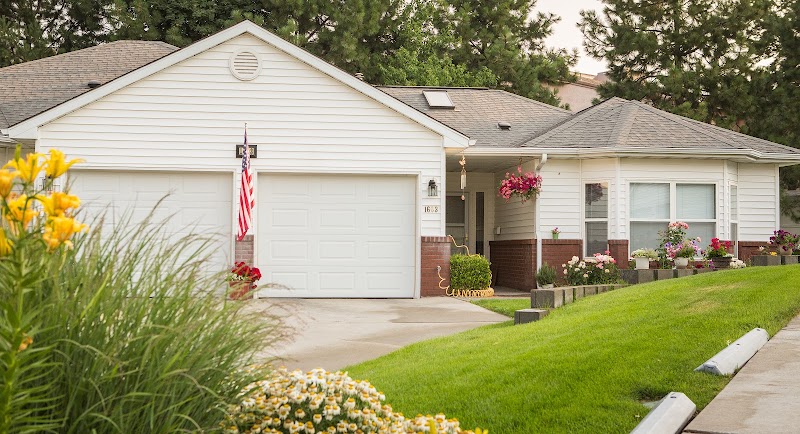
Who Owns and Operates Touchmark On South Hill Nursing?

TOUCHMARK ON SOUTH HILL NURSING is owned by a for-profit company. For-profit facilities operate as businesses with obligations to shareholders or private owners. The facility operates independently rather than as part of a larger chain. With 57 certified beds and approximately 22 residents (about 39% occupancy), it is a smaller facility located in SPOKANE, Washington.
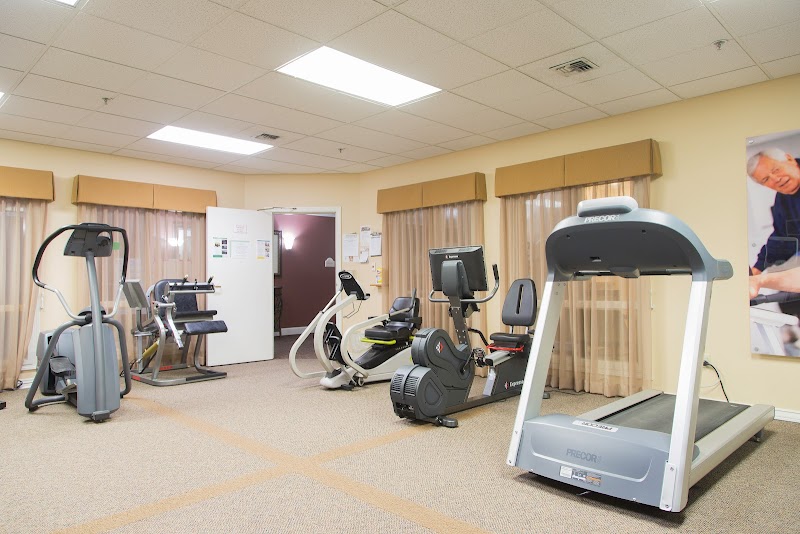
How Does Touchmark On South Hill Nursing Compare to Other Washington Nursing Homes?

Compared to the 100 nursing homes in Washington, TOUCHMARK ON SOUTH HILL NURSING's overall rating (3 stars) is below the state average of 3.2 and health inspection rating (4 stars) is above the national benchmark.

What Should Families Ask When Visiting Touchmark On South Hill Nursing?

Based on this facility's data, families visiting should ask: "What changes have been made since the serious inspection findings, and how are you preventing similar issues?" "Can you walk me through typical staffing levels on day, evening, and night shifts?" "Can I visit during a mealtime to observe dining assistance and food quality?" "How do you handle medical emergencies, and what is your hospital transfer rate?" These questions are particularly relevant given the facility's Immediate Jeopardy citations and the below-average staffing rating.

Is Touchmark On South Hill Nursing Safe?

Based on CMS inspection data, TOUCHMARK ON SOUTH HILL NURSING has documented safety concerns. Inspectors have issued 1 Immediate Jeopardy citation (the most serious violation level indicating risk of serious injury or death). The facility has a 3-star overall rating and ranks #100 of 100 nursing homes in Washington. Families considering this facility should ask detailed questions about what corrective actions have been taken since these incidents.

Do Nurses at Touchmark On South Hill Nursing Stick Around?

TOUCHMARK ON SOUTH HILL NURSING has not reported staff turnover data to CMS. Staff turnover matters because consistent caregivers learn residents' individual needs, medications, and preferences. When staff frequently change, this institutional knowledge is lost. Families should ask the facility directly about their staff retention rates and average employee tenure.

Was Touchmark On South Hill Nursing Ever Fined?

TOUCHMARK ON SOUTH HILL NURSING has no federal fines on record. CMS issues fines when nursing homes fail to meet care standards or don't correct problems found during inspections. The absence of fines suggests the facility has either maintained compliance or corrected any issues before penalties were assessed. This is a positive indicator, though families should still review recent inspection reports for the full picture.

Is Touchmark On South Hill Nursing on Any Federal Watch List?

TOUCHMARK ON SOUTH HILL NURSING is not on any federal watch list. The most significant is the Special Focus Facility (SFF) program, which identifies the bottom 1% of nursing homes nationally based on persistent, serious quality problems. Not being on this list means the facility has avoided the pattern of deficiencies that triggers enhanced federal oversight. This is a positive indicator, though families should still review the facility's inspection history directly.