SUNNYSIDE HEALTHCARE CENTER
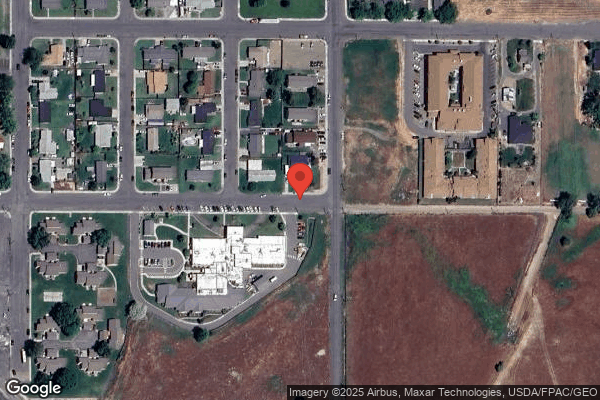
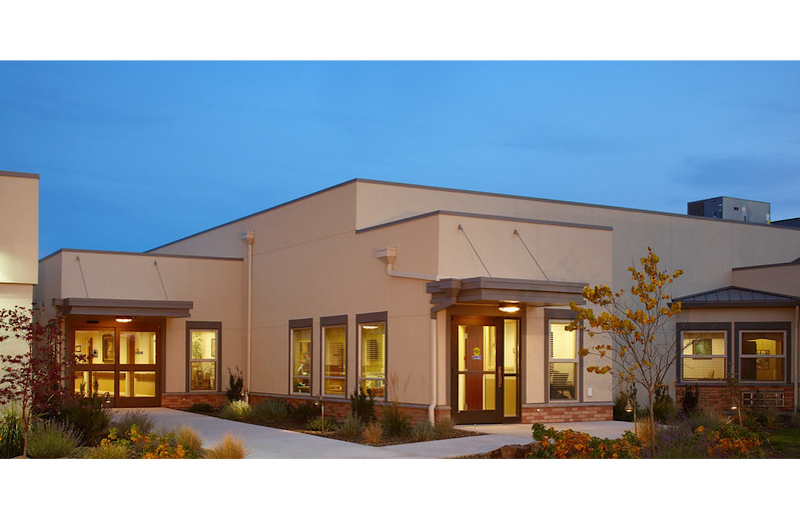
721 OTIS AVENUE, SUNNYSIDE, WA 98944 (509) 837-2122
For profit - Limited Liability company 80 Beds PACS GROUP Data: November 2025
Trust Grade
38/100
#119 of 190 in WA
Last Inspection: November 2024

Within standard 12-15 month inspection cycle. Federal law requires annual inspections.

Overview

Sunnyside Healthcare Center has received a Trust Grade of F, indicating significant concerns about its quality of care. It ranks #119 out of 190 facilities in Washington, placing it in the bottom half, and #7 out of 11 in Yakima County, meaning there are only a few local options that perform better. While the facility is improving-reducing issues from 9 in 2024 to 5 in 2025-its staffing rating is good with a turnover rate of 25%, which is well below the state average of 46%. However, the facility has concerning fines totaling $92,827, indicating compliance problems, and it has less RN coverage than 91% of Washington facilities, which can affect the quality of care. Specific incidents of concern include a resident who fell in the restroom due to inadequate supervision, another resident whose room was not properly set up for their visual impairment, and a resident who fell from a bed due to improper assessment of bed equipment, all resulting in serious harm.

Trust Score
F
38/100
In Washington
#119/190
Bottom 38%
Safety Record
High Risk
Review needed
Inspections
Getting Better
9 → 5 violations
Staff Stability
✓ Good
25% annual turnover. Excellent stability, 23 points below Washington's 48% average. Staff who stay learn residents' needs.
Penalties
✓ Good
$92,827 in fines. Lower than most Washington facilities. Relatively clean record.
Skilled Nurses
○ Average
Each resident gets 30 minutes of Registered Nurse (RN) attention daily — about average for Washington. RNs are the most trained staff who monitor for health changes.
Violations
⚠ Watch
31 deficiencies on record. Higher than average. Multiple issues found across inspections.
★★★☆☆
3.0
Overall Rating
★★★★☆
4.0
Staff Levels
★★★☆☆
3.0
Care Quality
★★★☆☆
3.0
Inspection Score
Stable
2024: 9 issues
2025: 5 issues

The Good

  • 4-Star Staffing Rating · Above-average nurse staffing levels
  • Low Staff Turnover (25%) · Staff stability means consistent care
  • Full Sprinkler Coverage · Fire safety systems throughout facility
  • No fines on record
  • Staff turnover is low (25%)

    23 points below Washington average of 48%

Facility shows strength in staffing levels, staff retention, fire safety.

The Bad

3-Star Overall Rating

Near Washington average (3.2)

Meets federal standards, typical of most facilities

Federal Fines: $92,827

Well above median ($33,413)

Moderate penalties - review what triggered them

Chain: PACS GROUP

Part of a multi-facility chain

Ask about local staffing decisions and management

The Ugly 31 deficiencies on record

3 actual harm
Jun 2025 1 deficiency
CONCERN (E) 📢 Someone Reported This

A family member, employee, or ombudsman was alarmed enough to file a formal complaint

Potential for Harm - no one hurt, but risky conditions existed

Deficiency F0804 (Tag F0804)

Could have caused harm · This affected multiple residents

Based on observation, interview, and record review, the facility failed to serve meals at a preferred temperature for 3 of 4 residents (Resident 1, 2, and 3) reviewed for food temperatures. This failu...

Read full inspector narrative →
Based on observation, interview, and record review, the facility failed to serve meals at a preferred temperature for 3 of 4 residents (Resident 1, 2, and 3) reviewed for food temperatures. This failure placed the residents at risk for inadequate nutritional intake, weight loss, and dissatisfaction with their dining experience. Findings included . <Resident 1> Review of the medical record showed Resident 1 was admitted to the facility with diagnoses including diabetes (a group of diseases that result in too much sugar in the blood), paraplegia (the loss of muscle function in the lower half of the body, including both legs), and depression. The 03/27/2025 comprehensive assessment showed Resident 1 was independent with activities of daily living (ADLs); dependent on one to two staff for transfers and showering. The assessment also showed Resident 1 was cognitively intact. A concurrent observation and interview on 06/17/2025 at 12:16 PM, showed Resident 1 sitting in their wheelchair in their room at their over the bed table. They stated they were waiting for their lunch tray. Resident 1 stated their food was often cold when it was delivered. They stated they were told that Staff B, Dietary Manager, was trying to buy something to keep the food warmer. Resident 1 stated they had voiced their concerns about the cold food to Staff B, but their concerns go in one ear and out the other (heard but disregarded or quickly forgotten). At 12:18 PM, Resident 1's meal tray was delivered. Observation of the meal showed cooked spinach, chicken strips, and french fries. Resident 1 stated the meal did not look appetizing. They picked up a chicken strip and stated it was not even lukewarm (slightly warm). Resident 1 stated the lack of hot meals made them feel frustrated and it's not right, I pay to stay here (at the facility), and they should be giving me quality food to eat that is nutritious and hot. Resident 1 stated they had filed a grievance regarding the food temperature but nothing was done. Record review of a grievance dated 06/02/2025, showed Resident 1 had reported their concerns with cold food. The grievance showed management was aware of the resident's concern and was working on getting a better system to keep food warm . <Resident 2> Review of the medical record showed Resident 2 was admitted to the facility with diagnoses including rheumatoid arthritis (a condition where the body's immune system attacks its own tissues, causing joint pain, swelling, stiffness, and fatigue), muscle weakness, and depression. The 04/18/2025 comprehensive assessment showed Resident 2 was dependent on one to two staff for ADLs; independent with eating. The assessment also showed Resident 2 had an intact cognition. A concurrent observation and interview on 06/17/2025 at 12:26 PM, showed Resident 2 lying in bed with an over the bed table across the bed. Resident 2 stated the food was consistently cold and was frequently delivered without the plate warmers or covers. At 12:29 PM, a meal tray was delivered to Resident 2. A nursing assistant (NA) placed the tray on the over the bed table and removed the plate cover. Resident 2 touched their plate and stated, the plate is cold, how can the food be hot when the plate is cold, please feel my plate. Resident 2's plate was cool to the touch and the plate cover was cold. They picked up a chicken strip and took a bite. Resident 2 stated it was not warm; its cooler than the temperature of my mouth. Resident 2 stated that was the normal temperature of their meals. They stated they were very frustrated with their dining experience. They stated they have reported their concerns and filed grievances, but nothing ever changes. <Resident 3> Review of the medical record showed Resident 3 was admitted to the facility with diagnoses including heart failure, high blood pressure, and diabetes. The 05/20/2025 comprehensive assessment showed Resident 3 was dependent on one to two staff members for toileting and bathing and was independent with eating. The assessment also showed Resident 3 was cognitively intact. During an interview on 06/17/2025 at 1:02 PM, Resident 3 stated their meals were not always hot. They stated they had told staff the food was cold. Resident 3 stated they would prefer my food hotter. During an interview on 06/17/2025 at 1:34 PM, Staff B stated they were aware of the complaints of cold food. They stated the facility had purchased thermal pellets (a heated device that is placed under a plate to keep food warm for up to 60 minutes) to improve food temperatures. They stated they did not have the approval to purchase the warming device to heat the pellets. Staff B stated the kitchen did not have insulated carts to keep the food warm. They stated they had identified issues with the length of time it took for staff to deliver the food once it left the kitchen, which could be contributing to the cold food complaints. During an interview on 06/18/2025 at 7:49 AM, Staff A, Administrator, stated they were aware of the concerns with cold food. They stated they had purchased the pellets for the plate warmers but needed to purchase additional parts. Staff A stated they were not able to identify why the food was cold when it reached the residents when it left the kitchen at the appropriate temperature. Staff A stated the plan was to purchase the additional parts to ensure food arrived at the resident warm, but did not have the funds to purchase the additional parts. Reference: WAC 388-97-1100(2)
Mar 2025 3 deficiencies
CONCERN (D) 📢 Someone Reported This

A family member, employee, or ombudsman was alarmed enough to file a formal complaint

Potential for Harm - no one hurt, but risky conditions existed

Resident Rights (Tag F0550)

Could have caused harm · This affected 1 resident

Based on observation, interview, and record review, the facility failed to provide a dining experience that promoted resident respect and dignity for 1 of 6 residents (Resident 1) reviewed for dignity...

Read full inspector narrative →
Based on observation, interview, and record review, the facility failed to provide a dining experience that promoted resident respect and dignity for 1 of 6 residents (Resident 1) reviewed for dignity. This failure placed the resident at risk for low self-esteem and an undignified dining experience. Findings included . Review of a policy titled, Resident Rights, dated 02/2021, showed federal and state laws guarantee certain rights to all residents, including the right to a dignified existence and the right to be treated with respect, kindness, and dignity. <Resident 1> Review of the medical record showed Resident 1 was admitted to the facility with diagnoses including heart failure, arthritis, and weakness. The 03/12/2025 comprehensive assessment showed Resident 1 required substantial assistance of one staff member for activities of daily living and supervision for eating. The assessment also showed Resident 1 had a moderately impaired cognition. Resident 1 was able to make their needs known. A concurrent observation and interview on 03/25/2025 at 3:16 PM, showed Resident 1 sitting in their room in their wheelchair with the bedside table in front of them. There was a Styrofoam cup of ice water on the bedside table. Resident 1 had their head down and was crying. Resident 1 stated They take away my dignity. I get my food in a paper plate or Styrofoam. They say the dishwasher is not working and the patients are suffering. I am treated like an animal, I sit with my paper plate and tiny spoon [(spork) a small, plastic combination utensil that is shaped like a spoon, with two to four fork-like tines). Resident 1 stated one of the girls told them the dishwasher had been broken. Resident 1 stated they had been served on paper plates for a long time and asked, how long can a dishwasher be broken - they took away my dignity. During an interview on 03/25/2025 at 4:21 PM, Staff B, Director of Nursing Services, stated they were not aware that the facility was using paper products for meal service. During a follow up interview on 03/27/2025 at 1:44 PM, Staff B stated the process for maintaining respect and dignity for the residents included training staff and using the grievance process. Staff B stated they were not involved in switching to paper items because that was a kitchen issue. Reference: WAC 388-97-0180(1)(2)(3)
CONCERN (D) 📢 Someone Reported This

A family member, employee, or ombudsman was alarmed enough to file a formal complaint

Potential for Harm - no one hurt, but risky conditions existed

Deficiency F0676 (Tag F0676)

Could have caused harm · This affected 1 resident

Based on observation, interview, and record review, the facility failed to ensure 2 of 3 residents (Resident 2 and 3), reviewed for activities of daily living, received goods and services to maintain ...

Read full inspector narrative →
Based on observation, interview, and record review, the facility failed to ensure 2 of 3 residents (Resident 2 and 3), reviewed for activities of daily living, received goods and services to maintain their ability to eat independently. This failure placed the residents at risk for low self-esteem, the inability to feed themselves, and dissatisfaction with their dining experience. Findings included . <Resident 2> Review of the medical record showed Resident 2 was admitted to the facility with diagnoses including rheumatoid arthritis (a chronic arthritis that affects the small joints in the hands and feet, often causing joint deformity) and muscle weakness. The 12/09/2024 comprehensive assessment showed Resident 2 was independent with eating. The assessment also showed Resident 2 was cognitively intact. A concurrent observation and interview on 03/26/2025 at 11:59 AM, showed Resident 2 lying in bed. Both hands were on top of the blankets and showed deformed fingers. Resident 2 was able to slightly flex their fingers with difficulty. They stated they preferred to eat with metal silverware. They stated plastic silverware was acceptable but all they gave us to eat with is a spork (a small, plastic combination utensil that is shaped like a spoon, with two to four fork-like tines. Resident 2 stated they were unable to use the plastic spork due to their arthritis. They stated one of the nursing assistants told them they were having problems with the water when they brought their meal tray on maybe Thursday of the previous week. Resident 2 stated the meals were served in Styrofoam containers and it was hard for them to eat out of those containers. They stated it was difficult to get to the food with the angle of the Styrofoam container and use of the plastic spork. Resident 2 stated they used to look forward to eating but now it is just a problem. Resident 2 stated they told staff they were unable to use the plastic spork for eating, but it came with every meal. <Resident 3> Review of the medical record showed Resident 3 was admitted to the facility with diagnoses including Parkinson's disease (a disorder of the central nervous system that affects movement, often including tremors), anxiety, and depression. The 02/19/2025 comprehensive assessment showed Resident 3 required step-up assistance from one staff member for eating. The assessment also showed Resident 3 was cognitively intact. An observation and interview on 03/26/2025 at 2:51 PM, showed Resident 3 lying in bed with a Styrofoam cup on the bedside table. Resident 3 stated they were getting their meals on thin paper plates, but they are better than the Styrofoam ones. They stated that had been going on for about two weeks. Resident 3 stated they had heard it was the dishwasher's fault, but no one had specifically told them. They stated they had problems using the plastic spork, it's garbage, I am not able to eat with it. Resident 3 stated they had neuropathy (a condition that affects the nerves with a gradual onset of numbness or tingling in the hands or feet) and could not feel their fingers. They stated they were able to feed themselves with a metal fork, and somewhat with a plastic fork, but not at all with the plastic spork. During an interview on 03/26/2025 at 11:30 AM, Staff C, Nursing Assistant, stated they did not remember when the facility started using the paper plates. Staff C stated the residents had complained to them about using the sporks. They stated they would exchange the spork for a regular plastic fork, if there was one available. During an interview on 03/26/2025 at 12:29 PM, Staff D, Dietary Manager, stated they were using sporks because a pipe had broken in the kitchen and they were unable to use the dishwasher. Staff D stated they ran out of the regular plastic forks, knives, and spoons and provided the residents with a spork to eat their meals. During an interview on 03/27/2025 at 1:44 PM, Staff B, Director of Nursing, stated they were not aware that the facility had switched to paper/plastic products. Staff B stated they were not involved with that decision as it was a kitchen issue. During a telephone interview on 03/28/2025 at 8:35 AM, Staff A, Administrator, stated when the pipe broke in the kitchen, they had put a plan in place to use the paper/plastic items for just one meal, the lunch meal on Friday (03/21/2025), and had put a system in place to return to use of the regular dishware after that one meal. They stated they were not aware that the facility had continued to use the paper/plastic items. Reference: WAC 388-97-1060(1)(2)(a)(iv)(b)
CONCERN (F) 📢 Someone Reported This

A family member, employee, or ombudsman was alarmed enough to file a formal complaint

Potential for Harm - no one hurt, but risky conditions existed

Food Safety (Tag F0812)

Could have caused harm · This affected most or all residents

Based on observation, interview, and record review, the facility failed to maintain a clean and sanitary environment in 1 of 1 kitchen (Main Kitchen) reviewed for food preparation and storage safety. ...

Read full inspector narrative →
Based on observation, interview, and record review, the facility failed to maintain a clean and sanitary environment in 1 of 1 kitchen (Main Kitchen) reviewed for food preparation and storage safety. This failure placed all residents, staff, and visitors that ate out of the Main Kitchen at risk for food contamination (the unintended presence of potentially harmful substances including microorganisms or chemicals in food) and food borne illnesses. Findings included . Review of a policy titled, Sanitation, dated 11/2022, showed the facility would maintain a clean and sanitary food service area. During an interview on 03/25/2025 at 3:58 PM, Staff F, Maintenance Director, stated there was a pipe under the kitchen floor, about four feet underground that had broken. They stated they had put the restrooms, located on the other side of the kitchen wall of the dishwasher area, out of service and the doors were locked so they could not be used. They stated the dishwasher was also out of service, not because it was broken, but because it could not drain. They stated the incident happened yesterday (03/24/2025). In a concurrent observation and interview on 03/25/2025 at 4:13 PM, Staff E, Cook, in the Main Kitchen, stated the water from the restrooms was coming up into the kitchen through the drains. They stated there was a pipe under the kitchen that had broken and did not allow the catch basin to drain properly. An observation of the dishwasher area showed a 10 inch by seven-inch white catch basin that was inset into the floor under the dishwasher counter space. There were two pipes that drained into the catch basin, including one from the dishwasher. There was a hole in the bottom of the catch basin to drain the water. The bottom of the catch basin was soiled with a dark brown residue. There was a folded blanket placed over the corner of the catch basin, and a second folded blanket over a drain in the floor, three feet from the catch basin. Staff E stated water also came out of that floor drain. There was a shop vac (a powerful vacuum that can suck up wet or dry substances and blows out exhaust) located in the dishwasher area that had a long hose pushed into the catch basin. Staff E stated they were able to run the dishwasher if they used the shop vac to suck the water out of the drain. Staff E turned on the dishwasher and water began to drain into the catch basin. Staff E turned on the shop vac, which blew exhaust onto three open meal delivery carts, that were located across from the dishwasher area. Staff E stated they had been using the three-compartment sink sanitation method until Staff F, Maintenance Director, put the shop vac in use so they could use the dishwasher. Staff E stated the dishwasher area and Main Kitchen was not sanitary and should not be used. During a follow up interview on 03/25/2025 at 4:17 PM, Staff F stated they knew about the issue on Monday (03/24/2025). They stated they had a contractor create a proposal for the repairs. Staff F stated the repairs had not been scheduled, as they needed approval from Staff A, Administrator, before scheduling. Staff F stated they had removed the shop vac from the Main Kitchen and staff would have to go back to not using the dishwasher until the drain was fixed. Record review of a plumbing invoice dated 03/21/2025, showed a camera was used in the main sewer line and found a potential break/separation or offset in kitchen under concrete that was no allowing full drainage. During an observation and interview on 03/25/2025 at 4:21 PM, Staff B, Director of Nursing Services, toured the Main Kitchen and observed the dishwasher area where the shop vac was set up. Staff B stated the kitchen was not sanitary and I would not eat out of this kitchen. During an observation and interview on 03/25/2025 at 4:54 PM, Staff G, Infection Preventionist, toured the dishwasher area of the Main Kitchen. Staff G stated they were not involved in the plans for preventing cross contamination in the Main Kitchen. Staff G stated they were not aware that the toilets had backed up into the kitchen. They stated they were only told there was a broken pipe. During an interview on 03/26/2025 at 12:29 PM, Staff D, Dietary Manager, stated the drain problem started Thursday (03/20/2025) or Friday (03/21/2025) of the previous week. They stated they had made the decision to switch to the paper products because they were not able to use the permanently fixed three-compartment sink for cleaning and sanitizing the dishes. Staff D stated the drains backed up into those sinks as well. They stated they were currently using a smaller two-compartment sink with a bin that contained sanitizer and were not able to keep up with the number of dishes that were used per meal. Staff D stated they were in the Main Kitchen when the drain first backed up. They stated they saw the back flow of water and it smelled like bathroom water; it was brown and gunky. Staff D stated the backflow stayed in the dishwasher area. They stated Staff F contacted a plumber that came out that same day and found a broken pipe. Staff F closed the restrooms that same day and put the dishwasher out of service. Staff D stated Staff F brought them the shop vac on Tuesday (03/25/2025) and told the kitchen staff they could use it to suck up the dishwasher drainage. During an interview on 03/28/2025 at 8:35 AM, Staff A stated the pipes went down on Friday (03/21/2025). They stated they formulated a plan with Staff F that included using the three-compartment system. They stated they the plan also included collecting drainage and disposing of it in a sink that had a working drain. Staff A stated they were not aware that they were using a shop vac for drainage and that was not the plan I had put in place. Reference: WAC 388-97-2980(1)(3)(6)
Jan 2025 1 deficiency
CONCERN (F) 📢 Someone Reported This

A family member, employee, or ombudsman was alarmed enough to file a formal complaint

Potential for Harm - no one hurt, but risky conditions existed

Safe Environment (Tag F0921)

Could have caused harm · This affected most or all residents

**NOTE- TERMS IN BRACKETS HAVE BEEN EDITED TO PROTECT CONFIDENTIALITY** Based on observation, interview, and record review, the facility failed to ensure a sanitary and homelike environment by not con...

Read full inspector narrative →
**NOTE- TERMS IN BRACKETS HAVE BEEN EDITED TO PROTECT CONFIDENTIALITY** Based on observation, interview, and record review, the facility failed to ensure a sanitary and homelike environment by not consistently cleaning the heating and air exchange vents and/or changing the filters for 4 of 4 dining rooms (DR) ([NAME], Garden, Transition Care Unit [TCU], and Private), 3 of 3 hallways (Hallways 100, 200, and 300), and 1 of 1 kitchen. Additionally, the facility failed to ensure 1 of 1 laundry room was free from built-up dust and lint to the dryers and the water and exhaust pipes. This failed practice placed residents at risk for an undignified existence, infections, and safety hazards. Findings included . <Dining Rooms> An observation in the Garden DR on 01/30/2025 at 10:19 AM, showed a white vent to the wall directly across from the refrigerator had visible built-up brown dust to the slats that extended to the white walls surrounding the vent. The DR showed three white vents along the length of the window that also had built-up brown dust to the slats. An observation in the Private DR on 01/30/2025 at 10:22 AM, showed the white vent above the sliding doors had built-up black dirt on the blades of the vent that extended to the wall surrounding the vent. The DR showed the vent on the ceiling to the right of the main entrance had thick, built-up brown dust. An observation of the TCU DR on 01/30/2025 at 10:27 AM, showed the white vent on the ceiling in front of the sink had thick black dirt and visible spider webs all along the square vent holes. The black outlined circle of the vent hole could be seen standing more than five feet (a unit of measure) away from the vent. An observation of the [NAME] DR on 01/30/2025 at 10:55 AM, showed the wall to the right of the sink had a white vent with thick brown/black dust and spider webs. The DR showed a group of residents sitting at tables in the center of the DR, that had a less than three feet by one-and-a-half-foot vent over the top of the tables. The vent had slats to all four sides that had thick, built-up brown, stringy dust hanging off them. <Hallways> An observation of Hallway 100 on 01/30/2025 at 9:56 AM, showed two white vents with slats on the ceiling outside of rooms [ROOM NUMBER] with built-up black/brown dirt on the slats. The Hallway showed a larger white ceiling vent outside of room [ROOM NUMBER] with built-up dust to the slats of the vent as well as to the filter that could be observed through the slats. An observation on 01/30/2025 at 10:26 AM showed a white vent outside the Chef's Nest door at the end of Hallway 200, had built-up thick, brown dust. An observation of Hallway 300 on 01/30/2025 at 10:31 AM, showed outside of rooms [ROOM NUMBER], two white ceiling vents with thick, black dirt and spider webs dangling from them. The hallway showed a larger white vent on the ceiling outside of room [ROOM NUMBER] that had blackened areas of built-up dust. The large vent had white square ceiling tiles that surrounded the vent and showed blackened built-up dust extending from the vent. An observation of the entrance way to Hallway 100 on 01/30/2025 at 10:54 AM showed three white wall vents near the nurse's station that had built-up black dust to the slats. <Kitchen> An observation on 01/30/2025 at 11:17 AM, showed a white vent on the ceiling in the dry storage room, above the black refrigerator that was 12 inches by 12 inches with four sections in the middle of the vent. The sections of the vent had built-up black dust as well as stringy dust hanging from the vent. Additionally, five of the slats were broken exposing a black hole. The white vent above the dish washing area also showed built-up black dust. <Laundry Room> An observation on 01/30/2025 at 11:01 AM, showed in the clean part of the laundry room, there was a white vent that had thick stringy, built-up dust on the slats. The laundry room showed the vent above the middle dryer had built-up black dust on the slats as well as the large round cylinder exhaust pipes to the back of the dryers (less than eight feet tall and 12 feet in length). Additionally, inside the encasings around the two dryers, there were vents around the motors that had thick built-up brown dust and lint. The laundry room also showed the metal water piping that went across the width of the laundry room had built-up dust to the top areas of the piping. During an interview on 01/30/2025 at 11:05AM, Staff C, Housekeeper, stated they were responsible for cleaning areas that were low enough for them to reach and maintenance was responsible for areas that were up high. During a telephone interview on 01/30/2025 at 2:13 PM, Staff B, Maintenance Director, stated they cleaned vents every six months and they did not have a schedule for changing the filters. Just changed them when they needed to be. Staff B stated they expected laundry staff to clean the lint and dust in the laundry room every shift. Staff B stated they provided the laundry staff with Swiffer Jet (a brand of duster/cleaner) cleaners so they could reach higher areas. Staff B stated they were also responsible for cleaning the vents in the ceilings. Staff B stated they had last changed the filters four to five months ago. Review of a 2025 Vent Log showed the kitchen and laundry vents had been cleaned on 01/14/2025. The log showed the Hallway 100 vent filter and other filters had been replaced on 01/22/2025, and the main entrance vents had been cleaned on 01/22/2025 (even though Staff B stated it had been four to five months ago). Review of the 12/18/2024 through 01/28/2025 Maintenance communication book, showed an entry on 12/30/2024 that the [NAME] DR ceiling vents were dirty. The entry showed it had been completed with no documented initials of who completed the work or a date that it had been completed. An observation and concurrent interview on 01/30/2025 at 3:35 PM, Staff A, Administrator, along with the Surveyor, walked through the facility. Staff A stated Staff B should have completed daily walk throughs of the facility to identify if things like the dirty vents needed to be cleaned more often than every six months, they [the vents] shouldn't be like that. During a follow-up interview on 01/31/2025 at 1:00 PM, Staff B stated they needed to restructure their process for cleaning vents and changing filters in the vents. Staff B stated the vents needed to be monitored more frequently, cleaned when they started to have dust build up, and the filters changed. Reference WAC: 388-97-3220 (1)
Dec 2024 1 deficiency
CONCERN (D) 📢 Someone Reported This

A family member, employee, or ombudsman was alarmed enough to file a formal complaint

Potential for Harm - no one hurt, but risky conditions existed

Quality of Care (Tag F0684)

Could have caused harm · This affected 1 resident

**NOTE- TERMS IN BRACKETS HAVE BEEN EDITED TO PROTECT CONFIDENTIALITY** Based on observation, interview and record review, the facility failed to provide goods and services that met professional stand...

Read full inspector narrative →
**NOTE- TERMS IN BRACKETS HAVE BEEN EDITED TO PROTECT CONFIDENTIALITY** Based on observation, interview and record review, the facility failed to provide goods and services that met professional standards of care for 2 of 3 residents (Resident 3 and Resident 7) reviewed for documentation before and after receiving an opioid (a powerful class of medications meant to be used for a short time after an injury or surgery to manage acute pain and enable activity) pain medication. The failure to assess and document resident's symptoms before and after receiving pain medication put the residents at risk for unmet care needs. Findings included . Record review of the facility's policy titled, Pain Assessment and Management, dated 10/2022, showed that when opioids were used for pain management, the resident was monitored for medication effectiveness. Record review of the facility's policy titled, Charting and Documentation, dated 04/2008, showed that all medications administered must be documented in the resident's clinical record that included date and time medication given, assessment data obtained at the time medication was administered, how the resident tolerated the medication and signature and title of the individual documenting in the record. <Resident 3> Record review showed the resident was admitted to the facility with diagnoses to include stroke (when the blood supply to part of the brain is interrupted or reduced, preventing brain tissue from getting oxygen and nutrients) and dementia (a loss of mental ability severe enough to interfere with normal activities of daily living.) Review of a 09/17/2024 comprehensive assessment showed the resident had severe cognitive impairment and was dependent on staff for their activities of daily living. Record review of an 11/12/2024 at 11:34 AM progress note showed the resident's medical provider and family opted for end-of-life care (support and medical care given during the time surrounding death) due to a rapid, notable decline in the resident's health. At that time lorazepam (a medication commonly used in end-of-life care to treat anxiety, seizures, and nausea) was ordered to be given as needed for restlessness and morphine sulfate (MS, a controlled opioid medication that interacts with the opioid receptor cells that provides short term relief for significant pain) was ordered to be given as needed for pain. During a telephone interview on 12/11/2024 at 2:30 PM, Resident 3's representative (RR), stated they were concerned Resident 3 received MS on 11/18/2024 12 hours prior to their passing and they did not think Resident 3 appeared in pain. Review of Resident 3's November 2024 medication administration record (MAR) showed no documentation that MS was administered to Resident 3 on 11/18/2024. Record review of the facility Narcotic (opioid) Book- (a tamper-proof record system used to track every drug administered to individual resident) showed that MS was signed out on 11/18/2024 at 12:00 PM, by Staff D, Licensed Practical Nurse (LPN). Review of Resident 3's nursing progress notes for 11/18/2024 showed no documentation from Staff D on the resident's signs of pain or restlessness. During a telephone interview on 12/11/2024 at 2:45 PM, Staff D stated they recalled Resident 3 was having a difficult time swallowing on 11/18/2024 and they had family in the room. Staff D stated they could not recall why they thought Resident 3 was in pain but did remember giving the resident MS and told the resident and family what the medication was, and it was for pain. Staff D stated they were not aware they did not chart the medication on the MAR or make a progress note, I should have. <Resident 7> Record review showed the resident was admitted to the facility on [DATE] with diagnoses to include aftercare following surgery for abdominal aortic aneurysm (an enlarged area in the lower part of the body's main artery), care for wound vac (negative pressure wound therapy to assist with wound healing) to bilateral inguinal area (known as the groin and serves as passage way for structures such as blood vessels and nerves to and from the abdomen) and a cervical disc herniation (when the cushion-like discs between the neck vertebrae rupture or bulge). Review of the 12/01/2024 comprehensive assessment showed the resident had intact cognition, was dependent on staff for activities of daily living and was frequently in moderate pain that effected sleeping and mobility. During a concurrent interview and observation on 12/12/2024 at 1:45 PM, Resident 7 was observed lying flat on their back in bed. The resident stated they were in too much pain to sit up and pointed to the wound vac tubes coming from each inguinal area. The resident stated they were having trouble staying on top of the pain. Record review of the facility Narcotic Book showed that Resident 7 had an order for oxycodone as needed for pain and on 12/10/2024 the medication was signed out at 8:27 PM; on 12/11/2024 at 4:08 PM and again on 12/11/2024 at 8:45 PM. Review of the corresponding December 2024 MAR showed on 12/10/2024 Resident 7 complained of leg and back pain, received the oxycodone and reported that the medication was effective. On 12/11/2024 at 4:07 PM, Staff E, LPN, documented administering the oxycodone to Resident 7; however, they did not include an assessment or location of the resident's pain. Review of a 12/11/2024 4:44 PM progress note showed that Resident 7 expressed partial relief rating their pain at 3 out of 10 on a scale with 10 being the highest level of pain. There were no further entries on the MAR or progress notes for 12/11/2024 regarding the oxycodone signed out of the Narcotic Book at 8:45 PM by Staff E. Review of a facility 12/16/2024 investigation showed that on 12/12/2024, Resident 7 recalled receiving oxycodone twice on the 12/11/2024 evening shift about four hours apart since the first dose did not give them relief. During a telephone interview on 12/16/2024 at 10:30 AM, Staff E stated that they recalled Resident 7 asked for pain medication early in their shift [on 12/11/2024] for leg and back pain. They stated two hours later the resident reported they were still in significant pain and Staff E gave the resident more oxycodone about four hours later. Staff E stated they normally document in the MAR and progress notes why the resident received the medication and the results; however, they must have forgotten this time. During an interview on 12/16/2024 at 10:30 AM, Staff C, Assistant Director of Nursing, stated that stated it was concerning that the nurses were not documenting pain medication in the MAR and progress notes because we review the MAR for the frequency a resident needs pain to determine the effectiveness of the medication and frequency and this cannot be done effectively when the nurses do not document their administration of the pain medication, the assessment prior and results after. During an interview on 12/16/2024 at 10:40 AM, Staff B, Director of Nursing, stated we have already started to fix this problem, the nurses know better. Reference: WAC 388-97-1060(1)(2)(b)(4)
Nov 2024 8 deficiencies 1 Harm
SERIOUS (G)

Actual Harm - a resident was hurt due to facility failures

Deficiency F0558 (Tag F0558)

A resident was harmed · This affected 1 resident

**NOTE- TERMS IN BRACKETS HAVE BEEN EDITED TO PROTECT CONFIDENTIALITY** Based on observation, interview, and record review, the facility failed to set-up a visually impaired resident's room to ensure ...

Read full inspector narrative →
**NOTE- TERMS IN BRACKETS HAVE BEEN EDITED TO PROTECT CONFIDENTIALITY** Based on observation, interview, and record review, the facility failed to set-up a visually impaired resident's room to ensure it accommodated the individualized needs and preferences for 1 of 2 residents (Resident 6) reviewed for accommodation of needs and preferences. Resident 6 experienced psychosocial harm as evidenced by changes in their activity, behavior, and mood from their baseline due to their new physical environment that was not individualized for their preference of independent functioning. Findings included . <Resident 6> Review of the medical record showed Resident 6 admitted to the facility on [DATE] with diagnosis to include blindness (visually impaired), anxiety (a feeling of worry, nervousness, or unease), depression (a mood disorder that causes a persistent feeling of sadness and loss of interest), and end stage renal disease (permanent kidney failure that requires a regular course of dialysis or a kidney transplant). The 09/30/2024 comprehensive assessment showed the resident required supervision or touching assistance with walking and transfers. The assessment showed listening to music was very important to them, had severely impaired vision, rarely socially isolated, and had an intact cognition during the review period. Review of Resident 6's care plan, dated 11/01/2024, showed the resident was legally blind in both eyes, high risk for falls, and preferred to have their room and belongings arranged to promote their independence. The care plan showed the resident liked their bed on the right side for a home like environment. The care plan did not address the change to the resident's new physical environment, nor addressed the bed currently being on the left side (which was a change from what Resident 6 was used to from the set up in their previous room). Review of a progress note, dated 09/14/2024, showed Resident 6 was on alert charting to be monitored for adjustment to a new roommate. Resident 6 stated they were uncomfortable with the new roommate due to the new roommate being messy, had a bad odor, and kept the air conditioner on all day. Resident 6 had conveyed these concerns to staff and the need for something to be done. Review of a nursing progress note, dated 11/15/2024 at 9:55 PM, showed Resident 6 had been moved to a new room (after two months residing in the same room with roommate that made them uncomfortable). Review of the medical record showed no documentation of Resident 6 being oriented to their new physical environment by nursing or therapy staff. Review of a nursing progress note, dated 11/16/2024 at 11:13 PM, showed Resident 6 had complained to nursing staff of disliking the set-up of their new room. Resident 6 was accustomed to their old room setting. The resident verbalized their dislike the day after they had been moved to their new environment. Review of a nursing progress note, dated 11/17/2024 at 11:12 PM, showed the resident had complained of disliking the set-up of his new room and the closet was too small, two days after they had been moved to their new environment. During an interview on 11/17/2024 at 2:17 PM Resident 6 stated, I'm not happy with the new room. The resident stated they were blind and had trouble getting around their new room. Resident 6 stated that their bathroom was too small, and the toilet was too small. The resident stated they were frustrated and embarrassed because they had been told they had urinated all over the place. Review of a nursing progress note, dated 11/18/2024 at 6:50 AM, showed Resident 6 stated they were angry due to having to move out of their old room, three days after they had been moved to their new environment. During an interview on 11/18/2024 at 8:37 AM, Staff LL, Licensed Practical Nurse (LPN), stated that Resident 6 had previously complained about their new roommate. Staff LL stated that Resident 6 requested to have either their new roommate moved or they (Resident 6) would need to be moved. Staff LL stated that Resident 6 was moved to a new room on 11/15/2024, per their request. Staff LL further stated therapy staff were not involved with the move, and Staff LL, with help from maintenance staff, moved Resident 6 into the new room. Staff LL, stated an orientation to the new room should have been done. An observation on 11/19/2024 at 1:29 PM, showed Resident 6 fully dressed wearing a gray t-shirt, brown sweatpants, and shoes exiting the restroom when they had tripped over a bed control cord that was lying on the ground. The resident fell forward as they grabbed the bottom of bed and stood straight up, holding on to the handle of their wheelchair and frame of the bottom of bed. Resident 6 walked along the bed, touching the edge of the bed with their hand to determine where they were at since they could not see, until they were in the middle of the bed and sat down. During an interview on 11/20/2024 at 9:02 AM Resident 6 stated I'm so frustrated with this place, I have been in the same clothes since Saturday. Resident 6 stated they could not find any of their clothes in the closet, they did not like being in the same clothes day after day. Resident 6 was in the same clothing as the previous day, a gray t-shirt and brown sweatpants. The resident stated, I'm not good in here (the new room they were placed in). Resident 6 explained the restroom was too small to sit down, and it did not flush well. Resident 6 stated they were having trouble washing their hands due to not being able to find the sink. They stated they could not get into the closet to find clean clothing to put on. I just don't know where I'm at. Resident 6 stated when they were in the old room they knew where everything was and felt comfortable going in and out of their room independently. The resident explained in the old room they knew when they got to the doorway because the window was on their left and all they had to do was turn right to walk down the hallway until they heard people around the dining room, and then turned left to get to the dining room for meals. The resident stated, I can't get out of this room because I'm not sure where I am. During an interview on 11/20/2024 at 10:07 AM Staff Y, Nursing Assistant (NA), stated Resident 6 was very upset with the new room. Resident 6 reported to Staff Y they could not find the sink, they could not get into the closet easily, and that the bathroom was too small. Staff Y stated Resident 6 was used to everything being on the right side of their room and now everything was on the left side in the new room. Staff Y stated that Resident 6 had weakness to their left side and their right side was the strong side. Staff Y stated the resident was so upset that they were not doing the things they had done in the past, like walking to the dining room, listening to their music, or playing around and teasing the staff like they normally did. Staff Y stated the resident was mad about the move. Staff Y stated they had encouraged the resident to use their call light for help, so they did not fall in their new room. Staff Y stated the resident really was not doing their normal routine and the resident was afraid they were going to fall when trying to get around in their new room. During an observation and concurrent interview on 11/20/2024 at 11:24 AM, Staff Z, NA, stated Resident 6 had been very quiet and looks sad. The resident was observed lying across their bed, shirtless, with their hands over their face and conveyed their frustration to Staff Z. Staff Z stated when the resident was in their previous room, the resident would sit at the side of the bed teasing/interacting with staff or walk around in the room listening/singing to their music. The resident would independently walk to the dining room with their cane for lunch; Staff Z stated the resident had not been doing that since their move to the new room. During an interview on 11/22/2024 at 10:20 AM, Resident 6's Representative (RR) stated they were very unhappy with the new room change for Resident 6. The RR stated no-one from the facility called to notify either of the RRs about the room change. The RR stated the resident had been in the old room since 2010 (14 years). The RR stated .for a blind person . that was not right . for the facility to move (Resident 6) without even helping them get to know (their new) space is just wrong. The RR stated the resident could not find their way around their new room, they could get really hurt in here. During an interview on 11/22/2024 at 2:20 PM Staff B, Director of Nursing Services, stated the process for moving a resident to a different room, first we do have to ask the resident if they would like to move and notify the resident's family of the room move. Staff B stated that they thought the staff moved the resident into a room with a similar set-up. Staff B stated they were surprised Resident 6 had moved rooms. Reference: WAC 388-97-0860(1)(a)(2)
CONCERN (D)

Potential for Harm - no one hurt, but risky conditions existed

Deficiency F0559 (Tag F0559)

Could have caused harm · This affected 1 resident

**NOTE- TERMS IN BRACKETS HAVE BEEN EDITED TO PROTECT CONFIDENTIALITY** Based on interview and record review, the facility failed to ensure a written notification of room changes including the reason ...

Read full inspector narrative →
**NOTE- TERMS IN BRACKETS HAVE BEEN EDITED TO PROTECT CONFIDENTIALITY** Based on interview and record review, the facility failed to ensure a written notification of room changes including the reason for the move to the resident/resident representative for 1 of 2 resident (Residents 6) reviewed for room changes. This failure placed the resident at risk for feelings of frustration and an increased risk for accidents. Findings included . Review of the facility's policy titled, Room/Roommate & Change Notification, updated 05/2022, showed the Social Services Director/Designee notifies the resident and/or representative of the new room change or roommate (prior to the change), documents the decision and notification in the medical record and monitors the resident's acclimation to the new environment/roommate for 24 hours and documents in the medical record. <RESIDENT 6> Review of the medical record showed Resident 6 admitted on [DATE] with diagnosis to include blindness, anxiety (a feeling of worry, nervousness, or unease). The 09/30/2024 comprehensive assessment showed that the resident required supervision or touching assistance with walking and transfers. Review of Resident 6's medical record under the Census tab, showed Resident 6 transferred to a different room on 11/15/2024. Review of the progress notes dated 11/15/2024 through 11/19/2024 showed no confirmation that Resident 6 and/or their representative were notified prior to the room change and the reason for the move. During an interview on 11/22/2024 at 10:22 AM, Resident Representative (RR) stated they had not received a written or verbal notification from the facility prior to Resident 6's room change. During an interview on 11/21/2024 at 10:44 AM, Staff P, Social Service Director, stated they notified the resident and/or representative and obtained consent as soon as possible, prior to the move. Staff P stated they would document it in the roommate change form or document in the progress notes if the resident was verbally notified. Staff P further stated that resident would be placed on alert charting for 24 hours to monitor for their psychological well-being related to the room change. Additionally, Staff P stated the resident and/or the RR had not signed the notice of room change. During an interview on 11/22/2024 at 2:20 PM, Staff B, Director of Nursing Services stated the process for a room change was to obtain consent prior to the room change and make all of the appropriate notifications. Reference: (WAC) 388-97-0580 (b)(ii)
CONCERN (D)

Potential for Harm - no one hurt, but risky conditions existed

Report Alleged Abuse (Tag F0609)

Could have caused harm · This affected 1 resident

**NOTE- TERMS IN BRACKETS HAVE BEEN EDITED TO PROTECT CONFIDENTIALITY** Based on interview and record review, the facility failed to report allegations of potential abuse and/or neglect to the State A...

Read full inspector narrative →
**NOTE- TERMS IN BRACKETS HAVE BEEN EDITED TO PROTECT CONFIDENTIALITY** Based on interview and record review, the facility failed to report allegations of potential abuse and/or neglect to the State Agency, for 1 of 5 residents (Residents 69), reviewed for abuse/neglect. This failure placed the residents at risk for unidentified abuse/neglect, and the potential continued exposure to abuse and/or neglect. Findings included . Review of the facility's policy titled, Abuse - Screening, Training, Identification, Investigation, Reporting, and Protection, revised January 2023, showed that it was the facility's policy to report allegations of abuse to the appropriate reporting authority. <Resident 69> Review of the resident medical record showed they were admitted on [DATE] with a diagnosis including heart complications. Review of the 10/10/2024 comprehensive assessment showed the resident was cognitively intact an able to make their needs known. During an interview on 11/17/2024 at 3:42 PM, Resident 69 stated a night shift nursing assistant (NA) was rough when assisting the resident with perineal care (cleaning of the private areas on the body). Resident 69 stated the night shift NA was mean, and would come into the resident's room with a bad mood when providing care. Resident 69 stated the night shift NA would demand the resident to roll over and would then proceed to roughly push the resident to one side when providing perineal care. Resident 69 stated they had informed Staff II, NA, on the day shift and maybe mention it to another staff member. Additionally, the resident stated they had not seen the night shift NA since the last time they had worked, possibly two days ago. Review of the incident and grievance (a resident concern) reporting log for October through November 2024, showed that no grievance or allegation of abuse had been logged or reported to the State Agency. During an interview on 11/19/2024 at 9:43 AM, Staff II, stated they were unsure of the date but remembered talking with Resident 69 about a night shift NA that was rough with the resident and would demand Resident 69 to roll over, turned (Resident 69) all crazy and what not (referring to the night shift NA's rough handling of the resident). Staff II stated they informed Staff JJ, Licensed Practical Nurse (LPN), about Resident 69's allegations of rough handling and they had both talked with the resident about the incident. Additionally, Staff II stated they identified the night shift NA as Staff KK, NA. During an interview on 11/20/2024 at 9:47 AM, Staff JJ, LPN, stated they remembered talking with Resident 69 on one of the last days they had worked, 11/11/2024 to 11/13/2024, about Staff KK that was mean, rude and giving Resident 69 a hard time when using the call light. Staff JJ stated they did not remember the resident stating that Staff KK was rough with them but would answer the resident's call light with what do you want now? Additionally, Staff JJ stated they had reported it and management staff went and talked with the resident about it. During an interview on 11/20/2024 at 2:45 PM Staff P, Social Service Director, and Staff B, Director of Nursing Services (DNS), stated they were both unaware of Resident 69's allegation of rough handling by Staff KK. Staff B stated that Resident 69's concerns were allegations of abuse, they should have been reported to the DNS along with the State Agency, and the correct process was not followed. Reference: WAC 388-97-0640(5)(a)
CONCERN (D)

Potential for Harm - no one hurt, but risky conditions existed

Investigate Abuse (Tag F0610)

Could have caused harm · This affected 1 resident

**NOTE- TERMS IN BRACKETS HAVE BEEN EDITED TO PROTECT CONFIDENTIALITY** Based on interview and record review, the facility failed to conduct a thorough investigation into an allegation of abuse for 1 ...

Read full inspector narrative →
**NOTE- TERMS IN BRACKETS HAVE BEEN EDITED TO PROTECT CONFIDENTIALITY** Based on interview and record review, the facility failed to conduct a thorough investigation into an allegation of abuse for 1 of 5 residents (Resident 69), reviewed for abuse and neglect. This failure placed the residents at risk for unidentified abuse, unmet care needs, and the potential for continued exposure to abuse and/or neglect. Findings included . Review of the facility's policy titled, Abuse - Screening, Training, Identification, Investigation, Reporting, and Protection, revised January 2023, showed that it was the facility's policy to protect residents from abuse and .All alleged incidents of abuse, neglect, abandonment, mistreatment, injuries of unknown source, personal and/or financial exploitation, or misappropriation of resident property must be thoroughly investigated . The policy showed that facility staff were to identify inappropriate behaviors such as .derogatory language, rough handling . and that if a staff member was involved in allegation of abuse they were to be removed from their duties and .removed from the center until administrative personnel can complete a thorough investigation of reported incident . <Resident 69> Review of the resident medical record showed they were admitted on [DATE] with diagnosis including heart complications. Review of the 10/10/2024 comprehensive assessment showed the resident was cognitively intact an able to make their needs known. During an interview on 11/17/2024 at 3:42 PM, Resident 69 stated an allegation of rough handling by a night shift staff nursing assistant (NA) when the staff would come help the resident get changed. Resident 69 stated the NA was rude the linebacker (a player's position in football, and the resident's way of conveying the staff members rough handling). Resident 69 stated they had talked with Staff II, NA. Additionally, the resident stated that it may have been two days ago when the incident took place. Record review of the facility's incident and grievance (a resident concern) reporting log from October and November 2024, showed that no grievance or allegation of abuse had been investigated for Resident 69. During an interview on 11/19/2024 at 9:43 AM, Staff II, stated they were unsure of the date but had remembered talking with Resident 69 about a night shift NA that was demanding/rude towards the resident and was rough when providing perineal care. Staff II stated they informed Staff JJ, Licensed Practical Nurse (LPN) about the Resident 69's allegations of rough handling, both staff talked with Resident 69, and they identified the night shift NA as Staff KK During an interview on 11/20/2024 at 9:47 AM, Staff JJ, LPN, stated they had talked with Resident 69 about Staff KK who had been mean/rude to the resident and was giving the resident a hard time during the night shift. Staff JJ stated they recalled Resident 69 stating Staff KK would answer the call light with what do you want now, and Staff JJ reported the resident's concerns to management staff. During an interview on 11/20/2024 at 2:45 PM, Staff P, Social Service Director, and Staff B, Director of Nursing Services, stated they had never received a report on Resident 69's allegation of rough handling against Staff KK. Staff B stated the investigation process should have been started when Resident 69 made the facility staff aware of the allegation of abuse and the correct process was not followed since they were not informed by Staff II or Staff JJ. During an interview on 11/22/2024 at 12:37 PM, Staff A, Administrator, stated the correct process was not followed for Resident 69's allegation of abuse and the investigation process should have been started. Staff A stated that Resident 69 should have been protected by having Staff KK taken off their shift while an investigation was being conducted. Reference: WAC 388-97-0640(6)(a)
CONCERN (D)

Potential for Harm - no one hurt, but risky conditions existed

Deficiency F0847 (Tag F0847)

Could have caused harm · This affected 1 resident

**NOTE- TERMS IN BRACKETS HAVE BEEN EDITED TO PROTECT CONFIDENTIALITY** Based on interview and record review the facility failed to ensure a resident had the cognitive capacity to understand the natur...

Read full inspector narrative →
**NOTE- TERMS IN BRACKETS HAVE BEEN EDITED TO PROTECT CONFIDENTIALITY** Based on interview and record review the facility failed to ensure a resident had the cognitive capacity to understand the nature and implication of entering into a binding arbitration agreement used to settle disputes without a jury trial for 1 of 4 residents (Resident 72) reviewed for arbitration. This failure placed the resident at risk for a lack of understanding of the legal contract they had signed and their right to make a choice for a jury trial in the event of a dispute with the facility. Findings included . Review of the Code of Federal Regulations 483.70 (m)(2)(i,ii), F847 Entering Into Binding Arbitration Agreements, showed the facility must ensure the agreement is explained to the resident and/or their representative in a form and manner that the resident understands. The resident or their representative acknowledges that they understand the agreement. <Resident 72> Review of the resident's medical records showed they were admitted to the facility on [DATE] with diagnosis including fracture of leg bone, heart complications and difficulty walking. The 10/20/2024 comprehensive assessment showed the resident had a severely impaired cognition. Review of Resident 72's care plan, dated 10/23/2024, showed Resident exhibits cognitive loss .discuss concerns regarding overall status/health with resident/family as needed . Review of Resident 72's arbitration document titled, Alternative Dispute Resolution Agreement Between Resident and Facility, dated 10/14/2024, showed that in the event of a dispute the resident would waive their right to a jury by trial in the federal or state court system and that the resident or their representative acknowledges full understanding of the arbitration agreement. The arbitration documented was signed by Resident 72 on 10/15/2024 and showed that no legal representative for the resident had signed the binding agreement. Additionally, Staff GG, Business Office Manager Assistant, signed as the facility's authorized agent. During an interview on 11/20/2024 at 9:13 AM, Resident 72, stated they were unaware of signing an arbitration agreement or what an arbitration agreement even was. The resident was confused and unable to recognize family members names when the names were stated by this surveyor, but then later recalled the family members name and thought they were going to be leaving the facility for a vacation. During an interview on 11/20/2024 at 10:04 AM, Resident 72's Representative (RR), stated they were the resident's power of attorney (POA) and was not aware of an arbitration agreement from the facility or that Resident 72 had entered into a binding arbitration agreement. When inquired about Resident 72 cognitive status and ability to understand written documents, the RR stated Resident 72 was confused not all there and could absolutely not agree to or sign documents for themselves. During an interview on 11/20/2024 at 10:33 AM, Staff HH, admission Coordinator, stated they were in charge of explaining the arbitration agreement to all residents during the admission process to the facility in order to ensure that a resident and/or the RR understood what was being signed and that it was voluntary. Staff HH stated that when they were unavailable, Staff GG or the facility's Administrator were charged with completing the arbitration agreements. Staff HH stated they verified a resident ability to understand by communicating with nursing staff and they liked to have the resident's family present when signing the arbitration agreement. Additionally, Staff HH stated that a RR would sign as the legal representative if a resident was not cognitively intact or able to understand the arbitration agreement. During an interview on 11/20/2024 at 10:50 AM, Staff GG, stated they completed the admission process with Resident 72. Staff GG stated that when the arbitration agreement document came up the family member with Resident 72 stated that Staff GG should wait for the RR that was the POA, because the resident should not be signing things on their own. Staff GG stated that Resident 72 signed the arbitration agreement acknowledging that they understood the agreement and that no legal representative had signed the arbitration agreement for Resident 72. During an interview on 11/20/2024 at 11:35 AM, Staff M, Licensed Practical Nurse, stated they had completed the assessment of Resident 72 when they admitted on [DATE]. Staff M stated that Resident 72 had a severely impaired cognition when they admitted to the facility and was confused. During an interview on 11/20/2024 at 12:50 PM, Staff A, Administrator, stated they were present with Staff GG during Resident 72's admission process. Staff A stated that Resident 72 had signed the arbitration agreement acknowledging they understood the form. Staff A stated that a family member was present during the admission process, but did not sign as the legal representative for Resident 72. Staff A stated that since Resident 72 was cognitively impaired and not able to understand the arbitration agreement the resident's legal representative should have signed acknowledging the understanding of the binding arbitration agreement. Reference: WAC 388-97-1620(2)(b)(i)
CONCERN (D)

Potential for Harm - no one hurt, but risky conditions existed

Infection Control (Tag F0880)

Could have caused harm · This affected 1 resident

Based on observation, interview, and record review, the facility failed to implement components of their infection prevention and control precautions regarding Legionella (a bacteria that can cause a ...

Read full inspector narrative →
Based on observation, interview, and record review, the facility failed to implement components of their infection prevention and control precautions regarding Legionella (a bacteria that can cause a severe respiratory disease) testing protocols and procedures when the control measures (actions or steps taken), adopted to reduce the potential growth/spread of pathogens (bacteria, virus or other microorganisms that can cause diseases) in water, were not met for the water management program (WMP) reviewed for infection control. These failures placed residents at an increased risk for exposure to cross contamination (harmful spread of diseases) and transmission of infectious diseases. Findings included . Review of the Department of Social and Health Services, Dear Nursing Home Administrator Letter, guidance titled, Clarifying Requirements to Reduce Legionella Risk in Healthcare Facility Water Systems, dated 09/18/2018, showed the facility's WMP must, at a minimum: • Conducts a facility risk assessment to identify where Legionella and other opportunistic waterborne pathogens could grow and spread in the facility water system. • Develops and implements a WMP that considers the American Society of Heating, Refrigerating and Air-Conditioning Engineers (ASHRAE) industry standard and the Center for Disease Control (CDC) toolkit. • Specifies testing protocols and acceptable ranges for control measures and document the results of testing and corrective actions taken when control limits are not maintained. • Maintains compliance with other applicable Federal, State and local requirements. Review of the facility's policy titled, Water Management Plan, revised April 2019, showed the facility would adopt control measures for each area at risk for the spread of Legionella. The control measures included .flushing water heaters monthly, disinfecting sinks and showers regularly, flushing unused sinks/showers to reduce stagnation (a state of water not flowing or moving) of water, visually inspecting appliances for signs of biofilm (a community of bacteria that stick together and to a surface forming a protective layer) growth, ensuring that expected water temperatures at fixtures are monitored . Additionally, the policy showed they would implement procedures to execute if control measures were not met. Review of the facility's WMP, dated 10/02/2023 showed the facility identified visual inspections of biofilm growth were needed for the ice machine, spa and eye wash stations. The control measures for the ice machine included, Ice machine is emptied and sanitized once a month and deep cleaned every three months . and replace the filter, cleaning coils (a series of tubes inside the machine that are part of the ice making process), sanitizing (to disinfect something) the interior and cleaning out/sanitizing the ice collecting bin. Additionally, the corrective actions taken when control limits were not maintained was .we will remove or will not use them . During an interview on 11/21/2024 at 9:39 AM, Staff F, Maintenance Director, stated they were not aware of what the process would be if the WMP control measures for were not met. Staff F stated they were not involved in the development of the WMP, last reviewed on 10/02/2023, because they were not the Maintenance Director at that time. When showed the facility's WMP intervention when control limits were not met, Staff F stated they will have to rework this, and they could not just stop using or remove the control measures. During a concurrent observation and interview on 11/21/2024 at 9:54 AM, Staff F demonstrated how the ice machine was monitored by facility staff. Staff F opened the ice machine and a black, fuzzy, mold like biofilm growth was observed on the whole underside of the ice collecting bin after the metal shield plate was removed, that (black biofilm growth) should not be there. Staff F stated that Staff DD, Maintenance Assistant, preformed the monthly sanitizing of the ice machine per the facility WMP. During a concurrent interview on 11/21/2024 at 10:02 AM, Staff DD stated they did not sanitize the ice machine the past month. Staff F stated they were responsible for deep cleaning the ice machine but was unable completed all the required components of the ice machines deep cleaning when they checked it in August 2024, that (ice machine) needs to be deep cleaned. Additionally, Staff F stated the facility ice machine control measure was not being maintained. Record review of facility WMP control measures for the past 10 months, from January 2024 to October 2024, showed monthly flushing of the facility water heater had been completed three times out of the past 10 months (seven months without the water heaters being flushed), and monthly sanitization of the facility ice machine had been completed three times out of the past 10 months (seven months of the ice machine not being cleaned/disinfected). When documentation was requested to validate the last deep cleaning of the ice machine, none was provided by the facility. During an interview on 11/21/2024 at 11:11 AM, Staff A, Administrator, stated the black, fuzzy biofilm growth on the facility ice machine showed the control measures were not within acceptable ranges. When showed intervention, from the facility WMP, that were to be implemented if control measures were not maintained, Staff A stated the protocol currently in place was not right and the process needed to be fixed. During an interview on 11/22/2024 at 12:02 PM, Staff C, Infection Preventionist, stated the ice machine looked like mold had been growing in it and that it should have been regularly cleaned. Reference: WAC 388-97-1320 (1)(a)(2)(b)
CONCERN (E)

Potential for Harm - no one hurt, but risky conditions existed

Unnecessary Medications (Tag F0759)

Could have caused harm · This affected multiple residents

Based on observation, interview and record review, the facility failed to ensure a medication error rate less than 5 percent (%, unit of measure). During observation of 25 opportunities for error, 1 o...

Read full inspector narrative →
Based on observation, interview and record review, the facility failed to ensure a medication error rate less than 5 percent (%, unit of measure). During observation of 25 opportunities for error, 1 of 3 Licensed Nurses (LNs, Staff O), made three errors, an error rate of 12 %. This placed residents at risk for side effects, unnecessary medications, and/or reduced medication effectiveness due to improper administration. Findings included . Review of the policy titled Medication Administration-General Guidelines dated 08/2018, showed LNs would follow the Five Rights of medication administration: right resident, right drug, right dose, right route, and right time. The five rights should be followed with each medication and verified three times; when the medication is selected, removed from the container, and after the dose was prepared and put away. Review of the policy titled Ordering and Receiving Non-Controlled Medications from the Dispensing Pharmacy dated 08/2018, showed medications would be ordered five to seven days before running out to ensure adequate supply is on hand. <Resident 16> Review of the resident's medical record showed they admitted with diagnoses to include diabetes (how the body uses blood sugar [glucose]) and a vitamin D deficiency (helps the body absorb calcium for bone health). The 10/27/2024 comprehensive assessment showed Resident 16's cognition was intact. An observation and concurrent interview on 11/21/2024 at 8:38 AM, showed Staff O, Licensed Practical Nurse, prepared Resident 16's morning medications. Resident 16 had an order for Vitamin D (a supplement used for maintaining healthy bones) 50 micrograms (mcg, a unit of measure)/2000 international units (iu, a unit of measure) to be given in the morning. Staff O dispensed one tablet out of a medication bottle that read 25 mcg/1000 iu so the resident should have received two tablets to equal the correct dose. Staff O administered the medications to Resident 16. Staff O then verified the incorrect dose had been given and stated, I didn't realize the bottle was only 25 mcg/1000 iu and Resident 16 should have received two tablets. Staff O stated they normally verified the correct dose was being administered but overlooked it that time. <Resident 32> Review of the resident's medical record showed they admitted with diagnoses to include diabetes and gout (a type of inflammation that causes pain, swelling, and redness in one or more joints). The 10/15/2024 comprehensive assessment showed the resident's cognition was moderately impaired. An observation and concurrent interview on 11/21/2024 at 9:16 AM, showed Staff O had prepared Resident 32's morning medication. Resident 32 had an order for Zofran (a brand of medication used to relieve nausea/vomiting) to be given prior to eating meals. Resident 32 also had an order for Colchicine (a medication used for gout pain) to be given in the morning. Staff O removed the bingo card (a card that held medications, with vertical columns, and the last column highlighted blue to indicate the medication needed to be reordered) to administer the Colchicine and the card was empty. Staff O stated they had been off for six days in a row and the medication was not ordered. Staff O also checked an emergency back-up kit that did not supply this medication so had to call the pharmacy to order the medication. The resident did not receive the colchicine medication. Also, when entering Resident 32's room to administer the morning medications, the resident had been served and ate their breakfast and refused to take any of the medications because they stated they had an upset stomach and thought they might have needed to have a bowel movement (the resident did not receive their Zofran prior to eating, which decreases stomach upset). Staff O additionally stated they were behind in their medication pass because they had helped the Nursing Assistants (NAs) with a difficult resident that morning and that was why Resident 32 did not receive their Zofran prior to receiving their breakfast. During an interview on 11/22/2024 at 2:02 PM, Staff B, Director of Nursing Services, stated the LNs should be ordering refills when they get to the highlighted blue column of the bingo cards (seven days prior to running out of medication) to give time for the medications to arrive. Staff B stated the LNs should be asking for help if they got behind to ensure the residents were receiving their medications timely. Staff B could not recall the last time the LNs had education on the five rights of medication administration, I am not sure if that is a part of our annual requirements. Reference: WAC 388-97-1300 (1)(a), (5)(b)
CONCERN (E)

Potential for Harm - no one hurt, but risky conditions existed

Safe Environment (Tag F0921)

Could have caused harm · This affected multiple residents

Based on observation and interview the facility failed to provide a safe, functional, sanitary environment by not providing scheduled maintenance services for repairs or cleaning for 1 of 1 kitchen. T...

Read full inspector narrative →
Based on observation and interview the facility failed to provide a safe, functional, sanitary environment by not providing scheduled maintenance services for repairs or cleaning for 1 of 1 kitchen. This failed practice placed the residents at risk for cross contamination, food borne illness and negative health outcome. Findings included . <Ceiling> During an observation on 11/17/2024 at 9:00 AM, the ceiling over the hood where the dishwasher was located had chunks of plaster and dry wall locate on top of the hood. Above was part of missing plaster and or dry wall which had been missing and fell onto the hood. Additionally, there were hanging dust balls on the ceiling over the freezers and refrigerators in a 10-foot span across the ceiling with fuzzy black spots. During an interview on 11/17/2024 at 9:05 AM, Staff H, Dietary Manager (DM), stated that there had been a water leak above the area of where the dishwasher/hood had been located and it was patched. The ceiling fell out onto the hood and had been there for some time. They reported it to maintenance and the administrator. <Floors> During an observation on11/17/2024 at 9:10 AM, there was an open floor area in front of the sinks on the dirty side of the area measured eight and a half inches by three inches and one inch deep and the underflooring was exposed. During an interview on 11/17/2024 at 9:15 AM, Staff H, DM, stated that kitchen staff have almost tripped due to the indentation of that area of the floor that was missing. During an observation on 11/17/2024 at 9:20 AM, the following was noticed: There was a 30.5-inch-long seam separation of the linoleum flooring between front end of the stove and front of the door to the dry goods room. The dry goods room entry way leading to a second storage room had a piece of missing flooring and accumulative black substance over the missing flooring. The flooring was a different color, and a drain was placed in the middle of the flooring that had a slant to the floor with a black gummy substance located in the right corner. There was a 17.5-inch separation of the linoleum seam located on the opposite side of the stove pathway between the clean sink area. There was a15.25-inch linoleum seam open on the side of the steam table from clean side of the kitchen entry door. During an interview on 11/19/2024 at 10:30 AM, Staff F, Maintenance Director, stated they were responsible for cleaning and repairing those areas in the kitchen to including floor repairs, ceiling repairs, cleaning the ceiling areas. Staff F stated they had no schedule for repairing or cleaning the kitchen. Staff F stated that their system for preventive maintenance and requested and or maintenance services was not operational at this time. During an interview on 11/19/2024 at 2:00 PM, Staff A, Administrator stated that they needed to repair the kitchen floors and ceiling and that would require a kitchen project. Reference WAC 388-97-3220(1)
Dec 2023 1 deficiency
CONCERN (D) 📢 Someone Reported This

A family member, employee, or ombudsman was alarmed enough to file a formal complaint

Potential for Harm - no one hurt, but risky conditions existed

Deficiency F0757 (Tag F0757)

Could have caused harm · This affected 1 resident

**NOTE- TERMS IN BRACKETS HAVE BEEN EDITED TO PROTECT CONFIDENTIALITY** Based on interview and record review, the facility failed to monitor the effectiveness of medications that affect blood pressure...

Read full inspector narrative →
**NOTE- TERMS IN BRACKETS HAVE BEEN EDITED TO PROTECT CONFIDENTIALITY** Based on interview and record review, the facility failed to monitor the effectiveness of medications that affect blood pressure (BP [the force of blood against the walls of the arteries]) and heart rate (HR [the number of times the heart beats in one minute]) for 1 of 3 residents (Resident 1) reviewed for unnecessary medications. This deficient practice placed the resident at risk of developing abnormal vital signs (body temperature, heart rate, respiration rate, and BP) , experiencing adverse side effects, and the potential of receiving medications unnecessarily. Findings included . <Resident 1> Review of the medical record showed Resident 1 admitted to the facility on [DATE] with diagnoses of dementia (a disease causing impaired ability to remember and interferes with ability to complete everyday tasks), heart attack (event that occurs when blood flow to the heart muscle is blocked causing the muscle to die and the heart to not operate as efficiently), stroke (event that occurs when blood flow to the brain is blocked causing some of the brain to die affects the brains ability to function), high BP, and heart disease. Review of the comprehensive assessment completed 10/18/2023 showed Resident 1 had severe cognitive impairment, was dependent on the assistance of one or two people for transfers, bed mobility, dressing and incontinent care. Review of the admission physician orders dated 01/24/2023 showed Resident 1 was admitted with orders for four medications (carvedilol, lisinopril, amlodipine, and isosorbide) to treat high BP and other heart disease conditions. These orders included the prompt for supplemental documentation of the resident's BP prior to the administration of the medications. Review of the medical record showed routine BP documentation stopped as of 04/06/2023. Review of the nursing progress notes (PNs) showed no indication for the discontinuation of routine BP monitoring. Review of the medical provider's visit note, dated 04/13/2023, showed a review of the current four medications to treat Resident 1's high BP and heart disease conditions, and direction to .monitor vital signs daily .report when (BP) out of perimeters .goal (of BP) 140/90 . Review of the medical record showed no resumption of routine BP monitoring documentation as of 04/13/2023. Review of the medical provider's visit note, dated 06/06/2023, showed direction to .monitor BP regularly . No changes to Resident 1's BP medication regime was made. Review of the medical record showed no resumption of routine BP monitoring documentation as of 06/06/2023. Review of the medical provider's visit note, dated 07/03/2023, showed a review of the current four medications to treat Resident 1's high BP and heart disease conditions with the notation .continue to monitor (BP) .notify the provider of systolic BP (SBP [top blood pressure value]) is greater than 180 or less than 90 . Review of the medical record showed no resumption of routine BP monitoring documentation as of 07/03/2023. Review of the medical provider's visit note, dated 10/05/2023, showed notation .(Resident 1) does not have recent BPs taken .(Resident 1) needs BP checked . No changes were made to Resident 1's BP medication regime. Review of the medical record showed no resumption of routine BP monitoring documentation as of 10/05/2023. In an interview on 12/04/2023 at 10:30 AM, Staff C, Resident Care Manager (RCM), stated they were responsible for approving the new orders the medical providers made during their visits with the residents. Staff C stated the team of nurse managers reviewed all the medical provider visit notes the following day. When asked what the process was for implementing the medical provider's directions, such as a resident needs BP checks, Staff C stated it should be identified during the nurse managers review meeting and implemented. When asked if this process was followed for the medical provider visits on 04/06/2023, 04/13/2023, 06/06/2023, 07/03/2023, or 10/05/2023, Staff C stated, it looks like it was missed. Review of the medical provider's visit note, dated 11/15/2023, showed orders for one of the BP medications (amlodipine) to be discontinued due to .(Resident 1's) daughter requested a reduction in medications as (Resident 1) frequently refuses medication . Review of the Medication Administration Record (MAR) for November 2023 showed the discontinuation of amlodipine was completed on 11/15/2023. Review of the nursing PNs showed documentation regarding monitoring of Resident 1's response and tolerance to the medication change including documentation of BP started on 11/18/2023 (three days after medication had been discontinued). In an interview, on 12/04/2023 at 10:40 AM, Staff D, RCM, stated alert charting should start the day a medication change occurs. When asked if that process was followed for Resident 1's discontinuation of amlodipine, Staff D stated, no. Review of the nursing PNs showed Resident 1's Representative (RR) accompanied them to a medical appointment on 11/21/2023 outside of the facility, and upon return to the facility, reported Resident 1's BP at the appointment had been low (66/44). In an interview on 11/22/2023 at 4:00 PM, a RR stated Resident 1 had been very lethargic and difficult to arouse during the appointment, and this made them more concerned that the low BP reading was accurate. The RR stated Resident 1 had been showing decreased alertness and increased lethargy during their visits recently, prompting their request for Resident 1's medication to be reviewed by the medical provider. In an interview, on 12/04/2023 at 1:10 PM, a Collateral Contact (CC) stated when a resident took multiple medications for high BP and other heart disease conditions, they expect at a minimum the resident's BP should be monitor monthly. CC stated there were other signs and symptoms the nursing staff could monitor the resident for such as complaints of dizziness, chest pain, and headaches. When asked if this method of monitoring would be considered effective in a resident who was minimally verbal and had severe cognitive impairments, CC stated, likely not, and in cases like that vital sign (BP) monitoring would be more effective. In an interview on 12/04/2023 at 1:30 PM, Staff B, Director of Nursing, stated the routine BP monitoring for Resident 1 had been stopped because their BPs had been stable. When asked what the process was to determine ongoing stability of BPs, Staff B stated the medical provider reviewed the BPs during their visits and asked if they wanted something more. When asked what BPs were reviewed during medical visits for Resident 1 if there were no regularly documented BP readings in the medical record, Staff B stated, I'm not sure. Reference: WAC 388-97-1060 (3)(k)(i)
Oct 2023 7 deficiencies 1 Harm
SERIOUS (G) 📢 Someone Reported This

A family member, employee, or ombudsman was alarmed enough to file a formal complaint

Actual Harm - a resident was hurt due to facility failures

Accident Prevention (Tag F0689)

A resident was harmed · This affected 1 resident

**NOTE- TERMS IN BRACKETS HAVE BEEN EDITED TO PROTECT CONFIDENTIALITY** Based on interview and record review, the facility failed to provide adequate supervision and implementation of care plan interv...

Read full inspector narrative →
**NOTE- TERMS IN BRACKETS HAVE BEEN EDITED TO PROTECT CONFIDENTIALITY** Based on interview and record review, the facility failed to provide adequate supervision and implementation of care plan interventions to prevent a fall for 1 of 3 residents (Resident 45) reviewed for falls with injury. Resident 45 experienced an avoidable fall when left alone in the restroom, despite the care plan interventions that showed the resident required supervision while in the restroom. This failure resulted in actual harm to Resident 45 who fell in the restroom, experienced a four-to-five-centimeter (cm) hematoma (an abnormal collection of blood outside of a blood vessel that results from an injury or trauma) and required a transfer to the local emergency room for evaluation and intervention. Findings included . <Resident 45> Review of the medical record showed Resident 45 was admitted to the facility on [DATE] with diagnoses including a stroke (damage to the brain from an interruption of its blood supply), flaccid hemiplegia (occurs after a stroke and causes the affected extremity to have decreased muscle tone and cannot be actively moved by the resident), and weakness. The 08/16/2023 comprehensive assessment showed Resident 45 required extensive assistance of two staff members for activities of daily living, including toileting. The assessment also showed Resident 45 had a severely impaired cognition (difficulty remembering things, making decisions, concentrating, and learning). Review of Resident 45's care plan, revised on 08/14/2023, showed the resident was a high fall risk. An intervention, dated 08/23/2023, showed DO NOT leave resident alone in bathroom r/t (related to) risk of fall. Additional review of Resident 45's care plan showed the resident required extensive assistance of two staff members for toileting. Record review of a facility investigation report, dated 09/16/2023 at 8:37 PM (same day as the fall), showed Resident 45 was observed laying with their right cheek on the floor with their right (affected side) towards their back. Resident 45 stated they were trying to clean themselves after having a bowel movement and scooted forward in order to reach back and fell. The investigation further showed Resident 45 was assessed for injury and had a large hematoma to their right temple. Resident 45 was sent to the emergency room for evaluation. Review of Resident 45's hospital records, dated 09/16/2023, showed the diagnosis and from the emergency room physician was blunt head trauma concussion (a brain injury caused by trauma to the head that causes the head and brain to move rapidly back and forth) and right forehead hematoma contusion (bruise). Record review showed the resident returned to the facility on [DATE] at 5:27 AM with a five cm hematoma that was red/purple in color. Resident 45 was placed on alert charting for monitoring of the hematoma, three times a day, by a licensed nurse, until the hematoma resolved on 10/03/2023. During an interview on 10/04/2023 at 8:59 AM, Resident 45 stated they were in the bathroom when they lost strength in their left hand and went down. Resident 45 stated the nurses were not helping at that time. They stated they hit their head and went to the hospital. During an interview on 10/04/2023 at 3:08 PM, Staff D, Nursing Assistant (NA), stated that they were not aware that Resident 45's care plan was changed for transferring and toileting. Staff D stated they had not worked for a few days and did not see the communication alert in the electronic system that showed when a resident had a change in their care plan. Staff D stated, on the day of the fall, they were called to Resident 45's room to assist with helping the resident off the floor. Staff D stated it was clear the resident fell face forward with their arm twisted behind them. Staff D stated Resident 45 told them they were trying to lift themselves off the toilet to clean themself when they fell. During an interview on 10/06/2023 at 12:11 PM, Staff E, NA, stated they did not know Resident 45 needed supervision in the restroom. Staff E stated Staff D helped them transfer Resident 45 to the toilet and they both walked out and left Resident 45 on the toilet. Staff E stated they did not check the electronic communication alerts carefully that day. Staff E stated, it was my mistake. During an interview on 10/09/2022 at 12:22 PM, Staff H, Resident Care Manager, stated the process for communicating care plan changes to the NA's included entering the information into the electronic communication system, in red (font), to alert the staff to the changes. Staff H stated NAs also received the information verbally through daily report. Staff H further stated that the fall could have been avoided had staff read the updated care plan. During an interview on 10/09/2023 at 1:25 PM, Staff B, Director of Nursing Services, stated they expected staff to read the electronic communication alerts at the start of their shift. Staff B stated all staff had the ability to read the alerts as far back as needed and would be expected to read any updates created since their last day worked. Staff B stated that the updated care plan information was in the electronic communication system and staff had the training to review those alerts. Additionally, Staff B stated Resident 45's fall could have been avoided had the staff read the care plan. Reference: WAC 388-97-1060(3)(g) This is a repeat citation from complaint investigation dated 08/24/2023.
CONCERN (D)

Potential for Harm - no one hurt, but risky conditions existed

Deficiency F0676 (Tag F0676)

Could have caused harm · This affected 1 resident

**NOTE- TERMS IN BRACKETS HAVE BEEN EDITED TO PROTECT CONFIDENTIALITY** Based on observation, interview and record review, the facility failed to provide necessary care and services to ensure resident...

Read full inspector narrative →
**NOTE- TERMS IN BRACKETS HAVE BEEN EDITED TO PROTECT CONFIDENTIALITY** Based on observation, interview and record review, the facility failed to provide necessary care and services to ensure residents activities of daily living (self-care activities) did not decline for 2 of 3 residents (Residents 24 and 31) reviewed for mobility. The facility failed to consistently implement restorative nursing for the developed standing and ambulation programs, which placed the residents at risk for an avoidable decline in function and a diminished quality of life. Findings included . <Resident 24> Review of Resident 24's medical record showed the resident admitted to the facility on [DATE] with a diagnosis of myasthenia gravis (a progressive disease that causes muscle weakness). Review of Resident 24's most recent assessment, dated 09/13/2023, showed the resident was cognitively intact and required extensive assistance from two staff members for standing and transfers. Review of the resident's most recent care plan, dated 09/15/2023, showed the resident had a restorative nursing program, which included an intervention to provide sit to stand transfer training in the parallel bars, six times per week. The goal of the program was to improve sit to stand ability for transfers and increase strength and endurance. Review of Resident 24's restorative nursing flow sheets from 06/01/2023 to 10/05/2023, showed the resident had not consistently received their sit to stand transfer training program in the parallel bars for over four months. During a concurrent observation and interview on 10/06/2023 at 9:34 AM, Resident 24 was observed in the gym sitting in their wheelchair performing exercises with their arms. Resident 24 stated they enjoyed going to the gym daily to work out. Resident 24 stated they were no longer standing in the parallel bars because there had been budget cuts which caused their standing program to be put on hold. The resident further stated that it had been several months since they had been able to stand in the parallel bars and wished they would resume the program, as they were working out hard to keep their current level of function. Resident 24 stated The only reason I am still here is because I can't walk. <Resident 31> Review of Resident 31's medical record showed the resident was admitted to the facility on [DATE] with diagnoses which included a stroke (blood supply is cut off from the brain) with weakness and dysphasia (inability to safely swallow). The most recent assessment, dated 08/31/2023, showed the resident had sufficient cognition to make their needs known and required extensive assistance from two staff members for transfers. Additionally, the assessment showed that the resident had not ambulated during the assessment period. Review of Resident 31's care plan, dated 08/31/2023, showed the resident had a restorative nursing program which included ambulating with a walker six times a week. The goal of the program was to maintain strength and mobility. Review of the resident's restorative nursing flow sheets showed they had not consistently participated in their ambulation program from 06/01/2023 to 10/05/2023, over four months. During an interview on 10/04/2023 at 3:40 PM, Staff U, Nursing Assistant (NA)/ Restorative Assistant, (RA), stated they were scheduled for one RA staff, therefore the two-person ambulation and mobility programs were not completed. During an interview on 10/06/2023 at 9:47 AM, Staff L, RA, stated they were no longer able to complete Resident 24 and 31's standing and ambulation programs as there was only one RA and it required two to safely complete the programs. During an interview on 10/06/2023 at 2:32 PM, Staff B, Director of Nursing Services, stated they were aware there was only one RA and were working on assigning another staff to assist with the residents who had two-person restorative nursing programs. Reference WAC 388-97-1060(2)(a) Cross-Reference F-676 Activities Daily Living/maintain Abilities
CONCERN (D)

Potential for Harm - no one hurt, but risky conditions existed

Unnecessary Medications (Tag F0759)

Could have caused harm · This affected 1 resident

**NOTE- TERMS IN BRACKETS HAVE BEEN EDITED TO PROTECT CONFIDENTIALITY** Based on observation, interview, and record review the facility failed to ensure a medication error rate of less than five perce...

Read full inspector narrative →
**NOTE- TERMS IN BRACKETS HAVE BEEN EDITED TO PROTECT CONFIDENTIALITY** Based on observation, interview, and record review the facility failed to ensure a medication error rate of less than five percent. Two medication errors were identified for 2 of 8 residents (Residents 38 and 4) observed during 25 medication administration opportunities that resulted in an error rate of 8%. Errors in medication administration had the potential to place residents at risk for not receiving the full therapeutic effect of the medication and possible adverse side effects. Finding included . Review of the Instructions for use by the U.S. Food and Drug Administration, (USFDA) dated 12/2022, showed to keep the needle in the skin for at least 6 seconds, and keep the push button pressed all the way in until the needle has been pulled out of the skin. This process is to ensure the full dosage was provided. <Resident 38> Review of Resident 38's medical record showed the resident was admitted to the facility on [DATE] with diagnoses including Diabetes (a disease that results in too much sugar in the blood) and End-Stage Renal Disease (a disease when the kidneys fail to filter waste in the body). The 07/17/2023 comprehensive assessment showed the resident required extensive assistance of one to two staff for activities of daily living (ADLs). The assessment also showed the resident an intact cognition. Review of the physician orders, dated 04/15/2023, showed the resident's Insulin (a medication to control blood sugar in the body) was to have 4 units (dose measurement) administered subcutaneously (injection under the skin) once a day. During an observation and concurrent interview on 10/06/2023 at 10:00 AM, showed Staff F, Licensed Practical Nurse, (LPN), administer the insulin to the resident with the insulin pen when they inserted the needle from the pen into the resident's abdomen, pressed the button to dispense the medication and immediately removed the needle from their skin. Staff F stated they were unaware of the need to keep the insulin pen needle into the tissue for any length of time to ensure that all the medication was administered. <Resident 4> Review of the facility's policy Medication Administration General Guidelines, dated 01/2023, stated nurses should date the medication when the medication was opened, and some multi-dose vials have shortened expiration dates once opened, to ensure medication purity and potency. Review of the USFDA's Information Regarding Insulin Storage, dated 09/19/2017, showed insulin contained in vials supplied by manufacturers may be used up to 28 days. Review of Resident 4's medical record showed the resident was re-admitted to the facility on [DATE] with diagnoses including Diabetes and Severe Chronic Kidney Disease (a disease when the kidneys are damaged and reduces the filtration of waste in the blood). The 07/06/2023 comprehensive assessment showed the resident required limited assistance of one to two staff for ADLs. The assessment also showed the resident had an intact cognition. Review of the physician orders, dated 09/01/2023, showed the resident's Insulin was to have 8 units administered subcutaneously before meals. During an observation and concurrent interview on 10/06/2023 at 11:35 AM, Staff G LPN showed staff G prepare Resident 4's medication from an expired vial of Insulin that had a labeled open date of 07/24/2023. Staff G prepared 8 units of Insulin with a syringe and needle and administered into the resident's abdomen. Staff G stated that they did not know once the vial of Insulin was dated how long it was available for use. During and interview on 10/09/2023 at 3:23 PM, Staff B, Director of Nursing Services, stated the nurses should know how to properly administer Insulin. Staff B stated that when administering insulin with an insulin pen, they are to hold the needle to the skin without seepage. Staff B stated there was no time length for keeping the insulin pen needle to the skin during the administration of insulin. Staff B further stated that nurses were expected to verify the open date on the insulin vial and discard the insulin vial at 28 days. Reference WAC: 388-97-1060(3)(k)(ii)
CONCERN (D)

Potential for Harm - no one hurt, but risky conditions existed

Deficiency F0761 (Tag F0761)

Could have caused harm · This affected 1 resident

Based on observation, interview, and record review the facility failed to ensure medication was discarded when expired for one of two medication carts reviewed for medication storage. This failure pla...

Read full inspector narrative →
Based on observation, interview, and record review the facility failed to ensure medication was discarded when expired for one of two medication carts reviewed for medication storage. This failure placed residents at risk of receiving compromised or ineffective medication. Findings included . Review of the facility's policy Medication Administration General Guidelines, dated 01/2023, stated nurses should date the medication when the medication was opened, and some multi-dose vials have shortened expiration dates once opened, to ensure medication purity and potency .expiration dates were to be checked and expired medication will not be administered to residents. Review of the U.S. Food and Drug Administration's (USFDA) Information Regarding Insulin Storage, dated 09/19/2017, showed insulin contained in vials supplied by manufacturers may be used up to 28 days. During and observation and concurrent interview on 10/06/202 at 11:35 AM, Staff G, Licensed Practical Nurse, retrieved a vial of Insulin from Hall 100 medication cart drawer that had a date of 07/24/2023 on a vial of insulin. Staff G stated the date on the vial was the date the insulin was opened/accessed for use. Staff G stated they did not know how long insulin was able to be opened for prior to becoming expired. Staff G further stated that the facility had a pharmacy nurse review the medication carts and they had stated the vial of insulin with the opened date of 07/24/2023 was still acceptable for use. During an interview on 10/06/2023 at 12:28 PM, Staff B, Director of Nursing Services, stated the pharmacy nurse had recently completed a quarterly review of medication on the medications carts and their duty was to look for expired medications to include insulins and remove from use. During an interview on 10/06/2023 at 1:47 PM, Collateral Contact 1 (CC1), stated the vial for Insulin expires 28 days after opening/accessed. CC1 stated that the vial had been opened on 07/24/2023 and it was expired and should not be in use. CC1 further stated medication used past the expiration date have a decreased efficacy. During an interview on 10/06/2023 at 1:03 PM, Collateral Contact 2 (CC2), stated their position was to ensure expired or compromised medications are not being used. CC2 stated they were at the facility on 09/26/2023 and performed the quarterly medication checks for the facility. Stated they reviewed the medication cart and removed expired medication. CC2 stated they gave the expired medication to include the opened vial of Insulin dated 07/24/2023, to Staff G. CC2 stated they told Staff G to dispose of the expired medication and reorder as needed for the facility. During and observation and concurrent interview on 10/06/2023 at 2:20 PM, Staff M, Registered Nurse, removed the vial of insulin with the opened date of 07/24/2023 from the medication cart. Staff M stated they were stocking the medication cart on Hall 100 and found the expired insulin and replaced with a new vial that was unopened. Review of the Medication Cart Audit form dated 09/26/2023, showed the expired medication of insulin was opened on 07/24/2023 was removed from the medication cart by CC2 and given to Staff G to discard and reorder. During an interview on 10/09/2023 at 3:23 PM, Staff B, stated that nurses were to double check medications prior to administering by verifying the open date of the medication to include insulin. Staff B further stated that insulin is not to be used over 28 days. Reference WAC: 388-97-1300(1)(b)(ii)(2)
CONCERN (E)

Potential for Harm - no one hurt, but risky conditions existed

Resident Rights (Tag F0550)

Could have caused harm · This affected multiple residents

Based on observation, interview and record review, the facility failed to provide a dignified dining experiences for 4 of 9 residents (Residents 30, 29, 37, and 8) reviewed for dignity. The staff dela...

Read full inspector narrative →
Based on observation, interview and record review, the facility failed to provide a dignified dining experiences for 4 of 9 residents (Residents 30, 29, 37, and 8) reviewed for dignity. The staff delayed feeding assistance to Resident 30, did not engage with residents during the mealtime, disallowed Resident the opportunity to experience home cooked meals in the dining room, referred to the residents that required meal assistance as feeders, and administered medications during mealtime in the assisted dining room. These failures placed the residents at risk of a less than homelike environment and a diminished quality of life. Findings included . Review of the facility's undated policy titled Federal Resident Rights, stated residents must be treated with respect and dignity and ensure residents could exercise their rights without interference or retaliation from the facility. Review of Centers for Medicare and Medicaid Services (CMS) guidance §483.10(a)-(b)(1)&(2) in Appendix PP, last revised on 02/03/2023, for treating residents with dignity and respect while dining, showed staff were to avoid conversing with each other while providing assistance with meals. Staff were to address residents with their name or pronoun of choice and avoid the use of labels such as feeders. Staff were also to refrain from practices that were demeaning to residents. <Dining> <Resident 30> Review of Resident 30's 07/31/2023 comprehensive assessment, showed they required extensive one-person physical assistance with eating. The assessment also showed they had a severely impaired cognition. <Resident 29> Review of Resident 29's 09/06/2023 comprehensive assessment showed they required extensive one-person physical assistance with eating. The assessment also showed they had a severely impaired cognition. An observation on 10/04/2023 at 12:25 PM, showed Resident 30 sitting at the dining table in their wheelchair. Resident 30's covered meal plate was placed in front of them. Staff I, Nursing Assistant, (NA), began to assist Resident 29 and kept their back to Resident 30 during the meal. At 12:45 PM (20 minutes later), Staff I uncovered Resident 30's plate and began to assist them with their meal . An observation on 10/05/2023 at 8:27 AM, showed Staff I assisting Resident 30 with their breakfast, with their back completely turned toward Resident 29. There was no conversation or interaction with Resident 29 for 13 minutes. During an observation on 10/05/2023 at 12:15 PM, Resident 30's meal was placed in front of them at the dining table, the plate cover was left on, covering the food. Staff I was assisting Resident 29 and kept their back to Resident 30 during the meal. Resident 30 did not have their meal uncovered until 12:47 PM, 32 minutes after they were served their meal. <Resident 37> Review of Resident 37's 07/18/2023 comprehensive assessment showed they required extensive one-person physical assistance with eating. The assessment also showed they had a severely impaired cognition. An observation on 10/04/2023 at 12:17 PM, showed Resident 37 was being assisted with their meal by their representative. The food provided followed the physician diet order. The observation further showed Staff N, NA, told Resident 37's representative they were not allowed to provide meals to the resident when the State Agency was in the building. During an interview on 10/04/2023 at 3:34 PM, Staff B, Director of Nursing Services, (DNS), stated outside food may be brought in by resident representatives, provided the physician orders were followed. During an observation and interview on 10/05/2023 at 12:14 PM, Resident 37's representative was observed removing the resident from the dining room despite Staff B stating the representative was allowed to bring the resident meals. In addition, staff had received education on 10/04/2023, regarding meals brought in by representatives. Resident 37's representatives stated they were told by staff they were not able to share food from home when the State Agency was in the building. Resident 37's representatives further stated they took the resident to their room as they felt uncomfortable and did not want to cause trouble. During an interview on 10/02/2023 at 11:45 AM, Staff Q, NA, stated half of the residents ate in their rooms and the other half went to the dining room because they were the feeders (residents that required assistance with eating). During an interview on 10/06/2023 at 8:23 AM, Staff L, NA, stated the residents who sat at the front table in the Hall 100 dining room were the feeders and the residents who sat at the back table were able to feed themselves. <Medications in the dining room> Review of the facility's policy titled Medication Administration General Guidelines, dated 01/2023, showed that medications were to be explained prior to administration and medications should not be administered at mealtimes or in the dining rooms. An observation on 10/04/2023 at 8:23 AM, Staff G, showed Licensed Practical Nurse, (LPN), had the medication cart in the Hall 100 dining room, where several residents and staff were gathered for breakfast. Staff G stated to Resident 29, from across the dining room, I have your pain pills, and administered the medications to the resident. Review of Resident 29's October 2023 Medication Administration Record (MAR), showed no medications required to be administered with food in the dining room. An observation on 10/04/2023 at 12:36 PM, showed Staff G administered pain medication to Resident 8 in the Hall 100 dining room. Staff G stated to Resident 8, I have your pain medication. Resident 8 stated Oh do I have pain? Staff G proceeded to administer the medication to Resident 8 without permission or an evaluation of their pain level. There were several residents and staff present in the dining room at that time. <Resident 8> Review of Resident 8's 07/25/2023 comprehensive assessment showed they required extensive one-person physical assistance with eating. The assessment also showed they had a severely impaired cognition. Review of Resident 8's October 2023 MAR, showed no medications required to be administered with food in the dining room. During an interview on 10/09/2023 at 3:23 PM, Staff B, stated that residents should be given a choice if they wanted to have their medications administered in the dining room. Staff B stated the medication cart should not be placed in the dining room as it was not a homelike environment. Reference WAC: 388-97-0180(1)(2)(3)(4)(b)
CONCERN (E)

Potential for Harm - no one hurt, but risky conditions existed

Deficiency F0725 (Tag F0725)

Could have caused harm · This affected multiple residents

**NOTE- TERMS IN BRACKETS HAVE BEEN EDITED TO PROTECT CONFIDENTIALITY** Based on observation, interview and record review, the facility failed to have sufficient staff to provide care and services for...

Read full inspector narrative →
**NOTE- TERMS IN BRACKETS HAVE BEEN EDITED TO PROTECT CONFIDENTIALITY** Based on observation, interview and record review, the facility failed to have sufficient staff to provide care and services for 2 of 3 residents (Resident 24 and 31) reviewed for restorative nursing programs, and 1 of 9 residents (Resident 30) reviewed for assistance in the dining room. These failures placed residents at risk for unmet care needs. Findings included . <Restorative Nursing> <Resident 24> Review of Resident 24's medical record showed they were admitted to the facility on [DATE] with a diagnosis of myasthenia gravis (a condition that causes muscle weakness). The most recent assessment, dated 09/13/2023, showed the resident was not ambulatory (able to walk around) and required extensive assistance from two staff members for standing transfers and mobility. The resident was alert and cognitively intact. Review of Resident 24's care plan, dated 09/15/2023, showed the resident had a restorative nursing program (a program that promotes the resident's ability to adjust to living as independently and safely as possible) developed and was to be completed six times weekly. The program included upper and lower body exercises and a transfer training program to be completed on the parallel bars in the gym. During an interview on 10/04/2023 at 4:05 PM, Resident 24 stated they were not participating in a standing program with the parallel bars as there was not enough staff available to help them. <Resident 31> Review of Resident 31's medical record showed they were admitted to the facility on [DATE] after having a stroke (blood supply is cut off from the brain). The most recent assessment, dated 08/30/2023, showed the resident required extensive assistance of two staff members for transfers. The resident's care plan, dated 08/31/2023, showed they participated in a restorative nursing program, which included ambulation six times weekly. During an interview on 10/04/2023 at 3:40 PM, Staff U, Nursing Assistant (NA)/ Restorative Assistant, (RA), stated they were often pulled to the floor to work and were unable to complete resident restorative nursing programs per their initial work schedule. Staff U stated they were scheduled for one RA staff, and they needed two, therefore, the two-person ambulation and mobility programs were not completed because there was not enough staff. During an interview on 10/06/2023 at 10:40 AM, Staff L, RA stated there was only one RA working and the resident restorative nursing programs that required two people were not getting done. In an interview on 10/06/2023 at 10:25 AM, Staff T, Staffing Coordinator, stated the facility dropped down to one RA and stated, it's been a while since we were able to have two RA's scheduled. <Dining Room> <Resident 30> Review of the medical record showed Resident 30 was admitted to the facility on [DATE] with diagnoses including dementia (the loss of thinking, remembering, and reasoning- to the extent that in interferes with activities of daily living), and depression (a mood disorder that causes a persistent feeling of sadness and loss of interest). The most recent comprehensive assessment, dated 07/31/2023, showed that the resident required extensive assistance of one staff member with eating, as they were unable to feed themselves. During an observation and concurrent interview on 10/04/2023 at 12:17 PM, in the 100-hall dining room, showed there was only one staff member (Staff N, NA) delivering the resident food trays. Staff N, stated we usually have four NAs to assist residents with their meals but, there is only three of us today. An observation on 10/04/2023 at 12:25 PM, showed Resident 30's meal tray had been delivered and was sitting in front of them until 12:45 PM. At 12:45 PM, Staff I entered the dining room and sat down in front of Resident 30 and proceeded to assist them with their lunch meal (20 minutes later). During an interview on 10/09/2023 at 2:17 PM, Staff B, Director of Nursing, stated their expectation was to have a sufficient number of staff to meet resident care needs. Reference WAC 388-97-180(1), 1090(1)
CONCERN (E)

Potential for Harm - no one hurt, but risky conditions existed

Infection Control (Tag F0880)

Could have caused harm · This affected multiple residents

**NOTE- TERMS IN BRACKETS HAVE BEEN EDITED TO PROTECT CONFIDENTIALITY** Based on observation, interview and record review, the facility failed to ensure infection control standards for hand hygiene (H...

Read full inspector narrative →
**NOTE- TERMS IN BRACKETS HAVE BEEN EDITED TO PROTECT CONFIDENTIALITY** Based on observation, interview and record review, the facility failed to ensure infection control standards for hand hygiene (HH) were maintained during dining service for 6 of 6 residents (Residents 16, 56, 43, 8, 12, and 48), and during personal care for 1 of 1 resident (Resident 48) reviewed for urinary catheter use. Additionally, the facility failed to ensure infection prevention measures were implemented for 1 of 1 laundry rooms reviewed for cleanliness. These failed practices placed residents at risk for exposure to infectious organisms and transmission of diseases. Findings included . Review of the facility's policy titled, Hand Hygiene, revised 12/15/2021, showed the recommended process for washing hands included wetting the hands with clean, warm, running water, applying soap, rubbing hands together vigorously for at least 20 seconds, covering all surfaces of the hands and fingers, then rinsing hands with water and drying thoroughly with a disposable towel. Alcohol based hand rub (ABHR) could be used when hands were not visibly soiled. The process for using ABHR included applying the ABHR to the palm of one hand and rub hands together, covering all surfaces of hand and fingers until the hands were dry. Additionally, hand hygiene, the primary means of preventing the spread of infection, should be performed as soon as possible after hands became contaminated and frequently throughout the day, specifically in the following situations: When coming on duty; When visibly soiled; Before and after direct resident contact; Before and after assisting a resident with meals (HH with soap and water); Before and after assisting a resident with personal care; Upon and after coming in contact with a resident's intact skin (when taking a pulse or blood pressure, and lifting a resident); After handling soiled or used linens, dressings, bedpans, catheters, and urinals; After removing gloves and/or before applying. <Dining Service> <Resident 16> Review of the medical record showed Resident 16 was admitted to the facility on [DATE] with diagnoses including a bone infection and lung infection. The 09/28/2023 comprehensive assessment showed Resident 16 required extensive assistance of one staff member for activities of daily living (ADLs). The assessment also showed the resident had an intact cognition. Resident 16 required set up only for meals. <Resident 56> Review of the medical record showed Resident 56 was admitted to the facility on [DATE] with diagnoses including a stroke and heart disease. The 09/18/2023 comprehensive assessment showed Resident 56 required extensive assistance of one to two staff members for ADLs. The assessment also showed the resident had an intact cognition. Resident 56 required set up only for meals. During a concurrent observation and interview on 10/02/2023 at 12:49 PM, Staff P, Nursing Assistant (NA), pushed a closed dining cart, containing room service meals, and parked it outside of Resident 16's room. Staff P, without performing HH, obtained the meal tray from the cart and entered Resident 16's room. Without wearing gloves, Staff P arranged Resident 16's belongings on the bedside table and placed the meal tray on the table. Staff P, without wearing gloves, removed a soiled drinking glass from Resident 16's bedside table and entered the resident's bathroom. Staff P washed their hands using soap and running water for eight seconds and dried them with paper towels. Staff P exited Resident 16's room and pushed the meal cart to the hallway outside of Resident 56's room. Staff P obtained Resident 56's meal tray from the cart and entered their room. Staff P, not wearing gloves, pushed the room divider curtain open and placed the tray on Resident 56's bedside table, and performed meal set up. Staff P stated they were trained to wash their hands for at least 20 seconds and should have done that , but their hands were full. <Resident 43> Review of Resident 43's medical record showed they were admitted to the facility on [DATE] with diagnoses including diabetes (a disease that results in too much sugar in the blood), kidney disease and depression. The 8/22/2023 comprehensive assessment showed the resident required extensive assistance of one to two staff members for ADLs. The assessment also showed the resident had a moderately impaired cognition. During an observation on 10/03/2023 at 9:27 AM, Staff E, NA, not wearing gloves, lifted Resident 43 up into their bed, then proceeded to prepare their breakfast without hand hygiene. Staff E used Resident 43's silverware and spread butter onto their pancakes, then stirred their oatmeal with their spoon and left the spoon in their oatmeal. <Resident 8> Review of Resident 8's medical record showed they were admitted to the facility on [DATE] with diagnoses including dementia (inability to remember, think, or make decisions that interferes with doing everyday activities), diabetes, and kidney disease. The 07/25/2023 comprehensive assessment showed the resident required extensive assistance of one to two staff for ADLs. The assessment also showed the resident had a severely impaired cognition. <Resident 12> Review of Resident 12's medical record showed they were admitted to the facility on [DATE] with diagnoses including stroke and depression. The 09/19/2023 comprehensive assessment showed the resident required extensive assistance of one to two staff members for ADLs. The assessment also showed the resident had a moderately impaired cognition. During an observation on 10/09/2023 at 12:15 PM, Staff I, NA, without wearing gloves, removed a soiled bath blanket from Resident 8's lap and placed the blanket on the dining room table. Resident 8 and Resident 12 were seated at the table and the bath blanket was placed in front of them. Staff I, without performing HH or wearing gloves, proceeded to place a clothing cover on Resident 43 at another table, shifted them up into their wheelchair, then returned to the table with Resident 8 and Resident 12. Staff I removed the bath blanket from the table and placed it onto Resident 8's shoulder. Staff I did not perform HH at any time during the observation. During an interview on 10/09/2023 at 3:23 PM, Staff B, Director of Nursing Services, (DNS), stated staff should be performing hand hygiene during all resident care encounters. <Resident Care> <Resident 48> Review of the medical record showed Resident 48 was admitted to the facility on [DATE] with diagnoses including a wound infection, spinal cord compression, and bladder dysfunction. The 09/07/2023 comprehensive assessment showed the resident required extensive assistance of two staff members for transfers, bed mobility, and personal hygiene. The assessment also showed the resident had an intact cognition. During a concurrent observation and interview on 10/02/2023 at 2:36 PM, Staff J, NA, and Staff O, NA were preparing to transfer a resident from their wheelchair to their bed, using a mechanical lift with a sling (padded fabric with straps used to lift a person from one surface to another). Staff J, not wearing gloves, reached under Resident 48's legs and buttocks to reposition the sling. Staff O, not wearing gloves, removed Resident 48's catheter (a flexible tube used to empty the bladder and collect urine in a drainage bag) bag containing urine, from underneath the wheelchair and handed it to Staff J. Staff J hung the catheter bag on the mechanical lift and both Staff members, still without gloves, transferred Resident 48 to their bed and positioned the resident in bed using their pillows. Staff J removed Resident 48's catheter bag from the mechanical lift and placed it on the bed along with their wound vac (a collection container with tubing used to gently pull fluid away from a wound). Staff O put gloves on, without performing HH, and hung Resident 48's catheter bag and wound vac on the side of the resident's bed. Staff O removed their gloves and pushed the mechanical lift into the hallway. Staff O stated they should have been wearing gloves during the transfer. Staff J stated they should have had gloves on when touching the catheter bag and during the transfer of Resident 48 into bed. During an interview on 10/09/2023 at 1:25 PM, Staff B, Director of Nursing Services, stated that gloves needed to be worn when touching the catheter bag and tubing. Staff B stated their expectation was that staff should perform hand hygiene after removing gloves and between meal tray passes. <Laundry Services> An observation on 10/06/2023 at 1:32 PM, showed two large washing machines in the laundry room that were dusty on the fronts, tops, and backs of the machines. The shelves holding cleaning products were also covered in dust. The right side of each large washing machine had a dried, sticky substance which had dripped down the sides of the washing machines, where liquid laundry products had been added. Between the two large washers was a black trash can which had dirt, dust, and grime on the front and sides. Additionally, the floor had debris and dirt in the corners and to the right of the small washing machine was a pile of yellow stained towels on the floor. During a concurrent observation and interview on 10/05/2023 at 2:01 PM, Staff A, Administrator, was shown the laundry room and acknowledged that the room was dirty and needed to be cleaned. Reference: WAC 388-97-1320(1)(c)(3)(5)(c)(d)
Aug 2023 1 deficiency 1 Harm
SERIOUS (G) 📢 Someone Reported This

A family member, employee, or ombudsman was alarmed enough to file a formal complaint

Actual Harm - a resident was hurt due to facility failures

Accident Prevention (Tag F0689)

A resident was harmed · This affected 1 resident

**NOTE- TERMS IN BRACKETS HAVE BEEN EDITED TO PROTECT CONFIDENTIALITY** Based on observation, interview, and record review, the facility failed to ensure bed equipment was properly assessed prior to u...

Read full inspector narrative →
**NOTE- TERMS IN BRACKETS HAVE BEEN EDITED TO PROTECT CONFIDENTIALITY** Based on observation, interview, and record review, the facility failed to ensure bed equipment was properly assessed prior to use for appropriate settings for safety, to prevent falls for 1of 1 resident (Resident 4), reviewed for fall from specialized air mattress. This failure resulted in actual harm to Resident 4, who fell from their bed, which had an alternating pressure and low air loss mattress (a mattress with air bladders throughout that constantly inflate and deflate, which helps to reduce pressure on the skin and promote blood flow), experienced bone fractures to their hip and pelvis, a subdural hematoma (brain bleed), and pain. Failure to follow alternating air mattress manufacture directions increased at risk for injury for residents who have them on their beds. Findings included . Record review of the facility's policy titled, Fall Risk, dated 10/2022, showed that residents were evaluated for their risk of falls upon admission and annually. A plan of prevention was initiated for identified risks. Record review of an undated Air Advance Mattress owner's manual, provided by the facility, showed it was an alternating pressure and low air loss mattress used for the prevention and treatment of pressure ulcers (localized damage to the skin and underlying soft tissue usually over a bony prominence). Review of the directions for use showed after the mattress was placed and secured on the bed frame and turned on, to set the firmness level to the lowest setting and allow approximately 25 minutes for the mattress to fully inflate. After preparing the mattress surface with bed linen, place the resident on the mattress. Increase firmness for resident comfort, support, and immersion into the mattress for optimal pressure redistribution. Failure to comply with all directions and warnings may result in injury or death; use only as directed. <Resident 4> Medical record review showed Resident 4 was admitted to the facility on [DATE]. Review of the [DATE] comprehensive assessment showed the resident had severe cognitive impairment, required extensive physical assistance from staff for bed mobility and transfers. The resident had a new gastrostomy (a tube inserted through the belly that brings nutrition directly to the stomach) tube for nutrition. The resident's diagnoses included dementia (a loss of mental ability severe enough to interfere with normal activities of daily living), atrial fibrillation (an irregular and often very rapid heart rhythm that can lead to blood clots in the heart), stroke (when the blood supply to part of the brain is interrupted or reduced, preventing brain tissue from getting oxygen and nutrients) and dysphagia (a condition that makes it hard to swallow and may cause pain or choking). Resident 4 weighed 111 pounds and had no falls since admission. Review of an [DATE] facility incident investigation showed that at 7:20 AM, Resident 4 fell out of the left side of their bed and landed on their right side, on the floor, hitting their right temple on the metal leg of the overbed table. The investigation showed there were no outward signs of injury; however, Resident 4 was immediately transferred to the hospital due to their inability to communicate pain and the resident's risk for internal bleeding due to taking several blood thinning medication for their atrial fibrillation. The facility completed an investigation that included interview with Staff D, Nursing Assistant (NA), who was in the room when the fall occurred. Administrative staff observed a reenactment of the incident in the resident's room with Staff D and Staff C, Licensed Practical Nurse (LPN) /Staff Development. Staff C laid on the resident's bed, at same height with the alternating air mattress running. Review of Staff D's statement showed they had just finished dressing Resident 4, who was positioned on their right side in the middle of the bed. Staff D was on the right side of the bed and turned to the left to retrieve the resident's wheelchair that was behind the half-closed privacy curtain. Staff D stated as soon as they turned away, they heard the resident fall to the floor off the left side of the bed. The facility investigation concluded the alternating air mattress caused the resident to roll to the left and fall. Record review of the [DATE] hospital discharge summary showed Resident 4 was diagnosed with a subdural hematoma (collection of blood outside the brain usually caused by serious head injuries), closed right hip fracture, right pubic ramus (a group of bones in their lower pelvis) fracture and a right shoulder displacement. The resident's discharge prognosis was poor, and end of life care was discussed with Resident 4's Representative (RR4). During a concurrent interview and observation on [DATE] at 11:00 AM, Staff C showed Resident 4's former room and bed set up as they observed during the reenactment on [DATE]. Staff C stated the bed was elevated at working height and according to where the mattress hit their thigh, the height measured 27 inches to the floor. The resident's wheelchair was positioned to the right of the bed and had the privacy curtain pulled between the bed and wheelchair. Staff D stated the mattress settings were in the middle for both firmness and air alternation. Staff D stated while lying on the bed, as the mattress air sections alternated, they could feel how the mattress could roll a lighter person out of bed. During an interview on [DATE] at 11:33 AM, Staff E, LPN/ Residential Care Manager, stated [Resident 4] had recently transferred from the 300 Hall and I got them an air mattress due to their Stage 1 pressure ulcer (the mildest form where the skin is reddened, painful, and does not turn white when pressed). When asked about how they knew what the air mattress settings should be for Resident 4, Staff E stated that the mattresses were normally preset in the middle and thought it was on the factory settings. Observation with Staff E, of the same model of alternating air mattress, showed the middle settings for alteration cycle was 15 minutes and firmness was four, the middle setting between one and eight firmness, with eight at most firm. Review of Resident 4's care plan, dated [DATE], showed the air mattress was added to prevent skin breakdown due to immobility on [DATE] (11 days prior to their fall). There were no cycle or firmness settings. During a telephone interview on [DATE] at 11:45 AM, Staff D stated that they noticed Resident 4 would sometimes cross their right leg over the left leg and would not stay in the middle of the air mattress. They stated that day, they stepped to the left to get the wheelchair, did not leave the side of the bed, but did take their eyes from the resident and heard the resident hit the floor. During an interview on [DATE] at 12:15 PM, Staff F, Maintenance, stated they installed the air mattresses when the nurses made the request. They stated they could not recall if they set up Resident 4's mattress or if it was their co-worker. They stated they did not change the settings when inflating the mattresses that were usually on middle settings. Staff F showed they had the mattress user's manual on their phone; however, stated they had not read the directions for use and were not aware of starting on the lowest settings. During an interview on [DATE] at 12:35 PM, Staff C stated that they did not have a policy for the alternating air mattress nor were they aware of the inflation directions to individualize the settings according to the resident's weight. Staff C stated [Resident 4] weighed about 110 pounds and the medium settings caused the mattress to be over inflated for [their] weight, making it possible to roll out. Record review of an [DATE] at 10:32 PM progress note showed the resident returned to the facility at 7:30 PM via ambulance, they were alert with minimal verbal response and family was at the bedside. Review of the admission orders included pain medication ordered for every 6 hours and an opioid (a class of drugs used to treat moderate to severe pain) as needed (prn) for breakthrough pain. Review of the [DATE] medication administration record showed the prn opioid was given for pain five times between [DATE] and [DATE] for a five out of 10 (10 being the highest level of pain) and above level of pain. Record review of an [DATE] at 10:32 PM progress note showed RR4 was concerned Resident 4 was not comfortable. The provider was notified and gave an order for morphine (an opioid to treat severe pain) every 4 hours prn for pain. The morphine was given twice prior to the resident's death on [DATE] at 4:53 AM with their family at bedside. During a telephone interview on [DATE] at 3:25 PM, Resident 4's Representative stated that Resident 4's fall was totally preventable, although [Resident 4] had end-stage dementia, we planned to bring them home. [Resident 4's] fall caused a hip and pelvic fracture and a brain bleed and [they] suffered in pain for three days. This should not have happened. Reference: WAC 388-97-1060(3)(g)
Jan 2023 1 deficiency
CONCERN (D) 📢 Someone Reported This

A family member, employee, or ombudsman was alarmed enough to file a formal complaint

Potential for Harm - no one hurt, but risky conditions existed

Deficiency F0692 (Tag F0692)

Could have caused harm · This affected 1 resident

**NOTE- TERMS IN BRACKETS HAVE BEEN EDITED TO PROTECT CONFIDENTIALITY** Based on observation, interview and record review, the facility failed to provide each resident with sufficient fluid intake to ...

Read full inspector narrative →
**NOTE- TERMS IN BRACKETS HAVE BEEN EDITED TO PROTECT CONFIDENTIALITY** Based on observation, interview and record review, the facility failed to provide each resident with sufficient fluid intake to maintain proper hydration and health for two of four residents (Resident 6 and 9) reviewed for dehydration. Failure to have a system in place to ensure residents were meeting their hydration needs placed each resident at risk for dehydration, UTI, physical decline, and a decreased quality of life. Findings included . Review of the facility's policy titled, Dehydration/Over-Hydration. Clinical Assessment, dated 12/2010, showed that residents who were at risk for fluid imbalance related to poor intake, cognition, functional abilities, stable routine diuretic (medications designed to increase the amount of water and salt expelled from the body as urine) use, would be care planned for interventions related to the risk factors identified. Residents who demonstrate dehydration shall have a thorough assessment completed and the physician shall be notified. Resident 6. Review of the resident's medical record showed the resident was admitted to the facility on [DATE] with diagnoses to include high blood pressure, history of stroke (when the blood supply to part of the brain is interrupted or reduced, preventing brain tissue from getting oxygen and nutrients), depression and dementia (a loss of mental ability severe enough to interfere with normal activities of daily living). Review of the 12/08/2022 comprehensive assessment showed the resident had moderately impaired cognition, required the extensive assistance from two staff for bed mobility and transfers and required assistance of one staff to eat meals for oversight and cueing. Review of Resident 6's December 2022 physician orders showed an order dated 05/10/2022 for a regular diet with altered texture and mildly thick liquids. There was also an order dated 06/05/2022 for Lasix (a diuretic) 20 milligrams (mg) in the morning for edema (swelling due to excess fluid accumulation in the body tissues and can occur in any part of the body). Review of a 01/10/2023 at 8:00 AM nursing progress note showed, Resident 6 became unresponsive in the dining room. The resident was pale, short of breath, their hands were observed as purple/blue and cold to the touch. Oxygen was started and orders were obtained to send the resident to the hospital. Review of the Hospital History and Physical dated 01/10/2023 from the resident's record showed that Resident 6 had altered mental status during breakfast and became non-responsive prior to arrival in the emergency department. While the resident was in the emergency department they were found to have a blood sodium level of 159 (normal blood sodium level is between 135 and 145 milliequivalents per liter) with mild acute renal failure (when the kidneys suddenly become unable to filter waste products from the blood) with a creatinine (a measure of how well the kidneys are performing their job of filtering waste from the blood) of 1.5 milligram per deciliter (mg/dL) (normal range 0.74 to 1.35 mg/dL). The physician documented the resident's oral mucosa was extremely dry. Resident 6 was diagnosed with a UTI (urinary tract infection), sepsis, AKI, Hypernatremia (having too much sodium in the blood), and encephalopathy that was likely due to a combination of severe dehydration, hypernatremia, and urinary tract infection. Review of the Hospital Discharge summary dated [DATE] showed, Resident 6 had advanced dementia and they developed severe dysphagia (difficulty swallowing) as well as encephalopathy which did not improve with correction of their electrolytes and infection. Advance care planning had been discussed with their [spouse] and agreed to comfort care/hospice (a special model of care for persons who are in the late phase of an incurable illness and wish to receive end-of-life care in a specialized care setting) at the facility. On 01/24/2023 at 12:15 PM, an observation of Resident 6's room showed no bedside water on over-bed table or side table. On 01/24/2023 at 12:17 PM, Resident 6 was observed seated in their wheelchair in the dining room. The resident had a plate of pureed (food item that has been blended, mixed, or processed into a smooth and uniform texture) meal and one glass of orange/pink thickened liquid. Staff C, Nursing Assistant (NA), was seated next to the resident offering bites of lunch and sips of the thickened juice. On 01/24/2023 at 12:30 PM, Staff C pushed Resident 6's wheelchair out of the dining room. There was approximately 75% of the lunch left on the plate and one half of the juice. During an interview on 01/24/2023 at 12:36 PM, Staff C stated Resident 6 will say no when they were done eating. Staff C stated the resident required staff to feed them for quite a while. An observation on 01/24/2023 at 12:40 PM, showed Resident 6 was seated in their wheelchair next to their bed. The resident's head was tilted down with their eyes shut and appeared asleep. They had facial hair obscuring the view of their lips. A staff entered the room and placed a mug with straw on the over-bed table at the foot of the resident's bed. The mug was cool to the touch and filled to the top line with thickened water. The mug had a piece of tape with the resident's name and the date. An observation on 01/24/2023 at 3:10 PM, showed Resident 6 in bed with their eyes closed. The mug of thickened water was in same position, on the over-bed table at the foot of the bed, the mug no longer felt cool and was still full to the top line. An observation on 01/24/2023 at 4:25 PM, showed the resident was asleep in bed and the water mug had not moved with the liquid at the top line. During a telephone interview on 01/26/2023 at 1:30 PM, Resident 6's Representative (RR6) stated that [Resident 6] had a fall at Christmas last year and had not been the same since. They were less alert, and staff were needed to feed them more. [Resident 6] went to the hospital on January 10th, 2023 because they became unresponsive. When [Resident 6] got to the hospital, the doctor said they had severely dehydration that caused kidney injury. The doctor at the hospital also told us [Resident 6] had a UTI and sepsis. When [Resident 6] was discharged , the doctor told us they should go on hospice. RR6 stated they were so upset; This could have been prevented and did not have to happen this way. On 01/27/2023 at 9:50 AM, Staff D, NA stated Resident 6's brief was dry just now when checked. Resident 6 was lying in bed with the call light in reach and over-bed table at bedside with an empty water mug and straw. The NA did not check the mug before leaving the room. On 01/27/2023 at 11:50 AM, Staff E, Licensed Practical Nurse (LPN), stated they did not know where to find the resident's fluid goals. Maybe in the care plan? The LPN stated, We do not document a resident's bedside fluid intake. The only times we document fluid totals was when a resident had an order for fluid restriction. Review of Resident 6's 09/26/2022 nutrition care plan showed no fluid goals. The care plan for their diuretic therapy related to hypertension (high blood pressure) showed an intervention to report signs of dehydration; -dizziness; confusion/mental status change; decreased urine output; concentrated urine; decreased skin turgor (degree of elasticity of skin used clinically to determine the extent of dehydration); dry mucus [sic] membranes (dry mouth and tongue); sunken eyes; constipation; fever; infection; and fluid/electrolyte imbalance (too much or not enough of certain minerals in the body.) Review of the 09/12/2018 Registered Dietitian (RD) admission assessment showed Resident 6's estimated daily fluid needs were 1950 milliliters (ml). Review of the resident's record showed no adjustments to their fluid goals after admission. Review of a 09/13/2022 Nutrition at Risk (NAR) meeting note showed the resident had gained 13 pounds and was taking 90 ml of a liquid calorie supplement twice a day and the decision was made to discontinue the supplement. Review of the 12/17/2022 quarterly RD assessment showed Resident 6's approximate fluid intake was between 180 - 360 ml at meals. Record review of Resident 6's fluid intake prior to going to the hospital on [DATE] showed: 01/02/2023- documented fluid intake was 360 ml 01/03/2023- documented fluid intake was 600 ml 01/04/2023- documented fluid intake was 360 ml 01/05/2023- documented fluid intake was 1030 ml 01/06/2023- documented fluid intake was 420 ml 01/07/2023- documented fluid intake was 640 ml 01/08/2023- documented fluid intake was 360 ml 01/09/2023- documented fluid intake was 160 ml Review of Resident 6's medical record between 01/02/23 and 01/09/2023 showed no documentation of fluid intake between meals, monitoring of the resident's skin turgor or status of their mucous membranes. During an interview on 01/27/2023 at 1:00 PM, Staff F, LPN, stated that she readmitted Resident 6 on 01/19/2023 and was not aware the resident was diagnosed with dehydration and AKI. Staff F stated, I thought they only had a UTI. Staff F also stated, that they did not recall discussing fluid intake at the NAR meetings. On 01/27/2023 at 1:15 PM, Staff B, Registered Nurse/Director of Nursing, stated that they were not aware Resident 6 was diagnosed with dehydration and acute kidney injury at the hospital. After review of the resident's fluid intake the week prior to going to the hospital, Staff B stated the amounts were not enough fluids. Staff B stated that there should have been an acute care plan opened for dehydration risk that included nursing assessments and tracking of fluids between meals for [Resident 6]. Resident 9. Review of the resident's medical record showed the resident was admitted to the facility on [DATE] with diagnoses to include End Stage Renal Disease. Review of the 12/19/2022 comprehensive assessment showed the resident was cognitively intact, required limited assistance from staff for meals, had diagnoses to include COVID-19, (an infectious disease -causing respiratory illness with symptoms including cough, fever, shortness of breath, new or worsening fatigue, headache, dizziness, nausea, vomiting, diarrhea, loss of taste or smell) and acute pharyngitis (sore throat.) The resident was taking a diuretic and had loss of liquid/solids from their mouth when eating or drinking, according to the swallowing assessment. Review of the December 2022 physician orders showed Resident 9 received Lasix 60 mg each day related to end stage renal disease. Review of Resident 9's 05/18/2022 care plan showed no documentation that the resident was identified at risk for dehydration due to being on a diuretic, dependent on staff to feed them and difficulty swallowing. Review of a 12/21/2022 at 10:02 AM nursing progress note showed Resident 9 had a change of condition, the resident was awake but non-responsive and was transported to the hospital via ambulance. Review of a 12/21/2022 at 9:53 PM nursing progress note showed Resident 9 was diagnosed in the emergency department with sepsis, a UTI and would be admitted to the hospital. Review of the Hospital History and Physical dated 12/21/2022 showed the resident was diagnosed with UTI, sepsis and dehydration. Review of a 12/30/2022 at 7:19 PM nursing progress note showed that the resident was readmitted to the facility on Hospice services with diagnoses of UTI, dehydration, and acute encephalopathy. Review of the 06/02/2022 Registered Dietitian assessment showed Resident 9's estimated fluid needs were 2,000 ml per day. Review of the resident's record showed no adjustments to their fluid goals after admission. Record review of Resident 9's documented fluid intake between 12/14/2022 and 12/20/2022 showed: 12/14/2022- documented fluid intake was 180 ml 12/15/2022- documented fluid intake was 540 ml 12/16/2022- documented fluid intake was 740 ml 12/17/2022- documented fluid intake was 1,320 ml 12/18/2022- documented fluid intake was 180 ml 12/19/2022- documented fluid intake was 540 ml 12/20/2022- documented fluid intake was 540 ml Review of a 12/01/2022 NAR meeting note showed the resident would drink 240 ml of fluids at meals. Review of the progress notes between 12/14/2022 and 12/20/2022 showed there was no documentation of monitoring for symptoms of dehydration in response to the Resident 9's fluid intake below their estimated fluid needs, difficulty swallowing and COVID-19 diagnosis. On 01/27/2023 at 1:20 PM, Staff B, stated that residents at risk for dehydration should have care plan intervention to monitor their vital signs, level of consciousness, skin turgor, change in urine output, dry lips and mucous membranes and track their total fluid intake. Reference: WAC 388-97-1060 (3)(i)
Dec 2022 2 deficiencies
CONCERN (D) 📢 Someone Reported This

A family member, employee, or ombudsman was alarmed enough to file a formal complaint

Potential for Harm - no one hurt, but risky conditions existed

Notification of Changes (Tag F0580)

Could have caused harm · This affected 1 resident

**NOTE- TERMS IN BRACKETS HAVE BEEN EDITED TO PROTECT CONFIDENTIALITY** Based on interview and record review the facility failed to ensure the resident's representative/Power of Attorney (POA) receive...

Read full inspector narrative →
**NOTE- TERMS IN BRACKETS HAVE BEEN EDITED TO PROTECT CONFIDENTIALITY** Based on interview and record review the facility failed to ensure the resident's representative/Power of Attorney (POA) received timely notification of an acute change of condition for one of three residents (4) reviewed for notification. This failure placed the resident's representative/POA of being less informed and the potential risk for the resident to receive less than optimal care. Findings included . Resident 4. Review of the resident's medical record showed they were admitted to the facility on [DATE] with diagnoses to include heart failure, diabetes mellitus (a metabolic disorder in which the body has high sugar levels for prolonged periods of time) and peripheral venous insufficiency (a condition in which the veins have problems sending blood from the legs back to the heart). The 10/14/2022 comprehensive assessment showed Resident 4 was cognitively intact and was taking medication for anxiety and depression. During an observation and interview on 12/14/2022 at 10:45 AM, Resident 4 was seated in their wheelchair with a sock on the right foot and a dressing wrap around the left heel. They were rocking the wheelchair forward and backward with the dressed left heel on the floor. Resident 4 stated that they had COVID-19 (an acute disease in humans caused by a coronavirus, which is characterized mainly by fever and cough and is capable of progressing to severe symptoms and in some cases death, especially in older people and those with underlying health conditions. It was originally identified in China in 2019 and became pandemic in 2020) and was in isolation for a long time and now had a pressure ulcer to the left heel. They stated they were upset about that (while holding up the left foot with the dressing). During an interview on 12/14/2022 at 12:20 PM, Staff E, Licensed Practical Nurse (LPN), stated Resident 4's pressure ulcer (localized damage to the skin and underlying soft tissue usually over a bony prominence) was first noted on 12/09/2022 and believed it developed when the resident was in isolation for COVID. Record review of a 12/09/2022 at 3:15 PM nursing progress note showed Resident 4 had an unstageable pressure ulcer (obscured full-thickness skin and tissue loss Full-thickness skin and tissue loss in which the extent of tissue damage within the ulcer cannot be confirmed because it is obscured by slough or eschar) on the left heel that measured 3.0 centimeter (cm) by 5.0 cm. with eschar (dead tissue that falls off of healthy skin) observed covering the wound bed. The foot the resident uses to self-propel around. During a telephone interview on 12/14/2022 at 3:40 PM, Resident 4's Representative (RR4) stated the last notification they had received from the facility was on 12/09/2022 regarding a urinary tract infection diagnosis and an antibiotic that was started. The RR4 stated they were not aware of Resident 4's heel pressure ulcer, No, the facility had not informed me. On 12/14/2022 at 4:00 PM Staff G and Staff B were notified Resident 4's Representative was not aware of the resident's pressure ulcer; they stated the notification should have been made. Reference: WAC 388-97-0320 (1)(b)
CONCERN (D) 📢 Someone Reported This

A family member, employee, or ombudsman was alarmed enough to file a formal complaint

Potential for Harm - no one hurt, but risky conditions existed

Pressure Ulcer Prevention (Tag F0686)

Could have caused harm · This affected 1 resident

**NOTE- TERMS IN BRACKETS HAVE BEEN EDITED TO PROTECT CONFIDENTIALITY** Based on observation, interview and record review, the facility failed to assess and implement interventions to prevent an avoid...

Read full inspector narrative →
**NOTE- TERMS IN BRACKETS HAVE BEEN EDITED TO PROTECT CONFIDENTIALITY** Based on observation, interview and record review, the facility failed to assess and implement interventions to prevent an avoidable pressure ulcer (PU) for one of two residents (Resident 4) reviewed for pressure ulcers. The failure to assess Resident 4's change in PU risk when ill in bed and implement interventions to decrease pressure while in bed increased the resident's risk to develop a heel PU. Additionally, failure to develop footwear interventions to reduce heel pressure during wheelchair mobility put the resident at risk for delayed healing. Findings included . The National Pressure Ulcer Advisory Panel (NPUAP) April 2016, Pressure Ulcer Stages: -A pressure ulcer is localized damage to the skin and underlying soft tissue usually over a bony prominence or related to a medical or other device. The injury can present as intact skin or an open ulcer and may be painful. The injury occurs as a result of intense and/or prolonged pressure . -Stage 3 pressure ulcer is full-thickness loss of skin, in which adipose (fat) is visible in the ulcer -Stage 4 pressure ulcer is full-thickness skin and tissue loss with exposed muscle, tendon, ligament, cartilage or bone in the ulcer -Unstageable Pressure Injury: Obscured full-thickness skin and tissue loss Full-thickness skin and tissue loss in which the extent of tissue damage within the ulcer cannot be confirmed because it is obscured by slough or eschar (dead tissue that falls off of healthy skin). If slough or eschar is removed, a Stage 3 or Stage 4 pressure injury will be revealed. Resident 4. Review of the resident's medical record showed they were admitted to the facility on [DATE] with diagnoses to include heart failure, diabetes mellitus (a metabolic disorder in which the body has high sugar levels for prolonged periods of time) and peripheral venous insufficiency (a condition in which the veins have problems sending blood from the legs back to the heart). Review of a 07/08/2022 pressure ulcer risk assessment showed Resident 4 was at low risk to develop a pressure ulcer. Review of the 10/14/2022 comprehensive assessment showed Resident 4 was cognitively intact, independent for bed mobility and had no pressure ulcers. During an observation and interview on 12/14/2022 at 10:45 AM, Resident 4 was seated in their wheelchair with a sock on the right foot and a dressing wrap around the left heel. They were rocking the wheelchair forward and backward with the dressed left heel on the floor. Resident 4 stated that they had COVID-19 (an acute disease in humans caused by a coronavirus, which is characterized mainly by fever and cough and is capable of progressing to severe symptoms and in some cases death, especially in older people and those with underlying health conditions. It was originally identified in China in 2019 and became pandemic in 2020) and was in isolation for a long time and now had a pressure ulcer to the left heel. They stated they were real upset about that (while holding up the left foot with the dressing). During an interview on 12/14/2022 at 11:23 AM, Staff C, Nursing Assistant (NA), stated [Resident 4] typically used their left foot to propel their wheelchair. During an interview on 12/14/2022 at 11:38 AM, Staff D, NA, stated that while Resident 4 was in isolation they would get them up at least once during the shift but the resident spent most of the day in bed. During an interview on 12/14/2022 at 12:20 PM, Staff E, Licensed Practical Nurse (LPN), stated Resident 4's pressure ulcer was first noted on 12/09/2022 and believed it developed during their isolation for COVID. During an interview and observation on 12/14/2022 at 1:10 PM, Resident 4 was again observed with only the right sock and dressing to the left heel, rocking the wheelchair forward and backward with the left heel on the floor. The resident stated they only put the sock on the right foot and had not been able to wear shoes for a long time due to their feet swelling. Observation of Resident 4's left heel pressure ulcer was made on 12/14/2022 at 3:00 PM with Staff B, interim Director of Nursing and Staff G, Corporate Nursing Home Administrator. Resident 4 was observed lying on their bed with a standard mattress and their left heel lying on the mattress. Staff B stated they had just talked to the Resident Care Manager that day about changing the mattress to an alternating air mattress for pressure relief since Resident 4 would not float their leg on pillows. Staff G stated they had been reviewing Resident 4's record and noted they were spending more time in bed when sick with COVID. The left heel wound was observed after the dressing was removed by Staff B, to be open, moist, pink wound bed partially covered with eschar. The wound was round and approximately 4.0 cm by 4.0 cm. in size. During a telephone interview on 12/14/2022 at 3:40 PM, Resident 4's Representative (RR4) stated they had been asking the facility to get diabetic shoes for the resident for months and had been quite frustrated with the delay because the resident did not have footwear that fit and used their feet to propel their wheelchair. RR4 stated they were not aware of Resident 4's heel pressure ulcer, the facility had not called them. Record review of a 09/19/2022 1:52 PM progress note showed Staff F, Social Services, received a call from the resident's daughter regarding the resident's shoes and asked for a possible referral to a podiatrist (a person who treats the feet and their ailments) or orthopedic (dealing with the correction of deformities of bones or muscles) supply for custom (diabetic) shoes. Record review of a 10/21/2022 physician progress note included the statement that a referral for diabetic shoes (was) needed. Record review of 12/01/2022 nursing progress notes showed the resident was .very lethargic, .had a cough, .tested positive for COVID-19 and required 2 staff assist with care and transfers. Record review of a 12/03/2022 at 5:15 PM nursing progress note showed the resident had been sleeping much of day/evening shift today. Record review of a 12/09/2022 at 3:15 PM nursing progress note showed Resident 4 had an unstageable pressure ulcer on the left heel that measured 3.0 centimeter (cm) by 5.0 cm. with eschar observed covering the wound bed. The foot the resident used to self-propel around. Review of a 12/13/2022 provider report showed Resident 4 had their heel assessed by a wound specialist, was debrided (removal of damaged tissue from a wound) and had antibiotics ordered for suspicious wound infection and left lower leg cellulitis (a bacterial infection of the skin). Record review of a 12/14/2022 at 12:34 PM progress note showed Resident 4 was taking an antibiotic for the wound to the left heel, complained of pain to their left heel and was given pain medication with relief. The dressing to the left heel was clean, dry and intact. The resident was encouraged to lie down in bed and elevate legs to float heels to promote healing, the resident refused. On 12/14/2022 at 4:00 PM Staff G and Staff B and surveyor discussed the resident's change in condition with COVID and how it affected them regarding their increased time in bed, decreased mobility which would have required the facility to re-evaluate the resident's preventative measures for pressure area development. The staff agreed and stated they would be exploring interventions for Resident 4. Reference: WAC 388-97-1060 (3)(b)
Aug 2022 5 deficiencies
CONCERN (D)

Potential for Harm - no one hurt, but risky conditions existed

Deficiency F0576 (Tag F0576)

Could have caused harm · This affected 1 resident

Based on observation, interview and record review the facility failed to provide a private area for residents to make and receive phone calls for two of two residents (6 and 17) reviewed for resident ...

Read full inspector narrative →
Based on observation, interview and record review the facility failed to provide a private area for residents to make and receive phone calls for two of two residents (6 and 17) reviewed for resident right to privacy. This failure placed the residents at risk to have a diminished quality of life. Findings included . Resident 6. Review of the resident's medical record showed the resident had a primary diagnosis of chronic obstructive pulmonary disease (a disease that affects the lungs causing shortness of breath). The resident's most recent comprehensive assessment, dated 06/03/2022, showed the resident had moderately impaired cognition. The resident required assistance from staff to make personal telephone calls. During an observation on 08/30/2022 at 9:49 AM, Resident 6 was observed at the nurse's station talking on the phone. A staff person was sitting at the desk 12 inches from the resident which was close enough to over hear the resident's conversation. Additionally, multiple staff walked by this high-traffic area talking loudly to each other as they passed by the resident who was trying to talk on the phone. During an interview on 08/30/2022 at 10:00 AM, Resident 6 stated that they did not have a cell phone therefore they had to make calls at the nurse's station. The resident stated that staff did not offer them a quiet or private area to make or receive personal telephone calls. Resident 17. Review of the resident's medical record showed the resident had a primary diagnosis of chronic kidney disease and dementia. The most recent comprehensive assessment, dated 07/21/2022, showed the resident had cognitive impairment (would require staff assistance to use the telephone). During an observation on 08/31/2022 at 10:33 AM, Resident 17 was brought to the nurse's station to receive a phone call. The phone was handed to the resident who put it up to their ear. Multiple staff were loudly conversing while the resident was on the phone. The resident was observed to look around at staff and then lay the phone down after a few minutes. During an interview on 08/31/2022 at 11:00 AM, Staff B, Director of Nursing, stated that the nurse's station was not a private enough area for the residents to receive phone calls and they should be taken to another area. Reference WAC 388-97-0360-0540(1-3) -180(2)
CONCERN (D)

Potential for Harm - no one hurt, but risky conditions existed

Free from Abuse/Neglect (Tag F0600)

Could have caused harm · This affected 1 resident

**NOTE- TERMS IN BRACKETS HAVE BEEN EDITED TO PROTECT CONFIDENTIALITY** Based on interview, record review, and review of the facility's policy, the facility failed to ensure four of four residents (6,...

Read full inspector narrative →
**NOTE- TERMS IN BRACKETS HAVE BEEN EDITED TO PROTECT CONFIDENTIALITY** Based on interview, record review, and review of the facility's policy, the facility failed to ensure four of four residents (6, 12, 30, and 99) were free from resident-to-resident physical abuse. Specifically, 1. Resident 6 grabbed and yanked Resident 99's hair, and 2. Resident 30 hit Resident 12 in the right eye which resulted in a 1x1 centimeter (cm) bruise under Resident 12's right eye. This deficient practice placed Resident 99 and Resident 12 at potential risk for further physical abuse. Findings included . Review of the facility's policy titled Abuse Screening, training, identification, investigation, reporting, and protection dated 02/19, showed it is the policy of this center to .identify types of abuse, investigate allegations of abuse, report allegations of abuse to appropriate reporting authority, and protect our residents from abuse . 1. a. Review of Resident 6's undated Face Sheet located in Resident 6's electronic medical records (EMR) under the Profile tab, showed Resident 6 was initially admitted to the facility on [DATE], and readmitted on [DATE], with diagnoses including dementia with behavioral disturbance, major depressive disorder, and hallucinations. Review of Resident 6's quarterly Minimum Data Set (MDS) with an Assessment Reference Date (ARD) of 06/03/2022, located in Resident 6's EMR under the MDS tab, showed Resident 6's Brief Interview of Mental Status (BIMS) score was five out of 15, indicating Resident 6's cognition was severely impaired. Resident 6 was assessed as having verbal behavioral symptoms directed toward others, such as threatening other, screaming at others, and cursing at others which occurred one to three days weekly, Resident 6 required extensive assistance of two or more persons for bed mobility, transfers, dressing, toileting, and personal hygiene. Review of Resident 6's Care Plan, dated 04/13/2020 and revised on 08/12/2021 located in the EMR under the Care Plan tab, showed a focus of Behavior monitors with interventions of behavior monitor for resident specific behaviors of continual worrying, withdrawal from usual activity, continued restlessness/fidgeting, delusions, hallucinations, allegations of staff misconduct, intrusive wandering, and needs reminders not to enter other rooms. b. Review of Resident 99's undated Face Sheet, located in the EMR under the Profile tab, indicated Resident 99 was admitted to the facility on [DATE], with diagnoses including fracture of sacrum (bone at the base of the spine), major depressive disorder, and dementia. Review of Resident 99's quarterly MDS with an ARD of 03/23/2022, located in the EMR under the MDS tab, showed Resident 99's BIMS score was a five out of 15 indicating Resident 99's cognition was severely impaired. Resident 99 exhibited physical and verbal behaviors directed toward others. Review of resident Resident 99's Care Plan, dated 12/20/2021 and revised on 05/26/2022 and located in the EMR under the Care Plan tab, showed a focus for behavior monitor with interventions including .resident specific behaviors of agitation, yelling, striking out, continual restlessness, redirect if showing other unsafe behaviors .assess for clinical/basic needs: pain, toileting, fatigue, hunger, etc. treat accordingly . Review of the facility's Incident Report, dated 12/04/2021, showed Licensed Nurse heard a loud commotion in adjacent hall, and went to see what was happening and saw a nursing assistant (NA) wheel resident (Resident 6) away from resident (Resident 99), Resident (6] had been witnessed at approximately 12:05 PM grabbing Resident 99 sitting in front of Resident 6, by the hair on their head, and jerking their head back During an interview on 08/29/2022 at 2:48 PM, Staff E , Social Service Director, was questioned concerning the incident between Resident 6 and Resident 99. Staff E stated that Resident 6 got agitated with another resident, she did not know what triggered it. Staff E was asked who the other resident was Staff E responded it was Resident 99, who now resided at another facility. During an interview on 08/31/2022 at 11:25 AM, Statf K, NA, (who witnessed incident) stated Resident 99 was in a wheelchair in front of Resident 6. Resident 6 yelled at Resident 99, I need to get through. Before Staff K could reach Resident 99 and Resident 6, Resident 6 proceeded to grab Resident 99's hair and yanked it. Staff K separated them, and took Resident 99 to the nurse (Staff G, Registered Nurse, RN) and informed Staff G of the incident. Staff G proceeded to examine Resident 99 for injuries. During an interview on 08/31/2022 at 11:33 AM, Staff G was interviewed concerning the incident between Resident 6 and Resident 99. Staff G stated that she didn't remember where she was at the time of the incident, but Staff K informed her that a resident was in front of another resident, the resident reached up and grabbed the other resident's hair. The residents were separated and taken to their rooms. Staff G then reported incident to Staff E, Staff B, Director of Nursing Services, and Staff A, Administrator. 2.a. Review of Resident 12's undated Face Sheet located in the EMR under the Profile tab, showed Resident 12 was admitted on [DATE] with diagnoses including dementia with behavioral disturbance, major depressive disorder, and restlessness. Review of Resident 12's quarterly MDS with an ARD of 06/18/2022 and located in Resident 12's EMR under the MDS tab, showed Resident 12's BIMS score was 99, indicating Resident 12 was unable to complete the interview due to poor cognition. The staff assessment for mental status showed Resident 12's cognitive skills for daily decision making was moderately impaired, indicating Resident 12's decisions were poor, and cues/supervision was required. Resident 12 exhibited physical behavioral symptoms directed toward others, such as hitting, kicking, pushing, scratching, and grabbing others. Review of Resident 12's Care Plan, dated 01/04/2019 and revised on 07/20/2021 and located in the EMR under the Care Plan tab, showed the focus was behavior monitor with interventions included when wandering to other rooms, redirect to her rummaging baskets. The resident likes to look through things or fold towels. Assist to bathroom when wandering, looking into entering other rooms/offices or restless. Distract resident from wandering with pleasant diversions or structured activities: toileting, walking inside and outside, reorientation strategies including signs, pictures and memory boxes . b. Review of Resident 30's undated Face Sheet located in Resident 30's EMR under the Profile tab, showed Resident 30 was admitted on [DATE], with diagnoses including anxiety disorder, and atrial fibrillation (irregular heartbeat). Review of Resident 30's quarterly MDS with an ARD of 07/20/2022, located in the EMR under the MDS tab, showed Resident 30'sBIMS score was 00 indicating Resident 30's cognition was severely impaired. Resident 30 was assessed as not exhibiting any behaviors. Review of Resident 30's Care Plan, dated 02/11/2022 and revised 04/14/2022 and located in the EMR under the Care Plan tab, showed a focus of Mood and Behavior: I have a history of anxiety, and phobia. Interventions included report symptoms of depression such as: tearfulness, withdrawal, loss of appetite, sleep pattern changes, etc., encourage resident to voice concerns and clarify any misconceptions as needed. Review of the facility's Incident Report, dated 08/18/2022, documented resident to resident altercation, saw Resident 12 coming out of their room and their roommate Resident 30 was pushing them out. As they Resident 12 was outside the room, it was noted that the resident's right eye had redness, and a bruise under the right eye, 1 x 1 centimeters (cm) and Resident 12 said in Spanish Resident 30 hit me twice. Review of Resident 12's Incident Note dated 08/18/2022, located in Resident 12's EMR under the Progress Notes tab showed, resident to resident altercation, saw resident coming out of their room and their roommate pushing them out, as they were outside room noted resident's right eye and a bruise under right eye 1x1 centimeters (cm), and resident said in Spanish they hit me. Assessment completed, called provider to monitor right eye and bruise until resolved. Resident 12 required no pain medication, first aide, or transfer to the hospital for evaluation for the 1 cm x 1 cm bruise under the right eye. During an interview on 08/29/2022 at 12:57 PM, Resident 30 was questioned concerning the incident with their roommate. Resident 30 stated their roommate was going through their clothes and was cutting them up and throwing them around the room. Resident 30 told them to stop it, their roommate then hit them on their back (pointing to their left shoulder blade). Resident 30 added they hit their roommate with their fist, shaking their right clenched fist. Resident 30 proceeded to push their roommate's wheelchair out of their room into the hallway and told them they better not come back. During an interview on 08/29/2022 at 2:35 PM, Staff I, NA, was asked what happened during the incident with Resident 12 and Resident 30? Staff I stated, that day I went and picked up Resident 12's tray and saw Resident 30 pushing Resident 12's wheelchair out of the room. Resident 30 told me Resident 12 was breaking Resident 30's stuff and messing with their stuff. Resident 30 told Staff I they were upset. While trying to separate the residents, Resident 30 slapped Staff I and tried to slap Staff J, NA. During an interview on 08/29/2022 at 4:14 PM, Staff F, RN, was asked what had happened between Resident 12 and Resident 30. Staff F responded she was called over by NAs, Staff I and Staff J for a potential altercation between Resident 12 and Resident 30. Resident 12 was hit in face by Resident 30. Staff F interviewed all NA's, called the hotline, and completed reporting online. Staff F separated Resident 12 and Resident 30, moved Resident 12 to another room for their safety. Reference WAC 388-97-0640(1)
CONCERN (D)

Potential for Harm - no one hurt, but risky conditions existed

Report Alleged Abuse (Tag F0609)

Could have caused harm · This affected 1 resident

**NOTE- TERMS IN BRACKETS HAVE BEEN EDITED TO PROTECT CONFIDENTIALITY** Based on interview, record review, and policy review, the facility failed to ensure a resident-to-resident altercation was repor...

Read full inspector narrative →
**NOTE- TERMS IN BRACKETS HAVE BEEN EDITED TO PROTECT CONFIDENTIALITY** Based on interview, record review, and policy review, the facility failed to ensure a resident-to-resident altercation was reported to the state agency for two of four residents (6 and 99) reviewed for resident-to resident altercations. This failure placed other facility residents, including Resident 6 and Resident 99, at risk of further resident-to-resident altercations that would not be investigated by the state agency. Findings included . Review of the facility's policy titled Abuse Screening, Training, Identification, Investigation, Reporting and Protection, dated 02/19, showed It is the policy to .identify types of abuse, investigate allegations of abuse, report allegations of abuse to appropriate reporting authority, and protect residents from abuse .Instances of abuse of all residents, irrespective of any mental, physical condition, cause physical harm, pain, or mental anguish. It includes verbal abuse, sexual abuse, physical abuse, and mental abuse including abuse facilitated or enabled through the use of technology. Willful, as used in this definition of abuse, means the individual must have acted deliberately, not that the individual must have intended to inflict or harm .if the suspicion of a crime has been made the mandatory reporter must notify law enforcement, as well as the state agency . Resident 6. Review of Resident 6's undated Face Sheet located in the electronic medical record (EMR) under the Profile tab, showed Resident 6 was initially admitted to the facility on [DATE] with diagnoses including dementia with behavioral disturbance, major depressive disorder, and hallucinations. Review of Resident 6's quarterly Minimum Data Set (MDS) with an Assessment Reference Date (ARD) of 06/03/2022, located in the EMR under the MDS tab, showed a Brief Interview of Mental Status (BIMS) score of five out of 15, indicating Resident 6's cognition was severely impaired. Resident 99. Review of Resident 99's undated Face Sheet located in the EMR under the Profile tab, indicated Resident 99 was admitted to the facility on [DATE], with diagnoses including fracture of sacrum (bone at the bottom of the spine), major depressive disorder, and dementia. Review of Resident 99's quarterly MDS with an ARD of 03/23/22, located in the EMR under the MDS tab, showed a BIMS score of five out of 15 indicating Resident 99's cognition was severely impaired. Review of the facility's Incident Report, dated 12/04/2021 showed Licensed Nurse heard a loud commotion in adjacent hall, and went to see what was happening and saw a nursing assistant (NA) wheel resident away from resident, [Resident 6] had been witnessed at approximately 12:05 PM grabbing another resident [Resident 99] sitting in front of resident, by the hair, and jerking their head back. There was no evidence the facility had reported the incident to the state agency and law enforcement. During an interview on 08/29/22 at 3:28 PM, after requesting the evidence the incident had been report to the state agency and law enforcement, Staff A, Administrator and Staff B, Director of Nursing Services, responded the facility did not report it because there were no injuries caused. During a follow-up interview on 08/31/22 at 8:25 AM, after being asked why the incident was not reported, Staff A and Staff B responded, we called our senior advisor and according to the Purple Book we were advised it was not a reportable incident. The Nursing Home Guidelines book (AKA The Purple Book) is a guideline Nursing Homes can use for the prevention, identification, investigation, and reporting of abuse and neglect of residents, specific to Washington State. Refer to F600 Free from Abuse and Neglect. Reference WAC 388-97-0640(5)(a)
CONCERN (D)

Potential for Harm - no one hurt, but risky conditions existed

Investigate Abuse (Tag F0610)

Could have caused harm · This affected 1 resident

Based on record review, interview, and facility policy review, the facility failed to thoroughly investigate a witnessed resident-to-resident altercation for two of four residents resident's (6 and 99...

Read full inspector narrative →
Based on record review, interview, and facility policy review, the facility failed to thoroughly investigate a witnessed resident-to-resident altercation for two of four residents resident's (6 and 99) sampled for resident-to-resident altercations. Failure to conduct a thorough and complete investigation after a resident-to-resident altercation placed residents at risk for further abuse if causative situations are not identified during the investigation. Findings include: Review of the facility's policy titled Abuse Screening, Training, Identification, Investigation, Reporting, and Protection, dated 02/19, showed It is the policy of this center to identify types of abuse .investigate allegations of abuse. Further review of the facility's policy did not indicate what the investigation would include for a resident-to-resident-altercation. Review of the facility's Incident Report, dated 12/04/21 and provided by the facility, showed Licensed Nurse heard a loud commotion in adjacent hall, and went to see what was happening and saw a nursing assistant (NA) wheel resident away from another resident, Resident 6 had been witnessed at approximately 12:05 PM grabbing another Resident [99] sitting in front of resident, by the hair on their head, and jerking their head back. Cross Reference: F600 Free from Abuse and Neglect. During an interview on 08/29/22 at 3:28 PM, Staff A, Administrator and Staff B, Director of Nursing Services, after requesting the evidence an investigation was conducted following the incident, Staff A and Staff B responded that due to lack of injury and because both Resident 6 and Resident 99 suffered from dementia and could not recall the incident, no further investigation was conducted. Reference WAC 388-97-0640(6)(a)(b)
CONCERN (D)

Potential for Harm - no one hurt, but risky conditions existed

ADL Care (Tag F0677)

Could have caused harm · This affected 1 resident

**NOTE- TERMS IN BRACKETS HAVE BEEN EDITED TO PROTECT CONFIDENTIALITY** Based on observation, interview and record review, the facility failed to ensure staff provided oral care for one of one depende...

Read full inspector narrative →
**NOTE- TERMS IN BRACKETS HAVE BEEN EDITED TO PROTECT CONFIDENTIALITY** Based on observation, interview and record review, the facility failed to ensure staff provided oral care for one of one dependent resident (15) reviewed for Activities of Daily Living (ADLs). This failure put the resident at risk for a diminished quality of life. Findings included . Resident 15. Review of the electronic medical record (EMR) Diagnosis tab showed diagnoses for Resident 15 that included hemiplegia and hemiparesis (paralysis and weakness on one side) following unspecified cerebrovascular disease affecting left non-dominant side and vascular dementia with behavioral disturbance. Review of the annual Minimum Data Set (MDS) with an Assessment Reference Date (ARD) of 06/27/2022, located in the EMR under the MDS tab, showed a Brief Interview for Mental Status (BIMS) score of 00 out of 15 indicating Resident 15 was severely impaired cognitively. Further review of the MDS revealed Resident 15 required extensive one person assistance for personal hygiene. Observation on 08/28/2022 at 9:41 AM, showed a yellow substance around Resident 15's teeth and gums. Interview on 08/28/2022 at 11:59 AM, family member (F) 1 stated she did not feel the facility was providing good oral hygiene for Resident 15. F1 stated she has voiced her concern for Resident 15's oral hygiene to improve. Observation on 08/29/2022 at 11:30 AM, showed Resident 15 lying in bed. Resident 15's lips were dry. This surveyor was not able to see Resident 15's teeth at this time. During an observation on 08/30/2022 at 11:12 AM, Staff B, Director of Nursing Services, confirmed that Resident 15's lips were dry and mouth care had not been done. Continued observation with Staff B showed there were no materials available to provide oral care in Resident 15's room or bathroom. Staff B stated there was no specific documentation for Nursing Assistant (NA) staff completing oral care, but oral care was listed on the [NAME] (directives for individualized resident care) for the NA staff to complete mouth care for Resident 15. Interview on 08/30/2022 at 2:41 PM, Staff G, NA, stated the resident was awake and mouth care was supposed to be provided once the resident woke up in the morning and in the afternoon. She confirmed this morning she did not place the lip balm on Resident 15's lips. During an additional interview on 08/30/2022 at 1:44 PM, Staff B stated there was no specific policy on oral care, but that oral care was to be provided three times a day. Reference WAC 388-97-1060 (2)(c)
Understanding Severity Codes (click to expand)
Life-Threatening (Immediate Jeopardy)
J - Isolated K - Pattern L - Widespread
Actual Harm
G - Isolated H - Pattern I - Widespread
Potential for Harm
D - Isolated E - Pattern F - Widespread
No Harm (Minor)
A - Isolated B - Pattern C - Widespread

Questions to Ask on Your Visit

  • "Can I speak with families of current residents?"
  • "What's your RN coverage like on weekends and overnight?"

Our Honest Assessment

Strengths
  • • 25% annual turnover. Excellent stability, 23 points below Washington's 48% average. Staff who stay learn residents' needs.
Concerns
  • • Multiple safety concerns identified: 3 harm violation(s), $92,827 in fines. Review inspection reports carefully.
  • • 31 deficiencies on record, including 3 serious (caused harm) violations. Ask about corrective actions taken.
  • • $92,827 in fines. Extremely high, among the most fined facilities in Washington. Major compliance failures.
  • • Grade F (38/100). Below average facility with significant concerns.
Bottom line: Trust Score of 38/100 indicates significant concerns. Thoroughly evaluate alternatives.

About This Facility

What is Sunnyside Healthcare Center's CMS Rating?

CMS assigns SUNNYSIDE HEALTHCARE CENTER an overall rating of 3 out of 5 stars, which is considered average nationally. Within Washington, this rating places the facility higher than 0% of the state's 100 nursing homes. This mid-range rating indicates the facility meets federal standards but may have areas for improvement.
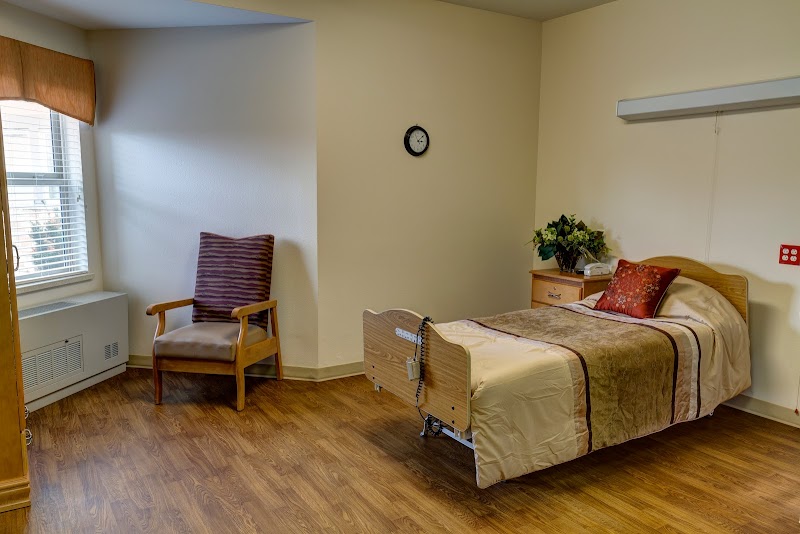
How is Sunnyside Healthcare Center Staffed?

CMS rates SUNNYSIDE HEALTHCARE CENTER's staffing level at 4 out of 5 stars, which is above average compared to other nursing homes. Staff turnover is 25%, compared to the Washington average of 46%. This relatively stable workforce can support continuity of care.

What Have Inspectors Found at Sunnyside Healthcare Center?

State health inspectors documented 31 deficiencies at SUNNYSIDE HEALTHCARE CENTER during 2022 to 2025. These included: 3 that caused actual resident harm and 28 with potential for harm. Deficiencies causing actual harm indicate documented cases where residents experienced negative health consequences.
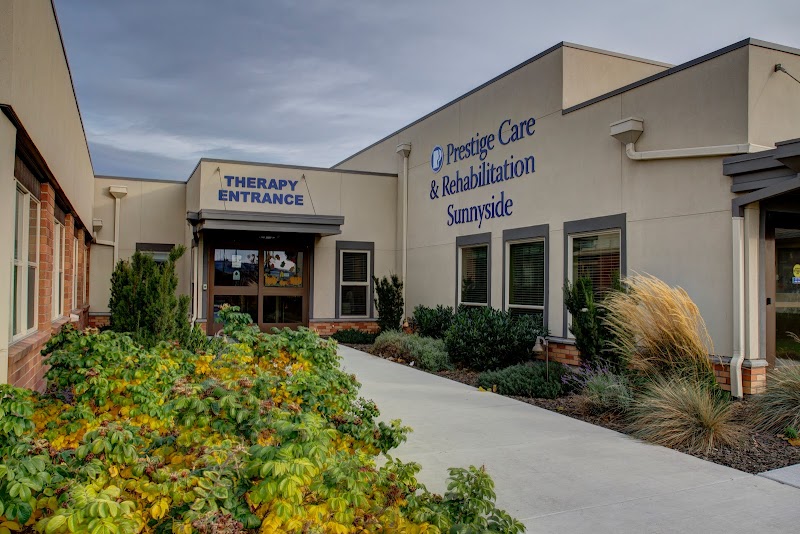
Who Owns and Operates Sunnyside Healthcare Center?

SUNNYSIDE HEALTHCARE CENTER is owned by a for-profit company. For-profit facilities operate as businesses with obligations to shareholders or private owners. The facility is operated by PACS GROUP, a chain that manages multiple nursing homes. With 80 certified beds and approximately 72 residents (about 90% occupancy), it is a smaller facility located in SUNNYSIDE, Washington.
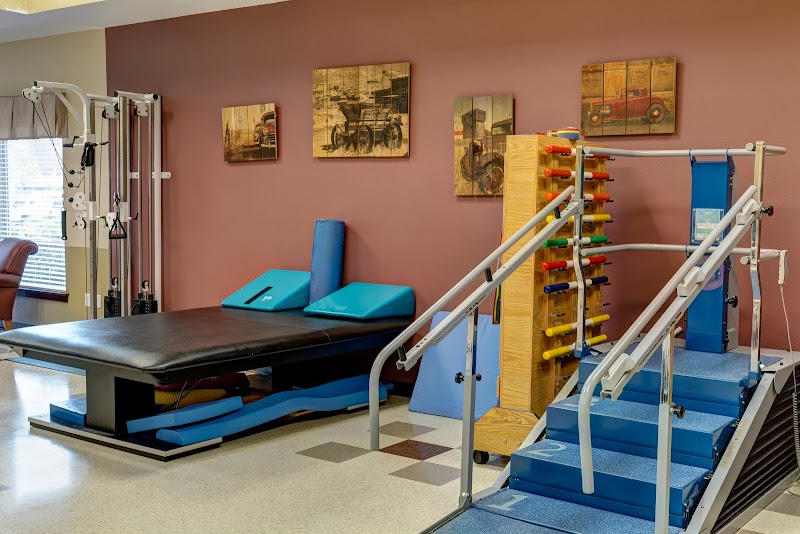
How Does Sunnyside Healthcare Center Compare to Other Washington Nursing Homes?

Compared to the 100 nursing homes in Washington, SUNNYSIDE HEALTHCARE CENTER's overall rating (3 stars) is below the state average of 3.2, staff turnover (25%) is significantly lower than the state average of 46%, and health inspection rating (3 stars) is at the national benchmark.

What Should Families Ask When Visiting Sunnyside Healthcare Center?

Based on this facility's data, families visiting should ask: "Can I visit during a mealtime to observe dining assistance and food quality?" "How do you handle medical emergencies, and what is your hospital transfer rate?" "Can I speak with family members of current residents about their experience?"

Is Sunnyside Healthcare Center Safe?

Based on CMS inspection data, SUNNYSIDE HEALTHCARE CENTER has a clean safety record: no substantiated abuse findings (meaning no confirmed cases of resident harm), no Immediate Jeopardy citations (the most serious violation level indicating risk of serious injury or death), and is not on the Special Focus Facility watch list (a federal program monitoring the lowest-performing 1% of nursing homes). The facility has a 3-star overall rating and ranks #100 of 100 nursing homes in Washington. While no facility is perfect, families should still ask about staff-to-resident ratios and recent inspection results during their visit.

Do Nurses at Sunnyside Healthcare Center Stick Around?

Staff at SUNNYSIDE HEALTHCARE CENTER tend to stick around. With a turnover rate of 25%, the facility is 20 percentage points below the Washington average of 46%. Low turnover is a positive sign. It means caregivers have time to learn each resident's needs, medications, and personal preferences. Consistent staff also notice subtle changes in a resident's condition more quickly. Registered Nurse turnover is also low at 14%, meaning experienced RNs are available to handle complex medical needs.

Was Sunnyside Healthcare Center Ever Fined?

SUNNYSIDE HEALTHCARE CENTER has been fined $92,827 across 3 penalty actions. This is above the Washington average of $34,007. Fines in this range indicate compliance issues significant enough for CMS to impose meaningful financial consequences. Common causes include delayed correction of deficiencies, repeat violations, or care failures affecting resident safety. Families should ask facility leadership what changes have been made since these penalties.

Is Sunnyside Healthcare Center on Any Federal Watch List?

SUNNYSIDE HEALTHCARE CENTER is not on any federal watch list. The most significant is the Special Focus Facility (SFF) program, which identifies the bottom 1% of nursing homes nationally based on persistent, serious quality problems. Not being on this list means the facility has avoided the pattern of deficiencies that triggers enhanced federal oversight. This is a positive indicator, though families should still review the facility's inspection history directly.