TACOMA NURSING AND REHABILITATION CENTER
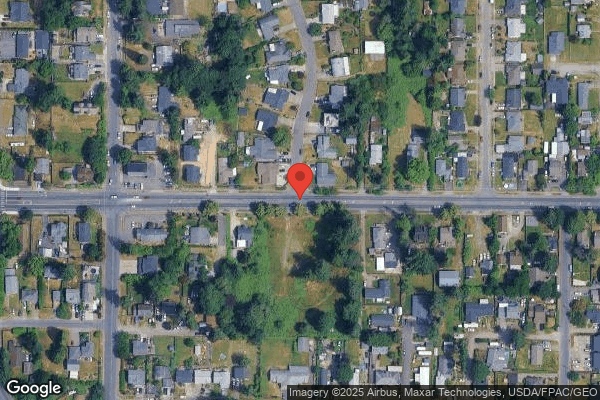
2102 SOUTH 96TH STREET, TACOMA, WA 98444 (253) 581-2514
For profit - Limited Liability company 150 Beds Independent Data: November 2025
Trust Grade
65/100
#46 of 190 in WA
Last Inspection: April 2025

Within standard 12-15 month inspection cycle. Federal law requires annual inspections.

Overview

Tacoma Nursing and Rehabilitation Center has a trust grade of C+, indicating it is decent and slightly above average compared to other facilities. It ranks #46 out of 190 in Washington, placing it in the top half of the state, and #5 out of 21 in Pierce County, meaning only four local options are rated higher. The facility is improving, having reduced reported issues from 13 in 2024 to zero in 2025. However, staffing is a concern, with a rating of 2 out of 5 stars and a turnover rate of 59%, which is higher than the state average. Additionally, the facility has been fined $36,446, which is considered average, and it has less RN coverage than 92% of Washington facilities, meaning residents may not receive as much nursing oversight. There are significant strengths and weaknesses in this facility. On the positive side, it has received excellent ratings for overall quality and health inspections, scoring 5 out of 5 stars. However, there have been serious incidents, such as a failure to implement abuse prevention procedures, leading to a resident experiencing sexual abuse. Other concerns include improper food safety practices, which could pose health risks, and lapses in infection control related to laundry services. These issues highlight the importance of considering both the facility's improvements and its serious shortcomings when making a decision.

Trust Score
C+
65/100
In Washington
#46/190
Top 24%
Safety Record
Moderate
Needs review
Inspections
Getting Better
13 → 0 violations
Staff Stability
⚠ Watch
59% turnover. Above average. Higher turnover means staff may not know residents' routines.
Penalties
✓ Good
$36,446 in fines. Lower than most Washington facilities. Relatively clean record.
Skilled Nurses
○ Average
Each resident gets 36 minutes of Registered Nurse (RN) attention daily — about average for Washington. RNs are the most trained staff who monitor for health changes.
Violations
⚠ Watch
28 deficiencies on record. Higher than average. Multiple issues found across inspections.
★★★★★
5.0
Overall Rating
★★☆☆☆
2.0
Staff Levels
★★★★☆
4.0
Care Quality
★★★★★
5.0
Inspection Score
Stable
2024: 13 issues
2025: 0 issues

The Good

  • 4-Star Quality Measures · Strong clinical quality outcomes
  • Full Sprinkler Coverage · Fire safety systems throughout facility
  • No fines on record

Facility shows strength in quality measures, fire safety.

The Bad

Staff Turnover: 59%

13pts above Washington avg (46%)

Frequent staff changes - ask about care continuity

Federal Fines: $36,446

Above median ($33,413)

Moderate penalties - review what triggered them

Staff turnover is elevated (59%)

11 points above Washington average of 48%

The Ugly 28 deficiencies on record

1 actual harm
Jun 2024 2 deficiencies
CONCERN (D) 📢 Someone Reported This

A family member, employee, or ombudsman was alarmed enough to file a formal complaint

Potential for Harm - no one hurt, but risky conditions existed

Free from Abuse/Neglect (Tag F0600)

Could have caused harm · This affected 1 resident

**NOTE- TERMS IN BRACKETS HAVE BEEN EDITED TO PROTECT CONFIDENTIALITY** . Based on interviews and record review the facility failed to ensure residents were free from abuse for 1 of 3 residents (Resid...

Read full inspector narrative →
**NOTE- TERMS IN BRACKETS HAVE BEEN EDITED TO PROTECT CONFIDENTIALITY** . Based on interviews and record review the facility failed to ensure residents were free from abuse for 1 of 3 residents (Resident 1) reviewed for abuse. Resident 1 experienced harm when staff failed to implement and comply with facility abuse prohibition and social media policies that violated their right to privacy and resulted in substantiated mental abuse. This failed practice also placed residents at risk for humiliation, resident-to-resident altercations, and diminished quality of life. Findings included . Review of the facility's Abuse, Neglect, and Exploitation policy, undated, showed the facility would provide protections for the health, welfare, and rights of each resident by developing and implementing their abuse prohibition policy and procedures. The policy showed possible indicators of abuse included verbal abuse of a resident overheard, psychological abuse of a resident observed, and evidence or photographs/videos of a resident that are demeaning or humiliating in nature, regardless of whether the resident provided consent, and regardless of the resident's cognitive status. The policy indicated mental abuse included (but was not limited to) humiliation, harassment, threats of punishment, or abuse that was facilitatied or caused by nursing home staff taking or using photos/videos in any manner that would demean or humiliate a resident. Review of the facility's Social Media Policy-Residents, undated, showed the facility mandated all employees would maintain residents right to privacy, professional boundaries in the use of electronic media, and promptly report any identified breach of policy (including resident abuse). The facility mandated no: identification of any resident by name, sharing/posting/publishing of images or any resident-related information that was reasonably anticipated to violate resident rights or otherwise degrade/humiliate the resident, refer to any resident in a disparaging manner (even if they were not identified), and no photos/videos of residents on personal devices (including personal cell phones). <Resident 1> Review of the 05/08/2024 modified Quarterly Minimum Data Set (MDS-assessment tool) showed Resident 1 had some cognition problems, indicators of depression, and diagnoses included stroke, high blood pressure, and alcohol dependence. Review of the trauma informed care plan (CP), revised 01/30/2024, showed Resident 1 reported past traumatic events that included significant personal loss. Staff were directed to provide supportive care and report any signs or events of potential traumatization. Review of a Social Service Progress Note (SSPN), dated 06/18/2024 at 1:18 PM, showed a facility staff member took two videos of Resident 1 without their knowledge or permission and posted them on social media. Resident 1 recalled Staff D, Certified Nursing Assistant, entered their room about a week earlier and told Resident 1 another resident hit them. Resident 1 reported they were upset at first because they though Staff D truely was hurt. Resident 1 said they were later told by Staff D it was just a joke. Resident 1 state on the day prior (06/17/2024) Staff D asked Resident 1 how they felt about going viral, but did not know what that meant. That was when Resident 1 learned they were filmed and the videos were put on the internet. Resident 1 stated they were not asked, nor did they give permission for the videos to be recorded. In an interview on 06/20/2024 at 11:50 AM, Staff C, Registered Nurse (RN)-Consulting Nurse, stated they viewed the videos and described the content as aggregious, mentally abusive, and disheartening. Staff C stated the only person in the video was Resident 1 and heard Staff D (who was holding the phone), and Staff E, CNA, who was providing care to Resident 1's roommate at the time, behind the curtain, saying No. Staff D lied to Resident 1 about being hit by another resident and asked Resident 1 What are you going to do about it? - inciting violence, encouraging Resident 1 to defend Staff D and kick their ass. Staff C stated a group of staff were overheard giggling and talking about a viral video on 06/17/2024 at the nurse station. It was at that time that Staff F, CNA, viewed the video, but did not report the violation. Staff G, CNA, stated they heard about a video but never saw the video or who was in the video. Staff H, Maintenance Director, overheard their discussion of a viral video but did not know it contained a resident and they were in the middle of a task. Observation of a recording of the first video, on 06/26/2024 at 11:20 AM, showed the shoulder of Staff D while they walked into the room and stated [Resident 1], theres this resident out there -he just smacked me .what are you going to do? [NAME] replied Want me to beat his [a**]? Then a voice in the background that said No at the same time Staff D stated Yeah he just smacked me. [NAME] stated Where's he at? Staff D stated he's right outside. Come whoop his a** right now. How are you going to beat him up? Then a male walks into the picture and the video stopped. Observation of a recording of the the second video, on 06/26/2024 at 11:22 AM, showed Resident 1 lying on thier bed. Staff D asked Resident 1 how it felt to go viral?. In an interview on 06/26/2024 at 11:08 AM, Staff B, Director of Nursing, stated abuse was substantiated and Staff E and Staff F, who became aware of the video, should have reported the violation as soon as they obtained knowledge but did not. Refer to F-609 Reference WAC 388-97-0640 (1)(2)(3)(a) .
CONCERN (D) 📢 Someone Reported This

A family member, employee, or ombudsman was alarmed enough to file a formal complaint

Potential for Harm - no one hurt, but risky conditions existed

Report Alleged Abuse (Tag F0609)

Could have caused harm · This affected 1 resident

. Based on interview and record review, the facility failed to ensure 3 of 5 staff (Staff E, R, and G) immdiately reported abusive violations to the State Agency (SA) and facility administration. This...

Read full inspector narrative →
. Based on interview and record review, the facility failed to ensure 3 of 5 staff (Staff E, R, and G) immdiately reported abusive violations to the State Agency (SA) and facility administration. This failure placed residents at risk for abuse, potential for harm, and diminished quality of life. Findings included . Review of the facility Inicident Report (IR) dated 06/18/2024, showed Staff C, Certified Nursing Assistant (CNA), filmed two unauthorized videos of Resident 1 on their personal cellular device and posted the videos on a social media site. The first video showed Staff C lie to Resident 1 about another resident hitting them and encouraging Resident 1 to go beat the other resident up. In the video, Staff C used Resident 1's name and vulgar language. The second video showed Resident 1 lying on their bed, and Staff C asked Resident 1 how it felt to go viral. The IR conclusion substantiated abuse ocurred and that Staff E, CNA, and Staff F, CNA, failed to timely report the violations to the SA and facility administration. Review of the faciltiy IR witness statement by Staff E, Certified Nursing Assistant (CNA), dated 06/18/2024, showed they were in the room providing care to Resident 1's roommate with the curtain drawn and overheard the conversation Staff C had with Resident 1. Staff E stated they should have reported the conversation right after it happened but did not. Staff E stated they were unaware the video was taken until they saw it appear on the social medial site sometime in the previous week. Staff E, a mandated reporter, failed to report the converstaion they overheard immediately after it occurred and failed to report the video the observed (prior to 06/18/2024) to the State Agency (SA) and facility administration to protect the residents. Reveiw of the facility IR witness stated by Staff F, CNA, dated 06/18/2024, showed they observed the video at the nurse station during the day shift on 06/17/2024 while other staff were giggling about something. Staff F asked Staff C if Resident 1 was aware of the video and Staff C replied Resident 1 gave persmission to post the video, so Staff F thought nothing more of it. In an interview on 06/20/2024 at 12:30 PM, Staff C, Registered Nurse-Consultant, stated Staff E and Staff F should have reported the violation immediately to the State Agency as a mandated reporter and to facility administration and did not. Refer to F600 Reference WAC 388-97-0640 (2)(b)(5)(a)(b)(7)(b)(i)(ii). .
Mar 2024 8 deficiencies
CONCERN (D)

Potential for Harm - no one hurt, but risky conditions existed

Comprehensive Care Plan (Tag F0656)

Could have caused harm · This affected 1 resident

**NOTE- TERMS IN BRACKETS HAVE BEEN EDITED TO PROTECT CONFIDENTIALITY** Resident 38 Resident 38 admitted to the facility on [DATE] with a diagnosis of epilepsy. Review of Resident 38's care plan show...

Read full inspector narrative →
**NOTE- TERMS IN BRACKETS HAVE BEEN EDITED TO PROTECT CONFIDENTIALITY** Resident 38 Resident 38 admitted to the facility on [DATE] with a diagnosis of epilepsy. Review of Resident 38's care plan showed the facility did not include the diagnosis or interventions related to epilepsy. Resident 45 Resident 45 admitted to the facility on [DATE] with diagnoses including COPD, respiratory failure, and heart failure. Review Resident 45's care plan showed the facility did not include the diagnoses or interventions related to COPD, respiratory failure, or heart failure. During an interview on 03/27/2024 at 9:04 AM, Staff F, Minimum Data Set/LPN, stated if a resident had a diagnosis included in the comprehensive assessment it should also be included in the resident's care plan. During an interview on 03/28/2024 at 11:08 AM, Staff B stated that it was their expectation that Residents 38 and 45 would have a comprehensive care plan that included their significant medical diagnosis such as epilepsy, COPD, respiratory failure, and heart failure. Reference WAC 388-97 -1020(1), (2)(a)(b) Based on interview and record review, the facility failed to develop and/or implement individualized comprehensive care plans for 3 of 24 residents (Residents 89, 38 and 45) whose care plans were reviewed. Failure to develop and implement care plans that were individualized and accurately reflected resident care needs related to Resident 89's enteral tube (a method of feeding that used the gastrointestinal [GI] tract to deliver nutrition and calories) and an esophagostomy (spit fistula, an opening in the neck or chest created and connected to the upper esophagus to allow spit to leave the body safely), Resident 38's epilepsy (a neurological disorder that causes seizures or unusual sensations and behaviors), or Resident 45's diagnosis of chronic obstructive pulmonary disease (COPD, chronic inflammatory lung disease that causes obstructed airflow from the lungs), respiratory failure (when the lungs can't get enough oxygen into the blood), and heart failure (when the heart doesn't pump enough blood for your body's needs) placed residents at risk of unmet care needs and potential negative outcomes. Findings included . Resident 89 Resident 89 was readmitted to the facility on [DATE] with diagnoses to include postprocedural complications and disorders of digestive system. Review of the electronic health record (EHR) showed Resident 89 had a percutaneous enteral jejunostomy tube and a surgically placed esophagostomy. Resident 89 was able to make their needs known and required assistance with activities of daily living (ADLs). Review of Resident 89's care plan showed the facility did not include any self-maintenance care of either the enteral feeding tube or the esophagostomy. During an interview on 03/27/2024 at 1:51 PM, Staff H, Licensed Practical Nurse/Residential Care Manager (LPN/RCM), stated that Resident 89 should have had their care plan updated to reflect the feeding tube and spit fistula self-maintenance care program. During an interview on 03/27/2024 at 2:06 PM, Staff B, Director of Nursing Services (DNS), stated that it was their expectation the care plan was updated to show that Resident 89 had a self-maintenance program for the care of their spit fistula and feeding tube.
CONCERN (D)

Potential for Harm - no one hurt, but risky conditions existed

Deficiency F0658 (Tag F0658)

Could have caused harm · This affected 1 resident

**NOTE- TERMS IN BRACKETS HAVE BEEN EDITED TO PROTECT CONFIDENTIALITY** <Sleep Monitoring> Review of the EHR showed that Resident 3 readmitted to the facility on [DATE] with diagnoses to include...

Read full inspector narrative →
**NOTE- TERMS IN BRACKETS HAVE BEEN EDITED TO PROTECT CONFIDENTIALITY** <Sleep Monitoring> Review of the EHR showed that Resident 3 readmitted to the facility on [DATE] with diagnoses to include depression and insomnia (persistent problems falling and staying asleep) and was able to make needs known. Review of the order dated 03/22/2023 showed that Resident 3 was prescribed melatonin (used to treat sleep problems) two tablets at bedtime related to insomnia. Review of the behavioral administration record (BAR) from 03/01/2024 - 03/26/2024 showed that Resident 3 had a provider order with a start date of 08/30/2023 to monitor hours of sleep related to melatonin use, every shift, for insomnia. It showed for staff to document the number of hours Resident 3 slept; however, all opportunities were recorded as an X. During an interview on 03/27/2024 at 2:08 PM, Staff C, LPN, stated that Resident 3's March 2024 BAR was missing documentation of hours the resident slept and this did not meet expectations. Staff C stated there was no documentation in the progress notes to show hours Resident 3 slept each shift. During an interview on 03/27/2024 at 2:23 PM, Staff B, DNS, stated that there was no numerical documentation for hours slept in Resident 3's March 2024 BAR and there should have been. Reference WAC 388-97-1620 (2)(b)(i)(ii), (6)(b)(i) Based on observation, interview and record review, the facility failed to ensure services provided met professional standards of practice for 3 of 24 sampled residents (Residents 89, 104, and 3) reviewed. The facility failed to ensure Resident 89's enteral tube (a method of feeding that used the gastrointestinal [GI] tract to deliver nutrition and calories) and an esophagostomy (spit fistula, an opening in the neck or chest created and connected to the upper esophagus to allow spit to leave the body safely) were managed, Resident 104's peripherally inserted central line catheter (PICC, a long flexible catheter [tube] placed into a vein in the upper arm and into a large vein in the chest) was monitored, and Resident 3's provider order to monitor hours slept were documented. These failures placed residents at risk of medical complications, unmet needs, and a poor quality of life. Findings included . According to the Lippincott Manual of Nursing Practice, Tenth Edition ([NAME], [NAME] & [NAME], 2014, page 16), The practice of professional nursing has standards of practice setting minimum levels of acceptable performance for which its practitioners are accountable. According to [NAME], Duell & [NAME], Clinical Nursing Skills, 6th Edition, page 4, Nurse Practice Act identified skills and functions that professional nurses perform in daily practice included, in part, to administer treatments per physician's orders. The Washington State Nurse Practice Act, WAC 246-840-710(2)(d), states nurses violate standards of practice by, Willfully or repeatedly failing to administer medications and/or treatments in accordance with nursing standards. <Enteral Tube/Esophagostomy Fistula Maintenance> Review of the electronic health record (EHR) showed that Resident 89 readmitted to the facility on [DATE] with a diagnosis of postprocedural complications and disorders of digestive system. The documentation showed that the resident had a percutaneous enteral jejunostomy tube (J-tube, a tube surgically inserted through the abdomen directly into the small intestine to give medications, liquids, and liquid food to the resident) and a surgically placed esophagostomy. THe EHR showed Resident 89 was able to make their needs known and required assistance with activities of daily living (ADLs). Observation and interview on 03/25/2024 at 11:55 AM showed Resident 89 laid in bed. An IV pole next to the resident's bed had a tube feed bag ¾ empty and was not attached or was infusing into the resident. Resident 89 stated they had recently disconnected themselves from the J-tube feed and they would start the feed later in the day. The tube feed bag was unlabeled and untimed, and, when asked what type of tube feed (liquid nutrition) was in the bag, the resident was unable to verbalize the name or type of liquid nutrition. An esophageal spit fistula was observed on the resident's left upper chest area with a stoma (surgical opening) affixed along with a drain bag. The resident stated that they did all their own care for the esophageal spit fistula and the J-Tube. Review of Resident 89's providers order summary, dated 01/18/2024, showed licensed staff were to administer the resident Kate Farms 1.4 tube feed at 65 milliliters (ml)/hour (a plant based nutritionally advanced formula) started at 3:00 PM and to disconnected at 11:00 AM, and to provide water flushes 30 ml for pre and post medication administration. Additional orders showed that licensed nurses (LNs) were to change the resident's wafer (a thin disk device used to enclose a medication or to separate two structures from one another) and drainage bag every Friday. The order summary did not show the resident was to conduct any self-care related maintenance to the tube feed or the spit fistula. Review of Resident 89's care plan, revised on 01/04/2024, showed that the resident had actual skin impairment for a spit fistula to the left upper chest and a feeding tube to the lower middle abdomen. No interventions on the care plan showed Resident 89 was to conduct self-care of the esophageal spit fistula or feeding tube. During an interview on 03/27/2024 at 1:18 PM, Staff J, Licensed Practical Nurse (LPN), stated that Resident 89 was on a self-medication program and that the resident was to conduct all care and services to the spit fistula, tube feeding and administer their own medication after the LNs crushed up the resident's medication. During an interview on 03/27/2024 at 1:51 PM, Staff H, LPN/Residential Care Manager (RCM) stated Resident 89 had a self-medication assessment conducted; however, it did not specify that tube feed care and services or esophageal fistula was to occur. Staff H stated that the self-management of the tube feed and spit fistula should have been on the medication administration record (MAR) and/or the treatment administration record (TAR) for the LNs, but the order must have dropped off after the resident's last hospitalization and subsequent readmission. During an interview on 03/27/2024 at 2:06 PM, Staff B, Director of Nursing Services (DNS), stated that it was their expectation that the orders for self-maintenance and management of the tube feed and spit fistula should have been ordered and placed on the MAR and/or TAR and the care plan updated accordingly. <PICC> Review of a document titled, Peripherally Inserted Central Line Catheter (PICC), date 08/2021, showed considerations were needed prior to starting (administering) the infusion. A written report of the line placement was required of the tip (intravenous line) verification, measurement of the external length of the PICC catheter (catheter only - not the hub, extension set or needleless connector) at insertion, with each dressing change, and when clinically indicated if catheter dislodgement was suspected. Staff were directed to compare the measurement obtained at insertion prior to the start of the infusion. Review of the EHR showed that Resident 104 admitted to the facility on [DATE] with diagnoses to include septic arthritis (infection in the joint fluid and tissues) and osteomyelitis (inflammation of bone or bone marrow usually due to infection) to the right hip and was admitted for long term intravenous (IV, into the vein) antibiotic treatment. Resident 104 had a PICC line inserted into their right arm. Review of Resident 104's care plan, dated 02/29/2024, showed Resident 104 was on IV antibiotic therapy related to septic arthritis and osteomyelitis. An additional care plan focus, dated 03/01/2024, showed that the resident was on the IV medication related to bacteremia (presence of bacteria in the blood). Several interventions were documented for the LN to monitor the IV site for complications; however, no care plan documentation showed for the LNs to measure the PICC line catheter length prior to administering the IV antibiotic medication infusion. Review of Resident 104's MAR orders showed an order for ceftriaxone (an antibiotic used in the treatment of bacterial infections) to be administered intravenously one time a day. The resident's TAR had several IV protocol orders that directed LN staff to change the IV dressing every week (Thursday) and as needed and to monitor the insertion site every shift. Observation and interview on 03/25/2024 at 2:14 PM showed Resident 104 laid in bed with an empty antibiotic bag labeled ceftriaxone along with IV tubing. The resident stated that they had been admitted for antibiotic therapy for an infection and that the LNs administered the antibiotic every day into their PICC line; however, the resident was unaware of whether LN staff measured the PICC catheter prior to administering the IV antibiotic. During an interview on 03/27/2024 at 10:03 AM, Staff J, LPN, stated that the PICC line dressing was changed the evening of 03/26/2024 and that the insertion site was assessed for infection and monitored for possible infiltration every day; however, they were unaware and did not ensure the correct measurements were in place or recorded prior to infusion of the resident's IV antibiotics. During an interview on 03/27/2024 at 11:21 AM, Staff B, DNS, stated that it was the expectation that the LNs to ensure the correct placement/measurements of the PICC line catheter prior the administration or infusion of the antibiotic medications and at each catheter dressing change for Resident 104.
CONCERN (D)

Potential for Harm - no one hurt, but risky conditions existed

ADL Care (Tag F0677)

Could have caused harm · This affected 1 resident

**NOTE- TERMS IN BRACKETS HAVE BEEN EDITED TO PROTECT CONFIDENTIALITY** . Based on observation, interview, and record review, the facility failed to ensure activities of daily living assistance for a ...

Read full inspector narrative →
**NOTE- TERMS IN BRACKETS HAVE BEEN EDITED TO PROTECT CONFIDENTIALITY** . Based on observation, interview, and record review, the facility failed to ensure activities of daily living assistance for a dependent resident was provided for 1 of 3 residents (Resident 59) reviewed for activities of daily living. The facility failed to ensure upper and lower denture placement was provided for Resident 59 which placed the resident at risk for decreased self-worth, depression, and a diminished quality of life. Findings included . Review of Resident 59's electronic health record (EHR) showed the resident readmitted to the facility on [DATE] with diagnoses to include muscle weakness, no natural teeth or tooth fragments, right and left-hand muscle contractures (a permanent tightening of the muscles, tendons, skin, and nearby tissues that causes the joints to shorten and become very stiff) and was able to make needs known. Observations on 03/25/2024 at 1:00 PM, 03/26/2024 at 9:06 AM, and 03/27/2024 at 9:20 AM, 12:20 PM, 12:40 PM, and 12:52 PM showed Resident 59 with no upper or lower dentures in place. During an interview on 03/25/2024 at 1:00 PM, Resident 59 stated they got new dentures about two months ago; however, they did not know where they were and had told staff, but nothing had been done about it. Observation and interview on 03/25/2024 at 1:09 PM showed Resident 59 with fingers of both hands curved inward toward the palms and the resident was unable to straighten their fingers. Resident 59 stated their hands had been that way before coming to the facility and needed staff assistance to assist them with denture placement. During an interview on 03/27/2024 at 12:20 PM, Resident 59 stated they had been offered to wear their dentures in the past and could not recall when staff stopped offering to put them in but that the resident wanted to wear their dentures. During an interview on 03/27/2024 at 12:40 PM, Staff D, Certified Nursing Assistant, stated they were familiar with Resident 59 and that the resident did not wear dentures and had never known Resident 59 to wear dentures. Staff D looked in Resident 59's closet, drawers, and was unable to locate any dentures. During an interview on 03/27/2024 at 12:52 PM, Staff C, Licensed Practical Nurse, stated Resident 59 had upper and lower dentures. Staff C located Resident 59's dentures and stated they were not sure why they were not in place and showed the dentures to Resident 59. Resident 59 said, Okay, there they are. During an interview on 03/27/2024 at 1:22 PM, Staff B, Director of Nursing Services, stated they were not aware that Resident 59 was not being offered to wear upper and lower dentures and that this did not meet expectations. Staff B stated Resident 59's care plan showed that the resident had upper and lower dentures and to provide oral and denture care; however, it did not include for denture placement to be offered in the AM (morning) and removed in the PM (evening) or to encouraged to wear during meals, and it should have. Reference WAC 388-97-1060 (2) (b) .
CONCERN (D)

Potential for Harm - no one hurt, but risky conditions existed

Deficiency F0688 (Tag F0688)

Could have caused harm · This affected 1 resident

**NOTE- TERMS IN BRACKETS HAVE BEEN EDITED TO PROTECT CONFIDENTIALITY** . Based on observation, interview, and record review, the facility failed to ensure residents with limited range of motion recei...

Read full inspector narrative →
**NOTE- TERMS IN BRACKETS HAVE BEEN EDITED TO PROTECT CONFIDENTIALITY** . Based on observation, interview, and record review, the facility failed to ensure residents with limited range of motion received the necessary services to maintain their level of functioning and/or prevent decline for 1 of 4 sampled residents (Resident 50), reviewed for limited range of motion (ROM). This failure placed the resident at risk for decreased ROM, increased pain, and diminished quality of life. Findings included . Review of a document titled, Restorative Nursing Programs, undated, showed that it was the facility's policy to provide maintenance and restorative services designed to maintain or improve a resident's abilities to the highest practicable level. In addition, the document showed that residents may receive restorative nursing services when not a candidate for specialized rehabilitation services or upon discharge from therapy. Furthermore, the document showed that the discharge therapist would communicate to the appropriate restorative aide, the provisions of the resident's restorative plan, providing any necessary training to carry out that plan. Review of the admission minimum data set assessment dated [DATE] showed Resident 50 admitted on [DATE] with a diagnosis of fracture of the right femur (a bone in the leg extending from pelvis to the knee). The resident was able to make needs known and was dependent or required substantial/maximal assistance with activities of daily living (ADL). During an interview on 03/25/2024 at 11:58 AM, Resident 50 stated they had received physical therapy previously for about a month but had been taken off the list and not had any additional therapy. Resident 50 stated they had rarely been assisted in getting out of bed and wanted to receive continue therapy. Review of Resident 50's progress note dated 02/08/2024 showed therapy services were reviewed and that the resident would receive therapy for five days a week from both physical therapy (PT) and occupational therapy (OT) and that therapy reviewed goals such as sitting balance, grooming, taking a few steps, transfer training and safety awareness. In addition, the resident's length of stay was to be for approximately two to three weeks and that discharge date was unknown as the resident lived in an apartment on the 3rd floor with 25 steps to get up to the apartment. Furthermore, Resident 50 was unable to walk and had agreed to stay at the facility until medically discharged . Review of a care plan revised on 02/06/2024 showed that Resident 50 had an ADL self-care performance deficit related to a fracture and immobility. The resident's goal would be to increase current level of function in all ADLs through the review date. Interventions included to monitor/document and report, when necessary, any changes, any potential for improvements, reasons for self-care deficits, expected course and decline in function. In addition, PT/OT was to evaluate and treat as per providers orders. During an interview on 03/27/2024 at 12:50 PM, Staff G, Physical Therapy Assistant (PTA), stated Resident 50 had been provided a lot of encouragement, had plateaued (remained at a stable level of achievement; leveled off), was discharge from PT/OT and was referred to a restorative nursing program from PT and a functional maintenance program from OT. Review of a document titled, Physical Therapy Discharge Summary, signed on 03/13/2024 showed that a physical therapist had a discharge recommendation of 24-hour care, restorative nursing program (RNP, a program that focuses on maximizing an optimal level of function that enables residents to retain their independence following the effects of an illness or injury). An additional document, titled, Occupational Therapy Discharge Summary, signed by an occupational therapist registered on 03/01/2024 show the resident's prognosis was to maintain current level of functioning (CLOF) and would be good with consistent staff follow-through. The discharge recommendation was to refer to functional maintenance program (FMP, a clinical program designed to augment or maintain a resident's functional status and well-being). During an interview on 03/27/2024 at 2:29 PM, Staff B, Director of Nursing, stated that they had never received the discharge documents from the PT/OT department but would start the program accordingly. Reference WAC 388-97-1060 (3)(d) .
CONCERN (E)

Potential for Harm - no one hurt, but risky conditions existed

Deficiency F0761 (Tag F0761)

Could have caused harm · This affected multiple residents

. Based on observation, interview, and record review, the facility failed to ensure 2 of 2 medication storage room refrigerators were secured (Medication Rooms Front and Back) when reviewed for medica...

Read full inspector narrative →
. Based on observation, interview, and record review, the facility failed to ensure 2 of 2 medication storage room refrigerators were secured (Medication Rooms Front and Back) when reviewed for medication storage. In addition, the facility failed to ensure diagnostic testing medication (PPD, purified protein derivative - a diagnostic skin test used to detect tuberculosis) were stored and dated properly. The facility failed to ensure the medication storage rooms were free of staff personal belongings, food, and drink. These failures had the potential for access to unsecured narcotics, an increased risk of drug diversion, and residents/staff to receive an expired diagnostic medication. Findings included . A document titled, Medication Storage, undated, showed that it was the facility's policy to ensure all medications housed on the premises would be stored in the pharmacy and/or medication rooms according to the manufacture's recommendations and sufficient to ensure proper sanitation, temperature, light, ventilation, moisture control, segregation, and security. All drugs and biologicals would be stored in locked compartments (i.e., medication carts, cabinets, drawers, refrigerators, medication rooms). Controlled medications were to be stored within a separately locked permanently affixed compartment when other medications were stored in the same area, such as in a refrigerator. Medication Room Back Observation on 03/28/2024 at 8:14 AM showed the medication storage room refrigerator, which stored controlled substances, was unlocked. Observation showed a clear plastic container box located within the refrigerator was unsecured/unlocked, which contained lorazepam (a controlled substance used in the treatment of anxiety). The refrigerator also stored a vial of PPD which was open and undated. The storage room had a cabinet that stored a large purse, two medium sized food containers labeled ramen noodles, one plastic water bottle labeled purified water, which contained a light reddish colored liquid. A cabinet stored a container of instant coffee, one medium bottle of sweet relish, a bottle of thick dark molasses like substance (unlabeled), a container labeled cassia torae semen, (a Chinese medicinal herbal medicine) and a container labeled, cinnamon powder. Medication Room Front Observation on 03/28/2024 at 8:25 AM showed the medication storage room had an unlocked medication refrigerator. Observation showed a clear plastic container stored within the unlocked medication refrigerator unsecured (unlocked) with two vials of a lorazepam. The refrigerator stored a vial of PPD which was open and undated. During an interview on 03/28/2024 at 8:25 AM, Staff E, Licensed Practical Nurse/Staff Development Coordinator (LPN/SDC), stated the medication should have been locked and secured while in the refrigerator, and that the PPD medication vials should be labeled with an open date and discarded upon the expiration date. Staff E stated no personal items, food, or liquid should be stored within the medication storage rooms. During an interview on 03/28/2024 at 8:58 AM, Staff B, Director of Nursing Services, stated the medication storage refrigerators should be locked along with the lorazepam narcotics within the refrigerators. Staff B stated the PPD vials, once opened, should have been dated to ensure that they would not be expired upon use. Staff B, stated no staff personal belongings, food and/or beverages should be stored in the medication storage rooms. Reference WAC 388-97-1300 (2), -2340 .
CONCERN (E)

Potential for Harm - no one hurt, but risky conditions existed

Deficiency F0806 (Tag F0806)

Could have caused harm · This affected multiple residents

**NOTE- TERMS IN BRACKETS HAVE BEEN EDITED TO PROTECT CONFIDENTIALITY** Resident 45 Resident 45 admitted to the facility on [DATE] with diagnoses to include chronic obstructive pulmonary disease (COPD...

Read full inspector narrative →
**NOTE- TERMS IN BRACKETS HAVE BEEN EDITED TO PROTECT CONFIDENTIALITY** Resident 45 Resident 45 admitted to the facility on [DATE] with diagnoses to include chronic obstructive pulmonary disease (COPD, chronic inflammatory lung disease that causes obstructed airflow from the lungs), respiratory failure (when the lungs can't get enough oxygen into the blood) and muscle weakness. During an interview on 03/25/2024 at 11:03 AM, Resident 45 stated they continued to be served foods that were on their dislike list. Resident 45 gave the example that they did not like pork; however, they had been served ham and bacon. Observation and review of Resident 45's breakfast tray on 03/27/2024 at 8:31 AM showed a slice of wheat toast, yogurt, milk, cranberry juice, and scrambled eggs and the tray card showed Dislikes and listed Fish group, Pork Group, Peas, Vegetables, Milk, OJ and scrambled eggs. During an interview on 03/27/2024 at 10:54 AM, Resident 45 said, I got scrambled eggs again for breakfast. Not sure why they ask my preferences if they are not going to listen. It is frustrating. It happens at least three times per week. During an interview on 03/27/2024 at 12:16 PM, Staff A, Administrator, stated they had been working with the kitchen on these types of issues and had recently hired a new dietary manager. Staff A stated the expectation was that resident preferences were adhered to. Reference WAC 388-97-1120 (2)(a), -1100(1), -1140 (6) Based on observation, interview, and record review, the facility failed to provide foods to accommodate residents needs and preferences for 2 of 4 tray audit opportunities when reviewed for kitchen and 1 of 1 sampled resident (Resident 45) reviewed for food choices. This failure placed residents at risk of not receiving preferred foods, decreased nutritional intake, unplanned weight loss, and a diminished quality of life. Findings included . Tray Audit A tray audit of four trays was conducted at the facility's lunch service on 03/27/2024. Observation showed the menu card had instructions to provide double portions, but normal portions were provided. Observation of the final tray showed instructions to provide a nutritional drink supplement, but there was no supplement on the tray. These two errors resulted in two of four of trays to be inaccurate from the menu card. During an interview on 03/28/2024 at 12:06 PM, Staff K, Dietary Manager, stated staff working on the tray line should provide all items written on the menu cards and that the tray audit on 03/27/2024 did not meet expectation. During an interview on 03/28/2024 at 12:44 PM, Staff A, Administrator, stated that kitchen staff should follow menu trays to ensure that resident food preferences and needs were honored. Staff A stated two of four trays being inaccurate to the menu card did not meet expectation.
CONCERN (E)

Potential for Harm - no one hurt, but risky conditions existed

Safe Environment (Tag F0921)

Could have caused harm · This affected multiple residents

**NOTE- TERMS IN BRACKETS HAVE BEEN EDITED TO PROTECT CONFIDENTIALITY** . Based on observation and interview, the facility failed to ensure necessary maintenance of resident rooms for 2 of 4 sampled h...

Read full inspector narrative →
**NOTE- TERMS IN BRACKETS HAVE BEEN EDITED TO PROTECT CONFIDENTIALITY** . Based on observation and interview, the facility failed to ensure necessary maintenance of resident rooms for 2 of 4 sampled halls (Halls C and D) when reviewed for environment. This failure placed residents at risk for injury, lack of privacy, and diminished quality of life. Findings included . <Blinds> Observation on 03/28/2024 at 9:42 AM showed rooms 55, 57, 61, 65, 69, 70, 71, 72, 76, 82, 83, 84, 89, 91 and 96 had broken, bent or missing vinyl blinds. Numerous rooms had a window that faced the front of the building, the parking lot, and/or a busy street. <Fans> Observation on 03/25/2024 at 12:45 PM showed rooms 78, 80, 81, 82, 83, 84 and 90 had either circular or box fans labeled with the facility name in use by the resident. The fans were coated with dust and lint and some loose hanging particles could be seen moving while the fan was in operation. <Resident Countertops> Observation on 03/28/2024 at 9:42 AM showed rooms [ROOM NUMBER] had a raised screw approximately two inches sticking up on the left corners of the resident bathroom sink. During an interview on 03/28/2024 at 10:40 PM, Staff L, Maintenance Supervisor, stated they relied on staff or residents to inform them of blinds that needed to be repaired. Staff L stated they planned to replace broken blinds with a new vertical blind as they became available instead of replacing the current blinds. Staff L stated the raised screws were a safety hazard, but they were only aware of one room that still had the raised screws. Staff L stated they did not know who was responsible for cleaning the resident fans but they had their assistant start cleaning them in the last few days. During an interview on 03/28/2024 at 11:52 AM, Staff A, Administrator, stated they were aware that many rooms had broken blinds and they were in the process of converting to new blinds. Staff A stated it was an issue for resident privacy and did not meet their expectation. Staff A stated maintenance was responsible for making sure resident rooms did not have safety issues and there should not have been any sharp objects sticking up that could injure staff or residents. Staff A stated no staff had been designated to clean the resident's fans, but if visibly soiled housekeeping or maintenance should clean them. Reference WAC 388-97-3220 (1) .
MINOR (B)

Minor Issue - procedural, no safety impact

Menu Adequacy (Tag F0803)

Minor procedural issue · This affected multiple residents

. Based on observation, interview, and record review, the facility failed to follow prepared menus for 2 of 4 halls (Halls C and D) and historically when reviewed for kitchen. This failure placed resi...

Read full inspector narrative →
. Based on observation, interview, and record review, the facility failed to follow prepared menus for 2 of 4 halls (Halls C and D) and historically when reviewed for kitchen. This failure placed residents at risk of receiving nonpreferred food, decreased nutritional intake, and a diminished quality of life. Findings included . Kitchen Observation Review of the menu for 03/27/2024 showed meatloaf, potatoes au gratin, peas, dinner roll, and upside-down cake. Observation on 03/27/2024 at 11:58 AM showed the facility ran out of prepared meatloaf and started preparing hamburger patties topped with gravy. Observation on 03/27/2024 at 12:35 PM showed the facility ran out of dinner rolls and began serving biscuits with lunch trays. Observation on 03/27/2024 at 12:45 PM showed the facility ran out of biscuits and stopped serving a bread item with lunch trays. Observation on 03/27/2024 at 1:07 PM showed the facility provided test tray had two hamburger patties with gravy, potatoes au gratin, peas, and upside-down cake and there was no bread item (two of five items deviated from published menu). Resident Council Review of the resident council minutes for January 2024 showed that the resident council had concerns that food served in the facility deviated from the menu at least once a week. Review of the minutes for February 2024 did not show that this concern was considered or resolved. During an interview on 03/27/2024 at 10:47 AM, the resident council stated the menus continued to not be followed at least weekly. The resident council stated they had discussed this concern during resident council, but nothing was done. During an interview on 03/28/2024 at 12:06 PM, Staff K, Dietary Manager, stated the facility had run out prepared meatloaf on 03/27/2024 because the cook had not prepared enough, but hamburger patties were served instead. Staff K stated the facility had run out of prepared dinner rolls on 03/27/2024, but that biscuits were served instead. Staff K stated they were not aware that the biscuits had run out and lunch trays were prepared without a bread item. Staff K stated the expectation was for the facility to follow the prepared menu. During an interview on 03/28/2024 at 12:44 PM, Staff A, Administrator, stated whatever was posted on the menus should be provided and that the facility had not met that expectation on 03/27/2024. Reference WAC 388-97-1160 (1)(a)(b) .
Mar 2024 3 deficiencies 1 Harm
SERIOUS (G) 📢 Someone Reported This

A family member, employee, or ombudsman was alarmed enough to file a formal complaint

Actual Harm - a resident was hurt due to facility failures

Free from Abuse/Neglect (Tag F0600)

A resident was harmed · This affected 1 resident

. Based on interviews and record review, the facility failed to implement their Abuse, Neglect, and Exploitation policy and procedures and to act timely to ensure residents were free from sexual abuse...

Read full inspector narrative →
. Based on interviews and record review, the facility failed to implement their Abuse, Neglect, and Exploitation policy and procedures and to act timely to ensure residents were free from sexual abuse and mistreatment for 3 of 5 sampled residents (Resident 1, 2 & 3) reviewed for abuse. This caused harm to Resident 1 when they experienced being inappropriately touched in a sexual manner without their consent. This failure placed residents at risk for sexual and physical abuse, psychological harm, feeling uncomfortable and a diminished quality of life. Findings included . Review of the facility's policy entitled, Abuse, Neglect and Exploitation, undated, defined sexual abuse as any type of non-consensual sexual contact with a resident. Review of the 12/26/2023 quarterly Minimum Data Set assessment, dated 12/26/2023, showed Resident 1 was alert and oriented, had no memory problems or behaviors, required assistance with toileting care/hygiene and was incontinent. Review of Resident 1's Activities of Daily Living (ADL) care plan, dated 10/18/2023, showed they required one person to help with toileting care. The incontinence care plan, dated 10/18/2023, directed care staff to apply protective barrier ointment after incontinence episodes. Review of the facility's investigation, dated 02/27/2024, showed Resident 1 alleged Staff D, Certified Nursing Assistant (CNA), inappropriately touched their outer and upper thigh over the course of two weeks. In one instance, Staff D reached for Resident 1's breast but they blocked Staff D from completing the act. Resident 1 reported the non-consensual sexual conduct to Staff F, CNA, on 02/25/2024 and to Staff E, CNA, on 02/26/2024. The investigation showed facility administration were not notified of the allegation until 02/27/2024. On 02/27/2024, Staff D, Staff E, and Staff F were suspended from duty pending investigation. During resident interviews, the facility found two female residents (Residents 2 and Resident 3) who reported concerns which did not rise to the level of Resident 1's allegation but were inappropriate conduct. Resident 2 reported they preferred not to have Staff D provide them care because Staff D called them Babe and told them you are cute which they were not comfortable with. Resident 3 reported they were okay with Staff D providing them care, but Staff D did display inappropriate conduct by raising eyebrows, made kissing actions with their mouth to be flirtatious, and would say I like you a lot. Neither Resident 2 nor Resident 3 ever reported this to anyone. The investigation showed another state investigative agency conducted their own investigation and notified the facility Staff D had other previous allegations, one of which was substantiated and was in the appeal process. The facility substantiated abuse more than likely occurred. Review of Staff D's employee file showed they were hired on 08/24/2022. The file contained a Background Check Inquiry (BCI), dated 12/15/2022. The facility was unable to provide a BCI that was conducted upon hire. There was no Character, Competence, & Suitability Review (CC&SR) attached to the 12/15/2022 BCI report as required. The facility was unable to provide a CC&SR. Review of the Application for employment showed only one previous employer, but no other previous Nursing Home (NH) employment. There was no education information entered on the application. The employee file did not contain any employee Reference Checks (RC). In an interview on 02/28/2024 at 2:38 PM, Resident 1 stated Staff D repeatedly caressed the outer part of their upper thigh during personal cares and attempted to grab their breast. Resident 1 stated they reported Staff D's conduct to Staff F on 02/25/2024 sometime during the day shift and told Staff E during the day shift on 02/26/2024. In an interview on 02/28/2024 at 5:00 PM, Staff A, Administrator, stated Staff D should have had a timely BCI conducted upon hire, and they were unaware the CC&SR was required for the BCI conducted on 12/15/2022. Staff A stated Staff C, Human Resources/Payroll, forwarded any BCIs requiring a CC&SR. Staff A stated they documented the CC&SR on the SA form and attached to the BCI report after completion. Staff A stated the BCIs and RCs should have been completed prior to Staff D having unsupervised access to vulnerable residents but was not. Refer to F-607 and F-609 Reference WAC 388-97-0640 (1)(2)(3)(a) .
CONCERN (D) 📢 Someone Reported This

A family member, employee, or ombudsman was alarmed enough to file a formal complaint

Potential for Harm - no one hurt, but risky conditions existed

Report Alleged Abuse (Tag F0609)

Could have caused harm · This affected 1 resident

. Based on interview and record review, the facility failed to ensure abuse allegations were reported timely to the State Agency (SA) and facility administration by 2 of 5 sampled staff (Staff E and F...

Read full inspector narrative →
. Based on interview and record review, the facility failed to ensure abuse allegations were reported timely to the State Agency (SA) and facility administration by 2 of 5 sampled staff (Staff E and F) reviewed reporting alleged violations. This failure placed residents at risk for abuse, potential for harm, and diminished quality of life. Findings included . In an interview on 02/28/2024 at 2:38 PM, Resident 1 stated Staff D repeatedly caressed the outer part of their upper thigh during personal cares and attempted to grab their breast. Resident 1 stated they reported Staff D's conduct to Staff F on 02/25/2024 sometime during the day shift and told Staff E during the day shift on 02/26/2024. Review of the facility investigation, dated 02/27/2024, showed facility administration were made aware of the allegation on 02/27/2024. The investigation showed Staff E and Staff F were suspended pending investigation due to failure to report Resident 1's allegation timely to the SA and Administration. In an interview on 03/06/2024, Staff B, Director of Nursing Services, stated Staff F denied Resident 1 reported the allegation to them on 02/25/2024. Staff B stated when Resident 1 reported to Staff E on 02/26/24, Staff E asked Resident 1 if they reported it to anyone else, and Resident 1 stated they told Staff F the day prior. Staff B said Staff E assumed Staff F had reported it, so they did not report it on 02/26/2024. Staff E said when they came to work the next day (02/27/2024), Staff E told the Staffing Coordinator (SC) and the SC reported it immediately. Staff B stated they suspended Staff E and Staff F because they did not follow the abuse reporting requirements to report allegations immediately to the SA and to facility administration. Refer to F600 Reference WAC 388-97-0640 (2)(b)(5)(a)(b)(7)(b)(i)(ii) .
CONCERN (E) 📢 Someone Reported This

A family member, employee, or ombudsman was alarmed enough to file a formal complaint

Potential for Harm - no one hurt, but risky conditions existed

Abuse Prevention Policies (Tag F0607)

Could have caused harm · This affected multiple residents

. Based on interview and record review, the facility failed to implement their Abuse Policy and Procedures to ensure all residents were free from abuse, failed to conduct timely criminal Background Ch...

Read full inspector narrative →
. Based on interview and record review, the facility failed to implement their Abuse Policy and Procedures to ensure all residents were free from abuse, failed to conduct timely criminal Background Check Inquiry (BCI) upon hire; failed to perform timely Character, Competence, and Suitability Reviews (CC&SR-a determination made by facility administration to ensure the applicant can work in a position where there is unsupervised access to vulnerable adults by evaluating and analyzing the applicants various historic factors, document their decision, and attach to the BCI report) when indicated to be required by the BCI; and failed to obtain Reference Checks (RC) as part of the hiring process for 6 of 8 sampled residents (Staff D, E, F, G, I & K) reviewed for following and implementing written policies and procedures to prevent abuse and neglect. These failures placed residents at risk for abuse, neglect, exploitation, misappropriation of property, and diminished quality of life/quality of care. Findings included . Review of the facility's undated Abuse, Neglect, and Exploitation policy, showed the abuse prohibition plan included applicant screening of new employees for a history of abuse by conducting background checks, reference checks, and credential checks of all potential employees, contracted staff, students, consultants, volunteers, and maintain documentation of proof the screening occurred. <BCIs and CC&SRs> 1) In an interview on 02/28/2024 at 5:15 PM, Staff C, Human Resources / Payroll, stated Staff D, Certified Nursing Assistant (CNA), was hired on 08/24/2023. Review of Staff D's BCI report showed it was completed on 12/15/2023 and required a CC&SR to be completed. The BCI check was done 113 days after they were hired and provided unsupervised access to residents. The BCI report did not have a CC&SR attached. The facility was unable to provide a CC&SR for Staff D. In an interview on 02/28/2024 at 4:30 PM, Staff C stated if a CC&SR was completed it would be with the BCI report. Staff C said the BCI was performed late, there was no CC&SR attached to the BCI and could not verify a CC&SR was done. In an interview on 03/07/2024 at 5:15 PM, Staff D stated they did not know what a CC&SR was and did not recall a time where they talked with facility administration to explain the circumstances of the information provided by the BCI report. 2) Review of the employee file for Staff E, CNA, showed they were hired on 06/06/2023. Review of Staff E's employee time clock detail showed they began working on 06/12/2023. Review of Staff E's BCI report showed it was completed on 06/15/2023 and a CC&SR was required. The CC&SR, dated 06/26/2023, attached to the BCI showed it was completed 14 days after Staff E started working and 11 days after the BCI report was received. 3) Review of the employee file for Staff F, CNA, showed they were hired on 01/24/2023. Review of Staff F's employee time clock detail showed they began working on 01/23/2023. Review of Staff F's BCI report showed it was completed on 03/09/2023, 45 days after they began working. In an interview on 03/06/2024, Staff A, Administrator, stated conducting the BCI timely was important to protecting the residents' rights to be free from abuse. Staff A stated they expected Staff C to provide them with any BCI reports that required CC&SR, and all staff were to complete a BCI and CC&SR (if required) prior to having unsupervised access to any residents in the facility. Staff A said the BCIs for Staff D, Staff E, and Staff F were not conducted timely. The CC&SR for Staff D was not available in the employee file, and the CC&SR for Staff E was not completed timely but should have been done prior to unsupervised access to vulnerable residents. <RCs> 1) A review of the State Agency database, dated 02/28/2023, showed Staff D was employed and named as the Alleged Perpetrator (AP) in multiple similar allegations, at different Nursing Homes (NH), in two different counties including: NH-1, NH-2, NH-3 in King County and NH-4 in [NAME] County. Review of Staff D's Nursing Assistant Registry Inquiry (NARI), provided by Staff D on 02/28/2024, showed they were previously employed at NH-1 (from 10/21/2019 to 6/02/2020) and at NH-2 (from 4/01/2020 to 06/01/2023). Review of Staff D's employee file showed an 07/18/2023 Employment Application (EA) which was incomplete and only showed one previous employer, an Adult Family Home (AFH), where they worked from January 2016 to June of 2023. The application did not contain previous employment information for any other NHs or AFHs. There were no RCs completed as part of Staff D's EA and hiring process. In an interview on 02/28/2024 at 4:30 PM, Staff C stated they were made aware Staff D had been employed at NH-1 and NH-2 after they first submitted the NARI, and it came back with no previous NH employment. Staff C stated they asked Staff D about previous employment. Staff D provided the employment dates for NH-1 and NH-2 and Staff C submitted to the NAR. Staff C stated Staff D never reported employment for NH-3 or NH-4. Staff C stated they should have inquired with Staff D regarding the inconsistencies with the previous employment information provided on the EA and what they provided during the NARI but did not. Staff C stated they must not have done the RRFs or RCs for Staff D but should have. In an interview on 02/28/2024 at 4:55 PM, Staff C stated their hiring process included attempting to obtain three RCs, but to move forward with hiring the applicant, they were expected to have two RC's. Staff C stated they documented the RC information on the Performance Evaluation section of the Reference Request Form (RRF), which evaluated the applicant's reliability, relationship to others, attitude toward supervision, skill proficiency, overall performance, length of employment, reason for leaving, rehire ability, and positions held. In an interview on 03/07/2024 at 5:30 PM, Staff D said they worked at NH-1, NH-2, NH-3, and NH-4 but was unsure of the exact hire dates or dates they left the NHs. Staff D stated they always made sure they provided a complete EA with all their previous employment history to any potential employers, and they were unsure why they did not on the 07/18/2023 EA. 2) Review of employee file for Staff E showed no RRFs or RCs were completed upon hire. 3) Review of employee file for Staff F showed no RRFs or RCs were completed upon hire. 4) Review of the employee file for Staff G, CNA, showed no RRFs or RCs were completed upon hire. 5) Review of the employee file for Staff I, Registered Nurse, showed two RRFs initiated with two of Staff I's previous employers name, address, phone number, and position Staff I held during their employment. The Performance Evaluation sections of both RRFs were blank and not completed upon hire. 6) Review of the employee file for Staff K, Licensed Practical Nurse, showed two RRFs initiated with two of Staff K's previous employers name, address, phone number, and position Staff I held during their employment. The Performance Evaluation sections of both RRFs were blank and not completed upon hire. In an interview on 02/28/2024 at 4:58 PM, Staff A stated at least two RCs should be completed for each applicant upon hire and kept in the employee file but was not. Refer to F600 Reference WAC 388-97-1800 (2)(a-b)(3)(a)(b)(5)(a) -0640 (2)(a) .
Mar 2023 15 deficiencies
CONCERN (D) 📢 Someone Reported This

A family member, employee, or ombudsman was alarmed enough to file a formal complaint

Potential for Harm - no one hurt, but risky conditions existed

Investigate Abuse (Tag F0610)

Could have caused harm · This affected 1 resident

**NOTE- TERMS IN BRACKETS HAVE BEEN EDITED TO PROTECT CONFIDENTIALITY** Based on interview and record review, the facility failed to identify or timely initiate and thoroughly investigate incidents of...

Read full inspector narrative →
**NOTE- TERMS IN BRACKETS HAVE BEEN EDITED TO PROTECT CONFIDENTIALITY** Based on interview and record review, the facility failed to identify or timely initiate and thoroughly investigate incidents of possible abuse/neglect for 1 of 5 residents (Residents 75) reviewed for Abuse/Neglect, Accident Hazards, and thoroughness of investigations. Failure to ensure all incidents were identified and/or investigated timely, physician and family notified, resident and staff interviews/statements obtained, investigate root cause, timely initiate and implement interventions to prevent reoccurrence, post incident monitoring documentation, and accurately substantiate or rule out abuse/neglect placed residents at risk for potential ongoing abuse/neglect, unidentified psychological harm, medical complications, unmet needs, and decrease quality of life. Findings included . Resident 75 Review of the modified quarterly Minimum Data Set assessment (MDS) dated [DATE] showed that Resident 75 admitted to the facility on [DATE] and was able to make needs known. Review of Resident 75's Alleged Neglect, incident report dated 02/14/2023 showed that the resident reported that staff did not attend to the resident when calling for help after being electrically shocked. Additionally, it showed that the physician was notified on 02/15/2023 at 2:12 AM (over four hours after the incident occurred) and did not show documentation that family was notified. Review of Resident 75's statement dated 02/15/2023 showed that the incident occurred on 02/14/2023 at approximately 9:35 PM. It further showed, [Resident 75] reportedly got up after being startled by the initial shock and flash and proceeded to the front (A + B) nurses' station. The resident reports calling for 'help' and attempting to notify the staff of an emergency. The resident states that after not receiving an adequate response from the staff, [Resident 75] proceeded to call the facility Administrator (call occurred at 9:41 pm). Additionally, it showed, The resident states that [Resident 75's] issue was not the shock [Resident 75] sustained, however, it was the lack of response from the floor staff when [Resident 75] called for assistance at the nurses' station. Review of Staff A's, Administrator, statement dated 02/15/2023 showed, On 2/14/2023 at approximately 9:41 pm, the facility Administrator received a direct call from the resident, [Resident 75]. It further showed that Resident 75 informed Staff A that the resident had been screaming for help and staff would not help. Resident interviews attached to Resident 75's incident report showed, Residents' rooms in close proximity to [Resident 75] and the A + B nurses' station were asked if they had overheard or observed any resident calling out for 'help . it's an emergency' on the evening of 02/14/2023 between 9:30 pm-10 pm. These interviews did not address if residents had concerns of not having needs met timely, or a delay in getting help upon request. Review of Resident 75's care plan on 02/27/2023 showed no documented interventions regarding the residents alleged neglect on 02/14/2023. Additionally, it showed a focused care plan for, Resident had reported Trauma. Describe traumatic experience: Resident was shocked by the metal cord in [Resident 75's] room. [Resident 75] reported minor burns. This was initiated on 02/23/2023, nine days after the incident occurred. Review of Resident 75's progress notes from 02/14/2023 through 02/22/2023 showed no documentation that family was notified of Resident 75's 02/14/2023 electrical burn or allegation of neglect. Also, it did not show that the physician was notified of Resident 75's allegation of neglect or of Resident 75's electrical burn. Additionally, there was no documentation to show Resident 75 was monitored for psychological harm related to the incident on 02/14/2023. Review of the Summary, undated, that was attached to Resident 75's 02/14/2023 incident report showed that Staff J, Nursing Assistant Certified (NAC), was notified of the incident by Resident 75 while at the nurse's station and did not verbally report the incident to the licensed nurses (LN's) on duty. Additionally, it did not show what time Staff J was informed of the incident by Resident 75 and there was no written statement by Staff J attached to Resident 75's 02/14/2023 incident report. This summary did not show documentation that neglect was ruled out or that interventions were put into place regarding Resident 75's alleged neglect. During an interview on 03/02/2023 at 12:11 PM, Staff D, Licensed Practical Nurse/Resident Care Manager (LPN/RCM), stated that resident interviews attached to Resident 75's 02/14/2023 incident report did not help to rule out neglect and should have addressed if resident's received assistance when needed. Staff D stated that Resident 75's electronic health records (EHR) did not clearly show if or when the physician was notified of Resident 75's electrical burn and/or allegation of neglect. Staff D stated that Resident 75 should have been put on alert charting for psychological harm and that did not happen. Additionally, Staff D stated that Resident 75's care plan should have been revised immediately after the incident on 02/14/2023 with interventions put into place. When asked if Resident 75's incident investigation related to neglect and electrical burn met expectations for a thorough investigation, Staff D stated, No. During an interview 03/03/2023 at 9:10 AM, Staff B, Director of Nursing Services (DNS), stated that the physician and responsible party should be notified of allegations of neglect and documented in the resident's progress notes and incident report. Staff B stated that a resident with allegations of neglect should be reported, investigation initiated, resident interviews conducted, placed on alert charting/a progress note made each shift for at least 72 hours to include monitoring for psychological harm, sleep changes, appetite changes and behaviors. Staff B stated that resident interviews attached to Resident 75's 02/14/2023 incident report did not met expectations. Staff B stated that the progress notes did not clearly show that the physician was notified of Resident 75's incident of neglect or electrical burn on 02/14/2023 and should have been. Additionally, Staff B stated that Resident 75 should have been put on alert charting, care plan revised timely, had resident interviews related to neglect attached to the incident report and this did not meet expectations. .
CONCERN (D)

Potential for Harm - no one hurt, but risky conditions existed

Transfer Notice (Tag F0623)

Could have caused harm · This affected 1 resident

**NOTE- TERMS IN BRACKETS HAVE BEEN EDITED TO PROTECT CONFIDENTIALITY** Based on interview and record review, the facility failed to provide written notification of the reason for transfer/discharge t...

Read full inspector narrative →
**NOTE- TERMS IN BRACKETS HAVE BEEN EDITED TO PROTECT CONFIDENTIALITY** Based on interview and record review, the facility failed to provide written notification of the reason for transfer/discharge to the resident or responsible party for one of two residents (Residents 29) reviewed for hospitalization. These failures denied the resident or responsible party knowledge of the resident's rights regarding transfer/discharge from the facility and placed the resident at risk for diminished protection from being inappropriately discharged . Findings included . RESIDENT 29 Review of the discharge Minimum Data Set assessment dated [DATE] showed that Resident 29 was transferred from the facility to the hospital on [DATE] and readmitted on [DATE]. Review of Resident 29's Electronic Health Record on 03/01/2023 showed that a bed hold was verbally discussed 48 hours after discharge with Resident 29's responsible party; however, no written notice was provided. During an interview on 03/01/2023 at 9:05 AM Staff BB, Social Services Assistant (SSA), stated the facility notified the resident or responsible party by phone; however, they did not provide written notice. During an interview on 03/02/2023 at 3:34 PM Staff A, Administrator (ADM), stated that the current process did not meet their expectation. Reference WAC 388-97-0120 (2)(a-d), -0140(1)(a)(b)(c)(i-iii) .
CONCERN (D)

Potential for Harm - no one hurt, but risky conditions existed

Deficiency F0625 (Tag F0625)

Could have caused harm · This affected 1 resident

**NOTE- TERMS IN BRACKETS HAVE BEEN EDITED TO PROTECT CONFIDENTIALITY** Based on interview and record review, the facility failed to provide a written bed-hold notice at the time of transfer to the ho...

Read full inspector narrative →
**NOTE- TERMS IN BRACKETS HAVE BEEN EDITED TO PROTECT CONFIDENTIALITY** Based on interview and record review, the facility failed to provide a written bed-hold notice at the time of transfer to the hospital for two of two residents (Residents 29 and 333) reviewed for hospitalization. This failure placed the residents at risk for a lack of knowledge regarding their right to hold their bed while in the hospital. Findings included . Review of the facility's Bed Hold Notice Upon Transfer policy, revised October 2022, showed before a resident was transferred to the hospital or went on therapeutic leave, the facility would provide the resident and/or resident representative written information that specified the duration of the bed-hold policy, if any, during which the resident was permitted to return, the reserve bed payment policy and the facility policies regarding bed-hold periods to include allowing a resident to return to the next available bed. In the event of an emergency transfer of a resident, the facility would provide within 24 hours written notice of the facility's bed-hold policies, as stipulated in the plan. Resident 29 Review of the discharge Minimum Data Set (MDS), dated [DATE], showed that Resident 29 was transferred from the facility to the hospital on [DATE] and readmitted to the facility on [DATE]. Review of Resident 29's Electronic Health Record on 03/01/2023 showed no documentation that a written notice of transfer/discharge was provided to Resident 29 and/or a responsible party for the transfer to the hospital. During an interview on 03/01/2023 at 9:05 AM Staff BB, Social Services Assistant (SSA), stated that they did not see a bed hold in the electronic health record or a progress note regarding the bed hold. Staff BB further stated, If it's not in there it probably wasn't completed. During an interview on 03/02/2023 at 3:34 PM Staff A, Administrator (ADM), stated that the current process did not meet their expectation. Resident 333. Resident 333 admitted to the facility on [DATE]. Review of the 02/13/2023 discharge MDS showed the resident was transferred to an acute care setting on 02/13/2023 return anticipated. According to the 02/24/2023 entry MDS, Resident 333 re-admitted to the facility on [DATE]. Record review showed a 02/21/2023 11:09 AM progress note (seven days after Resided 333's transfer) that indicated social work attempted to contact Resident 333's emergency contact to offer a bed hold, but the contact information was incorrect. The note ended with the statement will follow up with [Resident 333] when he returns to the facility. Review of Resident 333's electronic health record (EHR) showed a signed bed hold, dated, and signed by Staff BB on 02/14/2023, the day after discharge. The document was also signed by Resident 333 but was undated. During an interview on 03/02/2023 at 9:38 AM, Resident 333 stated they signed the bed-hold after re-admission to the facility (02/24/2023). During an interview on 03/02/2023 at 4:49 PM, Staff BB acknowledged that Resident 333 was provided/signed the bed hold notice on 02/24/2023 upon re-admittance to the facility. When asked if any staff visited the resident while hospitalized (e.g., admissions personnel) or attempted to contact the resident to provide the bed-hold information within 24 hours or otherwise, Staff BB stated that she was not aware of anyone visiting or attempting to provide Resident 333 with the bed-hold notice during the 10-day period the resident was hospitalized . Reference: WAC 388-97-0120(4). .
CONCERN (D)

Potential for Harm - no one hurt, but risky conditions existed

Deficiency F0645 (Tag F0645)

Could have caused harm · This affected 1 resident

Based on interview and record review, the facility failed to accurately assess residents' need for additional mental health supports on admission for 1 of 5 residents (Resident 33) reviewed for Pre-ad...

Read full inspector narrative →
Based on interview and record review, the facility failed to accurately assess residents' need for additional mental health supports on admission for 1 of 5 residents (Resident 33) reviewed for Pre-admission Screening and Resident Review (PASRR). This failure placed residents at risk of not receiving needed mental health supports, inadequate provision of services, and a diminished quality of life. Findings included . Review of Resident 33's 10/16/2018 PASRR form Level 1 showed that the resident had no mental health diagnoses. Review of Resident 33's diagnoses list on 02/28/2023 showed that the resident was diagnosed with psychotic disorder, major depressive disorder, and anxiety disorder. During an interview on 03/01/2023 at 12:45 PM, Staff T, Social Services Director, stated that a PASRR was required to contain all mental health diagnoses to be accurate. Staff T further stated that Resident 33 had mental health diagnoses of psychosis, depression and anxiety which were not included on the resident's 10/16/2018 PASRR form Level 1. Staff T stated that Resident 33's PASRR was not accurate. During an interview on 03/01/2023 at 2:01 PM, Staff B, Director of Nursing Services, stated that their expectation was that PASRR forms be accurate. Staff B further stated that Resident 33's diagnoses of psychosis, depression and anxiety were not included on the resident's 10/16/2018 PASRR form Level 1 which made the form inaccurate. Staff B stated that Resident 33's PASRR form Level 1 did not meet expectation. Reference WAC 388-97-1915 (1)(2)(a-c) .
CONCERN (D)

Potential for Harm - no one hurt, but risky conditions existed

Tube Feeding (Tag F0693)

Could have caused harm · This affected 1 resident

**NOTE- TERMS IN BRACKETS HAVE BEEN EDITED TO PROTECT CONFIDENTIALITY** Based on observation, interview and record review, the facility failed to ensure enteral nutrition (the delivery of nutrients th...

Read full inspector narrative →
**NOTE- TERMS IN BRACKETS HAVE BEEN EDITED TO PROTECT CONFIDENTIALITY** Based on observation, interview and record review, the facility failed to ensure enteral nutrition (the delivery of nutrients through a feeding tube directly into the stomach or small intestine) was administered in accordance with Physician's orders for one of two residents (Residents 29) reviewed for enteral nutrition. This failure placed the resident at risk for inadequate nutrition, hydration, and potential adverse consequences. Findings included . Review of the admission Minimum Data Set (MDS, a required assessment tool) dated 10/25/2023, showed that Resident 29 admitted to the facility on [DATE] with dysphagia (difficulty swallowing). The MDS indicated the resident was alert and oriented and received nutrition through a feeding tube (device that is inserted into the stomach through the abdomen to supply nutrition). Review of Resident 29's Electronic Health Record (EHR) showed a Physician's order for Jevity 1.5. Observation on 02/28/2023 at 8:15 AM, showed a bottle of Osmolite1.5 solution. During an interview on 02/28/2023 at 9:30 AM, Staff CC, Licensed Practical Nurse (LPN), stated they just recently disconnected Resident 29's feeding tube as directed and put the bottle in the garbage. Staff CC retrieved the bottle from the garbage and identified it as Osmolite 1.5 solution. Staff CC stated that Resident 29 had an order for Jevity 1.5 and that the Osmolite was incorrect. Staff CC further stated that they did not know why the night shift nurse would have used Osmolite instead of Jevity. During an interview on 03/03/2023 at 8:21 AM, Staff B, Director of Nursing (DNS), stated that it was the expectation that facility nurses were following the Physician orders, verifying that the resident was receiving the correct tube feeding solution and that if the solution was not available to contact the Physician. Staff B further stated that the expectation had not been met relating to the situation regarding Resident 29. Reference WAC 388-97-1060 (3)(f) .
CONCERN (D)

Potential for Harm - no one hurt, but risky conditions existed

Respiratory Care (Tag F0695)

Could have caused harm · This affected 1 resident

**NOTE- TERMS IN BRACKETS HAVE BEEN EDITED TO PROTECT CONFIDENTIALITY** Based on interview and record review, the facility failed to ensure respiratory care and services were provided in accordance wi...

Read full inspector narrative →
**NOTE- TERMS IN BRACKETS HAVE BEEN EDITED TO PROTECT CONFIDENTIALITY** Based on interview and record review, the facility failed to ensure respiratory care and services were provided in accordance with Physician's Orders (POs) and accepted professional standards of practice for 1 of 2 residents (Resident 333) reviewed for respiratory care. The facility failed to provide Resident 333 a Bilevel Positive Airway Pressure machine (BiPap, provides non-invasive ventilation of the lungs) as ordered, and failed to administer oxygen therapy at the ordered rate. Failure to ensure oxygen delivery was provided according to the physician order, and to ensure the resident had a BiPap machine placed residents at risk for discomfort, a potential negative outcome, and unmet needs. Findings included . Resident 333 admitted to the facility on [DATE]. According to the 01/30/2023 admission Minimum Data Set (MDS, an assessment), the resident was cognitively intact, had diagnoses of debility secondary to cardiorespiratory conditions, chronic obstructive pulmonary disease (COPD), obstructive sleep apnea (OSA) and COVID-19 (an infectious virus causing respiratory illness that may cause difficulty breathing and could lead to severe impairment or death) and respiratory failure. According to the assessment Resident 333 received supplemental oxygen therapy but did not use a non-invasive ventilator (BiPap) Review of Resident 333's 01/24/2023 admission orders showed the resident's primary diagnosis was acute on chronic hypercapnic (an elevation in the arterial carbon dioxide) respiratory failure, with orders for a BiPap (BiPap settings were not identified in the orders) to be worn when sleeping; and for continuous oxygen (02) at 4L/min via NC. Review of Resident 333's hospital History and Physical (H&P) showed the settings used for the BiPap in the hospital were listed and that Resident 333 required a specific type of BiPap with AVAPS (average volume assured pressure support). A BiPap with AVAPS uses a fixed tidal volume (the amount of air that moves in or out of the lungs with each respiratory cycle) that automatically adapts to disease progressions and changing patient needs by using both pressure and volume to ventilate. According to the H&P the resident had been educated/counseled on the importance of compliance with AVAPS, had demonstrated compliance and was to utilize it at night and with naps. Review of Resident 333's POs showed the facility was aware of the order for a BiPap, as the BiPap cleaning/maintenance and humidifier bottle orders were input into the resident's electronic health record (EHR) on the day of admission, 01/24/2023, but had subsequently been discontinued later that same day. Review of Resident 333's EHR showed no documentation or indication that an order was obtained to discontinue the BiPap. During an interview on 02/26/2023 at 11:18 AM, Resident 333 indicated the facility did not provide their BiPap during their first stay at the building (01/24/2023- 02/13/2023) as ordered. Resident 333 then stated, I think I just had this motioning to the NC. During an interview on 03/02/2023 at 3:58 PM, Staff S, Resident Care Manager, confirmed Resident 333 admitted to the facility on [DATE], with orders to wear a BiPap when sleeping. When asked why the order was not carried out and the BiPap provided, Staff S stated that they did not know and indicated if the orders did not include the BiPap's settings, nursing should have contacted the discharging hospital to clarify the settings. When asked if there was any documentation or indication that occurred, Staff S stated, No. Review of a 02/13/2023 Interact Change in Condition Evaluation (ICIC evaluation) assessed the resident had a change in respiratory status and had an: Abrupt onset of SOB (shortness of breath) with pain, fever, or respiratory distress; increased weakness; oxygen desaturation to 77%; a resting pulse greater than 100; Respiratory rate of 26; and a non-productive cough. They were unable to maintain Resident 333's Sp02 above 89% and that the resident had desaturated to 72-76% on 2L 02 via NC. There was no documentation for why Resident 333 did not receive 02 at 4L/minute as ordered. Review of the practitioner's response to Resident 333's 02/13/2023 ICIC evaluation, showed under Interventions the practitioner checked Oxygen (if available) and that it was ok to send Resident 333 to the emergency room for evaluation. Review of the 02/13/2023 EMS transfer paperwork showed upon arrival to the facility, they observed Resident 333 in respiratory distress, sitting upright in bed receiving 02 at 1L/min via NC, with a Sp02 of 79%. Resident 333's 02 was increased to 4L/min (the ordered amount). The resident had a slight increase in Spo2 at 82% and was transferred to the hospital for further evaluation and treatment. During an interview on 03/03/2023 at 8:44 AM, Staff S, confirmed that on 02/13/2023 when Resident 333 experienced acute respiratory distress and Sp02s of 72-76% on 2L/min 02 via NC, the oxygen flow rate should have been increased. In response to the on-call practitioners' recommendation for oxygen (if available) Staff S stated that for cases of acute respiratory distress with severe oxygen desaturation, they would expect nursing to increase the oxygen flow rate until the resident's Spo2 had stabilized and if that could not be accomplished via NC, the facility's crash carts were equipped with simple face masks and non-rebreathers as needed. Reference WAC 388-97-1060 (3)(vi) .
CONCERN (D)

Potential for Harm - no one hurt, but risky conditions existed

Deficiency F0698 (Tag F0698)

Could have caused harm · This affected 1 resident

Based on interview and record review, the facility failed to accurately monitor fluid intake for one of one resident (Resident 18) reviewed for Dialysis. This failure placed the resident at risk for f...

Read full inspector narrative →
Based on interview and record review, the facility failed to accurately monitor fluid intake for one of one resident (Resident 18) reviewed for Dialysis. This failure placed the resident at risk for fluid overload, possible medical complications, and a diminished quality of life. Findings included . Review of Resident 18's physician's order on 02/27/2023 showed an order for a fluid restriction not to exceed 1200 milliliters in a 24-hour period with instructions for the night shift nurse to total all fluid intake during the day and evening shifts. Review of Resident 18's February medication administration record (MAR) showed a total of zero milliliters of fluid provided during the day and evening shift for 12 of 25 opportunities. Further review showed that these days were not totaled accurately from the inputs from the day and evening shifts. During an interview on 02/28/2023 at 11:54 AM, Staff C, Resident Care Manager/Infection Preventionist, stated that fluid restrictions were monitored on the MAR and that the night nurse was responsible for totaling of the day and evening shift fluid intake. Staff C further stated that Resident 18 was on a fluid restriction and that the totaling of the resident's fluids was not accurate. Staff C stated that Resident 18's fluid monitoring did not meet expectation. During an interview on 02/28/2023 at 12:09 PM, Staff B, Director of Nursing Services, stated that fluid restrictions were monitored through the MAR and that the expectation was accurate recording and totaling of fluid intake. Staff B further stated that the monitoring of Resident 18's fluid restriction did not meet expectation. Reference WAC 388-97-1900 (1), (6)(a-c) .
CONCERN (D)

Potential for Harm - no one hurt, but risky conditions existed

Deficiency F0757 (Tag F0757)

Could have caused harm · This affected 1 resident

**NOTE- TERMS IN BRACKETS HAVE BEEN EDITED TO PROTECT CONFIDENTIALITY** Based on interview and record review, the facility failed to ensure freedom from unnecessary pain medication for one of five res...

Read full inspector narrative →
**NOTE- TERMS IN BRACKETS HAVE BEEN EDITED TO PROTECT CONFIDENTIALITY** Based on interview and record review, the facility failed to ensure freedom from unnecessary pain medication for one of five residents (Resident 12) reviewed for unnecessary medication. This failure placed the residents at risk for side-effects related to the medication, medical complications, and a diminished quality of life. Findings included . Pain Assessment and Management Review of a document titled, Pain Management, dated September 2021 showed that the facility's pain management policy will utilize a systematic approach for recognition, assessment, treatment and monitoring of pain . manage or prevent pain, consistent with the comprehensive assessment and plan of care, current professional standards of practice, and the resident's goals and preferences. In addition, the policy showed that pharmacological interventions would follow a systematic approach for selecting medications and doses to treat pain. Staff were to evaluate the resident's medical condition, current medication regimen, cause and severity of the pain and course of illness to determine the most appropriate analgesic therapy for pain. Lower doses of medication would be administered initially and titrate slowly upward until comfort was achieved. Furthermore, opioids would be prescribed and dosed in accordance with current professional standards of practice and manufactures' guidelines to optimize their effectiveness and minimize adverse consequences. Review of the admission Minimum Data Set (MDS, a required assessment tool) dated 12/13/2022, showed that Resident 12 was admitted on [DATE] with diagnoses to include, multiple sclerosis (a chronic, typically progressive disease involving damage to the nerve cells in the brain and spinal cord), chronic pain, depression, and anxiety. The MDS further showed that the resident was able to make needs known. Review of Resident 12's care plan dated 12/07/2022 showed that the resident had chronic pain and that the interventions included LNs to evaluate the effectiveness of pain interventions and review compliance and dosing schedules. Review of Resident 12's Medication Administration Record (MAR) dated February 2023 showed multiple providers orders for staff to administer pain control as necessary: -Acetaminophen (a medication used for mild to moderate pain control) Tablet 500 MG (milligrams) which directed Licensed Nurses (LNs) to administer 1 tablet by mouth every 6 hours as needed for pain (for a pain from 0-3 on a scale of 10 being the highest pain level) ordered on 12/07/2022. -Oxycodone HCl Tablet 10 MG (a medication used for moderate to severe pain control) LNs were directed to administer 1 tablet by mouth every 4 hours as needed for pain scale 4-10; provider ordered on 01/11/2023. -Oxycodone HCl Tablet 10 MG LNs were directed to administer 2 tablets by mouth every 4 hours as needed for pain scale 4-10; provider ordered on 01/11/2023. Review of the February 2023 MAR showed that Resident 12 was administered acetaminophen four times. On 02/01/2023 the LN administered the medication for a six out of 10-pain scale, on 02/11/2023 for an eight out of 10 scale and on 2/13/2023 and 02/14/2023 the medication was administered for six out of 10 pain scale. Review of the February 2023 oxycodone orders showed that on multiple occasions on 02/02/2023 the LNs had documented that they had administered only one oxycodone for Resident 12's pain levels of 7-10 out of 10 scale, and twice for a pain level of nine out of 10 and once for a 10 out of 10 pain level. On 02/06/2023 the medication was administered for seven out of 10 pain scale. On 02/10/2023, 02/13/2023, and 02/16/2023 the medication was administered for an eight out of 10 scale and on 02/26/2023 the medication was administered twice for eight out of 10. Furthermore, the MAR showed on seven separate occasions that the LNs had administered two oxycodone's for pain levels of five out of 10 and below. During an interview on 02/28/2023 at 9:07 AM, Staff L, Licensed Practical Nurse (LPN), stated that it would be the expectation that she would first attempt to provide non-pharmacological interventions first such as repositioning or massage and/or distraction prior to administering pain medication and start with lesser pain medication like acetaminophen (Tylenol) first prior to increasing to a stronger medication like oxycodone. In addition, Staff L stated that the usual protocol was for LNs were to administer one tablet (10mg) oxycodone first for less severe pain scale of 4 to 6 scale out of 10 and anything over that two tablets would be administered for the more severe pain. During an interview on 02/28/2023 at 9:23 AM, Staff C, Resident Care Manager/Infection Preventionist (RCM/IP), stated that depending on the resident's pain level severity the license nurse should either administer lesser pain medication for less than 5 out of 10 scale and then increase to a higher dosage level for more severe pain from six -10 out of 10 pain scale level. Staff C, RCM/ICP further stated that the order that had been written was incorrect. During an interview on 02/28/2023 at approximately 11:03 AM, Staff B, Director of Nursing Services (DNS), stated that the expectation was to ensure that the providers pain medication orders were correct, and that LN staff were to administer the pain medications as per protocol and based on the resident's pain levels. Reference WAC 388-97-1060 (3)(k)(i) .
CONCERN (D)

Potential for Harm - no one hurt, but risky conditions existed

Deficiency F0760 (Tag F0760)

Could have caused harm · This affected 1 resident

**NOTE- TERMS IN BRACKETS HAVE BEEN EDITED TO PROTECT CONFIDENTIALITY** Based on interview and record review, the facility failed to ensure residents were free from significant medication errors for 1...

Read full inspector narrative →
**NOTE- TERMS IN BRACKETS HAVE BEEN EDITED TO PROTECT CONFIDENTIALITY** Based on interview and record review, the facility failed to ensure residents were free from significant medication errors for 1 of 3 residents (Resident 80) reviewed for diabetic management. The facility's failure to ensure staff provided care in accordance with professional standards of practice, followed, clarified and/or accurately transcribed Physician's Orders (POs), resulted in a pattern of medication errors. These failures placed the resident at risk of serious harm and medical complications, such as hypoglycemia (low blood glucose). Findings included . Resident 80 Resident 80 admitted to the facility on [DATE]. According to the 02/11/2023 admission Minimum Data Set (MDS, an assessment tool), the resident was cognitively intact, had a diagnosis of diabetes mellitus (DM), was on a therapeutic diet and did not receive insulin during the assessment period. During an interview on 02/26/2023 at 2:04 PM, Collateral Contact 1, reported that the facility initially failed to appropriately manage Resident 80's diabetes and felt it resulted in Resident 80 being found unconscious/unresponsive due to a low blood glucose (BG) of 35. At that time Resident 80 stated that they had felt funny on (02/09/2023) and tried to call for assistance but lost consciousness before staff arrived. Review of Resident 80's diabetic care plan, initiated 02/06/2023, showed the goal was for the resident not to have any complications related to diabetes through the next review and directed staff to administer Diabetes medication as ordered by doctor. Monitor/document for side effects and effectiveness. Review of Resident 80's 02/06/2023 admission orders showed an order to: check the resident's BG before meals or every six hours if the resident was NPO (nothing by mouth); administer glipizide (medication that lowers BG) 10 milligrams (mg) by mouth two times a day, with direction to hold the dose if the patient did not eat or their BG was less than 150; and to administer lispro insulin (a fast-acting insulin) four times a day, before meals and at bedtime, as needed, per sliding scale coverage. Review of Resident 80's February 2023 Medication Administration Record (MAR) showed the resident BG levels were as follows: on 02/07/2023 at 5:30 PM - 84; 02/08/2023 at 8:00 AM - 100; 02/08/2023 at 5:30 PM - 97; and 02/09/2023 at 8:00 AM -120. On each occasion facility nurses administered the medication, instead of holding it as ordered. After the 02/08/2023 5:30 PM dose, the glipizide order was changed from 10 mg twice a day, to 10 mg once a day and no longer contained instruction to hold the medication if the patient did not eat or had a BG level less than 150. During an interview on 03/02/2023 at 4:03 PM, Staff S, Resident Care Manager, showed a 02/08/2023 pharmacy recommendation to change how Resident 80's glipizide order was written 5 mgs (2tabs) twice a day, to 10 mgs twice a day, as the pharmacy had provided the facility 10 mg tablets of glipizide. Review of the pharmacy consult showed no recommendation to decrease the medication to 10 mg daily or to discontinue the PO hold parameters. Staff S, Resident Care Manager, stated that the pharmacy recommendation was mis-transcribed and confirmed the direction to hold the dose if the patient did not eat or their BG was less than 150, should have been included. Staff S acknowledged that facility staff administered four consecutive doses of glipizide which should have been held, including on 02/09/2023 at 8:00 AM. Review of Resident 80's February 2023 MAR showed on 02/09/2023 at 11:37 PM, the resident had a BG level of 35 and required an injection of glucagon (medication used to treat very low blood sugar). Refer to F-684 Reference WAC 388-97-1060 (1)(3)(k)(iii) .
CONCERN (E)

Potential for Harm - no one hurt, but risky conditions existed

Resident Rights (Tag F0550)

Could have caused harm · This affected multiple residents

**NOTE- TERMS IN BRACKETS HAVE BEEN EDITED TO PROTECT CONFIDENTIALITY** Resident 12 Review of the Minimum Data Set assessment dated [DATE], showed that Resident 12 was admitted on [DATE] with diagnose...

Read full inspector narrative →
**NOTE- TERMS IN BRACKETS HAVE BEEN EDITED TO PROTECT CONFIDENTIALITY** Resident 12 Review of the Minimum Data Set assessment dated [DATE], showed that Resident 12 was admitted on [DATE] with diagnoses including neuromuscular dysfunction (impairment of nervous system transmission) of the bladder which resulted in a permanent urostomy (a surgical opening in the abdomen that redirects urine away from the bladder) which drained all urine into a catheter bag. Observation on 02/26/2023 at 10:58 AM showed Resident 12's catheter bag attached to wheelchair while they were moving throughout the hallway without a privacy cover. Observations on 03/01/2023 at 8:30 AM, 11:00 AM, and 12:37 PM showed Resident 12's catheter bag attached to the wheelchair while they were in room and moving throughout facility with no privacy cover. During an interview on 03/01/2023 at 8:36 AM, Staff R, Certified Nursing Assistant (CNA), stated all catheter bags should have a privacy bag placed if the resident was out in the hallway or if the bag was visible from the doorway while residents were in bed. During an interview on 03/01/2023 at 10:36 AM, Staff C, Resident Care Manager/Infection Preventionist (RCM/IP), stated that all catheters needed to be placed in privacy bags if residents were out of their room. During an interview on 03/02/2023 at 10:16 AM, Staff B, Director Nursing Services, stated that all catheter bags should have a privacy cover while residents were out of their room and if visible from doorway of their room. If a resident was seen in the facility with a visible catheter bag, or if it was visible from the doorway while resident was in bed, this had not met expectations for use of privacy bags. Reference WAC 388-97-1080 (1-4) Based on observation, interview, and record review, the facility failed to ensure 3 of 4 residents (Residents 80, 5 and 12) reviewed for dignity and/or catheters, received care in a manner which promoted dignity. The failure to provide dignity bags to cover residents' urinary drainage bags, placed residents at risk for a lack of privacy and feeling of embarrassment, decreased self-worth and diminished quality of life. Findings included: Resident 80 Resident 80 admitted to the facility on [DATE]. According to the 02/11/2023 admission Minimum Data Set (MDS, an assessment tool), the resident was cognitively intact, had a diagnosis of necrotizing fasciitis with full thickness wounds and required the use of an indwelling urinary catheter. Review of Resident 80's catheter care plan, initiated 02/06/2023, showed direction to staff to Position catheter bag and tubing below the level of the bladder and away from entrance room door. During and observation and interview on 02/26/2023 at 1:39 PM, Resident 80 was observed in bed with their urinary drainage bag hanging from the bed frame on the door side, in clear view. Collateral Contact 1, who was present at bedside, stated Resident 80 had not had or been offered a dignity bag to cover the drainage bag since admission. When asked, Resident 80 indicated they would prefer to have their urinary drainage bag covered so their urine was not visible for people to see. A similar observation was made of Resident 80's urinary drainage bag hanging on the door side of the bed frame without a dignity cover on 02/27/2023 at 1:23 PM. Resident 5 Resident 5 admitted to the facility on [DATE]. According to the 02/09/2023 admission MDS, the resident was cognitively intact, had a diagnosis of urinary retention and required the use of an indwelling urinary catheter. Review of Resident 5's POs showed a 02/13/2023 order for an indwelling urinary catheter secondary to urinary retention. Review of Resident 5's indwelling urinary catheter care plan, initiated 02/03/2023, showed direction to staff to Position catheter bag and tubing below the level of the bladder and away from entrance room door. No direction was provided to staff to ensure a dignity bag was in place to cover the resident's urinary drainage bag. During an observation on 03/27/2023 at 8:52 AM, Resident 5 was observed in bed with eyes closed. A urinary drainage bag without a dignity cover was observed hanging from the resident's bed frame at the foot of the bed on the door side. A similar observation was made on 03/28/2023 at 1:29 PM, in which the resident's urinary drainage bag was observed hanging from the bed frame on the door side of the bed without a dignity cover. .
CONCERN (E) 📢 Someone Reported This

A family member, employee, or ombudsman was alarmed enough to file a formal complaint

Potential for Harm - no one hurt, but risky conditions existed

Quality of Care (Tag F0684)

Could have caused harm · This affected multiple residents

**NOTE- TERMS IN BRACKETS HAVE BEEN EDITED TO PROTECT CONFIDENTIALITY** Resident 43 Bowel Review of Resident 43's Electronic Health Record (EHR) showed orders, dated 03/01/2022, for as needed (PRN) bo...

Read full inspector narrative →
**NOTE- TERMS IN BRACKETS HAVE BEEN EDITED TO PROTECT CONFIDENTIALITY** Resident 43 Bowel Review of Resident 43's Electronic Health Record (EHR) showed orders, dated 03/01/2022, for as needed (PRN) bowel medications; Bisacodyl suppository, Bisacodyl laxative tablet, and enema, all as needed for constipation. The orders had no parameters in place that defined as needed or any direction for progression of medication administration. Review of Resident 43's February 2023 task sheet showed no bowel movements for two separate incidents of three days: 02/12/2023, 02/13/2023, 02/14/2023 and 02/24/2023, 02/25/2023, and 02/26/2023. Review of Resident 43's February 2023 MAR showed no PRN bowel medication for the entire month and no documentation of refusals of administration. During an interview on 03/01/2023 at 9:01 AM, Staff L, Licensed Practical Nurse (LPN), stated that the protocol for PRN bowel medications were to give if a resident had no bowel movement for three days. Staff L confirmed there were no bowel movements on two separate three day spans or PRN bowel medications listed for Resident 43 in February 2023. During an interview on 03/01/2023 at 10:36 AM, Staff C, Resident Care Manager/Infection Preventionist (RCM/IP), stated that bowel movements should be tracked correctly, PRN bowel medications should be given per order, with the order directing when to give and in what order. Staff C confirmed that Resident 43 had no bowel movements on two separate three day spans or PRN bowel medications listed in February 2023, and this did not meet expectation. During an interview on 03/02/2023 at 10:01 AM, Staff B, Director of Nursing Services, stated that there was a bowel protocol in place, and it stated that PRN bowel medications were to be administered if a resident had no bowel movement for nine shifts (each shift being eight hours). Staff B stated the electronic charting system was set to automatically show an alert if a resident had no bowel movement for three days (the equivalent of nine shifts), and this alert was visible to the nurses on their charting field. This alert was the signal for all nurses to review the resident's bowel movement pattern and administer the appropriate PRN bowel medication. Staff B confirmed that Resident 43 met the parameters for PRN bowel medication during the month of February 2023 and not receiving those medications had not met expectations. Skin Review showed Resident 43 admitted on [DATE] with diagnoses to include changes in skin texture, acute osteomyelitis (inflammation of the bone) of left ankle/toe, and venous insufficiency (improper functioning of the veins in the legs, causing swelling and skin changes). Review of the 02/01/2022 care plan showed Resident 43 had potential/actual impairment to skin integrity related to fragile skin, with a goal that resident will maintain or develop clean and intact skin by review date, with interventions of monitor/document location, size and treatment of skin injury, report abnormalities, failure to heal, signs of infection, and to consult an outside wound care team as needed. Review showed an order dated 01/17/2023 to apply Betadine twice daily to left big toe and leave open to air every day and evening shift, and an order dated 05/19/2022 to apply lactate cream to bilateral lower extremities for changes in skin texture. Review of the EHR on 02/27/2023 showed orders for weekly skin checks every Wednesday and to document skin assessment in the EHR. Review of records on 02/27/2023 show the last outside wound care team wound consult was dated 12/06/2022. Review of skin checks from 02/06/2023, 02/13/2023, and 02/20/2023 showed no change in skin conditions with documentation of skin warm/dry and within normal limits. During an interview on 02/28/2023 at 9:19 AM, Staff L, Licensed Practical Nurse (LPN), stated that Resident 43 still had wound care done by an outside wound care team and that the nurses did the ordered basic skin treatment each week. Staff L stated they had done the skin treatment frequently and had just noted the left toe was open on 02/20/2023, but no other changes. During an interview on 02/28/2023 at 1:06 PM, Staff S, Resident Care Manager (RCM), stated they had had rounded with the outside wound care team wound consultant many times and was familiar with Resident 43's skin issues. Staff S further stated that the resident had not been on wound care rounds for a long time due to improvement in skin condition. The expectation was that nursing staff perform the skin checks and treatments each week, and report and document any changes in skin condition. Observation on 02/28/2023 at 1:15 PM of wound care with Staff S and Staff AA, Outside Wound Care Team Consultant/Physician's Assistant, showed that Resident 43 had open areas on lower left leg, as well as an open area of left toe nail, with oozing and the toenail falling off. Staff S and Staff AA stated that these observations met the standards for a wound care consult and a worsening of symptoms since they had last seen the resident. Staff S stated that these changes should have been reported, as they indicated a worsening of condition. Staff S stated that the lack of notification or documentation of change in skin conditions had not met expectation. Refer to F-760 Reference WAC 388-97-1060 (1) Resident 76 During an interview on 02/26/2023 at 12:17 PM, Resident 76 stated that the resident had issues with constipation and that the facility did not provide any assistance with it. Review of Resident 76's 30-day lookback of bowel movements on 02/28/2023 showed that the resident had no bowel movements from 02/06/2023 through 02/11/2023 (six days) and 02/16/2023 through 02/21/2023 (six days). Review of Resident 76's medication administration record (MAR) on 02/28/2023 showed that the resident was not provided prescribed bowel medications from 02/06/2023 through 02/11/2023 or 02/16/2023 through 02/21/2023. During an interview on 02/28/2023 at 12:59 PM, Staff C, Resident Care Manager/Infection Preventionist, stated that the expectation was for facility staff to provide prescribed bowel management medications if a resident did not have a bowel movement for one day. Staff C further stated that Resident 76 had not had a bowel movement from 02/06/2023 through 02/11/2023 or 02/16/2023 through 02/21/2023. Staff C stated that Resident 76 had not been provided bowel medications during either episode of constipation and that this did not meet expectation. During an interview on 02/28/2023 at 1:07 PM, Staff B, Director of Nursing Services, stated that Resident 76's lack of provision of bowel medications during episodes of constipation did not meet expectation. Resident 33 Review of Resident 33's physician's order on 02/28/2023 showed an order for orthostatic blood pressure (blood pressure taken in laying, sitting, and standing positions) monthly. Review of Resident 33's MAR for January and February 2023 showed a single blood pressure result. During an interview on 03/02/2023 at 12:45 PM, Staff C, Resident Care Manager/Infection Preventionist, stated that orders for orthostatic blood pressures were followed through the MAR and would require results for laying, sitting, and standing. Staff C further stated that Resident 33's January and February 2023 MAR contained a single blood pressure result and that this did not meet expectation for orthostatic blood pressure monitoring. During an interview on 03/02/2023 at 12:51 PM, Staff B, Director of Nursing Services, stated that orthostatic blood pressure should be taken in the laying, sitting, and standing positions and recorded in the MAR. Staff B further stated that Resident 33's January and February 2023 MAR contained a single blood pressure result and that this did not meet expectation for orthostatic blood pressure monitoring. Based on observation, interview and record review, the facility failed to provide care and treatment, in accordance with professional standards of practice and residents' personalized plans of care for 6 of 19 sampled residents (Residents 80, 5, 12, 76, 33, and 43). The facility failed to effectively assess, monitor, and implement interventions residents were assessed to require related to bowel management (Residents 5, 12, 76), non-pressure skin (Resident 43), adverse side effects of psychotropic medications (Resident 33) and diabetic management (Resident 80). These failures placed residents at risk for pain/discomfort, decline in medical status and a diminished quality of life. Findings included . The American Diabetes Association (ADA) defined hypoglycemia as a condition that occurs when one's blood glucose is lower than normal, usually less than 70. Signs include hunger, nervousness, shakiness, perspiration, dizziness or lightheadedness, sleepiness and confusion. Resident 80 Resident 80 admitted to the facility on [DATE]. According to the 02/11/2023 admission Minimum Data Set (MDS, an assessment tool), the resident was cognitively intact, had a diagnosis of diabetes mellitus (DM), had a therapeutic diet, and did not receive insulin during the assessment period. During an interview on 02/26/2023 at 2:04 PM, Collateral Contact 1, reported that Resident 80 had had a low blood sugar that resulted in resident losing consciousness due to a low blood glucose (BG) of 35. At that time Resident 80 stated that they had felt funny and tried to call for assistance but went unconscious before staff arrived. Review of Resident 80's diabetic care plan, initiated 02/06/2023, showed direction to staff to Offer substitutes for foods not eaten. Review of Resident 80's meal monitor showed on 02/09/2023 staff documented the resident consumed 75-100% of both breakfast and lunch, but no intake was recorded for the resident's dinner meal. Review of the residents electronic health record (EHR) showed no documentation or indication the resident did not eat dinner or that they offered the resident a substitute as the resident was assessed to require. Review of Resident 80's nutrition snacks monitor, showed the resident was offered diabetic snacks twice a day on 02/07/2023, 02/08/2023 and 02/10/2023 consuming all or some of the snack five of the six times a snack was offered. However, the monitor showed no diabetic snack was offered on 02/09/2023. Review of Resident 80's February MAR showed on 02/09/2023 at 11:37 PM, the resident had a BG level of 35 and received an injection of glucagon (medication used to treat very low blood sugar.) According to the 02/09/2023 11:30 PM interact change in conditions communication entry in Resident 80's progress notes, Resident 80 was found unresponsive, significantly diaphoretic [perspiring], cold and clammy. Resident 80 was assessed with a BG level of 35, and required an injection of glucagon and was administered intravenous dextrose (medication used to treat very low blood sugar) by emergency medical services (EMS) personnel to stabilize the residents BG. During an interview on 03/03/2023 at 9:13 AM, Staff S, confirmed Resident 80's care plan directed staff to offer substitutes for foods not eaten and should be provided with diabetic snacks. When asked if there was any documentation or indication Resident 80 was offered/provided snacks on 02/09/2023 Staff S stated, No. Staff S also confirmed no meal intake was recorded for Resident 80 at dinner on 02/09/2023, and there was no documentation or indication staff identified the resident did not eat dinner or that staff attempted to offer a substitute as the resident was assessed to require. BOWEL MANAGEMENT Resident 5 Resident 5 was admitted to the facility on [DATE]. According to the 02/09/2023 admission MDS, the resident was cognitively intact, was always incontinent of bowel, and did not have issues with constipation. During an interview on 02/27/2023 at 8:54 AM, Resident 5 complained of periodic constipation. Review of Resident 5's POs showed a 02/03/2023 order for Milk of Magnesia (MOM) every 24 hours as needed (PRN) for constipation. During an interview on 03/02/2023 at 11:58 AM, Staff S, Resident Care Manager, explained that the facility's bowel protocol was if a resident went three days with no bowel movement (BM), the bowel protocol is initiated and the resident's ordered, PRN, bowel medication should be administered. The facility's written bowel protocol was requested but not provided. Review of Resident 5's February 2023 bowel monitor showed the resident had no bowel movement from 02/16/2023- 02/18/2023 (three days). Review of Resident 5's February 2023 MAR showed the resident's PRN MOM was not administered after 02/04/2023. During an interview on 03/02/2023 at 12:13 PM, Staff S confirmed Resident 5 went three days with no BM and stated that the nurse should have administered the PRN MOM but failed to do so. Resident 12 Review of the admission Minimum Data Set (MDS, a required assessment tool) dated 12/13/2022, showed that Resident 12 was admitted on [DATE] with diagnoses to include multiple sclerosis (a chronic, typically progressive disease involving damage to the nerve cells in the brain and spinal cord, whose symptoms may include numbness, impairment of speech and of muscular coordination, blurred vision, and severe fatigue), irritable bowel syndrome (a widespread condition involving recurrent abdominal pain, diarrhea or constipation often associated with stress, depression, anxiety, or previous intestinal infection), chronic pain, depression, and anxiety. The MDS further showed that the resident was able to make needs known. During an interview on 02/26/2023 at 11:17 AM, Resident 12 stated they had been prescribed medication to assist with regular bowel movements due to a diagnoses of irritable bowel syndrome with constipation. Review of Resident 12's care plan dated 12/08/2022 showed that the resident had irritable bowel syndrome (IBS). Interventions included to administer medication as ordered and to monitor/document for side effects and effectiveness. In addition, staff were to monitor and document bowel sounds and frequency of bowel movements. Review of Resident 12's Medication Administration Record (MAR) dated February 2023 showed that the provider had several orders dated 12/08/2022 for licensed nurses (LNs) to administer mineral oil enema rectally every 24 hours as needed for constipation. In addition, the provider had ordered LNs were to administer polyethylene glycol (Miralax) every eight hours as needed for no bowel movement in six shifts for constipation. No documentation of these medications was documented in the MAR as being administered during the month of February 2023 for Resident 12. Review of Resident 12's Electronic Health Record (EHR), the task section for BM showed that during the month of February 2023 greater than 6 shifts had elapsed twice in which Resident 12 had no bowel movement documented: 02/09/2023, 02/10/2023, 02/11/2023 and 02/17/2023, 02/18/2023, 02/19/2023, 02/20/2023, 02/21/2023 and 02/22/2023. During an interview on 08/25/2022 at 10:56 AM, Staff L, Licensed Practical Nurse (LPN), stated that Resident 12 did complain of constipation and that she would administer prune juice rather than Miralax. During an interview on 02/28/2023 at 9:54 AM, Staff B, Director of Nursing Services, stated that it was the expectation that the Licensed Nurses (LN's) were to administer the bowel protocol as ordered, notify the provider and document as necessary.
CONCERN (E)

Potential for Harm - no one hurt, but risky conditions existed

Deficiency F0726 (Tag F0726)

Could have caused harm · This affected multiple residents

**NOTE- TERMS IN BRACKETS HAVE BEEN EDITED TO PROTECT CONFIDENTIALITY** Based on interview and record review, the facility failed to ensure staff had the competencies, to include resident rights, deme...

Read full inspector narrative →
**NOTE- TERMS IN BRACKETS HAVE BEEN EDITED TO PROTECT CONFIDENTIALITY** Based on interview and record review, the facility failed to ensure staff had the competencies, to include resident rights, dementia care, communication, and behavioral health, required to care for resident's needs for 4 of 5 staff (Staff K, L, M, and N) reviewed for competent nurse staffing. This failure placed residents at risk for inadequate care and a diminished quality of life. Findings included . Review of Staff K's, Registered Nurse (RN), training records showed they were expired for the competencies of resident rights, dementia, and behavioral health. Review of Staff L's, Licensed Practical Nurse (LPN), competencies showed they were expired for the competency of behavioral health. Review of Staff M's, Certified Nursing Assistant (CNA), competencies showed they were expired for the competency of behavioral health. Review of Staff N's, CNA, competencies showed they were expired for the competencies of communication and behavioral health. During an interview on [DATE] at 8:50 AM, Staff A, Administrator, stated that they were ultimately in charge of monitoring the status of staff competencies. At present time, there was no online training system to monitor, assign, or administer staff trainings. The facility relied on Staff A and Staff O, Staff Developer Assistant/CNA, to maintain and monitor written records of all staff competencies. Staff A stated they were aware of gaps in staff competencies, the lack of an electronic monitoring oversight, difficulty in management of paper only system, and that this had not met expectation. Reference WAC 388-97-1080 (1), 1090 (a) .
CONCERN (F) 📢 Someone Reported This

A family member, employee, or ombudsman was alarmed enough to file a formal complaint

Potential for Harm - no one hurt, but risky conditions existed

Food Safety (Tag F0812)

Could have caused harm · This affected most or all residents

Based on observation and interview, the facility failed to prepare, distribute, and serve food in accordance with professional standards for food service safety. This failure placed residents at risk ...

Read full inspector narrative →
Based on observation and interview, the facility failed to prepare, distribute, and serve food in accordance with professional standards for food service safety. This failure placed residents at risk of foodborne illness and a deminished quality of life. Findings included . Observation on 02/26/2023 at 9:23 AM showed a box of frozen meat opened with the meat in a plastic bag set inside a metal tray sitting near the facility stove thawing. Further observation showed two mobile phones placed on the tray line with one attached to a charging cable. Observation showed Staff Y, Kitchen Staff, unloaded clean cups from a dishwashing rack and a cup fell to the floor. Further observation showed Staff Y picked up the cup from the floor, placed it on the food preparation table where the staff was unloading, and returned to unloading the clean cups without performing hand hygiene. Observation on 02/26/2023 at 9:36 AM showed a scraping tool with debris on the blade placed on a food shelf in dry storage near bag of powdered vanilla pudding. Observation on 02/26/2023 at 9:39 AM showed that the bag of meat continued thawing near the facility stove, the cup which had fallen to the ground continued on the table near the clean cups and the mobile phones continued to be placed on the tray line. Observation on 03/01/2023 at 11:03 AM showed Staff Y stood on the tray line with the dietary menu cards and then dropped approximately ten menu cards on the floor. Observation showed Staff Y and Staff V, Kitchen Staff, retrieved the menu cards from the floor, replaced them to the stack of menu cards, and returned to the tray line without performing hand hygiene. Further observation showed that the menu cards were placed on individual trays and placed in the food cart. Observation on 03/01/2023 at 11:47 AM showed Staff W, Kitchen Staff, entered the kitchen, went to the back room, removed outside clothing, brought a food serving scoop to Staff X, Kitchen Staff, who was serving food, and then performed hand hygiene. Observation on 03/01/2023 at 11:49 AM showed Staff X serving food from the steam table wearing a name badge which hung from the staff's clothing. Further observation showed Staff X leaned over the steam table and the name badge entered the rice pilaf being served. Observation on 03/02/2023 at 9:42 AM showed that the scrapping tool continued to be placed on a food shelf in the dry storage. Observation on 03/02/2023 at 9:48 AM showed that the resident food refrigerator for the back halls contained a blue lunch bag containing food which did not have a resident name or date label. Further review showed a plastic bag with two plastic food containers containing food without resident name or date label. During an interview on 03/02/2023 at 9:59 AM, Staff U, Dietary Manager, stated that the expectation was for staff to follow the food safety code. Staff U stated that resident refrigerators should only contain resident foods and should have the resident's name and a date label. Staff U stated that the blue lunch bag and plastic bag in the resident food refrigerator in the back hall did not meet expectation. Staff U stated that meats should be thawed in the kitchen's refrigerator and should not be left out at room temperature to thaw. Staff U stated that the food left out to thaw at room temperature did not meet expectation. Staff U stated that staff personal belongings, such as mobile phones, should not be in the food preparation area and that the mobile phones left out did not meet the expectation. Staff U stated that staff who retrieved items from the floor should perform hand hygiene. Staff U stated that the cup which fell to the floor should have been taken to the dishwashing area and the staff should have performed hand hygiene before continuing to unload clean cups and the menu cards should have been replaced with clean copies and staff should have performed hand hygiene. Staff U also stated that this did not meet expectation. Staff U also stated that tools should not be left in the dry storage area, and this did not meet expectation. Staff U stated that staff should perform hand hygiene prior to touching any items in the kitchen and that Staff W providing a food scoop to Staff X did not meet expectation. Staff U stated that staff clothing items should not enter food and that Staff X's name badge entering food did not meet expectation. During an interview on 03/02/2023 at 10:32 AM, Staff A, Administrator, stated that the expectation was for kitchen staff to follow the food safety code. Staff A further stated that the food placed in the resident refrigerator without name/date label, raw meat thawed at room temperature, mobile phones placed on tray line, staff retrieved items from floor without hand hygiene, scrapping tool left in dry storage on food shelf, staff provided food scoop prior to hand hygiene and staff name badge entered food did not meet expectation. Reference WAC 388-97-1100 (3), -2980 .
CONCERN (F)

Potential for Harm - no one hurt, but risky conditions existed

Infection Control (Tag F0880)

Could have caused harm · This affected most or all residents

Based on interview and record review, the facility failed to ensure staff followed current infection control guidelines related to the cleaning and disinfecting of the facility's laundry from 12/12/20...

Read full inspector narrative →
Based on interview and record review, the facility failed to ensure staff followed current infection control guidelines related to the cleaning and disinfecting of the facility's laundry from 12/12/2022 to 01/11/2023 (disruption of laundry service due to an inoperable washing machine) and from 02/08/2023 to 02/21/2023 (lack of facility hot water). These failures placed all residents at risk of illnesses for linen to be placed in contact with potentially contaminated surfaces and to ensure that proper (hot fill cycle) temperature range were being met during the washing process. In addition, the facility failed to ensure the monthly infection control summary's, audits and surveillance reports were completed to maintain a safe and sanitary environment to prevent the possible transmission of communicable diseases. Findings included . Laundry Review of a document titled, Infection Prevention and Control Program, dated 10/24/2022 showed that the facility had established and maintained an infection prevention and control program designed to provide a safe, sanitary, and comfortable environment and to help prevent the development and transmission of communicable diseases and infections as per accepted national standards and guidelines. In addition, the policy guidelines stipulated that the infection preventionist was responsible for oversight of the program and served as a consultant to the facility staff on infectious diseases implementing isolation precautions, staff and resident exposures, surveillance, and epidemiological investigations of exposures of infectious diseases. Furthermore, standard precautions were to be implemented for environmental cleaning and disinfection performed according to facility policy and to handle, store, process, and transport linens to prevent the spread of infection. Review of a document titled, Laundry undated, showed that the facility policy would be to adhere to current Centers for Disease Control (CDC) guidance for laundering linens and clothing to prevent transmission of pathogens. The document showed that the facility should use the fabric manufacturer's recommended laundry cycles, water temperatures and chemical detergent products and wash with detergent in water temperature of 160-degree Fahrenheit for at least 25 minutes. Review of a facility's document, titled, Healthcare Services Group, Washington State washing Machine Temperature Log, undated, showed that All Washington State Environmental Services Managers must record the washing machine temperatures once per week. The temperatures must be recorded below and taken during the second HOT fill cycle of each machine. However, the facility was unable to provide a document with any hot water temperatures recorded on this log for the outside laundromat washing machines. Review of an online incident report, submitted to the Department, showed that Staff A, Administrator (ADM) had documented that the facility had experienced a disruption of laundry services and was operating on a single washing machine and that due to the abundance of facility linen/clothing were being transported to a local laundromat until the issue was to be resolved. Furthermore, that document indicated that the laundry department was to follow strict infection control practices when taking linens to the laundromat. Notification of the incident was to the administrator, director of nursing services, the provider, residents, and families as well as the state agency. Review of an online incident report, submitted to the Department, showed that Staff A, ADM had documented that the facility was prepared to use a local laundromat to ensure no service disruptions. Notification of the incident was to the chief executive officer, administrator, director of nursing services, the provider, vendor as well as the state agency. During an interview on 03/03/2023 at 9:00 AM, Staff Z, Laundry/Housekeeping Director, was asked about the recent incidents in which the facility's linen was transported to the nearby laundromat, the procedures for checking the hot water temperature and disinfection processes for the laundromats' washing machines that was used for the laundry. Staff Z stated that they did not check the local laundromats washing machine hot water temperatures or had the laundry staff disinfect the washing machines (sanitize the exterior of the washing machine, door, handle and washing machine controls after soiled linen was placed into the machine). Staff Z stated that the facility's infection control preventionist was not involved in the incidents in which the facility's use of the local laundromat machines for cleaning and disinfection of the laundry. During an interview on 03/03/2023 at 10:26 AM, when asked about their role in the incidents in which the facility's laundry was transported to a local laundromat, Staff C, Resident Care Manager/Infection Control Preventionist (RCM/IP), stated that they were not consulted and did not play a role to ensure that the facility laundry was being handled/processed in a safe and sanitary manner. When asked if they had ever audited/observed laundry staff within the laundry room area, Staff C, RCM/IP, stated that they had never audited the laundry personnel in the laundry room area while they handled linen. Process Surveillance During an interview on 03/02/2023 at 1:14 PM, Staff C, RCM/IP, was asked to describe the infection control training provided to the staff during the past year and stated that they were just assigned the position within the last few months and had previous documents of in-services related to hand washing (hygiene), and donning/doffing (taking on and off) personal protective equipment (PPE) by verbal discussion; however, when asked about whether any on-going audits/surveillance were being conducted and documented, Staff C stated that they did not have any records of any staff audits. In addition, Staff C, stated that the last months (January 2023) Infection Control Summary report was not thorough and lacked educational opportunities directed toward the staff documented infection control surveillance audits. During an interview on 03/03/2023 at 9:49 AM, Staff B, Director of Nursing Services (DNS), stated that they (Staff B and Staff C) currently conducted rounds throughout the facility and did spot checks of the infection control process like hand hygiene and PPE wear; however, they stated that no formal audits as it related to infection control practice were being tracked or documented. When asked about the role that Staff B or the IP played in the facility use of the outside laundromat, Staff C, stated that they were unaware as to whether appropriate disinfection of the washing machines was conducted or if the hot water temperatures were being checked. During an interview on 03/03/2023 at 9:13 AM, when asked about the incidents whereas the local laundromat was used for cleaning and disinfecting the facility's laundry, Staff A, ADM stated that they did realize afterwards that the hot water temperatures were something that was not checked (documented) and that the facility's DNS and IP had not been consulted to ensure that the laundry was being handled and processed per the regulation. Refer to WAC 388-97-1320 (3) .
MINOR (C)

Minor Issue - procedural, no safety impact

Staffing Information (Tag F0732)

Minor procedural issue · This affected most or all residents

Based on observation, interview and record review, the facility failed to ensure the daily nurse staff postings were completed to reflect the actual total number of nursing staff and hours worked in t...

Read full inspector narrative →
Based on observation, interview and record review, the facility failed to ensure the daily nurse staff postings were completed to reflect the actual total number of nursing staff and hours worked in the facility during five of five days during the survey period. In addition, the facility failed to have a system in place to update the daily nurse staff posted information should there be any changes to the data posted. These failures prevented the residents, family members, and visitors from exercising their rights to know the actual numbers of available nursing staff in the facility. Findings included . Observations on 02/26/2023, 02/27/2023, 02/28/2023, 03/01/2023, and 03/02/2023 showed that the facility nurse staff postings located at the front entrance by the receptionist desk only showed scheduled staff numbers and hours. The box that showed the word actual was blank on all dates of observation. During an interview on 03/02/2023 at 12:46 PM, Staff Q, Staffing Coordinator/Certified Nursing Assistant (CNA), stated that they updated the nurse staff posting board for the current day after obtaining the schedule and the house census in the morning. Staff Q stated they did not update the schedule if there were any changes throughout the day. Staff Q further stated the hours listed on each daily schedule were for scheduled staff numbers and hours, not actual. Actual staff and hours were calculated the following day but were never displayed on the posted daily schedule. During an interview on 03/03/2023 at 8:50 AM Staff A, Administrator, stated that the nurse staff postings showed scheduled numbers/hours worked. The actual staff and hours were calculated the following day and handwritten onto the original daily schedule. This amended schedule, with the actual numbers, was then turned into the facility owner, the Director of Nursing, and Staff A. Additionally, Staff A stated that the nurse staff postings were not updated during a current day schedule and had not accurately reflected actual staff number and hours. No Associated WAC .
Understanding Severity Codes (click to expand)
Life-Threatening (Immediate Jeopardy)
J - Isolated K - Pattern L - Widespread
Actual Harm
G - Isolated H - Pattern I - Widespread
Potential for Harm
D - Isolated E - Pattern F - Widespread
No Harm (Minor)
A - Isolated B - Pattern C - Widespread

Questions to Ask on Your Visit

  • "Why is there high staff turnover? How do you retain staff?"
  • "Can I speak with families of current residents?"
  • "What's your RN coverage like on weekends and overnight?"

Our Honest Assessment

Strengths
  • • Licensed and certified facility. Meets minimum state requirements.
Concerns
  • • 28 deficiencies on record, including 1 serious (caused harm) violation. Ask about corrective actions taken.
  • • $36,446 in fines. Higher than 94% of Washington facilities, suggesting repeated compliance issues.
  • • 59% turnover. Above average. Higher turnover means staff may not know residents' routines.
Bottom line: Mixed indicators with Trust Score of 65/100. Visit in person and ask pointed questions.

About This Facility

What is Tacoma's CMS Rating?

CMS assigns TACOMA NURSING AND REHABILITATION CENTER an overall rating of 5 out of 5 stars, which is considered much above average nationally. Within Washington, this rating places the facility higher than 99% of the state's 100 nursing homes. This rating reflects solid performance across the metrics CMS uses to evaluate nursing home quality.

How is Tacoma Staffed?

CMS rates TACOMA NURSING AND REHABILITATION CENTER's staffing level at 2 out of 5 stars, which is below average compared to other nursing homes. Staff turnover is 59%, which is 13 percentage points above the Washington average of 46%. High turnover can affect care consistency as new staff learn residents' individual needs. RN turnover specifically is 59%, which is notably high. RNs provide skilled clinical oversight, so turnover in this role can affect medical care quality.

What Have Inspectors Found at Tacoma?

State health inspectors documented 28 deficiencies at TACOMA NURSING AND REHABILITATION CENTER during 2023 to 2024. These included: 1 that caused actual resident harm, 25 with potential for harm, and 2 minor or isolated issues. Deficiencies causing actual harm indicate documented cases where residents experienced negative health consequences.

Who Owns and Operates Tacoma?

TACOMA NURSING AND REHABILITATION CENTER is owned by a for-profit company. For-profit facilities operate as businesses with obligations to shareholders or private owners. The facility operates independently rather than as part of a larger chain. With 150 certified beds and approximately 96 residents (about 64% occupancy), it is a mid-sized facility located in TACOMA, Washington.

How Does Tacoma Compare to Other Washington Nursing Homes?

Compared to the 100 nursing homes in Washington, TACOMA NURSING AND REHABILITATION CENTER's overall rating (5 stars) is above the state average of 3.2, staff turnover (59%) is significantly higher than the state average of 46%, and health inspection rating (5 stars) is much above the national benchmark.

What Should Families Ask When Visiting Tacoma?

Based on this facility's data, families visiting should ask: "How do you ensure continuity of care given staff turnover, and what is your staff retention strategy?" "Can you walk me through typical staffing levels on day, evening, and night shifts?" "Can I visit during a mealtime to observe dining assistance and food quality?" "How do you handle medical emergencies, and what is your hospital transfer rate?" These questions are particularly relevant given the facility's high staff turnover rate and the below-average staffing rating.

Is Tacoma Safe?

Based on CMS inspection data, TACOMA NURSING AND REHABILITATION CENTER has a clean safety record: no substantiated abuse findings (meaning no confirmed cases of resident harm), no Immediate Jeopardy citations (the most serious violation level indicating risk of serious injury or death), and is not on the Special Focus Facility watch list (a federal program monitoring the lowest-performing 1% of nursing homes). The facility has a 5-star overall rating and ranks #1 of 100 nursing homes in Washington. While no facility is perfect, families should still ask about staff-to-resident ratios and recent inspection results during their visit.

Do Nurses at Tacoma Stick Around?

Staff turnover at TACOMA NURSING AND REHABILITATION CENTER is high. At 59%, the facility is 13 percentage points above the Washington average of 46%. Registered Nurse turnover is particularly concerning at 59%. RNs handle complex medical decisions and coordinate care — frequent RN changes can directly impact care quality. High turnover means new staff may not know residents' individual needs, medications, or preferences. It can also be disorienting for residents, especially those with dementia who rely on familiar faces. Families should ask: What is causing the turnover? What retention programs are in place? How do you ensure care continuity during staff transitions?

Was Tacoma Ever Fined?

TACOMA NURSING AND REHABILITATION CENTER has been fined $36,446 across 1 penalty action. The Washington average is $33,443. While any fine indicates a compliance issue, fines under $50,000 are relatively common and typically reflect isolated problems that were subsequently corrected. Families should ask what specific issues led to these fines and confirm they've been resolved.

Is Tacoma on Any Federal Watch List?

TACOMA NURSING AND REHABILITATION CENTER is not on any federal watch list. The most significant is the Special Focus Facility (SFF) program, which identifies the bottom 1% of nursing homes nationally based on persistent, serious quality problems. Not being on this list means the facility has avoided the pattern of deficiencies that triggers enhanced federal oversight. This is a positive indicator, though families should still review the facility's inspection history directly.