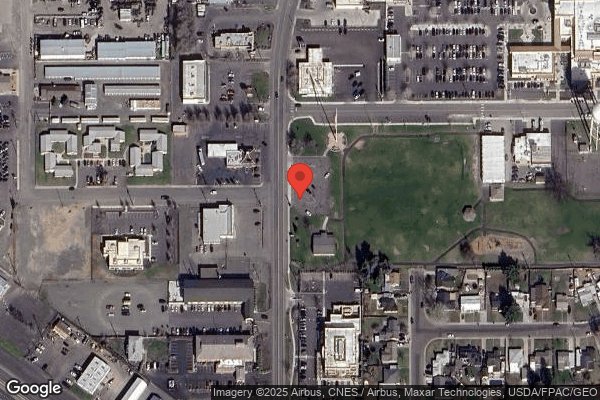
LINDEN POST ACUTE

802 WEST THIRD AVENUE, TOPPENISH, WA 98948 (509) 865-3955
For profit - Corporation 75 Beds PRESTIGE CARE Data: November 2025
Trust Grade
70/100
#71 of 190 in WA
Last Inspection: October 2024

Within standard 12-15 month inspection cycle. Federal law requires annual inspections.

Overview

Linden Post Acute in Toppenish, Washington, has a Trust Grade of B, which indicates it is a good choice, falling in the 70-79 range on the grading scale. It ranks #71 out of 190 facilities in Washington, placing it in the top half of state options, and #5 out of 11 in Yakima County, meaning only four local facilities are ranked higher. The facility is improving, with issues decreasing from 12 in 2024 to just 2 in 2025. Staffing is a strength here, with a 4 out of 5-star rating and a turnover rate of 34%, significantly lower than the state average of 46%. There have been no fines, which is encouraging, but there are some concerns noted. For example, the facility failed to ensure that smoking materials were safely managed for residents, and there were issues with the secure storage of oxygen cylinders and cleaning chemicals. Additionally, meal service was delayed, and there were problems with proper sanitation in the kitchen, which could pose risks for foodborne illnesses. While the facility has strengths, these weaknesses should be carefully considered when making a decision.

Trust Score
B
70/100
In Washington
#71/190
Top 37%
Safety Record
Low Risk
No red flags
Inspections
Getting Better
12 → 2 violations
Staff Stability
○ Average
34% turnover. Near Washington's 48% average. Typical for the industry.
Penalties
✓ Good
No fines on record. Clean compliance history, better than most Washington facilities.
Skilled Nurses
✓ Good
Each resident gets 47 minutes of Registered Nurse (RN) attention daily — more than average for Washington. RNs are trained to catch health problems early.
Violations
⚠ Watch
35 deficiencies on record. Higher than average. Multiple issues found across inspections.
★★★★☆
4.0
Overall Rating
★★★★☆
4.0
Staff Levels
★★★★☆
4.0
Care Quality
★★★★☆
4.0
Inspection Score
Stable
2024: 12 issues
2025: 2 issues

The Good

  • 4-Star Staffing Rating · Above-average nurse staffing levels
  • 4-Star Quality Measures · Strong clinical quality outcomes
  • Full Sprinkler Coverage · Fire safety systems throughout facility
  • No fines on record
  • Staff turnover below average (34%)

    14 points below Washington average of 48%

Facility shows strength in staffing levels, quality measures, fire safety.

The Bad

Staff Turnover: 34%

11pts below Washington avg (46%)

Typical for the industry

Chain: PRESTIGE CARE

Part of a multi-facility chain

Ask about local staffing decisions and management

The Ugly 35 deficiencies on record

Jun 2025 2 deficiencies
CONCERN (D) 📢 Someone Reported This

A family member, employee, or ombudsman was alarmed enough to file a formal complaint

Potential for Harm - no one hurt, but risky conditions existed

Report Alleged Abuse (Tag F0609)

Could have caused harm · This affected 1 resident

**NOTE- TERMS IN BRACKETS HAVE BEEN EDITED TO PROTECT CONFIDENTIALITY** Based on interview and record review, the facility failed to ensure that the state agency was notified about an elopement for 1 ...

Read full inspector narrative →
**NOTE- TERMS IN BRACKETS HAVE BEEN EDITED TO PROTECT CONFIDENTIALITY** Based on interview and record review, the facility failed to ensure that the state agency was notified about an elopement for 1 of 1 resident (Resident 1) reviewed for elopements. This failure placed the resident at risk for potential endangerment. Findings included . <Resident 1> Review of the medical record showed the resident admitted to the facility on [DATE] with diagnoses including high blood pressure, Parkinson's Disease (neurodegenerative disease with brain deterioration that affects body movements by slowing movements and causes tremors and balance issues), reduced mobility and homelessness. The 05/30/2025 comprehensive assessment showed Resident 1 was alert and oriented and required partial to substantial assistance with transfers, dressing and toileting. During an interview on 06/30/2025 at 10:30 AM, Staff B, Director of Nursing Services, stated Resident 1 left the facility without notice and staff were not aware of their location. Staff B stated Resident 1 was not assessed as an elopement risk. The facility did not call the state agency to report the missing resident who left the faciity on [DATE]. Review of the May 2025 and June 2025 (reviewed through 06/30/2025) Incident Reporting Log showed no entry for Resident 1's elopement from the facility. Review of the 06/23/2025 at 12:26 PM nursing progress note showed Resident 1's breakfast tray was still on their bedside table untouched and they had served the lunch meal. Resident 1's clothing and belongings were gone. They notified Staff C, Social Services. During an interview on 06/30/2025 at 11:00 AM, Staff C stated they had tried to call Resident 1's phone number and it was a non-working phone number. Staff C then notified law enforcement on 06/24/2025. Staff C failed to log the incident and was unaware that the state agency was to be notified. Reference WAC 388-97-0640 (5)(a)
CONCERN (D) 📢 Someone Reported This

A family member, employee, or ombudsman was alarmed enough to file a formal complaint

Potential for Harm - no one hurt, but risky conditions existed

Safe Environment (Tag F0921)

Could have caused harm · This affected 1 resident

**NOTE- TERMS IN BRACKETS HAVE BEEN EDITED TO PROTECT CONFIDENTIALITY** Based on observation, interview, and record review the facility failed to provide a safe, comfortable environment for 3 of 6 roo...

Read full inspector narrative →
**NOTE- TERMS IN BRACKETS HAVE BEEN EDITED TO PROTECT CONFIDENTIALITY** Based on observation, interview, and record review the facility failed to provide a safe, comfortable environment for 3 of 6 rooms (Rooms 27, 28 and 29) for maintenance repairs. This failure placed residents at risk of injury and a diminished quality of life by not maintaining a safe and functional environment. Findings included . Review of the undated Facility Maintenance Program policy showed the facility should have .regularly scheduled inspections .building interior inspections include checking floors, ceilings and walls weekly . Review of the April 2025 through June 2025 maintenance log did not identify Rooms 27, 28. and 29 for maintenance inspection or repair. During an observation and concurrent interview on 06/30/2025 at 11:05 AM, showed room [ROOM NUMBER] with white walls and four feet long cuts into the wall located on the right side of the room by the baseboard and the lower wall. Additionally, there were multiple gouges (indentations) brown in color where the paint was removed along the wall above the base board. On the back wall near the window of room [ROOM NUMBER] there were many patched spackled (plastic paste) areas unfinished on the back wall and a patched area above the baseboard with a five by four inches with a metal plate with sharp edges partly exposed from the wall. An observation of more peeling paint above the baseboard with exposed inside of the wall was visible. The wooden closet doors to the left of room [ROOM NUMBER] upon entering the room, had sparse old varnish in some areas on the closet doors and splintered areas along the edges of the closet doors. The back right corner on the right side of room [ROOM NUMBER] between the right side of the wall and back wall was uncleanable with yellow peeling flakes from the wall above the baseboard. Staff D, Maintenance Director, stated that it was the first time they saw these areas that needed repair. During an observation on 06/30/2025 at 11:15 AM, room [ROOM NUMBER] had white walls and on the left side of the wall above the baseboard had peeled paint and gouges observed sporadically (intermittently) along a five foot area above the baseboard. There were three inch long scratched areas into the wall. During an observation on 06/30/2025 at 11:30 AM, room [ROOM NUMBER]'s wall on the left side had significant gouges and broken sheet rock from the wall behind the bed headboard. The broken sheet rock area on the wall behind the resident's bed headboard was three by four feet. The broken pieces of sheet rock was visible from the entry way to room [ROOM NUMBER]. During an interview on 06/30/2025 at 11:45 AM, Staff D stated they made rounds in the facility daily and thorough room inspections were done monthly. Staff D was unaware that Rooms 27, 28 and 29 needed repairs. During an interview on 06/30/2025 at 11:50 AM, Staff A, Administrator, stated they should have repaired the rooms promptly. Reference WAC 388-97-3220(1)
Oct 2024 12 deficiencies
CONCERN (D)

Potential for Harm - no one hurt, but risky conditions existed

Resident Rights (Tag F0550)

Could have caused harm · This affected 1 resident

Based on observation, interview, and record review, the facility failed to ensure residents that required assistance with eating received a dignified meal service, related to timely assistance with me...

Read full inspector narrative →
Based on observation, interview, and record review, the facility failed to ensure residents that required assistance with eating received a dignified meal service, related to timely assistance with meals, for 2 of 4 residents (Residents 14 and 3) reviewed for dignity. This failure placed the residents at risk for unmet care needs and a deterioration in their quality of life. Findings included . <Resident 14> Review of the resident's medical record showed they were admitted to the facility with diagnoses including dementia (a progressive disease that destroys the memory and other important mental functions), dysphasia (impaired ability to swallow) and legal blindness. Resident 14's comprehensive assessment, dated 08/28/2024, showed the resident was severely cognitively impaired and required substantial assistance (a considerable amount) with eating. Review of Resident 14's care plan, dated 09/03/2024, showed the resident's legal blindness and cognition status was the reason they required substantial assistance from staff with their meals. During an observation on 10/22/2024 from 11:50 AM to 1:16 PM, showed Resident 14 sitting in the dining room alone at a table. At 1:00 PM, meal trays arrived, and Resident 14's meal tray was placed on the table in front of them. The three staff in the dining room were assisting other residents to eat their meals at other tables. Resident 14 waited until 1:16 PM (16 minutes after their meal arrived) for Staff T, Nursing Assistant (NA) to come from the west hall to assist the resident with their meal. During an interview on 10/22/2024 at 1:35 PM, Staff T stated they tried to come to the assisted dining room as soon as they could to help but were required to pass trays and assist other residents in the west hall first. During an observation on 10/24/2024 from 1:00 PM to 1:48 PM, showed Resident 14 sitting at a table alone. At 1:12 PM, the resident's meal tray was placed in front of them. Resident 14 stated Are you going to help me or what? The staff who had delivered the tray stated, someone will be with you soon. Resident 14 was observed leaning forward and attempting to smell their food. At 1:35 PM Staff U, NA, came into the dining room and assisted Resident 14 with their food. Resident 14 waited 17 minutes to eat after their meal tray had been served. <Resident 3> Review of the resident's medical record showed they admitted to the facility with diagnoses including deafness and dementia. The most recent comprehensive assessment, dated 08/18/2024, showed the resident was severely cognitively impaired and required substantial assistance for activities of daily living to include assistance with meals. During an observation on 10/22/2024 from 11:50 AM to 1:16 PM, showed Resident 3 was sitting in the dining room with another resident at the table. At 1:00 PM, Resident 3 had their meal placed in front of them. Staff assisted the other resident at the table to eat, however Resident 3 just sat there with untouched food. At 1:30 PM (30 minutes after their meal was served), Staff S, NA, placed the resident's hand on their cup to cue them to start eating. During an observation on 10/24/2024 from 1:00 PM to 1:48 PM, showed that Resident 3 was served their lunch tray at 1:17 PM. At 1:48 PM (31 minutes after their meal had been served), Staff S who had been assisting residents at another table, approached the resident and assisted them with their meal. During an interview on 10/30/2024 at 9:50 AM, Staff L, Licensed Practical Nurse, stated the NA working on the west hall was assigned to go to the assisted dining room to help residents with their meals after passing out the room trays. Staff L stated the reason the NA was late going to the dining room was because they also had to assist the residents who dined in their rooms and required help with their meals prior to heading to the dining room, which often put them behind. During an interview on 10/30/2024 at 12:50 PM, Staff A, Administrator, stated it was not appropriate for residents to be waiting with their meal trays in front of them for assistance while other residents were already eating. Reference: WAC 388-97-0180(1-4)
CONCERN (D)

Potential for Harm - no one hurt, but risky conditions existed

Deficiency F0645 (Tag F0645)

Could have caused harm · This affected 1 resident

**NOTE- TERMS IN BRACKETS HAVE BEEN EDITED TO PROTECT CONFIDENTIALITY** <Resident 56> Review of the medical record showed Resident 56 was admitted to the facility on [DATE] with diagnoses includ...

Read full inspector narrative →
**NOTE- TERMS IN BRACKETS HAVE BEEN EDITED TO PROTECT CONFIDENTIALITY** <Resident 56> Review of the medical record showed Resident 56 was admitted to the facility on [DATE] with diagnoses including PTSD and anxiety. The 08/26/2024 comprehensive assessment showed Resident 56 required partial/moderate assistance of one staff member for activities of daily living. The assessment also showed the resident had an intact cognition. Review of a Level I PASARR screening form, dated 08/20/2024, showed Resident 56 was pending an admission date of 08/20/2024 and had no serious mental illness indicators. Review of a Level I PASARR screening form, dated 09/02/2024, showed Resident 56 was a current nursing facility resident, with an admission date of 08/20/2024. The form showed serious mental illness indicators of an anxiety disorder and PTSD. Further review of the form showed No Level II evaluation indicated. During an interview on 10/28/2024 at 11:38 AM, Staff H, SSD, stated they were responsible for reviewing the PASARR Level I screenings prior to the resident's admission to the facility. Staff H stated Resident 56's PASARR Level I screening was incorrect and should have been referred for a Level II screening. During an interview on 10/29/2024 at 1:42 PM, Staff B, Director of Nursing Services, stated Staff H was responsible for reviewing the PASARR Level I screenings prior to admission. Staff B stated if a PASARR Level II screening was indicated, Staff H was responsible for completing the referral. Staff B stated Resident 56's PASARR Level I initial screening was incorrect. They stated Staff H completed a second PASARR Level I with the correct diagnoses and that should have been sent for a Level II referral. Reference: WAC 388-97-1915(1)(2)(a-c) Based on interview and record review, the facility failed to review and validate the Preadmission Screening and Resident Reviews ([PASARR], an assessment to ensure individuals with serious mental illness [SMI] or intellectual/developmental disabilities [ID/DD] are not inappropriately placed in nursing homes for long term care) were corrected on/after residents admission to the facility and had the required Level II referral sent if residents had a positive Level I PASARR for 2 of 8 residents (Resident 29 and 56) reviewed for PASARR. This failure placed the residents at risk for not receiving the care and services appropriate for their needs. Findings included . Review of the Department of Social and Health Services, Dear Nursing Home Administrator Letter, guidance titled, Clarification to the Pre-admission Screening and Resident Review (PASARR or PASRR) Level I Screening Process, dated 07/06/2024, showed that nursing facilities will ensure residents with a positive Level I PASARR screen have been evaluated by the designated state-authority through the Level II PASARR process and approved for admission prior to admitting to the nursing facility. <Resident 29> Review of the resident's medical record showed they were admitted to the facility on [DATE] with diagnoses including Post-Traumatic Stress Disorder [PTSD, a mental health condition that's caused by an extremely stressful or terrifying event) and depression. The 09/12/2024 comprehensive assessment showed the resident was cognitively intact and able to make their needs known. Review of a Level I PASARR screening form dated 08/30/2024, showed Resident 29 was pending an admission date of ASAP (as soon as possible) and had anxiety disorders checked for their PTSD in the SMI indicators section. No other SMI indicators were checked, and a Level II referral evaluation was required for Residents 29's SMI indicators. During an interview on 10/28/2024 at 9:28 AM, Staff H, Social Service Director (SSD), stated they were responsible for reviewing the accuracy of the PASARR Level I screenings and Level II referral prior to the resident admitting into the facility. Staff H stated Resident 29's PASARR Level I screening was not accurate with their diagnosis of depression. Additionally, the residents PASARR was not sent for a Level II referral prior to their admission into the facility.
CONCERN (D)

Potential for Harm - no one hurt, but risky conditions existed

Deficiency F0660 (Tag F0660)

Could have caused harm · This affected 1 resident

**NOTE- TERMS IN BRACKETS HAVE BEEN EDITED TO PROTECT CONFIDENTIALITY** Based on interview and record review, the facility failed to develop and implement an effective discharge planning process that ...

Read full inspector narrative →
**NOTE- TERMS IN BRACKETS HAVE BEEN EDITED TO PROTECT CONFIDENTIALITY** Based on interview and record review, the facility failed to develop and implement an effective discharge planning process that addressed the resident's goals and needs, that involved the resident and the interdisciplinary team [(IDT) a group of healthcare professionals from different disciplines to help residents receive the care they need] for 1 of 3 residents (Resident 264) reviewed for discharge planning process. The failure to develop and implement a discharge plan consistent with the resident's needs and expressed discharge goals, placed the resident at risk for decreased self-worth and dissatisfaction with their living situation. Additionally, the facility failed to ensure a safe discharge when 1 of 2 residents (Resident 61) discharged against medical advice (AMA) with a peripheral inserted central catheter line [(PICC) a thin, flexible tube that is inserted into a vein in the arm and threaded into a large vein above the heart used to deliver fluids and medications]. This failure placed the resident at risk for infection and poor outcomes. Findings included . <Resident 264> Review of the medical record showed Resident 264 was admitted to the facility on [DATE] with diagnoses including fainting and collapse, heart failure, and dehydration. The 10/15/2024 comprehensive assessment showed Resident 264 required partial/moderate assistance of one staff member for activities of daily living (ADLs) and was cognitively intact. The assessment also showed Resident 264's goal for discharge was to return to the community. Record review of a care plan dated 10/01/2024, showed no documentation of discharge planning for Resident 264. Record review of a social services progress note dated 09/27/2024 at 2:38 PM, showed Resident 264 requested to discharge that day. Staff H, Social Services Director, documented they had explained the discharge process to Resident 264, who became upset and stated they wanted to return home. Staff H contacted the provider who addended their previous visit note dated 09/19/2024 that showed Resident 264 was ok to d/c from facility. Record review of a nursing progress note dated 09/24/2024 at 3:44 PM, showed Resident 264 discharged home AMA with their family. <Resident 61> Review of the medical record showed Resident 61 was admitted to the facility with diagnoses including cellulitis (a serious bacterial skin infection) of their left lower limb, osteomyelitis (a serious bone infection), and paraplegia (paralysis that makes it impossible to stand or walk). The 08/02/2024 comprehensive assessment showed Resident 61 required substantial/maximum assistance with ADLs. The assessment also showed Resident 61 had an intact cognition. Review of a Medication Administration Record (MAR) dated 08/2024, showed Resident 61 was receiving an antibiotic through their PICC line that started on 07/27/2024 and was to end on 09/02/2024. Review of a nursing progress note dated 08/29/2024, showed the licensed nurse had placed a call to Resident 61, who stated they would not be returning to the facility for their treatment cares, including their antibiotic medication through their PICC line. Review of the medical record showed no documentation that Resident 61's provider was notified of the AMA discharge with their PICC line in place. There was no documentation that showed Adult Protective Services (APS), or law enforcement had been notified. During an interview 10/29/2024 12:00 PM, Staff H stated the process for discharge planning started upon admission. They stated they reviewed the resident's goals for discharge and entered them into the care plan. Staff H stated they were required to have the initial goals documented in the care plan in the first 72 hours after admission, then re-evaluate and update the care plan within the first two weeks after admission. Staff H stated thought they had documented discharge planning in the progress notes for Resident 264. They stated their normal process was add that information to the care plan. Staff H stated, after reviewing the medical record, there was no documentation addressing Resident 264's discharge plans. During an interview on 10/29/2024 at 1:43 PM, Staff B, Director of Nursing Services, stated the process for discharge planning started on admission and was constantly reviewed. They stated Resident 61 left the facility AMA with their PICC line in place. Staff B stated it was unsafe to discharge a resident with a PICC line in place. They stated the facility should have notified the provider and other entities (law enforcement/Adult Protective Services) when Resident 61 did not return to the facility. Reference: WAC 388-97-0080(3)(a)(5)(7)(a-c)
CONCERN (D)

Potential for Harm - no one hurt, but risky conditions existed

Quality of Care (Tag F0684)

Could have caused harm · This affected 1 resident

**NOTE- TERMS IN BRACKETS HAVE BEEN EDITED TO PROTECT CONFIDENTIALITY** Based on observation, interview, and record review, the facility failed to ensure residents received treatment and care of their...

Read full inspector narrative →
**NOTE- TERMS IN BRACKETS HAVE BEEN EDITED TO PROTECT CONFIDENTIALITY** Based on observation, interview, and record review, the facility failed to ensure residents received treatment and care of their type two diabetes mellitus (a disease that causes inadequate control of the body's blood levels of sugar, which can lead to abnormally high or low levels of the body's blood sugar) in accordance with professional standards of practice for 1 of 2 residents (Resident 218) reviewed for insulin (a medication that assists in control of blood sugar levels) therapy. This failure placed residents at an increased risk for unmet care needs, emergent situations, and poor health outcomes. Findings included . Review of a policy titled, Nursing Care of the Older Adult with Diabetes Mellitus, dated November 2020, showed blood glucose (sugar) monitoring of diabetic residents were needed to detect hyperglycemia (high levels of blood sugar in the body, greater than 150 milligrams/deciliter [mg/dL, units of measure]) and hypoglycemia (low levels of blood sugar in the body, less than 70 mg/dL) complications associated with diabetes. The policy showed that residents who were receiving sliding scale insulin ([SSI], a scale that increases the amount of pre-meal insulin that is administered to a resident based on their blood sugar level before the meal) should be monitored three to four times a day. Review of a policy titled, Obtaining a Fingerstick Glucose Level, dated September 2014, showed the fingerstick glucose device was used to determine a diabetic resident's blood sugar level. The policy showed that staff were to ensure the device was working properly as instructed by the manufacturers recommendations. <Resident 218> Review of the medical record showed Resident 218 was admitted to the facility on [DATE] with diagnoses including aftercare for surgery on their left lower leg, peripheral vascular disease (a circulatory condition in which narrowed blood vessels reduce blood flow to the limbs), and type two diabetes. The 10/17/2024 comprehensive assessment showed the resident was cognitively intact, able to make their needs known, and received daily insulin injections. During an interview on 10/23/2024 at 11:07 AM, Resident 218 stated the nursing staff utilized the residents own blood glucose monitor called FreeStyle Libre 2 (a sensor placed on the skin that continuously tracks and records blood glucose levels throughout the day and night) before administering their SSI. The resident stated their blood glucose levels had been different since they admitted to the facility and were sometimes going higher than they expected with readings at 230 mg/dL and other times going lower than they expected with readings in the 80's mg/dL. Resident 218 stated the fingerstick glucose monitoring device had not been used to check the residents blood glucose due to them having the FreeStyle Libre 2 sensor since they had admitted to the facility. Additionally, Resident 218 stated they changed out their blood glucose monitoring sensor on 10/22/2024, sometime in the morning. Review of the manufacturer's recommendations titled, FreeStyle Libre 2 Flash Glucose Monitoring System, revised August 2024, showed failure to use the System according to the instructions for use may result in you missing a severe low blood glucose or high blood glucose event and/or making a treatment decision (like administering more insulin when blood sugars values are high and/or administering sugar in the form of food or medications when values are low) that may result in injury. If your glucose reading alarms and reading from the System do not match symptoms or expectations, use a fingerstick blood glucose value from a blood glucose meter to make diabetes treatment decisions. The recommendation stated that during the first 12 hours after changing out the sensor, the sensors blood glucose values should not be used to make treatment decisions and the values needed to be confirmed with another blood glucose monitor before deciding what to do or what treatment decisions to make. Review of Resident 218's Medication Administration Record for October 2024, showed the resident's blood glucose checks were four times a day .before meals and at bedtime . The resident was administered a scheduled insulin injection in the morning and, in addition to that, a SSI based on the resident's blood glucose levels, .if 131 - 180 = 2 units (a unit of measure for insulin medication); 181 - 240 = 4 units; 241 - 300 = 6 units . On 10/22/2024 Resident 218 was administered their scheduled insulin in the morning and SSI of six units, one time in the afternoon for a 246 mg/dL blood glucose value by Staff E, Registered Nurse (RN). During an interview on 10/25/2024 at 8:18 AM, Staff E, RN, stated they had been administering Resident 218's SSI based on the FreeStyle Libre 2 sensors blood glucose readings. Staff E stated they were unaware of the FreeStyle Libre 2 sensors manufacturer's recommendations of not utilizing the blood glucose values for the first 12 hours after changing the sensor without confirming the values with another glucose monitor. Staff E stated they had never used the facility's fingerstick glucose device for reading Resident 218's blood glucose levels, nor to confirm the FreeStyle Libre 2 sensors readings. During an interview on 10/28/2024 at 3:29 PM, Staff D, Resident Case Manager, stated they did not have a policy for Resident 218's continuous blood glucose monitoring system and would refer to the FreeStyle Libre 2 sensors manufacturer's recommendations. Staff D stated Resident 218 informed them that the FreeStyle Libre 2 sensor was changed out on 10/22/2024 but was unaware of what time it was changed. Staff D stated they were unaware of the manufacturer's recommendations to not utilize the blood glucose sensors readings for the first 12 hours after it was changed out. Staff D stated that on 10/22/2024 Resident 218's blood glucose readings should have been confirmed with the facility fingerstick glucose device during the first 12 hours of changing the sensor. During an interview on 10/30/2024 at 11:13 AM, Staff A, Administrator, and Staff B, Director of Nursing Services, stated the facility did not have a process in place for confirming the FreeStyle Libre 2 sensor's blood glucose levels for Resident 218 after the sensor was changed out, per the manufacturer's recommendations. Reference: WAC 388-97-1060(1)
CONCERN (D)

Potential for Harm - no one hurt, but risky conditions existed

Incontinence Care (Tag F0690)

Could have caused harm · This affected 1 resident

**NOTE- TERMS IN BRACKETS HAVE BEEN EDITED TO PROTECT CONFIDENTIALITY** Based on interview and record review, the facility failed to identify and utilize an implanted bladder stimulator device [(Inter...

Read full inspector narrative →
**NOTE- TERMS IN BRACKETS HAVE BEEN EDITED TO PROTECT CONFIDENTIALITY** Based on interview and record review, the facility failed to identify and utilize an implanted bladder stimulator device [(InterStim) - an implantable device that treats urinary incontinence and overactive bladder by sending electrical pulses to the sacral nerves] used to treat urinary incontinence for 1 of 2 residents (Resident 5) reviewed for urinary incontinence (a loss of bladder control or involuntary urination). This failure placed the resident at risk for poor self-esteem related to dignity, skin impairments, continued urinary incontinence, and other health complications. Findings included . Review of the Medtronic InterStim guidance titled, Sacral Neuromodulation (the use of electrical or chemical stimulation to change nerve activity), dated 10/2024, showed the InterStim system was an implanted neurostimulator (a device that uses electrical stimulation to treat neurological disorders). The leads (wires) from the implanted device stimulate the sacral nerves that control normal bladder and bowel function. The InterStim device was indicated for the treatment of urinary retention and symptoms of an overactive bladder, including urinary urge incontinence. The InterStim device may be affected by or adversely affect cardiac devices, electrocautery (electric current to destroy abnormal tissue or control bleeding), defibrillators (a device that applies an electric charge or current to the heart to restore a normal heartbeat), ultrasonic equipment (a device that uses sound waves to detect and measure objects), radiation therapy, MRI [(Magnetic Resonance Imaging) - a test that produces detailed images of the internal structure of the body], and theft detectors/screening devices. <Resident 5> Review of the medical record showed Resident 5 was admitted to the facility on [DATE] with diagnoses including osteoarthritis (a condition that causes the breakdown of cartilage in the joints of the body, leading to pain and stiffness), muscle weakness, and need for assistance with personal cares. The 09/07/2024 comprehensive assessment showed Resident 5 required substantial/maximum assistance of one staff member for activities of daily living and was dependent on two staff members for transfers. The assessment also showed Resident 5 was frequently incontinent of urine and was cognitively intact. Record review of a hospital Discharge summary dated [DATE], showed Resident 5 had a history of urinary incontinence after InterStim device placement. Record review of a care plan, dated 08/24/2024, showed a focus area for bladder incontinence related to impaired mobility with overactive bladder. The interventions showed Resident 5 had some bladder control and wore briefs. There was no documentation that Resident 5 had a urologist (a medical doctor specializing in condition that affect the urinary tract) or an InterStim device for urinary incontinence. During an interview on 10/22/2024 at 10:27 AM, Resident 5 stated they had an implanted device to control their bladder incontinence. They stated it was not working because they did not have the remote to control it. Resident 5 stated they had not seen a urologist since they were admitted to the facility. Resident 5 stated the staff had not asked them about their implanted device or about seeing a urologist. During an interview on 10/28/2024 at 9:21 AM, Staff P, Nursing Assistant, stated they had worked at the facility for about six years and was responsible for daily cares for Resident 5. They stated Resident 5 had always been incontinent but did know when they needed to be changed. Staff P stated there was no scheduled toileting plan in place for the resident's incontinence, except for incontinent care as needed. During an interview on 10/28/2024 at 10:03 AM, Staff K, Resident Case Manager, stated they had worked in the facility for eight years. They stated Resident 5 would sometimes ask for a bedpan for toileting. Staff K stated Resident 5 had no cognitive impairments that would limit a bladder retraining program. Staff K stated they had not done a retraining program for Resident 5. Staff K stated they were not aware that Resident 5 had an implanted device for urinary incontinence. They stated Resident 5 did not have a urologist but was taking a medication to help with the incontinence. Staff K stated they would have expected to see the implanted device identified in the medical record, specifically on the care plan. During an interview on 10/29/2024 at 1:31 PM, Staff B, Director of Nursing Services, stated the process for accuracy of medical records on admission to the facility, included reviewing the referral and hospital discharge summary. They stated they listed out the identified medical concerns to ensure they have the means to care for the resident, prior to admission. Upon arrival, they performed a physical assessment of the resident to identify additional needs. Staff B stated the implanted device was something we would catch on admit. Staff B stated they did not see any urology appointments in Resident 5's medical record and there was no care plan for the device. They stated they were unsure why this was missed. Reference: WAC 388-97-1060(3)(c)
CONCERN (D)

Potential for Harm - no one hurt, but risky conditions existed

Deficiency F0699 (Tag F0699)

Could have caused harm · This affected 1 resident

**NOTE- TERMS IN BRACKETS HAVE BEEN EDITED TO PROTECT CONFIDENTIALITY** Based on interview and record review, the facility failed to ensure residents who were trauma survivors received culturally comp...

Read full inspector narrative →
**NOTE- TERMS IN BRACKETS HAVE BEEN EDITED TO PROTECT CONFIDENTIALITY** Based on interview and record review, the facility failed to ensure residents who were trauma survivors received culturally competent, trauma informed care, complete with identified experiences and preferences regarding potential triggers (a stimulus that could prompt a recall of a previous traumatic event even if the stimulus itself is not traumatic or frightening) that may cause re-traumatization (a reliving of the traumatic experience) for 1 of 4 residents (Resident 29) reviewed for trauma informed care. This failure placed the resident at risk for unidentified triggers and re-traumatization. Findings included . Review of the policy titled, Trauma Informed Care, dated 08/01/2024, showed, Trauma-informed care is an approach aimed at identification of individuals with a trauma history and the development of care approaches that are sensitive to the individual needs . The policy showed identifying potential triggers and making modifications to care approaches and strategies would be a focus to order to avoid resident re-traumatization. <Resident 29> Review of the resident's medical record showed they were admitted to the facility on [DATE] with diagnoses including Post-Traumatic Stress Disorder (PTSD, a mental health condition that's caused by an extremely stressful or terrifying event), traumatic brain injury (TBI, a violent blow, jolt, or external force to the head or body), partial traumatic amputation of right great toe (a partial loss of the big toe due to a severe accident or injury), nightmare disorder (a sleep disorder characterized by repeated intense nightmares that most of center on threats to physical safety and security) and depression. The 09/12/2024 comprehensive assessment showed the resident was cognitively intact and able to make their needs known. During an interview on 10/23/2024 at 9:26 AM, Resident 29 stated they were injured overseas on a deployment in the military and there were potential triggers they knew of. They stated no staff member had talked with them about it. During a follow-up interview on 10/24/2024 at 9:59 AM, Resident 29 stated they had been blown up (involved in an explosion) overseas and was easily startled when woken from sleep/loud noises. Review of Resident 29's hospital history and physical report, dated 08/26/2024, and sent to the facility on [DATE], showed the resident was involved in multiple military war zone deployments, an explosion, and was a prisoner of war ([NAME]). Review of Resident 29's care plan, dated 09/09/2024, showed the resident was at risk for emotional trauma due to a history of .combat or exposure to a war zone . and PTSD. No care plan approaches or interventions were identified or made regarding Resident 29's combat, exposure to a war zone and/or their diagnosis of PTSD. Review of Resident 29's social history assessment (which reviewed traumatic events), dated 09/13/2024, showed the resident had a transportation accident (for example, car accident, boat accident, train wreck, plane crash) that was marked and happened to Resident 29. Other traumatic events, Combat or exposure to a war zone (in the military or as a civilian) .Fire or explosion .captivity (for example, being kidnapped, abducted, held hostage, prisoner of war) were not checked for the resident and no other traumatic events were documented. During an interview on 10/28/2024 at 9:37 AM, Staff H, Social Services Director, stated they oversaw trauma informed care assessment on residents, documented the information under the social history assessment tab in a resident's record, and developed a care plan regarding identified triggers. Staff H stated Resident 29 was at war, saw a lot of people die in combat, and was deployed to different places/war zones. Staff H stated they remembered Resident 29 informing them about having flash backs and memories of times at war. When reviewing Resident 29's trauma informed care assessment and care plan, Staff H stated no triggers were identified or care planned. During an interview on 10/28/2024 at 11:09 AM, Staff E, Registered Nurse, stated Resident 29 had PTSD from events while being deployed overseas in the military. Staff E stated Resident 29 startles awake and will talk in (Resident 29's) sleep and had some nightmare's .have to be careful on how you wake (Resident 29) up . Staff E stated the resident was injured as a [NAME], did not get a lot of sleep, and had been known to stay up in a wheelchair all night. During an interview on 10/28/2024 at 3:02 PM Staff D, Resident Case Manager (RCM), and Staff C, Infection Preventionist/RCM, stated that Resident 29 had nightmares and did not like loud noises, you have to be careful not to startle (Resident 29) or catch (Resident 29) by surprise because the resident got upset and would start yelling. Staff D stated the known potential triggers for Resident 29 should be on the resident care plan and the correct process was not followed. During an interview on 10/29/2024 at 9:26 AM, Staff A, Administrator, and Staff B, Director of Nursing Services, stated they were aware of Resident 29's history of PTSD and being in a war zone, but did not know of any triggers that were identified. Staff A and Staff B stated that Resident 29 should have been accurately assessed for potential triggers with the resident's diagnosis of PTSD/known deployments to a war zone, being easily startled when sleeping and by loud noises, and an individualized care plan should have been implemented so all staff were aware of triggers that could cause re-traumatization. Reference: WAC 388-97-1060(3)(e)
CONCERN (D)

Potential for Harm - no one hurt, but risky conditions existed

Unnecessary Medications (Tag F0759)

Could have caused harm · This affected 1 resident

**NOTE- TERMS IN BRACKETS HAVE BEEN EDITED TO PROTECT CONFIDENTIALITY** Based on observation, interview, and record review, the facility failed to ensure a medication error rate of less than five perc...

Read full inspector narrative →
**NOTE- TERMS IN BRACKETS HAVE BEEN EDITED TO PROTECT CONFIDENTIALITY** Based on observation, interview, and record review, the facility failed to ensure a medication error rate of less than five percent for 2 of 5 residents (Residents 218 and 1) observed during 27 medication administration opportunities that resulted in an error rate of 7.41 percent. This failure placed the residents at risk of not receiving the full therapeutic effect of the medication and potential adverse side effects. Findings included . Review of the Basaglar KwikPen (a pre-filled disposable device containing an insulin medication) instructions for use, dated 11/2023, showed the insulin pen needed to be primed (removing air from the needle and cartridge that may have collected during normal use) before each injection. If the pen was not primed before each injection, too much or too little insulin could be delivered. Review of a policy titled, Medication Administration, dated 01/2023, showed check expiration date on package/container .no expired medication will be administered to a resident. <Resident 218> Review of the medical record showed Resident 218 was admitted to the facility with diagnoses including aftercare for surgery on the skin, peripheral vascular disease (a circulatory condition in which narrowed blood vessels reduce blood flow to the limbs), and type two diabetes (a group of diseases that result in too much sugar in the blood) with a foot ulcer (an open sore or wound). The [DATE] comprehensive assessment showed Resident 218 required partial/moderate assistance with activities of daily living (ADLs). The assessment also showed the resident had an intact cognition. Review of the [DATE] Medication Administration Record (MAR), showed Resident 218 was to receive 20 units (a measurement) of Basaglar insulin, injected with an insulin pen, every morning. A concurrent observation and interview on [DATE] at 8:18 AM, showed Staff E, Registered Nurse, preparing an insulin pen for Resident 218. Staff E scrubbed the hub of the pen with an alcohol swab, attached the needle, and dialed up 20 units of Basaglar insulin on the insulin pen. Staff E cleaned the resident's skin with an alcohol swab then injected the 20 units of insulin into Resident 218's lower abdomen. Staff E did not prime the pen prior to administering the insulin. Staff E stated they did not know the insulin pen needed to be primed before dialing up the correct amount of insulin. <Resident 1> Review of the medical record showed Resident 1 was admitted to the facility with diagnoses including dementia (a progressive disease that destroys memory and other important mental functions), chronic obstructive pulmonary disease (a group of lung diseases that block airflow and make it difficult to breathe), and heart failure. The [DATE] comprehensive assessment showed Resident 1 required set-up assistance from one staff member for ADLs. The assessment also showed Resident 1 had a severely impaired cognition. A concurrent observation and interview on [DATE] at 8:51 AM, showed Staff L, Licensed Practical Nurse, preparing medications for Resident 1. Staff L obtained a package of medication from the medication cart, removed one tablet, placed it into the medication cup with other medications, and locked the medication cart. Staff L stated they were going to give the medications to Resident 1. Staff L was asked to review the expiration date on the medication prior to going into the resident room. Staff L stated the medication package showed the medication had expired on 09/2024. Staff L removed the medication from the medication cup and obtained a new package of medication with an expiration date of 07/2025. Staff L stated they were responsible for checking the expiration dates of all medications on their cart. Staff L stated they did not check the medication package because it had just arrived from the pharmacy, so they assumed it was good. During an interview on [DATE] at 1:54 PM, Staff B, Director of Nursing Services, stated the process for administering medication involved reviewing the physician order, the medication, the route of delivery, ensuring administration was to the correct resident, and checking the expiration date. Staff B stated the nurses on the medication carts were responsible for reviewing medication expiration dates. Staff B stated the process for administering insulin with a pen involved cleaning the hub of the pen, putting a needle on the pen, dialing up the correct amount of insulin, then injecting the insulin. Staff B stated they were not aware that the insulin pen needed to be primed. Reference: WAC 388-97-1060(3)(k)(ii)
CONCERN (D)

Potential for Harm - no one hurt, but risky conditions existed

Garbage Disposal (Tag F0814)

Could have caused harm · This affected 1 resident

Based on observation and interview, the facility failed to properly dispose of kitchen refuse for 1 of 1 kitchen, reviewed for refuse disposal. This failure placed the facility at risk for attracting ...

Read full inspector narrative →
Based on observation and interview, the facility failed to properly dispose of kitchen refuse for 1 of 1 kitchen, reviewed for refuse disposal. This failure placed the facility at risk for attracting insects, rodents, and an unsanitary environment. Findings included . During an observation on 12/24/2024 at 12:38 PM, showed a fly in the kitchen, walking on the lipped plates that were being used during serve out. At 12:42 PM, a second fly was noted resting on the plates. An observation on 10/28/2024 at 12:41 PM, showed two black trash bags containing kitchen food garbage, on a cart located outside of the emergency exit of the kitchen/laundry hallway with snow peas scattered on the ground. There were flies, bees, and gnats swarming around the trash bags and snow peas. During an interview on 10/29/2024 at 12:47 PM, Staff O, Cook, stated they put the kitchen trash outside the door until later. During an interview on 10/29/2024 at 12:55 PM, Staff M, Dietary Manager, stated the process for removing trash from the kitchen included taking it to the dumpster right away and not leaving it outside the kitchen/laundry hallway door. Staff M stated the trash had been outside on the cart for at least 45 minutes. During an interview on 10/29/2024 at 1:04 PM, Staff G, Maintenance Director, stated they had a pest control program to control the flies in the building. They stated the process for trash included immediate disposal in the dumpster; not leaving it outside the door in the entry way. During an interview on 10/29/2024 at 2:34 PM, Staff A, Administrator, stated there were pest control measures in place. They stated the process for removing trash from the kitchen needed dealt with. Reference: WAC 388-97-1320(4)
CONCERN (D)

Potential for Harm - no one hurt, but risky conditions existed

Deficiency F0847 (Tag F0847)

Could have caused harm · This affected 1 resident

**NOTE- TERMS IN BRACKETS HAVE BEEN EDITED TO PROTECT CONFIDENTIALITY** Based on interview and record review the facility failed to ensure a resident had the cognitive capacity to understand the natur...

Read full inspector narrative →
**NOTE- TERMS IN BRACKETS HAVE BEEN EDITED TO PROTECT CONFIDENTIALITY** Based on interview and record review the facility failed to ensure a resident had the cognitive capacity to understand the nature and implication of entering into a binding arbitration agreement used to settle disputes without a jury trial for 1 of 3 residents (Resident 39) reviewed for arbitration. This failure placed the resident at risk for a lack of understanding of the legal contract they had signed and their right to make a choice for a jury trial in the event of a dispute with the facility. Findings included . <Resident 39> Review of the resident's medical record showed they were admitted to the facility on [DATE] with diagnoses including, congestive heart failure (a chronic condition in which the heart does not pump blood as well as it should) and bipolar disorder (a mental disorder that causes changes in mood and energy). Review of the comprehensive assessment, dated 10/09/2024, showed the resident had severe cognitive impairment with their Brief Interview of Mental Status (BIMS, a numerically scored test used to screen for cognitive impairments, a zero to seven score indicates severe cognitive impairment, an eight to 12 score indicates moderate cognitive impairment and a 13 to 15 indicates that a residents cognition is intact) scored at a three of 15. Review of the residents initial BIMS score dated 01/23/2024 showed a score of 6 which also indicated severe cognitive impairment. Record review of a three-page facility arbitration document in Resident 39's medical record titled Alternative Dispute Resolution Agreement, showed the agreement was between the resident and the facility, which stated that in the event of a dispute the resident would waive their right to a jury by trial in the federal or state court system. The document further showed the agreement would be explained in terms that Resident 39 would understand. The document showed the resident signed the agreement on 01/19/2024 when they admitted to the facility with two circles and two lines indicating their signature as they were unable to sign their name. During an interview on 10/22/2024 at 10:00 AM, Resident 39 indicated they lacked understanding of the facility arbitration agreement process. During an interview on 10/28/2024 at 11:00 AM, Staff H, Social Services Director, stated they presented the facility arbitration agreement during the admission process as a part of the admission paperwork to Resident 39. Staff H stated the resident did not have a power of attorney or legal guardian to sign for them and therefore the agreement was presented to the resident for their signature. When asked if Resident 39 had the capacity to understand the agreement when they were signing it, Staff H stated they had explained it to the resident however was not sure if Resident 39 had understood it. Reference: WAC 388-97-1620(2)(b)(i)
CONCERN (E)

Potential for Harm - no one hurt, but risky conditions existed

Accident Prevention (Tag F0689)

Could have caused harm · This affected multiple residents

**NOTE- TERMS IN BRACKETS HAVE BEEN EDITED TO PROTECT CONFIDENTIALITY** Based on observation, interview, and record review, the facility failed to ensure residents environment remained free of acciden...

Read full inspector narrative →
**NOTE- TERMS IN BRACKETS HAVE BEEN EDITED TO PROTECT CONFIDENTIALITY** Based on observation, interview, and record review, the facility failed to ensure residents environment remained free of accident/hazards with: A) a resident that required a smoking apron for safety when smoking for 1 of 2 residents (Resident 29) reviewed for accident/hazard of smoking, B) the securement of compressed oxygen cylinder storage for 1 of 2 storage rooms (East/West storage room) reviewed for accident/hazards of oxygen cylinder storage, and C) that toxic cleaning chemicals were safely stored away from residents for 2 of 3 hallways (East/West and Central Hall) reviewed for accidents/hazards of chemicals. This failure placed residents at an increased risk for avoidable accidents, significate injury, and unmet care needs. Findings included . Review of the facility's policy titled, Smoking Policy for Independent and Supervised, revised December 2017 showed that residents who wished to smoke would be assessed for their risks with smoking and the ability to smoke safely. Residents who did not meet the criteria to smoke independently would be provided assistance with their smoking materials and supervision when smoking. Review of an Office of Congressional Workplace Rights document titled, Compressed Gas Cylinder Storage, dated 08/2019, showed compressed gas cylinders should be treated as potential high energy projectiles and should be secured at all times to prevent tipping. All cylinders should be chained or secured to prevent them from falling. <Smoking> <Resident 29> Review of the resident's medical record showed they were admitted to the facility on [DATE] with diagnoses including Post-Traumatic Stress Disorder [(PTSD) a mental health condition that's caused by an extremely stressful or terrifying event], depression and paralysis following a stroke that affected the residents left side of the body. The 09/12/2024 comprehensive assessment showed the resident was cognitively intact and able to make their needs known. Resident 29 need partial/moderate facility staff assistance with their oral hygiene (a resident's ability to use suitable items to clean their teeth) and substantial/maximal facility staff assistance with upper body dressing (resident ability to dress/undress themselves above the waist and use of hands/fingers to work things like buttons). Review of facility smoking observation/assessment, dated 09/06/2024, showed Resident 29 had dexterity (the ability to perform difficult actions quickly and skillfully with the hands) issues related to Resident 29's stroke, was unable to light their own cigarette, required supervision of staff when smoking and needed a smoking apron (a protective flame retardant garment that prevents burning of clothes and keeps hot cigarette ashes from burning the skin) as an adaptive equipment (any kind of tool or device that can simplify caregiving or make the resident's environment safer) when smoking. During a concurrent observation and interview on 10/23/2024 at 8:34 AM, showed Resident 29 in their room with two cigarette burn marks on the black sweater they were wearing. When inquired about the burn marks the resident stated they were a hazardous smoker before admitting into the facility. Resident 29 stated they actively went outside to smoke during the facility designated smoking times, needed to be supervised by the facility staff when smoking, but had not been required to wear a smoking apron. During a concurrent observation and interview on 10/24/2024 at 9:34 AM, showed Resident 29 being taken out to smoke during one of the designated smoking times. The resident was in/out of falling asleep in their wheelchair saying pretty dam sleepy .make sure I don't burn my clothes . when given a cigarette and helped to light it by Staff U, [NAME] Clerk/Nursing Assistant. Resident 29 was not offered nor wore a smoking apron. Staff U stated the facility had recently got smoking aprons but was unaware of residents that required a smoking apron when smoking. When asked about facility staff training on being a supervisor during resident smoking times, Staff U stated had not taken the safety training like other staff had. Observation on 10/28/2024 at 1:48 PM showed Resident 29 outside during the afternoon's staff supervised smoking time. The resident was observed smoking and was not wearing the required smoking apron. During an interview on 10/28/2024 at 1:53 PM, Staff V, Activities Director, stated they were one of the staff that supervised residents during the smoking times. Staff V stated that Resident 29 was shaky sometimes and the residents had dexterity complications, so they were required to wear a smoking apron. During an interview on 10/28/2024 at 3:02 PM, Staff D, Resident Case Manager, stated they completed the initial smoking assessment/evaluation on Resident 29. Staff D stated the resident needed staff supervision and a smoking apron due to the history of cigarette burns in their clothing/history in conjunction with the resident dexterity issues. Staff D stated the resident had never refused to wear the smoking apron. During an interview on 10/29/2024 at 9:26 AM, Staff A, Administrator and Staff B, Director of Nursing Services (DNS), stated that Resident 29 should have been wear a smoking apron with their dexterity complications and history of burns in clothing form smoking. <Oxygen Storage> An observation on 10/22/2024 at 12:16 PM, showed the Central oxygen storage closet, located in the main hall of the East/West wing of the facility, contained 24 full oxygen cylinders; four cylinders were not secured. There was a sign posted on the inside of the closet door that showed O2 (oxygen) tanks are not to be left freestanding, please put them in the holder. During a concurrent observation and interview on 10/22/2024 at 3:35 PM, Staff G, Maintenance Director, stated the process for storing oxygen cylinders included performing a weekly check of the oxygen storage rooms to ensure the cylinders were in holders or chained to the walls. Staff G opened the storage room door and observed four oxygen cylinders that were not secured. They stated all cylinders needed to be in the rack and placed one in the rack. Staff G picked up the remaining three freestanding cylinders and carried them to the North wing oxygen storage room. Staff G stated they did not know why the four cylinders were not in a rack. They stated their process was to check the storage rooms weekly for safety, and with finding the four unsecured, the process is not working. During an interview on 10/29/2024 at 2:18 PM, Staff A, Administrator, stated the process for oxygen storage was to ensure they were stored in a secure area to prevent them from falling over. They stated the oxygen delivery driver had placed the oxygen cylinders in the storage closet and left them unsecured. Staff A stated that was not the normal process and the facility needed to ensure the cylinders were safely stored. <Chemicals> Review of the 12/06/2022 Safety Data Sheet [(SDS) a document that contains information about the hazards of a chemical or product and how to handle it safely] for Medline MicroKill Two Germicidal 1 Wipes (a brand of sanitizing wipes used on hard surfaces to kill germs, bacteria, and viruses), showed the chemical could cause serious eye damage and severe skin burns. Review of the 04/05/2024 SDS for PDI Super Sani-Cloth Germicidal Wipes (a brand of disinfecting wipe used for cleaning and disinfecting) showed precautions for safe handling included avoid contact with eyes and skin. An observation on 10/23/2024 at 11:36 AM, showed a container of Super Sani-Cloth Germicidal Wipes on a side table in the puzzle room. There was one resident, unsupervised, in the puzzle room area. An observation on 10/24/2024 at 11:32 AM, showed an unattended cart containing wound care supplies in the central hallway. There was a container of MicroKill Two wipes on top of the cart within reach of residents. An observation on 10/29/2024 at 9:19 AM, showed a container of MicroKill Two germicidal wipes on the East/West nurses' station, within reach of residents. There were three residents present. During an interview on 10/29/2024 at 2:08 PM, Staff B, DNS, stated the wipes could be left out, the residents like to use them to wipe down their own wheelchairs. Reference: WAC 388-97-1060(3)(g)
CONCERN (E)

Potential for Harm - no one hurt, but risky conditions existed

Deficiency F0804 (Tag F0804)

Could have caused harm · This affected multiple residents

<Kitchen> An observation and interview on 10/24/2024 at 12:20 PM, showed Staff O, Cook, and Staff N, Dietary Aide, starting the lunch meal serve out, 20 minutes after the posted lunch meal start...

Read full inspector narrative →
<Kitchen> An observation and interview on 10/24/2024 at 12:20 PM, showed Staff O, Cook, and Staff N, Dietary Aide, starting the lunch meal serve out, 20 minutes after the posted lunch meal start time. The first cart of lunch trays was sent out of the kitchen at 12:28 PM, the second at 12:36 PM, the third at 12:45 PM, and the fourth at 12:54 PM. At 1:01 PM, Staff O informed Staff M, Dietary Manager, that there were not enough pellet inserts (a warmed disc placed in the base of a plate holder to retain heat) for the plate warmers. There were six lunch meals that were placed in the meal tray cart that did not have pellet inserts, including the surveyor test tray. Staff M stated they frequently ran out of silverware and pellets for the warmers. They stated they go out on the meal trays but don't come back. At 1:06 PM, the final meal tray cart was sent out, one hour and six minutes after the posted mealtime. During a continued observation and interview on 10/24/2024 at 1:14 PM, showed a pureed meal, the noodles were a translucent, white, gel-like substance, with a scoop of a brown pureed substance (beef) on top. The meal included a scoop of pureed green peas on the plate. Staff M, stated the puree foods for the lunch meal was not appetizing and they would not eat it. At 1:14 PM, a surveyor test tray was removed from the last tray cart. Staff M took the temperature of the lunch meal surveyor test tray, which resulted as follows: • beef stroganoff with noodles - 130.2 degrees Fahrenheit (F, a unit of measure). • green peas - 106.4 F. Staff M stated those temperatures were not good and continued to take the temperature of the glass of milk, which measured 45.5 degrees F. Staff M stated the overall temperatures of the test tray were not good. Staff M stated they were aware of food temperature issues, and they needed to work on how the kitchen staff communicated with nursing staff to get trays to residents faster. Staff M stated they had extra pellet warmers and would need to get them into service. Staff M stated the posted time for the lunch meal of 12:00 PM meant the kitchen would start serve out at 12:00. They stated meal serve out was late due to kitchen staff taking their lunch breaks and cleaning the kitchen prior to the residents' meal serve out. During an interview on 10/29/2024 at 2:33 PM, Staff A, Administrator, stated the process for serving hot meals included following the times set for meal service. They stated kitchen staff needed to ensure there were enough pellets for the plate warmers to keep the food warm. Staff A stated they needed to fix the process. Reference: WAC 388-97-1100(1)(2) Based on observation, interview, and record review, the facility failed to consistently provide appetizing and palatable food for 4 of 7 residents (Residents 44, 34, 21, and 57) reviewed for food quality. Additionally, observations in the kitchen showed a delay in meal service which resulted in cold food served to the residents. These failures placed residents at risk for less than adequate nutritional intake and dissatisfaction with meals. Findings included . <Resident 44> Review of the resident's record showed they were admitted to the facility with diagnoses including diabetes (high levels of sugar in the blood), and chronic obstructive pulmonary disease (COPD, a chronic lung disease). Review of the comprehensive assessment, dated 08/01/2024, showed the resident was cognitively intact with no memory impairment. Review of Resident 44's physician orders for October 2024 showed their diet was a consistent, constant, controlled, carbohydrate (CCHO) diet with regular texture, which was commonly ordered for people with diabetes. During a concurrent observation and interview on 10/23/2024 at 1:29 PM, Resident 44 was sitting up in their bed with their lunch tray on the over bed table in front of them. Their lunch consisted of mushy tortellini pasta with a red sauce and some wilted spinach on the side. The resident looked at their lunch and stated it was not very good, as they had tasted it and discovered there was something wrong with it. The resident stated the food often tasted bad and was served cold. An observation on 10/30/2024 at 8:56 AM, showed Resident 44 sitting up in their bed with their breakfast on the over bed table. The meal consisted of leathery like eggs which were hard and cold. Additionally, there was a piece of plain bread with no butter or any other topping on it. Resident 44 stated, how do you like my toast, it's just a piece of dry bread they could have at least toasted it. The resident stated they would have eaten their cereal but there was too much sugar on it as they were diabetic. <Resident 34> Review of the resident's record showed they were admitted to the facility with diagnoses including dysphagia (impaired ability to swallow) and COPD. Review of the comprehensive assessment, dated 09/22/2024, showed the resident had mild cognitive impairment however was able to make their needs known. Review of Resident 34's October 2024 physician orders showed they were on a general (regular healthy meal plan) diet with mechanical soft (foods that are easy to chew and swallow) texture cut into bite sized pieces. During an interview on 10/22/2024 at 10:41 AM Resident 34 stated, the food is terrible, I have to use barbeque sauce to cover the taste and smell. The resident stated, something needs to be done about it. During a concurrent observation and interview on 10/23/2024 at 1:23 PM, Resident 34 was sitting up in their bed with their food tray on the over the bed table in front of them. The resident's meal consisted of a brownish red sauce and bite sized pieces of a light brown meat. The resident stated, I can't eat this stuff, I don't even know what it is. The resident pointed to two cans of tuna fish and a loaf of bread and stated, people from church brought me in some food to eat because the food here is so bad. <Resident 21> Review of the resident's medical record showed they were admitted to the facility with diagnosis including diabetes. The comprehensive assessment, dated 09/01/2024, showed the resident was cognitively intact with no memory impairment. Review of Resident 21's October 2024 physician orders showed they were on a CCHO diet with regular texture. During an interview on 10/23/2024 at 2:32 PM Resident 21 stated they were not happy with the food they were being served at the facility, as it was often cold and unappetizing. The resident further stated they disliked beets, and it was on their list of food dislikes, however every time we have beets I get served them. Resident 21 stated they also had concerns about too much sugar and carbohydrates served to them related to their diabetes. I have complained many times, but nothing gets done about it. <Resident 57> Review of the resident's record showed they were admitted to the facility with diagnoses including diabetes. The resident's comprehensive assessment, dated 09/04/2024, showed they were cognitively intact and required no assistance with eating except for meal set-up. Review of the October 2024 physicians' orders showed they had orders for a CCHO diet regular texture. During an interview on 10/23/2024 at 2:24 PM Resident 57 stated they were diabetic and were often served sugar products with their meals. They do not follow my diet restrictions at all. The resident stated they went to the kitchen themselves related to their food concerns, and no matter how often they complain nothing changed.
CONCERN (E)

Potential for Harm - no one hurt, but risky conditions existed

Food Safety (Tag F0812)

Could have caused harm · This affected multiple residents

Based on observation, interview, and record review, the facility failed to ensure periodic testing of sanitizing agents used for proper sanitation of food preparation surfaces in accordance with profe...

Read full inspector narrative →
Based on observation, interview, and record review, the facility failed to ensure periodic testing of sanitizing agents used for proper sanitation of food preparation surfaces in accordance with professional standards for food service safety, appropriate labeling of open foods, and that food delivery carts were clean, for 1 of 1 kitchen reviewed for safe food service. This failure placed residents, staff, and visitors that ate from the facility's kitchen at risk for food borne illnesses and the spread of infectious diseases. Findings included . Review of the policy titled, Food Preparation and Service, dated 11/2022, showed food and nutrition services staff would prepare, distribute, and serve food in a manner that complied with safe food handling processes. Appropriate measures used to prevent cross contamination (the spread of chemical or disease-causing organisms transferred to food by hands, food contact surfaces, sponges, cloth towels, or utensils that were not adequately cleaned) included using sanitizing towels or cloths for wiping surfaces in a container filled with an approved sanitizing solution and at the concentration of sanitizer specified by the manufacturer of the solution. All food service equipment and utensils would be sanitized according to current guidelines and manufacturer's recommendations. Review of the policy titled, Discard Date, dated 08/01/2024, showed foods were dated and prepared for storage to prevent deterioration, dehydration, or food borne illnesses. Leftover food that was to be served at a later date, would be wrapped, covered with plastic wrap or an approved plastic container, and stored in the appropriate manner. Leftover food would be labeled with the discard date which included the month and day. <Sanitation Buckets> During an observation and interview on 10/24/2024 at 8:35 AM, Staff N, Dietary Aide, was observed with a red bucket at the sink. Staff N stated the bucket contained a sanitation solution that was used to wipe countertops and food service carts. The staff member stated they had just changed the solution in the bucket. Staff N obtained a container of test strips to test the solution. They opened the container, obtained a strip and placed it into the bucket of solution for 15 seconds. Staff N removed the strip from the solution and stated, it did not pass. Observation of the container of test strips showed the strip needed to turn green to pass the test; the strip remained yellow. The expiration date on the container showed the strips expired in 2023. Staff N obtained a new container of test strips with an expiration date of 2026 and retested the solution. Observation showed the strip remained yellow. Staff N stated, it did not pass either. Staff N obtained a round container of testing strips and tested the solution again (no color change on the test strip), and stated it still did not pass. Staff M, Dietary Manager, tested the solution with the round container of strips, and had failed results. At 8:37 AM, Staff O, Cook, dumped their bucket of solution, filled the bucket with the premixed sanitation solution and tested the solution with the round container of testing paper and had passing results. Staff N then dumped their bucket of solution and tested with the round container of strips with passing results. Staff N stated they were trained on changing and testing the sanitizing solution when they were hired four years ago. They stated they changed the solution every hour and retested and logged the results on the log sheet posted on the walk-in refrigerator door. During an interview at 8:56 AM, Staff M stated they personally tested the sanitation buckets once weekly. They stated the process for staff was to test the sanitation solution in the buckets after each change and log the result on the form. They stated they were unsure if staff were testing the solution properly and I believe some are not doing it correctly. Staff M stated the sanitation log was probably not accurate and did not know what the sanitation solution instructions were. Staff M stated they did not have documentation of training or return demonstration for testing the sanitation solution. They stated there was no process in place regarding the safe use of the sanitation solution. <Food Storage> During an initial kitchen tour observation and interview on 10/22/2024 at 8:55 AM with Staff M, Dietary Manager, showed a one-gallon pitcher of pre-made health shake in the refrigerator dated 10/18/2024. Staff M removed the pitcher from the refrigerator and stated they could not serve it to residents as it was no longer safe for resident consumption after three days. Further review of the walk-in refrigerator with Staff M, showed a plastic bag with yellow fluid and three hard boiled eggs, a small bowl with chopped ham and cheese that was near empty, covered with no label or date. Staff M stated the eggs and bowl of ham/cheese should have been labeled with the date opened or made. Observations of the dry goods area of the kitchen showed a brownie in a plastic bag, no label or date, on the shelf with the dry cereals. Staff M stated the brownie should not have been there and threw the brownie in the trash. During an observation and interview with Staff M on 10/24/2024 at 9:38 AM, showed the walk-in refrigerator contained a plastic bag of ham lunch meat in a bag. The bag was not sealed and was not labeled or dated. There were two half bags of lettuce mix that had been opened. One bag was dated 10/22/2024 and the second bag was undated. There was a plastic bag of baby carrots that was previously opened, not sealed, and not labeled or dated. There was an opened plastic bag of shredded carrots that was twisted/tied in a knot with a date on the bag (under the knot). Staff M stated the date was 10/08/2024. There was a plastic bag of cilantro that had portions of it that were black and slimy/mushy. There was no label or date noted on the bag, and it was not sealed. Staff M stated the process for storing leftovers and/or open packages of food included placing the food in a plastic bag and label/date the package. Staff M stated the cooks were responsible for maintaining the foods in the refrigerator. Staff M stated that was not happening consistently. <Food Delivery Carts> During an observation on 10/24/2024 at 12:20 PM through 1:09 PM, showed five food delivery carts were used for meal serve out. Each cart was made of stainless steel with two doors/four wheels and a gray rubber bumper around the base of the cart. The carts had white streaks on the outside, towards the base of the carts. The gray rubber bumpers were sticky with gray dust/debris stuck to the rubber and the wheels were rusty. At 1:09 PM, Staff M observed the carts with visible debris and rusty wheels. Staff M stated the carts looked dirty. They stated the staff were supposed to be wiping out the insides of the carts daily. Staff M stated the outside of the carts did not get wiped and needed to add the cleaning of the outside of the carts to the cleaning list. During an interview on 10/29/2024 at 2:37 PM, Staff A, Administrator, stated there was a training issue in the kitchen for food safety. Reference: WAC 388-97-1100(3)
Sept 2023 9 deficiencies
CONCERN (D) 📢 Someone Reported This

A family member, employee, or ombudsman was alarmed enough to file a formal complaint

Potential for Harm - no one hurt, but risky conditions existed

Report Alleged Abuse (Tag F0609)

Could have caused harm · This affected 1 resident

**NOTE- TERMS IN BRACKETS HAVE BEEN EDITED TO PROTECT CONFIDENTIALITY** Based on interview and record review, the facility failed to report allegations of potential abuse and/or neglect to their State...

Read full inspector narrative →
**NOTE- TERMS IN BRACKETS HAVE BEEN EDITED TO PROTECT CONFIDENTIALITY** Based on interview and record review, the facility failed to report allegations of potential abuse and/or neglect to their State Agency, for 1 of 5 residents (Residents 13), reviewed for abuse/neglect. This failure placed the resident at risk for unidentified abuse/neglect, and the potential continued exposure to abuse and/or neglect. Findings included . Review of the facility's policy titled, Abuse-Screening, Training, Identification, Investigation, Reporting, and Protection, revised January 2023, showed that it was the policy of the facility to report allegations of abuse to appropriate reporting authority, that all staff members were considered mandatory reporters and were required to report their State Agency. <Resident 13> Review of the resident medical records showed they were admitted to the facility on [DATE] with diagnoses including an infection in the left leg, anxiety, depression, and a developmental disability (a disorder that includes intellectual disabilities or learning problems and unique personality characteristics). During an interview on 09/18/2023 at 11:58 AM, Resident 13 stated that a day or two after they were admitted , Staff I, Registered Nurse (RN), and Staff C, Infection Preventionist/RN, yelled at the resident, up in my face, and that Staff I had cussed (the use of angry or offensive words) at me. Additionally, Resident 13 stated they had informed Staff F, Social Service Director (SSD), of the incident and that Staff J, RN, was also in their room when the incident took place. During an interview on 09/18/2023 at 1:14 PM, Staff F stated they had spoken with Resident 13 (unsure of what date and that no documentation was performed) about how Staff I's voice reminded them of a traumatic event when they were ten years old. Staff F stated that Staff I was similar to the individual that caused the traumatic event for Resident 13, but did not remember Resident 13 stating an allegation of abuse towards Staff I. Review of Resident 13's progress note, documented by Staff I, on 08/12/2023, showed that Staff I had responded to the resident requesting to talk with the nurse. Staff I stated that 30 minutes after they had performed wound care and left Resident 13's room, the resident's family member called and stated .the resident is not getting good care . Staff I then documented that all three nurses (Staff I, Staff C, and Staff J) together with CNAs (certified nursing assistants) went to resident room and was found crying . and that Resident 13 accused staff of yelling at them. Additionally, the documented progress note showed that Staff B, Director of Nursing Services (DNS), was updated. During an interview on 09/18/2023 at 3:20 PM, Staff J stated that on 08/12/2023, when Staff I, Staff C, and themselves entered Resident 13's room, the resident stated allegations that the staff were scaring them and yelled at them. During an interview on 09/21/2023 at 9:23 AM, Staff C, stated that during the incident with Resident 13 on 08/12/2023, the resident had stated an allegation that staff were yelling at the resident, so Staff C had left the room. Staff C stated that it should have been reported and that Staff I had informed the DNS about the incident. During a concurrent interview on 09/22/2023 at 9:21 AM, Staff A, Administrator, and Staff B, DNS, stated that Staff I had updated Staff B after the 08/12/2023 incident with Resident 13. Both Staff stated that two days after admission, Resident 13 stated allegations of staff abuse and that it should have been reported. Reference: WAC 388-97-0640(6)(c)
CONCERN (D) 📢 Someone Reported This

A family member, employee, or ombudsman was alarmed enough to file a formal complaint

Potential for Harm - no one hurt, but risky conditions existed

Investigate Abuse (Tag F0610)

Could have caused harm · This affected 1 resident

**NOTE- TERMS IN BRACKETS HAVE BEEN EDITED TO PROTECT CONFIDENTIALITY** Based on observation, interview and record review, the facility failed to conduct a thorough investigation into an allegation of...

Read full inspector narrative →
**NOTE- TERMS IN BRACKETS HAVE BEEN EDITED TO PROTECT CONFIDENTIALITY** Based on observation, interview and record review, the facility failed to conduct a thorough investigation into an allegation of abuse for 1 of 2 residents (Resident 13), reviewed for abuse and neglect. This failure placed the resident at risk for unidentified abuse, unmet care needs, and the potential continued exposure to abuse and/or neglect. Findings included . Review of the facility's policy titled, Abuse-Screening, Training, Identification, Investigation, Reporting, and Protection, revised January 2023, showed that all allegations of abuse were to have a thorough investigation completed and that administrative personnel immediately remove staff member involved in said incident from their duties. The staff member is removed from the center until administrative personnel can complete a through investigation of reported incident. <Resident 13> Review of the resident medical records showed they were admitted on [DATE] with diagnoses including an infection of the left leg, anxiety, depression, and a developmental disability (a disorder that includes intellectual disabilities or learning problems and unique personality characteristics). During an interview on 09/18/2023 at 11:58 AM, Resident 13 stated that right after they were admitted to the facility, Staff I, Registered Nurse (RN), and Staff C, RN, yelled at them, up in my face, and Staff I had used offensive language at them when they were in the resident's room. The resident stated they had informed Staff F, Social Service Director (SSD), of the incident and that Staff J, RN, was also in their room when the incident took place. During an interview on 09/14/2023 at 1:14 PM, Staff F stated they had spoken with Resident 13 about how a staff member's (Staff I) voice reminded them of a traumatic time in their life when the resident experienced a traumatic event when they were ten years old. Staff F stated that, per Resident 13, Staff I was similar to the individual that caused the traumatic event but did not recall Resident 13 stating an allegation of abuse towards Staff I. Additionally, Staff F stated they did not document the interview with the resident. A concurrent observation and interview on 09/18/2023 at 1:50 PM, showed Staff F and Resident 13 discussing their conversation of the incident that happened on 08/12/2023 (two days after the resident was admitted ). Resident 13 stated to Staff F that they had informed Staff F about Staff I and Staff C yelling at them, that they accused the resident of lying, and that the resident became so upset they wanted to hit the staff member. Additionally, Resident 13 stated, I'm scared the lady (Staff C) will slap me. Review of Resident 13's 08/12/2023 progress note, documented by Staff I, showed that Staff I had entered the resident's room to provide care. Staff I stated that 30 minutes after exiting Resident 13's room the resident's family member called and stated that Resident 13 was not being cared for. Staff I then documented that Staff I, Staff C and Staff J all together went back into resident room and (Resident 13) was noted to be crying. Then Resident 13 accused the staff of yelling at them, so they left the residents room and updated Staff B, Director of Nursing Services (DNS) of the incident. During an interview on 09/18/2023 at 3:20 PM, Staff J stated that on 08/12/2023, when they were in the room with Staff I and Staff J, Resident 13 stated allegations that the staff were scaring them and yelled at them, so they left the room. During a concurrent interview on 09/22/2023 at 9:21 AM, Staff A, Administrator, and Staff B, DNS, stated that Staff I had updated Staff B after the incident on 08/12/2023 with Resident 13 and had no longer provided cares to the resident after that incident. Staff A stated, the progress note (from Staff I on 08/12/2023) is even an allegation of staff yelling at (Resident 13). Both staff stated that a thorough investigation should have been conducted and that the correct process was not followed. Reference: WAC 388-97-0640(6)(a)
CONCERN (D) 📢 Someone Reported This

A family member, employee, or ombudsman was alarmed enough to file a formal complaint

Potential for Harm - no one hurt, but risky conditions existed

Transfer Requirements (Tag F0622)

Could have caused harm · This affected 1 resident

**NOTE- TERMS IN BRACKETS HAVE BEEN EDITED TO PROTECT CONFIDENTIALITY** Based on interview and record review, the facility failed to meet the requirements for a facility-initiated discharge for 1 of 2...

Read full inspector narrative →
**NOTE- TERMS IN BRACKETS HAVE BEEN EDITED TO PROTECT CONFIDENTIALITY** Based on interview and record review, the facility failed to meet the requirements for a facility-initiated discharge for 1 of 2 residents (Resident 53), reviewed for discharge requirements. Resident 53 was not allowed to remain a resident in the facility after requesting a therapeutic leave to visit their sick spouse. This failed practice placed the resident at risk for homelessness, unmet care needs, and a diminished quality of life. Findings included . Review of the facility policy titled Notice of Transfer or Discharge, dated 03/2019, showed a facility-initiated discharge was a discharge that the resident objects to, did not originate through a resident's verbal or written request, and/or was not in alignment with the resident's stated goals for care and preferences. <Resident 53> Review of the medical record showed the resident was admitted to the facility on [DATE] with diagnoses including respiratory failure, and a broken upper arm. The 07/18/2023 comprehensive assessment showed the resident required extensive assistance of one staff member for activities of daily living and was unsteady with transfers from sit to stand and surface to surface positions. The assessment also showed the resident was cognitively intact. Review of nursing progress notes, dated 08/18/2023 at 7:54 AM, showed the resident wanted to leave the facility to visit their spouse because they were in the intensive care unit at a hospital. The Administrator (interim) spoke with the resident and decided the resident was an Against Medical Advice (AMA - when a person decides that their doctor has advised against) discharge. The resident left with their family. During an interview on 09/21/2023 at 6:49 PM, Resident 53 stated they had told their nurse that they were going on leave to see their spouse and asked for their medications for a few days. Resident 53 stated the nurse was going to put them in a bag, as they had done the week before when the resident went on an overnight trip for a funeral. Resident 53 stated when their family arrived to take them to the hospital, the nurse would not give them any medications and told them they could not have them because they did not pay for them. Resident 53 stated they went to the front lobby to exit the building with their family member, when they were approached by the Interim Administrator, who informed the resident that if they left the building, they would not be able to return. Resident 53 stated they were not told why they could not return. Resident 53 further stated that they were able to leave the facility a week prior to the discharge to attend a funeral overnight. The resident stated there were no issues when they left and were able to take their medications with them. They were able to return to the facility after that leave with no issues. Record review of nursing progress notes, dated 08/11/2023 at 8:02 PM, showed the resident's medications were sent out of facility for funeral overnight. During an interview on 09/21/2023 at 3:07 PM, Staff B, Director of Nursing Services (DNS), stated the resident wanted to leave the facility to visit their spouse in the hospital and wanted their medications to take with them. Staff B stated they did not have an order to send the medications or to discharge. Review of a physician's order, dated 01/09/2023, showed the resident may leave on outings with responsible party. May take appropriate medications. Review of an email correspondence, dated 08/23/2023 at 8:26 AM, provided by the facility, showed Staff H, Interim Administrator, stated Resident 53 was discharged AMA because they had a large past due amount on their account, and they would not be able to come back to the facility unless they tried to bring the account current. During an interview on 09/23/2023 at 4:04PM, Staff D, Business Office Manager (BOM), stated Resident 53 owed the facility a large sum of money and they had assisted the resident with completing their application for Medicaid. Staff D stated the resident's discharge was absolutely due to their money situation. They further stated that the resident had been approved for Medicaid but had already discharged the facility when the approval came through. During an interview on 09/22/2023 at 10:06 AM, Staff A, Administrator, stated that Resident 53 should have been able to go on therapeutic leave to see their spouse. Staff A stated that the money owed should not have been an issue, the resident should not have been discharged , and Resident 53 should have been able to return to the facility. Reference: WAC 388-97-0120(1)
CONCERN (D) 📢 Someone Reported This

A family member, employee, or ombudsman was alarmed enough to file a formal complaint

Potential for Harm - no one hurt, but risky conditions existed

Transfer Notice (Tag F0623)

Could have caused harm · This affected 1 resident

**NOTE- TERMS IN BRACKETS HAVE BEEN EDITED TO PROTECT CONFIDENTIALITY** Based on interview and record review, the facility failed to provide a written notice to the resident and their representative o...

Read full inspector narrative →
**NOTE- TERMS IN BRACKETS HAVE BEEN EDITED TO PROTECT CONFIDENTIALITY** Based on interview and record review, the facility failed to provide a written notice to the resident and their representative of the facility's intention and justification for the discharge of 1 of 2 residents (Resident 53) reviewed for facility-initiated discharges. Additionally, the facility failed to send a copy of the notice of transfer or discharge to the representative of the Office of the State Long-Term Care (LTC) Ombudsman (a person that advocates for residents in nursing homes). This failed practice disallowed the resident and/or their representative an opportunity to fully understand the rationale and resident rights associated with the discharge. This failure also placed the resident at risk for diminished protection, lack of access to an advocate that could inform them of their options and rights, and to ensure the resident advocacy agency was aware of the facility practices and activities related to transfer or discharge. Findings included . Review of the facility policy titled, Notice of Transfer or Discharge, dated 03/2019, showed a notice of transfer/discharge would be made 30-days prior to the transfer/discharge unless the health and/or safety of the resident or resident's residing in the facility were endangered. Further review showed the process for transfer/discharge included a meeting with the interdisciplinary team to ensure the transfer/discharge occurred in a manner that maintained or improved the resident's physical, mental and psychosocial well-being. When the transfer/discharge was initiated, the resident would receive written notice at least 30-days prior to the discharge and a copy of the notice would be sent to the State LTC Ombudsman. The resident would have 30 days to appeal the facilities decision to transfer/discharge. The facility would not transfer/discharge the resident while the appeal was pending. <Resident 53> Review of the medical record showed the resident was admitted to the facility on [DATE] with diagnoses including respiratory failure, and a broken upper arm. The 07/18/2023 comprehensive assessment showed the resident required extensive assistance of one staff member for activities of daily living and was unsteady with transfers from sit to stand and surface to surface positions. The assessment also showed the resident was cognitively intact. During a telephone interview on 09/21/2023 at 6:49 PM, Resident 53 stated that they wanted to leave the facility for a few days to visit their spouse that was hospitalized . The resident stated they were told they would not be able to return to the facility if they left. Resident 53 stated they were not given any written notice for their discharge, and they were not aware that they had the right to appeal the discharge. Review of Resident 53's medical record showed a no documentation for notification of discharge to the resident and the LTC Ombudsman. During an interview on 09/25/2023 at 12:17 PM, Staff A, Administrator, stated the discharge was not appropriate and the LTC Ombudsman should have been notified of the discharge. Reference: WAC 388-97-0120(2)(a-d), -0140(a)(c)(i-iii) Refer to F622 for further information.
CONCERN (D)

Potential for Harm - no one hurt, but risky conditions existed

Deficiency F0625 (Tag F0625)

Could have caused harm · This affected 1 resident

**NOTE- TERMS IN BRACKETS HAVE BEEN EDITED TO PROTECT CONFIDENTIALITY** Based on interview and record review, the facility failed to provide a written bed-hold notice at the time of transfer or within...

Read full inspector narrative →
**NOTE- TERMS IN BRACKETS HAVE BEEN EDITED TO PROTECT CONFIDENTIALITY** Based on interview and record review, the facility failed to provide a written bed-hold notice at the time of transfer or within 24 hours of transfer to the hospital for 2 of 3 Residents (Residents 11 and 205), reviewed for hospitalization. This failure placed the residents and/or their representative at risk for a lack of knowledge regarding their right to hold their bed while hospitalized . Findings included . Review of the facility's policy titled, Bed Hold, dated October 2016, showed .upon transfer to offer the resident and responsible part the option to hold the bed .upon transfer or discharge the nursing department will provide the resident and responsible party a copy of the bed hold policy, and a bed hold form needed to be filled out whether a resident wanted to secure their bed or not. Additionally, .Social Service Director will contact the responsible party to notify them of facility policy and obtain decision (to hold the resident bed or not), which would be within 24 hours. <Resident 11> Review of the resident's medical record showed they were admitted on [DATE] and readmitted after a recent hospital stay on 06/30/2023, with diagnoses including paralysis (a loss of an individual's ability to move part or most of their body) of their lower body and a skin infection of their right lower leg. Review of the resident's 09/07/2023 comprehensive assessment, showed they were cognitively aware, able to clearly understand others, could make their needs known. During an interview on 09/18/2023 at 2:16 PM, Resident 11 stated that they had recently transferred to the hospital a couple of months ago and was not able to go back into the same room that they were previously in. Additionally, the resident stated that staff had not talked with them about holding their bed when they were transferred to the hospital. Review of Resident 11's five most recent hospitalizations showed that they were sent to the hospital on [DATE], 04/06/2023, 04/14/2023, 05/23/2023 and 06/25/2023. Review of Resident 11's bed hold notification documentation for their five most recent hospitalizations showed: • 01/30/2023, had no bed hold notification to the resident or the Resident's Representative (RR) documented. • 04/06/2023, had no bed hold notification to the resident or the RR documented. • 04/14/2023, was not required because Resident 13 was not expected to return after they were discharged . • 05/23/2023, had no bed hold notification to the resident or the RR documented. • 06/25/2023, had no bed hold notification to the resident or the RR documented. <Resident 205> Review of the resident's medical records showed they were admitted on [DATE] with diagnoses including a stroke and a brain bleed. Review of the resident's recent hospitalization showed after admission they were transferred to the hospital one time on 07/29/2023. Review of Resident 205's bed hold notification documentation for their 07/29/2023 hospitalization showed a bed hold notification had not been provided to the resident or the RR. During an interview on 09/22/2023 at 1:06 PM, Staff F, Social Services Director (SSD), stated that each resident had a choice to hold their bed or not when they transferred out to the hospital, which was completed by the resident or RR signing a bed hold form or by the SSD documenting that a verbal consent was obtained over the phone, within 24 hours of resident transfer to the hospital. Staff F stated that Resident 11 or their RR were not notified about their bed hold when transferred to the hospital on [DATE], 04/06/2023, 05/23/2023 and 06/25/2023. Additionally, Staff F stated that Resident 205 and/or their RR were not notified of their bed hold when transferring to the hospital on [DATE]. During an interview on 09/22/2023 at 3:08 PM, Staff B, Director of Nursing Services, stated that Resident 11 and Resident 205 and/or their RR should have been notified of their right to hold their bed and Staff F did not have them completed. Reference: WAC 388-97-0120 (4)
CONCERN (D)

Potential for Harm - no one hurt, but risky conditions existed

Deficiency F0804 (Tag F0804)

Could have caused harm · This affected 1 resident

Based on observation, interview, and record review, the facility failed to prepare palatable meals for 4 of 9 sample residents (Residents 3, 6,11, and 26) reviewed for food service. This failure place...

Read full inspector narrative →
Based on observation, interview, and record review, the facility failed to prepare palatable meals for 4 of 9 sample residents (Residents 3, 6,11, and 26) reviewed for food service. This failure placed the residents at risk for a diminished dining experience, dissatisfaction with food served, and a potential for less than adequate nutritional intake leading to weight loss. Findings included . <Dining Observation> <Resident 3> Review of the medical record showed the resident was alert and oriented with diagnoses of diabetes (when the body cannot process insulin and blood sugar is high) and kidney disease. The resident chose to eat in their room. During an interview and concurrent observation on 09/18/2023 at 12:35 PM, the resident's noon meal was served. The resident told staff to take it away because it was cold. During an observation on 09/19/2023 at 12:30 PM, the resident's lunch was served. The resident refused the meal due to the unappetizing taste and cold temperature of the food. During an interview and observation on 09/21/2023 at 1:11 PM, the resident stated the lunch was not what they wanted (less foods with sugars and starch) and continued to be cold. <Resident 6> Review of the resident's record showed was alert and oriented with diagnoses of diabetes and lung issues. The resident chose to eat in their room. During an interview and concurrent observation on 09/18/2023 at 9:37 AM, the resident was eating breakfast and stated the eggs were cold and tasted bad. Resident 3 stated they left their food on their plate because they did not want it. <Resident 11> Review of the resident's medical record showed the resident was able to make their needs known. Diagnoses included high blood pressure and kidney failure. The resident chose to eat in their room. During an interview on 09/21/2023 at 1:15 PM, the resident stated the breakfast meal was usually cold, including the eggs. The resident stated, I had tried to work with the kitchen but seems not to be a solution to cold food. <Resident 26> Review of the medical record showed the resident was alert and oriented with diagnoses of diabetes, heart disease, and high blood pressure. The resident chose to eat in their room. During a concurrent observation and interview on 09/18/2023 at 12:35 PM, the resident was served carrots and broccoli, rice, breaded orange chicken, dessert, pudding, milk, and apple juice. The resident stated, the chicken was tasteless and cold. During a concurrent observation and interview on 09/19/2023 at 8:28 AM, the resident was served breakfast which included a serving of cheese and egg casserole, one orange wedge, and cream of wheat hot cereal. When the resident put their sugar into the cereal, they stirred the cereal which was a glob that could not absorb the sugar, and the eggs were cold. The resident stated, no one ever asks me about the temperature of the food or if it supposed to be hot or not. <Kitchen Observation> During an observation on 09/21/2023 at 11:45 AM, the menu included beef fajita with bell peppers and an onion mix. Lettuce and shredded cheese were added onto the toasted floured tortilla. Toppings (salsa, sour cream, avocado) for the fajita was served in small, indvidual, plastic containers. A variety of juices, lemonade and milk were served onto the individual resident trays along with churros and cookies for dessert. All meal trays were served on meal carts to designated areas of the North, East, and [NAME] halls to include the main dining area and resident rooms. During an observation on 09/21/2023 at 12:15 PM, a request by the surveyor for a test tray for the last meal cart out of the kitchen, showed the last cart was started at 12:16 PM and completed at 12:27 PM and transported to the main dining area. Staff N, Food Service Manager, wheeled the last cart to the main dining area and served the lunch meal by12:30 PM. The test tray was removed from the cart at 12:32 PM and Staff N and the surveyor took the test tray to check the temperature and taste. Temperature of the 09/21/2023 lunch meal tray: Milk- 51 degrees Fahrenheit (F) Lemonade-43.4 degrees F Beans-139.6 degrees F Rice-146.4 degrees F Fajita beef with bell pepper and tortilla-136.9 F During a palatability (taste) of food and drinks of meal tray items on 09/21/2023 at 12:40 PM, Staff N tasted the milk and stated it was lukewarm and did not taste good. The fajita beef with tortilla was warm but not hot as well as the beans and rice. Staff N stated the food needed to be hot and was not hot and the milk was warm, not cold. During an interview on 09/21/2023 at 12:50 PM, Resident 26 stated the food was served kind of warm but not hot. During an interview on 09/21/2023 at 12:56 PM, Resident 3 stated the beef was tough to eat and the food was cold. Reference WAC 388-97--1100 (1)(2)
CONCERN (D)

Potential for Harm - no one hurt, but risky conditions existed

Deficiency F0806 (Tag F0806)

Could have caused harm · This affected 1 resident

**NOTE- TERMS IN BRACKETS HAVE BEEN EDITED TO PROTECT CONFIDENTIALITY** Based on observation, interview, and record review the facility failed to serve preferred foods and meal substitutions for 4 of ...

Read full inspector narrative →
**NOTE- TERMS IN BRACKETS HAVE BEEN EDITED TO PROTECT CONFIDENTIALITY** Based on observation, interview, and record review the facility failed to serve preferred foods and meal substitutions for 4 of 6 residents (Residents 3, 9, 20, and 32) reviewed for food and nutrition services. This failure placed the residents at risk for decreased dietary intake, unintended weight loss, and a diminished quality of life. Findings included . <Resident 3> Review of the medical record showed the resident had diagnoses of diabetes (when the body cannot process insulin and blood sugar is high), heart disease, kidney disease and a diabetic ulcer to the heel of their left foot (a sore that develops on the foot or heel due to a loss of sensation). During an interview and concurrent observation on 09/18/2023 at 12:35 PM, the resident noon meal consisted of breaded chicken, rice, and banana pudding. The resident told staff to take it away because it was cold and had too many carbohydrates (food containing a lot of sugars and starches). Staff did not offer an alternative menu to the resident. The resident was on a modified carbohydrate soft diet with no added salt. During the 09/18/2023 observation at 12:45 PM, the resident had diet soda, oatmeal and raisin cookies on their bedside table and multiple cases of diet soda stored on a shelf in their room. During an observation on 09/19/2023 at 12:30 PM, the resident's noon meal consisted of chopped steak with mushroom gravy with carrots and broccoli. The resident refused the meal due to the unappetizing taste and cold temperature of the food. Staff offered a sandwich which the resident refused. The resident stated, they ate two oatmeal raisin cookies and put a flavoring powder of [NAME] Light in their bottled water (they store in their room), when they do not eat the food served. During an interview and observation on 09/21/2023 at 1:11 PM, the resident stated the lunch was not what they wanted (they wanted less foods with sugars and starch). The resident stated, .I prefer more fish and healthy proteins. During the interview the resident stated they had problems digesting raw vegetables like cabbage, lettuce, and carrots but the facility still served it to them. Review of the 06/29/2023 Food and Nutrition Services assessment showed the resident had requested their meal be half protein and lower carbohydrates. Additionally, the resident could not eat cabbage, lettuce other any other raw vegetables. During an observation of lunch serve out on 09/21/2023 at 11:50 AM, Staff Q, Dietary Cook, had placed lettuce onto the beef fajita. Review of the 06/29/2023 Food and Nutrition Services assessment did not show the resident had issues with lettuce. During an interview on 09/21/2023 at 11:54 AM, Staff M, Food Service Specialist, reviewed the 06/29/2023 Food and Nutrition Services assessment and stated that they would have to interview review Resident 3 again for their preference. <Resident 9> Review of the medical record showed the resident was admitted to the facility on [DATE] with diagnoses including a broken right upper arm, arthritis, and gastroesophageal reflux disease (a condition that causes stomach acid to repeatedly flow back into the tube that connects the mouth to the stomach, causing irritation). The 09/07/2023 comprehensive assessment showed the resident required extensive assistance of one staff member for activities of daily living (ADLs); set up assistance for eating. The assessment showed the resident had an intact cognition and was able to make their own decisions. An observation on 09/18/2023 at 8:39 AM showed Resident 9 lying in bed in a semi-reclined position with their breakfast meal tray on the over the bed table. The breakfast consisted of a pancake, container of syrup, a bowl of cold cereal, a bowl of raspberries, two glasses of milk, and a glass of orange juice. Resident 9's meal preference card showed they preferred orange juice, pancakes, and waffles. The preference card also showed Resident 9 had requested no more eggs. During an interview on 09/22/2023 at 9:36 AM, Resident 9 stated they always ate a bowl of cold cereal and a banana for breakfast, but received eggs again on their breakfast tray. Resident 9 stated they did not care for eggs, but they frequently got them for breakfast. Resident 9 stated the kitchen served them pancakes and waffles and had reported that they did not want those either. Resident 9 further stated they also give me orange juice and I have told them I don't want it. I send all of the food back to the kitchen. It's a waste of food. Resident 9 stated they were not offered food substitutions; they just did not eat what was served if they did not like it. <Resident 20> Review of the medical record showed the resident was admitted to the facility on [DATE] with diagnoses including kidney disease requiring dialysis (a procedure that removes waste products from the blood), diabetes (a disease that affects the way the body processes blood sugar), and high cholesterol. The 08/03/2023 comprehensive assessment showed the resident required extensive assistance of one to two staff for ADLs; set up only for eating. The assessment also showed the resident was cognitively intact. During an interview on 09/18/2023 at 10:48 AM, Resident 20 stated there was no flavor in any of the food. They stated they had their own snacks because they were not offered substitutions at meal times and would cook their own food if they had access to the microwave. Resident 20 stated if you don't like the food, you just don't eat. Record review of Resident 20's diet slip titled, SNF (Skilled Nursing Facility) Diet Order and Communication, dated 12/12/2022, showed an incomplete form with blank areas for food and beverage preferences. <Resident 32> Review of the medical record showed the resident was admitted to the facility on [DATE] with diagnoses including chronic obstructive pulmonary disease (a disease that damages the lungs in ways that make it hard to breathe), pain, and heart failure. The 08/18/2023 comprehensive assessment showed the resident required extensive assistance of one to two staff for ADLs; set up only for eating. The assessment also showed the resident had an intact cognition. During an interview on 09/19/2023 at 8:37 AM, Resident 32 stated the food did not smell appetizing, it was rarely the right temperature, and had no flavor. They stated there were no substitutions available, when they asked for a sandwich or an alternative to the meal, they were told the facility did not have any. Resident 32 stated they did not care for the food that was served and was never asked what foods they liked or disliked. Record review of the Resident 32's meal intake record from 08/29/2023 though 09/26/2023 showed the resident typically ate 51%-75% of their meal. During an interview on 09/20/2023 at 3:28 PM, Staff M stated there was a side menu available that the residents were not aware of. They stated that they were already served what was chosen by the facility and were not given a choice. During a follow up interview on 09/22/2023 at 8:48 AM, Staff M stated the process for preferences included completing the initial nutrition assessment to find out each residents likes and dislikes, then reviewed that quarterly with the resident to determine if there should be changes to the preference card. Staff M agreed that Resident 9's preference card was inaccurate. Reference: WAC 388-97-1120(3)(a), -1140(6)
CONCERN (D)

Potential for Harm - no one hurt, but risky conditions existed

Deficiency F0825 (Tag F0825)

Could have caused harm · This affected 1 resident

**NOTE- TERMS IN BRACKETS HAVE BEEN EDITED TO PROTECT CONFIDENTIALITY** Based on interview and record review the facility failed to provide Specialized Rehabilitative (Rehab) Services according to phy...

Read full inspector narrative →
**NOTE- TERMS IN BRACKETS HAVE BEEN EDITED TO PROTECT CONFIDENTIALITY** Based on interview and record review the facility failed to provide Specialized Rehabilitative (Rehab) Services according to physician's orders for 1 of 2 residents (Resident 41) reviewed for therapy services. The failure to provide speech therapy (ST) services to Resident 41 placed them at risk for a decline in physical and functional mobility, deterioration of muscle strength and a potential delay in the resident's progression towards regaining their normal eating ability. Findings included . <Resident 41> Review of the resident's medical records showed that they were admitted on [DATE] with diagnoses including stroke, brain bleed, dysphagia (swallowing complications), aphasia (the loss of the ability to understand or express speech), and a percutaneous endoscopic gastrostomy tube (PEG Tube, a feeding tube through the skin into the stomach that provided a means for nutrition when a resident swallowing ability was not adequate). Review of the resident's most recent comprehensive assessment, dated 07/25/2023, showed that the resident was unable to speak or make their needs known. Additionally, the resident had been receiving specialized rehabilitation service, ST, due to their dysphagia, nutrition needs and PEG tube. During an interview on 09/19/2023 at 10:00 AM, the Resident Representative (RR) for Resident 41 stated that the facility was having complications with getting Resident 41 speech therapy services and that the facility did not currently have a speech therapist (A medical professional that among other things, works closely with those who have had a stroke or other disorder that has impaired their speech and swallowing complications). Review Resident 41's physician's orders, dated 08/10/2023, showed ST Eval (evaluation) for swallow eval for aspiration (an assessment of a resident's ability with coughing, choking, and throat clearing during or after swallowing food or liquids). During an interview on 09/20/2023 at 2:01 PM, Staff G, Therapy Director, stated that the facility did not currently have a speech therapist to perform evaluations or restorative (the process of which restores and/or maintains function in a resident's system that had been previously damaged) services to the facility's residents and that Resident 41 was being seen by ST due to their complications from their stroke with dysphagia, aphasia, and the PEG tube. Staff G confirmed that Resident 41 had a new order for speech that was dated 08/10/2023. Additionally, Staff G stated that the last time that ST had seen the resident was on 07/27/2023 (55 days with ST) due to the facility's change of the contracted therapy group that took place in August 2023. During an interview on 09/20/2023 at 3:16 PM, Staff B, Director of Nursing Services, and Staff A, Administrator, stated that they did not currently have a speech therapist to perform evaluations and/or provide restorative services to Resident 41. Staff A stated that even though they were unaware of Resident 41's 08/10/2023 order for ST, we are responsible to make sure the residents get the therapy that they need. Additionally, Staff A stated the correct process was not in place and that they would be working on getting a ST service for Resident 41. During an interview on 09/21/2023 at 9:47 AM, Staff R, Speech Therapist, stated they had not been working at the facility but was just hired to come evaluate Resident 41. Staff R stated their evaluation showed that the resident swallowing capabilities had not decreased since her recent hospital stay but would have benefited from ST working with the resident. Staff R stated that they recommended ST working with the resident five days a week. Reference: WAC 388-97-1280 (1)(a,b)
CONCERN (D) 📢 Someone Reported This

A family member, employee, or ombudsman was alarmed enough to file a formal complaint

Potential for Harm - no one hurt, but risky conditions existed

Infection Control (Tag F0880)

Could have caused harm · This affected 1 resident

**NOTE- TERMS IN BRACKETS HAVE BEEN EDITED TO PROTECT CONFIDENTIALITY** Based on observation, interview, and record review, the facility failed to ensure appropriate personal protective equipment (PPE...

Read full inspector narrative →
**NOTE- TERMS IN BRACKETS HAVE BEEN EDITED TO PROTECT CONFIDENTIALITY** Based on observation, interview, and record review, the facility failed to ensure appropriate personal protective equipment (PPE - enhanced prevention strategies to prevent spread of disease) including the use of an N95 mask (a respiratory protective device designed to achieve a very close facial fit and filtration of airborne particles), gown, gloves, and eye protection/face shield during facility wide testing for COVID-19 (an infectious disease causing respiratory illness with symptoms including cough, fever, new or worsening malaise, headache, dizziness, nausea, vomiting, diarrhea, loss of that or smell, and in severe cases difficulty breathing that could result in severe impairment or death) for 1 of 1 resident (Resident 4), reviewed for COVID-19 testing. In addition, the facility failed to ensure infection control practices for 2 of 2 residents (Resident 4 and 9) were implemented related to hand hygiene and glove changes between dirty and clean tasks (after touching the resident and/or the resident's environment). These failures placed the residents at an increased risk for exposure to cross-contamination (harmful spread of diseases) and transmission of infectious diseases. Findings included . <COVID-19 Testing> Review of the Centers for Disease Control and Prevention (CDC) guidance titled, Interim Guidelines for Collecting and Handling of Clinical Specimens for COVID-19 Testing, dated 07/15/2022, showed when performing a respiratory specimen collection, healthcare professionals should maintain proper infection control, including standard precautions, and wear an N95 mask or equivalent, eye protection, gloves, and a gown. <Resident 4> Review of the medical record showed the resident was admitted to the facility on [DATE] with diagnoses including left femur (thigh bone) fracture, chronic kidney disease (CKD- a condition in which the kidneys are damaged and cannot filter blood as well as they should,), and dementia (a brain disorder that slowly destroys memory and thinking skills and, eventually, the ability to carry out the simplest tasks). The 8/16/2023 comprehensive assessment showed the resident required extensive assistance of two staff members for activities of daily living (ADLs). The assessment also showed the resident was cognitively intact. A concurrent observation and interview on 09/18/2023 at 9:40 AM, showed, Staff C, Infection Preventionist (IP), on the East wing, testing Resident 4 for COVID-19. Staff C was wearing a surgical mask with; no other PPE. Staff C stated their normal process for testing included wearing an N95 mask, gown, gloves, and eye protection. Staff C further stated she did not follow the correct process. <Hand Hygiene> Review of CDC guidance, Core Infection Prevention and Control Practices for Safe Healthcare Delivery in All Settings, dated 11/29/2022, showed; • Healthcare personnel should use an alcohol-based hand rub or wash with soap and water after they touched a resident or their environment; • After contact with contaminated surfaces; • Immediately after glove removal; • Wash hands for at least 15 seconds; • Do not use the same pair of gloves for care of more than one resident; • Remove and discard disposable gloves upon completion of a task. Review of the facility's policy titled, Hand Hygiene, dated 12/15/2021, showed that effective hand hygiene reduced the incidence of health care associated infections. All members of the health care team would comply with current CDC hand hygiene guidelines. When performing hand washing, facility staff were to .apply soap, rub hands together vigorously for at least 20 seconds covering all surfaces of the hands and fingers . Additionally, facility staff were required to perform hand hygiene before and after direct resident contact and before and after assisting a resident with personal cares. <Resident 9> Review of the medical record showed the resident was admitted to the facility on [DATE] with diagnoses including a broken right upper arm, arthritis, and gastroesophageal reflux disease (a condition that causes stomach acid to repeatedly flow back into the tube that connects the mouth to the stomach, causing irritation). The 09/07/2023 comprehensive assessment showed the resident required extensive assistance of one staff member for ADLs and set up assistance for eating. The assessment showed the resident had an intact cognition and was able to make their own decisions. An observation on 09/19/2023 at 8:59 AM, showed Staff L, Nursing Assistant (NA), providing personal care for Resident 4. Staff L opened Resident 4's brief with gloves on, felt inside the brief for moisture and refastened the brief. Staff L did not change their soiled gloves or perform hand hygiene. Staff L, wearing the same soiled gloves, put a Hoyer sling (an accessory that attaches to the lift to help safely and comfortably transfer the resident from one place or position to another) away, placed the resident's watch on their right wrist, covered the resident up with blankets, and turned the light off. A concurrent observation and interview on 09/20/2023 at 1:24 PM, showed Staff L providing personal care for Resident 9. Staff L performed incontinent care, removed the soiled brief, and placed the brief in a garbage bag at the end of the bed. Staff L did not change their gloves or perform hand hygiene before getting a clean brief from the end of bed. Staff L placed the clean brief under Resident 9 and fastened it. Wearing the same soiled gloves, Staff L turned the resident, helped adjust resident's cloths and moved their blankets to the end of the bed. Staff L stated the correct process going from dirty to clean tasks would have been to change their gloves and perform hand hygiene. Staff L further stated that they did not follow the correct process and stated, I missed that part. During an interview on 09/25/2023 at 11:13 AM, Staff B, Director of Nursing Services, stated that their expectation for COVID-19 testing was for staff to be in full PPE including an N95 mask, gown, gloves, and eye wear and that Staff C did not follow the correct process while testing. Staff B further stated that she expected all staff to follow the CDC hand washing guidelines. Reference: WAC 388-97-1320(1)(a)(c)
Jun 2023 1 deficiency
CONCERN (D) 📢 Someone Reported This

A family member, employee, or ombudsman was alarmed enough to file a formal complaint

Potential for Harm - no one hurt, but risky conditions existed

Deficiency F0688 (Tag F0688)

Could have caused harm · This affected 1 resident

**NOTE- TERMS IN BRACKETS HAVE BEEN EDITED TO PROTECT CONFIDENTIALITY** Based on observation, interview and record review the facility failed to ensure a prescribed orthopedic brace (an appliance that...

Read full inspector narrative →
**NOTE- TERMS IN BRACKETS HAVE BEEN EDITED TO PROTECT CONFIDENTIALITY** Based on observation, interview and record review the facility failed to ensure a prescribed orthopedic brace (an appliance that supports a bone or joint structure and its associated muscles, tendons, and ligaments to aid in repair following surgery) was monitored for proper placement to promote the healing of the resident's surgically repaired joint for one of three residents (1) reviewed for post surgical brace application. This failure put the resident at risk for not receiving the optimum stability the brace provided to provide a gradual return of the knee joint range of motion (ROM, a term used to describe how a person can move a joint or muscle in various directions) and return the resident to optimal mobility and maximum practicable independence. Findings included . Resident 1. Review of the resident's medical record showed they were admitted to the facility on [DATE] from the hospital after surgical repair for a right kneecap fracture. Review of the 02/19/2023 comprehensive assessment showed the resident was cognitively intact and required extensive assistance from one staff to transfer, dress and use the toilet. During a telephone interview on 05/22/2023 at 9:40 AM, Resident 1's Representative (RR1) stated they were concerned that Resident 1's rehabilitation was not going as they had hoped. RR1 stated the resident was admitted in February 2023 for after surgery for physical therapy. The plan was for their right knee to remain immobilized straight in a knee brace for six weeks and then gradually adjust the bend in the knee brace. RR1 stated, I did not see this happen because when visiting I would see, [Resident 1]'s knee brace down to the ankle and [they] could bend the knee 90 degrees when [they] were sitting in their wheelchair. During a concurrent observation and interview on 05/23/2023 at 1:15 PM, Resident 1 was observed seated in their wheelchair next to their bed. The resident was dressed in a shorts outfit and their right knee flexed at 90 degrees with their foot on the foot rest. There was a horizontal, healed scar across in the middle of the knee cap. The resident stated there was no discomfort to their right knee. The resident was asked about the brace they wore on the right knee two months ago. They stated the one with the metal hardware would slide down their leg and staff had to fix it a lot. The other knee immobilizer would stay in place better and the leg stayed straight. I no longer wear a brace on my knee and I am currently working with therapies to get stronger so I can go home. Review of a 02/13/2023 at 12:19 PM nursing progress note showed that Resident 1 was admitted with a T-scope brace (a hinged brace designed to provide protected, controlled ROM for people recovering from knee surgery) to their right lower extremity (RLE) with a dressing in place. The brace was to remain in place for six weeks until the resident went to an orthopedics (relating to the branch of medicine dealing with the correction of deformities of bones or muscles) appointment. Record review of Resident 1's impaired mobility plan of care showed a 02/13/2023 intervention for brace to RLE on at all times, and toe-touch weight bearing (instructions to avoid disrupting the healing process where the toes may touch the ground during transfers without placing any weight through the leg) to RLE. Review of a 03/01/2023 at 5:34 PM nursing progress note showed that Resident 1 returned from their orthopedic appointment with an order to 1) wear the T-scope brace at all times, 2) [Resident 1] can weight bear fully with T-scope locked in full extension, 3) can unlock [T-scope brace] and allow 30 degrees flexion while sitting and 4) follow-up in four weeks. A copy of the note was given to physical therapy. Record review of Resident 1's impaired mobility plan of care showed a 03/03/2023 updated intervention for full weight bearing to right lower extremity with T-scope locked in full extension. The part of the order for 30 degree flexion of brace while sitting was not included in the plan of care. Record review of a 03/30/2023 orthopedic provider note from Staff J, Orthopedic Physician Assistant-Certified (PA-C), showed the T-scope brace did not provide any significant stabilization. [Then resident] was seen today sitting in a wheelchair with [their] knee flexed to 90 degrees. Going to transition [them] from a T-scope brace to a knee immobilizer. Record review of Resident 1's 02/13/2023 impaired mobility plan of care did not show the knee brace was changed on 03/30/2023 and Resident 1 was to be non-weight bearing until their next orthopedic appointment. During an interview on 06/07/2023 at 10:22 AM, Staff C, Nursing Assistant (NA), stated they provided cares for Resident 1 when they had the knee brace. Staff C stated the resident wore the brace all of the time and they did not move or adjust it. Staff C stated they did not receive any instructions or training on the resident's brace placement or degree of knee bend. During an interview of 06/07/2023 at 10:33 AM, Staff D, NA, stated that Resident 1 wore the knee brace all of the time. Initially the leg in the brace was straight and up on an elevated foot rest when in the wheelchair. Staff D stated they also recalled the brace having a slight bend in the knee at some point. Staff D stated the brace would get loose and move around and they would report to the nurse. The NA stated there were no instructions or training about Resident 1's brace other than they were to always wear it. During an interview of 06/07/2023 at 11:02 AM, Staff E, NA, stated that they recalled sometimes seeing Resident 1 with the brace on their right leg, sitting in their wheelchair, with their knee bent at 90 degrees. Staff E stated they thought the brace was a bendable brace. The NA stated the knee brace looked ok to them; however, they had not received any instructions or training about how the brace should be positioned. During an interview on 06/07/2023 at 11:13 AM, Staff F, Licensed Practical Nurse (LPN), stated they did not need to adjust the brace on the resident's right leg very often. The resident always had it on and it looked ok. The usually extended straight, up on the elevated wheelchair foot rest. Staff F stated there was another brace (a knee immobilizer) used to hold the resident's knee in full extension. That immobilizer moved around and slid down the resident's leg and they needed to adjust that one. The LPN stated there were no instructions or training regarding Resident 1's knee braces. Review of Resident 1's mobility plan of care with Staff F showed no update to the care plan with the 03/30/2023 new order. Staff F stated they recalled notifying Staff D to keep the immobilizer at full extension, but did not update the plan of care. During an interview on 06/07/2023 at 11:35 AM, Staff G, Occupational Therapist and Rehab Director, stated they would see Resident 1 in the therapy gym daily. When asked about the knee braces, Staff G stated the T-scope brace needed to be readjusted constantly because it seemed too big for Resident 1 and would fall down to their ankle. Staff G stated the orthopedic office was not notified about the ill-fitting brace, and the orthopedic doctor did not say anything about the fit after the 03/01/2023 appointment. Staff G stated when Resident 1 could weight bare on the right leg, the T-scope was locked in full extension when standing in therapy and then the brace was adjusted to allow 30 degrees flexion when sitting in the wheelchair and not in therapy. Staff G stated they were aware the brace was changed to a knee immobilizer and all weight baring and ROM was stopped at the 03/30/2023 appointment. Staff G stated there was no explanation why the radical change, we just followed the orders given to us and no one called the orthopedic office to find out why. During an interview on 06/07/2023 at 2:40 PM, Staff H, Rehab NA, stated they saw Resident 1 in the therapy gym and out in the facility halls. The recalled there were occasions when the T-scope brace had slid down the resident's leg and they would be sitting with their knee flexed at 90 degrees. Resident 1 would come in the gym to get it adjusted. During an interview on 06/07/2023 at 2:45 PM, Staff I, Physical Therapist Assistant, stated Resident 1 had a very petite frame and the T-scope brace seemed big on them and needed frequent adjustments to keep it in place, it was a constant struggle. Staff I stated they did not see Resident 1 sitting with a 90 degree flexed knee. The knee immobilizer Resident 1 wore for a couple of weeks fit better, stayed in place and the knee stayed a full extension. Staff I stated no training was provided to the direct care staff on the braces or desired placement. During an interview on 06/07/2023 at 3:45 PM, Staff A, Administrator, and Staff B, Registered Nurse and Director of Nursing, agreed there should have been better monitoring for Resident 1's knee brace. During a telephone interview on 06/09/2023 at 1:45 PM, Staff J, Orthopedic Physician Assistant-Certified (PA-C), stated that when they saw [Resident 1] at the 03/30/2023 appointment the T-scope brace was around their ankle, the brace was locked allowing a 30 degree bend but it was below their knee and [Resident 1] was sitting with a 90 degree bend. Staff J stated the plan had been to limit the knee flexion to 30 degrees with the T-scope brace, however it appeared that did not happen at the facility. They stated that an overextension of the knee could have caused a tendon tear. That was why there was a change to the knee immobilizer to maintain the knee at full extension for two weeks to rest it and then the brace was discontinued all together after the two weeks. Staff J stated they last saw Resident 1 on 05/15/2023 following a fall at the facility and noted the resident had lost a lot of strength in their right quadriceps muscles (a group of four muscles that cover the front and sides of the thighs responsible for extending the leg and helping with walking.) Staff J stated Resident 1's rehabilitation to the right knee was taking longer than expected. Reference: WAC 388-97-1060 (3)(d)
Mar 2023 2 deficiencies
CONCERN (E) 📢 Someone Reported This

A family member, employee, or ombudsman was alarmed enough to file a formal complaint

Potential for Harm - no one hurt, but risky conditions existed

Deficiency F0602 (Tag F0602)

Could have caused harm · This affected multiple residents

**NOTE- TERMS IN BRACKETS HAVE BEEN EDITED TO PROTECT CONFIDENTIALITY** Based on interview and record review, the facility failed A) to protect residents from misappropriation of a Controlled Substanc...

Read full inspector narrative →
**NOTE- TERMS IN BRACKETS HAVE BEEN EDITED TO PROTECT CONFIDENTIALITY** Based on interview and record review, the facility failed A) to protect residents from misappropriation of a Controlled Substance/Schedule Drug (categories of drugs regulated by the U.S. government and classified based on their potential for abuse, potential to cause dependence and their accepted medical use) for three of three resident's (8, 9, 27) scheduled medications that were discontinued in the past six months and found in Staff C's, Registered Nurse (RN) /Director of Nursing's (DON) office; and B) to prevent misappropriation of personal property of a resident's wallet including 520 dollars cash for one of one former resident (1). This failure resulted in diversion of resident-controlled medications for use other than for the resident's pain management programs and the misplacement of personal property for a deceased resident's family. Findings included Misappropriation of resident property is defined (State Operations Manual, effective [DATE]), as the deliberate misplacement, exploitation, or wrongful, temporary, or permanent use of a resident's belongings or money without the resident's consent. Record review of the facility's policy titled, Resident Personal Items Safekeeping, reviewed on 03/2019, showed that residents' personal possessions will be safeguarded while living at the facility. Families will be encouraged to take resident's valuable belongings home. If a resident chooses to keep valuable items in their possession, the facility requests the resident keep valuables in a lockable storage space. Record review of the facility's policy titled, Controlled Substance Disposal, dated 08/2018 showed - The director of nursing, in collaboration with the consultant pharmacist, is responsible for the facility's compliance with federal and state laws and regulations in the handling of controlled medications. - Controlled medications ready for disposal shall be kept with the regular supply of controlled substances under double lock until destroyed and shall be counted every shift, along with the regular supply of controlled substances, until destroyed. - Controlled substances shall be destroyed within 30 days of the drug discontinuation or after resident's discharge by two of the following individuals: the director of nursing services, a registered nurse employee, a pharmacist or a State Board of Pharmacy representative. A) Controlled Substance Record review of an inventory log completed by Staff G, Registered Nurse (RN)/Corporate Regional Director, and Staff B, RN acting Director of Nursing, on [DATE] of unsecured controlled medications found throughout Staff C's, RN, Director of Nursing's (DON) office showed in part: Schedule II Controlled Substances / Opioid (Medications that have a high potential for abuse and have the potential to cause severe psychological or physical dependence if abused. Opioids are a powerful class of medications meant to be used for a short time after an injury or surgery to manage acute pain and enable activity) - 97 fentanyl 100 microgram (mcg) per hour patches, -15 vials of morphine sulfate 10 milligram (mg) per milliliter (ml) - 44 bottles liquid Morphine Sulfate 100 mg per 5 ml -67 methadone 1 mg tablets -37 methadone 2.5 mg tablets - 1 bottle liquid dilaudid 1 mg per ml containing 50 ml. Schedule IV Controlled Substances / Benzodiazepine (Medications that have less potential for abuse than Schedule II and III drugs and have a potential to cause limited physical or psychological dependence as compared to Schedule III drugs. These drugs are prescribed to treat anxiety and sleep problems.) -25 bottles liquid lorazepam 2 mg per ml - 749 lorazepam 1 mg tablets - 94 lorazepam 2 mg tablets -1894 lorazepam 0.5 mg tablets - 250 valium 5 mg tablets -10 Xanax 0.25 mg tablets -8 Xanax 1 mg tablets The prescription fill dates of the above medications ranged from [DATE] to [DATE]. There were three resident's medications found from the past 6 months. Record review of an inventory log completed by Staff G showed there were also empty cards found in the office and all were from years ago and one recent one. The recent one was verified with the nurse who signed the book who stated they did not witness the destruction. Staff C took the card and told them to sign the book. There were no morphine IR tablets, no hydrocodone tablets, oxycodone tablets or tramadol tablets found in Staff C's office. Review of Staff G's summary showed all of the pills wasted in the sharps containers were over-the-counter medications like Tylenol and vitamins. The was verified using a photo pill finder, there were no narcotic (controlled) pills in the containers other than vials and patches. Resident 8. Medical record review showed the resident was admitted to the facility on [DATE] with diagnoses of dementia and died in the facility on comfort care on [DATE]. On [DATE] a 15 ml bottle of morphine sulfate 100 mg per 5 ml was found in Staff C's office. The label showed the medication was filled for Resident 8 on [DATE]. Resident 9. Medical record review showed the resident was admitted to the facility on [DATE] with diagnoses to include cancer. The resident died in the facility on [DATE] on hospice care. On [DATE] a 30 ml bottle of morphine sulfate 100 mg per 5 ml was found in Staff C's office. The label showed the medication was filled for Resident 9 on [DATE]. Resident 27. Medical record review showed the resident was admitted to the facility on [DATE] and continues to reside at the facility. On [DATE] a 100 ml bottle of morphine sulfate 10 mg per 5 ml was found in Staff C's office. The label showed the medication was filled for Resident 27 on [DATE]. Medical record review showed Resident 27's morphine sulfate was discontinued by the physician on [DATE] for non-use. During an interview on [DATE] at 12:00 PM, Staff B stated that on [DATE] Staff H, RN, notified Staff A, Administrator, there was a problem with controlled medication destruction and documentation. Staff H was asked by the DON to co-sign multiple pages in the north controlled substance book that they had witnessed the medications destruction. Staff H had not witnessed the destruction on the controlled medications. Staff A put the DON on suspension pending investigation. The Administrator then examined the DON's office and found bingo cards (a method of packaging medications in which a blister pack is enclosed in a folded-over card where medications are packaged in a 7 day, 14 day, 30 dose or 60 dose card) of controlled medications. The office was locked. Staff B stated that the locks were changed to the administrative offices on [DATE], notifications made to the physician and the state hotline. During a telephone interview on [DATE] at 1:15 PM, Staff G, RN/Corporate Regional Director stated they arrived at the facility on [DATE] searched the DON's office with the Administrator and Staff B and compiled the inventory log of controlled medication and began interviews. Staff G stated that Staff I, RN, Corporate Regional Support Nurse, did an audit of the current controlled substance books and found there was one empty card that matched up with a page in the East book #6 dated [DATE] that was concerning. Resident 28. Medical record review showed the resident was admitted to the facility on [DATE] with diagnoses to include end stage kidney failure and was discharged on [DATE]. Review physician orders showed a [DATE] order for oxycodone 5 mg (an opioid pain medication) tablet take 1 tab every 6 hours as needed for pain. The medication was reordered on [DATE] and received by the facility on [DATE] and a quantity of 3 tablets were entered into the East Controlled Substance Book, page 5. The medication was discontinued by the physician on [DATE]. Review of page 5 for Resident 28 ' s oxycodone 5 mg showed 3 tablets were destroyed on [DATE] by Staff C and witnessed by Staff J, Licensed Practical Nurse. On the line for method of disposition, Dc ' d (discontinued) was written. Review of the facility investigation showed an empty bingo card of oxycodone 5 mg tabs dispensed on [DATE] for Resident 28 was found in the DON ' s office. During a telephone interview on [DATE] at 12:55 PM, Staff J, stated that they recalled Staff C coming to the medication and asked for Resident 28's discontinued medication. Staff J stated [Staff C] filled out the page in the narc book (Controlled Substance Book) and I signed the book on the witness line knowing it was going to be destroyed by Staff C. I did not see the destruction. I trusted [Staff C] and had seen other nurses do the same. During a telephone interview on [DATE] at 3:00 PM, Staff C stated that they were so overwhelmed that they could not keep up on the destruction (of controlled medications) and record keeping. They stated they would dispose of the narcotics in the sharps container in their office. They stated they take ownership of not destroying the medications with another nurse as the witness. I was just so overworked. Staff C denied taking any of the medication. B) Personal Property Resident 1. Medical record review showed the resident was admitted to the facility on [DATE] from the hospital with diagnoses to include dementia (a loss of mental ability severe enough to interfere with normal activities of daily living.) Review of the [DATE] comprehensive assessment showed the resident had severe impaired cognition. Review of a [DATE] progress note showed Resident 1 passed away at 3:15 PM with their representative at bedside. Review of a facility investigation dated [DATE] showed Resident 1's wallet was found in an envelope in Staff C's office on [DATE] after their suspension. The envelope included a list of the contents as a wallet, cards and 520.00 cash. Everything was in the wallet except for the cash. The resident's representative was notified by social services of the found wallet to which the representative stated they had no knowledge that Resident 1 had that much money. Review of the found envelope showed it was labeled Valuables Envelope with Resident 1's name on the line for signature of depositor, the lines for received by and date were blank. Review of the listed contents showed the date [DATE], cash- 520.00, wallet - 10 cards, and the initials for Staff D, Business Office Manager and Staff E, Medical Records Manager. During an interview on [DATE] at 2:20 PM, Staff E, verified their initials on the envelope and stated they would often count and witness cash with Staff D. During an interview on [DATE] at 2:25 PM, Staff D, verified their initials on the envelope and stated that they did hold the envelope in the safe in their office and that Social Services keeps personal items in the safe in their office. During an interview on [DATE] at 2:30 PM, Staff F, Social Services, stated that during a resident's admission they try to have the family take valuables home and if that was not possible it was their practice to lock the items in the safe in their office. Staff F stated Resident 1's valuables were not held in their safe. They stated the wallet, contents and 520.00 were returned to the resident's representative on [DATE]. During a telephone interview on [DATE] at 3:00 PM, Staff C stated they did not remember having the wallet in their office and valuables like that were locked up in the social service ' s safe. Stated they had no idea why or how Resident 1 ' s wallet was in their office and denied taking the 520.00 cash. Reference: WAC 388-97- 0640 (2)(a), (3)(c) (d)
CONCERN (E) 📢 Someone Reported This

A family member, employee, or ombudsman was alarmed enough to file a formal complaint

Potential for Harm - no one hurt, but risky conditions existed

Pharmacy Services (Tag F0755)

Could have caused harm · This affected multiple residents

**NOTE- TERMS IN BRACKETS HAVE BEEN EDITED TO PROTECT CONFIDENTIALITY** Based on interview and record review the facility failed to implement and ensure pharmacy policies and procedures required for t...

Read full inspector narrative →
**NOTE- TERMS IN BRACKETS HAVE BEEN EDITED TO PROTECT CONFIDENTIALITY** Based on interview and record review the facility failed to implement and ensure pharmacy policies and procedures required for the disposition (the process of destroying unused medications) of Controlled Substance/Schedule Drugs (categories of drugs regulated by the U.S. government and classified based on their potential for abuse, potential to cause dependence and their accepted medical use) when Staff C, Registered Nurse (RN) /Director of Nursing (DON), failed to ensure discontinued Controlled Medication were stored in the double locked drawer on the medication carts, counted each shift prior to destruction, failed to destroy the controlled medication within 30 days and witnessed by two of the required staff (DON, RN, Pharmacist), and failed to document the method of destruction. A) Facility investigation showed unsecured controlled medications were found in Staff C's office dating back to 2014 (See F602). B) Review of the North Controlled Substance Book #10, dated [DATE] showed these failures involved the discontinued medications for 14 of 19 residents (7, 20, 22, 23, 28, 19, 18, 11, 13, 12, 14, 15, 16, 17); discontinued controlled medication for four of six discharged residents (2 ,3, 5, 6); and controlled medications for three of three deceased residents (9, 8, 10) all reviewed for disposition/storage of controlled medications. This failure placed all residents at risk for potential financial loss and/or at risk for not receiving their narcotic pain medication. Additionally, this failure supported the likelihood or potential of long term drug diversion. Findings included Record review of the facility's policy titled, Controlled Substance Storage, dated 08/2018 showed: - The director of nursing, in collaboration with the consultant pharmacist, maintains the facility's compliance with federal and state laws and regulation in the handling of controlled substances. - Schedule II through V medications (categories of drugs regulated by the U.S. government and classified based on their potential for abuse and potential to cause dependence) are stored in a permanently affixed, double-locked compartment separate from all other medications. The medication nurse on duty maintains possession of the key to controlled substance storage areas. -Controlled substance accountability record for all schedule medications are maintained in a bound book with numbered pages. - At shift change, or when keys are transferred, a physical inventory of all controlled substances, including those that await destruction, is conducted by two licensed nurses and is documented. - Controlled substances are not surrendered to anyone other than releasing to a resident or responsible party upon discharge from the facility. - Controlled substances remaining in the facility after the order has been discontinued or the resident has been discharged are retained in the facility, in a securely locked area with restricted access until destroyed. Record review of the facility's policy titled, Controlled Substance Disposal, dated 08/2018 showed: -Controlled substances shall be destroyed within 30 days of the medication discontinuation or after resident's discharge by two of the following individuals: the director of nursing, a registered nurse employee, a pharmacist or a State Board of Pharmacy representative. -Controlled medication ready for disposal shall be kept with the regular supply of controlled substances under double lock and counted every shift until destroyed. -Upon destruction, the following shall be documented on the correct page in the controlled substance record book: 1) Date of destruction, 2) Resident's name, 3) Name and strength of the medication 4) Prescription number, 5) Amount of medications destroyed, 6) Signatures of (two) witnesses and 7) Method of destruction (one that renders the controlled substance non-retrievable such as a disposal system that turns medications into a non-toxic slurry). Record review of the facility's policy titled, Discharge with Medications, dated 08/2018 showed: -Medications may be sent the resident on discharge if ordered by the prescriber. -Discharge medications information is listed on the Medications discharged with Resident Form. -The nurse should document the number of doses of each medication discharged to the resident or responsible party on the Medications discharged with Resident Form. -If the resident is being discharged with controlled substances, facility staff should complete the controlled substance inventory record. A) Unsecured Controlled Medications During an interview on [DATE] at 12:00 PM, Staff B, Registered Nurse (RN)/Acting Director of Nursing (DON) stated that on [DATE] Staff H, RN, notified Staff A, Administrator, there was a problem with controlled medication destruction and documentation. Staff H stated they were asked by Staff C RN/DON on [DATE] to co-sign multiple pages in the north controlled substance log, as if they had witnessed the medications destruction. Staff H stated that they had not witnessed the destruction of the controlled medications. Staff A put Staff C on suspension pending investigation. The Administrator then examined Staff C's office and found bingo cards (a method of packaging medications in which a blister pack is enclosed in a folded-over card where medications are packaged in a 7 day, 14 day, 30 dose or 60 dose card) full of controlled medications. The office was then locked until corporate staff could arrive and assist with an investigation. Staff B stated that the locks were changed to the administrative offices on [DATE], and notifications were made to the Physician, Medical Director and the state hotline. Record review of physical inventory log completed by Staff G, RN/Corporate Regional Director, and Staff B, on [DATE] of unsecured controlled medications found throughout Staff C's office showed in part: Schedule II Controlled Substances / Opioids (Medications that have a high potential for abuse and have the potential to cause severe psychological or physical dependence if abused. Opioids are a powerful class of medications meant to be used for a short time after an injury or surgery to manage acute pain and enable activity) - 97 fentanyl 100 microgram (mcg) per hour patches, -15 vials of morphine sulfate 10 milligram (mg) per milliliter (ml) - 44 bottles liquid Morphine Sulfate 100 mg per 5 ml -67 methadone 1 mg tablets -37 methadone 2.5 mg tablets - 1 bottle liquid dilaudid 1 mg per ml containing 50 ml. Schedule IV Controlled Substances / Benzodiazepine (Medications that have less potential for abuse than Schedule II and III drugs and have a potential to cause limited physical or psychological dependence. These drugs are prescribed to treat anxiety and sleep problems.) -25 bottles liquid lorazepam 2 mg per ml - 749 lorazepam 1 mg tablets - 94 lorazepam 2 mg tablets -1894 lorazepam 0.5 mg tablets - 250 valium 5 mg tablets -10 Xanax 0.25 mg tablets -8 Xanax 1 mg tablets The prescription fill dates of the above medications ranged from [DATE] to [DATE]. B) Documentation of Controlled Medication Disposal and/or Release to Resident at Discharge Discontinued Controlled Medications Without Witness of Destruction Resident 7. Medical record review showed the resident was admitted to the facility on [DATE] and discharged to home on [DATE]. Record review of the North Controlled Substance Book, dated [DATE], page 56 for Resident 7, showed oxycodone/acetaminophen 10/325 milligram (mg) had 60 tabs dispensed on [DATE]. Review of the page showed 2 tablets had a disposition date of [DATE], signed by Staff C and Staff K, RN. The method of disposition line had Dc'd (discontinued) handwritten. Record review of the North Controlled Substance Book, dated [DATE], page 57 for Resident 7, showed oxycodone/acetaminophen 10/325 mg tablets had 60 tablets dispensed on [DATE]. Review of the page showed 50 tablets had a disposition date of [DATE], signed by Staff C and by Staff K. The method of disposition line had Dc'd written. During an interview on [DATE] at 12:20 PM, Staff K was asked to verify their signature on Resident 7's pages 56 and 57. Staff K stated it was their signature, however they thought the meaning was Staff C took the medication from the medication cart at that time, not that they had witnessed the destruction. I thought Staff C was taking the medication to destroy with one of the other RNs located near their office. While reviewing the photocopies from the North Controlled Substance Book, Staff K identified a few pages they recalled witnessing the disposal of the medications had the words destroyed or sewer on the method of disposition line. Staff K stated Staff C would come to the medication cart once a week asking if there were any narcs (controlled medications) that needed to be destroyed and would take them away. Staff K stated they also did not witness the destruction of the controlled mediations for Resident 20, Resident 22, or Resident 23. Resident 20. Medical record review showed the resident was admitted to the facility on [DATE] and currently resided at the facility. Record review of the North Controlled Substance Book, dated [DATE], page 61 for Resident 20 showed oxycodone immediate release (IR) 5 mg tab had 26 tablets dispensed on [DATE]. Review of the page showed 26 tablets had a disposition date on [DATE] signed by Staff C and Staff K. The method of disposition line had Dc'd written. Record review of physician orders showed the medication was discontinued on [DATE] at the resident ' s request. Resident 22. Medical record review showed the resident was admitted to the facility on [DATE] and currently resided at the facility. Record review of the North Controlled Substance Book, dated [DATE] page 81 for Resident 22 showed hydrocodone/Tylenol 5-325 mg tab had 28 tablets dispensed on [DATE]. Review of the page showed 28 tablets had a disposition date on [DATE] by Staff C and by Staff K. The method of disposition line had Dc'd written. Record review of physician orders showed the medication was discontinued on [DATE] due to a new order written. Resident 23. Medical record review showed the resident was admitted to the facility on [DATE] and currently resided at the facility. Record review of the North Controlled Substance Book dated [DATE], page 96 for Resident 23 showed oxycodone IR 5 mg Tab had 16 tablets dispensed on [DATE]. Review of the page showed a disposition of 16 tablets on [DATE] signed by Staff C and Staff K. The method of disposition line had Dc'd written. Record review of physician orders showed the medication was discontinued on [DATE] at the resident ' s request. Resident 28. Medical record review showed the resident was admitted to the facility on [DATE] and was discharged on [DATE]. Record review of the East Controlled Substance Book, dated [DATE], page 5 for Resident 28 showed oxycodone 5 mg tablet had 3 tablets dispensed on [DATE]. Review of the page showed a disposition of 3 tablets on [DATE] signed by Staff C and Staff J, Licensed Practical Nurse. On the line for method of disposition Dc ' d was written. Record review of physician orders the medication was discontinued by the physician on [DATE] due to a new order written. During a telephone interview on [DATE] at 12:55 PM, Staff J, stated that they recalled Staff C coming to the medication cart and asked for Resident 28's discontinued medication. Staff J stated [Staff C] filled out the page in the narc book and I signed the book on the witness line knowing it was going to be destroyed by Staff C. I did not see the destruction. I trusted [Staff C] and had seen other nurses do the same. Resident 19. Medical record review showed the resident was admitted to the facility on [DATE] and was discharged on [DATE]. Record review of the North Controlled Substance Book dated [DATE], page 19 for Resident 19 showed oxycodone IR 5 mg tab had 30 tablets dispensed on [DATE]. Review of the page showed a disposition date of [DATE] of 24 tablets. There were no signatures only Dc'd written on the method of disposition line. Record review of physician orders showed the oxycodone was discontinued on [DATE] with no reason given. Resident 18. Medical record review showed the resident was admitted to the facility on [DATE] and was discharged on [DATE]. Record review of the North Controlled Substance Book, dated [DATE], page 23 for Resident 18 showed hydrocodone/acetaminophen 5/325 mg tab had 26 tablets dispensed on [DATE]. Review of the page showed a disposition date of [DATE] of 26 tablets signed by Staff C, no second signature, and no method of disposition with Dc'd written on the method line. Record review of physician orders showed the medication with discontinued on [DATE] at the resident and family's request. Resident 11. Medical record review showed the resident was admitted to the facility on [DATE] and discharged on [DATE]. Record review of the North Controlled Substance Book, dated [DATE], page 36 for Resident 11 showed oxycodone IR 5 mg tab had 30 tablets dispensed on [DATE]. Review of the page showed a disposition date of [DATE] of 30 tablets signed by Staff C, no second signature, and no method of disposition with Dc'd written on the method line. Resident 13. Medical record review showed the resident was admitted to the facility on [DATE] and discharged on [DATE]. Record review of the North Controlled Substance Book, dated [DATE], page 41 for Resident 13 showed oxycodone IR 5 mg tab had 60 tablets dispensed on [DATE]. Review of the page showed a disposition date of [DATE] of 57 tablets signed by Staff C, no second signature, and no method of disposition with Dc'd written on the method line. Physician order review showed an order on [DATE] to discontinue the medication at the resident's request. Resident 12. Medical record review showed the resident was admitted to the facility on [DATE] and discharged on [DATE]. Record review of the North Controlled Substance Book, dated [DATE], page 48 for Resident 12 showed hydrocodone/acetaminophen 5/325 mg tab had 30 tablets dispensed on [DATE]. Review of the page showed a disposition date on [DATE] of 30 tablets signed by Staff C, no second signature, and no method of disposition with Dc'd written on the method line. Resident 14. Medical record review showed the resident was admitted to the facility on [DATE] and died in the facility on [DATE]. Record review of the North Controlled Substance Book, dated [DATE], page 52 for Resident 14 showed oxycodone IR 5 mg tab had 60 tablets dispensed on [DATE]. Review of the page showed a disposition date on [DATE] of 60 tablets signed by Staff C, no second signature, and no method of disposition with Dc'd written on the method line. Review of physician orders showed the medication was discontinue on [DATE]. Record review of the North Controlled Substance Book dated [DATE], page 54 for Resident 14 showed oxycodone IR 5 mg tab had 3 tablets was transferred from page 49 with a balance of 3 tablets on [DATE]. Review of the page showed a disposition date on [DATE] of 3 tablets signed by Staff C, no second signature, and no method of disposition with Dc'd written on the method line. Review of physician orders showed the medication was discontinued on [DATE]. Resident 15. Medical record review showed the resident was admitted to the facility on [DATE] and discharged on [DATE]. Record review of the North Controlled Substance Book dated [DATE], page 65 for Resident 15 showed hydrocodone/acetaminophen 5/325 mg tab had 60 tablets dispensed on [DATE]. Review of the page showed a disposition date on [DATE] of 51 tablets signed by Staff C, no second signature, and discarded was written on the method of disposition line. Physician order review showed the hydrocodone was discontinued on [DATE] per spouse request due to increased resident confusion. Resident 16. Medical record review showed the resident was admitted to the facility on [DATE] and discharged on [DATE]. Record review of the North Controlled Substance Book dated [DATE], page 71 for Resident 16 showed oxycodone IR 5 mg tab had 16 tablets dispensed on [DATE]. Review of the page showed a disposition date of [DATE] of 14 tablets signed by Staff C, no second signature, and no method of disposition with Dc'd written on the method line. Physician order review showed the oxycodone was discontinued on [DATE] per family request. Record review of the North Controlled Substance Book dated [DATE] page 74 for Resident 16 showed hydrocodone/acetaminophen 5/325 mg tab had 26 tablets dispensed on [DATE]. Review of the page showed a disposition date on [DATE] of 19 tablets with no signatures and no method of disposition and Dc'd written on the method line. Physician order review showed the hydrocodone with discontinued on [DATE]. Resident 17. Medical record review showed the resident was admitted to the facility on [DATE] and currently resided at the facility. Record review of the North Controlled Substance Book dated [DATE], page 75 for Resident 17 showed oxycodone IR 5 mg tab had 16 tablets was dispensed on [DATE]. Review of the page showed a disposition date on [DATE] of [blank] tablets signed by Staff C, no second signature, and no method of disposition with Dc'd written on the method line. Physician order review showed the oxycodone was discontinued on [DATE] at family request due to increased resident confusion. discharged Residents Resident 2. Medical record review showed the resident was admitted to the facility on [DATE] with diagnoses to include a leg fracture and chronic pain. Review of the [DATE] comprehensive assessment showed the resident was cognitively intact. Review of a progress note dated [DATE] at 3:17 PM, by Staff C showed the resident was discharged as planned and their medications were discussed with the resident. Record review of a Discharge Medication Reconciliation form for Resident 2 dated [DATE], showed a list medications they were taking with them on discharge with directions and signed by the facility physician. This form included an order for hydrocodone/acetaminophen 5/325 mg, take 1 tablet every six hours as needed for pain. Review of the form did not include the number of doses for each medication being sent home with the resident. Record review of the North Controlled Substance Book dated [DATE], page 15 for Resident 2 showed hydrocodone/acetaminophen 5/325 mg tab had 30 tablets dispensed on [DATE]. Review of the page showed a disposition date on [DATE] of 16 tablets signed by Staff C. The method of disposition line had sent with resident written. The lines for the resident or responsible party to sign were blank. Record review of the North Controlled Substance Book dated [DATE], page 17 for Resident 2 showed hydrocodone/acetaminophen 5/325 mg tab had 27 tablets dispensed on [DATE]. Review of the page showed a disposition date on [DATE] of 27 tablets signed by Staff C. On the line for method of disposition destroyed was written. During a telephone interview on [DATE] at 11:25 AM, Resident 2's representative stated they were present at the resident's discharge and medications released to them that included Resident 2's pain medication. They could not recall how many cards of the narcotic they were discharged with as it was so long ago. During an interview on [DATE] at 1:45 PM, Staff L, Medical Doctor, stated they ask the nurses to ensure there were at least seven days of medications sent home with residents at discharge, so there was enough to get through to their community provider's appointment. The refill of 27 hydrocodone/acetaminophen 5/325 mg tablets had 27 dispensed on [DATE] for Resident 2 and documented as destroyed the following day on discharge was reviewed with Staff L. They stated it did not make sense why more were reordered the day prior to a planned discharge and then documented as destroyed by Staff C. Staff L stated that was very concerning. Resident 3. Medical record review showed the resident was admitted to the facility on [DATE] for therapy after a lower back fracture. Review of the [DATE] comprehensive assessment showed the resident was cognitively intact. Review of a progress note dated [DATE] at 10:05 AM, by Staff C, showed Resident 3 discharged as planned to home. The discharge paperwork, medications and provider follow up appointments were discussed with the resident. Review of the [DATE] Discharge Medication Reconciliation form for Resident 3 showed a list of medications sent home with the resident that included an order for oxycodone 5 mg take every six hours as needed for pain. There were no number of doses of each medication listed. Record review of the North Controlled Substance Book dated [DATE], page 20 for Resident 3 showed oxycodone IR 5 mg tab had 30 tablets dispensed on [DATE]. Review of the page showed a disposition date on [DATE] of 21 tablets signed by Staff C. On the line for method of disposition discharged was written. The lines for the resident or responsible party to sign for receiving the medication were blank. Record review of the North Controlled Substance Book dated [DATE], page 26 for Resident 3 showed oxycodone IR 5 mg tab had 26 tablets dispensed on [DATE]. Review of the page showed a disposition date on [DATE] of 26 tablets signed by Staff C. On the line for method of disposition discharged was written. The lines for the resident or responsible party to sign for receiving the medication were blank. Resident 5. Medical record review showed the resident was admitted to the facility on [DATE] for care after a lower leg amputation. Review of the [DATE] showed the resident was cognitively intact. Review of a progress note dated [DATE] at 12:25 PM by Staff C, showed Resident 5's Infectious Disease provider advised the resident go to the emergency department to evaluate a change in status to their amputation stump. The resident agreed, called their friend and stated they were going home first then will go to the emergency department. The resident stated they would not stay and pay a participation fee. The resident took their belongings with them. Record review of the North Controlled Substance Book dated [DATE], page 29 for Resident 5 showed oxycodone/acetaminophen 5/325 mg tab had 30 tablets dispensed on [DATE]. Review of the page showed a disposition date on [DATE] of 6 tablets signed by Staff C. On the line for method of disposition AMA (against medical advice) was written. The lines for the resident or responsible party to sign for receiving the medication were blank. Record review of the North Controlled Substance Book dated [DATE], page (not shown in photocopy) for Resident 5 showed oxycodone/acetaminophen 5/325 mg tab had 30 tablets dispensed on [DATE]. Review of the page showed a disposition date of [DATE] of 30 tablets signed by Staff C. On the line for method of disposition AMA was written. During a telephone interview on [DATE] at 11:40 AM, Resident 5 stated they did not take any of the medications with them when they left because they had the same medications at home. Resident 6. Medical record review showed the resident admitted to the facility on [DATE], then discharged with return anticipated on [DATE] and then admitted again on [DATE]. The resident died at the facility on [DATE] on comfort care. Review of the [DATE] comprehensive assessment showed the resident had moderate cognitive impairment and had diagnoses to include heart failure and kidney failure. Review of a progress note dated [DATE] at 2:51 PM, by Staff C, showed the resident refused to sign their admission paperwork and requested they return to the hospital. The resident left via medical transport at 2:10 PM with their belongings. Review of a progress noted dated [DATE] at 12:24 PM showed the resident was returning to the facility with a new diagnoses of urinary tract infection that contributed to the resident's confusion. Record review of the North Controlled Substance Book dated [DATE], page 42 for Resident 6 showed oxycodone IR 5 mg tab had 28 tablets dispensed on [DATE]. Review of the page showed a disposition date on [DATE] of 28 tablets signed by Staff C. On the line for method of disposition, AMA was written. deceased Resident's Controlled Medications Resident 9. Medical record review showed the resident was admitted to the facility on [DATE] with a diagnoses of cancer and died in the facility on comfort care on [DATE]. Record review of the North Controlled Substance Book dated [DATE], page 32 for Resident 9 showed fentanyl 75 micrograms (mcg) per hour patch had four patches dispensed on [DATE]. Review of the page showed a disposition date on [DATE] of one patch signed by Staff C and no second signature. On the line for method of disposition deceased was written. Record review of the North Controlled Substance Book dated [DATE], page 34 for Resident 9 showed morphine 20 mg per ml solution had 30 ml solution dispensed on [DATE]. Review of the page showed a disposition date on [DATE] of 17.25 ml signed by Staff C and no second signature. On the line for method of disposition deceased was written. Record review of the North Controlled Substance Book dated [DATE], page 35 for Resident 9 showed morphine 20 mg per ml solution had 30 ml solution dispensed on [DATE]. Review of the page showed a disposition date on [DATE] of 30 ml signed by Staff C and no second signature. On the line for method of disposition deceased was written. On [DATE] a 30 ml bottle of morphine sulfate 100 mg per 5 ml (20 mg per ml) was found in Staff C's office. The label showed the medication was filled for Resident 9 on [DATE]. Resident 8. Medical record review showed the resident was admitted to the facility on [DATE] with diagnoses to include dementia (a loss of mental ability severe enough to interfere with normal activities of daily living) and died in the facility on comfort care on [DATE]. Record review of the North Controlled Substance Book dated [DATE], page 40 for Resident 8 showed morphine 20 mg per ml solution had 15 ml solution dispensed on [DATE]. Review of the page showed a disposition date on [DATE] of 14.75 ml signed by Staff C and no second signature. On the line for method of disposition deceased was written. On [DATE] a 15 ml bottle of morphine sulfate 100 mg per 5 ml was found in Staff C's office. The label showed the medication was filled for Resident 8 on [DATE]. Record review of the North Controlled Substance Book dated [DATE], page 3 for Resident 8 showed lorazepam 2 mg per ml solution had 30 ml solution dispensed on [DATE]. Review of the page showed a disposition date on [DATE] of 29.75 ml signed by Staff C and no second signature. On the line for method of disposition deceased was written. Resident 10. Medical record review showed the resident was admitted to the facility on [DATE] on end-of-life care for heart failure. The resident died in the facility on [DATE]. Record review of the North Controlled Substance Book dated [DATE], page 8 for Resident 10 showed lorazepam 2 mg per ml solution had 30 ml solution dispensed on [DATE]. Review of the page showed a disposition date on [DATE] of 30 ml signed by Staff C and no second signature. On the line for method of disposition deceased was written. During a telephone interview on [DATE] at 3:00 PM, Staff C stated that they were so overwhelmed that they could not keep up on the destruction (of controlled medications) and record keeping. They stated they would dispose of the narcotics in the sharps container in their office. They stated they take ownership of not destroying the medications with another nurse as the witness. Staff C denied taking any of the medication. During an interview on [DATE] at 3:45 PM, Staff A, Administrator, stated they were shocked when all of these failures came to light. [Staff C] was the person responsible to ensure these policies were followed and we had no idea any of this was happening. Reference: WAC 388-97-1300(1)(i)(ii)
Aug 2022 9 deficiencies
CONCERN (D)

Potential for Harm - no one hurt, but risky conditions existed

Deficiency F0558 (Tag F0558)

Could have caused harm · This affected 1 resident

**NOTE- TERMS IN BRACKETS HAVE BEEN EDITED TO PROTECT CONFIDENTIALITY** Based on observation, interview and record review, the facility failed to provide an environment that reflected the physical nee...

Read full inspector narrative →
**NOTE- TERMS IN BRACKETS HAVE BEEN EDITED TO PROTECT CONFIDENTIALITY** Based on observation, interview and record review, the facility failed to provide an environment that reflected the physical needs and preferences of one of one Resident (27) reviewed for accommodation of needs. The facility failed to ensure that the resident's living environment was conducive to their physical limitations which placed the resident at risk for a diminished quality of life and increased dependence on staff. Findings included . Resident 27. Review of the medical record showed the resident was admitted to the facility on [DATE] with diagnoses including Spina Bifida with Hydrocephalus (a birth defect of the spine with extra fluid surrounding the brain and spinal cord), paraplegia (loss of muscle function in the lower half of the body including both legs), and lymphedema (a blockage in the lymphatic system that causes swelling of an arm or leg). The 06/07/2022 comprehensive assessment showed the resident required extensive assistance of two staff for all Activities of Daily Living (ADLs) and supervision for locomotion and eating. The resident used a motorized wheelchair for locomotion. The assessment also showed the resident had an intact cognition. During an interview on 08/11/2022 at 11:28 AM, Resident 27 stated that prior to their room change, they were able to brush their teeth, wash their hands, and perform personal upper body grooming. Since the room change, they were unable to because their wheelchair was too wide for the bathroom door. Their old room had a sink and mirror in their room. The resident stated they don't even have a mirror because it's in the bathroom and I can't get in there. During a concurrent observation, the resident demonstrated that they were unable to fit through the bathroom door in their wheelchair. Additionally, the resident stated that they had to have staff help with their cares and that they needed to be able to perform their own care since they were discharging home soon. During an interview on 08/16/2022 at 11:30 AM, Staff B, Director of Nursing Services (DNS), stated that the resident requested the room changes but agreed that the resident was not able to use the sink or mirror as they were located in the bathroom, unlike their previous room. Record review of the resident's care plan dated 07/22/2022, showed that the resident stated they wished to be more independent like when they were at home. Reference: WAC 388-97-0860(2)
CONCERN (D)

Potential for Harm - no one hurt, but risky conditions existed

Deficiency F0583 (Tag F0583)

Could have caused harm · This affected 1 resident

**NOTE- TERMS IN BRACKETS HAVE BEEN EDITED TO PROTECT CONFIDENTIALITY** Based on observation, interview and record review, the facility failed to provide personal privacy for two of five residents (49...

Read full inspector narrative →
**NOTE- TERMS IN BRACKETS HAVE BEEN EDITED TO PROTECT CONFIDENTIALITY** Based on observation, interview and record review, the facility failed to provide personal privacy for two of five residents (49 and 29) observed during personal care in a manner which prevented unnecessary exposure of their body. This failure placed the residents at risk for loss of the right to personal privacy. Findings included . Record review of the undated facility Resident Handbook showed that the residents have the right to be treated with consideration, respect, and dignity and assured complete privacy during treatment and when receiving personal care. Resident 49. Review of the resident's record showed they were admitted on [DATE] with diagnoses to include depression and an anxiety disorder. Review of the 07/17/2022 comprehensive assessment showed the resident had no cognitive impairment, required extensive assistance from staff for toileting and had an indwelling urinary catheter (a closed sterile system with a catheter and retention balloon that is inserted through the urethra to allow for bladder drainage). On 08/10/2022 at 9:16 AM, Resident 49 received catheter care (a process that involves cleaning the exposed part of the catheter, the skin around it and making sure the catheter tubing and bag are positioned properly) from Staff M, Nursing Assistant (NA). Resident 49 was lying in bed in a small private room. The NA allowed the door to shut but did not pull the privacy curtain between the doorway and the bed. During care, the NA was on the left side of the raised bed (facing the door), the resident was unclothed from the waist down, and a laundry staff opened the door without knocking. The staff stated, Oh, I will hang these here and several shirts were observed hanging on the door handle after care was finished. When standing outside the resident's room, with the curtain in the same position and the door open, Resident 49's entire body was in view. During an interview on 08/11/2022 at 9:00 AM, Resident 49 was was asked how their day was yesterday. The resident stated yesterday was ok, other than being on display. They stated they were aware the laundry staff could see their genitals when they walked in and they were embarrassed. Resident 20. Record review showed the resident had a diagnoses of Multiple Sclerosis (a disease that damages the nerves that support the muscle movement). Review of the most recent comprehensive assessment, dated 03/30/2022, showed the resident required total assistance from staff for incontinent care needs. During an observation on 08/10/2022 at 8:51 AM, Staff N, NA, assisted Resident 20 with changing their brief and incontinent care. Staff N did not pull the privacy curtain around the resident prior to performing personal care, which potentially exposed the resident to others who entered the room. During an interview on 08/16/2022 at 11:09 AM, Staff B, Director of Nursing Services, stated all staff should knock on the door before entering a resident's room. The privacy curtains should be pulled to ensure residents were not in view of anyone entering the room. Reference: WAC 388-97-0360
CONCERN (D)

Potential for Harm - no one hurt, but risky conditions existed

Safe Environment (Tag F0584)

Could have caused harm · This affected 1 resident

**NOTE- TERMS IN BRACKETS HAVE BEEN EDITED TO PROTECT CONFIDENTIALITY** Based on observation, interview and record review, the facility failed to ensure a comfortable, homelike environment for four of...

Read full inspector narrative →
**NOTE- TERMS IN BRACKETS HAVE BEEN EDITED TO PROTECT CONFIDENTIALITY** Based on observation, interview and record review, the facility failed to ensure a comfortable, homelike environment for four of nine sampled residents (38, 32, 51, and 59) reviewed for environment. This failure placed the residents at risk for existing in an institution-like environment and diminished quality of life. Findings included . Resident 38. Review of the medical record showed that the resident was admitted to the facility on [DATE] with diagnoses including anxiety and depression. The 06/25/2022 comprehensive assessment showed the resident required extensive assistance of two staff for Activities of Daily Living (ADLs), including bed mobility. The assessment also showed the resident had an intact cognition. During an observation and interview on 08/09/2022 at 8:45 AM, Resident 38 stated that their light cord hurt their hand when they pulled it. Observation of the light cord showed it was six to eight inches long and was extended by tying two clear plastic trash bags to the existing cord. Resident 38 stated that the trash bags had been there since they were admitted . Resident 32. Review of the medical record showed the resident was admitted to the facility on [DATE] with diagnoses including spinal stenosis (narrowing of the spinal canal) and chronic pain syndrome. The 06/08/2022 comprehensive assessment showed the resident required extensive assistance of one to two staff for ADLs, including bed mobility. The assessment also showed the resident had an intact cognition. A concurrent observation and interview on 08/08/2022 at 11:18 AM, showed the pull cord for Resident 32's light consisted of a short, six to eight inch cord tied to two clear trash bags (tied together - end to end) used to create a longer pull cord. Resident 32 stated that the cord had always consisted of trash bags. Resident 51. Review of the medical record showed the resident was admitted to the facility on [DATE] with diagnosis including depression. The 07/30/2022 comprehensive assessment showed the resident required assistance of one staff for ADLs. The assessment also showed the resident had an intact cognition. During an observation and interview on 08/15/2022 at 9:34 AM, Resident 51 stated that they did not know why their pull cord for their light was made from trash bags. Observation showed that the six to eight inch cord was tied to two clear plastic bags, tied together at the ends. Resident 59. Review of the medical record showed the resident was admitted to the facility on [DATE] with diagnoses including multiple sclerosis (a disease in which the immune system destroys the protective covering of nerves, disrupting communication between the brain and the body), and after care for multiple fractures of the left arm and left leg. The 07/31/2022 comprehensive assessment showed the resident required limited assistance of one staff for ADLs. The assessment also showed the resident had an intact cognition. An observation on 08/15/2022 at 9:32 AM, showed the resident's light cord consisted of a short, six to eight inch pull cord tied to two clear plastic trash bags (tied together end to end). During an interview on 08/08/2022 at 11:21 AM, Staff K, Nursing Assistant (NA), stated that they had worked at the facility for five years. Staff K stated that the facility had always used trash bags for the light cord pull. They (facility administration) were talking about putting in a different cord, but the bags had been like that for a long time. During an interview on 08/15/2022 at 9:29 AM, Staff L, Housekeeper, stated that they had worked at the facility for five years. Staff L stated that the trash bags were tied to the light cord because the residents could not reach the cord. She further stated that she left notes for maintenance staff to change the cords but that they had not been changed. During an interview on 08/15/2022 at 9:39 AM, Staff H, Licensed Practical Nurse, stated that they had worked at the facility for 34 years. She stated that the residents asked for the trash bags because they could not reach their light cord and that the NA's put the trash bags on because the cords were not long enough. During an interview on 08/15/2022 at 9:40 AM, Staff B, Director of Nursing Services, stated that they kept looking for different cords to use, the current cords were too sharp. Additionally, she stated that we know it's an issue for many reasons, it's not homelike . Staff B stated that Staff G, Maintenance Director, was responsible for the light cords. During an interview on 08/15/2022 at 11:42 AM, Staff G stated that they had recently started to replace the light cords with new cords rather than the trash bags, and that he had additional cords on order. Reference: WAC 388-97-0880(1)(2)
CONCERN (D)

Potential for Harm - no one hurt, but risky conditions existed

Deficiency F0645 (Tag F0645)

Could have caused harm · This affected 1 resident

**NOTE- TERMS IN BRACKETS HAVE BEEN EDITED TO PROTECT CONFIDENTIALITY** Based on interview and record review the facility failed to ensure Pre-admission Screening and Resident Review (PASRR) assessmen...

Read full inspector narrative →
**NOTE- TERMS IN BRACKETS HAVE BEEN EDITED TO PROTECT CONFIDENTIALITY** Based on interview and record review the facility failed to ensure Pre-admission Screening and Resident Review (PASRR) assessment was accurately completed for one of six residents (23) reviewed for PASRRs. This failure placed the resident at risk for unidentified mental health care needs. Findings included . Resident 23. Review of the medical record showed the resident admitted to the facility on [DATE] with diagnoses including anxiety, depression, and bipolar (mental health condition) disorder. Review of the Resident's PASRR, dated 02/23/2022, showed the resident had no mental illness indicators (the portions of the PASRR for psychotic disorder, anxiety disorder and mood disorders were blank). Review of Resident 23's care plan initiated on 02/23/2022 showed that the resident had a mood disorder (depression) and used Seroquel (antipsychotic medication) for bipolar and anxiety disorders. Additionally, the care plan showed interventions to include monitoring, recording, and reporting signs and symptoms of depression and anxiety to the nurse and provider, per the facility behavior monitoring protocols. During an interview on 08/11/2022 at 11:55 AM, Staff C, Social Services Coordinator (SSC), stated that PASRR review was done on admission and quarterly. Staff C stated that Resident 23's PASRR was not correct upon admission and should have been updated with diagnoses. During an interview on 08/15/2022 at 2:26 PM, Staff F, Social Services Director [(SSD) affiliate facility], stated she provided oversight to Staff C in their role as SSC. Staff F stated that PASRR review forms were obtained from the hospital prior to admission. These forms were reviewed upon admission for accuracy and if the hospital's PASRR form was incomplete or incorrect a new PASRR would be completed. Reference: WAC 388-97-1915 (1)(2) (a-c)
CONCERN (D)

Potential for Harm - no one hurt, but risky conditions existed

Deficiency F0659 (Tag F0659)

Could have caused harm · This affected 1 resident

**NOTE- TERMS IN BRACKETS HAVE BEEN EDITED TO PROTECT CONFIDENTIALITY** Based on observation, interview and record review, the facility failed to ensure that care and services for lymphedema (tissue s...

Read full inspector narrative →
**NOTE- TERMS IN BRACKETS HAVE BEEN EDITED TO PROTECT CONFIDENTIALITY** Based on observation, interview and record review, the facility failed to ensure that care and services for lymphedema (tissue swelling caused by an accumulation of protein-rich fluid, commonly in the arms or legs) compression wraps were provided for one of one resident (27) reviewed for services provided by qualified staff. This failure placed the resident at risk for injury and a diminished quality of life. Findings included . Resident 27. Review of the medical record showed that the resident was admitted to the facility on [DATE] with diagnoses including lymphedema and paraplegia (paralysis that affects all or part of the lower body, legs, and pelvic organs). The 06/07/2022 comprehensive assessment showed the resident required extensive assistance of two staff for Activities of Daily Living (ADLs) and limited assistance and/or supervision for eating and locomotion. The assessment also showed the resident had an intact cognition. An observation on 08/12/2022 at 9:33 AM, showed Staff P, Restorative Aide, and Staff Q, Nursing Assistant (NA), performed personal cares for the resident, including application of their newly prescribed lymphedema compression wrap. Staff Q stated that they had not put that wrap on before. Staff P stated that this was the first time that they saw the new wrap and did not know how to put it on. Staff Q and Staff P proceeded to put the wrap on the resident's right lower leg and transferred the resident to their wheelchair. Observation of the wrap placement showed the top of the wrap was positioned at the top of the resident's knee, the ankle portion of the wrap covered the resident's heel, and the remainder of the wrap extended past the foot, indicative of improper placement. The white compression band was not placed over the residents foot. During an interview on 08/12/2022 at 9:33 AM, Staff P stated that they normally do restorative care. When a resident has a new splint or brace, therapy staff usually trained her on proper placement. When she worked as a nursing assistant, the licensed nurse trained them on how to put the new item on, but if the nurse hasn't shown us, we go with what we think is right. During an interview on 08/12/2022 at 9:51 AM, when asked how they ensure staff were trained on placing the resident's new lymphedema compression wrap, Staff R, Resident Care Manager- Registered Nurse (RCM-RN), stated that she did not know that the NA's put it on the resident, and that Staff S, Licensed Practical Nurse, should have put the wrap on. During an interview on 08/12/2022 at 10:40 AM, Staff B, Director of Nursing Services, stated that in regards to the lymphedema compression wrap, once the nurses (not NAs), were trained on placing the wrap, they demonstrated the skill back to the trainer, and then trained other staff. She then stated, I would like the nurse to train and then do a sign off (competency) for staff. During an interview on 08/16/2022 at 10:40 AM, Staff T, Registered Nurse Infection Preventionist, stated that they were responsible for training staff on new equipment and devices. She stated that they provided education to staff at the monthly staff meeting. Additionally, she stated that it was not the responsibility of the NAs to put on lymphedema compression wraps, licensed nurses were responsible. Staff T stated they had not completed an in-service for the new wrap yet. Record review of the resident's August 2022 Treatment Administration Record showed an order dated 08/09/2022, apply purple compression sleeve to RLE (right lower extremity) then place white compression band over purple sleeve on RT (right) foot area, check skin q (every) shift for new pressure areas and replace every shift for lymphedema. In addition, review of the treatment record dated 08/15/2022 showed that Staff S documented that they applied the lymphedema compression wraps on 08/12/2022 in the AM, the same day this surveyor observed the NA's application of the wraps. Record review of the resident's individualized care plan revised on 08/10/2022 showed that the licensed nurse was responsible for application of the lymphedema compression wrap. Reference: WAC 388-97-1620(2)(b)(ii)
CONCERN (D)

Potential for Harm - no one hurt, but risky conditions existed

Deficiency F0804 (Tag F0804)

Could have caused harm · This affected 1 resident

**NOTE- TERMS IN BRACKETS HAVE BEEN EDITED TO PROTECT CONFIDENTIALITY** Based on observation, interview and record review, the facility failed to consistently serve meals that were palatable and appea...

Read full inspector narrative →
**NOTE- TERMS IN BRACKETS HAVE BEEN EDITED TO PROTECT CONFIDENTIALITY** Based on observation, interview and record review, the facility failed to consistently serve meals that were palatable and appealing and ensure resident satisfaction for six of six residents (11, 21, 33, 35, 51 and 55) who voiced concerns during a Resident Council meeting, and two of six residents (52 and 38) reviewed for food preferences. The failure to provide palatable foods and to respond to food-related requests resulted in residents expressing dissatisfaction with the food and placed residents at risk for inadequate nutritional intake. Findings included . Resident Council A Resident Council members meeting with the survey team was held on 08/10/2022 at 10:30 AM. During the meeting, all six residents in attendance (11, 21, 33, 35, 51, and 55) stated that they frequently received lukewarm food. Their hot dishes were cold and the beverages and desserts that should be cold were warm. The facility staff said they would fix the problem, but nothing ever changed. Resident 11. Review of the medical record showed the resident was admitted to the facility on [DATE] with diagnoses including diabetes and dehydration. The 05/19/2022 comprehensive assessment showed the resident required extensive assistance of one or more staff for all Activities of Daily Living (ADLs) with the exception of set up only for eating. The assessment also showed the resident had an intact cognition. Resident 21. Review of the medical record showed the resident was admitted to the facility on [DATE] with diagnoses including heart disease and high blood pressure. The 05/26/2022 comprehensive assessment showed the resident required extensive assistance of one staff for all ADLs. The assessment also showed the resident had impaired cognition. Resident 33. Review of the medical record showed the resident was admitted to the facility on [DATE] with diagnoses including infection and below the knee amputation. The 06/19/2022 comprehensive assessment showed the resident required extensive assistance of one to two staff for ADLs and set up only for eating. The assessment also showed the resident had an intact cognition. Resident 35. Review of the medical record showed the resident was admitted to the facility on [DATE] with diagnoses including heart disease and arthritis. The 06/26/2022 comprehensive assessment showed the resident required extensive assistance of one to two staff for ADLs and supervision for eating. The assessment also showed the resident had an intact cognition. Resident 51. Review of the medical record showed the resident was admitted to the facility on [DATE] with diagnoses including diabetes, stroke, and depression. The 07/21/2022 comprehensive assessment showed the resident required extensive assistance of one to two staff for ADLs. The assessment also showed the resident had impaired cognition. Resident 55. Review of the medical record showed the resident was admitted to the facility on [DATE] with diagnoses including stroke with paralysis. The 07/28/2022 comprehensive assessment showed the resident required extensive assistance of one staff for ADLs. The assessment also showed the resident had an intact cognition. Test Tray An observation of the lunch meal on 08/11/2022, showed a meal tray was prepared at 12:08 PM that consisted of baked fish, casserole type potatoes, cooked carrots, two slices of white bread, a side of lemon juice for the fish, and pudding for dessert. At 12:33 PM, the closed cart of resident trays was brought to the North wing. At 12:44 PM, the last tray in the cart was delivered to the surveyors as a test tray, (36 minutes after the initial preparation). The temperatures of the food tested with the dietary manager were as follows: Baked fish: 111 degrees Fahrenheit (F) Casserole potatoes: 118 degrees F Diced carrots: 110 degrees F Butterscotch pudding: 53 degrees F The white bread was soggy and placed on top of the carrots and had absorbed the moisture from the carrots. During an interview on 08/11/2022 at 12:45 PM, Staff E, Dietary Manager (DM), stated that the food should have been hotter, between 135 and 140 degrees F. In addition, she stated that she would have served a lemon wedge and would not have placed the bread on top of the carrots, it should have been on a separate plate so it would not be soggy. Food Preferences Resident 52. Review of the medical record showed the resident was admitted to the facility on [DATE] with diagnoses including lupus, (a disease that occurs when your body's immune system attacks your own tissues and organs), chronic obstructive pulmonary disease (COPD) a chronic inflammatory lung disease that causes obstructed airflow from the lungs] and rheumatoid arthritis (a chronic inflammatory disease that affects the joints). The 07/26/2022 comprehensive assessment showed the resident required extensive assist of one staff member for ADL's, with the exception of eating, which required supervision with set up only. The assessment also showed the resident had an intact cognition. During an interview on 08/08/2022 at 12:05 PM, Resident 52 stated that they did not like the food served at the facility, such as foods that were sugary and starchy, fake eggs, powdered foods, and foods with no nutritional value. The resident stated they preferred roasts, game meats, fish, fresh fruit and vegetables, healthy options and had asked the facility to provide salads. A concurrent observation showed the resident's full breakfast tray still in their room. The tray consisted of oatmeal, an english muffin, an egg dish, and apple juice, all untouched. During a second observation and interview at 12:35 PM, Resident 52 stated that they did not like what was served for lunch and were not going to eat any of it. Observation showed the resident's full meal tray was untouched. During an interview on 08/09/2022 at 10:56 AM, Resident 52's Representative stated that every couple of days they brought in a container of blended mix that contained fresh fruits and vegetables, and Ensure (a liquid nutritional supplement). They stated that the resident wanted healthy, non-preservative foods that included fresh fruits and vegetables, eggs, elk, and salmon. During an interview on 08/10/2022 at 8:48 AM, Resident 52 stated that they preferred whole milk or goats' milk and would like to know if facility has any to offer. They stated that the 2% milk was just too watery, had no taste, and did not have enough nutrition for their needs. During an interview on 08/10/2022 at 2:20 PM, Staff E stated that she was aware Resident 52 found the food served bland and bad tasting. She was also aware that the resident's family brought in food on a regular basis. During a concurrent observation and interview on 08/11/2022 at 9:06 AM, Resident 52's breakfast tray was at bedside untouched. The residents preference card showed a regular portion diet, no allergies, and beverage choices of juice and 2% milk there were no dislikes or preferences listed. The resident removed the lid from their food tray which showed French toast, bacon, and two strawberries. They removed the two strawberries from the tray and stated that was all they would eat from that breakfast. When Resident 52 was asked if the DM had stopped by to speak about food options, the resident stated no. A second observation at 10:21 AM, showed the resident's family member brought in salad and fresh elk meat and placed the food in facility's resident refrigerator. During an interview on 08/12/2022 at 9:32 AM, Staff M, Nursing Assistant (NA), stated that Resident 52 typically ate what family brought them. She stated that the resident liked healthy choices and vegetables, they preferred the snacks their family brought; fresh fruits, nuts, and their drink mix. Staff M stated that the facililty snacks were pudding, applesauce, sandwiches, and jello. During an interview on 08/12/2022 at 9:44 AM, Staff B, Director of Nursing Services, (DNS) stated that the process for dietary preferences started with a diet slip sent to the kitchen with the resident's preferences, completed on the day of admission. Then the Resident Care Manager (RCM) interviewed the resident for dietary preferences within one or two days after admission. Staff B then stated that Staff E reviewed the resident food preference form that was completed on admission and interviewed the resident for preferences, which was followed by the dietician review for nutritional needs. She stated that they were aware that family members brought in a protein mix for Resident 52. Record review of the food and nutrition admission interview, dated 07/23/2022, completed by Staff E, showed the resident was on a regular general diet with thin liquids and that their preference for breakfast was eggs, toast, cereal, waffles, pancakes, muffins, and fruit. Their lunch preferences were listed as casseroles, potatoes, fruit salad, soup, and sandwiches. The resident drink preferences were listed as water, coffee, milk, and juice. There were no dislikes written in the record. Review of an 08/01/2022 food and nutrition follow-up interview form conducted by Staff E showed Resident 52 had no changes to the initial food and nutrition assessment interview, despite the resident's multiple requests for fresh foods. During an interview on 08/12/2022 at 10:09 AM, Staff B acknowledged that there was a failure to communicate nutritional assessment for resident 52 to the cooks and the kitchen staff as they would have been able to provide some of the resident preferences. Resident 38. Review of the medical record showed that the resident was admitted to the facility on [DATE] with diagnoses including anxiety and depression. The 06/25/2022 comprehensive assessment showed the resident required extensive assistance of two staff for ADLs; and required setup/supervision for eating. The assessment also showed the resident had an intact cognition. During an interview on 08/09/2022 at 8:45 AM, Resident 38 stated that the waffles that morning were cold and hard, and they could not chew them. During a concurrent observation and interview on 08/10/2022 at 8:51 AM, Resident 38 stated that they liked their eggs cooked over easy. They stated that their eggs that morning were really bad, they were raw, and when I bit into them, they spilled all over me. The resident was observed eating in bed, a large area of the front of their gown was covered in egg yolk. During an interview on 08/15/2022 at 8:50 AM, Resident 38 stated breakfast was horrible, I didn't get any of my preferences. The resident stated that they had an english muffin with fried eggs on it. The eggs were supposed to be over medium, but they were over hard. They further stated that they did not like hard or gooey eggs, just over medium. During an interview on 08/16/2022 at 11:49 AM, Staff A, Administrator, and Staff B, DNS acknowledged that they were aware of issues with resident food preferences. Reference: WAC 388-97-1100(1)(2)
CONCERN (E)

Potential for Harm - no one hurt, but risky conditions existed

Food Safety (Tag F0812)

Could have caused harm · This affected multiple residents

Based on observation, interview and record review the facility failed to ensure two of two facility refrigerators (East Wing and North Wing), designated to store resident personal food items, were rou...

Read full inspector narrative →
Based on observation, interview and record review the facility failed to ensure two of two facility refrigerators (East Wing and North Wing), designated to store resident personal food items, were routinely monitored, and cleaned, which resulted in those refrigerators containing expired and outdated food items. This failure placed the residents at risk for food borne illnesses. Findings included . Review of the facility's policy Resident Food from Outside Sources, dated May 2019, showed Residents have the right to consume food items not prepared with-in the facility . and the facility would ensure safe and sanitary storage, handling, and consumption of food brought in from an outside source. During a concurrent observation and interview on 08/08/2022 at 9:10 AM Staff D, Cook, showed the refrigerator/freezer on the East Wing was observed to contain the following: One 32-ounce container of Lactaid (lactose free) ice cream, expired 06/21/2022 Two 32-ounce containers of fortified nutritional shake were uncapped (product exposed to air). Two disposable foam food containers, undated. One contained fry bread which had mold on one-half of the bread. On 08/08/2022 at 9:15 AM, Staff D stated that all items in the refrigerator should be dated, and any outdated food should be thrown away. Staff D did not know who was responsible to monitor all food items for safety and stated that the kitchen staff were responsible to ensure the refrigerator had supplements, milk, and snacks only. During an observation on 08/08/2022 at 9:28 AM with Staff D, the refrigerator/ freezer unit on the North Wing was observed to contain the following: One six-ounce strawberry flavored yogurt, expired July 2022 One 16-ounce transparent plastic container which contained diced watermelon and whole strawberries. The strawberries were covered in mold. One package of 12 tortillas, undated, without an expiration date, which had mold eight inches across the tops and three to four inches down toward the center. One bag of grapes, undated, which were wrinkled and appeared mushy One two-quart container of smoothie drink, undated. 08/08/2022 at 9:35 AM, Staff D was observed to toss expired, moldy food items into the garbage can and stated they would be talking with administration to find out who was responsible for the safety of food in the refrigerators. During an interview on 08/08/2022 at 3:38 PM, Staff E, Dietary Manager, stated that all foods in resident designated refrigerators should be dated and all expired items should be discarded. Staff E stated a system would be implemented to ensure food items were dated and monitored for safety. Reference: WAC 388-97-1100 (3)
CONCERN (E)

Potential for Harm - no one hurt, but risky conditions existed

Infection Control (Tag F0880)

Could have caused harm · This affected multiple residents

**NOTE- TERMS IN BRACKETS HAVE BEEN EDITED TO PROTECT CONFIDENTIALITY** Based on observation, interview and record review the facility failed to ensure infection control interventions intended to miti...

Read full inspector narrative →
**NOTE- TERMS IN BRACKETS HAVE BEEN EDITED TO PROTECT CONFIDENTIALITY** Based on observation, interview and record review the facility failed to ensure infection control interventions intended to mitigate the risk for spread of infection were followed in the areas of: 1. Catheter bag maintenance for two of five residents (1 and 49) reviewed with urinary catheters; 2. Glove change and hand hygiene between soiled and clean tasks for three of six residents (49, 110, and 14) observed during incontinent care; and 3. Unsanitary and worn conditions for two of two medication storage rooms (North Wing and East Wing) observed for medication storage. These failed practices placed the residents at risk for transmission of infection and further medical complications. Findings included . Urinary Catheters Review of instructions from the Centers of Disease Control and Prevention (CDC), Guideline for Prevention of Catheter-Associated Urinary Tract Infections (2009), located at www.cdc.gov, showed Do not rest the bag (urine collection bag) on the floor. Resident 1. Record review showed the resident was admitted on [DATE] with diagnoses to include cancer and depression. Review of the 08/01/2022 comprehensive assessment showed the resident had cognitive impairment, required extensive assistance from staff for activities of daily living that included personal hygiene and had an indwelling urinary catheter (a closed sterile system with a catheter and retention balloon that is inserted into the bladder for urine drainage). Review of a 03/21/2022 care plan for the urinary catheter showed the goal was for the resident to remain free from catheter-related trauma and to be free from urinary tract infections (UTI). Some interventions included to position the catheter bag and tubing below the level of the bladder and away from the entrance of the room (to ensure privacy). On 08/08/2022 at 9:54 AM, Resident 1 was lying in bed with their eyes closed. A urine collection bag was noted hanging from the low bed frame with the bag and drainage tube lying directly on the floor (without a barrier to prevent cross-contamination). Resident 49. Record review showed the resident was admitted to the facility on [DATE] with diagnoses to include a UTI and Parkinson's Disease (a nervous system disorder that affects movement and causes tremors). Review of the 07/17/2022 comprehensive assessment showed the resident had no cognitive impairment, required extensive assistance from staff for toileting and had an indwelling urinary catheter. Review of a 07/14/2022 care plan for urinary catheter showed a goal for the resident to be free from catheter-related trauma and UTI's. The interventions included positioning the catheter bag and tubing below the level of the bladder and away from the entrance of the room. Observation on 08/10/2022 at 8:04 AM, showed Resident 49 lying in bed, groomed, clean and eating their breakfast. The resident's catheter bag was observed lying directly on the floor on the left side of the resident's bed. Resident 49 stated that they have had a catheter for years and was just in the hospital for a bad UTI. Gloves/Hand Hygiene Resident 49. During an observation on 08/10/2022 at 9:16 AM, Staff M, Nursing Assistant (NA), provided catheter care (a process that involves cleaning the exposed part of the catheter, the skin around it, and making sure the catheter tubing and bag are positioned properly) for Resident 49. The NA brought supplies to the resident's bedside, put on gloves and removed the resident's soiled incontinent brief. Staff M cleaned the resident's genital area, catheter tubing and then rolled the resident to their right side to clean bowel movement from the resident's buttocks. With the same soiled gloves, the NA applied a clean brief, arranged pillows to float the resident's heels, and opened a bedside cabinet door. Resident 110. Record review showed the resident was admitted on [DATE] with diagnoses to include UTI and an infection with Clostridioides Difficile (C. Difficile - a bacterium that causes diarrhea and inflammation of the colon). Review of a 08/01/2022 comprehensive assessment, showed the resident had no cognitive impairment, required extensive assistance from staff for transferring and toileting. Review of a 07/26/2022 care plan showed Resident 110 was in contact precautions (a series of procedures designed to minimize the transmission of infectious organisms by direct or indirect contact with an infected resident or their environment) for C. Difficile that required staff to wear isolation gowns and gloves when providing care to the resident. During an observation on 08/10/2022 at 8:26 AM, Staff M assisted Resident 110 to and from the bedside commode. Staff M put on the required personal protective equipment (PPE), which included a gown, gloves, mask, and face shield. During the care, Staff M removed the resident's soiled brief and assisted them to sit on the commode (the brief was placed in a plastic bag). After the resident finished toileting, Staff M assisted the resident to stand and cleaned the genital and rectal area front to back with disposable wipes. Then with the same, soiled gloves on, Staff M handled a tube of barrier cream, applied the cream to the resident's skin, pulled up a clean brief, pulled up the resident's pants and transferred them back to their wheelchair. With the same soiled gloves, Staff M adjusted the resident in their wheelchair and then removed their soiled gloves and washed their hands, prior to finishing cares in the room. On 08/10/2022 at 2:49 PM, Staff AA, NA, was observed to assist Resident 110 to and from the bedside commode. Staff AA, wearing required PPE, transferred the resident to the commode and removed their soiled brief. With the same gloves the NA assisted the resident to stand, cleaned the resident's genital and rectal areas from front to back with disposable wipes and with the same soiled gloved pulled up a clean brief, the resident's pants and transferred the resident to their wheelchair. With the same, soiled gloves, Staff AA adjusted Resident 110 in their wheelchair, attached the foot rests and moved the over bed table near the resident. Resident 14. Record review showed the resident had a diagnosis of a stroke which caused residual muscle atrophy (muscles harden and shrink and no longer work effectively). Review of the most recent comprehensive assessment, dated 05/20/2022, showed the resident required an extensive assistance of two staff for transfers, mobility, dressing and grooming. During an observation on 08/08/2022 at 9:30 AM, Staff N, NA, removed Resident 14's soiled incontinent brief and replaced it with a new one. Staff N did not remove their soiled gloves or complete hand hygiene prior to getting the resident dressed and transferred to their wheelchair. During the same time frame Staff O, NA, was observed emptying Resident 14's catheter bag of urine. Staff O did not change their soiled gloves or perform hand hygiene prior to assisting Staff N with completing Resident 14's dressing activity and transfer to their wheelchair. During an interview on 08/15/2022 at 2:13 PM, Staff T, Registered Nurse and Infection Preventionist, stated staff should change their gloves during resident care between soiled and clean tasks and perform hand hygiene. Staff T stated that urinary catheter bags and tubing should always be kept off of the floor. During an interview on 08/16/2022 at 11:09 AM, Staff B, Director of Nursing Services, stated staff should be changing their gloves after cleaning urine or bowel, and perform hand hygiene before continuing care with clean tasks. Staff B stated that urine collection bags should not be on the floor to prevent risk of infection. Medication Storage Rooms An observation on 08/10/2022 at 9:18 AM, showed the medication storage room on the North Wing contained five cabinets that had broken doors with uncleanable wood shelves and old tape and sticker adhesive on multiple cabinets and drawers. A sixth cabinet had worn, peeling, visibly soiled shelf liner with three raised, dark brown spots that were 1 inch in diameter. The bottom cabinets had an old shelf liner that had peeled up, had visible debris and the particle board was exposed. The drawers had shelf liners that had peeled back and exposed uncleanable wood that was visibly soiled. The drawers and cabinets that contained over-the-counter medications and medical supplies, were coated with a sticky residue which made them difficult to open. An observation of the East Wing medication storage room on 08/10/2022 at 11:27 AM, showed the left side of the room contained a countertop with an open shelf below it. The shelf contained staff personal items, which included purses and bottles of coffee syrups. On the counter next the medication refrigerator was a box measuring 6 inches by 12 inches that had a large dark liquid stain, that was stored on top of two emergency medication boxes. The upper cabinets contained bottles of over-the-counter medications and the lower cabinets contained medical supplies. Both upper and lower cabinets had uncleanable surfaces with adhesive shelf liners that were torn, peeling, and soiled. The cabinets had exposed wood and particle board. An open 11-ounce bag of granola was on the counter to the right of the sink. Staff G, Maintenance Director, removed a bin from under the sink and exposed the cabinet floor that consisted of a particle board shelf covered in torn, soiled, peeling shelf liner. During an interview on 08/10/2022 at 11:13 AM, Staff H, Licensed Practical Nurse, stated that the medication room on the East Wing did not have cleanable surfaces for cabinets or drawers. During an interview on 08/10/2022 at 11:38 AM, in the East Wing medication storage room, Staff A, Administrator, stated that it was a medication storage room only. He acknowledged that the cabinets and drawers needed to be cleanable and that those were not. A subsequent observation on 08/16/2022 at 9:50 AM, showed the medication storage room for the East Wing contained additional storage of staff personal belongings: opened bottles of coffee syrup, two large purses, two stethoscopes, and three soiled personal food containers on an open shelf below the counter. The medication counter had prescribed resident's pre-packaged medications, a bottle of resident medication, and an opened Taco Bell cardboard container with three tacos inside and multiple hot sauce packets. To the left was a personal red metal water container with a green straw. Next to the water container was an empty jug of a resident's prescribed laxative solution). Observation of the area under the sink cabinet showed dark brown debris on the surface and torn shelf paper that exposed a portion of the wood shelf . The back wall of the cabinet showed multiple brown chunks of splattered debris and a water mark that stained a portion of the back cabinet wall. The exposed wood of the sink cabinet floor, walls, and doors was uncleanable and soiled with debris. All cabinets and drawers showed signs of wear and tear with deep scratches on the wood. Reference: WAC 388-97-1320(1)(a)
CONCERN (E)

Potential for Harm - no one hurt, but risky conditions existed

Deficiency F0886 (Tag F0886)

Could have caused harm · This affected multiple residents

**NOTE- TERMS IN BRACKETS HAVE BEEN EDITED TO PROTECT CONFIDENTIALITY** Based on observation, interview and record review, the facility failed to ensure COVID-19 (infectious disease by a virus causing...

Read full inspector narrative →
**NOTE- TERMS IN BRACKETS HAVE BEEN EDITED TO PROTECT CONFIDENTIALITY** Based on observation, interview and record review, the facility failed to ensure COVID-19 (infectious disease by a virus causing respiratory illness with symptoms including cough, fever, new or worsening malaise, headache, or new dizziness, nausea, vomiting, diarrhea, loss of taste or smell, and in severe cases, difficulty breathing that could result in severe impairment or death) testing results were documented for staff who tested negative by the [NAME] BinaxNOW Ag (a test done right away, with results provided within fifteen minutes, to see if a person is carrying COVID-19). Failure to maintain documentation of each instance of staff testing, including negative results, put the facility at risk for missed staff tests and increased the risk of transmission of COVID-19 in the facility. Findings included . During an observation and interview on 08/10/2022 at 10:56 AM, Staff U, laboratory (lab) contract staff, was observed performing tests for COVID-19. He stated he was from a lab contracted by the facility to perform the twice weekly staff COVID-19 tests using the polymerase chain reaction (PCR) test (a test to detect genetic material from the virus that causes COVID-19, done in a lab with results reported in 2 to 3 days). He stated the facility provided him with a staff list, he dated it and highlighted each staff's name when they were tested. He stated he came on Mondays and Wednesdays during hours to cover both day and evening shift. During interview and record review on 08/15/2022 at 2:30 PM, Staff T, Registered Nurse (RN) and Infection Preventionist (IP), was asked to provide documentation of staff Covid-19 testing. She showed a binder with forms dated on top, listing staff names with some highlighted in color. Looking through the forms dated 08/01/2022, 08/03/2022, 08/08/2022, 08/10/2022 and 08/15/2022, Staff T stated the names highlighted meant they were tested on that date with a PCR test. The results come back in a couple of days and were reviewed by the Staff B, Director of Nursing Services (DNS), and Staff T. During review of the testing documents, the IP was asked how and when the non-highlighted names were tested. Staff T stated if they were not highlighted, those staff were tested with a rapid Covid-19 test. When asked where those results were documented, she stated they would take photos of each test card, both positive and negative, and kept them in the binder. However, this practice stopped about two months ago when their corporation told them they only needed to document and report positive staff rapid COVID-19 tests. During an interview on 08/15/2022 at 3:26 PM, Staff B, Director of Nursing Services (DNS), was asked to review the 08/10/2022 staff PCR testing documentation and asked what the highlighted names and the non-highlighted names indicated. She stated the staff that were PCR tested were highlighted and names not highlighted were not PCR tested and would need a rapid test. When asked where those tests were documented, she was not aware. We thought we only had to report the positive rapid tests and had not been keeping evidence of the negative tests for the past couple of months. The DNS was shown that the facility was required to document for COVID-19 Testing CFR.483.80 (h)(3) For each instance of testing: (i) Document that testing was completed and the results of each staff test. On 08/15/2022 at 3:40 PM, Staff A, Administrator, was informed the facility failed to keep documentation of the staff's negative rapid tests. He stated the corporation told them they only had to report the positive tests. The regulation was shared with Staff A and he stated he understood. Reference: WAC 388-97-1320
Understanding Severity Codes (click to expand)
Life-Threatening (Immediate Jeopardy)
J - Isolated K - Pattern L - Widespread
Actual Harm
G - Isolated H - Pattern I - Widespread
Potential for Harm
D - Isolated E - Pattern F - Widespread
No Harm (Minor)
A - Isolated B - Pattern C - Widespread

Questions to Ask on Your Visit

  • "Can I speak with families of current residents?"
  • "What's your RN coverage like on weekends and overnight?"

Our Honest Assessment

Strengths
  • • No major safety red flags. No abuse findings, life-threatening violations, or SFF status.
  • • No fines on record. Clean compliance history, better than most Washington facilities.
  • • 34% turnover. Below Washington's 48% average. Good staff retention means consistent care.
Concerns
  • • 35 deficiencies on record. Higher than average. Multiple issues found across inspections.
Bottom line: Mixed indicators with Trust Score of 70/100. Visit in person and ask pointed questions.

About This Facility

What is Linden Post Acute's CMS Rating?

CMS assigns LINDEN POST ACUTE an overall rating of 4 out of 5 stars, which is considered above average nationally. Within Washington, this rating places the facility higher than 99% of the state's 100 nursing homes. This rating reflects solid performance across the metrics CMS uses to evaluate nursing home quality.

How is Linden Post Acute Staffed?

CMS rates LINDEN POST ACUTE's staffing level at 4 out of 5 stars, which is above average compared to other nursing homes. Staff turnover is 34%, compared to the Washington average of 46%. This relatively stable workforce can support continuity of care.

What Have Inspectors Found at Linden Post Acute?

State health inspectors documented 35 deficiencies at LINDEN POST ACUTE during 2022 to 2025. These included: 35 with potential for harm.

Who Owns and Operates Linden Post Acute?

LINDEN POST ACUTE is owned by a for-profit company. For-profit facilities operate as businesses with obligations to shareholders or private owners. The facility is operated by PRESTIGE CARE, a chain that manages multiple nursing homes. With 75 certified beds and approximately 67 residents (about 89% occupancy), it is a smaller facility located in TOPPENISH, Washington.

How Does Linden Post Acute Compare to Other Washington Nursing Homes?

Compared to the 100 nursing homes in Washington, LINDEN POST ACUTE's overall rating (4 stars) is above the state average of 3.2, staff turnover (34%) is significantly lower than the state average of 46%, and health inspection rating (4 stars) is above the national benchmark.

What Should Families Ask When Visiting Linden Post Acute?

Based on this facility's data, families visiting should ask: "Can I visit during a mealtime to observe dining assistance and food quality?" "How do you handle medical emergencies, and what is your hospital transfer rate?" "Can I speak with family members of current residents about their experience?"

Is Linden Post Acute Safe?

Based on CMS inspection data, LINDEN POST ACUTE has a clean safety record: no substantiated abuse findings (meaning no confirmed cases of resident harm), no Immediate Jeopardy citations (the most serious violation level indicating risk of serious injury or death), and is not on the Special Focus Facility watch list (a federal program monitoring the lowest-performing 1% of nursing homes). The facility has a 4-star overall rating and ranks #1 of 100 nursing homes in Washington. While no facility is perfect, families should still ask about staff-to-resident ratios and recent inspection results during their visit.

Do Nurses at Linden Post Acute Stick Around?

LINDEN POST ACUTE has a staff turnover rate of 34%, which is about average for Washington nursing homes (state average: 46%). Moderate turnover is common in nursing homes, but families should still ask about staff tenure and how the facility maintains care continuity when employees leave.

Was Linden Post Acute Ever Fined?

LINDEN POST ACUTE has no federal fines on record. CMS issues fines when nursing homes fail to meet care standards or don't correct problems found during inspections. The absence of fines suggests the facility has either maintained compliance or corrected any issues before penalties were assessed. This is a positive indicator, though families should still review recent inspection reports for the full picture.

Is Linden Post Acute on Any Federal Watch List?

LINDEN POST ACUTE is not on any federal watch list. The most significant is the Special Focus Facility (SFF) program, which identifies the bottom 1% of nursing homes nationally based on persistent, serious quality problems. Not being on this list means the facility has avoided the pattern of deficiencies that triggers enhanced federal oversight. This is a positive indicator, though families should still review the facility's inspection history directly.