Arcadia Medical Resort of Parkside
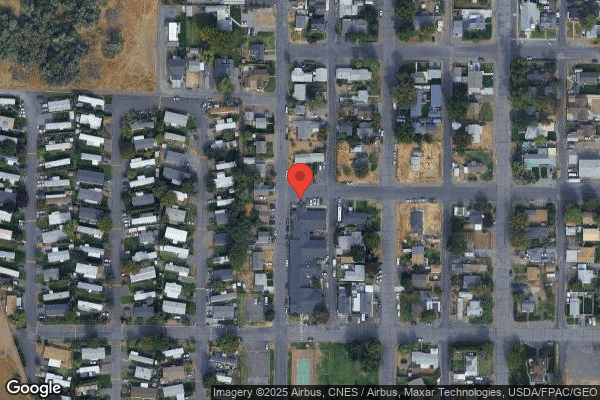

308 WEST EMMA, UNION GAP, WA 98903 (509) 248-1985
For profit - Limited Liability company 88 Beds VERTICAL HEALTH SERVICES Data: November 2025 1 Immediate Jeopardy citation
Trust Grade
8/100
#167 of 190 in WA
Last Inspection: February 2025

Within standard 12-15 month inspection cycle. Federal law requires annual inspections.

Overview

Arcadia Medical Resort of Parkside has received a Trust Grade of F, which indicates significant concerns about the facility's overall care and operations. It ranks #167 out of 190 nursing homes in Washington, placing it in the bottom half, and #10 out of 11 in Yakima County, meaning there is only one local option that performs worse. Although the facility is showing some improvement, with a decrease in issues from 26 to 20 over the past year, it still faces many challenges. Staffing is only rated at 2 out of 5 stars, but the zero percent turnover suggests that staff members are committed to staying long term. However, the facility has incurred $112,898 in fines, which is concerning and indicates compliance issues. Specific incidents include a critical failure to ensure timely payments to vendors, risking the availability of essential supplies and care for residents, and a serious incident where a resident was harmed during a transfer due to improper procedures, leading to an infection. Additionally, there were concerns about food safety practices, as staff did not maintain proper sanitization, which could expose residents to foodborne illnesses. Families should weigh these strengths and weaknesses carefully when considering this facility for their loved ones.
Trust Score
F
8/100
In Washington
#167/190
Bottom 13%
Safety Record
High Risk
Review needed
Inspections
Getting Better
26 → 20 violations
Staff Stability
○ Average
Turnover data not reported for this facility.
Penalties
○ Average
$112,898 in fines. Higher than 62% of Washington facilities. Some compliance issues.
Skilled Nurses
✓ Good
Each resident gets 55 minutes of Registered Nurse (RN) attention daily — more than average for Washington. RNs are trained to catch health problems early.
Violations
⚠ Watch
54 deficiencies on record. Higher than average. Multiple issues found across inspections.
★☆☆☆☆
1.0
Overall Rating
★★☆☆☆
2.0
Staff Levels
★★★☆☆
3.0
Care Quality
★☆☆☆☆
1.0
Inspection Score
Stable
2024: 26 issues
2025: 20 issues

The Good

  • Full Sprinkler Coverage · Fire safety systems throughout facility
  • No fines on record

Facility shows strength in fire safety.

The Bad

1-Star Overall Rating

Below Washington average (3.2)

Significant quality concerns identified by CMS

Federal Fines: $112,898

Well above median ($33,413)

Significant penalties indicating serious issues

Chain: VERTICAL HEALTH SERVICES

Part of a multi-facility chain

Ask about local staffing decisions and management

The Ugly 54 deficiencies on record

1 life-threatening 1 actual harm
Feb 2025 20 deficiencies
CONCERN (D)

Potential for Harm - no one hurt, but risky conditions existed

Resident Rights (Tag F0550)

Could have caused harm · This affected 1 resident

**NOTE- TERMS IN BRACKETS HAVE BEEN EDITED TO PROTECT CONFIDENTIALITY** Based on observation, interview and record review the facility failed to ensure 1 of 3 residents (Resident 17) reviewed for resi...

Read full inspector narrative →
**NOTE- TERMS IN BRACKETS HAVE BEEN EDITED TO PROTECT CONFIDENTIALITY** Based on observation, interview and record review the facility failed to ensure 1 of 3 residents (Resident 17) reviewed for resident rights, was treated with respect and dignity. The facility developed the resident's care plan with inaccurate information which labeled the resident in a negative manner. The inaccurate information had the potential to create an environment that did not promote Resident 17's quality of life. Additionally, the facility did not identify appropriate interventions based on Resident 17's individualized care needs to ensure their right to a dignified existence. Findings included . <Resident 17> Review of Resident 17's medical record showed they were admitted to the facility with diagnoses which included, deafness (inability to hear), diabetes (a condition in which the body has trouble processing blood sugar), end stage renal disease (the kidneys no longer work) with dialysis (a procedure that removes excess fluid and waste from the body when the kidneys no longer work) and Post Traumatic Stress Disorder (PTSD, a mental disorder caused by extremely terrifying event/events). Review of the comprehensive assessment dated [DATE] showed Resident 17 was cognitively intact and had no identified negative behaviors during the assessment period. During an interview on 02/03/2025 at 11:46 AM, Resident 17 wrote on their small eraser board that they felt the facility management staff did not understand how to communicate with deaf people. Resident 17 further wrote they sometimes got frustrated and felt they were misunderstood. Resident 17 used their dry erase board to communicate during the interview and there were no concerns with their ability to make their needs known or actively participate in the interview. Record review of Resident 17's care plan dated 12/19/2024 showed the resident had identified behaviors which included, striking out, lack of energy, yelling, hallucinations, refusal of care and inappropriate sexual contact. Further review showed the resident had an intervention for cares in pairs (care provided with a witness). In a concurrent interview on 02/04/2025 at 10:46 AM, Staff F, Social Services Director (SSD) stated Resident 17 was deaf and their communication was different than the hearing world and could be mistaken for aggression. Staff F felt the resident asking staff for hugs was not intended to be a sexual behavior but it had made several staff uncomfortable. Staff F stated some of Resident 17's communication was tactile (touch related) because they were deaf. I really don't think a request for a hug was intended to be sexual, but I do understand why it made some staff uncomfortable. Staff K, Resident Care Manager, (RCM), stated they felt Resident 17 was being manipulative with staff and could do more for themselves than they let on. In an interview on 02/05/2025 at 3:11 PM, Staff Z, Nursing Assistant, (NA) stated they routinely worked with Resident 17 and had not witnessed any sexually inappropriate behaviors or aggression. Staff Z stated they were not sure why the resident was 'labeled as sexually aggressive as the only thing they had experienced was when the resident had asked for a hug after they had helped them. Staff Z stated they told Resident 17 they were not allowed to hug residents, and that the resident was easily re-directed. Staff Z further stated Resident 17 was nice and respectful and was trying to say thank you when they asked for a hug and just needs a little time to communicate with us. During an interview on 02/05/2025 at 3:25 PM Staff DD, NA, stated Resident 17 had not exhibited aggression, hallucinations or sexually inappropriate behavior. Staff DD stated the only behavior that had concerned them was when they had seen Resident 17 sad and had reported it to the nurse. In an interview on 02/06/2025 at10:16 AM, Staff CC, Registered Nurse (RN), stated Resident 17 had asked them to give them a hug when the resident was in bed but I have never seen the resident be sexual or inappropriate. Staff CC stated they have been told Resident 17 yelled out, however they had never heard this and further stated It ' s all in the approach and if we could not hear or speak how else could we communicate if there was no one available to use the eraser board. During multiple observations on 02/04/2025 at 8:50 AM, 02/06/2025 at 12:49 PM, 02/06/2025 at 4:50 PM showed the resident pleasantly interacting with staff and other residents using a communication board to make their needs known. In a follow up interview on 02/06/2025 at 3:42 PM Staff K stated they had documented on Resident 17's behavior care plan when they first arrived so that staff could monitor if a behavior occurred. Staff K stated the care plan was generic and the reason Resident 17 was identified as having hallucinations and other behaviors was to establish a baseline. When asked about some of the inaccurate information on Resident 17's care plan, Staff K stated, there is only one of me and I have a lot of care plans to create,. therefore, they expected other disciplines to review the care plan and update and discontinue information that was not accurate. Reference WAC 388-97-0180(1-4)
CONCERN (D)

Potential for Harm - no one hurt, but risky conditions existed

Deficiency F0552 (Tag F0552)

Could have caused harm · This affected 1 resident

Based on interview and record review the facility failed to fully inform the Resident Representative (RR) of benefits, options and treatment alternatives to receive hospice services (a program that gi...

Read full inspector narrative →
Based on interview and record review the facility failed to fully inform the Resident Representative (RR) of benefits, options and treatment alternatives to receive hospice services (a program that gives special care to people who are near the end of life offering physical, emotional, social, and spiritual support for residents and their family) when a resident experienced a significant change in medical condition and placed on end-of life care (medical and supportive services provided for individuals nearing the end of their life due to a terminal illness or advanced age) for 1 of 6 residents (Resident 1) reviewed for resident rights. This failure prevented the resident and their representative from making an informed decision regarding their treatment alternatives. Findings included . Review of the policy titled, Providing End of Life Care, revised 10/23/2024, showed the facility would provide the needed care and services to end of life care residents in accordance with the resident ' s preferences, goals and professional standards of practice. In addition, the end-of-life care choices made by the resident and/or representative would be followed by the facility. Review of a progress note dated 12/04/2024, showed Staff K, Resident Case Manager, was asked about hospice care from the RR, Staff K stated they (the resident) could receive comfort measures in the facility without bringing in an outside hospice provider. During an interview on 02/07/2025 at 9:13 AM, the RR stated they asked about hospice services a few months ago and were not given an option, they (nursing staff) stated they could do everything that hospice did in the facility for comfort care. The RR stated they would have liked to have been given other options and educated on the services hospice would have provided to the resident and family. During an interview on 02/05/2025 at 12:17 PM, the contracted medical provider stated the process was for the nurses to educate the RR on end-of-life care provided by the facility and hospice services that allowed them to make an informed choice regarding their treatment. The contracted medical provider stated they can provide comfort care such as pain management and behavior management for end-of-life care and were unsure exactly what hospice offered. Reference (WAC) 388-97-0300(3)(a)
CONCERN (D)

Potential for Harm - no one hurt, but risky conditions existed

Deficiency F0558 (Tag F0558)

Could have caused harm · This affected 1 resident

Based on observation, interview, and record review the facility failed to ensure the physical environment accommodated the individualized needs of 2 of 2 residents (Residents 32 and 12) reviewed for a...

Read full inspector narrative →
Based on observation, interview, and record review the facility failed to ensure the physical environment accommodated the individualized needs of 2 of 2 residents (Residents 32 and 12) reviewed for accommodation of needs. The failure to make needed adjustments to the resident's living space, placed the residents at risk for frustration, lack of desired independence, and injury. Findings included . <Resident 32> Review of the resident's medical record showed they admitted with diagnoses including Parkinson's Disease (a movement disorder of the nervous system that worsens over time). The 11/08/2024 comprehensive assessment showed Resident 32's cognition was intact and was very important for them to choose what clothes to wear and to care for their personal belongings. The assessment also showed Resident 32 used a wheelchair (w/c) and a walker and required staff supervision for personal hygiene and mobility. An observation on 02/03/2025 at 9:48 AM, showed Resident 32 was independently self-propelling their w/c into their room. Resident 32's bed was the furthest away from the entry way of the door and their roommate's bed (Resident 12) was at the entrance of the room. Resident 32's w/c kept getting stuck in between the door and the bottom of the footboard of their roommate's bed as there was not enough room to maneuver through the space available. Resident 32's hands and forearms bumped and rubbed into the door, along the wall, and the footboard of Resident 12's bed as they self-propelled through their room. The entry way door would not remain open and would close on Resident 32's left hand when they entered the room. During an interview on 02/06/2025 at 10:50 AM, Resident 32 stated it was extremely difficult to get to their side of the room without scraping their hands on everything from the entry door to their bed. Resident 32 stated they could not independently propel themselves around their room as there was only a straight line from the door to their bed. Resident 32 stated there was not room for them to get to their closet to choose what clothes to wear as their roommates' personal belongings blocked the closet doors. Resident 32 stated I have to ask staff or my family when they are here to get me things out of the closet that I need . I would like to get those things for myself but there's no way my w/c would fit over there. An observation and concurrent interview on 02/07/2025 at 11:03 AM, showed Resident 32 sitting in their recliner chair positioned in front of the sink and mirror in their room. Resident 32 had a quarter sized black and blue area to their left hand below their index finger. Resident 32 stated they bruised their hands and arms all the time. while trying to propel themselves around their room. Resident 32 reached over the right side of their recliner, to the sink area, obtained their soiled dentures from the countertop of the sink, rinsed them in water, while they sat in their recliner. The recliner occupied all the space between the sink and the wall in front of the sink. Resident 32's w/c measured a total width of 32 inches (in, a unit of measurement). Additionally, Resident 32 stated their urinary catheter (a hollow, partially flexible tube that collects urine from the bladder and leads to a drainage bag) was removed the day prior (02/06/2025) and had difficulty maneuvering their w/c into the bathroom. Resident 32 was concerned they would have to use a portable urinal (a device used to collect urine outside of a traditional bathroom setting) instead of the bathroom toilet. <Resident 12> Review of the resident's medical record showed they admitted with diagnoses including chronic obstructive pulmonary disease (COPD- a long-term exposure to lung irritants that damage the lungs and airways) and malnutrition. The 12/02/2024 comprehensive assessment showed Resident 12's cognition was moderately impaired and was very important for the resident to choose what clothes they wanted to wear and to take care of their personal belongings. Further review showed Resident 12 required partial staff assistance with transfers and personal hygiene. An observation and concurrent interview on 02/02/2025 at 11:59 AM, showed Resident 12 lying in bed with both feet pushed up against the footboard. There was a walker to the left side of their bed, in front of two closet doors (the closet on the left belonged to Resident 32, the roommate, and the closet on the right, closest to the entry way door, belonged to Resident 12), an oxygen concentrator ( a medical device that provides a concentrated supply of oxygen for breathing) in front of Resident 32's closet door, and a bedside table placed in front of the oxygen concentrator and the walker. To the right side of Resident 12 ' s bed was their folded-up w/c, the privacy curtain, and directly on the other side of the privacy curtain, was Resident 32's bed. There was no room for either Resident 12 or 32 to easily access their closets. An additional observation of the room showed Resident 32 had their recliner chair placed in front of the only sink and mirror in the room, and Resident 12 had no access to the sink. The shared bathroom (shared by a total of four residents) had a single sink with a mirror, with no place to keep personal hygiene belongings. Resident 12 stated they did not have anywhere for their shaving or teeth supplies and were stored in the top drawer of their bedside nightstand. An observation and concurrent interview on 02/05/2025 at 9:31 AM, showed Resident 12 had two visitors that entered while the surveyor was standing to the right side of the resident's bed. One visitor entered and sat at the bottom of Resident 12's bed as there was no room to place a chair for them to sit. When the Surveyor was leaving the room, the second visitor exited the room first as there was not enough room for the Surveyor to exit at the same time. The second visitor remained standing over the top of Resident 12 to visit. An observation and concurrent interview on 02/05/2025 at 3:13 PM, Staff H, Maintenance Director, stated they were newer to the facility and was not aware of the room requirements for useable space for residents. Staff H measured the space from Resident 12's side of the privacy curtain to the entry way. The measurement showed 78 sq. ft (a way of measuring how much space a flat surface takes up) of useable space for Resident 12 (less than the required useable space for a multi-bedroom of 80 sq. ft). The space between Resident 12's-foot board on the end of their bed to the wall showed 36 in. of space for a w/c or walker to get through to the opposite side of the room (Resident 32's w/c was 32 in wide). During an interview on 02/06/2025 at 10:46 AM, Resident 12 stated they had no room for visitors, and they would like to use their sink if I could get to it, I don't have room to move around. During an interview on 02/06/2025 at 4:15 PM, Staff B, Director of Nursing Services, stated they did not have other rooms that would accommodate the needs for Residents 12 and 32. Observation of the front hallway (100 hallway) showed 4 spacious, empty rooms. Staff B stated they could have taken Resident 12's bed and turned it to the side, up against the wall, and that would have opened more room for Residents 32 and 12 to access their closets. Staff B stated if they moved Resident 12 ' s bed it would not leave room for Resident 32's recliner, that was blocking access to the sink and mirror in the room. Staff B stated moving Resident 32's bed would have blocked the resident ' s access to the restroom. Reference WAC: 388-97-0860 (2)
CONCERN (D)

Potential for Harm - no one hurt, but risky conditions existed

Deficiency F0568 (Tag F0568)

Could have caused harm · This affected 1 resident

Based on observation, interview, and record review the facility failed to ensure pooled resident funds had separate accounting with separate statements maintained showing deposits and withdrawals for ...

Read full inspector narrative →
Based on observation, interview, and record review the facility failed to ensure pooled resident funds had separate accounting with separate statements maintained showing deposits and withdrawals for 3 of 5 resident ' s (Resident 12, 40 and 43) reviewed for personal funds. This failure placed residents at risk of not having an accurate accounting of their personal funds held in trust. Findings included . Review of the facility policy titled Resident Personal Funds, dated 12/11/2024, showed the facility deposits the resident's personal funds of more than $50 in an interest-bearing account (or accounts) separate from any of the facility's operating accounts, and that credits all interest earned on resident's funds to that account. (In pooled accounts, there must be separate accounting for each resident's share.) <Resident 12> Review of the residents medical record showed they admitted with diagnoses of chronic obstructive pulmonary disease (a group of lung diseases that cause persistent airflow obstruction and breathing problems). The 12/02/2024 comprehensive assessment showed Resident 12 required the assistance of one staff member for activities of daily living (ADLs) and had a moderately impaired cognition. Review of Resident 12 's Resident Personal Fund Statement from 10/01/2024 to 12/31/2024, showed, Resident 12 's funds were deposited monthly into a secure interest-bearing account. Further review showed a monthly care fee (the fee the resident was responsible to pay to the facility) was deducted from the same trust account monthly with no sperate accounting or statement for the resident 's share. <Resident 40> Review of the residents medical record showed they admitted with diagnoses of dementia (a group of conditions that cause a gradual decline in thinking, memory, and reasoning skills). The 01/16/2025 comprehensive assessment showed Resident 40 required the assistance of two staff member for ADLs and had a severely impaired cognition. Review of Resident 40's Resident Personal Fund Statement from 10/01/2024 to 12/31/2024 showed, Resident 40's funds were deposited monthly into a secure interest-bearing account. Further review showed a monthly care fee was deducted from the Residents personal trust account with no sperate accounting or statement for the resident ' s share. <Resident 43> Review of the residents medical record showed they admitted with diagnoses of end stage renal disease (when your kidneys have completely stopped working, so they can no longer filter waste from your blood). The 12/12/2024 comprehensive assessment showed Resident 43 required the assistance of two staff members for ADLs and had an intact cognition. Review of Resident 43's Resident Personal Fund Statement from 10/01/2024, to 12/31/2024 showed, Resident 43's funds were deposited monthly, into a secure interest-bearing account. Further review showed a monthly care fee was deducted from the resident's personal trust account with no sperate accounting or statement for the resident's share. During an interview on 02/04/2025 at 11:38 Am, Staff E, Business Office Manager, stated Resident 12, 40 and 43's trust funds were directly taken out of their personal bank accounts and were deposited into their resident trust account that the facility manages. Staff E stated the facility directly removed/charged their participation fee (the fee they owe the facility) each month from their personal trust accounts. Staff E stated they did not have a separate accounting or statements for residents personal funds and the charged amounts removed from the resident trust funds for their stay at the facility. It is all just one account. Reference WAC 388-97-0340(3)(a)(b)(c)
CONCERN (D)

Potential for Harm - no one hurt, but risky conditions existed

Safe Environment (Tag F0584)

Could have caused harm · This affected 1 resident

**NOTE- TERMS IN BRACKETS HAVE BEEN EDITED TO PROTECT CONFIDENTIALITY** Based on observation, interview, and record review the facility failed to ensure a warm and comfortable, homelike environment fo...

Read full inspector narrative →
**NOTE- TERMS IN BRACKETS HAVE BEEN EDITED TO PROTECT CONFIDENTIALITY** Based on observation, interview, and record review the facility failed to ensure a warm and comfortable, homelike environment for 6 of 12 residents (Residents 35, 42, 16, 13, 31, and 41) reviewed for heat and adaptive equipment maintenance. This failure placed residents at risk for unmet care needs, discomfort, and a non-homelike environment. Findings included . <Equipment> <Resident 35> Review of the resident 's medical records showed they admitted to the facility with diagnoses to include diabetes and chronic pain. The 11/22/2024 comprehensive assessment showed Resident 35 's cognition was intact and required staff supervision/touching assistance for personal hygiene. An observation on 02/02/2025 at 10:23 AM, showed Resident 35 sitting up in their wheelchair (w/c) at their bedside. Resident 35 ' s bed had padded mobility rails (used to prevent injury from unpredictable movements) to the sides of their bed. The outer pad material of the rails had missing areas that exposed the inner white mesh like material that was not a cleanable surface. <Resident 42> Review of the resident ' s medical records showed they admitted to the facility with diagnoses to include diabetes (elevated sugar in the blood) and had a history of falls. The 01/17/2025 comprehensive assessment showed Resident 42 ' s cognition was severely impaired and dependent upon staff for their transfers and staff supervision for w/c mobility. An observation and concurrent interview on 02/02/2025 at 10:31 AM, showed Resident 42 was lying in bed, there was a rectangular fall mat (a mat with non-skid backing and thick material to protect against fall related injuries) on the floor alongside the bed. The thin outer covering on the corners of the fall mat were peeling off and rolled back, and the edges along the length of the mat was peeled off exposing the inner material (foam) of the mat. Resident 42 ' s roommate, stated Resident 42 was mostly non-verbal and relayed Resident 42 had a fall a few days prior out of their w/c. <Resident 16> Review of the resident ' s medical records showed they admitted to the facility with diagnoses to include COPD and diabetes. The 11/18/2024 comprehensive assessment showed Resident 16 ' s cognition was intact. An observation on 02/05/2025 at 10:11 AM, showed Resident 16 used an alternating air overlay mattress. The machine to the mattress had two broken C-shaped clamps that were broken off the back, so the machine and the long tubing sat on the floor to the right side of the bed. <Resident 13> Review of the resident ' s medical records showed they admitted to the facility with diagnoses to include multiple sclerosis (a disorder in which the immune system attacks the protective covering of the nerve cells in the brain, optic nerve and spinal cord) and diabetes. The 12/13/2024 comprehensive assessment showed Resident 13 ' s cognition was moderately impaired. An observation on 02/06/2025 at 3:05 PM, showed Resident 13 required the use of an alternating air overlay (a pump that cycles air between air cells, creating alternating high and low-pressure zones to distribute pressure to different parts of the body) mattress for skin care. The machine had long tubes that extended from the pump into the mattress and two C-shaped clamps on the back that would attach the machine to the bed, up off the floor. One of the C-clamps were broken off, so the machine sat on the floor at the end of the bed along with the long tubing. During an interview on 2/06/2025 at 11:26 AM, Staff J, Infection Control Preventionist, stated they did not reassess adaptive equipment for functional use and would have expected floor staff to report to them if something needed to be replaced. <Resident 31> Review of the resident ' s medical records showed they admitted to the facility with diagnoses to include diabetes and dementia (the loss of cognitive functioning that interferes with daily life and activities). The 01/09/2025 comprehensive assessment showed Resident 31 ' s cognition was severely impaired and had a history of falling. An observation on 02/07/2025 at 10:55 AM, showed Resident 31 used an alternating air overlay mattress. The mattress had two broken C-shaped clamps that were broken off the back of the machine, so the machine and the long tubing sat on the floor at the foot of the bed. Additionally, Resident 31 ' s footboard of their bed was broken and partially hanging off the frame of the bed on one side. <Resident 41> Review of the resident ' s medical records showed they admitted to the facility with diagnoses to include chronic obstructive pulmonary disease (COPD, long-term exposure to lung irritants that damage the lungs and airways) and a history of falling. The 01/17/2025 comprehensive assessment showed Resident 41 ' s cognition was intact. An observation on 02/07/2025 at 10:57 AM, showed Resident 41 used an alternating air overlay mattress. The machine to the mattress had two broken C-shaped clamps that were broken off the back, so the machine and the long tubing sat on the floor at the foot of the bed. <Temperatures> <Resident 35> During an observation and concurrent interview on 02/02/2025 at 10:23 AM, Resident 35 stated they did not have any heat to their bathroom, and it was very chilled when they used it. Resident 35' s toilet was observed to have black rings around the inside of the toilet bowl. Resident 35 stated the housekeepers could not clean their toilet because they were allergic to the bleach chemicals they used for cleaning, and it would break their skin out in a rash. Resident 35 stated they had reported the heater issue to staff and maintenance. An observation and concurrent interview on 02/04/2025 at 8:19 AM, showed Resident 35 up in their w/c, ready for an outside appointment. Resident 35 stated no one had been in to look at their heater in their bathroom and it was still very cold. Observation of Resident 35 ' s bathroom showed no warm or hot air was coming out of the heater vent on the ceiling in the bathroom and the bathroom was cold. When standing outside of the bathroom door, with the door closed, the surveyor could feel the cold air coming out from underneath the door opening. During an interview on 02/05/2025 at 10:37 AM, Staff H, Maintenance Director, stated they did not assess the resident equipment for functional use. Staff H stated if a resident reported their room being cold, they would test it. Staff H stated there was a thermostat that controlled about six to ten rooms that was located inside of room [ROOM NUMBER]. Staff H stated they had a book outside their door that staff could report in if something was broken or needed replaced or the staff would verbally report issues to them. Staff H stated they checked the book daily. Review of the 11/01/2024 to 02/05/2025 maintenance repair book showed an entry on 10/25/2024 for room [ROOM NUMBER], that cold air was blowing through the vent and the room was very cold, with a result from Staff H that the heat turned on. Another entry on 11/08/2024, written in the book by Resident 35 themselves, that read Frozen .can you shut off the frozen air from the vents? I hurt from being cold, thank you for your help!, and Staff H documented fixed. The book also showed an entry on 11/19/2024 that the front and middle section (room [ROOM NUMBER] is in the middle section) residents complained about rooms being cold and Staff H documented waiting for AC [Air Conditioning] company to fix. <Resident 42> An observation and concurrent interview on 02/05/2025 at 9:27 AM showed Resident 42 (also in room [ROOM NUMBER]) lying in bed, blankets up under their chin, and stated they were doing horrible, it ' s freezing in here. An observation and concurrent interview on 02/05/2025 at 3:17 PM, Staff H stated Resident 35 reported to them their room and bathroom were cold, so Staff H stated they adjusted the thermostat, then got busy and did not recheck to see if the issue had been resolved. Staff H tested the air vent in Resident 35 ' s bathroom and the temperature showed 67 degrees Fahrenheit (F, a unit of measure) and in the vent in front of the sink in the main part of the room, the temperature was 72 to 73 degrees F. There was black tape observed around the vent in the main room and when asked what that was for, Staff H stated they would tape the vents closed if the room became too hot or too cold. Staff H then went to room [ROOM NUMBER] (where the thermostat was for that section of rooms) and showed the temperature at 75 degrees F. Staff H stated they had a heating and air conditioning company that was currently in the building working on something else and would have them look at the heating in room [ROOM NUMBER]. During an interview on 02/06/2025 at 10:44 AM, Staff H stated the heating and air conditioning company were unable to look at room [ROOM NUMBER] ' s heater on 02/05/2025 and that another company was going to stop in that day to look at it. Staff H stated the motor was not blowing air into the vent in that bathroom and they did not know why. During an observation and concurrent interview on 02/07/2025 at 11:08 AM, Resident 35 and Resident 42 both stated their room was cold. Upon entering the bathroom, the bathroom was still cold and there was still no heat coming out of the vent. During an interview on 02/07/2025 at 1:37 PM, Staff A, Administrator, along with Staff B, Director of Nursing Services, stated they rented the alternating air overlay mattresses so if they were broken, they came to them broken. Staff A additionally stated they were aware of the heating issue in room [ROOM NUMBER], what more were we supposed to do, we had to wait on the motor for the heating unit to arrive. Reference WAC: 388-97-0880 (1)(2)(3)
CONCERN (D)

Potential for Harm - no one hurt, but risky conditions existed

Deficiency F0657 (Tag F0657)

Could have caused harm · This affected 1 resident

Based on observation, interview, and record review, the facility failed to complete care conferences for 1 of 3 residents (Resident 1) reviewed for resident/resident representative participation in ca...

Read full inspector narrative →
Based on observation, interview, and record review, the facility failed to complete care conferences for 1 of 3 residents (Resident 1) reviewed for resident/resident representative participation in care conferences. The failure to complete care conferences and allow resident participation in planning their care placed residents at risk for unmet care needs. Findings included . Review of the facility policy titled Interdisciplinary Care Conference Policy, dated 05/2023, showed the Interdisciplinary Team (IDT- a group of health care professionals with various areas of expertise who work together toward the goal of their residents) would hold a face-to-face care conference 72 hours after admission, 14 days after admission, quarterly (every three months), and with any significant changes in condition. <Resident 1> Review of the resident's medical record showed they admitted with diagnoses of spastic quadriplegic cerebral palsy (a severe form of cerebral palsy where all four limbs (arms and legs) are affected by excessive muscle stiffness) and dementia (a group of symptoms affecting memory, thinking and social abilities). The 12/15/2024 comprehensive assessment showed Resident 1 required the assistance of two staff members for activities of daily living and had a severely impaired cognition. Review of Resident 1's medical record showed no documentation that care conferences had been completed for Resident 1 from January 2024 to February 2025. During an interview on 02/02/2024 at 8:14 AM, Resident 1's Representative (RR) stated the facility had never scheduled a meeting with them to talk about Resident 1's care. The RR stated they only received phone calls from the facility when they were notified of any changes (like the flu). During an interview on 02/04/2025 at 2:15 PM, Staff F, Social Service Director, stated the process for care conferences was for all residents to have one on admission, quarterly, and as needed. Staff F stated the care conferences were to include the IDT, the residents, and the RRs. Staff F stated they had not scheduled or had any care conferences for Resident 1. During an interview on 02/06/2025 at 3:38 PM, Staff B, Director of Nursing Services, stated care conferences were to be completed on admission, quarterly, as needed, and for discharge planning. Staff B stated they would expect the care conferences to include the IDT team. Staff B stated they knew completing care conferences had been a problem and they were very aware of it. Staff B stated they had a problem with care conferences and the process needed work. Reference: WAC 388-97-1020 (2) (d-f)
CONCERN (D)

Potential for Harm - no one hurt, but risky conditions existed

Deficiency F0688 (Tag F0688)

Could have caused harm · This affected 1 resident

Based on observation, interview, and record review, the facility failed to ensure restorative therapy services (a personalized training program to help people maintain or regain their ability to do ev...

Read full inspector narrative →
Based on observation, interview, and record review, the facility failed to ensure restorative therapy services (a personalized training program to help people maintain or regain their ability to do every day tasks, like walking, dressing, and eating) were consistently implemented to prevent avoidable reduction of range of motion (ROM, how far you can move a joint in any direction) for 1 of 4 residents (Resident 35), reviewed for restorative therapy and limited ROM. This failure placed the resident at risk for loss of ROM, deconditioning, and loss of independence. Findings included . <Resident 35> Review of the resident ' s medical record showed they admitted to the facility with diagnoses to include diabetes (elevated sugar in the blood) and low back pain. The 11/22/2024 comprehensive assessment showed Resident 35 had intact cognition, could eat independently, and required supervision/touching assistance of one staff member for bed mobility, transfers, and toileting. The assessment additionally showed the resident received no specialized therapy or restorative programs. During an interview on 02/02/2025 at 10:23 AM, Resident 35 stated they admitted to the facility almost two years ago. Resident 35 stated they had gone around eight months without any therapy, and they began to decline in what I was able to do [their baseline function] so they were put on Physical Therapy (PT, specialized therapy treatment that helps you improve how your body performs physical movements). Resident 35 stated they had a plan to go home but had not been strong enough to do what they needed to do, so that had been delayed. Resident 35 stated their PT stopped in January 2025 and they were placed on a restorative therapy program that they did not consistently receive. Resident 35 voiced concerns that they were feeling weaker in their upper arms, and this would decrease their chances of being able to discharge home. Review of the PT discharge notes on 01/02/2025 showed the Resident discharged from PT and was referred to a restorative therapy program. Review of the 01/01/2025 Therapy Referral Form, showed Resident 35 was to start a program, six times a week, for active ROM with the exercise bike for 15 minutes and an ambulation program with their front wheeled walker for up to 200 feet (a unit of measure), with cueing to stand tall. During an interview on 02/05/2025 at 9:47 AM, Staff W, Restorative Aide (RA), stated they were responsible for completing the restorative programs. Staff W stated they were not able to complete the programs for three of the five days they worked last week and this week so far, they were not able to complete any restorative programs. Staff W stated if they were short on staff or someone did not show up for their shift, they would have to take their place. Staff W stated they would get help from Staff Y, RA, but they would also get pulled to work the floor as a Nursing Assistant (NA) instead of the RA position. During an interview on 02/05/2025 at 2:46 PM, Staff Y stated they were also responsible for completing the restorative therapy programs. Staff Y stated they were not consistent with completing the programs because they would be pulled to the floor as a NA or to accompany a resident to an appointment. Staff Y stated they normally worked the evening shift and would be able to get some of the programs completed before dinner but also worked as a NA on the floor. Staff Y stated they were usually pulled to the floor at least three days a week to work as a NA instead. Staff Y stated they were able to complete the ROM program for Resident 35 on 2/04/2025. Staff Y stated they were unaware Resident 35 had a walking program, so it had not been completed. Review of the 01/23/2025 to 02/06/2025 (past 14 days) assignment sheets for Staff W showed Staff W worked as a NA and not as an RA on 10 of the 14 days scheduled for restorative therapy services. On two of those 14 days Staff W was scheduled to work as both a NA and an RA. The assignment sheet for 01/25/2025 showed no RA had been scheduled. Review of the 01/23/2025 to 02/06/2025 (past 14 days) assignment sheets showed Staff Y worked as a NA for five and a half days of the nine days scheduled for restorative therapy services. Staff Y was not listed as working on 1/25/2025, 01/26/2025, 1/31/2025, 02/01/2025, and 02/06/2025, and there was missing documentation for 02/02/2025. During an interview on 02/06/2025 at 11:14 AM, Staff J, Restorative Director, stated they just re-started the restorative therapy programs in January 2025. Staff J stated they were currently looking for another RA and they tried to have at least one RA scheduled daily. Staff J stated the RAs get pulled to work the floor as NAs when they were scheduled as an RA because daily care needs are a higher priority than the RA [restorative therapy] programs. During an interview on 02/06/2025 at 3:58 PM, Staff B, Director of Nursing Services, stated they had lost staff, and they had a choice to choose personal care needs versus restorative needs and personal care comes before them doing a few exercises a day. Staff B stated they had a staffing coordinator, but they had been out for the past three weeks, and did not know what happened with the scheduling of the RAs. Staff B stated they did not utilize agency staffing to assist with their staffing needs. WAC Reference: 388-97-1060(3)(d)
CONCERN (D)

Potential for Harm - no one hurt, but risky conditions existed

Deficiency F0698 (Tag F0698)

Could have caused harm · This affected 1 resident

**NOTE- TERMS IN BRACKETS HAVE BEEN EDITED TO PROTECT CONFIDENTIALITY** Based on interview and record review, the facility failed to ensure dialysis (the kidneys no longer function and require a mecha...

Read full inspector narrative →
**NOTE- TERMS IN BRACKETS HAVE BEEN EDITED TO PROTECT CONFIDENTIALITY** Based on interview and record review, the facility failed to ensure dialysis (the kidneys no longer function and require a mechanical process to remove waste and excess fluids from the blood stream) services met professional standards of care for 1 of 2 residents (Resident 17), reviewed for dialysis. The facility did not have an effective or coordinated process for communication between the facility and the offsite dialysis center for continuity of care. This failure placed residents receiving dialysis at risk for complications and unmet care needs. Findings included . Review of a policy titled Care Planning and Special Needs Dialysis dated April 2024 showed, The care plan will reflect coordination between the facility and the dialysis provider. Document, monitor pre/post dialysis weights and vital signs. Nursing staff will provide a report to the dialysis provider regarding the resident's condition each dialysis treatment. If no report is recieved upon return from dialysis, nursing staff will call provder to recieve a report. <Resident 17> Review of the resident's medical record showed they were re-admitted to the facility with diagnoses including ESRD (the kidneys no longer work) with dialysis and diabetes (the body has too much sugar in the blood). Review of the comprehensive assessment dated [DATE] showed the resident was cognitively intact. Record review of the November 2024 physician orders showed the resident received dialysis three times weekly at an offsite dialysis center. Continued review of Resident 17's medical record showed no communication with the facility and the off-ste dialysis center before or after dialysis treatments. Further review showed no consistent vital signs documented or assessments of the residents condition upon return to the facility to monitor for complication s after the hemodialysis treatment had been completed. During an interview on 02/06/2025 at 11:20 AM, Staff B, Director of Nursing, stated the pre/post dialysis communication forms were no longer sent with the residents recieving dialysis off site. We tried to use them but could never get them back so we stopped using them. Staff B stated the facility Registered Dietician (RD) and the dialysis center RD communicate which they felt was adequate to monitor Resident 17's status. When asked about the nursing staff monitoring of the resident pre/post dialysis Staff B stated they should be [NAME] that and documenting it in the residents record. Reference: WAC 388-97-1900(1)(6)(a-c)
CONCERN (D)

Potential for Harm - no one hurt, but risky conditions existed

Deficiency F0699 (Tag F0699)

Could have caused harm · This affected 1 resident

**NOTE- TERMS IN BRACKETS HAVE BEEN EDITED TO PROTECT CONFIDENTIALITY** Based on observation, interview and record review the facility failed to ensure 1 of 3 residents (Resident 17) received cultural...

Read full inspector narrative →
**NOTE- TERMS IN BRACKETS HAVE BEEN EDITED TO PROTECT CONFIDENTIALITY** Based on observation, interview and record review the facility failed to ensure 1 of 3 residents (Resident 17) received cultural, competent, trauma informed care in accordance with professional standards, reviewed for trauma care. The facility failed to implement identified care plan interventions related to Resident 17's Post Traumatic Stress Disorder (PTSD, a mental health condition that develops after an extremely traumatic event). This failure placed Resident 17 at risk for re-experiencing past trauma. Findings included . <Resident 17> Review of the resident's record showed they were admitted to the facility with diagnoses which included, deafness, PTSD, diabetes (elevate blood sugar levels) and end stage kidney disease (the kidneys are no longer functioning) with dialysis (a process in which removes waste and excess fluid from the blood). Review of the comprehensive assessment dated [DATE] showed the Resident 17 was cognitively intact. Further review showed the resident experienced feeling down and had trouble sleeping. Review of the care plan dated 12/09/2024 showed the resident had triggers for PTSD related to sexual assault (gang raped) by older boys when he resided in a school for the deaf. The assaults started when they were 8 years old and lasted until they were [AGE] years old. Interventions listed to minimize the residents PTSD triggers were identified as, leaving the door to their room open especially at night, being around people they know and trust, and not wanting to share a room with a stranger (roommate) as it scared them. During a concurrent interview on 02/04/2025 at 9:10 AM, Staff F, Social Services Director (SSD), stated Resident 17 had suffered years of serious abuse in a home for the deaf which had caused their PTSD. Staff D stated the resident did not like having a roommate which had brought on some triggered behaviors such as anger towards the roommate and wanting their own room. Staff F stated they had offered the resident a choice between several other rooms, but they all had roommates. Record review of a progress note dated 01/29/2025 at 12:51 AM, showed Resident 17 had exhibited triggered behaviors towards their roommate yelling out. The resident was difficult to re-direct however staff was able to resolve the situation. During a follow up interview on 02/07/2025 at 9:30 AM, Staff F stated having a roommate or someone they did not know in their room especially at night was absolutely a trigger for Resident 17's anger towards their roommate as well as anxiety and fear. Staff F stated the sexual abuse Resident 17 suffered for nine years when they were young was the PTSD trigger for not wanting some one, they did not know, in their room with them. Staff F further stated they had been told there was no option for Resident 17 to have a private room as they had been informed there were no private rooms available. Record review of a care conference dated 02/03/2025 at 1:40 PM, showed Resident 17's discharge goals was to regain strength and function to return to the community. The resident was using their Medicare (a type of insurance) benefit to receive skilled therapy services and was making progress towards their discharge goals. There was no discussion about staying in the facility as a long-term resident. During an interview on 02/06/2025 at 1:30 PM, Staff B, Director of Nursing Services, stated they were aware that the resident had PTSD triggers and wanted a private room, however, they were unable to give them one as the only private rooms available were on the Medicare unit which were for short-term residents and I believe the resident is going to be a long-term resident. Staff B further stated, I understand they [Resident 17] want a private room, but they will have to have a roommate or wait for one to open up on the long-term care unit. Reference WAC 388-97-1060 (3)(e)
CONCERN (D)

Potential for Harm - no one hurt, but risky conditions existed

Medication Errors (Tag F0758)

Could have caused harm · This affected 1 resident

Based on interview and record review, the facility failed to ensure residents were free of unnecessary psychotropic medications (medications capable of affecting the mind, emotions, and behavior) for ...

Read full inspector narrative →
Based on interview and record review, the facility failed to ensure residents were free of unnecessary psychotropic medications (medications capable of affecting the mind, emotions, and behavior) for 2 of 5 residents (Residents 12 and 42) reviewed for unnecessary medications. The facility failed to consistently develop, monitor, and document specific person-centered targeted behaviors, interventions, and adverse side effects of medication. Additionally, they failed to assess for abnormal involuntary movements with the Assessment Involuntary Movement Scale (AIMS, a scale that assesses the presence and severity of abnormal movements of the face, limbs, and body in patients with tardive dyskinesia [abnormal and uncontrollable movements caused by antipsychotic medications] prior to starting a psychotropic medication and periodically thereafter). The deficient practice placed residents at an increased risk for experiencing medication-related adverse side effects, receiving medications they no longer needed, and increased behaviors due to inadequate dosing of medication. Findings included . <Resident 12> Review of the resident ' s medical records showed they admitted with diagnoses including depression (a mood disorder that causes a persistent feeling of sadness and loss of interest) and dementia (a group of symptoms affecting memory, thinking, and social abilities) with agitation (excessive talking or purposeless motions, feeling of unease or tension, and hostile behavior at times). The 12/02/2024 comprehensive assessment showed Resident 12 ' s cognition was moderately impaired and received psychotropic medications. An observation and concurrent interview on 02/04/2025 at 8:22 AM, showed Resident 12 lying in bed, wearing a nasal cannula (tubing with nose prongs that distribute air from an oxygen machine to the resident), and was difficult to arouse and keep active in a conversation. Resident 12 ' s oxygen machine power was not turned on. Staff U, Licensed Practical Nurse, entered the room, turned on the oxygen machine and stated Resident 12 had difficulty sleeping at night and at times would sleep a lot during the day. Staff U stated the resident would at times display behaviors such as exit seeking, talking about wanting to go home, and want to go out to smoke even though they quit smoking. Review of Resident 12 's February 2025 Medication Administration Record (MAR), showed Resident 12 received Remeron (a brand of antidepressant medication) for malnutrition (inadequate protein intake) and Seroquel (a brand of antipsychotic [used to manage symptoms such as delusions, hallucinations, paranoia, and disordered thoughts] medication). The MAR showed general behaviors and interventions that were not specific for Resident 12. There was no documented monitoring for adverse side effects of the medications. Review of Resident 12 's medical record showed no AIMS assessment had been completed for the use of the antipsychotic medication. <Resident 42> Review of the resident's medical records showed they admitted to the facility with diagnoses to include a stroke (a lack of blood and oxygen to the brain). The 01/17/2025 comprehensive assessment showed Resident 42' s cognition was severely impaired, they scored zero (no depression) on the depression scale and received antidepressant medication. During an observation on 02/04/2025 at 9:18 AM, Resident 42 was lying in bed, dressed, groomed, and pleasantly conversating with their roommate. Review of Resident 42 's April 2024 MAR, showed the resident was being monitored as of 04/11/2024 for generic (non-specific resident behaviors) behaviors for manipulation, false accusations, yelling, agitation, tearfulness, and refusal of cares. The MAR showed Resident 42 experienced no behaviors. Review of the May 2024 MAR showed no behaviors were experienced, and a new order on 05/10/2024 for Celexa (a brand of antidepressant medication) daily for depression. The MARs showed no documented adverse side effects were being monitored, and no changes were made to the resident 's behaviors. Review of the February 2025 MAR showed the resident continued to take Celexa. Review of Resident 42 's depression scale assessment on 04/02/2024, showed the resident had mild symptoms of depression. Review of Resident 42 's progress notes showed: • 04/08/2024 - no new orders and no concerns for mood and behavior. • 04/11/2024 - Resident 42 would be staying at facility long term, can be very stubborn, about cares at times, and would consult the provider for possible depression and start behavior monitoring. • 05/01/2024 - written by Staff K,Resident Case manager, RCM, showed Resident 42 was disruptive, resistive to care, excessive crying, and anxious behaviors, with no other documented observations of these behaviors • 05/09/2024 - Resident 42 could be very stubborn about cares at times but was compliant and participated in therapies • 05/09/2024 - a call was placed to the medical provider regarding the depression scale assessment (mild depression) and received a new order for Celexa and a new diagnosis of depression. All other daily progress notes showed Resident 42 had no mood or behavior concerns documented before or after the medication was started. During an interview on 02/06/2025 at 3:32 PM, Staff K, RCM,stated they placed general behavior monitoring on every resident when they admitted to the facility. Staff K stated when residents experienced behaviors, they could ask the provider to adjust or add medication as needed based off those behaviors. Staff K stated they had observed Resident 42 crying during their initial care conference and the Resident Representative (RR) expressed their concern about the resident possibly being depressed. Staff K stated they then asked the provider if they would like to start a mild antidepressant. Staff K stated they sometimes missed updating the behavior monitoring and interventions to be more resident specific and during their change of Electronic Health Records they lost some of that information and had to re-create it. Staff K stated monitoring of the adverse side effects of the psychotropic medications were only monitored for the first seven to 14 days of the new medication then was no longer monitored. Review of the 04/01/2024 and 04/05/2024 care conference progress notes showed no documented tearfulness of Resident 42 during the care conferences or that the RR verbalized concerns of depression. The notes showed the RR verbalized that the resident was not a social person so may not do well in group settings. The RR stated they felt concerned Resident 42 may have become satisfied with their sedentary habits. During an interview on 02/06/2025 at 3:53 PM, Staff B, Director of Nursing Services, stated they monitored resident specific behaviors, interventions, and adverse side effects but when the electronic health record system changed, we lost a lot of that stuff. Staff B stated they would have expected the consistency of documented behaviors that showed why a resident would need to be started on an antipsychotic medication. WAC Reference: 388-97-1060 (3)(k)(i)
CONCERN (D)

Potential for Harm - no one hurt, but risky conditions existed

Deficiency F0761 (Tag F0761)

Could have caused harm · This affected 1 resident

**NOTE- TERMS IN BRACKETS HAVE BEEN EDITED TO PROTECT CONFIDENTIALITY** Based on observation, interview, and record review the facility failed to ensure medications and wound supplies were discarded w...

Read full inspector narrative →
**NOTE- TERMS IN BRACKETS HAVE BEEN EDITED TO PROTECT CONFIDENTIALITY** Based on observation, interview, and record review the facility failed to ensure medications and wound supplies were discarded when expired and labeled correctly for 1 of 1 medication storage rooms and 1 of 1 treatment storage rooms. This failure placed residents at risk for receiving expired medication and/or experiencing compromised or ineffective medications and treatments. Findings included . Review of the facility's 12/2023 policy, titled Medication Storage showed, all medication rooms were routinely inspected for discontinued, outdated, defective, or deteriorated medications with worn, illegible, or missing labels and would be destroyed. <Medication storage room> An observation on [DATE] at 3:55 Accompanied by Staff S, Registered Nurse, the medication room showed: Two - glucagon (an emergency medication used to treat severe low blood sugar) injection pens 1 milligram (mg-unit of measure) each that expired on 01/2025. One- 16 - ounce (oz-unit of measure) bottle of lactulose (a medication used to treat constipation) with the name of the resident tore off. 25 - albuterol sulfate (a medication used to treat wheezing, and shortness of breath caused by breathing problems) doses that expired on [DATE]. 25 - albuterol sulfate doses with no resident name on the box. 30 - ipratroprium bromide (a medication used to treat wheezing, and shortness of breath caused by breathing problems) doses that expired on [DATE]. 11- ipratroprium bromide doses that expired on 02/2024. 30 - ipratroprium bromide doses that expired on [DATE]. 25 - ipratroprium bromide doses with the resident name blacked out. One- two -gram vial of cefazolin (antibiotic) intravenous medication (into a vein) that expired on 12/2024. < Treatment room> An observation on [DATE] at 9:14 AM, of the treatment supply room showed: Two- four by five-inch calcium alginate gel (a gel that helps maintain a moist environment to promote wound healing) wound dressing that expired on [DATE]. Four- four by eight-inch calcium alginate wound dressing two that expired on 11/2022 and two on [DATE]. Two- four by eight with calcium alginate that expired on 12/2023 Four- four by four-inch hydrocellular foam wound dressing that expired on 07/2023. One- four by five-inch Xtrasorb super absorbent wound dressing that expired on 07/2014. Three- four by four-inch sheets of hydrogel (promotes tissue regeneration and healing) wound dressing that expired on [DATE], [DATE], [DATE]. Eight- four by four-inch hydrogel derma gauze that expired on [DATE]. Two- five by nine-inch foam gauze wound dressing that expired on 01/2020. One- 10.2 by 10.2 -inch hydro antibacterial wound dressing that expired [DATE] Three - packs of 2% chlorhexidine gluconate (an antiseptic liquid that kills bacteria and prevents infections) cloths that expired on 05/2024. Five - suction catheter kits (used to remove fluids from the respiratory tract, wounds or airways) that expired on [DATE]. During an interview on [DATE] at 3:35 PM, Staff B, Director of Nursing Services, stated it was the responsibility of the day charge nurse to check the treatment room and the medication room weekly for expired and unlabeled medications/wound supplies. Staff B stated they had to pull the day charge nurse to work on the floor due to low staffing. Staff B stated, it fell through the cracks. Reference WAC: 388-97-1300(2)
CONCERN (D)

Potential for Harm - no one hurt, but risky conditions existed

Deficiency F0883 (Tag F0883)

Could have caused harm · This affected 1 resident

Based on interview and record review, the facility failed to implement key components of their immunization program regarding the pneumococcal vaccine (a vaccine that protects against pneumococcal inf...

Read full inspector narrative →
Based on interview and record review, the facility failed to implement key components of their immunization program regarding the pneumococcal vaccine (a vaccine that protects against pneumococcal infections that can lead pneumonia and blood infections) by not ensuring residents were thoroughly screened for the pneumococcal vaccination status on admission and were administered the pneumococcal vaccines as required per current Center for Disease Control and Prevention (CDC) and Advisory Committee on Immunization practices guidance for 2 of 5 residents (Residents 2 and 21) reviewed for immunizations. This failure placed residents at risk of exposure to contagious diseases and an increased the risk for respiratory complications. Findings included . Review of the 05/01/2017 policy, titled Influenza and Pneumococcal Immunizations, showed upon admission residents would be given information regarding the immunizations risks and benefits, obtain history of previous immunizations, and obtain consent from the resident or the Resident Representative if an immunization needed to be given. <Resident 2> Review of the resident's medical records showed the resident admitted with diagnoses to include diabetes (elevated sugar in the blood). The 12/20/2024 comprehensive assessment showed Resident 2 had intact cognition and received their pneumococcal vaccine outside of the facility. Review of Resident 2's immunization records showed Resident 2 had signed a declination for the Pneumococcal vaccine on 03/15/2024 because they had previously received the vaccine. The record showed no verification of vaccination status, which vaccine resident had previously received if not the whole series, when they received it, or if they still required the vaccine. <Resident 21> Review of the resident's medical record showed they admitted to the facility with diagnoses to include dementia (a group of symptoms affecting memory, thinking and social abilities). The 01/17/2025 comprehensive assessment showed Resident 21's cognition was severely impaired, and their pneumococcal vaccine was up to date. Review of Resident 21's immunization records showed the resident was offered the pneumococcal vaccine and it was declined on 10/23/2024. The record showed no risks and benefits had been given to Resident 21 or a declination to receive or refuse the vaccine had been signed. The record additionally showed the resident had previously received the pneumococcal vaccine outside of the facility but there were no records to show when, where, or what the status was of the vaccine previously given. During an interview on 02/06/2025 at 11:26 AM, Staff J, Infection Preventionist/Restorative Director, stated they did not make attempts to access previous immunizations given when a resident informed them, they had obtained a vaccination outside of the facility, other than looking in their discharge records. Staff J stated they just took their word for it. Staff J stated their normal process was to offer and if they refused or had the vaccine previously, they would have them decline and sign the declination. Staff J stated they must have missed that for Resident 21. WAC Reference: 388-97-1340 (2)
CONCERN (D)

Potential for Harm - no one hurt, but risky conditions existed

Safe Environment (Tag F0921)

Could have caused harm · This affected 1 resident

Based on observation and interview, the facility failed to provide a safe and sanitary environment for 2 of 2 storage rooms reviewed for environment. This failure placed residents at risk of injury an...

Read full inspector narrative →
Based on observation and interview, the facility failed to provide a safe and sanitary environment for 2 of 2 storage rooms reviewed for environment. This failure placed residents at risk of injury and potential illness from unsanitary equipment storage. Findings included . Review of the facility policy titled, Resident Environmental Quality, revised 05/2023, showed the facility would maintain and provide a safe and sanitary environment by utilizing preventive maintenance schedules for the building and equipment to maintain a safe environment. <Storage Room> An observation on 02/02/2025 at 10:48 AM, showed the labeled storage room door ajar and unlocked. Inside the storage room was a wall to the left with an electrical panel, multiple electrical wires exposed. The floor had three-foot-tall computer network equipment system with an open computer laptop on top of the system. On the floor was two large spools of wire, a white board leaned up against the wall, and an easel. The back wall directly behind the computer network system had painted open wood shelving. The shelving had overflowing activity supplies, decorations and boxes. Observations on 02/03/2025 at 9:11 AM, 02/04/2025 at 8:21 AM, and on 02/05/2025 at 9:34 AM, showed the storage room door propped open 12 inches (unit of measure) with two stacked orange cones. <Hoyer (mechanical lift used to transfer residents from one surface to another) Storage Room> An observation on 02/06/2025 at 2:54 PM, showed the Hoyer storage room with two lift devices stored in the room and the flooring had a four foot (unit of measure) by three-foot section of linoleum flooring missing. One of the Hoyer lifts was parked on this area. The area of missing linoleum flooring was peeling up and chips of the linoleum were on the bare concrete. The exposed concrete had areas of green, white and brown coloring and a 10-inch circular drain with a white cover. The other linoleum floor area had an eight inch (unit of measure) circular area with exposed concrete and with two three-inch-high uncapped plumbing pipes. The linoleum flooring had additional areas of brown, black and gray scrape marks. Additionally, the entire Hoyer room had tile walls that had missing and/or broken tiles. During an interview on 02/07/2025 at 11:25 AM, Staff H, Maintenance Director, stated there were unaware of the condition of the Hoyer storage room. Staff H stated staff were to log needed repairs in a binder outside their office when needed. Staff H stated the Hoyer storage room had not been logged as an area for repair. Staff H stated the flooring would need to be torn out and replaced. During a concurrent interview on 02/07/2025 at 12:04 PM, Staff A, Administrator, stated the storage room contained the satellite television equipment and the activities department supplies. Staff A stated the facility kept the door open as the storage room would overheat when the door was closed. Staff B, Director of Nursing Services, stated the storage room door being closed, could be a fire and safety hazard. Staff B stated the Hoyer room could be an infection control concern as the flooring and walls were broken and had exposed concrete. Reference WAC: 388-97-3220(1)
CONCERN (E)

Potential for Harm - no one hurt, but risky conditions existed

Deficiency F0565 (Tag F0565)

Could have caused harm · This affected multiple residents

Based on interview and record review the facility failed to ensure management staff only attended Resident Council meetings (a group at the facility comprised of and ran by residents) with a specific ...

Read full inspector narrative →
Based on interview and record review the facility failed to ensure management staff only attended Resident Council meetings (a group at the facility comprised of and ran by residents) with a specific invitation to attend. This failure resulted in 2 of 4 residents (Resident's 11 and 35) expressed discomfort with voicing their concerns in the presence of management staff during their Resident Council meeting. This failure placed residents who attended Resident Council meetings at risk for discomfort and fear of reprisal (an act of retaliation) if bringing up issues that concerned them. Findings included . On 02/05/2025 at 9:30 AM a Resident Council meeting was held with surveyors per the long-term care survey process for nursing homes. Four facility residents participated in the meeting (Residents 20, 35, 23 and 11) and there were no staff present at the meeting. During a concurrent interview on 02/05/2025 at 9:36 AM, Resident 11 stated they felt uncomfortable speaking up in their usual Resident Council meetings because Staff A, Administrator, and Staff K, Resident Care Manager always attend. Resident 11 further stated I am afraid I may say something wrong, so I don't say anything. Resident 35 stated Staff A and Staff K attend all our meetings and they come in and sit in the back of the room. Resident 35 further stated that it was uncomfortable for them to say they did not want the management staff in their meetings. During an interview on 02/05/2025 at 11:25 AM Staff EE, Activities Director, stated generally Staff A and Staff K had attended Resident Council meetings as they had been invited in the past by the residents. Staff EE stated they asked permission at the beginning of the meetings if Staff A or Staff K could attend and were not aware some of the residents had felt uncomfortable with Staff A and Staff K attending but had not spoken up. Staff EE further stated they understood that Resident Council meetings were for the residents, and they should be able to invite whoever they wanted to the meeting. During an interview on 02/06/2025 at 4:15 PM, Staff A, stated they had attended Resident Council meetings as they thought the residents had wanted them there to hear concerns and were unaware that some of the current residents did not want them to attend. Reference WAC-388-97-0460(1)(2)
CONCERN (E)

Potential for Harm - no one hurt, but risky conditions existed

Assessment Accuracy (Tag F0641)

Could have caused harm · This affected multiple residents

Based on observation, interview, and record review, the facility failed to accurately assess 2 of 5 residents (Residents 1 and 26), reviewed for Minimum Data Set (MDS, a standardized assessment tool u...

Read full inspector narrative →
Based on observation, interview, and record review, the facility failed to accurately assess 2 of 5 residents (Residents 1 and 26), reviewed for Minimum Data Set (MDS, a standardized assessment tool used in long-term care facilities that assesses functional, medical, psychosocial, and cognitive status) accuracy. The failure to ensure accurate assessments regarding end-of-life care to guide the development of the comprehensive care plan placed the residents at risk for unmet care needs. Findings included . <Resident 1> Review of the resident's medical record showed they admitted with diagnoses of spastic quadriplegic cerebral palsy (a severe form of cerebral palsy where all four limbs (arms and legs) are effected by excessive muscle stiffness), dementia (a group of symptoms affecting memory, thinking and social abilities), major depressive disorder (a mental health condition that causes a persistently low or depressed mood and a loss of interest in activities that once brought joy), and post-traumatic stress disorder (PTSD - a mental health condition that can develop after experiencing or witnessing a traumatic event). The 12/15/2024 comprehensive assessment showed Resident 1 required the assistance of two staff members for activities of daily living (ADLs) and had a severely impaired cognition. The assessment also showed Resident 1 had a condition or chronic disease that may have resulted in a life expectancy of less than six months. Additionally, review of the 04/13/2024, 07/12/2024 and 10/11/2024 comprehensive assessments, showed Resident 1 had a life expectancy of less than six months. Record review of Resident 1's physicians orders for April 2024, July 2024 and October 2024 showed no physicians order were in place for the diagnosis of life expectancy less than six months. During an interview on 02/07/2025 at 9:13 AM, The Resident Representative (RR) stated that 02/05/2025, was the first time the facility had talked with them or mentioned Resident 1 had less than six months to live. The RR stated they were shocked and it took us by surprise. <Resident 26> Review of the resident's medical record showed they admitted to the facility with diagnoses to include diabetes (elevated sugar in the blood) and depression (a mood disorder that causes a persistent feeling of sadness and loss of interest). The 11/15/2024 comprehensive assessment showed Resident 26's cognition was severely impaired. The assessment showed Resident 26 had a condition or chronic disease that may have resulted in a life expectancy of less than six months. Review of the 02/17/2024, 05/17/2024, and 08/16/2024 comprehensive assessments, showed Resident 26 had a life expectancy of less than six months. An observation and concurrent interview on 02/05/2025 at 9:41 AM showed Resident 26 lying in bed and eating breakfast. Resident 26 had a large, red, fluid filled lump to the right side of their forehead. Resident 26 stated they have had the lump for years and it would come and go and would need drained periodically. Resident 26 stated they would have liked the lump to be drained and was a little discomforting, but did not cause pain. Resident 26 stated they had a lady that helped them with their medical decisions that would come visit them often. During an interview on 02/06/2025 at 2:13 PM, Staff K, Resident Care Manager, RCM, stated Resident 26's RR had voiced concerns about the resident dying and it was discussed with nursing. Staff K stated they did not feel Resident 26 had less than 6 months to live. During an interview on 02/07/2025 at 8:32 AM, the RR stated they had not talked to anyone in the facility regarding Resident 26 dying or having less than six months to live. The RR stated they did not feel Resident 26 was imminent (about to happen) of death and did not know that was even a thing. The RR stated Resident 26 had health issues but none that were causing immediate danger or fear of death. During an interview on 02/07/2025 at 8:55 AM, Staff M, MDS Coordinator, stated they completed comprehensive assessments from home and the RCM completed the face to face assessments since they were not in the facility. Staff M stated they got the less than six-month life expectancy from the resident's diagnoses list in the medical record. Staff M stated they did not consistently look for documentation from the physician because the provider notes did not always get scanned in but if the diagnosis was in the list in the resident's medical record, then I am going to believe it. Staff M stated if they could not find the provider documentation they would clarify with the RCM if they questioned it, but not always. Review of the Resident Assessment Instrument (RAI- a detailed guide used by nursing homes to thoroughly assess each resident's physical, mental, and functional abilities) manual, dated October 2024, showed the physician must document the resident ' s condition or chronic disease that may result in a life expectancy of less than 6 months to live and that they have a terminal illness in the resident's medical record. The RAI manual further showed not to code the life expectancy of less than 6 months until there was documentation from the physician in the medical record. Reference: WAC 388-97-1000 (1)(b)
CONCERN (E)

Potential for Harm - no one hurt, but risky conditions existed

Deficiency F0645 (Tag F0645)

Could have caused harm · This affected multiple residents

**NOTE- TERMS IN BRACKETS HAVE BEEN EDITED TO PROTECT CONFIDENTIALITY** Based on interview and record review the facility failed to ensure residents ' Preadmission Screening and Resident Reviews ([PAS...

Read full inspector narrative →
**NOTE- TERMS IN BRACKETS HAVE BEEN EDITED TO PROTECT CONFIDENTIALITY** Based on interview and record review the facility failed to ensure residents ' Preadmission Screening and Resident Reviews ([PASARR], an assessment to ensure individuals with serious mental illness [SMI] or intellectual/developmental disabilities [ID/DD] were not inappropriately placed in nursing homes for long term care) were accurately completed prior to admission and updated when new SMIs were identified and had the required Level II (a comprehensive evaluation by the appropriate state-designated authority) referral if residents had a positive Level I (a pre-screening evaluation for identifying SMI/ID/DD) PASARR for 4 of 9 residents (Residents 12, 42, 14 and 48) reviewed for PASARR. This failure placed the residents at risk of not receiving the mental health care and services appropriate for their needs. Findings Included . Review of the facility's undated policy titled Coordination with PASRR [newly titled PASARR] Program, showed all applicants to the facility would have a Level I PASAAR for SMI, ID/DD, and/or related conditions prior to admission to the Nursing Home (NH) and if an SMI/ID/DD should be diagnosed after admission. If the Level I showed the resident had an SMI/ID/DD, then a Level II evaluation would be completed prior to admission. The policy additionally showed any resident who was diagnosed with a SMI/ID/DD after admission would have been promptly referred for a Level II evaluation. The policy showed the Social Service Director (SSD) would be responsible for tracking resident's PASARR screening status and referrals to the appropriate authority. <Resident 12> Review of the resident's medical record showed they admitted to the facility on [DATE] with diagnoses to include dementia (loss of cognitive functioning, thinking, remembering, and reasoning to such an extent that it interferes with a person's daily life and activities) with agitation (excessive talking or purposeless motions, feeling of unease or tension, and hostile behavior at times) and depression (a mood disorder that causes a persistent feeling of sadness and loss of interest). The 12/02/2024 comprehensive assessment showed Resident 12's cognition was moderately impaired and received anti-depressant and antipsychotic (used to manage symptoms such as delusions, hallucinations, paranoia, and disordered thoughts) medications. Review of the 06/10/2024 PASARR for resident 12 showed the resident had no SMI or dementia on admission to the facility. <Resident 42> Review of the resident's medical record showed they admitted to the facility on [DATE] with diagnoses including stroke (occurs when blood flow to a part of the brain is obstructed, typically by a blood clot, resulting in the death of brain cells) and depression. The 01/17/2025 comprehensive assessment showed Resident 42's cognition was severely impaired. The assessment additionally showed Resident 42 received an anti-depressant medication during the assessment period. Review of Resident 42's 03/27/2024 PASARR showed the resident had no SMIs on admission to the facility. Review of Resident 42's Diagnoses list, showed on 05/09/2024 there was a new diagnosis of depression and on 12/11/2024 a diagnoses was created for Post Traumatic Stress Disorder (PTSD, a mental health condition caused by an extreme stressful or terrifying event). Additional review of Resident 42 ' s medical record showed no new PASARR or Level II referral had been completed for the depression and PTSD. During an interview on 02/06/2025 at 1:54 PM, Staff F, Social Service Director, SSD, stated they reviewed PASARRs on admission and if they were not correct, they would then complete a new one. Staff F stated they were aware the PASARRs were required to be reviewed prior to admission to the facility and they had not been doing that. Staff F stated they had not updated resident's PASARRs if they had a new diagnosis of SMI. During an interview on 02/06/2025 at 2:53 PM, Staff B, Director of Nursing Services (DNS), stated the SSD was to review PASARRs prior to admission and ensure they were corrected before admitting. Staff B stated if a current resident had a new SMI diagnosis during their stay, then the SSD should have completed a new PASARR reflecting the new diagnosis and obtain an evaluation if indicated. <Resident 14> Review of the medical record showed Resident 14 was admitted to the facility on [DATE] with diagnoses including major depressive disorder [(MDD)- a mood disorder of persistent feelings of sadness, loss of interest, changes in sleep affecting how a person feels, thinks and behaves], PTSD, and anxiety. The 01/02/2025 comprehensive assessment showed Resident 14 required substantial/dependent assistance of one to two staff members for activities of daily living (ADLs) and had an intact cognition. Record review of Resident 14's PASARR, dated 08/01/2024, showed the resident had no serious mental illness indicators and no Level II evaluation was indicated. During a follow-up interview on 02/07/2025 at 2:54 PM, Staff F, SSD, stated Resident 14 and Resident 21's diagnoses were not included on their PASARR forms. Staff F stated they should have completed new PASARR's and sent for a Level II evaluation. <Resident 48> Review of the resident's medical record showed they admitted with diagnoses of stroke (happens when blood flow to the brain is disrupted), chronic kidney disease (your kidneys are gradually damaged and can't filter waste from your blood properly, causing a buildup of toxins in your body over time), and PTSD. The 01/01/2025 comprehensive assessment showed Resident 48 required the assistance of two staff members for ADL's and had a moderately impaired cognition. Review of the 12/23/2024 PASARR for Resident 48 showed under section I, SMI/ID, all diagnoses were marked as no including PTSD and had not been updated. During an interview on 02/06/2025 at 3:28 PM, Staff B, DNS, stated the SSD was responsible for checking all PASARRs on admission to ensure they were correct with the correct diagnosis marked. Staff B stated the SSD was to update the PASARR with any change in condition or newly added diagnosis and they were to request a Level II evaluation. Staff B further stated they had not had the new PASARR training and were not aware of the new regulations. Staff B stated, the SSD had not received or had knowledge of the new PASARR regulations. Reference: WAC 388-97-1915 (1)(2)(a-c)
CONCERN (E)

Potential for Harm - no one hurt, but risky conditions existed

Deficiency F0658 (Tag F0658)

Could have caused harm · This affected multiple residents

**NOTE- TERMS IN BRACKETS HAVE BEEN EDITED TO PROTECT CONFIDENTIALITY** Based on interviews and record review the facility failed to ensure staff followed accepted standards of clinical practice for 6...

Read full inspector narrative →
**NOTE- TERMS IN BRACKETS HAVE BEEN EDITED TO PROTECT CONFIDENTIALITY** Based on interviews and record review the facility failed to ensure staff followed accepted standards of clinical practice for 6 of 7 residents (Residents 16, 26, and 34) reviewed for end of life care( EOL, six months or less to live) and 3 of 6 residents (Resident's 12, 35 and 48) reviewed for Post Traumatic Stresss Disorder (PTSD, a mental health condition where someone continues to experience intense negative feelings and memories from a tramatic life event). All six residents were identified based on information provided on the Matrix (a form provided to the facility to be completed at the beginning of a Standard Re-Certification Survey to identify resident care categories) form. Residents 16, 26, and 34's medical records did not have supporting documentation to support the resident required EOL care nor were there diagnoses given by a physician. Additionally, Resident's 12 and 35 had no supporting documentation for the new diagnosis of PTSD and Resident 48 had no physician order or supporting documentaion for the diagnosis of PTSD. This failed practice placed residents and their RR at risk for unmet care needs as they did not have prior knowledge of their EOL or PTSD status, nor were they given the opportunity to discuss their EOL care wishes. Findings included . Record review of a manual from Lakehead Centre for Education and Research on Aging and Health (CERAH) titled Quality Palliative Performance Scale dated 9/2011, showed the PPS scale was a tool for identifying EOL expectancy based on the resident ' s functions including ambulation, activity level, self-care, oral intake, and level of consciousness. Drawbacks of the PPS showed as follows; * PPS was not created for Long-Term Care homes. * Performance standards may not be clear. * PPS is based on observation coding and there may be different opinions. *May be difficult to score at certain levels * Another task for staff to complete. <Resident 16> Review of Resident 16's record showed they admitted to the facility with diagnoses which included, chronic obstructive pulmonary disease (a chronic lung disease that damages the lungs and caused shortness of breath), diabetes (too much sugar in the blood) and congestive heart failure (the hear struggles to keep up with the demands of the body). Review of the comprehensive assessment dated [DATE] showed the resident was cognitively intact and required substantial assistance for transfers, mobility, and dressing. The resident was able to complete grooming tasks and feed themselves after set-up assistance. The assessment further showed the resident did not have a prognosis of EOL care. Review of Resident 16's progress notes (PN) showed on 02/04/2025 at 4:59 PM, the physician had seen the resident and placed them on EOL care based on their PPS assessment (completed by Staff K) and other co-morbidities [are medical conditions that coexist with a primary diagnosis and affect your health and treatment]. Record review of a physician ' s order dated 02/04/2025 showed a new diagnosis was added for EOL care. Further review of Resident 16's PNs from 11/01/2024 to 02/05/2025 showed no discussion with the resident or their RR prior to the EOL diagnosis or significant changes in their health condition. Duirng a concurrent interview on 02/05/2025 at 12:22 PM, Staff K, Resident Care Manager (RCM), stated Staff B, Director of Nursing Services (DNS), instructed Staff K to amend [to make a change or correction to something, usally to improve it] the resident's record to match the Matrix form provided to the surveyors. Staff K stated they completed the Palliative Performance Scale (PPS, a scale used by the facility to assist in identifying if a resident had six months or less to live) used to determine a resident's EOL care. Staff K stated they had the physician review the PPS and add orders for the EOL care diagnosis to Residents 16, 26 and 34's medical records. Staff B or Staff K did not involve the residents or their RR's prior to obtaining new orders for EOL care which had the potential for major changes in condition to the residents physical and emotional health. Staff B stated the PPS scale had been brought into the facility in November 2024 by the Medical Director at that time (not the current Medical Director) and they had used it as a tool to predict if a resident was eligible for EOL care. Staff K stated they performed the PPS but did not use a specific form or documented the assessment in the residents records, I just do it and write the score in an order. Staff K stated they tried to keep the residents, and their RR informed of the process, but they had not involved Resident 16, their RR, or Social Services prior to their EOL diagnosis on 02/04/2025. Staff B and Staff K stated that the PPS score was the predictor scale they used to start the process for EOL care. Staff K stated I can look at the resident and see if they will die in six months and if they do not die in six months the provider can re-up [renew] their EOL diagnosis. Staff B stated if a resident was EOL care they would no longer obtain weights, they would eat for comfort, and would not be provided heavy duty wound care. During an interview on 02/07/2024 at 3:10 PM, Resident 16 stated they had a meeting with the facility staff (3 days after the EOL diagnosis had been added), and their son had discussed their care wishes to not be transported to the hospital but to have their needs met at the facility. The resident further stated they were unaware of their EOL diagnosis and relied on their son to help them make decisions. <Resident 26> Review of the Resident's medical records showed they admitted to the facility on [DATE] with diagnoses to include diabetes and heart disease, and on 09/08/2023 a diagnosis of Palliative Care [specialized medical care for people living with a serious illness]. The 11/15/2024 comprehensive assessment showed Resident 26's cognition was severely impaired. Review of Resident 26's February 2025 Physician orders showed an order on 02/02/2025 for End of Life care related to their PPS score of 40 percent or less. Also, on 02/04/2025 there was a 2nd order for End of Life, life expectancy less than 6 months related to a PPS score of 30 percent or less. Review of Resident 26 ' s Physician PNs showed on 01/27/2025 the physician wrote the resident was seen for a routine visit. The PN showed Resident 26 was alert and oriented to self and place, had no complaints, was in no distress or pain, no significant weight change for the past six months, and vital signs were within normal range. The PN showed Resident 26 stated they had no issues with appetite, bowels, sleep, or their mood. The PN showed the Nursing staff reported no concerns. Additionally, a PN on 02/04/2025 (six days after the routine visit), showed Resident 26 continues with EOL care with six months or less of life expectancy. The PN showed skin breakdown, weight loss, and refusal of cares was expected and unavoidable. The note showed no physical assessment had been completed. During an interview on 02/06/2025 at 2:13 PM, Staff K stated they were directed to obtain those EOL orders by Staff B and stated [Resident 26] is not dying. During an interview on 02/07/2025 at 8:32 AM, the RR stated they had not discussed EOL care for Resident 26 with staff from the facility or the physician. The RR stated, I do not feel like we are at that point [life expectancy of six months or less]. <Resident 34> Review of the resident's medical records showed they admitted to the facility on [DATE] with diagnoses to include heart disease and diabetes. The 11/29/2024 comprehensive assessment showed Resident 34's cognition was intact. Review of Resident 34's February 2025 Physician orders showed an order on 02/04/2025 for End of Life, life expectancy less than 6 months related to a PPS score of 30 percent or less as well as natural progression of disease process and comorbidities. Then, on 02/05/2025 an order for comfort measures. Both the 02/04/2025 and 02/05/2025 orders showed skin breakdown and weight loss would be expected, discontinue obtaining weights, that Resident 34 may refuse showers, and their meals were for comfort and pleasure only. Review of Resident 34's Physician PNs showed on 01/16/2025 Resident 34 was seen for a routine visit. The PN showed the resident denied complaints of pain, shortness of breath, and difficulty urinating, appetite and sleep are good, bowels were regular, and vital signs and blood sugars (testing to monitor the amount of sugar in the blood) were within normal ranges. The PN showed for staff to ensure comfort measures and psychosocial and nutritional support. Additionally, a note on 02/04/2025 showed Resident 34 continues with EOL care with six months or less life expectancy and skin breakdown, weight loss, and refusal of care were expected and unavoidable. The PN showed no physical assessment had been completed. During an interview on 02/05/2025 at 1:40 PM, Staff B stated they understood that residents, the RRs, and Social Services should have been more involved with EOL diagnoses. Staff B stated some of the residents listed on the Matrix form for EOL care were not dying and should not have had those diagnoses added to their records. <Post Traumatic Stress Disorder> <Resident 12> Review of the resident's medical record showed they admitted to the facility on [DATE] with diagnoses to include a fracture to their left hip and chronic pain. The record also showed a diagnosis for PTSD with a created date of 12/11/2024. The 12/02/2024 comprehensive assessment showed Resident 12's cognition was moderately impaired and was independent for bed mobility with staff set-up assistance for eating and oral hygiene. Review of the 01/02/2025 Contracted Mental Health Counselor's note, showed the resident had diagnosis to include depression and nothing was in the notes for PTSD. Review of the 06/11/2024 Trauma Informed Care assessment showed Resident 12 had some events that had happened in their life. The assessment showed that the other traumas in their life had not impacted their emotional well-being and does not consider [themselves] suffering from any related triggers. Review of a nursing progress note on 12/11/2024 showed a note written by Staff K that related to resident 12's positive trauma screen with known triggers (trauma assessment showed Resident 12 had no triggers), the provider gave orders to add the diagnosis of PTSD and to attach the order with the resident's admission date. Review of Physician notes from 12/01/2024 to 01/01/2025 showed no trauma screen or review of trauma screen had been completed by the physician. Then, a note on 02/04/2025 showed to add the diagnosis of PTSD related to Resident 12's positive trauma screen with triggers that bring back memories of trauma accompanied by emotional and physical reactions affecting quality of life with no accompanying assessment of the resident. <Resident 35> Review of the resident's medical record showed they admitted on [DATE] with diagnoses to include diabetes and low back pain. The record also showed a diagnosis of PTSD with a created date of 12/11/2024. The 11/22/2024 comprehensive assessment showed Resident 35's cognition was intact and required staff supervision/touching assistance with transfers, bed mobility, and hygiene. Review of the 07/17/2024 Trauma Informed Care assessment showed Resident 35 had experienced life events, with one of them being a sign painter. The assessment showed Resident 35 had developed an allergy to chemicals that forced them to have to change their career. There were no triggers identified in the assessment. Review of a nursing progress note on 12/11/2024 showed a note written by Staff K, related to resident 35's positive trauma screen with known triggers (trauma assessment showed Resident 35 had no triggers), the provider gave orders to add the diagnosis of PTSD and to attach the order with the resident's admission date. Review of Physician notes from 12/01/2024 to 01/01/2025 showed no trauma screen or review of trauma screen had been completed by the physician. Review of a note on 02/04/2025 showed to add the diagnosis of PTSD related to Resident 35's positive trauma screen with triggers that bring back memories of trauma accompanied by emotional and physical reactions affecting quality of life with no accompanying assessment of the resident. <Resident 48> Review of the resident's medical record showed they admitted with diagnoses of stroke (happens when blood flow to the brain is disrupted), chronic kidney disease (your kidneys are gradually damaged and can't filter waste from your blood properly, causing a buildup of toxins in your body over time) and PTSD, The 01/01/2025 comprehensive assessment showed Resident 48 requires the assistance of two staff members for ADL's and had a moderately impaired cognition. Review of the 12/30/2024 Stressfull Life Experiences Evaluation assesment showed Resident 48 had no stressfull life experiances. Duirng an interview on 02/06/2025 at 4:14 PM, The RR stated they did not know what PTSD was and Resident 48 had never had anything like that. The RR stated Resident 48 has never had trauma like that, not ever. During an interview on 02/06/2025 at 1:54 PM, Staff F, Social Services Director, stated the PTSD diagnoses did not come from the SSD, that's all nursing driven. Staff F stated they did not think the diagnoses were appropriate and did not agree with all of them. Staff F stated the residents did not require a mental health diagnosis to receive services from their contracted mental health counselor so did not know the reasons behind obtaining the diagnoses. During a follow-up interview on 02/06/2025 at 3:08 PM, Staff B stated I did not tell [Staff K] to go out and make the Matrix match with the residents record. I was shocked that [they] said that. Staff B stated Staff K took it upon themselves to get those orders. Staff B stated they handed Staff K the Matrix and asked them to see what was going on and now we have a huge mess to fix. Staff B stated they expected the MDSs to be accurate. Duirng an interview on 02/07/2024 at 9:26 AM, Staff L, RCM, stated they added the diagnosis of PTSD to Resident 48's diagnosis list because he had triggered a trauma care plan. Satff L stated to add a diagnisis to a resident's medical record they would need a physicians order. Staff L stated they did not get the diagnoisis of PTSD for Resident 48 from the physican they just added it themselves. Staff L stated they knew they could not diagnose and they should had not have added the PTSD diagnosis to Resident 48's medical record. During an interview on 02/05/2025 at 12:17 PM, the Attending Physician (AP) stated the nursing staff would complete the PPS assessments for residents that had terminal problems and were not likely to recover. The AP stated the key to EOL care would be when a resident decreased mentally or had kidney or cardiac (heart) issues. The AP stated some of the criteria they used to determine EOL was if a resident was bed bound, required total care, or if they had behaviors and required management. The AP stated the care for EOL residents should not have changed, everything stays the same the resident just would not be sent to the hospital or out to specialists for additional services if they required them. The AP stated it costed the medical system a lot of money to send, for example a dementia patient out to get tube feeding if they had dysphagia [difficulty with eating]. The AP stated if the family were available at the time they were giving the diagnosis of EOL care they would talk to them, but if not, they depended upon nursing staff to have those conversations and provide the resident or their RR the information regarding EOL care in the facility versus using a hospice service. The AP stated they received thier information for the PTSD diagnosis from the trauma assessment the nurses completed. The AP stated they gave all residents who have had a negative life experience the diagnosis of PTSD so they could get behavior health services. Reference WAC 388-97-1620(2)(b)(ii), (6)(b)(1)
CONCERN (E)

Potential for Harm - no one hurt, but risky conditions existed

Infection Control (Tag F0880)

Could have caused harm · This affected multiple residents

Based on observation, interview, and record review, the facility failed to implement components of their infection prevention and control precautions for hand hygiene and glove change for 2 of 3 resid...

Read full inspector narrative →
Based on observation, interview, and record review, the facility failed to implement components of their infection prevention and control precautions for hand hygiene and glove change for 2 of 3 residents (Residents 14 and 48) reviewed during wound care treatment, and utilizing appropriate Personal Protective Equipment (PPE, clothing and equipment that is worn and used to provide protection against hazardous substances or environments) and the sanitation of blood glucose testing (a blood test that measures the level of sugar in your blood) equipment for 2 of 2 Licensed Nurses (Staff BB and Staff CC) reviewed for medication administration. These failures placed residents at an increased risk for exposure to cross contamination (harmful spread of diseases) and transmission of infectious diseases. Findings included . <Medication Administration> An observation of a medication pass on 02/06/2025 at 2:46 PM, showed Staff BB, Licensed Practical Nurse (LPN), administered blood glucose testing to Resident 46. Staff BB placed their supplies on a clean barrier, applied gloves, cleansed Resident 46's finger with an alcohol swab, poked their finger with the lancet (a small plastic cylinder that contain a sterile steel needle held within a lancing device [glucometer]), and obtained blood onto the test strip. Staff BB then read the result to the resident, exited the room, and placed the glucometer onto a tray on the medication cart while they prepared testing for the next resident. Staff BB then removed their gloves, sanitized their hands and did not sanitize the glucometer. An observation and concurrent interview of a medication pass on 02/06/2025 at 2:53 PM, showed Staff BB entered Resident 42's room, placed a barrier, applied gloves, cleansed the resident's finger with an alcohol swab, poked their finger with a lancet, and obtained blood onto the test strip. Staff BB then read the results to the resident and exited the room, placing a white tray holding the glucometer onto the top of their medication cart. Staff BB removed their gloves, sanitized their hands and did not sanitize the glucometer. Staff BB stated they did not know they needed to sanitize the glucometer and allow for drying time in between each resident use. An observation and concurrent interview of a medication pass on 02/07/2025 at 11:52 AM, showed Staff CC, LPN, entered Resident 1's room, a transmission-based precaution (requires additional PPE to prevent transmission of an infectious disease) room. The sign posted on the outside of the door showed a gown, gloves, mask, and eye protection must be worn prior to entering the room. Staff CC applied a gown, gloves, a surgical mask, and was wearing their own personal eyeglasses. Staff CC then entered the room, administered Resident 1 their medication, sanitized their hands, removed their gown, gloves, exited the room, then removed their surgical mask and sanitized their hands again. When Staff CC was asked why they did not wear eye protection, Staff CC stated, I did, I was wearing my glasses and that was my eye protection. Staff CC stated they had always worn their own eyeglasses as their eye protection. <Hand Hygiene> <Resident 14> Review of the medical record showed Resident 14 was admitted with diagnoses including kidney disease, malnutrition and weakness. The 01/02/2025 comprehensive assessment showed Resident 14 required substantial/dependent assistance of one to two staff members for activities of daily living (ADLs) and had an intact cognition. Review of the facility provider note dated 02/04/2025, showed Resident 14 had excess fluid in their lower legs that resulted in skin tears. The skin tears were managed and followed by the wound nurse. During an observation and interview on 02/05/2025 at 10:34 AM, showed Staff I, Treatment Nurse, begin prepping for Resident 14's wound care without performing hand hygiene. Staff I stated their process was to prepare the wound dressings on top of their wound cart and bring into the Resident's room. Staff I stated Resident 14's wound dressings consisted of three sets of non-adherent dressings they taped together to cover their legs. Staff I also stated they put A&D ointment (skin protectant) onto the dressings to keep the wounds from sticking to the dressings. Staff I proceeded to open the drawers of the wound cart, removed two Kerlix (absorbent, flexible gauze) dressings and a roll of tape. Staff I hung strips of tape from the wound cart edge and put the date and their initials on the tape with black marker. Staff I gather the prepped wound care supplies and entered Resident 14's room and place the items onto the Residents bedside tray table. The bedside tray table had an open box of tissues, the residents water cup and eyeglasses. Staff I did not remove the items, clean the bedside table nor place a barrier on top of the bedside table before placing the wound care dressings on top of the table. Staff I then exited Resident 14's room, obtained and donned a yellow gown from the PPE bin, without hand hygiene. Staff I proceeded to the linen cabinet down the hall and obtained a white bath blanket, returned to the wound cart, removed the wound cart keys from their pocket and obtained a bottle of saline. During the same observation, Staff I then entered Resident 14's room, no hand hygiene, no gloves and opened the bottle of saline. Staff I then donned gloves and placed the bath blanket under Resident 14's legs. Staff I poured some saline onto Resident 14's old dressings to loosen the tape on the gauze. Staff I then used scissors to cut away the old dressings from Resident 14's legs. After the old dressings were removed, Staff I placed the dressings and gauze from the bedside table onto Resident 14's leg and secured with the tape. Staff I stated they did not make enough wound dressings for both legs, removed their yellow gown and gloves placed into the resident's trash and exited the room, then used alcohol-based sanitizer (ABHS) from their wound cart. Staff I then removed the keys from their pocket, opened the wound cart, and prepared the wound dressings as before on top of their cart. Staff I donned a yellow gown from the PPE bin, obtained the dressings from the top of the wound cart and entered Resident 14's room. Staff I placed the dressings onto the resident's bedside tray table and donned gloves, without performing hand hygiene. Staff I placed the dressings onto Resident 14's leg and secured with tape. Staff I then placed foam foot protectors onto Resident 14's feet, removed the wet and soiled bath blanket from under the resident's legs, placed the resident's blankets over their body and put the used dressings into the trash. Staff I obtained a white garbage bag from the trash bin, placed the soiled bath blanket into the bag, used the resident's bed remote and lowered the bed, pushed the bedside tray table back across the Resident 14's lap area and told the resident their water, tissues and eyeglasses were still on the bedside table for their use. Staff I then removed their gown and gloves, put them into the trash bin, obtained the trash bag and exited the room. Staff I used ABHS for one hand when they exited and place the used linen in a bin in the hallway, picked up trash from the floor and put into trash bin. <Resident 48> Review of the resident's medical record showed they admitted with diagnoses of stroke (happens when blood flow to the brain is disrupted), chronic kidney disease (your kidneys are gradually damaged and can't filter waste from your blood properly, causing a buildup of toxins in your body over time). The 01/01/2025 comprehensive assessment showed Resident 1 requires the assistance of two staff members for ADLs and had a moderately impaired cognition. Further review showed Resident 48 had a Stage 3 pressure ulcer. An observation and concurrent interview on 02/05/2025 at 2:37 PM, showed Staff I, treatment nurse, placed gloves on outside of Resident 48's room. Staff I grabbed the wound supplies from the top of the treatment cart, placed wound supplies and an open sterile boarded gauze dressings with medi honey (a substance that helps wounds heal) on the bedside table with no barrier between the wound supplies and the bedside table surface. Staff I with the same gloves on unfastened Resident 48's soiled brief and pulled it down. Staff I removed the dressing from Resident 48's left buttock the dressing was saturated with a large amount of pinkish-red drainage. Staff I placed the soiled dressing beside the resident on the sheet with no barrier. Staff I grabbed a small tube of saline (a mixture of salt and water used to clean wounds) and clean gauze off the bedside table with the same soiled gloves on and cleaned Resident 48's wound. Staff I placed the dirty gauze next to the dirty dressing on the sheet. Staff I grabbed the clean dressing off the bedside table with the same soiled gloves on and applied it to resident 48's left buttock wound. Staff I grabbed all the soiled dressings and supplies from the bed placed them on the bedside table next to the clean wound supplies with no barrier. Staff I removed their gloves and placed new gloves without performing hand hygiene and pulled up resident's soiled brief. Staff I with the same spoiled gloves grabbed a clean foam dressing from the bedside table and placed it on Resident 48's left side wound. Staff I with the same soiled gloves rolled resident over, fixed the sheets and pillows and covered resident with blankets. Staff I removed their gloves did not perform hand hygiene and grabbed the dirty dressings off the bedside table with ungloved hand and placed them in the trash. Staff I opened the door with soiled hands, went to the treatment cart and used hand sanitizer. Staff I stated the process was to place a barrier on the bedside table before placing the wound supplies, change their gloves going from dirty to clean, perform hand hygiene before placing new gloves and before exiting the room and they did not do that this time. During an interview on 02/06/2025 at 3:34 PM, Staff B, Director of Nursing Services, stated the process for hand hygiene for all staff was to follow the CDC guidelines. Staff B stated during wound care, a barrier should be placed between the clean supplies and the dirty surface, gloves should be changed between dirty and clean tasks, and hand hygiene should be completed when entering and exiting the rooms. WAC Reference: 388-97-1320 (1)(a)(c), (5)(c-e)
CONCERN (F)

Potential for Harm - no one hurt, but risky conditions existed

Food Safety (Tag F0812)

Could have caused harm · This affected most or all residents

Based on observation, interview and record review, the facility failed to ensure proper sanitization and food handling practices in accordance with standards of practice for 1 of 1 kitchen reviewed fo...

Read full inspector narrative →
Based on observation, interview and record review, the facility failed to ensure proper sanitization and food handling practices in accordance with standards of practice for 1 of 1 kitchen reviewed for food safety. The failure to maintain a clean/sanitary kitchen and complete Hand Hygiene (HH, washing or sanitizing hands) as required, placed residents at risk for foodborne illnesses. Findings included . Review of the policy titled, Food Safety Requirements, revised 01/2024, showed food safety practices would be followed throughout the entire food handling process. All equipment used for food handling would be cleaned, sanitized and handlined to prevent contamination. Clean dishes would be kept separate from dirty dishes. The policy also showed staff were to follow safe hygienic practices to prevent contamination of foods by washing hands and change gloves appropriately. Review of the policy titled, Handwashing Guidelines for Dietary Employees, revised 03/2023, showed employees were to perform handwashing to prevent the spread of bacteria that may cause foodborne illness. Dietary employees were to clean their hands in a handwashing sink and may not use a sink used for food preparation or washing kitchen ware. Additionally, the hand washing sink must have a supply of hand cleaning solutions and a means to dry the employees' hands. Staff were to perform hand washing often during the preparation of food, using clean equipment/utensils or after touching soiled surfaces or donning (put on) gloves, to prevent cross contamination when they changed tasks. <Kitchen Sanitation> An observation on 02/02/2025 at 9:36 AM, showed the following: • Upon entrance to the kitchen department was a ceiling fan that had thick dark brown/gray substance inside and on the outside of the fan. The ceiling fan was above the area of a resident refrigerator, ice machine and an open cabinet that held resident clean drink cups and pitchers. • The right side of the wall in front of the entrance doors had a stainless sink with sink handles and faucet covered in a thick yellow/white crusty substance. The sink drain was wet and covered in a reddish/brown substance and had pieces of food in the drain and sink. • The cabinet below the sink contained a crockpot heating element, a large roll of paper towels and a 12 inch by eight inch open cut out missing cabinet base and ride side of the cabinet. The area of the missing cabinet base showed exposed concrete debris, two rodent traps and pipes covered in a white/brown substance. The cut out of the ride side of the cabinet showed exposed pipes, spray foam insulation and concrete. The bottom of the cabinet showed a large area of yellow film with a brown outline and multiple dark black/brown splatter spots. • Upon entrance to the main kitchen area to the left was the dishwashing station. The dishwasher counter contained dirty trays, dishes, and watery food debris. • Next to the dishwasher station to the right was an open wire rack that contained clean uncovered dishes, that included cups, mugs, bowels, plates, and pitchers. • In front of the wire rack, next to the cook top, was a large triple basin sink used for washing dirty cooking utensils, pots and pans. The sink had two large food covered silver tubs in the sink. The faucets were corroded with a brown and yellow crust on the handles, faucets, and sink basin. • Under the sink was a shelf that contained a basin with brushes with black/brown chunky debris. • The back of the large triple basin sink that was next to the cooktop had multiple areas of dried yellow/brown food debris splatters and dried white and blackish/brown crust on the pipes. • To the left of this sink was a room length stainless steel countertop. Above the countertop was an open window that had a plastic drink cup with red liquid and a straw on the window ledge. • To the right of the countertop was an electrical outlet that was covered in a thick brown substance and yellow particles. • There was a shelf below the countertop on the left that showed brown/white dried food debris on two pot lids, a white powder spilled on a plastic measuring container, two boxes of unopened cake mix, and a half-used jug of vegetable oil. The shelf also contained a large pot, a large colander, and a black hand mixer with many areas covered with brown/white hardened food debris and the power cord laying on the kitchen floor. • There was a hallway between the main kitchen and the food storage area. This area also contained a door to the outside, a hand-washing sink, a mop sink, a closet next to the mop sink that had a mop bucket and wet mop stored in the bucket and an employee restroom. • The hand washing sink showed the faucet had a thick brownish thick crust surrounding the entire faucet base. The sink had a separation from the wall that showed a gap with brown/yellow debris along the sink and wall. • The hand soap dispenser above the sink was open and displayed a crushed plastic bag of hand soap. • The paper towel dispenser was empty and there was no trash receptacle in this area. • The mop sink had stained brown/black basin and around the rim of the sink, the faucet, and the spout were covered with green/white thick substance. <Food Preparation and Staff Hygiene> During an observation and interview on 02/06/2025 at 10:33 AM, Staff P, Dietary Cook, stated the large triple basin sink was where they washed the large cooking dishes, pots and pans prior to placing them into the dishwasher. Staff P proceeded to wash their hands in this sink that contained dirty dishes. Staff P used the jug of dish soap for hand soap and after washing their hands proceeded to the hand washing sink and obtained a paper towel, dried their hands, and put the used paper towel into the kitchen trash. An observation on 02/06/2025 at 10:36 AM, showed Staff Q, Dietary Aide (DA), preparing desserts on the prep counter, when Staff Q removed one glove from their right hand, walked across the kitchen, opened a drawer and removed a food scoop. Staff Q returned to the prep counter, scooped up food and placed it into a resident dessert cup, then put a new glove on their right hand. Staff Q did not perform any hand hygiene. An observation on 02/06/2025 at 11:08 AM, showed Staff O, Registered Dietician, stirring a large basin of food on the cook top next to the large triple bay sink. Staff P was washing dishes and soapy water was splashing around and onto the cook top. Staff P washed their hands in the triple basin sink after washing the dishes, then obtained paper towel from the hand washing sink area and dried hands. Staff P removed a cup from the dishwasher ' s gray wash bin, rinsed it with water from the large triple basin sink, and then placed onto the wire rack wet. An observation on 02/06/2025 at 11:15 AM, showed Staff Q, washed their hands in the hand washing sink. Staff Q used their hands to squeeze the soap from the soap bag, as the dispenser was open and not working. An observation on 02/06/2025 at 11:16 AM, showed an opened white, Red Bull drink can on top of the food delivery cart. A second opened Red Bull drink can was on the ledge above the food prep counter. The food delivery cart had four shelves, each shelf had multiple areas of splattered dried food debris and drips. During an observation on 02/06/2025 at 11:17 AM, Staff P put on clean gloves, without performing HH, and removed a cooking utensil from the clean dishwasher tray and placed it onto the back counter. They returned to the dishwasher area and placed their gloved hands onto the dishwasher sink edge for 10 seconds. Staff P opened the dishwasher from the entry (dirty) side during the dishwashing cycle, removed a gray dish tray bin and another cooking utensil and placed them onto the back counter. Staff P, still wearing the soiled gloves, obtained potholders and removed biscuits from the oven and placed them onto the food prep counter. Staff P proceeded to use the cooking utensil from the back counter and placed cooked vegetables into a blender. Staff P, wearing the same soiled gloves, performed a temperature check for the biscuits with a thermometer. They removed the biscuits from the baking sheet with a scraper and placed the biscuits into a large silver metal container. During the same observation, Staff P then removed their soiled gloves and did not perform HH. Staff P obtained foil, covered the container of biscuits and placed them on top of the food delivery cart with the opened can of Red Bull. Staff P then donned new gloves, without performing HH, and blended the cooked vegetables in the blender. Staff P opened a thickening powder container wearing the same gloves, used their finger to poke a hole into the paper cover and tore the cover off. They proceeded to open a drawer and retrieved a measuring spoon. While wearing the same gloves, they added the thickening powder to the blended vegetables and re-blended. Staff P placed the vegetable mixture into a small silver container, rinsed the blender in the large dish sink, and placed it into the dishwasher. Staff P returned to the food prep counter, obtained additional dirty dishes and put them into the dishwasher, started the cycle and, while wearing the same gloves, covered the blended vegetables with foil. An observation at 11:30 AM, showed Staff P remove their soiled gloves, obtained food scoops and utensils from a drawer, placed them into a silver bin and set the bin onto the food delivery cart uncovered, without performing HH. An observation on 02/06/2025 at 11:55 AM, showed Staff R, DA, removed clean wet cups from the dishwasher tray and stacked them into the cabinet that contained resident drink cups without the cups being dry. During an interview on 02/06/2025 at 12:05 PM, Staff O stated dishes placed into the dishwasher were to run the entire wash cycle and once the cycle was completed, staff were to remove the cleaned dishes from the dishwasher from the opposite side, which was the clean side. Staff O stated dishes removed from the dishwasher were to air dry and needed to be completely dry prior to putting clean dishes away. Staff O stated kitchen staff should always be moving from an area of clean to dirty and remove their gloves and perform HH. Staff O stated kitchen staff were to use the designated hand washing sink and not any of the other sinks in the kitchen as they were for washing dirty dishes only. An observation and interview on 02/06/2025 at 12:08 PM, showed there was no trash bin by the designated hand washing sink. Staff O pointed to a large white plastic bin with a lid on the floor and stated that was the trash bin. Staff O proceeded to remove the lid which showed the bin contained dirty rags and used wet paper towels. Staff O reached into the bin and removed the wet paper towels, walked them into the kitchen and disposed of them in the kitchen trash can. Staff O returned to the hand washing sink area and did not perform any hand hygiene. During an observation and interview on 02/06/2025 at 12:10 PM, showed the shelf below the food prep countertop on the left-hand side, had white powder spilled on a plastic measuring container, a jug of vegetable oil that was ¼ full, and an uncapped can of non-stick cooking spray. The shelf also contained a black hand mixer with many areas covered with brown/white hardened food debris. Staff O stated they were unsure why these items were on this shelf and were uncleaned. During an interview on 02/07/2025 at 11:34 AM, Staff P stated they used the large dish sink to wash their hand as it was located near their work area. Staff P stated it was not the designated hand washing sink. Staff P stated they did not perform hand hygiene as they should have during the meal preparation. During a concurrent interview on 02/07/2025 at 12:04 PM, Staff A, Administrator, stated their expectations were for kitchen staff not to have any personal drinks in the food/kitchen areas. Staff B, Director of Nursing Services, stated they understood the identified areas of concern in the kitchen were an infection control issue. Staff A stated they expected the kitchen staff to pay attention to detail and follow proper hand hygiene practices. Reference WAC: 388-97-1100(3), 388-97-2980 (3)(5)
CONCERN (F)

Potential for Harm - no one hurt, but risky conditions existed

Staffing Data (Tag F0851)

Could have caused harm · This affected most or all residents

Based on interview and record review the facility failed to ensure that direct care staffing information was electronically submitted to the Centers for Medicare and Medicaid Services (CMS) for 1 of 3...

Read full inspector narrative →
Based on interview and record review the facility failed to ensure that direct care staffing information was electronically submitted to the Centers for Medicare and Medicaid Services (CMS) for 1 of 3 quartersof 2024 reviewed for Payroll Based Journal (PBJ a mandatory report for staffing based on payroll data submission). This failure caused CMS to have inaccuraterelated to Nursing home staffing levels and the potential impact on care and services provided by direct care staff. Findings included . Record review of the Certification and Survey Provider Enhanced Report (CASPER) showed the facility had failed to report PBJ data for the 4th Quarter July 1, 2024 to September 30, 2024. During an interview on 02/07/2025 at 3:50 PM, Staff A, Administrator, stated they were unaware that the PBJ data had not been submitted as required and would look into it. Reference WAC 388-97-109(1)(2)(3)
Oct 2024 7 deficiencies 1 IJ (1 facility-wide)
CRITICAL (L) 📢 Someone Reported This

A family member, employee, or ombudsman was alarmed enough to file a formal complaint

Immediate Jeopardy (IJ) - the most serious Medicare violation

Deficiency F0837 (Tag F0837)

Someone could have died · This affected most or all residents

⚠️ Facility-wide issue

**NOTE- TERMS IN BRACKETS HAVE BEEN EDITED TO PROTECT CONFIDENTIALITY** Based on interview and record review, the Governing Body failed to ensure financial systems were in place to pay facility vendor...

Read full inspector narrative →
**NOTE- TERMS IN BRACKETS HAVE BEEN EDITED TO PROTECT CONFIDENTIALITY** Based on interview and record review, the Governing Body failed to ensure financial systems were in place to pay facility vendors who supplied essential care, services and/or necessary supplies for the residents. The facility staff had to resort to utilizing their own funds for the vendor payments which placed the residents at risk of not having necessary supplies,care and services, and potential psychological harm and distress due to the fear of becoming displaced in the event the facility was unable to meet their basic and immediate care needs.The lack of a reliable financial system was determined to be an immediate jeopardy. On 10/15/2024, the facility was notified of an Immediate Jeopardy (IJ) at F837 §483.70(d)(1), Governing Body, when the Governing Body failed to have processes in place to ensure bills were paid in a timely manner. This resulted in vendors denying necessary goods and services for residents or refusing to provide needed services without up front means of payment, leading to unsustainable methods of making payments, relying on staff personal funds, petty cash (the money that a business or company keeps on hand to make small payments, purchases, and reimbursements), and prepaid debit funds. The immediacy was removed on 10/21/2024, with an onsite validation from investigators. The facility removed the immediacy by providing documentation of payments, and arrangements of payment plans with identified essential vendors to ensure good and services would continue. Findings included . Review of a policy titled Governing Body, revised 12/2022, showed the facility would have a governing body that was legally responsible for establishing and implementing policies regarding the management and operation of the facility. During an interview on 10/09/2024 at 10:16 AM, Staff C, Business Office Manager, (BOM), stated the facility was provided a debit card with a limit of $5000 per week to use and currently Staff I, Dietary Manager, was using the debit card to purchase groceries for the residents. Staff C stated Staff A, Administrator, Staff B, Director of Nursing Services (DNS), Staff J, Housekeeping Supervisor, and other managers would purchase items for residents and the facility would reimburse on their paychecks. Staff C stated the facility had been without any petty cash for over one week and they requested petty cash from the owner and had not received any. Staff C stated the process used for invoices was to send to accounts payable for the facility. Staff C stated they never heard if the bills were paid. Staff C stated they did not have a contact person for the accounts payable department. Staff C stated the facility was told by their oxygen supplier as of 10/09/2024 the facility was placed on a credit hold for non-payment and the power company was also past due. Staff C stated the system was broken, and this is the most scared I have ever been, if it weren't for the management team not afraid to spend their own money, I don't know where we would be. During an interview on 10/09/2024 at 11:29 AM, Staff A, stated the Governing Body was the owner. Staff A stated they had not received or reviewed any financial statements or budget for the facility since April 2023. They stated the facility was utilizing a debit card provided by the owner to pay for goods and services for vendors that would no longer provide a line of credit. Staff A stated they were providing goods and services for the facility residents by utilizing their own personal credit card to ensure the residents did not go without when the debit card was low on funds. Staff A stated one vendor that was being paid on their personal credit card was an autopay for Collateral Contact 1, (CC1), a vendor that completed document destruction for confidential information. Staff A stated they had also purchased a commercial toaster, as they did not want to waste the debit card funds for that, as it would take away from groceries for the residents. Staff A stated the facility did not have a food vendor to provide food for the residents, therefore the Staff I was purchasing food locally with the debit card. Staff A asked for an increase in the debit card and was declined by the owner. Staff A stated the owner said the resident census of the facility needed to be above 60 to provide an increase for the debit card and the current census was 56. Staff A further stated they would continue to use their own personal credit card when funds were unavailable as they would not let the residents go without. During an interview and record review on 10/10/2024 at 2:20 PM, Staff C, provided a vendor list that showed 59 identified vendors that provided care and services to the facility. Review of the vendor list showed 43 vendors had a past due balance. There were nine vendors, including those who supplied behavioral health services, wound supplies, two food vendors, heating and air conditioning and a collection agency with four accounts over two years past due were identified that would no longer provide goods and services to the facility. In addition, one vendor that provided medical supplies was on a credit hold as the facility had reached their credit limit and was required to make a substantial payment before supplies could be ordered and a second vendor that provided oxygen and oxygen supplies was also on a credit hold. The pharmacy (with a six-figure past due amount) and x-ray vendors had not been paid for at least one year. Staff C stated they were called daily from past due vendors. Review of a utility bill from the electrical power company, dated 10/02/2024, showed the facility must act now to avoid shut off and the electric service past due amount must be received by [DATE], to avoid shut off. The utility bill showed a past due and current amount due. During an interview on 10/11/2024 at 1:31 PM, CC2, a representative from a supplier of wound vac's (a device that helps a wound by providing negative pressure to the wound), stated the facility had a past due account. They stated the account was on hold and the facility would not be able to place an order or provide goods and services until the facility made a payment to make the account current. During an interview on 10/14/2024 at 12:42 PM, CC3, a representative from a mobile imaging vendor that performed x-ray imaging services for the facility, stated the facility was outside their contract for payment (90 days) and had not received a payment for over one year. CC3 stated they received a payment for about half of the past due amount on 09/12/2024. CC3 had contacted a facility representative by email on 10/01/2024 requesting payment for the remaining balance. CC3 stated as of 10/14/2024, they had not received a response to that email, nor had they received any additional payments. During an interview on 10/14/2024 at 1:46 PM, CC4, a representative from a primary vendor that provides medications to the residents, stated they had not received a payment since October of 2023. CC4 stated the facility had issued a check for payment in January of 2024, but the check had been pulled back (cancelled payment) by the facility. CC4 stated they had not had any communication from the facility or corporate management. During a second interview on 10/17/2024 at 12:57 PM, CC4 stated the facility was served legal forms in August 2024 related to the past due account. During an interview on 10/15/2024 at 3:19 PM, CC5, a representative from an oxygen supply vendor, stated they supplied the facility with all their oxygen needs, including oxygen concentrators, canisters, positive air pressure machines that keep airways open, and all the associated disposables. CC5 stated the facility had finally paid their past due balance on 10/10/2024. CC5 stated the facility did not voluntarily pay their account on their own, only when they were put on hold and services were suspended. CC5 stated they sent monthly invoices to both the Business Office Manager and the facility's third-party payment center. CC5 stated the facility had been on hold for services in January 2024, on 05/29/2024, and 10/09/2024. During an interview on 10/17/2024 at 12:49 PM, CC6, a representative from a medical supply and equipment vendor, stated the facility had a past due account. They stated the account was under review and the facility would not be able to place an order. During an interview on 10/14/2024 at 1:03 PM, Staff H, Governing Body/Owner, stated they coordinated with the Administrator to ensure the facility always had funds available on the debit card and petty cash. Staff H stated they refilled the debit card at least twice a week and when the balance dropped below $2500.00, the card was automatically reloaded. The facility had been using the debit card for groceries instead of a food vendor. Staff H stated the facility did not have many vendors, all accounts were current, and utilities were on autopay. Staff H stated the Administrator was using their personal credit card for facility debt. Staff H stated the facility had been financially solid since March 2024. During an interview on 10/18/2024 at 4:33 PM, Staff A stated there was a lack of leadership and was not provided information on the financial stability of the facility. Reference WAC: 388-97-1620(2)(b)(i-ii)(c) Cross Reference F835, F838, F867
CONCERN (D) 📢 Someone Reported This

A family member, employee, or ombudsman was alarmed enough to file a formal complaint

Potential for Harm - no one hurt, but risky conditions existed

Deficiency F0740 (Tag F0740)

Could have caused harm · This affected 1 resident

Based on observation, interview, and record review, the facility failed to provide behavioral health services for 1 of 3 residents (Resident 5) reviewed for behavioral health services. The failure to ...

Read full inspector narrative →
Based on observation, interview, and record review, the facility failed to provide behavioral health services for 1 of 3 residents (Resident 5) reviewed for behavioral health services. The failure to provide behavioral health services placed Resident 5 and other residents at risk for not receiving necessary services to meet their mental health needs. Findings included . Review of the policy titled, Behavioral Health Services, revised 12/01/2022, showed the facility would ensure the residents received necessary behavioral health services. <Resident 5> Record review of Resident 5's medical record showed they had diagnoses including bipolar disorder (a mental illness that causes unusual shifts in a person's mood, energy, activity level, and concentration), anxiety, depression and history of substance abuse. The 10/08/2024 comprehensive assessment showed the resident had a moderate cognitive impairment and was able to make their needs known. The assessment also showed Resident 5 felt depressed, hopeless, and felt bad about themselves nearly every day during the assessment period. Review of Resident 5's care plan revised on 07/01/2024, showed they will have physical and emotional health needs met without increased distress by providing interventions including engagement in therapy services via telehealth (healthcare services delivered remotely through an electronic device). During a concurrent interview on 10/11/2024 at 1:17 PM, Staff B, Director of Nursing Services, (DNS), and Staff G, Social Services Director, (SSD), stated the facility did not have any behavioral health services. Staff B stated the facility used to provide telehealth to residents for behavioral health services. Staff G stated the telehealth services stopped many months ago and there were residents at the facility, namely Resident 5, who would benefit from behavioral health services. During an interview on 10/15/2024 at 1:40 PM, Resident 5 stated I hate this place, I hate this place, I want to see a psychologist, I am not doing well. Resident 5 stated the facility was doing nothing for their mental state and felt it was getting worse. They stated they just want to burst out bawling. Resident 5 stated they felt they were the only one concerned about their mental health. Resident 5 stated when the telehealth visits stopped, they repeatedly asked to see a psychologist and the facility did not provide them with any services. During an interview on 10/16/2024 at 9:10 AM, Collateral Contact (CC) stated they still had a working contract with the facility and they did not know why the facility quit contacting them for services. The CC stated the last telehealth visit that was done for the facility was in 02/2024. The CC stated they had providers available for medication management and talk therapy for residents. The CC stated they had reached out to the facility on numerous occasions to attempt a re-welcoming meeting with them, but the facility continued to cancel the meetings. During an interview on 10/17/2024 at 10:54 AM, Staff G stated they were unsure if the facility had a current contract with telehealth. Staff G stated they had provided the facility with an iPad to utilize for residents when they had their telehealth visits. Staff G stated Resident 5 had asked to visit a psychologist in person before and they were having difficulty in finding a provider to see them. Staff G stated they currently were not providing any behavioral health services for Resident 5 and the facility medical providers were only providing the behavioral medications. Staff G stated Resident 5 had a history of substance abuse, trauma and had no family support. Staff G stated they were unsure how far they would be able to transport the resident to see a psychologist. Staff G further stated they had not discussed this concern with the Administrator or the Director of Nursing. During an interview on 10/17/2024 at 1:47 PM, Staff B, stated Resident 5 used the telehealth service months ago, and the facility currently did not have behavioral health services. Staff B stated when Resident 5 had asked for a psychologist, Staff G would go and speak with them. Staff B stated Resident 5 should be seeing a mental health professional and they had not explored any options for them to use. Reference WAC: 388-97-1060(3)(e)
CONCERN (E) 📢 Someone Reported This

A family member, employee, or ombudsman was alarmed enough to file a formal complaint

Potential for Harm - no one hurt, but risky conditions existed

Deficiency F0569 (Tag F0569)

Could have caused harm · This affected multiple residents

**NOTE- TERMS IN BRACKETS HAVE BEEN EDITED TO PROTECT CONFIDENTIALITY** Based on interview and record review, the facility failed to return the balance of funds to the Office of Financial Recovery [(O...

Read full inspector narrative →
**NOTE- TERMS IN BRACKETS HAVE BEEN EDITED TO PROTECT CONFIDENTIALITY** Based on interview and record review, the facility failed to return the balance of funds to the Office of Financial Recovery [(OFR) responsible for the recovery of financial, medical, social services, and food assistance overpayments from the Department of Social and Health Services clients] for 4 of 4 residents (Residents 1, 2, 3 and 4) reviewed for conveyance of personal funds. This failure placed the state department of risk for loss of funds and interest accumulated. Findings included . Review of a policy titled, Resident Personal Funds, revised 06/12/2024, showed upon discharge, eviction, or death of a resident that had personal funds held by the facility in a trust account, would convey those funds within 30 days to the resident, or in case of death, the individual or probate district administering the resident's estate, in accordance with state law. <Resident 1> Review of Resident 1's medical record showed they were admitted to the facility on [DATE] and expired on 08/20/2024. Resident 1's trust account showed the balance of $3.74 upon their expiration and had not been returned to the OFR as required. <Resident 2> Review of Resident 2' medical record showed they were admitted to the facility on [DATE] and expired on 08/05/2024. Resident 2's trust account showed the balance of $79.90 upon their expiration and had not been retuned to the OFR as required. <Resident 3> Review of Resident 3's medical record showed they were admitted to the facility on [DATE] and expired on 08/12/2024. Resident 3' trust account showed the balance of $.09 upon their expiration and had not been returned to the OFR as required. <Resident 4> Review of Resident 4's medical record showed they were admitted to the facility on [DATE] and expired on 06/28/2024. Resident 3's trust account showed the balance of $501.45 upon their expiration and had not been returned to the OFR as required. During an interview on 10/11/2024 at 11:43 AM, Staff C, Business Office Manager, stated their process for conveyance of funds included processing a check and allowed the family to decide where the trust account balance went. Staff C stated when this was determined, they printed a check, addressed to the deceased resident with the facility address, placed into an envelope and mailed to the family. Staff C stated they did not know what the OFR was and was unaware the requirement to return Medicaid monies to the OFR. During an interview on 10/11/2024 at 12:19 PM, Staff A, Administrator, stated they were unaware of the requirement to send Medicaid funds to the OFR when a resident expired. Staff A stated their understanding was any remaining funds in the resident's trust fund account would be returned to the family. Reference: WAC 388-97-0340(4)(5)
CONCERN (F) 📢 Someone Reported This

A family member, employee, or ombudsman was alarmed enough to file a formal complaint

Potential for Harm - no one hurt, but risky conditions existed

Administration (Tag F0835)

Could have caused harm · This affected most or all residents

**NOTE- TERMS IN BRACKETS HAVE BEEN EDITED TO PROTECT CONFIDENTIALITY** Based on interview and record review, the facility Administration failed to effectively, efficiently, and in accordance with acc...

Read full inspector narrative →
**NOTE- TERMS IN BRACKETS HAVE BEEN EDITED TO PROTECT CONFIDENTIALITY** Based on interview and record review, the facility Administration failed to effectively, efficiently, and in accordance with acceptable standards of practice, manage its resources to ensure continued services were secured for the facility. This failure placed the residents at risk for disruptions in care and services. Findings included . Review of a job description titled, Administrator, undated and unsigned, showed the Administrator was responsible for directing the overall operation of the facility in accordance with current state and federal regulations. Additionally, the Administrator was responsible for leading budget development with department heads, and in conjunction with the Business Office Manager, leads weekly or bi-monthly budget compliance meetings to ensure financial goals were met. The Administrator was responsible for reviewing and interpreting monthly financial statements and provides that information to the governing board. The Administrator was responsible for establishing a culture of compliance with standards of business conduct, and state and federal regulations and guidelines. Review of receipts dated 01/25/2024 through 08/26/2024, showed Staff B, Director of Nursing Services, used their personal funds to make purchases for resident care supplies and general facility supplies totaling $2,198.26. Record review of receipts dated 12/19/2023 through 09/24/2024, showed Staff A, Administrator, used their personal funds to make purchases for goods and services totaling $31,296.12, that included purchases for resident food, building maintenance supplies, resident care supplies, and recurring credit card charges for facility operations. There were eight additional staff that had purchased food, kitchen equipment, and cleaning, maintenance, and office supplies for the facility with their personal funds. During an interview on 10/09/2024 at 10:16 AM, Staff C, Business Office Manager, stated they had purchased items for the facility with their personal funds. They stated when there was nothing left on the debit card (the facility pre-paid debit card), we use our own money to make sure the facility had what it needed. During an interview on 10/09/2024 at 10:49 AM, Staff B stated they had to fight for everything we need. They stated they had no support from the owner. Staff B stated at one point, they were over $2,000 in debt due to purchases they made with their personal funds for resident care supplies and the facility would not reimburse them. Staff B stated they had considered getting a personal loan to pay some of the facility creditors to ensure continued services. They stated they were not currently making purchases for the facility with personal funds, but if needed, they would not let the residents go without. During an interview on 10/09/2024 at 11:29 AM, Staff A stated they routinely paid for items, including revolving accounts for facility required services that were autopay linked to their personal credit card to ensure the accounts were paid. Staff A stated they were concerned about facility provisions such as food, electricity, gas, and running out of money. Staff A stated the residents would go without if they did not pay for goods and services with their personal funds and stated, I cannot let that happen. During an interview on 10/14/2024 at 1:03 PM, Staff H, Governing Body/owner, stated the facility had no past due accounts. They stated Staff A paid for items with their personal credit card at times and liked this because they received reward points on their credit card. During an interview on 10/17/2024 at 12:50 PM, Staff B stated the process for paying creditors and ensuring the facility had necessary goods and services was broken. They stated, they had no support and we have been left to figure out how to manage the facility. Staff B stated they were robbing [NAME] to pay [NAME] (to take money from one person or thing to five to another, especially when it results in one debt being paid off by incurring another). Staff B stated they, along with Staff A, had been funding the facility with personal funds for so long, they thought it was part of their job. They stated they didn't realize how much money was being spent and continued to make purchases that just made the matter worse. Staff B stated they knew the facility did not have any money for purchases besides using my own money. Staff B stated they did not report their concerns to outside entities (the State Agency) because they did not realize how bad the financial situation was. During an interview on 10/17/2024 at 1:38 PM, Staff A stated they were responsible for the financial stability of the facility. They stated they were never given a budget and never had contact with accounts payable regarding what accounts were paid. Staff A stated to ensure they did not hinder resident care they used their personal funds. They stated they communicated their concerns to Staff H. Staff A stated they told Staff H they needed a better process for ensuring goods and services were provided. Staff A stated they never felt the financial concerns and potential lack of goods and services were concerns that should have been reported to the State Agency, but probably should have. Reference: WAC 388-97-1620(1)
CONCERN (F) 📢 Someone Reported This

A family member, employee, or ombudsman was alarmed enough to file a formal complaint

Potential for Harm - no one hurt, but risky conditions existed

Deficiency F0838 (Tag F0838)

Could have caused harm · This affected most or all residents

Based on interview and record review, the facility failed to review and update the Facility Assessment [(FA) - an evaluation that determines the resources required to meet each resident's care and ser...

Read full inspector narrative →
Based on interview and record review, the facility failed to review and update the Facility Assessment [(FA) - an evaluation that determines the resources required to meet each resident's care and services needs] with substantial modifications for vendor services, did not include input from a member of the governing body, medical director, and residents and/or their representatives when developing the FA, and was inaccurate regarding the provision of compliance and ethics training. These failures placed the residents at risk of unidentified and/or unmet care and services. Findings included . Record review of the FA dated 08/01/2024, showed the FA would demonstrate a good faith effort by the facility to evaluate necessary resources for resident care during daily operations and emergencies. The FA included care and services related to the types of disease conditions, physical and behavioral health needs, and any other pertinent conditions consistent with resident assessments. The FA included necessary resources, but not limited to, providing staff training and education, policies and procedures for the provision of care, working with medical practitioners, building needs, and other resources. The FA was conducted with input from the nursing home leadership and management, a member of the governing body, the medical director, direct care staff (licensed nurses, nursing assistants), and residents, resident representatives, and family members. The facility would update the FA as necessary, and at least annually, whenever there was a substantial modification to any part of the FA. Further review of the FA showed Staff A, Administrator, Staff B, Director of Nursing, a governing body representative, the medical director, direct care staff were involved in completing the FA. During an interview on 10/14/2024 at 1:03 PM, Staff H, Governing Body/owner, stated they needed to go through the FA. Staff H stated they had not reviewed the FA. During an interview on 10/17/2024 at 12:50 PM, Staff B stated they had no training on how to complete a FA. They stated Staff A completed the FA and sent it to Staff H. Staff B stated Staff H did not have input when creating the FA. Staff B stated the medical director was in attendance at the Quality Assurance and Performance Improvement meetings when they discussed creating the FA but was unsure if the medical director had any input. Staff B stated there were not aware of any input from residents and/or their representatives. Staff B stated there were vendors listed on the FA that were not used by the facility and should not be listed on the FA. Staff B stated they were not aware of the requirement for compliance and ethics training and was not aware that was listed as current training on the FA. During an interview on 10/17/2024 at 1:38 PM, Staff A stated during the creation of the FA, there was no input from Staff H or the medical director. Staff A stated they spoke with residents all the time and took that into consideration when creating the FA. Staff A stated they were not training staff to a compliance and ethics program; the facility did not have a program. Staff A stated they were going to reassess the FA due to the inconsistencies in the current FA. Reference: WAC 388-97-1620(1)(2)(b)(i-ii)(c)
CONCERN (F) 📢 Someone Reported This

A family member, employee, or ombudsman was alarmed enough to file a formal complaint

Potential for Harm - no one hurt, but risky conditions existed

QAPI Program (Tag F0867)

Could have caused harm · This affected most or all residents

Based on interview and record review, the facility failed to have an effective Quality Assurance/Performance Improvement (QAPI) Committee that self-identified deficient practices which led to a patter...

Read full inspector narrative →
Based on interview and record review, the facility failed to have an effective Quality Assurance/Performance Improvement (QAPI) Committee that self-identified deficient practices which led to a pattern of widespread deficiency systems issues within the facility related to the Administration, Governing Body, compliance and ethics, Facility Assessment and financial instability. The failure to utilize the facility's QAPI procedures to sustain compliance with regulations for the facility, placed residents at risk for unsafe conditions, a delay in necessary care and services, and a diminished quality of life. Findings included . Review of a policy titled Quality Assurance and Performance Improvement (QAPI), revised 10/19/2023, showed The QAPI plan would have a process to identify and correct quality deficiencies, including analyzing causes of a systemic deficiency; develop and implement corrective action plans; commitment for quality assessment, improvement and accountability by the Governing Body; and a process to ensure care and services meet accepted quality standards. Refer to Code of Federal Regulations (CFR); 1. §483.70, F835; Administration The facility Administrator failed to have an efficient process in place to communicate and manage the facility's finances with the Governing Body. The Administrator had supplemented their personal finances to purchase goods and services for the residents. Refer to F835 for further information 2. §483.70(d)(1)(3), F837; Governing Body The Governing Body failed to provide adequate financial support to the facility to ensure vendors were paid timely to continue the providing of supplies and services for the residents. Refer to F837 for further information 3. §483.71(a)(1)(2)(3), F838; Facility Assessment The Facility Assessment was not reviewed and updated for accuracy and did not include input from the required members. Refer to F838 for further information 4. §483.85, F895; Compliance and Ethics The facility had not developed a Compliance and Ethics program. Refer to F895 for further information Record review of the QAPI meeting minutes for January 2024, March 2024, April 2024, May 2024, July 2024 and August 2024 showed no discussion of facility issues with Administration, Governing body, Facility Assessment, Compliance and Ethics or financial instability. During an interview on 10/17/2024 at 1:17 PM, Staff A, Administrator, stated the facility's financial issues had never been discussed at QAPI. Staff A stated they did not think that was for the QAPI team to hear as they did not want other managers knowing about the issue. Staff A stated the Governing Body was not involved in the QAPI plan or program development and only wanted to be apprised by major issues in the building. Staff A further stated the Governing Body had not reviewed the QAPI plan that they submitted for them to review. Staff A further stated they only sent the QAPI meeting minutes to the Governing Body quarterly and never heard any feedback from them. During an interview on 10/17/2024 at 1:47 PM, Staff B, Director of Nursing Services, stated the QAPI team never discussed the financial issues at QAPI, as this was a need-to-know basis. Staff B stated the Governing Body was not involved with QAPI. Reference WAC: 388-97-1760(1)(2)
CONCERN (F) 📢 Someone Reported This

A family member, employee, or ombudsman was alarmed enough to file a formal complaint

Potential for Harm - no one hurt, but risky conditions existed

Deficiency F0895 (Tag F0895)

Could have caused harm · This affected most or all residents

Based on interview and record review, the facility failed to design, implement, maintain, and enforce a compliance and ethics program aimed at preventing and identifying criminal, civil, and administr...

Read full inspector narrative →
Based on interview and record review, the facility failed to design, implement, maintain, and enforce a compliance and ethics program aimed at preventing and identifying criminal, civil, and administrative violations of the Social Security Act § 1819 (a set of laws that identifies the requirements for and assuring the quality of care in skilled nursing facilities), and promoting quality of care. This failure placed the residents at risk of negative outcomes related to care and services provided by the facility. Findings included . Review of the undated policy titled, Process for Handling the Compliance Hotline, showed the facility had a Compliance Hotline for reporting concerns to the Chief Compliance Officer or designee (may be a third-party vendor) for compliance and ethics related to facility business practices and policies. Review of the undated policy titled, Compliance and Ethics Reporting, showed the facility implemented and publicized a reporting system for anyone to report violations that ensures the integrity of the reported concern. The policy also showed there was a designated compliance and ethics contact person to receive reported suspected violations. Review of a policy titled, Compliance and Ethics Program, dated 2021, showed the facility had designed, implemented, and enforced a compliance and ethics program for promoting quality of care and preventing and detecting criminal, civil, and administrative violations. The facility had established standards of conduct for all employees. The facility established procedures to follow when a violation was detected to ensure appropriate response and prevent further violations. The facility would review the compliance and ethics program annually to include changes in laws or regulations within the organization. During an interview on 10/16/2024 at 1:31 PM, Staff D, Human Resources Director, stated all newly hired staff received training at their new hire orientation. Staff D stated they were not aware of any compliance of ethics training for staff. Staff D stated they did not know if the facility had an identified contact person for staff to report issues with compliance and ethics. An observation on 10/16/2024 at 2:22 PM, showed a sign posted in the main hallway by the Administrator's office that showed Arcadia Medical Resort's Hotline, for concerns related to harassment and discrimination. A phone call placed to the posted number was answered as a rewards and redemption center, not a compliance hotline for the facility . During an interview on 10/16/2024 at 2:28 PM, Staff E, Nursing Assistant, stated they had worked for the facility for over 18 years and had never received compliance and ethics training. Staff E stated if they had abuse and/or neglect concerns with residents they were to report them to the charge nurse. During an interview on 10/17/2024 at 11:56 AM, Staff F, Laundry Aide, stated they would call the State Agency related to concerns with abuse/neglect for residents and they did not know who to inform or call if they had compliance or ethical concerns with the administration. During an interview with Staff A, Administrator, on 10/16/2024 at 3:45 PM, Staff A stated there was probably not a formal compliance program. They stated staff were instructed to report any resident concerns to Social Services; staffing concerns would be directed to their direct supervisor, Administration, or Human Resources. Staff A stated there was no formal training for staff. Staff A stated they were not aware of the posted hotline phone number but would expect staff to call the hotline if they had concerns with administrative violations. During a second interview on 10/17/2024 at 1:38 PM, Staff A stated they had trained staff to report concerns for abuse, neglect, and injury to their direct supervisor, a grievance form would be filled out, and the concern would be reported to the State Agency. During a follow up interview on 10/21/2024 at 10:51 AM, Staff A stated they realized the facility needed to have a separate compliance and ethics hotline (not the State Agency) for staff to report ethical violations anonymously. Reference: WAC 388-97-1620(2)(b)(ii)
Sept 2024 1 deficiency 1 Harm
SERIOUS (G) 📢 Someone Reported This

A family member, employee, or ombudsman was alarmed enough to file a formal complaint

Actual Harm - a resident was hurt due to facility failures

Accident Prevention (Tag F0689)

A resident was harmed · This affected 1 resident

**NOTE- TERMS IN BRACKETS HAVE BEEN EDITED TO PROTECT CONFIDENTIALITY** Based on observation, interview, and record review, the facility failed to prevent an avoidable accident by ensuring the care pl...

Read full inspector narrative →
**NOTE- TERMS IN BRACKETS HAVE BEEN EDITED TO PROTECT CONFIDENTIALITY** Based on observation, interview, and record review, the facility failed to prevent an avoidable accident by ensuring the care plan regarding transfers was followed for 1 of 2 residents (Resident 1) reviewed for accidents. The failure to safely transfer Resident 1 using two-person assist resulted in actual harm when Resident 1 sustained a skin tear to their lower left extremity [leg (LLE)] requiring evaluation and intervention by the local emergency room (ER), and later required antibiotic (medications that treat infections caused by bacteria) therapy when the skin tear became infected. Findings included . Review of the facility policy Safe Resident Handling/Transfers, last revised in March 2023, showed staff members were expected to maintain compliance with safe handling/transfer practices and all transfers were to be performed according to the residents' individual care plan. <Resident 1> Review of the medical record showed Resident 1 was admitted to the facility on [DATE] with diagnoses of chronic kidney disease (a long-term condition where the kidneys' ability to filter toxins from the blood is impaired), malnutrition (poor nutrition), and chronic pain. Review of the comprehensive assessment dated [DATE] showed Resident 1 was cognitively intact and required the assistance of two people for transfers. Review of the facility's incident reporting log showed Resident 1 experienced an injury during handling on 08/27/2024 at 4:00 PM. Review of the facility's investigation showed on 08/27/2024 at 4:00 PM, Resident 1 sustained a large skin tear, measuring eight centimeters [(cm) a unit of measure] by seven cm, to their LLE while being transferred from the wheelchair to the bed by Staff E, Nursing Aide (NA). The investigation showed subcutaneous (tissue under the layers of skin) tissue was visible and Resident 1 was transported to a local ER for evaluation and wound care intervention. Review of the care plan, dated 08/03/2024, showed Resident 1 was to be transferred using a front wheeled walker (FWW) assistive device and the assistance of two people. Additionally, the care plan showed two staff members were to provide all cares due to a history of false accusatory behavior. During an interview, on 09/03/2024 at 3:30 PM, Staff B, Resident Care Manager (RCM) stated the care plan for Resident 1 was to utilize the assistance of two people for all cares, including transfers, due to Resident 1's history of making false accusations toward staff at previous facilities. During a concurrent observation and interview, on 09/09/2024 at 10:50 AM, Resident 1 stated the skin tear to their LLE occurred when they bumped their leg on the wheelchair during a transfer. Resident 1 stated they felt the NA who transferred them panicked midway through the transfer, and the quick movement did not allow Resident 1 to move their legs appropriately around the wheelchair footrest. Resident 1 stated they felt safest when two people assisted them to transfer. An observation of Resident 1's LLE showed a 14 cm gauze (loosely woven fabric used to bandage wounds) dressing intact with dark purple bruising to the surrounding skin. Resident 1 stated they were worried about skin tear because it was infected, and they were currently taking antibiotics. During an interview, on 09/09/2024 at 11:00 AM, Staff D, Registered Nurse (RN)-Wound Care Nurse, stated Resident 1 began showing signs of infection on 09/04/2024 with a fever, an increase in drainage from the skin tear, and the skin tear edges peeling back causing the wound to open. Staff D stated the facility's medical provider evaluated the wound and ordered antibiotic treatment for 10 days. During an interview, on 09/09/2024 at 2:30 PM, Staff E stated they used verbal report from other staff members to determine the amount of assistance the residents required. Staff E stated they were aware the care plan was available electronically, but they did not always have time to look at it. Staff E stated they knew Resident 1 required the assistance of two people for transfers but had been unsuccessful in finding staff to assist. Staff E stated Resident 1's skin tear was caused by the incorrect transfer, and they should have waited for a second staff member to assist. During an interview on 09/09/2024 at 2:45 PM, Staff F, Certified Occupational Therapy Assistant (COTA), stated prior to the incident, Resident 1 had been participating well in therapy, and was working with therapy staff on transfers and strengthening. Staff F stated although Resident 1 was doing well, there were no recommendations to nursing for care plan revisions. Resident 1 was still a two person transfer at the time of the incident and has had a huge decline in therapy participation since the incident. During an interview, on 09/09/2024 at 2:50 PM, Staff C, RN-Charge Nurse, stated the NAs were expected to refer to the electronic care plan for directions on how to provide care to the residents. Staff C stated Resident 1's care plan showed they needed two people to assist with all cares, including transfers. Staff C stated Resident 1's injury during handling and subsequent wound infection had caused Resident 1 to experience a decline in condition. During an interview, on 09/09/2024 at 3:15 PM, Staff A, Administrator, stated the NAs were expected to follow each residents' individual care plan which was available for reference with their electronic documentation. Staff A stated Resident 1's care plan was not followed regarding this incident. Reference: WAC 388-97-1060 (3)(g)
Apr 2024 1 deficiency
CONCERN (D) 📢 Someone Reported This

A family member, employee, or ombudsman was alarmed enough to file a formal complaint

Potential for Harm - no one hurt, but risky conditions existed

Infection Control (Tag F0880)

Could have caused harm · This affected 1 resident

**NOTE- TERMS IN BRACKETS HAVE BEEN EDITED TO PROTECT CONFIDENTIALITY** Based on observation, interview, and record review, the facility failed to effectively implement infection control interventions...

Read full inspector narrative →
**NOTE- TERMS IN BRACKETS HAVE BEEN EDITED TO PROTECT CONFIDENTIALITY** Based on observation, interview, and record review, the facility failed to effectively implement infection control interventions intended to mitigate and contain infestations of bed bugs (small insects that feed on blood) for 4 of 6 Sampled residents (Residents 1, 2, 3, and 4) reviewed for infection control and communicable disease outbreaks. This deficient practice placed all residents at risk for the spread and development of a bed bug infestation with the potential for impaired skin integrity and physical discomfort. Findings included . Review of the facility's incident log showed two incidents of bed bugs identified on 03/31/2024. Review of the facility's investigations, dated 04/02/2024, showed the bed bug infestation was identified in room [ROOM NUMBER] affecting Resident 1 and Resident 2. The investigation summary showed Resident 1 and Resident 2 were moved into an isolation room, all clothing and linen were washed and dried twice with high heat, and other personal belongings were placed in plastic bags and left in room [ROOM NUMBER]. During an interview on 04/08/2024 at 4:06 PM, Staff C, Maintenance Director, stated they were notified of the bed bug concern after hours on 03/31/2024 by phone call and they came to the facility to assist in mitigating procedures. Staff C stated they searched for procedural directives for bed bugs online and provided direction to staff on treatment of linens and clothing with high heat and placing personal items in bags. Staff C stated they closed the door to room [ROOM NUMBER] and taped the door frame in an attempt to cover all cracks and crevices. During the same interview, Staff C stated the pest control company came onsite to the facility on [DATE] and confirmed the bed bug infestation. Staff C stated the pest control company communicated by phone, on 04/03/2024, that they were unable to perform extermination treatment to room [ROOM NUMBER] due to the facility having an outstanding balance of $3000. Staff C stated they informed Staff A, Administrator, of this information. During an interview, on 04/09/2024 at 10:59 AM, Staff D, Infection Preventionist, stated they were working on 03/31/2024 and assisted Staff C in developing the plan and procedure for mitigating the bed bug issue. Staff D stated the policy available for reference was the basic infection control policy and they utilized internet research for guidance on how to proceed. Staff D stated bed bugs had been identified in room [ROOM NUMBER], affecting Resident 3 and Resident 4, on 04/06/2024, and they instructed facility staff to move residents to an isolation room, treat the linens and clothing items with high heat, bag up all personal belongings, close and tape the cracks and crevices of room [ROOM NUMBER]'s door. During the same interview, Staff D stated they considered the infestation of bed bugs in room [ROOM NUMBER] to be a continuation of the infestation from room [ROOM NUMBER] as the rooms were next to one another. Staff D stated the interventions in place to prevent further spread was to have nursing staff observe for signs of bed bugs while in other rooms and to observe and assess residents' skin for signs of bug bites. Staff D stated they did not provide any formal or documented training or in-service to the nursing staff on what to look for regarding bed bugs. Staff D stated the most effective intervention in treating the bed bug infestations would be the exterminator treatment by the pest control company, and that had not happened yet due to a billing issue. When asked if they thought the delay in extermination of bed bugs in room [ROOM NUMBER] allowed the bed bugs to spread to the adjacent room [ROOM NUMBER], Staff D stated, yea, probably. Observations made on 04/09/2024 at 11:10 AM showed rooms [ROOM NUMBERS] had closed doors with tape placed around the entire door frame and across the bottom of the door to the floor. During an interview, on 04/09/2024 at 12:11 PM, Staff F, Nursing Assistant (NA), stated they had not received any training or in-services regarding bed bugs. Staff F stated they were aware some of the rooms had them, but it was not a part of their daily routine to check other rooms for bed bugs. During an interview, on 04/09/2024 at 12:14 PM, Staff G, NA, stated they did not know how to look for bed bugs and had not been checking resident rooms for bed bugs during their daily rounds in resident rooms. Staff G stated they had not received any training or education regarding bed bugs. During an interview, on 04/09/2024 at 12:24 PM, Staff E, Collateral Contact, stated they had come to the facility to perform the extermination of bed bugs in room [ROOM NUMBER] and room [ROOM NUMBER] earlier that day, but was unable to as the rooms had not been prepped appropriately. Staff E stated they were unable to come to the facility prior to 04/09/2024 due to the facility having an outstanding balance of more than $3000. Staff E stated the last payment they received on behalf of the facility was on 05/15/2023, and they received payment in full on 04/08/2024. During a concurrent interview and observation, on 04/09/2024 at 12:30 PM, Staff C was able to demonstrate and explain the process of checking rooms for signs of bed bugs. Staff C checked the seams of the privacy curtains, along with floorboards, and the seams of mattresses for the rooms adjacent to the infested rooms. Staff C stated they perform this intermittently, not on a specific schedule, and had not specifically trained any other staff on how to look for bed bugs. Staff C stated they taught themselves what to look for based on research from the internet. During an interview on 04/09/2024 at 12:53 PM, Staff B, Director of Nursing, stated staff should be monitoring adjacent rooms for signs of bed bugs. Staff B stated they had not provided any training to staff on what to look for and that any training would have come from Staff C or Staff D. Staff B confirmed the delay in pest control services to rooms [ROOM NUMBERS] were due to the bill needed to be paid. Staff B stated the treatment for bed bugs being done sooner could have prevented the spread. During an interview, on 04/09/2024 at 1:20 PM, Staff A, Administrator, stated they were notified of the billing issue with the pest control company on 04/04/2024. Staff A stated they made attempts to resolve the outstanding balance by contacting offices responsible for financial matters on behalf of the facility but reached no resolution. Staff A stated they paid the outstanding balance to the pest control company with their personal credit card on 04/08/2024 in an effort to get timely pest control services completed at the facility. Reference: WAC 388-97-1320 (1)(a)
Jan 2024 17 deficiencies
CONCERN (D)

Potential for Harm - no one hurt, but risky conditions existed

Resident Rights (Tag F0550)

Could have caused harm · This affected 1 resident

**NOTE- TERMS IN BRACKETS HAVE BEEN EDITED TO PROTECT CONFIDENTIALITY** Based on observation, interview, and record review, the facility failed to ensure residents were treated with dignity and respec...

Read full inspector narrative →
**NOTE- TERMS IN BRACKETS HAVE BEEN EDITED TO PROTECT CONFIDENTIALITY** Based on observation, interview, and record review, the facility failed to ensure residents were treated with dignity and respect for 2 of 2 residents (Resident 11 and 15) reviewed for care and services. This failure placed the residents at risk for embarrassment and low self-esteem. Findings included . Review of a facility policy titled, Resident Rights, revised May 2023, showed the resident had the right to be treated with respect and dignity, and to make choices about aspects of their life that were significant to them. <Resident 11> Review of the medical record showed Resident 11 was admitted to the facility on [DATE] with diagnoses including cancer, depression, and anxiety. The 12/28/2023 comprehensive assessment showed the resident required partial to substantial assistance of one to two staff members with their activities of daily living (ADL), including showering and personal care. The assessment also showed the resident had an intact cognition. A concurrent observation and interview on 01/07/2024 at 10:23 AM, showed Resident 11 lying in bed. They 0.25-inch-long facial hair growth on their chin and upper lip. Resident 11 stated they had a shower yesterday and their facial hair should have been trimmed but the staff could not find a razor. A concurrent observation and interview on 01/09/2024 at 8:34 AM showed Resident 11 lying in bed in a hospital gown. Resident 11 had more than 0.25 inches of facial hair growth on their chin and upper lip. Resident 11 stated they usually had their facial hair trimmed once or twice a week, but it had not been done recently. During a concurrent observation and interview on 01/11/2024 at 9:26 AM, Resident 11 stated their facial hair bothered them but there was nothing they could do about it; they did not have a razor. Resident 11 stated that they were scheduled for a shower that day and hoped it would be shaved during their shower. During an interview on 01/12/2024 at 8:44 AM, Staff B, Director of Nursing Services, stated ADL care such as facial hair shaving for Resident 11, should have been completed, and documented by nursing staff. Staff B stated that was a dignity issue for Resident 11. <Resident 15> A review of the medical record showed the resident was admitted to the facility on [DATE] with a fracture of the pelvis, breathing issues, and rheumatoid arthritis (an inflammation of the joints and tissue to include internal organs which affects the immune system of the body). The 12/25/2023 comprehensive assessment showed the resident was alert and able to make their needs known but required assistance for transfers. During an interview on 01/07/2024 at 9:18 AM, Resident 15 stated they were previously in a private room and early in the morning (5:00 AM) on 12/21/2023, had been transferred to their bedside commode. After Resident 15 had finished, they needed help from the nursing staff. They could not reach their call light due to shoulder and hand/finger contractures (a permanent shortening and tightening of a muscle that reduces flexibility and makes movement difficult). The resident stated they had to call out to get help off the bedside commode. A night nurse said they would call a Nursing Assistant (NA), but no one came. The resident stated they had their phone and called their representative at (5:20 AM) so the representative could call the facility to have nursing staff come to Resident 15's room assist them in transferring them off the bedside commode. The resident stated they were so embarrassed that I could not do it myself (get off the commode) and had to depend on other people. After my sister called the facility, I had at least three or more staff that came into my room and here I was with my pants down on the bedside commode. I was so embarrassed. During an interview on 01/08/2024 at 12:20 PM, Staff K, Registered Nurse, who worked day shift on 12/21/2023, stated the night shift staff assisted Resident 15 on the bedside commode and had not informed the day the day shift of the resident needing assistance when done on their bedside commode. Staff K stated the resident's representative called the facility and asked another staff member to call the floor nurse to help Resident 15 off the bedside commode. The resident was assisted off the bedside commode at 5:30 AM by three staff. Staff K stated the resident voiced they were embarrassed and did not appreciate multiple staff suddenly rushing into their room. Review of the facility incident report investigation, dated 12/22/2023, showed the shift change from night to day shift was done without the night shift notifying day shift that Resident 15 was on the bedside commode. The investigation showed Resident 15 felt embarrassed. Reference: WAC 388-97-0180(1-4)
CONCERN (D)

Potential for Harm - no one hurt, but risky conditions existed

Deficiency F0568 (Tag F0568)

Could have caused harm · This affected 1 resident

**NOTE- TERMS IN BRACKETS HAVE BEEN EDITED TO PROTECT CONFIDENTIALITY** Based on interview and record review, the facility failed to ensure residents, or their representatives, were provided with quar...

Read full inspector narrative →
**NOTE- TERMS IN BRACKETS HAVE BEEN EDITED TO PROTECT CONFIDENTIALITY** Based on interview and record review, the facility failed to ensure residents, or their representatives, were provided with quarterly personal fund statements for 1 of 2 residents (Resident 37) reviewed for trust accounts. This failure placed the residents at risk of not having an accurate accounting of their personal funds held in trust accounts by the facility and financial exploitation. Findings included . <Resident 37> Review of Resident 37's medical record showed they were admitted to the facility on [DATE] with diagnoses including dementia (impaired ability to remember, think, or make decisions that interferes with doing everyday activities), weakness, and depression. The 11/04/2023 comprehensive assessment showed the resident had a severely impaired cognition. During an interview on 01/07/2024 at 1:53 PM, Resident 37's representative (RR) stated the facility held money in a trust account for Resident 37 for small purchases such as a haircut. The RR stated they did not know how much money was in the account and had not received any statements with balances. During an interview on 01/10/2024 at 3:30 PM, Staff I, Business Office Manager stated they did not provide residents or their representatives with monthly or quarterly statements unless they asked for them. Staff I stated they were unaware of the regulations regarding trust accounts and quarterly statements. During an interview on 01/12/2024 at 8:05 AM, Staff A, Administrator, stated Staff I did not know the regulations surrounding the provision of quarterly statements for resident trust accounts. Reference: WAC 388-97-0340(3)(c)
CONCERN (D)

Potential for Harm - no one hurt, but risky conditions existed

Deficiency F0570 (Tag F0570)

Could have caused harm · This affected 1 resident

Based on interview and record review, the facility failed to ensure an active surety bond (a written agreement wherein the facility and their insurance company agree to compensate the resident for any...

Read full inspector narrative →
Based on interview and record review, the facility failed to ensure an active surety bond (a written agreement wherein the facility and their insurance company agree to compensate the resident for any loss of resident funds that the facility holds, safeguards, manages, and accounts for) covered an amount greater than or equal to the value of resident funds deposited in the facility's resident trust account. This failure placed 31 of 48 residents, who had trust accounts with the facility, at risk to be unable to recover their money in the event of loss of funds from their account. Findings included . Review of the facility's Trial Balance report, dated 01/10/2024, showed 31 residents had trust accounts with the facility. The total balance of the facility resident trust accounts was $8,564.64. During an interview on 01/10/2024, Staff I, Business Office Manager, stated the Administrator had requested a copy of the surety bond in October of 2023 but had not received it yet. Staff I did not know the amount of the surety bond. During an interview on 01/12/2024 at 8:05 AM, Staff A, Administrator, stated they did not know the dollar amount of the surety bond. Staff A stated they had tried to get a copy of the bond but were not having any success with the company that held it. Reference: WAC 388-97-0340(6)
CONCERN (D)

Potential for Harm - no one hurt, but risky conditions existed

Safe Environment (Tag F0584)

Could have caused harm · This affected 1 resident

**NOTE- TERMS IN BRACKETS HAVE BEEN EDITED TO PROTECT CONFIDENTIALITY** Based on observation, interview, and record review, the facility failed to ensure residents had a safe, homelike environment for...

Read full inspector narrative →
**NOTE- TERMS IN BRACKETS HAVE BEEN EDITED TO PROTECT CONFIDENTIALITY** Based on observation, interview, and record review, the facility failed to ensure residents had a safe, homelike environment for 9 of 12 residents (Residents 29, 7, 37, 6, 11, 22, 32, 28, and 25) reviewed for homelike environment. This failure placed the residents at risk for compromised dignity and a less than homelike living environment. Findings included . Review of the facility policy titled, Resident Rights, revised May 2023, showed the residents have the right to a safe, clean, comfortable, and homelike environment. <Resident 29> Review of the medical record showed Resident 29 was admitted to the facility on [DATE] with diagnoses including dementia (impaired memory loss, thinking ability, judgement, and forgetfulness, that impairs daily functioning), depression, and heart failure. The 10/31/2023 comprehensive assessment showed Resident 29 required set up/supervision assistance of one staff member for activities of daily living (ADLs). The assessment also showed the resident had a moderately impaired cognition. <Resident 7> Review of the medical record showed Resident 7 was admitted to the facility on [DATE] with diagnoses including multiple sclerosis (a disease that disrupts communication between the brain and body), muscle weakness, and dementia. The 10/24/2023 comprehensive assessment showed Resident 7 required substantial/maximal assistance of one to two staff members for toileting, dressing, and transfers with supervision only for eating and oral cares. The assessment also showed the resident had a moderately impaired cognition. Resident 29 and Resident 7 were roommates. An observation on 01/07/2024 at 9:35 AM, showed that in Resident 29 and Resident 7's room there was a sink with three drawers under it that were made of wood. There was extensive damage to the drawers, including deep gouges (indentations in wood where the wood fibers had been torn and some of the wood had been removed) and scrapes in the wood and paint. There was a closet next to the sink that had the same damage to the lower portion of the closet door. Bare wood was showing on both the sink drawers and closet door and the surface was uncleanable. <Resident 37> Review of the medical record showed Resident 37 was admitted to the facility on [DATE] with diagnoses including dementia and depression. The 11/04/2023 comprehensive assessment showed Resident 37 required substantial/maximal assistance of one to two staff members for ADLs. The assessment also showed the resident had a severely impaired cognition. <Resident 6> Review of the medical record showed Resident 6 was admitted to the facility on [DATE] with diagnoses including pain, anxiety, and depression. The 11/18/2023 comprehensive assessment showed the resident required moderate to maximal assistance of one to two staff members for ADLs. The assessment also showed the resident had a severely impaired cognition. Resident 37 and Resident 6 were roommates. During an interview on 01/07/2024 at 2:15 PM, Resident 37's Representative stated the resident's room was always cold. They stated they put a blue blanket along the windowsill to prevent the outdoor cold air from flowing through the window into the resident's room. An observation on 01/09/2024 at 2:57 PM showed the exterior window, located between the head of the resident beds, was separating form the building. There was a ¼ inch gap between the window and the sill and a large piece of wall material one and a half inches by two inches was missing from the bottom left corner of the windowsill area framing. Cold air was blowing through the window from the outside. There was a blue blanket rolled up and placed along the gap to limit the amount of cold air flow from outside. There was a sink located directly across the room from the window. There was a black pump (the size of a small trashcan) under the sink in direct view of the residents. The edge of the countertop was missing a corner protector that left exposed wood. There were three wooden drawers under the counter that were scratched with deep gouges of wood missing, leaving exposed bare wood. <Resident 11> Review of the medical record showed Resident 11 was admitted to the facility on [DATE] with diagnoses including cancer, depression, and anxiety. The 12/28/2023 comprehensive assessment showed the resident required partial to substantial assistance of one to two staff members with activities of daily living, including showering and personal care. The assessment also showed the resident had an intact cognition. An observation on 01/10/2024 At 9:06 AM, showed Resident 11 lying in bed in a hospital gown. There was a window next to the resident's head of their bed. The windowsill was chipped, paint missing, and cold air flowing through the window. There was a sink located across from the window. The countertop was missing a three-inch piece of laminate edging, leaving exposed wood that was dirty and uncleanable. There were three wooden drawers under the sink that were scratched with gouges of paint and wood missing. There was a closet next to the sink. The door to the closet was also missing paint and had gouges into the wood surface. <Resident 22> Review of the medical record showed Resident 22 was admitted to the facility on [DATE] with diagnoses including multiple sclerosis, muscle weakness, and difficulty walking. The 12/15/2023 comprehensive assessment showed the resident was dependent on one to two staff members for ADLs. The assessment also showed Resident 22 was cognitively intact. <Resident 32> Review of the medical record showed Resident 32 was admitted to the facility on [DATE] with diagnoses including weakness, depression, and end of life care. The 11/03/2023 comprehensive assessment showed Resident 32 required supervision/moderate assistance of one staff member for ADLs. The assessment also showed Resident 32 had an intact cognition. Resident 22 and Resident 32 were roommates. An observation and interview on 01/09/2024 at 3:00 PM, showed Residents 22 and 32 lying in their beds. There was a sink located across the room from the residents. There was a black pump under the counter that was not covered, visible to each resident. There were three wooden drawers under the sink that had deep scratches into the paint and wood, leaving exposed bare wood. There was a mirror hanging over the sink. Next to the mirror was a five-inch by eight-inch area of light cream color paint where a soap dispenser had been located. There were three screw holes in that area. There was a bathroom connected to the resident's room. The toilet paper holder was missing one side of the holder. Resident 32 stated the condition of the drawers bothered them. They stated they had reported that to the staff, but nothing was done. Resident 32 stated they had to carry their toilet paper into the bathroom each time they used it and they had gotten scratched on the toilet paper holder in the past. <Resident 28> Review of the medical record showed Resident 28 was admitted to the facility on [DATE] with diagnoses including dementia, depression, and anxiety. The 10/17/2023 comprehensive assessment showed the resident required supervision/moderate assistance of one staff member for ADLs. The assessment also showed the resident had a severely impaired cognition. <Resident 25> Review of the medical record showed Resident 25 was admitted to the facility on [DATE] with diagnoses including dementia, weakness, and history of falling. The 10/28/2023 comprehensive assessment showed supervision/moderate assistance of one staff member for ADLs. The assessment also showed Resident 25 had a severely impaired cognition. Resident 28 and Resident 25 were roommates. During an observation on 01/09/2024 at 3:03 PM, showed Resident 28 and 25's room contained the two resident beds, a large exterior window between the beds, and a sink with wooden drawers across from the window. There were three wooden drawers under the sink that had scratches and gouges of wood missing, leaving exposed wood. There was a five-inch by eight-inch light cream-colored patch of paint above the sink that had three screw holes in it. The window had cold air flowing through it . During an observation and interview on 01/10/2024 at 9:32 AM, Staff F, Maintenance Director, stated they had caulked (caulk - a flexible material used to seal air leaks through cracks or gaps) the exterior windows in the past but had not gotten to the window for Residents 37 and 6. Staff F stated all of the exterior windows on the 400 hall needed to be replaced because they were single pane and leaking. Staff F stated they were not aware of the issues with Resident 28 and 25's window. Staff F stated the cabinetry was not homelike because of the scratches and exposed wood. Staff F state the exposed wood was a porous surface and could not be properly cleaned. During an observation and interview on 01/12/2024 at 8:05 AM, accompanied by Staff A, Administrator, stated they were aware of the issues with the cabinetry and windows. Staff A stated they were looking at ways to winterize the windows. Reference: WAC 388-97-0880
CONCERN (D)

Potential for Harm - no one hurt, but risky conditions existed

Comprehensive Care Plan (Tag F0656)

Could have caused harm · This affected 1 resident

**NOTE- TERMS IN BRACKETS HAVE BEEN EDITED TO PROTECT CONFIDENTIALITY** Based on interview and record review, the facility failed to implement the plan of care for 1 of 1 resident (Resident 5), review...

Read full inspector narrative →
**NOTE- TERMS IN BRACKETS HAVE BEEN EDITED TO PROTECT CONFIDENTIALITY** Based on interview and record review, the facility failed to implement the plan of care for 1 of 1 resident (Resident 5), reviewed for activities of daily living (ADLs). The failure to follow the plan of care intervention for transfers placed the resident at risk for injury. Findings included . Record review of an in-service training provided to staff, dated 10/03/2023, showed that transfers should be done after reviewing the [NAME] (a quick reference guide for nursing staff directives to care for the resident per the plan of care). The training showed that a Hoyer lift (a mechanical lift that allows a person to be lifted with minimum of physical effort) transfer were to be conducted by two people. Further review of the training showed that Staff M, Nursing Assistant (NA) and Staff L, NA, did not sign the in-service training sheet. Record review of the plan of care, dated 12/05/2018, showed that Resident 5 was a two person assist for transfers with the use of a Hoyer lift. Review of the medical record showed Resident 5 was admitted to the facility on [DATE] with diagnoses including multiple sclerosis (a disabling disease that causes damage to the nerves in your brain and spinal cord), osteoporosis (a disease in which bones become fragile and more likely to break). The 12/29/2023 comprehensive assessment showed the resident required extensive assistance of two staff members for ADLs and required extensive assistance of two staff members with the Hoyer lift for transfers. Further review showed the resident had an intact cognition. During an observation and concurrent interview on 01/09/2024 at 11:15 AM, Staff M, NA, brought Resident 5 into their room while in a shower chair. Staff M called Staff L, NA, to help transfer the resident into their bed. Staff M moved the shower chair close to the bed and removed the arm of the shower chair. Staff M placed their hand under residents left leg and Staff L placed their hand under resident's right leg with their arms around residents back. Staff M and Staff L lifted the resident in a sitting position from the shower chair to their bed. Staff M and Staff L stated that the process was to look at the resident's [NAME] on the computer to know how they transferred. Staff M looked on the computer and stated that the resident was a two person assist with transfers with the use of the Hoyer lift. Staff M further stated that they have never transferred Resident 5 with a Hoyer lift. Both Staff M and Staff L stated that they did not follow the plan of care for Resident 5's transfer. During an interview on 01/10/2024 at 12:35 PM, Staff N, Director of Rehab, stated that Resident 5 was not safe to transfer with a two person assist without the use of a Hoyer lift and that the NA's did not follow the plan of care and placed Resident 5 at risk for injury. During an interview on 01/10/2024 at 1:44 PM, Staff B, Director of Nursing Services, stated that it was their expectation that all nursing staff check the [NAME] every day. Staff B further stated that Staff M and Staff L did not follow the correct process. Reference: WAC 388-97-1020(2)(a)(b)
CONCERN (D)

Potential for Harm - no one hurt, but risky conditions existed

Deficiency F0699 (Tag F0699)

Could have caused harm · This affected 1 resident

**NOTE- TERMS IN BRACKETS HAVE BEEN EDITED TO PROTECT CONFIDENTIALITY** Based on interview and record review, the facility failed to ensure that residents who were trauma survivors received culturally...

Read full inspector narrative →
**NOTE- TERMS IN BRACKETS HAVE BEEN EDITED TO PROTECT CONFIDENTIALITY** Based on interview and record review, the facility failed to ensure that residents who were trauma survivors received culturally competent, trauma-informed care in accordance with professional standards of practice for 1 of 1 resident (Resident 18) reviewed for mood and behavior. The facility failed to assess and monitor, a resident with a traumatic history and diagnosis of post-traumatic stress disorder (PTSD, a disorder that develops when a person has experienced or witnessed a scary, shocking, terrifying, or dangerous event) for potential triggers that may cause re-traumatization. This failure placed the resident at risk for unidentified triggers and re-traumatization. Findings included . <Resident 18> Review of the resident's medical record showed they were admitted to the facility on [DATE] with diagnoses including PTSD. The 10/14/2023 comprehensive assessment showed the resident had a severely impaired cognition and were unable to make their needs known. Review of the trauma informed care assessment, dated 10/12/2023, showed no diagnosis of PTSD or any identified triggers (a stimulus that could prompt a recall of a previous traumatic event even if the stimulus itself is not traumatic or frightening) associated with Resident 18's diagnosis of PTSD. Review of the care plan, dated 09/07/2023, showed that Resident 18 had a diagnosis of PTSD with no identified triggers. During an interview on 01/08/2024 at 2:41 PM, Staff E, Social Services Director, stated that they did not identify Resident 18's past traumatic history or triggers on the trauma informed care assessment . Staff E further stated that the correct process would have been to interview the resident's representative for their history and add the PTSD diagnosis and triggers to the trauma informed care assessment and care plan and that they did not follow the correct process. During an interview on 01/11/2024 at 1:05 PM, Staff B, Director of Nursing Services, stated that Staff E should have obtained a history of Resident 18's diagnosis of PTSD and identified any known triggers so that a care plan could have been developed to minimize the potential of Resident 18 being retraumatized. Staff B further stated that they would have expected Staff E to identify the triggers on the trauma informed care assessment and interventions for the identified triggers on the care plan. Reference: WAC 388-97-1060(3)(e)
CONCERN (D)

Potential for Harm - no one hurt, but risky conditions existed

Medication Errors (Tag F0758)

Could have caused harm · This affected 1 resident

**NOTE- TERMS IN BRACKETS HAVE BEEN EDITED TO PROTECT CONFIDENTIALITY** Based on interview and record review, the facility failed to ensure residents were free of unnecessary psychotropic medications ...

Read full inspector narrative →
**NOTE- TERMS IN BRACKETS HAVE BEEN EDITED TO PROTECT CONFIDENTIALITY** Based on interview and record review, the facility failed to ensure residents were free of unnecessary psychotropic medications (drugs that affect brain activities associated with mental processes and behavior) for 1 of 5 residents (Residents 20) reviewed for unnecessary medications. The facility failed to monitor individualized targeted behaviors, ensure as needed (PRN) psychotropic medications were limited to 14-days or had a documented rationale for the extended use of the PRN psychotropic, nor consistently attempted non-pharmacological interventions (alternative treatment of a resident's symptoms that do not involve medications and directed toward understanding, preventing and relieving a resident's distress or loss of abilities) prior to psychotropic medication administration. These failures placed residents at an increased risk for experiencing medication-related adverse side effects, and unmet care needs. Finding included . Review of the facility's policy titled, Use of Psychotropic Medication, dated December 2023 showed that psychotropic medications were not to be administered to a resident unless it was necessary to treat a specific condition and .the medications is beneficial to the resident, as demonstrated by monitoring and documentation . The policy showed that residents on psychotropic drugs would have non-pharmacological interventions monitored and implemented, also that targeted symptoms for monitoring would be documented. Additionally, the policy showed that PRN orders for psychotropic medications would be prescribed for a limited 14-day duration and if extended beyond that the medical provider would documents the rationale in the resident's medical record. <Resident 20> Review of the resident's medical records showed they were admitted to the facility on [DATE] with diagnosis including fracture to left leg bone, depression, and anxiety. Reviewed of Resident 20's comprehensive assessment, dated 12/09/2023, showed the resident was cognitively intact and had no physical, verbal, or other behavioral symptoms documented. Review of Resident 20's 12/27/2023 Physician's orders showed Alprazolam (a psychotropic medication used for anxiety that promotes calming or sleep-inducing effects) 1 milligram (mg, a unit of measurement), which was to be administered .every 8 hours as needed for Anxiety, and an end date (when the medication would stop) of indefinite (lasting for a unknown or unstated length of time). Review of Resident 20's Behavior Monitoring & Interventions, documentation, completed by Nursing Assistants, from 12/14/2023 to 01/10/2024 showed that no behaviors were observed. Additionally, the documentation did not show individualized targeted behaviors regarding Resident 20's Alprazolam medication. Review of Resident 20's medication administration record (MAR) for December 2023 showed the resident was administered the PRN Alprazolam on 12/27/2023, 12/28/2023, and 12/29/2023. Additionally, the MAR did not show that individualized targeted behaviors or non-pharmacological interventions were being monitored regarding the resident's PRN psychotropic medication. Review of Resident 20's January 2024 MAR showed the resident was administered the PRN Alprazolam on 01/01/2024, 01/05/2024, and 01/10/2024. Additionally, the MAR did not show that individualized targeted behaviors or non-pharmacological interventions were being monitored regarding the resident's PRN psychotropic medication use. Review of Resident 20's progress notes for the 12/27/2023, 12/28/2023, 12/29/2023, 01/01/2024, 01/05/2024 and 01/10/2024 administration of the Alprazolam medication showed no documentation of behaviors regarding their anxiety or that non-pharmacological interventions were monitored or implemented before administration of PRN psychotropic medication. During an interview on 01/11/2024 at 8:21 AM, Staff G, Licensed Practical Nurse, stated that with any PRN psychotropic medications the nursing staff monitored targeted behaviors and implemented non-pharmacological interventions, get them up, go to an activity, one on one if needed, Social Services Director comes and talks with them, before administering the medication. Staff G stated that behaviors were documented in the resident's progress note if they were observed. Staff G stated that PRN psychotropic were ordered for a limited 14-day duration and that if non-pharmacological interventions were shown to be working, that a resident might no longer need the PRN psychotropic medication. During an interview on 01/11/2024 at 8:51 AM, Staff C, Resident Care Manager, stated that PRN psychotropics were ordered for a 14-day duration and that monitoring of individualized targeted behaviors were performed for all residents receiving psychotropic medications. Staff C stated that specific non-pharmacological interventions were implemented and documented in a resident progress note prior to administering the medication. When reviewing Resident 20's physician orders, MAR and progress notes, Staff C stated the 14-day duration was not ordered and that it should have been. Staff C stated that Resident 20 did not have specific targeted behaviors being monitored/documented regarding the resident's anxiety nor had they seen that non-pharmacological interventions were being implemented/documented on for Resident 20 prior to being administered the PRN Alprazolam medication. Additionally, Staff C stated they had not followed the correct process regarding Resident 20's PRN psychotropic medication. During an interview on 01/12/2024 at 10:32 AM, Staff B, Director of Nursing Services, stated that Resident 20 should have had a 14-day duration on their PRN psychotropic medication and that they should have been monitored for specific targeted behaviors regarding their anxiety. Staff B stated that they would have expected non-pharmacological interventions to have been implemented and documented for Resident 20 and that the correct process was not followed regarding Resident 20 PRN psychotropic medication. Reference: WAC 388-97-1060(3)(k)(i)
CONCERN (D)

Potential for Harm - no one hurt, but risky conditions existed

Dental Services (Tag F0791)

Could have caused harm · This affected 1 resident

**NOTE- TERMS IN BRACKETS HAVE BEEN EDITED TO PROTECT CONFIDENTIALITY** Based on observation, interview, and record review the facility failed to provide prompt routine dental services for 1 of 2 resi...

Read full inspector narrative →
**NOTE- TERMS IN BRACKETS HAVE BEEN EDITED TO PROTECT CONFIDENTIALITY** Based on observation, interview, and record review the facility failed to provide prompt routine dental services for 1 of 2 resident (Resident 16) reviewed for dental services. The failure to address Resident 16's concerns around dental care needs and placed Resident 16 at increased risk for dental impairment/nutritional needs. Findings included . <Resident 16> Review of the medical record showed the resident admitted to the facility on [DATE] with diagnosis of insulin dependent diabetes (your body does not make enough insulin or cannot use it well as it should), end stage kidney disease with dialysis (a procedure that removes waste products and excess fluid from the blood when a resident's kidneys stopped working properly and multiple other medical diagnoses. The 12/07/2023 resident assessment showed the resident had no missing teeth or dental issues. The resident was alert and able to make needs known. During an interview on 01/07/2024 at 10:29 AM, the resident stated their back teeth needed to be looked at and removed by a dentist due to pain. Additionally, the resident stated they had one tooth that had broken on their front upper right tooth and the tooth was now missing. The resident stated they were on dialysis which required them to leave the facility three times a week. Resident 16 stated that an outside dental provider comes to the facility but only on the days the resident had dialysis (Monday, Wednesday, and Friday). The resident stated they had informed the nursing staff in September 2023, October 2023, November 2023, and December 2023 that their upper tooth had broken and was missing, and their back teeth molars (large flat teeth at the back of the mouth) needed to be removed. Review of the 06/28/2023 and 07/13/2023 dental records showed the resident had cavities in the molars and they were filled previously. There was a repair/replacement of the front upper right missing tooth (incisor) was replaced by a dentist with an enamel tooth implant. There were no follow-up routine dental appointments from that time. During an interview on 01/07/2024 at 12:00 PM, Staff B, Director of Nursing Services, stated the facility had the outside dental services visit the facility every week to see residents for their dental needs. Staff B stated Resident 16 resident was overlooked because they had been out of the facility at dialysis and the facility did not make arrangements for the resident's dental appointment. Reference: WAC 388-97-1060(1)(3)(j)(vii)
CONCERN (D)

Potential for Harm - no one hurt, but risky conditions existed

Garbage Disposal (Tag F0814)

Could have caused harm · This affected 1 resident

Based on observation and interview, the facility failed to ensure the proper disposal of trash for 1 of 1 dumpster (Dumpster 1) reviewed for outdoor refuse storage. The failure to ensure Dumpster 1 wa...

Read full inspector narrative →
Based on observation and interview, the facility failed to ensure the proper disposal of trash for 1 of 1 dumpster (Dumpster 1) reviewed for outdoor refuse storage. The failure to ensure Dumpster 1 was covered with a lid placed the facility at risk of attracting bugs, rodents, and an unsanitary environment. Findings included . Review of an undated facility policy titled, Disposal of Garbage and Refuse, showed refuse containers and dumpsters kept outside the facility would be designed and constructed to have tightly fitting lids, doors, or covers. Containers and dumpsters would be kept covered when not being loaded. An observation on 01/07/2024 at 8:25 AM, showed dumpster 1 located outside, behind the facility. The lid to one side of the dumpster was open and trash bags were visible. An observation on 01/08/2024 at 1:23 PM, showed the same dumpster with one lid open and exposed trash bags. An observation on 01/12/2024 at 7:49 AM, showed dumpster 1 with both lids open. During an interview on 01/12/2024 at 8:24 AM, Staff Y, Dietary Manager, stated the dumpster needed to remain closed and placed a call over the radio system to remind staff to close the lid. Reference: WAC 388-97-1320(4)
CONCERN (D)

Potential for Harm - no one hurt, but risky conditions existed

Antibiotic Stewardship (Tag F0881)

Could have caused harm · This affected 1 resident

**NOTE- TERMS IN BRACKETS HAVE BEEN EDITED TO PROTECT CONFIDENTIALITY** <Resident 44> Review of the resident's medical records showed they were admitted to the facility on [DATE] with diagnoses ...

Read full inspector narrative →
**NOTE- TERMS IN BRACKETS HAVE BEEN EDITED TO PROTECT CONFIDENTIALITY** <Resident 44> Review of the resident's medical records showed they were admitted to the facility on [DATE] with diagnoses including fusion of the lower spine bones, UTI, and kidney stones. Review of the resident's comprehensive assessment, dated 12/24/2023, showed the resident had a moderately impaired cognition, was able to make their needs known to nursing staff, and required substantial to maximal assistance of one to two staff members for toileting hygiene (actions performed daily tasks like perineal care [cleaning of the private areas of the body], and management of an indwelling urinary catheter [IUC, a tube that drains urine from the bladder] or adjustment of clothes after going to the bathroom). Additionally, the comprehensive assessment showed the resident had an IUC and had been receiving antibiotics. Review of Resident 44's Physician's orders for Antibiotics from 08/16/2023 through 01/11/2024 showed: • From 08/18/2023 through 08/25/2023 and 11/15/2023 through 11/20/2023 Ciprofloxacin (a type of antibiotic medication used to treat different infections) was ordered for treatment of a UTI. • From 10/18/2023 through 10/25/2023 and 12/19/2023 through 12/26/2023 Cephalexin (a type of antibiotic medication used to treat different infections) was ordered for treatment of a UTI. • From 11/30/2023 through 01/11/2024 Macrobid (a type of antibiotic medication used to treat different infections) was ordered for treatment of a UTI. Review of the facility's ASP log dated 08/16/2023 through 01/11/2024, showed Resident 44 had multiple ordered antibiotics for their UTI's. Additionally, the form showed that there was no confirmation of the type of bacterial infection until 12/19/2023. Review of the facility's hospital and laboratory records for Resident 44 showed that urine cultures had been obtained from the resident on multiple hospital stays and by the facility on 11/17/2023, 11/28/2023, and 12/12/2023, but did not include any documentation of the C&S of Resident 44's urine. Review of the facility's, Resident Infection Report, dated 10/18/2023, 11/15/2023 and 12/01/2023 showed: • On the 10/18/2023 UTI infection assessment Resident 44's McGeer's and Lobe's (another minimum set of signs and symptoms, like the McGeer's which, when met, can indicate that a resident may likely have an infection and that an antibiotic might be indicated) criteria, UTI criteria not met. • On the 11/15/2023 UTI infection assessment Resident 44's McGeer's was not met, but the Lobe's criteria was met. • On the 12/01/2023 UTI infection assessment Resident 44's McGeer's and Lobe's criteria were not met. During an interview on 01/11/2024 at 11:01 AM, Staff D, IP, stated they were unaware of the type of bacterial infection that caused Resident 44's multiple UTI's, despite multiple urine laboratory samples obtained, until 12/19/2023 when Klebsiella (a specific type of bacterial infection) was noted by Staff D. Staff D stated they did not have a record or documentation of Resident 44's C&S that they identified on 12/19/2023. Staff D stated that they had just started in the IP role in August 2023, but that antibiotics ordered for Resident 44's UTI's should have had a urine C&S obtained in order to determine the correct antibiotic to use in the treatment of Resident 44's infection. Additionally, Staff D stated the process for antibiotic stewardship was not followed. During an interview on 01/11/2024 at 3:13 PM, Staff C, Resident Care Manager, stated that a C&S should have been confirmed on Resident 44 and then conveyed to the provider. Staff C stated they were unaware that the C&S had not been confirmed on Resident 44. During an interview on 01/12/2024 at 8:37 AM, Staff B, Director of Nursing Services, stated the process for ordering an antibiotic for a UTI was to first monitor a resident for signs and symptoms to assess whether or not they would meet the McGeer's and Lobe's criteria, then a urine sample would be obtained, along with a C&S so that the correct antibiotic could be utilized in the treatment of the resident's UTI. Staff B stated they would have expected the IP to have confirmed the C&S of Resident 44's urine samples and conveyed that to the medical provider. Additionally, Staff B stated that the correct process for antibiotic stewardship was not followed for Resident 44. Reference: WAC 388-97-1320(2)(a-c) Based on observation, interview, and record review the facility failed to ensure appropriate use of antibiotics (medications used to treat a wide range of infections or diseases caused by bacteria) for 2 of 2 residents (Residents 5 and 44) reviewed for antibiotic stewardship. This failure placed the residents at an increased risk for resistant infections and an unnecessary medication. Findings included . Review of the undated facility policy titled, Antimicrobial Stewardship Program (ASP), showed the facility was to document the clinical rationale to support the use of antibiotics if they were being used outside of current clinical guidelines. The document showed that the Infection Preventionist (IP) was to ensure that residents who showed signs and symptoms of infections met criteria (McGeer Criteria-used for counting true infections that meet the signs and symptoms for infections and if there is a need for more diagnostic information) for testing to include urinary tract infections (UTI) and that appropriate antibiotic therapy was instituted. The IP was to communicate with providers regarding inappropriate treatment, and the need for alternatives, as needed. <Resident 5 > Review of the medical record showed the resident was admitted to the facility 08/29/2012 with a urinary catheter, developed multiple urinary tract infections (UTI), and multiple sclerosis (MS, a disease of the immune system eats away at the protective covering of the nerves). Review of the 12/14/2023 Emergency Department (ED) note stated that resident's urine was cloudy in their catheter tubing and the urinalysis (UA) showed a UTI. There was no documentation of a C&S from the 12/14/2023 ED visit. No Culture and Sensitivity (C&S-used to identify bacteria in the urine). An antibiotic without a C&S was ordered from the ED physician due to the resident's history of pseudomonas (a bacteria) in the urine and cloudy urine in the catheter. During an interview on 01/09/2024 at 11:45 AM, Staff D, IP, stated they did not follow up on why the resident did not have the appropriate screen for continuing the first antibiotic and without further testing. They stated they did not follow up on why there was a second antibiotic prescribed for seven days, also without a UA, and extending the antibiotic for an additional seven days without a UA. The monthly ASP log for December 2023 showed Resident 5 had a UTI 12/14/2023 with an antibiotic from 12/21/2023 through12/29/2023. The monthly January 2024 ASP log showed Resident 5 had a continuing/current UTI 01/05/2024 and an antibiotic to be completed through 01/19/2024. None of these incidents had a UA. During an interview on 01/10/2024 at 3:00 PM, Staff Z, Registered Nurse, (RN) stated they had requested a second antibiotic from the medical director due to the resident's confusion and felt the resident still had UTI. Staff Z called the physician and asked for an extension for the second Antibiotic (total 14 days). They did not ask the physician for an order to obtain a UA and C&S. During an interview on 01/10/24 at 1:34 PM, Staff GG, Medical Director, stated they expected the nurses to follow the ASP criteria. Staff GG stated their protocol was to prescribe an antibiotic pending culture results. They stated they expected the nursing staff to obtain a culture per McGeer's criteria. Staff GG stated they should have requested another culture.
CONCERN (E)

Potential for Harm - no one hurt, but risky conditions existed

Grievances (Tag F0585)

Could have caused harm · This affected multiple residents

Based on interview and record review the facility failed to support the resident right to voice concerns nor have timely follow up regarding grievances for 8 of 8 residents (Resident 13, 21, 32, 37, 3...

Read full inspector narrative →
Based on interview and record review the facility failed to support the resident right to voice concerns nor have timely follow up regarding grievances for 8 of 8 residents (Resident 13, 21, 32, 37, 38, 39, 41 and 42) reviewed for grievances. This failure placed the residents at risk for unmet dietary needs, care needs and resolution of voiced concerns. Findings included . A review of the facility's 03/14/2023 policy titled, Resident and Family Grievances showed that it was the right for each resident and family member to voice grievances and there will be prompt efforts to resolve those complaints/grievances. A review of the facility's June 2023 policy Resident Council Meetings showed the activities staff were to be a liaison between the food and resident council and the facility. <Grievances> Review of six months of Resident council meeting minutes showed grievances related to food and missing clothing. On June 8, 2023, Residents 37 and 38 they would like a variety of salad dressings for their salads. The food complaints were passed on the Dietary Manager (DM). • On July 6, 2023, food concerns were voiced to the DM, who was in attendance. These complaints were no documentation of follow up from DM. • On August 3, 2023, food concerns voiced to the new dietary manager. Residents determined that sauteed vegetables were better than steamed or boiled vegetables. • On September 7, 2023, cold food concerns were voiced by Residents 37, 38, 39 and 42. Missing clothing was voiced by Resident 32. • On November 2, 2023, Residents 32, 37, 38, 39, and 42 stated the food served at meals was cold. Additionally, Residents 32, 37, 38 and 39 stated they would like larger bowls for their cereal/oatmeal. The new dietician was introduced and explained the kitchen's plate warmer malfunctioned and was not working. • On December 7, 2023, Residents 13, 32, 37, 38, 39 and 41 had stated they received slimy brown lettuce in their side salads, tacos, and chef salads, also voiced concerns about overcooked burnt food. These concerns were given to the administrator and dietary manager. During a 01/07/2024 resident council the meeting began at 2:00 PM, the surveyor conducted the meeting. The meeting concluded at 3:00 PM. The following complaints were voiced by the residents who attended the meeting. • Resident 21and 32 stated the food was a huge concern and at times they were not able to eat what was served. The food was cold or was not cooked all the way. Resident 21 stated they had complained for months about food, and no one seemed to know what they were doing in the kitchen. Resident 21 stated they were served burnt toast for breakfast today. • Resident 39 voiced the posted menus were not the right foods and they were not informed changes on the menu. The resident stated the kitchen served hotdogs or hamburgers without mayonnaise, lettuce, cheese, salt, pepper, and there was no butter. • Resident 41 stated they must ask for a snack at night. Resident 41 stated the kitchen not does always follow their dietary restrictions, they cannot have milk products and they were intolerant and require soy products. The resident stated the kitchen served them milk products and cheeses. All residents who attended the 01/07/2024 resident council meeting (Residents 21, 32, 37, 38, 39, 41 and 42) stated that the lunch served on 01/07/2024 at noon was supposed to be a chicken cutlet, but tasted dry like sawdust, there were whipped potatoes without butter or gravy. Additionally, the residents stated they had complained to the administrator, social services and the kitchen about poor meals and missing clothing. During an interview on 01/08/2024 at 10:46 AM, Staff HH, Activities stated they took the notes during the food committee and would give them to the administrator and DM. They conducted resident council meetings after the food committee meetings. Additionally, Staff HH stated they did not fill out concern or grievance forms. During an interview on 01/09/2024 at 8:16 AM, Staff A, Administrator, stated they take all food committee and resident council minutes and were unaware of any food complaints from the residents. Staff A stated the first time they were made aware of a concern with residents' meals was on 01/07/2024 during the breakfast meal which was not good. Staff A stated when the DM stated they followed up on complaints they must trust them they did follow-up. There was no documentation on investigation or follow-up with food complaints or missing clothing. Staff A stated the dietary manager had attended the food committee meetings but was unable to find the documentation of dietary follow up on food concerns from the DM. During an interview on 01/09/2024 at 8:45 AM, Staff E, Social Services, stated they were the point person/ grievance officer and had not received any food committee or resident council minutes or complaints. Staff E stated if they were aware of grievances, they would follow up on them. Staff E stated they had not received any food or missing clothing complaints. and did not usually attend resident council meetings. During an interview on 01/10/2024 at 11:00 AM, Staff A, stated they had a failed system as to communication of dietary and missing clothing grievances. Additionally, Staff A stated they did not document every resident concern/grievance. Reference WAC 388-97-0460
CONCERN (E)

Potential for Harm - no one hurt, but risky conditions existed

Deficiency F0809 (Tag F0809)

Could have caused harm · This affected multiple residents

**NOTE- TERMS IN BRACKETS HAVE BEEN EDITED TO PROTECT CONFIDENTIALITY** Based on observation, interview, and record review, the facility failed to consistently offer substantial nutritional snacks in ...

Read full inspector narrative →
**NOTE- TERMS IN BRACKETS HAVE BEEN EDITED TO PROTECT CONFIDENTIALITY** Based on observation, interview, and record review, the facility failed to consistently offer substantial nutritional snacks in the evening for 5 of 5 residents (Residents 4, 21, 22, 32, and 200) reviewed for evening snacks. This failure placed the residents at risk for hunger and unmet nutritional needs. Findings included . Review of an undated facility provided document titled, Meal Delivery Times, showed meals were served at 7:30 AM, 11:30 AM, and 4:30 PM (15 hours between the evening meal and breakfast meal). Record review of the facility provided documents titled Eve Shift Assignments, dated 12/01/2023 through 01/08/2024, showed the nursing assistants (NA) were assigned to passing the nutrition and/or snack cart on 23 of 39 evening shifts. <Resident 4> Review of the electronic medical record showed Resident 4 was admitted to the facility on [DATE]. The 12/14/2023 comprehensive assessment showed Resident 4 had an intact cognition (a term for the mental processes that take place in the brain, including thinking, attention, language, learning, memory, and perception). During an observation on 01/10/2024 at 1:44 PM, Resident 4 stated the facility did not offer any snacks. They stated they would have loved a peanut butter and jelly sandwich, and a half sandwich would be nice. Resident 4 stated that when they were hungry at bedtime, there was nothing to snack on. Resident 4 stated they would like to have ice cream once in a while. <Resident 21> Review of the medical record showed Resident 21 was admitted to the facility on [DATE]. The 10/24/2023 comprehensive assessment showed Resident 21 had a severely impaired cognition. During an interview on 01/09/2024 at 9:10 AM, Resident 21 stated they were not aware the facility had snacks or sandwiches available. They stated their family brought them snacks. Resident 21 stated the staff did not bring, offer, or mention snacks. <Resident 22> Review of the medical record showed Resident 22 was admitted to the facility on [DATE]. The 10/24/2023 comprehensive assessment showed Resident 22 had a severely impaired cognition. During an interview on 01/09/2024 at 9:04 AM, Resident 22 stated the staff did not offer snacks. <Resident 32> Review of the medical record showed Resident 32 was admitted to the facility on [DATE]. The 11/03/2023 comprehensive assessment showed Resident 32 had a severely impaired cognition. During an interview on 01/09/2024 at 8:46 AM, Resident 32 stated they were not offered snacks. Resident 32 stated staff did not come around and offer them because they were so busy. <Resident 200> Review of the medical record showed Resident 200 was admitted to the facility on [DATE]. The 01/04/2024 comprehensive assessment showed Resident 200 had an intact cognition. During an interview on 01/10/2024 at 8:55 AM, Resident 200 stated they did not get snacks offered in the evening, but it would be nice to have them. During an interview on 01/09/2024 at 3:17 PM, Staff CC, NA, stated they had not seen other staff pass the snack cart. They stated the assignment book showed which staff was responsible for passing the cart. Staff CC stated there were not enough options for snacks. Staff CC stated the residents with pureed diets could only have applesauce or pudding, and at times they would request a sandwich but there was no one available to puree it. During an observation and interview on 01/09/2024 at 3:26 PM, Staff FF, Human Resources, stated they were responsible for assigning the staff to the snack cart. Staff FF reviewed the evening shift assignment sheet for 01/09/2024 and stated there was no one assigned to offer snacks. Staff FF stated they had updated the assignment sheets and did not realize that the snack assignment had not carried over to all of the assignment sheets. During an interview on 01/11/2024 at 9:47 AM, Staff AA, NA, stated if a resident wanted a snack they had to ask for it and staff would get them one. They said there used to be a snack cart, but the facility did not have one anymore. Staff AA stated the snack cart used to have crackers, cookies, and a variety of snacks, but now residents had to ask specifically for a snack, they were not offered. During an interview on 01/12/2024 at 8:44 AM, Staff B, Director of Nursing Services, stated they were not aware that staff were not passing snacks in the evening. Reference: WAC 388-97-1120(1)
CONCERN (E)

Potential for Harm - no one hurt, but risky conditions existed

Infection Control (Tag F0880)

Could have caused harm · This affected multiple residents

**NOTE- TERMS IN BRACKETS HAVE BEEN EDITED TO PROTECT CONFIDENTIALITY** Based on observation, interview, and record review, the facility failed to ensure infection control practices for 1 of 1 residen...

Read full inspector narrative →
**NOTE- TERMS IN BRACKETS HAVE BEEN EDITED TO PROTECT CONFIDENTIALITY** Based on observation, interview, and record review, the facility failed to ensure infection control practices for 1 of 1 resident (Resident 18) were implemented related to hand hygiene and glove changes between dirty and clean tasks (after touching the resident and/or the resident's environment) and 2 of 2 staff (Staff DD and EE) observed for infection control during meal tray delivery. These failures placed the residents at an increased risk for exposure to cross-contamination (harmful spread of diseases) and transmission of infectious diseases. Findings included . Review of the facility's undated policy titled, Hand Hygiene, showed that all staff were to perform proper hand hygiene to prevent the spread of infections to other personal, residents and visitors. When performing hand washing, facility staff were to .apply soap or Alcohol Based Hand rub, rub hands together vigorously for at least 20 seconds covering all surfaces of the hands and fingers . Additionally, facility staff were to perform hand hygiene and glove change. • During resident care, moving from a contaminated body site to a clean body site. • Before and after handling clean or soiled dressings. • After assistance with personal body functions. • Between resident contacts. Review of the medical record showed the resident was admitted to the facility on [DATE] with diagnoses including multiple sclerosis (a disease that causes damage to the nerves in your brain and spinal cord). The 12/29/2023 comprehensive assessment showed the resident required assistance of two staff members for activities of daily living. Further review showed the resident had an intact cognition. During an observation and concurrent interview on 01/11/2024 at 10:19 AM, Showed Staff AA, Nursing Assistant (NA), at Resident 18's bedside for urinary catheter (a flexible tube used to empty the bladder and collect urine in a drainage bag) care. Staff AA placed clean gloves on and placed a garbage bag at the end of resident 18's bed. Staff AA removed the brief and cleaned Resident 18's perineal (the private areas of the body)and the urinary catheter tubing. Staff AA did not change gloves or perform hand hygiene before getting a clean brief from the bedside table. Staff AA placed the clean brief under Resident 18 and fastened it. Staff AA turned the resident, helped adjust the resident's pillows and blankets and used the bed controller to position the bed with same gloves on. Staff AA took the garbage bag, opened the door, and walked down the 300 hallways to the dirty utility room opening the door with the same gloves on. Staff AA stated that they would normally change gloves and perform hand hygiene going from a clean area to a dirty area and that they did that do that this time and they did not follow the correct process. During an observation on 01/07/2024 at 12:13 PM, Showed Staff EE, NA, brought a lunch tray into room [ROOM NUMBER] and removed personal items off the bedside table. Staff EE left the room and went back to the cart and collected another tray and took it to another room for delivery without performing hand hygiene between rooms. During an observation on 01/07/2024 at 12:15 PM, Showed Staff DD, NA, brought a lunch tray to room [ROOM NUMBER], moved personal items off bedside table, took tissues from resident's hand and placed it in the garbage. Staff DD pulled resident up in bed using the incontinent pad. Staff DD removed all the covers off resident's drinks and dessert. Staff EE left the room and went back to the cart and took another tray for delivery without performing hand hygiene. During an interview on 01/07/2024 at 2:21 PM, Staff EE, NA, stated that they would normally use hand sanitizer between meal tray delivery. Staff EE further stated that they must have forgotten and that they did not follow the correct process. During an interview on 01/09/2024 at 11:15 AM, Staff D, Infection Preventionist, stated that they had not reviewed handwashing and glove use/hand hygiene for some time. There were no records of hand hygiene instruction to the staff. Staff D stated that they had many new staff in the last several months and it would be a good idea to review hand hygiene/glove use. Reference: WAC 388-97-1320(1)(a)(c)
CONCERN (E)

Potential for Harm - no one hurt, but risky conditions existed

Room Equipment (Tag F0908)

Could have caused harm · This affected multiple residents

Based on observation and interview the facility failed maintain safe operating conditions for washing machine used for laundry of residents' personal care items and kitchen laundry for 1 of 3 washing ...

Read full inspector narrative →
Based on observation and interview the facility failed maintain safe operating conditions for washing machine used for laundry of residents' personal care items and kitchen laundry for 1 of 3 washing machines (Washer 1) reviewed for laundry equipment. This failure placed the residents at risk for ineffective cleaning of laundry and cross contamination of infectious diseases. Findings included . <Laundry> During an observation and interview on 01/09/2024 at 1:30 PM, Staff O, Laundry Aide, stated that the rust located within the top loader stand-alone washer had been there for months. The washer had been used for residents' personal laundry and laundering of kitchen cloths. Washer 1 was observed with significant rust when opened the top loader. Under the lid on left side of the lid was a five inch by five inches by five-inch triangular shaped area that had significant dark rust color with rust flakes along where the bleach was poured in the reservoir. The rust discoloration was in the barrel of the washer where clothing was also placed for washing. Additionally, observations showed that along the upper part of the washer's rubber lining was a two-foot-long stain where rust had been dripping on the rubber strip. During an interview on 01/09/2024 at 1:40 PM, Staff H, Housekeeping Director, stated there were three residents who had their clothing washed in the stand-alone washer. Staff H stated they clean the washer and there had been no maintenance on Washer 1. There were no inspections or documented record of maintenance on Washer 1. During an observation and interview on 01/10/2024 at 11:30 AM, Staff P, Laundry Aide, worked two days a week in laundry and had washed kitchen cloths in Washer 1. They were unaware of any rust in the washer that would affect any laundry washed in Washer 1. Reference: WAC 388-97-2100
CONCERN (F)

Potential for Harm - no one hurt, but risky conditions existed

Deficiency F0802 (Tag F0802)

Could have caused harm · This affected most or all residents

Based on observation, interview, and record review, the facility failed to employ sufficient and qualified staff that were adequately trained and supervised to prepare/provide and safely carry out the...

Read full inspector narrative →
Based on observation, interview, and record review, the facility failed to employ sufficient and qualified staff that were adequately trained and supervised to prepare/provide and safely carry out the functions of meal preparation (food temperatures, portion sizes, and recipes) and kitchen sanitation practices (dishwasher maintenance and sanitizing buckets) for 5 of 6 kitchen staff (Staff R, S, Q, T, and U), reviewed for food service. These failures placed the residents at risk for improperly prepared meals, less than palatable meals, and risk for food borne illnesses. Findings included . <Food temperatures> Review of the State Operations Manual, Appendix PP, last revised 02/03/2023 (F812) §483.60(i)(1)-(2), showed final cooking temperatures as the following: • Poultry and stuffed foods - 165 degrees Fahrenheit (F, unit of measurement); • Ground meat, ground fish, and eggs - at least 155 degrees F; • Fish and other non-ground meats - 145 degrees F; • Fresh, frozen, or canned fruits and vegetables should be cooked to a hot holding temperature of 135 degrees F to prevent the growth of bacteria. Review of the undated facility policy titled, Record of Food Temperatures, showed food temperature would be checked on all items prepared in the dietary department. Those temperatures would be verified using a thermometer which was clean, sanitized, and calibrated to ensure accuracy, and then recorded on a temperature log. During an interview on 01/07/2024 at 11:06 AM, Staff R, Cook, stated they were told that all food needed to be cooked to a temperature of 135 degrees F. Staff R stated that cooking food to 135 degrees F was their normal practice and they were not aware of any other temperature guidelines. Staff R stated they took the temperature of the foods before loading it onto the cart to take to the steam table, but they had no paper to write the temperatures on. During a follow up interview at 12:29 PM, Staff R stated they were not trained to take food temperatures after they left the kitchen. They stated they did not take any temperatures at the steam table and were not trained to do that. <Portion sizes> Review of the Academy of Nutrition and Dietetics article titled, Serving Size vs Portion Size: Is There a Difference, reviewed 2/28/2020, showed a serving size was a standardized amount of food that was used to ensure the recommended amounts of nutrition were provided. Measuring cups (scoops) ensure the recommended amounts of nutrition provided were accurate. During an interview on 01/09/2024 at 12:09 PM, Staff S, Cook, stated they used the same size scoop for serving sizes for all residents. They stated when serving small size portions, they gave a little less of a scoop and for the large size portions, they gave a little more of a scoop. During an observation and interview on 01/07/2024 at 11:13 AM, Staff R was observed preparing soft tacos for a resident. Staff R stated they did not measure the meat for the tacos, their process was they eyeballed it (an estimation of a measurement). Staff R was unsure if the proper amount of meat (protein) was served to the resident. During an interview on 01/07/2024 at 12:29 PM, Staff R, stated that for portion size, we just give a little more or a little less of the regular scoop. During an interview on 01/10/2024 at 11:10 AM, Staff Y, Dietary Manager (DM), stated portion sizes should be measured with the appropriate scooper; small portion were one half the regular scooper size for proteins and large portions were one and one half the regular scooper size for proteins. Staff Y stated the cooks should have used the appropriate scooper according to the recipe to ensure proper portion size. <Recipes> During an interview on 01/09/2024 at 11:28 AM, Staff S stated prior to Staff Y providing a recipe book, they would cook what they knew how to cook or looked up recipes on the internet. During an interview on 01/08/2024 at 1:23 PM, Staff Y stated that the cooks did not have recipes for their meals until they created a recipe book on 01/04/2024. <Dishwasher> Review of the undated facility policy titled, Dishwasher Temperature, showed low temperature dishwasher with chemical sanitization required a water temperature of 120 degrees F and a sanitizing solution would be maintained at the correct concentration, based on periodic testing at least once per shift and for the effective contact time (the amount of time a surface needs to stay wet in order for the chemical to be effective) according to the manufacturer's guidelines. Results of the concentration checks would be recorded. Water temperatures would be measured and recorded prior to each meal and/or after the dishwasher and been emptied or re-filled for cleaning purposes. Review of the facility provided, undated, manufacturer's instructions for use for the dishwasher, titled American Dish Service, showed that after each meal, the dishwasher should be drained, and the upper/lower spray arms should be cleaned. The drain screen should be removed and thoroughly cleaned by scrubbing with a heavy brush, then rinsed under a faucet. Remove and clean the scrap tray, rinse with spray. Do not beat the screen against the garbage can rim as it damages the screen. Daily maintenance of the dishwasher at the end of each shift included draining the water from the machine, removing the spray arms and clean thoroughly. Remove the drain screen and clean thoroughly. Clean food or soil from the inter and exterior surfaces. Replace spray arms, drain screen, and clean the scrap trap. During an interview on 01/07/2024 at 9:21 AM, Staff Q, Dietary Aide (DA), stated they had worked in the kitchen for one month. Staff Q stated they did not know if the dishwasher was a high or low temperature dishwasher, but there were a chemical buckets that occasionally needed to be changed or replaced. Staff Q stated they did not know what the chemicals were or if they needed to test them. Staff Q stated they did not know what the temperature of the dishwasher needed to be for proper sanitation. Staff Q stated they had not received training on dishwashing temperatures or the test of the chemicals. Staff Q further stated they had not been trained on any cleaning or maintenance of the dishwasher. During an interview on 01/09/2024 at 11:16 AM, Staff T, DA, stated they were responsible for running the dishwasher. Staff T stated it was very hectic in the kitchen and had not been documenting the testing of the dishwasher chemicals. Staff T stated they emptied the trap for the dishwasher after each load and tapped it on the garbage can to remove any food. They also removed the catch basin, but they were not trained on how to drain or clean the spray arms at the end of their shift. <Sanitizing buckets> Review of the March 1, 2022, Washington State Retail Food Code, showed the concentration of the sanitizing solution must be accurately determined by using a test kit or other device. During an interview on 01/07/2024 at 8:38 AM, Staff Q stated they were not trained to test the sanitizing buckets and did not know how to test them. During the same interview, Staff R stated they were trained to test the buckets but were not testing the chemicals or documenting any results. During an interview on 01/11/2024, Staff U, Cook, stated they were not trained on testing sanitizing buckets. Staff U stated they emptied the bucket when they started their shift and refilled it from the premixed dispenser, but they did not test the chemicals to make sure the concentration was accurate. Staff U stated they used the sanitizing solution to wipe the equipment and flat surfaces after use. During an interview on 01/08/2024 at 1:23 PM, Staff Y stated they were unable to locate any training or competencies for the kitchen staff. During an interview on 01/12/2024 at 8:05 AM, Staff A, Administrator, stated they were not aware that the kitchen was not using recipes for meals until the previous dietary manager left (12/25/2023). Staff A stated they believed a lack of dietary manager oversite was the root cause for the failures in the kitchen. Reference: WAC 388-97-1160
CONCERN (F)

Potential for Harm - no one hurt, but risky conditions existed

Deficiency F0804 (Tag F0804)

Could have caused harm · This affected most or all residents

**NOTE- TERMS IN BRACKETS HAVE BEEN EDITED TO PROTECT CONFIDENTIALITY** Based on observation, interview, and record review, the facility failed to provide meals that were flavorful, palatable, attract...

Read full inspector narrative →
**NOTE- TERMS IN BRACKETS HAVE BEEN EDITED TO PROTECT CONFIDENTIALITY** Based on observation, interview, and record review, the facility failed to provide meals that were flavorful, palatable, attractive, and served at an appetizing temperature for 12 of 12 residents (Residents 4, 249, 11, 15, 5, 43, 16, 20, 2, 21, 22, and 32) reviewed for food. This failure placed the residents at risk for a diminished dining experience, dissatisfaction with meals, and a less than adequate nutritional intake leading to weight loss. Findings included . <Resident 4> Review of the medical record showed Resident 4 was admitted the facility on 12/11/2023. The 12/14/2023 comprehensive assessment showed that Resident 4 had an intact cognition (a term for the mental processes that take place in the brain, including thinking, attention, language, learning, memory, and perception). During an interview on 01/10/2024 at 1:44 PM, Resident 4 stated the food was horrible. They stated some days the facility runs out of food .they run out of everything all of the time. Resident 4 stated the meals were not balanced, and sometimes they just had rice and beans with no meat. The resident stated they liked fruits and vegetables but did not get them regularly in the facility. At one meal, I wanted butter. It was like an act of congress to get some butter. Resident 4 stated that today they had rice that had no flavor, and the meat was tougher than shoe leather .the broccoli was cooked to pieces and the fruit cup was just fruit cocktail from a can. Resident 4 stated if we get a plate of food we don't like, we just don't eat .they never serve a green salad. Resident 4 stated sometimes they went hungry because they did not like the food that was served. <Resident 249> Review of the medical record showed Resident 249 was admitted the facility on 12/31/2023. The 01/06/2024 comprehensive assessment showed that Resident 249 had an intact cognition. During an interview on 01/07/2024 at 8:33 AM, Resident 249 stated their oatmeal was not dissolved, it was water with lumps of oatmeal in it. Additionally, the resident stated their pancake and bacon were uncooked. <Resident 11> Review of the medical record showed Resident 11 was admitted to the facility on [DATE]. The 12/28/2023 comprehensive assessment showed that Resident 11 had an intact cognition. During an interview on 01/07/2024 at 2:38 PM, Resident 11 stated the food was awful, cold, and did not look good. They stated breakfast that morning was Terrible .the pancake did not look like a pancake, and it tasted the way it looked. Resident 11 stated by the time the food was delivered to their room, the grease that the food was fried in was cold. They stated they did not get condiments. Resident 11 stated they have lost weight since they were admitted . <Resident 15> Review of the medical record showed Resident 15 was admitted the facility on 07/05/2021. The 12/25/2023 comprehensive assessment showed that Resident 15 had an intact cognition. During an interview on 01/07/2024 at 8:15 AM, Resident 15 stated the morning's breakfast was an undercooked pancake, undercooked turkey bacon, and watery oatmeal. When they asked for an alternative, none was provided. Resident 15 stated the taste of the food was not good, and sometimes it was too spicy. They stated the food was unattractive and they were unable to eat it. Resident 15 stated their family brought them foods that they needed because the facility did not have fresh foods. <Resident 5> Review of the medical record showed Resident 5 was admitted the facility on 08/29/2012. The 12/29/2023 comprehensive assessment showed that Resident 5 had an intact cognition. During an interview on 01/07/2024 at 10:40 AM, Resident 5 stated sometimes the food was not good. They stated the food was often cold and breakfast was the worst for temperatures. Resident 5 stated they served brown gravy on the biscuits and gravy breakfast, and it was horrible. Resident 5 stated the main concerns with the food were temperature and taste. <Resident 43> Review of the medical record showed Resident 43 was admitted the facility on 08/09/2023. The 12/18/2023 comprehensive assessment showed that Resident 43 had an intact cognition. During an interview on 01/07/2024 at 12:36 PM, Resident 43 stated the food had gotten worse over the last eight weeks. They stated their spouse brought in protein foods for them because the facility did not provide them. Resident 43 stated they received half a chicken patty lunch that day, and the night before was served noodles with hamburger over the top. The resident stated there was less than two ounces of protein on that meal. Resident 43 stated the herb pork roast was horrible, and the alternate choices were hotdogs or corndogs .not renal (a special diet that promotes kidney health) friendly. They stated the breakfast was always cold and the egg were always burnt. The meals did not contain enough protein and they had not seen or been offered salt or pepper for their meals. Additionally, the resident stated they would get butter at times, but they were unable to get any that day. <Resident 16> Review of the medical record showed Resident 16 was admitted the facility on 09/07/2022. The 12/07/2023 comprehensive assessment showed that Resident 16 had a severely impaired cognition. During an interview on 01/07/2024 at 10:18 AM, Resident 16 stated they had to eat the bad breakfast because they were hungry. They stated the pancake was not fully cooked because the cook said they did not have all the ingredients to make it. Resident 16 stated they had coffee and the pancake, but they were still hungry and no other food options were offered or given. <Resident 20> Review of the medical record showed Resident 20 was admitted the facility on 12/13/2023. The 12/19/2023 comprehensive assessment showed that Resident 20 had an intact cognition. During an interview on 01/07/2024 at 10:49 AM, Resident 20 stated the food was terrible, cold, and their egg that morning was so disgusting. The Resident stated that the bacon looked like someone had drawn it with a crayon. <Resident 2> Review of the medical record showed Resident 2 was admitted the facility on 10/16/2023. The 12/06/2023 comprehensive assessment showed that Resident 2 had a severely impaired cognition. During an interview on 01/07/2024 at 10:57 AM, Resident 2 stated most meals were not good. They stated they had asked to not have cereal or eggs and they were served cereal and eggs. During an observation on 01/07/2024 at 11:01 AM, Staff R, Cook, was observed making a grilled cheese sandwich for Resident 2. Staff R poured pure vegetable oil into a skillet on the stove and then placed a slice of white bread, a slice of cheese, and another slice of bread on top of the into the hot oil. Staff R stated they did not have butter for the grilled cheese, so they substituted with vegetable oil. The grilled cheese was charred on the outer edges of the bread. During a second observation at 12:20 PM that same day, Staff R served Resident 2's meal that consisted of breaded chicken, mashed potatoes, and green beans. Staff R then placed the charred grilled cheese sandwich on top of the mashed potatoes and green beans. <Resident 21> Review of the medical record showed Resident 21 was admitted the facility on 09/26/2023. The 10/24/2023 comprehensive assessment showed that Resident 21 had a severely impaired cognition. During an interview on 01/09/2024 at 9:10 AM, Resident 21 stated that they had biscuits and gravy for breakfast. They stated their biscuit was not cut in half and it had gravy thrown all over the top. Resident 21 stated it was not appetizing and they had not eaten anything. Resident 21 stated that when they placed their order, the kitchen brought the resident what they wanted to, despite what the resident ordered, and their preferences were not being honored. They stated they did not like carrots and had previously told the staff, but they got them frequently. Resident 21 stated the supper meal the night before was a tortilla shell with two pieces of meat and cheese rolled up in it and lettuce with canned beets on it. There were no spices or any seasoning on it. Resident 21 stated they asked the nursing assistant what the h**l is this s**t and did not eat the meal. Resident 21 stated on New Year's Eve they were served brownies. They stated the brownies were burnt black, but they served it to us anyway. <Resident 22> Review of the medical record showed Resident 22 was admitted the facility on 09/26/2023. The 10/24/2023 comprehensive assessment showed that Resident 22 had a severely impaired cognition. During an interview on 01/09/2024 at 9:04 AM, Resident 22 stated the supper meal the night before consisted of one leaf of lettuce with a little canned beet on it. There was a roll up with a bit of meat inside. The resident stated that it did not look appetizing and was hard for them to bite, but they ate it anyway because it was all there was to eat. <Resident 32> Review of the medical record showed Resident 32 was admitted the facility on 03/30/2022. The 11/03/2023 comprehensive assessment showed that Resident 32 had a severely impaired cognition. During an interview on 01/09/2024 at 8:46 AM, Resident 32 stated the kitchen did not always prepare meals according to the menu. They stated they had to ask for their nutritional shake with every single meal. Resident 32 stated on 01/08/2024, the kitchen provided corn chips and cheese puffs with their supper meal. They stated they had not had any type of chips for a long time and would like them more often. Resident 32 stated the meat was always stringy and the spinach was long and stringy and looked like long green beans. They stated the eggs at breakfast the previous morning were served in a block/squared shape, and they were blue/gray in color. They stated they were afraid to eat them at first but ate them because they had nothing else to eat. Review of the document titled, Food Temperature Record, dated 12/31/2023 through 01/06/2024, reviewed on 01/07/2024 at 9:12 AM, showed the following: • Breakfast meal temperatures were recorded on 01/01/2024, 01/02/2024, 01/03/2024, and 01/04/2024; there were no other breakfast meal temperatures recorded. • Lunch meal temperatures were measured on 01/04/2024; there were no other lunch meal temperatures recorded. • Supper meal temperatures were recorded on 01/04/2024; there were no other supper meal temperatures recorded. During an interview on 01/07/2024 at 8:15 AM, Staff BB, Nursing Assistant (NA), stated the food served in the facility was not so good; there was a lot of wasted food because the residents did not eat it. An observation on 01/07/2024 at 11:52 AM showed the lunch meal consisted of breaded chicken, mashed potatoes, and green beans. Observation of preparation for a resident's puree meal showed three watery scoops of food, two white scoops and one translucent green scoop, placed on a plate. During an interview on 01/07/2024 at 12:03 PM, Staff W, Registered Dietician, stated the pureed food was not appetizing and they would not eat it. Staff W stated they were accustomed to seeing puree foods as scoopable, not a runny liquid. Staff W stated the meat and potato puree should have had a sauce or gravy on it to make it more appetizing. During an interview on 01/10/2024 at 9:59 AM, Staff Y, Dietary Manager, stated the breakfast eggs were blue on 01/09/2024 because the staff cooked them in the oven. Staff Y stated when eggs take on too much heat, they turned blue and sometimes green. Staff Y agreed that the blue eggs were not appetizing. During an interview on 01/11/2024 at 9:47 AM, Staff CC, NA, stated when they delivered the meal trays, residents would ask what is this? and how can I eat this? Staff CC stated that recently the kitchen was not able to provide substitutions; residents did not always get what they asked for. Sometimes the kitchen forgot to serve the preferences, sometimes they had the substitution, and sometimes they did not. During an interview on 01/12/2024 at 8:05 AM, Staff A, Administrator, stated they were not aware that the kitchen staff did not have menus to follow. They stated they identified the kitchen and dining concerns on 01/03/2024. Staff A stated they felt the root cause of the kitchen issues was not having kitchen leadership. Reference: WAC 388-97-1100(1)(2)(4)
CONCERN (F)

Potential for Harm - no one hurt, but risky conditions existed

Food Safety (Tag F0812)

Could have caused harm · This affected most or all residents

Based on observation, interview, and record review, the facility failed to ensure the kitchen followed proper sanitation and food handling practices for 1 of 1 kitchen reviewed for food safety. The fa...

Read full inspector narrative →
Based on observation, interview, and record review, the facility failed to ensure the kitchen followed proper sanitation and food handling practices for 1 of 1 kitchen reviewed for food safety. The failure to handle and prepare food in a sanitary manner, obtain and record food temperatures, refrigerator and freezer temperatures, and dishwasher water temperatures, test and record sanitation solution levels, and monitor and follow a cleaning schedule for the kitchen placed all residents at risk for food borne illness. Findings included . <Food Handling and Preparation> An observation on 01/07/2024 at 10:56 AM, showed Staff R, Cook, wearing a glove on their left hand and placed a slice of white bread on the unsanitized stainless-steel countertop They proceeded to spread egg salad on the bread with their non-gloved hand and placed a slice of bread on top of the egg salad with their non-gloved hand. Staff R removed their left-hand glove and obtained a box of plastic wrap from a shelf, then wrapped the sandwich in the plastic wrap. Staff R did not perform hand hygiene at any time during the observation. During an observation on 01/07/2024 at 11:00 AM, Staff Q, Dietary Aide (DA), obtained two coffee air pots (a portable vacuum insulated hot drinks dispenser) from a cart outside of the kitchen. Staff Q emptied the old coffee from the air pots and proceeded to brew fresh coffee directly into the previously used air pots (without cleaning them). An observation on 01/07/2024 at 11:01 AM, showed Staff R, wearing a glove on their left hand; obtained a slice of white bread from the bag of bread. They set the slice of bread on top of the bread bag. They obtained a bottle of Pure Vegetable Oil from the windowsill and poured 0.25 cup of oil into a skillet. Staff R placed one slice of bread into the oil. Still wearing the one left hand glove, they obtained a package of cheese from the refrigerator. Staff R placed the package on the unsanitized stainless-steel counter and opened the package with both hands. Staff R placed the cheese on the bread in the skillet and obtained a second piece of bread from the bread bag. Using the non-gloved hand, Staff R placed the second piece of bread on top of the cheese. Staff R then removed their left-hand glove and continued to cook the grilled cheese sandwich in the vegetable oil. They removed the sandwich that was burnt around the edges, and placed it into a piece of plastic wrap, wrapped the sandwich, and placed it onto the serve out cart. During an observation at 12:20 PM, Staff R prepared a plate of food consisting of breaded chicken, mashed potatoes, and green beans. Staff R removed the grilled cheese from the plastic wrap and placed it on top of the mashed potatoes on the plate. An observation and interview on 01/07/2024 at 12:03 PM, accompanied by Staff W, Registered Dietician (RD), showed serve out of a pureed meal. The meal consisted of breaded chicken, mashed potatoes, and green beans. The pureed food was runny, in liquid form. Staff W stated the puree was not the proper consistency and was not appetizing. During an interview on 01/08/2024 at 11:56 AM, Staff Y, Dietary Manager (DM), stated the residents grilled cheese should have been cooked in butter, not vegetable oil. They stated that the sandwich should have been served on a separate plate to preserve the quality of the bread; placing it on top of the mashed potatoes caused it to be mushy. During a follow-up interview on 01/10/2024 at 11:21 AM, Staff Y stated they expected the coffee air pots to be cleaned between uses. <Food Temperatures> Review of the undated facility policy titled Record of Food Temperatures, showed the food temperatures were recorded daily before trays were assembled to ensure food was at the proper serving temperature. Staff would measure and record the temperatures for each food product and milk at all meals. The temperatures would be recorded on a temperature log. When holding foods for service, food temperature would be measured when placing them on the steam table line. Food temperatures would be verified using a thermometer that was clean, sanitized, and calibrated to ensure accuracy. Review of the facility document titled, Food Temperature Record, dated 12/31/2023 through 01/06/2024 showed the following: • Breakfast meal temperatures were taken four of seven days; • Lunch meal temperatures were taken one of seven days; • Dinner meal temperatures were taken one of seven days. During an interview on 01/07/2024 at 8:31 AM, Staff R stated they were taking the temperatures of the foods before leaving the kitchen, but they had no paper to write them on and did not document them. During a follow-up observation and interview at 11:45 AM, Staff R prepared the lunch meal at the holding steam table. Staff R placed the containers of food onto the steam table and began preparing plates of food. Staff R did not obtain temperatures of the foods prior to serving. At 12:29 PM, Staff R stated they were trained to take the temperatures before leaving the kitchen, not at the steam table. During an interview on 01/08/2024 at 12:01 PM, Staff Y stated that the kitchen staff had the temperature log sheets since 12/29/2023. Staff Y stated there was no reason the documentation had not been completed. During an observation on 01/09/2024 at 11:50 AM, Staff S, Cook, placed containers of prepared lunch foods onto the steam table. Staff S obtained a thermometer from on top of the food cart, removed its cover, and placed the tip of the thermometer into the chicken dish. Staff S proceeded to obtain temperatures of all dishes on the steam table (eight total) and did not sanitize the thermometer between dishes. During an interview on 01/12/2024 at 10:09 AM, Staff S stated they were trained to sanitize the thermometer between obtaining temperatures but did not have anything available to use to sanitize it. <Refrigerator and Freezer Temperatures> Review of the undated facility policy titled, Monitoring of Cooler/Freezer Temperature, showed the facility would maintain temperatures of coolers and freezers at the appropriate temperature to promote food safety. Logs for recording temperatures for each refrigerator or freezer would be posted in a visible location outside the refrigerator or freezer unit. Temperatures would be checked and logged at least twice daily. All refrigerated storage was required to be maintained at or below 41 degrees Fahrenheit (F), and frozen storage was required to be at negative 4 degrees F or lower. An observation on 01/07/2024 at 8:15 AM, showed temperature logs posted on refrigerators one, three, four, and six, and freezers five, seven, and eight had no documented temperatures since 12/29/2023 (eight days). During an interview on 01/07/2024 at 8:31 AM, Staff R stated that they were looking at the temperatures but were not recording them. During an interview on 01/08/2024 at 1:23 PM, Staff Y stated staff needed to monitor and record the refrigerator and freezer temperatures twice daily. <Dishwasher Temperature and Sanitation> Review of the undated facility policy titled, Dishwasher Temperature, showed low temperature dishwasher (those that use chemical sanitation), required a water temperature of 120 degrees F. Water temperature would be measured and recorded prior to each meal and/or after the dishwasher had been emptied or re-filled for cleaning purposes. Chemical solutions should be maintained at the correct concentration, based on periodic testing, at least once per shift. Results of the concentration checks should be recorded. During an interview on 01/07/2024 at 9:15 AM, Staff Q stated they did not know what type of dishwasher or chemical sanitizer they were using. Staff Q stated they did not look at or record the dishwasher water temperature. They stated they were not testing the solution and had not been trained to do that. During an interview on 01/09/2024 at 11:16 AM, Staff T, DA, stated they were responsible for operating the dishwasher. They stated they used to test the solution after every meal, but it had been hectic and were not testing it lately. During a follow-up interview on 01/12/2024 at 10:10 AM, Staff T stated they should have been testing the chemicals. <Sanitation Solution> Review of the March 1, 2022, Washington State Retail Food Code, showed the concentration of the sanitizing solution must be accurately determined by using a test kit or other device. An observation during the initial kitchen tour on 01/07/2024 at 8:31 AM, showed a container of sanitizing solution test strips located on a shelf under the dishwasher that was covered in splattered food and water. An observation and interview on 01/07/2024 at 8:42 AM, showed Staff Q standing at the dishwasher dirty area. There was a bucket containing sanitizing solution and a cloth. Staff Q stated the bucket of sanitizing solution was used to wipe down flat surfaces. Staff Q stated they had not been trained to test the chemical solution and was not testing it. Staff Q stated they had used the solution that morning to wipe the countertops in the kitchen. A concurrent observation and interview on 01/09/2024 at 11:11 AM, showed Staff S standing at the wash sink. There was a bucket of sanitizing solution on the counter next to the sink. Staff S stated the sanitizer solution came from a pre-mixed dispenser. They stated they usually dumped the solution before going to meal serve out. Staff S stated they should test the solution every two hours, but they did not know where the strips were. Staff S stated they used the solution to sanitize the countertops and equipment. Staff S stated they had not tested the solution that day before using it. An observation on 01/11/2024 at 2:06 PM, showed the same container of sanitizing solution test strips were still located under the dishwasher in the same soiled condition. <Cleaning Schedule > Review of the facility undated policy titled, Sanitation Inspection, showed all food services areas would be kept clean and sanitary. Daily sanitation inspections would be conducted by food service staff, including the areas of the refrigerators/coolers, freezers, storage area temperatures, and dishwasher temperatures. Weekly inspections would be performed by the dietary manager, which included all food service areas to ensure the areas were clean and in compliance with all sanitation and food service regulations. An initial tour of the kitchen, accompanied by Staff R, on 01/07/2024 at 8:15 AM, showed the following: • The entrance to the kitchen contained a sink with cabinets above and below the sink, a paper towel dispenser to the right of the sink, and two racks of returned resident breakfast trays. The paper towel dispenser was not functioning. • To the left of the entrance was a resident/snack refrigerator labeled #1 and an ice machine. Across from the ice machine was a cabinet containing resident insulated drinking mugs. The front surface/lid of the ice machine had streaks of a dried white substance. Upon entrance to the main kitchen area, there was a dishwashing station to the left. • The dishwasher, walls surrounding, and floors underneath the dishwasher were splattered with old food and grime. The ceiling above the dishwasher had cracked and flaking paint. • There was a three-foot section of cracking on the ceiling that had large amounts of cracking and flaking ceiling material that was falling onto a dry good storage area. • To the right of the entrance to the main kitchen was a stainless-steel table with shelving below. The shelving was splattered with yellow and white debris. There was a used hair net on a shelf. • There were six cardboard boxes on the shelf that contained juice concentrate for the juice machine. There was tubing coming out of the end of the juice boxes that showed thick, concentrated juice in the low points of the tubing. The nozzle for the juice machine showed a white substance on the handle and the individual nozzle tips were coated with old juice concentrate. • There was a tub of peanut butter on the table next to the juice machine. The tub had smears of peanut butter around the rim and on top of the lid. • There was a box of can liners and plastic aprons next to the table. There were several used plastic aprons that were rolled into balls on top of the box of can liners. • There were two refrigerators next to the stainless-steel table labeled front and #3. The doors of the refrigerators were smeared with a white substance. There was a smear of a thick yellow substance across the front of refrigerator #3. The handles of the refrigerators were coated in food debris. • There was a tiled wall to the left of the refrigerators that contained a large window to the outside. • There was a three inch by three-inch piece of tile and wall material missing along the windowsill. • There was a container of vegetable oil, a basket of pens, a personal portable speaker with cord, a Christmas elf hat, and a container of food thickener on the windowsill. • The tiled wall was splattered with food and debris. There were two stainless steel tables along the tiled wall. One table held a food processor, blender, a box of gloves, a can of soup, and half a loaf of bread. There was an additional smaller stainless-steel table on top of the table that held a box of foil wrap, two rolls of masking tape, and a rack for menus. There was a paper sign taped to the tile wall that was labeled Always Available Lunch and Dinner Alternates. Across from the stainless-steel tables was the oven, stove, and flat grill. The grill had food splattered along the edges and on the backsplash and side guards. • There was a vent hood over the cooking area that had yellow grease dripping from the vent guards. There was a sink at the end of the cooking area that was splattered with food and debris. • There was a hallway at the back of the main kitchen with a door to the outside area. Next to the door was a sink for handwashing. The sink was not secured to the wall and was leaning to the left. There was gray debris staining the sink. There was a container of hair nets and a paper towel dispenser next to the sink. There was a mop sink next to the handwashing sink that had brown debris in it. There was a closet next to the mop sink that had a mop bucket and wet mop stored in the bucket. • There was a doorway to the right that led to the dry goods storage area. There were dry goods storage shelves to the left of the entrance. There was a box of croutons that were opened, the bag inside the box was open and croutons were visible. • There were six bananas that were dark brown on the dry goods storage rack. There were three refrigerators along the wall to the right of the entrance that had finger marks and smears of debris across the fronts. The center refrigerator had spillage of a thick amber colored substance on the bottom. • Along the wall across from the entrance was a chest freezer that had brown dust/debris on the front and lid. There was spillage of frozen food in the bottom of the freezer. There was an upright freezer next to the chest freezer that had food spillage on the bottom. There was a second upright freezer that had frozen meat on the bottom with large amounts of white and brown spillage on the bottom. There were dry goods storage shelves next to the freezer that had large plastic containers of rice and flour. The lid to the flour container was opened one inch and exposed the flour to the room contaminates. • There was a door leading to the outside next to the dry goods shelving. To the left of the door was an additional upright freezer that had cracks and pieces of plastic missing from the bottom of the inside of the freezer. There was food spillage on the bottom as well. During an interview on 01/07/2024 at 8:31 AM, Staff R stated that the cleaning of the kitchen was not as it should have been. They stated they did a deep cleaning about a month ago but since then it had been hit or miss. During an interview on 01/07/2024 at 8:49 AM, Staff Q stated they cleaned the outsides of the refrigerators and freezer. They stated they did not know who was responsible for the insides. Staff Q stated the kitchen was shorthanded and things just did not get done. Review of the December 2023 cleaning log for the kitchen showed it was last cleaned on 12/11/2023. There was no cleaning log for January 2024. During an interview on 01/08/2024 at 1:23 PM, Staff Y stated that the kitchen area needed work. Staff Y stated they had created a kitchen cleaning schedule and would be educating staff that day. An observation on 01/07/2024 at 11:15 AM, showed a steam table in the main dining room that was used for serve out. There were splatters of old food and white debris on the bottom portion of the table. During an interview on 01/10/2024 at 10:10 AM, Staff Y stated there was no current cleaning schedule for the steam table. They stated it was drained and cleaned after each meal in the past and that was the current expectation, and it was not happening now. During an interview on 01/12/2024 at 8:05 AM, Staff A, Administrator, stated they were not aware the kitchen was that bad. Staff A stated the root cause of the kitchen concerns was a lack of leadership. Reference: WAC 388-97-1100(3), 388-97-2980
Dec 2022 8 deficiencies
CONCERN (D)

Potential for Harm - no one hurt, but risky conditions existed

Deficiency F0578 (Tag F0578)

Could have caused harm · This affected 1 resident

**NOTE- TERMS IN BRACKETS HAVE BEEN EDITED TO PROTECT CONFIDENTIALITY** Based on interview and record review the facility failed to ensure that the code status (to resuscitate or not) for one of three...

Read full inspector narrative →
**NOTE- TERMS IN BRACKETS HAVE BEEN EDITED TO PROTECT CONFIDENTIALITY** Based on interview and record review the facility failed to ensure that the code status (to resuscitate or not) for one of three residents (302) reviewed for Advanced Directives was reviewed upon readmission to the facility and documented in the medical record. This failure placed the resident at risk of having their end-of-life choices not known by facility staff and therefore not followed. Findings included . Review of the facility's policy Communication of code Status, dated [DATE], showed It is the policy of this facility to adhere to residents' rights to formulate Advance Directives. In accordance to these rights, this facility will implement procedures to communicate a resident's code status . the nurse who notates the physician order is responsible for documenting the directions in all relevant sections of the medical record. POLST, Advanced Directives and in [the electronic medical record]. Resident 302. Record review showed the residents initial admission date was [DATE] with a discharge date of [DATE] and a current readmission date of [DATE]. The record also showed that the resident had a moderately impaired cognition. Record review showed a physician's order dated [DATE] for Full Code, indicating to resuscitate the resident in case of cardiac and/or respiratory arrest. Review of the header section of the medical record also indicated Full Code for Resident 302's code status. Record review for Resident 302 dated [DATE] at 9:09 AM, showed a physician's note . Patient would like code status to be full code with full treatment options . admission summary record review dated [DATE] at 5:22 PM, showed . Resident arrived via Ambulance in stable condition . Resident is A&O [alert and oriented] x [times] 4 . is a Full Code. Record review for Resident 302 showed a POLST [Portable Orders for Life-Sustaining Treatment] which documented No for the Use of Cardiopulmonary Resuscitation (CPR): when the individual has NO pulse and is not breathing. The form was signed by Resident 302 and the physician's assistant on [DATE]. Review of a binder located at the nurses' station titled Resident Information showed the same POLST for Resident 302 as located in the Misc (miscellanous) tab which documented no CPR. During an interview on [DATE] at 8:13 AM, Staff H, Licensed Practical Nurse (LPN) stated the resident care managers (RCM) and admissions nurse reviewed resident code status and the POLST on admission. Staff H stated there were two spots to find POLST/code status. Staff H went to Resident 302's medical record and displayed the signed POLST which showed no CPR. Staff H then went to retrieve Resident 302's actual POLST from the Resident Information binder at the nurses' station. Staff H confirmed the only POLST they could locate matched the POLST in the Misc tab of the medical record both stating no CPR. Staff H verified the code status listed on the header of Resident 302's medical record was a full code. During an interview on [DATE] at 8:20 AM, Staff N, RCM, stated that they reviewed code status and Advanced Directive information with residents on admission to the facility, and gave a copy to medical records to be scanned into resident's record. Staff N was asked to review Resident 302's code status. Staff N reviewed the header section of Resident 302's medical record and stated that Resident 302 was a Full Code. Staff N was asked to review the POLST, and stated they completed that POLST with the resident and the order should be updated to match the POLST. At 8:32 AM, Staff N was asked about the physician's note. Staff N stated that the physician did not review code status with the residents, and that the resident was a full code at the hospital. Staff N stated that they had not reviewed Resident 302's code status upon readmission to the facility. Staff N stated that they discussed code status with Resident 302 again on [DATE]. Staff N reported that the resident stated if their heart was not beating, they would not want CPR. During an interview on [DATE] at 8:57 AM, Staff B, Director of Nursing Services (DNS) stated normally the admit nurse will go over code status with them [the resident] and fill out all the forms [POLST]. Then they update it in the system, and it gets scanned by medical records and then normally within the next day that we're here we go through and review the records. Staff B confirmed that this process should be repeated when a resident was readmitted to the facility from the hospital. Reference WAC 388-97-0280(1)(d)(iii),(2),(3)(a), -0240
CONCERN (D)

Potential for Harm - no one hurt, but risky conditions existed

Transfer Notice (Tag F0623)

Could have caused harm · This affected 1 resident

**NOTE- TERMS IN BRACKETS HAVE BEEN EDITED TO PROTECT CONFIDENTIALITY** Based on interview and record review the facility failed to notify in writing the resident and/or resident's responsible party o...

Read full inspector narrative →
**NOTE- TERMS IN BRACKETS HAVE BEEN EDITED TO PROTECT CONFIDENTIALITY** Based on interview and record review the facility failed to notify in writing the resident and/or resident's responsible party of a transfer or discharge for one of two residents (48) reviewed for hospitalization. This failure increased the potential for the resident or their representative to misunderstand the reason and process for transfer or discharge and the discharge appeal process. Findings included . Review of the facility policy, Transfer and Discharge (including AMA [against medical advice]), reviewed 12/2022, showed It is the policy of this facility to permit each resident to remain in the facility, and not initiate transfer or discharge for the resident from the facility, except in limited circumstances . 4. The facility's transfer/discharge notice will be provided to the resident and the resident's representative in a language and manner in which they can understand. The notice will include all of the following at the time it is provided: a. The specific reason and basis for transfer or discharge. b. The effective date of transfer or discharge. c. The specific location . d. An explanation of the right to appeal . e. The name, address (mailing and email) and telephone number of the State entity which receives such appeal hearing requests . f. Information on how to obtain an appeal form. g. Information on obtaining assistance in completing and submitting the appeal hearing request. h. The name, address (mailing and email), and phone number of the representative of the Office of the State Long-Term Care Ombudsman . 12. Emergency Transfers/Discharges - initialed by the facility for medical reason to an acute care setting such as hospital . Provide a notice of transfer . to the resident and representative as indicated . Resident 48. Record review of the resident's Census tab of electronic medical record (EMR) showed Resident 48 was admitted to the facility on [DATE] and was discharged on 09/27/2022. Resident 48 did not readmit to the facility. Review of Resident 48's Prog [Progress] Notes tab in the EMR, showed on 09/27/2022 at 2:54 PM facility staff documented that Resident 48 had a hypotensive episode and was lethargic and unable to stand for transfer. Call out to provider who gave order to send out to ER [emergency room] for evaluation. [Resident 48's family] called and notified . Review of Resident 48's EMR did not show documentation that a written notification including the reason for transfer, date of transfer, location of transfer, right to appeal, and Ombudsman contact information was sent to Resident 48 or Resident 48's family following the 09/27/2022 hospitalization. During an interview on 12/14/2022 at 11:30 AM, Staff D , Social Worker, verified that a written notice was not sent to the resident/representative when a resident had an unplanned discharge to the hospital. During an interview on 12/14/2022 at 11:40 AM, Staff B, Director of Nursing Services, confirmed nursing staff called families when a resident was sent out to the hospital, but the facility does not send written notifications to the resident/representative when an unplanned discharge to the hospital occurs. During an interview on 12/14/2022 at 12:03 PM, Staff M, Medical Records stated she sent a transfer log of hospitalizations to the Ombudsman but did not send any notification to the family/resident for unplanned discharges to the hospital. Reference WAC 388-97-0120(1)(2)(a-d)
CONCERN (D)

Potential for Harm - no one hurt, but risky conditions existed

Deficiency F0625 (Tag F0625)

Could have caused harm · This affected 1 resident

**NOTE- TERMS IN BRACKETS HAVE BEEN EDITED TO PROTECT CONFIDENTIALITY** Based on interview and record review the facility failed to provide and ensure two of two residents (48 and 302) reviewed for ho...

Read full inspector narrative →
**NOTE- TERMS IN BRACKETS HAVE BEEN EDITED TO PROTECT CONFIDENTIALITY** Based on interview and record review the facility failed to provide and ensure two of two residents (48 and 302) reviewed for hospitalization, received a written copy of a bed hold notice prior to or within 24-hours of hospitalization. This failure placed the residents at risk for a lack of knowledge regarding the right to a bed-hold while they were hospitalized . Findings included . Review of the facility policy Transfer and Discharge (including AMA [against medical advice]), dated 12/2022, showed, It is the policy of this facility to permit each resident to remain in the facility, and not initiate transfer or discharge for the resident from the facility, except in limited circumstances . 12. Emergency Transfers/Discharges - initialed by the facility for medical reason to an acute care setting such as hospital . Provide . the facility's bed hold policy to the resident and representative as indicated . Resident 48. Record review showed Resident 48 was admitted to the facility on [DATE] and was discharged on 09/27/2022. Resident 48 did not readmit to the facility. Record review for Resident 48, dated 09/27/2022 at 2:54 PM, showed that the resident had a hypotensive episode and was lethargic and unable to stand for transfer .call out to provider .gave order to send to ER [Emergency Room] for evaluation. The resident's family was called and notified. Record review showed no documentation that Resident 48 was provided with a bed-hold policy at the time of transfer within 24 hours. On 12/14/2022 at 11:23 AM, Staff H, Licensed Practical Nurse (LPN), stated that when a resident was transferred to the hospital the discharging nurse used to provide the bed-hold policy, but it was hard for nursing staff to complete it due to timing. Staff H stated that now either the Resident Care Managers or the social worker provided the bed-hold policy following the transfer. During an interview on 12/14/2022 at 11:29 AM, Staff M, Resident Care Manager (RCM), stated that the Social Worker provided the bed holds when a resident was transferred to the hospital. During an interview on 12/14/2022 at 11:30 AM, Staff D, Social Services Director, stated that they were not always informed timely of resident transfers/hospitalizations. Staff D reviewed Resident 48's records and confirmed a bed-hold policy was not provided. Resident 302. Record review showed Resident 302 was admitted to the facility on [DATE] and was discharged on 11/22/2022. Resident 302 was readmitted to the facility on [DATE]. Record review for Resident 302, showed on 11/22/2022 at 11:36 AM, the resident was out to the hospital for surgery. Further review showed on 12/07/2022 at 1:53 PM the resident was readmitted to the facility following hospitalization on 11/22/2022. Record review for Resident 302, showed no documentation that the resident was provided with a bed-hold policy at the time of transfer or within 24 hours. During an interview on 12/14/2022 at 11:30 AM, Staff D stated that they did not recall providing a bed-hold policy for Resident 302. Staff D reviewed Resident 302's record and confirmed that a bed-hold policy was not provided following their hospitalization on 11/22/2022. Reference WAC 388-97-0120(4)(a)(b)(c)
CONCERN (D)

Potential for Harm - no one hurt, but risky conditions existed

PASARR Coordination (Tag F0644)

Could have caused harm · This affected 1 resident

**NOTE- TERMS IN BRACKETS HAVE BEEN EDITED TO PROTECT CONFIDENTIALITY** Based on interview and record review, the facility failed to ensure the Preadmission Screening and Resident Review (PASRR) level...

Read full inspector narrative →
**NOTE- TERMS IN BRACKETS HAVE BEEN EDITED TO PROTECT CONFIDENTIALITY** Based on interview and record review, the facility failed to ensure the Preadmission Screening and Resident Review (PASRR) level I screenings were updated after a significant change and/or level II specialized services were followed for two of seven resident's (38 and 41) reviewed for PASRR. This failure increased the risk of residents not receiving specialized services as determined by the PASRR screening process. Findings included . Review of the facility's policy titled Resident Assessment-Coordination with PASRR (preadmission screening and resident review) Program, dated 04/01/2022, showed the Social Services Director shall be responsible for keeping track of each resident's PASRR screening status, and referring to the appropriate authority. Recommendations, such as any specialized services, from a PASRR level II determination and/or PASRR evaluation report will be incorporated into the resident's assessment, care planning, and transitions of care .Any resident who exhibits a newly evident or possible serious mental disorder, intellectual disability, or a related condition will be referred promptly to the state mental health or intellectual disability authority for a level II resident review. Resident 38. Review of the resident's medical record showed that the resident was admitted on [DATE] with diagnoses to include dementia, schizoaffective disorder and altered mental status (a group of symptoms that affects mood, memory, thinking and affects daily life). The record further showed that the resident's cognition was severely impaired. Record review of the resident's PASRR level 1, was undated and completed with no serious mental illness indicators marked with no PASRR level II indicated. The PASRR level 1 was entered into resident's record on 12/15/2021. Record review showed a diagnosis of schizoaffective disorder dated 07/19/2022. The PASRR level I was not updated to reflect the change in condition. Resident 41. Review of resident's medical record showed an admission date of 02/02/2019 with diagnoses to include major depression disorder, schizophrenia, dementia, and post-traumatic stress disorder (a group of symptoms that affects mood, memory, thinking and affects daily life). Record review of the resident's PASRR level II dated 08/06/2019, showed specialized services were marked. The specialized services included Have client follow up with mental health services i.e., case management or 1:1 therapy for major depressive disorder and anxiety disorder. During an interview on 12/12/2022 at 3:09 PM, Staff B, Director of Nursing Services (DNS), stated that Resident 41 had not been receiving any mental health counseling because they did not have any mental health services in the facility. During an interview on 12/13/2202 at 8:42 AM, Staff D, Social Services Director, stated that they were provided with PASRR's when residents are admitted . Staff D stated that they had no training on PASRR's, had not been instructed to update the PASRR after changes, and did not review the PASRR level II's. Staff D verified that the facility did not have any in-house mental health providers. During an interview on 12/13/2022 at 10:32 AM, Staff N and Staff F, Resident Care Managers (RCM), stated they did not review PASRR's. They stated Staff D and admissions received the PASRR on admit. They stated any updates would have been through Staff D. They stated Staff D would be the one to ensure any specialized services were implemented. During an interview on 12/13/2022 at 12:11 PM, Staff B stated Staff D oversaw PASRR and ensured the accuracy of the PASRR. Reference WAC 388-97-1975(1)
CONCERN (D)

Potential for Harm - no one hurt, but risky conditions existed

Deficiency F0657 (Tag F0657)

Could have caused harm · This affected 1 resident

**NOTE- TERMS IN BRACKETS HAVE BEEN EDITED TO PROTECT CONFIDENTIALITY** Based on interview and record review, the facility failed to ensure interdisciplinary care conferences were completed for two of...

Read full inspector narrative →
**NOTE- TERMS IN BRACKETS HAVE BEEN EDITED TO PROTECT CONFIDENTIALITY** Based on interview and record review, the facility failed to ensure interdisciplinary care conferences were completed for two of two residents (38 and 12) reviewed for care conferences. This failure increased the risk of residents/resident representatives not being involved in planning resident care. Findings included . Review of the facility policy, Care Planning-Resident Participation, revised 04/01/2022, showed This facility supports the resident's right to be informed of, and participate in, his or her care planning and treatment . 9. The facility will discuss the plan of care with the resident and/or representative at regularly scheduled care plan conferences, and allow them to see the care plan, initially, at routine intervals, and after significant changes. The facility will make an effort to schedule the conference at the best time of the day for the resident/ resident's representative. The facility will obtain a signature from the resident and/or resident representative after discussion or viewing of the care plan. 10. If the participation of the resident and/or resident representative is determined not practicable for the development of the resident's care plan, an explanation will be documented in the resident's medical record . Resident 38. Review of the resident's electronic medical record (EMR) showed an admission date of 12/23/2021. The EMR showed Resident 33 had diagnoses including unspecified dementia (onset date of 10/01/2022), altered mental status (onset date of 12/23/2021), and schizoaffective disorder (serious mental illness of abnormal thought processes and unstable mood) (onset date of 07/19/2022). Review of the Minimum Data Set Assessment (MDS), dated 11/15/2022, showed the resident had severe cognitive decline. During an interview on 12/11/2022 at 1:13 PM, Resident 38's Responsible Party (RP) stated they were not aware of any care conferences and had not been asked to attend any care conferences. Review of the resident's progress notes showed a care conference was completed on 03/07/2022 at 11:17 AM. Further review did not show any other care conferences documented. During an interview on 12/13/2022 at 8:42 AM, Staff D, Social Services Director (SSD), stated they talked to Resident 38's RP on a regular basis. Staff D stated they were not aware that regular care conferences needed to be conducted. During an interview on 12/13/2022 at 10:32 AM, Staff M and Staff F, Resident Care Managers (RCM's), stated Staff D was responsible for scheduling the care conferences. They stated the care conferences involved the resident/representative, Social Worker, Rehabilation Director, and the RCMs. They stated the larger care conferences occurred for discharge planning and behaviors, otherwise they called the representative over the phone. They stated the phone call's purpose was to see if the families had any concerns. They confirmed Resident 38 did not have many interdisciplinary care conferences. They acknowledged the care conference on 03/07/2022 was the only care conference documented. Resident 12. Review of the resident's EMR showed they were admitted to the facility on [DATE] with diagnoses including Alzheimer's disease. Review of the quarterly Minimum Data Set (MDS) dated 10/19/2022 showed Resident 12 had severely impaired cognition. Resident 12's EMR showed the resident had an Responsible Party (RP) guarantor, and power of attorney for care and financial. Review of Resident 12's progress notes showed the last Care Conference Note was a quarterly conference on 02/17/2021 and Resident 12's, RP, and the Social Services Director were present. During an interview on 12/12/2022 at 9:40 AM, Resident 12's RP stated they were the only one responsible for Resident 12's care. When asked about care plan conferences, Resident 12's RP stated, I haven't been invited to a meeting or anything like that before, but I'd like to know when [Resident 12] needs something . I just want to fulfill their needs. During an interview on 12/13/2022 at 9:40 AM, Staff M, RCM, stated when there was a bigger care conference, for annual/new admissions/discharges or due to a change (resident with behaviors) normally they go to Staff D's office and it's a longer conversation. Staff M stated the other calls were a casual phone call, to let them know we're reviewing and if there's anything they would like for us to address since sometimes the family sees something that we don't. That's not like an IDT [interdisciplinary team] care conference, because I'm the only one really involved. Staff M confirmed that 02/17/2021 could have been the last formal [care conference] Resident 12 had. Staff M stated Resident 12 was kind of end of life so there's not a lot of issues with her. During an interview on 12/13/2022 at 10:53 AM, Staff D, SSD, when asked about Resident 12's care conferences stated, [Resident 12) has a guardian. Their guardian comes in, she makes sure the resident has clothes and we reach out directly to her . There's just been individual action [not a formal IDT meeting] when discussing care with Resident 12's RP. During an interview on 12/13/22 at 12:39 PM, Staff B, Director of Nurses, stated care conferences should occur within 72 hours of admission to the facility and around 10-14 days staff try to arrange another care conference. Staff B stated with flu/COVID-19 they have conducted some conferences on the phone. Staff B stated it can be hard to get ahold of some responsible parties, so the staff try to address everything at once. Staff B stated care conferences usually include the resident care managers, social services, therapy, sometimes the doctor depending on what is going on with the resident. Staff B stated Resident 12's RP was elderly and did not come into the facility often so we do a lot of phone conversations as well. She'll call and talk to staff. She usually reaches out. Reference WAC 388-97-1020(2)(f)(4)(b)
CONCERN (D)

Potential for Harm - no one hurt, but risky conditions existed

Deficiency F0757 (Tag F0757)

Could have caused harm · This affected 1 resident

**NOTE- TERMS IN BRACKETS HAVE BEEN EDITED TO PROTECT CONFIDENTIALITY** Based on interview and record review, the facility failed to monitor a resident's heart rate and blood pressure when administeri...

Read full inspector narrative →
**NOTE- TERMS IN BRACKETS HAVE BEEN EDITED TO PROTECT CONFIDENTIALITY** Based on interview and record review, the facility failed to monitor a resident's heart rate and blood pressure when administering medications with physician ordered parameters for one of five residents (Resident 33) reviewed for unnecessary medications. This failure increases the risk of medication being administered when it should be held. Findings included . Review of the facility's Medication Administration policy, implemented 04/2022, showed Medications are administered by licensed nurses, or other staff who are legally authorized to do so in this state, as ordered by the physician and in accordance with professional standards of practice . 8. Obtain and record vital signs, when applicable or per physician orders. When applicable, hold medication for those vital signs outside the physician's prescribed parameters . Resident 33. Review of the resident's medical diagnoses in the electronic medical record (EMR) showed Resident 33's diagnoses included essential hypertension (high blood pressure). Further review view of the EMR showed the resident initially admitted to the facility on [DATE] and recently readmitted to the facility on [DATE]. Review of Resident 33's care plan for hypertension, dated 06/02/2022, with goals to remain free from s/sx [signs and symptoms] of hypertension through the review date and remain free of complications related to hypertension through review date. Then give anti-hypertensive medications as ordered. and to monitor/record use/side effects of medication. Review of Resident 33's most recent physician orders for 12/01/2022 showed the following orders: Atenolol Tablet (used to treat high blood pressure) 25 milligrams (mg), give 0.5 tablet by mouth one time a day for hypertension (HTN). Hold for systolic blood pressure (SBP) less than 100 or heart rate (HR) less than 55. The order had a start date of 11/04/2022. Lisinopril Tablet (used to treat high blood pressure) give 2.5 mg by mouth one time a day for HTN. Hold for SBP less than 100. The order had a start date of 09/07/2022 Review of Resident 33's blood pressures in the EMR showed for November and December 2022, Resident 33's blood pressure was documented only five times. On 11/12/2022 at 10:22 AM, 90/55 (systolic blood pressure/diastolic blood pressure). On 11/13/2022 at 3:33 PM, 92/58. On 11/24/2022 at 9:02 PM, 95/58. On 12/02/2022 at 2:39 PM, 95/60. On 12/03/2022 at 11:43 AM, 120/55. Review of Resident 33's pulses in the EMR from 11/04/2022 through 12/14/2022 showed Resident 33's pulse was documented only three times. On 11/24/2022 at 9:02 PM, 85 beats per minute (BPM). On 12/02/2022 at 2:39 PM, 65 BPM. On 12/03/2022 at 11:43 AM, 68 BPM. Review of Resident 33's November 2022 and December 2022 Electronic Medication Administration Records (EMAR) showed the following information: Resident 33's heart rate was not documented on the EMAR on or after 11/04/2022. Resident 33's blood pressure was not documented on the EMAR. The above Atenolol order was documented as administered every day except on 11/12/2022, 11/13/2022, 11/20/22, vitals outside of parameters was indicated. The above Lisinopril order was documented as administered every day through 12/12/2022 except on 11/12/2022, 11/13/2022, 11/20/2022, vitals outside of parameters was indicated. During an interview on 12/14/2022 at 12:06 PM, Staff G, Registered Nurse, stated they had not taken Resident 33's vitals that morning. Staff G reviewed Resident 33's EMAR and confirmed no vitals, heart rate or blood pressure, had been taken that morning. Staff G confirmed that they had administered Resident 33's morning medications including the Atenolol. Staff G stated the Lisinopril was recently discontinued. Staff G confirmed the order stated the medication was to be held for SBP under 100 and heart rate under 55. During an interview on 12/14/2022 at 12:26 PM, Staff M, Resident Care Manager stated if an order had a parameter for vitals the vitals should be checked before administering the medication. Staff M was informed that the floor nurse administered the medication today vand verified they had not taken Resident 33's heart rate or blood pressure prior to administration. During an interview on 12/14/2022 at 12:41 PM, Staff B, Director of Nursing Services, stated if something was not documented, there was no proof that the vitals were being completed. Staff B confirmed if the order had parameters for vitals, the vitals should be documented. Reference WAC 388-97-1060(5)(k)(l)
CONCERN (E)

Potential for Harm - no one hurt, but risky conditions existed

Food Safety (Tag F0812)

Could have caused harm · This affected multiple residents

Based on observations, interviews, and record review, the facility failed to ensure ready-to-eat food was handled appropriately and the ice machine was cleaned for food service safety for one of three...

Read full inspector narrative →
Based on observations, interviews, and record review, the facility failed to ensure ready-to-eat food was handled appropriately and the ice machine was cleaned for food service safety for one of three dining rooms (main dining room) and one of one kitchen. This failure increased the risk of transmission of food-borne illness to the residents. Findings included . Review of the facility's policy titled Serving a Meal, dated 05/21/2022, showed Avoid handling actual unwrapped food items with bare hands. Review of the facility's policy titled Preventative Maintenance Program- Ice Machines, dated 04/2022, showed The dietary department will wipe off the ice guard daily .The maintenance department will inspect each ice machine quarterly. During an observation in the main dining room on 12/11/2022 at 12:14 PM, Staff J, Activities Director, used their bare hands to put butter and ground beef on a resident's roll. Staff J picked up the sandwich with their bare hands and gave it to the resident. During an interview on 12/11/2022 at 12:24 PM, Staff J stated they were aware they touched the resident's sandwich with their bare hands. Staff J stated they used sanitizer to clean their hands and thought touching a resident's food was allowed if their hands were clean. Staff J acknowledged they did not know they needed a barrier (such as gloves) when handling ready-to-eat food. During an observation on 12/13/2022 at 7:51 AM, Staff I, Nursing Assistant (NA) put butter on toast holding the toast with their bare left hand. Staff I held the toast with their bare hand while they spread jelly for a resident. Staff I assisted another resident and spread butter and jelly on toast that was held with their bare left hand. During an interview on 12/13/2022 at 8:41 AM, Staff I, stated they were trained to handle food in that manner. Staff I stated they used to wear gloves for food handling at their previous facility. Staff I stated that Staff K, Restorative Aide (RA) taught them to handle residents' food with bare hands. During an interview on 12/13/2022 at 9:57 AM, Staff K, stated they did not train anyone to handle food with bare hands. Staff K confirmed they had observed staff using bare hands. Staff K stated that they informed them they were not supposed to handle food with bare hands. During an interview on 12/13/2022 at 12:11 PM, Staff B, Director of Nursing Services (DNS), stated that staff should wear gloves when handling ready-to-eat food. During an observation on 12/14/2022 at 10:10 AM, the ice machine was dirty with excess dirty splash along the internal white plastic section of the ice machine. During an interview on 12/14/2022 at 10:10 AM, Staff L, Certified Dietary Manager, confirmed the inside of the ice machine was dirty. Staff L stated, It's gross. At 11:42 AM, Staff L stated that maintenance handled the internal cleaning of the ice machine. During an interview on 12/14/2022 at 11:45 AM, Staff E, Maintenance Director, acknowledged there was no documentation on the cleaning of the ice machine. Reference WAC 388-97-1100(3), -2980(1)
CONCERN (E)

Potential for Harm - no one hurt, but risky conditions existed

Infection Control (Tag F0880)

Could have caused harm · This affected multiple residents

Based on interview and record review, the facility failed to implement their water management program to reduce the potential for exposure to opportunistic waterborne pathogens including Legionnaire's...

Read full inspector narrative →
Based on interview and record review, the facility failed to implement their water management program to reduce the potential for exposure to opportunistic waterborne pathogens including Legionnaire's disease (a serious pneumonia infection). This failed practice created a potential for the residents to be exposed to Legionella. Findings included . Review of the CDC website titled Legionella . Prevention and Control, dated 03/25/2921, showed. The key to preventing Legionnaires' disease is to reduce the risk of Legionella growth and spread. Building owners and managers can do this by maintaining building water systems and implementing controls for Legionella . Key Elements . Seven key elements of a Legionella water management program are to . Establish a water management program team . Describe the building water systems using text and flow diagrams . Identify areas where Legionella could grow and spread . Decide where control measures should be applied and how to monitor them . Establish ways to intervene when control limits are not met . Make sure the program is running as designed (verification) and is effective (validation) . Document and communicate all the activities . Principles . In general, the principles of effective water management include . Maintaining water temperatures outside the ideal range for Legionella growth . Preventing water stagnation . Ensuring adequate disinfection . Maintaining devices to prevent sediment, scale, corrosion, and biofilm, all of which provide a habitat and nutrients for Legionella . Once established, water management programs require regular monitoring of key areas for potentially hazardous conditions and the use of predetermined responses to respond when control measures are not met. Review of a folder provided by the facility titled Water Management Program included a Water Management Program policy, with an implementation date of 05/17/2022, and a pamphlet for the city titled 2021 Consumer Confidence Report. Review of the policy showed It is the policy of this facility to establish water management plans for reducing the risk of Legionella and other opportunistic pathogens (e.g.,in the facility's water systems). Policy Explanation and Compliance Guidelines: 1. A water management team has been established to develop and implement the facility's water management program, including facility leadership, the infection preventionist, maintenance employees, safety officers, risk and quality management staff, and Director of Nursing . 2. The Maintenance Director maintains documentation that describes the facility's water system . 3. A risk assessment will be conducted . annually . 5. Based on the risk assessment, control points will be identified . 6. Control measures will be applied to address potential hazards at each control point . 7. Testing protocols and control limits will be established . 8. The water management team shall regularly verify that the water management program is being implemented . 9. The effectiveness . shall be evaluated no less than annually . During an interview on 12/13/2022 at 1:39 PM, Staff M, Infection Preventionist, stated they were not sure about the facility's water management program and Staff E, Maintenance Director, would have the information. During an interview on 12/13/2022 at 2:02 PM, Staff E provided a folder titled Water Management Plan containing the facility's policy and some information for the city. Staff E stated, We went to city hall to get information of what's required. When asked about the water management program's action plan or assessing water pipes for areas of greater risk of developing legionella, Staff E stated, I've been here for a year and I'm playing catch up. We had a previous company that did testing but they are no longer here. Staff E was unable to state any actions the facility had taken to reduce the risk of legionella. During a follow-up interview on 12/14/2022 at 8:48 AM, Staff E confirmed the facility had not implemented the Water Management Plan policy at this time. Staff E stated the outside company used to complete all the maintenance testing. Staff E stated the facility no longer had access to the outside company's records. During an interview on 12/14/2022 at 8:55 AM, Staff A, Administrator, when asked about the facility's water management plan, stated, It's all through the city, and pulled out a folder with a copy of the facility's Water Management Program policy with an implementation date of 05/17/2022 and a pamphlet for the city titled 2021 Consumer Confidence Report. When asked about the implementation of the policy, Staff A was uncertain and stated Staff E should know when. When informed Staff E did not have any further documentation of the facility's implementation, Staff A stated he did not have additional information. Reference WAC:388-97-1020(1)(c)
Understanding Severity Codes (click to expand)
Life-Threatening (Immediate Jeopardy)
J - Isolated K - Pattern L - Widespread
Actual Harm
G - Isolated H - Pattern I - Widespread
Potential for Harm
D - Isolated E - Pattern F - Widespread
No Harm (Minor)
A - Isolated B - Pattern C - Widespread

Questions to Ask on Your Visit

  • "What changes have you made since the serious inspection findings?"
  • "Can I speak with families of current residents?"
  • "What's your RN coverage like on weekends and overnight?"

Our Honest Assessment

Strengths
  • • Licensed and certified facility. Meets minimum state requirements.
Concerns
  • • Multiple safety concerns identified: 1 life-threatening violation(s), 1 harm violation(s), $112,898 in fines. Review inspection reports carefully.
  • • 54 deficiencies on record, including 1 critical (life-threatening) violation. These warrant careful review before choosing this facility.
  • • $112,898 in fines. Extremely high, among the most fined facilities in Washington. Major compliance failures.
  • • Grade F (8/100). Below average facility with significant concerns.
Bottom line: Trust Score of 8/100 indicates significant concerns. Thoroughly evaluate alternatives.

About This Facility

What is Arcadia Medical Resort Of Parkside's CMS Rating?

CMS assigns Arcadia Medical Resort of Parkside an overall rating of 1 out of 5 stars, which is considered much below average nationally. Within Washington, this rating places the facility higher than 0% of the state's 100 nursing homes. A rating at this level reflects concerns identified through health inspections, staffing assessments, or quality measures that families should carefully consider.
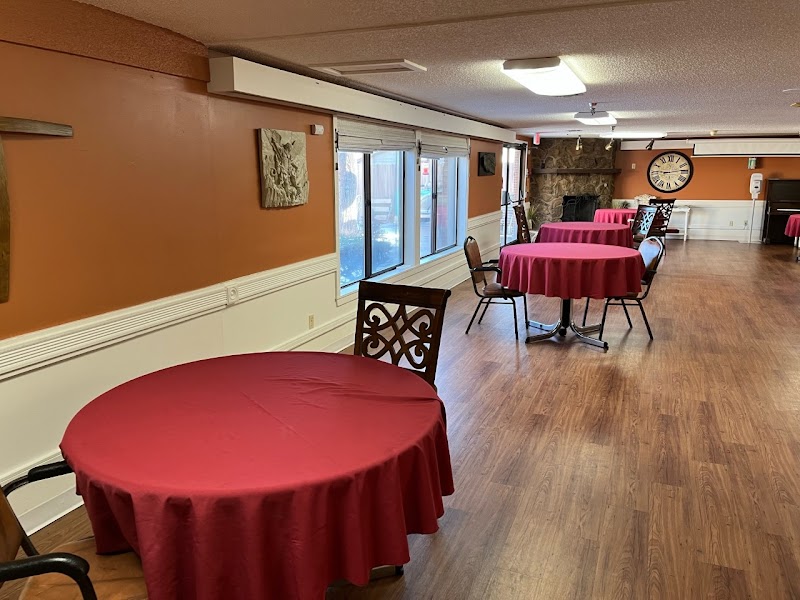
How is Arcadia Medical Resort Of Parkside Staffed?

CMS rates Arcadia Medical Resort of Parkside's staffing level at 2 out of 5 stars, which is below average compared to other nursing homes.

What Have Inspectors Found at Arcadia Medical Resort Of Parkside?

State health inspectors documented 54 deficiencies at Arcadia Medical Resort of Parkside during 2022 to 2025. These included: 1 Immediate Jeopardy (the most serious level, indicating potential for serious harm or death), 1 that caused actual resident harm, and 52 with potential for harm. Immediate Jeopardy findings are rare and represent the most serious regulatory concerns. They require immediate corrective action.
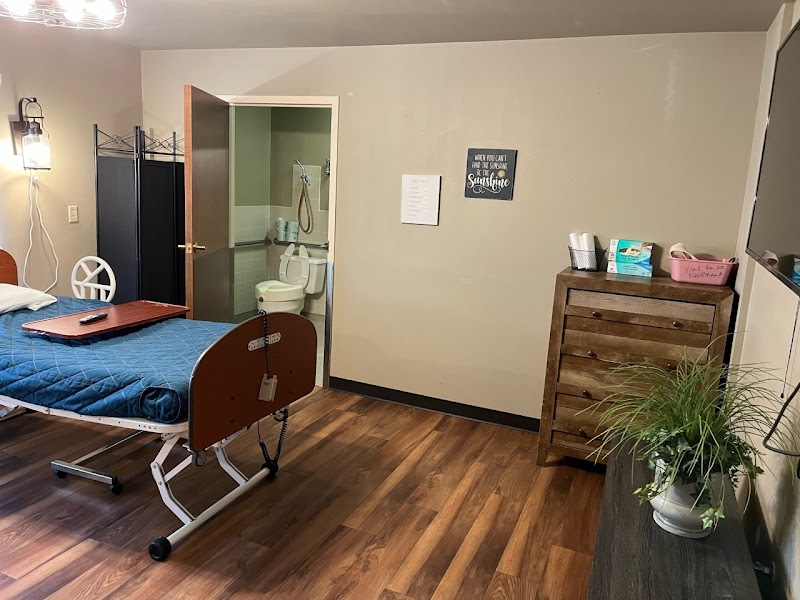
Who Owns and Operates Arcadia Medical Resort Of Parkside?

Arcadia Medical Resort of Parkside is owned by a for-profit company. For-profit facilities operate as businesses with obligations to shareholders or private owners. The facility is operated by VERTICAL HEALTH SERVICES, a chain that manages multiple nursing homes. With 88 certified beds and approximately 45 residents (about 51% occupancy), it is a smaller facility located in UNION GAP, Washington.

How Does Arcadia Medical Resort Of Parkside Compare to Other Washington Nursing Homes?

Compared to the 100 nursing homes in Washington, Arcadia Medical Resort of Parkside's overall rating (1 stars) is below the state average of 3.2 and health inspection rating (1 stars) is much below the national benchmark.

What Should Families Ask When Visiting Arcadia Medical Resort Of Parkside?

Based on this facility's data, families visiting should ask: "What changes have been made since the serious inspection findings, and how are you preventing similar issues?" "Can you walk me through typical staffing levels on day, evening, and night shifts?" "Can I visit during a mealtime to observe dining assistance and food quality?" "How do you handle medical emergencies, and what is your hospital transfer rate?" These questions are particularly relevant given the facility's Immediate Jeopardy citations and the below-average staffing rating.

Is Arcadia Medical Resort Of Parkside Safe?

Based on CMS inspection data, Arcadia Medical Resort of Parkside has documented safety concerns. Inspectors have issued 1 Immediate Jeopardy citation (the most serious violation level indicating risk of serious injury or death). The facility has a 1-star overall rating and ranks #100 of 100 nursing homes in Washington. Families considering this facility should ask detailed questions about what corrective actions have been taken since these incidents.

Do Nurses at Arcadia Medical Resort Of Parkside Stick Around?

Arcadia Medical Resort of Parkside has not reported staff turnover data to CMS. Staff turnover matters because consistent caregivers learn residents' individual needs, medications, and preferences. When staff frequently change, this institutional knowledge is lost. Families should ask the facility directly about their staff retention rates and average employee tenure.

Was Arcadia Medical Resort Of Parkside Ever Fined?

Arcadia Medical Resort of Parkside has been fined $112,898 across 3 penalty actions. This is 3.3x the Washington average of $34,208. Fines at this level are uncommon and typically indicate a pattern of serious deficiencies, repeated violations, or failure to correct problems promptly. CMS reserves penalties of this magnitude for facilities that pose significant, documented risk to resident health or safety. Families should request specific documentation of what issues led to these fines and what systemic changes have been implemented.

Is Arcadia Medical Resort Of Parkside on Any Federal Watch List?

Arcadia Medical Resort of Parkside is not on any federal watch list. The most significant is the Special Focus Facility (SFF) program, which identifies the bottom 1% of nursing homes nationally based on persistent, serious quality problems. Not being on this list means the facility has avoided the pattern of deficiencies that triggers enhanced federal oversight. This is a positive indicator, though families should still review the facility's inspection history directly.