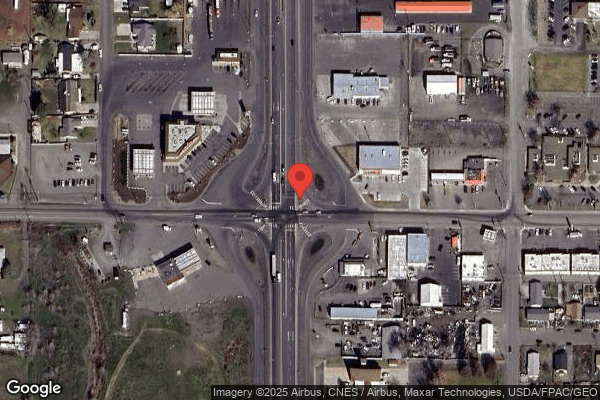

EMERALD CARE

209 NORTH AHTANUM AVENUE, WAPATO, WA 98951 (509) 877-3175
Non profit - Corporation 82 Beds Independent Data: November 2025
Trust Grade
85/100
#10 of 190 in WA
Last Inspection: February 2025

Within standard 12-15 month inspection cycle. Federal law requires annual inspections.

Overview

Emerald Care in Wapato, Washington, has a Trust Grade of B+, indicating it is above average and recommended for families considering care options. It ranks #10 out of 190 facilities in the state, placing it in the top half, and is the best choice among 11 options in Yakima County. However, the facility is experiencing a worsening trend, with issues increasing from three in 2024 to five in 2025. Staffing is a mixed bag, with a 3/5 rating and a turnover rate of 34%, which is better than the state average, suggesting a stable workforce, but with room for improvement. Notably, the facility has zero fines on record, which is a positive sign, but recent inspections revealed concerns such as expired food items in storage and lapses in hand hygiene, which could increase the risk of foodborne illnesses and infections among residents.

Trust Score
B+
85/100
In Washington
#10/190
Top 5%
Safety Record
Low Risk
No red flags
Inspections
Getting Worse
3 → 5 violations
Staff Stability
○ Average
34% turnover. Near Washington's 48% average. Typical for the industry.
Penalties
✓ Good
No fines on record. Clean compliance history, better than most Washington facilities.
Skilled Nurses
○ Average
Each resident gets 39 minutes of Registered Nurse (RN) attention daily — about average for Washington. RNs are the most trained staff who monitor for health changes.
Violations
⚠ Watch
18 deficiencies on record. Higher than average. Multiple issues found across inspections.
★★★★★
5.0
Overall Rating
★★★☆☆
3.0
Staff Levels
★★★★★
5.0
Care Quality
★★★★★
5.0
Inspection Score
Stable
2024: 3 issues
2025: 5 issues

The Good

  • 5-Star Quality Measures · Strong clinical quality outcomes
  • Full Sprinkler Coverage · Fire safety systems throughout facility
  • No fines on record
  • Staff turnover below average (34%)

    14 points below Washington average of 48%

Facility shows strength in quality measures, fire safety.

The Bad

Staff Turnover: 34%

12pts below Washington avg (46%)

Typical for the industry

The Ugly 18 deficiencies on record

Feb 2025 5 deficiencies
CONCERN (D)

Potential for Harm - no one hurt, but risky conditions existed

Incontinence Care (Tag F0690)

Could have caused harm · This affected 1 resident

**NOTE- TERMS IN BRACKETS HAVE BEEN EDITED TO PROTECT CONFIDENTIALITY** Based on observation, interview and record review, the facility failed to ensure that residents who had an indwelling urinary ca...

Read full inspector narrative →
**NOTE- TERMS IN BRACKETS HAVE BEEN EDITED TO PROTECT CONFIDENTIALITY** Based on observation, interview and record review, the facility failed to ensure that residents who had an indwelling urinary catheter (IUC, a tube placed in the bladder which drains urine out into a collection bag) received care and services to prevent urinary tract infections (UTI, a condition were bacteria enter through the urinary meatus [a passage or opening leading to the interior of the body] and infect the kidneys or bladder) for 1 of 3 residents (Resident 7), reviewed for urinary catheter care. This failure placed the residents at risk of developing medical complications, secondary to an infection in the bladder. Findings included . Review of the facility's policy titled, Indwelling catheter Insertion and Care, dated January 2025 showed that it was the policy of the facility to .provide for the use of indwelling catheters per physician orders . Review of the facility's policy titled, Catheter Management, revised 08/13/2019, showed IUC were .only changed as necessary (i.e., when it becomes occluded, contaminated, or the integrity of the catheter or the system is compromised). <Resident 7> Review of the resident's medical record showed that they were admitted on [DATE] with a recent readmission from the hospital on [DATE] for diagnoses including UTI and dementia (a progressive disease that destroys the memory and other important mental functions). Review of the 11/21/2024 comprehensive assessment showed the resident had a severely impaired cognition and had a IUC for bladder elimination. Review of Resident 7's hospital records, dated 11/19/2024 showed the resident admitted due to septic shock (a life-threatening medical condition that occurs in the body when faced with a widespread infection that can lead to organ failure and extremely low blood pressure) after/resulting from a complicated UTI. The record showed a physician order to .continue foley (another name for an IUC) on discharge for suspected neurogenic bladder (a urinary bladder problem due to disease or injury to the body nervous system that controls when/how the bladder empties); change every four weeks, placed 11/10/2024, and to follow-up with a urologist (a specialist physician for urinary tract issues). Review of Resident 7's facility provider note, dated 11/25/2024 showed orders to changed r/c (retention catheter or IUC) and obtain urine, send for urinalysis (a laboratory test that examines the urine), culture and sensitivity (identification of the germs causing the infection and what antibiotic would be best to treat the infection identified) Review of Resident 7's November 2024 facility provider orders showed that on 11/25/2024 orders to changed IUC and obtain urinalysis (a laboratory test that examines the urine), one time, was completed for the resident. No other orders on the type/size of the IUC, frequency for changing the IUC/drainage collection bag nor if nursing staff were monitoring signs/symptoms (indications of illness, injury or condition) of complications/infection regarding Resident 7's IUC. Review of Resident 7's facility provider note, dated 12/05/2024 showed orders for nursing staff to follow the plan of care per urology. Review of Resident 7's urologist provider visit, dated 12/06/2024 showed the resident a neurogenic bladder with urinary retention (a condition where the body is unable to empty the bladder), recommended a long term IUC. Additionally, the urologist ordered, please change foley catheter every four weeks. (Resident 7) is due for change now. Review of Resident 7's December 2024 provider orders showed the orders for the resident IUC to be changed every four weeks and to have the IUC changed after the urologist appointment were not put in nor completed for the resident. During a concurrent observation and interview on 01/28/2025 at 11:29 AM, Resident 7 was lying in bed, with their half full catheter bag resting on the floor, below the resident bed, pulling downwards, putting tension at the clear/plastic drainage tube to rubber catheter tube junction point. The resident IUC junction point did not have a seal (a plastic wrapping around the junction point where the two-tubing meet and an indicator of an intact, closed, non-compromised drainage system) in place and the tension on the junction was pulling the tubing apart. Resident 7 stated the IUC had been changed before a while ago, can't really remember, maybe at the hospital. Review of Resident 7's provider orders, dated 01/29/2025 showed that orders for the residents IUC were placed. The orders showed change IUC as needed for blockage and other signs/symptoms, change IUC drainage bag every two weeks and as needed, change as necessary for blockages or to obtain a urinalysis and irrigate (flushing fluid through the IUC to prevent a blockage) the IUC for obstruction prior to replacing (these orders were placed 70 days after the resident's readmission with a IUC in place and 54 days after their urology visit). During an interview on 01/31/2025 at 3:14 PM, Staff S, Treatment Nurse, stated the process for IUC orders was to have them placed in a resident's chart after a IUC was inserted or if a resident had one place in the hospital. The orders included IUC change frequency, drainage bag change frequency and/or irrigation of the IUC if it was needed. Staff S stated they did not see orders for Resident 7's IUC until they were notified of the needed for IUC orders, which they had placed on 01/29/2025. Staff S stated the resident's IUC was changed on 01/30/2025. Additionally, Staff S stated that the correct process was not followed regarding Resident 7' IUC care/management and put the resident at an increased risk for further UTI's. During an interview on 01/31/2025 at 3:51 PM, Staff T, Licensed Practical Nurse, stated that Resident 7's orders for their IUC should have been placed in the resident chart back in November 2024. Staff T stated the resident IUC was not changed due to no orders to replace the resident's IUC and the correct process was not followed. During an interview on 02/03/2025 at 11:06 AM, Staff H, Registered Nurse/Resident care Manager, stated that orders for IUC were placed by either Staff H or Staff S and must have slipped through both of our hands. Staff H stated the IUC orders were normally put on the resident orders to help with care maintenance and prevent further IUC infections for the residents. During an interview on 02/03/2025 at 1:49 PM, Staff C, Assistant Director of Nursing Services/Infection Preventionist, stated the correct process was not followed regarding Resident 7's physician orders the day the resident returned from the hospital. Reference: WAC 388-97-1060 (3)(c)
CONCERN (D)

Potential for Harm - no one hurt, but risky conditions existed

Deficiency F0761 (Tag F0761)

Could have caused harm · This affected 1 resident

Based on observation, interview and record review the facility failed to secure all medication in 1of 1 locked medication room and to limit access to authorized personal consistent with professional p...

Read full inspector narrative →
Based on observation, interview and record review the facility failed to secure all medication in 1of 1 locked medication room and to limit access to authorized personal consistent with professional practice. This failure allowed one unauthorized staff member (Staff E) to access medication in the medication storage room and increasing the risk for diversion of controlled (narcotic) medication. Findings included Record review of the facility's policy titled, Storage of Medications, dated, 07/2021showed that the medication was accessible only to licensed nursing personnel, pharmacy personnel, or staff members lawfully authorized to administer medications. Medication rooms were locked when not attended by persons with authorized access. During a concurrent observation and interview on 01/29/2025 at 1:20 PM, Staff H, Registered Nurse/Resident Care Manager (RN/RCM), used their key to open the medication room. Staff H stated that only nursing staff had keys to the medication room and there were no controlled medications stored in the room. On 01/29/2025 at 1:30 PM, during medication storage observation with Staff H, Staff E, Maintenance Director, used a key to open the locked door to the medication room to let the State Fire Marshal into the medication room. During an interview on 01/29/2025 at 2:29 PM, Staff I, Licensed Practical Nurse, stated nurses had keys to the medication room. If housekeeping needed in the medication room to clean, a nurse would let them in and stayed while thousekeeping cleaned. Staff I stated maybe Staff E had a key in case of emergencies; however, was not sure. During an interview on 01/29/2025 at 3:12 PM, Staff E stated they had a key to the medication storage room and got it from the previous Maintenance Director. Staff E stated they were not aware they should not have a key and had used it monthly to check the air conditioner unit. During an interview on 01/29/2025 at 3:20 PM, Staff A, Administrator, stated they were not aware Staff E had a key to the medication storage room, and they should not have key access to that room. Reference: WAC 388-97-2340(4)
CONCERN (D)

Potential for Harm - no one hurt, but risky conditions existed

Deficiency F0839 (Tag F0839)

Could have caused harm · This affected 1 resident

**NOTE- TERMS IN BRACKETS HAVE BEEN EDITED TO PROTECT CONFIDENTIALITY** Based on interview and record review, the facility failed to ensure the Director of Nursing Services (DNS) had an active nursing...

Read full inspector narrative →
**NOTE- TERMS IN BRACKETS HAVE BEEN EDITED TO PROTECT CONFIDENTIALITY** Based on interview and record review, the facility failed to ensure the Director of Nursing Services (DNS) had an active nursing license while providing care to residents in the facility for 1 of 6 staff (Staff R) reviewed for staff qualifications. This failure placed residents at risk of receiving care from an unlicensed staff health professional and unmet care needs. Findings included . Review of the facility's undated document titled, Director of Nursing Job Description, dated 2023, showed that Staff B, DNS, had acknowledged/signed on as the responsible DNS of the facility. The document showed the required qualifications of the DNS was to have a current unrestricted license as a Registered Nurse (RN) . and to abide by all standards, polices, regulations and guidelines of the facility and the state and federal governing agencies .at all times. <Staff R> Review of Staff R's personnel records showed their professional RN license was no longer active and had expired on [DATE]. Review of Staff R's DNS schedule of days worked in the facility for [DATE] and [DATE] showed, that Staff R had worked a total of 17 days after their RN licensure had expired. During an interview on [DATE] at 3:34 PM, Staff A, Administrator, stated that Staff R had informed them that the staff members professional RN license was renewed prior to the expiration date but had then found out on [DATE] that it was expired. Staff A stated that Staff R should not have worked those 17 days after the staff members nursing license had expired and would not be working until a renewal of the professional RN license. Reference: WAC 388-97-1080(10)(b)
CONCERN (D)

Potential for Harm - no one hurt, but risky conditions existed

Infection Control (Tag F0880)

Could have caused harm · This affected 1 resident

**NOTE- TERMS IN BRACKETS HAVE BEEN EDITED TO PROTECT CONFIDENTIALITY** Based on observation, interview and record review the facility failed to provide correct implementation of infection control pra...

Read full inspector narrative →
**NOTE- TERMS IN BRACKETS HAVE BEEN EDITED TO PROTECT CONFIDENTIALITY** Based on observation, interview and record review the facility failed to provide correct implementation of infection control practices for indwelling urinary catheter (a hollow, partially flexible tube that collects urine from the bladder and leads to a drainage bag) equipment for 2 of 4 residents (Resident 29 and Resident 52) reviewed for use of urinary catheters. This failure placed residents with catheter bags at risk for infections and a diminished quality of life. Finding included Review of recommendations from the Centers of Disease Control, Guideline for Prevention of Catheter-Associated Urinary Tract Infections (2009), located at www.cdc.gov, showed a strong recommendation to maintain unobstructive urine flow and to not rest the catheter bag (a urine collection bag attached to the catheter) on the floor. Review of the Lippincott Manual of Nursing Practice 10th Ed. ([NAME], 2014) showed infectious organisms could move into the bladder along the outside of any urinary catheter, and the catheter bag should be kept off the floor (and other unclean surfaces), to prevent bacteria from entering the bladder (pg. 781-782). Record review of a facility policy titled Catheter Management dated 08/13/2019, showed that the retention catheter bag should never touch the floor. <Resident 29> Review of Resident 29's medical recorded showed they were a long-term resident with diagnoses to include diabetes mellites (damaged cells don't respond normally to insulin which cause high levels of glucose), dementia (a loss of mental ability severe enough to interfere with normal activities of daily living), and obstructive uropathy (a condition where urine cannot flow normally through the urinary tract). The 12/18/2024 comprehensive assessment showed Resident 29 was cognitively impaired, had an indwelling urinary catheter and required a wheelchair for mobility. Record review of the resident's catheter care plan dated 01/08/2025 showed staff should keep the urinary catheter bag below the resident's bladder, cover for privacy and not to allow the bag to touch the floor. The resident had a history of urinary tract infections (UTI, infection of any part of the urinary system) with the last one dated 04/21/2024. During an observation on 01/30/2025 at 9:26 AM, Resident 29 was seated in their wheelchair and their urinary catheter bag and tubing was dragging on the floor as the resident was wheeled by Staff P, Nursing Assistant, from the room sink to their bed. During an observation on 01/30/2025 at 1:17 PM, Resident 29 was lying in bed with their eyes closed. Their catheter bag was attached to the left side of the bed frame with the bottom on the bag touching the floor. During an observation on 01/31/2025 at 8:37 AM, Resident 29 was seated in their wheelchair across from the nurse's station with their urinary catheter bag and tubing hanging under the wheelchair seat and touching the floor. During a concurrent observation and interview on 02/03/2025 at 12:15 PM, Staff Q, Registered Nurse, pushed Resident 29 in their wheelchair from the front lobby back to their room. The resident's catheter bag and tubing was dragging on the floor under the wheelchair. When brought to Staff Q's attention, they stated the bag and tubing should not be touching the floor, the tubing could get caught and it was an infection risk. <Resident 52> Review of Resident 52's medical recorded showed they were a long-term resident with diagnoses to include diabetes mellites, heart failure (a progressive heart disease that affects pumping action of the heart muscles) and obstructive uropathy. Record review of the 12/16/2024 comprehensive assessment showed Resident 52 was cognitively intact, had an indwelling urinary catheter and required a wheelchair for mobility. Review of the 01/10/2025 catheter care plan showed staff should monitor and report signs of a UTI such as foul-smelling urine, fever, and altered mental status. Review of Resident 52's physician orders showed they were treated for UTIs with antibiotics on 08/31/2024, 10/14/2024 and 11/14/2024. During an observation on 01/31/2025 at 7:30 AM, Resident 52 was seated in their wheelchair across from the nurse's station with their catheter bag touching the floor under their wheelchair and they were holding the catheter tubing in their right hand. During an observation on 02/03/2025 at 12:18 PM, Resident 52 was observed seated in their wheelchair across from the nurse's station with their catheter bag touching the floor under their wheelchair. During a concurrent observation and interview on 02/04/2025 at 11:05 AM, Resident 52 was seated in their wheelchair across from the nurse's station with their catheter bag touching the floor under their wheelchair and they were holding the catheter tubing in their hand. Resident 52 stated they held the tubing, so it did not pull or drag on the floor. During an interview on 02/04/2025 at 12:16 PM, Staff C, Licensed Practical Nurse and Infection Preventionist, stated that residents' catheter bags and tubing should not be touching or dragging on the floor. Reference: WAC 388-97-1320(1)(a), (2)(a)
CONCERN (F)

Potential for Harm - no one hurt, but risky conditions existed

Food Safety (Tag F0812)

Could have caused harm · This affected most or all residents

Based on observation, interview, and record review, the facility failed to ensure expired foods were discarded for 1 of 1 dry storage area and failed to consistently monitor refrigerator temperatures ...

Read full inspector narrative →
Based on observation, interview, and record review, the facility failed to ensure expired foods were discarded for 1 of 1 dry storage area and failed to consistently monitor refrigerator temperatures for 2 of 3 refrigerators (the kitchen snack refrigerator and a small black refrigerator), reviewed for food safety. These failures placed residents at an increased risk for food-borne illnesses. Findings include . Review of the undated policy titled, Receiving, Inventory and Storage, Food Storage showed food items should be received and handled in accordance with good sanitary practice. The dry foods would be rotated, labeled, dated, and discarded on the expiration date. The facility ' s policy further showed a temperature record was to be kept of all refrigerated items. <Expired Foods> During an observation on 01/28/2025 at 8:16 AM, the initial kitchen tour with Staff K, Cook, showed the dry storage area contained the following expired foods: • one box of spinach wraps; expiration date of 01/21/2025. • two boxes of white corn tortillas; expiration date of 12/24/2024. • seven packs of flour tortillas; expiration date of 01/20/2025. During an interview on 01/30/2025 at 8:10 AM, Staff K, confirmed that the flour tortillas were served during the lunch meal on 01/28/2025. Staff K stated they mistakenly assumed that the tortillas were fresh. Staff K stated that the Dietary Manager disposed of them on 01/29/2025. <Refrigerator Temperatures> During an observation on 01/28/2025 at 8:26 AM, the kitchen snack refrigerator did not have a temperature log of recorded temperatures. Staff K stated, We don't have a temperature log for that refrigerator right now. Staff K stated that the refrigerator held salads, snacks, juices, and milk for the residents. During an observation on 01/28/2025 at 8:32 AM, a small black refrigerator contained more than 10 Mighty Health Shakes (a nutritional shake that can add protein and calories to a diet). The temperature log had one temperature recorded for January 2025 on 01/22/2025 at 3:00 PM. During an interview on 01/30/2025 at 8:54 AM, Staff L, Dietary Manager, stated upon a food delivery, it was the responsibility of the staff to organize the items. The process included moving the older food items to the front and placing the new items at the back to ensure proper food rotation. Staff L emphasized the importance of staff checking the expiration dates prior to usage. Staff L stated that the small black refrigerator, which had previously been designated for the nurses ' medication cart, was currently not in use. Additionally, Staff L acknowledged the temperature log had not been completed for the month of January 2025. During an interview on 01/30/2025 at 10:54 AM, Staff A, Administrator, stated there was an expectation for the dietary staff to rotate food items and ensure that any expired food was properly discarded. Staff A stated they were aware of the temperatures not being documented on the refrigerator temperature logs and indicated that the small black refrigerator would be removed. Reference: WAC 388-97-1100 (3)
Mar 2024 3 deficiencies
CONCERN (D)

Potential for Harm - no one hurt, but risky conditions existed

Deficiency F0657 (Tag F0657)

Could have caused harm · This affected 1 resident

**NOTE- TERMS IN BRACKETS HAVE BEEN EDITED TO PROTECT CONFIDENTIALITY** Based on observation, interview, and record review, the facility failed to ensure resident care plans were reviewed and revised ...

Read full inspector narrative →
**NOTE- TERMS IN BRACKETS HAVE BEEN EDITED TO PROTECT CONFIDENTIALITY** Based on observation, interview, and record review, the facility failed to ensure resident care plans were reviewed and revised to accurately reflect care needs for 1 of 3 residents (Resident 40) reviewed for dental services and choices, and 1 of 1 resident (Resident 66) reviewed for transfers and meal assistance. The failure to revise care plans to reflect current care needs placed the residents at risk for inadequate or unsafe care. Findings included . Review of the facility policy titled, Plan of Care, dated 09/18/2019, showed each resident would have a plan of care that described the services provided to the residents to attain or maintain the resident's highest practicable physical, mental and psychosocial well-being as well as any other services that would be otherwise be required are not provided due to the resident's exercise of rights including to refuse treatments. Further review showed changes were made to the plan of care anytime the resident's condition or need warranted it (including temporary issues). <Dental> <Resident 40> Review of the medical record showed Resident 40 was admitted to the facility on [DATE] with diagnoses including heart failure and end stage renal disease [permanent kidney failure that requires dialysis (a procedure to remove waste products and excess fluid from the blood when the kidneys stop working properly]). The 12/31/2023 comprehensive assessment showed the resident was independent with activities of daily living (ADLs), required set up assistance of one staff member for meals, and partial/moderate assistance of one staff member for showering. The assessment also showed the resident had an intact cognition. Record review of Resident 40's care plan dated 01/19/2024, showed a focus area for oral/dental health problems related to missing and carious (decayed) teeth, has few remaining natural teeth. Additional review of the care plan showed ORAL CARE: I have my own teeth. I am missing several teeth . Review of Resident 40's physician's progress note, dated 10/06/2023, showed the resident had all of their teeth removed on 10/06/2023. A second physician progress note on 11/06/2023 showed Resident 40 had impressions taken for their dentures. They received a full set of dentures on 02/05/2024. During an interview on 02/27/2024 at 12:33 PM, Resident 40 stated they had all of their teeth removed a few months ago. They stated they normally wore their dentures but ran out of denture adhesive and was waiting for it to come in the mail. During an interview on 03/04/2024 at 12:47 PM, Staff D, Restorative Director, stated they were responsible for updating the care plan for oral cares. Staff D stated Resident 40 received their new dentures the first week of February 2024 and they had not had time to update Resident 40's care plan. <Informed Choice/Refusal of Treatment> Record review of Resident 40's physician orders showed a physician order dated 01/02/2024 for a renal (referring to the kidney) diet (a diet aimed at keeping levels of fluids, electrolytes, and minerals balanced in the body in individuals who were on dialysis), regular texture foods, thin liquids, and a 1000 cubic centimeter (cc - a unit of volume of liquids) daily fluid restriction. Review of Resident 40's medical record showed a Resident Informed Choice/Refusal of Treatment form, signed, and dated by the resident on 04/25/2022, indicating a refusal to follow the physician ordered 1000 cc fluid restriction. Further review of the medical record showed Resident 40 signed a second Resident Informed Choice/Refusal of Treatment form on 01/02/2024, indicating a refusal of ground meats recommendation for meals while waiting for their dentures. The form showed the resident wanted regular texture meats/foods. Review of Resident 40's care plan, dated 01/19/2024, showed a focus area for nutritional problems with interventions including a total fluid goal of less than 1000 cc daily and a regular texture diet. There were no interventions or care plan revisions that showed the resident had refused their initial ground meat diet texture and fluid recommendations, despite the signed Resident Informed Choice/Refusal of Treatment forms. During an interview on 03/04/2024 at 11:29 AM, Staff F, Registered Nurse/Resident Care Manager (RN/RCM) stated the Resident Informed Consents/Refusal of Treatment forms should have been identified on Resident 40's care plan. <Transfers> <Resident 66> Review of the medical record showed Resident 66 was admitted to the facility on [DATE] with diagnoses including epilepsy (a brain disorder that causes recurring, unprovoked seizures that may include abnormal behaviors and loss of consciousness) and a stroke with left sided hemiplegia (a severe or complete loss of strength or paralysis on one side of the body) and hemiparesis (a mild or partial weakness or loss of strength on one side of the body). The 12/11/2023 comprehensive assessment showed the resident required partial/moderate assistance of one staff member for sit-to-stand and toileting transfers, and set-up/clean up assistance for eating. The assessment also showed the resident had a moderately impaired cognition. Record review of Resident 66's care plan, dated 09/04/2023, showed the resident required one person stand by assistance for transfers with gait belt, have it on for precautions .do not use my underarms to help with transfer . An observation on 02/29/2024 at 8:11 AM, showed Resident 66 sitting in their wheelchair in their room, waiting for staff to bring them a cup of coffee. Resident 66 attempted to self-transfer to their bed as Staff S, Beautician, arrived with their coffee. Staff S put Resident 66's call light on for assistance. Staff L, Nursing Assistant, Staff M, NA, and Staff N, NA, entered the room to assist the Resident. Staff L and Staff M placed a gait belt around Resident 66's waist. Staff L and Staff M stood on each side of the resident's wheelchair and, each placing their arm under the residents' arms, transferred the resident to their bed. There was an under pad on Resident 66's bed that became wrinkled when the resident laid on the bed. Staff L and Staff M, using the same underarm technique, transferred the resident back to their wheelchair. Staff N smoothed out the bedding and under pad, and Staff L and Staff M transferred Resident 66 back into bed, using the same underarm technique. During an interview on 03/04/2024 at 8:01 AM, Staff O, NA/Rehab, stated Resident 66 transferred with extensive assistance of one staff member, but had some changes recently and would have to check the resident's care plan. During an interview on 03/04/2024 at 8:06 AM, Staff P, NA, stated they transferred Resident 66 with two people, and they used the underarm lift to transfer them. During an interview on 03/04/2024 at 8:14 AM, Staff L stated they used two people and a gait belt to transfer Resident 66. Staff L stated it was very hard to get the resident up and they used an underarm lift to transfer them. During an interview on 03/04/2024 at 12:47 PM, Staff D, Restorative Director, stated Resident 66 transferred with stand by assistance of one staff member. Staff D stated they were not aware that staff were transferring Resident 66 with two staff members. During an interview on 03/24/2024 at 11:29 AM, Staff F stated Resident 66 required assistance of two staff members for transfers, and staff should not be using the underarm lift technique with the resident. Staff F stated Resident 66's care plan was not correct and that it needed to be updated. <Meal Assistance> Record review of Resident 66's care plan, dated 09/04/2023, showed the resident required one to one assistance from staff for eating in their room for continued cueing or needed to eat in the dining room at a supervised table. An observation on 02/28/2024 at 8:32 AM, showed Resident 66 lying in their bed in a semi-reclined position independently eating their breakfast. There were no staff members in the resident's room. During an observation on 02/29/2024 at 12:25 PM, Resident 66 was in their bed, in a semi-reclined position, visiting with their family and eating their lunch without staff assistance. During an interview on 02/29/2024 at 10:57 AM, Staff Q, Licensed Practical Nurse (LPN), stated Resident 66 was able to feed themselves and did not require staff assistance. During a concurrent interview on 03/04/2024 at 12:47 PM, Staff D stated Resident 66 ate independently. Staff O stated that the resident was supervised in the dining room at the rehab table, but they did not need the supervision. Staff D stated Resident 66's care plan needed to be updated. During an interview on 03/04/2024 at 11:53 AM, Staff B, Director of Nursing Services, stated the process was the licensed nurses were to update resident care plans with any change in the resident that may arise. Staff B stated the care plans needed to be updated. During an interview on 03/04/2024 at 2:17 PM, Staff A, Administrator, stated the care plans needed to be tightened up (clearer, stronger, or more definite). Reference: WAC 388-97-1020(1)(2)(a)(4)(b)(5)(b)
CONCERN (D)

Potential for Harm - no one hurt, but risky conditions existed

Deficiency F0698 (Tag F0698)

Could have caused harm · This affected 1 resident

**NOTE- TERMS IN BRACKETS HAVE BEEN EDITED TO PROTECT CONFIDENTIALITY** Based on observation, interview, and record review, the facility failed to ensure residents received ongoing communication and c...

Read full inspector narrative →
**NOTE- TERMS IN BRACKETS HAVE BEEN EDITED TO PROTECT CONFIDENTIALITY** Based on observation, interview, and record review, the facility failed to ensure residents received ongoing communication and collaboration with the dialysis (a process to remove waste products and excess fluid from the blood when the kidneys stop working properly) center for 3 of 3 residents (Resident 40, 44, and 38) reviewed for dialysis services. The failure to communicate and collaborate with the dialysis center as required, placed the residents at risk for unnoticed significant changes in their health status, delay in care, and death. Findings included . Review of the facility policy titled, Hemodialysis (a process of filtering the blood of a person whose kidneys were not working properly), dated 03/2023, showed the facility would ensure ongoing communication and collaboration with the dialysis facility regarding dialysis care and services. Additionally, the licensed nurse would communicate to the dialysis center via telephone or written form, such as a dialysis communication form, that included the following: • Medication administration (initiated, held, or discontinued) by the facility or dialysis center; • Physician/treatment orders, laboratory values, and vital signs (measurements that reflect essential body functions including heart rate, breathing rate, temperature, and blood pressure); • Advance directives (a legal document that describes treatment preferences in end-of-life situations) and code status (instruction regarding personal preferences if a person suffers a heart attack); • Nutritional/fluid management including weights, compliance with food/fluid restrictions, and monitoring intake and output measurements as ordered; • Dialysis treatment provided and the residents response to treatment, including decline in functional status, and falls; • Dialysis adverse reactions, complications, and/or recommendations for follow up observation and monitoring, and/or concerns related to the vascular access site (a joining of an artery and a vein in the arm to connect a dialysis machine to the bloodstream); • Changes and/or declines in condition unrelated to dialysis; • The occurrence or risk for falls related to transportation to/from the dialysis center. Review of the facility contract titled Nursing Home Dialysis Transfer Agreement, dated 04/14/2021, showed the dialysis center would provide the facility information on the aspects of the management of a designated resident's care related to dialysis services. The contract showed the facility would ensure appropriate medical, social, administrative, and other information accompany all designated residents at the time of transfer to the dialysis center, including: • The residents name, address, date of birth , and social security number; • Contact information for the residents next of kin; • Third party payor information; • Appropriate medical records, including a history of illness, including laboratory and x-ray findings; • Treatment presently provided to the resident, including medications and any change in the resident's condition, change of medication, diet and/or fluid intake; • Any advance directive executed by the resident; • Any other information that would facilitate coordination of care. <Resident 40> Review of the medical record showed Resident 40 was admitted to the facility 09/11/2021 with diagnoses including diabetes (a condition in which the body has trouble controlling blood sugar and using it for energy) and end stage renal disease (a medical condition where the kidneys stop functioning on a permanent basis, leading to the need for long term dialysis). The 12/31/2023 comprehensive assessment showed the resident was independent with activities of daily living (ADLs) and received hemodialysis. The assessment also showed the resident was cognitively intact. Review of the medical record showed Resident 40 received dialysis treatments every Tuesday, Thursday, and Saturday at an outside dialysis treatment center. Review of Resident 40's medication administration record (MAR) dated December 2023, showed the resident had 13 dialysis sessions. The January 2024 MAR showed Resident 40 had 13 dialysis sessions, and the February 2024 MAR showed the resident had 13 dialysis sessions. Review of Resident 40's medical record from 12/01/2023, through 03/01/2024, showed the dialysis center provided communication to the facility for three sessions; 12/04/2023, 12/12/2023, and 02/16/2024. There was no additional documentation of communication with the dialysis center in the record. Review of Resident 40's nursing progress notes showed on 01/23/2024 at 5:45 AM, the resident refused to go to the dialysis center. A call was placed to the dialysis center to inform them of the cancelled session. A second call was placed later that day at 9:41 AM to reschedule the appointment. There was no other documentation from 12/01/2023, through 03/01/2024, that showed any communication with the dialysis center. <Resident 44> Review of the medical record showed Resident 44 was admitted to the facility on [DATE] with diagnoses including end stage renal disease, dependence on dialysis, and fluid overload (a condition of too much fluid volume in the body). The 12/14/2023 comprehensive assessment showed the resident was independent with ADLs and required hemodialysis. The assessment also showed the resident had an intact cognition. Review of the medical record showed the resident had dialysis sessions scheduled for every Tuesday, Thursday, and Saturday at an outside dialysis treatment center. Review of Resident 44's MAR's dated December 2023, January 2024, and February 2024 showed the resident had 13 dialysis sessions each month. Review of Resident 44's medical record from 12/01/2023, through 03/01/2024, showed communication received from the dialysis center dated 01/30/2024. There were no other documents from the dialysis center during that time. Review of a nursing progress note late entry dated 03/04/2024, showed on 02/28/2024, Resident 44 had returned from the dialysis center and had blood saturated dressings at the vascular access site. There was no documentation that the dialysis center had been notified of the adverse reaction. Additional review of nursing progress notes from 12/01/2023 through 03/01/2024 showed one progress note, dated 12/02/2023 at 2:31 PM, a telephone call to the dialysis center to reschedule an appointment. There were no other documented communications with the dialysis center. <Resident 38> Review of the medical record showed Resident 38 was admitted to the facility on [DATE] with diagnoses including end stage renal disease and dependence on dialysis. The 02/13/2024 comprehensive assessment showed Resident 38 was independent with ADLs and required hemodialysis. The assessment also showed the resident was cognitively intact. Review of the medical record showed the resident had dialysis sessions scheduled every Tuesday, Thursday, and Saturday at an outside dialysis treatment center. Review of Resident 38's MAR's dated December 2023, January 2024 and February 2024 showed the resident had 13 dialysis sessions each month . Review of Resident 38's medical record from 12/01/2023 through 03/01/2024 showed communication was received from the dialysis center on 12/01/2023, 12/06/2023, 12/12/2023, 01/08/2024, and 01/30/2024. There was no additional documentation of communication from the dialysis center. Review of nursing progress notes dated 12/01/2023 through 03/01/2024, showed a progress note dated 12/22/2023 at 3:17 PM, showed a call from the facility to the dialysis center to reschedule an appointment for Resident 38. Further review of nursing progress notes showed on 01/11/2024 at 10:15 AM, a telephone call was received from the dialysis center with a physician order change for Resident 38. There was no other documentation of communication with the dialysis center. During an interview on 02/29/2024 at 10:56 AM, Staff Q, Licensed Practical Nurse, stated the facility did not send any paperwork or communication with the residents when they went to their dialysis sessions. They stated they did not receive any communication back from the dialysis center when the resident returned from their session. During an interview on 02/29/2024 at 11:01 AM, Staff F, Registered Nurse/Resident Care Manager (RN/RCM), stated the dialysis center would send a fax with updates as needed. They stated if they had questions or concerns, they would call the dialysis center. Staff F stated there was no system for communication, they would just call the dialysis center if they had a concern. Staff F stated they did not send any form of communication with the resident when they went to their dialysis session. During an interview on 03/01/2024 at 11:02 AM, Staff G, RN/RCM, stated the dialysis center would usually send over a fax sheet with information the same day or the day after the resident had a dialysis session, but lately we have not gotten them. Staff G stated they were unsure why they were not getting the faxes. Staff G stated they did not send any communication regarding the resident's current condition to the dialysis center. During an interview on 03/01/2024 at 12:00 PM, Staff B, Director of Nursing Services (DNS), stated the dialysis center would occasionally send over a change in condition or information from the dialysis session. They stated there needed to be a better system in place to follow the resident to and from the dialysis center. During an interview on 03/01/2024 at 12:36 PM, Staff R, Administrator in Training, stated the facility used to have books for tracking dialysis sessions but were unsure why they no longer had them. They stated they used to call for faxes after resident dialysis sessions, but no longer did that. Staff R stated they did not have a system in place for transfer of resident information with the dialysis centers. During a follow up interview on 03/04/2024 at 11:53 AM, Staff B stated phone calls were not a good system for communication. Staff B stated they were not aware that there was not a system for communication in place. During an interview on 03/24/2024 at 2:17 PM, Staff A, Administrator, stated they were not aware that the dialysis program was not functioning as it should. They stated they used to have communication with the dialysis centers, but that communication was not happening. Reference: WAC 388-97-1900(1)(6) (a-c)
CONCERN (E)

Potential for Harm - no one hurt, but risky conditions existed

Infection Control (Tag F0880)

Could have caused harm · This affected multiple residents

**NOTE- TERMS IN BRACKETS HAVE BEEN EDITED TO PROTECT CONFIDENTIALITY** Based on observation, interview, and record review, the facility failed to ensure infection prevention and control practices wer...

Read full inspector narrative →
**NOTE- TERMS IN BRACKETS HAVE BEEN EDITED TO PROTECT CONFIDENTIALITY** Based on observation, interview, and record review, the facility failed to ensure infection prevention and control practices were maintained for 2 of 2 residents (Resident 26, and 21) by staff not performing hand hygiene and glove changes between dirty and clean tasks (after touching the resident and/or the resident's environment during hydration pass, personal care, and wound care dressing change). These failures placed residents at an increased risk for exposure to cross contamination (harmful spread of infections) and the development of communicable diseases. Findings include . Review of a facility policy titled Hand Hygiene dated 01/28/2023 showed: • The use of gloves does not eliminate the need for hand hygiene. • Perform hand hygiene before placing gloves. • Change gloves during resident care if moving from a contaminated body site to a clean body site. • Remove gloves promptly after use, before touching non-contaminated items and environmental surfaces, and before caring for another resident. During an observation of a hydration pass on 02/27/2024 between 2:19 PM and 3:00 PM, Staff E, Smoking Assistant, with their gloves on, went into room [ROOM NUMBER], brought out a contaminated resident cup from the first bedside table, filled the cup up with ice over the ice chest in the hallway and returned the resident cup to the first bedside table. Staff E was then observed in the same gloves to grab a contaminated resident cup from the second bedside table and brought it out into the hallway, filled the cup with ice over the ice chest and returned the contaminated cup to the second bedside table, removed gloves, and continued to the next room. During the same observation, Staff E put on their new gloves, entered room [ROOM NUMBER] and grabbed a resident contaminated cup from the first bedside table that contained water. Staff E then went into the hallway placed the contaminated cup over the ice chest, filled it with ice and the water splashed into the ice chest. Staff E then continued to room [ROOM NUMBER], with the same gloves on and grabbed the contaminated cup from the first bedside table, brought the cup to the ice chest and filled it up with ice over the ice chest and returned the cup to the first bedside table. Staff E with the same gloves then grabbed a contaminated cup from the second bedside table and repeated the same process. During an observation of a hydration pass on 02/28/2024 between 2:00 PM and 3:00 PM, Staff E, wearing their gloves, entered room [ROOM NUMBER] grabbed a contaminated cup from the first bedside table that contained water in it, brought it into the hallway, held the cup over the ice chest and then proceeded to fill the cup with the ice as water splashed back into the ice chest of ice. Staff E, with the same gloves, then grabbed the second cup from the room and proceeded to do the same thing with the second cup as the water splashed into the ice chest. During the same observation, between 2:00 PM and 3:00 PM, Staff E then went down the hall with the hydration cart, entered room [ROOM NUMBER], grabbed a contaminated cup from the first bedside table that was half filled with water, placed it over the ice chest, filled it with ice and shook the excess water off the cup into the ice chest. Staff E then went back into room [ROOM NUMBER] with the cup and with the same contaminated gloves, grabbed a contaminated cup from the second bedside table and repeated the same process. In a concurrent observation and interview on 02/29/2024 at 2:26 PM, Staff E put gloves on, entered room [ROOM NUMBER] and removed a dirty cup from the first bedside table, emptied the cup, placed the cup over the ice chest, filled it with ice and returned the dirty cup to the first beside table. Staff E then with the same gloves on grabbed a dirty cup from the second bedside table, emptied the water, placed the cup over the ice chest, filled it with ice and returned the dirty cup to the second bedside table. Staff E stated that the former employee (Smoking Assistant) had trained them on how to do the hydration pass. Additionally, Staff E stated the kitchen would set up the hydration cart. Staff E stated that they changed the resident cups at night or if the cup was visibly dirty. During an interview on 02/29/2024 at 2:42 PM, Staff I, Registered Dietician, stated the kitchen staff would set up the hydration cart with resident cups and an ice chest. The smoking assistant would then fill the ice chest with ice when they started their shift. Staff I further stated that the cups were to be changed out twice a day, once on night shift and once in the afternoon. The smoking assistant would then bring the cups back to the kitchen to be washed. <Resident 26> Review of the medical record showed Resident 26 had diagnoses to include dementia, weakness, and retention of urine. The comprehensive assessment, dated 12/29/2023, showed the resident had moderate cognitive impairment and required substantial/maximal assistance with personal and toileting hygiene. During an observation and concurrent interview on 02/29/2024 at 12:42 PM, Staff K, Nursing Assistant (NA), explained incontinent care to Resident 26. Staff K wiped down the front of Resident 26's groin, did not change their gloves after cleaning the groin and with their same contaminated gloves, grabbed the clean wipes to proceed with the resident's incontinent care. Staff K acknowledged that they should have changed their gloves when going from dirty to clean task of incontinent care. <Resident 21> Review of the medical record showed Resident 21 had diagnoses to include dementia, localized swelling to both lower legs, weakness, and cellulitis (bacterial skin infection) of the right lower leg. The comprehensive assessment dated [DATE] showed the resident had moderate cognitive impairment and required substantial/maximal assistance with lower body dressing and personal hygiene. An observation on 03/01/2024 at 9:12 AM, showed Staff H, Registered Nurse (RN), during a wound care dressing change for Resident 21, had gloves on while removing the soiled dressing from the resident's right leg. After removing the dressing, Staff H did not change their gloves, did not clean the right leg with wound cleanser, and began applying Aquaphor (a moisturizing ointment) to the lower right leg. With the same contaminated gloves, Staff H then applied gauze around the lower right leg and secured the gauze with Coban (a self-adherent bandage). Staff H then removed their contaminated gloves and placed new gloves on without performing hand hygiene. Staff H began removing the contaminated dressing from the left lower leg, in the same gloves, did not cleanse the left lower leg, applied Aquaphor and a medicated ointment the left lower leg. Staff H then changed gloves and wrapped the left lower leg with gauze and Coban. Review of the medical record for Resident 21, showed a physician order dated 02/11/2023 was to cleanse both lower legs with wound cleanser, pat dry, apply Aquaphor ointment then wrap both legs with 2-layer wrap. An additional physician order dated 02/08/2024 was to apply Tacrolimus External Ointment (a medicated ointment) to the left lower leg once daily with leg wraps. During an interview on 03/01/2024 at 9:44 AM, Staff C, Infection Preventionist (IP), stated all staff received an online training and the smoking assistants received training from the former smoking assistant staff member on how to do the hydration pass. Staff C stated the smoking assistants have had hand hygiene training, also they attend all nursing assistant trainings. Additionally, Staff C acknowledged that the wound care for Resident 21 had been done incorrectly. Staff C stated the nurse should have followed the physician orders, that the wound should have been cleansed and gloves should have been changed during the wound care/dressing change. During an interview on 03/01/2024 at 10:32 AM, Staff B, Director of Nursing Services (DNS), stated the expectation was the nurses were to follow physician orders, the policies, and procedures for resident care and that all staff were to follow basic hand hygiene procedures when providing care to the residents. Reference: WAC 388-97-1320 (1)(a)(c)
Mar 2023 10 deficiencies
CONCERN (D)

Potential for Harm - no one hurt, but risky conditions existed

Deficiency F0568 (Tag F0568)

Could have caused harm · This affected 1 resident

**NOTE- TERMS IN BRACKETS HAVE BEEN EDITED TO PROTECT CONFIDENTIALITY** Based on interview and record review, the facility failed to ensure trust accounts were reconciled in accordance with generally ...

Read full inspector narrative →
**NOTE- TERMS IN BRACKETS HAVE BEEN EDITED TO PROTECT CONFIDENTIALITY** Based on interview and record review, the facility failed to ensure trust accounts were reconciled in accordance with generally accepted standards of accounting practice for one of one resident (9), reviewed for trust accounts. Failure to reconcile resident trust accounts with monthly bank statements in a timely manner for the months of January and February 2023, placed the resident at risk for loss of personal funds. Findings included . Resident 9. Review of the medical records showed the resident was admitted on [DATE]. Review of Resident 9's Annual Comprehensive Assessment, dated 01/17/2023, showed the resident was cognitively intact. Further review showed the resident was independent with Activities of Daily Living (ADLs). During an interview on 03/09/2023 at 11:55 AM, Staff H, Business Office Manager (BOM), stated the resident trust accounts were separated and reconciled monthly. Staff H further stated, they did not reconcile the accounts, that staff I does the reconciling. Review of resident trust accounts for the months of January and February 2023, showed deposits and withdrawals by residents. The information did not include evidence that Resident 9's trust account balance had been reconciled. This included the months of January and February 2023. Staff H had acknowledged the reconciliation was not completed. During an interview on 03/15/2023 at 8:54 AM, Staff I, Activities Director, stated they did not have access to the bank account / trust and were assisting with reconciliation for December 2022 and January 2023 audits. Additionally, they just looked at the paperwork monthly as a double check system. Staff I verified that the January 2023 trust account was off. On 03/15/2023 at 9:29 AM, record review of the patient trust account statements showed resident 9 had deposited a check in the amount of $11.94 on 01/17/2023. Further review showed that on 02/01/2023 there was a returned item charge for a check in the amount of $11.94. Staff H stated, once they received the bank statements the money was moved, usually, within seven days. Staff H verified it had been more than seven days and that the account had not been reconciled. During an interview on 03/15/2023 at 10:27 AM, Staff A, Administrator, stated the audits were done by Staff H and themself. They further stated they would have to talk to Staff H about the discrepancy and that the role of Staff I was to assist with the monthly audits. For account reconciliation, the expectation was to be done within a month. Reference : WAC 388-97-0340(2)(3)
CONCERN (D)

Potential for Harm - no one hurt, but risky conditions existed

Notification of Changes (Tag F0580)

Could have caused harm · This affected 1 resident

**NOTE- TERMS IN BRACKETS HAVE BEEN EDITED TO PROTECT CONFIDENTIALITY** Based on interview and record review, the facility failed to notify the provider for two of two residents (67 and 8) reviewed fo...

Read full inspector narrative →
**NOTE- TERMS IN BRACKETS HAVE BEEN EDITED TO PROTECT CONFIDENTIALITY** Based on interview and record review, the facility failed to notify the provider for two of two residents (67 and 8) reviewed for provider notification. Resident 67 had held doses of a medication that affected blood pressure and heartrate. Resident (8) had new onset of pain without timely notification to the provider,These deficient practices placed residents at risk of adverse medication side effects, inappropriate medication dosages, unresolved pain/discomfort and a decreased quality of life. Findings included . Medications Resident 67. Review of the medical record showed the resident admitted to the facility on [DATE] with diagnoses of severe malnutrition (disease caused by a diet that does not have appropriate nutrients), Crohn's Disease (a chronic disease that causes inflammation and irritation of the digestive tract), and atrial fibrillation (an irregular heartbeat). Review of the physician's progress note, dated 10/04/2022, showed an addendum with the following instructions to start metoprolol tartrate (a medication given for elevated blood pressure and/or heartrate) 12.5 milligrams (mg) by mouth twice a day with parameters to hold the medication for systolic blood pressure (SBP -the pressure measured against the artery walls when the heart beats) less than 90 millimeters of mercury (mmHg) or heart rate less than 60 beats per minute.Monitor for s/s (signs and/or symptoms) of hypotension (low blood pressure). Notify MD (medical doctor) at follow up if med(incaution) was being held due to parameters or if (Resident 67) develops symptoms of hypotension. Review of the physician's progress note, dated 10/11/2022, showed an order to increase the metoprolol tartrate to 25 mg by mouth twice daily for .persistent tachycardia (rapid beating of the heart) .slowing (Resident 67's) tachycardia should increase their blood pressure . Review of the physician's progress note, dated 01/31/2023, showed the plan to address the diagnosis of hypotension .not on BP (blood pressure) meds .If symptoms develop or if BPs decline further, consider intervention . Review of the MAR for February 2023 showed the metoprolol tartrate order continued as previously ordered. Review of the March 2023 MAR as of 03/15/2023, showed 11 of 29 doses of metoprolol tartrate were held due to SBP below 90. During an interview on 03/14/2023 at 2:49 PM, Staff D, Resident Care Manager (RCM), explained the providers were notified when three doses of medication were held in a row. Staff D further explained the process was for the floor nurses to notify the RCM who then discussed it with the provider. Staff D verified there was no documentation of provider notification for the doses held in March 2023. Pain Resident 8. Review of the residents medical record showed the resident had a diagnosis of osteoarthritis (a chronic disease that causes inflammation in the joints and bones resulting in pain). The most recent comprehensive assessment dated [DATE] showed the resident was cognitively intact and required an extensive assistance of two for bed mobility and transfers. During an interview on 03/06/2023 at 10:30 AM Resident 8 stated they were having increased pain in their right shoulder indicating it had been hurting for several weeks. The resident expressed concern that they had not seen the provider yet. Record review of an Occupational Therapy Evaluation dated 02/28/2023 showed the resident had reported right shoulder pain during the evaluation. The evaluation further showed that the resident would be opened up to receive skilled therapies related to the pain. In an interview on 03/08/2023 at 11:00 AM, Staff T, Certified Occupational Therapy Assistant stated she was currently providing treatments to the resident's right shoulder related to their new onset of pain. Staff T verified that the provider had not been notified by therapy and was unsure if nursing had notified the provider about the resident's new onset of pain During an interview on 03/10/2023 at 9:58 AM, Staff M, Licensed Practical Nurse (LPN) stated she had been aware of the residents right shoulder pain for about a week but had not contacted the provider. Staff M stated the RCM or charge nurse were responsible to notify the provider unless it was an emergency. In an interview on 03/13/2023 at 11:49 AM, Staff G, RCM stated the process for a resident with new onset of pain was to have an assessment completed and then notify the the provider for any follow up as indicated. Record review of a provider progress note dated 03/13/2023, showed the provider assessed the resident's right shoulder pain and ordered a new medication (muscle relaxant ) to be given routinely. The provider notification had not been timely therefore the follow up assessment of the pain had not occurred for 13 days after the resident had first complained of pain on 02/28/2023 during their therapy evaluation. Reference: WAC 388-97-0320
CONCERN (D)

Potential for Harm - no one hurt, but risky conditions existed

Incontinence Care (Tag F0690)

Could have caused harm · This affected 1 resident

**NOTE- TERMS IN BRACKETS HAVE BEEN EDITED TO PROTECT CONFIDENTIALITY** Based on observation, interview and record review, the facility failed to ensure 1 of 1 resident (43), reviewed for bladder func...

Read full inspector narrative →
**NOTE- TERMS IN BRACKETS HAVE BEEN EDITED TO PROTECT CONFIDENTIALITY** Based on observation, interview and record review, the facility failed to ensure 1 of 1 resident (43), reviewed for bladder function, received the necessary care and services to achieve their optimal urinary functional level. This failed practice placed residents at risk for a diminished quality of life. Findings included . Resident 43. Review of the medical record showed the resident was initially admitted to the facility on [DATE] and readmitted on [DATE] with diagnosis including retention of urine. The quarterly assessment dated [DATE] showed, that the resident was cognitively intact. The assessment also showed the resident required extensive assistance of one staff member for Activities of daily living (ADLs). During an interview on 3/07/2023 at 1:40 PM, Resident 43 stated, that they haven't been urinating normally and their urinary stoma (an opening that allows urine to leave the body without going through the bladder) was leaking. The resident stated it started a week ago. The resident stated they reported it to the physician today while they were visiting the facility. Review of the physician progress note. dated 03/08/2023, showed Resident 43 was seen by the physician on 03/07/2023. The physician's note showed that the resident was to follow up with a urologist. Further stating if the resident continued with concerns for urinary tract infection (UTI), staff were to obtain blood work and a urine test on next routine lab day. During an interview on 03/13/2023 at 8:43 AM, Resident 43 stated, that they still felt like they had symptoms of a UTI. Additionally, they were experiencing urgency, frequency, an abnormal sensation and burning. The resident stated they were urinating from their bladder and leaking from their stoma. The resident then stated that they were aware of when they needed to use the restroom but, the use of the brief was just easier. During an interview on 03/15/2023 at 8:31 AM Staff M, Licensed Practical Nurse (LPN), stated, the resident had told the physician they had symptoms of a UTI. The resident also notified Staff M and they had told the charge nurse. Staff M stated, it was last week that the physician had seen the resident. The physician stated to test them on lab day if they had symptoms and yesterday (03/14/2023) was lab day. Staff M had checked the physician order and stated it was written on the 03/07/2023 and that the resident was to follow up with urology if they continue to complain of symptoms and to obtain a urine test. Staff M verified that the resident was not on alert charting. During an interview on 03/15/2023 at 8:38 AM, Staff Y, Licensed Practical Nurse (LPN), stated that the resident would be going to a new urologist who had requested a urine test. Staff Y stated that they were not aware of the order from last week. The resident would be put on alert charting and that the resident had no complaints during the dressing change that morning. During an interview on 03/15/2023 at 8:41 AM Staff G, Resident Care Manager (RCM), stated the reason for the catheterization being done was that the resident had told the nurse practitioner that they were having symptoms of a UTI and was seen last week by the physician. Staff G stated that the symptom they had was pain and that their stoma was not closing or healing. Furthermore, the resident had a referral for a urology appointment. Staff G verified that they did not have them on alert charting for UTI symptoms. Reference WAC 388-97-1060 (3) (c)
CONCERN (D)

Potential for Harm - no one hurt, but risky conditions existed

Deficiency F0692 (Tag F0692)

Could have caused harm · This affected 1 resident

**NOTE- TERMS IN BRACKETS HAVE BEEN EDITED TO PROTECT CONFIDENTIALITY** Based on observation, interview, and record review, the facility failed to address the psychological aversion to food was adequa...

Read full inspector narrative →
**NOTE- TERMS IN BRACKETS HAVE BEEN EDITED TO PROTECT CONFIDENTIALITY** Based on observation, interview, and record review, the facility failed to address the psychological aversion to food was adequately assessed and interventions in place for one of two residents (67) reviewed for impaired nutrition. This deficient practice disallowed the resident to regain tolerance of oral nutrition and decreased quality of life. Findings included . Resident 67. Review of the medical record showed the resident admitted to the facility on [DATE] with diagnoses of severe malnutrition (disease caused by a diet that does not have appropriate nutrients), Crohn's Disease (a chronic disease that causes inflammation and irritation of the digestive tract), cysticercosis of central nervous system (an infection in the brain caused by parasitic tapeworm cysts), gastric feeding tube (G-tube) and convulsions (a condition when muscles contract and relax quickly and cause uncontrollable shaking of the body). Review of the comprehensive assessment dated [DATE], showed the resident had intact cognition, required extensive assistance of one person for bed mobility, dressing, eating, toileting, bathing, and extensive assistance of two people for transfers. Further review of the assessment showed the resident received their primary nutrition from G-tube formula feedings and received a general/regular diet of three meals plus snacks every day. Review of a physician's progress note dated 11/01/2022, showed the resident received an initial visit for psychotherapy (talk therapy that aims to help a person identify and change troubling thoughts, emotions, and behaviors) regarding food intolerance and reactivity. The progress note documented that staff reported the resident experienced nausea, vomiting and/or gastrointestinal (GI) upset with the smell of food. Recommendations included exposure techniques such as being shown pictures of food, to try eating with a plugged nose and to try tolerating the smell of foods .to help (them) get more desensitization on a psychological level . Review of a physician's progress note dated 01/31/2023 showed an order to have the Registered Dietician (RD) consulted to transition the resident's formula delivery from continuous to intermittent intervals .to induce sensation of hunger and encourage time out of bed, if tolerated, and if no known contraindication . Additionally, the progress note showed the resident was taking Remeron (an antidepressant medication also known to stimulate the appetite) 15 milligrams (mg) by mouth daily for appetite, but it was not effective. Review of a nursing progress note dated 02/24/2023 at 10:11 AM, Staff T, RD, documented .Review of meal intake records show a complete refusal of all meals/snacks sent . An observation on 03/10/2023 at 8:30 AM, showed Staff U, Nursing Assistant (NA), took Resident 67's breakfast tray into the room. The resident refused to let Staff U set the tray on the bedside table, and refused the alternate meal that was offered. During an interview on 03/10/2023 at 10:22 AM, Resident 67 explained the reason they don't eat food was because the scent makes them feel disgusted. The resident further explained that all food makes them feel this way and their aversion to food has worsened. During an interview on 03/13/2023 at 8:45 AM, Staff V, Licensed Practical Nurse (LPN), stated the resident had refused their breakfast tray and the alternate that was offered. Staff V confirmed that the resident took their medications whole with thin liquids and did not have a swallowing issue. In an observation on 03/14/2023 at 8:40 AM, Staff U was seen carrying a meal tray into the resident's room and then exiting the room moments later still holding the tray and stating the resident refused everything. During an interview on 03/14/2023 at 1:58 PM, Staff T explained that the resident's aversion to food was psychological, and the resident had a history of refusing meals. Staff T further explained the goal was to get the resident to eat meals in anticipation of discharge home. When asked what interventions were being done to address the psychological aversion to the food, Staff T stated they were not aware of any. Review of the meal monitor documentation from 02/14/2023 to 03/15/2023 showed the resident did not eat 86 out of 90 meals offered to them. During an interview on 03/14/2023 at 2:59 PM, Staff E, Resident Care Manager (RCM) stated Resident 67 was currently taking Remeron 15 mg by mouth daily for appetite stimulation-not for depression, so there were no mental health referrals currently in place. Staff E clarified that referrals were triggered based on the mood/depression assessments, mood/behavior history and/or psychotropic (medication that affects how the brain works and causes changes in mood, awareness, thoughts, feelings, or behavior) use. When asked about the psychotherapy visit on 11/01/2022, Staff E explained it was a service that Senior and Residential Care (a company that brings physicians, nurse practitioners and physician assistants to the facility for medical evaluation and treatment of the residents) offered as a trial and follow-up visits were not found to be necessary. Staff E confirmed they reviewed the physician's progress note from this visit, and that nursing staff was not instructed to attempt the recommendations made by this provider. When asked if any interventions or services had been attempted to address the psychological aspect of the resident's food aversion, Staff E stated, no. Reference WAC: 388-97-1060 (3)(h)
CONCERN (D)

Potential for Harm - no one hurt, but risky conditions existed

Respiratory Care (Tag F0695)

Could have caused harm · This affected 1 resident

**NOTE- TERMS IN BRACKETS HAVE BEEN EDITED TO PROTECT CONFIDENTIALITY** Based on observation, interview and record review, the facility failed to provide respiratory care in accordance with accepted s...

Read full inspector narrative →
**NOTE- TERMS IN BRACKETS HAVE BEEN EDITED TO PROTECT CONFIDENTIALITY** Based on observation, interview and record review, the facility failed to provide respiratory care in accordance with accepted standards of practice for one of three residents (72) reviewed for respiratory care and treatment. This deficient practice placed the resident at risk of respiratory status complications and potentially contributed to their active and current upper respiratory infection (URI). Findings included . Resident 72. Review of the medical record showed the resident admitted to the facility on [DATE] with diagnoses of traumatic brain injury (TBI) with right sided hemiplegia (a condition, caused by a brain injury, that results in a varying degree of weakness, stiffness and lack of control in one side of the body), epilepsy (a brain disorder that causes recurring seizures [uncontrolled, abnormal electrical activity of the brain that cause changes in the level of consciousness, behavior, memory, or feelings]), and sleep apnea (a condition in which your breathing stops and restarts many times while you sleep). Review of the comprehensive assessment, dated 02/14/2023, showed the resident had intact cognition, needed the extensive assistance of two people for bed mobility and transfers, and the extensive assistance of one person for dressing, hygiene, and toileting. Review of the progress notes dated 02/08/2023, 02/10/2023, 02/11/2023, 02/13/2023, 02/14/2023, and 02/15/2023 showed documentation that the resident used a continuous positive airway pressure (CPAP - a device that uses mild pressure to keep the airway open when asleep) machine at night. Review of the physician's orders, dated 03/10/2023, showed orders for CPAP maintenance and cleaning started on 02/15/2023 (eight days after admission). These orders included checking the CPAP water reservoir every evening and to clean the CPAP machine with Grownsy machine cleaner (a sterilizing device) weekly on Fridays. During a concurrent observation and interview on 03/07/2023 at 10:40 AM with Resident 72, the resident complained of shortness of breath and a moist cough. The resident turned on the call light and informed nursing staff of their concerns. The resident was observed sitting up in bed, with the head of the bed elevated 60 degrees, and a CPAP machine on the nightstand next to the bed. The CPAP mask was noted to be laying on top of the night stand next to a urinal. An oxygen concentrator was observed at the foot of the resident's bed, the nasal cannula tubing was rolled up on top of the concentrator, uncovered and undated. During the same observation and interview, Staff Z, Registered Nurse (RN)/Charge Nurse, came into the resident's room to assess the resident and applied the oxygen via the nasal cannula tubing on the oxygen concentrator. Staff Z stated an order was received to obtain a chest x-ray of the resident. Review of the progress note, dated 03/07/2023 at 11:28 PM, showed the chest x-ray results for the resident showed bronchitis (a respiratory condition that develops when the upper airways in the lungs, called bronchial tubes, become inflamed and cause coughing, often with mucus production) and an order was received to start an antibiotic (azithromycin) for treatment. In an observation on 03/08/2023 at 3:17 PM, Resident 72's CPAP mask was on the nightstand, uncovered, next to a urinal and the water reservoir of the CPAP machine had a pink/orange substance around the inside perimeter of the container. In an observation on 03/09/2023 at 8:32 AM, the resident's CPAP mask was on the nightstand, uncovered and the water reservoir of the CPAP machine had a pink/orange substance on the inside of the container. The oxygen tubing was uncovered and undated on top of the concentrator. In an observation on 03/10/2023 at 8:47 AM, the oxygen tubing was rolled up on top of the concentrator, uncovered, and the CPAP mask was uncovered on the nightstand. The water reservoir had a pink/orange substance on the inside of the container. During a concurrent observation and interview on 03/13/2023 at 9:59 AM, Resident 72 was in bed with the head of bed elevated 30 degrees and oxygen on via nasal cannula. The resident stated their cough was same as last week, and confirmed they wore their CPAP mask every night for half the night. Review of the Medication Administration Record (MAR) and TAR for March 2023 showed no order for oxygen or oxygen equipment maintenance. During an interview on 03/14/2023 at 3:29 PM, Staff C, Licensed Practical Nurse (LPN)/Infection Preventionist (IP), stated any resident using oxygen should have a physician's order for it, and CPAP masks should be cleaned daily and stored in a clean/covered place. Reference WAC: 388-97-1060 (3)(j)(vi)
CONCERN (D)

Potential for Harm - no one hurt, but risky conditions existed

Deficiency F0697 (Tag F0697)

Could have caused harm · This affected 1 resident

Based on observation, interview and record review the facility failed to complete a pain assessment in a timely manner and in accordance with professional standards of practice for one of three reside...

Read full inspector narrative →
Based on observation, interview and record review the facility failed to complete a pain assessment in a timely manner and in accordance with professional standards of practice for one of three residents (8), reviewed for new onset of pain. This failure placed residents at risk at risk for unresolved pain, discomfort and a diminished quality of life. Findings included . Record review of the facility policy titled, Pain Assessment and Management, dated 01/18/2018, showed .All residents who experience pain receive a comprehensive pain assessment, a timely developed treatment plan and a monitoring of the pain until an acceptable level of relief (as defined by the resident) is achieved , Resident 8. Review of the resident's electronic health record (EHR) showed the resident had medical diagnoses which included, Chronic Obstructive Pulmonary Disease (a disease that damages the lungs and makes it harder to breathe) and Type 2 Diabetes (damaged cells don't respond normally to insulin which cause high levels of glucose). The most current comprehensive assessment, dated 12/16/2022, showed the resident had no cognitive deficits and was able to make their wants and needs known. The assessment further showed the resident required an extensive assistance of two for transfers and bed mobility. During a concurrent observation and interview on 03/06/2023 at 10:30 AM, Resident 8 was sitting up in the wheelchair in their room. When questioned about pain the resident grimaced and pointed to their right shoulder and stated it had been hurting for several weeks. The resident stated they were currently working with therapy on range of motion and cold/heat therapy five days per week. The resident expressed concern that the nursing staff had not assessed them and stated they told me the pain medication that I currently take should take care of the new pain in my right shoulder too. Record review of an Occupational Therapy Evaluation & Plan of Treatment, dated 02/28/2023, showed Resident 8 had complained of right shoulder pain during the evaluation therefore they had been opened up to services and a skilled therapy treatment plan was developed. During an interview on 03/08/2022 at 11:00 AM , Staff T, Certified Occupational Therapy Assistant (COTA), stated after Resident 8 was identified as having an increase in right shoulder pain they started working with the resident on gentle range of motion with heat/cold therapy. In an interview on 03/10/2023 at 9:58 AM, Staff M, Licenses Practical Nurse (LPN), stated she was aware of the resident's right shoulder pain as the resident had told them. Staff M stated they had not completed a pain assessment as the charge nurse or Resident Care Manager (RCM) was responsible to complete those tasks. Staff M further stated that the resident's current medications should be able to manage their right shoulder pain. During an interview on 03/13/2023 at 11:49 AM, Staff G, RCM, stated the pain management process was if they received a report of a resident's new onset of pain, the resident would have a pain assessment completed and the physician would be notified. Staff G was asked if a pain assessment had been completed for Resident 8 related to their new onset of right shoulder pain, Staff G stated they were unaware the resident was having increased pain and would thouroghly review the resident's record for any follow up provided related to the resident's new onset of right shoulder pain as she had been unable to find a current pain assessment. Observation of Resident 8 on 03/13/2023 at 10:41 AM showed they were sitting up in the wheelchair in their room. The resident stated my right shoulder is pretty sore but I am still working with therapy. Resident 8 further stated that the nurses had not asked them any questions about their right shoulder pain to see if they needed an X-ray or something. During an additional interview on 03/14/2023 at 11:08 AM, Staff G stated they had reviewed the resident's record and no pain assessment had been completed related to the resident's new onset of right shoulder pain. During an interview on 03/14/2023 at 11:11 AM, Staff E, Minimum Data Set (a tool for implementing a standardized assessment and for facilitating care management in Nursing Homes) Coordinator stated pain assessments were usually completed on admission however Resident 8 had no pain assessment completed on admission or with their new onset of right shoulder pain as there was no specific assessment anymore in the system. Staff E stated the facility previously had a pain assessment which was no longer in use. The facility was currently working on developing an assessment to be completed on admission and as needed for changes in a resident's pain status. In an interview on 03/14/2023 at 1:45 PM, Staff B, Director of Nursing Services, stated there was currently no pain assessment tool to use for assessing the residents pain and the facility was developing one. Staff B acknowledged that Resident 8 should have had an initial pain assessment completed on admission and when they experienced right shoulder pain. Reference WAC 388-97-1060 (1)
CONCERN (D)

Potential for Harm - no one hurt, but risky conditions existed

Dental Services (Tag F0791)

Could have caused harm · This affected 1 resident

**NOTE- TERMS IN BRACKETS HAVE BEEN EDITED TO PROTECT CONFIDENTIALITY** [NAME] based on Resident #27 Dental RM:110-C Screen note: Resident (27) -admitted [DATE] MDS quarterly dated: 12/25/2022 A: D....

Read full inspector narrative →
**NOTE- TERMS IN BRACKETS HAVE BEEN EDITED TO PROTECT CONFIDENTIALITY** [NAME] based on Resident #27 Dental RM:110-C Screen note: Resident (27) -admitted [DATE] MDS quarterly dated: 12/25/2022 A: D.O.B. 09/24/1957 B: Hearing intact, Understands and able to make needs known, Vision Intact. Speech is slurred or mumbled. C: BIMs- 15/15 D: Mood severity score- 4 E: No Behaviors F: Preferences: very important= Choose clothing, Take care of personal belongings, choose type of shower or bath, Snacks in between meals, choose own bedtime, having family and friends involved in care planning, phone privacy, Pets, keep up with current news, Group activities, outside activities. G: Bed mobility- Extensive/ one assist, Transfers-Extensive/one assist, walking does not occur, Locomotion on and off unit-Extensive/one assist, Dressing Extensive/one assist, Eating-supervision / set up. Toileting-extensive/one assist, Personal hygiene-Extensive/one assist, Bathing- physical assist of one person, ROM=upper and lower body impairment to one side, GG: Self care= eating-Independent/setup, Oral hygiene-Mod assist, Toilet hygiene- Max assist, Showering- Max assist, Dressing-upper body: Max assist, lower body: Max assist, Shoes and socks: Max assist. H: Bladder-Frequently incontinent, Bowel-Frequently incontinent I: Active DX: Stroke, Hemiplegia, J: No Pain, no shortness of breath, No fall history, Smoker K: No swallowing issues, HT-69' WT-158 Lbs. L: Edentulous M: No skin issues @ risk for skin issues, has pressure relieving device for w/c and mattress N: Medications: O: received Pneumo-vac, declined influenza, PT therapy for transfers and ROM and splint/brace assist, P: no restraints Q: Resident participate in care plan, has no family or guardian. V: CAA: 03/09/23 02:03 PM 03/09/23 02:03 PM yeah i ate something, cinnamon roll, had in bed. I didn't get up until turned of scrambled eggs. its their favorite, 3-4,5 times a week. resident has splint on rt hand clean., its a change of pace ill get back to shaving when i get out of here. worked out this afternoon. Resident's beard with old food noted. 03/07/23 02:26 PM Case manager in the office said they will work on it to get my teeth. resident states lost his bridge 4 yrs ago when he had a stroke. 03/10/23 12:18 PM Review of progress note, showed: It's also noted on return paper from dentist that Alveoplasty was performed. [NAME] will begin the denture process when extraction sites have healed. tll/rn Record review of progress noted showed on 7/6/2022- Note Text: 1) Begin rinsing mouth with warm salt water, 1/2 tsp to 1 C of warm water. Rinse tid and PRN until surgical sites are closed and no longer collecting debris. 2) Lower extraction sites should be irrigated with salt water through the monoject dental syringe, at least, q night x1 week. Place the tip of syringe barely into the socket and lightly pulsate until clear fluids are observed. three times a day for Dental extractions for 10 Days resident refused Progress noted dated 7/1/2022-Note Text: V/S-93/62,98.3,69,18, Spo2-98% RA, Resident had no bleeding to gums r/t dental extractions and permitted this LN to rinse extraction areas with warm water and salt rinses, had no c/o pain or discomfort and managed to eat a portion of his dinner this evening without any problems and WCTM for any changes in condition. Progress noted dated 7/1/2022-Note Text: Dental extractions performed this morning. Don't rinse, vigorously spit, use straws, or brush teeth for 24hrs. Spitting or sucking can cause bleeding to continue. Check gauze q shift and PRN. If bleeding has stopped remove gauze. three times a day for Dental extractions for 2 Days no c/o having pain or discomfort, no bleeding this shift, resident had no swelling to face, resident did refuse to eat, no s/sx of infection. WCTM Progress note dated 6/30/2022- physician Note Text: [NAME] returns from Apple Valley Dental where he had the remainder of his teeth removed this morning. He comes back with gauze in his mouth that this LN was able to remove. Gauze was soaked with bright red blood, but the areas where teeth were removed were beginning to clot. APAP was crushed up and mixed with vanilla yogurt and [NAME] was able to take it for pain. Gauze has been changed twice by this LN and [NAME] advised to bite down on the gauze to stop the bleeding. The bottom two extraction sites look to have clots over the opening at time of 2nd gauze change. [NAME] wishes to lie down, but only if he agreed to keep his head at a 30-35 degree angle so as to not swallow, or aspirate on any blood he may still have from extractions. Norco 5/325mg order came later from dental office and he may have 1 tab q4-6hrs for pain. Will continue to monitor. Review of Progress note dated 6/24/2022-Note Text: [NAME] has an appt to have his teeth extracted on 6/30/22 at 0800AM. Yakima Family Dental 2100 S 14th St Union Gap (509) [PHONE NUMBER] Attendant Needed tll/rn 03/13/2023 3:13 PM inquiring of the dental referral on 1/17/2023- [NAME] RN/ charge nurse (RCM): it takes along time, i have sent the referral to [NAME] dental and haven't heard back. I can bring it to you,- yes, i fax it. Prog Note : It's also noted on return paper from dentist that Alveoplasty was performed. [NAME] will begin the denture process when extraction sites have healed. tll/rn Hoyer coming out of room [ROOM NUMBER], noted aides sanitize their hands while in the hallway, no sanitation of Hoyer noted aide had placed in back hallway. 03/14/23 10:40 AM during an interview [NAME] Lappierre RN stated couldnt find the follow up fax she had sent so called yesterday and resident now has follow up appt for dentures. Review of progress note dated 03/13/2023 at 16:17 PM shows: Note Text: This LN called [NAME] Denture this afternoon regarding referral I had sent over for full upper/lower dentures. Appt is set for 3/27/23 at 1000. WCTM and follow POC. tll/rn DNS LIST: [NAME]- Expectation for res preference on showers and if shower aid is gone?-fyi, care plan meetings? and MDS assessments/re-assessment? MDS competed it woud be to sign off. [NAME] and [NAME] will start them. [NAME]- follow up appts/dental? [NAME] and [NAME]- homelike, care plan and time? [NAME]- concave matress w/ out assessment or informed of risk and benefits? expectation on care plans being completed? care conferences, uti delay in orders. Enviornment= homelike, / cleaning of equiptment? infection control-ndifection, sharing of slings?- wd care i will go and inservice and return demonstation. diseffection. 03/15/23 01:26 PM [NAME] RN- if its do able its do able, we go above and beyond any thing. we would care plan it doesnt mean that they can get a shower. we would arrange it. if its scheduled it would be on the task. care conferneces we do annually and prn, our population about 80 percenr dont have family. the idt will talk as a team, if they dont want RCM, SS, myself and dieary, treatmen nurse if needed. we will talk with the housekeepers an the nac's for any other info. we just talk with them. quarterly, reassessment if they have a change in condition. MD doesnt attend annual conferences, hes here ery week. Care confeence [NAME] ? expectatiom of homelike- as quick as it can be done, it depends on where they coming from and the trust they have in us. they should have it right away- this community has a lack of resources- but with [NAME] he does refuse. dental service for mediaid its tough. the documentation is an exectation, reassessment should be quarterly and prn for equptment- would include reivion of careplan. yes risk and benefits. put res onalert charting- the RCM is repsonible. who ever comes back the. fall mats hould be care planned, indepenently walking -no, foot wear-slides if he wants to wear them. i dont knw. equiptment - we inserviced, slings should be per resident. I have heard about the slings. Based on observation, interview and record review, the facility failed to ensure two of two residents (60 and 27) reviewed for dental care, received timely assistance to coordinate appropriate denture services. This failure placed the residents at risk for unmet dental needs and a diminished quality of life. Findings included . Resident 60. Review of the medical record showed the resident was admitted to the facility on [DATE] with diagnoses including kidney disease and heart disease. The 11/26/2023 comprehensive assessment showed the resident required extensive assistance of one staff member for Activities of Daily Living (ADLs). The assessment also showed the resident was cognitively intact. During an interview on 03/07/2023 at 9:00 AM, Resident 60 stated that the facility had a dentist come in and clean their dentures and that they were going to set up an appointment for new dentures. The resident stated that it had been a few months and they hadn't heard anything more about an appointment. During an interview on 03/09/2023 at 2:42 PM, Staff D, Resident Care Manager (RCM), stated that the referral for the new dentures was faxed to an outside dental office by the facility's onsite dental provider on 01/18/2023. The RCM stated that they did not get a phone call from the dental office with an appointment date, so they refaxed the referral on 02/14/2023. Staff D stated that they were out of the office for three weeks, and that the facility was having a tough time getting people seen. They stated that they had a system to follow up on referrals and that they checked for pending referrals daily. Record review of a nursing progress note by Staff F, dated 03/13/2023 at 12:10 PM, showed that they had placed a call to the dental office regarding the status of the resident's referral, and an appointment was scheduled for the end of March 2023. During an interview on 03/14/2023 at 1:47 PM, Staff B, Director of Nursing Services (DNS), stated that the expectation for the RCM's was to follow up on referrals, checking at least every two weeks to see where the process was at, and to have documentation in the progress notes regarding the status of the referrals. Resident 27. Review of the medical record showed the resident was admitted to the facility on [DATE] with diagnoses including a stroke and hemiplegia (paralysis on one side of the body). The 12/25/2022 comprehensive assessment showed the resident required extensive assistance of one staff member for ADLs. The assessment also showed the resident had an intact cognition. Record review of physician progress note, dated 06/30/2023, showed that the resident had returned from an outside dental office appointment after having the remainder of their teeth removed. During an interview on 03/07/2023 at 2:26 PM, Resident 27 stated that their case manager told them that they would work on getting their teeth (dentures). Record review of nursing progress notes showed that the resident had been seen by the facility's onsite dental provider on 01/17/2023 and had received a referral to an outside dental office for denture services. During an interview on 03/13/2023 at 3:13 PM, Staff G, RCM, stated that referrals take a long time; the referral had been sent to the outside dental office and they hadn't heard back yet. Staff G stated that they faxed the referral to the dental office and would produce a copy of the fax. During an interview on 03/14/2023 at 10:40 AM, Staff G stated that they were unable to find the follow up fax. They stated that they called the dental office, and the resident now had an appointment for denture services scheduled at the end of March 2023. During an interview on 03/15/2023 at 1:26 PM, Staff B, DNS, stated that documentation regarding the status of referrals was an expectation of the RCM's. Reference: WAC 388-97-1060(3)(j)(vii)
CONCERN (E)

Potential for Harm - no one hurt, but risky conditions existed

Safe Environment (Tag F0584)

Could have caused harm · This affected multiple residents

**NOTE- TERMS IN BRACKETS HAVE BEEN EDITED TO PROTECT CONFIDENTIALITY** Based on observation, interview and record review the facility failed to ensure that a comfortable and homelike environment was ...

Read full inspector narrative →
**NOTE- TERMS IN BRACKETS HAVE BEEN EDITED TO PROTECT CONFIDENTIALITY** Based on observation, interview and record review the facility failed to ensure that a comfortable and homelike environment was maintained for 1) Two of three resident halls (200 and 300) that had fans stored in the hallways, and 2) five of eight resident rooms (Rooms 103. 105 107, 109, and 113) reviewed for homelike environment related to closet doors closet doors that did not fully close. These failures placed the residents at risk for accidental tripping hazards and a diminished quality of life related to being in a non-homelike environment. Findings included . Hallways During multiple observations on the 200 and 300 resident halls showed on 03/07/2023 at 2:22 PM, 03/08/2023 at 11:15 AM, 03/09/2023 at 3:10 PM and 03/10/2023 at 9:42 AM showed floor fans stored on the right side on the floors outside of room [ROOM NUMBER] and room [ROOM NUMBER]. The fans were not in use and could potentially become a tripping hazard as they were small 10 inches in height and difficult see. During a concurrent observation and interview on 03/15/2023 at 8:21 AM, Staff L, Housekeeping Supervisor, was shown the fans stored outside of room [ROOM NUMBER] and room [ROOM NUMBER]. Staff L was informed that there had been multiple observations of the fans being left in the halls in resident areas. Staff L stated the fans should have been put away after use and not left out in the resident hallways and agreed the fans posed a tripping hazard for ambulatory residents and was not a homelike environment. Resident Closets During an observation on 03/08/2023 at 10:20 AM showed the first closet in room [ROOM NUMBER] was hanging open. In an attempt to close the closet door it was noted that it did not latch and remained open. During an observation on 03/14/2023 at 12:36 PM Resident Rooms 103. 105 107, 109, and 113 had closet cupboards hanging open and did not stay shut. During a concurrent observation and interview on 0314/2023 at 1:36 PM, Staff A, Administrator, acknowledged that the closets did not fully close and should be repaired. Reference WAC 388-97-0880
CONCERN (E)

Potential for Harm - no one hurt, but risky conditions existed

Accident Prevention (Tag F0689)

Could have caused harm · This affected multiple residents

**NOTE- TERMS IN BRACKETS HAVE BEEN EDITED TO PROTECT CONFIDENTIALITY** Based on observation, interview and record review, the facility failed to ensure smoking aprons were in usable condition (free f...

Read full inspector narrative →
**NOTE- TERMS IN BRACKETS HAVE BEEN EDITED TO PROTECT CONFIDENTIALITY** Based on observation, interview and record review, the facility failed to ensure smoking aprons were in usable condition (free from damage such as cuts or holes) for 11 of 11 residents (64, 32, 2, 69, 46, 54, 52, 26, 45, 43, and 37) reviewed for smoking hazards. This failure placed the residents at risk for burns, injury, and a diminished quality of life. Findings included . Resident 64. Review of the medical record showed the resident was admitted to the facility on [DATE] with diagnoses including back pain, lung disease and schizophrenia (a mental health disorder that affects a person's ability to think, feel, and behave clearly). The 02/02/2023 comprehensive assessment showed that the resident was independent with Activities of Daily Living (ADLs). The assessment also showed the resident had an intact cognition. The resident's 01/26/2023 Safe Smoking Decision Tree (facility smoking assessment) showed that the resident required a smoking apron for safety. Resident 32. Review of the medical record showed the resident was admitted to the facility on [DATE] with diagnoses including quadriplegia (inability to deliberately control or move muscles) and epilepsy (a disorder of brain activity that causes abnormal behavior, sensations, and possible loss of consciousness). The 12/08/2022 comprehensive assessment showed the resident required extensive assistance of one staff member for ADLs. The assessment also showed the resident had an intact cognition. The resident's 09/05/2022 Safe Smoking Decision Tree showed the resident was required to wear a smoking apron for safety. Resident 2. Review of the medical record showed the resident was admitted to the facility on [DATE] with diagnoses including schizoaffective disorder (a mental health disorder with symptoms of hallucinations and a mood disorder such as depression or mania) and bilateral below the knee amputations. The 12/25/2022 comprehensive assessment showed the resident required physical assistance of one staff member for ADLs. The assessment also showed the resident had an impaired cognition. The resident's 09/20/2022 Safe Smoking Decision Tree showed the resident was required to wear a smoking apron for safety. Resident 69. Review of the medical record showed the resident was admitted to the facility on [DATE] with diagnoses including liver failure and malnutrition. The 01/12/2023 comprehensive assessment showed the resident was independent with ADLs. The assessment also showed that they had an intact cognition. The resident's 01/05/2023 Safe Smoking Decision Tree showed the resident was required to wear a smoking apron for safety. Resident 46. Review of the medical record showed the resident was admitted to the facility on [DATE] with diagnoses including depression and right leg below the knee amputation. The 01/12/2023 comprehensive assessment showed the resident required extensive assistance of one staff member for ADLs. The assessment also showed the resident had an intact cognition. The resident's 01/05/2023 Safe Smoking Decision Tree showed the resident was required to wear a smoking apron for safety. Resident 54. Review of the medical record showed the resident was admitted to the facility on [DATE] with diagnoses including epilepsy, arthritis, and tobacco use. The 02/02/2023 comprehensive assessment showed the resident required assistance of one staff member for ADLs. The assessment also showed the resident had an intact cognition. The resident's 01/26/2023 Safe Smoking Decision Tree showed the resident was required to wear a smoking apron for safety. Resident 52. Review of the medical record showed the resident was admitted to the facility on [DATE] with diagnoses including diabetes (a group of diseases that result in too much sugar in the blood) and weakness. The 01/09/2023 comprehensive assessment showed that the resident was independent with ADLs. The assessment also showed that the resident had an intact cognition. The resident's 01/02/2023 Safe Smoking Decision Tree showed the resident was required to wear a smoking apron for safety. Resident 26. Review of the medical record showed the resident was admitted to the facility on [DATE] with diagnoses including a stroke and lung disease. The 02/01/2023 comprehensive assessment showed that the resident required extensive assistance of two staff members for ADLs. The assessment also showed that the resident had an intact cognition. The resident's 01/25/2023 Safe Smoking Decision Tree showed the resident was required to wear a smoking apron for safety. Resident 45. Review of the medical record showed the resident was admitted to the facility on [DATE] with diagnoses including diabetes, respiratory failure, and a stroke. The 12/19/2022 comprehensive assessment showed that the resident required extensive assistance of one staff member for ADLs. The assessment also showed that the resident had a severely impaired cognition. The resident's 12/12/2022 Safe Smoking Decision Tree showed the resident was required to wear a smoking apron for safety. Resident 43. Review of the medical record showed the resident was admitted to the facility on [DATE] with diagnoses including pneumonia and weakness. The 01/09/2023 comprehensive assessment showed that the resident was independent with ADLs. The assessment also showed that the resident had an intact cognition. The resident's 08/19/2022 Safe Smoking Decision Tree showed the resident was required to wear a smoking apron for safety. Resident 37. Review of the medical record showed the resident was admitted to the facility on [DATE] with diagnoses including pneumonia, bronchitis (a respiratory condition that develops when the upper airways in the lungs, called bronchial tubes, become inflamed and cause coughing, often with mucus production), and depression. The 12/16/2022 comprehensive assessment showed that the resident required assistance of one staff member with ADLs. The assessment also showed that the resident had an impaired cognition. The resident's 11/28/2022 Safe Smoking Decision Tree showed the resident was required to wear a smoking apron for safety. A concurrent observation and interview on 03/07/2023 at 10:58 AM, showed Residents 64, 69, 46, 52, 2, 32, 43, 45, 54, and 37 in the designated smoking area. Staff J, Smoking Assistant (SA), was observed placing smoking aprons on the residents. The aprons were worn with holes and threadbare (protective coating missing with threads showing through; thin or damaged material) areas. Staff J stated they did not know where to get new aprons. During an observation on 03/07/2023 at 2:30 PM, Resident 64 and Resident 52 were in the designated smoking area, each wearing a smoking apron with a 12-inch vertical split in the front of the apron. Resident 64's personal clothing was visible through the opening. During an observation on 03/09/2023 at 10:55 AM, Residents 32, 2, 69, 64, 52, and 46 were smoking in the designated smoking area. The residents had smoking aprons on that had multiple holes and threadbare areas. During a second observation at 3:03 PM, Residents 69, 2, 26, 46, 45, and 54 were smoking wearing the same worn smoking aprons. During an observation on 03/10/2023 at 10:59 AM, Residents 69, 26, 46, 37, and 43 were smoking in the designated smoking area wearing smoking aprons with multiple holes. During an interview on 03/15/2023 at 9:32 AM, Staff C, Restorative Director, stated that the Smoking Assistants were new to the facility and maybe did not know that they were responsible to get the smoking aprons replaced when they were worn. During an interview on 03/15/2023 at 10:38 AM, Staff B, Director of Nursing Services, stated that the the Smoking Assistants were trained on hazards related to smoking. Staff B further stated that they expected the Smoking Assistants to inform them when the smoking aprons needed replaced. Reference: WAC 388-97-1060(3)(g)
CONCERN (E)

Potential for Harm - no one hurt, but risky conditions existed

Deficiency F0761 (Tag F0761)

Could have caused harm · This affected multiple residents

Based on observation and interview, the facility failed to ensure expired over the counter (OTC) medications and biologicals were disposed of timely in accordance with professional standards in one of...

Read full inspector narrative →
Based on observation and interview, the facility failed to ensure expired over the counter (OTC) medications and biologicals were disposed of timely in accordance with professional standards in one of one medication room reviewed. This deficient practice placed all residents at risk for receiving expired medications and/or treatments. Findings included . Observations of the medication room at the nurse's station on 03/15/2023 at 9:16 AM with Staff D, Resident Care Manager (RCM), showed the following expired medications, biologicals, and supplies: *(57) one-milliliter (mL) Tuberculin syringes (type of syringe to administer skin testing for tuberculosis), expired 11/30/2021 *one box of colostomy bags (small pouch that attaches to the body around the opening to the colon that collects waste), expired 09/18/2022 *one bottle of ultra sound gel, expired 11/14/2022 *two boxes of nicotine patches (patches used for smoking cessation) 7 milligrams (mg), expired 09/2022 and 02/2023 *(40 packets) Vitamin A and D ointment, expired 12/2018 *one syringe 3 ml with 25 gauge (g), needle expired 01/2017 *one dermal curette (device for removing skin growths such as warts and skin tags), expired 09/2022 *two boxes of adhesive remover pads (used to remove the remaining glue left from bandages), expired 05/2021 *one box of Omnifix (a type of clear adhesive used to secure bandages to the body), expired 07/2021 *three sterile scalpels (a special type of knife used by doctors or surgeons to cut into the body), expired 06/2019 *two Bactiswab (a sterile swab collection and transport set up used for clinical specimens), expired 08/2022 *one 1500 mL container of normal saline, expired 02/2023 *(32 sets) Vacuettes (a blood collection set up with needle and tube), expired 01/2012 *one Intravenous (IV) catheter (this small tube inserted into a vein using a needle) start kit with 14 g needle, expired 10/2010 During an interview on 03/15/2023 at 9:32 AM, Staff D confirmed the items found were expired and should have been disposed of. Staff D explained that the pharmacist checked the prescription and OTC medications' expiration dates and nursing was responsible for auditing the other items in the medication room. Reference: WAC 388-97-1300 (2)
Understanding Severity Codes (click to expand)
Life-Threatening (Immediate Jeopardy)
J - Isolated K - Pattern L - Widespread
Actual Harm
G - Isolated H - Pattern I - Widespread
Potential for Harm
D - Isolated E - Pattern F - Widespread
No Harm (Minor)
A - Isolated B - Pattern C - Widespread

Questions to Ask on Your Visit

  • "Can I speak with families of current residents?"
  • "What's your RN coverage like on weekends and overnight?"

Our Honest Assessment

Strengths
  • • Grade B+ (85/100). Above average facility, better than most options in Washington.
  • • No major safety red flags. No abuse findings, life-threatening violations, or SFF status.
  • • No fines on record. Clean compliance history, better than most Washington facilities.
  • • 34% turnover. Below Washington's 48% average. Good staff retention means consistent care.
Concerns
  • • 18 deficiencies on record. Higher than average. Multiple issues found across inspections.
Bottom line: Generally positive indicators. Standard due diligence and a personal visit recommended.

About This Facility

What is Emerald Care's CMS Rating?

CMS assigns EMERALD CARE an overall rating of 5 out of 5 stars, which is considered much above average nationally. Within Washington, this rating places the facility higher than 99% of the state's 100 nursing homes. This rating reflects solid performance across the metrics CMS uses to evaluate nursing home quality.

How is Emerald Care Staffed?

CMS rates EMERALD CARE's staffing level at 3 out of 5 stars, which is average compared to other nursing homes. Staff turnover is 34%, compared to the Washington average of 46%. This relatively stable workforce can support continuity of care.

What Have Inspectors Found at Emerald Care?

State health inspectors documented 18 deficiencies at EMERALD CARE during 2023 to 2025. These included: 18 with potential for harm.

Who Owns and Operates Emerald Care?

EMERALD CARE is owned by a non-profit organization. Non-profit facilities reinvest revenue into operations rather than distributing to shareholders. The facility operates independently rather than as part of a larger chain. With 82 certified beds and approximately 77 residents (about 94% occupancy), it is a smaller facility located in WAPATO, Washington.

How Does Emerald Care Compare to Other Washington Nursing Homes?

Compared to the 100 nursing homes in Washington, EMERALD CARE's overall rating (5 stars) is above the state average of 3.2, staff turnover (34%) is significantly lower than the state average of 46%, and health inspection rating (5 stars) is much above the national benchmark.

What Should Families Ask When Visiting Emerald Care?

Based on this facility's data, families visiting should ask: "Can I visit during a mealtime to observe dining assistance and food quality?" "How do you handle medical emergencies, and what is your hospital transfer rate?" "Can I speak with family members of current residents about their experience?"

Is Emerald Care Safe?

Based on CMS inspection data, EMERALD CARE has a clean safety record: no substantiated abuse findings (meaning no confirmed cases of resident harm), no Immediate Jeopardy citations (the most serious violation level indicating risk of serious injury or death), and is not on the Special Focus Facility watch list (a federal program monitoring the lowest-performing 1% of nursing homes). The facility has a 5-star overall rating and ranks #1 of 100 nursing homes in Washington. While no facility is perfect, families should still ask about staff-to-resident ratios and recent inspection results during their visit.

Do Nurses at Emerald Care Stick Around?

EMERALD CARE has a staff turnover rate of 34%, which is about average for Washington nursing homes (state average: 46%). Moderate turnover is common in nursing homes, but families should still ask about staff tenure and how the facility maintains care continuity when employees leave.

Was Emerald Care Ever Fined?

EMERALD CARE has no federal fines on record. CMS issues fines when nursing homes fail to meet care standards or don't correct problems found during inspections. The absence of fines suggests the facility has either maintained compliance or corrected any issues before penalties were assessed. This is a positive indicator, though families should still review recent inspection reports for the full picture.

Is Emerald Care on Any Federal Watch List?

EMERALD CARE is not on any federal watch list. The most significant is the Special Focus Facility (SFF) program, which identifies the bottom 1% of nursing homes nationally based on persistent, serious quality problems. Not being on this list means the facility has avoided the pattern of deficiencies that triggers enhanced federal oversight. This is a positive indicator, though families should still review the facility's inspection history directly.