CRESCENT HEALTH CARE
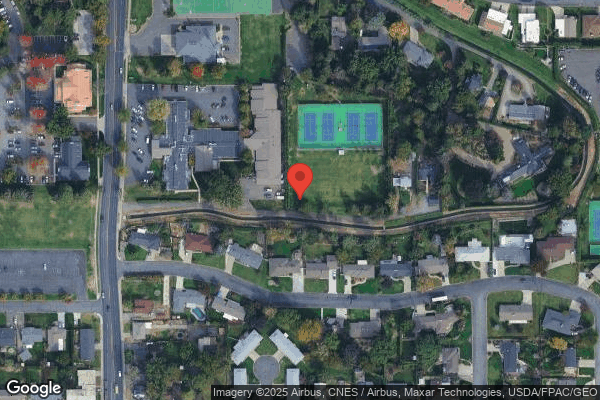
505 NORTH 40TH AVENUE, YAKIMA, WA 98908 (509) 248-4446
For profit - Corporation 85 Beds Independent Data: November 2025
Trust Grade
20/100
#139 of 190 in WA
Last Inspection: December 2024

Within standard 12-15 month inspection cycle. Federal law requires annual inspections.

Overview

Crescent Health Care has received an F grade for its trust score, indicating significant concerns about its quality of care. Ranking #139 out of 190 in Washington, they are in the bottom half of facilities, and #8 out of 11 in Yakima County suggests that there are better local options available. The facility's trend is worsening, with the number of issues increasing from 16 in 2023 to 20 in 2024. Although staffing is a relative strength with a turnover rate of 38%, which is below the state average, the facility has incurred $169,404 in fines, raising concerns about compliance with regulations. Specific incidents include a resident developing avoidable pressure injuries due to inadequate skin assessments and another resident suffering from contractures because restorative therapy services were not implemented timely, highlighting serious gaps in care despite some average staffing ratings.

Trust Score
F
20/100
In Washington
#139/190
Bottom 27%
Safety Record
High Risk
Review needed
Inspections
Getting Worse
16 → 20 violations
Staff Stability
○ Average
38% turnover. Near Washington's 48% average. Typical for the industry.
Penalties
✓ Good
$169,404 in fines. Lower than most Washington facilities. Relatively clean record.
Skilled Nurses
○ Average
Each resident gets 35 minutes of Registered Nurse (RN) attention daily — about average for Washington. RNs are the most trained staff who monitor for health changes.
Violations
⚠ Watch
47 deficiencies on record. Higher than average. Multiple issues found across inspections.
★★☆☆☆
2.0
Overall Rating
★★★☆☆
3.0
Staff Levels
★★☆☆☆
2.0
Care Quality
★★☆☆☆
2.0
Inspection Score
Stable
2023: 16 issues
2024: 20 issues

The Good

  • Full Sprinkler Coverage · Fire safety systems throughout facility
  • No fines on record
  • Staff turnover below average (38%)

    10 points below Washington average of 48%

Facility shows strength in fire safety.

The Bad

2-Star Overall Rating

Below Washington average (3.2)

Below average - review inspection findings carefully

Staff Turnover: 38%

Near Washington avg (46%)

Typical for the industry

Federal Fines: $169,404

Well above median ($33,413)

Significant penalties indicating serious issues

The Ugly 47 deficiencies on record

3 actual harm
Dec 2024 17 deficiencies 2 Harm
SERIOUS (G)

Actual Harm - a resident was hurt due to facility failures

Pressure Ulcer Prevention (Tag F0686)

A resident was harmed · This affected 1 resident

**NOTE- TERMS IN BRACKETS HAVE BEEN EDITED TO PROTECT CONFIDENTIALITY** Based on observation, interview, and record review the facility failed to consistently assess skin and/or wounds or implement in...

Read full inspector narrative →
**NOTE- TERMS IN BRACKETS HAVE BEEN EDITED TO PROTECT CONFIDENTIALITY** Based on observation, interview, and record review the facility failed to consistently assess skin and/or wounds or implement interventions to ensure the prevention and the worsening of facility-acquired pressure injuries (PI) for 1 of 4 residents (Resident 30) reviewed for PIs. Resident 30 experienced harm when they developed three avoidable PIs (right heel, left heel, and left calf) that were not present upon admission, and a decreased quality of life due to the pain. Findings included . Review of the National PI Advisory Panel's (NPIAP, the leading expert in PIs/wounds) guidelines and definitions, dated September 2016, defined PI stages as follows: Stage 1 PI has intact skin with a localized area of non-blanchable erythema (redness). Stage 2 PI is a partial thickness skin loss with exposed dermis (the top inner layers of skin). Stage 3 PI is a full thickness loss of skin, in which adipose (fat) tissue is visible in the ulcer. Slough (dead tissue) and or eschar (dried blood and tissue) may be visible, granulation tissue and epibole (rolled or curled under edges) may include with undermining (a pocket of dead space under the visible wound edges) and tunneling (a passageway under the wounds surface which may be shallow or deep and impairs wound closure). Stage 4 PI is a full thickness loss of skin and tissue with exposed or directly palpable fascia (a layer of connective tissue), muscle, tendon, ligament, cartilage, or bone in the ulcer. Epibole undermining and tunneling often occur. Unstageable PI is a full thickness skin and tissue loss to which the extent of the tissue damage cannot be seen. <Resident 30> Review of Resident 30's medical record showed they admitted on [DATE] with diagnoses to include kidney and heart failure. The 10/22/2024 comprehensive assessment showed the resident's cognition was severely impaired, and substantial to maximum staff assistance with bed mobility and transfers. The assessment also showed the resident was at risk for developing PIs and had no PIs on admission. Review of the October 2024 Treatment Administration Record (TAR) showed an order on 03/17/2024 to monitor heels daily, ensure they are floating (a process that allows the legs to be elevated on pillows that keep the heels from touching the bed), and document weekly (no specified day of the week) for mushy [soft] heels; an order on 10/11/2024 to monitor an abrasion (superficial cuts or scrapes to the skin that occur due to impact, pressure, or friction) to the left outer lateral calf daily; an order on 10/30/2024 for treatment to a pressure wound to the left outer lateral calf (unstaged) and to ensure offloading [positioning the body so that pressure does not rest on top of the wounded area], and the TAR showed no orders for the Stage 1 PI to the right heel. Review of the November 2024 TAR showed an order on 11/07/2024 for treatment to a left heel pressure wound (unstaged). An observation on 12/02/2024 at 9:45 AM, showed Resident 30 lying in bed, on their back, with the head of the bed elevated. There were two purple, foam, heel protectors (used to cradle and cushion sensitive heel/ankle areas, helping protect against nerve damage, bed sores and skin breakdown) sitting on the seat of a chair in the corner of the room, at the end of the bed. Additionally, there was an air mattress overlay (an additional support surface designed to be placed directly on top of an existing surface) on the bed. An observation and concurrent interview on 12/03/2024 at 9:01 AM, showed Resident 30 lying in bed on their back, both purple heel protectors sitting on the chair in the corner of the room. Resident 30 had facial grimacing and was moaning ow, ow. Resident 30 pointed to their left lower leg when asked where their pain was and lifted their left leg slightly off the bed. An observation and concurrent interview on 12/03/2024 at 2:01 PM, showed Resident 30 lying in bed and purple heel protectors were located in the same place as previously observed at 9:01 AM. Staff M, Nursing Assistant (NA), and Staff N, NA, provided incontinence care to Resident 30. Staff M stated Resident 30 had a wound to their left calf and left heel. The left calf was covered with a white gauze bandage, there was a dressing patch over the left heel, and the ball of the top of the left foot, underneath the toes, was bright red. Also, the right heel had an area the size of a quarter that was slightly green, brown, and purple in color. Staff M stated they observed Resident 30 had an area to their left lower calf area that wasn't right and they had reported it to the nurse. Staff M stated they did not have a place to document abnormal findings and could not recall when it was reported, what nurse they reported it to, or what the area looked like at that time, only that the left lower calf area had worsened from when they originally reported it. Lastly, Staff M stated due to Resident 30 ' s wound to their left calf, they could no longer transfer to their wheelchair to get up and out of their bed as often as they used to. Review of nursing progress notes from 09/08/2024 through 12/08/2024 (90 days) showed no weekly documentation had been charted for the weekly heel assessments other than notes that showed the heels were floated. A crossed-out progress note on 10/10/2024 at 2:09 PM showed Staff M reported a red mark to Resident 30's left outer lateral calf, what appears to be an abrasion; and a note on 10/18/2024 at 2:43 PM that showed a Stage 1 PI to the right heel with no measurements, description, or treatment orders to monitor; and a note on 11/06/2024 that showed a pressure area to the left heel with no description or measurements. Review of the weekly skin observation assessments showed as follows: on 11/17/2024 (41 days after the previous skin assessment), a Stage 2 PI to the left heel two centimeters (cm, a unit of measure) by 2.5 cm and an Unstageable PI to the left outer calf that measured 4.5 cm by one cm. The 12/05/2024 (18 days after the previous assessment) skin observation assessment showed a PI to the left outer calf that measured five cm by three cm with areas of necrotic (dead) tissue and opened areas. The assessment did not show the left heel PI, or the right heel area observed by the Surveyor on 12/03/2024. There were no other weekly skin assessments for the left outer calf, left heel, or right heel. Review of the 10/28/2024 contracted medical provider's note, showed Resident 30 was assessed to have a Stage 1 PI to their left calf. The contracted provider's note on 11/08/2024 showed a Stage 2 PI to the left heel, and an opened, beefy red area. The note further showed the right heel was redness/boggy [soft] and to float the heels or obtain Podus boots (a type of boot/splint that is used to help keep pressure off the heel to prevent heel ulcers or relieve pressure if ulcers start) for offloading. The note showed the Stage 1 PI to the left outer calf was opened. The contracted medical provider's note on 12/06/2024 showed an unstageable pressure ulcer [injury] to the left calf. Additional observations on 12/04/2024 at 8:40 AM, showed Resident 30 lying in bed, slightly positioned to their right side and sleeping. The two purple heel protectors were on the chair in the corner of the room. An observation at 11:31 AM, showed Resident 30 in the same position and Staff O, NA, picked a pillow up off the floor at the end of the bed, picked up the two heel protectors and placed the pillow on the chair with the heel protectors placed on the pillow. Staff O then repositioned the resident's pillows under their head but did not assess their legs/feet to see where the pillow on the floor belonged, nor did they reposition the resident. An observation at 2:42 PM, showed Resident 30 lying in the same position observed at 8:40 am and 11:31 AM, heel protectors were in the chair, and the resident's legs were floated on a pillow, but the pillow was not thick enough for the heels to be floated, so they rested on the bed. An observation and concurrent interview on 12/05/2024 at 8:51 AM showed the resident lying in bed on their back. Resident 30 stated they liked bingo and would like to attend if their pain was tolerable. Resident 30 had a flat pillow underneath both calves and their heels rested on the bed. The purple heel protectors were sitting on the chair in the corner of the room. During an interview on 12/05/2024 at 1:31 PM, Staff S, NA, stated Resident 30 required staff assistance for bed mobility and could not do that on their own. Staff S stated when a resident had an intervention or equipment change, they would find that information in the care plan (CP). Staff S stated the purple heel protectors were for the resident's heels but didn't believe they were to use them anymore and they had not been taken out of the room yet. An observation and concurrent interview on 12/06/2024 at 11:32 AM, showed the Contracted Medical Director (CMD), along with Staff C, Resident Care Manager, and Staff G, Registered Nurse, changed and assessed Resident 30's wound to the left calf. Staff C removed the dressing, and the wound was less than 10 inches in length, from upper calf to the lower portion of the calf, located on the outer, posterior part of the calf. There were brown, hardened areas that ran about three quarters of the way down the wound, less than two centimeters wide, with the upper portion having an area the size of a baseball of brown hardened areas that showed some lifting off of the hardened brown areas with stringy skin attaching the hardened area to the wound. The edges around the wound were bright red (assessed as an unstageable pressure injury per the CMD). The resident had been pre-medicated prior to the dressing change but was still moaning out in pain during the dressing change. Staff C stated when asked if they were going to measure the wound, no, that was done yesterday during the dressing change. There was a dressing to the left heel that the CMD asked to be removed so they could assess it. There was an opened, 1.5 cm PI to the left heel. The CMD assessed the right heel, which showed a quarter sized, dark purple area to the upper portion of the heel. Review of Resident 30's 10/03/2024 CP showed a 12/03/2023 focus for Activities of Daily Living (ADLs, basic skills you need to perform daily life activities, such as bathing, dressing, and eating ) deficit with an intervention to float the resident's heels while in bed; a 07/05/2024 fall prevention intervention to reposition Resident 30 in bed with care interactions; and an 11/06/2024 skin integrity focus for the left heel PI that showed a treatment intervention and for staff to use a draw sheet or lifting device to move the resident. The CP showed no focus for the left outer calf PI, the use of the air mattress overlay, or the purple heel protectors. During an interview on 12/06/2024 at 3:10 PM, Staff C stated skin and wound assessments were to be completed weekly using the skin observation assessment form. Staff C stated the last one they could find was from 11/17/2024. Staff C stated the purple heel protectors in Resident 30's room were to be used for Resident 30's heels and was not aware they were not being used. An observation on 12/09/2024 at 8:38 AM, showed Resident 30 lying in bed on their back, feet floated on a flat pillow so both heels were resting on the air mattress. One of the purple heel protectors was sitting in the chair and one on the floor underneath the chair, in the corner of the room. Additional review of the December 2024 TAR on 12/09/2024, showed no new orders for treatment or monitoring to the new PI to the right heel that was assessed on 12/06/2024. During a follow-up interview on 12/09/2024 at 11:11 AM, Staff C stated they missed updating the CP with the LLE PI and the heel protectors. Staff C stated they were not aware of a new PI to the right heel of Resident 30 and would assess and update the TAR. During an interview on 12/09/2024 at 2:34 PM, Staff B, Director of Nursing Services, stated Licensed Nurses (LNs) were required to complete weekly skin assessments on the skin observation assessment form and wound assessments should be done at the least weekly if not being done with every dressing change and was not aware those were not getting done. Staff B stated the Resident Care Managers were required to update the resident CPs at the time of changes in condition but since they worked the floor quite often, they were sure things were missed. Staff B stated NA staff were required to turn and reposition residents at the least, every two hours and if they had skin issues, it should be more often. Reference WAC: 388-97-1060 (3)(b)
SERIOUS (G)

Actual Harm - a resident was hurt due to facility failures

Deficiency F0688 (Tag F0688)

A resident was harmed · This affected 1 resident

**NOTE- TERMS IN BRACKETS HAVE BEEN EDITED TO PROTECT CONFIDENTIALITY** Based on observation, interview and record review, the facility failed to ensure restorative therapy services including the cons...

Read full inspector narrative →
**NOTE- TERMS IN BRACKETS HAVE BEEN EDITED TO PROTECT CONFIDENTIALITY** Based on observation, interview and record review, the facility failed to ensure restorative therapy services including the consistent use of braces/splints were implemented timely to prevent avoidable reduction of range of motion (ROM) and mobility for 2 of 5 sampled residents (Residents 27 and 20) reviewed for restorative therapy. Resident 27 experienced harm when they developed right and left-hand contractures (a condition of shortening and hardening of muscles, tendons, or other tissue that leads to muscle stiffening and loss of range of motion of the effected body part). This failed practice placed other residents at risk for contractures, decreased mobility, and pain. Findings included . Record review of the facility policy titled, Rehabilitative Nursing Care, dated 01/2021, showed the facility had: .Nursing personnel who were trained in restorative nursing care. The facility will have an active program for restorative nursing which will be developed and coordinated through the resident's care plan. The facility's Restorative nursing care program is designed to assist each resident to achieve and maintain the highest practicable level of self-care and independence. The facility will carry out prescribed therapy exercises between visits of the therapist and will assist residents with their routine range of motion exercises . <Resident 27> Review of the medical record showed the resident was admitted to the facility on [DATE] with diagnoses to include bilateral (both) hip osteoporosis (a disease that causes bones to become weak and brittle, making them more likely to break) and scoliosis (a condition where your spine, or back bone, curves sideways). The 10/16/2024 comprehensive assessment showed the resident required supervision or touching assistance with eating, extensive assistance of two persons with repositioning, transferring, and one-to-two-person extensive assistance with all other activities of daily living (ADL's). The resident was assessed to have moderately impaired cognition, with no ROM impairment to upper extremities. The assessment further showed that the resident did not have splint placement or skilled therapies during the assessment period. Record review from a 10/11/2020 hospital discharge history and physical, showed a physician ' s assessment that documented Resident 27 ' s musculoskeletal system (the bodies structural framework and system for moving, including bones and joints) as ROM full, muscles were not tender, there were no documented contractures. Record review of the facility's physician visit progress notes, dated 10/22/2020, 10/31/2023, 02/07/2024, 05/13/2024, and 08/15/2024 showed, Resident 27's musculoskeletal system was within normal limits (no contractures noted). Further review of the physician ' s visit progress note, dated 08/28/2024, showed Resident 27 complained of not being able to keep their right hand open and the musculoskeletal system showed a documented right-hand contracture. Record review of the Physical Therapy (PT) discharge evaluation, dated 11/04/2022, showed that Resident 27 was to have a ROM restorative program. Further review of the record showed no documentation of ROM restorative programs or continued therapy were in place for Resident 27 ' s upper extremities. Record review of the Rehab Nursing Assessment's completed by Staff E, Rehab Director, dated 10/15/2020 (admission date), showed no documented contractures. Review of the next Rehab Nursing Assessment on 07/15/2023 (two years and nine months after admission) showed no documented contractures. Additionally, the Rehab Nursing Assessment, dated 10/22/2024 (55 days after the physician diagnosed Resident 27 with a right-hand contracture) showed Resident 27 had no contractures. Record review of a physician's visit progress note, dated 09/25/2024 (28 days after contractures were noted), showed a referral was ordered for PT, Occupational Therapy (OT), and Botox (injections that help treat contractures by relaxing the affected muscles) injections at an outside specialty hand clinic for a diagnosis of right-hand contracture. Additionally, a progress note, dated 11/05/2024 showed they were unable to take Resident 27 as a patient (42 days after the order for the Botox referral) a new appointment was made to another outside specialty hand clinic for 11/21/2024 (58 days after the order for the Botox referral). Record review of a nursing progress note, dated 10/22/2024 (56 days after contractures were diagnosed), showed Staff E, Rehab Director, documented they placed Resident 27 on a ROM Restorative program for movement of all extremities with a focus that Resident 27 would not develop contractures. Further review of the record showed no documentation of a ROM program put in place for Resident 27's upper extremities. Record review of a progress note, dated 11/22/2024, showed 1) passive ROM to hands; 2) place a dowel (a device used to help position severely contracted hands to gradually reduce contractures) to hands 3) if able to gain more motion will make custom splints, diagnosis given for significant flexion (a chronic condition that occurs when a joint is bent and cannot be straightened) contractures to hands. Record review of an OT Evaluation and Plan of Treatment, dated 12/03/2024 (70 days after the referral was ordered), showed Resident 27 had significant flexion contractures to both hands. During an interview on 12/02/2024 at 1:57 PM, Resident 27's Representative (RR) stated they had noticed the contractures to Resident 27's hands in August 2024 and they did not have contractures prior to this. The RR stated the facility did not do exercises with Resident 27's hands as far as they knew, and they were at the facility often. The RR stated they tried to do exercises with Resident 27's hands when they visited, to stretch them a little bit. The RR stated Resident 27 was unable to eat independently any longer and was not able to independently ambulate in their wheelchair as they use to. Record review of Resident 27's care plan dated, 09/01/2023 showed Resident 27 required set up and cueing for meals. Further review showed Resident 27 was able to self propel their wheelchair. Record review of the nursing assistant tasks documentation from 11/17/2024 to 12/08/2024 showed Resident 27 was totally dependent on staff for eating and wheelchair mobility. During observations on 12/04/2024 at 8:49 AM, 12/04/2024 at 2:21 PM, 12/05/2024 at 8:48 PM, 12/06/2024 at 8:15 AM and 12/09/2024 at 9:15 AM, showed no dowel or equivalent to resident 27's hands. During an interview on 12/05/2024 at 8:48 AM, Resident 27 stated they were unable to hold utensils for eating any longer and it was almost impossible for them to do activities such as bingo and coloring. Resident 27 stated they would like to get their hands fixed so they could do their activities again. Staff Q, Occupational Therapist, entered Resident 27's room during this interview and stated this was the first time they had been asked to see Resident 27 and they felt if Resident 27 had therapy to their hands daily they could stretch their hands out. Staff Q stated they were aware Resident 27 was no longer able to eat independently and that was something they were going to look into. An observation on 12/05/2024 at 11:38 AM, showed Staff R, Activities Assistant, assisting Resident 27 with eating. Resident 27 attempted to grab the spoon off of the table with their right hand and was unable to do so. Staff R tried to place the spoon into Resident 27 ' s right hand and was unable to fit the spoon between the thumb and pointer finger related to the thumb and fingers being contracted inward. During an interview on 12/09/2024 at 1:31 PM Staff E, Rehab Director stated they had just found out about Resident 27 ' s contractures on Wednesday, 12/04/2024. Staff E stated they had not noticed anything ' different or wrong with Resident 27 during their last assessment on 10/16/2024 (contractures were diagnosed during a physician's visit on 08/28/2024). Staff E stated they were angry this got missed multiple different ways. Staff E stated Resident 27 should had been on a ROM Restorative program for their upper extremities to maintain their level of functioning and was not. <Resident 20> Review of the medical record showed the resident was admitted to the facility with diagnoses to include Parkinson ' s disease (a brain disorder that causes unintended or uncontrollable movements, such as shaking, stiffness, and difficulty with balance and coordination), and contracture to left hand. The 10/01/2024 comprehensive assessment showed the resident required extensive assistance of two staff members for ADL ' s. The resident was assessed to have severely impaired cognition, with impairment to upper and lower extremities. The assessment further showed that they had a restorative program for ROM with splint or brace assistance during the assessment period. Record review of the care plan, dated 05/14/2024, showed Resident 20 was on a nursing restorative program for passive ROM to include placing and removing the [NAME] guard splint (a device that can protect and help with issues including finger contractures and prevents further decline of contractures) to the left hand. During observations on 12/02/2024 at 3:49 PM. 12/03/2024 at 9:35 AM, 12/04/2024 at 8:51 AM 12/04/2024 at 2:10 PM, and 12/05/2024 at 9:02 AM, showed Resident 20 had no [NAME] guard splint to their right hand. During an interview on 12/05/2024 at 9:08 AM, Staff Z, Nursing Assistant, (NA) stated they were not aware of any restorative programs and were unable to explain what a restorative program was. Staff Z stated Resident 20 did not have any splints or devices that were to be placed in their left hand that they were aware of. Additionally, Staff Z stated they did not do any exercises for Resident 20. During an interview on 12/09/2024 at 1:54 PM, Staff E stated Resident 20 was to have their splint placed every morning and removed in the evening. Staff E stated it was a restorative program, and they were not aware the program was not being followed, and the process was broken. During an interview on 12/03/2024 at 2:31 PM, Staff AA, NA, stated they were the restorative NA and had been pulled to the floor related to low staffing a while ago (one year ago). Staff AA stated they tried and do a little bit of the programs as they were working but were not able to get to any residents that were not on their assigned hallway. During an interview on 12/03/2024 at 2:44 PM, Staff O, NA stated they completed the restorative programs for residents if they were not busy. Staff O stated they were unable to do any programs that day during their shift they were just too busy. During an interview on 12/03/2024 at 2:49 PM, Staff N, NA, stated they only completed the walking programs on their residents. Staff N stated they have not been trained how to do ROM programs, so they did not complete them. During an interview on 12/09/2024 at 12:13 PM, Staff A, Administrator, stated they would expect braces and splints to be placed as ordered and any resident showing a decline to be evaluated and treated by both the Restorative Nurse and Therapy in a timely manner. Reference: WAC 338-97-1060 (3)(d)
CONCERN (D)

Potential for Harm - no one hurt, but risky conditions existed

Resident Rights (Tag F0550)

Could have caused harm · This affected 1 resident

**NOTE- TERMS IN BRACKETS HAVE BEEN EDITED TO PROTECT CONFIDENTIALITY** Based on observation, interview, and record review, the facility failed to provide care that maintained a resident's dignity for...

Read full inspector narrative →
**NOTE- TERMS IN BRACKETS HAVE BEEN EDITED TO PROTECT CONFIDENTIALITY** Based on observation, interview, and record review, the facility failed to provide care that maintained a resident's dignity for 1 of 2 sampled residents (Resident 12) reviewed for dignity. This failure placed the resident not able to maintain their bowel continence (using the commode) status and only received one shower a week. These failures caused embarrassment for bowel incontinent accidents and lack of shower/cleanliness before going to appointments and family visits. This placed the resident at risk for decreased quality of life. Findings included . <Resident 12> Review of the medical record showed Resident 12 was re-admitted to the facility on [DATE] with a fracture of the right lower leg and no weight bearing to the right leg. Diagnoses include end stage kidney disease with kidney dialysis (process of cleaning waste from the blood artificially), heart disease and failure, left above the knee amputation, diabetes (disease that occurs when your blood sugar is too high), gangrene (death of tissue due to lack of blood flow) of right fingers and left finger. Review of the 10/21/2024 assessment showed the resident was alert and able to make needs known, required a mechanical lift with assistance of two staff to transfer the resident to and from their wheelchair, bathroom, shower, and bed. The resident was continent of bowel and had a suprapubic catheter (a device that is inserted into the bladder to drain urine). The resident was not on a scheduled bowel toileting program. An observation and concurrent interview on 12/03/2024 at 8:45 AM, the resident was up in their wheelchair in the front room area of the facility, looking out of the large picture window facing the parking lot. The resident's right leg was elevated on a wheelchair leg extension with a brace and dressing to the right lower leg and upper right foot. The resident was amputated to above the left knee. When asked about how the resident was doing and how things were going with their care, Resident 12 stated they were very unhappy about their care at the facility. Resident 12 stated staff used the Hoyer (mechanical lift) to get them up. Resident 12 stated they preferred to use my own underwear not a plastic brief. The resident stated staff do not come in when they use their call light to use the bathroom and they messed in their underwear. The resident stated they were to receive one shower a week which was not enough for them. Resident 12 stated they would prefer to shower before appointments and on Saturday mornings before their family visits. Resident 12 had asked staff to have an extra shower a week, but they stated to the resident they had no time. The resident stated even though their assigned shower day was Tuesdays there were no set times and sometimes was a different day. Review of the Nursing Assistant (NA) Bowel continence task charting for Resident 12 showed on 12/03/2024 three incontinent bowel episodes, 12/04/2024 one incontinent bowel episode, and on 12/05/2024 one incontinent bowel episode. The NA task for showers given for the end of November 2024 and beginning of December 2024 showed three showers given on 11/19/2024, 11/26/2024, and 12/05/2024. Review of the 10/10/2024 care plan for Resident 12 showed for toilet use a two person Hoyer to the commode, and to give a shower or sponge bath; do not rub skin, and there was no identified timed toileting schedule for Resident 12. During an interview on 12/05/2024 at 9:29 AM, Resident 12 stated they had to wait to have a bowel movement for the Hoyer so they could use the commode, and had an incontinent bowel episode. During an interview on 12/05/2024 at 8:50 AM, Staff M, NA, stated the residents usually get one bath a week. It's difficult to use the Hoyer quickly when it requires two staff to operate it. Resident 12 had some incontinent bowel incidents. Staff M stated there were no directions/interventions on the 10/10/2024 care plan for Resident 12's toileting schedule. Staff M stated the resident was able to use their call light for their needs to use the commode and to have a bowel movement. During an interview with Staff B, Director of Nursing Services, stated that there would need to be another assessment to determine the resident's needs for a toileting program and more showers during the week. Resident 12 needs to be able to remain continent of bowel and the staff will need to accommodate their needs. Reference WAC 388-97-0108 (1-4)
CONCERN (D)

Potential for Harm - no one hurt, but risky conditions existed

Deficiency F0604 (Tag F0604)

Could have caused harm · This affected 1 resident

**NOTE- TERMS IN BRACKETS HAVE BEEN EDITED TO PROTECT CONFIDENTIALITY** Based on observation, interview, and record review, the facility failed to comprehensively assess and monitor the need of physic...

Read full inspector narrative →
**NOTE- TERMS IN BRACKETS HAVE BEEN EDITED TO PROTECT CONFIDENTIALITY** Based on observation, interview, and record review, the facility failed to comprehensively assess and monitor the need of physical restraints (posey (a brand of roll bolsters, an alternative to bed side rails to help protect alert patients from rolling out of the bed) for 2 of 4 residents (Residents 30 and 39) reviewed for physical restraints. In addition, the facility failed to obtain consents in the language the resident was able to read/understand, to document ongoing re-evaluation for the need of the restraint, and to ensure a least restrictive intervention were attempted prior to the use of the restraint. This failed practice placed residents at risk for a diminished quality of life, freedom of movement in their bed, and skin breakdown. Findings included . <Resident 30> Review of the resident's medical record showed they admitted with diagnoses to include a mood disorder (a group of mental conditions that affect a person's general emotional state) and heart failure. The 10/22/2024 comprehensive assessment showed Resident 30's cognition was severely impaired, had range of motion (ROM, the extent or limit to which a part of the body can be moved around a joint or a fixed point) to both legs, and required substantial to maximum assistance for bed mobility. During an observation on 12/03/2024 at 2:01 PM, showed Resident 30 being provided incontinence care. Resident 30 was lying in bed, on their back, with an air overlay mattress (an additional support surface designed to be placed directly on top of an existing surface) placed on top of the mattress. Between both mattresses there was a set of roll bolsters jammed up underneath the air overlay. The positioning of the roll bolsters caused the air overlay mattress to be curled up on the sides, towards the resident's body (waist and hip area), to immobilize them towards the middle of the bed. Review of the October 2024, November 2024, and December 2024 physician orders showed no orders for the roll bolsters. Review of Resident 30's 12/14/2023 and 10/07/2024 Rehab assessments, showed no assessment had been completed for the use of the roll bolsters. Additionally, the assessment did not show least restrictive devices were assessed or used prior to the roll bolsters being placed. There was no on-going reassessments to show the roll bolsters were appropriate for use. Review of 12/03/2024 care plan showed a focus for fall prevention with interventions on 04/10/2024 for roll bolsters to both sides of the bed for improved self positioning and use of soft pillows to both sides of the bed for improved self positioning. During an interview on 12/03/2024 at 2:01 PM, Staff M, Nursing Assistant (NA), stated Resident 30 insisted on getting up on the night shift and because there was not enough staff to get them up, it's safer to put those [roll bolsters] there so [Resident 30] don't get up and get hurt During an interview on 12/06/2024 at 1:48 PM, Staff E, Restorative Director, stated Resident 30 needed the roll bolsters to maintain their alignment in bed while they were sitting up eating. Staff E stated they attempted to use soft pillows and rolled up blankets underneath the sheets and mattress, to keep the resident midline, but Resident 30 was rolling over the top of them so Staff E changed to the roll bolsters. Staff E stated they did not reassess interventions to see if they were still appropriate nor was there a medical diagnoses for using the roll bolsters. Additionally, Staff E stated they did not obtain physician orders or consents from the Resident or the Resident's Representative for the use of the roll bolsters. <Resident 39> Review of the residents medical record showed they were admitted with diagnoses including a stroke (blood supply is cut off from the brain), dementia (an ongoing brain disease that affects memory and judgement), and depression. The comprehensive assessment dated [DATE], showed the resident was severely cognitively impaired and required substantial assistance for bed mobility, dressing, and grooming. During multiple observations on 12/03/2024 at 3:10 PM, 12/04/2024 at 9:24 PM, 12/04/2024 at 2:10 PM, 12/05/2024 at 12:14 PM and 12/06/2024 at 3:30 PM showed resident 39 with bilateral roll bolsters attached to the sides of their bed which limited their freedom of movement and kept them positioned midline on their back. Record review of Resident 39's physician orders dated October 2024, November 2024, and December 2024, showed no order for the roll bolsters to identify medical rationale for their use as the roll bolsters limited their freedom of movement. Additional review of the record showed no assessment had been completed on the roll bolsters to justify and assess the necessity of their use. During an interview on 12/05/2024 at 2:15 PM, Staff D, Resident Care Manager, stated Resident 39 was very active in their bed movement and the roll bolsters were placed to prevent them from getting turned around in bed. During an interview on 12/09/2024 at 2:21 PM, Staff B, Director of Nursing Services, stated they were not familiar with roll bolsters and was told they were used to keep the residents' midline in bed. Staff B stated regardless of their knowledge of the equipment, they would expect an assessment, order, and consents, if needed to be used, and a re-assessment for continued use. Reference WAC: 388-97-0620 (1)
CONCERN (D)

Potential for Harm - no one hurt, but risky conditions existed

Deficiency F0637 (Tag F0637)

Could have caused harm · This affected 1 resident

**NOTE- TERMS IN BRACKETS HAVE BEEN EDITED TO PROTECT CONFIDENTIALITY** Based on observation, interview, and record review, the facility failed to ensure a significant change assessment had been compl...

Read full inspector narrative →
**NOTE- TERMS IN BRACKETS HAVE BEEN EDITED TO PROTECT CONFIDENTIALITY** Based on observation, interview, and record review, the facility failed to ensure a significant change assessment had been completed for 2 of 4 residents (Resident 9 and 30) reviewed for hospice and end of life care. This failed practice placed the residents at risk for unmet care needs due to their imminent decline and/or improvement in health. Findings included . Review of the Minimum Data Set (MDS) 3.0 Resident Assessment Instrument (RAI) Manual (helps nursing home staff in gathering definitive information on a resident's strengths and needs, which must be addressed in an individualized care plan), dated October 2024, showed it was a Centers for Medicare & Medicaid Services (CMS, a federal agency that administers health programs for seniors and people with disabilities) requirement to complete a significant change assessment (SCA) every time the hospice benefit had been selected and was also required if the resident came off of the hospice benefit. Additionally, the RAI manual showed a SCA should be completed when it was determined a resident had a major decline or improvement in their health status. Some areas of decline are as follows; when a resident has had a decline in two or more activities of daily living (ADLs, basic skills you need to perform daily life activities, such as bathing, dressing, and eating) and the presence of a mood disorder that was not previously reported. The manual showed SCAs were required to be completed within 14 days of the identification of the change. <Resident 9> Review of the resident's medical records showed they admitted to the facility on [DATE] with diagnoses to include hospice (a service that provides quality of life care for chronic conditions) and failure to thrive (the body was unable to absorb nutrients to maintain adequate nutrition). The 09/11/2024 comprehensive assessment showed Resident 9's cognition was moderately impaired and required staff supervision/touching assistance for eating meals and propelling their wheelchair (w/c). The assessment further showed no hospice care was being provided. During an interview on 12/03/2024 at 10:02 AM, Resident 9 was observed up in their w/c, clean, groomed, alert, and oriented. Resident 9 was being assisted with one staff person to the toilet. The resident stated they would like exercises to their legs but did not have the financing to be able to do that. Review of Resident 9's census status, showed they discharged from hospice services on 01/13/2024. Review of the MDS assessment schedule, showed a quarterly assessment had been completed on 12/12/2023 and again on 03/11/2024, no SCA had been completed. <Resident 30> Review of the resident's medical records showed they admitted with diagnoses to include kidney disease and heart failure. The record showed on 04/24/2024 Resident 30 had a new diagnosis of palliative care (focused on improving quality of life for people with serious illnesses). The 10/22/2024 comprehensive assessment showed the resident's cognition was severely impaired and was dependent on staff assistance for eating, transfers, and w/c mobility. Additional review of the quarterly 04/25/2024 assessment showed Resident 30 had a significant decline in several areas of ADLs when they went from partial to moderate staff assistance on their admission [DATE]) assessment, to substantial to maximum staff assistance on their 01/27/2024 re-admission assessment, and then fully dependent upon staff assistance on their 04/25/2024 assessment. The areas Resident 30 declined in were eating, bed mobility, transfers, and w/c mobility. Additionally, the 04/25/2024 assessment showed Resident 30 experienced hallucinations and received an antipsychotic medication. During an interview on 12/09/2024 at 11:11 AM, Staff C, Resident Care Manager (RCM), along with Staff D, RCM, stated they helped complete MDS assessments but did not complete all assessments. Staff C and Staff D stated they shared this task with Staff Y, MDS Coordinator. Staff C stated Staff Y completed MDS assessments remotely and did not know if they had completed a SCA for Resident 9 or Resident 30. Staff C stated Resident 9 had discharged from hospice services on 09/11/2023 and couldn't say if they were responsible for the MDS assessments at that time or not, it's hit and miss, when Staff Y doesn't do them [the assessments], we do [Staff C and Staff D] and when we don't, they do [Staff Y]. Staff C stated they missed that one for the SCA for Resident 30. During an interview on 12/09/2024 at 2:17 PM, Staff B, Director of Nursing Services, stated they were not knowledgeable on when a SCA should be done or how often. Staff B stated if a SCA assessment should have been completed when hospice was started or discharged , then they would expect the assessments to have been completed timely. Reference WAC: 388-97-1000 (3)(b)
CONCERN (D)

Potential for Harm - no one hurt, but risky conditions existed

PASARR Coordination (Tag F0644)

Could have caused harm · This affected 1 resident

**NOTE- TERMS IN BRACKETS HAVE BEEN EDITED TO PROTECT CONFIDENTIALITY** Based on interview and record review the facility failed to ensure a Pre-admission Screening and Resident Review (PASARR) Level ...

Read full inspector narrative →
**NOTE- TERMS IN BRACKETS HAVE BEEN EDITED TO PROTECT CONFIDENTIALITY** Based on interview and record review the facility failed to ensure a Pre-admission Screening and Resident Review (PASARR) Level I form (a screening tool used to determine if a resident requires further evaluation for serious mental illness or intellectual disability), was updated when the resident was newly diagnosed with mental health concerns for 1 of 5 residents (Resident 7) reviewed for PASARR accuracy. This failed practice placed the resident at risk for health and/or emotional decline related to the lack of a professional evaluation to determine if further mental health interventions were required. Findings included . <Resident 7> Review of the resident's medical records showed the resident admitted on [DATE] with diagnoses to include depression (a mood disorder that causes persistent feelings of sadness and loss of interest) and blindness. Review of Resident 7's July 2024 Medication Administration Record (MAR), showed an order on 07/17/2024 for Ativan (a brand of medication used to treat anxiety [a feeling of worry, nervousness, or unease, typically about an imminent event or something with an uncertain outcome]) every four hours as needed (PRN). The order showed no stop date and showed it was being given for agitation/comfort care/palliative approach. The order showed it was discontinued on 08/29/2024 (43 days after being started). Review of the August 2024 MAR showed on 08/29/2024 a new order for Ativan to be given every four hours PRN with no stop date. During an interview on 12/09/2024 at 12:07 PM, showed the Contracted Pharmacist, stated during the psyche review meeting, they were told the resident was receiving the PRN Ativan because the resident experienced agitation from their delusions. Review of Resident 7's 01/19/2023 PASARR showed the assessment had not been updated to reflect new behavioral diagnoses of anxiety, agitation, or delusions when the resident was started on a new psychotropic (medications capable of affecting the mind, emotions, and behavior) medication to manage those behaviors. During an interview on 12/09/2024 at 12:47 PM, Staff C, Resident Case Manager (RCM), along with Staff D, RCM, stated they reviewed PASARRs on admission and did not know they were to update them if/when a resident was newly diagnosed with mental health concerns. Reference WAC: 388-97-1915 (4)
CONCERN (D)

Potential for Harm - no one hurt, but risky conditions existed

Deficiency F0657 (Tag F0657)

Could have caused harm · This affected 1 resident

**NOTE- TERMS IN BRACKETS HAVE BEEN EDITED TO PROTECT CONFIDENTIALITY** Based on observation, interview and record review, the facility failed to ensure resident care plans (CPs) were reviewed, revise...

Read full inspector narrative →
**NOTE- TERMS IN BRACKETS HAVE BEEN EDITED TO PROTECT CONFIDENTIALITY** Based on observation, interview and record review, the facility failed to ensure resident care plans (CPs) were reviewed, revised, and accurately reflected resident care needs for 2 of 5 sampled residents (Residents 38 and 39) whose CPs were reviewed for accuracy. These failures placed residents at risk for unmet care needs and psychosocial interventions to maintain current preferences. Findings included . <Resident 38> Review of the medical record showed the resident had been at the facility for over one year with diagnoses to include dementia (cognitive impairment) with behaviors, history of hip fractures with falls and anxiety. The 11/15/2024 comprehensive assessment showed the resident was cognitively impaired but able to determine their needs and express them clearly. Resident 38 used a wheelchair for mobility. The 11/15/2024 quarterly assessment showed the resident did not demonstrate any mood to resistive behaviors. Additionally, the quarterly assessment showed no impairment of vision or hearing. <Activities> Review of Resident 38's 09/27/2024 CP showed the resident attended no activities related to their disinterest in activities. The resident likes to watch the news (CNN). The CP had not been updated concerning the resident was not actively recovering from a hip fracture intervention from over a year ago (07/24/2023). Review of the 11/15/2024 Activities and Routine Preferences of the quarterly assessment showed the resident found it very important to have animal contact, choosing bedtime, and bathing preferences. During an interview on 12/02/2024 at 10:10 AM, Resident 38 stated they were isolated and there were no other residents to talk to because they were not able to carry on a conversation. The resident would also like to go outside and on outings. Resident 38 stated they would love to have someone to talk to that would understand them. Additionally, Resident 38 stated they liked to read the New York Times and the local newspaper. During an observation on 12/02/2024 at 10:15 AM, showed an old New York Times/magazines from 2023. When asked Resident 38 about the outdated magazines the resident stated they had not had any since a year ago and their hearing and vision had gotten worse. The resident stated reading books and newspapers was a favorite activity. <Vision and Hearing> During an interview on 12/02/2024 at 10:20 AM, Resident 38 stated they had more difficulty reading due to cataracts (a clouding of the lens of the eye). Review of the 10/14/2024 note from the ophthalmologist (eye doctor) showed the resident was scheduled for cataract surgery but refused to use the preoperative eye drops and declined the cataract surgery. The resident CP had not been revised to reflect resident's current condition with loss of eyesight. <Restorative Program> Review of Resident 38's 08/30/2023 CP, showed the resident was to walk with a front wheeled walker with assist of one staff for a transfer program with a goal dated 08/30/2023 that Resident 38 would have safe transfers and would not have any falls related to unsafe transfers. Resident 38 had a fall on 11/02/2023 and fractured their clavicle while transferring themselves, trying to get their walker. There was no update to the CP. The 11/15/2024 quarterly assessment showed a nursing restorative program for range of motion and transfers for seven days. Review of the last Restorative Assessment was 11/14/2023. There were no new updated restorative assessments, goals or identified interventions, to include type of exercises and repetition or the activity provided to complete the task. During an interview on 12/05/2024 at 10:00 AM, Staff C, Resident Case Manager, stated there was only one Restorative Aide and the Nursing Assistants (NA) were to include minutes of restorative care in the resident routine/regular care such as dressing and transferring them. <Resident 39> Review of the resident's medical record showed they were admitted with a history of a stroke (blood supply is cut off from the brain) and dementia. The comprehensive assessment dated [DATE] showed the resident was severely cognitively impaired and required substantial assistance for self care including grooming, bathing, eating, and mobility. Review of Resident 39's CP revised 02/06/2024, showed the resident was to be up in their wheelchair for every meal and staff were to provide verbal cues to enable the resident to feed themselves their meals. Additionally the goal was for the resident to feed themselves 50 % of their meals. During multiple observations on 12/03/2024 at 8:24 AM, 12/04/2024 at 11:57 AM, 12/05/2024 at 12:05 PM, and 12/06/2024 at 8:30 AM, showed Resident 39 sitting up in bed (not in their wheelchair) being fed 100% of their meals by staff. The resident did not participate or attempt to feed themselves. During an interview on 12/04/2024 at 11:40 AM, Staff T, NA stated Resident 39 required total assistance with their meals and stated the resident does not feed themselves anymore and staff provided the assistance for them. Additionally, Staff T stated the resident did not like to get into their wheelchair and remained in bed per their choice. During an interview on 12/05/2024 at 12:08 PM, Resident 39's representative stated they fed the resident when they came in to visit them at lunch because Resident 39 had not fed themselves in a long time and because of their ongoing dementia was no longer capable of feeding themselves. During an interview on 12/05/2024 at 10:30 AM, Staff B, Director of Nursing Services, agreed that the CPs do not reflect the current resident's care and needed to be reviewed to reflect current conditions and concerns. Reference WAC 388-97-1020(5)(b)
CONCERN (D)

Potential for Harm - no one hurt, but risky conditions existed

Deficiency F0676 (Tag F0676)

Could have caused harm · This affected 1 resident

**NOTE- TERMS IN BRACKETS HAVE BEEN EDITED TO PROTECT CONFIDENTIALITY** <Resident 9> Review of the resident's medical records showed they admitted to the facility with diagnoses to include Ankyl...

Read full inspector narrative →
**NOTE- TERMS IN BRACKETS HAVE BEEN EDITED TO PROTECT CONFIDENTIALITY** <Resident 9> Review of the resident's medical records showed they admitted to the facility with diagnoses to include Ankylosing Spondylitis (a type of arthritis [swelling and tenderness of one or more joint] in the spine, causing inflammation and gradual fusing of the vertebrae). The 09/11/2024 comprehensive assessment showed Resident 9's cognition was moderately impaired and received RA Nursing programs for bed mobility and dressing and/or grooming. An observation and concurrent interview on 12/03/2024 at 10:02 AM, showed Resident 9 sitting in their wheelchair, attempting to reach up to the top of the sink to fix their dentures. Resident 9 stated they were stiff and had asked to have exercises but was told they couldn't because Resident 9 had no financing source available. Resident 9 could not extend their right arm out past their right side. Resident 9 stated they had not received exercises from staff or the RA. Review of Resident 9's 10/17/2024 Care Plan (CP), showed on 11/17/2024 a fall risk CP with an intervention for an RA program for transferring. Resident 9 was to stand, using a handrail, for 30 seconds, sit, then repeat again, until the resident was fatigued. This was to be done when transferring between surfaces or using the restroom. Review of the CP showed on 10/29/2024 a limited physical mobility CP with an intervention for an RA program for walking. Staff were to assist Resident 9 to walk in the hallway for 35-75 feet (a unit of measure) daily. During an interview on 12/03/2024 at 2:31 PM, Staff AA, Restorative Nursing Assistant, stated they were responsible for the RA programs but had been pulled to the floor related to low staffing awhile ago (one year ago) and were currently unable to consistently do the programs. An observation and concurrent interview on 12/04/2024 at 8:44 AM, showed Resident 9's call light was draped across their bed, with the push end of the call light placed on the side away from the resident. Resident 9 was sitting with their dentures in their hand and stated they could not reach the call light to request assistance because their arm would not extend out far enough to reach it, so was waiting for someone to walk by and ask for help. Resident 9 stated they did not receive exercises on 12/03/2024 or today, 12/04/2024, nor were they ever asked to stand and sit for 30 seconds when transferring. Resident 9 additionally stated they were never walked in the hallway. An observation and concurrent interview on 12/05/2024 at 9:01 AM, showed Staff M, Nursing Assistant (NA), assisting Resident 9 to the toilet. Staff M did not encourage/direct Resident 9 to stand for 30 seconds prior to transferring them to the toilet or back to the wheelchair. Staff M stated the NAs did not complete exercises with the residents. Staff M stated they had a RA that was responsible for the exercises. Staff M stated they used to have two RAs but now only had one. During an interview on 12/05/2024 at 1:27 PM, Staff S, NA, stated they documented on the task assignments (tasks assigned to nursing staff) when they would move a resident in bed and how they moved, and when they walked them to the bathroom and how much assistance they used, but did not have specific instructions. Staff S stated they did not document how much time was spent on those activities or how many steps a resident took because they were not told to do that, nor did they have a place to document that. Review of Resident 9's RA Nursing program documentation from 12/02/2024 through 12/08/2024, showed Resident participated in a transfer/standing program on all seven days, twice daily, for 10-20-minute durations. Additionally, the documentation showed Resident 9 participated in a walking program on 12/03/2024 (twice), 12/04/2024, and 12/07/2024. Also, the documentation showed the resident refused their program or the program did not apply (N/A) to the resident on 12/02/2024, 12/05/2024, 12/06/2024, and 12/08/2024. An observation and concurrent interview on 12/06/2024 at 9:19 AM, showed Resident 9 sitting in their wheelchair, their call light was draped across the bed, with the end of the call light placed to the furthest side of the bed away from the resident. Resident 9 stated they struggled with being able to grab their call light due to the stiffness in their arms. Resident 9, who was right hand dominant, could not extend their right arm out to reach the call light, turned their wheelchair around, and took their left hand and arm to extend out to the bed to grab the call light. Resident 9 had to take their fingers, grasp hold of the blankets on the bed, to walk their hand across to the cord, and grabbed the cord of the call light, and pulled the call light towards them. Resident 9 stated they did not receive any standing, transferring, or walking exercises nor had they refused any exercise programs. During an interview on 12/09/2024 at 8:41 AM, Resident 9 stated they had not received or refused exercises for standing, transferring, or walking during the past weekend, 12/07/2024 and 12/08/2024. Review of a 09/01/2023 Rehab Nursing Assessment, showed an assessment that was completed while Resident 9 was on hospice services (services provided for end-of-life comfort care), which Resident 9 discontinued those services on 01/13/2024. The assessment showed the resident required a hoyer (a type of mechanical lift that transfers a person from one surface to another) lift for transfers. The assessment also showed the resident had no arthritic deformities to the upper or lower extremities. No further Rehab Nursing Assessments had been completed to determine whether Resident 9 had experienced a decline in their ADL abilities or if the current programs were effective. During an interview on 12/06/2024 at 1:48 PM, Staff E, Restorative Director/Registered Nurse, stated there were two RAs that were responsible for the RA programs, but they had lost one of them and the other one was scheduled to work on the floor as a NA, so the responsibility of the programs was given to the NAs on the floor. Staff E stated they had attempted to hire for the position but had not been successful in finding anyone. Staff E stated their assessment of residents were completed by asking staff about the resident's abilities and that's how they determine their programs, such as if they had a fall. Staff E stated if a resident had a fall they would put them on an RA program. Staff E stated they did not have a process for prevention for Long Term Care residents unless they experienced a decline, or the staff communicated concerns. Staff E stated they did not consistently complete a Rehab Nursing Assessment. During an interview on 12/09/2024 at 2:34 PM, Staff B, Director of Nursing Services, stated they did have two RAs but currently was down to one, but that person was scheduled as a NA not as a RA. Staff B stated if the NAs completed the programs, they should have been in-serviced and trained for completing the programs. Staff B stated they were aware Staff E was behind in some of the assessments because they were required to work the floor passing medications and when they worked the floor, they would lose a day of Restorative work. Staff B stated if the RA programs were not being completed, as written, then they would not want the NAs documenting them as if they were. Reference WAC 388-97-1060(2)(b) Based on observation, interview, and record review the facility failed to provide the necessary care and services to ensure Restorative Aide (RA) Nursing programs were consistently provided for 3 of 5 residents (Resident's 21, 39, and 9) reviewed for activities of daily living (ADLs, basic tasks people perform regularly to care for themselves). This failure placed residents at risk for avoidable decline in function and a diminished ability to reach their highest practicable level of well being. Findings included . Record review of a facility policy titled Rehabilitation Nursing Care revised 10/21 showed; The facility Rehabilitative Nursing Program was designed to assist each resident to achieve and maintain an optimal level of self care and independence. Through the resident care plan the goals of rehabilitation are reinforced. <Resident 21> Review of the residents medical record showed they were admitted to the facility with diagnoses including, dementia (a disease that effects brain function such as memory and judgement skills) and diabetes (a disease that results in too much sugar in the blood). The comprehensive assessment dated [DATE], showed Resident 21 had impaired cognition and required substantial assistance for ADL's including grooming and bed mobility. Review of Resident 21's RA programs showed two different programs a dressing/grooming program for staff to provide verbal cues to the resident to dress themselves. The second RA program was a bed mobility program which consisted of having the resident sit at the edge of the bed with their feet flat on the floor to maintain transfer ability. During multiple observations on 12/04/2024 at 10:46 AM, 12/04/2024 at 2:13 PM,12/05/2024 at 9:08 AM, 12/05/2024 at 12:59 PM, and 12/06/2024 at 2:40 PM, showed Resident 21 still in bed with the same clothes on and they had not been gotten up for their RA programs. During an interview on 12/04/2024 at 10:50 AM, Staff U, Registered Nurse (RN), stated Resident 21 generally did not get out of bed or participate in their RA programs. Staff U stated the last time the resident got up was on Thanksgiving when their family came in to visit. Staff U stated they had not seen Resident 21 participate in their RA programs as they easily fatigued and did not like to transfer to their wheelchair or sit at the side of the bed as it frightened them. During an interview on 12/05/2024 at 8:49 AM, Staff T, Nursing Assistant (NA), stated they did not complete any RA programs with Resident 21 such as grooming or range of motion as the Restorative Assistant was responsible to complete the RA programs however, was currently working on the floor as a regular NA. Staff T stated the resident required full assistance for most of their ADL's which included dressing and grooming. In an interview on 12/05/2024 at 12:06 PM, the Resident's Representative (RR) stated they had never seen Resident 21 participate in any RA programs. The RR stated they would support and assist the staff with the programs as they visited daily and would like to see Resident 21 be more independent and not stay in bed so much. <Resident 39> Review of the residents medical record showed they were admitted with diagnoses including history of a stroke (damage to the brain when blood flow is cut off), dysphagia (impaired ability to swallow), and dementia. Review of the comprehensive assessment dated [DATE] showed the resident was severely cognitively impaired and required substantial assistance from staff for ADL's and transfers. Record review of Resident 39's RA programs showed they had two programs an eating/swallowing program to provide set up and verbal cues to encourage the resident to maintain the ability to feed themselves. The second program was a transfer program which consisted of staff assistance to transfer between the bed and the wheelchair in order to get out of bed daily. During an observation and interview on 12/04/2024 at 11:40 AM, showed Resident 39 being fed their lunch by Staff T. Staff T stated the resident did not participate in an RA program to feed themselves we always feed them all of their meals. Additionally, Staff T stated the resident remained in bed and did not have an RA program for transfer training. During additional observations on 12/05/2024 at 11:50 AM, 12/06/2024 at 11:50 AM, and 12/06/2024 at 8:01 AM, showed Resident 39 in their room sitting up in bed receiving total assistance with their meals and they were not participating in a feeding program as directed by their care plan and RA program. During an interview on 12/05/2024 at 12:08 PM, Resident 39's (RR) stated they were not aware the resident had RA programs for eating and transfer training. Further stated we feed [Resident 39] now because [Resident 39] no longer feeds [themselves].
CONCERN (D)

Potential for Harm - no one hurt, but risky conditions existed

Deficiency F0679 (Tag F0679)

Could have caused harm · This affected 1 resident

**NOTE- TERMS IN BRACKETS HAVE BEEN EDITED TO PROTECT CONFIDENTIALITY** Based on observation, interview, and record review, the facility failed to provide meaningful and engaging activities for 1 of 3...

Read full inspector narrative →
**NOTE- TERMS IN BRACKETS HAVE BEEN EDITED TO PROTECT CONFIDENTIALITY** Based on observation, interview, and record review, the facility failed to provide meaningful and engaging activities for 1 of 3 residents (Resident 38), that do not participate in activities. Resident 38 did not participate in activities designed for someone who could not see well and had difficulty hearing which was relevant to their mental state. This placed the resident at risk of decreased interactions with people, a decreased meaning to their life, and a decreased mental well-being. Findings included . <Resident 38> Review of the medical record showed the resident admitted to the facility on [DATE] with diagnoses to include cataracts (opacity of the lens of the eyes), dementia (cognitive impairment), and multiple falls with fracture. The 11/15/2024 quarterly assessment showed for Preferences for Daily and Routine activities showed reading books and newspaper was not important to the resident. Resident 38 could make their needs known and used a wheelchair to wheel themselves around the facility. Review of the 11/08/2024 Quarterly Activities Participation review showed the resident liked to watch the news channels, enjoys reading the New York Times and local newspapers, strolling the facility in their wheelchair, and talking to staff. During an interview on 12/02/2024 10:10 AM, Resident 38 stated they can't have a conversation with current people here and felt isolated. Resident 38 stated they couldn't read books or the New York Times (NYTs) newspaper. The resident stated they haven't received the NYTs for almost a year. The resident was very tearful about not having anyone to talk to and not being able to do things on their own. Resident 38 would like to go to another facility and stated they did not like the facility because there was nothing to do. The resident also stated they enjoyed football games but had nothing in common with the people who lived here because they are all unable to communicate and have a conversation with me. Resident 38 stated the nurses would talk with them and carry on a conversation, but it was limited. During multiple observations on 12/02/2024 at 10:10 AM, 11:00 AM, Noon, and/or afternoon scheduled activities, Resident 38 was in the hallway and their room and did not attend any group activities. During an interview with Resident 38 on 12/02/2024 at 1:30 PM, the resident was in bed in their room with the television on a news station, but they did not watch it, and stated it was hard to see and clearly hear the television. During an interview on 12/03/2024 at 11:00 AM, Resident 38 stated they were very political with their party of choice and had a degree in political science. During an observation and concurrent interview on 12/03/2024 at 11:05 AM a voting ballot was on the resident's dresser and showed the ballot was not marked or completed by Resident 38. Resident 38 stated they were sad they had not filled out the ballot because no staff had assisted them. During an interview on 12/04/2024 at 9:07 AM, Staff W, Activities Assistant, stated they started at the end of August 2024 and they helped with bingo, took residents to and from their rooms, and assisted with activities. Staff W stated Resident 38 did not like group activities because they could not see well but would come during group activities to get some coffee and then would leave. Staff W would do a one-on-one with Resident 38 when they had time and when they had enough staff. There were no planned activities for Resident 38 or planned activities for one-on-one visits. During an interview on 12/04/2024 at 9:39 AM, Staff V, Activities Director, stated they did the activities assessments to determine the programs for all resident groups, individual activities, and instruct their two staff on activities for residents. Staff V stated Resident 38 read the NYTs and the local paper and there was no set schedule for Resident 38's one-on-one, and it was not routine. Review of the December 2024 record of one-to-one activities documentation showed on 12/04/2024 Resident 38 asked an unidentified activity assistant to help them with their bedding and they assisted Resident 38 and then asked the resident if they needed anything else and Resident 38 responded no (that was documented as a one-on-one activity). On 12/05/2024, the documentation of an unidentified activity assistant attempted a one-on-one activity with a knock on Resident 38's door and asked the resident if they could come in. Resident 38 stated no. The response from the )unidentified activity staff showed since they (Resident 38) were okay, they would come back later. There was no other documentation. Review of the November and December 2024 Activities Tasks showed Programs for Emotional Domain Pet visits/music/radio/movies/TV and a documented active daily by activity staff from 11/18/2024 through 11/22/2024. There was no explanation as to which program was identified as the resident's activity nor was there a response to that activity. Another activity was outings with no documented response. During an interview on 12/05/2024 at 1:15 PM, Staff V was not sure how to address Resident 38's activity needs. Staff V stated they needed to complete follow through assessments so they would know what the resident's true meaningful activities were. Staff V stated that they probably needed to identify which activity the resident participates in and look at Resident 38's response. Reference WAC 388-97-0940(1)
CONCERN (D)

Potential for Harm - no one hurt, but risky conditions existed

Quality of Care (Tag F0684)

Could have caused harm · This affected 1 resident

**NOTE- TERMS IN BRACKETS HAVE BEEN EDITED TO PROTECT CONFIDENTIALITY** Based on observation, interview, and record review, the facility failed to ensure residents received care and services in accord...

Read full inspector narrative →
**NOTE- TERMS IN BRACKETS HAVE BEEN EDITED TO PROTECT CONFIDENTIALITY** Based on observation, interview, and record review, the facility failed to ensure residents received care and services in accordance with professional standards of practice regarding ongoing skin assessments for 2 of 5 residents (Residents 37 and 8) reviewed for skin impairment. Additionally, the facility failed to follow physicians' orders to obtain specialized services timely for 2 of 5 Residents (Resident 9 and 20) reviewed for Range of motion (ROM). The facility's failure to provide the care and services required related to non-pressure skin issues and specialized services placed residents at risk for unidentified and/or avoidable decline, delay in treatment, pain/discomfort, and unmet care needs. Findings included . Review of the 01/2021 Urostomy Care procedure showed the purposes were to promote cleanliness and to protect the peristomal skin (skin around the stoma) where the urostomy (surgically constructed opening in the bladder/urinary tract allowing urine to flow through an opening outside the body) is opened through the abdomen. This protects the peristomal from irritation, breakdown, and infection. The policy included cleaning the surrounding skin around the stoma and application of skin sealant around the stoma and ensuring the pouch/appliance and drain spout was securely attached to prevent leakage. Documentation included the condition of the skin around the stoma and any abnormalities in the skin around the stoma. Skin Assessments <Resident 37> Review of the resident's medical record showed the resident re-admitted to the facility on [DATE] after an infection to the right abdominal wall located by the right side of their urostomy site. The resident had spina bifida (a birth defect where there is an incomplete closing of the spine and membranes around the spinal cord which can cause problems with bladder and walking). Additionally, the resident had multiple health and physical diagnoses. The 10/06/2024 comprehensive assessment showed the resident was alert and able to make their needs known. Resident 37 required substantial assistance with dressing, transfers, toileting, and hygiene. A physician's order on 11/26/2024 showed to change urostomy bag for leakage, accumulation of sediment, discoloration of the bag, and dislodgment. The bag was to be monitored every day shift and changed every three days. Review of the 10/14/2024 care plan showed Resident 37 had a potential for impairment of skin integrity without specifying an area or interventions. The care plan did not identify any skin issues or assessments for the urostomy stoma or the skin surrounding the stoma located on Resident 37's right side of their abdomen. There also were no care plan for the other opening on the resident's right lower abdomen, below Resident 37's right abdominal fold, which was draining a clear fluid. During an interview on 12/03/2024 at 11:50 AM, Resident 37 stated the staff changed their urostomy bag when it leaked or came lose. The resident was unsure if the Licensed Nurses (LNs) checked the stoma or skin around the stoma. Resident 37 stated they also had a previous urostomy site that they had when they were [AGE] years old, but as they grew the urostomy site was changed to where it was currently, the upper right side of their abdomen. During an observation on 12/03/2024 at 12:00 PM, the resident had a one centimeter (cm, a standard of measurement) hole at the lower right side of their abdomen under an abdominal fold. Resident 37 stated they had this area that never closed all the way for years. The resident kept a washcloth at the lower area of the old urostomy site because it drained clear fluid. During an interview on 12/04/2024 at 10:00 AM, Staff EE, Nursing Assistant (NA) stated Resident 37's urostomy was leaking and they reported it to the nursing staff. Staff EE was aware that Resident 37 had an opening below the resident's abdomen on the right side, under their abdominal fold, with an opening that leaked fluid. During an interview on 12/04/2024 at 10:08 AM, Staff F, Licensed Practical Nurse (LPN), stated they had changed Resident 37's urostomy before but had never noticed another site or opening on the resident's abdomen that drained fluid. Staff F stated that were no orders or directions to assess Resident 37's skin or clean around the stoma, only to change the urostomy bag. During an interview and observation on 12/042024 at 10:18 AM, Staff D, LPN, stated Resident 37 had their urostomy bag changed every three days or sooner if it dislodged or came off. Staff D stated the resident did have an opening on their right lower abdomen that did drain clear fluid. During the urostomy bag change Staff D removed the urostomy bag and examined the site around the ostomy. The site at the top portion above the stoma was a small, scratched area. Staff D used skin barrier and adhered the appliance over the stoma where it was visible and then attached it to the urinary ostomy bag. Staff D had not informed the physician or documented the skin around the stoma or how the skin of the stoma looked. During an interview on 12/04/2024 at 11:00 AM, Staff B, Director of Nursing Services (DNS), stated that LNs were to document assessments of all skin issues concerning Resident 37's urostomy and stoma, and notify the physician. <Resident 8> Review of Resident 8's medical record showed the resident admitted to the facility with diagnoses to include Alzheimer's disease (a brain disorder that gradually destroys memory and thinking skills, and eventually the ability to perform basic tasks) and opened wounds to their head. The 10/29/2024 comprehensive assessment showed the resident required the assistance of one to two staff members for activities of daily living (ADLs, basic skills for personal care) and had a moderately impaired cognition. An observation on 12/04/2024 at 8:46 AM, showed Resident 8 sitting in their wheelchair with alopecia (hair loss) with multiple scabbed/crusted/pus-filled areas to their scalp. Review of a physician's order dated 09/09/2024, showed Erosive pustulosis (a chronic skin condition where small pus-filled bumps develop on the skin, causing sores) to their scalp and to document Resident 8's skin and wound weekly. Record review of the weekly 11/18/2024 skin observation tool used for weekly skin documentation, showed this was the only documentation of the Erosive pustulosis out of 12 weeks . During an interview on 12/04/2024 at 1:32 PM, Staff B stated they did not have a treatment nurse and the nurses on the floor were responsible for all skin and wound treatments and weekly skin documentation. Staff B stated the nurses were to follow the physician's orders and that was not done for Resident 8. Specialized Services <Resident 9> Review of the resident's medical record showed the resident admitted with diagnoses to include lower back pain and Ankylosing Spondylitis (a type of arthritis [swelling and tenderness of one or more joint] in the spine, causing inflammation and gradual fusing of the vertebrae). The 09/11/2024 comprehensive assessment showed Resident 9's cognition was moderately impaired and required substantial to maximum assistance from staff for ADLs. An observation and concurrent interview on 12/03/2024 at 10:02 AM, showed Resident 9 sitting in their wheelchair, self-propelling themselves in their room from the bed to the sink. Resident 9 stated they had wanted exercises so they could walk again, and that staff had told them they were going to work on my legs. Resident 9 stated they were told they did not have the financial funding for those services. Review of Resident 9's 05/19/2024 Incident investigation, showed Resident 9 had a witnessed fall in their bathroom. Resident 9 was found on their knees, bottom resting on their folded legs, in front of their toilet. Resident 9 stated their legs felt too weak to stand and could not place themselves back on the toilet, so they put themselves on the floor. The intervention for this fall was to obtain a referral for therapy services for leg strengthening due to deconditioning [changes in the body that occur during a period of inactivity]. Further review showed a 11/01/2024 incident investigation where Resident 9 had an assisted fall to the ground when their knees buckled [to give way; collapse] upon standing and were too weak to put themselves back on the toilet. Review of Resident 9's December 2024 physician orders showed on 05/22/2024 an order for the resident to be evaluated and treated by Physical Therapy (PT, focuses on treatment that helps you improve how your body performs physical movements) and Occupational Therapy (OT, focuses on enabling people to do things they want and need to do in their everyday lives) for deconditioning, weakness, and a recent fall that was related to poor standing tolerance. During an interview on 12/05/2024 at 11:35 AM, the Contracted Rehab Director (CRD), stated they received an email regarding an order for a PT/OT evaluation, but it was not completed. The CRD stated there was an electronic mail (E-mail) that showed family declined the services. Review of a 05/22/2024 E-mail, showed Staff E, Restorative Director, sent an e-mail to Staff C, Resident Care Manager (RCM), the Administrator, and the Business Office, requesting PT/OT services for Resident 9 due to a fall related to their leg weakness and deconditioning. Staff E wrote Resident 9 had been discontinued from hospice services (a specialized service that provides end of life comfort) and felt the resident would benefit from therapy services (hospice services were discontinued on 01/13/2024). The e-mail also showed a response from Staff C that read the family had made it clear that when Resident 9 was discontinued off hospice services, they did not want Resident 9 to have therapies. Staff C additionally wrote they would talk to the family. During an interview on 12/06/2024 at 10:18 AM, Staff C stated the family declined the referral for Resident 9 to have therapies because the resident was on hospice and in their head death was imminent [ready to take place: happening soon] for [Resident 9]. Staff C acknowledged they did not ask Resident 9 what their wishes were even though the resident was alert, oriented, and able to make their own decisions. Staff C stated Resident 9 should have been the one to make that decision. <Resident 20> Review of the medical record showed the resident was admitted to the facility with diagnoses to include Parkinson's disease (a brain disorder that causes unintended or uncontrollable movements, such as shaking, stiffness, and difficulty with balance and coordination) and contracture (a condition of shortening and hardening of muscles, tendons, or other tissue, often leading to restricted joint mobility) to the left hand. The 10/01/2024 comprehensive assessment showed the resident required extensive assistance of two staff members for ADL's. The resident was assessed to have severely impaired cognition, with impairment to upper and lower extremities. During an interview on 12/03/2024 at 9:35 AM, the Resident Representative stated Resident 20 was supposed to be having injections to their hands to help loosen their contractures so they could have therapy and they were unsure as to why Resident 20 was not receiving them any longer. Record review of an outside specialty hand clinic visit noted dated 03/06/2024 showed orders as follows:continue with Botox [an injection that blocks certain chemical signals from nerves that cause the muscle to contract] 300 units [a unit of measure] injections, 50 units to left hand; Right upper extremity Fingers/elbow 100 units . Schedule once power of attorney [POA, a written authorization to represent or act on another's behalf in private affairs] identified; Botox injections aborted as per lack of POA, emergency contact number and next of kin. Record review of a progress note dated 05/29/2024 showed the specialty hand clinic canceled Resident 20's 05/29/2024 Botox appointment related to not receiving the POA paperwork. Record review showed no further documentation or follow through regarding Resident 20's Botox appointments for their contractures to their hands until a physician's visit dated 10/17/2024 with orders as follows: Send POA documentation to specialty hand clinic as soon as possible so Botox injections to hand contractures can be scheduled (225 days after last Botox appointment with request for POA paperwork). During an interview on 12/05/2024 at 3:14 PM, Staff C stated it was their responsibility to ensure specialty appointments were made and Resident 20 was receiving their Botox injections. Staff C stated there should have been further follow-up from the 05/29/2024 canceled Botox appointment and they were unsure how that was missed. Reference: WAC 388-97-1060 (1), (3)(b)
CONCERN (D)

Potential for Harm - no one hurt, but risky conditions existed

Accident Prevention (Tag F0689)

Could have caused harm · This affected 1 resident

Based on observation, interview, and record review, the facility failed to ensure a resident's bathroom had safe and functional Durable Medical Equipment (DME, medically necessary equipment used by pe...

Read full inspector narrative →
Based on observation, interview, and record review, the facility failed to ensure a resident's bathroom had safe and functional Durable Medical Equipment (DME, medically necessary equipment used by people with a medical condition, disability, or injury) for 1 of 3 sampled residents (Resident 9) reviewed for accident hazards. This failure placed the resident at risk for falls, injuries, and decreased independence. Findings included . <Resident 9> Review of the resident's medical record showed the resident admitted with diagnoses to include lower back pain and anxiety (a feeling of worry, nervousness, or unease, typically about an imminent event or something with an uncertain outcome). The 09/11/2024 comprehensive assessment showed Resident 9's cognition was moderately impaired and they had not experienced any falls since admission. An observation and concurrent interview on 12/03/2024 at 9:53 AM, showed Resident 9 sitting in their wheelchair, self-propelling in their room. Observation of Resident 9's bathroom, showed a toilet seat riser (a portable toilet seat that provides additional height to an existing toilet) with handles to each side, that was not secured to the toilet. Also, there was a set of portable handrails beside the toilet/toilet seat riser, that were not secured to the wall or the floor. When rising from the toilet, applying weight and pressure, the handrails would lift off the floor. Additionally, the right-side portable handrail was broken and when rising, and applying pressure and weight, would push outwards to the right. Resident 9 stated they had reported the bathroom equipment issues to staff during a group meeting but was told there was nothing that could be done. During an interview on 12/05/2024 at 8:56 AM, Staff M, Nursing Assistant, stated the process for reporting broken equipment would be to write them in the maintenance book that was kept at the Nurses station. Staff M stated they did not report the broken or unsecured bathroom equipment to maintenance or write it into the maintenance book. During an interview on 12/06/2024 at 10:00 AM, Staff V, Activities Director, stated they recalled Resident 9 reporting their wobbly toilet and thought they wrote the concern into the Maintenance book. Review of the Maintenance book from 05/30/2024 through 12/05/2024 showed no entries had been written in the book for Resident 9's bathroom equipment. During a follow-up interview on 12/09/2024 at 8:41 AM, Resident 9 stated they had fallen twice and felt they lost their balance whenever they rose from the toilet because there was no stability with the handrails. During review of the 05/19/2024 and 11/01/2024 fall incident investigations, showed Resident 9 had experienced non-injury falls in the bathroom due to their deconditioning of their legs and weakness. During an interview on 12/09/2024 at 9:26 AM, Staff I, Maintenance Director, stated they had not had any reports, verbal or written, regarding Resident 9's bathroom equipment and would expect staff to report equipment issues to them or write them in the maintenance book. An interview and concurrent observation on 12/09/2024 at 10:48 AM, Staff E, Restorative Director, stated they were not aware Resident 9 had issues with their bathroom equipment. Staff E stated they had not assessed the bathroom themselves because the resident stated they fell due to being weak in their legs and nothing about the equipment itself. After observation of the bathroom toilet seat riser and the portable handrails, Staff E acknowledged they were not in the correct operational condition. Reference WAC: 388-97-1060 (3)(g)
CONCERN (D)

Potential for Harm - no one hurt, but risky conditions existed

Medication Errors (Tag F0758)

Could have caused harm · This affected 1 resident

**NOTE- TERMS IN BRACKETS HAVE BEEN EDITED TO PROTECT CONFIDENTIALITY** Based on observation, interview, and record review, the facility failed to ensure residents were free of unnecessary psychotropi...

Read full inspector narrative →
**NOTE- TERMS IN BRACKETS HAVE BEEN EDITED TO PROTECT CONFIDENTIALITY** Based on observation, interview, and record review, the facility failed to ensure residents were free of unnecessary psychotropic medications (any medication capable of affecting the mind, emotions, and behavior) for 2 of 5 residents (Residents 7 and 16) reviewed for unnecessary medications. The facility failed to consistently develop, monitor, and implement individualized targeted behaviors and ensure as needed (PRN) psychotropic medications were limited to 14-days or had a documented rationale for the extended use. Additionally, the facility failed to consistently obtain informed consent for the use of psychotropic medications. These failures placed residents at an increased risk for experiencing medication-related adverse side effects, and a decreased independence for making their own informed decisions. Findings included . <Resident 7> Review of the resident's medical records showed they admitted on [DATE] with diagnoses to include depression (a mood disorder that causes persistent feelings of sadness and loss of interest). The 10/15/2024 comprehensive assessment showed Resident's 7 cognition was severely impaired, displayed no behaviors, and received an anti-anxiety medication. An observation and concurrent interview on 12/03/2024 at 2:33 PM, showed Resident 7 lying in bed, unshaven, pleasantly talking and answering questions. Review of Resident 7's July 2024 Medication Administration Record (MAR), showed an order on 07/17/2024 for Ativan (a brand of medication used to treat anxiety [a feeling of worry, nervousness, or unease, typically about an imminent event or something with an uncertain outcome]) every four hours as needed (PRN). The order showed no stop date and showed it was being given for agitation/comfort care/palliative approach. The order showed it was discontinued on 08/29/2024 (43 days after being started). Review of the August 2024 MAR showed on 08/29/2024 a new order for Ativan to be given every four hours PRN with no stop date. The Ativan was to be given for agitation/comfort care and 20 to 30 minutes prior to wound treatment to Resident 7's left forearm. Review of a 07/18/2024 Pharmacy review note, showed the pharmacist recommended a stop date be added to the new order for Ativan per the regulation. The note showed the Contracted Medical Director (CMD) agreed to the recommendation and the words added were documented with a date of 07/23/2024. Review of a 07/24/2024 Psychoactive Drug Review, showed a note to extend the Ativan for three more months without a documented rationale. The note was signed by the CMD. Review of Resident 7's August 2024 MAR showed an order dated 07/31/2020 for behavior monitoring for agitation, name calling, and being argumentative. The order showed required documentation was to include the number of occurrences, the intervention attempted, and the outcome after the medication was given and to be documented twice daily. The order showed 18 shifts (62 possible) with behaviors, 13 of those shifts showed no interventions or outcome documented. Review of September 2024 MAR The MAR showed four shifts (60 shifts possible) of behaviors with two of those shifts showing no rational or outcome documented. Review of the October 2024 MAR, showed Resident 7 had behaviors on six shifts (62 shifts possible), five of those shifts had no documented intervention or outcome documented, the boxes showed N/A [does not apply]. <Resident 16> Review of the resident's medical record showed they admitted with diagnoses to include depression. The 10/23/2024 comprehensive assessment showed Resident 16's cognition was severely impaired and received an anti-depressant medication. An observation and concurrent interview on 12/02/2024 at 10:10 AM, Resident 16 was lying in bed, wearing a night gown, hair uncombed, and had a flat affect. Resident 16 was willing to answer a few questions before stating they were tired and wanted to rest. Review of Resident 16's October 2024 MAR showed an order on 09/24/2024 for Desvenlafaxine (a brand of anti-depressant medication) 50 milligrams (mg, a unit of measure) daily for depression, an order on 09/23/2024 for Remeron daily at bedtime for depression, and no orders for monitoring of targeted behaviors for depression. Review of the November 2024 MAR showed an order on 11/15/2024 to increase the Desvenlafaxine from 50 mg to 100 mg and an order on 11/12/2024 to monitor Resident 16 every shift for five days for depression/tearfulness and wanting to go home (five of the 15 shifts were not documented as completed). There were no other orders to monitor for targeted behaviors. Review of Resident 16's 12/01/2024 to 12/07/2024 MAR showed no behavior monitoring for targeted behaviors. Review of a 11/12/2024 nursing progress note at 8:36 PM, showed Resident 16 was sad about their condition and wanted to go home. The LN was able to comfort the resident and no tearfulness afterwards. Additional review of the nursing progress notes for 11/13/2024 to 11/17/2024, the five days of depression monitoring, showed as follows: on 11/13/2024 at 2:21 PM showed Resident 16 appears sad today, on 11/14/2024 at 7:40 PM, 11/15/2024 at 5:12 AM and 8:42 PM, 11/16/2024 at 11:03 AM and 8:37 PM, 11/17/2024 at 10:54 AM and 8:20 PM, showed no depression or tearfulness (even though the anti-depression medication was increased on 11/15/2024, prior to the end of the monitoring). Review of Resident 16's 09/24/2024 baseline care plan or their 09/24/2024 comprehensive care plan, showed there was no care plan formulated for Resident 16's depression or their use of psychotropic medications. Review of Resident 16's psychotropic medication consents showed there was no consent signed, or education given for the use of the Remeron medication. During an interview on 12/09/2024 at 11:22 AM, Staff C stated the resident did not have a signed consent for the use of the Remeron for this admission. Staff C stated they would normally monitor for targeted behaviors for depression and the anti-depressant was increased due to more sadness reported to Staff C by other staff. Staff C stated they did not recall all of the staff that reported increased sadness, and it was not documented. Staff C stated the Social Services Director reported the resident had increased unhappiness (even though review of the nursing documentation showed no evidence Resident 16 had experienced increase symptoms of depression). Review of Social Services notes from 09/23/2024 to 12/08/2024 showed no notes regarding Resident 16's increase in sadness, unhappiness, or depression. During an interview on 12/09/2024 at 2:03 PM, Staff B, Director of Nursing Services, stated a consent for psychotropic medications should have been completed and maintained in the resident's file. Staff B stated they would expect to see an increase in a psychotropic medication if there was an increase in behaviors that were being treated for. Staff B stated they would expect the documentation to prove the increase in behaviors and for there to be monitoring of the targeted behaviors. Reference WAC: 388-97-1060 (3)(k)(i)
CONCERN (E)

Potential for Harm - no one hurt, but risky conditions existed

Deficiency F0568 (Tag F0568)

Could have caused harm · This affected multiple residents

Based on interview and record review, the facility failed to ensure quarterly (every three months) personal fund statements were provided to residents and/or resident representative (RR) for 3 of 5 sa...

Read full inspector narrative →
Based on interview and record review, the facility failed to ensure quarterly (every three months) personal fund statements were provided to residents and/or resident representative (RR) for 3 of 5 sampled residents (Resident 20, 23, and 27) reviewed for personal fund accounts. This failure placed residents at risk of not having an accurate accounting of their personal funds held in trust by the facility. Findings included . <Resident 20> Review of the medical record showed the resident was admitted to the facility with diagnoses to include Parkinson's disease (a brain disorder that causes unintended or uncontrollable movements, such as shaking, stiffness, and difficulty with balance and coordination). The 10/01/2024 comprehensive assessment showed the resident required extensive assistance of two staff members for activities of daily living (ADL's basic care needs) and had severely impaired cognition. During an interview on 12/03/2024 at 9:33 AM, the RR stated they had not received any statements regarding Resident 20's personal funds. <Resident 23> Review of the medical record showed the resident was admitted to the facility with diagnoses to include cerebral palsy (damage to or abnormalities inside the brain that disrupt the brain's ability to control movement and maintain posture and balance). The 09/24/2024 comprehensive assessment showed the resident required extensive assistance of one staff member for ADL's and had an intact cognition. During an interview on 12/03/2024 at 9:00 AM, Resident 23 stated they did not receive any statements regarding their personal funds. <Resident 27> Review of the medical record showed the resident was admitted to the facility with diagnoses to include scoliosis (a condition where your spine, or back bone, curves sideways). The 10/16/2024 comprehensive assessment showed the resident required extensive assistance of two staff members with repositioning, transferring, and one to two staff members for all other ADLs, and had moderately impaired cognition. During an interview on 12/02/2024 at 2:03 PM, Resident 27's RR stated they had not received any personal fund statements, they assumed it all went for their care. During an interview on 12/06/2024 at 10:56 AM Staff A, Administrator, stated their process was to send personal fund statements out quarterly. Staff A stated they were behind and had not sent any statements out in almost a year. Reference WAC 388-97-0340(3)(a)(b)(c)
CONCERN (E)

Potential for Harm - no one hurt, but risky conditions existed

Grievances (Tag F0585)

Could have caused harm · This affected multiple residents

Based on interview and record review the facility failed to have a system in place to promptly resolve grievances that were voiced in Resident Council (a formal meeting for facility residents to commu...

Read full inspector narrative →
Based on interview and record review the facility failed to have a system in place to promptly resolve grievances that were voiced in Resident Council (a formal meeting for facility residents to communicate preferences and concerns) for 1 of 4 residents (Resident 9) who expressed concerns about broken medical equipment that had been reported during the meeting and not resolved. Additionally, 4 of 4 residents (Residents 13, 4, 6 and 33) who regularly attended Resident Council were unaware of how to file a grievance (a formal complaint by a resident or resident representative [RR]) or who the facility Grievance Officer was. These failures placed residents at risk for overall dissatisfaction with their lives and unresolved concerns. Findings included . Record review of a facility policy titled Resident Grievance updated 09/2023 showed a grievance was defined as a complaint or concern that a resident had about care, services, or any other problem that may arise during their stay. The Grievance Officer is the Social Services Director. The Director of Nursing or the Administrator investigates (the grievance). The resident and/or responsible party will be notified of the results of the investigation which may be requested in writing. A copy of all grievances filed by a resident, as well as the solutions, will be filed in a confidential file in the Administrators office . <Resident 9> Review of the resident's medical record showed they admitted with diagnoses to include hospice services (specialized services for end of life care) and diabetes (how your body uses sugar for energy). The 09/11/2024 comprehensive assessment showed Resident 9's cognition was moderately impaired. An observation and a concurrent interview on 12/03/2024 at 9:53 AM, showed Resident 9's bathroom had a toilet riser (a portable toilet seat that adds height to an existing toilet) with handles to each side that was not secured/fastened to the toilet. The bathroom also had portable handrails to each side of the toilet, that were not secured to the floor or the wall and had a broken, right, handrail grip. Resident 9 stated they had communicated the broken bathroom equipment a month or two ago in a resident group meeting (Resident Council) but was told nothing could be done about the equipment. During an interview on 12/06/2024 at 10:00 AM, Staff V, Activities Director (AD), stated they recalled Resident 9 voicing a concern about their bathroom toilet being wobbly and stated they reported it to maintenance either by writing it in the maintenance book or verbally telling them. Staff V stated resident concerns voiced during Resident Council were reported on the notes that were taken during the meeting and then sent to each department head. Staff V stated then each department head would address the concerns. Staff V stated they did not initiate grievances for resident concerns brought up in Resident Council because they assumed the concerns were taken care of by the individual departments. Staff V stated they did not follow up with those concerns to ensure they had been followed through. Record review of the Resident Council meeting minutes from May 2024 to November 2024 showed no concerns had been documented for Resident 9 related to their broken bathroom equipment that was brought up in Resident Council. Review of the Maintenance book from 05/30/2024 through 12/05/2024 showed no written concerns for Resident 9's bathroom equipment. During an interview on 12/09/2024 at 9:26 AM, Staff I, Maintenance Director, stated they were not aware of Resident 9's bathroom equipment. Staff I stated they had not seen it in the maintenance book nor had they been told about them. During an interview on 12/09/2024 at 12:47 PM, Staff A, Administrator, stated resident concerns verbalized in Resident Council should be written in the minutes, then sent to each department head, and then addressed by the department head. Staff A stated the Maintenance director was responsible for completing environmental checks on the resident's equipment, but had just started 10/01/2024, and may not have been able to do those recently. On 12/04/2024 at 1:15 PM, Resident's 13, 4, 6 and 33 attended Resident Council meeting. Resident 13 stated they were the Resident Council President and the council met monthly. Resident 13 stated they did not know how to file a grievance or who the Grievance Officer was. Resident's 4, 6, and 33 stated they were also not sure how to file a grievance or who the facility Grievance Officer was. During an interview on 12/05/2024 at 1:40 PM, Staff V stated they assisted the residents to organize monthly Resident Council meetings and took minutes. Staff V further stated there was no formal process or documentation of concerns from Resident Council meetings. Staff V stated they gave a copy of the meeting minutes to the department heads to review and provide any follow up as indicated. Staff V stated they were unaware that the concerns may be considered grievances. During an interview on 12/05/2024 at 2:50 PM, Staff A, Administrator, stated the Grievance Officer was Staff H, Social Services Director. Staff A stated residents were given the Grievance policy and a blank grievance form in their admit packet. Staff A stated they did not fill out grievance forms from information brought up in Resident Council. Their process was to pass out the Resident Council minutes to department heads who were responsible to provide follow up on resident concerns the only documentation would be provided in the residents record. During an interview on 12/09/2024 at 1:40 PM, Staff H stated they were the Grievance Officer and were responsible to provide resolution for resident concerns. Staff H stated they attended Resident Council meeting, so they were aware of resident concerns brought up in the meetings. Staff H stated they did not initiate written grievances based on concerns brought up by the residents in the Resident Council meeting. The process was the AD sent the meeting minutes to the department heads and if they heard the concern was not resolved they would go and interview the resident which was not documented on a Grievance form to give to the resident or the RR, further stating sometimes I write something in the residents record. Reference WAC 388-97-0460
CONCERN (E)

Potential for Harm - no one hurt, but risky conditions existed

Deficiency F0645 (Tag F0645)

Could have caused harm · This affected multiple residents

**NOTE- TERMS IN BRACKETS HAVE BEEN EDITED TO PROTECT CONFIDENTIALITY** Based on interview and record review, the facility failed to ensure a Pre-admission Screening and Resident Review (PASARR, a pro...

Read full inspector narrative →
**NOTE- TERMS IN BRACKETS HAVE BEEN EDITED TO PROTECT CONFIDENTIALITY** Based on interview and record review, the facility failed to ensure a Pre-admission Screening and Resident Review (PASARR, a process to determine if a potential nursing home resident had mental health/intellectual disability needs which required further assessment/treatment) assessment accurately reflected residents' mental health conditions for 2 of 5 residents (Resident 16 and 8) reviewed for unnecessary medications. This failure placed residents at risk for inappropriate nursing home placement and/or not receiving timely and necessary services to meet their mental health needs. Findings included . <Resident 16> Review of the resident's medical records showed they admitted on [DATE] with diagnoses to include a stroke (when the supply of blood to the brain is reduced or blocked completely, which prevents brain tissue from getting oxygen and nutrients) and depression (a mood disorder that causes persistent feelings of sadness and loss of interest). The 10/23/2024 comprehensive assessment showed Resident 16's cognition was severely impaired. The assessment also showed the resident had poor appetite and felt down and depressed. Review of Resident 16's 09/23/2024 PASARR assessment, showed the assessment was not completed by the hospital, but by Staff C, Resident Care Manager (RCM), upon admission to the facility. Resident 16 was identified to have a mood disorder with a yes answer for section A, question 1. The PASARR showed a level two evaluation was not indicated (even though one was required). <Resident 8> Review of Resident 8's medical record showed the resident admitted to the facility with diagnoses to include anxiety (a feeling of fear, dread, or uneasiness). The 10/29/2024 comprehensive assessment showed Resident 8 required the assistance of one to two staff members for activities of daily living and had a moderately impaired cognition. Review of a 07/18/2024 Level 1 PASRR section I: Serious Mental Illness/Intellectual Disability or related condition showed Resident 8 had an anxiety disorder. Further review showed No level 2 evaluation was indicated (even though one was required). During an interview on 12/09/2024 at 11:36 AM, Staff C and Staff D, RCM, stated they completed PASARRs on admission and did not know they were to be reviewed prior to the resident admitting to the facility. Staff D and Staff C stated they did not know the PASARR regulations had changed as of 07/01/2024 and were not offered/provided training. During an interview on 12/09/2024 at 12:47 PM, Staff A, Administrator, stated they were not aware of the changes to the PASARR had already been put into place and had not heard about any training on the new regulations. Reference WAC: 388-97-1915 (1)(2)(a-c)
CONCERN (E)

Potential for Harm - no one hurt, but risky conditions existed

Deficiency F0699 (Tag F0699)

Could have caused harm · This affected multiple residents

**NOTE- TERMS IN BRACKETS HAVE BEEN EDITED TO PROTECT CONFIDENTIALITY** <Resident 27> Review of Resident 27's medical record showed the resident admitted to the facility with diagnoses to includ...

Read full inspector narrative →
**NOTE- TERMS IN BRACKETS HAVE BEEN EDITED TO PROTECT CONFIDENTIALITY** <Resident 27> Review of Resident 27's medical record showed the resident admitted to the facility with diagnoses to include PTSD, anxiety (a feeling of fear, dread, or uneasiness), and depression (a prolonged feeling of sadness, hopelessness, or loss of interest in activities). The [DATE] comprehensive assessment showed Resident 27 required the assistance of two staff member for activities of daily living (ADLs, performing basic care needs) and was cognitively intact. During an interview on [DATE] at 1:51 PM, Resident 27's RR stated the resident had PTSD stemming from their parents not understanding their behaviors, so they yelled a lot, it was an ongoing thing. The RR stated Resident 34's triggers were yelling, and when anyone would yell out, Resident 27 would start yelling out with them. Record review of Resident 34's care plan, dated [DATE], showed no trauma informed based plan of care that included Resident 27's diagnosis of PTSD, triggers, behaviors, or interventions. During an interview on [DATE] at 2:01 PM, Staff H stated the process for trauma informed care was to fill out the PTSD form (which was not a trauma assessment) which included the resident's specific triggers and interventions. Staff H stated Resident 27's triggers and interventions should had been assessed and placed in the plan of care. Staff H stated Resident 27 did not have a trauma or PTSD assessment completed. Staff H further stated the trauma informed care process was not followed for Resident 27. During an interview on [DATE] at 3:50 PM, Staff B, Director of Nursing Services (DNS), stated that there was no assessment tool in the electronic health record for a trauma assessment. Staff B stated there were no trauma assessments completed for residents . WAC Reference: 388-97-1060 (3)(e) Based on observation, interview, and record review, the facility failed to ensure that a resident who was a trauma survivor received culturally competent, trauma-informed care in accordance with professional standards of practice for 3 of 4 residents (Residents 12, 27, and 38) reviewed for trauma informed care. The facility failed to identify triggers (a stimulus that causes a reaction, often an emotional or physical response) regarding history of Post-Traumatic Stress Disorder (PTSD, a mental health that is triggered by a terrifying event) and interventions. This failure placed the residents at risk for unidentified triggers and re-traumatization. Findings included . <Resident 12> Review of the medical record showed Resident 12 was re-admitted to the facility with diagnoses to include end stage kidney disease with kidney dialysis (process of cleaning waste from the blood artificially), heart disease and failure, left above the knee amputation, and amputation of their penis due to gangrene (death of tissue due to lack of blood flow). Review of the [DATE] assessment showed the resident was alert and able to make their needs known. During an interview on [DATE] at 9:00 AM, Resident 12 was up in their wheelchair in the front room area of the facility, looking out of the large picture window facing the parking lot. When asked about how the resident was doing and how things were going with their care, Resident 12 stated they were very unhappy about their care at the facility. Resident 12 stated this past year had been hard on them with their spouse passing away, losing their left lower leg, and now possibly their right leg. The resident stated they had gangrene and an infection of their penis which was amputated, and now they had a suprapubic catheter. Resident 12 stated they felt they had lost their manhood. The [DATE] psychosocial history assessment completed by Staff H, Social Services Director (SSD), showed the Resident 12 was a widower. The assessment did not show Resident 12's most recent trauma. During an interview on [DATE] at 9:45 AM, Resident 12 was seated in their wheelchair in the front room of the facility with tears in their eyes and stated they were very sad about the loss of their spouse, the loss of their leg, and their manhood. The resident stated they had disturbing dreams of not improving, and they were worried about not being able to stand on their right leg/foot. Resident 12 stated they wanted their right leg to heal so they could walk again, but they were not sure if that would happen. Review of Resident 12's [DATE] care plan showed no care plan focus for Resident 12's trauma concerns, triggers from the resident's conditions from the loss of their wife and amputations, or associated interventions to manage their identified trauma. During an interview on [DATE] at 12:53 PM, Staff H stated they were aware Resident 12 was widowed but unaware the resident's loss of their wife was so recent. Staff H stated they were unaware that Resident 12's loss of their penis and illnesses, to include amputations, were a significant trauma to them. Staff H stated they did not assess Resident 12 further to determine how the resident's health conditions impacted their mental health well-being. <Resident 38> Review of the medical record showed the resident admitted to the facility on [DATE] with diagnoses to include cataracts (opacity of the lens of the eyes), dementia (cognitive impairment), and multiple falls with fracture. During an interview on [DATE] at 10:38 AM, Resident 38 stated they were disgusted and stated they did not like being at the facility and began to cry. Resident 38 stated they felt isolated from their Resident Representative (RR) and they felt that the RR did not want them. Additionally, Resident 38 stated they still were unable to forgive themselves regarding their younger child who died of alcoholism. Resident 38 stated it continued to bother them because they also had an issue with alcohol in the past. During an interview on [DATE] at 10:31 AM, Staff DD, Social Services Assistant, stated they were aware the resident had regrets about their child dying at a young age from alcoholism. Review of the [DATE] psychosocial history (completed by Social Services) did not reflect any of the issues discussed by Resident 38 or Staff DD. During an interview on [DATE] at 11:00 AM, Staff H stated there were no triggers or trauma-based care plan identified or initiated for Resident 38.
CONCERN (E)

Potential for Harm - no one hurt, but risky conditions existed

Safe Environment (Tag F0921)

Could have caused harm · This affected multiple residents

Based on observation and interview, the facility failed to provide routine and repair maintenance services for a safe and sanitary environment in 1 of 1 kitchen. This failure placed residents at risk ...

Read full inspector narrative →
Based on observation and interview, the facility failed to provide routine and repair maintenance services for a safe and sanitary environment in 1 of 1 kitchen. This failure placed residents at risk for infection by not having cleanable and maintained surfaces. Findings included . <Floor under the Oven/ Oven top dust> An observation on 12/02/2024 at 9:20 AM, showed the kitchen floor under the oven's right leg support, had an uncleanable, broken, and missing area of rubberized concrete which measured 6 inches by 4 inches. During an observation on 12/02/2024 at 9:23 AM, showed the top of the oven had several stainless steel appliances and inserts used for the steam table that were piled on top of the dusty oven. <Leaky Faucets> An observation on 12/02/2024 at 9:30 AM, showed the clean sink area had a leaking water faucet. Additional observations on 12/05/2024 at 11:10 AM and 12/15/2024 at 11:15 AM, showed the water leak had increased to the second faucet. During an interview with Staff FF, Dietary Manager, stated they had previously reported the issue a week before to Staff I, Maintenance Director, and they had stated they had ordered washers for the faucet. <Flour, powdered milk, and other dry good storage> An observation on 12/02/2024 at 9:45 AM, showed there were white plastic barrels with covers that were labeled powdered milk, flour, and other dried goods. The barrels were on rolling wheels and stored under the steam table. Due to the steam table's constant temperature of 180 degrees to 190 degrees Fahrenheit and the moisture created from the steam table, could affect the quality, texture, and shelf life of the stored products. During an interview on 12/02/2024 at 9:48 AM, Staff FF stated they had hardly any storage in the kitchen and they were unaware the moisture from the steam table, that was on constantly, could affect the dried goods stored under the steam table. < Black fuzzy dust on vents/ exposed insulation> An observation on 12/05/2024 at 11:10 AM, showed two dirty vents on the ceiling with black fuzzy dust, one on the dirty side of the kitchen and one on the clean side. The vent that was located on the dirty side of the kitchen showed a split in the ceiling on both sides. To the left side of the vent had a two-foot split with yellow insulation showing and to the right of the vent showed a foot and a half open seam with yellow insulation exposed. During an interview on 12/05/2024 at 12:00 PM, Staff FF stated they had not had a maintenance person for a while. Staff GG stated they now reported the kitchen issues to Staff I. During an interview on 12/06/2024 at 11:00 AM, Staff A, Administrator, stated they were unaware of the kitchen repair issues and needed to observe the kitchen. Staff A stated that the issues needed to be fixed. Reference WAC 388-97-3220(1)
Sept 2024 3 deficiencies
CONCERN (D) 📢 Someone Reported This

A family member, employee, or ombudsman was alarmed enough to file a formal complaint

Potential for Harm - no one hurt, but risky conditions existed

Resident Rights (Tag F0550)

Could have caused harm · This affected 1 resident

Based on observation, interview and record review the facility failed to provide access of an interpreter for 1 of 1 resident (Resident 1) reviewed for communication. This failure resulted in miscommu...

Read full inspector narrative →
Based on observation, interview and record review the facility failed to provide access of an interpreter for 1 of 1 resident (Resident 1) reviewed for communication. This failure resulted in miscommunications between the resident, family and facility staff placing Resident 1 at risk for frustration and unmet care needs. Findings included . The undated facility policy Crescent Health Care Auxiliary Aids and Services for Persons with Disabilities showed for persons who are deaf or hard of hearing and who use sign language as their primary means of communication, the social services staff will provide white boards and pens for effective communication with residents. Persons who are deaf may request family members or friend as interpreters however, family members or friends will not be used as interpreters unless specifically requested by that individual and after and offer of an interpreter at no charge to the resident. <Resident 1> Review of the medical record showed the resident had diagnoses including deafness (complete hearing loss), heart disease, diabetes (when blood sugar is too high), and kidney disease. The 07/27/2024 comprehensive assessment showed the resident was deaf but able to make their needs known to staff by writing on a board and sign language. The resident required assistance of one staff member with Activities of Daily Living such as transferring, personal hygiene and oral care. Review of Resident 1's care plan showed the resident will utilize a white board to communicate needs. There were no additional instructions or interventions. During an observation on 09/05/2024 at 9:00 AM, Resident 1 was observed lying in bed with the head of the bed up at a 75-degree angle. The resident had a I-Pad (an electronic tablet used for visual communication) and used sign language with a friend online who also communicated with sign language. During an interview on 09/05/2024 at 9:15 AM, the investigator with use of a white board and erasable marker asked the resident about their care. Resident 1 wrote, the staff do not take time to thoroughly communicate with them about what medications they were taking and was concerned about their pain medications. Resident 1 stated staff's inability to communicate adequately with them such as when turning or changing the resident's clothing or bed had been frustrating since they also had pain in their back and right leg. Some of the staff do not even use the white board to communicate. Resident 1 further stated they would like to move to another facility. During an interview on 09/05/2024 at 11:00 AM, Resident 1's Resident Representative (RR) stated they had asked Staff A, Administrator, for access to an interpreter for Resident 1 due to poor communications between some staff and the resident. The RR stated that the request for an interpreter was not in place yet. During an observation on 09/05/2024 at 12:51 PM, Staff B, Registered Nurse (RN) came into Resident 1's room to give medications to Resident 1. Resident 1 asked per white board what medications they were getting Staff B did not inform the resident of the name and type of medications as requested by Resident 1 prior to administration of medication. During an interview on 09/05/2025 at 1:20 PM, Staff F, stated they do not use the white board to communicate with Resident 1 and will just point to what they need to do. Staff F stated that they do not understand sign language. During an incident on 08/25/2024 Staff F had turned Resident 1 towards them while they had changed the resident's soiled sheets without use of the white board for communication which startled the resident due to lack of communication. During an interview on 09/05/2024 at 1:30 PM, Staff A, Administrator, stated they had looked for an interpreter for Resident 1 but had not found one and they are looking at options (3 months after admission). Reference 388-97-0180(1-4) For addtional information reference F-684 Quality of Care
CONCERN (D) 📢 Someone Reported This

A family member, employee, or ombudsman was alarmed enough to file a formal complaint

Potential for Harm - no one hurt, but risky conditions existed

Quality of Care (Tag F0684)

Could have caused harm · This affected 1 resident

**NOTE- TERMS IN BRACKETS HAVE BEEN EDITED TO PROTECT CONFIDENTIALITY** Based on interview and record review the facility failed to assess a change in condition in a timely manner for 1 of 3 residents...

Read full inspector narrative →
**NOTE- TERMS IN BRACKETS HAVE BEEN EDITED TO PROTECT CONFIDENTIALITY** Based on interview and record review the facility failed to assess a change in condition in a timely manner for 1 of 3 residents (Resident 1) reviewed for quality of care. This failure caused delay in treatment when they complained of abdominal pain. These failures placed Resident 1 at risk for unmanaged pain. Findings included . <Resident 1> Review of the medical record showed Resident 1with diagnoses including deaf-nonspeaking, urinary retention with urinary catheter, chronic Urinary Tract Infections (UTI), pain in right hip and knee, heart failure and kidney failure. The resident was alert and oriented used sign language, writing on a white board with an erasable marker for communication. Review of the comprehensive assessment dated [DATE] showed Resident 1 had a urinary catheter and required oxygen. The resident required assistance of one staff member with Activities of Daily Living. <Urinary Catheter> During an interview on 09/05/2024 at 9:10 AM, Resident 1 stated on 08/25/2024 Staff F, Nursing Assistant (NA) came into their room around 6:15 AM. Resident 1 pointed to their urinary catheter and complained of back pain to Staff F. Resident 1 stated Staff F came into their room turned them and changed their bedding related to their catheter leaking and did not return. Resident 1 stated they called their Resident Representative (RR) on their I-pad (an electronic tablet used to communicate with others by sign language) and stated no one came to back assess their pain and felt they needed to go to the emergency room. During an interview on 09/05/2024 at 11:00 AM, The RR stated they called Staff B, Registered Nurse (RN) on 08/25/2024 to assess Resident 1 who had called them complaining of pain. Staff B stated to the RR they were busy feeding other residents, and it would be a while to get everything ready to send them to the hospital. Record review of a progress note dated 08/25/2024 showed that the emergency ambulance arrived at 9:35 AM (3 hours after Resident 1 first complained of pain.) During an interview on 09/05/2024 at 1:15 PM, Staff E, Nurse Technician (NT), stated they went into Resident 1's room on 08/25/2024 unaware of the exact time but stated it was around 7:00 AM to 7:15 AM and saw the resident was in pain. Staff E asked the resident in writing if they needed their urinary catheter flushed. Resident 1 shook their head no. Staff E stated the resident was very agitated but refused to have them flush the urinary catheter. Staff E went to get Staff B, RN, to assist with Resident 1. Staff B told Staff E they were busy feeding residents in the dining room and would get to the resident later. Staff E stated they went back to Resident 1's room and Resident 1 further communicated they felt pressure on their stomach. Staff B stated they flushed the resident's urinary catheter around 8:40 AM on 08/25/2024. The resident was still complaining of pain after they flushed the catheter and stated they wanted to go to the hospital. Record review of a Urologist visit progress note dated 08/14/2024 showed there was excessive sediment (which can indicate an infection or irritation of the bladder) in the resident's urine and acetic acid (a colorless liquid with same properties of vinegar) was to be used to flush the resident's urinary catheter. Record review of Resident 1's physicians orders showed there was no orders to flush Resident 1's catheter until 08/26/2024 (12 days after the order was received). During an interview on 09/05/2024 at 1:15 PM, Staff E, NT, stated they used normal saline (salt water) to flush Resident 1's catheter when needed, prior to 08/26/2024. During an interview on 09/05/2024 at 1:20 PM, Staff F, NA and Staff I, NA, stated they went into Resident 1's room it was before 7:00 AM on 08/25/2024. Staff F stated Resident 1 complained of pain also stated there was leakage from the urinary catheter and urine was on the residents under pad and bottom bed sheet. Staff F and Staff I stated did they did not report Resident 1's complaint it to the nurse. Review of the 08/25/2024 emergency room (ER) progress notes showed the resident had a UTI. Resident 1 returned to the facility on [DATE] at 2:30 PM with a prescription for Cefdinir (an antibiotic) for a urinary tract infection. Additionally, the resident's urinary catheter had to be removed and replaced. During an interview on 09/09/2024 at 10:30 AM, Staff C, Licensed Practical Nurse (LPN), stated they did not have a written policy for flushing a urinary catheter but looked online on their computer to find out the steps. Staff C could not give a resource reference used to flush Resident 1's urinary catheter. Staff C further stated that 08/26/2024 was the first time they had seen an order to flush Resident 1's catheter. Reference WAC 388-97-1060(1)
CONCERN (D) 📢 Someone Reported This

A family member, employee, or ombudsman was alarmed enough to file a formal complaint

Potential for Harm - no one hurt, but risky conditions existed

Safe Environment (Tag F0921)

Could have caused harm · This affected 1 resident

**NOTE- TERMS IN BRACKETS HAVE BEEN EDITED TO PROTECT CONFIDENTIALITY** Based on observation and interview the facility failed to provide a cleanable and sanitary environment for 3 of 10 resident room...

Read full inspector narrative →
**NOTE- TERMS IN BRACKETS HAVE BEEN EDITED TO PROTECT CONFIDENTIALITY** Based on observation and interview the facility failed to provide a cleanable and sanitary environment for 3 of 10 resident rooms (rooms [ROOM NUMBER]) the tiles were worn with cracks between the tiles that were not cleanable. There was a black sticky substance between the tiles on the flooring. This failure placed staff and residents at an increased risk for infectious diseases and non-functional resident environment related to uncleanable flooring surfaces. Findings included . <room [ROOM NUMBER]> During an observation on 09/05/2024 at 10:20 AM, the flooring in room [ROOM NUMBER] located on the right side of the resident's bed showed a five feet (ft-unit of measure) by four ft area of white tile that was discolored to a blackish-brown color. There were several areas of black sticky substance between the square floor tiles. The under flooring was showing through the seams of the tiles. There were multiple indentations in the flooring that were uncleanable. During an interview on 09/05/2024 at 10:30 AM, Resident 1 stated their room (room [ROOM NUMBER]) was dirty and the floor was not able to be cleaned properly. <room [ROOM NUMBER]> During an observation on 09/05/2024 at 10:45 AM, the flooring in room [ROOM NUMBER] by the left side of the resident's bed showed a three ft by three ft area that had worn tiles, and several indentation marks were in the tile. There were several areas between the square tiles that had black sticky substance. <room [ROOM NUMBER]> During an observation on 09/05/2024 at 11:35 AM, the flooring in room [ROOM NUMBER] showed, worn, discolored tile four ft by four ft area by the resident's bed on the right side with several indentation marks and had a black sticky substance between the square tiles. During an interview on 09/05/2024 at 12:51 PM, Staff H, Environmental Manager, stated that rooms [ROOM NUMBER] were not cleanable and that the black sticky substance between the floor tiles was the glue coming up from the under flooring where the tiles were glued. Staff H stated they knew that these were uncleanable surfaces and were old and worn. Reference WAC 388-97-3220(1)
Dec 2023 2 deficiencies
CONCERN (D) 📢 Someone Reported This

A family member, employee, or ombudsman was alarmed enough to file a formal complaint

Potential for Harm - no one hurt, but risky conditions existed

Free from Abuse/Neglect (Tag F0600)

Could have caused harm · This affected 1 resident

**NOTE- TERMS IN BRACKETS HAVE BEEN EDITED TO PROTECT CONFIDENTIALITY** Based on interview and record review, the facility failed to protect the residents' right to be free of abuse when Staff D, Lice...

Read full inspector narrative →
**NOTE- TERMS IN BRACKETS HAVE BEEN EDITED TO PROTECT CONFIDENTIALITY** Based on interview and record review, the facility failed to protect the residents' right to be free of abuse when Staff D, Licensed Practical Nurse (LPN) utilized verbal abuse and intimidation during cares for 3 of 4 residents (Resident 1, 2, and 3) reviewed for abuse. This deficient practice placed residents at risk for unrecognized emotional harm, mental anguish, and the potential for additional abuse. Findings included . <Resident 1> Review of the medical record showed Resident 1 admitted to the facility on [DATE] with diagnoses of bacterial pneumonia (an infection in the lungs caused by bacteria), chronic respiratory failure (a condition in which the blood does not have enough oxygen), anxiety (feelings of fear or uneasiness), and supplemental oxygen dependence (delivery of concentrated oxygen from a device to aide breathing). Review of the comprehensive assessment, dated 12/04/2023, showed Resident 1 was cognitively intact and required the assistance of one person for dressing, transfers, personal hygiene, and mobility. During an interview, on 12/18 /2023 at 12:45 PM, Resident 1 stated they felt safe at the facility apart from one staff member--Staff D. Resident 1 stated Staff D had spoken to them on multiple occasions with a displeased and verbally aggressive tone of voice. Resident 1 stated Staff D was argumentative toward their questions regarding care and displayed an intimidating demeanor during their interactions. Resident 1 further stated they felt Staff D did things intentionally to make Resident 1 uncomfortable, such as lowering the thermostat of Resident 1's room and changing the supplemental oxygen concentrator to a lower setting (reducing the amount of oxygen the device dispensed). Resident 1 stated they considered Staff D's behavior abusive and intimidating, and confirmed the facility was aware of their concerns. During an interview, on 12/18/2023 at 1:40 PM, Staff E, Physical Therapy Assistant, stated Resident 1 had returned to their baseline level of independence and was preparing to discharge home. Staff E confirmed Resident 1 had expressed discomfort in Staff D lowering their oxygen settings and requested the levels be adjusted back to the original amount. Staff E stated Resident 1 participated in therapy more when Staff D was not working and confirmed witnessing a direct bedside manor from Staff D toward residents, including Resident 1. When asked if this type of bedside manor could be considered abusive, Staff E stated, yes, it could be. When asked if they had reported these observations to anyone, Staff E stated they notified the Social Services Department of Resident 1's expressed discomfort with Staff D. During an interview on 12/18/2023 at 2:05 PM, Staff F, Nursing Technician (NT), stated they often worked the South Hall assignment when Staff D was scheduled off, and, on more than one occasion, several residents expressed to Staff F their relief that Staff D was not working. Staff F stated, in the last two months, they had notified Staff A, Administrator and Staff B, Director of Nursing (DON), of the concerns reported to them by the residents regarding Staff D; a written statement on 11/03/2023 was given to Staff B, and documented text notifications were sent to Staff A on 11/25/2023 and 11/26/2023 regarding allegations of abuse and neglect by Staff D. <Resident 2> Review of the medical record showed Resident 2 admitted to the facility on [DATE] with diagnoses of Chronic Obstructive Pulmonary Disease [(COPD) a group of respiratory diseases that cause difficulty breathing], respiratory failure, anxiety, and supplemental oxygen dependence. Review of the comprehensive assessment, dated 11/25/2023, showed Resident 2 was cognitively intact and required the assistance of one person for dressing, personal hygiene, transfers, and mobility. During an interview on 12/18/2023 at 2:30 PM, Staff G, LPN, stated they were aware of two residents who had complained about feeling intimidated and uncomfortable with Staff D--Resident 1 and Resident 2. Staff G stated that Resident 2 chose to move rooms and be on a different hallway in order to not be cared for by Staff D. During an interview, on 12/18/2023 at 2:40 PM, Resident 2 stated Staff D was intimidating, verbally aggressive, and they did not feel comfortable in their presence. Resident 2 stated the facility was aware of these concerns and offered for Resident 2 to move rooms as a solution. Resident 2 confirmed they moved rooms in August 2023 to avoid being cared for by Staff D. Review of the medical record showed Resident 2 moved from a room on the South Hall to a room on the East Hall on 08/15/2023. <Resident 3> Review of the medical record showed Resident 3 admitted to the facility on [DATE] with diagnoses of chronic kidney disease (condition in which the kidneys are no longer able to filter the blood), bladder infection, and prostate (a gland in men just below the bladder) cancer. Review of the comprehensive assessment, dated 11/16/2023, showed Resident 3 had intact cognition and required the assistance of two people for dressing, transfers, toileting, and bed mobility. During an interview, on 12/18/2023 at 1:10 PM, Resident 3 stated the care at the facility was wonderful with the exception of one staff member-Staff D. Resident 3 stated Staff D had a rough demeanor and was extremely bossy. Resident 3 explained they had little to no appetite when they first admitted to the facility and had experienced several days of diarrhea at the hospital, which resulted in them not having a bowel movement for several days. Resident 3 explained they had consumed mostly liquids and bland foods since admission to the facility, and never felt symptoms of bloat or constipation. Resident 3 stated Staff D would harass them every day to allow a laxative suppository (a medication inserted into the rectum to stimulate a bowel movement) to be administered, and despite multiple refusals, Resident 3 eventually allowed the administration of the laxative suppository. Resident 3 stated they felt intimidated and bullied into accepting the laxative suppository, and the results were not effective. Resident 3 stated they reported this to a staff member, but did not want to make a formal complaint for fear of retaliation from Staff D. Review of Resident 3's Medication Administration Records (MAR) for November 2023 showed Staff D administered Bisacodyl tablet (medication used to stimulate emptying of the bowels) for constipation by mouth on 11/16/2023 at 2:56 PM with ineffective results and 11/17/2023 at 7:54 AM with ineffective results. Further review showed Staff D administered a Bisacodyl suppository by rectum on 11/17/2023 at 10:09 AM with ineffective results. Further review of the medical record showed Resident 3 later had results without discomfort, dismissing the concern of constipation. Review of the facility's State Agency Reporting Log for November 2023 and December 2023 showed one incident logged, and no investigations for allegations of abuse and/neglect. During an interview on 12/18/2023 at 3:30 PM, Staff B stated they were unaware of concerns regarding Staff D therefore had no investigations for allegations of abuse and neglect. Staff B stated the written statements they had received were pertaining to incident investigations and were not specifically related to Staff D. During an interview on 12/18/2023 at 1:30 PM, Staff C, Social Services Director, stated they were notified by therapy staff and nursing staff of two residents who had concerns regarding the intimidating demeanor of Staff D. Upon initiating their investigations, Staff C stated one resident was agreeable to file an anonymous grievance. Staff C further stated they attempted to speak with Resident 3, but they refused to have their concerns documented. When asked if Resident 3 stated why they declined, Staff C stated they did not know. Review of the facility's Grievance Log for November 2023 and December 2023 showed an anonymous grievance, dated 12/13/2023, regarding Staff D. The nature of the grievance described Staff D to be abrasive verbally, making the patient feel they had no say regarding their care, turned off the heat in the patient's room without asking, and turned off the patient's oxygen tank without informing them. The grievance form showed it was received by Staff C and given to Staff A for intervention and follow up. Review of the Grievance Report, dated 12/13/2023, showed the concerns documented were investigated by Staff A as a customer service issue. The Grievance Report documented Staff A completed a chart review of the anonymous resident and found no documentation of missed medications or cares being withheld. The Grievance Report showed a verbal coaching was completed with Staff D by Staff A regarding their approach and tone of voice with the residents, and the anonymous resident was offered to move to a room in a different hallway that Staff D did not work on. During an interview, on 12/28/2023 at 3:00 PM, Staff A stated they completed the grievance investigation from 12/13/2023 and they did not view the concerns as allegations of abuse or neglect. Staff A stated it seemed like a personality conflict between Resident 1 and Staff D, and a room change was offered in an attempt to quickly resolve the issue. When asked how they knew to offer the room change to Resident 1 when the grievance was listed as anonymous, Staff A indicated they did not know. When asked if concerns regarding Staff D had been brought up before this situation, Staff A stated, not that I recall. Reference: WAC 388-97-0640 (1) This is a repeat citation from the State of Deficiencies dated 10/31/2023.
CONCERN (D) 📢 Someone Reported This

A family member, employee, or ombudsman was alarmed enough to file a formal complaint

Potential for Harm - no one hurt, but risky conditions existed

Report Alleged Abuse (Tag F0609)

Could have caused harm · This affected 1 resident

**NOTE- TERMS IN BRACKETS HAVE BEEN EDITED TO PROTECT CONFIDENTIALITY** Based on interview and record review, the facility failed to report an allegation of abuse to the State Agency for 1 of 4 reside...

Read full inspector narrative →
**NOTE- TERMS IN BRACKETS HAVE BEEN EDITED TO PROTECT CONFIDENTIALITY** Based on interview and record review, the facility failed to report an allegation of abuse to the State Agency for 1 of 4 residents (Resident 1) reviewed for abuse and neglect. This deficient practice placed residents at risk for unidentified and potential ongoing abuse and/or neglect. Findings included . According to the Nursing Home Guidelines, The Purple Book, dated October 2015 (sixth edition), a nursing home employee (or other mandated reporter) is required to make a report if they had reasonable cause to believe abuse, neglect, abandonment, mistreatment, personal and/or financial exploitation, or misappropriation of resident property has occurred. It also showed, Federal law requires the facility to report all allegations of abuse or neglect. <Resident 1> Review of the medical record showed Resident 1 admitted to the facility on [DATE] with diagnoses of bacterial pneumonia (an infection in the lungs caused by bacteria), chronic respiratory failure (a condition in which the blood does not have enough oxygen), anxiety (feelings of fear or uneasiness), and supplemental oxygen dependence (delivery of concentrated oxygen from a device to aide breathing). Review of the comprehensive assessment dated [DATE] showed Resident 1 was cognitively intact and required the assistance of one person for dressing, transfers, personal hygiene, and mobility. During an interview, on 12/18 /2023 at 12:45 PM, Resident 1 stated they did not feel comfortable in the care of Staff D, Licensed Practical Nurse (LPN). Resident 1 stated Staff D had spoken to them on multiple occasions with a verbally aggressive tone of voice and was argumentative toward their questions regarding their care. Resident 1 further stated they felt Staff D did things intentionally to make Resident 1 uncomfortable, such as lowering the thermostat of Resident 1's room and changing the supplemental oxygen concentrator (device that delivers oxygenated air to the patient) to a lower setting (reducing the amount of oxygen the device dispensed). Resident 1 stated they considered Staff D's behavior abusive and intimidating, and confirmed the facility was aware of their concerns. During an interview, on 12/18/2023 at 1:40 PM, Staff E, Physical Therapy Assistant, stated Resident 1 had expressed discomfort in Staff D lowering their oxygen settings because it affected Resident 1's ability to participate in therapy. When asked if they had reported these observations to anyone, Staff E stated they notified the Social Services Department. During an interview on 12/18/2023 at 2:05 PM, Staff F, Nursing Technician (NT), stated while working on 11/25/2023 and 11/26/2023, Resident 1 expressed to them their discomfort with the care they received from Staff D. Staff F stated they notified Staff A, Administrator, immediately through text notification. Staff F further stated they notified the Social Services Department on Monday, 11/27/2023, and requested they meet with Resident 1 about filing a grievance. During an interview on 12/18/2023 at 1:30 PM, Staff C, Social Services Director, stated they were notified of Resident 1's concerns regarding Staff D by therapy and nursing staff, but was unsure of the specific date. Staff C stated they offered to assist Resident 1 with filing a grievance, and Resident 1 was agreeable if it was done anonymously. When asked if they viewed the concerns documented on the grievance form as allegations of abuse and/or neglect, Staff C stated it was possible. Review of the facility's Grievance Log for November 2023 and December 2023 showed an anonymous grievance, dated 12/13/2023, regarding Staff D. The nature of the grievance described Staff D to be abrasive verbally, making the patient feel they had no say regarding their care, turned off the heat in the patient's room without asking, and turned off the patient's oxygen tank without informing them. The grievance form showed it was received by Staff C and given to Staff A for intervention and follow up. Review of the Grievance Report, dated 12/13/2023, showed a verbal coaching was completed with Staff D by Staff A regarding their approach and tone of voice with the residents, and the anonymous resident was offered to move to a room in a different hallway that Staff D did not work on as a solution to the issue. Review of the facility's State Agency Reporting Log for November 2023 and December 2023 showed no investigations for allegations of abuse and/neglect. During an interview on 12/28/2023 at 3:00 PM, Staff A stated they completed the grievance investigation from 12/13/2023 and, at the time, did not view the concerns as allegations of abuse or neglect, therefore did not report to the State Agency. When asked if they felt this grievance should have been investigated as an allegation of abuse and/or reported to the State Agency, Staff A stated, yes, probably. Reference: WAC 388-97-0640 (5)(a) This is a repeat citation from the State of Deficiencies dated 10/31/2023.
Oct 2023 12 deficiencies 1 Harm
SERIOUS (G) 📢 Someone Reported This

A family member, employee, or ombudsman was alarmed enough to file a formal complaint

Actual Harm - a resident was hurt due to facility failures

Accident Prevention (Tag F0689)

A resident was harmed · This affected 1 resident

Deficiency Text Not Available

Read full inspector narrative →
Deficiency Text Not Available
CONCERN (D)

Potential for Harm - no one hurt, but risky conditions existed

Deficiency F0569 (Tag F0569)

Could have caused harm · This affected 1 resident

**NOTE- TERMS IN BRACKETS HAVE BEEN EDITED TO PROTECT CONFIDENTIALITY** Based on interview and record review, the facility failed to ensure the conveyance of funds in a resident trust fund account occ...

Read full inspector narrative →
**NOTE- TERMS IN BRACKETS HAVE BEEN EDITED TO PROTECT CONFIDENTIALITY** Based on interview and record review, the facility failed to ensure the conveyance of funds in a resident trust fund account occurred within 30 days following their death, for 1 of 1 resident (Resident 69), reviewed for conveyance of resident funds. This failure placed the state department at risk for loss of funds and interest accumulated. Findings included . Review of the facility's undated policy titled, Conveyance of Funds Upon a Resident's Death/Discharge, showed within 30 days of the death of the resident, the facility would return the deceased resident's personal funds .if the resident was on Medicaid, the funds would be returned to the Office of Financial recovery. <Resident 69> Review of Resident 69's medical record showed they were admitted to the facility on [DATE] and passed away on [DATE]. The resident had $11.02 personal funds remaining in their facility held trust account. Review of Resident 69's trust fund account showed the balance of $11.02 had not been returned to the Office of Financial Recovery (OFR) within 30 days of the resident's death as required. Further review of the account showed a check for $11.02 was returned to the OFR on [DATE], 45 days after the resident passed away. During an interview on [DATE] at 2:50 PM, Staff Q, Business Office, stated that they did not return the money on time because they just didn't catch it. They stated they understood that any remaining funds needed to be returned to the OFR within 30 days after the date of death . During an interview on [DATE] at 9:24 AM, Staff A, Administrator, stated any remaining funds needed to be returned to the OFR within 30 days of death. Staff A stated Staff Q missed that one. Reference: WAC 388-97-0340(5)
CONCERN (D)

Potential for Harm - no one hurt, but risky conditions existed

Deficiency F0583 (Tag F0583)

Could have caused harm · This affected 1 resident

**NOTE- TERMS IN BRACKETS HAVE BEEN EDITED TO PROTECT CONFIDENTIALITY** Based on observation, interview, and record review the facility failed to ensure privacy was provided during toileting for 2 of ...

Read full inspector narrative →
**NOTE- TERMS IN BRACKETS HAVE BEEN EDITED TO PROTECT CONFIDENTIALITY** Based on observation, interview, and record review the facility failed to ensure privacy was provided during toileting for 2 of 3 residents (Resident 45 and 50) reviewed for personal privacy. This failure placed the residents at risk for embarrassment and a lack of dignified care. Findings included . <Resident 45> Review of the medical record showed Resident 45 was admitted to the facility on [DATE] with diagnoses including anxiety, depression, and a history of falls. The comprehensive assessment dated [DATE] showed the resident required supervision of one staff member for transfers and toileting. The assessment also showed the resident was cognitively intact. During an interview on 10/24/2023 at 9:52 AM, Resident 45 stated they did not have privacy when using the restroom and were unable to independently shut the door to the restroom when they used the toilet. Resident 45 further stated there was an incident of a resident that wandered in their room while getting dressed a week ago. Resident 45 stated that it made them nervous since that incident occurred. An observation on 10/25/2023 at 9:09 AM, showed Resident 45 was on the toilet and visible from the hallway, the restroom door was open, and their roommate in a wheelchair was sitting less than three feet from the restroom with no privacy curtain pulled to provide dignity for the resident. Two facility maintenance men walked into the room unannounced without knocking while Resident 45 was on the toilet. Resident 45 stated excuse me to the men and they quickly left the room. An observation on 10/26/2023 at 8:29 AM, showed Resident 45 was visible from the hallway on the toilet and the restroom door was open. A dietary staff member knocked on the door, entered the room without the resident's permission to enter and proceeded to deliver their breakfast. Resident 45's roommate was sitting in a wheelchair next to their bed which is next to the bathroom and there was no privacy curtain pulled. The roommate could see Resident 45's exposed body parts. An observation on 10/26/2023 at 1:25 PM, showed Resident 45 was visible from the hallway on the toilet, the restroom door was open, and the resident's bare thigh to their ankle were visible. <Resident 50> Review of the medical record showed Resident 50 was admitted to the facility on [DATE] with diagnoses including surgical amputation (loss or removal of a body part) of the left leg, and a blood infection. The 09/20/2023 comprehensive assessment showed the resident required limited assistance of one staff member for activities of daily living (ADLs). The assessment also showed the resident was cognitively intact and able to make their own decisions. An observation on 10/26/2023 at 1:21 PM, from the hallway Resident 50 was using the toilet, the door to the restroom was open. Resident 50's roommate was in their wheelchair less than three feet away from the restroom and able to see Resident 50's exposed body parts. There was no curtain pulled to provide resident privacy. Resident 50's bare thigh to their ankle were exposed and visible from the hallway. During an interview on 10/31/2023 at 10:15 AM, Resident 50 stated it makes me uncomfortable having the bathroom door open when using the toilet. The resident stated they have tried to shut the door themselves but, it was difficult with their wheelchair in the way. Resident 50 stated There's just not enough room for me and the wheelchair. Additionally, the resident stated that it bothered them that they did not have the privacy while using the toilet. During an interview on 10/30/2023 at 12:15 PM, Staff P, Nursing Assistant (NA), stated their process was to pull the curtain, close the door for a resident to provide them privacy. During an interview on 10/30/2023 at 1:42 PM, Staff O, Licensed Practical Nurse, stated the expectation was to have the door shut and privacy curtains pulled while a resident was using the toilet. During an interview on 10/30/2023 at 2:55 PM, Staff B, Director of Nurses, stated the expectation for the staff was that the curtain should be pulled, or door shut for a resident using the toilet for their privacy. Reference WAC: 388-97-0360
CONCERN (D) 📢 Someone Reported This

A family member, employee, or ombudsman was alarmed enough to file a formal complaint

Potential for Harm - no one hurt, but risky conditions existed

Free from Abuse/Neglect (Tag F0600)

Could have caused harm · This affected 1 resident

Deficiency Text Not Available

Read full inspector narrative →
Deficiency Text Not Available
CONCERN (D)

Potential for Harm - no one hurt, but risky conditions existed

Report Alleged Abuse (Tag F0609)

Could have caused harm · This affected 1 resident

**NOTE- TERMS IN BRACKETS HAVE BEEN EDITED TO PROTECT CONFIDENTIALITY** Based on interview and record review, the facility failed to ensure an allegation of neglect was reported to the State Agency as...

Read full inspector narrative →
**NOTE- TERMS IN BRACKETS HAVE BEEN EDITED TO PROTECT CONFIDENTIALITY** Based on interview and record review, the facility failed to ensure an allegation of neglect was reported to the State Agency as required for 1 of 1 resident (Resident 50) reviewed for neglect. Failure to report allegations of neglect placed residents at risk for additional neglect. Findings included . Review of the facility policy titled Abuse and Neglect - Clinical Protocol, dated 01/2020, showed the definition of neglect as failure to provide goods and services necessary to avoid physical harm, mental anguish, or mental illness. Review of the Nursing Home Guidelines titled, The Purple Book, dated October 2015, showed the facility must ensure that all alleged violations involving mistreatment, neglect, or abuse .are reported immediately to the administrator of the facility and to other officials in accordance with State law .including to the State survey and certification agency. <Resident 50> Review of the medical record showed Resident 50 was admitted to the facility on [DATE] with diagnoses including surgical amputation (loss or removal of a body part) of the left leg, and a blood infection. The 09/20/2023 comprehensive assessment showed the resident required limited assistance of one staff member for activities of daily living (ADLs). The assessment also showed the resident was cognitively intact and able to make their own decisions. Review of a facility investigation dated 08/12/2023, showed the resident was found sitting on the floor in their room, with their back against their wheelchair. Resident 50 stated they were transferring from their wheelchair to their recliner, had locked the brakes on their wheelchair, and fell because the right brake on the wheelchair was broken. The resident stated they had told staff the day before the fall that the brakes were not working. Resident 50 experienced a broken right wrist. Review of the facility's incident reporting log dated April 2023 through October 2023, showed the incident was logged but not reported to the State Agency as required for allegations of neglect. During an interview on 10/31/2023 at 9:42 AM, Staff A, Administrator, stated they did not report the incident because the accident had a known cause. Staff A stated they did not agree that the accident was caused by neglect because it was not willful. Refer to F689 for further information. Reference WAC 388-97-0640 (5)(a)
CONCERN (D)

Potential for Harm - no one hurt, but risky conditions existed

Deficiency F0625 (Tag F0625)

Could have caused harm · This affected 1 resident

**NOTE- TERMS IN BRACKETS HAVE BEEN EDITED TO PROTECT CONFIDENTIALITY** Based on interview and record review the facility failed to provide written bed hold information prior to transfers to an acute ...

Read full inspector narrative →
**NOTE- TERMS IN BRACKETS HAVE BEEN EDITED TO PROTECT CONFIDENTIALITY** Based on interview and record review the facility failed to provide written bed hold information prior to transfers to an acute care hospital for 2 of 4 residents (Resident 42 and 9) reviewed for hospital discharge. This failure placed the residents at risk for lack of knowledge of the right to hold their bed while in the hospital. Findings included . <Resident 42> Review of Resident 42's medical record showed they were admitted to the facility with diagnoses including Alzheimer's disease (a progressive disease that destroys memory and other brain functions). Review of the most recent comprehensive assessment dated [DATE] showed the resident was cognitively impaired and required extensive assistance from staff for activities of daily living (daily activities such as mobility. dressing, personal hygiene and grooming). Review of Resident 42's progress notes showed they were sent to the hospital on [DATE] and returned to the facility on [DATE] with a diagnosis of urinary tract infection and sepsis (an infection in the blood that moves throughout the whole body). Record review of the residents bed hold notification showed it was dated and signed on 08/30/2023, seven days after returning from the hospital back to the facility. <Resident 9> Review of the medical record showed Resident 9 was admitted to the facility on [DATE] with diagnoses including Parkinson's disease (a condition that affects the brain and causes problems with movement, balance, and coordination) and depression. The 08/09/2023 comprehensive assessment showed the resident required total dependence of one to two staff members for ADLs. The assessment also showed the resident had a moderately impaired cognition. Review of Resident 9's medical record showed they were sent to the hospital on [DATE] and returned to the facility on [DATE]. The medical record showed no documentation that a bed hold notification was provided for the resident representative. During an interview on 10/27/2023 at 10:54 AM, Staff T, Medical Records Supervisor stated the bed hold notification form was located in the hospital transfer packet for the nurses to give at the time of the resident's discharge to the hospital. Staff T stated it was not a good system and was a hit and miss if the residents or their representative received a bed hold form at the time of discharge/transfer. During an interview on 10/27/2023 at 11:05 AM, Staff W, Charge Nurse, stated they did not give a bed hold notification form to the resident or their representative when they transferred them to the hospital. Staff W stated they were not aware that this was a requirement. During an interview on 10/27/2023 at 12:40 PM, Staff A, Administrator, stated they had not conducted bed holds since the beginning of the COVID-19 (an infectious disease-causing respiratory illness with symptoms including cough, fever, new or worsening malaise, headache, dizziness, nausea, vomiting, diarrhea, loss of taste or smell, and in sever cases, difficulty breathing that could result in severe impairment or death) pandemic. Staff A stated they only had the resident, or the resident representative sign the bed hold policy form when the resident first admits or readmits to the facility. Reference WAC 388-97-0120(4)
CONCERN (D)

Potential for Harm - no one hurt, but risky conditions existed

Deficiency F0655 (Tag F0655)

Could have caused harm · This affected 1 resident

**NOTE- TERMS IN BRACKETS HAVE BEEN EDITED TO PROTECT CONFIDENTIALITY** Based on interview and record review the facility failed to develop a base line care plan within 48 hours of admission to includ...

Read full inspector narrative →
**NOTE- TERMS IN BRACKETS HAVE BEEN EDITED TO PROTECT CONFIDENTIALITY** Based on interview and record review the facility failed to develop a base line care plan within 48 hours of admission to include resident specific initial goals and treatment plans for 1 of 3 newly admitted residents (Resident 28) reviewed for base line care plan. This failure placed the resident at risk for a lack of continuity of care and unmet care needs. Findings included . <Resident 28> Review of Resident 28's medical record showed the resident was admitted to the facility on [DATE] with diagnoses that included, left leg fractures, Parkinson's (a progressive disease that damages nerves) and anxiety. The most recent comprehensive assessment dated [DATE] showed the resident was cognitively impaired and required extensive assistance from two staff for bed mobility, transfers, personal hygiene and grooming. Review of Resident 28's initial care plan dated 08/19/2023 showed that it did not have the required components for a 48 hour baseline care plan which included, medications, dietary orders, and goals of therapy. During an interview on 10/26/2023 at 1:39 PM, Staff C, Case Manager stated they were unaware of the required components for a baseline care plan. Staff C stated they had not developed Resident 28's base line care plan to include the required information. Reference WAC 388-97-1020(3)
CONCERN (D)

Potential for Harm - no one hurt, but risky conditions existed

Deficiency F0697 (Tag F0697)

Could have caused harm · This affected 1 resident

**NOTE- TERMS IN BRACKETS HAVE BEEN EDITED TO PROTECT CONFIDENTIALITY** Based on observation, interview and record review, the facility failed to ensure adequate pain control for 1 of 3 residents (Res...

Read full inspector narrative →
**NOTE- TERMS IN BRACKETS HAVE BEEN EDITED TO PROTECT CONFIDENTIALITY** Based on observation, interview and record review, the facility failed to ensure adequate pain control for 1 of 3 residents (Resident 48) reviewed for pain. This failure resulted in Resident 48 experiencing severe pain during an indwelling catheter (a hollow tube inserted into the bladder through the penis to drain urine) exchange (procedure to replace previous indwelling catheter with a new one). This failure to recognize and implement pain interventions to minimize pain for Resident 48 caused inadequate pain control and a diminished quality of life when their pain was unrelieved during the indwelling catheter exchange. Findings included . <Resident 48> Review of the medical record showed Resident 48 was admitted to the facility on [DATE] with diagnoses including heart failure, chronic obstructive pulmonary disease (COPD [a lung disease that causes difficult breathing]), urinary retention (inability to pass urine) with an indwelling catheter, and palliative care (specialized care for serious illnesses). The 09/13/2023 comprehensive assessment showed the resident required extensive assistance of one to two staff members for activities of daily living (ADLs). The assessment also showed the resident had an intact cognition. Review of the resident medication administration records dated September 2023 and October 2023, showed the resident was prescribed 60 milligrams (mg) of Morphine (opioid medication for extreme pain) Extended Release ([ER] released slowly over time) twice a day for palliative care (a type of care providing relief from the symptoms of stress and illness) and Tylenol 650 mg every four hours for mild pain. In addition, the resident had an as needed (PRN) physician order for Morphine 15 mg to be administered for pain control and 1 mg of Lorazepam (an anti-anxiety medication) for episodes of anxiety. An observation on 10/27/2023 at 1:26 PM, Staff J, Registered Nurse (RN), and Staff K, RN, were preparing to perform the catheter exchange for Resident 48. Staff J used a syringe to deflate the balloon that held the catheter in place in the bladder. Upon the deflation, the resident yelled out in pain and stated, it burned. The resident continued to yell out in pain and repeatedly stated it was burning from the inside, all the way out through their penis, as Staff J continued to remove the indwelling catheter. Staff J asked the resident if it was still burning (after the catheter had been removed). The resident responded yes, and that it was very tender. The resident was grimacing with their eyes closed, face turned red, and was gripping the edges of the bed. Staff J cleaned the area around the penis, and obtained the new catheter, and inserted it into the resident. Staff J inflated the balloon with the syringe on the catheter and believed the catheter was in place. Staff J and Staff K re-dressed the resident in their bed and assisted them into their recliner. The resident immediately began to complain of pain and yelled out. Urine was observed leaking into their shorts. Resident 48 yelled out that their pain was 10/10 (a numeric rating scale for pain, 0 is considered no pain and a 10 is severe pain) and excruciating. The resident's face was grimacing and turning red, as they were holding tightly to the arms of the recliner. The resident also stated they were trying to catch their breath. At 2:06 PM, Staff K stated they would now be the one to re-attempt the catheter placement. Staff K had the resident stand up from their recliner, pull down their pants, then sit back down to access the catheter. Resident 48 requested to have some pain medication and their continuous positive airway pressure machine, ([CPAP] a device that forces air into airways) to be refilled to assist with their breathing. Staff K deflated the syringe for the balloon of the catheter and attempted to readjust the catheter into place. Staff K stated, I think I got it into place. Staff K inflated the balloon and urine began to leak from the penis. Staff K told Staff J to obtain another catheter kit. Staff K removed the catheter from the resident. The resident stated, this is so painful. As Staff K began to insert the new catheter, the resident yelled Oh God! This hurts so much! Ow! Ow! Ow! The resident was gripping the arms of the recliner and was pressing their back and head against the back of the chair, their face was grimacing and red as they attempted to take deep breaths. Staff K was able to get the catheter into place with urine returned in the tubing, indicating correct placement of the indwelling catheter. The resident stated again that the pain was hurting from the tip of their penis to all the way inside of them. During an interview on 10/27/2023 at 2:42 PM, Staff K stated when they attempted to place an indwelling urinary catheter, they tried to go slow to minimize pain and to make sure the catheter did not curl up inside the resident. Staff K stated that the resident was worked up and seemed anxious, and the resident did not receive their anxiety medication prior to the procedure. Staff K further stated the resident needed to have an order for lidocaine jelly (topical pain reliver) to numb the area prior to the catheter exchanges. During an interview on 10/27/2023 at 2:53 PM, Staff J stated they knew this resident's catheter replacement would be difficult and that was why they obtained another nurse for assistance. Staff J stated they had not changed this resident's catheter before and was not aware of any medication they may have needed prior to the catheter exchange. Staff J stated the resident did receive 60 mg of Morphine in the morning and they have access for PRN pain medications as well for anxiety. Staff J further stated that the resident would have benefited from additional pain and anxiety medications prior to the catheter exchange. During an interview on 10/31/2023 at 9:06 AM, Staff N, Advanced Registered Nurse Practitioner, stated that if a catheter was painful, the expectation would be for staff to provide medications for pain or call the provider. Staff N stated there would be no risk of urinary retention had the staff stopped the procedure, medicated for pain, and then reattempted after the medications had time to work. During an interview on 10/31/2023 at 9:03 AM, Resident 48 stated the catheter exchange procedure was very painful and would have liked the staff to stop and give them pain medications. During an interview on 10/31/2023 at 10:11 AM, Staff B, Director of Nursing, stated they heard the resident had discomfort during the catheter exchange. Staff B stated they would have expected the staff to medicate for pain prior to the procedure. Staff B further stated there was no risk for urinary retention had the staff removed the catheter, premedicated for their pain, and waited for the pain medication to take effect before reattempting the catheter exchange. Reference WAC: 388-97-1060(1)
CONCERN (D)

Potential for Harm - no one hurt, but risky conditions existed

Medication Errors (Tag F0758)

Could have caused harm · This affected 1 resident

**NOTE- TERMS IN BRACKETS HAVE BEEN EDITED TO PROTECT CONFIDENTIALITY** Based on observation, interview and record review the facility failed to ensure that 1 of 4 residents (Resident 28), reviewed fo...

Read full inspector narrative →
**NOTE- TERMS IN BRACKETS HAVE BEEN EDITED TO PROTECT CONFIDENTIALITY** Based on observation, interview and record review the facility failed to ensure that 1 of 4 residents (Resident 28), reviewed for unnecessary medications, had an adequate indication for use of a psychotropic medication (a class of medication that affects brain activity of mental functioning and behavior) based on clinical rationale. Additionally, the facility failed to provide sufficient monitoring for adverse side effects (ASE, unwanted, undesirable effects that are possibly related to medication) with the use of an antipsychotic medication (a class of psychotropic medication with a high risk for ASE). This failure placed Resident 28 at risk for a deterioration in their mental and physical health status. Findings included . Record review of an Alzheimer's Society August 2021 article titled Antipsychotics and other drug approaches in dementia care showed .the decision to use an antipsychoic drug for dementia care should be taken very seriously, benefits may impact the person's health and quality of life .Antipsychotic drug use can cause serious side effects including . * Drowsiness and confusion * Shaking, unsteadiness * Worse than usual dementia symptoms * Higher risk of infections such as chest or urinary * Higher risk of falls and fractures * Higher risk of stroke * Higher risk of death <Resident 28> Review of Resident 28's medical record showed they were admitted to the facility on [DATE] with diagnoses which included, left leg fractures, Parkinson's (a disease that damages the nerves), dementia without behavioral disturbances or psychotic disturbances (false beliefs, seeing or hearing things that others do not, aggression or agitation) and anxiety. Review of Resident 28's most recent comprehensive assessment dated [DATE] showed the resident was cognitively impaired and required extensive assistance from staff for activities of daily living (ADLs, activities necessary for function such as dressing, toileting, bathing, mobility and transfers). The assessment also showed the resident had received an antipsychotic medication on a routine basis. Record review of Resident 28's August 2023 and October 2023 physician orders showed Resident 28 was receiving an antipsychotic medication (Seroquel) which was administered twice daily once in the morning and once in the evening. The Seroquel did not have an appropriate diagnosis for use such as a mental health diagnosis or identified behaviors to support its use. Further review of the Resident 28's record showed inconsistent documentation of monitoring for ASE's related to the use of Seroquel. Additionally, there was no documentation of non-pharmacological interventions or individualized behavioral monitoring to justify the need for the use of Seroquel. Record review of progress notes from 8/17/2023 to 10/21/2023 showed the following . * 10/08/23 excessive sleepiness .difficult to arouse * 10/10/23 .would not wake up .did not work with therapy ^ .tired all shift slept through cares . * 10/13/2023 .not arousable for breakfast, slept through cares . *10/17/2023 at 1:38 PM showed Resident 28 had been sleeping all day was difficult to arouse however had medications at breakfast and lunch. Staff attempted a sternal rub (a technique used to apply pressure to a patient's sternum to arouse them to a wakeful state). The resident had not eaten breakfast or lunch as they would not wake up. The resident was sent to the emergency department for evaluation of their condition. *10/17/2023 10:41 PM returned to facility with diagnosis of altered mental status *10/18/2023 resident was sleepy did not wake up for breakfast am med's held. *10/18/2023 .Resident too sleepy to eat lunch . Despite multiple progress notes which indicated the resident was excessively sleepy there were no assessments from the nursing staff to rule out if Resident 28's use of Seroquel was a possible contributing factor or not. During an observation on 10/26/2023 at 8:36 AM, showed the resident sitting up in bed with their breakfast tray in front of them untouched. The resident had their eyes closed and was breathing deeply and snoring. The resident did not arouse to their name being spoken loudly. During an observation on 10/26/2023 at 8:55 AM, Staff V, Nursing Assistant, NA approached Resident 28 and attempted to wake them up. Staff V spoke loudly to the resident and touched their right arm. Resident 28 briefly opened their eyes and then immediately closed their eyes again and began to snore. In a concurrent observation and interview on 10/26/2023 at 9:06 AM, Staff U, Nursing Technician came into the room and woke Resident 28 up for breakfast. The resident opened their eyes and stated they were not hungry their words were slow and slurred. Staff U stated that Resident 28's words were not normally slurred and they had been awake before receiving their morning medications (which included Seroquel 50 mg) approximately an hour ago. Staff U stated the resident did seem to get sleepy after taking their morning medications. During an interview on 10/26/2023 at 11:10 AM, Resident 28's representative stated that it was not usual for Resident 28 to be so sleepy in the morning and stated that this behavior had only started after their admission to the facility. The resident's representative (RR) stated that Resident 28 was receiving medication that was making them too sleepy and they wished the nursing staff would hold the medication in the morning as Resident 28 was not eating their breakfast. Resident 28's RR was concerned that the residents increased sleepiness in the morning could interfere with their therapy as they did not wake up until lunch time. During an interview on 10/27/2023, at 8:55 AM Staff K, Registered Nurse, stated they were now holding Resident 28's morning medications related to excessive sleepiness until they were fully alert as it made them very drowsy. Staff K stated when they had given Resident 28 their morning medications last week and the resident was out and did not wake up until lunch. During an interview on 10/26/2023 at 1:39 PM, Staff C, Licensed Practical Nurse/Case Manager, was asked to provide documentation of clinical rationale, behavior interventions and routine monitoring for ASE's for Resident 28's use of Seroquel. Staff C reviewed the residents record and acknowledged that they did not have an appropriate diagnosis for using Seroquel, or monitoring for ASE's which was usually on the medication administration record to be completed every shift. Additionally, a behavior monitoring flow sheet had also not been developed. Staff C stated the usual process was to ensure the requirements for antipsychotic medication use (Seroquel) was established on admission to the facility it must have been missed. During an interview on 10/27/2023 at 10:41 AM, Staff B, Director of Nursing, stated they were unaware that Resident 28 had been receiving Seroquel without an appropriate diagnosis to justify the use, or without consistent monitoring for potential ASEs. Reference WAC : 388-97-1060(3)(k)(i)
CONCERN (D)

Potential for Harm - no one hurt, but risky conditions existed

Unnecessary Medications (Tag F0759)

Could have caused harm · This affected 1 resident

**NOTE- TERMS IN BRACKETS HAVE BEEN EDITED TO PROTECT CONFIDENTIALITY** Based on observation, interview and record review, the facility failed to ensure a medication error rate of less than five perce...

Read full inspector narrative →
**NOTE- TERMS IN BRACKETS HAVE BEEN EDITED TO PROTECT CONFIDENTIALITY** Based on observation, interview and record review, the facility failed to ensure a medication error rate of less than five percent. Two medication errors were identified for 2 of 11 residents (Residents 50 and 37) observed during 25 medication administration opportunities, that resulted in an error rate of 8%. Errors in medication administration had the potential to place residents at risk for not receiving the full therapeutic effect of the medication and possible adverse side effects. Findings included . Review of the Instructions for use an insulin pen, by the U.S. Food and Drug Administration, (USFDA) dated 11/2018, showed to keep the needle in the skin for at least 10 seconds, and keep the push button pressed all the way in until the needle has been pulled out of the skin. This process is to ensure the full dosage was provided. In addition, the Instructions for use stated to prime the insulin pen before each injection. Priming is meant to remove air from the needle and cartridge that may collect during usages. This step was important to ensure the insulin pen worked correctly and the proper dose of medication was administered. <Resident 50>. Review of Resident 50's medical record showed the resident was admitted to the facility on [DATE] with diagnoses including diabetes (a disease that results in too much sugar in the blood) and kidney failure. The 09/20/2023 comprehensive assessment showed the resident required limited assistance of one staff member for activities of daily living (ADLs). The assessment also showed the resident had an intact cognition. Review of Resident 50's physician orders, dated 08/22/2023, showed five units (dose of measurement) of insulin (a medication to control blood sugar in the body) was to be administered subcutaneously (injection under the skin) with breakfast and lunch. Resident 50 had additional physician orders dated 07/26/2023, for a sliding scale (used as reference for insulin to administer) of insulin to be administered based on the resident's blood sugar test results. During an observation and concurrent interview on 10/26/2023 at 10:57 AM, Staff J, Registered Nurse (RN), stated Resident 50's blood sugar level was 239 and they would be administering four units in addition to the five units of insulin based on the physician orders and sliding scale. Staff J prepared the insulin from the vial with a needle and syringe for a total of nine units and administered it to Resident 50. Staff J did not check the open or expiration date of the vial of insulin. The vial of insulin did not have an open date on the vial. Staff J stated they did not check before they prepared the medication, and they should have. Staff J stated they did not know when the vial of insulin was opened, and they should have discarded the vial and obtained a new vial. Staff J further stated undated or expired medication may not have the desired effect. <Resident 37> Review of Resident 37's medical record showed they were admitted to the facility on [DATE] with diagnoses including diabetes and sepsis (a severe infection that affects the body). The 10/10/2023 comprehensive assessment showed the resident required extensive assistance of one to two staff members for ADLs. The assessment also showed the resident had a severely impaired cognition. Review of Resident 37's physician orders, dated 09/29/2023, showed the resident's insulin was to have 14 units administered subcutaneously, once daily. An observation and interview on 10/27/2023 at 8:21 AM, showed Staff J, RN, prepared the insulin pen (a pre-filled disposable device containing insulin) by cleaning the pen tip with an alcohol swab then attached a needle to administer the insulin. Staff J administered the insulin to the resident with the insulin pen into the resident's right arm, pressed the button to dispense the medication, and removed the needle from their skin after three seconds. Staff J did not prime the needle of the insulin pen prior to administration. Staff J stated they did not know that they needed to prime the needle of the insulin pen. They also stated they were to hold the needle in the skin for 15 seconds. Staff J further stated the purpose of holding the needle into the skin was to ensure all the medication was administered. An interview on 10/31/2023 at 10:27 AM, Staff B, Director of Nursing, stated they expected the nurses to know how to administer insulin correctly. Staff B stated they did not know they were supposed to prime the insulin pen needles prior to administering. Staff B further stated they did review the instructions for administering insulin pens after they were informed from Staff J of their error and learned they were to be priming the needle prior to administering. Reference WAC: 388-97-1060(k)(ii)
CONCERN (D)

Potential for Harm - no one hurt, but risky conditions existed

Deficiency F0761 (Tag F0761)

Could have caused harm · This affected 1 resident

Based on observations, interviews, and record review the facility failed to ensure one of one medication storage room (South Hall), one of one medication storage refrigerator, and one of three medicat...

Read full inspector narrative →
Based on observations, interviews, and record review the facility failed to ensure one of one medication storage room (South Hall), one of one medication storage refrigerator, and one of three medication carts (North Hall) were free from expired medications. This failed practice placed the residents at risk for receiving expired medication and/or experiencing compromised or ineffective medications. Findings included . Review of the facility policy titled, Storage of Medications, revised 09/2022, showed the facility shall not use discontinued or outdated medications and all medications should be returned to the dispensing pharmacy or destroyed. During an observation on 10/26/2023 at 12:46 PM, the following expired medications were found : < Intravenous ([IV] medications administered into a vein) medication cart located in medication storage room> Two vials of Lidocaine 1% (numbing medication). Expired 07/2023 Two syringes of Heparin 500 units (used to prevent blood clots). Expired 08/2021 and 04/2022 One syringe of Heparin 50 units Expired 06/2023 One intravenous (IV) bag 500 milligram (mg) Metronidazole (anti-biotic, used to treat infection). Expired 07/2021 One IV bag 500 mg Levofloxacin (anti-biotic, used to treat infection). Expired 06/2021 One IV bag 600 mg Linezolid (anti-biotic, used to treat infection). Expired 06/2023 One IV bag 50 ml Ceftriaxone (anti-biotic, used to treat infection). Expired 05/2023 Four vials of Vancomycin (anti-biotic, used to treat infection). Expired 05/2022 and 02/2022 Two vials of Gentamycin (anti-biotic, used to treat infection). Expired 12/2021 Nine vials of Cefazolin (anti-biotic, used to treat infection). Expired 03/2022 and 07/2022 Three vials of Meropenem (anti-biotic, used to treat infection). Expired 12/2022 Four vials of Imipenem-Cilastatin (anti-biotic, used to treat infection). Expired 04/2023 Six vials of Oxacillin (anti-biotic, used to treat infection). Expired 06/2021, 04/2022, 09/2022 Two vials of Cefepime (anti-biotic, used to treat infection). Expired 02/2022 and 05/2023 Six vials of Ertapenem (anti-biotic, used to treat infection). Expired 12/2022 One vial of Ampicillin (anti-biotic, used to treat infection). Expired 06/2022 Five vials of Piperacillin (anti-biotic, used to treat infection). Expired 09/2022 and 11/2022 Five IV bags 1000 milliliters (ml) Sodium Chloride (NS-solution to supply water and salt to the body). Expired 05/2023 Two IV bags 500 ml NS (solution to supply water and salt to the body. Expired 05/2023 One IV bag 250 ml NS (solution to supply water and salt to the body. Expired 06/2021 One IV bag 1000 ml Sodium Dextrose (solution to supply water and electrolytes to the body). Expired 06/2021 Eight IV bags 1000 ml Lactated Ringers (LR) (solution to replace fluids in the body). Expired 06/2022, 03/2023, 04/2023 <Medication Refrigerator> One Novolog Flex Pen of insulin (medication used to control blood sugar in the body delivered through a pen that contains a prefilled cartridge that is replaceable and allows the dialing of the exact dose). Expired 07/2023 <Wound Treatment cart> One tube Mupirocin ointment (used for skin infections). Expired 06/2023 One bottle Hydrocortisone lotion (used to relieve itchy skin). Expired 08/2023 An interview on 10/26/2023 at 1:26 PM, Staff M, Nurse Tech, stated the IV medication cart was used for emergency IV medications. Staff M stated they did not know who was responsible for checking for expired medications in the medication storage room. <Medication Cart (North Hall)> During an observation and concurrent interview on 10/30/2023 at 2:03 PM, the medication cart contained a vial of insulin with an opened date of 08/24/2023. Staff L, Registered Nurse, stated the medication was expired. Staff L stated the medication was only able to be used for 28 days past the opened date and should have been discarded. Staff L further stated the medication may not be as effective after the 28 days. During an interview on 10/31/2023 at 10:56 AM, Staff A, Administrator, stated they attempted to check the medication storage room monthly for outdates. Staff A further stated the IV medication cart should have been removed when they switched their pharmacy six months ago and was unsure why the medication cart was still in the medication storage room. Reference: WAC 388-97-1300(2)
CONCERN (E)

Potential for Harm - no one hurt, but risky conditions existed

Deficiency F0578 (Tag F0578)

Could have caused harm · This affected multiple residents

**NOTE- TERMS IN BRACKETS HAVE BEEN EDITED TO PROTECT CONFIDENTIALITY** Based on interview and record review, the facility failed to document in the medical record any discussions regarding Advanced D...

Read full inspector narrative →
**NOTE- TERMS IN BRACKETS HAVE BEEN EDITED TO PROTECT CONFIDENTIALITY** Based on interview and record review, the facility failed to document in the medical record any discussions regarding Advanced Directives (AD), including incorporation into the care planning process, for 4 of 5 residents (Residents 12, 28, 50 and 46) reviewed for AD. This failure placed the residents at risk of losing their right to have their preferences/decisions followed regarding end-of-life care. Findings included . Review of the facility policy titled Resident Self Determination Policies, dated 05/2006, showed at the time of admission, the facility will provide information concerning (i) an adult individual's right to make decisions concerning medical care, including the right to accept or refuse medical treatment or surgical treatment and the right to give advance directives; (ii) the facility's policy relating to implementation of these rights. Additionally, the facility would document in each resident's medical record whether or not the resident had executed an AD. Review of State Operations Manual, Appendix PP, last revised February 2023, F578 Advanced Directives, defines an AD as . written instruction, such as a living will or durable power of attorney for health care, recognized under State law (whether statutory or as recognized by the courts of the state), relating to the provision of health care when an individual is incapacitated .Facility staff must document in the resident ' s medical record these discussions and any advance directive(s) that the resident executes . The same State Operations Manual, Appendix PP, F578 also defines a Physician Orders for Life-Sustaining Treatment (POLST) as .a form designed to improve patient care by creating a portable medical order form that records patients' treatment wishes so that emergency personnel know what treatments the patient wants in the event of a medical emergency, taking the patient's current medical condition into consideration. A POLST form is not an AD . <Resident 12> Review of the medical record showed Resident 12 was admitted to the facility on [DATE] with diagnoses including weakness , dementia (the loss of thinking, remembering and reasoning- to the extent that in interferes with activites of daily living [ADLs]), left- and right-hand contractures (a shortening of muscles, tendons, skin and nearby soft tissues that causes the joints to shorten and become stiff, often leading to a deformity). The quarterly comprehensive assessment dated [DATE] showed the resident required total assistance of one to two staff members for ADLs. The assessment also showed the resident was severely cognitively impaired. Review of Resident 12's medical record showed no documentation that the resident had an AD, received information on ADs, or that concerns related to ADs were addressed during the resident's care conferences. <Resident 28> Review of Resident 28's medical record showed they were admitted to the facility on [DATE] with diagnoses including Parkinson's Disease (a disease that damages the nerves) and left leg fractures. The 08/25/2023 comprehensive assessment showed the resident was cognitively impaired and required extensive assistance from a staff member for ADLs including transfers, mobility, grooming, and personal hygiene. Additional review of Resident 28's medical record showed there was no documentation that information had been offered to the resident or their representative on how to formulate an AD. <Resident 50> Review of the medical record showed Resident 50 was admitted to the facility on [DATE] with diagnoses including surgical amputation (loss or removal of a body part) of the left leg, and a blood infection. The 09/20/2023 comprehensive assessment showed the resident required limited assistance of one staff member for ADLs. The assessment also showed the resident was able to make their own decisions. Review of Resident 50's medical record showed no documentation that the resident had an AD, received information on ADs, or that concerns related to ADs were addressed at their care conferences. <Resident 46> Review of the medical record showed the resident was admitted to the facility on [DATE] with diagnoses including stroke (occurs when something blocking of blood supply to part of the brain or when a blood vessel in the brain bursts) and depression. The 08/10/2023 comprehensive assessment showed the resident required extensive assistance of one to two staff members for ADLs. The assessment also showed the resident had an intact cognition. During an interview on 10/24/2023 at 3:57 PM, Resident 46 and their representative stated they did not have an AD. The resident's representative stated they were only provided the POLST form. The resident and their representative further stated the facility had not discussed ADs with them. Review of Resident 46's medical record showed no documentation of discussions of the facility offering assistance with formulation of an AD. During an interview on 10/30/2023 at 10:53 AM, Staff R, Social Services Assistant (SSA), and Staff S, Social Services Director (SSD), both stated that the ADs were reviewed in the admission paperwork. Staff S stated that the Five Wishes (a booklet that summarizes important aspects of a resident's right to make their own decisions for medical treatments) were discussed on admission and at social services visits. Also, a Power of Attorney (POA) and POLST form was reviewed during the care conference. Staff R stated if the resident was not ready to discuss the Five Wishes, they left a copy of the form with the resident or their representative, and the facility kept a copy. Staff R stated the copy should be scanned into the electronic record by medical records. During an interview on 10/30/2023 at 11:01 AM, Staff T, Medical Records, stated they had not received many completed AD/Five Wishes. What they had were scanned into the computer. During an interview on 10/30/2023 at 3:04 PM, Staff B, Director of Nurses, stated the expectation was to review AD information upon admission, quarterly, and at care conferences. The information should be documented in the medical record. Staff B further stated they were not sure how often ADs were reviewed. Reference WAC: 388-97-0280 (3)(a)(c)(i-ii)
Oct 2023 2 deficiencies
CONCERN (E)

Potential for Harm - no one hurt, but risky conditions existed

Infection Control (Tag F0880)

Could have caused harm · This affected multiple residents

Based on interview and record review, the facility failed to implement their Respiratory Protection Program (RPP) to ensure resident and staff safety by not completing annual respiratory mask fit test...

Read full inspector narrative →
Based on interview and record review, the facility failed to implement their Respiratory Protection Program (RPP) to ensure resident and staff safety by not completing annual respiratory mask fit testing (a test conducted to verify that a respirator is both comfortable and provides the wearer with the expected protection) for 16 of 78 staff reviewed for annual fit testing and annual respiratory training. This failed practice put all residents at risk for developing communicable diseases and infections. Findings included . Record review of the February 2022 guidance from the Washington State Department of Health titled, Respiratory Protection Program for Long-Term Care Facilities, showed the program included a medical evaluation to determine whether it was safe for employees to use respirators, completion of respirator training before the first use of a respirator, and respirator fit testing initially and annually thereafter. Review of the facility's undated RPP policy, showed employees were required to receive respirator mask fit testing to ensure proper size and fit, and training for proper use, limitations, and a completed quiz to test knowledge on an annual basis. Record review of the 2022 and 2023 facility's fit testing records showed 16 out of the 78 staff did not have up-to-date fit testing completed as follows: • Staff A, Administrator, had no fit testing completed in 2022 and 2023 • Staff B, Director of Nurses, had no fit testing completed in 2022 and 2023 • Staff C, Registered Nurse (RN), direct care staff, had no fit testing completed in 2022 and 2023 • Staff D, RN, direct care staff, had no fit testing completed in 2022 or 2023 • Staff E, Nurse Tech, direct care staff, had no fit testing completed in 2022 and 2023 • Staff F, Cook, had no fit testing completed in 2022 and 2023 • Staff G, Kitchen Aide, had no fit testing completed in 2022 and 2023 • Staff H, Housekeeping Supervisor, had no fit testing completed in 2022 and 2023 • Staff I, Nursing Assistant (NA), direct care staff, had no fit testing completed in 2022 and 2023 • Staff J, NA, direct care staff, had no fit testing completed in 2022 and 2023 • Staff K, NA, direct care staff, had no fit testing completed in 2022 and 2023 • Staff L, NA, direct care staff, had no fit testing completed in 2022 and 2023 • Staff M, NA, direct care staff, had no fit testing completed in 2022 and 2023 • Staff N, NA, direct care staff, had no fit testing completed in 2022 and 2023 • Staff O, NA, direct care staff, had no fit testing completed in 2022 and 2023 • Staff P, NA, direct care staff, had no fit testing completed in 2022 and 2023 Further record review showed no facility documentation of gained knowledge for the RPP required annual training. During an interview on 10/04/2023 at 2:54 PM, Staff B stated they were not aware that staff were required to receive fit testing and training annually. During an interview on 10/04/2023 at 4:00 PM, Staff A stated they were not aware fit testing was required annually and understood it to be completed only upon hire. Reference WAC: 388-97-1320 (1)(a)
CONCERN (F)

Potential for Harm - no one hurt, but risky conditions existed

Deficiency F0882 (Tag F0882)

Could have caused harm · This affected most or all residents

Based on interview and record review, the facility failed to ensure the designated Infection Preventionist (IP) met the qualifications for experience, education, and training or certification for the ...

Read full inspector narrative →
Based on interview and record review, the facility failed to ensure the designated Infection Preventionist (IP) met the qualifications for experience, education, and training or certification for the role to assume responsibility for the facility's Infection Prevention Control Program (IPCP). This failure placed residents, family members, and staff at risk of contracting communicable diseases. Findings included . Record review of the facility's undated policy titled, Infection Prevention and Control Program, showed that .at least one Health Care Provider (HCP) would be assigned and trained as the Infection Preventionist to provide on-site management of the Infection Prevention and Control Program. During an interview on 10/03/2023 at 12:30 PM, Staff A, Administrator, stated that they did not currently have an IP and that Staff B, Director of Nurses (DON), was taking on that role. Staff A further stated Staff B had not received the certified IP training. During an interview on 10/03/2023 at 2:05 PM, Staff B, stated that there was no one certified for the IP position, and they were currently acting as the IP with no certification. Reference WAC 388-97-1320(1)(a)
Sept 2022 11 deficiencies
CONCERN (D)

Potential for Harm - no one hurt, but risky conditions existed

Deficiency F0561 (Tag F0561)

Could have caused harm · This affected 1 resident

**NOTE- TERMS IN BRACKETS HAVE BEEN EDITED TO PROTECT CONFIDENTIALITY** Based on observation, interview and record review, the facility failed to allow three of three sampled residents (3, 48, 51) rev...

Read full inspector narrative →
**NOTE- TERMS IN BRACKETS HAVE BEEN EDITED TO PROTECT CONFIDENTIALITY** Based on observation, interview and record review, the facility failed to allow three of three sampled residents (3, 48, 51) reviewed for choices, the right to choose the frequency of showers and/or bath they received. Failure of the facility to accommodate the resident's choice placed the residents at risk for a diminished quality of life. Findings included . Resident 3. Review of the medical record showed the resident was admitted to the facility on [DATE] with diagnoses including heart failure, respiratory disorders, and arthritis. The 08/26/2022 comprehensive assessment showed the resident required extensive assistance of one or more staff for all Activities of Daily Living (ADLs), including showers. The assessment also showed the resident had an intact cognition. During an interview on 09/06/2022 at 9:15 AM, the resident stated that they would like to have a shower every two to three days, however they only received their showers every week and a half, if that. During an interview on 09/12/2022 at 9:32 AM, Staff L, Nursing Assistant (NA), stated that all residents had a shower once a week, some had a bed bath. They stated that they documented the shower and/or bed bath in the resident's medical record. If a resident refused their shower and/or bed bath, they documented that in the medical record as well. Record review of progress notes, dated 08/24/2022, showed that the resident was crying and had reported high anxiety. Staff M, Social Services Director, noted that they spoke with the resident regarding their anxiety. The resident reported several issues that included wanting their hair washed. Record review of the resident's shower log showed the following: 06/01/2022 - 06/30/2022 the resident received two showers; 07/01/2022 - 07/31/2022, the resident received three showers; 08/01/2022 - 08/31/2022, the resident received one shower. There was no documentation that the resident received a bath and/or refused showers. Resident 51. Review of the medical records showed the resident was admitted on [DATE] and had a diagnosis of a fracture of the left hip joint, shortening/hardening of the muscles in the left ankle and an artificial hip joint. Review of the most recent comprehensive assessment, dated 08/20/2022, showed they were able to make their needs known and required extensive assistance of one or more staff for all ADLs, including showers. Further review showed that during the assessment period the resident's bathing did not occur. During an interview on 09/06/2022 at 11:47 AM, Resident 51 stated that they received at shower maybe once a month the past two months, it not very good. The resident also stated that they would want a shower each week but that the staff don't have enough time. During an interview on 09/07/2022 at 12:12 PM, Staff C, NA, stated that the shower schedule was made by Staff E, Human Resources, and that was what they would go refer to it daily to see which resident needed a shower that day. Staff C further stated that all showers completed and/or refused was documented in the resident's electronic medical record. Record review of Resident 51's shower log showed the following: 06/01/2022 to 06/30/2022 the resident received two baths/showers and no documented refusals; 07/01/2022 to 07/31/2022 the resident received three baths/showers and refused one time; 08/01/2022 to 08/31/2022 the resident received one shower and no documented refusals. Out of the 13 weeks reviewed Resident 51 received a total of six out of the 13 bath/showers they were to have received. During an interview on 09/07/2022 at 12:59 PM, Staff E stated that they were responsible for making the shower list and assigned them to NAs, which they made by looking at the shower documentation in the electronic medical records. Staff E stated that all residents were to have a bath/shower once a week, but was unaware if residnets that were scheduled to have a bath/shower actually received one (Staff E did not keep track of that). When asked why some residents had Not Applicable documented for their shower (insted of refused and/or completed) Staff E stated, Im not sure why, and that they were unable to tell if these resident had refused a bath or shower. Additionally, Staff E stated that they do not normally talk with residents about the bathing/showering process or if they recieved or refused their scheduled bath/shower. During a continued interview on 09/07/2022 at 12:59 PM, Staff E further stated that after reviewing Resident 51's Shower log, the resident had missed a few, and that the showers/bath were not refused by the resident, its not once a week, I would say that the process is not working. Reference: WAC 388-97-0900(1)(3) Resident 48. Review of the medical record showed the resident was admitted on [DATE] with dementia (cognitive impairment), chronic pain and weakness. The resident was transferred to the hospital on [DATE] with respiratory failure and re-admitted to the facility on [DATE]. Review of the 08/09/2022 and 09/05/2022 comprehensive assessment showed the resident was cognitively impaired but able to voice their needs. The resident also found it very important to choose a type of bathing (shower). During the assessment periods of 08/09/2022 and 09/05/2022, bathing had not occurred. During an interview and concurrent observation on 09/06/2022 at 9:59 AM, the resident stated they had not had a shower or bath since their admission to the facility. They preferred an evening shower every other day and felt unclean. An observation on 09/06/2022 at 10:05 AM, showed the resident's hair was greasy with large flakes of dead skin on their scalp. During an interview on 09/06/2022 at 10:15 AM, the Resident Representative (RR) stated they were at the facility daily and had not witnessed staff give a shower or bed bath to the resident. Review of the 08/02/2022 through 09/07/2022 ADL task for bathing showed the resident's last and only shower was 08/10/2022. During an interview on 09/09/22 at 9:24 AM, Staff O, NA, stated resident showers were assigned daily and residents received only one shower a week. The residents that were receiving therapy got more showers if therapy was working with them. Staff O stated if the showers were not completed on day shift, it was passed on to the evening shift. Staff O stated they tried to give a spit bath (face, armpits, abdominal folds) for residents but did not chart them as completed. During an interview on 09/07/22 2:42 PM, Staff B, Director of Nursing Services, (DON) stated there was No documentation on whether the NAs did a bed bath or not. If there was no documentation, they didn't do it.
CONCERN (D)

Potential for Harm - no one hurt, but risky conditions existed

Deficiency F0645 (Tag F0645)

Could have caused harm · This affected 1 resident

**NOTE- TERMS IN BRACKETS HAVE BEEN EDITED TO PROTECT CONFIDENTIALITY** Based on interview and record review, the facility failed to ensure the Pre-admission Screening and Resident Review (PASARR) was...

Read full inspector narrative →
**NOTE- TERMS IN BRACKETS HAVE BEEN EDITED TO PROTECT CONFIDENTIALITY** Based on interview and record review, the facility failed to ensure the Pre-admission Screening and Resident Review (PASARR) was accurate for two of five sampled residents (51, 25) reviewed for the coordination/assessment of the PASARR. This failure placed the residents at risk for not receiving specialized mental health services, unidentified needs, and a decreased quality of life. Findings included . Resident 51. Review of the medical records showed that the resident was admitted on [DATE] with a diagnosis of a fracture of the left hip joint, depression, and anxiety. Record review of Resident 51's PASARR, dated 08/05/2021, showed that the section that indicated serious mental illness indicators (like depression or anxiety) on the PASRR form did not indicate the resident's current diagnosis of depression or anxiety. During an interview on 09/12/2022 at 11:05 AM, Staff U, Registered Nurse/Resident Care Manager (RCM), stated that the PASARR for Resident 51 was incorrect and that it should have been redone to include the correct resident diagnoses. During an interview on 09/12/2022 at 2:37 PM, Staff B, Director of Nursing, stated that Social Services used to review and complete PASARR for all residents. Staff B reviewed Resident 51's PASARR and stated that the resident's diagnosis of anxiety and depression were not marked on the form. Staff B further stated, yes, it is us who are to make sure it is filled out correctly. During an interview on 09/13/2022 at 10:36 AM, Staff J, Licensed Practical Nurse/RCM for Resident 51, stated that Resident 51's PASARR form was not correctly filled out and that they could have benefited from a specialized mental health evaluation. Resident 25. Review of the medical record showed the resident admitted on [DATE] following an acute hospital stay for a urinary tract infection and weakness. Review of the resident's medical record showed on 06/21/2021 a diagnosis of Delusional Disorder was added to the resident's chart and a psychotropic (drug that affects how the brain works and causes changes in mood, awareness, thoughts, feelings, or behavior) medication was ordered for managment of the condition. Review of the resident's PASARR history, in the medical record showed only the admission [DATE]) PASARR which listed no mental illness indicators. During an interview on 09/12/2022 at 2:30 PM, Staff F, Licensed Practical Nurse/Resident Care Coordinator, stated that the Resident 25's PASARR should have been updated when the Delusional Disorder diagnoses was added. During an interview on 09/12/2022 at 3:22 PM, Staff A, Administrator, stated that they were not familiar with the PASARR process and would reach out to the PASARR support staff for assistance. Reference: WAC 388-97-1915(1)(2)(a-c)
CONCERN (D)

Potential for Harm - no one hurt, but risky conditions existed

Incontinence Care (Tag F0690)

Could have caused harm · This affected 1 resident

**NOTE- TERMS IN BRACKETS HAVE BEEN EDITED TO PROTECT CONFIDENTIALITY** Based on observation, interview, and record review the facility failed to ensure that one of three residents (14), reviewed for ...

Read full inspector narrative →
**NOTE- TERMS IN BRACKETS HAVE BEEN EDITED TO PROTECT CONFIDENTIALITY** Based on observation, interview, and record review the facility failed to ensure that one of three residents (14), reviewed for care and use of a urinary catheter (a device that is used to drain urine from the bladder) received appropriate care and services by positioning the drainage bag below the level of the bladder and off the floor to prevent infection. This failure placed the resident at risk for additional urinary tract infections (UTIs), causing serious medical complications. Findings included . Review of the facility's policy titled, Catheter Care, Urinary, dated 03/2021, showed that staff must keep the urinary drainage bag positioned lower than the bladder at all times and keep catheter tubing and drainage bag off the floor to prevent infection of the resident's urinary tract. Review of the Centers for Disease Control and Prevention Guidelines, titled Prevention of Catheter-Associated Urinary Tract Infections 2009, dated 06/06/2019, showed Proper Techniques for Urinary Catheter Maintenance, the catheter drainage bag must be kept below the level of the bladder and off the floor. Resident 14. Review of the medical record showed the resident was admitted to the facility on [DATE] with diagnoses including permanent indwelling urinary catheter (a tube that drains urine from the bladder into a collection bag), neurogenic bladder (unable to control bladder due to brain, spinal cord, or nerve problem), and history of urinary tract infections (UTI). Observation on 09/06/2022 at 10:21 AM, showed Staff H, Nursing Assistant (NA), assisted the resident into bed from their wheelchair with the mechanical lift. During the transfer, when the resident was lifted from the wheelchair in the mechanical sling, Staff H suspended the resident's catheter drainage bag on the sling hooks above the level of the bladder for three minutes. During an interview on 09/06/2022 at 10:30 Staff H, NA, stated that there were no requirements for where the catheter drainage bag needed to be positioned. Staff H stated they were unaware that the catheter drainage bag needed to be positioned lower than the level of the bladder. An observation on 09/08/2022 at 9:29 AM, showed the resident was sitting up in bed and their catheter tubing and drainage bag were lying on the floor. An observation on 09/08/2022 at 12:24 PM, showed the resident was reclining back in bed and their catheter tubing and drainage bag were lying on the floor (the same position as three hours prior). On 09/08/2022 at 12:43 PM, during an interview, Staff I, NA, stated that they followed the process for catheter care per facility policy. Staff I stated that the catheter drainage bag was to be in a privacy bag and the tubing should not be kinked. Staff I said the catheter tubing or drainage bag should never be on the floor. They also stated that the catheter drainage bag should not be above resident's head. When staff were using a mechanical lift, the resident's catheter drainage bag was hooked onto the sling by their waist and stated that had seen staff use the sling hooks above the resident's head to hang the catheter drainage bag during the transfer process with a mechanical lift. An observation on 09/09/2022 at 8:43 AM, showed the resident was seated in their wheelchair with the catheter tubing and drainage bag on the floor. During an interview on 09/09/2022 at 10:05 AM, Staff B, Director of Nursing (DON), stated that there was no written mechanical lift education for staff. An observation on 09/09/2022 at 1:52 PM, showed the resident was sleeping in bed with the catheter drainage tubing and bag were on the floor to right side of the resident. An observation on 09/12/2022 at 10:22 AM, Staff E, NA, and Staff C, NA, transferred the resident from the wheelchair to bed by mechanical lift. During the process of connecting the resident to the mechanical lift, Staff E unhooked the catheter drainage bag from the wheelchair and dropped it onto the floor. The catheter drainage bag and catheter tubing were lying on the floor for two minutes. The catheter drainage bag then was lifted off of the floor and placed onto the bottom base of the mechanical lift with the catheter tubing still lying on the floor for 45 seconds. A subsequent interview on 09/12/2022 at 10:39 AM, Staff E, stated that the process they follow when a resident has a catheter drainage bag, was to take the catheter bag and keep in a lower position than the resident. When the surveyor asked if the catheter drainage bag or catheter tubing encountered the floor during this transfer, they stated that it did not. Stated that they did have training on catheter care from Staff B. During an interview on 09/13/2022 at 10:15 AM, Staff B, DON, stated that when a catheter drainage bag was on the floor, they would obtain a privacy bag and place the catheter drainage bag into it. Staff B said that the privacy bag was only changed if it was wet or visibly soiled. Staff B explained that the catheter drainage bag could be on the floor when a resident had a care plan (due to the resident being assessed for that need) for it. Staff B stated that currently there were no residents with a care plan for this. During an interview on 09/13/2022 at 12:51 PM, Staff B, DON, stated that the resident's catheter drainage bag should always be located below the bladder. When staff were using a mechanical lift, the catheter bag was placed on the resident's lap during the transfer and should not be above the resident. Reference: WAC 388-97-1060(3)(c)
CONCERN (D)

Potential for Harm - no one hurt, but risky conditions existed

Drug Regimen Review (Tag F0756)

Could have caused harm · This affected 1 resident

**NOTE- TERMS IN BRACKETS HAVE BEEN EDITED TO PROTECT CONFIDENTIALITY** Based on interview and record review, the facility failed to implement key components of an effective monthly Medication Regimen...

Read full inspector narrative →
**NOTE- TERMS IN BRACKETS HAVE BEEN EDITED TO PROTECT CONFIDENTIALITY** Based on interview and record review, the facility failed to implement key components of an effective monthly Medication Regimen Review (MRR) process for 1 of 5 residents (51) reviewed for unnecessary medications. The failure to ensure the consultant pharmacist conducted thorough MRRs to ensure the identification of irregularities in psychotropic medication (a drug that affects brain activities associated with mental processes and behavior) had the necessary 14-day timeframe/limit for an as needed (PRN) psychotropic medication or the appropriate evaluation/documented rationale were timely identified, reported, and acted on. This failure placed the residents at risk for receiving unnecessary psychotropic medications and a diminished quality of life. Findings included . Review of the facility's policy titled, Facility Consultant Pharmacist Agreement, dated 06/14/2021, showed that the pharmacy consultant was responsible for .reviewing the drug regimen of each resident in the Facility at least once a month and report in writing any irregularity to Facility's Administrator, Medical Director, Director of Nursing Services, and where appropriate . The policy further showed that the pharmacist was to submit a written report that included a ongoing assessment of compliance with all federal, state or local laws, regulations, or rules and all the Facility's pharmaceutically-related policies and procedures .Recommendations, if any, for improving the delivery of pharmaceutical services, with the goal of correcting or preventing instances of noncompliance and enhancing the quality of residents care in the Facility. Resident 51. Review of the medical records showed that the resident was admitted on [DATE] with a diagnosis of a fracture of the left hip joint, depression, and anxiety. Record review of Resident 51's providers orders showed that Lorazepam (a psychotropic medication used for anxiety) was ordered on 06/03/2022, Give 1 tablet by mouth every 24 hours as needed for anxiety . (this did not include a stop date or limit on the number of days it was to be utilized/administered to the resident). Additionally, the order did not contain a rationale for an extended period/ length of time in which the medication should be used. Review of Resident 51's electronic medication administration record for June, July, August, and September 2022, showed that for more than three months from 06/03/2022 (when the Lorazepam medication was ordered PRN) to 09/07/2022 the psychotropic PRN medication was only administered to the resident one time on 07/12/2022. Record review of the pharmacist's MRR recommendations from 06/01/2022 to 06/30/2022 showed the same orders on Resident 51's PRN Lorazepam from the provider was reviewed by the pharmacist and was determined that no recommendations were required. Record review of the pharmacist's MRR recommendations from 07/01/2022 to 07/31/2022 showed no recommendations by the pharmacist regarding the PRN Lorazepam ordered for Resident 51. Record review of the pharmacist's MRR recommendation from 08/01/2022 to 08/31/2022 showed no recommendations by the pharmacist regarding the PRN Lorazepam ordered for Resident 51. During a telephone interview on 09/12/2022 at 11:37 AM, when asked what the process was with a PRN psychotropic, Staff Y, Pharmacist, stated 14 days is the cutoff for Anxiolytics (a classification for antianxiety medications like Lorazepam), and that if the medication was on longer than 14 days they look to see if there was documentation for an extension. Staff Y stated that they looked for documentation in Resident 51's medical records and that the provider made a note to continue the Lorazepam medication, but that they did not confirm that the documentation referred to the PRN Lorazepam. Staff Y further stated that they did not make any recommendations regarding the PRN Lorazepam during the months of June, July or August 2022. During an interview on 09/13/2022 at 12:12 PM, Staff B, Director of Nursing, stated that if PRN Lorazepam was being utilized on Resident 51 for more than 14 days the providers order should have stipulated it, but did not see a stop date when they reviewed the providers original order. Staff B further stated, it looks like the process failed for that, and that they would have expected the pharmacist to have caught this problem during the monthly MRR. Reference: WAC 388-97-1300(1)(c)(iv)
CONCERN (D)

Potential for Harm - no one hurt, but risky conditions existed

Medication Errors (Tag F0758)

Could have caused harm · This affected 1 resident

**NOTE- TERMS IN BRACKETS HAVE BEEN EDITED TO PROTECT CONFIDENTIALITY** Based on interview and record review, the facility failed to ensure that residents on psychotropic medication (a drug that affec...

Read full inspector narrative →
**NOTE- TERMS IN BRACKETS HAVE BEEN EDITED TO PROTECT CONFIDENTIALITY** Based on interview and record review, the facility failed to ensure that residents on psychotropic medication (a drug that affects brain activities associated with mental processes and behavior) had limited timeframes for as needed (PRN) orders for one of five residents (51) reviewed for unnecessary medications. This failure placed the residents at risk for receiving unnecessary psychotropic medications and a diminished quality of life. Findings included . Resident 51. Review of the medical records showed that the resident was admitted on [DATE] with a diagnosis of a fracture of the left hip joint, depression, and anxiety. Further review of Resident 51's medical records under the providers orders section showed that Lorazepam (a psychotropic medication used for anxiety) was ordered on 06/03/2022, Give 1 tablet by mouth every 24 hours as needed for anxiety . (this did not include a stop date or limit on the number of days it was to be utilized). Additionally, the orders stipulated indefinite in the section that would have included and end date for the medication. Record review of the 06/06/2022 and 06/20/2022 provider notes for Resident 51 showed no documentation of a rationale for an extended use regarding the PRN Lorazepam that was ordered. Record review of the June 2022 psychoactive drug review form completed for Resident 51 showed that Lorazepam was not one of the psychotropic medications included in the review. Review of the July and August 2022 psychoactive drug review showed that no review was completed for Resident 51 during these months. Review of Resident 51's Electronic Medication Administration Record (EMAR) for June, July, August, and September 2022 showed that for more than three months (from 06/03/2022, when the Lorazepam was ordered PRN, to 09/07/2022) the psychotropic PRN medication was only administered to the resident one time on 07/12/2022. During an interview on 09/09/2022 at 10:06 AM, Staff B, Director of Nursing (DON), stated that the psychoactive drug review was conducted monthly, but a different set of residents were conducted each month and then rotated to make sure all residents were reviewed quarterly. During an interview on 09/13/2022 at 10:36 AM, Staff J, Resident Care Manager (RCM), stated that PRN medications such as Lorazepam were to be reviewed at the monthly psychoactive meeting. Staff J stated, we go off the 14-day rule for PRN medications and that no stop date was noted when they reviewed Resident 51's orders for Lorazepam PRN. Additionally, Staff J stated that they did not follow the correct process for Resident 51's psychoactive PRN medication, should have been discontinued. During an interview on 09/13/2022 at 12:12 PM, Staff B stated that if PRN Lorazepam was being utilized on Resident 51 for more than 14 days the provider's order should stipulate it, but did not see a stop date when they reviewed the providers original order. Staff B further stated, it looks like the process failed for that, and that they would have expected to have caught this problem when the medication was ordered or during the monthly psychoactive drug review meetings. Reference: WAC 388-97-1060(3)(k)(i)
CONCERN (D)

Potential for Harm - no one hurt, but risky conditions existed

Safe Environment (Tag F0921)

Could have caused harm · This affected 1 resident

Based on observation and interview, the facility failed to provide a sanitary environment for one of one soiled laundry/housekeeping room to decrease potential disease-causing organisms. This failure ...

Read full inspector narrative →
Based on observation and interview, the facility failed to provide a sanitary environment for one of one soiled laundry/housekeeping room to decrease potential disease-causing organisms. This failure placed staff and residents at risk of illness. Finding included . During an observation on 09/07/2022 at 11:55 AM, the combined soiled laundry and housekeeping room had a linoleum type tile flooring that was missing and cracked in areas. The tile in front of the commercial washers had that was broken and exposing the underlay. The missing tile and exposed gaps that measured (while facing washers) to the left 18 by 16.5 inches and on the right side13 by 14 inches of uncleanable surfaces. The color of the underlay flooring had old plaster exposed bluish corrosive rust stains by floor drain. The floor drain cover was rusted iron with missing pieces. There were small (1/2 inch) missing pieces of tile in the soiled laundry and clean laundry folding area. During an interview on 09/07/2022 at 12:00 PM, Staff D Environmental Services Supervisor, for Housekeeping/Laundry stated the missing tile and other missing tile had been that way for years. Staff D stated the floor is not cleanable and needed to be replaced. Staff D stated the surfaces in the laundry/housekeeping room need to be cleaned and sanitized daily which was important to prevent the growth and cross contamination of disease producing organisms. Reference: WAC 388-97-3220(1)
CONCERN (E)

Potential for Harm - no one hurt, but risky conditions existed

Grievances (Tag F0585)

Could have caused harm · This affected multiple residents

**NOTE- TERMS IN BRACKETS HAVE BEEN EDITED TO PROTECT CONFIDENTIALITY** Based on observation, interview and record review, the facility failed to have a system in place to resolve grievances promptly ...

Read full inspector narrative →
**NOTE- TERMS IN BRACKETS HAVE BEEN EDITED TO PROTECT CONFIDENTIALITY** Based on observation, interview and record review, the facility failed to have a system in place to resolve grievances promptly for one of one Resident (58) reviewed for grievances. Failure to ensure the concerns were addressed, followed-up on, and resolved, delayed interventions for the resident and placed the resident at risk of unmet needs and a diminished quality of life. Further, the facility's grievance policy and the facility's practices did not contain key elements including: *the right to file grievances anonymously, *the right to obtain a written decision regarding his or her grievance, *ensure posted grievance information included the contact information of the grievance official (name, mailing address, email address, and phone number) with whom grievances could be filed, *ensure all written grievance decisions include the date received, action, summary statement of grievance, steps taken to investigate, summary of pertinent findings or conclusion, statement regarding grievance was confirmed or not confirmed, corrective actions taken, and date written decision was issued, *ensure evidence of grievance results were maintained for no less than three years from issuance of grievance decisions. These failures increased the risk that residents, representatives, family, and visitors would not be informed of their rights to voice grievances or be informed of the grievance process and could affect all 39 facility residents, representatives, family and visitors. Findings included . Review of the facility policy Resident Grievances, dated July 2019, showed that the grievance officer was the Social Services Director and that a written report would be prepared by Social Services and forwarded to the Director of Nursing (DON) and department manager and that resident and/or representative would be notified of the results of the grievance. Further the policy showed that a copy of all grievances would be retained for 36 months. On 09/06/2022 at 10:15 AM during the entrance observations of the facility, postings of grievance information were not found. During an interview on 09/08/2022 at 2:30 PM, Staff FF, Social Services Assistant, stated that the facility did not have a formal grievance process but kept a binder called Social Services at the nurse's station. Staff FF explained that if a resident had a complaint or concern the staff would put a note about the complaint in the book and then Social Services would address the concern with the resident. There was no form or specified process for the resident to submit their own grievance and that only staff had access to the binder. Review of the facility's Grievance Log, as provided by Staff A, Administrator, showed no grievances logged from January 2022 to September 2022. The pages of the binder were blank. Review of the Social Service's binder at the nurse's station showed a page titled Social Service Communication which showed two separate concerns logged on 08/06/2022 and 08/28/2022 of roommate conflicts. No information of resident concerns or complaints were in the binder from January 2022 through July 2022. During an interview on 09/12/2022 at 3:19 PM, Staff A stated that the Social Services communication pages were discarded once the issue was resolved. Staff A acknowledged there were no postings in resident areas or forms available for the residents to file a grievance. Staff A stated that the policy was on a bulletin board located in the facility entrance. Resident 58. Review of the medical record showed the resident admitted to the facility on [DATE] from an acute hospital stay with multiple diagnoses which included stroke with hemiplegia (paralysis of one side of the body), high blood pressure, and depression. The 08/12/2022 comprehensive assessment showed the resident was cognitively intact. During an interview on 09/06/2022 at 11:18 AM, the resident stated they had voiced several concerns to the staff. The resident informed staff that they had pain in their left leg as the result of staff rushing and pulling on their leg during transfers. The resident stated that they had told staff that they wanted their blood pressure checked but when I ask them to, they say it's not on my orders. The resident stated that they worried about it because they knew they were on medications for high blood pressure. Additionally, the resident stated they had told staff that the noise from the hallway bothered them They [staff] slam the doors all day, then at 5:00 AM it starts again. Review of 07/11/2022 nurse's progress notes showed that the resident complained of pain when the staff assisted them out of the bed into the chair, ya know that hurts. The note showed an image was taken of the left hip but no other interventions related to the resident's complaint were implemented. During an interview on 09/08/2022 at 2:30 PM, Staff FF, Social Services Assistant, stated they were not aware that Resident 58 had complaints of pain during transfers nor that the resident would like their blood pressure checked. Staff FF thought that Staff B, DON, handled any clinical concerns. Staff FF stated they were aware that the resident complained of the noise. During an interview on 09/09/2022 at 10:14 AM, Staff A, Administrator, stated that they were aware Resident 20 had concerns regarding the noise and staff tried to shut the back door quietly. Staff A stated that Resident 58 had no grievance forms in their record since admission. During an interview on 09/13/2022 at 10:34 AM, Staff B stated that to resolve Resident 58's complaint of pain during transfers she assisted the resident with their transfer this morning and realized that when the leg was not extended, the resident experienced less pain. Staff B stated they in-serviced three staff with return demonstration and would continue to in-service to the improved transfer process for the resident. Staff B stated that they were not aware of the resident's on-going complaints and acknowledged that there was a lack of tracking of grievances and that the grievance process could be improved upon. Reference: WAC 388-97-0460
CONCERN (E)

Potential for Harm - no one hurt, but risky conditions existed

ADL Care (Tag F0677)

Could have caused harm · This affected multiple residents

**NOTE- TERMS IN BRACKETS HAVE BEEN EDITED TO PROTECT CONFIDENTIALITY** Resident 8. Review of the medical record showed the resident was admitted to the facility 05/20/2019 with diagnoses including ad...

Read full inspector narrative →
**NOTE- TERMS IN BRACKETS HAVE BEEN EDITED TO PROTECT CONFIDENTIALITY** Resident 8. Review of the medical record showed the resident was admitted to the facility 05/20/2019 with diagnoses including adult failure to thrive (a decline in adults caused by chronic diseases and impairments), dementia, and obstructive reflux uropathy (blocked flow of urine). The 07/01/2022 comprehensive assessment showed the resident had limited physical mobility, poor balance, and weakness and required extensive assistance of one or more staff for ADLs and total dependence on staff for showering. Further review of the medical record showed the shower task was weekly on Wednesday's and as needed. During an interview on 09/07/2022 at 8:55 AM, the resident stated that they did not receive showers and would like to have them. During an interview on 09/07/2022 at 11:05 AM, Staff C, NA, stated that showering for each resident was scheduled for at least once a week. Staff record the shower in the electronic medical record after task was performed. Stated that if a resident refused a shower, staff record the refusal and move on to another resident. Review of the resident's shower log showed the following: 07/01/2022 - 07/31/2022 the resident received two showers; 08/01/2022 - 08/31/2022 the resident recieved one shower; There was no documentation of resident shower refusals. Resident 14. Review of the medical record showed the resident was admitted to the facility on [DATE] with diagnoses including multiple sclerosis (chronic disabling disease affecting the central nervous system), paraplegia (loss of function of legs and lower body), and dementia. The comprehensive assessment on 06/16/2022 showed the resident was totally dependent on two staff extensive assistance for all ADL's and had severely impaired cognition. Further review of the medical record showed the shower task was weekly on Thursday's and as needed. An observation on 09/07/2022 at 2:16 PM, showed the resident sitting up in bed, hair was disheveled, unshaven face, fingernails had brown debris and they were wearing the same clothes from the day prior. Review of the resident's shower log showed the the following: 07/01/2022 - 07/31/2022, the resident had one shower; 08/01/2022 - 08/31/2022, the resident had one shower; There was no documentation of resident shower refusals. Resident 31. Review of the medical record showed the resident was admitted to the facility on [DATE] with diagnoses including rhabdomyolysis (degeneration of muscle tissue), dementia and frequent falls. The comprehensive assessment dated [DATE] showed the resident was dependent on staff for ADL's and required assistance of one person with showers. The assessment also showed the resident had a moderate impaired cognition. Review of the resident's shower log showed the resident received one shower on 08/03/2022 since admittance to the facility. There was no documentation of shower refusals. During an interview on 09/07/2022 at 12:59 PM, Staff E, Office Assistant, stated that they created the resident showering schedule for the staff. Residents were to have showers at least once a week. Staff E stated that staff were to document the resident's showers in the electronic medical record. Staff E said they do not keep any of the bathing schedules that were created. Reference: WAC 388-97-1060(2)(c) Based on observations, interviews, and record review the facility failed to consistently implement a routine bathing schedule for six of six residents (52, 4, 6, 8, 14, and 31) reviewed for dependency of activities of daily living (ADL) needs. This deficient practice placed the residents at risk for impaired skin integrity, the appearance of poor hygiene, and a decreased quality of life. Findings included . Resident 52. Review of the medical record showed the resident re-admitted to the facility on [DATE] from another skilled nursing facility with the diagnoses of congestive heart failure (weakening of the heart), osteomyelitis (inflammation and infection in the bone) at the site of a partial right foot amputation (surgical removal of a portion of the foot), necrosis (death of the skin tissue) of multiple toes and dementia with behavioral disturbance (a disease that causes memory loss along with outbursts of agitation and aggression). Review of the comprehensive assessment, dated 07/22/2022, showed the resident had severe cognitive impairment and required extensive two person assistance with bed mobility, transfers, dressing, personal hygiene, and toilet use. Further review of the medical record showed the shower task stated, weekly on Wednesday and PRN [as needed]. On 09/05/2022 at 10:45 AM, the resident was sitting up in bed feeding himself breakfast. The resident's appearance was disheveled with hair long and uncombed, facial hair long and discolored, and dried yellow matter in the corner of both eyes. During a concurrent interview, the resident stated they did not know when their last shower was. During an interview on 09/09/2022 at 10:22 AM, with Staff O, Nursing Assistant (NA), it was asked how often showers were given to the residents and Staff O responded, as often as we can, if someone refused or we finished early, then we try to get more done. Staff O was asked to explain what to do if a resident refused bathing assistance and they stated a different NA would attempt or the task would be passed to the next shift. Review of the bathing documentation for the months of January 2022 through September 2022 showed bathing assistance was documented as: *January 2022-two offered, both refused. *February 2022-two offered, one refused. *March 2022-three offered, one refused. *April 2022-two offered, on refused. *May 2022-none offered. *June 2022-six offered, all refused. *July 2022-four offered, three refused. *August 2022-two offered, none refused. *September 2022-two offered, one refused. Resident 4. Review of the medical record showed the resident was admitted to the facility on [DATE] with diagnoses including heart failure, dementia, and palliative (hospice) care. The 08/27/2022 comprehensive assessment showed the resident required extensive assistance of one or more staff for all ADLs and was total dependence on staff for showering. The assessment also showed the resident had a severely impaired cognition. Review of the resident's Medication Administration Record dated 09/12/2022 at 4:54 PM showed the following order: Chlorhexidine Gluconate Solution 0.12%, apply to gums, tongue, teeth topically two times a day for prophylaxis (preventative treatment) with toothette dipped in solution, swab all aspects of oral cavity. During an interview on 09/12/2022 at 9:32 AM, Staff L, Nursing Assistant, stated that all residents had a shower once a week but Resident 4 didn't like to get out of bed, so they had bed baths. Staff L further stated that showers, baths, and refusals were charted in the electronic medical record. Review of the resident's shower log showed the following: 06/01/2022 - 06/30/2022 the resident received two showers; 07/01/2022 - 07/31/2022 the resident received two showers; 08/01/2022 - 08/31/2022 the resident received two showers. Resident 6. Review of the medical record showed the resident was admitted to the facility on [DATE] with diagnoses including traumatic brain injury and contractures of joints (a painful deformity that prevents the movement of a joint through its normal range). The 08/24/2022 comprehensive assessment showed the resident was totally dependent on one to two staff for all ADLs. The assessment showed bathing and/or showering did not occur during the seven-day assessment period. The comprehensive assessment also showed the resident had a severely impaired cognition. During an interview on 09/06/2022 at 12:13 PM, the resident's representative stated that they had concerns that the resident was not getting showers and their teeth were not brushed. During an interview on 09/08/2022 at 3:16 PM, Staff N, Restorative Aide, stated that the resident was scheduled for a bed bath that day, but they would not get one. Staff N stated that they would give the resident a spa (whirlpool bath) the next day. Review of the resident's shower log showed the following: 06/01/2022 - 06/30/2022, the resident received one spa bath; 07/01/2022 - 07/31/2022, the resident received two spa baths and one bed bath; 08/01/2022 - 08/31/2022, the resident received one spa bath. During an interview on 09/09/2022 at 9:32 AM, Staff P, Nursing Assistant, stated that they performed total care for the resident. They stated that they did either bed baths or a spa. They stated that they used an electric toothbrush and regular toothpaste for the resident's oral cares. During an interview on 09/09/2022 at 9:34 AM, Staff F, Licensed Practical Nurse (LPN), stated that the nurses brushed the resident's teeth with Chlorhexidine mouthwash (a prescription mouthwash that decreases bacteria in the mouth). When asked where the nurses document completion of oral cares, Staff F stated that the resident went to the hospital and did not return with that order, so no, they are not getting brushed right now with Chlorhexidine by the nurses. During an interview on 09/09/2022 at 9:39 AM, Staff J, Resident Care Manager, stated that the Chlorhexidine order was not on the medication administration record, so it was not being done. Staff J stated that the order was not continued when the resident returned from the hospital. When asked what the process was for reconciling orders when a resident was readmitted , Staff J stated that all previous orders were deleted, and the new orders were entered into the system. Staff J further stated that the resident had thrush when they were first admitted but hasn't had it since, so they would not have questioned the missing Chlorhexidine order. During an interview on 09/09/2022 at 9:51 AM, Staff B, Director of Nursing, stated that when a resident returned from a hospital stay and there was a routine medication or treatment that was not ordered, they would expect the nurses to clarify the order with the physician.
CONCERN (E)

Potential for Harm - no one hurt, but risky conditions existed

Deficiency F0692 (Tag F0692)

Could have caused harm · This affected multiple residents

**NOTE- TERMS IN BRACKETS HAVE BEEN EDITED TO PROTECT CONFIDENTIALITY** Resident 52. Review of the medical record showed the resident re-admitted to the facility on [DATE] from another skilled nursing...

Read full inspector narrative →
**NOTE- TERMS IN BRACKETS HAVE BEEN EDITED TO PROTECT CONFIDENTIALITY** Resident 52. Review of the medical record showed the resident re-admitted to the facility on [DATE] from another skilled nursing facility with the diagnoses of congestive heart failure (weakening of the heart), osteomyelitis (inflammation and infection in the bone) at the site of a partial right foot amputation (surgical removal of a portion of the foot), necrosis (death of the skin tissue) of multiple toes and dementia with behavioral disturbance (a disease that causes memory loss along with outbursts of agitation and aggression). Review of the comprehensive assessment, dated 07/22/2022, showed the resident had severe cognitive impairment and required an extensive two person assistance with bed mobility and set up with supervision for eating meals. Further review of the medical record showed a significant change assessment was completed on 08/11/2022 with documented weight loss of 10 percent or greater in the last six months. Review of the meal monitor showed that the resident ate 25 percent of one to two meals a day and required assistance with set up for meals with cueing for completion. During a concurrent observation and interview on 09/05/2022 at 10:45 AM, the resident was noted to be sitting up in bed feeding themself breakfast. The resident explained that they tend to eat slow, so they required more time to eat meals. During an interview on 09/09/2022 at 9:28 AM, the resident very pleasant and agreeable. When asked if they were hungry, the resident stated, a little bit; I could eat. A concurrent observation was made of a meal tray on the resident's bedside table with all covers on the food and beverage items, a clothing protector folded on top of plate cover and the entire tray was not within reach of the resident. During an observation and interview on 09/09/2022 at 9:38 AM, the resident continued to lay in bed awake and the meal tray remained untouched on bedside table. When asked about meal tray, the resident stated, I'm a little hungry and would like assistance to get up to eat. Observation on 09/09/2022 at 10:03 AM, Staff K, Registered Nurse (RN), removed the tray from the resident's room. When asked if the resident had received assistance to eat, Staff K stated, No, I already marked that they refused and if they eat now, it will make their lunch blood sugar high. Reference: WAC 388-97-1060(3)(h) Resident 25. Review of the medical record showed the resident admitted on [DATE] following an acute hospital stay. Review of the 07/10/2022 comprehensive assessment showed the resident had moderately impaired cognition and was independent with eating. Review of 09/08/2022 care plan showed Resident 25 had potential nutritional problems due to Hyperlipidemia (high levels of fat particles in the blood) and decreased mobility with a potential for a poor appetite. The care plan showed staff were to monitor/record/report any significant weight loss . (greater) than five percent in one month. Further, the care plan showed the resident would maintain adequate nutritional status as evidenced by consuming at least 50 percent of meals daily. During an observation on 09/07/2022 of the noon meal showed the resident seated on the side of the bed with a tray of untouched food. The resident stated the food did not taste good and that they were not going to eat it. Review of the resident's weight record showed on 07/20/2022 the resident weighed 130.1 lbs. The record showed on 08/10/2022 the resident weighed 123.3 lbs (a weight loss of 5.3 percent in 21 days). Review of the resident's daily intake of meals showed from 08/08/2022 through 09/07/2022 the resident's intake fluctuated as follows: 9 times in 30 days the resident consumed 0-25% of the daily meals 16 times in 30 days the resident consumed 26 - 50% of the daily meals During an interview on 09/08/2022 at 2:06 PM Staff F, Licensed Practical Nurse/Resident Care Coordinator, stated that they had not been informed of the resident's weight loss. Staff F stated that staff were to notify of any weight loss greater than five percent to ensure the resident's nutritional status was reviewed and that diet interventions were added as needed. Based on observation, interview and record review, the facility failed to ensure a system by correct resident weights (wts) were obtained, evaluated, meal intake assessed, significant wt. loss identified, and interventions were developed and implemented for four of six residents (10, 48, 25, 52),reviewed for wt. loss/nutrition. The facility's failure to obtain correct wts and offer replacement meals to residents who required them; conduct nutrition at risk interdisciplinary meetings (IDT), precluded staff from identifying and implementing interventions to provide additional nutritional support to residents experiencing unplanned wt. loss. Findings included . Resident 10. Review of the medical record showed the resident was admitted to the facility on [DATE] with diagnoses to include stroke with left sided weakness, difficulty swallowing, skin breakdown, dementia (cognitive impairment) and diabetes (impairment of the way the regulates sugar for fuel). The 06/17/2022 comprehensive assessment showed the resident was cognitively impaired but able to make their needs known, had very poor vision and hearing (hearing aids) and required assistance with all meals. The comprehensive assessment showed the resident was started on a prescribed weight program from 07/15/2019 to 04/16/2022. Review of the 05/19/2021 nutrition assessment showed no changes in the resident's weight, which was 219 pounds (lbs) with a goal weight of 150-170 lbs. The next nutritional assessment was on 04/22/2022 (almost one year later) where it showed significant weight loss and resident's weight of 157 lbs (obtained on 03/08/2022). The 04/22/2022 nutritional assessment showed Staff CC, Registered Dietician (RD), ordered1scoop protein powder twice a day, vitamin C and zinc for wound healing and sugar free super cereal in the AM. Staff CC revised the weight goal for the resident to be 145-165 lbs. Review of resident's weights from 01/25/2022 through 07/12/2022 showed a 22.1 lbs weight loss (13.7% in almost six months). Weight measurements from 07/12/2022 through 09/07/2022 showed an additional 17.4-pound weight loss (12.21%) in almost two months. During an interview and concurrent observation on 09/06/2022 at 10:18 AM, the resident complained of denture pressure on their inner gums, upper left side and stated it hurt at times. The resident stated they had no appetite and needed to be around people and enjoyed getting out. During an observation on 09/06/2022 10:15 AM, the resident was seated in their chair, was pale and thin. The resident wanted to talk about their life and how they would like a roommate to talk with and visit with. Observations of meals: 09/06/2022 at 1:00 PM, the resident ate 25% of lunch meal. 09/07/2022 at 9:15 AM, the resident ate 50% of the breakfast meal and at 1:00 PM 50% of lunch meal. During an interview on 09/12/2022 at 10:17 AM, Staff BB, Occupational Therapy Aide (OTA), recently (08/23/2022) received a Speech Therapy Assessment there was no mention of prescribed weight loss diet. The resident was identified as having swallowing issues During an interview on 09/12/2022 at 11:54 AM, Staff DD, Registered Nurse (RN) stated they were responsible for the monitoing of weights taken by the nursing staff. Staff DD reviewed the wts and sent E-mails out but no formal meetings about weight loss or nutrition. If the weights were five lbs less or more than their last weight, the staff were to re-weigh the resident and must weigh the residents at the same time of day with same clothing and same position (standing or sitting in wheelchair). There has been inconsistent weights, and some were not immediately re-weighed or weighed consistently with the same scale or position. During an interview on 09/13/2022 at 11:31 AM, Staff U, RN, stated that the last resident's weight was taken (standing position) on 09/07/2022 (125.8 lb.) was incorrect. The re-weigh of the resident on 09/09/2022 showed the resident's weight in their wheelchair was 131 lb. Staff U stated that the resident had lost four lbs. in the last week. When asked who weighed residents, Staff U stated the nursing staff obtained the weights. Staff U stated that Dietician did not come to the facility and communicated by e-mail and did have access to the resident's information. The Dietician communicated their order changes to the nurses who made the changes in orders or diet. There was no meeting to discuss nutritional needs, weight loss or changes. The resident should not be on a prescribed weight loss program that was an error on the comprehensive assessment. When the resident complained of upper left gum pain Staff U stated they had the resident use salt water to rinse out their mouth. During an interview on 09/13/2022 at 12:48 PM, the Administrator was asked about the varying weights and policies. When weighing residents the only scale that should be used was the one located in the Spa/shower room and stated the staff should not be using the bathroom scale brought to resident's rooms to weigh residents. Resident 48. Review of the medical record showed the resident was admitted on [DATE] with dementia (cognitive impairment), skin issues, arthritis, Urinary Tract Infection (UTI), chronic pain and weakness. Then admitted to the hospital on [DATE] with respiratory failure and re-admitted to the facility on [DATE]. Review of the 08/09/2022 and 09/05/2022 comprehensive assessment showed the resident was cognitively impaired but able to voice their needs, and required extensive assistance with all activities of daily living to include eating. During an interview and concurrent observation on 09/06/2022 at 2:00 PM, the resident was yelling out in pain while seated in their wheelchair waiting for physical therapy. The resident stated their lower back was painful and they needed to go back to bed. The resident had received a pain medication. The Resident's Representative (RR) stated the resident was going to the pain clinic the next day. The resident had a series of urinary tract infections (UTIs) and a couple of series of antibiotics. The antibiotics caused a secondary inflammation in the resident's mouth. The resident was unable to wear their dentures to eat. Review of the 08/03/2022 Nutritional Assessment showed the resident was overweight (209.6 Lbs.) needs based on goal wt. range (120-140 Lbs.). Continue diet ordered, puree foods thin liquids. ADD extra butter/sauce/gravies, super cereal, high calorie supplement three times a day. During an interview and concurrent observation on 09/07/2022 at 11:23 AM, the resident who had been on a puree diet (blended diet) and thin liquids limited to 1500 mililters (ml) a day stated they cannot eat the food in that texture. It makes me sick and does not taste the same. The resident's RR, who was in the room, stated the resident had swallowing problems, weight loss and sores to the buttocks on each side of the tailbone. The resident ate only a couple of bites of the pureed food. The resident requested scrambled eggs and was served pureed eggs. There had been no other measures tried after the resident returned to the facility. Weights show a 30.5-pound weight loss 8/30/2022 13:21 179.1 Lbs. 8/9/2022 14:21 191.2 Lbs. re-weigh 8/9/2022 13:42 188.0 Lbs. 8/2/2022 17:00 209.6 During an interview on 09/09/2022 at 9:28 AM, Staff O, stated the resident did not eat the pureed diet and had eaten nothing much. When trying to place the resident's dentures in resident's mouth they pull them out. During an interview on 09/12/2022 at 10:17 AM, Staff BB stated that the resident had inflammation in their mouth and was sensitive to hot food and would not eat the pureed food. Staff BB did not notify nursing or dietary services. During an interview on 09/12/2022 at 11:06 AM, Staff EE, Dietary Manager (DM), stated the resident did not get the benefit of supplements (high calorie, protein powder) which didn't work because they did not eat well. The resident ate 0-28% daily from 08/02/2022 through 09/12/2022. During an interview on 09/13/2022 at 11:20 AM, Staff U stated they were unaware that the resident had an inflammation of their mouth until they worked the medication cart. They didn't know the resident was sensitive to hot foods at that time. Staff U did not communicate the issue with Staff Z, Speech Language Pathologist, or Staff CC. During an interview on 09/13/2022 at 12:48 PM, the Administrator stated there were no daily stand-up meetings with staff only on a weekly staff meeting. They communicated by E-mail and/or open-door policy.
CONCERN (E)

Potential for Harm - no one hurt, but risky conditions existed

Deficiency F0761 (Tag F0761)

Could have caused harm · This affected multiple residents

Based on observation, interview, and record review the facility failed to ensure one of one medication storage room (South hall) was free from expired medications. The facility also failed to ensure c...

Read full inspector narrative →
Based on observation, interview, and record review the facility failed to ensure one of one medication storage room (South hall) was free from expired medications. The facility also failed to ensure consistent monitoring of temperatures for one of one medication storage refrigerator located in this medication storage room. The failed practice placed the residents at risk for receiving expired medication and/or experiencing compromised or ineffective medications. Findings included . Review of the facility policy titled, Storage of Medications, dated 08/2016, showed the facility shall store all drugs and biological's in a safe secure, and orderly manner. The facility shall not use discontinued, outdated, or deteriorated drugs or biological's. Review of the facility policy titled, Administering Medications, dated 06/2018, showed the facility shall administer medications in a safe and timely manner, and as prescribed. Expiration dates shall be checked on the medication label. Medication Storage (Refrigerator) During an observation on 09/08/2022 at 9:50 AM of the Medication Storage room, showed the medication storage room refrigerator was 24 degrees Fahrenheit (F). The following medication labels showed store at 36-46 degrees F. Do not freeze: -3 bottles of Latanoprost eye drops (used to treat high pressure inside the eye due to glaucoma or other eye diseases); -3 vials of Tuberculin (used for tuberculosis sensitivity test); -1 pre-filled syringe of Prolia (used to treat bone loss); -1 vial of Insulin Glargine (used to control high blood sugar in people with diabetes); -3 vials of Influenza vaccines, Afluria 5 ml multi dose vials Formula 2021-2022. Expired 06/2022. The following medication labels showed store at 68-77 degrees F. -24 Hemorrhoid Suppositories -100 650 mg Acetaminophen Suppositories A subsequent interview in the medication storage room on 09/08/2022 at 10:05 AM, Staff J, Licensed Practical Nurse (LPN), stated that they are unaware if there was a temperature log for the medication refrigerator or what the temperature of the medication refrigerator must be. During an interview on 09/08/2022 at 1:21 PM, Staff B, Director of Nursing (DON), stated that Staff D, Environmental Services Supervisor, (EVS), checked all facility refrigerator temperatures, including the medication room refrigerator, once a week on Friday's. Staff B stated their guess was that the medication refrigerator should be 36-42 degrees F. Staff B read the temperature in the medication refrigerator and stated that it was currently 30 degrees F. This surveyor asked Staff B for temperature logs for last two months. Review of the refrigerator temperature logs showed that the medication storage room refrigerator had recorded temperatures on Friday's from 07/01/2022-08/26/2022. Temperatures ranged from 30-32 degrees F. On 09/02/2022 there was no recorded temperature performed. On 09/09/2022 the recorded temperature was 31 degrees F. During an interview on 09/09/2022 at 9:35 AM, Staff D, EVS stated that they performed the refrigerator temperature checks, including the medication room once a week on Friday's. Staff D stated that the regular temperature for the medication storage room refrigerator is 30-40 degrees F and all the facility refrigerators could be the same temperature. Staff D stated that there was no facility policy to follow and gave the refrigerator temperature logs to Staff A, Administrator. Staff D explained they think freezing temperature is 32 degrees F. When asked what the current temperature of the medication storage room refrigerator was, stated that it was 31 degrees F. Stated that it may be low, but did not adjust temperatures. Expired medications located in the Medication Storage Room cabinet: - 5 boxes of enemas. Expired on 03/02/2022. 03/15/2022, and 03/20/2022. - 4 bottles of Ondansetron tablets (used to treat nausea). Expired 04/21/2022, 08/27/2022, and 09/06/2022. - 3 inhalers of Albuterol (used to treat or prevent narrowing of the airways). Expired on 03/28/2021, 01/20/2022, and 05/23/2022. Expired medications in the treatment cart located in the medication storage room: -1 tube of Ketoconazole Cream (used to treat fungus). Expired 08/23/2022. -1 tube of Clobetasol Propionate cream (used to treat inflammation and itching skin conditions). expired 08/02/2021. -2 bottles of Ketoconazole Shampoo (used to treat fungal infections of the skin). Expired 03/2022 and 05/2022. -1 squeeze bottle of Nystatin Powder (used to treat fungal skin infections). Expired on 07/30/2022. -1 tube of antibiotic compound gel (used to treat bacterial infections). Expired on 12/30/2021. -1 tube of antimicrobial wound gel (used to cleanse wounds). Unlabeled and expired on 02/28/2022. -1 tub of Hydrocortisone Ointment (used to treat inflammation of the skin). Unlabeled and expired 01/2022. -1 tub of Silver Sulfadiaziene Cream (used to treat wound infections of the skin). For a resident that was no longer in the facility. -1 1500 ml bottle of sterile water for irrigation opened half used. No resident label, no open date, expired on 05/2022. A subsequent interview on 09/08/2022 at 10:42 AM, Staff K, Registered Nurse (RN), stated that the bottle of sterile water should have an open date, and should be good for 24 hours after opening. No open date on container. During an interview on 09/08/2022 at 1:21 PM, Staff B stated that they attempted to maintain the medication storage room every other day and Staff K, RN, was taking care of the wound treatment cart. Stated that Staff A, Administrator, completed the inventory and ordering of over the counter (OTC) medications and pharmacy only reviews prescription medications that need refilled. Reference: WAC 388-97-1300(2)
CONCERN (E)

Potential for Harm - no one hurt, but risky conditions existed

Infection Control (Tag F0880)

Could have caused harm · This affected multiple residents

**NOTE- TERMS IN BRACKETS HAVE BEEN EDITED TO PROTECT CONFIDENTIALITY** Based on observation, interview, and record review the facility failed to ensure key components of infection control interventio...

Read full inspector narrative →
**NOTE- TERMS IN BRACKETS HAVE BEEN EDITED TO PROTECT CONFIDENTIALITY** Based on observation, interview, and record review the facility failed to ensure key components of infection control interventions intended to mitigate the risk for spread of infection, including COVID-19 (an infectious disease causing respiratory illness with symptoms including cough, fever, new or worsening malaise [a general feeling of discomfort/uneasiness], headache, dizziness, nausea, vomiting, diarrhea, loss of taste or smell, and in severe cases difficulty breathing that could result in severe impairment or death) were consistently implemented in the areas of: A) Environmental disinfection processes of residents' rooms, staff areas, commonly used spaces, and high touch surfaces were not effectively implemented by three of three observed housekeeping staff (R, S, Q), and B) appropriate procedures were not followed for hand hygiene/glove change for four of Seven staff ( J, W, T, F) observed during personal cares for residents and facility tasks. This deficient practice placed residents, staff, and visitors at an increased risk for exposure to cross contamination and transmission of infectious diseases including but not limited to COVID-19. Findings included . Review of the facility's policy titled, Handwashing/Hand Hygiene, last revised 05/2018 showed that all staff would follow the handwashing/hand hygiene policy .to help prevent the spread of infections to other personnel, residents, and visitors, and explained employees must wash their hands for 20 seconds using soap and water .when hands are visibly dirty .after contact with blood, bodily fluids, secretions, mucous membranes, or non-intact skin .or after handling potentially contaminated items . Furthermore, it stated that hand hygiene using alcohol-based hand rub could be used .before direct contact with resident, before preparing and handling medications, before handling clean or soiled dressings, before moving from contaminated site on a resident to a clean site, after handling used dressings .and after removing gloves. Lastly, it stated the use of gloves does not replace handwashing/hand hygiene. Review of the Center for Disease Control and Prevention (CDC) guidelines titled, Interim Infection Prevention and Control Recommendations for Healthcare Personnel During the Coronavirus Disease 2019 (COVID-19) Pandemic, updated on 02/02/2022, showed .Routine cleaning and disinfection procedures (e.g., using cleaners and water to pre-clean surfaces prior to applying an EPA-registered, hospital-grade disinfectant to frequently touched surfaces or objects for appropriate contact times as indicated on the product's label) are appropriate for SARS-CoV-2 in healthcare settings .refer to List N on the Environmental Protection Agency (EPA) website for EPA-registered disinfectants that kill SARS-COV-2 (COVID-19), and that after a resident has been discharged or precautions were discontinued, the room should undergo appropriate cleaning and surface disinfection before it is returned to routine use. Environmental Review of the United States Environmental Protection Agency (EPA) website tool List N: COVID-19 Disinfectants, updated 05/24/2022, showed the EPA Registration numbers of the cleaning and COVID-19 disinfectant solutions used by the facility: -Maquat 64-NHQ (Quat 64, is a chemical used for disinfection of COVID-19) showed to be effective with a contact time (amount of time the solution should remain wet to properly disinfect) of two minutes. -Glycolic acid or Pinesol (a chemicals used for disinfection of COVID-19) showed to be effective with a contact time of 10 minutes. -Mr. Clean Finished Floor Cleaner (no EPA#) showed to not be a registered disinfectant for COVID-19. Observation on 09/07/2022 at 11:03 AM, showed, Staff R, Housekeeper, mopping the floor of room [ROOM NUMBER], then used the same mop head and bucket of water when they entered room [ROOM NUMBER] to mop. The mop head was a rope type. When the staff was finished mopping, they took the bucket to a housekeeping chemical room. During an interview on 09/07/2022 at 11:17 AM, when asked to explain their process on cleaning residents' rooms, Staff R stated that once all the trash was gathered from all the rooms, then they started with one room and cleaned everything (bathrooms, dust, mirrors, and stock up supplies) using the cleaning solution that was pre-mixed and kept in a sanitization (disinfectant) bucket on the housekeeping cart. Staff R stated that after the residents had breakfast, they would go back to all the rooms to sweep and mopped using Pinesol/water. When clarifying the frequency of changing the cleaning solutions/devices, Staff R stated the mop heads and rags were changed every four rooms and the sanitization bucket solution was used throughout the day. When asked if there was a specific order in which the rooms were cleaned due to isolation and quarantine precautions, Staff R stated no. During a concurrent observation and interview on 09/07/2022 at 11:20 AM, showed Staff R coming out of laundry room with a new mop head that was dry and sanitization bucket with a yellowish water solution. Staff R was then observed mopping rooms nine, seven and then ten. When asked, Staff R confirmed that the sanitization bucket had Pinesol/water in it. During an interview on 09/07/2022 at 11:31 AM, When asked what the expectation was for chemicals used/mopping of a COVID-19 positive resident rooms, Staff D, Environmental Services Director (ESD), stated for COVID-19 rooms they should use Pinesol and the Quat 64 solution for all the other rooms. When asked if Pinesol was considered a disinfecting solution, Staff D said, I think so. During an interview on 09/07/2022 11:56 AM, when asked what should be used to mop the floors in the residents' rooms Staff A, Administrator, stated that the Quat 64 (solution/disinfectant) should be used in mopping all rooms. Further Staff A stated that the use of only Pinesol/water was not to be used to disinfect the floors. During an interview on 09/08/2022 at 10:07 AM, when asked what disinfecting solutions were used to clean COVID-19 room and how often the solution was changed, Staff S, Housekeeper, stated that the disinfectant solution was pre-mixed once a day, and used to clean surfaces not the floors. Staff S stated that Mr. Clean was used for mopping the floor with the mop water and head changed at least every four rooms (Staff S was not aware that the Mr. Clean solution was not a disinfectant). During an interview on 09/09/2022 at 10:01 AM, when asked what the process was for cleaning rooms that had COVID-19 precautions discontinued, Staff Q, Housekeeper, stated that Mr. Clean was used for mopping the floors and that it had a 15-minute contact time (Staff Q was not aware that the Mr. Clean solution was not a disinfectant). Staff Q further stated that the floors and surfaces did not remain wet for the entire contact time and that the process for cleaning COVID-19 rooms (with precautions discontinued) was the same as all other rooms. When clarifying questions were asked regarding bed linen change, disinfection of bed/mattress, and changing of privacy curtains (after a COVID-19 precautions were removed), Staff Q, stated that the linen change/disinfection of the bed/mattress were not completed after the COVID-19 precautions were discontinued but was done during a resident's scheduled shower day and the privacy curtains were changed as needed. During a concurrent observation and interview on 09/09/2022 at 10:26 AM, showed that rooms five and nine were no longer on COVID-19 precautions. When inquired about Staff Q confirmed that the appropriate cleaning and surface disinfection after COVID-19 precautions were discontinued was not performed. Hand Hygiene/Glove Change Observation on 09/08/2022 at 3:18 PM, Staff J, Resident Care Manager, room [ROOM NUMBER], was observed wearing gloves and removed the resident's soiled brief in preparation for a dressing change. The resident had flowing, loose stool during the entire dressing change. Staff J performed incontinent care with warm wash cloths and attempted to contain the loose stool with the wash cloths. Staff W, Hospice Registered Nurse, wearing gloves, was observed to remove the resident's soiled dressing from the open pressure ulcer to the coccyx (tailbone) area. Without changing gloves or performing hand hygiene, Staff W cleansed the area with wound cleaner, photographed the area with their laptop, applied a skin barrier film, medications, and a clean dressing. Then Staff J and Staff W (without Staff J changing gloves or having performed hand hygiene) then applied a clean brief to the resident, removed their soiled gloves and performed hand hygiene. Using bare hands, Staff J gathered the wound care supplies and medications (that were touched with soiled gloves), and carried them to the wound care cart that was located in the medication storage room. Staff J placed the items in the wound care cart without cleaning them. During an interview on 09/09/2022 at 11:37 AM, Staff J stated that the normal process for wound care was to have all the supplies ready, including a bag for the soiled items, complete all of the soiled tasks first, remove the soiled gloves, perform hand hygiene, apply clean gloves, and complete the clean tasks. Staff J stated that hand hygiene during the dressing change was a failed process. During an interview on 09/12/2022 at 9:39 AM, when asked what the process was for hand hygiene during a dressing change, Staff B, Director of Nursing, stated that they were aware of the concern and that staff had failed. In regards to the wound dressing supplies, Staff B stated that if in doubt, if they are dirty (soiled), get rid of them. Observation on 09/09/2022 at 8:57 AM showed Staff T, RN, administering medications in a residents room on the South hall. Staff T had not performed hand hygiene (after documenting on their computer and touching different areas of their medication cart when preparing medications) prior to entering the resident's room and when the resident had dropped one of the pills being administered, Staff T (without gloves or hand hygiene) assisted the resident by picking up the pill and handing it to the resident to take. During an interview on 09/09/2022 at 9:02 AM when asked about the process if a resident dropped a pill, Staff T, RN, stated that they did not normally touch the actual pill and that they should have performed hand hygiene and donned gloves when they entered the resident's room. Staff T further explained what they had done was not the right process. An observation on 09/13/2022 at 11:15 AM and 11:29 AM, showed Staff F, Licensed Practical Nurse (LPN), incorrectly/inadequately performed hand hygiene on two occasions upon entrance and exit of a resident's room. Staff F was observed placing soap into their hand and then immediately would wash off the soap with little to no lathering/scrubbing. Staff F hand hygiene was completed within ten seconds (not the recommended 20 sec). During an interview on 09/13/2022 at 11:32 AM when asked if they had performed hand hygiene adequately during the observation, Staff F stated they did not lather the soap before washing it off and that they did not think they had washed their hands for the correct amount of time. Reference: WAC 388-97-1320(1)(a)(c)(5)(d)(e)
Understanding Severity Codes (click to expand)
Life-Threatening (Immediate Jeopardy)
J - Isolated K - Pattern L - Widespread
Actual Harm
G - Isolated H - Pattern I - Widespread
Potential for Harm
D - Isolated E - Pattern F - Widespread
No Harm (Minor)
A - Isolated B - Pattern C - Widespread

Questions to Ask on Your Visit

  • "Can I speak with families of current residents?"
  • "What's your RN coverage like on weekends and overnight?"

Our Honest Assessment

Strengths
  • • 38% turnover. Below Washington's 48% average. Good staff retention means consistent care.
Concerns
  • • Multiple safety concerns identified: 3 harm violation(s), $169,404 in fines, Payment denial on record. Review inspection reports carefully.
  • • 47 deficiencies on record, including 3 serious (caused harm) violations. Ask about corrective actions taken.
  • • $169,404 in fines. Extremely high, among the most fined facilities in Washington. Major compliance failures.
  • • Grade F (20/100). Below average facility with significant concerns.
Bottom line: Trust Score of 20/100 indicates significant concerns. Thoroughly evaluate alternatives.

About This Facility

What is Crescent Health Care's CMS Rating?

CMS assigns CRESCENT HEALTH CARE an overall rating of 2 out of 5 stars, which is considered below average nationally. Within Washington, this rating places the facility higher than 0% of the state's 100 nursing homes. A rating at this level reflects concerns identified through health inspections, staffing assessments, or quality measures that families should carefully consider.

How is Crescent Health Care Staffed?

CMS rates CRESCENT HEALTH CARE's staffing level at 3 out of 5 stars, which is average compared to other nursing homes. Staff turnover is 38%, compared to the Washington average of 46%. This relatively stable workforce can support continuity of care.

What Have Inspectors Found at Crescent Health Care?

State health inspectors documented 47 deficiencies at CRESCENT HEALTH CARE during 2022 to 2024. These included: 3 that caused actual resident harm and 44 with potential for harm. Deficiencies causing actual harm indicate documented cases where residents experienced negative health consequences.

Who Owns and Operates Crescent Health Care?

CRESCENT HEALTH CARE is owned by a for-profit company. For-profit facilities operate as businesses with obligations to shareholders or private owners. The facility operates independently rather than as part of a larger chain. With 85 certified beds and approximately 50 residents (about 59% occupancy), it is a smaller facility located in YAKIMA, Washington.

How Does Crescent Health Care Compare to Other Washington Nursing Homes?

Compared to the 100 nursing homes in Washington, CRESCENT HEALTH CARE's overall rating (2 stars) is below the state average of 3.2, staff turnover (38%) is near the state average of 46%, and health inspection rating (2 stars) is below the national benchmark.

What Should Families Ask When Visiting Crescent Health Care?

Based on this facility's data, families visiting should ask: "Can I visit during a mealtime to observe dining assistance and food quality?" "How do you handle medical emergencies, and what is your hospital transfer rate?" "Can I speak with family members of current residents about their experience?"

Is Crescent Health Care Safe?

Based on CMS inspection data, CRESCENT HEALTH CARE has a clean safety record: no substantiated abuse findings (meaning no confirmed cases of resident harm), no Immediate Jeopardy citations (the most serious violation level indicating risk of serious injury or death), and is not on the Special Focus Facility watch list (a federal program monitoring the lowest-performing 1% of nursing homes). The facility has a 2-star overall rating and ranks #100 of 100 nursing homes in Washington. While no facility is perfect, families should still ask about staff-to-resident ratios and recent inspection results during their visit.

Do Nurses at Crescent Health Care Stick Around?

CRESCENT HEALTH CARE has a staff turnover rate of 38%, which is about average for Washington nursing homes (state average: 46%). Moderate turnover is common in nursing homes, but families should still ask about staff tenure and how the facility maintains care continuity when employees leave.

Was Crescent Health Care Ever Fined?

CRESCENT HEALTH CARE has been fined $169,404 across 2 penalty actions. This is 4.9x the Washington average of $34,773. Fines at this level are uncommon and typically indicate a pattern of serious deficiencies, repeated violations, or failure to correct problems promptly. CMS reserves penalties of this magnitude for facilities that pose significant, documented risk to resident health or safety. Families should request specific documentation of what issues led to these fines and what systemic changes have been implemented.

Is Crescent Health Care on Any Federal Watch List?

CRESCENT HEALTH CARE is not on any federal watch list. The most significant is the Special Focus Facility (SFF) program, which identifies the bottom 1% of nursing homes nationally based on persistent, serious quality problems. Not being on this list means the facility has avoided the pattern of deficiencies that triggers enhanced federal oversight. This is a positive indicator, though families should still review the facility's inspection history directly.