GOOD SAMARITAN HEALTH CARE CTR
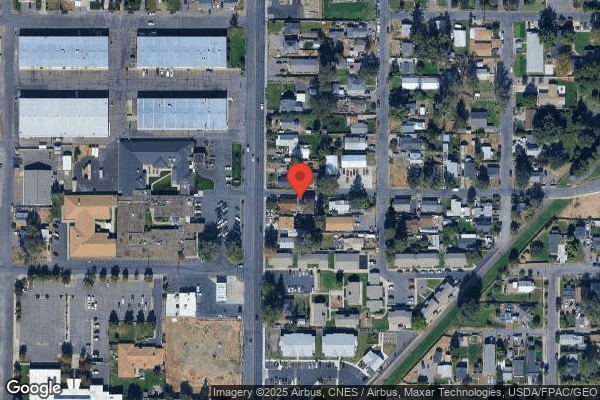

702 NORTH 16TH AVENUE, YAKIMA, WA 98902 (509) 248-5320
For profit - Corporation 105 Beds REGENCY PACIFIC MANAGEMENT Data: November 2025
Trust Grade
70/100
#67 of 190 in WA
Last Inspection: October 2024

Within standard 12-15 month inspection cycle. Federal law requires annual inspections.

Overview

Good Samaritan Health Care Center in Yakima, Washington, has a Trust Grade of B, indicating it is a good choice for nursing care, but not without its concerns. It ranks #67 out of 190 facilities in the state, placing it in the top half, and #4 out of 11 in Yakima County, meaning only three local options are better. The facility is showing an improving trend, with reported issues decreasing from 14 in 2023 to 11 in 2024. Staffing is a strength, with a 4-star rating and a turnover rate of 34%, which is well below the state average of 46%, indicating staff stability and familiarity with residents. However, there have been some concerning incidents, such as the failure to accurately reflect resident assessments, which may leave care needs unmet, and lapses in COVID-19 testing procedures that could increase transmission risks. Overall, while there are strengths in staffing and an improving trend, families should be aware of the facility's shortcomings in care assessments and infection control practices.

Trust Score
B
70/100
In Washington
#67/190
Top 35%
Safety Record
Low Risk
No red flags
Inspections
Getting Better
14 → 11 violations
Staff Stability
○ Average
34% turnover. Near Washington's 48% average. Typical for the industry.
Penalties
✓ Good
No fines on record. Clean compliance history, better than most Washington facilities.
Skilled Nurses
○ Average
Each resident gets 41 minutes of Registered Nurse (RN) attention daily — about average for Washington. RNs are the most trained staff who monitor for health changes.
Violations
⚠ Watch
29 deficiencies on record. Higher than average. Multiple issues found across inspections.
★★★★☆
4.0
Overall Rating
★★★★☆
4.0
Staff Levels
★★★☆☆
3.0
Care Quality
★★★★☆
4.0
Inspection Score
Stable
2023: 14 issues
2024: 11 issues

The Good

  • 4-Star Staffing Rating · Above-average nurse staffing levels
  • Full Sprinkler Coverage · Fire safety systems throughout facility
  • No fines on record
  • Staff turnover below average (34%)

    14 points below Washington average of 48%

Facility shows strength in staffing levels, fire safety.

The Bad

Staff Turnover: 34%

11pts below Washington avg (46%)

Typical for the industry

Chain: REGENCY PACIFIC MANAGEMENT

Part of a multi-facility chain

Ask about local staffing decisions and management

The Ugly 29 deficiencies on record

Oct 2024 7 deficiencies
CONCERN (D)

Potential for Harm - no one hurt, but risky conditions existed

Abuse Prevention Policies (Tag F0607)

Could have caused harm · This affected 1 resident

**NOTE- TERMS IN BRACKETS HAVE BEEN EDITED TO PROTECT CONFIDENTIALITY** Based on interview and record review the facility failed to ensure implementation of their abuse prohibition policy/procedures c...

Read full inspector narrative →
**NOTE- TERMS IN BRACKETS HAVE BEEN EDITED TO PROTECT CONFIDENTIALITY** Based on interview and record review the facility failed to ensure implementation of their abuse prohibition policy/procedures components of resident protection, identification, reporting and investigating for 1 of 3 residents (Resident 47) reviewed for abuse/neglect. This failure placed the resident at an increased risk for unidentified abuse/neglect, retaliation from the alleged perpetrator and the potential for continued exposure to abuse and/or neglect. Findings included . Review of the State Operations Manual, Appendix PP, dated 08/08/2024, the Code of Federal Regulations 483.12 (b)(1), F607, The Facility must develop and implement written policies and procedures that: Prohibit and prevent abuse, neglect, and exploitation of residents and misappropriation of residents property, showed that in order to .provide protections for the health, welfare and rights of each resident residing in the facility . the facility must develop and implement components of screening, training, prevention, identification, investigation, protection and reporting/response. Review of the facility's policy titled, Abuse/Neglect/Misappropriation/Exploitation, revised October 2022, showed The purpose of the policy was to prevent, identify, report and investigate abuse, neglect and exploitation. The policy showed that to protect resident and keep them safe the alleged perpetrator would be immediately suspended, and a trusted person would stay with the resident in an area where they felt safe. Additionally, to identify abuse, facility staff were to monitor suspicious occurrences, patterns or trends that may constitute abuse. <Resident 47> Review of the medical record showed the resident was admitted on [DATE] with diagnoses including heart failure and depression. The 07/24/2024 comprehensive assessment showed the resident was cognitively intact and able to make their needs known. During an interview on 10/01/2024 at 11:27 AM, Resident 47 stated that Staff I, Nursing Assistant (NA), on the night shift was rough and impatient when turning and providing care to them. Resident 47 stated they were unsure of the date happened a month and a half ago, but had informed Staff F, Charge Nurse, about Staff I roughly moving and turning them during cares. Resident 47 stated that Staff F informed the resident about how they talked with the night shift staff member, and they were no longer allowed to come into the resident's room. Resident 47 stated (Staff I) took care of me this week and (Staff I) was nice but sometimes comes back in a different mood and I'm afraid (Staff I) might do it again (referring to Staff I being rough and impatient with turning/providing cares to Resident 47). Record review of the facility staffing schedules/room assignments for September and October 2024 showed that Staff I was working the night shift and assigned to care for Resident 47's on 09/29/2024, 09/30/2024, and 10/01/2024. During an interview on 10/02/2024 at 12:13 PM, Staff G, Licensed Practical Nurse, stated Resident 47 had allegation of rough handling during cares against Staff I and that investigations had been conducted. Staff G stated Staff I was not supposed to be going into Resident 47's room when they were working. Staff G stated Staff I had been going into Resident 47's room even though they were told not to. Additionally, Staff G stated that Staff E, Social Service Assistant (SSA), was investigating Resident 47's continued concerns about Staff I not being allowed into the resident's room. Review of a progress note on 10/02/2024 at 9:30 AM showed, Staff E, SSA, interviewing Resident 47. Staff E stated, Follow up with resident regarding care concerns per resident no issues or concerns. Does not want a particular NAC in her room however reports no abuse or neglect just personal preference. Will continue to monitor and follow as needed. During an interview on 10/02/2024 at 12:36 PM, Staff E, stated they followed up about a specific NA that Resident 47 did not want to care for them anymore. Staff E stated they followed up after concerns were conveyed to them by Staff H, NA, who had received the concern from Resident 47 the morning of 10/02/2024. Staff E stated when they had interviewed Resident 47 that morning, they understood it as Staff I's and Resident 47's personalities did not mix well. During an interview on 10/02/2024 at 1:07 PM, Staff H, NA, stated that Resident 47 made a comment to them the morning of 10/02/2024 about not having night shift NA, Staff I, come into their room anymore. Staff H stated Resident 47 made allegations Staff I would wake (Resident 47) up at all hours of the night and bruised the resident's arm with turning and was bossy with the resident. Staff H stated Resident 47's concerns had been ongoing and that Staff I was sometimes nice and then would sometime be rough with turning and cares towards the resident. Staff H stated the allegations against Staff I had been ongoing for about a month and a half, and that the resident's original allegation, of rough handling with turning/bruising the resident's arm by Staff I, had already been investigated by nursing staff. Additionally, Staff H stated now it was just a grievance from Resident 47 to not have Staff I care for or enter the resident's room. During an interview on 10/02/2024 at 1:35 PM, Staff F, Charge Nurse, stated Resident 47 had concerns about a night shift NA that was rude and rushed when providing cares. Staff F stated, it's been a few months since the resident had conveyed their concerns and that Staff I was not supposed to be going into Resident 47's room. Staff F stated they had informed Staff B, Director of Nursing Services (DNS), who came and talked with Resident 47. During an interview on 10/02/2024 at 10:15 AM, Staff B, DNS, stated they were unaware of the Resident 47's allegation of abuse regarding Staff I rough handling with turning/cares that were made. Staff B stated they had completed an investigation into skin complications in July 2024 but was not made aware of the resident allegations from any their staff at that time. Staff B stated Resident 47's statements were allegation of abuse that should have been reported, investigated and that Staff I should have been taken off the schedule to protect Resident 47 when the facility became aware of the abuse allegations. Staff B stated the correct process for protection of the resident from abuse and identification of potential abuse was not followed. Reference: WAC 388-97-0640(2)(a)
CONCERN (D)

Potential for Harm - no one hurt, but risky conditions existed

Report Alleged Abuse (Tag F0609)

Could have caused harm · This affected 1 resident

**NOTE- TERMS IN BRACKETS HAVE BEEN EDITED TO PROTECT CONFIDENTIALITY** Based on interview and record review, the facility failed to report allegations of potential abuse and/or neglect to the State A...

Read full inspector narrative →
**NOTE- TERMS IN BRACKETS HAVE BEEN EDITED TO PROTECT CONFIDENTIALITY** Based on interview and record review, the facility failed to report allegations of potential abuse and/or neglect to the State Agency, for 1 of 3 residents (Residents 47), reviewed for abuse/neglect. This failure placed the residents at risk for unidentified abuse/neglect, and the potential continued exposure to abuse and/or neglect. Findings included . Review of the facility's policy titled, Abuse/Neglect/Misappropriation/Exploitation, revised October 2022, showed The purpose of the policy was to prevent, identify, report and investigate abuse, neglect and exploitation. The policy showed that to protect resident and keep them safe the alleged perpetrator would be immediately suspended, and a trusted person would stay with the resident in an area where they felt safe. Additionally, to identify abuse, facility staff were to monitor suspicious occurrences, patterns or trends that may constitute abuse <Resident 47> Review of the medical record showed the resident was admitted on [DATE] with diagnoses including heart failure and depression. The 07/24/2024 comprehensive assessment showed the resident was cognitively intact and able to make their needs known. During an interview on 10/01/2024 at 11:27 AM, Resident 47 stated that Staff I, Nursing Assistant (NA), was rough/impatient when providing cares to them and they had received bruises from Staff I's rough care. Resident 47 stated they had informed Staff F, Charge Nurse, that Staff I was roughly turning them during cares. Additionally, the resident stated, I told (Staff I) they were going to hurt somebody (referring to the way that Staff I was rough when providing cares) and (Staff I) said, well it might be you. Review of the facility incident log for March through September 2024 showed that Resident 47 allegation of abuse towards Staff I had been logged or reported to the State Agency. During an interview on 10/02/2024 at 12:13 PM, Staff G, Licensed Practical Nurse, stated Resident 47 had allegation of rough handling during cares against Staff I and they thought that the reporting and investigating into the resident's allegation had already been completed. During an interview on 10/02/2024 at 1:07 PM, Staff H, NA, stated Resident 47 had made previous allegations that Staff I would wake the resident up at all hours of the night, bruised the resident's arm with turning and was bossy with the resident. Staff H stated Resident 47's concerns had been ongoing and that some nights Staff I was nice but then other nights the staff was rough with turning and cares towards the resident. Staff H stated they thought the resident's allegation of abuse had already been reported by nursing staff. During an interview on 10/02/2024 at 1:35 PM, Staff F, Charge Nurse, stated that Resident 47 had concerns about a night shift NA that was rude and rushed when providing cares. Staff F stated, it's been a few months since the resident had conveyed their concerns and did not remember Resident 47 stating that Staff I was rough when turning and caring for them. Staff F stated they had reported it to Staff B, Director of Nursing Services (DNS). During an interview on 10/02/2024 at 10:15 AM, Staff B, DNS, stated they were unaware of the Resident 47's allegation of abuse regarding Staff I's rough handling with turning/cares that were made. Staff B stated Resident 47's statements were allegation of abuse that should have been reported and they were unsure of why they were not informed by facility staff. Staff B stated the correct process was not followed and they would be reporting Resident 47's allegation of abuse to the State Agency. Reference: WAC 388-97-0640(5)(a)
CONCERN (D)

Potential for Harm - no one hurt, but risky conditions existed

Investigate Abuse (Tag F0610)

Could have caused harm · This affected 1 resident

**NOTE- TERMS IN BRACKETS HAVE BEEN EDITED TO PROTECT CONFIDENTIALITY** Based on interview and record review, the facility failed to conduct a thorough investigation into an allegation of abuse for 1 ...

Read full inspector narrative →
**NOTE- TERMS IN BRACKETS HAVE BEEN EDITED TO PROTECT CONFIDENTIALITY** Based on interview and record review, the facility failed to conduct a thorough investigation into an allegation of abuse for 1 of 3 residents (Resident 47), reviewed for abuse and neglect. This failure placed the residents at risk for unidentified abuse, unmet care needs, and the potential for continued exposure to abuse and/or neglect. Findings included . Review of the facility's policy titled, Abuse/Neglect/Misappropriation/Exploitation, revised October 2022, showed The purpose of the policy was to prevent, identify, report and investigate abuse, neglect and exploitation. The policy showed that all alleged incidents of abuse were to be thoroughly investigated in order to determine what occurred and would begin as soon as the incident was identified and the alleged victim protected. <Resident 47> Review of the medical record showed the resident was admitted on [DATE] with diagnoses including heart failure and depression (a mood disorder that causes a persistent feeling of sadness and loss of interest). The 07/24/2024 comprehensive assessment showed the resident was cognitively intact and able to make their needs known. During an interview on 10/01/2024 at 11:27 AM, Resident 47 stated that Staff I, Nursing Assistant (NA), was rough/impatient when providing cares to them and they had received bruises from Staff I's rough care. The resident stated they had informed facility staff about the incident but could not remember the exact date that the incident occurred. Review of the facility incident investigation log for March through September 2024 showed no investigation into Resident 47's allegation of abuse towards Staff I had been completed. During an interview on 10/02/2024 at 12:13 PM, Staff G, Licensed Practical Nurse, stated they were aware of Resident 47's allegation abuse. Staff G stated that Resident 47 alleged that Staff I treats (Resident 47) rough when providing cares/turning the resident. During an interview on 10/02/2024 at 1:35 PM, Staff F, Charge Nurse, stated that Resident 47 had concerns about a night shift NA that was rude and rushed when providing cares. Staff F stated that it had been two to three months since the resident had conveyed their concerns. Staff F stated they had reported Resident 47's concerns to Staff B, Director of Nursing Services (DNS). During an interview on 10/02/2024 at 10:15 AM, Staff B, DNS, stated they were not made aware of Resident 47's allegation of abuse regarding Staff I's rough handling when turning/providing cares. Staff B stated Resident 47's statements were allegation of abuse that should have been investigated right after the allegations were made. Staff B stated the correct process was not followed and Resident 47 should have been protected by removing Staff I from the schedule pending an investigation. Reference: WAC 388-97-0640(6)(a)
CONCERN (D)

Potential for Harm - no one hurt, but risky conditions existed

Quality of Care (Tag F0684)

Could have caused harm · This affected 1 resident

**NOTE- TERMS IN BRACKETS HAVE BEEN EDITED TO PROTECT CONFIDENTIALITY** Based on interview, and record review the facility failed to ensure residents received treatment and services in accordance with...

Read full inspector narrative →
**NOTE- TERMS IN BRACKETS HAVE BEEN EDITED TO PROTECT CONFIDENTIALITY** Based on interview, and record review the facility failed to ensure residents received treatment and services in accordance with professional standards of practice regarding monitoring of their cardiac status (issues related to the functioning of the heart). This included daily weights and physician notification of weight changes greater than three or more pounds (ibis, a unit of measure) in a 24-hour period for 1 of 2 residents (Resident 1) reviewed for quality of care. These failures placed residents at an increased risk for unidentified complications and a deterioration in their health status. Findings included . <Resident 1> Review of the resident's medical record showed they were admitted to the facility on [DATE] with diagnoses including; congestive heart failure (a condition in which the heart does not pump blood as well as it should), diabetes (a condition that causes elevated blood glucose) and history of a cerebral vascular accident (lack of blood supply to an area in the brain which results in brain damage). Review of the most recent comprehensive assessment dated [DATE] showed the resident was cognitively intact and required substantial assistance from staff for activities of daily living such as toileting, dressing, transferring between surfaces and mobility. Record review of Resident 1's October 2024 physicians orders showed an order dated 06/12/2024 in which the resident was to have daily weights to monitor their cardiac status. The order included instructions to contact the physician if the resident had a weight gain of three lbs or greater in a 24-hour period. Review of Resident 1's July 2024 medication administration record (MAR) showed nine missed daily weights on 07/01/2024, 07/02/2024, 07/08/2024, 07/09/2024, 07/10/2024, 07/11/2024, 07/19/2024, 07/23/2024 and 07/30/2024. Additionally, on 07/25/2024 the resident had a documented weight of 160 lbs and the following day on 07/26/2024 their weight was 165 lbs which was a greater than three lbs of weight gain in 24 hours. Review of Resident 1's progress notes (PN) dated 07/26/2024 showed that the physician had not been notified of the weight gain. Record review of Resident 1's August 2024 MAR showed seven missed daily weights on 08/14/2024, 08/22/2024, 08/23/2024, 08/24/2024, 08/26/2024, 08/28/2024 and 08/31/2024. Further review showed on 08/29/2024 the resident's weight was 162 lbs. and on 08/30/2024 the resident's weight was 166 lbs. which was greater than three lbs. of weight gain. Review of the PN dated 08/30/2024 showed that Resident 1's physician had not been notified of the resident's greater than three lbs. of weight gain. Record review of Resident 1's September 2024 MAR showed their daily weights had been missed seven times during the month on 09/01/2024, 09/05/2024, 09/09/2024, 09/14/2024, 09/15/2024, 09/28/2024 and 09/29/2024. Further review showed the resident's weight on 09/27/2024 was 157 lbs. and the next documented weight was on 09/30/2024 which was 164 lbs. showing seven lbs. of weight gain in three days. Record review of the PN dated 09/30/2024 showed Resident 1's physician had not been notified of the weight gain or an assessment of the resident's cardiac status completed. Review of Resident 1's October 2024 MAR showed the resident had currently missed daily weights three times on 10/01/2024, 10/05/2024 and 10/06/2024. Further review showed the weight on 10/04/2024 was 160 lbs and on 10/07/2024 the resident's weight was 165 lbs indicating five lbs of weight gain over several days. Review of the residents PN dated 10/10/2024 showed the physician had not been notified of the weight gain or an assessment of the resident's cardiac status completed. During an interview on 10/07/2024 at 9:14 AM, Staff M, Registered Nurse, stated the physician should have been called for the weights that showed a three lbs. or more of weight gain. Staff M stated they had not contacted the physician related to Resident 1's weights but probably should have or at least had re-weighs completed to verify the accuracy of the data. During an interview on 10/07/2024 at 9:30 AM Staff N, Licensed Practical Nurse/Charge Nurse stated Resident 1's weight should have been completed daily and if the resident's weights showed an increase of three or more lbs. then the physician should have been notified. Reference: WAC 388-97-1060(1)
CONCERN (D)

Potential for Harm - no one hurt, but risky conditions existed

Deficiency F0699 (Tag F0699)

Could have caused harm · This affected 1 resident

**NOTE- TERMS IN BRACKETS HAVE BEEN EDITED TO PROTECT CONFIDENTIALITY** Based on interview and record review, the facility failed to ensure residents who were trauma survivors received culturally comp...

Read full inspector narrative →
**NOTE- TERMS IN BRACKETS HAVE BEEN EDITED TO PROTECT CONFIDENTIALITY** Based on interview and record review, the facility failed to ensure residents who were trauma survivors received culturally competent, trauma informed care complete with identified experiences and preferences regarding potential triggers (a stimulus that could prompt a recall of a previous traumatic event even if the stimulus itself is not traumatic or frightening) that may cause re-traumatization (a reliving of the traumatic experience) for 1 of 3 residents (Resident 47) reviewed for trauma informed care. This failure placed the resident at risk for unidentified triggers and re-traumatization. Findings included . Review of the facility's policy titled, Trauma Informed Care, revised October 2022, showed the purpose was to .ensure that residents who are trauma survivors receive culturally competent, trauma-informed care .in order to eliminate or mitigate (to make less severe or painful) triggers that may cause re-traumatization of the resident. The policy showed the facility promoted an environment of healing/recovery rather that practices or services that may inadvertently (without knowledge or intent) re-traumatize a resident and Examples of Trauma: Prolonged family violence .Assault/Abuse-including sexual/physical/emotional .Characteristics: Detailed memories, Reliving the event .Misperceptions (a wrong or incorrect understanding or interpretation)/overreactions .sleep disturbance . Additionally, the policy showed residents would be screened and assessed for a history of trauma, potential triggers identified, development/implementation of a care plan with preventative interventions and routine review a resident's care plan would be performed to ensure trauma informed care was being provided. <Resident 47> Review of the medical record showed the resident was admitted on [DATE] with diagnoses including heart failure, depression and insomnia (sleep disorder that makes it hard to fall asleep, stay asleep, or get enough sleep). The 07/24/2024 comprehensive assessment showed the resident was cognitively intact and able to make their needs known. During an interview on 10/01/2024 at 11:27 AM, Resident 47 stated that Staff I, Nursing Assistant (NA), was rough and impatient when providing cares to them, was sometimes nice, but then other times was the opposite of nice. Resident 47 stated they reported this to Staff F, Charge Nurse, a month and a half ago. The resident stated they were worried about Staff I's mental state (an emotion or condition that greatly influences an individual's thought processes at a moment in time) and how it was up and down. Resident 47 stated they were afraid sometimes because Staff I's treatment toward them was unpredictable and Staff I's mood swings reminded Resident 47 of their significant other who was an alcoholic and had mood swings. Resident 47 stated they did not think that Staff I would physically abuse them like their significant other had, but Staff I's unpredictable mood swings triggered those traumatic memories. Review of Resident 47's medical record showed no trauma informed care assessment had been completed for the resident. Review of Resident 47's care plan, dated 06/05/2023, showed the resident had a history of physical abuse as a child and a plan for the resident's trauma history was developed. No potential triggers were identified. Review of a progress note, dated 10/02/2024 at 9:30 AM, showed Staff E, Social Service Assistant (SSA), interviewed Resident 47 and documented, Follow up with resident regarding care concerns per resident no issues or concerns. Does not want a particular NAC in (Resident 47's) room however reports no abuse or neglect just personal preference. Will continue to monitor and follow as needed. During an interview on 10/02/2024 at 11:44 AM, Staff K, NA, stated they knew Resident 47 had a history of an abusive parent but was not aware of any potential triggers for the resident. During an interview on 10/02/2024 at 12:36 PM, Staff E, SSA, stated they had just followed up about a specific NA that Resident 47 did not want to care for them anymore earlier in the morning. Staff E stated when they had interviewed Resident 47 that morning, they understood the issue to be that Staff I and Resident 47's personalities did not mix well. Additionally, Staff E stated Resident 47 had a previous roommate that would yell/hit themselves and that would make Resident 47 upset. During an interview on 10/02/2024 at 12:47 PM, Staff D, Social Service Director and Staff E, stated Resident 47 had a history of verbal and physical abuse from the resident's parents. Staff D stated they had not completed a trauma informed care assessment on Resident 47 because we knew about (Resident 47's) trauma from 2019, but was not aware of the resident ever being married. Additionally, Staff D stated they had never assessed Resident 47 for potential triggers regarding their traumatic history. During an interview on 10/02/2024 at 1:07 PM, Staff H, NA, stated they remembered hearing Resident 47 was married and their significant other was physically abusive toward Resident 47. Staff H stated the resident's parent was also verbally abusive. Staff H stated they did not convey any information on the resident's traumatic events to any other staff because the resident's trauma history was already known. During an interview on 10/02/2024 at 1:35 PM, Staff F, Charge Nurse, stated Resident 47 expressed concerns about a night shift NA that was rude/rushed when providing cares two to three months prior. Staff F stated Resident 47 had a history of parents that were not good to the resident and a significant other that was also not good, .rude verbally maybe. Staff F stated they were not aware of any potential triggers for Resident 47 traumatic history. During an interview on 10/02/2024 at 10:15 AM, Staff B, DNS, stated the facility's process for trauma informed care with residents was to complete a trauma informed care assessment, which identify traumatic events in the resident's history, any possible triggers that would make them relive the traumatic event, and interventions to prevent that from happening. Staff B stated that Resident 47 should have had a trauma informed care assessment that identified/care plan the residents potential triggers. Staff B stated Resident 47's perception of Staff I's mental state being up and down could be a potential trigger of the resident's trauma from their abusive significate other, and the correct process was not followed. Reference: WAC 388-97-1060(3)(e)
CONCERN (D)

Potential for Harm - no one hurt, but risky conditions existed

Medication Errors (Tag F0758)

Could have caused harm · This affected 1 resident

**NOTE- TERMS IN BRACKETS HAVE BEEN EDITED TO PROTECT CONFIDENTIALITY** Based on interview and record review the facility failed to ensure that 1 of 5 residents (Resident 1) reviewed for unnecessary m...

Read full inspector narrative →
**NOTE- TERMS IN BRACKETS HAVE BEEN EDITED TO PROTECT CONFIDENTIALITY** Based on interview and record review the facility failed to ensure that 1 of 5 residents (Resident 1) reviewed for unnecessary medications, had an acceptable indication for use for a psychoactive medication (a class of medication that affects brain activity of mental functioning and behavior). Resident 1 was prescribed an antipsychotic medication (a psychoactive medication primarily used to treat psychosis with a high risk for adverse side effects [ASE's]) with no acceptable mental health diagnosis or identified individualized target behaviors to justify the use of an antipsychotic. This failure placed Resident 1 at increased risk for deterioration in their mental and physical health status. Findings included . Record review of a facility policy titled, Behavior Management/Psychotropic Medication Overview, dated 10/2022 showed, .When psychotropic medications are ordered, an appropriate diagnosis must have been obtained .Behavior monitoring will be documented when an antipsychotic medication is ordered .Psychotropic medication use will be reviewed at least quarterly to determine appropriateness of continued use . Record review of an Alzheimer's Society 2024 guidance showed, antipsychotic drugs are used to treat people who are experiencing severe agitation, aggression or distress from psychotic symptoms such as hallucinations or delusions and; antipsychotic drugs do not help with other behaviors such as: • Distress and anxiety • Repetitious vocalizations • Social withdrawal Possible negative effects of antipsychotics include: • Drowsiness or confusion • Shaking, unsteadiness and reduced mobility • Worse than usual dementia symptoms • Higher risk of infection (in the chest or urinary tract) • Higher risk of fall with fractures • Higher risk of blood clots and stroke <Resident 1> Review of the resident's medical record showed they were admitted to the facility on [DATE] with mental health diagnoses including dementia without behavioral disturbances or psychotic features, anxiety (a feeling of worry, nervousness, or unease) and depression (a mood disorder that causes a feeling of sadness and loss of interest). The most recent comprehensive assessment, dated 09/18/2024, showed the resident was cognitively intact with anxiety and moderate depression. The assessment did not identify that the resident had issues with psychosis. Review of Resident 1's physician orders, dated October 2024, showed the resident was taking several psychoactive medications including an antidepressant medication used to treat their depression, an antianxiety medication used to treat their anxiety and an antipsychotic used to treat their anxiety. There was no diagnosis or an associated behavior documented in the medical record to show that an antipsychotic medication was clinically indicated for use. Record review of Resident 1's August 2024 through 10/06/2024 behavior monitor flow sheets (a sheet that provides documentation of identified target behaviors associated with the resident's mental health diagnoses) showed the resident's identified behaviors were sadness and hopelessness related to depression, worrying and ruminating (to think consistently and for a long period about something) related to anxiety. The sheets did not identify any behaviors associated with psychosis to justify the use of an antipsychotic medication. Further review of the resident's behavior monitor flow sheets for August and September 2024 showed the resident had no documented behaviors related to sadness, hopelessness, worrying or ruminating. The resident's most current behavior monitor flow sheet dated 10/01/2024 to 10/06/2024 also showed no documented behaviors had occurred. Record review of Resident 1's psychoactive medication review meeting, dated 09/19/2024, showed the resident was unaware of when they were started on the antipsychotic. The review showed the diagnosis for the use of the antipsychotic was anxiety and dementia. The targeted behaviors were identified as sadness and hopelessness. There was no other clinical indication or justification for the use of Resident 1's antipsychotic medication. During an interview on 10/04/2024 at 11:36 AM, Staff D, Social Services Director, stated Resident 1 was admitted to the facility on several psychoactive medications including an antipsychotic. Staff D stated they were unable to find a provider note for the use of Resident 1's antipsychotic except for a diagnosis of anxiety. Staff D was asked if there were identified target behaviors that would justify the use of an antipsychotic medication and they replied no. Reference: WAC 388-97-1060 (3)(k)(i)
CONCERN (E)

Potential for Harm - no one hurt, but risky conditions existed

Assessment Accuracy (Tag F0641)

Could have caused harm · This affected multiple residents

**NOTE- TERMS IN BRACKETS HAVE BEEN EDITED TO PROTECT CONFIDENTIALITY** Based on interview and record review, the facility failed to ensure the Minimum Data Set [(MDS) assement tool] accurately reflec...

Read full inspector narrative →
**NOTE- TERMS IN BRACKETS HAVE BEEN EDITED TO PROTECT CONFIDENTIALITY** Based on interview and record review, the facility failed to ensure the Minimum Data Set [(MDS) assement tool] accurately reflected the status for 6 of 7 sampled residents (Resident 32, 84, 79, 3, 29 and 96) reviewed for accuracy of assessments. This failure placed the residents at risk for unidentified and/or unmet care needs. Findings included . <Resident 32> Review of Resident 32's medical record showed the resident admitted to the facility on [DATE] with diagnoses including left hip fracture and heart failure. The comprehensive assessment dated [DATE], showed Resident 32 required moderate assistance with their transfers and activities of daily living (ADLs). Review of the 5-day MDS assessment, dated 07/03/2024, showed section N, Medications, indicated Resident 32 was taking an anticoagulant (medication used to prevent and treat blood clots by interfering with the bloods ability to form clots). Review of Resident 32's physician orders showed the resident was prescribed clopidogrel bisulfate [an antiplatelet (medication used to stop specific blood cells called platelets from sticking together and forming a clot)] ordered 06/27/2024, and was not receiving any anticoagulant medications. <Resident 84> Review of Resident 84's medical record showed the resident admitted to the facility on [DATE] with diagnoses including lung cancer and stroke. The comprehensive assessment, dated 08/27/2024, showed Resident 84 required substantial assistance with their transfers and ADLs. Review of the 5-day MDS assessment, dated 08/27/2024, showed section N, Medications, indicated Resident 84 was taking an anticoagulant medication. Review of Resident 84's physician orders showed the resident was prescribed aspirin (an antiplatelet medication) ordered 08/21/2024, and was not receiving any anticoagulant medications. <Resident 79> Review of Resident 79's medical record showed the resident admitted to the facility on [DATE] with diagnosis including heart disease. The comprehensive assessment dated [DATE], showed Resident 79 required moderate assistance with their transfers and ADLs. Further review of the comprehensive MDS assessment, dated 07/27/2024, showed section N, Medications, indicated Resident 79 was taking an anticoagulant medication. Review of Resident 79's physician orders showed the resident was prescribed clopidogrel bisulfate (an antiplatelet medication) ordered 07/21/2024, and was not receiving any anticoagulant medications. <Resident 3> Review of Resident 3's medical record showed the resident admitted to the facility on [DATE] with diagnoses including atrial fibrillation (an irregular, often rapid heart rate that commonly causes poor blood flow) and heart failure. The comprehensive assessment, dated 08/02/2024, showed Resident 3 required substantial assistance with their transfers and ADLs. Further review of the comprehensive MDS assessment, dated 08/02/2024, showed section N, Medications, indicated Resident 3 was taking an anticoagulant medication. Review of Resident 3's physician orders showed the resident was prescribed clopidogrel bisulfate (an antiplatelet medication) ordered 07/12/2024, and was not receiving any anticoagulant medications. <Resident 29> Review of Resident 29's medical record showed the resident admitted to the facility on [DATE] with diagnoses including bipolar disorder (a brain disorder that causes changes in a person's mood, energy, or ability to function), depression (a mood disorder that causes a persistent feeling of sadness and loss of interest), and anxiety (a feeling of worry, nervousness, or unease). The comprehensive assessment, dated 10/28/2023, showed Resident 29 required substantial assistance with their transfers and ADLs. Review of the MDS assessment, dated 10/28/2023, showed section A, indicated the Pre-admission Screening and Resident Review (PASRR) did not reflect that Resident 29 should be considered and/or assessed by the state level II PASRR process (a process to evaluate the need for additional support services for residents who have serious mental illness and/or intellectual disability). Further review of the medical record showed Resident 29 had a completed PASRR, dated 09/27/2018, which indicated a PASRR level II should be completed. <Resident 96> Review of Resident 96's medical record showed the resident admitted to the facility on [DATE] with a primary diagnosis of a fractured left hip. The comprehensive assessment, dated 08/14/2024, showed Resident 96 required substantial assistance with their transfers and partial assist with ADLs. Review of the 5-day MDS assessment, dated 08/14/2024, showed section A indicated Resident 96's discharge status was to a critical access hospital. Review of the resident Discharge summary, dated [DATE], showed the resident had discharged to home with family. During an interview, on 10/07/2024 at 2:37 PM, Staff J, Resident Care Manager/ Licensed Practical Nurse, stated Resident 96 had discharged from the facility to home with family. Staff J stated, yes I do the resident discharges. Staff J reviewed the MDS assessment and stated, I sure did .I marked the discharge to the hospital; the resident went home with his family. During an interview, on 10/04/2024 at 2:03 PM, Staff C, Assistant Director of Nursing Services (ADON) acknowledged that the medications were coded incorrectly on the MDS assessments for Residents 32, 84, 79, and 3, and did not reflect the residents' status accurately. Staff C stated, it appears that we need to do some education with our Resident Care Managers. During an interview, on 10/04/2024 at 2:11 PM, Staff B, Director of Nursing Services, stated the expectation was the resident assessments were to be accurate. Additionally, Staff B stated they were aware of the MDS discrepancies and Staff C would be providing education to the Resident Care Managers and making the corrections immediately. Reference: WAC 388-97-1000 (1)(b)
Aug 2024 1 deficiency
CONCERN (D) 📢 Someone Reported This

A family member, employee, or ombudsman was alarmed enough to file a formal complaint

Potential for Harm - no one hurt, but risky conditions existed

Deficiency F0573 (Tag F0573)

Could have caused harm · This affected 1 resident

**NOTE- TERMS IN BRACKETS HAVE BEEN EDITED TO PROTECT CONFIDENTIALITY** Based on interview and record review, the facility failed to provide copies of personal and medical records, as required, to 1 o...

Read full inspector narrative →
**NOTE- TERMS IN BRACKETS HAVE BEEN EDITED TO PROTECT CONFIDENTIALITY** Based on interview and record review, the facility failed to provide copies of personal and medical records, as required, to 1 of 3 residents (Resident 1), reviewed for resident rights. This deficient practice placed residents at risk of not having access to their complete medical history, potentially affecting their ability to make informed decisions, and violated their resident rights. Findings included . <Resident 1> Review of the medical record showed Resident 1 was admitted to the facility on [DATE] with diagnoses of muscle wasting, contusion (bruise) of the scalp, and repeated falls. Review of the comprehensive assessment completed on day of discharge, dated 12/04/2023, showed Resident 1 had intact cognition and required set up and supervision assistance with personal cares. Review of record requests received by the facility showed a written request, dated 07/29/2024, was submitted to the facility on behalf of Resident 1 by a local attorney's office. The records request included a Consent for Release/Exchange of Confidential Information, signed by Resident 1 and a letter that outlined the time frame, the category of records, the preferred method of receiving the records (electronically) and the e-mail address to submit them to. The records request was received via fax machine and was delivered to the facility on [DATE] at 2:30 AM. Review of a statement dated 08/29/2024, from Staff D, Medical Records Assistant, showed they received a records request on 07/30/2024 for Resident 1. Staff D's statement showed they informed Staff A, Administrator and Staff C, Medical Records Director, by e-mail of the record request and began gathering some of the records. During an interview, on 08/29/2024 at 1:40 PM, Staff C stated the facility received a records request for Resident 1 on 07/30/2024, and they received a follow-up phone call from the requesting attorney's office on 08/08/2024. Staff C stated a clarified list of requested records was discussed and they confirmed the records were to be sent electronically. Staff C stated the phone call ended, and they realized they had not confirmed the e-mail address to send the records to. During the same interview, Staff C stated they attempted to contact the local attorney's office to confirm the recipient's e-mail address on 08/16/2024 but was unsuccessful. Staff C stated they were still waiting for the local attorney's office to confirm the recipient e-mail address, and as of 08/29/2024 (22 working days later), no requested records had been submitted. During an interview, on 08/29/2024 at 2:45 PM, Staff A stated they were aware the facility received a records request for Resident 1 but was unaware that the request had not been responded to. Staff A stated they expected record requests to be responded to in a timely manner and did not consider 22 working days to be timely. Staff A stated they were unaware the facility had a response time requirement for record requests. Reference: WAC 388-97-0300 (2)(a)(b)
Jul 2024 1 deficiency
CONCERN (E) 📢 Someone Reported This

A family member, employee, or ombudsman was alarmed enough to file a formal complaint

Potential for Harm - no one hurt, but risky conditions existed

Infection Control (Tag F0880)

Could have caused harm · This affected multiple residents

Based on interview and record review, the facility failed to maintain their Respiratory Protection Program (RPP) for N95 respirator masks (a respiratory protective device designed to filtrate airborne...

Read full inspector narrative →
Based on interview and record review, the facility failed to maintain their Respiratory Protection Program (RPP) for N95 respirator masks (a respiratory protective device designed to filtrate airborne particles by achieving a very close facial fit) initial and annual fit testing for 4 of 5 staff (Staff D, E, F, and G) reviewed for infection control practices during a COVID-19 (an infectious disease-causing respiratory illness with symptoms including cough, fever, new or worsening malaise, headache, dizziness, nausea, vomiting, diarrhea, loss of taste or smell, and in severe cases, difficulty breathing, that could result in severe impairment or death) outbreak. This deficient practice placed residents and staff at continued risk of exposure and spread of COVID-19 during an active outbreak. Findings included . Review of guidance from the Washington State Department of Health titled Respiratory Protection Program for Long-term Care Facilities, showed the N95 respirator protected the user when the seal around the person's nose and mouth was tight enough to prevent the respiratory hazards from leaking into their breathing space. The N95 respirator would need to be tested before using and annually after that. Review of the facility policy titled, Infection Prevention and Control Recommendations for Healthcare Personnel During the COVID-19 Pandemic, revised on 05/08/2023, showed staff entering a resident room who was suspected or confirmed positive for COVID 19 should use a National Institute for Occupational Safety and Health (NIOSH) approved N95 respirator, and respirators should be used within a RPP that included medical evaluations, fit testing, and training. Review of the undated facility document titled Outbreak Investigation Form, showed the current and active COVID-19 outbreak started on 05/28/2024 when a staff member tested positive, and as of 07/01/2024, a total of 17 residents and 21 staff members had been infected. Review of staff personnel records on 07/01/2024 showed the following: Staff D, Licensed Practical Nurse (LPN), was hired on 04/23/2024 and completed the medical evaluation and N95 fit testing on 07/01/2024 (68 days after hire and 34 days after outbreak began). Staff E, LPN, was hired on 05/30/2024 and completed the medical evaluation and N95 fit testing on 06/20/2024 (21 days after hire and 23 days after outbreak began). Staff F, Nursing Assistant (NA), was hired on 05/30/2024 and completed the medical evaluation and N95 fit testing on 06/26/2024 (27 days after hire and 29 days after outbreak began). Staff G, Restorative Aide, was hired on 11/29/2022 and there were no records of N95 fit testing completed in 2024. Review of the Nursing Department staffing schedule for June 2024, showed Staff D, E, F, and G worked in a capacity that required the use of an N95 respirator. During an interview, on 07/01/2024 at 12:50 PM, Staff C, Staff Development Director (SDD), stated they had been hired approximately three weeks prior, and was currently responsible for staff N95 fit testing. Staff C stated the facility's policy was to complete fit testing upon hire and annually, and they were aware the facility was behind on fit testing schedules. During an interview, on 07/01/2024 at 01:20 PM, Staff A, Administrator and Staff B, Director of Nursing stated the expectation was for staff to be fit tested for N95 respirators upon hire and annually. Staff A acknowledged staff fit testing had not been completed as expected. Reference: WAC 388-97-1320 (1)(a)(2)(a)
Jun 2024 2 deficiencies
CONCERN (D) 📢 Someone Reported This

A family member, employee, or ombudsman was alarmed enough to file a formal complaint

Potential for Harm - no one hurt, but risky conditions existed

Accident Prevention (Tag F0689)

Could have caused harm · This affected 1 resident

**NOTE- TERMS IN BRACKETS HAVE BEEN EDITED TO PROTECT CONFIDENTIALITY** Based on interview and record review, the facility failed to prevent an avoidable accident when COVID 19 reagent solution (a che...

Read full inspector narrative →
**NOTE- TERMS IN BRACKETS HAVE BEEN EDITED TO PROTECT CONFIDENTIALITY** Based on interview and record review, the facility failed to prevent an avoidable accident when COVID 19 reagent solution (a chemical used in a test to determine if a person has COVID 19 [infectious disease by a virus causing respiratory illness with symptoms including cough, fever, new or worsening malaise, headache, or new dizziness, nausea, vomiting, diarrhea, loss of taste or smell, and in severe cases, difficulty breathing that could result in severe impairment or death]) was used as an eye drop for 1 of 1 resident (Resident 2) reviewed for accidents and hazards. This deficient practice placed residents at risk for unnecessary exposure to chemicals and potentially harmful outcomes. Findings included . <Resident 2> Review of the medical record showed Resident 2 admitted to the facility on [DATE] with diagnoses of pelvic fracture, head contusion (a deep bruise caused by a direct blow to the body), and bladder infection. Review of the comprehensive assessment, dated 03/24/2024, showed Resident 2 was cognitively intact and required the assistance of one person for activities of daily living (ADLs). Review of the facility's incident reporting log showed a medication error incident occurred to Resident 2 on 03/23/2024 at 5:00 PM. Review of the facility's incident document, dated 03/23/2024, showed Staff E, Registered Nurse (RN), had Resident 2's prescribed eye drops and a dispensing bottle of COVID 19 reagent solution at Resident 2's bedside. The document showed Staff E noticed they instilled drops of the COVID 19 reagent solution into Resident 2's eye in error when Resident 2 began complaining of a burning sensation. Review of Staff E's witness statement, documented on 03/27/2024, showed they initially took Resident 2's prescribed eye drops to their bedside to administer them. Staff E's statement showed they returned to the medication cart to get other supplies and noticed a similar looking bottle (COVID 19 reagent) on the top of the cart. Staff E stated they mistook the similar looking bottle for Resident 2's prescribed eye drops and took the bottle with them back to Resident 2's bedside. Staff E's statement showed they proceeded to administer Resident 2's eye drops using the incorrect bottle. During an interview, on 06/04/2024 at 2:03 PM, Staff F, Consultant Pharmacist, stated that COVID 19 reagent solution was considered a chemical, not a medication, and was not meant to be put in the body. Staff F stated items, such a COVID 19 reagent solution, that were packaged similarly to medications, should not be stored on a medication cart. During an interview, on 06/04/2024 at 3:05 PM, Staff B, Director of Nursing (DON), stated COVID 19 reagent solution should not be stored on the medication cart, and Staff E did not follow the facility's policy for administering medications. Reference: WAC 388-97-1060(3)(g)
CONCERN (D) 📢 Someone Reported This

A family member, employee, or ombudsman was alarmed enough to file a formal complaint

Potential for Harm - no one hurt, but risky conditions existed

Deficiency F0760 (Tag F0760)

Could have caused harm · This affected 1 resident

**NOTE- TERMS IN BRACKETS HAVE BEEN EDITED TO PROTECT CONFIDENTIALITY** Based on interview and record review, the facility failed to ensure residents were free from significant medication errors when ...

Read full inspector narrative →
**NOTE- TERMS IN BRACKETS HAVE BEEN EDITED TO PROTECT CONFIDENTIALITY** Based on interview and record review, the facility failed to ensure residents were free from significant medication errors when physician's orders were not implemented timely for 1 of 2 residents (Resident 1) reviewed for medication administration. This deficient practice placed residents at risk for adverse side effects and an overall decline in medical condition. Findings included . <Resident 1> Review of the medical record showed Resident 1 readmitted to the facility on [DATE] with diagnoses of osteomyelitis (infection in the bone) to the left foot, diabetes mellitus (a disease that a disease that impairs the body's ability to process sugar in the blood), and peripheral vascular disease ([PVD] circulation disorder caused by narrowing, blockage or spasms in the blood vessels of the legs and feet). Review of the comprehensive assessment dated [DATE] showed Resident 1 had moderately impaired cognition, required the assistance of one person for personal cares, hygiene, dressing, and the assistance of two people for transfers and bed mobility. During an interview, on 06/03/2024 at 11:06 AM, a Resident Representative (RR) stated the purpose of Resident 1's admission to the facility was to receive intravenous ([IV] a medical technique that administers medications directly into a person's vein) antibiotic therapy for their osteomyelitis which was managed by an Infectious Disease (ID) physician specialist. The RR stated Resident 1 had around the clock care at home and would be returning home once the IV antibiotic therapy was completed. Review of the Medication Administration Record (MAR) for May 2024 showed Resident 1 admitted to the facility with orders for Ampicillin-Sulbactam ([brand name Unasyn] an antibiotic medication used to kill the infection causing bacteria)-three grams ([g] a unit of measure) IV every six hours for 15 days. The MAR showed the administration times were 5:00 AM, 11:00 AM, 5:00 PM, and 11:00 PM, and the last dose was administered on 05/26/2024 at 5:00 AM. Review of the medical record showed Resident 1 was seen by the ID specialist, on 05/22/2024 at 1:40 PM, and returned with a visit summary that gave orders to continue IV Unasyn for 3 more weeks. Further review of the visit summary document showed it had been signed by Staff C, Charge Nurse. During an interview, on 06/04/2024 at 12:26 PM, Staff C stated the Charge Nurse job duties included processing physician orders, coordinating care with outside providers, discharge preparations, and participating in care conferences. Staff C stated they were the Charge Nurse on 05/22/2024 and their signature was on Resident 1's visit summary document to indicate that they had reviewed the document. Staff C stated they recalled briefly reviewing the visit summary document but missed the directions to continue Resident 1's IV antibiotics. During an interview, on 06/04/2024 at 2:43 PM, Staff D, Resident Care Manager (RCM) stated they were working as the Charge Nurse on 05/28/2024 and was following up on the status of Resident 1's IV access site. Staff D stated it was at that time they discovered that Resident 1's IV antibiotics had discontinued, on 05/26/2024 after the 5:00 AM dose was administered, despite orders to continue for three more weeks. Staff D stated they notified Staff B, Director of Nursing, right away. Review of the facility's incident reporting log showed an incident of other nature occurred to Resident 1 on 05/28/2024 at 9:30 AM. The incident log entry showed Resident 1 sustained no injuries from the incident and it was not reported to the State Agency. Review of the facility's incident investigation, dated 05/28/2024, showed the continuation order for Resident 1's IV antibiotics was not processed and placed on the MAR resulting in medication errors. The investigation summary showed Resident 1 had missed a total of seven doses of IV antibiotics, equaling seven medication errors. During an interview, on 06/04/2024 at 2:03 PM, Staff F, Consultant Pharmacist, stated in treating a serious infection, such as osteomyelitis, it was important to maintain regular levels of the antibiotic in the body. Staff F stated this was done by administering the antibiotic medication at timed intervals, and even one missed dose could impact a resident's medical condition. Staff F stated that seven missed antibiotic doses for the treatment of Resident 1's osteomyelitis was a significant medication error. During an interview, on 06/04/2024 at 3:05 PM, Staff B stated they recognized the incident for Resident 1 on 05/28/2024 as a medication error, but did not feel it rose to the level of being a significant medication error. Reference: WAC 388-97-1060(3)(k)(iii)
Aug 2023 14 deficiencies
CONCERN (D) 📢 Someone Reported This

A family member, employee, or ombudsman was alarmed enough to file a formal complaint

Potential for Harm - no one hurt, but risky conditions existed

Resident Rights (Tag F0550)

Could have caused harm · This affected 1 resident

**NOTE- TERMS IN BRACKETS HAVE BEEN EDITED TO PROTECT CONFIDENTIALITY** Based on observation, interview and record review, the facility failed to provide care and services in a dignified manner when 1...

Read full inspector narrative →
**NOTE- TERMS IN BRACKETS HAVE BEEN EDITED TO PROTECT CONFIDENTIALITY** Based on observation, interview and record review, the facility failed to provide care and services in a dignified manner when 1) tally marks (a form of numeral used for counting ongoing results) were placed on a whiteboard every time the call light button was turned on, and 2) the resident did not receive assistance with their care needs while out of the facility at an appointment (appt) for 1 of 3 sampled residents (Resident 71) reviewed for dignity. This failure resulted in Resident 71 feeling like they were part of undignifed interactions with the facility staff, they could not ask for help when they needed it, and embarrassed. Findings included . Review of the facility's policy Resident Rights, dated as revised 11/2016, showed residents had the right to .a dignified existence .inside and outside the facility . and dignity and respect when they received care and treatment. <Resident 71> Review of the resident's electronic health record (EHR) showed the resident admitted to the facility on [DATE] with diagnoses to include muscle wasting (the thinning of muscle mass), benign prostatic hyperplasia (BPH, a condition that causes enlargement of the prostate with symptoms of difficulty urinating, a sudden urge to urinate, and frequent urination). Review of the 07/28/2023 comprehensive assessment, further showed Resident 71's cognition was moderately impaired, had no problems with behaviors, and required extensive assistance of one staff for their toileting needs. <Tally Marks> Observation and interview on 08/08/2023 at 4:08 PM, showed Resident 71 pointed to a whiteboard (a white board used for writing on). Resident 71 said the tally marks on the whiteboard were for the number of times staff answered their call light. Surveyor observed 19 tally marks on the whiteboard. Resident 71 said it was childish. Observation on 08/09/2023 at 10:55 AM showed a whiteboard hung on the wall in Resident 71's room. The whiteboard contained 19 total tally marks and the words Evening and NOC (night shift hours). Under each word there were eight tally marks each and three additional tally marks. Observation on 08/10/2023 at 5:09 PM in Resident 71's room showed the whiteboard contained seven tally marks for day shift, eight tally marks for evening shift, and 15 tally marks for NOC shift. There was a box drawn on the whiteboard that had three tally marks in it. Observation and interview on 08/11/2023 at 9:20 AM in Resident 71's room showed the whiteboard contained the word Day and 10 tally marks. Resident 71 said it's child's play and said the tally marks were for how many times they used their call light. Observation on 08/11/2023 at 12:11 PM in Resident 71's room showed the whiteboard contained 11 tally marks. Observation on 08/11/2023 at 3:55 PM in Resident 71's room showed the whiteboard contained 17 tally marks for the day and three tally marks for the evening. Observation on 08/14/2023 at 10:02 AM in Resident 71's room showed the whiteboard contained the following: Day, five tally marks, Evening 10 tally marks, and NOC 24 tally marks. During an interview on 08/14/2023 at 10:07 AM, Resident 71 said the tally marks on the whiteboard was a kid's game. Resident 71 said they used their call light for help going to the bathroom and the tally marks prevented them from asking for help because Resident 71 felt like they were bothering staff too much. Record review of Resident 71's care plan, dated 07/21/2023, showed they required extensive assistance from staff for toileting. On 08/11/2023 the care plan was revised to show Resident 71 used a urinal with a drainage system and that they required extensive assistance from staff. Record review of Resident 71's care plan, dated 08/02/2023, showed staff were to place tally marks on Resident 71's whiteboard to show how often they used their call light and how often they asked for Nursing Assistant (NA) help when they self-propelled their wheelchair into the hallway. Record review of Resident 71's [NAME] (gives a brief overview of each patient and is updated every shift) dated 08/02/2023, showed staff were to place tally marks on Resident 71's whiteboard to show how often they used their call light and how often they ask for NA help when they self-propelled their wheelchair into the hallway. During an interview on 08/11/2023 at 3:41 PM, Staff R, NA, stated that staff put a tally mark on Resident 71's whiteboard every time they used their call light on every shift. Staff R said Resident 71 went to Staff J, Social Services Director, and told them that staff ignored and didn't answer Resident 71's call light. Staff R said they did not monitor or document the tally marks. During an interview on 08/11/2023 at 3:46 PM, Staff O, Registered Nurse (RN), stated that the tally marks on Resident 71's whiteboard showed how many times staff assisted them. Staff O said the tally marks were for all shifts, that they did not monitor this, and that they were erased daily. During an interview on 08/11/2023 at 3:58 PM, Staff J, Social Services Director and Staff P, Charge Nurse (CN), stated that Staff J was not involved with the tally mark program. Staff P stated that therapy and the nurses developed this program. They stated that the tally marks were put on the whiteboard every shift and were not monitored or recorded anywhere. During an interview on 08/14/23 at 02:21 PM, Staff P, stated that therapy initiated the tally mark program, and it was to show how many times the NA's assisted Resident 71. Staff P stated that the information was not documented anywhere. During an interview on 08/15/2023 at 9:31 AM, Staff Q, Occupational Therapist, stated that the tally mark program was developed collaboratively and had understood the tally marks were being monitored. Staff Q stated that they did not work with Resident 71 often and was unable to provide monitoring or follow up documentation related to the program. During an interview on 08/15/2023 at 10:47 AM, Staff A, Administrator (AD), and present was Staff B, Director of Nursing Services (DNS), stated that their understanding of the tally mark program was for resident 71's self-awareness and used as a visual aid to show the resident that staff were responding to their needs. Staff B stated that they were unaware staff were using the tally mark program to decrease call light use. <Appointment Assistance> During an interview, on 08/11/2023 at 11:17 AM, Resident 71's Representative (RR) stated they were not happy that the resident was sent to a mental health (MH) appointmet on 08/09/2023 by themself. The RR stated Resident 71 required extensive assistance with their toileting needs and should have never been left alone. The RR further stated the facility did not contact them to inquire about assisting the resident to the appointment. The RR additionally stated, there was a phone call made to the facility by the family and by the clinic to complain about the situation. The RR stated their family member spoke with Staff D, Business Office Manager (BOM), and inquired why Resident 71 did not have an attendant sent with them to the appointment. Staff D communicated to the RR that it was an oversight, and the resident should have had an attendant with them, and they would ensure the resident had an attendant for all future appointments. Lastly, the RR stated, Resident 71 did not have their cellular device with them at the appt to call for transportation back to the facility so I am sure [Resident 71] had to ask someone to call for [Resident 71]. During an interview, on 08/14/2023 at 10:15 AM, Resident 71 stated they had gone to a (MH) appointment on 08/09/2023 without an attendant to assist them. Resident 71 stated, while at the appointment they required assistance with their toileting needs and had to ask the staff at the clinic to assist them to the bathroom. Resident 71 did not know how they were supposed to get back to the facility after the appointment. I felt ashamed [they feel embarrassed or guilty because of something they do or they have done, or because of their appearance]. Resident 71 expressed feeling this way as they could not do these things for themselves and had to ask strangers for help. During an interview on 08/14/2023 at 11:18 AM, Staff A, stated the charge nurses or the resident care managers schedule the appointments, then the appointments go to the receptionist for scheduling the transportation. Staff A further stated if the resident required assistance with toileting, a nursing assistant should have been sent with them. During an interview, on 08/14/2023 at 12:32 PM, Staff D, BOM, stated, they answered a call from one of the RR's regarding the appointment at MH. Staff D stated, the RR informed them that Resident 71 was sent to an appointment alone and without an attendant or any family, and for all future appointments, they wanted an attendant sent with Resident 71. Staff D explained, when the receptionist received the appointment information from nursing, they did not indicate Resident 71 required an attendant, which was the normal process, so no attendant was scheduled to go with Resident 71. Staff D further stated, the process would have been to reach out to the family to inquire if they wanted to attend the appointment with the resident. During an interview on 08/14/2023 at 12:36 PM, Staff E, Receptionist (transportation scheduler), stated they arranged the transportation for Resident 71 for 08/09/2023 and they did not schedule an attendant to go with Resident 71. Staff E stated there was no documentation on the appointment information received from the nursing department that indicated the resident required an attendant. Staff E further stated their normal process would have been to call family to see if they would like to attend the appointment, but in this case I received the appointment late so did not call the family. During an interview, on 08/14/2023 at 2:21 PM, Staff P, stated when they scheduled MH appointments, they did not send attendants with the residents because of privacy issues. Staff P stated the residents don't normally use the restroom when they are out on appointments and if Resident 71 needed to use the restroom at the appointment it is their job to take them. Staff P further stated Resident 71 was sent with an envelope and on the front of the envelope there was contact information to call for a return ride. Staff P further stated they did not know if Resident 71 had their cellular device with them, but they could have asked the clinic to call for them. Additionally, Staff P stated they did not recall receiving a call from the clinic on 08/09/2023. During a follow-up interview, on 08/18/2023 at 2:23 PM, a Collateral Contact (CC), stated Resident 71 arrived to their MH appointment on 08/09/2023 without an attendant/assistant. The CC stated, when asked, Resident 71 had no idea why they were at the appointment, the clinic had no specific information to determine why Resident 71 had been sent to MH, or how they were getting back to the facility. The CC stated, Resident 71 needed to use the restroom and appeared anxious when they told the clinic staff, they required assistance to use the restroom.The clinic's normal process was to see residents that could provide their own needs and when they could not, they usually arrived with an assistant or family to help them. The CC stated, another clinic staff called and spoke with the CN, identified as Staff P, and expressed their concerns. The CC stated the clinic staff were shocked by Staff P's reaction of laughter. The CC stated, Staff P further repeated [Resident 71s] manipulative and don't let [Resident 71] do that. [Resident 71] always has to go to the bathroom but I doubt [Resident 71] really has to. During an interview, on 08/15/2023 at 10:37 AM, Staff B, Director of Nursing Services, also present was Staff A, stated they were not informed the MH clinic or the family had concerns regarding Resident 71's appointment on 08/09/2023. WAC Reference 388-97-0180(1-3)(4)(a)(b)
CONCERN (D)

Potential for Harm - no one hurt, but risky conditions existed

Deficiency F0583 (Tag F0583)

Could have caused harm · This affected 1 resident

**NOTE- TERMS IN BRACKETS HAVE BEEN EDITED TO PROTECT CONFIDENTIALITY** Based on observation, interview, and record review, the facility failed to maintain private medical information in a manner that...

Read full inspector narrative →
**NOTE- TERMS IN BRACKETS HAVE BEEN EDITED TO PROTECT CONFIDENTIALITY** Based on observation, interview, and record review, the facility failed to maintain private medical information in a manner that ensured privacy, securtiy, and confidentiality for 2 of 2 residents (Residents 39 and 53) reviewed for confidentiality of medical records during medication pass.This failure placed residents at risk for loss of personal privacy and confidentiality of medical information. Findings included . Review of the facility's policy titled, Resident Rights, revised 11/2016, showed the facility will honor the resident's rights to include their right to privacy and confidentiality. The policy also showed the facility must give the resident a list of their rights which included each resident having the right to confidential treatment of their personal and medical records. These records may not be shown to any other person without permission from the resident, unless required by law for care. <Resident 39> Review of the medical record showed the resident was readmitted to the facility on [DATE] with diagnoses including end stage renal disease (the kidneys fail to work in the body), respiratory failure, and diabetes (a group of diseases that results in too much sugar in the blood). The 05/09/2023 comprehensive assessment showed the resident required extensive assistance of one to two staff members for activities of daily living (ADLs). The assessment also showed the resident had a moderately impaired cognition. During an observation on 08/11/2023 at 2:59 PM, Staff L, Registered Nurse (RN), walked away from the medication cart and failed to close or lock the computer screen. • At 3:09 PM, Staff L returned to the same medication cart, obtained additional supplies and walked away without closing or locking the computer screen. • At 3:19 PM, Staff L returned to the same medication cart, obtained additional supplies, and walked away without closing or locking the computer screen. • At 3:24 PM, Staff L returned to the same medication cart placed supplies on top of the cart, and walked away from the medication cart without closing or locking the computer screen. Staff L left Resident 39's private electronic medical record unsecured for more than 24 minutes. <Resident 53> Review of the medical record showed the resident was admitted to the facility on [DATE] with diagnoses including malnutrition, anxiety, and depression. The 07/07/2023 comprehensive assessment showed the resident required extensive assistance of one staff member for ADLs. The assessment also showed the resident had an intact cognition. An observation on 08/15/2023 at 8:46 AM, showed the Hall 4 medication cart computer screen opened and exposed Resident 53's private electronic medical records. Staff M, Licensed Practical Nurse (LPN), returned to the medication cart at 8:50 AM, leaving the electronic medical record unsecured for four minutes. During an interview on 08/11/2023 at 12:07 PM, Staff B, Director of Nursing Services, stated that they expected the nursing staff to either lock or shut off the medication cart computer screens when they were not at the computer to secure the resident's private medical information. Reference WAC 388-97-0360(1)
CONCERN (D)

Potential for Harm - no one hurt, but risky conditions existed

Safe Environment (Tag F0584)

Could have caused harm · This affected 1 resident

**NOTE- TERMS IN BRACKETS HAVE BEEN EDITED TO PROTECT CONFIDENTIALITY** Based on observation, interview, and record review, the facility failed to ensure a homelike environment for 2 of 2 residents (R...

Read full inspector narrative →
**NOTE- TERMS IN BRACKETS HAVE BEEN EDITED TO PROTECT CONFIDENTIALITY** Based on observation, interview, and record review, the facility failed to ensure a homelike environment for 2 of 2 residents (Resident 55 and 23), reviewed for comfortable room temperatures. This failure placed the resident in an uncomfortable room environment and a diminished quality of life. Findings included . Review of the facility's 11/2016 policy titled, Resident Rights, showed that the facility would honor resident rights including the right to receive treatment and care in a safe, clean and homelike environment that promotes maintenance or enhancement of their quality of life and individuality. <Resident 55> Review of the medical record showed the resident was admitted to the facility on [DATE] with diagnoses including weakness, depression, and aphasia ( a brain disorder that causes trouble speaking). The 06/23/2023 comprehensive assessment showed the resident required extensive assistance of one staff member for activities of daily living (ADLs). The assessment also showed the resident has a severely impaired cognition. A concurrent observation and interview on 08/10/2023 at 1:38 PM, showed the air conditioner displayed the temperature at 68 degrees Fahrenheit (F) and the fan speed on high. There was a sign taped to the air conditioner that read keep the temperature at 69 degrees F. The air conditioner was in the second half of the room by Resident 55. The resident was lying in their bed, wearing a long sleeve shirt, and covered with a blanket pulled up to their chin and stated they were cold. A concurrent observation and interview on 08/11/2023 at 10:02 AM, showed the resident was in their room, seated in a wheelchair, covered to the neck with a blanket and their legs were uncovered. Resident 55 was sitting four feet from the air conditioning unit. The air conditioner had a displayed temperature of 66 degrees F and the fan speed set on high. The same sign was taped to the air conditioner. The resident again stated they were cold. An observation on 08/11/2023 at 2:47 PM showed the air conditioner displayed a temperature of 66 degrees F and the fan speed on high. The resident was lying in their bed with the blankets pulled up to their chin. During a concurrent observation and interview on 08/14/2023 at 9:26 AM, Resident 55 stated they were freezing. They were in their room, seated in their wheelchair, shaking with a furrowed brow, and trying to pull a blanket up over themselves to cover their arms and legs. The air conditioner displayed a temperature of 66 degrees F with the fan speed set on high. Resident 55 pressed their call light for assistance and Staff F, Licensed Practical Nurse (LPN), entered the room and asked if the resident wanted to lay down in bed. The resident shook their head no and said cold. Staff F pushed the resident further away from the air conditioner unit, and stated that the air conditioner temperature setting was for both residents that reside in that room and the sign was to remind staff to keep the temperature setting at 69 degrees F. An observation on 08/15/2023 at 9:01 AM, showed Resident 55 sitting in their wheelchair four feet from the air conditioner. The temperature displayed on the air conditioner was 69 degrees F with the fan speed set on high. The resident was shaking and had one blanket on their upper body and their legs exposed to the blowing air. <Resident 23> Review of the medical record showed the resident was readmitted to the facility on [DATE] with diagnoses including multiple sclerosis (nerve damage thae interrupts communication between the brain and the body). The 05/12/2023 comprehensive assessment showed the resident required extensive assistance of one to two staff for ADLs. The assessment also showed the resident had an intact cognition. During an interview on 08/10/2023 at 1:34 PM, Resident 23 stated they preferred their location in the room they shared with Resident 55 near the sink and liked the room to be cool. Resident 23 stated that the room felt cool and that their roommate had to keep blankets on. During an interview on 08/15/2023 at 9:34 AM, Staff A, Administrator and Staff B, Director of Nursing Services, stated the placement of residents was done by social services and nursing. They stated the two departmens discussed which residents would pair well with each other and took into consideration room temperature preferences. During the same interview, Staff B stated they set the room temperature to make it comfortable for both Resident 55 and Resident 23. Staff A stated they followed the [NAME] Administrative Codes (WACs) and regulations for room temperatures and environment. Reference WAC 388-97-0880(3)(a)
CONCERN (D)

Potential for Harm - no one hurt, but risky conditions existed

Report Alleged Abuse (Tag F0609)

Could have caused harm · This affected 1 resident

Based on observation, interview and record review, the facility failed to recognize a resident's grievance as an allegation of abuse for 1 of 2 sampled residents (Resident 58), reviewed for abuse. Thi...

Read full inspector narrative →
Based on observation, interview and record review, the facility failed to recognize a resident's grievance as an allegation of abuse for 1 of 2 sampled residents (Resident 58), reviewed for abuse. This failure resulted in Resident 58 feeling bad and placed them at risk for unidentified abuse and psychosocial harm due to unrecognized allegations of abuse. Findings included . Review of the facility's policy Abuse/Neglect/Misappropriation/Exploitation, dated as revised 10/2022, showed the facility was to implement procedures designed to identify potential instances of abuse. During an interview on 08/07/2023 at 3:48 PM, Resident 58 said the other day a nurse came into their room while the Nursing Assistants (NAs) were using a mechanical lift (a type of equipment used to assist a person to be lifted and transferred) to help them get out of bed. Resident 58 said the nurse seemed pushy and asked the NAs why they were using the mechanical lift, stating Resident 58 needed to try, and if they did not get up they were going to be bedridden. Resident 58 stated that during a prior conversation, the same nurse said, if you don't get up, you're not going to get out of here. Resident 58 said these statements made them feel bad and they did not report it to facility staff. Review of the facility Incident Reporting Log, dated August 2023, showed no incidents were logged for Resident 58. Record review of Resident 58's care plan, dated 06/28/2023, showed Resident 58 had limited physical mobility and required extensive assistance from one to two staff to move them between surfaces using a mechanical lift. During an interview on 08/07/2023 at 4:31 PM, Staff A, Administrator, and Staff B, Director of Nursing/Registered Nurse, were notified of an allegation of abuse related to the interview between Resident 58 and the surveyor. Staff B stated that this incident was previously reported to them by Resident 58's family member. Staff B provided a copy of a completed grievance form and said it was a customer service concern. Record review of Resident 58's Grievance Report, dated 08/02/2023, showed Resident 58's family member reported to the facility that Resident 58 was afraid of the nurse because the nurse told the NAs to transfer them without the mechanical lift. Record review of Resident 58's Grievance Report, dated 08/07/2023, showed the surveyor's report of Resident 58's allegation of abuse was reviewed and completed as a customer concern and not investigated as an allegation of abuse. During an interview on 08/14/2023 at 2:36 PM, Staff B, stated that they did not call the surveyor's allegation of abuse into the State Survey Agency because they said it was a customer service concern. During an interview on 08/15/2023 at 11:55 AM, Staff A and Staff B, Staff B stated that Resident 58's concern was a grievance not an allegation of abuse. Reference WAC 388-97-0640(5)(a)
CONCERN (D)

Potential for Harm - no one hurt, but risky conditions existed

Investigate Abuse (Tag F0610)

Could have caused harm · This affected 1 resident

Based on observation, interview, and record review, the facility failed to conduct thorough investigations for 2 of 2 residents (Residents 58 and 71) reviewed for allegations of abuse. This failed pra...

Read full inspector narrative →
Based on observation, interview, and record review, the facility failed to conduct thorough investigations for 2 of 2 residents (Residents 58 and 71) reviewed for allegations of abuse. This failed practice placed residents at risk for unmet care needs and decreased quality of life related to unrecognized abuse/neglect. Findings included . Review of the facility's policy, titled, Incident Documentation and Investigation,, dated October 2022, showed the facility would complete an incident investigation as soon as an .allegation of abuse, neglect . was identified. The policy further showed the incident should include .protect the resident; a description of the incident, including resident description and the immediate action that was taken; physician and family notification was documented; the licensed nurse (LN) obtains witness statements from the assigned nursing assistant, nursing assistants in the immediate area, nursing assistants from the shift prior, roommates, and the alleged perpetrator; the resident is placed on alert charting to monitor for adverse effects to the incident; investigation should end with the identification of who was involved, and what, when, where, why, and how the incident happened, including the probable or reasonable cause .to determine if abuse .occurred. <Resident 58> During an interview on 08/07/2023 at 3:48 PM, Resident 58 stated that a nurse came into their room while Nursing Assistants (NA) were using a mechanical lift (a type of equipment used to assist a person to be lifted and transferred) to help them get out of bed. Resident 58 stated that the nurse seemed pushy and asked the NA's why they were using the mechanical lift, stating Resident 58 needed to try, and if they did not get up, they were going to be bedridden. Resident 58 stated that during a prior conversation, the same nurse said, if you don't get up, you're not going to get out of here. Resident 58 said these statements made them feel bad and that they did not report it. Review of the facility's Incident Reporting log (a record of incidents or events involving residents), dated August 2023, showed no incidents were logged for Resident 58. Record review of Resident 58's care plan, dated 06/28/2023, showed Resident 58 had limited physical mobility and required extensive assistance from one to two staff to move them in-between surfaces using a mechanical lift. During an interview on 08/07/2023 at 4:31 PM, Staff A, Administrator (AD) and Staff B, Director of Nursing Services (DNS), were notified of an allegation of abuse related to Resident 58's statement on 08/07/2023. Staff B stated that the incident was also reported to them by Resident 58's family member. Staff B provided a copy of a completed grievance form and said it was a customer service concern. Record review of Resident 58's Grievance report (a report of a resident or family complaint over something they believed was wrong or unfair), dated 08/02/2023, showed Resident 58's family member reported to the facility that Resident 58 was afraid of the nurse because the nurse told the NAs to transfer them without the mechanical lift. The grievance showed the investigator spoke with the family member about transfers, determined the incident was a customer care concern, removed the nurse from Resident 58's care, and contacted Social Services to set up a Care Conference. This grievance showed no witness statements were obtained and no detailed information related to the who, what, when, where, why, or how the incident happened. This grievance did not show evidence to support ruling out abuse/neglect. Record review of Resident 58's grievance report, dated 08/07/2023, showed the surveyor's report of Resident 58's allegation of abuse was reviewed and completed as a customer service concern and conducted a follow up interview to rule out abuse/neglect with Resident 58. This grievance showed no witness statements were obtained and no detailed information related to the who, what, when, where, why, or how the incident happened. This grievance did not show evidence to support ruling out abuse/neglect . During an interview on 08/14/2023 at 2:36 PM, Staff B, stated that they did not call the surveyor's allegation of abuse into the State Survey Agency because it was a customer service concern and not an allegation of abuse/neglect. Staff B said their investigations were completed for these incidents. During an interview on 08/15/2023 at 11:55 AM, Staff B, also present was Staff A, stated that Resident 58's concern was a grievance not an allegation of abuse. <Resident 71> Review of the electronic health record (EHR) showed the resident admitted to the facility for diagnoses of an infection in their right shoulder and muscle weakness. Review of the comprehensive assessment, dated 07/28/2023, showed Resident 71 had moderate cognitive impairment. During an interview, on 08/14/2023 at 10:08 AM, Resident 71 stated they exited their room to request assistance with their toileting needs. Resident 71 stated Staff P, Charge Nurse (CN) yelled at them about using their urinal and told the resident to shut-up and go back to your room and turn on your call light. Resident 71 stated they were surprised Staff P talked to them that way and it made them feel not good and like they were on this planet all by [themself]. Resident 71 stated they did not tell the facility or want the facility to be notified because they did not want it to come back on me. Review of the facility's incident reporting log, dated August 2023, showed no incident had been logged for Resident 71 for 08/09/2023. During review of the facility's grievance log (a record of resident or family complaints over something they believed wrong or unfair), dated for August 2023, showed a grievance had been logged for Resident 71 for 08/09/2023 at 8:00 AM. The grievance showed when the resident went to the nurse's station to ask for assistance with their toileting needs. The resident stated Staff P yelled at them and told them to go back to their room, then it showed Staff P stated you just used your urinal, go back and turn your light on and lastly, the grievance showed, Asked again if anyone told [Resident 71] to shut up, and the resident replied no, but Staff P was upset. The grievance showed no narrative as to why the question of being told to shut-up was being asked, showed no immediate action had been taken to protect the resident, no family or physician had been notified, no witness statements were obtained, no alert charting had been initiated, and no identification of who, what, when, where, why, or how the incident happened. The grievance showed no probable or reasonable cause had been determined to rule out abuse or neglect. The grievance showed it was completed by Staff B. During an interview, on 08/14/2023 at 2:09 PM, Resident 71's Representative (RR) stated they were not notified of the incident that occurred on 08/09/2023. During an interview, on 08/14/2023, at 2:21 PM, Staff P stated, I just told [Resident 71] they needed to go back to their room and turn on their call light. Staff P denied telling Resident 71 to shut-up. During an interview, on 08/15/2023 at 10:47 AM, Staff B, also present with Staff A, stated on the morning of 08/09/2023, during their daily visit with Resident 71, the resident told Staff B that someone yelled at them and told them to shut-up. Staff B then stated that upon further questioning, Resident 71 retracted their statement about being yelled at and told to shut-up and stated the staff weren't happy with them. Staff B explained they completed their investigation into the incident that occurred on 08/09/2023 and determined it was not an allegation of abuse because the resident retracted their statement of being told to shut-up. When Staff B was asked where the investigation and witness statement documentation was to determine abuse was ruled out, they stated they did not have them. When Staff B was asked how they protected the resident, Staff B stated they did not because Resident 71 retracted their statement about staff telling them to shut-up. WAC Reference: 388-97-0640(6)(a)(b)
CONCERN (D)

Potential for Harm - no one hurt, but risky conditions existed

Quality of Care (Tag F0684)

Could have caused harm · This affected 1 resident

**NOTE- TERMS IN BRACKETS HAVE BEEN EDITED TO PROTECT CONFIDENTIALITY** Based on observation, interview, and record review the facility failed to consistently follow feeding guidelines for 2 of 2 resi...

Read full inspector narrative →
**NOTE- TERMS IN BRACKETS HAVE BEEN EDITED TO PROTECT CONFIDENTIALITY** Based on observation, interview, and record review the facility failed to consistently follow feeding guidelines for 2 of 2 residents (Residents 78 and 28), reviewed for safe swallowing guidelines. This failure placed the residents at risk for choking, aspiration (a condition where food or liquids are breathed into the lungs), and an overall decline in their health status. Findings included . <Resident 78> Review of the resident's Electronic Health Record (EHR) showed the resident was admitted to the facility on [DATE] with diagnoses including dysphagia (difficulty in swallowing foods or liquids) and dementia. Review of the resident's most recent comprehensive assessment, dated 06/27/2023, showed the resident had impaired cognition and required an extensive assist of one for eating. Further record review showed the resident was admitted to the hospital on [DATE] related to shortness of breath and possible aspiration pneumonia (an infection that affects one or both lungs). Review of a hospital speech therapy report, dated 06/01/2023, showed the resident required one on one supervision for eating and recommended follow up speech therapy services after discharge back to the facility. Record review of the facility speech therapy Discharge summary, dated [DATE], showed Resident 78 had received services from 06/05/2023 to 07/11/2023. The summary showed that a Restorative Program for feeding had been established with staff training completed. The program showed the resident required one on one supervision with alternating two bites of food with sips of liquid related to the resident's dysphagia and aspiration risk. Review of Resident 78's care plan, dated 06/27/2023, showed it had not been updated with the speech therapy recommendations of one-on-one supervision at meals with alternating two bites of food with a sip of liquid. During an observation on 08/08/2023 at 11:50 AM, Resident 78 was eating in the Rehab dining room (a small dining room that provides specialty programs to assist residents with eating), Staff BB, Nursing Assistant, (NA), was seated next to Resident 78. The resident was noted to feed themselves three to four bites of food at a time and was not alternating two bites of food with sips of liquid. Staff BB did not consistently provide one on one supervision or verbal reminders to the resident to follow their eating guidelines. During an additional dining room observation on 08/10/2023 at 5:15 PM, Resident 78 was observed sitting at a table in the East dining room with other residents. Resident 78 was feeding themselves without alternating two bites of food with a sip of liquid. There were no staff sitting with the resident or providing one on one supervision to ensure the resident was following their eating guidelines as required by their eating program. During an interview on 08/14/2023 at 1:00 PM, Staff MM, Speech Therapist, stated that Resident 78 was a high risk for aspiration therefore required one on one supervision and alternating two bites of food with a drink of fluids to assist the resident with swallowing. Staff MM stated they had developed a specific program for Resident 78 which had been forwarded to Staff C, Restorative Nurse, for care plan updates as indicated. During an interview on 08/14/2023, Staff C, Restorative Nurse, stated they had updated Resident 78's care plan last week with the recommendations from speech therapy on 07/11/2023. <Resident 28> Review of the EHR showed the resident was admitted to the facility on [DATE] following a stroke. The resident had a diagnosis of dysphagia. Review of a swallow evaluation, dated 08/07/2023, showed the resident had a highly impaired swallowing ability and was a risk for choking and aspiration. Review of a 08/08/2023 Restorative Nursing Program showed Resident 28 was to eat in the Rehab dining area for enhanced supervision. Additionally, the program showed the resident needed to alternate a bite of food with a sip of liquids and cued to cough and swallow after every two to three sips of fluid. In an observation on 08/10/2023 at 11:33 AM, Resident 28 was eating in the Rehab dining room. Staff BB stated to the resident two bites and a drink. Staff BB turned from the resident and provided no further guidance., The resident was observed to continue eating taking up to four bites of food without alternating fluids with bites. Additionally, the resident was not reminded to cough after every two to three drinks of fluid to minimize choking and aspiration. During an interview on 08/10/2023 at 12:01 PM, Staff BB was asked if Resident 28 had specific eating guidelines, Staff BB stated they remembered reading Resident 28's program, Staff BB was asked if they were aware that the resident was supposed to cough after every two to three drinks of liquid Staff BB stated they were not aware and I'll start doing that. During an observation and concurrent interview on 08/10/2023 at 5:27 PM, Staff LL, NA, served Resident 28 their dinner tray in the [NAME] dining room. Resident 28 was sitting at a table eating with other residents. Resident 28 was not provided one on one supervision or verbal cues and was noted to take three to four bites of food without alternating sips of liquid or being reminded to cough after every two to three drinks. When Staff LL was asked if Resident 28 had any specific eating guidelines or required additional supervision during meals, Staff LL stated, no we just watch them when they do not eat in the Rehab dining room. During an interview on 08/14/2023 at 1:52 PM, Staff B, Director of Nursing Services, stated they expected the staff to follow the resident's eating guidelines and would ensure that they would be made available in all the dining rooms for staff. Reference WAC 388-97-1060(1)
CONCERN (D)

Potential for Harm - no one hurt, but risky conditions existed

Deficiency F0698 (Tag F0698)

Could have caused harm · This affected 1 resident

**NOTE- TERMS IN BRACKETS HAVE BEEN EDITED TO PROTECT CONFIDENTIALITY** Based on observation, interview and record review, the facility failed to ensure that residents who required dialysis (a process...

Read full inspector narrative →
**NOTE- TERMS IN BRACKETS HAVE BEEN EDITED TO PROTECT CONFIDENTIALITY** Based on observation, interview and record review, the facility failed to ensure that residents who required dialysis (a process that uses a machine to filter waste and fluids from the blood when the kidneys no longer function) received care and services consistent with professional standards of practice for 2 of 3 residents (Residents 333 and 26), reviewed for dialysis services. The facility did not ensure that communication forms were completed, and pre/post dialysis treatment weights were consistently available for facility staff to monitor for changes in the resident's condition. This failure placed the residents at risk for unidentified complications. Findings included . The facility policy titled Dialysis, revised 11/2015, showed . Send the Dialysis Communication Form to the dialysis center The dialysis center documents weights for pre and post dialysis treatment. The licensed nurse on duty when the resident returns from dialysis will ensure the Dialysis Communication Form was completed . Completed Dialysis Communication Forms will be scanned into Point Click Care (residents Electronic Health Record EHR) . the licensed nurse will contact the dialysis center if no Dialysis Communication Form was returned . <Resident 333> Record review of Resident 333's Electronic Health Record (EHR) showed the care plan, dated 07/31/2023, indicated Resident 333 was to be weighed at the dialysis center before and after dialysis treatment. Record review of Resident 333's Treatment Administration Record (TAR), dated 08/01/2023, showed Resident 333 received dialysis three times a week and the resident's pre and post dialysis conditions were to be monitored and documented. Record review of Resident 333's Dialysis Communication Forms: Dated 08/02/2023, showed no recorded pre- or post-treatment weights. Dated 08/04/2023, showed no recorded pre- or post-treatment weights. During an interview on 08/10/2023 at 1:37 PM, Staff S, Registered Nurse (RN), and Staff P, Charge Nurse/RN, stated that Resident 333 was weighed at the dialysis center. Staff S stated there was a Dialysis Communication Form where the facility completed the top half and sent it with the resident to the dialysis center. The dialysis center was supposed to complete the bottom half of the form after the resident's treatment and send it back to the facility with the resident. Staff S stated the pre and post treatment information, including resident weights were to be documented on this form. Staff S stated the communication form was then put into the resident's EHR. Staff S opened Resident 333's EHR and a Dialysis Communication Form. This form showed no recorded pre- or post-treatment weights. Staff S said the dialysis center sometimes doesn't send the communication form back to the facility with the resident. <Resident 26> Review of the resident's EHR showed the resident was admitted to the facility on [DATE] with a diagnosis of end stage renal disease (a disease in which the kidneys no longer function) requiring dialysis. Record review of Resident 26's TAR, dated 08/01/2023, showed the resident received dialysis four times weekly, and pre/post dialysis condition was to be monitored and documented. Further review of the Resident 26's record showed inconsistent documentation of pre/post dialysis weights. The EHR also showed a lack of Dialysis Communication Forms available in the resident's EHR for facility staff to review and monitor the residents pre/post weights or the residents post dialysis condition. During an interview on 08/10/2023 at 9:48 AM, Staff KK, RN, stated the Dialysis Communication Forms were not regularly sent back with the residents when they returned from the dialysis center it's been an ongoing problem. During an interview on 08/10/2023 at 2:52 PM, Staff U, Registered Dietician, stated they communicated with the dialysis center one time a month. Staff U stated there was a breakdown in the system between the facility and dialysis center related to not receiving the pre and post dialysis treatment documentation. During an interview on 08/14/2023 at 4:21 PM, Staff B, Director of Nursing Services, stated that there was a broken process related to the facility getting back their Dialysis Communication Forms. Staff B stated the facility was not receiving the pre and post dialysis information from the dialysis center even if the communication form was received. Reference WAC 388-97-1900(1)(6)(a-c)
CONCERN (D)

Potential for Harm - no one hurt, but risky conditions existed

Deficiency F0699 (Tag F0699)

Could have caused harm · This affected 1 resident

**NOTE- TERMS IN BRACKETS HAVE BEEN EDITED TO PROTECT CONFIDENTIALITY** Based on observation, interview, and record review, the facility failed to ensure culturally competent, trauma-informed care rel...

Read full inspector narrative →
**NOTE- TERMS IN BRACKETS HAVE BEEN EDITED TO PROTECT CONFIDENTIALITY** Based on observation, interview, and record review, the facility failed to ensure culturally competent, trauma-informed care related to assessing for trauma, and identifying triggers for residents with a history of sexual assault for 2 of 2 residents (Residents 4 and 57), reviewed for mood and behavior. This failed practice put residents at risk for re-traumatization, unidentified triggers, and a decreased quality of life. Findings included . Review of the facility's policy, titled Trauma Informed Care, dated 10/2022, showed the facility would .identify triggers; utilization of family/friends, responsible parties for history, triggers and interventions; will offer/provide community resources including mental health services; the plan of care will be reviewed routinely . <Resident 4> Review of the resident's electronic health record (EHR) showed the resident re-admitted to the facility on [DATE] with diagnoses to include depression (a mood disorder that causes a persistent feeling of sadness and loss of interest and can interfere with your daily life activity) and a sleep deficit. The comprehensive assessment, dated 06/16/2023, showed the resident had moderate cognition impairment. During an interview on 08/14/2023 at 1:45 PM, Resident 4 stated they were not comfortable with male care providers, or nurses and did not want to be alone with male staff. The resident further stated, they had a history of sexual assault by a male. Review of the resident's care plan, dated 06/14/2023, showed the resident had a trauma centered care plan related to sexual abuse, initiated on 10/11/2021. The care plan showed no triggers had been identified, no resources had been offered/declined, or that the facility had included family, friends, or responsible parties to assist them in obtaining information to identify trauma care. Review of Resident 4's Initial Psychosocial History and Discharge Plan assessment, dated 10/06/2016, showed the resident had no history of abuse or any adjustment, mood, or behavior problems. The assessment did not identify or inquire about a history of trauma events. <Resident 57> Review of Resident 57's EHR, showed the resident admitted to the facility on [DATE] with diagnoses to include depression and anxiety (intense, excessive, and persistent worry and fear about everyday situations). During an interview on 08/07/2023 at 4:01 PM, Resident 57 stated they did not want to have care provided by male care providers. When asked why, the resident stated in the past, they had been sexually assaulted by four men when on an out-of-town trip and didn't feel safe being alone with males. Review of Resident's care plan, dated 07/22/2023, showed the resident had a trauma informed care plan related to a history of sexual molestation in a previous facility, initiated 07/18/2023. The care plan showed no triggers had been identified (showed (specify) next to triggers), no resources had been offered/declined, or that the facility had included family, friends, or responsible parties to assist them in obtaining information to identify trauma care. Review of Resident 57's Psychosocial History and Discharge Plan, dated 02/16/2021, showed the resident had no history of traumatic events. During an interview, on 08/14/2023 at 4:11 PM, Staff FF, Social Service Assistant, stated the process for assessing for trauma-based care was to screen the residents on admission and if they tell us they have had past trauma, they would have started a trauma-based care plan. When asked about assessments of the residents that had already been in the facility prior to the implementation of trauma-based care, Staff FF stated they did not know, they only worked with the short-term care residents. At that time, Staff I, Social Services Director, entered the room and clarified the long-term care residents had not been screened or assessed for trauma. During an interview, on 08/15/2023 at 10:37 AM, Staff A, Administrator, stated when a resident admitted to the facility, an assessment was completed and if needed, a trauma-based care plan would be initiated. WAC Reference: 388-97-1060 (3)(e)
CONCERN (D)

Potential for Harm - no one hurt, but risky conditions existed

Medication Errors (Tag F0758)

Could have caused harm · This affected 1 resident

**NOTE- TERMS IN BRACKETS HAVE BEEN EDITED TO PROTECT CONFIDENTIALITY** Based on interview, and record review, the facility failed to ensure as-needed (PRN) psychotropic medications (medications capab...

Read full inspector narrative →
**NOTE- TERMS IN BRACKETS HAVE BEEN EDITED TO PROTECT CONFIDENTIALITY** Based on interview, and record review, the facility failed to ensure as-needed (PRN) psychotropic medications (medications capable of affecting the mind, emotions, and behavior) were limited to 14 days without providing a physician-documented rationale or duration for 1of 5 residents (Resident 51) reviewed for unnecessary medication use. This failure placed the resident at risk of being over medicated, medical complications related to the side effects, and a diminished quality of life. Findings included . Review of the facility's policy's, titled Behavior Monitoring/Psychotropic Medication Policy, dated October 2022, and Behavior Management/Psychotropic Medication Overview, dated October 2023, showed no process for the use of PRN psychotropic medication use. <Resident 51> Review of Resident 51's electronic health record (EHR) showed the resident admitted to the facility on [DATE] with diagnoses to include a lung disease and anxiety (Intense, excessive, and persistent worry and fear about everyday situations). The comprehensive assessment, dated 06/29/2023, showed the resident's cognition was moderately impaired. Review of the physician orders for August 2023, showed the resident received an order on 04/05/2023 then discontinued on 04/19/2023, for PRN Ativan (an anti-anxiety medication), then on 04/19/2023 the order was extended with no duration or stop date. Review of Resident 51's Electronic Medication Administration Record showed: 04/05/2023 to 04/30/2023, Ativan was administered seven times. 05/01/2023 to 05/31/2023, Ativan was administered five times. 06/01/2023 to 06/30/2023, Ativan was administered once. 07/01/2023 to 07/31/2023, Ativan was administered three times. 08/01/2023 to 08/14/2023, Ativan was administered seven times. Review of the facility's Psychotropic Medication Meeting notes, dated 04/18/2023, showed the PRN Ativan needed a stop date. The note was signed as reviewed by the provider with no additional information. The note dated 07/11/2023, showed continued use of the PRN Ativan with no provider documented rationale or duration. The note was signed as reviewed by the provider. Review of the nursing progress note, on 04/19/2023 at 1:11 PM, showed during the psychotropic medication review, the provider ordered no stop date for prn Ativan related to anxiety associated with shortness of breath. Review of the consulting Pharmacist's medication recommendation review (MRR, a thorough evaluation of the medication regimen of a resident, with the goal of promoting positive outcomes and minimizing adverse consequences associated with medication), dated 07/27/2023, showed the PRN Ativan had been extended without a stop date and the provider needed to be notified to determine a stop date. No follow-up regarding this recommendation could be found in Resident 51's EHR. During an interview on 08/15/2023, Staff C, Assistant Director of Nursing, stated, PRN psychotropic medications were to be used for 14 days then stopped and reassessed. WAC Reference: 388-97-1060 (3)(k)(i)
CONCERN (E)

Potential for Harm - no one hurt, but risky conditions existed

Deficiency F0567 (Tag F0567)

Could have caused harm · This affected multiple residents

Based on interview and record review, the facility failed to ensure residents who had personal fund accounts established, received accrued interest on those accounts or accurate statements for 11 of 1...

Read full inspector narrative →
Based on interview and record review, the facility failed to ensure residents who had personal fund accounts established, received accrued interest on those accounts or accurate statements for 11 of 18 residents (Residents 1, 4, 5, 12, 21, 29, 32, 33, 50, 51, and 183) reviewed for personal funds. This failed practice caused residents not to receive or have access to monies owed to them. Findings included . Review of the facility's policy Resident Trust Account, dated 01/2023, showed the facility would provide a secure bank account that earns interest for residents. The policy further showed the trust accounts would be reconciled within two days of receiving the monthly bank statement and at that time interest would be posted to the resident's accounts. Review of the resident's printed statements and lists of trust accounts, provided by Staff D, Business Office Manager, who had personal funds accounts established, showed 11 current residents and one discharged resident with balances greater than $50.00 and no interest income had been earned or applied to the accounts. Review of a the most recent trust interest transaction list, dated 09/30/2022, showed that was the last time interest had been accrued for nine of the 11 residents (Residents 1, 4, 5, 12, 21, 32, 33, 50, and 183). During an interview, on 08/14/2023 at 11:00 AM, Staff D stated they had noticed they had not received a trust batch (a statement they received from the bank showing each accounts accrued interest) since 09/2022. Staff D contacted the bank via email on 08/08/2023 to discuss why the personal funds accounts had not gained interest since 09/2022 and they had not received a response. During an interview on 08/14/2023 at 11:18 AM, Staff A, Administrator, stated all trust accounts were interest bearing accounts and acknowledged awareness that the accounts were not accruing interest. During an interview, on 08/15/2023 at 8:32 AM, Staff D stated they had received an email response from the bank, they continued to work on why the interest had stopped accruing, and there had not been a resolution. WAC Reference: 388-97-0340 (3)(a)
CONCERN (E)

Potential for Harm - no one hurt, but risky conditions existed

Unnecessary Medications (Tag F0759)

Could have caused harm · This affected multiple residents

**NOTE- TERMS IN BRACKETS HAVE BEEN EDITED TO PROTECT CONFIDENTIALITY** Based on observation, interview, and record review, the facility failed to ensure a medication error rate of less than five perc...

Read full inspector narrative →
**NOTE- TERMS IN BRACKETS HAVE BEEN EDITED TO PROTECT CONFIDENTIALITY** Based on observation, interview, and record review, the facility failed to ensure a medication error rate of less than five percent. Four medication errors were identified for 3 of 14 residents (Residents 6, 27 and 52) observed during 25 medication administration opportunities that resulted in an error rate of 16%. Errors in medication administration had the potential to place residents at risk for not receiving the full therapeutic effect of the medication and possible adverse side effects. Findings included . <Resident 6> Review of the medical record showed the resident was readmitted to the facility on [DATE] with diagnoses including lung disease and muscle weakness. The 07/14/2023 comprehensive assessment showed the resident required limited assistance of one staff for activities of daily living (ADLs). The assessment also showed the resident had an intact cognition. Review of the physician's orders, dated 12/08/2021, showed that the resident's Methadone (a [narcotic-a medication that has a numbing, calming and sedative effect] medication used for chronic pain and pain medication withdrawal) was to be administered two times a day, once in the AM and once in the PM. The resident's electronic medication administration record (eMAR) showed that the resident had already received their AM dosage. An observation on 08/11/2023 at 12:10 PM, showed Staff F, Licensed Practical Nurse (LPN), removed a blister pack card (a cardboard card with foil on the back to hold single doses of a medication) for the resident's Methadone. Staff F removed a single dose from the blister pack and placed it into a medication cup. They reviewed the medication order then placed the medication back into the blister pack and taped the back of the blister pack closed. They returned the blister pack to the medication drawer. During an interview on 08/11/2023 at 3:33 PM, Staff B, Director of Nursing Services (DNS), stated that narcotics that had been removed from the blister pack and placed into a medication cup were to be destroyed and two nurses should sign off the destruction on the narcotic log. Staff B further stated that staff were not to tape the medication back into the blister pack. During an interview on 08/15/2023 at 9:29 AM, Staff F stated that their practice was to place the medication back into the blister pack and tape it closed when they obtained the wrong medication. <Resident 27> Review of the medical record showed the resident was readmitted to the facility on [DATE] with diagnoses including atrial fibrillation (an irregular heartbeat), hypertension (high blood pressure), and depression. The 06/14/2023 comprehensive assessment showed the resident required extensive assistance of one staff for ADLs. The assessment also showed the resident had a severely impaired cognition. Review of the physician's order, dated 06/07/2022, showed that the resident's Atorvastatin (a medication used to treat high cholesterol) dose was to administer 10 milligrams (mg) once a day. During a concurrent observation and interview on 08/11/2023 at 8:39 AM, Staff H, LPN, obtained a blister pack of Atorvastatin 40 mg from the medication cart and stated that they would use a pill cutter to divide the pill into four parts to make a 10 mg dose. Staff H then used a pill cutter to cut the medication into the four parts and used a white plastic spoon to remove a cut piece of medication and placed it into a medication cup. During an interview on 08/22/2023 at 11:49 AM, Staff C Assistant Director of Nursing (ADON), stated that staff were not to cut up medications without permission from the pharmacy. The process would be to send the medication back to the pharmacy for repackaging. Staff C further stated that some medications were not able to be divided as the accuracy of the dosage may not be correct. During an interview on 08/15/2023 at 10:52 AM, Staff N, Pharmacist, stated that the process for medications that needed to be cut for dosages would be performed at the pharmacy, placed into blister packs, and delivered to the facility to administer to the residents. <Resident 52> Review of the medical record showed the resident was admitted to the facility on [DATE] with diagnoses including diabetes (a group of diseases that results in too much sugar in the blood). The 06/20/2023 comprehensive assessment showed the resident required extensive assistance of one staff for ADLs. The assessment also showed the resident had an intact cognition. Record review of a 07/25/2023 physician's order showed the resident was to receive insulin glargine (a long-acting insulin), 19 units, twice a day via pen-injector (insulin pen). A second physician's order showed the resident was to receive Humalog insulin (a short/fast-acting insulin), three units before meals via pen-injector. During a concurrent observation and interview on 08/11/2023 at 3:59 PM, Staff G LPN showed Staff G attach the disposable needles to both prefilled insulin pens and use the dial on the pens to adjust to the ordered dosages. Staff G administered the insulin doses to the resident without priming the insulin pens prior to injection. Staff G stated they forgot to prime the needles and they are supposed to prior to administering insulin pens to ensure the resident receives the proper dosage. During an interview on 08/15/2023 at 9:40 AM, Staff B Director of Nursing Services, stated that Staff G did self-report the medication error as they were to prime the insulin pen needles prior to administering. Reference (WAC) 388-97-1060(i)(k)(ii)
CONCERN (E)

Potential for Harm - no one hurt, but risky conditions existed

Deficiency F0813 (Tag F0813)

Could have caused harm · This affected multiple residents

**NOTE- TERMS IN BRACKETS HAVE BEEN EDITED TO PROTECT CONFIDENTIALITY** Based on observation, interview, and record review, the facility failed to ensure resident's personal refrigerators; 1. were fre...

Read full inspector narrative →
**NOTE- TERMS IN BRACKETS HAVE BEEN EDITED TO PROTECT CONFIDENTIALITY** Based on observation, interview, and record review, the facility failed to ensure resident's personal refrigerators; 1. were free of expired foods, 2. temperatures were being monitored and maintained within acceptable standards of practice, and 3. cleaning schedules were followed for 4 of 4 residents (Resident 4, 5, 51, and 31) reviewed for safe food handling practices. This failed practice put residents at risk for being exposed to a food-borne illness (Illness caused by food contaminated with bacteria, viruses, parasites, or toxins) and decreased quality of life. Findings included . Review of the facility's policy, titled Resident Room Refrigerators/Resident Food, dated November 2019, showed temperatures of the refrigerators were to be checked and documented on the temperature log twice weekly by the housekeeping staff. The housekeeping staff were also responsible for the disposing of expired food. The policy further showed, food items that required refrigeration should have been kept in air-sealed tight containers and dated. Lastly, the policy showed, .Acceptable Temperature Range: 41 degrees F [Fahrenheit, a type of temperature measurement] & below, and if the refrigerator was not functioning properly, the maintenance department was to be called immediately. <Resident 4> Review of the resident's electronic health record (EHR) showed, the resident admitted to the facility on [DATE] with diagnoses to include heart and respiratory failure. The comprehensive assessment, dated 06/16/2023, showed Resident 4's cognition was moderately impaired, and required extensive staff assistance for their activities of daily living. During a concurrent observation and interview, on 08/10/2023 at 12:09 PM, Resident 4 stated their Resident Representative (RR) would bring them in soda pop and at times food to have direct access to. Resident 4 had a mini-refrigerator in their room and contained five-7.5 fluid ounce cans of diet soda pop, and one 32-ounce bottle of yellow Gatorade (a brand of sports drink). The racks of the refrigerator had black, fuzzy soiled areas, and two thermometers located on the top shelf. One thermometer read 32 degrees F and the other thermometer read 40 degrees F. Resident 4 stated they did not have a cleaning schedule or temperature log located anywhere in the room, and they didn't know who was responsible for monitoring/cleaning the refrigerator. During an interview, on 08/10/2023 at 9:56 AM, Staff GG, Housekeeper (HSK), stated it was the responsibility of the family to clean the refrigerators and take care of them, unless they ask us to clean them, then we will. During an interview, on 08/10/2023 at 11:38 AM, Staff JJ, HSK, stated housekeepers were responsible for wiping the refrigerators down daily, but had never checked temperatures. An observation on 08/14/2023 at 10:24 AM, the refrigerator was the same as it was on 08/10/2023, and there were no temperature logs or cleaning schedules. On the same day, at 1:45 PM, the thermometers in the refrigerator showed 32- and 40-degrees F. <Resident 5> Review of the resident's EHR, showed the resident admitted to the facility on [DATE] with diagnoses to include heart failure and chronic pain. The comprehensive assessment, dated 05/15/2023, showed the resident's cognition was intact and required the assistance of one staff bed mobility, transfers, toilet use, personal hygiene, dressing, and walking. An observation on 08/08/2023, at 10:08 AM, showed Resident 5 had a mini refrigerator in their room, the refrigerator thermometer read 44 degrees F and the freezer thermometer read 20 degrees F. There were no cleaning schedules or temperature logs and the refrigerator contained: • four single-serve containers of yogurt, one peach yogurt that expired on 01/15/2023. • three single-serve containers of Sherbet, one raspberry that expired on 04/06/2023. • a plastic sandwich bag that contained more than 10 round slices of summer sausage and had the date of 08/04/2023. The package showed no expiration date and was not in its original packaging • more than 10-individually wrapped slices of yellow cheese, no expiration date and not in the original package they came in. An observation on 08/10/2023, at 11:51 AM, showed the same foods as listed on 08/08/2023. The freezer thermometer read 24 degrees F and the refrigerator read 47 degrees F. There was a temperature log posted on the left side of the refrigerator. The log showed the initials of KM at 10:30 AM on the dated column for the 1st . The log showed no specific month, and temperatures had not been logged in the temperature columns. An observation on 08/11/2023 at 12:17 PM, showed the refrigerator contained the same foods as observed on 08/08/2023 and 08/10/2023, and there were six slices of summer sausage left in the plastic bag. The thermometer in the refrigerator showed 46 degrees F and the freezer showed -16 F. The temperature log showed no changes and no temperatures. <Resident 51> Review of the resident's EHR, showed the resident admitted to the facility on [DATE] with diagnoses to include heart failure and respiratory failure. The comprehensive assessment, dated 06/29/2023, showed the resident's cognition was moderately impaired. An observation on 08/14/2023 at 10:39 AM, showed Resident 51 had a mini refrigerator in their room. The refrigerator contained; four yogurts, one of them expired on 08/05/2023 (lemon burst flavor), an opened bottle of juice, and five protein drinks. There was a temperature log posted to the front of the refrigerator that showed the time of 7:33 AM entered in the column dated for the 13th , but no specific month, initials or temperatures were documented on the log. The refrigerator did not have a thermometer. <Resident 31> Review of the resident's EHR, showed the resident admitted to the facility on [DATE] with diagnoses to include diabetes and stroke. The quarterly comprehensive assessment, dated 06/20/2023, showed the resident's cognition was intact and independent with activities of daily living. An observation on 08/07/2023 at 2:48 PM showed Resident 31 had a mini refrigerator in their room, the refrigerator had no thermometer, and the freezer had no thermometer. There were no cleaning schedules, and the temperature log had a date of 5/22 without a specific year of when it was placed on the refrigerator. There were no temperatures or signatures of monitoring on the temperature log. During a concurrent interview and observation on 08/10/2023 at 11:12 AM Resident 31 stated no-one takes care of it, I do it myself when asked about their mini refrigerator. The temperature log taped on the refrigerator had a date of 5/22 without a specific year of when it was placed. There were no temperatures or signatures of monitoring on the temperature log. During an interview on 08/10/2023 at 12:01 PM Staff FF, Housekeeper, stated that they were to check the resident refrigerators daily. Also, they had to wipe them out with bleach or disinfectant (a chemical liquid that kills bacteria). Additionally, that they just found out today they had to check the temperatures of the refrigerators. An observation on 08/11/2023 at 9:55 AM, showed Resident 31's refrigerator still without monitoring of the temperature or a verifying signature that the check has been done. The temperature log still had the date of 5/22 with no specific year. An observation on 08/14/2023 at 8:32 AM showed, Resident 31's refrigerator continued with the date of 5/22 without a specific year. The temperature log continued without monitoring of temperatures or verifying signatures. During an interview, on 08/15/2023 at 10:33 AM, Staff B, Director of Nursing Services, also present was Staff A, Administrator, stated they were not made aware the refrigerators were not being cleaned and temperatures had not been obtained or monitored. Staff B further stated it was the responsibility of the housekeepers to clean the refrigerators, monitor and document temperatures. Reference: WAC ,388-97-1100 (3)
CONCERN (E)

Potential for Harm - no one hurt, but risky conditions existed

Infection Control (Tag F0880)

Could have caused harm · This affected multiple residents

Based on observation, interview, and record review the facility failed to implement effective infection control practices for 2 of 4 dining rooms (West and Rehab Dining Rooms), reviewed for appropriat...

Read full inspector narrative →
Based on observation, interview, and record review the facility failed to implement effective infection control practices for 2 of 4 dining rooms (West and Rehab Dining Rooms), reviewed for appropriate infection control practices during meal serve out. This failure placed residents at risk for infectious diseases and a diminished quality of life. Findings included . <West Dining Room> During an observation on 08/07/2023 at 11:50 AM , Staff W, Nursing Assistant, (NA), entered the [NAME] dining room and poured beverages for residents. Staff W did not wash their hands prior to serving beverages. Staff W also cleaned up a coffee spill and without performing hand hygiene continued to make drinks and serve them to the residents (Residents 9, 28, 36 and 78). Staff W assisted residents entering the dining room to their places at the tables. Staff W helped the residents with their clothing protectors and adjusted residents sitting in their wheelchairs for more upright positioning. Staff W did not perform hand hygiene after touching the residents and their equipment. Observation on 08/07/2023 at 12:20 PM showed the meal cart with the residents' lunch trays arrived at the [NAME] dining room. Staff W began passing trays without having performed any hand hygiene. Staff EE, NA, joined Staff W and began passing out and setting up the residents' lunch trays. Staff EE also did not perform hand hygiene prior to passing out the residents' meal trays. Observation on 08/07/2023 at 12:28 PM, showed Staff W sat down at table one in the [NAME] dining room. A resident sitting at the table dropped their fork on the floor and stated, five second rule. Staff W obtained the fork from under the table and returned it to the resident without cleaning it or replacing it with another fork. The resident continued eating with the same fork that had fallen on the floor. <Rehab Dining Room.> During an observation on 08/09/2023 at 11:29 AM, in the Rehab Dining Room showed Staff BB, NA, put on gloves without performing hand hygiene. Staff BB sat down at a table and crossed their arms which placed the gloves they were wearing on their bare skin. Staff BB readjusted their positioning and used the arms of the chair they were sitting in to stand up. Staff BB while still wearing the same contaminated gloves, passed out the residents' meal trays and set up their food items. Continued observation of Staff BB showed them assist a resident to wipe their mouth, and with the same contaminated gloves adjusted a resident's straw and clothing protector. Observation on 08/10/2023 at 11:30 AM, showed Staff BB, wearing gloves, brought lunch trays to the Rehab Dining Room, and began setting up the residents' meals by removing lids and setting up silverware and napkins. Staff BB sat by a resident and assisted them with their meal providing verbal cuing and hands on assistance. Resident 28 stated I'm ready to leave Staff BB assisted another resident to remove their clothing protector and pushed them into the hall. Staff BB then returned to the dining room and continued to assist them with their meal. Staff BB did not change their gloves or perform hand hygiene. During an interview on 08/14/2023 at 12:45 PM, Staff B, Director of Nursing Services, stated that staff were expected to perform hand hygiene and change their gloves prior to serving food or after contamination. Reference WAC 388-97-1320(1)(c)
CONCERN (E)

Potential for Harm - no one hurt, but risky conditions existed

Safe Environment (Tag F0921)

Could have caused harm · This affected multiple residents

**NOTE- TERMS IN BRACKETS HAVE BEEN EDITED TO PROTECT CONFIDENTIALITY** An observation on 08/07/2023 at 9:46 AM showed Information technology storage room unlocked on hall 4. The room contained a comp...

Read full inspector narrative →
**NOTE- TERMS IN BRACKETS HAVE BEEN EDITED TO PROTECT CONFIDENTIALITY** An observation on 08/07/2023 at 9:46 AM showed Information technology storage room unlocked on hall 4. The room contained a computer tower, data ports, computer monitor, and miscellaneous electrical cords. An observation on 08/07/2023 at 9:50 AM showed the soiled utility room by room [ROOM NUMBER] unlocked and open. The room had four round utility bins that contained soiled briefs. An observation on 08/07/2023 at 10:09 AM showed an unlabeled door next to room [ROOM NUMBER] with four gray utility bins that contained soiled briefs. On the wall upon entrance to room was a three feet (ft)-by-three ft wood panel with exposed electrical wires. An observation on 08/08/2023 at 10:17 AM showed a drinking fountain in main entrance hall with white crusted film on waterspout and green crust on push plunger. The sink drain had white film around the drain and the eye wash had green and white crust. An observation on 08/08/2023 at 10:22 AM showed the soiled utility room by room [ROOM NUMBER] unlocked and open. The room had 4 round utility bins that contained soiled briefs. An observation on 08/10/2023 at 1:59 PM showed an unlocked Storage Room next to the Pepsi machine in hall 4. The storage room contained six long white metal transfer poles, more than 4 bed side rails, 3 trapeze bars, and other miscellaneous items. An observation on 08/11/2023 at 10:36 AM showed a storage room in Hall 5 by the nursing station was open. The room contained a hopper, oxygen tank refill machine, and oxygen tanks. An observation on 08/15/2023 at 8:55 AM showed a storage closet located at the end of Hall 4 unlocked. The storage closet contained 14 loose metal bars, two shelves that had loose miscellaneous metal parts and a basket of metal oxygen connectors. During an interview on 08/15/2023 at 11:55 AM, Staff B, Director of Nursing Services/RN, stated that their expectation was for staff to keep the area safe, and the doors shut and/or locked. Reference WAC 388-97-3220 (1) Based on observation, interview and record review, the facility failed to provide a safe and sanitary environment for unlocked and opened doors to soiled utility rooms and storage rooms that contained an electrical power source, cable hookups, exposed electrical wires, metal bars, shelves with loose miscellaneous metal parts and a basket of metal oxygen connectors on 4 of 6 hallways (Hallways main, 2, 4, and 5), reviewed for safe and sanitary environment. This failure placed residents at risk of injury, potential illness related to unclean conditions, and a diminished quality of life. Findings included . Observation on 08/11/2023 from 10:40 AM through 11:02 AM showed the storage room's door in the 500 hall near the nurse's station was partially open. This room had three round utility bins that contained soiled briefs and linens. Observation on 08/11/2023 from 11:04 AM to 11:12 AM showed the storage room's door in the 500 hall near the nurse's station was partially open. Observation on 08/14/2023 from 9:29 AM through 10:21 AM showed the storage room's door in the 500 hall near the nurse's station was partially open. At 9:30 AM, Staff W, Nursing Assistant (NA), went into the room and discarded a bag of soiled briefs. Staff W left the room and the door remained partially open. During an interview on 08/14/2023 at 10:41, Staff W stated that they discarded soiled briefs and linens in this storage room and that the door should be closed. During an interview on 08/14/2023 at 10:51 AM, Staff S, Registered Nurse (RN), stated that the room was used for soiled items and the door should be closed. Observation on 08/11/2023 from 10:40 AM through 11:27 AM to the left of room [ROOM NUMBER] and across from the nurse's station was a room labeled soiled utility. The door was unlocked, opened about three inches and contained a hopper (a large sink used for the disposal of biological liquid waste), an oxygen tank refill machine and oxygen tanks. During an interview on 08/11/2023 at 11:27 AM, Staff Y, NA, stated that the door to the soiled utility room should be closed and locked. Observation on 08/14/2023 from 8:49 AM through 10:22 AM showed the soiled utility room's door was open. During an interview on 08/14/2023 at 10:51 AM, Staff S stated that the soiled utility room was used for refilling oxygen tanks and soiled utility. Staff S stated that the door should be closed and locked.
May 2022 4 deficiencies
CONCERN (D)

Potential for Harm - no one hurt, but risky conditions existed

Deficiency F0657 (Tag F0657)

Could have caused harm · This affected 1 resident

**NOTE- TERMS IN BRACKETS HAVE BEEN EDITED TO PROTECT CONFIDENTIALITY** Based on interviews, record reviews, and policy review, the facility failed to provide care conferences for 12 of 25 residents (...

Read full inspector narrative →
**NOTE- TERMS IN BRACKETS HAVE BEEN EDITED TO PROTECT CONFIDENTIALITY** Based on interviews, record reviews, and policy review, the facility failed to provide care conferences for 12 of 25 residents (40, 26, 22, 69, 13, 41, 2, 80, 14, 58, 61, and 42), and failed to revise the care plan for pressure ulcers for one resident (80) out of a total sample of 25 residents. This failure placed residents a risk for unmet care needs. Findings included . Review of the facility policy Interdisciplinary Care Conference (a team meeting with a resident/ family to share information and work together to meet the resident's needs), dated 11/2016, showed, The interdisciplinary care conference is completed upon admission, quarterly and following a significant change in condition .document nursing issues, evaluate, and state goals. Resident 40. Review of resident's admission Record, located in the electronic medical record (EMR) under the Profile tab, showed that they were admitted to the facility on [DATE]. The last Care Conference located in the EMR under Assessment tab was dated 04/07/2021. Resident 26. Review of resident's admission Record, located in the EMR under the Profile tab, showed that they were admitted to the facility on [DATE]. The last Care Conference located in the EMR under Assessment tab was dated 12/14/2021. Resident 22. Review of resident's admission Record, located in the EMR under the Profile tab, showed that they were admitted to the facility on [DATE]. The last Care Conference located in the EMR under Assessment tab was dated 12/27/2021. Resident 69. Review of resident's admission Record, located in the EMR under the Profile tab, showed that they were admitted to the facility on [DATE]. The last Care Conference located in the EMR under Assessment tab was dated 05/19/2021. Residents 13. Review of resident's admission Record, located in the EMR under the Profile tab, showed that they were admitted to the facility on [DATE]. The last Care Conference located in the EMR under Assessment tab was dated 07/13/2019 from a previous stay. Resident 41. Review of resident's admission Record, located in the EMR under the Profile tab, showed that they were admitted to the facility on [DATE]. The last Care Conference located in the EMR under Assessment tab was dated 12/16/2021. Resident 2. Review of resident's admission Record, located in the EMR under the Profile tab, showed that they were admitted to the facility on [DATE]. The last Care Conference located in the EMR under Assessment tab was dated 09/25/2020. Resident 80. Review of resident's admission Record, located in the EMR under the Profile tab, showed that they were admitted to the facility on [DATE]. The last Care Conference located in the EMR under Assessment tab was dated 04/14/2020. Resident 14. Review of resident's admission Record, located in the EMR under the Profile tab, showed that they were admitted to the facility on [DATE] and readmitted [DATE]. The last Care Conference located in the EMR under Assessment tab was dated 03/15/2021. Resident 58. Review of resident's admission Record, located in the EMR under the Profile tab, showed that they were admitted to the facility on [DATE] and readmitted [DATE]. The only Care Conference located in the EMR under Assessment tab was dated 10/16/2020. Resident 61. Review of resident's admission Record, located in the EMR under the Profile tab, showed that they were admitted to the facility on [DATE] and readmitted [DATE]. The last Care Conference located in the EMR under Assessment tab was dated 10/26/2021. Resident 42. Review of resident's admission Record, located in the EMR under the Resident tab, showed that they were originally admitted to the facility on [DATE]. Review of Resident 42's significant change Minimum Data Set (MDS, a comprehensive assessment of a resident) with an Assessment Reference Date (ARD) of 04/08/2022 stated resident was originally admitted to the facility on [DATE] and had a Brief Interview for Mental Status (BIMS, an evaluation of a resident's mental status) of six out of 15 indicating Resident 42 had severe cognitive impairment. Review of Resident 42's Interdisciplinary Care Conference - V 4 document, dated 11/12/2021 and located in the EMR under the Assessments tab, showed a quarterly care conference was held on 11/12/2021. During an interview on 05/25/2022 at 9:19 AM, Staff F, Registered Nurse (RN), stated Resident 42's most recent care conference was held on 11/12/2021 and that the facility normally conducted quarterly care conferences and that the nursing and therapy departments attend, along with the Social Services department, resident, and resident representative. Additionally, acute care conferences may be requested by the family for any changes in condition or new concerns. During an interview on 05/24/2022 at 6:07 PM, Staff D, Social Services Director (SSD), confirmed Resident 42 was admitted on [DATE] and the most recent care conference was held on 11/12/2021. During an interview on 05/24/2022 at 3:55 PM, Staff B, Director of Nursing Services (DNS), stated that Staff D, SSD, always arranged the care conference meetings, some participants attend via the phone, family representatives are notified by phone. Staff B stated care conferences are expected to be held within 48 hours of admission, quarterly, with a significant change, and annually. Care conferences should include the resident, their representative/responsible party, nursing staff representative, social services department, and therapy department, if applicable. During an interview on 05/24/2022 at 6:07 PM, Staff D, SSD, stated care conferences should be held upon admission, quarterly, annually, and with any significant change in status. Staff D stated the facility was not currently holding quarterly care conferences unless the family indicated they wish to have a meeting held. Staff D confirmed that care conference meetings are labeled Interdisciplinary Meeting V4 and are located under the Assessment tab of the EMR. During an interview on 05/26/2022 at 2:55 PM, Staff A, Administrator, stated that they expected the SSD to coordinate with the family to schedule a time and date to meet with the nursing department, resident, therapy department and dietary department. Care Conferences should be conducted upon admission, quarterly, with any significant changes, and annually; a checklist should be reviewed on listed topics, filled out completely, and uploaded into the EMR. Currently the clinical team (nursing team) met every morning (Monday-Friday) then there was a stand-up meeting, which included all disciplines. Any care conferences that were scheduled for that day were announced during the stand-up meeting. The Administrator stated that the care conferences had not been done because the facility had been focusing on COVID-19 and infection control. Resident 80. Review of the residents admission Record, located in the EMR under the Profile tab, showed they were admitted to the facility on [DATE]. Review of Resident 80's Diagnoses, located in the EMR under the Diagnosis tab, showed a diagnoses of Down Syndrome (a genetic disorder with a wide range of developmental delays), contractures (shortening of muscles and tendons resulting in joint deformity), chronic pain, and metabolic encephalopathy (brain dysfunction). Review of Resident 80's Order Summary Report, located in the EMR under the Orders tab, showed the following physician's order for pressure ulcer care dated 05/02/2022: Hydrocolloid [moisture retentive dressing] to Stage II [shallow opening in skin] coccyx [tailbone] wound, change every 3-5 days and as needed every day/evening shift, every Tuesday, Saturday. Monitor placement of hydrocolloid, replace if missing or soiled. Review of Resident 80's Progress Note of Incident, located in the EMR under the Progress Note tab and dated 05/02/2022, showed that a Certified Nursing Assistant (CNA) alerted nursing that the resident had an open area to bottom area. The area measured 1centimeter (cm) by 1cm with the top epidermis (skin) layer gone. During an interview on 05/24/2022 at 9:33 AM, Staff Z, Licensed Practical Nurse/Charge Nurse, stated, the CNA reported the open area and then I must look at every pressure ulcer. I notified the family, and an incident report was completed. I missed updating the care plan. Review of the EMR Care Plan tab showed a care plan that was last updated on 03/17/2022 for a different pressure ulcer with interventions to administer treatments as ordered, assess, record, and monitor the pressure ulcer. Further review of the care plan showed no revision to include interventions specific to the pressure ulcer on the coccyx (tailbone). During an interview on 05/26/2022 at 3:15 PM, Staff A stated that their expectation for all staff was to update the care plan when a change of condition occured. During an interview on 05/26/2022 at 3:32 PM, Staff B stated, if the charge nurse missed updating the care plan, then the MDS (Minimum Data Set) nurse should have caught it next. I should have caught the error also. Reference WAC: 387-97-1020(2)(d)(f),(4)(b)(c)(i-ii)
CONCERN (D)

Potential for Harm - no one hurt, but risky conditions existed

Respiratory Care (Tag F0695)

Could have caused harm · This affected 1 resident

**NOTE- TERMS IN BRACKETS HAVE BEEN EDITED TO PROTECT CONFIDENTIALITY** Based on observation, interview, and policy review, the facility failed to ensure that oxygen tubing was properly maintained for...

Read full inspector narrative →
**NOTE- TERMS IN BRACKETS HAVE BEEN EDITED TO PROTECT CONFIDENTIALITY** Based on observation, interview, and policy review, the facility failed to ensure that oxygen tubing was properly maintained for one of five residents (14) reviewed for oxygen (O2) tubing maintenance out of a total sample of 25 residents. This failure placed residents at risk for a decreased quality of life. Findings included . Review of the facility policy titled, Infection Control Policy and Procedure Changing of Oxygen Tubing, undated, showed, Resident's using oxygen will have their oxygen tubing changed once a week, dated on the tubing, and documented as changed in the treatment book. Review of Resident 14's Medical Diagnoses sheet, located in the electronic medical record (EMR) showed that they were admitted to the facility on [DATE] and readmitted on [DATE] with diagnoses including heart failure and respiratory failure with hypoxia (low blood oxygen). Review of Resident 14's Orders, located in the Orders tab in the EMR, showed orders to O2: change O2 tubing weekly and PRN [as needed]. Check/change humidifier bottle weekly/PRN. Store O2 tubing in bag when not in use. Tubing and bag must be dated and Initial [sic] by nurse weekly . Review of Resident 14's Treatment Administration Records (TARs), located in the EMR for April-May 2022, showed that nursing staff documented that the O2 tubing was changed on 04/02/2022, 04/09/2022, 04/16/2022, 04/23/2022, 04/30/2022, 05/07/2022, 05/14/2022, and 05/21/2022. Observations on 05/23/2022 at 2:05 PM showed Resident 14 in bed, in no apparent distress. Resident 14 had a nasal cannula apparatus (n/c, a plastic extension of the O2 tubing that have two prongs for insertion into a resident's nostrils to deliver O2) in their nostrils attached to an operating O2 concentrator set at two liters per minute (measurement for delivery of oxygen). The O2 tubing was dated 04/16/2022. The concentrator had O2 tubing leading to the n/c extension worn by the resident. This extension was not labelled with a date. During an interview on 05/23/2022 at 2:26 PM, Staff L, Registered Nurse, acknowledged that the O2 tubing had a label with a date of 04/16/2022 and stated that the O2 tubing should have been changed weekly and labelled with the date changed. Staff L acknowledged that the n/c extension tubing should have been labelled. During an interview on 05/26/2022 at 10:46 AM the Director of Nursing Services, stated that it was their expectation that the O2 tubing be changed per facility policy. Reference WAC: 388-97-1060(3)(j)(vi)
CONCERN (E)

Potential for Harm - no one hurt, but risky conditions existed

Food Safety (Tag F0812)

Could have caused harm · This affected multiple residents

Based on observation, interview, and record review, the facility failed to ensure foods stored in the kitchen refrigerator were labeled/dated when opened, to discard expired food items, to air dry pot...

Read full inspector narrative →
Based on observation, interview, and record review, the facility failed to ensure foods stored in the kitchen refrigerator were labeled/dated when opened, to discard expired food items, to air dry pots, pans, and dishes, proper sanitizer usage, and staff wore gloves on the tray line. These failures had the potential to affect all 88 residents in the facility who consumed food from the kitchen. Findings included . Review of the facility's policy titled, Good Samaritan Food Storage, Dating and Storage of Food in the Kitchen, dated 05/25/2022, documented Date the open box/bag when opened .Walk in stock (Refrigerator), should be dated, and then discarded after seven days. Discard if outdated. On 05/23/2022 from 9:00 AM to 9:52 AM, the following kitchen observations were made with, and verified by, Staff S, Dietary Manager: 1. The walk-in refrigerator contained a plastic container of Cream of Chicken with an expiration date of 05/05/2022. There was a pan of Sweet and Sour Pork that was not labeled and dated. There was a bag of Roast Beef with an expiration date of 05/09/2022 and an open bag of turkey that was not sealed closed. 2. Two of the three buckets that were being used to sanitize (disinfect) in the kitchen, did not register with a disinfectant in them. 3. Food thickener stored in the kitchen for pureed foods were in a plastic bucket that was not labeled or dated. 4. Observation of two wet biscuit pans, five wet deep pans, all the plate lids and bases being used for the 88 residents were stacked wet and not allowed to air dry. 5. Observation of the lunch tray line on 05/26/2022 at 12:20 PM revealed two dietary workers preparing the trays. Staff DD, Dietary Worker, was observed putting the cold food on the trays and placing on the lids, without wearing gloves. Staff DD's bare fingers were observed touching the inside of the bowls and plates. During an interview on 05/26/2022 at 12:25 PM, Staff DD, Dietary Worker, stated, I have never worn gloves on the tray line. During a concurrent observation and interview on 05/26/2022 at 1:13 PM showed the dish lids were dripping wet. Staff S, Dietary Manager, stated, we do not have enough and have to use them wet. When asked if the staff on the tray line should have on gloves, Staff S stated, yes. During an interview on 05/26/2022 at 3:15 PM, Staff A, Administrator, did not know the kitchen was not air-drying pans and dishes. Staff A further stated, I will be talking to the dietary manager and coming up with a solution. Reference WAC: 388-97-1100 (3)
CONCERN (F)

Potential for Harm - no one hurt, but risky conditions existed

Deficiency F0886 (Tag F0886)

Could have caused harm · This affected most or all residents

**NOTE- TERMS IN BRACKETS HAVE BEEN EDITED TO PROTECT CONFIDENTIALITY** Based on observation, interview, and record review, the facility failed to ensure testing and specimen collection for COVID-19 (...

Read full inspector narrative →
**NOTE- TERMS IN BRACKETS HAVE BEEN EDITED TO PROTECT CONFIDENTIALITY** Based on observation, interview, and record review, the facility failed to ensure testing and specimen collection for COVID-19 (infectious disease by a virus causing respiratory illness with symptoms including cough, fever, new or worsening malaise, headache, or new dizziness, nausea, vomiting, diarrhea, loss of taste or smell, and in severe cases, difficulty breathing that could result in severe impairment or death) by two of two staff (K, GG) designated as COVID-19 testers, was conducted according to federal guidelines observed for COVID-19 testing. Additionally, the designated physical space for staff testing failed to ensure infection prevention strategies were maintained. These failures increased the risk of transmission of COVID-19 in the facility. Findings included . Review of the Centers for Medicare and Medicaid Services (CMS) QSO-20-38-NH, revised 03/10/2022, showed collecting and handling specimens correctly and safely is imperative to ensure the accuracy of test results and prevent any unnecessary exposures. Further review showed during specimen collection, facilities must maintain proper infection control and use recommended personal protective equipment (PPE), which included a NIOSH (National Institute for Occupational Safety and Health) -approved N95 (a specific type of mask used against COVID-19) or higher-level respirator, eye protection, gloves, and gown when collecting specimens. Review of the Washington State Department of Health guidelines titled, Personal Protective Equipment (PPE) for Long-Term Care Settings During the COVID-19 Pandemic, dated 11/22/2021, showed a fit-tested N95 or higher respirator required for aerosol generating procedures (procedures that has the potential to generate uncontrolled respiratory secretions). Review of the Centers for Disease Control and Prevention (CDC) guidelines titled, Guidance for SARS-CoV-2 Rapid Testing Performed in Point-of-Care Settings, dated 04/04/2022, showed, Personnel collecting specimens or working within six feet of patients suspected to be infected with SARS-CoV-2 should maintain proper infection control and use recommended PPE. Review of the CDC guidelines titled, Performing Broad-Based Testing for SARS-CoV-2 in Congregate Settings, dated 03/29/2021, showed, For indoor specimen collection activities, designate separate spaces for each specimen collection testing station, either rooms with doors that close fully or protected spaces removed from other stations by distance and physical barriers, such as privacy curtains and plexiglass(a thick plastic that can be used as a barrier) . to prevent inducing coughing/sneezing in an environment where multiple people are present and could be exposed, avoid collecting specimens in open-style housing spaces with current residents or in multi-use areas where other activities are occurring. Further review showed staff should change their respirators and masks whenever they are soiled or become wet or whenever they touch them .do not keep testing and other supplies in the immediate specimen collection area to avoid the possibility of contamination test materials. Review of the BinaxNow COVID-19 Ag Card (rapid test for COVID-19) instructions for use revised Feburary 2022, showed required materials for testing included a clock, timer or stopwatch. Additionally, the instructions for use, showed that .proper sample collection, storage and transport are essential for correct results. Leave test card sealed in its foil pouch until just before use. After adding 6 drops of reagent to the top hole of the swab well on the test card, insert sample into bottom hole and firmly push upwards so that the swab tip is visible in the top hole: rotate (twirl) swab shaft 3 times CLOCKWISE (to the right). In order to ensure proper test performance, it is important to read the result promptly at 15 minutes, and not before. Results should not be read after 30 minutes. Further review of the instructions for use showed that false negatives may occur if a specimen is improperly collected, transported, or handled and if the sample swab is not rotated (twirled) prior to closing the card. All components of the test kit should be discarded as Biohazard waste. On 05/26/2022 at 7:44 AM, during a concurrent observation and interview of COVID-19 resident testing showed a four wheeled cart located in the hallway by the nurse's station. The top shelf of the cart contained 20 BinaxNOW COVID-19 AG test cards (BN cards), a box of gloves, a bottle of hand sanitizer, two bottles of testing reagent, and a plastic bag containing individually wrapped testing swabs. A clear plastic trash bag was taped to the handle of the cart. The 20 BN cards were opened and labeled with resident names. Staff K, Registered Nurse (RN) was wearing a gown, surgical mask, gloves, and eye protection. Staff K obtained an individually packaged test swab from the cart and proceeded to Resident 29 located in the hallway in front of the resident's room. Staff K opened the swab package, removed the swab, obtained the specimen from Resident 29's nares, and carried the specimen swab (uncovered) back to the testing cart, past one unmasked and one masked resident in the same hallway. Staff K then applied six reagent drops to the top hole of the BN card, placed the swab into the BN card, and closed the card. Staff K removed their gloves, performed hand hygiene, then proceeded down the hall to the area located outside of Resident 284's room. When asked Staff K if they had the appropriate PPE on for testing. Staff K stated they do not wear an N95 for testing, if there were people (COVID-19 positive residents in that wing) we would wear the N95. Staff K (donned in gown, gloves, eye protection, and the same surgical mask) then entered the room of Resident 285 and obtained the COVID-19 test specimen from the resident's nares. At 7:50 AM, Staff K left the cart with test supplies, opened BN cards, and specimens from two residents that were interspersed with the open, clean/unused BN cards. At 7:52 AM, Staff K returned to the cart of testing supplies, wearing their N95 mask, and stated there, I completely forgot (the N95), we haven't tested people for months. Staff K proceeded to obtain a specimen from resident 284 in their room and returned to the testing cart in the hallway with the uncovered specimen testing swab. Staff K applied the reagent to the BN card, inserted the specimen swab, and closed the card. Staff K stated that they wait 15 minutes for results. When asked how they are timing the 15 minutes, Staff K replied, I can't time every single one, I just wait 15 minutes after the last one. Staff K stated that they dispose of the used/contaminated (dirty) BN cards after reading the results. Staff K stated, we black out the resident's name and put them in the regular trash. When this surveyor asked if they were aware that the waste needed to be disposed of in a biohazard bag, they stated you can go talk to our Staff Development Nurse, they were the one that said regular trash is fine. During an interview on 05/26/2022 at 9:24 AM, Staff C, Staff Development Nurse stated that the testing area for resident testing should have a defined clean and dirty area. The designated tester should take the supplies from the clean area, identify the residents name on the test, put on gloves, swab their nose, place the specimen in the card, close it, and read the results in 15 - 30 minutes. The waste would be disposed of in the designated garbage (biohazard). Staff C stated that we wear full PPE - N95, gloves, gown, and sanitize between each resident. After reviewing the observation of resident testing earlier that day by Staff K, Staff C stated Staff K would have been trained for both appropriate PPE and COVID-19 testing. Staff C stated the process for testing is to wear an N95; Staff K should have been wearing an N95 mask and test the residents in their room for dignity and infection control reasons. Staff C further stated that the process also included taking the BN card into the residents' room and placing the swab into the card, closing it before exiting the room. Staff C stated that the expectation is to wait 15 minutes then read the results of the test. Staff C acknowledged that Staff K's process for resident testing was not correct. During an interview on 05/26/2022 at 12:01 PM, Staff B, Director of Nursing Services (DNS) stated that they have all been trained to wear correct PPE, including an N95, and to follow the policy. The expectation would be to have a clean and dirty area and time the results, never read results sooner than 15 minutes but not after 30 minutes. Staff B stated I would expect Staff K to time the test appropriately. They should have been wearing an N95 mask. An observation of the staff COVID-19 testing area on 05/23/2022 at 10:02 AM, showed a small table with test supplies and a one-sided plexiglass barrier positioned on the table to the right of the designated tester, used to separate clean from dirty areas. The testing area was located in the main entrance lobby of the facility. There were no barriers or partitions around the testing area or testing table. This area was open to all foot traffic, including staff, residents, and visitors. Staff testing was easily visible. Staff GG, RN and designated COVID-19 tester for staff, was seated at the table, dressed in an ill-fitted isolation gown covering their arms, chest, and abdomen. The gown did not cover either side or back of the testers body and was not tied in the back. The tester wore goggles and an N95 mask with facial hair exposed around the mask, including a large tuft of hair extending below the chin line of the N95 mask. During an interview on 05/26/2022 at 8:17 AM, Staff GG, RN, stated that they were not fit tested for their N95 and that having a beard would prohibit the N95 from creating a proper seal. Staff GG was observed to have large [NAME] of hair sticking out from the lines of their N95 mask. Staff GG stated that they did not have a proper seal for their N95. During an interview on 05/26/2022 at 11:35 AM, Staff C, Staff Development, stated that the testing area where staff are tested was not ideal because of the traffic around that area, and that they were aware that testing should be in a non-traffic area. Staff C further stated that the testing area should be located farther away from the door with temporary barriers around the area, but it was decided that the best place for staff testing is where it is at. During an interview on 05/26/2022 at 12:01 PM, Staff B, DNS, stated that Staff GG was not fit tested for their N95 and had been instructed to wear the best fitting one. Staff B also stated with facial hair, they would not have a correct seal and they should not be testing staff for COVID-19. During the same interview on 05/26/2022 at 12:01 PM, Staff B, DNS, stated that they were aware of the guidance related to the physical space for COVID-19 testing, but this was the best they could do. Staff B stated they are working with corporate to get dividers, but that was a couple of weeks ago. Reference: (WAC) 388-97-1320 (1)(a)(2)(a)(4)
Understanding Severity Codes (click to expand)
Life-Threatening (Immediate Jeopardy)
J - Isolated K - Pattern L - Widespread
Actual Harm
G - Isolated H - Pattern I - Widespread
Potential for Harm
D - Isolated E - Pattern F - Widespread
No Harm (Minor)
A - Isolated B - Pattern C - Widespread

Questions to Ask on Your Visit

  • "Can I speak with families of current residents?"
  • "What's your RN coverage like on weekends and overnight?"

Our Honest Assessment

Strengths
  • • No major safety red flags. No abuse findings, life-threatening violations, or SFF status.
  • • No fines on record. Clean compliance history, better than most Washington facilities.
  • • 34% turnover. Below Washington's 48% average. Good staff retention means consistent care.
Concerns
  • • 29 deficiencies on record. Higher than average. Multiple issues found across inspections.
Bottom line: Mixed indicators with Trust Score of 70/100. Visit in person and ask pointed questions.

About This Facility

What is Good Samaritan Health Care Ctr's CMS Rating?

CMS assigns GOOD SAMARITAN HEALTH CARE CTR an overall rating of 4 out of 5 stars, which is considered above average nationally. Within Washington, this rating places the facility higher than 99% of the state's 100 nursing homes. This rating reflects solid performance across the metrics CMS uses to evaluate nursing home quality.

How is Good Samaritan Health Care Ctr Staffed?

CMS rates GOOD SAMARITAN HEALTH CARE CTR's staffing level at 4 out of 5 stars, which is above average compared to other nursing homes. Staff turnover is 34%, compared to the Washington average of 46%. This relatively stable workforce can support continuity of care.

What Have Inspectors Found at Good Samaritan Health Care Ctr?

State health inspectors documented 29 deficiencies at GOOD SAMARITAN HEALTH CARE CTR during 2022 to 2024. These included: 29 with potential for harm.

Who Owns and Operates Good Samaritan Health Care Ctr?

GOOD SAMARITAN HEALTH CARE CTR is owned by a for-profit company. For-profit facilities operate as businesses with obligations to shareholders or private owners. The facility is operated by REGENCY PACIFIC MANAGEMENT, a chain that manages multiple nursing homes. With 105 certified beds and approximately 91 residents (about 87% occupancy), it is a mid-sized facility located in YAKIMA, Washington.

How Does Good Samaritan Health Care Ctr Compare to Other Washington Nursing Homes?

Compared to the 100 nursing homes in Washington, GOOD SAMARITAN HEALTH CARE CTR's overall rating (4 stars) is above the state average of 3.2, staff turnover (34%) is significantly lower than the state average of 46%, and health inspection rating (4 stars) is above the national benchmark.

What Should Families Ask When Visiting Good Samaritan Health Care Ctr?

Based on this facility's data, families visiting should ask: "Can I visit during a mealtime to observe dining assistance and food quality?" "How do you handle medical emergencies, and what is your hospital transfer rate?" "Can I speak with family members of current residents about their experience?"

Is Good Samaritan Health Care Ctr Safe?

Based on CMS inspection data, GOOD SAMARITAN HEALTH CARE CTR has a clean safety record: no substantiated abuse findings (meaning no confirmed cases of resident harm), no Immediate Jeopardy citations (the most serious violation level indicating risk of serious injury or death), and is not on the Special Focus Facility watch list (a federal program monitoring the lowest-performing 1% of nursing homes). The facility has a 4-star overall rating and ranks #1 of 100 nursing homes in Washington. While no facility is perfect, families should still ask about staff-to-resident ratios and recent inspection results during their visit.

Do Nurses at Good Samaritan Health Care Ctr Stick Around?

GOOD SAMARITAN HEALTH CARE CTR has a staff turnover rate of 34%, which is about average for Washington nursing homes (state average: 46%). Moderate turnover is common in nursing homes, but families should still ask about staff tenure and how the facility maintains care continuity when employees leave.

Was Good Samaritan Health Care Ctr Ever Fined?

GOOD SAMARITAN HEALTH CARE CTR has no federal fines on record. CMS issues fines when nursing homes fail to meet care standards or don't correct problems found during inspections. The absence of fines suggests the facility has either maintained compliance or corrected any issues before penalties were assessed. This is a positive indicator, though families should still review recent inspection reports for the full picture.

Is Good Samaritan Health Care Ctr on Any Federal Watch List?

GOOD SAMARITAN HEALTH CARE CTR is not on any federal watch list. The most significant is the Special Focus Facility (SFF) program, which identifies the bottom 1% of nursing homes nationally based on persistent, serious quality problems. Not being on this list means the facility has avoided the pattern of deficiencies that triggers enhanced federal oversight. This is a positive indicator, though families should still review the facility's inspection history directly.