HOLBROOK HEALTHCARE CENTER
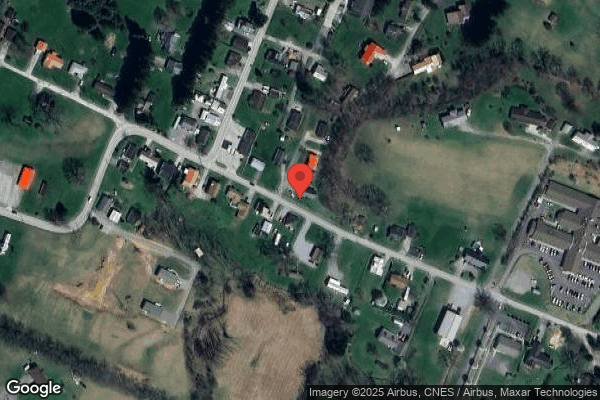
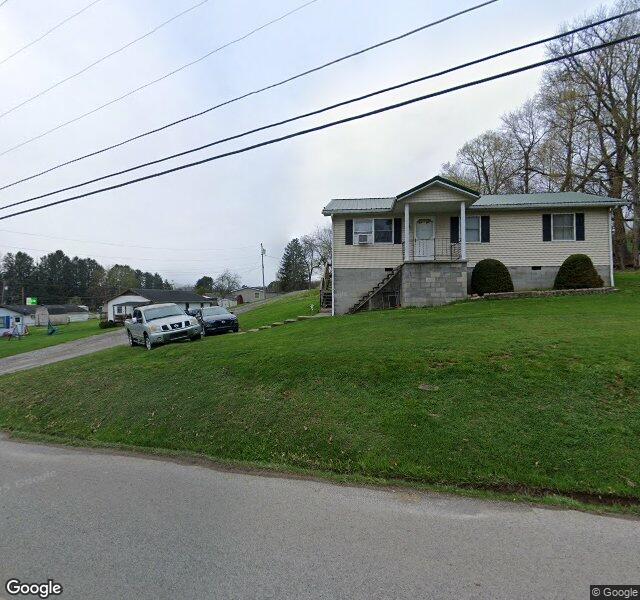
183 HOLBROOK ROAD, BUCKHANNON, WV 26201 (304) 472-3280
For profit - Limited Liability company 120 Beds COMMUNICARE HEALTH Data: November 2025 3 Immediate Jeopardy citations
Trust Grade
0/100
#102 of 122 in WV
Last Inspection: August 2023

Over 2 years since last inspection. Current conditions may differ from available data.

Overview

Holbrook Healthcare Center has received a Trust Grade of F, indicating significant concerns about the facility's care and operations. Ranked #102 out of 122 nursing homes in West Virginia, it falls in the bottom half, and it is the second-best option in Upshur County, with only one facility rated higher. While the facility's trend appears to be improving, going from 18 issues in 2023 to only 2 in 2025, it still reports 36 total issues, including critical findings related to abuse and neglect policies. Staffing is a weakness, with a poor rating of 1 out of 5 stars and less RN coverage than 99% of state facilities, although turnover is slightly below average at 37%. Additionally, the facility has accumulated $89,307 in fines, which is concerning and suggests ongoing compliance problems. Specific incidents include failing to properly investigate allegations of abuse, which put residents with severe cognitive impairments at risk and led to mental anguish for one resident.

Trust Score
F
0/100
In West Virginia
#102/122
Bottom 17%
Safety Record
High Risk
Review needed
Inspections
Getting Better
18 → 2 violations
Staff Stability
○ Average
37% turnover. Near West Virginia's 48% average. Typical for the industry.
Penalties
✓ Good
$89,307 in fines. Lower than most West Virginia facilities. Relatively clean record.
Skilled Nurses
⚠ Watch
Each resident gets only 12 minutes of Registered Nurse (RN) attention daily — below average for West Virginia. Fewer RN minutes means fewer trained eyes watching for problems.
Violations
⚠ Watch
36 deficiencies on record. Higher than average. Multiple issues found across inspections.
★☆☆☆☆
1.0
Overall Rating
★☆☆☆☆
1.0
Staff Levels
★★★☆☆
3.0
Care Quality
★★☆☆☆
2.0
Inspection Score
Stable
2023: 18 issues
2025: 2 issues

The Good

  • Full Sprinkler Coverage · Fire safety systems throughout facility
  • No fines on record
  • Staff turnover below average (37%)

    11 points below West Virginia average of 48%

Facility shows strength in fire safety.

The Bad

1-Star Overall Rating

Below West Virginia average (2.7)

Significant quality concerns identified by CMS

Staff Turnover: 37%

Near West Virginia avg (46%)

Typical for the industry

Federal Fines: $89,307

Well above median ($33,413)

Moderate penalties - review what triggered them

Chain: COMMUNICARE HEALTH

Part of a multi-facility chain

Ask about local staffing decisions and management

The Ugly 36 deficiencies on record

3 life-threatening
Jul 2025 2 deficiencies
CONCERN (D) 📢 Someone Reported This

A family member, employee, or ombudsman was alarmed enough to file a formal complaint

Potential for Harm - no one hurt, but risky conditions existed

Notification of Changes (Tag F0580)

Could have caused harm · This affected 1 resident

**NOTE- TERMS IN BRACKETS HAVE BEEN EDITED TO PROTECT CONFIDENTIALITY** Based on record review, staff interview, and family interview the facility failed to inform the Medical power of Attorney (MPOA)...

Read full inspector narrative →
**NOTE- TERMS IN BRACKETS HAVE BEEN EDITED TO PROTECT CONFIDENTIALITY** Based on record review, staff interview, and family interview the facility failed to inform the Medical power of Attorney (MPOA) of appointments for Resident #55, and failed to notify the physician and responsible party of a change in condition for Resident #7. This failed practice was found true for (2) two of (2) two residents reviewed for notification of change during the Long-Term Care Survey Process. Resident identifiers #55, and #7. Facility Census 107. Findings include: a) Resident #55 During a phone interview on 07/22/25 at 11:40 AM, The MPOA, for Resident #55 stated, A couple months ago they took him (Resident #55) all the way to Morgantown for a Dermatology appointment to have a procedure done. I only found out about the appointment because the doctor’s office called me to get permission to treat him. That's about 45 minutes away. A review of the Grievance Log on 07/24/2025 at 1:03 PM, revealed that the MPOA for Resident #55 filed a grievance about not being notified of the dermatology appointment on 03/24/25. Grievance reads as follows: MPOA upset that she was not notified of (Resident #55 named) dermatology appointment today. Resolved on 03/24/25 Specific actions taken to resolve grievance included: Dermatology appointment was cancelled prior due to inclement weather. Rescheduled for 03/24/25 at 2:00 PM. MPOA was notified of appointment change. Signed by The Licensed Social Worker (LSW). A witness statement is attached to the Grievance written by Clinical Manager Licensed Practical Nurse (CMLPN) #48 that reads as follows: Resident MPOA asked about Dermatology appointment during care plans. This nurse confirmed with transports about appointment and confirmed appointment was cancelled and rescheduled. MPOA then notified by this nurse. Signed (03/24/25) Further record review, revealed a nurses note dated 01/07/25 that reads as follows: Appt. with Dr. (name) on 01/07/2025 @ 1145 one time only for dermatology for 1 Day cancelled. The social service care plan note dated 01/20/25 reads as follows: (Resident #55) Quarterly care plan is scheduled for Wednesday, January 29, 2025. (Resident #55) lacks capacity r/t dementia and is DNR with limited interventions and no feeding tube. (Resident #55) completed the PHQ-9 with a score of 2, depressed-1 and little interest-1. He has a mood state care plan in place and is prescribed anti-depressant medications. [NAME] did not have any behaviors this ARD. [NAME] has a psychosocial care plan for feelings of loneliness. [NAME]'s sister/MPOA only wants to be asked about community referrals on comprehensive assessments. (Resident #55) is expected to remain in facility long term. Further record review found no notes in the medical record to indicate that the MPOA was notified of the new dermatology appointment made for Resident #55 for 03/24/25. During an interview on 07/28/25 at 11:45 AM, LSW stated, There is not a note in his chart to say the family was notified. The State Agency SA asked, How do you typically know when families are notified of appointments? The LSW replied, There is a note in the medical record. A record review on 07/28/25 at 12:15 PM, revealed a doctor summary titled {Dermatology Consult}, confirming that Resident # 55 went to the Dermatology appointment on 03/24/25 for a Biopsy x2 of the right arm. Resident #7 Documentation for a Computed Tomography Scan (CT) completed 09/04/24 was reviewed by the state surveyor. Notification of results were not documented in the resident's electronic medical chart for physician, patient or responsible party. On 07/28/2025 at 11:45 AM, the Regional Clinical Coordinator #131 confirmed that there was no documentation for physician, resident of responsible party notification and stated, I've looked and I can't find anything. The facility's policy and procedure Notification of Changes in Condition stated under Policy, Changes may include but are not limited to accidents, incidents, transfers, changes in overall health status, significant medical changes, therapy services changes, transfer, hospitalizations, or death.
CONCERN (D) 📢 Someone Reported This

A family member, employee, or ombudsman was alarmed enough to file a formal complaint

Potential for Harm - no one hurt, but risky conditions existed

ADL Care (Tag F0677)

Could have caused harm · This affected 1 resident

Based on family interview, staff interview, record review, and observation the facility failed to provide Activities of Daily Living (ADL) care to dependent residents. This failed practice was found t...

Read full inspector narrative →
Based on family interview, staff interview, record review, and observation the facility failed to provide Activities of Daily Living (ADL) care to dependent residents. This failed practice was found true for (1) one of (8) eight residents reviewed for ADL care during the Long-Term Care Survey Process. Resident identifier: #55. Facility Census: 107. Findings include: a) Resident #55 During a phone interview on 07/22/25 at 11:40 AM, The Medical Power of Attorney (MPOA) for Resident #55 stated, Every time I come to visit his fingernails need cut. Sometimes it makes indentions in his hand. An observation on 07/23/25 at 1:43 PM, of Resident #55's right and left hand, showed that he had fingernails that were long and jagged on both hands. A record review on 07/23/2025 at 1:46 PM, revealed an ADL care plan for Resident #55 that reads as follows:Focus: (Resident #55 named) has ADL Self Care Performance deficit with further decline expected related to progressive vascular leukoencephalopathy, MS, neoplasm of parotid gland requires assistance with ADL related to hx of CVA with L side hemiparesis, dementia, depression, arthritis, weakness, hx of polycythemia vera, leukoencephalopathy, anxiety disorder, unspecified mood (affective) disorder, CAD, low back pain, hx of seizure disorder, hyperlipidemia, no longer ambulates, and unspecified lack of coordination, traumatic hemorrhage of cerebrum. ADL's fluctuate with mood Goal:(Resident #55) will maintain current level of function as long as condition will allow Interventions related to nail care read as follows: Personal hygiene: Totally Dependent of 1- 1 helper does all the effort. Resident does none of the effort. During an observation and interview on 07/23/25 at 2:01 PM, Licensed Practical Nurse (LPN) #25 confirmed that Resident #55's fingernails were long and needed to be cut. The LPN then stated, I will get them cut today.
Dec 2023 6 deficiencies 3 IJ (2 affecting multiple)
CRITICAL (J) 📢 Someone Reported This

A family member, employee, or ombudsman was alarmed enough to file a formal complaint

Immediate Jeopardy (IJ) - the most serious Medicare violation

Free from Abuse/Neglect (Tag F0600)

Someone could have died · This affected 1 resident

Based on policy review, record review, and staff interview, the facility failed to protect a resident's right to be free from abuse that resulted in mental anguish for Resident #1. This was a random o...

Read full inspector narrative →
Based on policy review, record review, and staff interview, the facility failed to protect a resident's right to be free from abuse that resulted in mental anguish for Resident #1. This was a random opportunity for a discovery made during a complaint investigation. Resident identifier: #1. Facility census: 107. Using the reasonable person concept, the facility's failure to protect a resident's right to be free from abuse resulted in mental anguish for Resident #1 and had the potential to cause serious harm and or death. This was true for Resident #1. Facility Census: 107. Findings included: a) West Virginia Abuse, Neglect and Misappropriation Policy Review of the facility's West Virginia Abuse, Neglect and Misappropriation Policy revealed the following details: - Abuse was defined as intimidation or punishment resulting in physical harm, pain, or mental anguish. It was noted that abuse included mental abuse. - Physical Abuse was noted to include, but not be limited to, hitting slapping, pinching, biting, and kicking. - Verbal Abuse was noted to include the use of gestured communication, or sounds, to residents within hearing distance, regardless of age, ability to comprehend, or disability. Examples given included yelling or hovering over a resident, with the intent to intimidate. - An alleged violation was defined as a situation or occurrence that was observed or reported by staff, resident, relative, visitor, or others but has not yet been investigated and, if verified, could be noncompliance with the Federal requirements related to mistreatment, exploitation, neglect, or abuse. - Section V of the policy, titled Investigation of Incidents, noted if the individual reporting perceived an event to be abuse, neglect or misappropriation, the facility must report the event. - Section III of the policy, titled Prevention, directed that an employee who was alleged or accused of being a party to abuse would immediately be removed from the area(s) of resident care, interviewed by facility leadership for a written statement and not left alone. -Section VII, titled Reporting of Incidents and Facility Response, indicated: 1. All alleged violations will be reported to the Administrator immediately 2. The Administrator / Designee will report appropriate incidents to OHFLAC (Office of Health Facility Licensure and Certification), APS (Adult Protective Services), the Regional Ombudsman, and other local authorities, including but not limited to local law enforcement (if appropriate), as required by State law. 3. If the event that caused the allegation involves abuse, the self-report must be made immediately, but not later than two (2) hours after the allegation is made. 4. The results of the facility's investigation must be reported to the Administrator / Designee, OHFLAC, APS, Regional Ombudsman, and other officials as required by State law, within five working days of the incident. b) Staff Interview with CNA #22 During a telephone interview on 12/26/23 at 6:30 PM, CNA #22 stated other CNAs working the evening shift will purposefully provoke Resident #1 until he becomes agitated, screams, and demonstrates behaviors then staff giggle about it. They will get in his face and shake his chair, pull his hat off his head, taunt him by holding it out of reach, or poke him repeatedly on the cheek until he screams out. They say he will sleep better after such outbursts. CNA #22 stated she reported this to LPN #30, on 12/20/23 at approximately 1:00 AM, and was told probably not much that would be done about it. CNA #22 stated she then sent a text message, at approximately 1:30 AM, to the DON and expressed concern by texting, He's (Resident #1) is screaming because they had him agitated intentionally. CNA #22 reported she never received any response from the DON. CNA #22 reported being very upset regarding the fact that such treatment was happening in the building and went on to say as a severely cognitively impaired resident, having someone in your face shaking your chair, pulling your hat off your head and taunting you by holding it out of reach, and poking you repeatedly on your cheek until you screamed out, would be very upsetting and confusing. A subsequent record review revealed Resident #1 is a resident with severely impaired cognition. He has been diagnosed with Alzheimer's Disease and Dementia in other diseases classified elsewhere, unspecified severity, without behavioral disturbance, psychotic disturbance, mood disturbance, and anxiety, Insomnia. Resident #1 has a BIMS score of 01, suggesting severe cognitive impairment. c) Staff Interview with CNA #118 During a telephone interview on 12/27/23 at 9:37 AM, CNA #118 stated she had personally observed other CNAs working the evening shift purposefully provoke Resident #1 until he becomes agitated, screams, and demonstrates behaviors. She went on to say, It angers me. They think it's funny. It's not. Then when he does have combative behaviors the same staff act upset with him. It's not right. CNA #118 relayed she has not reported any of her concerns for fear of retaliation. She said, It's common knowledge amongst CNAs that if you say something, you might as well be prepared to leave your job. CNA #118 also reported that she has witnessed CNA #24 has placed Resident #1 in the nook by the shower room and then blocked the chair so Resident #1 could not be mobile throughout the building. Allegedly, CNA #24 has stated, He gets on my nerves. I'm tired of his wandering. d) Review of the Facility Reportables Log Review of the facility's reportable log, completed on 12/27/23 at 9:55 AM, revealed the allegation of abuse had not been reported to appropriate state agencies. e) Interview with the Director of Nursing (DON) and Administrator During an interview on 12/27/23 at 10:17 AM, the DON reported she would need to check her messages to determine if she had ever been notified of possible abuse/mistreatment of Resident #1 on the evening shift. On 12/27/23 at 11:16 AM, the DON confirmed she did receive a text from CNA #22 on 12/20/23 at 1:47 AM. She states when she had read the text, she had not interpreted CNA #22's statement to be an allegation of abuse. The DON confirmed this issue had never been reported and had never been investigated. Both the DON and the Administrator acknowledged that the facility had never reported the allegations of abuse to appropriate state agencies, nor was it addressed in any fashion within the building to prevent further abuse from happening. The facility was notified of the IJ (Immediate Jeopardy) at 3:00 PM on 12/27/23. The facility submitted their initial abatement plan of correction (POC) at 4:36 PM on 12/27/23. The State Office requested revision and the POC was approved at 5:39 PM on 12/27/23. After observation, staff interview, review of facility documentation, and record review determining the implementation of the POC, the IJ was abated at 6:30 PM on 12/27/23. The IJ started on 12/27/23 at 3:00 PM and ended on 12/27/23 at 6:30 PM. The facility's approved abatement POC consisted of the following: 1. Resident #1 being assessed by NP (Nurse Practitioner) for any psychosocial effects from incident. CNA #24 was immediately removed from the schedule upon notification on 12/27/23 and suspended pending investigation. This incident was immediately reported on 12/27/23 at 1:11 pm to OHFLAC (Office of Health Facility Licensure and Certification), APS (Adult Protective Services), Ombudsman and Nurse Aide Registry by the DON (Director of Nursing). 2. All alert residents were interviewed by Social Worker on 12/27/23 to identify other concerns and no other issues were identified. 3. All Staff was immediately re-educated on reporting allegations of abuse, including perceived threats of involuntary seclusion, immediately to OHFLAC, Nurse Aide Registry, APS, and Ombudsman or other licensing board as warranted with posttest for validation of understanding. All staff in facility at this time were also re-educated on immediate reporting of abuse allegations and the definition of abuse and involuntary seclusion and staff not available at this time will be re-educated prior to start of next scheduled shift including post-test to validate understanding. Staff will be reassured that any and all reports will remain confidential and ensure understanding of timely reporting to supervisor. The DON will review all texts timely that are received from staff, follow up with a phone call to staff related to incident, and subsequently follow all reporting guidelines if the allegation rises to that level. 4. Administrator/designee will round with all residents daily for two weeks, then three times a week for two weeks then per month for three months to identify residents with concerns of abuse and any allegations will be reported immediately to OHFLAC, Ombudsman, APS, Nurse Aide registry and other licensing board as warranted. All allegations of abuse and neglect will be reviewed at the facilities QAPI (Quality Assurance and Performance Improvement) meeting each month.
CRITICAL (K) 📢 Someone Reported This

A family member, employee, or ombudsman was alarmed enough to file a formal complaint

Immediate Jeopardy (IJ) - the most serious Medicare violation

Abuse Prevention Policies (Tag F0607)

Someone could have died · This affected multiple residents

**NOTE- TERMS IN BRACKETS HAVE BEEN EDITED TO PROTECT CONFIDENTIALITY** Based on staff interview and record review, the facility failed to implement their written Abuse and Neglect policy as it relate...

Read full inspector narrative →
**NOTE- TERMS IN BRACKETS HAVE BEEN EDITED TO PROTECT CONFIDENTIALITY** Based on staff interview and record review, the facility failed to implement their written Abuse and Neglect policy as it related to reporting allegations of abuse and failed to follow procedures to investigate any such allegations. Their lack of action to investigate the abuse allegation placed Resident #1 at continued risk of staff abuse for six (6) days prior to Surveyor intervention. Review of facility records found that there were 30 other residents who had a BIMS (Brief Interview for Mental Status) score between 0-7, suggesting severe cognitive impairment. They also were at risk of staff abuse. Resident identifiers: #1, #3, #6, #10, #13, #14, #17, #26, #34, #36, #37, #38, #44, #49, #50, #53, #55, #57, #60, #66, #67, #68, #75, #87, #89, #95, #97, #99, #103, #104, #111. Facility Census: 107. Findings included: a) West Virginia Abuse, Neglect and Misappropriation Policy Review of the facility's West Virginia Abuse, Neglect and Misappropriation Policy revealed the following details: - Abuse was defined as intimidation or punishment resulting in physical harm, pain, or mental anguish. It was noted that abuse included mental abuse. - Physical Abuse was noted to include, but not be limited to, hitting slapping, pinching, biting, and kicking. - Verbal Abuse was noted to include the use of gestured communication, or sounds, to residents within hearing distance, regardless of age, ability to comprehend, or disability. Examples given included yelling or hovering over a resident, with the intent to intimidate. - An alleged violation was defined as a situation or occurrence that was observed or reported by staff, resident, relative, visitor, or others but has not yet been investigated and, if verified, could be noncompliance with the Federal requirements related to mistreatment, exploitation, neglect, or abuse. - Section V of the policy, titled Investigation of Incidents, noted if the individual reporting perceived an event to be abuse, neglect or misappropriation, the facility must report the event. - Section III of the policy, titled Prevention, directed that an employee who was alleged or accused of being a party to abuse would immediately be removed from the area(s) of resident care, interviewed by facility leadership for a written statement and not left alone. -Section VII, titled Reporting of Incidents and Facility Response, indicated: 1. All alleged violations will be reported to the Administrator immediately 2. The Administrator / Designee will report appropriate incidents to OHFLAC (Office of Health Facility Licensure and Certification), APS (Adult Protective Services), the Regional Ombudsman, and other local authorities, including but not limited to local law enforcement (if appropriate), as required by State law. 3. If the event that caused the allegation involves abuse, the self-report must be made immediately, but not later than two (2) hours after the allegation is made. 4. The results of the facility's investigation must be reported to the Administrator / Designee, OHFLAC, APS, Regional Ombudsman, and other officials as required by State law, within five working days of the incident. b) Staff Interview with CNA #22 During a telephone interview on 12/26/23 at 6:30 PM, CNA #22 stated other CNAs working the evening shift will purposefully provoke Resident #1 until he becomes agitated, screams, and demonstrates behaviors then staff giggle about it. They will get in his face and shake his chair, pull his hat off his head, taunt him by holding it out of reach, or poke him repeatedly on the cheek until he screams out. They say he will sleep better after such outbursts. CNA #22 stated she reported this to LPN #30, on 12/20/23 at approximately 1:00 AM, and was told probably not much that would be done about it. CNA #22 stated she then sent a text message, at approximately 1:30 AM, to the DON and expressed concern by texting, He's (Resident #1) is screaming because they had him agitated intentionally. CNA #22 reported she never received any response from the DON. CNA #22 reported being very upset regarding the fact that such treatment was happening in the building and went on to say as a severely cognitively impaired resident, having someone in your face shaking your chair, pulling your hat off your head and taunting you by holding it out of reach, and poking you repeatedly on your cheek until you screamed out, would be very upsetting and confusing. A subsequent record review revealed Resident #1 is a resident with severely impaired cognition. He has been diagnosed with Alzheimer's Disease and Dementia in other diseases classified elsewhere, unspecified severity, without behavioral disturbance, psychotic disturbance, mood disturbance, and anxiety, Insomnia. Resident #1 has a BIMS score of 01, suggesting severe cognitive impairment. c) Staff Interview with CNA #118 During a telephone interview on 12/27/23 at 9:37 AM, CNA #118 stated she had personally observed other CNAs working the evening shift purposefully provoke Resident #1 until he becomes agitated, screams, and demonstrates behaviors. She went on to say, It angers me. They think it's funny. It's not. Then when he does have combative behaviors the same staff act upset with him. It's not right. CNA #118 relayed she has not reported any of her concerns for fear of retaliation. She said, It's common knowledge amongst CNAs that if you say something, you might as well be prepared to leave your job. CNA #118 also reported that she has witnessed CNA #24 has placed Resident #1 in the nook by the shower room and then blocked the chair so Resident #1 could not be mobile throughout the building. Allegedly, CNA #24 has stated, He gets on my nerves. I'm tired of his wandering. d) Review of the Facility Reportable Log Review of the facility's reportable log, completed on 12/27/23 at 9:55 AM, revealed the allegation of abuse had not been reported to appropriate state agencies. e) Review of Residents' Brief Interview for Mental Status (BIMS) Scores Resident #3's Quarterly Minimum Data Set (MDS), dated [DATE], reflected resident had a BIMS score of 03 suggesting severe cognitive impairment. Resident #6's Quarterly MDS, dated [DATE], reflected resident had a BIMS score of 07 suggesting severe cognitive impairment. Resident #10's Quarterly MDS, dated [DATE], reflected resident had a BIMS score of 05 suggesting severe cognitive impairment. Resident #13's Quarterly MDS, dated [DATE], reflected resident had a BIMS score of 07 suggesting severe cognitive impairment. Resident #14's Quarterly MDS, dated [DATE], reflected resident had a BIMS score of 06 suggesting severe cognitive impairment. Resident #17's Quarterly MDS, dated [DATE], reflected resident had a BIMS score of 99 suggesting severe cognitive impairment. Resident #26's Quarterly MDS, dated [DATE], reflected resident had a BIMS score of 04 suggesting severe cognitive impairment. Resident #34's Annual MDS, dated [DATE], reflected resident had a BIMS score of 06 suggesting severe cognitive impairment. Resident #36's admission MDS, dated [DATE], reflected resident had a BIMS score of 05 suggesting severe cognitive impairment. Resident #37's Quarterly MDS, dated [DATE], reflected resident had a BIMS score of 05 suggesting severe cognitive impairment. Resident #38's Quarterly MDS, dated [DATE], reflected resident had a BIMS score of 04 suggesting severe cognitive impairment. Resident #44's Quarterly MDS, dated [DATE], reflected resident had a BIMS score of 04 suggesting severe cognitive impairment. Resident #49's Quarterly MDS, dated [DATE], reflected resident had a BIMS score of 04 suggesting severe cognitive impairment. Resident #50's Quarterly MDS, dated [DATE], reflected resident had a BIMS score of 07 suggesting severe cognitive impairment. Resident #53's Annual MDS, dated [DATE], reflected resident had a BIMS score of 05 suggesting severe cognitive impairment. Resident #55's Medicare - 5 Day MDS, dated [DATE], reflected resident had a BIMS score of 99 suggesting severe cognitive impairment. Resident #57's Quarterly MDS, dated [DATE], reflected resident had a BIMS score of 07 suggesting severe cognitive impairment. Resident #60's Quarterly MDS, dated [DATE], reflected resident had a BIMS score of 03 suggesting severe cognitive impairment. Resident #66's Annual MDS, dated [DATE], reflected resident had a BIMS score of 07 suggesting severe cognitive impairment. Resident #67's Quarterly MDS, dated [DATE], reflected resident had a BIMS score of 03 suggesting severe cognitive impairment. Resident #68's Quarterly MDS, dated [DATE], reflected resident had a BIMS score of 03 suggesting severe cognitive impairment. Resident #75's Quarterly MDS, dated [DATE], reflected resident had a BIMS score of 04 suggesting severe cognitive impairment. Resident #87's Quarterly MDS, dated [DATE], reflected resident had a BIMS score of 03 suggesting severe cognitive impairment. Resident #89's admission MDS, dated [DATE], reflected resident had a BIMS score of 05 suggesting severe cognitive impairment. Resident #95's Quarterly MDS, dated [DATE], reflected resident had a BIMS score of 03 suggesting severe cognitive impairment. Resident #97's Significant Change MDS, dated [DATE], reflected resident had a BIMS score of 04 suggesting severe cognitive impairment. Resident #99's Annual MDS, dated [DATE], reflected resident had a BIMS score of 05 suggesting severe cognitive impairment. Resident #103's Annual MDS, dated [DATE], reflected resident had a BIMS score of 07 suggesting severe cognitive impairment. Resident #104's Annual MDS, dated [DATE], reflected resident had a BIMS score of 03 suggesting severe cognitive impairment. Resident #111's Quarterly MDS, dated [DATE], reflected resident had a BIMS score of 03 suggesting severe cognitive impairment. f) Interview with the Director of Nursing (DON) and Administrator During an interview on 12/27/23 at 10:17 AM, the DON reported she would need to check her messages to determine if she had ever been notified of possible abuse/mistreatment of Resident #1 on the evening shift. On 12/27/23 at 11:16 AM, the DON confirmed she did receive a text from CNA #22 on 12/20/23 at 1:47 AM. She states when she had read the text, she had not interpreted CNA #22's statement to be an allegation of abuse. The DON confirmed this issue had never been reported and had never been investigated. Both the DON and the Administrator acknowledged that the facility had never reported the allegation of abuse to appropriate state agencies, nor was it addressed in any fashion within the building to prevent further abuse from happening. The facility was notified of the IJ (Immediate Jeopardy) at 3:00 PM on 12/27/23. The facility submitted their initial abatement plan of correction (POC) at 4:36 PM on 12/27/23. The State Office requested revision and the POC was approved at 5:39 PM on 12/27/23. After observation, staff interview, review of facility documentation, and record review determining the implementation of the POC, the IJ was abated at 6:30 PM on 12/27/23. The IJ started on 12/27/23 at 3:00 PM and ended on 12/27/23 at 6:30 PM. The facility's approved abatement POC consisted of the following: 1. Resident #1 being assessed by NP (Nurse Practitioner) for any psychosocial effects from incident. CNA #24 was immediately removed from the schedule upon notification on 12/27/23 and suspended pending investigation. This incident was immediately reported on 12/27/23 at 1:11 pm to OHFLAC (Office of Health Facility Licensure and Certification), APS (Adult Protective Services), Ombudsman and Nurse Aide Registry by the DON (Director of Nursing). 2. All alert residents were interviewed by Social Worker on 12/27/23 to identify other concerns and no other issues were identified. 3. All Staff was immediately re-educated on reporting allegations of abuse, including perceived threats of involuntary seclusion, immediately to OHFLAC, Nurse Aide Registry, APS, and Ombudsman or other licensing board as warranted with posttest for validation of understanding. All staff in facility at this time were also re-educated on immediate reporting of abuse allegations and the definition of abuse and involuntary seclusion and staff not available at this time will be re-educated prior to start of next scheduled shift including post-test to validate understanding. Staff will be reassured that any and all reports will remain confidential and ensure understanding of timely reporting to supervisor. The DON will review all texts timely that are received from staff, follow up with a phone call to staff related to incident, and subsequently follow all reporting guidelines if the allegation rises to that level. 4. Administrator/designee will round with all residents daily for two weeks, then three times a week for two weeks then per month for three months to identify residents with concerns of abuse and any allegations will be reported immediately to OHFLAC, Ombudsman, APS, Nurse Aide registry and other licensing board as warranted. All allegations of abuse and neglect will be reviewed at the facilities QAPI (Quality Assurance and Performance Improvement) meeting each month.
CRITICAL (K) 📢 Someone Reported This

A family member, employee, or ombudsman was alarmed enough to file a formal complaint

Immediate Jeopardy (IJ) - the most serious Medicare violation

Investigate Abuse (Tag F0610)

Someone could have died · This affected multiple residents

Based on record review and staff interview, the facility failed to complete a thorough investigation of a staff member's allegation of resident abuse, maintain documentation that alleged violation was...

Read full inspector narrative →
Based on record review and staff interview, the facility failed to complete a thorough investigation of a staff member's allegation of resident abuse, maintain documentation that alleged violation was thoroughly investigated, and report the results to Adult Protective Services and the State Survey Agency, within five (5) working days of the incident in accordance with State law. The facility's failure to complete a thorough investigation of a staff member's allegation of resident abuse left residents who were deemed to be severely cognitively impaired at risk of further abuse. In addition, the facility failed to ensure the victim was protected from further abuse which put the residents at risk for additional serious harm and or death. Findings included: a) Staff Interview with CNA #22 During a telephone interview on 12/26/23 at 6:30 PM, CNA #22 stated other CNAs working the evening shift will purposefully provoke Resident #1 until he becomes agitated, screams, and demonstrates behaviors then staff giggle about it. They will get in his face and shake his chair, pull his hat off his head, taunt him by holding it out of reach, or poke him repeatedly on the cheek until he screams out. They say he will sleep better after such outbursts. CNA #22 stated she reported this to LPN #30, on 12/20/23 at approximately 1:00 AM, and was told probably not much that would be done about it. CNA #22 stated she then sent a text message, at approximately 1:30 AM, to the DON and expressed concern by texting, He's (Resident #1) is screaming because they had him agitated intentionally. CNA #22 reported she never received any response from the DON. CNA #22 reported being very upset regarding the fact that such treatment was happening in the building and went on to say as a severely cognitively impaired resident, having someone in your face shaking your chair, pulling your hat off your head and taunting you by holding it out of reach, and poking you repeatedly on your cheek until you screamed out, would be very upsetting and confusing. A subsequent record review revealed Resident #1 is a resident with severely impaired cognition. He has been diagnosed with Alzheimer's Disease and Dementia in other diseases classified elsewhere, unspecified severity, without behavioral disturbance, psychotic disturbance, mood disturbance, and anxiety, Insomnia. Resident #1 has a BIMS score of 01, suggesting severe cognitive impairment. b) Review of the Facility Reportable Log Review of the facility's reportable log, completed on 12/27/23 at 9:55 AM, revealed the allegation of abuse had not been reported to appropriate state agencies. c) Interview with the Director of Nursing (DON) and Administrator During an interview on 12/27/23 at 10:17 AM, the DON reported she would need to check her messages to determine if she had ever been notified of possible abuse/mistreatment of Resident #1 on the evening shift. On 12/27/23 at 11:16 AM, the DON confirmed she did receive a text from CNA #22 on 12/20/23 at 1:47 AM. She states when she had read the text, she had not interpreted CNA #22's statement to be an allegation of abuse. The DON confirmed this issue had never been reported and had never been investigated. Both the DON and the Administrator acknowledged that the facility had never reported the allegation of abuse to appropriate state agencies, nor was it addressed in any fashion within the building to prevent further abuse from happening. The facility was notified of the IJ (Immediate Jeopardy) at 3:00 PM on 12/27/23. The facility submitted their initial abatement plan of correction (POC) at 4:36 PM on 12/27/23. The State Office requested revision and the POC was approved at 5:39 PM on 12/27/23. After observation, staff interview, review of facility documentation, and record review determining the implementation of the POC, the IJ was abated at 6:30 PM on 12/27/23. The IJ started on 12/27/23 at 3:00 PM and ended on 12/27/23 at 6:30 PM. The facility's approved abatement POC consisted of the following: 1. Resident #1 being assessed by NP (Nurse Practitioner) for any psychosocial effects from incident. CNA #24 was immediately removed from the schedule upon notification on 12/27/23 and suspended pending investigation. This incident was immediately reported on 12/27/23 at 1:11 pm to OHFLAC (Office of Health Facility Licensure and Certification), APS (Adult Protective Services), Ombudsman and Nurse Aide Registry by the DON (Director of Nursing). 2. All alert residents were interviewed by Social Worker on 12/27/23 to identify other concerns and no other issues were identified. 3. All Staff was immediately re-educated on reporting allegations of abuse, including perceived threats of involuntary seclusion, immediately to OHFLAC, Nurse Aide Registry, APS, and Ombudsman or other licensing board as warranted with posttest for validation of understanding. All staff in facility at this time were also re-educated on immediate reporting of abuse allegations and the definition of abuse and involuntary seclusion and staff not available at this time will be re-educated prior to start of next scheduled shift including post-test to validate understanding. Staff will be reassured that any and all reports will remain confidential and ensure understanding of timely reporting to supervisor. The DON will review all texts timely that are received from staff, follow up with a phone call to staff related to incident, and subsequently follow all reporting guidelines if the allegation rises to that level. 4. Administrator/designee will round with all residents daily for two weeks, then three times a week for two weeks then per month for three months to identify residents with concerns of abuse and any allegations will be reported immediately to OHFLAC, Ombudsman, APS, Nurse Aide registry and other licensing board as warranted. All allegations of abuse and neglect will be reviewed at the facilities QAPI (Quality Assurance and Performance Improvement) meeting each month.
CONCERN (D) 📢 Someone Reported This

A family member, employee, or ombudsman was alarmed enough to file a formal complaint

Potential for Harm - no one hurt, but risky conditions existed

Report Alleged Abuse (Tag F0609)

Could have caused harm · This affected 1 resident

Based on record review and staff interview, the facility failed to ensure that an alleged violation involving resident abuse was reported, not later than 2 hours of the event / allegation being brough...

Read full inspector narrative →
Based on record review and staff interview, the facility failed to ensure that an alleged violation involving resident abuse was reported, not later than 2 hours of the event / allegation being brought to the facility's attention, to appropriate state agencies as required. Resident identifier: #1. Facility census: 107. Findings included: a) Staff Interview with CNA #22 During a telephone interview, on 12/26/23 at 6:30 PM, CNA #22 stated other CNAs working the evening shift will purposefully provoke Resident #1 until he becomes agitated, screams, and demonstrates behaviors then staff giggle about it. CNA #22 said They will get in his face and shake his chair, pull his hat off his head, taunt him by holding it out of reach, or poke him repeatedly on the cheek until he screams out. They say he will sleep better after such outbursts. CNA #22 stated she reported this to LPN #30, on 12/20/23 at approximately 1:00 AM, and was told probably not much that would be done about it. CNA #22 stated she then sent a text message, at approximately 1:30 AM, to the DON and expressed concern by texting, He's (Resident #1) is screaming because they had him agitated intentionally. CNA #22 reported she never received any response from the DON. CNA #22 reported being very upset regarding the fact that such treatment was happening in the building and went on to say as a severely cognitively impaired resident, having someone in your face shaking your chair, pulling your hat off your head and taunting you by holding it out of reach, and poking you repeatedly on your cheek until you screamed out, would be very upsetting and confusing. A subsequent record review revealed Resident #1 was a resident with severely impaired cognition. He had been diagnosed with Alzheimer's Disease and Dementia in other diseases classified elsewhere, unspecified severity, without behavioral disturbance, psychotic disturbance, mood disturbance, and anxiety, Insomnia. Resident #1 had a BIMS score of 01, suggesting severe cognitive impairment. b) Review of the Facility Reportable Log Review of the facility's reportable log, completed on 12/27/23 at 9:55 AM, revealed the allegation of abuse had not been reported to appropriate state agencies. c) Interview with the Director of Nursing (DON) and Administrator During an interview on 12/27/23 at 10:17 AM, the DON reported she would need to check her messages to determine if she had ever been notified of possible abuse/mistreatment of Resident #1 on the evening shift. On 12/27/23 at 11:16 AM, the DON confirmed she did receive a text from CNA #22 on 12/20/23 at 1:47 AM. She states when she had read the text, she had not interpreted CNA #22's statement to be an allegation of abuse. The DON confirmed this issue had never been reported and had never been investigated. Both the DON and the Administrator acknowledged that the facility had never reported the allegations of abuse to appropriate state agencies, nor was it addressed in any fashion within the building to prevent further abuse from happening.
CONCERN (D) 📢 Someone Reported This

A family member, employee, or ombudsman was alarmed enough to file a formal complaint

Potential for Harm - no one hurt, but risky conditions existed

Incontinence Care (Tag F0690)

Could have caused harm · This affected 1 resident

Based on observation, resident interview and staff interview the facility failed to care for an indwelling Foley catheter to meet the professional standards of practice. This was a random opportunity ...

Read full inspector narrative →
Based on observation, resident interview and staff interview the facility failed to care for an indwelling Foley catheter to meet the professional standards of practice. This was a random opportunity for discovery and had the potential to affect a limited number of residents who reside at the facility. Resident identified: #4, #24, and #18. Facility census 109. Findings included: a) Resident #4 During a tour of the facility on 02/26/24 at 12:00 PM Nurse Aide (NA) #26 and #300 were pushing Resident #4 out of his room in a wheelchair. It was noted that the indwelling Foley catheter collection bag was hanging on the arm rest on the wheelchair. It contained yellow urine with heavy sediment in the tubing. This placement of the collection bag was above the bladder and could cause back flow of urine into the bladder. In addition, there was not a privacy cover on the collection bag. When the two NAs were asked about the placement of the collection bag, Resident #4 stated, that is where they always put the bag and pointed to the collection bag hanging on the arm rest of the wheelchair. When asked about privacy cover NA #26 stated that is a nursing problem and I am a nurse aide. NA#300 immediately removed the collection bag from the arm rest and placed it under the wheelchair. b) Resident #24 On 02/26/24 at 12:12 PM it was noted the urine collection bag belonging to Resident #24 was on the floor. This was pointed out to NA #26. NA #26 stated his bed has to be low so there is nothing she can do about that. Then asked if she put the fall mat under it the catheter bag would that be ok. NA #300 readjusted the catheter collection bag and removed it from touching the floor. c) Resident #18 On 02/26/24 at 12:25 PM it was noted Resident #18 was resting in bed with a Foley catheter draining yellow urine into a collection bag hanging on the side of his bed facing the door. This collection bag did not have a privacy cover and was visible for anyone walking by the room to see. On 02/26/24 at 12:27 PM NA #100 was asked about the urine collection bag not having a cover on it for privacy. NA #100 stated she would get one and put it on now but did not know why there was not one already on. The above findings were discussed the Director of Nursing on 02/26/24 at 12:45 PM. Based on observation, resident interview and staff interview the facility failed to care for an indwelling Foley catheter to meet the professional standards of practice. This was a random opportunity for discovery and had the potential to affect a limited number of residents who reside at the facility. Resident identified: #4, #24, and #18. Facility census 109. Findings included: a) Resident #4 During a tour of the facility on 02/26/24 at 12:00 PM Nurse Aide (NA) #26 and #300 were pushing Resident #4 out of his room in a wheelchair. It was noted the indwelling Foley catheter collection bag was hanging on the arm rest on the wheelchair. It contained yellow urine with heavy sediment in the tubing. This placement of the collection bag was above the bladder and could cause back flow of urine into the bladder. In addition, there was not a privacy cover on the collection bag. When the two NAs were asked about the placement of the collection bag, Resident #4 stated, that is where they always put the bag and pointed to the collection bag hanging on the arm rest of the wheelchair. When asked about privacy cover NA #26 stated that is a nursing problem and I am a nurse aide. NA#300 immediately removed the collection bag from the arm rest and placed it under the wheelchair. b) Resident #24 On 02/26/24 at 12:12 PM it was noted the urine collection bag belonging to Resident #24 was on the floor. This was pointed out to NA #26. NA #26 stated his bed has to be low so there is nothing she can do about that. Then asked if she put the fall mat under it the catheter bag would that be ok. NA #300 readjusted the catheter collection bag and removed it from touching the floor. c) Resident #18 On 02/26/24 at 12:25 PM it was noted Resident #18 was resting in bed with a Foley catheter draining yellow urine into a collection bag hanging on the side of his bed facing the door. This collection bag did not have a privacy cover and was visible for anyone walking by the room to see. On 02/26/24 at 12:27 PM NA #100 was asked about the urine collection bag not having a cover on it for privacy. NA #100 stated she would get one and put it on now but did not know why there was not one already on. The above findings were discussed the Director of Nursing on 02/26/24 at 12:45 PM.
CONCERN (D) 📢 Someone Reported This

A family member, employee, or ombudsman was alarmed enough to file a formal complaint

Potential for Harm - no one hurt, but risky conditions existed

Deficiency F0698 (Tag F0698)

Could have caused harm · This affected 1 resident

Based on policy review, observation, staff interview, medical record review, the facility failed to ensure shared communication, coordination and collaboration between the dialysis center and the faci...

Read full inspector narrative →
Based on policy review, observation, staff interview, medical record review, the facility failed to ensure shared communication, coordination and collaboration between the dialysis center and the facility. This was true for two (2) of two (2) residents reviewed under the dialysis pathway during a complaint survey. Resident identifiers: #56 and #102. Facility census: 107. Findings included: a) Dialysis Policy A review of the Policies and Procedures outlined the pre-dialysis and post-dialysis requirements for Hemodialysis Care and Monitoring. It was noted that there is to be a 24 hour per day communication method established to communicate resident clinical status between the dialysis center and the facility. It further stated that the care of the resident receiving dialysis services will include ongoing communication, coordination and collaboration between the dialysis center and the facility that may include but is not limited to providing a pre and post documentation of resident assessment to evaluate the resident response to dialysis and update the care plan in collaboration with dialysis recommendations. b) Resident #56- Shared Communication A review of Resident #56's medical records, completed on 12/27/23 at 11:09 AM, identified the medical diagnosis of hypertensive chronic kidney disease with stage 5 chronic kidney disease or end stage renal disease, dependence on renal dialysis. The physician orders were reviewed and a physician order for dialysis on Monday, Wednesday, and Friday was identified. During a review of Resident #56's care plan, it was identified that the facility is to: -Communicate and send Dialysis Communication record with Resident #56 to every dialysis appointment for any reports -Communicate with the dialysis center regarding medication, diet, and lab results; and Coordinate residents care in collaboration with the dialysis center. -Check complete dialysis communication log records on return from dialysis appointments for any report. A review of the pre/post dialysis communication log forms for the month of November 2023 and December 2023 identified missing pre/post communication forms for the following three dates: 11/10/23; 12/11/23; and 12/13/23. On 12/27/23 at 6:30 PM, the Executive Director was given a list of dates the pre/post communication forms had not been located for. The Executive Director stated it is difficult sometimes to get the dialysis center to return them. No further dialysis communication pre/post forms were provided during the survey through the exit conference for 11/10/23; 12/11/23; and 12/13/23. c) Resident #102 - Shared Communication During Resident #102 ' s medical record review, completed on 12/27/2023 at 11:30 AM, it was identified that the resident has a diagnosis of end stage renal disease, dependence on renal dialysis, essential (primary) hypertension, and anemia in chronic kidney disease. The physician orders were reviewed and a physician order for dialysis on Monday, Wednesday, and Friday was identified. Review of Resident #102 ' s care plan identified that the facility was to: -Communicate with the Dialysis center regarding medications, vital signs, weights, any restrictions, diet orders, nutritional /fluid needs, lab results, and who to notify with concerns. -Coordinate residents care in collaboration with the dialysis center. -Evaluate the resident following dialysis treatment. Report abnormal findings to the medical provider, nephrologist/dialysis center, resident/resident representative. A review of the pre/post dialysis communication log forms for the month of November 2023 and December 2023 identified missing pre/post communication forms for 11/15/23 and 12/04/23. On 12/27/23 at 6:30 PM, the Executive Director was given a list of dates the pre/post communication forms had not been located for. The Executive Director stated it is difficult sometimes to get the dialysis center to return them. No dialysis communication pre/post forms were provided during the survey through the exit conference for 11/15/23 and 12/4/23.
Oct 2023 1 deficiency
CONCERN (E) 📢 Someone Reported This

A family member, employee, or ombudsman was alarmed enough to file a formal complaint

Potential for Harm - no one hurt, but risky conditions existed

Food Safety (Tag F0812)

Could have caused harm · This affected multiple residents

. Based on staff interview, observations and record review the facility failed to properly hold and serve cold foods at a temperature of 41 degrees Fahrenheit (F) or below. This failed practice had th...

Read full inspector narrative →
. Based on staff interview, observations and record review the facility failed to properly hold and serve cold foods at a temperature of 41 degrees Fahrenheit (F) or below. This failed practice had the potential to affect more than a limited number of residents. Facility census: 107 Findings included: A) Noontime Meal on 10/08/23 An observation on 10/08/23 at 11:45AM found, [NAME] # 95 took the temperatures of the lunch meal on the holding table. The macaroni salad was 64 degrees F. The tomato cucumber salad was 46.7 degrees F. The puree macaroni salad was 57.3 degrees F. The last tray on the 100 hall was tested for cold temperatures by the dietary manager at the time of service to the resident. At this time the macaroni salad was 64.4 degrees F. During an interview on 10/08/23 at 11:45 AM, [NAME] #95 confirmed cold food should be held and served at 41 degrees F or below. He further stated, My ice must have melted. Later in the afternoon the dietary manager confirmed the macaroni salad was above 41 degrees F. The facility's policy titled, Food: Preparation HCSG Policy 016 dated 09/2017 read as follows under procedure number 4: The dining services director/Cook will be responsible for food preparation techniques which minimize the amount of time that food items are exposed to temperatures greater than 41 degrees F and/or less than 135 degrees F.
Aug 2023 11 deficiencies
CONCERN (D)

Potential for Harm - no one hurt, but risky conditions existed

Deficiency F0558 (Tag F0558)

Could have caused harm · This affected 1 resident

**NOTE- TERMS IN BRACKETS HAVE BEEN EDITED TO PROTECT CONFIDENTIALITY** . Based on observation, resident interviews, and staff interview, the facility failed to provide reasonable accommodations of ne...

Read full inspector narrative →
**NOTE- TERMS IN BRACKETS HAVE BEEN EDITED TO PROTECT CONFIDENTIALITY** . Based on observation, resident interviews, and staff interview, the facility failed to provide reasonable accommodations of needs to the residents in room [ROOM NUMBER] and #407. The commode was not functional and flushable. This is a random opportunity for discovery. Facility census: 107. Findings included: a) Shared Bathroom for room [ROOM NUMBER] and #407 During the initial interview, on 08/07/23 at 11:56 AM, Resident #40 stated the toilet was not flushing at times. The resident said, A few guys came in and tried to fix it. During the Resident Council Meeting held on 08/08/23 starting at 2:30 PM, Resident #4 stated, Our toilet has had issues for about a week or a little longer, it's not flushing all the time. Resident #40 stated, It's been an ongoing issue and the maintenance has fixed it several times, but it has not worked all day. On 08/08/23 at 3:30 PM, this surveyor and the Administrator #22 went to room [ROOM NUMBER] to observe the commode to see if it was functioning properly. Upon arriving at the shared bathroom for room [ROOM NUMBER] and #407, a foul odorous smell was present when opening the bathroom door. Observation revealed there was bowel movement and a lot of toilet tissue stacked in the commode. This surveyor told the Administrator, This would be a good time to see if it flushes, it's definitely not been flushed in a while. The Administrator tried to flush the commode and it did not work. The Administrator acknowledged the commode was not functioning properly.
CONCERN (D)

Potential for Harm - no one hurt, but risky conditions existed

Notification of Changes (Tag F0580)

Could have caused harm · This affected 1 resident

**NOTE- TERMS IN BRACKETS HAVE BEEN EDITED TO PROTECT CONFIDENTIALITY** Based on record review and staff interview the facility failed to notify the representative/family when one (1) of three (3) res...

Read full inspector narrative →
**NOTE- TERMS IN BRACKETS HAVE BEEN EDITED TO PROTECT CONFIDENTIALITY** Based on record review and staff interview the facility failed to notify the representative/family when one (1) of three (3) residents reviewed for the care area of hospitalization experienced significant medical changes. Resident identifier: #104. Facility census 107. Findings included: a) Resident #104 A record review, completed on 08/07/23 at 7:45 PM, revealed Resident #104 had capacity to make his own medical decisions. It also revealed Resident #104 was transferred to the hospital on [DATE]. Resident #104's son was listed as Emergency Contact on the profile pag Nurse Practitioner #124 documented in a note, dated 07/31/23 at 4:52 PM, (Name of medical center) contacted per transport staff to arrange hematology/oncology follow up related to Hgb [hemoglobin] 7.8 with chronic anemia requiring frequent transfusions. With exception of fatigue, resident is asymptomatic at present. (Name of medical center) primary care provider adamant that resident be sent through emergency room due to anemia in the setting of multiple comorbidities. Resident wishes to pursue ER visit as he maintains most of his care through (Name of medical center.) Licensed Practical Nurse (LPN) #5 documented in a nurses note, dated 07/31/23 at 5:09 PM, Order received to send to ER (Emergency Room) related to low hemoglobin. Resident alert and oriented. Left facility via ambulance. The Transfer form, dated 07/31/23, listed resident as his own Resident Representative. There was no evidence the resident representative/next of kin/emergency contact was notified of transfer. The State Operations Manual, Appendix PP - Guidance to Surveyors for Long Term Care Facilities states, Even when a resident is mentally competent, his or her designated resident representative or family, as appropriate, should be notified of significant changes in the resident's health status because the resident may not be able to notify them personally, especially in the case of sudden illness or accident. During an interview, on 08/08/23 at 11:46 AM, the Director of Nursing (DON) indicated the facility had not notified Resident #104's designated representative/family member of the transfer to the hospital.
CONCERN (D)

Potential for Harm - no one hurt, but risky conditions existed

Safe Environment (Tag F0584)

Could have caused harm · This affected 1 resident

**NOTE- TERMS IN BRACKETS HAVE BEEN EDITED TO PROTECT CONFIDENTIALITY** . Based on observation and staff interview, the facility failed to provide a safe, clean, comfortable, and homelike environment ...

Read full inspector narrative →
**NOTE- TERMS IN BRACKETS HAVE BEEN EDITED TO PROTECT CONFIDENTIALITY** . Based on observation and staff interview, the facility failed to provide a safe, clean, comfortable, and homelike environment for one (1) of 26 resident rooms observed during the long-term care survey process. room [ROOM NUMBER]. Resident Identifier: #52. Facility Census: 107. Findings included: a) room [ROOM NUMBER] During the initial tour of the facility on 08/07/23 at 1:33 PM, the following issue was identified: -The wall beside Resident #52's bed was in poor repair. There were many, multiple long scratches, scrapes, and gouges approximately 12 inches in length and spanning approximately 3 ½ feet across the wall. These scratches had removed the paint from the wall and left small gouges. -The wall behind Resident #52's bed had multiple peeling scratches spanning approximately 6 - 12 inches long. -There were two (2) gouges on the wall above the towel rack beside the sink in the room. The two (2) gouges were approximately the diameter of a racquetball. -The wooden bathroom door had a chipped/broken area by the door handle. The chipped area was approximately 4 inches in length. -There were also multiple scrapes on the wall where the sink was located. The scrapes were under the television area and lower to the ground. The Social Worker at 10:10 AM on 08/08//23, observed the above-mentioned concerns and stated the condition of the room was not a homelike environment. The Social Worker reported she would have it addressed promptly. .
CONCERN (D)

Potential for Harm - no one hurt, but risky conditions existed

Transfer Notice (Tag F0623)

Could have caused harm · This affected 1 resident

**NOTE- TERMS IN BRACKETS HAVE BEEN EDITED TO PROTECT CONFIDENTIALITY** Based on medical record review and staff interview, the facility failed to provide evidence a resident/resident's representative...

Read full inspector narrative →
**NOTE- TERMS IN BRACKETS HAVE BEEN EDITED TO PROTECT CONFIDENTIALITY** Based on medical record review and staff interview, the facility failed to provide evidence a resident/resident's representative was provided a written Notice of Transfer/Discharge when a resident was discharged from the facility. This was true for two (2) of three (3) residents reviewed for hospitalizations in the long-term care survey process. Resident identifiers: #104 and #16. Facility census: 107. Findings included: a) Resident #104 A medical record review completed on 08/07/23 at 7:45 PM, identified the following details: -Resident #104 was transferred to the hospital on [DATE]. -There was no evidence of a Notice of Transfer/Discharge being provided to resident and/or resident's representative. During an interview on 08/08/23 at 12:30 PM, the Administrator reported the facility had no evidence a Notice of Transfer/Discharge had been issued. b) Resident #16 A medical record review completed on 08/08/23 at 10:37 AM, identified the following details: -Resident #164 was transferred to the hospital on [DATE]. -There was no evidence of a Notice of Transfer/Discharge being provided to resident and/or resident's representative. During an interview on 08/08/23 at 12:30 PM, the Administrator reported the facility had no evidence a Notice of Transfer/Discharge had been issued.
CONCERN (D)

Potential for Harm - no one hurt, but risky conditions existed

MDS Data Transmission (Tag F0640)

Could have caused harm · This affected 1 resident

**NOTE- TERMS IN BRACKETS HAVE BEEN EDITED TO PROTECT CONFIDENTIALITY** . Based on medical record review and staff interview, the facility failed to transmit a discharge minimum data set (MDS) assess...

Read full inspector narrative →
**NOTE- TERMS IN BRACKETS HAVE BEEN EDITED TO PROTECT CONFIDENTIALITY** . Based on medical record review and staff interview, the facility failed to transmit a discharge minimum data set (MDS) assessment within 14 days of completion. This was true for one (1) of one (1) resident reviewed for discharge assessments. Resident identifier: #33. Facility census: 107. Findings include: a) Record review Review of the medical record on 08/07/23 revealed Resident #33 was admitted to the facility for therapy on 03/08/23 and discharged to home on [DATE]. The discharge MDS assessment dated [DATE] noted no anticipated return. Further review identified the discharge assessment was not included in the transmission batch and not sent into the Centers for Medicare and Medicaid Services (CMS). On 08/08/23 at 08:46 AM R#33's discharge MDS was reviewed with MDS/Licensed Practical Nurse (LPN) #25 and MDS LPN #61. Both LPNs acknowledged the discharge assessment was not sent to CMS. .
CONCERN (D)

Potential for Harm - no one hurt, but risky conditions existed

Deficiency F0645 (Tag F0645)

Could have caused harm · This affected 1 resident

**NOTE- TERMS IN BRACKETS HAVE BEEN EDITED TO PROTECT CONFIDENTIALITY** . Based on record review and staff interviews, the facility failed to ensure the resident's Pre-admission Screening (PAS) reflec...

Read full inspector narrative →
**NOTE- TERMS IN BRACKETS HAVE BEEN EDITED TO PROTECT CONFIDENTIALITY** . Based on record review and staff interviews, the facility failed to ensure the resident's Pre-admission Screening (PAS) reflected a pre-admission mental health diagnosis for one (1) of two (2) residents reviewed for the category of PASARR (Pre-admission Screening and Resident Review). Resident #50 was diagnosed with bipolar disorder. The lack of pre-screening resulted in the resident's condition not being evaluated through the Level II PASARR process. Resident identifier #50. Census 107. Findings included: a) Resident #50 A record review, completed on 08/08/23 at 1:05 PM, found the following details: -Resident #50 had previously been admitted to the facility on [DATE] and was discharged from the facility on 06/25/21. During this stay resident had a bipolar disorder diagnosis. -Resident #50 was readmitted the facility on 07/02/21. The resident was re-admitted with the bipolar disorder diagnosis. -There was a Pre-admission Screen (PAS) dated 07/01/21. This PAS was completed by the facility and failed to include Resident #50's bipolar diagnosis under Section III, Question #30. -There was a second PAS completed on 05/12/23. This PAS was completed by the facility and failed to include Resident #50's bipolar diagnosis under Section III, Question #30. During an interview, on 08/08/23 at 2:20 PM, the Social Worker confirmed the facility had failed to ensure the mental health diagnosis of bipolar disorder was included on the two (2) Pre-admission Screen (PAS) forms completed by the facility. The Social Worker stated the facility had overlooked resident's bipolar diagnosis when completing the paperwork and agreed the lack of pre-screening resulted in the resident's condition not being evaluated through the Level II PASARR (Pre-admission Screening and Resident Review) process.
CONCERN (D)

Potential for Harm - no one hurt, but risky conditions existed

Respiratory Care (Tag F0695)

Could have caused harm · This affected 1 resident

. Based on observation, medical record review and staff interview the facility failed to provide necessary respiratory care and services. This was true for two (2) of three (3) residents reviewed for ...

Read full inspector narrative →
. Based on observation, medical record review and staff interview the facility failed to provide necessary respiratory care and services. This was true for two (2) of three (3) residents reviewed for respiratory services during the investigation phase of the survey process. Resident Identifiers: Resident #98 and Resident #105. Facility Census: 107. Findings Included: a) Resident #98 During the initial tour of the facility on 08/07/23 at 11:27 AM, observation found Resident # 98 laying in bed receiving oxygen (02) via nasal cannula. The oxygen flow rate was at three (3) liter/minute (l/m) via nasal cannula. During a record review on 08/07/23 at 3:30 PM Resident #98 medical records revealed a physician order dated 05/22/23 Oxygen at two (2) L/M via nasal Cannula every shift for hypoxemia. An observation on 08/08/23 at 9:38 AM, found Resident #98 was laying in bed receiving oxygen via nasal cannula. The oxygen flow rate was at three (3) liter/minute (l/m) via nasal cannula. During an observation on 08/08/23 at 1:09 PM, Resident #98 was sitting in a wheelchair in the hallway with no oxygen via nasal cannula. During an observation on 08/08/23 at 1:45 PM, Resident #98 continues to be sitting in a wheelchair in the hallway with no oxygen via the nasal cannula. During an interview on 08/08/23 at 2:11 PM, Licensed Practical Nurse (LPN) #40 stated I honestly don't know anything about her oxygen. I don't work the halls. I am just filling in today. During an interview on 08/08/23 at 2:14 PM, the Director of Nursing(DON) #114 stated Resident #98 should have an oxygen tank on her wheelchair and there was none. On 08/08/23 at 2:18 PM, the DON acknowledged Resident #98 was receiving her oxygen at three (3) l/m. The DON reviewed Resident #98's orders and verified the physician orders for oxygen was two (2) m/l. During a record review on 08/08/23 at 4:00 PM, Resident # 98 medical records revealed a progress note dated 08/08/23 at 1:00 PM, by the Nurse Practitioner (typed as written,) X-ray report reviewed, shows new mild left basilar infiltrate. Afebrile. Last white blood count (WBC) 14.8. Doxycycline and Cefuroxime added for Pneumonia. Speech Language Pathologist (SLP) screen requested. Awaiting re-weigh. Medical Power of Attorney (MPOA) notified of new orders and in agreement with current plan of care. b) Resident #105 During the initial tour of the facility on 08/07/23 at 11:27 AM, observation found Resident #105 was sitting in a wheelchair receiving oxygen via nasal cannula. The oxygen flow rate was at one (1) liter/minute (l/m) via nasal cannula. During a record review on 08/07/23 at 3:33 PM, Resident #105's medical record revealed a physician order dated 05/22/23, Oxygen at two (2) L/M via nasal Cannula every shift. Further record review revealed an admitting diagnosis on 04/18/23, of Chronic Obstructive Pulmonary Disease, Unspecified. During an observation on 08/08/23 at 9:38 AM, Resident #105 was sitting in her wheelchair with the oxygen flow rate was at one (1) liter/minute (l/m) via nasal cannula During an observation on 08/08/23 at 01:10 PM, Resident #105 was laying in bed with the oxygen flow rate was at one (1) liter/minute (l/m) via nasal cannula On 08/08/23 at 2:18 PM, the DON acknowledged Resident #105 was receiving her oxygen at one and half (1.5) l/m. After review of Resident #105's orders, the DON verified the physician orders for oxygen was two (2) m/l.
CONCERN (D)

Potential for Harm - no one hurt, but risky conditions existed

Medical Records (Tag F0842)

Could have caused harm · This affected 1 resident

Based on record review, resident interview, and staff interview the facility failed to ensure professional standards and practice to maintain accurate and complete medical records. The facility failed...

Read full inspector narrative →
Based on record review, resident interview, and staff interview the facility failed to ensure professional standards and practice to maintain accurate and complete medical records. The facility failed to follow a physician order for a palm protector. This was a random opportunity for discovery. Resident Identifier: Resident #55. Facility Census: 107. Findings Included: a) Resident #55 During a record review on 08/07/23 at 2:00 PM, Resident #55's medical records revealed a physician order dated 02/21/23, Palm protector to be placed in left hand for 23 out of 24 hours/day and removed for bathing and therapy to prevent skin breakdown and contractures. During an observation on 08/07/23 at 2:30 PM, Resident #55 was not observed wearing the palm protector while laying in bed. During an observation on 08/08/23 at 8:36 AM, Resident #55 was not wearing the palm protector in her left hand. During a record review on 08/08/23 at 9:30 AM, Resident #55 Treatment Administration Record was coded on 08/08/23 that the resident was wearing the palm protector. During an observation on 08/08/23 at 9:39 AM, found Resident #55 was not wearing the palm protector in her left hand while laying in bed. During an observation on 08/08/23 at 11:57 AM, Resident was not wearing a palm protector in her left hand. During an interview on 08/08/23 at 11:57 AM, Resident #55 stated they never put on the palm protector. During an interview on 08/08/23 at 11:59 AM, Nurse Aide (NA) #45 and NA #95 stated we do not put the palm protector on Resident #55 name. The treatment nurse or the floor nurse does it. During an interview on 08/08/23 at 12:03 PM, Licensed Practical Nurse (LPN) #40 stated I put the palm protector on when I gave her morning medication at eight (8). She must have taken it off, she will never let us put it on her she says it hurts. On 08/08/23 at 12:06 PM, the Director of Nursing (DON) acknowledged Resident #55 did not have a palm protector in her left hand. After review of Resident #55's orders, the DON verified the physician orders for the palm protector to be placed in left hand for 23 out of 24 hours/day and removed for bathing and therapy to prevent skin breakdown and contractures. Further review of the medical records revealed no evidence of documentation of Resident #55's refusal of wearing the palm protector.
CONCERN (E)

Potential for Harm - no one hurt, but risky conditions existed

Menu Adequacy (Tag F0803)

Could have caused harm · This affected multiple residents

. Based on resident interview, observations and staff interview the facility failed to provide notification of changes to the menu for residents who ate breakfast in their rooms. These residents were ...

Read full inspector narrative →
. Based on resident interview, observations and staff interview the facility failed to provide notification of changes to the menu for residents who ate breakfast in their rooms. These residents were not notified of the change in the breakfast menu or when there were food substitutions. This had the potential to affect all residents receiving nutrition from the kitchen. Facility census:107 Findings included: a) Breakfast menu changes During an interview on 08/08/23 at 8:05 AM with Resident #61, reported she had not received what was on the breakfast menu. On 08/08/23 she received French toast and oatmeal, which was to be served for breakfast on 08/07/23. Resident #61 was not notified there were any changes or substitutions to the breakfast menus for either date. A review of the weekly menu verified on 08/07/23 the breakfast menu was French toast and ham. On 08/08/23 the breakfast menu was scrambled eggs with cheese, sausage patty and a biscuit. It was verified the breakfast menus for these two (2) days had been altered. During an interview with the Dietary Manager (DM), on 08/08/23 at 8:45 AM, the DM did confirm the breakfast menus for 08/07/23 and 08/08/23 had been switched. She also reported that all or most of the residents eat breakfast in their rooms. The DM verified residents were not notified of the menu changes or substitutions for breakfast. She also reported a public address (PA) announcement was given prior to lunch and dinner meals regarding any menu changes. She reported there was no system in place to inform residents of changes to the breakfast menu, since the PA announcements were not done in the early morning, and residents would have no knowledge of any breakfast menu changes. .
CONCERN (E)

Potential for Harm - no one hurt, but risky conditions existed

Food Safety (Tag F0812)

Could have caused harm · This affected multiple residents

. Based on observation and staff interview the facility failed to store, prepare, distribute, and serve food in accordance with professional standards for food service safety. The floor to the walk-in...

Read full inspector narrative →
. Based on observation and staff interview the facility failed to store, prepare, distribute, and serve food in accordance with professional standards for food service safety. The floor to the walk-in cooler was dirty, the shelving units for the baking pans and bowls had a buildup of dust, and a very soiled industrial metal box used to catch rodents was located under the clean hand washing sink and in proximity of the preparation and serving tray line. This had the potential to affect any resident receiving nourishment from the kitchen. Facility census: 107 Findings included: a) Kitchen tour During the kitchen tour on 08/07/23 at 10:50 AM, it was discovered the floor of the walk-in cooler was heavily soiled with a crusty substance. The three (3) shelving units which had bowls and baking pans stored rim down on shelves, had a heavy dust film and cobwebs. Also, an industrial metal box about ten inches in length used to catch rodents was located directly under the clean hand washing sink and very close to the preparation and serving tray line. It was extremely dirty and had not been moved recently. In an interview with the Dietary Manager (DM) on 08/08/23 at 8:10 AM, the DM verified the floor to the walk-in cooler was heavily soiled, and the three (3) shelving units were dirty and needed to be cleaned. The rodent trap had been removed from under the clean hand washing sink, she also verified that was not an appropriate location for a rodent trap.
MINOR (C)

Minor Issue - procedural, no safety impact

Deficiency F0868 (Tag F0868)

Minor procedural issue · This affected most or all residents

. Based on policy review, record review, and staff interviews, the facility failed to ensure the quality assessment and assurance (QAA) committee meetings was composed of the required committee member...

Read full inspector narrative →
. Based on policy review, record review, and staff interviews, the facility failed to ensure the quality assessment and assurance (QAA) committee meetings was composed of the required committee members. This was a random opportunity for discovery. Facility Census: 108 Findings Included: a) Quality Assurance Performance Improvement (QAPI) attendance A review of the facility policy titled QAPI (Quality Assurance Performance Improvement) Plan with a revision date of 10/01/22 found the following: .II. Element 2: Governance and Leadership .d. Process Tools: i. QAPI committee sign in and agenda and the QAPI communication tool . During a record review, on 08/09/23 at 8:27 AM, the QAPI Meeting attendance form was void with the actual signatures of the persons attending the meeting. The facility documentation titled QAPI meeting Agenda and Minutes read as follows. Attendees of the meeting: (print and sign, name, and title). A review of the facility's QAPI attendance list revealed the following members: Medical Director, Executive Director, administrator, Director of Nursing, Activity Director and Unit Manager, Nutritional Care Director, Housekeeping/Laundry, Maintenance, Social Services and Nurse Practitioner/Infection Control. A request was made for the attendance sheet from the QAPI meetings with required signatures. During an interview on 08/09/23 at 8:45 AM, the Administrator stated some of the QAPI committee attended via ZOOM. The administrator said, We don't have a signature sheet, we just do an attendance sheet of who attended. During an interview, on 08/09/23 at 9:45 AM, the Administrator acknowledged that their facility's QAPI Agenda and meeting form stated the committee members required a signature of attendance.
Apr 2022 6 deficiencies
CONCERN (D)

Potential for Harm - no one hurt, but risky conditions existed

Resident Rights (Tag F0550)

Could have caused harm · This affected 1 resident

. Based on observation and staff interview, the facility failed to treat each resident with respect and dignity as evidenced by failing to cover a urinary catheter bag with a privacy cover. This was a...

Read full inspector narrative →
. Based on observation and staff interview, the facility failed to treat each resident with respect and dignity as evidenced by failing to cover a urinary catheter bag with a privacy cover. This was a random opportunity for discovery. Resident identifier: #39. Facility census: 109. Findings Included: a) Resident #39 On 04/04/22 at 12:15 PM, Resident #39 was observed sitting in a chair in the hallway. Resident #39's urinary catheter bag was attached to the side of the chair without a privacy bag covering the urinary catheter bag. On 04/04/22 at 12:16 PM, Nurse Aide (NA) #104 confirmed Resident #39's urinary catheter bag was not covered with a privacy bag. NA #104 stated I will go and get one now. On 04/05/22 at 10:38 AM, the Administrator acknowledged urinary catheter bags should be covered with privacy bags at all times. .
CONCERN (D)

Potential for Harm - no one hurt, but risky conditions existed

Report Alleged Abuse (Tag F0609)

Could have caused harm · This affected 1 resident

. Based on resident interview, staff interview, and policy review, the facility failed to ensure that all alleged violations involving abuse and neglect were reported to appropriate state agencies as ...

Read full inspector narrative →
. Based on resident interview, staff interview, and policy review, the facility failed to ensure that all alleged violations involving abuse and neglect were reported to appropriate state agencies as required. This had the potential to affect a limited number of residents. This was a random opportunity for discovery identified during an annual survey and involved one (1) of four (4) halls in the facility. Resident identifier: #41. Facility census: 109. Findings included: a) Review of the facility's [NAME] Virginia Abuse, Neglect and Misappropriation Policy revealed that each report of alleged abuse or neglect would be identified and reported. b) Resident #41 During an interview on 04/05/22 at 1:25 PM, Resident #41 reported frequently told by Nurse Aides (NA's), You're not the only person we take care of we have others. You have to wait your turn. When talking about being changed out of soiled briefs Resident #41 stated, They make us wait too long, sometimes it can be hours. Staff will unplug the call lights and shut the door behind them. Resident #41 added this is always after it gets dark. A subsequent review of Resident #41's electronic medical record review found a Brief Interview for Mental Status (BIMS), with an assessment reference date of 02/09/22, reflecting a BIMS score of 15. A score of 15 is indicative that Resident #41 is cognitively intact and would be able to accurately remember events. During an interview on 04/05/22 at 2:52 PM, Social Worker (SW) #69 reported she did not find Resident #41's allegation that NA's would unplug the call lights in resident's room and shut the door behind them surprising. SW #69 further stated that several weeks back an NA had reported to the SW there was a rumor the 300 hall staff were pulling call bells so residents could not seek help. Social Worker #69 stated she had reported this in writing to the Director of Nursing (DON) on a concern form since she supervised the NA's who were allegedly pulling the call bells. When asked, Social Worker #69 stated she did not have a copy of what was reported to the DON. The Social Worker also reported she was not sure what came of it. During an interview on 04/05/22 at 3:30 PM, the DON stated she had no recollection of ever being told about staff unplugging call lights on the 300 Hall. The DON was adamant it was the first time she had knowledge of it. The DON confirmed the allegation had never been reported or investigated. During an interview on 04/06/22 at 8:56 AM, the Administrator stated the allegation made by the NA regarding the rumor that staff on the 300 hall were unplugging resident call bells should have been reported to the appropriate state agencies and thoroughly investigated. .
CONCERN (D)

Potential for Harm - no one hurt, but risky conditions existed

Investigate Abuse (Tag F0610)

Could have caused harm · This affected 1 resident

. Based on policy review, resident interview, and staff interviews, the facility failed to complete a thorough investigation of an allegation of abuse and neglect, maintain documentation that alleged ...

Read full inspector narrative →
. Based on policy review, resident interview, and staff interviews, the facility failed to complete a thorough investigation of an allegation of abuse and neglect, maintain documentation that alleged violations were thoroughly investigated, and report the results to the State Survey Agency, within five (5) working days of the incidents in accordance with State law. This was a random opportunity for discovery identified during an annual survey and involved one (1) of four (4) halls in the facility. Resident identifier: #41. Facility census: 109. Findings included: Review of the facility's [NAME] Virginia Abuse, Neglect and Misappropriation Policy revealed that each report of alleged abuse or neglect would be identified and reported. It further outlines in the event a situation is identified as abuse or neglect, an investigation by executive leadership will immediately follow. a) Resident #41 During an interview on 04/05/22 at 1:25 PM, Resident #41 reported she is frequently told by Nurse Aides (NAs), You're not the only person we take care of we have others. You have to wait your turn. When talking about being changed out of soiled briefs, Resident #41 stated, They make us wait too long, sometimes it can be hours. Staff will unplug the call lights and shut the door behind them. Resident #41 added this is always after it gets dark. A subsequent review of Resident #41's electronic medical record review found a Brief Interview for Mental Status (BIMS), with an assessment reference date of 02/09/22, reflecting a BIMS score of 15. A score of 15 is indicative that Resident #41 is cognitively intact and would be able to accurately remember events. During an interview on 04/05/22 at 2:52 PM, SW #69 reported she did not find Resident #41's allegation that NAs would unplug the call lights in resident's room and shut the door behind them surprising. SW #69 further stated that several weeks back a NA had reported to the SW there was a rumor the 300 hall staff were pulling call bells so residents could not seek help. SW #69 stated she had reported this in writing to the Director of Nursing (DON) on a concern form since she supervised the NAs who were allegedly pulling the call bells. When asked, Social Worker #69 stated she did not have a copy of what was reported to the DON. The Social Worker also reported she was not sure what came of it. During an interview on 04/05/22 at 3:30 PM, the DON stated she had no recollection of ever being told about staff unplugging call lights on the 300 Hall. The DON was adamant it was the first time she had knowledge of it. The DON confirmed the allegation had never been reported or investigated. During an interview on 04/06/22 at 8:56 AM, the Administrator stated the allegation made by the NA regarding the rumor that staff on the 300 hall were unplugging resident call bells should have been reported to the appropriate state agencies and thoroughly investigated. .
CONCERN (D)

Potential for Harm - no one hurt, but risky conditions existed

Deficiency F0806 (Tag F0806)

Could have caused harm · This affected 1 resident

. Based on resident interview, observation, and staff interview, the facility failed to provide food to accommodates resident preferences. This was a random opportunity for discovery. Resident identif...

Read full inspector narrative →
. Based on resident interview, observation, and staff interview, the facility failed to provide food to accommodates resident preferences. This was a random opportunity for discovery. Resident identifier: #61. Facility census: 109. Findings included: a) Resident #61 During an interview on 04/05/22 at 11:35 AM, Resident #61 stated the kitchen had stopped giving her tomato soup and a peanut butter and jelly sandwich for her meals. Resident #61 stated, They used to send it with every meal, but they stopped. They haven't done it for weeks. Resident #61 went on to explain she was a picky eater and frequently did not like the meals offered on the regular menu. Resident #61 stated she had requested to receive tomato soup and a peanut butter and jelly sandwich with each meal because she will frequently not eat anything on the regular menu. On 04/05/22 at 11:55 AM, a brief medical record review revealed Resident #61 had a Brief Interview for Mental Status (BIMS) score of 15. A BIMS score of 15 is indicative of a person being cognitively intact. An observation on 04/05/22 at 12:50 PM, revealed Resident #61 was not given tomato soup or a peanut butter and jelly sandwich on her lunch tray. Review of her tray ticket revealed tomato soup and a peanut butter and jelly sandwich was listed on tray ticket. During an interview in Resident #61's room on 04/05/22 at 12:55 PM, the Dietician confirmed the lunch tray did not have tomato soup and a peanut butter and jelly sandwich and added, It should have been served according to the tray ticket. .
CONCERN (E)

Potential for Harm - no one hurt, but risky conditions existed

Deficiency F0578 (Tag F0578)

Could have caused harm · This affected multiple residents

. Based on record review and staff interview, the facility failed to comply with the requirements for the POST (Physician Orders for Scope of Treatment) form completion. The facility failed to timely ...

Read full inspector narrative →
. Based on record review and staff interview, the facility failed to comply with the requirements for the POST (Physician Orders for Scope of Treatment) form completion. The facility failed to timely get the MPOA (Medical Power Of Attorney) to sign the POST from after a verbal signature, the facility failed to complete the POST form and the facility had the MPOA sign the POST form when a Resident had capacity. This was true for 4 (four) of the 25 residents reviewed during the long term care process survey process. Resident identifiers: #35 , #46, #57, and #15. Facility census 109. Findings Included: a) Resident #35 A review of Resident #35's medical record revealed a Physician's Determination of Capacity form dated 06/08/21. The form was completed as follows: Demonstrates Capacity to make decisions. This form is signed by the facility physician. A continued review of the medical record revealed a POST form dated 07/21/21 signed by Resident #35's MPOA. On 04/05/22 at 8:45 AM, the Social Worker #69 confirmed Resident #35 has capacity and should have signed the POST form. Social Worker #69 stated We need to get a new POST form completed. In an interview on 04/05/22 at 8:49 AM, the Administrator acknowledged POST forms should be completed by residents if they have capacity. b) Resident #46 A Review of the medical record revealed a POST form signed by Resident #46's MPOA on 09/01/21. On 04/05/22 at 8:45 AM, Social Worker (SW) #69 confirmed the facility had plenty of time to obtain a signature from Resident #46's MPOA as he is at the facility all of the time. On 04/05/22 at 8:49 AM, the Administrator acknowledged the POST forms with verbal signatures should be updated in a timely manner. c) Resident #57 During a medical record review 04/04/22 at 2:41 PM revealed Resident #57's POST form dated by the physician on 11/02/21. Page 2 of the POST form was void of all the information. In addition to completing page 2 of the form, the POST form requires the signature of the person preparing the form, the printed name of that person and the date. During an interview on 04/05/22 at 11:55 AM, SW #69 stated I don't know what to say, Its wrong, everyone is doing these, that is the Administrator writing so she worked on this one. During an interview on 04/05/22 at 12:03 PM, the Executive Director (ED) stated yes I filled this POST form out. The ED acknowledged the back was not complete. d) Resident #15 Record review on 04/04/22 at 2:56 PM, revealed: Section D (Patient/Resident, Guardian/ MPOA Representative) was not completed with a Signature on Resident #15's active POST form. Verbal Consent with the Medical Power of Attorney' name was written in this section with the date 04/23/20. During an interview on 04/05/22 at 1:11 PM with the SW #69 confirmed Resident #15's POST form was inaccurate with section D incomplete without a resident representative's signature. .
CONCERN (E)

Potential for Harm - no one hurt, but risky conditions existed

Infection Control (Tag F0880)

Could have caused harm · This affected multiple residents

**NOTE- TERMS IN BRACKETS HAVE BEEN EDITED TO PROTECT CONFIDENTIALITY** . b-1) Resident #405 A review of the the Facility Policy titled: Criteria for COVID-19 Requirements and Resident Placement with...

Read full inspector narrative →
**NOTE- TERMS IN BRACKETS HAVE BEEN EDITED TO PROTECT CONFIDENTIALITY** . b-1) Resident #405 A review of the the Facility Policy titled: Criteria for COVID-19 Requirements and Resident Placement with an effective date of 10/11/21 and a revised date of 10/21/21 found the following: Section: Process for At Risk observation room: .3. It is Recommended that the resident room door remain closed to reduce transmission of COVID-19 . .8. Monitor waste receptacles in isolation rooms to prevent overflow of contaminated PPE (Personal Protective Equipment) items. Receptacles should be placed at the exit of the resident room On 04/04/22 at 12:10 PM, observed Resident #405's room to be open and the PPE trash receptacle to be placed against the wall by the window furthest from the door. In an interview on 04/04/22 at 12:16 PM, NA #104, confirmed the PPE was doffed and thrown in the receptacle by the window before crossing the room to leave. NA #104 stated the Resident's door is always left open. On 04/04/22 at 12:20 PM, the Administrator acknowledged that Residents' door should be kept closed and PPE disposal receptacles needed to be closer to the door for doffing so staff would not have to walk across the room with out PPE in a TBP room. b-2) Resident 405 On 04/04/21 at 1:10 PM observed Resident #405 room without a sign to instruct staff or visitors on the proper PPE (Personal Protective Equipment) needed to enter the room. In an interview on 04/04/22 at 1:15 PM, when Licensed Practical Nurse #84 was asked how do staff and visitors know what type of PPE to wear when entering Resident #405's room? LPN # 84 stated there should be a sign on the door. I will get one now. On 04/04/22 at 1:45 PM, the Administrator acknowledged Resident #405 room needed to have a sign to instruct the proper PPE to donn before entering. c) Resident 406 A review of the Facility Resident smoke break times found the following: 9:00 AM-9:25 AM (no more that 6 at a time) 9:25 AM-9:50 AM (no more that 6 at a time) 9:55 AM-10:10 AM (isolation) 4:00 PM-4:25 PM (no more that 6 at a time) 4:25 PM-4:50 PM (no more that 6 at a time) 5:55 AM-5:10 AM (isolation) On 04/04/22 at 12:43 AM, observed Resident #406 and Resident #405 residing in the same room with an isolation sign notification on the door. Observed Resident # 406 leave room [ROOM NUMBER] and sit at the nurses station and socialize with other residents of the facility. Resident #406 was also observed waiting to smoke with other several other residents at a time not designate for isolation residents. In an interview on 04/05/22 at 9:30 AM, the Infection Preventist (IP) was asked the protocol regarding allowing a resident to leave their room if sharing a room with someone in isolation. IP stated the facility tries to place the resident in a private room or cohort together with like isolation. IP stated the facility was bed locked and did not have a bed in which to place Resident #405 when admitted . On 04/05/22 at 9:45 AM, the Administrator acknowledged the facility did not have a private bed in which to place Resident #405 and Resident #406 should not have been walking around the facility. Based on policy review, observation, record review, and staff interview, the facility failed to have signage on the door and a doffing station available at the door in a resident's room designated as a transmission-based precaution (TBP). The facility also failed to ensure staff donned appropriate personal protective equipment (PPE) prior to entering a TBP room and failed to keep a resident on isolation precautions from socializing outside the room. These failed practices had the potential to affect every resident currently residing in the facility. Resident Identifiers: #28, #405 and #406. Facility census: 109. Findings included: Record review of the facility's policy titled, Standard Precautions and Transmission Based Precautions, revised 06/25/21, showed Contact Precautions as follows: Staff will utilize the proper PPE's upon entering to room or cubical area including gloves and gown before contacting the resident or environment. a) Resident #28 An observation on 04/04/22 at 12:29 PM found Activities Director (AD) #120 and Nurse Aide (NA) #100 in Resident #28's room. The signage on Resident #28's door showed the room was on Contact Precautions. The TBP sign stated, Providers and Staff Must: put on gloves and gown before room entry and discard before room exit. Both the AD #120 and the NA #100 was observed in Resident #28's room without gowns and failed to don gowns prior to entering the room. During an interview on 04/04/22 at 12:52 PM, with NA #100 and AD #120 stated that she only raised the residents head of bed, gave her a drink, and adjusted her pillow. AD #120 stated that she didn't think she needed PPE. A medical record review for Resident #28 revealed, an active Physician orders: --Contact Precautions every shift for Isolation with a start date 08/04/20. During an interview on 04/05/22 at 12:01 PM the Director of Nursing (DON) And Corporate Nurse verified, Resident #28 was on contact isolation with a Centers for Disease Control and Prevention, Contact Precautions sign posted on the Residents door. No further information was provided prior to the end of the survey on 04/06/22 at 11:15 AM. b-1) Resident #405 A review of the the Facility Policy titled: Criteria for COVID-19 Requirements and Resident Placement with an effective date of 10/11/21 and a revised date of 10/21/21 found the following: Section: Process for At Risk observation room: .3. It is Recommended that the resident room door remain closed to reduce transmission of COVID-19 . .8. Monitor waste receptacles in isolation rooms to prevent overflow of contaminated PPE (Personal Protective Equipment) items. Receptacles should be placed at the exit of the resident room On 04/04/22 at 12:10 PM, observed Resident #405's room to be open and the PPE trash receptacle to be placed against the wall by the window furthest from the door. In an interview on 04/04/22 at 12:16 PM, NA #104, confirmed the PPE was doffed and thrown in the receptacle by the window before crossing the room to leave. NA #104 stated the Resident's door is always left open. On 04/04/22 at 12:20 PM, the Administrator acknowledged that Residents' door should be kept closed and PPE disposal receptacles needed to be closer to the door for doffing so staff would not have to walk across the room with out PPE in a TBP room. b-2) Resident 405 On 04/04/21 at 1:10 PM observed Resident #405 room without a sign to instruct staff or visitors on the proper PPE (Personal Protective Equipment) needed to enter the room. In an interview on 04/04/22 at 1:15 PM, when Licensed Practical Nurse #84 was asked how do staff and visitors know what type of PPE to wear when entering Resident #405's room? LPN # 84 stated there should be a sign on the door. I will get one now. On 04/04/22 at 1:45 PM, the Administrator acknowledged Resident #405 room needed to have a sign to instruct the proper PPE to donn before entering. c) Resident 406 A review of the Facility Resident smoke break times found the following: 9:00 AM-9:25 AM (no more that 6 at a time) 9:25 AM-9:50 AM (no more that 6 at a time) 9:55 AM-10:10 AM (isolation) 4:00 PM-4:25 PM (no more that 6 at a time) 4:25 PM-4:50 PM (no more that 6 at a time) 5:55 AM-5:10 AM (isolation) On 04/04/22 at 12:43 AM, observed Resident #406 and Resident #405 residing in the same room with an isolation sign notification on the door. Observed Resident # 406 leave room [ROOM NUMBER] and sit at the nurses station and socialize with other residents of the facility. Resident #406 was also observed waiting to smoke with other several other residents at a time not designate for isolation residents. In an interview on 04/05/22 at 9:30 AM, the Infection Preventist (IP) was asked the protocol regarding allowing a resident to leave their room if sharing a room with someone in isolation. IP stated the facility tries to place the resident in a private room or cohort together with like isolation. IP stated the facility was bed locked and did not have a bed in which to place Resident #405 when admitted . On 04/05/22 at 9:45 AM, the Administrator acknowledged the facility did not have a private bed in which to place Resident #405 and Resident #406 should not have been walking around the facility. .
Feb 2020 10 deficiencies
CONCERN (D)

Potential for Harm - no one hurt, but risky conditions existed

Safe Environment (Tag F0584)

Could have caused harm · This affected 1 resident

**NOTE- TERMS IN BRACKETS HAVE BEEN EDITED TO PROTECT CONFIDENTIALITY** . Based on observations and staff interview, the facility failed to provide maintenance services for two (2) of fifty-nine rooms...

Read full inspector narrative →
**NOTE- TERMS IN BRACKETS HAVE BEEN EDITED TO PROTECT CONFIDENTIALITY** . Based on observations and staff interview, the facility failed to provide maintenance services for two (2) of fifty-nine rooms observed during the long-term care survey process. This issues identified included missing paint and a scraped wall. Room Identifiers: #106 and 108. Facility census 104. Findings included: a) room [ROOM NUMBER] & 108 Observations on 02/26/20 at 8:27 AM, revealed: --room [ROOM NUMBER]-The wall next to the sink was scraped in several places and missing paint. --room [ROOM NUMBER]-The wall in front of bed- A was scraped in several places and missing paint. In an interview and observation of room [ROOM NUMBER] and 108 on 02/26/20 at 11:15 Am, with Maintenance Technician (MT) #1, he agreed the walls were scrapped in several places and had missing paint. MT #1 acknowledged the walls needed repair. .
CONCERN (D)

Potential for Harm - no one hurt, but risky conditions existed

Deficiency F0657 (Tag F0657)

Could have caused harm · This affected 1 resident

. b) Resident #67 On 02/25/20 at 3:20 PM a review of Resident #67's medical records revealed, a physician's order for AccuTech bracelet to right ankle related to an elopement risk. A review of Residen...

Read full inspector narrative →
. b) Resident #67 On 02/25/20 at 3:20 PM a review of Resident #67's medical records revealed, a physician's order for AccuTech bracelet to right ankle related to an elopement risk. A review of Resident #67's current care plan with the date of 12/31/19 found a care plan addressing elopement risk, wandering and impaired safety awareness, with the focus and interventions for a Project Life Saver bracelet. Interventions to check placement and the battery daily with transmitter # 216302 every shift, every day, evening and night shift. Resident #67's care plan was not updated to reflect the resident's current wander alert bracelet. An interview with the Employee #200, on 02/26/20 at 11:00 AM, verified that the Project Life Saver bracelet was a previous order and was discontinued. Employee #200 Stated that resident's elopement risk care plan should have been revised to reflect the current wander alert bracelet. Based on medical record review and staff interview, the facility failed to revise a comprehensive care plan for a resident's wander guard bracelet, and staff's participation in dressing and bathing. This was true for two (2) of 25 sampled residents. Resident Identifiers: #40 and #67. Facility census 104. Findings Included: a) Resident # 40 A review of the resident #40's significant change Minimum Data Set (MDS) with an Assessment Reference Date (ARD) of 12/30/19 on 02/25/20 at 8:55 AM, revealed the resident required two (2) plus person physical assist for her dressing and bathing needs during the seven (7) day look back period. A review of Resident #40's care plan found a focus related to an activity of living (ADL) self-care performance deficit. This focus statement was initiated on 12/31/19. Interventions for this focus statement included: Resident #40 requires one (1) staff support to help her dress and bathe. Both care plan interventions were initiated on 12/31/19, with a revision date of 01/07/20. An interview on 02/26/20 at 4:25 PM with the Reimbursement Assessment Coordinator (RAS) #14, confirmed Resident #40's care plan needed to be revised to reflect her true ADL statues. RAS #14 confirmed Resident #40 requires two (2) person assistance with her dressing and bathing and this needed to be reflected on the care plan. .
CONCERN (D)

Potential for Harm - no one hurt, but risky conditions existed

Quality of Care (Tag F0684)

Could have caused harm · This affected 1 resident

**NOTE- TERMS IN BRACKETS HAVE BEEN EDITED TO PROTECT CONFIDENTIALITY** . Based on observations, record review, resident interview, and staff interview, the facility failed to ensure a resident receiv...

Read full inspector narrative →
**NOTE- TERMS IN BRACKETS HAVE BEEN EDITED TO PROTECT CONFIDENTIALITY** . Based on observations, record review, resident interview, and staff interview, the facility failed to ensure a resident received treatment and care in accordance with professional standards of practice concerning heel protectors. Physicians orders for bilateral heel protectors were not followed. This was a random opportunity for discovery. Resident identifier: #245. Facility census: 104. Findings included: a) Resident #245 Observation of Resident (R#245), on 02/25/20 at 08:54 AM, revealed R#245 lying in bed resting without any heel protectors on her heels. Review of records revealed R#245 was admitted to the facility on [DATE] and had a physician's order instructing Heel protectors bilateral heels for pressure reduction. Observations on 02/26/20 at 10:30 AM, revealed the treatment nurse LPN#17 provided wound care to R#245's surgical wound on top of the resident's head and a venous stasis ulcer on her right lower leg. This surveyor asked LPN#17, when she finished providing wound care, if R#245 had heel protectors on her heels. LPN#17 confirmed the resident did not have any heel protectors on. LPN#17 verified the physician's order and went to get a pair of heel protectors for the resident. Resident interview revealed the resident had not worn any heel protectors since being at the facility. LPN#17 returned and applied heel protectors to the resident's heels after surveyor intervention. .
CONCERN (D)

Potential for Harm - no one hurt, but risky conditions existed

Accident Prevention (Tag F0689)

Could have caused harm · This affected 1 resident

. Based on observation and interview the facility did not ensure the resident's environment was free from accident hazards. The over bed table was placed on the residents fall mat causing an accident ...

Read full inspector narrative →
. Based on observation and interview the facility did not ensure the resident's environment was free from accident hazards. The over bed table was placed on the residents fall mat causing an accident hazard. This was a random opportunity for discovery. Resident identifier: #38. Facility census: 104. Findings included: a) Resident #38 During the initial tour on 2/24/20 at 12:10 PM, Resident #38's over bed table was placed on the fall mat causing a fall hazard. An interview on 02/24/20 at 12:19 PM, with Licensed Practical Nurse (LPN) #115 verified the over bed table should not be placed on any fall mats. LPN #115 removed the over bed table from the fall mat at this time. .
CONCERN (D)

Potential for Harm - no one hurt, but risky conditions existed

Deficiency F0697 (Tag F0697)

Could have caused harm · This affected 1 resident

. Based on medical record review, resident interview, and staff interview, the facility failed to monitor and assess accurately the 'Pain Management Score' for effectiveness of pain medication for one...

Read full inspector narrative →
. Based on medical record review, resident interview, and staff interview, the facility failed to monitor and assess accurately the 'Pain Management Score' for effectiveness of pain medication for one (1) of one (1) residents reviewed for pain management. Resident identifier: #9. Facility census: 104. Findings included: a) Resident #9 On 02/25/20 at 9:17 AM, an interview with Resident (R#9) revealed the resident takes Tylenol for pain and another pain pill at night. R#9 said the Tylenol did not always work to control her pain during the day. R#9 stated she told different nurses at different times that it was not always working. R#9 said the nurses ask her if she has pain and what number she rated her pain at. Review of records show the resident's Brief Interview for Mental Status (BIMS) score of fifteen (15) indicating the resident is cognitively intact. R#9 has chronic pain and one of her diagnosis is Multiple sclerosis (MS). Review of Resident #9's physician orders, on 02/25/20 at 01:31 PM, revealed the resident was to receive acetaminophen (Tylenol) 325 milligrams (mg) times two (x2) (650 mg) two times a day by mouth (BID PO) for pain, not to exceed 3 grams (3000 mg) in 24 hours. The resident was also to get Norco (hydrocodone-acetaminophen) 5-325 mg PO once a day at 9:00 PM for pain with the instructions Do not exceed 3g acetaminophen in 24 hours. Also scheduled at 09:00 AM, 01:00 PM, and 05:00 PM was gabapentin 400 mg for neuropathic pain, and a topical creme Ben-Gay Greaseless (methyl salicylate-menthol) one application twice a day. Review of record also revealed Duplicate Therapy Alert stating; Use of Norco (hydrocodone-acetaminophen) - Schedule II tablet; 5-325 mg; amt: 5-325mg; oral and acetaminophen oral tablet 325 mg represents duplication in ingredient based on their common ingredient acetaminophen. Prescriber is aware of this potential risk the resident's condition will be monitored. Review of records, on 02/25/20 at 2:10 PM, revealed an order to assess the resident's pain every 4 hours and maintain a Pain Management Score. The Pain Management Score was to be recorded on the medication administration record (MAR). The MAR stated Resident has been assessed/questioned regarding pain and has been medicated according to physician orders every 4 hours. Start Time 01:00 PM. The assessment was scheduled to be preformed at 01:00 PM, 05:00 PM, 09:00 PM, 01:00 AM, 05:00 AM, and 09:00 AM. On 02/25/20 at 02:30 PM, review of the past 3 months of the Pain Management Score recorded on the MAR revealed the resident was not monitored and assessed accurately nor was the Pain Management Score maintained in a consistent manner. The 'Pain Management Score' did not accurately or consistently reflect the resident's pain or effectiveness of pain medication. The 'Pain Management Score' is a numerical rating scale of 0 to 10 for identifying the intensity of pain. Zero means no pain, and 10 means the worst possible pain. Pain measurement quantifies pain intensity and enables the nurse to determine the effectiveness of interventions meant to reduce pain. Review of December 2019, January 2020, and February 2020 MAR with the Director of Nursing (DON), on 02/25/20 at 03:18 PM, revealed the nurses had not accurately, consistently or uniformly completed the 'Pain Management Score'. The DON said nurses are trained and are to document on the MAR in the pain assessment section (Pain Management Score) either 'Yes' or 'No' the resident has pain; and then a numerical rating from 1 to 10 and nothing else those are the only choices the nurses have. Review of the MARs showed when the nurses filled out 'Pain Management Score' they used the number zero, the letter 'O'; the letter 'O' with an asterisk; 'NA'; the words 'NO', Everything, legs, none; and/or left blanks with no documentation at all in the boxes. The information key showed the letter 'O' with an asterisk indicated other, however there was nothing saying what other meant. The DON said it looks like different nurses used different things and did not follow their training on what was expected of them. When asked for any other documentation that might show R#9's pain was being assessed, the DON indicated there was none and replied No, it is supposed to be documented there (pointing to the Pain Management Score section of the MAR). When asked about the information key that showed the initials, names, and titles of those documenting in the MAR, the DON said that the initial T0 indicated Temp 01, T01 indicated Temp 02, T02 indicated Temp 03, T03 indicated Temp 04, T04 indicated Temp 05 and reflected the temporary nurses contracted to work. The DON said temps do not electronically sign the MAR, but their names are kept in a notebook and are cross referenced so that we know who Temp 02 is, and the other contracted nurses. The DON confirmed the 'Pain Management Score' is not documented by the nurses in a uniform manner and does not reflect clearly that R#9 pain was assessed as it was ordered. .
CONCERN (D)

Potential for Harm - no one hurt, but risky conditions existed

Deficiency F0810 (Tag F0810)

Could have caused harm · This affected 1 resident

. Based on observations, record review and staff interviews, the facility failed to provide assistive devices for one (1) of two (2) resident reviewed for assistive devices. Resident Identifier #85. F...

Read full inspector narrative →
. Based on observations, record review and staff interviews, the facility failed to provide assistive devices for one (1) of two (2) resident reviewed for assistive devices. Resident Identifier #85. Facility census 104. Findings included: a) Resident #85. Resident #85 was observed in her room with a bedside table near her on 02/24/20 at 11:22 AM. On the table was two (2) plastic cups, one (1) with red Kool-Aid, and one (1) with water and no lid. An interview on 02/24/20 at 11:26 AM, with Nurse Aide (NA) #108, confirmed Resident #85 should have a lid for all her drinks. Resident #85 had physician order for spout lids to be placed on all of her fluids. A review of Resident #85 care plan found an intervention dated 08/23/19 to receive spout cup lids to aid in fluid intake. During an interview with the Director of Nursing (DON) on 02/24/20 at 12:07 PM, the DON said she would have to check her chart to see if Resident #85 should have lids on her drinks. The DON on 02/24/20 at 12:27 PM, stated that, Resident #85 is to have spout lids for all her fluids. .
CONCERN (D)

Potential for Harm - no one hurt, but risky conditions existed

Infection Control (Tag F0880)

Could have caused harm · This affected 1 resident

. Based on observation and staff interview, the facility failed to implement an infection prevention and control program designed to help prevent the development and transmission of communicable disea...

Read full inspector narrative →
. Based on observation and staff interview, the facility failed to implement an infection prevention and control program designed to help prevent the development and transmission of communicable diseases and infection for one (1) of three (3) residents reviewed for incontinence care. Resident identifier: #245. Facility census: 104. Findings included: a) Resident #245 Observations of Nurse Aid (NA#65) and NA#74 providing incontinence care to Resident (R#245), on 02/26/20 at 10:14 AM, revealed a breach in infection control principals. Incontinence care refers to washing the genitals and anal area. Licensed Practical Nurse, LPN#106 was also in the room observing the NAs. The NAs placed a plastic wash basin with clean water on the overbed table on a paper towel barrier. NA#74 washed R#245's genitals and anal area using multiple different washcloths, after each use NA#74 would pass the soiled washcloth to NA#65. NA#65 draped and balanced the soiled wash clothes precariously around the top edge of the wash basin. A few wet soiled wash clothes fell off the edge of the wash basin onto the paper towel barrier. The paper towel barrier absorbed the moisture from the soiled wet wash clothes. After incontinence care was finished, NA#65 removed the wash basin and took the paper towel barrier now wet from the soiled wash clothes and wiped the top of the overbed table with the paper towel barrier, contaminating its surface. After the NAs confirmed they were finished and were starting to leave the room, this surveyor stopped them to discuss the surveyor's observations. The treatment nurse, Licensed Practical Nurse (LPN#17), entered the room to provide wound care to Resident (R#245). LPN#17 was present during the discussion with the nurse aids concerning contaminating the overbed table surface by wiping it with the wet soiled paper towel barrier. NA#65, NA#74, LPN#106, and LPN#17 confirmed it was a breach in infection control. On 02/26/20 at 10:30 AM, the treatment nurse LPN#17 proceeded to provide wound care to R#245's surgical wound on top of the resident's head and a venous stasis ulcer on her right lower leg. LPN#17 first set up a paper towel barrier for her wound care supplies on the overbed table without first disinfecting the surface of the overbed table. LPN#17 laid paper towels as a barrier on the unclean over bed table surface. The supplies were opened and kept in their original packaging. When LPN#17 finished wound care the packaging of the used supplies and paper towel barriers were placed in a trash bag. LPN #17 confirmed she was finished with care and was leaving room after placing overbed table beside bed and call bell in reach of the resident. This surveyor followed LPN#17 into hallway and asked if she remembered the conversation with NAs concerning the over bed table. After surveyor intervention LPN#17 disinfected overbed table. .
CONCERN (E)

Potential for Harm - no one hurt, but risky conditions existed

Deficiency F0698 (Tag F0698)

Could have caused harm · This affected multiple residents

. Based on observation, record review, family interview, and staff interview the facility failed to ensure safe transportation to a dialysis center for a resident requiring this life-sustaining medica...

Read full inspector narrative →
. Based on observation, record review, family interview, and staff interview the facility failed to ensure safe transportation to a dialysis center for a resident requiring this life-sustaining medical treatment. This deficient practice was found for one (1) of one (1) resident reviewed for the care area of dialysis. Resident identifier: #17. Facility census: 104. Findings included: a) Family Interview During an interview on 02/24/20 at 11:05 AM Resident #17's cousin stated that she transported Resident #17 to dialysis three (3) times per week because the facility did not have transportation available for Resident #17. At the end of the interview at 11:08 AM, Resident #17 was observed leaving the facility for dialysis with his cousin and no other individuals. b) Record Review A review of Resident #17's medical record during the survey found a signed care conference note dated 12/18/19. The note stated, It was agreed between Executive Director, Ombudsman and family that as long as the facility can schedule his appointments, we will start to take him to appointments (with exception of dialysis) after 6 months since schedule is already booked 6 months out and family in agreement that in urgent situations such as if resident would need fistula repair with several appointments following, that we may not be able to accommodate in such situations. A review of the facility's dialysis policy, titled Hemodialysis Care and Monitoring, last revised on 03/23/18, found a list of signs and symptoms for staff to monitor in residents receiving dialysis. The signs and symptoms included aneurysms and bleeding, which would require proper identification and transport to an acute care provider (e.g. a hospital). A review of the facility's transportation agreement, effective 01/23/20, found that, [Name of Emergency Squad] will provide all non emergency transports for [Name of Nursing Home]. A review of the facility's dialysis contract found that, The Long Term Care Facility shall be responsible for arranging for suitable and timely transportation of the ESRD (End-Stage Renal Disease) Residents to and from the ESRD Dialysis Unit. The contract also said that qualified personnel must accompany each resident to dialysis. c) Staff Interviews During an interview on 02/26/20 at 8:08 AM Executive Director (ED) #87 explained that the family agreed to transport Resident #17 because the facility van was broken. ED #87 further explained that a new facility van had been obtained, but was currently booked. ED #87 stated that the goal was for the facility to transport Resident #17 to appointments in the future when the schedule opened up. ED #87 was then asked if she knew that both the dialysis contract and federal regulations required the facility to arrange safe transport to and from dialysis. ED #87 stated she did not know this. On 02/26/20 at 9:59 AM ED #87 stated that she had personally arranged for Resident #17 to be transported to dialysis that day (02/26/20) without the aid of his family members. On 02/26/20 at 12:54 PM Corporate Employee (CE) #201 stated that the transport company with which the facility had entered into a signed agreement on 01/23/20 did not service the area in which the nursing home was located. CE #201 further stated that only 911 serviced the area. However, non-emergency ambulances were witnessed on the premises numerous times throughout the survey by multiple surveyors. CE #201 then said that the dialysis contract did not require the facility to arrange transport and that Resident #17's cousin could be considered qualified personnel. No further information was provided prior to exit. .
CONCERN (E)

Potential for Harm - no one hurt, but risky conditions existed

Deficiency F0730 (Tag F0730)

Could have caused harm · This affected multiple residents

. Based on record review and staff interview, the facility failed to perform a yearly job performance review every 12 months as required. This was true for five (5) of five (5) nurse aides reviewed. E...

Read full inspector narrative →
. Based on record review and staff interview, the facility failed to perform a yearly job performance review every 12 months as required. This was true for five (5) of five (5) nurse aides reviewed. Employee Identifiers: #15, #92, #54, #56, and #64. Facility census 104. Findings Included: A review of the personnel files for Nurse Aides #15, #92, #54, #56, and #64 was completed on 02/26/20 at 4:04 p.m. with the Executive Director and the Director of Human resources. This review found the following dates of hire for each Nurse Aide: Nurse Aide #15 was hired on 05/27/15. Nurse Aide #92 was hired on 06/14/18. Nurse Aide #54 was hired on 04/18/05. Nurse Aide #56 was hired on 10/04/18. Nurse Aide #64 was hired on 07/26/06. Further review of the personnel files found the five (5) nurse aides had not had an employee performance evaluation completed in 2019. The Executive Director agreed that each of the five nurse aides had not had an evaluation completed in the previous 12 months as required. .
CONCERN (E)

Potential for Harm - no one hurt, but risky conditions existed

Food Safety (Tag F0812)

Could have caused harm · This affected multiple residents

. Based on observation, record review, and staff interview the facility failed to maintain their kitchen and resident nourishment rooms in a safe and sanitary manner when they failed to discard outdat...

Read full inspector narrative →
. Based on observation, record review, and staff interview the facility failed to maintain their kitchen and resident nourishment rooms in a safe and sanitary manner when they failed to discard outdated thickener, prevent contact of the ice machine scoop with clean ice inside the ice machine, and completely fill out nourishment room refrigerator temperature logs. This deficient practice had the potential to affect more than an isolated number of residents. Facility census: 104. Findings included: a) Main Kitchen A tour of the facility's main kitchen began on 02/24/20 at 10:27 AM. At 10:36 AM a six (6) liter plastic container of beverage thickener was labeled 2-9 2-12, indicating that it was placed in the container on 02/09/20 and should have been discarded on 02/12/20. A scoop inside the container was partially buried in the thickener, contaminating it. On 02/24/20 at 10:38 AM the facility's Certified Dietary Manager (CDM) agreed that the thickener should have been discarded on 02/12/20 and that the scoop should not have been stored inside the container with the thickener. b) Back Nourishment Room Ice Machine On 02/24/20 at 10:46 AM an ice scoop in the back nourishment room was observed to be stored in the ice machine with the clean ice. The facility's CDM was present at the time of the finding and agreed that the scoop should not have been stored with the clean ice inside the machine. c) Front and Back Nourishment Room Refrigerator Temperature Logs Upon viewing both the front and back nourishment rooms on 02/24/20, it was noted that no temperature logs were present on the refrigerators. The facility's CDM stated that the logs were in the kitchen. The logs were provided on 02/24/20 at 10:51 AM and reviewed with the CDM at that time. The front nourishment room refrigerator log was blank on the following dates: 02/01/20, 02/04/20, 02/05/20, 02/08/20, 02/09/20, 02/10/20, 02/20/20, 02/21/20, 02/22/20, and 02/23/20. The back nourishment room refrigerator log was blank on the following dates: 02/01/20, 02/04/20, 02/05/20, 02/08/20, 02/09/20, 02/10/20, 02/20/20, 02/21/20, 02/22/20, and 02/23/20. The CDM agreed that the temperature logs were not complete. All the above findings were discussed with Executive Director #87 on 02/24/20 at 11:11 AM, and no further information was provided prior to exit. .
Understanding Severity Codes (click to expand)
Life-Threatening (Immediate Jeopardy)
J - Isolated K - Pattern L - Widespread
Actual Harm
G - Isolated H - Pattern I - Widespread
Potential for Harm
D - Isolated E - Pattern F - Widespread
No Harm (Minor)
A - Isolated B - Pattern C - Widespread

Questions to Ask on Your Visit

  • "What changes have you made since the serious inspection findings?"
  • "Can I speak with families of current residents?"
  • "What's your RN coverage like on weekends and overnight?"

Our Honest Assessment

Strengths
  • • 37% turnover. Below West Virginia's 48% average. Good staff retention means consistent care.
Concerns
  • • Multiple safety concerns identified: 3 life-threatening violation(s), $89,307 in fines. Review inspection reports carefully.
  • • 36 deficiencies on record, including 3 critical (life-threatening) violations. These warrant careful review before choosing this facility.
  • • $89,307 in fines. Extremely high, among the most fined facilities in West Virginia. Major compliance failures.
  • • Grade F (0/100). Below average facility with significant concerns.
Bottom line: This facility has 3 Immediate Jeopardy findings. Serious concerns require careful evaluation.

About This Facility

What is Holbrook Healthcare Center's CMS Rating?

CMS assigns HOLBROOK HEALTHCARE CENTER an overall rating of 1 out of 5 stars, which is considered much below average nationally. Within West Virginia, this rating places the facility higher than 0% of the state's 100 nursing homes. A rating at this level reflects concerns identified through health inspections, staffing assessments, or quality measures that families should carefully consider.

How is Holbrook Healthcare Center Staffed?

CMS rates HOLBROOK HEALTHCARE CENTER's staffing level at 1 out of 5 stars, which is much below average compared to other nursing homes. Staff turnover is 37%, compared to the West Virginia average of 46%. This relatively stable workforce can support continuity of care.

What Have Inspectors Found at Holbrook Healthcare Center?

State health inspectors documented 36 deficiencies at HOLBROOK HEALTHCARE CENTER during 2020 to 2025. These included: 3 Immediate Jeopardy (the most serious level, indicating potential for serious harm or death), 32 with potential for harm, and 1 minor or isolated issues. Immediate Jeopardy findings are rare and represent the most serious regulatory concerns. They require immediate corrective action.

Who Owns and Operates Holbrook Healthcare Center?

HOLBROOK HEALTHCARE CENTER is owned by a for-profit company. For-profit facilities operate as businesses with obligations to shareholders or private owners. The facility is operated by COMMUNICARE HEALTH, a chain that manages multiple nursing homes. With 120 certified beds and approximately 105 residents (about 88% occupancy), it is a mid-sized facility located in BUCKHANNON, West Virginia.

How Does Holbrook Healthcare Center Compare to Other West Virginia Nursing Homes?

Compared to the 100 nursing homes in West Virginia, HOLBROOK HEALTHCARE CENTER's overall rating (1 stars) is below the state average of 2.7, staff turnover (37%) is near the state average of 46%, and health inspection rating (2 stars) is below the national benchmark.

What Should Families Ask When Visiting Holbrook Healthcare Center?

Based on this facility's data, families visiting should ask: "What changes have been made since the serious inspection findings, and how are you preventing similar issues?" "Can you walk me through typical staffing levels on day, evening, and night shifts?" "Can I visit during a mealtime to observe dining assistance and food quality?" "How do you handle medical emergencies, and what is your hospital transfer rate?" These questions are particularly relevant given the facility's Immediate Jeopardy citations and the below-average staffing rating.

Is Holbrook Healthcare Center Safe?

Based on CMS inspection data, HOLBROOK HEALTHCARE CENTER has documented safety concerns. Inspectors have issued 3 Immediate Jeopardy citations (the most serious violation level indicating risk of serious injury or death). The facility has a 1-star overall rating and ranks #100 of 100 nursing homes in West Virginia. Families considering this facility should ask detailed questions about what corrective actions have been taken since these incidents.

Do Nurses at Holbrook Healthcare Center Stick Around?

HOLBROOK HEALTHCARE CENTER has a staff turnover rate of 37%, which is about average for West Virginia nursing homes (state average: 46%). Moderate turnover is common in nursing homes, but families should still ask about staff tenure and how the facility maintains care continuity when employees leave.

Was Holbrook Healthcare Center Ever Fined?

HOLBROOK HEALTHCARE CENTER has been fined $89,307 across 2 penalty actions. This is above the West Virginia average of $33,972. Fines in this range indicate compliance issues significant enough for CMS to impose meaningful financial consequences. Common causes include delayed correction of deficiencies, repeat violations, or care failures affecting resident safety. Families should ask facility leadership what changes have been made since these penalties.

Is Holbrook Healthcare Center on Any Federal Watch List?

HOLBROOK HEALTHCARE CENTER is not on any federal watch list. The most significant is the Special Focus Facility (SFF) program, which identifies the bottom 1% of nursing homes nationally based on persistent, serious quality problems. Not being on this list means the facility has avoided the pattern of deficiencies that triggers enhanced federal oversight. This is a positive indicator, though families should still review the facility's inspection history directly.