FAYETTEVILLE HEALTHCARE CENTER
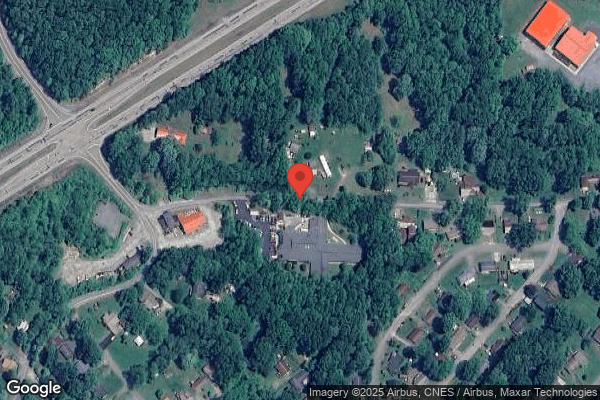
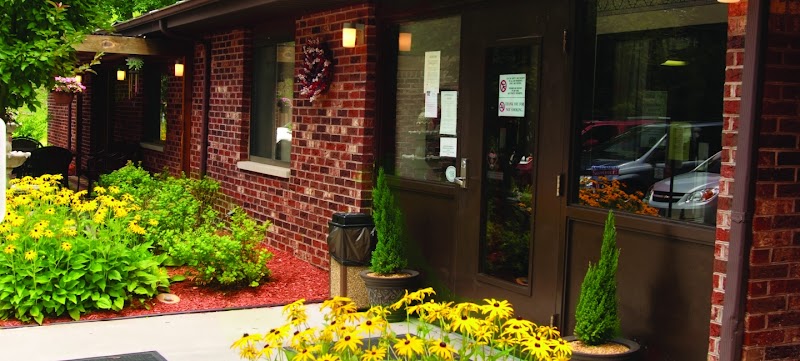
100 HRESAN BOULEVARD, FAYETTEVILLE, WV 25840 (304) 574-0770
For profit - Corporation 60 Beds COMMUNICARE HEALTH Data: November 2025 1 Immediate Jeopardy citation
Trust Grade
13/100
#97 of 122 in WV
Last Inspection: August 2024

Within standard 12-15 month inspection cycle. Federal law requires annual inspections.

Overview

Fayetteville Healthcare Center has received a Trust Grade of F, indicating significant concerns and a poor overall performance. They rank #97 out of 122 nursing homes in West Virginia, placing them in the bottom half of facilities statewide, and #5 out of 6 in Fayette County, with only one local option rated higher. While the facility is improving, having reduced reported issues from 25 in 2024 to 5 in 2025, it still faces challenges, including $46,232 in fines, which is higher than 88% of West Virginia facilities. Staffing is a major concern, with a low rating of 1 out of 5 stars and a high turnover rate of 58%, which exceeds the state average. Specific incidents of concern include failures to properly store and prepare food, leading to potential foodborne illnesses, and a serious medication error that resulted in a resident being hospitalized with sepsis. Despite some strengths in quality measures, families should weigh these serious weaknesses when considering this facility for their loved ones.

Trust Score
F
13/100
In West Virginia
#97/122
Bottom 21%
Safety Record
High Risk
Review needed
Inspections
Getting Better
25 → 5 violations
Staff Stability
⚠ Watch
58% turnover. Above average. Higher turnover means staff may not know residents' routines.
Penalties
○ Average
$46,232 in fines. Higher than 63% of West Virginia facilities. Some compliance issues.
Skilled Nurses
○ Average
Each resident gets 32 minutes of Registered Nurse (RN) attention daily — about average for West Virginia. RNs are the most trained staff who monitor for health changes.
Violations
⚠ Watch
39 deficiencies on record. Higher than average. Multiple issues found across inspections.
★☆☆☆☆
1.0
Overall Rating
★☆☆☆☆
1.0
Staff Levels
★★★★☆
4.0
Care Quality
★★☆☆☆
2.0
Inspection Score
Stable
2024: 25 issues
2025: 5 issues

The Good

  • 4-Star Quality Measures · Strong clinical quality outcomes
  • Full Sprinkler Coverage · Fire safety systems throughout facility
  • No fines on record

Facility shows strength in quality measures, fire safety.

The Bad

1-Star Overall Rating

Below West Virginia average (2.7)

Significant quality concerns identified by CMS

Staff Turnover: 58%

12pts above West Virginia avg (46%)

Frequent staff changes - ask about care continuity

Federal Fines: $46,232

Above median ($33,413)

Moderate penalties - review what triggered them

Chain: COMMUNICARE HEALTH

Part of a multi-facility chain

Ask about local staffing decisions and management

Staff turnover is elevated (58%)

10 points above West Virginia average of 48%

The Ugly 39 deficiencies on record

1 life-threatening 1 actual harm
Jul 2025 5 deficiencies
CONCERN (D) 📢 Someone Reported This

A family member, employee, or ombudsman was alarmed enough to file a formal complaint

Potential for Harm - no one hurt, but risky conditions existed

Resident Rights (Tag F0550)

Could have caused harm · This affected 1 resident

Based on observation and staff interview, the facility failed to provide a dignified experience during activities of daily living (ADL) care for Resident #55. This was a random opportunity for discove...

Read full inspector narrative →
Based on observation and staff interview, the facility failed to provide a dignified experience during activities of daily living (ADL) care for Resident #55. This was a random opportunity for discovery. Resident Identifier: #55. Facility Census: 57. Findings Include: a) Resident #55 On 07/01/25 at 3:25 AM, an observation of Resident #55 sitting in a wheelchair with no shirt on and brief on in front of the bathroom with the door to the hallway was open. Nurse Aide (NA) #15 was emptying the urinary catheter bag. Resident #55 was interview at this time. The resident was asked, are you getting the assistance you need? The resident stated, she is getting my catheter emptied and getting ready to put me on the pot. On 07/01/25 at 3:40 AM, the Director of Nursing (DON) was advised of the observation. The DON confirmed the door to the hallway should have been closed.
CONCERN (D) 📢 Someone Reported This

A family member, employee, or ombudsman was alarmed enough to file a formal complaint

Potential for Harm - no one hurt, but risky conditions existed

Deficiency F0627 (Tag F0627)

Could have caused harm · This affected 1 resident

**NOTE- TERMS IN BRACKETS HAVE BEEN EDITED TO PROTECT CONFIDENTIALITY** Based on record review and staff interview, the facility failed to complete discharge planning and permit Resident #58 to return...

Read full inspector narrative →
**NOTE- TERMS IN BRACKETS HAVE BEEN EDITED TO PROTECT CONFIDENTIALITY** Based on record review and staff interview, the facility failed to complete discharge planning and permit Resident #58 to return to the facility after an acute care transfer. This was true for one (1) of one (1) residents reviewed under the care area of transfers/discharges. Resident identifier: #58. Facility census: 57.Based on record review and staff interview, the facility failed to complete discharge planning and permit Resident #58 to return to the facility after an acute care transfer. This was true for one (1) of one (1) residents reviewed under the care area of transfers/discharges. Resident Identifier: #58. Facility Census: 57. Findings Include: a) Resident #58 On 07/01/25 at 5:00 AM, a review of a facility-reported incident (FRI) dated 12/27/24 was completed. The review found Resident #58 had been admitted to the facility on [DATE]. The resident was noted with a Brief Interview for Mental Status (BIMS) score of 14 on 11/29/24. The score of 14 indicates the resident is cognitively intact. The resident was noted with capacity for medical-decisions on 09/06/24. The resident was listed with the following diagnoses: peripheral vascular disease, chronic obstructive pulmonary disease, chronic respiratory failure, history of falling, congestive heart failure, unspecified dementia, unspecified severity, with agitation and behavioral disturbance, difficulty in walking, atrial fibrillation, hyperlipidemia, hypertensive retinopathy, radiculopathy, lumbar region, unsteadiness on feet, major depressive disorder, unspecified, unspecified mood (affective) disorder, hypokalemia, constipation, cognitive communication deficit, abnormal posture, benign prostate hypertropy, age-related nuclear cataract, bilateral, presbytopia, insomnia, muscle (generalized) weakness, and essential (primary) hypertension. The review found the resident was noted with multiple instances of inappropriate sexual behaviors, as well as physical and verbal behaviors to staff members as well as other residents. The resident was noted with inappropriate sexual behavior on 12/27/24. The resident was sent to an acute care facility for this behavior. The resident did not have discharge planning in place and was not allowed to return to the facility. The facility had worked on transferring the resident to other facilities; however, no other facility would accept the resident or did not have a bed available. The referrals were sent out in 07/2024. No further indication of any other referrals were made after 07/2024. Although, the resident was medically cleared in the acute care facility, including a psychiatric evaluation, the resident was not allowed to return to the facility. An interview was held with the Director of Nursing (DON) on 07/01/25 at approximately 8:00 AM. The DON denied making any statements to the acute care facility regarding the resident being a dump. The DON stated, the resident had multiple incidents with other residents and staff members, including sexual inappropriate behaviors .we sent him out and the facility decided the resident could not return to the facility. The DON was then asked, why wasn't the resident allowed to return to the facility on one-on-one supervision like in the past until another facility was found? The DON responded, the decision was made and the resident was not allowed to return to the facility. The DON did not answer the question regarding the one-on-one supervision. The DON was, also, asked, why was this incident of behavior different than the previous behaviors noted in the past? The DON did not answer this question. The DON did confirm the resident did not have active discharge planning in place and the resident was not permitted to return to the facility. An interview was held with the Administrator on 07/01/25 at approximately 9:00 AM. The Administrator stated, I reported this to the proper State agencies when it happened, the behavior of the resident made the other residents unsafe.
CONCERN (D) 📢 Someone Reported This

A family member, employee, or ombudsman was alarmed enough to file a formal complaint

Potential for Harm - no one hurt, but risky conditions existed

Medical Records (Tag F0842)

Could have caused harm · This affected 1 resident

Based on record review and staff interview, the facility failed to provide an accurate and complete record for Resident #58. This was true for one (1) of nine (9) residents reviewed during the survey ...

Read full inspector narrative →
Based on record review and staff interview, the facility failed to provide an accurate and complete record for Resident #58. This was true for one (1) of nine (9) residents reviewed during the survey process. Resident Identifier: #58. Facility Census: 57. Findings Include: a) Resident #58 On 07/02/25 at 8:40 AM, a record review was completed for Resident #58. The review found the resident had been transferred to an acute care facility on multiple occasions. The transfer form dated 02/02/23 was incorrect and the correct date was 03/26/24. An additional transfer form dated 03/26/24 was incorrect and the correct date was 08/09/24. On 07/02/25 at 8:55 AM, the Director of Nursing (DON) was notified regarding the incorrect dates on the transfer forms. The DON confirmed the dates were incorrect. The DON stated, sometimes the nurses get in a hurry and do not review the transfer form dates.
CONCERN (D) 📢 Someone Reported This

A family member, employee, or ombudsman was alarmed enough to file a formal complaint

Potential for Harm - no one hurt, but risky conditions existed

Deficiency F0907 (Tag F0907)

Could have caused harm · This affected 1 resident

Based on observation and staff interview the facility failed to ensure hallways were free from clutter and allowed resident a direct access down the hallway. This was a random opportunity for discover...

Read full inspector narrative →
Based on observation and staff interview the facility failed to ensure hallways were free from clutter and allowed resident a direct access down the hallway. This was a random opportunity for discovery and had the potential to affect a minimal number of residents residing in the Long-Term Care Facility. Facility census: 57 Findings include:During the initial our of the facility on 07/01/25 at 3:20 AM surveyor observed wheelchairs, geri chairs, and mechanical lifts parked on the right side of the hall along with a large portable Air Conditioning unit. On the left side of the hall was a linen cart and a geri chair, this blocking a direct path up or down the hallway.On 07/01/25 at 3:30 AM Licensed Practical Nurse ( LPN) #7 confirmed the hall did not have a direct path for residents to easily get through.
CONCERN (E) 📢 Someone Reported This

A family member, employee, or ombudsman was alarmed enough to file a formal complaint

Potential for Harm - no one hurt, but risky conditions existed

Infection Control (Tag F0880)

Could have caused harm · This affected multiple residents

Based on observation and staff interview, the facility failed to maintain an infection control program for removal of dirty dishes, old food and drinks from the dining room for Resident #31 and storag...

Read full inspector narrative →
Based on observation and staff interview, the facility failed to maintain an infection control program for removal of dirty dishes, old food and drinks from the dining room for Resident #31 and storage of the oxygen cannula and tubing and a soiled bath basin for Resident #47. These were random opportunities for discovery. Resident Identifiers: #31 and #47. Facility Census: 57.Based on observation and staff interview, the facility failed to maintain an infection control program for removal of dirty dishes, old food and drinks from the dining room for Resident #31 and storage of the oxygen cannula and tubing and a soiled bath basin for Resident #47. These were random opportunities for discovery. Resident Identifiers: #31 and #47. Facility Census: 57. Findings Include: a) Resident #31 Upon arrival to facility on 07/01/25 at 3:15 AM, an observation of dirty dishes from the evening meal with old food and drinks which included: tea, milk, macaroni and cheese with bread stuffed into a bowl, which had Resident #31's meal ticket under the dinner plate. Also, a styrofoam cup with lid and straw with no name or room number was observed sitting randomly on dining room table. On 07/01/25 at 3:20 AM, Licensed Practical Nurse (LPN) #7 and #24 were notified. LPN #24 removed the dishes from the dining room. b) Resident #47 On 07/01/25 at 3:28 AM, an observation was made in Resident #47's room. The observation found an oxygen cannula and tubing laying in the floor by the bed as well as a used pink bath basin. The resident was noted with confusion and could not answer questions regarding the items in the floor. On 07/01/25 at 3:31 AM, Nurse Aide (NA) #43 was notified and removed the tubing and bath basin from the floor. On 07/01/25 at 3:40 AM, the Director of Nursing (DON) was notified and stated, the resident may have threw the items in the floor.
Aug 2024 19 deficiencies 1 Harm
SERIOUS (G)

Actual Harm - a resident was hurt due to facility failures

Antibiotic Stewardship (Tag F0881)

A resident was harmed · This affected 1 resident

**NOTE- TERMS IN BRACKETS HAVE BEEN EDITED TO PROTECT CONFIDENTIALITY** Based on record review and staff interview the facility failed to implement their antibiotic stewardship program. Resident #44's...

Read full inspector narrative →
**NOTE- TERMS IN BRACKETS HAVE BEEN EDITED TO PROTECT CONFIDENTIALITY** Based on record review and staff interview the facility failed to implement their antibiotic stewardship program. Resident #44's attending physician received the urine culture results which indicated the resident's infection was resistant to Macrobid. However, the physician ordered Macrobid to treat the urinary tract infection (UTI). The resident did not improve and when questioned the facility reviewed the culture again and discovered the wrong antibiotic was ordered. This resulted in actual harm for Resident #44. Her UTI symptoms persisted and she was later hospitalized with sepsis. This was discovered during the completion of the infection control task during the long term care survey process. Resident Identifier: #44 Facility Census: 56 Findings Included: a) Resident #44 On 08/21/24 a record review found Resident #44 had a urinalysis and culture and sensitivity performed on a urine sample collected at the facility on 04/11/24. On 04/15/24 at 6:03 PM the urine culture and sensitivity showed the bacteria identified in the urine culture was providencia stuartii. Each antibiotic was listed and identified as the bacteria being resistant (meaning it will not kill the bacteria) or susceptible (meaning it will kill the bacteria) to each antibiotic. The bacteria was identified as being resistant to Nitrofurantoin (Macrobid). The in house physician ordered Macrobid 100 mg twice a day for seven (7) days. The resident received the seven (7) days prescribed. On 04/27/24 documentation shows the .family requested an increase in the dose of Macrobid as the symptoms were not resolving. Review of the labs demonstrated that the organism was resistant to Macrobid so, changed to susceptible abx - Bactrim. Renal function reviewed. acceptable. Full dose for 5 dose . The resident then received Bactrim 800-160 mg one capsule twice a day X five (5) days. The resident received the five (5) days as prescribed. Record review shows Resident #44 was sent out to the local hospital on [DATE] at 10:31 AM with an admitting diagnosis from the hospital as Sepsis: The discharge diagnosis is documented as: Sepsis, Metabolic Encephalopathy secondary to Urinary tract infection (UTI), Acute kidney injury (AKI) secondary to sepsis versus urinary retention and acute urinary retention. She was hospitalized for nine (9) days and returned to the facility on [DATE]. According to the facility Antibiotic Stewardship Plan Policy and Procedure: .the facility participates in an Antibiotic Stewardship program to protect residents and reduce the threat of antibiotic resistance in this setting . .The Infection Preventionist Nurse will have expertise and date to inform strategies to improve antibiotic use. This includes but not limited to: 1) using evidence based published criteria during the evaluation and management of treated infections 2) Reviewing antibiotic resistance patterns in the facility . .support the antibiotic stewardship program in the facility. This includes but no limited to 1) timely and appropriate ordering of antibiotics 2) reviewing culture data . On 08/21/24 at 1:55 PM the Director of Nursing stated the Physician read the culture wrong and ordered the wrong antibiotic. When the family questioned why the resident was not improving they re-addressed the lab culture and discovered the organism was resistant to the antibiotic the physician had ordered. He was contacted and gave new orders for a new antibiotic. On 08/21/24 at 2:28 PM during an interview with the Infection Preventionist #12 she stated the day the urine culture in question came back, the physician came in her office about the same time the culture came in. She showed him, he looked at it and he verbally ordered Macrobid 100 mg BID X 7 days. She placed the culture in the box to be scanned and ordered. She had no reason to pull the culture again and follow up on it or to question the physician's original order. The Infection Prevetionist said her normal process would be when she gets the culture back she emailed the physician with the resident name, the culture results and which medications are resistant or susceptible. The culture goes in a box on her desk until she gets a return email from the physician with an order. If she does not get a response within 24 hours, she reaches out again. She felt this was missed due to the time frame the culture came in, the physician placed the order and her filing the culture away. Under normal circumstances, she would look at a culture several times.
CONCERN (D)

Potential for Harm - no one hurt, but risky conditions existed

Deficiency F0578 (Tag F0578)

Could have caused harm · This affected 1 resident

. Based on medical record review and staff interview the facility failed to formulate an advance directive by not obtaining the signature of the Medical Power of Attorney. This was true for one (1) of...

Read full inspector narrative →
. Based on medical record review and staff interview the facility failed to formulate an advance directive by not obtaining the signature of the Medical Power of Attorney. This was true for one (1) of four (4) residents whose advanced directives were reviewed during the long term care survey process. Resident identifier: Resident #10. Facility Census: 56. Findings include: a) Resident #10 During a medical record review on 08/19/24 at 2:33 PM a review of the [NAME] Virginia Physician Order for Scope of Treatment (WV POST) form for Resident #10 it was identified the facility obtained a verbal confirmation of agreement from the residents Medical Power of Attorney (MPOA) on 06/09/22. It is further identified the signature of the MPOA had not been obtained. In review of the WV Post Using the Post Form Guidance for Health Care Professionals it is identified on page 20 the verbal confirmation of agreement from the patient's MPOA representative can be obtained and the form should then be signed at the earliest available opportunity. During an interview with the Assistant Director of Nursing (ADON) on 08/20/24 at 11:29 PM, the ADON agreed the signature had not been obtained as required.
CONCERN (D)

Potential for Harm - no one hurt, but risky conditions existed

Safe Environment (Tag F0584)

Could have caused harm · This affected 1 resident

. Based on observation and staff interview the facility failed to provide a homelike environment. This was true for two (2) of fifty-six (56) residents observed during the long term care survey proces...

Read full inspector narrative →
. Based on observation and staff interview the facility failed to provide a homelike environment. This was true for two (2) of fifty-six (56) residents observed during the long term care survey process. Resident Identifiers: #21, #112 Facility Census: 56 Findings include: a) Resident #21 On 08/19/24 at 9:23 AM observation of Resident #21's wardrobe found the face of the drawer in the bottom of the wardrobe was missing. This was confirmed with Registered Nurse Unit Manager #76 on 08/19/24 at 9:45 AM. b) Resident #112 On 08/19/24 at 9:23 AM observation of Resident #112's room found there were three (3) curtain hooks missing from the privacy curtain between the entrance door and the bed. This caused the curtain to hang down on one corner. This was confirmed with the Registered Nurse Unit Manager #76 on 08/19/24 at 9:45 AM.
CONCERN (D)

Potential for Harm - no one hurt, but risky conditions existed

Abuse Prevention Policies (Tag F0607)

Could have caused harm · This affected 1 resident

. Based on a review of the facility policy and procedure for Abuse, Neglect and Misappropriation, facility record review, medical record review and staff interview the facility failed to implement and...

Read full inspector narrative →
. Based on a review of the facility policy and procedure for Abuse, Neglect and Misappropriation, facility record review, medical record review and staff interview the facility failed to implement and ensure actions were in place to prevent further potential abuse. This was a random opportunity of discovery during the long term care survey process. This had the ability to affect a limited number of residents. Resident Identifier: Resident #34. Facility Census: 56. Findings include: a) Resident #34 During a review of the facility policy and procedure for Abuse, Neglect and Misappropriation it was identified on page 6 (six) of 20, (written as typed); In the event an allegation is made, the facility will take measures to protect residents from harm during an investigation. Accurate and timely reporting of incidents, both alleged and substantiated, will be sent to officials in accordance with the state law. If the alleged violation is verified, appropriate corrective actions will be taken by the facility. On 08/21/24 at approximately 10:30 AM during a facility record review of a facility reported incident dated 07/17/24, Resident #34 allegedly inappropriately attempted to move the hand of a another resident to Resident #34 groin area. At the time of the incident there were staff witnesses confirming the allegation. It is further identified through Resident #34 medical record review that the facility had initially placed Resident #34 on 1:1 (one on one) supervision. However, at the time of the incident the attending physician was in the building and it was noted that the attending physician stated the resident did not need 1:1 supervision at this time. It was further identified the physician order for 1:1 supervision was not entered until 07/18/24 at 7:00 PM. A review of the Treatment Administration Record (TAR) identifies that the 1:1 supervision started the night shift of 07/18/24. During an interview with the Director of Nursing (DON) on 08/21/24 at approximately 12:55 PM the DON stated she felt they had continued the 1:1 supervision but was not able to provide any documentation to support her belief. She agreed without the 1:1 supervision the residents in the facility including the victim of the incident was not provided protection from further potential abuse from the time the staff was aware of the initial abuse incident at 11:30 AM on 07/17/24 through 07/18/24 at 7:00 PM.
CONCERN (D)

Potential for Harm - no one hurt, but risky conditions existed

Report Alleged Abuse (Tag F0609)

Could have caused harm · This affected 1 resident

. Based on record review and staff interview, the facility failed to report an alleged incident of resident to resident abuse involving Resident #3 and an unknown resident. This was true for one (1) o...

Read full inspector narrative →
. Based on record review and staff interview, the facility failed to report an alleged incident of resident to resident abuse involving Resident #3 and an unknown resident. This was true for one (1) of three (3) residents reviewed for abuse during the survey process. Resident identifier: #3. Facility census: 56. Findings include: a) Resident #3 At approximately 2:15 PM on 08/20/24, a review of Resident #3's progress notes was conducted, related to behaviors the resident exhibited. It was noted on 03/18/24, Resident #3 was witnessed throwing a cup of water in the face of another resident who was not identified. Upon review of the incidents and reportables logs supplied by the facility, it was determined the incident was not listed on either log. At approximately 3:15 PM on 08/20/24, a copy of the reportable incident and investigation, if available, was requested from the Administrator. At approximately 3:45 PM, the Administrator confirmed the incident was not reported and an investigation was not started. Review of Resident #3's care plan discovered a note under the focus area pertaining to behaviors stating, Resident has thrown water at staff/residents.
CONCERN (D)

Potential for Harm - no one hurt, but risky conditions existed

Assessment Accuracy (Tag F0641)

Could have caused harm · This affected 1 resident

**NOTE- TERMS IN BRACKETS HAVE BEEN EDITED TO PROTECT CONFIDENTIALITY** . Based on record review and staff interview, the facility failed to accurately complete the Minimum Data Set (MDS) Assessment f...

Read full inspector narrative →
**NOTE- TERMS IN BRACKETS HAVE BEEN EDITED TO PROTECT CONFIDENTIALITY** . Based on record review and staff interview, the facility failed to accurately complete the Minimum Data Set (MDS) Assessment for Resident #60 upon discharge. This was true for one (1) of one (1) residents reviewed for discharge during the survey process. Resident identifier: 60. Facility census: 56. Findings include: a) Resident #60 At approximately 9:15 AM on 08/20/24, during a record review for Resident #60, the following note, entered by the Social Worker (SW) was discovered (typed as written): 7/1/24 14:56 Social Services Note: Note Text: (Resident #60's name)'s family would like (Resident #60's name) to discharge on [DATE] related to progress made on goals. They plan on picking her up sometime after 4:00p.m. No equipment needs. Home health will be arranged with (Home Health Provider). Per daughters the family all take turns staying with (Resident #60's name) and she has 24 hour care at home. According to the discharge summary provided by the facility, Resident #60 was discharged home on [DATE]. Upon review of the discharge MDS Assessment completed by the facility, specifically section A completed and signed by the SW, the discharge location for Resident #60 was entered as Short-Term General Hospital (acute hospital, IPPS) instead of Home/Community. At approximately 2:26 PM on 08/21/24, an interview was conducted with the SW regarding the MDS for Resident #60 upon discharge. The SW acknowledged the mistake on the MDS and stated It must have just been a typo. I was probably looking at where she came from, which was a short-term hospital, and just entered that into the discharge location by accident.
CONCERN (D)

Potential for Harm - no one hurt, but risky conditions existed

PASARR Coordination (Tag F0644)

Could have caused harm · This affected 1 resident

**NOTE- TERMS IN BRACKETS HAVE BEEN EDITED TO PROTECT CONFIDENTIALITY** . Based on medical record review and staff interview the facility failed to update the [NAME] Virginia Department of Health and ...

Read full inspector narrative →
**NOTE- TERMS IN BRACKETS HAVE BEEN EDITED TO PROTECT CONFIDENTIALITY** . Based on medical record review and staff interview the facility failed to update the [NAME] Virginia Department of Health and Human Resources Pre-admission Screening (PASARR) with new qualifying diagnoses of major depressive disorder. This was true for two (2) of three (3) residents whose PASSARR's were reviewed during the long term survey process. Residents identifiers: #34, #39. Facility Census: 56. Findings included: a) Resident # 34 During a medical record review [NAME] Virginia Department of Health and Human Resources Pre-admission Screening (PASSARR) on 08/21/24 at 12:00 PM, it was identified the PASSARR was completed on 11/25/22. During a further medical record review it was identified on 03/20/24 the resident was diagnosed with Major Depressive disorder. An updated PASSARR could not be found for this new diagnosis. During an interview with the Social Worker (SW) #77 on 08/21/24 at 12:21 PM, SW #77 agreed that the PASSARR should have been updated at the time of the new diagnosis of major depressive disorder on 03/20/24. b) Resident #39 At approximately 8:30 AM on 08/20/24, a record review for Resident #39 was conducted. During this review, it was noted the resident was admitted to the facility on [DATE]. During the resident's stay at the facility, 08/09/23, he was diagnosed with major depressive disorder. Review of the PASSAR for Resident #39 indicated there was not a new one completed to reflect the new diagnosis of major depressive disorder. At approximately 12:37 PM on 08/20/24, an interview was conducted with the Social Worker. The SW confirmed she was responsible for submitting the PASSARs at the facility. The SW confirmed there was no new PASSAR for Resident #39 following the diagnosis and stated We are working on redoing the PASSARs for residents that need them.
CONCERN (D)

Potential for Harm - no one hurt, but risky conditions existed

Deficiency F0645 (Tag F0645)

Could have caused harm · This affected 1 resident

. Based on record review and staff interview the facility failed to ensure a Preadmission Screening and Review (PASARR) form had the appropriate diagnoses present. This was true for one (1) of three (...

Read full inspector narrative →
. Based on record review and staff interview the facility failed to ensure a Preadmission Screening and Review (PASARR) form had the appropriate diagnoses present. This was true for one (1) of three (3)PASSr's reviewed during the long term care survey process. Resident Identifier: #20 Facility Census: 56 Findings Include: a) Resident #20 On 08/20/24 at 10:29 AM record review of the transfer PASARR provided by Social Worker #77, dated 04/15/24 found that the only diagnosis listed was dementia. A review of Resident #20 medical diagnosis found the following diagnosis: Dementia, upon admission Bipolar, upon admission Depression, upon admission Generalized Anxiety Disorder, upon admission On 08/20/24 at 3:10 PM this was confirmed with Social Worker #77 who agreed all the listed diagnosis should be on the PASARR.
CONCERN (D)

Potential for Harm - no one hurt, but risky conditions existed

Comprehensive Care Plan (Tag F0656)

Could have caused harm · This affected 1 resident

. Based on record review, family interview, observation and staff interview the facility failed to develop a comprehensive care plan for Resident #44 related to diet restrictions associated with a med...

Read full inspector narrative →
. Based on record review, family interview, observation and staff interview the facility failed to develop a comprehensive care plan for Resident #44 related to diet restrictions associated with a medical condition. This was true for one (1) of four (4) residents reviewed for the care area of nutrition during the long term care survey process. Resident Identifier: # 44. Facility Census: 56. Findings Include: a) Resident #44 Observation of the noon time meal on 08/21/24 at 12:47 PM found Resident #44 was sitting in the dining room. She was served her meal and on her plate was a serving of corn. Resident #44 immediately stated, I can not eat corn, they know that. She then pushed her plate to the side. A few minutes later Resident #44's family member entered the dining room and said, oh we can just take that corn off your plate. She then helped Resident #44 remove the corn from her plate. An interview with Resident #44's family at this time found, the facility always gives her stuff she should not eat due to her ileostomy. A review of Resident #44's tray ticket found she was supposed to be served the alternate vegetable instead of the corn. A record review of Resident #44's care plan found the care plan to be void of any special diet restrictions related to Resident #44's ileostomy. An interview with the Registered Dietician on 08/21/24 at 1:00 PM found the resident should not have been served corn. She stated, there are foods she should avoid and corn is one because it could cause a blockage related to her ileostomy. An interview with the Director of Nursing (DON) in the afternoon of 08/21/24 confirmed Resident #44's care plan was void of any diet restrictions related to her ileostomy.
CONCERN (D)

Potential for Harm - no one hurt, but risky conditions existed

Deficiency F0657 (Tag F0657)

Could have caused harm · This affected 1 resident

. Based on record review and staff interview the facility failed to revise the comprehensive care plan in a timely manner. Revisions required for new diagnosis and medication changes. This was true f...

Read full inspector narrative →
. Based on record review and staff interview the facility failed to revise the comprehensive care plan in a timely manner. Revisions required for new diagnosis and medication changes. This was true for three (3) of twenty three (23) residents reviewed during the long-term care survey process. Resident Identifier: Resident #34, Resident #14 and Resident #24. Facility Census: 56. Findings Include: a) Resident #34 During a medical record review 08/21/24 at approximately 12:21 PM, it was found Resident #34 diagnosis includes a diagnosis of major depression disorder with the onset date of 03/20/24. Further review of the residents care plan the diagnosis of major depression disorder is not identified. During an interview with the Director or Nursing (DON) on 08/21/24 at 1:29 PM the DON stated the comprehensive care plan had not been revised to reflect the diagnosis of major depression disorder with the onset date of 03/20/24. b) Resident #14 On 08/20/24 at 2:24 PM a record review found that Resident #14 was care planned for antipsychotic medications and listed Seroquel related to schizophrenia, agitation and use of abrasive language. Further review found that Resident #14's Seroquel was discontinued on 04/02/24. However, the care plan had not been revised to reflect this as required. Resident #14 was care planned for insomnia and was receiving Melatonin. This medication had been discontinued on 04/23/24 and the care plan had not been revised to reflect this as required. This was confirmed with the Director of Nursing on 08/20/24 at 2:15 PM when she agreed the care plan should have been revised. c) Resident #24 On 08/20/24 at 2:24 PM a record review found Resident #24 was care planned for anti- depression medications and listed Zoloft related to depression. Further review found Resident #24's Zoloft was discontinued on 05/31/24. However, the care plan had not been revised to reflect this as required. This was confirmed with the Director of Nursing on 08/20/24 at 2:15 PM when she agreed the care plan should have been revised.
CONCERN (D)

Potential for Harm - no one hurt, but risky conditions existed

Quality of Care (Tag F0684)

Could have caused harm · This affected 1 resident

. Based on record review and staff interview the facility failed to act on a Physician's order which caused a delay in treatment. This was true for one (1) of twenty three (23) resident records review...

Read full inspector narrative →
. Based on record review and staff interview the facility failed to act on a Physician's order which caused a delay in treatment. This was true for one (1) of twenty three (23) resident records reviewed during the long term care survey process. Resident Identifier: #53 Facility Census: 56 Findings Include: a) Resident #53 On 08/20/24 record review found Resident #53 had an active order dated 07/26/24 to hemoccult stools (a screening test that checks for hidden blood in stool) X 3 samples for an abnormal lab result. As of 08/20/24 the staff had only obtained one stool sample. The one sample which was retrieved on 08/17/24 returned with a positive result for blood being present. Upon notifying the off hours physician (Never Alone) new orders were received to continue monitoring. Resident to also follow up with in house physician for a possible Gastrointestinal (GI) referral. There was no documentation to show the in house physician had been notified. There were no stool samples retrieved after 08/17/24. On 08/20/24 at 3:34 PM when it was discussed with the Director of Nursing it took twenty one (21) days to obtain the stool sample and it had been twenty four (24) days since the original order was placed and there was no action taken she agreed it should have been addressed by now.
CONCERN (D)

Potential for Harm - no one hurt, but risky conditions existed

Deficiency F0725 (Tag F0725)

Could have caused harm · This affected 1 resident

. Based on record review and resident and staff interviews, the facility failed to ensure sufficient nursing staff was deployed to meet the needs of each resident. This was a random opportunity for di...

Read full inspector narrative →
. Based on record review and resident and staff interviews, the facility failed to ensure sufficient nursing staff was deployed to meet the needs of each resident. This was a random opportunity for discovery. Resident identifiers: #44, #34. Facility census: 56. Findings include: A) Resident #44 At approximately 1:30 PM on 08/20/24, during resident council, Resident #44 stated they rang their call light last night (08/19/24) at approximately 4:20 AM. Resident #44 stated her light was finally answered at approximately 5:00 AM, at which time, the employee who answered the light stated staff was unable to answer the call light earlier because her assigned aide had been pulled to do one on one (1:1) care with Resident #34. At approximately 10:00 AM on 08/21/24, an interview was conducted with Resident #44. During the interview, the resident stated, I waited from about 4:20 in the morning until a little after 5:00 in the morning for someone to answer my light. When the aide finally answered my light, she told me the aide that was assigned to me at the beginning of the evening couldn't answer my light because they had been reassigned to be a sitter (1:1) for (Resident #34's name). She told me after my aide was reassigned, they only had two people to cover the entire nursing home and they could not answer the light. I needed help and they didn't answer the light because they were sitting with (Resident #34's name). I don't think that's right. Upon review of the facility staff assignment sheet for the night of 08/19/24, it was discovered Nurse Aide (NA) #33 was assigned to provide one on one care for Resident #34 from 7:00 PM on 08/19/24 until 3:00 AM on 08/20/24. There were no other assigned aides to provide one on one care for Resident #34 after that time. At approximately 10:40 AM on 08/21/24, an interview was conducted with the Director of Nursing (DON) regarding the incident. The DON acknowledged the NA was assigned to provide one on one care until 3:00 AM on 08/20/24. When asked what the facility did at that time, the DON stated, We would have just assigned someone else to sit with him (Resident #34). I believe they pulled (NA #71's name) to do one on one the rest of the night. They should have reassigned the aides at that point, but I'm not sure if they documented the new assignments anywhere. Review of the assignment sheet indicated NA #71 was the aide assigned to provide care for Resident #44. The DON acknowledged NA #71 was originally assigned to Resident #44's unit. The incident was reported to the Administrator at approximately 1:07 PM on 08/21/24. An investigation was started. According to a statement obtained by the facility from NA #59, NA #59 states she answered Resident #44's call light after arriving to work at 5:00 AM on 08/20/24. The resident stated her call light had been on for a bit and stated she was wet. No documentation to confirm reassignments was provided
CONCERN (D)

Potential for Harm - no one hurt, but risky conditions existed

Medication Errors (Tag F0758)

Could have caused harm · This affected 1 resident

**NOTE- TERMS IN BRACKETS HAVE BEEN EDITED TO PROTECT CONFIDENTIALITY** . Based on record review and staff interview, the facility failed to monitor Resident #3 for side effects of antianxiety, antide...

Read full inspector narrative →
**NOTE- TERMS IN BRACKETS HAVE BEEN EDITED TO PROTECT CONFIDENTIALITY** . Based on record review and staff interview, the facility failed to monitor Resident #3 for side effects of antianxiety, antidepressant, and mood stabilizing medications as ordered, as well as monitoring for behaviors as ordered, per shift. This was true for one (1) of one (1) residents reviewed for psych/opioid side effects during the survey process. Resident identifier: #3. Facility census: 56. Findings include: a) Resident #3 At approximately 11:00 AM on 08/19/2024, a record review was conducted concerning side effects of psychotropic medications and opioids for Resident #3. During the review, it was noted Resident #3 had the following orders (typed as written): ANTIANXIETY side effect monitoring but not limited to: Dystonia: torticollis(stiffness of neck), Anticholinegic symptoms: Dry mouth, blurred vision, constipation, urinary retention. Hypotension, Sedation/drowsiness, increased falls/dizziness, Cardiac abnormalities (tachycardia, bradycardia, irregular H.R;NMS). Anxiety/agitation, blurred vision, sweating, rashes, headache, urinary retention/hesitancy. Weakness, hangover effect. Every shift ANTIDEPRESSANT side effect monitoring but not limited to: Dystonia: torticollis(stiffness of neck), Anticholinegic symptoms: Dry mouth, blurred vision, constipation, urinary retention. Hypotension, Sedation/drowsiness, increased falls/dizziness, Cardiac abnormalities (tachycardia, bradycardia, irregular H.R;NMS). Anxiety/agitation, blurred vision, sweating, rashes, headache, urinary retention/hesitancy. Weakness, tremors, appetite change/weight change, insomnia, confusion, tardive dyskinesia, suicidal ideaitons. Every shift MOOD STABILIZER Side effect monitoring: Hives, rash, fever, or swollen glands. SIgns of [NAME]-[NAME] syndrome, which causes dangerous sores on the mucous membranes of the mouth, nose, genitals, and eyelids. Confusion. Slurred speech. Nausea, vomiting, and diarrhea. Trembling. Increased thirst and increased need to urinate. Weight gain in the first few months of use. Drowsiness. Every shift. Behaviors 1. Hallucinations 2. Delusions 3. Violent outbursts 4. Throwing objects Non-Pharmacological intervention 1. Snacks 2. Fluids 3. Activities 4. Distraction Every shift for Behaviors. It was discovered behavior monitoring was absent from the Medication Administration Record (MAR) for the following days and shifts: April 7:00 AM - 7:00 PM: 19th and 20th 7:00 PM - 7:00 AM: 2nd, 3rd, 5th, 22nd May 7:00 AM - 7:00 PM: 2nd June 7:00 AM - 7:00 PM: 1st July 7:00 AM - 7:00 PM: 7th August 7:00 AM - 7:00 PM: 8th It was discovered side effect monitoring was missing for the following days and shifts: April- Antianxiety- 7:00 AM - 7:00 PM: 19th-20th 7:00 PM - 7:00 AM: 2nd, 3rd, 5th, 22nd Antidepressants- 7:00 AM - 7:00 PM: 19th-20th 7:00 PM - 7:00 AM: 2nd, 3rd, 5th, 22nd Mood Stabilizer- 7:00 AM - 7:00 PM:19th-20th 7:00 PM - 7:00 AM: 2nd, 3rd, 5th, 22nd May- Antianxiety- 7:00 AM - 7:00 PM: 2nd Antidepressants- 7:00 AM - 7:00 PM: 2nd Mood Stabilizer- 7:00 AM - 7:00 PM: 2nd June- Antianxiety- 7:00 AM - 7:00 PM: 1st, 18th, 19th, 20th 7:00 PM - 7:00 AM: 18th, 19th, 20th Antidepressant- 7:00 AM - 7:00 PM: 1st, 18th, 19th, 20th 7:00 PM - 7:00 AM: 18th, 19th, 20th Mood Stabilizer- 7:00 AM - 7:00 PM: 1st, 18th, 19th, 20th 7:00 PM - 7:00 AM: 18th, 19th, 20th The Director of Nursing (DON) acknowledged the missing monitoring at approximately 11:05 AM on 08/22/2024.
CONCERN (D)

Potential for Harm - no one hurt, but risky conditions existed

Deficiency F0760 (Tag F0760)

Could have caused harm · This affected 1 resident

Based on record review and staff interview the facility failed to ensure significant medication errors did not occur. This was a random opportunity for discovery. Resident identifier: #43 Facility Cen...

Read full inspector narrative →
Based on record review and staff interview the facility failed to ensure significant medication errors did not occur. This was a random opportunity for discovery. Resident identifier: #43 Facility Census: #56 Findings included: a) Resident #43 On 08/20/24 at 9:52 AM a record review found Resident #43 had a medication error on 08/12/24 at 1:41 PM . Further review of the Record found Resident #43 had the following medications ordered: Atorvastatin 40 mg at bedtime (for hyperlipidemia) Buspirone 30 mg twice a day (for anxiety and depression) Colestid 1 gram two times a day (for diarrhea) Dicyclomine 10 mg three times a day (for diarrhea) Empagliflozin 10 mg daily (for diabetes) Loratadine 10 mg daily (for allergies) Losartan Potassium 50 mg daily (for hypertension) Magnesium Oxide 400 mg twice a day (for supplement) Metformin 1000 mg twice a day( for diabetes) Metoprolol Succinate ER 25 mg daily (for hypertension) Omeprazole 20 mg daily (for GERD) Remeron 15 mg at bedtime (for insomnia) Sertraline 100 mg twice a day(for depression) Tylenol 500 mg every 6 hours as needed (for pain) Zenpap DR 4000-126000 units 2 capsules three times a day (for diarrhea) However on 08/12/24 at 1:41 PM she received the following medications in error: Lipitor 20 mg (used for hyperlipidemia) Isosorbide Dinitrate 10 mg (used for coronary artery disease) Doxepin HCL 10 mg (used for anxiety or depression) Melatonin 10 mg (used for insomnia) Propranolol HCL 20 mg (used for hypertension) Buspirone 20 mg (used for anxiety) PreserVision AREDs table (used for eye health) Klonopin 0.5 mg (used for anxiety) Upon identifying the error, the physician was notified and a new order was received to hold Resident #43's night time medications except her Sertraline and monitor for adverse reactions. The Residents Medical Power of Attorney was notified. Neurological checks were initiated and completed. There was education provided for the Five Rights of Medication to the nursing staff. The five rights consist of 1) the right resident 2) the right time 3) the right medicine 4) the right dose 5) the right route. According to the facility Policy and Procedure for Medication Administration . Observe the five rights in giving each medication . Review of the Record of in Service Training dated 08/14/24, conducted by the Clinical Manager Registered Nurse #12, shows that eight (8) of the twenty five (25) nurse staff identified on the staffing list provided by the Administrator had signed that they were educated of the five rights Licensed Practical Nurse #53 identified as the nurse that made the error had not signed in as being educated on the five rights. On 08/20/24 at 3:08 PM, the Director of Nursing stated the nurse who administered the medications was fairly new and not familiar with the residents. She erroneously administered Resident #43's room mates medications to Resident #43. This incident was also confirmed with Unit Manager Registered Nurse #76 and #49.
CONCERN (D)

Potential for Harm - no one hurt, but risky conditions existed

Deficiency F0800 (Tag F0800)

Could have caused harm · This affected 1 resident

. Based on record review, observation, family interview and staff interview the facility failed to provide Resident #44 with a diet that met her special dietary needs related to her ileostomy. This wa...

Read full inspector narrative →
. Based on record review, observation, family interview and staff interview the facility failed to provide Resident #44 with a diet that met her special dietary needs related to her ileostomy. This was true for one (1) of four (4) residents reviewed for the care area of nutrition during the long term care survey process. Resident Identifier: 44. Facility Census: 56. Findings Include: a) Resident #44 Observation of the noon time meal on 08/21/24 at 12:47 PM found Resident #44 was sitting in the dining room. She was served her meal and on her plate was a serving of corn. Resident #44 immediately stated, I can not eat corn they know that. She then pushed her plate to the side. A few minutes later Resident #44's family member entered the dining room and said, oh we can just take that corn off your plate. She then helped Resident #44 remove the corn from her plate. An interview with Resident #44's family at this time found, the facility always gives her stuff she should not eat due to her ileostomy. A review of Resident #44's tray ticket found she was supposed to be served the alternate vegetable of squash medley instead of the corn. A record review of Resident #44's care plan found the care plan to be void of any special diet restrictions related to Resident #44's ileostomy. An interview with the Registered Dietician on 08/21/24 at 1:00 PM found the resident should not have been served corn. She stated, there are foods she should avoid and corn is one because it could cause a blockage related to her ileostomy. She stated, I have it in tray tracker and it should print on the tray ticket. The Registered Dietician then checked the residents tray ticket and confirmed the tray ticket did say she should receive squash medley instead of corn. An interview with the certified dietary manger in the afternoon of 08/21/24 after the meal service was concluded confirmed she just missed it on her ticket and gave her the wrong vegetable.
CONCERN (D)

Potential for Harm - no one hurt, but risky conditions existed

Medical Records (Tag F0842)

Could have caused harm · This affected 1 resident

**NOTE- TERMS IN BRACKETS HAVE BEEN EDITED TO PROTECT CONFIDENTIALITY** . Based on medical record review and staff interview the facility failed to accurately document the discharge of a resident and ...

Read full inspector narrative →
**NOTE- TERMS IN BRACKETS HAVE BEEN EDITED TO PROTECT CONFIDENTIALITY** . Based on medical record review and staff interview the facility failed to accurately document the discharge of a resident and the facility failed to accurately complete a residents capacity form. This was true for two (2) of 23 residents reviewed during the long term care survey process. Resident Identifiers: Resident #5, and #35. Census: 56. a) Resident #59 During a review of the medical record review of 08/20/24 at 9:09 AM of Resident #59 a Social Service note identified the resident had went on a therapeutic leave with his daughter. It was further identified the daughter notified the facility he would not be returning to the facility. During this medical record review a physician note entry for the discharge to family could not be identified. Further review of the Minimum Data Set (MDS) dated [DATE] it is identified under section A, under (f) the resident had discharged and was not expected to return it is further identified under (g) the discharge was unplanned. During an interview with the Director of Nursing (DON) on 08/20/24 09:43 AM the DON stated the Social Worker said she had talked with the daughter and she stated she decided for Resident # 59 to stay home and he would not be returning. The DON further stated the residents attending physician did not see the resident and did not agree with the discharge. The DON stated Resident #59 had discharged against medical advice (AMA). A medical record review of the discharge data entered on the facility census list identified the discharge being coded as a DD (discharge date ). During an interview with the Administrator on 08/22/24 at approximately 9:07 AM the Administrator agreed the coding for the discharge was not accurate and it should have identified the resident discharged AMA. b) Resident #35 During review of Review of Resident #35's record, it was noted the Physician's Determination of Capacity, signed by the physician on 10/16/2023, was not completed appropriately. Under the duration section, the option long term was marked. Under the nature section, short term memory loss, aphasia, inability to process information is marked. Under the causes section, CVA is written in and checked. The physician signed the form and marked annual at the bottom of the form. However, the two options for capacity, which are demonstrates capacity to make decisions and demonstrates incapacity to make decisions were both left unmarked, not specifying whether Resident #35 demonstrated capacity or incapacity. At approximately 12:05 PM on 08/20/2024, an interview was conducted with the Unit Manager RN (UMRN) regarding the capacity form. The UMRN stated It's not completed correctly, but I would guess it means she does not have capacity.
CONCERN (D)

Potential for Harm - no one hurt, but risky conditions existed

Deficiency F0847 (Tag F0847)

Could have caused harm · This affected 1 resident

Based on record review and resident interview, the facility failed to ensure residents entering into a binding arbitration agreement were able to understand the agreement prior to signing. This was tr...

Read full inspector narrative →
Based on record review and resident interview, the facility failed to ensure residents entering into a binding arbitration agreement were able to understand the agreement prior to signing. This was true for two (2) of two (2) residents reviewed for arbitration during the survey process. Facility Census: 56. Findings include: A) Arbitration Agreements At approximately 9:20 AM on 08/22/24, a list of residents entering into the facility's binding arbitration agreement was reviewed. It was determined Residents #112 and Resident #34 were the only two (2) residents in the facility who signed the agreement. At approximately 9:30 AM on 08/22/24, an interview was conducted with Resident #112 regarding the arbitration agreement. Resident #112 stated, I don't recall signing anything like that. They brought something in here the day after I got here and had me sign it, but I don't know what it was I even signed. I signed so many things when I got here. The arbitration agreement was explained to Resident #112 and she stated I don't remember anything like that. They just handed me papers and told me to sign them and I signed them. That doesn't sound familiar to me, I don't know anything about it. Review of Resident #34's record indicated he was deemed incapacitated on 10/14/22 and signed the arbitration agreement on 12/20/22, while still incapacitated. At approximately 9:50 AM on 08/22/24 an interview was conducted with the facility Social Worker (SW) who was responsible for arbitration. The SW stated they were not aware Resident #112 did not understand the arbitration agreement before she signed it. As far as Resident #34 entering into an arbitration agreement while incapacitated, the SW acknowledged not reviewing the capacity form before having the resident sign, stating I must not have seen the capacity form. If I don't see a capacity form, I assume they have capacity.
CONCERN (E)

Potential for Harm - no one hurt, but risky conditions existed

Food Safety (Tag F0812)

Could have caused harm · This affected multiple residents

Based on observation and staff interview the facility failed to ensure the safe food handling practices was used. A glass was held barehanded by the rim during mixing for a thickened diet. This was a ...

Read full inspector narrative →
Based on observation and staff interview the facility failed to ensure the safe food handling practices was used. A glass was held barehanded by the rim during mixing for a thickened diet. This was a random opportunity for discovery identified during the long term care survey process and had the potential to affect a limited number of residents. Facility Census: 56. Findings include: a) Thickened drink. On 08/20/24 at 08:15 AM during an observation of the dining room breakfast prep it was observed that Certified Nursing Assistant (CNA) #45 was mixing thickened juice drink for a resident. It was further observed that CNA #45 was holding the glass with her bare hand. She had placed her pointer finger and thumb on the top rim of the glass as she stirred the liquid with the opposite hand. When asked if the resident would be drinking from the rim of the glass she stated yes and that she would re-mix another drink. During an interview with the Clinical Manager Registered Nurse (CM RN) #12 on 08/20/24 at approximately 8:19 AM, CM RN #12 stated that the CNA's know better than that and CM RN #12 disposed of the drink.
CONCERN (F)

Potential for Harm - no one hurt, but risky conditions existed

Garbage Disposal (Tag F0814)

Could have caused harm · This affected most or all residents

. Based on observation and staff interview the facility failed to dispose of garbage and refuse properly by not ensuring the lid on the dumpster was closed. This was found while completing the facilit...

Read full inspector narrative →
. Based on observation and staff interview the facility failed to dispose of garbage and refuse properly by not ensuring the lid on the dumpster was closed. This was found while completing the facility task of the Kitchen and has the potential to affect all residents currently residing in the facility. Resident Census: 56. Findings include: a) Dumpster An observation of the facility's dumpster on 08/21/24 at 1:40 PM with the Nursing Home Administrator (NHA) present found the lid to the dumpster was opened. When looking into the dumpster it was noted there was a bag trash inside the dumpster. The NHA confirmed the dumpster lid should have been closed.
Jun 2024 2 deficiencies
CONCERN (E) 📢 Someone Reported This

A family member, employee, or ombudsman was alarmed enough to file a formal complaint

Potential for Harm - no one hurt, but risky conditions existed

Deficiency F0692 (Tag F0692)

Could have caused harm · This affected multiple residents

Based on resident and staff interview, the facility failed to ensure each resident received proper hydration due to no water being passed to Resident #52 and other residents present during a resident ...

Read full inspector narrative →
Based on resident and staff interview, the facility failed to ensure each resident received proper hydration due to no water being passed to Resident #52 and other residents present during a resident council meeting. This was a random opportunity for discovery. This has the potential to affect more than a limited number of residents. Resident identifiers: #52, #7, #32, #36, #41, #48, #54. Facility census: 60. Findings include: a) Resident #52 At approximately 10:13 AM on 06/10/24, an interview was conducted with Resident #52. During the interview, Resident #52 stated she did not feel the facility had enough staff because the water pass was so inconsistent. Resident #52 stated, I didn't get any water last night and kept asking for it. They told me 'We are getting it now ' but they would never come back with water. That happens a lot. There are times that I get nauseous and would like some cold water, but I don't always have it. They are supposed to pass it at seven in the morning and seven in the evening, but that rarely happens, they just don't pass it at night. Resident #52 said, Sometimes they are really short, like last night, I would press my light and ask for water and the same boy would come in here and tell me to hold on because there were only two aides. During the interview, this surveyor noticed staff members in the hallway, outside the resident's room, with a cart of Styrofoam cups with water in them. At this time, this surveyor approached Nurse Aide (NA) #44 and asked if they were passing water. NA #44 stated Yes, we are going down this hallway right now (Resident #52's hallway). A surveyor entered Resident #52's room to confirm water was delivered to the resident, however, it was not, as no staff entered the room with water during this time. When the surveyor exited the room, the cart with the Styrofoam cups full of water was no longer in the hallway. At approximately 11:10 AM on 06/10/24, an interview was conducted with Resident #52. During the interview, there was still no water present in the resident's room. Resident #52 was asked if they ever brought water, to which she stated No, I still haven't seen anyone, they never did bring any in here. At approximately 1:09 PM on 06/10/24, an interview was conducted with Resident #52. Resident #52 stated, I still don't have any water, I don't know why they didn't bring any in here, but I would like to have some. No water pitcher was present in the room at this time. At approximately 1:13 PM on 06/10/24, an interview was conducted with Unit Manager RN (UMRN) #41. UMRN was informed Resident #52 did not have water in their room and was asked if there was any reason they did not receive water when it was being passed earlier that morning. UMRN #41 stated, I don't believe there's any reason she wouldn't have gotten it, maybe she tossed it in the trash when they gave it to her. This surveyor told UMRN #41 they were present in the room when the water was being delivered and the staff never brought water into Resident #52's room, and there have been three observations throughout the day of Resident #52 not having water. UMRN #41 stated Maybe we should go find out, and went into the dining room with this surveyor to interview NA #44, one of the NAs passing water. UMRN #41 asked, Is there any reason (Resident #52's name) would not have gotten water this morning when you guys passed it? NA #44 stated We were down that hallway passing it so someone should have taken it in there. UMRN#41 stated He (surveyor) was in the room when it was being passed and no one ever took water in there, so would there be any reason, or just oversight? NA #44 replied, I guess it was just an oversight, we must have just missed taking it in there. b) Resident Council At approximately 2:15 PM on 06/11/24, this surveyor attended the monthly resident council meeting at the facility. During this meeting, Residents #7, #32, #36, and #41, voiced their concerns about not receiving water consistently when talking about the facility nursing staff. Resident #41 stated, I still have water in my room from last night and have not gotten any today. There are times that you will get water both shifts, and it's rare, there are times you will get it on one shift and not the other, and then there are plenty of times you don't get it on any shift. Resident # 32 stated, It's so inconsistent. You will get it sometimes and not get it other times. Resident #7 stated, I don't get water all the time. Resident #36 stated, They don't bring it when they are supposed to, sometimes they don't bring it at all.
CONCERN (F) 📢 Someone Reported This

A family member, employee, or ombudsman was alarmed enough to file a formal complaint

Potential for Harm - no one hurt, but risky conditions existed

Deficiency F0725 (Tag F0725)

Could have caused harm · This affected most or all residents

Based on observation, record review, and resident and staff interview, the facility failed to have sufficient nursing staff available to meet the needs of each resident residing in the facility. This ...

Read full inspector narrative →
Based on observation, record review, and resident and staff interview, the facility failed to have sufficient nursing staff available to meet the needs of each resident residing in the facility. This was true for three (3) of three (3) residents interviewed during the survey process, as well as resident council members. This had the potential to affect more than a limited number of residents. Resident identifiers: #8, #32, #36, #41, #52. Facility census: 60. Findings include a) Resident #8 At approximately 10:05 AM on 06/10/24, an interview was conducted with Resident #8. During the interview, Resident #8 stated, There have been several times that I have needed up, or needed changed, and I was told it was going to be a while because they were working short. There are a lot of days they will say 'We just don't have enough people ' and you will have to wait a long time on your light to be answered, or if they answer it, they'll say, 'We will be right back' but they never come back. b) Resident #52 At approximately 10:13 AM on 06/10/24, an interview was conducted with Resident #52. During the interview, Resident #52 stated she did not feel the facility had enough staff because the water pass was so inconsistent. Resident #52 stated, I didn't get any water last night and I kept asking for it. They told me 'We are getting it now' but they would never come back with water. That happens a lot. There are times that I get nauseous and would like some cold water, but I don't always have it. They are supposed to pass it at seven (7) in the morning and seven (7) in the evening, but that rarely happens, they just don't pass it at night. Resident #52 stated, Sometimes they are really short, like last night, I would press my light and ask for water and the same boy would come in here and tell me to hold on because there were only two aides. They won' t come back and pick up my tray after my meal; they regularly leave it sitting here until the next meal, it clutters up my table and I don't like it sitting there. I didn't get a shower last Saturday (June 1st) because they said they were too short staffed, and they weren't able to do showers. There are times on both shifts, but especially on night shift, where I will wait almost an hour to have my call light answered. A review of the facility task sheet for the day of06/01/24, revealed Resident #52's shower was marked as not applicable for that day, indicating she did not receive it. At approximately 11:04 AM on 06/10/24, an interview was conducted with Unit Manager RN (UMRN) #41 regarding the status of not applicable on task sheets. UMRN #41 stated the staff should never be using the not applicable option asway to document someone did not receive a shower. Review of the facility's daily punch audit sheet revealed Nurse Aide (NA) #55 clocked in at 6:56 PM on 06/09/24 and NA #49 clocked in at7:16 PM on 06/09/24. NA #55 and #49 were the only two (2) aides on the floor until NA #19 clocked in at 11:11 PM on 06/09/24. .C) Anonymous Resident At approximately 3:44 PM on 06/10/24, an anonymous resident interview was conducted. During the interview, the resident stated, I like it here and I love the staff, but they are often very short staffed. Day shift, they work short, night shift they are almost always short, and they almost always have two (2) people working. At night, the staff will sit at the table in the activity room and not answer call lights; they won't pass fresh water. You're always going to wait at least 25 minutes for your call light to be answered at nighttime, if not longer. I will see people slumped over in their chairs that need helped up, but they will leave them that way for hours. There was a man in the hallway a couple weeks ago that kept yelling and yelling one night. He was in his chair and wanted to go to bed. I told the CNA that he needed to go to bed, and the CNA said 'He's going to have to wait because we are short tonight.' They finally put the man to bed 30 to 45minutes later and he stopped yelling, but he sat there and yelled the whole time. C) Resident Council At approximately 2:15 PM on 06/11/24, this surveyor attended the monthly resident council meeting at the facility. During this meeting, Residents # 7, 32, 36, and 41, voiced their concerns about not receiving water consistently when talking about the facility nursing staff. Resident #41 stated I still have water in my room from last night and I have not gotten any today. There are times that you will get water both shifts, and it's rare, there are times you will get it on one shift and not the other, and then there are plenty of times you don't get it on any shift. Resident # 32 stated It's so inconsistent. You will get it sometimes and not get it other times. Resident #7 stated I don ' t get water all the time. Resident #36 stated They don ' t bring it when they are supposed to, sometimes they don ' t bring it at all. Resident #41 stated The staff does not do rounds at night. You will see them when they first get here, and then you don't see them again until the new shift arrives at seven (7) the next morning. Resident #36 stated You hardly ever see any staff at nighttime. D) Observation At approximately 10:50 PM on 06/10/24, a tour of the facility was conducted during the night shift. Upon entering the facility, this surveyor noted two call lights ringing on the C Hall of the facility. Nurse Aide in Training (NAIT) #60 was sitting outside a resident's room on C Hall conducting one (1) on one (1) supervision. When this surveyor walked down B Hall, two Nurse Aides (NA), #55 and 19, were sitting at the table in the activities room talking. This surveyor continued to walk down B Hall, observe residents in their rooms, turn around at the end of B Hall, and walk back towards the nurse station. When this surveyor reached the activity room, NA #55walked out into the hallway and stated, Are you lost? At this time, this surveyor informed NA #55 that they were from the State Agency (SA), at which time NA #55 and NA #19 left the activity room and began answering call lights. The call lights were answered at 11:03 PM. e) Staff interview At approximately 11:09 PM on 06/10/24, an interview was conducted with Registered Nurse (RN) #45 regarding facility staffing. RN #45was asked if they felt the facility had enough staff, to which they replied, Nursing-wise, it's not a problem, CNA-wise, it's been a big problem, I think they are working towards resolving it, but it has been a big problem. There aren't enough of them at times. f) Record Review At approximately 10:47 AM on 06/10/24, a record review was conducted of facility staffing information and the facility assessment. On 04/25/25, the facility daily punch audit revealed the facility had three (3) NAs on the floor from 7:00 AM until 3:14 PM, when one other NA clocked in, giving them four (4) from 3:14 PM until 7:00 PM. On 06/01/24, the facility daily punch audit revealed the facility had three (3) day shift NAs until 11:00 AM when two (2) more clocked in. One NA clocked out at 11:59 AM, leaving four (4) remaining. Two (2) NAs Clocked in for night shift at 7:00 PM, while two (2) remained from day shift, until 11:00 PM, leaving two NAs on the floor. On 06/08/24, the facility daily punch audit revealed the facility had two (2) NAs on the floor from 7:00 PM to 5:00 AM. and three (3) from 5:00 AM to 7:00 AM. On 06/09/24, the facility daily punch audit reveals the facility had two (2) NAs on the floor from 7:00 PM until 11:00 PM, and three(3) from 11:00 PM until 5:00 AM, and four (4) from 5:00 AM until 7:00 AM. A review of the facility assessment, page 19, Part 3: Facility resources needed to provide competent support and care for our resident population every day and during emergencies, under the section Staffing Plan revealed the facility has identified five (5) Nurse Aides are required per shift to provide competent support and care for their resident population.
Mar 2024 4 deficiencies 1 IJ (1 facility-wide)
CRITICAL (L) 📢 Someone Reported This

A family member, employee, or ombudsman was alarmed enough to file a formal complaint

Immediate Jeopardy (IJ) - the most serious Medicare violation

Food Safety (Tag F0812)

Someone could have died · This affected most or all residents

⚠️ Facility-wide issue

Based on observation, record review and staff interview the facility failed to ensure food was stored and prepared in a manner to prevent the spread of food borne illnesses. The facility failed to ens...

Read full inspector narrative →
Based on observation, record review and staff interview the facility failed to ensure food was stored and prepared in a manner to prevent the spread of food borne illnesses. The facility failed to ensure food served from the kitchen was cooked thoroughly to an adequate temperature before serving it to residents. In addition, the facility failed to ensure the kitchen was clean and food was stored in the kitchen in a safe and sanitary manner. There were multiple items which were either not labeled or remained available for service past use by dates. Ensuring all food is cooked to an adequate temperature is critical to prevent the spread of food borne illnesses. The state agency found the failure to cook food items to the appropriate temperature placed all 55 residents currently residing in the facility in an immediate jeopardy (IJ) situation. At which time serious harm and/or death could occur immediately if the facility did not correct this failure. The facility was notified of the IJ at 3:43 PM on 03/12/24. The SA accepted the plan of correction (POC) at 5:30 PM on 03/12/24. On 03/13/24 after observation of the noontime meal it was determined the facility had implemented their plan of correction and the IJ was abated at 12:45 PM. After the IJ was abated it was determined a deficient practice remained at F812 due to the facility's failure to ensure food was stored safely and discarded when past the expiration date and they failed to ensure the kitchen was clean. Because a deficient practice remained the scope and severity were decreased from a L to a F. The IJ began on 02/15/24 which is the first date the state agency identified the facility failed to cook food to the appropriate temperature. The IJ continued until it was abated by the state agency on 03/13/24 at 12:45 PM. These failed practices had the potential to affect all residents currently residing from the facility because all residents receive meals from the facility's kitchen. Facility Census: 55 Findings Include: a) Meal Preparation The facility utilizes a Service Line Checklist that indicates the item names and temperatures for all hot and cold food. The temperatures should be obtained before placing food on the steam table to ensure the food was cooked to the appropriate temperature to avoid potentially spreading food borne illnesses. An observation of the noontime meal on 03/11/24 found Employee #19 a facility cook was preparing Chicken Pot Pie for the noontime meal. At approximately 12:30 PM Employee #19 took the temperature of the chicken pot pie mixture. The temperature was 143 degrees Fahrenheit (F). She removed the mixture from the convection oven and placed it onto the steam table and the meal service began at approximately 12:45 PM. Between 12:30 PM and 12:45 PM Dietary Employee #91 who was visiting from a sister facility spoke with the surveyor. The surveyor advised her that the chicken pot pie mixture was cooked to 143 degrees F. Employee #91 said, It should have been 165 degrees F. However, Employee #91 did not stop Employee #19 from serving the chicken pot pie to the residents. A review of the service line checklists from 02/12/24 to 03/12/24 on 03/12/24, found on the following dates food items were not cooked to the appropriate temperature: - 02/15/24 - Pureed rancher chicken was 162 degrees F and should have been 165 degrees F. -- 02/16/24 -- Jambalaya was 164 degrees F and should have been 165 degrees F. -- 02/21/24 - Turkey was 156 degrees F, the ground Turkey was 156 degrees F, and the pureed turkey was 160 degrees F. The menu indicated 165 was the appropriate temperature. --02/24/24 - Hot Dogs and pureed hot dogs were heated to 73 degrees F and 70 degrees F respectively. The menu indicated 165 was the appropriate temperature. An interview with Employee #90 who is a Certified Dietary Manager (CDM) from a sister facility on 03/12/24 at 2:43 PM confirmed the items listed above should have been cooked to 165 degrees F. Review of the menus for the above-mentioned food items found each recipe indicated the item needed to be cooked to a minimum temperature of 165 degrees F for 15 seconds. b) Facility's Plan of Correction The facility's POC read as follows: Preparation and/or execution of this plan of correction does not constitute admission or agreement by the provider of the truth of the facts alleged or conclusions set forth on the Statement of Deficiencies. The Plan of Correction is prepared and/or executed solely because it is required by the provisions of 42 CFR 405.1907 and State Regulations. 1. An assessment was conducted with all residents currently residing within the center by director of nursing/designee on 3/12/24 to determine if any residents reported or exhibiting signs and/symptoms that could be related to food borne illness resulting in no concerns reported. 2. All center residents will be monitored each shift for 24 hours for new onset food borne illness symptoms. 3. The center administrator/designee provided all available dietary staff education on 3/12/24 on the Food: Preparation Policies, which includes the requirement to take appropriate temperatures and record them on the Service Line Checklist to ensure food is prepared and held at a safe temperature to prevent the spread of food borne illness prior to serving food from the service line with post-test to validate understanding. All dietary staff not available for education and training will be re-educated upon return to work. 4. An ongoing audit will be conducted by the interim food services manager\ designee, starting immediately, for each meal x 3 months and randomly thereafter to ensure appropriate temperatures as determined by food service production logs, are obtained, and recorded on the Service Line Checklists prior to the service of meal. Food outside of required temperatures will not be served. Audits will be reviewed weekly with the ED or designee and submitted for review to the Quality Assurance Committee monthly x3 and then when random audits are completed. c) Initial Tour of Kitchen An initial tour of the kitchen beginning at 9:06 AM on 03/11/24 with the Nursing Home Administrator (NHA) found the following storage and sanitation issues: 1) Reach In Refrigerator: -- Staff members personal drinking cup in the reach in refrigerator. -- Four (4) bowls containing a piece of cake which were not labeled or dated. -- One (1) bowl containing applesauce which was not labeled or dated. -- One (1) bowl containing a pumpkin dessert which was not labeled or dated. -- One (1) bowl pudding which was not labeled and dated. -- Seven (7) bowls of pears which were not labeled or dated. -- One (1) bowl of pureed peaches which was not labeled or dated. -- One (1) bowl of vanilla pudding with a prepared date of 03/05/24 which should have been discarded on 03/08/24. -- Two (2) bowls of salad with a prepared by date of 03/07/24 which should have been discarded on 03/10/24. -- One (1) bowl of pineapples prepared by date of 03/06/24 which should have been discarded on 03/09/24. -- Four (4) bowls of peaches with a prepared by date of 03/07/24 which should have been discarded on 03/10/24. -- One (1) 46-ounce container of Grove Pineapple juice which had a manufactured stamped expiration date of 02/26/24. This juice was open, and the dietary aide indicated it had been opened a few days ago. -- One (1) container of V8 juice which was opened but was not labeled as to when it was opened. The NHA was present during this tour and agreed all items needed discarded. 2) Walk in Cooler -- Two (2) five (5) pound containers of sour cream which had a manufacture stamped expiration date of 02/24/24. -- Five (5) bowls of chocolate pudding which were not labeled or dated as to when they were prepared. -- One (1) container of what appeared to polish sausage was not labeled or dated to indicate when it was prepared. -- One (1) Large mixing bowl containing a salad mixture which should have been discarded on 03/10/24 but was still available for use on 03/11/24. -- One (1) container of hamburger which should have been discarded on 03/10/24 but was still available for use on 03/11/24. -- 35 individual bowls of deluxe fruit salad (Peaches, marshmallows, and whipped cream mixed) which were not labeled or dated to indicate when they were prepared. -- 14 individual bowls of apricots which were not labeled or dated as to when it was prepared. -- One (1) Ziploc bag containing turkey which was dated for 03/07/24 and should have been discarded on 03/10/24. -- One (1) container of mashed potatoes which was dated 03/02/24 and should have been discarded on 03/05/24. -- One (1) container of chili which was dated 03/03/24 and should have been discarded on 03/05/24. The NHA was present during this tour and agreed the items needed discarded. 3) Dry storage -- Six (6) 46-ounce containers of pineapple juice which had a manufacture stamped expiration date of 02/26/24. -- A bag of walnuts which had been opened and were not properly closed and were left open to air. -- Six (6) cans of Fired Roasted green chili's which had a manufactured stamped expiration date of 03/08/24. -- One opened bag of brown sugar which was stored directly on the floor. The NHA was present during this tour and agreed all items needed discarded. 4) Cleanliness -- The microwave was covered with food particles on the inside. -- The bottom shelves on the steam table were covered with debris, sticky substances and water. Stored on the shelves face down were multiple serving bowl/pans. -- The floor was not clean and contained debris and spilt food. -- The convection oven, steamers, and the oven/stove were covered with baked on food and debris. A review of the facility's cleaning schedule found the kitchen had not been cleaned since 03/08/24. When asked how often the kitchen should be cleaned the NHA indicated it should be done daily.
CONCERN (D) 📢 Someone Reported This

A family member, employee, or ombudsman was alarmed enough to file a formal complaint

Potential for Harm - no one hurt, but risky conditions existed

Investigate Abuse (Tag F0610)

Could have caused harm · This affected 1 resident

Based on record review and staff interview the facility failed to thoroughly investigate an incident of physical abuse between Resident #52 (the victim) and Resident #42 (the perpetrator). The inciden...

Read full inspector narrative →
Based on record review and staff interview the facility failed to thoroughly investigate an incident of physical abuse between Resident #52 (the victim) and Resident #42 (the perpetrator). The incident occurred on night shift, and the facility failed to obtain statements from staff who were working at the time of the incident. This was a random opportunity for discovery and was true for Resident #52. Resident Identifiers: #52. Facility Census: 55. Findings Include: a) Resident #52 A review of the facility's reportable's for the previous six (6) months found a reportable dated 12/30/23 which reported and incident where Resident #42 entered the room of Resident #52 while he was sleeping. When Resident #52 told Resident #42 that he was in the wrong room Resident #42 began throwing things about the room and struck Resident #52 in the head multiple times. A review of the facility's investigation found there were three (3) statements obtained from staff and they were as follows: Statement from Licensed Practical Nurse (LP) #3 read as follows typed as written: CNA (Certified Nurse Aide) (First Name of CNA #60 came to me and said that (first name of Resident #52) told her (First name of Resident #42) came in his room and struck him in the head when I went to ask (first Name of Resident #52) what happened he said that (First Name of Resident #42) came in his room last night and told (First Name of Resident #52) that was his bed. (First Name of Resident #52) said he told (First Name of Resident #42) that it was his room and (First Name of Resident #42) became agitated and angry. (First Name of Resident #52) stated (First Name of Resident #42) then took his hand and threw all the items on his bedside table then began striking him in the head. (First Name of Resident #52) said that he pressed his call light and was able to get help. A statement from CNA #60 read as follows typed as written: I was in in (First and Last name of Resident #52) room and he told me (First and Last Name of Resident #42) was in his room last night and told him it was his room and bed and to get out when(First Name of Resident #52) said no its mine he said (First Name of Resident #42) hit him on the head several times the night shift came and got him out. A statement from CNA #88 read as follows typed as written: (First Name of Resident #52) stated he was sleep (First Name of Resident #42) came in and yelling for him to get out of his bed. (First Name of Resident #52) stated he explain it was not your bed. (First Name of Resident #42) got more loud and agitated. (First Name of Resident #42) took his hand and cleared off the bed side table. Knock tablet and cup in the floor. Tried to pull (First Name of Resident #52) in floor. (First Name of Resident #52) said he told him to get up. (First Name of Resident #52) said he came over climb on side the bed and started hitting him in the head. He said at that point he rang the call light. CNA came in and got him out. Further review of the investigation found there was no statements obtained from the night shift staff about the incident. At 1:45 PM on 03/13/24 an interview with the Director of Nursing (DON), Social Worker (SW) and the Nursing Home Administrator (NHA) was completed. The SW indicated they did not obtain knowledge of this incident until the day shift when Resident #52 told the CNA about it. The SW indicated he was more or less just making conversation and told the CNA what happened the night before. The SW felt it was not necessary to speak with the night shift staff since they did not know about it. The statements were read during the interview and each of the three (3) statements indicated Resident #52 put on his call light and staff responded and separated the residents. With this information in the statements it is apparent that at least one person from the night shift was aware of the situation but a statement was never obtained from any facility staff who was working the night shift. The DON and NHA both agreed statements should have been taken from the night shift staff to thoroughly investigate the allegation.
CONCERN (D) 📢 Someone Reported This

A family member, employee, or ombudsman was alarmed enough to file a formal complaint

Potential for Harm - no one hurt, but risky conditions existed

Quality of Care (Tag F0684)

Could have caused harm · This affected 1 resident

Based on record review and staff interview the facility failed to provide each resident with the goods and services to enable them to maintain and or attain their highest practicable physical and ment...

Read full inspector narrative →
Based on record review and staff interview the facility failed to provide each resident with the goods and services to enable them to maintain and or attain their highest practicable physical and mental well being. The facility failed to initiate neurological assessments on Resident #52 when another resident reportedly hit him in the head more than once. This was a random opportunity for discovery for Resident #52. Facility Census: 55 Findings included: a) Resident #52 A review of the facility's reportable incidents found a reportable incident dated 12/30/23 at 12:30 PM. The description of the incident indicated Resident #52 was in his room asleep and another resident entered his room and woke him up. When Resident #52 advised the other resident that he was in the wrong room the other resident became agitated and threw items about the room. Resident #52 also stated the other resident then began hitting him in the head several times. A review of Resident #52's medical record found no neurological assessments had been completed after this incident was reported to the staff. An interview with the Director of Nursing (DON) on 03/13/24 at 1:45 PM confirmed there were no neurological assessments completed for Resident #52. A review of the facility's policy titled, Neurological Checks with an effective date of 02/17/00 and revision date of 06/21/18 found the following: Procedure: 1. When to perform a neurological assessment a. Falls with suspected heard injury. b. Falls with unknown head injury. c. Blows to face, nose, ears or head. d. Evidence of facial drooping, inability to smile. The DON reviewed the policy and agreed neurological assessments for Resid
CONCERN (E) 📢 Someone Reported This

A family member, employee, or ombudsman was alarmed enough to file a formal complaint

Potential for Harm - no one hurt, but risky conditions existed

Accident Prevention (Tag F0689)

Could have caused harm · This affected multiple residents

**NOTE- TERMS IN BRACKETS HAVE BEEN EDITED TO PROTECT CONFIDENTIALITY** . Based on observation, record review, and staff interview the facility failed to ensure the resident environment over which it ...

Read full inspector narrative →
**NOTE- TERMS IN BRACKETS HAVE BEEN EDITED TO PROTECT CONFIDENTIALITY** . Based on observation, record review, and staff interview the facility failed to ensure the resident environment over which it had control was as free from accident hazards as possible. The facility failed to ensure the door to the janitor's closet located in the dining room remained locked. This failed practice had the potential to affect more than an isolated number of residents currently residing in the facility. Facility Census: 55. Findings included: a) An observation of the janitor closet located in the dining room in the afternoon of 03/11/24 found the door was not locked and it could be easily pushed open despite the fact it had an electronic locking keypad. An additional observation on 03/12/24 at 2:30 PM found the door to the janitor closet in the dining room was again not locked. The door could easily be pushed open. An interview with the Maintenance Director at 2:30 PM on 03/12/24 confirmed the door was not locked. He removed the [NAME] and the [NAME] hanger which was hanging on the door. He stated sometimes those will make it not latch. After he removed the [NAME] hanger the door latched and remained locked. In the janitor's closet was the following chemicals: -- Rapid Multi Surface Disinfectant cleaner. The Safety Data Sheet (SDS) or this cleaner contained the following warning: Danger Causes severe skin burns and eye damage. -- [NAME] Dual Action floor cleaner. The SDS sheet for this chemical indicated it should be stored in a locked location. Advice on safe handling Do not ingest. Do not get in eyes, on skin, or on clothing. Do not breathe dust, fume gas/ mist/vapors/spray. Use only with adequate ventilation. Wash hands thoroughly after handling. In case of mechanical malfunction or in contact with unknown dilution of product, wear full personal protective equipment. Keep out of the reach of children. -- Bio- Enzymatic Odor Eliminator. The SDS sheet for this chemical indicated it should be kept out of the reach of children.
Oct 2022 6 deficiencies
CONCERN (D)

Potential for Harm - no one hurt, but risky conditions existed

Deficiency F0583 (Tag F0583)

Could have caused harm · This affected 1 resident

. Based on resident and staff interviews, the facility failed to ensure that resident has the right to personal privacy of not only his or her own physical body, but of his or her personal space. This...

Read full inspector narrative →
. Based on resident and staff interviews, the facility failed to ensure that resident has the right to personal privacy of not only his or her own physical body, but of his or her personal space. This was true for one (1) of (1) resident reviewed for the care area of privacy during the long term care survey. Resident identifier: #14. Facility census: 53. Findings included: a) Resident #14 On 10/17/22 at 11:35 AM, the resident said she feels that privacy is a concern when her roommate's visitors come into the room during meal times. Sometimes six (6) or seven (7) people come to visit in the room at a time. She said it is an invasion of her personal space and there is no ability to really eat with all of those people in there during meals. She said she likes to eat in her room in her wheelchair. The roommates visitors are pushed up against her when eating and bumping into her at times. She likes her roommate but all the roommates visitors take up her space. On 10/18/22 at 10:08 AM, the Activity Supervisor (AS) #2 stated the roommate of Resident #14 does receive large numbers of visitors. AS #2 states that family visitors do tend to visit with the roommate in the room. On 10/18/22 at 11:22 AM, a follow up interview with resident #14 found the Resident previously talked with Activity Assistant (AA) #7 who stated that the facility could not force the roommate to leave the room when her visitors arrive. Resident #14 indicates that she is more than willing to go out to another area to eat, she would just like to be able to get moved out of the room before the roommate has large numbers of visitors in the room while she is trying to eat. .
CONCERN (D)

Potential for Harm - no one hurt, but risky conditions existed

Comprehensive Care Plan (Tag F0656)

Could have caused harm · This affected 1 resident

. Based on record review, observation and staff interview the facility failed to ensure Resident #49's care plan was implemented in the area of accident hazards and fragile skin this was true for one ...

Read full inspector narrative →
. Based on record review, observation and staff interview the facility failed to ensure Resident #49's care plan was implemented in the area of accident hazards and fragile skin this was true for one (1) of one (1) residents reviewed for the care area of accident hazards and one (1) of three (3) residents reviewed for skin conditions non pressure related during the long term care survey process. Resident Identifier: #49. Facility Census: 53. Findings Included: a) Resident #49 1) Accident Hazards A review of resident #49's care plan on 10/18/22 found the following care plan focus statement: -- Ms. (Last name of Resident #49) is at risk for falls r/t (related to) Deconditioning, weakness, history of falls, hospice and actual falls. The goal associated with this focus statement read as follows: -- Patient will be free of falls with major injury through the review date. The Interventions associated with this focus statement included: --Non Skid Socks Observations of Resident #49 with the Director of Nursing (DON) and the Registered Nurse Assessment Coordinator (RNAC) at 2:03 PM on 10/18/22 revealed Resident #49 was not wearing non skid socks. 2) Skin conditions Non Pressure Related A review of Resident #49's medical record on 10/18/22 found the following focus statement contained on her care plan: -- Skin Tears right upper arm, left elbow, right ankle, right elbow, left thigh, left deltoid. The goals associated with this focus statement read as follows: -- Skin Tear to left elbow will be healed by review date. --Skin Tear to right ankle will be healed by review date. -- Skin Tear to right upper arm will be healed by review date. -- Skin Tear to right elbow will be healed by review date. -- Skin Tear to left thigh will be healed by review date. --Skin Tear to left deltoid will be healed by review date. The interventions related to to this focus statement and goals included: -- Skin Sleeves to be Utilized. Observations of Resident #49 with the Director of Nursing (DON) and the Registered Nurse Assessment Coordinator (RNAC) at 2:03 PM on 10/18/22 revealed Resident #49 was not wearing skin sleeves as directed by the care plan. .
CONCERN (D)

Potential for Harm - no one hurt, but risky conditions existed

Deficiency F0657 (Tag F0657)

Could have caused harm · This affected 1 resident

**NOTE- TERMS IN BRACKETS HAVE BEEN EDITED TO PROTECT CONFIDENTIALITY** . Based or resident interview, staff interview, and record review, the facility failed to include the resident in the care plan ...

Read full inspector narrative →
**NOTE- TERMS IN BRACKETS HAVE BEEN EDITED TO PROTECT CONFIDENTIALITY** . Based or resident interview, staff interview, and record review, the facility failed to include the resident in the care plan meetings and/or provide an explanation in the resident's medical record as to why the participation of the resident was determined not practicable for the development of the resident's care plan. This was true for one (1) of one (1) resident reviewed for participation in care plan during the long -term care survey process. Resident identifier: 34. Facility census: 53. Findings included: a) Resident #34 On 10/17/22 at 11:10 AM, the resident said she had never attended a care plan. When asked if she would like to attend a care plan the resident said, yes. Review of the most recent Minimum Data Set (MDS), a quarterly with an Assessment Reference Date (ARD) of 09/08/22 revealed the resident scored a 12 on the Brief Interview for Mental Status (BIMS.) A score of 8 to 12 indicates moderately impaired judgement. Record review found the following quarterly notes related to the care plan meeting: 09/15/2022 at 13:18 (1:18 PM) Multidisciplinary Care Conference Note Resident/Decision Maker Invitation/Response: : Aunt, (Name of aunt) notified of conference. IDT (interdisciplinary team) placed call to (Name of aunt), no answer. Left message to return call if she has any questions of concerns. Copy of care plan mailed certified and requested return of signed signature page. Summary of Progress Towards Goals/Effects of Treatment/Dietary Interventions: : Resident remains LTC (long term care.) She is alert, verbalizes needs, speech garbled at times, but is usually understood. ST (Speech therapy) reports 75% of the time understood. She is up to a wheelchair daily as tolerated. 30 day discharge has been issued r/t sexual behaviors. She is tolerating a regular, level 4 (pureed) texture, regular consistency diet, weight 170.0. Meals 70%, fluids 1917, super cereal 100%. Changes in Condition/Treatment: : None noted, continue plan of care. Activity Preferences/Participation:: Resident enjoys watching TV/outdoors, food/fluids, snacks often, special events, some games, people watches. Interactions with Others: : Resident is friendly and social. Emotional & Psychosocial Status/Needs: : Met by (Name of aunt), rarely visits, lives out of state, talks with resident on the phone. Updates to Plan of Care: : Care plan is updated as needed. Attendees: : RNAC (Registered Nurse Assessment Coordinator,) SS (social services,) activity director, dietary manager, CNA (certified nursing assistant.) 6/30/2022 12:24 Multidisciplinary Care Conference Note Resident/Decision Maker Invitation/Response: : IDT placed a call to (Name of aunt) and discussed plan of care. (Name of aunt) made reference to historical behaviors noted on the care plan. We discussed that (Name of resident) is not currently having addressed behavior. Copy of care plan mailed certified and requested return signed signature page Summary of Progress Towards Goals/Effects of Treatment/Dietary Interventions: : Resident remains LTC. She is alert and verbalizes needs though speech is garbled at times. She is up in a wheelchair daily as tolerated with fall interventions in place. Resident receiving PT but services are ending next week and [NAME] expressed understanding of this. Resident is on a regular diet Level 4 puree texture, regular consistency. She eats 28% of her magic cup and 85% of super cereal. Meal intake is 58% and fluid intake is 1947 ml Changes in Condition/Treatment: no changes noted Activity Preferences/Participation: Resident enjoys watching TV, talking with others, participates in special events, enjoys food/fluid related activities, and simple games Interactions with Others: Resident is pleasant and cooperative Emotional & Psychosocial Status/Needs: Met by (Name of aunt), father, and brother. (Name of aunt) lives out of state and visits occasionally Updates to Plan of Care: updated as needed Attendees: social services, nursing, activities, dietary, C.N.A On 10/18/22 at 10:02 AM, the Director of Nursing (DON) and the Registered Nurse Assessment Coordinator (RNAC) said, We always talk with her but we invite the (Name of aunt) the responsible party. Neither staff member was able to provide any information to verify the resident was invited to the care plan or the care plan was discussed with the resident. Staff could not provide information to verify inviting the resident would not be practicable or feasible. The care plan notes indicate the resident is alert and able to communicate her needs. .
CONCERN (D)

Potential for Harm - no one hurt, but risky conditions existed

Respiratory Care (Tag F0695)

Could have caused harm · This affected 1 resident

. Based on observation, resident interview and staff interview the facility failed to ensure respiratory services were being provided in accordance with professional standards of practice. This was tr...

Read full inspector narrative →
. Based on observation, resident interview and staff interview the facility failed to ensure respiratory services were being provided in accordance with professional standards of practice. This was true for one (1) of one (1) residents reviewed for respiratory care. Resident identifier: #50. Facility census: 53. Findings included: a) Resident #50 During an observation on 10/17/22 at 1:01 PM, it was noted the mask for Resident #50's continuous airway pressure (CPAP) machine was laying on the night stand and not stored properly in a plastic bag to keep it clean. In an interview with Resident #50 on 10/17/22 at 1:11 PM, the resident reported she has never received a plastic bag to store her mask in, when not in use. During an observation on 10/18/22 at 3:20 PM, it was noted there was still no plastic bag to store Resident #50's CPAP mask in. An interview with the Director of Nursing on 10/17/22 at 3:25 PM, verified there should be a plastic bag at bedside to store Resident #50's Trilogy CPAP mask in, when not in use. .
CONCERN (D)

Potential for Harm - no one hurt, but risky conditions existed

Deficiency F0761 (Tag F0761)

Could have caused harm · This affected 1 resident

. Based on observation, record review, and staff interview, the facility failed to ensure medications were stored in accordance with currently accepted professional principles. A multi-use medication ...

Read full inspector narrative →
. Based on observation, record review, and staff interview, the facility failed to ensure medications were stored in accordance with currently accepted professional principles. A multi-use medication vial stored in the medication preparation room had not been discarded after opening in the time frame recommended by the manufacturer. This was a discovery during the facility task of medication storage. Facility census: 53. Findings included: a) Medication preparation room During investigation of the medication preparation room on 10/18/22 at 8:40 AM, a multi-dose vial of tuberculin purified protein derivative (PPD) stored in the room refrigerator was noted to have an opening date of 09/01/22. Tuberculin purified protein derivative is given by injection to aid in the diagnosis of tuberculosis. Licensed Practical Nurse (LPN) #36 stated she did not know how long a tuberculin PPD vial could be used after opening. The vial package insert was reviewed and showed vials in use for more than 30 days should be discarded. LPN #36 verified the tuberculin vial with date of opening 09/01/22 was past its use by date and stated she would discard the vial. No further information was provided through the completion of the survey .
CONCERN (E)

Potential for Harm - no one hurt, but risky conditions existed

Accident Prevention (Tag F0689)

Could have caused harm · This affected multiple residents

. c) Resident # 39 On 10/17/22 at 11:46 AM, observation of the noon meal found Resident #39 seated at a table at the back of the dining room. The resident removed the artificial flowers from a flower ...

Read full inspector narrative →
. c) Resident # 39 On 10/17/22 at 11:46 AM, observation of the noon meal found Resident #39 seated at a table at the back of the dining room. The resident removed the artificial flowers from a flower pot setting on the table. She used her spoon and began eating the small Styrofoam balls inside the flower pot. She took several bits of the Styrofoam balls. On 10/17/22 at 11:50 AM, the Activities Assistant (AA) #60 stopped resident #39 from eating the Styrofoam balls and removed the flower pot from the table. AA #60 said she would tell the resident's nurse about the incident. Continued observation of the noon meal found no nursing personnel came into the dining room to assess the resident. On 10/18/22 at 9:00 AM, review of the medical record found no documentation was entered into the medical record for Resident #39 regarding the incident on 10/17/22. On 10/18/22 at 10:31 AM, Registered Nurse (RN) #36 stated the incident on 10/17/22 was the first time that staff encountered Resident #39 attempting to eat non-food items. She said staff had been made aware of this event yesterday and staff had been notified to begin removing any type of Styrofoam decorations from the residents table when in the dining room. RN #36 said nursing staff reportedly checked Resident #39 on 10/17/22 and monitored her during the rest of the day; however there was no documentation in the medical record to support her statements and there was no documentation in the medical record regarding the the incident. On 10/18/22 at 12:22 PM, Resident #39 was observed sitting in the dining room at a different lunch table with a Styrofoam flower pot decoration at her table. The decoration remained at the resident's table during the meal. Based on observation and staff interview, facility failed to ensure the resident environment over which it had control was as free from accident hazards as possible. The central supply, clean utility, and dirty utility rooms were found unlocked. This had the potential to affect more than a limited number of residents. Additionally, Resident #39 was observed eating a table decoration. These were random opportunities for discovery. Resident identifier: #39. Facility census: 53. a) unlocked clean and dirty utility rooms On 10/17/22 at 11:17 AM, the clean utility room located in the C hallway was found to be unlocked. The room contained resident hygiene items, including razors. Nursing Assistant #18 verified the clean utility room was unlocked and she locked the door. On 10/17/22 at 11:35 AM, the clean utility room located in the C hallway was again found to be unlocked. The dirty utility room located in C hallway was also found to be unlocked at this time. The dirty utility room contained a container for disposal of needles and other sharp items. Items had been placed in the container. The container was not attached to the wall and could have been carried out of the room by a resident. Clinical Care Specialist #69 verified the clean utility room and dirty utility room were unlocked and she locked the doors. No further information was provided through the completion of the survey process. b) Central Supply room During the initial tour on 10/17/22 at 11:41 AM, the central supply storage room was observed to be unlocked. The environmental service supervisor (ESS) was walking by and confirmed the supply room should not be unlocked. Observations of items contained in the central supply storage room found two (2) saline enemas, one box of bacitracin zinc ointment, and one box of triple antibiotic ointment. The ESS indicated the room should remain locked at all times. .
Jun 2021 3 deficiencies
CONCERN (D)

Potential for Harm - no one hurt, but risky conditions existed

Quality of Care (Tag F0684)

Could have caused harm · This affected 1 resident

. Based on medical record review and staff interview, the facility failed to ensure all physician orders were followed. For Resident #19 the physician-ordered parameters for an antihypertensive medica...

Read full inspector narrative →
. Based on medical record review and staff interview, the facility failed to ensure all physician orders were followed. For Resident #19 the physician-ordered parameters for an antihypertensive medication (Isosorbide) were not followed. For Resident #32, the facility failed to follow physician orders for a gradual dose reduction (GDR) for an antidepressant (Cymbalta). This was a random opportunity for discovery and was true for two (2) of five (5) residents reviewed for the care area of unnecessary medication. Resident identifier: #19 and #32. Facility census: 50. Findings included: a) Resident # 19 Medical record review found a physician's order written for Resident #19, on 10/20/20 which read: Isosorbide 30 milligrams (mg) three (3) times weekly on Monday, Wednesday and Friday at 6:00 pm for treatment of hypertension. Hold if systolic blood pressure (SBP) is under 120. Review of Resident #19's Medication Administration Records (MAR) for April, May and June 2021, found the medication was administered on the following dates when it should have been held according to the physician ordered parameters: --04/01/21- Blood pressure- 110/62 --05/08/21- Blood pressure- 117/77 --06/01/21- Blood pressure- 112/69 --06/08/21- Blood pressure- 118/64 Review of the MARs for April, May, and June 2021 with the Director of Nursing (DON) on 06/29/21 at 11:30 am, confirmed the medication (Isosorbide) was administered when according to the physician-ordered parameters it should have been held. b) Resident #32 A record review on 06/30/21 revealed a pharmacy recommendation on 12/21/20 for a gradual dose reduction (GDR) of Cymbalta (Duloxetine) 30 milligrams (mg) daily for major depressive disorder. The Medical Director (or designee) had agreed to accept this recommendation on 03/10/21. Cymbalta was to be decreased to 20 mg daily. A review of the current physician's order for June 2021 had Resident #32 still receiving Cymbalta at 30 mg daily for major depressive disorder since 02/20/21. There was no evidence this order had ever been initiated. In an interview with the Director of Nursing (DON) on 06/30/21 at 9:14 AM, verified the physician's order for Cymbalta to be decreased to 20 mg daily had not been followed and Resident #32 had been receiving Cymbalta 30 mg daily since 02/20/21. .
CONCERN (D)

Potential for Harm - no one hurt, but risky conditions existed

Deficiency F0698 (Tag F0698)

Could have caused harm · This affected 1 resident

. Based on medical record review and staff interview, the facility failed to ensure a resident who require dialysis receive such services, consistent with professional standards of practice, the compr...

Read full inspector narrative →
. Based on medical record review and staff interview, the facility failed to ensure a resident who require dialysis receive such services, consistent with professional standards of practice, the comprehensive person-centered care plan. Resident #19 has arteriovenous (A/V) fistula access device in her left upper arm which is used for her dialysis access. Because of this access Resident #19, has a physician's order restricting the use of her left arm for blood pressures and lab draws. On six (6) separate occasions while at the facility blood pressures were obtained from Resident #19's left arm. Additionally, the facility failed to monitor and document the thrill or vibration that indicates arterial and venous blood flow and patency and auscultate the vascular access with a stethoscope to detect a bruit or swishing sound that indicates patency. This was true for one (1) of one (1) resident reviewed for the care area of dialysis during the annual Long-Term Care Survey Process (LTCSP). Resident identifier: #19. Facility census: 50. Findings included: a) Resident #19 An interview with Resident #19 on 06/28/21 at 1:34 p.m. revealed that she has arteriovenous (A/V) fistula access device in her left upper arm which is used for her dialysis access. Review of Resident #19's medical records found evidence the facility was monitoring the bruit and thrill every shift as per professional standards (the thrill or vibration that indicates arterial and venous blood flow and patency and auscultate of the vascular access with a stethoscope to detect a bruit or swishing sound that indicates patency). Additional, review of the medical record found the following physician order dated 02/21/19 which read as follows, No blood pressures or lab draws in left arm. Blood pressure summary found on the following dates and times the blood pressures were documented as obtained in the left arm: --05/27/21 at 9:40 am --05/27/21 at 5:08 pm --05/20/21 at 10:49 am --05/20/21 at 5:52 pm --03/27/21 at 2:18 pm --02/23/21 at 5:55 pm An interview with the Director of Nursing (DON) at 11:08 a.m. on 9/29/21 confirmed Resident #19 should not have blood pressures obtained in her left arm. She reviewed the blood pressure summary and agreed the blood pressures were obtained from the restricted limb. She also confirmed no documentation could be found to indicate the facility was monitoring the bruit and thrill to ensure the patency of the A/V access in the residents left upper arm. .
CONCERN (D)

Potential for Harm - no one hurt, but risky conditions existed

Drug Regimen Review (Tag F0756)

Could have caused harm · This affected 1 resident

. Based on record reviews and staff interviews the Medical Director (or designee) failed to respond to a pharmacy recommendation in a timely manner. This was discovered for two (2) of five (5) residen...

Read full inspector narrative →
. Based on record reviews and staff interviews the Medical Director (or designee) failed to respond to a pharmacy recommendation in a timely manner. This was discovered for two (2) of five (5) residents reviewed for unnecessary medications. This had the potential to affect more than a limited number of residents. Resident identifiers: #1 and #32 Facility census: 50. Findings included: a) Resident #1 A record review on 06/29/21 revealed a pharmacy review was completed on 12/21/20 for Cymbalta to be considered for a gradual dose reduction (GDR). The Medical Director (or designee) had disagreed with the discontinuation of Cymbalta on 03/10/21. The response by the Medical Director (or designee) was not considered to be timely. In an interview with the Director of Nursing (DON) on 06/29/21 at 12:10 PM, verified the response by the Medical Director (or designee) was not completed in a timely manner. b) Resident #32 A record review on 06/29/21 revealed a pharmacy review was completed on 12/21/20 for Cymbalta to be considered for a GDR. The medical director (or designee) had agreed to a dose reduction of Cymbalta on 03/10/21. The response by the Medical Director (or designee) was not considered to be timely. In an interview with the DON on 06/29/21 at 12:53 PM, verified the response by the Medical Director (or designee) was not completed in a timely manner. .
Understanding Severity Codes (click to expand)
Life-Threatening (Immediate Jeopardy)
J - Isolated K - Pattern L - Widespread
Actual Harm
G - Isolated H - Pattern I - Widespread
Potential for Harm
D - Isolated E - Pattern F - Widespread
No Harm (Minor)
A - Isolated B - Pattern C - Widespread

Questions to Ask on Your Visit

  • "What changes have you made since the serious inspection findings?"
  • "Why is there high staff turnover? How do you retain staff?"
  • "Can I speak with families of current residents?"
  • "What's your RN coverage like on weekends and overnight?"

Our Honest Assessment

Strengths
  • • Licensed and certified facility. Meets minimum state requirements.
Concerns
  • • Multiple safety concerns identified: 1 life-threatening violation(s), 1 harm violation(s), $46,232 in fines. Review inspection reports carefully.
  • • 39 deficiencies on record, including 1 critical (life-threatening) violation. These warrant careful review before choosing this facility.
  • • $46,232 in fines. Higher than 94% of West Virginia facilities, suggesting repeated compliance issues.
  • • Grade F (13/100). Below average facility with significant concerns.
Bottom line: Trust Score of 13/100 indicates significant concerns. Thoroughly evaluate alternatives.

About This Facility

What is Fayetteville Healthcare Center's CMS Rating?

CMS assigns FAYETTEVILLE HEALTHCARE CENTER an overall rating of 1 out of 5 stars, which is considered much below average nationally. Within West Virginia, this rating places the facility higher than 0% of the state's 100 nursing homes. A rating at this level reflects concerns identified through health inspections, staffing assessments, or quality measures that families should carefully consider.

How is Fayetteville Healthcare Center Staffed?

CMS rates FAYETTEVILLE HEALTHCARE CENTER's staffing level at 1 out of 5 stars, which is much below average compared to other nursing homes. Staff turnover is 58%, which is 12 percentage points above the West Virginia average of 46%. High turnover can affect care consistency as new staff learn residents' individual needs.

What Have Inspectors Found at Fayetteville Healthcare Center?

State health inspectors documented 39 deficiencies at FAYETTEVILLE HEALTHCARE CENTER during 2021 to 2025. These included: 1 Immediate Jeopardy (the most serious level, indicating potential for serious harm or death), 1 that caused actual resident harm, and 37 with potential for harm. Immediate Jeopardy findings are rare and represent the most serious regulatory concerns. They require immediate corrective action.

Who Owns and Operates Fayetteville Healthcare Center?

FAYETTEVILLE HEALTHCARE CENTER is owned by a for-profit company. For-profit facilities operate as businesses with obligations to shareholders or private owners. The facility is operated by COMMUNICARE HEALTH, a chain that manages multiple nursing homes. With 60 certified beds and approximately 57 residents (about 95% occupancy), it is a smaller facility located in FAYETTEVILLE, West Virginia.

How Does Fayetteville Healthcare Center Compare to Other West Virginia Nursing Homes?

Compared to the 100 nursing homes in West Virginia, FAYETTEVILLE HEALTHCARE CENTER's overall rating (1 stars) is below the state average of 2.7, staff turnover (58%) is significantly higher than the state average of 46%, and health inspection rating (2 stars) is below the national benchmark.

What Should Families Ask When Visiting Fayetteville Healthcare Center?

Based on this facility's data, families visiting should ask: "What changes have been made since the serious inspection findings, and how are you preventing similar issues?" "How do you ensure continuity of care given staff turnover, and what is your staff retention strategy?" "Can you walk me through typical staffing levels on day, evening, and night shifts?" "Can I visit during a mealtime to observe dining assistance and food quality?" These questions are particularly relevant given the facility's Immediate Jeopardy citations, the facility's high staff turnover rate, and the below-average staffing rating.

Is Fayetteville Healthcare Center Safe?

Based on CMS inspection data, FAYETTEVILLE HEALTHCARE CENTER has documented safety concerns. Inspectors have issued 1 Immediate Jeopardy citation (the most serious violation level indicating risk of serious injury or death). The facility has a 1-star overall rating and ranks #100 of 100 nursing homes in West Virginia. Families considering this facility should ask detailed questions about what corrective actions have been taken since these incidents.

Do Nurses at Fayetteville Healthcare Center Stick Around?

Staff turnover at FAYETTEVILLE HEALTHCARE CENTER is high. At 58%, the facility is 12 percentage points above the West Virginia average of 46%. High turnover means new staff may not know residents' individual needs, medications, or preferences. It can also be disorienting for residents, especially those with dementia who rely on familiar faces. Families should ask: What is causing the turnover? What retention programs are in place? How do you ensure care continuity during staff transitions?

Was Fayetteville Healthcare Center Ever Fined?

FAYETTEVILLE HEALTHCARE CENTER has been fined $46,232 across 2 penalty actions. The West Virginia average is $33,541. While any fine indicates a compliance issue, fines under $50,000 are relatively common and typically reflect isolated problems that were subsequently corrected. Families should ask what specific issues led to these fines and confirm they've been resolved.

Is Fayetteville Healthcare Center on Any Federal Watch List?

FAYETTEVILLE HEALTHCARE CENTER is not on any federal watch list. The most significant is the Special Focus Facility (SFF) program, which identifies the bottom 1% of nursing homes nationally based on persistent, serious quality problems. Not being on this list means the facility has avoided the pattern of deficiencies that triggers enhanced federal oversight. This is a positive indicator, though families should still review the facility's inspection history directly.