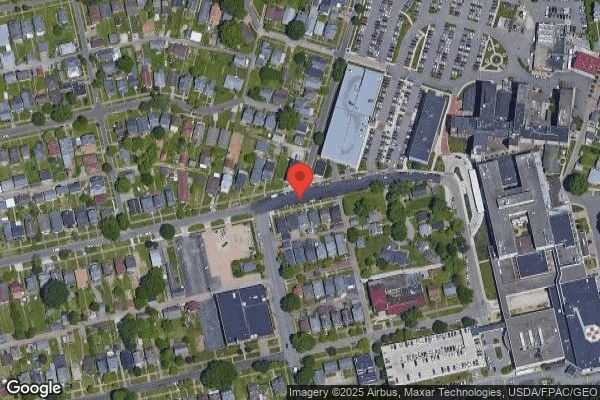
ST. MARY'S HOSPITAL

2900 FIRST STREET, HUNTINGTON, WV 25702 (304) 526-8983
Non profit - Corporation 19 Beds Independent Data: November 2025
Trust Grade
85/100
#7 of 122 in WV
Last Inspection: February 2025

Within standard 12-15 month inspection cycle. Federal law requires annual inspections.

Overview

St. Mary's Hospital has a Trust Grade of B+, which means it is above average and recommended for families considering care options. It ranks #7 out of 122 facilities in West Virginia, placing it in the top half of the state, and is the best option out of five in Cabell County. However, the facility is experiencing a worsening trend, with issues increasing from 4 in 2024 to 7 in 2025. While staffing is a significant strength, with a turnover rate of 0% and no fines reported, there are notable weaknesses in staff training and competencies, including a failure to provide adequate training on dementia care for nurse aides. Specific incidents include staff not having the necessary skills for resident care and improper food storage practices, highlighting areas where improvement is needed.

Trust Score
B+
85/100
In West Virginia
#7/122
Top 5%
Safety Record
Low Risk
No red flags
Inspections
Getting Worse
4 → 7 violations
Staff Stability
○ Average
Turnover data not reported for this facility.
Penalties
✓ Good
No fines on record. Clean compliance history, better than most West Virginia facilities.
Skilled Nurses
○ Average
RN staffing data not reported for this facility.
Violations
⚠ Watch
17 deficiencies on record. Higher than average. Multiple issues found across inspections.
★★★★★
5.0
Overall Rating
☆☆☆☆☆
0.0
Staff Levels
★★★★★
5.0
Care Quality
★★★★★
5.0
Inspection Score
Stable
2024: 4 issues
2025: 7 issues

The Good

  • 5-Star Quality Measures · Strong clinical quality outcomes
  • Full Sprinkler Coverage · Fire safety systems throughout facility
  • No fines on record

Facility shows strength in quality measures, fire safety.

The Bad

No Significant Concerns Identified

This facility shows no red flags. Among West Virginia's 100 nursing homes, only 0% achieve this.

The Ugly 17 deficiencies on record

Feb 2025 7 deficiencies
CONCERN (D)

Potential for Harm - no one hurt, but risky conditions existed

Safe Environment (Tag F0584)

Could have caused harm · This affected 1 resident

Based on observations and staff interview, the facility failed to provide a clean, comfortable home like environment by having debris in the return vents in Resident's #109 room and Resident's #108 ro...

Read full inspector narrative →
Based on observations and staff interview, the facility failed to provide a clean, comfortable home like environment by having debris in the return vents in Resident's #109 room and Resident's #108 room and bathroom. This was a random opportunity for discovery during the long term care survey process. Resident identifier: #108 and #109. Facility census: 12. Findings included: a) Resident #108 On 02/26/25 at 12:59 PM during the initial tour of the facility, it was observed that Resident #108 bathroom and room had vents full of debris and needed to be cleaned. b) Resident #109 On 02/26/25 at 1:15 PM during the initial tour of the facility, it was observed in Resident # 109 room had vents full of debris and needed to be cleaned. On 02/26/25 at approximately 2:00 PM, during an interview with the Clinical Manager #6, who confirmed the vents needed cleaning, and contacted maintenance.
CONCERN (D)

Potential for Harm - no one hurt, but risky conditions existed

Employment Screening (Tag F0606)

Could have caused harm · This affected 1 resident

Based on record review and staff interview, the facility failed to complete the WV Cares report prior to new staff reporting to work. This was found to be true for three (3) of eight (8) staff files r...

Read full inspector narrative →
Based on record review and staff interview, the facility failed to complete the WV Cares report prior to new staff reporting to work. This was found to be true for three (3) of eight (8) staff files reviewed. Staff identifiers: #37, #3, and #12. Facility census: 12. Findings included: a) Dietician #37 Dietitician #37 started to work on 08/12/24. WV Cares investigation was never completed. During an interview with the Clinical Manager #6 on 2/26/25 at approximately 9:35 AM, the Manager stated, I forgot to do the WV Cares upon her transfer from the Dietary Department to the Skilled Nursing Facility (SNF). b) NA #3 NA #3 started to work on 01/22/24. Her clearance letter from WV Cares was dated 01/31/24. c) NA #12 NA #12 started to work on 01/25/21. Her clearance letter from WV Cares was dated 01/28/21. During an interview with the Clinical Manager #6 on 02/26/25 at approximately 9:40 am, when asked why these were not done prior to employment, Clinical Manager #6 did not have an answer. Additionally, the facility's Abuse and Neglect policy requires WV Cares to be complete on prospective staff prior to beginning work.
CONCERN (D)

Potential for Harm - no one hurt, but risky conditions existed

Comprehensive Care Plan (Tag F0656)

Could have caused harm · This affected 1 resident

Based on record review and staff interview, the facility failed to develop a care plan for pain for Resident #3. This failed practice was found true for one (1) of eight (8) care plans reviewed during...

Read full inspector narrative →
Based on record review and staff interview, the facility failed to develop a care plan for pain for Resident #3. This failed practice was found true for one (1) of eight (8) care plans reviewed during the Long-Term Care Survey Process. Resident Identifier: #3 Facility census:12 Findings included: a) Resident #3 During record review on 02/26/24 of Resident #3's orders revealed the following order; Norco 5/325 one (1) tablet by mouth three (3) times a day PRN (as needed) start date was 02/03/25. Further review of the care plan revealed there was nothing in the care plan regarding pain. On 02/26/25 at 12:41 PM during an interview with the Clinical Manager #6 who stated no its' not in the care plan, but it should be in here. The Clinical Manager #6 confirmed the care plan did not contain anything regarding pain.
CONCERN (E)

Potential for Harm - no one hurt, but risky conditions existed

Deficiency F0726 (Tag F0726)

Could have caused harm · This affected multiple residents

Based on record review, review of skilled nursing unit's NA Role Profile Summary, and staff interview, the facility failed to ensure the staff had the competencies and skill sets necessary to provide ...

Read full inspector narrative →
Based on record review, review of skilled nursing unit's NA Role Profile Summary, and staff interview, the facility failed to ensure the staff had the competencies and skill sets necessary to provide nursing and related services to meet the residents' needs. This was true for four (4) of seven (7) nursing staff reviewed for competenencies. Staff Identifiers: NA #12, #45, #2, and #13. Facility census: 12. Findings included: a) NA Role Profile Summary: NA Role Profile Summary dated 01/10/18 revealed HSAF.-16015 Personal Protective Equipment Demonstrates appropriate selection of personal protective equipment (PPE). Identifies and observes the requirement to select, apply and remove the appropriate PPE for personal and patient safety HPSG-16183 Hand Hygiene Complies with current World Health organization (WHO) hand hygiene practices NRSPRO-13769 Urinary Catheter Care Performs perineal and catheter care .HSAF-15943 Infection Control Follows organization's infection control olicies and procedures, including proper hand hygiene. b) NA #12: NA #12 had no competencies for Donning and Doffing of Personal Protective Equipment (PPE), Infection Control, Peri-Care, or Hand Hygiene. c) NA #45: NA #45 had no competencies for Donning and Doffing of Personal Protective Equipment (PPE), Infection Control, Peri-Care, or Hand Hygiene d) NA #2: NA #2 Had no competencies for Donning and Doffing of Personal Protective Equipment (PPE), Infection Control, Peri-Care, or Hand Hygiene e) NA #13: NA #13 had no competencies for Peri-Care, or Hand Hygiene During an interview on 2/26/25 at approximately 2:00 PM with Clinical Manager #6, she acknowledged these should have been done. She did not do any of these in 2024, but had done them in last few years. A review of the competencies from the personnel files revealed these competencies had not been completed since 2019.
CONCERN (E)

Potential for Harm - no one hurt, but risky conditions existed

Food Safety (Tag F0812)

Could have caused harm · This affected multiple residents

Based upon observation and staff interview, the facility failed to properly store pre-cooked breakfast sausage links by not providing an expiration date after opening and removing the product from its...

Read full inspector narrative →
Based upon observation and staff interview, the facility failed to properly store pre-cooked breakfast sausage links by not providing an expiration date after opening and removing the product from its original packaging. This had the potential to affect residents of the facility who might consume this breakfast sausage. Facility census: 12. Findings included: During observation of the kitchen freezers and refrigerators on 02/25/25 around 11:00 AM, a partial bag of opened, pre-cooked breakfast sausage links was found on the top shelf of a cart in one of the walk-in refrigerators. The bag contained no expiration date. When this was pointed out to the Dietary Director, he immediately threw the bag into the trash.
CONCERN (E)

Potential for Harm - no one hurt, but risky conditions existed

Deficiency F0947 (Tag F0947)

Could have caused harm · This affected multiple residents

Based upon record review and staff interview, the facility failed to provide twelve (12) hours of in-service training for nurse aides to include dementia, or specific care to the unit's resident popul...

Read full inspector narrative →
Based upon record review and staff interview, the facility failed to provide twelve (12) hours of in-service training for nurse aides to include dementia, or specific care to the unit's resident population This was true for five (5) of five (5) Nurse Aides (NAs) reviewed. Staff identifiers: NA #3, #12, #45, #2, #13. Facility census: 12. Findings included: a) NA #3: Education report showed a total of 5 hours of education for 2024, and did not contain education on dementia care. b) NA #12: Education report showed a total of < 5 hours of education for 2024, and did not contain education on dementia care. c) NA #45 Education report showed a total of < 5 hours of education for 2024, and did not contain education on dementia care. d) NA #2 Education report showed a total of < 5 hours of education for 2024, and did not contain education on dementia care. e) NA #13 Education report showed a total of 10.8 hours of education for 2024, and did not contain education on dementia care. On 02/26/25 at approximately 1:10 PM, an interview was conducted with Clinical Manager #6 regarding education for the NAs. When the Clinical Manager #6 was asked if there were any additional education or in-services provided to the NAs that were not on the education records; she responded, I normally have additional in-services for the staff, but 2024 was crazy for me and I did not get to hold any.
MINOR (B)

Minor Issue - procedural, no safety impact

Staffing Information (Tag F0732)

Minor procedural issue · This affected multiple residents

Based upon record review, observation, staff interview, and interview with a visitor, the facility failed to ensure daily nurse staffing information was readily available in a format that was clear an...

Read full inspector narrative →
Based upon record review, observation, staff interview, and interview with a visitor, the facility failed to ensure daily nurse staffing information was readily available in a format that was clear and readable as found during the staffing review of the long term care survey process. Facility census: 12 Findings included: a) Staffing Reports for 06/30/24 through 07/07/24 It is unclear what the census was for 07/06/24. Nursing hours were not totaled daily. Staffing sheet contained information for the whole month. b) Staffing Reports for 10/27/24 through 11/02/24 Staffing sheet contains information for the whole month. Nursing hours are not totaled daily. c) Staffing Reports for 11/17/24 through 11/23/24: Staffing sheet contains information for the whole month. Nursing hours are not totaled daily. d) Staffing Reports for 12/22/24 through 12/29/24: Staffing sheet contains information for the whole month. Nursing hours are not totaled daily. It was unclear what the census was on 12/24/24, 12/26/24 and 12/28/24. On 02/26/25 at approximately 11:25 AM, conducted an interview with Resident #157's family member (FM). Surveyor showed him a copy of the posted staffing information for the month of December, and asked him the following question, If this piece of paper were posted in the hall near the nursing station, would you know what it was? FM answered, since it says nursing unit staffing, I would guess that it has something to do with the staffing in the unit. Surveyor then asked, Would you know how to interpret the numbers on the sheet? FM answered No, I have no clue what all that means. It sure has alot of numbers on it though. On 02/26/25 at 12:59 PM, held a discussion with Clinical Manager (CM) #6 on the posted staffing information. Surveyor inquired why there are several numbers in some of the same boxes, she explained that census fluctuated and staffing fluctuated. CM acknowledged the staff postings were confusing with all the small numbers. Boxes are so small to write in. CM stated, this form was developed many years ago. I will develop a new one.
Jan 2024 4 deficiencies
CONCERN (D)

Potential for Harm - no one hurt, but risky conditions existed

Quality of Care (Tag F0684)

Could have caused harm · This affected 1 resident

Based on observation, record review and staff interview, the facility failed to provide Peripherally Inserted Central Catheter (PICC line) care in accordance with professional standards of practice. T...

Read full inspector narrative →
Based on observation, record review and staff interview, the facility failed to provide Peripherally Inserted Central Catheter (PICC line) care in accordance with professional standards of practice. This deficient practice had the potential to affect one (1) of one (1) residents receiving intravenous (IV) antibiotics. Resident identifier: #57. Facility census: 9. Findings included: a) Resident #57 Review of the facility's policy titled, Cental Venous Catheters - Dressing Change, Maintenance, and Removal, with formation date November 1995 and most recent revision date May 2021 gave instructions to aspirate blood for verification of placement prior to infusion of medications. The facility's policy also gave guidelines to scrub the catheter hub with sterile alcohol swab for at least 15 seconds using a twisting motion after removing the end cap of the catheter. Inablility to aspirate blood can indicate catheter malposition. Wiping the catheter hub with an alcohol swab when the cap is removed will prevent potential pathogens from entering the catheter. On 01/17/24 at 1:25 PM, Registered Nurse (RN) #10 was observed administering medications to Resident #10 via PICC line. RN #10 removed the end cap on one lumen of the resident's PICC line and attached a syringe containing saline to flush the catheter. After administering the saline, RN #10 then attached another syringe containing Toradol, a pain medication, and adminstered the medication. RN #10 next attached another syringe containing saline to flush the catheter. After flushing the catheter, RN #10 attached an end cap to the PICC line lumen while she prepared the resident's intravenous antibiotic, Daptomycin, for administration. RN #10 then removed the end cap and attached the resident's antibiotic for infusion over 30 minutes by pump. RN #10 did not aspirate Resident #57's PICC line for blood return to check for placement before administering medications. RN #10 also did not clean the catheter hub with alcohol at any time while administering the IV medications. On 01/17/24 at 2:16 PM, RN #20 was observed disconnecting Resident #57's antibiotic after the infusion was completed. RN #29 wiped the catheter hub after removing the IV tubing before flushing the line with saline and replacing the end cap. On 01/17/24 at 2:25 PM, the Director of Nursing (DON) was informed that RN #10 had not aspirated Resident #57's PICC line to verify placement and had not cleaned the catheter hub with alcohol before use. The DON confirmed the facility's policy for blood aspiration and cleansing of the catheter hubs. The DON was asked where IV flushes were documented. The DON showed computer documentation for IVs and IV site assessment that contained an area to document flushes. The DON confirmed this area had not been completed for Resident #57 and normal saline flushes had not been documented. No further information was provided through the completion of the survey.
CONCERN (D)

Potential for Harm - no one hurt, but risky conditions existed

Infection Control (Tag F0880)

Could have caused harm · This affected 1 resident

Based on observation and staff interview, the facility failed to maintain appropriate infection control standards for the storage of clean linen. This was a random opportunity for discovery and had th...

Read full inspector narrative →
Based on observation and staff interview, the facility failed to maintain appropriate infection control standards for the storage of clean linen. This was a random opportunity for discovery and had the potential to affect more than a limited number of residents at the facility. Facility Census: 9. Findings Included: On 01/15/24 at 1:02 PM, the resident bath/shower room was toured. The tour found folded clean towels uncovered laying on the dirty linen cart lid and on the top of the biohazard box sitting in the floor. On 01/15/24 at 1:04 PM, Registered Nurse (RN) #13 was notified. RN #13 stated, those aren't supposed to be there .I'll take care of it. On 01/15/24 at 1:20 PM, the Clinical Manager (CM) #18 was notified and confirmed the clean linen should not be stored in the resident bath/shower room. No further information was obtained during the survey process.
CONCERN (D)

Potential for Harm - no one hurt, but risky conditions existed

Deficiency F0887 (Tag F0887)

Could have caused harm · This affected 1 resident

Based on record review and staff interview, the facility failed to obtain proper consent or declination for a COVID-19 booster. This deficient practice had the potential to affect one (1) of five (5) ...

Read full inspector narrative →
Based on record review and staff interview, the facility failed to obtain proper consent or declination for a COVID-19 booster. This deficient practice had the potential to affect one (1) of five (5) residents reviewed for the care area of immunizations. Resident identifier: #57. Facility census: 9. Findings included: a) Resident #57 The facility's policy and procedure titled, Novel Coronavirus Disease 2019, with formation date January 2021 and last revised January 2024, stated that residents of the Skilled Nursing Unit would be screened and offered COVID-19 immunization while in the skilled nursing unit. Review of Resident #57's medical records showed an undated Skilled Nursing Unit Belongings Sheet that had a written notation that said, Hasn't had last booster of COVID shot. Would like to get it. Further review of Resident #57's medical records showed an Assessment and Consent or Refusal for COVID-19 Vaccination form dated 01/02/24. The consent section of the form was signed by the resident and marked out with the word error written. The refusal section of the form was checked and marked out with the word error written and the signature of Registered Nurse #9. During an interview on 01/17/24 at 11:06 AM, the Director of Nursing (DON) stated Resident #57 had not received a COVID-19 booster vaccination since admission to the facility. The DON confirmed the resident's COVID-19 consent or refusal form had not been completed properly. She stated she would have the consent or refusal form re-done. On 01/17/24 at 10:21 AM, the DON stated Resident #57 had given consent for a COVID-19 booster vaccination and the immunization had been ordered from the pharmacy. No further information was completed through the completion of the survey.
CONCERN (E)

Potential for Harm - no one hurt, but risky conditions existed

Food Safety (Tag F0812)

Could have caused harm · This affected multiple residents

**NOTE- TERMS IN BRACKETS HAVE BEEN EDITED TO PROTECT CONFIDENTIALITY** Based on observation, record review and staff interview, the facility failed to dispose of expired single-serve condiments store...

Read full inspector narrative →
**NOTE- TERMS IN BRACKETS HAVE BEEN EDITED TO PROTECT CONFIDENTIALITY** Based on observation, record review and staff interview, the facility failed to dispose of expired single-serve condiments stored in the resident refrigerator in the unit pantry. This was a random opportunity for discovery and had the potential to affect more than a limited number of residents. Facility Census: 9. Findings Included: a) Resident Refrigerator On [DATE] at 11:10 AM, a tour of the unit pantry was completed. The tour found the resident refrigerator containing multiple expired single-serve packets of condiments. The expiration dates found were [DATE] on the salad dressings and [DATE] for the tartar sauces. b) Facility Policy A review of the facility policy entitled Maintaining Kitchenettes dated 08/2021 II D h. states, Do not keep patient silverware or condiments from the trays on the unit. (Typed as written.) During the tour on [DATE] at 11:10 AM, Registered Nurse (RN) #13 was present. Upon discovering the expired condiments, RN #13 stated, let me get rid of all of them. On [DATE] at 11:30 AM, the Clinical Manager (CM) #18 was notified. The CM #18 confirmed the single-serve condiments should not be stored in the resident refrigerator. No further information was obtained during the survey process.
Jul 2023 2 deficiencies
CONCERN (D) 📢 Someone Reported This

A family member, employee, or ombudsman was alarmed enough to file a formal complaint

Potential for Harm - no one hurt, but risky conditions existed

Infection Control (Tag F0880)

Could have caused harm · This affected 1 resident

Based on observation and staff interview, the facility failed to maintain an infection prevention and control program to provide a safe, sanitary and comfortable environment to help prevent the develo...

Read full inspector narrative →
Based on observation and staff interview, the facility failed to maintain an infection prevention and control program to provide a safe, sanitary and comfortable environment to help prevent the development and transmission of communicable diseases and infections when they failed to ensure resident hand hygiene was performed prior to meals. This was true for two (2) of the eight (8) Residents on the unit. This had the potential to affect all the residents on the unit. Resident identifiers: #1 and #8. Facility Census: 8 Findings Included: a) Resident #1 and #8 On 7/26/23 at 11:45 AM the surveyor went to the floor in anticipation of the lunch meal trays due to arrive at 12 noon. The surveyor watched one Certified Nurse Aid (CNA) pass ice while two other staff members were sitting at the nurses station. The lunch tray cart was delivered from the kitchen at 12:10 PM. No one performed hand hygiene during the time frame that the surveyor was monitoring the floor from 11:45 AM until 12:10 PM. There were two (2) CNA's and a Registered Nurse (RN) at the meal cart with a large bottle of hand sanitizing gel present. The staff was sanitizing their own hands. After watching them pass three trays without offering residents hand hygiene, I ask, Do you offer residents hand hygiene prior to their meals? RN #19 commented, yes we do and she looked at the CNA #22 and continued don't we? This surveyor commented you have passed three (3) trays and not offered any of them hand hygiene. CNA #22 commented, we wash their hands after we toilet the residents because most of them want to go to the restroom before lunch. This surveyor commented I have been on the floor for twenty five (25) minutes and observed one (1) CNA pass ice while everyone else was at the nurses station and didn't see anyone in residents room during this time. The staff offered no further communication and continued to pass lunch trays to the remaining residents. Resident #2 was not given her tray, it was only placed on her bedside table, as she was in the restroom at this time and the other two (2) residents that were given their tray had not been offered hand hygiene. On 07/26/23 at 12:20 PM it was confirmed with the Clinical Manager #10 that the staff had failed to perform hand hygiene as the lunch meal trays were being delivered.
CONCERN (D)

Potential for Harm - no one hurt, but risky conditions existed

Deficiency F0883 (Tag F0883)

Could have caused harm · This affected 1 resident

**NOTE- TERMS IN BRACKETS HAVE BEEN EDITED TO PROTECT CONFIDENTIALITY** Based on record review and staff interview, the facility failed to fully screen residents for eligibility to receive pneumococca...

Read full inspector narrative →
**NOTE- TERMS IN BRACKETS HAVE BEEN EDITED TO PROTECT CONFIDENTIALITY** Based on record review and staff interview, the facility failed to fully screen residents for eligibility to receive pneumococcal vaccination. This deficient practice had the potential to affect three (3) of five (5) residents reviewed for immunizations during the Focused Infection Control Survey (FICS). Resident identifiers: #4, #5, and #8. Facility census: 8. Findings included: a) Resident #4 Review of Resident #4's medical records showed the resident was admitted on [DATE]. The resident's admission Assessment Report showed the resident reported receiving a pneumococcal vaccine at [AGE] years of age or older, on 10/07/15. The admission Assessment Report did not document which pneumococcal vaccine the resident had previously received. There was no further documentation in Resident #4's medical records assessing the resident for eligibility to receive further pneumococcal vaccination. b) Resident #5 Review of Resident #5's medical records showed the resident was admitted on [DATE]. The resident's admission Assessment Report showed the resident reported receiving a pneumococcal vaccine at [AGE] years of age or older, in 2020. The admission Assessment Report did not document which pneumococcal vaccine the resident had previously received. There was no further documentation in Resident #5's medical records assessing the resident for eligibility to receive further pneumococcal vaccination. c) Resident #8 Review of Resident #8's medical records showed the resident was admitted on [DATE]. The resident's admission Assessment Report showed the resident reported receiving a pneumococcal vaccine at [AGE] years of age or older, in November 2017. The admission Assessment Report did not document which pneumococcal vaccine the resident had previously received. There was no further documentation in Resident #8's medical records assessing the resident for eligibility to receive further pneumococcal vaccination. d) Interviews On 07/26/23 at 11:45 PM, the Director of Nursing (DON) and Pharmacist #37 were interviewed. The DON and pharmacist #37 stated admission nursing assessments included a question about whether the resident had received pneumococcal vaccination prior to admission, and if so, when. If the resident had not received pneumococcal vaccination prior to admission, a pneumococcal vaccine order/consent form for residents greater than [AGE] years old was sent to the unit for the nurses to complete with the resident or resident representative. Pharmacist #37 provided a blank pneumococcal vaccine order/consent form. Section one of the form was titled Risk Assessment for Pneumococcal Vaccine for Patient Age Greater than 65 Years. The risk assessment had the following areas with boxes to be checked: - No or unknown history of prior receipt of pneumococcal vaccine - Administer Prevnar 20 - Received Pneumovax 23 more than 12 months ago and never received Prevnar 13, Prevnar 20, Prevnar 20, or Vaxneuvance - Administer Prevnar 20 - Received Prevnar 13 or Vaxneuvance more than 12 months ago - Administer Pneumovax 23 - Received Prevnar 20 any time in the past - no vaccine indicated - Received any pneumococcal vaccine in the last 12 months - No vaccine indicated; advise patient to follow up with primary care The rest of the form contained an assessment of contraindications to receiving the pneumococcal vaccination, and consent or refusal of Prevnar 20 or Pneumovax 23 vaccination. Pharmacist #37 and the DON stated Residents #4, #5, and #8 did not have a pneumococcal vaccine order/consent completed because the residents' admission assessments indicated the residents had received pneumococcal vaccinations prior to admission. Pharmacist #37 and the DON acknowledged the nursing assessment performed did not assess what pneumococcal vaccinations the residents had previously.
May 2022 4 deficiencies
CONCERN (D)

Potential for Harm - no one hurt, but risky conditions existed

Deficiency F0577 (Tag F0577)

Could have caused harm · This affected 1 resident

. Based on observation and staff interview, the facility failed to display the most recent State inspection survey in a readily accessible area frequented by residents and visitors. It was discovered ...

Read full inspector narrative →
. Based on observation and staff interview, the facility failed to display the most recent State inspection survey in a readily accessible area frequented by residents and visitors. It was discovered the State inspection survey was placed too high for residents to reach. This had the potential to affect a limited number of residents. Facility census: 10 Findings included: a) State inspection survey posting During an observation on 05/17/22 at 9:30 AM, it was discovered the State inspection survey was placed in a wall pocket, located on a hallway frequented by residents and visitors. The survey was placed too high on the wall for a resident in a wheel chair to reach. In an interview on 05/17/22 at 9:45 AM with the Director of Nursing (DON), verified the posting was located too high on the wall. The DON also agreed it would be difficult for a resident in a wheel chair to get the survey out of the wall pocket. .
CONCERN (D)

Potential for Harm - no one hurt, but risky conditions existed

Deficiency F0655 (Tag F0655)

Could have caused harm · This affected 1 resident

. Based on medical record review and staff interview, the facility failed to ensure the baseline care plan was fully developed for three (3) of eight (8) residents reviewed during the long-term care s...

Read full inspector narrative →
. Based on medical record review and staff interview, the facility failed to ensure the baseline care plan was fully developed for three (3) of eight (8) residents reviewed during the long-term care survey process. Resident identifiers: #67, #66, #65. Facility census: 10. Findings included: a) Resident #67 Review of Resident #67's medical records showed an order for tramadol (Ultram), 50 mg, one (1) tablet, three (3) times a day as needed for pain. Review of Resident #67's Medication Administration Record (MAR) showed the resident had received tramadol three (3) times since admission for pain in the feet and back. Resident #67's baseline care plan did not contain a focus related to pain or discomfort. During an interview on 05/18/22 at 12:25 PM, the Director of Nursing (DON) confirmed Resident #67's baseline care plan did not have a focus related to pain or discomfort. No further information was provided through the completion of the survey process. b) Resident #66 Review of Resident #66's medical records showed the resident was prescribed the diuretic medication torsemide, 25 mg, every day, for diastolic heart failure and chronic kidney disease. Resident #66's baseline care plan did not have a focus related to diuretic medication nor interventions to assess for possible side-effects or adverse reactions. During an interview on 05/18/22 at 12:25 PM, the Director of Nursing confirmed Resident #66's baseline care plan did not have a focus or interventions related to diuretic medication use. No further information was provided through the completion of the survey. c) Resident #65 A medical record review on 05/18/22, revealed the baseline care plan was not developed in the area of diuretic medication for Resident #65. In an interview with the Director of Nursing (DON) on 05/18/22 at 12:54 PM, verified the baseline care plan was not developed for the use of a diuretic medication for Resident #65. .
CONCERN (D)

Potential for Harm - no one hurt, but risky conditions existed

Tube Feeding (Tag F0693)

Could have caused harm · This affected 1 resident

. Based on observation, record review, and staff interview, the facility failed to ensure enteral feeding was utilized in accordance with current professional standards of practice. This deficient pra...

Read full inspector narrative →
. Based on observation, record review, and staff interview, the facility failed to ensure enteral feeding was utilized in accordance with current professional standards of practice. This deficient practice had the potential to affect one (1) of one (1) residents reviewed for the care area of tube feeding. Resident identifier: #68. Facility census: 10. Findings included: a) Resident #68 Review of Resident #68's medical records showed an order for jejunostomy tube (J-tube) feeding of Pivot 60 milliliters an hour with water flush 50 milliliters an hour. During observation on 05/18/22 at 10:30 AM, Resident #68 was noted to have a bottle of Pivot and a bag of water hanging from a pole and infusing by pump into to the J-tube. Neither the Pivot bottle nor water flush bag were dated or timed to show when they were hung. During an interview on 05/18/22 at 10:33 AM, Registered Nurse (RN) #23 stated she had hung the bottle of Pivot and the bag of water earlier that morning. RN #23 stated she would date and time them to show when they had been hung. Additionally, a review of Resident #68's intake and output (I&O) showed the amount of tube feeding and the amount of water flush was not consistently recorded. No enteral intake had been recorded on 05/08/22, 05/09/22, 05/12/22, 05/13/22 or 05/16/22. During an interview on 05/18/22 at 10:48 AM, the Director of Nursing (DON) confirmed Resident #68's enteral intake was not recorded every day. No further information was provided through the completion of the survey. .
CONCERN (E)

Potential for Harm - no one hurt, but risky conditions existed

Deficiency F0697 (Tag F0697)

Could have caused harm · This affected multiple residents

. Based on medical record review and staff interview, the facility failed to ensure pain management was provided to residents consistent with professional standards of practice. Response to PRN (as ne...

Read full inspector narrative →
. Based on medical record review and staff interview, the facility failed to ensure pain management was provided to residents consistent with professional standards of practice. Response to PRN (as needed) pain medication was not consistently assessed. This failed practice had the potential to affect three (3) of five (5) reviewed for the care area of unnecessary medications and one (1) of one (1) residents reviewed for the care area of pain management. Resident identifiers: #66, #60, #67, #62. Facility census: 10. Findings included: a) Resident #66 Review of Resident #66's medical records showed an order for Norco (hydrocodone/acetaminophen), 5/325 mg, one (1) tablet, every six (6) hours as needed for pain. Review of Resident #66's Medication Administration Record (MAR) showed the resident had received Norco two (2) to three (3) times a day. On 05/14/22 at 4:22 PM, Resident #66 received Norco for pain in the right foot rated as a 6 on a pain scale from 1-10, with 10 being the worst pain. The records did not contain documentation regarding the effectiveness of this administration of Norco in relieving the resident's pain. During an interview on 05/18/22 at 12:20 PM, the Director of Nursing (DON) confirmed Resident #66's response to Norco administered on 05/14/22 at 4:22 PM was not documented. No further information was provided through the completion of the survey. b) Resident #60 Review of Resident #60's medical records showed an order for oxycodone (Roxicodone), 5 mg, one (1) tablet, every four (4) hours as needed for pain. Review of Resident #60's Medication Administration Record (MAR) showed the resident had received oxycodone four (4) times since admission. On 05/16/22 at 6:13 PM, Resident #60 received oxycodone for pain in the right leg rated as a 5 on a pain scale from 1-10, with 10 being the worst pain. The records did not contain documentation regarding the effectiveness of this administration of oxycodone in relieving the resident's pain. During an interview on 05/18/22 at 12:20 PM, the Director of Nursing (DON) confirmed Resident #60's response to oxycodone administered on 05/16/22 at 6:13 PM was not documented. No further information was provided through the completion of the survey. c) Resident #67 Review of Resident #67's medical records showed an order for tramadol (Ultram), 50 mg, one (1) tablet, three (3) times a day as needed for pain. Review of Resident #67's Medication Administration Record (MAR) showed the resident had received tramadol three (3) times since admission. On 05/17/22 at 9:56 AM, Resident #67 received tramadol for pain in the back rated as a 7 on a pain scale from 1-10, with 10 being the worst pain. The records did not contain documentation regarding the effectiveness of this administration of tramadol in relieving the resident's pain. During an interview on 05/18/22 at 12:20 PM, the Director of Nursing (DON) confirmed Resident #67's response to tramadol administered on 05/17/22 at 9:56 AM was not documented. No further information was provided through the completion of the survey. d) Resident #62 A review of the Medication Administration Record (MAR) on 05/18/22 revealed Resident #62 had received Norco two (2) to three (3) times a day. On 05/14/22 at 4:59 PM, Resident #62 received Norco for pain in left hip and rated as a six (6) on a pain scale from 1-10, with 10 being the worst pain. Norco was administered again on 05/17/22 at 8:58 PM for leg pain, rated at four (4). The records did not contain documentation regarding the effectiveness of this administration of Norco in relieving the resident's pain. During an interview on 05/18/22 at 12:31 PM, the Director of Nursing (DON) confirmed Resident #62's response to Norco administered on 05/14/22 at 4:59 PM and on 05/17/22 at 8:58 PM was not documented. .
Understanding Severity Codes (click to expand)
Life-Threatening (Immediate Jeopardy)
J - Isolated K - Pattern L - Widespread
Actual Harm
G - Isolated H - Pattern I - Widespread
Potential for Harm
D - Isolated E - Pattern F - Widespread
No Harm (Minor)
A - Isolated B - Pattern C - Widespread

Questions to Ask on Your Visit

  • "Can I speak with families of current residents?"
  • "What's your RN coverage like on weekends and overnight?"

Our Honest Assessment

Strengths
  • • Grade B+ (85/100). Above average facility, better than most options in West Virginia.
  • • No major safety red flags. No abuse findings, life-threatening violations, or SFF status.
  • • No fines on record. Clean compliance history, better than most West Virginia facilities.
Concerns
  • • 17 deficiencies on record. Higher than average. Multiple issues found across inspections.
Bottom line: Generally positive indicators. Standard due diligence and a personal visit recommended.

About This Facility

What is St. Mary'S Hospital's CMS Rating?

CMS assigns ST. MARY'S HOSPITAL an overall rating of 5 out of 5 stars, which is considered much above average nationally. Within West Virginia, this rating places the facility higher than 99% of the state's 100 nursing homes. This rating reflects solid performance across the metrics CMS uses to evaluate nursing home quality.

How is St. Mary'S Hospital Staffed?

Detailed staffing data for ST. MARY'S HOSPITAL is not available in the current CMS dataset.

What Have Inspectors Found at St. Mary'S Hospital?

State health inspectors documented 17 deficiencies at ST. MARY'S HOSPITAL during 2022 to 2025. These included: 16 with potential for harm and 1 minor or isolated issues.

Who Owns and Operates St. Mary'S Hospital?

ST. MARY'S HOSPITAL is owned by a non-profit organization. Non-profit facilities reinvest revenue into operations rather than distributing to shareholders. The facility operates independently rather than as part of a larger chain. With 19 certified beds and approximately 7 residents (about 37% occupancy), it is a smaller facility located in HUNTINGTON, West Virginia.

How Does St. Mary'S Hospital Compare to Other West Virginia Nursing Homes?

Compared to the 100 nursing homes in West Virginia, ST. MARY'S HOSPITAL's overall rating (5 stars) is above the state average of 2.7 and health inspection rating (5 stars) is much above the national benchmark.

What Should Families Ask When Visiting St. Mary'S Hospital?

Based on this facility's data, families visiting should ask: "Can I visit during a mealtime to observe dining assistance and food quality?" "How do you handle medical emergencies, and what is your hospital transfer rate?" "Can I speak with family members of current residents about their experience?"

Is St. Mary'S Hospital Safe?

Based on CMS inspection data, ST. MARY'S HOSPITAL has a clean safety record: no substantiated abuse findings (meaning no confirmed cases of resident harm), no Immediate Jeopardy citations (the most serious violation level indicating risk of serious injury or death), and is not on the Special Focus Facility watch list (a federal program monitoring the lowest-performing 1% of nursing homes). The facility has a 5-star overall rating and ranks #1 of 100 nursing homes in West Virginia. While no facility is perfect, families should still ask about staff-to-resident ratios and recent inspection results during their visit.

Do Nurses at St. Mary'S Hospital Stick Around?

ST. MARY'S HOSPITAL has not reported staff turnover data to CMS. Staff turnover matters because consistent caregivers learn residents' individual needs, medications, and preferences. When staff frequently change, this institutional knowledge is lost. Families should ask the facility directly about their staff retention rates and average employee tenure.

Was St. Mary'S Hospital Ever Fined?

ST. MARY'S HOSPITAL has no federal fines on record. CMS issues fines when nursing homes fail to meet care standards or don't correct problems found during inspections. The absence of fines suggests the facility has either maintained compliance or corrected any issues before penalties were assessed. This is a positive indicator, though families should still review recent inspection reports for the full picture.

Is St. Mary'S Hospital on Any Federal Watch List?

ST. MARY'S HOSPITAL is not on any federal watch list. The most significant is the Special Focus Facility (SFF) program, which identifies the bottom 1% of nursing homes nationally based on persistent, serious quality problems. Not being on this list means the facility has avoided the pattern of deficiencies that triggers enhanced federal oversight. This is a positive indicator, though families should still review the facility's inspection history directly.