KINGWOOD HEALTHCARE CENTER
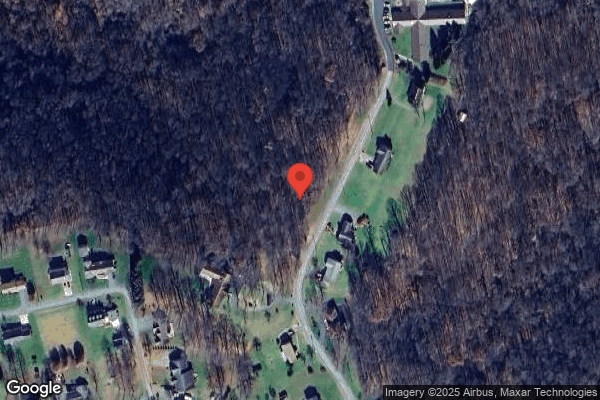
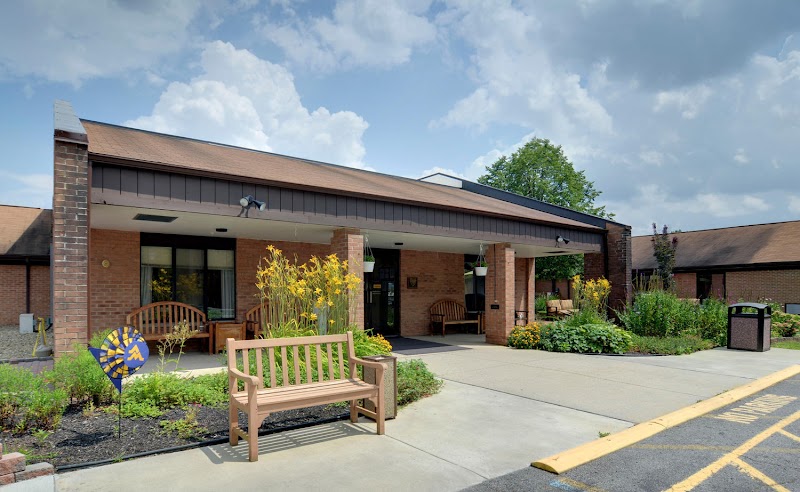
300 MILLER ROAD, KINGWOOD, WV 26537 (304) 329-3195
For profit - Corporation 120 Beds COMMUNICARE HEALTH Data: November 2025
Trust Grade
23/100
#103 of 122 in WV
Last Inspection: November 2024

Within standard 12-15 month inspection cycle. Federal law requires annual inspections.

Overview

Kingwood Healthcare Center has received a Trust Grade of F, which indicates significant concerns regarding the quality of care provided. Ranking #103 out of 122 facilities in West Virginia places them in the bottom half of available options, and they are #2 out of 2 in Preston County, meaning there is only one local facility with a better rating. The trend is worsening, as issues nearly tripled from 7 in 2023 to 18 in 2024. Staffing is a major concern, with a poor rating of 1 out of 5 stars and a high turnover rate of 60%, which is significantly above the state average of 44%. While the facility does have some RN coverage, it is less than 93% of other West Virginia facilities, which could lead to missed health issues. Some specific incidents include a resident being discharged to a homeless shelter without proper preparation or knowledge of their medications, which caused distress and harm, and issues with garbage storage that could attract pests, affecting the overall environment for residents. Despite having some average quality measures, the numerous deficiencies indicate serious weaknesses that families should carefully consider.

Trust Score
F
23/100
In West Virginia
#103/122
Bottom 16%
Safety Record
Moderate
Needs review
Inspections
Getting Worse
7 → 18 violations
Staff Stability
⚠ Watch
60% turnover. Above average. Higher turnover means staff may not know residents' routines.
Penalties
✓ Good
$23,989 in fines. Lower than most West Virginia facilities. Relatively clean record.
Skilled Nurses
⚠ Watch
Each resident gets only 19 minutes of Registered Nurse (RN) attention daily — below average for West Virginia. Fewer RN minutes means fewer trained eyes watching for problems.
Violations
⚠ Watch
49 deficiencies on record. Higher than average. Multiple issues found across inspections.
★☆☆☆☆
1.0
Overall Rating
★☆☆☆☆
1.0
Staff Levels
★★★☆☆
3.0
Care Quality
★★☆☆☆
2.0
Inspection Score
Stable
2023: 7 issues
2024: 18 issues

The Good

  • Full Sprinkler Coverage · Fire safety systems throughout facility
  • No fines on record

Facility shows strength in fire safety.

The Bad

1-Star Overall Rating

Below West Virginia average (2.7)

Significant quality concerns identified by CMS

Staff Turnover: 60%

14pts above West Virginia avg (46%)

Frequent staff changes - ask about care continuity

Federal Fines: $23,989

Below median ($33,413)

Minor penalties assessed

Chain: COMMUNICARE HEALTH

Part of a multi-facility chain

Ask about local staffing decisions and management

Staff turnover is elevated (60%)

12 points above West Virginia average of 48%

The Ugly 49 deficiencies on record

2 actual harm
Nov 2024 18 deficiencies
CONCERN (D)

Potential for Harm - no one hurt, but risky conditions existed

Deficiency F0553 (Tag F0553)

Could have caused harm · This affected 1 resident

**NOTE- TERMS IN BRACKETS HAVE BEEN EDITED TO PROTECT CONFIDENTIALITY** Based on record review and staff interview, the facility failed to facilitate the inclusion of the resident representative in pe...

Read full inspector narrative →
**NOTE- TERMS IN BRACKETS HAVE BEEN EDITED TO PROTECT CONFIDENTIALITY** Based on record review and staff interview, the facility failed to facilitate the inclusion of the resident representative in person-centered care planning. This was true for one (1) of 24 residents reviewed in the Long-Term Care Survey Process. Resident identifier: #74. Facility census: 117. Findings included: a) Resident #74 An electronic medical record review, conducted on 11/05/24 at 9:10 PM, revealed: -Resident #74 had been admitted to the hospital on [DATE] -During Resident #74's stay in the hospital, it was determined that the resident did not have the capacity to make medical decisions, and a Health Care Surrogate (HCS) was appointed to be the legal decision maker on Resident #74's behalf. -The hospital's 07/18/24 After Visit Summary clearly stated that a surrogate decision-maker had been recorded during resident's hospitalization. Details of the After Visit Summary were scanned in Resident #74's electronic medical record. However, the HCS form appointing a legal decision maker on Resident #74's behalf was not part of medical record. - An activities progress note, dated 07/31/24 at 10:15 AM, stated that the Activity Director issued resident a care conference letter on 07/31/24. There was no evidence that resident's HCS had been invited to attend the care plan meeting. During an interview, on 11/06/24 at 3:10 PM, the Director of Nursing acknowledged the facility was unable to produce evidence that Resident #74's HCS had been properly identified following her 07/15/24 hospitalization. Furthermore, the DON acknowledged that the facility could not provide evidence that the HCS had been invited to the above-mentioned care plan meeting.
CONCERN (D)

Potential for Harm - no one hurt, but risky conditions existed

Notification of Changes (Tag F0580)

Could have caused harm · This affected 1 resident

Based on record review and interview, the facility failed to notify the resident's legal representative of a change in health status and transfer to the hospital. This failed practice was a random opp...

Read full inspector narrative →
Based on record review and interview, the facility failed to notify the resident's legal representative of a change in health status and transfer to the hospital. This failed practice was a random opportunity for discovery and had the potential to affect a limited number of residents. Resident identifier: #74. Facility census: 117. Findings included: a) Resident #74 An electronic medical record review, conducted on 11/05/24 at 9:10 PM, revealed: -A nurses note, dated 07/15/24 at 6:00 PM, stated, Resident transferred to [Name of a local hospital] as direct admit. Transported via facility staff and van. Left facility in stable condition. Resident with capacity. MD (medical doctor) aware. There was no evidence that resident's emergency contact/family member had been notified of the need for acute care or transfer to the hospital. -An eInteract Transfer form, dated 07/15/25 at 8:00 PM, indicated that Resident #74 was her own resident representative and that she was aware of the acute transfer and her clinical situation. During an interview on 11/06/24 at 3:10 PM, the Director of Nursing (DON) acknowledged the facility was unable to produce evidence that Resident #74's emergency contact/family member had been notified of the need for an acute care transfer to the hospital. The DON stated resident had capacity and was aware of the need to be sent to the hospital. Surveyor reviewed CMS [Centers for Medicare and Medicaid Services] guidance with the DON which indicated, even if a resident is competent, the resident representative should be notified of significant changes in health status because the resident may not be able to notify them themselves. The DON acknowledged the facility had failed to communicate with resident's emergency contact/family member.
CONCERN (D)

Potential for Harm - no one hurt, but risky conditions existed

Deficiency F0582 (Tag F0582)

Could have caused harm · This affected 1 resident

Based on record review and staff interview, the facility failed to issue the required Notification of Medicare Non-Coverage (NOMNC) in a timely fashion for one (1) of three (3) residents reviewed for ...

Read full inspector narrative →
Based on record review and staff interview, the facility failed to issue the required Notification of Medicare Non-Coverage (NOMNC) in a timely fashion for one (1) of three (3) residents reviewed for beneficiary protection notification. This failure had the potential to place the resident at risk of not being informed of her rights prior to the end of Medicare Part A covered services. Resident identifier: #269. Facility census: 117. Findings included: a) Beneficiary Notice Review On 11/05/24 at 7:25 PM, a review was completed regarding the beneficiary protection notification liability notice(s) given for Resident #269 who was discharged to home with a family member following his last covered day of Medicare Part A services. Resident #269's last covered day of Part A Services was on 09/05/24. There was no evidence in the electronic medical record that the required Notification of Medicare Non-Coverage (NOMNC) was issued. The Form Instructions for the Notice of Medicare Non-Coverage (NOMNC) CMS-10123 state: The NOMNC must be delivered at least two calendar days before Medicare covered services end . The instructions also state: A NOMNC must be delivered even if the beneficiary agrees with the termination of services. Further review of the electronic medical record revealed the following details: -An 08/22/24 summary of resident's discharge plans reflected that resident had capacity and that he desired to be discharged back to the community (to home with a family member) and with home health services. -An 08/23/24 Social Services note stated, Resident will be returning to the community. and He will be going back to live with his [family member] when he discharges. -An 08/26/24 Social Services note stated, Resident's plans to discharge back to the community and will be living with his [family member] when his inpatient treatment is complete. -An 08/29/24 MDS note stated, Plans to d/c (discharge) home with [family member] when able. -A 09/04/24 Clinical Meeting note stated, Resident plans to d/c home after therapy services completed. Review of therapy discharge summaries (physical therapy, speech therapy, and occupational therapy), completed on 11/06/24 at 9:40 revealed the following details: -The Physical Therapy Discharge Summary stated the discharge reason was Highest Practical Level Achieved. -The Speech Therapy Discharge Summary stated the discharge reason was Highest Practical Level Achieved. -The Occupational Therapy Discharge Summary stated the discharge reason was All Goals Met. During an interview on 11/06/24 at 10:10 AM, the Business Office Manager confirmed a NOMNC was not issued prior to Resident #269's last covered day of Medicare Part A skilled services and subsequent discharge to home.
CONCERN (D)

Potential for Harm - no one hurt, but risky conditions existed

Deficiency F0583 (Tag F0583)

Could have caused harm · This affected 1 resident

Based on random observations and interviews, the facility failed to ensure a Resident's medical and health information was protected during MDS Interviews. Resident identifiers: #18 and #77. Facility ...

Read full inspector narrative →
Based on random observations and interviews, the facility failed to ensure a Resident's medical and health information was protected during MDS Interviews. Resident identifiers: #18 and #77. Facility census: 117. Findings included: a) Resident #18 A random observation on 11/04/24 at 1:33 PM, overheard the MDS Licensed Practical Nurse #16 Interviewing Resident #18 from the hallway. The Brief Interview for Mental Status was being assessed. Resident #18's door was open and MDS LPN was speaking loudly. This practice found resident's answers could be overheard by other residents, staff and visitors. b) Resident #77 A random observation on 11/05/24 at 2:38 PM, overheard MDS Licensed Practical Nurse #16 interviewing Resident #77 from the hallway. The Brief Interview for Mental Status was being assessed. Resident #77 was sitting in the MDS open doorway and MDS LPN was speaking loudly. This practice found resident's answers could be overheard by other residents, staff and visitors. On 11/05/24 at 2:40 PM, an interview with the Social Service Director confirmed the information could be overheard. The Social Service Director went at this time to close the MDS door.
CONCERN (D) 📢 Someone Reported This

A family member, employee, or ombudsman was alarmed enough to file a formal complaint

Potential for Harm - no one hurt, but risky conditions existed

Transfer Requirements (Tag F0622)

Could have caused harm · This affected 1 resident

**NOTE- TERMS IN BRACKETS HAVE BEEN EDITED TO PROTECT CONFIDENTIALITY** Based on record review and staff interview, the facility failed to ensure the appropriate information was communicated to the re...

Read full inspector narrative →
**NOTE- TERMS IN BRACKETS HAVE BEEN EDITED TO PROTECT CONFIDENTIALITY** Based on record review and staff interview, the facility failed to ensure the appropriate information was communicated to the receiving health care institution when the facility transferred Resident #167 to the hospital. This deficient practice was true for one (1) of five (5) residents reviewed under the hospitalization pathway. Resident identifier: #167. Facility census: 117. Findings included: a) Resident #167 An electronic medical record review, completed on 11/05/24 at 8:42 PM, reflected that resident was transferred to the hospital on [DATE]. There was no evidence that an eInteract Transfer form had been completed or that the following items had been sent with the resident upon his transfer to the hospital: -Contact information of the practitioner responsible for the care of the resident -Resident representative information including contact information -Advance Directive information -All special instructions or precautions for ongoing care, as appropriate -Comprehensive care plan goals -All other necessary information and any other documentation, as applicable, to ensure a safe and effective transition of care During an interview on 11/07/24 at approximately 9:40 AM, the Director of Nursing reported the facility could not produce evidence the appropriate discharge paperwork had been sent with Resident #167 when he was transferred to the hospital.
CONCERN (D) 📢 Someone Reported This

A family member, employee, or ombudsman was alarmed enough to file a formal complaint

Potential for Harm - no one hurt, but risky conditions existed

Safe Transfer (Tag F0626)

Could have caused harm · This affected 1 resident

**NOTE- TERMS IN BRACKETS HAVE BEEN EDITED TO PROTECT CONFIDENTIALITY** Based on record review, outside agency interview, and staff interview, the facility failed to allow a resident to return to the ...

Read full inspector narrative →
**NOTE- TERMS IN BRACKETS HAVE BEEN EDITED TO PROTECT CONFIDENTIALITY** Based on record review, outside agency interview, and staff interview, the facility failed to allow a resident to return to the facility following a brief hospitalization. When the facility did not allow the resident to return, the facility failed to initiate a discharge and did not comply with transfer and discharge requirements at 42 CFR 483.15(c). This was true for one (1) of two (2) residents reviewed under the discharge pathway throughout the survey process. Resident identifier #167. Facility census: 117. Findings included: a) Resident #167 Resident #167 was admitted to the facility on [DATE] as a skilled patient (receiving physical and occupational therapy to help resident regain strength, maximize his independence with activities of daily living, and improve his quality of life following an acute hospitalization.) Resident #167 had the following diagnoses: - Schizoaffective disorder, depressive type. The 2025 edition of the International Classification of Diseases, Tenth Revision, Clinical Modification (ICD-10-CM) states symptoms of schizoaffective disorder include: *Unusual or bizarre behavior *Depression symptoms, such as feeling empty, sad, or worthless *Manic periods, with more energy and less need for sleep over several days *Difficulty functioning at work, school, or in social situations -Borderline Intellectual Functioning. The National Institute on Health states, The term borderline intellectual functioning describes a group of people who function on the border between normal intellectual functioning and intellectual disability, between 1 and 2 standard deviations below the mean on the normal curve of the distribution of intelligence, roughly an IQ between 70 and 85. -Cognitive Communication Deficit -Encephalopathy -Type 2 Diabetes with Neuropathy -Chronic kidney disease, stage 3 -Insomnia -Glaucoma in diseases classified elsewhere -Chronic Obstructive Pulmonary Disease (COPD) -Generalized muscle weakness A physician statement of capacity reflected that Resident #167 had the ability to make his own medical decisions. A Discharge Plans form, dated 10/04/24, indicated that resident had capacity and had expressed a desire to remain at the facility long term. A Social Services note, dated 10/7/2024 at 8:47 AM, stated that resident desired to stay at the facility as a long-term care patient. A Social Service note, dated 10/8/2024 at 8:29 AM, stated that Resident #167 planned to remain in the facility for long term care. Resident did not wish to be asked about returning to the community. An Activities Progress note, dated 10/9/2024 at 9:55 AM, stated resident enjoyed activities like cards, bingo, some games, walking, music, some television, trips, car rides, community outings, spiritual, outside, talking, being around others, and groups. It went on to state that resident had participated in scheduled activities such as bingo, bible study, resident council, and a group activity called busy bodies. Resident reportedly accepted cookie cart and ice cream cart. He had conversations with staff. He also watched television while in his room. Resident liked to walk in the hallway with walker. Resident received mail. A Minimum Data Set (MDS) note, dated 10/11/2024 at 1:48PM, stated that resident reported that he planned to remain in the facility for long-term care after skilled services were completed. Page 11 of Resident's care plan listed the following Focus Area, I have no plans for discharge due to care needs being unable to be met in the community. The date the focus area was initiated was listed as 10/11/24. A Social Services Note, dated 10/15/2024 at 10:08 AM, documented, Resident with capacity and requested that both his brother and sister be removed from his emergency contacts. Resident is aware that if he is deemed as incapacitated a HCS (Health Care Surrogate) would be completed making DHHR as his representative and he stated understanding of above. When LSW (Licensed Social Worker) asked resident why he wanted his siblings removed he said that they had requested being removed with their own lives they could no longer assume the role of Emergency Contacts for him. A nurses note, dated 10/28/2024 at 6:05 PM, stated that 911 had telephoned the facility to report Resident #167 had called them twice to go to the hospital. The nurse informed the 911 operator that resident had capacity to make his own medical decisions and that if he wanted to go to the hospital, he could go. A second nurses note, dated 10/28/2024 at 6:20 PM, indicated that resident had left the facility via Emergency Medical Services (EMS) transport to go to the hospital. There was no evidence in the electronic medical record that Resident #167 had been given a bed hold notice. During an interview on 11/06/24 at 11:30 AM, Resident #56 reported hearing Resident #167 shouting over and over again, You guys are getting what you want! to the facility staff as he was being transported out the door to go to the hospital. The discharge MDS, dated [DATE], indicated Discharge assessment - return not anticipated. During a telephone interview on 11/06/24, at 10:43 AM, the following details were obtained from the hospital's RN/Health Care Quality and Management (HCQM) #170: -On 10/29/24 at 8:09 AM, the hospital's RN/HCQM #170 received a report from the emergency department nurse stating that the nursing home had called and reported resident no longer had a bed at their facility anymore. -On 10/29/24 at 8:54 AM, the hospital's RN/HCQM #170 spoke to the Director of Nursing at the nursing home and was told that the facility did not hold resident's bed. -On 10/29/24 at 9:20 AM, the hospital's RN/HCQM #170 spoke with the nursing home's Hospital Referral Manager and was told, This individual has been problematic since arrival a month ago and corporate has stated he could not return. -It was necessary for Resident #167 to remain in the hospital emergency department until 11/01/24 at 3:38 PM, a total of four (4) days, until an alternate long-term care placement was secured. During an interview on 11/07/24 at 10:45 AM, the Director of Nursing (DON) acknowledged Resident #167's medical record did not include any evidence as to why resident did not return to the facility. She reported that the facility did not have a bed for Resident #167 to come back to when she spoke to the hospital staff on 10/29/24 at 8:54 AM. When asked why the facility's Hospital Referral Manager would have reported to the hospital staff that resident had been problematic since his arrival and that corporate had stated he could not return, neither the DON nor the Administrator voiced an answer. Additionally, the facility could produce no evidence Resident #167 and the long-term care Ombudsman were given a written Notice of Discharge including the right to appeal the decision of him not being permitted to return to the facility.
CONCERN (D)

Potential for Harm - no one hurt, but risky conditions existed

Deficiency F0688 (Tag F0688)

Could have caused harm · This affected 1 resident

**NOTE- TERMS IN BRACKETS HAVE BEEN EDITED TO PROTECT CONFIDENTIALITY** Based on record review, and staff interview, the facility failed to provide physician-ordered treatment and services to a reside...

Read full inspector narrative →
**NOTE- TERMS IN BRACKETS HAVE BEEN EDITED TO PROTECT CONFIDENTIALITY** Based on record review, and staff interview, the facility failed to provide physician-ordered treatment and services to a resident admitted with limited range of motion. This deficient practice affected potential one (1) of one (1) residents reviewed for position/mobility. Resident identifier: #1. Facility census: 117. a) Resident #1 Review of Resident #1's progress notes showed a therapy note from 09/30/24 at 5:59 PM that stated, Patient given [NAME] air short opponens orthosis this date to gradually lift flexed digits in R [right] hand. Nurse and aide instructed to keep it on for an hour and then to remove d/t [due to] newness. Patient to wear as tolerated. Review of Resident #1's physicians' orders showed the following order written on 10/01/24, [NAME] air short opponens orthosis to right hand on for an hour and the remove, to wear as tolerated. On 11/06/24 at 9:45 AM Licensed Practical Nurse (LPN) #10 stated she didn't know if Resident #1 had any devices ordered for his hand. LPN #10 looked at the resident's treatment administration record (TAR) and stated no orthosis was ordered. Upon entering Resident #1's room on 11/06/24 at 9:48 AM, LPN #10 located the orthosis in the top drawer of the resident's bedside table. She stated she would review the resident's order and apply the device. LPN #10 stated the orthosis order should have been on the resident's TAR so she would have known that it needed applied. On 11/06/24 at 10:25 AM, the Director of Nursing (DON) stated the order had not been transferred to the TAR for nursing implementation because the order was entered in a manner to transfer to the order to the therapy TAR and not the nurses' TAR. She stated she would revise the order and audit other orders for errors. On 11/06/24 at 4:07 PM, the DON stated Resident #1 had refused to wear the splint, so the order was discontinued.
CONCERN (D) 📢 Someone Reported This

A family member, employee, or ombudsman was alarmed enough to file a formal complaint

Potential for Harm - no one hurt, but risky conditions existed

Accident Prevention (Tag F0689)

Could have caused harm · This affected 1 resident

Based on record review and staff interviews, the facility failed to ensure the environment remained as free of accident hazards as is possible and assistance devices to prevent accidents for Resident ...

Read full inspector narrative →
Based on record review and staff interviews, the facility failed to ensure the environment remained as free of accident hazards as is possible and assistance devices to prevent accidents for Resident #101. This was true for one (1) of five (5) residents reviewed for accident hazards. Resident identifier: #101. Facility census: 47. Findings included: a) Resident #101 Review of the nurse's progress notes dated 08/20/24, Resident #101 was sitting in a nonfunctioning scoop chair, in the up position, which caused her to fall into the floor in the hallway. During an interview with Director of Nursing(DON) # 68, on 11/06/24 at approximately 4:30 AM, she stated she would look into it. On 11/07/24, the DON returned with copies of the Nursing Progress notes from the date of fall (08/20/24), and acknowledged the faulty scoop chair was the cause of Resident #101's fall on 08/20/24. On 8/20/24 at 5:08 PM Note Text: CNA alert this nurse resident was laying on floor on 300 hallway. Resident was sitting up in scoop chair prior to fall. Resident assessed for injury, denies hitting head, ROM performed. Neuros initiated, VSS. Resident's scoop chair was noted in the up position and not functioning. Work order placed at this time for maintenance to fix and resident was taken to lay in bed to rest. Message left for daughter (name) to call facility back. NP (name) present and aware of fall.
CONCERN (E)

Potential for Harm - no one hurt, but risky conditions existed

Deficiency F0552 (Tag F0552)

Could have caused harm · This affected multiple residents

**NOTE- TERMS IN BRACKETS HAVE BEEN EDITED TO PROTECT CONFIDENTIALITY** Based on record reviw and staff interview, the facility failed to keep a resident's Health Care Surrogate / legal decision-maker...

Read full inspector narrative →
**NOTE- TERMS IN BRACKETS HAVE BEEN EDITED TO PROTECT CONFIDENTIALITY** Based on record reviw and staff interview, the facility failed to keep a resident's Health Care Surrogate / legal decision-maker informed of her health status and medical condition. The deficient practice prevented the legal decision-maker from being informed, in advance, of the care to be furnished. This was true for one (1) of 24 residents reviewed in the Long-Term Care Survey Process. Resident identifier: #74. Facility census: 117. Findings included: a) Resident #74 An electronic medical record review, conducted on 11/05/24 at 9:10 PM, revealed: -Resident #74 had been admitted to the hospital on [DATE]. -During Resident #74's stay in the hospital, it was determined that the resident did not have the capacity to make medical decisions, and a Health Care Surrogate (HCS) was appointed to be the legal decision maker on Resident #74's behalf. -The hospital's 07/18/24 After Visit Summary stated that a surrogate decision-maker had been recorded during resident's hospitalization. Details of the After Visit Summary were scanned in Resident #74's electronic medical record. However, the HCS form appointing a legal decision maker on Resident #74's behalf was not part of medical record. -A nurses note, dated 07/24/24 at 9:21 AM, stated that the nurse practitioner had been made aware of lab results with no new orders at this time. It also stated, Resident aware. There was no evidence that resident's HCS had been notified. -An appointment note, dated 08/01/24 at 8:49 AM stated that resident had a follow-up neurology appointment on 08/23/24 at 1:00 PM. It also stated, MD (medical doctor) and resident aware. There was no evidence that resident's HCS had been notified. - An activities progress note, dated 07/31/24 at 10:15 AM, stated that the Activity Director issued resident a care conference letter on 07/31/24. There was no evidence that resident's HCS had been invited to attend the care plan meeting. During an interview on 11/06/24 at 3:10 PM, the Director of Nursing acknowledged the facility was unable to produce evidence that Resident #74's HCS had been properly identified following her 07/15/24 hospitalization. Furthermore, the DON acknowledged the facility could not provide evidence that the HCS had been kept informed of resident's health status.
CONCERN (E)

Potential for Harm - no one hurt, but risky conditions existed

Safe Environment (Tag F0584)

Could have caused harm · This affected multiple residents

**NOTE- TERMS IN BRACKETS HAVE BEEN EDITED TO PROTECT CONFIDENTIALITY** b) Resident#94 Observation of Resident # 94's bathroom, on 11/07/2024 at 3:30 pm revealed the facility failed to provide a clean...

Read full inspector narrative →
**NOTE- TERMS IN BRACKETS HAVE BEEN EDITED TO PROTECT CONFIDENTIALITY** b) Resident#94 Observation of Resident # 94's bathroom, on 11/07/2024 at 3:30 pm revealed the facility failed to provide a clean, home like environment. A hole in the drywall was patched but not painted on the bathroom wall, above the sink. On 11/07/2024at approximately 9:00 AM The DON stated she had observed Resident # 94's bathroom wall had a drywall patch that had not been completed or painted. She did not provide any plans to complete the repairs. Based on observation, and interview, the facility failed to ensure a safe, clean, comfortable, and homelike environment, with housekeeping, and maintenance services necessary to maintain a sanitary, orderly, and comfortable interior. This was a random opportunity for discovery. Bathroom identifiers: room [ROOM NUMBER], #114, #107, #112. Resident identifier: #94. Facility Census: 117 Findings include: a) room [ROOM NUMBER]: During an inspection of the bathroom in room [ROOM NUMBER] on 11/07/24 at approximately 10:17 AM, a brown substance was observed between the tiles near the commode. room [ROOM NUMBER]: During an inspection of the bathroom in room [ROOM NUMBER] at approximately 10:20 AM on November 7, 2024, a brown substance was observed on the tiles around the toilet. Additionally, sections of the baseboard under the sink were missing, and the drywall in that area needed repair and repainting. During an inspection on 11/07/24 at approximately 9:35 AM the following resident rooms were noted to have the following room [ROOM NUMBER] Gaps were observed in the floor tiles near commode room [ROOM NUMBER] Gaps were observed in floor tiles near commode Corporate Clinical Nurse (CCN) #200 was informed of the issues on 10/07/24 at approximately 10:55 AM and confirmed that the bathrooms were unsanitary. She subsequently notified housekeeping that the bathrooms needed to be cleaned.
CONCERN (E)

Potential for Harm - no one hurt, but risky conditions existed

Transfer Notice (Tag F0623)

Could have caused harm · This affected multiple residents

**NOTE- TERMS IN BRACKETS HAVE BEEN EDITED TO PROTECT CONFIDENTIALITY** Based on medical record review and staff interview, the facility failed to ensure a written Notice of Transfer / Discharge was p...

Read full inspector narrative →
**NOTE- TERMS IN BRACKETS HAVE BEEN EDITED TO PROTECT CONFIDENTIALITY** Based on medical record review and staff interview, the facility failed to ensure a written Notice of Transfer / Discharge was provided to residents/resident representatives for four (4) of five (5) residents reviewed for hospitalizations during the long-term care survey process. This had the potential to affect all residents being transferred or discharged . Resident identifier: #167, #74, and #28. Facility census: 117. Findings included: a) Resident #167 A medical record review was completed on 11/05/24 at 8:42 PM. The record review revealed Resident #167 was transferred to the hospital on [DATE]. The record did not reflect the resident/resident's representative was provided with a written Notice of Transfer/Discharge indicating the reason for transfer, the effective date of transfer, the location to which the resident was being transferred, and a statement of the resident's appeal rights. During an interview on 11/07/24 at 9:05 AM, the Director of Nursing (DON) reported the facility could produce no evidence that resident/resident's representative was provided a Notice of Transfer/Discharge. b) Resident #74 A medical record review was completed on 11/05/24 at 7:02 PM. The record review revealed Resident #74 was transferred to the hospital on [DATE]. The record did not reflect the resident/resident's representative was provided with a written Notice of Transfer/Discharge indicating the reason for transfer, the effective date of transfer, the location to which the resident was being transferred, and a statement of the resident's appeal rights. During an interview on 11/07/24 at 9:06 AM, the Director of Nursing (DON) reported the facility could produce no evidence that resident/resident's representative was provided a Notice of Transfer/Discharge. c) Resident #28 Review of Resident #28's medical records revealed the resident was transferred to the hospital due to decreased levels of consciousness on 07/06/24, returning to the facility on [DATE], and on 07/21/24, returning to the facility on [DATE]. For these dates, the resident's electronic health record did not contain notices of transfer or discharge giving the reason for the transfer and information regarding appeal rights. On 11/07/24 at 11:30 AM, the Director of Nursing confirmed notices of transfer or discharge were not given for Resident #28's hospital transfers on 07/06/24 and 07/21/24. No further information was provided through the completion of the survey process.
CONCERN (E)

Potential for Harm - no one hurt, but risky conditions existed

Quality of Care (Tag F0684)

Could have caused harm · This affected multiple residents

Based on record review, and staff interview, the facility failed to follow physician orders related to insulin. This was true for one (1) of five (5) residents reviewed for the unnecessary medication ...

Read full inspector narrative →
Based on record review, and staff interview, the facility failed to follow physician orders related to insulin. This was true for one (1) of five (5) residents reviewed for the unnecessary medication review during the annual long-term care survey process. Resident identifier: #56. Facility census: 117. Findings included: a) Resident #56 A record review was completed on 11/05/24 at 6:15 PM. The record review demonstrated that Resident #56 had a diagnosis of diabetes mellitus and had a sliding scale order for insulin. The term sliding scale refers to the progressive increase in the pre-meal or nighttime insulin dose, based on pre-defined blood glucose ranges. Sliding scale insulin regimens approximate daily insulin requirements. The order stated to call the physician if the resident's blood glucose level went above 400. There was no evidence in the electronic medical record that the physician had been notified of a blood glucose level above 400 on the following dates: -05/07/24 at 8:00 PM, Blood Sugar (BS) of 449 -05/08/24 at 8:00 PM, BS of 402 -05/13/24 at 8:00 PM, BS of 404 -06/02/24 at 8:00 PM, BS of 415 -06/06/24 at 8:00 PM, BS of 435 -06/14/24 at 4:30 PM, BS of 417 -06/15/24 at 4:30 PM, BS 0f 402 -06/16/24 at 4:30 PM, BS of 445 -07/06/24 at 8:00 PM, BS 0f 403 -07/08/24 at 4:30 PM, BS of 440 -07/11/24 at 4:30 PM, BS of 417 -07/12/24 at 8:00 PM, BS of 450 -07/13/24 at 8:00 PM, BS of 445 -07/14/24 at 8:00 PM, BS of 430 -07/16/24 at 8:00 PM, BS of 426 -07/17/24 at 8:00 PM, BS of 439 -07/22/24 at 8:00 PM, BS of 414 -07/26/24 at 8:00 PM, BS of 421 -07/27/24 at 8:00 PM, BS of 449 -08/11/24 at 8:00 PM, BS of 481 -08/26/24 at 7:30 AM, BS of 440 -09/14/24 at 4:30 PM, BS of 416 -09/23/24 at 7:30 AM, BS of 426 -09/31/24 at 8:00 PM, BS of 428 During an interview on 11/06/24 at 3:40 PM, the Assistant Director of Nursing reported the facility could produce no evidence the physician had been contacted on the above-mentioned dates.
CONCERN (E)

Potential for Harm - no one hurt, but risky conditions existed

Deficiency F0697 (Tag F0697)

Could have caused harm · This affected multiple residents

Following record review and interviews, the facility failed to obtain an order to utilize a pain scale for the administration of pain medication. Additionally, facility staff did not assess residents ...

Read full inspector narrative →
Following record review and interviews, the facility failed to obtain an order to utilize a pain scale for the administration of pain medication. Additionally, facility staff did not assess residents after administering pain medication, to ensure effective pain management, as per professional standards of practice. This failed practice had the potential to affect more than a limited number of residents. Resident identifiers: #103 and #319. Facility census: 117. Findings included: a) Resident #103: Record review, and interview, revealed that Resident #103 had been prescribed the following medication: Tylenol Oral Tablet 325 MG X2 every 6 hours as needed for pain. Order date 08/11/24 at 11:13 AM. Record review conducted on 11/05/24, at approximately 10:00 AM revealed that a pain scale had not been prescribed for the administration of medication. Staff administered medication even when the resident's pain level was recorded as zero (0). Additionally, there were no documented assessments of post-administration pain levels available for review, to evaluate the effectiveness of pain management. The following random sampling revealed dates, administered medication, and resident's stated pre-medication pain levels: 08/11/24 11:25 AM Pain Level: 5 Medication Administered: Tylenol Oral Tablet 325 MG X2 08/11/24 9:21 PM Pain Level: 5 Medication Administered: Tylenol Oral Tablet 325 MG X2 08/13/24 9:00 PM Pain Level: 10 Medication Administered: Tylenol Oral Tablet 325 MG X2 08/16/24 10:06 AM Pain Level: 5 Medication Administered: Tylenol Oral Tablet 325 MG X2 08/16/24 9:20 PM Pain Level: 10 Medication Administered: Tylenol Oral Tablet 325 MG X2 08/26/24 11:01 AM Pain Level: 0 Medication Administered: Tylenol Oral Tablet 325 MG X2 08/26/24 8:57 PM Pain Level: 4 Medication Administered: Tylenol Oral Tablet 325 MG X2 09/10/24 11:51 AM Pain Level: 0 Medication Administered: Tylenol Oral Tablet 325 MG X2 09/11/24 7:28 AM Pain Level: 4 Medication Administered: Tylenol Oral Tablet 325 MG X2 09/14/24 8:14 PM Pain Level: 3 Medication Administered: Tylenol Oral Tablet 325 MG X2 09/18/24 8:00 PM Pain Level: 10 Medication Administered: Tylenol Oral Tablet 325 MG X2 09/26/24 9:19 AM Pain Level: 1 Medication Administered: Tylenol Oral Tablet 325 MG X2 10/04/24 9:10 AM Pain Level: 2 Medication Administered: Tylenol Oral Tablet 325 MG X2 10/06/24 8:36 PM Pain Level: 9 Medication Administered: Tylenol Oral Tablet 325 MG X2 10/07/24 7:52 AM Pain Level: 0 Medication Administered: Tylenol Oral Tablet 325 MG X2 10/15/24 7:25 AM Pain Level: 2 Medication Administered: Tylenol Oral Tablet 325 MG X2 10/16/24 8:35 AM Pain Level: 1 Medication Administered: Tylenol Oral Tablet 325 MG X2 10/29/24 12:15 AM Pain Level: 3 Medication Administered: Tylenol Oral Tablet 325 MG X2 10/30/24 9:00 PM Pain Level: 10 Medication Administered: Tylenol Oral Tablet 325 MG X2 11/04/24 8:12 AM Pain Level: 5 Medication Administered: Tylenol Oral Tablet 325 MG X2 b) Resident #319: Record review, and interview on 11/05/24 at 9:09 AM, revealed that Resident #319 had been prescribed the following medication: Oxycodone HCl Oral Tablet 10 MG (Oxycodone HCl) 1 tablet by mouth every 8 hours as needed for pain. PRN pain medication. Order date 10/29/2024 at 4:45 PM. Further review indicated that no pain assessment scale was specified for the administration of the medication. During an interview with Licensed Practical Nurse (LPN) #133 on 11/06/24 at approximately 9:05 AM, she stated that there was no pain scale for the administration of pain medication, and no assessments were conducted after administration. At approximately 9:08 AM on 11/06/24, during an interview with LPN #15, she stated that pain levels were not assessed or documented after medication administration. On 11/06/24, at approximately 10:00 AM, during an interview with the Director of Nursing (DON), this surveyor requested documentation on pain scales used for administering the medications, Acetaminophen or Oxycodone, for Residents # 117 and #319. The DON confirmed that no pain scales had been prescribed. Additionally, the DON acknowledged that there were no documented post-medication pain levels to ensure that the residents were receiving adequate pain management. At approximately 2:51 PM on 11/06/24, the Corporate Clinical Nurse (CCN) #200 reported that she had requested pain scales for the administration of pain medication. She also mentioned that she implemented teaching sessions, and in-services for the nursing staff, to ensure that residents were properly assessed and adequately medicated for pain.
CONCERN (E)

Potential for Harm - no one hurt, but risky conditions existed

Deficiency F0730 (Tag F0730)

Could have caused harm · This affected multiple residents

Based on record review and staff interview, the facility failed to complete annual performance reviews for Nurse Aides (NA). This was true for five (5) of five (5) reviewed for staffing during the Lon...

Read full inspector narrative →
Based on record review and staff interview, the facility failed to complete annual performance reviews for Nurse Aides (NA). This was true for five (5) of five (5) reviewed for staffing during the Long-Term Survey Process (LTCSP). Facility census: 117. Findings included: a) Facility NA's Annual Evaluations A facility record review revealed NA #29, NA #34, NA #60, NA #14, and NA #18 did not receive their 12-month evaluation. During an interview, on 11/06/24 at 4:04 PM, the Human Resource Manager confirmed there were no annual evaluations completed for NA #29, NA #34, NA #60, NA #14, and NA #18. She stated that NA evaluations were something the facility was working on getting completed.
CONCERN (E)

Potential for Harm - no one hurt, but risky conditions existed

Drug Regimen Review (Tag F0756)

Could have caused harm · This affected multiple residents

Based on record review, and staff interview, the facility failed to ensure the physician documented the actions or rational if no action taken to monthly drug regimen reviews. This was true for four (...

Read full inspector narrative →
Based on record review, and staff interview, the facility failed to ensure the physician documented the actions or rational if no action taken to monthly drug regimen reviews. This was true for four (4) of five (5) reviewed for unnecessary medications and the pharmacist failed to identify clinically significant risks associated with concurrent use of a Benzodiazepines and opioids. Resident identifiers: #22, #77, #101 and #17. Facility census: 117. Findings included: a) Resident #22 Record review of the facility's policy titled, Medication Regimen Review, showed: -Attending Physician Responsibilities: 1. The resident's attending physician must document in the medical record that the identified irregularity has been reviewed, and what if any action has been taken to address it. 2. If there is to be no change in the medications, the attending physician must document his/her rationale in the resident's medical record. A medical record review for Resident #22 revealed monthly drug regimen reviews response without actions or rational if no action taken by the physician. --06/27/24 Recommendation -Psychotropic (Non-Antipsychotic) on as needed (PRN) basis Hydroxyzine Pamoate 25 mg. Per regulatory guidelines, the duration of treatment with such medications on PRN basis should be limited to 14 days. --07/23/24 Recommendation Resident currently has order to obtain Vitamin D, TSH and FLP every 6 months. The last results are 11/14/23. During an interview on 11/06/24 at 11:02 AM the Director of Nursing verified that the physician did not document the action or rational. b) Resident #77 A medical record review for Resident #77 revealed monthly drug regimen reviews response without actions or rational if no action taken by the physician. --05/28/24 Recommendation - Resident is currently taking Divalproex 500 MG BID. There is no standing order to have a divalproex level checked routinely. Please consider adding an order to monitor Divalproex level every 6 months. --08/27/24 Recommendation this resident receives Vitamin D 50,000 units once weekly. No vitamin D level in resident chart. Please consider monitoring a Vitamin D level every 3 months. During an interview on 11/06/24 at 11:02 AM the Director of Nursing verified that the physician did not document the action or rational. c) Resident #17 A review of Resident #17's records on 11/06/24, at approximately 12:45 PM, revealed that the resident was currently prescribed the following medications: 1. Ativan Oral Tablet 0.5 MG (Lorazepam) - Controlled Drug Administer 1 tablet by mouth three times a day for generalized anxiety due to yelling, cursing, and combativeness. Order date: August 23, 2023, at 10:30 AM. 2. Hydrocodone-Acetaminophen Oral Tablet 7.5-325 MG (Hydrocodone-Acetaminophen) Administer 1 tablet by mouth three times a day for moderate to severe chronic pain, not to exceed 3 g of acetaminophen in 24 hours. Order date: July 18, 2023, at 9:00 PM. 3. Morphine Sulfate (Concentrate) Oral Solution 20 MG/ML (Morphine Sulfate) - *Controlled Drug Administer 0.25 ml by mouth every 2 hours as needed for severe pain. Order date: January 17, 2023, at 2:49 PM. A review of the guidance by the Centers for Disease Control, dated November 4, 2022, titled: CDC Clinical Practice Guideline for Prescribing Opioids for Pain - United States, 2022 showed the following under Recommendation 11. Clinicians should check the Prescription Drug Monitoring Program (PDMP) for concurrent controlled medications prescribed by other clinicians .and should consider involving pharmacists as part of the management team when opioids are co-prescribed with other central nervous system depressants. In patients receiving opioids and Benzodiazepines long term, clinicians should carefully weigh the benefits and risks of continuing therapy with opioids and Benzodiazepines and discuss with patients and other members of the patient's care team. Clinicians should communicate with other clinicians managing the patient to discuss the patient's needs, prioritize patient goals, weigh risks of concurrent Benzodiazepines and opioid exposure, and coordinate care. Benzodiazepines and opioids both cause central nervous system depression, and Benzodiazepines can potentiate opioid-induced decreases in respiratory drive. Epidemiologic studies find concurrent Benzodiazepines use in large proportions of opioid-related overdose deaths. Record review and staff interview conducted on October 7, 2024, at approximately 8:30 AM revealed that the consulting pharmacist did not identify, or notify the physician about clinically significant risks and potential adverse consequences associated with the concurrent use of Benzodiazepines and opioids. Furthermore, the attending physician failed to provide the nursing staff with instructions for properly assessing and monitoring the effectiveness of the medications, as well as for detecting adverse consequences such as depressed respiration or sedation. This includes a lack of guidance on how, and when, to monitor the resident's symptoms to ensure their safety while on this medication regimen. During an interview with Licensed Practical Nurse (LPN) #133 on 11/06/24 at approximately 9:05 AM, she stated that there was no pain scale for the administration of pain medication, and no assessments were conducted after administration. At approximately 9:08 AM on 11/06/24, during an interview with LPN #15, she stated that pain levels were not assessed or documented after medication administration. During an interview with the Director of Nursing (DON) on 11/07/24 at approximately 9:18 AM, she confirmed that the physician prescribed no assessment guidelines and that the nurses do not monitor residents' respirations. d) Resident #101 The facility failed to provide signed and written documentation in the medical record that the identified irregularity has been reviewed and what, if any, action had been taken to address it. Pharmacists consults dated 02/26/24, and 6/25/24, 06/29/24 revealed the pharmacist found Irregularities noted and/or recommendation(s) made. 02/26/24 Resident's current order of Lorazepam PRN. There are no instruction on frequency of administration on the order. The discharge medication list has TID (three times a day) PRN (as needed). Please confirm and update the order for patient safety and concern. Nicotine and Melotonin were not entered. Anxiolytic behavior monitoring are not complete. On 06/20/24 the Resident admission medication regimen was assessed issues and concerns: This resident is currently receiving Heparin TID after a recent hospital visit. Recommendation for stop date for Heparin. There was no signed and written documentation in the medical record that the identified irregularity has been reviewed and what, if any, action had been taken to address it.
CONCERN (E)

Potential for Harm - no one hurt, but risky conditions existed

Food Safety (Tag F0812)

Could have caused harm · This affected multiple residents

Based on observation and staff interviews, the facility failed to keep unit refrigerators free from medical supplies that could contaminate food and store food and supplies in accordance with professi...

Read full inspector narrative →
Based on observation and staff interviews, the facility failed to keep unit refrigerators free from medical supplies that could contaminate food and store food and supplies in accordance with professional standards for food service safety. This has the ability to affect more than a limited number of Residents. Facility census: 117. Findings included: a) Unit Pantry's During the initial tour of pantries with the Dietary Manager on 11/04/24 at 11:30 AM an observation of the south pantry found five (5) used resident cold gel Icepacks for injury or surgical procedures stored in the Resident freezer. The continued tour of the north pantry on 11/04/24 at 11:44 AM found five (5) used resident cold gel Icepacks for injury or surgical procedures stored in the Resident freezer and the ice scoop stored in the ice cooler. On 11/04/24 at 12:00 PM during an interview with the Dietary Manager (DM) verified that medical supplies should not be stored in Resident refrigerators or freezers and the ice scoop should be placed in the scoop holder, not in the ice chest.
CONCERN (E)

Potential for Harm - no one hurt, but risky conditions existed

Medical Records (Tag F0842)

Could have caused harm · This affected multiple residents

Based on record review and staff interview, the facility failed to maintain accurate records on four (4) out of 24 sampled residents in the Long-Term Care Survey Process. Resident identifiers: #71, #6...

Read full inspector narrative →
Based on record review and staff interview, the facility failed to maintain accurate records on four (4) out of 24 sampled residents in the Long-Term Care Survey Process. Resident identifiers: #71, #68, #110, and #93. Facility census: 117. Findings included: a) Resident #71 A record review, on 11/04/24 at 12:44 PM, revealed a Physician Orders for Scope of Treatment (POST) form in Resident #71's electronic medical record. The POST form was dated 07/30/22. Section E of the POST form, entitled Signature: Patient or Patient Representative/Surrogate/Guardian was unsigned and undated. On 11/05/24 at 2:45 PM, a review of resident's paper chart at nurses' station revealed the original POST was also not signed by resident/resident representative. The directions for completing the POST form, compiled by the [NAME] Virginia Center for End of Life, state, The signature section provides a declaration on behalf of the patient (or incapacitated patient's Medical Power of Attorney representative or health care surrogate) related to their voluntary participation in the completion of the POST form and agreement with the orders on the form. The patient (or incapacitated patient's MPOA representative or health care surrogate) must sign and date this section for the form to be legally valid. During an interview, on 11/05/24 at 3:15 PM, the Director of Social Services acknowledged the POST form was not completed according to guidance and could not be considered legally valid. b) Resident #68 A record review, on 11/04/24 at 1:38 PM, revealed a POST form in Resident #68's electronic medical record. The POST form was dated 10/17/23. Section F of the POST form, entitled Signature: Health Care Provider was undated. On 11/05/24 at 2:47 PM, a review of resident's paper chart at nurses' station revealed the original POST also had no date with the physician's signature under Section F. The directions for completing the POST form, compiled by the [NAME] Virginia Center for End of Life, state, The health care provider completing this form must print their name, sign, and date this section for the form to be legally valid. During an interview, on 11/05/24 at 3:17 PM, the Director of Social Services acknowledged the POST form was not completed according to guidance and could not be considered legally valid. c) Resident #110 Review of Resident #110's medical records showed a POST form. A POST form is completed by the resident or resident's representative to indicate end-of-life wishes. Resident #110 did not have capacity to make medical decisions. A POST form had been completed and signed by the resident's representative. However, the resident's representative's signature had been dated. The physician had signed the POST form and dated the form on 08/09/24. However, the physician did not print his or her full name on the form. The signature was illegible. The POST form guidance titled, Using the POST Form: Guidance for Health Care Professionals, available on-line, stated as follows: - The patient (or incapacitated patient's MPOA [medical power of attorney] representative or health care surrogate) must sign and date this section for the form to be legally valid. - The health care provider completing this form . must print their name, sign, and date this section for the form to be legally valid. On 11/06/24 at 10:40 AM, the Assistant Director of Nursing (ADON) confirmed Resident #110's POST form had not been fully completed. d) Resident #93 Record review on 11/05/24 at 9:25 AM revealed a physician determination of capacity form dated 08/23/24, that stated that the resident suffered from: Disorientation Inability to Process Information Delirium Encephalopathy However, the physician inaccurately documented that Resident #93 had capacity by checking off the box that stated: Demonstrates CAPACITY to make decisions. Record review revealed a Brief Interview for Mental Status (BIMS) for Resident #93, dated 08/29/24 that showed a BIMS score of 15. Further investigation and record review revealed a State Of [NAME] Virginia Checklist for Surrogate Selection dated 08/23/24 that had designated the resident's daughter-in-law as the surrogate. During an interview with the Director of Social Services (DSS) on 11/05/24 at approximately 2:30 PM to discuss the discrepancies, the DSS stated that the resident responded appropriately to the questions and was having a good day when the BIMS assessment was done. On 08/29/24. DSS further stated that Resident #93 has good days and bad days. An interview was conducted with the Director of Nursing (DON) on 11/05/24 at approximately 2:45 PM, and the DON confirmed that the physicians' determination of the resident's capacity was inaccurate. The DON returned at approximately 3:45 PM with an updated form dated 11/05/24, signed by the physician's designee, which stated that Resident #93 did not have capacity.
CONCERN (F)

Potential for Harm - no one hurt, but risky conditions existed

Garbage Disposal (Tag F0814)

Could have caused harm · This affected most or all residents

Based on observation and staff interviews, the facility failed to store garbage and refuse in a proper manner to prevent rodents, vermin and pests. The dumpsters were in disrepair. This had the potent...

Read full inspector narrative →
Based on observation and staff interviews, the facility failed to store garbage and refuse in a proper manner to prevent rodents, vermin and pests. The dumpsters were in disrepair. This had the potential to affect all residents that reside in the facility. Facility census: 117. Findings included: a) Dumpsters On 10/05/24 at 1:47 PM an observation of the dumpsters found one (1) dumpster with a rusty hole in the bottom front with debris hanging out. Dumpster two (2) was in disrepair as the middle doors were unable to close properly do to damage. On 10/05/24 at 1:50 PM during an Interview the Maintenance Director stated that he was aware of the issues with the dumpsters. He continued to say that he has got quotes for new dumpsters, but the facility has not purchased them at this time.
Sept 2023 2 deficiencies
CONCERN (D) 📢 Someone Reported This

A family member, employee, or ombudsman was alarmed enough to file a formal complaint

Potential for Harm - no one hurt, but risky conditions existed

Grievances (Tag F0585)

Could have caused harm · This affected 1 resident

**NOTE- TERMS IN BRACKETS HAVE BEEN EDITED TO PROTECT CONFIDENTIALITY** . Based on record review, family interview and staff interview, the facility failed to make prompt efforts to resolve a grievanc...

Read full inspector narrative →
**NOTE- TERMS IN BRACKETS HAVE BEEN EDITED TO PROTECT CONFIDENTIALITY** . Based on record review, family interview and staff interview, the facility failed to make prompt efforts to resolve a grievance and make restitution for a lost cell phone. This is true for one of three phones lost in the facility. Resident identifier: #201. Facility census: 111. Findings include: a) Facility records On [DATE] the facility completed a concern/grievance form for Resident (R) #201 for a missing cell phone. On [DATE] it was determined the cell phone pinged to an employee's home address. The police were notified and took leadership of the investigation. On [DATE] the facility instituted the abuse protocol and notified all appropriate agencies. The five day follow-up form dated [DATE] and signed by the Social Services Director states the suspected employee was suspended pending the investigation and has since quit. The police plan to arrest and charge the nurse aide. The facility will make restitution for the phone. Review of facility records on [DATE], revealed no evidence the facility reimbursed R#201 for his lost cell phone. b) Family interview On [DATE] at 1:40 PM R#201's sister/power of attorney (POA) was interviewed by telephone. She reported the phone has not been replaced yet and Licensed Practical Nurse (LPN) #93 told her a request was sent to the corporate office and the facility was awaiting approval to replace the phone. c) Staff interview On [DATE] at 2:30 PM, the Administrator reported R#201's cell phone was an older model and not a working phone. It had photos of his deceased mother which are irreplaceable. The facility offered a him a new tablet, which he declined because he already had one. The Administrator presented an undated estimate from UScellular noting a replacement cost for a similar model phone. The I-phone SE 3rd generation priced at $429.00 plus taxes. The Administrator acknowledged R#201's cell phone has not been replaced. On [DATE], the Administrator presented a copy an Internal Check Request dated [DATE]. The request was for the amount of $454.74, noted to be sent as soon as possible to R#201 in care of his sister's address.
CONCERN (E) 📢 Someone Reported This

A family member, employee, or ombudsman was alarmed enough to file a formal complaint

Potential for Harm - no one hurt, but risky conditions existed

Infection Control (Tag F0880)

Could have caused harm · This affected multiple residents

. Based on observation, staff interview, and resident interview, the facility failed to establish and maintain an infection prevention and control program designed to provide a safe, sanitary and comf...

Read full inspector narrative →
. Based on observation, staff interview, and resident interview, the facility failed to establish and maintain an infection prevention and control program designed to provide a safe, sanitary and comfortable environment and to help prevent the development and transmission of communicable diseases and infections. Residents were not given the opportunity to clean/sanitize their hands prior to eating lunch in their rooms. This practice has the potential to affect more than a limited number of residents. Resident identifiers: #105, #68 and #46. Facility census: 111. Findings include: a) Observations of lunch on 9/18/23 at 11:48 AM on the 100 hall found Nurse Aide (NA) #14 delivering and setting up meal trays to Resident (R) #68 and R#46 in their rooms. Neither resident was given the opportunity to clean or sanitize their hands before eating. During an interview with NA #14 immediately after this observation she reported the trays do not contain hand wipes for the residents to use prior to eating and agreed she did not offer them the opportunity to wash their hands at the sink or use of the hand sanitizer available in the room. On 09/18/23 at 12:00 PM, observations on the 400 hall noted no hand sanitation wipes on the meal trays. Resident #105 reported she is never offered anything to clean/sanitize her hands prior to eating. The above findings were reviewed with the Director of Nursing (DON) on 09/18/23 at 12:15 PM. The DON agreed this is an infection control concerns and added staff are supposed to offer each resident the opportunity to clean/sanitize their hands before every meal. .
May 2023 5 deficiencies 2 Harm
SERIOUS (G) 📢 Someone Reported This

A family member, employee, or ombudsman was alarmed enough to file a formal complaint

Actual Harm - a resident was hurt due to facility failures

Free from Abuse/Neglect (Tag F0600)

A resident was harmed · This affected 1 resident

**NOTE- TERMS IN BRACKETS HAVE BEEN EDITED TO PROTECT CONFIDENTIALITY** . Based on record review, resident interview, and staff interview, the facility neglected to ensure a process was in place for a...

Read full inspector narrative →
**NOTE- TERMS IN BRACKETS HAVE BEEN EDITED TO PROTECT CONFIDENTIALITY** . Based on record review, resident interview, and staff interview, the facility neglected to ensure a process was in place for a safe discharge for Resident #12. The Resident was discharged to a homeless shelter. The Resident had no prior knowledge he would be discharged to the shelter until the day of discharge. Medications were sent with the resident; however, the Resident had no knowledge of how to take the medications. The Resident had no follow up appointments with any physician for further care and no services arranged for outside the facility. The Resident was not provided with a 30 day notice of discharge. Harm occurred when an interview with the Resident confirmed he was unable to administer his medications and care for himself after he arrived at the shelter. The Resident said he felt uneasy and his nerves were shot when he was discharged to the shelter. He said he was unable to make it from the building he slept in to a separate building containing the dining area for meals because of his nerves. The Resident was sent to a local hospital by the shelter when he began vomiting blood. The Resident was admitted to the hospital for a bleeding ulcer and remains at the hospital until he can find a nursing home or a facility to assist with his care. The Resident had no issues with the nursing home and did not express a desire to leave the facility. This was found for one (1) of four (4) residents reviewed for discharge during a complaint survey. Resident identifier: #12. Facility census: 109. Findings included: a) Resident #12 Record review found Resident #12 was admitted to the facility on [DATE] from a rehabilitation facility. When admitted to the facility, the resident had a health care surrogate and was deemed to lack capacity to make medical decisions. On 12/07/21, the facility physician determined the resident has capacity to make medical decisions. Record review found the resident was discharged to a homeless shelter from the facility on 04/17/23. The admission history and physical on 12/06/21: SUBJECTIVE: (name of resident and age) male with history of ETOH (alcohol) abuse, HTN (hypertension), bipolar disorder,psoriasis, ad chronic pain who was seen today for admission H/p following a long course involving (Name of Hospital and Name of acute rehabilitation center) He originally presented to (Name of hospital) on 11/4 with RLE (right lower extremities) cellulitis and necrotizing fascitis. His hospital course was complicated by acute anemia and GI bleeding, leading to vascular issues and inability to heal is lower extremity wounds. He eventually underwent an AKA (above the knee amputation) of the right leg. He slowly recovered and was then transferred to (Name of rehabilitation center) He did well with PT (physical therapy) and has been transferred here to (Name of nursing home ) for further rehab/skilled care . The following notes were found in the medical record for 04/17/23: 2 04/17/23 at 12:45 PM-Nurses Note Note Text: Resident discharged to (Name of a homeless shelter.) Resident in stable condition at time of discharge. This nurse attempted to review discharge orders with resident, but resident refused. Copy of discharge orders sent with resident. This nurse reviewed discharge summary with the resident with no questions asked. Resident discharged with all belongings. Medications sent with resident. Resident is alert and oriented x 4. Skin is warm and dry. Respirations even and unlabored. Takes medications whole without difficulty. Feeds self all meals. NP (Nurse Practioner) aware of discharge. A second entry on 04/17/23 at 12:30 PM Nurses Note Late Entry: Note Text: This nurse spoke with (Name of a female) at the (Name of homeless shelter.) She said that staff there will assist resident with obtaining meds and will assist him with finding a house once he is there, but they can not provide services if he is not a client there. Res. was very happy to be able to go and stated, they will help me, they have before. MD (medical director) aware. At the time of discharge the Resident was receiving the following medications for the following diagnoses: Vistaril Capsule 25 milligrams (MG) 1 capsule, 2 times a day for generalized anxiety as evidenced by agitation, yelling, anxiousness. Depakote 250 mg 2 times a day for yelling, cursing, and anxiety related to Bipolar Disorder. Magnesium supplement, 400 mg daily. Omeprazole 20 mg 2 times a day for Gastroesophagal reflux disease (GERD.) Risperdal tablet 0.5 mg, give 1 tablet in the evening for hallucinations and delusions related to Schizophrenia. Senna Tablet 8.6 mg daily for constipation. Zyprexia 10 mg, give 1.5 tablets by mouth in the evening for Schizophrenia. Flomax Capsule 0.4 mg. give in the evening for Benign Prostatic Hyperplasis (BPH.) Gabapentin 100 mg, give 1 capsule by mouth daily for phantom pain. In addition, the Resident has a right above knee amputation prior to coming to the facility. On 05/19/22, the Resident's physician completed a new pre admission screen (PAS) noting the resident progress was stable and rehabilitation was good. The physician checked the box indicating the resident would only need a 3 to 6 months stay at the facility. A second PAS was completed on 12/01/21 by the facility. An interview with the social worker supervisor at 1:07 PM on 05/09/23 found the following reason given for discharging the resident: I came to work here February 2023. He had a PAS completed by the former SW on 12/01/21, he was not approved for nursing home care. Medicaid was not going to pay for his stay. We were talking with him about a place to live. He told me he needed a payee for his check so I contacted an agency that will be representative payee. I sent them the information but haven't heard back on the status. I called some places looking for an apartment for him but they were all full with long waiting lists. The SW provided notes of the above. She stated the homeless shelter was called on the day he left. I was told they had 1 bed but they don't put people on the waiting list. It's a first come first serve basis so we transported him to the shelter before the bed was no longer available. The SW denied notification of the ombudsman regarding the discharge. She said the resident was aware he was leaving on 04/17/23. She was unable to provide any formal notification the resident was told and provided a written discharge notice which included the reason for the discharge, where he would be discharged to, and when the discharge would occur. She said she told him medicaid would no longer pay for his stay and he didn't want to appeal this decision. In addition, the SW was unable to provide a written copy of a 30 day notice of discharge which is required to be provided to the Resident for a facility initiated discharge. The SW provided a Adult Protective Services Mandatory Reporting Form, dated 03/07/23 that included the resident's name birth date , address with the following: Describe physical/cognitive/emotional functioning of the alleged victim: Typed in was the notation: One prosthetic leg needs help with some ADL's (activities of daily living). Has Bipolar disorder and schizophrenia. No other information was on the form to indicate the Resident would be discharged and needed placement. An email was sent to the local Department of Health and Human Services, case worker on 05/08/23. The following was received from the case worker: I know that I had a homeless case open for him (referring to the Resident) and we were looking at placement in an apartment in (Name of a town) I was working on finding clothes and items needed for the apartment since he had nothing. I met with him one time and had contact with Social Worker at the facility about his needs or progress on the apartment matter. I was not informed he was dc (discharged ) until after it happened. They told me that (Name of Homeless Shelter) would be assisting him in locating an apartment and (Name of Nursing Home) would hold his items that we had gathered for him until he needs them. A telephone call to the homeless shelter supervisor revealed the following information on 05/09/23: We are a homeless shelter. People who come here have to take care of themselves. I can assure you no one told the nursing home we give medications or take care of residents. Residents can sleep here and go to a separate house for dining. We noticed the Resident was not eating. I ask him why and he said he could get from the sleeping area to another building for meals, he said it was just too far. I felt bad so we took him food on occasions. A few weeks after he was here, the Resident came to me with some pills in a baggy. He said he didn't know what he was supposed to take. Even if I could help him I had no information on how he should take the medication. We do not dispense medications or help in any way with ADL's. The Resident is currently at the hospital. On 05/06/23 at about 3:14 AM we called an ambulance for him because he was vomiting blood. We do help residents find housing but he didn't know how much money he receives or where his check was even going. He told me, If I need money, I go to the bank, I guess he was referring to the facility bank. When asked if an employee at the Homeless Shelter quoted in the 4/17/23 facility nurses note was available, the reply was, We have no one by that name that works here and no one here that has a name that sounds like like that name. Also the worker confirmed this resident has never been to this shelter before. The Director of Nursing (DON) was interviewed at 3:49 PM on 05/09/23. The DON confirmed the resident was transported to the shelter with the facility van and a driver. As the DON had made the late entry in the medical record, dated 04/17/23 at 12:30 PM she was asked who she spoke with at the shelter. She recited the name quoted in the note. The DON was advised no employee by that name works at the shelter and how could the resident say they had helped him before when he has never been to this homeless shelter. She stated maybe she misunderstood. The DON was asked to provide a care plan which entailed the Resident's discharge plans. She reviewed the care plan at the time of discharge and said it really doesn't have a whole lot of information about his discharge plans. The DON was asked why discharge planning was not started after the 5/19/22 PAS was completed because the facility would have know the Resident could only stay at the facility for up to 6 months. The DON said she really doesn't know because the Social Worker would have been working on that. At 5:30 PM on 05/09/23, the facility minimum data set coordinator Licensed Practical Nurse #103 reviewed the care plan and said there really isn't anything specific about him being discharged immediately. She stated she really wasn't aware the Resident was being discharged . The resident was reached by telephone with the assistance of a case manager at the current hospital on [DATE] at 2:24 PM. The Resident said, It made me uneasy when I got to the homeless shelter. I couldn't eat because my nerves were shot. My nerves were shot for going there. The Resident confirmed he did not know what medications he takes and he didn't know what to do with them when he got to the homeless shelter. The Resident said he would like to go to another nursing home when he leaves the hospital. The case manager and the Resident confirmed he was admitted to the hospital for an upper GI bleed. The case worker said she was in the process of completing a new PAS to see if he would qualify for a nursing home. She felt the Resident would not be able to live alone as confirmed by the Resident who doesn't think he can manage a home on his own. The case manager said the Resident was pleasant and cooperative and has not displayed any behaviors while at the hospital. .
SERIOUS (G) 📢 Someone Reported This

A family member, employee, or ombudsman was alarmed enough to file a formal complaint

Actual Harm - a resident was hurt due to facility failures

Deficiency F0624 (Tag F0624)

A resident was harmed · This affected 1 resident

**NOTE- TERMS IN BRACKETS HAVE BEEN EDITED TO PROTECT CONFIDENTIALITY** . Based on record review, staff interview and resident interview, the facility failed to provide sufficient preparation and orie...

Read full inspector narrative →
**NOTE- TERMS IN BRACKETS HAVE BEEN EDITED TO PROTECT CONFIDENTIALITY** . Based on record review, staff interview and resident interview, the facility failed to provide sufficient preparation and orientation to one (1) of four (4) residents discharged from the facility to ensure a safe and orderly discharge from the facility. The Resident was discharged to a homeless shelter. The Resident had no prior knowledge he would be discharged to the shelter until the day of discharge. Medications were sent with the resident; however, the Resident had no knowledge of how to take the medications. The Resident had no follow up appointments with any physician for further care and no services arranged for outside the facility. Harm occurred when an interview with the Resident confirmed he was unable to administer his medications and care for himself after he arrived at the shelter. The Resident said he felt uneasy and his nerves were shot when he was discharged to the shelter. He said he was unable to make it from the building he slept in to a separate building containing the dining area for meals because of his nerves. The Resident was sent to a local hospital by the shelter when he began vomiting blood. The Resident was admitted to the hospital for a bleeding ulcer and remains at the hospital until he can find a nursing home or a facility to assist with his care. The Resident had no issues with the nursing home and did not express a desire to leave the facility. Resident identifier: #12. Facility census: 109. Findings included: a) Resident #12 Record review found Resident #12 was admitted to the facility on [DATE] from a rehabilitation facility. When admitted to the facility, the resident had a health care surrogate and was deemed to lack capacity to make medical decisions. On 12/07/21, the facility physician determined the resident has capacity to make medical decisions. Record review found the resident was discharged to a homeless shelter from the facility on 04/17/23. The admission history and physical on 12/06/21: SUBJECTIVE: (name of resident and age) male with history of ETOH (alcohol) abuse, HTN (hypertension), bipolar disorder,psoriasis, ad chronic pain who was seen today for admission H/p following a long course involving (Name of Hospital and Name of acute rehabilitation center) He originally presented to (Name of hospital) on 11/4 with RLE (right lower extremities) cellulitis and necrotizing fascitis. His hospital course was complicated by acute anemia and GI bleeding, leading to vascular issues and inability to heal is lower extremity wounds. He eventually underwent an AKA (above the knee amputation) of the right leg. He slowly recovered and was then transferred to (Name of rehabilitation center) He did well with PT (physical therapy) and has been transferred here to (Name of nursing home ) for further rehab/skilled care . The following notes were found in the medical record for 04/17/23: 04/17/23 at 12:45 PM-Nurses Note Note Text: Resident discharged to (Name of a homeless shelter.) Resident in stable condition at time of discharge. This nurse attempted to review discharge orders with resident, but resident refused. Copy of discharge orders sent with resident. This nurse reviewed discharge summary with the resident with no questions asked. Resident discharged with all belongings. Medications sent with resident. Resident is alert and oriented x 4. Skin is warm and dry. Respirations even and unlabored. Takes medications whole without difficulty. Feeds self all meals. NP (Nurse Practioner) aware of discharge. A second entry on 04/17/23 at 12:30 PM Nurses Note Late Entry: Note Text: This nurse spoke with (Name of a female) at the (Name of homeless shelter.) She said that staff there will assist resident with obtaining meds and will assist him with finding a house once he is there, but they can not provide services if he is not a client there. Res. was very happy to be able to go and stated, they will help me, they have before. MD (medical director) aware. At the time of discharge the Resident was receiving the following medications for the following diagnoses: Vistaril Capsule 25 milligrams (MG) 1 capsule, 2 times a day for generalized anxiety as evidenced by agitation, yelling, anxiousness. Depakote 250 mg 2 times a day for yelling, cursing, and anxiety related to Bipolar Disorder. Magnesium supplement, 400 mg daily. Omeprazole 20 mg 2 times a day for Gastroesophagal reflux disease (GERD.) Risperdal tablet 0.5 mg, give 1 tablet in the evening for hallucinations and delusions related to Schizophrenia. Senna Tablet 8.6 mg daily for constipation. Zyprexia 10 mg, give 1.5 tablets by mouth in the evening for Schizophrenia. Flomax Capsule 0.4 mg. give in the evening for Benign Prostatic Hyperplasis (BPH.) Gabapentin 100 mg, give 1 capsule by mouth daily for phantom pain. In addition, the Resident has a right above knee amputation prior to coming to the facility. On 05/19/22, the Resident's physician completed a new pre admission screen (PAS) noting the resident progress was stable and rehabilitation was good. The physician checked the box indicating the resident would only need a 3 to 6 months stay at the facility. A second PAS was completed on 12/01/21 by the facility. An interview with the social worker supervisor at 1:07 PM on 05/09/23 found the following reason given for discharging the resident: I came to work here February 2023. He had a PAS completed by the former SW on 12/01/21, he was not approved for nursing home care. Medicaid was not going to pay for his stay. We were talking with him about a place to live. He told me he needed a payee for his check so I contacted an agency that will be representative payee. I sent them the information but haven't heard back on the status. I called some places looking for an apartment for him but they were all full with long waiting lists. The SW provided notes of the above. She stated the homeless shelter was called on the day he left. I was told they had 1 bed but they don't put people on the waiting list. It's a first come first serve basis so we transported him to the shelter before the bed was no longer available. The SW denied notification of the ombudsman regarding the discharge. She said the resident was aware he was leaving on 04/17/23. She was unable to provide any formal notification the resident was told and provided a written discharge notice which included the reason for the discharge, where he would be discharged to, and when the discharge would occur. She said she told him medicaid would no longer pay for his stay and he didn't want to appeal this decision. In addition, the SW was unable to provide a written copy of a 30 day notice of discharge which is required to be provided to the Resident for a facility initiated discharge. The SW provided a Adult Protective Services Mandatory Reporting Form, dated 03/07/23 that included the resident's name birth date , address with the following: Describe physical/cognitive/emotional functioning of the alleged victim: Typed in was the notation: One prosthetic leg needs help with some ADL's (activities of daily living). Has Bipolar disorder and schizophrenia. No other information was on the form to indicate the Resident would be discharged and needed placement. An email was sent to the local Department of Health and Human Services, case worker on 05/08/23. The following was received from the case worker: I know that I had a homeless case open for him (referring to the Resident) and we were looking at placement in an apartment in (Name of a town) I was working on finding clothes and items needed for the apartment since he had nothing. I met with him one time and had contact with Social Worker at the facility about his needs or progress on the apartment matter. I was not informed he was dc (discharged ) until after it happened. They told me that (Name of Homeless Shelter) would be assisting him in locating an apartment and (Name of Nursing Home) would hold his items that we had gathered for him until he needs them. A telephone call to the homeless shelter supervisor revealed the following information on 05/09/23: We are a homeless shelter. People who come here have to take care of themselves. I can assure you no one told the nursing home we give medications or take care of residents. Residents can sleep here and go to a separate house for dining. We noticed the Resident was not eating. I ask him why and he said he could get from the sleeping area to another building for meals, he said it was just too far. I felt bad so we took him food on occasions. A few weeks after he was here, the Resident came to me with some pills in a baggy. He said he didn't know what he was supposed to take. Even if I could help him I had no information on how he should take the medication. We do not dispense medications or help in any way with ADL's. The Resident is currently at the hospital. On 05/06/23 at about 3:14 AM we called an ambulance for him because he was vomiting blood. We do help residents find housing but he didn't know how much money he receives or where his check was even going. He told me, If I need money, I go to the bank, I guess he was referring to the facility bank. When asked if an employee at the Homeless Shelter quoted in the 4/17/23 facility nurses note was available, the reply was, We have no one by that name that works here and no one here that has a name that sounds like like that name. Also the worker confirmed this resident has never been to this shelter before. The Director of Nursing (DON) was interviewed at 3:49 PM on 05/09/23. The DON confirmed the resident was transported to the shelter with the facility van and a driver. As the DON had made the late entry in the medical record, dated 04/17/23 at 12:30 PM she was asked who she spoke with at the shelter. She recited the name quoted in the note. The DON was advised no employee by that name works at the shelter and how could the resident say they had helped him before when he has never been to this homeless shelter. She stated maybe she misunderstood. The DON was asked to provide a care plan which entailed the Resident's discharge plans. She reviewed the care plan at the time of discharge and said it really doesn't have a whole lot of information about his discharge plans. The DON was asked why discharge planning was not started after the 5/19/22 PAS was completed because the facility would have know the Resident could only stay at the facility for up to 6 months. The DON said she really doesn't know because the Social Worker would have been working on that. At 5:30 PM on 05/09/23, the facility minimum data set coordinator Licensed Practical Nurse #103 reviewed the care plan and said there really isn't anything specific about him being discharged immediately. She stated she really wasn't aware the Resident was being discharged . The resident was reached by telephone with the assistance of a case manager at the current hospital on [DATE] at 2:24 PM. The Resident said, It made me uneasy when I got to the homeless shelter. I couldn't eat because my nerves were shot. My nerves were shot for going there. The Resident confirmed he did not know what medications he takes and he didn't know what to do with them when he got to the homeless shelter. The Resident said he would like to go to another nursing home when he leaves the hospital. The case manager and the Resident confirmed he was admitted to the hospital for an upper GI bleed. The case worker said she was in the process of completing a new PAS to see if he would qualify for a nursing home. She felt the Resident would not be able to live alone as confirmed by the Resident who doesn't think he can manage a home on his own. The case manager said the Resident was pleasant and cooperative and has not displayed any behaviors while at the hospital .
CONCERN (D) 📢 Someone Reported This

A family member, employee, or ombudsman was alarmed enough to file a formal complaint

Potential for Harm - no one hurt, but risky conditions existed

Transfer Notice (Tag F0623)

Could have caused harm · This affected 1 resident

**NOTE- TERMS IN BRACKETS HAVE BEEN EDITED TO PROTECT CONFIDENTIALITY** . Based on record review, staff interview, and resident interview, the facility failed to provide Resident #12 with a written no...

Read full inspector narrative →
**NOTE- TERMS IN BRACKETS HAVE BEEN EDITED TO PROTECT CONFIDENTIALITY** . Based on record review, staff interview, and resident interview, the facility failed to provide Resident #12 with a written notice at least 30 days before the discharge entailing the specific reason for his facility initiated discharge, the effective date of the discharge, the specific location of the discharge, an explanation of the right to appeal his discharge to the state, the name, address (mail and email), and telephone number of the State entity which receives such appeal hearing requests, information of how to obtain an appeal form and the name address and phone number of the representative of the Office of the State Long-Term care ombudsman. For Resident's #10 and #9, the facility failed to notify the ombudsman of the Resident's discharge from the facility. This was found for three (3) of four (4) residents reviewed for discharge from the facility during a complaint survey. Resident identifier: #12, #10 and #9. Facility census: 109. Findings included: a) Resident #12 Record review found Resident #12 was admitted to the facility on [DATE] from a rehabilitation facility. When admitted to the facility, the resident had a health care surrogate and was deemed to lack capacity to make medical decisions. On 12/07/21, the facility physician determined the resident has capacity to make medical decisions. Record review found the resident was discharged to a homeless shelter from the facility on 04/17/23. The admission history and physical on 12/06/21: SUBJECTIVE: (name of resident and age) male with history of ETOH (alcohol) abuse, HTN (hypertension), bipolar disorder,psoriasis, ad chronic pain who was seen today for admission H/p following a long course involving (Name of Hospital and Name of acute rehabilitation center) He originally presented to (Name of hospital) on 11/4 with RLE (right lower extremities) cellulitis and necrotizing fascitis. His hospital course was complicated by acute anemia and GI bleeding, leading to vascular issues and inability to heal is lower extremity wounds. He eventually underwent an AKA (above the knee amputation) of the right leg. He slowly recovered and was then transferred to (Name of rehabilitation center) He did well with PT (physical therapy) and has been transferred here to (Name of nursing home ) for further rehab/skilled care . The following notes were found in the medical record for 04/17/23: 04/17/23 at 12:45 PM-Nurses Note Note Text: Resident discharged to (Name of a homeless shelter.) Resident in stable condition at time of discharge. This nurse attempted to review discharge orders with resident, but resident refused. Copy of discharge orders sent with resident. This nurse reviewed discharge summary with the resident with no questions asked. Resident discharged with all belongings. Medications sent with resident. Resident is alert and oriented x 4. Skin is warm and dry. Respirations even and unlabored. Takes medications whole without difficulty. Feeds self all meals. NP (Nurse Practioner) aware of discharge. A second entry on 04/17/23 at 12:30 PM Nurses Note Late Entry: Note Text: This nurse spoke with (Name of a female) at the (Name of homeless shelter.) She said that staff there will assist resident with obtaining meds and will assist him with finding a house once he is there, but they can not provide services if he is not a client there. Res. was very happy to be able to go and stated, they will help me, they have before. MD (medical director) aware. An interview with the social worker supervisor at 1:07 PM on 05/09/23 found the following reason given for discharging the resident: I came to work here February 2023. He had a PAS completed by the former SW on 12/01/21, he was not approved for nursing home care. Medicaid was not going to pay for his stay. We were talking with him about a place to live. He told me he needed a payee for his check so I contacted an agency that will be a representative payee. I sent them the information but haven't heard back on the status. I called some places looking for an apartment for him but they were all full with long waiting lists. The SW provided notes of the above. She stated the homeless shelter was called on the day he left. I was told they had 1 bed but they don't put people on the waiting list. It's a first come first serve basis so we transported him to the shelter before the bed was no longer available. The SW denied notification of the ombudsman regarding the discharge. She said the resident was aware he was leaving on 04/17/23. She was unable to provide any formal notification the resident was told and provided a written discharge notice 30 days prior to discharge which included the reason for the discharge, where he would be discharged to, and when the discharge would occur. She said she told him Medicaid would no longer pay for his stay and he didn't want to appeal this decision. A telephone call to the homeless shelter supervisor revealed the following information on 05/09/23: We are a homeless shelter. People who come here have to take care of themselves. I can assure you no one told the nursing home we give medications or take care of residents. Residents can sleep here and go to a separate house for dining. We noticed the Resident was not eating. I asked him why and he said he could get from the sleeping area to another building for meals, he said it was just too far. I felt bad so we took him food on occasions. A few weeks after he was here, the Resident came to me with some pills in a baggy. He said he didn't know what he was supposed to take. Even if I could help him I had no information on how he should take the medication. We do not dispense medications or help in any way with ADL's. The Resident is currently at the hospital. On 05/06/23 at about 3:14 AM we called an ambulance for him because he was vomiting blood. We do help residents find housing but he didn't know how much money he receives or where his check was even going. He told me, If I need money, I go to the bank, I guess he was referring to the facility bank. The Director of Nursing (DON) was interviewed at 3:49 PM on 05/09/23. The DON confirmed the resident was transported to the shelter with the facility van and a driver. The resident was reached by telephone with the assistance of a case manager at the current hospital where he is a patient on 05/10/23 at 2:24 PM. The Resident said, It made me uneasy when I got to the homeless shelter. I couldn't eat because my nerves were shot. My nerves were shot for going there. The Resident confirmed he did not know what medications he takes and he didn't know what to do with them when he got to the homeless shelter. The Resident said he would like to go to another nursing home when he leaves the hospital. The Resident denied wanting to leave the nursing home. He confirmed the facility took him to the homeless shelter which he really didn't know anything about. b) Resident #10 Record review found the resident was admitted to the facility on [DATE]. He was discharged on 03/16/23. At 5:45 PM on 05/09/23, LPN #103 confirmed she was unable to find evidence the facility had notified the State office of the long-term care ombudsman of the discharge from the facility. c) Resident #9 A record review for Resident #9 showed the resident was discharged from the facility on 04/05/23. Further record review showed no evidence of a copy of the written notice for discharge including reasons for the discharge was sent to a representative of the Office of the State Long -Term care Ombudsman. An interview with the Social Services Department employees (SS #13 and SS #61), on 05/09/23 at 01:43 PM, revealed neither SS #13 or #61 had notified the State Long-Term Care Ombudsman when Resident #9 was discharged from the facility . An interview with Licensed Practical Nurse (LPN #103) on 05/09/23 at 04:54 PM, confirmed there was no evidence the facility had notified the State Ombudsman of the discharge and she verified the notice had not been sent for this resident when he was discharged .
CONCERN (D) 📢 Someone Reported This

A family member, employee, or ombudsman was alarmed enough to file a formal complaint

Potential for Harm - no one hurt, but risky conditions existed

Comprehensive Care Plan (Tag F0656)

Could have caused harm · This affected 1 resident

**NOTE- TERMS IN BRACKETS HAVE BEEN EDITED TO PROTECT CONFIDENTIALITY** . Based on record review and staff interview, the facility failed to develop a care plan which would ensure a safe and orderly t...

Read full inspector narrative →
**NOTE- TERMS IN BRACKETS HAVE BEEN EDITED TO PROTECT CONFIDENTIALITY** . Based on record review and staff interview, the facility failed to develop a care plan which would ensure a safe and orderly transfer from the facility developed with input from the Resident. This was true for one (1) of four (4) residents reviewed for discharge from the facility during a complaint survey. Resident identifier: #12. Facility census: 109. Findings included: a) Resident #12 Review of the current care plan found the focus: Resident has been placed on a wait list for an apartment, the care plan was initiated on 12/15/21. The goal associated with the focus is: Patient will successfully discharge back to community. Interventions included: Any educational needs identified during the patient's stay will be addressed prior to discharge to home with patient and/or family members. Medications will be called into the patient's pharmacy of choice Patient to receive therapy services as/if needed. Resident reported plans to discharge back home to his apartment, which is in the basement of his friend/landlords home, however friend has rented out this apartment. The center will find out if the patient has a preference for community services Upon discharge the physician will give orders for appropriate disciplines need to continue care in the home setting. Record review found Resident #12 was admitted to the facility on [DATE] from a rehabilitation facility. When admitted to the facility, the resident had a health care surrogate and was deemed to lack capacity to make medical decisions. On 12/07/21, the facility physician determined the resident has capacity to make medical decisions. Record review found the resident was discharged to a homeless shelter from the facility on 04/17/23. The following notes were found in the medical record for 04/17/23: 04/17/23 at 12:45 PM-Nurses Note Note Text: Resident discharged to (Name of a homeless shelter.) Resident in stable condition at time of discharge. This nurse attempted to review discharge orders with resident, but resident refused. Copy of discharge orders sent with resident. This nurse reviewed discharge summary with the resident with no questions asked. Resident discharged with all belongings. Medications sent with resident. Resident is alert and oriented x 4. Skin is warm and dry. Respirations even and unlabored. Takes medications whole without difficulty. Feeds self all meals. NP (Nurse Practioner) aware of discharge. A second entry on 04/17/23 at 12:30 PM Nurses Note Late Entry: Note Text: This nurse spoke with (Name of a female) at the (Name of homeless shelter.) She said that staff there will assist resident with obtaining meds and will assist him with finding a house once he is there, but they can not provide services if he is not a client there. Res. was very happy to be able to go and stated, they will help me, they have before. MD (medical director) aware. On 05/19/22, the Resident's physician completed a new pre admission screen (PAS) noting the resident progress was stable and rehabilitation was good. The physician checked the box indicating the resident would only need a 3 to 6 months stay at the facility. A second PAS was completed on 12/01/21 by the facility. An interview with the social worker supervisor at 1:07 PM on 05/09/23 found the following reason given for discharging the resident: I came to work here February 2023. He had a PAS completed by the former SW on 12/01/21, he was not approved for nursing home care. Medicaid was not going to pay for his stay. We were talking with him about a place to live. He told me he needed a payee for his check so I contacted an agency that will be representative payee. I sent them the information but haven't heard back on the status. I called some places looking for an apartment for him but they were all full with long waiting lists. The SW provided notes of the above. She stated the homeless shelter was called on the day he left. I was told they had 1 bed but they don't put people on the waiting list. It's a first come first serve basis so we transported him to the shelter before the bed was no longer available. The SW denied notification of the ombudsman regarding the discharge. She said the resident was aware he was leaving on 04/17/23. She was unable to provide any formal notification the resident was told and provided a written discharge notice which included the reason for the discharge, where he would be discharged to, and when the discharge would occur. She said she told him medicaid would no longer pay for his stay and he didn't want to appeal this decision. In addition, the SW was unable to provide a written copy of a 30 day notice of discharge which is required to be provided to the Resident for a facility initiated discharge. The SW reviewed the care plan and said there really isn't anything in there about any discharge to a homeless shelter or discharging to the homeless shelter was what the Resident wanted. The SW provided a Adult Protective Services Mandatory Reporting Form, dated 03/07/23 that included the resident's name birth date , address with the following: Describe physical/cognitive/emotional functioning of the alleged victim: Typed in was the notation: One prosthetic leg needs help with some ADL's (activities of daily living). Has Bipolar disorder and schizophrenia. No other information was on the form to indicate the Resident would be discharged and needed placement. An email was sent to the local Department of Health and Human Services, case worker on 05/08/23. The following was received from the case worker: I know that I had a homeless case open for him (referring to the Resident) and we were looking at placement in an apartment in (Name of a town) I was working on finding clothes and items needed for the apartment since he had nothing. I met with him one time and had contact with Social Worker at the facility about his needs or progress on the apartment matter. I was not informed he was dc (discharged ) until after it happened. They told me that (Name of Homeless Shelter) would be assisting him in locating an apartment and (Name of Nursing Home) would hold his items that we had gathered for him until he needs them. A telephone call to the homeless shelter supervisor revealed the following information on 05/09/23: We are a homeless shelter. People who come here have to take care of themselves. I can assure you no one told the nursing home we give medications or take care of residents. Residents can sleep here and go to a separate house for dining. We noticed the Resident was not eating. I asked him why and he said he could get from the sleeping area to another building for meals, he said it was just too far. I felt bad so we took him food on occasions. A few weeks after he was here, the Resident came to me with some pills in a baggy. He said he didn't know what he was supposed to take. Even if I could help him I had no information on how he should take the medication. We do not dispense medications or help in any way with ADL's. The Resident is currently at the hospital. On 05/06/23 at about 3:14 AM we called an ambulance for him because he was vomiting blood. We do help residents find housing but he didn't know how much money he receives or where his check was even going. He told me, If I need money, I go to the bank, I guess he was referring to the facility bank. When asked if an employee at the Homeless Shelter quoted in the 4/17/23 facility nurses note was available, the reply was, We have no one by that name that works here and no one here that has a name that sounds like like that name. Also the worker confirmed this resident has never been to this shelter before. The Director of Nursing (DON) was interviewed at 3:49 PM on 05/09/23. The DON confirmed the resident was transported to the shelter with the facility van and a driver. As the DON had made the late entry in the medical record, dated 04/17/23 at 12:30 PM she was asked who she spoke with at the shelter. She recited the name quoted in the note. The DON was advised no employee by that name works at the shelter and how could the resident say they had helped him before when he has never been to this homeless shelter. She stated maybe she misunderstood. The DON was asked to provide a care plan which entailed the Resident's discharge plans. She reviewed the care plan at the time of discharge and said it really doesn't have a whole lot of information about his discharge plans. The DON was asked why discharge planning was not started after the 5/19/22 PAS was completed because the facility would have know the Resident could only stay at the facility for up to 6 months. The DON said she really doesn't know because the Social Worker would have been working on that. At 5:30 PM on 05/09/23, the facility minimum data set coordinator Licensed Practical Nurse #103 reviewed the care plan and said there really isn't anything specific about him being discharged immediately. She stated she really wasn't aware the Resident was being discharged . There isn't anything in there about going to the homeless shelter. The resident was reached by telephone with the assistance of a case manager at the current hospital on [DATE] at 2:24 PM. The Resident said, It made me uneasy when I got to the homeless shelter. I couldn't eat because my nerves were shot. My nerves were shot for going there. The Resident confirmed he did not know what medications he takes and he didn't know what to do with them when he got to the homeless shelter. The Resident said he would like to go to another nursing home when he leaves the hospital. In addition, the Resident said he did not express a desire to leave the nursing home. The case manager and the Resident confirmed he was admitted to the hospital for an upper GI bleed. The case manager said she was in the process of completing a new PAS to see if he would qualify for a nursing home. She felt the Resident would not be able to live alone as confirmed by the Resident who doesn't think he can manage a home on his own. The case manager said the Resident was pleasant and cooperative and has not displayed any behaviors while at the hospital. .
CONCERN (D) 📢 Someone Reported This

A family member, employee, or ombudsman was alarmed enough to file a formal complaint

Potential for Harm - no one hurt, but risky conditions existed

Deficiency F0657 (Tag F0657)

Could have caused harm · This affected 1 resident

**NOTE- TERMS IN BRACKETS HAVE BEEN EDITED TO PROTECT CONFIDENTIALITY** . Based on record review and staff interview, the facility failed to revise a care plan to reflect a change in the residents pre...

Read full inspector narrative →
**NOTE- TERMS IN BRACKETS HAVE BEEN EDITED TO PROTECT CONFIDENTIALITY** . Based on record review and staff interview, the facility failed to revise a care plan to reflect a change in the residents preference to return home. This was true for one (1) of four (4) residents reviewed. Resident Identifier: Resident #9. Census: 109. Findings included: a) Resident #9 A record review showed a Minimum Data Set Assessment (MDS), dated [DATE], noting under Section A, Resident #9 was discharged from the facility on 04/05/23 as a planned discharge. Review of Social Service notes written 03/08/23 at 3:44 PM, showed Resident #9 had reported he will be discharging home. Review of the current person centered care plan for Resident #9, noting Resident #9 showed no potential for discharge to the community. An interview, with Social Services (SS #61), on 05/09/23 at 02:05 PM, revealed Resident #9 had addressed wanting to return home in March 2023, however, no discharge plan was developed to include revisions to the current care plan. An interview with Licensed Practical Nurse (LPN#103) on 05/09/23 at 4:24 PM, confirmed the care plan for Resident #9 had not been revised when the resident made his wishes known to return to the community. It was further stated, the interdisciplinary care team should have revised the care plan at that time and had not done so. .
Dec 2022 13 deficiencies
CONCERN (D)

Potential for Harm - no one hurt, but risky conditions existed

Deficiency F0583 (Tag F0583)

Could have caused harm · This affected 1 resident

**NOTE- TERMS IN BRACKETS HAVE BEEN EDITED TO PROTECT CONFIDENTIALITY** . Based on observation, staff interview, and facility documentation review, the facility failed to ensure each resident had the ...

Read full inspector narrative →
**NOTE- TERMS IN BRACKETS HAVE BEEN EDITED TO PROTECT CONFIDENTIALITY** . Based on observation, staff interview, and facility documentation review, the facility failed to ensure each resident had the right to personal privacy during care and treatments and failed to ensure confidentiality of resident's personal and medical information. Facility staff failed to provide privacy during a treatment/personal care for Resident #30 and Resident #162. The facility staff failed to safeguard confidential information related to residents on the 400 hall, by leaving out assignment sheets in plain view. These failed practices were identified through a random observation for discovery during the Long-Term Care Survey Process (LTCSP), and had the potential to affect more than limited number of residents. Resident identifiers: Resident #30 and Resident # 162. Census: 109. Findings included: a) Resident #162 On 12/13/22 at 11:55 AM, an interview was being conducted with Resident #162's roommate. Resident #162 was not noticed to be in the room. During the interview, Nurse Aide (NA) #1 came into the room and knocked on the bathroom door. At this time, Registered Nurse (RN) #116 opened the door and it remained opened while RN #116 began a conversation with NA #1. Resident #162 was seated on the toilet, in plain view of the roommate and the surveyor. b) Resident #30 During a treatment observation, on 12/14/22 at 10:45 AM, RN #116 entered the resident's room to perform a dressing change. Three (3) visitors were observed standing in the hallway adjacent to the room. RN #116 did not close the door after entering the room, and proceeded to set up the supplies needed for the treatment. RN #116 began the treatment, but failed to pull the privacy curtain while doing the treatment. to protect the privacy of the resident An interview with RN #116, on 12/14/22 at 10:55 AM, confirmed the door was left open and the privacy curtain was not pulled during the treatment, which allowed the resident to be seen from the door or hallway. RN # 116 verified privacy should have been provided to the resident during the treatment. c) Hallway observation During an observation, of the 400 hall, on 12/14/22 at 10:30 AM , documentation with resident information was observed on the pull out table located outside of room [ROOM NUMBER]. The documentation observed, included treatment modalities ordered for the residents, orders for hospice, physical and occupational therapy and other personal or medical information about the residents, with names and room numbers included. An interview, on 12/14/22 at 10:35 AM, with Licensed Practical Nurse ( LPN) #65, confirmed the two documents found in the hallway, belonged to an an unidentified NA. LPN #65 verified the documents should not have been left on the pull out table in the hallway because of the confidential nature of the information. LPN #65 stated further, NA's have been trained not leave private information in sight of others. .
CONCERN (D)

Potential for Harm - no one hurt, but risky conditions existed

Report Alleged Abuse (Tag F0609)

Could have caused harm · This affected 1 resident

. Based on operation policy review, observation, and staff interview, the facility failed to report an alleged violations related to neglect and/or abuse, and report the results of all investigation t...

Read full inspector narrative →
. Based on operation policy review, observation, and staff interview, the facility failed to report an alleged violations related to neglect and/or abuse, and report the results of all investigation to the proper authorities within the prescribed time frames. This was true for two (2) of three (3) allegations of abuse. Resident identifier: #34. Facility census: 109. Record review of the facility's policy titled, Abuse, Neglect, Exploitation, showed: -The abuse coordinator will report allegations or suspected abuse, neglect, or exploitation immediately to the Administrator, other officials in accordance with state law, and State survey and certification agency through established procedures. Findings included: a) Resident #34 During an interview on 12/12/22 at 1:34 PM Resident #34 stated that a male nurse aide reaches up under my gown and grabbed my scrotum. He has done it four (4) times. He stated that he has reported it to other aides. He also provided a name of the accused. On 12/12/22 at 2:15 PM, the alleged allegation of sexual was reported abuse to the Administrator (NHA). the NHA stated that she doesn't have a male with the name provided working in the facility. Resident #34's Minimum Data Set (MDS) with an Assessment Reference Date (ARD) of 11/17/22 noted the resident had a score of Brief Interview for Mental Status (BIMS) of 14. A BIMS score of 14 indicates that the resident is cognitively intact and was deemed to have capacity. A continued record review on 12/13/22 at 9:35 AM found a reportable was completed completed and sent to the appropriate agencies within the prescribe time frames. During an interview on 12/13/22 at 11:56 PM, Resident #34 stated that there was another incident again last night 12/12/22 at 10:55 PM. He stated that the same male nurse aide retch under my gown and pulled on my scrotum. He also provided the same name of the accused. On 12/13/22 at 12:35 PM, a second allegation of sexual abuse against Resident #34 was reported to the NHA. On 12/14/22 at 11:10 AM, the NHA stated that they didn't report the second allegation of sexual abuse for Resident #34. b) Resident #34- rough treatment. During an interview on 12/12/22 at 1:34 PM Resident #34 stated that a female nurse aide is rough when she provides care for him. He also provided a name of the accused. On 12/12/22 at 2:15 PM the alleged abuse was reported to the NHA. On 12/14/22 at 11:10 AM the NHA stated that they didn't report the allegation of rough treatment / abuse for Resident #34. .
CONCERN (D)

Potential for Harm - no one hurt, but risky conditions existed

Investigate Abuse (Tag F0610)

Could have caused harm · This affected 1 resident

**NOTE- TERMS IN BRACKETS HAVE BEEN EDITED TO PROTECT CONFIDENTIALITY** . Based on operation policy review, resident interview, and staff interview, the facility failed to take actions to thoroughly i...

Read full inspector narrative →
**NOTE- TERMS IN BRACKETS HAVE BEEN EDITED TO PROTECT CONFIDENTIALITY** . Based on operation policy review, resident interview, and staff interview, the facility failed to take actions to thoroughly investigate an alleged violation related to, sexual and physical abuse and accurately documenting a follow up . Resident identifiers: #34, #73. Facility census: 109. Record review of the facility's policy titled, Abuse, Neglect, Exploitation, showed: - Once a patient is cared for and initial reporting has occurred, an investigation should be conducted, - identifying and interviewing all involved persons including the alleged victim, alleged perpetrator, witnesses, and others who might have knowledge of the allegation. - Providing complete and thorough documentation of the investigation. - Responding immediately to protect the alleged victim and integrity of the investigation. - Room or staff changes, if necessary, to protect the patient from the alleged perpetrator. Findings included: a) Resident #34 1. Alleged Sexual Abuse During an interview on 12/12/22 at 1:34 PM Resident #34 stated that a male nurse aide reaches up under my gown and grabbed my scrotum. He has done it four (4) times. He stated that he has reported it to other aides. He also provided a name of the accused. On 12/12/22 at 2:15 PM this surveyor reported the alleged abuse to the Administrator. She stated that she doesn't have a male with the name provided working in the facility. Resident #34's Minimum Data Set (MDS) with an Assessment Reference Date (ARD) of 11/17/22 noted the resident had a score of Brief Interview for Mental Status (BIMS) of 14. A BIMS score of 14 indicates that the resident is cognitively intact and has capacity. A continued record review on 12/13/22 at 9:35 AM found a reportable was completed and sent to the appropriate agencies within the prescribe time frames. During an interview on 12/13/22 at 11:56 PM, Resident #34 stated that there was another incident again last night 12/12/22 at 10:55 PM. He stated that the same male nurse aide retch under my gown and pulled on my scrotum. He also provided the same name of the accused. On 12/13/22 at 12:35 PM, This surveyor reported a second allegation of sexual abuse against Resident #34 to the Administrator. On 12/14/22 at 11:10 AM the Administrator stated that they didn't thoroughly allegation of sexual abuse for Resident #34. 2. Alleged Physical Abuse During an interview on 12/12/22 at 1:34 PM Resident #34 stated that a female nurse aide is rough when she provides care for him. He also provided a name of the accused. On 12/12/22 at 2:15 PM this surveyor reported the alleged abuse to the Administrator. On 12/14/22 at 11:10 AM the Administrator stated that they didn't thoroughly investigate the allegations of rough treatment / abuse for Resident #34. c) Resident #73 A record review, completed on 12/13/22 at 2:34 PM, revealed Resident #73 experienced a fall in the facility on 10/16/22 and was sent out to the hospital for treatment. Resident returned to the facility on [DATE]. The Hospital Discharge Summary listed the following discharge diagnoses: -Rib Fracture (Right 8th rib fracture) -Compression fracture of L2 lumbar vertebra -Closed compression fracture of L5 vertebra -Sacral fracture (S1 superior endplate) A subsequent review of the facility reportable to required state agencies identified the following: -The five (5) day follow up report was erroneously written on the Immediate Fax Reporting of Allegations form. -The five (5) day follow up report was faxed to the Office of Health Facility and Licensure and Certification (OHFLAC) but was not faxed to Adult Protective Services (APS). -The report erroneously reported, [Resident's Last Name] got out of bed to go to the restroom. He fell and broke his leg. During an interview, on 12/13/22 at 4:05 PM, Social Worker #89 acknowledged the former Social Worker #133 had failed to fax the five (5) day follow up report to APS. Additionally, Social Worker #89 acknowledged the former social worker failed to make a good faith effort in summarizing the facility's investigation into the incident and had failed to correctly identify Resident #73's injuries sustained from the fall. .
CONCERN (D)

Potential for Harm - no one hurt, but risky conditions existed

Deficiency F0655 (Tag F0655)

Could have caused harm · This affected 1 resident

. Based on record review, staff and resident interview, the facility failed to develop and implement a baseline care plan within 48 hours of the resident's admission, which included goals and interven...

Read full inspector narrative →
. Based on record review, staff and resident interview, the facility failed to develop and implement a baseline care plan within 48 hours of the resident's admission, which included goals and interventions for immediate health and safety needs and failed to provide the resident or resident's representative a summary of the baseline care plan. This was true for one (1) of seven (7) newly admitted residents reviewed during the LTCSP. Resident identifier: Resident #164. Census: 109 Findings included: a) Resident #164 A record review, conducted on 12/13/22 for #164, showed an admission date of 12/06/22. A review of the admission orders, showed an order dated 12/07/22, for an anti-psychotic medication, Olanzapine 2.5 MG tablet was to be given at bedtime for psychotic disorder AEB; agitation with direction to monitor for side effects. A physician's capacity statement , dated 12/08/22, noted the resident to have capacity to make medical decisions. Additional information was requested from staff (Director of Nursing (DON), on 12/13/22 at 08:00 AM, regarding evidence of behavior monitoring and non- pharmacological approaches for the resident in relation to the administration of the anti-psychotic medication being administered since admission. An interview, with the Assistant Director of Nursing (ADON), on 08/13/22 at 03:04 PM, confirmed there was no documentation in the electronic medical record or the hard copy of the resident's medical record showing Resident #164 had a baseline care plan noting the specific targeted behavior staff were to monitor, any behavior being monitored or any non-pharmacological approaches based on targeted behaviors. Two forms were provided by the facility, titled Required Q {every} Shift Task one dated 12/06/22 (3p-11p) and 12/07/22 (dated 6am -6 pm), showed no specific behaviors documented to observe, however, the form was marked no behaviors were noted during the shift. An interview with Resident #164 and the resident's spouse, on 12/14/22 at 1:00 PM, revealed the resident had never been informed of the medication being administered and had not signed a consent for the medication. It was further stated by Resident #164 and confirmed by her spouse, there was question as to why she would be prescribed an anti-psychotic medication. An interview, with the DON, on 12/14/22 at 01:25 PM, confirmed there had been no evidence found in either the electronic medical record or the hard copy of the medical record identifying and documenting behavioral symptoms identified and being monitored. The DON stated the baseline care plan was incomplete and the errors were due to system changes occurring at the facility. No additional information/evidence was provided, by facility staff, at the time of exit from the facilty, on 12/14/22. .
CONCERN (D)

Potential for Harm - no one hurt, but risky conditions existed

Deficiency F0688 (Tag F0688)

Could have caused harm · This affected 1 resident

. Based on resident and staff interviews, observations and record review, the facility failed to ensure a resident with limited range of motion receives appropriate treatment and services. This was tr...

Read full inspector narrative →
. Based on resident and staff interviews, observations and record review, the facility failed to ensure a resident with limited range of motion receives appropriate treatment and services. This was true for 1 of 1 resident interviewed. This failed practice had the potential to affect a limited number of residents that currently reside at the facility. Resident identifier: #18. Facility census: 109. Findings Included: Resident #18 on 12/12/22 at 1:31 PM stated that the facility was doing nothing for the increased limited motion in her right hand. She stated that she had therapy for her arm but has never been given therapy for her hand. Resident #18 reports that she is unable to properly ambulate in the wheelchair or able to do things she did to due to the limited range of motion in her hand. On 12/13/22 at 1:13 PM an interview with Occupational Therapist (OT) #21 stated that the resident's right hand was not limited in 2019 during occupational therapy. Based on recent observations the OT #21 stated that he was aware of an increased limited range of motion in Resident #18 right hand. On 12/13/22 at 1:25 PM, OT #21 went and evaluated resident #18's hand at request of surveyor. OT #21 said that she definitely has more restriction in her hand at this time that when she was in occupational therapy previously. OT #21 said she was previously able to hold onto grab rails and she is no longer able to grab hold of rails fully and utilize them. OT #21 stated that resident will be referred to be evaluated for therapy services to address any restrictions to her movement. On 12/14/22 at 11:31 AM, record review showed that resident did previously receive occupational therapy services from 11/08/19 through 12/18/19 addressing movement with resident's right shoulder. According to Resident Screening and Care Screening [NAME] Virginia Section S, dated 11/01/22, resident is noted to have limited use of her right hand / arm which is her dominant side. On 12/14/22 at 2:06 PM, after surveyor intervention, based off of record review, the following entry made into medical record Note Text: OT to treat 3 times per week for 4 weeks to address ROM, strength, and self care. resident and np/md aware. .
CONCERN (D)

Potential for Harm - no one hurt, but risky conditions existed

Drug Regimen Review (Tag F0756)

Could have caused harm · This affected 1 resident

. Based on record review and staff interview, the facility failed to ensure the attending physician documented a rationale for no action taken when reviewing monthly Medication Regimen Review recommen...

Read full inspector narrative →
. Based on record review and staff interview, the facility failed to ensure the attending physician documented a rationale for no action taken when reviewing monthly Medication Regimen Review recommendations from the licensed pharmacist. This was true for one (1) of five (5) residents reviewed under the unnecessary medication pathway. Resident identifier #92. Facility census: 109. Findings included: a) Resident #92 On 12/13/22 at 10:15 AM, a medical record review revealed the consulting pharmacist had completed a monthly Medication Regimen Review (MRR) on 09/28/22 and recommended, Practice guidelines for major depression in primary care recommend continuing the same dose for 4-9 months following the acute phase. Whether a patient is to continue therapy in this maintenance phase depends on the established history of previous depressive episodes and the physician assessment. A trial dose reduction may be reasonable at this time. The MRR form noted, on 10/04/22, MD aware - declines. The physician did not document on the MRR form nor was there a rationale as to why no action was taken. Review of the progress notes in the electronic medical record found: -A nurses note dated 10/4/2022 at 1:39 PM. LPN #14 documented, Per Pharmacy Rec [recommendation]; This resident has been using escitalopram 5 mg since 3/2/22. If this therapy is required to prevent future depressive episodes, please document to that effect in your progress notes. MD[Medial doctor] / POA [power of attorney] notified. -A second nurse's note dated 10/4/2022 at 7:23 PM. LPN #14 documented, MD declines at this time. POA notified. There was no where in the electronic medical record where the physician had documented a rationale for why a gradual dose reduction was not attempted. During an interview on 12/14/22 at 12:50 PM, the Director of Nursing (DON) verified the facility had no evidence proving a rationale was given when the physician declined a trial dose reduction. .
CONCERN (D)

Potential for Harm - no one hurt, but risky conditions existed

Medication Errors (Tag F0758)

Could have caused harm · This affected 1 resident

**NOTE- TERMS IN BRACKETS HAVE BEEN EDITED TO PROTECT CONFIDENTIALITY** . Based on record review, staff and resident interview, the facility failed to ensure a resident was not administered a psychotr...

Read full inspector narrative →
**NOTE- TERMS IN BRACKETS HAVE BEEN EDITED TO PROTECT CONFIDENTIALITY** . Based on record review, staff and resident interview, the facility failed to ensure a resident was not administered a psychotropic drug unless, based on a comprehensive assessment of the resident, the drug was medically necessary to treat a specific condition as diagnosed and documented in the resident's medical record. Resident #164 was receiving an anti-psychotic medication without a specific diagnosed behavior, behavior monitoring did not contain a documented specific behavior to be observed and was incomplete. The resident was unaware and had not signed a consent for the administration of the medication. This failed practice was identified in one (1) of five (5) residents reviewed for unnecessary medications during the LTCSP. Resident identifier: Resident #164. Census: 109 Findings included: a) Resident #164 A record review of the electronic medical record for Resident #164 showed the resident was admitted to the facility on [DATE]. Physician's orders showed the anti-psychotic medication, Olanzapine Tablet 2.5 MG, ordered 12/07/22, with directions to give one (1) tablet by mouth at bedtime for psychotic disorder AEB {as evidenced by}; agitation and to monitor for side effects. The physicians' diagnoses did not contain evidence of a diagnosed condition or a specific diagnosed behavior to warrant the use of the medication. A physician's capacity statement , completed on 12/08/22 showed the resident had capacity to make medical decisions. A review of the hard copy of the medical record showed no evidence of a documented diagnosis from previous hospitalizations or upon admission. A review of the assessment information from the hard copy of the chart showed no diagnosed condition or specific targeted behaviors and noted the resident had no behaviors. Additional information was requested from staff (Director of Nursing (DON), on 12/13/22 at 8:00 AM, regarding evidence of a diagnosed condition justifying the use of the anti-psychotic medication , a consent for the medication to be used signed by the resident, evidence of a diagnosed behavior being treated with behavior monitoring and non- pharmacological approaches for the resident. An interview, with the Assistant Director of Nursing (ADON), on 08/13/22 at 3:04 PM, confirmed there was no evidence in the electronic medical record or the hard copy of the resident's medical record showing Resident #164 had a baseline care plan noting the specific targeted behavior staff were to monitor, any behavior being monitored or any non-pharmacological approaches based on targeted behaviors. Two forms were provided by the facility, titled Required Q {every} Shift Task one dated 12/06/22 (3p-11p) and 12/07/22 (dated 6am -6 pm), showed no specific behaviors documented to observe, however, the form was marked no behaviors were noted during the shift. An interview with the Resident #164 and resident's spouse, on 12/14/22 at 1:00 PM, revealed the resident had never been informed of the medication being administered and had not signed a consent for the medication. It was further stated by Resident #164 and confirmed by her spouse, there was question as to why an anti-psychotic medication would be prescribed when there were no condition or disorder diagnosed. An interview, with the DON, on 12/14/22 at 01:25 PM, confirmed there had been no evidence found in either the electronic medical record or the hard copy of the medical record of a diagnosis for the anti-psychotic medication ordered or diagnosed and documented behavioral symptoms identified being monitored with no consent form signed by the resident. The DON stated the issue identified was due to system changes occurring at the facility and the deficient practice would be reviewed and corrected. No additional evidence was provided by facility staff, on 12/14/22 at the time of exit. .
CONCERN (D)

Potential for Harm - no one hurt, but risky conditions existed

Deficiency F0761 (Tag F0761)

Could have caused harm · This affected 1 resident

. Based on observation and staff interview the facility failed to secure Marinol (Dronabinol) a Schedule III narcotic in a separately locked permanently affixed compartment. This is true for one of tw...

Read full inspector narrative →
. Based on observation and staff interview the facility failed to secure Marinol (Dronabinol) a Schedule III narcotic in a separately locked permanently affixed compartment. This is true for one of two medication rooms reviewed. Resident identifier: 314. Facility census: 109. Findings include: a) An observation of the medication room on the 100/200 hall was completed with Licensed Practical Nurse (LPN) #49 on 12/12/22 at 3:40 PM. This review identified a Marinol (Dronabinol) five milligram punch card for Resident #314 not secured in the permanently affixed compartment in the medication refrigerator. The Marinol punch card was sitting on top of the locked plastic affixed box in the refrigerator. During this observation LPN #49 reported the Marinol is a form of marijuana and is required to be locked up and dispensed like other controlled medications. LPN #49 added it always sits on top of the locked plastic permanently fixed compartment in the refrigerator. .
CONCERN (D)

Potential for Harm - no one hurt, but risky conditions existed

Menu Adequacy (Tag F0803)

Could have caused harm · This affected 1 resident

. Based on observation, resident interview, record review and facility documentation review, the facility failed to ensure a reasonable effort was put forth when providing food items to residents to m...

Read full inspector narrative →
. Based on observation, resident interview, record review and facility documentation review, the facility failed to ensure a reasonable effort was put forth when providing food items to residents to meet the individual needs and preferences of the resident. This was identified in one (1) of two (2) residents reviewed for food during the LTCSP. The facility failed to provide Resident #1 food items during meals based on an assessed and identified food preference. Resident identifier: Resident #1. Census:109. Findings included: a) Resident #1 An interview with Resident #1, on 12/12/22 at 11:45 AM, revealed food preferences are not always honored after being identified with dietary personnel. Resident #1 stated she preferred two slices of toast for breakfast and preferred diet sugar and diet jelly when served. A record review for Resident #1 showed an order for a regular diet with a resident preference of two (2) slices of toast in the AM. An observation of the breakfast meal on 12/13/22 at 08:15 AM, revealed Resident #1 received the breakfast tray with one piece of toast with regular sugar and regular jelly. A review of the dietary tray card showed the resident was to receive two pieces of toast with the breakfast meal and diet sugar , jelly and syrup. An interview with the resident, on 12/13/22 at 08:15 AM, revealed she usually did not receive the diet sugar , diet jelly or diet syrup that had been requested even though she had spoken to the dietician and changes had been made to tray card. .
CONCERN (D)

Potential for Harm - no one hurt, but risky conditions existed

Food Safety (Tag F0812)

Could have caused harm · This affected 1 resident

. Based on policy review, observation, and staff interview, the facility failed to ensure food items kept in the north nourishment room were labeled and dated. This had the potential to affect all res...

Read full inspector narrative →
. Based on policy review, observation, and staff interview, the facility failed to ensure food items kept in the north nourishment room were labeled and dated. This had the potential to affect all residents receiving nourishment from the refrigerator on the north side of the facility. Resident identifier: 34. Facility census: 109. Findings included: a) North Nourishment Room Review of the facility's Use and Storage of Food Brought in by Family or Visitors policy, revised 05/03/21, indicated all food items brought in by family or visitors must be labeled with content and dated. During an observation, on 12/13/22 at 11:34 AM, the north nourishment room refrigerator had a 2 lb. container of potato salad that was opened, but undated. During a subsequent interview, CNA #49 identified the potato salad belonged to Resident #34 and was not dated as per facility protocol. .
CONCERN (D)

Potential for Harm - no one hurt, but risky conditions existed

Medical Records (Tag F0842)

Could have caused harm · This affected 1 resident

. Based on record review and staff interview, the facility failed to maintain an accurate medical record for one (1) of four (4) sampled residents reviewed for Advance Directives during the Long-Term ...

Read full inspector narrative →
. Based on record review and staff interview, the facility failed to maintain an accurate medical record for one (1) of four (4) sampled residents reviewed for Advance Directives during the Long-Term Care Survey process. Resident identifier: #312. Facility census: 109. Findings included: a) Resident #312 A record review, completed on 12/12/22 at 3:14 PM, identifed the following records: -A Medical Power of Attorney (MPOA), dated 03/26/2007, indicating I am giving the following SPECIAL DIRECTIVES OR LIMITATIONS ON THIS POWER: I do not wish to be placed on artificial life support. -A Physician Orders for Scope of Treatment (POST) form, dated 02/26/22, indicating the MPOA had selected Full Treatments under Section B of the POST. Subsequent review of of theUsing the POST Form Guidance for Health Care Professionals indicated all support measures needed to maintain and extend life are utilized. Use intubation, advanced airway interventions, mechanical ventilation, and electrical cardioversion as indicated. It also indicated healthcare providers are to review a patient ' s advance directives at the time of POST completion. During an interview, on 12/13/22 at 2:00 PM, Social Worker #89 acknowledged the two documents had conflicting directives and needed to be addressed. .
CONCERN (E)

Potential for Harm - no one hurt, but risky conditions existed

Resident Rights (Tag F0550)

Could have caused harm · This affected multiple residents

**NOTE- TERMS IN BRACKETS HAVE BEEN EDITED TO PROTECT CONFIDENTIALITY** . Based on Resident Council meeting, review of Resident Council minutes, resident and staff interviews, the facility failed to t...

Read full inspector narrative →
**NOTE- TERMS IN BRACKETS HAVE BEEN EDITED TO PROTECT CONFIDENTIALITY** . Based on Resident Council meeting, review of Resident Council minutes, resident and staff interviews, the facility failed to treat each resident with respect and dignity and care for each resident in a manner and in an environment that promotes maintenance or enhancement of his or her quality of life in regards to privacy, meal costs and meal services. This was by a random opportunity for discovery and had the potential to affect more than a limited number of residents. Resident identifiers: #1, #24, #46, and #71. Census: 109. a) Resident Council During Resident Council on 12/14/22 at 3:30 PM, the members voiced their concern about the cutbacks on food and snacks. They stated that the staff keep telling them they are unable to have certain food items that was previously available because they cost too much. During Resident Council, Resident #62 stated that the facility could make them biscuits and white gravy instead of bacon and eggs for breakfast, to save money. Review of Resident Council Minutes, dietary topics discussed: --11/07/22 Food Committee was held with the Administrator (NHA) and Dietary Manager (DM). Discussion on dietary changes. Increases of food cost. Availability of food products decrease because of food chain shortage. The always available menu list is long and seeing a lot of waste. Will be shortening the always available list. Certain snacks are hard to come by as well. (Transcribed as written). --12/05/22 DM held discussion on dietary changes. Rising of food cost continues. Always available menu decreased to six items. The Daily News sheet will now list the meal and substitute meal. Will have soup of day. Snacks are available in the nutrition station. (Transcribed as written). During an interview on 12/14/22 at 11:10 AM the NHA verified there was an issue with staff telling residents they could not have certain foods because they were too expensive. She stated that they were supposed to explain it as changing of the dietary services. b) Knocking before entering resident rooms 1) During two (2) confidential resident interviews, on 12/13/22, in which both residents were assessed by staff to be cognitively intact, revealed staff failed to knock or ask permission to enter resident rooms . Both residents stated, staff would enter their room and open the bathroom door, without asking permission or knock while the resident was using the bathroom. Both residents expressed dissatisfaction with this practice and stated they had complained and posted notices on their bathroom doors to knock before entering or similar direction because of the frequency that this had occurred. 2) An observation on 12/13/22 at 10:45 AM, Housekeeping staff (HK) #84, entered room [ROOM NUMBER] and started using a dust mop under and around bed A Both residents were in their rooms at this time. HK #84 failed to knock or ask permission prior to entering the room and performing the cleaning task. c) Meal delivery observations 1) An observation during meal delivery, on 12/13/22 at 12:22 PM, revealed Nursing Aide (NA) #1 delivered the meal tray to room [ROOM NUMBER]. NA #1 entered the room with out knocking or requesting to enter the room. 2) An observation during meal delivery to resident's rooms, on 12/13/22 at 12:27 PM, revealed NA #68 delivered the meal tray to room [ROOM NUMBER]. NA #68 entered the room without knocking or requesting to enter the room. 3) An observation, during the meal delivery to resident's rooms, on 12/13/22 at 12:28 PM, revealed NA #68 entered the room to deliver the meal tray to Resident #1. NA #68 was observed to place the covered tray on the bedside table without saying a word, turned and exited the room. Resident #1 was interviewed at this time. Resident #1 stated they could of at least opened the milk and stated she was unable to open the carton. Resident #1 proceeded to turn on her call light for assistance. The call light was not answered and assistance provided to open the milk carton until 12:40 PM. d) Dining Room Meal Service Delivery An observation during the dining room meal service delivery, on 12/12/22 at 12:14 PM, identified that three (3) residents were served meals in Styrofoam hinged lid to-go containers instead of regular plates. This applied to Residents #24, #46, and #71. On 12/12/22 at 12:22 PM, NA #69 was asked if she knew why the residents were not served their meals on regular plates. NA #69 responded, I don't really know why that is. It was suggested that the Food Service Director might be able to answer that question. During an interview on 12/12/22 at 3:04 PM, the Food Service Director stated Styrofoam hinged lid to-go containers were used for the three (3) residents because We don't have enough induction warmer bottoms to go around. A brief record review completed on 12/12/22 at 7:30 PM identified the following details: -Resident #24 had severely impaired cognition -Resident #46 had severely impaired cognition -Resident #71 had severely impaired cognition During an interview, on 12/13/22 at 2:17 PM, Social Worker #89 verified if one were to use the reasonable person concept an individual would feel singled out if they were served food in a Styrofoam to-go containers when others around them were served on regular plates. .
CONCERN (F)

Potential for Harm - no one hurt, but risky conditions existed

Infection Control (Tag F0880)

Could have caused harm · This affected most or all residents

**NOTE- TERMS IN BRACKETS HAVE BEEN EDITED TO PROTECT CONFIDENTIALITY** . Based on observation, record review and staff interview, the facility failed to establish and maintain an effective infection ...

Read full inspector narrative →
**NOTE- TERMS IN BRACKETS HAVE BEEN EDITED TO PROTECT CONFIDENTIALITY** . Based on observation, record review and staff interview, the facility failed to establish and maintain an effective infection prevention and control program designed to provide a safe, sanitary and comfortable environment and to help prevent the development and transmission of communicable diseases and infections. The facility failed to perform proper hand hygiene when having direct resident contact or contact with high touch areas for a resident in Transmission Based Precautions (TBP), failed to ensure facility staff utilized appropriate Personal Protection Equipment (PPE) procedures for donning and doffing when caring for residents in TBP, failed to ensure proper disposal of used PPE, and used materials located in a resident's room who was in TBP and failed to ensure Enhanced Barrier Precautions were implemented for residents identified with wounds, and/or indwelling medical devices, placing residents at risk for transmission of infections. This practice had the potential to affect more than a limited number of residens residing in the facility. Resident Identifiers: Resident #163 and Resident #107. Census: 109. Findings included: a) Policy review A review of the policy titled: Infection Prevention and Control Program, dated with a revision date of 05/03/21, noted under section: Policy Explanation and Compliance Guidelines: #2, Registered Nurses (RNs) and Licensed Practical Nurses (LPNs) were to supervise direct care staff in daily activities to assure appropriate precautions and techniques were observed and each resident would have appropriate precautions in accordance with the facility's polices and Centers for Disease Control (CDC) Isolation Guidelines and to consult with the Infection Preventionist for questions regarding isolation, infection control issues and questions relative to communicable diseases and infections. According to section 4. Hand Hygiene Protocol, item a), it was noted all staff were to wash their hands when coming on duty, between patient contacts, after handling contaminated objects, and PPE removal. Noted under the section, titled: Equipment Protocol, item d. and f. noted reusable items potentially contaminated with infectious materials would be placed in an impervious bag tabled CONTAMINATED and placed in the soiled utility room for pick up and all contaminated disposable items would be discarded in a waste receptacle lined with a plastic bag. b) Hand hygiene Observations made on 12/12/22, during the initial tour, of Resident #164's room noted a TBP sign for Contact Precautions. Directions included the following directive to perform hand hygiene before entering and before leaving the room. An observation, on 12/13/22 at 10:25 AM, revealed a staff member, from Physical Therapy, (PT) # 124, exited the room of Resident # 164 , removed the soiled isolation gown in the hallway at the other end of the 400 hall, and failed to perform hand hygiene. PT #124 then proceeded to the therapy department, located at the end on the 300 hallways, to retrieve additional equipment. PT #124 gathered the equipment, which consisted of a weight, a band and a walker, returned to the Resident #164's room, donned the soiled isolation gown and commenced to work with the resident again. There was no hand hygiene performed during the entire observation. An observation of meal delivery, on 12/13/22 at 12:46 PM, revealed Nursing Assistant (NA) #68 donned an isolation gown and gloved while NA #1 handed Resident #164's meal tray to her. NA #68 proceeded to set up the tray and adjust the over bed table, raising and lowering the table, then moved the overbed table to the resident who was seated in a chair. and assisted with set up of the tray. NA #68 returned to the door to accept the tray for the roommate. NA #68 delivered and set up the tray for Resident # 78, without removing the gloves used to assist Resident #164, who was in contact isolation. NA #68 failed to perform hand hygiene after touching the resident's table, which is considered a high touch area, several times and was observed not to perform any hand hygiene prior to leaving the room. NA #68 proceeded to continue to deliver trays to other residents on the 400 hall. NA #68 was interviewed on 12/13/22 12:55 PM. NA #68 stated she left the isolation room and failed to wash hands or use hand sanitizer prior or after leaving the room. An interview with the Infection Preventionist (IP) on 12/14/22 at 09:46 AM, verified hand hygiene should have been performed between residents receiving care or assistance, and prior to exiting an isolation room. At this time, the IP confirmed staff had failed to follow the policy. c) Donning and Doffing An observation on 12/13/22 at 10:25 AM, revealed PT #124 was observed walking up the hall from room [ROOM NUMBER] with an isolation gown (PPE) on. When the staff member reached the other end of the hall (room [ROOM NUMBER]), PT #124 was questioned regarding the PPE that had not been doffed when leaving the room with Contact Precautions. PT #124 removed PPE in the hallway rolling the gown in a ball and placing it against her clothing and stated she was needing to go to the PT room (300 hall) for additional items to care for Resident #164. PT #124 continued to the therapy room, located at the end of the 300 hall, with the gown against her clothing. PT #124 proceeded to gather the equipment, which consisted of a weight, a band and a walker, and returned to the residents room. At this time , PT #124 donned the used gown , applied gloves and continued care with Resident #164. An interview, with the Infection Preventionist, on 12/14/22 at 09:46 AM, verified prior to exiting an isolation room, staff were required to doff isolation gowns and perform hand hygiene before exiting the resident's room. d) Disposal of contaminated materials for TBP rooms During the initial tour on 12/12/22 at 12:50 PM, no designated isolation disposal /container was identified in Resident #164's room who had been identified as being in TBP. Staff provided a plain plastic bag but there was no designation the contents of the bag were contaminated. Likewise, there was no trash receptacle noting the contents were of a contaminated nature. After questioning this practice, a yellow bin with a lid that had to removed manually was placed in the resident's room. On 12/13/22 at 10:25 AM there was a yellow bin observed present in room of Resident #164 which had a removable lid. All staff and visitors, disposing of reusable gowns had to touch the lid to place items in the bin. Other items were disposed of in a regular open trash receptacle. An interview, with the Infection Preventionist, on 12/14/22 at 09:46 AM, verified prior to exiting an isolation room, staff were required to remove isolation gowns and perform hand hygiene and place the reusable gown in a hands-free receptacle designated for Isolation Precautions. e) Resident #163 Resident #163 was re-admitted to the facility on [DATE] and had an enteral feeding, a Foley catheter, aerosol treatment and a dressing for a central line. The resident was noted to have a sign on the door the resident had orders, or an aerosol treatment and precautions should be taken at that time. There was no indication, Resident #163 was identified as requiring Enhanced Precautions based on the resident having invasive devices. An interview, with the IP and ADON, on 12/14/22 at 09:57 AM, verified Resident #163 had not had Enhanced Precautions implemented. Both the ADON and IP, further stated, it was in the works for Enhanced Precautions to be started in the facility and it was confirmed Enhanced Precautions, to date, were not being implemented for any resident residing in the facility. The IP stated during the interview, the aerosol directive, for Resident #163, was in placed due to COVID precautions only. f) Resident #107 An observation and interview 12/12/22 1:10 PM revealed Resident #107 had a urinary foley catheter. There was no enhanced barrier precautions sign located on Resident #107's door. A medical record review on 12/13/22 found physician order: --16Fr 10cc Foley Catheter dx: urinary retention, with an order date 11/10/22. Continued review revealed no physician order or care plan in regard to enhanced barrier precautions. During an interview on 12/14/22 at 10:13 AM the Infection Preventionist stated the facility has not started the enhanced barrier precautions yet. .
Aug 2021 11 deficiencies
CONCERN (D)

Potential for Harm - no one hurt, but risky conditions existed

Deficiency F0561 (Tag F0561)

Could have caused harm · This affected 1 resident

. Based on interview and record review the facility failed to provide showers on scheduled dates and times. Reviewed for one (1) of two (2) residents reviewed. Resident identifier #89 Census: 100 Find...

Read full inspector narrative →
. Based on interview and record review the facility failed to provide showers on scheduled dates and times. Reviewed for one (1) of two (2) residents reviewed. Resident identifier #89 Census: 100 Findings included; a) Resident #89 Showers On 08/23/21 at 11:40 AM during initial interview Resident #89 stated she wanted her shower on Saturdays in the afternoon as scheduled. Resident #89 stated that on 8/21/21 staff told her they could not give her a shower on this date with no explanation. Resident #89 stated shower days are Wednesday and Saturday from three (3) to 11. On 8/24/21 at 9:50 AM review of bath schedule for three (3) month look back shows in June 2021 there were two (2) times resident #89 showers did not occur. In July 2021 there were two (2) times showers did not occur and August 2021 three (3) times showers did not occur. Resident stated, I need my showers, I only get them two (2) times a week so I don't want to miss any times. I also don't like that staff do not give me any explanation. On 8/25/21 at 11:35 AM interview with Director of Nursing concerning resident #89 ever refusing showers. Director of Nursing stated, No, not that I know of. .
CONCERN (D)

Potential for Harm - no one hurt, but risky conditions existed

Safe Environment (Tag F0584)

Could have caused harm · This affected 1 resident

**NOTE- TERMS IN BRACKETS HAVE BEEN EDITED TO PROTECT CONFIDENTIALITY** . Based on observation and staff interview, the facility failed to honor the resident's right to a safe, clean, comfortable, and...

Read full inspector narrative →
**NOTE- TERMS IN BRACKETS HAVE BEEN EDITED TO PROTECT CONFIDENTIALITY** . Based on observation and staff interview, the facility failed to honor the resident's right to a safe, clean, comfortable, and homelike environment. The facility failed to ensure a wall in a resident room was in good repair. Room identifier: 200. Facility Census: 100. Findings included: a) room [ROOM NUMBER] On 08/23/21 at 11:48 AM, it was observed that room [ROOM NUMBER] had a wall with what appeared to have been four (4) nail holes that had been plastered over and then painted leaving uneven, rough splotches on the wall. The same wall also had numerous black scuff marks spanning approximately a three (3) foot section along the bottom portion of the wall as you first entered the room. During an interview with the Environmental Services Director on 08/24/21 at 10:50 AM, the Environmental Services Director confirmed the condition of the wall was visible from the hallway and did not honor the resident's right to a homelike environment. The Environmental Services Director stated that a work order would be put in to sand the plastered areas and repaint the wall; additionally, the scuffed area of the wall would be addressed by housekeeping using a magic eraser sponge to clean the area. .
CONCERN (D)

Potential for Harm - no one hurt, but risky conditions existed

Quality of Care (Tag F0684)

Could have caused harm · This affected 1 resident

**NOTE- TERMS IN BRACKETS HAVE BEEN EDITED TO PROTECT CONFIDENTIALITY** . Based on record review and staff interview the facility failed to provide treatment and care to residents in accordance with p...

Read full inspector narrative →
**NOTE- TERMS IN BRACKETS HAVE BEEN EDITED TO PROTECT CONFIDENTIALITY** . Based on record review and staff interview the facility failed to provide treatment and care to residents in accordance with professional standards of practice. The facility failed to provide antibiotics to a resident in accordance with the physician's order. The practice was true for one (1) of 29 residents. Resident identifier: #246. Facility census: 100. Findings included: a) Resident #246 A record review, on 08/23/21 at 2:18 PM, revealed a diagnosis of a Urinary Tract Infection (UTI). A physician order with start date 08/19/21 stated, Cephalexin Tablet 500 MG Give 500 mg by mouth four times a day for UTI for 12 Administrations. Further record review, on 08/23/21 at 2:25 PM, revealed the Medication Administration Record (MAR). The MAR revealed Cephalexin was administered four (4) times on 08/20/21, four (4) times on 08/21/21 and two (2) times on 08/22/21. MAR revealed no other times Cephalexin was administered. An interview with Director of Nursing (DON), on 08/24/21 at 1:40 PM, confirmed the physician order was not followed as Resident # 246 only received (ten)10 doses of Cephalexin and not the 12 doses ordered by the physician. The DON stated since the first two (2) doses were not given on the start date of 08/19/21 the two (2)doses should have been extended through 08/22/21 since Resident #246 was a late admission on [DATE]. .
CONCERN (D)

Potential for Harm - no one hurt, but risky conditions existed

Respiratory Care (Tag F0695)

Could have caused harm · This affected 1 resident

. Based on observation, record review and staff interview, the facility failed to provide respiratory care and services that was in accordance with professional standards of practice. The facility fai...

Read full inspector narrative →
. Based on observation, record review and staff interview, the facility failed to provide respiratory care and services that was in accordance with professional standards of practice. The facility failed to store a nasal cannula for oxygen in a sanitary fashion. Resident identifier #52. Facility census: 100. a) Resident #52 A random opportunity for observation, on 08/23/21 at 11:30 AM, found Resident #52's oxygen (O2) nasal cannula draped over the oxygen concentrator, which was several feet away from her bed, along the far wall in resident's room. There was an empty sterile treatment bag attached to the right of the oxygen concentrator. On 08/23/21 at 12:50 PM, CNA #76 confirmed the O2 nasal cannula was draped over the oxygen concentrator and not placed in the sterile bag as per facility protocol/in-service training. CNA #76 reported Resident #52 wears oxygen at night and it was the staff's responsibility to ensure the O2 nasal cannula is stored appropriately when not in use. Review of Resident #52's Minimum Data Set (MDS), with an assessment reference date of 07/07/21, revealed Resident #52 had a Brief Interview for Mental Status (BIMS) score of 09, denoting moderately impaired cognition. Furthermore, Section G Functional Status of the MDS revealed Resident #52 required extensive assistance of one (1) to transfer from a sitting to standing position and to transfer from bed to chair. During an interview, on 08/24/21 at 12:10 PM, the DON reported she had been made aware of Resident #52's cannula being found draped over the oxygen concentrator. The DON confirmed it was facility protocol to store all nasal cannulas in a sanitary treatment bag when not in use. The DON stated the facility did not have a specific policy outlining the expectation, but that it was well-known as a professional standard and taught during nursing in-services. .
CONCERN (D)

Potential for Harm - no one hurt, but risky conditions existed

Menu Adequacy (Tag F0803)

Could have caused harm · This affected 1 resident

. Based on observation and interview the facility failed to honor residents' personal dietary choices and preferences. This affected one (1) of twenty-nine (29) resident reviewed, during the Long-Term...

Read full inspector narrative →
. Based on observation and interview the facility failed to honor residents' personal dietary choices and preferences. This affected one (1) of twenty-nine (29) resident reviewed, during the Long-Term Care Survey Process (LTCSP). Resident identifier #66. Facility census: 100. Findings included: a) Resident #66 During an Interview on 08/23/21 at 12:30 PM, Resident #66 stated that the kitchen always sends her items that's on her allergies/dislikes list. An observation on 08/23/21 at 12:34 of Resident #66's lunch/noon meal, she was sent soup beans and corn bread on her tray, both items was on her dislikes on her tray card. An interview on 08/23/21 at 12:35 PM with Nursing Assistant (NA) #103, verified there were soup beans and corn bread on Resident #66's tray. NA #103 went and got the Resident #66 an alternate to replace the disliked items. A second Interview on 08/24/21 at 08:22AM with resident #66 revealed she received Chicken Kiev for her 08/23/21 evening meal. This is also, an item on her dislike list on her tray card. An Interview on 08/24/21 at 11:08 AM with the Dietary Manager (DM), verified Resident #66 should not receive items form her allergies / dislike list. He confirmed the corn bread, soup beans or chicken Kiev shouldn't have been sent on the trays. .
CONCERN (D)

Potential for Harm - no one hurt, but risky conditions existed

Food Safety (Tag F0812)

Could have caused harm · This affected 1 resident

. Based on observation and interview the facility failed to keep serving carts in a safe and clean condition. This had the potential to affect a limited number of residents who receive nutrients from ...

Read full inspector narrative →
. Based on observation and interview the facility failed to keep serving carts in a safe and clean condition. This had the potential to affect a limited number of residents who receive nutrients from the kitchen. Facility census: 100. Findings included: a) Beverage Carts 08/23/21 at 11:15 AM with an initial tour with Food Service Director #42, observed drink carts in disrepair, trim edges removed and wood exposed with a black substance appearing on wood. When asked if drink carts go to each halls for meals Food Service Director #42 stated, yes. .
CONCERN (D)

Potential for Harm - no one hurt, but risky conditions existed

Medical Records (Tag F0842)

Could have caused harm · This affected 1 resident

. Based on medical record review and staff interview, the facility failed to ensure a complete and accurate medical record. Capacity forms were not filled out completely. This practice affected two (2...

Read full inspector narrative →
. Based on medical record review and staff interview, the facility failed to ensure a complete and accurate medical record. Capacity forms were not filled out completely. This practice affected two (2) of twenty-nine (29), residents reviewed during the Long-Term Care Survey Process (LTCSP). Resident identifier #296 and #297. Facility census: # 100. Findings included: a) Resident #296 A medical record review of revealed, Resident #296's active Physicians' s Determination of Capacity form was not filled in with Residents #296's Name. b) Resident #297 A medical record review of revealed, Resident #297's active Physicians' s Determination of Capacity form was not filled in with Residents #297's Name. During an interview on 08/25/21 11:40 PM with the Director of Nursing (DON), she verified the Residents name was not printed on the capacity form. The DON stated that she will have medical records make sure all names are filled in on the capacity forms. .
CONCERN (E)

Potential for Harm - no one hurt, but risky conditions existed

Deficiency F0578 (Tag F0578)

Could have caused harm · This affected multiple residents

. d) Resident #79 An electronic health record review was completed on 08/23/21 at 2:04 PM. A review of the Advance Directives on file revealed: -There was a POST form dated 06/08/18. Section E of th...

Read full inspector narrative →
. d) Resident #79 An electronic health record review was completed on 08/23/21 at 2:04 PM. A review of the Advance Directives on file revealed: -There was a POST form dated 06/08/18. Section E of the POST Form was left blank. -A Physician Determination of Capacity dated 02/04/20 indicated that Resident #79 had capacity to make her own medical decisions. -A Physician Determination of Capacity dated 02/11/21 indicated Resident #79 no longer had capacity to make her own medical decisions. -A Medical Power of Attorney (MPOA) document was on file. Review of the Using the POST Form Guidance for Health Care Professionals, 2016 Edition, revealed the following directions for completing Section E: For situations when the person loses or has lost decision-making capacity, the name, address, and phone number of the person legally authorized to make healthcare decisions for the incapacitated person are to be listed on the lines marked Name/Address/Phone. During an interview on 08/24/21 at 11:55 AM, the DON acknowledged Section E was blank, and the POST form needed updated to reflect the name and contact information of Resident #79's MPOA. Based on record review and staff interview the facility failed to accurately complete advance directives with Residents. The facility failed to ensure the Physicians Orders for Scope of Treatment (POST) form sections were all completed. The practice was true for four (4) of 29 POST forms reviewed for advanced directives. Resident identifiers: #21, #46 , #49, #79. Facility census 100. Findings included: a) Resident #21 A record review, on 08/23/21 at 3:03 PM, revealed a POST form dated 06/23/21 with section E Patient/Resident Preferences not completed. An interview with the Director of Nursing (DON), on 08/24/21 at 1:30 PM, confirmed section E Patient/Resident Preferences was not completed and should be completed. b) Resident #46 A record review, on 08/23/21 at 2:42 PM, revealed a POST form dated 08/05/19 with section C Medically Administered Fluids and Nutrition and E Patient/Resident Preferences not completed. An interview with the Director of Nursing (DON), on 08/24/21 at 1:30 PM, confirmed section C Medically Administered Fluids and Nutrition and E Patient/Resident Preferences was not completed and should be completed. c) Resident #49 A record review, on 08/23/21 at 3:08 PM, revealed a POST form dated 06/25/18 with section E Patient/Resident Preferences not completed. An interview with the Director of Nursing (DON), on 08/24/21 at 1:30 PM, confirmed section E Patient/Resident Preferences was not completed and should be completed. .
CONCERN (E)

Potential for Harm - no one hurt, but risky conditions existed

Accident Prevention (Tag F0689)

Could have caused harm · This affected multiple residents

. c) Resident #34 A random observation made in Resident #34's bathroom, on 08/23/21 at 11:55 AM, found a spray can of Instant Burn Relief Spray with Lidocaine. The label of the can read: -0.50 Lidoca...

Read full inspector narrative →
. c) Resident #34 A random observation made in Resident #34's bathroom, on 08/23/21 at 11:55 AM, found a spray can of Instant Burn Relief Spray with Lidocaine. The label of the can read: -0.50 Lidocaine -Do Not Puncture -Keep Out of Eyes On 08/23/21 at 12:55 PM, CNA #76 reported the spray can of Instant Burn Relief Spray with Lidocaine belonged to Resident #34. On 08/24/21 at 8:45 AM, an electronic medical record review found a Self-Administration of Medication assessment completed for Resident #34 on 07/07/21 which outlined: -Assistance required for storing medications in a secure location -Assistance required for opening/closing medication containers -Assistance required to administer topical medications During an interview on 08/24/21 at 12:00 PM, the DON acknowledged the spray can of Instant Burn Relief Spray with Lidocaine should not have been in Resident #34's bathroom and the resident could not safely self-administer any medications. The DON further reported the nursing staff had been unaware the medication was in Resident #34's bathroom and staff has subsequently addressed it. Based on observation medical record review and interview facility failed to ensure the residents environment was free from accident hazards related to an unlocked medication cart and medications left In Residents rooms This was a random opportunity for discovery. Resident identifiers #70 and #34. Census 100. Findings included: a) 400-Hall An observation on 08/24/21 at 08:46 AM found, The 400-hall medication cart unsecured and unattended and allowing access to medication by residents, unauthorized staff, or visitors. An interviewed with License Practical Nurse (LPN) #46 on 08/24/21 at 08:49 AM, verified that the Medication Cart should be locked, when it is not attended. LPN #46 stated that she forgot to lock the medication cart when she walked away. b) Resident #70 An observation on 08/23/21 at 12:45 PM, found a Trelegy Ellipta Aerosol Powder Breath Activated 100-62.5-25 MCG/INH Inhaler sitting on Resident #70 over bed table. During the interview with Resident #70 on 08/23/21 at 12:45 PM, she stated that the nurses give her the Trelegy Inhaler every morning but, they just haven't come back to get it today. A medical record review revealed, Resident #70 does not have a self-administration order to administer her Inhaler without assistance. An interview on 08/23/21 at 12:50 AM with LPN #1, verified Resident #70 does not have a self-administration order. LPN #1 stated that she forgot to go back and get the Inhaler. .
CONCERN (E)

Potential for Harm - no one hurt, but risky conditions existed

Deficiency F0804 (Tag F0804)

Could have caused harm · This affected multiple residents

. Based on observation and interview the facility failed to provide food and drink at a safe and appetizing temperature. This had the potential to affect more than a limited amount of residents that r...

Read full inspector narrative →
. Based on observation and interview the facility failed to provide food and drink at a safe and appetizing temperature. This had the potential to affect more than a limited amount of residents that receive nutrients from the kitchen. Facility Census 100 Findings included: a) Test Tray 400 Hall On 08/24/21 at 12:13 PM observed 400 hall cart delivered to nurses station at 12:05 PM and nursing staff started passing trays at 12:17 PM. Also observed (1) one certified nursing assistant #102 passing trays by herself until one (1) activity assistant #28 came to help pass trays. observed food carts to be on metal open carts with clear plastic looking trash bags covering carts. Had Food Service Director # 42 come with thermometer to test last tray on 400 hall cart. Last tray on 400 hall was ready to take temperatures at 12:44 PM. spaghetti 120.8 degrees, cauliflower 112 degrees, chicken noodle soup 118 degrees and cranberry juice 55 degrees. When asking Food Service Director #42 if the current carts using are used to serve all halls and, Food Service Director #42 stated, yes and there use to be closed carts at facility however they gave them to another sister facility. b) 8 /23/21 at 11:17AM while touring with Food Service Director on North Side Pantry Refrigerator and Freezer had two (2) missing temperatures logged for 8/21/21 and 8/22/21. Food Service Director stated,yeah the weekend staff did not complete temperatures. I did not have time this morning to check this North Side Pantry refridgerator and freezer temperatures. c)Resident #21 An interview with Resident #21, on 08/23/21 at 1:44 PM, revealed the food is cold sometimes. Resident #21 stated, the breakfast sandwich received had ham and eggs on it and the ham was just like they took it right out of the fridge and stuck it on the sandwich, it was so cold. An additional interview with Resident #21, on 08/24/21 at 12:25 PM, revealed the lunch was ok today however it was not hot at all. Resident #21 stated, the french fries are warm but not hot and the lima beans were luke warm. A test tray was conducted on 08/24/21 at 12:44 PM. The results of the test tray were as followed: Spaghetti -120.8 degrees Cauliflower -112 degrees Chicken Noodle Soup -118 degrees Cranberry Juice- 55 degrees .
CONCERN (E)

Potential for Harm - no one hurt, but risky conditions existed

Infection Control (Tag F0880)

Could have caused harm · This affected multiple residents

**NOTE- TERMS IN BRACKETS HAVE BEEN EDITED TO PROTECT CONFIDENTIALITY** . d) Dining observation on 400 hall On 8/24/21 @ 12:38 PM observed certified nursing assistant(CNA) #102 put mask on face below ...

Read full inspector narrative →
**NOTE- TERMS IN BRACKETS HAVE BEEN EDITED TO PROTECT CONFIDENTIALITY** . d) Dining observation on 400 hall On 8/24/21 @ 12:38 PM observed certified nursing assistant(CNA) #102 put mask on face below (CNA) #102 nose and then take it off and throwing it off onto the clean infection control cart. When asked what that was on the clean infection control cart (CNA)#102 stated, a glove , and then said a mask. When asked did (CNA)#102 just not have the mask on face and (CNA) #102 stated, yes. (CNA) #102 proceeded to put a new mask on and took soiled mask off of infection control cart and put it in (CNA) #102 pocket. Continuing to observe (CNA) #102 wearing mask below nose while continuing to serve meal trays in residents rooms on 400 hall. 400 hall is designated covid observation unit as well as other communicable diseases. Observed (CNA)#102 and Activity Assistant #28 enter rooms to serve trays with out proper protective equipment(PPE) information is on doors of what all staff needs to be worn prior to entering rooms. When asking activity assistant #28 what is suppose to be on prior to going into residents rooms on 400 hall with sign instrucitons on door. Activity Assistant #28 stated, I am not sure. when pointing out sign to activity assistant #28 what ( PPE) was suppose to be put on prior to entering the room and Activity Assistant #28 stated, I did not know what I needed to do. Based on record review, observation, staff interview and policy review the facility failed to establish and maintain an infection control program and surveillance in accordance with professional standards to prevent the development in transmission of communicable diseases including Covid -19. The failed practice had the potential to affect more than unlimited number of residents. This was random opportunity for discovery. Facility census: 100 Findings included: a) Transmission-Based Precautions Policy A policy review titled Transmission-Based Precautions with reviewed date of 05/03/21 stated, Contact Precautions- Donning personal protective equipment (PPE) upon room entry and discarding before exiting the room is done to contain pathogens, especially those that have been implicated in transmission through environmental contamination. b) Donning and Doffing An observation of 400 hall, on 08/24/21 at 10:20 AM, revealed Nurse Aid (NA) #102 donning personal protective equipment (PPE). NA #102 was observed donning gloves and gown. NA 102 was observed tying the top of the gown around neck and entered room [ROOM NUMBER] without appropriately tying the bottom of gown around back. The room had an isolation sign that said, droplet precautions. The Droplet Precaution sign read, Make sure eyes, nose and mouth are fully covered before entering the room. NA was observed entering room [ROOM NUMBER] with no eye protection. An interview with NA #102, on 08/24/21 at 10:30 AM, confirmed the room was on isolation precautions. NA #102 confirmed no eye protection was worn. NA stated, the protocol was to change surgical mask prior to exiting an isolation room and confirmed she did not change surgical mask when exiting the room. NA #102 stated, there are no ties on the back of the gowns but when looked at a clean gown stated, yes there are ties but I can't tie behind my back. An interview with Infection Preventionist (IP), on 08/24/21 at 10:45 AM, revealed 400 hall was the admission Observation Room (AOR) area. IP stated protocol for AOR rooms are to change surgical masks before exiting the room and immediately placing a new surgical mask on at the PPE station outside the room. An observation on 400 hall, on 08/24/21 at 10:48 AM, revealed Licensed Practical Nurse (LPN) #46 leaving an AOR room [ROOM NUMBER] with surgical mask on and began donning a new gown for room [ROOM NUMBER]. LPN #46 had was not observed donning a new surgical mask upon room changes. An immediate interview with IP, on 08/24/21 at 10:48 AM, confirmed the surgical mask should have been changed after exiting AOR 411. An observation on 400 hall on 08/24/21 at 10:50 AM, revealed LPN #46 donning a gown to enter AOR 412. LPN #46 tied the gown around neck area and did not tie the back of gown around the waist and back area. LPN #46 entered room AOR 412 without appropriately donned gown. An immediate interview with IP, on 08/24/21 at 10:50 AM, confirmed appropriate donning of PPE was to tie the back of the gown. IP stated, all staff have been trained on donning and doffing of PPE and re-education on donning and doffing of PPE will be started. An observation of 400 hall during lunch tray pass, on 08/24/21 at 12:30 PM, revealed, Activities Staff (AS) #82 and NA #102 passing lunch trays. Both AS #82 and NA #102 was observed entering room [ROOM NUMBER] that had a STOP Contact Precautions sign posted at the door. Both AS #82 and NA #102 entered room [ROOM NUMBER] without donning gloves and gown. The Contact Precautions sign stated, wear gloves when entering room and wear gown when entering room. An immediate interview with LPN #46, on 08/24/21 at 12:30 PM, confirmed any staff entering a contact precaution room, even when just passing trays, staff were to wear gloves, masks and gowns when entering a contact precaution room. . d) Medication Administration During medication administration observation on 8/24/21 at 8:37 AM, Licensed Practical Nurse (LPN) #46 removed (pushed out of blister pack) Resident #67's medication (Famciclovir 500mg tablet) and missed getting the tablet into the medicine cup, causing the tablet roll across the top of the medication cart and land on a white cloth towel. LPN #46 stated, I consider that clean, I put it on there this morning to catch the condensation from the water pitcher. LPN #46 then picked up the tablet with an ungloved hand and placed the tablet into the medicine cup for administration. On 08/24/21 8:41 AM, prior to entering room [ROOM NUMBER], Licensed Practical Nurse (LPN) #46 picked up two (2) medication cups before proceeding into the room. LPN #46 was asked why she had two (2) cups of medication for Resident # 67, instead of just the one she just prepared. LPN #46 stated, This is (Resident #88's first name) meds, I am taking them both in at the same time. The LPN proceeded into the room, donned Personal Protective Equipment, and administered mediations to Resident #88 by dumping the medications out of the cup into the Residents mouth with her right hand, while holding Resident #67's medicine cup in her left hand with her thumb in the top medicine cup to keep pills in place. The LPN then looked around room, discarded empty medicine cup, doffed her PPE and returned out of the room with Resident #67's medication cup clinched in the left palm of her hand and stated, She is in the bathroom, I will just put these in the med cart and give them later. LPN #46 placed Residents #67's medication cup with medications into the top drawer of the med cart. The medication cup was not labeled with medication names or resident name. room [ROOM NUMBER] had a sign that indicated Contact precautions were in place for that room. On 08/24/21 at 2:50 PM the Infection Preventionist (IP) Nurse stated, Yea she shouldn't have taken both cups of meds in the room at the same time or brought Resident #67's back out and put in cart, and she definitely shouldn't have touched the pill without gloves on. The IP further stated, Resident #67 is on contact isolation precaution for shingles, at least the meds (cup of prepared medications) didn't come into contact with Resident before she brought them back out. Review of the facility's policy, titled Medication Administration, General Guidelines for Medication Administration, indicated in Preparing Medications for Administration, Never touch any of the medications with fingers. The policy also stated, Only one resident's medication at a time should be prepared and taken into a resident's room. Pre-pouring medications is not an acceptable safe practice. c) Laundry Room Observation An observation, on 08/25/21 at 08:25 AM, revealed laundry aide (LA #60) with a surgical mask observed to be under the chin and not covering the mouth and nose as the employee came through the door from the soiled laundry area to the clean side of the laundry room. When questioned, LA #60 stated she should be wearing her mask over the mouth and nose but was not. An interview, on 08/25/21 at 10:50 AM, with the Infection Preventionist, revealed LA #60 was unvaccinated and it was facility policy for unvaccinated staff members to wear a surgical mask at all times. .
Understanding Severity Codes (click to expand)
Life-Threatening (Immediate Jeopardy)
J - Isolated K - Pattern L - Widespread
Actual Harm
G - Isolated H - Pattern I - Widespread
Potential for Harm
D - Isolated E - Pattern F - Widespread
No Harm (Minor)
A - Isolated B - Pattern C - Widespread

Questions to Ask on Your Visit

  • "Why is there high staff turnover? How do you retain staff?"
  • "Can I speak with families of current residents?"
  • "What's your RN coverage like on weekends and overnight?"

Our Honest Assessment

Strengths
  • • Licensed and certified facility. Meets minimum state requirements.
Concerns
  • • 49 deficiencies on record, including 2 serious (caused harm) violations. Ask about corrective actions taken.
  • • $23,989 in fines. Higher than 94% of West Virginia facilities, suggesting repeated compliance issues.
  • • Grade F (23/100). Below average facility with significant concerns.
  • • 60% turnover. Above average. Higher turnover means staff may not know residents' routines.
Bottom line: Trust Score of 23/100 indicates significant concerns. Thoroughly evaluate alternatives.

About This Facility

What is Kingwood Healthcare Center's CMS Rating?

CMS assigns KINGWOOD HEALTHCARE CENTER an overall rating of 1 out of 5 stars, which is considered much below average nationally. Within West Virginia, this rating places the facility higher than 0% of the state's 100 nursing homes. A rating at this level reflects concerns identified through health inspections, staffing assessments, or quality measures that families should carefully consider.
How is Kingwood Healthcare Center Staffed?

CMS rates KINGWOOD HEALTHCARE CENTER's staffing level at 1 out of 5 stars, which is much below average compared to other nursing homes. Staff turnover is 60%, which is 14 percentage points above the West Virginia average of 46%. High turnover can affect care consistency as new staff learn residents' individual needs.

What Have Inspectors Found at Kingwood Healthcare Center?

State health inspectors documented 49 deficiencies at KINGWOOD HEALTHCARE CENTER during 2021 to 2024. These included: 2 that caused actual resident harm and 47 with potential for harm. Deficiencies causing actual harm indicate documented cases where residents experienced negative health consequences.
Who Owns and Operates Kingwood Healthcare Center?

KINGWOOD HEALTHCARE CENTER is owned by a for-profit company. For-profit facilities operate as businesses with obligations to shareholders or private owners. The facility is operated by COMMUNICARE HEALTH, a chain that manages multiple nursing homes. With 120 certified beds and approximately 115 residents (about 96% occupancy), it is a mid-sized facility located in KINGWOOD, West Virginia.
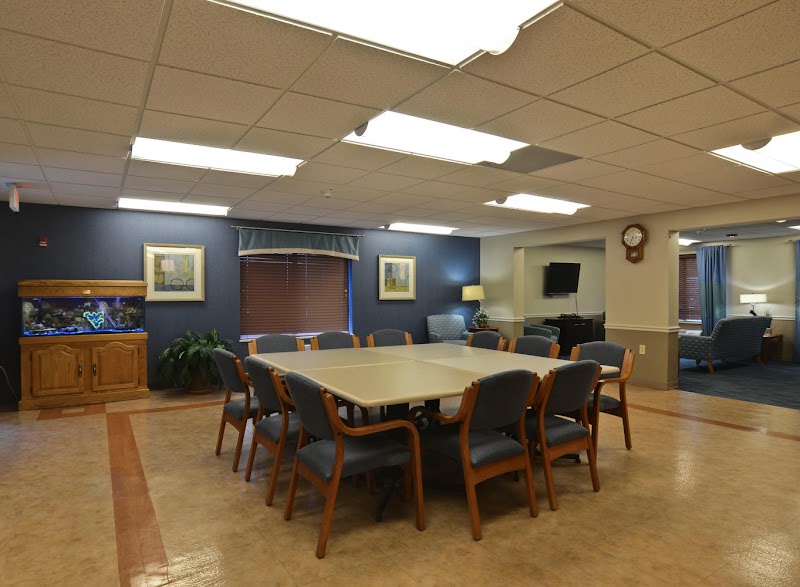
How Does Kingwood Healthcare Center Compare to Other West Virginia Nursing Homes?

Compared to the 100 nursing homes in West Virginia, KINGWOOD HEALTHCARE CENTER's overall rating (1 stars) is below the state average of 2.7, staff turnover (60%) is significantly higher than the state average of 46%, and health inspection rating (2 stars) is below the national benchmark.

What Should Families Ask When Visiting Kingwood Healthcare Center?

Based on this facility's data, families visiting should ask: "How do you ensure continuity of care given staff turnover, and what is your staff retention strategy?" "Can you walk me through typical staffing levels on day, evening, and night shifts?" "Can I visit during a mealtime to observe dining assistance and food quality?" "How do you handle medical emergencies, and what is your hospital transfer rate?" These questions are particularly relevant given the facility's high staff turnover rate and the below-average staffing rating.

Is Kingwood Healthcare Center Safe?

Based on CMS inspection data, KINGWOOD HEALTHCARE CENTER has a clean safety record: no substantiated abuse findings (meaning no confirmed cases of resident harm), no Immediate Jeopardy citations (the most serious violation level indicating risk of serious injury or death), and is not on the Special Focus Facility watch list (a federal program monitoring the lowest-performing 1% of nursing homes). The facility has a 1-star overall rating and ranks #100 of 100 nursing homes in West Virginia. While no facility is perfect, families should still ask about staff-to-resident ratios and recent inspection results during their visit.

Do Nurses at Kingwood Healthcare Center Stick Around?

Staff turnover at KINGWOOD HEALTHCARE CENTER is high. At 60%, the facility is 14 percentage points above the West Virginia average of 46%. High turnover means new staff may not know residents' individual needs, medications, or preferences. It can also be disorienting for residents, especially those with dementia who rely on familiar faces. Families should ask: What is causing the turnover? What retention programs are in place? How do you ensure care continuity during staff transitions?

Was Kingwood Healthcare Center Ever Fined?

KINGWOOD HEALTHCARE CENTER has been fined $23,989 across 2 penalty actions. This is below the West Virginia average of $33,319. While any fine indicates a compliance issue, fines under $50,000 are relatively common and typically reflect isolated problems that were subsequently corrected. Families should ask what specific issues led to these fines and confirm they've been resolved.

Is Kingwood Healthcare Center on Any Federal Watch List?

KINGWOOD HEALTHCARE CENTER is not on any federal watch list. The most significant is the Special Focus Facility (SFF) program, which identifies the bottom 1% of nursing homes nationally based on persistent, serious quality problems. Not being on this list means the facility has avoided the pattern of deficiencies that triggers enhanced federal oversight. This is a positive indicator, though families should still review the facility's inspection history directly.