MOUNDSVILLE HEALTHCARE CENTER
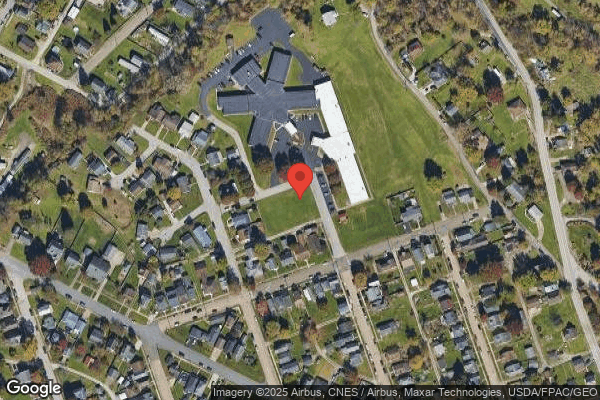
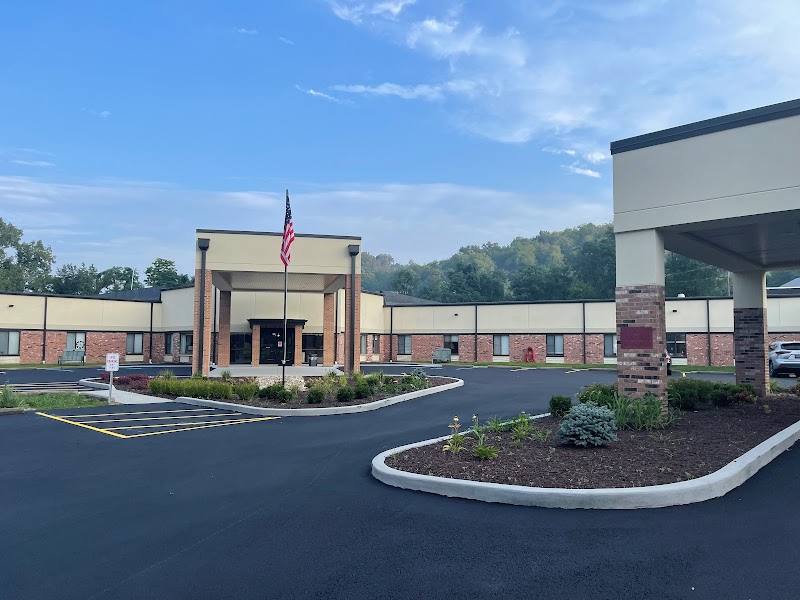
2200 FLORAL STREET, MOUNDSVILLE, WV 26041 (304) 843-1035
For profit - Limited Liability company 129 Beds COMMUNICARE HEALTH Data: November 2025 1 Immediate Jeopardy citation
Trust Grade
28/100
#78 of 122 in WV
Last Inspection: April 2024

Within standard 12-15 month inspection cycle. Federal law requires annual inspections.

Overview

Moundsville Healthcare Center has received a Trust Grade of F, which indicates significant concerns about the quality of care provided. Ranking #78 out of 122 facilities in West Virginia places it in the bottom half of the state, and it is the second-best option in Marshall County, suggesting limited choices for families. Unfortunately, the facility's trend is worsening, with issues increasing from 3 in 2023 to 18 in 2024. Staffing is rated average with a turnover rate of 41%, which is slightly better than the state average, but the facility has incurred $38,448 in fines, indicating some compliance problems. There are critical incidents of concern, such as a resident being allowed to leave the facility unattended, resulting in a dangerous situation, and another resident suffering from unmanaged pain for weeks, highlighting serious gaps in care.

Trust Score
F
28/100
In West Virginia
#78/122
Bottom 37%
Safety Record
High Risk
Review needed
Inspections
Getting Worse
3 → 18 violations
Staff Stability
○ Average
41% turnover. Near West Virginia's 48% average. Typical for the industry.
Penalties
✓ Good
$38,448 in fines. Lower than most West Virginia facilities. Relatively clean record.
Skilled Nurses
✓ Good
Each resident gets 42 minutes of Registered Nurse (RN) attention daily — more than average for West Virginia. RNs are trained to catch health problems early.
Violations
⚠ Watch
52 deficiencies on record. Higher than average. Multiple issues found across inspections.
★★☆☆☆
2.0
Overall Rating
★★★☆☆
3.0
Staff Levels
★★★★☆
4.0
Care Quality
★★☆☆☆
2.0
Inspection Score
Stable
2023: 3 issues
2024: 18 issues

The Good

  • 4-Star Quality Measures · Strong clinical quality outcomes
  • Full Sprinkler Coverage · Fire safety systems throughout facility
  • No fines on record
  • Staff turnover below average (41%)

    7 points below West Virginia average of 48%

Facility shows strength in quality measures, fire safety.

The Bad

2-Star Overall Rating

Below West Virginia average (2.7)

Below average - review inspection findings carefully

Staff Turnover: 41%

Near West Virginia avg (46%)

Typical for the industry

Federal Fines: $38,448

Above median ($33,413)

Moderate penalties - review what triggered them

Chain: COMMUNICARE HEALTH

Part of a multi-facility chain

Ask about local staffing decisions and management

The Ugly 52 deficiencies on record

1 life-threatening 1 actual harm
Aug 2024 2 deficiencies 1 IJ
CRITICAL (J) 📢 Someone Reported This

A family member, employee, or ombudsman was alarmed enough to file a formal complaint

Immediate Jeopardy (IJ) - the most serious Medicare violation

Accident Prevention (Tag F0689)

Someone could have died · This affected 1 resident

**NOTE- TERMS IN BRACKETS HAVE BEEN EDITED TO PROTECT CONFIDENTIALITY** Based on record review, observations and staff interview, the facility failed to ensure one (1) resident was provided with a saf...

Read full inspector narrative →
**NOTE- TERMS IN BRACKETS HAVE BEEN EDITED TO PROTECT CONFIDENTIALITY** Based on record review, observations and staff interview, the facility failed to ensure one (1) resident was provided with a safe environment to prevent elopement. This resulted in Resident #101 leaving the facility and being found outside the facility, two (2) blocks away. The facility's failure to ensure the resident did not exit the facility unattended on 07/09/24 placed him at risk and in an Immediate Jeopardy (IJ) situation. This will be cited as past noncompliance because the facility corrected the failure as of 07/29/24, prior to this survey. Resident identifier: #101. Facility census: 117. Findings included: a) Resident #101 A record review revealed the following regarding Resident #101's activities. 06/19/24 at 8:59 PM Behavior Note Text: Resident attempting to exit building, calling staff names and cursing. Threw heart monitor at nurse from across nurse's station. Keeps screaming, 'call the fucking cops, call the cops' and getting up into this nurse's face and stated, Call doctor [NAME], you fucking fat ass bitch. 06/22/24 at 2:40 PM Nurses Note Text: Resident wondering about facility this afternoon telling staff he is breaking out tonight. Redirected resident that he has to be discharged by Dr. [NAME]. He wasn't happy with the answer. 07/09/24 at 5:35 PM Nurses Note Text: An off-duty staff member phoned the facility and notified of this resident being seen on 4th and Grant street. This staff member stayed with resident while he continued to sixth street to his sons house. I sent 3 staff members to pick resident up from son's house and notified ED of incident who then informed the DON, ADON, and resident family member. On 07/09/24 7:00 PM Resident #101 was found by an off-duty staff member two blocks away from the facility after 7:00 PM. Upon returning to the building at 7:35 PM, resident was assessed head to toe, neuros checked, and a WanderGuard was ordered. 07/09/24 8:20 PM Nurses Note Text: Resident returned to facility with staff members. Head-to-toe attempted and no injuries noted. Resident refusing neuros at this time. 7/9/2024 8:36 PM Nurses Note Text: MD notified of situation. New order given for trazodone 50 mg q12hr PRN for agitation. 07/09/24 at 11:00 PM Nurses Note Text: Resident's son at facility and meeting with resident. Residents demeanor is okay at this time as they walk throughout facility. 07/09/24 10:47 PM Behavior Note Text: Resident continues exit seeking, becomes agitated and combative with staff int. Attempts to hit and kick staff, calling names, such as lying bitch, asshole, etc. Difficult to redirect and refuses medications at this time. Resident does allow some CNAs to interact. 07/09/24 11:49 PM The patient has been fairly agitated tonight. He managed to leave the facility and walk to his son's house. PCP was made aware and trazodone ordered. Wander guard bracelet applied. Monitor for further behaviors. 07/09/24 11:54 PM Behavior Note Text: Resident kicked front door exit open and ran out front door into parking lot, Staff intervened and followed resident, attempting to get him to return to facility. At this point resident physically threatened staff, spit on a staff member, and getting into the faces of staff. Staff convinced resident to return to facility. Once inside resident kicked the front door again, causing damage to the door. Resident is now sitting in lobby; staff members are in lobby with resident as well. 07/10/24 Resident #101 had increased agitation and an acute transfer to the local emergency department (ED) took place. Resident #101 was transported to the local ED by his son due to his refusal to go with emergency medical services. The facility wanted the resident evaluted by psychiatry. At approximately 2:00 PM on 08/14/24 surveyors interviewed the administrator. When asked why no one heard the alarm to address the resident elopement within 30 minutes. The administrator stated they could not confirm if the doors were alarmed on that specific instance, nor could they comment on why no one heard or responded to the alarm. The administrator could only comment that upon testing after the event the alarms were functioning fine. Surveyors then asked how the administrator knew that resident #101 eloped at exactly 7:03 PM, and they stated that they had pulled video from the time of the event to confirm the time of exit and reentry into the facility. They stated that they could not provide this video evidence to surveyors because it is only retained for two (2) weeks. At 3:30 PM on 08/14/24 two (2) surveyors went to administration to request live testing of the alarms. The administrator demonstrated the emergency delayed egress on the door, and the alarm sounded as designed. The alarm was shrill and audible around the proximity of the door. Another surveyor ventured back to the nurse's station in the central hallway of the building surrounded by four wings of the building. At this location, a repeater alarm sounded. It was audible enough that all hallways were within hearing range around the station. The surveyor observed through the doorway, walking from the main lobby to the nurse's station. The repeater alarm had a second number pad by which to disable the alarm. At the time of the demonstration, a gentleman was rushing over to disable the alarm. Due to the sheltered location of the pad, it was not clearly within the eyesight of the door. By appearance, the gentleman took a moment to identify that the administrator was testing the door as he was already punching in the code to disable it. The facility completed training with all staff on 07/29/24. The training included the following: Increased Behavior/Elopement Education All staff have the responsibility to notify appropriate team members if they observe an increase or change in residents' behaviors such as agitation or wandering to ensure facility adjust care to ensure to provide resident with a safe environment. Different departments have different interactions with residents daily and assist with providing the best care possible by ensuring clear communication is had between departments. CNA's can create clinical alerts for nursing to review and managers can report in daily meetings. By working as a team, we can provide a safe environment for our residents based on their current needs. It is every staff member's responsibility to investigate the situation if they hear an alarm going off. If a door is found to be open a headcount is to be initiated by each nurse on their perspective hall. The staff were expected to complete a post test that included three (3) questions. The questions were: 1.If you notice an increase or change in resident behavior you need to report it to A .Administrator B .DON C. CNA D. Department Manager E. Assigned nurse F. Any of the above 2.True/False: By working together as a team and reporting increased behaviors the safest environment possible for our residents. 3. Is it my responsibility to investigate an alarm sounding A. Yes, everyone should investigate an alarm sounding B. No, that is the nurses and CNA ' s responsibility.
CONCERN (E) 📢 Someone Reported This

A family member, employee, or ombudsman was alarmed enough to file a formal complaint

Potential for Harm - no one hurt, but risky conditions existed

Investigate Abuse (Tag F0610)

Could have caused harm · This affected multiple residents

Based on record review, and staff interview, the facility failed to thoroughly investigate the elopement of Resident #101. This failed practice was a random opportunity for discovery and had the poten...

Read full inspector narrative →
Based on record review, and staff interview, the facility failed to thoroughly investigate the elopement of Resident #101. This failed practice was a random opportunity for discovery and had the potential to affect more than a limited number of residents in the facility. Resident identifier: #101. Facility census: 117. Findings included: a) Resident #101 A facility reported incident (FRI) dated 07/15/24 stated, Resident (#101) exited the center at 7:03 PM through the front door via emergency exit and at 7:35 PM staff was alerted that resident was seen by an off duty staff member RN who stayed until center showed up. Resident did not want to be at the center. At approximately 2:00 PM on 08/14/24 an interview was conducted with the Administrator (NHA). When asked why no one heard the alarm to address the resident elopement within 30 minutes. The NHA stated that they could not confirm if the doors were alarmed on that specific instance, nor could comment on why no one heard or responded to the alarm. The NHA could only comment that upon testing after the event the alarms were functioning fine. The NHA stated that Resident #101 eloped at exactly 7:03 PM. The NHA said this was verified by review of the video to confirm the time of exit and return to the facility. The NHA stated that the video evidence was no longer available due to the video's are only retained for two (2) weeks. At approximately 2:00 PM on 08/14/24 surveyors interviewed the administrator. When asked why no one heard the alarm to address the resident elopement within 30 minutes. The administrator stated they could not confirm if the doors were alarmed on that specific instance, nor could they comment on why no one heard or responded to the alarm. The administrator could only comment that upon testing after the event the alarms were functioning fine. Surveyors then asked how the administrator knew that resident #101 eloped at exactly 7:03 PM, and they stated that they had pulled video from the time of the event to confirm the time of exit and reentry into the facility. They stated that they could not provide this video evidence to surveyors because it is only retained for two (2) weeks. At 3:30 PM on 08/14/24 two (2) surveyors went to administration to request live testing of the alarms. The administrator demonstrated the emergency delayed egress on the door, and the alarm sounded as designed. The alarm was shrill and audible around the proximity of the door. Another surveyor ventured back to the nurse's station in the central hallway of the building surrounded by four wings of the building. At this location, a repeater alarm sounded. It was audible enough that all hallways were within hearing range around the station. The surveyor observed through the doorway, walking from the main lobby to the nurse's station. The repeater alarm had a second number pad by which to disable the alarm. At the time of the demonstration, a gentleman was rushing over to disable the alarm. Due to the sheltered location of the pad, it was not clearly within the eyesight of the door. By appearance, the gentleman took a moment to identify that the administrator was testing the door as he was already punching in the code to disable it.
Apr 2024 16 deficiencies 1 Harm
SERIOUS (G)

Actual Harm - a resident was hurt due to facility failures

Deficiency F0697 (Tag F0697)

A resident was harmed · This affected 1 resident

Based on resident interview, record review and staff interview, the facility failed to provide pain management to Resident #318. Harm occurred when the facility failed to address the resident's compla...

Read full inspector narrative →
Based on resident interview, record review and staff interview, the facility failed to provide pain management to Resident #318. Harm occurred when the facility failed to address the resident's complaints of continued pain resulting from a right humerus fracture. There were no orders for non-pharmacological interventions, or any pain medications prescribed for 21 days. In addition, Resident #75's pain management was not addressed. Resident identifiers: #318 and #75. Facility census: 120. Findings included: a) Resident #318 At approximately 2:32 PM on 04/01/24, an interview was conducted with Resident #318. During the interview, Resident #318 stated they were in severe pain, and had been since they arrived at the facility on 03/11/24. The resident reported they suffered a broken shoulder which had not healed in two and a half months. Resident #318 stated the facility would not give them anything other than Tylenol to manage their pain. Resident teary eyed and losing breath during interview when shoulder is moved. Record review was conducted for Resident #318's orders. Orders indicated there were no orders for non-pharmacological interventions, Tylenol, or any other pain medication to manage Resident #318's pain. At approximately 11:55 AM on 04/03/24, another interview was conducted with Resident #318 regarding their pain. Resident #318 stated they were given Tylenol that morning after returning from therapy, but it did not relieve the pain. Resident #318 states they requested more Tylenol but was told it was unavailable for 4 more hours. The resident stated their pain is 8/10 at the time of interview. At approximately 12:16 PM on 04/03/24, an interview was conducted with Licensed Practical Nurse (LPN) #22 regarding Resident #318's complaints of pain. LPN #22 stated We were told you were going to be asking questions about this, because the resident came here with a prescription of percocet and they didn't have it once they were admitted . LPN #22 stated, I gave Resident #318 a Tylenol this morning when they got back from therapy. LPN #22 confirmed there was no order for Resident #318 to receive Tylenol by saying I need to get an order in for PRN (as needed) Tylenol. A review of an encounter note from 03/27/24 at 1:00 PM, in which Resident #318 saw a Nurse Practitioner typed as written: Patient seen at nurses station, complaining of right shoulder pain. Patient has a history of a right surgical neck fracture in January of this year. States they saw Dr who put them in a shoulder sling but the fracture was non operable. Patient came to us without a sling and is now complaining of worsening pain. Right shoulder pain was entered on the encounter note. Progress note from 04/01/24 typed as written: Pt (patient) lying in bed with sling off. Encouraged to put sling on. States it hurts when it's on and off. I don't know what to do. Counseled without success. Progress note from 04/02/24 typed as written: Report called from ER (emergency room) at 1830 (6:30 PM) stating resident was on way back to facility via EMS (emergency medical squad.) ER reports resident was placed in sling and orthopedic referral was made with Dr for right humerus fracture. Resident also Dx with pneumonia and UTI at ER, new order for doxycycline 100mg BID x 10 days. ER also reports resident was given 1 liter fluids and Dilaudid 0.5mg x 1. Resident returned to facility at 1840 (6:40 PM.) No complaints of pain or discomfort at this time. Will continue to monitor. Review of Resident #318's physical, occupational, and speech therapy evaluations on 03/12/24 noted the following: Pain at rest- Intensity= 4/10; Frequency/Duration= Constant; Location RUE (right upper extremities) Pain with movement- Intensity= 8/10; Frequency/Duration= Constant; Location RUE Pain Assessment- Patient verbalized pain level;Does pain limit patient ' s functional activities: yes. At approximately 12:40 PM on 04/03/24, the Director of Nursing (DON) and the Administrator were notified of Resident #318's complaints of pain, along with no orders for pain medication or non-pharmacological interventions to manage pain. b) Resident #75 During the initial interview on 04/01/24 at 1:40 PM, with Resident # 75 she stated, I hurt all in my legs and my hand. She then rubbed her left hand. A record review on 04/02/24 at 1:45 PM, of Resident #75's care plan, revised on 04/14/23 reads as follows: Focus: (Resident #75 name) is at risk for pain related to limited range of motion due to left sided flaccid Goal: - Resident will be able to verbalize relief of pain, through the target date. Target date of 03/19/24 - Resident will not exhibit non-verbal s/sx of pain (grimacing, groaning, agitation, yelling, moaning, resisting care, crying, refusal to eat), through the target date. Target date of 03/19/24. Interventions: -Administer non-pharmacological interventions (repositioning, diversion activities, snacks and fluids, ice / heat, music therapy, relaxation techniques, imagery) - Complete pain assessment on admission / readmission, quarterly, significant change, and PRN. - Notify medical provider, resident representative if interventions are unsuccessful, or if current complaint is a significant change from residents past experience of pain. - Observe for pain every shift. - Provide medication per orders. Monitor for s/sx of side effects. Evaluate effectiveness of medication. - PT / OT eval and treat, per orders. During an interview on 04/02/24 at 2:15 PM, with Licensed Practical Nurse (LPN) # 137, she stated, She has never indicated to me that she was in pain, and I am on this hall most of the time. No, we do not ask her daily if she is in pain. During an interview on 04/02/24 at 2:20 PM, with Resident #75, she stated, with LPN #137 present, No, I am not in pain today, but I was yesterday. I hurt all down in my legs and my hand. When asked by the surveyor if she hurt at other times Resident # 75 stated, Yes, sometimes. LPN # 137 then stated, I will see if I can get her an order for Tylenol. A record review on 04/02/24 at 2:20 PM, showed that Resident # 75 was ordered Acetaminophen on 03/02/22 650 milligrams (mg) to be given every 6 hours as needed for Generalized pain. Further record review revealed that there are no Pain Assessments in Resident # 75's current medical chart. The record review also revealed, according to the Medication Administration Record (MAR), during the months of February 2023, and March 2023 that Resident # 75 was not given any Tylenol, nor was she assessed for pain. During a record review on 04/02/24 at 3:14 PM, of Resident #75's Occupational Therapy (OT) notes dated 03/07/24 reads as follows: Typed as written Reason for Skilled Services: Continued OT services are necessary in order to maximize Activities of Daily Living (ADL's) increase safety awareness, minimize safety hazards/barriers, maximize rehab potential, decrease painful condition of UE (upper extremities,) provision of pain management techniques and provision of modalities and strengthening in order to enhance patient's quality of life by improving ability to be able to return to prior living level. During an interview on 04/02/24 at 4:00 PM, with the Administrator, she stated, I did not see any pain assessments in her chart, and no it does not look like Tylenol was given during those months according to this.
CONCERN (D)

Potential for Harm - no one hurt, but risky conditions existed

Resident Rights (Tag F0550)

Could have caused harm · This affected 1 resident

Based on observation and staff interview the facility failed to treat each resident with respect and dignity regarding meal service. This was a random opportunity for discovery. Resident identifier: #...

Read full inspector narrative →
Based on observation and staff interview the facility failed to treat each resident with respect and dignity regarding meal service. This was a random opportunity for discovery. Resident identifier: #69, #100 and #75. Facility census: 120. Findings included: a) Resident #69 An observation of meal services, on 04/01/24 at 12:55 PM, revealed Resident #69's Roommate received her tray. Resident #69 was yelling, I want my (explicit language) tray. During the observation at 1:08 PM, Resident #69 received her tray after multiple trays were passed. During an interview at 1:15 PM with Nurse Aide (NA) #63, NA #63 stated that they just serve the trays from the cart as they come out, in no specific order. She also stated that Resident #69 should have received her tray when the roommate received a tray. b) Resident #100 During an observation on 04/02/24 at 12:05 PM, of the noon time meal in the dining room, Resident #103 was served her lunch tray, along with 2 other residents seated at the same table. Further observation showed that Resident #100 was also seated at the same table. She was served her tray at 12:25 PM. The other residents seated at the table were almost done eating their noon meal. During an interview on 04/02/24 at 12:25 PM, with Nursing Assistant (NA) #60, she stated, The trays are supposed to come out in order by table, but the kitchen never sends them out that way. c) Resident #75 During an observation on 04/02/24 at 1:00PM of the lunch meal being passed on hall 200, Resident # 23 was served her lunch tray in her room. Further observation showed that four (4) other rooms were served, before Resident #23's Roommate, which was Resident #75. Resident #75 received her lunch tray at 1:25 PM. During an interview on 04/02/24 at 1:25PM, the Dietary Manager stated, They are in order, the nurse aides just grab them wrong. An observation on 04/02/24 between 1:00 PM and 1:25 PM, revealed that Resident #23's tray was on the top row of the meal cart and Resident # 75's tray was three (3) rows from the bottom of the meal cart. During an interview on 04/02/24 at 2:30 PM, with the Administrator, she stated, The kitchen has had two different in-services about that exact same thing.
CONCERN (D)

Potential for Harm - no one hurt, but risky conditions existed

Deficiency F0558 (Tag F0558)

Could have caused harm · This affected 1 resident

Based on observation, resident interview, and staff interview, the facility failed to provide accommodations for Resident #93, by failing to have a geriatric chair available for the resident for trans...

Read full inspector narrative →
Based on observation, resident interview, and staff interview, the facility failed to provide accommodations for Resident #93, by failing to have a geriatric chair available for the resident for transportation to activities and other needs for the resident. This was true for one (1) of two (2) residents reviewed for accommodation of needs during the long-term care survey process. In addition, the facility failed to have the Ombudsman's contact information posted at a level easily accessible to residents in wheelchairs. This has the potential to affect more than a limited number of residents. Resident identifier: 93. Facility census: 120. Findings included: a) Resident #93 At approximately 1:30 PM on 04/01/24, an interview was conducted with Resident #93. Resident #93 stated they had not been up out of bed in a long time because the sling used for the mechanical lift hurt them when the staff used it. Resident #93 stated they would like to get out of bed more, attend activities, and move around the facility. At approximately 3:00 PM on 04/01/24, Resident #93 was observed in their bed. At approximately 09:00 AM on 04/02/24, Resident #93 was observed still in bed. At approximately 02:30 AM 04/02/24, Resident #93 was observed still in bed. At approximately 03:10 PM on 04/02/24, an interview was conducted with Resident #93. Resident #93 was asked if they had been out of bed, or if facility staff had offered to get them out of bed since the interview on 04/01/24. Resident #93 stated they had not been up, nor had staff offered to get them up. Resident #93 stated I would like to get up and go to activities sometime, I love to play Bingo. Resident #93 then stated If I did get up, there would be no way for me to go anywhere, I don't even have a chair for them to put me in. At approximately 03:56 PM on 04/02/24, an interview was conducted with Registered Nurse (RN) #119 concerning a chair for Resident #93. RN #119 stated I don't think [they] have one. I have been here for quite a while and I've never seen one in the room, or known [them] to have one. At approximately 04:09 PM on 04/02/24, an interview was conducted with the Director of Rehabilitation (DOR) regarding a wheelchair for Resident #93. The DOR was asked if Resident #93 had a chair available to them, to which they stated, They had a bariatric geri-chair before, but they never got up, so it was pointless for them to have it, so we took it away. Why are we pursuing this? The DOR confirmed Resident #93 did not have a chair readily available to them for transportation to activities, or in the event of an emergency. The DOR stated We can get one. The Director of Nursing entered the room at the end of the interview and also confirmed there was no chair available for Resident #93. Record review showed Resident #93 had no orders for a wheelchair or geriatric chair. b) Posted ombudsman information An observation on 04/03/24 at 10:30 AM, revealed the Ombudsman's information posted in the facility was not easily accessible to residents required to be in a wheelchair. On 04/03/24 at10:38 AM, the Administrator confirmed the Ombudsman information posted is not eye level with residents in wheelchairs. Another observation on 04/04/24 at 8:30 AM showed the Ombudsman information posted in the facility remained not easily accessible for residents who are in wheelchairs.
CONCERN (D)

Potential for Harm - no one hurt, but risky conditions existed

Deficiency F0583 (Tag F0583)

Could have caused harm · This affected 1 resident

Based on observation and staff interview, the facility failed to protect the confidentiality of resident records by leaving a computer screen on, unattended in the hallway. This was a random opportuni...

Read full inspector narrative →
Based on observation and staff interview, the facility failed to protect the confidentiality of resident records by leaving a computer screen on, unattended in the hallway. This was a random opportunity for discovery. This has the potential to affect more than a limited number of residents. Facility census: 120. a) Observation At approximately 04:01 PM on 04/02/24, while administering medication, Registered Nurse (RN) #80 left the screen on the computer on, while the computer was in the hallway, displaying resident information. Upon returning to the cart, RN #80 acknowledged leaving the computer screen on, stating I can't believe I did that, I have never done that before.
CONCERN (D)

Potential for Harm - no one hurt, but risky conditions existed

Assessment Accuracy (Tag F0641)

Could have caused harm · This affected 1 resident

Based on record review and staff interview, the facility failed to ensure a complete and accurate Minimum Data Set (MDS) assessment for one (1) of three (3) residents reviewed for the care area of fal...

Read full inspector narrative →
Based on record review and staff interview, the facility failed to ensure a complete and accurate Minimum Data Set (MDS) assessment for one (1) of three (3) residents reviewed for the care area of falls. Resident identifier: #110. Facility census: 120. Findings included: a) Resident #110 Review of Resident #110's medical records showed the resident had a fall on 02/04/24 and fractured her right hip. Review of Resident #110's Significant Change/Medicare Five (5) Day Minimum Data Set (MDS) Assessment with Assessment Reference Date (ARD) 02/16/24 showed No for the question if the resident had any falls since the prior assessment. On 04/04/24 at 8:46 AM, Minimum Data Set Registered Nurse #55 confirmed Resident #110's MDS with ARD 02/16/24 was incorrect and should have indicated the resident had a fall with major injury. She stated she submitted a corrected MDS after the surveyor identified the error.
CONCERN (D)

Potential for Harm - no one hurt, but risky conditions existed

Deficiency F0657 (Tag F0657)

Could have caused harm · This affected 1 resident

Based on observation, staff interview, family interview, and record review, the facility failed to ensure the resident and/or resident representative is invited to the care plan conference. This was a...

Read full inspector narrative →
Based on observation, staff interview, family interview, and record review, the facility failed to ensure the resident and/or resident representative is invited to the care plan conference. This was a random opportunity for discovery during the Long-Term Care Process. Resident identifier: 51. Facility census: 120. Findings included: a) Resident #51 On 04/02/24 at 1:20 PM, Resident #51's Representative states in the past year she has only been to one care plan conference and that was after Resident #51 was admitted to the facility a year ago. On 04/03/24 at 11:39 AM, the Director of Social Services #24 (DSS) states, the Assistant Director of Nursing (ADON) took care of the invitations sent out to representatives for the care plan conference; however, when she left that kind of fell off to the side. The DSS confirmed Resident #51's representative has not been getting invited to care plan conferences. On 04/03/24 at 12:07 PM , the Minimum Data Set Registered Nurse (MDS RN) provided six (6) Care Plan Conference signature sheets for Resident #51. A record review on 04/03/24 at 12:10 PM, of Resident #51 care conference meeting sign in sheets revealed the representative has attended one (1) of six (6) care plan conferences in the past year.
CONCERN (D)

Potential for Harm - no one hurt, but risky conditions existed

Quality of Care (Tag F0684)

Could have caused harm · This affected 1 resident

Based on record review, resident interview, and staff interview, the facility failed to provide care within acceptable standards of care, by administering medications without a physician's order. This...

Read full inspector narrative →
Based on record review, resident interview, and staff interview, the facility failed to provide care within acceptable standards of care, by administering medications without a physician's order. This was true for one (1) of 30 residents reviewed during the long-term care survey process. Resident identifier: 318. Facility census: 120. Findings include: a) Resident #318 At approximately 02:32 PM on 04/01/24, an interview was conducted with Resident #318. During the interview, Resident #318 stated they were in severe pain, and had been since they arrived at the facility on 03/11/24. The resident reported they suffered a broken shoulder that had not healed in two and a half months. Resident #318 stated the facility would not give them anything other than Tylenol to manage their pain. Record review was conducted for Resident #318's orders. Orders indicated there were no orders for non-pharmacological interventions, Tylenol, or any other pain medication to manage Resident #318's pain. At approximately 11:55 AM on 04/03/24, another interview was conducted with Resident #318 regarding their pain. Resident #318 stated they were given Tylenol that morning after returning from therapy, but it did not relieve the pain. Resident #318 states they request more Tylenol but is told it is unavailable for 4 more hours. At approximately 12:16 PM on 04/03/24, an interview was conducted with Licensed Practical Nurse (LPN) #22 regarding Resident #318 ' s complaints of pain, and receiving Tylenol without orders from a physician. LPN #22 stated I gave Resident #318 a Tylenol this morning when they got back from therapy. LPN #22 confirmed there was no order for Resident #318 to receive Tylenol by saying I need get an order in for PRN Tylenol. At approximately 12:40 PM on 04/03/24, the Director of Nursing (DON) and the Administrator were notified of Resident #318 receiving medication without a physician's order.
CONCERN (D)

Potential for Harm - no one hurt, but risky conditions existed

Deficiency F0688 (Tag F0688)

Could have caused harm · This affected 1 resident

Based on observation, record review and staff interview the facility failed to ensure Resident #8 had a palm guard in place as ordered by the physician to prevent further decrease in range of motion. ...

Read full inspector narrative →
Based on observation, record review and staff interview the facility failed to ensure Resident #8 had a palm guard in place as ordered by the physician to prevent further decrease in range of motion. This failed practice was found true for (1) one of (1) residents reviewed for Range of Motion (ROM) during the Long-Term Care Survey Process. Resident identifier #8. Facility Census 120. Findings include: a) Resident #8 During an observation on 04/01/24 at 1:00 PM, it was discovered that Resident # 8 had a contracture of her left hand. A record review on 04/02/24 at 9:30 AM revealed that Resident # 8 is ordered a Palm guard to Left hand as tolerated. May remove for hygiene. Further record review of Resident #8's care plan revised on 02/26/24 reads as follows: Focus: (Resident #8 name) has muscle pain to her left hand and left shoulder areas. ( Resident #8 name) uses a palm guard on her left hand. Goal: - She will be without pain through her review. Interventions: -Observe for pain and report to MD if noted. - Treatment as ordered by MD - Remove Left hand Palm guard for hygiene QD and PRN An observation on 04/02/24 at 9:40 AM, showed that Resident # 8 was in bed and did not have on her left hand palm guard. An observation on 04/02/24 at 2:02PM, showed that Resident # 8 was in bed and did not have on her left hand palm guard. , An observation on 04/03/24 at 9:10 AM, showed that Resident # 8 was in bed and did not have on her left hand palm guard. During an observation on 04/03/24 at 9:11 AM, with the interim Director of Nursing (DON), she attempted to open Resident # 8's left hand in front of surveyor and Resident screamed ouch. DON then stated, I don't know if she refuses or what. Let me get with therapy and I will let you know. A record review on 04/03/24 at 9:20 AM, shows that there are no indications in Resident # 8's medical record that she refuses to wear the palm guard. During an interview on 04/03/24 at 9:35 AM, with the interim DON, she stated, I talked to staff about that brace and they said it is in the laundry. I am still investigating it. A record review on 04/03/24 at 10:00 AM, revealed that the Treatment Administration Record (TAR) was marked for 04/01/24 and 04/02/24 as if the splint was put on Resident # 8. During an interview on 04/03/24 at 11:02 AM, with Licensed Practical Nurse (LPN) # 137 she stated, Her hand brace was in the laundry. I don't know why they didn't bring it back for two days. I went and got it and she has it on now.
CONCERN (D)

Potential for Harm - no one hurt, but risky conditions existed

Deficiency F0761 (Tag F0761)

Could have caused harm · This affected 1 resident

Based on observation, record review, and staff interview, the facility failed to ensure meds were stored in accordance with professional standards of practice. Two (2) of three (3) medication carts ob...

Read full inspector narrative →
Based on observation, record review, and staff interview, the facility failed to ensure meds were stored in accordance with professional standards of practice. Two (2) of three (3) medication carts observed had vials of insulin that had been opened more than 28 days ago. Resident identifiers: #65, #51. Facility census: 120. Findings included: a) Resident #65 On 04/02/24 at 8:52 AM, the 600 hallway medication cart was inspected with Registered Nurse (RN) #119 in attendance. An opened vial of Lantus (glargine) insulin for Resident #65 was in the cart. The insulin vial had an opening date of 02/28/24 written on the vial in marker. The vial also had an expiration date of 03/25 written on the insulin box in marker. RN #116 confirmed the insulin vial for Resident #65 had been opened more than 28 days ago. Review of Resident #65's physician's orders showed an order for insulin glargine (Lantus), 8 units every day for diabetes. b) Resident #51 On 04/02/24 at 9:08 AM, the 300 hallway medication cart was inspected with Licensed Practical Nurse (LPN) #89 in attendance. An opened vial of Lantus (glargine) insulin for Resident #51 was in the cart. The insulin vial had an opening date of 02/25/24 written on the vial in marker. LPN #89 confirmed the insulin vial for Resident #51 had been opened more than 28 days ago. Review of Resident #51's physician's orders showed an order for insulin glargine (Lantus), 12 units every day for diabetes. c) Product Information Review Lantus insulin product information, revised 2023, available on-line at www.lantus.com, stated an opened vial of Lantus (glargine) insulin could be used for 28 days. No further information was provided through the completion of the survey.
CONCERN (D)

Potential for Harm - no one hurt, but risky conditions existed

Medical Records (Tag F0842)

Could have caused harm · This affected 1 resident

b) Resident #81 At approximately 3:30 PM on 04/01/24 a record review was conducted for Resident #81. During record review, it was noted Resident #81 was care planned for PTSD. Upon review of the diagn...

Read full inspector narrative →
b) Resident #81 At approximately 3:30 PM on 04/01/24 a record review was conducted for Resident #81. During record review, it was noted Resident #81 was care planned for PTSD. Upon review of the diagnoses for Resident #81, it was noted there was not a current or prior diagnosis of PTSD. At approximately 08:58 AM on 04/03/24, an interview was conducted with the Administrator. The Administrator acknowledged the missing diagnosis, as well as the care plan included PTSD. The Administrator stated, The diagnosis should definitely be there. I'm not sure why it isn't. Based on observation, record review, and staff interview, the facility failed to ensure medical records were complete and accurate for two (2) of 30 residents reviewed in the long-term care survey sample. Refusals of heel protectors were not documented for Resident #13. A diagnosis of Post-traumatic Stress Disorder (PTSD) was not documented in the diagnoses list for Resident #81. Resident identifiers: #13, #81. Facility census: 120. Findings included: a) Resident #13 Review of Resident #13's physician's orders showed an order written on 10/31/23 which stated, Prevention: Apply Heel Protectors WIB (while in bed) and at rest, QS (every shift) and PRN (as needed) for Pressure Relief. Observation of Resident #13's room on 04/01/24 at 2:59 PM, showed the resident's heel protectors were laying on the floor in the corner of the room. During an observation on 04/02/24 at 12:15 PM, Resident #13 was noted to be up in a Geri-chair, which was leaned back. She did not have heel protectors on, but she had on thick socks and her heels were resting on a pillow on the Geri-chair footrest. During an observation on 04/02/24 at 4:13 PM, Resident #13 was noted to be in the same location with socks and a pillow, but no heel protectors. Certified Nursing Assistant (CNA) #60 stated Resident #13 won't wear heel protectors. She stated Resident #13 will yell until someone takes off the heel protectors. During observation, on 04/03/24 at 3:10 PM, Resident #13 was noted to be sitting in a Geri-chair in the hallway. She had on thick socks and her legs were elevated on a wedge pillow. She did not have on heel protectors. CNA #99 stated Resident #13 refused heel protectors. She stated the resident would yell and attempt to kick off the heel protectors. CNA #99 stated sometimes Resident #13 will allow a pillow under her heels and sometimes she won't allow a pillow. Review of Resident #13's Treatment Administration Record (TAR) for 04/01/24, 04/02/24, and 04/03/24 indicated the resident wore her heel protectors every shift. On 04/03/24 at 3:15 PM, the Administrator stated Resident #13's refusals to wear heel protectors should be documented. She stated the intervention to wear heel protectors would be changed to an intervention agreeable to the resident.
CONCERN (E)

Potential for Harm - no one hurt, but risky conditions existed

Deficiency F0561 (Tag F0561)

Could have caused harm · This affected multiple residents

Based on record review, resident interview, and staff interview, the facility failed to honor the choices of Resident #82 by failing to schedule showers during the resident's preferred time of the day...

Read full inspector narrative →
Based on record review, resident interview, and staff interview, the facility failed to honor the choices of Resident #82 by failing to schedule showers during the resident's preferred time of the day. This was true for one (1) of two (2) residents reviewed for choices during the long-term care survey process. Resident identifier: 82. Facility census: 120. a) Resident #82 At approximately 02:26 PM on 04/01/24, an interview was conducted with Resident #82. During the interview, when asked if they felt if the facility honored their choices, Resident #82 stated No, I keep getting flipped back and forth between day showers and night showers, and I don't want night showers. I've told them every time they move me to night showers that I don't like them because I don't want to go to bed with my hair wet. They moved me back to day showers and a couple days later, moved me back to night, and that's where I am still. They won't tell me why I can't have a shower on day shift either. Upon record review the following progress notes were found, pertaining to Resident #82's showers, typed as written: 3/21/2024 14:53 Nurses Note Note Text: pt (patient) did not refuse shower, pt is a afternoon shower now. 3/23/2024 00:40 Nurses Note Note Text: pt refused scheduled shower tonight due to pt has requested to be a day turn shower. pt states I don't like having night shower because I do not like to go to bed with wet hair. pt states she had requested to be moved to a day turn shower and was unaware they had switched her back to nighttime and would like changed back to day turn. Further record review of the Nurse Aide bathing task sheet revealed Resident #82 had day showers on 03/06/24, 03/11/24, 03/13/24, 03/15/24, 03/18/24, and 03/25/24. Resident #82 then received night showers on 03/26/24, 03/28/24, 03/30/24, and 04/02/24. At approximately 10:56 AM on 04/03/24, interviews were conducted with Licensed Practical Nurse (LPN) #22 and Nurse Aide (NA) #31 regarding showers for Resident #82. LPN #22 stated Resident #22 had been a day shift shower, but then was moved to night shift. LPN #22 acknowledged Resident #82 had requested day shift showers again due to not wanting to have wet hair at night, however, Resident #82 remained a night shift shower at this time. NA #31 stated, regarding Resident #82's shower preferences, Resident #82 was a day shift shower, then night, then day, then night. Resident #82 wants day showers because they don't like going to bed with wet hair. They were moved from day shift to night shift, due to another resident that had a night shower, wanted to move to days. They made the switch so the amount of showers would not be uneven between shifts.
CONCERN (E)

Potential for Harm - no one hurt, but risky conditions existed

Comprehensive Care Plan (Tag F0656)

Could have caused harm · This affected multiple residents

**NOTE- TERMS IN BRACKETS HAVE BEEN EDITED TO PROTECT CONFIDENTIALITY** Based on observation, record review, staff interview, and resident interview the facility failed to develop and/or implement car...

Read full inspector narrative →
**NOTE- TERMS IN BRACKETS HAVE BEEN EDITED TO PROTECT CONFIDENTIALITY** Based on observation, record review, staff interview, and resident interview the facility failed to develop and/or implement care plans related to communication, nutrition, pain management, and positioning devices. This failed practice was found true for (3) three of 30 residents reviewed for care plans during the Long-Term Care Survey Process. Resident identifiers #55, #75, and # 90. Facility census 120. Findings Include: a) Resident # 55 communication During the initial observation on 04/01/24 at 2:00 PM, it was discovered that Resident # 55 was hard of hearing and needed visitors/staff to write on a wipe off board to communicate with her. During an interview on 04/01/24 at 2:00 PM, Resident # 55 stated, I can't hear so you have to use the board to talk to me. Everybody uses the board. A record review on 04/03/24 at 10:00 AM, of Resident # 55's communication care plan revised on 09/21/23 reads as follows: FOCUS: -[NAME] has a communication problem related to being hard of hearing. [NAME] has a right hearing aid GOAL: -The resident will maintain / improve the current level of communication function through the review date. -Allow adequate time to respond, Repeat as necessary, Do not rush, Request feedback, clarification from the resident, to ensure understanding, Face when speaking and make eye contact, Turn off TV/radio as needed to reduce environmental noise, Ask yes/no questions if appropriate, Use simple, brief, consistent words/cues, -Anticipate and meet needs. -Be conscious of resident position when in groups, activities, and dining room to promote proper communication with others. -Ensure right hearing aide is in ear -Observe effectiveness of communication strategies and assistive devices -Observe for declines in communication -Refer to speech therapy for evaluation and treatment as ordered -Speak into the patient's right ear, speak clearly and adjust tone as needed. Face the patient when speaking. No mention of the wipe off board for communication was in the care plan or the medical chart. During an interview on 04/04/24 at 11:00 AM, with the Administrator, she stated, It was not in there, but it is now. b) Resident # 75 (weight loss) A record review on 04/01/24 at 4:23 PM it was discovered that Resident # 75 had the following weights: On 02/7/24 she weighed 132.7 Pounds (lbs) using the Hoyer Scale. On 03/6/24 she weighed 112.9 lbs using the Hoyer Scale. This calculated out to be a 14.92% weight loss in one month. A review on 04/02/24 at 10:00 AM, of Resident #75's nutrition care plan revised on 01/15/24 read as follows: Focus: Resident with potential for altered nutritional status/nutrition related problems d/t: disease progression of dementia, lactose intolerance, and need for altered texture diet with insulin and diuretic use Goal: -Resident to maintain weight without significant change Interventions: -Identify resident food / beverage preferences. -Monitor meal intake -Notify medical provider and resident representative of unplanned weight changes. -Nutritional consult on admission, quarterly, and PRN. -Observe for s/sx of aspiration / dysphagia i.e. choking, coughing, pocketing food, loss of liquids / solids from mouth when eating / drinking, difficulty / pain when swallowing. -Provide meals per diet order. CCD diet, dysphagia pureed texture, nectar thick liquids nosey cups -Provide supplements per medical provider's orders. house shake qd Further review of Resident # 75's medical record revealed there were no notes in the current medical chart to indicate that the physician or her representative had been notified of the significant weight loss as indicated in the care plan. During and interview on 04/03/24 at 1:00 PM, with the Director of Nursing (DON), she confirmed that she did not see notes in the chart where the physician or the representative was notified. b1) Resident # 75 (Pain) During the initial interview on 04/01/24 at 1:40 PM, with Resident # 75 she stated, I hurt all in my legs and my hand. She then rubbed her left hand. A record review on 04/02/24 at 1:45 PM, of Resident #75's care plan, revised on 04/14/23 reads as follows: Focus: (Resident #75 name) is at risk for pain related to limited range of motion due to left sided flaccid Goal: - Resident will be able to verbalize relief of pain, through the target date. Target date of 03/19/24 - Resident will not exhibit non-verbal s/sx of pain (grimacing, groaning, agitation, yelling, moaning, resisting care, crying, refusal to eat), through the target date. Target date of 03/19/24. Interventions: -Administer non-pharmacological interventions (repositioning, diversion activities, snacks and fluids, ice / heat, music therapy, relaxation techniques, imagery) - Complete pain assessment on admission / readmission, quarterly, significant change, and PRN. - Notify medical provider, resident representative if interventions are unsuccessful, or if current complaint is a significant change from residents past experience of pain. - Observe for pain every shift. - Provide medication per orders. Monitor for s/sx of side effects. Evaluate effectiveness of medication. - PT / OT eval and treat, per orders. Further record review of Resident # 75's medical chart revealed that there were no pain assessments in the current medical chart, as indicated in the care plan. Resident # 75 was admitted to the facility on [DATE]. During an interview on 04/03/24 at 1:00 PM, with the Director of Nursing (DON), she confirmed that she did not see any pain assessments in Resident # 75's medical chart. c) Resident #90 At approximately 02:50 PM on 04/01/24, Resident #90 was observed with a pommel cushion in their geriatric chair. At approximately 03:00 PM on 04/01/24, record review of Resident #90's orders and care plan was conducted. It was noted during the record review Resident #90 did not have an order for the pommel cushion, nor were they care planned for the pommel cushion. At approximately 03:46 PM on 04/02/24, an interview was conducted with Registered Nurse (RN) #119 concerning the pommel cushion. RN #119 stated, Resident #90 has had the cushion for about a month, we didn't want them to fall out of their chair. At approximately 10:00 Am on 04/03/24, the Administrator acknowledged there was no order for the pommel cushion, nor was the resident care planned to have the pommel cushion.
CONCERN (E)

Potential for Harm - no one hurt, but risky conditions existed

Deficiency F0679 (Tag F0679)

Could have caused harm · This affected multiple residents

b) Resident #93 At approximately 01:30 PM on 04/01/24, an interview was conducted with Resident #93 as part of the survey process. Resident #93 stated they had not been up out of bed in a long time be...

Read full inspector narrative →
b) Resident #93 At approximately 01:30 PM on 04/01/24, an interview was conducted with Resident #93 as part of the survey process. Resident #93 stated they had not been up out of bed in a long time because the sling used for the mechanical lift hurt them when the staff used it. Resident #93 stated they would like to get out of bed more, attend activities, and move around the facility. At approximately 3:00 PM on 04/01/24, Resident #93 was observed in their bed. At approximately 09:00 AM on 04/02/24, Resident #93 was observed still in bed. At approximately 02:30 AM 04/02/24, Resident #93 was observed still in bed. At approximately 03:10 PM on 04/02/24, an interview was conducted with Resident #93. Resident #93 was asked if they had been out of bed, or if facility staff had offered to get them out of bed since the interview on 04/01/24. Resident #93 stated they had not been up, nor had staff offered to get them up. Resident #93 stated I would like to get up and go to activities sometime, I love to play Bingo. Resident #93 then stated If I did get up, there would be no way for me to go anywhere, I don ' t even have a chair for them to put me in. At approximately 03:56 PM on 04/02/24, an interview was conducted with Registered Nurse (RN) #119 concerning a chair for Resident #93. RN #119 stated I don ' t think [they] have one. I have been here for quite a while and I ' ve never seen one in the room, or known [them] to have one. Record review showed Resident #93 had no orders for a wheelchair or geriatric chair. Record review of Resident #93 ' s activity participation record indicated, within the past 30 days, from 03/05/24 through 04/02/24, Resident #93 participated in Relaxation/Self directed activities and Watching TV, with the exception of 03/11/24, the resident participated in exercise and sensory activities, all taking place in the resident ' s room. Record review of the MDS for Resident #93 indicated it is somewhat important for Resident #93 to participate in group activities. At approximately 04:09 PM on 04/02/24, an interview was conducted with the Director of Rehabilitation (DOR) regarding a wheelchair for Resident #93. The DOR was asked if Resident #93 had a chair available to them, to which they stated, They had a bariatric geri-chair before, but they never got up, so it was pointless for them to have it, so we took it away. Why are we pursuing this? The DOR confirmed Resident #93 did not have a chair readily available to them for transportation to activities, or in the event of an emergency. The DOR stated We can get one. The Director of Nursing entered the room at the end of the interview and also confirmed there was no chair available for Resident #93. At approximately 01:00 PM on 04/03/24, an interview was conducted with Activities Leader (AL) #41 regarding activities for Resident #93. AL #41 stated they offer Resident #93 activities in their room but no one gets the resident up for activities in the activities room. Based on record review, resident interview, and staff interview the facility failed to provide a program of activities to meet the physical, mental, and psychosocial well being of each resident. This failed practice was found true for (2) two of (5) five residents reviewed for activities during the Long-Term Care Survey Process. Resident identifiers #23 and #93. Facility census 120. Findings Include: a) Resident # 23 During an interview on 04/01/24 at 1:02 PM, Resident #23, stated, I can't go out to the activity programs, because they never get me up to my wheelchair. A record review on 04/02/24 at 1:00 PM, of Resident #23's care plan read as follows: Focus: Resident enjoys group activities such as, special events, Bingo, card games, likes working puzzles, likes visits with her husband, being outdoors and socializing. Goal: - Resident will participate in activities of choice through review date. Interventions: -Assist with transport to activities as needed -Encouraging attendance to entertainment programs, large and small group activities, volunteer demonstrations, and religious activities. -Interview and determine resident activity preferences. -Invite resident to scheduled activities. -Offer technology of interest i.e. laptop, internet access, tablets, etc -Provide a schedule of activities available. -Provide activity materials of interest, i.e. library books, word puzzles, magazine Further record review of the Activity Participation Records revealed that Resident #23 had no group activity participation for the months of January 2024, February 2024, and March 2024. Record review on 04/02/24 at 1:15 PM, of Section F of the Minimum Data Set (MDS), with an assessment reference date (ARD) of 02/09/24, section FO800, question Q is marked as resident enjoys participating in her favorite activities. Further record review revealed that no activity preference interviews were in Resident #23's current medical chart. During an interview on 04/03/24 with the Administrator, she stated, The Activity Preference interview for her, is more than likely in the old system. I have a call in to get access to that. The administrator further confirmed that it did not look like there was group participation on the record. No further documentation was provided by the end of the survey.
CONCERN (E)

Potential for Harm - no one hurt, but risky conditions existed

Tube Feeding (Tag F0693)

Could have caused harm · This affected multiple residents

Based on record review and staff interview, the facility failed to follow professional standards of practice for tube feeding. The tube feeding documentation for Resident #102 did not include whether ...

Read full inspector narrative →
Based on record review and staff interview, the facility failed to follow professional standards of practice for tube feeding. The tube feeding documentation for Resident #102 did not include whether she required tube feeding for oral intake less than 50% of the meal. This deficient practice had the potential to affect one (1) of one (1) resident reviewed for the care area of tube feeding. Resident identifier: #102. Facility census: 120. Findings included: a) Resident #102 Review of Resident #102's physician orders showed an order written on 03/05/24 to give a tube feeding bolus of 240 milliliters (ml) of Jevity 1.5 with 100 ml of water three (3) times a day if the resident ate less than 50% of the meal. Review of Resident #102's Medication Administration Record (MAR) for March 2024: Breakfast The MAR showed the tube feeding bolus was marked with a check mark for breakfast on 03/06/24 through 03/08/24, 03/11/24 through 03/15/24, 03/18/24 through 03/22/24, 03/24/24 through 03/28/24, and 03/30/24 through 03/31/24. Review of Resident #102's MAR for March 2024 showed the tube feeding bolus was marked with a 9 for breakfast on 03/09/24, 03/10/24, 03/16/24, 03/17/24, 03/23/24, and 03/29/24. Lunch The MAR showed the tube feeding bolus was marked with a check mark for lunch on 03/06/24 through 03/08/24, 03/12/24, and 03/16/24 through 03/31/24. The MAR showed the tube feeding bolus was marked with a 9 for lunch on 03/10/24, 03/11/24, and 03/13/24 through 03/15/24. According to the MAR chart code, 9 meant see progress notes. On 03/09/24 at 4:24 PM, a medication administration note in the progress notes indicated the resident ate 50% of the meal but did not specify whether the tube feeding bolus was given or not given. On 03/10/24 at 9:10 AM, a medication administration note indicated the resident ate 50% or greater. On 03/10/24 at 9:22 PM, a medication administration note indicated the tube feeding bolus was not given because the resident ate 100% of dinner. On 03/11/24 at 10:16 PM, a medication administration note indicated the resident ate 75% of dinner. On 03/13/24 at 11:38 PM, a medication administration note indicated the tube feeding bolus was not given because the resident ate 100% of dinner. On 03/14/24 at 10:50 PM, a medication administration note indicated the resident ate 75%. On 03/16/24 at 4:58 AM, a medication administration note indicated the resident ate over 50%. On 03/16/24 at 9:16 AM, a medication administration note indicated the resident ate over 50%. On 03/17/24 at 10:15 AM, a medication administration note indicated the tube feeding bolus was not given because the resident ate 75% of breakfast. On 03/23/24 at 9:45 AM, , a medication administration note indicated the resident ate 75%. On 03/29/24 at 9:49 AM, , a medication administration note stated, Give Bolus of 240 cc TID [three (3) times a day] via Peg Tube of Jevity 1.5 with 100 ml free water after each bolus if resident eats less than 50% of meals every shift for decreased PO [oral] intake. However, the note did not say how much the resident ate or whether the bolus was given. For dinner, the tube feeding bolus was marked with a check mark on 03/13/24. For all other dates, dinner was marked with an X. Review of Resident #102's meal percentages showed the resident ate 50% or less of the following meals, indicating tube feeding bolus should have been given: - 03/06/2: the resident refused breakfast and ate 25%-50% for lunch and dinner - 03/07/24: the resident ate 0%-25% for breakfast and ate 25%-50% for dinner - 03/08/24: the resident ate 25%-50% for breakfast, ate 0%-25% for lunch, and refused dinner - 03/09/24: the resident ate 0%-25% for lunch; additionally, lunch was not documented - 03/10/24: the resident ate 25%-50% for breakfast and lunch - 03/18/24: the resident ate 25%-50% for lunch - 03/19/24: the resident ate 25%-50% for breakfast and refused lunch - 03/20/24: the resident ate 25%-50% for breakfast - 03/26/24: the resident ate 25%-50% for lunch On 04/03/24 at 2:09 PM, Licensed Practical Nurse (LPN) #152 clarified the resident should have received tube feeding bolus when the meal intake indicated the resident ate 0%-25% or 25%-50% of meals or refused the meal. LPN #152 stated the check marks on the MAR indicated the nurse obtained the meal intake percentage and administered tube feeding bolus if intake was less than 50%. She stated the check marks did not indicate whether or not the resident received tube feeding bolus and clarified this information was not contained anywhere else in the resident's records. LPN #152 also stated the dinner documentation should not have been an x. She confirmed there was no documentation of the amount of tube feeding Resident #120 received each day. She stated she would change the MAR documentation to indicate the amount of meal consumed and whether tube feeding bolus was administered.
CONCERN (E)

Potential for Harm - no one hurt, but risky conditions existed

Food Safety (Tag F0812)

Could have caused harm · This affected multiple residents

Based on observation, staff interview and policy review the facility failed to store food in a safe, sanitary manner to prevent food borne illness. This failed practice had the potential to affect mor...

Read full inspector narrative →
Based on observation, staff interview and policy review the facility failed to store food in a safe, sanitary manner to prevent food borne illness. This failed practice had the potential to affect more than a limited number of residents. Facility census 120. Findings included: a) Dietary walk-in refrigerator and freezer During the initial tour of the facilities kitchen on 04/01/24 at 12:06 PM found that the following items were out of date in the walk-in refrigerator: - Chicken noodle soup in a clear plastic container with a use by date of 03/25/23. - Sliced cheese in a clear plastic container with a use by date of 03/23/24. - Parmesan cheese in a clear plastic container with a use by date of 03/30/23. Further observation found the following items out of date in the walk-in freezer: - Pepperoni that was brown in color in a clear plastic container with a use by date of 06/04/23. -Tomato sauce in a clear plastic container with a use by of 12/31/23. During an interview on 04/01/24 at 12:20 PM, with the Dietary Manager, he confirmed all of the items were out of date. A review on 04/01/24 at 1:30 PM, of the facilities policy titled: {Food Storage: Cold Foods} under References: number (2) two, it references F-812, which reads under interpretative guidelines as follows: Food Receiving and Storage - When food, food products or beverages are delivered to the nursing home, facility staff must inspect these items for safe transport and quality upon receipt and ensure their proper storage, keeping track of when to discard perishable foods and covering, labeling, and dating all PHF/TCS foods stored in the refrigerator or freezer as indicated.
CONCERN (F)

Potential for Harm - no one hurt, but risky conditions existed

Infection Control (Tag F0880)

Could have caused harm · This affected most or all residents

**NOTE- TERMS IN BRACKETS HAVE BEEN EDITED TO PROTECT CONFIDENTIALITY** c) Tray Cart At approximately 12:31 PM on 04/02/24, Nurse Aide (NA) #122 was observed taking a tray into room [ROOM NUMBER]. NA ...

Read full inspector narrative →
**NOTE- TERMS IN BRACKETS HAVE BEEN EDITED TO PROTECT CONFIDENTIALITY** c) Tray Cart At approximately 12:31 PM on 04/02/24, Nurse Aide (NA) #122 was observed taking a tray into room [ROOM NUMBER]. NA #122 placed the tray on the table, removed the lid, and the resident stated, I don't want that. NA #122 then removed the tray from the room and placed it back on the clean cart with other trays. NA #122 stated, I didn't know I couldn't do that. Based on observation, policy review, medical record review, and staff interview the facility failed to establish and maintain an infection prevention program to help prevent the development and transmission of communicable diseases, to help prevent cross-contamination and infections including Covid-19 in regard to, laundry services, water management, and meal services. This failed practice had the potential to affect every resident currently residing in the facility. Facility Census: 120. Findings included: a) Water Management During facility record review of the water management revealed, the documentation was not maintained to prevent growth of water borne pathogens including description of the building water system. The flow diagram did not Identify the building's water systems for which Legionella control measures are needed. No documentation was provided describing the building water systems using text or testing protocols or dead leg water flushes. On 03/05/24 at 2:20 PM the Maintenance Director verified the facility did not maintain the water management program. b) Laundry Services An observation during the laundry tour on 04/04/24 at 9:32 AM found, the laundry room did not have a sealed separation from the soiled laundry area to the clean laundry area. There was also no negative air flow pulling from the clean area to the soiled area, failing to maintain a functional and safe laundry area to avoid contamination. The laundry was in progress in both areas. An interview with the Laundry Supervisor, on 04/04/24 at 9:43 AM, confirmed there was no sealed separation from the soiled laundry area to the clean laundry area and the vent was not on. He at this time turned the air flow vent on.
Sept 2023 1 deficiency
CONCERN (E) 📢 Someone Reported This

A family member, employee, or ombudsman was alarmed enough to file a formal complaint

Potential for Harm - no one hurt, but risky conditions existed

Deficiency F0804 (Tag F0804)

Could have caused harm · This affected multiple residents

. Based on observation, record review and staff interview the facility failed to serve food at a palatable, safe, and appetizing temperature. This failed practice had the potential to affect more than...

Read full inspector narrative →
. Based on observation, record review and staff interview the facility failed to serve food at a palatable, safe, and appetizing temperature. This failed practice had the potential to affect more than a limited number of residents. Facility census: 121. Findings Included: a) Facility Food A record review during a complaint survey for cold food of Resident Council Minutes for 07/07/23 found Residents voiced their concerns about food not being hot enough. An Observation 09/13/23 at 11:40 AM of the lunch holding temperatures found the following: -Meatloaf - 111 -Puree meatloaf - 160 After Surveyor intervention the Meatloaf was placed back in oven, and a second pan was placed on the steam table. On 09/13/23 at 1:14 PM a tray temperature was obtained from the last tray on the 300 Hall found the following: -Meatloaf - 97 -Mashed Potatoes - 98 -Carrots - 90 On 09/13/23 at 1:33 PM, a tray temperature was obtained from the last tray on the 400 hall and revealed the following: -Meatloaf - 109 -Mashed Potatoes - 118 -Carrots - 109 An interview with the Dietary Manager immediately after the temperatures were obtained, verified the food was not at the correct serving temperatures.
May 2023 2 deficiencies
CONCERN (E) 📢 Someone Reported This

A family member, employee, or ombudsman was alarmed enough to file a formal complaint

Potential for Harm - no one hurt, but risky conditions existed

Deficiency F0802 (Tag F0802)

Could have caused harm · This affected multiple residents

. Based on observation, resident interview and staff interview, the facility failed to deliver meal trays in an organized timely manner to ensure meals were delivered at a safe temperature and/or to e...

Read full inspector narrative →
. Based on observation, resident interview and staff interview, the facility failed to deliver meal trays in an organized timely manner to ensure meals were delivered at a safe temperature and/or to ensure every resident received a tray. This is true for two of six halls observed during meal service and has the potential to affect more than a limited number of residents. Resident identifiers: 94. Facility census: 121 Findings include: a) Meal observation On 05/16/23 at 11:58 AM, a non electric meal cart with 3 meal trays on top was found in the dining room near the 600 hall along with a metal cart with five additional meal trays. At 12:05 PM, Staff began passing the trays on the metal cart and top of the food cart to residents in their rooms on the 500 and 600 hall. Meals were then served to the four residents in the dining room. The Nurse Aides (NA) pushed the meal cart to the 500 hall and randomly passed trays to different rooms. Staff repeatedly rearranged the trays in the food cart to identify the trays for the 500 hall verses the 600 hall. The food cart was moved to the 600 hall and staff continued to pass trays. At 12:41 PM, one of the last three trays was carried to the kitchen for a temperature check. At 12:42 PM, Culinary Aide (CA) #30, Stated that food is too late, you cannot feed it now. It is unsafe. When asked to check the temperature the pureed meal of pork, potato and Brussels sprouts was 100.0 Fahrenheit. CA #30 stated That tray was made at 11:00 0' clock why did you not feed it? During a confidential interview on 05/16/23, Nurse Aide (NA) A was asked if a resident's tray is ever missed because it was not sent out from the kitchen and the trays from the kitchen are delivered in an unorganized manner. She stated, I am probably not supposed to tell you, but yes. NA A added the trays are never organized by room or separated by hall to assist with timely delivery. b) Resident (R) #94 An observation during the noon meal pass on 05/16/23, noted R#94 screaming I hate the food in this place. Just take the tray away I won't eat it. During an interview on 05/16/23 at 2:00 PM, R#94 reported the food is always cold and sometimes late. .
CONCERN (E) 📢 Someone Reported This

A family member, employee, or ombudsman was alarmed enough to file a formal complaint

Potential for Harm - no one hurt, but risky conditions existed

Infection Control (Tag F0880)

Could have caused harm · This affected multiple residents

. Based on observation and staff interview, the facility failed to maintain an effective infection control program. Residents were not given the opportunity to sanitize/wash their hands prior to dinin...

Read full inspector narrative →
. Based on observation and staff interview, the facility failed to maintain an effective infection control program. Residents were not given the opportunity to sanitize/wash their hands prior to dining. This practice has the potential to affect more than a limited number of residents. Facility census: 121. Findings include: a) meal observation During an observation of the noon meal on 05/16/23, residents were observed eating in the dining room off of the 600 hall, and in their rooms on the 500 and 600 hall. The meal trays lacked any type of wipe or hand sanitizer for the resident to utilize before eating. Meal trays were delivered and set up and residents began eating without cleaning or sanitizing their hands. During a confidential interview on 05/16/23, Nurse Aide (NA) B acknowledged the residents were not given an opportunity to clean or sanitize their hands prior to eating. NA B added we used to have hand wipes on the trays. The new owners came in and took all of them out of the building. .
Jul 2022 17 deficiencies
CONCERN (D)

Potential for Harm - no one hurt, but risky conditions existed

Deficiency F0582 (Tag F0582)

Could have caused harm · This affected 1 resident

. Based on record review and staff interview, the facility failed to provide the required Skilled Nursing Facility Advanced Beneficiary Notice of Non-Coverage (SNF ABN) form to two (2) of three (3) re...

Read full inspector narrative →
. Based on record review and staff interview, the facility failed to provide the required Skilled Nursing Facility Advanced Beneficiary Notice of Non-Coverage (SNF ABN) form to two (2) of three (3) residents reviewed for the facility's beneficiary protection notification practice during an annual survey. This failure placed residents at risk of not being informed of their rights prior to the end of Medicare Part A covered services. Resident identifiers: #300 and #15. Facility census: 101. Review of Form Instructions Skilled Nursing Facility Advanced Beneficiary Notice on Non-coverage (SNF ABN) Form CMS-10055 (2018) denoted Medicare requires skilled nursing facilities to issue the SNF ABN to Medicare beneficiaries prior to providing care that Medicare usually covers, but may not pay for because the care is: - not medically reasonable and necessary; or - considered custodial Findings included: a) Resident #300 On 07/26/22 at 11:59 AM, a Skilled Nursing Facility (SNF) Beneficiary Protection Notification Review was completed regarding the beneficiary protection notification liability notices given to Resident #300 who remained at the facility following his last covered day of Medicare Part A services: - Resident #300's last covered day of Part A service was 06/17/22. There was no evidence a SNF ABN form was provided. In an interview on 07/26/22 at 1:46 PM, Social Worker #70 confirmed the facility could not provide written evidence a SNF ABN form was given. b) Resident #15 On 07/26/22 at 12:10 PM, a Skilled Nursing Facility (SNF) Beneficiary Protection Notification Review was completed regarding the beneficiary protection notification liability notices given to Resident #315 who remained at the facility following her last covered day of Medicare Part A services: - Resident #15's last covered day of Part A service was 05/27/22. There was no evidence a SNF ABN form was provided. In an interview on 07/26/22 at 1:55 PM, Social Worker #101 confirmed the facility could not provide written evidence a SNF ABN form was given. .
CONCERN (D)

Potential for Harm - no one hurt, but risky conditions existed

Deficiency F0625 (Tag F0625)

Could have caused harm · This affected 1 resident

**NOTE- TERMS IN BRACKETS HAVE BEEN EDITED TO PROTECT CONFIDENTIALITY** . Based on medical record review and staff interview, the facility failed to provide evidence a Bed Hold Notice was given to res...

Read full inspector narrative →
**NOTE- TERMS IN BRACKETS HAVE BEEN EDITED TO PROTECT CONFIDENTIALITY** . Based on medical record review and staff interview, the facility failed to provide evidence a Bed Hold Notice was given to residents/resident representatives when transferred to the hospital. This was true for one (1) out of one (1) hospital transfers reviewed during the long-term care process. This had the potential to affect all residents being transferred or discharged . Resident identifier: #82. Facility census: 101. Findings included: a) Resident #82's Hospital Transfer on 04/03/22 A medical record review was completed on 07/27/22 at 2:15 PM. The record revealed Resident #82 was transferred to the hospital on [DATE]. The record did not reflect the resident/resident's representative was provided a Bed Hold Notice. During an interview with the Director of Nursing (DON), on 07/27/22 at 2:33 PM, the DON reported the Bed Hold Notice may not have been provided to resident/resident's representative upon transfer since the facility had only been at 78% of capacity and the resident would not have been charged for a bed hold. The Administrator, during an interview on 07/27/22 at 2:45 PM, stated she would need to check into if a bed hold notice had been issued. No further information was given prior to exit from the facility on 07/28/22 at 12:45 PM. .
CONCERN (D)

Potential for Harm - no one hurt, but risky conditions existed

Assessment Accuracy (Tag F0641)

Could have caused harm · This affected 1 resident

**NOTE- TERMS IN BRACKETS HAVE BEEN EDITED TO PROTECT CONFIDENTIALITY** . Based on record review and staff interview, the facility failed to ensure the assessment accurately reflected a resident's cur...

Read full inspector narrative →
**NOTE- TERMS IN BRACKETS HAVE BEEN EDITED TO PROTECT CONFIDENTIALITY** . Based on record review and staff interview, the facility failed to ensure the assessment accurately reflected a resident's current status. This was true for one (1) of 29 residents reviewed during the Long Term Care Survey Process (LTCSP). Resident identifier: #87. Census: 101 Findings included: a) Resident #87 A review of the Minimum Data Set (MDS), dated [DATE], indicated insulin was given to the resident seven (7) days a week. An interview with the Director of Nursing (DON), on 07/26/22 at 03:30 PM, revealed Resident #87 had received insulin but the insulin was discontinued on 04/22/22 . The DON stated further the resident no longer was receiving any insulin and the MDS, dated [DATE], had been coded incorrectly. .
CONCERN (D)

Potential for Harm - no one hurt, but risky conditions existed

Deficiency F0657 (Tag F0657)

Could have caused harm · This affected 1 resident

. Based on observation, record review and staff interview, the facility failed to ensure a care plan approach was revised when the approach was no longer appropriate for the resident This was true for...

Read full inspector narrative →
. Based on observation, record review and staff interview, the facility failed to ensure a care plan approach was revised when the approach was no longer appropriate for the resident This was true for one (1) of 29 residents reviewed during the Long Term Care Survey Process (LTCSP).Resident identifier : Resident #35. Census: 101 Findings included: a.) Resident #35 An observation of Resident #35's room, on 07/25/22 at 01:21 PM revealed a room, with no homelike decorations/pictures. A review of the care plan that had been revised on 07/07/22 noted an intervention to Personalize room with pictures/personalize doorway with picture/name in large print. An observation on 07/27/22 at 08:30 AM, in the presence of the Administrator revealed the room with no personalization except a TV and a paper calendar for July, but no pictures noted. Observation of the doorway, revealed no picture /name with large print. An interview with the Director of Nursing (DON) on 07/27/22 08:35 AM, confirmed the resident does not come out of the room. An additional interview, with the DON at 07/27/22 08:44 AM, revealed the resident became angry and destroyed things when items were placed in the room. The DON stated the approach was no longer appropriate for Resident #35 and the care plan should have and have been revised to reflect the current status of the resident. .
CONCERN (D)

Potential for Harm - no one hurt, but risky conditions existed

Deficiency F0679 (Tag F0679)

Could have caused harm · This affected 1 resident

. Based on observation, record review and staff interview, the facility failed to provide and ongoing program to support residents in their choice of activities, designed to meet the interests of and ...

Read full inspector narrative →
. Based on observation, record review and staff interview, the facility failed to provide and ongoing program to support residents in their choice of activities, designed to meet the interests of and support the physical, mental, and psychosocial well-being of each resident. This is true for 1 of 3 reviewed for activities. Resident identifier: R#41. Facility census: 101. Findings include: a) Resident (R) #41 Review of the medical record on 07/27/22 found R #41 has moderately impaired cognition with a diagnosis of encephalopathy and altered mental status. She is wheelchair bound and requires assistance of one (1) to two (2) staff with all activities of daily living. The activity assessment completed on 12/06/21 states the following: (Resident Name) is a new admission to the center. She is alert with some confusion. Her interests include cards/games, crafts/art, helping others, sports, talking/conversing, trips/shopping, watching television, and movies. Staff is to visit with (Resident Name) at least twice weekly and encourage her to discuss and pursue her interests. Staff is to offer resident activity supplies, offer him different forms of communication with others outside of the center and encourage her to participate in activities. Care plans will be updated as needed. The current care plan states: Resident receives visits from staff at least twice weekly and prefers to be self directed in her room. Interventions include staff to offer activity supplies and notes her interests include cards/games, crafts/art, helping others, trips/shopping, and watching TV/movies. The activity logs for June and July were reviewed with Activity Aide (AA) #50 on 07/27/22 at 11:50 AM. R#41 refused all activities including arts and crafts, bingo, card games, exercise, and music. When asked if R#41 could play bingo, cards, games or participate in crafts, AA #50 stated No but we have to ask. Random observations during on 07/25/22 and 07/26/22, found R#41 squirming in a reclining Geri chair in the hall near her room. No attempts were made to include her in the music activity in the dining room. No other activity attempts were observed. During an interview on 07/27/22 at 11:40 AM, Nurse Aide #27 reported R#41 cannot play cards or participate in crafts. She added R#41 used to like listen to music and watch TV but she doesn't now. During an interview on 07/27/22 at 12:27 PM, the Activities Director acknowledged the activities listed for R#41 are not specific to her needs and do not meet her capabilities. .
CONCERN (D)

Potential for Harm - no one hurt, but risky conditions existed

Deficiency F0688 (Tag F0688)

Could have caused harm · This affected 1 resident

. Based on observation and staff interview the facility failed to provide the services, care, and equipment to assure that a Resident's maintains, and/or improves to their highest level of range of mo...

Read full inspector narrative →
. Based on observation and staff interview the facility failed to provide the services, care, and equipment to assure that a Resident's maintains, and/or improves to their highest level of range of motion (ROM) and mobility. This was a random opportunity for discovery. Resident Identifier #63. Facility census 101. a) Resident #63 An observation during initial tour on 07/25/22 at 2:07 PM, found Resident #63 lying in bed with both hands in fists without hand protection. Medical record review on 07/25/22, showed Physicians orders, dated 10/13/21: --Patient to wear left palm roll with finger separators daily. Skin checks prior to donning/after doffing. --Patient to wear right palm protector daily. Skin checks prior to donning/ after doffing. A second observation 07/27/22 at 9:40 AM revealed, #63 lying in bed with both hands in fists without the ordered left palm roll or the right palm protector. During an interview on 07/27/22 Registered Nurse (RN) #122 verified Resident # 63 did not have skin protection devices in place. RN #122 also stated that she was unaware of the palm protection orders. During an interview on 07/28/22 at 10:06 AM with the Director of Nursing (DON), she confirmed Resident #63's has active physicians orders for the left palm roll or the right palm protector. No other information was provided prior to the end of survey on 07/28/22 at 1:00 PM. .
CONCERN (D)

Potential for Harm - no one hurt, but risky conditions existed

Accident Prevention (Tag F0689)

Could have caused harm · This affected 1 resident

. Based on observation and staff interview, the facility failed to ensure the environment for one (1) of 29 residents reviewed during the long-term care survey process was free from accident hazards o...

Read full inspector narrative →
. Based on observation and staff interview, the facility failed to ensure the environment for one (1) of 29 residents reviewed during the long-term care survey process was free from accident hazards over which the facility had control. Resident identifier: #45. Facility census: 101. Findings included: a) Identified Accident Hazard On 07/25/22 at 12:25 PM, a random observation revealed a four (4) ounce tube of antifungal cream stored in Resident #45's bathroom. Directions on the tube of medication read, For external use only. Keep out of reach of children. At 12:30 PM, RN #36 confirmed the presence of the above-mentioned medication stored in the bathroom. RN #36 removed the medication, stated it never should have been stored there, and acknowledged the medicine was an accident hazard. .
CONCERN (D)

Potential for Harm - no one hurt, but risky conditions existed

Deficiency F0692 (Tag F0692)

Could have caused harm · This affected 1 resident

. Based on record review and staff interview, the facility failed to ensure a resident who did not maintain an acceptable parameter of nutritional status, received care in accordance with physician's ...

Read full inspector narrative →
. Based on record review and staff interview, the facility failed to ensure a resident who did not maintain an acceptable parameter of nutritional status, received care in accordance with physician's orders to monitor the resident's condition by obtaining daily weights after the resident had been identified to have had a significant weight loss. This was true for one (1) of three (3) residents reviewed during the Long Term Care Survey Process (LTCSP) for nutrition. Resident Identifier: #89. Census: 101 Findings included: a.) Resident # 89 A review of the medical record for Resident #89 revealed a 10.80 percent weight loss from 04/28/22 through 07/24/22. Further review of the medical record showed an order to obtain daily weights starting today (06/29/22) for four (4) weeks until 07/27/22 and to monitor for significant weight gain or loss of plus or minus three (3) pounds (lbs.) A review of the weights from 06/29/22 through 07/27/22 revealed the daily weights were not obtained in accordance with the physician's orders, No weights were completed for 07/02/22, 07/03/22, 07/04/22, 07/20/22, 07/21/22 and 07/25/22 (6 days during the time period of 6/29/22 through 7/25/22) On 07/27/22 at 08:25 AM, an interview with the Administrator, verified the facility failed to weigh Resident #89 six (6) times during the time frame specified by the physician's order for daily weights. .
CONCERN (D)

Potential for Harm - no one hurt, but risky conditions existed

Drug Regimen Review (Tag F0756)

Could have caused harm · This affected 1 resident

. Based on observation, record review and staff interview, the facility failed to ensure all medication irregularities were identified and reported to the resident's physician and facility's Director ...

Read full inspector narrative →
. Based on observation, record review and staff interview, the facility failed to ensure all medication irregularities were identified and reported to the resident's physician and facility's Director of Nursing (DON) in accordance with professional pharmacy standards of practice, This finding was a random opportunity for discovery and had the potential to affect a limited number of residents. Resident Identifier: Resident #52. Census: 101 Findings included: a.) Review of Literature 1.) FDA.gov, reference ID: 4032692 A review of FDA.gov literature under prescribing information for Zoloft, warnings and precautions included the following: Serotonin Syndrome: Increased risk when co-administered with other serotonergic agents (e.g., SSRI, SNRI, triptans), but also when taken alone. If it occurs, discontinue ZOLOFT and initiate supportive treatment. (5.2) Increased Risk of Bleeding: Concomitant use of aspirin, nonsteroidal anti-inflammatory drugs (NSAIDs), other antiplatelet drugs, warfarin, and other anticoagulants may increase this risk. (5.3) Activation of Mania/Hypomania: Screen patients for bipolar disorder. (5.4) Seizures: Use with caution in patients with seizure disorders. (5.6) 2.) Medline.gov A review of Medline.gov literature for the use of Zoloft , noted to be used as a reference by the facility's Pharmacist for reviews showed the following information: Tell your doctor and pharmacist what other prescription and nonprescription medications, vitamins, nutritional supplements, and herbal products you are taking or plan to take. Be sure to mention any of the following: amiodarone (Nexterone, Pacerone); amphetamines; anticoagulants ('blood thinners') such as warfarin (Coumadin, Jantoven) and heparin; aspirin and other nonsteroidal anti-inflammatory drugs (NSAIDs) such as ibuprofen (Advil, Motrin) and naproxen (Aleve, Naprosyn); atomoxetine (Straterra); buspirone, chlorpromazine; clopidogrel (Plavix), dextromethorphan (found in many cough medications; in Nuedexta); fentanyl (Actiq, Fentora, Lazanda, others), droperidol (Inapsine); erythromycin (E.E.S, Eryc, Ery-tab, others); fosphenytoin (Cerebyx); iloperidone (Fanapt); lithium (Lithobid); medications for anxiety, mental illness, Parkinson's disease, and seizures; medications for irregular heartbeat such as flecainide and propafenone (Rythmol); metoprolol (Lopressor, Toprol XL); medications for migraine headaches such as almotriptan (Axert), eletriptan (Relpax), frovatriptan (Frova), naratriptan (Amerge), rizatriptan (Maxalt), sumatriptan (Imitrex), and zolmitriptan (Zomig); mefloquine; methadone (Dolophine, ethadose); moxifloxacin (Avelox); nebivolol (Bystolic, in Byvalson); pentamidine (Nebupent, Pentam); perphenazine; phenytoin (Dilantin, Phenytek); rocainamide; quinidine (in Nuedexta); sedatives; sleeping pills; other selective serotonin-reuptake inhibitors such as citalopram (Celexa), fluoxetine (Prozac), or fluvoxamine (Luvox); serotonin-norepinephrine reuptake inhibitors (SNRI) medications such as desvenlafaxine (Khedezla, Pristiq), duloxetine (Cymbalta), levomilnacipran (Fetzima), and venlafaxine; sotalol (Betapace, Sotylize); tacrolimus (Astagraf, Envarsus XR, Prograf); thioridazine; tolterodine (Detrol); tramadol (Conzip, Qdolo, Ultram); tranquilizers; tricyclic antidepressants ('mood elevators') such as amitriptyline, amoxapine, clomipramine (Anafranil), desipramine (Norpramin), doxepin, imipramine (Tofranil), nortriptyline (Pamelor), protriptyline (Vivactil), or trimipramine; or ziprasidone (Geodon). Your doctor may need to change the doses of your medications or monitor you carefully for side effects. Many other medications may also interact with sertraline, so be sure to tell your doctor about all the medications you are taking, even those that do not appear on this list. 3.) Merck Manual Professional Version The definition, as described in the MerckManual Professional Version noted an Adverse consequence is a broad term referring to unwanted, uncomfortable, or dangerous effects that a drug may have, such as impairment or decline in an individual's mental or physical condition or functional or psychosocial status. It may include various types of adverse drug reactions and interactions (e.g., medication-medication, medication-food, and medication-disease) b.) Record Review A record review for Resident #52 showed physicians orders for the resident to receive Zoloft 50 mg (Sertraline HCL) for depression and Apixaban tablet 5mg, two times a day related to history of venous thrombosis, embolism and a diagnosis of cerebral infarction and transient ischemic attack. c.) Medication administration observation An observation of medication administration, on 07/26/22 at: 08:11 AM , revealed Licensed Practical Nurse (LPN), LPN #103 prepared medications for Resident #52 which included Zoloft 50 mg and Apixaban 5mg and administered the medications together during the observation. d.) Pharmacy Medication Review A review of the Medication Reviews, completed by the pharmacist were reviewed from 01/2022 through 06/ 2022. None of the reviews contained an irregularity identifying a risk of a possible adverse consequence from a drug interaction between Zoloft and the anticoagulant, Apixaban, being administered concurrently could contribute to an increased risk bleeding or recommendation of such. e.) Staff interview On 7/27/22 at 4:12 PM, an interview with the DON, verified she was aware of the irregularity of the medications, Zoloft and Apixipan, being administered concurrently could place the resident at risk and that irregularity should have been reported by pharmacy but had not been done. The DON further stated, during the interview, the issue had addressed with the pharmacist and physician for correction. .
CONCERN (D)

Potential for Harm - no one hurt, but risky conditions existed

Unnecessary Medications (Tag F0759)

Could have caused harm · This affected 1 resident

. Based on observation of medication administration, staff interview, and record review, the facility failed to ensure the facility's medication error rate was less than five (5) percent. Facility sta...

Read full inspector narrative →
. Based on observation of medication administration, staff interview, and record review, the facility failed to ensure the facility's medication error rate was less than five (5) percent. Facility staff failed to administer medications according to professional standards for one (1) resident, during medication administration, contributing to a 7.41 % medication error rate. This deficient practice was a random opportunity for discovery and had the potential to affect a limited number of residents. Resident identifiers: # 52. Census: 101 Findings included: a.) Policy 5.3.14 Medication Administration: Crushing Of Medications A review of the facility's policy for Medication Administration, Policy 5.3.14 Crushing Of Medications, effective date 06/21/2017, showed under the procedure, crushing of medications required a physician's order and the facility was provided with a Do Not Crush list and labels were to be placed on medications with cautionary Do Not Crush as indicated. Medications which are enteric coated, extended release, sublingual or otherwise noted by manufacturer as inappropriate for crushing, may not be crushed. If crushing of the medication is authorized by physician , the Pharmacy should be notified and documentation must be made in the resident's medical record. If the physician orders the crushing of a Do Not Crush medication, the physician documentation in the resident's chart must indicate that the benefits of crushing this medication outweigh the risk of crushing it. b.) Medication administration observation A random medication observation was completed on 07/26/22 at: 08:11 AM . Licensed Practical Nurse (LPN), LPN #103 prepared medications for Resident # 52. LPN #103 stated the resident had to have medications crushed for administration. LPN #103 prepared the medications for Resident #52 and crushed all medications except for a capsule. The medications crushed included Ferrous Sulfate 325 mg and Hydroxychloroquine Sulfate 200mg. LPN #103 opened up the capsule and poured out the contents of the capsule into the crushed contents of the other medications and mixed the medications with applesauce. At this time, the surveyor questioned LPN #103 regarding the appropriateness of crushing all the medications that had been prepared. LPN #103 stated it was acceptable to crush all the medications ordered with the exception of the capsule. LPN #103 stated further, if the medications were not to be crushed , there would have been a notation beside the physician's orders alerting nurses not to crush the medications and showed surveyor there was no notation of that directive on the Medication Administration Record. At this time, the surveyor requested to see the Do Not Crush list, however, LPN #103 could not locate one and proceeded to administer the medications to the resident. c.) Record Review A record review for Resident # 52 revealed physician's orders for Hydroxychloroquine Sulfate 200mg: Give one (1) tablet by mouth two (2) times a day and Ferrous Sulfate 325 mg by mouth two times a day two (2) times a day for supplement. An additional order was noted that showed May crush meds as long as not on Do Not Crush list. c.) Do Not Crush list review A review of the facility's Do Not Crush list, provided by the Director of Nursing (DON) on 07/26/22, noted the two medications, Ferrous Sulfate and Hydroxychloroquine, that were crushed during the medication administration for Resident #52 by LPN #103, were included on the list of medications that were not to be crushed. d.) Interviews An interview with Registered Nurse (RN), RN #69, who was working on another hallway, on 07/26/22 at 11:49 AM , verified the Do Not Crush list could not be located on the unit or medication cart when asked to provide one. An interview with the facility's Administrator on 07/26/22 at 01:50 PM, verified she was aware of and understood the drug errors contributing to the medication error rate of 7.41 % . An interview with the DON, on 07/27/22 at 04:06 PM, verified the two medications crushed, (Hydroxychloroquine and Ferrous Sulfate) were on the facility's Do Not Crush list and agreed they should not have been crushed. .
CONCERN (D)

Potential for Harm - no one hurt, but risky conditions existed

Deficiency F0801 (Tag F0801)

Could have caused harm · This affected 1 resident

. Based on observation and staff interview, the facility failed to maintain current food handler cards for one (1) of nine (9) employees reviewed in the Dietary Department. This practice had the poten...

Read full inspector narrative →
. Based on observation and staff interview, the facility failed to maintain current food handler cards for one (1) of nine (9) employees reviewed in the Dietary Department. This practice had the potential to affect a limited number of residents who receive their nutrients from the kitchen. Facility census: 101. Findings included: a) Food Handlers Cards On 07/26/22 at 1:06 PM, a review of food handlers' cards for dietary staff were reviewed. Employee #57 had a Marshall County, WV Food Safety Manager Training certificate on file that expired on 06/21/22. During an interview on 07/26/22 at 2:15 PM, the Certified Dietary Manager (CDM) stated she would need to check with the Human Resources Department and would provide follow-up information regarding Employee #57's paperwork. On 07/27/22 at 11:40 AM, the CDM reported Employee #57 obtained a food handlers card on 07/26/22 but had gone without an approved certification from 06/22/22-07/25/22. The CDM added the lapse of certification had been an oversight and had been immediately corrected once identified. .
CONCERN (D)

Potential for Harm - no one hurt, but risky conditions existed

Food Safety (Tag F0812)

Could have caused harm · This affected 1 resident

. Based on observation and staff interview the facility failed to store, prepare, distribute, and serve food in accordance with professional standards for food service safety. The kitchen had two (2) ...

Read full inspector narrative →
. Based on observation and staff interview the facility failed to store, prepare, distribute, and serve food in accordance with professional standards for food service safety. The kitchen had two (2) unlabeled and undated food items. This practice had the potential to affect a limited number of residents who receive nutrition from the kitchen. Facility Census 101. Findings Included: a) Initial Tour of the Kitchen During an initial tour of the kitchen beginning at 11:20 am on 07/25/22 with the Certified Dietary Manager (CDM) the following issues were identified: - One (1) clear package of what the CDM identified as cake mix had been opened but was unlabeled and undated. - One (1) package of sliced bread had been opened but was unlabeled and undated. The CDM verified the presence of unlabeled and undated food items, stated the kitchen staff had failed to follow the facility protocol for food items that had been opened, and promptly disposed of the remaining cake mix and sliced bread. .
CONCERN (E)

Potential for Harm - no one hurt, but risky conditions existed

Comprehensive Care Plan (Tag F0656)

Could have caused harm · This affected multiple residents

**NOTE- TERMS IN BRACKETS HAVE BEEN EDITED TO PROTECT CONFIDENTIALITY** . c) Resident #63 Medical record review on 07/25/22, showed Physicians orders, dated 10/13/21: --Patient to wear left palm roll ...

Read full inspector narrative →
**NOTE- TERMS IN BRACKETS HAVE BEEN EDITED TO PROTECT CONFIDENTIALITY** . c) Resident #63 Medical record review on 07/25/22, showed Physicians orders, dated 10/13/21: --Patient to wear left palm roll with finger separators daily. Skin checks prior to donning/after doffing. --Patient to wear right palm protector daily. Skin checks prior to donning/ after doffing. Further review of Resident #63's medical record, showed the care plan and [NAME] (an overview of resident care for nursing staff) revealed did not contain the intervention for the left palm roll or the right palm protector. During an interview on 07/28/22 at 10:06 AM with the Director of Nursing (DON), she confirmed Resident #63's care plan and [NAME] was incomplete without the intervention for the left palm roll or the right palm protector. No other information was provided prior to the end of survey on 07/28/22 at 1:00 PM. Based on observation, medical record review and staff interview, the facility failed to develop individualized and person centered care plans. A care plan was not developed for a resident with falls or a resident with palm protectors. In addition, the activities care plan for a resident with cognitive deficits was not developed to meet her individual needs. This is true for one (1) of three (3) residents reviewed for falls, one (1) of three (3) reviewed for activities, and a random opportunity for discovery of the hand palm protector not in place. Resident identifiers: #98, #41, and #63. Facility census: 101. Findings include: a) Resident (R) #98 Review of the medical record on 07/27/22, revealed R#98 experienced an unobserved fall on 07/22/22 and was found next to his bed. The fall risk assessment dated [DATE] identified him to be a high risk for falls. The care plan is silent for falls or any interventions in place to protect R#98 from falling. On 07/27/22 at 9:00 AM, Corporate consultant #140 reviewed R#98's care plan and confirmed it lacks any information related to his fall or any interventions to prevent falls. b) Resident (R) #41 Review of the medical record on 07/27/22 found R #41 has moderately impaired cognition with a diagnosis of encephalopathy and altered mental status. She is wheelchair bound and requires assistance of one (1) to two (2) staff with all activities of daily living. The activity assessment completed on 12/06/21 states the following: (Name) is a new admission to the center. She is alert with some confusion. Her interests include cards/games, crafts/art, helping others, sports, talking/conversing, trips/shopping, watching television, and movies. Staff is to visit with [NAME] at least twice weekly and encourage her to discuss and pursue her interests. Staff is to offer resident activity supplies, offer him different forms of communication with others outside of the center and encourage her to participate in activities. Care plans will be updated as needed. The current care plan states: Resident receives visits from staff at least twice weekly and prefers to be self directed in her room. Interventions include staff to offer activity supplies and notes her interests include cards/games, crafts/art, helping others, trips/shopping, and watching TV/movies. The activity logs for June and July were reviewed with Activity Aide (AA) #50 on 07/27/22 at 11:50 AM. R#41 refused all activities including arts and crafts, bingo, card games, exercise, and music. When asked if R#41 could play bingo, cards, games or participate in crafts, AA #50 stated No but we have to ask. Random observations during on 07/25/22 and 07/26/22, found R#41 squirming in a reclining Geri chair in the hall near her room. No attempts were made to include her in the music activity in the dining room. No other activity attempts were observed. During an interview on 07/27/22 at 11:40 AM, Nurse Aide #27 reported R#41 cannot play cards or participate in crafts. She added R#41 used to like listen to music and watch TV but she doesn't now. During an interview on 07/27/22 at 12:27 PM, the Activities Director acknowledged the care plan is not resident specific and needs to be corrected. The activities listed do not fit her potential. .
CONCERN (E)

Potential for Harm - no one hurt, but risky conditions existed

Quality of Care (Tag F0684)

Could have caused harm · This affected multiple residents

. d) Resident #30 Medical record review on 07/25/22, showed a 17.26 % weight loss in one (1) month for Resident #30, --07/16/2022 11:35 AM 163.0 pounds (lbs.) Standup scale --06/07/2022 9:32 PM 197...

Read full inspector narrative →
. d) Resident #30 Medical record review on 07/25/22, showed a 17.26 % weight loss in one (1) month for Resident #30, --07/16/2022 11:35 AM 163.0 pounds (lbs.) Standup scale --06/07/2022 9:32 PM 197.0 lbs. Standup scale During an interview on 07/27/22 at 10:13 AM the Director of Nursing (DON) stated that she believed there was a re-weight done. She also stated that she would find out why it was not in the electronic medical record. On 07/27/22 at 11:33 AM the DON provided a late entry progress note with an effective date 07/17/22. The progress note stated the 163 lbs. weight was made in error and a re-weight was completed on 07/17/22 with the weight of 210 lbs. The created date from the audit report for this progress note was 07/27/22 at 10:32 AM. An observation on 07/27/22 at 11:46 AM of Resident #30's weight, revealed a weight of 199.5 lbs. A 10.5-pound weight loss. During an interview on 07/28/22 at 9:03 AM the DON confirmed there are discrepancies in Resident #30's weights. Based on observation, record review, staff and resident interview, the facility failed to ensure care and treatment was provided in accordance with professional standards of practice of following physician's orders and in accordance with the person-centered care plan. This was found to be true for four (4) of 29 residents reviewed for care and treatment during the LTCSP. The facility failed to provide care in accordance with the physician's orders to withhold straws from Resident #89. The facility failed to follow-up on the current physician's order for treatment for Resident #44. The facility failed to provide care based on a documented and accurate assessment for Residents #50 regarding bowel elimination and Resident #30 regarding weight monitoring. Resident Identifiers: Residents #89, #44, #50 and #30. Census: 101. Findings included: a.) Resident #89 A review of the medical record for Resident #89 showed a current physician's order for the resident to have no straws. An observation, on 07/26/22 at 01:20 PM, revealed three (3) beverages with straws sitting on the over the bed table beside the resident. An interview with Resident #89, 07/26/22 at 01:20 PM, revealed Resident #89 stating that he/she always used the straws to drink fluids with. An interview with Registered Nurse (RN) #36 verified there was a current physician's order for no straws and further verified there were three (3) straws in the beverages being used by the resident. b.) Resident #44 An interview, with Resident #44, on 07/25/22, revealed the resident was currently experiencing edema to both lower legs and stated he/she tried to keep them elevated but added further they were causing discomfort. A record review showed current orders, written on 06/06/22, for Resident #44 to follow-up with (Name of physician) at the hospital for compression stockings to the bilateral lower left extremities. Progress notes reviewed showed a nurses note written 06/06/22 at 11:54 AM noting the Dr was on vacation this week and spoke with staff. Staff reported the Dr had ordered an UNNA boot for one (1) month and to follow- up with compression grade 30-40 stocking which she will need to be seen in his office for fitting and ordering . Social Service (SS) updated on need for appointment. Further review of the medical record did not show any evidence a follow-up appointment for Resident #44 was made in order to be fitted for compression stockings as ordered by the physician. An interview with the Director of Nursing (DON), on 07/27/22 at 03:30 PM, verified there was no evidence the resident had been scheduled or went for the appointment for the fitting for compression stockings orders by the physician. No further information was provided by the time of exit. c.) Resident #50 During an interview, on 07/25/22 at 11:20 AM, Resident #50 complained of the protocol not working and she had been having problems with her bowels. Review of the physician's orders pertaining to the bowel protocol were as follows: if no BM in 3 days to initiate bowel protocol If no BM on day 3 give MOM 300 cc x 1 dose if no results in 8 hours give Dulcolax suppository 10 mg per rectum if no results in 8 hours after suppository give Fleets enema, if no results notify the dr. Bowel elimination records were reviewed for June 2022 through July 2022. Through the record review , documentation maintained by the facility in the medical record showed no bowel movements occurring from 07/01/22 through 07/04/22. There was no evidence the bowel protocol had been initiated in accordance with the physician's orders. An interview with the Director of Nursing (DON), on 07/27/22 at 03:30 PM, confirmed there was no evidence in the medical record. The DON provided a laxative and bowel movement record with a large soft stool noted on 7/14 with no year specified and a small liquid stool noted on Friday with no date specified. Further review of the Bowel Movements recorded, printed on 07/26/22 at 12:29, showed no bowel movements occurring for 07/15/22, 7/16/22 , 07/17/22 and 07/18/22. Progress notes reviewed and review of the medication administration record (MAR) for July 2022 showed the protocol was not started on day three (3) of when the resident had no bowel movements. The dose of milk of magnesia was administered 07/18/22 at 0000 hours and was noted to be ineffective. There was no evidence of the further bowel protocol being administered per physician's orders after noting the first step was ineffective. A review of the MAR for each day, from 07/18/22 through 07/22/22, showed Resident #50 not having any bowel movements recorded. The bowel records did show the resident had a small bowel movement on 07/23/22 at 21:22 hours but also showed the resident had received Milk of Magnesia (MOM) at 22:59 hours, which was not in accordance with the bowel protocol of giving the MOM on day three (3) with no bowel movement. The DON was interviewed on 07/27/22 at 02:00 PM. During the interview, it was discussed there was no way to determine the 07/01/22 through 07/04/22 documentation corresponded with the time frame requested because the document was not dated for 2022 as requested. Additionally, during the interview, on 07/27/22 at 02:00 PM, the DON verified the first step of the bowel protocol was not administered on day three (3) when the resident was assessed to have no bowel movements on 07/17/22 with no further protocol followed when the resident did not have a bowel movement. The DON also verified the protocol was re-imitated on 07/23/22 after the resident had a small bowel movement noted. After surveyor discussed findings with DON, on 07/27/22 at 02:00 PM, the DON brought additional information to the surveyor on 07/28/22 at 9:28 AM. This information showed Resident #50 had been assessed by a nurse on 07/18/22 and was found to have had a bowel movement. However, the DON stated the nurse doing the assessment had not finalized that assessment, therefore; it was not part of the medical record for review. When surveyor requested an audit report of the date of completion for the assessment provided, the facility provided documentation the assessment form provided was completed 07/27/22 at 6:24 PM, four (4) hours and 24 minutes after the initial interview.
CONCERN (E)

Potential for Harm - no one hurt, but risky conditions existed

Deficiency F0761 (Tag F0761)

Could have caused harm · This affected multiple residents

. Based on observation and staff interview , the facility failed to ensure two (2) of six (6) medication carts were maintained in accordance with standards of practice. During a random opportunity for...

Read full inspector narrative →
. Based on observation and staff interview , the facility failed to ensure two (2) of six (6) medication carts were maintained in accordance with standards of practice. During a random opportunity for discovery, two (2) medication carts had medications being administered to residents that were not dated when opened. This had the potential to affect more than a limited number of residents. Census: 101. Findings included: a.) 500 wing Medication cart An observation of the 500 wing medication cart, on 07/26/22 at 08:01 AM, revealed a bottle of Melatonin, opened, with no date of when the bottle was opened and put into use. An interview, on 07/26/22 at 08:01 AM, with Registered Nurse (RN), RN #36, verified the Melatonin had been opened and was being administered to residents as stock medication. RN #36 confirmed there was no date when the medication was open and the bottle of Melatonin should have been dated when opened. RN #36 stated further it was policy that staff date bottles when opened. b.) 200 wing Medication cart An observation of the 200 wing medication cart, on 07/26/22 at 08:44 AM, revealed a bottle of Fexaphenadine 180 mg that was opened and being used for resident administration. The bottle did not contain a date when the bottle of medication was opened and put into use. An additional observation of the 200 wing medication cart on 07/26/22 at 08:44 AM , revealed a vial of Lantus Insulin that was opened with no date of when the insulin had been opened and put into use An interview with Licensed Practical Nurse (LPN) , LPN #103 verified the Fexaphenadine 180 mg and the vial of insulin were being administered to residents and confirmed there was no date noted on the bottle or packaging when the medications were opened and being used. An interview with the Director of Nursing (DON) on 07/27/22 at 04:06 PM, verified it is facility policy to date medications when a medication is opened and administered to residents. .
CONCERN (E)

Potential for Harm - no one hurt, but risky conditions existed

Medical Records (Tag F0842)

Could have caused harm · This affected multiple residents

. c) Inaccurate Fall Risk Evaluations for Resident #74 During a record review, completed on 07/26/22 at 7:00 PM, the following fall details were identified: - A 03/25/22 at 2:34 AM Nurses Note reflec...

Read full inspector narrative →
. c) Inaccurate Fall Risk Evaluations for Resident #74 During a record review, completed on 07/26/22 at 7:00 PM, the following fall details were identified: - A 03/25/22 at 2:34 AM Nurses Note reflected nurse aide had found Resident #74 with bleeding area on the back of her head. Resident stated, I fell and hit my head. - A 04/04/22 Fall Risk Evaluation inaccurately documented Resident #74 had experienced no falls in the past three (3) months - A 04/04/22 at 10:44 PM Nurses Note reflected resident had an unwitnessed fall - A 4/7/2022 at 10:00 AM MDS [Minimum Data Set] Note reflected resident had experienced two (2) falls in the quarter - A 06/18/22 Fall Risk Evaluation inaccurately documented Resident #74 had experienced no falls in the past (3) months. Based on medical record review and staff interview, the facility failed to ensure a complete and accurate medical record. Specifically, fall risk and elopement evaluations were inaccurate and bowel movement record was incomplete. This practice affected three (3) of 29, residents reviewed during the Long-Term Care Survey Process (LTCSP). Resident identifier #53, #50 and #74. Facility census: 101. Findings included: a) Resident #53 An observation on 07/25/22 at 11:31 AM, found Resident #53 (R #53) sitting in a wheelchair (w/c) in the dining room with a wander guard alarm in place around his right wrist. A review of the Resident #53's medical record on 07/25/22 revealed a Physician order: -- Wander guard, to right wrist at all times to alert staff to elopement attempts. Check placement and functioning. With an order date 12/31/19. Review of Residents #53's care plan on 07/26/22, found: Focus/problem: Elopement --Resident #53 is at risk for elopement from the facility, Related to Dementia. The goal associated with this problem: --Resident will not elope from the facility through next review period. Interventions included: --Alert staff to resident's history of wandering behaviors. --Check wander guard for placement and functioning every shift for safety awareness. -- Wander guard, to right wrist at all times to alert staff to elopement attempts. Continued review of Resident #53 medical record revealed, an elopement evaluation dated 05/26/22: Score 0.0 - No risk for elopement. --Does the resident have a history of elopement or attempted to leave the facility with out informing the staff? - No. --Does the resident wander? - No. --Is the resident's wandering behavior likely to affect the safety or well-being of self / others? - No. During an interview on 07/26/22 at 3:17 PM Nurse Aide (NA) #78 stated that Resident #53 wanders freely through out the facility. On 07/27/22 at 1:30 PM, the findings were discussed with the DON. She verified, Resident #53's does wander and sit at an exit door. She confirmed the elopement evaluation from 05/26/22 was incorrect. No further information was provided to this surveyor prior to the exit of the annual survey on 07/28/22 at 1:00 PM. b.) Resident #50 Bowel elimination records for Resident #50 were reviewed for June 2022 through July 2022. Through the record review , documentation maintained by the facility in the medical record showed no bowel movements occurring from 07/01/22 through 07/04/22. An interview with the Director of Nursing (DON), on 07/27/22 at 03:30 PM, stated the facility was on down time and confirmed there was no evidence in the medical record of bowel elimination and provided a laxative and bowel movement paper with a large soft stool noted on 7/14 with no year specified and a small liquid stool noted on Friday with no date specified. Further review of the Bowel Movements recorded in the medical record, printed on 07/26/22 at 12:29 hours, showed no documentation of when Resident #50 had no bowel movement (BM) occurring or a description when a BM did occur for the resident. The following blanks were noted on the June 2022 and July 2022 bowel elimination documentation: June 2022: A review of the bowel elimination record for June 2022 showed eleven (11) days in which there was no documentation of bowel elimination. The dates were 06/01/22, 06/03/22, 06/09/22, 06/11/22, 06/13/22, 06/17/22. 06/21/22, 06/24/22, and 06/28/22. June 2022 A review of the bowel elimination record for July 2022 showed nine (9) days in which there was no documentation of bowel elimination. The dates were 07/06/22, 07/09/22,07/11/22, 07/13/22, 07/17/22, 07/19/22, 07/21/22, 07/24/22 and 07/28/22. An interview, with the DON, on 07/27/22 at 02:00 PM,verified there was no way to determine the 07/01/22 through 07/04/22 documentation corresponded with the time frame requested by the surveyor because the document was not dated according to accepted standards of documentation of month, date and year. Additionally, during the 07/27/22 interview at 02:00 PM, the DON verified there were blank spaces on the bowel elimination records and confirmed each shift was required to document the presence or absence of a bowel movement and referred surveyor to codes that staff were to use for documentation located at the bottom of the sections. After surveyor discussed findings with DON, on 07/27/22 at 02:00 PM, the DON brought additional information to the surveyor on 07/28/22 at 09:28 AM. This information showed Resident #50 had been assessed by a nurse on 07/18/22 and was found to have had a bowel movement. However, the DON stated the nurse doing the assessment had not finalized that assessment, therefore , it was not part of the medical record for review. When surveyor requested an audit report of the date of completion for the assessment provided, the facility provided documentation the assessment form provided was completed 07/27/22 at 18:24 hours after the initial interview. .
CONCERN (E)

Potential for Harm - no one hurt, but risky conditions existed

Infection Control (Tag F0880)

Could have caused harm · This affected multiple residents

**NOTE- TERMS IN BRACKETS HAVE BEEN EDITED TO PROTECT CONFIDENTIALITY** . e) Resident #30 On 07/25/22 at 12:30 PM, during the initial tour Resident #30's urinary catheter bag was laying directly on th...

Read full inspector narrative →
**NOTE- TERMS IN BRACKETS HAVE BEEN EDITED TO PROTECT CONFIDENTIALITY** . e) Resident #30 On 07/25/22 at 12:30 PM, during the initial tour Resident #30's urinary catheter bag was laying directly on the floor without a protective privacy bag. During an Interview on 07/25/22 at 12:39 PM Licensed Practical Nurse #64 stated that catheter bags should never be laying on the floor. A medical record review on 07/25/22 Physicians order: --Foley catheter #16 French with 10cc balloon. May change prn (as needed) if occluded or dislodged. as needed related to obstructive and reflux uropathy. On 07/28/22 at 10:09 AM findings were discussed with the Director of Nursing (DON), She verified, Resident #30's catheter bag should never be on the floor. Based on observations and staff interviews, the facility failed to establish and maintain an infection prevention and control program designed to provide a safe, sanitary and comfortable environment and to help prevent the development and transmission of communicable diseases and infections including the prevention and/or containment of COVID-19. Surveyors were not informed of the building's Covid-19 status on entry and hand sanitizer and N95 masks were not available at the door. Linen and trash cans in isolation rooms were not hands free. Bed pans were improperly stored and a resident's catheter bag rested on the floor. This practice has the potential to affect a more than a limited number of residents residing in the facility. Facility census: 101. Findings include: a) Facility entrance The survey team entered the facility on 07/25/22 at 11:00 AM and were greeted by Hospitality Aide (HA) #1. HA #1 failed to tell the survey team the facility was in Covid-19 outbreak and failed to tell the team to change the surgical masks to N95 and don eye protection. Surveyors signed in and requested hand sanitizer. HA #1 informed us we could find hand sanitizer along the walls on all of the halls but there was none available at the door. At 11:05 AM, the facility Administrator arrived at the entrance, informed us of the Covid-19 status, and asked us to change to N95 masks and don eye protection. At 2:20 PM on 07/25/22, the life safety surveyor entered through the main entrance and signed in. He was not informed of the Covid-19 outbreak and proceeded through the building with a surgical mask and no eye protection. The Administrator acknowledged this was an infection control concern during an interview at 3:00 PM on 07/25/22 and stated it would be addressed immediately. b) Linen and trash cans On 07/25/22 at 12:12 PM, an observation in isolation room [ROOM NUMBER] with Nurse Aide (NA) #49 revealed the lids on the soiled linen bin and trash can did not fit and were not hands free. NA #49 stated there is no way to open them without touching them. On 07/25/22 at 12:35 PM the soiled linen and trash can in isolation room [ROOM NUMBER] were also found to not be hands free when opening. During an interview on 07/25/22 at 12:45 PM Assistant Director of Nursing #104 confirmed the lids should be hands free. The Director of Nursing (DON) immediately called maintenance to replace the linen and trash containers. c) Bed pan storage On 07/25/22 at 12:12 PM, an observation in isolation room [ROOM NUMBER] with Nurse Aide (NA) #49 found an unlabeled and uncovered bed pan on the floor. NA #49 reported the bed pan should be covered and not stored on the floor. The DON acknowledged the bed pan was not stored correctly during an interview on 07/25/22 at 12:45 PM. d.) room [ROOM NUMBER] bathroom During an observation on 07/25/22 at 12:05 PM, a bedpan was noted to be stored on the floor under the sink in the bathroom of room [ROOM NUMBER]. The bedpan was not covered and was in direct contact with the floor. An interview with LPN #56, on 07/25/22 at 12:10 PM, verified the bedpan to be on the floor in the bathroom of room [ROOM NUMBER] and stated it should not be stored there. It was also stated by LPN #56 at this time, the bedpans were to be covered and stored in the nightstand of the resident it belonged to. .
Apr 2021 14 deficiencies
CONCERN (D)

Potential for Harm - no one hurt, but risky conditions existed

Resident Rights (Tag F0550)

Could have caused harm · This affected 1 resident

. Based on observation and staff interview, the facility failed to ensure the dignity of residents. The residents care interventions were posted above the head of the bed and residents were not served...

Read full inspector narrative →
. Based on observation and staff interview, the facility failed to ensure the dignity of residents. The residents care interventions were posted above the head of the bed and residents were not served timely in the dining room. This is a random opportunity for discovery. Resident #63. Facility census: 87. Findings included: a) Resident #63 During the initial tour of the facility on 04/12/21 at 12:00 PM a handwritten message was posted above the Resident #63's bed instructing staff to reposition resident everyone hour, do not use incontinent pads, draw sheet only, and if dressing becomes saturated or comes off notify the nurse immediately. On 04/12/21 at 2:49 PM nursing assistant (NA) #31 and #41 stated the were not aware of who put the sign up above the bed. On 04/13/21 at 1:30 PM the director of nursing (DON) agreed the care interventions should not have been posted above the bed, visible to those who do not complete care interventions. .
CONCERN (D)

Potential for Harm - no one hurt, but risky conditions existed

Deficiency F0554 (Tag F0554)

Could have caused harm · This affected 1 resident

. Based on observation, medical record review and staff interview the facility failed to assess Residents to determine whether they were clinically appropriate to self-administer medications. Two Resi...

Read full inspector narrative →
. Based on observation, medical record review and staff interview the facility failed to assess Residents to determine whether they were clinically appropriate to self-administer medications. Two Residents were found to have medications at their bedside. This was a random opportunity for discovery. Resident Identifiers: #49 and #66. Facility Censes: 87. Findings included: a) Resident #49 An observation on 04/12/21 at 3:50 PM Resident #49 had and bottle of Bismuth Subsalicylate and a bottle of Dry Eye relief. During an interview with R#49 on 04/12/21 at 3:50 PM, R#49 stated that he knew he was not supposed to have the medications in his room. An interview with Registered Nurse (RN) #50 and the DON, on 04/12/21 at 4:12 PM, revealed R#49 did not have an assessment completed to self-administer medications. RN #50 stated that the medications should not be in R #49's room. The DON ask, RN #50 to go get the medications out of the room at this time. b) Resident #66 An observation on 04/12/21 at 4:05 PM Resident #49 had and bottle of Nosin a nasal sanitizer. An interview with Registered Nurse (RN) #50 and the DON, on 04/12/21 at 4:12 PM, revealed R#66 did not have an assessment completed to self-administer medications. RN #50 stated that the medications should not be in R #66's room. The DON ask, RN #50 to throw the bottle of Nosin away. .
CONCERN (D)

Potential for Harm - no one hurt, but risky conditions existed

Deficiency F0558 (Tag F0558)

Could have caused harm · This affected 1 resident

. Based on record review and staff interview the facility failed to ensure a Physician Order for Scope of Treatment (POST) form was signed by the physician in a timely manner. This is true for one (1)...

Read full inspector narrative →
. Based on record review and staff interview the facility failed to ensure a Physician Order for Scope of Treatment (POST) form was signed by the physician in a timely manner. This is true for one (1) of nineteen (19) residents reviewed. Resident identifier: #75. Facility census: 87. Findings include: a) Resident #75 Review of medical records found a POST form completed by the social worker with a date of 03/31/20. Continued review of the document found a physician signature with a date of 06/15/20. The physician signature is greater than nine (9) weeks after the POST form was completed by the social worker. During an interview on 04/13/21 at 2:00 PM, social worked #98, agreed the POST form was not signed in a timely manner, by the physician. .
CONCERN (D)

Potential for Harm - no one hurt, but risky conditions existed

Deficiency F0578 (Tag F0578)

Could have caused harm · This affected 1 resident

Deficiency Text Not Available

Read full inspector narrative →
Deficiency Text Not Available
CONCERN (D)

Potential for Harm - no one hurt, but risky conditions existed

Safe Environment (Tag F0584)

Could have caused harm · This affected 1 resident

**NOTE- TERMS IN BRACKETS HAVE BEEN EDITED TO PROTECT CONFIDENTIALITY** . Based on observation and staff interview, the facility failed to honor the resident's right to a safe, clean, comfortable and ...

Read full inspector narrative →
**NOTE- TERMS IN BRACKETS HAVE BEEN EDITED TO PROTECT CONFIDENTIALITY** . Based on observation and staff interview, the facility failed to honor the resident's right to a safe, clean, comfortable and homelike environment. The facility failed to ensure a wall in a resident room was in good repair. Room identifier: 307 SH-B. Facility Census: 87. Findings included: a) room [ROOM NUMBER] SH-B On 04/12/21 at 12:15 PM, it was observed that the resident's bed was placed horizontally alongside the wall. The wall had two (2) parallel, diagonal gouge-like scrapes, both approximately one (1) foot in length and one half (1/2) inch in width. These gouge-like scrapes on the wall aligned with the center of the resident's bed. During an interview with CNA #102 on 04/12/21 at 12:35 PM, CNA #102 confirmed the scrapes were visible to resident any time she was in her bed and was not very homelike. .
CONCERN (D)

Potential for Harm - no one hurt, but risky conditions existed

Deficiency F0603 (Tag F0603)

Could have caused harm · This affected 1 resident

**NOTE- TERMS IN BRACKETS HAVE BEEN EDITED TO PROTECT CONFIDENTIALITY** . Based on observation, resident/resident representative interview, and staff interview, the facility failed to ensure Residents...

Read full inspector narrative →
**NOTE- TERMS IN BRACKETS HAVE BEEN EDITED TO PROTECT CONFIDENTIALITY** . Based on observation, resident/resident representative interview, and staff interview, the facility failed to ensure Residents #37 and #339 were free from involuntary seclusion. This was true for two (2) of five (5) residents reviewed on the facility's admission quarantine unit. Resident identifiers: #37 and #339. Facility census: 87. Findings included: a) Resident #37 During initial tour of the admission/quarantine unit on 04/12/21 at 12:10 PM, Resident #37 was found to be asleep in her bed. A subsequent electronic health record review revealed that Resident #37 has a diagnosis of Dementia and Major Depressive Disorder. The record also reflected Resident #37 lacked capacity and a family member was her legal representative. The record review also outlined: - Resident #37 was first admitted to the facility on [DATE] and was placed on the Admission/Quarantine Unit. - Resident #37 was transferred off the Admission/Quarantine Unit to the 100 Hall on 02/24/21. - Resident #37 received her second dose of the COVID-19 vaccination on 02/25/21. - Resident #37 was sent out to the hospital 03/25/21. - Resident #37 was re-admitted to the facility on [DATE] and placed on the Admission/Quarantine Unit, despite being fully vaccinated. The facility had a COVID-19 Vaccine Record/Consent on file confirming Resident #37 had received her second COVID-19 vaccine dose on 02/25/21. Additionally, there was a physician order dated 03/29/21 stating: Droplet Isolation x 14 days from 03/29/21 to 04/11/21 due to recent hospital stay. Review of the Centers for Disease Control and Prevention updated guidance on 03/10/21 regarding infection prevention and control recommendations in response to COVID-19 vaccinations included the following: Quarantine is no longer recommended for residents who are being admitted to a post-acute care facility if they are fully vaccinated and have not had prolonged close contact with someone with SARS-CoV-2 infection in the prior 14 days. Review of the facility's New Admission/readmission Policy, revised on 03/15/21, states: New Admissions or Re-Admissions that are fully vaccinated for COVID-19 and have not had prolonged contact with someone with SARS-COV2 infection in the past 14 days are not required to be quarantined on an admission Observation Unit. There was no evidence the facility notified Resident #37's doctor that the physician order which directed: Droplet Isolation x 14 days from 03/29/21 to 04/11/21 due to recent hospital contradicted the facility's policy which states re-admissions that are fully vaccinated and have not had prolonged contact with someone with COVID-19 in the past 14 days are not required to be quarantined on the Admission/Quarantine Unit. Furthermore, there was no evidence the facility had notified Resident #37's physician she was going to remain on the Admission/Quarantine Unit beyond the 04/11/21 date specified in the above-mentioned physician order. The Director of Nursing (DON), on 04/13/21 at 10:22 AM, verbally confirmed Resident #37 had received her second COVID-19 vaccine on 02/25/21 and was fully vaccinated prior to being re-admission to the facility on [DATE]. The DON acknowledged Resident #37 was placed on the Admission/Quarantine unit, despite being fully vaccinated. The DON explained Resident #37 was readmitted to the Admission/Quarantine Unit to assist with her overall adjustment to the facility. The DON reported that Resident #37 had developed a close relationship with CNA #102, who works on the admission quarantine unit, during the time Resident #37 was originally quarantined, and there was concern for Resident #37's overall adjustment after moving off the quarantine unit the first time. The DON stated Resident #37's representative was aware of the special bond between the resident and CNA #102 and approved of her being on the Admission/Quarantine unit. The DON was unable to produce any evidence reflecting Resident #37's representative was included in the decision to re-admit her to the Admission/Quarantine Unit. Nor was there any evidence Resident #37's representative was clearly informed that it would have been an option for Resident #37 to return to the bed she was in on the 100 Hall, with no restrictions on receiving visitors or interacting with other residents. There was no documentation that outlined the rationale for Resident #37 being placed on the Admission/Quarantine Unit, nor any documentation by the interdisciplinary team regarding the of the overall impact it may have on Resident #37 since she would eventually need to move off the quarantine unit to a different part of the facility and go through another adjustment. The DON reluctantly agreed the physician order alone failed to meet the clinical criteria necessary for Resident #37 to be placed on the Admission/Quarantine Unit. On 04/13/21 at 11:25 AM, during a face-to-face visit with Resident # 37's representative, it was revealed Resident #37 had a family member (sister-in-law) who would like to visit whenever it was permitted. Resident #37's representative had not been clearly informed Resident #37 was considered fully vaccinated and had the right to have visitation despite her recent hospitalization. During an interview on 04/14/21 at 2:15 PM, facility Administrators #1, #2, and #3 acknowledged that Resident #37 had been fully vaccinated and did not meet clinical criteria to be admitted to the Admission/Quarantine Unit. b) Resident #339 During interview on 04/12/21 at 12:27 PM, Resident #339 reported she had received both doses of the COVID-19 vaccine in her home community. The second dose was given on 03/11/21. Resident #339 was unaware of the fact that she was considered fully vaccinated and would not need to be on the admission quarantine unit if a copy of her vaccination card was given to the facility. Resident #339 stated that she would have asked her family to stop at her house to pick up her vaccine card if it would have made a difference and allowed her to move off the quarantine unit and have face-to-face visits with her family instead of being quarantined for fourteen days. She stated that her family had been having window visits since face-to-face visitation was not an option on quarantine unit. Resident #339 confirmed she would enjoy the opportunity to participate in group activities of her choice and to eat meals in the dining room amongst other residents. A subsequent electronic health record review revealed that Resident #339 had capacity to make medical decisions. The facility had recorded, under immunizations, Resident #339 had received her second COVID-19 vaccine dose on 03/11/21. Review of the Centers for Disease Control and Prevention updated guidance on 03/10/21 regarding infection prevention and control recommendations in response to COVID-19 vaccinations included the following: Quarantine is no longer recommended for residents who are being admitted to a post-acute care facility if they are fully vaccinated and have not had prolonged close contact with someone with SARS-CoV-2 infection in the prior 14 days. Review of the facility's New Admission/readmission Policy, revised on 03/15/21, states: New Admissions or Re-Admissions that are fully vaccinated for COVID-19 and have not had prolonged contact with someone with SARS-COV2 infection in the past 14 days are not required to be quarantined on an admission Observation Unit. The Director of Nursing (DON), on 04/13/21 at 10:33 AM, explained that Resident #339 was admitted to the facility's admission quarantine unit on Saturday, 04/03/21. Paperwork from the hospital did not mention Resident #339 having the COVID-19 vaccine. Two days later, on Monday, 04/05/21, the facility completed the Vaccination History and Consent form with Resident #339. At that time, Resident #339 identified she had received both doses of the COVID-19 vaccine (Dose 1 on 02/19/21 and Dose 2 on 03/11/21). The staff noted on the form Resident #339 could not produce her vaccination card because it was not on her. The DON further explained that one nurse in the building has access to an online resource that is limited but shows Resident #339 received both doses of the COVID-19 vaccine. After using that electronic resource, it is placed in the immunization section of a resident's electronic health record. The facility does not consider that limited online resource as 100% confirmation and relies on the resident, family, or the county health department to give them written proof of what is on the vaccine card. The DON provided written evidence the facility left a message with the [NAME] County Health Department on 04/06/21 (Day Four of Resident #339's quarantine) requesting verification of Resident #339's vaccinations. Additionally, there was written confirmation that the facility left another message with the health department on 04/09/21 (Day Seven of Resident #339's quarantine) requesting written confirmation. The DON was unable to produce evidence reflecting Resident #339 and/or family members were notified that if the facility had a copy of Resident #339's vaccination card, it would mean Resident #339 could move off the quarantine unit, could participate in face-to-face visits with family/friends, could attend activities of choice, and could interact with other residents within the facility. During an interview on 04/14/21 at 2:20 PM, facility Administrators #1, #2, and #3 acknowledged there was no evidence Resident #339 had been fully informed if she produced her vaccination card, she would be able to move off the Admission/Quarantine Unit. .
CONCERN (D)

Potential for Harm - no one hurt, but risky conditions existed

Quality of Care (Tag F0684)

Could have caused harm · This affected 1 resident

. Based on record review and staff interview, the facility failed to provide care and services in a timely fashion in accordance with acceptable standards of practice. This was true for one (1) out of...

Read full inspector narrative →
. Based on record review and staff interview, the facility failed to provide care and services in a timely fashion in accordance with acceptable standards of practice. This was true for one (1) out of nineteen (19) residents sampled during the annual recertification survey. Resident identifier: #37. Facility Census: 87. Findings included: a) Resident #37 On 04/12/21 at 2:45 PM, an electronic health record review was completed. -There was an active physician order dated 02/07/21 for Abilify Tablet 2 MG (ARIPiprazole). Give 1 tablet by mouth one time a day for Depression related to Major Depressive Disorder . - Resident #37's weight on 02/23/21 was noted to be 129.0 lbs. - Resident #37's weight on 03/23/21 was noted to be 111.5 lbs. -The weight loss over the 30-day period listed above was calculated by Surveyor to be 13.57%. Further record review on 04/14/22 at 12:10 PM, indicated a Medication Regimen Review was completed on 02/12/21 by the consulting pharmacist with no recommendations made. The consulting pharmacist again completed a Medication Regimen review on 03/23/21. The written consultant pharmacist's documentation, dated 03/24/21, noted [Resident #37's First Name and Last Name] med regimen reviewed. admitted on Ability 2 mg qd. Lost weight in the past month of 18 lbs. Abilify has a long half-life, over 3 days. Please consider trial decrease to Abilify 2 mg every other day for 3 doses and then discontinue. Eight (8) days from the time the written consultant pharmacist's recommendation was made, Resident #37 was seen by Nurse Practitioner (NP) on 03/31/21. The written NP Note does not mention resident's weight loss. Sixteen (16) days from the time the written recommendation being made by the consulting pharmacist, the Nurse Practitioner (NP) reviewed and signed it on 04/08/21. The following order was written by the NP on the consultant pharmacist's Medication Regimen Review paperwork: Decrease Abilify 2 mg every other day for 3 doses then d/c. On 04/13/21, six (6) days from the time the NP signed and dated the written order to decrease the Abilify and then discontinue, the order was entered into Resident #37's electronic health record. During an interview 04/14/21 at 1:42 PM, the Director of Nursing (DON) noted the consulting pharmacist emailed the recommendation to the DON and Assistant DON on 03/24/21. It is facility protocol to print the recommendation. The printed recommendation would have been taken to Resident #37's doctor's office on the next doctor run day, which in this instance would have been on 03/26/21. It was explained the physician decides from there if he or his Nurse Practitioner will handle it. After it was signed by the NP on 04/08/21, the facility would have picked it up on the next physician pick up day. In this instance, it was on Monday, 4/12/21. The DON acknowledged the time span between the consulting pharmacist's written recommendation and the NP reviewing and acting on it was not within acceptable standards of practice. Additionally, the DON agreed the timeframe from the NP's signed order, on the consulting pharmacist's written recommendation, and it being entered in Resident #37's electronic health record was not within acceptable standards of practice. .
CONCERN (D)

Potential for Harm - no one hurt, but risky conditions existed

Incontinence Care (Tag F0690)

Could have caused harm · This affected 1 resident

. Based on observation and staff interview, the facility failed to provide appropriate care of a resident's urinary cather bag based upon current standards of practice. This was a random opportunity f...

Read full inspector narrative →
. Based on observation and staff interview, the facility failed to provide appropriate care of a resident's urinary cather bag based upon current standards of practice. This was a random opportunity for discovery. Resident Identifer: #339. Facility Census: 87. Findings included: a) Resident #339 During an interview with Resident #339, on 04/12/21 at 12:20 PM, it was observed the resident's urinary catheter bag was hooked to her wheelchair underneath the seat. The bottom of the urinary catheter bag was touching the floor. On 04/12/21 at 12:23 PM, CNA #102 confirmed the urinary catheter bag was touching the floor. CNA #102 stated she would immediately address the error acknowledging staff are trained on the appropriate care of catheter bags and the need to keep them from touching the floor. On 04/13/21 at 10:45 AM, interview with the DON confirmed that she was aware of Resident #339's urinary catheter bag touching the floor and offered reassurance that it would be addressed accordingly. .
CONCERN (D)

Potential for Harm - no one hurt, but risky conditions existed

Menu Adequacy (Tag F0803)

Could have caused harm · This affected 1 resident

. Based on observation, record review, resident interview and staff interview, the facility failed to provide nutritional needs of residents in accordance with professional standards. The facility fai...

Read full inspector narrative →
. Based on observation, record review, resident interview and staff interview, the facility failed to provide nutritional needs of residents in accordance with professional standards. The facility failed to withhold bread for a resident and failed to provide another resident with double protein as ordered by the physician. This was true for two (2) of 19 sampled residents. Resident identifiers: #22 and #79. Facility census: 87. Findings included: A policy review of the Master Dietary Policy #9 with revision date 11/28/16, on 04/14/21 at 2:00 PM, revealed Therapeutic diets shall be prescribed by the attending physician. The Dietary Manager will establish and use the tray identification system to ensure that each resident receives his or her diet as ordered. a) Resident #22 An observation, on 04/12/21 at 12:15 PM, revealed a plate with chicken pieces, green beans and mashed potatoes. The tray card stated, extra gravy on meat. No gravy was present on the tray. An interview with Resident #22, on 04/12/21 at 12:15 PM, revealed They sometimes forget I don't have teeth. An observation, on 04/13/21 at 11:45 PM, revealed a lunch plate with peanut butter and jelly sandwich on white bread and chicken noodle soup. An interview with Resident #22 at 11:46 PM, revealed, yes they forgot I didn't have teeth again. A record review, on 04/13/21 at 1:00 PM, revealed a physician order dated 03/12/21 that stated, Regular diet. Regular texture, Gravy on the side, no bread. An interview with Food Service Director #87, on 04/13/21 at 3:15 PM, revealed Sometimes we just miss the information on the card. b) Resident #79 An interview, on 04/12/21 at 1:08 PM, revealed my breakfast potatoes were cold and once they are cold they are no good. The food tastes bland most of the time. A record review, on 04/13/21 at 4:00 PM, revealed a physician order dated 03/24/21 that stated, Regular diet, Regular texture, DOUBLE PROTEIN SERVING for dietary. An observation on 12/14/21 at 12:15 PM, revealed a plate with one (1) piece of fish, potato salad, cauliflower, cake and punch. Only one (1) protein was available on the plate. The tray card revealed double protein. An interview with Assistant Director of Nursing, (ADON) #121, on 04/12/21 at 12:20 PM, confirmed if resident had a double protein order it would be noted on the tray card for double protein and the resident would have received two (2) proteins on plate. ADON #121 confirmed double protein was noted on the tray card and Resident #79 did not have two (2) sources of protein on the plate. An interview with the Food Service Director (FSD) #87, 04/14/21 at 12:30 PM, revealed a resident with a double protein should have received two (2) pieces of fish for lunch today. FSD #87 stated it appeared that the dietary staff needed to pay closer attention to the tray card information. .
CONCERN (D)

Potential for Harm - no one hurt, but risky conditions existed

Food Safety (Tag F0812)

Could have caused harm · This affected 1 resident

**NOTE- TERMS IN BRACKETS HAVE BEEN EDITED TO PROTECT CONFIDENTIALITY** . Based on observation, staff interview the facility failed to maintain the Kitchen and dry storage areas in a safe and sanitary...

Read full inspector narrative →
**NOTE- TERMS IN BRACKETS HAVE BEEN EDITED TO PROTECT CONFIDENTIALITY** . Based on observation, staff interview the facility failed to maintain the Kitchen and dry storage areas in a safe and sanitary manner. This had the ability to affect a limited number of residents. Facility census: 89. Findings included: a) Safe food handling and proper food storage On 4/12/21 at 11:20AM initial tour of Dietary Department found serveal items that eithter had no dates or dates with no used by dates. Items were other in freezer, refridgerator or dry storage area. food items included [NAME] bread in freezer out of box with no date and mozarella cheese in refridgerator opened with no date. In dry storage, no use by date and opened container on garlic powder 11/12/20, cumin 11/12/20, on 7/16/ 20 both onion powder and ginger. b) On 04/12/21 at 11:30AM observed cook #12 touching serving utensils, plate and hot dog bun without changing gloves or washing hands. Dietary Manager wittnessed as well and asked cook #12 to please discard gloves and wash hands at 11:43AM.
CONCERN (E)

Potential for Harm - no one hurt, but risky conditions existed

Accident Prevention (Tag F0689)

Could have caused harm · This affected multiple residents

. d) 200 Hall Med Cart On 04/14/21 at 8:10 AM, Survyeor observed the med cart on the 200 Hall was unlocked and unattended. Surveyor remained with the unlocked cart until a staff member could be locat...

Read full inspector narrative →
. d) 200 Hall Med Cart On 04/14/21 at 8:10 AM, Survyeor observed the med cart on the 200 Hall was unlocked and unattended. Surveyor remained with the unlocked cart until a staff member could be located. RN #43 confirmed on 04/14/21 at 8:14 AM, that the 200 Hall med cart was unlocked and unattended by exclaiming: Oh [LPN #35's First Name]!!! She knows not to leave her cart unlocked. RN #43 agreed to lock the cart and added she would speak with LPN #35 . On 04/14/21 at 8:20 AM, the Director of Nursing (DON) was made aware of the unlocked med cart occurance on the 200 Hall. The DON stated she would address this with her staff. Based on observation, medical record review and staff Interview, the facility failed to ensure that facility was free from accident hazards in which it had control. Two (2) medication carts and one (1) treatment cart were left unlocked and unattended, allowing access to medications by residents and unauthorized persons and the use of an unapproved positioning device. This had the potential to effect more than a limited number of residents including, Resident #39. Facility Census: 87. Findings included: a) Resident #39 On 04/12/21 at 02:22 PM an observation of R#39 up in a wheelchair revealed a gait belt (An assistive device which can be used to help safely transfer a person) wrapped around R#39's leg and footrest, holding his leg and foot in place. During an interview with Resident #39 on 04/12/21 at 03:57 PM, he stated that they always use the gait belt to strap leg to the chair. He stated that his leg does not work right. Resident #39's Minimum Data Set (MDS) with an Assessment Reference Date (ARD) of 02/26/2021 Quarterly noted the resident scored a 14 on the Brief Interview for Mental Status (BIMS). Resident #27 was assessed in section I with a Stroke with of hemiplegic that affects the left side, and a seizure disorder or epilepsy. Record review revealed, an order for a scoot wheelchair with a left foot pedal with a start date of 06/01/20. On 04/13/21 at 12:10 PM Resident #39 was observed, in his scoot wheelchair eating lunch in the dining, with a gait belt wrapped around his leg and wheelchair foot pedal. An interview on 04/13/21 at 12:23 PM with Nursing Assistant (NA) #89 revealed, she started as a NA at this facility in 10/2020 and states that the facility staff has wrapped the gait belt around Resident #39's leg and footrest since she started. NA #89 stated that she did not know why, but thinks it is to keep his leg up. An Interview on 04/13/21 at 12:26 PM with the Director of Rehabilitation #127 revealed, the recommendation or order to wrap Resident #39's leg with a gait belt to keep his leg on the wheelchair footrest did not come from therapy services. During an interview with the DON on 04/13/21 at 12:32 PM she stated that she did not feel the gait belt was a restraint. She stated, we use it as a positioning device. During this interview, this Surveyor ask if there was documentation on staff releasing the gait belt? The DON stated that there was no documentation on releasing the belt. The DON stated that the NA's do take Resident #39 to the bathroom every 2 hours and remove the gait belt during toileting. On 04/13/21 at 01:48 PM during an interview with the DON, she stated that she does understand that the facility needs to start doing more skin checks on Resident #39. The DON states currently, they are only doing weekly skin checks. She states that she does understand now, if Resident #39 had a seizure or tips the wheelchair over how it could be an accident hazard. An observation on 04/14/21 at 11:30 AM of Resident #39 found him up in his scoop wheelchair with his left leg strapped to his leg rest with a gait belt. On 04/14/21 at 11:43 AM during an Interview with the Administrator, Cooperate Administrator #1, and Cooperate Administrator #2 about Resident #39. Cooperate Administrator #2 stated we talked about this issue in morning meeting, we believe it helps him be able to self-ambulate in his wheelchair. This Surveyors explained, a gait belt is not an approved device for extremity positioning, and that Resident #39 has a seizure disorder. Cooperate Administrator #1, ask if his seizures are controlled. Surveyor #2 stated seizures can happen at any time even if they are under control. This surveyor stated that a gait belt is for transferring residents safely and not approved to strap a leg in place to a wheelchair. The Administrator said, let me go look at it. The Administrator and this Surveyor went to observe Resident #39 in his wheelchair. The Administrator observed Resident #39 in his wheelchair. The Administrator stated that she talked to therapy services yesterday 04/13/21 about this issue. The Administrator stated that she was going to see if he has found something to order for his footrest, yet. The Administrate said that she believes there are big, padded footrests to hold the foot in place. On 04/14/21 at 11:53 AM during an Interview with the Administrator and Therapy Director #127 revealed, they have removed the gait belt from Resident 39's chair and leg. The Therapy Director #127 is going to order a strap, to go behind the foot to keep R#39's foot on the footrest. The Therapy Director stated that he moved the footrest up so Resident#39 could place his left leg over and still propel his self independently. b) 100-Hall Treatment Cart An observation on 04/13/21 at 07:50 AM found the side one (1) hall treatment cart unlocked and unattended. An interview with Registered Nurse (RN) #10 stated that the Treatment cart should be locked when unattended. RN #10 locked the cart at this time. c) 400-Hall Medication Cart An observation on 04/14/21 at 11:30 AM found the 400-hall medication cart unlocked and unattended. An interview with Registered Nurse RN #43 revealed the 400-hall medication cart should be locked when unattended. She stated, we just addressed unlocked carts, this morning. RN #43 locked the cart at this time. .
CONCERN (E)

Potential for Harm - no one hurt, but risky conditions existed

Deficiency F0761 (Tag F0761)

Could have caused harm · This affected multiple residents

**NOTE- TERMS IN BRACKETS HAVE BEEN EDITED TO PROTECT CONFIDENTIALITY** . Based on observation and staff interview, the facility failed to ensure drugs and biologicals, used in the facility, were stor...

Read full inspector narrative →
**NOTE- TERMS IN BRACKETS HAVE BEEN EDITED TO PROTECT CONFIDENTIALITY** . Based on observation and staff interview, the facility failed to ensure drugs and biologicals, used in the facility, were stored and labeled in accordance with current accepted professional practices. Medications stored in two (2) of three (3) medication carts inspected did not have medications dated when opened and put in to use or was expired and still being used. This practice had the potential to effect more than a limited number of residents. Facility census: 87. Findings included: a.) An observation, on [DATE] at 02:52 PM, of the 100 Hall medication cart, revealed the following expired or undated medications: 1. A bottle of Vitamin D3 was open and being used with no date of when the medication was opened and put into use 2. A bottle of Cranberry Supplement was opened and not dated and being used 3. A bottle of Fish oil 1000mg with an expiration of 9/21 was still in use 4. A bottle of Naproxen 220 mg that was not dated when opened and being used An interview on [DATE], at 02:52 PM, with Licensed Practical Nurse #54 (LPN #54) revealed the facility policy is to date the medication when opened and put into use and the medications listed above were not labeled with the date when opened and the Fish oil was still being used past the expiration date. b.) An observation, on [DATE] at 03:40 PM, of the 500/600 hall medication cart, revealed the following medications that were not dated when opened and put into use: 1. A bottle of Senna S 8.6 mg which was not dated when opened and being used 2. A bottle of Melatonin 10 mg that was not dated when opened and being used 3. A bottle of Acetaminophen 325 mg was not dated when opened and being used 4. A bottle of Acetaminophen 500 mg was not dated when opened and being used 5. A bottle of Max Oxide 400 mg was not dated when opened and being used An interview, on [DATE] at 3:40 PM, with Registered Nurse # 50 (RN #50), revealed it is facility policy to date over the counter medications (OTCs ) when opened and put into use and the medications above failed to have dates when they were opened and were being used. .
CONCERN (E)

Potential for Harm - no one hurt, but risky conditions existed

Deficiency F0804 (Tag F0804)

Could have caused harm · This affected multiple residents

. Based observation and staff interview, the facility failed to ensure food was served at proper temperature .This had the potential to affect more than a limited number of residents. Facility census:...

Read full inspector narrative →
. Based observation and staff interview, the facility failed to ensure food was served at proper temperature .This had the potential to affect more than a limited number of residents. Facility census: 89 Findings included: a) Temperatures On 4/14/21 at 11:30AM, observation in kitchen for food temperatures for foods being served at Lunch. Potato salad was not within proper temperatures reading 50 degress. Fifteen dishes of potato salad were on cart before potato salad was completely tempt. Fifteen dishes of potato salad were pulled from cart and replaced with correct tempted potato salad. Cart which had dual temperatures, cold items on one side and hot on the other. Temperature gauges on outside of tray cart were 200 degrees for hot side and 30 degrees for cold side. When asking Dietary Manager(DM) if the gauges on food cart worked correctly DM stated, I am not sure the food cart is old. b) Observation On 4/14/21 at 11:45PM on 500 and 600 halls. When last tray was left on cart at 12:23PM Dietary Manager came to 500 and 600 hall to take temperatures from last tray. Food items were tempt: --pureed fish 119 degrees --pureed cauliflower 119 degrees --pureed potato salad 59 degrees --house supplement in carton 58 degrees .
CONCERN (E)

Potential for Harm - no one hurt, but risky conditions existed

Infection Control (Tag F0880)

Could have caused harm · This affected multiple residents

. Based on observation, record review, and staff interview, the facility failed to establish and maintain an infection prevention program to help prevent the development and transmission of communicab...

Read full inspector narrative →
. Based on observation, record review, and staff interview, the facility failed to establish and maintain an infection prevention program to help prevent the development and transmission of communicable diseases and infections. The facility failed to ensure they actively participated in the screening of all staff and visitors for signs and symptoms of Coronavirus Disease 2019 (COVID-19). This failed practice had the potential to affect more than a limited number of residents. Facility census: 87 Findings included: a) Back/500 hall entrance An observation on 04/12/21 found, the facility had a table set up at the back entrance for staff and visitors to self-screen. A continued observation on 04/13/21 revealed, staff and visitors entering through the back entrance self-screening for COVID-19 without disinfecting the thermometer. A review of the screening log sheet revealed the log sheet was started 04/08/21. Staff and visitors were signing the log record and writing N on the first question Fever and Chills and marking a line through all other questions on the line. On 04/13/21 at 10:49 AM, an interview with Assistant Director of Nursing (ADON) #34 stated they do self-screening at the back entrance on the 500 hall, and if they have a temperature, they need to find a staff member to report the temperature. The ADON #34 also, stated that they are trying to get people to only enter through the front door. The ADON #34 confirmed the Screening Log is not being filled out correctly. She stated that this issue needs addressed. On 04/13/21 at 03:15 PM, the COVID-19 screening table was removed from the back entrance on the 500 hall. ADON #34 stated that no one is to enter the building through the back entrance, staff and visitors need to enter only through the front entrance. b) Front Entrance At 07:30 AM on 04/13/21, surveyors were met at the front entrance by Registered Nurse (RN) #10 who directed the surveyors to a table which contained a thermometer and a log sheet. The surveyors were advised to take and record their own temperature and to answer the questions on the log. RN#10 stated staff screened themselves before they enter the building and put it in the computer on the wall. The Surveyors expressed to RN #10 that a facility staff member usually takes their temperature. RN #10 took Surveyors temperatures and told the surveyors to record them on the log sheet, along with answering the questions on the log sheet. After the Surveyors completed the screening, RN #10 left the area. On 04/14/21 at 07:45 AM the surveyors were let in the building by the maintenance director. Surveyors were met at the front entrance by Registered Nurse (RN) #10 again, directed the surveyors to a table which contained a thermometer and a log sheet. The surveyors were ask if they would screen them self. Surveyors stated that we usually get screened by the facility staff. RN #10 screened the Surveyors with disinclination at this time. .
Understanding Severity Codes (click to expand)
Life-Threatening (Immediate Jeopardy)
J - Isolated K - Pattern L - Widespread
Actual Harm
G - Isolated H - Pattern I - Widespread
Potential for Harm
D - Isolated E - Pattern F - Widespread
No Harm (Minor)
A - Isolated B - Pattern C - Widespread

Questions to Ask on Your Visit

  • "What changes have you made since the serious inspection findings?"
  • "Can I speak with families of current residents?"
  • "What's your RN coverage like on weekends and overnight?"

Our Honest Assessment

Strengths
  • • 41% turnover. Below West Virginia's 48% average. Good staff retention means consistent care.
Concerns
  • • Multiple safety concerns identified: 1 life-threatening violation(s), 1 harm violation(s), $38,448 in fines. Review inspection reports carefully.
  • • 52 deficiencies on record, including 1 critical (life-threatening) violation. These warrant careful review before choosing this facility.
  • • $38,448 in fines. Higher than 94% of West Virginia facilities, suggesting repeated compliance issues.
  • • Grade F (28/100). Below average facility with significant concerns.
Bottom line: Trust Score of 28/100 indicates significant concerns. Thoroughly evaluate alternatives.

About This Facility

What is Moundsville Healthcare Center's CMS Rating?

CMS assigns MOUNDSVILLE HEALTHCARE CENTER an overall rating of 2 out of 5 stars, which is considered below average nationally. Within West Virginia, this rating places the facility higher than 0% of the state's 100 nursing homes. A rating at this level reflects concerns identified through health inspections, staffing assessments, or quality measures that families should carefully consider.

How is Moundsville Healthcare Center Staffed?

CMS rates MOUNDSVILLE HEALTHCARE CENTER's staffing level at 3 out of 5 stars, which is average compared to other nursing homes. Staff turnover is 41%, compared to the West Virginia average of 46%. This relatively stable workforce can support continuity of care.

What Have Inspectors Found at Moundsville Healthcare Center?

State health inspectors documented 52 deficiencies at MOUNDSVILLE HEALTHCARE CENTER during 2021 to 2024. These included: 1 Immediate Jeopardy (the most serious level, indicating potential for serious harm or death), 1 that caused actual resident harm, and 50 with potential for harm. Immediate Jeopardy findings are rare and represent the most serious regulatory concerns. They require immediate corrective action.

Who Owns and Operates Moundsville Healthcare Center?

MOUNDSVILLE HEALTHCARE CENTER is owned by a for-profit company. For-profit facilities operate as businesses with obligations to shareholders or private owners. The facility is operated by COMMUNICARE HEALTH, a chain that manages multiple nursing homes. With 129 certified beds and approximately 118 residents (about 91% occupancy), it is a mid-sized facility located in MOUNDSVILLE, West Virginia.

How Does Moundsville Healthcare Center Compare to Other West Virginia Nursing Homes?

Compared to the 100 nursing homes in West Virginia, MOUNDSVILLE HEALTHCARE CENTER's overall rating (2 stars) is below the state average of 2.7, staff turnover (41%) is near the state average of 46%, and health inspection rating (2 stars) is below the national benchmark.

What Should Families Ask When Visiting Moundsville Healthcare Center?

Based on this facility's data, families visiting should ask: "What changes have been made since the serious inspection findings, and how are you preventing similar issues?" "Can I visit during a mealtime to observe dining assistance and food quality?" "How do you handle medical emergencies, and what is your hospital transfer rate?" "Can I speak with family members of current residents about their experience?" These questions are particularly relevant given the facility's Immediate Jeopardy citations.

Is Moundsville Healthcare Center Safe?

Based on CMS inspection data, MOUNDSVILLE HEALTHCARE CENTER has documented safety concerns. Inspectors have issued 1 Immediate Jeopardy citation (the most serious violation level indicating risk of serious injury or death). The facility has a 2-star overall rating and ranks #100 of 100 nursing homes in West Virginia. Families considering this facility should ask detailed questions about what corrective actions have been taken since these incidents.

Do Nurses at Moundsville Healthcare Center Stick Around?

MOUNDSVILLE HEALTHCARE CENTER has a staff turnover rate of 41%, which is about average for West Virginia nursing homes (state average: 46%). Moderate turnover is common in nursing homes, but families should still ask about staff tenure and how the facility maintains care continuity when employees leave.

Was Moundsville Healthcare Center Ever Fined?

MOUNDSVILLE HEALTHCARE CENTER has been fined $38,448 across 2 penalty actions. The West Virginia average is $33,463. While any fine indicates a compliance issue, fines under $50,000 are relatively common and typically reflect isolated problems that were subsequently corrected. Families should ask what specific issues led to these fines and confirm they've been resolved.

Is Moundsville Healthcare Center on Any Federal Watch List?

MOUNDSVILLE HEALTHCARE CENTER is not on any federal watch list. The most significant is the Special Focus Facility (SFF) program, which identifies the bottom 1% of nursing homes nationally based on persistent, serious quality problems. Not being on this list means the facility has avoided the pattern of deficiencies that triggers enhanced federal oversight. This is a positive indicator, though families should still review the facility's inspection history directly.