HIDDEN VALLEY CENTER
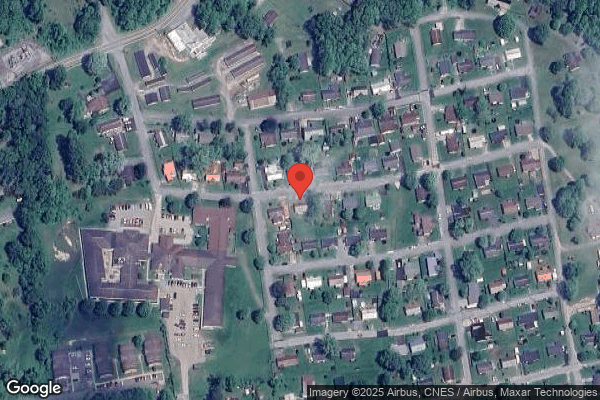
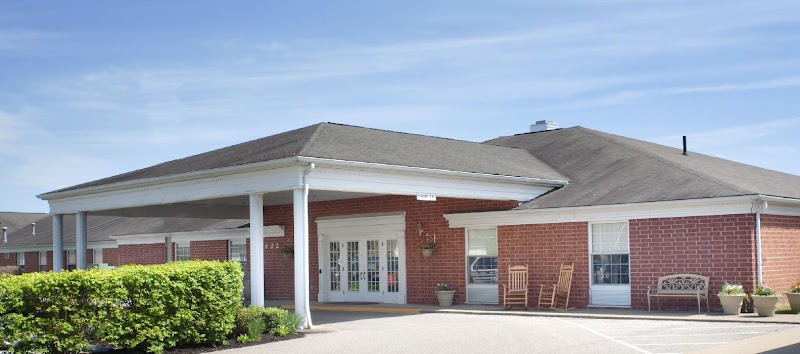
422 23RD STREET, OAK HILL, WV 25901 (304) 465-1903
For profit - Corporation 80 Beds GENESIS HEALTHCARE Data: November 2025 1 Immediate Jeopardy citation
Trust Grade
26/100
#101 of 122 in WV
Last Inspection: October 2024

Within standard 12-15 month inspection cycle. Federal law requires annual inspections.

Overview

Hidden Valley Center in Oak Hill, West Virginia, has a Trust Grade of F, indicating significant concerns about the facility's quality and care. It ranks #101 out of 122 nursing homes in the state, placing it in the bottom half, and #6 out of 6 in Fayette County, meaning there are no better local options. While the facility's trend has been improving, with issues decreasing from 29 in 2024 to just 1 in 2025, it still faces serious staffing challenges. The nursing home has poor staffing ratings with a turnover rate of 48%, which is average for the state, and it has been cited for failing to provide adequate nurse coverage, leading to residents waiting excessively for assistance. Additionally, a critical finding involved a resident not receiving their prescribed thickened liquids, raising serious safety concerns. Overall, while there are some improvements, families should weigh these significant weaknesses against any strengths when considering this facility.

Trust Score
F
26/100
In West Virginia
#101/122
Bottom 18%
Safety Record
High Risk
Review needed
Inspections
Getting Better
29 → 1 violations
Staff Stability
⚠ Watch
48% turnover. Above average. Higher turnover means staff may not know residents' routines.
Penalties
○ Average
$16,084 in fines. Higher than 60% of West Virginia facilities. Some compliance issues.
Skilled Nurses
○ Average
Each resident gets 31 minutes of Registered Nurse (RN) attention daily — about average for West Virginia. RNs are the most trained staff who monitor for health changes.
Violations
⚠ Watch
46 deficiencies on record. Higher than average. Multiple issues found across inspections.
★☆☆☆☆
1.0
Overall Rating
★☆☆☆☆
1.0
Staff Levels
★★★★☆
4.0
Care Quality
★★☆☆☆
2.0
Inspection Score
Stable
2024: 29 issues
2025: 1 issues

The Good

  • 4-Star Quality Measures · Strong clinical quality outcomes
  • Full Sprinkler Coverage · Fire safety systems throughout facility
  • No fines on record

Facility shows strength in quality measures, fire safety.

The Bad

1-Star Overall Rating

Below West Virginia average (2.7)

Significant quality concerns identified by CMS

Staff Turnover: 48%

Near West Virginia avg (46%)

Higher turnover may affect care consistency

Federal Fines: $16,084

Below median ($33,413)

Minor penalties assessed

Chain: GENESIS HEALTHCARE

Part of a multi-facility chain

Ask about local staffing decisions and management

The Ugly 46 deficiencies on record

1 life-threatening
Sept 2025 1 deficiency
CONCERN (E) 📢 Someone Reported This

A family member, employee, or ombudsman was alarmed enough to file a formal complaint

Potential for Harm - no one hurt, but risky conditions existed

Safe Environment (Tag F0921)

Could have caused harm · This affected multiple residents

**NOTE- TERMS IN BRACKETS HAVE BEEN EDITED TO PROTECT CONFIDENTIALITY** Based on the observation and staff interview the facility failed to maintain a comfortable and sanitary environment for resident...

Read full inspector narrative →
**NOTE- TERMS IN BRACKETS HAVE BEEN EDITED TO PROTECT CONFIDENTIALITY** Based on the observation and staff interview the facility failed to maintain a comfortable and sanitary environment for residents. These findings had the potential to affect more than an isolated number of residents. Facility census: 74. A tour of the facility on 09/08/25 at 11:00 AM revealed the following observations: a) room [ROOM NUMBER] A brown substance was around the base of the toilet. The room had lots of white dry wall mud patches. b) room [ROOM NUMBER] Dry wall mud patches were on the walls of the room. A toilet paper roll holder was missing, and the toilet paper was sitting on top of the back of the commode. c) room [ROOM NUMBER] The ring around the base of the toilet was brown. The room had several dry wall mud patches throughout. The painted finish was observed coming off the handrails on the Alzheimer's/Dementia Unit. d) room [ROOM NUMBER] On 09/08/25 at 11:20 AM broken window slats were observed in the window covering e) room [ROOM NUMBER] Observation revealed no toilet paper roll holder. The toilet paper was sitting on the back of the commode. g) room [ROOM NUMBER] The was a dirty ring of caulk around the base of the toilet h) room [ROOM NUMBER] The floor in front of the toilet was dirty/dingy in appearance and the ring of caulk around the base of the toilet was dingy (yellowish, brown in color) i) room [ROOM NUMBER] The drawer in the bottom of the wardrobe was off track and would not close completely. This room also had lots of dry wall mud patches. j) room [ROOM NUMBER] The handles were broken on the wardrobe and there was no toilet paper roll holder in the bathroom. k) room [ROOM NUMBER] 11:10 AM - A/C had no filter and the coils were dirty, Room had dirt on the floor. L) room [ROOM NUMBER] At 11:11am room [ROOM NUMBER] was observed to have dirt build-up around baseboard at the air conditioning unit and the floor was sticky. m) room [ROOM NUMBER] At 11:12 AM room [ROOM NUMBER] was observed to have dirt build-up around the baseboard. n) room [ROOM NUMBER] At 11:15 AM room [ROOM NUMBER] was observed to have dirt build-up around baseboard and bed linens dirty on bed - B. o) room [ROOM NUMBER] At 11:17 AM room [ROOM NUMBER] had dirt build-up around the baseboard p) room [ROOM NUMBER] At 11:20 AM Roo #6 was observed to have dirt build-up around the baseboard. q) room [ROOM NUMBER] At 11:22 AM room [ROOM NUMBER] had dirt around air conditioning unit r) room [ROOM NUMBER] At 11:25 AM wax was observed build-up and dirt was around the air condition unit. s) room [ROOM NUMBER] At 11:30 AM dirt was build-up around baseboard and air conditioning unit. t) room [ROOM NUMBER] At 11:33 AM room [ROOM NUMBER] was observed to have dirt build-up around baseboard and air conditioning (AC) unit. u) room [ROOM NUMBER] At 11:40am room [ROOM NUMBER] was observed to have dirt and drywall dust at AC unit. v) room [ROOM NUMBER] At 11:41 AM room [ROOM NUMBER] had dirt on the floor around room and A/C unit was dirty. w) room [ROOM NUMBER] At 11:43 AM room [ROOM NUMBER] was observed to have dirt on the floor and food was found around bed - B. x) room [ROOM NUMBER] 11:45am room [ROOM NUMBER] - Dirt on floor around baseboard. y) room [ROOM NUMBER] 11:47am room [ROOM NUMBER] - Dirt build-up around baseboard and food on floor. z) room [ROOM NUMBER] 11:49 AM room [ROOM NUMBER] had dirt build-up around baseboard and food on floor, and tile coming up at foot of bed - B. aa) room [ROOM NUMBER] 11:52 AM room [ROOM NUMBER] - Dirt build-up around baseboard and dirt on floor. bb) room [ROOM NUMBER] 11:54am room [ROOM NUMBER] - Dirt on floor, wax build-up around A/C unit. cc) room [ROOM NUMBER] 11:56 AM room [ROOM NUMBER] - Dirt on floor, cobwebs in corners around room. dd) room [ROOM NUMBER] 11:59 AM room [ROOM NUMBER] - Dirt on floor, food in A/C unit. ee) room [ROOM NUMBER] 12:01 PM room [ROOM NUMBER] - Floor dirty and sticky. ff) room [ROOM NUMBER] 12:03 PM room [ROOM NUMBER] - Floor dirty. gg) room [ROOM NUMBER] 12:05 PM room [ROOM NUMBER] - Floor dirty. hh) room [ROOM NUMBER] 12:07 PM room [ROOM NUMBER] - Floor dirty. ii) room [ROOM NUMBER] y.) 12:09 PM room [ROOM NUMBER] - Floor dirty and sticky. jj) room [ROOM NUMBER] 12:10 PM room [ROOM NUMBER] - Dirt was built-up around baseboard and A/C unit dirty. kk) room [ROOM NUMBER] 12:12 PM room [ROOM NUMBER] - Dirt was built up around baseboard and AC unit dirty. ll) room [ROOM NUMBER] 12:14 PM room [ROOM NUMBER] dirt was built up around AC unit. kk) room [ROOM NUMBER] 12:16 PM room [ROOM NUMBER] was observed to have dirt on the floor. ll) room [ROOM NUMBER] 12:18 PM room [ROOM NUMBER] was observed to have a dirty floor and tile broken by Bed B. mm) room [ROOM NUMBER] 12:20 PM room [ROOM NUMBER] was observed to have a dirty floor and cobwebs around ceiling. nn) room [ROOM NUMBER] 12:22pm room [ROOM NUMBER] - Floor dirty and AC unit dirty. pp) room [ROOM NUMBER] 12:24 PM room [ROOM NUMBER] - Floor dirty and AC unit dirty. qq) room [ROOM NUMBER] 12:26 PM room [ROOM NUMBER] was observed to have a dirty floor, and the AC unit was dirty. rr) room [ROOM NUMBER] At 12:28 PM room [ROOM NUMBER] was observed to have a dirty floor, and the AC unit was dirty. The whilte railing in the common area had dirt and debris on the surface that was closest the the floor. On 09/08/25 at 2:30 PM during an interview with the Housekeeping Supervisor and the Maintenance Supervisor after the facility tour revealed both verified the findings above. The findings were also acknowledged by the Administrator and Director of Nursing at the exit interview on 09/08/25 at approximately 3:20 PM.
Oct 2024 19 deficiencies 1 IJ
CRITICAL (J)

Immediate Jeopardy (IJ) - the most serious Medicare violation

Deficiency F0807 (Tag F0807)

Someone could have died · This affected 1 resident

Based on record review, observation, and staff interview, the facility failed to ensure Resident #21 received liquid at the appropriate thickness as ordered by the physician. Resident #21 would have b...

Read full inspector narrative →
Based on record review, observation, and staff interview, the facility failed to ensure Resident #21 received liquid at the appropriate thickness as ordered by the physician. Resident #21 would have been given regular consistency tea had the surveyor not intervened. Resident #21 physician's orders indicated she should only receive pudding/spoon thickened liquids. The State Agency (SA) found this failure rose to the level of an Immediate Jeopardy (IJ). The Nursing Home Administrator (NHA) and Director of Nursing (DON) was notified of the IJ on 09/25/24 at 3:45 PM. The SA accepted the plan of Correction (POC) at 6:40 PM on 09/25/24. After verification of the steps of the POC being Implemented the IJ was abated at 3:15 PM on 09/26/24. This failed practice was true for Resident #21 but had the potential to affect any resident receiving thickened liquids. At the time of the discovery only Resident #20 and Resident #75 received thickened liquids. Resident identifiers: #21. Facility Census: 77. Findings Included: a) Resident #21 A review of Resident #21's medical record found an order for spoon thick liquids. The order was put in place on 06/04/24. An observation of Resident #21's door found a circular sticker with the letter P on it to indicate the resident should receive Pudding Thickened liquids. The meaning of this sticker was confirmed with the Director of Nursing (DON) on 09/25/24 at 2:12 PM. Pudding and spoon thick liquids are interchangeable and refer to drinks which are pudding thick consistency. A review of the resident's speech therapist (ST) notes found the following, Summary of skilled interventions Provided: Patient has been seen for ST skilled services for dysphasia treatment for assessment of swallow function in order to determine safest diet level, decrease risk of aspiration, and educate staff on patient's diet level and risk of aspiration. Patient is consuming a puree diet level with pudding thick liquids. Education with return demonstration completed with staff to ensure accuracy and understanding of the patient's new liquid level, especially because it is not readily utilized in this facility. Patient continues to have occasional episodes of overt signs and symptoms of aspiration, despite the modifications. ST plans to discontinue services on 06/21/24 pending no further changes in function. A review of the resident's care plan found the following goal and interventions, Focus Statement: (First Name of Resident #21 First Name) is at nutritional risk related to Huntington's Disease which increases energy expenditure, Dysphasia with mechanically altered diet in place, Hypokalemia, and Significant Weight Loss. Goals: Resident will maintain weight and have no undesirable weight loss thru next review Interventions included: -- Regular/Liberalized Diet with Puree Texture and Thickened Liquids-Spoon Thick Consistency. Plastic silverware per order. This intervention was last revised on the care plan on 06/07/24. An observation on 09/25/24 at 1:05 PM found Licensed Practical Nurse (LPN) #47 was assisting Resident #21 with her lunch meal. LPN #47 stated, Would you like another drink? At which time she picked up Resident #21's drink which was sweet tea. When she picked up the drink it was obvious to the surveyor the tea was regular/thin. LPN #47 placed the cup to the resident's lips to give her a drink. The surveyor at this time intervened and stated, Please don't give her that. The LPN said, 'Why not. The surveyor stated, She is supposed to have pudding thickened liquids. LPN #47 sat her drink down and continued to feed the resident her meal. At the conclusion of the meal she cleared the tray and left the tea on the bedside table. She stated, I am going to get some thickener for that in case you are wondering. All the other items on the resident's tray were correct because they had come from the kitchen. Staff on the floor are responsible for all drinks served at meals. The kitchen does not send thickened drinks on the resident's tray. About five (5) minutes later LPN #47 returned with a bowl with some thickener in it. LPN #47 poured in a small amount of thickener and stirred the tea. The tea was still not pudding thick and could have easily been poured from the cup. She again placed the cup to the resident's lips to give her a drink. LPN #47 was asked, How do you know if it is the right consistency? She looked at the cup and put the spoon in and out of the tea a few times and stated, Is that not thick enough. The surveyor then stated she was on pudding thickened liquids, and no it was not thick enough. The LPN then abruptly poured in some more thickener from the bowl. She then stirred it up. The surveyor stated, If you're not sure you can ask someone. She looked at the liquid again and said, Well it looks like pudding to me, and proceeded to feed the resident the thickened tea. During an interview with the Director of Nursing (DON) on 09/25/24 at 2:12 PM the DON was asked how they determine something is proper consistency when the kitchen provides a bowl of unmeasured thickener opposed to the packet of thickener which tells you how many packets to use for each thickness. The DON stated, They just look at it and add it until it looks right. She made no mention of measuring the appropriate amount as directed by the manufacturer. After the notification of the IJ the facility obtained an order for a chest X-ray for Resident #21. This order was obtained on 09/25/24 at 3:51 PM. The results of the X-ray were reviewed by the surveyor in the afternoon of 10/01/24. The results read as follows: Examination demonstrates no mediastinal shift. There is left lower lobe atelectasis, but no acute alveolar/interstitial infiltrate, consolidation, CHF, Mass or pneumothorax b) Facility Plan of Correction The facility's accepted plan of correction read as follows, The licensed nurse conducted an evaluation on 9/25/24 with notification to the medical provider of the possible risk of aspiration for Resident #21. The Speech therapist provided education to the Director of Nursing (DON) on 9/25/24 regarding the process to mix thicken liquids per the manufacturer guidelines. The Director of Nursing (DON)/designee provided education to Licensed Nurse #47 on 9/25/24 regarding the process to mix thicken liquids per the manufacturer guidelines. All residents of the facility have the potential to be affected. The Director of Nursing (DON)/designee conducted an observation round on 9/25/24 to ensure residents receiving thickened liquids are mixed according to manufacturer's guidelines with any corrective action immediately upon discovery. Reeducation will be provided by the Director of Nurses(DON)/designee to nursing staff on 9/25/24 regarding residents receiving thickened liquids mixed according to manufacturer's guidelines with a posttest and return demonstration (per the attachment educational document) to validate understanding. Any nursing staff not available during this time frame will be provided reeducation, including posttest and returned demonstration by DON/designee prior to the beginning of their shift. New nursing staff will be provided education and return demonstration, including posttest during orientation by the DON/designee. Reeducation will be provided by the Dietary Manager (DM)/designee to dietary employees on 9/25/24 regarding not to send out thickening powder during meal service with a posttest to validate understanding. Any dietary staff not available during this time frame will be provided reeducation, including posttest by DM/designee prior to the beginning of their shift. New dietary employees will be provided education, including posttest during orientation by the DON/designee. The Unit Manager/designee will monitor during meal service starting on 9/25/24 for dinner to ensure residents receiving thickened liquids are mixed according to manufacturer's guidelines daily across all meal service for 2 weeks, including weekends and holidays, then 5 times a week for 4 weeks, then 3 times a week for 4 weeks, then randomly thereafter. The Unit Manager/designee will monitor during meal service starting on 9/25/24 for dinner to ensure dietary does not send out thickening powder during meal service daily across all meal service for 2 weeks, including weekends and holidays, then 5 times a week for 4 weeks, then 3 times a week for 4 weeks, then randomly thereafter. Results of monitors will be reported by the Director of Nursing (DON)/designee to the Quality Improvement Committee (QIC) monthly for any additional follow-up and or in-servicing until the issue is resolved, then randomly thereafter as determined by the Quality Improvement Committee. On 09/26/24 the education posttests were reviewed for all staff who had worked since the notification of the IJ with no issues identified. Nurse Aide #55 was observed assisting Resident #21 her noontime meal. She correctly thickened her drink and upon interview was able to describe the education she received and answered all questions appropriately. NA #18 was also interviewed and was able to answer all questions appropriately related to thickening the resident drinks. LPN #52 was interviewed and was able to describe her education and was able to provide details into how to thicken resident drinks. After implementation of the POC was completed the IJ was abated at 3:15 PM on 09/26/24.
CONCERN (D)

Potential for Harm - no one hurt, but risky conditions existed

Resident Rights (Tag F0550)

Could have caused harm · This affected 1 resident

Based on observation and staff interview, the facility failed to ensure Resident #44 was afforded the right for a dignified experience while using the restroom. This was a random opportunity for disco...

Read full inspector narrative →
Based on observation and staff interview, the facility failed to ensure Resident #44 was afforded the right for a dignified experience while using the restroom. This was a random opportunity for discovery and was true for Resident #44. Facility Census: 77. Finding included: a) Resident #44 On 09/25/24 at 8:57 AM, while walking down the hall toward Resident #44's room the surveyor observed Resident #44 sitting on the toilet with her pants down in the bathroom. Both the bathroom door and the room door were open, and the resident could be seen from the hallway. The Director of Rehab and Speech Therapist were across the hall. When the surveyor asked if someone could assist Resident #44 the Speech Therapist stated, That was me I am trying to find some toilet paper.
CONCERN (D)

Potential for Harm - no one hurt, but risky conditions existed

Deficiency F0578 (Tag F0578)

Could have caused harm · This affected 1 resident

Based on record review and staff interview, the facility failed to ensure residents were given the opportunity to make decisions regarding end-of-life care. This deficient practice had the potential t...

Read full inspector narrative →
Based on record review and staff interview, the facility failed to ensure residents were given the opportunity to make decisions regarding end-of-life care. This deficient practice had the potential to affect one (1) of four (4) residents reviewed for the care area of advance directives. Resident identifier: #59. Facility census: 77. Findings included: a) Resident #59 Review of Resident #59's medical records showed a Physician Orders for Scope of Treatment (POST) form completed by the resident's family member on 07/14/23. The POST form communicated the resident's wishes for end-of-life care. Further review of Resident #59's medical records showed a Physician Determination of Capacity form dated 08/28/24. The physician determined Resident #59 had the capacity to make his own health care decisions. On 09/25/24 at 9:55 AM, the Social Services Director stated when Resident #59 was admitted in August 2024, the resident's family member was his representative. The resident had a POST form that had previously been completed. The Social Services Director stated she had reviewed the POST form with Resident #59 upon his admission and he stated the POST form represented his wishes. However, the Social Services Director acknowledged the POST form had not been redone when Resident #59's physician determined the resident had the capacity to make his own medical decisions. No further information was provided through the completion of the survey.
CONCERN (D)

Potential for Harm - no one hurt, but risky conditions existed

Deficiency F0582 (Tag F0582)

Could have caused harm · This affected 1 resident

**NOTE- TERMS IN BRACKETS HAVE BEEN EDITED TO PROTECT CONFIDENTIALITY** Based on record review and staff interview, the facility failed to provide proof the required Notification of Medicare Non-Cove...

Read full inspector narrative →
**NOTE- TERMS IN BRACKETS HAVE BEEN EDITED TO PROTECT CONFIDENTIALITY** Based on record review and staff interview, the facility failed to provide proof the required Notification of Medicare Non-Coverage (NOMNC) liability and Skilled Nursing Facility Advance Beneficiary Notice of Non-Coverage (SNF ABN) notices were issued in a timely fashion for one (1) of three (3) residents reviewed for beneficiary protection notification. NOMNC was improperly dated. This failure had the potential to place the resident at risk of not being informed of their appeal rights prior to the end of Medicare covered services as well as being informed of their rights prior to the end of Medicare Part A covered services . Resident identifier: #281. Facility census: 77. Findings included: a) Resident #281 On 09/25/24 05:35 PM, Review of Notice of Medicare Non-Coverage form for Resident # 281 revealed the resident's services were due to end/last covered day of Part A Services on 5/28/24. The resident's representative was notified telephonically on 03/23/24 at 10:03 AM by Office Manager #24. Observation of digital records for Resident #281 revealed that resident was admitted on [DATE]. On 09/26/24 at 1:26 PM, during an interview with Office Manager (OM)#24, the OM acknowledged the Notice of Medicare Non-Coverage for Resident #281 was dated for 03/23/24 in error and reported that it should have read 05/23/24.
CONCERN (D)

Potential for Harm - no one hurt, but risky conditions existed

Safe Environment (Tag F0584)

Could have caused harm · This affected 1 resident

Based on observation, staff interview and resident interview, the facility failed to provide a safe, clean and comfortable home like environment. Resident #50 did not have a screen in his window. This...

Read full inspector narrative →
Based on observation, staff interview and resident interview, the facility failed to provide a safe, clean and comfortable home like environment. Resident #50 did not have a screen in his window. This failed practice was found true for (1) one of 12 residents reviewed for the environment during the Long-Term Care Survey Process. Resident identifier #50. Facility Census 77. Findings Included: a) Resident #50 During the initial interview on 09/23/24 at 1:38 PM, Resident #50 stated, I cannot open this window because there is not a screen in it. I have asked several times to get a screen but still do not have one. An observation on 09/23/24 at 1:38 PM, revealed that Resident #50 had four (4) windows in his room and the second window did not have a screen. On 09/24/24 at 3:30 PM, The Maintenance Director confirmed that the screen was not on the window and stated, I will get one in there as soon as I can.
CONCERN (D)

Potential for Harm - no one hurt, but risky conditions existed

Assessment Accuracy (Tag F0641)

Could have caused harm · This affected 1 resident

Based on record review and staff interview, the facility failed to ensure Resident #20's Minimum Data Set (MDS) was correct in the area of falls with injury. This was true for one (1) of 12 residents ...

Read full inspector narrative →
Based on record review and staff interview, the facility failed to ensure Resident #20's Minimum Data Set (MDS) was correct in the area of falls with injury. This was true for one (1) of 12 residents reviewed for the care area of accidents during the long-term care survey process. Resident identifier: #20. Facility census: 77. Findings included: a) Resident #20 On the first day of the survey 09/23/24 in the afternoon the facility matrix provided by the facility was reviewed and indicated Resident #20 had a fall with an injury. A review of Resident #20's medical record found the resident had a fall on 07/07/24 but had no injury. A review of Resident #20's MDS with an Assessment Reference Date (ARD) of 07/13/24 found section J1900 was coded to represent a fall without injury since the last MDS assessment and a Fall with injury since the last MDS Assessment. An interview with Registered Nurse #40 at 12:20 PM on 10/01/24 found the resident had only sustained one (1) fall since the last MDS assessment and she was not injured because of the fall. She indicated the fall with injury should not have been included on the MDS, and the MDS was inaccurate.
CONCERN (D)

Potential for Harm - no one hurt, but risky conditions existed

Deficiency F0645 (Tag F0645)

Could have caused harm · This affected 1 resident

Based on record review and staff interview, the facility failed to correctly identify diagnosis on a new Pre-admissions Screening and Resident Review (PASSAR). This failed practice was found true for ...

Read full inspector narrative →
Based on record review and staff interview, the facility failed to correctly identify diagnosis on a new Pre-admissions Screening and Resident Review (PASSAR). This failed practice was found true for (1) one of (2) two residents reviewed for PASSAR accuracy during the Long-Term Care Survey Process. Resident Identifier: #1. Facility Census 77. Findings Included: a) Resident #1 A record review on 09/23/24 at 3:30 PM, revealed that Resident #1 has a diagnosis that included Schizophrenia and Epilepsy. Further record review revealed that a new PASSAR was completed on 02/17/22 and did not include the diagnosis of Schizophrenia and Epilepsy. During an interview on 09/25/24 at 12:28 PM, the Social Worker (SW) stated, I must have missed that one. When I first started I had to do an audit of them all so I guess I missed that one. The SW confirmed that the diagnosis was not on the most current PASSAR.
CONCERN (D)

Potential for Harm - no one hurt, but risky conditions existed

Comprehensive Care Plan (Tag F0656)

Could have caused harm · This affected 1 resident

Based on observation, record review and staff interview, the facility failed to develop and/or implement care plans related to fall interventions and depression. This failed practice was found true fo...

Read full inspector narrative →
Based on observation, record review and staff interview, the facility failed to develop and/or implement care plans related to fall interventions and depression. This failed practice was found true for (1) one of (5) five residents reviewed for mood and behavior and (1) one of 12 residents reviewed for accidents. Resident identifiers #34 and #42. Facility Census: 77. Findings Included: a) Resident #34 A record review on 10/01/24 at 9:30 AM revealed that Resident #34 had a fall on 08/21/24. On 08/22/24 Resident #34 was complaining of pain where it was revealed that she had a right hip fracture. Further record review revealed a fall care plan that reads as follows: Focus: Resident has experienced falls and is at risk for further falls r/t cognitive loss, lack of safety awareness, history of fall with fracture. Goal: Resident will have no further falls with injury through next review. Interventions: · Provide resident/patient with opportunities for choice · Bed in low position · Medication review as needed · Non skid footwear as tolerated. · Non skid strips in front of recliner. ·Non skid strips to right side of bed. ·Obtain laboratory test results and report abnormal results ·Assist resident/caregiver to organize belongings for a clutter-free environment in the resident's room and consistent furniture arrangement. · Encourage resident to attend activities that maximize their full potential while An observation on 10/01/24 at 11:45 AM of Resident #34 revealed the resident was lying in bed and had on fuzzy socks that were not non-skid. During an interview on 10/01/24 at 11:45 AM Resident #34 stated, It doesn't matter to me what socks they put on. A sock is a sock. During an interview on 10/01/24 at 11:48 AM with Nurse Aide (NA) #43 stated, Those are not non-skid socks. I like to put those on her while she is in bed. b) Resident #42 A record review on 10/01/24 at 9:30 AM of Resident #42 diagnosis revealed a diagnosis of depression and is ordered 7.5 milligrams (mg) of Mirtazapine by mouth at bedtime. Further record review revealed that Resident #42 has no care plan for Depression. During an interview on 10/01/24 at 10:14 AM, the SW stated, I was not here when he first came. No, there is not a care plan for Depression.
CONCERN (D)

Potential for Harm - no one hurt, but risky conditions existed

ADL Care (Tag F0677)

Could have caused harm · This affected 1 resident

Based on resident interview, record review, and staff interview, the facility failed to ensure a resident who was unable to carry out activities of daily living received the necessary services to main...

Read full inspector narrative →
Based on resident interview, record review, and staff interview, the facility failed to ensure a resident who was unable to carry out activities of daily living received the necessary services to maintain good personal hygiene. This deficient practice had the potential to affect one (1) of six (6) residents reviewed for the care area of activities of daily living. Resident identifier: #6. Facility census: 77. Findings included: a) Resident #6 During an interview on 09/23/24 at 1:47 PM, Resident #6 stated she did not receive twice weekly showers as scheduled. She stated she preferred showers to bed baths. Review of Resident #6's comprehensive care plan showed the resident required assistance for activities of daily living due to a fracture of the leg. The care plan stated the resident required substantial/maximal assistance for bathing. The facility's shower schedule showed the resident was scheduled to receive showers on evening shift on Tuesdays and Fridays. Review of Resident #6's showers for the past 30 days gave the following information: - On Tuesday, 08/27/24, the resident refused a shower, according to the nurses' notes. - On Friday, 08/30/24, the resident did not receive a shower. However, the resident did receive a shower the following day, on 08/31/24. - On Tuesday, 09/03/24, the resident received a shower, according to the Nurse Aide (NA) task documentation report. - On Friday, 09/06/24, the resident received a shower, according to the NA task documentation report. - On Tuesday, 09/10/24, the resident received a shower, according to the NA task documentation report. - On Friday, 09/13/24, the NA task documentation report showed the resident had a bed bath. There was no documentation the resident refused a shower. - On Tuesday, 09/17/24, the resident received a shower, according to the NA task documentation report. - On Friday, 09/20/24, the resident received a shower, according to the NA task documentation report. - On Tuesday, 09/24/24, the resident refused a shower, according to the nurses' notes. No shower refusals were documented on the NA task documentation report. On 09/25/24 at 11:40 AM, the Director of Nursing (DON) stated shower refusals should be documented in the nurses' notes and on the NA task documentation report. She was informed Resident #6 had not received a shower as scheduled on 09/13/24, and no shower refusal had been documented for the resident that day. She provided no further information through the completion of the survey.
CONCERN (D)

Potential for Harm - no one hurt, but risky conditions existed

Pressure Ulcer Prevention (Tag F0686)

Could have caused harm · This affected 1 resident

**NOTE- TERMS IN BRACKETS HAVE BEEN EDITED TO PROTECT CONFIDENTIALITY** Based on resident interview, observation, record review, and staff interview, the facility failed to provide pressure ulcer trea...

Read full inspector narrative →
**NOTE- TERMS IN BRACKETS HAVE BEEN EDITED TO PROTECT CONFIDENTIALITY** Based on resident interview, observation, record review, and staff interview, the facility failed to provide pressure ulcer treatment in accordance with professional standards of care. This deficient practice had the potential to affect one (1) of one (1) resident reviewed for the care area of pressure ulcers. Resident Identifier: #34. Facility census: 77. Findings included: a) Resident #34 Review of Resident #34's medical records showed she had a history of MASD/IAD [moisture-associated skin damage/incontinence associated dermatitis] during her admission to the facility. Review of Resident #34's medical records showed the resident returned to the facility from the hospital on [DATE] after surgical repair of a fracture. The hospital discharge summary was in the resident's medical record file. Attached to the discharge summary was a nurse report form that stated, Skin condition: DTI [deep tissue injury] on buttocks foam dressing. On 09/26/24 at 10:08 AM Unit Manager #10 stated the nurse report form was the facility's form. She stated the form was completed by the facility when the hospital called the facility to give a report on the resident. Review of Resident #34's prior physician's orders showed the following order written on 08/29/24: MASD/IAD: Cleanse sacrum with skin cleanser (i.e. remedy no-rinse cleansing foam) and pat dry. Apply Z Guard paste every day and night shift for MASD/IAD for 14 days. The order continued through 09/11/24. On 09/11/24, Resident #34 was seen in the orthopedic clinic for follow-up. The orthopedic physician's note, located in the resident's chart, stated, Patient has the start of a bed sore right along her sacrum. She says that she has had them before. (The sacral area is located at the base of the spine.) The orthopedic physician's assessment plan contained the following: She is to mobilize to help with perineal care and to avoid further ulcerations of the buttock. Patient would like something to protect her skin from breakdown and I told her to ask the medical doctor at the facility for some type of A and D cream or something exiting oxide as possible. She is amenable to the plan. (Note typed as written.) Review of Resident #34's current physician's orders showed the following order written on 09/17/24: Greers [NAME] Cream, apply to right buttock topically every day and night shift for MASD, cleanse with soap and water, then apply Greers Goo. The resident also had a current order for treatment for a right heel wound. On 09/24/24, Resident #34 was seen in the wound care clinic for her heel wound. The wound care clinic's physician's visit record for 09/24/24 was in the resident's medical file. The physician wrote on the wound care clinic visit record, Clean right heel and gluteal ulcer daily with betadine. Apply bacitracin, Mepilex border. A nurse's note written on 9/24/2024 at 10:02 AM stated, Resident returned to facility via [Emergency Medical Service]; skin check completed with no new issues observed; orders received to cleanse right heel with betadine, apply bacitracin and cover with Mepilex border; turn every 2 hours; float heels while in bed; [follow up appointment] MPOA [Medical Power of Attorney] notified. The resident's weekly skin and wound evaluations of the buttocks area showed the following assessments: - 08/28/24: MASD/IAD, left gluteal fold, lateral, present on admission, measuring 2.1 centimeters (cm) x 1.6 cm. (The gluteal fold is the horizontal skin crease that forms below the buttocks.) - 09/03/24: MASD/IAD, left gluteal fold, lateral, present on admission, measuring 2.3 cm x 1.2 cm, noted to be covered with 90% epithelial tissue and improving. - 09/10/24: MASD/IAD, left gluteal fold, lateral, present on admission, measuring 1.6 cm x 0.9 cm, noted to be covered with 100% epithelial tissue and stable. - 09/17/24: MASD/IAD, left gluteal fold, lateral, present on admission, measuring 3.7 cm x 4.5 cm, noted to be monitoring. - 09/25/24: MASD/IAD, left gluteal fold, lateral, present on admission, measuring 0.7 cm x 0.9 cm, noted to be improving. (Wound pictures taken this day are difficult to visualize, but have areas circled on the coccyx area and the left gluteal fold area.) The resident's comprehensive care plan contained the following focus, Resident at risk for skin breakdown and bruising related to: advanced age (greater than 75 years), poor safety awareness, Dx: DM2 [diabetes mellitus type II], CKD [chronic kidney disease], Hx. [history] of Venous stasis ulcers to bilateral lower legs. -Surgical Incision to Right Lateral Thigh -MASD/IAD Sacrum -Stage 2 Right Heel During an interview on 09/26/24 at 8:50 AM, Resident #34 stated her bottom hurt. She gave her consent to have the nurse surveyor observe her skin condition with a facility staff member in attendance. On 09/26/24 at 8:55 AM, Nurse Aide (NA) #55 entered Resident #34's room to answer the call light, which the resident had pulled because she wanted to get out of bed into the chair. NA #55 stated she would assist the nurse surveyor in observing the resident's skin condition. NA #55 loosened Resident #34's incontinence brief and the resident was able to roll herself over onto her side. The resident had a tan-colored adhesive dressing to her sacral/coccyx area. The dressing was wrinkled and loose at the bottom of the dressing. No date could be seen on the dressing. NA #55 removed the wrinkled adhesive dressing and stated she would get a nurse to replace the dressing before the resident got up into a chair. The resident had a small open area under the dressing. Resident #34 also had a small open area to the left gluteal fold On 09/26/24 at 9:00 AM, Licensed Practical Nurse (LPN) #52 entered the resident's room. She asked the resident if she was having pain. When the resident replied her bottom hurt, LPN #52 stated she would get pain medication for the resident. She stated she would have to check the resident's dressing orders to be able to answer questions about the treatment. On 09/26/24 at 9:07 AM, LPN #52 completed a change in condition evaluation, which reported the resident had pain in the sacral area and redness and excoriation to the coccyx. The resident was ordered Tylenol 325 mg now, followed by Tylenol 325 mg three (3) times a day. On 09/26/24 at 9:10 AM, LPN #52 confirmed Resident #34's treatment was Greers Goo. She stated she did not know when the adhesive dressing had been placed on the resident's coccyx. She stated she has not been assigned to the resident very often and could not answer questions about how the resident's coccyx and buttocks had looked previously. New orders were entered on 09/26/24 to Cleanse gluteal wound with betadine, apply bacitracin, cover with Mepilex [sic] border dressing. Change daily and as needed if dressing becomes dislodged and for Greers goo to right and left buttock daily for MASD/IAD. A nursing note written on 09/26/24 at 5:54 PM stated, Change in condition completed this AM for resident complaints of pain in sacral/coccyx area. Upon assessment resident noted to have an unstageable pressure ulcer. See swift for measurements. Physician was notified. Residents HCS [health care surrogate], [name redacted] was notified. Educated on treatment orders. Understanding verbalized. Resident stated during this assessment that pain was much better. Resident has cushion noted in her wheelchair. Care plan reviewed and updated as needed. Dietician notified. A skin and wound assessment performed on 09/26/24 documented a pressure ulcer to the coccyx, unstageable due to slough, measuring 1 cm x 0.8 cm. During an interview on 09/30/24 at 11:47 AM, the Director of Nursing (DON) confirmed Resident #34's buttock and coccyx area had not been formally assessed from 09/10/24 until 09/17/24 although the resident's 14-day treatment had been completed 09/11/24. The DON also stated when the resident returned from the wound care clinic, the nurse had followed the physician's recommendation to cleanse the area and apply a bordered dressing but had not entered an order for this treatment. No further information was provided through the completion of the survey.
CONCERN (D)

Potential for Harm - no one hurt, but risky conditions existed

Medical Records (Tag F0842)

Could have caused harm · This affected 1 resident

Based on record review, observation, and staff interview, the facility failed to ensure Resident #20's medical record was complete and accurate. This was true for one (1) of 31 sampled residents revie...

Read full inspector narrative →
Based on record review, observation, and staff interview, the facility failed to ensure Resident #20's medical record was complete and accurate. This was true for one (1) of 31 sampled residents reviewed during the long-term care survey process. Resident Identifier: #20. Facility Census: 77. Finding Include: a) Resident #20 On 10/01/24 at approximately 10:15 AM Resident #20 was observed sitting in the tv lounge with her 10:00 AM supplement sitting in front of her. The supplement was still three quarters of the way full. A review of Resident #20's medical record at 10:25 am on 10/01/24 found the nurse had documented Resident #20 had consumed 100 percent of her house supplement. The surveyor returned to the TV lounge and Resident #20 still had her house supplement sitting in front of her on the table. It was still three fourths of the way full. An interview with Licensed Practical Nurse (LPN) #52 was interviewed at 10:31 AM on 10/01/24. She was asked if Resident #20 had consumed her 10:00 AM supplement. She pulled up the residents' medication administration record (MAR) and confirmed it was marked to indicate the resident had consumed 100 percent of her supplement. When asked if the pink drink on the table in front of Resident #20 was her house supplement LPN #52 stated it was and she would ensure she drank it. She agreed she had documented she had consumed 100 percent of her supplement before the resident drank all the supplement. A review of the Medication Administration Audit report for 10/01/24 confirmed LPN #52 documented the resident had consumed 100 percent of her supplement at 10:23 AM.
CONCERN (E) 📢 Someone Reported This

A family member, employee, or ombudsman was alarmed enough to file a formal complaint

Potential for Harm - no one hurt, but risky conditions existed

Investigate Abuse (Tag F0610)

Could have caused harm · This affected multiple residents

Based on record review, resident interview and staff interview, the facility failed to prevent potential further abuse of all residents while investigating an allegation of resident-to-resident abuse ...

Read full inspector narrative →
Based on record review, resident interview and staff interview, the facility failed to prevent potential further abuse of all residents while investigating an allegation of resident-to-resident abuse and failed to complete a thorough investigation. Resident identifiers: #72 and Resident #31. Facility Census: 77. Findings included: a) Resident #72 09/24/24 9:00 AM During an interview with Resident #72, Resident denied having any conflict or issues with other residents in the recent months. He declined/was unable to discuss the incident. 09/26/24 at 8:30 AM, a review of the Five-Day Follow-up on an incident dated 05/13/24 Resident # 72 reported he was leaving bingo and was halfway out the door when Resident #31 hit him with his wheelchair. Resident #72 turned around and yelled at Resident #31 who started hitting Resident #72, knocking oxygen out of his nose and knocking glasses off his face. Resident #72 reacted by hitting Resident #31. The incident resulted in an abrasion to upper lip, with blood noted to Resident #72. Resident #72 denied pain or discomfort. The resident reported that this is not the first time Resident #31 had hit him with his wheelchair. He denied depression or anxiety afterwards. Interventions included separating the two residents. Therapy put Resident #31 in a stationary chair when in the dining room for meals and activities and were looking into purchasing a device to make his wheelchair slower. Both residents were assessed by nursing, the physician was notified and gave no new orders. Appropriate notifications were made. Resident #31 had a history of running into feet with his wheelchair. Change in Condition was completed. b) Resident #31 On 09/26/24, a review of progress note completed by Registered Nurse (RN) #18 on 5/13/2024 at 3:00 PM for Resident #31 revealed: Resident #31 had an altercation with Resident #72 in the dining room during bingo. Staff brought Resident #72 to this nurse with bleeding from an abrasion on his top lip. Staff who witnessed the event stated Resident #31 was the aggressor and was hitting Resident #72. The residents were separated. Staff stayed with Resident #31 (the aggressor) until he was calm. The physician was contacted with details of the incident. There were no new orders at this time. On 09/26/24 at 10:00 AM, Interview with Social Worker (SW) regarding investigation of the incident. SW reported that both residents involved in the altercation were separated. She stated that Resident #31 was placed on (one on one) 1:1 while the investigation was completed. When asked if there was documentation of this she stated, I guess I don't have anything. SW reported that interventions included skin assessments of both residents and modifications to Resident #31's wheelchair to make it slower. She stated that no interviews or audits were completed with other residents to determine if anyone else was affected. She also reported that there were no interventions at that time to address Resident #31's behaviors.
CONCERN (E)

Potential for Harm - no one hurt, but risky conditions existed

Accident Prevention (Tag F0689)

Could have caused harm · This affected multiple residents

. Based on observation, record review, resident interview and staff interview, the facility failed to ensure the resident environment over which it had control was as free from accident hazards as pos...

Read full inspector narrative →
. Based on observation, record review, resident interview and staff interview, the facility failed to ensure the resident environment over which it had control was as free from accident hazards as possible. Resident #12 had a bottle of vitamins at her bedside, which had the potential to affect more than a limited number of residents. This was a random opportunity for discovery. Additionally, Resident #34 did not have non-slip socks on at the time of a fall. This deficient practice had the potential to affect one (1) of five (5) residents reviewed for the care area of falls. Resident identifiers: #12, #34. Facility census: 77. Findings included: a) Resident #12 On 09/25/24 at 8:45 AM, Licensed Practical Nurse (LPN) #52 was observed administering medications to Resident #12. When LPN #52 took the resident's medications into the room, Resident #12 took a bottle of Centrum Women's vitamins off her overbed table, stating I don't like the vitamins that the facility has. She opened the bottle and appeared to be ready to take a vitamin. The vitamin bottle appeared to be at least half full of pills. LPN #52 told the resident that she would have to take the vitamins from the bedside and get a physician's order for them. The resident stated, I was told I could have them but agreed to have the nurse take the bottle away from the bedside. The vitamins posed a risk to wandering residents who may have entered the resident's room and taken the vitamins. Per the website WebMD, symptoms of Centrum Women's vitamins overdose may include stomach pain, nausea, vomiting, and diarrhea. On 09/25/24 at 8:50 AM, LPN #52 stated that residents should not have medications at their bedside. She stated she would contact the physician to obtain an order for the vitamins. b) Resident #34 A record review on 10/01/24 at 9:30 AM revealed that Resident #34 had a fall on 08/21/24. On 08/22/24 Resident #34 was complaining of pain where it was revealed that she had a right hip fracture. Further record review revealed a fall care plan that reads as follows: Focus: · Resident has experienced falls and is at risk for further falls r/t cognitive loss, lack of safety awareness, history of fall with fracture. Goal: · Resident will have no further falls with injury through next review Interventions: · Provide resident/patient with opportunities for choice · Bed in low position · Medication review as needed · Non skid footwear as tolerated. · Non skid strips in front of recliner. · Non skid strips to right side of bed. ·Obtain laboratory test results and report abnormal results · Assist resident/caregiver to organize belongings for a clutter-free environment in the resident's room and consistent furniture arrangement. · Encourage resident to attend activities that maximize their full potential while. Further record review revealed a incident report that reads as follows dated 08/21/24: Resident observed to be laying in floor on right side, stated, I wanted to lay in floor Assessed resident for injury with none observed, denies pain at this time. Resident not wearing non skid socks at this time. Room arranged in typical manner with adequate temperature. Resident continent of bowel and bladder. Notified provider and Medical Power of Attorney (MPOA). Initiated neuros. Further record review revealed a Change in Condition form dated 08/22/24 that Resident # 34 has a right hip fracture. An observation on 10/01/24 AT 11:45 AM, of Resident #34 revealed the resident was lying in bed and had on fuzzy socks that were not non-skid.
CONCERN (E)

Potential for Harm - no one hurt, but risky conditions existed

Deficiency F0692 (Tag F0692)

Could have caused harm · This affected multiple residents

Based on observation, resident interview, record review, and staff interview, the facility failed to provide hydration care and services to each resident, consistent with the resident's comprehensive ...

Read full inspector narrative →
Based on observation, resident interview, record review, and staff interview, the facility failed to provide hydration care and services to each resident, consistent with the resident's comprehensive assessment and their needs and preferences. This deficient practice had the potential to affect three (3) of 13 residents reviewed for the care area of hydration. Resident identifiers: #68, #59, and #180. Facility census: 77. Findings included: a) Policy review The facility's polity titled Nutrition/Hydration Care and Services with effective date 01/01/04 and revision date 02/01/23 stated to keep beverages available and within reach, when applicable. b) Resident #68 During an interview on 09/23/24 at 11:47 AM, Resident #68 was asked if he received enough to eat and drink. Resident replied that he received very little water. He had no cups or beverage containers in his room. On 09/26/24 at 10:00 AM, Resident #68 was observed to have a cup of water at his bedside. However, the water did not have ice in it and the cup was not cool to the touch. The resident's quarterly Minimum Data Set (MDS) assessment with Assessment Reference Date (ARD) 07/12/24 showed the resident's Brief Interview for Mental Status (BIMS) score was 13, indicating the resident was cognitively intact. The resident's comprehensive care plan had the following focus initiated 11/21/23: Resident exhibits or is at risk for dehydration r/t [related to] diuretic use. Review of the resident's physician's orders showed the resident was receiving the diuretic Lasix 20 mg every day for Congestive Heart Failure (CHF). On 11/22/23, the Registered Dietician assessed the resident's fluid intake needs as 1975 cc per day. c) Resident #59 During an interview on 09/23/24 at 2:30 PM, Resident #59 was asked if he gets enough to eat or drink. He stated he had to ask for water when he wanted some. He was noted to have a plastic pitcher on bedside table with nothing in it. On 09/24/24 at 11:24 AM, Resident #59 again had an empty plastic pitcher on his bedside table. The resident stated he would like to have some water and ice. NA #12 verified the resident's pitcher was empty. She asked the resident if it was okay if she brought him a Styrofoam cup with water and ice. The resident agreed, and NA #12 brought him some ice water. On 09/26/24 at 10:00 AM, Resident #59 was noted to have two (2) small cups of water at his bedside. However, the water did not have ice in it and the cup was not cool to the touch. The resident's admission MDS assessment with ARD 08/27/24 showed the resident's BIMS score was 11, indicating the resident had mild cognitive impairment. The resident's comprehensive care plan had the following focus: Resident exhibits or is at risk for dehydration AEB (as evidenced by) constipation. On 08/28/24, the Registered Dietician assessed the resident's fluid intake needs as 1875 cc per day. NA task reports indicated the resident was receiving adequate fluid intake. NA task reports also indicated the resident had a bowel movement almost every day. d) Resident #180 During an interview on 09/23/24 at 2:55 PM, Resident #180 was asked if he had any problems with the care he received at the facility. The resident replied he once asked for water and had to wait two (2) hours to receive it. The resident currently had water in a plastic pitcher. The resident stated he had water because he asked for it earlier. On 09/26/24 at 10:00 AM, Resident #180 was noted to have a Styrofoam cup of water at his bedside. However, the water did not have ice in it and the cup was not cool to the touch. The resident was a new admission and did not have a BIMS score recorded. However, he answered questions appropriately. The resident's comprehensive care plan contained the following focus initiated on 09/19/24, Resident exhibits or is at risk for dehydration r/t [related to] diuretic use. NA task reports indicated the resident was receiving adequate fluid intake. On 09/26/24 at 10:30 AM, NA #48 stated she usually gives residents water and ice between breakfast and lunch and then again between lunch and dinner. She stated the night shift also gives the residents water and ice. NA #48 stated she was getting ready to give the residents water and ice for the morning.
CONCERN (E)

Potential for Harm - no one hurt, but risky conditions existed

Deficiency F0804 (Tag F0804)

Could have caused harm · This affected multiple residents

Based on resident interview, staff interview, and test tray temperature measurements, the facility failed to serve food that was palatable and at an appetizing temperature. This failed practice has th...

Read full inspector narrative →
Based on resident interview, staff interview, and test tray temperature measurements, the facility failed to serve food that was palatable and at an appetizing temperature. This failed practice has the potential to affect more than a limited number of residents. Facility Census: 77. Findings Included: a) Resident Interviews During an interview with Resident #68 on 09/23/24 at 11:41 AM he stated the food is always cold and is not good. He stated, he does not like rice, and he gets it at least three (3) times a week. During an interview with Resident #15 on 09/23/24 at 12:00 PM he reported he often orders cheeseburgers from the kitchen because the food does not have a good taste. During an interview with Resident #180 on 09/23/24 at 2:57 PM the resident stated the food is tasteless and it is always cold when it gets to his room. b) Test Tray On 09/25/24 at 1:00 PM the Certified Dietary Manager was asked to take the temperatures on a test tray immediately after the last resident tray was served. The temperatures were as follows: -- Tuna Melt 112 degrees Fahrenheit. -- Potato Wedges 85 degrees Fahrenheit. The Certified Dietary Manager stated, they should be hotter than that, but this meal is hard to keep warm.
CONCERN (E)

Potential for Harm - no one hurt, but risky conditions existed

Food Safety (Tag F0812)

Could have caused harm · This affected multiple residents

b) Alzheimr's Unit During the initial observation of the noon time meal on 09/23/24 in the Alzheimer's unit it was found that several staff were serving meal trays to residents seated in the dining ro...

Read full inspector narrative →
b) Alzheimr's Unit During the initial observation of the noon time meal on 09/23/24 in the Alzheimer's unit it was found that several staff were serving meal trays to residents seated in the dining room. Staff put on gloves to serve the residents, but never changed their gloves for the entire meal pass process. During an interview on 09/23/24 at 12:01 PM, Nurse Aide (NA) #11 stated, This is how we always do it. We change them if we have to feed a resident Based on observation and staff interview, the facility failed to ensure food was served in a safe and sanitary manner. This was a random opportunity for discovery and had the potential to affect more than an limited number of residents. Facility Census: 77. Findings Included: a) Tray Line Observation An observation of the meal service for the noon time meal on 09/25/24 beginning at 11:30 am found the following, Resident #52 was served Salisbury steak covered in gravy from the kitchen. The meal went directly from the kitchen to the dining room and was served to the resident. After it was served [NAME] #69 obtained a thermometer to obtain the temperature of the gravy which had been sitting on the stove cooling. The temperature was 122 degree Fahrenheit (F). The cook stated, I need to reheat this and turned on the stove to reheat the gravy. The cook was then asked if the gravy which he just served was from that pot and he said, Yes it was. He reheated the gravy to 150 degrees F and then began serving it again. When asked what the gravy needed to be reheated to he stated, 135 degrees F. An interview with the Certified Dietary Manager (CDM) on 09/25/24 at 1:02 PM found the gravy should have been reheated to 165 degrees F. She was informed the cook only reheated it to 150 degrees before he began serving it again and she stated she would do education with him.
CONCERN (E)

Potential for Harm - no one hurt, but risky conditions existed

Infection Control (Tag F0880)

Could have caused harm · This affected multiple residents

Based on observation, medical website review, and staff interview, the facility failed to establish and maintain an infection prevention and control program designed to help prevent the development an...

Read full inspector narrative →
Based on observation, medical website review, and staff interview, the facility failed to establish and maintain an infection prevention and control program designed to help prevent the development and transmission of communicable diseases and infections. The facility stored items under a sink area, which had the potential to affect more than a limited number of residents. Additionally, Resident #13's urinal was on the overbed table while he was eating. These were random opportunities for discovery. Resident identifier: #13. Facility census: 77. Findings included: a) Medication Preparation Room On 09/25/24 at 10:42 AM, the medication storage room in the memory unit was inspected with Licensed Practical Nurse (LPN) #42 in attendance. Under the sink were three (3) BinaxNOW boxes containing COVID-19 testing and a bag containing tools. On top of the bag containing tools were a pile of clothes. LPN #42 stated the clothes were probably extra clothes for residents who might need them. She stated she didn't know they were there. LPN #42 stated she would have them washed and stored in another area. She also stated she would remove the COVID-19 testing and discard them. According to the John Hopkins Medicine Health, Safety, and Environment Website, The area under a sink should be considered a soiled environment. Therefore, anything that a patient or staff member wears, ingests, or is treated with should not be stored under a sink. Additionally, the Center for Disease Control Sterilizing Practice Website stated, Medical and surgical supplies should not be stored under sinks or in other locations where they can become wet. No further information was provided through the completion of the survey. b) ) Resident #13 An observation of the noon time meal service on 09/24/24 found at 12:15 pm the Medical Records Manager delivered Resident # 13's lunch tray. She sat his tray on his bedside table beside his urinal which was a quarter of the way full with urine. The resident was observed eating his meal while the urinal remained on his table. At 12:20 pm the Nursing Home Administrator (NHA) was advised of the above findings she went into the room to remove the urinal she was heard asking Resident #13 if she could move the urinal and then she exited the room to obtain a glove. During the time she was out of the room Resident #13 was observed holding the urinal with one hand and eating with the other hand. The NHA then reentered the room and retrieved the urinal from Residen
CONCERN (F)

Potential for Harm - no one hurt, but risky conditions existed

Deficiency F0725 (Tag F0725)

Could have caused harm · This affected most or all residents

Based on record review and staff interview, the facility failed to proved sufficient nurse staffing numbers. This had the potential to affect all residents. Facility census: 77. Findings included: a)...

Read full inspector narrative →
Based on record review and staff interview, the facility failed to proved sufficient nurse staffing numbers. This had the potential to affect all residents. Facility census: 77. Findings included: a) Resident Interviews During an interview on 09/23/24 at 03:50 PM, resident #39 reported that staff would turn off her call light and tell her they would be right back to assist her and she has had to wait 2 hours for them to come back. On 09/24/24 at 08:38 AM, an interview with resident #7 who reported that she had to wait from 4:30 PM to 7:30 PM and at dinner time she had to wait to get her brief changed due to low staff numbers. On 09/24/24 at 08:57 AM, during an interview with resident #72 who reported that he usually had to wait half an hour for his call light to be answered due to low staffing. b) record review On 10/01/24 at 3:00 PM, review of the Daily Nurse Staffing Form for the following days, revealed that there was not sufficient staffing for the following days: 09/15/24- 2.01 Census 75 Nursing Hours 150 09/28/24- 2.06 Census 80 Nursing Hours 165.50 09/29/24- 2.1 Census 80 Nursing Hours 168 c) staff interviews On 09/23/24 at 11:24 AM, an interview with Nurse Aide #4 reported that there are sometimes 2 (two) aides during the day and one at night and this is not enough staff to meet the needs of the residents. Sometimes the facility will pull a restorative aide to assist but she is not able to assist the entire twelve hour shift. On 10/01/24 at 3:48 PM, an interview was conducted with Scheduling and Payroll Manager #15 who reported that staffing has been horrible, no staffing and no one to call in. She reported that she had been attempting to hire 3 (three) Nurse Aides but it is a three week process. She reported that she had recently had staff quit or go back to school causing a shortage. She acknowledged that the facility did not have sufficient staffing on the following days: 09/15/24- 2.01 09/28/24- 2.06 09/29/24- 2.1
CONCERN (F)

Potential for Harm - no one hurt, but risky conditions existed

Deficiency F0727 (Tag F0727)

Could have caused harm · This affected most or all residents

Based on record review and staff interview, the facility failed to ensure a Registered Nurse was available 8 consecutive hours a day, 7 days a week. This had the potential to affect all residents at t...

Read full inspector narrative →
Based on record review and staff interview, the facility failed to ensure a Registered Nurse was available 8 consecutive hours a day, 7 days a week. This had the potential to affect all residents at the facility. Facility census: 77. Findings included: a) A review of the facility staff postings revealed that on 09/14/24 and 09/28/24 no Registered Nurse (RN) was scheduled to work on the above dates. A review of timecards for all staff working on 11/19/23 and 12/03/24 found no RN coverage. On 09/15/24 and 09/22/24 there was RN coverage reported but no proof on time card, notes, medication administration that there was RN coverage on those days. b) On 10/01/24 at 3:48 PM, an interview with Scheduling and Payroll Manager #15 was conducted. She acknowledged that she had no documentation made by RN scheduled to be on duty for dates and no RN on listed on the schedule for dates 09/15/24 and 09/22/24 in which RN coverage was reported. She also acknowledged that there was no RN coverage reported for 09/14/24 and 09/28/24.
Apr 2024 10 deficiencies
CONCERN (D) 📢 Someone Reported This

A family member, employee, or ombudsman was alarmed enough to file a formal complaint

Potential for Harm - no one hurt, but risky conditions existed

Resident Rights (Tag F0550)

Could have caused harm · This affected 1 resident

. Based on observation and staff interview the facility failed to ensure Resident #19 had a dignified dining experience during the noon time meal on 04/23/24. The facility failed to serve Resident #19...

Read full inspector narrative →
. Based on observation and staff interview the facility failed to ensure Resident #19 had a dignified dining experience during the noon time meal on 04/23/24. The facility failed to serve Resident #19 at the time her peers in the same dining area were served. Resident #19 was not served for 30 minutes after the last resident in the same dining room was served their meal. For Resident #18 the facility failed to ensure dignity while she was using the bedside commode. These were random opportunities for discovery and were true for Resident #19 and Resident #18. Resident Identifiers: #19 and #18. Facility Census: 76. Findings Include: a) Resident #19 An observation of the noon time meal began at 11:40 AM on 04/23/24. Upon entering the dining room it was noted Resident #19 was sitting at a table by herself in the back dining room. Also seated in the dining room were seven (7) additional residents. At 12:00 PM the last tray was served to the seven (7) additional residents. Activity Assistant #18 picked up Resident #19's tray and asked Nurse Aide (NA) #5 who was going to feed (Resident #19's Name). NA #5 stated, Just set it over there and when we are done feeding here we will feed her. Activity Assistant #18 returned Resident #19's food to the serving tray area. During this time NA #5, NA #31 and Licensed Practical Nurse (LPN) #78 were assisting other residents with their meals. Resident #19 remained at her table talking to herself and the resident was picking at the table simulating she was picking up items which were really not there. She would then move her hand to her mouth as if she was eating the items she simulated picking up. This continued for 30 minutes. At 12:30 PM on 04/23/24 , LPN #78 asked the Activity Assistant to get Resident #19 a new tray and she would feed her. A new tray was obtained from the kitchen. At this time LPN #78 was questioned about why Resident #19 was not fed for 30 minutes while everyone else in the dining room was eating. She stated, I guess there were just not enough hands on deck. Usually there is another nurse in here. I don't know what happened today. She stated, It's not fair she had to watch everyone else eat. At 12:50 PM on 04/23/24 an interview with the Nursing Home Administrator, the Nurse Practice Educator and Unit Manager # 40 found the Director of Nursing (DON) was assigned to the dining room today and she is on vacation so they were down a nurse during the noon time meal in the dining room. The Nursing Home Administrator indicated the Nurse Aide should have left the dining room to get someone to come help because there were plenty of people available that could have fed Resident #19. a) Resident #18 On 04/23/24 at 9:06 AM, Resident #18 was observed to be using a bedside commode sitting directly in front of the residents window that faces the neighboring residential area outside. The window blind was not pulled, the resident door was open and no privacy curtain was pulled. Resident #18 stood herself up in front of the window and wiped herself. Licensed Practical Nurse (LPN) #76, was outside the room at her medication cart and when made aware of what was observed, stated she did not think she had capacity but as a reasonable person she would not had wanted to use the bedside commode with the blind not pulled, the room door open and no privacy curtain pulled. Staff #76 stated to the Certified Nursing Assistant (CNA) #5 who passed in the hallway at this time to make sure she is pulling the blind and curtain when Resident #18 is using her bedside commode. On 04/23/24 at approximately 10:00 AM, during a medical record review of Resident #18's care plan dated 01/30/24, it was identified Resident #18 is care planned with a focus for the resident being incontinent of bowel and bladder, it was further identified as an intervention, the resident is care planned to be provided privacy and comfort. On 04/23/24 at approximately 10:25 AM, during an interview with the Unit Manager Licensed Practical Nurse (UM LPN) #38, she acknowledged Resident #18 was care planned for privacy and comfort. She further acknowledged the bedside commode sits directly in front of the window which faces the neighboring residential area and stated the staff should have pulled down the blind on the window. She further stated they should have pulled the privacy curtain and or shut the room door.
CONCERN (D) 📢 Someone Reported This

A family member, employee, or ombudsman was alarmed enough to file a formal complaint

Potential for Harm - no one hurt, but risky conditions existed

Comprehensive Care Plan (Tag F0656)

Could have caused harm · This affected 1 resident

Based on record review, observation and staff interview the facility failed to ensure Resident #4's accident care plan was implemented. This was a random opportunity for discovery and was true for Res...

Read full inspector narrative →
Based on record review, observation and staff interview the facility failed to ensure Resident #4's accident care plan was implemented. This was a random opportunity for discovery and was true for Resident #4. Resident Identifier: #4. Facility Census: 76. Findings included: A) Resident #4 A review of Resident #4's medical record in the afternoon of 04/23/24 found a care plan with the following focus statement, Resident has a history of falls and is at risk for further falls related to impaired mobility, incontinence. Huntington's Disease. This care plan was initiated on 07/07/22. A review of the interventions related to this focus statement found an intervention which read, left side of bed against wall. This intervention was added to the care plan on 04/05/24. An observation of Resident #4 at 4:15 PM on 04/23/24 with the Nursing Home Administrator present found Resident #4's bed was not against the wall. The resident was laying in the bed and the head of the bed was against the wall and a fall mat was laying on either side of the bed.
CONCERN (D) 📢 Someone Reported This

A family member, employee, or ombudsman was alarmed enough to file a formal complaint

Potential for Harm - no one hurt, but risky conditions existed

Deficiency F0657 (Tag F0657)

Could have caused harm · This affected 1 resident

. Based on observation, medical record review and staff interview, the facility failed to revise the comprehensive care plan for the use of a bedside commode. This was a random opportunity for discove...

Read full inspector narrative →
. Based on observation, medical record review and staff interview, the facility failed to revise the comprehensive care plan for the use of a bedside commode. This was a random opportunity for discovery and was true for Resident #18. Resident identifier #18. Census: 76. Findings included: a) Resident #18 On 04/23/24 at 9:06 AM, Resident #18 was observed using a bedside commode sitting directly in front of the residents window which faced the neighboring residential area outside. The window blind was not pulled, the resident door was open and no privacy curtain was pulled. Resident #18 stood herself up, in front of the opened window, and wiped herself. Licensed Practical Nurse (LPN) #76, was outside the room at her medication cart and when made aware of what was observed, stated she did not think she had capacity but as a reasonable person she would not have wanted to use the bedside commode with the blind not pulled, the room door open and no privacy curtain pulled. Staff #76 stated to the Certified Nursing Assistant (CNA) #5 who passed in the hallway at this time to make sure she was pulling the blind and curtain when Resident #18 was using her bedside commode. On 04/23/24 at approximately 10:00 AM, during a medical record review for Resident #18, it was identified the resident was care planned for being incontinent of bowel and bladder. It was further identified that the resident was not care planned for the use of a bedside commode. During an interview with Unit Manager Licensed Practical Nurse (UM LPN) #38 on 04/23/24 at 10:25 AM she acknowledged the care plan had not been revised when the bedside commode was put in place and she was correcting it now.
CONCERN (D) 📢 Someone Reported This

A family member, employee, or ombudsman was alarmed enough to file a formal complaint

Potential for Harm - no one hurt, but risky conditions existed

Deficiency F0725 (Tag F0725)

Could have caused harm · This affected 1 resident

. Based on observation and staff interview the facility failed to deploy available staff in a manner which ensured Resident #19 was fed her noontime meal in a timely manner. Resident #19 was not assis...

Read full inspector narrative →
. Based on observation and staff interview the facility failed to deploy available staff in a manner which ensured Resident #19 was fed her noontime meal in a timely manner. Resident #19 was not assisted with her noon time meal for 30 minutes after the last resident in the same dining room was served their meal. This was a random opportunity for discovery and was true for Resident #19. Resident Identifiers: #19. Facility Census: 76. Findings Include: a) Resident #19 An observation of the lunch meal began at 11:40 AM on 04/23/24. Upon entering the dining room it was noted Resident #19 was sitting at a table by herself in the back dining room. Also seated in the dining room were seven (7) additional residents. At 12:00 PM the last tray was served to the seven (7) additional residents. Activity Assistant #18 picked up Resident #19's tray and asked Nurse Aide (NA) #5 who was going to feed (Resident #19's Name). NA #5 stated, Just set it over there and when we are done feeding here we will feed her. Activity Assistant #18 returned Resident #19's food to the serving tray area. During this time NA #5, NA #31 and Licensed Practical Nurse (LPN) #78 were assisting other residents with their meals. Resident #19 remained at her table talking to herself and the resident was picking at the table simulating she was picking up items which were really not there. She would then move her hand to her mouth as if she was eating the items she simulated picking up. This continued for 30 minutes. At 12:30 PM on 04/23/24 , LPN #78 asked the Activity Assistant to get Resident #19 a new tray and she would feed her. A new tray was obtained from the kitchen. At this time LPN #78 was questioned about why Resident #19 was not fed for 30 minutes while everyone else in the dining room was eating. She stated, I guess there were just not enough hands on deck. Usually there is another nurse in here. I don't know what happened today. She stated, It's not fair she had to watch everyone else eat. At 12:50 PM on 04/23/24 an interview with the Nursing Home Administrator, the Nurse Practice Educator and Unit Manager # 40 found the Director of Nursing (DON) was assigned to the dining room today and she is on vacation so they were down a nurse during the noon time meal in the dining room. The Nursing Home Administrator indicated the Nurse Aide should have left the dining room to get someone to come help because there were plenty of people available that could have fed Resident #19.
CONCERN (D) 📢 Someone Reported This

A family member, employee, or ombudsman was alarmed enough to file a formal complaint

Potential for Harm - no one hurt, but risky conditions existed

Medical Records (Tag F0842)

Could have caused harm · This affected 1 resident

**NOTE- TERMS IN BRACKETS HAVE BEEN EDITED TO PROTECT CONFIDENTIALITY** . Based on record review and staff interview the facility failed to ensure Resident #2's medical record was complete and accurat...

Read full inspector narrative →
**NOTE- TERMS IN BRACKETS HAVE BEEN EDITED TO PROTECT CONFIDENTIALITY** . Based on record review and staff interview the facility failed to ensure Resident #2's medical record was complete and accurate. There was a nutritional assessment which indicated the resident had a significant weight gain when in fact she had not. This was true for one (1) of 20 sampled residents. Resident identifier: #2. Facility Census: 76. Findings include: A) Resident #2 A review of Resident #2's medical record found a nutritional assessment dated [DATE]. This assessment under the section weight status indicated Resident #2 had a 5.1 percent weight gain in a period of one (1) month. This signified a significant weight gain. A review of Resident #2's medical record found the resident weighed 141 pounds on 03/27/24. A month previous she weighed 140.5 pound on 02/28/24. This was a gain of only one half of a pound. This is not a weight gain of 5.1 percent as indicated on the assessment completed on 03/27/24. An interview with the Nursing Home Administrator, the Nurse Practice Educator, and Unit Manager #40 at 1:02 PM on 04/23/24 confirmed this assessment was inaccurate.
CONCERN (E) 📢 Someone Reported This

A family member, employee, or ombudsman was alarmed enough to file a formal complaint

Potential for Harm - no one hurt, but risky conditions existed

Quality of Care (Tag F0684)

Could have caused harm · This affected multiple residents

. Based on record review and staff interview the facility failed to follow physician orders for Resident #3 to have accu checks three (3) times a day. This was true for one (1) of 20 sampled residents...

Read full inspector narrative →
. Based on record review and staff interview the facility failed to follow physician orders for Resident #3 to have accu checks three (3) times a day. This was true for one (1) of 20 sampled residents. Resident Identifier: #3. Facility Census: 76. Findings Include: a) Resident #3 A review of Resident #3's medical record on 04/22/24 found a physician order for Accu Check TID (three times a day). Notify Physician if blood sugar is less than 70 or greater than 450. This order was dated 03/18/24 and was the current order at the time of this review. A review of the medication administration record (MAR) and the blood sugar vital signs tab in the electronic medical record found the facility had not obtained a blood sugar since 04/09/24 at 10:20 am. The facility had missed obtaining the blood sugar for 13 days at the time of this review. During an interview with the Nursing Home Administrator, Nurse Practice Educator, and Unit Manager #40 on 04/23/24 at 12:56 PM the above findings were discussed. At 2:25 PM on 04/23/24, Unit Manager #40 confirmed there was no blood sugars documented since 04/09/24 at 10:20 AM. She indicated one of the nurses had edited the order and removed the supplement documentation so it was not being documented and she was not sure if it was being done or not because it was not documented.
CONCERN (E) 📢 Someone Reported This

A family member, employee, or ombudsman was alarmed enough to file a formal complaint

Potential for Harm - no one hurt, but risky conditions existed

Accident Prevention (Tag F0689)

Could have caused harm · This affected multiple residents

**NOTE- TERMS IN BRACKETS HAVE BEEN EDITED TO PROTECT CONFIDENTIALITY** Based on record review, observation, and staff interview the facility failed to ensure the resident environment over which it ha...

Read full inspector narrative →
**NOTE- TERMS IN BRACKETS HAVE BEEN EDITED TO PROTECT CONFIDENTIALITY** Based on record review, observation, and staff interview the facility failed to ensure the resident environment over which it had control was as free from accident hazards as possible. Resident #1 was assessed to be transferred with a total lift with the assistance of two (2) people. There were several occasions the staff indicated in their documentation he was transferred inappropriately. For Resident #4 the facility failed to implement a fall intervention. This was true for two (2) of four (4) sampled residents. Resident Identifiers: Resident #1 and Resident #4. Facility Census: 76. Findings included: a) Resident #1 A review of Resident #1's medical record in the afternoon of 04/22/24 found two (2) Lift transfer evaluations. The lift transfer evaluations were dated 08/28/23 and 11/28/23. Both lift transfer assessments indicated Resident #1 needed to be transferred with total body lift with a two person assist. The resident had a diagnosis of paraplegia, and contractures at the knees and hips. Resident # 1 was admitted to the facility on [DATE] and discharged from the facility on 11/30/23. A review of his activities of daily living documentation for the entire length of his his stay found the following: Resident #1 was documented as being independent in his transfers a total of three (3) times. Resident #1 was transferred with supervision and setup help only a total of three (3) times. Resident #1 was transferred with a limited assist with the assistance of one (1) person 20 times. Resident #1 was transferred with an extensive assist with the assistance of one (1) person a total of 32 times. Resident #1 was transferred with an extensive assist with the assistance of two (2) people a total of 55 times. Resident #1 during his admission was transferred a total of 138 times. Of those 138 times he was transferred incorrectly 113 times. An interview with the Nurse Practice Educator, Unit Manager # 40 and the Nursing Home Administrator on 04/23/24 at 1:40 PM the above findings were discussed. Unit Manger #40 stated she would look into it. Later in the afternoon Unit Manger #40 presented discharge notes from physical therapy which indicated the resident could be discharged home with a sliding board for transfers. These notes were dated 11/30/23 which was the date of Resident #1's discharge. The therapy notes contained no indication Resident #1 was able to transfer himself with a sliding board while a resident at the facility. b) Resident #4 A review of Resident #4's medical record in the afternoon of 04/23/24 found a care plan with the following focus statement, Resident has a history of falls and is at risk for further falls related to impaired mobility, incontinence. Huntington's Disease. This care plan was initiated on 07/07/22. A review of the interventions related to this focus statement found an intervention which read, left side of bed against wall. This intervention was added to the care plan on 04/05/24. An observation of Resident #4 at 4:15 PM on 04/23/24 with the Nursing Home Administrator present found Resident #4's bed was not against the wall. The resident was laying in the bed and the head of the bed was against the wall and a fall mat was laying on either side of the bed.
CONCERN (E) 📢 Someone Reported This

A family member, employee, or ombudsman was alarmed enough to file a formal complaint

Potential for Harm - no one hurt, but risky conditions existed

Food Safety (Tag F0812)

Could have caused harm · This affected multiple residents

. Based on observation and staff interview the facility failed to distribute and serve food in accordance with professional standards for food service safety by activity staff serving ice cream on the...

Read full inspector narrative →
. Based on observation and staff interview the facility failed to distribute and serve food in accordance with professional standards for food service safety by activity staff serving ice cream on the unit. This was a random opportunity for discovery and had the potential to affect a limited number of residents. Facility Census; 76 Findings Include: a) Ice Cream On 04/23/24 at 02:20 PM during a tour of the facility, Activities Assistant (AA) #18 was observed to be pushing a cart down Unit A with 5 open containers of vanilla ice cream. AA #18 stated she was serving the residents ice cream in their rooms if they wanted it. AA #18 stated she was told to prepare the open containers and place them on the cart without lids or covering the containers and to take it out on the floor to distribute. The Activities Director (AD) #14 was in the hallway at this time and acknowledged the open containers of ice cream should not be on the floor without being covered or having lids on them.
CONCERN (E) 📢 Someone Reported This

A family member, employee, or ombudsman was alarmed enough to file a formal complaint

Potential for Harm - no one hurt, but risky conditions existed

Infection Control (Tag F0880)

Could have caused harm · This affected multiple residents

. Based on observation and staff interview the facility failed to establish and maintain an infection prevention and control program designed to provide a safe, sanitary, and comfortable environment a...

Read full inspector narrative →
. Based on observation and staff interview the facility failed to establish and maintain an infection prevention and control program designed to provide a safe, sanitary, and comfortable environment and to help prevent the development and transmission of communicable diseases and infections. This was a random opportunity of discovery. This had the potential to affect more than an isolated number of residents. Facility Census: #76 Findings included: a) Memory unit Bathtub On 04/24/24 at 9:45 AM, an observation of the walk-in bathtub on the memory unit (Mary's Garden) found two items of clothing with a dark brown substance on them located in the bathtub. This was confirmed with the memory unit Director #35 on 04/24/24 at 9:53 AM at which time she confirmed the clothing items should not be in the tub. b) Memory unit shower room On 04/24/24 at 9:46 AM, an observation of the shower on the memory unit (Mary's Garden) found two washcloths on the floor of the shower. One appeared wet and had a dark brown substance on it while the other appeared wet. This was confirmed with the memory unit Director #35 on 04/24/24 at 9:53 AM at which time she confirmed the items should not be in the shower floor. (c) Memory unit walk in tub hand held spray nozzle On 04/24/24 at 09:47 AM observation of the walk-in bathtub on the memory unit (Mary's Garden) found the hand held spray nozzle had a black substance coming out of the holes on the spray nozzle. This was confirmed with the memory unit Director #35 on 04/24/24 at 9:53 AM at which time she stated she did not know what the substance was but it did not belong there. d) soiled towel and soiled washcloth On 04/22/24 at 3:17 PM during a tour of the facility, a soiled towel and a soiled washcloth was observed to be lying on the floor of Unit A's small shower room. On 04/22/24 at 3:20 PM during an interview with the Infection Control Registered Nurse (IC RN) #34, she stated the staff has been educated numerous times about not leaving soiled linens on the floor. She acknowledged the soiled linens being on the floor and picked them up at this time and placed them in a bag.
MINOR (C) 📢 Someone Reported This

A family member, employee, or ombudsman was alarmed enough to file a formal complaint

Minor Issue - procedural, no safety impact

Staffing Information (Tag F0732)

Minor procedural issue · This affected most or all residents

. Based on observation and staff interview the facility failed to post accurate data on the nursing staffing data forms to include the total number of staff and or the actual hours worked by the certi...

Read full inspector narrative →
. Based on observation and staff interview the facility failed to post accurate data on the nursing staffing data forms to include the total number of staff and or the actual hours worked by the certified nursing assistants. This was true for two (2) of nine (9) daily nursing staffing forms reviewed. This had the potential to affect a limited number of residents. Inaccurate dates identifier: 03/09/24 and 03/10/24. Census; 76. Findings include: a) 03/09/24 On 04/23/24 at 10:40 AM during a review of the staffing posting form it was identified the facility did not have documented on the form the Certified Nursing Assistant (CNA) staffing numbers or the CNA scheduled hours for the 07:00 AM to 03:00 PM hours. Further review of the schedule provided for 03/09/24 the CNA staffing numbers and scheduled hours were able to be identified. On 04/23/24 at 10:49 AM, during an interview with the Administrator, she acknowledged the staffing posting form was not correct as the required information was not listed to identify the CNA staffing numbers and the CNA scheduled hours for the 07:00 AM to 03:00 PM hours. b) 03/10/24 On 04/24/24 at approximately 9:30 AM during a review of the staffing posting form and the Time Detail report, it was identified the staffing posting form did not accurately identify the total number of certified nursing assistants (CNA) who worked or the accurate number of hours worked for the 07:00 AM to 03:00 PM shift and the 03:00 PM to 11:00 PM shift. The staffing posting form was documented for the 07:00 AM to 03:00 PM shift to have three (3) CNA's at a total of 24 hours, the time detail report identified four (4) CNA's with 32 hours worked; the staffing posting form was further documented on the 03:00 PM to 11:00 PM to have a total of 5.5 CNA's and a total of 27 hours, the time deal report identified the total of CNA's to be 6 (six) and the total number of hours worked to be 22. On 04/24/24 at approximately 10:15 AM during an interview with the Administrator, she acknowledged the staffing posting forms were not completed with accurate data. She stated she would be addressing the issue.
Sept 2023 1 deficiency
CONCERN (E) 📢 Someone Reported This

A family member, employee, or ombudsman was alarmed enough to file a formal complaint

Potential for Harm - no one hurt, but risky conditions existed

Accident Prevention (Tag F0689)

Could have caused harm · This affected multiple residents

. Based on observation and staff interview the facility failed to ensure the resident environment over which it had control was as free from accident hazards as possible. Multiple sharp items were fou...

Read full inspector narrative →
. Based on observation and staff interview the facility failed to ensure the resident environment over which it had control was as free from accident hazards as possible. Multiple sharp items were found in the kitchen in the dementia care unit which currently houses 24 residents all of which have a diagnosis of dementia. This failed practice had the potential to affect more than an isolated number residents. Resident Identifiers: #1, #2, #5, #13, #14, #16, #17, #21, #25, #29, #32, #37, #38, #41, #42, #43, #44, #47, #54, #55, #65, #68, #72 and #78. Facility Census: 78 Findings Included: a) A tour of the dementia care unit on 09/25/23 at 11:00 am, found the following safety concerns in the resident kitchen area: -- In the drawer beside the refrigerator was two (2) vegetable peelers both of which were sharp. -- In the cabinet to left of the stove was two serrated steak knifes. -- In the cabinet above the stove was an electric vegetable chopper with the blade. This was also very sharp and was safety concern. The door to the kitchen was unlocked and Employee #82 confirmed it is never locked because it is the residents area and they have the right to access it. Employee #82 then confirmed all the items mentioned above should not have been unsecured in the kitchen area. She removed all items at the conclusion of the tour. .
May 2023 1 deficiency
CONCERN (D) 📢 Someone Reported This

A family member, employee, or ombudsman was alarmed enough to file a formal complaint

Potential for Harm - no one hurt, but risky conditions existed

Report Alleged Abuse (Tag F0609)

Could have caused harm · This affected 1 resident

. Based on facility documentation of reportable occurrences review, concern/complaint file review and staff interview, the facility failed to ensure all alleged violations of abuse, were reported imme...

Read full inspector narrative →
. Based on facility documentation of reportable occurrences review, concern/complaint file review and staff interview, the facility failed to ensure all alleged violations of abuse, were reported immediately, and failed to ensure the results of an investigation was reported within five (5) working days of the occurrence, to all officials (including to the State Survey Agency and Adult Protective Services (APS), where state law provides for jurisdiction in long-term care facilities) in accordance with State law, through established procedures. This deficient practice was found true for one (1) of eight (8) residents reviewed. An allegation of abuse, the staff had knowledge of, was not reported in a timely manner and the results of the investigation was not reported in a timely manner involving Resident #4. Resident identifiers: Resident #4. Facility Census: 78. Findings included: a) Policy Review Review of the policy and procedure, OPS300 for Abuse Prohibition, revision date of 04/09/21, showed, under Federal Definitions, verbal abuse was defined as any use of oral, written or gestured language, which included disparaging and derogatory terms to patients or families, or within their hearing distance, regardless of their age, ability to comprehend or disability. Under 6.1 of OPS300 for Abuse Prohibition Policy, revision date of 04/09/21, addressed all staff will identify events of suspected abuse, neglect, and report the incident to the supervisor immediately regardless of the shift worked. Under 6.1.1 of OPS300 for Abuse Prohibition Policy, revision date of 04/09/21, showed the supervisor will report the suspected abuse immediately to the Administrator or designee and other officials in accordance with state law. Under section 9.2 of OPS300 for Abuse Prohibition Policy, revision date of 04/09/21, noted all findings of a completed investigation would be reported to State agency within 5 working days. b) Resident #4 A review of the concern/complaint file showed a complaint made by Resident #4, on 04/06/23 at 10:48 AM. The resident was assessed to be oriented to place, time and person. Resident #4 complained of an incident involving a nursing assistant and an interaction which occurred during the breakfast meal. The complaint notes the Administrator made the Social Worker aware of a concern of the resident. The notes showed the Social Worker spoke with the resident in her room on 04/06/23. At this time, the resident stated she felt her aide was rude that morning and acted like he did not want to assist her with breakfast as evidenced by the aide telling the resident she could do it herself. It was written Resident #4 requested assistance with cutting up the food items, in which the aide tore up the pancakes with his hands. Resident #4 had been assessed by facility staff, upon admission as being weak, having left sided weakness due to a medical condition and required assistance with activities of daily living. A review of the facilities reportable incident file, reviewed on 05/15/23 and 05/16/23 showed no evidence the allegation of verbal abuse had been reported, in two (2) hours of the occurrence, to all agencies in accordance with state law, including the State agency and showed no evidence the results of the investigation of the incident had been reported in five (5) working days of the occurrence to the same required agencies. An interview with the Administrator, on 05/16/23 at 09:42 Am, revealed the facility failed to report the allegation of abuse, as reported by Resident #4 on 04/06/23, within the two-hour time frame, in accordance with State law and facility policy. Additionally, the Administrator confirmed the facility failed to report the results of the investigation in five (5) working days of the occurrence in accordance with State law. .
Jan 2023 5 deficiencies
CONCERN (D)

Potential for Harm - no one hurt, but risky conditions existed

ADL Care (Tag F0677)

Could have caused harm · This affected 1 resident

. Based on observation, record review, resident interview and staff interview the facility failed to provide care required to maintain hygiene to a resident who was dependent for Activities Of Daily L...

Read full inspector narrative →
. Based on observation, record review, resident interview and staff interview the facility failed to provide care required to maintain hygiene to a resident who was dependent for Activities Of Daily Living (ADL) care. Resident Identifiers: Resident #13. Facility Census: 79 Findings Included: a) Resident #13 A review of facility policy titled Activities of Daily Living with a revision 06/01/21 read as following. Based on the comprehensive assessment of a resident/patient and consistent with the patient's needs and choices, the Center must provide the necessary care and services to ensure that a patient's activities of daily living activities are maintained or improved and do not diminish unless circumstances of the individual's clinical condition demonstrate that a change was avoidable. .Activities of daily living include: Hygiene-bathing, dressing, grooming and oral care. During the initial tour on 01/09/22 at 10:48 AM an observatioto be n found Resident #13's hair disheveled, and her chin was covered with facial hair which had not been removed. During an interview on 01/09/23 at 10:49 AM Resident # 13 stated I have an appointment tomorrow for laser surgery on my eye. My shower days are on Tuesday and Friday. During an interview on 01/10/23 at 8:43 AM Resident # 13 stated I am waiting to go to my doctor appointment, I am leaving at 9:00 am. Resident # 13 stated I did not get a shower, thought I would get it earlier but they never came. An observation on 01/10/23 at 8:43 AM Resident # 13 hair was still disheveled and facial hair was not removed. During an interview on 01/10/23 at 8:44 AM Licensed Practical Nurse (LPN) #81 ask Resident # 13 if they offered her a shower today and Resident # 13 stated No. LPN #81 had to brush her hair and remove the facial hair. During an interview on 01/11/23 at 8:57 AM the Director of Nursing stated personal hygiene includes bathing, showers, bed bath, grooming, combing hair, nail care and removing facial hair. .
CONCERN (E)

Potential for Harm - no one hurt, but risky conditions existed

Deficiency F0558 (Tag F0558)

Could have caused harm · This affected multiple residents

**NOTE- TERMS IN BRACKETS HAVE BEEN EDITED TO PROTECT CONFIDENTIALITY** . Based on observation and staff interview the facility failed to ensure bathroom call devices were assessable to residents in r...

Read full inspector narrative →
**NOTE- TERMS IN BRACKETS HAVE BEEN EDITED TO PROTECT CONFIDENTIALITY** . Based on observation and staff interview the facility failed to ensure bathroom call devices were assessable to residents in rooms #27 and #28 if residents were lying in the floor. This failed practice had the potential to only affect a limited number of Residents. Resident identifiers: #28, #21, #44, #37. Facility census: 79. Findings included: Observation on 01/09/23 at 11:30 AM showed the pull cord for the call device in the shared bathroom of Resident Rooms #27 and #28 to only be approximately 4 inches long. The pull cord would have not been assessable for Residents that may be lying in the floor. room [ROOM NUMBER] was occupied by Resident #28 and #21. room [ROOM NUMBER] was occupied by Resident #44 and #37. During an interview at 11:39 AM, Resident #28 was asked if she could easily the reach the pull cord in her bathroom? Resident #24 replied, Not a lot of it there, it's short, I sometimes have a hard time finding it. At 12:10 PM LPN #70 confirmed the pull cords were too short for Residents to reach if they were lying in the floor. LPN #70 stated, Yea that one [bathroom pull light cord for rooms #27 and #28] is really short, barely enough to reach sitting on the toilet. I'll let them know. On 01/10/23 at 8:43 AM Administrator produced an invoice and stated, We replaced the pulls cords from yesterday, with something to make do for now and have ordered new cords. The Administrator agreed the emergency call device cords in bathroom of room [ROOM NUMBER] and #28 were too short and could not be accessed by resident if the resident was lying on the floor. .
CONCERN (E)

Potential for Harm - no one hurt, but risky conditions existed

Safe Environment (Tag F0584)

Could have caused harm · This affected multiple residents

**NOTE- TERMS IN BRACKETS HAVE BEEN EDITED TO PROTECT CONFIDENTIALITY** . Based on observation, resident interview and staff interview, the facility failed to provide residents with a safe, clean, com...

Read full inspector narrative →
**NOTE- TERMS IN BRACKETS HAVE BEEN EDITED TO PROTECT CONFIDENTIALITY** . Based on observation, resident interview and staff interview, the facility failed to provide residents with a safe, clean, comfortable and homelike environment. The facility failed to provide a homelike environment in the dining area. The facility also failed to provide a safe, clean shower area for the residents. The facility also failed to provide residents with furniture in good repair. This had the potential to affect more than a limited number of residents. Resident Identifier: #57 . Facility Census: 79 Findings Included: a) Dining Room A Dining Room observation on 01/09/23 at 11:15 AM revealed the dining room tables were lacking the varnish/vinyl on the top of several tables. The tables did not have tablecloths to cover the tables to provide a homelike environment to cover the poor condition of the tables. On 01/09/23 at 11:40 AM the administrator agreed the dining room tables needed to be re-varnished and could not be cleaned properly for infection control purposes. The Administrator stated the maintenance guy is new and has only been here about a month and this will be something he will be taking care of. The Administrator was asked if she would like to eat on a stained table without any varnish with missing wood chunks and she stated, No I would not, I will ensure the table clothes are used for the dinner meal and here on out until this is corrected. At 11:47 AM the Administrator stated, That dining table there just needs to be thrown out. b) Long Hall Shower Room During a review of a facility policy titled Cleaning and Disinfecting with a revision 10/24/22 revealed the following. Policy Cleaning and disinfecting of frequently touched items and surfaces, patient care items and the environment, including common areas of the Center, will be conducted routinely and based on the risk of infection involved. 1.Non-critical items are objects that do not come into contact with mucus membranes, but do come into contact with intact skin. These items require cleaning between patient use. 5.5.3 Multi-patient equipment must also be cleaned/disinfected after patient use. During an interview on 01/09/23 at 10:58 AM Resident #63 stated the shower needs cleaned, it has mold and is always dirty. An observation on 01/09/23 at 11:57 AM the long hall shower room revealed black substance around the flooring, climbing the tile cracks in the shower room. In the bathroom area the crown molding and wall was broken and had black substance around the areas. During an interview on 01/09/23 at 12:11 PM the Administrator stated the whole wall needs replaced. The Administrator opened the supply cabinet and stated they have supplies to clean but they are not being used. c) Nurses Station Shower room An observation on 01/09/23 at 11:59 AM of the shower room at the nurses station revealed a brown substance on the floor, a brown hard ball and a clump of hair on the drain. A bariatric shower had a yellow substance on top and brown substance inside the opening of the chair. In the bathroom area was a metal spoon and brown substance on the wall. During an interview on 01/09/23 at 12:13 PM the Administrator stated I am not sure why there is a spoon in the bathroom. I would not want to shower in this and would not expect anyone else to. It is supposed to be cleaned after each resident. c) Wardrobe Resident room [ROOM NUMBER] Observation on 01/09/23 at 10:15 AM showed the wardrobe in room [ROOM NUMBER] being used by Resident #57 to be in poor repair. The pull handle on the drawer on the bottom of the Resident's wardrobe was loose only attached at one end. The screw for the handle was broken off into the wood with a sharp edge sticking out. During an interview on 01/09/23 at 10:23 AM Lead Housekeeper #97 verified the wardrobe drawer in room [ROOM NUMBER] was broken and stated, Yea I will have him get that fixed, it could pinch a finger. It needs a screw. .
CONCERN (E)

Potential for Harm - no one hurt, but risky conditions existed

Medical Records (Tag F0842)

Could have caused harm · This affected multiple residents

**NOTE- TERMS IN BRACKETS HAVE BEEN EDITED TO PROTECT CONFIDENTIALITY** . Based on medical record review and staff interview the facility failed to ensure a complete and accurate medical record. The f...

Read full inspector narrative →
**NOTE- TERMS IN BRACKETS HAVE BEEN EDITED TO PROTECT CONFIDENTIALITY** . Based on medical record review and staff interview the facility failed to ensure a complete and accurate medical record. The facility failed to ensure the Physician Orders for Scope of Treatment (POST) forms were completed per directions specified by the [NAME] Virginia Center for End of Life Care. This failed practice was true for three (3) out of (24) reviewed for advance directives Resident Identifiers: Resident #13, Resident #63 and Resident #176. Facility Census: 79. Findings Included: a) Resident #13 A review on 01/10/23 at 8:50 AM , found Resident #13 had a POST form signed and dated by Resident # 13 on 06/02/22. In addition to completing page 2 of the form, the POST requires the signature of the person preparing the form, the printed name of that person and the date. The staff member completing the form wrote Nursing Staff instead of their name. During an interview on 01/10/23 at 9:02 AM, the Director of Nursing (DON) acknowledged the staff that filled out the POST form should have stated their name instead of writing Nursing Staff. b) Resident #63 A review on 01/10/23 at 8:50 AM , found Resident #63 had a POST form signed and dated by Resident # 63 on 07/30/22. In addition to completing page 2 of the form, the POST requires the signature of the person preparing the form, the printed name of that person and the date. The staff member completing the form wrote Nursing Staff, instead of their name. During an interview on 01/10/23 at 9:02 AM, the DON acknowledged the staff which filled out the POST form should have stated their name instead of writing Nursing Staff. c) Resident #176 A review of the medical record for Resident # 176, found they were admitted on [DATE]. Farther review revealed there was not a advance directive form in the chart. On 01/09/23 at 1:44 PM, the Director of Social Services (DSS) #21 was asked where the advance directives could be found. DSS #21 verified there was not one in the chart. DSS #21 then looked through the stack of papers to be filed in the chart. It could not be found there either. DSS #21said there was one more place to look and that was in the stack of papers for the for the doctor to sign. On 01/09/23 at 1:59 PM, DSS #21 stated the advance directive for Resident #176 was found. A quick review of the form revealed it did not have a resident name on it. DSS #21 was asked how she knew which resident this form was for. DSS #21 said only because she knows the Resident's daughter who signed the form. DSS#21 was asked how the staff would know who the form was for, she said, Well that's a good question. On 01/09/23 at 2:37 PM, the Administrator agreed there was no name on the advance directive form and should have been. .
CONCERN (E)

Potential for Harm - no one hurt, but risky conditions existed

Infection Control (Tag F0880)

Could have caused harm · This affected multiple residents

. Based on observation, resident interview and staff interview the facility failed to maintain an infection prevention and control program designed to provide a safe, sanitary and comfortable environm...

Read full inspector narrative →
. Based on observation, resident interview and staff interview the facility failed to maintain an infection prevention and control program designed to provide a safe, sanitary and comfortable environment and to help prevent the development and transmission of communicable diseases and infection related to clean linen carts and the resident shower/bathroom. This had the potential to affect more than a limited number of residents residing in the facility. Facility Census: 79. Findings Included: a) Clean Linen Carts On 01/09/23 at 11:17 AM a random opportunity for discovery revealed a clean linen cart on the small hallway had two (2) opened boxes of gloves, body wash, shampoos, sprays and wash basins all sitting on the cart with the clean linen. On 01/09/23 at 11:19 AM, an observation of the long hall clean linen cart revealed the following items, three (3) opened boxes of gloves, two (2) lift chair batteries, a basin full of facial masks, and an opened pack of body wipes all sitting on the care with the clean linen. On 01/09/23 at 11:20 AM, an observation of another clean linen cart on long hall revealed the following, six (6) opened boxes of gloves sitting on the linen cart with the clean linen. During an interview on 01/09/23 at 11:23 AM, Licensed Practical Nurse (LPN) #81 acknowledged all the above unnecessary items on the clean linen carts. LPN #81 stated I will remove the items and make sure the linen is removed and taken to laundry. During a review of a facility policy titled Cleaning and Disinfecting with a revision 10/24/22 revealed the following. Policy Cleaning and disinfecting of frequently touched items and surfaces, patient care items and the environment, including common areas of the Center, will be conducted routinely and based on the risk of infection involved. 1.Non-critical items are objects that do not come into contact with mucus membranes, but do come into contact with intact skin. These items require cleaning between patient use. 5.5.3 Multi-patient equipment must also be cleaned/disinfected after patient use. b) Long Hall shower Room During an interview on 01/09/23 at 10:58 AM Resident #63 stated the shower needs cleaned, it has mold and is always dirty. An observation on 01/09/23 at 11:57 AM, of the long hall shower room revealed black substance around the flooring, climbing the tile cracks in the shower room. In the bathroom area the crown molding and wall was broken and had black substance around the areas. During an interview on 01/09/23 at 12:11 PM the Administrator stated the whole wall needs replaced. The Administrator opened the supply cabinet and stated they have supplies they are not being used. c) Nurses Station Shower room An observation on 01/09/23 at 11:59 AM, of the shower room at the nurses station revealed a brown substance on the floor, a brown hard ball and a clump of hair on the drain. A bariatric shower had a yellow substance on top and brown substance inside the opening of the chair. In the bathroom area was a metal spoon and brown substance on the wall. During an interview on 01/09/23 at 12:13 PM the Administrator stated I am not sure why there is a spoon in the bathroom. I would not want to shower in this and would not expect anyone else to. It is supposed to be cleaned after each resident. .
Sept 2021 9 deficiencies
CONCERN (D)

Potential for Harm - no one hurt, but risky conditions existed

Report Alleged Abuse (Tag F0609)

Could have caused harm · This affected 1 resident

**NOTE- TERMS IN BRACKETS HAVE BEEN EDITED TO PROTECT CONFIDENTIALITY** . Based on resident and staff interviews, and abuse policy review, the facility failed to report two (2) incidents for significa...

Read full inspector narrative →
**NOTE- TERMS IN BRACKETS HAVE BEEN EDITED TO PROTECT CONFIDENTIALITY** . Based on resident and staff interviews, and abuse policy review, the facility failed to report two (2) incidents for significant injuries and/or unknown injuries for Residents #62 and #12. This was random opportunity for discovery. Resident identifiers: #62 and #12. Facility census: 73. Findings include: a) Review of Abuse Prohibition Policy Review of the facility's Abuse Prohibition Policy, effective on 06/01/96 and revised on 04/09/21 found the following: . Report allegations to the appropriate state and local authority(s) involving neglect, exploitation or mistreatment (including injuries of unknown source), suspected criminal activity, and misappriopation of patient's property not later than two (2) hours after the allegation is made if the event results in serious bodily injury. Serious bodily injury is reportable. Only an investigation can rule out abuse, neglect, or mistreatment . b) Resident #62 A review of Incident Report dated 09/12/21 at 1:45 pm found the following: two (2) nursing assistants (Employees #78 and #79) were transferring Resident #62 from the bed to the chair using a Hoyer lift. Resident #62 sustained a laceration on her right shin requiring the resident to be transferred to a local hospital emergency room to receive sutures and a pressure dressing due to excessive bleeding. Review of instructions on how to transfer a resident using a Hoyer lift includes to turn the resident facing the lift operator to protect the resident's legs and feet from injury. No evidence the incident had been investigated to rule out neglect/abuse and or rule out misuse of a Hoyer lift. An interview was conducted with the Director of Nursing (DON) on 09/29/21 at 1:15 pm. During this interview the incident report was reviewed which indicated a laceration due to the Hoyer lift. She stated they had checked the lift and no sharp areas or malfunctions of the Hoyer lift was noted. When asked if they had statements by the two (2) nursing assistants on how they had transferred the resident. She said, no. She agreed the incident should have been reported and investigated to rule out abuse/neglect due to the seriousness of the injury as directed in their policy. c) Resident #12 A medical record review on 09/29/21, revealed Resident #12 had a fall on 08/22/21 at 11:38 AM. Resident #12 was found on te floor by the housekeeper, bleeding from the right side of her head. Nursing staff was alerted immediately, vitals were taken and the change in condition was reported to the physician and orders were provided to send Resident #12 out to the emergency room (ER) for evaluation. A review of the Event Summary Report completed on 08/22/21 at 11:38 am, revealed Resident #12 had an unwitnessed fall and sustained a laceration to the right side of her head. The physician was contacted immediately and orders were obtained to send resident out to the ER for evaluation. Resident #12 returned to the facility on [DATE] at 3:45 PM, with staples closing the two (2) centimeters (cm) laceration to the right side of her head. The unwitnessed fall with major injury should have been reported to the appropriate State entities. In an interview with the Nursing Home Administrator on 09/29/21 at 1:35 PM, she verified there had been no Abuse or Neglect Reporting completed for the unwitnessed fall on 08/22/21, which required evaluation and treatment at the ER. Resident #12 had received staples to close a two (2) cm laceration to the right side of her head. .
CONCERN (D)

Potential for Harm - no one hurt, but risky conditions existed

MDS Data Transmission (Tag F0640)

Could have caused harm · This affected 1 resident

**NOTE- TERMS IN BRACKETS HAVE BEEN EDITED TO PROTECT CONFIDENTIALITY** . Based on medical record review and staff interview, the facility failed to accurately code tracking records, for discharges tr...

Read full inspector narrative →
**NOTE- TERMS IN BRACKETS HAVE BEEN EDITED TO PROTECT CONFIDENTIALITY** . Based on medical record review and staff interview, the facility failed to accurately code tracking records, for discharges tracking forms correctly. This was true for two (2) of 25 sampled residents. Resident identifiers: Resident #221 and #72. Facility census 73. Findings included: a) Resident #221 During record review on 09/29/21 at 11:25 AM, the nursing note stated, Resident # 221 found in room unresponsive on 07/28/21 at 3:20 PM. At the time she was found she had no detectable blood pressure, heart rate, or respiration. Resident # 221 was a full code and Cardiopulmonary Resuscitation was started and 911 was called. Before Resident # 221 left the facility with a local ambulance service she had a blood pressure of 213/154, heart rate 130 and respirations of 60. Upon arrival at a local hospital on [DATE] at 4:17 PM, Resident #221's vital signs were 147/42, Pulse 130, and respirations 12. She was intubated (tube placed in bronchial tube to breath for resident) on 07/28/2021 at 4:35 PM. A conversation with the resident's daughter on 07/28/2021 at 9:52 PM, about the declining health despite given the highest amount of medications to sustain vital signs. It was decided to discontinue heroic efforts. Resident # 221 was pronounced dead on 09/28/21 at 11:20 PM. On 09/28/21 at 12:00 PM, Minimum Data Set (MDS) nurse #23 was asked why it was coded on the MDS discharge that Resident # 221 was an in-house death. She stated because Resident #221 was not admitted to the hospital at the time of death. Further review of the record found the death certificate was signed by the physician at the local hospital. b) Resident #72 A progress note from social services dated 08/05/21 reads as follows: Physician gave order to DC (discharge) home. Resident has all required DME (durable medical equipment) at home. Resident agreeable to HH (home health) services, referral completed. DC assessment completed per S'S section. Nursing made aware. Signed by Licensed Social Worker (LSW) # 102 A Progress Note note dated 08/05/21 Reads: Discharge summary complete. Medications called into main street pharmacy of Oak Hill per request. Signed by Licensed Practical Nurse (LPN) #2 A further medical record review reveals a nurses note dated 08/05/21 at 1:50 p.m. reads Resident discharged home. Family picked up resident. Med and discharge instructions given and explained. Narcotic script given to resident to have filled. Other prescriptions called in to pharmacy. Resident expressed understanding. A review of Resident's # 72 Clinical Census list on 08/05/21 at 5:35 p.m., shows Resident # 72 discharged to RHC (Rule Health Clinic). A review of section A part A2100 of the Discharge status Minimal Data Set (MDS) dated [DATE] identifies Resident #72 discharge status as Acute hospital. On 09/28/21 at 1:12 PM in an interview the DON acknowledged Resident # 72 did not go to an acute care facility but went home with family. .
CONCERN (D)

Potential for Harm - no one hurt, but risky conditions existed

Quality of Care (Tag F0684)

Could have caused harm · This affected 1 resident

**NOTE- TERMS IN BRACKETS HAVE BEEN EDITED TO PROTECT CONFIDENTIALITY** . b) Resident #24 Review of the medical record for Resident #24, found they were admitted to the facility on [DATE] at 2:20 PM. ...

Read full inspector narrative →
**NOTE- TERMS IN BRACKETS HAVE BEEN EDITED TO PROTECT CONFIDENTIALITY** . b) Resident #24 Review of the medical record for Resident #24, found they were admitted to the facility on [DATE] at 2:20 PM. The Licensed Practical Nurse (LPN) # 8's Nursing Documentation Note dated 04/14/21 at 2:20 PM stated Resident # 24's Pain Level= 0, (Zero) when Pain was reviewed. LPN #5's Nursing Documentation Note dated 04/14/21 at 10:20 PM stated Resident # 24's Pain Level= 0, (Zero), No pain, when Pain reviewed. LPN #5's Nursing Documentation Note dated 04/15/21 at 6:20 AM stated Resident # 24's Pain Level= 0, (Zero), No pain, when Pain reviewed. LPN #2's Nursing Documentation Note dated 04/15/21 at 2:20 PM (typed as written) No complaints of pain or discomfort. Pain Level= 4, Moderate Pain Registered Nurse (RN) #99's Nursing Communication Form (SBAR) dated on 04/15/21 at 3:22 PM, Section Pain Evaluation: Does the resident have pain? checked marked Yes (describe below) Is the pain? checked marked New Does the resident show non-verbal signs of pain? checked marked Yes (describe) Grimacing-facial grimacing Primary Care Provider responded with the following feedback: A. Recommendations: 2 view X-ray right hip The Occupational Therapist( OT) #98's OT evaluation dated on 04/15/21 at 3:38 PM stated in Section: Client Factors-Musculoskeletal-ROM: (typed as written) R LE impaired as pt guarding R LE indicating pain in R hip with bruising present and pt keeping knee flexed (nurse was notified) Section: Client Factors-Pain: Pain with Movement=Unable (reflex and verbal statement of pain with mvm't of R LE at hip with bruise noted (nursing notified) The Medication Administration Record (MAR) dated on 04/15/21 at 3:54 PM Resident received Acetaminophen Tablet 325 MG 2 tablets, documneted Resident pain level was a 4. A Physician order dated 04/14/21 Acetaminophen Tablet 325 MG 2 tablets by mouth every 4 hours as needed for Mild Pain. LPN #100 Nursing Documentation Note dated 04/15/21 at 10:22 PM , Pain Level= 0, No pain. LPN #5 Nursing Documentation Note 04/16/21 at 6:20 AM Placed on change for AMS and right hip pain. Pain level=0, No pain RN #100's General Note dated on 04/16/2021 at 12:08 PM stated X-ray results received and reviewed by (Name of attending pyhsician). X-ray of right hip reveals a fracture. (Name of attending physcian) gave new orders to send to hospital. RN #100 Nursing Note dated on 04/16/2021 at 12:27 PM stated Pain Level = 0, No pain Resident denies right hip pain at this time. No nonverbal indicators noted at this time. LPN #101 Nursing Progress Note dated on 04/16/2021 at 1:05 PM General Note: Resident left facility via Priority Ambulance at 1:05 PM going to BARH. Witness Statements: LPN #5 Witness statement dated 04/19/21 stating typed as written During admission resident was complaining of hip pain. LPN #8 Witness statement dated 04/19/21 stating typed as written. Resident was noted by staff to guard right hip when providing care. On 09/29/21 at 1:42 PM, the DON agreed the Nursing Documentation Note by LPN #2 dated on 04/15/21 at 2:20 PM had conflicting responses to resident pain. She acknowledged the witness statements on 04/19/21 stating Resident had pain on admission and guarding right hip, contradicted what LPN's #5 and #8 documented in their Nursing Documentation Notes dated 04/14/21 at 2:20 PM and 10:20 PM. Based on medical record review and staff interview, the facility failed to ensure each resident receives quality of care based on the comprehensive assessment of a resident, the facility must ensure that residents receive treatment and care in accordance with professional standards of practice, the comprehensive person-centered care plan, and the residents' choices. For Resident # 64, the facility failed to follow physician orders for Minoxidil. For resident #24, the facility failed to assess and timely treat her pain. This was true for two (2) of twenty-five (25) residents reviewed. Resident identifiers: #64 and #24. Facility census: 73. Findings include: a) Resident #64 Review of Resident #64's medical records found a physician's order dated 06/15/21 for, Minoxidil 2.5 milligrams (mg) by mouth every eight (8) hours as needed (PRN) for a systolic blood pressure greater than 170. Review of Resident #64's Medication Administration Report (MAR) for the months of June, July, August and September 2021 found no blood pressures had been taken to determine if the resident needed the as needed medication. Review of Resident #64's consultation report by the consultant pharmacy dated 07/13/21 to the Director of Nursing (DON) read: Minoxidil 2.5 milligrams (mg) by mouth every eight (8) hours as needed for a systolic blood pressure greater than 170. Please document the pre and post administration blood pressures and notify the prescriber if doses are frequently administered. Rationale for recommendation: Rapid or excessive reductions in blood pressure may precipitate renal, cerebral, or coronary ischemia. PRN antihypertensives are not recommended for hypertensive urgencies. Frequent use may require evaluation for intensification of therapy to prevent adverse events (e, g, stroke, heart failure and kidney disease). Review of Resident #64's hemodialysis communication records pre and post dialysis blood pressures found the following dates in which the systolic blood pressure was greater than 170: --06/21/21- post- 184/99 --06/24/21- post- 184/98 --06/29/21-post- 184/142 --07/08/21- post- 176/80 --07/12/21-pre- 189/110 --07/15/21- pre- 190/110 and post - 180/112. --07/17/21- post 176/90 --07/24/21- post- 220/118 --07/27/21- pre- 172/98 --07/28/21- pre- 172/98 --07/29/21- post- 172/108 --08/03/21- pre- 176/91 --08/04/21- pre- 182/96 post- 174/90 --08/05/21- pre- 183/93 --08/07/21- pre- 186/93 post- 178/96 --08/10/21-pre- 182/84 --08/16/21-pre-182/106 post- 180/90 --08/21/21- pre- 185/95 --08/24/21-pre- 186/96 --08/26/21-pre- 183/93 --08/31/21-pre- 183/95 and post- 172/86 --09/02/21- post- 176/94 Interview with the DON on 09/30/21 at 9:00 am, found no blood pressures had been obtained every eight (8) hours as recommended to determine if the resident needed the medication for systolic blood pressure greater than 170. Additionally, no indication the medication had been administered for blood pressures above 170 systolic on multiple occasions. .
CONCERN (D)

Potential for Harm - no one hurt, but risky conditions existed

Accident Prevention (Tag F0689)

Could have caused harm · This affected 1 resident

. Based on observation, record review and staff interview the facility failed to ensure an environment free from accident hazards by not providing fall mats. This was a random opportunity for discover...

Read full inspector narrative →
. Based on observation, record review and staff interview the facility failed to ensure an environment free from accident hazards by not providing fall mats. This was a random opportunity for discovery. Resident Identifier# 35 Facility Census 73. Findings included: On 09/28/21 at 12:18 PM, this surveyor observed Resident # 35 lying in bed, no fall mats were noted at bedside. A review of the care plan created on 09/24/21 revealed an intervention for safety awareness related to falls with an intervention written for bilateral fall mats at bedside. On 09/28/21 at 12:21 p.m. the DON accompanied this surveyor to Resident #35's room and viewed and acknowledged the absence of bilateral fall mats at the bedside. .
CONCERN (D)

Potential for Harm - no one hurt, but risky conditions existed

Respiratory Care (Tag F0695)

Could have caused harm · This affected 1 resident

. Based on observation, medical record review and staff interview the facility failed to provide necessary respiratory care and services. This was true for two (2) of two (2) residents reviewed for re...

Read full inspector narrative →
. Based on observation, medical record review and staff interview the facility failed to provide necessary respiratory care and services. This was true for two (2) of two (2) residents reviewed for respiratory services during the investigation phase of the survey process. It was observed Resident # 25 was not receiving his oxygen therapy at the prescribed rate. For Resident #322 the facility failed to ensure the oxygen tubing was dated and stored appropriately. Resident identifiers: #25 and #322. Facility census: 73. Findings Included: a) Resident #25 During the facility tour on 09/27/21 at 1:07 PM, observed Resident #25 sitting in the day lounge, with oxygen via nasal cannula, oxygen air flow on his oxygen concentrator was set on 2.5 liters. On 09/27/21 at 1:12 PM, Licensed Practical Nurse (LPN) # 97 confirmed the oxygen was set at 2.5 liters, LPN #97 then reviewed the electronic medical records for Resident #25 and confirmed the physicians order dated 07/21/21 was for oxygen at 3 liters/minute (L/min) via nasal cannula continuously. LPN #97 adjusted the oxygen flow rate to 3 L/min that time. On 09/29/21 at 1:42 PM, the DON acknowledged the facility failed to ensure the oxygen was at appropriate settings for Resident #25. b) Resident # 322 On 09/27/21 at 11:33 AM, this surveyor noted Resident's #322's Oxygen tubing with out a date and no bag on the concentrator to place the oxygen tubing in when not in use. An interview on 09/27/21 at 11:40 am, Certified Nursing Assistant (CNA) # 78 confirmed , there was no date on the oxygen tubing or humidifier bottle and no bag on the oxygen concentrator for the oxygen tubing to be placed in. A review of the active orders reveals an order dated 09/23/21, for Oxygen at two (2) liters a minute via nasal cannula and oxygen tubing change weekly label each component with date and initials. In an interview on 09/29/21 at 10:05 AM, the Director of Nursing (DON) acknowledged there was no date on the oxygen tubing or humidification bottle for Resident # 322. .
CONCERN (D)

Potential for Harm - no one hurt, but risky conditions existed

Drug Regimen Review (Tag F0756)

Could have caused harm · This affected 1 resident

. Based on record review and staff interview the Medical Director (or designee) failed to respond to a pharmacy recommendation in a timely manner. This was discovered for one (1) of five (5) residents...

Read full inspector narrative →
. Based on record review and staff interview the Medical Director (or designee) failed to respond to a pharmacy recommendation in a timely manner. This was discovered for one (1) of five (5) residents reviewed for unnecessary medications during the Long Term Care Survey Process (LTCSP). Resident identifier #13 Facility census: 73 Findings included: a) Resident #13 A medical record review on 09/28/21 revealed a Monthly Pharmacy Review completed on 07/14/21 with a recommendation to discontinue Remeron 15 milligrams (mg) at bedtime for depression. The Medical Director (or designee) accepted the recommendation on 09/09/21, which resulted in an untimely response to the recommendation. In an interview with the Director of Nursing (DON) on 09/28/21 at 3:30 PM, she verified the physician had not provided a timely response on 09/09/21 for the pharmacy recommendation on 07/14/21 to discontinue Remeron 15 mg at bedtime for depression. .
CONCERN (E)

Potential for Harm - no one hurt, but risky conditions existed

Deficiency F0565 (Tag F0565)

Could have caused harm · This affected multiple residents

. Based on review of the facility's Record of Customer and Family Concerns forms, reportable incidents, the Resident Council meeting held on 09/28/21, resident and staff interviews, the facility faile...

Read full inspector narrative →
. Based on review of the facility's Record of Customer and Family Concerns forms, reportable incidents, the Resident Council meeting held on 09/28/21, resident and staff interviews, the facility failed to consider resident and family group views and act upon grievances and recommendations and failed to provide these groups with responses, actions, and rationale taken regarding their concerns; the resident and/or family group and document in writing its response to the grievances in regards to mouth care and call light response. The was evident for the grievances of the Resident Council, an anonymous complaint involving multiple residents and individual complaints/concerns of four (4) residents (#222, #223, #64 and #45). This deficient practice had the potential to affect more than a limited number of residents which reside in the facility. Resident Identifiers: #222, #223, #64 and #45. Facility Census: 73. Findings include: a) Resident Council During the Resident Council meeting on 09/29/21 at 1:09 PM, the question was asked if the call lights were answered timely. Many of the members stated, it takes longer than 19 minutes to get someone to answer call lights on the evening shifts. There were nine residents that attended the meeting. On 09/29/2021 at 2:29 PM, the Administrator was informed of the complaints made by the residents in the resident council meeting. She said the staff has been doing audits of call light answer times. b) Grievance/Concern Policy: A Review of the policy for Grievances/Concerns, effective 06/01/96 and reviewed and updated 08/18/20., found the following: Purpose: To ensure that any patient or patient representatives has the right to express a grievance/concerns without fear of restraint, interference, coercion, discrimination, or reprisal in any form and to assure prompt receipt and resolution of patient/representative grievances/concerns. c) Resident #222 This resident filed a concern/complaint on 06/21/21 at 2:00 pm, she reported she had waited for one (1) hour for call light to be answered on 06/11/21. Investigation found the resident's son had contacted the center stating the resident needed assistance and she reported to him the call light had been on for one (1) hour prior to being sent to a local hospital's intensive care unit for irregular heart rate on 06/11/21. The facility was not able to provide evidence this concern was promptly addressed and/or resolved. The concern of long waits for call lights remained at the time of the survey. d) Resident #223 This resident's spouse had filed a concern/grievance on 11/09/20, concerning his wife's mouth had what appeared to believe to be yeast on her tongue. He requested she be given mouth care more often. The facility was not able to provide evidence this concern was promptly addressed and/or resolved. The issues with poor and/or infrequent mouth care continued at time of the survey. e) Resident #64 Resident reported on 06/23/21 at approximately 3:15 pm that on one occasion he was transported to dialysis with a wet hospital gown. Resident also stated additionally on one occasion he waited approximately two (2) hours for care to be provided from approximately 6:45 pm till 8:30 pm. The facility was not able to provide evidence this concern was promptly addressed and/or resolved. The concern of long waits for call lights remained at the time of the survey. f) Anonymous Complaint During an anonymous complaint was 02/23/21 at 5:30 pm, multiple issues were reported which included answering call lights timely and resident's not receiving appropriate mouth care. This complaint was filed by a former employee. No evidence the concern with long waits for the call lights to be answered timely had been addressed. The concern of long waits for call lights remained at the time of the survey. Additionally, there was no evidence mouth care issues had been resolved. The issues with poor and/or infrequent mouth care continued at time of the survey. g) Resident #45 A review of grievance/concern form dated 06/29/21 indicate R#45 had a dental appointment on this date. This concern form information was sent to the facility with pictures showing what the condition of R#45 's dentures were at the time of arrival. It was noted the dentures were in a cup which contained dirty water and ad gnats crawling on them. The only intervention listed on the complaint form stated employees would receive education. The administrator and the director of nursing (DON) on 09/28/21 in the late afternoon presented the form which said education would be provided. However, it was found on 09/28/21 at 3:15 pm in-servicing was not done until 09/28/21 for only two (2) employees. .
CONCERN (E)

Potential for Harm - no one hurt, but risky conditions existed

Infection Control (Tag F0880)

Could have caused harm · This affected multiple residents

**NOTE- TERMS IN BRACKETS HAVE BEEN EDITED TO PROTECT CONFIDENTIALITY** . b) Laundry On 09/27/21 at 10:48 PM , this surveyor noticed two large green garbage bags sitting on the floor behind a door lab...

Read full inspector narrative →
**NOTE- TERMS IN BRACKETS HAVE BEEN EDITED TO PROTECT CONFIDENTIALITY** . b) Laundry On 09/27/21 at 10:48 PM , this surveyor noticed two large green garbage bags sitting on the floor behind a door labeled employee. The surveyor observed several employees obtaining isolation gowns out of the green garbage bags from the floor and putting them on. In interview on 09/27/21 at 10:50 A.M., the Administrator acknowledged the garbage bags held clean employee isolation gowns. Administrator stated those gowns will need to be laundered c) Isolation Unit On 09/27/21 at 12:00 PM, the surveyor witnessed the Schedule Manger(SM)#43 coming out of a room on the admission observation unit (AOU) without the correct personal protection equipment (PPE) donned. SM # 43 was wearing goggles and a surgical mask. When asked why no gown or N95 was used, SM #43 stated I saw the light going off and forgot about this being an isolation unit A sign on the door SM#43 stepped out of reads as follows: STOP; please see nurse before entering the patient's room: 1) perform hand hygiene BEFORE and AFTER patient contact, contact environment and after removal of PPE 2)Wear and N95/approved KN95 Respirator, gown, face shield and gloves upon entering this room. Change gown after EACH patient contact. 3) Keep room door closed. Patient must wear a face mask when out of room and maintain social distancing. Perform all procedures/test in patient room, if able. 4) Pull curtain between roommates. [NAME] do not remove dedicated or single use disposable equipment from this room. 5) When dedicated equipment is not possible, disinfect shared patient equipment with EPA-approved disinfectant. In an interview on 09/27/21 at 12:36 PM, the Administrator acknowledged staff should be wearing N95, gowns and goggles when going into the isolation room on AOU and stated that she was going to go and do training now. d) Certified Nursing Assent (CNA) On 09/27/21 at 11:33 AM, the surveyor witnessed CNA #78 taking trays from room to room on the admission Observation Unit (AOU) with same isolation gown on , when asked when should she change gowns, CNA #78 stated One was supposed to change gowns between each room, but she does not. This surveyor witness CNA #78 go on into another room with the same gown still on. Signs posted on the AOU' s doors read as follows: stop; please see nurse before entering the patient's room 1) preform hand hygiene BEFORE and AFTER patient contact, contact environment and after removal of PPE 2)Wear and N95/approved KN95 Respirator, gown, face shield and gloves upon entering this room. Change gown after EACH patient contact. 3) Keep room door closed. Patient must wear a face mask when out of room and maintain social distancing. Perform all procedures/test in patient room, if able. 4) Pull curtain between roommates. [NAME] do not remove dedicated or single use disposable equipment from this room. 5) When dedicated equipment is not possible, disinfect shared patient equipment with EPA-approved disinfectant. In interview on 09/27/21 at 12:36 PM, the Administrator acknowledged staff should be changing gowns between patients and take them off before leaving the room for any isolation room and stated that she was going to go and do training now. Based on observation, and staff interview, the facility failed to establish and maintain an infection prevention and control program designed to provide a safe, sanitary and comfortable environment and to help prevent the development and transmission of communicable diseases and infections. This failed practice had the potential to affect more than a limited number of residents that currently reside at the facility. Infection control breeches were found in the laundry room during a tour of the laundry room, Linens found in a bag on the hallway floor, and staff failing to appropriately use Protective Personal Equipment (PPE) on the admission Observation Unit (AOU). Facility census 73. Findings included: a) Tour of Laundry Room During a tour of the laundry room on 09/29/21 at 11:50 AM, Director of Housekeeping (DH) #47 was asked if the table with the following items on it was a folding table: - staff personal items two purses -radio -opened box disposable aprons -roll of trash bags - paper bags with face shields sticking out (not fitting inside of the bags) -three binders -folded table tan cloths (with a bag with the face shield sticking out on the clean tablecloths) -two folded blankets DH # 47 stated yes, it is the folding table. She said she was unaware that other things should not be on the folding table but could understand why for infection control and mingling clean laundry with staff personal items could be a problem. On 09/29/21 at 12:10 PM, Maintenance Director (MD) #64 Agreed the airflow in the laundry room was not correct and stated he would fix it. A tissue test revealed the airflow was going from the soiled laundry room to the clean laundry room at a gap on the bottom of the door dividing the two rooms. .
MINOR (C)

Minor Issue - procedural, no safety impact

Deficiency F0577 (Tag F0577)

Minor procedural issue · This affected most or all residents

. Based on the Resident Council meeting held on 09/28/21, and staff interview, the facility failed to place the survey results in a readily accessible area frequented by most residents, visitors or ot...

Read full inspector narrative →
. Based on the Resident Council meeting held on 09/28/21, and staff interview, the facility failed to place the survey results in a readily accessible area frequented by most residents, visitors or other individuals, wishing to examine survey results without having to ask the facility to see them. This failed practice had the potential to affect all residents currently residing in the facility. Facility census 73. Findings included: a) Resident Council During a Resident Council meeting on 09/28/21 at 1:05 PM, the question was asked to all who attended the meeting and the Activities Director (AD)# 36, if they knew where to find the results of the last survey. None of the nine residents at the council meeting knew about the availability to review the last survey results, in addition AD # 36 did not know where to find the last survey results either. On 09/28/2021 at 2:10 PM AD # 36 walked this surveyor to the front lobby and pointed to an area between the receptionist desk and a door which revealed a white binder inside of a plastic holder. This book was not easily seen or accessible to residents or visitors. During an interview on 09/29/2021 at 11:39 AM, the Administrator stated she is going to have the book containing the last survey results moved to the hallway by the dining area so it would be more accessible to the residents. .
Understanding Severity Codes (click to expand)
Life-Threatening (Immediate Jeopardy)
J - Isolated K - Pattern L - Widespread
Actual Harm
G - Isolated H - Pattern I - Widespread
Potential for Harm
D - Isolated E - Pattern F - Widespread
No Harm (Minor)
A - Isolated B - Pattern C - Widespread

Questions to Ask on Your Visit

  • "What changes have you made since the serious inspection findings?"
  • "Can I speak with families of current residents?"
  • "What's your RN coverage like on weekends and overnight?"

Our Honest Assessment

Strengths
  • • Licensed and certified facility. Meets minimum state requirements.
Concerns
  • • Multiple safety concerns identified: 1 life-threatening violation(s). Review inspection reports carefully.
  • • 46 deficiencies on record, including 1 critical (life-threatening) violation. These warrant careful review before choosing this facility.
  • • $16,084 in fines. Above average for West Virginia. Some compliance problems on record.
  • • Grade F (26/100). Below average facility with significant concerns.
Bottom line: Trust Score of 26/100 indicates significant concerns. Thoroughly evaluate alternatives.

About This Facility

What is Hidden Valley Center's CMS Rating?

CMS assigns HIDDEN VALLEY CENTER an overall rating of 1 out of 5 stars, which is considered much below average nationally. Within West Virginia, this rating places the facility higher than 0% of the state's 100 nursing homes. A rating at this level reflects concerns identified through health inspections, staffing assessments, or quality measures that families should carefully consider.
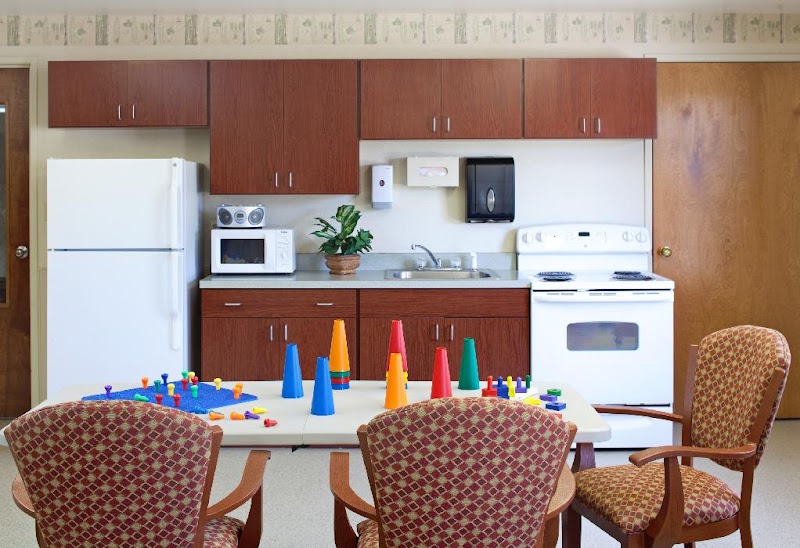
How is Hidden Valley Center Staffed?

CMS rates HIDDEN VALLEY CENTER's staffing level at 1 out of 5 stars, which is much below average compared to other nursing homes. Staff turnover is 48%, compared to the West Virginia average of 46%.

What Have Inspectors Found at Hidden Valley Center?

State health inspectors documented 46 deficiencies at HIDDEN VALLEY CENTER during 2021 to 2025. These included: 1 Immediate Jeopardy (the most serious level, indicating potential for serious harm or death), 43 with potential for harm, and 2 minor or isolated issues. Immediate Jeopardy findings are rare and represent the most serious regulatory concerns. They require immediate corrective action.
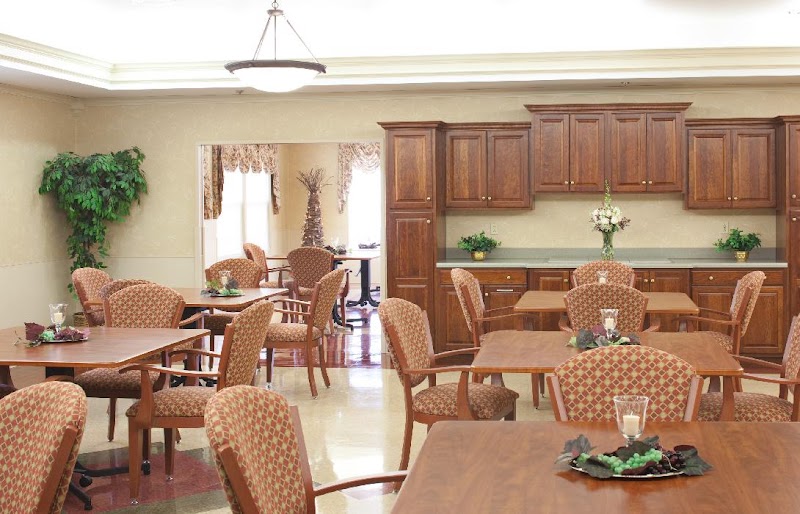
Who Owns and Operates Hidden Valley Center?

HIDDEN VALLEY CENTER is owned by a for-profit company. For-profit facilities operate as businesses with obligations to shareholders or private owners. The facility is operated by GENESIS HEALTHCARE, a chain that manages multiple nursing homes. With 80 certified beds and approximately 75 residents (about 94% occupancy), it is a smaller facility located in OAK HILL, West Virginia.
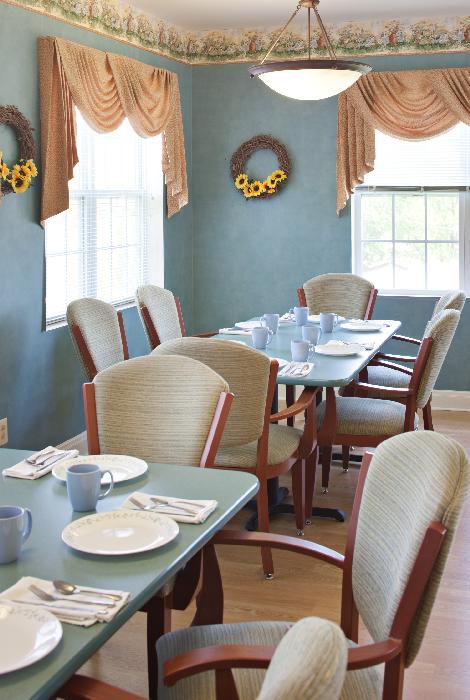
How Does Hidden Valley Center Compare to Other West Virginia Nursing Homes?

Compared to the 100 nursing homes in West Virginia, HIDDEN VALLEY CENTER's overall rating (1 stars) is below the state average of 2.7, staff turnover (48%) is near the state average of 46%, and health inspection rating (2 stars) is below the national benchmark.

What Should Families Ask When Visiting Hidden Valley Center?

Based on this facility's data, families visiting should ask: "What changes have been made since the serious inspection findings, and how are you preventing similar issues?" "Can you walk me through typical staffing levels on day, evening, and night shifts?" "Can I visit during a mealtime to observe dining assistance and food quality?" "How do you handle medical emergencies, and what is your hospital transfer rate?" These questions are particularly relevant given the facility's Immediate Jeopardy citations and the below-average staffing rating.

Is Hidden Valley Center Safe?

Based on CMS inspection data, HIDDEN VALLEY CENTER has documented safety concerns. Inspectors have issued 1 Immediate Jeopardy citation (the most serious violation level indicating risk of serious injury or death). The facility has a 1-star overall rating and ranks #100 of 100 nursing homes in West Virginia. Families considering this facility should ask detailed questions about what corrective actions have been taken since these incidents.

Do Nurses at Hidden Valley Center Stick Around?

HIDDEN VALLEY CENTER has a staff turnover rate of 48%, which is about average for West Virginia nursing homes (state average: 46%). Moderate turnover is common in nursing homes, but families should still ask about staff tenure and how the facility maintains care continuity when employees leave.

Was Hidden Valley Center Ever Fined?

HIDDEN VALLEY CENTER has been fined $16,084 across 2 penalty actions. This is below the West Virginia average of $33,240. While any fine indicates a compliance issue, fines under $50,000 are relatively common and typically reflect isolated problems that were subsequently corrected. Families should ask what specific issues led to these fines and confirm they've been resolved.

Is Hidden Valley Center on Any Federal Watch List?

HIDDEN VALLEY CENTER is not on any federal watch list. The most significant is the Special Focus Facility (SFF) program, which identifies the bottom 1% of nursing homes nationally based on persistent, serious quality problems. Not being on this list means the facility has avoided the pattern of deficiencies that triggers enhanced federal oversight. This is a positive indicator, though families should still review the facility's inspection history directly.