ABBOTSFORD HEALTH CARE CENTER
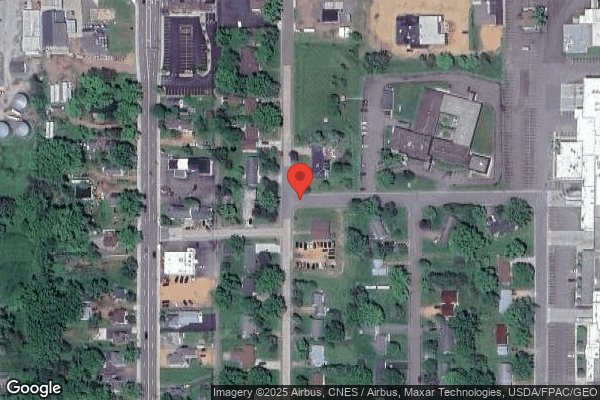
600 E ELM ST, ABBOTSFORD, WI 54405 (715) 223-2359
For profit - Corporation 78 Beds BEDROCK HEALTHCARE Data: November 2025 1 Immediate Jeopardy citation
Trust Grade
26/100
#252 of 321 in WI
Last Inspection: April 2025

Within standard 12-15 month inspection cycle. Federal law requires annual inspections.

Overview

Abbotsford Health Care Center has received a Trust Grade of F, indicating significant concerns about the facility's quality and care. It ranks #252 out of 321 nursing homes in Wisconsin, placing it in the bottom half overall, and #8 out of 8 in Marathon County, meaning there are no better local options available. The facility is worsening, with issues increasing from 10 in 2024 to 12 in 2025. Staffing is a weakness, receiving a rating of 1 out of 5 stars, and the turnover rate is at 51%, which is around the state average. Although the facility has good RN coverage, it has faced serious incidents, including a critical failure to properly assist a resident using a Hoyer lift, resulting in a fall and significant injury, and failures in food safety practices that could affect all residents.

Trust Score
F
26/100
In Wisconsin
#252/321
Bottom 22%
Safety Record
High Risk
Review needed
Inspections
Getting Worse
10 → 12 violations
Staff Stability
⚠ Watch
51% turnover. Above average. Higher turnover means staff may not know residents' routines.
Penalties
✓ Good
$15,939 in fines. Lower than most Wisconsin facilities. Relatively clean record.
Skilled Nurses
✓ Good
Each resident gets 46 minutes of Registered Nurse (RN) attention daily — more than average for Wisconsin. RNs are trained to catch health problems early.
Violations
⚠ Watch
33 deficiencies on record. Higher than average. Multiple issues found across inspections.
★☆☆☆☆
1.0
Overall Rating
★☆☆☆☆
1.0
Staff Levels
★★★☆☆
3.0
Care Quality
★★☆☆☆
2.0
Inspection Score
Stable
2024: 10 issues
2025: 12 issues

The Good

  • Full Sprinkler Coverage · Fire safety systems throughout facility
  • No fines on record

Facility shows strength in fire safety.

The Bad

1-Star Overall Rating

Below Wisconsin average (3.0)

Significant quality concerns identified by CMS

Staff Turnover: 51%

Near Wisconsin avg (46%)

Higher turnover may affect care consistency

Federal Fines: $15,939

Below median ($33,413)

Minor penalties assessed

Chain: BEDROCK HEALTHCARE

Part of a multi-facility chain

Ask about local staffing decisions and management

The Ugly 33 deficiencies on record

1 life-threatening
Aug 2025 2 deficiencies
CONCERN (D) 📢 Someone Reported This

A family member, employee, or ombudsman was alarmed enough to file a formal complaint

Potential for Harm - no one hurt, but risky conditions existed

Deficiency F0657 (Tag F0657)

Could have caused harm · This affected 1 resident

**NOTE- TERMS IN BRACKETS HAVE BEEN EDITED TO PROTECT CONFIDENTIALITY** Based on interview and record review, the facility did not update R1's care plan with new interventions and/or monitoring to pre...

Read full inspector narrative →
**NOTE- TERMS IN BRACKETS HAVE BEEN EDITED TO PROTECT CONFIDENTIALITY** Based on interview and record review, the facility did not update R1's care plan with new interventions and/or monitoring to prevent further potential elopements. The facility practice had the potential to affect 1 of 3 residents (R) (R1) reviewed. This was evidenced by the facility policy, titled Abuse, Neglect and Exploitation which states under section VII(A)(b): Defining how care provision will be changed and/or improved to protect residents receiving services. R1 was admitted to the facility on [DATE] under guardianship and with diagnoses that include benign neoplasm of meninges and mild cognitive impairment. R1's admission Minimum Data Set (MDS) indicated R1 has a BIMS of 7 (moderately impaired); displays wandering and frequency behavior of these type 1 to 3 days; uses a walker and wheelchair independently, R1's elopement evaluation completed on 07/02/25 indicates in part, R1 has a history of elopement or attempted leaving the facility without informing staff. R1's care plan initiated on 07/03/25 for Safety General/Smoker indicated that R1's guardian had given permission for R1 to go off premises to smoke as facility is a smoke-free facility. On 07/22/25, the facility reported an incident wherein R1 independently contacted a transport van and left the premises without staff authorization to attend an eye appointment that R1's guardian had previously notified R1 the appointment was cancelled until prescription was verified. Surveyor requested information from Director of Nursing (DON) B regarding interventions added to the care plan to ensure R1 is safe. DON B stated that guardian refuses wander guard, facility did notify Adult Protective Service and placed information into care plan regarding guardian's wishes of allowing resident to leave facility, but no new interventions/monitoring were put on the care plan to prevent this type of incident from reoccurring.
CONCERN (D) 📢 Someone Reported This

A family member, employee, or ombudsman was alarmed enough to file a formal complaint

Potential for Harm - no one hurt, but risky conditions existed

Accident Prevention (Tag F0689)

Could have caused harm · This affected 1 resident

**NOTE- TERMS IN BRACKETS HAVE BEEN EDITED TO PROTECT CONFIDENTIALITY** Based on interview and record review, the facility failed to ensure each resident receives adequate supervision and assistance d...

Read full inspector narrative →
**NOTE- TERMS IN BRACKETS HAVE BEEN EDITED TO PROTECT CONFIDENTIALITY** Based on interview and record review, the facility failed to ensure each resident receives adequate supervision and assistance devices to prevent accidents, allowing a resident to leave the premises without the facility's knowledge and supervision. This situation represents a risk to the resident's health and safety for 1 of 3 residents (R) R1. This was evidenced by the facility policy, titled Elopement which states: This facility ensures that resident who exhibit wandering behavior and/or are at risk for elopement receive adequate supervision to prevent accidents, and receive care in accordance with their person-centered plan of care addressing the unique factors contributing to wandering or elopement risk. Under section labeled Elopement states: Occurs when a resident leaves the premises or a safe area with authorization. R1 was admitted to the facility on [DATE] under guardianship and with diagnoses that include benign neoplasm of meninges and mild cognitive impairment. R1's admission Minimum Data Set (MDS) indicated R1 has a BIMS of 7 (moderately impaired); displays wandering and frequency behavior of these type 1 to 3 days; uses a walker and wheelchair independently, R1's elopement evaluation completed on 07/02/25 indicates in part, R1 has a history of elopement or attempted leaving the facility without informing staff.R1's Smoking and Safety Evaluation documented on 07/03/25 in part, .Gets confused about location, asking 'where am I'. If resident smokes staff are to be with her d/t altered mental status.R1's care plan initiated on 07/03/25 for Safety General/Smoker indicated that R1's guardian had given permission for R1 to go off premises to smoke as facility is a smoke-free facility. On 07/22/25, the facility reported an incident wherein R1 independently contacted a transport van and left the premises without staff authorization to attend an eye appointment. R1's guardian had previously notified R1 the appointment was cancelled until prescription was verified. On 08/29/25, Surveyor made several attempts to interview R1 but was unsuccessful. On 08/29/25 at 12:40 PM, Surveyor interviewed Licensed Practical Nurse (LPN) C who indicated being the nurse on duty on 07/22/25. LPN C stated that R1's guardian had called regarding not having R1 come to the appointment. When LPN C went down to room to talk to R1, R1 was not in room. LPN C went to go look for R1. Another staff member stated they saw R1 go out via transport. LPN C immediately contacted Director of Nursing (DON) B. On 08/29/25 at 1:01 PM, Surveyor interviewed DON B regarding facility reported incident investigation of R1 leaving facility without staff knowledge on 07/22/25. DON B stated that R1's guardian gave permission for R1 to go off premises to smoke as they are a smoke free facility, and R1 is supposed to sign out of facility when goes off premises. Surveyor requested documentation to support R1 had been signing out when going off premises on day of incident of 07/22/25 and prior. Surveyor asked DON B if any interventions were put into place to ensure R1 is safe. DON B stated that guardian refuses a wander guard, facility did notify Adult Protective Services and placed information into care plan regarding guardian's wishes of allowing resident to leave facility. DON B was not aware of any additional interventions put into place to prevent the elopement from reoccurring.On 8/29/25 at 1:50 p.m., Surveyor interviewed Certified Nursing Assistant (CNA) D and CNA E, who were aware of the elopement but stated they did not receive any education regarding elopement procedures following this incident.On 8/14/25, staff education was provided to licensed nurses regarding elopement at a nurses meeting.Surveyor asked the Director of Nursing (DON) B for a complete investigation into the elopement and education that had been completed with all staff on elopement procedures and interventions to keep R1 safe.On 08/29/25, facility was unable to provide documentation to support resident or staff interviews were conducted to complete a thorough investigation into the elopement.On 08/29/25 at 1:57 PM, DON B stated she does not have any documentation to support that R1 was signing self out to go off premises prior to incident or on 07/22/25. DON B provided no evidence of other facility staff receiving education regarding resident safety and elopements.
Jul 2025 2 deficiencies
CONCERN (D) 📢 Someone Reported This

A family member, employee, or ombudsman was alarmed enough to file a formal complaint

Potential for Harm - no one hurt, but risky conditions existed

Abuse Prevention Policies (Tag F0607)

Could have caused harm · This affected 1 resident

Based on record review and interview, the facility did not implement policy and procedures related to screening employees for a prior history of abuse, neglect, exploitation of residents, or misapprop...

Read full inspector narrative →
Based on record review and interview, the facility did not implement policy and procedures related to screening employees for a prior history of abuse, neglect, exploitation of residents, or misappropriation of resident property for 1 of 8 employees reviewed.The facility did not ensure their abuse policy was implemented when one employee's Background Information Disclosure (BID), Department of Justice Response (DOJ), and Government Findings report was not obtained before employee started working at facility. (Intern D).The facility policy, titled Abuse, Neglect and Exploitation dated 10/01/22 states: It is the policy of this facility to provide protections for the health, welfare and rights of each resident by developing and implementing written policies and procedures that prohibit and prevent abuse, neglect, exploitation and misappropriation of resident property.Under section labeled 1A. Screening states Potential employees will be screened for a history of abuse, neglect, exploitation or misappropriate of resident property. 1. Background, reference and credentials' checks shall be conducted on potential employees, contracted temporary staff, students affiliated with academic institutions, volunteers, and consultants.On 07/08/25, Surveyor reviewed 8 random staff Caregiver Background Check and Misconduct Reporting Compliance Check. Intern D was hired on 06/02/25. Surveyor found no BID, Department of Justice (DOJ), or Government Findings report completed for Intern D.On 07/08/25 AM, Surveyor interviewed Nursing Home Administrator (NHA) A regarding lack of Intern D's BID, DOJ, and Government Findings report. NHA A indicated that upon hire of Intern D the corporate office thought the facility was conducting the background information and corporate office thought the facility was conducting the background information and neither of them conducted the background information for Intern D. NHA A stated they have been having Intern D stay in the office now. (Of note---Surveyor observed Intern D on 07/07/25, walking in the building obtaining paperwork for Surveyors in resident care areas).
CONCERN (D) 📢 Someone Reported This

A family member, employee, or ombudsman was alarmed enough to file a formal complaint

Potential for Harm - no one hurt, but risky conditions existed

Deficiency F0657 (Tag F0657)

Could have caused harm · This affected 1 resident

**NOTE- TERMS IN BRACKETS HAVE BEEN EDITED TO PROTECT CONFIDENTIALITY** Based on observation and record review, the facility failed to revise the care plan for 1 of 3 residents (R) reviewed (R2). -R2...

Read full inspector narrative →
**NOTE- TERMS IN BRACKETS HAVE BEEN EDITED TO PROTECT CONFIDENTIALITY** Based on observation and record review, the facility failed to revise the care plan for 1 of 3 residents (R) reviewed (R2). -R2's care plan indicated intervention of side rail. The care plan was not revised after removal of the side rail. Findings include: R2 was admitted to the facility on [DATE]; diagnoses include congestive heart failure (CHF), morbid obesity, and anxiety disorder. R2's Minimum Data Set (MDS), completed on 04/22/25, confirmed R2 scored 15/15 during BIMS, indicating intact cognitive function. R2's care plan, last revised on 06/20/25, includes a focus of physical functioning deficit related to mobility impairment with intervention of assistive devices including side rail. Surveyor reviewed R2's bed rail assessment, dated 04/11/25, which showed bilateral side rails were indicated to serve as an enabler to promote independence, and R2 had expressed a desire to have side rails. Surveyor reviewed audits completed on 04/16/25, 04/23/25, 04/30/25, 05/08/25, and 05/16/25, by Speech-language Pathologist (SLP) J, which indicated the care plan had been updated. On 07/08/25 at 7:33 AM, Surveyor observed R2's bed did not have side rails present. On 07/08/25 at 7:34 AM, Surveyor interviewed R2. R2 reported the side rails were removed from her bed while she was hospitalized . R2 stated she was informed everyone's side rails were removed when Nursing Home Administrator (NHA) A started working there. R2 stated, I was told I couldn't have them back. R2 stated therapy was supposed to get her a trapeze, which she did not receive yet. On 07/08/25 at 8:38 AM, Surveyor interviewed Director of Nursing (DON) B. DON B stated R2's side rails had been removed per protocol due to being discharged to the hospital. DON B stated R2 had always been dependent on staff and side rails would not improve R2's bed mobility. Surveyor concluded the facility failed to revise R2's care plan upon removal of side rails.
Apr 2025 8 deficiencies
CONCERN (D)

Potential for Harm - no one hurt, but risky conditions existed

Transfer Notice (Tag F0623)

Could have caused harm · This affected 1 resident

**NOTE- TERMS IN BRACKETS HAVE BEEN EDITED TO PROTECT CONFIDENTIALITY** Based on record review and interview, the facility did not provide written notification requirements to the Office of the State ...

Read full inspector narrative →
**NOTE- TERMS IN BRACKETS HAVE BEEN EDITED TO PROTECT CONFIDENTIALITY** Based on record review and interview, the facility did not provide written notification requirements to the Office of the State Long-Term Care Ombudsman with resident transfers from the facility. This was observed for 3 of 4 residents (R) (R23, R30, and R195) reviewed that were transferred from the facility. - The Office of the State Long-Term Care Ombudsman was not notified of R23, R30, and R195's transfers from the facility. Findings include: Example 1 R23 was admitted to the facility on [DATE] with diagnoses including diabetes, urinary retention, catheter associated urinary tract infections, weakness, and unsteadiness on feet. The Minimum Data Set (MDS) assessment completed on 03/14/25 confirmed R23 scored 12/15 during Brief Interview for Mental Status (BIMS) indicating intact cognition. R23 requires staff assistance with all Activities of Daily Living (ADLs). On 04/01/25, Surveyor reviewed R23's record and noted R23 was hospitalized from [DATE]-[DATE] for influenza. Example 2 R30 was admitted to the facility on [DATE] with diagnoses including diabetes, heart failure, kidney failure, and respiratory failure. The MDS completed on 02/24/25 confirmed R30 scored 15/15 during BIMS, indicating intact cognition. R30 requires staff assistance with all ADLs. On 04/01/25 Surveyor reviewed R30's record and noted R30 was hospitalized from [DATE]-[DATE] for pneumonia. Example 3 R195 was admitted to the facility on [DATE] with diagnoses including spina bifida, pressure ulcers, osteomyelitis, and history of catheter associated urinary tract infections The MDS completed on 03/09/25 confirmed R195 scored 15/15/during BIMS assessment, indicating intact cognition. R195 requires staff assistance with all ADLs. On 04/01/25, Surveyor reviewed R195's record and noted R195 was hospitalized from [DATE]-[DATE] for sepsis. On 04/01/25, Surveyor requested evidence the Office of the State Long-Term Care Ombudsman was notified of R23, R30, and R195's transfers. The facility provided documentation of monthly updates to the Office of the State Long-Term Care Ombudsman, but R23, R30, and R195 were not included on the monthly updates. On 04/02/25 at 9:39 AM, Surveyor interviewed Social Services Director (SSD) J. SSD J confirmed she sends monthly updates to the Office of the State Long-Term Care Ombudsman each month. Surveyor noted R23, R30, and R195 were not included in the monthly updates. SSD J reported she was unsure why, and noted she was new to her position. SSD J acknowledged she might be missing information when she runs data reports and would seek additional education from the Director of Nursing (DON) to ensure she completes this correctly moving forward.
CONCERN (D)

Potential for Harm - no one hurt, but risky conditions existed

Deficiency F0625 (Tag F0625)

Could have caused harm · This affected 1 resident

**NOTE- TERMS IN BRACKETS HAVE BEEN EDITED TO PROTECT CONFIDENTIALITY** Based on record review and interview, the facility did not provide written notification requirements with resident transfers fro...

Read full inspector narrative →
**NOTE- TERMS IN BRACKETS HAVE BEEN EDITED TO PROTECT CONFIDENTIALITY** Based on record review and interview, the facility did not provide written notification requirements with resident transfers from the facility. This was observed for 2 of 4 residents (R) (R23 and R30) reviewed that were transferred from the facility. - R23 and R30 were transferred to the hospital while residing in the facility and did not have evidence they were provided the required transfer notice information. Findings include: The facility's policy and procedure titled Bed Hold Policy and Notice of Transfer, read in part .When a Resident is discharged to the hospital or goes on a leave of absence, the following bed hold policy takes effect: Medicaid/T19: Medicaid will hold a bed for you up to fifteen (15) days following the leave or until you waive your right to have the bed held, whichever is earlier. After the fifteenth (15) day you will be offered the first appropriate bed available. Medicare/Private Pay: We will hold a bed for you as long as you agree to continue to pay the room and board rate per day of absence. A copy of the bed hold policy will be sent with the Resident at the time of hospitalization. A copy will also be sent to the responsible party within 24 hours Please notify Social Services to confirm bed hold. Example 1 R23 was admitted to the facility on [DATE] with diagnoses including diabetes, urinary retention, catheter associated urinary tract infections, weakness, and unsteadiness on feet. The Minimum Data Set (MDS) assessment completed on 03/14/25 confirmed R23 scored 12/15 during the Brief Interview for Mental Status (BIMS) indicating intact cognition. R23 requires staff assistance with all Activities of Daily Living (ADLs). On 04/01/25, Surveyor reviewed R23's record and noted R23 was hospitalized from [DATE]-[DATE] for influenza. Surveyor was unable to find evidence R23 was provided with a bed hold and transfer notice for this hospitalization. Surveyor requested this from the facility. On 04/01/25 at 1:18 PM, Surveyor interviewed Director of Nursing (DON) B. DON B stated she thought this had been provided to R23 but was unable to locate it. Example 2 R30 was admitted to the facility on [DATE] with diagnoses including diabetes, heart failure, kidney failure, and respiratory failure. The MDS completed on 02/24/25 confirmed R30'S BIMS score of 15/15, indicating intact cognition. R30 requires staff assistance with all ADLs. On 04/01/25, Surveyor reviewed R30's record and noted R30 was hospitalized from [DATE]-[DATE] for sepsis and 10/07/24-10/09/24 for shortness of breath. Surveyor was unable to find evidence R30 was provided with a bed hold and transfer notice for these hospitalizations. On 04/01/25, Surveyor requested documentation of R30's bed hold and notice of transfer. Facility provided documentation indicating verbal notice was given to R30. Documentation did not include R30's signature or verification R30 was provided notice of bed hold. On 04/02/25 at 1:25 PM, Surveyor interviewed R30. R30 was unable to recall the facility provided verbal notification of bed hold.
CONCERN (D)

Potential for Harm - no one hurt, but risky conditions existed

Comprehensive Care Plan (Tag F0656)

Could have caused harm · This affected 1 resident

**NOTE- TERMS IN BRACKETS HAVE BEEN EDITED TO PROTECT CONFIDENTIALITY** Example 2 R195 was admitted to the facility on [DATE] with diagnoses including spina bifida, pressure ulcers, osteomyelitis, and...

Read full inspector narrative →
**NOTE- TERMS IN BRACKETS HAVE BEEN EDITED TO PROTECT CONFIDENTIALITY** Example 2 R195 was admitted to the facility on [DATE] with diagnoses including spina bifida, pressure ulcers, osteomyelitis, and history of catheter associated urinary tract infections The MDS completed on 03/09/25 confirmed R195 scored 15/15 on the BIMS assessment, indicating intact cognition. R195 requires staff assistance with all ADLs. The MDS assessment indicated R195 did not use tobacco. R195's care plan included: - Tobacco Use Date Initiated: 03/25/2025, Resident will Adhere to the Tobacco/Smoking Policies of the Facility Date Initiated: 03/25/2025, Target Date: 06/01/2025. Surveyor noted R195's care plan did not indicate a safe smoking plan was in place including supervision requirements, safety measure requirements, and where smoking materials would be kept. On 03/31/25 at 4:00 PM, Surveyor observed R195 outside smoking without staff assistance. R195 was with another resident. Surveyor observed R195 drop his lighter on the ground and was unable to pick it up himself. On 04/01/25, Surveyor reviewed R195's record and noted a smoking safety assessment was completed on 03/25/25, indicating R195 was safe to smoke without supervision. On 04/01/25 at 1:35 PM, Surveyor interviewed Director of Nursing (DON) B. DON B reported R195 was known to smoke cigarettes upon admission; however, R195 did not have cigarettes when he was admitted to the facility. DON B stated R195 was hospitalized from [DATE]-[DATE], and he returned to the facility with cigarettes. DON B stated R195's smoking care plan, Must have been missed. Based on observation, interview and record review, the facility did not develop and implement a person-centered care plan for each resident consistent with resident rights including services to attain or maintain the resident's highest or practicable physical, mental or psychosocial needs for 2 of 12 residents reviewed (R8, R195). R8 did not have an activity care plan including accommodations for vision and hearing deficits. R8 did not have preferences assessed for meal choices and interventions in place in care plan. R195 did not have a safe smoking care plan. Findings include: Example 1 R8 was admitted to the facility on [DATE]. Facility Policy titled Comprehensive Care Plans, last revised on 10/01/2022, states in part: Person-centered care means to focus on the resident as the locus of control and support the resident in making their own choices and having control over their daily lives. The policy also states in part: Resident's preferences will also be addressed in the plan of care. Minimum Data Set (MDS) assessment completed upon admission indicated hearing and vision as adequate. On 03/31/25 at 10:22 AM, Surveyor interviewed R8. R8 requested the surveyor speak louder as she had a hard time hearing. Surveyor noted R8 wearing glasses. R8 states she always wears them and still has a difficult time reading and seeing some things. R8 takes them off at bedtime. R8 states she loves to play bingo, however, when she does not sit close enough to the bingo caller, she has a difficult time playing independently and staff does not offer her assistance. This causes her to miss numbers and lessens her chances of winning. On 03/31/25 at 10:25, AM R8 reports she can't eat some of the food they serve, and she is not offered alternatives. R8 states no one has talked with her about preferences. R8 stated she just eats what she can and what she likes from the foods given to her. On 04/01/25 at 10:33 AM, Surveyor noted no vision/hearing accommodations or eyeglasses listed in care plan. On 04/01/25 at 11:14 AM, Surveyor interviewed Registered Nurse (RN) I. RN I stated she completes the care plan based on the admission orders from the provider. RN I meets with residents after the assessment is already complete and reports the MDS does not get changed if there are discrepancies. RN I reports the nurses make any changes in the care plan. On 04/01/25 at 11:14 AM, Surveyor interviewed Activity Director (AD) N. AD N reports they call loudly for bingo players and hold the cards up to show around the room. AD N stated herself and sometimes a helper, will go around the room and help those with need for grasping assistance. When asked about activity care plans, AD N stated those are new to her and she has not done an activity care plan. AD N also stated RN I was currently doing them. On 04/01/25 at 11:16 AM, Surveyor interviewed RN R. RN R reports RN I initiates the care plans upon resident admission and the nurses update them as needed. On 04/01/25 at 11:20 AM, Surveyor interviewed RN I. RN I stated she does initiate the care plans upon resident admission. RN I then stated the activity care plans are completed by herself and AD N together. On 04/01/25 at 11:30 AM, Surveyor reviewed R8's care plan. Intervention in nutrition care plan reads in part provide food preferences as desired. On 04/01/25 at 2:21 PM, Surveyor interviewed Dietary Manager (DM) C in relation to preferences assessments upon admission. DM C reports that she completes them sometimes. DM C gave Surveyor a copy of a monthly suggestion form that residents can fill out each month with questions, suggestions, complaints, and compliments. Surveyor requested preference assessment for R8. DM C stated she would look to see if a preference assessment was completed and give to Surveyor if available. On 04/02/25 at 8:43 AM, no additional information was given to surveyor regarding preferences assessment and implementation. The facility failed to develop and implement a person-centered care to meet the resident's needs and preferences.
CONCERN (D)

Potential for Harm - no one hurt, but risky conditions existed

Quality of Care (Tag F0684)

Could have caused harm · This affected 1 resident

**NOTE- TERMS IN BRACKETS HAVE BEEN EDITED TO PROTECT CONFIDENTIALITY** Based on observation, interview and record review, the facility did not ensure a resident with diabetic ulcers received necessar...

Read full inspector narrative →
**NOTE- TERMS IN BRACKETS HAVE BEEN EDITED TO PROTECT CONFIDENTIALITY** Based on observation, interview and record review, the facility did not ensure a resident with diabetic ulcers received necessary treatment and services to promote healing for 1 of 5 (R8) residents reviewed. -R8 did not receive active wound treatment orders for several days and the medical record did not have orders transcribed from wound clinic for nutritional supplements and protective boot to help promote wound healing and did not address recommendations from Registered Dietician (RD) to help promote wound healing. Findings include: R8 was admitted on [DATE]. Minimum Data Set (MDS), completed on 02/25/2025, confirmed R8 scored 9/15 during Brief interview for Mental Status (BIMS), indicating moderately impaired cognition. The facility policy titled Wound Management reads in part, Wound treatments will be provided in accordance with physician orders, including the cleansing method, type of dressing, and frequency of the dressing change. It also reads in part, In the absence or treatment orders, the licensed nurse will notify physician to obtain treatment orders. Diagnoses include: Chronic obstructive pulmonary disease (COPD), diabetes mellitus, anxiety, depression, peripheral vascular disease, congestive heart failure (CHF), coronary artery disease (CAD), hypertension, and multidrug-resistant organisms (MDRO). Orders include: Record review showed wound orders in place on 02/20/25 through 02/27/25 for lower left extremity (LLE) heel, top of foot, and ankle: Apply collagen to wound bed, apply Opticell over wounds. Cover with abdominal (ABD) pad, secure with kerlix and tape. Ok to Ace wrap lightly. These orders were present in treatment administration record (TAR) and were marked as completed. Record review showed orders from 03/01/25 through 3/19/25: (LLE)-Apply collagen to wound bed. Apply calcium alginate and cover wounds. Cover with ABD pad and secure with kerlix and tape. These orders were present in the TAR and marked as completed. Documentation states R8 had an appointment scheduled with the wound clinic on 03/19/25. Orders given by wound clinic at 03/19/25 appointment: Wound culture obtained at appointment. (LLE)- Remove old dressing without moistening. Apply 1 inch rolled gauze moistened with didaksol 0.0125% moistened gauze onto wound bed. Cover with gauze, secure with rolled kerlix. Ace wrap from toes to knee. Change dressing twice daily until follow up. Once daily staff to wash foot with dressing change and apply lotion. Follow up in one week. Patient has x-ray scheduled for 03/27/25 at 12:30pm then will see wound clinic after. The appointment for 03/27/25 was rescheduled. Treatment remained in place until 03/28/25 and was marked complete. Order did not remain in place until follow up as ordered. No active wound treatment orders from 03/29/25 until after wound appointment on 04/01/25. Order on 03/19/25 per wound clinic for R8 to have 4 ounces of house nutritional supplement twice daily for wound healing. The orders also read in part . Wear Prevalon boot to left foot at all times. Nutritional supplement order not entered until 04/02/25. On 03/24/25, wound clinic called facility with verbal orders for Doxycycline 100mg. Take 1 tab at bedtime for 10 days for staph infection. Orders entered to begin on 03/25/25. Surveyor noted R8's appointment on 03/27/25 was cancelled and rescheduled for 04/01/25 due to transportation issue. On 03/28/25, nutrition progress notes state, zinc supplement recommended to promote wound healing. R8's medical record shows no zinc supplement order in place. No documentation found to dispute recommendation. Orders given by wound clinic on 04/01/15 Santyl External Ointment 250 UNIT/GM (Collagenase) Apply to left foot wounds topically one time a day for wound care Remove old dressing, rinse with saline. Apply santyl to wound bed, about 2mm in thickness to wound only, do not apply to periwound. Cover with gauze and abd, secure with rolled gauze. If Santyl does not arrive call wound clinic and start wound care as follows until santyl is available. Remove old dressing, rinse with saline, apply didaksol 0.0125% moistened gauze, soak for 10 min. Apply idoflex clay cut to size with one side of mesh removed, apply unmeshed side to wound bed. Cover with ABD and secure with rolled gauze. Change dressing every other day and as needed. On 04/02/25 at 12:37 PM, Surveyor reviewed TAR. Order for Prevalon boot states it is to be worn at all times. The active order in R8's medical record is twice daily. It is being monitored on AM and PM shifts only. Documentations show the boot was on AM and PM shifts on only 9 of 31 days in March. On 04/02/25 at 8:58 AM, Surveyor observed air mattress on bed, with correct settings and in working order. Pressure relief cushion present on wheelchair. Prevalon boot was not on as ordered. Surveyor interviewed R8. R8 stated that she wears it in bed. No indication of refusal or risks/benefits found in care plan in relation to this. On 04/02/25 at 9:30 AM, Surveyor observed Registered Nurse (RN) S perform wound care on R8. Appropriate technique used. While observing, Surveyor interviewed RN S. RN S stated she believes R8 goes to the wound clinic weekly but would have to ask Director of Nursing (DON) B. RN S also stated when R8 returns from the wound clinic, the nurses confirm and enter any new orders. RN S stated that usually the facility receives a fax if no orders return in the envelope that goes with R8 to the appointment. If no orders received by either method, they are to reach out to the wound clinic for clarification. On 03/31/25 at 10:35 AM, Surveyor interviewed R8. R8 stated she had wounds on top of her left foot and ankle. R8 has a below knee amputation on the right. Surveyor asked how often dressings are done. R8 stated they were supposed to be changed once in the morning and once at night, but that staff had not been doing them. When asked the last time they were done, R8 reported about 2 days ago. Survey observed R8 did not have Prevalon boot on left foot as ordered. Date on dressing marked 03/28/25. Surveyor did not observe staff performing dressing change as ordered. No treatment present in the TAR. On 04/01/25 at 2:38 PM, Surveyor interviewed RN R. No new orders were sent back with resident from the wound clinic following appointment on this day. RN R will follow up with wound clinic as all they sent back was a few supplies for wound care. Surveyor informed RN R about wanting to observe wound treatment on 04/02/25. On 04/02/25 at 2:20 PM, Surveyor interviewed Nurse Supervisor (NS) T from wound clinic about R8's wounds and cause. Assessment of wounds on 04/01/25 showed slight worsening. The measurements were the same prior to and after debridement. There also showed no improvement. On 04/03/25 at 8:30 AM, Surveyor interviewed DON B. DON B addressed the gap from admission to first wound appointment. DON B stated R8 was going to the wound clinic once a month while residing at previous facility. DON B was unable to provide documentation to confirm monthly appointments while residing a previous facility. Surveyor asked DON B about the wound culture and results. DON B stated wound culture was obtained at appointment on 03/19/25. Wound culture results indicated moderate growth Staphylococcus aureus, which R8 was placed on doxycycline 100mg. Take 1 tab by mouth at bedtime for 10 days. Surveyor asked about the dietician recommendations for zinc supplement and where those orders are located. DON B stated usually dietician enters her own orders. DON B also stated they meet as a team to discuss recommendations, and the dietician sends her an email. DON B was able to locate an email with zinc recommendation. DON B told Surveyor it had been missed during review and had not been addressed. DON B stated it was due to it being a random dietician instead of their usual one that made the recommendation. DON B did not provide date of the email from the dietician. Surveyor asked DON B about how the monitoring for Prevalon boot use was scheduled. DON B stated the nurses split the night shift and that is the reason it was only put in for 2 of 3 shifts for monitoring. DON B stated she would address the care plan and speak with resident regarding risks and benefits of only wearing the boot at night. Surveyor gave DON B the opportunity to provide any other documentation the facility may have related to R8's wounds and treatments. The facility did not provide any other documentation for Surveyor. The facility failed to ensure R8 received the treatment and services to promote wound healing.
CONCERN (D)

Potential for Harm - no one hurt, but risky conditions existed

Infection Control (Tag F0880)

Could have caused harm · This affected 1 resident

**NOTE- TERMS IN BRACKETS HAVE BEEN EDITED TO PROTECT CONFIDENTIALITY** Based on observation, interview and record review, the facility failed to maintain an infection prevention and control program d...

Read full inspector narrative →
**NOTE- TERMS IN BRACKETS HAVE BEEN EDITED TO PROTECT CONFIDENTIALITY** Based on observation, interview and record review, the facility failed to maintain an infection prevention and control program designed to provide a safe, sanitary, and comfortable environment and to help prevent the development and transmission of infections for 2 of 4 sampled residents (R96 and R20). *Observations of 1 of 2 residents with a catheter, the catheter bag was positioned in a manner that allowed it to drag across the floor as the resident moved about in their wheelchair. *During 1 of 3 dressing change observed clean dressing was contaminated as it touched the floor. This is evidenced by: Example 1 The facility Policy entitled Catheter Care, no date, does not address the positioning of the catheter bag. R96 was admitted to the facility in March 2025 and has diagnoses that include urinary retention, and benign prostatic hyperplasia. On 03/31/25 at 2:00 PM, Surveyor observed R96 in the hallway sitting in wheelchair with the catheter urine collection bag on the lowest part of the wheelchair cross bars. The catheter bag rested on the carpeted flooring and dragged on the floor as R96 moves about the area. On 04/01/25 at 11:47 AM, Surveyor observed R96 in dining room sitting in wheelchair with the catheter urine collection bag on the lowest part of the wheelchair cross bars. The catheter bag rested on the flooring and dragged on the floor as R96 moved about the area. On 04/02/25 at 12:15 PM, Surveyor observed R96 sitting at the dining room table with catheter bag on lowest part of the wheelchair crossbars. The catheter bag rested on the flooring and was dragging on the floor as the resident moved about. On 04/03/25 at 11:48 AM, Surveyor interviewed Registered Nurse (RN) I who is the facility infection preventionist. RN I stated the floor is always considered to be a dirty surface. When asked about how catheter bags should be kept, RN I responded, Catheter bags should be kept below the level of the bladder - and up off the floor. When told about the above observations, RN I agreed the catheter bag should be kept up off of the floor, to help in preventing infection. Example 2 R20 was admitted to the facility on [DATE] and has refused to complete a brief interview of mental status (BIMS) assessment to indicate cognitive ability. R20 has several pressure injuries to the left lower extremity and is receiving hospice services. On 04/01/25 at 10:19 AM, during a dressing change procedure, Surveyor noted the gauze used to place between toes of R20 was touching the floor and was lying directly under RN G's foot. Surveyor also noted the measuring tool that was used to measure the medial aspect of left ankle was touching the floor, hanging off the clipboard that staff was writing the measurements on. Surveyor asked RN G about the observations. RN G indicated she should not have used any of the items that touched the floor for R20's dressing change. On 04/01/25 at 12:23 PM, Surveyor informed Director of Nursing (DON) B of the observation of gauze and measurement tool touching the floor. DON B replied, I would expect them to not use something that touched the floor during the dressing change.
CONCERN (F)

Potential for Harm - no one hurt, but risky conditions existed

Deficiency F0801 (Tag F0801)

Could have caused harm · This affected most or all residents

Based on interview and record review, the facility did not designate a person to serve as the director of food and nutrition services who had completed the minimum qualification requirements for the p...

Read full inspector narrative →
Based on interview and record review, the facility did not designate a person to serve as the director of food and nutrition services who had completed the minimum qualification requirements for the position. This practice could potentially affect all 48 residents residing in the facility. The facility's Dietary Manager (DM) C is currently enrolled but has not finished the Nutrition & Food Service Professional Program. The facility does not have a full-time Registered Dietician at the facility. Findings include: Surveyor requested and received the facility policy titled Dietary Manager, which is not dated. The policy reads in part: Required Qualifications: Minimal Requirements include one of the following: ~Certification as a dietary manager ~Certification as a food service manager ~Has an associates or higher degree in food service management or in hospitality, if the course of study includes food service or restaurant management, from an accredited institution of higher learning ~Has 2 or more years of experience in the position of director of food and nutrition services in a nursing facility setting and has completed and enrolled in a course of study in food safety management . On 4/02/25 at 9:49 AM, Surveyor interviewed DM C about the qualifications she held that allowed them to assume the role of dietary manager. DM C stated she enrolled in the Nutrition & Food Service Professional Program in December 2023. DM C has not yet completed the program. DM C further expressed she was given a course extension until 9/01/25 due to not completing the program by end of 2024. Surveyor asked DM C if the facility has a full time Registered Dietician (RD) in the facility. DM C expressed the facility does not have a full-time Registered Dietician at the facility. The RD is in the building 1-2 days a week.
CONCERN (F)

Potential for Harm - no one hurt, but risky conditions existed

Food Safety (Tag F0812)

Could have caused harm · This affected most or all residents

Based on observations, interviews and record review, the facility did not prepare, store and distribute food in a sanitary manner. This has the potential to affect all 48 residents. Dietary Aide (DA) ...

Read full inspector narrative →
Based on observations, interviews and record review, the facility did not prepare, store and distribute food in a sanitary manner. This has the potential to affect all 48 residents. Dietary Aide (DA) D was observed pulling a tray of clean drinking glasses and plastic mixing containers from the dishwasher, stacking them together while wet and placing them in the cupboard while dripping water on the floor and counter. Surveyor observed the kitchen's handwashing sink with heavy lime and dirt build up on facet handles, drain, and basin. Surveyor observed items stored in refrigerators and freezers used to store resident food brought in from outside sources, not dated or labeled with resident names or use by dates. Findings include: It is the policy of the facility to ensure dishes are washed and air dried to prevent contamination. Surveyor requested the facility policy regarding washing dishes. Dietary Manager (DM) C provided policy titled Sanitization which is dated 1/2025. Policy notes the expectations that dishes will be allowed to air dry as discussed with DM C. DM C provided training log titled Air Drying & Wet Nesting Education presented by DM C dated 4-1-2025. Document states that preventing the air drying of dishes creates conditions for microorganisms to grow. Proper air drying of dishes that pass through high temp dish machine prevents bacteria growth. Facility policy titled Food brought in From Outside Sources dated January 2024. Policy states, Food is to be labeled with the resident's name, name of the food item and the date of the preparation or purchase. Policy titled 'Refrigerators and Freezers dated January 2025 states, Designated employees will be responsible for ensuring food items in pantry, refrigerators and freezers are not expired or past perish dates. Policy titled Date marking for Food Safety states, The food shall be marked to indicate the date or day by which the food shall be consumed or discarded. Prepared foods that are delivered to the nursing home units shall be discarded within two hours, if not consumed. These items shall not be refrigerated as the time/temperature controls cannot be verified. It is the facility policy that food brought in from outside sources will be labeled with content of container if not marked on package, resident name and date brought in. Example 1 On 04/01/25 at 9:40 AM, Surveyor observed DA D remove a tray of dishes from the dish machine. DA D immediately stacked drinking glasses together and walked them to the cupboards in the dining room for storage. Water dripped on the floor as DA D walked to the counter and while opening cupboard doors. DA D returned to dishwashing area, removed plastic mixing containers, stacked them together and walked them to a wire rack for storage. On 04/01/24 at 9:42 AM, Surveyor interviewed DA D and asked if DA D is usually responsible for washing dishes and putting them away. DA D responded that is correct. Surveyor asked DA D about observation. DA D stated that all dishes should be dry before being stacked and put away. DA D stated understanding of the potential for bacteria growth if items are stacked and stored while wet. On 04/01/24 at 9:44 AM, Surveyor interviewed Dietary Manager, (DM) C about observation. DM C indicated that her expectations for safe kitchen practices were not met. DM C stated that all kitchen staff are trained on safe dishwashing and storage standards of practice based on Wisconsin Food Code. Example 2 On 04/01/25 at 9:21 AM, Surveyor interviewed DM C and asked about a facility policy regarding kitchen cleanliness. DM C referred back to policy titled Sanitization dated 1/2005. DM C noted section 14, which states Kitchen and dining room surfaces not in contact with food shall be cleaned on a regular schedule and frequently enough to prevent accumulation of grime. DM C provided document titled Monthly Cleaning Schedule April 2025. DM C pointed to task for DA D titled Hand Sinks: Deep clean handles, inside and outside of sinks. Delime and scrub off built up sediment / hard water build up. DM C stated this task was added today, 4/1/2025, and had not previously been on the kitchen's cleaning schedule. Surveyor observed DA D washing dishes after breakfast. DA D used a hand washing sink next to the high heat dishwasher. Faucet handles, drain and basin had heavy dirt, lime and hard water build up. Surveyor observed [NAME] F access and utilize a larger sink away from dishwashing equipment for hand washing. Surveyor interviewed DA D about observation. DA D stated that she does not know when the sink was last deep cleaned. Surveyor interviewed DM C about observation and accompanied her to sink for inspection. DM C stated that sink did not meet her expectations for cleanliness, and she would add the task to DA D's regular cleaning log. Example 3 On 04/02/25 at 11:49 AM, Dietary Manager (DM) C showed Surveyor refrigerators and freezers used to store resident food brought in from outside facility. One was located near the dementia care unit and the other was located in a utility closet near 200 wing of resident rooms. Surveyor observed multiple examples of opened foods in the refrigerators and the freezers with no label identifying foods stored in containers, resident names or dates. One resident, R193, consistently labeled food with a name, but not a date. Surveyor observed sandwiches with no name or date, open ice cream lacking names and dates, Boost protein drinks lacking dates, and French dressing and mayonnaise opened without names or dates. Surveyor also observed banana pudding, fruit cups and sandwiches prepared by the facility, but not eaten during mealtimes, stored in the refrigerators and freezers used for foods brought in from outside the facility. R193 had written his name on the food prepared for him by the facility during scheduled mealtimes, but did not label the contents of the container nor the date stored. During the observation, Surveyor interviewed DM C and asked if observed labeling met expectations. DM C stated that expectations were not met satisfactorily. Surveyor asked DM C what concerns exist for outdated food. DM C responded expired foods can cause food borne illness that can spread to other residents. Surveyor asked DM C how often the refrigerators and freezers are checked and expired foods discarded. DM C stated that refrigerators are cleaned monthly and expired foods are discarded.
CONCERN (F) 📢 Someone Reported This

A family member, employee, or ombudsman was alarmed enough to file a formal complaint

Potential for Harm - no one hurt, but risky conditions existed

Safe Environment (Tag F0921)

Could have caused harm · This affected most or all residents

**NOTE- TERMS IN BRACKETS HAVE BEEN EDITED TO PROTECT CONFIDENTIALITY** Based on observation, staff interview and record review, the facility did not provide a safe functional, sanitary and comfortabl...

Read full inspector narrative →
**NOTE- TERMS IN BRACKETS HAVE BEEN EDITED TO PROTECT CONFIDENTIALITY** Based on observation, staff interview and record review, the facility did not provide a safe functional, sanitary and comfortable environment for all 48 residents. Frayed carpet found on three units in the hallways. Spots on carpet on all four units throughout the building. Bathroom floor with stains in room [ROOM NUMBER]. Sections of walls with punctures, black marks, and missing paint. Findings: On 04/03/2025 at 8:30 AM, Surveyor noted frayed carpet on 100 hallway between rooms [ROOM NUMBERS]. There was a circular metal in the floor that is 6 inches in diameter with frayed carpet around it. Frayed carpet noted in sitting room outside of the dining room along the seam that is 3 feet from the wall with windows. This frayed carpet runs the full length of the room. On the 200 hallway outside of room [ROOM NUMBER], there is a circular metal in the middle of the hallway that has frayed carpet around it. On the 300 hallway carpet is frayed around 6-inch metal circle between room [ROOM NUMBER] and 311. There is a 5.5-inch metal circle outside of room [ROOM NUMBER] with frayed carpet. There is a seam that travels across hallway from room [ROOM NUMBER] to room [ROOM NUMBER] with frayed carpet. There are spots on the carpet on the 100 hallway from the lobby door to room [ROOM NUMBER]. There are 18 dark spots in the carpeting with the largest being 19 X 24 inches outside of room [ROOM NUMBER]. From the lobby door to room [ROOM NUMBER] there are 25 white colored spots on the carpet with the largest being 2.5 X 3.5 inches outside of room [ROOM NUMBER]. There was one large white spot on the carpet outside of room [ROOM NUMBER] that measured 6 X 6.5 inches. On the 200 hallway there were 15 white spots on the carpeting from room [ROOM NUMBER] to 215 with the largest being 22 X 44 inches outside of room [ROOM NUMBER]. On the intersection of the 300 and 400 hallway there was a white spot that measured 7 x 22 inches and one dark spot that measured 6 x 8 inches. Several interviews of staff were not able to tell Surveyor what the spots may be. The housekeeping staff stated the white spots may come from a strong cleaner. Surveyor interviewed Registered Nurse (RN) G and Director of Nursing (DON) B and neither of them could tell Surveyor what caused the spots. DON B indicated these spots have been there as long as she has worked here. Review of the facility staff list indicated that DON B's hire date was 11/28/2022. On 04/03/25 at 10:34 AM, Surveyor interviewed Maintenance Director (MD) H about the spots on the floor. Surveyor asked MD H what can you tell me about the dark and white spots on the floors. MD H indicated that he would be speculating on his part, but housekeeping shampoos the carpets. The carpet could have been treated wrong. The facility had a meeting about replacing the flooring where it is carpeted. Surveyor asked MD H if these could be removed and he indicated probably not. Surveyor asked MD H, Is there a cleaning schedule for the carpets? MD H replied, I have been here 6 months and they have probably shampooed the carpet maybe 4-5 times. Surveyor asked MD H, How about the flooring in the bathroom in room [ROOM NUMBER]? MD H replied, That is not a good deal. The floor in the bathroom in room [ROOM NUMBER] has a brown stain that covers the entire floor. In room [ROOM NUMBER], the wall in the bathroom near the light switch has unfinished sheetrock, which measures 24.5 x 30 inches and around the soap dispenser is 1 inch wide all the way around the dispenser. There is a section of the wall between the shower/toilet room and Hoyer storage alcove under the handrail, which measures 100.5 x 22 inches and has 14 puncture marks in it. There is a puncture mark in the wall under the handrail under an outlet between room [ROOM NUMBER] and room [ROOM NUMBER]. A sheetrock wall in the blue room between the two entrance doors from hallway has several black marks. The largest black mark measures 11 x 0.75 inches. On the same wall, is a 0.5 x 0.75 inch section with missing paint and a hairline crack in the paint, which measures 40 inches long. Surveyor showed MD H these wall issues and asked about the punctures in the walls. MD H indicated the punctures may be from a wheelchair or a cart. Surveyor asked about the sheetrock in bathroom [ROOM NUMBER] and blue room. MD H replied, I am a one man show here and there are things that I'd like to do. On 04/03/25 at 11:42 AM, Surveyor interviewed DON B about the issues with flooring and sheetrock. DON B indicated these issues were brought to corporate's attention and that maybe I could find some bids. DON B was unable to find any documentation.
Dec 2024 1 deficiency
CONCERN (E) 📢 Someone Reported This

A family member, employee, or ombudsman was alarmed enough to file a formal complaint

Potential for Harm - no one hurt, but risky conditions existed

Accident Prevention (Tag F0689)

Could have caused harm · This affected multiple residents

**NOTE- TERMS IN BRACKETS HAVE BEEN EDITED TO PROTECT CONFIDENTIALITY** Based on observation, interview, and record review, the facility failed to ensure the resident environment remained as free of a...

Read full inspector narrative →
**NOTE- TERMS IN BRACKETS HAVE BEEN EDITED TO PROTECT CONFIDENTIALITY** Based on observation, interview, and record review, the facility failed to ensure the resident environment remained as free of accident hazards as possible having the potential to cause harm to 15 of 15 residents that use mechanical lifts (R1, R2, R3, R4, R5, R6, R7, R8, R9, R10, R11, R12, R13, R14, R15). Staff did not verify proper sling size or safe functioning of the mechanical lift prior to transfer of R1 on 11/22/24. The lift tipped over resulting in the sling bar striking R1 in the face resulting in a bruise and laceration below the left eye that required transfer to the hospital and tissue adhesive repair. Observations of transfers for R2, R3, and R4 demonstrate staff were not aware of how to determine proper sling size. Maintenance is not knowledgeable on lift inspections to ensure safety of lifts. Findings include: Proactive Medical Products Patient Sling Reference guide states, in part: It is very important to use the correct sized sling and make sure it is fitted properly prior to lifting. This ensures the safety of both the person being lifted and the caregiver .the goal of the size and weight guide is to assist those responsible for selecting the correct sling on a patient-by-patient basis and outlines a few factors that need to be addressed [height and weight] in the selection of the appropriate type of sling for a patient. A color-coded reference chart was included for heights ranging from 59 inches to 76 inches and weights from 75 lbs. to 500 lbs. Proactive Medical Products Protekt 600 Lift Power Patient Lift model: 33600 owner's manual states, in part: WARNING! Service and repair of this equipment should be performed only by an authorized dealer .At least once a month, the lift should be thoroughly inspected by a person qualified to recognize any signs of wear, and looseness of bolts or parts. Example 1 R1 was admitted to the facility on [DATE] with pertinent diagnoses of congestive heart failure and morbid obesity. R1's most recent quarterly Minimum Data Set (MDS) dated [DATE] indicated R1 required total assistance with transfers and is considered a fall risk. R1 had a Brief Interview for Mental Status (BIMS) score of 14 out of 15, indicating cognition was intact. R1's care plan: FOCUS I have a physical functioning deficit related to mobility impairment. Initiated date: 04/05/24 GOAL I will improve my current level of functioning. Target date: 11/07/24 INTERVENTIONS: Assistive Devices - wheelchair, hoyer lift Transfer assist of 2 with hoyer lift Revised date: 04/12/24 Care plan does not include type or size of sling to be used during mechanical lift transfers. Facility self-report of incident stated on 11/22/24, R1 was transferred from bed to wheelchair in full body sling by 3 Certified Nursing Assistants (CNA) using mechanical lift. During transfer, the lift tipped over causing the sling bar to strike R1 in the face resulting in a bruise and laceration below left eye. R1 did not fall out of sling. CNAs called for additional assistance and with a total of 5 staff were able to reposition R1's wheelchair under sling and safely lower R1 into wheelchair. R1 was transferred to the emergency room. Hospital Discharge summary dated [DATE] states: Patient has an area of ecchymosis to the left lower eye lid with a 1 cm superficial laceration just below the lateral epicanthal fold. Skin repair method: tissue adhesive. R1 was discharged and returned to the facility the same day. Facility completed an investigation and determined the root cause to be unsafe transfer due to mechanical lift positioning with wheelchair by CNAs. Facility completed mechanical lift transfer safety with staff and included audits of safe transfers. Education did not include choosing appropriate sling size for residents based on weight and height as recommended by manufacturer's guidelines. Mechanical lifts were not assessed for safety after incident. Surveyor was unable to interview R1 regarding incident as R1 is no longer in the facility. On 12/30/24 at 11:30 AM, Surveyor had CNA C demonstrate use of mechanical lift for transfers. CNA C stated the facility has two mechanical lifts used for resident transfers. One lift had a sticker identifying it as a Proactive Medical Product with a serial number of 33600. CNA C stated this was the lift used in R1's transfer. The mechanical lift had a foot lever to open and close the base legs. When foot lever was pushed to have legs engaged in open position, CNA C was able to close legs by pushing on base leg frame with light pressure which would disengage the foot lever back to closed position. CNA C stated this lift was brought to Maintenance Director (MD) F's attention via work order immediately after the incident, but it has not been fixed. Surveyor asked CNA C when this was first noticed. CNA C stated this lift has been this way since starting employment in 2022. Surveyor asked if this had been brought to management's attention prior to incident. CNA C stated yes but could not recall specific dates. On 12/30/24 at 11:47 AM, Surveyor interviewed MD F. Surveyor asked about mechanical lift inspections. MD F stated that he is responsible for inspecting the equipment and does so daily. Surveyor asked what training and education was provided on the specific mechanical lift equipment used in the facility. MD F stated that no training was provided specifically on the equipment and his role is to monitor structural integrity and safety of equipment. Surveyor asked if MD F was aware of the mechanical lift's base legs being able to move to closed position without using the foot lever and if this was acceptable. MD F stated that he was aware of this but was unsure if it that was an expected function or not. Surveyor asked MD F if he was unable to state how the lift should operate appropriately and safely, how he could assess if repairs needed to be made or if the lift could be used safely. MD F stated that he hadn't thought of that and that he really couldn't determine if the lift equipment was operating as intended. Example 2 R2 was admitted to the facility on [DATE] with pertinent diagnosis of cellulitis to lower limb. R2's care plan indicated mobility impairment with an intervention of assist of 2 for sit to stand for transfers from bed and pivot from all other surfaces with front wheeled walker. No indication noted of sling size to be used for R2 on the care plan. On 12/30/24 at 10:53 AM, Surveyor observed R2 being transferred from bed to wheelchair by CNA C and CNA D with a mechanical sit to stand device. R2 was observed in solid blue sling. Sling was placed appropriately and attached to machine brackets with loops. No label observed on sling to determine size. Sling was observed to be intact and free of any holes or fraying. During transfer, Surveyor asked CNA C and CNA D what size sling was being used. Both CNAs stated they did not know. On 12/30/24 at 11:04 AM, Surveyor interviewed CNA C. Surveyor asked how they determine which size sling should be used for a resident. CNA C stated there should be a size chart hanging in the closet with the slings. Surveyor asked CNA C to show Surveyor the closet and chart. CNA C showed Surveyor that the slings have a colored edge to indicate different sizes. Surveyor asked CNA C to provide the different sizes available. CNA C offered two slings for reference. One sling had a green edge, and one sling was solid blue. Surveyor asked if there were any other sizes. CNA C stated these were the only two she was aware of. Surveyor asked how staff knew what size the slings were. CNA C stated they hold them up and compare to each other to determine which one is bigger and then decide which one to use. Surveyor asked CNA C if the slings have a label on the sling to indicate size. CNA C stated no. Surveyor asked how staff are trained on how to properly assess which size sling to use. CNA C stated that sling size is based on weight and there should be a chart on the wall to state weight and corresponding sling size, but the chart isn't there anymore. CNA C was unable to recall how long the chart has been missing. Example 3 R3 was admitted to the facility on [DATE] with pertinent diagnosis of epilepsy with partial seizure. R3's care plan indicated mobility impairment with an intervention of transfer assist of 2 with Hoyer lift for all transfers. No indication noted of sling size to be used for R3 on the care plan. On 12/30/24 at 1:05 PM, Surveyor observed CNA C and CNA E transfer R3 from wheelchair to bed using mechanical lift and full body sling. R3 was observed in a blue sling with a green edge. Sling was positioned appropriately and attached to machine brackets with loops. No label observed on sling indicating size. On 12/30/24 at 12:55 PM, Surveyor interviewed CNA E. Surveyor asked CNA E how she determines what size sling should be used for residents. CNA E stated they go by weight. Surveyor asked how they determine the size of the slings. CNA E stated not being sure and they typically go by sight by comparing the two different sizes available to determine which one is bigger, but there is not a label on the slings indicating size. Example 4 R4 was admitted to the facility on [DATE] with pertinent diagnoses of multiple sclerosis and morbid obesity. R4's care plan indicated mobility impairment with an intervention of transfer assist of 2 with Hoyer lift related to left femur fracture. No indication noted of sling size to be used for R4 on the care plan. On 12/30/24 at 2:15 PM, Surveyor observed CNA C and CNA E transfer R4 from bed to wheelchair using mechanical lift and full body sling. R4 was observed in a solid blue sling. No label observed on sling indicating size. On 12/30/24 at 4:30 PM, Surveyor interviewed Nursing Home Administrator (NHA) A regarding appropriate sling use. Surveyor asked NHA A how staff determine what size sling to use for residents. NHA A stated there is no specific facility policy outlining what size sling to use, but the expectation is that sling size is determined by the resident's weight and there should be a chart in the closet where the slings are kept for reference to choose the correct size. Surveyor informed NHA A that no chart was observed hanging in the closet and asked if it was in another location. NHA A stated that was the only location she was aware of. Surveyor asked NHA A how staff know the sizes of the slings. NHA A stated the slings have a label from the manufacturer stating the size. Surveyor informed NHA A that all the slings observed in the closet and in use with residents did not have a label indicating the size. NHA A stated she thought they did. Surveyor asked NHA A if she was aware the manufacturer's guideline provided to Surveyor by NHA A stated that sling size should be determined using the resident's weight and height. NHA A stated no, she was unaware of that and thought it was only by weight. Surveyor asked NHA A if she was aware the manufacturer has sizes in small, medium, large, x-large, and xx-large. NHA A stated she was not aware and was unable to state which sizes the facility had on-hand for resident use. NHA A further stated that she was unable to answer most questions as the Director of Nursing (DON) was currently on vacation. NHA A stated understanding the inability of nursing staff to properly assess the safe sling size based on height and weight, no posting of a sling size reference chart, and no labeling of slings indicating their sizes all contribute to the potential of unsafe transfer of residents using the mechanical lift and could potentially cause harm. On 01/07/25, NHA A verified currently R2, R3, R4, R5, R6, R7, R8, R9, R10, R11, R12, R13, R14, and R15 use mechanical lifts and have the potential to be affected. Surveyor requested a list of all residents that use a mechanical lift. R2, R3, R4, R5, R6, R7, R8, R9, R10, R11, R12, R13, R14, R15 are listed as using mechanical lifts in the facility. On 12/30/24 at 4:30 PM, Surveyor interviewed Nursing Home Administrator (NHA) A. Surveyor asked NHA A if the mechanical lift used during R1's transfer was being inspected regularly by a qualified, trained individual. NHA A stated yes, by the Maintenance Director. Surveyor asked what training was provided to the Maintenance Director regarding the lift equipment. NHA A was unable to state any specific education provided. Surveyor asked NHA A if no training was provided, how could she be certain the lifts were being inspected and maintained appropriately. NHA A was unable to provide an answer and acknowledged that lack of training and education on the facility's lift equipment presented a safety concern for all residents being transferred with the lifts. On 01/07/25, Surveyor reviewed the list of residents that use the Hoyer lift. NHA A verified currently R2, R3, R4, R5, R6, R7, R8, R9, R10, R11, R12, R13, R14, R15 use mechanical lifts and have the potential to be affected by lack of maintenance knowledge on lift inspections. NHA A stated that this would be brought up with QAPI and addressed.
Jul 2024 3 deficiencies 1 IJ
CRITICAL (J) 📢 Someone Reported This

A family member, employee, or ombudsman was alarmed enough to file a formal complaint

Immediate Jeopardy (IJ) - the most serious Medicare violation

Accident Prevention (Tag F0689)

Someone could have died · This affected 1 resident

**NOTE- TERMS IN BRACKETS HAVE BEEN EDITED TO PROTECT CONFIDENTIALITY** Based on interview and record review, the facility failed to ensure a resident utilizing a Hoyer lift for transfers received ade...

Read full inspector narrative →
**NOTE- TERMS IN BRACKETS HAVE BEEN EDITED TO PROTECT CONFIDENTIALITY** Based on interview and record review, the facility failed to ensure a resident utilizing a Hoyer lift for transfers received adequate supervision and assistance devices to prevent accidents for 1 of 3 residents (R1) reviewed. Certified Nursing Assistant (CNA) transferred R1 utilizing a Hoyer lift from the bed to the chair without assistance from another staff member. Facility policy states all mechanical lift transfers require 2 people. R1 slipped out of the Hoyer lift sling, fell to the floor, and struck R1's head sustaining a subarachnoid hemorrhage, subdural hematoma, a right posterior scalp laceration and hematoma, and required hospitalization. R1's condition declined as a result. R1 was verbal, but nonsensical prior to the fall, and is now nonverbal. R1's code status changed from Full Code to Do Not Resuscitate (DNR). R1 is now residing in a hospice facility. The facility's failure to follow the policy for 2 staff assistance for Hoyer lift transfers created a finding of immediate jeopardy that began on 07/02/24. Nursing Home Administrator (NHA) A and Director of Nursing (DON) B were notified of the immediate jeopardy on 07/17/24 at 9:30 a.m. The facility took steps on 07/02/24, immediately after the incident, to correct the deficient practice and ensure compliance. The immediate jeopardy was removed on 07/07/24 and corrected on 07/07/24. Based on this determination, the citation issued is past non-compliance. Findings include: The facility policy titled, Mechanical Lift Transfers, not dated, states in part: Policy: 8. Position the sling extending from the resident's shoulder to the thigh. 19. The other nursing assistant should hold the sling back in the hip area and help lower the resident slowly into the position in the chair while you slowly release the hydraulic and lower the lift. Monitor the location of the resident's feet and arms when lowering the lift. The facility policy titled, Mechanical Lift Transfers: Sit to Stand, not dated, states in part: Policy: 2. All mechanical lift transfers require 2 persons. On 07/16/24 at 9:58 a.m., Surveyor reviewed R1's medical record. R1 was admitted to the facility on [DATE] with diagnoses including unspecified dementia-unspecified severity with other behavioral disturbance and anxiety disorder-unspecified. R1's Minimum Data Set (MDS) discharge assessment, dated 07/02/24, indicated R1 required total assistance with all activities of daily living (ADLs.) R1 is a fall risk with a score of 13. A score over 10 indicates at risk for falls. R1's Brief Interview for Mental Status (BIMS) score was 99, which indicates nonsensical responses. Facility documentation states R1 is disoriented to person, place, and time always. R1 has a Guardian (Guardian-P.) R1's code status is Full Code. R1's care plan: FOCUS Resident has diagnosis of Alzheimer's or related dementia. Due to cognitive loss, diminished decision-making capabilities and safety and security issues, placement in the secure Alzheimer's Care unit with programs designed for this population is needed as evidenced by: Vascular dementia. Date Initiated: 11/03/2021. GOAL Resident will maintain cognitive level as long as possible within the disease process as measured by the BIMS. Date Initiated: 11/03/2021 Revision on: 01/10/2024 Target Date: 09/24/2024. INTERVENTIONS: I have a physical functioning deficit related to: Mobility impairment. Date Initiated: 11/03/2021. Hoyer lift for transfers. Date Initiated: 06/08/2023. Resident to have a high back, reclining wheelchair, and calf pad. Date Initiated: 11/04/2021. On 07/02/24 at 6:00 a.m., CNA C was transferring R1 from the bed to the wheelchair using a Hoyer lift. CNA C lifted the sling with R1 in it, turned the Hoyer to pivot toward the wheelchair. CNA C lowered the sling and R1 started to slide forward out of the sling. CNA C was unable to stop R1 from sliding and R1 fell on the floor and struck R1's head. R1's medical record progress note dated 07/02/24 at 6:45 a.m. documents Registered Nurse (RN) D was called to R1's room and when RN D entered the room, R1 was on the floor next to the bed. R1 had slid out of the mechanical lift during transfer from the bed to the chair. R1 hit R1's head, and a laceration was noted on the back of R1's head. R1's physician was updated and ordered to send R1 to the emergency room (ER) for evaluation and treatment. Facility notified DON B and R1's guardian. R1's vital signs after the incident: blood pressure 139/78, pulse 83, respirations 12, temperature 97.4, and O2 (oxygen) saturation was 92% at room air. Facility documentation states an investigation was initiated immediately. Facility documentation states the following: R1 was sent to the ER for an evaluation and treatment. The facility contacted the police department to file a report. CNA C was suspended pending investigation. Facility investigation concluded the following factors: CNA C did not request a second person for the lift transfer. A nurse was available nearby. Facility had conducted an education on Hoyer use on 04/29/24. Care plan did not state to cross the straps between the legs. CNA C used the appropriate size sling for R1. CNA C had no complaints from staff or residents about CNA C's care, and had no similar events happen, and was not in a current disciplinary process. Facility had recently purchased and implemented the use of walkie talkies for the purpose of allowing CNAs to request assistance when needed. Facility had recently adjusted staffing up to ensure that enough staff are available for the safe, timely, and effective provision of care. Facility documentation includes an interview with CNA C. CNA C stated CNA C was transferring R1 from the bed to the wheelchair and had placed the sling and connected it to the Hoyer in an uncrossed fashion. CNA C stated the sling was raised up and CNA C turned the Hoyer lift to move it toward the wheelchair. As the sling was lowered, R1 began to slide out of the sling and fell out onto the floor. CNA C stated it happened so quickly that CNA C was unable to stop it. CNA stated the nurse was called immediately. NHA A interviewed CNA C and CNA C's responses were as follows: NHA A: Was it normal to complete the lift with the straps uncrossed? CNA C: The straps were not crossed between R1's legs because it was the normal way to lift R1. NHA A: What sling was used? CNA C: The sling used was the sling that was kept in R1's room for R1's individual use. NHA A: Was the Hoyer functioning normally? CNA C: Hoyer was functioning properly. NHA A: Did the Hoyer wheel hit anything? CNA C: Hoyer wheels did not hit anything. NHA A: Was there anyone else in the room at the time? CNA C: No one else was in the room at the time of the transfer/incident. NHA A: Was assistance requested? CNA C: CNA C did not ask for assistance. NHA A: Did CNA C know that all lifts required 2 people? CNA C stated CNA C knew. NHA A: Was the floor nurse nearby? CNA C stated a nurse was nearby for assistance. NHA A: Was the nurse asked to assist with the lift? CNA C stated the nurse was not asked to assist. On 07/17/24, Surveyor reviewed the hospital documentation from 07/02/24. Hospital performed a CT scan of the head which revealed a small multifocal acute subarachnoid hemorrhage (bleeding in the space between the brain and the surrounding membrane), a new small subdural hematoma (blood collection between the skull and the surface of the brain) overlying the right frontal lobe anteriorly and new ill-defined subdural blood products (old collection of blood and blood breakdown products) anterior and medial to the anterior frontal lobes found on the second CT performed, and right scalp hematoma (collection of blood) with overlying skin staples. A CT of the chest/abdomen/pelvis was performed, and the results were negative. Documentation states given resident's (R1's) age (95), neurosurgery does not recommend any acute surgical interventions. On 07/16/24 at 11:51 a.m., Surveyor called R1's elder care agency to speak with R1's guardian. Representative of elder care agency (ECA) T stated Guardian-P was out of the office. Surveyor asked if agency received any information on R1 from the hospital as to R1's condition. Representative stated R1 was residing in a hospice facility. On 07/16/24 at 12:05 p.m., Surveyor interviewed RN D and asked about R1's incident. RN D stated CNA C came out of R1's room and called RN D. RN D stated R1 fell out of the Hoyer lift sling. RN D stated R1 was assessed and found to have a laceration on the back the head. RN D stated RN D took R1's vital signs. RN D stated R1's physician was called, guardian was called, ambulance was called and transported R1 to the ER. Surveyor asked if CNA C asked for assist to transfer with the Hoyer lift. RN D stated CNA C had not asked for assistance. Surveyor asked what the facility policy is regarding Hoyer lift transfers. RN D stated all lift transfers are to be done with 2 people. Surveyor asked what type of sling was used for R1's transfers. RN D stated RN D was unsure. On 07/17/24 at 10:00 a.m., Surveyor interviewed DON B and asked about R1's fall out of the Hoyer lift sling. DON B stated an in-service had been completed 04/29/24 on Hoyer lift transfers. DON B stated staff was aware that Hoyer lifts/all mechanical lifts require 2 people to operate. DON B stated staff have walkie talkies to call other staff for assistance when needed and the licensed nursing staff know they are required to assist the CNAs if needed. DON B stated R1's care plan wasn't updated until 07/02/24 stating straps were to be crossed in between R1's legs. Surveyor questioned the type of sling used for R1's transfers. DON B stated DON B would clarify. Surveyor asked what the facility plan is to ensure this type of incident does not reoccur. DON B stated the facility is going to continue to do spot check audits with lift transfers, and care plans of residents who use mechanical lifts have been reviewed and updated as needed. On 07/17/24 at 10:22 a.m., Surveyor called the police department and inquired about the facility calling regarding R1's fall from a Hoyer lift. Police department representative (PD) S stated the police department has documentation of the facility calling, but the officer has not written a report as of this date and time. On 07/19/24 at 10:52 a.m., Surveyor received a phone call from R1's guardian. Surveyor asked about R1's incident at facility, and current condition. Guardian P stated the last time Guardian P saw R1 was on 06/24/24 and R1 was verbal but nonsensical, which was R1's normal. Guardian P stated since the incident of falling from the Hoyer lift at the nursing home facility, R1 has been nonverbal. Guardian P stated R1's condition has declined, is considered in a vegetative state. Guardian P stated R1's code status has been changed to Do Not Resuscitate (DNR). Guardian P stated per R1's living will, R1 did not want tube feedings or any heroic measures if in a vegetative state. Guardian P stated the decision was made for no feeding tube. Guardian P stated R1 is currently residing in a hospice facility. On 07/22/24 at 3:52 p.m., Surveyor reached out to NHA A with an email to clarify the size and type of sling the facility used for R1's transfers. Surveyor received no reply from NHA A. The facility's failure to ensure a resident utilizing a Hoyer lift for transfers received adequate supervision and assistance devices to prevent accidents created a reasonable likelihood for serious harm, thus leading to a finding of immediate jeopardy that began on 07/02/24. On 07/02/24, the facility identified the deficient practice that occurred when the facility staff did not follow facility policy for 2 staff to be present during all mechanical lift transfers and R1 fell out of Hoyer lift sling sustaining a major head injury. The facility took steps to correct the deficient practice and ensure compliance starting on 07/02/24. The immediate jeopardy was removed on 07/07/24 and corrected on 07/07/24 when the facility completed the following: The facility completed resident care plan reviews for the residents who require mechanical lift transfers. The facility provided reeducation on mechanical lift use, requirement for 2 staff to be present during the entire transfer, and use walkie talkies to ask for assistance, and if unsure how to transfer a resident, staff is to seek clarification from a nurse. Licensed nursing staff educated on updating a resident care plan if the straps are to be crossed for the transfer. CNA C's employment with the facility was terminated 07/08/24. Based on this determination, the citation is issued as past non-compliance.
CONCERN (D) 📢 Someone Reported This

A family member, employee, or ombudsman was alarmed enough to file a formal complaint

Potential for Harm - no one hurt, but risky conditions existed

Quality of Care (Tag F0684)

Could have caused harm · This affected 1 resident

**NOTE- TERMS IN BRACKETS HAVE BEEN EDITED TO PROTECT CONFIDENTIALITY** Based on interview and record review, the facility failed to provide needed service to maintain the resident's highest practicab...

Read full inspector narrative →
**NOTE- TERMS IN BRACKETS HAVE BEEN EDITED TO PROTECT CONFIDENTIALITY** Based on interview and record review, the facility failed to provide needed service to maintain the resident's highest practicable physical, mental, and psychosocial well-being for 1 of 3 residents (R)2 reviewed for transportation service for medical necessity. R2 was transferred by ambulance to the hospital on [DATE] at 4:15 p.m. Transportation was not provided for R2 to return to the facility from the hospital. R2 had to remain at the hospital from 9:00 p.m. on 07/08/24 until 9:08 a.m. on 07/09/24. Findings include: On 07/17/24 at 1:00 p.m., Surveyor reviewed R2's medical record. R2 was admitted to the facility on [DATE] with diagnoses of atrial fibrillation, cognitive disorder, type 2 diabetes mellitus, hypertension, obesity, hypercholesterolemia, hepatocellular carcinoma, and sleep apnea. R2's Minimum Data Set (MDS) admission assessment, dated 07/08/24, documents R2 is independent with eating, toileting hygiene, dressing, personal hygiene, bed mobility, transfers, and walking. R2's Brief Interview for Mental Status (BIMS) dated 07/08/24 documents a score of 6 out of 15, which indicates severe cognitive impairment. R2 is a member of a managed care organization and receives services at the facility. On 07/08/24 at 4:15 p.m., facility documentation states R2 complained of chest pain and shortness of breath. The facility assessed R2, notified physician and obtained an order to send R2 to the emergency room (ER) for an evaluation and treatment. On 07/16/24 at 12:15 p.m., Surveyor interviewed R2 about the ER visit and waiting for a ride back to the facility. R2 stated that it was a long time to wait, but R2 couldn't do anything else. R2 stated R2 was glad to get back to the facility. Surveyor asked if the wait was upsetting and caused R2 distress. R2 stated that it was fine. On 07/16/24 at 1:26 p.m., Surveyor interviewed Assistant Director of Nursing (ADON) O and asked about R2's transportation back to the facility from the hospital ER. ADON O stated R2 was sent to the hospital and the ER called the facility when R2 was able to return. The facility and another transport service did pick up the resident at the hospital. ADON O stated it is confusing if a resident has a managed care organization because transportation is set up through them. ADON O stated ADON O was unsure of specifics with R2 but would check on it and get back to Surveyor. On 07/16/24 at 2:27 p.m., Surveyor interviewed Registered Nurse (RN) U from the managed care organization and asked about R2's transportation from the hospital back to the facility. RN U stated RN U nor RN U's supervisor knew R2 was sent to the hospital until 07/09/24 when a quarterly assessment visit was conducted at the facility for R2. RN U stated normally the facility sets up transportation for the residents. On 07/16/24 at 2:25 p.m., ADON O provided Surveyor with R2's ER documentation and a note with a timeline of transportation notifications. Note documented: R2 left Abbotsford facility on 07/08/24 at 4:15 p.m. R2 had labs drawn at hospital on [DATE] at 5:41 p.m. ER documentation from physician noted to discharge R2 at 8:57 p.m. ER nursing note regarding transportation and managed care unable to provide transportation dated 07/08/24 at 11:46 p.m. Van driver called on 07/09/24 at 7:15 a.m. to get van. Van driver picked up R2 at the hospital for transportation back to the facility on [DATE] at 9:08 a.m. Surveyor reviewed ER documentation on 07/08/24. Documentation from ER states: Contacted nursing home staff, per staff at nursing home, managed care organization unable to obtain a ride back to the nursing home until AM. Patient (R2) placed back in room, given food and drink at bedside per patient (R2) request. Warm blankets provided and television channel picked by patient (R2). Patient (R2) informed of delay on ride back to nursing home until AM. On 07/16/24 at 2:45 p.m., Surveyor interviewed Nursing Home Administrator (NHA) A and asked about R2's transportation from the hospital to the nursing home after the ER visit. NHA A stated that NHA A got a call that the managed care organization could not get transport. NHA A stated the hospital contacted the managed care organization. By morning, 07/09/24, R2's managed care organization set up transport and it was on its way to pick up R2 at the hospital and the facility van was in transport to pick up R2 at the hospital. NHA A stated it wasn't known both transports were in route until they arrived at the hospital around 9:00 a.m. Surveyor asked who is responsible for setting up transportation for the resident. NHA A stated the managed care organization sets up transportation if they have a resident in service at the facility, otherwise the facility sets up the transportation. NHA A stated the facility transport is available Monday through Friday during the daytime hours, otherwise the facility does call other transportation services for the residents, but they too operate during daytime hours. NHA A stated it is difficult to obtain transportation in off hours. The transportation services don't run after hours and NHA A stated the facility van driver is only during the day and again is Monday through Friday. NHA A stated this type of situation has happened in the past. NHA A stated it is common in the rural areas not to have the needed transportation, especially in off hours. NHA A stated the ambulance was contacted and they would not provide non-emergent transport even though the facility stated they would pay for the transport. NHA A stated since the ambulance services will not provide non-emergent transport, it has left the facilities at a loss for transportation options. The facility does not have a system in place to utilize the facility's van during off hours to assist with resident transfers.
CONCERN (F) 📢 Someone Reported This

A family member, employee, or ombudsman was alarmed enough to file a formal complaint

Potential for Harm - no one hurt, but risky conditions existed

Deficiency F0837 (Tag F0837)

Could have caused harm · This affected most or all residents

**NOTE- TERMS IN BRACKETS HAVE BEEN EDITED TO PROTECT CONFIDENTIALITY** Based on record review and staff and vendor interview, the Bedrock corporation governing body did not ensure adequate funds were...

Read full inspector narrative →
**NOTE- TERMS IN BRACKETS HAVE BEEN EDITED TO PROTECT CONFIDENTIALITY** Based on record review and staff and vendor interview, the Bedrock corporation governing body did not ensure adequate funds were made available to provide for the safe and efficient management of the facility. The failure to maintain current payment status with service providers and vendors has the potential to affect all 51 residents in the facility. The Bedrock corporate governing body failed to maintain current payment status with several service providers and vendors that resulted in vendors refusing to provide or providing discontinuation notices until payment is received, the governing body has not paid State bed tax and the facility pharmacy provider was abruptly terminated after a past due notice was issued including potential of disruption of service. The failure of the Bedrock governing body to maintain current contract payments has resulted in loss of service. Bedrock's corporation's failure to provide sufficient funding to maintain service/vendor contracts resulted in decreased options for services to the facility and has the potential to negatively impact resident quality of care and quality of life. Findings include: The facility Governing Body policy implemented 03/01/23 states: The facility will have a governing body, or designated persons functioning as a governing body, that is legally responsible for establishing and implementing policies regarding the management and operation of the facility. Policy Explanation and Compliance Guidelines: 1. The governing body will appoint an administrator who is: a. Licensed by the state where required. b. Responsible for management of the facility. c. Reports to and is accountable to the governing body. 2. The governing body is responsible and accountable for the Quality Assurance Performance Improvement (QAPI) program. 3. The governing body refers to individuals such as facility owner(s), Chief Executive Officer(s), or other individuals who are legally responsible to establish and implement policies regarding the management and operations of the facility. 4. The governing body will have a process in place by which the administrator: a. Reports to the governing body. b. Method of communication between administrator and governing body. c. How the governing body responds back to the administrator. d. What specific types of problems and information (i.e., survey results, allegations of abuse or neglect, complaints, etc.) are reported or not reported. e. How the administrator is held accountable and reports information about the facility's management and operation (i.e., audits, budgets, staffing supplies, etc.) f. How the administrator and the governing body are involved with the facility-wide assessment. On 07/17/24 at 11:45 a.m., Surveyor received an aging vendor report, which was 13 pages long with multiple vendors listed. The aging vendor report, dated 07/17/24, indicated invoices being owed from 45 days to invoices dating back 3 years 8 months. On 07/17/24 at 1:12 p.m., Surveyor placed a call to [NAME] Plumbing, Heating, and Electric to verify account balance per aging vendor report of $2,524.65 and payments. Surveyor spoke to [NAME] Representative (JR) V. JR V stated facility owes $2,932.53 and company has not contacted them about payments. On 07/17/24 at 1:19 p.m., Surveyor placed a call to Town & Country Lawn and Landscape. Spoke with Town and Country Representative (TCR) W about balance owed and payments from facility. Aging vendor report states facility owes $5015.63. TCR W stated facility owes $5015.63 and they have not paid in quite some time. TCR W stated TCR W has been in contact with Nursing Home Administrator (NHA) A, but no payment yet. TCR W stated they have been doing work for the facility for a few years and payment has always been slow, but it is getting worse. On 07/17/24 at 2:10 p.m., Surveyor placed a call to Constellation, which is a gas supplier and spoke with Constellation Representative. Facility has not made a payment since 01/11/23. No contact with Constellation via phone calls or emails since 2022 for set-up of payments. Balance owed is $26,499.64, not $9,147.97 as per aging vendor report. On 07/17/24 at 2:53 p.m., Surveyor placed a call to Sysco Baraboo (Food Supplier). Spoke to Sysco Representative who stated Bedrock made payments on 07/01/24 $4,119.16, 07/08/24 $2,943.33, 07/11/24 $26,463.38, 07/12/24 $5,397.00, 07/12/24 $5,306.60. Balance owed is $54,766.03, not $39,450.41 as per aging report. On 07/18/24 at 3:24 p.m., Surveyor received an email from A Touch of Hope Transportation service. Email states the current balance due is $4,231.66 and services have been stopped due to non-payment. On 07/19/24 at 10:31 a.m., Surveyor received email from Point Click Care Accounts Receivable (AR) Y. AR Y stated the open balance as of 07/19/24 for facility is $18,869.38, not $14,412.16 as per aging vendor report. AR Y states no payments have been received from this facility. On 07/19/24 at 11:38 a.m., Surveyor interviewed M & L Transport about current balance. M & L Transport indicated an old outstanding balance from 10/19/23 of $160.00 and have sent notices to the facility and have not received a response. Service to Abbotsford is on hold until payment is made. On 07/22/24 at 8:23 a.m., Surveyor interviewed Metro Fire Protection about current balance owed by the facility. Metro Fire Protection indicated the invoices on 10/19/23 services for $236.52, 12/20/23 services $108.67, 04/09/24 services for kitchen and fire extinguishers $139.26 for a total of $484.45 outstanding. Abbotsford is due in October for service of the kitchen and fire extinguishers and will not be serviced if balance is not paid. On 07/22/24 at 2:44 p.m., Surveyor sent an email to Northwest Environment, which is the garbage removal service, inquiring on balance owed by the facility and if any payments have been received. Surveyor received an email from Northwest Environment on 07/23/24 at 9:27 a.m., from the Director of Accounts Receivable (DAR) Z stating Bedrock-Abbotsford breached their contract with them effective 07/01/24. Balance owed is $7,758.93, which is from May 2024 services through July 2024 plus Liquidated Damages. The last payment made was on 05/14/24. No other payment has been made as of recent. The facility had different hauler cans delivered back in June 2024, without notifying Northwest Environment. Northwest Environment placed the account in collections for legal action to be pursued. On 07/24/24 at 2:41 p.m., Surveyor received a return fax from Marshfield Clinic Financial Service stating, The Abbotsford Healthcare Center is significantly delinquent on their services. We do not show payments since we switched to our billing partner in 2021. The have agreed to a payment plant [sic] to get this account caught up. In $2000 increments over the next several weeks. They owe approximately $7000 for lab at this time. If they do not uphold the payment agreement we will begin to looking to suspend services. Bedrock Abbotsford owes the Wisconsin Department of Health Services for Bed Taxes in the amount of $636,403.00. Bedrock Abbotsford owes Civil Money Penalties in the amount of $72,662.00, date due 03/07/24. According to the facility's aging vendor report dated 07/17/24 the facility currently has outstanding total balance of $274,216.47 and is greater than 151 days past due for Alixa Pharmacy. The facility is no longer doing business with Alixa and this account is currently in litigation. The facility's aging vendor report dated 07/17/24 the facility currently has outstanding total balances: $17,179.50 and is greater than 151 days past due for Comprehensive Therapy Specialists. $252.69 and is greater than 91-120 days past due for Securitas Healthcare which provides the facility's wanderguard service. $21,667.25 and is greater than 151 days past due for Comfort Carriers. On 07/17/24 at 5:35 p.m., Surveyor interviewed NHA A and asked about the balances owed to the vendors and payments. NHA A stated NHA A only sees the invoice for the service/supplies and NHA A approves the invoice and then it is sent to corporate. NHA A states NHA A does not see the past due amounts and doesn't know what is owed. Surveyor asked if NHA A is informed when the invoices are paid. NHA A stated NHA A is not informed when the invoices are paid. Surveyor asked if any utilities or internet has had disruption in services. NHA A stated there have been no disruptions. Surveyor asked if there have been any delays/disruptions with Sysco food service. NHA A stated there have been no issues with Sysco. Surveyor asked if there have been any disruptions with Point Click Care service. NHA A stated there have been no issues with Point Click Care service. Surveyor asked about the change in Pharmacy service and why. NHA A stated the company switched providers but NHA A stated NHA A unaware as to why.
Jun 2024 1 deficiency
CONCERN (E) 📢 Someone Reported This

A family member, employee, or ombudsman was alarmed enough to file a formal complaint

Potential for Harm - no one hurt, but risky conditions existed

Deficiency F0725 (Tag F0725)

Could have caused harm · This affected multiple residents

Based on observation, interview and record review, the facility did not provide sufficient nursing staff to provide nursing and related services to 20 of 53 residents (R) reviewed. (R13, R11, R14, R4,...

Read full inspector narrative →
Based on observation, interview and record review, the facility did not provide sufficient nursing staff to provide nursing and related services to 20 of 53 residents (R) reviewed. (R13, R11, R14, R4, R12, R7, R8, R9, R1, R15, R16, R17, R18, R19, R20, R21, R22, R23, R28 and R29) This is evidenced by: Facility training completed on 4/24/24 on call light etiquette included the following: 1) Answer call lights promptly 2) Call lights are not to be turned off until needs are met 3) Always ask if you can help with anything else before exiting the room 4) No call light should be unanswered for longer than 10 minutes General resident information Surveyors requested information in relation to residents' falls and a list was provided. It lists 6 residents who were found on floor since May 1. Other witnessed falls include one fall from wheelchair, 4 falls while ambulating, 2 fall/bed incidents. The facility currently has 20 residents with treatments, 31 incontinent residents, 22 residents who require the assistance of 2 people, 24 residents on contact or enhanced barrier precautions, 3 residents who are on 30 min checks. 5 residents who are on 1 hour checks. 2 residents who are fed by tube, 1 resident who requires full assistance with meals, 3 residents who require supervision and occasional assistance with meals. On 06/04/24 at 7:40 PM, Surveyor reviewed the Daily Restorative Task sheet, which listed 26 residents and the restorative programs they have, some which are to be completed multiple times daily. Facility assessment dated updated 05/31/24 reads in part, Staffing plan 1:20 LN (Licensed Nurse) ratio on night shift 10 PM- 6 AM. On 06/03-04/24, Surveyor reviewed the daily staffing reports for May of 2024 which lists the facility census ranging from a low census of 49 on one day to a high census of 57. The report lists Night Shift 10 PM-6 AM and only lists 2 nurses on the schedule each night for the entire month. This results in a staffing ratio of 1 LN to 24.5 residents with a census of 49 to 1 LN to 28.5 residents with a census of 57. These ratios do not meet the facility's assessment of staffing needs. On 06/05/24 at 4:15 PM, Surveyor interviewed Nursing Home Administrator (NHA) A and Director of Nursing (DON) B about facility staffing. When asked about the staffing ratio information, NHA A stated he had been recently updating the assessment to better reflect the facility, and he missed updating the number of nurses for night shift. NHA A stated it should be 1:24 residents, then later added that he couldn't recall the exact number of residents for the nurse to resident ratio. DON B and NHA A both stated the facility has worked to have front loaded the first shift with the majority of tasks and workload as there are more staff on that shift, and then they staff heavier on that shift to complete the work. NHA A also stated the staffing plan on the facility assessment needs to be adjusted to account for the 12 hour shifts that the facility uses for licensed nursing coverage, instead of the 8 hour shifts it currently lists. Review of staff posting, and schedules for May 2024 indicated the following: Census from 49-57 Certified Nursing Assistant (CNA) coverage: AM shift: 4-5 PM shift: 4-4.5 NOC (nights) shift: 3-4 Licensed Staff (nurses) coverage: AM shift: 2-5 PM shift: 2-3 NOC shift: 1-2 Observations: On 06/04/24 at 9:58 AM, upon arrival to the 200 hallway, Surveyor observed 5 call lights on. The following residents had their call lights on: R4, R11, R12, R13, and R14. On 06/04/24 at 10:00 AM, Surveyor observed 2 Certified Nursing Assistant (CNA) staff went into R13's room with a Hoyer lift. Surveyor observed Licensed Practical Nurse (LPN) C went into R11's room. On 06/04/24 at 10:08 AM, Surveyor observed LPN C came out of R11's room and went into R14's room. On 06/04/24 at 10:10 AM, Surveyor observed LPN C came out of R14's room and went into R4's room. R4 wanted to get up and ready for the day. LPN C said they will let the CNA staff know this. LPN C left R4's room and notified the 2 CNA staff (who were still working with R13) that R4 wanted to get ready for the day. On 06/04/24 at 10:12 AM, Surveyor observed LPN C went into R12's room and helped R12 to the toilet and then came out of the room and advised the 2 CNA staff that R12 was on the toilet. The 2 CNA staff were still helping R13. On 06/04/24 at 10:18 AM, Surveyor observed LPN C went back to R12's room. On 06/04/24 at 10:21 AM, Surveyor observed LPN C came out of R12's room and went into R14's room. Director of Nursing (DON) B went to R4's room as the call light was still on because the resident was waiting for CNA staff to help get her ready for the day. DON B said she would let the CNA staff know this. DON B went to tell the same 2 CNA staff that R4 was wanting to get ready for the day. The 2 CNA staff were still busy with R13. R4's call light was still on. On 06/04/24 at 10:27 AM, Surveyor observed LPN I talking with R4. R4 said she was very upset about having to wait to get ready for the day. LPN I said to R4 she would go find help. LPN I came back to R4's room to let her know the CNA staff were helping another resident right now and then will help R4 get ready. On 6/04/24 at 10:42 AM, Surveyor observed the 2 CNA staff went into R4's room to help get her ready for the day. Note that R4 had her call light on since Surveyor arrived on the hallway at 9:58 AM. Staff did not go into R4's room to get R4 ready for the day until 10:42 AM, almost 45 minutes later from the time R4 called for assistance. Staff appeared to be rushed during this time, going from room to room and not able to answer call lights. On 06/05/24 at 8:05 AM, Surveyor observed direct care staff delivering breakfast to the residents on the memory care unit. No other staff helping. While staff were handing out the meal, R7 took R8's food and drinks and started to eat and drink. Staff came over to R7 after they had started eating the food. Per interview of staff, both R7 and R8 were on mechanical soft diet and R7 did not have any allergies. Staff obtained new food and drink for R8. Staff assisted R8 as they needed full help to eat. Staff appeared rushed. Interviews: On 06/04/24 at 1:50 PM, Surveyor interviewed R4 and asked her about this morning having to wait for staff to get ready. R4 said staff were always busy running to help us residents. The staff work hard, but there were not enough staff to keep up with the work. R4 said she put her call light on this morning at 9:15 AM to get ready for the day and they did not get me ready for the day until around 10:45 AM. R4 said when they did get me ready for the day the CNAs said I was soaked with urine in my brief. R4 said she had waited on the bed pan for over 30 minutes before. R4 said she had not had her hair cleaned in over a month but does get bed baths 1 to 2 times a week. Bed baths were her choice. R4 said last night she did not get night cares. Surveyor asked R4 if administration helps answer call lights. R4 said no. Surveyor asked R4 if she had voiced her concerns with staffing to administration. R4 said yes. R4 was total dependence on staff for cares with two person assist. On 06/05/24 at 9:50 AM, Surveyor interviewed R9 and asked if staff were able to help her with her needs. R9 shook her head and said staffing was not good here. Staff were rushed because they were needing to get to the next resident, not because they were wanting to leave. We wait for cares in the morning and night times. Some staff do not clean me up good because they were rushed. Surveyor asked R9 if administration helps to answer call lights. R9 said no help from administration. R9 had a leg brace that needed to be adjusted throughout the day and that was not being completed like it should be. R9 was a two person assist. On 06/04/24 at various times, Surveyor interviewed residents who indicated they feel the facility is short staffed. That call lights take a long time to get answered. A resident said that it's hard to wait an hour on the toilet. A resident said you get a red ring on your butt and it's sore from sitting too long on the toilet. A resident said that it really takes too long for staff to come help you, but you don't want to say anything because it comes back at you in different ways, people are slower, forget, or maybe you don't get something you need. A resident said, they have some good staff here, they are just running to try to get things done and they can't be in 2 places at once. On 06/05/24 at 12:15 PM, Surveyor interviewed R1 who stated the facility is short staffed. R1 stated they fell trying to do something themselves, because they had waited so long, over an hour, and couldn't wait any longer. R1 stated the staff were frequently very busy, helping others and weren't available to come any sooner than 30-45 minutes most of the time. R1 felt the care at the facility is suffering because people are having to wait so long. R1 stated that she frequently did not get washed up for bed because there were not enough staff to assist with this. On 06/04/24 at 12:20 PM, Surveyor interviewed an anonymous staff (AS) and asked if able to get their work completed. AS said it was very difficult and started to cry. AS said the residents were like family and we tried to do our best to care for them. AS said corporate had cut staff because of our census, but they did not consider the high acuity most of our residents have. Some of the residents were larger people and required a lot of time to get cares done especially showers can take about one hour to complete. The PM shift was even worse with not being able to get work done. During the day, we may have 6 lights going off all at the same time. Administration staff do not come out to help us unless state was here and then they answer the lights. Surveyor asked if the nurses help. AS said only a very few nurses help. AS said they have voiced their concerns to the administration, but nothing is really done. Told we need to work together to get the work done. AS said we have to double document our work like the baths, weights, input/output in the computer and then on paper documentation that goes into a large binder at the nurse's station. AS said many residents have voiced their concerns of lack of staff. Definition of high acuity: A high acuity patient is a patient with a medical condition that requires a high level of care or monitoring. They may need more nursing resources and attention than other patients to maintain their quality of life. Take more time to complete tasks such as treatments, cares, or medication administration. On 06/04/24 at 6:35 PM, Surveyor interviewed CNA E and CNA F and asked if they were able to get their work completed. Both CNAs said it was difficult to get their work completed. They have cried because of this as they both care for the residents and want to do good care for them. Most of the residents on the 200 hallway were 2 assist (need for 2 staff) and there were residents who need 2 staff because of behaviors. CNAs said the residents were rehab residents and were high acuity and time consuming. Showers can take 45-60 minutes. It would be very helpful to have a shower aide to free up the other CNAs to help in other ways. On 06/04/24 at 6:53 PM, Surveyor interviewed an nonymous staff (AS) and asked if they were able to get their work completed. AS said no, they were not able to get the work done. The acuity of the residents was very heavy with wound vacs (device to help wounds heal), tube feed residents, as needed pain medications, and treatments like wound cares to name a few. Surveyor asked AS if there were any outcomes to residents because of staffing concerns. AS said yes, there have been an increase in residents' falls, wounds because staff unable to reposition the residents, residents sitting in incontinence causing skin breakdown, and behaviors have increased. AS said these issues have all increased/worsened the past few months. Surveyor asked AS if residents were sitting in wheelchairs waiting to be wheeled by staff. AS said yes, residents have been having to wait for a long time for staff to assist them. AS said the staffing levels have remained the same for the most part, but the resident acuity has increased. There are many residents who were needy with many treatments, cares, line of sight, and every 15-minute checks. Surveyor asked AS if they have voiced their concerns to administration. AS said yes, they have told administration all the time about their concerns of staffing, but they say we need to work together to get the work completed. Corporate will not allow for more staff and no agency help for a while now. On 06/05/24 at 8:05 AM, Surveyor interviewed staff working on the memory care unit while they were passing out the breakfast meal and asked if they normally serve the meals to the residents. They all said yes, we do many things around here. Staff said they normally have one CNA and one nurse in the memory care unit for days. Right now, we have another CNA, but they will be going to help with physical therapy later. LPN C said the residents were high acuity and difficult to get work completed. Increased behaviors take more time to care for these residents too. On 6/05/24 at 3:00 PM, Surveyor interviewed the facility's Scheduler H and asked if there were any open positions for direct care staff. Scheduler H said yes, we currently have two part time CNA positions one on day shift and one on PM shift. We also have two part time nurse positions one for day shift and one for night shift. We also have casual positions that work on an as needed basis. Surveyor asked Scheduler H about the call ins. Scheduler H said most call ins occur on the weekend. If a call in occurs during the week, we try to get a replacement, but if not, administration will help. We have a call list for nurses that we utilize for the weekends and if we cannot get the shift covered, the DON will come in to help. Scheduler H said we get on average a couple of call ins a week. Surveyor asked about agency use. Scheduler H said we have not used agency staff for the past 2 to 3 months. Due to our rural location, it was difficult to get agency staff to help here. We did have an apartment for the agency staff to stay at, but we do not have anymore. Scheduler H said they do offer sign on bonus and a referral bonus. Scheduler H said they advertise online and there was a posting at the front entrance that they were hiring. Scheduler H said there has been a change to the census from what was before; they do not look at the resident acuity and we have a high acuity here. Surveyor asked Scheduler H what the perfect schedule would be. Scheduler H said 6 CNAs for AM shift, 5 CNAs for PM shift, and 4 CNAs for NOC shift and for nurses: 4 nurses for dayshift and 2 nurses for night shift or 3 nurses each day shift and 3 nurses each night shift. The nurses currently work 12 hour shifts. Scheduler H said if we had more staff, it would be easier on the team due to the heavy treatments and cares and there would be less complaints. Surveyor asked Scheduler H, to fit the current budget, what number of staff was scheduled. Scheduler H said currently we have CNA: AM 5, PM 4, Night 4. Surveyor asked Scheduler H about the CNAs helping with therapy. Scheduler H said the physical therapy department was short staffed, so we are currently using a virtual physical therapy program that needs a CNA to help facilitate. If we must do this, we do try to schedule another CNA to help. On 06/04/24 at 8:20 AM, Surveyor asked DON B if they have any agency direct care staff. DON B said no, they have not used agency staff since about two months ago. On 06/05/24 at 4:17 PM, Surveyor interviewed NHA A and DON B and asked if staff or residents had voiced their concerns with staffing. NHA A said no residents had voiced their concerns with staffing, but the staff had voiced their concerns. NHA A said he had spoken with corporate concerning this and will be having a sit down with them. NHA A said he had started to do a call light time audit and look at the residents' acuity as we do have some residents who were a 3 person assist. NHA A said he had completed about 10% of the call light time audit and still had more data to review and observe but could see that call light answer times were up. Surveyor asked if there had been an increase in resident falls, skin issues, or behaviors. DON B said no increase in falls or behaviors, but maybe an increase in skin issues in the past week due to the hot weather, not staffing. Resident Council Minutes On 06/04/24 and 06/05/24, Surveyor reviewed the Resident Council Minutes from the three previous months they contained the following information in part. Meeting Date 03/26/24, from 1:20-1:34 PM - 14 residents in attendance - under the heading Old Business states, Call lights being turned off - then leave - do not come back. In the typed version of the Resident Council minutes under the heading Old Business states. 2. Call lights not being answered in timely manner. I believe this will always be an issue. Call lights are answered as soon as possible. Meeting Date 04/23/24, 1:30-2 PM- 11 residents in attendance- under the heading Old Business states, Call lights not answered timely. - ongoing concern not resolved. Snack cart not happening 3 times per day -staff will provide snack list and discuss with team. Under the heading New Business, Call light timeliness ongoing- # of Residents who share concern 4- reported to department manager- yes- response received- will investigate. Snack pass hit/miss - # of Residents who share concern - all present - reported to department manager- yes- response received- will investigate. Meeting Date 05/28/24, 1:30 PM - 11 residents in attendance (R15, R16, R17, R18, R19, R9, R20, R21, R22, R23, R1)- under the heading Old Business states, Call light timeliness ongoing - worse- not resolved. Snack pass hit/miss - worse - not resolved. Under the heading New Business, Call lights not answered wait ½-45 min - # of Residents who share concern 11- reported to department manager- yes- response received- will be speaking with staff. Snack pass hit/miss worse than last mo. - # of Residents who share concern - 11 - reported to department manager- working on correcting. Food Comm. - Not picking up room trays and arguing over who does it - 3 residents agree. The following information is also listed in the notes, but the notes do not identify residents associated with the concerns. When asked for H2O (water) told light turned off and no H2O (water) brought to resident. - will be addressed. No help getting into bed- Staff said get up and walk! - will be addressed with CNA Staff. Concern/Grievance review: On 06/04/24 and 06/05/24, Surveyors reviewed the facility grievance/concerns file for the month of May. It lists care under the complaint type for 8 of the 15 grievances filed. A random sample of these grievances/concerns were pulled and reviewed. One of the randomly sampled forms states - R28's daughter reported concerns with call light being on 30-45 minutes before staff answers it, and that staff will walk past the room when the light is on. A second randomly sampled grievance/concern R29 states, Over the last several weeks call lights are not being answered timely. I've experienced numerous times of it on in excess of an hour. In my situation I'm on a diuretic and waiting an hour for help can be a problem. The third randomly sampled grievance/concern R1 states, Resident reports concerns with her call light being on for 90 minutes before she self-transferred.
Feb 2024 3 deficiencies
CONCERN (D)

Potential for Harm - no one hurt, but risky conditions existed

Pressure Ulcer Prevention (Tag F0686)

Could have caused harm · This affected 1 resident

**NOTE- TERMS IN BRACKETS HAVE BEEN EDITED TO PROTECT CONFIDENTIALITY** Based on observation, record review and interview, the facility did not provide the necessary care to prevent the development of...

Read full inspector narrative →
**NOTE- TERMS IN BRACKETS HAVE BEEN EDITED TO PROTECT CONFIDENTIALITY** Based on observation, record review and interview, the facility did not provide the necessary care to prevent the development of pressure injuries (PI) for R2, by not applying heel boots, not repositioning as directed, and not following prescribed treatment. The facility practices have the potential to affect 1 of 5 residents reviewed for pressure injuries (R2). Findings include: According to the National Pressure Injury Advisory Panel (NPIAP) 2019, page 115, . Repositioning and mobilizing individuals is an important component in the prevention of pressure injuries. The underlying cause and formation of pressure injuries is multifaceted; however, by definition, pressure injuries cannot form without loading, or pressure, on tissue. Extended periods of lying or sitting on a particular part of the body and failure to redistribute the pressure on the body surface can result in sustained deformation of soft tissues and, ultimately, in tissue damage . According to Wound Care Education Institute (2018), for immobile or bed bound individuals, a full change in position should be conducted a minimum of every two hours. Some individuals require more frequent repositioning due to their high risk status. The facility policy titled Pressure Injury Prevention Guidelines which is not dated reads in part: To prevent the formation of avoidable pressure injuries and to promote healing of existing pressure injuries, it is the policy of this facility to implement evidence based interventions for all residents who are assessed at risk or who have pressure injury present. Explanation and Compliance Guidelines: ~ Individualized interventions will address specific risk factors identified in the resident's risk assessment, skin assessment, and any pressure injury assessment . ~Interventions be implemented in accordance with physician orders, including the type of prevention devices used and for tasks, the frequency for performing them. ~Interventions will be documented in the care plan and communicated to all staff. R2's record shows she was admitted [DATE] with diagnoses that included weakness, unspecified dementia, type 2 diabetes mellitus without complications, morbid obesity, muscle wasting and atrophy. R2's record showed R2 was hospitalized from [DATE] through 11/04/23. The hospital discharge summary shows resident admitted for IV (Intravenous) hydration due to n/V (nausea/vomiting) and Covid. R2's admission Minimum Data Set (MDS) dated [DATE] notes R2 sometimes understands, is sometimes understood. R2 was at risk for the development of pressure injuries. The MDS does not document any pressure injury. R2's most recent MDS which was a quarterly completed 11/15/23 notes she understands, is understood with severely impaired cognition. R2 is 216 pounds with no weight loss. R2 is at risk for pressure injury and has an actual stage 2 pressure injury. R2's Braden Scale for Predicting Pressure Sore Risk Assessments note: ~2/14/24 Scoring: 13=moderate risk ~11/04/23 Scoring: 14=moderate risk ~11/14/23: Scoring: 13=moderate risk The prior five Braden assessments from 5/30 - 9/21/23 score R2 15-17, meaning R2 is at risk for a PI. Resident Care plan notes in part: Focus: I have a physical functioning deficit related to mobility impairment Does not address repositioning schedule. Focus: Pressure ulcer actual due to: diagnosis of diabetes, obesity, limited mobility, pressure injury present. DTI (deep tissue injury) 11/04/23. Will continue to be seen by wound clinic per POA (power of attorney) as long as resident tolerates it. Goal: Skin will remain intact Date Initiated: 5/10/23 Revised on: 2/18/24 Target date: 3/17/2024 Interventions: The care plan initiated upon admission 5/10/23 has several PI interventions. Complete Braden Scale per Living Center Policy Conduct weekly skin inspection Diabetic Foot monitoring Provide pressure reducing wheelchair cushion Provide pressure reduction/relieving mattress (Was discontinued d/t risk/benefit per DON with no alternative attempted) Provide thorough skin care after incontinent episodes and apply barrier cream NOT DONE Skin assessment to be completed per Living Center Policy In November after R2's hospitalization, the DTI was identified on the right heel. The following interventions were added: Proheal 30ml mixed with water or juice two times a day for Wound Healing Other Active 11/14/2023 LAL mattress. (low air loss) Date Initiated: 11/16/23 Prafo boot at all times to right foot when in bed or in chair. Date Initiated: 11/15/23 Specialized cushion to wheelchair Date Initiated: 11/14/23 Use slider sheet to reposition to prevent further injuries Date Initiated: 11/06/2023 The PI on the right heel was assessed weekly, treatments changed, and is showing improvement since discovery. R2's care plan does not address a specific repositioning schedule, floating of heels or bilateral boots to be worn at all times on both feet as recommended by the wound clinic. It does address the Prafo boot for the right foot. Wound Clinic Notes in part: ~11/03/23: Right Heel ulcer, skin breakdown of buttocks. (of note the buttocks skin breakdown healed prior to the next documentation.) Size: 3.0 cm x 2.0 cm x 0 This note shows the history of R2's skin break down on the buttocks and the need for pressure relief. Orders in part: Prafo boot to R foot when in bed and when in chair. two times a day for DTI to right heel Other Active 11/16/2023 Proheal 30ml mixed with water or juice two times a day for Wound Healing Other Active 11/14/2023 Pharmacy Active 12/28/2023 On 02/19/24 at 9:32 am, Surveyor observed R2 in bed with blue boot on the right foot. R2 had a sock on her left foot and the heels were not floating while R2 was in bed. R2 was lying on a standard mattress. On 02/19/24 at 11:07 am, Surveyor noted R2 up in her wheelchair with blue boot on right foot. R2's left foot had only a sock. R2 remained up in her wheelchair in the dining room/lounge until 2:11 pm when R2 was taken to her room and provided incontinent care. Registered Nurse (RN) G and Certified Nursing Assistant (CNA) F did not apply barrier cream following cleansing of her buttocks and peri area. On 2/19/24 at 2:24 pm, Surveyor spoke with RN G about R2's repositioning schedule and interventions related to R2's pressure injury to her right heel. RN G explained R2 needs her pressure relieving boot on her right foot at all times and is repositioned every 2-3 hours for incontinence care. RN G further explained R2 developed the pressure injury to her right heel when ill. The pressure injury is almost healed. On 2/20/24 at 6:30 am, Surveyor observed RN G providing treatment to R2's right heel. R2 was in bed with blue boot on right foot in bed. R2's left foot was lying flat on the mattress surface and was not floating and there was no heel protection device on her left foot. Following the observation Surveyor asked RN G about the observation of R2's left foot lying flat on her bed. RN G responded R2 does not wear a boot on her left heel. The pressure injury to her right heel developed when R2 was sick and not eating. RN G explained R2 did have an air mattress on her bed at one time but currently has a standard mattress. RN G explained R2 does no self repositioning and is dependent on staff. On 2/20/24 at 10:34 AM, Surveyor spoke with Director of Nursing (DON) B regarding R2's pressure injury and interventions to promote healing and prevent development of a new pressure injury. DON B expressed R2 has a protective boot that is to be worn at all times to her affected foot/heel. R2 does not currently have a boot for her unaffected foot (left). DON B expressed it would make perfect sense to float her heels in bed and it wouldn't hurt to have a heel protective device for her unaffected foot/heel. DON B further expressed floating heels in bed is a good idea and she will update her care plan to include floating of her heels. Surveyor asked DON B about R2's repositioning schedule. DON B indicated the facility will follow up on the risk/benefits of the air mattress. DON B responded R2 should be repositioned every 2-3 hours. Surveyor asked DON B about the facility's standard of practice for prevention and treatment of pressure injury related to repositioning, heel floating and heel protective devices. DON B indicated she was unsure of the standard of practice; however, repositioning every 2-3 hours is typical throughout the company. On 2/20/24 at 1:38 PM, DON B provided Surveyor the policy titled Pressure Injury Prevention Guidelines which is noted above. DON B expressed the policy is generic and does not address frequency of repositioning. Surveyor asked DON B if it is appropriate for repositioning to be over 3 hours for a resident with an actual pressure injury and at risk for the development of pressure injuries. DON B responded R2's care plan is every 2-3 hours. Surveyor asked DON B about protection of R2's heels. DON B responded R2 is waiting on wound clinic notes from the clinic to see if there are any recommendations about her heels. DON B expressed DON B added floating of heels to R2's care plan while in bed to protect heels and will seek clarification on blue boot to unaffected heel. DON B indicated R2's right heel is improving but R2 remains at risk for pressure injury development. On 2/22/24 at 9:03 am, after review of the wound clinic notes, Surveyor again met with DON B. Surveyor asked DON B about wound clinic recommendations and reviewed the documentation below. ~11/15/23 needs low air loss mattress and repositioning in bed every 2 hours, should not spend more than one hour in chair at a time up to 4 times a day. ~12/27/23 Continue to wear heel lift boots to bilateral feet at all times in bed and in chair to elevate the heels and relieve pressure. DON B explained the wound clinic notes are not always sent to the facility after a resident goes to the clinic. Often times the facility only sees a new order for treatment and not the notes. The facility makes changes to resident care plans if they are known. DON B explained there should have boots on both feet for preventing pressure injury development, R2 is not able to offload. Surveyor asked DON B about R2's care planned intervention for barrier cream after incontinence. DON B responded it should have applied per order and care plan directs staff to do so, important to prevent further breakdown.
CONCERN (D)

Potential for Harm - no one hurt, but risky conditions existed

Deficiency F0697 (Tag F0697)

Could have caused harm · This affected 1 resident

**NOTE- TERMS IN BRACKETS HAVE BEEN EDITED TO PROTECT CONFIDENTIALITY** Example 2 R258 was admitted to the facility on [DATE] with diagnoses that include but are not limited to, inoperable fracture of...

Read full inspector narrative →
**NOTE- TERMS IN BRACKETS HAVE BEEN EDITED TO PROTECT CONFIDENTIALITY** Example 2 R258 was admitted to the facility on [DATE] with diagnoses that include but are not limited to, inoperable fracture of right humerus, brain bleeding in two areas, fall, contusion of right elbow, hard of hearing, and dementia with agitation. Surveyor reviewed R258's Brief Interview for Mental Status assessment dated [DATE] which noted a score of 5 indicating severe cognitive impairment. On 02/19/23 at 10:11 AM, Surveyor observed R258 having an ace wrap on right arm and interviewed R258 asking about pain control. R258 appeared irritated by the tone of R258's voice and frown on R258's face. R258 stated, I don't know what they give me for pain. I just know it hurts bad. R258 rated pain to right arm an 8 or 9 on a 0-10 scale with 10 being the worst possible pain. Surveyor reviewed R258's current physician orders and found no orders for pain medication. On 02/20/24 at 9:58 AM, Surveyor reviewed R258's electronic health record (EHR) and noted no pain medication was given or ordered for R258 at this time. Surveyor interviewed R258 again and asked about pain. R258 stated that the pain is terrible and aches steady day and night but mostly at night. R258 was unable to rate his pain using the numeric pain scale, but stated it is the same as yesterday. Surveyor reviewed R258's care plan dated 02/14/24 that noted, in part, the following: Needs pain management and monitoring related to: Fracture. o Patient will achieve acceptable pain level goal. o Administer Pain medication as ordered o Evaluate and Establish level of pain on numeric scale/evaluation tool o Evaluate characteristics and frequency/pattern of pain Surveyor reviewed R258's treatment administration record (TAR) for February 2024 that indicated pain is to be monitored every 8 hours. TAR showed O (no pain) on every shift since R258 was admitted (6 days ago). Surveyor reviewed R258's hospital discharge instructions, dated [DATE], that stated in part, . if your doctor did not prescribe pain medication, ask the doctor if you can take an over-the-counter pain medication. Hospital discharge summary states that R258's pain is well controlled with just tylenol. On 02/20/24 at 11:00 AM, Surveyor interviewed Licensed Practical Nurse (LPN) I and asked how pain assessments are conducted. LPN I stated, We ask about pain, where it is located and use a 0-10 pain scale (10 being the worst). If they cannot communicate, we can take vital signs look for elevated blood pressure and pulse, and look for signs like yelling, moaning and sweating. Surveyor then asked if a resident had pain and no orders for pain medication what would be done. LPN I stated, We would get an order for pain medication if needed by calling the doctor or use standing orders. On 02/20/24 at approximately 11:15 a.m., Surveyor asked LPN I to complete a pain assessment for R258. Surveyor and LPN I entered R258's room. R258's Family Member (FM) J was present. LPN I asked about pain and R258 replied, Yes. My arm hurts. LPN I asked R258 to rate the pain on a 1-10 scale with 1 being very little pain and 10 being the worse pain possible. R258 stated that the pain was 1 through 8. R258 had trouble hearing LPN I. R258 was unable to utilize the 0-10 pain scale. Surveyor asked FM J if R258 complained to them about pain since R258 has been in the facility. FM J stated, Yes. [R258] has complained of pain all along. [R258] does not understand the pain scale, and this is all new to us. FM J reported visiting R258 in the facility all but 1 day. Surveyor interviewed LPN I, right after the pain assessment and asked what the plan was for R258's pain. LPN I stated, [R258] has no orders. I would say [R258] is a 5 and should be on something scheduled. (This was LPN I's perception of pain and not R258's). I will give [R258] Tylenol per standing orders and call the doctor. On 02/21/24, Surveyor reviewed R258's physician orders again and noted new orders were added as follows: Pain monitoring q shift, Ask me in detail and loudly as I will not always understand what you are asking. every 8 hours for pain monitoring Other Active 2/21/2024 Tylenol Oral Tablet 325 MG (Acetaminophen) Give 2 tablet by mouth three times a day for pain AND Give 2 tablet by mouth as needed for pain Pharmacy Active 2/20/2024 14:15 traMADol HCl Oral Tablet 50 MG (Tramadol HCl) Give 1 tablet by mouth every 8 hours as needed for pain Pharmacy Active 2/20/2024 14:15 On 02/21/24 at 10:40 AM, Surveyor observed R258 in room. R258 smiled and waved as Surveyor was entering the room. R258 stated, when asked about pain, The pain was a little better than yesterday, but last night it ached so bad I could not sleep. The pain shoots all the way up my arm. I had therapy just before noon (incorrect time). R258 demonstrated arm movements therapists had him do. R258 was polite and thanked Surveyor for helping. On 02/21/24 at 11:30 AM, Surveyor interviewed Occupational Therapist (OT) K who stated there was a time when R258 refused therapy but did not outright complain of pain. Surveyor interviewed Occupational Therapy Assistant (OTA) L who worked with R258 this day and stated they did not really ask about pain and felt R258 needed a different method to assess pain due to R258's cognitive impairment and being hard of hearing. OT therapy notes the following: ~02/16/24 Communication with patient's wife regarding patient night time routine due to patient having difficulty in facility during night time with increase in behaviors and reduced sleep. ~02/19/24 Patient is agitated and frustrated regarding right arm- states no one is doing anything about it. On 02/21/24 at 11:50 AM, Surveyor interviewed Registered Nurse (RN) M about R258's pain. RN M stated, [R258] is fine and is receiving Tylenol three times a day and tramadol as needed. I only noticed him complain of pain when [R258] has behaviors. On 02/21/24 at 2:45 PM, Surveyor interviewed DON B and informed of the above information. DON B stated she was on vacation for a week and was unaware of this. DON B stated she would expect pain medication for a resident with a broken bone and will follow up. On 02/22/24, Surveyor reviewed R258's MAR following Surveyor informing facility of pain management concerns for R258. R258 has received acetaminophen (Tylenol) on 02/2024 for pain rated a 5 and received tramadol twice for pain rated 5 and 6 on 02/21/24. Based on observations, interviews and record reviews, the facility did not ensure 2 of 3 residents reviewed for pain (R40 and R258) received necessary treatment and services consistent with professional standards of practice, to manage their pain. This is evidenced by: The facility policy titled Pain Management, dated 10/1/22 states, The facility must ensure that pain management is provided to residents who require such services, consistent with professional standards of practice, the comprehensive person-centered care plan and the residents' goals and preferences. The policy continues to state under Recognition, . 1. In order to help a resident attain or maintain his/her highest practicable level of physical\mental and psychosocial well-being and to prevent or manage pain, the facility will: a. Recognize when the resident is experiencing pain and identify circumstances when the pain can be anticipated. b. Evaluate the resident for pain and the cause(s) upon admission, during ongoing scheduled assessments . c. Manage or prevent pain, consistent with the comprehensive assessment and plan of care, current professional standards of practice, and the resident's goals and preferences. 2. Facility staff will observe for nonverbal indicators which may indicate the presence of pain. These indicators include but are not limited to: . e. Behaviors such as: resisting care, distressed pacing, irritability, depressed mood, or decreased participation in usual physical and/or social activities . Further review of the policy directs staff under Pain Assessment, 1. The facility will use a pain assessment tool, which is appropriate for the resident's cognitive status, to assist staff in consistent assessment of a resident's pain . 7. Pharmacological interventions will follow a systematic approach for selecting medications and doses to treat pain. The interdisciplinary team is responsible for developing a pain management regimen that is specific to each resident who has pain or who has the potential for pain . i. Facility staff will notify the practitioner, if the resident's pain is not controlled by the current treatment regimen . Example 1 R40 has medical diagnoses that include but are not limited to, necrotizing fasciitis, morbid obesity, diabetes mellitus type II with neuropathy, anxiety disorder, depression and acute lower limb ischemia. In reviewing the medical history for R40 Surveyor noted R40 underwent extensive hospitalizations and surgical debridements for the treatment and resolution of the necrotizing fasciitis January 16th, 2023 - February 13th, 2023. During these hospitalizations, R40 also developed acute right lower limb ischemia and thromboembolism to the left common iliac artery and underwent open right transfemoral embolectomy, or the surgical removal of the embolism, of the deep and superficial femoral artery. As a result of this procedure, left femoral artery exposure and repair was also completed. R40 then developed right lower extremity compartment syndrome and underwent emergency fasciotomy repair. R40 was again hospitalized [DATE] - 4/21/23 to undergo skin grafting procedures for the necrotizing fasciitis. In reviewing the most recent Minimum Data Set Assessment (MDS) completed for R40, which was a quarterly assessment dated [DATE], R40 has no behaviors or mood indicators, and her Brief Interview of Mental Status (BIMS) is 15/15, indicating she has fully intact cognition. In reviewing Section J0100 for pain management, the facility identified R40 as having frequent pain rated as 7/10 as the worst it gets. A score of 7-10 indicates severe pain. R40 is listed as receiving both pharmacological and non-pharmacological interventions to control her pain, and is receiving scheduled medications as part of the pain management program. In reviewing the comprehensive care plan written for R40, Surveyor noted there were no individualized interventions to manage R40's pain with the exception of administering antianxiety and pain medication prior to assisting her up in the wheelchair every other day. R40's most current physician orders for pain control include Oxycodone 10 MG (milligram) one tablet every 6 hours PRN (as needed) for pain rated 7-10 and Oxycodone 5 MG, one tablet every 8 hours PRN for pain rated 1-7. R40 also receives Lidocaine External topical patch to her knees twice daily, Gabapentin 100 MG twice daily for neuropathic pain, Fluoxetine 20 MG once daily for major depression and anxiety. On 2/20/24, the dose of this medication increased to 40 MG daily. R40 receives Baclofen 10 MG three times daily for muscle spasms, Lorazepam 0.5 MG once in afternoon for anxiety and Acetaminophen Oral Tablet 500 MG, Give 1000 mg by mouth every 8 hours as needed for pain. On 2/20/24 at 10:29 AM, cares were observed being completed by Certified Nursing Assistant (CNA) D and CNA E. Prior to the onset of cares, CNA E stated, [R40] gets weepy and has a lot of pain, gets up every other day and today is not a day we get her up. The nurse was going to give [R40] medication for pain. I am not sure if it was given yet. Neither CNA approached the nurse to verify if pain medication was given to R40. Instead, the cares proceeded. As a result, R40 was observed to have extensive facial grimacing. Furthermore, R40 outwardly cried during the care observation with tears running down her cheeks. Surveyor asked R40 at the time, what her pain rating was. R40 responded, Right now, it's an 8. CNA D stated, [Registered Nurse O] knew we were coming in here to do cares. We always come in around 10:30 to take care of her. I told her before that [R40] was asking for a pain pill, but hasn't received one yet. Surveyor then asked what the procedure was for pain management. CNA D stated that the residents in pain should receive pain medication 30 minutes to one hour before cares to allow for the medication to work, in order for the resident to be more comfortable during cares. Following the care observation at 10:57 AM, Surveyor approached Registered Nurse (RN) O and asked her what R40's pain management program was. RN O stated that R40 has orders for Oxycodone 10 milligram (MG) and a 5 MG, both given as needed. She also stated that R40 receives Lorazepam for anxiety prior to getting out of bed every other day. Surveyor asked about R40's request for pain control prior to cares. RN O stated, They (CNAs) did not let me know that they were going to do her cares. I remember [CNA D] saying that she was asking for something for pain but not that they were getting her up. Surveyor then reapproached CNA D at 10:59 AM, to verify the information she earlier stated. CNA D again stated, I should have told her we were going to do her cares. I did tell her that she wanted a pain pill. It was quite a while ago that I told her that. I think it was around 10-10:15, before 10:30 . It should have been given, but [RN O] just gave it now. Surveyor reviewed the Medication Administration Record for this date, R40 was administered Oxycodone 10 MG at 10:59 AM. The order reads to Give 1 tablet by mouth every 6 hours as needed for Pain rated 7-10 On this same date at 11:27 AM, Surveyor approached R40 to interview her regarding her pain. Surveyor asked R40 if it was normal practice for staff to offer pain medication prior to cares. R40 stated, It depends on when I last had it, I can only get it when I ask and it has to be at least 6 hours in between each dose or they can't give it to me. R40 also stated, it is normal practice for her to get cares around 10:30 each day and get up in her chair every other day, around 12:30 PM or 12:45 PM. R40 is to get a pain pill at noon prior to getting up because it hurts so much to move around. Sometimes they come in and put that sling under me before noon and it hurts a lot and I am not medicated before they do that. I just wish they would just do it when they get me up because then, the pain medicine would have started to work and I wouldn't be in so much pain when they do that. R40 elaborated that her pain is localized to her legs related to the compartment syndrome she experienced. On 2/20/24 at 12:23 PM, Surveyor interviewed DON (Director of Nursing) B regarding the facility practice related to pain management. DON B stated, Pain monitoring is completed every shift. The pain should be addressed either non-pharm (non medicinal interventions) or medication given. Regarding [R40], in many cases it's really anxiety and not pain, more so anxiety related to the thought of having pain. [R40] has been seen by therapy who recommended different programs. The goal is for her to go back home. Getting up in the wheelchair for 30 minutes is difficult. [R40] has had an increase in pain in the last week . [R40] gets anxiety medications prior to any treatments and prior to getting up in the wheelchair. [R40] also gets Oxycodone every 6 hours. DON B stated that currently, there is no pain medication scheduled, even though staff are aware that R40 has pain with cares, . but we probably should get something scheduled for her. Surveyor then explained the observation made above with R40 crying during cares and asked what the expectation is regarding pain management for R40. DON B stated, [R40] should have been given something around 10 AM if they knew she was going to get her cares at 10:30. DON B further stated, If the nurse couldn't give the medication at the time [R40] requested it, then cares should have been delayed. There should have been some communication back and forth between the CNAs and the nurse. In reviewing the as needed administration of medication for the past three months, Surveyor noted the need for this medication increased. This is noted as follows: - In November 2023: Oxycodone 10 MG was given 61 times for pain ratings of 0 - 9. The Oxycodone 5 MG was administered 7 times for ratings of 0-8. Acetaminophen was given twice. During February, Surveyor noted that R40 rated her pain: - 7/10 21 times - 8/10 17 times - 9/10 2 times - In December 2023: Oxycodone 10 MG was given 72 times for pain ratings of 0-9 and Oxycodone 5 MG was given 23 times for pain ratings of 0- 9. Acetaminophen was not given during During this month, Surveyor noted that R40 rated her pain: - 7/10 21 times - 8/10 23 times - 9/10 6 times - In January 2024, Oxycodone 10 MG was given 74 times for pain ratings of 0-9 and Oxycodone 5 MG was given 36 times for ratings of 0-9. Acetaminophen was given once in January. During this month, Surveyor noted that R40 rated her pain: - 7/10 37 times - 8/10 28 times - 9/10 6 times Staff were aware that R40 experienced pain and anxiety related to the pain with cares, and consistently received her cares at or around the same time each day. There was no consistent administration of pain control prior to cares provided. Also of note, R40's pain is increasing. There is no updated pain assessment to determine the cause of increased pain R40 was experiencing.
CONCERN (E)

Potential for Harm - no one hurt, but risky conditions existed

Infection Control (Tag F0880)

Could have caused harm · This affected multiple residents

Based on random observation, interview and record review, the facility did not maintain an infection prevention and control program designed to provide a safe, sanitary, and comfortable environment to...

Read full inspector narrative →
Based on random observation, interview and record review, the facility did not maintain an infection prevention and control program designed to provide a safe, sanitary, and comfortable environment to prevent the development and transmission of communicable diseases and infections for 6 of 12 residents (R) Staff did not change gloves or perform hand hygiene during 2 observation of incontinence cares for R10, R27, R40, R2 and R4. Staff did not use appropriate Personal Protective Equipment (PPE) during observation of entering room for a resident who was on contact Transmission Based Precautions (TBP) for R27. Finding include: Facility policy entitled Hand Hygiene states in part: Staff will perform hand hygiene when indicated, using proper technique consistent with accepted standards of practice; The use of gloves does not replace hand hygiene; The policy has a Hand Hygiene Table indicating the condition to which hand hygiene is expected to be conducted which states in part: Hand hygiene will be conducted when, during resident care, moving from a contaminated body site to a clean body site and after handling items potentially contaminated with blood, body fluids, secretions or excretions .Additional Considerations: ~The use of gloves does not replace hand hygiene. If a task requires gloves, perform hand hygiene prior to donning gloves and immediately after removing gloves. Facility policy entitled Transmission-Based (Isolation) states in part: It is our policy to take appropriate measures to prevent transmission of pathogens, based on the pathogens' modes of transmission. Contract precautions refer to measures that are intended to prevent transmission of infectious agents which are spread by direct or indirect contact with the resident or the resident's environment. Facility staff will apply Transmission-Based Precautions, in addition to standard precautions, to residents who are known or suspected to be infected or colonized with certain infectious agents requiring additional controls to prevent transmission. Example 1 On 02/20/24 at 6:37 AM, Surveyor observed Certified Nursing Assistant (CNA) E don gloves, complete peri cares on R10 and with the same gloves, picked up R10's clean socks, pants, shirt, and pants and assisted R10 with dressing without removing the contaminated gloves. CNA E removed gloves and placed on a clean pair of gloves without conducting hand hygiene. CNA E proceeded to complete R10's upper body cleansing and dressing. CNA E placed the walker in front of R10 to allow R10 to pivot to wheelchair. On 02/20/24 at 6:52 AM, Surveyor interviewed CNA E regarding education received regarding hand hygiene after glove removal. CNA E stated facility education provided was to conduct hand hygiene after removing gloves and when going from dirty to clean area. CNA E confirmed hand hygiene was not conducted between glove changes. Example 2 On 02/20/24 at 7:04 AM, Surveyor observed CNA D don a pair of clean gloves and complete peri care during morning cares on R27. Without removing gloves and completing hand hygiene, CNA D proceeded to pick up R27's clean shirt and shorts and assisted with dressing. CNA D placed a sling under R27 in preparation for mechanical lift transfer. On 02/20/24 11:49 AM, Surveyor interviewed Director of Nursing (DON) B regarding observation of staff not conducting hand hygiene between glove changes after performing peri care. DON B stated staff should know better, and the expectation would be to conduct hand hygiene between glove changes. On 02/20/24 at 3:23 PM, Surveyor interviewed Registered Nurse (RN) C who is responsible for infection control and education provided to staff regarding when to conduct hand hygiene. RN C stated the expectation would be to conduct hand hygiene before and after cares, between glove changes and when moving from a dirty area to a clean area such as after providing peri care. On 02/22/24 at 8:40 AM, Surveyor interviewed CNA D regarding expectation of when to perform hand hygiene during cares. CNA D stated, prior to beginning cares, after removing gloves and before putting on clean pair of gloves, especially after providing peri care. Surveyor made CNA D aware of no observation of hand hygiene conducted after doing peri care on R27 on 02/20/24. CNA D confirmed not conducting hand hygiene during observation of morning cares. Example 3 On 02/20/24 at 9:05 AM, Surveyor observed a PPE bin outside of R27's room. RN C entered the room and completed wound dressing change without donning contact PPE. On 02/20/24 at 9:48 AM, Surveyor interviewed RN C who is the facility's Infection Control Preventionist, regarding expectation of wearing proper PPE when entering a resident room who is on contact TBP. RN C stated that R27 has MRSA and PPE should have been worn prior to entering room to conduct wound treatment. On 02/20/24 at 11:49 AM, Surveyor interviewed Director of Nursing (DON) B regarding observation of RN C not donning PPE prior to entering R27's room who is on contact TBP, to conduct wound treatment. DON B stated the expectation would be to wear appropriate PPE before conducting wound treatment per policy. Example 5 On 2/19/24 at 2:11 pm, Surveyor observed CNA F and RN G assist R2 with incontinent care. RN G entered R4's room, donned gloves and obtained a brief from R2's wardrobe closet along with wipes. CNA F entered R2's room with a hoyer lift and removed R2's wheelchair foot pedals. CNA F donned gloves. CNA F and RN G transferred R2 to bed and removed the hoyer sling. CNA F lowered R2's pants and removed her incontinent brief. CNA F indicated R2's brief was wet of urine. CNA F washed R2, placed a clean brief and rolled R2 side to side to pull up her pants. CNA F did not remove her gloves, perform hand hygiene and don clean gloves after handling R2's incontinent brief and before placing a clean brief. R2 was assisted back to her wheelchair via the hoyer. CNA F removed her gloves and performed hand hygiene. Following the observation Surveyor interviewed CNA F and RN G about hand hygiene expectations when donning and removing gloves. CNA F indicated hand hygiene should be done due to infection control. Example 6 On 2/20/24 at 7:47 am, Surveyor observed CNA H and CNA N assist R4 with morning cares. CNA H entered R4's room and donned gloves. CNA H did not perform hand hygiene prior to donning the gloves. CNA H gathered R4's clothing from her wardrobe closet and CNA N gathered bags, linens and clean incontinent brief. CNA N exited the room and returned with a hoyer sling. CNA N donned gloves and joined CNA H at bedside. CNA H washed R4's face and brushed her teeth. CNA H lowered R4's blankets and removed a wedge from between R4's legs. CNA H removed R4's gown and raised her arms to wash under arms, dried under her arms and applied powder. CNA H placed a bra and shirt on R4. CNA H performed incontinent care and indicated R4's brief was wet of urine. CNA H removed her gloves but did not perform hand hygiene. CNA H then placed a clean brief and pants on R4. CNA H continued to place rolled blankets under R4's arms and a pillow between her legs. R4 was assisted to her wheelchair via hoyer lift. CNA H removed her gloves and donned clean gloves and proceeded to comb R4's hair. Following the observation Surveyor interviewed CNA H about the observation and lack of hand hygiene when donning and doffing gloves. CNA H expressed she should be performing hand hygiene before donning gloves and when removing her gloves. CNA H further expressed it is important due to bacteria. On 2/20/24 at 1:35 pm, Surveyor interviewed DON B about the facility expectation for hand hygiene when donning and doffing gloves. DON B expressed staff should perform hand hygiene prior to donning gloves and should perform hand hygiene immediately after removing gloves. DON B further expressed staff should remove gloves, perform hand hygiene and don clean gloves whenever going from a dirty task to a clean task to prevent the spread of infection. Example 4 During a care observation for R40 on 2/20/24 at 10:29 AM, completed by CNA D and CNA E, the following was noted: - Both staff sanitized their hands and donned gloves and gowns upon entrance to R40's room. - CNA E gave R40 the washcloth for her to wash her own face and then washed, rinsed and dried R40's neck, chest and right arm. CNA D then washed R40's left arm. - R40 was then assisted to roll onto her left side. - CNA E cleaned R40 of a moderate amount of incontinent feces. Without removing the soiled gloves, sanitizing her hands and donning a fresh pair of gloves, CNA E proceeded to wash R40's back and buttocks, rinsed and dried. CNA E then removed the soiled gloves, sanitized her hands and donned a fresh pair of gloves. - R40 was returned to her back and CNA E then proceeded to wash R40's front abdomen and perineum. CNA E then removed her gloves, sanitized her hands and donned another fresh pair of gloves. R40 was then adjusted and covered and both staff removed the gloves and gowns and washed their hands. CNA E did not remove her gloves and sanitize her hands after cleaning feces from the resident and before washing R40's back. At 1:21 PM on this same date, Surveyor observed RN O complete a treatment to R40's left pannus and right thigh graft site. RN O donned a gown and gloves prior to entering the room. RN O then removed the old gauze dressing from the healing necrotizing fasciitis site of the left pannus (under abdomen). RN O did not remove the now soiled gloves, sanitize hands or don a new pair of gloves. RN O proceeded to cleanse the wound, using a spray bottle of wound cleanser and gauze to dry. RN O then removed the gloves, sanitized and donned a clean pair of gloves. RN O then applied the correct dressing to the wound. RN O removed her gloves, sanitized and donned another fresh pair of gloves and proceeded to remove the old dressing to R40's right thigh graft site. Again, without first removing the now soiled gloves, sanitizing and donning a fresh pair of gloves, RN O cleaned the graft site with the spray bottle of wound cleanser. RN O then patted dry the wound and removed her gloves. RN O then sanitized her hands and donned a fresh pair of gloves and dressed the graft site with the correct dressing. RN O then removed the gloves and gown and sanitized her hands. Immediately following the observation, Surveyor interviewed RN O regarding her technique and her knowledge regarding hand hygiene upon removal of old dressings. Surveyor pointed out that RN O removed old dressings, then did not remove the soiled gloves, sanitize and don clean gloves, thus contaminating the wounds and the bottle of wound cleanser RN O then stated, Yeah, I should have removed gloves after removing old dressing and before cleaning the wounds. I wasn't thinking.
Jan 2024 2 deficiencies
CONCERN (D) 📢 Someone Reported This

A family member, employee, or ombudsman was alarmed enough to file a formal complaint

Potential for Harm - no one hurt, but risky conditions existed

Deficiency F0657 (Tag F0657)

Could have caused harm · This affected 1 resident

Based on interview and record review, the facility did not ensure care plans were updated with resident's (R4) hygiene product preference for 1 of 4 residents reviewed. Findings: On 01/30/24, Surveyo...

Read full inspector narrative →
Based on interview and record review, the facility did not ensure care plans were updated with resident's (R4) hygiene product preference for 1 of 4 residents reviewed. Findings: On 01/30/24, Surveyor reviewed grievance filed by R4, reporting 12/02/23 was the first day R4 was cleaned up. Staff were interviewed by Social Worker and Director of Nursing. Staff reported R4 was provided bed bath twice daily; however, regular soap was being used, not Dial soap, which is R4's preference. Grievance resolution on 12/03/23 included using Dial soap instead of regular soap; grievance documentation indicated R4's care plan would be updated. On 01/30/24 at 9:15 AM, Surveyor interviewed Certified Nursing Assistant (CNA) C. CNA C reported staff are aware R4's skin breaks down easily and staff are conscious of ensuring R4 is repositioned frequently, is provided bed bath twice daily using Dial soap, and medicated powder applied. R4 had no other skin concerns. On 01/30/24 at 9:37 AM, Surveyor interviewed R4. R4 reported moisture associated skin damage (MASD) under left breast. R4 stated staff provide bed bath twice daily using Dial soap and use medicated powder to control MASD. R4 reported no concerns. Surveyor reviewed R4's care plan and noted care plan was not updated to reflect Dial soap intervention. On 01/30/24 at 2:28 PM, Surveyor interviewed Director of Nursing (DON) B. DON B indicated R4's care plan was not updated until 01/30/24.
MINOR (C) 📢 Someone Reported This

A family member, employee, or ombudsman was alarmed enough to file a formal complaint

Minor Issue - procedural, no safety impact

Staffing Information (Tag F0732)

Minor procedural issue · This affected most or all residents

Based on observation, interview and record review, the facility did not ensure the posted nurse staffing information included census and the correct working staff at the beginning of each shift. This ...

Read full inspector narrative →
Based on observation, interview and record review, the facility did not ensure the posted nurse staffing information included census and the correct working staff at the beginning of each shift. This has the potential to affect all 55 residents. Findings include: On 01/30/24 at 10:30 AM, Surveyor noted that the nurse staff posting was missing the census for the day. Surveyor asked Director of Nursing (DON) B for a copy of the staff posting for the whole month of January. On 01/30/24 at 12:00 PM, Surveyor reviewed January's nurse staff postings and noticed none of the postings have a census listed. Surveyor noticed that the postings do not look like they have been corrected to indicate census change, staff call ins, or assignment changes. On 01/30/24 at 12:00 PM, Surveyor interviewed DON B asking if the nurse staff postings get updated every shift. DON B replied, I don't think so. Surveyor showed DON B and Nursing Home Administrator (NHA) A that on the staff posting where it has census there must be an accurate census based on real time and that the shifts need to reflect actual staff working and cannot just be filled out at the beginning of the day.
Jul 2023 3 deficiencies
CONCERN (E) 📢 Someone Reported This

A family member, employee, or ombudsman was alarmed enough to file a formal complaint

Potential for Harm - no one hurt, but risky conditions existed

Free from Abuse/Neglect (Tag F0600)

Could have caused harm · This affected multiple residents

Based on record review and interviews, the facility failed to protect the residents' right to be free from physical and verbal abuse by staff in 6 allegations of abuse involving 6 (residents (R)2, R6,...

Read full inspector narrative →
Based on record review and interviews, the facility failed to protect the residents' right to be free from physical and verbal abuse by staff in 6 allegations of abuse involving 6 (residents (R)2, R6, R7, R9, R10, and R8) of 15 residents reviewed for abuse. *R2 was incontinent and put on call light for assistance. When R2 told Certified Nursing Assistant (CNA) D, R2 needed to, Be cleaned up, CNA D stated, Oh really, we've have been in here on and off all night. R2 stated CNA D stated it is inappropriate for these young girls to be cleaning you up. R2 told CNA D to leave R2's room. R2 stated CNA D had a bad attitude. *R6 alleged CNA D forced R6 to bend knee causing serious pain. R6 alleged in complaint CNA D will cause problems by CNA D not being allowed in room. *R7 alleged CNA D refused to boost R7 in bed, telling R7, You are too heavy. We can't keep hurting our bodies and shouldn't be boosting you. *R9 alleged CNA D kept forcing him into his room and yelling at R9 to stay in there. *R10 alleged R10 was concerned for roommate because CNA D was yelling at roommate and roommate was yelling back. *R8 alleged CNA D slammed R8's foot onto the sit to stand (lift device used for transfers of residents) because it was in the wrong place. Evidenced by: The facility's Abuse/Neglect/Misappropriation policy, dated 03/01/19, includes, in part: .Policy: It is the policy of this facility to provide protections for the health, welfare, and rights of each resident by developing and implementing written policies and procedures that prohibit and prevent abuse, neglect, exploitation and misappropriation of resident property . .VI. Protection of the Resident The facility will make efforts to ensure all residents are protected from physical and psychosocial harm during and after the investigation. Examples include but are not limited to: A. Responding immediately to protect the alleged victim and integrity of the investigation; B. Examining the alleged victim for any sign of injury, including a physical examination or psychosocial assessment if needed; C. Increased supervision of the alleged victim and residents; D. Room or staffing changes, if necessary, to protect the resident(s) from the alleged perpetrator; E. Protection from retaliation; F. Providing emotional support and counseling to the resident during and after the investigation, if needed . On 04/06/23, Registered Nurse (RN) L completed a Grievance/Concern Form for incident with R2 on 04/05/23. Grievance/Concern Form states R2 stated he had R2's light on around 5:30 a.m. so R2 could be cleaned up. CNA D arrived, with a bad attitude, when R2 told CNA D R2 needed to Be cleaned up. CNA D said, Oh really, we have been in here on and off all night. R2 also stated this CNA D said, It's inappropriate for these young girls to be cleaning you up. R2 was upset and told CNA D to leave R2's room. CNA D left room. R2 was unsure of CNA's name, but stated it was the bigger girl on last night, white. This described CNA D. On 06/22/23, CNA K completed a Grievance/Concern Form for incidents with residents on 06/21/23. Grievance/Concern Form states the complaints are regarding CNA D. R6 stated CNA D forced R6 to bend knee causing serious pain. R6 alleged in complaint CNA D will cause problems by facility not allowing CNA D to come into R6's room. R7 alleged in complaint that CNA D refused to boost R7 in bed, telling R7, You are too heavy. We can't keep hurting our bodies and shouldn't be boosting you. R9 stated CNA D kept forcing him into his room and yelling at him to stay in there. R10 stated R10 was concerned for roommate because CNA D was yelling at roommate and roommate was yelling back. On 07/18/23, Surveyor reviewed the Grievance/Concern Form from the incident date of 04/05/23. RN L completed the Summary of Concern portion of the form, which stated the complaint made by R2. The form states the complaints were reviewed. Form states DON B completed interview with CNA D, who was having contact with the resident during the alleged incident. The summary of the investigation states Director of Nursing (DON) B met with CNA D to complete education regarding the concern. The form states resolution was discussed with R2. (No written interview from R2 provided by facility). CNA D and DON B signed a Teachable Moment form, which documents statements from grievance/concern were reviewed, that resident not cared for properly or have an increase in depression could be a potential negative impact on R2. The form documents See statement regarding what could have been done differently in the situation. Facility did not provide any statement with this Grievance/Concern Form. The form documents the best course of action for the employee to following the future is to watch approach with residents. DON B and Nursing Home Administrator (NHA) A signed the Grievance/Concern Form, dated 4/15/23. Grievance/Concern Form On 07/18/23, Surveyor reviewed the Grievance/Concern Form from the incident date of 06/21/22. CNA K completed the Summary of Concern portion of the form, which stated each of the complaints made by R2, R6, R7, R9, and R10. Under Investigation Findings, the form states complaint reviewed. Under Summary of Investigation, documentation states DON B met with CNA D to review complaints. Under Resolution-Action taken to resolve grievance/complaint, documentation states teachable moment completed. Residents aware of resolution. No further concerns. The Teachable Moment form documents that CNA D was noted to be rude and not provide compassionate care. Several complaints from residents and staff over the past couple of months. CNA D documented that R2 left out that CNA D offered assistance. CNA D documented that CNA D would get the wipes and assist R2 with the wiping. CNA D stated that CNA D did say that ringing for the girls to wipe R2 when nothing is there seems a little inappropriate. CNA D stated R2 looked at CNA D and said CNA D could leave. CNA D said I will help you and R2 said CNA D could leave. CNA D stated to R2, So you are not soiled then? R2 replied, No. CNA D documented that R2 knew what he was having them do was wrong. Since this time, this behavior has stopped. CNA D documented that CNA D was professional and never denied R2 help. CNA D and DON B signed the Teachable Moment form on 06/26/23. DON B signed the Grievance/Concern for on 06/26/23, and NHA A signed on 07/03/23. On 07/19/23 at 10:10 a.m., Surveyor interviewed R2. Surveyor asked R2 about the incident with CNA D in April of 2023. R2 stated the incident occurred shortly after he was admitted to the facility. R2 stated R2 was in bad shape and could not do many things for R2. R2 stated R2 couldn't get out of bed without help, couldn't maneuver in bed without help, couldn't position urinal, etc. R2 stated early in the morning R2 turned the call light on because he needed to be cleaned up (incontinent episode). R2 stated CNA D came into R2's room and R2 told CNA D that R2 needed to be cleaned up. R2 stated CNA D told him he had to Stop doing this because there are only 2 aides on and all R2 wants is for the young girls to see him. R2 stated that wasn't true and R2 needed help because R2 couldn't do things for R2 at that time. R2 stated R2 told CNA D to get out of R2's room. Surveyor asked R2 if CNA D has been in R2's room since that incident and R2 replied, Yes, but CNA D has been really nice since then. Surveyor asked if R2 wanted CNA D in room or not, and R2 stated, Yes I would prefer CNA D not be in room. On 07/18/23 at 1:18 p.m., Surveyor interviewed R6. Surveyor asked R6 about the complaint R6 voiced on 06/21/23 regarding CNA D. R6 stated CNA D made R6 bend R6's knee and yelled at R6. R6 stated R6 has problems with knees, and they are painful. R6 stated CNA D did not come into R6's room for a while, but CNA D apologized to R6. R6 stated it is Ok for CNA D to come into R6's room. R6 feels facility resolved situation. On 07/18/23 at 10:18 a.m., Surveyor interviewed R7 and asked about the complaint R7 voiced on 06/21/23 regarding CNA D. R7 stated CNA D has been mean and rude. R7 stated CNA D wouldn't boost R7 up in bed. R7 stated CNA D told R7 that R7 was too heavy. R7 stated CNA D comes into R7's room after apologizing to R7. R7 reluctantly stated it was ok for CNA D to go into R7's room, because R7 added that CNA D is still rude at times. On 07/18/23 at 2:10 p.m., Surveyor interviewed R9 and asked about the complaint R9 voiced on 06/21/23 regarding CNA D. R9 stated CNA D is a B**CH. R9 stated CNA D tells him to go into R9's room, and yells at R9 all the time. R9 stated CNA D doesn't ask, CNA D tells you what to do. R9 states CNA D struts around the place likes CNA D owns it. R9 stated the place would be full if CNA D wasn't here. The facility did not provide documentation as to interviews or investigation regarding R10's complaint voiced on 06/21/23 of CNA D yelling at roommate and roommate having to yell back. On 07/18/23 at 10:50 a.m., Surveyor interviewed R8 and asked if R8 had any issues with staff being rude or rough. R8 stated an aide had slammed R8's foot onto the sit to stand when getting R8 up. R8 stated R8 yelled, and the nurse came into the room and told the aide to leave the room. R8 stated the nurse and the aide argued in the hallway and the nurse told the aide to go and cool off. R8 stated the aide is not allowed into R8's room. Surveyor asked if this was reported to administration. R8 stated the nurse on the shift knew about it. On 07/18/23 at 8:45 a.m., Surveyor interviewed R11 and asked if R11 has had any issues with staff being rude, rough, yelling, and not providing needed cares. R11 stated some staff seem upset with you. R11 stated some staff don't understand what residents need. R11 stated some staff need more training. On 07/18/23 at 4:55 a.m., Surveyor interviewed CNA D and asked about rudeness and yelling on the night shift from staff and if CNA D witnessed or had complaints from residents or other staff. CNA D stated no residents complained about anything. CNA D stated that CNA D hoped the complaint was not about CNA D, because CNA D's voice is loud. CNA D stated no resident has complained about CNA D. On 07/18/23 at 5:00 a.m., Surveyor interviewed RN E, and asked if RN E noted any staff behaviors of rudeness and yelling at residents and if residents or other staff complained of such behaviors. RN E stated no staff have complained about other staff, and no residents have complained to RN E. RN E stated that RN E has heard through talk at the facility, that residents have complained about CNA D. RN E stated RN E has not witnessed any behaviors with CNA D. On 07/18/23 at 5:20 a.m., Surveyor interviewed CNA H and asked if CNA H noted any staff behaviors of rudeness and yelling at residents and if resident or other complained of such behaviors. CNA H stated residents have complained about a CNA, but CNA H did not elaborate on this statement. CNA H would not name the CNA but stated this CNA can only work in certain areas of the building and with certain residents due to complaints. On 07/18/23 at 5:27 a.m., Surveyor interviewed CNA I and asked if CNA I noted any staff behaviors of rudeness and yelling at residents and if resident or other complained of such behaviors. CNA I stated residents have complained of a CNA being loud, rude, and they don't want this CNA in their room. CNA I stated this CNA is limited to working only in certain areas of the building and some residents don't want this CNA in their rooms. CNA I stated CNA I has not witnessed any behaviors regarding this CNA. Surveyor asked CNA I if CNA I would name this CNA in question. CNA I stated the CNA is CNA D. On 07/18/23 at 2:25 p.m., Surveyor interviewed CNA J via telephone and asked if CNA J noted any staff behaviors of rudeness and yelling at residents and if resident or other complained of such behaviors. CNA J stated CNA D has a short temper. CNA J stated one occurrence CNA J recalls is R9 was in the dining room and CNA D was yelling at R9 and CNA D's yelling was heard all the way down the hall. CNA D was yelling at R9 to go to his room. CNA J stated other residents have complained about CNA D. CNA J did not name any residents. On 07/18/23 at 2:50 p.m., Surveyor interviewed DON B. Surveyor asked DON B if DON B was aware of the complaints by residents regarding CNA D. DON B stated that CNA D is on a disciplinary track and if any more complaints arise, the facility will terminate CNA D. Surveyor asked if the facility was allowing CNA D to only work in certain area of the facility and that the facility is not allowing CNA D to go in some of the resident's rooms. DON B confirmed this. Surveyor asked how the facility is ensuring the residents are free from abuse. DON B stated through disciplinary actions and behavior of CNA D is monitored on the night shift. Surveyor asked if facility reported and investigated incidents as per guidelines. DON B stated DON B did not think about that route, since DON B took disciplinary action with CNA D and CNA D is on a disciplinary track. Surveyor asked if the facility provided staff with education on abuse. DON B the facility has provided education to the staff on abuse, but it was before these complaints. DON B stated the facility has not provided the staff with abuse education since the residents voiced the complaints. The facility did not take immediate action on 04/06/23 to protect residents from additional abuse. On 06/21/23, additional residents filed grievances of abuse involving CNA D. The facility did not provide staff with education on abuse and did not protect residents from potential abuse by removing alleged perpetrator (CNA D) from facility until investigation of complaints was completed.
CONCERN (E) 📢 Someone Reported This

A family member, employee, or ombudsman was alarmed enough to file a formal complaint

Potential for Harm - no one hurt, but risky conditions existed

Report Alleged Abuse (Tag F0609)

Could have caused harm · This affected multiple residents

Based on record review and interview, the facility failed to develop and/or implement policies and procedures to ensure 6 allegations of abuse involving 6 (residents (R)2, R6, R7, R9, R10, R8) of 15 r...

Read full inspector narrative →
Based on record review and interview, the facility failed to develop and/or implement policies and procedures to ensure 6 allegations of abuse involving 6 (residents (R)2, R6, R7, R9, R10, R8) of 15 residents reviewed for abuse were reported by the facility to the State Certification and Survey Agency as required. *R2 was incontinent and put on call light for assistance. When R2 told Certified Nursing Assistant (CNA) D, R2 needed to, Be cleaned up, CNA D stated, Oh really, we have been in here on and off all night. R2 stated CNA D stated it is inappropriate for these young girls to be cleaning you up. R2 told CNA D to leave R2's room. R2 stated CNA D had a bad attitude. *R6 alleged CNA D forced R6 to bend knee causing serious pain. R6 alleged in complaint CNA D will cause problems by CNA D not being allowed in room. *R7 alleged that CNA D refused to boost R7 in bed, telling R7, You are too heavy. We can't keep hurting our bodies and shouldn't be boosting you. *R9 alleged CNA D kept forcing him into his room and yelling at R9 to stay in there. *R10 alleged R10 was concerned for roommate because CNA D was yelling at roommate and roommate was yelling back. *R8 alleged CNA D slammed R8's foot on the sit to stand because it was in the wrong place. Evidenced by: The facility's Abuse/Neglect/Misappropriation policy, dated 03/01/19, includes, in part: .Policy Explanation and Compliance Guidelines: 2. The facility will designate an Abuse Coordinator in the facility who is responsible for reporting allegations or suspected abuse, neglect, or exploitation to the state survey agency and other officials accordance with state law . The components of the facility abuse prohibition plan are: .VII. Reporting/Response A. The facility will have written procedures that include: 1. Reporting of all alleged violations to the Administrator, state agency, adult protective services and to all other required agencies (e.g., law enforcement when applicable, within specified timeframes: a. Immediately, but not later than 2 hours after the allegation is made, if the events that cause the allegation involve abuse or result in serious bodily injury, or b. No later than 24 hours if the events that cause the allegation do not involve abuse and do not result in serious bodily injury . On 04/06/23, Registered Nurse (RN) L completed a Grievance/Concern Form for incident with R2 on 04/05/23. Grievance/Concern Form states R2 stated he had R2's light on around 5:30 a.m. so R2 could be cleaned up. CNA D arrived, with a bad attitude, when R2 told CNA D R2 needed to, Be cleaned up. CNA D said, Oh really, we have been in here on and off all night. R2 also stated this CNA D said, It's inappropriate for these young girls to be cleaning you up. R2 was upset and told CNA D to leave R2's room. CNA D left room. R2 was unsure of CNA's name, but stated it was the bigger girl on last night, white. This described CNA D. On 06/22/23, CNA K completed a Grievance/Concern Form for incidents with residents on 06/21/23. Grievance/Concern Form states the complaints are regarding CNA D. R6 stated CNA D forced R6 to bend knee causing serious pain. R6 alleged in complaint CNA D will cause problems by facility not allowing CNA D to come into R6's room R7 alleged in complaint that CNA D refused to boost R7 in bed, telling R7, You are too heavy. We can't keep hurting our bodies and shouldn't be boosting you. R9 stated CNA D kept forcing him into his room and yelling at him to stay in there. R10 stated R10 was concerned for roommate because CNA D was yelling at roommate and roommate was yelling back. On 07/18/23 at 2:45 p.m.Surveyor interviewed R8 and asked R8 if any staff member was ever rude, yelled, or had inappropriate behavior. R8 stated that an aide had slammed her foot onto the sit to stand when the aide was getting R8 up because R8 had her foot in the wrong place. R8 stated she yelled at the aide and the nurse came into the room and told the aide to leave. R8 stated the aide and the nurse argued in the hallway and R8 stated the nurse told the aide to go and cool off. R8 stated the facility does not allow aide to go into room. Surveyor asked when this incident occurred and R8 stated it has been some time ago, but R8 stated R8 doesn't think the facility should have this aide working if this is how the aide treats the residents. Surveyor asked R8 if R8 knew the CNA's name. R8 stated no, but R8 stated she was white, big, wore her hair tied up and worked the night shift. (This description fit CNA D). On 07/18/23 at 2:50 p.m., Surveyor interviewed Director of Nursing (DON) B. Surveyor asked DON B if DON B was aware of the complaints by residents regarding CNA D. DON B stated that CNA D is on a disciplinary track and if any more complaints arise, the facility will terminate CNA D. Surveyor asked DON B why the facility did not report the complaints to the State Agency. DON B stated DON B did not even think about that route, since DON B took disciplinary action with CNA D and CNA D is on a disciplinary track. DON B stated, Now I suppose it should have been reported. Surveyor asked if the facility was allowing CNA D to only work in certain areas of the facility and that the facility is not allowing CNA D to go in some of the residents' rooms. DON B confirmed this. Surveyor asked how the facility is ensuring the residents are free from abuse. DON B stated through disciplinary actions and behavior of CNA D is monitored on the night shift. Surveyor asked DON B about R8's complaint regarding CNA D. DON B stated DON B would look into it. DON B never provided documentation/reporting of R8's alleged complaint to Surveyor.
CONCERN (E) 📢 Someone Reported This

A family member, employee, or ombudsman was alarmed enough to file a formal complaint

Potential for Harm - no one hurt, but risky conditions existed

Investigate Abuse (Tag F0610)

Could have caused harm · This affected multiple residents

Based on record review and interview, the facility did not ensure 6 allegations of abuse involving 6 (residents (R)2, R6, R7, R8, R9, R10) of 15 residents reviewed for abuse were fully investigated an...

Read full inspector narrative →
Based on record review and interview, the facility did not ensure 6 allegations of abuse involving 6 (residents (R)2, R6, R7, R8, R9, R10) of 15 residents reviewed for abuse were fully investigated and the resident is protected during the investigation in accordance with State law through established procedures *R2 was incontinent and put on call light for assistance. When R2 told Certified Nursing Assistant (CNA) D, R2 needed to, Be cleaned up, CNA D stated, Oh really, we have been in her on and off all night. R2 stated CNA D stated it is inappropriate for these young girls to be cleaning you up. R2 told CNA D to leave R2's room. R2 stated CNA D had a bad attitude. *R6 alleged CNA D forced R6 to bend knee causing serious pain. R6 alleged CNA D will cause problems by CNA D not being allowed in room. *R7 alleged that CNA D refused to boost R7 in bed, telling R7, You are too heavy. We can't keep hurting our bodies and shouldn't be boosting you. *R9 alleged CNA D kept forcing him into his room and yelling at R9 to stay in there. *R10 alleged R10 was concerned for roommate because CNA D was yelling at roommate and roommate was yelling back. *R8 alleged CNA D slammed R8's foot on the sit to stand because it was in the wrong place. Evidenced by: The facility's Abuse/Neglect/Exploitation policy, dated 03/01/19, includes in part: .V. Investigation of Alleged Abuse, Neglect, and Exploitation A. An immediate investigation is warranted when suspicion of abuse, neglect, or exploitation, or reports of abuse, neglect, or exploitation occur. B. Written procedures for investigations include: 1. Identifying staff responsible for the investigation; 2. Exercising caution in handling evidence that could be used in a criminal investigation (e.g., not tampering or destroying evidence; 3. Investigating different types of alleged violations; 4. Identifying and interviewing all involved persons, including the alleged victim, alleged perpetrator, witnesses, and others who might have knowledge of the allegations; 5. Focusing the investigation on determining if abuse, neglect, exploitation, and/or mistreatment has occurred, the extent, and cause; and 6. Providing complete and thorough documentation of the investigation . .VI. Protection of the Resident The facility will make efforts to ensure all residents are protected from physical and psychosocial harm during and after the investigation. Examples include but are not limited to: A. Responding immediately to protect the alleged victim and integrity of the investigation; B. Examining the alleged victim for any sign of injury, including a physical examination or psychosocial assessment if needed; C. Increased supervision of the alleged victim and residents; D. Room or staffing changes, if necessary, to protect the resident(s) from the alleged perpetrator; E. Protection from retaliation; F. Providing emotional support and counseling to the resident during and after the investigation, if needed . .Reporting/Response B. The Administrator should will follow up with government agencies, during business hours, to confirm initial report was received, and to report the results of the investigation when final within 5 working days of the incident, as required by state . On 04/06/23, Registered Nurse (RN) L completed a Grievance/Concern Form for incident with R2 on 04/05/23. Grievance/Concern Form states R2 stated he had R2's light on around 5:30 a.m. so R2 could be cleaned up. CNA D arrived, with a bad attitude, when R2 told CNA D R2 needed to Be cleaned up. CNA D said, Oh really, we have been in here on and off all night. R2 also stated this CNA D said, It's inappropriate for these young girls to be cleaning you up. R2 was upset and told CNA D to leave R2's room. CNA D left room. R2 was unsure of CNA's name, but stated it was the bigger girl on last night, white. This described CNA D. On 06/22/23, CNA K completed a Grievance/Concern Form for incidents with residents on 06/21/23. Grievance/Concern Form states the complaints are regarding CNA D. R6 stated CNA D forced R6 to bend knee causing serious pain. R6 alleged in complaint CNA D will cause problems by facility not allowing CNA D to come into R6's room R7 alleged in complaint that CNA D refused to boost R7 in bed, telling R7, You are too heavy. We can't keep hurting our bodies and shouldn't be boosting you. R9 stated CNA D kept forcing him into his room and yelling at him to stay in there. R10 stated R10 was concerned for roommate because CNA D was yelling at roommate and roommate was yelling back. On 07/18/23 at 10:50 a.m., Surveyor interviewed R8 and asked R8 if any staff member was ever rude, yelled, or had inappropriate behavior. R8 stated that an aide had slammed her foot onto the sit to stand when the aide was getting R8 up because R8 had her foot in the wrong place. R8 stated she yelled at the aide and the nurse came into the room and told the aide to leave. R8 stated the aide and the nurse argued in the hallway and R8 stated the nurse told the aide to go and cool off. R8 stated the facility does not allow aide to go into room. Surveyor asked when this incident occurred and R8 stated it has been some time ago, but R8 stated R8 doesn't think the facility should have this aide working if this is how the aide treats the residents. Surveyor asked R8 if R8 knew the CNA's name. R8 stated no, but R8 stated she was white, big, wore her hair tied up and worked the night shift. (This description fit CNA D). On 07/18/23 at 2:50 p.m., Surveyor interviewed Director of Nursing (DON) B. Surveyor asked DON B if DON B was aware of the complaints by residents regarding CNA D. DON B stated that CNA D is on a disciplinary track and if any more complaints arise, the facility will terminate CNA D. Surveyor asked if the facility was allowing CNA D to only work in certain area of the facility and that the facility is not allowing CNA D to go in some of the resident's rooms. DON B confirmed this. Surveyor asked how the facility is ensuring the residents are free from abuse. DON B stated through disciplinary actions and behavior of CNA D is monitored on the night shift. Surveyor asked if facility reported and investigated incidents as per guidelines. DON B stated DON B did not think about that route, since DON B took disciplinary action with CNA D and CNA D is on a disciplinary track. Surveyor reviewed the Grievance/Concern Forms and facility interviewed CNA D and reported result to residents who voiced grievances/complaints, but did not conduct staff interviews, or resident interviews.
Mar 2023 3 deficiencies
CONCERN (D) 📢 Someone Reported This

A family member, employee, or ombudsman was alarmed enough to file a formal complaint

Potential for Harm - no one hurt, but risky conditions existed

Investigate Abuse (Tag F0610)

Could have caused harm · This affected 1 resident

Based upon record review, the facility did not submit an accurate and thorough investigation for 1 of 1 Resident (R) facility self-report/complaint investigation involving former R2. Facility's invest...

Read full inspector narrative →
Based upon record review, the facility did not submit an accurate and thorough investigation for 1 of 1 Resident (R) facility self-report/complaint investigation involving former R2. Facility's investigation of incident did not include accurate information. Per facility report, Certified Nursing Assistant (CNA) E followed protocol by staying with R2 while she went to smoke. The facility is a non-smoking facility. Per facility report, R2 stood on her own despite agency CNA E recommending that R2 stay and wait for assistance. However, CNA E's statement does not report this. Per facility report, CNA E followed protocol by reporting the fall to the nurse. However, CNA E assisted R2 to stand and walk to R2's room prior to reporting fall to the nurse. This is evidenced by: R2 was admitted to facility on 05/07/20. Diagnoses include orthostatic hypotension, epilepsy, weakness, history of falling, and displaced fracture of right humerus on 11/11/22. R2 discharged from facility on 02/20/23. Facility submitted Alleged Nursing Home Resident Mistreatment, Neglect, and Abuse Report on 02/04/23. Report confirmed that incident occurred on 02/02/23 and was reported on 02/04/23 after learning R2 suffered an injury. Summary of incident reported: R2 was outside the front doors with a caregiver. As R2 was coming in from outside, caregiver was holding the door for R2. R2 became dizzy and fell before she reached the door area. R2 landed on her back side, no immediate complaints of pain, vital signs within normal limits. On 02/03/23 R2 stated that she had pain and pointed to her left pectoral area. Facility requested x-ray. On 02/04/23, x-ray confirmed left clavicle fracture. Facility initiated an investigation. R2 is a former smoker. She has been mostly quit since her hospitalization prior to coming to facility but will smoke when occasionally visited by family. R2 typically does not have cigarettes but had recently returned to the facility after a leave of absence with her family. R2 returned to the facility with cigarettes. CNA followed protocol by staying with R2 while she went to smoke and reporting the fall to the nurse. Facility submitted Misconduct Incident Report and the results of investigation on 02/10/23. Report indicated a thorough investigation was completed and determined no misconduct had occurred. Report reads in part . R2 stood on her own despite agency CNA recommending that R2 stay and wait for assistance. On 03/14/23, Surveyor requested facility's complete investigation. Investigation included statement written by CNA E. CNA E statement reads: The night of 02/02/23, I followed R2 from her room to go smoke a cigarette. I was standing outside the door looking out where R2 was smoking and when I seen her stumble and slip on her buttocks, hurried out to help her. She told me to help her up and gave me her armpit and left hand to lift her. First thing she stated to me that please do not report it because they will not let her smoke anymore. As we were walking to her room, R2 told me her shoulder was hurting a little. After that I reported to the nurse what R2 said and happened. Review of the investigation identified the facility did not complete an accurate investigation when the facility's results did not reflect CNA E's statement of the incident.
CONCERN (D) 📢 Someone Reported This

A family member, employee, or ombudsman was alarmed enough to file a formal complaint

Potential for Harm - no one hurt, but risky conditions existed

Accident Prevention (Tag F0689)

Could have caused harm · This affected 1 resident

Based on record review and interview, the facility did not ensure that 1 of 3 residents (R) reviewed for accidents received adequate interventions to prevent the resident from sustaining continued fal...

Read full inspector narrative →
Based on record review and interview, the facility did not ensure that 1 of 3 residents (R) reviewed for accidents received adequate interventions to prevent the resident from sustaining continued falls. On 02/02/23, R2 sustained a fall with injury when outside smoking being supervised by staff. No interventions were added to care plan to prevent falls and assist with smoking cessation and securing smoking materials. Findings include: Falls Management Process reads, in part 1. In the event a resident has fallen, a complete head-to-toe assessment must be performed prior to moving the resident unless life threatening safety concerns are present. 4. Resident is NOT to be moved until assessed for injury by a nurse. 11. The nurse will complete an event documentation report, fall risk assessment, pain assessment, and obtain witness statements. 12. The nurse will determine the most appropriate intervention, implement, and update care plan. Resident Smoking Policy dated 10/1/2022 reads, in part 8. Residents with a history of smoking will be further assessed to determine whether interventions are needed to help them cope with the Smoke Free policy. R2 admitted to facility on 05/07/20. R1's Power of Attorney (POA) is activated. R2's diagnoses as they relate to this complaint include orthostatic hypotension, epilepsy, weakness, history of falling, and displaced fracture of right humerus on 11/11/22. R2 discharged from facility on 2/20/23. Minimum Data Set (MDS) indicated the following: -Cognition: Brief Interview for Mental Status: 06. Indicating severe cognitive impact. -ADLs: Independent Care plan: At risk for falls related to falls at home and five documented falls in hospital prior to admission, initiated on 05/08/20, interventions include assess for pain, adequate lighting, bed in low position, clear obstacles, appropriate footwear, encourage to move slowly when sitting up or getting out of bed, and observe for side effects of medications. Surveyor was unable to locate an updated care plan interventions related to falls or checking for smoking materials and interventions to assist to stop smoking. Reviewed R2's fall evaluation for 02/02/23, noted that a fall risk score was not completed. On 02/02/23, R2 requested to smoke. Certified Nursing Assistant (CNA) E provided supervision from the doorway of the facility while R2 was outside smoking. CNA E witnessed R2 fall outside of the facility. CNA E assisted R2 with getting up and walking to R2's room. When R2 returned to her room, CNA E updated nurse that R2 had fallen. On 02/03/23, R2 complained of pain to her left pectoral area. Facility requested an x-ray. Incident note from 02/03/23 by Director of Nursing (DON) B stated attempt to call POA to discuss R2's smoking. R2 does not smoke often. This is the second fall that R2 has become dizzy with smoking and sustained a fall. On 02/04/23, x-ray confirmed that R2 fractured her clavicle. On 03/14/23, Surveyor requested care plan interventions implemented after fall occurring on 02/03/23 and interventions to secure smoking materials and assist with smoking cessation. Facility was unable to provide this information. On 03/14/23, interviews with DON B and Nursing Home Administrator (NHA) A, reported that R2 did not smoke often, but would smoke after visiting or outings with her family, as her family provided her with cigarettes.
CONCERN (E) 📢 Someone Reported This

A family member, employee, or ombudsman was alarmed enough to file a formal complaint

Potential for Harm - no one hurt, but risky conditions existed

Pharmacy Services (Tag F0755)

Could have caused harm · This affected multiple residents

**NOTE- TERMS IN BRACKETS HAVE BEEN EDITED TO PROTECT CONFIDENTIALITY** Based on interview and record review, the facility did not ensure pharmaceutical services (including procedures that assure the ...

Read full inspector narrative →
**NOTE- TERMS IN BRACKETS HAVE BEEN EDITED TO PROTECT CONFIDENTIALITY** Based on interview and record review, the facility did not ensure pharmaceutical services (including procedures that assure the accurate acquiring, receiving, dispensing, and administering of all drugs and biologicals) to meet the needs of each resident for 4 (R1, R3, R4, and R6) of 6 residents upon admission to the facility. R1 was admitted to the facility, on 10/17/22, with a DX of kidney transplant. R1's medication Fludrocortisone Acetate Tablet 0.1 MG. Give 2 tablets by mouth in the evening for transplant was supposed to be at the facility. At 11:00 PM that evening, R1's son received a call from the facility that the medication was not delivered to the facility. R1 had to go to R1's apartment to get medication and deliver to the facility. R3's record review indicated R3 was admitted to the facility on [DATE] and had several medications not administered per physician orders on Day 1 and Day 2 of admission. R4's Record review indicated R4 was admitted to the facility on [DATE] and had several medications not administered per physician orders on Day 1 and Day 2 of admission. R6's Record review indicated R6 was admitted to the facility on [DATE] and had several medications not administered per physician orders on Day 1, Day 2, Day 3, Day 4, and Day 5 of admission. Findings include: On 03/14/23, Surveyor received a copy of the facility policy titled, Medication Unavailable. The policy provides action the staff should take when it is known that the medication is unavailable that the facility failed to follow. a. Determine reason for unavailability, length of time medication is unavailable and what efforts have been attempted by the facility or pharmacy provider to obtain the medications. b. Notify physician of inability to obtain medication upon notification or awareness that medication is not available. Obtain alternative treatment orders and/or specific orders for monitoring resident while medication is on hold. c. If facility allows, determine whether resident has home supply. Obtain orders to use home supply order. Administer first dose after pharmacist as verified that the medication is correct with respect to name, dose, and form of medication. R1's Medication Administration Record (MAR) documents the following medication as not being administered as ordered per physician orders for Day 2 and Day 3 of admission. Calcium-Vitamin D Tablet 600-400 MG. 1 tablet by mouth one time a day for Vitamin Supplement was not administered on 10/18/22 and 10/19/22. On 03/14/23, a phone interview with R1's son, indicated to Surveyor that R1 was going to be admitted to facility from hospital on the Friday prior (10/14/22), but was delayed through the weekend, as facility needed time to obtain R1's medications. Record review shows no action taken to contact pharmacy or contact physician for further instructions. Example #2 Review of R3's record and MAR: Fluticasone-Salmeterol inhalation Aerosol Powder Breath Activated 113-114 MCG/ACT 1 puff inhale orally every morning and at bedtime for shortness of breath and wheezing is not documented as being administered as ordered on 02/21/23. Propranolol HCL 10mg 1 tablet every am and bedtime for heartburn is not documented as being administered as ordered on 02/21/23. Lactulose Oral Solution 10 GM/15 ML. Give 45 ml by mouth one time a day related to nonalcoholic steatohepatitis is not documented as being administered as ordered on 02/22/23. Medication administration notes on 02/21/23 at 10:35 PM related to R3's Fluticasone-Salmeterol inhalation Aerosol Powder Breath Activated 113-114 MCG/ACT 1 puff inhaler states, Medication unavailable. Medication administration notes on 02/21/23 at 7:14 PM related to R3's Propranolol HCL for heart burn states, not available. Medication administration notes on 02/22/23 at 10:36 AM related to R3's Lactulose Oral Solution for nonalcoholic steatohepatitis states not available. Record review shows no action taken to contact pharmacy or contact physician for further instructions. Example #3 Review of R4's record and MAR: Fluticasone Propionate HFA Inhalation Aerosol 220 MCG/ACT 2 puffs, inhale orally two times a day for Chronic Obstructive Pulmonary Disease (COPD) is not documented as being administered as ordered on 01/12/23 and 01/13/23. Medication administration notes on 01/12/23 at 5:10 PM related to R4's Fluticasone Propionate HFA Inhalation Aerosol 220 MCG/ACT 2 puffs, inhaler for COPD states awaiting pharmacy. Medication administration notes on 01/13/23 at 11:26 AM related to R4's Fluticasone Propionate HFA Inhalation Aerosol 220 MCG/ACT 2 puffs, inhaler for COPD states pending supply delivery. Medication administration notes on 01/13/23 at 3:09 PM related to R4's Fluticasone Propionate HFA Inhalation Aerosol 220 MCG/ACT 2 puffs, inhaler for COPD states pending supply delivery. Dalfampridine ER Oral Tablet Extended Release 12 Hour give 5 mg by mouth four times a day related to Multiple Sclerosis is not documented as being administered as ordered on 01/12/23 and 01/13/23. Medication administration notes on 01/12/23 at 8:40 PM related to R4's Dalfampridine ER Oral Tablet Extended Release for Multiple Sclerosis states not available. Medication administration notes on 01/13/23 at 11:27 AM related to R4's Dalfampridine ER Oral Tablet Extended Release for Multiple Sclerosis states pending supply delivery. Record review shows no action taken to contact pharmacy or contact physician for further instructions. Example #4 Review of R6's record and MAR: Bupropion HCL Oral Tablet 100 MG 1 tablet by mouth two times a day for Depression is not documented as being administered on 03/10/23 and the Medication Administration notes on Bupropion HCL Oral Tablet for Depression does not indicate reason why it was not administered. Nystatin External Ointment 100,000 UNIT/GM. Apply to groin topically 3 times a day for redness was not administered on 03/10/23 and Medication Administration notes on 03/10/23 at 5:25 PM related to R6's red groin states not available. Spiriva HandiHaler inhalation Capsule 18 MCG 1 inhalation orally one time a day related to COPD was not administered on 03/11/23 and Medication Administration notes on 03/11/23 at 11:33 AM related to R6's medication for COPD states awaiting pharmacy. Spiriva HandiHaler inhalation Capsule 18 MCG 1 inhalation orally one time a day related to COPD was not administered on 03/12/23 and Medication Administration notes on 03/12/23 at 08:57 AM related to R6's Medication for COPD states awaiting pharmacy. Spiriva HandiHaler inhalation Capsule 18 MCG 1 inhalation orally one time a day related to COPD was not administered on 03/13/23 and Medication Administration notes on 03/13/23 at 7:22 AM related to R6's medication for COPD has no reason indicated for why not given. Spiriva HandiHaler inhalation Capsule 18 MCG 1 inhalation orally one time a day related to COPD was not administered on 03/14/23 and Medication Administration notes on 03/14/23 at 9:35 AM related to R6's medication for COPD states awaiting pharmacy. Record review shows no action taken to contact pharmacy or contact physician for further instructions. On 03/14/23 at 11:21 AM, Surveyor interviewed RN (Registered Nurse) C. Surveyor asked RN C the process is for obtaining admission medications and what would she do if the medications were not delivered to facility. RN C indicated that when medication orders are received by the facility, they fax the paperwork to the Pharmacy, and she usually calls the pharmacy to ensure the fax was received. RN C indicated that if a medication was not available or doesn't come in from the pharmacy, she would call the physician or on-call physician for further orders. On 03/14/23 at 11:25 AM, Surveyor interviewed DON (Director of Nursing) B on her expectations with obtaining medication orders received by a physician. DON B indicated that the orders are faxed to the Pharmacy as she believes medications are then delivered by Pharmacy around 7:00 PM at night. If the medications are not available nor delivered, she would expect the nurse to obtain the medication from the contingency, contact the pharmacy to ensure the medications are being delivered and if they are not being delivered that day, the nurse should contact the physician for further instructions.
Feb 2023 5 deficiencies
CONCERN (D)

Potential for Harm - no one hurt, but risky conditions existed

Deficiency F0657 (Tag F0657)

Could have caused harm · This affected 1 resident

**NOTE- TERMS IN BRACKETS HAVE BEEN EDITED TO PROTECT CONFIDENTIALITY** Example 3 R35 was admitted to facility on 5/3/22 under Guardianship for Psychological and Behavioral factors associated with Dis...

Read full inspector narrative →
**NOTE- TERMS IN BRACKETS HAVE BEEN EDITED TO PROTECT CONFIDENTIALITY** Example 3 R35 was admitted to facility on 5/3/22 under Guardianship for Psychological and Behavioral factors associated with Disorders or Diseases Classified elsewhere. R35's record review indicated a care plan that had interventions to prevent falls of an Antiroll back on w/c; grip strips in front of recliner, footrests on wheelchair to aide in prevention of slipping, Dycem on top and under wheelchair cushion. On 1/31/23 at 11:46 and on 2/01/23 at 1:22 pm, Surveyor observed that there was no Antiroll back on w/c; no recliner in room, no footrests on wheelchair to aide in prevention of slipping and no Dycem on top of wheelchair cushion. R35's record indicated unwitnessed falls on 5/8/22; 5/9/22; 9/13/22 and 10/16/22. Record Review did not show any falls occurred as a result of not having interventions in place. On 2/02/23 at 7:30 a.m., an interview with CNA M indicated she was unaware of the interventions. On 2/02/23 at 1:58 p.m interview with DON B stated she has recognized an issue with care plans. Example 2 R9 was a [AGE] year-old admitted to the facility on [DATE]. Diagnoses include dementia, weakness, need for assistance with personal care, repeated falls, hearing loss and anxiety. R9's Minimum Data Set (MDS), dated [DATE], indicated a Brief Interview for Mental Status score of 9, moderate cognitive impairment. R9 required assistance with all activities of daily living (ADLs). R9 received hospice services and has an activated Power of Attorney (POA). Per hospice care plan dated 12/25/22-2/22/23, hospice provides Registered Nurse visit once weekly and hospice aide three times weekly. R9's care plan includes: -Focus area related to pressure ulcer dated 10/13/21, with intervention to float heels. -Focus area alteration in health maintenance related to multiple co-morbidities dated 1/19/22, with intervention for hand carrot or equivalent to left hand for contracture management and to maintain skin integrity. Check for placement throughout the day. -At risk for falls related to general weakness, dated 10/13/21, with intervention for bed in low position. -There is no indication on care plan that R9 requires assistance with eating. R9's [NAME], dated 2/2/23, includes: -Bed in low position. -Hand carrot or equivalent to left hand for contracture management and to maintain skin integrity. Check for placement throughout the day. -Float heels. -There is no indication on [NAME] that R9 requires assistance with eating. During observations on 1/31/23 and 2/1/21, R9's bed was not in the lowest position, heels were not floated, and a carrot or equivalent was not placed in R9's left hand. On 2/1/23 at 8:33 AM, observed staff assisting R9 with eating breakfast. Surveyor asked Certified Nursing Assistant (CNA) L if R9 always require assistance with eating. CNA L confirmed that staff always assist R9 with eating. On 2/01/23 at 8:37 AM, CNA L stated that CNAs use [NAME] for resident care. If there are changes to the [NAME], MDS coordinator will update CNA staff and update [NAME]. CNA L stated that staff should see changes on the [NAME] in electronic record. Staff can also ask licensed nursing staff if there are questions. When CNA L was asked if R9 uses a carrot or equivalent, CNA L stated he has not, but hospice has been using a hand towel. Surveyor updated CNA L that a carrot or hand towel was not observed being used with R9. CNA L stated that sometimes [NAME] is outdated, and staff write a note that it needs to be updated. On 2/01/23 at 1:22 PM, Surveyor interviewed CNA M. CNA M confirmed that R9 requires assistance with eating. CNA M reported that hospice provides carrot in R9's left hand and confirmed that staff do not float R9's heels. CNA M lowered R9's bed and once lowered, stated that is as low as the bed can go. Based on observations, record review and interviews, the facility did not complete care plan revisions for 3 of 17 residents reviewed for care plans. R49's care plan was not updated with current meal assistance or diet information. Facility did not implement R9's care plan interventions to float heels, provide hand carrot or equivalent to left hand for contracture management and to maintain skin integrity; check for placement throughout the day, bed in low position, and assistance with eating. R35's care plan interventions of antiroll back on w/c; grip strips in front of recliner, footrests on wheelchair to aide in prevention of slipping, Dycem on top and under wheelchair cushion were not observed to be in place to prevent accidents and injury. This is evidenced by the following: Example 1 R44 is a [AGE] year old admitted to the facility on [DATE]. R44 had a diagnosis of Non-traumatic intracerebral Hemorrhage(brain bleed), generalized Anxiety disorder, Neuromuscular disfunction of bladder, and Type II Diabetes. R44 had a BIMS score of 15 indicating no cognitive impairment. The MDS of 11/22/22 Section G documents that R44 is able to feed himself independently after meal set up. R44 needed extensive assistance with all ADLs (activities of daily living). On 1/31/23, Surveyor observed R44 during the screening process of the survey. R44 was in bed. R44 had a variety of snacks on their bedside table, licorice, Starbursts, beef jerky and other chewy candy. Surveyor also observed a tube feeding pump at resident bedside, indicating he was also receiving tube feedings. On 2/1/23 at approximately 10:00AM, Surveyor spoke with Registered Nurse (RN) H regarding R44's diet. RN H stated that R44 gets a tube feeding via pump at 55ml and hour from 5PM to 5AM everyday. RN H stated R44 pretty much eats whatever he wants. Surveyor asked if he needed to be supervised and RN H stated no. On 2/1/23, Surveyor spoke with Certified Nursing Assistant (CNA) I regarding R44. Surveyor asked what kind of diet R44 was on. CNA I stated that R44 gets a tube feeding and then can eat whatever they want, and that the family brings in food everyday. On 2/1/23, Surveyor spoke with Dietician J regarding R44's diet. Dietician J said they had spoken with Speech Therapy today and that Speech Therapy stated the last date they saw R44 was 11/7/22 and at that time R44 was cleared to eat on their own. Dietician J stated this Speech Therapist was new and did not realize that the old diet was still on the care plan and [NAME]. Surveyor pointed out that there was also an order for the old diet on the chart and the Dietician was not aware of this. On 2/1/23, Surveyor spoke with the facility Social Worker (SW) K regarding care conferences. SW K stated that R44 had a care conference on 11/29/22 at which both nursing and dietary were present. Surveyor asked who updates the care plans and SW K stated that each department head is usually responsible for updating their portion of the care plan. On 02/01/23 at 2:50 PM, Surveyor interviewed Director of Nursing (DON) B. DON B stated that two weeks ago they implemented the nurses go through the [NAME] and ensure they get up to date. Surveyor asked if they would agree that R44's care plan was not updated. DON B stated this was correct it was not updated. Surveyor asked what DON B's expectation were. DON B stated that if something changes the care plan, orders and [NAME] should be updated immediately and the CNAs should be notified right away. On 2/1/23, Surveyor reviewed R44's Care Plan. The care plan addressed R44's diet. Under Interventions it stated : Feed assist for all meals. Ensure resident is alert and in upright position. Soft and bite sized diet with extra moisture. Small single sips of liquid. 1/2 fork full food, prompt to swallow saliva after a few bites. Staff to feed resident, resident may assist as able. Included were the orders for the tube feeding. This was revised on 11/02/22. On 2/1/23, Surveyor reviewed R44's [NAME]. Under the heading Nutrition, it stated Feed assist with all meals. Ensure resident is alert and in an upright position. Soft and bite sized diet with extra moisture. Small single sips of liquids. 1/2 fork full of food. Prompt to swallow saliva. On 2/1/23, Surveyor reviewed R44's Physician Orders. There was an order stating, Soft bite size diet with extra moisture, make sure alert and upright, small sips of liquid. Stop oral intake if aspiration occurs.
CONCERN (D)

Potential for Harm - no one hurt, but risky conditions existed

Tube Feeding (Tag F0693)

Could have caused harm · This affected 1 resident

**NOTE- TERMS IN BRACKETS HAVE BEEN EDITED TO PROTECT CONFIDENTIALITY** Based on observation, interviews and record review, the facility did not provide proper care of a G-tube while providing medicat...

Read full inspector narrative →
**NOTE- TERMS IN BRACKETS HAVE BEEN EDITED TO PROTECT CONFIDENTIALITY** Based on observation, interviews and record review, the facility did not provide proper care of a G-tube while providing medications for 1/1 (R45) observed for medication through a G-tube. Licensed nurse did not check for G-tube placement for R45, prior to administering medications through the G-tube. This is evidenced by the following: R45 is an [AGE] year old residing on the Memory Care Unit. R45 has a diagnosis of Abcess of face, Malignant Neoplasm of Mandible (Cancer of the jaw), Dysphasia, Protein Calorie Malnutrition and abdominal pain. R45 required staff assistance for all ADLs (activities of daily living). On 2/2/23, during Medication pass, Surveyor observed Registered Nurse (RN) C give medications to R45. RN C did proper handwashing prior to giving the medications and had dissolved medications separately in water. R45's G-tube (tube for getting nutrition and medications coming directly from the stomach) was flushed prior to getting medications with 100ml of water. Each medication was inserted into the G-tube separately and flushed with 30cc of water between each medication. RN C did not check placement of the G-tube prior to giving the medications. On 2/2/23 at approximately 9:00AM, Surveyor interviewed RN C regarding giving medications via G-Tube. Surveyor asked if there was a reason RN C did not do a placement check prior to inducing medications into the G-Tube. RN C stated that in their understanding if the tube leads directly into the stomach they do not need to check. RN C stated she normally does this and is not aware of any other policy. Surveyor asked what would make this G-tube different from any other G-tube as they all lead into the stomach. RN C stated that it was an NG (tube going down the nose into the stomach) tube that needed to be checked. On 2/3/23, Surveyor interviewed Director of Nursing (DON) B regarding expectations for nursing staff giving medications through a G-tube. DON B stated to give one medication at a time, they should check for placement before giving anything through a G-tube, and pull back for residual. On 2/3/23, Surveyor reviewed the facility policy entitled: Enteral Tube Medication Administration. Under the letter L of the policy it states with gloves on, check for proper tube placement using air and auscultation only. Never check for placement with water. Under the letter M it states; Check gastric content residual feeding. Return residual volumes to the stomach. On 2/3/23, Surveyor reviewed R45's care plan. Under the Focus of Dependent on Tube feeding/inadequate nutrition, the first intervention states; Check tube placement every feeding. this is dated 8/22/2022.
CONCERN (D)

Potential for Harm - no one hurt, but risky conditions existed

Deficiency F0760 (Tag F0760)

Could have caused harm · This affected 1 resident

**NOTE- TERMS IN BRACKETS HAVE BEEN EDITED TO PROTECT CONFIDENTIALITY** Based on record review and interview, the facility did not ensure that 1 of 5 residents (R16) reviewed for unnecessary medicatio...

Read full inspector narrative →
**NOTE- TERMS IN BRACKETS HAVE BEEN EDITED TO PROTECT CONFIDENTIALITY** Based on record review and interview, the facility did not ensure that 1 of 5 residents (R16) reviewed for unnecessary medications were free from significant medication errors. R16 was admitted [DATE] with an order for lacosamide (anticonvulsant) 100 mg tablet twice a day with a duration of 60 days. R16 did not receive 2 doses of lacosamide on 11/30/22 due to the duration of the order. R16 experienced seizures on 12/01/22; two seizures, each lasting approximately 10 minutes in length. This required a transfer to the emergency room for evaluation of seizures. This is evidenced by: Surveyor requested and reviewed the facility policy titled Medication Errors dated 03/01/19. The policy reads in part : ~It is the policy of this facility to provide protections for the health, welfare and rights of each resident by ensuring residents receive care and services safely in an environment free of significant medication errors. ~Significant medication error means one which cause the resident discomfort or jeopardizes his/her health and safety. Surveyor reviewed R16's record and noted the following: R16 was admitted [DATE] with diagnoses that included epilepsy (seizure disorder.) R16's admission physician orders included lacosamide (anticonvulsant) 100 mg tablet twice a day with a duration of 60 days. R16's Medication Administration Record (MAR) showed he did not receive either of his twice daily lacosamide doses on 11/30/22. R16's nurses notes showed: ~12/1/2022 8:35: Writer called to resident room by CNA. Resident noted to be lying sideways on his bed having seizure like movement of his entire body. Resident not responding to commands. Eyes open, body jerking. Resident breathing and with a pulse. Resident assisted into bed in a supine position by writer and CNA. Resident continued to have jerking movements of arms for approximately 5 minutes. Resident began to become more responsive and asked what are you doing in here? Writer explained he had a seizure and that we were there to help him. He stated ok. Upon chart review it was noted that resident's Lacosamide order was only written for 60 days and therefore resident did not receive his two doses yesterday. Writer called resident's neurologist office to update them on the seizure and medication needing to be re-ordered. New order for Lacosamide received, they did not feel resident needed to be sent to the Emergency room. Will continue to monitor resident for additional seizure activity. 12/01/22 11:11 Nursing Observations, evaluations and recommendations: Resident has had two seizures this morning each lasting approximately 10 minutes in length. Resident noted to have seizing of arms and legs and unresponsive to voice, eyes opened but focused. During seizure activity respirations more labored and gurgling noted while Sa02 (saturation of oxygen) remains stable greater than 94% on 2 L 02 (2 liters of oxygen) which is chronic for him. Primary Care Provider feedback: Send to ER (emergency room) for evaluation. Surveyor reviewed R16's Patient Visit Instructions from the emergency room visit on 12/01/22. The visit instructions note: Diagnosis from today's visit: Seizure 12/01/22: Physician Order: Continue to take lacosamide 100 mg tablet bid (twice daily). On 2/01/2022 at 3:18 PM, Surveyor spoke with Director of Nursing (DON) B about R16's seizure activity on 12/01/22 and his order for his anticonvulsant medication/lacosamide. DON B indicated R16 was admitted to the facility with order for lacosamide. The order had a 60 day duration. Nursing staff should have clarified the order's duration with R16's physician before the end date of the medication. The medication is something you just can't stop. Nursing staff did not clarify the order and neither dose of the medication was administered on 11/30/22. R16 had 2 seizures on 12/01/22 and was sent to the emergency room for evaluation where his lacosamide was reordered. Surveyor asked DON B if she had conducted an investigation regarding how the incident had occurred, if she had provided reeducation to nursing staff to prevent reoccurrence, and if she had conducted audits to ensure no other incidents have occurred. DON B explained she had been on staff 2 days when the incident occurred. There is no evidence of an investigation, no reeducation of nursing staff, and no audits to show the error has been corrected. DON B further expressed it should have been done.
CONCERN (E)

Potential for Harm - no one hurt, but risky conditions existed

Infection Control (Tag F0880)

Could have caused harm · This affected multiple residents

Based on observation, record review and interview, the facility did not offer hand hygiene to 14 of 17 residents prior to eating in the Alzheimer Care unit (ACU) dining room. This has the potential to...

Read full inspector narrative →
Based on observation, record review and interview, the facility did not offer hand hygiene to 14 of 17 residents prior to eating in the Alzheimer Care unit (ACU) dining room. This has the potential to affect R106, R37, R7, R19, R107, R16, R20, R104, R108, R27, R10, R45, R4, and R47 who eat on their own. Surveyor observed meal service in the ACU dining room for lunch on 1/31/23 and breakfast on 2/01/23. At no time were residents offered hand hygiene before or while eating their meals. This is evidenced by: Surveyor requested and reviewed the facility policy titled Hand Hygiene, which was not dated. The policy in part read: ~Hand hygiene is a general term for cleaning your hands by washing with soap and water or use of antiseptic hand rub ~Hand hygiene is indicated and will be performed under conditions listed in, but not limited to, the attached hand hygiene table. ~Before eating On 01/31/23 at 11:26 AM, Surveyor observed lunch meal in the ACU dining room. Residents were served beverages from a cart after entering the dining room and being brought to tables from Certified Nursing Assistant (CNA) F and CNA E. Surveyor observed R37 enter the dining room in his wheelchair. CNA F directed R37 to the table and served him beverages from a cart. CNA F did not offer R37 hand hygiene. Surveyor had observed R37 propelling about the wing in his wheelchair prior to entering the dining room to eat. R37 exited the dining room by propelling his wheelchair wheels. R37 reentered the dining room and again was not offered hand hygiene. R37 returned to the dining room table and ate lunch on his own. At no point was R37 offered hand hygiene. Surveyor continued to observe residents being brought into dining room, served lunch and eat their meal without staff offering residents hand hygiene at any point. On 02/01/23 at 7:10 AM, Surveyor observed breakfast in the ACU dining room. Surveyor observed R106 seated at table in dining room. R20 was observed ambulating in and out of the dining touching various items in dining room and hallway. R10 was seated in her wheelchair up to the dining room table. R108 was seated at the table. R108 stood from the table and used his walker to exit the dining room. Surveyor observed CNA D and CNA E in and out of dining room. At 7:15 AM, Surveyor observed the beverage cart and food cart arrive to the dining room. Surveyor observed Registered Nurse (RN) C serve R106 chocolate milk in a glass. R106 began drinking from the glass. R106 was not offered hand hygiene. RN C also served R10 beverages. R10 began drinking her beverages without hand hygiene being offered by RN C. At 7:33 AM, CNA E ambulated R19 into the dining room with a walker. R19 is seated in wheelchair and placed at table. Beverages were served to R19. No hand hygiene was offered to R19. R106 was served eggs, sausage and hot cereal. R106 began eating on his own. No hand hygiene was offered to R106. R108 returned to the dining room using his walker. R108 was served scrambled eggs, toast, sausage patty and hot cereal with beverages. R108 sets his toast from his plate to the table, cuts his sausage patty with fork and take bites of the sausage and toast with his bare hands that are not clean. At no time did Surveyor observe staff offer hand hygiene to R108. Surveyor continued to watch breakfast and at no point were any of the residents eating on the ACU offered hand hygiene, Following the observation Surveyor spoke with CNA D about the observation. CNA D indicated staff should offer residents hand hygiene prior to eating so their hands are clean to eat. CNA further expressed infection control is important and resident hand hygiene should be done On 02/02/23 at 7:26 AM, Surveyor spoke with Registered Nurse (RN) G who is the facility Infection Control Preventionist. Surveyor asked RN/ICP G what the facility expectation is related to resident hand hygiene prior to eating. RN/ICP G indicated she would expect staff to offer residents hand hygiene before eating using hand wipes that are in the dining rooms, making sure residents are washing hands appropriately and safely. RN/ICP G expressed many of the residents on the ACU are mobile and touch dirty surfaces in the environment and are unable to wash their hands on their own. Surveyor requested and received a list of residents who eat on their own in the ACU dining room. RN G provided a list of residents which identified R106, R37, R7, R19, R107, R16, R20, R104, R108, R27, R10, R45, R4, and R47 who eat on their own in the ACU dining room.
MINOR (B)

Minor Issue - procedural, no safety impact

Deficiency F0625 (Tag F0625)

Minor procedural issue · This affected multiple residents

**NOTE- TERMS IN BRACKETS HAVE BEEN EDITED TO PROTECT CONFIDENTIALITY** Example 4 R49 was admitted to the facility on [DATE]. Primary Diagnosis of UNSPECIFIED FRACTURE OF SHAFT OF RIGHT TIBIA, SUBSEQU...

Read full inspector narrative →
**NOTE- TERMS IN BRACKETS HAVE BEEN EDITED TO PROTECT CONFIDENTIALITY** Example 4 R49 was admitted to the facility on [DATE]. Primary Diagnosis of UNSPECIFIED FRACTURE OF SHAFT OF RIGHT TIBIA, SUBSEQUENT ENCOUNTER FOR CLOSED FRACTURE WITH ROUTINE HEALING. R49's Minimum Data Set (MDS) indicated a Brief Interview for Mental Status (BIMS) score of 13. On 11/20/22, R49 was found to have shortness of breath and the MD was called and an order was given to send R49 to the hospital via ambulance. Required bed hold notification was not given verbally or in writing at the time of hospital transfer. On 2/2/23, Surveyor reviewed R49's medical record which confirmed transfer to the hospital and the facility completed an MDS indicating return anticipated on 11/20/22. Surveyor unable to locate required bed hold notification for transfers to hospital. Director of Nursing (DON) B confirmed that bed hold notification was not given at time of transfers. Example 3 R2 was a [AGE] year-old admitted to the facility on [DATE]. Diagnoses include history of left above the knee amputation, right below the knee amputation, end stage renal disease with dialysis dependence, colostomy, and Diabetes Mellitus Type 2 with kidney complication. R2's Minimum Data Set (MDS), dated [DATE], indicated a Brief Interview for Mental Status (BIMS) score of 15. R2 required extensive assistance with all activities of daily living (ADLs). R2 did not have an activated decision maker. On 2/2/23, Surveyor reviewed R2's medical record which confirmed transfer and admission to hospital on the following dates: 10/11/22, 12/26/22 and 1/6/23. Surveyor was unable to locate required bed hold notification for transfers to hospital. Director of Nursing (DON) B confirmed that bed hold notification was not given at time of transfers. Based on record review and interview, the facility did not provide written notice of the facility bed-hold policy for 4 of 4 residents reviewed for hospital transfer (R45, R16, R2 and R49). R45 was transferred to the hospital on [DATE] for antibiotic treatment related to a mandible (jaw) abscess. R45 returned to the facility on [DATE]. R45's power of attorney (POA) was not provided written notice of the facility bed-hold policy with R45's transfer. R16 was transferred to the hospital on [DATE] due to a seizure. R16 returned to the facility on [DATE]. R16's guardian was not provided written notice of the facility bed-hold policy with R16's transfer. R2 was transferred to the hospital on [DATE], 12/26/22 and 1/6/23. Required bed hold notification was not given verbally or in writing at the time of hospital transfers. On 11/20/22, R49 was found to have shortness of breath and the MD was called and an order was given to send to hospital via ambulance. Bed hold notification was not given verbally or in writing at the time of hospital transfer This is evidenced by: Example 1 Surveyor requested and received the facility policy titled Bed-hold Notice Upon Transfer dated as implemented 3/01/2019. The policy in part reads: ~At time of transfer for hospitalization or therapeutic leave the facility will provide to the resident and/or the resident representative written notice which specifies the durations of the bed-hold policy and addresses information explaining the return of the resident to the next available bed. Surveyor reviewed R45's record and noted Minimum Data Set (MDS) Discharge Return Anticipated dated 11/26/22 indicating an unplanned transfer to the hospital. MDS entry notes R45 returned to the facility on [DATE]. R45's hospital discharge records show R45 was hospitalized for a mandible (jaw) abscess related to cancer that required antibiotic treatment. Surveyor reviewed R45's record and no notice of the facility bed-hold policy was located from R45's hospital transfer. On 2/01/23 at 12:31 PM, Surveyor spoke with Nursing Home Administrator (NHA) A about the facility practice for providing residents and/or their POA notice of the facility bed-hold policy at time of resident transfer to the hospital. NHA A indicated bed-hold policy should be done at time of transfer by the nurse on the floor. Bed-hold was not done with R45's hospital transfer. No form was completed and no note was made by the nurse showing verbal discussion with R45's POA regarding the policy. Example 2 Surveyor reviewed R16's record and noted Minimum Data Set (MDS) Discharge, Return Anticipated, dated 10/26/2022, indicating an unplanned transfer to the hospital. Nurses' notes indicated that R16 returned to the facility on [DATE]. Surveyor reviewed R16's record and no notice of the facility bed-hold policy was located from R16's hospital transfer. On 2/01/2023 at 12:30 PM, Surveyor interviewed the Nursing Home Administrator (NHA) A on about the lack of documentation of bed-hold policy. The NHA A said just missed it indicating that they had not provided written notice of the facility bed-hold policy to R16's court appointed guardian.
Understanding Severity Codes (click to expand)
Life-Threatening (Immediate Jeopardy)
J - Isolated K - Pattern L - Widespread
Actual Harm
G - Isolated H - Pattern I - Widespread
Potential for Harm
D - Isolated E - Pattern F - Widespread
No Harm (Minor)
A - Isolated B - Pattern C - Widespread

Questions to Ask on Your Visit

  • "What changes have you made since the serious inspection findings?"
  • "Can I speak with families of current residents?"
  • "What's your RN coverage like on weekends and overnight?"

Our Honest Assessment

Strengths
  • • Licensed and certified facility. Meets minimum state requirements.
Concerns
  • • Multiple safety concerns identified: 1 life-threatening violation(s). Review inspection reports carefully.
  • • 33 deficiencies on record, including 1 critical (life-threatening) violation. These warrant careful review before choosing this facility.
  • • $15,939 in fines. Above average for Wisconsin. Some compliance problems on record.
  • • Grade F (26/100). Below average facility with significant concerns.
Bottom line: Trust Score of 26/100 indicates significant concerns. Thoroughly evaluate alternatives.

About This Facility

What is Abbotsford Health's CMS Rating?

CMS assigns ABBOTSFORD HEALTH CARE CENTER an overall rating of 1 out of 5 stars, which is considered much below average nationally. Within Wisconsin, this rating places the facility higher than 0% of the state's 100 nursing homes. A rating at this level reflects concerns identified through health inspections, staffing assessments, or quality measures that families should carefully consider.

How is Abbotsford Health Staffed?

CMS rates ABBOTSFORD HEALTH CARE CENTER's staffing level at 1 out of 5 stars, which is much below average compared to other nursing homes. Staff turnover is 51%, compared to the Wisconsin average of 46%.

What Have Inspectors Found at Abbotsford Health?

State health inspectors documented 33 deficiencies at ABBOTSFORD HEALTH CARE CENTER during 2023 to 2025. These included: 1 Immediate Jeopardy (the most serious level, indicating potential for serious harm or death), 30 with potential for harm, and 2 minor or isolated issues. Immediate Jeopardy findings are rare and represent the most serious regulatory concerns. They require immediate corrective action.

Who Owns and Operates Abbotsford Health?

ABBOTSFORD HEALTH CARE CENTER is owned by a for-profit company. For-profit facilities operate as businesses with obligations to shareholders or private owners. The facility is operated by BEDROCK HEALTHCARE, a chain that manages multiple nursing homes. With 78 certified beds and approximately 42 residents (about 54% occupancy), it is a smaller facility located in ABBOTSFORD, Wisconsin.

How Does Abbotsford Health Compare to Other Wisconsin Nursing Homes?

Compared to the 100 nursing homes in Wisconsin, ABBOTSFORD HEALTH CARE CENTER's overall rating (1 stars) is below the state average of 3.0, staff turnover (51%) is near the state average of 46%, and health inspection rating (2 stars) is below the national benchmark.

What Should Families Ask When Visiting Abbotsford Health?

Based on this facility's data, families visiting should ask: "What changes have been made since the serious inspection findings, and how are you preventing similar issues?" "Can you walk me through typical staffing levels on day, evening, and night shifts?" "Can I visit during a mealtime to observe dining assistance and food quality?" "How do you handle medical emergencies, and what is your hospital transfer rate?" These questions are particularly relevant given the facility's Immediate Jeopardy citations and the below-average staffing rating.

Is Abbotsford Health Safe?

Based on CMS inspection data, ABBOTSFORD HEALTH CARE CENTER has documented safety concerns. Inspectors have issued 1 Immediate Jeopardy citation (the most serious violation level indicating risk of serious injury or death). The facility has a 1-star overall rating and ranks #100 of 100 nursing homes in Wisconsin. Families considering this facility should ask detailed questions about what corrective actions have been taken since these incidents.

Do Nurses at Abbotsford Health Stick Around?

ABBOTSFORD HEALTH CARE CENTER has a staff turnover rate of 51%, which is about average for Wisconsin nursing homes (state average: 46%). Moderate turnover is common in nursing homes, but families should still ask about staff tenure and how the facility maintains care continuity when employees leave.

Was Abbotsford Health Ever Fined?

ABBOTSFORD HEALTH CARE CENTER has been fined $15,939 across 1 penalty action. This is below the Wisconsin average of $33,238. While any fine indicates a compliance issue, fines under $50,000 are relatively common and typically reflect isolated problems that were subsequently corrected. Families should ask what specific issues led to these fines and confirm they've been resolved.

Is Abbotsford Health on Any Federal Watch List?

ABBOTSFORD HEALTH CARE CENTER is not on any federal watch list. The most significant is the Special Focus Facility (SFF) program, which identifies the bottom 1% of nursing homes nationally based on persistent, serious quality problems. Not being on this list means the facility has avoided the pattern of deficiencies that triggers enhanced federal oversight. This is a positive indicator, though families should still review the facility's inspection history directly.