AUTUMN LAKE HEALTHCARE AT BELOIT
2121 PIONEER DR, BELOIT, WI 53511 (608) 365-9526
For profit - Limited Liability company 120 Beds AUTUMN LAKE HEALTHCARE Data: November 2025
Trust Grade
85/100
#5 of 321 in WI
Last Inspection: September 2024

Within standard 12-15 month inspection cycle. Federal law requires annual inspections.

Overview

Autumn Lake Healthcare at Beloit has a Trust Grade of B+, indicating that it is above average and recommended for families considering care options. It ranks #5 out of 321 facilities in Wisconsin, placing it in the top half of the state, and is the best option among 10 facilities in Rock County. The facility is improving; it reported six issues in 2023, but none in 2024. Staffing presents a challenge, with a rating of 2 out of 5 stars and a turnover rate of 38%, which is better than the state average. Notably, the facility has had no fines, indicating compliance with regulations, but there were concerning incidents, such as improper food storage leading to safety risks and a lack of adequate infection control measures, potentially affecting all residents. Overall, while there are strengths in its ranking and fine history, families should be aware of the staffing and safety concerns.

Trust Score
B+
85/100
In Wisconsin
#5/321
Top 1%
Safety Record
Low Risk
No red flags
Inspections
Getting Better
6 → 0 violations
Staff Stability
○ Average
38% turnover. Near Wisconsin's 48% average. Typical for the industry.
Penalties
✓ Good
No fines on record. Clean compliance history, better than most Wisconsin facilities.
Skilled Nurses
○ Average
Each resident gets 36 minutes of Registered Nurse (RN) attention daily — about average for Wisconsin. RNs are the most trained staff who monitor for health changes.
Violations
⚠ Watch
15 deficiencies on record. Higher than average. Multiple issues found across inspections.
★★★★★
5.0
Overall Rating
★★☆☆☆
2.0
Staff Levels
★★☆☆☆
2.0
Care Quality
★★★★★
5.0
Inspection Score
Stable
2023: 6 issues
2024: 0 issues

The Good

  • Full Sprinkler Coverage · Fire safety systems throughout facility
  • No fines on record
  • Staff turnover below average (38%)

    10 points below Wisconsin average of 48%

Facility shows strength in fire safety.

The Bad

Staff Turnover: 38%

Near Wisconsin avg (46%)

Typical for the industry

Chain: AUTUMN LAKE HEALTHCARE

Part of a multi-facility chain

Ask about local staffing decisions and management

The Ugly 15 deficiencies on record

Dec 2023 2 deficiencies
CONCERN (D) 📢 Someone Reported This

A family member, employee, or ombudsman was alarmed enough to file a formal complaint

Potential for Harm - no one hurt, but risky conditions existed

Deficiency F0561 (Tag F0561)

Could have caused harm · This affected 1 resident

**NOTE- TERMS IN BRACKETS HAVE BEEN EDITED TO PROTECT CONFIDENTIALITY** Based on interview, record review, and review of the admission Agreement, the facility failed to ensure that 3 of 5 sampled resi...

Read full inspector narrative →
**NOTE- TERMS IN BRACKETS HAVE BEEN EDITED TO PROTECT CONFIDENTIALITY** Based on interview, record review, and review of the admission Agreement, the facility failed to ensure that 3 of 5 sampled residents (R1, R2, and R3) were provided with choices regarding baths/showers. R1, R2, and R3 were not offered choices regarding the frequency of showers, and each received one shower per week according to the facility shower schedule. R1, R2, and R3 did not receive an adequate number of showers to meet their needs. Findings include: During an interview on 12/21/23 at 7:23 PM, NHA A (Nursing Home Administrator) stated the facility did not have a policy for resident choice/choices; however, there was some information in the admission Agreement. The facility's undated admission Agreement states, Each resident is treated with consideration, respect, and full recognition of dignity and individuality .Each resident is encouraged and assisted, throughout the period of stay, to exercise rights .and to this end may voice grievances and recommend changes in policies and services to facility staff and/or outside representatives of choice . Review of the facility's shower schedules dated 12/20/23 revealed the standard number of showers provided to residents was one per week. There were 4 of 79 total residents who were scheduled for more than one shower per week. R2 and R3 were scheduled for one shower per week. R1 was not on the schedule as she had been discharged from the facility. Showers were scheduled according to room number and bed. Example 1 R1 was admitted to the facility on [DATE] and was discharged on 11/12/23. The primary admission diagnosis was myocardial infarction (heart attack.) R1's Minimum Data Set (MDS) with an assessment reference date (ARD) of 11/05/23 revealed R1 was moderately impaired in cognition with a Brief Interview for Mental Status (BIMS) score of 9 out of 15, indicating R1 was moderately cognitively impaired. This MDS further indicated it was somewhat important for R1 to choose between a tub bath, shower, bed bath, or sponge bath. R1 required moderate assistance with dressing and showering/bathing self. R1's Baseline Care Plan dated 10/31/23 indicated R1 had impaired activities of daily living (ADLs) and required 1 person assistance with grooming, hygiene, and dressing. The provision of showers/bathing was not specifically addressed on the Base Line Care Plan. Review of the facility's documentation found R1 received 1 shower on 11/07/23 during her 12 day stay. During an interview on 12/19/23 at 12:53 PM, FM M (Family Memeber) stated R1 did not get showers while in the facility. FM M stated there were times in which R1 was wet from urinary incontinence and further stated R1 did not receive enough showers during her time at the facility. During an interview on 12/20/23 at 1:07 PM, Certified Nurse Aide (CNA) C stated baths were assigned as part of the CNA workload each shift. CNA C stated residents were bathed once a week. During an interview on 12/20/23 at 1:36 PM, Licensed Practical Nurse (LPN) D stated residents received one shower per week. LPN D stated she did not know if there was a process to determine residents' preferences regarding baths/showers such as what type they preferred, when they preferred to receive baths/showers, the frequency etc. LPN D stated, They (residents) know they get one shower a week. During an interview on 12/20/23 at 2:34 PM, Registered Nurse (RN) E stated the facility did not have an assessment for bathing/shower preferences. RN E stated she was aware of one resident who got two showers a week; however, no one else had ever said they wanted more than one shower per week. Example 2 R2 was admitted to the facility on [DATE] with diagnoses including malignant neoplasm (cancerous tumor) of the bladder and urinary tract infection (UTI). Review of the admission MDS with an ARD of 07/12/23 revealed it was somewhat important for R2 to choose between a tub bath, shower, bed bath, or sponge bath. The quarterly MDS with an ARD of 10/13/23 indicated R2 was cognitively intact. R2 required substantial/maximal assistance for showers/bathing self. Review of the Care Plan dated 11/09/23 revealed, [R2] has an ADL Self Care Performance Deficit . r/t [related to] confusion at times, decreased mobility, UTI and hx [history] UTI, . bowel incontinence, right side weakness with decreased muscle coordination, assistance needed with ADL tasks. Interventions included, Bathing: 1 assist staff participation with bathing. Shower Monday PM and prn [as needed]. Review of the shower schedule dated 12/20/23 revealed R2 was scheduled for a shower once a week on Monday afternoon shift. Facility documentation for October 2023 indicated R2 received showers on 10/02/23, 10/09/23, 10/16/23, and on 10/23/23; he received 4 instead of 5 showers in October 2023 per schedule. November and December shower documentation revealed R2 received showers once per week as scheduled. During an interview on 12/19/23 at 5:02 PM, R2 stated the surveyor should talk to his family member about his care. During an interview on 12/19/23 at 5:05 PM, FM N stated that R2 was supposed to receive a shower on Mondays but he did not always get a shower when scheduled. FM N stated R2's hair was not always washed. FM N stated it was not unusual for R2's ostomy to leak and for him to smell of urine and be wearing urine-soaked clothing. FM N stated R2 did not receive enough showers to meet his needs. FM N stated she filed several grievances with the facility requesting additional showers for R2 due to R2's foul odor. Review of FM N's grievance dated 11/08/23, revealed, Not getting showers for three weeks. Per the grievance, the interdisciplinary team met with F2 on 11/09/23 regarding the shower concerns. During an interview on 12/20/23 at 2:19 PM, LPN L stated showers were scheduled once a week according to room number. LPN L stated No one gets more than one (shower) per week. During an interview on 12/20/23 at 2:40 PM, RN F stated residents were not assessed upon admission or offered choices regarding baths/shower preferences. Example 3 R3 was admitted to the facility on [DATE] with diagnoses including muscle weakness and adult failure to thrive. Review of the admission MDS with an ARD of 10/16/23revealed it was somewhat important for R3 to choose between a tub bath, shower, bed bath, or sponge bath. Review of the quarterly MDS with an ARD of 11/20/23 indicatined R3 was cognitively intact. R3 required substantial/maximal assistance for showers/bathing self. Review of R3's Care Plan dated 12/14/23 included a problem of, ADL Self Care Performance Deficit r/t .weakness, decreased mobility, incontinence of bowel and bladder .assistance needed with ADL tasks. Interventions included, Bathing: 1 assist staff participation with bathing. Shower Friday AM and prn. Review of the shower schedule revealed R3 was scheduled for a shower once a week on Friday afternoon. Review of the shower documentation for October, November, and December 2023 revealed R3 received showers once per week as scheduled. During an interview on 12/19/23 at 4:15 PM, R3 stated she did not get a shower very often, less than weekly. R3 stated the staff never told her how often she would get a shower and staff had not asked about her shower/bath preferences. R3 stated, I would like more showers. During an interview on 12/20/23 at 1:17 PM, CNA G stated baths were part of the CNA assignment and residents got showers once a week. During an interview on 12/21/23 at 4:13 PM the admission Assistant (AA) H stated when residents were admitted to the facility, she coordinated and completed paperwork with the residents and their families. AA H stated she informed residents that they would get washed daily at bedside and would receive one shower per week. AA H stated, Sometimes that is disappointing to people. AA H stated if a resident or family asked for more than one shower per week, she stated she let the floor nurse or Quality Assurance (QA) staff know to see if more could be provided. During an interview on 12/21/23 at 2:46 PM, NHA stated the facility standard was one shower per week. NHA A stated, It has always been that way.
CONCERN (D) 📢 Someone Reported This

A family member, employee, or ombudsman was alarmed enough to file a formal complaint

Potential for Harm - no one hurt, but risky conditions existed

Deficiency F0691 (Tag F0691)

Could have caused harm · This affected 1 resident

**NOTE- TERMS IN BRACKETS HAVE BEEN EDITED TO PROTECT CONFIDENTIALITY** Based on observation, interview, record review and policy review, the facility failed to ensure 1 of 5 sampled residents (R2) wi...

Read full inspector narrative →
**NOTE- TERMS IN BRACKETS HAVE BEEN EDITED TO PROTECT CONFIDENTIALITY** Based on observation, interview, record review and policy review, the facility failed to ensure 1 of 5 sampled residents (R2) with an urostomy had their urostomy bag stored in a sanitary manner to prevent cross contamination and the potential spread of infection. Findings include: Review of the Pouch Changes-Colostomy, Urostomy, and Ileostomy Policy dated 10/2023 revealed, Urostomy - a stoma for the urinary system used in cases where long-tern drainage of urine through the bladder and urethra is not possible . items soiled with urine or fecal matter (i.e urostomy bags or tubing) must be handled so as to prevent contamination of the environment with urine or feces. Such items must be placed in closed containers . R2 was admitted to the facility on [DATE] with diagnoses including malignant neoplasm (cancerous tumor) of the bladder and urinary tract infection (UTI). Review of the quarterly Minimum Data Set (MDS) with an assessment reference date (ARD) of 10/13/23 revealed R2 had a BIMS of 14, which indicated R2 was cognitively intact. R2 utilized an ostomy. Review of R2's Physician's Orders dated 07/30/23 tab revealed an order for, Hook up nighttime urostomy drainage bag at bedtime, every evening shift. Further review of Physician's Orders revealed an order dated 10/19/23, Change overnight bag every two weeks. Review of the Visit Petunia List B instructions for the provision of certified nurse aide (CNA) care dated 11/09/23 and provided by the facility revealed, Empty urostomy completely into drainage bag before resident gets OOB [out of bed] in AM . R2's Care Plan dated 11/09/23 includes a problem of, [R2] has a UTI and is at risk for further UTIs r/t [related to] hx [history] UTIs, confusion at times, urostomy in place, bladder cancer, decreased mobility, CVA [cerebral vascular accident], type 2 DM [diabetes mellitus]. Interventions Change urostomy devices per facility protocol/MD order. R2's Care Plan dated 11/09/23 also includes a problem of [R2] has an ADL [activities of daily living] Self Care Performance Deficit .r/t confusion at times, decreased mobility, UTI and hx UTI, .urostomy in place, bowel incontinence, right side weakness with decreased muscle coordination, assistance needed with ADL tasks. Interventions included, Empty urostomy completely into drainage bag before [R2] gets out of bed in the morning. Empty before or after lunch, before or after dinner and at bedtime (to help prevent it from becoming overly full). [R2] uses a Foley bag at NOC [night]. During an interview on 12/19/23 at 5:02 PM, R2 stated the surveyor should talk to his family member about his care. During an observation on 12/20/23 at 3:25 PM, the Registered Nurse (RN) F and the surveyor entered R2's room and then the bathroom. There was a wire shelf above the toilet on which the overnight urostomy bag was sitting. It was not bagged or in a container and sat directly on the shelf. There was urine noted in the tubing. During an observation on 12/20/23 at 4:00 PM, Family Member N (FM) and the surveyor entered R2's room and bathroom. The overnight urostomy bag continued to sit on the wire shelf. FM N stated, The connector is not covered up. The overnight bag is sitting on the shelf, not bagged .The cord is usually lying on the floor because it [the bag] hangs on the hook. A hook was observed on the wall approximately two thirds of the way up the wall above the toilet. The urine remained in the tubing and FM N stated, The urine should be drained. It should be bagged, and it is not. During an interview on 12/20/23 at 4:15 PM, CNA J stated R2's overnight urostomy bag was stored in the bathroom when it was not in use, and it should be bagged (in a plastic garbage bag). CNA J stated it usually hung on a hook in the bathroom. CNA J stated all the urine should be drained out prior to storing the bag. During an observation on 12/21/23 at 9:55 AM, R2's overnight urostomy bag was hanging on the hook on the wall above the toilet with the tubing wrapped around the hook; it was not bagged. CNA K stated she was R2's CNA for day shift. CNA K stated night shift staff changed the bag prior to the start of her shift. CNA K stated the night urostomy bag should be bagged. On 12/21/23 at 9:57 AM, Licensed Practical Nurse (LPN) D entered R2's bathroom where the nighttime urostomy bag was hanging on the hook and stated it should be bagged. LPN D stated it was important to bag the urostomy bag when not in use to prevent cross contamination and infection. During an interview on 12/21/23 at 3:35 PM, Director of Nursing (DON) B verified R2's overnight urostomy bag should be stored in a bag when not in use to potentially prevent infection.
Jun 2023 4 deficiencies
CONCERN (D) 📢 Someone Reported This

A family member, employee, or ombudsman was alarmed enough to file a formal complaint

Potential for Harm - no one hurt, but risky conditions existed

Accident Prevention (Tag F0689)

Could have caused harm · This affected 1 resident

**NOTE- TERMS IN BRACKETS HAVE BEEN EDITED TO PROTECT CONFIDENTIALITY** Based on interview and record review, the facility did not ensure a resident who requires two-person assist for transfers, trans...

Read full inspector narrative →
**NOTE- TERMS IN BRACKETS HAVE BEEN EDITED TO PROTECT CONFIDENTIALITY** Based on interview and record review, the facility did not ensure a resident who requires two-person assist for transfers, transfer safely to prevent accidents for 3 out of 23 residents reviewed for accidents. (R62, R3, R66) R62 indicated there are times she is transferred by one staff and R62's care plan indicates she is a two-person transfer assist. R3 indicated there are times she is transferred by one staff and R3's care plan indicates she is a two-person transfer assist. R66 uses a full body lift and facility staff transfer with one staff not two. Evidenced by: The facility policy, Safe Resident Handling/Transfer Policy, dated 2/23, states, in part: Policy: It is the policy of this facility to ensure that residents are handled and transferred safely to prevent or minimize risks for injury and provide and promote a safe, secure and comfortable experience for the resident while keeping the employees safe in accordance with current standards and guidelines .Compliance Guidelines: .4. Mechanical lifts may include equipment such as mechanical hoyer lifts, EZ stand lifts .10. Two staff members must be utilized when transferring residents with a mechanical Hoyer lift .12. Staff members are expected to maintain compliance with safe handling/transfer practices. Failure to maintain compliance may lead to disciplinary action up to and including termination of employment 13. Resident lifting and transferring will be performed according to the resident's individual plan of care .14. Staff will perform mechanical lifts/transfers according to the manufacturer's instructions for use of the device Example 1 R62 was admitted to the facility on [DATE] with diagnoses including: charcot's joint left ankle and foot, anemia, diabetes, obesity, bipolar disorder, major depressive disorder, anxiety disorder, post-traumatic stress disorder, seizures, migraines, hypertension, heart failure, asthma, chronic respiratory failure, kidney failure, dependence on supplemental oxygen, muscle weakness, weakness, and need for assistance with personal care. R62's most recent Minimum Data Set (MDS) with Assessment Reference Date (ARD) of 5/16/23, indicates R62 has a Brief Interview for Mental Status (BIMS) score of 13 indicating R62 is cognitively intact. R62 is her own person. R62's Care Sheet, dated 6/26/23, indicates, in part: .Room Transfer High risk for skin breakdown, 2 assist EZ stand . R62's Comprehensive Care Plan, dated 6/26/23, indicates, in part: .TRANSFER: 2 assist Hoyer lift staff participation with transfers. Uses a w/c for locomotion, assist as necessary . On 6/26/23 at 2:25 PM, R62 indicated she transfers by an EZ-stand with support from two staff. R62 indicated there are times that only one staff transfers her due to not having enough staff. R62 indicated there are staff that R62 feels are capable of doing this, but if R62 feels like she is going to be too much for one staff se will tell them, You might need a buddy. Example 2 R3 was admitted to the facility on [DATE] with diagnoses including: multiple sclerosis, other specified disorders of bone density and structure, thoracogenic scoliosis, other muscle spasm, pain, history of falling, personal history of traumatic fracture, and muscle weakness. R3's most recent MDS with ARD of 3/19/23, indicates R3 has a BIMS score of 15 indicating R3 is cognitively intact. R3 is her own person. R3's Care Sheet, dated 6/26/23, indicates, in part: .Room Transfer 2 assist, hoyer lift. Risk for skin breakdown. R3's Comprehensive Care Plan, dated 8/24/22, indicates, in part: .Transfers: 2 assist Hoyer lift staff assistance for transfers. Using a regular w/c at this time. Have her left leg secure on elevated left rest d/t immobilizer On 6/26/23 at 1:42 PM, R3 indicated she transfers by using a Hoyer lift with support from two staff. R3 indicated there are times there is only one staff. R3 stated, They have to do this because there is no staff. On 6/28/23 at 7:30 AM, RN Q (Registered Nurse) indicated when she is working she always makes sure to tell CNAs (certified nursing assistants) she is available to help with transfers. RN Q indicated she knows of times that staff have to transfer residents who require two assist with one staff due to staffing. RN Q indicated, It's not easy to find help, but it's starting to get better because we now have a float CNA. On 6/28/23 at 7:51AM, CNA R (Certified Nursing Assistant) indicated there are times that residents who require two-person assist are transferred by one staff due to staffing. CNA R indicated staff do try to grab someone from another hallway if needed. On 6/29/23 at 3:00PM, NHA A (Nursing Home administrator) and RN P (Registered Nurse) indicated they would expect staff to follow resident care plans that indicate two-person assist for transfers. Example 3 R66 was admitted to the facility on [DATE] with diagnoses that include, in part: Malignant neoplasm of endometrium; Morbid Obesity; Atherosclerotic Heart Disease .History of falling . R66's most recent Minimum Data Set (MDS) with a target date of 4/17/23, indicates a Brief Interview for Mental Status (BIMS) score of 14, which indicates, cognitively intact. R66's Comprehensive Care Plan, indicates, in part: Focus: R66 has an ADL (Activities of Daily Living) Self Care Performance Deficit . Interventions: .Transfer: 2 assist hoyer lift staff participation with transfers .Revision on: 1/30/22 . R66's Care Sheet, indicates, in part: Room Transfer .Hoyer 2 assist . On 6/26/23 at 11:03AM Surveyor interviewed R66 who indicated that she transfers with a Hoyer (full body lift). Surveyor asked R66 how many staff assist when the hoyer is used. R66 indicated sometimes two people and sometimes one, but mostly one person.
CONCERN (D)

Potential for Harm - no one hurt, but risky conditions existed

Respiratory Care (Tag F0695)

Could have caused harm · This affected 1 resident

**NOTE- TERMS IN BRACKETS HAVE BEEN EDITED TO PROTECT CONFIDENTIALITY** Based on interview, and record review, the facility did not ensure a resident who requires BiPAP respiratory support was provide...

Read full inspector narrative →
**NOTE- TERMS IN BRACKETS HAVE BEEN EDITED TO PROTECT CONFIDENTIALITY** Based on interview, and record review, the facility did not ensure a resident who requires BiPAP respiratory support was provided such care, consistent with professional standards of practice, the comprehensive person-centered care plan, the residents' goals and preferences for 1 of 1 residents (R62) reviewed with BiPAP. R62 indicated to Surveyor it took over an hour and a half on 6/23/23 for staff to assist R62 with BI-PAP machine. R62 indicated she eventually had to call the facility to receive assistance. Evidenced by: The facility policy, ADL Care Sheet Policy, dated 4/23, states, in part: Policy .utilizes ADL care sheets to communicate resident care needs and preferences with nursing staff .The ADL care sheet is based on a collection of data, including but not limited to the resident's comprehensive assessment and is consistent with the resident's needs and preferences Procedure .ADL care sheets include pertinent information for staff to utilize in an easily accessed form to deliver resident care needs. ADL sheets include but are not limited to the following information .Assistive devices . R62 was admitted to the facility on [DATE] with diagnoses including Charcot's joint left ankle and foot, anemia, diabetes, obesity, bipolar disorder, major depressive disorder, anxiety disorder, post-traumatic stress disorder, seizures, migraines, hypertension, heart failure, asthma, chronic respiratory failure, kidney failure, dependence on supplemental oxygen, muscle weakness, weakness, and need for assistance with personal care. R62's most recent Minimum Data Set (MDS) with Assessment Reference Date (ARD) of 5/16/23, indicates R62 has a Brief Interview for Mental Status (BIMS) score of 13 indicating R62 is cognitively intact. R62 is own person. R62's Care Sheet, dated 6/26/23, indicates, in part: .Asst. Devices .Oxygen, CPAP. Special Instructions .ADL's 1 assist .Continuous oxygen, CPAP at night . R62's current orders indicate, .Bi pap at night . R62's Comprehensive Care plan revision date of 6/26/23, indicates, in part: Focus has an altered respiratory status/difficulty breathing r/t (related to) morbid obesity, significant weight gain, type 2 DM, heart failure, non-compliance with MDS recommendations/fluid restriction, COPD (chronic obstructive pulmonary disease), oxygen use, hx. (history) pulmonary embolism, hx. COVID, Bi-PAP. Goal: will have no complications related to SOB (shortness of breath) through next review date. Interventions: Administer medications as ordered. Monitor for effectiveness and side effects. Bi pap at night. Settings: 20/10, 35% FIO2, backup rate=14. Cleanse per manufactures instructions . On 6/26/23 at 2:25 PM, R62 indicated she has been at the facility for around 6 months. R62 indicated the facility is on top of things for the most part. R62 indicated last Friday, 6/23/23, R62 had to wait over one and a half hours before someone came to assist her with her Bi-Pap machine. R62 indicated she had put her call light on around 9:00 PM. R62 indicated she had to eventually call the facility because it was around 10:30 PM and no one had answered her call light. R62 indicated staff told her it was shift change and that someone would be down shortly. R62 indicated there are times there is no CNA (Certified Nursing Assistant) down her hall so the assistance she needs has to wait. It is important to note one other resident indicated having to wait for over an hour and a half for call light to be answered on the evening of 6/23/23 down the same hallway. On 6/28/23 at 2:50 PM, LPN O (Licensed Practical Nurse) indicated she was the staff that took R62's phone call on 6/23/23. LPN O indicated R62 called asking for assistance putting water in Bi-pap machine. LPN O indicated she was not sure how long the call light was on for because she was down a different hallway. LPN O indicated she told R62 she was sorry and that someone would be down shortly because it was during shift change around 10:30 PM. LPN O indicated there was not a CNA on R62's hallway after CNA left at 9:00 PM and CNA came in at 10:30 PM. On 6/29/23 at 3:00 PM, NHA A (Nursing Home Administrator) and RN P (Registered Nurse) indicated an hour and a half wait time for a resident to receive assistance is not an acceptable timeframe.
CONCERN (F)

Potential for Harm - no one hurt, but risky conditions existed

Food Safety (Tag F0812)

Could have caused harm · This affected most or all residents

Based on observation, interview, and record review, the facility failed to store, prepare, distribute, and serve food in accordance with professional standards for food service safety. This has the po...

Read full inspector narrative →
Based on observation, interview, and record review, the facility failed to store, prepare, distribute, and serve food in accordance with professional standards for food service safety. This has the potential to affect all 77 residents residing at the facility. Surveyor observed walk-in freezer to have water dripping from ceiling, chunks of ice on a box of food, chunks of ice around the freezer door, and ice chips on the floor. Surveyor observed the freezer thermometer to read 25 degrees Fahrenheit. Surveyor observed an open blue bag of broccoli, out of its original packaging, with no label or date. The bag had ice chunks in it. Surveyor observed a bag of biscuits with no date. Surveyor observed a package of hot dogs, out of its original packaging, with no label or date. Surveyor observed microwave to have a black spot on the top of the microwave. Surveyor observed food splatters and crumbs in microwave. Evidenced by: The facility policy, entitled Food Receiving and Storage, states, in part: . Policy Statement- Foods shall be received and stored in a manner that complies with safe food handling practices. Policy Interpretation and Implementation- Food Services, or other designated staff, will maintain clean food storage areas at all times .All foods stored in the refrigerator or freezer will be covered, labeled and dated . On 6/26/23 at 10:00 AM, during the initial walkthrough of the kitchen, Surveyor observed the walk-in freezer to have water dripping from the ceiling, ice chips on a box of food items, ice around the freezer door, and ice chips on floor. Surveyor observed the box of food to have a blue bag of broccoli, out of its original packaging, with no label or date, biscuits with no date, and hot dogs out of original packaging with no label or date. The items were covered in ice. Surveyor and DM N (Dietary Manager) observed the thermometer to read 25 degrees Fahrenheit. DM N indicated she would contact maintenance immediately and that she would remove the food items that were covered in ice. DM N indicated the food items should be labeled and dated. On 6/26/23 at 10:00 AM, during the initial walkthrough of the kitchen, Surveyor observed the microwave to have food splattered on the top, an area that appeared burnt on the top, and crumbs around the side of the microwave. DM N indicated that it appears the black spot on the top is burnt and there are some food splatters. DM N indicated the microwave is very old. On 6/28/23 at 1:28 PM, NHA A (Nursing Home Administrator) and DM N indicated understanding of the above items. NHA A indicated the microwave is going to be replaced.
CONCERN (F)

Potential for Harm - no one hurt, but risky conditions existed

Infection Control (Tag F0880)

Could have caused harm · This affected most or all residents

**NOTE- TERMS IN BRACKETS HAVE BEEN EDITED TO PROTECT CONFIDENTIALITY** Based on observation, interview, and record review, the facility did not ensure it maintained an infection prevention and contro...

Read full inspector narrative →
**NOTE- TERMS IN BRACKETS HAVE BEEN EDITED TO PROTECT CONFIDENTIALITY** Based on observation, interview, and record review, the facility did not ensure it maintained an infection prevention and control program designed to provide a safe, sanitary, and comfortable environment to help prevent the development and transmission of communicable disease and infections. The facility does not have a water management plan that identifies all areas where Legionella and other opportunistic waterborne pathogens can grow and spread. This had the potential to affect all 77 residents (R) in the facility. The facility's water management plan did not identify/assess through text and flow diagrams areas where Legionella and other opportunistic waterborne pathogens can grow and spread. CNA C (Certified Nursing Assistant) did not follow appropriate infection control procedures to prevent the spread of infection. This is evidenced by: The facility policy titled, Water Management Policy, with a Reviewed/Revised date of 4/2023, indicates, in part: Policy: It is the policy of [NAME] Lake Healthcare at Beloit to establish risk reductions of legionellosis and other opportunistic pathogens .in the facility's water systems based on nationally accepted standards (e.g., ASHRAE (American Society of Heating, Refrigerating and Air-Conditioning Engineers), CDC (Centers for Disease Control), EPA (Environmental Protection Agency). Definitions: Control measures are things done in the building water systems to limit growth and spread of Legionella, such as heating, adding disinfectant, or cleaning. Control points are locations in the water systems where a control measure can be applied . Water management plans refer to the documents that contain all the information pertaining to the development and implementation of the facility's water management activities for reducing risk of Legionella and other opportunistic pathogens . Policy Explanation and Compliance Guidelines: .2. A risk assessment will be conducted by the water management team to identify where Legionella and other opportunistic waterborne pathogens could grow and spread in the facility's water systems .3. Data to be used for completing the risk assessment may include but are not limited to a. Legionella environmental assessment b. Resident infection control surveillance date (i.e., culture results) c. Environmental culture results d. Rounding observation date e. Water temperature logs f. Community infection control surveillance data (i.e., health department data) .12. Documentation of all activities related to the water management program shall be maintained with the Safety Committee [sic] for a minimum of three years . The facility policy, Legionella Management Policy, with a Revised date of 3/2023, indicates, in part: Policy: The aim of this document is to define a policy for the control and management of legionella bacteria in water systems within the facility of [NAME] Lake Healthcare at Beloit. The policy will inform the Legionella Management Operation Procedure . Control of Legionella Bacteria in Water Systems: Approved Code of Practice and Guidance: The principal statutory requirements for the control and management of legionella bacteria are the Health and Safety Commission Approved Code of Practice Guidance L8. The purpose of the regulation is to manage the risk from legionella to employees, residents, and visitors to the facility premises: *Identify and assess the risks of legionella bacteria in water systems *Devise a scheme for eliminating or controlling the risk *Manage the risk, selection, and training of competent personnel *Keep up to date records (electronically and logbooks on site) *Manufacturers, suppliers' installers, and users to address their responsibilities The above requirements will be met by the following actions: *Legionella water samples taken (Annually) Cleaning [sic] and disinfection of shower heads (at least Quarterly) *Checking other outlets on a rotational basis over 12-month period recording temperatures in a logbook per preventative maintenance program *Unused outlets will be flushed per preventative maintenance program . The CDC Legionella Toolkit-Version 1.1 - June 24, 2021, Developing a Water Management Program to Reduce Legionella Growth and Spread in Buildings. A Practical Guide to Implementing Industry Standards, indicates, in part: Page 4 - Where can Legionella grow and/or spread? . *Water heaters . *Electronic and manual faucets . *Showerheads and hoses . *Ice Machines . Page 8 - Describe Your Building Water Systems Using Text .You will need to write a simple description of your building water system and devices .This description should include details like where the building connects to the municipal water supply, how water is distributed, and where pools, hot tubs, cooling towers, and water heaters or boilers are located . Page 10 - Describe Your Building Water Systems Using a Flow Diagram .In addition to developing a written description of your building water system, you should develop a process flow diagram . Page 11 - Identify Areas Where Legionella Could Grow & Spread .Once you have developed your process flow diagram, identify where potentially hazardous conditions could occur in your building water system . The facility's policy, Hand Hygiene, revised 5/2023, states, in part, as follows: All staff will perform proper hand hygiene procedures to prevent the spread of infection to other personnel, resident, and visitors. Hand Hygiene is a general term for cleaning our hands by handwashing with soap and water or the use of an antiseptic hand rub, also known as alcohol -based hand rub (ABHR). Staff will perform hand hygiene when indicated, using proper technique consistent with accepted standards of practice. The Centers for Disease Control and Prevention (CDC) indicates in part the following: Healthcare personnel should use an alcohol-based hand rub or wash with soap and water or the following clinical indications .After touching a patient or the patient's immediate environment. https://www.cdc.gov/handhygiene/providers/guideline.html Example 1: On 6/28/23 at 12:30 PM, Surveyor interviewed DON B, who oversees the IP Program, along with the COVID IP D, and the MDS E who also assists with the IP program regarding the facility Water Management Plan. Surveyor asked what the facility has in place for Legionella? The IP team indicated they have a Water Management Plan and that Maintenance performs flushing. Surveyor reviewed the Legionella Management Policy and The Water Management Policy with the IP team. Surveyor asked if they had any documentation of what areas in the building had been identified as areas where Legionella or other pathogens could grow. MDS E indicated that she thought they had more information and would get back to Surveyor. MDS E also indicated she would have DOES L (Director of Environmental Services) come speak to Surveyor. Surveyor asked the IP team to provide any text and flow diagrams of their building water system including areas identified for potential bacterial growth. On 6/28/23 at 2:33 PM, Surveyor interviewed DOES L and asked if the facility has text and flow diagrams for their water plan. DOES L indicate they do not. Surveyor asked what the facility is doing to identify areas for pathogen growth or legionella. DOES L indicated that there is only one unit that is not being used, the Rapid unit. Maintenance runs the sinks, toilets, and shower room weekly. Surveyor asked how long these are run? DOES L indicated, I don't know, it's a while. Surveyor showed DOES L a capped off pipe that looked like an old hopper sprayer in the bathroom in the conference room and asked if there are others like this in the building. DOES L indicated she would have to ask Maintenance M. Surveyor clarified with DOES L that right now the facility does not have anything on paper indicating where areas of concern for pathogen growth were identified in the water system. DOES L indicated, correct, Maintenance M has work orders for flushing and running water, but nothing in a water management plan, nothing formal. Surveyor asked DOES L, the only concern area you have identified is the closed unit Rapid? DOES L indicated, yes, because it is sitting. On 6/28/23 at 3:02 PM, Surveyor interviewed Maintenance M with DOES L. Surveyor asked Maintenance M if he is aware of anything in writing or in a water management plan where the facility has identified where pathogens can grow, including Legionella. Maintenance M indicates on the closed unit Rapid; he lets the water run for about 5 minutes. They run all the faucets, flush all the stools, and run the shower in the shower room. Surveyor asked Maintenance M if any other areas in this building have been identified as potential areas for pathogens to grow? Maintenance M indicated, no. Maintenance M indicated, if a unit is shut down for more than a week that the flushing protocol is started. DOES L and Maintenance M indicated that they also de-lime the shower heads quarterly at a minimum and have replaced some of the shower heads. Temperatures are completed monthly on every room and every shower room. Surveyor asked Maintenance M about the capped hopper sprayer in the bathroom. Maintenance M indicated the water to these has been shut off, so no water gets to these any longer. Of note, no further documentation was provided of text and flow diagrams and identified areas of concern. Example 3: R136 was admitted to the facility 6/19/23 with diagnoses including but not limited to rheumatoid arthritis, acute kidney failure, presence of urogenital implant, catheter, and severe sepsis due to E. coli. R136 is on Enhanced Barrier Precautions (EBP) due to having a catheter. R136's comprehensive care plan indicates the following: Focus: R136 is on EBP and is at increased risk for infection r/t (related to) catheter and altered skin integrity. Goal: Skin will show signs of healing and he will not have complications r/t infection through review date. (Date Initiated 6/26/23) Goal: Skin will show signs of healing and he will not have complications r/t infection. Interventions: All staff providing direct cares follow EBP protocols on donning and doffing PPE (personal protective equipment) . On 6/26/23 at 2:29 PM, Surveyor observed CNA C (Certified Nursing Assistant) answer R136's call light. R136 requested CNA C to change his brief. CNA C set the supplies in R136's wheelchair. While CNA C was pulling supplies off the chair, the Peri Guard Ointment Skin Protectant fell onto the floor. Surveyor observed CNA C pick up the bottle of Peri Guard Ointment Skin Protectant with her gloved hands and proceed to apply the Ointment on R136's buttocks. On 6/26/23 at 2:45 PM, Surveyor spoke with CNA C. Surveyor asked CNA C, if a cream or ointment falls on the floor, what do you normally do? CNA C stated, what am I supposed to do, throw it away? CNA C stated, she was not aware to disinfect the tube or throw it away and get a new tube of cream. On 6/29/23 at 3:41 PM, Surveyor spoke with DON B (Director of Nursing). Surveyor asked DON B when should staff wash their hands? DON B stated, before they go into the room, if they become soiled or take their gloves off, and when they come out of the room. Surveyor asked DON B, if a tube of cream falls on the floor, what is your expectation? DON B stated, I would say at least wipe the tube off or get a new tube. DON B added, if it's floor stock, I would expect them to get a new container of it. DON B added, if it's a prescribed medication, I would expect they wipe it down with a cavi wipe if it's a medication and wasn't compromised in any way from dropping it on the floor. DON B stated she would expect CNA C to get a new tube or clean the tube off at a minimum. DON B stated, CNA C should not have used the cream after it fell on the floor and should have removed her gloves and washed her hands before proceeding to provide care.
Apr 2022 9 deficiencies
CONCERN (D)

Potential for Harm - no one hurt, but risky conditions existed

Deficiency F0660 (Tag F0660)

Could have caused harm · This affected 1 resident

**NOTE- TERMS IN BRACKETS HAVE BEEN EDITED TO PROTECT CONFIDENTIALITY** Based on interview and record review, the facility did not ensure that they involved the resident and/or resident representative...

Read full inspector narrative →
**NOTE- TERMS IN BRACKETS HAVE BEEN EDITED TO PROTECT CONFIDENTIALITY** Based on interview and record review, the facility did not ensure that they involved the resident and/or resident representative in creating a discharge plan that reflected the resident's discharge goals for 2 of 2 residents (R48, R77) reviewed for discharge planning. The facility has no evidence that they created and implemented a discharge care plan for R48 or R77. Evidenced by: The facility's policy entitled Discharge Summary and Plan states in part, .1. When the facility anticipates a resident's discharge to a private residence, another nursing care facility ., a discharge summary and post- discharge plan will be developed which will assist the resident to adjust to his or her new living environment .3. The post-discharge plan will be developed by the Care Planning/ Interdisciplinary Team with the assistance of the resident and his or her family . R48 was admitted to the facility on [DATE] following a left femur fracture. R48 has the following diagnosis: type 2 diabetes, hypertension, anemia, a history of falling, and weakness. R48's most recent MDS (Minimum Data Set) shows that R48 has a BIMS (Brief Interview of Mental Status) of 13/15, indicating that she is cognitively intact. R48 is her own decision maker. R48's Social Service Assessment completed on 10/15/21 states in part: .F. Discharge Planning 1a. Does resident plan to return to the community: yes .2. Anticipated discharge destination: Resident plans to return to her own home, where she resides independently . It is important to note that R48 does not have a discharge care plan and there is no documentation from nursing or social services indicating that a discussion has taken place with R48 since admission, regarding discharge planning. On 4/10/22 at 10:09 AM, Surveyor interviewed R48. Surveyor asked R48 how things were going at the facility, R48 stated I don't want to be on no hospice, I'm ready to go home. Surveyor asked R48 if anyone has spoken with her about her discharge plans, R48 stated no. On 4/13/22 at 12:30 PM, Surveyor interviewed DSS D (Director of Social Services) with NHA A (Nursing Home Administrator) present. Surveyor asked DSS D how often she meets with residents to discuss discharge plans, DSS D stated that she meets with them on admission and 3 weeks prior to discharge. Surveyor asked DSS D if she has met with R48 to discuss discharge plans, DSS D stated she met with R48 prior to her going on hospice and R48 indicated that she wanted to stay in the facility. Surveyor asked DSS D if there was any documentation regarding her conversation with R48, DSS D stated that she was not sure. Surveyor asked DSS D if R48 had a discharge care plan, DSS D reviewed R48's care plan and stated no. Surveyor asked DSS D if R48 should have a discharge care plan, DSS D stated yes. Example 2 R77 was a rehabilitation admission to the facility. R77 had the following diagnoses: angioneurotic edema, shortness of breath, chronic atrial fibrillation, chronic diastolic (congestive) heart failure, and type 2 diabetes mellitus with hypoglycemia without coma. R77 does not have a Care Plan for discharge in his medical record. R77's Progress Notes document the following, in part: 2/11/22 at 18:04 (6:04 PM): .He plans to return to his own home with the care his son and daughter-in-law after his rehabilitative stay . 2/18/22 at 13:20 (1:20 PM): Spoke with resident about upcoming discharge. The doctor following the resident has not seen the resident and did not feel comfortable signing discharge orders. Resident was made aware. The facility's recommendation was for the resident to stay under private pay. The resident is choosing to leave against medical advice. Family made aware of his choices. 2/20/22 at 10:55 AM: Patient left with son at 1040am. Patient (own self) signed AMA (against medical advice) paperwork along with son who picked him up. Patient took all belongings with him at the time of leaving. It is important to note the facility does not have documentation that the facility attempted to have R77 seen by a Provider to obtain proper discharge orders and there is no documentation that R77 received a medication list upon is discharge. R77 and his son did sign Discharge against medical or other skilled professional advice form and dated 2/20/22. On 4/13/22 at 3:02 PM, Surveyor interviewed DSS D (Director of Social Services). Surveyor asked DSS D what paperwork was sent with R77 upon discharge, DSS D said just the AMA paperwork that him and his son signed. Surveyor asked DSS D if the facility had attempted to get R77 seen by a Provider to obtain proper discharger orders, DSS D said yes, they called the Physician, but she was unavailable to come see him. Surveyor asked DSS D if there was documentation of that, DSS D said no. Surveyor asked DSS D when the discharge process begins, DSS D said on admission and then the planning typically begins about three weeks after admission. Surveyor asked DSS D if R77 should have a discharge Care Plan seen as there is documentation of his want to discharge to home on admission, DSS D said she is new and is not completing that portion yet. On 4/13/22 at 3:09 PM, Surveyor interviewed NHA A (Nursing Home Administrator). Surveyor asked NHA A if R77 should have a discharge Care Plan in place, NHA A said yes.
CONCERN (D)

Potential for Harm - no one hurt, but risky conditions existed

Deficiency F0698 (Tag F0698)

Could have caused harm · This affected 1 resident

**NOTE- TERMS IN BRACKETS HAVE BEEN EDITED TO PROTECT CONFIDENTIALITY** Based on record review and interview, the facility failed to have evidence of an arrangement with the offsite hemodialysis facil...

Read full inspector narrative →
**NOTE- TERMS IN BRACKETS HAVE BEEN EDITED TO PROTECT CONFIDENTIALITY** Based on record review and interview, the facility failed to have evidence of an arrangement with the offsite hemodialysis facility to ensure the resident care plan is followed and to identify who has responsibility for individual care and communication. This affected 1 of 1 sampled resident receiving dialysis. As evidenced by: The facility policy entitled, 'End-Stage Renal Disease, Care of a Resident With' no policy review date, which indicates in part .agreements between this facility and the contracted ESRD (end stage renal disease) facility, if applicable, include all aspects of how the resident's care plan will be managed, including: How the care plan will be developed and implemented and how information will be exchanged between the facilities . R34 was admitted on [DATE] with end stage renal disease, heart disease and diabetes. R34 attends dialysis three days per week. On 4/10/2022 at 11:00 AM, Surveyor asked NHA A (Nursing Home Administrator) for dialysis arrangement. A policy was provided but not an arrangement between the facility and the hemodialysis center. An email dated 2/22/2021 between the health unit coordinator and the NHA indicates some type of follow up with the hemodialysis center and states in part .we do not have a contract with them to do dialysis with our residents. This is not a normal practice for them to do. On 4/13/22 at 11:00 AM, Surveyor asked DON B, do you have a contract/arrangement with the dialysis center providing hemodialysis to R34. DON B stated, No, we don't. The facility failed to obtain an arrangement with the dialysis facility to ensure care coordination.
CONCERN (E)

Potential for Harm - no one hurt, but risky conditions existed

Deficiency F0804 (Tag F0804)

Could have caused harm · This affected multiple residents

**NOTE- TERMS IN BRACKETS HAVE BEEN EDITED TO PROTECT CONFIDENTIALITY** Example 5 R2 was admitted on [DATE] with diagnoses of respiratory failure and left sided weakness and paralysis post stroke. R2 ...

Read full inspector narrative →
**NOTE- TERMS IN BRACKETS HAVE BEEN EDITED TO PROTECT CONFIDENTIALITY** Example 5 R2 was admitted on [DATE] with diagnoses of respiratory failure and left sided weakness and paralysis post stroke. R2 had a BIMS (Brief Interview of Mental Status) score of 14 recorded on 12/16/2021. This score indicates R2 was cognitively intact. On 4/11/22 at 1:31 PM, Surveyor asked R2 about the facility food. R2 reported, The cooked vegetables are hard, and the meat is tough. Example 6 R40 was admitted on [DATE] with diagnoses of heart disease, depression, and malnutrition. R40 had a BIMS of 15-cognitively intact, recorded on 2/11/2022. On 4/10/2022 at 1:11 PM, Surveyor asked R40 about the meals at the facility. R40 responded, We have pasta daily. I've never seen so many different shapes and sizes of pasta. The vegetables are either mush or too hard to chew. The meat is tough at times. Example 7 R56 was admitted on [DATE] with diagnoses of stroke and multiple rib and vertebral fractures. R56 had a BIMS score of 15 on 2/3/2022. On 4/13/2022 at 1:13 PM, Surveyor asked R56 about the facility meals. R56 stated, We have pasta every single day. The meat can be tough and no variety, if they get hamburger out, we are going to have a hamburger casserole, then a hamburger and then hamburger with gravy over mashed potatoes. It's generally gotten worse over the last few weeks. The vegetables are under cooked and hard. Example 8 R70 was admitted on [DATE] with diagnoses of post-laminectomy syndrome, neuromuscular dysfunction of the bladder and weakness. R70's BIMS score was 15 on 3/16/2022. On 4/11/2022 at 10:03 AM, Surveyor interviewed R70 about meals at the facility. R70 shared, I've never eaten so much pasta, pasta every day. The meat is tough, and the veggies are either under cooked or mush. Based on observation and interview, the facility did not ensure residents received food that is palatable and at a safe and appetizing temperature for 2 (R6 and R70) of 18 sampled residents and 4 (R63, R56, R40 and R2) of 7 supplemental residents. Surveyors observed cold drinks were not cold and hot foods were not hot on test trays. Residents voiced concerns in Resident Council meetings regarding food not being palatable and hot. Evidenced by: The Wisconsin Food Code reads that hot food foods should be served at 135* degrees Fahrenheit (F) or above. Guidance 483.60(i);(1)-(2) in the State Operations Manual states the following: Tray line and Alternative Meal Preparation and Service Area- A resident's meal tray may consist of a combination of foods that require different temperatures. Food preparation or service area problems/risks to avoid include, but are not limited to: Holding foods in the danger zone temperatures which are between 41 degrees F and 135 degrees F. Example 1 On 04/12/22, 12:55 PM, Surveyor had the following observation of the last dinner tray (test tray) served on Skyline. Dinner test tray: Turkey-149.3* (F) Hot, juicy good flavor Mashed Potatoes- 154.2* (F) - bland, not much taste Brussel Sprouts- 143.3* (F) -tender not mushy Coffee- 150.8* (F) Cranberry Juice- 63.5* (F) - cool, room temperature Milk-49.1* (F) Cool Bread- ok choc chip cookie- ok Example 2 On 4/13/22, at 09:02 AM, Surveyor had the following observation of the last breakfast tray (test tray) served on Skyline. Breakfast test tray: Milk- 49.2* (F) Cool Scrambled Eggs- 123.6* (F) No taste and color very pale yellow/white Poached Egg- 108.0* (F) Barely warm French Toast- 104.5* (F) Lukewarm and had no taste to it, very bland. Cream of Wheat- 155* (F) Coffee- 148.2* (F) Orange Juice- 69.2* (F) Cool not cold. Example 3 04/11/22, 10:47 PM, Surveyor asked R6 (Resident) how breakfast was. R6 stated, Awful, look I didn't eat it. Noted R6's food remained untouched on breakfast tray but fluids had been consumed. On 4/10/22, at 1:37 PM, R6 stated the food always cold. Example 4 On 4/10/22, at 10:20 AM, R63 stated her food is not hot, she wants her food hot.
CONCERN (E)

Potential for Harm - no one hurt, but risky conditions existed

Deficiency F0839 (Tag F0839)

Could have caused harm · This affected multiple residents

**NOTE- TERMS IN BRACKETS HAVE BEEN EDITED TO PROTECT CONFIDENTIALITY** Based on interview and record review the facility did not ensure 2 of 7 professional staff reviewed were licensed in accordance ...

Read full inspector narrative →
**NOTE- TERMS IN BRACKETS HAVE BEEN EDITED TO PROTECT CONFIDENTIALITY** Based on interview and record review the facility did not ensure 2 of 7 professional staff reviewed were licensed in accordance with Wisconsin State law. Nurse Consultant (NC) F worked in the facility without a Wisconsin nursing license. Registered Nurse (RN) G worked as a RN in the facility after license expired on [DATE]. Findings include: On [DATE], Surveyor asked for a list of selected employees' information that included criminal background check, Department of Justice (DOJ) letter, and Integrated Background Information System (IBIS) letter. On [DATE], Human Resources (HR) H reported to Surveyor that she did not have the criminal background check for RN G. On [DATE], Surveyor reviewed RN G Wisconsin Department of Safety and Profession Services RN license provided by the Facility. The surveyor observed RN G's Credential/License current through: [DATE]. Surveyor reviewed RN G's time punches and they showed that RN G worked in the facility on: [DATE], [DATE], [DATE], [DATE], and [DATE]. On [DATE] at 1:30 PM, Surveyor interviewed Nurse Consultant (NC) F. Surveyor asked NC F how often she is working in the facility, NC F stated that she was in the building 2-3 times per week. Surveyor asked NC F if she has a valid Wisconsin nursing license, NC F stated that she does not. On [DATE] at 9:42 AM, Surveyor interviewed Nursing Home Administrator (NHA) A. Surveyor asked NHA A if she would expect a nurse that is working in the facility to have a valid, non-expired Wisconsin nursing license, NHA A stated yes. On [DATE] at 10:40 AM, Surveyor was approached by HR H. HR H reported that RN G was hired in February 2022 and at that time, HR H stated that she had reminded RN G to renew her license. HR H then reported that RN G did not start working in the facility until [DATE], and at that time the license renewal had slipped her mind.
CONCERN (E)

Potential for Harm - no one hurt, but risky conditions existed

Infection Control (Tag F0880)

Could have caused harm · This affected multiple residents

**NOTE- TERMS IN BRACKETS HAVE BEEN EDITED TO PROTECT CONFIDENTIALITY** Based on observation, interview and record review, the facility did not maintain an infection control program that ensures hand ...

Read full inspector narrative →
**NOTE- TERMS IN BRACKETS HAVE BEEN EDITED TO PROTECT CONFIDENTIALITY** Based on observation, interview and record review, the facility did not maintain an infection control program that ensures hand hygiene is performed between resident cares, PPE (personal protective equipment) is used when indicated and urinary catheter care, wound care is completed per standards of care to help prevent the development and transmission of communicable diseases and infections, and residents are offered hand hygiene prior to meals. This had the potential to affect 4 of 25 sampled residents and 2 of 2 supplemental residents reviewed for infection control and all residents who eat in the first-floor dining room. This is evidenced by: The facility policy entitled, 'Infection Prevention and Control Program,' with facility review on 2/2022 states in part .all staff will support resident safety by adhering to all policies and procedures related to infection prevention .standard precautions will be utilized on all residents . The CDC (Center for Disease Control) describes standard precautions in part as . hand hygiene, use of PPE (personal protective equipment), cough etiquette . at https://www.cdc.gov/infectioncontrol/basics/standard-precautions.html. Example 1 The facility policy entitled, 'Wound Care Dressing Change Policy,' reviewed on 3/22 states in part .set up all needed supplies in a clean workspace. Use a barrier towel for supplies . R55 was admitted on [DATE] with diagnoses of cellulitis of the lower extremities and dementia. R55 had open wounds of both lower legs. On 4/12/2022 at 10:07 AM, Surveyor observed LPN L (Licensed Practical Nurse) perform wound care and dressing changes to R55's legs. LPN L brought a wash basin to cleanse R55's legs. There wasn't a barrier under the wash basin. LPN L then knelt directly on the floor with her knees and uniform touching the floor. During the cleansing of R55's legs, water from the wash basin dripped out onto the floor and onto LPN L's uniform. LPN L stated, We often mop the floor when we change the dressings. R55 stated, I've offered to get her some knee pads, but she won't let me. Surveyor asked LPN L, should you have had a barrier down under the wash basin and between your uniform and the floor? LPN L answered, Yes. On 4/12/2022 at 3:20 PM, Surveyor asked IDON/WCC E, (Interim Director of Nursing and Wound Care Certified registered nurse) would you expect a nurse to kneel directly on the floor, no barrier between the uniform and floor? IDON/WCC E stated, No, there should have been a barrier. Surveyor asked IDON/WCC E, would you expect a barrier between a wash basin and the floor when completing wound care of the lower extremities? IDON/WCC E stated, Yes. Example 2 The facility policy entitled, 'Isolation-Categories of Transmission-Based Precautions' with facility review date of 1/2022 which states in part .TBP (transmission- based precautions) will be used whenever measures more stringent than standard based precautions are needed to prevent or control the spread of infection. The facility policy entitled, 'Handwashing' reviewed 4/2021 states in part .hand washing is regarded as the single most important means of preventing the spread of infections .all personnel shall wash their hands to prevent the spread of infection and disease to residents .after contact with residents on isolation .after handling used dressings .catheters, linen . The CDC at https://www.cdc.gov/infectioncontrol/pdf/strive/PPE102-508.pdf states in part .PPE must be removed at the point of exit. Do not reuse face masks. R30 was admitted on [DATE] with acute respiratory failure, heart attack and chronic kidney disease. R30 was unvaccinated against COVID 19 and was on TBP for protection against a transmissible illness spread via respiratory droplets or direct contact. The TBP signs posted on R30's door for droplet precautions directed staff to clean hands upon entry and departure of the room, make sure eyes, nose and mouth are covered before room entry; face shield or goggles and face mask. The TBP signs for contact precautions directed staff to clean hands upon entry and departure of the room, put on gloves before room entry. Discard gloves before room exit. Put on a gown before room entry and discard gown before room exit. R58 was admitted on [DATE] with respiratory failure, sepsis, pneumonia, and sepsis. R58 was not vaccinated against COVID-19 and was on TBP (contact and droplet), for protection of a transmissible illness also. R58's door had TBP signs and a supply cart outside of the room. R72 was admitted on [DATE] with diagnoses of Parkinson's Disease and dementia. On 4/11/2022 at 8:38 AM, Surveyor observed CNA I (Certified Nursing Assistant) wearing a surgical mask and goggles while serving breakfast trays. CNA I entered R30's room without wearing a gown or gloves. R30 was on TBP (transmission-based precautions). R30's entry door had signs indicating droplet and contact precautions and staff should wear gloves, gown, face mask and face shield or goggles. R30 also had a cart of PPE supplies outside of the room. CNA I exited R30's room without performing hand hygiene. CNA I entered R58's room (also on TBP) without performing hand hygiene and without donning gloves, gown or changing the face mask. There is a PPE supply cart outside the room and the door was signed for contact and droplet precautions. CNA I assisted R58 with breakfast, feeding R58 and touching items on R58's food tray, bed and items in the room. CNA I exited R58's room without hand hygiene or changing her face mask. CNA I entered R72's room without performing hand hygiene, sat on R72's bed and fed R72. CNA I exited R72's room without performing hand hygiene. On 4/11/2022 at 9:00 AM, Surveyor asked CNA I, why is R30 and R58 on TBP? CNA I stated, I don't know, I haven't worked down here for about four weeks. Surveyor asked CNA I, what do the signs on R30's door direct you to do? CNA I stated, To wear a gown, face mask, shield and gloves. Surveyor asked CNA I, what do the supply carts outside the door indicate? CNA I stated, That the resident is on precautions and there are supplies like gowns and gloves in the cart. Surveyor asked CNA I, should you have donned and doffed PPE for R30 and R58? CNA I stated, Yes. Surveyor asked CNA I, what is the last thing one does before exiting a room? CNA I stated, Wash your hands. Surveyor asked CNA I, did you perform hand hygiene between rooms? CNA I stated, I used hand sanitizer. Surveyor asked CNA I, should you change face masks between rooms on TBP? CNA I responded, Yes. On 4/12/2022 at 10:25 AM, Surveyor was going to enter room B119 for a resident interview. The door had signage for TBP- contact and droplet precautions. The PPE cart was checked prior to entry there was no face masks in the cart for staff to change upon departure. Surveyor observed there was not a bin for PPE disposal and the garbage can was overflowing with isolation gowns. There was no hand sanitizer in the supply cart, one had to walk down the hall to use the hand sanitizer hanging on the wall two doors down. Surveyor checked the remaining PPE carts and noted B116 did not have face masks and hand sanitizer and room B125 did not have face masks available for staff. On 4/12/2022 at10:40 AM, Surveyor checked TBP carts for supplies. R30's cart did not have face masks or hand sanitizer. R58's cart did not have face masks. On 4/13/2022 at 8:10 AM The TBP supply carts outside of rooms B116 and B119 did not have face masks or hand sanitizer. On 4/13/2022 at 11:00 AM, Surveyor asked IDON/WCC E, what PPE should staff wear to enter TBP rooms identified as needing droplet and contact precautions? IDON/WCC E replied, Whatever the signs say. Surveyor asked IDON/WCC E would you expect staff to change their face mask before entering a resident room who was being protected due to being unvaccinated against COVID? IDON/WCC E stated, No, we are in contingency use for our masks, we would go through way too many masks, we couldn't do that. Surveyor asked IDON/WCC E, what would you expect to find on a TBP supply cart? IDON/WCC E stated, Gowns & gloves. Surveyor asked IDON/WCC E, would you expect hand sanitizer and face masks on the supply carts? IDON/WCC E responded, Yes, they should be. Surveyor asked IDON/WCC E, what is the last thing you would expect staff to do upon exiting a resident room after providing cares? IDON/WCC E responded, Hand hygiene. On 4/13/2022 at 1:25 PM, all carts were stocked with face masks, gowns, gloves, and hand sanitizer. Example 3 The facility policy entitled, 'Catheter Care and Emptying of a Urinary Drainage System' reviewed on 1/2022, states in part .assemble all equipment: Graduated cylinder, gloves, protective barrier, alcohol pads . The facility policy entitled, 'Handwashing' reviewed 4/2021 states in part .hand washing is regarded as the single most important means of preventing the spread of infections .all personnel shall wash their hands to prevent the spread of infection and disease to residents .after contact with residents on isolation .after handling used dressings .catheters, linen . CDC guidance, https://www.cdc.gov/infectioncontrol/guidelines/cauti/index.html under III, Proper Techniques for Urinary Catheter Maintenance, III.B.2 indicates in part . do not rest the drainage bag on the floor. R278 was admitted on [DATE] with diagnoses of stroke and urinary retention. R278's care plan instructed nursing staff to perform routine foley care every shift per facility policy. On 4/13/2022 at 8:15 AM, Surveyor observed CNA J emptying R278's urinary catheter drainage bag. CNA J performed hand hygiene, donned gloves, and emptied the urine into a graduate. Upon putting the drainage spout back, CNA J reached into her pocket with dirty gloves for an alcohol wipe and cleaned the spout. CNA J then laid the gravity drainage bag on the floor. Surveyor asked CNA J, do you always carry the alcohol wipes in your pocket? CNA J answered, Yes. Surveyor asked CNA J, is there ever a box of alcohol wipes in the resident room for catheter cares? CNA J stated, No. Surveyor asked CNA J, would your gloves be contaminated after emptying the drainage bag? CNA J stated, Yes, I wasn't very organized. Surveyor asked CNA J, should you have reached into your uniform pocket with dirty gloves? CNA J answered, No. Surveyor asked CNA J, should a resident gravity drainage bag lay on the floor? CNA J answered, No. R73 was admitted on [DATE] with diagnoses of sepsis, chronic and acute kidney failure, and urinary retention with long term urinary catheter placement. On 4/12/2022 at 9:45 AM, Surveyor observed LPN L perform wound care for R73. R73's urinary drainage bag was lying on the floor upon entry to the room, there wasn't a dignity cover on the bag either. LPN L completed wound care and exited the room without picking the urinary drainage bag up from the floor. R58 was admitted on [DATE] with respiratory failure, sepsis, pneumonia, and sepsis. R58 was not vaccinated against COVID-19 and was on TBP for contact and droplet precautions. On 4/13/2022 at 8:40 AM, Surveyor observed CNA K completing catheter care for R58. Upon completion of the catheter care, CNA K did not have a containment bag for the soiled linens and was handling the soiled linens with his bare hands while trying to retrieve a bag. There wasn't a bin for disposal of the soiled PPE and the garbage can was overflowing with disposable gowns. CNA K did not change his mask upon exit. Surveyor asked CNA K, why is R58 on TBP? CNA K stated, I think because he is unvaccinated for COVID. Surveyor asked CNA K, to protect R58 then? CNA K stated, Yes. Surveyor asked CNA K, Would changing your mask before entry into R58's room be protective? CNA K stated, It's not needed based on our policy. Surveyor asked CNA K, what policy would that be? CNA K stated, The isolation policy. Surveyor asked CNA, would wearing a mask from one resident room to another without changing and then entering R58's room be protective? CNA K replied, It's not necessary. Surveyor asked CNA K, would you say a mask worn from room to room is contaminated? CNA K stated, No. Surveyor asked CNA K, should one handle dirty linens with bare hands? CNA K stated, No, I took my gloves off too early and didn't have a bag for the towels. On 4/13/2022 at 11:00 AM, Surveyor asked IDON/WCC E if gloved hands that just emptied urine from the drainage bag should be put in a uniform pocket to retrieve an alcohol wipe? IDON/WCC responded, No, the gloves would be considered dirty, they should have been removed, hand hygiene completed, and new gloves put on. Surveyor asked IDON/WCC, should urinary drainage bags lay on the floor? IDON/WCC stated, No, they should not. On 4/13/2022 at 2:10 PM, Surveyor asked EVS M (Environmental Services Director) how many masks do you have in house right now? EVS M stated, 7000 plus some at the employee entrance. Surveyor asked EVS M, have you ever had difficulty obtaining masks? EVS M answered, No, I order twice a month, 2000 each order or 4000 a month. Surveyor asked, have you ever run out of masks? EVS M replied No. EVS M and Surveyor toured the supply areas and numbers reported to Surveyor were correct. Surveyor viewed the facility's weekly reporting of their PPE status on NHSN (National Health Safety Network). The facility is reporting they are in contingency status for PPE. Example 4 On 4/12/2022 at 8:38 AM Surveyor was watching meal service in the first-floor dining room. A resident was sitting at a table alone and staff were placing other residents' completed meal dishes, trays, and utensils on the table. Surveyor also watched three meal services. Staff did not offer residents hand hygiene before or after their meal. The facility failed to maintain an infection prevention and control program that prevents the development and transmission of communicable disease and illness.
CONCERN (F)

Potential for Harm - no one hurt, but risky conditions existed

Deficiency F0727 (Tag F0727)

Could have caused harm · This affected most or all residents

Based on interviews and record review, the facility did not ensure full time DON (Director of Nursing) coverage. This has the potential to affect all 76 residents. This is evidenced by: On 4/10/22 a...

Read full inspector narrative →
Based on interviews and record review, the facility did not ensure full time DON (Director of Nursing) coverage. This has the potential to affect all 76 residents. This is evidenced by: On 4/10/22 at 10:41 AM, the Surveyor met with the NHA A (Nursing Home Administrator) for an entrance conference. The NHA A stated in the conference that the facility has two RN's (Registered Nurses) that share the role of the IDON (Interim Director of Nursing). One RN works in the IDON role 4 days a week and the other RN works in the role 1 day a week. On 4/10/22 at 12:24 PM, Surveyor interviewed IDON B. Surveyor asked IDON B how many days she works in the role of the IDON. IDON B states, I only work 4 days a week, so IDON/WCC E (Wound Care Certified) does the other day. I have been doing it about 2 months. We are IDON in title only, we still do our normal work and they have distributed the DON work through other staff. I am not completing all that paperwork and IDON E does the wounds. On 4/12/22 at 8:08 AM, Surveyor interviewed IDON/WCC E. Surveyor asked IDON/WCC E what her role is as the IDON. IDON/WCC E stated, I help with DON position, at least 1 time a week and whenever I am here. I do wound care and help with the DON position, help with TB screening, whatever arises. IDON B is doing most of the hours for the DON and I fill in when she is not here. On 4/12/22 at 2:01 PM, Surveyor interviewed IDON B. Surveyor asked IDON B what tasks she completes as the IDON. IDON B stated, I don't actually do DON work it is name only. I do 32-40 hours on the floor, and I am charge nurse too. I have been just filling in since the DON left, the ADON had been doing some of it but 2 weeks ago I was off the weekend and came back and she was gone. They changed it to me though when the DON left abruptly on 1/21/22. There is no way I could do the DON job, run this floor and everything else. On 4/12/22 at 2:08 PM, Surveyor interviewed IDON/WCC E. Surveyor asked IDON/WCC E what tasks she completes as the IDON. IDON/WCC E stated, We do the tasks of DON weekly. I do this roughly about 8 hours a week. Surveyor asked IDON/WCC E how long she has been doing this. IDON/WCC E stated, I have been helping fill in for a couple of weeks, around 2 weeks. Yeah, I would say around 2 weeks. Really just checking with nurses making sure they don't need extra help. Being on call off shifts for questions. The staff are good about splitting up duties between everyone to get it all done. Following up with MD's. Working with the scheduler if needed on stuff. I usually do 24 hours on floor for wound care and 8 hours of IDON work. On 4/13/22 at 7:41 AM, Surveyor reviewed nurse staff schedules from 3/21/22 to 4/13/22. IDON B who is to be in the IDON role is working the floor 4 days a week and acting as charge nurse on the following dates: 3/21/22 plus charge nurse, 3/22/22, 3/23/22, 3/28/22, 3/29/22, 3/30/22, 3/31/22, 4/04/22 plus charge nurse, 4/05/44 plus charge nurse, 4/06/22 plus charge nurse, 4/07/22 plus charge nurse, 4/08/22 plus charge nurse until 10AM, 4/11/22 plus charge nurse, 4/12/22 plus charge nurse, 4/12/22 plus charge nurse. Days not listed IDON B is not scheduled in the building Note: The Previous DON left on 1/21/22 and ADON became the IDON on that date. The ADON left on 4/05/22. Review of Staffing schedules from 3/21/22 to 4/13/22 indicate that the ADON while in the IDON role also was the charge nurse on the following dates, 3/21/22, 3/22/22, 3/23/22, 3/24/22, 3/25/22, 3/28/22, 3/29/22, 3/30/22, 3/31/22, On 4/13/22 at 9:44 AM, Surveyor interviewed NHA A. Surveyor asked NHA A about the IDON's designated work hours in the DON role. NHA A stated, The DON walked out on a Friday afternoon, met with ADON, staff development, and HR (Human Resources). The ADON took over role until we were able to figure it out. We are all doing 15 jobs as it is. I called RFOD (Regional Field Office Director), and she said 40 hours. I hit up IDON B and she and the ADON at the time split the duties. IDON B is the charge nurse on the floor and the ADON at the time was the administrative nurse. I had the ADON covering, and she walked out on 4/06/22. I am back to square one. I don't have bodies to pull from to designate to DON only. IDON B is here 32 hours, and I would say I get 10 hours out of her for the DON role. The facility failed to ensure that it had full-time DON coverage.
CONCERN (F)

Potential for Harm - no one hurt, but risky conditions existed

Deficiency F0809 (Tag F0809)

Could have caused harm · This affected most or all residents

Based on observation, interview and record review, the facility did not ensure no more than 14 hours between a substantial evening meal and breakfast the following day having the potential to affect a...

Read full inspector narrative →
Based on observation, interview and record review, the facility did not ensure no more than 14 hours between a substantial evening meal and breakfast the following day having the potential to affect all 76 residents. Residents on Skyline were served supper on 4/12/22 at 5:30 PM and were not served breakfast until 8:40 AM on 4/13/22. During Resident Council the residents voiced they are never asked if they want a snack, and the meals are always late. Evidenced by: The facility policy, entitled Frequency of Meals, dated 2/22, states, in part: . Policy Interpretation and Implementation- The facility will serve at least three (3) meals or their equivalent daily at scheduled times. There will not be more than a fourteen (14) hour span between evening meal and breakfast .Evening snacks will be offered routinely to all residents .Residents will also be offered nourishing snacks if the time span between evening meal and the next day's breakfast exceeds fourteen (14) hours . Facility's Meal Serving Times: Breakfast Lunch Supper Genesis- 7:25 11:50 4:55 Horizon 7:30 12:00 5:00 Skyline Main 7:40 12:10 5:10 Skyline 2nd 7:50 12:20 5:20 On 4/12/22, at 5:30 PM, Surveyors observed Skyline being served supper. On 4/13/22, at 08:40 AM, Surveyors observed Skyline being served breakfast. 04/13/22, 10:45 AM, Surveyor interviewed AA (Activity Assistant) O and asked when snacks get passed to residents. AA O indicated AA O passes them after breakfast between 10:30 AM - 11:00 AM. AA O indicated AA O passes snacks again after dinner and if residents request, they can have a snack in the evening after supper and before bed. AA O indicated there are two scheduled snack passes a day in between breakfast and lunch and between lunch and supper. On 4/13/22, at 9:26 AM, Surveyor interviewed CNA (Certified Nurse Assistant) N and asked if they had a snack cart and when snack pass occurs. CNA N indicated the facility does not have a snack cart, but residents can get snacks if they ask for them. On 4/13/22, 1:00 PM, Surveyor interviewed DM (Dietary Manager) P and asked how many hours is allotted between supper and breakfast with no snacks after supper. DM P looked up policy and read out loud 14 hours no more between supper and breakfast without a snack. Surveyor informed DM P that Surveyors observed supper going out to Skyline at 5:30 PM on 4/12/22 and breakfast served at 8:40 AM on 4/13/22 with no scheduled snack in between. DM P indicated the time was over 14 hours and shouldn't have been without a scheduled snack in between the meal.
CONCERN (F)

Potential for Harm - no one hurt, but risky conditions existed

Food Safety (Tag F0812)

Could have caused harm · This affected most or all residents

Based on observation and interview the facility did not maintain a safe and sanitary environment in which food is prepared, stored, and distributed. This has a potential to affect all 76 residents who...

Read full inspector narrative →
Based on observation and interview the facility did not maintain a safe and sanitary environment in which food is prepared, stored, and distributed. This has a potential to affect all 76 residents who reside in the facility. Surveyor observed old menus posted from two days prior. Surveyor observed the barrel the sugar was stored in was dirty on the rim of barrel and on the top inner part of barrel with built up brown grime. Surveyor observed the flour stored in original packaging with a scoop in it. The package of flour was set inside a rubber barrel with a lid covering. Along the rim of the barrel Surveyor observed built up brown grime. Surveyor observed three trays of fruit cups in the refrigerator and a tray of pudding cups uncovered. Surveyor observed a fruit cup was tipped over and fruit was spilt out on tray. Surveyor observed a tray of 23 vanilla pudding cups uncovered. Surveyor observed a pitcher of cranberry juice undated in the refrigerator. Surveyor observed the inside of the oven door and the inside of the oven covered with brown/yellow greasy grime. Surveyor observed the large mixer's shaft had food on it and water standing under the mixing bowl. Surveyor observed a fan that had built up dust and debris blowing onto clean dishes. Surveyor observed the microwave on the unit with dried stuck on food particles inside and toaster with crumbs on top and brown substance around toaster knobs. Surveyor observed wet stacking of dishes during lunch and a breakfast tray line. Surveyor observed three kitchen staff with hair hanging out of hair nets. Surveyor observed dirty floor in dry storage area. Evidenced by: The facility policy, entitled Food Receiving and Storage, dated 3/22, states, in part: . Policy Statement - Foods shall be received and stored in a manner that complies with safe food handling practices. Policy Interpretation and Implementation - Food Services, or other designed staff, will maintain clean food storage areas at all times .Dry foods that are stored in bins will be removed from original packaging, labeled and dated (use by date) .All foods stored in the refrigerator or freezer will be covered, labeled and dated (use by) . The facility's policy, entitled Sanitization, dated January 2020, states, in part: .All kitchens, kitchen areas and dining areas shall be kept clean .Food preparation equipment and utensils that are manually washed will be allowed to air dry . The facility's policy, entitled Preventing Foodborne Illness- Employee Hygiene and Sanitary, states, in part: Policy Statement- Food Services employees shall follow appropriate hygiene and sanitary procedures to prevent the spread of foodborne illness .Policy Interpretation and Implementation .11. Hair nets or caps and/or beard restraints must be worn to keep hair from contacting exposed food, clean equipment, utensils and linens . According to the 2017 Food and Drug Administration (FDA) Food Code, epidemiological outbreak data repeatedly identify five major risk factors related to employee behaviors and preparation practices in retail and food service establishments as contributing to foodborne illness: * Improper holding temperatures, * Inadequate cooking, such as undercooking raw shell eggs, * Contaminated equipment, * Food from unsafe sources, and * Poor personal hygiene In addition, the 2017 FDA Food Code designates the elderly as a highly susceptible population (HSP) and as such are extremely vulnerable to foodborne illness. On 4/10/22, at 9:45 AM, Surveyors observed menus posted on the second floor, (Genesis/Horizon), from 4/8/22. Menus posted had not been updated in two days. On 4/10/22, at 10:10 AM, Surveyor did walk through of kitchen with DC R (Dietary Cook). Surveyor observed sugar being stored in a big plastic barrel with wheels and plastic lid. On the rim of the barrel and the lid was observed to have built up brown grime. DC R indicated it was dirty and needed to be washed. Surveyor observed a bag of flour in original packaging with a scoop in it and placed in a big plastic barrel with wheels and a lid. [NAME] grime was observed around rim of the barrel and on the inner top portion of the barrel. DC R indicated the scoop should not be in bag of flour and took scoop out. DC R indicated the barrel needed to be cleaned due to brown grime on rim of barrel and upper inner portion of barrel. On 4/10/22, at 10:10 AM, during kitchen walk through with DC R, Surveyor observed three trays consisting of 75 fruit cups and a tray of 23 vanilla pudding cups uncovered in the refrigerator and undated. Surveyor and DC R observed a fruit cup spilt over on the tray. DC R indicated the fruit cups and pudding cups should be covered and dated. DC R indicated the aide must have just put those in refrigerator for lunch. DC R indicated she would clean the spilt fruit cup up on the tray. On 4/10/22, at 10:10 AM, during walk through of kitchen with DC R, Surveyor observed a pitcher of cranberry juice covered with saran wrap with no date. Surveyor asked DC R if the pitcher should be dated. DC R indicated the pitcher of cranberry juice should be dated. On 4/10/22, at 10:10 AM, Surveyor continued walk through of the kitchen with DC R. Surveyor observed the inside of the oven and on the inside of the oven door was covered with built up greasy brown grime. Surveyor asked DC R who is responsible for cleaning and if there is a cleaning schedule. DC R indicated DC R was not sure who was responsible for cleaning the oven and did not know where the cleaning schedule is. Surveyor asked DC R if the oven was clean. DC R indicated the oven was dirty and needed to be cleaned. On 4/10/22 at 10:10 AM during the kitchen walk through with DC R, Surveyor observed food on the shaft of the large mixer and water standing under the mixing bowl. Surveyor asked DC R if the shaft was clean and if water should be standing under the mixing bowl. DC R indicated the mixer was used this morning for breakfast and she did not clean it very well. DC R wiped the water up under the mixing bowl and wiped the food off the shaft. On 4/10/22, at 10:10 AM, Surveyor did walk through of the kitchen with DC R and observed a fan that was placed on the floor pointing up toward clean dishes. The fan had built up dirt and debris on it and was blowing air on clean dishes. Surveyor asked DC R to turn fan off and DC R complied. Surveyor asked DC R if the fan was dirty, and DC R indicated the fan was dirty with debris. Surveyor asked DC R if the fan should be blowing air onto clean dishes and DC R indicated it should not be blowing on the clean dishes. DC R had dietary aide remove the fan and put in a separate room. On 4/10/22, at 10:10 AM, Surveyor did walk through of kitchen and Skywalk dining area with DC R. Surveyor and DC R observed the microwave to have small, dried food particles inside and dried brown liquid under glass turntable. The toaster had dried crumbs on it and the toaster knobs had brown substance around them. DC R indicated the appliances were dirty and should have been cleaned after use. On 4/10/22, at 12:10 PM, Surveyor observed dishes that were wet stacked while watching tray line. DC R was serving up dinner onto plates and placing wet cover and bottom lids on plates. Surveyor asked DC R if the covers and lids were put away wet and DC R indicated yes. DC R then proceeded to take the same paper towel to wipe the wetness from the lids and covers that were wet and placed the paper towel onto a metal serving cart. On 4/10/22, at 10:10 AM, Surveyor and DC R did walk through of the kitchen. Surveyor observed DA S, DC R, and DM P with hair hanging out of hair net. On 4/10/22, at 11:30 AM, Surveyor had asked DM P if hair should be hanging out of the hair nets and DM P indicated no. Surveyor informed DM P of DA C, DC R, and DM P all had hair hanging out and DM P indicated it should be under net. DM P instructed staff to get all their hair under hair nets. On 4/13/22, at 8:35 AM, Surveyor observed DC Q serving breakfast. DC Q ran out of covers for plates. Surveyor observed DM P run covers through dish washer and placed them on rack to dry. Surveyor observed DA T take covers out of rack and take the covers to the tray line. Surveyor then watched DC Q start placing the covers, that were still visibly wet, onto the plates. Surveyor asked DM P if those covers were wet, and DM P indicated yes. DA T then took paper towel and wiped each cover before placing over plates.
CONCERN (F)

Potential for Harm - no one hurt, but risky conditions existed

Deficiency F0882 (Tag F0882)

Could have caused harm · This affected most or all residents

Based on interview and record review, the facility did not ensure the Infection Preventionist (IP) of the facility completed specialized training in infection prevention and control. This has the pote...

Read full inspector narrative →
Based on interview and record review, the facility did not ensure the Infection Preventionist (IP) of the facility completed specialized training in infection prevention and control. This has the potential to affect all 76 residents in the facility. This is evidenced by: The facility policies related to Infection Control provided to and reviewed by Surveyor, did not address any qualifications required of the IP. On 4/12/22 at 1:30 PM, Surveyor interviewed NC F (Nurse Consultant), who has taken the role of the Infection Preventionist. Surveyor asked NC F if she had taken the required training for IP. NC F stated that she has not taken the training. On 4/13/22 at 9:42 AM, Surveyor interviewed NHA A (Nursing Home Administrator). Surveyor asked NHA A if she would expect the person in the role of IP to have taken the required IP training. NHA A stated yes. When Surveyor asked NHA A if she was aware that NC F had not taken the IP training, NHA A stated yes. The facility did not ensure its Infection Preventionist completed specialized training for the role.
Understanding Severity Codes (click to expand)
Life-Threatening (Immediate Jeopardy)
J - Isolated K - Pattern L - Widespread
Actual Harm
G - Isolated H - Pattern I - Widespread
Potential for Harm
D - Isolated E - Pattern F - Widespread
No Harm (Minor)
A - Isolated B - Pattern C - Widespread

Questions to Ask on Your Visit

  • "Can I speak with families of current residents?"
  • "What's your RN coverage like on weekends and overnight?"

Our Honest Assessment

Strengths
  • • Grade B+ (85/100). Above average facility, better than most options in Wisconsin.
  • • No major safety red flags. No abuse findings, life-threatening violations, or SFF status.
  • • No fines on record. Clean compliance history, better than most Wisconsin facilities.
  • • 38% turnover. Below Wisconsin's 48% average. Good staff retention means consistent care.
Concerns
  • • 15 deficiencies on record. Higher than average. Multiple issues found across inspections.
Bottom line: Generally positive indicators. Standard due diligence and a personal visit recommended.

About This Facility

What is Autumn Lake Healthcare At Beloit's CMS Rating?

CMS assigns AUTUMN LAKE HEALTHCARE AT BELOIT an overall rating of 5 out of 5 stars, which is considered much above average nationally. Within Wisconsin, this rating places the facility higher than 99% of the state's 100 nursing homes. This rating reflects solid performance across the metrics CMS uses to evaluate nursing home quality.
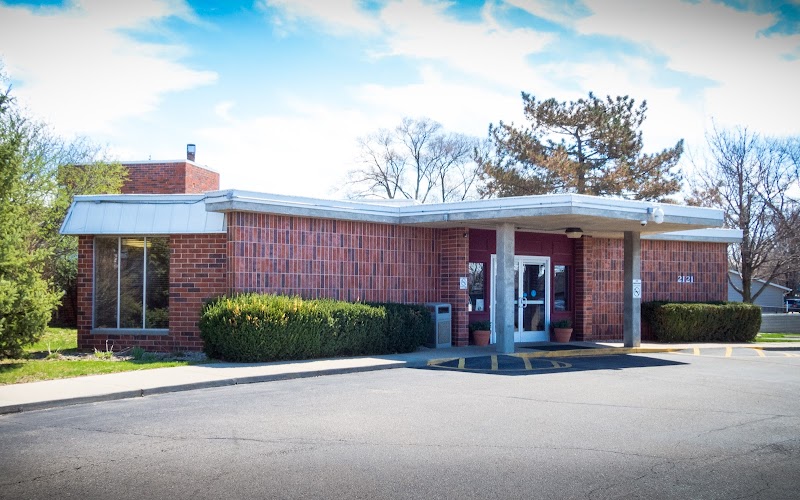
How is Autumn Lake Healthcare At Beloit Staffed?

CMS rates AUTUMN LAKE HEALTHCARE AT BELOIT's staffing level at 2 out of 5 stars, which is below average compared to other nursing homes. Staff turnover is 38%, compared to the Wisconsin average of 46%. This relatively stable workforce can support continuity of care.

What Have Inspectors Found at Autumn Lake Healthcare At Beloit?

State health inspectors documented 15 deficiencies at AUTUMN LAKE HEALTHCARE AT BELOIT during 2022 to 2023. These included: 15 with potential for harm.
Who Owns and Operates Autumn Lake Healthcare At Beloit?

AUTUMN LAKE HEALTHCARE AT BELOIT is owned by a for-profit company. For-profit facilities operate as businesses with obligations to shareholders or private owners. The facility is operated by AUTUMN LAKE HEALTHCARE, a chain that manages multiple nursing homes. With 120 certified beds and approximately 79 residents (about 66% occupancy), it is a mid-sized facility located in BELOIT, Wisconsin.
How Does Autumn Lake Healthcare At Beloit Compare to Other Wisconsin Nursing Homes?

Compared to the 100 nursing homes in Wisconsin, AUTUMN LAKE HEALTHCARE AT BELOIT's overall rating (5 stars) is above the state average of 3.0, staff turnover (38%) is near the state average of 46%, and health inspection rating (5 stars) is much above the national benchmark.

What Should Families Ask When Visiting Autumn Lake Healthcare At Beloit?

Based on this facility's data, families visiting should ask: "Can you walk me through typical staffing levels on day, evening, and night shifts?" "Can I visit during a mealtime to observe dining assistance and food quality?" "How do you handle medical emergencies, and what is your hospital transfer rate?" "Can I speak with family members of current residents about their experience?" These questions are particularly relevant given the below-average staffing rating.

Is Autumn Lake Healthcare At Beloit Safe?

Based on CMS inspection data, AUTUMN LAKE HEALTHCARE AT BELOIT has a clean safety record: no substantiated abuse findings (meaning no confirmed cases of resident harm), no Immediate Jeopardy citations (the most serious violation level indicating risk of serious injury or death), and is not on the Special Focus Facility watch list (a federal program monitoring the lowest-performing 1% of nursing homes). The facility has a 5-star overall rating and ranks #1 of 100 nursing homes in Wisconsin. While no facility is perfect, families should still ask about staff-to-resident ratios and recent inspection results during their visit.

Do Nurses at Autumn Lake Healthcare At Beloit Stick Around?

AUTUMN LAKE HEALTHCARE AT BELOIT has a staff turnover rate of 38%, which is about average for Wisconsin nursing homes (state average: 46%). Moderate turnover is common in nursing homes, but families should still ask about staff tenure and how the facility maintains care continuity when employees leave.

Was Autumn Lake Healthcare At Beloit Ever Fined?

AUTUMN LAKE HEALTHCARE AT BELOIT has no federal fines on record. CMS issues fines when nursing homes fail to meet care standards or don't correct problems found during inspections. The absence of fines suggests the facility has either maintained compliance or corrected any issues before penalties were assessed. This is a positive indicator, though families should still review recent inspection reports for the full picture.

Is Autumn Lake Healthcare At Beloit on Any Federal Watch List?

AUTUMN LAKE HEALTHCARE AT BELOIT is not on any federal watch list. The most significant is the Special Focus Facility (SFF) program, which identifies the bottom 1% of nursing homes nationally based on persistent, serious quality problems. Not being on this list means the facility has avoided the pattern of deficiencies that triggers enhanced federal oversight. This is a positive indicator, though families should still review the facility's inspection history directly.