CHIPPEWA MANOR NURSING AND REHABILITATION
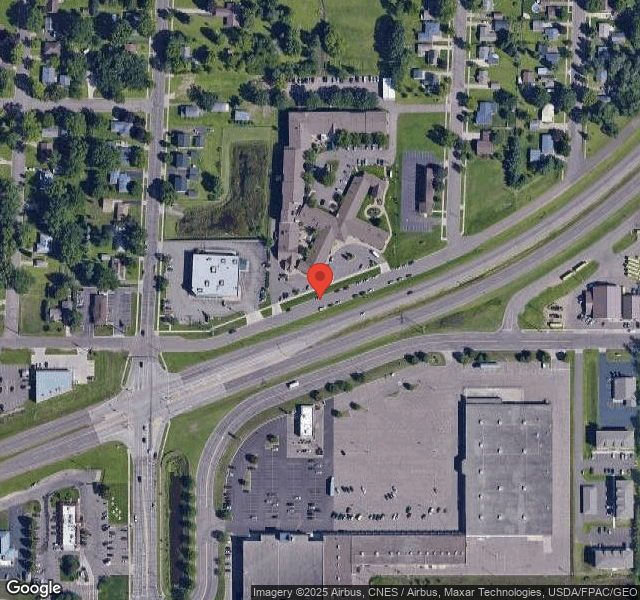
222 CHAPMAN RD, CHIPPEWA FALLS, WI 54729 (715) 723-4437
For profit - Corporation 50 Beds Independent Data: November 2025
Trust Grade
93/100
#16 of 321 in WI
Last Inspection: January 2025

Within standard 12-15 month inspection cycle. Federal law requires annual inspections.

Overview

Chippewa Manor Nursing and Rehabilitation has received a Trust Grade of A, indicating it is an excellent facility that is highly recommended. It ranks #16 out of 321 nursing homes in Wisconsin, placing it well within the top half, and is the best option among the six facilities in Chippewa County. The facility's performance has been stable, with four issues reported in both 2023 and 2025, and it has a strong staffing rating of 5 out of 5 stars, with a low turnover rate of 29%, much better than the state average. On the positive side, there have been no fines recorded, which is a good sign, and the facility boasts more RN coverage than 88% of Wisconsin facilities. However, there are some concerns, including incidents where staff failed to properly sanitize hands between handling clean linens, which could increase the risk of infection, and issues with notifying residents and their representatives about transfers and bed holds, suggesting a need for better communication practices. Overall, Chippewa Manor has many strengths, but potential families should be aware of these specific areas for improvement.

Trust Score
A
93/100
In Wisconsin
#16/321
Top 4%
Safety Record
Low Risk
No red flags
Inspections
Holding Steady
4 → 4 violations
Staff Stability
✓ Good
29% annual turnover. Excellent stability, 19 points below Wisconsin's 48% average. Staff who stay learn residents' needs.
Penalties
✓ Good
No fines on record. Clean compliance history, better than most Wisconsin facilities.
Skilled Nurses
✓ Good
Each resident gets 73 minutes of Registered Nurse (RN) attention daily — more than 97% of Wisconsin nursing homes. RNs are the most trained staff who catch health problems before they become serious.
Violations
○ Average
8 deficiencies on record. Average for a facility this size. Mostly minor or procedural issues.
★★★★★
5.0
Overall Rating
★★★★★
5.0
Staff Levels
★★★★★
5.0
Care Quality
★★★★☆
4.0
Inspection Score
Stable
2023: 4 issues
2025: 4 issues

The Good

  • 5-Star Staffing Rating · Excellent nurse staffing levels
  • 5-Star Quality Measures · Strong clinical quality outcomes
  • Low Staff Turnover (29%) · Staff stability means consistent care
  • Full Sprinkler Coverage · Fire safety systems throughout facility
  • No fines on record
  • Staff turnover is low (29%)

    19 points below Wisconsin average of 48%

Facility shows strength in staffing levels, quality measures, staff retention, fire safety.

The Bad

No Significant Concerns Identified

This facility shows no red flags. Among Wisconsin's 100 nursing homes, only 1% achieve this.

The Ugly 8 deficiencies on record

Jan 2025 4 deficiencies
CONCERN (D)

Potential for Harm - no one hurt, but risky conditions existed

Transfer Notice (Tag F0623)

Could have caused harm · This affected 1 resident

**NOTE- TERMS IN BRACKETS HAVE BEEN EDITED TO PROTECT CONFIDENTIALITY** Based on interview and record review, the facility did not ensure the resident's representative or Ombudsman was notified in wri...

Read full inspector narrative →
**NOTE- TERMS IN BRACKETS HAVE BEEN EDITED TO PROTECT CONFIDENTIALITY** Based on interview and record review, the facility did not ensure the resident's representative or Ombudsman was notified in writing, in a language and manner they understand, of the resident transfer for 1 of 1 resident (R) investigated. (R10) Findings include: R10 was admitted to the facility on [DATE] and diagnoses included metabolic encephalopathy, end stage renal disease, and dependence on renal dialysis. On 01/28/25, record review indicated R10 had a hospitalization on 11/29/24 for increased agitation, confusion, threats to self, behavior changes, and elopement attempts. R10's records indicated R10 was dialyzed and improved. R10 returned to facility on 11/30/24. Hospital discharge notes from 11/29/24 indicated in part, R10 was admitted for urgent dialysis needs. On 01/28/25, Surveyor requested R10's written notice of transfer from the facility on 11/29/24, from Director of Nursing (DON) B. No notice of transfer was received. On 01/29/25 at approximately 8:30 AM, Surveyor interviewed DON B, who reported the facility did not send written notice of the transfer to the representative or a copy of the transfer notice to the Office of the State Long-Term Care Ombudsman because written transfer notice was not completed.
CONCERN (D)

Potential for Harm - no one hurt, but risky conditions existed

Deficiency F0625 (Tag F0625)

Could have caused harm · This affected 1 resident

**NOTE- TERMS IN BRACKETS HAVE BEEN EDITED TO PROTECT CONFIDENTIALITY** Based on interview and record review, the facility did not ensure the resident's representative was provided notice of the resid...

Read full inspector narrative →
**NOTE- TERMS IN BRACKETS HAVE BEEN EDITED TO PROTECT CONFIDENTIALITY** Based on interview and record review, the facility did not ensure the resident's representative was provided notice of the resident's bed hold upon transfer for 1 of 1 resident (R) investigated. (R10) Findings include: R10 was admitted to the facility on [DATE] and diagnoses included metabolic encephalopathy, end stage renal disease, and dependence on renal dialysis. On 01/28/25, record review indicated R10 had a hospitalization on 11/29/24 for increased agitation, confusion, threats to self, behavior changes, and elopement attempts. R10's records indicated R10 was dialyzed and improved. R10 returned to facility on 11/30/24. Hospital discharge notes from 11/29/24 indicated in part, R10 was admitted for urgent dialysis needs. On 01/29/25 at 8:45 AM, Surveyor requested documentation of any notification of the facility's bed hold provided to R10's representative upon R10's hospitalization. Surveyor was provided a copy of the Client Handbook, which is given to residents upon admission with information pertaining to the facility's bed hold policy. Surveyor informed DON B, facilities must provide written information about bed hold policies to all residents and/or residents' representatives prior to and upon transfer, regardless of their payment source and requested documentation the representative was provided this upon R10's transfer to the hospital on [DATE]. No documentation notifying R10's representative of the bed hold policy upon R10's transfer or within 24 hours of the transfer, was received from the facility.
CONCERN (D)

Potential for Harm - no one hurt, but risky conditions existed

Pharmacy Services (Tag F0755)

Could have caused harm · This affected 1 resident

Based on observation, record review and interview, the facility did not ensure all drugs and biologicals were securely stored for 2 of 2 residents (R) (R2 and R246) and did not ensure controlled drugs...

Read full inspector narrative →
Based on observation, record review and interview, the facility did not ensure all drugs and biologicals were securely stored for 2 of 2 residents (R) (R2 and R246) and did not ensure controlled drugs were stored in separately locked, permanently affixed compartments. Findings include: On 01/27/25, Surveyor reviewed Medication Storage Review sheets completed by monthly audits from the contracted pharmacy for 08/24-11/24. -On 09/30/24, Medication storage sheet stated in part: Recommendation Lorazepam concentrate should be double-locked. -On 10/26/24, Medication storage sheet stated in part: Recommendation Lorazepam concentrate should be double-locked. -On 11/23/24, Medication storage sheet stated in part: Recommendation Lorazepam concentrate should be double-locked. On 01/27/25 at 10:26 AM, Surveyor toured medication storage room with Assistant Director of Nursing (ADON) C. Surveyor observed two Lorazepam 2mg/ml bottles opened, one labeled R2 opened 12/16/24, and second bottle labeled R246 opened 01/01/25 in refrigerator in medication storage room. Surveyor observed that Lorazepam was not double locked in refrigerator. On 01/27/25 at 10:28 AM, Surveyor interviewed ADON C and asked about the two Lorazepam 2mg/ml bottles opened and if they are supposed to be stored in refrigerator unlocked. ADON C indicated that R2 has been discharged for a while and that the Lorazepam bottle should be discarded. ADON C indicated that ADON C would complete the destruction now. On 01/28/25 at 8:52 AM, Surveyor interviewed Director of Nursing (DON) B and asked if Lorazepam is supposed to be stored freely in the refrigerator in medication storage room. DON B indicated that all controlled medications are to be double locked, and the facility has now fixed the issue from yesterday 01/27/25. Surveyor indicated to DON B that Surveyor reviewed the pharmacy medication storage recommendations given to facility monthly after monthly audits are complete and pharmacy recommended that Lorazepam concentrate should be double-locked. Surveyor asked DON B who oversees auditing the monthly pharmacy recommendations and implementing the recommendations. DON B indicated that DON B oversees the monthly audits and DON B will be monitoring the monthly recommendations better.
CONCERN (E)

Potential for Harm - no one hurt, but risky conditions existed

Infection Control (Tag F0880)

Could have caused harm · This affected multiple residents

Based on observation and interview, the facility did not maintain an infection prevention and control program designed to provide a safe, sanitary, and comfortable environment to help prevent the deve...

Read full inspector narrative →
Based on observation and interview, the facility did not maintain an infection prevention and control program designed to provide a safe, sanitary, and comfortable environment to help prevent the development and transmission of communicable diseases and infections. This affected 5 out of 5 residents (R). (R29, R10, R24, R37, and R7) Laundry aide (LA) D did not sanitize hands in between delivering clean linens to R29, R10, R24, R37, and R7. Findings include: The facility policy, titled Laundry and Bedding, Soiled, revised September 2022, states: .Transport: #6. Clean linen is protected from dust and soiling during transport and storage to ensure cleanliness . On 01/27/25 at 10:17 AM, Surveyor observed LA D carry residents' clothes up the stairs to the 1st floor to clean linen cart. Surveyor observed clean linen cart to be uncovered and exposed to potential debris and dust. LA D took R29's clothes and entered R29's room. LA D opened closet door and cabinet drawers, touching surfaces with bare hands, and placed R29's clothes in dresser. LA D exited R29's room and continued to push the uncovered clean linen cart down hallway without sanitizing hands. LA D took R10's clothes and entered R10's room. LA D opened dresser drawers, touching surfaces with bare hands, and placed R10's clothes in dresser. LA D exited R10's room and continued to push uncovered clean linen cart down hallway without sanitizing hands. LA D took R24's clothes and entered R24's room. LA D opened closet door, touching surfaces with bare hands, and placed R24's clothes in closet. LA D exited R24's room and continued to push uncovered clean linen cart down hallway without sanitizing hands. LA D took R37's clothes and entered R37's room. R37 is on Enhanced Barrier Precautions (EBP). LA D opened R37's closet door and cabinet drawers, touching surfaces with bare hands, and placed R37's clothes in dresser and closet. LA D exited R37's room with used clothes hangers, placed used clothes hangers in the clean linen cart with clean linens. LA D continued to push uncovered clean linen cart down hallway without sanitizing hands. LA D then took R7's clothes and entered R7's room. LA D opened cabinet drawers, touching surfaces with bare hands, and placed R7's clothes in dresser. LA D exited R7's room without sanitizing hands and continued down hallway with uncovered clean linen cart. On 01/28/25 at 10:27 AM, Surveyor interviewed LA D and asked what LA D's process is for covering clean linen cart. LA D stated, Oh yea you guys told us this last year that cart should be covered, I forgot. LA D indicated that clean linen cart should be covered. Surveyor asked LA D what LA D's process is for sanitizing hands between resident rooms when taking clean linens in, especially R37's EBP room. LA D indicated that hands should be sanitized in between rooms when touching closet doors and dressers. On 01/28/25 at 11:30 AM, Surveyor interviewed Director of Nursing (DON) B and asked DON B's expectations for hand hygiene and clean cart covered when delivering clean linens. DON B indicated that DON B's expectation is that clean cart is always covered when delivering clean linens to prevent contamination of clean linens. DON B expects that all staff sanitize hands in and out of all resident rooms regardless of cares or delivery of clean linens.
Nov 2023 4 deficiencies
CONCERN (D)

Potential for Harm - no one hurt, but risky conditions existed

Deficiency F0638 (Tag F0638)

Could have caused harm · This affected 1 resident

Based on interview and record review, the facility failed to assess resident (R) 28 using the quarterly review instrument specified by the State and approved by CMS not less frequently than once every...

Read full inspector narrative →
Based on interview and record review, the facility failed to assess resident (R) 28 using the quarterly review instrument specified by the State and approved by CMS not less frequently than once every three months for 1 of 12 residents reviewed. The facility did not complete a quarterly Minimum Data Set (MDS) assessment for R28 with a frequency of not less than three months. Findings include: The facility policy, entitled Nursing Department Policy and Procedures, dated 10/01/23, states: The ARD [Assessment Reference Date] of the OBRA [Omnibus Budget Reconciliation Act] Quarterly assessments must be within 92 days of the ARD of any previous OBRA assessment. The assessment must be completed by ARD + 14 calendar days. On 11/07/23, record review of R28's past MDS assessments, it was revealed that the most recent MDS assessment was completed on 05/17/23. There was a gap of 174 days without an MDS assessment completion. On 11/07/23 at 11:57 AM, Surveyor interviewed Registered Nurse (RN) C, the facility's MDS coordinator, and the Assistant Director of Nursing. Surveyor asked RN C about the missing MDS assessment for R28. RN C stated it must have been missed. RN C's paper chart did say they had completed it on 08/08/23, but RN C further inspected the document and computer files and did not find a completed MDS assessment. RN C said they crossed it off, and it must not have gotten done, and they plan to do it immediately. On 11/07/23 at 3:22 PM, Surveyor interviewed Director of Nursing (DON) B regarding expectations around MDS completion and submission. DON B said they are starting the MDS assessment for R28 immediately. DON B would expect MDS assessments to be done quarterly and within the time frame they have set; this was just missed.
MINOR (C)

Minor Issue - procedural, no safety impact

Transfer Notice (Tag F0623)

Minor procedural issue · This affected most or all residents

**NOTE- TERMS IN BRACKETS HAVE BEEN EDITED TO PROTECT CONFIDENTIALITY** Based on interview and record review, the facility failed to ensure that written notification required for facility-initiated tr...

Read full inspector narrative →
**NOTE- TERMS IN BRACKETS HAVE BEEN EDITED TO PROTECT CONFIDENTIALITY** Based on interview and record review, the facility failed to ensure that written notification required for facility-initiated transfers was given to the residents or resident representatives for two (R31 and R16) of two residents reviewed for hospitalization in the sample of 14. The facility failed to have a system in place to ensure that residents or resident representatives were given written notices upon transfers. This had the potential to affect all 35 residents that reside in the facility. The facility did not notify the resident's representatives in writing of a transfer to the hospital for Resident (R)31 and R16. Findings Include: Example 1 Record review of R31's past hospitalizations showed that on 08/12/23, R31 was transferred to the hospital for an extended stay. On 11/08/23 at 12:58 PM, Surveyor interviewed Social Worker (SW) D regarding if written notification for facility-initiated transfers for residents sent to the hospital was given to the resident and resident representative. SW D stated no. SW D explained they usually don't have time to get a signed written notice to families or residents as they are transferred to the hospital, especially during an emergency, so they call the family and explain the reason for transfer and then document that they made the call. On 11/08/23 at 1:19 PM, Surveyor interviewed Nursing Home Administrator (NHA) A regarding the transfer policy. NHA A said that when someone goes out, they immediately call the family member to inform them of the transfer. Surveyor then asked if they expected to get a notification of transfer form in writing to the families with information regarding the transfer. NHA A stated they don't usually due to not always having time to get the forms to the family members. Example 2 Review of R16's medical record revealed R16 was transferred to the hospital on [DATE], 04/12/23 and 07/02/23. Surveyor reviewed the medical record for 03/17/23, 04/12/23 and 07/02/23 which did not reveal written notifications for facility-initiated transfers of R16 being sent to the hospital were given to the resident and resident representative.
MINOR (C)

Minor Issue - procedural, no safety impact

Deficiency F0625 (Tag F0625)

Minor procedural issue · This affected most or all residents

**NOTE- TERMS IN BRACKETS HAVE BEEN EDITED TO PROTECT CONFIDENTIALITY** Example 2 Record review of R31's past hospitalizations showed that on 08/12/23, R31 was transferred to the hospital for an exten...

Read full inspector narrative →
**NOTE- TERMS IN BRACKETS HAVE BEEN EDITED TO PROTECT CONFIDENTIALITY** Example 2 Record review of R31's past hospitalizations showed that on 08/12/23, R31 was transferred to the hospital for an extended stay. On 11/08/23 at 12:58 PM, Surveyor interviewed Social Worker (SW) D regarding bed holds for residents sent to the hospital. When the Surveyor asked to see copies of the bed hold for R31, SW D showed an email chain documenting that the family of R31 was contacted about the decision to hold R31's bed. The surveyor then asked if SW D presented written documentation of the transfer to the hospital to the family, to which SW D said no. SW D explained they usually don't have time to get a signed written notice to families or residents as they are transferred to the hospital, especially during an emergency, so they call the family and explain the bed hold and then document that they made the call. Record review of the email documenting the call made to R31's family about the bed hold and the family declined holding R31's bed. No other written bed hold documentation for R31 was given to Surveyor. On 11/08/23 at 1:19 PM, Surveyor interviewed Nursing Home Administrator (NHA) A regarding the bed hold policy. NHA A said that when someone goes out, they immediately call the family member to get information on the bed hold and explain the procedure. Surveyor then asked if they expected to get a bed hold in written form to the families with information regarding the bed hold. NHA A said they don't usually do this due to not always having time to get the forms to the family members. Based on interview and record review, the facility failed to ensure that written bed hold notice required for facility-initiated transfers was given to the residents or resident representatives for two (R16 and R31) of two residents reviewed for hospitalization in the sample of 14. The facility failed to have a system in place to ensure that residents or resident representatives were given written bed hold notices upon transfers. This had the potential to affect all 35 residents that reside in the facility. The facility did not notify the residents' representatives in writing of the bed hold policy at the time of transfer or within 24 hours of transfer to the hospital for Resident (R)31 and R16. This is evidenced by: Example 1 Review of R16's medical record revealed R16 was transferred to the hospital on [DATE], 04/12/23, and 07/02/23. Surveyor reviewed the medical record for 03/17/23, 04/12/23, and 07/02/23 which did not reveal any written notice of bed hold policy was issued to the resident or resident's representative.
MINOR (C)

Minor Issue - procedural, no safety impact

Staffing Information (Tag F0732)

Minor procedural issue · This affected most or all residents

Based on observations and interview, the facility did not ensure the posted nurse staffing information was posted at the beginning of each shift. This has the potential to affect all 35 residents in t...

Read full inspector narrative →
Based on observations and interview, the facility did not ensure the posted nurse staffing information was posted at the beginning of each shift. This has the potential to affect all 35 residents in the building. The facility's Nursing Staff sheet postings were not posted daily. Evidenced by: Division of Quality Assurance (DQA) memo 12-020 titled Clarification Concerning Posting Requirements for Nurse Staffing documents: Required Staffing Information .Nursing homes must post information about the number of staff directly responsible for resident care on each shift. This information must be posted in a prominent place, readily accessible to residents and visitors at the start of each shift . The information that is posted must include the following . 1. Facility name. 2. The current date. 3. The total number of staff directly responsible for resident care per shift for each of the following categories: licensed (RN's (Registered Nurse), LPNs (Licensed Practical Nurse)), and unlicensed (CNAs (Certified Nursing Assistant)). (For example, 1 RN, 2 LPNs, and 4.5 CNAs.) The number of RN's must be separate from the number of LPNs. 4. The actual hours worked per shift for each of the following categories: licensed (RN's, LPNs), and unlicensed (CNAs). 5. Resident census. Timing: Information is to be posted daily and must be present at the start of each shift. Nursing homes can choose to post staffing information for the entire day or for the current shift. Nursing homes are required to update the posted staffing if any changes arise, for example, if a nursing assistant calls in sick or goes home sick and is not replaced. On 11/06/23 at 12:57 PM, Surveyor was not able to locate the daily nursing staff posting. On 11/07/23 at 7:01 AM, Surveyor could not locate the nursing staff posting. Surveyor asked staff sitting behind the desk if they had something that told them how many nurses and CNAs were working each day. Staff pointed to a binder on the counter behind the desk and indicated it was kept in there. On 11/08/23 at 9:53 AM, Surveyor interviewed Director of Nursing (DON) B and asked if they post the daily staff posting. DON B indicated that it is usually hung up by the nurse's station. Surveyor asked DON B to show Surveyor where it was at since it was not visibly posted the last 3 days. DON B walked around the nurse's station and noticed it was not there. DON B pointed to the wall at the front counter of the nurse's station where it is usually posted and noted it was not there. Surveyor asked who was responsible for posting the nursing staff sheet. DON B indicated the receptionist usually did but was off Monday and just returned Tuesday. Surveyor asked who was responsible to post it when the receptionist was gone. DON B indicated that I guess we need a backup.
Understanding Severity Codes (click to expand)
Life-Threatening (Immediate Jeopardy)
J - Isolated K - Pattern L - Widespread
Actual Harm
G - Isolated H - Pattern I - Widespread
Potential for Harm
D - Isolated E - Pattern F - Widespread
No Harm (Minor)
A - Isolated B - Pattern C - Widespread

Questions to Ask on Your Visit

  • "Can I speak with families of current residents?"
  • "What's your RN coverage like on weekends and overnight?"

Our Honest Assessment

Strengths
  • • Grade A (93/100). Above average facility, better than most options in Wisconsin.
  • • No major safety red flags. No abuse findings, life-threatening violations, or SFF status.
  • • No fines on record. Clean compliance history, better than most Wisconsin facilities.
  • • 29% annual turnover. Excellent stability, 19 points below Wisconsin's 48% average. Staff who stay learn residents' needs.
Concerns
  • • No significant concerns identified. This facility shows no red flags across CMS ratings, staff turnover, or federal penalties.
Bottom line: Generally positive indicators. Standard due diligence and a personal visit recommended.

About This Facility

What is Chippewa Manor Nursing And Rehabilitation's CMS Rating?

CMS assigns CHIPPEWA MANOR NURSING AND REHABILITATION an overall rating of 5 out of 5 stars, which is considered much above average nationally. Within Wisconsin, this rating places the facility higher than 99% of the state's 100 nursing homes. This rating reflects solid performance across the metrics CMS uses to evaluate nursing home quality.

How is Chippewa Manor Nursing And Rehabilitation Staffed?

CMS rates CHIPPEWA MANOR NURSING AND REHABILITATION's staffing level at 5 out of 5 stars, which is much above average compared to other nursing homes. Staff turnover is 29%, compared to the Wisconsin average of 46%. This relatively stable workforce can support continuity of care.

What Have Inspectors Found at Chippewa Manor Nursing And Rehabilitation?

State health inspectors documented 8 deficiencies at CHIPPEWA MANOR NURSING AND REHABILITATION during 2023 to 2025. These included: 5 with potential for harm and 3 minor or isolated issues.

Who Owns and Operates Chippewa Manor Nursing And Rehabilitation?

CHIPPEWA MANOR NURSING AND REHABILITATION is owned by a for-profit company. For-profit facilities operate as businesses with obligations to shareholders or private owners. The facility operates independently rather than as part of a larger chain. With 50 certified beds and approximately 50 residents (about 100% occupancy), it is a smaller facility located in CHIPPEWA FALLS, Wisconsin.

How Does Chippewa Manor Nursing And Rehabilitation Compare to Other Wisconsin Nursing Homes?

Compared to the 100 nursing homes in Wisconsin, CHIPPEWA MANOR NURSING AND REHABILITATION's overall rating (5 stars) is above the state average of 3.0, staff turnover (29%) is significantly lower than the state average of 46%, and health inspection rating (4 stars) is above the national benchmark.

What Should Families Ask When Visiting Chippewa Manor Nursing And Rehabilitation?

Based on this facility's data, families visiting should ask: "Can I visit during a mealtime to observe dining assistance and food quality?" "How do you handle medical emergencies, and what is your hospital transfer rate?" "Can I speak with family members of current residents about their experience?"

Is Chippewa Manor Nursing And Rehabilitation Safe?

Based on CMS inspection data, CHIPPEWA MANOR NURSING AND REHABILITATION has a clean safety record: no substantiated abuse findings (meaning no confirmed cases of resident harm), no Immediate Jeopardy citations (the most serious violation level indicating risk of serious injury or death), and is not on the Special Focus Facility watch list (a federal program monitoring the lowest-performing 1% of nursing homes). The facility has a 5-star overall rating and ranks #1 of 100 nursing homes in Wisconsin. While no facility is perfect, families should still ask about staff-to-resident ratios and recent inspection results during their visit.

Do Nurses at Chippewa Manor Nursing And Rehabilitation Stick Around?

Staff at CHIPPEWA MANOR NURSING AND REHABILITATION tend to stick around. With a turnover rate of 29%, the facility is 17 percentage points below the Wisconsin average of 46%. Low turnover is a positive sign. It means caregivers have time to learn each resident's needs, medications, and personal preferences. Consistent staff also notice subtle changes in a resident's condition more quickly. Registered Nurse turnover is also low at 8%, meaning experienced RNs are available to handle complex medical needs.

Was Chippewa Manor Nursing And Rehabilitation Ever Fined?

CHIPPEWA MANOR NURSING AND REHABILITATION has no federal fines on record. CMS issues fines when nursing homes fail to meet care standards or don't correct problems found during inspections. The absence of fines suggests the facility has either maintained compliance or corrected any issues before penalties were assessed. This is a positive indicator, though families should still review recent inspection reports for the full picture.

Is Chippewa Manor Nursing And Rehabilitation on Any Federal Watch List?

CHIPPEWA MANOR NURSING AND REHABILITATION is not on any federal watch list. The most significant is the Special Focus Facility (SFF) program, which identifies the bottom 1% of nursing homes nationally based on persistent, serious quality problems. Not being on this list means the facility has avoided the pattern of deficiencies that triggers enhanced federal oversight. This is a positive indicator, though families should still review the facility's inspection history directly.