DOVE HEALTHCARE - REGIONAL VENT CENTER
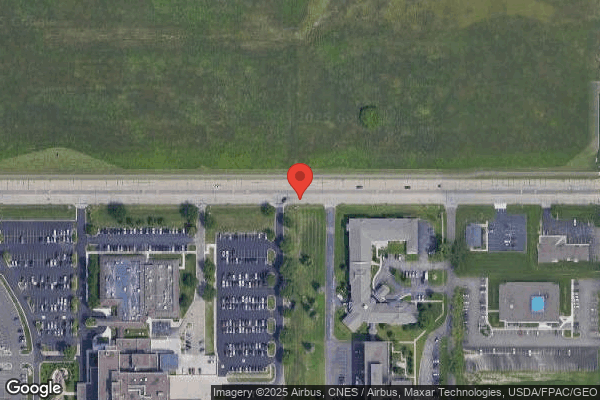
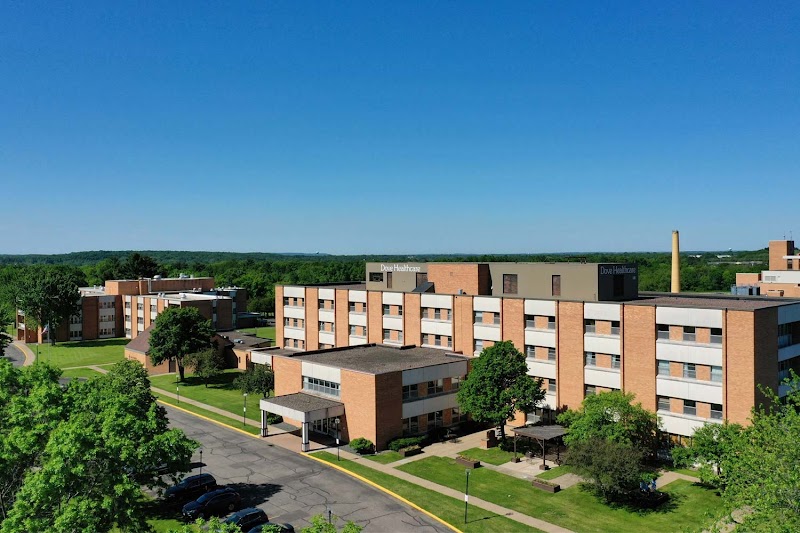
2815 COUNTY HIGHWAY I, CHIPPEWA FALLS, WI 54729 (715) 723-9341
For profit - Limited Liability company 31 Beds DOVE HEALTHCARE Data: November 2025 1 Immediate Jeopardy citation
Trust Grade
33/100
#203 of 321 in WI
Last Inspection: February 2025

Within standard 12-15 month inspection cycle. Federal law requires annual inspections.

Overview

Dove Healthcare - Regional Vent Center has received a Trust Grade of F, which indicates significant concerns about the quality of care provided. It ranks #203 out of 321 facilities in Wisconsin, placing it in the bottom half of all nursing homes statewide, and #6 out of 6 in Chippewa County, meaning it is the least favorable option in the area. The facility is worsening, with issues increasing from 1 in 2024 to 2 in 2025. Staffing is a potential strength, as they have a 0% turnover rate, which is well below the state average, but their overall staffing rating is poor at 0 out of 5 stars. The facility has accumulated $102,905 in fines, which is concerning as it is higher than 96% of Wisconsin facilities, indicating ongoing compliance issues. There are serious deficiencies noted, including a critical incident where a resident dependent on a ventilator was not connected to a reliable oxygen supply overnight, leading to their death. Additionally, the facility failed to implement proper infection control measures, allowing residents under precautions to be in common areas without masks, which could spread infections. They also did not maintain proper sanitation practices in food handling, using the same sink for handwashing and food preparation, which poses a risk of foodborne illness. Overall, while there are some strengths in staffing stability, the facility has multiple alarming weaknesses that families should consider carefully.

Trust Score
F
33/100
In Wisconsin
#203/321
Bottom 37%
Safety Record
High Risk
Review needed
Inspections
Getting Worse
1 → 2 violations
Staff Stability
○ Average
Turnover data not reported for this facility.
Penalties
✓ Good
$102,905 in fines. Lower than most Wisconsin facilities. Relatively clean record.
Skilled Nurses
○ Average
RN staffing data not reported for this facility.
Violations
✓ Good
Only 4 deficiencies on record. Cleaner than most facilities. Minor issues only.
★★☆☆☆
2.0
Overall Rating
☆☆☆☆☆
0.0
Staff Levels
★★☆☆☆
2.0
Care Quality
★★☆☆☆
2.0
Inspection Score
Stable
2024: 1 issues
2025: 2 issues

The Good

  • Full Sprinkler Coverage · Fire safety systems throughout facility
  • No fines on record

Facility shows strength in fire safety.

The Bad

2-Star Overall Rating

Below Wisconsin average (3.0)

Below average - review inspection findings carefully

Federal Fines: $102,905

Well above median ($33,413)

Significant penalties indicating serious issues

Chain: DOVE HEALTHCARE

Part of a multi-facility chain

Ask about local staffing decisions and management

The Ugly 4 deficiencies on record

1 life-threatening
Mar 2025 1 deficiency 1 IJ
CRITICAL (J) 📢 Someone Reported This

A family member, employee, or ombudsman was alarmed enough to file a formal complaint

Immediate Jeopardy (IJ) - the most serious Medicare violation

Respiratory Care (Tag F0695)

Someone could have died · This affected 1 resident

**NOTE- TERMS IN BRACKETS HAVE BEEN EDITED TO PROTECT CONFIDENTIALITY** Based on record review and staff interviews, the facility did not ensure 3 of 3 residents (R) reviewed, (R1, R2, and R3) who req...

Read full inspector narrative →
**NOTE- TERMS IN BRACKETS HAVE BEEN EDITED TO PROTECT CONFIDENTIALITY** Based on record review and staff interviews, the facility did not ensure 3 of 3 residents (R) reviewed, (R1, R2, and R3) who required oxygen with ventilator (Vent) and respiratory care were provided such services consistent with professional standards of practice, the resident's comprehensive person-centered care plan, and physician orders on the ventilator unit. R1 is ventilator dependent and requires oxygen continuously via the ventilator to maintain oxygen levels above 90% saturation. On [DATE], when R1 was put to bed, staff did not connect R1 to the stationary liquid oxygen tank, but left R1 connected to a portable oxygen tank that runs out of oxygen within 3-4 hours. Respiratory Therapist (RT) skipped ventilator spot checks for R1 at 2:00 AM on [DATE]. R1 was found at 6:00 AM on [DATE] with low saturations, no pulse, and died. The facility's failure to ensure R1 had oxygen supply during the night of [DATE] and respiratory therapy check at 2:00 AM, created a reasonable likelihood for serious harm and death which created a finding of immediate jeopardy that began on [DATE]. Nursing Home Administrator (NHA) A was notified of the immediate jeopardy on [DATE] at 12:10 PM. The immediate jeopardy was removed on [DATE]; however, the deficient practice continues at a scope/severity level D (potential for harm/isolated) as evidenced by the following examples. R2 and R3 are ventilator dependent with oxygen. RT spot checks were not documented as completed on several dates. Findings include: Facility policy titled, Oxygen Administration, dated reviewed on [DATE] states in part: .Procedure: 7. Residents receiving oxygen will be hooked up to the stationary liquid oxygen tank when they are in bed. Facility policy titled, Ventilator Checks, dated reviewed on 06/2024 states in part: .Procedure: 7. Verify the vent is connected to an appropriate source of power. 9. Document the ventilator settings. 10. Document the residents measured parameters. 11. Document the residents pulse oximeter reading. 12. Document the residents heart rate. 13. If applicable, verify the amount of oxygen in the oxygen tank and switch over to a new source if necessary. 14. If resident is receiving oxygen verify the following: a. The oxygen tank is set to the appropriate setting and chart the LPM. 19. Document the number of minutes spent with resident . R1 was admitted on [DATE] with chronic respiratory failure with hypoxia, cardiac arrest due to other underlying condition, respiratory arrest, ventilator associated pneumonia, spontaneous pneumothorax, anoxic brain damage, dependence on respirator (ventilator) status, anxiety disorder, chronic obstructive pulmonary disease, paranoid schizophrenia, and tracheostomy. R1's Minimum Data Set (MDS) assessment, dated [DATE], had a Brief Interview for Mental Status (BIMS) score of 00 which indicated facility could not determine BIMS for R1 due to R1 was rarely/never understood. MDS indicated that R1 is totally dependent on staff for all cares. R1's care plan, dated [DATE], indicates: -Dependent on others for all cares. Needs assistance of 2 staff members to reposition every 2 hours and as needed. Assist 2 with Hoyer lift for transfers. -Trach in place and dependent on vent. Order to titrate oxygen as needed to keep my O2 greater than 89%. Surveyor reviewed R1's physician orders: -[DATE]-Respiratory Therapy standing orders have been approved for use. -[DATE]: *Initiate O2 to maintain SpO2>90%. *Refill portable unit every 4 hours when in use 9:30 am, 1:30 pm, and 5:30 pm. Progress notes: On [DATE], notes in part, .-11:26 am-Spot checks: 95% O2 on 4L, Resps-18 -1:49 pm-Lungs auscultated anterior bilaterally clear. -4:53 pm- 92% O2 on 4L . No further documentation in nurse notes. On [DATE]: Documentation indicates at: .-3:42 am-Length of tube 4 -6:02 am-Heels intact and elevated . Treatment Administration Record (TAR) indicated: -On [DATE], portable O2 tank refilled at 9:30 AM and 1:30 PM. Surveyor did not locate documentation for portable oxygen tank refilled at 5:30 PM on [DATE], as ordered. Respiratory spot checks indicated: On [DATE] at 11:26 am: 95 % on 4L, HR-85, Resp-18. On [DATE] at 3:56 PM, no spot check documentation. Oxygen checks indicated: On [DATE] in AM- 92%, PM- 92%, NOC-92%. Progress notes continued, [DATE] -11:06 AM - late entry - On [DATE], Writer RN was summoned to resident's room at approximately 6:08 am by RT. When writer entered resident's room two RT's were bagging resident due to low oxygen saturations. Resident had two pulse oximeters on right and left hand and they both indicated no pulse or O2 saturation present. Resident was unresponsive at this time and writer performed sternal rub and verbal command with no response from resident. RTs continued to bag resident while writer confirmed code status. Writer code status was confirmed DNR [do not resuscitate]. At approximately 6:12 am writer then felt popliteal, femoral, radial, and carotid pulse and no pulses were palpable. Writer then auscultated for heart sounds and agreed with writer's assessment. Bagging was stopped at 6:14 am. MD updated on resident's overall condition and no signs of life. See MD update note. -Call placed to DON at 6:20 am and updated. Writer called provider approximately 6:30 am to update of resident's condition change and not having a pulse or oxygen saturations. NP answered and suggested to call medical director. DON called Medical Director and orders given at 6:35 am, provider gave orders for time for time of death, release body to funeral home and to remove the ventilator . Interviews On [DATE] at 1:26 PM, Surveyor interviewed Medication Aide (MA) E. MA E indicated MA E worked on [DATE] from 6-10 PM on another hall but then started cares for R1 at 10 PM to 6 AM. MA E indicated that MA E saw the other two CNAs that were on night shift walk into R1's room to lay her down around 7:30 PM on [DATE]. MA E indicated that MA E observed R1's big liquid oxygen tank outside of R1's room and not in room where it should be. MA E indicated that MA E liked that it wasn't in the room because resident's room is always so cluttered and crowded. MA E indicated that through the night resident was fine and had checked and changed her at 11:30 PM, 1:30 AM, and 3:45 AM. MA E noted that the small portable tank was hanging on resident's ventilator. Surveyor asked MA E how long small portable tank lasts. MA E indicated it depends on how high the flow in liters is for oxygen, but resident should have been connected to the big liquid oxygen tank. Surveyor asked MA E if she was present for the events that happened at 6:00 AM. MA E indicated that MA E was clocking out and looked over and saw RT bagging resident. On [DATE] at 1:36 PM, Surveyor interviewed Certified Nursing Assistant (CNA) F who put R1 to bed on [DATE]. CNA F indicated that CNA F gathered all of R1's equipment in the common area such as continued tube feeding pump and vent and took R1 into room to lay down to bed. Surveyor asked if CNA F had brought the big liquid oxygen tank in resident's room and hooked R1 to it. CNA F indicated that CNA F did not hook big liquid oxygen tank up and left it outside the door. CNA F indicated that R1 had a small portable oxygen tank hanging on vent, so CNA F thought it was fine. Surveyor asked CNA F if CNA F checked the small portable oxygen tank to see how much oxygen was left in the tank. CNA F indicated that CNA F did not check the small portable oxygen tank. Surveyor asked whose job is it to check the small portable oxygen tanks. CNA F indicated it is everyone's job to check the portable tanks. Surveyor asked CNA F why the big liquid oxygen tank was in the hallway in the common area and not in R1's room. CNA F indicated that sometimes R1 will sit in common area to socialize and so the facility brings the big liquid oxygen tank outside the room to connect to R1 if resident is going to be a while in the common area. Surveyor asked CNA F if it is the process to bring the big liquid oxygen tank back in the room once resident is laid down for the night. CNA F indicated that is required. We bring big liquid oxygen tank back into room and connect resident once lying in bed. CNA F indicated that she did not do this. Surveyor asked CNA F if facility debriefed or educated CNA F on proper oxygen use after R1 passed away. CNA F indicated CNA F did not receive any training on the matter. On [DATE] at 9:25 AM, Surveyor interviewed CNA D, who was on the [DATE] day shift and found R1 in an unconscious state. Surveyor asked CNA D to walk Surveyor through the events on [DATE]. CNA D indicated that CNA D came on shift and entered R1's room. CNA D observed that the big liquid oxygen tank was outside R1's room. CNA D could see R1 was not herself, just lying there. CNA D quickly ran to RT G who was clocking out for the day, and RT G quickly ran to R1's room and started bagging R1. Surveyor observed CNA D crying, and CNA D indicated the big liquid oxygen tank should have been attached to R1 while resident was in bed. On [DATE] at 1:50 PM, Surveyor interviewed RT G who was on night shift on [DATE]. RT G indicated that RT G saw aides going in resident's room on [DATE] around 7:00 PM and laying resident down for the night. RT G noticed the big liquid oxygen tank outside resident's room and didn't think anything of it. RT G indicated that RT G heard R1's vent alarm going off around 10 PM. RT G went into R1's room and found the vent was unplugged from the wall. RT G connected vent back into the wall and walked out of R1's room. Of note, the vent does operate on battery for a period of time and was functioning properly on battery. Surveyor asked RT G why RT G did not hook resident up to big liquid oxygen tank. RT G indicated that RT G did not think anything of it at the time. RT G indicated that RT G did not see R1 for the rest of the night. RT G indicated that it was unusual that R1's vent did not alarm at all for rest of night. RT G indicated that R1 always has alarms going off every night, and RT G is usually in there periodically. Surveyor asked if RT G completed 2:00 AM spot checks. RT G indicated that RT G did not go back into R1's room and skipped 2:00 AM spot checks. Surveyor asked RT G what the correct process is for spot checks. RT G indicated that RT G completes spot checks at least every night at 2:00 AM but really RTs are supposed to be in rooms every 4 hours to complete spot checks for the ventilator. Surveyor asked RT G to explain what spot checks consist of. RT G indicated that spot checks are assessing heart rate (HR), O2 saturation, how many liters of oxygen resident is on, and checking ventilator settings. This is documented every time spot checks are completed. RT G indicated that RT G went to clock out at 6:04 AM when an aide stopped RT G and asked RT G to come to R1's room as something was wrong and R1 was not connected to big liquid oxygen tank. RT G entered R1's room and could see something was wrong. RT G grabbed big liquid oxygen tank and began bagging R1 and placed R1 on 10 liters of oxygen. RT G instructed CNA D to go get help from other RT on duty. RT G indicated that R1 had no pulse and found out resident was a DNR, so RT G stopped bagging R1. After nurse assessed for pulse and found no pulse, R1 was pronounced dead. Surveyor asked RT G if RT G was debriefed on the situation that occurred, trained or educated on the events and if administration concluded an investigation into the matter. RT G indicated that nothing was ever completed. RT G did not get debriefed on anything in particular. On [DATE] at 2:04 PM, Surveyor interviewed RT I, who was on day shift of [DATE]. RT I indicated that around 6:00 AM, CNA D came and grabbed RT I frantically to come assist in R1's room. RT I indicated that day shift CNA D had found R1 on small portable oxygen tank and immediately knew something was wrong. RT I indicated that RT I saw RT G bagging R1. RT I performed a sternum rub, and R1 did not respond. RT I checked pulses and no pulse was found. At that point RT I instructed CNA D to go get AED and code status. RT I indicated that shortly after RN C came back in and stated code status was DNR and bagging was stopped. Surveyor asked RT I what the process is for spot checks for residents on ventilators. RT I indicated that RT I can't speak for night shift but day shift RTs are supposed to do spot checks every 4 hours and spot checks consist of HR, resp rate, O2 flow, and ventilator settings. RT I indicated this is documented in the resident's chart right away and for each time performed. On [DATE] at 2:00 PM, Surveyor interviewed Registered Nurse (RN) C, who came on day shift on [DATE] at 6:00 AM. RN C indicated that RN C came in around 5:53AM. RN C indicated this was her first day on the floor by herself, and RN C noticed a big liquid oxygen tank outside R1's room and thought that was odd. RN C indicated that shortly after the start of her shift, RN C observed RT G in R1's room and CNA D run out of resident's room yelling for help. RN C ran into R1's room and observed both RTs bagging R1. RN C immediately observed a small portable oxygen tank hanging from the vent. RN C checked it to see how much oxygen was in the small tank, and RN C indicated it was empty. RN C observed RTs instruct to grab AED and find out R1's code status immediately. RTs were still bagging when RN C exited resident's room. RN C found that R1 was a DNR and immediately told RTs. RN C checked popliteal, femoral, radial, and carotid pulse and no pulses were palpable. RN C assessed no saturations for oxygen. RN C indicated RTs stopped bagging and started making phone calls to appropriate people such as DON B and provider. RN C indicated that DON B told RN C to leave everything as is until DON B arrived at facility. Surveyor asked RN C if RN C was educated or debriefed about the death of R1. RN C indicated that RN C was not educated or debriefed, and this has impacted RN C tremendously. Surveyor observed RN C crying, and RN C stated, I feel so bad for her. The facility failed her in more ways than one, and the facility has done nothing to fix the issue or investigate it. On [DATE] at 2:27 PM, Surveyor interviewed NHA A and Director of Nursing (DON) B and asked about the event with R1 on [DATE] into [DATE]. NHA A indicated that two CNAs put R1 down to bed around 7:30 PM and R1 was fine. Then on [DATE] the next morning, R1 passed away around 6:30 AM. and DON B was notified. DON B then notified NHA A. DON B arrived onsite around 7:15 AM and began creating timeline and gathering statements. NHA A indicated that CNA D on day shift observed something wrong with R1. RT G responded but R1 was still alive at that point and heart rate was in the 40s, which is low. NHA A indicated that RT then pulled big liquid concentrator into room and began bagging and had oxygen at 10 liters flow as per policy. R1 then had no pulse and was a DNR status. R1 passed away and appropriate calls were made. Surveyor asked NHA A and DON B if they completed a thorough investigation of the incident and what led to the events proceeding R1's death on [DATE]. NHA A indicated that facility did investigate and NHA A will gather the report to give to Surveyor. NHA A indicated that education and training was completed by the RT Director for RTs. NHA A admitted there has been lack of documentation that spot checks have been being completed as they should be, and they are aware of this issue. Surveyor asked NHA A and DON B what the facility process is for spot checks performed by RTs. NHA A indicated that spot checks should be completed regularly and would have to look at facility policy on spot checks. NHA A indicated that NHA A understands there was a system failure, and everyone has been educated on importance of spot checks. NHA A also indicated that NHA A and DON B educated aides and nurses about the correct use of the smaller portable oxygen tanks and the big liquid oxygen tanks. NHA A indicated that through their investigation of R1's death, the facility did not find that the RT not completing the spot check or the aides not connecting the big liquid oxygen tank was the cause of R1's death. NHA A indicated that NHA A and DON B have talked with Medical Director (MD) H and R1 most likely had a cardiac arrest event and died from that. Surveyor asked NHA A how NHA A can determine that was the cause of death. NHA A indicated that R1 was fine all night long and then suddenly wasn't fine with pulse down in the 40s. NHA A indicated that R1 has a history of cardiac arrest where R1 desats and that's how R1 had an anoxic brain injury months ago when she ended up here at the facility on ventilator and trach. Surveyor asked NHA A and DON B where the documentation was in the electronic health record (EHR) for R1's condition documenting a heart rate was present and in the 40s, when CNA D found the resident. NHA A and DON B indicated there is not much documentation in the EHR. NHA A indicated there is work to be done with educating staff on documenting more. On [DATE] at 8:43 AM, Surveyor interviewed MD H and asked MD H to recap the events that led to R1's death on [DATE]. MD H indicated that the facility called MD H that morning after R1 had passed. Facility completed an evaluation and investigation of the matter and then updated MD H that following Wednesday during rounds. MD H indicated that the facility made MD H aware that staff did not connect R1 to the stand-alone liquid oxygen tank when R1 was put to bed as per facility protocol and staff had kept R1 on small portable tank which only lasts roughly 4 hours depending on flow of oxygen. MD H indicated this resulted in R1 dying the morning of [DATE]. MD H indicated that since the death of R1, the facility has educated and trained staff on facility policy. On [DATE] at 8:57 AM, Surveyor interviewed NHA A and DON B and asked about the lack of signatures on the education that was given to Surveyor yesterday on [DATE]. NHA A and DON B indicated they had verbally educated staff back in February right after R1's death, but no one signed. NHA A indicated that NHA A and DON B stayed late last night to obtain employee signatures for the education on oxygen use. Surveyor asked for all signatures and education. NHA A indicated that NHA A is still trying to complete all education at this time. On [DATE] at 9:12 AM, Surveyor interviewed RN C and asked to clarify that education was not given to RN C as RN C stated yesterday on [DATE]. RN C indicated that staff were not educated, and administration pumped out education and signs to be placed throughout as reminders to connect big liquid oxygen tank yesterday during day when Surveyor was present and this morning as well. Surveyor reviewed the facility's investigation file. Surveyor could not confirm the accuracy of the statements due to lack of documentation in the EHR and investigation file. Surveyor did not find signatures from staff that they were educated as NHA A indicated. Surveyor did not find any documentation about R1 having a heart rate in the 40s when RT G entered resident's room. The failure to provide needed respiratory services of ongoing oxygen resulted in the reasonable likelihood for serious harm and death for R1 and led to a finding of immediate jeopardy. The facility removed the immediate jeopardy on [DATE] when it completed the following: RTs educated on expectation of completing oxygen checks and documentation/refusals of the 2am spot checks. CNAs educated on expectation of putting residents on stationary liquid tank when transferring to bed. Clinical staff educated on ensuring proper oxygen source prior to start of their next shift. Clinical staff educated on facility policy on oxygen administration prior to start of their next shift. Clinical staff educated on facility procedure for oxygen source switching prior to start of their next shift. Clinical staff educated on completing oxygen checks and completion of documentation/refusals as designated in the TAR. Clinical staff educated on oxygen safety check signs placed in resident rooms prior to start of next shift. On [DATE], facility reviewed policy and procedure of oxygen administration and updated to include the use of stationary liquid tanks when oxygen dependent residents are in bed. On [DATE], facility created a procedure for Oxygen Source Switching. On [DATE], facility updated Liquid Oxygen Portable Fill policy to reference source switching procedure. Clinical Managers will conduct audits on oxygen checks daily x 4 weeks, weekly x 4 weeks, bimonthly x 2 months Clinical Managers will conduct audits on appropriate oxygen source connection Monday-Friday x 4 weeks, weekly x 4 weeks, and bimonthly x2 months Results of the audits will be reviewed at QAPI meetings for further recommendations. The deficient practice continues at a scope/severity of D (potential for harm/isolated) as evidencd by: Example 2 On [DATE], Surveyor reviewed R2's medical record. R2 was admitted on [DATE] with diastolic heart failure with atrial fibrillation, chronic respiratory failure with vent status, tracheostomy, anxiety disorder, and major depressive disorder. Surveyor reviewed R2's respiratory spot checks that indicated: On [DATE]-[DATE]: No spot checks were documented for 2:00 AM. On [DATE]-[DATE]: No spot checks were documented for 2:00 AM. On [DATE]-[DATE]: No spot checks were documented for 2:00 AM. Example 3 On [DATE], Surveyor reviewed R3's medical record. R3 was admitted on [DATE] with chronic respiratory failure with vent status, anxiety disorder, and tracheostomy. Surveyor reviewed R3's respiratory spot checks that indicated: On [DATE]: No spot checks were documented for 2:00 AM, 11:00 AM, and 3:00 PM. On [DATE]: No spot checks were documented for 2:00 AM and 3:00 PM. On [DATE]-[DATE]: No spot checks were documented for 2:00 AM. On 02/25-[DATE]: No spot checks were documented for 2:00 AM. On [DATE] at 2:27 PM, Surveyor interviewed NHA A and NHA A admitted there has been lack of documentation that spot checks have been being completed by RTs as they should be, and they are aware of this issue. NHA A indicated that spot checks should be completed regularly as per facility policy. NHA A indicated that NHA A understands there was a system failure, and everyone has been educated on importance of spot checks.
Feb 2025 1 deficiency
CONCERN (E)

Potential for Harm - no one hurt, but risky conditions existed

Food Safety (Tag F0812)

Could have caused harm · This affected multiple residents

Based on observation and interview, the facility did not ensure proper sanitation and food handling practices to prevent the outbreak of foodborne illness by having a separate hand washing sink separa...

Read full inspector narrative →
Based on observation and interview, the facility did not ensure proper sanitation and food handling practices to prevent the outbreak of foodborne illness by having a separate hand washing sink separate from those used for food preparation for 11 residents (R) (R4, R5, R8, R9, R12, R24, R17, R18, R19, R20, R27). Findings: Per the FDA Code: Food Employees shall clean their hands in a handwashing sink or approved automatic handwashing facility and may not clean their hands in a sink used for FOOD preparation or warewashing. On 02/12/25 at 11:39 AM, Surveyor observed [NAME] C wash hands in a single sink in the dinette kitchen and began to serve 11 lunch meal trays. On 02/12/25 at 11:48 AM, Surveyor observed [NAME] D enter dinette kitchen during meal service, wash hands in a single sink, wash cucumbers in same sink, then peel and slice cucumbers for another meal at a prep table. On 02/13/25 at 10:12 AM, Surveyor interviewed [NAME] D and [NAME] E regarding the single sink in the dinette kitchen where food preparation, dishwashing and hand hygiene is conducted. [NAME] D and [NAME] E both stated that hand washing is completed in the single sink in the dinette and the sink is also used for rinsing food, preparing food and washing dishes. They have not received education of ensuring hand hygiene or washing of dishes is not conducted during food preparation. On 02/13/25 at 10:44 AM, Surveyor observed sink area in kitchen dinette and noted that when staff wash hands, the water is able to splash onto countertop and after staff use the sink they need to turn and walk approximately 2 feet to obtain paper towel to dry hands, dripping water along the way. Further observation shows that approximately 2 feet to the right of the sink is the Robot Coup utilized to puree food for residents who have a different diet consistency. On 02/13/25 at 11:31 AM, Surveyor interviewed Dietary Manager F, via phone, along with NHA A and DON B in person. All three indicated they were never made aware of need of having to have separate hand washing sinks.
Nov 2024 1 deficiency
CONCERN (D) 📢 Someone Reported This

A family member, employee, or ombudsman was alarmed enough to file a formal complaint

Potential for Harm - no one hurt, but risky conditions existed

Infection Control (Tag F0880)

Could have caused harm · This affected 1 resident

Based on observation, interview and record review, the facility did not maintain an infection prevention and control program designed to help prevent the development and transmission of communicable d...

Read full inspector narrative →
Based on observation, interview and record review, the facility did not maintain an infection prevention and control program designed to help prevent the development and transmission of communicable diseases and infections for 3 of 4 residents (R). (R3, R4, R5) Staff did not complete appropriate glove change and hand hygiene when providing personal cares for R3. Catheter bags were placed directly on the floor. This is evidenced by: The facility's policy titled Hand Hygiene with the last review date of 06/24, read in part, .2. g. Decontaminate hands if moving from a contaminated-body site to a clean-body site during resident care. h. Decontaminate hands after contact with inanimate objects (including medical equipment) in the immediate vicinity of the resident. i. Decontaminate hands after removing gloves .7. e. Change gloves and perform appropriate hand hygiene during resident care if moving from a contaminated-body site to a clean-body site. On 11/04/24 at 9:10 a.m., Surveyor observed Certified Nursing Assistants (CNA) D and CNA C provide personal cares for R3. CNA D sanitized hands and applied gown and gloves and entered R3's room. CNA D with gloved hands touched the light switch, turned the sink faucet on, closed the door, pulled the privacy curtain, gathered R3's clean clothes, lifted the dirty laundry bin and moved it over. CNA D with the same contaminated gloves wet a washcloth and washed R3's face. CNA D wet a washcloth and applied soap, then picked up the garbage can and moved it to the other side of R3's bed. With the same contaminated gloved hands CNA D washed R3's underarms and hands. CNA D washed around R3's g-tube site, applied barrier cream with gloved hands, and applied a clean split gauze around the g-tube site. CNA D removed gloves and did not complete hand hygiene and applied clean gloves. CNA D applied tubi-grips to R3's legs and applied clothes on R3. CNA C sanitized hands, applied gown and gloves, and entered R3's room. CNA C removed R3's brief, removed gloves, sanitized, and applied clean gloves. CNA C performed frontal peri care, removed gloves, sanitized, and applied clean gloves. CNA C and CNA D rolled R3 to his left side. CNA C cleansed R3's peri area and buttocks of the bowel movement. Surveyor observed three times during CNA C's cleansing of the bowel movement some of the bowel movement got onto CNA C's gloves. CNA C had taken the wipes and cleaned the bowel movement off the gloves. CNA C completed cleansing R3's buttocks and peri area. With the same contaminated gloves CNA C took a washcloth that was prepared by CNA D and washed R3's back. CNA C with the same contaminated gloved hands applied a clean brief on R3. CNA C removed gloves and sanitized hands. On 11/04/24 at 1:08 p.m., Surveyor interviewed CNA D and asked if a glove change and hand hygiene were to be completed after touching multiple areas and dirty laundry bin. CNA D indicated hand hygiene should have been completed. Surveyor asked if hand hygiene should have been completed after touching and moving the garbage can before providing care for R3. CNA D indicated she should have changed gloves. Surveyor asked if washing hands or sanitizing hands after removing gloves was expected. CNA D indicated yes she should have cleaned her hands. On 11/04/24 at 1:19 p.m., Surveyor interviewed CNA C about providing R3 with peri care and gloves getting contaminated with bowel movement then without changing gloves and completing hand hygiene washed R3's back and applying a clean brief. CNA C indicated gloves should have been removed and washed hands. On 11/04/24 at 1:19 p.m., Surveyor interviewed Director of Nursing (DON) B about Surveyor's observations of CNA C and CNA D not conducting hand hygiene. DON B indicated hand hygiene should have been completed. DON B indicated infection control skills fairs are completed, and DON B completes audits while assisting staff with resident cares. DON B indicated education will be provided. Example 2 R5 and R4 were observed with Foley catheter drainage bags containing urine resting on the floor. This has the potential to result in Urinary Tract Infection (UTI) by bacteria present on the floor. Facility's policy entitled, Urinary Catheter Management with a most recent reviewed date of October 2024, states in part: .all residents receive the appropriate care and services to prevent catheter-associated urinary tract infections .Do not rest the bag on the floor. R5 has a chronic indwelling Foley catheter. R4 has a chronic indwelling Foley catheter. On 11/04/24 at 8:12 AM, Surveyor observed R5 lying supine in bed at low height. Surveyor observed Foley catheter drainage bag hanging from underside of bed, approximately half full of yellow urine, partially resting on the floor. No barrier protection/cover observed between Foley drainage bag and floor. On 11/04/24 at 8:15 AM, Surveyor observed R4 sitting upright in bed at a very low height of approximately 4 inches from floor. Surveyor observed Foley catheter drainage bag approximately ¼ full of yellow urine resting on the floor. No barrier protection/cover observed between Foley drainage bag and floor. On 11/04/24 at 8:33 AM, Surveyor interviewed DON B in R4's room regarding observation of Foley catheter drainage bag resting on the floor. Surveyor pointed to Foley drainage bag on the floor and asked DON B if this was a common practice to have the drainage bag with urine on the floor. DON B stated that staff are expected to ensure the drainage bag is hung below the bladder, but not touch floor to ensure infection control.
Nov 2022 1 deficiency
CONCERN (F) 📢 Someone Reported This

A family member, employee, or ombudsman was alarmed enough to file a formal complaint

Potential for Harm - no one hurt, but risky conditions existed

Infection Control (Tag F0880)

Could have caused harm · This affected most or all residents

**NOTE- TERMS IN BRACKETS HAVE BEEN EDITED TO PROTECT CONFIDENTIALITY** Based on observation, interview and record review, the facility did not maintain an infection prevention and control program des...

Read full inspector narrative →
**NOTE- TERMS IN BRACKETS HAVE BEEN EDITED TO PROTECT CONFIDENTIALITY** Based on observation, interview and record review, the facility did not maintain an infection prevention and control program designed to help prevent the development and transmission of communicable diseases and infections, such as COVID-19. During the three-day survey, two residents (R) on contact and droplet precautions, (R179 and R4) were observed in common areas outside of their rooms without source control masks when other residents and staff were present. During the three-day survey, two staff members were observed entering the room of a resident on contact and droplet transmission based precautions (TBP) without putting on the proper personal protective equipment (PPE). This had the potential to affect all 27 residents in the facility. Staff did not perform hand hygiene when changing gloves during tracheostomy cares for one of six observations of cares. Findings include: Facility policy entitled, Novel Coronavirus Disease (COVID-19) Transmission-Based Precautions, last reviewed October 2022, stated in part, .1. In general, new admissions and residents who leave the building greater than 24 hours, are not symptomatic, and the community transmission levels are high do not require empiric us of transmission-based precautions. 2. These residents should wear source control for the 10 days following their admission or return .4. Empiric use of transmission-based precautions may be considered at the discretion of the Director of Nursing if any of the following examples apply: a. Resident is unable to be tested or wear source control as recommended for 10 days following their admission or return .6. Note: Because of our high-risk population, regardless of the community transmission level, all new admissions and residents leaving the facility greater than 24 hours will be placed in empiric transmission-based precautions for 10 days following their admission . Example 1 Residents on Contact and Droplet precautions out of rooms without source control: On 11/08/22 at 9:50 AM, Surveyor observed an orange sign indicating Contact and Droplet TBP under the room number for R179's room. On 11/08/22 at 12:45 PM, Surveyor observed Nurse Manager (NM) F place an orange sign indicating Contact and Droplet TBP under the room number for R4's room. NM F informed Surveyor R4 just returned from a hospitalization and was placed on Contact and Droplet TBP for a 10-day quarantine. NM F stated R4 was not up to date on COVID-19 vaccinations and refused to wear source control mask. On 11/09/22 at 7:10 AM, Surveyor observed R179 seated at a table in the dining area of the East wing. R179 was not wearing a source control mask. On 11/09/22 at 9:46 AM, Surveyor observed a staff member wheel R4 out of the resident's room. R4 was not wearing a source control mask. Record review identified R22, who was seated within six feet of R179 in the dining area, had received one COVID-19 vaccination, and had declined further vaccinations. On 11/08/22 at 11:00 AM, Surveyor observed R179 sitting at the table in the common area on the east side of the building with no mask on. R179 is a new admit and is currently on droplet and contact precautions. On 11/08/22 at 12:19 PM, Surveyor observed R179 sitting in common area with 1 other resident, R22 and a staff member. R179 is a new admit and is currently on droplet and contact precautions. On 11/09/22 at 09:17 AM, Surveyor observed R4 sitting in dining room with no mask on and other residents present. R4 returned from the hospital 11/08/22 and is on contact and droplet precautions. On 11/09/22 at 11:58 AM, Surveyor observed R179 sitting at the table in the common area on the east side of the building with no mask on. R179 is a new admit and is currently on droplet and contact precautions. On 11/09/22 at 12:12 PM, Surveyor observed R179 sitting at a table eating lunch and a second resident, R22, came out and sat at the table next to R179 for lunch. The distance between the tables were about 3 feet apart. R179 is a new admit and is currently on droplet and contact precautions. Example 2 Staff not wearing proper PPE in Contact/Droplet TBP rooms: Facility policy entitled, Novel Coronavirus Disease (COVID-19) Transmission-Based Precautions, last reviewed October 2022, stated in part, .Transmission-Based Precautions in addition to Standard Precautions, requires the use of the following personal protective equipment (PPE) by healthcare personnel when entering the room of a resident with suspected or confirmed SARS-CoV-2 infection: A NIOSH-approved particulate respirator with N95 filters or higher, Gown, Gloves, and Eye Protection (i.e., goggles or a face shield that covers the front and sides of the face.) . On 11/09/22 at 11:25 AM, Surveyor observed Respiratory Therapist (RT) D enter R4's room wearing a gown, gloves, surgical face mask, and face shield. R4's room had an orange sign by the room number indicating R4 was on Contact and Droplet TBP. RT D provided tracheal suctioning for R4 while in the room. Surveyor observed RT D remove the gown and gloves and use Alcohol Based Hand Rub (ABHR) while in R4's room. RT D exited R4's room, and went to room [ROOM NUMBER]. RT D donned a gown and gloves and entered that room with same face shield and surgical face mask that was worn in the Contact and Droplet TBP room. After RT D exited the resident room, Surveyor asked RT D what PPE was required to enter Contact and Droplet TBP rooms. RT D stated a gown, gloves, and they always wear a face shield and mask. Surveyor asked if it should be a surgical face mask or N95 respirator. RT D was not sure and stated it used to be an N95, but now RT D was not sure. A nurse at the desk said it should be an N95 respirator. RT D said, Oops sorry, I should have put on an N95 before entering R4's room. On 11/09/22 at 11:58 AM, Surveyor observed Certified Nursing Assistant (CNA) E enter R4's room, which was on Contact and Droplet TBP. CNA E was wearing a gown, gloves, N95 respirator, and regular glasses. CNA E was not wearing a face shield or other eye protection over the glasses. Surveyor interviewed CNA E after exiting R4's room about what PPE was required to enter the rooms on Contact and Droplet TBP. CNA E stated they were required to wear an N95 respirator, gown, and gloves, but not required to wear eye protection if not doing an aerosol generating procedure or emptying a catheter with risk of splashing. Example 3 Hand Hygiene Facility policy entitled, Hand Hygiene, last reviewed on June 2022, stated in part, .All staff should follow appropriate hand hygiene procedures to prevent the spread of infection and disease to other residents, staff and visitors. Indications for hand hygiene .Decontaminate hands after removing gloves . On 11/09/22 at 11:38 AM, Surveyor observed RT D provide tracheostomy cares for R7. RT D was wearing single use disposable gloves. RT set up tracheostomy tray and removed old split gauze dressing from R7's tracheostomy site. RT D removed the gloves and put on sterile gloves without using ABHR or washing hands. Following the procedure outside R7's room, Surveyor asked RT D if they should wash hands or use ABHR after taking off dirty gloves and prior to putting on sterile gloves. RT D stated yes, they probably should have used ABHR, but forgot. On 11/09/22 at 1:37 PM, Surveyor interviewed Director of Nursing (DON) B and Registered Nurse (RN) C about the above observations. Surveyor asked what guidance they were following to allow residents who are on Contact and Droplet TBP out of their rooms. RN C stated those residents should use source control masks if they are leaving their rooms. DON B stated they were allowing R4 and R179 out of their rooms to eat. Surveyor reported multiple observations of R179 at a table in the dining area throughout the day without source control on, even when not eating. DON B stated they make sure no other residents are within 6 feet of R179. Surveyor reported observations of R22 sitting at a table within 6 feet of R179 while eating, neither of the residents had source control on. R22 had refused COVID-19 vaccinations. Surveyor asked what PPE was required for staff to enter Contact and Droplet TBP rooms. RN C stated staff was required to wear gown, gloves, eye protection, and an N95 respirator at all times to enter those rooms. Surveyor reviewed the above observations of staff entering R4's with a surgical facemask and no eye protection. DON B and RN C stated those staff members should have worn an N95 respirator and eye protection to enter that room. Surveyor asked DON B what their expectation was for hand hygiene when staff changed gloves during a procedure. DON B stated the staff should perform hand hygiene after taking off soiled gloves and before putting on clean gloves. Surveyor reviewed the above observation of RT D during tracheostomy care. DON B stated RT D should have done hand hygiene prior to putting on the sterile gloves.
Understanding Severity Codes (click to expand)
Life-Threatening (Immediate Jeopardy)
J - Isolated K - Pattern L - Widespread
Actual Harm
G - Isolated H - Pattern I - Widespread
Potential for Harm
D - Isolated E - Pattern F - Widespread
No Harm (Minor)
A - Isolated B - Pattern C - Widespread

Questions to Ask on Your Visit

  • "What changes have you made since the serious inspection findings?"
  • "Can I speak with families of current residents?"
  • "What's your RN coverage like on weekends and overnight?"

Our Honest Assessment

Strengths
  • • Licensed and certified facility. Meets minimum state requirements.
Concerns
  • • Multiple safety concerns identified: 1 life-threatening violation(s), $102,905 in fines. Review inspection reports carefully.
  • • 4 deficiencies on record, including 1 critical (life-threatening) violation. These warrant careful review before choosing this facility.
  • • $102,905 in fines. Extremely high, among the most fined facilities in Wisconsin. Major compliance failures.
  • • Grade F (33/100). Below average facility with significant concerns.
Bottom line: Trust Score of 33/100 indicates significant concerns. Thoroughly evaluate alternatives.

About This Facility

What is Dove Healthcare - Regional Vent Center's CMS Rating?

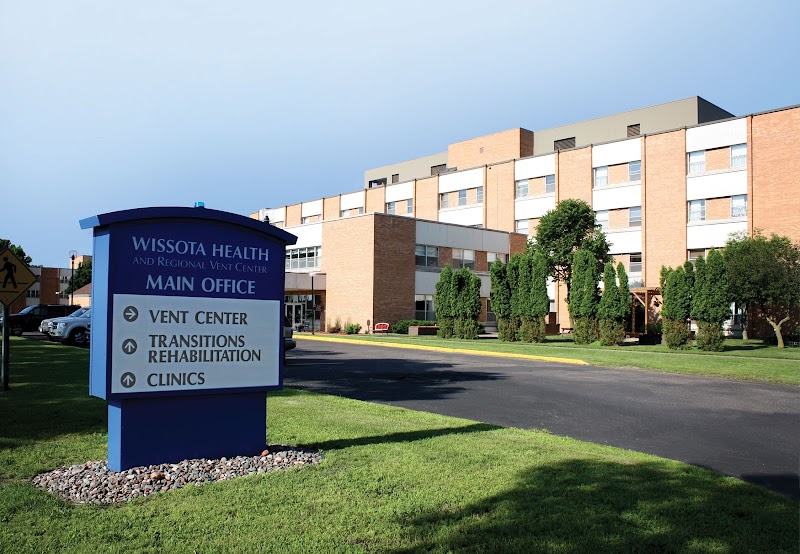
CMS assigns DOVE HEALTHCARE - REGIONAL VENT CENTER an overall rating of 2 out of 5 stars, which is considered below average nationally. Within Wisconsin, this rating places the facility higher than 0% of the state's 100 nursing homes. A rating at this level reflects concerns identified through health inspections, staffing assessments, or quality measures that families should carefully consider.
How is Dove Healthcare - Regional Vent Center Staffed?

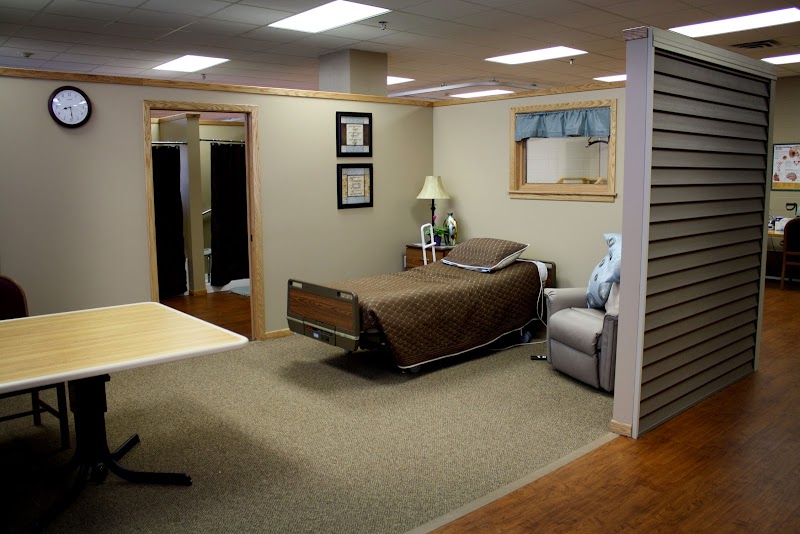
Detailed staffing data for DOVE HEALTHCARE - REGIONAL VENT CENTER is not available in the current CMS dataset.
What Have Inspectors Found at Dove Healthcare - Regional Vent Center?

State health inspectors documented 4 deficiencies at DOVE HEALTHCARE - REGIONAL VENT CENTER during 2022 to 2025. These included: 1 Immediate Jeopardy (the most serious level, indicating potential for serious harm or death) and 3 with potential for harm. Immediate Jeopardy findings are rare and represent the most serious regulatory concerns. They require immediate corrective action.
Who Owns and Operates Dove Healthcare - Regional Vent Center?

DOVE HEALTHCARE - REGIONAL VENT CENTER is owned by a for-profit company. For-profit facilities operate as businesses with obligations to shareholders or private owners. The facility is operated by DOVE HEALTHCARE, a chain that manages multiple nursing homes. With 31 certified beds and approximately 28 residents (about 90% occupancy), it is a smaller facility located in CHIPPEWA FALLS, Wisconsin.

How Does Dove Healthcare - Regional Vent Center Compare to Other Wisconsin Nursing Homes?

Compared to the 100 nursing homes in Wisconsin, DOVE HEALTHCARE - REGIONAL VENT CENTER's overall rating (2 stars) is below the state average of 3.0 and health inspection rating (2 stars) is below the national benchmark.

What Should Families Ask When Visiting Dove Healthcare - Regional Vent Center?

Based on this facility's data, families visiting should ask: "What changes have been made since the serious inspection findings, and how are you preventing similar issues?" "Can I visit during a mealtime to observe dining assistance and food quality?" "How do you handle medical emergencies, and what is your hospital transfer rate?" "Can I speak with family members of current residents about their experience?" These questions are particularly relevant given the facility's Immediate Jeopardy citations.

Is Dove Healthcare - Regional Vent Center Safe?

Based on CMS inspection data, DOVE HEALTHCARE - REGIONAL VENT CENTER has documented safety concerns. Inspectors have issued 1 Immediate Jeopardy citation (the most serious violation level indicating risk of serious injury or death). The facility has a 2-star overall rating and ranks #100 of 100 nursing homes in Wisconsin. Families considering this facility should ask detailed questions about what corrective actions have been taken since these incidents.

Do Nurses at Dove Healthcare - Regional Vent Center Stick Around?

DOVE HEALTHCARE - REGIONAL VENT CENTER has not reported staff turnover data to CMS. Staff turnover matters because consistent caregivers learn residents' individual needs, medications, and preferences. When staff frequently change, this institutional knowledge is lost. Families should ask the facility directly about their staff retention rates and average employee tenure.

Was Dove Healthcare - Regional Vent Center Ever Fined?

DOVE HEALTHCARE - REGIONAL VENT CENTER has been fined $102,905 across 1 penalty action. This is 3.0x the Wisconsin average of $34,108. Fines at this level are uncommon and typically indicate a pattern of serious deficiencies, repeated violations, or failure to correct problems promptly. CMS reserves penalties of this magnitude for facilities that pose significant, documented risk to resident health or safety. Families should request specific documentation of what issues led to these fines and what systemic changes have been implemented.

Is Dove Healthcare - Regional Vent Center on Any Federal Watch List?

DOVE HEALTHCARE - REGIONAL VENT CENTER is not on any federal watch list. The most significant is the Special Focus Facility (SFF) program, which identifies the bottom 1% of nursing homes nationally based on persistent, serious quality problems. Not being on this list means the facility has avoided the pattern of deficiencies that triggers enhanced federal oversight. This is a positive indicator, though families should still review the facility's inspection history directly.