WI VETERANS HOME AT CHIPPEWA FALLS
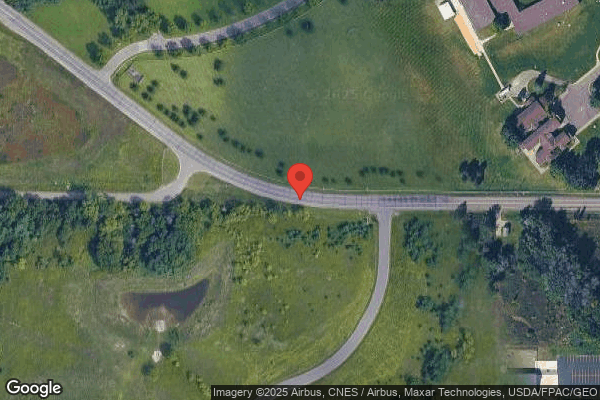
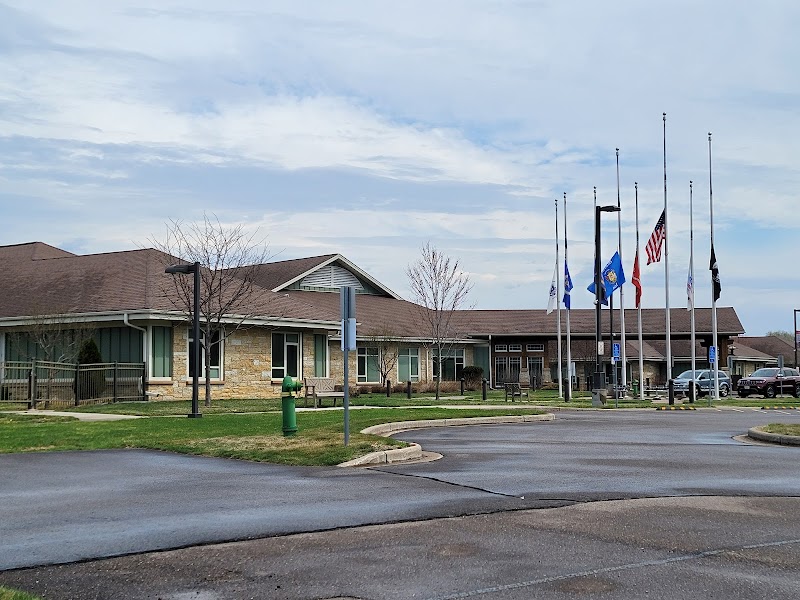
2175 E PARK AVE, CHIPPEWA FALLS, WI 54729 (715) 720-6775
Government - State 72 Beds Independent Data: November 2025
Trust Grade
90/100
#76 of 321 in WI
Last Inspection: June 2025

Inspected within the last 6 months. Data reflects current conditions.

Overview

The WI Veterans Home at Chippewa Falls has received an excellent Trust Grade of A, indicating a high level of care and service. It ranks #76 out of 321 facilities in Wisconsin, placing it in the top half, and #3 out of 6 in Chippewa County, meaning there are only two local facilities rated higher. However, the facility's trend is worsening, with the number of identified issues increasing from 4 to 5 over the past year. Staffing is a strong point, with a 5/5 rating and a turnover rate of 47%, which is on par with the state average, suggesting that staff members are knowledgeable about resident needs. Notably, there have been no fines, which is a positive indicator of compliance. However, there are some concerns, including incidents where staff did not follow proper procedures for resident transfers, and one resident did not receive necessary medication adjustments, which could impact their health. Overall, while there are some strengths in staffing and compliance, families should be aware of the increasing number of concerns regarding care practices.

Trust Score
A
90/100
In Wisconsin
#76/321
Top 23%
Safety Record
Low Risk
No red flags
Inspections
Getting Worse
4 → 5 violations
Staff Stability
⚠ Watch
47% turnover. Above average. Higher turnover means staff may not know residents' routines.
Penalties
✓ Good
No fines on record. Clean compliance history, better than most Wisconsin facilities.
Skilled Nurses
✓ Good
Each resident gets 87 minutes of Registered Nurse (RN) attention daily — more than 97% of Wisconsin nursing homes. RNs are the most trained staff who catch health problems before they become serious.
Violations
⚠ Watch
12 deficiencies on record. Higher than average. Multiple issues found across inspections.
★★★★★
5.0
Overall Rating
★★★★★
5.0
Staff Levels
★★★★★
5.0
Care Quality
★★★★☆
4.0
Inspection Score
Stable
2024: 4 issues
2025: 5 issues

The Good

  • 5-Star Staffing Rating · Excellent nurse staffing levels
  • 5-Star Quality Measures · Strong clinical quality outcomes
  • Full Sprinkler Coverage · Fire safety systems throughout facility
  • No fines on record

Facility shows strength in staffing levels, quality measures, fire safety.

The Bad

Staff Turnover: 47%

Near Wisconsin avg (46%)

Higher turnover may affect care consistency

The Ugly 12 deficiencies on record

Jun 2025 5 deficiencies
CONCERN (D) 📢 Someone Reported This

A family member, employee, or ombudsman was alarmed enough to file a formal complaint

Potential for Harm - no one hurt, but risky conditions existed

Quality of Care (Tag F0684)

Could have caused harm · This affected 1 resident

**NOTE- TERMS IN BRACKETS HAVE BEEN EDITED TO PROTECT CONFIDENTIALITY** Based on observation, interview and record review the facility did not ensure that a resident (R) received treatment and care in...

Read full inspector narrative →
**NOTE- TERMS IN BRACKETS HAVE BEEN EDITED TO PROTECT CONFIDENTIALITY** Based on observation, interview and record review the facility did not ensure that a resident (R) received treatment and care in accordance with professional standards of practice for 1 out of 72 residents sampled. (R271) The facility did not follow provider recommendations to taper gabapentin (anticonvulsant medication) and to monitor speech for R271. Findings include: R271 was admitted to the facility on [DATE] with diagnoses of congestive heart failure, chronic obstructive pulmonary disorder, Parkinsonism, neuralgia and neuritis, and dysarthria following cerebral infarction. R271's most recent annual Minimum Data Set (MDS) assessment dated [DATE] noted a Brief Interview for Mental Status (BIMS) score of 13 indicating cognition is intact. R271's care plan, dated 12/28/21, with a target date of 03/09/25, states: [R271] has .neuropathy and uses an anticonvulsant with interventions to monitor/document for side effects .slow reflexes, slurred speech, confusion and disorientation . R271's physician orders include: 07/03/24 gabapentin oral capsule 100 mg twice a day for neuropathy; 200 mg once a day at bedtime for neuropathy; and 100 mg every 24 hours as needed for anxiety. R271's psychiatric provider visit summary, dated 12/27/24, noted: [R271's] son-in-law mentioned that since being on gabapentin, [R271's] speech is slurred and didn't used to be prior to being on gabapentin. I would recommend considering a slow taper to monitor speech to see if gabapentin is affecting speech. R271's outpatient clinic communication tool note, dated 12/27/24, noted: Orders: Possible slow decrease of gabapentin if possible and monitor speech. Documentation on note has verification signatures by 3 facility staff acknowledging orders and updating primary care provider (PCP) on 12/30/24. R271's nurse progress notes: 12/30/24 Fax placed in provider's facility bin regarding outpatient provider's concern of R271 experiencing slurred speech and would recommend slowly titrating gabapentin dose. (Previously received an order on 12/19/24 for a neurology appointment.). Would you like to address this or have this information included in his neurology appointment? 01/02/25 Provider responded .address this at neurology appointment. R271's physician notes: 02/12/25 [R271] states he has not seen a new psychiatrist and did not get appointment for second opinion with neurology. It is true that I do not see any notes or appointments in the chart .follows with psychiatry, per records was supposed to meet with a new provider on 02/06/25 but [R271] states this appointment did not occur .defer future medication management to his office given complexity and challenges of the patient. Of note: Neurology follow-up occurred on 02/28/25. Documentation of visit did not include evaluation of tapering gabapentin dosing. No further documentation was noted for evaluation by psychiatry or neurology. Surveyor reviewed R271's assessments and was unable to locate focused speech assessments completed after 12/27/24. On 06/10/25 at 12:12 PM, Surveyor interviewed Director of Nursing (DON) B regarding gabapentin tapering and monitoring speech. DON B stated the gabapentin dosing was to be handled by the psychiatrist per the PCP, but the 2 appointments that were scheduled were canceled by the provider and R271 was never seen prior to discharge in April. Surveyor asked DON B if the PCP's request to have the psychiatrist handle the gabapentin tapering was communicated to the psychiatrist. DON B stated no, it would have been stated during the appointment. Surveyor asked DON B if this should have been communicated considering the concern for slurred speech. DON B stated, yes, this should have been better communicated. Surveyor asked DON B if speech assessments had been completed per the psychiatrist's recommendations. DON B stated that staff had not noticed any changes in speech. DON B acknowledged that in hindsight this should have been assessed and documented. On 06/11/25 at 11:20 AM, Surveyor interviewed Medical Director (MD) E regarding gabapentin tapering. MD E stated that she felt it was best that psychiatry handle this and the need for tapering should have been better communicated to the psychiatrist when the appointments fell through.
CONCERN (D)

Potential for Harm - no one hurt, but risky conditions existed

Deficiency F0688 (Tag F0688)

Could have caused harm · This affected 1 resident

**NOTE- TERMS IN BRACKETS HAVE BEEN EDITED TO PROTECT CONFIDENTIALITY** Based on observations, interviews and record review, the facility did not ensure residents with limited range of motion (ROM) re...

Read full inspector narrative →
**NOTE- TERMS IN BRACKETS HAVE BEEN EDITED TO PROTECT CONFIDENTIALITY** Based on observations, interviews and record review, the facility did not ensure residents with limited range of motion (ROM) received equipment to maintain or prevent further reduction in ROM for 1 of 2 residents (R) R29 reviewed. This is evidenced by: R29 was re-admitted to the facility on [DATE] with diagnoses including, in part, spinal stenosis, atrial fibrillation, osteo arthritis, peripheral venous insufficiency, polyneuropathy, hypertension, dysphagia, and localized edema. R29's Minimum Data Sheet (MDS) dated on 03/24/25 indicates that R29 is totally dependent with all cares. R29's Activities of Daily Living (ADL) care plan and Certified Nurse Assistant (CNA) [NAME] states, in part: -Dressing/Grooming: Adaptive clothing for upper body. Right hand splint and apply palm protector with foam piece to right hand in the AM. Wash and dry palm of right hand and in between fingers two times a day. Lightly stretch right middle finger at middle joint five times with each washing. R29's Occupational Therapy (OT) discharge recommendation note dated 05/21/25 states, in part: -R29 is to have palm protector on days and off at nights. Observations: On 06/09/25 at 11:02 AM, Surveyor observed R29 sitting in Broda chair in R29's room. Surveyor did not see right hand splint on R29 as stated in care plan. Surveyor observed right hand brace lying on bedside table. On 06/09/25 at 2:44 PM, Surveyor observed R29 resting in bed in R29's room. Surveyor did not see right hand splint on R29 as stated in care plan. Surveyor observed right hand brace lying on bedside table. On 06/10/25 at 9:01 AM, Surveyor observed R29 sitting in Broda chair at dining room table finished with breakfast. Surveyor did not see right hand splint on R29 as stated in care plan. On 06/10/25 at 9:04 AM, Surveyor walked to R29's room and observed R29's right hand brace lying on bedside table. On 06/10/25 at 10:50 AM, Surveyor observed CNA J and CNA I enter R29's room. Surveyor observed cares being performed. Surveyor observed CNA J and CNA I exit R29's room. Surveyor did not observe R29's right hand brace on at this time. Surveyor observed right hand brace lying on bedside table. On 06/10/25 at 12:09 PM, Surveyor observed CNA J and CNA I enter R29's room to transfer R29 up for lunch. Surveyor did not observe R29's right hand brace on. Surveyor observed R29's right hand brace located on bedside table in R29's room. On 06/11/25 at 9:20 AM, Surveyor interviewed CNA I and asked CNA I if R29 receives ROM exercises daily now that R29 has been discharged from Occupational Therapy (OT) services. CNA I indicated that CNA I is unsure and would need to verify with OT. CNA I indicated that since R29 went to hospital in March, R29 has declined and not able to use both hands anymore. Surveyor asked CNA I if R29 is supposed to have the right-hand palm protector on daily. CNA I checked CNA [NAME] and stated, Oops she is supposed to have palm protector on right hand in the AM and off at night. I will go place R29's hand splint on. On 06/11/25 at 9:56 AM, Surveyor interviewed Certified Occupational Therapist Assistant (COTA) K and asked if COTA K is working with R29. COTA K reported that R29 was discharged from OT end of April. COTA K reported that recommendations is for staff to apply right hand palm splint daily in the AM and take off at night. COTA K reported staff are to stretch fingers twice a day during cleaning of the palm and fingers with palm protector on. On 06/11/25 at 11:39 AM, Surveyor interviewed Director of Nursing (DON) B and requested information pertaining to R29's right hand splint. Surveyor reported to DON B that Surveyor observed R29 without right hand palm splint for last 3 days 06/09-06/11/25. DON B indicated that if OT notes and care plan state that R29 is to have right hand splint applied in the morning and taken off at night then that is what staff should be completing.
CONCERN (D)

Potential for Harm - no one hurt, but risky conditions existed

Accident Prevention (Tag F0689)

Could have caused harm · This affected 1 resident

**NOTE- TERMS IN BRACKETS HAVE BEEN EDITED TO PROTECT CONFIDENTIALITY** Based on record review, observation and interview, the facility did not ensure the resident environment remains free of accident...

Read full inspector narrative →
**NOTE- TERMS IN BRACKETS HAVE BEEN EDITED TO PROTECT CONFIDENTIALITY** Based on record review, observation and interview, the facility did not ensure the resident environment remains free of accident hazards as possible and each resident receives adequate supervision and assistance devices to prevent accidents for 1 of 8 residents (R19) reviewed. R19 did not have fall intervention in place of leaving wheelchair at side of bed to prevent falls. This is evidenced by: The facility policy titled Accident/Falls last revised on 12/24, states: The facility strives to promote safety, dignity, and overall quality of life for its residents by providing an environment that is free from any hazards for which the facility has control and by providing appropriate supervision and interventions to prevent avoidable accidents. Under section titled Procedure states in part: 10. The resident's individualized care plan is to be updated with any changes or new interventions post fall/incident/accident, communicated to appropriate staff, and implemented. R19's Quarterly MDS, dated [DATE], indicates R19 has a BIMS of 0, meaning R19 has severe cognitive impairment, has had 2 or more falls since previous MDS and is independent with bed mobility, including going from a lying to sitting position on side of bed. R19's diagnoses include neurocognitive disorder with Lewy bodies, cognitive communication deficit, and dementia of unspecified severity with mood disturbance. R19's care plan last revised on 01/03/25 with a target date of 07/06/25 states in part, I am at risk for falls r/t Gait/balance problems, unaware of safety needs, . I have a history of falls, with an intervention initiated on 01/21/25 that states, Leave wheelchair next to bed when member is in bed due to self-transferring. On 06/09/25 at 9:36 AM, Surveyor observed R19 lying in bed with wheelchair at foot of bed and not positioned at bedside. On 06/10/25 at 8:07 AM, Surveyor observed R19 lying in bed with wheelchair at foot of bed and not positioned at bedside. On 06/10/25 at 8:57 AM, Surveyor interviewed Certified Nursing Assistant (CNA) C regarding fall interventions in place for R19. CNA confirmed R19's intervention to have wheelchair next to bed. On 06/10/25 at 9:05 AM, Surveyor shared observation with CNA C of wheelchair placed at foot of bed and not at bedside. CNA C stated being aware that wheelchair was at foot of bed and then moved wheelchair to side of bed, stating, It needs to be at bedside at all times as [R19] will attempt to self-transfer. On 06/11/25 at 1:44 PM, Surveyor interviewed Director of Nursing (DON) B and shared observations of R19 not having care plan intervention of wheelchair beside bed for fall prevention. DON B stated the expectation would be for staff to follow and implement the plan of care interventions.
CONCERN (D)

Potential for Harm - no one hurt, but risky conditions existed

Unnecessary Medications (Tag F0759)

Could have caused harm · This affected 1 resident

Based on observation, record review and interview, the facility did not ensure a medication error rate of 5% or less for 1 of 7 residents (R) observed for medication administration. The facility had 2...

Read full inspector narrative →
Based on observation, record review and interview, the facility did not ensure a medication error rate of 5% or less for 1 of 7 residents (R) observed for medication administration. The facility had 25 opportunities and 9 medication errors resulting in a 36% error rate. Registered Nurse (RN) G crushed 9 different medications in applesauce and spilled a portion of the medications. RN G administered remaining medications in cup to R17. This is evidenced by: On 06/10/25 at 7:32 AM, Surveyor observed RN G prepping R17's medications. RN G placed Tylenol 325mg 2 tabs, Allopurinol 100 mg 1 tab, Depakote sprinkles 125mg 2 capsules, Donepezil 10mg 1 tab, Ziprasidone 40mg 1 tab, Losartan 25 mg 1 tab, Rexutil 2mg 1 tab, Sertraline 25 mg 2 tabs, Sertraline 100mg 1 tab, and Furosemide 20 mg 1 tab, and 10mg ½ tab into a medicine cup. RN G opened Depakote capsules and sprinkled into medicine cup. Then RN G crushed medications and added applesauce to R17's medications. While RN G was mixing medications with applesauce, RN G spilled a big spoonful of applesauce and crushed medications onto medication cart. Surveyor observed RN G clean medications and applesauce off the cart with Kleenex, place this in the garbage and go to R17's room. On 06/10/25 at 7:52 AM, Surveyor observed RN G administer R17's medications from applesauce cup. On 06/10/25 at 7:56 AM, Surveyor interviewed RN G and asked what is the normal process that RN G would do if RN G dropped some of R17's medications on medication cart. RN G stated that RN G should have disposed of all R17's medications and re-prepped new medications as RN G does not know how much of each medication R17 received. RN G did not prep new medications. On 06/10/25 at 2:56 PM, Surveyor interviewed Director of Nursing (DON) B and asked expectation of RN G prepping medications and then dropping a spoonful of medications with applesauce. DON B reported that DON B's expectation is RN G should have re-prepped medications for R17 and disposed of the current medications that RN G administered to R17.
CONCERN (D)

Potential for Harm - no one hurt, but risky conditions existed

Infection Control (Tag F0880)

Could have caused harm · This affected 1 resident

**NOTE- TERMS IN BRACKETS HAVE BEEN EDITED TO PROTECT CONFIDENTIALITY** Based on observation, interview and record review, the facility did not establish and maintain an infection prevention and contr...

Read full inspector narrative →
**NOTE- TERMS IN BRACKETS HAVE BEEN EDITED TO PROTECT CONFIDENTIALITY** Based on observation, interview and record review, the facility did not establish and maintain an infection prevention and control program to help prevent the development and transmission of communicable diseases and infections. This has the potential to affect 2 of the 17 residents (R) reviewed, R29 and R42. -Certified Nurse Assistant (CNA) J did not perform hand hygiene when providing peri cares for R29 or clean BM off R29's Broda chair. -Assistant Director of Nursing (ADON) H did not provide a protective barrier during wound dressing change for R29. -CNA J did not perform hand hygiene after providing catheter care for R42. Findings include: The facility policy titled Handwashing, dated April 2025, states in part: Alcohol based hand sanitizer should be used: -Before moving from work on a soiled body site to a clean body site on the same patient. -After contact with contaminated surfaces -Immediately after glove removal . Example 1 On 06/10/25 at 10:50 AM, Surveyor observed Certified Nurse Assistant (CNA) J and CNA I enter R29's room. Surveyor observed cares being performed. Surveyor observed CNA J and CNA I sanitize hands and then apply gloves. Surveyor observed Bowel Movement (BM) on bottom of R29's brief seeping out the sides. Surveyor observed BM on R29's Broda chair cushion. Surveyor observed CNA J and CNA I take off R29's brief and begin to clean R29's peri area. CNA J rolled R29 to the right side, began cleaning gluteal folds and cleaned BM off R29's bottom. Surveyor observed CNA J roll R29 to R29's left side and CNA I pull the Hoyer sling out and throw on top of the wet BM in Broda chair. Surveyor observed CNA J and CNA I roll R29 back to R29's back. Surveyor observed CNA J grab zinc oxide cream and used contaminated BM gloves to apply zinc oxide cream to R29's peri folds near vagina. R29 stated, That is very painful. Surveyor observed R29's majora labia and peri area folds very red and tender to touch. CNA I indicated to R29 that the zinc oxide should help alleviate the pain. Surveyor did not observe CNA J doff gloves, sanitize, and apply new gloves before applying zinc oxide. Surveyor observed CNA J and CNA I lower R29's bed and place Broda wheelchair in the corner of R29's room, take garbage and leave R29's room. Surveyor did not observe CNA J and CNA I sanitize R29's Broda chair or sling that had BM on it. On 06/10/25 at 12:09 PM, Surveyor observed CNA J and CNA I enter R29's room to transfer R29 up for lunch. CNA J and CNA I placed contaminated sling under R29 and hooked R29 to Hoyer lift. Surveyor interrupted CNA J and CNA I and asked CNA J and CNA I if CNA J and CNA I were going to transfer R29 to the contaminated Broda chair. CNA I stated that CNA I did not realize Broda chair was dirty. CNA J did not say anything but grabbed a wipe and proceeded to wipe down Broda chair. CNA J and CNA I transferred R29 to [NAME] chair and wheeled R29 to dining room with contaminated sling underneath R29. On 06/10/25 at 12:13 PM, Surveyor interviewed CNA J and asked if CNA J should have changed gloves and sanitized hands after cleansing R29's bottom that had BM before applying zinc oxide cream to R29's peri folds in the front vaginal area. CNA J reported that CNA J should have not used same gloves after cleaning BM off of R29. CNA J reported that CNA J should have doffed gloves and sanitized hands before applying a new pair of gloves. Example 2 On 06/11/25 at 9:28 AM, Surveyor observed ADON H perform wound dressing change on R29. ADON H sanitized hands before entering and then donned PPE. ADON H lifted R29's leg and undressed R29's wound dressing. ADON H stated, I am just going to fold the ABD pad in half and lay [R29's] leg back down while I prep supplies. ADON H lowered R29's right leg back down with open contaminated wound on right lateral leg area unto contaminated old ABD dressing pad. ADON H then lifted R29's leg and cleansed open wound with saline. ADON H then lowered R29's right lateral leg back onto contaminated ABD pad. ADON H lifted R29's leg again so wound doctor could begin debriding R29's wound. Once wound doctor was done debriding, ADON H lowered R29's right lateral leg on contaminated ABD pad. ADON H grabbed xeroform and wound doctor lifted R29's right lateral leg. ADON H applied xeroform to R29's wound, covered with clean ABD pad and then wrapped with kerlix. Surveyor did not observe ADON H clean R29's open wound with saline before applying new wound dressing. On 06/11/25 at 2:44 PM, Surveyor interviewed ADON H and asked ADON H to walk through wound care process when taking old, contaminated dressings off and then applying new dressings to an open wound. Surveyor stated to ADON H during R29's wound care dressing, ADON H placed contaminated ABD pad and folded the contaminated ABD pad in half and laid R29's open wound back on contaminated dressing after washing with saline. ADON H then placed R29's open wound back down on contaminated old ABD pad and then dressed R29's contaminated wound with a new wound dressing. ADON H reported that ADON H usually puts clean barrier down, but R29 is usually in R29's wheelchair so the process is different. ADON H indicated that ADON H should have placed protective barrier down first and not used contaminated ABD pad to lay R29's open wound on. Example 3 On 06/10/25 at 11:25 AM, Surveyor observed CNA J sanitize hands and empty catheter bag into gradual. CNA J drained graduate in toilet. On 06/10/25 at 11:27 AM, while observing CNA J emptying R42's graduate, R42 requested CNA J to adjust towels under arms to position for comfort. CNA J doffed gloves. CNA J walked towards R42 and began adjusting R42's towels under R42's arms. Surveyor did not observe CNA J sanitize hands after doffing gloves before touching R42's upper half in repositioning. On 06/10/25 at 12:13 PM, Surveyor interviewed CNA J and asked if CNA J should have sanitized hands after doffing contaminated gloves after emptying the catheter, and before assisting R42 with repositioning and placing towels under R42's arms. CNA J reported that CNA J should have sanitized hands after doffing gloves before assisting R42 with position change and propping arm towels for comfort. On 06/11/25 at 3:01 PM, Surveyor interviewed Director of Nursing (DON) B and asked expectation for hand hygiene practices during peri cares, catheter care, and correct process for wound care. Surveyor reported to DON B that Surveyor observed CNA J used same gloves after cleaning BM off R29's bottom and then moving to the front of R29 and applied zinc oxide to R29's vaginal area. DON B stated that CNA J should have doffed gloves, washed hands, and applied new gloves before applying zinc oxide. Surveyor reported to DON B that CNA J did not sanitize hands after doffing gloves after catheter care for R42. CNA J repositioned R42's upper body with towels without sanitizing in between. DON B stated that CNA J should have doffed gloves and sanitized hands before helping R42 with a clean part of body. Surveyor reported to DON B through observation Surveyor observed ADON H place R29's open wound on contaminated ABD pad consecutively without proper cleaning of R29's wound before applying new dressing. DON B stated that all wound dressing changes need to have a protective barrier under the wound so that wounds do not become infected.
Apr 2024 3 deficiencies
CONCERN (D)

Potential for Harm - no one hurt, but risky conditions existed

Pressure Ulcer Prevention (Tag F0686)

Could have caused harm · This affected 1 resident

**NOTE- TERMS IN BRACKETS HAVE BEEN EDITED TO PROTECT CONFIDENTIALITY** Based on observations, interviews and record reviews, the facility did not ensure 2 of 6 residents reviewed (R32 and R53) for pr...

Read full inspector narrative →
**NOTE- TERMS IN BRACKETS HAVE BEEN EDITED TO PROTECT CONFIDENTIALITY** Based on observations, interviews and record reviews, the facility did not ensure 2 of 6 residents reviewed (R32 and R53) for pressure injuries (PI) received necessary treatment and services, consistent with professional standards of practice to prevent new ulcers from developing. This is evidenced by: According to the National Pressure Injury Advisory Panel (NPIAP) 2019, page 115, . Repositioning and mobilizing individuals is an important component in the prevention of pressure injuries. The underlying cause and formation of pressure injuries is multifaceted; however, by definition, pressure injuries cannot form without loading, or pressure, on tissue. Extended periods of lying or sitting on a particular part of the body and failure to redistribute the pressure on the body surface can result in sustained deformation of soft tissues and, ultimately, in tissue damage . According to Wound Care Education Institute (WCEI) 2018, for immobile or bed bound individuals, a full change in position should be conducted a minimum of every two hours. Some individuals require more frequent repositioning due to their high-risk status. The facility's policy titled Pressure Ulcer/Skin Integrity last revised on 04/02/22 states in part, Based on the comprehensive assessment of a resident. Health Dimensions Group (HDG) Communities will ensure: A resident receives care, consistent with professional standards of practice, to prevent pressure ulcers and does not develop pressure ulcers unless the individual's clinical condition demonstrates that they were unavoidable. Example 1 R32 is under the care of hospice and has medical diagnoses that include but are not limited to, non-traumatic brain dysfunction and Alzheimer's disease. According to the most recent Minimum Data Set assessment (MDS), which was a significant change assessment with the assessment reference date of 02/23/24, R32 is dependent on staff for basic daily tasks which includes toilet use and transfers with a mechanical lift. R32 sits in a Broda chair and is non-ambulatory. R32 is frequently incontinent of bowel and bladder function. R32 has short-term and long-term memory impairment and has severely impaired daily decision-making abilities. Surveyor reviewed R32's recent Braden Risk Assessment, dated 02/18/24, in which R32 was scored 11. A score of 10-12 indicated a high risk for the development of a PI. On 04/10/24 at 6:35 AM, Surveyor observed R32 sitting up in a Broda chair in the TV room. On 04/10/24 at 7:21 AM, Surveyor observed R32 sleeping in Broda Chair being brought to beauty shop for a haircut. On 04/10/24 at 8:34 AM, Surveyor observed R32 being brought back to TV room after breakfast. On 04/10/24 at 9:36 AM, Surveyor continued to observe R32 in the TV room. R32 opened eyes but fell back to sleep immediately after 2 separate visits from visitors. On 04/10/24 at 10:29 AM, Surveyor observed Certified Nursing Assistant (CNA) D bring R32 to room and returned to TV room at 10:31 AM. On 04/10/24 at 11:54 AM, Surveyor observed R32 taken to dining table by CNA C. On 04/10/24 at 12:47 PM, Surveyor observed R32 sitting at dining table. On 04/10/24 at 12:55 PM, Surveyor observed R32 brought to room to lie down by CNA C and CNA D. Note: This was an observation of 6 hours 20 minutes sitting in a Broda chair without staff providing offloading. Surveyor reviewed the comprehensive care plan the facility devised for R32. Included were the following: The resident has a skin impairment, at risk care plan related to (r/t) cognitive impairment, immobility. Interventions for this plan include: I need monitoring/reminding/assistance) to turn/reposition at least every 2 hours, more often as needed or requested. The care plan does not direct staff on R32's repositioning while seated in the Broda chair. On 04/10/24 at 1:19 PM, Surveyor interviewed both CNA C and CNA D who confirmed no offloading was conducted on R32 since getting out of bed in am. On 04/10/24 at 1:50 PM, Surveyor interviewed Director of Nursing (DON) B regarding observations of R32 sitting up in Broda chair for 6 hours and 20 minutes without offloading. DON B stated staff are expected to follow the care plan. DON B was unable to state what standard of practice they follow. On 04/11/24 at 8:08 AM, Surveyor received information from Nursing Home Administrator (NHA) A that the facility utilizes the NPIAP as their standard of practice. Example 2 R53's Minimum Data Set (MDS) was reviewed by Surveyor with the following noted: Most recent Significant Change in Status MDS dated [DATE] notes R53 sometimes understands and sometimes is understood with severely impaired cognition. R53 has no behavioral concerns, no range of motion impairments and no significant weight loss. R53 is dependent on staff for toileting, bathing, dressing, hygiene, rolling left to right and transfers. R53 is incontinent of bowel of bladder, is at risk for pressure ulcers and is on hospice services. Surveyor reviewed R53's most recent Braden Scale Tool completed on 03/07/24. Summary of Assessment: Member is at moderate risk for skin breakdown. Member is incontinent of bowel of bladder. Member is totally dependent for all cares. Surveyor reviewed R53's care plan. The care plan noted: Pressure ulcer: At risk: I have the potential for pressure ulcer development r/t (related to) Disease process, Hx (history) of ulcers, Immobility. I will have intact skin, free of redness, blisters or discoloration by/through review date: 06/12/24. Approaches: Administer medications as ordered. Monitor/document for side effects and effectiveness. Administer treatments as ordered and monitor for effectiveness. Apply barrier cream to buttock with cares. Follow facility policies/protocols for the prevention/treatment of skin break down. I need to turn/reposition at least every 2 hours, more often as needed or requested. Monitor nutritional status. Serve diet as ordered, monitor intake and record. Obtain and monitor lab/diagnostic work as ordered. Report results to MD and follow up as indicated. Roho cushion in wheelchair, air mattress overlay in bed. On 4/10/24 at 6:07 AM, Surveyor observed R53 up in his wheelchair in the lounge on household C. R53 remained in the lounge until 7:22 AM when R53 was taken to the dining room from the lounge in his wheelchair. R53 remained in the dining room until 8:25 AM when he was taken from the dining room back to the lounge. R53 was taken to his room from the lounge by CNA G at 8:52 AM. CNA G was joined by DON B at 8:54 AM. R53 was transferred to his bed from his chair for position change at 8:56 AM. CNA G indicated R53 had been incontinent of bowel and bladder and performed peri-care. CNA G informed DON B R53's butt was red. Following peri-care CNA G applied barrier cream to R53's buttocks, provided R53 his call light, placed a pillow under his head and covered R53 with blankets. R53 was up in his wheelchair without repositioning for 2 hours and 49 minutes placing him at risk for the redevelopment of pressure injuries. On 04/10/24 at 6:11 AM, Surveyor interviewed CNA F about R53's routine for repositioning and incontinence care. CNA F explained R53's care is done on night shift, and he is gotten up by night shift before 6:00 AM. R53 is laid back down after breakfast, usually around 10:00 AM and changed. Depending on activities he may get back up or stay in bed for about an hour. Today he will lay down for an hour then get up for lunch. After lunch R53 will be laid down and changed and get back up for bingo with his wife at 2:00 pm. On 4/10/24 at 9:07 AM, Surveyor interviewed DON B about the observation and staff expectations regarding R53's repositioning and risk for pressure injury. DON B expressed she would expect staff to follow R53's care plan and provide him repositioning every 2 hours. The plan of care is in place to prevent skin breakdown. DON B further expressed she believes R53 has a history of pressure injuries but would need to verify in R53's record his history of pressure injury. On 4/10/24 at 10:19 AM, DON B informed Surveyor of R53's history of pressure injury was prior to his admission to the facility in July 2023. R53 remains at risk for the redevelopment of pressure injuries.
CONCERN (D)

Potential for Harm - no one hurt, but risky conditions existed

Incontinence Care (Tag F0690)

Could have caused harm · This affected 1 resident

**NOTE- TERMS IN BRACKETS HAVE BEEN EDITED TO PROTECT CONFIDENTIALITY** Based on observation, interviews and record reviews, the facility did not ensure 2 of 5 residents (R) reviewed for bowel and bla...

Read full inspector narrative →
**NOTE- TERMS IN BRACKETS HAVE BEEN EDITED TO PROTECT CONFIDENTIALITY** Based on observation, interviews and record reviews, the facility did not ensure 2 of 5 residents (R) reviewed for bowel and bladder incontinence (R32 and R53) received appropriate treatment and services to prevent Urinary Tract Infections (UTI). This is evidenced by: Acello, [NAME] RN MSN. The Long-Term Care Nursing Desk Reference. Chapter 13, pages 214-215 offer the following discussion on urinary incontinence in Long Term Care: . Incontinence is a medical problem that is, in many instances, beyond the resident's control. Incontinence is not a normal consequence of aging and can frequently be cured or improved . Incontinence in long-term care facilities can often be linked to the facility's staff. Over time, staff become insensitive to incontinence . the sensation of needing to use the toilet is one of the last to be lost in cognitively impaired residents. Their problem is often one of communication. They are unable to communicate the need to use the bathroom . Effective urinary management is assessment-based and individualized to the resident . It involves toileting the resident at times in which he or she is most likely to eliminate . The facility policy titled Bowel and Bladder Management revised on 04/22 states in part, A resident who is incontinent of bladder receives appropriate treatment and services to prevent urinary tract infections. Example 1 R32 is under the care of hospice and has medical diagnoses that include but are not limited to, non-traumatic brain dysfunction and Alzheimer's disease. According to the most recent Minimum Data Set assessment (MDS), which was a significant change assessment with the assessment reference date of [DATE], R32 is dependent on staff for basic daily tasks which includes toilet use and transfers with a mechanical lift. R32 sits in a Broda chair and is non-ambulatory. R32 is frequently incontinent of bowel and bladder function. R32 has short-term and long-term memory impairment and has severely impaired daily decision-making abilities. On [DATE], the facility completed Full Function Screen Tool on R32 which indicates: • Section K: Toileting Self Performance - member requires total assistance. • Section L: Incontinence type - functional (deceased mental awareness, decreased or loss of mobility or personal unwillingness). Surveyor reviewed the comprehensive care plan the facility devised for R32. Included were the following: Bowel/Bladder incontinence r/t activity intolerance, Alzheimer's, confusion, impaired mobility, physical limitations, prostate enlargement. Interventions for this plan include: check me every 2-3 hours and as required for incontinence. Wash, rinse, and dry perineum. Monitor/document for signs and symptoms of UTI. On [DATE] at 6:35 AM, Surveyor observed R32 sitting up in a Broda chair in the TV room. On [DATE] at 7:21 AM, Surveyor observed R32 sleeping in Broda Chair being brought to beauty shop for a haircut. On [DATE] at 8:34 AM, Surveyor observed R32 being brought back to TV room after breakfast. On [DATE] at 9:36 AM, Surveyor continued to observe R32 in the TV Room. R32 opened eyes but fell back to sleep immediately after 2 separate visits from visitors. On [DATE] at 10:29 AM, Surveyor observed Certified Nursing Assistant (CNA) D bring R32 to room and returned to TV room at 10:31 AM. On [DATE] at 11:54 AM, Surveyor observed R32 taken to dining table by CNA C. On [DATE] at 12:47 PM, Surveyor observed R32 sitting at dining table. On [DATE] at 12:55 PM, Surveyor observed R32 brought to room to lay down by CNA C and CNA D. Note: This was an observation of 6 hours 20 minutes in which R32 was not provided incontinence care. On [DATE] at 1:19 PM, Surveyor interviewed both CNA C and CNA D who confirmed no incontinence care was conducted on R32 since getting out of bed in am. On [DATE] at 1:50 PM, Surveyor interviewed Director of Nursing (DON) B regarding observations of R32 sitting up in Broda chair for 6 hours and 20 minutes without receiving incontinence care. DON B stated staff are expected to follow the policy and care plan. Example 2 R53's diagnoses include non-traumatic brain dysfunction, non-Alzheimer's dementia and benign prostatic hyperplasia (enlarged prostrate). With this condition, the urinary stream may be weak or stop and start and lead to infection. Surveyor reviewed R53's record and noted the following: R53 Minimum Data Set (MDS) was reviewed by Surveyor with the following noted: Most recent Significant Change in Status MDS dated [DATE] notes R53 sometimes understands and sometimes is understood with severely impaired cognition. R53 has no behavioral concerns, no range of motion impairments and no significant weight loss. R53 is dependent on staff for toileting, bathing, dressing, hygiene, rolling left to right and transfers. R53 is incontinent of bowel of bladder, is at risk for pressure ulcers and is on hospice services. Surveyor reviewed Bowel and Bladder Functional Screen Tool most recently completed on [DATE] for R53. The tool in part read: The member is continent of urine: No The member is continent of bowel: No Elimination History: Member is incontinent of bowel and bladder at night. Member is changed q2 hours. Adequate fluid intake: Yes Current Elimination Symptoms Choose all that apply: Functionally disabled. Cognitive Status The member displays: Long-term memory loss The member is able to identify the need to void/defecate: No The member is able to use the nurse call light: No The member is able to ask to go to the bathroom: No The member is UNABLE to sit on the toilet: Yes The member is ABLE to sit on the toilet: No Perineum Visually inspect perineum. Describe any abnormalities noted or write 'none' if none observed. none Diagnoses Please choose all that apply: Cancer CVA Dementia/Alzheimer's Depression Prostate problems Medications Please check all that apply: Antihistamines Narcotics Psychoactive/Hypnotics Mobility Status Choose all that apply: Requires mechanical lift. Chairfast Pain Status Member has or is being treated for pain: Yes. Pain affects resident's ability to void/defecate: No Comment on any items involving pain or meds being used. acetaminophen TID (three times a day), morphine PRN (as needed) Toileting Self Performance How resident uses toilet, bedpan, and transfers on/off bed pan, toilet, cleanses, changes pads, adjusts clothes): Member requires total assistance. Incontinence Type Functional (decreased mental awareness, decreased or loss of mobility or personal unwillingness) Answer the following regarding environmental barriers that may impede toileting: 1. Bathroom: No 2. Bedroom: No 3. Bed: No 4. Wheelchair/chair: No 5. Lighting: No Retraining Member is a candidate for retraining? No Summary Summary of Assessment: Member is incontinent of bowel and bladder r/t loss of functional abilities. Member is on q2 hr and prn check and repositioning. Member has regular bowel schedule. Care plan: BOWEL/BLADDER INCONTINENCE: I have functional bladder incontinence r/t (related to) activity Intolerance, confusion, dementia, Impaired mobility, physical limitations, prostate enlargement. I will remain free from skin breakdown due to incontinence and brief use through the review date. [DATE]. Approaches: ACTIVITIES: notify nursing if incontinent during activities. Encourage fluids during the day to promote prompted voiding responses. Monitor and document intake and output as per facility policy. Monitor fluid intake to determine if natural diuretics such as coffee, tea, or cola is contributing to increased urination and incontinence. Monitor/document for s/sx UTI: pain, burning, blood tinged urine, cloudiness, no output, deepening of urine color, increased pulse, increased temp (temperature), urinary frequency, foul smelling urine, fever, chills, altered mental status, change in behavior, change in eating patterns. Monitor/document/report to MD PRN (as needed) possible medical causes of incontinence: bladder infection, constipation, loss of bladder tone, weakening of control muscles, decreased bladder capacity, diabetes, Stroke, medication side effects. Refer to ADL (activities of daily living) POC (plan of care) ADL's: Member has limited physical mobility r/t major neurocognitive disorder, chronic leukemia, and osteoarthrosis. Member will maintain current level of mobility through review date. BATHING: TD (total dependence), Shower Wed/Sun AM, use shower chair BED MOBILITY: A2 (assist of 2), float heels, sleeps with 2 pillows. BEHAVIORS: B: Irritability, I: ensure comfort, ask about pain, positive interaction, B: Hallucinations, I: reassure, ensure safety DRESSING: TD-A2, glasses (often times does not wear) EATING: TD, Regular diet, mech soft texture, nectar thick liquids. Prefers Chocolate milk and Juice. MOBILITY: TD broda chair POA prefers member to attend activities and HS (hour of sleep) around 8:30pm, use sheet only in bed/has night sweats. TOILETING: TD Incontinent, L brief (blue) check and change q 2 hrs, check between meals, barrier cream TRANSFER: TD Hoyer. Sling sz L, #500252, leave sling under member in broda, ensure sling is properly tucked. On [DATE] at 6:07 AM, Surveyor observed R53 up in his wheelchair in the lounge on household C. R53 remained in the lounge until 7:22 AM when R53 was taken to the dining room from the lounge in his wheelchair. R53 remained in the dining room until 8:25 AM when he was taken from the dining room back to the lounge. R53 was taken to his room from the lounge by CNA G at 8:52 AM. CNA G was joined by DON B at 8:54 AM. R53 was transferred to bed from his chair for position change and incontinence care at 8:56 am. CNA G obtained a clean brief and DON B obtained wet wipes after performing hand hygiene and donning gloves. CNA G lowered R53's pants and brief and indicated R53 had been incontinent of bowel and bladder. CNA G performed peri-care and informed DON B R53's butt was red. Following peri-care CNA G applied barrier cream to R53's buttocks, provided R53 his call light, placed a pillow under his head and covered R53 with blankets. R53 was observed by Surveyor up in wheelchair without incontinence care for 2 hours and 49 minutes. On [DATE] at 6:11 AM, Surveyor interviewed CNA F about R53's routine for repositioning and incontinence care. CNA F explained R53's care is done on night shift, and he is gotten up by night shift before 6:00 am. R53 is laid back down after breakfast, usually around 10:00 AM and changed. Depending on activities he may get back up or stay in bed for about an hour. Today he will lay down for an hour then get up for lunch. After lunch he will be laid down and changed and get back up for bingo with his wife at 2:00 pm. On [DATE] at 9:07 AM, Surveyor interviewed DON B about the observation and staff expectations regarding R53's incontinence care and potential risk for urinary tract infections (UTI). DON B expressed she would expect staff to follow R53's care plan and provide him incontinence care every 2 hours. The plan of care is in place to prevent skin breakdown, promote his comfort and to prevent UTIs.
CONCERN (D)

Potential for Harm - no one hurt, but risky conditions existed

Infection Control (Tag F0880)

Could have caused harm · This affected 1 resident

Based on observation, record review and interview, the facility did not ensure proper hand hygiene was conducted to provide a safe, sanitary, and comfortable environment to help prevent the developmen...

Read full inspector narrative →
Based on observation, record review and interview, the facility did not ensure proper hand hygiene was conducted to provide a safe, sanitary, and comfortable environment to help prevent the development and transmission of communicable diseases and infections during wound care for 1 of 1 residents (R) R28. This is evidenced by: The facility policy, entitled Handwashing revised on 11/2022 states in part that alcohol-based hand sanitizer should be used after contact with blood, body fluids or contaminated surfaces .immediately after glove removal. R28 returned to facility on 02/19/2024 with a pressure ulcer on left heel following hospitalization and placed on Enhanced Barrier Precautions (EBP). R28's comprehensive care plan states: Follow facility policies/protocols for the prevention/treatment of skin breakdown. On 04/10/24 at 11:17 AM, Surveyor observed Registered Nurse (RN) E don personal protective equipment (PPE) prior to conducting wound care on R28's left heel. RN E conducted hand hygiene, donned a clean pair of gloves, removed contaminated wound dressing, removed contaminated gloves, and donned a clean pair of gloves. RN E cleansed wound area, removed gloves, and donned a pair of clean gloves. RN E measured wound area, applied moisturizer on R28's foot, removed gloves, donned clean gloves, placed dressing as ordered and wrapped heel with Kerlix. No hand hygiene was observed between glove changes during the above procedure. On 04/10/24 at 11:30 AM, Surveyor interviewed RN E regarding no observation of hand hygiene between glove changes during wound care. RN E stated receiving education to conduct hand hygiene between gloves changes. RN E confirmed hand hygiene was not conducted during wound care. On 04/10/24 at 1:50 PM, Surveyor shared observation of RN E not conducting hand hygiene between glove changes during wound care with Director of Nursing (DON) B. DON B stated the expectation would be to conduct hand hygiene after removing soiled gloves and putting on a new pair of gloves per policy.
Feb 2024 1 deficiency
CONCERN (D) 📢 Someone Reported This

A family member, employee, or ombudsman was alarmed enough to file a formal complaint

Potential for Harm - no one hurt, but risky conditions existed

Pressure Ulcer Prevention (Tag F0686)

Could have caused harm · This affected 1 resident

**NOTE- TERMS IN BRACKETS HAVE BEEN EDITED TO PROTECT CONFIDENTIALITY** Based on observations, interviews and record reviews, the facility did not ensure residents received timely pressure injury asse...

Read full inspector narrative →
**NOTE- TERMS IN BRACKETS HAVE BEEN EDITED TO PROTECT CONFIDENTIALITY** Based on observations, interviews and record reviews, the facility did not ensure residents received timely pressure injury assessments, physician consult, and pressure relief interventions consistent with professional standards of practice to prevent and promote healing of pressure injuries for 1 of 3 residents (R4) reviewed for pressure injuries. Findings include: R4 was admitted to the facility on [DATE], and has diagnoses that include chronic kidney disease, hypertension, muscle weakness and osteoarthritis. R4's Minimum Data Set (MDS) admission 14-day assessment, dated 01/30/24, indicated that R4 has a brief interview for mental status of 09, which indicates that R4's cognition is moderately impaired. Section M of the MDS indicates R4 is at risk for pressure ulcers/injuries and has two unhealed stage 2 pressure injuries. Braden Scale dated on 01/24/24 number 7 indicated member is at risk for skin breakdown due to being wheelchair bound. R4's care plan, dated 01/25/24, under skin interventions tasks reads in part, Educate of causative factors and measurements to prevent skin injury - encourage good skin nutrition - follow facility protocols for treatment of injury - keep skin clean and dry, use lotion on dry skin, use caution during transfers and bed mobility to prevent striking arms, legs and hands against any sharp or hard surfaces - on 01/31/24 Juven added to help with wound healing. R4's care plan indicates wounds open area to right and left buttocks with a date initiated of 01/25/24. The care plan did not provide pressure relief interventions. There was no wound documentation for 01/25/24. On 02/14/24 at 7:30 am, Surveyor reviewed R4's medical record for doctor orders for wound care orders. Surveyor did not see any orders in R4's medical record for wound care. Surveyor requested a copy of R4's doctor orders from the Nursing Home Administrator (NHA) A at that time. Surveyor reviewed R4's weekly wound documentation. On 01/24/24 on admission, in the skin integrity documentation it was noted R4 had excoriation on sacrum that measures .5 cm. On 01/25/24, no wound assessments for right and left buttocks were completed. 01/31/24 weekly wound round documentation, wound #1 with a date of onset of 01/30/24 indicated right buttocks 25% epithelial length 2.5 width 2.5, stage II. In section 7a. describe current treatment plan it is noted: Awaiting wound orders from NP (Nurse Practitioner), cream applied. 01/31/24 weekly wound round documentation, wound #2 with a date of onset of 01/30/24 indicated left buttocks length 1.5 width 1.5, stage II. In section 7a. describe current treatment plan it is noted: Awaiting wound orders from NP, cream applied. The facility did not initiate pressure relief interventions to promote healing. The facility did not follow-up with a consult with a physician when R4's pressure injuries opened and NP did not provide treatment orders. 02/07/24 weekly wound round documentation, wound #1 right buttocks 25% epithelial, length 1.3, width .3, stage II, current treatment plan mepilex or equivalent. 02/07/24 weekly wound round documentation, wound #2 left buttocks 25% epithelial, length .3, width .2, stage II, current treatment plan mepilex or equivalent. On 02/14/24 at 9:11 AM, Surveyor went back into R4's electronic medical chart to review doctors' orders. The top entry was orders for wound care that read, Cleanse wound with saline and pat dry. Apply 4 x 4 bordered foam dressing to bilateral buttock wounds in the afternoon every Monday, Wednesday, and Friday, Order date was 02/14/24 at 8:08 AM. This order was obtained after Surveyor requested the physician orders for pressure injury treatment. On 02/14/24 at 11:29 AM, Surveyor received a copy of R4's doctors' orders from NHA A. Surveyor asked NHA A if the orders were added today. NHA A indicated that they got clarification from the NP today. On 02/14/24 at 12:52 PM, Surveyor interviewed Assistant Director of Nursing (ADON) D, who is also the wound care nurse and asked how often they do wound rounds. ADON D indicated every Wednesday they look at wounds and measure them. Surveyor asked ADON D what treatment they were doing for R4. ADON D indicated they were following standing orders until an order was received from the doctor. Surveyor asked if the orders were just received today. ADON D indicated yes. ADON D indicated that on rounds today the wounds are closed, and an air mattress was added to R4's bed today.
Apr 2023 2 deficiencies
CONCERN (D) 📢 Someone Reported This

A family member, employee, or ombudsman was alarmed enough to file a formal complaint

Potential for Harm - no one hurt, but risky conditions existed

Pressure Ulcer Prevention (Tag F0686)

Could have caused harm · This affected 1 resident

**NOTE- TERMS IN BRACKETS HAVE BEEN EDITED TO PROTECT CONFIDENTIALITY** Based on record review and interview, the facility did not ensure that residents with pressure injuries receive the necessary tr...

Read full inspector narrative →
**NOTE- TERMS IN BRACKETS HAVE BEEN EDITED TO PROTECT CONFIDENTIALITY** Based on record review and interview, the facility did not ensure that residents with pressure injuries receive the necessary treatment and services to promote healing, prevent infection, and prevent reoccurrence of pressure injuries for 3 of 3 residents reviewed (R2, R6, and R9). *R2 had no weekly wound documentation in the medical record. *R6 had no weekly wound documentation in the medical record. *R9 had no weekly wound documentation in the medical record. This is evidenced by: The facility's policy titled Pressure Ulcer/Skin Integrity with revision date of 04/2022, includes in part: Policy: Based on the comprehensive assessment of a resident, Health Dimensions Group Communities will ensure: A resident receives care, consistent with professional standards of practice, to prevent pressure ulcers and does not develop pressure ulcers unless the individual's clinical condition demonstrates that they were unavoidable and a resident with pressure ulcers receives necessary treatment and services, consistent with professional standards of practice, to promote healing, prevent infection, and prevent new ulcers from developing. Procedure: Skin Inspection-Routine skin inspections will be completed and documented in the resident's EMR (electronic medical record). Wound identification: It is important that each pressure ulcer, or non-pressure wound be identified. Identification of factors that may have influenced development of the wound, the potential for development of additional wounds, or for the deterioration of the pressure ulcer(s) should be recognized, and may include: i. Differentiate the type of wound (pressure-related versus non-pressure-related) because interventions may vary depending on the specific type of wound. ii. Determine the wounds stage (pressure wounds only). iii. Describe and monitor the wounds characteristics. iv. Monitor the progress toward healing and for potential complications. v. Determine if infection is present. vi. Assess, treat, and monitor pain, if present, and vii. Monitor dressing and treatments. According to the www.NPUAP.com <http://www.NPUAP.com> the National Pressure Ulcer Advisory Panel (NPUAP) defines pressure ulcers (PU's) in the following categories: Category/Stage I: Non-blanchable erythema Intact skin with non-blanchable redness of a localized area usually over a bony prominence. Category/Stage II: Partial thickness - Partial thickness loss of dermis presenting as a shallow open ulcer with a red pink wound bed, without slough. May also present as an intact or open/ruptured serum-filled or serosanguinous filled blister. Suspected Deep Tissue Injury - depth unknown Purple or maroon localized area of discolored intact skin or blood-filled blister due to damage of underlying soft tissue from pressure and/or shear. The area may be preceded by tissue that is painful, firm, mushy, boggy, warmer or cooler as compared to adjacent tissue. Deep tissue injury may be difficult to detect in individuals with dark skin tones. Evolution may include a thin blister over a dark wound bed. The wound may further evolve and become covered by thin eschar. Evolution may be rapid exposing additional layers of tissue even with optimal treatment. Example 1 On 04/03/23, Surveyor reviewed R2's medical record. R2 was admitted to the facility on [DATE]. R2's diagnoses include but are not limited to pressure ulcer of sacral region-stage 4, COPD, chronic respiratory failure with hypoxia, Alzheimer's disease with late onset, type 2 diabetes mellitus with foot ulcer, pressure ulcer of left buttock-stage 4, type 2 diabetes mellitus with diabetic neuropathy, polyneuropathy and peripheral angiopathy without gangrene, type 2 diabetes mellitus with outer circulatory complications, hypertensive heat disease with heart failure, paroxysmal atrial fibrillation, nonrheumatic tricuspid valve insufficiency, presence of coronary angioplasty implant and graft. R2 receives Hospice Services. R2's Minimum Data Set (MDS) assessment dated [DATE] documents R2 requires extensive assist with bed mobility, dressing, eating, toilet use, and personal hygiene, total dependence with transfers, and locomotion on and off unit. R2's BIMS (Brief Interview for Mental Status) score is 0 out of 15, which indicates severe cognitive impairment. R2's orders include but are not limited to cleansing wound with Vashe. Dakin's 0.5% moistened gauze to left ischium. Change daily. R2's documentation states R2 is well known to the wound clinic. On 01/18/23, R2 attended the wound clinic for his stage 4 wounds. The left ischium was full-thickness and 9.5cm x 6cm x 8.4cm. Wound had strong odor with serosanguinous drainage. Wound was cleansed; irrigation with hydrofera blue and foam border adhesive; microfiber applied. Left buttocks wound full thickness with slough, 4.3cm x 3cm x 0.1cm small amount of serosanguinous drainage. Wound cleansed and dressed with hydrofiber, silver impregnated, foam border adhesive. Right buttocks: full thickness with slough, size: 8.3cm x 2.2cm x 0.1cm small serous drainage, wound cleansed and dressed with hydrofiber, silver impregnated; foam border adhesive. Left ischium, left and right buttock were debrided. R2's documentation R2 returned to the wound clinic on 02/01/23. The left ischium wound size was 10.4cm x 6cm x 11cm. Wound was cleansed; irrigation with hydrofera blue and foam border adhesive; microfiber applied. Left buttocks size was 3.5cm x 0.5cm x 0.1cm. Wound cleansed and dressed with hydrofiber, silver impregnated; foam border adhesive. Right buttocks wound size: 2.9cm x 1.8cm x 0.1cm. Wound cleansed and dressed with hydrofiber, silver impregnated; foam border adhesive. Left ischium, left and right buttock were debrided. R2's documentation stated follow-up with wound clinic on 03/01/23. Wound clinic note on 03/01/23 documented wounds have not made improvement or progression to healing. Documentation states R2 is not a surgical candidate and has a very poor prognosis without being able to definitively treat and long-term antibiotics are not recommended by Mayo Clinic Infectious Disease for this type of infection. He is around the clock Morphine. Wound clinic documented the left ischium wound was full thickness eschar partial coverage, slough. Size was 10cm x 7.8cm x 11cm. Copious drainage, purulent serosanguinous. Wound was cleansed; irrigation with hydrofera blue and foam border adhesive; microfiber applied. Left buttocks size was 3.5cm x 0.5cm x 0.1cm. Wound cleansed: irrigation, foam border adhesive; Dakin's full-strength. Coccyx full thickness, slough, size: 1.6cm x 0.5cm x 0.1cm. Wound had scant amount of serosanguinous drainage. Dressing: barrier cream, foam border adhesive. Right buttocks wound size: 1.8cm x 1.1cm x 0.1cm. Scant amount of serosanguinous drainage. Wound cleansed and dressed with hydrofiber, silver impregnated, foam border adhesive. Left ischium was debrided. R2's next wound clinic appointment which was to be in 4 weeks was not in R2's medical record and facility unable to provide Surveyor with documentation. Surveyor reviewed facility documentation on R2's wounds. Weekly skin assessments were completed but none of the weekly skin assessments included any mention of pressure injuries, size, or treatment. R2's medical record did not have weekly wound documentation completed by the facility. Example 2 On 04/03/23, Surveyor reviewed R6's medical record. R6 has diagnoses which include pressure injury both buttocks, multiple sclerosis, hypertension, renal failure, neurogenic bladder, dementia, atherosclerosis, cognitive communication deficit, hypothyroidism, and osteoporosis. R2's MDS assessment dated [DATE] documents R2 requires extensive assist with bed mobility, personal hygiene, and dressing; total dependence with transfers, toilet use; independent with locomotion in wheelchair and eating. R2's BIMS score is 9 out of 15, which indicates moderate cognitive impairment. R2's documentation states weekly skin assessment completed, but weekly skin assessments do not have any wound measurements, size, or treatment on them. R2's progress wound documentation was not completed weekly. R2 has MASD (Moisture-Associated Skin Damage) to both buttocks and there are small open areas. Nurse's progress notes state MASD both buttocks with reoccurrence 03/23/23. No weekly wound documentation completed. Example 3 On 04/03/23, Surveyor reviewed R9's medical record. R9 was admitted to the facility on [DATE]. R9's diagnoses include but are not limited to anemia, CAD, heart failure, renal insufficiency, neurogenic bladder, obstructive uropathy, type 2 diabetes mellitus, COPD, other cognitive functions and awareness, obesity, paroxysmal atrial fibrillation, and GERD. R9's MDS assessment dated [DATE] documents R9 requires limited assist with bed mobility, transfers, extensive assist with dressing and toileting. R9 is independent with locomotion in wheelchair. R9's BIMS score is 15 out of 15, which indicates intact cognitive response. R9's medical record documents onset of MASD to coccyx on 03/19/23. Weekly skin assessments completed but no indication of skin issues. No weekly wound documentation found in R9's records. On 04/03/23 at 12:25 p.m., Surveyor asked RN (Registered Nurse) E if the assessments, such as wounds, are completed weekly. RN E stated they probably are not. On 04/04/23 at 9:30 a.m., Surveyor interviewed RN O and asked about assessments and if they are completed as ordered, especially wound assessments. RN O stated assessments are not done all the time because the nurses are too busy helping the CNAs. On 04/04/23 at 1:50 p.m., Surveyor interviewed Nursing Home Administrator (NHA) and asked about the wound assessments and that the medical records reviewed do not show weekly wound documentation, other than if the residents attend the wound clinic. NHA A unaware weekly wound assessments were not completed.
CONCERN (E) 📢 Someone Reported This

A family member, employee, or ombudsman was alarmed enough to file a formal complaint

Potential for Harm - no one hurt, but risky conditions existed

Deficiency F0726 (Tag F0726)

Could have caused harm · This affected multiple residents

**NOTE- TERMS IN BRACKETS HAVE BEEN EDITED TO PROTECT CONFIDENTIALITY** Based on interview and record review, the facility did not utilize staff with the appropriate competencies and skill sets to pro...

Read full inspector narrative →
**NOTE- TERMS IN BRACKETS HAVE BEEN EDITED TO PROTECT CONFIDENTIALITY** Based on interview and record review, the facility did not utilize staff with the appropriate competencies and skill sets to provide safe, two person staff assistance during transfer of residents with the use of a mechanical lift for six residents who utilize a mechanical lift. This is evidenced by: The facility policy, entitled Lift-Total Body/Maxi Lift, dated [DATE], states: .Refer to instructions for the facility equipment to be used. Staff must be trained in lift use and safety precautions .Transfer according to manufacture directions/guideline. The facility provided the operator's instructions for the EZ Way Smart Lift, dated [DATE], states: .The EZ Way Smart Lift was designed to be operated safely by one person. However, with some patients it is best to use two people. On [DATE], Surveyor reviewed the facility's staffing sheets that showed on [DATE], Human Resource Director (HR) S and Quality Director (QD) T, both ancillary staff, were scheduled to be float staff for households C and D. On [DATE] at 8:40 a.m., Surveyor interviewed the scheduling and certified nursing assistant (CNA) Manager U. Manager U stated if shorthanded with staff on the households, leadership will come in to do ancillary tasks such as two person transfer of residents. The ancillary staff were trained on two person transfers of residents during COVID, but the training had since expired last summer. Manager U said recently the ancillary staff had been used with Manager U to perform two person Hoyer lift resident transfers. The ancillary staff only watched and did not have any physical help with this. No injuries resulted from this situation. Manager U was aware of need for two people to physically help during a Hoyer transfer to prevent injuries. On [DATE] at 10:40 a.m., Surveyor interviewed the nursing home administrator (NHA) A concerning what the role of the ancillary staff was when utilized on the households. NHA A stated ancillary staff do not help with cares and do not help with transfers. They may be in the area during the cares or transfers. Survyor asked NHA A if they considered the ancillary staff as the second person for transfers of a two person assist transfer with a mechanical lift. NHA A did not know the answer to this question. Surveyor asked about training for HR S who was on the schedule on [DATE]. NHA A provided nursing assistant clinical skills checklist and competency eval for HR S dated on [DATE] for the skill of transfer with the Hoyer lift. NHA A asked if HR S was a CNA or medical trained otherwise and she said no. The competency checklist/eval was during COVID when ancillary staff could do this. On [DATE] at 3:40 p.m., Surveyor interviewed HR S who said during COVID, she was trained how to use the Hoyer lift. HR S said in the last couple of months this year she was utilized as a second person for a two person Hoyer transfer of residents. HR S said she only watched the transfer and did not physically touch anything. HR S said she was never needed to assist the trained staff during this time and no bad outcomes from the transfers. HR S said she last worked on households C and D on [DATE]. On [DATE] at 3:50 p.m., Surveyor interviewed QD T about being used as ancillary staff on the households. QD T said around the beginning of this year she was utilized as a second person for a two person Hoyer transfer of residents. QD T said she only watched and did not physically touch anything. No bad outcomes from the transfers. QD T said she last worked with HR S the middle of the month in March. On [DATE] at 4:00 p.m., Surveyor asked NHA A for a list of all residents who were needing a two person transfer assist with mechanical lifts. The NHA A provided the list with 12 residents. 6 of the residents resided on the C/D household. 5 of the 6 residents on the C/D household had on their minimum data set (MDS) assessment for transfer status total dependance with 2+ person physical assist and their care plan stated under transfer: A2 Hoyer lift. The other resident MDS assessment for transfer status was extensive assist with 2+ person physical assist and their care plan stated under transfer: A2 sit to stand. Below is the list of residents mentioned as the 6 residents on C/D household: R6 MDS dated [DATE]. Transfer status = total dependance with 2+ person physical assist. Care Plan = A2 (assist of 2) hoyer. R21 MDS dated [DATE]. Transfer status = total dependance with 2+ person physical assist. Care Plan = A2 overhead hoyer. R22 MDS dated [DATE]. Transfer status = total dependance with 2+ person physical assist. Care Plan = A2 total assist hoyer. R23 MDS dated [DATE]. Transfer status = total dependance with 2+ person physical assist. Care Plan = A2 hoyer. R24 MDS dated [DATE]. Transfer status = total dependance with 2+ person physical assist. Care Plan = A2 hoyer. R25 MDS dated [DATE]. Transfer status = extensive assist with 2+ person physical assist. Care Plan = A2 with sit to stand.
Mar 2023 1 deficiency
CONCERN (D)

Potential for Harm - no one hurt, but risky conditions existed

Quality of Care (Tag F0684)

Could have caused harm · This affected 1 resident

**NOTE- TERMS IN BRACKETS HAVE BEEN EDITED TO PROTECT CONFIDENTIALITY** Based on observation, interview and record review, the facility did not provide proper treatment for a skin condition for 1 of 1...

Read full inspector narrative →
**NOTE- TERMS IN BRACKETS HAVE BEEN EDITED TO PROTECT CONFIDENTIALITY** Based on observation, interview and record review, the facility did not provide proper treatment for a skin condition for 1 of 18 sampled residents (R5). R5 had an open area which was not assessed, physician wasn't notified, and treatment was not ordered. This was evidenced by: R5 was admitted to the facility on [DATE]. R5 has diagnoses of aortic valve stenosis, osteoporosis, major depressive disorder, anxiety disorder, and long-term use of anticoagulants. MDS quarterly of 07/20/22 Section C gives R5 a BIMS score of 13 meaning they were cognitively intact. R5 requires the use of a gait belt with transfers, and reminders to toilet with incontinence cares scheduled every 2 to 3 hours. R5 was admitted to hospice services on 09/09/22. R5 is up for meals and in room and is alert. On 02/27/23 at approximately 10:25 AM, Surveyor observed R5 up in recliner in room. Surveyor noted a 1 cm open area to the right side of R5's nose. This was not covered. On 02/28/23 at approximately 12:45 PM, Surveyor observed R5 up in recliner in room, continues with open area to right side of nose that is uncovered continues to be approximately 1 cm in size with reddened edges. On 03/01/23 at approximately 8:30 AM, Surveyor observed R5 in the beauty shop. The open area to right side of nose remains with increased redness surrounding it. There is no dressing to the area. On 02/27/23 at approximately 10:25 AM, Surveyor interviewed R5. Surveyor asked R5 how they got the sore on the side of their nose. R5 stated they did not know what happened or why it was there. On 02/28/23 at 12:45 PM, Surveyor interviewed Licensed Practical Nurse (LPN) C who was the nurse on the unit. Surveyor asked how R5 got the sore on the side of her nose. LPN C stated it might be on Alert Charting or a risk assessment, but when LPN C looked, they could not find. Surveyor asked how you get on the Alert Charting so that it could be monitored. LPN C stated they did not know. LPN C said R5 picks at the bridge of her nose. R5 has an itch pill she can take but she doesn't take it usually. Surveyor informed LPN C that the area of about 1 cm that Surveyor had noted was on the right side of the nose, not on the bridge. LPN C stated she had not seen this, so LPN C and Surveyor walked together to R5's room. There Surveyor pointed out the lesion. LPN C said they had not seen that. Surveyor asked why they did not know about it; wouldn't the CNAs notify the nurse. LPN C stated they had been working as the CNA that morning and they did not notice it. LPN C then did offer a pill for itching but R5 refused. On 02/28/23 at 1:37 PM, Surveyor interviewed Director of Nursing (DON) B. Surveyor asked what the expectations were if a resident would have an open area. DON B stated they would put in weekly skin notes, dressing changes, let MD and DON know of any changes. Surveyor asked what would you do if you first notice an open area. DON B stated you would do a Risk Management, and this should trigger the nurse to then put them on Alert Charting. Surveyor asked if any nurse can do this. DON B stated yes. Surveyor asked if they would expect all nurses to know this. DON B stated yes. Surveyor asked what are your expectations if a CNA would notice a new skin opening. DON B stated they should notify the nurse. Surveyor asked since this nurse was working as a CNA, should she have notified the nurse if she would have noticed it. DON B replied, Yes, the MD and hospice should also be notified. On 03/01/23 at 10:16 AM, Surveyor again spoke with DON B. Surveyor asked what alert charting means. DON B stated that it means we chart on it and look at it. Surveyor asked if this is every shift. DON B stated no, it can be once a day depending on what it is. Surveyor asked if this would show up in the progress notes. DON stated yes it would. Surveyor informed DON B that there had been no further charting on R5's nose since yesterday, and that a skin assessment had been done but it did not include description or measurements. DON B said they thought they sent out a fax for an antibiotic ointment last night. Surveyor asked if this would be in the progress notes. DON B stated yes, it would be. Surveyor stated it was not there. On 02/28/23, Surveyor reviewed R5's comprehensive medical record. Surveyor noted that there was no entry in the progress notes regarding the open area to R5's nose. Surveyor then reviewed the Physician Orders for R5. Noted was an order for Hydroxyzine 25mg every six hours as needed for pruritus (itching). There were no other treatment orders present. Surveyor reviewed R5's care plan. There it stated that R5 had risk for pressure injury but there was no mention of R5's habit of picking skin and what should be done about these should they occur. The [NAME] that the CNA staff use to give care to R5 did not mentions R5's propensity to pick skin until it is open nor what actions to take should they notice it. On 03/01/23, Surveyor reviewed R5's progress notes. It was noted that after the Surveyor's conversation with DON B, DON B entered a note at 1:46PM on at 02/28/23 that the POA was notified, and that the MD was faxed for orders. Also, of note on 03/01/23 is a note done on 03/01/23 as a late entry for 02/28/23 by LPN C, that R5 had an open area on the right side of their nose that was measured at 1.1 cm in length and 1.3 cm in width. That there was no drainage, and that a physician was faxed to apply Bacitracin daily. Surveyor notes in the Physician orders an order dated 03/01/23 for Bacitracin to nose daily x 7 days. On 02/28/23, Surveyor reviewed the Hospice RN note for the visit that day there is no mention of any open area on the skin or any issues. On 03/01/23, Surveyor reviewed the facility policy that was titled Pressure Ulcer/Skin Integrity. Under Procedure number 4 Wound Identification: It is important that each pressure ulcer, or non-pressure wound be identified. Identification of factors that may have influenced development of the wound, the potential for development of additional wounds or for the deterioration of the pressure ulcer should be recognized and may include: Differentiate the type of wound (pressure vs non pressure) because intervention may vary, describe and monitor the wounds characteristics, monitor progress towards healing and for potential complications, determine if infection is present, assess and treat, monitor for pain if present and monitor dressings and treatments.
Understanding Severity Codes (click to expand)
Life-Threatening (Immediate Jeopardy)
J - Isolated K - Pattern L - Widespread
Actual Harm
G - Isolated H - Pattern I - Widespread
Potential for Harm
D - Isolated E - Pattern F - Widespread
No Harm (Minor)
A - Isolated B - Pattern C - Widespread

Questions to Ask on Your Visit

  • "Can I speak with families of current residents?"
  • "What's your RN coverage like on weekends and overnight?"

Our Honest Assessment

Strengths
  • • Grade A (90/100). Above average facility, better than most options in Wisconsin.
  • • No major safety red flags. No abuse findings, life-threatening violations, or SFF status.
  • • No fines on record. Clean compliance history, better than most Wisconsin facilities.
Concerns
  • • 12 deficiencies on record. Higher than average. Multiple issues found across inspections.
Bottom line: Generally positive indicators. Standard due diligence and a personal visit recommended.

About This Facility

What is Wi Veterans Home At Chippewa Falls's CMS Rating?

CMS assigns WI VETERANS HOME AT CHIPPEWA FALLS an overall rating of 5 out of 5 stars, which is considered much above average nationally. Within Wisconsin, this rating places the facility higher than 99% of the state's 100 nursing homes. This rating reflects solid performance across the metrics CMS uses to evaluate nursing home quality.

How is Wi Veterans Home At Chippewa Falls Staffed?

CMS rates WI VETERANS HOME AT CHIPPEWA FALLS's staffing level at 5 out of 5 stars, which is much above average compared to other nursing homes. Staff turnover is 47%, compared to the Wisconsin average of 46%.

What Have Inspectors Found at Wi Veterans Home At Chippewa Falls?

State health inspectors documented 12 deficiencies at WI VETERANS HOME AT CHIPPEWA FALLS during 2023 to 2025. These included: 12 with potential for harm.

Who Owns and Operates Wi Veterans Home At Chippewa Falls?

WI VETERANS HOME AT CHIPPEWA FALLS is owned by a government entity. Government-operated facilities are typically run by state, county, or municipal agencies. The facility operates independently rather than as part of a larger chain. With 72 certified beds and approximately 68 residents (about 94% occupancy), it is a smaller facility located in CHIPPEWA FALLS, Wisconsin.

How Does Wi Veterans Home At Chippewa Falls Compare to Other Wisconsin Nursing Homes?

Compared to the 100 nursing homes in Wisconsin, WI VETERANS HOME AT CHIPPEWA FALLS's overall rating (5 stars) is above the state average of 3.0, staff turnover (47%) is near the state average of 46%, and health inspection rating (4 stars) is above the national benchmark.

What Should Families Ask When Visiting Wi Veterans Home At Chippewa Falls?

Based on this facility's data, families visiting should ask: "Can I visit during a mealtime to observe dining assistance and food quality?" "How do you handle medical emergencies, and what is your hospital transfer rate?" "Can I speak with family members of current residents about their experience?"

Is Wi Veterans Home At Chippewa Falls Safe?

Based on CMS inspection data, WI VETERANS HOME AT CHIPPEWA FALLS has a clean safety record: no substantiated abuse findings (meaning no confirmed cases of resident harm), no Immediate Jeopardy citations (the most serious violation level indicating risk of serious injury or death), and is not on the Special Focus Facility watch list (a federal program monitoring the lowest-performing 1% of nursing homes). The facility has a 5-star overall rating and ranks #1 of 100 nursing homes in Wisconsin. While no facility is perfect, families should still ask about staff-to-resident ratios and recent inspection results during their visit.

Do Nurses at Wi Veterans Home At Chippewa Falls Stick Around?

WI VETERANS HOME AT CHIPPEWA FALLS has a staff turnover rate of 47%, which is about average for Wisconsin nursing homes (state average: 46%). Moderate turnover is common in nursing homes, but families should still ask about staff tenure and how the facility maintains care continuity when employees leave.

Was Wi Veterans Home At Chippewa Falls Ever Fined?

WI VETERANS HOME AT CHIPPEWA FALLS has no federal fines on record. CMS issues fines when nursing homes fail to meet care standards or don't correct problems found during inspections. The absence of fines suggests the facility has either maintained compliance or corrected any issues before penalties were assessed. This is a positive indicator, though families should still review recent inspection reports for the full picture.

Is Wi Veterans Home At Chippewa Falls on Any Federal Watch List?

WI VETERANS HOME AT CHIPPEWA FALLS is not on any federal watch list. The most significant is the Special Focus Facility (SFF) program, which identifies the bottom 1% of nursing homes nationally based on persistent, serious quality problems. Not being on this list means the facility has avoided the pattern of deficiencies that triggers enhanced federal oversight. This is a positive indicator, though families should still review the facility's inspection history directly.