CORNELL HEALTH SERVICES
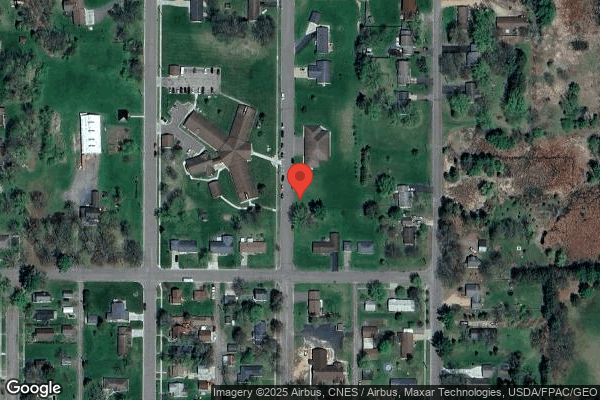
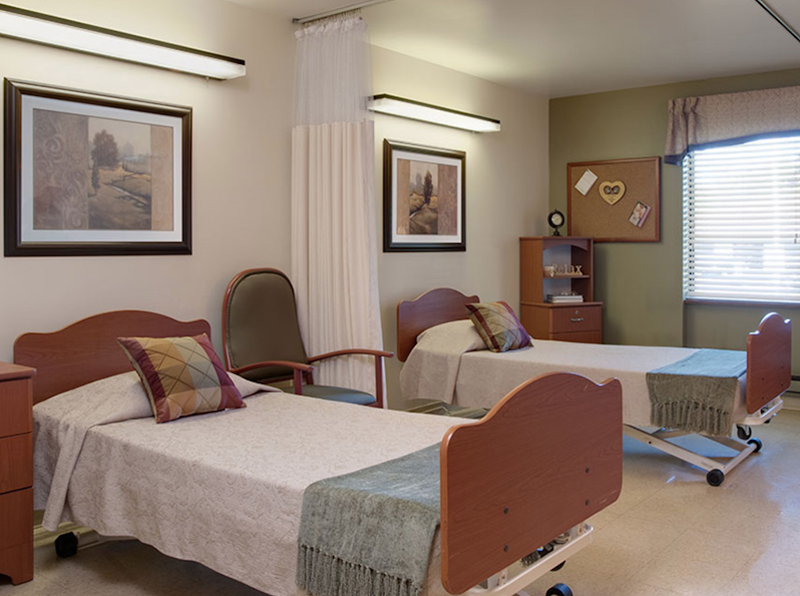
320 N 7TH ST, CORNELL, WI 54732 (715) 239-6288
For profit - Limited Liability company 50 Beds NORTH SHORE HEALTHCARE Data: November 2025
Trust Grade
85/100
#84 of 321 in WI
Last Inspection: May 2025

Inspected within the last 6 months. Data reflects current conditions.

Overview

Cornell Health Services has a Trust Grade of B+, which means it is above average and recommended for families considering care. It ranks #84 out of 321 nursing homes in Wisconsin, placing it in the top half of facilities in the state, but it is #4 out of 6 in Chippewa County, indicating only one local option is better. The facility is improving, with issues decreasing from three in 2024 to just one in 2025. Staffing is a strength here with a rating of 4 out of 5 stars and a low turnover rate of 23%, significantly below the state average. Importantly, the facility has no fines on record, which is a positive sign. However, recent inspections revealed concerns, including staff not properly covering facial hair while preparing food, lapses in infection control practices, and a breach in patient confidentiality where medical records were left visible. Overall, while there are strengths in staffing and no fines, families should consider the reported concerns when making their decision.

Trust Score
B+
85/100
In Wisconsin
#84/321
Top 26%
Safety Record
Low Risk
No red flags
Inspections
Getting Better
3 → 1 violations
Staff Stability
✓ Good
23% annual turnover. Excellent stability, 25 points below Wisconsin's 48% average. Staff who stay learn residents' needs.
Penalties
✓ Good
No fines on record. Clean compliance history, better than most Wisconsin facilities.
Skilled Nurses
✓ Good
Each resident gets 46 minutes of Registered Nurse (RN) attention daily — more than average for Wisconsin. RNs are trained to catch health problems early.
Violations
✓ Good
Only 4 deficiencies on record. Cleaner than most facilities. Minor issues only.
★★★★☆
4.0
Overall Rating
★★★★☆
4.0
Staff Levels
★★★★☆
4.0
Care Quality
★★★★☆
4.0
Inspection Score
Stable
2024: 3 issues
2025: 1 issues

The Good

  • 4-Star Staffing Rating · Above-average nurse staffing levels
  • 4-Star Quality Measures · Strong clinical quality outcomes
  • Low Staff Turnover (23%) · Staff stability means consistent care
  • Full Sprinkler Coverage · Fire safety systems throughout facility
  • No fines on record
  • Staff turnover is low (23%)

    25 points below Wisconsin average of 48%

Facility shows strength in staffing levels, quality measures, staff retention, fire safety.

The Bad

Chain: NORTH SHORE HEALTHCARE

Part of a multi-facility chain

Ask about local staffing decisions and management

The Ugly 4 deficiencies on record

May 2025 1 deficiency
CONCERN (F)

Potential for Harm - no one hurt, but risky conditions existed

Food Safety (Tag F0812)

Could have caused harm · This affected most or all residents

Based on observation, interview and record review, the facility did not ensure that food was prepared, distributed, and served in accordance with professional standards for food service safety. Kitche...

Read full inspector narrative →
Based on observation, interview and record review, the facility did not ensure that food was prepared, distributed, and served in accordance with professional standards for food service safety. Kitchen staff had beard hair exposed and uncovered while preparing food. This had the potential to affect all 39 of 39 residents residing in the facility. Findings include: The facility policy, titled Personal Hygiene states, Hair must be kept clean and kept restrained with a hair net or cap covering all hair. Beards must be restrained using a beard net. On 05/05/25 at 8:20 AM, Surveyor conducted initial tour of kitchen and observed [NAME] C standing at breakfast steam table with beard net on that did not cover facial hair along both sides of face or mustache. On 05/05/25 at 12:35 PM, Surveyor observed [NAME] C preparing and serving food at steam table with beard net on that did not cover facial hair along both sides of face or mustache. On 05/06/25 at 9:44 AM, Surveyor interviewed [NAME] C regarding observation of beard net not fully covering facial hair along sides of face and mustache during food service. [NAME] C stated being unaware the side facial hair needed to be covered and indicated the beard net provided does not stay positioned to cover mustache. On 05/06/25 at 9:45 AM, Surveyor interviewed Dietary Manager (DM) D regarding observations of improper facial covering. DM D stated the expectation would be to have all facial hair covered and looked at [NAME] C and stated DM D will immediately start looking into more appropriate facial hair covering.
Sept 2024 1 deficiency
CONCERN (E) 📢 Someone Reported This

A family member, employee, or ombudsman was alarmed enough to file a formal complaint

Potential for Harm - no one hurt, but risky conditions existed

Infection Control (Tag F0880)

Could have caused harm · This affected multiple residents

**NOTE- TERMS IN BRACKETS HAVE BEEN EDITED TO PROTECT CONFIDENTIALITY** Based on observation, interview and record review, the facility did not establish and maintain an infection prevention and contr...

Read full inspector narrative →
**NOTE- TERMS IN BRACKETS HAVE BEEN EDITED TO PROTECT CONFIDENTIALITY** Based on observation, interview and record review, the facility did not establish and maintain an infection prevention and control program designed to provide a safe, sanitary, and comfortable environment and to help prevent the development and transmission of communicable diseases and infections. This had the potential to affect 17 residents (R) on the 200 Hall. The facility did not ensure the standards of practice for applying and removing Personal Protective Equipment (PPE) to prevent the spread of infection while providing high contact care for COVID-19 positive R4. Housekeeper observed not sanitizing hands between resident rooms when delivering clean linens. Findings include: Surveyor requested and reviewed the facility policy titled Personal Protective Equipment, which stated in part, .c. Face/eye protection: ii. Wear goggles or face shield as added face/eye protection. Personal eyeglasses with side protectors are not a substitute for goggles or a face shield . Surveyor requested and reviewed the facility policy titled Infection Prevention and Control Program, which stated in part, .11. Linens: a. Laundry and direct care staff shall handle, store, process, and transport linens to prevent spread of infection . R4 was admitted on [DATE] with diagnoses which included in part: COVID-19 positive, dementia, and diabetes. R4's Minimum Data Set (MDS) assessment, dated 06/23/24, identified R4 scored 4 during a Brief Interview for Mental Status (BIMS), indicating impaired cognition. On 09/04/24 at 11:50 AM, Surveyor observed Certified Nursing Assistant (CNA) C and CNA D sanitize hands and apply fluid shield 3 N95 particulate filter respirator mask, gowns, and gloves. CNA D applied goggles and CNA C kept personal glasses on and entered R4's room. Surveyor did not observe CNA C apply protective goggles before entering COVID-19 positive room. On 09/04/24 at 12:07 PM, Surveyor observed CNA C exit R4's room and doff PPE. CNA C sanitized CNA C's regular glasses. On 09/04/24 at 12:11 PM, Surveyor observed CNA D doff PPE. CNA D laid contaminated goggles on the top of the PPE cart outside R4's room to wipe goggles down with sanitizing wipe. Surveyor did not observe CNA D wipe down the top of the PPE cart after contaminated goggles were touching the PPE cart. On 09/04/24 at 12:20 PM, Surveyor observed Housekeeper E remove clean linens from linen cart. Housekeeper E placed a pile of clean linens underneath Housekeeper E's arm pit and placed another set of clean linens under the other arm while holding the clean linens against Housekeeper E's scrubs. Then Housekeeper E approached PPE cart outside R4's door. Housekeeper E moved items around with bare hands and then placed R4's clothes on top of the contaminated PPE cart. Housekeeper E went directly into R5 and R8's room, opened the closet door and delivered the other clean linens that were being held under Housekeeper E's arm. Housekeeper E exited R5 and R8's room. Surveyor did not observe hand hygiene being performed before or after entering or exiting R5 and R8's room. Housekeeper E walked down hallway and grabbed more residents' clean linens and held clean linens against Housekeeper E's body touching Housekeeper E's scrubs. Housekeeper E ambulated down the hallway to R6 and R7's room and delivered clean linens to R6 and R7's closet. Surveyor did not observe hand hygiene performed before or after entering and exiting R6 and R7's room. On 09/04/24 at 1:10 PM, Surveyor interviewed Housekeeper E and asked Housekeeper E what expectation for hand hygiene and infection control practices were during clean linen delivery. Surveyor indicated to Housekeeper E that Surveyor observed Housekeeper E carry clean linens against Housekeeper E's body and then deliver clean linens, and Surveyor observed no hand hygiene between Housekeeper E entering, exiting, and delivering clean linens to residents' rooms. Housekeeper E indicated that Housekeeper E was never really taught that Housekeeper E needed to sanitize hands between rooms after touching closets and clean linens. Housekeeper E indicated that Housekeeper E should not let clean linens touch Housekeeper E's clothes. On 09/04/24 at 1:12 PM, Surveyor interviewed CNA C and asked if CNA C knows what type of eye protection is supposed to be used in a droplet precaution room. CNA C indicated that CNA C was never really told that CNA C could not wear CNA C's personal glasses. On 09/04/24 at 1:14 PM, Surveyor interviewed CNA D and asked what the correct process was for doffing PPE when exiting droplet precautions room. CNA D stated, I know I placed my dirty goggles on PPE cart outside the COVID-19 positive room and didn't mean to. I should have wiped goggles down right away and not placed them on the PPE cart contaminated. On 09/04/24 at 1:17 PM, Surveyor interviewed Infection Preventionist (IP) F and asked IP F what guidelines does IP F follow to implement and educate staff on current standards of practice. IP F indicated that IP F follows the CDC guidelines and facility protocols. Surveyor asked IP F if IP F can walk Surveyor through the process for donning and doffing PPE. IP F indicated that staff are to don gown, mask, eye protection, and gloves. Surveyor asked was it normal for staff to doff PPE on the outside of the COVID-19 positive room. IP F indicated that IP F has never been taught any other way. Surveyor indicated to IP F that Surveyor observed staff doffing PPE outside COVID-19 positive room and throwing PPE into trash located on outside door in common hallway. IP F indicated that IP F was not aware that trash can needed to be in the COVID-19 positive room. Surveyor asked IP F what expectation is for staff when doffing PPE and how do they sanitize goggles after being contaminated. IP F indicated that staff are to doff PPE and sanitize goggles before placing goggles down on any surface. Surveyor indicted to IP F that Surveyor observed CNA D exit COVID-19 positive room, doff gown, gloves, and then grabbed goggles and placed contaminated goggles on the PPE cart outside R4's room before wiping contaminated goggles down. CNA D then opened PPE cart drawers and grabbed a wipe to clean contaminated goggles. Surveyor did not observe CNA D wipe down the PPE cart. IP F indicated that CNA D should have not laid contaminated goggles on PPE cart. IP F indicated that CNA D should have wiped the goggles down with sanitizing wipe before laying directly on the PPE cart. Surveyor asked IP F what expectation of hand hygiene between Housekeeper E delivering clean linens room to room. IP F indicated that Housekeeper E is expected to be using hand sanitizer between rooms when delivering clean linens. Surveyor indicated to IP F that Surveyor observed Housekeeper E grab clean linens, press clean linens against scrubs, walk down hallway to COVID-19 positive room and rearrange contaminated items on top of PPE cart to make room for clean linens. Housekeeper E then walked across the hall to another resident room and delivered the other clean linens that were being held under Housekeeper E's arm. Surveyor did not observe Housekeeper E sanitize hands or use any hand hygiene practices. IP F indicated that Housekeeper E should be practicing good hand hygiene between delivering clean linens and expectation would be to sanitize or wash hands between rooms.
Apr 2024 2 deficiencies
CONCERN (D)

Potential for Harm - no one hurt, but risky conditions existed

Deficiency F0583 (Tag F0583)

Could have caused harm · This affected 1 resident

Based on observation and interview, the facility did not ensure the privacy and confidentiality of resident medical records. Staff left the Medication Administration Record (MAR) open and visible when...

Read full inspector narrative →
Based on observation and interview, the facility did not ensure the privacy and confidentiality of resident medical records. Staff left the Medication Administration Record (MAR) open and visible when unattended during medications administration. This occurred for 1 of 8 residents (R) during medications administration. (R19). Findings: The facility policy titled, COMPLIANCE-HIPAA Sanctions date implemented 7/15/22 states in part: 6. Examples of violations include, but not limited to: .d. The intentional or negligent mishandling, altering or destruction of confidential information or media/workstations that house such information. e. Leaving a secured application unattended while logged on . On 04/08/24 at 9:01 AM, Surveyor approached the medication cart located outside of the nurses station. No one was present by the cart. Surveyor noted that R19's MAR was up on the screen and visible to anyone who walked by the medication cart. Several facility staff walked by the medication cart. R18 was in a wheelchair sitting in the hallway, having the ability to see R19's MAR. On 04/08/24 at 9:09 AM, Registered Nurse (RN) K returned to the medication cart 8 minutes later and logged off of R19's MAR. On 04/10/24 at 11:04 AM, Surveyor interviewed RN K about the observation made the first day. RN K replied, I know I left the screen up on the computer, I saw you there. Thank you for pointing this out. On 04/10/24 at 11:17 AM, Surveyor interviewed RN K regarding HIPPA training the facility provided staff. RN K replied, I get training in Relias about not having personal information up on the computer screen at least every year. On 04/10/24 at 12:41 PM, Surveyor interviewed Director of Nursing (DON) B. Surveyor informed DON B of the observations made of the computer screen and asked what the expectation is. DON B replied, I tell them if they have the computer screen facing the resident's room in a private room that is fine, but it is better if you close the screen.
CONCERN (D)

Potential for Harm - no one hurt, but risky conditions existed

Infection Control (Tag F0880)

Could have caused harm · This affected 1 resident

**NOTE- TERMS IN BRACKETS HAVE BEEN EDITED TO PROTECT CONFIDENTIALITY** Based on observation, interview and record review, the facility did not establish and maintain an infection prevention and contr...

Read full inspector narrative →
**NOTE- TERMS IN BRACKETS HAVE BEEN EDITED TO PROTECT CONFIDENTIALITY** Based on observation, interview and record review, the facility did not establish and maintain an infection prevention and control program designed to provide a safe, sanitary, and comfortable environment and to help prevent the development and transmission of communicable diseases and infections. Staff did not perform hand hygiene during 1 of 3 observations (R7) of personal care. Staff did not perform hand hygiene during 1 of 7 residents (R29) observed during medication pass. Findings include: Surveyor requested and reviewed the facility policy titled Hand hygiene dated last review November 2022. The policy in part reads: .#6 Additional considerations: -a. The use of gloves does not replace hand hygiene. If your task requires gloves, perform hand hygiene prior to donning gloves, and immediately after removing gloves. Surveyor reviewed the facility policy titled Hand Hygiene Table dated last review November 2022. The table in part reads: .Either soap and water or Alcohol Based Hand rub (ABHR is preferred) -Between resident contacts. -Before applying and after removing personal protective equipment (PPE), including gloves/ -Before preparing or handling medications. -After handling potentially contaminated blood, body fluids, secretions, or excretions. -When, during resident care, moving from a contaminated body of the site to a clean body site. -After assistance with personal body functions (e.g., elimination, hair grooming, smoking). Example 1 R7 was admitted on [DATE] and the current diagnoses, in part: non-Alzheimer's dementia, diabetes mellitus, stroke with hemiparesis, anemia, hypertension, and heart failure. Surveyor completed record review of the Minimum Data Set assessment (MDS), dated [DATE], which indicates the resident's most recent Brief Interview for Mental Status (BIMS) score was a 15 out of 15 total points. According to the BIMS assessment, a score of 15 indicates the resident has intact cognition. The MDS documents R15 is dependent on staff for activities of daily living and maximum assistance of staff to roll in bed. R15 is dependent on staff for transfers with a Hoyer lift assist of 2. On 04/09/24 at 9:17 AM, Surveyor observed Certified Nursing Assistant (CNA) E and CNA F take Hoyer lift into R7's room to transfer to bed for incontinent care. Surveyor observed CNA E used gloved hands to clean incontinent BM off R7's bottom. Surveyor observed CNA F roll R7 to the left side of the bed and CNA F used a wipe to clean R7's bottom off once rolled. CNA F tucked the dirty incontinent pad under R7's bottom to the left side. CNA F then rolled R7 back to his back. CNA E grabbed the dirty incontinent pad and threw it in the garbage. CNA E requested CNA F to go grab R7's urinal out of the bathroom. CNA F grabbed the urinal from the bathroom with soiled gloved hands and repositioned the urinal between R7's legs. CNA F grabbed R7's penis with CNA F's left gloved hand and placed R7's penis in the urinal. R7 requested CNA F to take R7's glasses from R7's eyes and place them on the bedside table. R7 also requested the head of the bed be raised. CNA F grabbed R7's glasses from R7's face with both soiled gloved hands and placed them on the bedside table. Surveyor did not observe CNA F take her soiled gloves off before removing R7's glasses. CNA F continued with R7's care, readjusting bed height, and turning the bedside light off by pulling the light string on the wall with both soiled gloved hands. Surveyor observed CNA F reposition the bedside table closer to R7's bed and then CNA F removed soiled gloves and threw them in the trash. CNA F exited R7's room, grabbed an antibacterial wipe, and wiped down the Hoyer lift. CNA F walked down the hallway, pushed the keypad on the door, and then pushed the Hoyer lift into the storage room. CNA F exited the storage room and relocked the doorknob on the keypad. Surveyor did not observe hand hygiene being performed by CNA F before exiting R7's room or after exiting R7's room. Surveyor did not observe hand hygiene being performed before or after sanitizing the Hoyer lift and entering the locked keypad storage room. CNA F then entered back into R7's room and sanitized hands. On 04/09/24 at 9:34 AM, Surveyor interviewed CNA F and asked about hand hygiene and glove use practices during R7's care. CNA F indicated that gloves are supposed to be changed as needed, changed often and hand sanitizer is used before and after resident care. On 04/10/24 at 11:02 AM, Surveyor interviewed Assistant Director of Nursing (ADON) C and asked about hand hygiene during peri care and other care during resident care. ADON C indicated that CNA F should be changing gloves often and using good hand hygiene. ADON C indicated it was not correct for CNA F to use soiled gloves to take R7's glasses off and place them on the bedside table. ADON C indicated the correct process is for staff to change gloves often and sanitize hands going from peri care to other tasks. Example 2 On 04/09/24 at 7:12 AM, Surveyor observed Registered Nurse (RN) J administer medications to R29. Proper hand hygiene was performed using Alcohol Based Hand Rub (ABHR) before entering R29's room. After medication administration was finished, RN J did not perform hand hygiene, put on a pair of single use gloves, rinsed R29's dentures in the sink and attempted to put R29's dentures in R29's mouth. R29 refused the denture. RN J put the dentures back in the denture cup. RN J removed gloves and performed hand hygiene using soap and water at the sink in R29's room. On 04/10/24 at 11:13 AM, Surveyor asked RN K, What is the expectation for hand hygiene? RN K replied, Before I put on gloves I sanitize my hands. I also sanitize my hands when I am passing medications and before and after leaving a resident room, or I wash them. On 04/20/24 at 12:42 PM, Surveyor interviewed Director of Nursing (DON) B regarding observations made of no hand hygiene performed during medication pass between residents. DON B replied, They know better. They know that hand hygiene is expected between residents' cares and before and after glove use.
Understanding Severity Codes (click to expand)
Life-Threatening (Immediate Jeopardy)
J - Isolated K - Pattern L - Widespread
Actual Harm
G - Isolated H - Pattern I - Widespread
Potential for Harm
D - Isolated E - Pattern F - Widespread
No Harm (Minor)
A - Isolated B - Pattern C - Widespread

Questions to Ask on Your Visit

  • "Can I speak with families of current residents?"
  • "What's your RN coverage like on weekends and overnight?"

Our Honest Assessment

Strengths
  • • Grade B+ (85/100). Above average facility, better than most options in Wisconsin.
  • • No major safety red flags. No abuse findings, life-threatening violations, or SFF status.
  • • No fines on record. Clean compliance history, better than most Wisconsin facilities.
  • • Only 4 deficiencies on record. Cleaner than most facilities. Minor issues only.
Concerns
  • • No significant concerns identified. This facility shows no red flags across CMS ratings, staff turnover, or federal penalties.
Bottom line: Generally positive indicators. Standard due diligence and a personal visit recommended.

About This Facility

What is Cornell Health Services's CMS Rating?

CMS assigns CORNELL HEALTH SERVICES an overall rating of 4 out of 5 stars, which is considered above average nationally. Within Wisconsin, this rating places the facility higher than 99% of the state's 100 nursing homes. This rating reflects solid performance across the metrics CMS uses to evaluate nursing home quality.
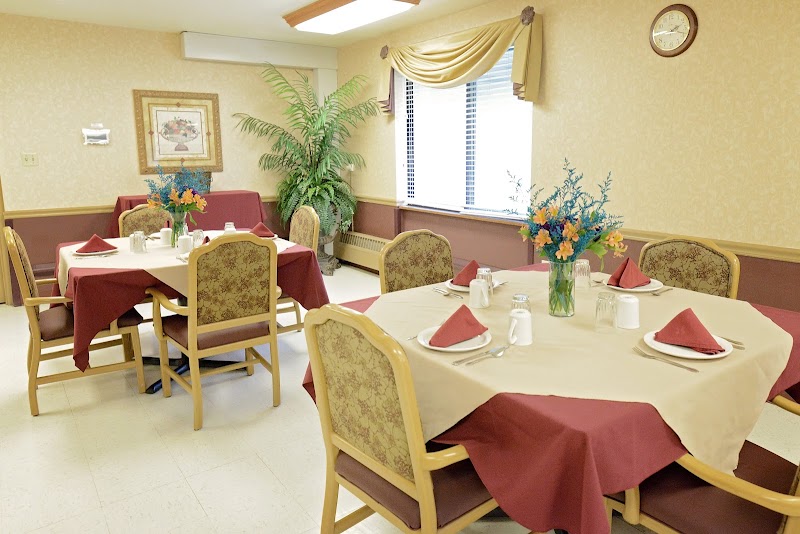
How is Cornell Health Services Staffed?

CMS rates CORNELL HEALTH SERVICES's staffing level at 4 out of 5 stars, which is above average compared to other nursing homes. Staff turnover is 23%, compared to the Wisconsin average of 46%. This relatively stable workforce can support continuity of care.

What Have Inspectors Found at Cornell Health Services?

State health inspectors documented 4 deficiencies at CORNELL HEALTH SERVICES during 2024 to 2025. These included: 4 with potential for harm.
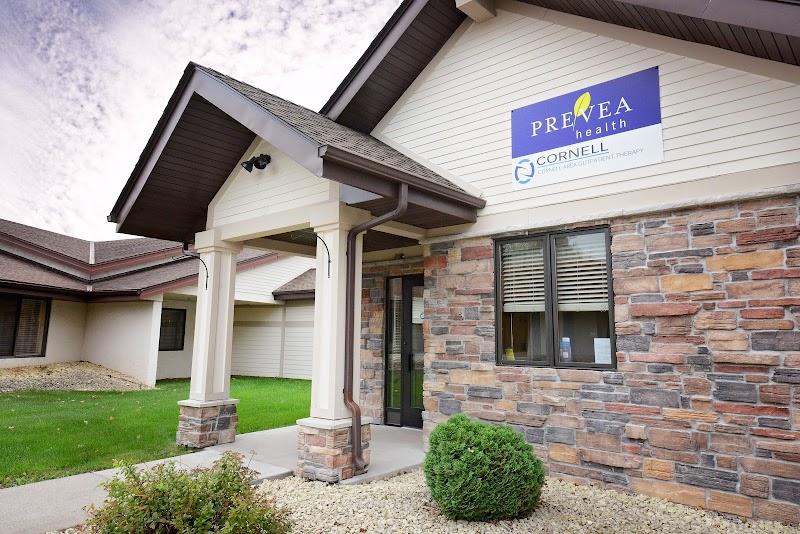
Who Owns and Operates Cornell Health Services?

CORNELL HEALTH SERVICES is owned by a for-profit company. For-profit facilities operate as businesses with obligations to shareholders or private owners. The facility is operated by NORTH SHORE HEALTHCARE, a chain that manages multiple nursing homes. With 50 certified beds and approximately 39 residents (about 78% occupancy), it is a smaller facility located in CORNELL, Wisconsin.
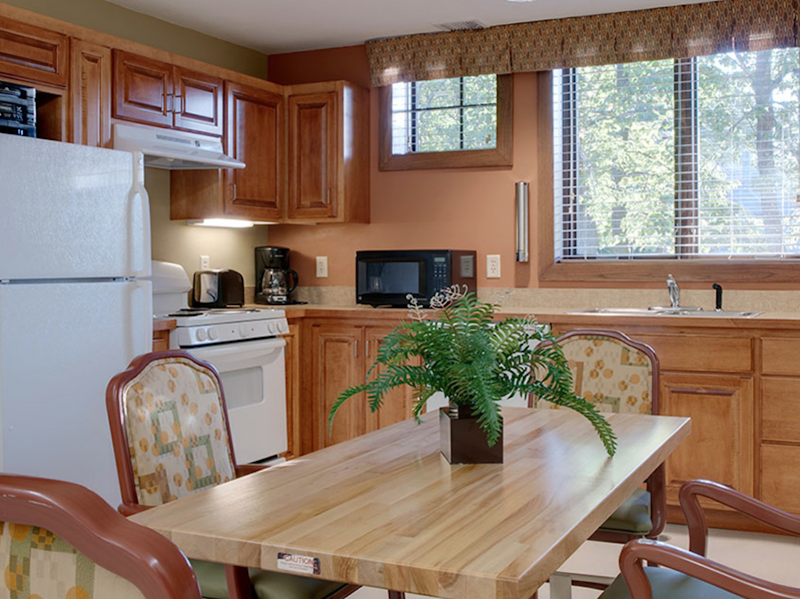
How Does Cornell Health Services Compare to Other Wisconsin Nursing Homes?

Compared to the 100 nursing homes in Wisconsin, CORNELL HEALTH SERVICES's overall rating (4 stars) is above the state average of 3.0, staff turnover (23%) is significantly lower than the state average of 46%, and health inspection rating (4 stars) is above the national benchmark.

What Should Families Ask When Visiting Cornell Health Services?

Based on this facility's data, families visiting should ask: "Can I visit during a mealtime to observe dining assistance and food quality?" "How do you handle medical emergencies, and what is your hospital transfer rate?" "Can I speak with family members of current residents about their experience?"

Is Cornell Health Services Safe?

Based on CMS inspection data, CORNELL HEALTH SERVICES has a clean safety record: no substantiated abuse findings (meaning no confirmed cases of resident harm), no Immediate Jeopardy citations (the most serious violation level indicating risk of serious injury or death), and is not on the Special Focus Facility watch list (a federal program monitoring the lowest-performing 1% of nursing homes). The facility has a 4-star overall rating and ranks #1 of 100 nursing homes in Wisconsin. While no facility is perfect, families should still ask about staff-to-resident ratios and recent inspection results during their visit.

Do Nurses at Cornell Health Services Stick Around?

Staff at CORNELL HEALTH SERVICES tend to stick around. With a turnover rate of 23%, the facility is 23 percentage points below the Wisconsin average of 46%. Low turnover is a positive sign. It means caregivers have time to learn each resident's needs, medications, and personal preferences. Consistent staff also notice subtle changes in a resident's condition more quickly. Registered Nurse turnover is also low at 22%, meaning experienced RNs are available to handle complex medical needs.

Was Cornell Health Services Ever Fined?

CORNELL HEALTH SERVICES has no federal fines on record. CMS issues fines when nursing homes fail to meet care standards or don't correct problems found during inspections. The absence of fines suggests the facility has either maintained compliance or corrected any issues before penalties were assessed. This is a positive indicator, though families should still review recent inspection reports for the full picture.

Is Cornell Health Services on Any Federal Watch List?

CORNELL HEALTH SERVICES is not on any federal watch list. The most significant is the Special Focus Facility (SFF) program, which identifies the bottom 1% of nursing homes nationally based on persistent, serious quality problems. Not being on this list means the facility has avoided the pattern of deficiencies that triggers enhanced federal oversight. This is a positive indicator, though families should still review the facility's inspection history directly.