DOVE HEALTHCARE - SOUTH EAU CLAIRE
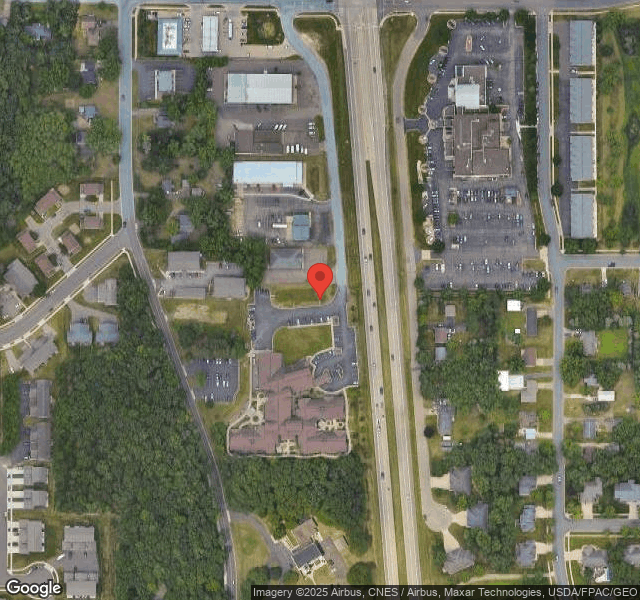
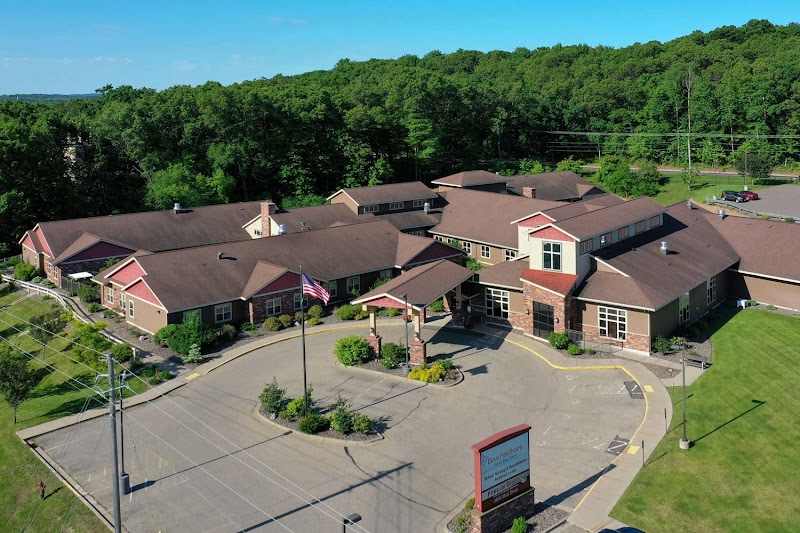
3656 MALL DRIVE, EAU CLAIRE, WI 54701 (715) 552-1035
For profit - Limited Liability company 50 Beds DOVE HEALTHCARE Data: November 2025
Trust Grade
85/100
#29 of 321 in WI
Last Inspection: April 2025

Within standard 12-15 month inspection cycle. Federal law requires annual inspections.

Overview

Dove Healthcare - South Eau Claire has a Trust Grade of B+, indicating it is above average and recommended for families seeking care. It ranks #29 out of 321 facilities in Wisconsin, placing it in the top half, and is the highest-ranked facility in Eau Claire County. The facility's trend is stable, with only one issue reported in both 2024 and 2025. Staffing is a strength, with a 5-star rating and good RN coverage that exceeds 95% of state facilities, though turnover is average at 53%. While there are no fines on record, recent inspector findings raised concerns about care practices; for instance, a resident's pressure injury worsened due to inadequate repositioning, and staff did not consistently follow hand hygiene protocols, risking infection. Overall, the facility has notable strengths but also areas needing improvement.

Trust Score
B+
85/100
In Wisconsin
#29/321
Top 9%
Safety Record
Moderate
Needs review
Inspections
Holding Steady
1 → 1 violations
Staff Stability
⚠ Watch
53% turnover. Above average. Higher turnover means staff may not know residents' routines.
Penalties
✓ Good
No fines on record. Clean compliance history, better than most Wisconsin facilities.
Skilled Nurses
✓ Good
Each resident gets 112 minutes of Registered Nurse (RN) attention daily — more than 97% of Wisconsin nursing homes. RNs are the most trained staff who catch health problems before they become serious.
Violations
✓ Good
Only 3 deficiencies on record. Cleaner than most facilities. Minor issues only.
★★★★★
5.0
Overall Rating
★★★★★
5.0
Staff Levels
★★★★★
5.0
Care Quality
★★★★☆
4.0
Inspection Score
Stable
2024: 1 issues
2025: 1 issues

The Good

  • 5-Star Staffing Rating · Excellent nurse staffing levels
  • 5-Star Quality Measures · Strong clinical quality outcomes
  • Full Sprinkler Coverage · Fire safety systems throughout facility
  • No fines on record

Facility shows strength in staffing levels, quality measures, fire safety.

The Bad

Staff Turnover: 53%

Near Wisconsin avg (46%)

Higher turnover may affect care consistency

Chain: DOVE HEALTHCARE

Part of a multi-facility chain

Ask about local staffing decisions and management

The Ugly 3 deficiencies on record

1 actual harm
Apr 2025 1 deficiency 1 Harm
SERIOUS (G)

Actual Harm - a resident was hurt due to facility failures

Pressure Ulcer Prevention (Tag F0686)

A resident was harmed · This affected 1 resident

**NOTE- TERMS IN BRACKETS HAVE BEEN EDITED TO PROTECT CONFIDENTIALITY** Based on observation, interview, and record review, the facility did not implement professional standards of practice to ensure ...

Read full inspector narrative →
**NOTE- TERMS IN BRACKETS HAVE BEEN EDITED TO PROTECT CONFIDENTIALITY** Based on observation, interview, and record review, the facility did not implement professional standards of practice to ensure that a resident does not develop pressure injuries (PIs), receives necessary treatment and services to promote healing of PIs, or prevent new PIs from developing or worsening for 1 of 3 residents (R) (R245) sampled for PIs. R245 was admitted to the facility with a stage 1 PI and was determined to be at high risk for PIs. A turning and repositioning program was not implemented, monitored, or reviewed, education on risk vs benefits of repositioning and offloading to prevent/improve PIs was not completed, and an air mattress was not placed timely. R245's PI worsened to an unstageable PI. This example is being cited at actual harm. This is evidenced by: National Pressure Injury Advisory Panel (NPIAP) guidance recommends repositioning all individuals with or at risk of pressure injuries on an individualized schedule, unless contraindicated. Determine repositioning frequency with consideration to the individual's level of activity and ability to independently reposition. Reposition the individual in such a way that optimal offloading of all bony prominences and maximum redistribution of pressure is achieved. The facility policy titled: Pressure Injury Prevention and Management last reviewed September 2024 states: This facility is committed to the prevention of avoidable pressure injuries, unless clinically unavoidable, and to provide treatment and services to heal the pressure ulcer/injury, prevent infection and the development of additional pressure ulcers/injuries. The facility policy further describes: Avoidable means that the resident developed a pressure ulcer/injury, and that the facility did not do one or more of the following: evaluate the resident's clinical condition and risk factors: define and implement interventions that are consistent with resident needs, resident goals, and professional standards of practice; monitor and evaluate the impact of the interventions; or revise the interventions as appropriate. R245 was admitted to the facility on [DATE] with diagnoses of displaced fracture of base of neck of right femur and chronic kidney disease. R245's Minimum Data Set (MDS) assessment, dated 04/14/25, was currently in process at time of survey and identified R245 scored 11/15 during a Brief Interview for Mental Status. On 04/08/25, the facility entered a progress note stating in part . Nurse to Nurse report documentation from Hospital indicates Skin Alterations/Open Area: Pinkness/redness to buttock - zinc and foam dressing every 3 days. On 04/08/2025, the facility entered a skin note: Inner gluteal cleft Blanchable pinkness. On 04/8/2025, the facility completed a Braden Scale for Predicting Pressure Ulcer Risk. Braden Evaluation: Result: At Risk Score: 15.0. A Braden Scale score of 15 indicates a mild risk for developing pressure injuries. On 04/08/25, an individualized care plan was initiated for R245 with a target date of 07/07/25 stating: Risk for skin breakdown related to history of falls, cognitive impairment, decreased mobility after fracture and fall, with a goal of My skin will be kept clean and dry. The care plan had no specific interventions for pressure injury prevention. On 04/10/25, the facility entered a Wound/Skin Healing Note: Weekly wound tracker completed for resident. Wound Information: Coccyx - Pressure: Length = 0.7, Width = 1.0, Depth = 0.1, - Stage Unstageable. This is the first time writer has observed the wound. On 04/10/2025, the facility completed another Braden Scale for Predicting Pressure Ulcer Risk Braden Evaluation: Result: At Risk Score: 17.0. A Braden scale score of 17 indicates a moderate risk for developing pressure ulcers. This means the person is at a level where careful monitoring and preventive measures are necessary to minimize the risk of developing pressure injuries. On 04/10/25, the facility revised R245's care plan to: The resident's Pressure ulcer will show signs of healing and remain free from infection by/through review date. And added interventions of: Administer treatments as ordered and monitor for effectiveness. Educate the resident/family/caregivers as to causes of skin breakdown; including transfer/positioning requirements; importance of taking care during ambulating/mobility, good nutrition and frequent repositioning. Of note: the facility was unable to provide documentation to support education was completed. The resident needs assistance to turn/reposition at least every 2 hours, more often as needed or requested. Use pillows to off-load side to side. On 4/11/2025, the facility entered a Nutritional at Risk (NAR) Note Text: NAR meeting held on this day. Residents skin is not intact at this time. Sacrum - Resident has a small unstageable pressure injury to his sacrum area. On 04/15/25, the facility updated R245's care plan to include a pressure relief cushion to recliner and wheelchair. On 04/16/25 at 7:01 AM, Surveyor began continuous observation of R245 who was positioned on buttocks with head of bed elevated awaiting breakfast and noted the following: -Conducted continuous observation of R245 lying on back with head of bed elevated awaiting breakfast. Of note: No pillows used to off load per care plan. -8:15 AM, Surveyor observed Registered Nurse (RN) C enter R245's room to inform of plan to complete wound treatment after resident was completed with breakfast. -8:24 AM, Surveyor observed R245's call light and staff removed breakfast tray. No direction provided to reposition. R245 remained sitting on backside with HOB elevated. -8:33 AM, Surveyor observed RN C conduct wound care. Upon removing dressing, RN C noted R245's entire buttocks were reddened. RN C stated, Probably from being on buttocks, and pointed out scarred tissue from a past history of open areas. RN C stated last seeing wound on 04/11/25 and stated wound was unstageable and currently measures 0.3 cm x 0.5: Eschar 50% slough/50% granulation. RN C confirmed that area was not open upon admission on [DATE] and opened about 2 days later. -8:36 AM, upon completion of wound treatment, Surveyor asked RN C what interventions were in place to prevent further skin break down. RN C stated that on 04/15/25 an offer of an air mattress was declined by R245 and was hoping to talk to spouse who may be able to convince R245 to allow an air mattress. RN C also indicated that R245 has a gel cushion in recliner and wheelchair and is on a positioning program to reposition side to side. Of note, Surveyor requested evidence of conversation with R245 regarding declination of an air mattress as facility was unable to provide. -8:53 AM, Surveyor continued constant observation and observed Certified Nursing Assistant (CNA) D complete R245's morning cares. Surveyor observed heels not floated off of mattress. Surveyor asked CNA D what skin breakdown interventions R245 has on care plan. CNA D stated, [R245] is repositioned every 2 hours when in bed, has a cushion on recliner and wheelchair and should have had heels floated last night. CNA D stated heels are intact and a little red. -9:04 AM, Surveyor observed CNA D assist R245 to transfer to recliner and position on buttocks. Of note: No pillows used to off load per care plan. -10:28 AM, Surveyor observed R245 continue to sit in recliner on buttock. -11:03 AM, R245 placed on call light requesting assistance with urinal. CNA D assisted R245 while resident remained sitting on buttocks. CNA D lowered pants and positioned urinal for R245. Upon completion, CNA D did not offer/encourage repositioning to off load. -12:10 PM, Surveyor observed staff administer R245's medication and lunch tray while R245 remained seated in recliner. No repositioning/offloading offered. On 04/16/25 at 1:17 PM, Surveyor ended continuous observation as R245 was taken to therapy. Of note, R245 was not offloaded/repositioned off of PI on 04/16/25 from 9:04 AM until 1:17 PM (4 hours and 13 minutes). On 04/17/25 at 8:31 AM, Surveyor interviewed R245 who stated usually stays in recliner or wheelchair during day and doesn't believe staff reposition off buttocks. R245 stated that when in bed staff at times do place a pillow behind his back but can tell is still lying on buttocks. On 04/17/25 at 10:14 AM, Surveyor interviewed RN E regarding R245's intervention in place to prevent PI. RN E stated was not aware of what interventions were in place besides every 2-hour repositioning and has no knowledge of whether R245 is repositioned off of PI when in bed. On 04/17/25 at 10:22 AM, Surveyor interviewed CNA D who stated CNA D has never seen R245 on side in bed upon coming on day shift duty. CNA D stated he was talking to RN C of ideas of what to do when R245 prefers to sit in recliner most of the day and was directed to attempt to offload him as much as possible on side in recliner. Surveyor asked if R245 is offered repositioning, CNA D stated R245 has never went back to bed after getting up in recliner for the day. CNA D stated R245's care plan states to reposition every 2 hours and we try to offer. Surveyor shared observations of no repositioning/offloading for any length of time on 04/16/25 from 7:01 AM to 1:17 PM. CNA D indicated R245 likes the recliner and often will turn slightly on left side and curl legs up off PI area. On 04/17/25 at 10:35 AM, Surveyor observed RN F and CNA D have R245 position self on left side and curl up legs. RN F placed palm of hand under R245's buttocks and indicated that R245 was sitting slightly off PI, but still had some pressure applied to PI. On 04/17/25 at 10:51 AM, Surveyor interviewed RN C who reiterated that R245's buttocks were reddened during dressing change on 04/16/25 and appeared to have a past history of skin breakdown. RN C notified Surveyor the air mattress was placed on R245's bed this AM. Surveyor asked what type of mattress was on R245's bed prior to air mattress being applied. RN C stated the previous mattress was just a regular facility mattress. Surveyor requested information regarding appropriate use of current recliner and wheelchair cushions based on R245's current unstageable wound. RN C indicated that recliner cushion was an Equacel cushion, was not sure what rating it is for and will check. RN C stated the wheelchair cushion was just a regular cushion Of note, the facility was unable to provide evidence to support the current PI relief cushions used were appropriate for an unstageable PI.
Mar 2024 1 deficiency
CONCERN (F)

Potential for Harm - no one hurt, but risky conditions existed

Infection Control (Tag F0880)

Could have caused harm · This affected most or all residents

Example 3 Policy entitled Hand Hygiene last reviewed March 2023 and references of CDC and WHO Hand Hygiene Guidelines states indication for hand washing and hand antisepsis include in part: Before: Pu...

Read full inspector narrative →
Example 3 Policy entitled Hand Hygiene last reviewed March 2023 and references of CDC and WHO Hand Hygiene Guidelines states indication for hand washing and hand antisepsis include in part: Before: Putting on gloves Right after: Having contact with residents skin, having contact with body fluids (even when gloves are worn) taking off gloves, moving from parts of the residents body that could be contaminated to clean parts o the resident's body. On 03/13/24 at 10:29 AM, Surveyor observed CNA C conduct morning cares on R14. After gathering supplies CNA C washed hands, donned gloves, removed soiled incontinence product and cleaned frontal peri area with washcloth. CNA C brought the basin to bathroom, dumped water and refilled the basin with clean water. Without removing gloves and conducting hand hygeiene, CNA C washed the frontal peri area again. After completing peri care, CNA C opened the door with soiled gloved hands to alert the nurse that R14 was ready for medicated cream. CNA C, without removing dirty gloves and conducting hand hygiene, performed the following: dumped basin of water, gathered and bagged dirty linens, opened dresser drawer and took out clean clothing, dressed and placed hoyer sling under R14 and took walkie talkie out of pocket and requested assistance for transfer. While waiting for assistance, CNA C removed gloves and without conducting hand hygiene, touched top of water jug and placed within reaching distance of R14. CNA C hooked up the sling for transferring R14 to the wheelchair. After R14 was in the wheelchair, CNA C donned clean gloves and without conducting hand hygiene, wet a clean washcloth, washed resident's face, placed toothpaste on toothbrush and handed the toothbrush to R14 for self brushing. Example 4 On 03/13/24 at 12:16 PM, Surveyor observed CNA C conduct incontinence cares on R14 while in bed. CNA C donned gloves, rolled R14 and removed soiled incontinence product. Without removing gloves and conducting hand hygiene, CNA C proceeded to leave the room touching the handle of door to get some washcloths and a towel to provide peri care. After returning to room, CNA C removed gloves and without conducting hand hygiene, donned a clean pair of gloves. After repositioning R14 to side and conducting peri care, CNA C proceeded to use the left hand to apply barrier cream to R14's buttock area. CNA C removed left glove, and without conducting hand hygiene, donned a clean left glove. Another staff member who was assisting CNA C, left the room, not closing the door securely. CNA C used unclean gloved hands to close the door tightly. CNA C proceeded to do the following: secured clean incontinent product, picked up 2 stuffed animals, and tucked them under bed covers with R14, touched bed remote, grabbed bedside table and placed closer to R14, left room to dispose of garbage and linens, removed gloves and went to a clean linen closet to grab a washcloth. No hand hygiene was conducted during this observation. On 03/13/24 at 1:31 PM, Surveyor interviewed CNA C regarding observation of no hand hygiene during morning cares and afternoon cares which included incontinence care. CNA C confirmed that appropriate glove removal and hand hygiene was not conducted during both observations and stated the expectation would be to remove gloves and conduct hand hygiene after moving from soiled to clean areas. On 03/13/24 at 3:43 PM, Surveyor shared observation of lack of hand hygiene/glove removal with DON B by CNA C with R14. DON confirmed expectation would be to remove gloves and conduct hand hygiene per policy. Example 5 On 3/13/24 at 8:27 AM, Surveyor observed morning care for R26. Surveyor observed CNA G and F perform hand hygiene and go to R26's bedside. CNA F removed R26's hospital gown. CNA G bagged the dirty gown and linens. CNA F went to the bathroom and donned gloves. Neither CNA F or CNA G performed hand hygiene before donning the gloves. CNA G washed and dried R26's upper body. CNA F applied deodorant under R26's left arm and CNA G applied deodorant under R26's right arm. CNA F dressed R26 with a clean shirt. CNA F did not remove dirty gloves or perform hand hygiene. CNA F and G rolled R26 towards the door to wash R26's back of urine with a soapy washcloth. CNA G rinsed and dried R26's back and rolled a chuck pad that was wet of urine from under R26. CNA G went to the bathroom for additional clean washcloths. CNA G did not remove gloves or perform hand hygiene when obtaining the clean washcloths. CNA G returned to bedside, lowered R26's brief, wet a wipe to remove cream from R26's groin. CNA G washed and rinsed R26's groin and CNA F dried R26's groin. CNA G placed the dirty linens in a bag and went back to the bathroom for more clean washcloths from drawer. CNA G did not remove gloves or perform hand hygiene after washing R26's groin and before retrieving additional clean washcloths. CNA G covered R26's groin with a towel after applying A and D ointment to R26's groin. CNA F went to R26's cupboard for a clean brief. CNA F did not remove his gloves or perform hand hygiene. CNA F, with dirty gloves still on, donned R26's clean pants up to R26's ankles. CNA F removed his gloves and donned clean gloves. CNA F did not perform hand hygiene when removing his dirty gloves and before donning clean gloves. CNA G donned clean gloves and applied Calameseptine cream to R26's buttocks. CNA G removed his gloves but did not perform hand hygiene. CNA G placed a clean brief on R26. CNA F removed R26's shirt that was wet with urine. CNA F did not remove his gloves or perform hand hygiene and proceeded to assist CNA G with placing R26's clean brief and clean pants. CNA G, with bare hands, removed R26's shirt that was wet of urine from bed and took it to the bathroom. CNA G did not perform hand hygiene and returned to bedside to assist CNA F with donning R26's clean shirt. On 3/13/24 at 1:16 PM, Surveyor interviewed CNA G about the observation. CNA G indicated CNA G has been on staff at facility since 2013 and trains other CNAs as a CNA mentor. CNA G expressed it makes sense to perform hand hygiene when going from dirty to clean and with removal of gloves. On 3/13/24 at 2:55 PM, Surveyor interviewed CNA F about the observation. CNA F indicated CNA F would expect hand hygiene to be done after direct contact with a resident, before and after every time. Further indicating hand hygiene should be done when going from dirty to clean. Gloves should be doffed, hands should be cleaned and clean gloves should be donned. On 3/13/24 at 2:59 PM, Surveyor interviewed DON B about the observation and staff expectation for hand hygiene. DON B expressed staff absolutely should have performed hand hygiene after all resident skin contact and before proceeding to clean next step. Additionally staff should perform hand hygiene with glove change. Example 2 On 03/13/24 at 12:00 PM, Surveyor did continuous observation of CNA I passing lunch trays to residents on the 100 hall who all ate in their rooms. No hand hygiene was provided to or offered to residents prior to the meal. There were no hand sanitizer wipes on the trays delivered to rooms as well. On 03/13/24 at 1:16 PM, Surveyor interviewed Registered Nurse (RN) K, asking, Are all of the residents on this wing able to eat or drink something from their meal trays independently? RN K replied, Yes they can. Surveyor then asked RN K, Is it common practice to offer hand hygiene when you pass meal trays? RN K replied, I don't know, I don't typically pass meal trays. On 03/13/24 at 1:17 PM, Surveyor asked Nurse Technician (NT) L, Is it common practice to offer hand hygiene when you pass meal trays to the residents? NT L replied, Yes we offer them hand sanitizer from the wall in their rooms. On 03/13/24 at 1:20 PM, Surveyor asked CNA I, Is it common practice to offer hand hygiene when you pass meal trays to the residents? CNA I replied, I don't. They don't have wipes available, and the hand sanitizer is on the wall behind the residents in their rooms typically. On 03/13/24 at 1:36 PM, Surveyor asked CNA J, Is it common practice to offer hand hygiene when you pass meal trays? CNA J replied, If they ask for it then we do, but I don't force them. Based on random observation, interview and record review, the facility did not maintain an infection prevention and control program designed to provide a safe, sanitary, and comfortable environment and help to prevent the development and transmission of communicable diseases and infections. Staff did not provide or offer hand hygiene to residents prior to meals. This has the potential to affect all 42 residents. Staff did not perform hand hygiene per standard of practice during cares for residents (R) cares. (R14 and R26) Example 1 Surveyor requested and reviewed the facility policy titled Nutritional Services Procedure Responsibilities for Meal Service which was dated as last reviewed on April 2023. The policy in part reads: Purpose: To provide guidance to staff for serving of meals to the residents of the facility. Procedure: ~Nursing is responsible for having residents ready . ~Staff delivering the tray will offer resident hand hygiene. On 03/12/24 at 12:07 PM, Surveyor observed meal service for lunch on the 300 wing hall. Surveyor observed R26, R35, R29 and R33 being transported to the dining room for lunch. R26, R35, R29 and R33 were served lunch and began eating on their own with no hand hygiene offered by staff. Certified Nursing Assistant (CNA) H remained in the dining room throughout lunch and at no point offered hand hygiene to the residents. On 03/13/24 11:52 AM, Surveyor again observed lunch in the 300 hall dining room. Surveyor observed R35 brought in a wheelchair from exercise activity to table in the dining room on 300 wing. R35 had previously been observed participating in exercise activity in the activity room. CNA F served R35 a salad with dressing, a hamburger on a bun, almond milk and coffee. R35 began eating with no hand hygiene offered by CNA F. R29 was brought to the table and served nacho chips, a barbeque on bread with no crust, apple juice and coffee by CNA D. No hand hygiene was offered to R29 before he began eating. R26 was brought to the dining room by CNA E, who served R26 cottage cheese with mandarin oranges, squash and rhubarb pie per resident order. No hand hygiene was offered to R26 before eating. Surveyor observed R35 handling her hamburger on bun with her bare hands and using utensils to eat her salad. At no point was R35 offered hand hygiene. R29 was observed holding bread/barbeque with one hand and cutting it with utensil with the other hand. R29 was observed eating nacho chips, R29 picked up chips with bare hands. At no time was R29 offered hand hygiene. R33 was brought to table and served chicken strips and fries that R33 picked up and ate with R33's fingers. R33 was not offered hand hygiene. R1 was brought to the dining room and served sloppy joe, squash, and pie. R1 began eating the sloppy joe with R1's hands. At no point was R1 offered hand hygiene. On 03/13/24 at 12:14 PM, Surveyor interviewed CNA E about offering residents hand hygiene before eating. CNA E explained it has never been done and she didn't think about it. Residents are just coming back from exercise and therapy where they were touching things and their hands are not clean. It is important to clean their hands before eating. On 03/13/24 at 12:17 PM, Surveyor spoke with CNA F about resident hand hygiene before eating and why it is not done. CNA responded, Good question, not sure why it is not done. I have worked here 7 months and it has never been done. It makes sense to do so. On 3/13/24 at 2:55 PM, Surveyor spoke with Director of Nursing (DON) B about the expectation of resident hand hygiene before eating. DON B expressed everyone should wash their hands before eating, including our residents. Further expressing he would expect residents to be offered hand hygiene before eating.
Jan 2023 1 deficiency
CONCERN (F)

Potential for Harm - no one hurt, but risky conditions existed

Food Safety (Tag F0812)

Could have caused harm · This affected most or all residents

Based on observations and interview, the facility did not ensure proper sanitation of the food thermometer while temping lunch to prevent cross contamination which has the potential to affect 25 of 25...

Read full inspector narrative →
Based on observations and interview, the facility did not ensure proper sanitation of the food thermometer while temping lunch to prevent cross contamination which has the potential to affect 25 of 25 residents. Cook C was using Sani T10 Plus and a blue towel for sanitizing the thermometer in between temping food, that did not follow facility protocols to prevent cross contamination. This is evidenced by: On 01/25/23 at about 11:00 am, Surveyor observed [NAME] C put a thermometer in the beef stew, [NAME] C then removed the thermometer from the beef stew and placed it in a cup of clear liquid. Surveyor asked [NAME] C what was in the cup, and [NAME] C indicated sanitizing water. [NAME] C then swished the thermometer in the sanitizing water, removed it from the sanitizing water and wiped it on a blue paper towel. [NAME] C then proceeded to temp a pot pie, removed the thermometer, swished the same thermometer in the same contaminated sanitizing water, removed it and wiped the thermometer with the same blue paper towel. [NAME] C continued to temp the soup, french toast, baby carrots and a hamburger the same way, reusing the contaminated sanitizing liquid. At about 12:30 pm, Surveyor interviewed the Nutritional Services Manager (NSM) D and asked how staff are to sanitize the thermometer in between temping food. NSM D indicated that they should be using alcohol swabs in between each food item. Surveyor then told NSM D of the observation of [NAME] C using a clear liquid to sanitize the thermometer in between temping foods and asked NSM D for the name of the products used. NSM D told Surveyor that cook C was newer and they would talk to [NAME] C. Surveyor checked the employee list and noted [NAME] C was hired on 09/20/22. NSM D brought Surveyor the product information for the sanitizing water that was used by [NAME] C. The clear liquid used was Sani T10 Plus and the blue towel was a food service paper 1 ply all-purpose towel. At about 1:34 pm, Surveyor went back to the kitchen and interviewed [NAME] E. Surveyor asked [NAME] E how they cleaned the thermometer in between temping foods. [NAME] E indicated they use alcohol swabs. On 01/26/23 at about 10:15 am, Surveyor interviewed [NAME] F and asked what they used to sanitize the thermometer in between temping foods. [NAME] F indicated alcohol wipes. On 01/26/23 at about 11:05 am, Surveyor interviewed [NAME] C and asked if they were trained to use the Sani T10 Plus to sanitize the thermometer in between temping foods. [NAME] C indicated that that was what they were trained to use, and the cook that trained her was no longer working there. Surveyor asked [NAME] C if she tested the cup of Sani T10 Plus before using it to clean the thermometer. [NAME] C indicated no that she only tests the buckets of sanitizing water, not the cup she used for sanitizing the thermometer.
Understanding Severity Codes (click to expand)
Life-Threatening (Immediate Jeopardy)
J - Isolated K - Pattern L - Widespread
Actual Harm
G - Isolated H - Pattern I - Widespread
Potential for Harm
D - Isolated E - Pattern F - Widespread
No Harm (Minor)
A - Isolated B - Pattern C - Widespread

Questions to Ask on Your Visit

  • "Can I speak with families of current residents?"
  • "What's your RN coverage like on weekends and overnight?"

Our Honest Assessment

Strengths
  • • Grade B+ (85/100). Above average facility, better than most options in Wisconsin.
  • • No fines on record. Clean compliance history, better than most Wisconsin facilities.
Concerns
  • • 3 deficiencies on record, including 1 serious (caused harm) violation. Ask about corrective actions taken.
Bottom line: Generally positive indicators. Standard due diligence and a personal visit recommended.

About This Facility

What is Dove Healthcare - South Eau Claire's CMS Rating?

CMS assigns DOVE HEALTHCARE - SOUTH EAU CLAIRE an overall rating of 5 out of 5 stars, which is considered much above average nationally. Within Wisconsin, this rating places the facility higher than 99% of the state's 100 nursing homes. This rating reflects solid performance across the metrics CMS uses to evaluate nursing home quality.
How is Dove Healthcare - South Eau Claire Staffed?

CMS rates DOVE HEALTHCARE - SOUTH EAU CLAIRE's staffing level at 5 out of 5 stars, which is much above average compared to other nursing homes. Staff turnover is 53%, compared to the Wisconsin average of 46%.

What Have Inspectors Found at Dove Healthcare - South Eau Claire?

State health inspectors documented 3 deficiencies at DOVE HEALTHCARE - SOUTH EAU CLAIRE during 2023 to 2025. These included: 1 that caused actual resident harm and 2 with potential for harm. Deficiencies causing actual harm indicate documented cases where residents experienced negative health consequences.
Who Owns and Operates Dove Healthcare - South Eau Claire?

DOVE HEALTHCARE - SOUTH EAU CLAIRE is owned by a for-profit company. For-profit facilities operate as businesses with obligations to shareholders or private owners. The facility is operated by DOVE HEALTHCARE, a chain that manages multiple nursing homes. With 50 certified beds and approximately 45 residents (about 90% occupancy), it is a smaller facility located in EAU CLAIRE, Wisconsin.
How Does Dove Healthcare - South Eau Claire Compare to Other Wisconsin Nursing Homes?

Compared to the 100 nursing homes in Wisconsin, DOVE HEALTHCARE - SOUTH EAU CLAIRE's overall rating (5 stars) is above the state average of 3.0, staff turnover (53%) is near the state average of 46%, and health inspection rating (4 stars) is above the national benchmark.

What Should Families Ask When Visiting Dove Healthcare - South Eau Claire?

Based on this facility's data, families visiting should ask: "Can I visit during a mealtime to observe dining assistance and food quality?" "How do you handle medical emergencies, and what is your hospital transfer rate?" "Can I speak with family members of current residents about their experience?"

Is Dove Healthcare - South Eau Claire Safe?

Based on CMS inspection data, DOVE HEALTHCARE - SOUTH EAU CLAIRE has a clean safety record: no substantiated abuse findings (meaning no confirmed cases of resident harm), no Immediate Jeopardy citations (the most serious violation level indicating risk of serious injury or death), and is not on the Special Focus Facility watch list (a federal program monitoring the lowest-performing 1% of nursing homes). The facility has a 5-star overall rating and ranks #1 of 100 nursing homes in Wisconsin. While no facility is perfect, families should still ask about staff-to-resident ratios and recent inspection results during their visit.

Do Nurses at Dove Healthcare - South Eau Claire Stick Around?

DOVE HEALTHCARE - SOUTH EAU CLAIRE has a staff turnover rate of 53%, which is 7 percentage points above the Wisconsin average of 46%. Moderate turnover is common in nursing homes, but families should still ask about staff tenure and how the facility maintains care continuity when employees leave.

Was Dove Healthcare - South Eau Claire Ever Fined?

DOVE HEALTHCARE - SOUTH EAU CLAIRE has no federal fines on record. CMS issues fines when nursing homes fail to meet care standards or don't correct problems found during inspections. The absence of fines suggests the facility has either maintained compliance or corrected any issues before penalties were assessed. This is a positive indicator, though families should still review recent inspection reports for the full picture.

Is Dove Healthcare - South Eau Claire on Any Federal Watch List?

DOVE HEALTHCARE - SOUTH EAU CLAIRE is not on any federal watch list. The most significant is the Special Focus Facility (SFF) program, which identifies the bottom 1% of nursing homes nationally based on persistent, serious quality problems. Not being on this list means the facility has avoided the pattern of deficiencies that triggers enhanced federal oversight. This is a positive indicator, though families should still review the facility's inspection history directly.