ELLSWORTH HEALTH SERVICES
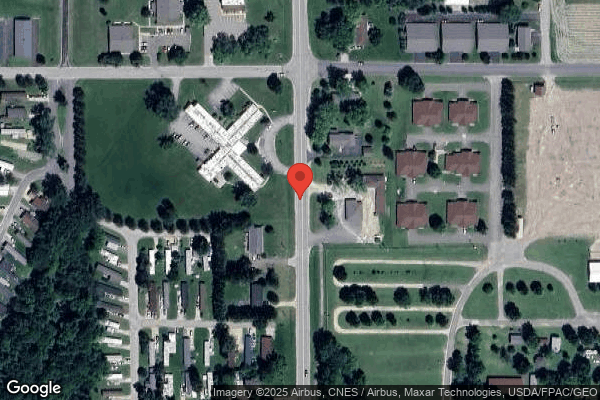

403 N MAPLE ST, ELLSWORTH, WI 54011 (715) 273-5821
For profit - Corporation 50 Beds NORTH SHORE HEALTHCARE Data: November 2025
Trust Grade
93/100
#34 of 321 in WI
Last Inspection: June 2024

Within standard 12-15 month inspection cycle. Federal law requires annual inspections.

Overview

Ellsworth Health Services has earned an impressive Trust Grade of A, indicating it is an excellent choice among nursing homes. It ranks #34 out of 321 facilities in Wisconsin, placing it in the top half, and is the best option out of four in Pierce County. The facility is improving, with issues decreasing from five in 2023 to just one in 2024. Staffing is a strong point, with a perfect 5-star rating and a turnover rate of only 27%, much lower than the state average. However, there have been concerns regarding food safety practices, including staff not properly washing hands and using contaminated gloves when handling food, which could impact all residents. While there are areas for improvement, the overall quality of care is commendable, with zero fines and good RN coverage exceeding that of 90% of Wisconsin facilities.

Trust Score
A
93/100
In Wisconsin
#34/321
Top 10%
Safety Record
Low Risk
No red flags
Inspections
Getting Better
5 → 1 violations
Staff Stability
✓ Good
27% annual turnover. Excellent stability, 21 points below Wisconsin's 48% average. Staff who stay learn residents' needs.
Penalties
✓ Good
No fines on record. Clean compliance history, better than most Wisconsin facilities.
Skilled Nurses
✓ Good
Each resident gets 74 minutes of Registered Nurse (RN) attention daily — more than 97% of Wisconsin nursing homes. RNs are the most trained staff who catch health problems before they become serious.
Violations
○ Average
7 deficiencies on record. Average for a facility this size. Mostly minor or procedural issues.
★★★★★
5.0
Overall Rating
★★★★★
5.0
Staff Levels
★★★★☆
4.0
Care Quality
★★★★★
5.0
Inspection Score
Stable
2023: 5 issues
2024: 1 issues

The Good

  • 5-Star Staffing Rating · Excellent nurse staffing levels
  • 4-Star Quality Measures · Strong clinical quality outcomes
  • Low Staff Turnover (27%) · Staff stability means consistent care
  • Full Sprinkler Coverage · Fire safety systems throughout facility
  • No fines on record
  • Staff turnover is low (27%)

    21 points below Wisconsin average of 48%

Facility shows strength in staffing levels, quality measures, staff retention, fire safety.

The Bad

Chain: NORTH SHORE HEALTHCARE

Part of a multi-facility chain

Ask about local staffing decisions and management

The Ugly 7 deficiencies on record

Jun 2024 1 deficiency
CONCERN (D)

Potential for Harm - no one hurt, but risky conditions existed

Quality of Care (Tag F0684)

Could have caused harm · This affected 1 resident

**NOTE- TERMS IN BRACKETS HAVE BEEN EDITED TO PROTECT CONFIDENTIALITY** Based on observation, interview and record review, the facility failed to ensure residents (R) receive treatment and care in acc...

Read full inspector narrative →
**NOTE- TERMS IN BRACKETS HAVE BEEN EDITED TO PROTECT CONFIDENTIALITY** Based on observation, interview and record review, the facility failed to ensure residents (R) receive treatment and care in accordance with professional standards of practice for residents experiencing changes in condition for 1 of 4 residents (R10) reviewed for changes in condition regarding congestive heart failure. This is evidenced by: According to the National Institutes of Health (NIH) Congestive Heart Failure (CHF): Nursing Diagnosis, 2023, indicates nurse assessment of CHF is to assess current symptoms such as dyspnea, fatigue, orthopnea, peripheral edema, vital signs, cardiovascular examination such as (abnormal heart sounds, jugular venous distention), respiratory examination such as (auscultate lung sounds for crackles or wheezing and assess respiratory effort), daily weights, edema assessments, dietary habits, weight changes, medication adherence and any side effects related to diuretics or blood pressure medications, and assess emotional well-being related to potential anxiety or depression related to the chronic nature of CHF. R10 was admitted to the facility on [DATE], and had diagnoses that included in part: CHF, hypertensive heart disease, mitral valve stenosis, pulmonary hypertension, nonrheumatic aortic valve stenosis, peripheral venous insufficiency, chronic kidney disease (CKD) stage 4 of 5, and diabetes. R10's care plan, dated 1/11/23, states: .The resident has altered cardiovascular status related to CHF, mitral valve stenosis, pulmonary hypertension, hypertensive heart with heart failure, aortic valve stenosis. Interventions include (in part): o Assess for chest pain Enforce the need to call for assistance is pain starts. Start date 1/11/23. o Assess for shortness of breath and cyanosis. Start date 1/11/23. o Monitor VITAL SIGNS per order. Notify MD (Medical Doctor) of significant abnormalities. Start date 1/11/23. o Monitor/document/report PRN (as needed) any signs and symptoms of Congestive Heart Failure: dependent edema of legs and feet, periorbital edema, SOB (shortness of breath) upon exertion, cool skin, dry cough, distended neck veins, weakness, weight gain unrelated to intake, crackles and wheezes upon auscultation of the lungs, orthopnea, weakness and/or fatigue, increased heart rate (Tachycardia) lethargy and disorientation. Start date 4/19/23 . R10's provider note dated 2/19/24 stated weight continues with slow increase, however no increase in edema or change in respiratory status, likely related to increase caloric intake from snacking. Dietary working with resident to make healthier snack choices. R10 with mild bilat LE (lower extremity) edema. Currently on Bumex 3mg BID (twice a day). Metolazone 2.5mg twice weekly had been d/c (discontinued) due to increased BUN/creatinine (kidney function tests). Current weight increased by about 20 pounds in 4 months, however no increase in edema or change in respiratory status. Plan: continue to monitor weight, edema, and respiratory status, with update if indicated. Encourage healthy snack choices. Cardiology follow up 6/2024. Restart Metolazone 2.5mg 30 minutes before first Bumex dose weekly on Wednesday. Recheck BMP (lab for kidney function/ electrolytes) on 2/29/24. R10's lab levels were checked on a regular basis by the provider due to CKD history and on diuretics. Tubi socks (help with compression for edema) were documented as on during the day as ordered. R10's medical administration record (MAR) documentation of edema and monitor SOB when flat, at rest, and exertion each shift was documented by the nurses. R10 had chronic 1+ pitting edema with some increase to 2+ pitting edema in the afternoons for the month of April 2024. R10 had SOB during exertion, lying flat, and at rest documented more frequently in the month of April 2024. The nurse's documentation on R10's MAR only indicated if the SOB or level of pitting edema was present. The nurses did not document a cardiovascular examination such as abnormal heart sounds, jugular venous distention or respiratory examination such as auscultate lung sounds for crackles or wheezing and assess respiratory effort. R10's progress notes in part: On 3/05/24 Weight Note: CBW (current body weight): 169 pounds. Resident triggers for significant weight gain of 5.6% in 30 days, 8.3% in 3 months and 19% in 6 months. BMI (body mass index) 26.5; healthy for age . RD has no concern with weight gain as resident is at healthy weight for age, as long as resident has no issues with SOB or increased edema; updated nursing during WAR (weekly at risk) meeting with IDT (Interdisciplinary Team) today. Resident has potential for weight fluctuation r/t (related to) fluid shifts r/t edema BLE (bilateral lower extremity) and diuretic use and changes to diuretic medications. RD remains available for consult as needed. On 3/05/24 General Note: Weekly at-risk meeting-5.6% weight gain in 30 days, weight is healthy for her age, will monitor for SOB and edema. Continues to eat snacks of choice in her room. On 4/02/24 Weight Note: CBW: 173 pounds Resident triggers for significant weight gain of 8.5% in 3 months and 17.7% in 6 months. BMI 27; healthy for age. Weight more stable the past month at ~170# +/- .RD has no concern with weight gain as resident is at healthy weight for age, as long as resident has no issues with SOB or increased edema. Resident has potential for weight fluctuation r/t fluid shifts r/t edema BLE and diuretic use. Resident had elevated TSH back on 2/29/24 which can impact weight. RD remains available for consult as needed. R10's assessment completed 4/04/24 indicated R10 was independent for most activities of daily living with no decline. Cardiopulmonary assessment indicated no oxygen used, regular heart rate, no respiratory distress, respirations are even and unlabored. Edema (mild) present. R10's assessment completed 4/04/24 did not include auscultation of lung sounds or heart sounds, or assessment of jugular venous distention. The standard pitting scale of 1-4 + pitting edema was not utilized. On 4/10/24, R10's Nutrition Assessment Note: Current weight: 174.4 pounds - 4/8/2024 Scale: Standup scale. BMI: 27.3. Significant weight change present. Weight history- 1 month ago: 168 pounds, 3 months ago: 164 pounds, 6 months ago: 149 pounds. 16.8% weight gain in 6 months. Gradual weight gain of ~10 pounds in the past 3 months. Skin condition: No skin issues noted. Edema present. 0-2+ Summary: . Resident has potential for weight fluctuation r/t fluid shifts. Resident continues with weight gain, likely r/t to a combination of edema and excess calories and sodium in diet .Continue current nutrition plan of care. Care plan reviewed and updated. On 4/10/24, R10's Summary Note: Resident is alert and orientated x 4 . is currently on RA (room air), VSS (vital signs stable) . Recent vitals: Temperature: T 97.8 - 3/27/2024 10:08 Route: Forehead (non-contact) Pulse: P 68 - 3/27/2024 10:08 Pulse Type: Regular Blood Pressure: BP 129/59 - 3/27/2024 10:08 Position: Sitting Respirations: R 18.0 - 3/27/2024 10:08 O2 Sat: O2 95.0 % - 3/27/2024 10:08 Concerning R10's summary note above, the nurses did not document a cardiovascular examination such as abnormal heart sounds, jugular venous distention or respiratory examination such as auscultate lung sounds for crackles or wheezing and assess respiratory effort. From 4/10/24 until 4/19/24, when R10 was sent out to the cardiology appointment, there were no assessments documented. The facility stated they document on exception meaning if there were no concerns, nothing would be documented. The facility lacked a complete cardiovascular and respiratory assessment on a regular basis to assess for fluid overload due to CHF. On 4/19/24 Nursing Note: Resident went out to cardiology appointment today. Son called and stated that resident was sent to the hospital from appointment to have fluid taken off of her and she will be out a couple of days. R10 attended the cardiology appointment on 4/19/24. The cardiologist determined at that appointment to send R10 to the hospital. R10 was hospitalized from [DATE] through 4/24/24 with diagnosis of acute on chronic diastolic congestive heart failure and CKD stage 4. R10's cardiology visit 4/19/24 provider note stated: R10 was here for worsening edema. Over the past 2-3 months R10 notes worsening shortness of breath, cough, edema, and weight gain. R10 was on Bumex 3mg twice daily and metolazone was restarted but she hasn't responded. Weight was 164 pounds in December now up to 185 pounds. She has a cough and notes orthopnea (shortness of breath when lying down) as well. Impression: 20 pounds weight gain in 3 months, worsening dyspnea on exertion, orthopnea/edema despite high dose diuretic. Reviewed vitals from nursing home. Weight has been steadily increasing. Creatinine worsened. Discussed admission to hospital for intravenous diuretic, echocardiogram and x-ray given lack of response to oral diuretic. R10 and son in agreement. No telemetry (cardiac monitoring) beds open yet, so patient will be transported to the emergency room. R10's hospitalization progress notes: History and Physical Note: R10 was admitted on [DATE] with CHF exacerbation. Patient seen earlier today at cardiology clinic with worsening lower extremity edema. She notes also that she has had increased dyspnea (SOB) on exertion. Notes that when she is ambulating from dining room to bathroom. Weight was 164 pounds in December now 185 pounds. She failed diuresis with oral diuretics as an outpatient and was directed to the emergency department for inpatient admission. Laboratory evaluation notable for hemoglobin 9.9, BNP (CHF indicator) 2204, troponin elevation of 30 with no significant change in delta troponin. Chest x-ray impression stated lungs are hypoinflated with bibasilar atelectasis. No focal consolidation, pleural effusion, or pneumothorax. Principle Problem: Acute on chronic heart failure with preserved ejection fraction. Admit inpatient, given 3mg of IV Bumex in emergency department. Of note, IV Bumex on national shortage. Will switch to IV furosemide infusion. Monitor intake and output. Consult cardiology. Check echo. Interviews: On 06/10/24 at 2:17 PM, Surveyor interviewed R10 who said she was in the hospital recently for fluid overload/heart failure. R10 said the staff weigh her every day. R10 with compression socks on both legs. R10 said she was aware to elevate legs to help with swelling. On 06/12/24 at 9:05 AM, Surveyor interviewed Certified Nursing Assistant (CNA) C and asked if she had worked with R10 in March and April this year before the hospital admission. CNA C said yes, she worked with R10 in March/April 2024 before the hospital stay. Surveyor asked CNA C if R10 had any concerns such as difficulty breathing or increased swelling before the hospital admission. CNA C said yes, R10 had increased swelling to her legs and had increased difficulty walking with trouble breathing. CNA C said we weighed R10 regularly. Surveyor asked CNA C if the nurses were aware of this. CNA C said yes, they were aware. On 06/12/24 at 9:08 AM, Surveyor interviewed R10 and asked if she remembered how she was before she was admitted to the hospital on [DATE]. R10 said they took off 15 pounds of fluid while I was in the hospital. Surveyor asked R10 how she felt now. R10 said she felt much better. On 06/12/24 at 9:12 AM, Surveyor interviewed Registered Nurse (RN) D and asked how R10 was prior to hospitalization on 4/19/24. RN D said R10 always had edema. R10 did not have any shortness of breath or indicators of CHF exacerbation prior to admit. RN D said we would update the provider on a regular basis and was aware of the gradual increase of weight. That was why the provider wanted to get R10's cardiology appointment moved up sooner. R10 did not show any signs or symptoms that indicated she needed to be sent out to the hospital sooner. On 06/12/24 at 9:45 AM, Surveyor interviewed Director of Nursing (DON) B and asked how R10 was prior to hospitalization on 4/19/24. DON B said we were monitoring R10's weights and signs symptoms of heart failure. R10 eats salty snacks that she has in her room. We have educated the resident on salt intake. The provider was adjusting R10's diuretics and monitoring the labs because R10 also had CKD stage 4. R10 was doing fine with no indicators that she needed to be sent out to be evaluated at the hospital. The primary provider here at the facility wanted to get R10 seen by the cardiologist to have her medications adjusted as it was hard to adjust due to her poor kidney function. We also were keeping a close eye on R10 for any change in symptoms and discussed her case at our weekly at risk (WAR) meetings. Surveyor informed DON B the concern of incomplete assessments for CHF in the week prior to the hospitalization. Surveyor asked DON B for CHF assessments, that would include lung sounds and cardiovascular assessment during this time frame. DON B said the nurses documented the edema and shortness of breath symptoms on the MAR and review documentation during the WAR meetings. On 06/12/24 at 10:04 AM, Nursing Home Administrator (NHA) E provided R10's MAR documentation. Surveyor asked NHA E what the 1 and 2 meant for documentation of edema. NHA E said it meant the pitting edema levels. No WAR documentation for R10 for the month of April was provided. On 06/12/24 at 10:53 AM, DON B provided the cardiology note from R10's clinic visit on 4/19/24. DON B said the note stated over the past 2-3 months, R10 notes worsening shortness of breath, cough, edema, and weight gain. DON B said R10's primary provider was aware of this. DON B said there were no indications that R10 needed to be sent out to the hospital due to her symptoms of baseline edema, shortness of breath and weight gain. DON B said as an improvement, they could change their order batch to indicate what to do for a thorough assessment if increased SOB or edema and how staff should respond to the data found. On 06/12/24 at 12:30 PM, Surveyor interviewed R10's Medical Doctor (MD) F and asked what the expectation was for staff to do with the findings from the MAR documentation of 1-2+ edema and increasing shortness of breath. MD F said he was at the facility every week and was looking at R10's respiratory status, weights, edema and if there were any other indicators of CHF exacerbation. MD F said he was aware of the gradual weight gain, and he decided to wait to see what cardiology would do before adding more interventions due to R10's kidney function. MD F said he had adjusted R10's diuretics but was hesitant to push the diuretic any further due to R10's kidney function that he was closely monitoring with lab work. MD F said he had requested the cardiology appointment be moved up closer due to this. Surveyor asked MD F what the expectation was for lung assessments. MD F said he was not relying on the nurse's assessments; he was relying on his own assessments of R10 and looking at R10's weights. Surveyor asked MD F if he felt R10 needed to be sent out to the hospital sooner before the 4/19/24 cardiology appointment. MD F said obviously it was not needed to send R10 out sooner because R10 was not in any distress. MD F said it was unexpected that R10 was admitted to the hospital. MD F said he was expecting R10 to be seen by the cardiologist who could adjust the oral diuretics and get the weight off at the facility. The cardiologist must have felt R10 was not responding to oral diuretics and needed IV diuretics instead. MD F said R10 was not in any acute distress while at the facility. On 06/12/24 at 1:00 PM, Surveyor interviewed DON B and NHA E concerning R10's condition prior to hospital admit on 4/19/24. DON B and NHA E both said R10 was assessed by the primary provider weekly, and our nurses assess R10 all the time. We did not feel R10 needed to be sent to the hospital sooner as R10 had baseline edema and shortness of breath upon exertion. Just because the nurses checked yes to shortness of breath on the MAR, it did not indicate concern to send R10 out to the hospital. DON B and NHA E were unsure what they should have done differently due to keeping the provider well informed, assessment of R10 on a regular basis and charting if there were concerns, moving the appointment for cardiology up sooner to have medications adjusted and see if other interventions were warranted. Nurses chart by exception and if there were no concerns, nothing would be documented. Surveyor asked what standards the facility follows to determine immediate versus non-immediate response for a resident presenting with CHF symptoms and what tool was used for pitting edema assessment. DON B said she will provide these items. Facility utilized the following tool to indicate pitting edema measurements: 1+ = 2mm depression, barely detectable. 2+ = 4mm deep pit, a few seconds to rebound. 3+ = 6mm deep pit, 10-12 seconds to rebound. 4+ = 8mm very deep pit, >20 seconds to rebound. Surveyor asked what standards the facility follows to determine immediate vs non-immediate response for a resident presenting with CHF symptoms. The facility provided the Interact tool for shortness of breath which indicated the following: Immediate - abrupt onset of shortness of breath with pain, fever, or respiratory distress, or with progressive leg edema. Non-immediate - recently progressive or persistent minor shortness of breath without other symptoms. On 06/12/24 at 2:00 PM, Surveyor interviewed RN D who said R10 was at baseline with no need to send her out to the hospital. If R10 did need to be sent out to the hospital, a change in condition would have been completed if warranted, but R10 did not warrant this. RN D said she spoke with MD F often to update on R10. RN D said they were all surprised that R10 was admitted to the hospital from her cardiology clinic appointment on 4/19/24. After R10's hospital admission, the facility did not provide education or training to the nurses concerning cardiac/respiratory assessments with a resident who had CHF concerns.
May 2023 5 deficiencies
CONCERN (D)

Potential for Harm - no one hurt, but risky conditions existed

Comprehensive Care Plan (Tag F0656)

Could have caused harm · This affected 1 resident

**NOTE- TERMS IN BRACKETS HAVE BEEN EDITED TO PROTECT CONFIDENTIALITY** Based on observation, interview and record review, the facility did not ensure 1 of 12 (R20) residents reviewed for comprehensiv...

Read full inspector narrative →
**NOTE- TERMS IN BRACKETS HAVE BEEN EDITED TO PROTECT CONFIDENTIALITY** Based on observation, interview and record review, the facility did not ensure 1 of 12 (R20) residents reviewed for comprehensive care plans had a developed care plan to include respiratory. R20 had a history of respiratory issues, along with the use of continuous oxygen, and did not have a comprehensive care plan to include respiratory. This was evidenced by: On 05/23/23 at 8:27 AM, Surveyor observed R20 currently on oxygen at three liters per minute via nasal cannula. On 05/23/23 at 11:10 AM, Surveyor reviewed R20's medical record. R20 was admitted to the facility on [DATE] with diagnoses included, but not limited to acute respiratory failure with hypoxia, and heart failure. R20's physician's order included oxygen at 1-2 liters at rest, and up to 4 liters with activity, titrate to keep oxygen saturation 90-92% with a start date of 11/28/22. Review of R20's recent Minimum Data Set (MDS) assessment on 04/26/23 indicated oxygen use. A review of R20's care plan shows there was nothing written concerning respiratory such as assessments, care, or treatments. On 05/23/23 at 1:41 PM, Surveyor spoke with NHA (Nursing Home Administrator) A asking for R20's care plan of oxygen/respiratory as there was no current care plan for this seen in the electronic medical record. On 05/23/23 at 2:26 PM, Corporate NHA F said R20 did not have a care plan for oxygen/respiratory at this time. NHA F said they will enter oxygen/respiratory care plan for this resident. On 05/24/23 at 9:00 AM, NHA A provided a copy of R20's care plan that included (date initiated 05/23/23), R20 was at risk for hypoxia/respiratory failure due to a diagnosis of acute respiratory failure and heart failure. R20 will maintain acceptable levels of comfort and breathing. Interventions included Furosemide as ordered to maintain fluid balance and subsequent breathing ability, Guaifenesin as ordered to control chest congestion, hospice team involved as necessary to assist in comfort goals, and oxygen as ordered by the Physician.
CONCERN (D)

Potential for Harm - no one hurt, but risky conditions existed

Infection Control (Tag F0880)

Could have caused harm · This affected 1 resident

Based on observation, interview and record review, the facility did not perform appropriate reprocessing of reusable resident medical equipment. Observations of staff not sanitizing the mechanical lif...

Read full inspector narrative →
Based on observation, interview and record review, the facility did not perform appropriate reprocessing of reusable resident medical equipment. Observations of staff not sanitizing the mechanical lift between resident use, which had the potential to affect 3 of 3 residents who required the mechanical lift. This was evidenced by: On 05/24/23 at 9:30 AM, Surveyor observed Certified Nursing Assistant (CNA) C and CNA D transfer R5 from the wheelchair into bed with the use of a mechanical lift. Staff did not sanitize the lift after use. CNA D moved the lift out of R5's room and placed the lift right outside the room in the hall. There were no sanitizing wipes on the lift, but there was an empty bag hanging from the lift. Surveyor watched the lift from use of R5 until used on the next resident. Staff did not sanitize the lift before use on the next resident. On 05/24/23 at 9:40 AM, Surveyor observed Registered Nurse (RN) E ask CNA C if she was done with the mechanical lift that was right outside R5's room. CNA C said yes, and RN E took the lift from the hall, so Surveyor followed RN E with the lift into R7's room. Staff did not sanitize the lift before use. Surveyor observed RN E and CNA C transfer R7 from the wheelchair into the bed with the use of the mechanical lift. Staff did not sanitize the lift after use. CNA C moved the lift just outside the room into the hallway and then walked away without sanitizing the lift. Surveyor asked CNA C what the process was for cleaning the mechanical lift. CNA C said she cleans the lift a few times a shift and tries to clean it after each use. On 05/24/23 at 9:47 AM, Surveyor asked CNA D what the process was for cleaning the mechanical lift. CNA D said the lifts are cleaned daily and they should be cleaned after use. CNA D said the wipes are hanging on the lift or in the storage area. On 05/24/23 at 9:58 AM, Surveyor asked the Nursing Home Administrator (NHA) A and the Director of Nursing (DON) B when multi-use equipment like the mechanical lift was cleaned. NHA A and DON B said the use of disinfectant wipes are used to disinfect the equipment after each use. NHA A said the disinfectant wipes container was located on the mechanical lift in a bag that was hanging from the lift with extra containers of disinfectant wipes stored in the storeroom. Surveyor advised NHA A and DON B concerning the observation of staff use of a mechanical lift with no sanitizing of the lift after use. Surveyor advised NHA A and DON B that the mechanical lift used by the staff did not have any disinfectant wipes on it. DON B stated she will get the wipes placed on the lifts now. Surveyor asked for a copy of the facility's policy and procedure for sanitizing multi-use equipment. On 05/24/23 at 11:08 AM, NHA A said they do not have a policy or procedure on cleaning the mechanical lifts after each use. It is an expectation that staff do this. NHA A said there are three residents who use the mechanical lift in the facility: R4, R5, and R7. On 05/24/23 at 1:30 PM, Surveyor reviewed the facility policy, entitled Infection Prevention and Control Program, dated 03/14/23, stated: .Equipment Protocol: Nursing staff/designee will decontaminate reusable equipment with a germicidal detergent prior to storing for reuse .
CONCERN (F)

Potential for Harm - no one hurt, but risky conditions existed

Food Safety (Tag F0812)

Could have caused harm · This affected most or all residents

Based on observation and interviews, the facility did not prepare and distribute food under sanitary conditions. This has the potential to affect 27 of 27 residents. -Staff were not properly hand wash...

Read full inspector narrative →
Based on observation and interviews, the facility did not prepare and distribute food under sanitary conditions. This has the potential to affect 27 of 27 residents. -Staff were not properly hand washing -Staff were using contaminated gloves -Cleaning schedule not being completed On 05/23/23 at 11:13 AM, Surveyor observed Dietary Manager (DM) G wet hands, put soap on hands and rub hands together for 3 seconds, DM G then shut off water faucet with wet hands and then dried hands with paper towels. Surveyor observed DM G empty the garbage and take it outside. When DM G returned, she washed her hands, turned on the water, rubbed hands together with soap and water for a few seconds, turned off the water with wet hands, then grabbed the paper toweling to dry her hands. At 11:40 AM, Surveyor observed Dietary Aide (DA) H put on gloves, no hand washing reached into the bread bag and butter slices of bread for lunch. DA H removed gloves, no hand washing, put on a new pair of gloves then started to dish up lunch plates with same gloved hands opening up utensil drawers, touching resident food slips, then grabbed buttered bread with the contaminated gloves from the container and put on resident's lunch plate. DA H then removed contaminated gloves, no hand washing put on a new pair of gloves, continued dishing up lunch plates then removed gloves and washed hands with soap and water. At 12:02 PM, DM G was assisting DA H. DM G removed the gloves she had on, no handwashing put on a new pair of gloves, reached in the bread bag and buttered 2 pieces of bread, went to the cooler, opened the door with same gloved hands and grabbed some cheese from the cooler for a grilled cheese with the same gloved hands. On 05/24/23 at 9:12 AM, Surveyor asked DM G what they expect staff to do in-between changing gloves. DM indicated they are supposed to wash hands in-between use. Upon visits to the kitchen during the survey period, Surveyor noted unclean and unkept areas. The steam table in the dining room has a plexi-glass splash guard that has visible splashes with dried on substance dripping down the whole length of the splash guard. Areas of the walls in the kitchen had sheet-rock that was cracked and falling off. The can opener when Surveyor observed it and looked at the pointed part had a hardened particle of food on it. The blender that is used daily has a layer of dust on it that has not been wiped down. When DM G moved the blender, the area under the blender had a substance that was smeared under it that has not been cleaned up and was dried on. Surveyor asked DM G if there was a cleaning schedule. DM G provided Surveyor with a, Cooks Checklists and an Aides Checklist. On the cooks checklist number 3 reads in part steam table wipe clean, number 11 reads in part counters washed and sanitized. Surveyor asked DM G who checks on these lists. DM G indicated she did. There was no evidence the cleaning had been completed.
MINOR (B)

Minor Issue - procedural, no safety impact

Transfer Notice (Tag F0623)

Minor procedural issue · This affected multiple residents

**NOTE- TERMS IN BRACKETS HAVE BEEN EDITED TO PROTECT CONFIDENTIALITY** Example 3 R4 was admitted to the facility on [DATE] with diagnosis that includes, in part, diabetes, morbid obesity with hypoven...

Read full inspector narrative →
**NOTE- TERMS IN BRACKETS HAVE BEEN EDITED TO PROTECT CONFIDENTIALITY** Example 3 R4 was admitted to the facility on [DATE] with diagnosis that includes, in part, diabetes, morbid obesity with hypoventilation, and obstruction in the urinary tract. R4's Minimum Data Set (MDS) indicated a Brief Interview for Mental Status (BIMS) score of 14 that indicates that R4 is cognitively intact. On 03/12/23, R4's kidney drain was found to have fallen out. The doctor was called, and an order was given to send R4 to the hospital. On 05/23/23, Surveyor reviewed R4's medical record which confirmed transfer to the hospital and the facility completed an MDS indicating a discharge with return anticipated on 03/12/23. Surveyor was unable to locate the written notice requirements before transfers and discharges. Interview with DON B confirmed that R4 did not receive the written required notifications at the time of transfer to the hospital. Based on interviews and record review, the facility did not ensure 3 of 3 residents (R) reviewed for hospitalization were notified in writing of the reason for transfer from the facility. (R15, R28, and R4) R15, R28, and R4 were transferred to the hospital and neither the resident nor their representative received written notice of the reason for the transfer. Findings include: Facility Transfer to Hospital checklist states, in part, .Fill out Notice of Transfer or Discharge form, attach to checklist, turn in to medical records box .Documentation in chart .Patient Transfer Form . Example 1: R15 was hospitalized from [DATE] to 03/04/23 for low heart rate with symptoms. On 05/22/23 at 6:58 PM, Surveyor interviewed R15 who stated they did not remember getting any written notice of a reason for transfer to the hospital when sent to the emergency room (ER) in March. No written notice of reason for transfer was identified during review of R15's medical record. Surveyor requested a copy of the written notice of reason for transfer. On 05/24/23 at 8:44 AM, Nursing Home Administrator (NHA) A reported they did not have a copy of a written notice of transfer on R15's medical record when R15 was transferred to the ER on [DATE]. Surveyor asked NHA A what the facility policy was for notice of transfer. NHA A stated they had a discharge/transfer packet with a check list. The packet contained a notice of discharge or transfer form that was to be completed at the time of the transfer. A copy of that document was supposed to be attached to the resident's chart. NHA A stated they just discovered that form was not getting completed according to their expected procedure. Example 2: R28 was transferred to the ER on [DATE] due to increased flank and lower back pain. R28 was admitted to the hospital with an abscess on the spine. No written notice of reason for transfer was identified during review of R28's medical record. Surveyor requested a copy of the written notice of reason for transfer. On 05/24/23, Surveyor requested the written notice of transfer form for R28's hospitalization on 2/20/23. NHA A stated they did not have a copy of that form on R28's medical record.
MINOR (B)

Minor Issue - procedural, no safety impact

Deficiency F0625 (Tag F0625)

Minor procedural issue · This affected multiple residents

**NOTE- TERMS IN BRACKETS HAVE BEEN EDITED TO PROTECT CONFIDENTIALITY** Example 3 Surveyor reviewed R4's medical record and noted R4's Minimum Data Set (MDS) assessment dated [DATE] documented dischar...

Read full inspector narrative →
**NOTE- TERMS IN BRACKETS HAVE BEEN EDITED TO PROTECT CONFIDENTIALITY** Example 3 Surveyor reviewed R4's medical record and noted R4's Minimum Data Set (MDS) assessment dated [DATE] documented discharged with return anticipated. R4's medical record did not document a written bed hold notice. Director of Nursing (DON) B confirmed that bed hold notification was not given at time of transfers. Based on record review and interview, the facility did not provide written notice of bed hold policy for 3 of 3 residents (R) reviewed for transfer to the hospital. (R15, R28, and R4) At the time of transfer to the hospital all 3 residents, or their representatives, did not receive written notice of bed hold policy. Findings include: Facility Transfer to Hospital checklist states, in part, .Fill out Notice of Transfer or Discharge form, attach to checklist, turn in to medical records box .Documentation in chart .Patient Transfer Form . The Notice of Transfer or Discharge form includes the facility bed hold policy. Example 1: R15 was hospitalized from [DATE] to 03/04/23 for low heart rate with symptoms. On 05/22/23 at 6:58 PM, Surveyor interviewed R15 who stated they did not remember getting any written notice of bed hold policy when sent to the emergency room (ER) in March. No written notice of bed hold policy was identified during review of R15's medical record. Surveyor requested a copy of the written notice of bed hold policy. On 05/24/23 at 8:44 AM, Nursing Home Administrator (NHA) A reported they did not have a copy of a written notice of bed hold policy on R15's medical record when R15 was transferred to the ER on [DATE]. Surveyor asked NHA A what the facility policy was for written notice at the time of transfer. NHA A stated they had a discharge/transfer packet with a check list. The packet contained a Wisconsin Bed Hold and Notice of Transfer form that was to be completed at the time of the transfer. A copy of that document was supposed to be attached to the resident's chart. NHA A stated they just discovered that form was not getting completed according to their expected procedure. Example 2: R28 was transferred to the ER on [DATE] due to increased flank and lower back pain. R28 was admitted to the hospital with an abscess on the spine. No written notice of bed hold policy was identified during review of R28's medical record. Surveyor requested a copy of the written notice of bed hold policy. On 05/24/23 Surveyor requested the written notice of bed hold policy for R28's hospitalization on 2/20/23. NHA A stated they did not have a copy of that form on R28's medical record.
May 2022 1 deficiency
CONCERN (E)

Potential for Harm - no one hurt, but risky conditions existed

Food Safety (Tag F0812)

Could have caused harm · This affected multiple residents

Based on observation, interview and record review, the facility failed to store and distribute food under sanitary conditions on two of three days of survey. Frozen foods were observed to be stored i...

Read full inspector narrative →
Based on observation, interview and record review, the facility failed to store and distribute food under sanitary conditions on two of three days of survey. Frozen foods were observed to be stored in packaging that was not intact or labeled with the date they were opened or package contents. Staff was observed to touch ready to eat foods with contaminated gloves. This is evidenced by: The facility policy, entitled Food Storage, dated effective April 2020, states in part: Foods will be stored and handled to maintain the integrity of the packaging until ready for use. All foods should be covered, labeled and dated. The facility policy, entitled Bare Hand contact with food and use of Plastic Gloves, dated effective May 2020, states in part: Gloves are just like hands. They get soiled. Anytime a contaminated surface is touched, the gloves must be changed and hands must be washed. Food Storage On 05/02/22 at 10:55 AM during the initial kitchen tour, Surveyor observed within the freezer a package of tube shaped meat on the top shelf in an opened plastic bag. The bag was not sealed, not dated, and not labeled for contents. Surveyor asked Dietary [NAME] (DC) D about the package. DC D identified it as sausage links. DC D stated, We just got it last Tuesday. After conferring with Dietary Manager (DM) C, they decided it arrived on the 26th. DC D stated it hasn't been opened for long, but she was unable to identify how long. DC D then wrote on the package with a magic marker, the contents and the date. On another shelf was a plastic bag of white crumbly contents, that had no date on it when it was opened, no label for contents. When asked, DC D identified this as cooked chicken crumbles. DC D again spoke with DM C and they concluded part of it was used in chicken salad last Tuesday - also the 26th. DC D wrote on it with marker, as to the contents and date. DC D indicated there was a small smudge in marker on the bag, staff stated, it may have been dated at some point, but that it rubbed off. Also observed in the freezer was an open plastic bag with large bag of hot dogs in it. The plastic bag's Ziploc type seal is not closed, and did not seal. DC D pulled out the bag to view it and said the opened edge is on the bottom and placed the open bag back in freezer. When asked if that is how it should be, DM C took the bag back out of the freezer and stated the plastic bag should be shut, sealed. Surveyor observed lots of crystallized ice in the bag, by the hot dogs. Food Distribution Glove Use On 05/02/22 at 12:05 PM, Surveyor observed DC D serving food. DC D was observed to walk around the dining room taking residents' orders for the noon meal with gloved hands. As she did this, DC D touched the tables and the order slips and used a pen to write on the slips. When she completed this, DC D began to plate food. DC D did not change her gloves or wash her hands prior to plating food. As DC D plated food she would occasionally pull down her shirt, at one point she touched the door jam going into the kitchen with her gloved hands. DC D then reached into a plastic bag of rolls, with her contaminated gloves, pulled the rolls apart and placed them onto plates and served the food to residents. DC D did this multiple times. DC D would take the plates to residents at the table. DC D was also observed to cut a resident's sandwich by placing her contaminated gloved hand flat on the surface of the bread to hold it as she cut it with a knife. The last resident was observed to be served at 12:24 PM. On 05/03/22 at 11:55 AM, Surveyor observed Dietary [NAME] (DC) E serving food. DC E was observed to walk around the dining room taking residents' orders for the noon meal with gloved hands. As she did this, DC E touched the tables and the order slips and used a pen to write on the slips. When she completed this, DC E began to plate food. DC E did not change her gloves or wash her hands prior to plating food. As DC E did this she would reach her contaminated gloved hand into a bag of rolls and pull them apart and place them on plates for residents to eat. The last resident was observed to be served at 12:26 PM On 05/04/22 at 1:49 PM, Surveyor interviewed DM C and relayed the above concerns. DM C acknowledged that all frozen food packaging should be sealed properly then dated and labeled with contents. DM C stated that staff are trained to take residents' orders at meal time without wearing gloves. DM C stated after taking orders, staff should then wash their hands and put on clean gloves prior to serving food at the tray line. DM C stated if staff touch anything besides serving utensils, or any time their gloves become contaminated, they need to change their gloves, rewash their hands and reglove.
Understanding Severity Codes (click to expand)
Life-Threatening (Immediate Jeopardy)
J - Isolated K - Pattern L - Widespread
Actual Harm
G - Isolated H - Pattern I - Widespread
Potential for Harm
D - Isolated E - Pattern F - Widespread
No Harm (Minor)
A - Isolated B - Pattern C - Widespread

Questions to Ask on Your Visit

  • "Can I speak with families of current residents?"
  • "What's your RN coverage like on weekends and overnight?"

Our Honest Assessment

Strengths
  • • Grade A (93/100). Above average facility, better than most options in Wisconsin.
  • • No major safety red flags. No abuse findings, life-threatening violations, or SFF status.
  • • No fines on record. Clean compliance history, better than most Wisconsin facilities.
  • • 27% annual turnover. Excellent stability, 21 points below Wisconsin's 48% average. Staff who stay learn residents' needs.
Concerns
  • • No significant concerns identified. This facility shows no red flags across CMS ratings, staff turnover, or federal penalties.
Bottom line: Generally positive indicators. Standard due diligence and a personal visit recommended.

About This Facility

What is Ellsworth Health Services's CMS Rating?

CMS assigns ELLSWORTH HEALTH SERVICES an overall rating of 5 out of 5 stars, which is considered much above average nationally. Within Wisconsin, this rating places the facility higher than 99% of the state's 100 nursing homes. This rating reflects solid performance across the metrics CMS uses to evaluate nursing home quality.

How is Ellsworth Health Services Staffed?

CMS rates ELLSWORTH HEALTH SERVICES's staffing level at 5 out of 5 stars, which is much above average compared to other nursing homes. Staff turnover is 27%, compared to the Wisconsin average of 46%. This relatively stable workforce can support continuity of care.

What Have Inspectors Found at Ellsworth Health Services?

State health inspectors documented 7 deficiencies at ELLSWORTH HEALTH SERVICES during 2022 to 2024. These included: 5 with potential for harm and 2 minor or isolated issues.

Who Owns and Operates Ellsworth Health Services?

ELLSWORTH HEALTH SERVICES is owned by a for-profit company. For-profit facilities operate as businesses with obligations to shareholders or private owners. The facility is operated by NORTH SHORE HEALTHCARE, a chain that manages multiple nursing homes. With 50 certified beds and approximately 28 residents (about 56% occupancy), it is a smaller facility located in ELLSWORTH, Wisconsin.

How Does Ellsworth Health Services Compare to Other Wisconsin Nursing Homes?

Compared to the 100 nursing homes in Wisconsin, ELLSWORTH HEALTH SERVICES's overall rating (5 stars) is above the state average of 3.0, staff turnover (27%) is significantly lower than the state average of 46%, and health inspection rating (5 stars) is much above the national benchmark.

What Should Families Ask When Visiting Ellsworth Health Services?

Based on this facility's data, families visiting should ask: "Can I visit during a mealtime to observe dining assistance and food quality?" "How do you handle medical emergencies, and what is your hospital transfer rate?" "Can I speak with family members of current residents about their experience?"

Is Ellsworth Health Services Safe?

Based on CMS inspection data, ELLSWORTH HEALTH SERVICES has a clean safety record: no substantiated abuse findings (meaning no confirmed cases of resident harm), no Immediate Jeopardy citations (the most serious violation level indicating risk of serious injury or death), and is not on the Special Focus Facility watch list (a federal program monitoring the lowest-performing 1% of nursing homes). The facility has a 5-star overall rating and ranks #1 of 100 nursing homes in Wisconsin. While no facility is perfect, families should still ask about staff-to-resident ratios and recent inspection results during their visit.

Do Nurses at Ellsworth Health Services Stick Around?

Staff at ELLSWORTH HEALTH SERVICES tend to stick around. With a turnover rate of 27%, the facility is 19 percentage points below the Wisconsin average of 46%. Low turnover is a positive sign. It means caregivers have time to learn each resident's needs, medications, and personal preferences. Consistent staff also notice subtle changes in a resident's condition more quickly.

Was Ellsworth Health Services Ever Fined?

ELLSWORTH HEALTH SERVICES has no federal fines on record. CMS issues fines when nursing homes fail to meet care standards or don't correct problems found during inspections. The absence of fines suggests the facility has either maintained compliance or corrected any issues before penalties were assessed. This is a positive indicator, though families should still review recent inspection reports for the full picture.

Is Ellsworth Health Services on Any Federal Watch List?

ELLSWORTH HEALTH SERVICES is not on any federal watch list. The most significant is the Special Focus Facility (SFF) program, which identifies the bottom 1% of nursing homes nationally based on persistent, serious quality problems. Not being on this list means the facility has avoided the pattern of deficiencies that triggers enhanced federal oversight. This is a positive indicator, though families should still review the facility's inspection history directly.