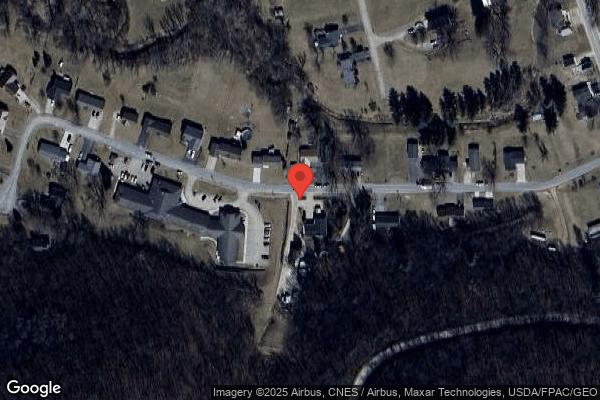
PLUM CITY CARE CTR

301 CHERRY AVENUE WEST, PLUM CITY, WI 54761 (715) 647-2401
For profit - Corporation 50 Beds REAL PROPERTY HEALTH FACILITIES Data: November 2025
Trust Grade
80/100
#118 of 321 in WI
Last Inspection: January 2025

Within standard 12-15 month inspection cycle. Federal law requires annual inspections.

Overview

Plum City Care Center has a Trust Grade of B+, indicating it is above average and recommended for families considering options for their loved ones. It ranks #118 out of 321 facilities in Wisconsin, placing it in the top half, and #2 out of 4 in Pierce County, suggesting it is one of the better local choices. However, the facility is experiencing a worsening trend, with issues increasing from 2 in 2023 to 6 in 2025. Staffing is a relative strength, with a 4-star rating and a turnover rate of 32%, which is significantly lower than the state average, indicating that staff are stable and familiar with residents' needs. On the downside, several concerns were noted, including inadequate food safety practices that could affect all residents and failures in providing necessary care to prevent pressure injuries for some residents, showcasing areas that need improvement despite the lack of fines and good overall ratings.

Trust Score
B+
80/100
In Wisconsin
#118/321
Top 36%
Safety Record
Low Risk
No red flags
Inspections
Getting Worse
2 → 6 violations
Staff Stability
○ Average
32% turnover. Near Wisconsin's 48% average. Typical for the industry.
Penalties
✓ Good
No fines on record. Clean compliance history, better than most Wisconsin facilities.
Skilled Nurses
✓ Good
Each resident gets 42 minutes of Registered Nurse (RN) attention daily — more than average for Wisconsin. RNs are trained to catch health problems early.
Violations
○ Average
9 deficiencies on record. Average for a facility this size. Mostly minor or procedural issues.
★★★★☆
4.0
Overall Rating
★★★★☆
4.0
Staff Levels
★★★★☆
4.0
Care Quality
★★★★☆
4.0
Inspection Score
Stable
2023: 2 issues
2025: 6 issues

The Good

  • 4-Star Staffing Rating · Above-average nurse staffing levels
  • 4-Star Quality Measures · Strong clinical quality outcomes
  • Full Sprinkler Coverage · Fire safety systems throughout facility
  • No fines on record
  • Staff turnover below average (32%)

    16 points below Wisconsin average of 48%

Facility shows strength in staffing levels, quality measures, fire safety.

The Bad

Staff Turnover: 32%

14pts below Wisconsin avg (46%)

Typical for the industry

Chain: REAL PROPERTY HEALTH FACILITIES

Part of a multi-facility chain

Ask about local staffing decisions and management

The Ugly 9 deficiencies on record

Jan 2025 6 deficiencies
CONCERN (D)

Potential for Harm - no one hurt, but risky conditions existed

Respiratory Care (Tag F0695)

Could have caused harm · This affected 1 resident

**NOTE- TERMS IN BRACKETS HAVE BEEN EDITED TO PROTECT CONFIDENTIALITY** Based on record review and interview, the facility did not ensure that 1 of 1 resident (R) reviewed received appropriate respira...

Read full inspector narrative →
**NOTE- TERMS IN BRACKETS HAVE BEEN EDITED TO PROTECT CONFIDENTIALITY** Based on record review and interview, the facility did not ensure that 1 of 1 resident (R) reviewed received appropriate respiratory care during administration of respiratory therapy (R32). Facility did not perform pre and post respiratory assessments for R32 when administering nebulizer treatments. Findings include: On 01/06/25, Surveyor reviewed R32's medical record. R32 was admitted to the facility on [DATE] with diagnoses including Chronic Obstructive Pulmonary Disease (COPD), anxiety disorder, pneumonia, and chronic respiratory failure with hypoxia. R32's Minimum Data Set (MDS) assessment, dated 11/20/24, had a Brief Interview for Mental Status (BIMS) score of 15 out of 15 which indicated R32 had intact cognition. Surveyor reviewed R32's physician orders, stated in part: -Albuterol Sulfate HFA 90 mcg, give two puffs inhalation every four hours as needed for COPD and breathing comfort. -Ipratropium-Albuterol neb 0.5mg/3ml give every six hours with pre-neb and post-[NAME] assessment. -May take medications whole. Do not leave at bedside. Observe taking all medications. On 01/06/25 at 11:35 AM, Surveyor observed R32 sitting in recliner. Surveyor observed R32 start R32's own nebulizer machine. Surveyor interviewed R32 and asked if the normal process was for R32 to start R32's own nebulizer for treatment. R32 indicated R32 started own nebulizer machine and that staff will bring nebulizer medication in and leave on bedside table if not ready to take medication. Surveyor did not observe a nurse go in and complete pre nebulizer treatment assessment. On 01/07/25 at 10:55 AM, Surveyor observed nebulizer machine on bedside table with some medication in the nebulizer compartment. Surveyor interviewed R32 and asked who manages the nebulizer machine such as filling the nebulizer compartment with medication, cleaning, rinsing, and drying it for the next use. R32 indicated it stays on bedside table and it is R32's personal nebulizer machine that R32 manages. On 01/07/25 at 12:35 PM, Surveyor heard nebulizer going and Registered Nurse (RN) F in R32's room sitting on bed conversing with R32. Surveyor observed RN F exit R32's room and walk down the hallway. Surveyor did not observe RN F complete pre nebulizer treatment assessment. Surveyor interviewed RN F and asked what RN F's process is for administering nebulizers to R32. RN F indicated that RN F will sometimes bring the nebulizer medication down to R32 and place in nebulizer machine. RN F indicated that RN F sometimes assesses oxygenation saturation with oximeter. RN F indicated RN F should auscultate lungs as well. Surveyor asked RN F if RN F assessed R32's lungs pre nebulizer treatment and RN F indicated that RN F did. Surveyor did not observe RN F perform pre nebulizer treatment or observe a stethoscope in R32's room or around RN F's neck. On 01/07/25 at 12:41 PM, Surveyor observed R32 shut nebulizer machine off and set the nebulizer on the bedside table. Surveyor did not observe RN F go back into R32's room to confirm nebulizer medication was finished accurately. Surveyor interviewed R32 and asked if RN F had listened to R32's lungs pre nebulizer treatment. R32 indicated that RN F did not listen to R32's lungs before R32 started R32's own nebulizer treatment. R32 indicated that R32 manages R32's own nebulizer treatments. On 01/07/25 at 12:41 PM-1:11 PM, Surveyor observed continuous observation that RN F did not perform post nebulizer respiratory assessment. On 01/07/25 at 1:53 PM, Surveyor interviewed Director of Nursing (DON) B and asked DON B's expectations for nursing staff to complete pre and post nebulizer assessments if R32 is self-administering the nebulizer treatment. DON B indicated that nursing staff should still be auscultating R32's lungs and performing the respiratory assessment pre and post nebulizer treatment. Surveyor asked DON B's expectation of time frame post nebulizer treatment for assessment of respiratory status. DON B indicated within 15-30 minutes post nebulizer treatment a respiratory assessment should be completed. Surveyor requested documentation of respiratory assessment pre and post nebulizer treatment for 01/07/24. Surveyor reviewed nurse progress notes and could not find consistent respiratory assessments pre and post nebulizer administrations.
CONCERN (D)

Potential for Harm - no one hurt, but risky conditions existed

Pharmacy Services (Tag F0755)

Could have caused harm · This affected 1 resident

**NOTE- TERMS IN BRACKETS HAVE BEEN EDITED TO PROTECT CONFIDENTIALITY** Based on observation and interview, the facility did not ensure the accurate receiving and dispensing of all drugs and biologica...

Read full inspector narrative →
**NOTE- TERMS IN BRACKETS HAVE BEEN EDITED TO PROTECT CONFIDENTIALITY** Based on observation and interview, the facility did not ensure the accurate receiving and dispensing of all drugs and biologicals. Expired medications were observed in 1 of 4 medication storage areas medicine carts/rooms inspected. The facility did not administer medications accurately for 1 resident (R) (R32) of 1 sampled resident observed. -Facility did not destroy R15's Lorazepam after medication was discontinued. -Facility did not destroy R35's Lorazepam after medication was discontinued. -R32 had medications left at bedside and did not have an assessment to self-administer medication. Findings include: Example 1 The facility policy, titled Destruction of Medications, reviewed July 2024, states: .3. Disposal of all drugs will occur within 72 hours of a physician's order discontinuing its use, the resident's death or passage, its expiration date or as outlined in state specific policy . Surveyor reviewed R15's physician orders, which stated in part: -On 11/14/24, ordered Lorazepam 2mg/ml Give 0.25ml orally every four hours as needed for anxiety. Surveyor reviewed R35's physician orders, which stated in part: -On 12/17/24, ordered Lorazepam 2mg/ml Give 0.25ml orally every two hours as needed for anxiety. On 01/07/25 at 9:36 AM, Surveyor toured medication storage room with Director of Nursing (DON) B. On 01/07/25 at 9:43 AM, Surveyor observed two Lorazepam 2mg/ml bottles unopened labeled for R15 and R35 for use as needed. R15's bottle was prescribed 11/14/24. R35's bottle was prescribed to R35 12/17/24. DON B indicated the two bottles of lorazepam are not supposed to be in fridge anymore as the physician orders were only good for 14 days and both orders have been discontinued for a while. Surveyor interviewed DON B and asked why the bottles were still in fridge and who is responsible for auditing and removing controlled medications that are no longer in use. DON B indicated that DON B is the one who audits controlled medications and makes sure controlled medications that are discontinued are no longer in the facility. DON B apologized and stated DON B would remove controlled medications right away. Example 2 On 01/06/25, Surveyor reviewed R32's medical record. R32 was admitted to the facility on [DATE] with diagnoses including Chronic Obstructive Pulmonary Disease (COPD), anxiety disorder, pneumonia, and chronic respiratory failure with hypoxia. R32's Minimum Data Set (MDS) assessment, dated 11/20/24, had a Brief Interview for Mental Status (BIMS) score of 15 out of 15 which indicated R32 had intact cognition. Surveyor reviewed R32's physician orders, which stated in part: -Albuterol Sulfate HFA 90 mcg, give two puffs inhalation every four hours as needed for COPD and breathing comfort. -Ipratropium-Albuterol neb 0.5mg/3ml give every six hours with pre-neb and post-[NAME] assessment. -May take medications whole. Do not leave at bedside. Observe taking all medications. On 01/06/25 at 11:35 AM, Surveyor observed R32 sitting in recliner. Surveyor observed R32's nebulizer medication in nebulizer machine on bedside table. Surveyor observed R32 start R32's own nebulizer machine. Surveyor interviewed R32 and asked if the normal process was for R32 to start R32's own nebulizer for treatment. R32 indicated R32 started own nebulizer machine and that staff will bring nebulizer medication in and leave on bedside table if not ready to take medication. During interview Surveyor observed two Ventolin HFA inhalers with tops off located on bedside table near R32's recliner. On 01/07/25 at 10:55 AM, Surveyor observed R32 sitting in recliner after transferring from commode to recliner. R32 was short of breath and had a red inhaler in left hand shaking getting ready to use the inhaler. Surveyor interviewed R32 and asked if R32 was ok and once done using the inhaler, may Surveyor see the inhaler to read the label. R32 indicated to Surveyor that the inhaler is fine, and R32 manages own medication with the rescue inhalers in R32's room. R32 indicated that R32 always keeps inhalers at bedside in R32's room. Surveyor observed nebulizer machine on bedside table with some medication in the nebulizer compartment. Surveyor interviewed R32 and asked who manages the nebulizer machine such as filling the nebulizer compartment with medication, cleaning, rinsing, and drying it for the next use. R32 indicated it stays on bedside table and it is R32's personal nebulizer machine that R32 manages. On 01/07/25 at 12:35 PM, Surveyor heard nebulizer going and Registered Nurse (RN) F in R32's room sitting on bed conversing with R32. Surveyor observed RN F exit R32's room and walk down the hallway. Surveyor interviewed RN F and asked what RN F's process is for administering nebulizers to R32. RN F indicated that RN F will sometimes bring the nebulizer medication down to R32 and place in nebulizer machine. RN F indicated that R32 does not always want the nebulizer right away so RN F will leave nebulizer medication on bedside table until R32 is ready to use. RN F indicated the facility has deemed R32 to be ok to administer nebulizer to self. On 01/07/25 at 12:41 PM, Surveyor observed R32 shut nebulizer machine off on R32's own and set the nebulizer on the bedside. Surveyor did not observe RN F go back into R32's room to confirm nebulizer medication was finished accurately. On 01/07/25 at 1:53 PM, Surveyor interviewed Director of Nursing (DON) B and asked DON B's expectations for staff leaving medications with residents. On 01/07/25 at 2:17 PM, DON B indicated to Surveyor that R32 did not have an assessment to self administer medications so the nurse should not have left the medication at bedside.
CONCERN (D)

Potential for Harm - no one hurt, but risky conditions existed

Deficiency F0761 (Tag F0761)

Could have caused harm · This affected 1 resident

**NOTE- TERMS IN BRACKETS HAVE BEEN EDITED TO PROTECT CONFIDENTIALITY** Based on observation and interview, the facility did not ensure all drugs and biologicals were stored in accordance with current...

Read full inspector narrative →
**NOTE- TERMS IN BRACKETS HAVE BEEN EDITED TO PROTECT CONFIDENTIALITY** Based on observation and interview, the facility did not ensure all drugs and biologicals were stored in accordance with currently accepted professional principles. This occurred for 1 of 7 resident (R32) medication administration/storage observed. During the three-day survey, 1 of 7 observations were made of medications left unattended and out of view of staff. Findings include: On 01/06/25, Surveyor reviewed R32's medical record. R32 was admitted to the facility on [DATE] with diagnoses including Chronic Obstructive Pulmonary Disease (COPD), anxiety disorder, pneumonia, and chronic respiratory failure with hypoxia. R32's Minimum Data Set (MDS) assessment, dated 11/20/24, had a Brief Interview for Mental Status (BIMS) score of 15 out of 15 which indicated R32 had intact cognition. Surveyor reviewed R32's physician orders, which stated in part: -Ipratropium-Albuterol neb 0.5mg/3ml give every six hours with pre-neb and post-[NAME] assessment. -Do not leave at bedside. Observe taking all medications. On 01/06/25 at 11:35 AM, Surveyor observed two Ventolin HFA inhalers with tops off located on bedside table near R32's recliner. On 01/07/25 at 10:55 AM, Surveyor observed R32 sitting in recliner after transferring from commode to recliner. R32 was short of breath and had a red inhaler in left hand shaking getting ready to use the inhaler. Surveyor interviewed R32 and asked if R32 was ok and once done using the inhaler, may Surveyor see the inhaler to read the label. R32 indicated to Surveyor that the inhaler is fine, and R32 manages own medication with the rescue inhalers in R32's room. R32 indicated that R32 always keeps inhalers at bedside in R32's room. On 01/07/25 at 1:53 PM, Surveyor interviewed Director of Nursing (DON) B and asked DON B's expectations for R32 self-administering Ventolin inhalers and storage of R32's inhalers. DON B indicated that all medications are to be stored in medication carts or medication storage room. DON B indicated that R32 should not be using Ventolin inhalers freely in room without supervision from nursing staff.
CONCERN (D)

Potential for Harm - no one hurt, but risky conditions existed

Infection Control (Tag F0880)

Could have caused harm · This affected 1 resident

Based on observation, record review and interview, the facility staff did not conduct hand hygiene during resident (R) cares for 1 out of 5 (R34) observations. Certified Nursing Assistant (CNA) E did ...

Read full inspector narrative →
Based on observation, record review and interview, the facility staff did not conduct hand hygiene during resident (R) cares for 1 out of 5 (R34) observations. Certified Nursing Assistant (CNA) E did not perform hand hygiene when warranted when providing peri care to R34. This is evidenced by: The facility policy, titled Infection Prevention and Control dated 2/2024 states: 5. Hand Hygiene a. The World Health Organization (WHO) guidelines are followed for hand hygiene for all employees. The WHO Guidelines, titled WHO Guidelines on Hand Hygiene in Health Care dated 01/15/2009 states on page 92 under the section Indications for hand hygiene: My five moments for hand hygiene. Moment 1- Before touching a patient. Moment 2- Before a procedure. Moment 3- After a procedure or body fluid exposure risk. Moment 4- After touching a patient. Moment 5- After body fluid exposure risk The WHO Leaflet, titled Glove Use Information Leaflet states under section Inappropriate glove use: The use of contaminated gloves caused by inappropriate storage, inappropriate moments, and techniques for donning and removing, may also result in germ transmission. On 01/07/2025 at 9:02 AM, Surveyor observed CNA E conduct hand hygiene before transferring R34 via Hoyer lift to R34's bed. CNA E donned gloves, and no hand hygiene was observed prior to donning gloves. CNA E proceeded to remove urine wet brief, conducted peri care and placed new brief. CNA E proceeded with contaminated gloves to pull up and adjust R34's pants, adjust pillow under head, place pillow behind back for support and adjust blanket. On 01/08/2025 at 12:40 AM, Surveyor interviewed Director of Nursing (DON) B regarding expectation of hand hygiene. DON B stated the expectation would be to conduct hand hygiene after contact with residents, personal items, or equipment used to care for them.
CONCERN (E)

Potential for Harm - no one hurt, but risky conditions existed

Pressure Ulcer Prevention (Tag F0686)

Could have caused harm · This affected multiple residents

**NOTE- TERMS IN BRACKETS HAVE BEEN EDITED TO PROTECT CONFIDENTIALITY** Based on observations, interviews and record reviews, the facility did not ensure 4 of 4 residents (R5, R34, R28 and R3) reviewe...

Read full inspector narrative →
**NOTE- TERMS IN BRACKETS HAVE BEEN EDITED TO PROTECT CONFIDENTIALITY** Based on observations, interviews and record reviews, the facility did not ensure 4 of 4 residents (R5, R34, R28 and R3) reviewed for moderate to high risk of Pressure Injury (PI) development received the necessary treatment and services to promote healing of existing skin impairments or prevent new pressure injuries from developing. -R5 is at moderate risk for the development of PIs. R5 was observed for 5 hours and 13 minutes sitting in a Broda chair without staff offering or attempting to offload body surface. -R34 was admitted with multiple PIs and was at risk for PI development. The facility did not reposition R34 for several hours and did not provide repositioning to off-load the coccyx and hip as ordered. -R28 was at risk for PI development. The facility failed to evaluate the effectiveness of current interventions R28 had in place. The facility did not apply prevalon boot to R28's right heel as ordered to off-load heels. -R3 was at moderate risk for PI development. R3 was not repositioned for 5.5 hours and did not have pressure relieving cushion in Broda chair as ordered. This is evidenced by: According to the National Pressure Injury Advisory Panel (NPIAP) 2019, page 115, . Repositioning and mobilizing individuals is an important component in the prevention of pressure injuries. The underlying cause and formation of pressure injuries is multifaceted; however, by definition, pressure injuries cannot form without loading, or pressure, on tissue. Extended periods of lying or sitting on a particular part of the body and failure to redistribute the pressure on the body surface can result in sustained deformation of soft tissues and, ultimately, in tissue damage . According to Wound Care Education Institute (WCEI), 2018 states in part: there are three levels to skin breakdown . The second phase of skin breakdown is tissue ischemia, which begins within 2-6 hours of sustained pressure, depending on various factors (shearing, friction, moisture or incontinence, immobility, medical conditions, nutrition, mental status, etc.). and age. Tissue ischemia is marked by deep redness over the skin surface. It takes approximately 36 hours to dissipate once the pressure is removed. The facility Policy and Procedure titled: Skin Care Management, last revised on 09/24, states: It is the policy of this nursing home to provide skin care to residents that includes assessment, prevention of skin breakdown, management of pressure injury and other skin integrity concerns. Under section Protocol Section 3 states in part, The Braden Scale pressure injury risk assessment will be completed to identify risk factors . the risk assessment scoring, along with comprehensive clinical evaluation, will assist the interdisciplinary team for the development of the care plan. .#5. The tissue tolerance protocol will be completed to determine which repositioning interval best reduces resident risk for developing pressure injuries. This test will be completed upon new admission, readmission if a problem exists, annually, and if there is a significant change in the resident's condition, acuity or alterations to their skin. #7. When a resident is admitted with or develops a pressure injury or any other open area, immediate treatment will be initiated. d. A weekly assessment will be done by the nurse and all ongoing wound documentation will be entered into the pressure-injury assessment folder in ECS. f. The nurse will notify the residents responsible party of any skin integrity issues and/or changes in treatment and document this in the nursing progress notes . Example 1 R5 was admitted to the facility on [DATE] and has diagnoses that include but are not limited to Alzheimer's disease and venous insufficiency. R5's Minimum Data Set (MDS) assessment, dated 10/23/24, indicated: -R5 is totally dependent on staff to meet the most basic daily tasks of bed mobility, transfer, dressing, toilet use and personal hygiene. -R5 is non-ambulatory and is transferred with the use of a mechanical lift. -R5 is always incontinent of bladder function and bowel function. -R5 has short-term and long-term memory impairment and severely impaired daily decision-making abilities. On 07/24/24, the facility completed a Braden Scale for Predicting Pressure Sore Risk Assessments for R5 indicating a score of 14 (moderate risk). On 07/24/24, the facility completed a Tissue Tolerance Protocol per policy which indicated R5 requires repositioning at an interval of every 2 hours. R5's care plan, dated 01/06/25, with a target date of 3 months, states: Problem: Tissue integrity impairment r/t impaired mobility, urinary incontinence, cognitive deficits . manifested by dependent on others for position changes and personal hygiene . intervention includes: assist with position changes every 2-3 hour. On 01/07/25, Surveyor observed the following: -7:40 AM, Surveyor observed R5 sitting in Broda chair at 45-degree position at breakfast table. -8:04 AM, R5 repositioned by staff to 90-degree position to eat. -8:35 AM, R5 brought to room and remained sitting at a 90-degree position. -9:45 AM, R5 observed continuing sitting in room at a 90-degree position. -10:39 AM, R5 brought to dining room for church service remaining at a 90-degree position. -11:17 AM, R5 placed in dining room in front of television after church service. -11:51 AM, R5 wheeled to dining table for lunch. -12:29 PM, R5 brought out of dining room into hallway across from nurses station. -12:53 PM, R5 transferred to bed. Surveyor observed 2 staff members conducting check and change peri care, noting R5's buttocks to be reddened after removing wet incontinent product (taking approximately 2-3 minutes). On 01/07/25 at 12:55 PM, Surveyor interviewed Certified Nursing Assistant (CNA) C who stated R5 was transferred to bed for a check and changed for incontinence before church. On 01/07/25 at 3:13 PM, Surveyor interviewed Director of Nursing (DON) B regarding expectation of turning, repositioning and offloading residents who have pressure injury or are at moderate to high risk for pressure injuries. DON B stated, The expectation would be to turn and reposition approximately every 2 hours and should be off loaded for at least 1/2 hour to 1 hour. DON B also stated that R5 should probably have been laid down after breakfast and gotten back up to go to church service. Example 2 On 01/06/25, Surveyor reviewed R34's medical record. R34 was admitted to the facility on [DATE] with diagnoses including unspecified Alzheimer's disease, failure to thrive, chronic kidney disease stage 3, type 2 diabetes mellitus with hyperglycemia, overactive bladder, and encounter for palliative care. R34's Minimum Data Set (MDS) assessment, dated 01/09/24, had a Brief Interview for Mental Status (BIMS) score of 5 out of 15 which indicated R34 had severe impaired cognition. R34's MDS section GG for functional ability indicated R34 is totally dependent on staff for transfers, repositioning, and personal hygiene. MDS indicated that R34 was admitted with three stage 1 PIs and one stage 2 PI, and no stage 3 PIs noted. R34 is currently on hospice care. Surveyor reviewed R34's physician orders, which stated in part: -Check drive air mattress set at 200 and marked with a sticker. Air mattress set on normal pressure, static. Check 3 times a day. Surveyor reviewed R34's tissue integrity impairment care plan dated 01/05/25: -needs 2 assist and slip sheet for position changes every 2 hours. -keep off left hip as much as possible -float heels while in bed -air mattress on bed check every shift -heel protectors on at all times -dressing on both hips -document on coccyx PI area weekly On 01/07/25 at 7:15 AM, Surveyor observed R34 lying in bed on back slightly leaned to right side, sleeping. Surveyor observed lower back and coccyx flat against R34's bed, not offloading the PI. On 01/07/25 at 9:23 AM, Surveyor observed R34 lying in bed on back with slight lean towards right side and a pillow behind R34's upper back. Surveyor observed lower back and coccyx flat against R34's bed, not offloading the PI. On 01/07/25 at 10:35 AM, Surveyor observed CNA D and CNA G go into R34's room. CNA D and CNA G pulled covers down to R34's waist. Surveyor observed R34 on R34's right side slightly leaned to the right but with lower back and coccyx touching the mattress. Surveyor did not observe CNA D and CNA G reposition R34 off R34's coccyx. On 01/07/25 at 11:58 AM, Surveyor observed R34 lying on back in bed with lower back and coccyx against the mattress, not offloading the PI. Surveyor observed CNA D and CNA G transfer R34 out of bed into wheelchair for lunch. On 01/07/25 at 12:52 PM, Surveyor interviewed CNA G and asked how often is R34 to be repositioned and is R34 supposed to be completely off R34's coccyx. CNA G indicated that every resident should be repositioned for the most part every 2 hours. CNA G indicated that all staff try to reposition R34 off coccyx and off left hip as much as possible. On 01/07/25 at 1:13 PM, Surveyor started to observe R34 when placed in bed via Hoyer lift. CNA D and CNA G placed R34 on left side with pillow between legs. Surveyor did continuous observation of R34. On 01/07/25 at 3:53 PM, Surveyor observed R34 lying in bed on left side with pillow between legs. Surveyor did not observe staff reposition R34 during 1:13 PM-3:53 PM observation. On 01/08/25 at 11:33 AM, Surveyor interviewed Director of Nursing (DON) B and asked about expectations for staff to reposition R34. DON B indicated that CNAs should be repositioning R34 within 2 hours of being in bed since R34 is at high risk and has stage 3 PI on coccyx. On 01/13/25 at 3:30 p.m., Surveyor interviewed Regional Director of Operations (RDO) I asking if the PI was unavoidable. RDO I provided physician documentation that R34 has severe aortic stenosis, and audible severe heart murmur that affects circulation and healing. Physician stated that the area was not expected to heal due to R34's end of life condition. Example 3 On 01/06/25, Surveyor reviewed R28's medical record. R28 was admitted to the facility on [DATE] with diagnoses including acute on chronic systolic heart failure, chronic atrial fibrillation, and nonrheumatic mitral valve insufficiency. R28's Minimum Data Set (MDS) assessment, dated 09/25/24, had a Brief Interview for Mental Status (BIMS) score of 8 out of 15 which indicated R28 had moderate impaired cognition. R28's MDS section GG for functional ability indicated R28 needs substantial/maximal assistance from staff for transfers, repositioning, and personal hygiene. admission MDS indicated that R28 was admitted with unstageable pressure injury to the right heel but current MDS from 09/25/24 indicates right heel PI healed. Surveyor reviewed R28's physician orders, which stated in part: -Apply foam boot and float right heel when in bed every shift. Surveyor reviewed R28's tissue integrity impairment care plan dated 01/04/25: -Encourage to lift off surfaces to prevent shearing -Geo ultra gel mattress on bed -Encourage frequent positions changes 2-3 hours -Prevalon boots in bed and elevate feet Surveyor reviewed R28's skin assessments: -On 09/25/24, Braden scale assessment score was 17, indicating at risk for pressure injury. On 01/06/25 at 11:19 AM, Surveyor observed R28 sleeping in bed. Surveyor observed prevalon boot in wheelchair and not on R28's feet. On 01/08/25 at 9:48 AM, Surveyor observed R28 lying in bed without prevalon boot on right heel. Surveyor did not observe pillow under right heel to off-load. Surveyor observed prevalon boot lying in recliner beside the bed. On 01/08/25 at 10:16 AM, Surveyor interviewed CNA D and asked why R28's prevalon boot was in recliner in room instead of on R28's right heel. CNA D indicated that prevalon boot should be on while R28 is lying in bed. CNA D indicated to Surveyor that CNA D is unsure who laid R28 down in bed after breakfast. On 01/08/25 at 10:18 AM, Surveyor interviewed CNA C and asked if CNA C laid R28 down after breakfast. CNA C indicated that CNA C laid R28 down in bed after breakfast around 8:50 AM. Surveyor asked CNA C if CNA C applied prevalon boot on R28's right heel when CNA C laid R28 down after breakfast. CNA C indicated that CNA C did not apply the prevalon boot to R28's right heel and CNA C should have. On 01/08/25 at 11:33 AM, Surveyor interviewed DON B and asked about expectations for staff to apply prevalon boot to R28's right heel. DON B indicated that CNAs should always apply R28's prevalon boot to right heel whenever R28 is in bed. Example 4 On 01/06/25, Surveyor reviewed R3's medical record. R3 was admitted to the facility on [DATE] with diagnoses including Alzheimer's disease with early onset, contracture right and left hand, contracture right and left elbow, contracture right and left wrist, contracture left shoulder, and Post Traumatic Stress Disorder (PTSD). R3's Minimum Data Set (MDS) assessment, dated 10/01/24, indicated Brief Interview for Mental Status (BIMS) could not be completed due to R3 being nonverbal. R3's MDS section GG for functional ability indicated R3 is totally dependent on staff for transfers, repositioning, and personal hygiene. Surveyor reviewed R3's care plan dated 01/06/24, which stated in part: -Dependent on staff for all cares, and transfers with 2 assists and Hoyer lift -Lay down between meals -Up in Broda chair with pommel wedge cushion for locomotion -Currently is unable to make any position changes independently Surveyor reviewed R3's Braden scale assessment, which stated in part: -On 12/27/24, Braden scale score 14 which indicates R3 is at moderate risk of skin breakdown. On 01/07/25 at 7:35 AM, Surveyor observed R3 in Broda chair sitting up at a 90-degree angle. Surveyor did not observe R3's pommel wedge cushion in place under R3. On 01/07/25 at 8:26 AM, Surveyor observed staff assisting R3 with breakfast. R3 was sitting in Broda chair at 90-degree angle. Surveyor did not observe R3's pommel wedge cushion in place under R3. On 01/07/25 at 8:50 AM, Surveyor observed Certified Nurse Assistant (CNA) E propel R3 in Broda chair to R3's room. CNA E parked R3 in room to watch television and attached call light to R3's chair. Surveyor did not observe CNA E reposition R3 in Broda chair and Surveyor did not observe R3's pommel wedge cushion in place under R3. On 01/07/25 10:05 AM, Surveyor observed R3 in Broda chair sitting up at a 90-degree angle. Surveyor did not observe R3's pommel wedge cushion in place under R3. Surveyor did not observe any staff members go into R3's room to assist in repositioning R3. On 01/07/25 at 11:03 AM, Surveyor observed R3 sleeping in Broda chair sitting up at a 90-degree angle. Surveyor did not observe R3's pommel wedge cushion in place under R3. Surveyor did not observe any staff members go into R3's room to assist in repositioning R3. On 01/07/25 at 12:02 PM, Surveyor observed CNA E wheel R3 out of R3's room and to the dining room. Surveyor observed R3 in Broda chair sitting up at a 90-degree angle. CNA E parked R3 at the dining room table and placed clothing protector on R3. Surveyor did not observe R3 repositioned. Surveyor did not observe R3's pommel wedge cushion in place under R3. On 01/07/25 at 1:15 PM, Surveyor observed CNA D and CNA G lift R3 into Hoyer lift and transfer to bed. CNA D and CNA G performed peri cares on R3. Surveyor observed golf ball size red mark on R3's right outer elbow where R3's elbow was pressed against the side of the Broda chair for a length of time. Surveyor observed wrinkle creases in skin on R3's lower back and coccyx area. Surveyor interviewed CNA D and CNA G and asked what time CNA D and CNA G transferred R3 out of bed this morning for breakfast. CNA D indicated around 6:40 AM. CNA D indicated that CNA D and CNA G were going to lay R3 down in bed after breakfast, but CNA G was waiting to offer a snack since R3 was pocketing food at breakfast and did not eat breakfast. CNA D and CNA G indicated that CNA D and CNA G decided to just keep R3 up for the day. Surveyor asked if R3 had been repositioned or position changed since R3 did not lay down in bed to off-load. CNA G indicated R3's Broda chair has been repositioned back a little earlier this morning but unsure what time. CNA G indicated that CNA G should have probably laid R3 down earlier. On 01/07/25 at 3:41 PM, Surveyor interviewed DON B and asked about repositioning R3. DON B indicated that all residents should be repositioned every 2 hours if at risk of skin breakdown. Surveyor asked DON B about R3's pommel wedge cushion that is ordered for R3 to be placed in wheelchair. DON B indicated that DON B would need to look into the cushion for R3.
CONCERN (F)

Potential for Harm - no one hurt, but risky conditions existed

Food Safety (Tag F0812)

Could have caused harm · This affected most or all residents

Based on observation, interview and record review, the facility did not ensure that food was stored, prepared, distributed, and served food in accordance with professional standards for food service s...

Read full inspector narrative →
Based on observation, interview and record review, the facility did not ensure that food was stored, prepared, distributed, and served food in accordance with professional standards for food service safety. The facility did not label opened dry goods with an open date to ensure food safety for residents. This has the potential to affect all 37 of 37 residents (R) residing in the facility. Findings include: Facility policy titled, Food Storage Standards revised November 2024, states, The dietary director shall ensure that standards for refrigerated, frozen, and dry foods are followed . Policy: follow the criteria below for all types of food storage . 3. Criteria for Dry Food Storage: . A dry food storage timeline chary is available and followed. (http://www.ag.ndsu.edu/pubs/yf/foods/fn579.pdf) . Dry food stock rotation follows the FIFO [First In First Out] principle . Staff receive training on the proper dry food storage time and temperature. North Dakota State University (NDSU), FN579 titled, Food Storage Guide reviewed January 2023, states, Many staples and canned foods have a relatively long shelf life, but buy only what you can expect to use within the time recommended in the chart. Date food packages and use the oldest first .Cupboard Storage Chart . - spaghetti, macaroni, etc. unopened stored for 2 years opened stored for 1 year . egg noodles unopened stored for 2 years and opened stored for 1-2 months. Once opened, store in an airtight container. On 01/07/25 at 11:52 AM, Surveyor observed dry storage area and noted that some products had open dates and some products did not. Surveyor observed three bags of noodles that were opened and did not have open dates; other bags of noodles in the same area were also opened and did have open dates. The three bags of noodles were open and still in original packaging, not in an airtight container. On 01/07/25 at 12:00 PM, Surveyor interviewed Dietary Manager (DM) H regarding food storage procedure. DM H would expect that staff put an open date on the noodles, so they know if they need to be thrown out. DM H said they planned to toss the noodles now because they did not know when they were opened and did not feel comfortable serving the noodles after not seeing open dates.
Dec 2023 2 deficiencies
CONCERN (D)

Potential for Harm - no one hurt, but risky conditions existed

Deficiency F0761 (Tag F0761)

Could have caused harm · This affected 1 resident

**NOTE- TERMS IN BRACKETS HAVE BEEN EDITED TO PROTECT CONFIDENTIALITY** Based on observation, interview and record review, the facility did not ensure all drugs and biologicals were stored in accordan...

Read full inspector narrative →
**NOTE- TERMS IN BRACKETS HAVE BEEN EDITED TO PROTECT CONFIDENTIALITY** Based on observation, interview and record review, the facility did not ensure all drugs and biologicals were stored in accordance with currently accepted professional principles and did not ensure only authorized personnel had access to medication carts. This had the potential to affect 1 of 12 sampled residents (R) R138. Findings include: The facility policy entitled, Controlled Substance Policy, dated 12/21 stated in part: 3. MEDICATION STORAGE & SECURITY a. All carts must be locked when not in visual presence of the nurse. b. Nurse must have the medication keys in their control at all times . R138 was admitted to the facility on [DATE] with a Brief Interview of Mental Status (BIMS) score of 15. Diagnoses include atrial fibrillation, congestive heart failure and hypertension. On 12/06/23 at 8:30 AM, Surveyor observed a medication cart sitting in the dining room. The medication cart was unlocked with the keys lying on top of the medication cart. Surveyor also observed a medication card for R138 for Metoprolol on top of the cart face up. On 12/06/23 at 8:32 AM, Surveyor observed RN F return to the medication cart. Surveyor asked if the cart was unlocked, and RN F indicated that it was. Surveyor asked if these medications lying on top for R138 should be on top of the cart, and RN F replied, No, but I had to step away quickly. On 12/07/23 at 9:26 AM, Surveyor asked Director of Nursing (DON) B, What are your expectations regarding unattended medication carts being locked? DON B replied, The medication carts need to be locked if unattended. Surveyor asked DON B, What are your expectations regarding residents' medications on top of unattended cart lying face up? DON B replied, That practice is not ok. The nurses need to keep the medications stored in the medication cart when unattended.
CONCERN (D)

Potential for Harm - no one hurt, but risky conditions existed

Infection Control (Tag F0880)

Could have caused harm · This affected 1 resident

Based on observation, interview and record review, the facility did not maintain an infection prevention and control program designed to provide a safe, sanitary, and comfortable environment and help ...

Read full inspector narrative →
Based on observation, interview and record review, the facility did not maintain an infection prevention and control program designed to provide a safe, sanitary, and comfortable environment and help to prevent the development and transmission of communicable diseases and infections. Staff did not wear appropriate Personal Protective Equipment (PPE) during observation of incontinence care for R15 who is on Enhanced Barrier Precautions (EBP). Staff did not change gloves or perform hand hygiene during observation of incontinence cares for R15 and R26. Findings include: Surveyor reviewed policy entitled Standard and Transmission-Based Precautions which states in part .Enhanced barrier precautions expands the use of PPE and refer to the use of gown and gloves during high-contact resident care activities that provide opportunities for transfer of multidrug resistant organisms (MDRO) to staff hands and clothing. Examples of high-contact resident care activities requiring gown and glove use for enhanced barrier precautions include dressing, providing hygiene, changing briefs, or assisting with toileting. Surveyor reviewed policy entitled Standard and Transmission-Based Precautions which states in part .Hands shall be washed with soap and water when visibly soiled with dirt, blood, or body fluids after direct or indirect contact with such. In the absence of visible soiling of hands, alcohol-based rubs are preferred. Example 1 R15's care plan and Certified Nursing Assistant (CNA) care card updated on 10/26/23, indicates enhanced barrier precautions to be worn for direct cares due to bacteria in urine. On 12/06/23 at 7:03 AM, Surveyor observed upon entering R15's room an Enhanced Barrier Precaution sign posted outside of the door and PPE hanging on the back of R15's door. Surveyor observed CNA C setting up to provide morning cares. During observation of providing cares to R15, which included incontinence care, CNA C was not wearing appropriate PPE. CNA C did not have a gown. On 12/06/23 at 7:05 AM, Surveyor interviewed CNA C, who stated unawareness of R15 being on precautions and believes the PPE hanging on the door is old. On 12/06/23 at 1:39 PM, Surveyor interviewed Licensed Practical Nurse (LPN) E, who indicated R15 is on enhanced barrier precautions due to bacteria in urine. Staff need to gown before doing incontinence/toileting care. LPN E indicated information is also on the CNA card. On 12/06/23 at 3:20 PM, Surveyor shared observation with Director of Nursing (DON) B who indicated the expectation would be for staff to wear personal protective equipment (PPE) which includes gown and gloves, during care of a resident on enhanced precautions as posted outside of a resident's door. Example 2 On 12/06/23 at 7:14 AM, Surveyor observed CNA C conduct morning cares on R15 which included incontinence care. CNA C did not remove gloves and conduct hand hygiene after completing incontinence care and proceeded to wear contaminated gloves contaminating R15's: clean t-shirt, clean sweatshirt, and shoes. CNA C, still wearing the contaminated gloves, put CNA C's arm around the back of R15's shoulders and repositioned R15 to sit on side of bed, assisted R15 to stand to pull up R15's clean pants. CNA C proceeded touching R15's walker handle, wheelchair, and applied a sweater on R15, prior to removing contaminated gloves. On 12/06/23 at 7:14 AM, Surveyor interviewed CNA C regarding appropriate time to conduct hand hygiene. CNA C stated before cares, after peri care and after completion of cares. Surveyor indicated that no observation of hand hygiene after peri care was observed. CNA C confirmed CNA C had not removed gloves and conducted hand hygiene until the task was completed. Example 3 On 12/06/23 at 7:35 AM, Surveyor observed Nursing Assistant (NA) D assist R26 to stand after toileting and conduct peri care. Using contaminated gloves, NA D pulled up R26's pants, straightened shirt, touched walker handle, and held gait belt to transfer R26 to wheelchair. On 12/06/23 at 7:45 AM, Surveyor Interviewed NA D regarding observation of no hand hygiene conducted after peri care, NA D confirmed not removing gloves and conducting hand hygiene after incontinence care. On 12/06/23 at 3:20 PM, Surveyor shared the 2 observations of staff not conducting proper glove removal and hand hygiene. DON B stated the expectation of conducting hand hygiene care during incontinence care would be to remove gloves and conduct hand hygiene after incontinence care and before proceeding with cares.
Oct 2022 1 deficiency
CONCERN (F)

Potential for Harm - no one hurt, but risky conditions existed

Food Safety (Tag F0812)

Could have caused harm · This affected most or all residents

Based on observation and interview, the facility did not store, prepare, distribute and serve food in a safe and sanitary manner. This has a potential to affect all 39 residents. Kitchen staff did no...

Read full inspector narrative →
Based on observation and interview, the facility did not store, prepare, distribute and serve food in a safe and sanitary manner. This has a potential to affect all 39 residents. Kitchen staff did not test the dishwashing machine's chemical sanitization solution to ensure it is maintained at the correct concentration to prevent a potential chemical contamination of the food served to the residents. This is evidenced by: The following are general recommendations according to the U.S. Department of Health and Human Services, Public Health Services, Food and Drug Administration Food Code for each method. Low Temperature Dishwasher (chemical sanitization): o Wash - 120 degrees F; and o Final Rinse - 50 ppm (parts per million) hypochlorite (chlorine) on dish surface in final rinse. The chemical solution must be maintained at the correct concentration, based on periodic testing, at least once per shift, and for the effective contact time according to manufacturer's guidelines. On 10/24/22 at 10:50 a.m., Surveyor conducted the initial tour of the kitchen. Surveyor observed the dishwasher being in operation with the Dietary Manager (DM) C. Surveyor interviewed DM C asking about the type of dishwasher sanitization process. DM C indicated it is a low temperature chemical sanitization. Surveyor interviewed Dietary Aide (DA) D asking when the dishwasher sanitization is tested. DA D indicated it is tested at breakfast or lunch. Surveyor asked DM C for the logs of the tests completed for the level of Parts Per Million (PPM) of the chemical sanitization. DM C indicated not being aware of logs being kept. Surveyor asked for DA D to test the chemical sanitization level. DA D appeared to be unsure of how to test. DM C asked where the litmus strips were located and gathered strips from the 3-compartment sink area. When tested, the strip was a dark blue color. Surveyor asked if the litmus strips were the correct type for a low temperature sanitization chemical. DM C was unable to determine if they were the correct litmus strips. Surveyor asked if there is any documentation of the type of strips with a color reference chart. DM C showed Surveyor the bucket the litmus strips came from and there was no label or color reference chart. DM C indicated it appeared the litmus strips may have gotten wet before. DM C indicated he will be contacting the company to get the strips and start logging the results. On 10/26/22 at 3:00 p.m., Surveyor reviewed the observation with Nursing Home Administrator (NHA) A. NHA A indicated education and training will be provided to DM C as he is new to the position.
Understanding Severity Codes (click to expand)
Life-Threatening (Immediate Jeopardy)
J - Isolated K - Pattern L - Widespread
Actual Harm
G - Isolated H - Pattern I - Widespread
Potential for Harm
D - Isolated E - Pattern F - Widespread
No Harm (Minor)
A - Isolated B - Pattern C - Widespread

Questions to Ask on Your Visit

  • "Can I speak with families of current residents?"
  • "What's your RN coverage like on weekends and overnight?"

Our Honest Assessment

Strengths
  • • Grade B+ (80/100). Above average facility, better than most options in Wisconsin.
  • • No major safety red flags. No abuse findings, life-threatening violations, or SFF status.
  • • No fines on record. Clean compliance history, better than most Wisconsin facilities.
  • • 32% turnover. Below Wisconsin's 48% average. Good staff retention means consistent care.
Concerns
  • • No significant concerns identified. This facility shows no red flags across CMS ratings, staff turnover, or federal penalties.
Bottom line: Generally positive indicators. Standard due diligence and a personal visit recommended.

About This Facility

What is Plum City Care Ctr's CMS Rating?

CMS assigns PLUM CITY CARE CTR an overall rating of 4 out of 5 stars, which is considered above average nationally. Within Wisconsin, this rating places the facility higher than 99% of the state's 100 nursing homes. This rating reflects solid performance across the metrics CMS uses to evaluate nursing home quality.

How is Plum City Care Ctr Staffed?

CMS rates PLUM CITY CARE CTR's staffing level at 4 out of 5 stars, which is above average compared to other nursing homes. Staff turnover is 32%, compared to the Wisconsin average of 46%. This relatively stable workforce can support continuity of care.

What Have Inspectors Found at Plum City Care Ctr?

State health inspectors documented 9 deficiencies at PLUM CITY CARE CTR during 2022 to 2025. These included: 9 with potential for harm.

Who Owns and Operates Plum City Care Ctr?

PLUM CITY CARE CTR is owned by a for-profit company. For-profit facilities operate as businesses with obligations to shareholders or private owners. The facility is operated by REAL PROPERTY HEALTH FACILITIES, a chain that manages multiple nursing homes. With 50 certified beds and approximately 37 residents (about 74% occupancy), it is a smaller facility located in PLUM CITY, Wisconsin.

How Does Plum City Care Ctr Compare to Other Wisconsin Nursing Homes?

Compared to the 100 nursing homes in Wisconsin, PLUM CITY CARE CTR's overall rating (4 stars) is above the state average of 3.0, staff turnover (32%) is significantly lower than the state average of 46%, and health inspection rating (4 stars) is above the national benchmark.

What Should Families Ask When Visiting Plum City Care Ctr?

Based on this facility's data, families visiting should ask: "Can I visit during a mealtime to observe dining assistance and food quality?" "How do you handle medical emergencies, and what is your hospital transfer rate?" "Can I speak with family members of current residents about their experience?"

Is Plum City Care Ctr Safe?

Based on CMS inspection data, PLUM CITY CARE CTR has a clean safety record: no substantiated abuse findings (meaning no confirmed cases of resident harm), no Immediate Jeopardy citations (the most serious violation level indicating risk of serious injury or death), and is not on the Special Focus Facility watch list (a federal program monitoring the lowest-performing 1% of nursing homes). The facility has a 4-star overall rating and ranks #1 of 100 nursing homes in Wisconsin. While no facility is perfect, families should still ask about staff-to-resident ratios and recent inspection results during their visit.

Do Nurses at Plum City Care Ctr Stick Around?

PLUM CITY CARE CTR has a staff turnover rate of 32%, which is about average for Wisconsin nursing homes (state average: 46%). Moderate turnover is common in nursing homes, but families should still ask about staff tenure and how the facility maintains care continuity when employees leave.

Was Plum City Care Ctr Ever Fined?

PLUM CITY CARE CTR has no federal fines on record. CMS issues fines when nursing homes fail to meet care standards or don't correct problems found during inspections. The absence of fines suggests the facility has either maintained compliance or corrected any issues before penalties were assessed. This is a positive indicator, though families should still review recent inspection reports for the full picture.

Is Plum City Care Ctr on Any Federal Watch List?

PLUM CITY CARE CTR is not on any federal watch list. The most significant is the Special Focus Facility (SFF) program, which identifies the bottom 1% of nursing homes nationally based on persistent, serious quality problems. Not being on this list means the facility has avoided the pattern of deficiencies that triggers enhanced federal oversight. This is a positive indicator, though families should still review the facility's inspection history directly.