FORT ATKINSON CARE CENTER
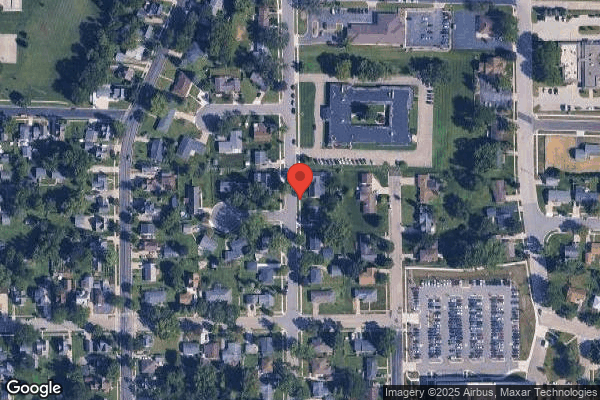
430 WILCOX ST, FORT ATKINSON, WI 53538 (920) 563-5533
For profit - Limited Liability company 87 Beds BEDROCK HEALTHCARE Data: November 2025 5 Immediate Jeopardy citations
Trust Grade
0/100
Last Inspection: April 2025

Within standard 12-15 month inspection cycle. Federal law requires annual inspections.

Overview

Fort Atkinson Care Center has received a Trust Grade of F, indicating significant concerns about the quality of care provided. This facility ranks last in Wisconsin and Jefferson County, meaning there are no better-ranked options available locally. While the trend shows improvement, with issues decreasing from 51 in 2024 to 39 in 2025, the staffing situation is troubling, with an 81% turnover rate, significantly higher than the state average. Additionally, the facility has incurred $258,215 in fines, which is concerning as it is higher than 94% of Wisconsin facilities, suggesting ongoing compliance issues. Specific incidents include failures to ensure adequate supervision for residents while smoking, which put them at risk of injury, and not following proper care plans for residents with serious health conditions, leading to significant weight loss and lack of treatment. Overall, while there are some signs of improvement, the facility faces critical challenges that families should consider carefully.

Trust Score
F
0/100
In Wisconsin
#112/223
Top 50%
Safety Record
High Risk
Review needed
Inspections
Getting Better
51 → 39 violations
Staff Stability
⚠ Watch
81% turnover. Very high, 33 points above average. Constant new faces learning your loved one's needs.
Penalties
✓ Good
$258,215 in fines. Lower than most Wisconsin facilities. Relatively clean record.
Skilled Nurses
○ Average
Each resident gets 30 minutes of Registered Nurse (RN) attention daily — about average for Wisconsin. RNs are the most trained staff who monitor for health changes.
Violations
⚠ Watch
131 deficiencies on record. Higher than average. Multiple issues found across inspections.
☆☆☆☆☆
0.0
Overall Rating
☆☆☆☆☆
0.0
Staff Levels
☆☆☆☆☆
0.0
Care Quality
☆☆☆☆☆
0.0
Inspection Score
Stable
2024: 51 issues
2025: 39 issues

The Good

  • Full Sprinkler Coverage · Fire safety systems throughout facility
  • No fines on record

Facility shows strength in fire safety.

The Bad

Staff Turnover: 81%

35pts above Wisconsin avg (46%)

Frequent staff changes - ask about care continuity

Federal Fines: $258,215

Well above median ($33,413)

Significant penalties indicating serious issues

Chain: BEDROCK HEALTHCARE

Part of a multi-facility chain

Ask about local staffing decisions and management

Staff turnover is very high (81%)

33 points above Wisconsin average of 48%

The Ugly 131 deficiencies on record

5 life-threatening 8 actual harm
Jul 2025 7 deficiencies 1 IJ (1 affecting multiple)
CRITICAL (K) 📢 Someone Reported This

A family member, employee, or ombudsman was alarmed enough to file a formal complaint

Immediate Jeopardy (IJ) - the most serious Medicare violation

Accident Prevention (Tag F0689)

Someone could have died · This affected multiple residents

**NOTE- TERMS IN BRACKETS HAVE BEEN EDITED TO PROTECT CONFIDENTIALITY** Based on observation, interview, and record review, the facility failed to provide adequate supervision and assistive devices to...

Read full inspector narrative →
**NOTE- TERMS IN BRACKETS HAVE BEEN EDITED TO PROTECT CONFIDENTIALITY** Based on observation, interview, and record review, the facility failed to provide adequate supervision and assistive devices to prevent accidents for 4 of 4 residents (R2, R3, R8 and R11) reviewed for smoking. The failure to prevent and assess a residents risk for injury related to smoking and not ensuring smoking materials are contained to prevent injury created a finding of Immediate Jeopardy beginning on 7/10/25.Based on observation, interview, and record review, the facility failed to provide adequate supervision and assistive devices to prevent accidents for 4 of 4 residents (R3, R8, R11 and R2) reviewed for supervision with smoking. R3 was observed with cigarette ashes on his person, going through smoking receptacle taking out cigarette butts to smoke and asking other residents for cigarettes. R8 was observed with a sweatshirt on his lap with several burn holes, using a wooden clothespin to hold his cigarettes, and having a car receptacle in his wheelchair to place cigarette butts in. R11 was observed with a burn hole in her shirt. R11’s care plan indicates R11 should be using a smoking apron, which was not available during the first day of survey. R2 was observed going through the smoking receptacle taking out cigarette butts to smoke. The failure to assess a resident’s risk for injury related to smoking and its failure to put care plan interventions in place to ensure safety while smoking and its failure to ensure smoking materials are contained to prevent injury created a finding of Immediate Jeopardy beginning on 7/10/25. On 7/11/25 at 11:06 AM, NHA and CNO (Chief Nursing Officer) were notified of IJ, with a start date of 7/10/25. The facility removed the immediate jeopardy on 7/16/25; the deficient practice continues at a scope and severity of an E (potential for harm/pattern) as the facility continues to implement their action plan. Findings include: The facility policy titled, Resident Smoking, dated 1/01/25, states in part… Policy: It is the policy of this facility to provide a safe and healthy environment for residents, visitors, and employees, including safety as related to smoking. Safety protections apply to smoking and non-smoking residents. Policy Explanation and Compliance Guidelines: 6. Residents who smoke will be further assessed, using the Resident Safe Smoking Assessment, to determine whether or not supervision is required for smoking, or if resident is safe to smoke at all. 8. Any resident who is deemed safe to smoke, with or without supervision, will be allowed to smoke in designated smoking areas (weather permitting), at designated times, and in accordance with his/her care plan. 12. If a resident or family does not abide by the smoking policy or care plan (e.g. smoking materials are provided directly to the resident, smoking in non-smoking areas, does not wear protective gear), the plan of care may be revised to include additional safety measures. 15. Documentation to support decision making will be included in the medical record, including but not limited to: b. Assessment of relevant functional and cognitive factors affecting ability to smoke safely. d. Compliance with smoking policy. The Facility assessment dated [DATE] reviewed and does not address smoking by residents in the facility. The Facility admission Agreement, Attachment D, Tobacco-Free Environment Policy, states in part… 1. Policy. Facility prohibits the use of tobacco and tobacco products by employees, contractors, volunteers, residents, visitors and others entering out healthcare facility premises such as any agencies contracting with the Facility. 2. Rationale. Facility recognizes tobacco and tobacco smoke pose a significant health threat to anyone exposed to them. Definitions: Tobacco and Tobacco Products. Any tobacco-containing or smoking product, including cigarettes, cigars, pipes, chewing tobacco, smokeless tobacco and e-cigarettes. 3. Facility Premises: Property leased or owned by the facility including all buildings, sheds, and other structures on Facility owned or leased property parking lots, including vehicles parked on Facility owned or leased parking lots or property. There will be no designated smoking areas on Facility premises unless specifically identified for the use of Resident admitted to the facility before the implementation of the Tobacco-Free Environment Policy. Example 1 R3 is a [AGE] year-old male admitted to the facility on [DATE]. R3 has a BIMS (brief interview of mental status) of 10, indicating R3 has moderate cognitive impairment. R3’s diagnoses include in part… paranoid schizophrenia, borderline personality disorder, encephalopathy, seizures, pulmonary embolism with acute cor pulmonale (where a blood clot acutely obstructs blood flow in the lungs, leading to a sudden strain on the right ventricle of the heart, causing it to fail). R3’s care plan states in part… Diagnosis: Tobacco Use. Interventions/Tasks: Conduct Smoking Safety Evaluation on admission and PRN (as needed). Educate Resident/Responsible Party on the facility’s tobacco/smoking policy(s). If a smoking facility, orient Resident to smoking times and procedures. Diagnosis: I sometimes have behaviors which include refusing personal cares and bathing. Asking residents for cigarettes and money. I sometimes have behaviors due to decrease in the amount of money that I am given from my guardian. Interventions: Continue to encourage and educate resident on the importance of cleanliness and maintaining good personal hygiene. Help me to avoid situations or people that are upsetting to me. Please tell me what you are going to do before you begin. Redirect me and remind me that it’s not appropriate to ask residents for money and cigarettes. Diagnosis: At risk for smoking related injury related to independent smoking. Able to maintain smoking materials. At times I look for cigarettes in the garbage and cigarette canister outside. When I am out of cigarettes, I will ask other residents and visitors for cigarettes. I will try to take cigarettes out of other residents (sic) hands. I am easily redirected and do not pose a threat to others. Interventions: Complete smoking safety assessment per Living Center policy. Keep my lighter in the nurses cart while I’m not outside smoking to keep myself safe. Observe patient for unsafe smoking behaviors or attempts to obtain smoking material from outside sources. Immediately inform facility management. Redirect me if I am searching for cigarettes in the garbage or cigarette canister. Review smoking policy with patient and or family. R3’s smoking assessments dated 11/8/24 states in part… Smoking Safety Interaction: 2. Which of the following products does resident use? Tobacco. 3. Does the resident display any of the following? Follows the facility’s policy on location and times of smoking. Care planning: Tobacco Use. Interventions/Tasks: Conduct Smoking Safety Evaluation on admission and PRN. Educate Resident/Responsible Party on the facility’s tobacco/smoking policy(s). If a smoking facility, orient Resident to smoking times and procedures. Clinical Suggestions: Nothing marked. R3’s smoking assessments dated 3/17/25 states in part… Smoking Safety Interaction: 2. Which of the following products does resident use? Tobacco. 3. Does the resident display any of the following? Nothing marked. Smoking Safety Notes: Resident needs to be occasionally reminded of where the smoking area is. Care planning: Nothing marked. Clinical Suggestions: Nothing marked. On 7/10/25 at 9:10 AM, Surveyor went out to interview R3 regarding an incident that was being investigated. R3 was in the courtyard of the facility returning from the smoking area. While speaking with R3 it was noted that he had cigarette ashes all down the front of his shirt and on his pants. On 7/10/25 at 1:00 PM, R3 was observed by Surveyors taking the lid off the smoking receptacles and removing cigarette butts. R3 was then observed attempting to light the butts that he had removed from the receptacle. On 7/10/25 at 1:16 PM, R3 was observed by Surveyor throwing cigarette butts that he had removed from smoking receptacle on the ground in the courtyard. R3 then was heard asking R11 to share a portion of her cigarette with him. R11 replied, “Can’t I just enjoy what I have.” On 7/10/25 at 2:50 PM, R2 observed outside with R3 in the gazebo where they are observed taking cigarette butts out of the smoking receptacles. R3 and R2 are lighting the butts and passing them between themselves. On 7/11/25 at 8:35 AM, R3 was observed outside in smoking area removing the lid of the smoking receptacles and taking out discarded cigarette butts. On 7/10/25 at 9:43 AM, Surveyor interviewed Receptionist D. Surveyor asked Receptionist D about residents that require supervision while smoking. Receptionist D stated, R3 does try to go out front to smoke but just needs redirection. Surveyor asked Receptionist D if he knew of any other concerns with residents who smoke. Receptionist D stated, I have heard that R3 has been trying to bum cigarettes from other residents. On 7/10/25 at 2:40 PM, Surveyor interviewed LPN F. Surveyor asked the LPN F if she has ever noticed burn holes in any of the residents’ clothing. LPN F states, R3 does in his sweater. Seeing all those burn holes makes me question their safety. On 7/11/25 at 7:48 AM, Surveyor interviewed CNA H. Surveyor asked CNA H if she had ever witnessed R3 going through the smoking receptacle. CNA H stated, R3 does pick up butts but I don’t know what he does with them. On 7/11/25 at 8;05 AM, Surveyor interviewed MT/CNA I. Surveyor asked MT/CNA I if she knew where R3 gets his smoking material or if she has ever witnessed R3 going through the smoking receptacles. MT/CNA I states, I don’t know where he gets his cigarettes. I have never seen R3 pick up butts. On 7/11/25 at 9:37 AM, NHA A and LPN/UM B returned to answer questions regarding smoking that NHA A was unable to previously answer. Surveyor reported observations of R3 and R2 and asked who monitors residents for opening the smoking receptacles and taking out cigarette butts. LPN/UM B states, we just look out and watch. I know we should monitor. Example 2: R8 is an [AGE] year-old male admitted to the facility on [DATE]. R8 has a BIMS of 13, indicating R8 is cognitively intact. R8’s diagnoses include in part… COPD (chronic obstructive pulmonary disease), confusional arousals, A-fib (atrial fibrillation), hypotension, GERD (gastroesophageal reflux disease), and arthritis. R8’s care plan states in part… Diagnosis: At risk for smoking related injury related to: Smokes independently. Interventions/Tasks: Able to maintain smoking materials. Complete smoking safety assessment per facility policy. Observe patient for unsafe smoking behaviors or attempts to obtain smoking material from outside sources. Immediately inform facility management. Review smoking policy with patient and/or family. R8’s Smoking assessment dated [DATE] states in part… Smoking Safety Interaction: 2. Which of the following products does resident use? Tobacco. 3. Does the resident display any of the following? Follows the facility’s policy on location and times of smoking. Care planning: Nothing marked. Clinical Suggestions: Nothing marked. R8’s Smoking assessment dated [DATE] states in part… Smoking Safety Interaction: 2. Which of the following products does resident use? Tobacco. 3. Does the resident display any of the following? Nothing marked. Care planning: Nothing marked. Clinical Suggestions: Nothing marked. On 7/10/25 at 9:55 AM, R8 observed sitting in the gazebo area smoking. Surveyor approached R8 and noted he had a sweatshirt on his lap with several cigarette burns. R8 was smoking a cigarette that was being held by a wooden clothespin. R8 had on his lap a plastic container containing 2-3 wooden clothespins, a plastic spoon, and lighter. Note: Ashtrays of noncombustible material and safe design shall be provided in all areas where smoking is permitted. On 7/10/25 at 1:08 PM, Surveyor inquired with R8 about his sweatshirt with the noted burn holes. R8 stated his sweatshirt has been like that. Surveyor asked R8 what he uses the plastic spoon for. R8 stated, I use the plastic spoon to put out cigarettes when I am done smoking. R8 indicates he has a hard time using the smoking container. R8 was then observed pulling out a cigarette receptacle, noted to be a car ashtray “butt bucket” from next to him in his wheelchair and indicated that he will be trying to use this now and then when it gets full will empty it in the receptacle in the gazebo. Note: Metal containers with self-closing cover devices into which ashtrays can be emptied shall be readily available to all areas where smoking is permitted. Note: A car ashtray sometimes known as a “butt bucket” is not fire rated and is made of a plastic material. On 7/11/25 at 8:50 AM, Surveyor observed R8 and R11 outside smoking, alone/independent. R8 continues to use wooden clothespin but now has metal spoon. On 7/11/25 at 8:55 AM, LPN/Unit Manager entered smoking area and stayed with residents who were out in the smoking area. On 7/10/25 at 2:40 PM, Surveyor interviewed LPN F. Surveyor asked the LPN F if she has ever noticed burn holes in any of the residents’ clothing. I am not sure if R8 does but seeing all those burn holes makes me question their safety. On 7/11/25 at 9:37 AM, NHA A and LPN/UM B returned to answer questions regarding smoking that NHA A was unable to previously answer. Surveyor then explained observations of R8. LPN/UM B states that she completed an observation of R8 smoking and had no concerns. LPN/UM B states that R8 had the wooden clothespin high on filter area and that R8 does not use the spoon. Surveyor asked LPN/UM B about the car cup receptacle that R8 has in his wheelchair. LPN/UM B states that she did not observe this cup in R8’s wheelchair and when she observed him, he did not use it. Example 3: R11 is a [AGE] year-old female, admitted to the facility on [DATE]. R11 has a BIMS of 14, indicating R11 is cognitively intact. R11’s diagnoses include in part… hemiplegia and hemiparesis (neurological conditions that can occur after a stroke, resulting in weakness or paralysis on one side of the body) following cerebral infarct, dementia, cognitive communication deficit, and heart failure. R11’s care plan states in part… Diagnosis: At risk for smoking related injury related to smokes independently. Able to maintain smoking materials. Known to smoke Delta 8. Educated on risk provider and POA (Power of Attorney) aware with no concerns. History of giving and receiving cigarettes and was educated on to not give or take cigarettes from other residents. Resident chooses to smoke off the property at times POA aware and no concerns. Interventions: Complete smoking safety assessment per living center policy. Observe patient for unsafe smoking behaviors or attempts to obtain smoking material from outside sources. Immediately inform facility management. Review smoking policy with patient and/or family. Smoking apron to be available for resident to use. R11’s smoking assessment dated [DATE] states in part… Smoking Safety Interaction: 2. Which of the following products does resident use? Tobacco. 3. Does the resident display any of the following? Nothing marked. Care planning: Interventions: Resident with adhere to the tobacco/smoking policies of the facility. Educate resident/responsible party on the facilities tobacco/smoking policies. Provide education adverse effects of smoking. Clinical Suggestions: Nothing marked. R11’s smoking assessment dated [DATE] states in part… Smoking Safety Interaction: 2. Which of the following products does resident use? Tobacco. 3. Does the resident display any of the following? Limited or no ROM (range of motion) in arms or hands. Care planning: Nothing marked. Clinical Suggestions: Nothing marked. R11’s smoking assessment dated [DATE] states in part… Smoking Safety Interaction: 2. Which of the following products does resident use? Tobacco. 3. Does the resident display any of the following? Nothing marked. Smoking Safety Notes: Resident has access to smoking apron when she goes out to smoke. Care planning: Nothing marked. Clinical Suggestions: Nothing marked. On 7/10/25 at 2:10 PM, Surveyor interviewed CNA C. Surveyor asked CNA C if she had aware of the facility having any smoking aprons. CNA C indicates that she has never seen any smoking aprons. Surveyor asked CNA C if any residents in the facility needed supervision while smoking. CNA C stated all the residents can smoke independently. Surveyor asked if there were any safety concerns that she knew of with the residents who do smoke. CNA C states, I have no safety concerns, but I have never been out to watch them smoke. On 7/11/25 at 8:15 AM, Surveyor observed two smoking aprons sitting next to the door behind the receptionist near the door going out to the smoking area. One was silver-gray in color. The smoking aprons tag indicates it is a NyOrtho, Model 9532. The other smoking aprons tag it is a NyOrtho Model 9530. On 7/11/25 at 8:37 AM, Surveyor observed that there are now three smoking aprons, NyOrtho, Model 9532, sitting next to the door behind the receptionist near the door going out to the smoking area. Surveyor reviewed warning label on the NyOrtho Model 9532 smoking apron which states in part… This product is not a substitute for proper supervision. Patients or residents in wheelchair who smoke must be supervised. Surveyor reviewed warning label on the NyOrtho model 9530 smoking apron which states in part… Certified flame-resistant fabric is not a substitute for proper supervision. Read all instructions and warnings before use. On 7/10/25 at 12:35 PM, Surveyor observed R11 smoking in courtyard/gazebo area. R11 noted to have burn hole over the left breast area. Surveyor asked R11 if there are smoking times or if she can come out to the smoking area anytime. R11 states that she can come out and smoke whenever she wants. R11 was observed having difficulty getting lighter to work to light her cigarette. Surveyor asked R11 if she has ever observed any residents with safety concerns while smoking. R11 states that she has observed R3 going through the smoking receptacles looking for butts to smoke. R11 indicates R3 does not have anyone to bring him cigarettes. R3 bums cigarettes from other residents when able and gets them from friends at times. On 7/10/25 at 1:20 PM, Surveyor observed R11 in courtyard area. Surveyor asked R11 about the burn on her shirt. R11 states “that’s what happens when you can only use one arm. I am also blind in the left eye.” On 7/11/25 at 8:50 AM, Surveyor observed R8 and R11 outside smoking, alone/independent. R11 has no apron on. R11 reports that yesterday it was suggested she wear a smoking apron, but she chooses not to. On 7/11/25 at 8:55 AM, LPN/Unit Manager entered smoking area and stayed with residents who were out in the smoking area. On 7/10/25 at 2:15 PM, Surveyor interviewed CNA E. Surveyor asked CNA E if there were concerns with residents’ safety while smoking. CNA E stated. I believe that someone should be out there monitoring residents are safe. R11 clothes have a lot of burn holes in them. On 7/10/25 at 2:40 PM, Surveyor interviewed LPN F. Surveyor asked LPN F if she has ever noticed burn holes in any of the residents clothing. LPN F states that she has noticed burn holes in R11’s clothes. Seeing all those burn holes makes me question their safety. On 7/11/25 at 8:30 AM, Surveyor interviewed CNA J. Surveyor asked CNA J if R11 uses a smoking apron. CNA J states that residents can refuse to wear aprons that is their right. On 7/11/25 at 9:37 AM, Surveyor reported observations of R11 to NHA A and LPN/UM B. LPN/UM B stated that now that they have the knowledge, they will have to watch for this. I did a smoking assessment, and everything was done appropriately. Surveyor asked LPN/UM B if the smoking aprons were available for R11 prior to this morning. LPN/UM B states that the facility had them but did not have them out. Example 4: R2 is a [AGE] year-old male, admitted to the facility on [DATE]. R2 has a BIMS of 13, indicating that he is cognitively intact. R2’s diagnoses include in part… Diabetes Mellitus Type 2, dementia, bipolar disorder, developmental disorder of scholastic skills, PVD (peripheral vascular disease), Klinefelter Syndrome (extra X chromosome). R2’s care plan states in part… Diagnosis: At risk for smoking related injury related to: Smokes independently. Able to maintain smoking materials. Resident has a history of trying to sell and ask other residents for cigarettes. Provider and POA updated. Resident is aware that POA is limiting how many cigarettes POA is bringing in. Interventions: Able to maintain smoking materials. Complete smoking safety assessment per facility policy. Encourage resident to not sell or ask other residents for cigarettes. Observe patient for unsafe smoking behaviors or attempts to obtain smoking [NAME] from outside sources. Immediately inform facility management. Review smoking policy with patient and or family. R2’s smoking assessment dated [DATE] states in part… Smoking Safety Interaction: 2. Which of the following products does resident use? Tobacco. 3. Does the resident display any of the following? Nothing marked. Care planning: Nothing marked. Clinical Suggestions: Nothing marked. 7/10/25 at 2:20 PM, R2 reported to Surveyor that he no longer smokes due to not having any cigarettes. On 7/10/25 at 2:50 PM, Surveyor observed R2 outside with R3 in the gazebo where they were taking cigarette butts out of the smoking receptacle. R3 and R2 are lighting the butts and passing them between themselves. On 7/11/25 at 9:37 AM, Surveyor reported observations of R3 and R2 and asked who monitors them for opening the smoking receptacles and taking out cigarette butts. LPN/UM B states, we just look out and watch. I know we should monitor. On 7/10/25 at 9:43 AM, Surveyor interviewed Receptionist D. Surveyor asked Receptionist D if he had or had heard of any concerns with residents who smoke. Receptionist D states, I have no real concerns but have had issues with cigarette butts being cleaned up. There was a receptacle, but it began overflowing so the residents began throwing their cigarette butts on the ground. When we were emptying the smoking receptacle this morning it was kicking up ash and smoke, so I was asked to get a bucket of water. Surveyor asked Receptionist D if there are any residents who require supervision with smoking. Receptionist D states, we don’t have any residents that require supervision. On 7/10/25 at 2:15 PM, Surveyor interviewed CNA E. Surveyor asked CNA E if she had any concerns with resident safety in the smoking area. CNA E stated I don’t have any concerns for resident safety, but the area is disgusting. On 7/10/25 at 2:40 PM, Surveyor interviewed LPN F. Surveyor asked LPN F if any residents require supervision while smoking. LPN F states that no residents require supervision. Surveyor asked LPN F what the facility process is to ensure residents are safe while smoking. LPN F states that residents are screened to see if they are able to smoke independently. Surveyor asked LPN F if the facility has any smoking aprons. LPN F states we have no smoking aprons but do have smoking blankets and fire extinguisher hanging on the gazebo/smoking area. Surveyor asked LPN F what the facility does if a resident is noted to not be safe smoking independently. The LPN F indicates that if a resident deemed unsafe a care plan should be created, and interventions put in place. Surveyor asked the LPN F what is done with residents smoking materials. LPN F states that residents keep their own smoking materials in their room or on their person. On 7/11/25 at 7:48 AM, Surveyor interviewed CNA H. Surveyor asked CNA H if she had ever observed any residents who smoked being unsafe. CNA H stated I have never observed any unsafe smoking, but I do not observe smoking. If I did see any unsafe smoking, I would report to management. Surveyor asked CNA H if the facility did supervised smoking. CNA H states that there are no supervised smokers that she knows of. Surveyor asked the CNA H if the facility had any smoking aprons for residents to use. The CNA H stated that there are smoking aprons in back area behind receptionist, by the door leading outside to smoking area. On 7/11/25 at 8;05 AM, Surveyor interviewed MT/CNA I. Surveyor asked MT/CNA I if she had supervised residents smoking. MT/CNA I states that she has never observed residents smoking and there are no smoking times, open ended. Residents can go at any time they wish to smoke. A few months ago, the smoking area was changed from the front of building to the courtyard/gazebo area. Surveyor asked MT/CNA I if she had ever witnessed any unsafe smoking behavior. MT/CNA I states that she has never witnessed any unsafe smoking practices or seen any resident with burn holes. On 7/11/25 at 8:30 AM, Surveyor interviewed CNA J. Surveyor asked CNA J if she knew who the residents who smoke are and if they require supervision. CNA J states, I know who the smokers are, but no supervision is needed that I know of for any residents, they can smoke anytime they want. Surveyor asked CNA J if she had ever seen any burn holes in residents clothing. CNA J states she has never seen any burn holes in anyone’s clothing and if she did, she would report to nurse right away. Surveyor asked CNA J if the facility has smoking aprons for residents to use. CNA J indicates that there are smoking aprons next to the door going outside to the smoking area. On 7/11/25 at 8:52 AM, Surveyor interviewed RN/MDS Coordinator G. Surveyor asked RN/MDS Coordinator the facility procedure for completing smoking assessments. RN/MDS Coordinator states that he would go out and observe patients while smoking. Document anything unsafe that could cause harm. Surveyor asked RN/MDS Coordinator G who is able to complete residents smoking assessments. RN/MDS Coordinator G states that smoking assessments can be completed by anyone. Surveyor asked RN/MDS Coordinator G if he has completed any of the smoking assessments on the residents who smoke. RN/MDS Coordinator G stated he was last in the facility sometime in March. Surveyor asked RN/MDS Coordinator G what the expectations would be for completing the smoking assessments. RN/MDS Coordinator G stated he would expect whoever is completing the assessments to physically watch the residents smoke and if seeing anything unsafe this would be put on the assessment when it is gone through and completed. Surveyor asked RN/MDS Coordinator G about the boxes not marked on the smoking assessment. RN/MDS Coordinator G states that if boxes are not marked on the assessment, it indicates that there was nothing seen. I don’t normally complete the smoking assessments but think I was there helping the facility out at the time the assessments were completed in March. On 7/11/25 at 9:30 AM, Surveyor interviewed NHA A. Surveyor asked NHA A what the procedure was for a resident who admits to the facility and smokes. NHA A stated, I am not sure, but I can get that information for you. Surveyor asked NHA A who assesses the resident who smoke. NHA A stated, I am not sure, but I can get that information for you. Surveyor asked NHA A who determines what interventions are put in place. NHA A stated, I am not sure, but I can get that information for you. Surveyor asked NHA A who creates the care plans for residents who smoke and puts interventions in place. NHA A stated, I am not sure, but I can get that information for you. Surveyor asked NHA A who monitors smokers with known concerns when out smoking. NHA A stated, I am not sure, but I can get that information for you. On 7/11/25 at 9:37 AM, NHA A and LPN/UM B returned to answer questions regarding smoking that NHA A was unable to previously answer. NHA A states that on admission a smoking assessment is completed and if determined to be unsafe they would be unable to smoke. LPN/UM B states, if a resident is unsafe, we would assess and make decisions of what would be safe. If unsafe would offer patch, or supervised smoking. NHA A states that the IDT (interdisciplinary team) completes the assessments by watching residents’ smoke. Safety assessments can be completed by the social worker, LPN or RN. The RN should follow up and sign the assessment. LPN/UM B states that depending on what the smoking assessment states we would sit down as a team and come up with interventions. The care plans and any changes are made by the social worker and nursing staff. Surveyor asked how often residents are monitored when out in the smoking area. LPN/UM B states, staff will peek out occasionally. We have no one that needs monitoring. We would reassess though if a resident had a change of condition that would warrant it. Surveyor asked NHA A and LPN/UM B if they had ever witnessed burn holes in R11’s clothing. LPN/UM B states that she has never seen burn holes but would expect that staff would report burn holes in clothing if observed and a new assessment would be done. The facility's failure to ensure residents are safe while smoking led to a finding of immediate jeopardy. The immediate jeopardy was removed on 7/16/25 when the facility implemented the following action plan: Assessed all residents who smoke to evaluate their physical and cognitive capabilities. Identified residents who require supervision or adaptive equipment during smoking. Updated each resident's care plan to reflect safe smoking inte
CONCERN (D) 📢 Someone Reported This

A family member, employee, or ombudsman was alarmed enough to file a formal complaint

Potential for Harm - no one hurt, but risky conditions existed

Deficiency F0745 (Tag F0745)

Could have caused harm · This affected 1 resident

**NOTE- TERMS IN BRACKETS HAVE BEEN EDITED TO PROTECT CONFIDENTIALITY** Based on observation, interview, and record review, the facility did not provide medically related social services to attain or ...

Read full inspector narrative →
**NOTE- TERMS IN BRACKETS HAVE BEEN EDITED TO PROTECT CONFIDENTIALITY** Based on observation, interview, and record review, the facility did not provide medically related social services to attain or maintain the highest practicable physical, mental, and psychosocial well-being of each resident for 2 of 2 residents (R2 and R3) reviewed out of a total sample of 13 residents. R2 reported that he no longer smoked then was observed by Surveyors going through the smoking receptacle removing cigarette butts to smoke. The facility did not offer R2 any alternatives for smoking such as smoking cessation options. R3 is noted to have documented behaviors of going to smoking receptacles to pull out cigarette butts to smoke, asking other residents and staff or cigarettes and taking cigarettes out of other residents hands. The facility failed to offer R3 smoking alternatives such as smoking cessation options.This is evidenced by:The facility policy titled Social Services last reviewed January 2025, states in part, .Policy: The facility, regardless of size, will provide medically related social services to each resident, to attain or maintain the resident's highest practicable physical, mental, and psychosocial well-being.Policy Explanation and Compliance Guidelines: 2. The facility, regardless of size, will provide medically related social services to each resident, to attain or maintain the resident's highest practicable physical, mental, and psychosocial well-being. 4. The social worker, or social service designee, will pursue the provision of any identified need for medically related social services of the resident. Attempts to meet the needs of the resident will be handled by the appropriate discipline(s). Services to meet the resident's needs may include: a. Advocating for residents and assisting them in assertion of their rights within the facility. b. Assisting residents in voicing and obtaining resolution to grievances about treatment, living conditions, visitation rights and accommodation of needs. d. Making arrangement for obtaining items, such as adaptive equipment, clothing, and personal items. e. Maintaining contact with the facility (with the resident's permission) to report on changes in health, current goals, discharge planning, and encouragement to participate in care planning. f. Assisting with informing and educating residents, their family, and/or representative(s) about health care options and their ramifications. j. Providing or arranging for needed mental and psychosocial counseling services. k. Identifying and seeking ways to support residents' individual needs through the assessment and care planning process. n. Identifying and promoting individualized, non-pharmacological approaches to care that meet the mental and psychosocial needs of each resident. 6. The resident's plan of care will reflect any ongoing medically related social service needs, and how these needs are being addressed. 7. The social worker, or social service designee, will monitor the resident's progress in improving physical, mental, and psychosocial functioning.Example 1R3 is a [AGE] year-old male admitted to the facility on [DATE]. R3 has a BIMS (brief interview of mental status) of 10, indicating R3 has moderate cognitive impairment. R3's diagnoses include in part. paranoid schizophrenia, borderline personality disorder, encephalopathy, seizures, pulmonary embolism with acute cor pulmonale (where a blood clot acutely obstructs blood flow in the lungs, leading to a sudden strain on the right ventricle of the heart, causing it to fail). R3's care plan states in part.Diagnosis: Tobacco Use. Interventions/Tasks: Conduct Smoking Safety Evaluation on admission and PRN (as needed). Educate Resident/Responsible Party on the facility's tobacco/smoking policy(s). If a smoking facility, orient Resident to smoking times and procedures. Diagnosis: I sometimes have behaviors which include refusing personal cares and bathing. Asking residents for cigarettes and money. I sometimes have behaviors due to decrease in the amount of money that I am given from my guardian. Interventions: Continue to encourage and educate resident on the importance of cleanliness and maintaining good personal hygiene. Help me to avoid situations or people that are upsetting to me. Please tell me what you are going to do before you begin. Redirect me and remind me that its not appropriate to ask residents for money and cigarettes. Diagnosis: At risk for smoking related injury related to independent smoking. Able to maintain smoking materials. At times I look for cigarettes in the garbage and cigarette canister outside. When I am out of cigarettes, I will ask other residents and visitors for cigarettes. I will try to take cigarettes out of other residents hands. I am easily redirected and do not pose a threat to others. Interventions: Complete smoking safety assessment per Living Center policy. Keep my lighter in the nurses cart while I'm not outside smoking to keep myself safe. Observe patient for unsafe smoking behaviors or attempts to obtain smoking material from outside sources. Immediately inform facility management. Redirect me if I am searching for cigarettes in the garbage or cigarette canister. Review smoking policy with patient and or family.Note: R3's care plan address behaviors and provides interventions, it does not provide R3 with alternatives to smoking when cigarettes are unavailable to him or for the option of quitting smoking. Example 2R2 is a [AGE] year-old male, admitted to the facility on [DATE]. R2 has a BIMS of 13, indicating that she is cognitively intact. R2's diagnoses include in part. Diabetes Mellitus Type 2, dementia, bipolar disorder, developmental disorder of scholastic skills, PVD (peripheral vascular disease), Klinefelter Syndrome (extra X chromosome).R2's care plan states in part.Diagnosis: At risk for smoking related injury related to: Smokes independently. Able to maintain smoking materials. Resident has a history of trying to sell and ask other residents for cigarettes. Provider and POA updated. Resident is aware that POA is limiting how many cigarettes POA is bringing in. Interventions: Able to maintain smoking materials. Complete smoking safety assessment per facility policy. Encourage resident to not sell or ask other residents for cigarettes. Observe patient for unsafe smoking behaviors or attempts to obtain smoking [NAME] from outside sources. Immediately inform facility management. Review smoking policy with patient and or family. On 7/11/25 at 11:35 AM, Surveyor interviewed LPN/UM. Surveyor asked LPN/UM if the facility has tried any alternatives to smoking, such as smoking cessation, for R2 and R3. LPN/UM states, no we have not. Surveyor was unable to interview Social Worker as she was out of the building.
CONCERN (D) 📢 Someone Reported This

A family member, employee, or ombudsman was alarmed enough to file a formal complaint

Potential for Harm - no one hurt, but risky conditions existed

Deficiency F0942 (Tag F0942)

Could have caused harm · This affected 1 resident

Based on interview and record review the facility did not ensure 1 of 2 non nursing staff chosen at random received resident rights and facility responsibilities training.Cook-L did not receive reside...

Read full inspector narrative →
Based on interview and record review the facility did not ensure 1 of 2 non nursing staff chosen at random received resident rights and facility responsibilities training.Cook-L did not receive resident rights and facility responsibilities training annually.Findings include:Cook-L was hired on 10/2/23.On 7/23/25, at 11:38 a.m., Surveyor requested in-service training for 6 randomly selected nursing staff and 2 non nursing staff including Cook-L.On 7/23/25, at 1:38 p.m., Surveyor reviewed Cook-L in-service training provided. Surveyor noted Cook-L received resident rights and facility responsibilities on 10/2/23. Cook-L did not receive these trainings after 10/2/23.On 7/23/25, at 2:30 p.m., Surveyor asked Corporate-N who Surveyor should speak to regarding training for non-nursing staff. Corporate-N informed Surveyor the Administrator is responsible for non-nursing training.On 7/23/25, at 2:46 p.m., Surveyor informed Nursing Home Administrator (NHA)-A Surveyor was not able to locate when Cook-L received annual training for resident rights and facility responsibilities. NHA-A informed Surveyor he will look into this and get back to Surveyor.On 7/23/25, at 3:22 p.m., NHA-A informed Surveyor he does not have any training for Surveyor. Surveyor asked NHA-A who is responsible to ensure non nursing staff receive their required training. NHA-A replied that would be the Administrator.
CONCERN (D) 📢 Someone Reported This

A family member, employee, or ombudsman was alarmed enough to file a formal complaint

Potential for Harm - no one hurt, but risky conditions existed

Deficiency F0943 (Tag F0943)

Could have caused harm · This affected 1 resident

Based on interview and record review the facility did not ensure 1 of 2 non nursing staff chosen at random received abuse, neglect, exploitation, and dementia training.Cook-L did not receive annual ab...

Read full inspector narrative →
Based on interview and record review the facility did not ensure 1 of 2 non nursing staff chosen at random received abuse, neglect, exploitation, and dementia training.Cook-L did not receive annual abuse, neglect, exploitation, and dementia training.Findings include:Cook-L was hired on 10/2/23.On 7/23/25, at 11:38 a.m., Surveyor requested in-service training for 6 randomly selected nursing staff and 2 non nursing staff including Cook-L.On 7/23/25, at 1:38 p.m., Surveyor reviewed Cook-L in-service training provided. Surveyor noted Cook-L received abuse, neglect, exploitation on 10/2/23. Cook-L received dementia management & abuse prevention on 10/2/23. Cook-L did not receive these trainings after 10/2/23.On 7/23/25, at 2:30 p.m., Surveyor asked Corporate-N who Surveyor should speak to regarding training for non-nursing staff. Corporate-N informed Surveyor the Administrator is responsible for non-nursing training.On 7/23/25, at 2:46 p.m., Surveyor informed Nursing Home Administrator (NHA)-A Surveyor was not able to locate when Cook-L received annual training for abuse, neglect, exploitation, and dementia training. NHA-A informed Surveyor he will look into this and get back to Surveyor.On 7/23/25, at 3:22 p.m., NHA-A informed Surveyor he does not have any training for Surveyor. Surveyor asked NHA-A who is responsible to ensure non nursing staff receive their required training. NHA-A replied that would be the Administrator.
CONCERN (D) 📢 Someone Reported This

A family member, employee, or ombudsman was alarmed enough to file a formal complaint

Potential for Harm - no one hurt, but risky conditions existed

Deficiency F0944 (Tag F0944)

Could have caused harm · This affected 1 resident

Based on interview and record review the facility did not ensure 1 of 2 non nursing staff chosen at random received QAPI (quality assurance performance improvement) training.Cook-L did not receive ann...

Read full inspector narrative →
Based on interview and record review the facility did not ensure 1 of 2 non nursing staff chosen at random received QAPI (quality assurance performance improvement) training.Cook-L did not receive annual QAPI training.Findings include:Cook-L was hired on 10/2/23.On 7/23/25, at 11:38 a.m., Surveyor requested in-service training for 6 randomly selected nursing staff and 2 non nursing staff including Cook-L.On 7/23/25, at 1:38 p.m., Surveyor reviewed Cook-L's in-service training provided. Surveyor noted Cook-L received elements and goals of QAPI (quality assurance performance improvement) program on 10/2/23. Cook-L did not receive these trainings after 10/2/23.On 7/23/25, at 2:30 p.m., Surveyor asked Corporate-N who Surveyor should speak to regarding training for non-nursing staff. Corporate-N informed Surveyor the Administrator is responsible for non-nursing training.On 7/23/25, at 2:46 p.m., Surveyor informed Nursing Home Administrator (NHA)-A Surveyor was not able to locate when Cook-L received annual QAPI training. NHA-A informed Surveyor he will look into this and get back to Surveyor.On 7/23/25, at 3:22 p.m., NHA-A informed Surveyor he does not have any training for Surveyor. Surveyor asked NHA-A who is responsible to ensure non nursing staff receive their required training. NHA-A replied that would be the Administrator.
CONCERN (E) 📢 Someone Reported This

A family member, employee, or ombudsman was alarmed enough to file a formal complaint

Potential for Harm - no one hurt, but risky conditions existed

Deficiency F0949 (Tag F0949)

Could have caused harm · This affected multiple residents

Based on interview and record review the facility did not ensure 2 of 2 non nursing staff chosen at random receive behavior health training.Cook-L and Housekeeping-M did not receive annual behavioral ...

Read full inspector narrative →
Based on interview and record review the facility did not ensure 2 of 2 non nursing staff chosen at random receive behavior health training.Cook-L and Housekeeping-M did not receive annual behavioral health training.Findings include:1.) Cook-L was hired on 10/2/23.On 7/23/25, at 11:38 a.m., Surveyor requested in-service training for 6 randomly selected nursing staff and 2 non nursing staff including Cook-L.On 7/23/25, at 1:38 p.m., Surveyor reviewed Cook-L's in-service training provided. Surveyor was unable to locate when Cook-L received behavioral health training.On 7/23/25, at 2:30 p.m., Surveyor asked Corporate-N who Surveyor should speak to regarding training for non-nursing staff. Corporate-N informed Surveyor the Administrator is responsible for non-nursing training.On 7/23/25, at 2:46 p.m., Surveyor informed Nursing Home Administrator (NHA)-A Surveyor was not able to locate when Cook-L received behavioral health training. NHA-A informed Surveyor he will look into this and get back to Surveyor.On 7/23/25, at 3:22 p.m., NHA-A informed Surveyor he does not have any training for Surveyor. Surveyor asked NHA-A who is responsible to ensure non nursing staff receive their required training. NHA-A replied that would be the Administrator.2.) Housekeeping-M was hired on 4/12/24.On 7/23/25, at 11:38 a.m., Surveyor requested in-service training for 6 randomly selected nursing staff and 2 non nursing staff including Housekeeping-M.On 7/23/25, at 1:38 p.m., Surveyor reviewed Housekeeping-M's in-service training provided. Surveyor was unable to locate when Housekeeping-M received behavioral health training.On 7/23/25, at 2:30 p.m., Surveyor asked Corporate-N who Surveyor should speak to regarding training for non-nursing staff. Corporate-N informed Surveyor the Administrator is responsible for non-nursing training.On 7/23/25, at 2:46 p.m., Surveyor informed Nursing Home Administrator (NHA)-A Surveyor was not able to locate when Housekeeping-M received behavioral health training. NHA-A informed Surveyor he will look into this and get back to Surveyor.On 7/23/25, at 3:22 p.m., NHA-A informed Surveyor he does not have any training for Surveyor. Surveyor asked NHA-A who is responsible to ensure non nursing staff receive their required training. NHA-A replied that would be the Administrator.
MINOR (C) 📢 Someone Reported This

A family member, employee, or ombudsman was alarmed enough to file a formal complaint

Minor Issue - procedural, no safety impact

Staffing Information (Tag F0732)

Minor procedural issue · This affected most or all residents

Based on interview and record review, the facility did not ensure staff postings were accurate which has the potential to affect 24 out of 24 residents residing at the facility.Review of staffing sche...

Read full inspector narrative →
Based on interview and record review, the facility did not ensure staff postings were accurate which has the potential to affect 24 out of 24 residents residing at the facility.Review of staffing schedules and required staff postings revealed discrepancies between the documents. This resulted in inaccuracies with the total number and the actual hours worked for licensed and non-licensed staff directly responsible for resident care each shift.Evidenced by:Facility policy entitled ‘Nurse Staffing Posting Information,' dated 01/2025, states in part: It is the policy of this facility to make nurse staffing information readily available in a readable format to residents and visitors at any given time.1. The Nurse staffing sheet will be posted on a daily basis and will contain the following information: a. Facility name. b. The current date c. Facility's current resident census. D. the total number and the actual hours worked by the following categories of licensed and unlicensed nursing staff directly responsible for resident care per shift. i. Registered Nurse ii. Licensed Practical Nurses/Licensed Vocational Nurses. Iii. Certified Nurse Aides. 2. The facility will post the Nurse Staffing Sheet at the beginning of each shift. 3. The information posted will be: a. present in a clear and readable format.The schedules and Census posting were in accurate on the following dates:On 6/21/25 the Census posting indicates for the AM shift that 2 CNA's (Certified Nursing Assistants) worked the entire shift with a total of 21.5 hours. The scheduled for AM shift indicates 2 CNA's worked a full shift and 1 CNA worked a half shift. The Census posting shows on PM shift that there were 3 CNA's in the building when the schedule shows 3 CNA's and a Medication Tech, which would make 4 CNA's on PM shift.On 6/23/25 The Census posting is not presented in a clear format. The Census form indicates 4 CNAs worked the AM shift, when the schedule shows Two CNA's, a medication tech and then one CNA in training.(Of note: the CNA in training is being counted in the census posting numbers.)On 6/25/25, the Census posting for NOC (night shift) shows 3 CNA's were working and the schedule shows 2 CNA's were working with 1 CNA training. On 6/27/25, the Census posting for PM shows 4 CNA's were working and the schedule shows 3 CNA's were working with 1 CNA training.On 6/28/25, the Census posting is not in a clear format to be read. The census posting shows there was 1 LPN (licensed Practical Nurse) and no RN working. The scheduled shows there was an LPN and 1 RN working.On 6/30/25, the census posting is not in a clear format to read. On PM shift the census posting indicates there are 4 CNA's and the schedule indicates 3 CNAs with 1 trainee. The Census posting for NOC shift indicates 3 CNAs worked when the schedule reflects 1 CNA worked the entire shift with 1 Trainee and they had 1 call in.On 7/2/25, the Census posting for NOC shows three CNA's were working and the schedule shows 2 CNA's were working with 1 CNA training.On 7/4/25, the Census posting is not in a clear format to read. Census posting indicates for PM shows 3 CNAs were worked a full shift (2pm-10pm) and the schedule shows Two CNA worked 2pm to 7pm and two other CNA's came in at 7pm.On 7/7/25, the Census posting indicates for NOC shift, 3 CNA's worked and the schedule shows 2 CNA worked with 1 trainee.On 7/8/25, the Census posting indicates for AM shift, 5 CNA's worked and the schedule shows 3 CNA's, 1 Medication tech and 1 trainee. Census posting indicated for PM shift 3 CNA's worked the entire 2p-10pm shift, when the schedule shows 2 CNA's worked a full shift and 1 left at 3:30pm.On 7/11/25 at 11:30AM, Surveyor interviewed Scheduler K while reviewing the census posting and schedules from the last 3 weeks with Scheduler K. Scheduler K indicated the hours marked should equal up to the correct CNA hours. Scheduler K indicated the census posting should be updated to reflect staff leaving early or calling off. Surveyor asked if trainees should be counted in CNA's hours, Scheduler K indicated some nurses do and some nurses don't, but they should not be counted. Surveyor asked Scheduler K if the census posting for 7/4/25, 6/30/25, 6/28/25 and 6/23/25 were legible, Scheduler K stated, not really. Surveyor asked who is responsible for updating the posting, Scheduler K indicated the nurses are if she's not here otherwise Scheduler K. Scheduler K indicated it should be accurate and posting should be readable. On 7/11/25 at 11:45 AM, Surveyor spoke with NHA A (Nursing Home Administrator) regarding concerns with Census posting not matching the schedule and vice versa. NHA A indicated they should match and be accurate.
Apr 2025 14 deficiencies 1 IJ
CRITICAL (J)

Immediate Jeopardy (IJ) - the most serious Medicare violation

Quality of Care (Tag F0684)

Someone could have died · This affected 1 resident

**NOTE- TERMS IN BRACKETS HAVE BEEN EDITED TO PROTECT CONFIDENTIALITY** Based on interview and record review, the facility did not ensure 2 of 12 residents (R25 and R19) reviewed received treatment an...

Read full inspector narrative →
**NOTE- TERMS IN BRACKETS HAVE BEEN EDITED TO PROTECT CONFIDENTIALITY** Based on interview and record review, the facility did not ensure 2 of 12 residents (R25 and R19) reviewed received treatment and care in accordance with professional standards of practice, the comprehensive person-centered care plan, and the residents' choices. *R25 has a history of depression and receives medication to treat depression. The facility did not have a care plan, with resident specific interventions in place, upon R25's admission to the facility. R25 displayed multiple behaviors of depression including social isolation, refusals of care, refusal of multiple meals, and meal intake was low since R25's admission. R25's primary Nurse Practitioner (NP)-H, was not notified of R25's low meal intake. Fifteen days after admission, facility staff documented R25 had a 30.4-pound weight loss which is 15.7% of R25's body weight. NP-H was not notified of R25's significant weight loss. On 3/20/25, Dietician-C documented that facility staff would offer a trial of Prostat for supplemental calories and protein to support weight stability and recommended a possible psychological evaluation of R25. A physician order for Prostat was not placed at that time and Surveyor did not locate documentation that the Interdisciplinary Team (IDT) was consulted about R25's nutrition. R25 continued to display symptoms of depression and refusals of meals. From 3/27/25 through 3/31/25, R25's documented fluid intake (total amount of fluid drank by R25) was less than 500 milliliters (mls) per day and output (urine output) was minimal Dietician-C was not notified of R25's low fluid intake. NP-H was not notified of R25's low fluid intake and output. On 4/1/25, NP-H assessed R25 between 8 AM and 9 AM. NP-H documented that R25 appeared to be in distress and ordered STAT (immediate) labs to be drawn. These labs were not ordered as STAT. Results of the labs were not completed until after 6 PM on 4/1/25. The labs reported that R25 had a critical low potassium level of 2.2 and NP-H ordered that R25 should be sent to the hospital. R25 was hospitalized with severe sepsis (a life-threatening condition), C-diff infection, pulmonary embolism, and hypokalemia (low potassium). R25 required a stay in the intensive care unit and returned to the facility on 4/4/25. R25's meal and fluid intake continued to be low. R25 was sent to the emergency room again on 4/9/25 with dehydration and a low potassium level of 2.5. The facility's failure to recognize and treat R25's depressive symptoms and failure to recognize R25's significant weight loss created a finding of immediate jeopardy that began on 3/20/25 when Dietician-C noted a 15.7% weight loss in 15 days. Nursing Home Administrator (NHA)-A and Director of Nursing (DON)-B were notified of the immediate jeopardy on 4/10/25 at 3:34 PM. The immediate jeopardy was removed on 4/11/25, however the deficient practice continues at a scope/severity level of D based on the following example: * R19 had a fall from the bed on 7/21/24. R19 was sent to the emergency room after the fall and diagnosed with a closed head injury. The facility policy states that neurological (neuro) checks should be completed after a fall with head injury. The facility did not provide evidence that neuro checks were completed after R19's fall. Findings include: The facility's policy, dated 10/1/2022 and titled, Behavioral Health Services documents in part: It is the policy of this facility to ensure all residents receive necessary behavioral health services to assist them in reaching and maintaining their highest level of mental and psychosocial functioning . The facility will ensure that necessary behavioral health care services are person-centered and reflect the resident's goals for care, while maximizing the residents dignity, autonomy, privacy, socialization, independence, choice, and safety . the facility utilizes the comprehensive assessment process for identifying and assessing a residence mental and psychosocial status and providing person centered care period this process includes, but is not limited to: . Ongoing monitoring of mood and behavior. Care plan development and implementation. Evaluation .The resident, and as appropriate the resident's family, are included in the comprehensive assessment process along with the interdisciplinary team and outside sources, as indicated. The care plan shall: Have interventions that are person-centered, evidence based, culturally competent, trauma-informed, and in accordance with professional standards of practice. Provide for meaningful activities which promote engagement and positive, meaningful relationships Reflect the resident's goals for care. Account for the resident's experiences and preferences . Use pharmacological interventions only when non-pharmacological interventions are ineffective or when clinically indicated . Be reviewed and revised as needed, such as when interventions are not effective or when the resident experiences a change in condition . examples of individualized, non-pharmacological interventions to help meet behavioral health needs of all ages may include, but are not limited to: ensuring adequate hydration and nutrition (e.g., enhance taste and presentation of food, addressing food preferences to improve appetite and reduce the need for medications intended to stimulate appetite); . Pain relief . Assisting residents with access to therapies such as psychotherapy, behavior modification, cognitive behavioral therapy, and problem solving therapy . The Social Services Director shall serve as the facility's contact person for questions regarding behavioral services provided by the facility and outside sources such as physician, psychiatrists, or neurologist. The facility's policy dated 3/1/2019 and titled, Notification of Changes Policy documents, in part: It is the policy of this facility that changes in a resident's condition or treatment are immediately shared with the resident and/or the resident's representative, according to their authority, and reported to the attending physician or delegate (hereafter designated as the physician). The resident and/or their representative will be educated about treatment options and supported to make an informed choice about care preferences when there are multiple care options available. All pertinent information will be made available to the provider by the facility staff. Nurses and other care staff are educated to identify changes in a resident's status and define changes that require notification of the resident and/or their representative, and the resident's physician, to ensure best outcomes of care for the resident . The objective of the notification policy is to ensure that the facility staff makes appropriate notification to the physician and delegated Non-Physician Practitioner and immediate notification to the resident and/or the resident representative when there is a change in the resident's condition . The intent of the policy is to provide appropriate and timely information about changes relevant to a resident's condition or change in room or roommate to the parties who will make decisions about care, treatment and preferences to address the changes . Requirements for notification of resident, the resident representative and their physician: . A significant change in the resident's physical, mental, or psychosocial status. A significant change includes deterioration in health, mental, or psychosocial status in either life-threatening conditions or clinical complications . Notification is provided to the physician to facilitate continuity of care and obtain input from the physician about changes, additions to or discontinuation of treatments . 1.) R25 was admitted to the facility on [DATE] with diagnoses that include fracture of right tibia status post open reduction and internal fixation surgery, major depressive disorder, Gastro-esophageal reflux (GERD), Osteoarthritis, and Cellulitis of Right leg. R25's admission Minimum Data Set (MDS) assessment dated [DATE] documents that R25 is cognitively intact. R25 displays verbal behavioral symptoms directed toward others 4-6 days in a 7-day period. R25 has rejections of care 1 to 3 days in a 7-day period. R25 requires set up or clean-up assistance for eating. R25 is dependent for toileting, bed mobility, and transfers. R25 is frequently incontinent of bladder and always incontinent of bowel. R25's at risk for malnutrition care plan initiated on 3/4/25 documents that R25 is at risk related to potential inadequate food/beverage intake with history of depression, GERD and recent surgical intervention for [leg fracture]. Increased nutrition needs for wound healing. Patterns of unfavorable weight change. Interventions include: Diet as ordered. Monitor for [signs and symptoms] of depression. Monitor meal consumption daily, encourage meal and snacks intake as able. Offer food preferences. Encourage family/friends to bring in favorite food items. R25's Gastrointestinal distress due to GERD care plan initiated on 2/28/25 documents the following pertinent interventions: . Encourage patient to follow nutritional and hydration program . Labs per Physician order and [as needed] for change in condition/manifestation of clinical signs or symptoms . Monitor weights and appetite. Report any significant findings to Physician. R25's Refusal care plan initiated on 2/28/25 documents: [R25] sometimes have (sic) behaviors which include refusing cares, therapy, getting up into wheelchair for appointments, and medications. Interventions include: Give me my medications as my doctor has ordered. Let my physician know if my behaviors are interfering with my daily living. Make sure I am not in pain or uncomfortable and offer pain medications prior to therapy or getting up. Offer me something I like as a diversion. Please tell me what you are going to do before you begin. Speak to me unhurriedly and in a calm voice. R25's MD orders dated 3/3/25 include: -Cephalexin oral capsule 500 milligrams (mg). Give one capsule by mouth four times a day related to cellulitis of right lower limb until 3/13/25. -Oxycodone 5mg by mouth every 8 hours as needed for pain control related to pain in right leg. -Daily weight for 3 days upon admission. Every day shift for monitoring for 3 days. -Monitor-behavior symptoms (frequent crying, repeats verbalization, repeats movement, yelling/screaming, kicking/hitting, pinching/scratching/spitting, biting, wandering, abusive language, threatening behavior, sexually inappropriate, rejection of care) every shift for monitoring. -Resident receives an antidepressant. Document number of times per shift that any of these behaviors occurred: states feel [sic] sad or depressed, crying, tearfulness, social isolation. -Fluoxetine HCL oral tablet 10mg. Give 1 tablet by mouth one time day for depression related to Major depressive disorder. Surveyor noted that R25 has a diagnosis of Major Depressive disorder and is currently taking Fluoxetine (an antipsychotic/antidepressant medication). Surveyor could not locate a care plan with person-centered interventions for R25's Depression. On 4/10/25 at 9:30 AM, Surveyor interviewed Social Worker (SW)-D. Surveyor asked who is supposed to put a care plan in place for residents who are on an antipsychotic for depression. SW-D stated the previous MDS coordinator would typically place the care plan, but they no longer work for the facility. SW-D stated the nurse would enter the care plan. Surveyor asked if SW-D should be entering a depression care plan. SW-D stated SW-D has not played a part in that since being in the Social Work role. Surveyor asked if R25 should have a depression care plan. SW-D stated yes. On 4/10/25 at 10:14 AM, Surveyor interviewed DON-B. Surveyor asked who is supposed to put a care plan in place for residents who are on an antipsychotic for depression. DON-B stated Social Services. Surveyor asked if R25 should have a care plan for R25's diagnosed depression. DON-B stated yes. Surveyor asked if DON-B could locate a depression care plan for R25. DON-B stated DON-B thought R25 had one but did not locate one within the medical record. Surveyor noted the discrepancy between SW-D and DON-B in who is supposed to place a care plan for an antipsychotic medication. R25's Dietary note dated 3/4/25 documents, in part: . Current Diet order: Regular diet, regular texture, thin liquids. PO intake: 25-50% of meals consumed. Feeding Ability: Independent. Chewing/swallowing: no concerns noted. Supplements: [not applicable] . Food Preferences: Honor preferences as able, [R25] shared with [Director of Nursing] that [R25] likes raisin bran. Labs: hospital labs (2/27/25) . [Potassium] 4.7 [within normal limits]. Weight: Hospital wt.: 193 [pounds]. [R25] reports poor appetite, [R25] refuses nutrition interview and states to writer that you try to talk to me about this every day, I have more important things that I need to worry about right now. [R25] also has refused height and weight measurements when staff attempted since admission . No skin concerns noted. Will continue to attempt to obtain nutrition and weight history, preferences as able, will monitor for height and weight data to assess nutritional needs and monitor intake patterns for improvement vs need to consider supplementation. Goals are for nutrition intake to be adequate in meeting nutritional needs as evidenced by weight stability [without] significant change, improved or stable hydration status, labs and skin integrity. R25's Treatment Administration Record (TAR) documents that R25 refused daily weights three times since admission. On 3/6/25 at 8:50 AM, R25's electronic Medication Administration (eMAR) note for behavior monitoring documents: repeat verbalization, kicking/hitting, sexually inappropriate, rejection of care, social isolation. On 3/7/25 at 12:42 AM, R25's eMAR note for behavior monitoring documents: frequent crying, yelling, screaming, rejection of care. On 3/11/25 at 2:07 PM, R25's eMAR note for weight documents: Refused. On 3/14/25 at 7 AM, R25's eMAR behavior note documents: Frequent crying, repeat verbalization, yelling, screaming, abusive language. Surveyor noted R25 had documented behaviors of depression including refusals and no new interventions were placed by facility staff to address these behaviors. On 3/14/25, R25's skin assessment documents a pressure injury. The facility documents a deep tissue injury (DTI) developed on R25's left heel. The facility implemented a DTI actual pressure ulcer care plan and implemented a treatment for R25's facility-acquired pressure injury. Surveyor reviewed R25's Meal Intake task. Surveyor noted that from admission [DATE]) until 3/21/25, R25 had 4 days where R25 had documentation of 3 meals consumed. All other days the resident refused at least one meal per day. Surveyor noted that with the meals eaten: 8 meals were documented as 0 to 25% consumed, 6 were documented as 26 to 50% consumed, 4 were documented as 51 to 75% consumed, and 7 were documented as 76 to 100% consumed. Surveyor noted that most of the meals consumed by R25 were less than 51% eaten. On 4/9/25 at 11:55 AM, Surveyor interviewed Certified Nursing Assistant (CNA)-M. CNA-M stated R25 just doesn't eat. CNA-M indicated R25 almost always refuses R25's food. On 4/9/25 at 12:33 PM, Surveyor interviewed Medication Technician (MT)-L. MT-L indicated R25 would consistently refuse food. MT-L stated MT-L would offer alternatives but R25 was not always receptive. MT-L stated MT-L approached nursing staff about R25's appetite and lack of food taken in. MT-L stated MT-L told nursing staff that R25 needed supplements since R25 was not eating well enough. MT-L indicated MT-L does not think MT-L's concerns about R25's meal intake were taken seriously. Surveyor noted staff awareness and concerns about R25's meal intake. On 3/18/25 at 11:22 AM, facility staff documented a weight of 163 pounds. On 3/20/25 at 9:42 PM, Dietician-C completed a dietary note which documents in part: . [R25] is noted to have new pressure injury to [left] heel . Meal intake has been variable, [R25] has been refusing most meals over the past 2 days . Weight: (3/18/25): 163 [pounds] . Compared to documented dosing weight per hospital records, current weight reflects significant loss of 30.4 [pounds]/15.7% . Estimated Needs: . Calories: 1850-2220 kcal . Fluid: 2220 ml . [R25] continues to refuse conversation with writer regarding nutrition preferences and needs . [R25] has been refusing meals over the past couple of days and intake prior to that was variable ranging from 25% to 75% . Current weight reflects a significant loss of 15.7% compared to hospital measurements . Spoke with nursing staff this evening, nurse, [name of nurse] on duty will offer a trial of Prostat to [R25] when [nurse] does the next medication pass to see if [R25] would agree to taking this for supplemental [calories] and protein to support weight stability and skin healing. Will review with IDT, for additional considerations, including possible psych evaluation. Will continue to monitor and encourage meal intake, monitor weight pattern and hydration status, monitor for wound assessments. Goal for nutrition intake to remain adequate in preventing significant weight loss, improving skin status, improved or stable labs and hydration status. Surveyor reviewed R25's MD orders and did not locate evidence that a trial of Prostat was ordered to start on 3/21/25. Surveyor reviewed R25's medical record and did not locate documentation of an IDT note indicating that R25 nutrition status was discussed. Surveyor reviewed R25's medical record and did not locate documentation that R25's primary care provider was notified of R25's weight loss and refusals to eat. On 3/20/25, a new intervention was added to R25's care plan: Nutrition status adequate to promote stable or improved skin status. Surveyor noted R25's 15.7% weight loss and R25's multiple refusals of meals. Surveyor noted that an intervention or MD order for accurate Intake and Output with parameters was not added to R25's plan of care. On 3/21/25 at 7:01 AM, a dietary note documents: [R25] was given Ensure by PM nurse per dietitian recommendation . Nurse removed cup of ensure at [4 AM] from room since it had been in there too long. Cup still full, [R25] stated it was too sweet. Surveyor noted a trial of Ensure was given, not Prostat as was documented to be trialed in Dietician note on 3/20/25. On 4/14/25 at 9:34 AM, DON-B gave Surveyor a copy of an email sent by Dietician-C dated 3/20/25 which documents, in part: R25 continues to refuse to talk to [Dietician-C] . [Dietician-C] spoke to the nurse, [name of nurse], this evening, [name of nurse] is going to try Prostat with [R25] to see if [R25] will take it. [R25] is not eating well. [R25] has snacks in [R25's] room brought from family, not eating these either. [Dietician-C] put [R25] on our [Nutritionally at Risk] NAR list for tomorrow and [name of nurse] said that [nurse] would document if [R25] was accepting of the Prostat or anything else that [nurse] offered tonight. On 4/14/25, DON-B also provided a summary of the facility NAR meeting conducted on 3/21/25. The summary documents in part: R25's significant weight loss and refusal of meals and wound care were highlighted. They considered using yogurt and Prostat to improve [R25's] nutrition . Surveyor did not locate an MD order or documentation that Prostat or yogurt was trialed or implemented on 3/20/25 or 3/21/25. On 4/10/25 at 12:06 PM, Surveyor interviewed Dietician-C about R25's significant weight loss. Dietician-C stated Dietician-C used a weight that was documented in R25's hospital record before R25's admission to the facility to calculate the weight loss. Dietician-C indicated R25's weight is something that Dietician-C was going to keep an eye on and trend what was happening. Dietician-C stated at first, anesthesia from R25's leg surgery could influence R25's meal intake at admission. Dietician-C indicated Dietician-C was going to let things settle at first. Dietician-C stated staff stated it is difficult to convince R25 to eat. Dietician-C stated R25 would refuse interviews with Dietician-C. Dietician-C stated family members would bring in some of R25's favorite foods and R25 would still refuse. Dietician-C stated R25 likes juice and was drinking appropriately. Surveyor asked if Dietician-C notified R25's primary care provider about the weight loss. Dietician-C stated Dietician-C does not communicate with the provider. Dietician-C stated Dietician-C would assume the nurses would let the provider know. Surveyor asked why the Prostat or other supplements were not ordered when the weight loss and new wound was discovered. Dietician-C stated Dietician-C spoke to the evening nurse who was going to trial Prostat and let the team know how R25 did with the trial. Dietician-C stated Dietician-C currently has R25 on supplements. Dietician-C stated R25 was refusing psych services but stated that there are medications that could help both psych symptoms and appetite. On 3/21/25 at 6:03 PM, R25's eMAR behavior note documents: crying, repeats verbalization, yells when [R25] wants a pain pill, rejection of care noted even after reviewed step by step what we will do. On 3/24/25 at 12:30 AM, R25's eMAR behavior note documents: crying or moaning often during the shift, might even be in her sleep. Surveyor reviewed R25's Meal intake task and noted R25 continued to refuse at least one meal a day and documented 0-25% consumed on any other meal eaten from 3/22 through 3/25/25. R25 refused all meals on 3/26/25. Surveyor reviewed R25's Medication Administration Record (MAR) from admission through 3/26/25. R25 was consistently taking 2 to 3 doses of Oxycodone narcotic pain medication a day. Surveyor reviewed R25's urine elimination task and noted from admission through 3/26/25, R25 had between 2 and 5 urine output occurrences per day. On 3/27/25, R25 had 0-25% of breakfast and lunch, and there is no documentation of meal consumption at dinner. R25 had a documented 400 mls of fluid intake. R25 had one urine output occurrence. R25 received one dose of Oxycodone. Surveyor noted R25's meal intake continued to be poor, R25's fluid intake is well below the recommended 2220 mls per day which resulted in only one urine output, and R25's use of pain medication is decreased from R25's typical pattern. On 3/28/25, R25 refused all meals. R25 had a documented 480 mls of fluid intake. R25 had one urine output occurrence. R25 received one dose of Oxycodone. Surveyor noted R25's food and fluid intake are well below the recommendations per day which resulted in only one urine output. Surveyor reviewed R25's medical record and did not find documentation that R25's primary care provider was notified of R25's concerning low fluid intake and low urine output on 3/27 and 3/28/25. On 4/9/25 at 2:56 PM, Surveyor interviewed DON-B. Surveyor asked if a resident has less than 500 mls of fluid intake for 2 days in a row, would DON-B expect the nurse to notify the primary provider. DON-B stated yes. DON-B stated the nurse would only know if the CNA told the nurse though so it would depend on communication. Surveyor asked if a resident had only one urine output in a 24-hour period, would DON-B be concerned. DON-B stated absolutely. Surveyor asked if a nurse should notify the primary provider of the low urine output. DON-B indicated yes. On 3/28/25 at 11:18 AM, R25's eMAR behavior note documents: Frequent crying, repeats verbalization, yelling, rejection of cares such as repositioning and wash ups only allows staff to wash her peri area . Resident declined diversional activities such as group activity, TV, movie, magazine, book, etc. Resident likes to just lay in [R25's] bed, multiple attempts made to offer. On 3/28/25 at 2:27 PM, R25's eMAR behavior note documents: Crying, social isolation. Surveyor noted R25 had documented continued behaviors of depression including refusals and no new interventions were placed by facility staff to address these behaviors. On 3/29/25 at 2:52 PM, R25's progress note documents: Resident refused to eat breakfast and lunch today. Writer encouraged resident to eat x3; resident refused. Fluids encouraged. On 3/29/25, facility staff documented that R25 had 3 soft, formed stools. R25 had 1080 mls of fluid intake and 4 urine output occurrences. R25 had one dose of Oxycodone. On 3/30/25, R25 refused breakfast and dinner and had 0-25% of lunch. R25 had 3 soft, formed stools. R25 had 1700 mls of fluid intake and 6 urine output occurrences. R25 did not receive Oxycodone. On 3/31/25, R25 had 0-25% of breakfast and lunch, and there is no documentation of meal consumption at dinner. R25 had a documented 500 mls of fluid intake. R25 had one soft, formed stool and 2 urine output occurrences. R25 had one dose of Oxycodone. Surveyor noted R25's meal intake continued to be poor, and R25's fluid intake is well below the recommended 2220 mls per day. Surveyor reviewed R25's medical record and did not find documentation that R25's primary care provider was notified of R25's concerning low fluid intake on 3/31/25. On 3/31/25 at 2:48 PM, R25's eMAR behavior note documents: Social isolation noted does not want to get out of bed. R25's MD orders entered on 3/31/25 documents: -House Supplement two times a day for poor appetite and meal intake. Provide 206 juice with breakfast and lunch daily. -Prostat two times a day for wound healing. Surveyor noted Prostat was added to R25's orders 11 days after Dietician-C documented a trial of this in Dietician-C's note. On 4/1/25, R25 did not have any recorded fluid intake. R25 refused 2 meals. R25 had 2 urine output occurrences. R25 did not receive Oxycodone. R25's Change of condition note entered on 4/1/25 at 9:31 AM documents, in part: . Seems different than usual . [blood pressure] 135/98. Pulse 97. [Respiratory Rate] 18. [Temperature] 97.6. Pulse Oximetry 93% . Mental Status evaluation: other symptoms or signs of delirium . Functional Status Evaluation: General weakness . Resident has been noted to have decreased eating the last couple of days. [R25] has been drinking water and [R25's] 7 up without any problems. Today [R25] was very dry and coughing. [Nurse Practitioner] in house and assessed [R25], requested labs afterwards. Peri area was assessed as well as [R25's] vitals and lungs and abdomen. After lab results returned, [Nurse Practitioner] requested that [R25] be sent out to ER for IV [potassium] [due to] [R25's] [potassium] being 2.2 . NP-H's visit note dated 4/1/25 documents, in part: The patient appears to be in distress with increased respirations and is reporting discomfort, though unwilling to elaborate on the specifics. The patient has been refusing to eat and has declined Prostat supplements . Nutritional status: Patient has been refusing to eat and declining Prostat supplements, raising concerns about nutritional status and potential electrolyte imbalances. Ordered stat [Complete blood count (CBC) and Basic metabolic panel (BMP)] . R25's MD order dated 4/1/25 documents: BMP and CBC today. One time only for labs-screening. Surveyor noted R25's labs were not ordered as STAT as documented in NP-H's visit note. Surveyor reviewed R25's Laboratory result dated 4/1/25 which documents in part: Specimen collected: 4/1/2025 10:27. Specimen Received 4/1/2025 [2:56] PM. Final Reported: 4/1/2025 [6:14] PM. Potassium 2.2 [Critical low]. Reference [NORMAL] Range 3.5-5.1. Surveyor noted 4-hour and 29-minute difference between the collection time and the time the specimen was received by the laboratory. Surveyor noted it took an additional 3 hours and 18 minutes to run the labs and get results. Surveyor noted it took a total of 7 hours and 47 minutes to complete the lab tests. On 4/10/25 at 8:56 AM, Surveyor interviewed NP-H regarding R25's change of condition. NP-H stated R25 was the first resident that NP-H visited on 4/1/25. NP-H stated NP-H evaluated R25 between 8 and 9 am. NP-H stated R25 seemed off but R25 was not good at vocalizing what was wrong. R25 just kept repeating that R25 did not feel good. R25 was also pointing at R25's peri-area. NP-H and DON-B assessed R25's peri-area and noted there was no redness or concerns. NP-H stated R25 kept saying that R25 was thirsty, and staff were giving R25 water. NP-H indicated R25's vitals were fine. NP-H stated NP-H ordered STAT labs, and the lab results came back between 6 and 7 PM that night. NP-H stated R25's potassium was 2.2 and NP-H ordered R25 be sent to the hospital. Surveyor asked what a reasonable amount of time would be for STAT labs to be resulted. NP-H stated, for NP-H, a STAT lab would be completed within a couple hours. Surveyor asked if NP-H was aware R25 had refused eating and had low food intake since admission. NP-H stated NP-H was told on 4/1/25 that R25 was not eating or drinking that much. NP-H stated NP-H found out that morning and was not notified prior of any refusals to eat. Surveyor asked if NP-H was aware of a 30.4-pound weight loss that occurred 15 days after R25 was admitted to the facility. NP-H stated NP-H was not aware of R25's weight loss. Surveyor asked if knowing about R25's weight loss and meal refusals would have changed how NP-H assessed and cared for R25. NP-H stated NP-H would have inquired more and would have gotten labs sooner. Specifically, NP-H would order a Complete Metabolic Panel and look at R25's albumin level. Surveyor asked if NP-H was made aware of R25's less than 500 mls of fluid intake that occurred on 3/27/25, 3/28/25, and 3/31/25. NP-H stated from what NP-H can recall, NP-H was only told of low food and fluid intake on 4/1/25. On 4/10/25 at 10:14 AM, Surveyor interviewed DON-B who entered R25's change of condition note on 4/1/25. DON-B stated on that morning, R25 was acting really goofy. R25 was calling out and wanted R25's peri area washed. DON-B stated DON-B and NP-H assessed R25's peri area and had no concerns. DON-B stated NP-H was going to order a urinalysis but R25 did not have an ounce of pee all day. DON-B stated R25 was also bringing R25's bedding to R25's mouth and rubbing it on R25's tongue. DON-B stated because of that NP-H and DON-B thought maybe R25 had thrush and R25 was tested for that. Surveyor asked why the STAT labs were not ordered and completed as STAT. DON-B stated the facility utilizes a Laboratory that is in a different state. DON-B stated for any lab, it takes at least four hours to get results. DON-B stated there is a local hospital with a lab close to the facility and DON-B does not understand why the facility has to use a Laboratory that is so far away. Surveyor asked if DON-B was aware of R25's significant weight loss. DON-B stated DON-B was aware. DON-B stated DON-B spoke to R25's family member who stated they did not believe R25 was ever 193 pounds. The family member told DON-B they did not believe that R25 has ever weighed over 180 pounds. DON-B continued and stated DON-B was not sure how involved the family member was because the family member was incarcerated for years. Surveyor asked if IDT reviewed R25's weight loss and nutrition. DON-B stated yes. Surveyor asked for documentation completed by IDT regarding R25's weight loss and nutrition. DON-B indicated DON-B would get back to Surveyor. Surveyor asked what was being done for R25's depression and the results of R25's behavior monitoring. DON-B stated the facility conducts behavior meetings regularly. Surveyor asked when the last behavioral meeting was. DON-B stated it was on the 18th of March. Surveyor asked if R25's behaviors were discussed. DON-B stated no because R25 had refused psych services multiple times. Surveyor asked if behaviors are discussed in the behavioral meetings even to identify non-pharmacological interventions that could be used. DON-B stated R25 was not discussed at all for non-pharmacological interventions because R25 refused psych services multiple times. DON-B indicated R25 would [TRUNCATED]
SERIOUS (G)

Actual Harm - a resident was hurt due to facility failures

Pressure Ulcer Prevention (Tag F0686)

A resident was harmed · This affected 1 resident

**NOTE- TERMS IN BRACKETS HAVE BEEN EDITED TO PROTECT CONFIDENTIALITY** Based on observation, interview, and record review, the facility did not ensure 2 of 3 residents (R10 and R25) reviewed with pre...

Read full inspector narrative →
**NOTE- TERMS IN BRACKETS HAVE BEEN EDITED TO PROTECT CONFIDENTIALITY** Based on observation, interview, and record review, the facility did not ensure 2 of 3 residents (R10 and R25) reviewed with pressure injuries had the necessary care and treatment to prevent and heal the pressure injuries. *On 3/11/25, R10 developed a Deep Tissue Injury (DTI) to the right heel. R10 was assessed to be at risk for pressure injuries. R10's Treatment Administration Record (TAR) documents an order dated 2/19/25, to float R10's heels when in bed as needed (PRN) with no documentation noted in February or March 2025, indicating R10's heels were floated. R10's care plan was updated on 4/8/25, to include bed extenders which is 48 days from when R10 was noted to have an open wound on the right foot on 2/20/25 that developed into a DTI on 3/11/25. *R25 was admitted on [DATE] without any pressure injuries and was assessed by facility staff to be at moderate risk for developing pressure injuries. On 3/10/25, R25 was assessed by facility staff to be at a very high-risk for developing pressure injuries. Facility staff did not initiate any new care plan interventions to prevent pressure injuries. R25 had an active physician order since admission to float heels when in bed as needed. From 3/3/25 through 3/14/25, facility staff did not document that this was being completed. On 3/14/25, 11 days after admission, R25 developed a Stage 1 pressure injury to R25's left heel. When the facility wound nurse assessed R25 on 3/17/25, the pressure injury had developed into a Deep Tissue injury (DTI). On 3/20/25, the facility dietician documented that facility staff would trial Prostat (a liquid designed for individuals who require extra protein, especially those with conditions like pressure ulcers) for weight stability and wound healing. The facility did not provide documentation that Prostat was trialed, and an active physician order was not started until 4/1/25. Findings include: The facility's policy titled, Pressure Injury Prevention Guidelines, with no date, documents: To prevent the formation of avoidable pressure injuries and to promote healing of existing pressure injuries, it is the policy of this facility to implement evidence-based interventions for all residents who are assessed at risk or who have a pressure injury present. Explanation and compliance guidelines: 1 Individualized interventions will address specific factors identified in the residence risk assessment, skin assessment, and any pressure injury assessment (e.g., moisture management, impaired mobility, nutritional deficit, staging, wound characteristics). 2 The goal and preferences of the resident and/or authorized representative will be included in the plan of care. 3 Interventions will be implemented in accordance with physician orders, including the type of prevention devices to be used and, for tasks, the frequency for performing them. 4 In the absence of prevention orders, the licensed nurse will utilize nursing judgment in accordance with pressure injury prevention guidelines to provide care and will notify physician to obtain orders. 5 Prevention devices will be utilized in accordance with manufacturer's recommendations (e.g., heel flotation devices, cushions, mattresses). 6 Guidelines for prevention may be utilized in obtaining physician orders. a The guidelines are to be used to assist in treatment decision making. b Due to unique needs and situations of individuals, the guidelines may not be appropriate for use in all circumstances. c When physician orders are present, the facility will follow specific physician orders. 7 Interventions will be documented in the care plan and communicated to all relevant staff. 8 Compliance with interventions will be documented in the medical record. a For at-risk-residents: treatments or medication administration records. b For residents who have a pressure injury present: treatment or medication administration records; Weekly wound summary charting. 9 The effectiveness of interventions will be monitored through ongoing assessment of the resident and/or wound. Considerations for needed modifications include: a Development of a new pressure injury. b Lack of progression towards healing or changes in wound characteristics. c Changes in the resident's goals and preferences, such as at end of life or in accordance with his/her rights. Preventative skin care: 1 Inspect skin while providing care, paying close attention to bony prominences. 2 Inspect skin underneath medical devices at least twice weekly. Keep skin clean and dry underneath. Adjust devices as needed for proper fit. 3 Avoid positioning the resident on an area of redness whenever possible. 4 Keep the skin clean and dry. a Manage incontinence and absorptive products. Check every two hours and provide perineal care as needed after incontinent episodes. Diaper usage in bed is not recommended. b Protect skin from exposure to excessive moisture with barrier products. 5 Moisturize dry skin. 6 Use positioning devices or folded linens to keep body surfaces from rubbing against one another period 7 Consider use of prophylactic dressings for prevention of sacral and heel pressure injuries. 8 Avoid vigorous massage over bony prominences. Nutrition/Hydration: 1 Consult dietitian for nutritional screen for each resident who is at risk for a pressure injury or has a pressure injury present. 2 Develop an individualized nutrition care plan for each resident with or at risk for a pressure injury, considering the recommendations made by the dietician. 3 Monitor weight and intake according to facility policy. 4 Provide and encourage adequate daily fluid intake. Repositioning: 1 Reposition all residents at risk of, or with existing pressure injuries, unless contraindicated due to medical condition. Utilize small shifts in repositioning, if otherwise contraindicated. 2 Routine repositioning schedule every two hours, using both side-lying and back positions. Reposition when in bed, and out of bed. 3 Considerations for alternative repositioning schedule: a General Medical condition b Tissue tolerance c Overall treatment goal/resident's goals and preferences d Skin condition e Comfort 4 Teach residents to do pressure relief lifts or other pressure relieving maneuvers as appropriate. 5 Repositioning techniques: a Avoid positioning the resident on bony prominences/turning surfaces with existing pressure injuries, including stage one. b Utilize lift sheets or pads to reduce shear force. Avoid dragging the resident when repositioning. c Limit head of bed to 30 degrees, if not contraindicated. [NAME] the knees when head of bed is elevated to reduce shearing. d Avoid positioning the resident directly onto medical devices (i.e., tubes, drainage systems). e When turning to side lying position, do not tilt more than 30 degrees. f Ensure that heels are floated off the surface of the bed, using pillows or devices that elevate and offload the heel in such a way as to distribute the weight of the leg along the calf without placing pressure on the Achilles tendon. g When in chair, provide adequate seat tilt to prevent sliding forward. Ensure the feet are properly supported. h Position bariatric residents with a large abdominal [NAME] on his/her side and use a pillow or other device to lift the pannus away from the underlying skin surface. 6 Minimize seating time/out of bed time to promote ischial and sacral wound healing. Pressure relieving devices: 1 Support surfaces do not eliminate the need for turning and repositioning. 2 Pillows and wedges may be utilized to maintain proper positioning. 3 Apply heel suspension devices according to the manufacturer's instructions. 4 The standard mattress for all facility beds are pressure redistribution mattresses. 5 The standard seat cushion for wheelchairs are pressure redistribution seat cushions. 6 Provide alternative support services as needed. Considerations for utilizing specialized support services: a Medical condition and weight. b Cannot be positioned off existing pressure injury. c Has pressure injuries on two or more turning surfaces that limit turning options. d Failure to heal or deterioration in wound status despite appropriate comprehensive care. e Stage 3, 4, unstageable, or deep tissue injury on trunk. f Bottoms out on the existing support surface. g Need for microclimate (i.e. moisture) control. 7 Do not use ring or doughnut shaped devices, synthetic sheepskin pads or mattresses, or egg crate type mattresses for residents with or at risk for pressure injuries. 1.) R10 was admitted to the facility on [DATE]. R10 was hospitalized from [DATE] to 2/19/25 and readmitted to the facility on [DATE]. R10's diagnoses include Type 2 Diabetes Mellitus (DM) with Diabetic Peripheral Angiopathy without gangrene, osteomyelitis, chronic embolism and thrombosis of right femoral vein, history of pulmonary embolism, End Stage Renal Disease (ESRD), Congestive Heart Failure (CHF), and unsteadiness on feet. R10's Significant Change Minimum Data Set (MDS) completed on 2/26/25, documents that R10 has lower extremity impairment on once side, uses a walker and wheelchair, requires partial/moderate assistance with toileting hygiene and rolling left to right. R10 requires substantial/maximal assistance when transferring. R10's 2/26/25 MDS documents no unhealed pressure injuries, no venous and arterial ulcers, and is at risk for pressure injuries. R10 is documented as having a diabetic foot ulcer. R10 was documented as having a Brief Interview for Mental Status (BIMS) score of 14, indicating that R10 is cognitively intact. R10's Care Area Assessment (CAA) for Pressure Injury documents R10 is at risk for pressure injuries with Care Plan considerations documented, to minimize risks for R10. Surveyor noted there is no further documentation on R10's Pressure Injury CAA. R10's care plan, dated 2/20/25, documents: R10 has a physical functioning deficit related to mobility impairment (date initiated 2/24/25) Interventions include: Assistive devices - Walker, quad cane, wheelchair, power wheelchair (date initiated 2/24/25). Bed mobility with assistance of one (date initiated 2/24/25). Dressing with assistance of one (date initiated 2/24/25). Toileting with assistance of one. R10 is incontinent. (date initiated 2/24/25). Transfer assistance with two staff. Mechanical lift required (date initiated 2/24/25). R10 sometimes has behaviors which include refusing therapy and medications (date initiated 3/18/25). Interventions include: Notify R10's physician if behaviors are interfering with my daily living related to refusals (date initiated 3/18/25). R10 is at risk for pressure ulcer and altered skin integrity due to DM, osteomyelitis, ESRD, CHF, gout, contracted left hand, Hypertension, Peripheral Vascular Disease (PVD), needs assistance with bed mobility, and incontinent (date initiated 3/18/25). Interventions include: Air mattress (date initiated 3/21/25). Bed extender to keep feet from pushing up against footboard of bed (date initiated 4/8/25). Conduct weekly skin inspection (date initiated 3/18/25). Diabetic foot monitoring (date initiated 3/21/25). Encourage heel boots to left and right foot when in bed (date initiated 3/18/25). Encourage to float heels when in bed (date initiated 3/18/25). Encourage turning and repositioning (date initiated 3/21/25). Treatments as ordered (date initiated 3/18/25). Wound Management (date initiated 2/21/25). Interventions include: Encourage R10 to elevate legs (date initiated 2/21/25). Evaluate ulcer characteristics (date initiated 2/21/25). Measure ulcer at regular intervals (date initiated 2/21/25). Monitor ulcer for signs of infection (date initiated 2/21/25). Monitor ulcer for signs of progression or declination (date initiated 2/21/25). Notify provider if no signs of improvement on current wound regimen (date initiated 2/21/25). Provide wound care per treatment order (date initiated 2/21/25). R10's Skin Check dated 2/19/25, after returning from the hospitalization on 2/10/25 - 2/19/25, documents no skin issues on R10's right heel. R10's TAR (Treatment Administration Record) documents a physician order placed on 2/19/25 that indicated that R10 was to have R10's heels floated when in bed as needed (PRN) for precautionary measures. Surveyor noted there are no entries documented in February or March 2025 TAR documenting that R10's heels were floated. R10's shower sheet dated 2/20/25, documents no skin abnormalities to R10's right heel. R10's Advanced Wound Care noted dated 2/25/25, documents an open wound to R10's right foot with heavy amount of serosanguinous exudate with exposed subcutaneous tissue and macerated periwound. Surveyor noted there are no measurements and no wound descriptions that include where the open wound is on R10's right foot. Treatment orders include cleanse the area with Vashe Wound Solution and the periwound area followed by Hydrofera Blue Ready dressing, followed by Abdominal Pad (ABD), cotton roll, and ace wrap daily. Wound is to be offloaded using Prevalon boots. Surveyor noted, R10's TAR did not change to document that R10's heels were to be offloaded using Prevalon boots. R10's facility Skin Check dated 2/27/25, documents no skin abnormalities to R10's right heel. Surveyor noted there is no documentation of R10's right foot wound documented on 2/25/25. R10's Wound Care noted dated 3/5/25, documents R10 refused wound care visit due to nausea. Wound care recommendations were to continue previous wound care orders and follow up next week. R10 refused shower on 3/6/25. R10's weekly facility skin evaluation dated 3/11/25, documents a right heel DTI measuring 4 x 10 x <0.1 with no drainage and dry visible wound tissue. Current treatment noted to be area is off loaded with ABD pad and wrapped with kerlix every other day. R10's physician was notified. Surveyor noted there were no addditional wound descriptions. R10's wound care noted dated 3/12/25, document a right plantar foot blister intact with orders to paint with betadine, cover with foam or ABDs, kerlex, and tubigrips three times weekly. Surveyor noted a handwritten note indicating cancelled appointment and R10 to follow with wound care at the facility on 3/18/25. Surveyor also noted there are no measurements or wound descriptors for R10's right plantar foot blister. R10's Advanced Wound Care noted dated 3/18/25, documents a right heel/foot pressure ulcer first noted on 3/18/25 measuring 27 x 9 x 0 with no exudate and intact skin. Treatment orders include betadine to periwound followed by foam border dressing three times a week. Surveyor noted there are no further wound descriptors for the wound bed. R10's TAR documents an order placed on 3/18/25, for heel boots when R10 is in bed. Float heels if R10 refuses heel boots every shift. R10's wound care noted dated 4/1/25, documents right heel/foot DTI measuring 21.5 x 7.5 x 0 with no exudate and intact skin. Orders include betadine to periwound followed by ABD, followed by roll gauze three times a week and PRN. Recommendations to float heels when in bed and non-weight bearing. Surveyor noted there are no additional wound descriptions for R10's wounds. R10's wound care noted dated 4/8/25, documents right heel/foot DTI measuring 18.5 x 6.5 x 0 with no exudate and intact skin. Orders include betadine to periwound followed by Abdominal Pads (ABD) followed by roll gauze three times a week and PRN. Recommendations to float heels in bed and non-weight bearing. Surveyor noted there are no additional wound descriptions for R10's wounds. On 4/7/25, at 11:00 AM, Surveyor interviewed R10 who reported R10 has had multiple wounds for a long time and was recently hospitalized . Surveyor noted wound care dressings to R10's feet and a pillow under the left foot with the right foot directly on the bed. R10 stated the wounds are pretty good. R10's bed is pushed up against the wall on the right side. R10 is laying on the right side with a pillow by R10's head against the wall and another pillow behind R10's head. Surveyor noted R10 being tall and bed extenders level with the mattress to prevent R10's feet from hitting the end of the bed. On 4/8/25, at 3:20 PM, Surveyor interviewed R10 and noted R10 to be wearing Prevalon boots. R10 stated they use to put my boots on, then they took them off, and now they are back on. R10 stated the physician recommended amputation of R10's foot and R10 refused. Surveyor asked R10 why the wounds got so bad, and R10 stated it's probably because R10 was getting up and doing things when R10 was not supposed to. On 4/9/25, at 10:50 AM, Surveyor interviewed R10 who denied any additional concerns. Surveyor noted R10 having Prevalon boots on and bed extenders on the bed. On 4/9/25, at 12:44 PM, Surveyor interviewed Wound Care Registered Nurse (WC RN)- E who stated she has followed R10's wound care since 3/17/25. WC RN- E indicated she rounds with Wound Care Physician Assistant (WC PA)- G weekly during wound care rounds. WC RN- E stated R10 was previously being seen by an Advanced Wound Care facility outside the facility. WC RN-E stated that R10 was declining leaving the facility for Advanced Wound Care and was requesting to be seen by the wound care team within the facility. WC RN- E stated R10 was noted to have a large blister to the entire plantar foot on 3/12/25 by the Advanced Wound Care team. WC RN- E stated R10 was then seen by WC PA- G on 3/18/25. WC RN- E stated R10 did not have a right foot/heel blister on 3/18/25 and R10 had a pressure injury to the right foot/heel. Surveyor asked WC RN- E how she thought R10's right DTI formed. WC RN- E stated it was due to his foot being up against the foot board. WC RN- E stated the facility put foot bed extenders on R10's bed on 3/18/25. WC RN- E then stated she talked with WC PA- G who thinks R10's right heel/foot DTI was caused by calciphylaxis (a condition where calcium builds up in the blood vessels and skin that can result in skin ulcers and life-threatening infections). WC RN- E stated R10's right heel/foot DTI is smaller and improving. WC RN- E stated R10's right heel/foot DTI may be improving by applying Prevalon boots and elevating R10's legs. WC RN- E also noted orders were placed on 4/1/25 for R10 to be non-weight bearing. On 4/9/25, at 1:44 PM, Surveyor observed R10's wound care with WC RN- E performing R10's wound care to the right heel/foot DTI. WC RN- E gathered supplies outside R10's room and donned gown and gloves prior to entering R10's room. WC RN- E removed R10's right heel/foot dressing dated 4/8/25, that was noted to be around R10's right foot up to mid-calf with toes exposed. Surveyor noted eschar present throughout approximately 75% of R10's bottom of the foot. Boggy skin was noted throughout R10's mid foot and up to R10's mid-calf. Redness and stasis changes were noted throughout R10's foot up to mid-calf. Eschar was present but limited on R10's right heel with eschar mainly noted on R10's bottom of the foot. Hand hygiene was performed appropriately throughout wound care treatment and WC RN- E applied betadine, followed by ABD pad, and roll gauze appropriately per wound care orders. Surveyor interviewed WC RN- E immediately after wound care observation. WC RN- E stated R10's wound looks the same from yesterday on 4/8/25, but noted wound has improved since 4/1/25. WC RN- E stated eschar has improved on R10's heel indicating eschar is mainly on the bottom of R10's right foot with very limited eschar on R10's right heel. On 4/10/25, at 10:54 AM, Surveyor interviewed WC PA- G who stated she first saw R10 on 2/4/25, and R10 was off dialysis at that time. R10 was experiencing very painful DM neuropathy on 2/4/25, which WC PA- G stated is not normal. WC PA- G stated R10's wounds were very suspicious of calciphylaxis and advised R10 go to the emergency room (ER) for wound care management and further evaluation of ESRD with suspicion of R10 needing to go back on dialysis. R10 declined going to the ER at that time and later agreed to go to the ER on [DATE] and was hospitalized [DATE] - 2/19/25. WC PA- G stated R10 chose to see an outside wound clinic instead of following with vascular care. WC PA- G stated she was prepared to bring in the ultrasound machine on 3/4/25 for further vascular evaluation and R10 declined wound care at that time on 3/4/25. WC PA- G stated R10 went out of the facility on 3/5/25, for wound care treatment but was not seen due to R10 refusing the wound care visit. WC PA- G stated the outside wound care clinic noted a blood-filled blister on 3/12/25, on R10's right foot/heel and ordered wrapped compression for treatment orders. WC PA- G stated she was provided a photo from the outside wound clinic of R10's right foot/heel blister found on 3/12/25. WC PA- G stated R10's right heel/foot wound then changed to eschar on 3/18/25 due to the outside wound care clinic ordering compression treatment. WC PA- G stated R10 just restarted dialysis, and she would not recommend compression treatment due to R10's vascular status. WC PA- G stated compression over a blood-filled blister will cause a pressure injury and WC PA- G stated she would not have put compression on an ESRD resident but that is what the outside wound clinic chose to do for treatment. WC PA- G stated R10 barely got through the dressing changes on 3/12/25, due to pain and noted R10 was readmitted to the hospital on [DATE], due to ESRD and treatment. WC PA- G stated R10's blood-filled blister, is due to calciphylaxis which is due to kidney failure and the ESRD can cause wound concerns. WC PA- G stated R10 is not compliant with dialysis and did not want to go back on dialysis. WC PA- G stated it's hard to treat R10 because of R10 going to multiple clinics. WC PA- G stated she would have thought R10 would have both legs amputated by now due to ESRD and calciphylaxis. WC PA- G stated each time she sees R10, there is a new abrasion or wound which is expected due to R10's ESRD and calciphylaxis. On 4/14/25, at 10:45 AM, Surveyor interviewed Director of Nursing (DON)- B who stated R10 doesn't like to move a lot and was adamant about always wearing the surgical shoes even when in bed. DON- B stated R10's surgical shoes were only supposed to be used when walking and then stated it's not documented that R10 refused to take off the surgical shoes. Surveyor noted to DON- B that R10 had left leg and foot hanging over the side of the bed during the interview on 4/14/25, at 9:24 AM. DON- B stated R10 likes to hang left foot over the bed, indicating R10's left leg feels better when hanging low. DON- B indicated R19 use to spend most of the time in the wheelchair but now prefers to be in bed as of recently. DON- B then stated, R10 is R10's own worst enemy. On 4/9/25, at 3:20 PM, Surveyor notified Nursing Home Administrator (NHA)- A and Director of Nursing (DON)- B of concerns with R10 developing a right heel DTI while residing at the facility along with concerns listed above. NHA- A and DON- B acknowledged concerns. 2.) R25 was admitted to the facility on [DATE] with diagnoses that include fracture of right tibia status post open reduction and internal fixation surgery, major depressive disorder, osteoarthritis and cellulitis of right leg. R25's admission Minimum Data Set (MDS) assessment dated [DATE] documents that R25 is cognitively intact. R25 displays verbal behavioral symptoms directed toward others 4-6 days in a 7-day period. R25 rejections care 1 to 3 days in a 7-day period. R25 is dependent for toileting, bed mobility and transfers. R25 is frequently incontinent of bladder and always incontinent of bowel. R25's Pressure ulcer at risk care plan initiated on 2/28/25 documents the following interventions: Conduct weekly skin inspection. Do not massage over bony prominence. Encourage me to float heels while in bed. Encourage turning and repositioning 2-3. Monitor vitals signs as needed. Provide pressure reducing wheelchair cushion. Provide pressure reduction/relieving mattress. R25's Refusal care plan initiated on 2/28/25 documents: [R25] sometimes have behaviors which include refusing cares, therapy, getting up into wheelchair for appointments, and medications. Interventions include: Give me my medications as my doctor has ordered. Let my physician know if my behaviors are interfering with my daily living. Make sure I am not in pain or uncomfortable and offer pain medications prior to therapy or getting up. Offer me something I like as a diversion. Please tell me what you are going to do before you begin. Speak to me unhurriedly and in a calm voice. R25's at risk for malnutrition care plan initiated on 3/4/25, documents that R25 is at risk related to potential inadequate food/beverage intake with history of depression, GERD and recent surgical intervention for [leg fracture]. Increased nutrition needs for wound healing. Patterns of unfavorable weight change. Interventions include: Diet as ordered. Monitor for [signs and symptoms] of depression. Monitor meal consumption daily, encourage meal and snacks intake as able. Offer food preferences. Encourage family/friends to bring in favorite food items. R25's Braden scale assessment (a tool used to assess a resident's risk for developing pressure injuries) dated 3/3/25 documents a score of 13. According to facility documentation a score of 13 indicated R25 is at moderate risk for developing pressure injuries. R25's MD order with a start date of 3/3/25 documents: Float Heels when in bed as needed for precautionary measures. R25's Dietary note dated 3/4/25 documents, in part: . [By mouth] intake: 25-50% of meals consumed. Supplements: [not applicable] . Food Preferences: Honor preferences as able . Weight: Hospital wt.: 193 [pounds]. [R25] reports poor appetite, [R25] refuses nutrition interview . [R25] also has refused height and weight measurements when staff attempted since admission . No skin concerns noted. Will continue to attempt to obtain nutrition and weight history, preferences as able, will monitor for height and weight data to assess nutritional needs and monitor intake patterns for improvement vs need to consider supplementation. Goals are for nutrition intake to be adequate in meeting nutritional needs as evidenced by weight stability [without] significant change, improved or stable hydration status, labs and skin integrity. Surveyor noted that from the beginning of admission, R25's dietician documented low oral intake which does affect skin integrity. R25's Braden scale assessment dated [DATE] documents a score of 9. According to facility documentation a score of 9 indicated R25 is at very high risk for developing pressure injuries. Surveyor reviewed R25's At risk for pressure injury care plan and noted that no new interventions were placed after R25 was assessed at very high risk. R25's Skin Check Evaluation dated 3/12/25 documents, in part: No skin issues. Foot evaluation completed. Surveyor reviewed R25's Treatment Administration Record (TAR) and noted that facility staff did not document that R25's heels were being floated at any time from 3/3/25 through 3/14/25. R25's progress note dated 3/14/25 at 5:40 AM documents: Called to resident's room by [Certified Nursing Assistant (CNA)]. Resident has a pressures injury on the bottom of [R25's] left heel approximately 1.5 oval shape. Red and pink in color not open. Denies pain to the area. Placed [R25's] foot on a pillow and applied a boot. Notified [Nurse Practitioner], [Director of Nursing] and [Family member]. R25's Skin assessment dated [DATE] documents: Left heel pressure ulcer/injury measuring 4 x 1. Stage 1. Non-blanchable erythema of intact skin. R25's progress note dated 3/14/25 at 10:45 AM documents: 24 Hour [Interdisciplinary Team] Note: Resident was assessed this morning and added to wound team for next week for assessment of area. Resident has been difficult to convince to follow plan of care. All staff continue to attempt and encourage [R25] to partake in therapy and [activities of daily living]. [R25] has had [R25's] left leg on a pillow since admission per [R25's] choice. [R25] has a boot in place as of this am to bilateral feet. Surveyor noted that documentation reads that R25 has boot in place as of this am, the day that the pressure injury was found. R25's physician order with a start date of 3/14/25 documents: Betadine Swab sticks External Swab 10 % (Povidone-Iodine). Apply to Left Heel topically every day and evening shift for open area . Apply topically [two times a day] until evaluated by wound care team. R25's actual pressure injury care plan initiated on 3/14/25 documents: DTI pressure ulcer actual to left heel. Interventions include: Evaluate need for pain reliever prior to cleansing or dressing changes. Float heel on pillows when in bed. Heel boot on as resident will allow. Notify practitioner if symptoms worsen or do not resolve. Treatments as ordered. On 4/9/25 at 8:11 AM, Surveyor interviewed Certified Nursing Assistant (CNA)-U. Surveyor asked what interventions are currently in place for R25's pressure injury. CNA-U stated that R25's heels are floated, R25 has heel boots on, R25 has an air mattress, and staff will try to reposition R25 but R25 refuses. Surveyor asked when the air mattress was put in place. CNA-U stated that CNA-U was not sure. Surveyor asked when R25's heel boots were in place. CNA-U stated they started at least 2 weeks ago. Surveyor noted that CNA-U did not say that heel boots were in place since admission. On 4/9/25 at 12:33 PM, Surveyor interviewed Medication Technician (MT)-L. Surveyor asked what interventions are in place for R25's pressure injury. MT-L stated that R25's heels are floated, and heel boots are on. MT-L stated that MT-L was the staff member who found R25's pressure injury on 3/14/25 and MT-L informed the nurse. MT-L stated MT-L noted the dark spot on R25's heel. R25 was not wearing heels boots at the time. Surveyor asked if heel boots were in place before the pressure area was found. MT-L stated prior to the development of the heel pressure injury R25 was not using heel boots. Surveyor noted MT-L stated that heel boots were not in place prior to the development of the left heel pressure injury. On 4/9/25 at 12:05 PM, Surveyor interviewed Licensed Practical Nurse (LPN)-V. LPN-V stated that LPN-V was alerted by the CNA that R25 had developed a pressure injury. LPN-V stated that LPN-V let the provider know and a treatment was put in place. LPN-V did not indicate if heel boots were on prior to the development of the wound but did state that R25 had an air mattress on. R25's Weekly skin impairment and wound evaluation dated 3/17/25 documents, in part: DTI to left heel .In-house acquired. Date wound identified-3/14/25 . Skin impairment type-pressure ulcer . Comments-deep purple. Wound measurements: 3 [centimeters (cm)] x 3.4 cm . Current treatment plan- Betadine [two times a day] . [Nurse Practitioner (NP)-H] updated. R25's Wound NP note dated 3/18/25 documents: Attempted to see patient, but patient refused. Will attempt to see patient at next visit. Discussed with [Name of facility wound nurse], Facility RN and [Name of facility wound nurse] is managing wound appropriately. On 3/18/25 at 11:22 AM, facility staff documented a weight of 163 pounds. On 3/20/25 at 9:42 PM, Dietician-C completes a dietary note which documents, in part: . [R25] is noted to have new pressure injury to [left] heel . Meal intake has been variable, [R25] has been refusing most meals over the past 2 days . Weight: (3/18/25): 163 [pounds] . Compared to documented dosing weight per hospital records, current weight reflects significant loss of 30.4 [pounds]/15.7% . Estimated Needs: . Calories: 1850-2220 kcal . Fluid:2220 ml . [R25] continues to refuse conversation with writer regarding nutrition preferences and needs . [R25] has been refusing meals over the past couple of days and intake prior to that was variable ranging from 25% to 75% . Current weight refle
SERIOUS (G)

Actual Harm - a resident was hurt due to facility failures

Accident Prevention (Tag F0689)

A resident was harmed · This affected 1 resident

**NOTE- TERMS IN BRACKETS HAVE BEEN EDITED TO PROTECT CONFIDENTIALITY** 3.) R24 was originally admitted to the facility on [DATE] with diagnosis that included unspecified convulsions, Schizophrenia, D...

Read full inspector narrative →
**NOTE- TERMS IN BRACKETS HAVE BEEN EDITED TO PROTECT CONFIDENTIALITY** 3.) R24 was originally admitted to the facility on [DATE] with diagnosis that included unspecified convulsions, Schizophrenia, Depressive Episodes, Anxiety Disorder, Cognitive Communication Deficit and Chronic Artial Fibrillation. A review of the most recent quarterly MDS ( Minimum Data Set), dated 3/21/25 documents that R24 has a BIMS ( brief interview for mental status) score of zero ( severe cognitive impairment). R24 has also had a fall at the facility without injury and is frequently incontinent of urine and always incontinent of bowel. R24's individual plan of care documents that he is at risk for falls related to history of falls, use of medication, diagnosis history that includes HTN, CVA, seizure, schizophrenia, a-fib and insomnia. Use of Psychotropic medications. Require staff assist with ADLS/mobility, incontinence cares. Impaired range of motion. This plan of care was initiated on 6/30/23. Interventions included pillows for positioning while in bed. R24 to wear helmet at all times. Off during cares and showers. Room rearranged for safety. Staff to ensure that when R24 gets up out of bed that his call light is attached to the edge of bed, easily accessible for him. Standard cushion to wheelchair. The Visual Bedside Kardex Report, dated 4/14/25 ( for use by Certified Nursing Assistants) documents under safety that R24 should be offered to lay down after meals, anti-tip bars added to wheelchair, bed in lowest position, footwear to prevent slipping, keep bed locked, check bed positioning on rounds at night to ensure not on edge of bed, mat beside bed, perimeter mattress to assist with identifying edge of bed, call light and personal items available and in easy reach. Nursing note dated 2/28/2025 at 01:30 AM ;General Note Text: (R24) Found on floor parallel to bed but feet were by the head. Gown on, had taken the brief off, no shoes or socks. Bed was in the lowest position. Mat on floor was partially on it. Floor was wet as were his blankets. When I walked into his room, he said I'm wet. Used the mechanical lift and sling to lift him back into bed. Vitals taken for neurological checks notified DON ( Director of Nursing), NP ( Nurse Practitioner) . Nursing note dated 2/28/2025 at 03:00 AM; R24 Sent to Fort Hospital ER. for evaluation and treatment from being found on floor and NP orders. Guardian aware and was in agreement to it. Nursing note dated 2/28/2025 at 06:23 AM; R24 returned to facility per stretcher transport. Transferred to his bed. Neurochecks WNL ( within normal limits) . Nursing note dated 2/28/2025 at 11:25 AM; Late Entry: Note Text: 24 Hour IDT Note: R24 without any c/o pain when asked. Up in w/c per his norm. No injuries noted. Continues with neurological checks. The electronic medical record contained the Post Fall Evaluation Fall Details : Date / Time of Fall: 02/28/2025 at 1:30 AM. Fall was not witnessed. Fall occurred in the Resident's(R24) room. Activity at the time of fall: brief was off and was soiled the reason for the fall was not evident. Did an injury occur because of the fall: No. Did fall result in an ER visit/hospitalization: Yes. ER Visit/Hospitalization Details: sent to ER per NP because we don't know if he hit his head, and he is on Coumadin. Provider: NP Time notified: 02/28/2025 Notified of fall no injuries. New orders received; See Provider order sheet. Fall Details Note: found ( R24) on floor parallel to bed but feet were by the head. Gown on, had taken the brief off, no shoes or socks. Bed was in the lowest position. Mat on floor was partially on it. floor was wet as were his blankets. When I walked into his room, he said I'm wet. Used the mechanical lift and sling to lift him back into bed. Vitals taken for neurological checks notified DON, NP. Guardian, Case worker. Contributing Factors: Recent change in environment: Yes. Was fluid spilled on floor: No. Clutter present on the floor: No. Floor mat was on floor: Yes. Poor lighting in the area: Yes. Bed was at an improper height: No. Other furniture involved: No. Wheelchair was not involved in fall. Wearing glasses at the time of the fall: No. Footwear at time of fall: Bare feet. Resident was not using cane/walker as instructed. Resident was not wearing oxygen as prescribed at time of fall. Resident was using incontinence supplies at the time of the fall. Incontinent at time of fall: Yes. Bedside call light on when Resident was found: No. Bathroom call light on when Resident was found: No. Personal alarm sounding when Resident found: No. Other Residents were not involved in fall. On 04/09/25 at 11:15 AM, Surveyor conducted a review of facility's falls investigation dated 2/28/25 at 1:30 a.m. The investigation stated that R24 was found on floor parallel to bed, but feet were by the head. Gown on had taken the brief off, no shoes or socks. Bed was in lowest position. Mat on floor was partially on it. Floor was wet as were his blankets. When I walked into his room, he said I'm wet. R24 was found on the floor during rounds with a wet depend/ brief that he took off and wet blankets. Intervention: Staff to reposition, check and change resident every 2-3 hours to ensure that he is clean and dry. Further review of R24's individual plan of care documented that R24 has an alteration in elimination of bowel and bladder. R24 is always incontinent of bowel and bladder, requires staff assist with incontinent cares. Date Initiated: 01/09/2024. Interventions included : Use of briefs/pads for incontinence protection. Date Initiated: 01/09/2024. The facility's investigation did not include statements from staff that would indicate the last time R24 was cared for on 2/28/25. R24 is incontinent of bowel and bladder and would need the assistance of staff for all toileting needs, including checking and changing the incontinence brief. The investigation also did not address if all of the fall's interventions were in place at the time of the fall. The facility added the intervention for staff to reposition, check and change R24 every 2-3 hours to ensure that he is clean and dry. Date Initiated: 02/28/2025. This intervention should have already been apart of R24's plan of care as he is dependent on staff for all activities of daily living. In addition, the facility did not determine a possible root cause of this unwitnessed fall. On 3/23/2025 at 06:29 AM, the facility staff completed the Post Fall Evaluation Fall Details for a fall that happened on 03/22/2025 at 10:29 AM. The fall was not witnessed. Fall occurred in the Resident's ( R24) room. R24 was reaching for item(s) at time of the fall. Reason for the fall was evident. Reason for fall: R24 stated he was reaching for his call light. Did an injury occur as a result of the fall: No. Did fall result in an ER visit/hospitalization: No. Provider: NP Time notified: 03/22/2025 Notified of: R24 on his bedroom floor . Contributing Factors: Recent change in environment: No. Was fluid spilled on floor: No. Clutter present on the floor: No. Floor mat was on floor: No. Poor lighting in the area: No. Bed was at an improper height: No. Other furniture involved: Yes. Wheelchair was involved in fall. Wheelchair was unlocked at time of fall. Wheelchair footrest(s) were in the way at the time of fall. Wearing glasses at the time of the fall: Yes. Footwear at time of fall: Shoes. Resident was not using cane/walker as instructed. Resident was not wearing oxygen as prescribed at time of fall. Resident was using incontinence supplies at the time of the fall. Incontinent at time of fall: Yes. Bedside call light on when R24 was found: No. Bathroom call light on when Resident was found: No. Personal alarm sounding when Resident found: No. Other Residents were not involved in fall. Contributing factors note: R24 stated he needed to use the restroom was trying to reach the wall button that turns it off his soft touch was on his bed as per usual there was a recliner in front of R24. R24 was sitting in an upright position on the floor leaning against the recliner. On 4/9/25 at 11:40 AM, Surveyor conducted a review of the facility's falls investigation for the fall that occurred on 3/22/25. The investigation stated that R24 had an unwitnessed fall and was found on floor next to recliner in his room sitting upright leaning on recliner. R24 stated he was trying to get to his call light. 2 assist with hoyer to assist R24 off the floor into his bed. R24 without any injuries noted. Denies pain when asked. VSS, Skin assessment completed without any findings. No injuries observed at time of incident. No statements found. 3/22/25 Notes: R24 was reaching for call light that was on his bed, but he went between the two beds, rather than from the edge of bed. Intervention: Staff to ensure that when resident gets up out of bed that his call light is attached to the edge of the bed, easily accessible for him. The falls investigation did not include statements from staff that would help determine the last time R24 was provided cares. In addition , it is not clear if all the falls' interventions were in place at the time of the fall and if a root cause for the fall was determined. On 04/14/25 at 10:49 AM, Surveyor conducted an interview with DON- B regarding R24's falls on 2/28/25 and 3/22/25. Surveyor asked if the falls investigation had information about when the last time R24 was provided cares on 2/28/25. At the time R24 was found he was soaked in urine, had taken his brief off. DON- B stated that staff did rounds, he would have been toileted then and I'm guessing that would have been around 10:30 PM. Surveyor asked DON- B how she was able to confirm this without any statements from the staff working that evening. DON- B stated that she was just guessing and as far as she knew it was done. Surveyor asked if all interventions were in place at the time of the fall on 2/28/25 and 3/22/25. DON- B stated that if she checked the boxed on the report, then they were in place. DON- B was not able to provide evidence that staff were interviewed to confirm this for the fall on 2/28/25 or 3/22/25. DON- B was not able to provide evidence that the facility had determined the root cause of the unwitnessed falls on 2/28/25 and 3/22/25. 2.) R10 is a [AGE] year-old-resident who was admitted to the facility on [DATE]. R10 was hospitalized from [DATE] to 2/19/25 and readmitted to the facility on [DATE] with diagnoses that include Type 2 Diabetes Mellitus (DM) with , osteomyelitis, chronic embolism and thrombosis of right femoral vein, history of pulmonary embolism, End Stage Renal Disease (ESRD) and unsteadiness on feet. R10's Significant Change Minimum Data Set (MDS) completed on 2/26/25, documents that R10 has lower extremity impairment on once side, uses a walker and wheelchair, requires partial/moderate assistance with toileting hygiene and rolling left to right. R10 requires substantial/maximal assistance with transfers. R10 is always continent of bowel and bladder and has no falls since admission. R10's Care Area Assessment (CAA) for Functional Abilities (Self-Care and Mobility) documents R10's Care Plan considerations, to improve and avoid complications. Surveyor notes there is no further documentation on R10's Functional Abilities CAA. Surveyor also notes there is no Falls CAA documented for R10. R10's care plan, dated 2/20/25, documents: R10 has a physical functioning deficit related to mobility impairment (date initiated 2/24/25) Interventions include: Assistive devices - Walker, quad cane, wheelchair, power wheelchair (date initiated 2/24/25). Bed mobility with assistance of one (date initiated 2/24/25). Dressing with assistance of one (date initiated 2/24/25). Toileting with assistance of one. R10 is incontinent. (date initiated 2/24/25). Transfer assistance with two staff. Mechanical lift required (date initiated 2/24/25). R10 is at risk for falls related to weakness, physical limitations, and need for staff assistance (date initiated 2/24/25). Interventions include: Assess that wheelchair is of appropriate size; assess need for footrests; assess for need to have wheelchair locked/unlocked for safety, anti-tippers (date initiated 2/24/25). Encourage fluids (date initiated 2/24/25). Encourage participation in activities to improve strength or balance (date initiated 2/24/25). Encourage rest periods if feeling fatigued (date initiated 2/24/25). Encourage use of a chair with armrests (date initiated 2/24/25). Ensure proper placement of R10's feet on foot pedals to reduce the risk of R10 sliding out of the wheelchair (date initiated 4/5/25). Footwear to prevent slipping (date initiated 2/24/25). Gait belt with transfers (date initiated 2/24/25). Keep bed locked (date initiated 2/24/25). Keep environment well lit and free of clutter (date initiated 2/24/25). Keep personal items within reach (date initiated 2/24/25). Nonskid socks/slippers (date initiated 2/24/25). Surveyor reviewed the facility fall investigation dated 4/5/25, which states on 4/5/25, at 11:00 AM, R10 was heard yelling for help. Staff noted R10 to be lying on back, on the floor, in front of the wheelchair with both legs extended in front. R10 was noted to have surgical shoes on. Assessment was completed and R10 denied hitting head. Neurological checks were completed. Surveyor notes the 4/6/25, AM documentation is blank with no entry. R10 was assisted off the floor using the Hoyer lift and assistance of 3 staff members. Skin check was completed with no new concerns noted. Provider, family, and Director of Nursing (DON)- B were updated on 4/5/25. R10's statement indicates R10 was taking feet of wheelchair pedals and just slipped out of the wheelchair. Care plan was updated on 4/5/25, to ensure proper placement of R10's feet on wheelchair foot pedals to reduce the risk of R10 sliding out of the wheelchair. Therapy Screen Form dated 4/7/25, documents R10 with a fall on 4/5/25, and R10 refusing to participate in therapy. Therapy recommends, facility staff ensure proper placement of feet on foot pedals. Surveyor notes the fall investigation form does not include the following documentation being filled out: Mental Status Predisposing factors (Environmental, Physiological, Situation) Statements from staff Risk for falls (including diagnosis of risk for falls, goals and interventions) Surveyor notes R10's gait/balance was documented as not able to perform function on the fall investigation form, however, the check box indicating requires use of assistive devices (i.e. cane, wheelchair, walker, furniture) was not marked. Surveyor notes R10 was noted to have a fall from the wheelchair. Surveyor reviewed R10's medical record which documents on 4/6/25, the Interdisciplinary Team (IDT) notes R10 without any pain or adverse effects and R10 is up per R10's normal with neurological checks being within normal limits. Surveyor reviewed R10's medical record which documents on 4/8/25, the IDT notes R10 continues therapy case load with little participation. R10 has been dependent on staff to provide cares and needs reminders to call for assistance with transfer needs. Surveyor notes R10's care plan does not include the need for increased monitoring or checks after R10 is noted as needing reminders to call for assistance with transferring. On 4/7/25, at 11:00 AM, Surveyor interviewed R10 who reports R10 has had multiple wounds for a long time and was recently hospitalized . Surveyor notes wound care dressings to R10's feet and a pillow under the left foot with the right foot directly on the bed. R10's bed is pushed up against the wall on the right side. R10 is laying on the right side with a pillow by R10's head against the wall and another pillow behind R10's head. Surveyor notes R10 being tall and bed extenders level with the mattress to prevent R10's feet from hitting the end of the bed. R10 states dialysis occurs 3 times weekly and is transported via wheelchair to dialysis. Surveyor notes a low bed and bed extenders level with the mattress. On 4/8/25, at 3:20 PM, Surveyor interviewed R10 and noted R10 to be wearing Prevalon boots. R10 states they use to put my boots on, then they took them off, and now they are back on. R10 states the physician recommended amputation of R10's foot and R10 refused. Surveyor asked R10 why the wounds got so bad, and R10 states it's probably because R10 was getting up and doing things when R10 was not supposed to. On 4/14/25, at 9:24 AM, Surveyor interviewed R10 who was noted to be laying supine in bed with head of bed approximately 60 degrees. R10 was noted to have Prevalon boots on both feet and R10's left foot and leg was hanging over the side of the bed. R10 states he was looking for a spoon to eat his cereal. Surveyor suggested he press his call light and staff entered R10's room within 1-2 minutes to assist R10. On 4/14/25, at 10:45 AM, Surveyor interviewed DON- B who states R10 had just got back from dialysis on 4/5/25 when R10 had a fall. DON- B states R10's care plan was updated to include an intervention to put R10 to bed upon return from dialysis per R10's request. Surveyor noted there is no documentation on R10's care plan to put R10 to bed upon return from dialysis. DON- B stated R10 hasn't been tolerating being up in the chair on dialysis days. DON- B indicated that R10 will take feet off the wheelchair foot pedals and R10 hasn't been using the electric wheelchair due to it not fitting in the van when being transported to dialysis. DON- B states she has asked therapy to get a chair that works better for R10 and therapy is working on this. DON- B states it depends on which vehicle comes to transport R10 to dialysis, because one wheelchair is not long enough and R10 will kick feet forward. Surveyor noted to DON- B there is no documentation on R10's 4/5/25 fall investigation, indicating when and where R10 was last seen prior to R10's fall on 4/5/25, at 11:00 AM. DON- B states R10 gets back from dialysis at 10:45 AM. DON- B then states she wouldn't doubt it, if R10 was trying to get back into bed but the facility is unable to determine this as R10 is not a good historian. Surveyor noted to DON- B that R10 had left leg and foot hanging over the side of the bed during the interview on 4/14/25, at 9:24 AM. DON- B states R10 likes to hang left foot over the bed, indicating R10's left leg feels better when hanging low. DON- B indicates R19 use to spend most of the time in the wheelchair but now prefers to be in bed as of recently. DON- B then stated, R10 is R10's own worst enemy. Surveyor notified DON- B on concerns with R10's 4/5/25 fall investigation, not identifying a thorough root cause, no staff statements, and no documentation to identify when and where R10 was last seen prior to the fall. Surveyor requested additional information if available. DON- B acknowledged concerns. On 4/14/25, at 12:30 PM, Wound Care Registered Nurse (WC RN)- E provided a copy of a progress note that was entered in R10's medical record, with a created date of 4/14/25, at 12:19 PM, and an effective date of 4/5/25, at 11:07 AM. Surveyor notes the progress note indicates WC RN- E heard R10 calling out for help. WC RN- E entered R10's room and noted R10 sitting on buttocks with legs in front. R10 stated R10 just slid out of the wheelchair. R10 had just returned from dialysis. Surveyor notes R10's fall investigation identifies the manager on duty responded to R10 on 4/5/25 after hearing R10 yelling for help. Surveyor notes Assistant Director of Nursing (ADON)- F completed the fall investigation and did not mention WC RN- E responding to R10's fall on 4/5/25. Based on interview and record review, the facility did not ensure each resident received adequate supervision and assistance devices to prevent accidents for 3 (R19, R10, and R24) of 3 residents reviewed for falls. *On 7/21/24, R19 was receiving cares from two aides. During cares, R19 fell from R19's bed. R19 complained of immediate pain and was sent to the Emergency Room. R19 was diagnosed with a closed head injury. The facility did not thoroughly investigate the fall. *R10 fell on 4/5/25 and the fall was not thoroughly investigated. *R24 fell on 2/28/25 and 3/23/25. These falls were not thoroughly investigated. Findings include: The facility's undated policy titled, Fall Risk Assessment, documents, in part: Each resident will be assessed for the risks of falling and will receive care and services in accordance with the level of risk to minimize the likelihood of falls . Upon admission, the nurse will complete a fall risk assessment along with the admission assessment to determine the resident's level of fall risk . Each resident's risk factors and environmental hazards will be evaluated when developing the resident's comprehensive plan of care. Interventions will be monitored for effectiveness. The plan of care will be revised as needed. When any resident experiences a fall, the facility will: Assess the resident. Complete an event documentation report. Complete a fall risk assessment. Notify physician and family. Review the resident's care plan and update as indicated. Document all assessments and actions. If a fall is witnessed, obtain witness statement. The undated facility policy titled, Falls Management Process documents, in part: In the event a resident has fallen and/or is found on the ground, a complete head-to-toe assessment must be performed prior to moving the resident unless life-threatening safety concerns are present . Resident is not to be moved until assessed for injury by a nurse . If able, ask the resident to explain what happened and what they were attempting to do at the time of the fall (helpful for root cause analysis later) . Obtain vital signs: blood pressure, pulse, pulse oximetry, and respirations. Obtain neurological checks per policy for any unwitnessed fall or any fall with evidence of injury to head . The nurse will complete an event documentation report, fall risk assessment, pain assessment, and obtain witness statements. The nursing supervisor will determine the most appropriate intervention, implement, and update care plan . Resident fall will be noted on 24 hour Report for three days for post fall monitoring, assessing for injury, full vital signs every 8 hours, and pain assessment . Post fall: Director of Nursing/Designee will assess the resident and review fall documentation, including witness statements, resident interview, environment review of area where fall occurred, and equipment inspection. The event will be discussed, and event documentation reviewed for completion in [Interdisciplinary Team] meeting. Compare data from previous assessments. Discuss identified trends. Therapy referral and Medication Review initiated . Review fall risk assessment for any potential new risk factors. Review plan of care/interventions to ensure all prior interventions are in place and still appropriate. Adjust/add interventions on the Plan of Care. Update and communicate interventions. Provide appropriate training for caregivers if appropriate . 1.) R19 was admitted to the facility on [DATE] with diagnoses that included stroke, Type 2 Diabetes, muscle weakness, and acquired absence of right and left leg above the knee. R19's Annual Minimum Data Set (MDS) assessment dated [DATE] documents R19 is severely cognitively impaired. R19 is independent for rolling left and right. R19 is dependent for toileting, bathing and transfers. R19's Falls Care Area assessment dated [DATE] documents, in part: Resident is at risk for falls. Resident has bilateral amputation to legs. Resident uses Hoyer for transfers. Resident receives antidepressant, antianxiety, anticoagulant, opioids and antiplatelet medications. Staff to monitor for side effects of medication. On 4/7/25 at 10:33 AM, Surveyor interviewed R19. Surveyor asked if R19 had experienced any recent falls. R19 stated that R19 did have a fall from R19's bed and R19 had to go to the hospital. R19 stated that R19 suffered a head and knee injury as a result of the fall. Surveyor asked for more details regarding the fall and R19 stated that R19 could not remember much more than rolling out of bed. R19's Fall risk care plan initiated on 12/21/2021, documents the following pertinent interventions: Bed in low position, fall mat next to bed, and health teaching regarding changing positions slowly. R19's Fall Risk Evaluation dated 12/28/23, documents R19 is at risk for falls. R19's Annual MDS assessment dated [DATE], documents that R19 is cognitively intact. R19 is dependent for toileting, bathing and transfers. R19 has not had any falls since admission/entry or reentry or the prior assessment. R19's Falls Care Area assessment dated [DATE] documents, in part: [R19] is at risk for falls related to medication use including opioid and psychotropics. [Diagnosis history] including [stroke], [both side lower extremity] amputation, obesity, [chronic obstructive pulmonary disease], [Osteoarthritis]. R19's progress note dated 7/21/24 at 9:42 PM documents: Writer called to room around [2:58 PM]. alerted by [Certified Nursing Assistant (CNA)] that patient had rolled out of bed. Writer called to room, upon walking in room, patient on floor with aide bed was in a high position, writer asked patient what happen, patient stated I was lying on side and rolled to floor, I am in a lot of pain. Writer assessed patient vitals T98.9, R22, B/P 144/80, P77. Writer called [Doctor]on call and was given ok to send patient to ER for evaluation and treatment. Writer called [Director of Nursing (DON)] and updated DON as well. Surveyor noted that facility staff documented that the bed was in a high position and not low according to R19's plan of care. Surveyor reviewed R19's Risk Management Fall investigation dated 7/21/24 which documents, in part: Writer called to resident's room. Patient on floor on side. Writer was told by CNA that cares was being performed and patient rolled to the floor. Resident description, I was lying on my side while they performed cares and just rolled to floor. I don't know what happened. Was this incident witnessed. Yes . Statements: [CNA-X, CNA-Y and R19] . Root cause: [R19] is bilateral amputee, [R19's] left stump was crossed over to give proper hygiene of peri cares. It is possible that crossing [R19's] stump may have made her roll toward the door. 5 Whys: Why 1-rolled out of bed. Why 2- did not want bolsters inflated. Why 3- didn't feel [R19] needed them. Why 4- feels safe in bed. Why 5- bilateral amputee and needs assist with rolling from staff and uses enabler bar. Intervention: [R19] has agreed to inflate bolsters to enhance bed boundaries when in bed . Surveyor noted that witness statements were not included in the fall investigation documentation. Surveyor noted that the investigation did not include that the bed was at a high height. Surveyor noted that there is no further documentation of where the aide/aides were located when R19 fell. Surveyor noted that the fall was not thoroughly investigated in order to come up with an accurate root cause. R19's Post Fall evaluation dated 7/30/24 documents, in part: Who witnessed fall? [CNA-X and CNA-Y]. Location of fall? Resident's room. Activity at the time of fall? On [R19] side to get cleaned up. Was the reason for the fall evident? No . Did ER visit/hospitalization occur as a result of the fall? Yes . Floor mat on floor? No. Surveyor noted that facility staff documented that a fall mat was not in place at the time of R19's fall according to R19's plan of care. On 4/14/25 at 11:14 AM, Surveyor interviewed Licensed Practical Nurse (LPN)-W. LPN-W was the nurse who was called into R19's room after R19's fall. LPN-W stated that 2 aides were completing cares. LPN-W stated that an aide told LPN-W that the aides turned R19 on R19's side and R19 tried to grab one of the CNAs that R19 was leaning on. R19 slipped out of bed. LPN-W stated that LPN-W assessed R19 on the floor. LPN-W took vitals, did not move R19 because R19 was complaining of pain. LPN-W let the Director of Nursing know what happened and informed R19's provider who ordered that R19 be to the hospital. LPN-W stated that LPN-W put a pillow under R19's head and waited for paramedics to arrive. Surveyor asked if neurological-checks were completed. LPN-W did not remember doing neurological-checks. Surveyor asked where R19's pain was. LPN-W stated that R19 was complaining of pain everywhere. Surveyor asked if a fall mat was on the floor. LPN-W stated I don't think so. Surveyor asked what height the bed was at. LPN-W stated, It wasn't low, I know that. Surveyor asked if R19 had bolsters on R19's bed prior to this fall. LPN-W stated I don't think so. LPN-W continued and stated that R19's bed was weird, and LPN-W stated that LPN-W did not feel like it was safe. LPN-W told management about the concerns but R19 liked the bed how R19 had it, so nothing was changed. Surveyor asked if any education was completed with staff after this fall. LPN-W stated LPN-W can't remember and didn't know. Surveyor noted that both aides, CNA-X and CNA-Y, that witnessed R19's fall are no longer employed by the facility. Surveyor attempted to reach both CNA-X and CNA-Y by telephone but was unsuccessful. In addition, Surveyor attempted to reach any other staff member that was on the PM shift on the day the fall occurred. On 4/14/25 at 11:42, Surveyor spoke to CNA-O who did not have any information on R19's fall. CNA-O stated that CNA-O did not hear anything about R19 having a fall that occurred with CNAs as witnesses. R19's ED physician note dated 7/21/25 documents, in part: . [R19] presenting to the ED for evaluation after a fall. [R19] notes an aide was doing cares on [R19] and the other aide left the room to get more supplies. [R19] is unsure if the aide in the room touched [R19] wrong, but [R19] slid out of [R19's] bed, noting that this has happened before when laying on [R19's] right side. Since [R19's] fall, [R19] feels like where her knees and toes would be are in pain and burning. [R19] also notes the back of [R19's] head and hips are in pain. [R19] denies being in pain before falling . CT of head without evidence of bleed . There are no acute traumatic injuries found on secondary survey or imaging . Diagnosis: Closed head injury . Surveyor noted the ED note documented that R19 informed the ED physician that 2 aides were in the room, but one aide left to get supplies and that is when R19 fell. Surveyor noted that this was not included in the facility investigation. Surveyor noted that R19 complained of head pain. R19's Emergency Department (ED) Patient Summary dated 7/21/24 documents, in part: Diagnosis from today's visit: Closed head injury . Fall . You have a head injury. It doesn't appear serious at this time. But symptoms of a more serious problem, such as a mild brain injury (concussion) or bruising or bleeding pin the brain, may appear later . R19's progress note dated 7/22/25 at 9:50 AM documents: resident returned from ER with noted head injury but stated it doesn't appear serious at this time. writer will update [Doctor]. R19's Family Practice outpatient clinic note dated 7/24/24 documents, in part: ED follow up . Chief complaint- fall from bed at skilled nursing facility. Reporting phantom pain to bilateral knees and toes, posterior head and bilateral hips . Diagnosis- closed head injury . Surveyor noted multiple documents that indicate that R19 suffered a closed head injury as a result of R19's fall. Surveyor reviewed R19 electronic medical record for documentation of completed Neurological checks after R19's fall and diagnosis of a closed head injury. No neurological check documentation was found. Surveyor reviewed R19's vital signs tab within R19's medical record and noted that BP, pulse, and oxygen saturation are not documented as being completed from 7/18/24 through 7/30/24. These vital signs are typically completed with Neurological checks. Cross reference F684 citation. Surveyor reviewed R19's electronic medical record for IDT note documentation regarding R19's fall. No IDT [TRUNCATED]
CONCERN (D)

Potential for Harm - no one hurt, but risky conditions existed

Deficiency F0553 (Tag F0553)

Could have caused harm · This affected 1 resident

**NOTE- TERMS IN BRACKETS HAVE BEEN EDITED TO PROTECT CONFIDENTIALITY** Based on interview and record review the facility did not provide the opportunity for 1 (R15) of 12 residents reviewed to partic...

Read full inspector narrative →
**NOTE- TERMS IN BRACKETS HAVE BEEN EDITED TO PROTECT CONFIDENTIALITY** Based on interview and record review the facility did not provide the opportunity for 1 (R15) of 12 residents reviewed to participate in the development and implementation of their person-centered plan of care. *R15's Activated Healthcare Power of Attorney (HCPOA) was not formally invited by the facility to participate in R1'5s Quarterly care conferences Findings Include: 1.) R15 was admitted to the facility on [DATE] with diagnoses of Cerebral Palsy and Chronic Obstructive Pulmonary Disease. R15's Quarterly Minimum Data Set (MDS) dated [DATE] documents R15's Brief Interview for Mental Status (BIMS) score to be a 10, indicating R15 is moderately cognitively impaired and unable to conduct daily decision making. R15 has an Activated HCPOA. On 4/07/2025, at 2:29 PM, Surveyor conducted a family interview via telephone with R15's Activated HCPOA. R15's Activated HCPOA told Surveyor they are generally pleased with the facility's care towards R15 but has wondered why the facility has not invited them to R15's quarterly care conferences. On 4/8/2025, Surveyor requested documentation of R15's quarterly care conferences that have taken place over the last 12 months. Surveyor notes the facility was unable to provide evidence care conferences were being held for R15 or that R15 and R15's Activated HCPOA were invited to attend care conferences. On 4/8/2025, at 11:34 AM, Surveyor conducted interview with Social Worker (SW)-D. Surveyor asked SW-D if a resident has an Activated HCPOA should the Activated HCPOA receive a formal invitation to attend quarterly care conferences. SW-D told Surveyor Activated HCPOAs should always be invited to attend quarterly care conferences. On 4/10/2025, at 3:20 PM, Surveyor shared concern with Nursing Home Administrator (NHA)-A that Surveyor had not received any documentation of R15's quarterly care conferences. No additional information was provided at this time.
CONCERN (D) 📢 Someone Reported This

A family member, employee, or ombudsman was alarmed enough to file a formal complaint

Potential for Harm - no one hurt, but risky conditions existed

Deficiency F0604 (Tag F0604)

Could have caused harm · This affected 1 resident

**NOTE- TERMS IN BRACKETS HAVE BEEN EDITED TO PROTECT CONFIDENTIALITY** Based on observation, staff interviews, and record review the facility did not ensure they provided ongoing-re-evaluation of the...

Read full inspector narrative →
**NOTE- TERMS IN BRACKETS HAVE BEEN EDITED TO PROTECT CONFIDENTIALITY** Based on observation, staff interviews, and record review the facility did not ensure they provided ongoing-re-evaluation of the need for a seatbelt while seated in a wheelchair for 1 (R24) of 1 residents reviewed for physical restraints. R24 uses a seatbelt to aide in positioning while seated in his wheelchair. The facility initially assessed the use of the restraint on 10/11/23 and has not re-evaluated the use of the seatbelt since then. Evidenced by: The facility policy, entitled Restraint Free Environment, (no date), states Each resident shall attain and maintain his; her highest practicable well-being in an environment that prohibits the use of restraints for discipline or convenience and limits restraint use to circumstances in which the resident had medical symptoms that warrant the use of the restraint. Physical restraints may include, but are not limited to: . d.) Using devices in conjunction with a chair, such as trays, tables, cushions, bars or belts, that the resident cannot remove and prevents the resident from rising. Compliance guidelines: 4.) A physician's order alone is not sufficient to warrant the use of a physical restraint. The facility is responsible for the appropriateness of the determination to use a restraint. 6.) Medical symptoms warranting the use of restraints should be documented in the resident's medical record. The resident's record needs to include documentation that less restrictive alternatives were attempted to treat the medical symptom by were ineffective, ongoing re-evaluation of the need for the restraint, and the effectiveness of the restraint treating the medical symptom. The care plan should be updated accordingly to include the development and implementation of interventions, to address any risks related to the use of the restraint. R24 was originally admitted to the facility on [DATE] with diagnosis that included unspecified convulsions, and Cognitive Communication Deficit. A review of the most recent quarterly MDS (Minimum Data Set), dated 3/21/25 documents R24 has a BIMS (brief interview for mental status) score of zero indicating severe cognitive impairment. R24 has had a fall at the facility without injury and is frequently incontinent of urine and always incontinent of bowel. The MDS also documents there are no restraints being used with R24. A review of R24's current physician orders for April 2025 , documents and order to Remove self-release belt at meals with meals. This order was originally ordered on 11/7/23. On 4/9/25, at 3:30 p.m., Surveyor asked to review the most recent Restraint assessment for R24. On 4/10/25, at 8:00 a.m., Surveyor was provided with the Pre- Restraint/Restraint Evaluation with the effective date of 10/11/2023. Section A documents - R24 is alert but does not comprehend surroundings. R24 slides down in chair and slumps when walking or sitting. R24 has poor balance while sitting and is unsteady on feet. R24 has a history of falls, vision is poor. Interventions: low bed/placing matt(s) bedside bed, visual or verbal reminders. Provide explanation: Seat belt is due to forward tilt, resident screened by therapy, able to release himself. Date of utilization decision: 10/12/2023. Was reviewed in IDT (Interdisciplinary Team) multiple times since admission to ensure not a restraint. Surveyor noted this was the only comprehensive assessment of the use of the seat belt for R24 in the medical record. R24's individual plan of care documents R24 is at risk for injury related potential physical restraint due to: Lap belt present on admission for positioning : Resident able to release per self. DX (Diagnosis) seizure and history TBI (traumatic brain injury). Date Initiated: 10/12/2023 Interventions included: o Maintain current physical functioning level. Date Initiated: 10/12/2023. Revision on: 03/31/2024 o Complete appropriate restraint and/or side rail assessment per living center policy. Date Initiated: 10/12/2023 o Education family/responsible party regarding risk of restraint use. Date Initiated: 10/12/2023 o Reassess for potential reduction. Date Initiated: 10/12/2023 o Release seatbelt BID (two times per day) to ensure operability. Date Initiated: 10/12/2023 A review of the Visual/ Bedside [NAME] Report, dated 4/14/25 documents under the ADL (activities of daily living) section R24 uses assistive devices wheelchair with dumped seat and self-releasing belt to aid in proper positioning. Ensure R24 can self-release and allow seatbelt free times. On 04/08/25, at 12:23 PM , Surveyor made observations of R24 seated in dining room. At this time it was observed R24 was getting assistance with his lunch meal with staff sitting to his right side. R24 was seated in his wheelchair and the seatbelt was in use. Staff did not release the seat belt during the lunch meal, as per the physician order. On 04/10/25, at 08:55 AM, Surveyor observed R24 seated in the wheelchair in the dining room. Staff was assisting R24 with the breakfast meal and were seated to R24's right side. Surveyor observed the seatbelt to be in use and staff did not release the seat belt during the breakfast meal. On 04/14/25, at 10:43 AM, Surveyor interviewed Director of Nursing (DON)- B regarding R24's use of the seatbelt when seated in the wheelchair. DON- B stated they asked R24 several times a day to release the belt himself and he can comply. Surveyor asked DON- B why R24 had the seatbelt in place. DON- B stated it is her understanding the main reason is R24 has seizures. Surveyor asked DON- B if R24 has been assessed since 10/11/23 for the appropriateness of the use of the seatbelt and if R24 still remains safe when it is in use. DON- B stated she could only locate the original assessment, and the use of the seat belt should be comprehensively assessed at least annually. Surveyor then shared there is a physician order that the seat belt is released at meals and observations were made on 4/8/25 at lunch and 4/10/25 at breakfast when the seatbelt was not released with staff present. DON- B was unable to provide any additional information. On 04/14/25, at 01:15 PM, Surveyor interviewed Medication Tech (MT)- K who stated she has worked with R24. Surveyor asked MT- K why R24 uses the seatbelt when he is in the wheelchair. MT- K responded she thinks it is for his safety because he will flip out of the wheelchair. Med Tech- K stated R24 can usually get the seatbelt undone if you ask him. As of the time of exit on 4/14/25, the facility was not able to provide any additional evidence they had continued to comprehensively assess R24's use of the seatbelt while seated in the wheelchair.
CONCERN (D) 📢 Someone Reported This

A family member, employee, or ombudsman was alarmed enough to file a formal complaint

Potential for Harm - no one hurt, but risky conditions existed

Investigate Abuse (Tag F0610)

Could have caused harm · This affected 1 resident

**NOTE- TERMS IN BRACKETS HAVE BEEN EDITED TO PROTECT CONFIDENTIALITY** Based on record review and interview, the facility did not conduct a thorough investigation of alleged staff abuse. The facility...

Read full inspector narrative →
**NOTE- TERMS IN BRACKETS HAVE BEEN EDITED TO PROTECT CONFIDENTIALITY** Based on record review and interview, the facility did not conduct a thorough investigation of alleged staff abuse. The facility did not report an allegation of physical abuse to the local law enforcement. This was observed with 1 (R20) of 2 Facility Reported Incidents (FRI) reviewed. R20 alleged a staff member hit them on the head. The facility's completed 5-day investigation did not include that law enforcement was notified. The facility's policy and procedure titled, Abuse/Neglect/Exploitation, undated documents: The definitions of physical abuse includes, but is not limited to hitting, slapping, punching, biting, and kicking. The procedure document: . Section VII. Reporting/Response; A.1. Reporting of all alleged violations to the Administrator, state agency, adult protective services and to all other required agencies (e.g. law enforcement when applicable) within specified timeframe's: a. Immediately, but no later than 2 hours after the allegation is made, if the events that cause the allegation involve abuse or result in serious bodily injury, or b. Not later than 24 hours if the events that cause the allegation do not involve abuse and do not result in serious bodily injury. Findings include: R2O was admitted to the facility on [DATE], with diagnoses that include alcohol dependence and epilepsy. R20's Quarterly minimum data set (MDS) assessment completed on 2/14/25, documents R20 had a Brief Interview of Mental Status (BIMS) score of 13/15, which indicates intact cognition. R20 is assessed to be independent with activities of daily living (ADL) with staff supervision. R20's behavior concerns include, refusal of ADL's, and can be verbally aggressive towards staff. R20 alleged on 3/18/25 Certified Nursing Assistant (CNA)-I hit them in the head a couple days ago. The facility completed a FRI and submitted it to the state agency. The completed FRI does not document law enforcement was notified. The section for law enforcement notification indicates no. On 4/08/25, at 9:31 AM, Surveyor interviewed CNA-I. CNA-I stated they were removed from the resident care areas after the allegation was made and they did not have any contact with law enforcement related to the allegation. On 4/08/25, at 12:28 PM, Surveyor interviewed R20 in their room. R20 stated they don't recall any staff hitting them. R20 has no concerns with staff at the facility. On 4/09/25, at 3:02 PM, Surveyor interviewed Nursing Home Administrator (NHA)-A and [NAME] President of Clinical Services (VPCS)-J. Surveyor asked NHA-A why the police were not contacted related to R20's allegation. NHA-A stated they thought R20's allegation was vague and there was no physical evidence. NHA-A stated they did not think a crime occurred, didn't think there was evidence, R20 did not request police be called and was alert when interviewed. VPCS-J stated she is aware law enforcement should be called for allegations of physical abuse and explained there is new administration in the facility as to the reason law enforcement wasn't contacted. On 4/10/25, at 12:54 PM, the NHA-A stated to Surveyor they called the police yesterday. The police did not come out to the facility.
CONCERN (D)

Potential for Harm - no one hurt, but risky conditions existed

Deficiency F0655 (Tag F0655)

Could have caused harm · This affected 1 resident

**NOTE- TERMS IN BRACKETS HAVE BEEN EDITED TO PROTECT CONFIDENTIALITY** Based on interview and record review, the facility did not develop and implement a baseline care plan that includes the instruct...

Read full inspector narrative →
**NOTE- TERMS IN BRACKETS HAVE BEEN EDITED TO PROTECT CONFIDENTIALITY** Based on interview and record review, the facility did not develop and implement a baseline care plan that includes the instructions needed to provide effective and person-centered care for 1 (R25) of 1 residents reviewed. *R25 was admitted to the facility on [DATE] and did not have a baseline care plan initiated within 48 hours of admission. Findings include: The facility policy dated 3/1/2019, and titled Baseline Care Plan, documents, in part: The facility will develop and implement a baseline care plan for each resident that includes the instructions needed to provide effective and person-centered care of the resident that meets professional standards of quality care. The baseline care plan will: Be developed within 48 hours of a resident's admission. Include the minimum healthcare information necessary to properly care for a resident including, but not limited to: Initial goals based on admission orders, physician orders, dietary orders, therapy services, social services. The admitting nurse, or supervising nurse on duty, shall gather information from the admission physical assessment, hospital transfer information, physician orders, and discussion with the resident and resident representative, if applicable. Once gathered, initial goals shall be established that reflect the resident's stated goals and objectives. Interventions shall be initiated that address the resident's current needs. A supervising nurse shall verify within 48 hours that a baseline care plan has been developed. A written summary of the baseline care plan shall be provided to the resident and representative in a language that the resident/representative can understand. R25 was admitted to the facility on [DATE] with pertinent diagnosis that include: Fracture of right tibia status post open reduction and internal fixation surgery and major depressive disorder. R25's admission Minimum Data Set (MDS) assessment dated [DATE] documents R25 is cognitively intact. Surveyor reviewed R25's Electronic Medical Record (EMR) and did not locate a baseline care plan. Surveyor noted R25 had a diagnosis of major depressive disorder and was currently taking a medication to treat R25's depression. R25 did not have a baseline care plan with person-centered interventions addressing R25's Depression and Antipsychotic medication use. Surveyor noted R25 had a recent surgery on R25 right leg and had an active MD (medical doctor) order for a brace to be worn on R25's right leg. R25 did not have a baseline care plan with person-centered interventions addressing the need for R25's leg brace. On 4/08/25, at 12:58 PM, Surveyor interviewed Social Worker (SW)-D. Surveyor asked if R25 had a baseline care plan. SW-D indicated SW-D did not locate a baseline care plan for R25. SW-D indicated SW-D did meet with R25 the day of admission to review admission paperwork, code status, discharge planning and informed R25 of a care conference that would be held the following week. Surveyor asked if care planning was discussed. SW-D indicated again the admission paperwork, code status and discharge planning was discussed. SW-D stated a recent social services audit was completed in the middle of March. A process was developed for the baseline care plans. SW-D stated the process now is to complete the baseline care plan on admission. The Interdisciplinary Team will meet with the resident the day after admission and will go over the care plan. On 4/9/25, at 9:13 AM, Surveyor interviewed Registered Nurse (RN)-P. Surveyor asked who is supposed to initiate and enter the baseline care plan. RN-P stated management starts the baseline care plan as far as RN-P knows. On 4/10/25, at 10:14 AM, Surveyor interviewed Director of Nursing (DON)-B. Surveyor asked who is supposed to initiate and enter the baseline care plan. DON-B stated DON-B did not know who is responsible for that. DON-B stated DON-B is still learning. DON-B indicated eventually it would probably be DON-B's responsibility but stated again DON-B was not sure who does the baseline care plan. Surveyor asked if R25 had a baseline care plan. DON-B did not locate a baseline care plan. Surveyor noted facility staff did not follow the facility's baseline care plan policy. On 4/14/25, at 1:04 PM, Surveyor informed Nursing Home Administrator (NHA)-A of the concern R25 did not have a baseline care plan initiated and reviewed with R25 within 48 hours of admission. No further information was provided as to why the facility did not develop and implement a baseline care plan that includes the instructions needed to provide effective and person-centered care for R25.
CONCERN (D)

Potential for Harm - no one hurt, but risky conditions existed

Deficiency F0757 (Tag F0757)

Could have caused harm · This affected 1 resident

**NOTE- TERMS IN BRACKETS HAVE BEEN EDITED TO PROTECT CONFIDENTIALITY** Based on interview and record review, the facility did not ensure adequate monitoring for adverse reactions of high-risk medicat...

Read full inspector narrative →
**NOTE- TERMS IN BRACKETS HAVE BEEN EDITED TO PROTECT CONFIDENTIALITY** Based on interview and record review, the facility did not ensure adequate monitoring for adverse reactions of high-risk medications for 3 (R4, R19, & R27) of 6 residents reviewed for unnecessary medications. *R4 has a physician's order for Eliquis (an anticoagulant) for chronic embolism and thrombosis of unspecified deep veins of unspecified lower extremity. The facility did not implement medication monitoring for any adverse side effects that could result from taking an anticoagulant. *R19 has a physician's order for Eliquis (an anticoagulant) for cerebral infarction. The facility did not implement medication monitoring for any adverse side effects that could result from taking an anticoagulant. *R27 has a physician's order for Eliquis (an anticoagulant) for cerebral infarction. implement medication monitoring for any adverse side effects that could result from taking an anticoagulant. Findings include: 1.) R4 was admitted to the facility on [DATE] with diagnoses including hemiparesis (Muscle weakness or partial paralysis on one side of the body that can affect the arms, legs, and facial muscles.) acute embolism (A sudden blockage in a blood vessel caused by a foreign substance, often a blood clot.) and congestive heart failure (A sudden condition in which the heart doesn't pump blood as well as it should). R4's Quarterly MDS (Minimum Data Set) Assessment with an assessment reference date of 1/2/2025 indicates R4 received an Anticoagulant medication during the assessment period. Surveyor reviewed R4's electronic medical record and could not locate a person-centered care plan addressing the need to monitor for adverse side effects related to the use of an anticoagulant. R4's medical record was reviewed including physician orders, MARs (Medication Administration Records) TARs (Treatment Administration Records) and comprehensive care plans. R4's physicians orders document the following: . 6/14/22 .Eliquis Tablet (Apixaban), Give 2.5 mg (milligrams) by mouth two times a day related to ACUTE EMBOLISM . Surveyor noted R4 has been receiving Eliquis (an anticoagulant medication) on a scheduled basis since June 2017. Surveyor reviewed R4's comprehensive care plan. R4's comprehensive care plan with an initiation date of 6/5/17 documents the following: At risk for complications related to anticoagulant or antiplatelet medication due to: Risk or Actual Deep Vein Thrombosis. On Eliquis d/t (due to) hx (history) of DVT (Deep Vein Thrombosis). R4's care plan interventions include the following: . Monitor medication regimen for medications which increase effects, Observe for adverse reaction: fever, skin lesions, anorexia, nausea, vomiting, cramps, diarrhea, hemorrhage, hemoptysis .Observe for S/S (signs/symptoms) of bleeding i.e. tarry stools, blood in urine, bruising, petechiae . Surveyor reviewed R4's MARs and TARs for November 2024-April 2025. Surveyor was unable to located any medication monitoring related to R4's use of the anticoagulant medication Eliquis. On 4/14/25, at 10:10 AM, Surveyor conducted interview with Director of Nursing (DON)-B. Surveyor asked DON-B how often a resident receiving anticoagulant therapy such as Eliquis, should be monitored for medication side effects or adverse reactions. DON-B responded residents receiving anticoagulants should be monitored for side effects every shift by nursing staff. On 4/14/25, at 11:15 AM, Surveyor informed Nursing Home Administrator-A and DON-B that Surveyor was unable to locate any medication monitoring for R4's use of Eliquis, an anticoagulant medication, in their medical record. No additional information was provided by facility at this time. 2.) R19 was admitted to the facility on [DATE] with diagnoses including Cerebral Infarction (A type of stroke caused by a blockage in the brain's blood vessels, leading to a lack of blood flow and oxygen to the brain tissue.), Peripheral Vascular Disease (A circulatory condition in which narrowed blood vessels reduce blood flow to the limbs.) and history of DVT (Deep Vein Thrombosis)(A condition where a blood clot forms in a deep vein, usually in the leg but sometimes in the arm.) R19's Quarterly MDS (Minimum Data Set) Assessment with an assessment reference date of 12/23/2024 indicates that R19 received an Anticoagulant medication during the assessment period. R19's medical record was reviewed including physician orders, MARs (Medication Administration Record), TARs (Treatment Administration Record) and comprehensive care plans. R19's physicians orders document the following: . 3/17/23 .Eliquis Tablet (Apixaban), Give 5 mg (milligrams) by mouth two times a day related to history of CVA (Cerebrovascular accident) . Surveyor noted R19 has been receiving Eliquis on a scheduled basis since March 2023. Surveyor reviewed R19's comprehensive care plan. R19's comprehensive care plan with an initiation date of 1/21/22 documents the following: At risk for complications related to anticoagulant or antiplatelet medication due to: History of CVA . R19's care plan interventions include the following: . Monitor medication regimen for medications which increase effects, Observe for adverse reaction: fever, skin lesions, anorexia, nausea, vomiting, cramps, diarrhea, hemorrhage, hemoptysis .Observe for S/S (signs/symptoms) of bleeding i.e. tarry stools, blood in urine, bruising, petechiae . Surveyor reviewed R19's MARs and TARs for November 2024-April 2025. Surveyor was unable to locate any medication monitoring related to R4's use of the anticoagulant medication Eliquis. On 4/14/25, at 10:10 AM, Surveyor conducted interview with Director of Nursing (DON)-B. Surveyor asked DON-B how often a resident receiving anticoagulant therapy such as Eliquis, should be monitored for medication side effects or adverse reactions. DON-B responded that residents receiving anticoagulants should be monitored for side effects every shift by nursing staff. On 4/14/25, at 11:15 AM, Surveyor informed Nursing Home Administrator-A and DON-B that Surveyor was unable to locate any medication monitoring for R19's use of Eliquis, an anticoagulant medication, in their medical record. No additional information was provided by facility at this time. 3.) R27 was admitted to the facility on [DATE] with diagnoses including congestive heart failure (A sudden condition in which the heart doesn't pump blood as well as it should). R27's Annual MDS (Minimum Data Set) Assessment with an assessment reference date of 2/14/2025 indicates R9 received an Anticoagulant medication during the assessment period. R27's medical record was reviewed including physician orders, MARs (Medication Administration Records) TARs (Treatment Administration Records) and comprehensive care plans. R27's physicians orders document the following: . 6/26/24 .Eliquis Tablet (Apixaban), Give 2.5 mg (milligrams) by mouth two times a day related to heart failure . Surveyor noted R27 has been receiving Eliquis (an anticoagulant medication) on a scheduled basis since June 2024. Surveyor reviewed R27's comprehensive care plan. R4's comprehensive care plan with an initiation date of 6/5/2017 and a revision date of 6/4/2024 documents the following: At risk for complications related to anticoagulant or antiplatelet medication due to: heart failure R27's care plan interventions include the following: . Monitor medication regimen for medications which increase effects, Observe for adverse reaction: fever, skin lesions, anorexia, nausea, vomiting, cramps, diarrhea, hemorrhage, hemoptysis .Observe for S/S (signs/symptoms) of bleeding i.e. tarry stools, blood in urine, bruising, petechiae . Surveyor reviewed R27's MARs and TARs for November 2024-April 2025. Surveyor was unable to located any medication monitoring related to R27's use of the anticoagulant medication Eliquis. On 4/14/25, at 10:10 AM, Surveyor conducted interview with Director of Nursing (DON)-B. Surveyor asked DON-B how often a resident receiving anticoagulant therapy such as Eliquis, should be monitored for medication side effects or adverse reactions. DON-B responded that residents receiving anticoagulants should be monitored for side effects every shift by nursing staff. On 4/14/25, at 11:15 AM, Surveyor informed Nursing Home Administrator-A and DON-B that Surveyor was unable to locate any medication monitoring for R27's use of Eliquis, an anticoagulant medication, in their medical record. No additional information was provided by facility at this time.
CONCERN (D)

Potential for Harm - no one hurt, but risky conditions existed

Medication Errors (Tag F0758)

Could have caused harm · This affected 1 resident

**NOTE- TERMS IN BRACKETS HAVE BEEN EDITED TO PROTECT CONFIDENTIALITY** Based on interview and record review, the facility did not ensure 1 (R25) of 6 residents reviewed for medications were free from...

Read full inspector narrative →
**NOTE- TERMS IN BRACKETS HAVE BEEN EDITED TO PROTECT CONFIDENTIALITY** Based on interview and record review, the facility did not ensure 1 (R25) of 6 residents reviewed for medications were free from unnecessary psychotropic medications. *R25 was admitted to the facility with a diagnosis of Major Depressive Disorder and was actively taking psychotropic medication, Fluoxetine, as treatment. R25 did not have a care plan addressing R25's depression or psychotropic medication use. R25 did not have side effect monitoring for Fluoxetine in place. Findings include: The facility policy, dated 10/1/2022, titled, Behavioral Health Services documents, in part: It is the policy of this facility to ensure all residents receive necessary behavioral health services to assist them in reaching and maintaining their highest level of mental and psychosocial functioning. The facility will ensure that necessary behavioral health care services are person-centered and reflect the resident's goals for care, while maximizing the residents dignity, autonomy, privacy, socialization, independence, choice, and safety. the facility utilizes the comprehensive assessment process for identifying and assessing a residence mental and psychosocial status and providing person centered care period this process includes, but is not limited to: . Ongoing monitoring of mood and behavior. Care plan development and implementation. Evaluation .The resident, and as appropriate the resident's family, are included in the comprehensive assessment process along with the interdisciplinary team and outside sources, as indicated. The care plan shall: Have interventions that are person-centered, evidence based, culturally competent, trauma-informed, and in accordance with professional standards of practice. Provide for meaningful activities which promote engagement and positive, meaningful relationships . Reflect the resident's goals for care. Account for the resident's experiences and preferences . Use pharmacological interventions only when non-pharmacological interventions are ineffective or when clinically indicated. Be reviewed and revised as needed, such as when interventions are not effective or when the resident experiences a change in condition . examples of individualized, non-pharmacological interventions to help meet behavioral health needs of all ages may include, but are not limited to: ensuring adequate hydration and nutrition (e.g., enhance taste and presentation of food, addressing food preferences to improve appetite and reduce the need for medications intended to stimulate appetite); . Pain relief . Assisting residents with access to therapies such as psychotherapy, behavior modification, cognitive behavioral therapy, and problem solving therapy . The Social Services Director shall serve as the facility's contact person for questions regarding behavioral services provided by the facility and outside sources such as physician, psychiatrists, or neurologist. R25 was admitted to the facility on [DATE] with diagnosis that include: Major Depressive Disorder (A mental disorder characterized by persistent feelings of sadness, loss of interest or pleasure in activities, and other symptoms that significantly impair daily functioning). R25's admission Minimum Data Set (MDS) assessment dated [DATE] documents R25 is cognitively intact. R25 displays verbal behavioral symptoms directed toward others 4-6 days in a 7-day period. R25 demonstrates rejections care 1 to 3 days in a 7-day period. R25's physician order, with a start date of 3/4/25, documents: Fluoxetine HCl Oral Tablet 10 [Milligram (MG)]. Give 1 tablet by mouth one time a day for depression related to Major Depressive Disorder. Surveyor reviewed R25's medical record for a care plan regarding R25's psychotropic medication use and depression. A care plan was not located. Surveyor reviewed R25's medical record for documentation indicating facility staff are monitoring for side effects that are common with taking psychotropic medication. Documentation regarding side effect monitoring was not located. On 4/9/25, at 9:13 AM, Surveyor interviewed Registered Nurse (RN)-P. Surveyor asked if a resident who has a diagnosis of depression and is prescribed medication to treat their depression should have a psychotropic medication care plan. RN-P indicated RN-P would presume the resident would have a care plan. Surveyor asked how side effects of psychotropic medications are monitored. RN-P stated they are monitored on the Treatment Administration Record. RN-P stated if a resident has depression, RN-P would look for an increase in behaviors or increased isolation. On 4/9/25, at 12:05 PM, Surveyor interviewed Licensed Practical Nurse (LPN)-V. Surveyor asked if a resident who has a diagnosis of depression should have an Antipsychotic medication care plan. LPN-V stated yes. LPN-V stated that nurses have to chart on the side effects of a medication like that as well. LPN-V stated that if a resident who has depression has a noted change, LPN-V would document that and let the provider know. On 4/10/25, at 9:30 AM, Surveyor interviewed Social Worker (SW)-D. Surveyor asked who is supposed to put a care plan in place for residents who are prescribed psychotropic medication to treat depression. SW-D stated the previous MDS coordinator would typically, but they no longer work for the facility. SW-D stated the nurse would enter the care plan. Surveyor asked if SW-D should be entering a depression care plan. SW-D stated SW-D has not played a part in that since being in the Social Work role. Surveyor asked if R25 should have a care plan addressing her depression and psychotropic medication use. SW-D stated yes. On 4/10/25, at 10:14 AM, Surveyor interviewed DON-B. Surveyor asked who is supposed to put a care plan in place for residents who are receiving psychotropic medication to treat depression. DON-B stated Social Services. Surveyor asked if R25 should have a care plan for R25's diagnosed depression. DON-B stated yes. Surveyor asked if DON-B could locate a depression care plan for R25. DON-B stated DON-B thought R25 had one but did not locate one within the medical record. Surveyor asked if R25 had documentation within the medical record that indicated staff were monitoring side effects of R25's psychotropic medication. DON-B looked and was unable to locate side effect monitoring. Surveyor noted the discrepancy between SW-D and DON-B's understanding of who is supposed to place a care plan addressing the use of psychotropic medication and depression symptoms. On 4/14/25, at 1:04 PM, Surveyor informed Nursing Home Administrator (NHA)-A of the concern R25 had a diagnosis of Major Depressive Disorder and facility staff did not implement a care plan to address R25's use of psychotropic medication. R25 did not have documentation that side effect monitoring was being completed by facility staff.
CONCERN (D) 📢 Someone Reported This

A family member, employee, or ombudsman was alarmed enough to file a formal complaint

Potential for Harm - no one hurt, but risky conditions existed

Deficiency F0883 (Tag F0883)

Could have caused harm · This affected 1 resident

**NOTE- TERMS IN BRACKETS HAVE BEEN EDITED TO PROTECT CONFIDENTIALITY** Based on interview and record review, the facility did not ensure residents immunizations were offered, or refused, as eligible....

Read full inspector narrative →
**NOTE- TERMS IN BRACKETS HAVE BEEN EDITED TO PROTECT CONFIDENTIALITY** Based on interview and record review, the facility did not ensure residents immunizations were offered, or refused, as eligible. This was observed with 2 (R32 and R9) of 5 residents immunization record reviewed. * R32 did not have documentation of any pneumococcal vaccines. * R9 did not have documentation of the influenza vaccine 2024-2025 timeframe. Findings include: The facility's policy and procedure titled, Vaccine Information Statements, dated 3/1/2019 was reviewed. The policy documents: Prior to the administration of any vaccine, a copy of the most current, relevant Center for Disease Control (CDC) Vaccine Information Statement (VIS) will be provided to any child or adult receiving the vaccine or such information will be provided to the legal representative who has the authority to consent to the immunization of a minor child or incompetent adult.; Policy Explanation and Compliance Guidelines: 3. A notation will be made in each resident's medical record at the time vaccine information materials are provided indicating: 3.a. The edition date of the VIS provided, and; 3.b. The date the VIS was provided. The facility's policy and procedure titled, Influenza Vaccination, dated 3/1/2019, was reviewed. The policy documents: It is the policy of this facility to minimize the risk of acquiring, transmitting or experiencing complications from influenza by offering our residents, staff members, and volunteer workers annual immunization against influenza.; Policy Explanation and Compliance Guidelines: 2. Influenza vaccinations will be routinely offered annually from October 1st through March 31st unless such immunization is medically contraindicated, the individual has already been immunized during this time period or refuses to receive the vaccine. 9. The resident's medical record will include documentation that the resident and/or the resident's representative was provided education regarding the benefits and potential side effects of immunization, and that the resident received or did not receive the immunization due to medical contraindication or refusal. The facility's policy and procedures titled, Pneumococcal Vaccine (Series), dated 3/1/2029, was reviewed. The policy documents: It is our policy to offer residents, staff, and volunteer workers immunization against pneumococcal disease in accordance with current CDC (Centers for Disease Control and Prevention) guidelines and recommendations.; Policy Explanation and Compliance Guidelines: 1. Each resident will be assessed for pneumococcal immunization upon admission. Self-report of immunization shall be accepted. Any additional efforts to obtain information shall be documented, including efforts to determine date of immunization or type of vaccine received. 2. Each resident will be offered a pneumococcal immunization unless it is medically contraindicated or the resident has already been immunized. Following assessment for any medical contraindications, the immunization may be administered in accordance with physician-approved standing orders. 1. R32 was admitted [DATE] with diagnoses, including, type 2 diabetes mellitus (A condition in which the body has trouble controlling blood sugar and using it for energy), acute and subacute respiratory conditions (An illness affecting the airways and lungs.) due to chemicals, gases, fumes and vapors. R32 is under [AGE] year. There is no documentation of any pneumococcal vaccines. The Wisconsin Immunization Registry (WIR) does not have any pneumococcal vaccine administration on record. R32 would be eligible for the PCV15 (Pneumococcal Conjugate Vaccine), PCV20, or PCV21. If PCV15 was administered, they would be eligible after a year for the PCV23. On 4/08/25, at 8:22 AM, Surveyor interviewed the Nursing Home Administrator (NHA) -A. NHA-A stated Director of Nurses (DON)-B is performing the Infection Preventionist (IP) role at this time. Surveyor requested any information related to R32's vaccine administrations. On 4/08/25, at 12:44 PM Surveyor interviewed DON-B. DON-B stated they were not in the facility during this time and is still looking for things. Surveyor notes there was no documentation of R32 being offered pneumococcal vaccines in the facility. 2. R9 was admitted to the facility on [DATE] with diagnoses, including, severe morbid obesity, pneumonia (An infection that inflames the air sacs in one or both lungs). R9 is over [AGE] year. There is no documentation R9 was offered or administered the influenza vaccine for the 2024-2025 timeframe. There is no documentation of contraindications for administration in the medical record. On 4/08/25, at 8:22 AM, Surveyor interviewed the Nursing Home Administrator (NHA) -A. NHA-A stated Director of Nurses (DON)-B is performing the Infection Preventionist (IP) role at this time. Surveyor requested any information related to R9's vaccines administrations. On 4/08/25, at 12:44 PM Surveyor interviewed DON-B. DON-B stated they were not in the facility during this time and is still looking for things. There was no documentation of R9 being offered the influenza vaccine for the 2024-2025 timeframe.
CONCERN (E)

Potential for Harm - no one hurt, but risky conditions existed

Smoking Policies (Tag F0926)

Could have caused harm · This affected multiple residents

Based on observation, interview, and record review, the facility did not ensure a safe, and protected, area for smoking. This has the potential to effect all 5 (R30, R27, R29, R31 and R33) residents t...

Read full inspector narrative →
Based on observation, interview, and record review, the facility did not ensure a safe, and protected, area for smoking. This has the potential to effect all 5 (R30, R27, R29, R31 and R33) residents that smoke at the facility. The facility's designated smoking area is not protected from weather events. The area is adjacent to the facility parking lot, and a facility circle driveway that leads to the front entrance. Findings include: The facility's policy and procedure titled, Resident Smoking-Smoke Free Facility, dated 10/11/2022, was reviewed. The policy documents: It is the policy of this facility to provide a safe and healthy environment for residents, visitors and employees. A facility-wide Smoke Free Facility Policy was initiated on (unknown). This change did not affect facility residents who were smokers as of that date. Therefore, it is the policy of this facility to promote smoking cessation efforts while ensuring resident safety as related to residents who smoke. The Policy Explanation and Compliance Guidelines: 3. Safety measures for the designated smoking area will include, but not limited to: a. Protection from weather (i.e. covered). 1.) Surveyor reviewed the Resident Council Meeting minutes. The March 11, 2025 meeting was attended by 7 residents. The Resident Council Meeting minutes document residents were reminded to use the designated smoking area. The February 10, 2025 meeting was attended by 9 residents. The meeting minutes document the residents were reminded to use the designated smoking area. The January 6, 2025 meeting was attended by 9 residents. The meeting minutes document residents were reminded to use the designated smoking area. On 4/09/25, at 11:38 AM, Surveyor conducted a Resident Group meeting with R15, R11, R30, R18 and R27. These residents stated they attend Resident Council regularly. Surveyor queried the concern related to the designated smoking area. The residents stated the smoking residents will smoke under the entrance overhang instead of the designated smoking area. This due to the designated smoking area being uncovered and farther away. Surveyor noted R27 uses a wheelchair for mobility and smokes. R27 stated they can not go out to smoke when its raining. R30 and R18, stated residents will smoke in front of the entrance instead of the designated smoking area. On 4/10/25, at 8:06 AM, Surveyor interviewed Nursing Home Administrator (NHA)-A. NHA-A stated he is not aware of the smoking area weather protection aspect for smoking on the premises. NHA-A stated they started working at the facility in February 2025. NHA-a was unable to provide additional information about the designated smoking area and why it isn't protected from the weather.
CONCERN (F) 📢 Someone Reported This

A family member, employee, or ombudsman was alarmed enough to file a formal complaint

Potential for Harm - no one hurt, but risky conditions existed

Deficiency F0725 (Tag F0725)

Could have caused harm · This affected most or all residents

Based on observation, interview and record review, the facility did not ensure sufficient nursing staff was provided to attain or maintain the highest practicable physical, mental, and psychosocial we...

Read full inspector narrative →
Based on observation, interview and record review, the facility did not ensure sufficient nursing staff was provided to attain or maintain the highest practicable physical, mental, and psychosocial well-being of each resident. The facility had low staffing on the evening (PM) shift on 4/2/25, while having a census of 30 residents. 2 Certified Nursing Assistants (CNA)s called in on the PM shift on 4/2/25 which left 1 Licensed Practical Nurse (LPN) alone for a census of 30 residents. The facility has made recent staffing changes at the end of March 2025, that allow one dietary staff member on the PM shift, 2.5 Certified Nursing Assistants (CNA)s on the days shift, and 1.5 CNAs on the night shift. This change in staffing puts 1 CNA from 10:00 PM until 2:00 AM with a census of 30 residents. The facility has 12 residents that require a Hoyer lift and 6 residents that require two staff members for assistance. Findings include: Surveyor reviewed the Facility Assessment, last reviewed by the facility on 4/3/25, and 1/13/25, which documents the following General Staffing Plan: Dietary Cooks 1-2 Dietary Aides 2-4 Hands on Registered Nurse (RN) 1-3 Hands on LPN 1-3 Hands on CNA 6-7 Surveyor reviewed facility staff schedules, dated 3/1/25 - 4/14/25. Surveyor notes the following concerns: *3/13/25 - No RN on the schedule with 1 med tech working the day shift *3/28/25 - No RN on the schedule with 1 med tech working the PM shift *4/2/25 - 2 CNAs called in on the PM shift which left 1 LPN alone for 30 residents *Surveyor notes DON- B and/or Assistant Director of Nursing (ADON)- F working as a floor nurse. This occurred 25 out of 41 days reviewed. Surveyor reviewed a facility summary of a list of residents and the level of acuity which includes bed mobility, transfer requirements, assistive devices requirements, toileting needs, safety precautions, diet/fluid orders, and special instructions. Surveyor notes the following requirements for residents: *Transferring: 12 residents require a Hoyer lift 6 residents require 2 person assistance 4 residents require 1 person assistance 8 residents are independent *Dietary Orders/Needs: 2 residents require a pureed diet 6 residents require a mechanical soft diet 2 residents require a staff member to feed them 2 residents require a staff member to cue them to eat 1 resident requires a staff member to set up their meal tray and cut/prepare food for eating. *Code Status: 22 residents have elected a full code status which requires at least 2 staff members to administer Basic Life Support (BLS) *Safety/Special Precautions: 3 residents are at risk for elopement 10 residents are at risk for falling 14 residents are incontinent of urine and/or bowels 4 residents require a bed pan for assistance with toileting On 4/3/25, at 8:34 AM, Surveyor interviewed Scheduler- Q who states she was notified by facility management to make staffing changes at the end of March. Scheduler- Q states the facility was previously staffing 2-3 CNAs on the night shift prior to the staffing changes and now she is to schedule 1 CNA on the night shift. Scheduler- Q states a CNA is scheduled a split shift (2:00 AM - 10:00AM) to help the CNA on the night shift and assist with getting residents out of bed in the morning on day shift. Surveyor asked Scheduler- Q how many CNAs work on night shift and Scheduler- Q responded 1.5 CNAs. Scheduler- Q then states there is only 1 CNA from 10:00 PM until 2:00 AM. Scheduler- Q was unable to provide the exact date she was instructed to make staffing changes, however Surveyor notes staffing changes are reflected on the 3/25/25 schedule. Scheduler- Q states she was notified to make these schedule changes due to overstaffing and the facility having a census of 30 residents. Surveyor asked how the facility handles staff call ins. Scheduler- Q states staff have been picking up shifts or staying late. Scheduler- Q states she has not had any staff call in on the night shift since the scheduling changes has happened and then knocked on the table. Scheduler- Q indicates staff are unhappy about the scheduling changes and she has brought their concerns to management. Scheduler- Q states the facility does not use agency staff. On 4/3/25, at 8:59 AM, Surveyor observed the Director of Nursing (DON)- B passing morning medications and working as a floor nurse. On 4/3/25, at 9:40 AM, Surveyor interviewed Dietary Director- R who states she was instructed by facility management to make staffing changes. Dietary Director- R states she would staff 1 cook and 2 dietary aides for day shift and PM shift prior to the scheduling changes. Dietary Director- R states she was notified to make scheduling changes and only schedule 1 cook and 1 dietary aide on day shift, and 1 cook and 0 dietary aides on PM shift. Dietary Director- R states it's not working out well since the new scheduling changes and she has been working as the cook and the cook has been working as the dietary aide. Dietary Director- R indicates eating times have been pushed back due to staffing changes. Dietary Director- R states breakfast was served 20 minutes late today on 4/3/25 due to staffing changes. Dietary Director- R states she has reported staffing concerns to facility management. Dietary Director- R states she was notified to make staffing changes due to having a census of 30 residents and the facility not accepting new residents. Cook- S entered the conversation and states she has been working as a dietary aide which is all new to her. Dietary Director- R indicates staff will come in early and work off the clock to help prepare for their shift. On 4/3/25, at 11:42 AM, Surveyor interviewed Scheduler- Q who states she remembers the staffing changes happened last week, but the staffing changes have been brewing for the last couple of weeks. Surveyor asked Scheduler- Q about the schedule on 4/2/25. Scheduler- Q states the 2 CNAs scheduled on the PM shift called in, which left 1 nurse by themselves in the facility for about 2 hours, with a census of 30 residents. Scheduler- Q states the 2 CNAs planned on calling in due to being upset about the recent staffing changes and were notifying other staff members that they were going to call in. Scheduler- Q states it will happen again, and they are putting residents at risk by doing this. On 4/3/25, at 1:22 PM, Surveyor interviewed Ombudsman- T who states she makes frequent visits to the facility and recently attended Resident Council in March 2025. Ombudsman- T states she also plans to attend Resident Council in April 2025. Ombudsman- T states a staff member had approached her with staffing concerns and Ombudsman- T had directed that staff member to contact the State Agency. On 4/3/25, at 2:23 PM, Surveyor interviewed Nursing Home Administrator (NHA)- A and DON- B who indicate nursing staff are required to hold a current BLS certification and CNAs are not required. Surveyor expressed concerns with the facility staffing one nurse at times, and not having a second nurse or staff member who is BLS certified to perform BLS appropriately if a resident is noted to be unresponsive and has elected a full code status. On 4/3/25, at 4:04 PM, Surveyor notified NHA- A and DON- B of staffing concerns listed above. NHA- A and DON- B acknowledged these concerns. On 4/9/25, at 12:33 PM, Surveyor interviewed Medication Technician (MT)- L. MT- L stated the facility is short staffed, and staff are stretched to the max. MT- L indicated staff have to rush through assessments and cares because there is not enough time to do everything. MT- L stated MT- L believes things are missed because of low staffing levels. MT- L stated MT- L has expressed concerns to management, but the staffing has only gotten worse the last month and a half. MT- L stated they can not care for the elderly the way they deserve because they do not have the time to do it. On 4/10/25, at 10:14 AM, Surveyor interviewed DON- B. DON- B informed Surveyor that Surveyor is not getting a full picture of what is going on with a resident because of lack of documentation. DON- B indicated CNAs are not charting as they should. DON- B showed Surveyor DON- B's computer screen with a dashboard. DON-B pointed to an area on the screen that indicates how much of the CNA charting is being completed. Surveyor noted CNAs are not fully completing their charting within the medical record. DON-B stated CNAs are not charting because it is their way of rebelling against a recent change in staffing numbers. CNAs are upset staffing numbers are lower and are not charting because of it. On 4/14/25 at 1:04 PM, Surveyor interviewed CNA- O. CNA- O stated CNA- O has concerns with staffing. CNA- O stated the facility has decreased staffing to a skeleton crew. CNA- O stated there is a resident that requires cares in pairs. CNA- O indicated at times it is impossible to follow this resident's care plan because there is not enough staff. CNA- O indicated the staffing levels are not safe for proper resident care. On 4/10/25, at 1:24 PM, Surveyor interviewed DON- B and ADON- F who state they never use to work the floor and now they are scheduled to work the floor all the time since the recent scheduling changes. DON- B indicate the facility has enough staff and staff use to pick up shifts to cover scheduling needs. DON- B and ADON- F state staff are no longer picking up shifts to cover scheduling needs which is why DON- B and ADON- F are now being added to the schedule to work the floor to cover shifts. DON- B states staff are not picking up shifts because they are upset with the recent scheduling changes. Surveyor expressed staffing concerns as listed above. DON- B and ADON- F both acknowledged staffing concerns.
CONCERN (F) 📢 Someone Reported This

A family member, employee, or ombudsman was alarmed enough to file a formal complaint

Potential for Harm - no one hurt, but risky conditions existed

Infection Control (Tag F0880)

Could have caused harm · This affected most or all residents

Based on observation, interview, and record review, the facility did not implement an effective Infection Prevention and Control Program (IPCP). This has the potential to effect all 30 residents in th...

Read full inspector narrative →
Based on observation, interview, and record review, the facility did not implement an effective Infection Prevention and Control Program (IPCP). This has the potential to effect all 30 residents in the facility. The facility did not ensure medication was administered in a sanitary manner. This was observed with 1 (R29) of 1 resident receiving eye medication. * The IPCP did not have documentation of an effective water management program (WMP) to prevent the spread of Legionella. * The facility did not have documentation of identifying infections and completing corrective actions to prevent their spread. * The facility did not utilize preventative potential infection measures when administering eye medications to R29. Findings include: The facility's policy and procedure titled, Infection Prevention and Control Program, dated 10/2/22, was reviewed. The Policy documents: This facility has established and maintains an infection prevention and control program (IPCP) designed to provide a safe, sanitary, and comfortable environment and to help prevent the development and transmission of communicable diseases and infections as per accepted national standards and guidelines. Policy Expectations and Compliance Guidelines: 1. The designated Infection Preventionist (IP) is responsible for oversight of the program and serves as a consultant to our staff on infectious diseases, resident room placement, implementing isolation precautions, staff and resident exposures, surveillance, and epidemiological investigations of exposures of infectious diseases. 2. All staff are responsible for following all policies and procedures related to the program. 3. Surveillance: a. A system of surveillance is utilized for prevention, identifying, reporting, investigating, and controlling infections and communicable diseases for all residents, staff, volunteers, visitors, and other individuals providing services under a contractual arrangement based upon a facility assessment and accepted national standards. b. The IP serves as the leader in surveillance activities, maintains documentation of incidents, findings, and any corrective actions made by the facility and reports surveillance findings to the facility's Quality Assessment and Assurance Committee.; . 16. Water Management: a. A water management program has been established as part of the overall infection prevention and control program. b. Control measures and testing protocols are in place to address potential hazards associated with the facility's water systems. c. The Maintenance Director serves as the leader of the water management program. The facility's policy and procedures titled, Water Management Program, dated 10/1/22, was reviewed. The policy documents: It is the policy of this facility to establish water management plans for reducing the risk of Legionella and other opportunistic pathogens . in the facility's water systems based on nationally accepted standards.; Policy Explanation and Compliance Guidelines: 1. A water management team has been established to develop and implement the facility's water management program, including facility leadership, the Infection Preventionist, maintenance employees, safety officers, risk and quality management staff, and Director of Nursing. 2. The Maintenance Director maintains documentation that describes the facility's water system. 8. The water management team shall regularly verify that the water management program is being implemented as designed. Auditing assignments will reflect that individuals will not verify the program activity for which they are responsible. 13. In the event of an update to the water management program, the water management team shall: a. Update the water system schematic/description, associated control points, control limits, and any pre-determined corrective actions. b. Train those responsible for implementing and monitoring the updated program. 14. Documentation of all the activities related to the water management program shall be maintained with the water management program binder for a minimum of 3 years. Findings include: 1. On 4/08/25, at 8:22 AM, Surveyor interviewed Nursing Home Administrator (NHA)-A. NHA-A stated the Director of Nurses (DON)-B is the current Infection Preventionist (IP) for the facility. Surveyor requested Infection Prevention and Control Program (IPCP) documents to review. This included the facility water management plan (WMP). The Facility Assessment was reviewed. This has a revision date of 1/13/25. The IP position is not listed for involvement in the facility assessment. The assessment documents the IPCP is maintained by the Director of Nurses or designee. Surveyor reviewed the facility WMP. The WMP is dated 8/14/24. The WMP team identifies a previous Maintenance Director and a previous Nursing Home Administrator as part of the team. These previous staff are listed as contacts. The WMP team does not include an Infection Preventionist. The WMP was not updated to identify current responsible team members. The WMP includes a risk assessment with control measures. The control measures document they were verified by a previous Maintenance Director and Nursing Home Administrator. The verification section documents: as digitally signed, and verified, by previous members. The WMP does not contain documentation, of verified control measures, with current staff. On 4/9/25, at 10:25 AM, Surveyor interviewed Nursing Home Administrator (NHA)-A. NHA-A started at the facility on 2/25/25. DON-B started on 1/14/25 and has been in the IP role as well. NHA-A was not aware the documentation in the WMP, and the facility assessment, does not include an IP. On 4/09/25, at 11:04 AM, Surveyor interviewed DON-B and Assistant Director of Nurses (ADON)-F. DON-B stated she has not had time to complete infection control training. DON-B stated this has been due to working on the Statement of Deficiencies from January, and State being in the facility all the time. ADON-F is still in training for the IP position. DON-B stated they discuss water in the Quality Assurance (QA) meetings and they have not been involved in the WMP assessment. On 4/10/25, at 10:13 AM, Surveyor interviewed Director of Maintenance (DOM)-N and NHA-A. DOM-N has been in this position for 9-10 months. DOM-N stated they share results with the current NHA-A. DOM-N stated they do weekly water testing per a wing. Each week is a different wing. They run the faucets, flush toilets and run shower heads. The water is run every 4 days for at least 5-6 minutes. They oil the ice machine coils and change the filters every 3 months. They test the chlorine in the water every week. They take temperatures at the water heaters and flow areas. DOM-N stated they do not retain documentation of the chlorine testing and water temperatures. SURVEILLANCE The facility's October 2024 Infection Surveillance Monthly Report documents: - 3 skin conditions, with 1 antifungal and 2 with antibiotics. - 4 unitary tract infections with no organism. - 4 other infection with no identification, or type or organism, documented. Surveyor notes the document does not include the definitions for treating infections. There is not an infectious organism identified. There is no corrective actions documented related to identified infections in the facility. The November 2024 Infection Surveillance Monthly Report documents: - 7 urinary tract infections with no organism. - 2 pneumonia listed. - 3 skin conditions, with 2 antifungal and 1 antibiotic. Surveyor note the document does not include the definitions for treating infections. There is not an infectious organism identified. There is no corrective actions documented related to identified infections in the facility. The December 2024 Infection Surveillance Monthly Report documents: - 2 eye infections. - 6 skin conditions, with 5 antifungal and 1 antibiotic. - 6 urinary tract infections with 1 cystitis and no organisms. - 1 other, with no identification and organism. Surveyor note the document does not include the definitions for treating infections. There is not an infectious organism identified. There is no corrective actions documented related to identified infections in the facility. On 4/10/25, at 11:26 AM, Surveyor interviewed [NAME] President of Clinical Services (VPCS) - J and DON-B. DON-B is currently covering the IP role. DON-B started in the facility January 2025. VPCS-J reviewed the October 2024, November 2024 and December 2024 surveillance Monthly Reports with Surveyor. VPCS-J stated the December other was for training purposes and not real. VPCS-J stated there is a infection screener form that is not attached to the logs. VPCS-J did not know what the October other infections were. VPCS-J stated they will look for supporting criteria and education for corrective actions. VPCS-J stated the facility uses McGeer's for definitions of infections. On 4/14/25, at 3:00 PM, during the exit meeting with NHA-A and DON-B, Surveyor shared concerns the facility IPCP. The facility did not have an accurate and comprehensive water management plan. The facility did not implement an effective surveillance program to prevent, and identify, infections in the facility. *On 4/10/2025, at 8:15 AM, Surveyor observed Director of Nursing (DON)-B conducting morning medication pass. On 4/10/2025 Surveyor observed DON-B administer R29's morning medications. Surveyor observed DON-B performing hand hygiene with an alcohol based hand sanitizer and administer R29's scheduled artificial tear eye drops. Surveyor did not observe DON-B donning gloves prior to administering R29's artificial tear eye drops. On 4/14/2025, at 10:10 AM, Surveyor conducted interview with DON-B. Surveyor asked DON-B what the proper protocol would be for administering a resident's eye drops. DON-B told Surveyor nurses should perform hand hygiene, don gloves, administer eye drops per physician order then perform hand hygiene again. On 4/14/2025, at 11:15 AM, Surveyor shared concern with Nursing Home Administrator (NHA)-A that on 4/10/2025, Surveyor observed DON-B administering R29's scheduled eye drops without donning gloves. No additional information was provided at this time.
CONCERN (F) 📢 Someone Reported This

A family member, employee, or ombudsman was alarmed enough to file a formal complaint

Potential for Harm - no one hurt, but risky conditions existed

Deficiency F0882 (Tag F0882)

Could have caused harm · This affected most or all residents

Based on record review and interview, the facility not have a designated, and qualified Infection Preventionist (IP), responsible for the facility's Infection Prevention and Control Program (IPCP). Th...

Read full inspector narrative →
Based on record review and interview, the facility not have a designated, and qualified Infection Preventionist (IP), responsible for the facility's Infection Prevention and Control Program (IPCP). This has the potential to affect all 30 residents in the facility. The Facility Assessment does not include the role of the Infection Preventionist. The Director of Nurses (DON)-B has not completed training in infection prevention and control. The facility's policy and procedure titled, Infection Preventionist, dated 10/1/22, was reviewed. The policy documents: The facility will employ one or more qualified individuals with responsibility for implementing the facility's infection prevention and control program.; Policy Explanation and Compliance Guidelines: 2. The facility will ensure the IP is qualified by education, training, experience or certification. 4. The IP will have the knowledge to perform the role and remain current with infection prevention and control issues and be aware of national organizations' guidelines, as well as those from national/state/local public health authorities. 6. The IP must be employed at least part-time and the amount of time should be determined by the facility assessment, to determine the resources it needs for it's IPCP (Infection Prevention and Control Program). Designated IP hours per week may vary based on the facility and it's resident population. 7. The facility, based upon the facility assessment, will determine if the individual functioning as the IP should be dedicated solely to the IPCP. The IP must have the time necessary to properly assess, develop, implement, monitor, and manage the IPCP for the facility, address training requirements, and participate in required committees such as Quality Assessment and Assurance (QAA) 8. The IP will physically work onsite in the facility. 9. The IP must be sufficiently trained in infection prevention and control. 10. The IP must have obtained specialized infection prevention and control (IPC) training beyond initial professional training or education prior to assuming the role and must provide evidence of training through a certificate(s) of completion or equivalent documentation. 11. The IP reports to the Director of Nursing. Findings include: 1. On 4/08/25, at 8:22 AM, Surveyor interviewed Nursing Home Administrator (NHA)-A. NHA-A stated the Director of Nurses (DON)-B is the current IP for the facility. Surveyor requested IPCP documents to review. The Facility Assessment was reviewed. The Facility Assessment has a revision date of 1/13/25. The IP position is not listed for involvement in the facility assessment. The assessment documents the IPCP is maintained by the Director of Nurses or designee. It does not identify the role for a Infection Preventionist (IP). The IP role is not included in the facility staffing hours. On 4/09/25, at 10:42 AM, Surveyor interviewed NHA-A. NHA-A started at the facility 2/25/25 and the DON-B started 1/14/25. NHA-A stated DON-B, and Assistant Director of Nursing (ADON)-F, are working on their infection control certification. NHA-A did not know why the IP was not included in the facility assessment, including hours and the position. On 4/09/25, at 11:04 AM, Surveyor interviewed DON-B and ADON-F. DON-B stated she has not had time to complete infection control training. DON-B stated this has been due to working on the Statement of Deficiencies from January, and State being in the facility all the time. ADON-F is still in training for the IP position. Surveyor notes DON-B and ADON-F, do not have specialized infection control training. The facility does not have a designated, and qualified, IP for the IPCP.
Jan 2025 18 deficiencies 2 IJ
CRITICAL (J) 📢 Someone Reported This

A family member, employee, or ombudsman was alarmed enough to file a formal complaint

Immediate Jeopardy (IJ) - the most serious Medicare violation

Quality of Care (Tag F0684)

Someone could have died · This affected 1 resident

**NOTE- TERMS IN BRACKETS HAVE BEEN EDITED TO PROTECT CONFIDENTIALITY** 3.) R10 was admitted to the facility on [DATE], with diagnoses that include Metabolic encephalopathy, Atrial Fibrillation (irreg...

Read full inspector narrative →
**NOTE- TERMS IN BRACKETS HAVE BEEN EDITED TO PROTECT CONFIDENTIALITY** 3.) R10 was admitted to the facility on [DATE], with diagnoses that include Metabolic encephalopathy, Atrial Fibrillation (irregular heart rate) and Bradycardia (slow heart rate.) R10's Quarterly Minimum Data Set (MDS) assessment dated [DATE] documents R10's cognition is intact. R10's active MD order dated [DATE], documents: Please notify MD or [Nurse Practitioner] if [heart [NAME]] is less than 45. Every shift for Bradycardia . Surveyor reviewed R10's Treatment Administration Record (TAR) from October through [DATE]. Surveyor noted that staff did not document a heart rate on the following times: AM shift [DATE], PM and Night shift on [DATE], AM shift on [DATE], PM shift on 11//12/24, Night shift on [DATE], and AM shift on [DATE]. Surveyor noted 7 opportunities when facility staff did not document a heart rate for R10. On [DATE] at 3:30 PM, Surveyor interviewed Licensed Practical Nurse (LPN)-S. LPN-S stated that R10 has had multiple episodes of a bradycardia causing R10 to go unresponsive. LPN-S stated that R10's doctor wanted to a pacemaker in R10, but R10's family has refused so far. Surveyor asked how often R10's heart rate is supposed to be checked. LPN-S stated 3 times a day. On [DATE] at 2:05 PM, Surveyor interviewed LPN-E. Surveyor asked how often R10's heart rate is supposed to be checked. LPN-E stated 3 times a day. LPN-E stated that R10's heart rate can be very low at times. LPN-E stated she did not know how R10 could function with R10's low heart rate. Surveyor asked where the heart rate should be documented. LPN-E stated that the heart rate would be documented in the TAR. Surveyor asked what LPN-E would do if there was missing documentation or a heart rate had not been checked. LPN-E stated that LPN-E would check R10's pulse and update the MD. Surveyor noted that staff are aware of R10's low heart rate and the need to document a heart rate 3 times a day. On [DATE] at 12:42 PM, Surveyor interviewed DON-B and Nursing Home Administrator (NHA)-A. Surveyor asked what the expectation would be for a resident who has a MD order for a heart rate check 3 times a day. DON-B indicated that DON-B would expect the order to be followed unless the resident refused. Surveyor informed DON-B and NHA-A of the concern that R10's MD order for heart rate checks three times a day was not always followed by facility staff during the months of October through [DATE]. No further information was provided as to why the facility did not ensure R10's MD orders were followed. *The undated facility policy, titled, Wound Management, documents in part: To promote wound healing of various types of wounds. It is the policy of this facility to provide evidence-based treatments in accordance with current standards of practice and physician orders. Wound treatments will be provided in accordance with physician orders . Treatment decisions will be based on: Etiology of the wound: Pressure injuries will be differentiated from non-pressure ulcers, such as arterial, venous, diabetic, moisture or incontinence related skin damage . Incidental (i.e. skin tear, medical adhesive related skin injury) . Treatments will be documented on the Treatment Administration Record. The effectiveness of treatments will be monitored through ongoing assessment of the wound . 4.) R13 was admitted to the facility on [DATE] with diagnoses that include Morbid obesity, Respiratory failure, Muscle weakness, Mixed incontinence, and Bed confinement status. R13's Quarterly Minimum Data Set (MDS) assessment dated [DATE] documents R13's cognition is intact. R13 is at risk for pressure injuries but does not have any unhealed pressure injuries. R13 does not have any skin tears. R13 currently has Moisture Associated Skin Damage (MASD). R13 is dependent for mobility. R13 is always incontinent of bowel and bladder. On Monday [DATE] at 1:42 PM, Surveyor interviewed R13. R13 informed Surveyor that at times the facility does not have the correct size incontinence briefs for R13. R13 stated that R13 has an open area on R13's left thigh that comes and goes. R13 stated over the weekend R13 will sometimes have to wait longer for R13's incontinence brief to be changed. Because R13 had to wait longer this last weekend, the area on R13's left thigh opened again. R13 stated R13 was just told by the facility staff that the area on the left thigh opened, and it was approximately 1.5 inches. R13's MD order dated [DATE] documents: Apply zinc barrier cream to MASD inner left thigh twice daily with cares until resolved. Every day and evening shift for MASD. Surveyor reviewed R13's Treatment Administration Record (TAR) from [DATE] through [DATE] and noted that staff have been consistently documenting the application of zinc to MASD on R13's left thigh. Surveyor reviewed R13's Comprehensive Care Plan and did not locate active documentation of MASD. Surveyor reviewed R13's medical record and did not locate weekly assessments of the MASD skin alteration to R13's left thigh. On [DATE] at 11:18 AM, Surveyor interviewed Certified Nursing Assistant (CNA)-J. Surveyor asked if CNA-J had any skin concerns for R13. CNA-J stated that CNA-J had just completed cares of R13. CNA-J stated that R13 has an area on R13's left thigh that comes and goes. CNA-J indicated that the area was open again but that the area would go through phases of healing and then opening again. Surveyor asked what was being done to treat R13's left thigh. CNA-J stated that staff make sure to keep R13 dry. CNA-J indicated that R13's incontinence brief was too small for R13 and believed that the moisture and the small brief caused the area to open again. On [DATE] at 1:10 AM, Surveyor interviewed Licensed Practical Nurse (LPN)-T. LPN-T stated that LPN-T was the wound nurse for the facility until a few weeks ago. Surveyor asked if R13 had any skin issues on R13's Left thigh or groin area that have been assessed and treated. LPN-T indicated that R13 did not have any open areas or skin concerns in that area that LPN-T was aware of. On [DATE] at 3:30 PM, Surveyor interviewed Registered Nurse (RN)-S. Surveyor asked RN-S if R13 had any active skin concerns. RN-S indicated that R13 had some rough patches of dry skin on legs that are being treated and MASD between R13's leg that is being treated with zinc. On [DATE] at 11:45 AM, Surveyor observed CNA-M and CNA-U providing cares to R13. While providing perineal care, CNA-M stated that CNA-M had no new concerns on R13's Left thigh area. CNA-M indicated that R13 has an area on R13's left thigh that has opened and closed for many months. CNA-M stated that there is a small open area but there is no drainage from the opened area. CNA-U came to assist CNA-M and stated that the area is from the brief rubbing against R13's skin. Surveyor briefly observed R13's upper left thigh area and noted a large circular area of redness with a smaller, approximately ½ inch open area. R13 was unable to keep R13's legs at the position that surveyor could assess the area completely. On [DATE] at 12:22 AM, Surveyor interviewed RN-L. Surveyor asked if R13 had any skin concerns to R13's left upper thigh. RN-L looked in the electronic medical record (EMR) and indicated that R13 has MASD, and that staff use Zinc as a treatment two times a day. Surveyor asked if R13 has had the area assessed. RN-L looked in the EMR and could not find recent assessments related to MASD on R13's upper left thigh. Surveyor asked how often an area like that should be assessed. RN-L stated that the resident should have weekly assessments completed on any identified skin concern. RN-L stated that the previous wound nurse (LPN-T) had not even assessed the area weekly. On [DATE] at 1:00 PM, Surveyor interviewed DON-B. Surveyor asked if DON-B would expect an area of MASD to be assessed weekly. DON-B indicated that DON-B would expect that the area be assessed weekly to determine if it is getting better or worse. Surveyor informed DON-B that in February of 2024, facility staff had assessed R13's left upper thigh to have MASD and surveyor could not locate any weekly documentation of assessments. DON-B stated that DON-B would investigate this and get back with Surveyor. On [DATE] at 8:10 AM, DON-B informed Surveyor that DON-B could not locate any weekly assessments or documentation of assessments completed on R13's left thigh. DON-B stated that DON-B was able to look at R13's left thigh briefly because R13 did not tolerate an assessment. DON-B stated that DON-B did not see MASD but stated that the wound MD is going to assess R13 later today. On [DATE] at 10:35 AM, DON-B returned to Surveyor after being able to assess R13's left thigh more thoroughly. DON-B stated that DON-B believed that the open area was caused from staff pulling R13's incontinence brief on and stated that DON-B did not think R13 had MASD but rather a skin tear. DON-B stated that R13 has large fat deposits on thighs which led to the skin alteration as well. Surveyor expressed concerns that R13 has had a skin issue that started in February of 2024 and that the area has not been assessed weekly to determine what it is and if it is getting better or worse. DON-B informed Surveyor again that the facility wound MD would assess the area later today. R13's Wound Note dated [DATE] documents, in part: [R13] has a wound on [R13's] left thigh . Stage 2 pressure wound of the left thigh partial thickness. Etiology-pressure . Duration- [greater than] 1 day . Wound size-2 x 3 x 0.1 centimeters . Dermis- Open areas with exposed dermis . Appears [consistent with] shearing from brief line. Surveyor noted R13 has now developed a Stage 2 pressure injury. Surveyor noted a new treatment for R13's left upper thigh was started on [DATE]. Surveyor noted documentation added to R13's Comprehensive Care Plan indicating that R13 has a Stage 2 pressure injury, and weekly wound rounds were initiated on [DATE]. On [DATE] at 12:38 PM, Surveyor informed Nursing Home Administrator (NHA)-A and DON-B of the concerns related to R13's upper left thigh. Staff assessed R13's left upper thigh to have MASD, no weekly assessment of the area were completed, staff informed Surveyor that an area on R13's left upper thigh had opened and closed multiple times, and now R13 has a stage 2 pressure injury. DON-B stated that DON-B understood the concerns. * R13 was admitted to the facility on [DATE] with diagnosis that include Morbid obesity, Chronic respiratory failure, Muscle weakness, Intra-Abdominal and pelvic swelling - mass and lump, and Bed confinement status. R13's Quarterly Minimum Data Set (MDS) assessment dated [DATE] documents R13's cognition is intact. On [DATE] at 1:42 PM, Surveyor observed R13 resting in bed. Surveyor noted a large abdominal mass located on the upper, middle section of R13's stomach. R13's MD order, dated [DATE] documents: Referral to general surgery consult [due to] massive abdominal hernia. R13's progress note dated [DATE] at 9:37 PM, documents, in part: . [Nurse Practitioner] reviewed lab results. New orders given . Also ordered referral to general surgery consult [due to] massive abdominal hernia. Copy of the referral given to receptionist to schedule appointment tomorrow. R13's progress note dated [DATE] at 4:48 AM, documents, in part: . Surgery consult ordered . Surveyor reviewed R13's medical record for documentation from a surgical provider. No documentation was found. On [DATE] at 3:30 PM, Surveyor interviewed Registered Nurse (RN)-S. Surveyor asked who takes care of making appointments for residents after a referral to an outside MD is made. RN-S stated RN-S would gather the information and give it to the receptionist at the front entrance. On [DATE] at 3:35 PM, Surveyor interviewed Receptionist-V. Surveyor asked what the process is if a resident needs to make an appointment with a MD outside of the facility. Receptionist-V stated that Receptionist-V or one of her co-workers would typically get the information from the nursing staff and would call to arrange the transportation. Receptionist-V would call and schedule appointments and would print out the necessary paperwork to send along with the resident to the appointment. Surveyor asked if R13 had any appointment with a Surgical Provider after [DATE]. Receptionist-V took out a big binder arranged by month and day and began to search the binder for any information regarding R13. Receptionist-V could not find a day that R13 went to a Surgical Provider. On [DATE] at 1:00 PM, Surveyor interviewed Director of Nursing (DON)-B. Surveyor informed DON-B that R13 had an active order for a referral to a surgical provider placed on [DATE] and Surveyor could not locate evidence that R13 has seen a surgical provider. DON-B indicated that DON-B will investigate this and get back to Surveyor. On [DATE] at 3:43 PM, Surveyor interviewed DON-B about R13's surgical referral appointment. DON-B informed Surveyor that the follow through with making a Surgical appointment was missed by facility staff and they are currently scheduling an appointment. On [DATE] at 12:38 PM, Surveyor informed Nursing Home Administrator (NHA)-A and DON-B of the concern that R13 has an active order for a referral to a surgeon regarding R13's abdominal hernia. This order was placed on [DATE] and there has been no follow up until Surveyor brought it to the facility's attention. DON-B stated that the medical record department did send a fax to arrange a surgical appointment after the order was placed on [DATE]. An appointment was not made and there was no follow up after that point. DON-B stated that R13 had to go to the hospital in November. DON-B spoke to the medical records department this week, DON-B stated that the facility is working on getting a new order for the referral because the previous order was no longer active after R13's November hospital stay. No further information was provided as to why the facility did not ensure that R13's order for a surgical referral was followed. Based on interview and record review, the facility did not ensure residents received treatment and care in accordance with professional standards of practice (N6, Wisconsin Nurse Practice Act) for 4 (R5, R3, R10, and R13) of 21 sample Residents. On [DATE], R5 experienced a seizure, which was a change of condition for R5, as R5 had not a seizure previously. The facility did not ensure that R5 was assessed to determine the etiology of the seizure, did not develop a seizure care plan and did not monitor R5 closely for seizures. R5 experienced another seizure on [DATE]. Following a seizure on [DATE], Lorazepam 0.5 mg every two hours as needed for seizure activity was ordered. This order was not picked up until [DATE]. On [DATE], R5 received an order for Levetiracetam, an anti-convulsant medication. R5 did not start receiving this medication until [DATE], which was two days after it was ordered. R5 continued to have seizures on [DATE], [DATE], and [DATE]. R5 did not receive Lorazepam every two hours as needed for seizure activity as there was not a signature on the prescription from the provider and the pharmacy did not send this medication. On [DATE], R5 was transferred to the hospital due to seizure activity and medications not being available. R5 continued to have seizures in the ER (emergency room) on [DATE] and on [DATE] in the hospital R5 was comatose & did not respond to verbal or tactile stimuli. R5 expired in the hospital on [DATE]. The facility did not provide treatment and care in accordance with professional standards for R5, who had a change in condition (seizures) with new medication orders, by failing to provide the following: - The facility did not ensure R5 was assessed to determine the etiology of the change of condition (seizure) - The facility did not process the new medication orders for R5 - The facility did not ensure that R5 received the medications as ordered - The facility did not monitor R5 for seizure activity as ordered - The facility did not implement a care plan with interventions to manage seizure activities - The facility did not monitor any interventions for R5 to prevent seizures and provide safety The facility's failure to implement the above created a finding of Immediate Jeopardy (IJ) which began on [DATE]. NHA (Nursing Home Administrator)-A and DON (Director of Nursing)-B were notified of the immediate jeopardy on [DATE] at 3:36 p.m. The immediate jeopardy was removed on [DATE]. The deficient practice continues at a scope and severity of D (potential for harm/isolated) related to the examples of R3, R10, and R13 and as the facility continues to implement its action plan. * R3's Midodrine 10 mg physician order instructs staff to hold the medication if R3's systolic blood pressure is greater than 130. R3 received Midodrine 10 mg even though the systolic blood pressure was greater than 130 on [DATE] at 12:00 p.m., [DATE] at 7:00 a.m. and 12:00 p.m., [DATE] at 7:00 a.m., [DATE], [DATE], and [DATE] at 5:00 p.m., [DATE] at 7:00 a.m. and 5:00 p.m., [DATE] at 5:00 p.m., [DATE] at 7:00 a.m. and 12:00 p.m., and [DATE] at 7:00 a.m. * R10 had a Medical Doctor (MD) order to check R10's heart rate 3 times a day and notify the MD if R10's heart rate was lower than 45 beats per minute. The facility did not always document a heart rate 3 times a day per MD order. * R13 has an active physician order indicating that R13 had an area of Moisture Associated Skin Damage (MASD) on R13's left thigh that developed in February of 2024. Facility staff initially assessed the area as MASD and was actively treating the area with zinc two times a day. The facility did not complete weekly wound assessments of the area to determine if the area was improving or worsening. On [DATE], R13 informed Surveyor that R13's has had a skin issue off and on for months and that R13's skin had opened again. On [DATE], Director of Nursing (DON)-B informed surveyor that the open area looked more like a skin tear from R13's incontinence brief. On [DATE], the facility wound MD diagnosed a stage 2 pressure injury to R13's left thigh. * R13 had an MD order placed on [DATE] alerting staff to make an appointment for R13 to see a surgeon regarding R13's hernia. The facility did not follow through with making an appointment with a surgeon until Surveyor brought it to the facility's attention on [DATE]. Findings include: The facility policy titled, Notification of Changes Policy, and implemented [DATE] under policy documents: It is the policy of this facility that changes in a resident's condition or treatment are immediately shared with the resident and/or the resident representative, according to their authority, and reported to the attending physician or delegate (hereafter designated as the physician). The resident and/or their representative will be educated about treatment options and supported to make an informed choice about care preferences when there are multiple care options available. All pertinent information will be made available to the provider by the facility staff. Nurses and other care staff are educated to identify changes in a resident's status and define changes that require notification of the resident and/or their representative, and the resident's physician, to ensure best outcomes of care for the resident. According to the Wisconsin Nurse Practice Act, N6.03(1), An R.N. (Registered Nurse) shall utilize the nursing process in the execution of general nursing procedures in the maintenance of health, prevention of illness or care of the ill. The nursing process consists of the steps of assessment, planning, intervention, and evaluation. This standard is met through performance of each of the following steps of the nursing process: (a) Assessment. Assessment is the systematic and continual collection and analysis of data about the health status of a patient culminating in the formulation of a nursing diagnosis. (b) Planning. Planning is developing a nursing plan of care for a patient which includes goals and priorities derived from the nursing diagnosis. (c) Intervention. Intervention is the nursing action to implement the plan of care by directly administering care or by directing and supervising nursing acts delegated to L.P.N.s (Licensed Practical Nurse) or less skilled assistants. (d) Evaluation. Evaluation is the determination of a patient's progress or lack of progress toward goal achievement which may lead to modification of the nursing diagnosis. According to N6.04(1), In the performance of acts in basic patient situations, the L.P.N. shall, under the general supervision of an R.N. or the direction of a provider . (b) Provide basic nursing care. (c) Record nursing care given and report to the appropriate person changes in the condition of a patient . (e) Perform the following other acts when applicable: 1. Assist with the collection of data. 2. Assist with the development and revision of a nursing care plan. 3. Reinforce the teaching provided by an R.N. provider and provide basic health care instruction. 4. Participate with other health team members in meeting basic patient needs. According to [NAME] Hopkin's Medicine, Evaluation of a First-Time Seizure, The goal of treatment is to control, stop, or reduce how often seizures occur. Treatment is most often done with medicine. There are many types of medicines used to treat epilepsy. Your healthcare provider will need to identify the type of seizure you are having. Medicines are selected based on the type of seizure, age of the person, side effects, cost, and ease of use . It is important to take your medicine on time and as prescribed by your doctor. 1.) R5 was originally admitted to the facility on [DATE] with diagnoses that included osteomyelitis, diabetes mellitus, MRSA (methicillin resistant staphylococcus aureus), PVD (peripheral vascular disease), chronic kidney disease, hypertension, Atrial Fibrillation, acute embolism and thrombosis of unspecified deep veins of lower extremities and necrotizing diabetic foot infection. On [DATE], R5 was transferred to the hospital and returned to the facility on [DATE] and begun hospice services. The significant change MDS (minimum data set) with an assessment reference date of [DATE], documents a BIMS (Brief Interview for Mental Status) score of 10, indicating moderate cognitive impairment for R5. R5 is assessed as being dependent for toileting hygiene & chair/bed to chair transfer, and partial/moderate assistance for rolling left and right. R5 is assessed as frequently incontinent of urine and bowel. The cognitive loss/dementia & functional abilities (self care and mobility) CAA (care area assessment) both dated [DATE] were triggered but all the sections are blank and have not been completed. The hospital Discharge summary dated [DATE] documents under final diagnosis section: 1. Diabetic foot ulcer with osteomyelitis. 2. Necrotizing soft tissue infection. 3. Insulin requiring or dependent type II diabetes mellitus. 4. PVD (peripheral vascular disease). 5. Phalanges fracture foot. 6. Hypertension. 7. Hyperlipidemia. 8. Chronic kidney disease. 9. Gastro-esophageal reflux disease without esophagitis. 10. Depression The hospice note dated [DATE] at 11:30 a.m. documents: focused visit performed d/t (due to): unresponsive episode. Staff greeted writer and shoed writer to Pt (patient) room. Pt was in bed upon arrival and was responsive to voice. Pt collaborated with writer as well as facility RN who also came to Pt room. Pt declined breakfast this AM (morning) but did take medications and was able to drink water. Per caregiver who was with the Pt he had full body convulsions that resolved quickly. Pt was alert and talking prior to convulsions. Pt is alert and answers questions per baseline at time of writers assessment. Facility asking for comfort medications. Writer voiced that TC (telephone call) will be placed to Pt POA (power of attorney) who needs to be asked prior to getting comfort medications in place. DON (Director of Nursing) was accepting of Lorazepam, Hyoscyamine and current Oxycodone orders. She declines need/want for Haldol. TC placed to POA with no answer, detailed message left. Symptoms/needs addressed and recommendations: continue to monitor, comfort medications if needed There was no evidence that the physician was consulted that R5 had seizures for the first time. There was no evidence that the physician was consulted to evaluate R5's change in condition. The Centers for Disease Control (CDC) Epilepsy webpage documents, First Aid for Seizures: When to call for help - The seizure lasts for more than 5 minutes; It is also important to call 911 if the person having the seizure - Has never had a seizure before. The nurses note dated [DATE] at 9:04 a.m. by LPN (Licensed Practical Nurse)-X documents: 7:14 a.m. convulsing then became unresponsive, with labored breathing. 7:16 a.m. [Name of] hospice nurse called ([First name]) will be in to evaluate. 7:25 a.m. resident alert. 7:36 a.m. POA (power of attorney): [First name] called, left voicemail with detailed message regarding [R5's first name] episode of convulsing. BP (blood pressure): 123/70, p (pulse): 101, T (temperature): 96.4, O2 (oxygen): 98% /RA (room air) R (respirations) 24, labored. On [DATE] at 2:04 p.m., Surveyor spoke with LPN-X on the telephone. Surveyor read LPN-X her nurses note dated [DATE] and asked if she remembered R5. LPN-X replied that LPN-X did not honestly remember and stated that so much goes on at that place (the facility). LPN-X informed Surveyor she didn't think R5 was her resident. Surveyor asked LPN-X if prior to [DATE] did R5 have any seizures. LPN-X replied that LPN-X was not sure if R5 had history of seizures. There was no evidence that the physician was consulted that R5 had seizures for a second time. There was no evidence that the physician was consulted to evaluate R5's change in condition. The hospice note dated [DATE] at 9:50 a.m. documents: focused visit performed d/t: seizure like behavior. Symptoms/needs addressed and recommendations: Please see previous report of seizure like behavior. Requested nurse assessment. Arrived no staff available to check in with. Went to patient room and CNA (Certified Nursing Assistant) [first name] was giving [R5's first name] a bath. She was with him at the time of the seizure. She stated she was getting him ready for a shower when he started to seize. She described it as a whole body shaking that lasted for 15-20 seconds. He was unresponsive afterwards and incontinent of bowel and urine. Per [Name], the med tech had given him his morning medications but no insulin. This was confirmed by nurse [first name]. Assessed [R5's first name]. Pupil in left eye responsive to light, alert and oriented to al but day-- thought it was Tuesday. VSS (vital signs stable). He is sleepy. Blood glucose at 9 am was 263. There is no earlier blood glucose. He is currently sleeping and comfortable. Reassessment plan: resolved during visit. Discussed goals of care? Yes. Discussion included the following domains symptom management, medical interventions, and routine tasks .Training provided: Check blood glucose during seizure or unresponsive episodes, call [Hospice name] for any further questions or concerns. Surveyor noted that there was no evidence that the physician was consulted that R5 experienced a seizure, which was not R5's baseline. There was no evidence that the physician was consulted about a change in R5's condition. The medication order with an order date & start date of [DATE] documents Lorazepam (Ativan) 0.5 mg tab Dose: 0.5 mg/Route: Oral/Freq (frequency): EVERY 2 HOURS PRN (as needed)/Admin Inst (administration instruction): Every 2 hours as needed for seizure activity. The facility did not note this order until [DATE]. The facility did not develop a seizure care plan after R5 experienced a seizure on [DATE] and [DATE]. The facility did not have any evidence that R5's seizures were being monitored or that the physician was consulted about R5's seizure activity. The nurses note dated [DATE], at 7:00 a.m., by LPN-Y documents: Resident noted with 3-4 minutes of unresponsiveness and fixated stair [sic] (stare). Resident noted drooling. BP 75/46, HR 133, BS (blood sugar) 188 mg/dl, Spo2 99%. Per RN took resident about 12 minutes to come out of seizure. Hospice updated. Surveyor noted that there was no evidence that the facility called emergency services to manage R5's seizures, as R5 had a seizure lasting 3-4 minutes and took approximately 12 minutes to come out of the seizure. On [DATE] at 1:53 p.m., Surveyor interviewed LPN-Y on the telephone regarding the nurses note dated [DATE] which LPN-Y wrote. LPN-Y informed Surveyor she doesn't really remember too much about R5 and doesn't remember R5 on this date ([DATE]). Surveyor asked LPN-Y if she recalls R5 having seizures. LPN-Y replied yes, seizure like activity, can't diagnose seizures. Surveyor inquired if she knew how often R5 would have seizures. LPN-Y replied no. R5 did not receive Lorazepam 0.5 mg every two hours as needed for seizure activity as the facility had not processed this medication order. Lorazepam is a benzodiazepine, and its primary use in seizure management is to stop ongoing seizures. The use of Lorazepam is critical in the management of R5's change in condition due to seizures as it helps prevent or stop seizures. The facility had no evidence that a physician was consulted about R5's change in condition due to seizure activity. There was no evidence that the facility called emergency services to manage R5's seizures, despite R5 having a seizure lasting 3-4 minutes and taking approximately 12 minutes to come out of the seizure. The nurses note dated [DATE], at 9:26 a.m., documents: Writer spoke with [first name] RN (Registered Nurse) from [Name] team and updated her on the continuous seizure activity. Resident was to have an appt (appointment) today for wound care. When up in w/c (wheelchair) resident had 2 active seizures hospice updated and agreed to not send resident to appt. Writer tried to reach out to resident mom with no answer, when speaking to [first name] she stated that she is working on trying to get a new facility for resident closer to home. Hospice is updated on current medication for pain and that resident needs to have schedule pain meds (medication). Writer is waiting on hospice nurse to arrive. This note is written by LPN-Z who is no longer employed at the facility. Surveyor noted that the facility did not have any evidence that R5's seizures were being monitored or that the physician was notified of R5's seizure activity or lack of medication used to manage seizure activity for R5. The hospice note for date of service [DATE] 9:30 a.m. documents: Focused visit performed d/t seizures. Symptoms/needs addressed and recommendations: Writer arrived to facility and spoke with [Name] (facility LPN) and [Name] (facility RN). Staff reports pt had 2 seizures this morning. He had wound appt. scheduled offsite but facility canceled out of concern for seizure activity during transport. Staff stated pt had first seizure around 6:50 am that lasted 3-4 minutes and it took him 15-20 minutes to recover. Blood glucose checked and was 188. Staff gave him apple juice and around 7:30 am pt had 2nd seizure that also lasted about 3-4 minutes. Staff reports pt has been sleepy since. Writer arrived to pt room and found pt resting comfortably in bed. Pt was easily woken and answered questions sleepily but appropriately. Pt denies pain, SOB (shortness of breath), N/V (nausea/vomiting) or discomfort of any kind. BP 102/78, HR 96, RR 18. Wound dressing not saturated and [Name] RNCM (Registered Nurse Case Manager) has scheduled visit tomorrow for wound care and f/u so writer did not remove dressing to assess wound. Writer in communication with RNCM and di[TRUNCATED]
CRITICAL (J) 📢 Someone Reported This

A family member, employee, or ombudsman was alarmed enough to file a formal complaint

Immediate Jeopardy (IJ) - the most serious Medicare violation

Pharmacy Services (Tag F0755)

Someone could have died · This affected 1 resident

**NOTE- TERMS IN BRACKETS HAVE BEEN EDITED TO PROTECT CONFIDENTIALITY** Based on interview and record review, the facility did not provide pharmaceutical services to meet the needs of each resident fo...

Read full inspector narrative →
**NOTE- TERMS IN BRACKETS HAVE BEEN EDITED TO PROTECT CONFIDENTIALITY** Based on interview and record review, the facility did not provide pharmaceutical services to meet the needs of each resident for 3 (R5, R4, and R3) of 6 residents. On [DATE], R5 experienced a seizure, which was a change of condition for R5. On [DATE], R5 received a physician order for Lorazepam 0.5 mg (milligrams) every 4 hours as needed for comfort medication. This order was not picked up by the facility until [DATE]. R5 experienced another seizure on [DATE]. Following the seizure on [DATE], Lorazepam 0.5 mg every two hours as needed for seizure activity was ordered. This order was not picked up until [DATE]. On [DATE], R5 received an order for Levetiracetam 500 mg (an anti-seizure medication): Give 1 tablet by mouth two times a day for seizures. R5 did not start receiving this medication until [DATE]. R5 continued to have seizures on [DATE], [DATE], and [DATE]. R5 did not receive Lorazepam every two hours as needed for seizure activity as there was not a signature on the prescription from the provider and the pharmacy did not send this medication. On [DATE], R5 was transferred to the hospital due to seizure activity and medications not being available. R5 continued to have seizures in the ER (emergency room) on [DATE] and on [DATE] while in the hospital, R5 was comatose and did not respond to verbal or tactile stimuli. R5 expired in the hospital on [DATE]. The facility's failure to ensure medication orders were reconciled correctly, required medication orders contained the required signature, and to ensure there was collaboration and communication between the facility, pharmacy, and hospice created a finding of Immediate Jeopardy (IJ) which began on [DATE]. NHA (Nursing Home Administrator)-A and DON (Director of Nursing)-B were notified of the immediate jeopardy on [DATE] at 3:36 p.m. The immediate jeopardy was removed on [DATE] however, the deficient practice continues at a scope/severity level of D (potential for harm/isolated) related to the examples of R4 and R3 and as the facility continues to implement its action plan. * R4 did not receive scheduled medications one hour before or one hour after the scheduled time 88 times between [DATE] and [DATE]. * R3 did not receive scheduled medication one hour before or on hour after the scheduled time 11 times on [DATE] to [DATE] and 21 times [DATE] to [DATE]. Findings include: 1.) R5 was originally admitted to the facility on [DATE] with diagnoses that included osteomyelitis, diabetes mellitus, MRSA (methicillin resistant staphylococcus aureus), PVD (peripheral vascular disease), chronic kidney disease, hypertension, Atrial Fibrillation, acute embolism and thrombosis of unspecified deep veins of lower extremities, and necrotizing diabetic foot infection. On [DATE], R5 was transferred to the hospital and returned to the facility on [DATE] with hospice services. The hospital Discharge summary dated [DATE] documents under final diagnosis: 1. Diabetic foot ulcer with osteomyelitis. 2. Necrotizing soft tissue infection. 3. Insulin requiring or dependent type II diabetes mellitus. 4. PVD (peripheral vascular disease). 5. Phalanges fracture foot. 6. Hypertension. 7. Hyperlipidemia. 8. Chronic kidney disease. 9. Gastro-esophageal reflux disease without esophagitis. 10. Depression. On [DATE], hospice ordered Lorazepam (Ativan) 0.5 mg. Route: Take 1 tab (tablet) by mouth every 4 hours as needed Comfort Med, call [hospice name] prior to first dose. May crush or dissolve. Purpose: Anxiety, Hospice Related, Nausea, Restlessness. The facility did not pick up this order until [DATE]. On [DATE], hospice ordered Hyoscyamine Sulfate 0.125 mg disintegrating tab. Route Take 1 tab by mouth every 2 hours as needed comfort med. Call [Hospice Name] prior to 1st dose. May crush or dissolve. Purpose: Bladder spasm, Hospice related respiratory congestion. The facility did not pick up this order. The nurses note dated [DATE] at 9:04 a.m. by LPN (Licensed Practical Nurse)-X documents: 7:14 a.m. convulsing then became unresponsive, with labored breathing. 7:16 a.m. [Name of] hospice nurse called ([First name]) will be in to evaluate. 7:25 a.m. resident alert. 7:36 a.m. POA (power of attorney): [First name] called, left voicemail with detailed message regarding [R5's first name] episode of convulsing. BP (blood pressure): 123/70, p (pulse): 101, T (temperature): 96.4, O2 (oxygen): 98% /RA (room air) R (respirations) 24, labored. The medication order with an order date and start date of [DATE] documents Lorazepam (Ativan) 0.5 mg tab Dose: 0.5 mg/Route: Oral/Freq (frequency): EVERY 2 HOURS PRN (as needed)/Admin Inst (administration instruction): Every 2 hours as needed for seizure activity. The facility did not note this order until [DATE]. The nurses note dated [DATE] at 7:00 a.m., by LPN-Y documents: Resident noted with 3-4 minutes of unresponsiveness and fixated stair [sic] (stare). Resident noted drooling. BP 75/46, HR 133, BS (blood sugar) 188 mg/dl, Spo2 99%. Per RN took resident about 12 minutes to come out of seizure. Hospice updated. R5 did not receive Lorazepam 0.5 mg every two hours as needed for seizure activity as the facility had not noted this order. The nurses note dated [DATE] at 9:26 a.m., documents: Writer spoke with [first name] RN (Registered Nurse) from [Name] team and updated her on the continuous seizure activity. Resident was to have an appt (appointment) today for wound care. When up in w/c (wheelchair) resident had 2 active seizures hospice updated and agreed to not send resident to appt. Writer tried to reach out to resident mom with no answer, when speaking to [first name] she stated that she is working on trying to get a new facility for resident closer to home. Hospice is updated on current medication for pain and that resident needs to have schedule pain meds (medication). Writer is waiting on hospice nurse to arrive. This note is written by LPN-Z who is no longer employed at the facility. The order dated [DATE] documents: Levetiracetam oral tablet 500 mg (Levetiracetam) Give 1 tablet by mouth two times a day for seizures. R5 did not start receiving this medication until [DATE]. R5 received Levetiracetam 500 mg BID from [DATE] to [DATE]. Levetiracetam (also known as Keppra) treats seizures by slowing electrical activity in the brain. The APNP (Advanced Practice Nurse Prescriber) history and physical note dated [DATE] under subjective documents: .In the last few days, the patient has been experiencing seizures. Ativan 0.5 mg every six hours was initially prescribed, but it didn't seem to help as he still had a seizure. Keppra 500 mg twice a day has been scheduled for seizure activity, the patient will continue to be monitored for comfort. The patient is alert, oriented, and responsive. He complains of pain and has some extremity edema. Under Assessment and plan includes documentation of 2. Seizure activity: Discontinue Ativan 0.5 mg every 6 hours. Initiate Keppra 500 mg twice daily. Monitor seizure frequency and effectiveness of medication. Keppra 500 mg twice daily was not started until [DATE] and there was not an order for Ativan 0.5 mg every 6 hours as documented in APNP note dated [DATE]. Hospice note dated [DATE] under reason for call documents: seizure. Under call documentation documents: Telephone call time: 0854 (8:54 a.m.) Who called: [First name], Relationship to patient: RN at facility, Call back # [phone number], Reason for call Seizure Patient having seizures this morning. He is conscious and taking, all vitals WNL (within normal limits). Is at baseline. [First name] said they don't have any orders for seizure activity. Writer looked on the MAR and he has an order for Lorazepam PRN for seizure activity, and another PRN Lorazepam order for anxiety, nausea etc. She said they do not have those orders. Writer offered to fax those over to her today. She was very thankful. Writer faxed those over to her at [number] with success. She did not feel like pt needed an RN visit and will call with any further needs. Updated team on this today and they can f/u if needed. Surveyor noted there is no documentation of R5 having a seizure on [DATE] in R5's medical record. Surveyor received this information on [DATE] from [name] hospice. R5 did not receive Lorazepam 0.5 mg every two hours as needed for seizure activity. The nurses note dated [DATE] at 22:13 (10:13 p.m.) documents: 1600 (4:00 p.m.) [Name] Hospice arrived to assess pt after his transfer wasn't completed earlier today d/t (due to) seizure activity. Meds reviewed and oxy (Oxycodone) needs to be sched (scheduled) and Lorazepam for seizures. Res started continually seizing while nurse was here sent to ER (emergency room) via 911. Pt sister came in around 2030 (8:30 p.m.) to pick up his belongings per family he was being directly admitted to the Hospice inpatient unit and would not be returning to us. This note was written by RN-L. The hospice note for date of service [DATE] documents: Focused visit performed d/t: Assess comfort after reported seizure activity before planned transfer to another facility. Symptoms/needs addressed and recommendations: TC (telephone call) to facility with ETA (estimated time arrival), no answer. TC collab with [hospice name] SW (social worker) [first name], update received on [hospice name] receiving update from [Name] case manager [first name] on pt having seizure before planned transport to [Name] SNF (skilled nursing facility) in [NAME]. Transport arranged was non-medical and unable to transport pt until stable. No update received today from [Hospice name] from facility. On arrive to facility spoke with [Name] Administrator on purpose of visit. [First name] states I heard pt had another seizure. Collab (collaboration) with [Name] RN and med tech [Name]. Writer asking if pt received PRN Lorazepam after reported seizure. [Name] RN reports that they have not yet received Lorazepam order from pharmacy confirms facility has orders, but no Lorazepam. Writer notes that pt has 2 orders for Lorazepam. The initial comfort pack order from 8/31, Lorazepam 0.5 mg Q4 PRN and an order placed by facility provider on 9/4 Lorazepam 0.5 q2 for seizure activity. [Name] looks at pts facility chart and reports that the medication is listed as arrived today, searched several med carts and other areas of facility and could not find the medication. Writer asked about scheduled and PRN Oxycodone. Facility reports they only have an order for PRN Oxycodone, pt last received on 9/5. [Name] RN and [Name] med tech confirm that patient has not been receiving scheduled Oxycodone 5 mg Q6 ordered on 9/5. TC collab with [Name]Pharmacy staff [Name]. Reports order for Lorazepam 0.5 mg Q2 for seizures was not sent due to pending provider signature. Reports that pharmacy sent an update to provider and they have not received a signed order. Reports facility can't request Lorazepam from contingency until pharmacy receives a signed order. [Name] confirms that scheduled order Oxycodone 5 mg Q6 was sent on 9/6 and received by facility. Writer updated that scheduled Oxycodone is not at facility and pt has not been receiving it as prescribed. [Name] med tech confirms that pt has been receiving scheduled Keppra 500 mg BID. Writer asking if pt is receiving scheduled Tylenol prior to wound care as ordered. [Name] reports that the PRN Tylenol order and scheduled Tylenol order were entered incorrectly, so the Tylenol would not come up as scheduled and pt has not been receiving scheduled Tylenol prior to daily wound care or any pain regimen routinely .No wipes in pts room. Writer went to care to grab incontinence supplies. Once back in pts room, [Name] and CNA (Certified Nursing Assistant) present and starting to complete incontinence cares. Writer assisting, noted pt to not be responding to questions, staring off and eyes rolling back, stiffened movements and jerking began, followed by abnormal respiratory pattern, gagging and active seizure noted at 1755 (5:55 p.m.), pt turned to right side, seizure lasted 2-3 minutes, pt unresponsive after, P 116, RR 22 and uneven. TC update to guardian/[Name] with update, confirms she would like writer to call 911 and send pt out to ER The hospital ED (emergency department) Clinical Summary dated [DATE] at 20:00 (8:00 p.m.) documents: arrival as [DATE] 18:32:44 (6:32 p.m. and 44 seconds). Under Chief Complaint documents pt BIBA (brought in by ambulance) for seizures. Reports has had 3 seizures today, one witnessed by EMS (emergency medical services) that lasted aprx. (approximately) 30 secs (seconds) and described as tonic clonic. Pt is actively on Keppra, facility had no medications to give patient. Pt. is on hospice. Under History of Present Illness documents [R5's last and first name] is a male patient age [AGE] years. 62 yom (year old male) on hospice for PAD (peripheral artery disease) and necrotizing left foot wound, inpatient hospice does not have meds, hx (history) of seizure off antiepileptics x (times) 2 weeks but hospice center did not have any meds (medication) for treatment so came to ED. Pt nonverbal cannot provide history, here with hospice nurse and mother. The hospital history and physical dated [DATE] at 22:07 (10:07 p.m.) under chief complaint documents: Intractable seizures in the hospice patient. Under history of present illness documents [AGE] year-old male with history of mild cognitive impairment, hypertension, diabetes mellitus type 2, peripheral vascular disease and who has had gangrene and necrotizing infection of the left foot and who is currently and nursing home resident on hospice care is brought in to be evaluated for intractable seizures. Patient is obtunded and unable to give any history. History was provided by hospice nurse. The patient was being moved from the current nursing home to another facility to continue with inpatient hospice today. When the nurse visited, the patient was found to be having seizures and apparently the seizures had been going on for 2 weeks. Apparently the medications that had been prescribed for the treatment of the patient's seizures had not been made available since this prescription about 2 weeks ago as such the patient had not been receiving any treatments. Prior to coming, the patient had had 3 seizures already and so the patient was brought to the ER for treatment of that. The hospice nurse had made an arrangement for the patient to be transferred to a different nursing home but did not have beds available right now and therefore the patient will be admitted here as GIP hospice while keeping the patient comfortable and controlling the seizures. The hospice emergent care note dated [DATE] under additional comments documents: Patient is being admitted GIP (general inpatient care) to [Name] hospital after uncontrolled seizure activity, EOL (end of life) status and unable to return to current facility due to ordered comfort medications not available and Guardian [Name] not agreeable to pt returning to facility. Collab with ER staff [Physician name] and [Name] RN during visit. Pt received IV (intravenous) fluids, Zofran and Keppra after several seizures/emesis in ER, MD declined administering PRN Lorazepam for seizures/comfort due to reported low BPs and prevention of possible cardiac arrest. R5 expired at the hospital on [DATE]. On [DATE] at 3:28 p.m., Surveyor asked LPN-S who is responsible for picking up new medication orders. LPN-S informed Surveyor the nurse that's on. On [DATE] at 9:24 a.m., Surveyor asked RN-L who is responsible for picking up new medication orders. RN-L informed Surveyor the nurse on duty and she heard the ADON (Assistant Director of Nursing) when she starts is going to be. On [DATE] at 11:59 a.m., Surveyor spoke with Hospice RN/CM (Registered Nurse/Case Manager)-AA to inquire if there were any concerns regarding R5's medications. Hospice RN/CM-AA informed Surveyor there were scheduled comfort medications that were never processed and PRN Lorazepam for seizure activity was not received. Hospice RN/CM-AA stated on [DATE], R5 had a seizure during incontinence cares and R5 was sent to the hospital due to medication not being available on [DATE]. RN/CM-AA informed Surveyor R5 did not have a previous diagnosis of seizures. RN/CM-AA informed Surveyor it might be worthwhile to request R5's records from [hospice name]. On [DATE] at 1:29 p.m., Surveyor asked LPN/UM (Licensed Practical Nurse/Unit Manager)-F who is responsible for picking up hospice orders or when a resident is readmitted to the hospital. LPN/UM-F informed Surveyor the admitting nurse. Surveyor informed LPN/UM-F that on [DATE], Lorazepam 0.5 mg q 4 hours PRN was ordered for comfort and on [DATE], Lorazepam 0.5 mg q 2 hours PRN for seizure activity was not picked up until [DATE]. LPN/UM-F replied, Honestly I don't know what to say. On [DATE] at 11:45 p.m., Surveyor asked DON-B to review R5's Lorazepam (Ativan) narcotic sheets. DON-B informed Surveyor she would look for them. On [DATE] at 2:21 p.m., Surveyor interviewed DON-B regarding R5's Lorazepam (Ativan) narcotic sheet. DON-B stated there is no narcotic sheet for Ativan due to nurse practitioner sending order for medication to pharmacy directly without a signature. DON-B stated the form was sent back requesting a signature by pharmacy. States medication was never delivered. DON-B stated there is no narcotic sheet for a medication that was not delivered or given to resident. The facility's failure to ensure the accurate acquiring and administration of medications created a reasonable likelihood for serious harm, thus leading to a finding of immediate jeopardy. The immediate jeopardy was removed on [DATE] when the facility implemented the following action plan: * Education has to be completed the next tour of duty for all licensed nursing staff on steps to take when receiving new orders, education provided on ensuring medication is monitored for effectiveness by shift to shift report, use of the 24 hour board, effective documentation. * Licensed nursing staff education on using the SBAR when communicating with providers to ensure the information is the most up to date and factual based on current observations by the licensed nurse. * All licensed nurses will be educated on the use of PRN medications when appropriate. * Nurses will be educated on the process to follow when orders cannot be carried out as written by the provider. * All licensed nurses educated on steps to take when medications do not arrive timely that include provider, pharmacy, and Director of Nurses. * The facility has reviewed and education has to be completed the next tour of duty for all licensed nursing staff on the following policies: medication administration. * System implemented will review 24 hour charting, review all appointments and all incoming medical records in clinical stand up meeting to ensure all new orders are reviewed from all sources: new and readmissions, telephone orders, provider visits including hospice. * Nurse managers and DON will conduct random audits weekly x 4 to ensure all orders from all sources are checked for accuracy, timeliness, and availability. Root cause analysis will be conducted. * All audits will be reviewed at QAPI (quality assurance performance improvement) for further recommendations. Medical Director will be included in QAPI and reviewing the root cause analysis. The deficient practice continues at a scope/severity level of D (potential for no more than minimal harm/isolated) as evidenced by: 2.) The facility's policy titled, Medication Administration with an effective date of [DATE] under procedures section B Administration documents 12) Medications are administered within 60 minutes of scheduled time, except before, with or after meal orders, which are administered based on mealtimes. Unless otherwise specified by the Prescriber, routine medications are administered according to the established medication administration schedule for the facility. R4 was admitted to the facility on [DATE] and discharged on [DATE]. R4 was reviewed as a closed record. R4's diagnoses includes non-traumatic intracerebral hemorrhage, hemiplegia, hypertension, anxiety disorder, depressive disorder, and polyneuropathy. On [DATE], Surveyor reviewed R4's medication administration audit report for the time period [DATE] to [DATE] provided to Surveyor by DON (Director of Nursing)-B. This audit report shows the scheduled time and administration time for R4's medication. This report revealed the following: * On [DATE], Carvedilol 25 mg (milligrams) two times a day, Losartan Potassium 100 mg once daily, Fluticasone Propionate Nasal suspension 50 mcg/act (micrograms/actuation) once daily, Multivitamin with minerals once daily, and Magnesium Oxide 500 mg twice daily were scheduled at 6:00 a.m. R4 received these medications at 7:37 a.m., 1 hour and 37 minutes after the scheduled time. On [DATE], Magnesium Oxide 500 mg two times a day and Carvedilol 25 mg two times a day were scheduled at 1400 (2:00 p.m.). R4 received these medications at 15:53 (3:53 p.m.). * On [DATE], R4 received Carvedilol 25 mg at 8:15 a.m., Losartan Potassium 100 mg at 8:16 a.m., Fluticasone Propionate Nasal suspension 50 mcg/act at 8:26 a.m., Multivitamin with minerals at 8:18 a.m., and Magnesium Oxide 500 mg at 8:18 a.m. R4's medication were administered over two hours after the scheduled time of 6:00 a.m. On [DATE], Magnesium Oxide 500 mg two times a day and Carvedilol 25 mg two times a day were scheduled at 1400 (2:00 p.m.). Magnesium Oxide 500 mg was administered at 17:02 (5:02 p.m.) and Carvedilol 25 mg was administered at 17:03 (5:03 p.m.). * On [DATE], Carvedilol 25 mg (milligrams) two times a day, Losartan Potassium 100 mg once daily, Fluticasone Propionate Nasal suspension 50 mcg/act (micrograms/actuation) once daily, Multivitamin with minerals once daily, and Magnesium Oxide 500 mg twice daily were scheduled at 6:00 a.m. R4 received these medications at 7:15 a.m., 1 hour and 15 minutes after the scheduled time. On [DATE], Magnesium Oxide 500 mg two times a day and Carvedilol 25 mg two times a day were scheduled at 1400 (2:00 p.m.). Magnesium Oxide 500 mg and Carvedilol 25 mg were administered at 18:25 (6:25 p.m.). On [DATE], Diclofenac Potassium 50 mg twice daily, Diazepam 2 mg three times daily, Clonazepam 1 mg three times daily, Propranolol 10 mg three times daily, and Pregabalin 100 mg three times daily were scheduled for 16:00 (4:00 p.m.). R4 received these medications at 18:24 (6:24 p.m.). * On [DATE], R4 received Carvedilol 25 mg at 9:35 a.m., Losartan Potassium 100 mg at 9:36 a.m., Fluticasone Propionate Nasal suspension 50 mcg/act at 10:40 a.m., Multivitamin with minerals at 9:36 a.m., and Magnesium Oxide 500 mg at 9:36 a.m., over three hours after the scheduled time of 6:00 a.m. On [DATE], Artificial Tears 1 drop in both eyes is scheduled four times daily. R4's schedule dose at 7:30 a.m. was administered at 10:40 a.m., 3 hours after the scheduled time. On [DATE], R4 received 8:00 a.m. medications as follows: Clonazepam 1 mg and Pregabalin 100 mg at 9:33 a.m., Diazepam 2 mg and Diclofenac Potassium 50 mg at 9:25 a.m., and Propranolol 10 mg at 10:40 a.m. * On [DATE], R4 received Multivitamin with minerals and Magnesium Oxide 500 mg at 10:13 a.m., Fluticasone Propionate Nasal suspension 50 mcg/act, Losartan Potassium 100 mg, and Carvedilol 25 mg at 10:14 a.m. This was four hours after the scheduled time of 6:00 a.m. On [DATE], Artificial Tears 1 drop in both eyes is scheduled four times daily. R4's schedule dose at 7:30 a.m. was administered at 10:13 a.m. On [DATE], Clonazepam 1 mg, Pregabalin 100 mg, Diazepam 2 mg, and Diclofenac Potassium 50 mg were administered at 10:13 am. Propranolol 10 mg was administered at 10:15 a.m. Scheduled time was 8:00 a.m. On [DATE], Magnesium Oxide 500 mg two times a day and Carvedilol 25 mg two times a day were scheduled at 1400 (2:00 p.m.). Magnesium Oxide 500 mg and Carvedilol 25 mg were administered at 18:10 (6:10 p.m.). On [DATE], Diclofenac Potassium 50 mg twice daily, Diazepam 2 mg three times daily, Clonazepam 1 mg three times daily, Propranolol 10 mg three times daily, and Pregabalin 100 mg three times daily were scheduled for 16:00 (4:00 p.m.). R4 received these medications at 18:10 (6:10 p.m.). * On [DATE], Carvedilol 25 mg (milligrams) two times a day, Losartan Potassium 100 mg once daily, Fluticasone Propionate Nasal suspension 50 mcg/act (micrograms/actuation) once daily, Multivitamin with minerals once daily, and Magnesium Oxide 500 mg twice daily were scheduled at 6:00 a.m. R4 received these medications at 9:50 a.m. On [DATE], Artificial Tears 1 drop in both eyes is scheduled four times daily. R4's schedule dose at 7:30 a.m. was administered at 9:40 a.m. On [DATE], Propranolol 10 mg was administered at 9:41 a.m., Diclofenac Potassium 50 mg was administered at 9:47 a.m., and Pregabalin 100 mg, Clonazepam 1 mg, and Diazepam 2 mg were administered at 9:48 a.m. These medications were scheduled at 8:00 a.m. On [DATE], Magnesium Oxide 500 mg two times a day and Carvedilol 25 mg two times a day were scheduled at 1400 (2:00 p.m.). Magnesium Oxide 500 mg and Carvedilol 25 mg were administered at 16:38 (4:38 p.m.). On [DATE], Surveyor reviewed R4's medication administration audit report for the time period [DATE] to [DATE], R4's date of discharge, provided to Surveyor by DON-B. * On [DATE], Carvedilol 25 mg (milligrams) two times a day, Losartan Potassium 100 mg once daily, Fluticasone Propionate Nasal suspension 50 mcg/act (micrograms/actuation) once daily, Multivitamin with minerals once daily, and Magnesium Oxide 500 mg twice daily were scheduled at 6:00 a.m. R4 received these medications at 8:58 a.m. On [DATE], Artificial Tears 1 drop in both eyes is scheduled four times daily. R4's schedule dose at 7:30 a.m. was administered at 8:59 a.m. * On [DATE], Carvedilol 25 mg (milligrams) two times a day, Losartan Potassium 100 mg once daily, Fluticasone Propionate Nasal suspension 50 mcg/act (micrograms/actuation) once daily, Multivitamin with minerals once daily, and Magnesium Oxide 500 mg twice daily were scheduled at 6:00 a.m. R4 received these medications at 7:56 a.m. On [DATE], Magnesium Oxide 500 mg twice daily and Carvedilol 25 mg twice daily were scheduled at 14:00 (2:00 p.m.). R4 received these medications at 16:10 (4:10 p.m.). * On [DATE], Carvedilol 25 mg (milligrams) two times a day, Losartan Potassium 100 mg once daily, Fluticasone Propionate Nasal suspension 50 mcg/act (micrograms/actuation) once daily, Multivitamin with minerals once daily, and Magnesium Oxide 500 mg twice daily were scheduled at 6:00 a.m. R4 received these medications at 7:28 a.m. On [DATE], Magnesium Oxide 500 mg twice daily and Carvedilol 25 mg twice daily were scheduled at 14:00 (2:00 p.m.). R4 received these medications at 18:34 (6:34 p.m.). * On [DATE], Diclofenac Potassium 50 mg two times a day, Diazepam 2 mg three times a day, Propranolol 10 mg three times a day, Clonazepam 1 mg three times a day, and Pregabalin 100 mg three times a day were scheduled at 16:00 (4:00 p.m.) R4 received these medications at 18:33 (6:33 p.m.) * On [DATE], R4 received Fluticasone Propionate Nasal suspension 50 mcg/act, Losartan Potassium 100 mg, Carvedilol 25 mg at 9:26 a.m., and Multivitamin with minerals and Magnesium Oxide 500 mg at 9:28 a.m. These medications were scheduled for 6:00 a.m. On [DATE], Artificial Tears 1 drop in both eyes is scheduled four times daily. R4's schedule dose at 7:30 a.m. was administered at 9:26 a.m. On [DATE], Clonazepam 1 mg three times daily, Pregabalin 100 mg three times daily, Diazepam 2 mg three times daily, Diclofenac Potassium 50 mg two times daily, and Propranolol 10 mg three times daily were scheduled at 8:00 a.m. R4 was administered these medications at 9:26 a.m. On [DATE], Magnesium Oxide 500 mg twice daily and Carvedilol 25 mg twice daily were scheduled at 14:00 (2:00 p.m.). R4 received these medications at 17:21 (5:21 p.m.). * On [DATE], Carvedilol 25 mg (milligrams) two times a day, Losartan Potassium 100 mg once daily, Fluticasone Propionate Nasal suspension 50 mcg/act (micrograms/actuation) once daily, Multivitamin with minerals once daily, and Magnesium Oxide 500 mg twice daily were scheduled at 6:00 a.m. R4 received these medications at 9:59 a.m. On [DATE], Artificial Tears 1 drop in both eyes is scheduled four times daily. R4's schedule dose at 7:30 a.m. was administered at 10:02 a.m. On [DATE], Pregabalin 100 mg and Clonazepam 1 mg were administered at 9:47 a.m., Propranolol 10 mg and Diclofenac Potassium 50 mg were administered at 9:59 a.m., and Diazepam 2 mg was administered at 10:02 a.m. These medications were scheduled for 8:00 a.m. * On [DATE], Carvedilol 25 mg was administered at 7:54 a.m. and Multivitamin with minerals, Fluticasone Propionate Nasal suspension 50 mcg/act, Losartan Potassium 100 mg, and Magnesium Oxide 500 mg were administered at 7:55 a.m. These medications were scheduled for 6:00 a.m. * On [DATE], Magnesium Oxide 500 mg twice daily and Carvedilol 25 mg twice daily were scheduled at 14:00 (2:00 p.m.). R4 received these medications at 17:46 (5:46 p.m.). On [DATE], R4 received Diclofenac Potassium 50 mg, Diazepam 2 mg, Clonazepam 1 mg, and Pregabalin 100 mg at 17:45 (5:45 p.m.) and Carvedilol 25 mg and Propranolol 10 mg were administered at 17:46 (5:46 p.m.) These medications were scheduled for 4:00 p.m. On [DATE], Artificial Tears four times a day was scheduled at 20:00 (8:00 p.m.). R4 received the eye drops at 17:46 (5:46 p.m.). * On [DATE], Carvedilol 25 mg, Losartan Potassium 100 mg, Multivitamin with minerals, and Magnesium Oxide 500 mg were administered at 7:36 a.m. and Fluticasone Propionate Nasal suspension 50 mcg/act was administered at 7:37 a.m. These were scheduled for 6:00 a.m. On [DATE], Magnesium Oxide 500 mg twice daily and Carvedilol 25 mg twice daily were scheduled at 14:00 (2:00 p.m.). R4 received these medications at 18:46 (6:46 p.m.). On [DATE], R4 received Propranolol 10 mg at 18:46 (6:46 p.m.), Diclofenac Potassium 50 mg at 18:47 (6:47 p.m.), and Diazepam 2 mg, Clonazepam 1 mg, and Pregabalin 100 mg at 18:48 (6:48 p.m.) These medications were scheduled for 4:00 p.m. On [DATE], Artificial Tears four times a day was scheduled at 20:00 (8:00 p.m.). R4 received the eye drops at 22:42 (10:42 p.m.). On [DATE], Propranolol 10 mg three times a day, Pregabalin 100 mg three times a day Clonazepam 1 mg three times a day, and Diazepam 2 mg three times were scheduled at 21:00 (9:00 p.m.). R4 received these medications at 22:42 (10:42 p.m.). * On [DATE], Magnesium Oxide 500 mg twice daily and Carvedilol 25 mg twice daily were scheduled at 14:00 (2:00 p.m.). R4 received these medications at 15:54 (3:54 p.m.). * On [DATE], Magnesium Oxide 500 mg twice daily and Carvedilol 25 mg twice daily were scheduled at 14:00 (2:00 p.m.). R4 received these medications at 19:17 (7:17 p.m.). * On [DATE], Losartan Potassium 100 mg, Carvedilol 25 mg, and Fluticasone Propionate Nasal suspension 50 mcg/act were administered at 8:02 a.m. and Multivitamin with minerals and Magnesium Oxide 500 mg were administered at 8:03 a.m. These medications were scheduled for 6:00 a.m. On [DATE], Magnesium Oxide 500 mg twice daily and Carvedilol 25 mg twice daily were scheduled at 14:00 (2:00 p.m.). R4 received these medications at 21:19 (9:19 p.m.). * On [DATE], Multivitamin with minerals, Fluticasone Propionate Nasal suspension 50 mcg/act, Carvedilol 25 mg, and Magnesium Oxide 500 mg were administered at 8:38 a.m. and Losartan Potassium 100 mg at 8:39 a.m. These medications were scheduled for 6:00 a.m. On [DATE], Magnesium Oxide 500 mg twice daily and Carvedilol 25 mg twice daily were scheduled at 14:00 (2:00 p.m.). R4 received these medications at 15:47 (3:47 p.m.). * On [DATE], Losartan Potassium 100 mg and Carvedilol 25 mg were[TRUNCATED]
CONCERN (D) 📢 Someone Reported This

A family member, employee, or ombudsman was alarmed enough to file a formal complaint

Potential for Harm - no one hurt, but risky conditions existed

Notification of Changes (Tag F0580)

Could have caused harm · This affected 1 resident

**NOTE- TERMS IN BRACKETS HAVE BEEN EDITED TO PROTECT CONFIDENTIALITY** Based on interview and record review the facility did not ensure a residents physician and/or resident representative was notifi...

Read full inspector narrative →
**NOTE- TERMS IN BRACKETS HAVE BEEN EDITED TO PROTECT CONFIDENTIALITY** Based on interview and record review the facility did not ensure a residents physician and/or resident representative was notified for 2 (R4 & R3) of 6 residents reviewed. * On 11/14/24 R4's guardian was not notified of a KUB (kidney, ureter and bladder) x-ray, stool culture & labs ordered for R4. R4's physician was not notified when R4 received medication late for medication received BID/TID (two times a day/three times a day) daily from 10/27/24 to 11/30/24, with the exception of 11/8/24. * R3's physician was not notified when R3 received medication late for medication received BID/TID on 9/7/24 & 9/8/24 and on 11/1/24 to 11/11/24. Findings include: The facility's policy titled Notification of Changes Policy and implemented 3/1/19 under policy documents It is the policy of this facility that changes in a resident's condition or treatment are immediately shared with the resident and/or the resident representative, according to their authority, and reported to the attending physician or delegate (hereafter designed as the physician). The resident and/or their representative will be educated about treatment options and supported to make an informed choice about care preferences when there are multiple care options available. All pertinent information will be made available to the provider by the facility staff. Under procedure #3 documents Document the notification and record any new orders in the resident's medical record. 1.) R4 was admitted to the facility on [DATE] and discharged on 11/30/24. R4 was reviewed as a closed record. R4's diagnoses includes non traumatic intracerebral hemorrhage, hemiplegia, hypertension, anxiety disorder, depressive disorder, and polyneurapathy. The nurses note dated 11/14/24, at 10:43 a.m., documents Resident c/o (complained of) diarrhea abd (abdomen) discomfort and nausea. BS+ x 4 (bowel sounds positive times four). Abd soft. discomfort noted around umbilical region pt (patient) with hx (history) of hernia no bulging noted in umbilical region. Resident recently c/o constipation Senna S and MOM given as requested. [Physician Name] made aware of above. New orders received resident aware and agrees. This nurses note was written by LPN (Licensed Practical Nurse)-E. The e-interact SBAR (situation, background, assessment and recommendation) Summary for Providers dated 11/14/24, at 10:51 a.m., under primary care provider feedback for recommendations documents KUB (kidney, ureters, bladder) stool cx (culture) of norovirus & Cdiff (clostridioides difficile). This SBAR note was written by LPN-E. The nurses note dated 11/14/24, at 18:30 (6:30 p.m.), documents KUB done at 1420 (2:20 p.m.). results - unremarkable. resident aware and [Physician name] aware. Per [Name of] Labs no tech available to draw blood for labs today. Labs to be drawn 11/15/24. [Physician name] aware. This nurses note was written by LPN-E. On 1/7/25, at 1:21 p.m., Surveyor informed LPN/UM (Licensed Practical Nurse/Unit Manager)-F on 11/14/24 R4's physician ordered a KUB, stool, and blood work. Surveyor asked if R4's guardian should have been notified of the new orders. LPN/UM-F replied absolutely. On 1/7/25, at 2:00 p.m., Surveyor showed LPN-E R4's notes dated 11/14/24 and asked LPN-E if she notified R4's guardian of the KUB, stool and labs ordered. LPN-E informed Surveyor she didn't think R4 had a guardian and didn't remember if she contacted R4's guardian. On 1/7/25, at 3:46 p.m., NHA (Nursing Home Administrator)-A and DON (Director of Nursing)-B were informed of the above. No information was provided to Surveyor as to why R4's guardian was not notified on 11/14/24 of the KUB, stool culture, and lab work ordered by R4's physician. * On 10/27/24 Carvedilol 25 mg (milligrams) two times a day and Magnesium Oxide 500 mg twice daily were scheduled at 6:00 a.m. R4 received these medications at 7:37 a.m. On 10/27/24 Magnesium Oxide 500 mg two times a day and Carvedilol 25 mg two times a day were scheduled at 1400 (2:00 p.m.). R4 received these medications at 15:53 (3:53 p.m.). * On 10/28/24 Carvedilol 25 mg (milligrams) two times a day and Magnesium Oxide 500 mg twice daily were scheduled at 6:00 a.m. R4 received Carvedilol 25 mg at 8:15 a.m. and Magnesium Oxide 500 mg at 8:18 a.m. On 10/28/24 Magnesium Oxide 500 mg two times a day and Carvedilol 25 mg two times a day were scheduled at 1400 (2:00 p.m.). Magnesium Oxide 500 mg was administered at 17:02 (5:02 p.m.) and Carvedilol 25 mg was administered at 17:03 (5:03 p.m.). * On 10/29/24 Magnesium Oxide 500 mg two times a day and Carvedilol 25 mg two times a day were scheduled at 1400 (2:00 p.m.). Magnesium Oxide 500 mg & Carvedilol 25 mg were administered at 18:25 (6:25 p.m.). On 10/29/24 Diclofenac Potassium 50 mg twice daily, Diazepam 2 mg three times daily, Clonazepam 1 mg three times daily, Propranolol 10 mg three times daily, and Pregabalin 100 mg three times daily were scheduled for 16:00 (4:00 p.m.). R4 received these medications at 18:24 (6:24 p.m.). * On 10/30/24 Carvedilol 25 mg (milligrams) two times a day and Magnesium Oxide 500 mg twice daily were scheduled at 6:00 a.m. R4 received Carvedilol 25 mg at 9:35 a.m. and Magnesium Oxide 500 mg at 9:36 a.m. R4 receives these medications over three hours after the scheduled time. On 10/30/24 Artificial Tears 1 drop in both eyes is scheduled four times daily. R4's schedule dose at 7:30 a.m. was administered at 10:40 a.m., 3 hours after the scheduled time. On 10/30/24 Clonazepam 1 mg three times daily, Pregabalin 100 mg three times daily, Diazepam 2 mg three times daily, Diclofenac Potassium 50 mg two times daily, and Propranolol 10 mg three times daily were scheduled at 8:00 a.m. R4 received Clonazepam 1 mg & Pregabalin 100 mg at 9:33 a.m., Diazepam 2 mg & Diclofenac Potassium 50 mg at 9:25 a.m. and Propranolol 10 mg at 10:40 a.m. * On 10/31/24 Carvedilol 25 mg (milligrams) two times a day and Magnesium Oxide 500 mg twice daily were scheduled at 6:00 a.m. R4 received Magnesium Oxide 500 mg at 10:13 a.m. & Carvedilol 25 mg at 10:14 a.m. This was four hours after the scheduled time. On 10/31/24 Artificial Tears 1 drop in both eyes is scheduled four times daily. R4's schedule dose at 7:30 a.m. was administered at 10:13 a.m. On 10/31/24 Clonazepam 1 mg three times daily, Pregabalin 100 mg three times daily, Diazepam 2 mg three times daily, Diclofenac Potassium 50 mg two times daily, and Propranolol 10 mg three times daily were scheduled at 8:00 a.m. Clonazepam 1 mg, Pregabalin 100 mg, Diazepam 2 mg, and Diclofenac Potassium 50 mg was administered at 10:13 am. Propranolol 10 mg was administered at 10:15 a.m. On 10/31/24 Magnesium Oxide 500 mg two times a day and Carvedilol 25 mg two times a day were scheduled at 1400 (2:00 p.m.). Magnesium Oxide 500 mg & Carvedilol 25 mg were administered at 18:10 (6:10 p.m.). On 10/31/24 Diclofenac Potassium 50 mg twice daily, Diazepam 2 mg three times daily, Clonazepam 1 mg three times daily, Propranolol 10 mg three times daily, and Pregabalin 100 mg three times daily were scheduled for 16:00 (4:00 p.m.). R4 received these medications at 18:10 (6:10 p.m.). * On 11/1/24 Carvedilol 25 mg (milligrams) two times a day and Magnesium Oxide 500 mg twice daily were scheduled at 6:00 a.m. R4 received Carvedilol 25 mg at 9:41 a.m. & Magnesium Oxide 500 mg at 9:48 a.m. On 11/1/24 Artificial Tears 1 drop in both eyes is scheduled four times daily. R4's schedule dose at 7:30 a.m. was administered at 9:40 a.m. On 11/1/24 Clonazepam 1 mg three times daily, Pregabalin 100 mg three times daily, Diazepam 2 mg three times daily, Diclofenac Potassium 50 mg two times daily, and Propranolol 10 mg three times daily were scheduled at 8:00 a.m. Propranolol 10 mg was administered at 9:41 a.m., Diclofenac Potassium 50 mg was administered at 9:47 a.m., and Pregabalin 100 mg, Clonazepam 1 mg & Diazepam 2 mg was administered at 9:48 a.m. On 11/1/24 Magnesium Oxide 500 mg two times a day and Carvedilol 25 mg two times a day were scheduled at 1400 (2:00 p.m.). Magnesium Oxide 500 mg & Carvedilol 25 mg were administered at 16:38 (4:38 p.m.). * On 11/2/24 Carvedilol 25 mg (milligrams) two times a day and Magnesium Oxide 500 mg twice daily were scheduled at 6:00 a.m. R4 received these medications at 8:58 a.m. * On 11/3/24 Carvedilol 25 mg (milligrams) two times a day and Magnesium Oxide 500 mg twice daily were scheduled at 6:00 a.m. R4 received these medications at 7:56 a.m. On 11/3/24 Magnesium Oxide 500 mg twice daily and Carvedilol 25 mg twice daily were scheduled at 14:00 (2:00 p.m.). R4 received these medications at 16:10 (4:10 p.m.). * On 11/4/24 Carvedilol 25 mg (milligrams) two times a day and Magnesium Oxide 500 mg twice daily were scheduled at 6:00 a.m. R4 received these medications at 7:28 a.m. On 11/4/24 Magnesium Oxide 500 mg twice daily and Carvedilol 25 mg twice daily were scheduled at 14:00 (2:00 p.m.). R4 received these medications at 18:34 (6:34 p.m.). On 11/4/24 Diclofenac Potassium 50 mg two times a day, Diazepam 2 mg three times a day, Propranolol 10 mg three times a day, Clonazepam 1 mg three times a day, & Pregabalin 100 mg three times a day were scheduled at 16:00 (4:00 p.m.) R4 receives these medications at 18:33 (6:33 p.m.). * On 11/5/24 Carvedilol 25 mg (milligrams) two times a day and Magnesium Oxide 500 mg twice daily were scheduled at 6:00 a.m. R4 received Carvedilol 25 mg at 9:26 a.m. and Magnesium Oxide 500 mg at 9:28 a.m. On 11/5/24 Clonazepam 1 mg three times daily, Pregabalin 100 mg three times daily, Diazepam 2 mg three times daily, Diclofenac Potassium 50 mg two times daily, and Propranolol 10 mg three times daily were scheduled at 8:00 a.m. R4 was administered these medications at 9:26 a.m. On 11/5/24 Magnesium Oxide 500 mg twice daily and Carvedilol 25 mg twice daily were scheduled at 14:00 (2:00 p.m.). R4 received these medications at 17:21 (5:21 p.m.). * On 11/6/24 Carvedilol 25 mg (milligrams) two times a day and Magnesium Oxide 500 mg twice daily were scheduled at 6:00 a.m. R4 received these medications at 9:59 a.m. On 11/6/24 Clonazepam 1 mg three times daily, Pregabalin 100 mg three times daily, Diazepam 2 mg three times daily, Diclofenac Potassium 50 mg two times daily, and Propranolol 10 mg three times daily were scheduled at 8:00 a.m. Pregabalin 100 mg & Clonazepam 1 mg was administered at 9:47 a.m., Propranolol 10 mg & Diclofenac Potassium 50 mg was administered at 9:59 a.m., and & Diazepam 2 mg was administered at 10:02 a.m. * On 11/7/24 Carvedilol 25 mg (milligrams) two times a day and Magnesium Oxide 500 mg twice daily were scheduled at 6:00 a.m. Carvedilol 25 mg was administered at 7:54 a.m. and Magnesium Oxide 500 mg. was administered at 7:55 a.m. * On 11/9/24 Magnesium Oxide 500 mg twice daily and Carvedilol 25 mg twice daily were scheduled at 14:00 (2:00 p.m.). R4 received these medications at 17:46 (5:46 p.m.). On 11/9/24 Diclofenac Potassium 50 mg twice a day, Diazepam 2 mg three times a day, Clonazepam 1 mg three times a day, Pregabalin 100 mg three times a day & Propranolol 10 mg three times a day were scheduled at 16:00 (4:00 p.m.). R4 received Diclofenac Potassium 50 mg, Diazepam 2 mg, Clonazepam 1 mg, & Pregabalin 100 mg were administered at 17:45 (5:45 p.m.) and Carvedilol 25 mg & Propranolol 10 mg were administered at 17:46 (5:46 p.m.). * On 11/10/24 Carvedilol 25 mg (milligrams) two times a day and Magnesium Oxide 500 mg twice daily were scheduled at 6:00 a.m. Carvedilol 25 mg & Magnesium Oxide 500 mg were administered at 7:36 a.m. On 11/10/24 Magnesium Oxide 500 mg twice daily and Carvedilol 25 mg twice daily were scheduled at 14:00 (2:00 p.m.). R4 received these medications at 18:46 (6:46 p.m.). On 11/10/24 Diclofenac Potassium 50 mg twice a day, Diazepam 2 mg three times a day, Clonazepam 1 mg three times a day, Pregabalin 100 mg three times a day & Propranolol 10 mg three times a day were scheduled at 16:00 (4:00 p.m.). R4 received Propranolol 10 mg at 18:46 (6:46 p.m.), Diclofenac Potassium 50 mg at 18:47 (6:47 p.m.), and Diazepam 2 mg, Clonazepam 1 mg, & Pregabalin 100 mg at 18:48 (6:48 p.m.). On 11/10/24 Propranolol 10 mg three times a day, Pregabalin 100 mg three times a day Clonazepam 1 mg three times a day, & Diazepam 2 mg three times were scheduled at 21:00 (9:00 p.m.). R4 received these medications at 22:42 (10:42 p.m.). * On 11/11/24 Magnesium Oxide 500 mg twice daily and Carvedilol 25 mg twice daily were scheduled at 14:00 (2:00 p.m.). R4 received these medications at 15:54 (3:54 p.m.). * On 11/12/24 Magnesium Oxide 500 mg twice daily and Carvedilol 25 mg twice daily were scheduled at 14:00 (2:00 p.m.). R4 received these medications at 19:17 (7:17 p.m.). * On 11/13/24 Carvedilol 25 mg (milligrams) two times a day and Magnesium Oxide 500 mg twice daily were scheduled at 6:00 a.m. R4 received Carvedilol 25 mg at 8:02 a.m. and Magnesium Oxide 500 mg at 8:03 a.m. On 11/13/24 Magnesium Oxide 500 mg twice daily and Carvedilol 25 mg twice daily were scheduled at 14:00 (2:00 p.m.). R4 received these medications at 21:19 (9:19 p.m.). * On 11/14/24 Carvedilol 25 mg (milligrams) two times a day and Magnesium Oxide 500 mg twice daily were scheduled at 6:00 a.m. R4 received these medications at 8:38 a.m. On 11/14/24 Magnesium Oxide 500 mg twice daily and Carvedilol 25 mg twice daily were scheduled at 14:00 (2:00 p.m.). R4 received these medications at 15:47 (3:47 p.m.). * On 11/15/24 Carvedilol 25 mg (milligrams) two times a day and Magnesium Oxide 500 mg twice daily were scheduled at 6:00 a.m. Carvedilol 25 mg was administered at 10:50 a.m. and Magnesium Oxide 500 mg was administered at 10:51 a.m. On 11/15/24 Clonazepam 1 mg three times daily, Pregabalin 100 mg three times daily, Diazepam 2 mg three times daily, Diclofenac Potassium 50 mg two times daily, and Propranolol 10 mg three times daily were scheduled at 8:00 a.m. R4 received these medications at 10:43 a.m. On 11/15/24 Magnesium Oxide 500 mg twice daily and Carvedilol 25 mg twice daily were scheduled at 14:00 (2:00 p.m.). R4 received these medications at 17:28 (5:28 p.m.). * On 11/16/24 Magnesium Oxide 500 mg twice daily and Carvedilol 25 mg twice daily were scheduled at 14:00 (2:00 p.m.). R4 received Carvedilol 25 mg at 15:53 (3:53 p.m.) & Magnesium Oxide 500 mg at 15:54 (3:54 p.m.). * On 11/17/24 Carvedilol 25 mg (milligrams) two times a day and Magnesium Oxide 500 mg twice daily were scheduled at 6:00 a.m. R4 received Carvedilol 25 mg at 7:28 a.m. & Magnesium Oxide 500 mg at 7:29 a.m. On 11/17/24 Magnesium Oxide 500 mg twice daily and Carvedilol 25 mg twice daily were scheduled at 14:00 (2:00 p.m.). R4 received these medications at 15:52 (3:52 p.m.). * On 11/18/24 Carvedilol 25 mg (milligrams) two times a day and Magnesium Oxide 500 mg twice daily were scheduled at 6:00 a.m. R4 received these medications at 7:34 a.m. On 11/18/24 Magnesium Oxide 500 mg twice daily and Carvedilol 25 mg twice daily were scheduled at 14:00 (2:00 p.m.). R4 received Magnesium Oxide 500 mg at 15:53 (3:53 p.m.) & Carvedilol 25 mg at 15:55 (3:55 p.m.). * On 11/19/24 Carvedilol 25 mg (milligrams) two times a day and Magnesium Oxide 500 mg twice daily were scheduled at 6:00 a.m. R4 received these medications at 7:48 a.m. On 11/19/24 Magnesium Oxide 500 mg twice daily and Carvedilol 25 mg twice daily were scheduled at 14:00 (2:00 p.m.). R4 received Magnesium Oxide 500 mg at 16:24 (4:24 p.m.) & Carvedilol 25 mg at 16:27 (4:27 p.m.). On 11/19/24 Propranolol 10 mg three times a day, Pregabalin 100 mg three times a day Clonazepam 1 mg three times a day, & Diazepam 2 mg three times were scheduled at 21:00 (9:00 p.m.). R4 received on 11/20/24 Diazepam 2 mg at 05:10 (5:10 a.m.), Clonazepam 1 mg & Propranolol 10 mg at 05:11 (5:11 a.m.), & Pregabalin 100 mg at 05:12 (5:12 a.m.). * On 11/20/24 Carvedilol 25 mg (milligrams) two times a day and Magnesium Oxide 500 mg twice daily were scheduled at 6:00 a.m. R4 received Carvedilol 25 mg at 8:02 a.m. and Magnesium Oxide 500 mg at 8:03 a.m. Two hours after the scheduled time. On 11/20/24 Magnesium Oxide 500 mg twice daily and Carvedilol 25 mg twice daily were scheduled at 14:00 (2:00 p.m.). R4 received these medications at 18:22 (6:22 p.m.). On 11/20/24 Diclofenac Potassium 50 mg twice a day, Diazepam 2 mg three times a day, Clonazepam 1 mg three times a day, Pregabalin 100 mg three times a day & Propranolol 10 mg three times a day were scheduled at 16:00 (4:00 p.m.). R4 received Diazepam 2 mg & Clonazepam at 18:24 (6:24 p.m.), Pregabalin 100 mg at 18:25 (6:25 p.m.), Propranolol 10 mg at 18:29 (6:29 p.m.), & Diclofenac Potassium 50 mg at 18:22 (6:22 p.m.). On 11/20/24 Propranolol 10 mg three times a day, Pregabalin 100 mg three times a day Clonazepam 1 mg three times a day, & Diazepam 2 mg three times were scheduled at 21:00 (9:00 p.m.). R4 received Clonazepam 1 mg at 23:51 (11:51 p.m.) & Propranolol 10 mg, Pregabalin 100 mg, & Diazepam 2 mg at 23:52 (11:52 p.m.). * On 11/21/24 Carvedilol 25 mg (milligrams) two times a day and Magnesium Oxide 500 mg twice daily were scheduled at 6:00 a.m. R4 received these medications at 8:05 a.m. On 11/21/24 Magnesium Oxide 500 mg twice daily and Carvedilol 25 mg twice daily were scheduled at 14:00 (2:00 p.m.). R4 received these medications at 15:46 (3:46 p.m.). * On 11/22/24 Carvedilol 25 mg (milligrams) two times a day and Magnesium Oxide 500 mg twice daily were scheduled at 6:00 a.m. R4 received Carvedilol 25 mg at 7:55 a.m. and Magnesium Oxide 500 mg at 7:56 a.m. On 11/22/24 Magnesium Oxide 500 mg twice daily and Carvedilol 25 mg twice daily were scheduled at 14:00 (2:00 p.m.). R4 received Carvedilol 25 mg at 16:19 (4:19 p.m.) & Magnesium Oxide 500 mg at 16:20 (4:20 p.m.). * On 11/23/24 Carvedilol 25 mg (milligrams) two times a day and Magnesium Oxide 500 mg twice daily were scheduled at 6:00 a.m. R4 receives these medications at 7:37 a.m. On 11/23/24 Magnesium Oxide 500 mg twice daily and Carvedilol 25 mg twice daily were scheduled at 14:00 (2:00 p.m.). R4 received Carvedilol 25 mg at 18:04 (6:04 p.m.) & Magnesium Oxide 500 mg at 18:05 (6:05 p.m.). On 11/23/24 Diclofenac Potassium 50 mg twice a day, Diazepam 2 mg three times a day, Clonazepam 1 mg three times a day, Pregabalin 100 mg three times a day & Propranolol 10 mg three times a day were scheduled at 16:00 (4:00 p.m.). R4 received Propranolol 10 mg & Diclofenac Potassium 50 mg at 17:58 (5:58 p.m.) and Pregabalin 100 mg, Diazepam 2 mg, & Clonazepam 1 mg at 18:11 (6:11 p.m.). * On 11/24/24 Carvedilol 25 mg (milligrams) two times a day and Magnesium Oxide 500 mg twice daily were scheduled at 6:00 a.m. R4 received these medications at 8:09 a.m. On 11/24/24 Magnesium Oxide 500 mg twice daily and Carvedilol 25 mg twice daily were scheduled at 14:00 (2:00 p.m.). R4 received these medications at 18:22 (6:22 p.m.). On 11/24/24 Diclofenac Potassium 50 mg twice a day, Diazepam 2 mg three times a day, Clonazepam 1 mg three times a day, Pregabalin 100 mg three times a day & Propranolol 10 mg three times a day were scheduled at 16:00 (4:00 p.m.). R4 received Clonazepam 1 mg, Propranolol 10 mg, Pregabalin 100 mg & Diclofenac Potassium 50 mg at 18:22 (6:22 p.m.) and Diazepam 2 mg at 18:24 (6:24 p.m.). * On 11/25/24 Carvedilol 25 mg (milligrams) two times a day and Magnesium Oxide 500 mg twice daily were scheduled at 6:00 a.m. R4 received Carvedilol 25 mg at 8:03 a.m. and Magnesium Oxide 500 mg at 8:04 a.m. On 11/25/24 Magnesium Oxide 500 mg twice daily and Carvedilol 25 mg twice daily were scheduled at 14:00 (2:00 p.m.). R4 received these medications at 21:50 (9:50 p.m.). * On 11/26/24 Magnesium Oxide 500 mg twice daily and Carvedilol 25 mg twice daily were scheduled at 14:00 (2:00 p.m.). R4 received these medications at 17:54 (5:54 p.m.). On 11/26/24 Diclofenac Potassium 50 mg twice a day, Diazepam 2 mg three times a day, Clonazepam 1 mg three times a day, Pregabalin 100 mg three times a day & Propranolol 10 mg three times a day were scheduled at 16:00 (4:00 p.m.). R4 received Clonazepam 1 mg, Diazepam 2 mg, & Pregabalin 100 mg at 17:53 (5:53 p.m.) and Propranolol 10 mg & Diclofenac Potassium 50 mg at 17:54 (5:54 p.m.). * On 11/27/24 Magnesium Oxide 500 mg twice daily and Carvedilol 25 mg twice daily were scheduled at 14:00 (2:00 p.m.). R4 received these medications at 17:39 (5:39 p.m.). On 11/27/24 Diclofenac Potassium 50 mg twice a day, Diazepam 2 mg three times a day, Clonazepam 1 mg three times a day, Pregabalin 100 mg three times a day & Propranolol 10 mg three times a day were scheduled at 16:00 (4:00 p.m.). R4 received Clonazepam 1 mg at 17:33 (5:33 p.m.), Diazepam 2 mg, Propranolol 10 mg, & Pregabalin 100 mg at 17:35 (5:35 p.m.), and Diclofenac Potassium 50 mg at 17:36 (5:36 p.m.). * On 11/28/24 Carvedilol 25 mg (milligrams) two times a day and Magnesium Oxide 500 mg twice daily were scheduled at 6:00 a.m. R4 received Magnesium Oxide 500 mg at 10:13 a.m. & Carvedilol 25 mg at 10:14 a.m. On 11/28/24 Clonazepam 1 mg three times daily, Pregabalin 100 mg three times daily, Diazepam 2 mg three times daily, Diclofenac Potassium 50 mg two times daily, and Propranolol 10 mg three times daily were scheduled at 8:00 a.m. R4 received Diclofenac Potassium 50 mg at 10:13 a.m., Propranolol 10 mg at 10:14 a.m. and Pregabalin 100 mg, Diazepam 2 mg, & Clonazepam 1 mg at 10:28 a.m. On 11/28/24 Magnesium Oxide 500 mg twice daily and Carvedilol 25 mg twice daily were scheduled at 14:00 (2:00 p.m.). R4 received these medications at 16:29 (4:29 p.m.). * On 11/29/24 Carvedilol 25 mg (milligrams) two times a day and Magnesium Oxide 500 mg twice daily were scheduled at 6:00 a.m. R4 received these medications at 8:28 a.m. On 11/29/24 Magnesium Oxide 500 mg twice daily and Carvedilol 25 mg twice daily were scheduled at 14:00 (2:00 p.m.). R4 received these medications at 17:18 (5:18 p.m.). * On 11/30/24 Carvedilol 25 mg (milligrams) two times a day and Magnesium Oxide 500 mg twice daily were scheduled at 6:00 a.m. R4 received these medications at 7:42 a.m. Surveyor reviewed R4's progress notes including eMAR (electronic medication administration record) notes from 10/27/24 to 11/30/24 and was unable to locate R4's physician was notified of medications being administered late regarding the above dates and times. On 1/6/25, at 7:34 a.m., Surveyor asked Med Tech-W if she administers medication late to a resident and the medication is administered multiple times during the day what would she do. Med Tech-W informed Surveyor she would tell the nurse and the nurse would call the doctor. On 1/6/25, at 9:34 a.m., Surveyor asked RN (Registered Nurse)-L if a resident receives a medication BID/TID (twice a day/three times a day) and is administered late does the resident's doctor need to be notified. RN-L replied yes. On 1/7/25, at 9:11 a.m. Surveyor asked LPN (Licensed Practical Nurse)-E if a residents medication is administered late and is given two or three times a day does the doctor need to be notified. LPN-E informed Surveyor have to call the doctor. On 1/7/25, at 1:21 p.m., Surveyor asked LPN/UM (Licensed Practical Nurse/Unit Manager)-F if medications are administered late should the resident's physician be notified. LPN/UM-F informed Surveyor must notify the doctor and power of attorney. Surveyor asked if the notification is documented in either an eMAR or progress note. LPN/UM-F replied yes. On 1/7/25, at 3:46 p.m. NHA (Nursing Home Administrator)-A and DON (Director of Nursing)-B were informed of the above. No information was provided to Surveyor as to why R4's physician was not notified of R4's medication being administered late. 2.) R3 was admitted to the facility on [DATE] and discharged on 11/11/24. R3 was reviewed as a closed record. R3's diagnoses includes diabetes mellitus, congestive heart failure, peripheral vascular disease, anxiety disorder, depression, chronic kidney disease, and hypertension. On 9/7/24 Gentamicin Sulfate Ophthalmic solution twice daily was scheduled at 6:00 a.m. R3 received this eye drop at 8:43 a.m. On 9/7/24 Bumetanide 1 mg three times daily and Midodrine 10 mg three times daily were scheduled at 7:00 a.m. R3 received Midodrine 10 mg at 8:38 a.m. and Bumetanide 1 mg at 8:44 a.m. On 9/7/24 Insulin Aspart 8 units, Insulin Aspart sliding scale, and Lantus SoloStar 30 units were scheduled at 11:00 a.m. R3 received these insulins at 12:57 p.m. On 9/7/24 Gentamicin Sulfate Ophthalmic Solution twice daily was scheduled at 14:00 (2:00 p.m.) R3 received these eye drops at 20:21 (8:21 p.m.). On 9/7/24 Insulin Aspart 8 units and Insulin Aspart sliding scale was scheduled at 5:00 p.m. R3 received these insulins at 20:21 (8:21 p.m.). On 9/7/24 Apixaban 5 mg twice daily, Bumetanide 1 mg three times daily, and Midodrine 10 mg three times daily was scheduled at 5:00 p.m. R3 received Bumetanide 1 mg & Midodrine 10 mg at 20:20 (8:20 p.m.) and Apixaban 5 mg at 20:21 (8:21 p.m.). On 9/8/24 Gentamicin Sulfate Ophthalmic solution twice daily was scheduled at 6:00 a.m. R3 received the eye drops at 8:39 a.m. On 9/8/24 Bumetanide 1 mg three times daily and Midodrine 10 mg three times were scheduled at 7:00 a.m. R3 received these medications at 8:40 a.m. On 9/8/24 Insulin Aspart 8 units, Insulin Aspart sliding scale, and Lantus SoloStar 30 units were scheduled at 11:00 a.m. R3 received Lantus SoloStar 30 units at 12:57 p.m. and Insulin Aspart 8 units & sliding scale at 12:58 p.m. On 9/8/24 Gentamicin Sulfate Ophthalmic Solution twice daily was scheduled at 14:00 (2:00 p.m.) R3 received these eye drops at 18:03 (6:03 p.m.). On 9/8/24 Lantus SoloStar 30 units was scheduled at 23:00 (11:00 p.m.). R3 received this insulin at 12:41 a.m. On 11/1/24 Bumetanide 1 mg three times daily, & Midodrine 10 mg were scheduled at 7:00 a.m. R3 Bumetanide 1 mg at 8:40 a.m. & Midodrine 10 mg at 8:52 a.m. On 11/1/24 Insulin Aspart 8 units scheduled & sliding scale and Lantus SoloStar insulin 30 units are scheduled at 11:00 a.m. R3 received Insulin Aspart 8 units scheduled & sliding scale at 13:02 (1:02 p.m.) and Lantus SoloStar 30 units at 13:03 (1:03 p.m.). On 11/3/24 Insulin Aspart 8 units scheduled & sliding scale, Bumetanide 1 mg three times daily, & Midodrine 10 mg three times daily were scheduled at 7:00 a.m. R3 received Insulin Aspart 8 units, Insulin Aspart sliding scale insulin & Bumetanide 1 mg at 8:49 a.m. and Midodrine 10 mg at 8:50 a.m. On 11/4/24 Insulin Aspart 8 units scheduled & sliding scale, Bumetanide 1 mg three times daily, & Midodrine 10 three times daily mg were scheduled at 7:00 a.m. R3 received Midodrine 10 mg at 8:39 a.m. and Insulin Aspart 8 units scheduled & sliding scale & Bumetanide 1 mg at 8:40 a.m. On 11/5/24 Insulin Aspart 8 units scheduled & sliding scale and Lantus SoloStar insulin 30 units are scheduled at 11:00 a.m. R3 received Insulin Aspart 8 units scheduled & sliding scale and Lantus SoloStar insulin 30 units at 15:44 (3:44 p.m.). On 11/5/24 Midodrine 10 mg three times daily and Bumetanide 1 mg three times daily are scheduled at 12:00 p.m. R3 received Midodrine 10 mg at 15:43 (3:43 p.m.) & Bumetanide 1 mg at 15:44 (3:44 p.m.). On 11/6/24 Insulin Aspart 8 units was scheduled at 7:00 a.m. R3 received Insulin Aspart 8 units at 10:04 a.m. On 11/7/24 Insulin Aspart sliding scale, Insulin Aspart 8 units, Bumetanide 1 mg, & Midodrine 10 mg were scheduled at 7:00 a.m. R3 received Bumetanide 1 mg at 8:32 a.m., Midodrine 10 mg at 8:45 a.m. sliding scale Insulin Aspart at 8:50 a.m., and Insulin Aspart 8 units scheduled at 13:45 (1:45 p.m.). On 11/7/24 Insulin Aspart 8 units scheduled & sliding scale and Lantus SoloStar insulin 30 units are scheduled at 11:00 a.m. R3 received Insulin Aspart 8 units at 12:51 p.m., Insulin Aspart sliding scale & Lantus SoloStar 30 units at 13:51 (1:51 p.m.). On 11/7/24 Bumetanide 1 mg three times daily is scheduled at 12:00 p.m. R3 received this medication at 13:51 (1:51 p.m.). On 11/11/24 Midodrine 10 mg three times daily and Bumetanide 1 mg three times daily were scheduled at 7:00 a.m. R3 received Midodrine 10 mg at 8:57 a.m. & Bumetanide 1 mg at 8:58 a.m. On 1/6/25, at 7:34 a.m., Surveyor asked Med Tech-W if she administers medication late to a resident and the medication is administered multiple times during the day what would she do. Med Tech-W informed Surveyor she would tell the nurse and the nurse would call the doctor. On 1/6/25, at 9:34 a.m., Surveyor asked RN (Registered Nurse)-L if a resident receives a medication BID/TID (twice a day/three times a day) and is administered late does the resident's doctor need to be notified. RN-L replied yes. On 1/7/25, at 9:11 a.m. Surveyor asked LPN (Licensed Practical Nurse)-E if a residents medication is administered late and is given two or three times a day does the doctor need to be notified. LPN-E informed Surveyor have to call the doctor. On 1/7/25, at 1:21 p.m., Surveyor asked LPN/UM (Licensed Practical Nurse/Unit Manager)-F if medications are administered late should the resident's physician be notified. LPN/UM-F informed Surveyor must notify the doctor and power of attorney. Surveyor asked if the notification is documented in either an eMAR or progress note. LPN/UM-F replied yes. On 1/7/25, at 3:46 p.m. NHA (Nursing Home Administrator)-A and DON (Director of Nursing)-B were informed of the above. No information was provided to Surveyor as to why R4's physician was not notified of R3's medication being administered late.
CONCERN (D) 📢 Someone Reported This

A family member, employee, or ombudsman was alarmed enough to file a formal complaint

Potential for Harm - no one hurt, but risky conditions existed

Investigate Abuse (Tag F0610)

Could have caused harm · This affected 1 resident

**NOTE- TERMS IN BRACKETS HAVE BEEN EDITED TO PROTECT CONFIDENTIALITY** Based on interviews and record review, the facility did not ensure a resident-to-resident altercation was thoroughly investigate...

Read full inspector narrative →
**NOTE- TERMS IN BRACKETS HAVE BEEN EDITED TO PROTECT CONFIDENTIALITY** Based on interviews and record review, the facility did not ensure a resident-to-resident altercation was thoroughly investigated for 2 (R14 and R15) of 4 residents reviewed for an allegation of abuse. *R14 and R15's Facility Reported Incident (FRI) dated 12/24/24 documents R15 was in a wheelchair in the middle of the hallway. R14 was trying to get by R15 in his wheelchair but was unsuccessful. R15 became upset that R14 was not moving fast enough and kicked R14 in the left shin. The FRI does not contain statements from other residents to determine if other residents feel safe or if other residents have had interactions with R15. The FRI does not contain staff statements that speak to R14 and R15's pattern of behavior/agitation prior to the Resident-to-Resident altercation. Education was not provided to staff after the altercation to prevent future Resident-to-Resident altercations. Findings include: The undated facility policy entitled, Abuse/Neglect/Exploitation, documents, in part: It is the policy of this facility to provide protections for the health, welfare and rights of each resident by developing and implementing written policies and procedures that prohibit and prevent abuse, neglect, exploitation and misappropriation of resident property . An immediate investigation is warranted when suspicion of abuse, neglect or exploitation, or reports of abuse, neglect or exploitation occur. Written procedures for investigations include: Identifying staff responsible for the investigation . Identifying and interviewing all involved persons, including the alleged victim, alleged perpetrator, witnesses, and others who might have knowledge of the allegations; Focusing the investigation on determining if abuse, neglect, exploitation, and/or mistreatment has occurred, the extent and cause; and Providing complete and thorough documentation of the investigation . Taking all necessary actions as a result of the investigation, which may include, but are not limited, to the following: Analyzing the occurrence(s) to determine why abuse, neglect, misappropriation of resident property or exploitation occurred, and what changes are needed to prevent further occurrences . Training of staff on changes made and demonstration of staff competency after training is implemented . 1.) R14 was admitted to the facility on [DATE] with diagnosis that include cognitive communication deficit and muscle weakness. R14's Quarterly Minimum Data Set (MDS) assessment dated [DATE] documents a Brief Interview for Mental Status (BIMS) score of 10, indicating Moderate Cognitive Impairment. R15 was admitted to the facility on [DATE] with diagnosis that include Traumatic Brain Injury, Muscle weakness, Cognitive communication deficit, Anxiety, and Schizophrenia. R15's Quarterly MDS assessment dated [DATE] documents a BIMS score of 00, indicating Severe Cognitive Impairment. Surveyor reviewed the Facility's FRI regarding a Resident-to-Resident altercation that occurred on 12/24/24. The FRI documents: On 12/24/24 [R15] was in the middle of the hallway. [R14] was trying to self-propel his wheelchair around [R15]. [R14] was unsuccessful. [R15] then became upset as [R14] was not moving fast enough and kicked [R14] in the left shin. The FRI included one staff statement from Certified Nursing Assistant (CNA)-H which documents: 1:20 PM, [R15] was in the middle of the hallway. R14 tried to push him out of the way and R15 yelled and kicked [R14] in the leg. Surveyor noted that CNA-H's statement did not include R14 and R15's mood or behaviors earlier in the day. The FRI included the following statement from Interim Nursing Home Administrator (iNHA)-N regarding staff interviews: Staff interviewed; however, no other staff saw the incident at the time besides the enclosed statement from [CNA-H]. They heard about the incident and are aware that both residents remain on behavior monitoring/charting. Surveyor noted that no other staff statements were collected to address R14 and R15's mood or behaviors earlier in the day. The FRI did not include any statements or interviews of other residents living in the facility to determine if other resident's felt safe or if other resident's have had negative interactions with R15. The FRI did not include any documentation of education completed to prevent further potential abuse in the facility. On 1/7/25 at 1:30 PM, Surveyor interviewed CNA-H. CNA-H confirmed that CNA-H written statement in the FRI was correct. CNA-H stated that CNA-H yelled, stop and immediately separated R14 and R15, informed Licensed Practical Nurse (LPN)-E and filled out an incident report. Surveyor asked how R15 was behaving earlier in the day. CNA-H stated that R15 has never had any issues with R14 in the past and R15 did not display any concerning behaviors prior to the incident in the hallway. On 1/7/25 at 1:40 PM, Surveyor interviewed LPN-E. LPN-E stated that LPN-E heard of the altercation between R14 and R15 from CNA-H. LPN-E stated that LPN-E interviewed both residents and concluded that R15 was frustrated with how slow R14 was moving and that is why R15 kicked R14. LPN-E stated that LPN-E made sure both residents were separated and safe. LPN-E assessed both residents. LPN-E notified the Director of Nursing, Nursing Home Administrator, the resident's doctors, the resident's families as well as the police. Surveyor asked if R14 and R15 had any previous resident-to-resident interactions. LPN-E stated that R14 and R15 had never had an altercation like this in the past. Surveyor asked if R14 or R15 were acting any different earlier in the day. LPN-E stated that LPN-E could not recall anything out of the ordinary for R14 and R15 on the day of the interaction. On 1/8/25 at 12:38 PM, Surveyor interviewed Nursing Home Administrator (NHA)-A. Surveyor asked what NHA-A would include in an investigation of resident-to-resident abuse. NHA-A stated that NHA-A would make sure that the residents and staff were safe first. NHA-A would make sure appropriate medical care was given to the residents. NHA-A would make a report to the State Agency and start an investigation that would include things like: witness statements, questionnaires for residents and staff to complete, and education. Surveyor informed NHA-A of the concerns that statements from other residents were not included in the FRI about R14 and R15's resident-to-resident altercation and that no education was completed after the altercation. NHA-A indicated that NHA-A was not the acting Administrator at the time of the altercation but stated that NHA-A would look to see if there was any other information to provide to Surveyor. No other information was provided as to why, the facility did not ensure a Resident-to-Resident altercation was thoroughly investigated.
CONCERN (D) 📢 Someone Reported This

A family member, employee, or ombudsman was alarmed enough to file a formal complaint

Potential for Harm - no one hurt, but risky conditions existed

Accident Prevention (Tag F0689)

Could have caused harm · This affected 1 resident

**NOTE- TERMS IN BRACKETS HAVE BEEN EDITED TO PROTECT CONFIDENTIALITY** Based on record review and staff interviews, the facility did not always ensure that they provided adequate supervision and assi...

Read full inspector narrative →
**NOTE- TERMS IN BRACKETS HAVE BEEN EDITED TO PROTECT CONFIDENTIALITY** Based on record review and staff interviews, the facility did not always ensure that they provided adequate supervision and assistance to prevent accidents for 1 out of 1 residents (R6) reviewed for falls. During a bed bath, R6 was rolled in bed from one side to another when the bed moved away from the wall and R6 fell to the floor. R6 immediately complained of pain and was sent to the emergency room for further evaluation. R6 was to have had all his cares done with 2 staff members present and R6 should have been rolled towards the staff member, not away from them to provide adequate assistance to prevent a fall from bed. Findings include: R6 was originally admitted to the facility on [DATE] with diagnosis that included major depressive disorder, anxiety disorder, schizoaffective disorder, and morbid obesity. The admission MDS (minimum data set), dated 6/19/24 indicates that R6 has a BIMS ( brief interview for mental status) of 13, indicating that R6 is cognitively intact. R6 is assessed to have no limits to his range of motion for the upper and lower extremities. Under section GG0170 Mobility documents that R6 needs partial/ moderate assistance to roll left and right, the ability to roll from lying on back to left and right side and return to lying on back on bed. Surveyor conducted a review of the individual plan of care for R6 and noted that R6 sometimes have behaviors which include cursing, hitting during cares, screaming, yelling during cares, and accusing staff of abuse. Interventions included cares in pairs for all needs which was initiated on 8/8/24. The individual plan of care also states that R6 has physical functioning deficit related to mobility impairments, selfcare impairment due to prolonged hospital stay with weakness, physical limitations and need for staff assistance. Interventions include Rehab therapy services as ordered, dressing and personal hygiene assistance of 1. Surveyor reviewed the CNA (Certified Nursing Assistant) which indicates that R6 is to receive cares in pairs for all needs. Under the safety section, the [NAME] documents to keep the bed locked. Transferring is to be done with the assistance of 2 with full body lift. R6 was evaluated by Physical Therapy on 6/19/24 with the goal to improve strength and mobility. R6 was approved to receive physical therapy for a duration of 30 days ( 6/19/24- 7/18/24). The physical therapy plan of treatment documented that R6 has a goal to improve ability to roll from lying on back to left and right side and return to lying on back partial/moderate assistance. Physical Therapy assessed R6 to currently needing substantial/ maximal assistance. R6 was discharged from Physical Therapy services on 6/25/24 due to being hospitalized . Physical Therapy services resumed on 7/8/24 until 7/17/24. The functional mobility assessment indicates that R6 is dependent on staff for rolling left and right during bed mobility. The quarterly MDS, dated [DATE] documents that R6 has impairments to his range of motion on both sides of his lower extremities. R6 has impairments to his range of motion to one side of his upper extremities. Section GG170 mobility indicates that R6 is dependent( bed mobility definition- resident does none of the effort assistance requires 2 or more to complete activity) to roll left and right the ability to roll from lying on back to left and right side and return to lying on back on bed. The MDS also documents that R6 is 5 foot 9 inches tall and weighs 286 pounds. R6's medical record contained a post fall evaluation, dated 10/26/24 at 10:25 a.m. The fall details documented that on 10/26/24 at 10:15 a.m., R6 experienced a witnessed fall , by CNA- C in his room. At the time of the fall, CNA - C was providing ADL's ( activities of daily living) and was trying to turn R6 on his right side ( in bed) and R6 fell from the bed to the floor in the process. There were no additional nursing notes regarding the fall. Surveyor conducted a review of the facility's falls investigation, dated 10/26/24 at 10:15 a.m., documents that writer called to room by staff nurse stating that R6 had a fall , upon arrival writer noted R6 lying in supine position. CNA interviewed stated R6 rolled off the bed when I rolled him onto his side to wash him up. Also stated that wheels on bed were locked. When asked if R6 hit his head, CNA stated the no, R6 fell onto his entire right side ( hip ,arm, knee). R6 stated he rolled out of bed. Immediate action taken was that RN assessed R6 and 911 was called due to increasing pain . R6 was taken to hospital. The falls investigation documented that predisposing environmental factors are bed position. Under the notes section the facility documents that when R6 returns, will change plan to 2 assist with bed mobility. It was noted that the falls investigation did not address that there was to be 2 staff, providing cares in pairs, when R6 was being washed up on the morning of 10/26/24. On 1/6/25 at 9:52 a.m., Surveyor interviewed CNA- C who was providing the morning cares to R6 on 10/26/24. CNA-C stated that she had gotten the front half of R6 all cleaned up while giving a bed bath. R6 was laying in bariatric bed that had 1 side of the bed up against the wall. CNA-C stated that the bed was in the lock position. CNA-C stated that R6 assisted her to roll to his opposite side so she could clean his backside. R6 helped by grabbing the headboard and then he began pushing against the wall which then moved the bed away from the wall and he just went over, falling to the floor. CNA- C stated that she quickly unlocked the bed and moved it to make sure R6 was alright. R6 was not observed to have hit his head or to be bleeding. CNA- C immediately called out for help from the nurse. CNA- A stated that R6 accused her of pushing him out of bed. CNA- C stated that she just had her hand on R6's hip the whole time while turning him away from her towards the wall so she could clean his backside. R6 did complain of pain to his right shoulder and hip immediately after the fall. CNA-C stated that she was not aware that R6 was to have cares in pairs for all needs and stated that R6 did not like a lot of the staff. On 1/6/25 at 1:15 p.m., Surveyor interviewed Director of Therapy- D regarding R6 and therapy recommendations for his bed mobility. Director of Therapy- D stated that R6 would be assessed to need maximum assistance with bed mobility because he could only help a little to turn himself and the Certified Nursing Assistant would have to do most of the work. Director of Therapy- D stated that staff would ask him to help roll from one side to the other and he would kind of be able to grab onto the bedframe or the mattress to assist. Director of Therapy- D stated that R6 was very unaware of his limitations. On 1/6/25 at 3:40 p.m., Surveyor interviewed DON ( Director of Nursing)- B regarding R6's fall from the bed during cares on 10/26/24. DON- B stated that although she was not the DON at the time of this incident, she did speak with CNA-C who stated she was able to move R6 in bed with ease but R6 had pushed up against the wall, causing the bed to move. Surveyor asked DON- B why there was not 2 staff in providing cares in pairs per the plan of care. DON- B stated she was not sure and would follow-up. DON- B stated that she would expect staff, when rolling a resident side to side in bed, to roll the resident towards them, not away from them. This is for the safety of the resident. R6 did not return to the facility after being transferred to the hospital. Further review of the hospital record documented that at first it was thought that R6 had a C1 and C7 (spinal column fracture), but further review of the imaging stated that there were no fractures noted. As of the time of exit on 1/8/25, the facility did not provide any additional information as to why the CNA had rolled R6 away from her during cares which did not allow her to safely move R6 in the bed. Also, there was no additional information provided as to why cares in pairs for all care needs was not followed per the plan of care during the bed bath for R6 10/26/24.
CONCERN (D) 📢 Someone Reported This

A family member, employee, or ombudsman was alarmed enough to file a formal complaint

Potential for Harm - no one hurt, but risky conditions existed

Deficiency F0726 (Tag F0726)

Could have caused harm · This affected 1 resident

Based on interview and review of HR (human resource) records, the facility did not ensure 1 of 3 nursing staff competencies were completed after being hired. LPN (Licensed Practical Nurse)-K was hired...

Read full inspector narrative →
Based on interview and review of HR (human resource) records, the facility did not ensure 1 of 3 nursing staff competencies were completed after being hired. LPN (Licensed Practical Nurse)-K was hired on 9/15/24. A Licensed Nurse Competency was not completed for LPN-K. Findings include: 1.) On 1/6/25, at 10:38 a.m., Surveyor spoke with an anonymous complainant who informed Surveyor after being hired no one trains the new employees. The anonymous complainant informed Surveyor the nurses are suppose to follow a nurse for four weeks before going on their own so they are oriented to the building and are competent but this does not happen. Surveyor asked who is responsible for training. The anonymous complainant replied no one, no training system. On 1/6/25, at 1:28 p.m., Surveyor met with BOM/HR (Business Office Manager/Human Resource)-G to discuss the training provided to new employees. BOM/HR-G informed Surveyor she does the on boarding, depending on their title they are credentialed and trained. Surveyor inquired about competencies. BOM/HR-G informed Surveyor they have Nurse Aide Competency and Licensed Nurse Competency which has to be completed prior to the new hire going on the floor by themselves. BOM/HR-G also informed Surveyor they have [name of] for in-services. On 1/6/25, at 1:35 p.m., Surveyor asked for competencies for CNA (Certified Nursing Assistant)-O with a hire date of 10/31/24, CNA-P with a hire date of 10/31/24 and LPN-K with a hire date of 9/15/24. BOM/HR-G looked at her files, then stated not seeing it, sometimes it takes a while. Surveyor informed BOM/HR-G staff was hired in September & October 2024. BOM/HR-G informed Surveyor the person they are training with would fill out the competency and didn't know why she didn't have them back. Surveyor asked if there is a specific staff member who trains new employees. BOM/HR-G replied that is what I would like, I want them to train with our own staff. BOM/HR-G informed Surveyor she will have to follow up with them (referring to CNA-O, CNA-P & LPN-K) to see if they have them. BOM/HR-G explained competencies are given to the employees, they need to be completed before they go on the floor by themselves, and the competencies are returned to her after they are signed. BOM/HR-G informed Surveyor they need a better orientation process. BOM/HR-G then showed Surveyor a rough draft on what they are going to be setting up for orientation. Surveyor asked BOM/HR-G to see if she can locate competencies for the staff requested and get back to Surveyor tomorrow. On 1/7/25, at 8:20 a.m., BOM/HR-G informed Surveyor she was able to locate competencies for CNA-O & CNA-P but was unable to locate the Licensed Nurse Competency for LPN-K. Surveyor was provided with CNA-O & CNA-P's nurse aide competency. On 1/7/25, at 3:46 p.m., NHA (Nursing Home Administrator)-A and DON (Director of Nursing)-B were informed LPN-K did not have a competency completed. No information was provided to Surveyor as to why this competency was not completed after LPN-K was hired on 9/15/24.
CONCERN (D) 📢 Someone Reported This

A family member, employee, or ombudsman was alarmed enough to file a formal complaint

Potential for Harm - no one hurt, but risky conditions existed

Unnecessary Medications (Tag F0759)

Could have caused harm · This affected 1 resident

**NOTE- TERMS IN BRACKETS HAVE BEEN EDITED TO PROTECT CONFIDENTIALITY** Based on observation, interview, and record review, the Facility did not ensure there was a medication error rate below 5 percen...

Read full inspector narrative →
**NOTE- TERMS IN BRACKETS HAVE BEEN EDITED TO PROTECT CONFIDENTIALITY** Based on observation, interview, and record review, the Facility did not ensure there was a medication error rate below 5 percent. There were 2 medication errors in 34 opportunities which resulted in a medication error rate of 5.88%. Medication errors were identified for R2 & R16. * R2's Lispro insulin bottle was not dated. * R16's blood pressure & heart rate was not checked prior to receiving Metoprolol Succinate ER 25 mg (milligrams) on [DATE]. Findings include: The facility's policy titled Administration Procedures For All Medications with an effective date [DATE] under procedures I. documents Obtain and record any vital signs or other monitoring parameters ordered or deemed necessary prior to medication administration. 1.) On [DATE], at 12:09 p.m., Surveyor observed LPN (Licensed Practical Nurse)-E check R2's blood sugar which was 271. LPN-E informed Surveyor R2 will receive 6 units and the scheduled insulin. On [DATE], at 12:14 p.m., Surveyor observed LPN-E cleanse the top of the Lispro insulin vial with an alcohol pad and stated gets 10 units so will get a total of 16 units. LPN-E instilled air into the Lispro insulin vial and withdrew 16 units of insulin. Surveyor observed the Lispro insulin vial was not dated when opened. LPN-E placed R2's insulin vial in a plastic container and placed the insulin container in the medication cart. After LPN-E placed the insulin in the medication cart, Surveyor asked LPN-E if there was anything else she needed to do prior to administering the insulin. LPN-E replied no. Surveyor asked LPN-E if she could take out R2's insulin vial. LPN-E stated I know what you are going to ask. LPN-E removed R2's Lispro insulin vial for Surveyor. Surveyor asked LPN-E if the insulin vial was dated. LPN-E replied no its not I looked too. Surveyor asked LPN-E how she knows R2's Lispro insulin is not expired as there isn't a date. LPN-E replied because no date we don't. LPN-E informed Surveyor she had dated the insulin and showed Surveyor where someone had removed the portion of the label with the date. LPN-E disposed the syringe with the insulin and insulin vial stating to Surveyor I'm going to get a new vial. This observation resulted in a medication error for R2. On [DATE], at 1:21 p.m., Surveyor asked LPN/UM (Licensed Practical Nurse/Unit Manager)-F if insulin bottles should be dated when opened. LPN/UM-F replied yes. 2.) On [DATE], at 8:27 a.m., Surveyor observed LPN/UM-F cleanse her hands. LPN/UM-F removed R16's medication from medication cart and informed Surveyor she doesn't have one of R16's medications, Apixaban. On [DATE], at 8:24 a.m., Surveyor observed LPN/UM-F prepare R16's medication which consisted of one tablet of Metoprolol Succinate ER (extended release) 25 mg (milligrams), one tablet of Jardiance 10 mg, one tablet of Prenatal multivitamin with minerals, one table Lisinopril 5 mg, and one tablet of Vitamin B1. On [DATE], at 8:37 a.m., Surveyor verified with LPN/UM-F there are 5 tablets in the medication cup and at 8:38 a.m. LPN/UM-F administered R16's medication whole with water. On [DATE], at 8:40 a.m., LPN/UM-F and LPN-E went to the Facility's contingency and two tablets of Eliquis 2.5 mg was removed. At 8:45 a.m. R16 received Eliquis. On [DATE], at 8:46 a.m., Surveyor asked LPN/UM-F if any of the medication she administered to R16 required vital signs being taken prior. LPN/UM-F informed Surveyor she should have taken vital signs for R16's Metoprolol. LPN/UM-F informed Surveyor she will take R16 back to his room and check. On [DATE], at 9:21 a.m., Surveyor reviewed R16's physician orders and noted an order dated [DATE] which documents Metoprolol Succinate ER oral tablet Extended Release 24 hour 25 mg (Metoprolol Succinate). Give 1 tablet by mouth one time a day for HTN (hypertension). Hold for SBP (systolic blood pressure) under 110 or HR (heart rate) below 60. Not checking R16's blood pressure or heart rate prior to administering Metoprolol Succinate ER 25 mg resulted in a medication error for R16. No additional information was provided.
CONCERN (D) 📢 Someone Reported This

A family member, employee, or ombudsman was alarmed enough to file a formal complaint

Potential for Harm - no one hurt, but risky conditions existed

Medical Records (Tag F0842)

Could have caused harm · This affected 1 resident

**NOTE- TERMS IN BRACKETS HAVE BEEN EDITED TO PROTECT CONFIDENTIALITY** Based on interview and record review the facility did not ensure 1 (R5) of 21 residents reviewed was maintained in accordance wi...

Read full inspector narrative →
**NOTE- TERMS IN BRACKETS HAVE BEEN EDITED TO PROTECT CONFIDENTIALITY** Based on interview and record review the facility did not ensure 1 (R5) of 21 residents reviewed was maintained in accordance with accepted professional standards and practices. R5's July 2024, August 2024, & September 2024 TAR (treatment administration record) had multiple dates which were blank. These blank areas are not explained in the medical record as to whether R5 refused the treatments, the treatments were not completed or the licensed nurse did not document the treatment was completed. Findings include: The facility's policy titled Administration Procedures For All Medications with an effective date 10/25/14 under procedures J. documents After administration, return to cart, replace medication container (if multi-dose and does remain), and document administration in the MAR (medication administration record) or TAR (treatment administration record) and controlled substance sign out record, if indicated. L. documents If resident refuses medication, document refusal on MAR or TAR. Research refusals for possibility of dry mouth, resident reluctance, development of swallowing difficulty. 1.) R5 was originally admitted on [DATE], discharged to the hospital on 8/20/24, readmitted to the facility on [DATE] and discharged to the hospital on 9/12/24. R5 did not return to the facility after being discharged to the hospital on 9/12/24. The July 204 TAR (treatment administration record) includes the following: * Diabetic foot check every evening shift for diagnosis of diabetes with an order date of 4/23/24. Surveyor noted 7/1/24, 7/4/24, 7/6/24, 7/9/24, 7/11/24, and 7/28/24 are blank. * Wound care left great toe: cleanse area and apply betadine paint. Every day shift for wound healing with an order date of 7/16/24. Surveyor noted 7/20/24 & 7/27/24 are blank. * Wound care left plantar foot: cleanse area and apply betadine pain. Every day shift for wound healing with an order date of 7/16/24. Surveyor noted 7/20/24 & 7/27/24 are blank. * Wound care left proximal 3rd toe: Cleanse area and apply betadine paint. Every day shift for wound healing with an order date of 7/16/24. Surveyor noted 7/20/24 & 7/27/24 are blank. * Wound care right anterior arm: Cleanse area, pat dry, protect with bordered gauze MWF (Monday, Wednesday, Friday) and prn ( as needed) missing or soiled. Every day shift every Mon, Wed, Fri for wound healing with an order date of 6/14/24. Surveyor noted 7/31/24 is blank. * Wound care right plantar foot: Cleanse area and apply betadine paint. Every day shift for wound healing with an order date of 7/16/24. Surveyor noted 7/20/24, 7/27/24, & 7/31/24 are blank. * Wound care to right foot partial amputation: Cleanse with soap/water or wound cleanser, pat dry, apply isdosorb gel with non adherent pad, cover with abd (abdominal) pad and wrap with kerlix. Every day shift with an order date of 5/1/24. Surveyor noted 7/6/24,7/14/24, 7/20/24, & 7/27/24 are blank. * Nystatin External Powder 100000 unit/gm (gram) Apply to bilateral groins topically every day and evening shift for redness per [Physician-Q] with an order date of 5/9/24. Surveyor noted 7/1/24 evening shift, 7/4/24 evening shift, 7/6/24 day & evening shift, 7/9/14 evening shift, 7/11/24 evening shift, 7/23/24 evening shift, 7/27/24 day shift and 7/28/24 evening shift are blank. The August 2024 TAR includes the following: * Diabetic foot check every evening shift for diagnosis of diabetes with an order date of 4/23/24. Surveyor noted 8/2/24, 8/10/24, 8/11/24, 8/13/24, 8/14/24, 8/15/24, 8/17/24, 8/21/24, 8/22/24, 8/24/24, 8/25/24, 8/26/24, 8/27/24, 8/29/24, & 8/30/24 are blank. * Wound care left plantar foot: Cleanse area and apply betadine paint. Every day shift for wound healing with an order date of 7/16/24. Surveyor noted 8/9/24 & 8/11/24 are blank. * Wound care Rt (right) anterior arm: Cleanse the wound with cleanser and pat dry with gauze. Skin prep daily leave OTA (open to air). Every day shift for wound healing with an order date of 8/7/24 & d/c (discontinued) on 8/20/24. Surveyor noted 8/9/24 & 8/11/24 are blank. * Wound care to right foot partial amputation: Cleanse with soap/water or wound cleanser, pat dry, apply isdosorb gel with non-adherent pad, cover with abd pad and wrap with kerlix. Every day shift with an order date of 5/1/24. Surveyor noted 8/9/24 & 8/11/24 are blank. * Wound care left great toe: Cleanse area and apply betadine paint. Every day and evening shift for wound healing with an order date of 8/7/24. Surveyor noted 8/9/24 day shift, 8/10/24 evening shift, 8/11/24 day & evening shift, 8/13/24, 8/14/24 & 8/15/24 evening shifts, & 8/17/24 evening shift are blank. * Wound care left proximal 3rd toe: Cleanse area and apply betadine paint. Every day and evening shift for wound healing with an order date of 8/7/24. Surveyor noted 8/9/24 day shift, 8/10/24 evening shift, 8/11/24 day & evening shift, 8/13/24, 8/14/24 & 8/15/24 evening shifts, & 8/17/24 evening shift are blank. * Wound care right plantar foot: Cleanse area and apply iodosorb and dry dressing. Every day and night shift for wound healing with an order date of 8/7/24 and discontinued on 8/15/24. Surveyor noted 8/9/24 day shift, 8/11/24 day shift, 8/12 evening shift, and 8/15/24 day shift are blank. * Nystatin External Powder 100000 unit/gm (gram) Apply to bilateral groins topically every day and evening shift for redness per [Physician-Q] with an order date of 5/9/24. Surveyor note 8/2/24 evening shift, 8/9/24 day shift, 8/10/24 evening shift, 8/11/24 day & evening shift, 8/13/24, 8/14/24, & 8/15/24 evening shift, 8/17/24 day & evening shift, and 8/20/24 day shift are blank. The September 2024 TAR includes: * Diabetic foot check every evening shift for diagnosis of diabetes with an order date of 4/23/24. Surveyor noted 9/2/24 & 9/6/24 are blank. * Nystatin External Powder 100000 unit/gm (gram) Apply to bilateral groins topically every day and evening shift for redness per [Physician-Q] with an order date of 5/9/24. Surveyor noted 9/2 evening shift, 9/3/24 day shift, 9/4/24 day shift, 9/6/24 evening shift, 9/8/24 day shift, & 9/12/24 evening shift are blank. On 1/8/25, at approximately 10:30 a.m., Surveyor informed DON (Director of Nursing)-B Surveyor had reviewed R5's TAR for July 2024, August 2024, & September 2024 and noted multiple blank dates. Surveyor informed DON-B Surveyor was unable to determine if the treatments were not completed, R5 refused or the licensed nurse did not initial the treatments as being completed. Surveyor informed DON-B Surveyor reviewed R5's progress notes and was unable to locate any progress note regarding these blank dates. DON-B informed Surveyor she had noted the blanks on R5's TAR. No additional information was provided as to why the facility did not ensure that R5's medical record was maintained in accordance with accepted professional standards and practices.
CONCERN (D) 📢 Someone Reported This

A family member, employee, or ombudsman was alarmed enough to file a formal complaint

Potential for Harm - no one hurt, but risky conditions existed

Deficiency F0942 (Tag F0942)

Could have caused harm · This affected 1 resident

Based on staff interview and record review, the facility did not ensure 2 of 5 Certified Nurse Aides (CNAs)(CNA-H and CNA-DD) received the required annual Resident Rights and the responsibility of the...

Read full inspector narrative →
Based on staff interview and record review, the facility did not ensure 2 of 5 Certified Nurse Aides (CNAs)(CNA-H and CNA-DD) received the required annual Resident Rights and the responsibility of the facility to properly care for the Residents trainings. This practice had the potential to affect all 35 Residents in the facility. The facility did not provide staff with the required annual Resident Rights training for 2 of 5 Certified Nurse Aides (CNAs)(CNA-H). Findings Include: The facility's policy Required Training, Certification and Continuing Education of Nurse Aides dated 10/1/22 documents: .It is the policy of this facility to comply with State and Federal regulations and requirements as they pertain to the training, certification, and continuing education of its nurse aides. 5. The facility will provide at least 12 hours of in-service training annually, based on the employment date, not calendar year. a. Documentation of in-services will forwarded to the HR Director and maintained in the employee's personnel file. 6. In-service training will be provided by qualified personnel and will be based on the needs of Residents in the facility and any areas of weakness as determined in the nurse aide's performance reviews and facility assessment. Minimum training will include: a. Effective communication b. Dementia management and care of the cognitively impaired c. Abuse, neglect, and exploitation prevention d. Elements and goals of the facility's QAPI program e. Resident rights and facility responsibilities f. Written standards, policies, and procedures for the facility's infection prevention and control program g. Requirements under the facility's compliance and ethics programs h. Safety and emergency procedures i. Behavioral health(mental, psychosocial, or substance use disorders, a history of trauma and/or post-traumatic stress disorder, or other behavioral health conditions) j. Identification of changes in condition k. Cultural competency . The facility's Facility Assessment Tool policy, updated 1/13/25, contains the following information: .CNAs-to ensure the continuing competence of nurse aides, but must be no less than 12 hours per year: -Infection control -Dementia training -Resident rights -Abuse and neglect -Additional training to meet the needs of the staff member and current Residents -Promoting healthy skin -Blood borne pathogens Consider the following training topics: -Communication-effective communications for direct care staff -Resident rights and facility responsibilities -Abuse, neglect, and exploitation and care management for persons with dementia -Infection control -Caring for Residents with mental and psychosocial disorders, as well as Residents with a history of trauma and/or post-traumatic stress disorder, and implementing nonpharmacological interventions. The facility's policy and Facility Assessment Tool policy includes Resident Rights as a required training for CNAs. On 1/15/25 at 9:00 AM, Surveyors requested from Director of Nursing (DON)-B all trainings completed by CNA-H, CNA-J, CNA-DD, CNA-EE, CNA-FF for the following time periods based on date of hire: CNA-H 1/28/23-1/28/24 CNA-J 12/1/23-12/1/24 CNA-DD 3/1/23-3/1/24 CNA-EE 9/6/23-9/6/24 CNA-FF 4/28/23-4/28/24 On 1/15/24, at 12:15 PM, DON-B was interviewed and indicated no trainings could be found in the facility for CNA-H for the timeframe of 1/28/23 to 1/28/24,CNA-J for the timeframe 12/1/23-12/1/24, CNA-DD for the timeframe of 3/1/23 to 3/124, CNA-EE for the timeframe of 9/6/23 to 9/6/24, and CNA-FF for the timeframe of 4/28/23 to 4/28/24. DON-B indicated the trainings may be kept offsite and would need to be found. DON-B confirmed the required trainings must be completed on a yearly basis based on date of hire for the CNAs. DON-B is aware of the federal regulations and Surveyor reviewed with DON-B the regulations On 1/15/25, at 12:20 PM, Administrator-A and DON-B were informed that any additional information on the trainings is requested, if available. Surveyor shared the concern at this time that CNA-H, CNA-J, CNA-DD, CNA-EE, CNA-FF has no documentation that CNA-H, CNA-J, CNA-DD, CNA-EE, CNA-FF received the required Resident Rights training at this time. On 1/16/25, at 7:12 PM, Surveyor received four emails with training documentation. On 1/21/24, at 6:30 AM, Surveyor reviewed the facility's additional information of trainings completed by CNA-H, CNA-J, CNA-DD, CNA-EE, CNA-FF. CNA-H was hired by the facility on 1/28/21 and did not receive Resident Rights Training within the timeframe of hire date. Documentation indicates CNA-H last received Resident Rights Training on 12/6/23, which would not be within the year timeframe from hire date. CNA-DD was hired by the facility on 3/1/23 and did not receive Resident Rights Training within the timeframe of hire date. CNA-DD last received Resident Rights Training on 4/3/24, which would not be within the year timeframe from hire date. No additional information was provided as to why CNA-H and CNA-DD did not recieve the required annual Resident Rights and the responsibility of the facility to properly care for the Residents trainings.
CONCERN (D) 📢 Someone Reported This

A family member, employee, or ombudsman was alarmed enough to file a formal complaint

Potential for Harm - no one hurt, but risky conditions existed

Deficiency F0943 (Tag F0943)

Could have caused harm · This affected 1 resident

Based on staff interview and record review, the facility did not ensure 1 of 5 Certified Nurse Aides (CNAs)(CNA-H) received the annual require Abuse/Neglect and Dementia training which includes educat...

Read full inspector narrative →
Based on staff interview and record review, the facility did not ensure 1 of 5 Certified Nurse Aides (CNAs)(CNA-H) received the annual require Abuse/Neglect and Dementia training which includes education on abuse, neglect and exploitation, activities that constitute abuse, neglect, exploitation, and misappropriation procedures for reporting incidents of abuse, neglect, exploitation and misappropriation and dementia management and Resident abuse prevention. This deficient practice had the potential to affect all 35 Residents in the facility. The facility did not provide staff with the required annual Abuse and Dementia training for 1 of 5 Certified Nurse Aides(CNA-H). Findings Include: The facility's policy Required Training, Certification and Continuing Education of Nurse Aides dated 10/1/22 documents: .It is the policy of this facility to comply with State and Federal regulations and requirements as they pertain to the training, certification, and continuing education of its nurse aides. 5. The facility will provide at least 12 hours of in-service training annually, based on the employment date, not calendar year. a. Documentation of in-services will forwarded to the HR Director and maintained in the employee's personnel file. 6. In-service training will be provided by qualified personnel and will be based on the needs of Residents in the facility and any areas of weakness as determined in the nurse aide's performance reviews and facility assessment. Minimum training will include: a. Effective communication b. Dementia management and care of the cognitively impaired c. Abuse, neglect, and exploitation prevention d. Elements and goals of the facility's QAPI program e. Resident rights and facility responsibilities f. Written standards, policies, and procedures for the facility's infection prevention and control program g. Requirements under the facility's compliance and ethics programs h. Safety and emergency procedures i. Behavioral health(mental, psychosocial, or substance use disorders, a history of trauma and/or post-traumatic stress disorder, or other behavioral health conditions) j. Identification of changes in condition k. Cultural competency . The facility's Facility Assessment Tool policy, updated 1/13/25, contains the following information: .CNAs-to ensure the continuing competence of nurse aides, but must be no less than 12 hours per year: -Infection control -Dementia training -Resident rights -Abuse and neglect -Additional training to meet the needs of the staff member and current Residents -Promoting healthy skin -Blood borne pathogens Consider the following training topics: -Communication-effective communications for direct care staff -Resident rights and facility responsibilities -Abuse, neglect, and exploitation and care management for persons with dementia -Infection control -Caring for Residents with mental and psychosocial disorders, as well as Residents with a history of trauma and/or post-traumatic stress disorder, and implementing nonpharmacological interventions. The facility's policy and Facility Assessment Tool policy includes Abuse and Dementia as a required training for staff. On 1/15/25 at 9:00 AM, Surveyors requested from Director of Nursing (DON)-B all trainings completed by CNA-H, CNA-J, CNA-DD, CNA-EE, CNA-FF for the following time periods based on date of hire: CNA-H 1/28/23-1/28/24 CNA-J 12/1/23-12/1/24 CNA-DD 3/1/23-3/1/24 CNA-EE 9/6/23-9/6/24 CNA-FF 4/28/23-4/28/24 On 1/15/24, at 12:15 PM, DON-B was interviewed and indicated no trainings could be found in the facility for CNA-H for the timeframe of 1/28/23 to 1/28/24,CNA-J for the timeframe 12/1/23-12/1/24, CNA-DD for the timeframe of 3/1/23 to 3/124, CNA-EE for the timeframe of 9/6/23 to 9/6/24, and CNA-FF for the timeframe of 4/28/23 to 4/28/24. DON-B indicated the trainings may be kept offsite and would need to be found. DON-B confirmed the required trainings must be completed on a yearly basis based on date of hire for the CNAs. DON-B is aware of the federal regulations and Surveyor reviewed with DON-B the regulations On 1/15/25, at 12:20 PM, Administrator-A and DON-B were informed that any additional information on the trainings is requested, if available. Surveyor shared the concern at this time that CNA-H, CNA-J, CNA-DD, CNA-EE, CNA-FF has no documentation that CNA-H, CNA-J, CNA-DD, CNA-EE, CNA-FF received the required Abuse and Dementia training at this time. On 1/16/25, at 7:12 PM, Surveyor received four emails with training documentation. On 1/21/24, at 6:30 AM, Surveyor reviewed the facility's additional information of trainings completed by CNA-H, CNA-J, CNA-DD, CNA-EE, CNA-FF. CNA-H was hired by the facility on 1/28/21 and did not receive Abuse and Dementia Training within the timeframe of hire date. Documentation indicates CNA-H last received Abuse Training, not Dementia training on 12/6/23 which would not be within the year timeframe from hire date. No additional information was provided as to why the facility did not provide staff with the required annual Abuse and Dementia training for CNA-H.
CONCERN (D) 📢 Someone Reported This

A family member, employee, or ombudsman was alarmed enough to file a formal complaint

Potential for Harm - no one hurt, but risky conditions existed

Deficiency F0945 (Tag F0945)

Could have caused harm · This affected 1 resident

Based on staff interview and record review, the facility did not ensure 2 of 5 Certified Nurse Aides (CNAs)(CNA-H, and CNA-DD) received the required annual Infection Control training which includes th...

Read full inspector narrative →
Based on staff interview and record review, the facility did not ensure 2 of 5 Certified Nurse Aides (CNAs)(CNA-H, and CNA-DD) received the required annual Infection Control training which includes the written standards, policies, and procedures for Infection Control. This practice had the potential to affect all 35 Residents in the facility. The facility did not provide staff with the required annual Infection Control training for 2 of 5 Certified Nurse Aides (CNAs)(CNA-H, and CNA-DD) on an annual basis. Findings Include: The facility's policy Required Training, Certification and Continuing Education of Nurse Aides dated 10/1/22 documents: .It is the policy of this facility to comply with State and Federal regulations and requirements as they pertain to the training, certification, and continuing education of its nurse aides. 5. The facility will provide at least 12 hours of in-service training annually, based on the employment date, not calendar year. a. Documentation of in-services will forwarded to the HR Director and maintained in the employee's personnel file. 6. In-service training will be provided by qualified personnel and will be based on the needs of Residents in the facility and any areas of weakness as determined in the nurse aide's performance reviews and facility assessment. Minimum training will include: a. Effective communication b. Dementia management and care of the cognitively impaired c. Abuse, neglect, and exploitation prevention d. Elements and goals of the facility's QAPI program e. Resident rights and facility responsibilities f. Written standards, policies, and procedures for the facility's infection prevention and control program g. Requirements under the facility's compliance and ethics programs h. Safety and emergency procedures i. Behavioral health(mental, psychosocial, or substance use disorders, a history of trauma and/or post-traumatic stress disorder, or other behavioral health conditions) j. Identification of changes in condition k. Cultural competency . The facility's Facility Assessment Tool policy, updated 1/13/25, contains the following information: .CNAs-to ensure the continuing competence of nurse aides, but must be no less than 12 hours per year: -Infection control -Dementia training -Resident rights -Abuse and neglect -Additional training to meet the needs of the staff member and current Residents -Promoting healthy skin -Blood borne pathogens Consider the following training topics: -Communication-effective communications for direct care staff -Resident rights and facility responsibilities -Abuse, neglect, and exploitation and care management for persons with dementia -Infection control -Caring for Residents with mental and psychosocial disorders, as well as Residents with a history of trauma and/or post-traumatic stress disorder, and implementing nonpharmacological interventions. The facility's policy and Facility Assessment Tool policy includes Infection Control as a required training for staff. On 1/15/25 at 9:00 AM, Surveyors requested from Director of Nursing (DON)-B all trainings completed by CNA-H, CNA-J, CNA-DD, CNA-EE, CNA-FF for the following time periods based on date of hire: CNA-H 1/28/23-1/28/24 CNA-J 12/1/23-12/1/24 CNA-DD 3/1/23-3/1/24 CNA-EE 9/6/23-9/6/24 CNA-FF 4/28/23-4/28/24 On 1/15/24, at 12:15 PM, DON-B was interviewed and indicated no trainings could be found in the facility for CNA-H for the timeframe of 1/28/23 to 1/28/24,CNA-J for the timeframe 12/1/23-12/1/24, CNA-DD for the timeframe of 3/1/23 to 3/124, CNA-EE for the timeframe of 9/6/23 to 9/6/24, and CNA-FF for the timeframe of 4/28/23 to 4/28/24. DON-B indicated the trainings may be kept offsite and would need to be found. DON-B confirmed the required trainings must be completed on a yearly basis based on date of hire for the CNAs. DON-B is aware of the federal regulations and Surveyor reviewed with DON-B the regulations On 1/15/25, at 12:20 PM, Administrator-A and DON-B were informed that any additional information on the trainings is requested, if available. Surveyor shared the concern at this time that CNA-H, CNA-J, CNA-DD, CNA-EE, CNA-FF has no documentation that CNA-H, CNA-J, CNA-DD, CNA-EE, CNA-FF received the required Infection Control at this time. On 1/16/25, at 7:12 PM, Surveyor received four emails with training documentation. On 1/21/24, at 6:30 AM, Surveyor reviewed the facility's additional information of trainings completed by CNA-H, CNA-J, CNA-DD, CNA-EE, CNA-FF. CNA-H was hired by the facility on 1/28/21 and did not receive Infection Control Training. CNA-DD was hired by the facility on 3/1/23 and did not receive Infection Control Training within the timeframe of hire date. CNA-DD last received Infection Control Training on 4/3/24 which would not be within the year timeframe from hire date. No additional information was provided.
CONCERN (E) 📢 Someone Reported This

A family member, employee, or ombudsman was alarmed enough to file a formal complaint

Potential for Harm - no one hurt, but risky conditions existed

Safe Environment (Tag F0584)

Could have caused harm · This affected multiple residents

**NOTE- TERMS IN BRACKETS HAVE BEEN EDITED TO PROTECT CONFIDENTIALITY** Based on observation, interview, and record review, the facility did not ensure the residents environment was comfortable and ho...

Read full inspector narrative →
**NOTE- TERMS IN BRACKETS HAVE BEEN EDITED TO PROTECT CONFIDENTIALITY** Based on observation, interview, and record review, the facility did not ensure the residents environment was comfortable and homelike. The heating unit that supplied heat to the north side of the facility was not fully operational and did not maintain a comfortable, homelike environment with comfortable living temperatures for residents. This has the potential to affect the 14 residents who were residing in the north hallway of the facility when the heating unit went down on 11/21/24. *Temperatures in the north hallway of the facility were below 71 degrees Fahrenheit. This affected resident rooms, hallways, and a common area on the north side of the building. Findings include: The facility's policy entitled, Safe and Homelike environment, dated 3/1/20, documents, in part: In accordance with residents rights, the facility will provide a safe, clean, comfortable and homelike environment . Definitions: . Comfortable and safe temperature levels means that the ambient temperature should be in a relatively narrow range that minimizes residents to loss of body heat and risk of hypothermia/hyperthermia and is comfortable for the residents . The facility will maintain comfortable and safe temperature levels. The facility should strive to keep the temperature in common resident areas between 71 and 81 degrees Fahrenheit. If and when a resident prefers his or her room temperature to be kept below 71 degrees Fahrenheit, or above 81 degrees Fahrenheit, the facility will assess the safety of this practice on the resident and the resident's roommate . The facility's undated Emergency Operations Program and Plan Manual documents, in part, Extreme Weather-Heat or Cold. It is the policy of this facility to protect our residents, staff and others who may be in our facility from harm during emergency events . The priority of this facility to minimize the stress our residents could experience from extreme temperatures related to weather events. To mitigate this risk, we rigorously maintain our systems of heating, ventilation and air conditioning and generator . On 1/6/25 at 8:00 AM, Surveyor toured the facility hallways. Surveyor noted a cooler air temperature starting on the corner of the east and north hallways. Surveyor observed a thermostat on the corner of the east and north hallway. The thermostat read 69 degrees Fahrenheit and was set to 78 degrees Fahrenheit. On 1/6/25 at 10:55 AM, Surveyor interviewed Maintenance Director (MD)-I about the cooler temperature noted in the north hallway. MD-I stated that one of the furnaces on the roof went down. Surveyor asked when the issue with the heating unit started. MD-I stated MD-I could not recall the exact date but thought it was early in December. MD-I stated that MD-I had ordered parts and installed parts but could not recall the exact dates. MD-I stated that the heat was working but not all they way. MD-I stated some residents on the north hallway moved to an area of the building where the heat is functioning but the residents that are currently on the north hallway had refused to move from their rooms. Surveyor asked how often the temperatures on the north unit are checked. MD-I stated multiple times a day. Surveyor asked what the coldest recorded temperature was since the heating unit went down. MD-I stated 68- or 69-degrees Fahrenheit. The comfortable air temperature in a facility range is 71 degrees Fahrenheit to 81 degrees Fahrenheit. Surveyor noted that the facility had a total of 7 residents residing in rooms on the north hallway. On 1/6/25 at 3:15 PM, Surveyor and MD-I took temperatures of the north hallway and resident rooms together. The temperatures were taken with MD-I's ultraviolet scanner with a laser. The laser was pointed at a surface within the resident's room or on a wall. The temperatures were: -The front of the north hallway was 68 degrees Fahrenheit. -room [ROOM NUMBER] occupied by R17 was 65 degrees Fahrenheit. -room [ROOM NUMBER] occupied by R18 was 64 degrees Fahrenheit. -room [ROOM NUMBER] occupied by R19 was 62 degrees Fahrenheit. -The activity room located in the middle of the North hallway was 61 degrees. -room [ROOM NUMBER] occupied by R1 was 62 degrees Fahrenheit. -room [ROOM NUMBER] occupied by R20 was 59 degrees Fahrenheit. -room [ROOM NUMBER] occupied by R12 was 64 degrees Fahrenheit. -room [ROOM NUMBER] occupied by R21 was 62 degrees Fahrenheit. -The end of the north hallway was 62 degrees Fahrenheit. On 1/6/25 at 12:28 PM, Surveyor interviewed Nursing Home Administrator (NHA)-A. Surveyor asked if NHA-A was aware of the facilities heating issues that have been going on for over a month. NHA-A stated NHA-A had not heard that but will look into it and get back to Surveyor. NHA-A returned to Surveyor at 1:08 PM and handed a Performance Improvement Plan (PIP) to Surveyor. NHA-A stated that the previous Administrator had started a PIP for the issue with the heat. NHA-A indicated that a commercial heating company would be coming tomorrow to assess to try to fix the issue with the heating unit. Surveyor reviewed the PIP dated 11/21/24 which documents, in part: Project overview: .Residents have the right to safe, clean, comfortable and homelike environment . -11/21/24: The heater broke down and maintenance attempted to troubleshoot the heater. -11/22/24: Regional Director of Maintenance came to troubleshoot the heating system. -11/23/24: Relay and overload parts were ordered for the heater. -11/23/24: Extra Blankets were offered; residents are encouraged to keep their doors open. Encouraged residents to move. One resident moved. I will continue to offer to move residents every day. I will check on comfort during caring partners. -11/26/24: Parts delivered and installed. The heater kicked on, but the rooms and common areas were still cooler. Temps averaging 68-70 degrees Fahrenheit. -12/2/24: The room was still cold; the contractor came in to assess and the module went bad. The part was ordered. The flame sensor and igniter rod were also ordered. Residents offered to move rooms and are still refusing. -12/5/24: Temperatures dropped outside causing areas to get colder . Temps averaging 62-68 degrees Fahrenheit. 6 residents moved rooms. -12/10/24: Continue to offer room moves, Blankets and daily room temps . -12/11/24: Room-to-room visits requesting the remaining residents move. They all refused. Message left for Ombudsman. Caring Partner sheets updated. -12/12/24: No suggestions from ombudsman. We can't make them move, just continue current approaches. -12/16/24: Parts were ordered and due in today. Arrival pending. Building warmer. Surveyor reviewed an invoice from [local residential heating company], dated 12/3/24, which documents: On arrival northeast Greenheck unit would not heat. Wiring for heating control not wired properly. No wiring diagrams. Referred client to a commercial HVAC contractor. Was able to get heat working temporarily. On 1/7/25 at 8:44 AM, Surveyor interviewed MD-I regarding the PIP timeline provided to Surveyor. MD-I informed Surveyor that the same heating unit has had multiple issues throughout the time from 11/21/24 to present. Surveyor asked if MD-I was taking temperatures of the north hallway while the heating unit was not fully functional. MD-I stated that he logged temps and would get a copy for Surveyor. MD-I stated MD-I and the Regional Director of Maintenance were able to get the heating somewhat functional after installing parts on 11/26/24. On 12/2/24 when the module went bad, MD-I called [local residential heating company] for help. MD-I was told he needed to get a commercial HVAC contractor. MD-I then called around to commercial HVAC contractors, but multiple contractors were not able to come out. MD-I stated that a local commercial HVAC company agreed to come out. The techs arrived on 12/11/24. MD-I stated that two techs went up to the roof, looked at the unit and returned to MD-I to tell MD-I that they would not be able to service the unit. MD-I then reached out to the regional director and the regional director found a commercial HVAC contractor to come out to service the unit. On 12/12/24, the commercial HVAC company arrived at the facility and stated that the control module was faulty. A new control module was ordered. On 12/16/24, MD-I installed new control module and MD-I stated the heating unit did kick on. MD-I stated that the building did get warmer and at one point MD-I was asked to turn the heat down because the heat was too much. MD-I stated the unit had a new issue that appeared this last weekend. MD-I stated he called the commercial HVAC company on 1/3/25 and 1/5/25 to come service the unit. MD-I was told that the HVAC company would come on 1/6/24 but then on 1/6/24 the tech got stuck in a different city and was unable to come. MD-I stated that a tech is coming out tomorrow (1/7/24). Surveyor reviewed the temperature logs provided by MD-I. The logs include an AM and PM temperature taken in the north hallway of the facility. The following dates are the when the temperature readings were below 71 degrees Fahrenheit: -From the AM temperature reading on 11/21/24 through AM temperature reading on 11/26/24, the temperatures ranged from 67 to 70 degrees Fahrenheit. Surveyor noted that the temperatures were below 71 degrees for five and a half days. -From the AM temperature reading on 12/2/24 through the PM temperature reading on 12/3/24, the temperatures ranged from 66 to 68 degrees Fahrenheit. Surveyor noted that the temperatures were below 71 degrees for 2 days. -From the AM temperature reading on 1/2/25 through the PM temperature reading on 1/7/25, the temperatures ranged from 65 to 70 degrees Fahrenheit. Surveyor noted that the temperatures were below 71 degrees for 6 days. Surveyor observed and interviewed residents residing in rooms on the north hallway: On 1/6/25 at 1:35 PM, Surveyor interviewed R17 who resides in room [ROOM NUMBER] on the north hallway. R17 stated that in the morning temp in the room can be chilly. R17 stated that R17 has been in other rooms in the hallway and R17's room now is better than others. R17 stated room [ROOM NUMBER] was really cold. R17 stated R17 was offered a different room but did not want to move. R17 was told by the facility that the move would be temporary, and that heat would be fixed between the 21st and 28th of December. Surveyor asked if R17 would move to another room if able. R17 stated that R17 did not want to move. Surveyor noted that R17 had a covering over R17's head and multiple blankets on bed. On 1/6/25 at 1:39 PM, R18 was observed sleeping under multiple blankets in room [ROOM NUMBER] on the north hallway. On 1/7/25 at 7:46 AM, Surveyor interviewed R18. R18 was wearing sweatpants and sweatshirt. Surveyor asked about the temperature of R18's room. R18 shrugged his shoulders. Surveyor asked R18 was comfortable. R18 shook R18's head yes. Surveyor asked if R18 would like to change rooms, R18 said R18 wanted to go to breakfast. On 1/6/25 at 1:35 PM, Surveyor observed R19, who resides in room [ROOM NUMBER] on the north hallway, being approached by the maintenance director to move to a different room. R19 indicated that R19 did not want to move rooms. Surveyor observed R19 with long sleeved shirt and pants. On 1/7/25 at 11:18 AM, R19 told Surveyor R19 was comfortable and had no complaints. On 1/7/25 at 11:19 AM, R1, who resides in room [ROOM NUMBER] on the north hallway, informed Surveyor that R1 had no complaints. R1 was observed under the bed comforter resting in bed. On 1/7/24 at 7:50 AM, Surveyor interviewed R20, who resides in room [ROOM NUMBER] on the north hallway, about R20's room temperature. R20 stated that R20 grew up in an old house and was used to cool temperatures in the house. R20 stated R20 had enough blankets. R20 stated that the facility staff have asked multiple times to move R20 to another room. R20 stated that R20 does not want to move. Surveyor noted R20 was wearing a T-shirt and had a blanket over his lap. On 1/7/25 at 11:22 AM, R12, who resides in room [ROOM NUMBER] on the north hallway, informed Surveyor that R12 had no complaints. R12 stated that R12 was comfortable. On 1/6/25 at 9:32 AM, Surveyor interviewed R21 who resides in room [ROOM NUMBER] on the north hallway. R21 stated that it can get cold. R21 stated R21 sleeps with mittens on at night. R21 stated that R21 likes the temp cool but not cold like it is now. Surveyor asked if R21 wanted a different room. R21 did not answer the question. Surveyor asked if R21 was offered blankets. Resident stated they are offered but R21 wears mittens instead and is fine with the gloves instead. On 1/7/25 at 8:09 AM, Surveyor noted R21 was wearing gloves and R21 stated that R21 was cold. R21 was wearing a sweater and had a blanket over R21's lap. Surveyor interviewed facility staff about the heating and residents located on the north side of the building: On 1/2/25 at 11:18 AM, Surveyor interviewed Certified Nursing Assistant (CNA)-J. CNA-J stated CNA-J couldn't remember exactly when but stated that the heat did go out in half of the building. The north side residents were given the choice to move. Seven residents decided to stay on the north side. Surveyor asked if there were enough blankets. CNA-J stated that they had enough, and staff brought out a new supply from laundry to ensure that residents had enough blankets. On 1/6/25 at 3:55 PM, Surveyor interviewed Licensed Practical Nurse (LPN)-K who works the PM and Night shift at the facility. LPN-K stated that heat stopped working around Thanksgiving time. LPN-K stated that residents that are still on the north side just won't move. Surveyor asked if extra monitoring is being completed. LPN-K stated that LPN-K checks in with residents on the north side frequently. LPN-K stated that staff offer extra blankets for all residents who are on the north side especially at the beginning of the night shift to make sure that they are comfortable. LPN-K stated that the residents on the north side are ok. On 1/2/25 at 11:01 AM, Surveyor interviewed Registered Nurse (RN)-R. RN-R stated that the north side of the building has been cooler, and the south side had heat. RN-R stated that the heat stopped working on the north side some time in November or December. RN-R stated that the facility never ran out of blankets. RN-R stated that they moved residents to the south side when the heat went out, but some residents chose to stay on the north side. On 1/6/25 at 3:40 PM Surveyor interviewed Director of Nursing (DON)-B. Surveyor asked when DON-B was made aware of the heating issue in the building. DON-B stated that DON-B was aware when she first started at this facility on December 21st or 22nd. DON-B stated that MD-I was taking temperature readings and that she expected them to be completed daily. DON-B stated that if the temperature was to go below 60 degrees Fahrenheit, the residents would have to be moved. DON-B stated that a question was added to their Caring partner sheets to address the temperature in a resident's room and ask if the resident is comfortable. Surveyor asked what Caring partners were. DON-B stated that the IDT team will do daily rounding with each resident and address any concerns. On 1/7/24 at 7:30 AM, Surveyor observed a commercial HVAC company van parked in the facility parking lot and a HVAC technician on the roof of the facility. On 1/7/25 at 10:35 AM, Surveyor interviewed NHA-A and DON-B. NHA-A stated that [R20] who resides in room [ROOM NUMBER] was encouraged to move last night because the temperature of the room was too low. [R20] refused. NHA-A stated that the risks were explained to [R20] and [R20] still did not want to move. NHA-A stated that in addition to the commercial HVAC company trying to fix the roof heating unit, the regional director of maintenance was going to come and try to fix the boiler system so that the wall radiator heat would function better. DON-B and NHA-A stated that the heat was functioning from 12/16/24 until this last weekend. NHA-A stated that the commercial HVAC company has ordered a part today to fix the heating unit, but they are unsure when the part will arrive. NHA-A stated that the facility had reached out to the Ombudsman to see how to handle the residents that still do not want to move. On 1/7/24 at 11:15 AM, Surveyor and MD-I took temperatures of the north hallway resident rooms together. -room [ROOM NUMBER] occupied by R17 was 63 degrees Fahrenheit. -room [ROOM NUMBER] occupied by R18 was 61 degrees Fahrenheit. -room [ROOM NUMBER] occupied by R19 was 60 degrees Fahrenheit. -room [ROOM NUMBER] occupied by R1 was 59 degrees Fahrenheit. -room [ROOM NUMBER] occupied by R20 was 57 degrees Fahrenheit. -room [ROOM NUMBER] occupied by R12 was 61 degrees Fahrenheit. -room [ROOM NUMBER] occupied by R21 was 59 degrees Fahrenheit. On 1/7/24 at 1:00 PM, DON-B informed surveyor that the facility had made the decision to shut down the north wing until the heating unit is fixed. DON-B stated that the facility is moving residents to rooms where the heat is functioning properly. On 1/8/24 at 10:42 AM, Surveyor observed NHA-A touring the north hallway with the local Fire department. Surveyor heard NHA-A tell the fire department that the part for the heater should arrive in 2 to 3 days. Surveyor observed all resident rooms to be empty on the north side of the building. On 1/8/24 at 10:50 AM, DON-B informed surveyor that after the 16th of December until 1/2/25, the heating unit was functioning and kept the temperature around 74- or 75-degrees Fahrenheit. The heat was maintained until 1/2/25 and that is when MD-I contacted the commercial HVAC company. The commercial HVAC company told the facility that a technician would come on Monday, 1/6/25. On Monday, 1/6/25, the technician who was supposed to come to the facility was unable to arrive and that is why they came to the facility on 1/7/25. DON-B confirmed that the part ordered on 1/7/25 and should arrive in 2 to 3 days. DON-B stated because they do not know when the unit will be fully functional, Residents will remain out of the north side of the building until it is fixed. On 1/8/24 at 12:57 PM, NHA-A and DON-B were informed of the concerns that the heating unit that feeds the north side of the building has been intermittently functioning since 11/21/24 and temperatures were not always maintained between 71- and 81-degrees Fahrenheit. No additional information was provided.
CONCERN (F) 📢 Someone Reported This

A family member, employee, or ombudsman was alarmed enough to file a formal complaint

Potential for Harm - no one hurt, but risky conditions existed

Deficiency F0730 (Tag F0730)

Could have caused harm · This affected most or all residents

Based on interview and record review, the facility did not complete a performance review of 4 of 5 Certified Nursing Assistants (CNA's) reviewed. This had the potential to affect all 35 residents who ...

Read full inspector narrative →
Based on interview and record review, the facility did not complete a performance review of 4 of 5 Certified Nursing Assistants (CNA's) reviewed. This had the potential to affect all 35 residents who reside in the facility. Findings include: On 1/15/24 at 9:00 AM, Surveyor asked for the performance reviews for CNA-H who was hired by the facility on 1/28/21, CNA-DD who was hired by the facility on 3/1/23, CNA-EE who was hired by the facility on 9/6/01, and CNA-FF who was hired by the facility on 4/28/23. On 1/15/24 at 12:15 PM, DON-B was interviewed and indicated no performance evaluations could be found for CNA-H for the timeframe of 1/28/23 to 1/28/24, CNA-DD for the timeframe of 3/1/23 to 3/124, CNA-EE for the timeframe of 9/6/23 to 9/6/24, and CNA-FF for the timeframe of 4/28/23 to 4/28/24. DON-B indicated performance evaluations should be completed yearly and could not be found for these 4 CNA's. On 1/15/25 at 12:20 PM, Nursing Home Administrator-A and DON-B were informed of the of the above findings. Additional information was requested, if available. None was provided as to why CNA performance evaluations were not done on at least a yearly basis.
CONCERN (F) 📢 Someone Reported This

A family member, employee, or ombudsman was alarmed enough to file a formal complaint

Potential for Harm - no one hurt, but risky conditions existed

Deficiency F0837 (Tag F0837)

Could have caused harm · This affected most or all residents

**NOTE- TERMS IN BRACKETS HAVE BEEN EDITED TO PROTECT CONFIDENTIALITY** Based upon interview and record review, the facility's governing body failed to fulfill the responsibilities of the governing bo...

Read full inspector narrative →
**NOTE- TERMS IN BRACKETS HAVE BEEN EDITED TO PROTECT CONFIDENTIALITY** Based upon interview and record review, the facility's governing body failed to fulfill the responsibilities of the governing body to include establishing and implementing policies and procedures regarding the operations of the facility. The facility's governing body did not ensure that proper resources were allocated to ensure that the HVAC (Heating, Ventilation, and Air Conditioning) system providing heat to the entire facility was maintained in a functioning manner. This created the likelihood where services necessary to maintain operations of the facility along with the care and treatment of all residents may be impacted by the failures of the governing body. This deficient practice has the potential to affect all residents present in the facility at the time of the survey that were affected by not having heat. Findings include: The facility Governing Body policy Implemented 3/1/23 documents: The facility will have a governing body, or designated persons functioning as a governing body, that is legally responsible for establishing and implementing policies regarding the management and operation of the facility. Policy Explanation and Compliance Guidelines: 1. The governing body will appoint an administrator who is: a. Licensed by the state where required. b. Responsible for management of the facility. c. Reports to and is accountable to the governing body. 2. The governing body is responsible and accountable for the QAPI program. 3. The governing body refers to individuals such as facility owner(s), Chief Executive Officer(s), or other individuals who are legally responsible to establish and implement policies regarding the management and operations of the facility. 4. The governing body will have a process in place by which the administrator: a. Reports to the governing body. b. Method of communication between administrator and governing body. c. How the governing body responds back to the administrator. d. What specific types of problems and information (i.e., survey results, allegations of abuse or neglect, complaints, etc.) are reported or not reported. e. How the administrator is held accountable and reports information about the facility's management and operation (i.e., audits, budgets, staffing supplies, etc.) f. How the administrator and the governing body are involved with the facility wide assessment. Surveyors entered the facility on 12/30/24 to investigate alleged concerns that half the building did not have heat. On 1/6/25 at 8:00 AM, Surveyor toured the facility hallways. Surveyor noted a cooler air temperature starting on the corner of the east and north hallways. Surveyor observed a thermostat on the corner of the east and north hallway. The thermostat read 69 degrees Fahrenheit and was set to 78 degrees Fahrenheit. On 1/6/25 at 10:55 AM, Surveyor interviewed Maintenance Director (MD)-I about the cooler temperature noted in the north hallway. MD-I stated that one of the furnaces on the roof went down. Surveyor asked when the issue with the heating unit started. MD-I stated MD-I could not recall the exact date but thought it was early in December. MD-I stated that MD-I had ordered parts and installed parts but could not recall the exact dates. MD-I stated that the heat was working but not all they way. MD-I stated some residents on the north hallway moved to an area of the building where the heat is functioning but the residents that are currently on the north hallway had refused to move from their rooms. Surveyor asked how often the temperatures on the north unit are checked. MD-I stated multiple times a day. Surveyor asked what the coldest recorded temperature was since the heating unit went down. MD-I stated 68- or 69-degrees Fahrenheit. The comfortable air temperature range in a facility is 71 degrees Fahrenheit to 81 degrees Fahrenheit. Surveyor noted that the facility had a total of 7 residents residing in rooms on the north hallway. On 1/6/25 at 3:15 PM, Surveyor and MD-I took temperatures of the north hallway and resident rooms together. The temperatures were taken with MD-I's ultraviolet scanner with a laser. The laser was pointed at a surface within the resident's room or on a wall. The temperatures were: -The front of the north hallway was 68 degrees Fahrenheit. -room [ROOM NUMBER] occupied by R17 was 65 degrees Fahrenheit. -room [ROOM NUMBER] occupied by R18 was 64 degrees Fahrenheit. -room [ROOM NUMBER] occupied by R19 was 62 degrees Fahrenheit. -The activity room located in the middle of the North hallway was 61 degrees. -room [ROOM NUMBER] occupied by R1 was 62 degrees Fahrenheit. -room [ROOM NUMBER] occupied by R20 was 59 degrees Fahrenheit. -room [ROOM NUMBER] occupied by R12 was 64 degrees Fahrenheit. -room [ROOM NUMBER] occupied by R21 was 62 degrees Fahrenheit. -The end of the north hallway was 62 degrees Fahrenheit. On 1/6/25 at 12:28 PM, Surveyor interviewed Nursing Home Administrator (NHA)-A. Surveyor asked if NHA-A was aware of the facility's heating issues that have been going on for over a month. NHA-A stated NHA-A had not heard that but will look into it and get back to Surveyor. NHA-A returned to Surveyor at 1:08 PM and handed a Performance Improvement Plan (PIP) to Surveyor. NHA-A stated that the previous Administrator had started a PIP for the issue with the heat. NHA-A indicated that a commercial heating company would be coming tomorrow to assess to try to fix the issue with the heating unit. Surveyor reviewed the PIP dated 11/21/24 which documents in part: Project overview: .Residents have the right to safe, clean, comfortable and homelike environment . -11/21/24: The heater broke down and maintenance attempted to troubleshoot the heater. -11/22/24: Regional Director of Maintenance came to troubleshoot the heating system. -11/23/24: Relay and overload parts were ordered for the heater. -11/23/24: Extra Blankets were offered; residents are encouraged to keep their doors open. Encouraged residents to move. One resident moved. I will continue to offer to move residents every day. I will check on comfort during caring partners. -11/26/24: Parts delivered and installed. The heater kicked on, but the rooms and common areas were still cooler. Temps averaging 68-70 degrees Fahrenheit. -12/2/24: The room was still cold; the contractor came in to assess and the module went bad. The part was ordered. The flame sensor and igniter rod were also ordered. Residents offered to move rooms and are still refusing. -12/5/24: Temperatures dropped outside causing areas to get colder . Temps averaging 62-68 degrees Fahrenheit. 6 residents moved rooms. -12/10/24: Continue to offer room moves, blankets and daily room temps . -12/11/24: Room-to-room visits requesting the remaining residents move. They all refused. Message left for Ombudsman. Caring Partner sheets updated. -12/12/24: No suggestions from ombudsman. We can't make them move, just continue current approaches. -12/16/24: Parts were ordered and due in today. Arrival pending. Building warmer. Surveyor reviewed an invoice from [local residential heating company], dated 12/3/24, which documents: On arrival northeast Greenheck unit would not heat. Wiring for heating control not wired properly. No wiring diagrams. Referred client to a commercial HVAC contractor. Was able to get heat working temporarily. On 1/7/25 at 8:44 AM, Surveyor interviewed MD-I regarding the PIP timeline provided to Surveyor. MD-I informed Surveyor that the same heating unit has had multiple issues throughout the time from 11/21/24 to present. Surveyor asked if MD-I was taking temperatures of the north hallway while the heating unit was not fully functional. MD-I stated that he logged temps and would get a copy for Surveyor. MD-I stated MD-I and the Regional Director of Maintenance were able to get the heating somewhat functional after installing parts on 11/26/24. On 12/2/24 when the module went bad, MD-I called [local residential heating company] for help. MD-I was told he needed to get a commercial HVAC contractor. MD-I then called around to commercial HVAC contractors, but multiple contractors were not able to come out. MD-I stated that a local commercial HVAC company agreed to come out. The techs arrived on 12/11/24. MD-I stated that two techs went up to the roof, looked at the unit and returned to MD-I to tell MD-I that they would not be able to service the unit. MD-I then reached out to the regional director and the regional director found a commercial HVAC contractor to come out to service the unit. On 12/12/24, the commercial HVAC company arrived at the facility and stated that the control module was faulty. A new control module was ordered. On 12/16/24, MD-I installed new control module and MD-I stated the heating unit did kick on. MD-I stated that the building did get warmer and at one point MD-I was asked to turn the heat down because the heat was too much. MD-I stated the unit had a new issue that appeared this last weekend. MD-I stated he called the commercial HVAC company on 1/3/25 and 1/5/25 to come service the unit. MD-I was told that the HVAC company would come on 1/6/24 but then on 1/6/24 the tech got stuck in a different city and was unable to come. MD-I stated that a tech is coming out tomorrow (1/7/24). Surveyor reviewed the temperature logs provided by MD-I. The logs include an AM and PM temperature taken in the north hallway of the facility. The following dates are the when the temperature readings were below 71 degrees Fahrenheit: -From the AM temperature reading on 11/21/24 through AM temperature reading on 11/26/24, the temperatures ranged from 67 to 70 degrees Fahrenheit. Surveyor noted that the temperatures were below 71 degrees for five and a half days. -From the AM temperature reading on 12/2/24 through the PM temperature reading on 12/3/24, the temperatures ranged from 66 to 68 degrees Fahrenheit. Surveyor noted that the temperatures were below 71 degrees for 2 days. -From the AM temperature reading on 1/2/25 through the PM temperature reading on 1/7/25, the temperatures ranged from 65 to 70 degrees Fahrenheit. Surveyor noted that the temperatures were below 71 degrees for 6 days. On 1/6/25 at 3:40 PM, Surveyor interviewed Director of Nursing (DON)-B. Surveyor asked when DON-B was made aware of the heating issue in the building. DON-B stated that DON-B was aware when she first started at this facility on December 21st or 22nd. DON-B stated that MD-I was taking temperature readings and that she expected them to be completed daily. DON-B stated that if the temperature was to go below 60 degrees Fahrenheit, the residents would have to be moved. DON-B stated that a question was added to their Caring Partner sheets to address the temperature in a resident's room and ask if the resident is comfortable. Surveyor asked what Caring Partners were. DON-B stated that the IDT team will do daily rounding with each resident and address any concerns. On 1/7/24 at 7:30 AM, Surveyor observed a commercial HVAC company van parked in the facility parking lot and a HVAC technician on the roof of the facility. On 1/7/24 at 11:15 AM, Surveyor and MD-I took temperatures of the north hallway resident rooms together. -room [ROOM NUMBER] occupied by R17 was 63 degrees Fahrenheit. -room [ROOM NUMBER] occupied by R18 was 61 degrees Fahrenheit. -room [ROOM NUMBER] occupied by R19 was 60 degrees Fahrenheit. -room [ROOM NUMBER] occupied by R1 was 59 degrees Fahrenheit. -room [ROOM NUMBER] occupied by R20 was 57 degrees Fahrenheit. -room [ROOM NUMBER] occupied by R12 was 61 degrees Fahrenheit. -room [ROOM NUMBER] occupied by R21 was 59 degrees Fahrenheit. On 1/7/24 at 1:00 PM, DON-B informed Surveyor that the facility had made the decision to shut down the north wing until the heating unit is fixed. DON-B stated that the facility is moving residents to rooms where the heat is functioning properly. On 1/8/25 at 2:07 PM, Surveyor interviewed Regional Maintenance Director (RMD)-GG regarding the management of the facility's HVAC system. Surveyor asked RMD-GG why the facility did not have a contractor maintain the HVAC system regularly so that the heating issues would be resolved in a timely manner. RMD-GG informed Surveyor that the facility previously had a contract with an HVAC contractor and that the contractor would service and maintain the HVAC system regularly. RMD-GG informed Surveyor that sometime last year RMD-GG was told by corporate that the facility could no longer use the normal HVAC contractor as they no longer had an agreement with the HVAC contractor. Surveyor asked RMD-GG why the HVAC contractor was no longer used and asked if it was due to financial issues. RMD-GG stated that RMD-GG was unsure as to why the contract was canceled but believed it could be financial as they could no longer use the HVAC contractor as the facility's account with the contractor was no longer active. The facility's Governing Body failed to ensure they are being responsible regarding the management and operation of the facility, which includes the maintenance of the HVAC system. This has the potential to affect all residents residing in the facility at the time of the survey.
CONCERN (F) 📢 Someone Reported This

A family member, employee, or ombudsman was alarmed enough to file a formal complaint

Potential for Harm - no one hurt, but risky conditions existed

Deficiency F0941 (Tag F0941)

Could have caused harm · This affected most or all residents

Based on staff interview and record review, the facility did not ensure 5 of 5 Certified Nurse Aides (CNAs)(CNA-H, CNA-J, CNA-DD, CNA-EE, CNA-FF) reviewed received the annual required Effective Commun...

Read full inspector narrative →
Based on staff interview and record review, the facility did not ensure 5 of 5 Certified Nurse Aides (CNAs)(CNA-H, CNA-J, CNA-DD, CNA-EE, CNA-FF) reviewed received the annual required Effective Communication training. This practice had the potential to affect all 35 Residents in the facility receiving care from these 5 CNAs. The facility did not provide staff with the required annual effective communication training for 5 of 5 Certified Nurse Aides (CNAs)(CNA-H, CNA-J, CNA-DD, CNA-EE, CNA-FF). Findings Include: The facility's policy Required Training, Certification and Continuing Education of Nurse Aides dated 10/1/22 documents: .It is the policy of this facility to comply with State and Federal regulations and requirements as they pertain to the training, certification, and continuing education of its nurse aides. 5. The facility will provide at least 12 hours of in-service training annually, based on the employment date, not calendar year. a. Documentation of in-services will forwarded to the HR Director and maintained in the employee's personnel file. 6. In-service training will be provided by qualified personnel and will be based on the needs of Residents in the facility and any areas of weakness as determined in the nurse aide's performance reviews and facility assessment. Minimum training will include: a. Effective communication b. Dementia management and care of the cognitively impaired c. Abuse, neglect, and exploitation prevention d. Elements and goals of the facility's QAPI program e. Resident rights and facility responsibilities f. Written standards, policies, and procedures for the facility's infection prevention and control program g. Requirements under the facility's compliance and ethics programs h. Safety and emergency procedures i. Behavioral health(mental, psychosocial, or substance use disorders, a history of trauma and/or post-traumatic stress disorder, or other behavioral health conditions) j. Identification of changes in condition k. Cultural competency . The facility's Facility Assessment Tool policy, updated 1/13/25, contains the following information: .CNAs-to ensure the continuing competence of nurse aides, but must be no less than 12 hours per year: -Infection control -Dementia training -Resident rights -Abuse and neglect -Additional training to meet the needs of the staff member and current Residents -Promoting healthy skin -Blood borne pathogens Consider the following training topics: -Communication-effective communications for direct care staff -Resident rights and facility responsibilities -Abuse, neglect, and exploitation and care management for persons with dementia -Infection control -Caring for Residents with mental and psychosocial disorders, as well as Residents with a history of trauma and/or post-traumatic stress disorder, and implementing nonpharmacological interventions. Surveyor notes both the facility policy and facility assessment documents Effective Communication to be included in the annual trainings of CNAs. On 1/15/25 at 9:00 AM, Surveyors requested from Director of Nursing (DON)-B all trainings completed by CNA-H, CNA-J, CNA-DD, CNA-EE, CNA-FF for the following time periods based on date of hire: CNA-H 1/28/23-1/28/24 CNA-J 12/1/23-12/1/24 CNA-DD 3/1/23-3/1/24 CNA-EE 9/6/23-9/6/24 CNA-FF 4/28/23-4/28/24 On 1/15/24, at 12:15 PM, DON-B was interviewed and indicated no trainings could be found in the facility for CNA-H for the timeframe of 1/28/23 to 1/28/24, CNA-J for the timeframe 12/1/23-12/1/24, CNA-DD for the timeframe of 3/1/23 to 3/124, CNA-EE for the timeframe of 9/6/23 to 9/6/24, and CNA-FF for the timeframe of 4/28/23 to 4/28/24. DON-B indicated the trainings may be kept offsite and would need to be found. DON-B confirmed the required trainings must be completed on a yearly basis based on date of hire for the CNAs. DON-B is aware of the federal regulations and Surveyor reviewed with DON-B the regulations On 1/15/25, at 12:20 PM, Nursing Home Administrator-A and DON-B were informed that any additional information on the trainings is requested, if available. Surveyor shared the concern at this time that CNA-H, CNA-J, CNA-DD, CNA-EE, CNA-FF has no documentation that CNA-H, CNA-J, CNA-DD, CNA-EE, CNA-FF received the required Effective Communication training at this time. On 1/16/25, at 7:12 PM, Surveyor received four emails with training documentation. On 1/21/24, at 6:30 AM, Surveyor reviewed the facility's additional information of trainings completed by CNA-H, CNA-J, CNA-DD, CNA-EE, CNA-FF. CNA-H was hired by the facility on 1/28/21 and did not receive Effective Communication Training. CNA-J was hired by the facility on 12/10/20 and did not receive Effective Communication Training. CNA-DD was hired by the facility on 3/1/23 and did not receive Effective Communication Training. CNA-EE was hired by the facility on 9/6/2001 and did not receive Effective Communication Training. CNA-FF was hired by the facility on 4/28/23 and did not receive Effective Communication Training. No additional information was provided as to why CNA-H, CNA-J, CNA-DD, CNA-EE and CNA-FF did not receive the required annual effective communication training.
CONCERN (F) 📢 Someone Reported This

A family member, employee, or ombudsman was alarmed enough to file a formal complaint

Potential for Harm - no one hurt, but risky conditions existed

Deficiency F0944 (Tag F0944)

Could have caused harm · This affected most or all residents

Based on staff interview and record review, the facility did not ensure 5 of 5 Certified Nurse Aides (CNAs)(CNA-H, CNA-J, CNA-DD, CNA-EE, CNA-FF) received the annual required QAPI (quality assurance p...

Read full inspector narrative →
Based on staff interview and record review, the facility did not ensure 5 of 5 Certified Nurse Aides (CNAs)(CNA-H, CNA-J, CNA-DD, CNA-EE, CNA-FF) received the annual required QAPI (quality assurance performance improvement) training on the elements & goals of the Facility's QAPI program. This practice had the potential to affect all 35 Residents in the facility. The facility did not provide staff with the required annual QAPI training for 5 of 5 Certified Nurse Aides (CNAs)(CNA-H, CNA-J, CNA-DD, CNA-EE and CNA-FF). Findings Include: The facility's policy Required Training, Certification and Continuing Education of Nurse Aides dated 10/1/22 documents: .It is the policy of this facility to comply with State and Federal regulations and requirements as they pertain to the training, certification, and continuing education of its nurse aides. 5. The facility will provide at least 12 hours of in-service training annually, based on the employment date, not calendar year. a. Documentation of in-services will forwarded to the HR Director and maintained in the employee's personnel file. 6. In-service training will be provided by qualified personnel and will be based on the needs of Residents in the facility and any areas of weakness as determined in the nurse aide's performance reviews and facility assessment. Minimum training will include: a. Effective communication b. Dementia management and care of the cognitively impaired c. Abuse, neglect, and exploitation prevention d. Elements and goals of the facility's QAPI program e. Resident rights and facility responsibilities f. Written standards, policies, and procedures for the facility's infection prevention and control program g. Requirements under the facility's compliance and ethics programs h. Safety and emergency procedures i. Behavioral health(mental, psychosocial, or substance use disorders, a history of trauma and/or post-traumatic stress disorder, or other behavioral health conditions) j. Identification of changes in condition k. Cultural competency . The facility's Facility Assessment Tool policy, updated 1/13/25, contains the following information: .CNAs-to ensure the continuing competence of nurse aides, but must be no less than 12 hours per year: -Infection control -Dementia training -Resident rights -Abuse and neglect -Additional training to meet the needs of the staff member and current Residents -Promoting healthy skin -Blood borne pathogens Consider the following training topics: -Communication-effective communications for direct care staff -Resident rights and facility responsibilities -Abuse, neglect, and exploitation and care management for persons with dementia -Infection control -Caring for Residents with mental and psychosocial disorders, as well as Residents with a history of trauma and/or post-traumatic stress disorder, and implementing nonpharmacological interventions. The facility's Assessment Tool policy does not include QAPI training. 1.) On 1/15/25 at 9:00 AM, Surveyors requested from Director of Nursing (DON)-B all trainings completed by CNA-H, CNA-J, CNA-DD, CNA-EE, CNA-FF for the following time periods based on date of hire: CNA-H 1/28/23-1/28/24 CNA-J 12/1/23-12/1/24 CNA-DD 3/1/23-3/1/24 CNA-EE 9/6/23-9/6/24 CNA-FF 4/28/23-4/28/24 On 1/15/24, at 12:15 PM, DON-B was interviewed and indicated no trainings could be found in the facility for CNA-H for the timeframe of 1/28/23 to 1/28/24,CNA-J for the timeframe 12/1/23-12/1/24, CNA-DD for the timeframe of 3/1/23 to 3/124, CNA-EE for the timeframe of 9/6/23 to 9/6/24 and CNA-FF for the timeframe of 4/28/23 to 4/28/24. DON-B indicated the trainings may be kept offsite and would need to be found. DON-B confirmed the required trainings must be completed on a yearly basis based on date of hire for the CNAs. DON-B is aware of the federal regulations and Surveyor reviewed with DON-B the regulations On 1/15/25, at 12:20 PM, Administrator-A and DON-B were informed that any additional information on the trainings is requested, if available. Surveyor shared the concern at this time that CNA-H, CNA-J, CNA-DD, CNA-EE, CNA-FF has no documentation that CNA-H, CNA-J, CNA-DD, CNA-EE, CNA-FF received the required QAPI training at this time. On 1/16/25, at 7:12 PM, Surveyor received four emails with training documentation. On 1/21/24, at 6:30 AM, Surveyor reviewed the facility's additional information of trainings completed by CNA-H, CNA-J, CNA-DD, CNA-EE, CNA-FF. CNA-H was hired by the facility on 1/28/21 and did not receive QAPI Training. CNA-J was hired by the facility on 12/10/20 and did not receive QAPI Training. CNA-DD was hired by the facility on 3/1/23 and did not receive QAPI Training. CNA-EE was hired by the facility on 9/6/2001 and did not receive QAPI Training. CNA-FF was hired by the facility on 4/28/23 and did not receive QAPI Training. No additional information was provided as to why the facility failed to provide the required annual QAPI training for CNA-H, CNA-J, CNA-DD, CNA-EE and CNA-FF.
CONCERN (F) 📢 Someone Reported This

A family member, employee, or ombudsman was alarmed enough to file a formal complaint

Potential for Harm - no one hurt, but risky conditions existed

Deficiency F0946 (Tag F0946)

Could have caused harm · This affected most or all residents

Based on staff interview and record review, the facility did not ensure staff received the annual Compliance and Ethics training. This practice had the potential to affect all 35 Residents in the fac...

Read full inspector narrative →
Based on staff interview and record review, the facility did not ensure staff received the annual Compliance and Ethics training. This practice had the potential to affect all 35 Residents in the facility. The facility did not provide staff with the required annual Compliance and Ethics training for 5 of 5 Certified Nurse Aides (CNAs)(CNA-H, CNA-J, CNA-DD, CNA-EE, CNA-FF) on an annual basis. Findings Include: The facility's policy Required Training, Certification and Continuing Education of Nurse Aides dated 10/1/22 documents: .It is the policy of this facility to comply with State and Federal regulations and requirements as they pertain to the training, certification, and continuing education of its nurse aides. 5. The facility will provide at least 12 hours of in-service training annually, based on the employment date, not calendar year. a. Documentation of in-services will forwarded to the HR Director and maintained in the employee's personnel file. 6. In-service training will be provided by qualified personnel and will be based on the needs of Residents in the facility and any areas of weakness as determined in the nurse aide's performance reviews and facility assessment. Minimum training will include: a. Effective communication b. Dementia management and care of the cognitively impaired c. Abuse, neglect, and exploitation prevention d. Elements and goals of the facility's QAPI program e. Resident rights and facility responsibilities f. Written standards, policies, and procedures for the facility's infection prevention and control program g. Requirements under the facility's compliance and ethics programs h. Safety and emergency procedures i. Behavioral health(mental, psychosocial, or substance use disorders, a history of trauma and/or post-traumatic stress disorder, or other behavioral health conditions) j. Identification of changes in condition k. Cultural competency . The facility's Facility Assessment Tool policy, updated 1/13/25, contains the following information: .CNAs-to ensure the continuing competence of nurse aides, but must be no less than 12 hours per year: -Infection control -Dementia training -Resident rights -Abuse and neglect -Additional training to meet the needs of the staff member and current Residents -Promoting healthy skin -Blood borne pathogens Consider the following training topics: -Communication-effective communications for direct care staff -Resident rights and facility responsibilities -Abuse, neglect, and exploitation and care management for persons with dementia -Infection control -Caring for Residents with mental and psychosocial disorders, as well as Residents with a history of trauma and/or post-traumatic stress disorder, and implementing nonpharmacological interventions. The facility's Facility Assessment Tool policy does not include Compliance and Ethics training. On 1/15/25 at 9:00 AM, Surveyors requested from Director of Nursing (DON)-B all trainings completed by CNA-H, CNA-J, CNA-DD, CNA-EE, CNA-FF for the following time periods based on date of hire: CNA-H 1/28/23-1/28/24 CNA-J 12/1/23-12/1/24 CNA-DD 3/1/23-3/1/24 CNA-EE 9/6/23-9/6/24 CNA-FF 4/28/23-4/28/24 On 1/15/24, at 12:15 PM, DON-B was interviewed and indicated no trainings could be found in the facility for CNA-H for the timeframe of 1/28/23 to 1/28/24,CNA-J for the timeframe 12/1/23-12/1/24, CNA-DD for the timeframe of 3/1/23 to 3/124, CNA-EE for the timeframe of 9/6/23 to 9/6/24, and CNA-FF for the timeframe of 4/28/23 to 4/28/24. DON-B indicated the trainings may be kept offsite and would need to be found. DON-B confirmed the required trainings must be completed on a yearly basis based on date of hire for the CNAs. DON-B is aware of the federal regulations and Surveyor reviewed with DON-B the regulations On 1/15/25, at 12:20 PM, Administrator-A and DON-B were informed that any additional information on the trainings is requested, if available. Surveyor shared the concern at this time that CNA-H, CNA-J, CNA-DD, CNA-EE, CNA-FF has no documentation that CNA-H, CNA-J, CNA-DD, CNA-EE, CNA-FF received the required compliance and ethics training at this time. On 1/16/25, at 7:12 PM, Surveyor received four emails with training documentation. On 1/21/24, at 6:30 AM, Surveyor reviewed the facility's additional information of trainings completed by CNA-H, CNA-J, CNA-DD, CNA-EE, CNA-FF. CNA-H was hired by the facility on 1/28/21 and did not receive Compliance and Ethics Training. CNA-J was hired by the facility on 12/10/20 and did not receive Compliance and Ethics Training. CNA-DD was hired by the facility on 3/1/23 and did not receive Compliance and Ethics Training. CNA-EE was hired by the facility on 9/6/2001 and did not receive Compliance and Ethics Training. CNA-FF was hired by the facility on 4/28/23 and did not receive Compliance and Ethics Training. No additional information was provided.
CONCERN (F) 📢 Someone Reported This

A family member, employee, or ombudsman was alarmed enough to file a formal complaint

Potential for Harm - no one hurt, but risky conditions existed

Deficiency F0949 (Tag F0949)

Could have caused harm · This affected most or all residents

Based on record review and interview, the facility did not ensure direct care staff 5 of 5 Certified Nurse Aides (CNAs)(CNA-H, CNA-J, CNA-DD, CNA-EE, CNA-FF) reviewed received behavioral health traini...

Read full inspector narrative →
Based on record review and interview, the facility did not ensure direct care staff 5 of 5 Certified Nurse Aides (CNAs)(CNA-H, CNA-J, CNA-DD, CNA-EE, CNA-FF) reviewed received behavioral health training to care for Residents diagnosed with mental, psychosocial, a history of trauma, or substance use disorder as indicated on the facility assessment. This deficient practice has the potential for all staff to lack current knowledge to work with the unique challenges mental health illnesses present. The facility did not provide staff with required annual training on the facility's behavioral health services. Findings Include: The facility's policy Required Training, Certification and Continuing Education of Nurse Aides dated 10/1/22 documents: .It is the policy of this facility to comply with State and Federal regulations and requirements as they pertain to the training, certification, and continuing education of its nurse aides. 5. The facility will provide at least 12 hours of in-service training annually, based on the employment date, not calendar year. a. Documentation of in-services will forwarded to the HR Director and maintained in the employee's personnel file. 6. In-service training will be provided by qualified personnel and will be based on the needs of Residents in the facility and any areas of weakness as determined in the nurse aide's performance reviews and facility assessment. Minimum training will include: a. Effective communication b. Dementia management and care of the cognitively impaired c. Abuse, neglect, and exploitation prevention d. Elements and goals of the facility's QAPI program e. Resident rights and facility responsibilities f. Written standards, policies, and procedures for the facility's infection prevention and control program g. Requirements under the facility's compliance and ethics programs h. Safety and emergency procedures i. Behavioral health(mental, psychosocial, or substance use disorders, a history of trauma and/or post-traumatic stress disorder, or other behavioral health conditions) j. Identification of changes in condition k. Cultural competency . The facility's Facility Assessment Tool policy, updated 1/13/25, contains the following information: .The facility admits Residents with Psychosis(Hallucinations, Delusions), Impaired Cognition, Mental Disorder, Depression, Bipolar, Schizophrenia, Post-Traumatic Stress Disorder, Anxiety Disorder, Behavior that Needs Interventions. The facility assessment documents that the facility has an average of 5-10 Residents with behavioral health needs. Services and care offered by the facility for mental health and behavior is to manage the medical conditions and medication-related issues causing psychiatric symptoms and behavior, identify and implement interventions to help support individuals with issues such as dealing with anxiety, care of someone with cognitive impairment, care of individuals with depression, trauma/PTSD, other psychiatric diagnoses, intellectual or developmental disabilities. CNAs-to ensure the continuing competence of nurse aides, but must be no less than 12 hours per year: -Infection control -Dementia training -Resident rights -Abuse and neglect -Additional training to meet the needs of the staff member and current Residents -Promoting healthy skin -Blood borne pathogens Consider the following training topics: -Communication-effective communications for direct care staff -Resident rights and facility responsibilities -Abuse, neglect, and exploitation and care management for persons with dementia -Infection control -Caring for Residents with mental and psychosocial disorders, as well as Residents with a history of trauma and/or post-traumatic stress disorder, and implementing nonpharmacological interventions. On 1/15/25 at 9:00 AM, Surveyors requested from Director of Nursing (DON)-B all trainings completed by CNA-H, CNA-J, CNA-DD, CNA-EE, CNA-FF for the following time periods based on date of hire: CNA-H 1/28/23-1/28/24 CNA-J 12/1/23-12/1/24 CNA-DD 3/1/23-3/1/24 CNA-EE 9/6/23-9/6/24 CNA-FF 4/28/23-4/28/24 On 1/15/24, at 12:15 PM, DON-B was interviewed and indicated no trainings could be found in the facility for CNA-H for the timeframe of 1/28/23 to 1/28/24,CNA-J for the timeframe 12/1/23-12/1/24, CNA-DD for the timeframe of 3/1/23 to 3/124, CNA-EE for the timeframe of 9/6/23 to 9/6/24, and CNA-FF for the timeframe of 4/28/23 to 4/28/24. DON-B indicated the trainings may be kept offsite and would need to be found. DON-B confirmed the required trainings must be completed on a yearly basis based on date of hire for the CNAs. DON-B is aware of the federal regulations and Surveyor reviewed with DON-B the regulations On 1/15/25, at 12:20 PM, Administrator-A and DON-B were informed that any additional information on the trainings is requested, if available. Surveyor shared the concern at this time that CNA-H, CNA-J, CNA-DD, CNA-EE, CNA-FF has no documentation that CNA-H, CNA-J, CNA-DD, CNA-EE, CNA-FF received the required behavioral health training at this time. On 1/16/25, at 7:12 PM, Surveyor received four emails with training documentation. On 1/21/24, at 6:30 AM, Surveyor reviewed the facility's additional information of trainings completed by CNA-H, CNA-J, CNA-DD, CNA-EE, CNA-FF. CNA-H was hired by the facility on 1/28/21 and did not receive Behavioral Health Training. CNA-J was hired by the facility on 12/10/20 and did not receive Behavioral Health Training. CNA-DD was hired by the facility on 3/1/23 and did not receive Behavioral Health Training. CNA-EE was hired by the facility on 9/6/2001 and did not receive Behavioral Health Training. CNA-FF was hired by the facility on 4/28/23 and did not receive Behavioral Health Training. No additional information was provided.
Sept 2024 23 deficiencies
CONCERN (D) 📢 Someone Reported This

A family member, employee, or ombudsman was alarmed enough to file a formal complaint

Potential for Harm - no one hurt, but risky conditions existed

Deficiency F0552 (Tag F0552)

Could have caused harm · This affected 1 resident

**NOTE- TERMS IN BRACKETS HAVE BEEN EDITED TO PROTECT CONFIDENTIALITY** 2) R1 was admitted to the facility on [DATE] with diagnoses of Post-Traumatic Stress Disorder, Major Depressive Disorder, Genera...

Read full inspector narrative →
**NOTE- TERMS IN BRACKETS HAVE BEEN EDITED TO PROTECT CONFIDENTIALITY** 2) R1 was admitted to the facility on [DATE] with diagnoses of Post-Traumatic Stress Disorder, Major Depressive Disorder, Generalized Anxiety Disorder, Obsessive-Compulsive Personality Disorder, Malingerer, Somatization Disorder, Morbid Obesity, Other Intervertebral Disc Displacement, Low Back Pain, Chronic Pain Syndrome, Chronic Kidney Disease, and Neuromuscular Dysfunction of Bladder. R1 is their own person. R1's Quarterly Minimum Data Set (MDS) completed 8/2/24 documents R1's Brief Interview for Mental Status (BIMS) score to be 13, indicating R1 is cognitively intact for daily decision making. R1's Patient Health Questionnaire (PHQ-9) score is 2, indicating minimal depressive symptoms and R1 demonstrates rejection of care 1-3 days during the assessment period. R1 has no range of motion impairments. R1 is independent with eating. R1 is independent with upper body dressing and dependent for lower body dressing. R1 requires partial/moderate assistance for mobility and transfers. R1's MDS documents R1 frequently has pain and it occasionally interferes with daily routine. R1's Annual MDS completed 5/4/24 does not assess R1's pain, therefore there is no Care Area Assessment (CAA) addressing R1's chronic pain issues. R1 was admitted to the facility on [DATE] with diagnoses of Post-Traumatic Stress Disorder. R1's physician orders printed for Surveyor on 9/9/24, at 3:22 PM, document R1's oxycodone HCI Oral Tablet 5 MG (milligrams): Give 2.5 mg by mouth as needed for pain; maximum of 3 doses per day. May have close together or hours apart, per MD (Medical Doctor) was started on 8/16/24. On 9/9/24, at 12:00 PM, Surveyor interviewed R1. R1 informed Surveyor R1's oxycodone is 2.5 mg every 8 hours. R1 stated that R1 is never informed of medication changes or changes in R1's plan of care. On 9/9/24, at 12:21 PM, Certified Nursing Assistant (CNA)-F who was passing medications as medical technician, verified R1's oxycodone off the medication cart computer screen to be 2.5 mg every 8 hours as needed. On 9/9/24, at 10:13 AM, Surveyor reviewed R1's discontinued and active physician orders in R1's electronic medical record (EMR). R1's order for oxycodone 2.5 mg, every 8 hours was started on 4/24/24 and changed to give 2.5 mg by mouth as needed for pain; maximum of 3 doses per day. May have close together or hours apart, per MD on 8/16/24. On 9/10/24, at 10:35 AM, Surveyor discussed with R1, R1's current oxycodone physician order as of 8/16/24. R1 was unaware the physician order was documented as being able to have close together or hours apart instead of every 8 hours. R1 stated, That's the problem. There are old orders and some people are going off of that. R1 confirmed R1 had not been informed of R1's oxycodone medication order change. Surveyor notes the following update in R1's EMR on 9/10/24: Oxycodone HCl Oral Tablet 5 MG (Oxycodone HCl ; Give 5 mg by mouth every 6 hours as needed for pain increase oxycodone to 5 mg Q 6hrs prn (as needed) per MD AND Give 2.5 mg by mouth as needed for pain. May have one extra pain pill prior to appointments. On 9/11/24, at 11:37 AM, Surveyor interviewed R1 again. R1 stated current pain level is at a 10. R1 denies being notified of R1's oxycodone dosage and frequency being changed by the physician. R1 stated when would they have notified me if I was at the ER until late. R1 stated up until this interview, R1 understood R1's oxycodone to be 2.5 mg every 8 hours. R1 stated R1 last received R1's oxycodone at 5:10 AM. If I had known the oxycodone order was changed, I would have asked for it sooner. R1 confirmed R1 was not aware of any changes to R1's oxycodone stating, No one tells me anything about changes. Surveyor notes R1's last documented care conference is dated 9/22/22, indicating that R1 has not been given the opportunity to review any medication or plan of care changes with the Interdisciplinary Team (IDT). On 9/11/24, at 12:42 PM, Surveyor shared the concern with Regional Director of Clinical Operations (RDCO)-C the concern R1 has not been informed when R1's medication have been changed, treatment orders, or the opportunity to discuss and be included when plan of care changes are made. RDCO-C understands the concern and provided no further information at this time. Based on interview and record review the facility did not ensure residents the right to be informed of, and participate in, his or her treatment for 2 of 2 (R7 and R1) residents who received changes in medication. R7 was not informed of a newly ordered psychotropic medication. R1 was not informed of a change in their prescribed Oxycodone dosage and frequency. Findings include: The facility policy titled Use of Psychotropic Med implemented 4/24/24 documents (in part) . . Residents are not given psychotropic drugs unless the medication is necessary to treat a specific condition, as diagnoses and documented in the clinical record, and the medication is beneficial to the resident, as demonstrated by monitoring and documentation of the resident's response to the medication(s). 5. Residents and/or representatives shall be educated on the risks and benefits of psychotropic drug use, as well as alternative treatments/non-pharmacological interventions. 1.) R7 admitted to the facility on [DATE] and has diagnoses that include: Intracranial injury with loss of consciousness, nontraumatic intracerebral hemorrhage, hemiplegia affecting left non-dominant side, hypertension, anemia, major depressive disorder, anxiety, chronic pain, and dysphagia. R7's Quarterly Minimum Data Set, dated [DATE] documents a Brief Interview for Mental Status score of 11 indicating moderate cognitive impairment for daily decision making. R7 has a court appointed Guardian. The Letters of Guardianship, effective 11/29/23, documents (in part) . .D. The guardian of the person is authorized to exercise the following specific powers in full or in part to: 1A. Give informed consent to the voluntary receipt by the ward if a medication, including any appropriate psychotropic medication and medical treatment that is in the ward's best interest, if the guardian has first made a good faith attempt to discuss with the ward the voluntary receipt of the medication and if the ward does not protest. Surveyor noted an X next to Partial Transfer: The ward retains the power to receive information and participate in decision with final authority resting with guardian. On 9/9/24, at 11:15 AM, Surveyor interviewed R7 who stated: They ordered Seroquel without my consent. They tried to be sneaky and told me the generic name (Quetiapine). I refused because it's not a medication that should be given for a stroke or brain injury. R7 stated, No-one asked me or talked to me about if before, they just ordered it and gave it to me. Facility progress note dated 7/1/24 documented: Verbal consent given by POA (power of attorney) to start new meds (medication) Seroquel. Surveyor review of R7's Medication Administration Record which revealed an order for Seroquel 50 mg (milligrams) TID (three times daily) started 7/1/24. Documentation indicates 14 doses were administered before the medication was discontinued on 7/11/24. Surveyor was unable to locate any evidence R7 participated in the decision to order Seroquel. There was no evidence the facility or Guardian discussed or advised R7 of the new order for Seroquel. On 9/10/24, Surveyor asked Regional Director of Clinical Operations-C if R7 was involved in or informed of the decision to order Seroquel. Regional Director of Clinical Operations-C stated: The doctor saw him and met with him in his room. I don't know what they talked about, but I'm sure he discussed the medications with him (R7) before he ordered it. R7's Advanced Practice Nurse Practitioner (APNP) Psych Initial Evaluation dated 6/28/24 documents (in part) . . Patient is a [age of R7] male being seen for an initial psychiatric evaluation. Provider was accompanied by RN (Registered Nurse) twice. Patient is seen sitting on the edge of the bed with his tv on and looking at his computer. He acknowledged this provider and asked three times what my profession was. He then pointed and asked is the RN who accompanied this provider in the room, was the reason I was here. Provider expressed I was present to aid with any concerns he has such as sleep. The patient then states Goodbye. Provider reapproached the patient later by myself in the room with the RN outside of door and out of site (sic). Patient stated he did not want me in his room, I'm not welcome, don't come back again and if I did, he would call the police. Documentation revealed R7 refused to meet with the Psych APNP. There is no evidence the APNP or facility discussed or advised R7 of the order for Seroquel. On 9/11/24, Regional Director of Clinical Operations-C was advised of concern Seroquel was ordered for R7. There is no evidence R7 received information or participated in the decision to start Seroquel. Regional Director of Clinical Operations-C reported she thought R7 was actually seen and met with the psych doctor. Surveyor reviewed the APNP note which documents R7 refused to meet with the APNP. Regional Director of Clinical Operations-C stated: We have an issue with some providers just prescribing meds. It's something we're going to have to look into and work on. No additional information was provided.
CONCERN (D) 📢 Someone Reported This

A family member, employee, or ombudsman was alarmed enough to file a formal complaint

Potential for Harm - no one hurt, but risky conditions existed

Deficiency F0553 (Tag F0553)

Could have caused harm · This affected 1 resident

**NOTE- TERMS IN BRACKETS HAVE BEEN EDITED TO PROTECT CONFIDENTIALITY** Based on interview and record review the facility did not provide the opportunity for 1 (R1) of 2 Residents reviewed to particip...

Read full inspector narrative →
**NOTE- TERMS IN BRACKETS HAVE BEEN EDITED TO PROTECT CONFIDENTIALITY** Based on interview and record review the facility did not provide the opportunity for 1 (R1) of 2 Residents reviewed to participate in the development and implementation of their person-centered plan of care by not facilitating the inclusion of R1 in the care planning process. R1 was admitted on [DATE], and R1's last documented care conference was on 9/22/22. Findings Include: The facility's policy entitled, Care Planning-Resident Participation, implemented 3/1/23 documents: Policy .This facility supports the Resident's right to be informed of, and participate in, his or her care planning and treatment (implementation of care). Policy Explanation and Compliance Guidelines: 1. The facility will inform the Resident, in a language he or she can understand, of his or her rights regarding planning and implementing care, including the right to be informed of his or her total health status. 3. The facility will notify the Resident and/or Resident representative, in advance, of the care to be furnished and the type of caregiver or professional that will furnish care, as well as changes to the plan of care. 4. The facility will encourage and assist the Resident and/or Resident representative, to participate in choosing care and treatment options including: a. Initial decisions about treatment b. Decisions about changes c. The right to refuse treatment . 8. The facility will honor the Resident's right to participate in establishing the expected goals and outcome of care, the type, amount, frequency, and duration of care, and any other factors related to the effectiveness of the plan of care. 10. The facility will discuss the plan of care with the Resident and/or representative at regularly scheduled care plan conferences, and allow them to see the care plan, initially, at routine intervals, and after significant changes. The facility will make an effort to schedule the conference at the best time of the day for the Resident/Resident's representative. The facility will obtain a signature from the Resident and/or Resident's representative after discussion of viewing of the care plan. R1 was admitted to the facility on [DATE] with diagnoses of Post-Traumatic Stress Disorder, Major Depressive Disorder, Generalized Anxiety Disorder, Obsessive-Compulsive Personality Disorder, Malingerer, Somatization Disorder, Morbid Obesity, Other Intervertebral Disc Displacement, Low Back Pain, Chronic Pain Syndrome, Chronic Kidney Disease, and Neuromuscular Dysfunction of Bladder. R1 is their own person. R1's Quarterly Minimum Data Set (MDS) completed 8/2/24 documents, R1's Brief Interview for Mental Status (BIMS) score to be 13, indicating R1 is cognitively intact for daily decision making. R1's Patient Health Questionnaire (PHQ-9) score is 2, indicating minimal depressive symptoms and R1 demonstrates rejection of care 1-3 days during the assessment period. R1 has no range of motion impairments. R1 is independent with eating. R1 is independent with upper body dressing and dependent for lower body dressing. R1 requires partial/moderate assistance for mobility and transfers. R1's MDS documents R1 frequently has pain and occasionally interferes with daily routine. R1's Annual MDS completed 5/4/24 does not assess R1's pain, therefore there is no Care Area Assessment (CAA) addressing R1's Chronic Pain Syndrome issues. On 9/10/24, at 10:30 AM, Surveyor interviewed R1 who informed Surveyor R1 has not had a care conference to discuss R1's plan of care or any concerns that R1 has. On 9/10/24, at 12:17 PM, Surveyor interviewed Social Worker (SW)-D in regards to care conferences for R1. Surveyor shared that Surveyor is unable to locate documentation that R1 has been included in the development and implementation of R1's person centered plan of care. SW-D informed Surveyor that SW-D will need to look for documentation that R1 has had care conferences since admission. SW-D confirmed that care conferences are to be held on a quarterly basis for the Residents. On 9/10/24, at 3:21 PM, Surveyor shared the concern that there is no documentation that R1 has had a quarterly care conference since admission to the facility with Nursing Home Administrator (NHA)-A, Director of Nursing (DON)-B, and Regional Director of Clinical Operations (RDCO)-C. No further information was provided by the facility at this time. On 9/11/24, at 10:04 AM, Surveyor verified in R1's Electronic Medical Record (EMR), that R1's last documented care conference was held on 9/22/22. Surveyor notes that SW-D has not provided any documentation that R1 has had a care conference on a quarterly basis since 9/22/22.
CONCERN (D) 📢 Someone Reported This

A family member, employee, or ombudsman was alarmed enough to file a formal complaint

Potential for Harm - no one hurt, but risky conditions existed

Deficiency F0558 (Tag F0558)

Could have caused harm · This affected 1 resident

**NOTE- TERMS IN BRACKETS HAVE BEEN EDITED TO PROTECT CONFIDENTIALITY** Based on observation and interview the Facility did not ensure 1 (R1) of 1 Residents were provided with reasonable accommodation...

Read full inspector narrative →
**NOTE- TERMS IN BRACKETS HAVE BEEN EDITED TO PROTECT CONFIDENTIALITY** Based on observation and interview the Facility did not ensure 1 (R1) of 1 Residents were provided with reasonable accommodations of Resident needs and preferences. The air conditioning unit located in R1's room was removed without explanation when R1 was at the emergency room on 5/5/24. R1 then purchased R1's own air conditioner. Findings Include: R1 was admitted to the facility on [DATE] with diagnoses of Post-Traumatic Stress Disorder, Major Depressive Disorder, Generalized Anxiety Disorder, Obsessive-Compulsive Personality Disorder, Malingerer, Somatization Disorder, Morbid Obesity, Other Intervertebral Disc Displacement, Low Back Pain, Chronic Pain Syndrome, Chronic Kidney Disease, and Neuromuscular Dysfunction of Bladder. R1 is R1's own person. R1's Quarterly Minimum Data Set (MDS) completed 8/2/24 documents R1's Brief Interview for Mental Status (BIMS) score to be 13, indicating R1 is cognitively intact for daily decision making. R1's Patient Health Questionnaire (PHQ-9) score is 2, indicating minimal depressive symptoms and R1 demonstrates rejection of care 1-3 days during the assessment period. R1 has no range of motion impairments. R1 is independent with eating. R1 is independent with upper body dressing and dependent for lower body dressing. R1 requires partial/moderate assistance for mobility and transfers. R1's MDS documents R1 frequently has pain and occasionally interferes with daily routine. Surveyor notes R1's Annual MDS completed 5/4/24 does not assess R1's pain, therefore there is no Care Area Assessment (CAA) addressing R1's chronic pain syndrome issues. On 9/9/24, at 11:06 AM, Surveyor interviewed R1 in regards to the air conditioner. R1 explained that the air conditioner unit that had been in R1's room was removed when R1 went to the emergency room on 5/5/24. R1 stated that when R1 returned to the facility, the air conditioner unit had been removed with no explanation. R1 stated R1 purchased R1's own air conditioner unit and was just recently installed last week. R1 stated R1 has a remote for the unit, but it won't turn on because R1's wheelchair is blocking it. R1 also stated R1 can't read the numbers on it because its too far from R1's bed. Surveyor notes R1's bed is located across the room from the air conditioner unit which is installed in the window of R1's room. On 9/9/24, at 1:37 PM, Surveyor interviewed Maintenance Director (MD)- G in regards to R1's concern with the removal of the window air conditioner unit when R1 was in the hospital. MD-G stated that MD-G installed R1's personal air conditioner in the window about 2 weeks ago. MD-G stated that parts needed to be ordered for the facility air conditioner unit and R1 did not want to wait. On 9/9/24, at 3:02 PM, asked Nursing Home Administrator (NHA)-A at the daily exit why the air conditioner unit was removed from R1's room while R1 was in the hospital. NHA-A stated the air conditioner unit was removed because the facility needed it. Regional Director of Clinical Operations (RDCO)-C informed Surveyor that it was R1's choice to purchase R1's own air conditioner unit. On 9/9/24, at 3:17 PM, Surveyor observed 2 air conditioner units in the dining room, and no Residents were present. Both air conditioner units are not on. Surveyor observed an air conditioner unit in the activity room that is on and there are no Residents in the activity room. On 9/10/24, at 9:00 AM, Surveyor conducted a complete tour of the facility. Surveyor observed 2 air conditioner units in the main dining room. One is on, and the 2nd one is not. No Resident were currently in the dining room. There is an air conditioner unit in the activity room that is not on at this time. Surveyor observed an air conditioner unit in the small lounge by the nurse's station which is on. Surveyor also observed an air conditioner unit in a Residents' room. On 9/10/24, at 10:30 AM, R1 confirmed to Surveyor that the facility did not inform R1 prior to removing the air conditioner unit or explain why the air conditioner unit needed to be removed. On 9/10/24, at 3:21 PM, NHA-A explained at the daily exit that the air conditioner unit was removed from R1's room and put in the therapy room because it was warm in there and no one wanted to work. NHA-A said the Resident who has the air conditioner unit in their room purchased the air conditioner unit from a store. Surveyor shared the concern at this time with NHA-A, Director of Nursing (DON)-B, and Regional Director of Clinical Operations (RDCO)-C that the air conditioner unit was removed from R1's room without explanation or advance knowledge to R1 and R1 ended up having to purchasing R1's personal air conditioner unit to allow the room to reach a comfortable temperature. No further information was provided by the facility at this time. On 9/11/24, at 11:28 AM, Surveyor interviewed R3, the Resident who had an air conditioner unit in R3's room. R3 confirmed that the air conditioner unit was R3's personal air conditioner unit. R3 informed Surveyor that R3's sister purchased the air conditioner unit for R3 for about $400 from a store because it was so hot in the room and it was unbearable. R3 recalls it was about the time when there was a really hot spell.
CONCERN (D) 📢 Someone Reported This

A family member, employee, or ombudsman was alarmed enough to file a formal complaint

Potential for Harm - no one hurt, but risky conditions existed

Deficiency F0559 (Tag F0559)

Could have caused harm · This affected 1 resident

**NOTE- TERMS IN BRACKETS HAVE BEEN EDITED TO PROTECT CONFIDENTIALITY** 2) R6 was admitted to the facility on [DATE] with diagnosis that include Hemiplegia/hemiparesis affecting the left side due to s...

Read full inspector narrative →
**NOTE- TERMS IN BRACKETS HAVE BEEN EDITED TO PROTECT CONFIDENTIALITY** 2) R6 was admitted to the facility on [DATE] with diagnosis that include Hemiplegia/hemiparesis affecting the left side due to stroke, Depression, Anxiety, Hypertension and Heart Disease. R6's Quarterly Minimum Data Set Assessment (MDS) dated [DATE], documents R6 has a Brief Interview for Mental Status (BIMS) score of 13 out of 15, indicating R6 is cognitively intact. On 9/11/24, at 7:48 AM, R6 informed Surveyor that 3 months ago, R6 was forced to change to a different room. R6 stated, they just came in and said they were moving me. R6 stated R6 did not want to move. R6 indicated R6 did not receive any paperwork or any explanation as to why R6 was being moved. Surveyor asked how the room change made R6 feel. R6 stated, I didn't like that worth a crap. R6 stated the facility moved him from a private room to a room with a roommate. R6 stated again, I didn't like that. R6's Electronic Medical Record (EMR) documents R6 transferred rooms on 6/1/24. R6's EMR contains no documentation that R6 was provided advance written notification of the room change, the reason for the room change, the opportunity to choose from a selection of roommates and the opportunity to meet any new potential roommates. On 9/11/24, at 9:16 AM, Surveyor interviewed Director of Social Services-D about the process of changing a resident's room. Director of Social Services-D informed Surveyor that Director of Social Services-D would talk to the resident, get the resident's consent, notify the Power of Attorney (if needed) and document this in a progress note. Surveyor asked why R6's room was changed on 6/1/24. Director of Social Services-D stated that R6 was no longer a rehab stay and was private-pay while in the process of applying for Medicaid. Surveyor asked if there was written notice given to R6 regarding the room change. Director of Social Services-D stated that Director of Social Services-D has never given written notice regarding a room change. Surveyor asked for any documentation regarding R6's room change. Director of Social Services-D stated if it is not documented, that's my fault. On 9/11/24, at 9:51 AM, Surveyor interviewed Nursing Home Administrator (NHA)-A regarding R6's room change. NHA-A stated NHA-A did not remember why R6's room was changed but stated that NHA-A would get back to Surveyor. On 9/11/24, at 10:40 AM, NHA-A returned to Surveyor and stated that R6's room was changed because R6 was changed to private pay while trying to get on Medicaid. Surveyor asked if written notification of room change was given to R6 or if that was an expectation prior to moving a resident. NHA-A stated that NHA-A has never done that and indicated that NHA-A would just expect that the interaction be documented. No further information was provided as to why R6 was not provided with prior written notice of a room change, including the reason for the room change, offered a selection of rooms or the opportunity to meet potential new roommates. Based on interview and record review the facility did not ensure 2 (R1 and R6) of 2 Residents reviewed for a room change within the facility, were provided with prior written notice, including reason for the room change. R1 was transferred to another room on 8/30/24 and was not given prior written notice, reason for the room change, or given a choice of available rooms. R6 was transferred to another room on 6/11/24 and was not given prior written notice, reason for the room change, or given a choice of available rooms. Findings include: The Facility's policy entitled, Change of Room or Roommate, implemented 3/1/2019, documents: . It is the policy of this facility to conduct changes to room and/or roommate assignments when considered necessary and/or when requested by the resident or resident representative. Policy Explanation and Compliance Guidelines: . 4. Prior to making a room change or roommate assignment, all persons involved in the change/assignment, such as residents and their representatives, will be given advance notice of such a change is possible. 5. The notice of a change in room or roommate will be provided in writing, in a language and manner the resident and representative understands and will include the reason(s) why the move or change is required. 6. The Social Service staff can assist the Resident to adjust to a new room or roommate by: a. Informing the Resident and family as soon as possible of the room or roommate change. b. Involving the Resident in the decision and selection of a room or roommate when possible. c. Allowing the Resident to ask questions about the move. d. Showing the Resident where the room is located. f. Introducing the Resident to the employees who will be providing care. g. Explaining to the Resident why the change is necessary, reassuring the Resident his/her personal possessions will be safeguarded. 7. The Social Service designee or Licensed Nurse should inform the resident's sponsor/family in advance of a change in the resident's room or roommate. 8. A Resident has the right to refuse a transfer to another room within the facility, if the purpose of the transfer is to relocate a Resident from the Medicare section of the facility to a non-Medicare section of the facility solely for financial or change in payer status reasons. 1) R1 was admitted to the facility on [DATE] with diagnoses of Post-Traumatic Stress Disorder, Major Depressive Disorder, Generalized Anxiety Disorder, Obsessive-Compulsive Personality Disorder, Malingerer, Somatization Disorder, Morbid Obesity, Other Intervertebral Disc Displacement, Low Back Pain, Chronic Pain Syndrome, Chronic Kidney Disease, and Neuromuscular Dysfunction of Bladder. R1 is their own person. R1's Quarterly Minimum Data Set (MDS) completed 8/2/24 documents R1's Brief Interview for Mental Status (BIMS) score to be 13, indicating R1 is cognitively intact for daily decision making. R1's Patient Health Questionnaire (PHQ-9) score is 2, indicating minimal depressive symptoms and R1 demonstrates rejection of care 1-3 days during the assessment period. R1 has no range of motion impairments. R1 is independent with eating. R1 is independent with upper body dressing and dependent for lower body dressing. R1 requires partial/moderate assistance for mobility and transfers. On 9/9/24, at 11:06 AM, R1 informed Surveyor R1 moved to a new room the Friday before the long weekend. R1 stated R1 was not given a choice of rooms to move to and was only given a couple of hours before the move took place. R1 stated R1 was not given an explanation for the room change. R1 informed Surveyor R1 did not want to move and has had a lot of distress with the room change and has been emotionally upset. R1 confirmed that R1 was not given written notification of the room change. On 9/10/24, at 10:30 AM, Surveyor interviewed R1 again. R1 stated, they came in and told me on the Thursday they needed to move today. R1 stated R1 told them not today and then they moved me on the Friday. R1 stated the room is not as functional as the previous room. On 9/10/24, at 12:17 PM, Surveyor spoke with Social Worker (SW)-D who stated that SW-D does not give advance written notice to Residents when a room change is initiated. Surveyor reviewed R1's electronic medical record (EMR) and notes SW-D documented R1 transferred rooms on 8/30/24 from a shared room to another shared room. SW-D documented on 8/29/24, SW-D discussed with R1 that R1 would need to downsize personal items for the room change. R1 was given less than 24 hours notice of the room change. Surveyor notes R1 was admitted to room [ROOM NUMBER] on 6/23/22 and had been in the same room until the room change on 8/30/24. Surveyor also reviewed R1's progress notes located in R1's EMR which documents: On 8/29/24, at 11:26 PM, written by Licensed Practical Nurse (LPN)-V, R1 stated R1 was depressed. On 8/30/24, at 8:37 AM, written by LPN-W that R1 declined breakfast. On 8/30/24, at 11:14 AM, written by LPN-W, R1 is upset that R1 is getting moved to a new room. On 8/30/24, at 12:32 PM, written by LPN-W, R1 refused house lunch. On 8/30/24, at 12:40 PM, written by LPN-W, R1 has complaints of pain and agitation due to move. On 8/30/24, at 12:40 PM, written by LPN-W, R1 has signs and symptoms of increased anxiety and restlessness as well as verbal aggression due to moving to new room. On 8/30/24, at 7:37 PM, written by LPN-W, R1 cannot set up oral care on R1's own because R1 is depressed. On 8/30/24, at 8:55 PM, written by LPN-W, R1 states R1 is too depressed to eat and cannot take R1's medications if R1 does not eat. On 8/30/24, at 9:20 PM, written by LPN-W, R1 expressed anger and depression related to move and states that R1 can't do oral care until R1 gets fresh ice and water. On 9/10/24, at 3:21 PM, at the daily exit Surveyor expressed concerns with Nursing Home Administrator, (NHA)-A, Director of Nursing, (DON)-B, and Regional Director of Clinical Operations, (RDCO)-C that R1 was transferred to another room without advance written notice of the reason for the room change or was provided the option of room choices. Surveyor shared that documentation indicates R1 was in distress related to the room change. NHA-A stated the facility needed to condense down and couldn't admit anyone. NHA-A stated the facility needed two people who have the same infection to share the same bathroom. NHA-A stated, it was census reasons. No further information was provided by the facility at this time. On 9/11/24, at 11:19 AM, Surveyor was provided information that the Facility census was 62 with 33 empty beds at the time of R1's room transfer on 8/30/24. R1 was transferred from room [ROOM NUMBER] to room [ROOM NUMBER], two rooms down. Surveyor notes that room [ROOM NUMBER] has no Residents residing in the room. Surveyor was also provided with Facility information related to new admissions since 8/30/24. Surveyor notes that there have been 4 new admissions since 8/30/24.
CONCERN (D) 📢 Someone Reported This

A family member, employee, or ombudsman was alarmed enough to file a formal complaint

Potential for Harm - no one hurt, but risky conditions existed

Deficiency F0563 (Tag F0563)

Could have caused harm · This affected 1 resident

**NOTE- TERMS IN BRACKETS HAVE BEEN EDITED TO PROTECT CONFIDENTIALITY** Based on interviews and record review, the facility did not ensure the right of a Resident to receive visitors and at the time o...

Read full inspector narrative →
**NOTE- TERMS IN BRACKETS HAVE BEEN EDITED TO PROTECT CONFIDENTIALITY** Based on interviews and record review, the facility did not ensure the right of a Resident to receive visitors and at the time of their choosing for 1 (R8) of 1 Resident reviewed for visitation rights. The facility restricted a friend immediate access to R8 without any explanation to R8 or developing any strategies to continue safe and enjoyable visits for R8. Findings include: The facility's policy entitled, Resident Rights Access and Visitation, implemented 10/1/22 documents: . It is the policy of this facility to support and facilitate the Residents' right to receive visitors of their choosing, at the time of their choosing, subject to the Resident's right to deny visitation when applicable, and in a manner that does not impose on the rights of other Residents. Visitation will be person-centered, consider the Resident's physical, mental, and psychosocial well-being and support their quality of life. 4. The facility will provide immediate access to a Resident by others who are visiting with the consent of the Resident, subject to a reasonable clinical and safety restrictions and the Resident's right to deny or withdraw consent at any time. 5. The facility will provide reasonable access to a Resident by any entity or individual that provides health, social, legal, or other services to the Resident, subject to the Resident's right to deny or withdraw consent at any time. Facility staff will provide space and privacy for these visits. 6. The facility will inform each Resident and/or Resident representative of his or her visitation rights and related facility polices and procedures, including any clinical or safety restriction or limitation of such rights, in a manner he or she understands. 7. The facility will inform each Resident of the right, subject to his or her consent, to receive the visitors whom he or she designates as well as deny visitation, including but not limited to: e. A friend 8. The facility will not restrict, limit, or otherwise deny visitation privileges based on race, color, national origin, religion, sex, gender identity, sexual orientation, or disability. R8 was admitted to the facility on [DATE] with diagnoses of Major Depressive Disorder, Generalized Anxiety Disorder, Interstitial Pulmonary Disease, Type 2 Diabetes Mellitus, Morbid Obesity, Immunodeficiency, Chronic Kidney Disease, and Dysphagia. R8's face sheet indicates R8 is her own person. R8's electronic medical record (EMR) contains documentation R8's Health Care Power of Attorney (HCPOA) was activated on 6/17/24. R8 enrolled in hospice on 6/5/24. R8's Significant Change in Condition Minimum Data Set (MDS) completed on 6/10/24 documents R8's Brief Interview for Mental Status (BIMS) score to be 12, indicating R8 demonstrates moderately impaired skills for daily decision making. R8's MDS documents no mood or behavior concerns. R8's MDS also documents R8 has no range of motion impairments, requires partial/moderate assistance for upper dressing, substantial/maximum assistance for lower body dressing, substantial/maximum assistance for mobility, and is dependent for transfers. On 9/9/24, at 9:31 AM, Surveyor reviewed R8's EMR and notes there is no documentation of any concerns of any visitors that may be a safety concern/issue for R8 or other Residents. On 9/9/24, at 10:07 AM, Surveyor interviewed R8. R8 confirmed R8's friend can not visit R8. R8 stated that R8 has done nothing wrong. Visits consisted of R8's friend reading the bible to R8. R8 stated that the friend was helping R8 with R8's relationship with God. R8 informed Surveyor R8 misses R8's friend and is very sad R8 can not see their friend. R8 stated R8's friend did not do anything to R8 and R8 wants to see their friend. R8 stated R8 should be able to choose who visits me. R8 stated R8's friend is banned and the facility won't tell R8 why. On 9/9/24, at 3:02 PM, Surveyor asked Nursing Home Administrator (NHA)-A if the Facility has a list of restricted visitors. NHA-A responded, Not sure I know what you mean? Surveyor asked if there were any visitors not allowed at the Facility. NHA-A stated, No, not really. There is one guy we keep an eye on by the name of [name of visitor]. Surveyor asked what did this visitor do that the Facility would be keeping any eye on. NHA-A stated the visitor became very friendly and was not good with boundaries. NHA-A stated that the visitor hides in the neighbor's bushes and Residents visit with the visitor outside. On 9/9/24, at 3:19 PM, Surveyor interviewed Activity Director (AD)-E in regards to the banned visitor. AD-E stated the visitor was not an official volunteer so the visitor would not check in with AD-E. AD-E stated the visitor helped out with games and provided spiritual guidance. AD-E is not sure why the visitor is not allowed in. That was [NHA-A]'s decision. AD-E confirmed the visitor's visits were in the best interest of some Residents because the visitor's spiritual visits were positive. AD-E stated, What spiritual visits are not encouraging. AD-E confirmed the visitor was a friend of R8. On 9/10/24, at 10:35 AM, Surveyor interviewed R8 again. R8 informed Surveyor R8 is still upset that R8's friend can not visit. R8 confirmed R8 was not given an explanation as to why R8's friend can not visit. R8 is the Facility's Resident Council President, and stated that having any visitors restricted was never discussed at any of the Resident Council meetings. R8 believes R8's friend is not even allowed outside of the facility to visit, even if they helped me outside. R8 stated R8 had to arrange for a cab with R8's brother's help to take R8 to church this past Sunday so R8 could visit with R8's friend. On 9/10/24, at 12:21 PM, Surveyor interviewed Social Worker (SW)-D in regards to the restricted visitor. SW-D stated there was a couple of instances where the visitor asked for personal information in the dining room. SW-D stated the visitor was pressuring for information on Residents and was sketchy with Residents, but SW-D could not elaborate what was sketchy. SW-D confirmed that the visitor had been visiting with R8 and would have bible studies, but is not sure if other Residents wanted the bible studies. SW-D is not able to recall any other Residents that did not want this visitor visiting. SW-D stated that at a meeting R8's brother did not want the visitor visiting R8, but can not recall why. On 9/10/24, at 1:09 PM, SW-D provided Surveyor with documentation from R8's progress notes that on 7/25/24 at 8:17 AM, a family meeting was held. However, Surveyor notes this documentation does not address any concerns related to R8's friend visiting. On 9/10/24, at 3:17 PM, Surveyor spoke with NHA-A, Director of Nursing (DON-B), and Regional Director of Clinical Operations (RDCO)-C in regards to visitation of R8's friend being restricted. NHA-A stated, he was asking for information and sharing information. Surveyor asked what steps did the facility take before restricting visitation of R8's friend completely. NHA-A indicated no steps had been taken prior to restricting visitation, and there is no investigation as to why R8's friend can not visit. NHA-A stated, what difference does it make, she can go out and meet him at church. Surveyor shared the concern R8 has not been informed as to why R8's friend can not visit and is still upset R8's friend can not visit. Surveyor shared the facility restricted visitation of R8's friend and did not develop any strategies so R8 could continue with safe and enjoyable visits. No further information was provided by the facility at this time.
CONCERN (D) 📢 Someone Reported This

A family member, employee, or ombudsman was alarmed enough to file a formal complaint

Potential for Harm - no one hurt, but risky conditions existed

Notification of Changes (Tag F0580)

Could have caused harm · This affected 1 resident

**NOTE- TERMS IN BRACKETS HAVE BEEN EDITED TO PROTECT CONFIDENTIALITY** Based on interview and record review the Facility did not ensure 1(R2) of 10 Resident's resident representative was notified whe...

Read full inspector narrative →
**NOTE- TERMS IN BRACKETS HAVE BEEN EDITED TO PROTECT CONFIDENTIALITY** Based on interview and record review the Facility did not ensure 1(R2) of 10 Resident's resident representative was notified when there was a need to alter treatment and transfer to the hospital. On 9/1/24, R2 had a change of condition and the NP (Nurse Practitioner) ordered CBC (complete blood count), CMP (comprehensive metabolic panel), BNP (B type natriuretic peptide), UA (urinalysis) with c/s (culture/sensitivity) and chest x-ray for R2. R2 was then subsequently transferred to the hospital on 9/1/24. R2's guardian was not notified of the labs & chest x-ray ordered and was not notified of R2's transfer & admission to the hospital until 9/2/24 when a family member for R2 came to visit and R2 was not in the facility. Findings include: The facility's policy titled, Notification of Changes Policy and implemented 3/1/19 under Policy documents, It is the policy of this facility that changes in a resident's condition or treatment are immediately shared with the resident and/or the resident representative, according to their authority, and reported to the attending physician or delegate (hereafter designated as the physician). The resident and/or their representative will be educated about treatment options and supported to make an informed choice about care preferences when there are multiple care options available. All pertinent information will be made available to the provider by the facility staff. Under procedure documents: 1. The nurse will immediately notify the resident, resident's physician and the resident representative(s) for the following (list is not all inclusive): a. An accident involving the resident, which results in injury and has the potential for requiring physician intervention. b. A significant change in the resident's physical, mental, or psychosocial status that is a deterioration in the health, mental or psychosocial status in either life threatening conditions or clinical complications. c. A need to alter treatment significantly (a need to discontinue or change an existing form of treatment due to adverse consequences or to commence a new form of treatment. d. A decision to transfer or discharge the resident from the facility. 2. The nurse will notify the resident, resident's physician and the resident representative(s) for non-immediate changes of condition on the shift the changes occurs unless otherwise directed by the physician. 3. Document the notification and record any new orders in the resident's medical record. R2's diagnoses include atrial fibrillation, congestive heart failure, bipolar disorder, dementia, schizophrenia, depression, and diabetes mellitus. R2 has a legal guardian. The nurses note dated 9/1/24, at 23:07 (11:07 p.m.), documents This AM (morning) resident was slightly lethargic but responding. Resident was just staring. Resident had weakness. Residents PERRLA (pupils equal, round, reactive to light and accommodation). Resident able to raise both arms. Resident had equal strength in both hands. BP (blood pressure) 172/69, HR (heart rate) 99, O2 (oxygen) 94%, Resp (respirations) 30, Blood Glucose 119. resident weight 416.5 an increase from last month of 404.7. RN (Registered Nurse) present to assess resident. NP notified. Labs: CBC, CMP, BNP, and UA with c/s ordered. NP also ordered chest x-ray PA and lateral view. This nurses note was written by LPN (Licensed Practical Nurse)-R. There is no evidence R2's guardian was notified labs and x-ray were ordered for R2. The nurses note dated 9/1/24, at 23:30 (11:30 p.m.), documents Lab called facility above writer made aware that the Tech could not come out to draw the Labs until tomorrow, Radiology Tech already stated they could not come until tomorrow as well. v/s (vital signs)-158/81-75-T (temperature) 87.9-26-92% SPO2 (oxygen saturation) [first name] N/P (Nurse Practitioner) called back to update on labs and X-ray also Resident noted to be very diaphoretic R (respirations) 30 and very lethargic N/P gave order to send Resident to [Name] ER (emergency room) 911 for evaluation. ER called reported given to RN (Registered Nurse) on duty 911 called ETA (estimated time arrival) 5 minutes 2 EMT (emergency medical technicians) in to transport resident to ER when above writer assisted EMTs with transfer to stretcher. Resident Rt (right) leg was noted to be very warm to touch. DON (Director of Nursing) called made aware to transfer. This note was written by Nursing-S. There is no evidence R2's guardian was notified of R2 being transferred to the hospital. The nurses note dated 9/2/24, at 06:08 (6:08 a.m.), documents [Name] Hospital called facility updated above writer that resident was admitted to [Name] Hospital for Cellulitis of Lft (left) leg and Sepsis. DON called and made aware. This nurses note was written by Nursing-S. The nurses note dated 9/2/24, at 09:27 (9:27 a.m.), documents Patient's sister, [Name], arrived and did not know patient was admitted to hospital; RN (Registered Nurse) call daughter to see if she was informed; daughter was not informed of admission to hospital [Name] now informed. This note was written by Nursing-T. On 9/9/24, at 1:29 p.m., Surveyor spoke with R2's guardian on the telephone. Surveyor asked R2's guardian if she was informed of the labs and x-ray ordered for R2 on 9/1/24. R2's guardian replied I don't think so. R2's guardian then informed Surveyor she hadn't known R2 had gone to the hospital until she heard from R2's sister. R2's guardian informed Surveyor communication can be tough with the facility and she's not surprised of him going to the hospital without being notified. On 9/10/24, at 10:33 a.m., Surveyor asked RN-I if the physician or NP orders lab work, x-ray, or sends a resident to the hospital who would notify the resident's representative. RN-I replied the nurse who receives the order. Surveyor asked if this would be documented any where. RN-I informed Surveyor it's documented in the progress notes. On 9/10/24, at 10:43 a.m., Surveyor asked LPN-O if the physician or NP orders lab work, x-ray or sends a resident to the hospital who would notify the resident's representative. LPN-O replied me because I got the order. Surveyor asked if this is documented. LPN-O informed Surveyor should go in nurses notes. On 9/11/24, at 12:06 p.m., Surveyor asked DON-B if a physician or NP orders labs, x-ray or sends a Resident out to the hospital who is responsible for notifying the resident's representative. DON-B informed Surveyor the nurse sending out the patient should be doing all that. DON-B informed Surveyor they have done a lot of education on that. Surveyor informed DON-B R2's guardian was not notified when the NP ordered lab work, an x-ray and then sent R2 to the hospital on 9/1/24. On 9/11/24, at 1:30 p.m., NHA (Nursing Home Administrator)-A was informed of the above. No additional information was provided to Surveyor why R2's guardian was not notified of the labs, x-ray, and transfer to the hospital.
CONCERN (D) 📢 Someone Reported This

A family member, employee, or ombudsman was alarmed enough to file a formal complaint

Potential for Harm - no one hurt, but risky conditions existed

Deficiency F0657 (Tag F0657)

Could have caused harm · This affected 1 resident

**NOTE- TERMS IN BRACKETS HAVE BEEN EDITED TO PROTECT CONFIDENTIALITY** Based on observation, interview and record review the Facility did not ensure 1 (R2) of 17 residents reviewed had a comprehensiv...

Read full inspector narrative →
**NOTE- TERMS IN BRACKETS HAVE BEEN EDITED TO PROTECT CONFIDENTIALITY** Based on observation, interview and record review the Facility did not ensure 1 (R2) of 17 residents reviewed had a comprehensive care plan that was reviewed and revised by the interdisciplinary team as determined by the resident's assessed needs. R2's care plan was not revised to accurately identify R2's fall prevention interventions. Evidenced by: * R2's diagnoses include atrial fibrillation, congestive heart failure, bipolar disorder, dementia, schizophrenia, depression, and diabetes mellitus. The quarterly MDS (minimum data set) with an assessment reference date of 6/12/24 has a BIMS (brief interview mental status) score of 13 which indicates cognitively intact. R2 is assessed as requiring substantial/maximal assistance to roll left & right and partial/moderate assistance for chair/bed to chair transfer. R2 has not fallen since prior assessment. Surveyor did not note any falls after this MDS was completed. The CNA (Certified Nursing Assistant) [NAME] as of 9/9/24 under the safety section includes mat on the floor next to bed. The risk for falls care plan initiated 2/13/24 includes interventions of fall mats placed initiated 2/17/23 and mat on the floor next to bed initiated 4/1/23 & revised on 6/19/23. On 9/9/24, at 9:16 a.m., Surveyor observed CNA-J transfer R2 from the wheelchair into bed using a sit to stand. After R2 was transferred into bed, CNA-J removed R2's hat, asked R2 if he wanted a blanket & covered R2 with a comforter, attached the call light to R2's shirt raised the head of the bed and gave R2 the bed controller. Surveyor observed CNA-J did not place a mat on the floor next to R2's bed. On 9/9/24, at 10:28 a.m., Surveyor observed R2 continues to be in bed on his back asleep. Surveyor observed there is still not a mat on the floor next to R2's bed. On 9/9/24, at 1:20 p.m., Surveyor observed R2 in bed on his back with his eyes closed. Surveyor observed there is not a mat on the floor next to R2's bed. On 9/10/24, at 10:47 a.m., Surveyor observed R2 in bed on his back sleeping. Surveyor did not observe a mat on the floor next to R2's bed. On 9/11/24, at 7:13 a.m., Surveyor observed R2 awake in bed on his back. Surveyor did not observe a mat on the floor next to R2's bed. On 9/11/24, at 9:26 a.m., Surveyor asked CNA-F if R2 is suppose to have a mat on the floor next to the bed. CNA-F replied no. Surveyor informed CNA-F Surveyor had noted an intervention of a mat on the floor next to the bed in R2's care plan and also on the [NAME]. CNA-F replied I've never seen him with a floor mat and then informed Surveyor of the names of other residents who have floor mats. On 9/11/24, at 12:07 p.m., Surveyor asked DON (Director of Nursing)-B if R2 is suppose to have a mat on the floor next to his bed. DON-B replied I'm not sure, not sure what would warrant it. Surveyor asked DON-B to look into whether R2 should have a mat on the floor or if this intervention wasn't removed from the care plan. On 9/11/24, at 1:54 p.m., DON-B informed Surveyor R2's care plan should have been revised and the fall mat taken off.
CONCERN (D) 📢 Someone Reported This

A family member, employee, or ombudsman was alarmed enough to file a formal complaint

Potential for Harm - no one hurt, but risky conditions existed

Deficiency F0660 (Tag F0660)

Could have caused harm · This affected 1 resident

**NOTE- TERMS IN BRACKETS HAVE BEEN EDITED TO PROTECT CONFIDENTIALITY** Based on interview and record review, the facility did not ensure they develop and implement an effective discharge planning pro...

Read full inspector narrative →
**NOTE- TERMS IN BRACKETS HAVE BEEN EDITED TO PROTECT CONFIDENTIALITY** Based on interview and record review, the facility did not ensure they develop and implement an effective discharge planning process focusing on the Resident's discharge goal, ensuring discharge needs are identified and incorporated into a discharge planning care plan in preparation for transition for 1 (R1) of 1 Residents reviewed for discharge plans to effectively transition R1 to post-facility care. Findings Include: The facility's undated policy Discharge Planning Process documents: .It is the policy of this facility to develop and implement an effective discharge planning process that focuses on the Resident's discharge goals, the preparation of Residents to be active partners and effectively transition them to post-discharge care, and the reduction of factors leading to preventable readmissions. Procedure: 1. The facility will support each Resident in the exercise of his or her right to participate in his or her care and treatment, including planning for discharge. 2. The facility will determine the Resident's expected goals and outcomes regarding discharge upon admission, routinely in accordance with Minimum Data Set (MDS) assessment cycle. b. Subsequent assessment information and discharge goals will be included in the Resident's comprehensive plan of care. 5. If discharge to community is a goal, an active discharge care plan will be implemented and will involve the interdisciplinary team, including the Resident and/or Resident representative. 6. An active individualized discharge care plan will address, at a minimum: a. Discharge destination, with assurances the destination meets the Resident's health/safety needs and preferences. b. Identified needs, such as medical, nursing, equipment, educational, or psychosocial needs. c. Caregiver/support person availability and the Resident's or caregiver's/support person's capacity and capability to perform required care. 7. The ongoing process of developing the discharge plan will include a regular re-evaluation of the Resident to identify changes that require modification of the discharge plan, and updating of the discharge plan, as needed, to reflect the modifications. 8. The facility will document any referrals to local contact agencies or other appropriate entities made for the purpose of the Resident's interest in returning to the community. 9. The facility will update a Resident's comprehensive care plan and discharge plan, as appropriate, in response to information received from referrals to local contact agencies or other appropriate entities. 10. The facility will assist Residents and their Resident representatives in choosing an appropriate post-acute care provider that will meet the Resident's needs, goals, and preferences. a. The Social Services Director, or designee, shall compile available data on other post-acute care options to present to the Resident, including, but not limited to: i. Data on providers within the Resident's desired geographic area, where available. 11. The evaluation of the Resident's discharge needs and discharge plan will be completely documented on a timely basis in the clinical record. R1 was admitted to the facility on [DATE] with diagnoses of Post-Traumatic Stress Disorder, Major Depressive Disorder, Generalized Anxiety Disorder, Obsessive-Compulsive Personality Disorder, Malingerer, Somatization Disorder, Morbid Obesity, Other Intervertebral Disc Displacement, Low Back Pain, Chronic Pain Syndrome, Chronic Kidney Disease, and Neuromuscular Dysfunction of Bladder. R1 is R1's own person. R1's Quarterly Minimum Data Set (MDS) completed 8/2/24 documents R1's Brief Interview for Mental Status (BIMS) score to be 13, indicating R1 is cognitively intact for daily decision making. R1's Patient Health Questionnaire (PHQ-9) score is 2, indicating minimal depressive symptoms and R1 demonstrates rejection of care 1-3 days during the assessment period. R1 has no range of motion impairments. R1 is independent with eating. R1 is independent with upper body dressing and dependent for lower body dressing. R1 requires partial/moderate assistance for mobility and transfers. R1's MDS documents R1 frequently has pain and occasionally interferes with daily routine. R1's Annual MDS completed 5/4/24 does not assess R1's pain, therefore there is no Care Area Assessment (CAA) addressing R1's chronic pain issues. R1's MDS also documents that active discharge planning is in the process. R1's comprehensive care plan includes the following documentation: Discharge Planning: At this time, R1 is anticipated for long term care to ensure R1's safety and needs are met. R1 wishes to discharge to an Assisted Living Facility if medically able to do so should R1's condition improve. Initiated 5/24/23. Interventions: -Educate R1 or my care giver about R1's medications, their side effects and how and when R1 should take them. Help R1 make sure R1 have (sic) what R1 needs. Initiated 5/24/23. -Please help R1 arrange for equipment R1 needs. Initiated 5/24/23 -Please help R1 arrange for services R1 needs. Initiated 5/24/23 -Provide R1 with education on R1's medications. Initiated 5/24/23 -Provide R1 with education on prevention and management of R1's disease. Initiated 5/24/23 -Review discharge plans at minimum every quarter. Initiated 5/24/23 Surveyor notes R1's discharge plan have not been updated since 5/24/23 and per documented care plan interventions it has not been updated at a minimum of every quarter. R1's Initial Psych Evaluation dated 12/6/23, written by APNP (Advanced Practice Nurse Practitioner) Psychiatric/Mental Health (APNP)-DD documents: .This patient presents with behaviors and thought processes aligned with a diagnosis of obsessive-compulsive personality disorder. A change in facility within the next 30 days is what this writer recommends for this patient. Follow-up: .Different living facility recommended-patient is profoundly unhappy here. Surveyor reviewed R1's Electronic Medical Record(EMR). Documentation of discharge plans being identified, developed, and implemented is 1/3/24, documented by Nursing Home Administrator (NHA)-A, R1 is requesting a transfer to another county and case manager team will be notified. Surveyor notes no further documentation of discharge planning has occurred for R1 since 1/3/2024. On 9/10/24, at 10:30 AM, Surveyor interviewed R1 in regards to discharge planning. R1 informed Surveyor R1 has wanted to leave since R1 first arrived at the facility. R1 has had little discussions about discharge and R1 stated R1 has rarely spoken with Social Worker (SW)-D. R1 stated in the few discussions, R1 has informed SW-D that R1 wants to go to another county. R1 stated SW-D did not take any action towards discharge because SW-D stated the county is large. R1 stated R1 had already informed SW-D what part of the county R1 wanted to go to. R1 stated R1 was informed by SW-D that it was up to R1 to find a place. R1 stated that R1 then lost Medicaid due to being over assets which has impacted a lot for R1. R1 stated R1 is working with the ADRC (Aging and Disability Resource Center) and the ADRC informed R1 they can never get a hold of SW-D to complete the Medicaid process. R1 stated to Surveyor, SW-D has never been a support and I have not had care conferences to discuss my concerns with discharge planning. On 9/10/24, at 12:17 PM, Surveyor interviewed SW-D in regards to discharge planning for R1. SW-D confirmed it has been awhile since SW-D has discussed discharge planning with R1 and stated SW-D will meet with R1 to discuss discharge planning and the Medicaid process. Surveyor shared the concern there has been no documentation since 1/24 about discharge planning for R1. SW-D stated, I started working here in February. Surveyor confirmed with SW-D that care conferences are completed quarterly at a minimum, and discharge planning would have been discussed at the care conferences. On 9/10/24, at 3:21 PM, Surveyor shared the concern with NHA-A, Director of Nursing (DON)-B, and Regional Director of Clinical Operations (RDCO)-C that R1 has not been assisted with developing and implementing an appropriate discharge plan to assist with the transition to a lesser restrictive environment. DON-B stated that numerous referrals were made and 2 locations agreed to talk with R1. R1 had virtual meetings with the 2 locations, 1 accepted R1, and that R1 chose to not go there because of an issue of getting into the bathroom. Surveyor shared there is no documentation of this and and that R1's care plan with discharge planning goals and interventions has not been updated. Surveyor shared there has been no care conferences or discharge planning meetings which would have discussed R1's discharge plans and goals to achieve discharge from the facility for R1. No further information was provided by the facility at this time.
CONCERN (D) 📢 Someone Reported This

A family member, employee, or ombudsman was alarmed enough to file a formal complaint

Potential for Harm - no one hurt, but risky conditions existed

Deficiency F0676 (Tag F0676)

Could have caused harm · This affected 1 resident

**NOTE- TERMS IN BRACKETS HAVE BEEN EDITED TO PROTECT CONFIDENTIALITY** Based on interview and record review, the facility did not ensure that 1 (R6) of 1 residents reviewed for ADL (Activities of Dai...

Read full inspector narrative →
**NOTE- TERMS IN BRACKETS HAVE BEEN EDITED TO PROTECT CONFIDENTIALITY** Based on interview and record review, the facility did not ensure that 1 (R6) of 1 residents reviewed for ADL (Activities of Daily Living) assistance received the necessary services to maintain ability to practice good grooming and personal hygiene. R6 prefers showers weekly and did not receive weekly showers during the months of June, July, and August 2024. Findings include: The facility policy entitled, Resident Shower, dated 4/1/2024 documents, in part: It is the practice of this facility to assist residents with bathing to maintain proper hygiene, stimulate circulation and help prevent skin issues as per current standards of practice . Residents will be provided showers as per request or as per facility schedule protocols and based upon resident safety. R6 was admitted to the facility on [DATE] with diagnosis that include Hemiplegia/hemiparesis affecting the left side due to stroke, Depression, Anxiety and Heart Disease. R6's Quarterly Minimum Data Set Assessment (MDS) dated [DATE], documents R6 has a Brief Interview for Mental Status (BIMS) score of 13 out of 15, indicating R6 is cognitively intact. R6 requires partial/moderate assist for showering/bathing and personal hygiene. On 9/9/2024, at 10:16 AM, Surveyor interviewed R6. R6 informed Surveyor R6 gets a shower every 2 weeks. Surveyor asked if that is what R6 preferred. R6 replied, No, that's when they get to me. Surveyor asked how often R6 would prefer a shower. R6 stated R6 would like a shower once a week. R6's physical functioning deficit care plan with an initiated date of 1/8/2024, documents the following interventions for showers and hygiene: Encourage choices with care. Personal hygiene assistance of 1. Shower/bathe-one partial assist. R6's Personalized care care plan with an initiated date of 1/10/2024 documents the following intervention for showers: Bathing preference: Shower. R6's Certified Nursing Assistant (CNA) [NAME] documents the following: Shower/bathe-one partial assist. Surveyor noted that neither R6's care plan nor the CNA [NAME] documents the scheduled days R6 should receive a shower. R6's progress note dated 7/15/2024, at 9:29 AM, documents, in part: . How important is it to you to choose between a tub bath, shower, bed bath, or sponge bath: Very important. Resident prefers showering . On 9/9/2024, at 11:30 AM, Surveyor interviewed CNA-J. CNA-J indicated that there is a shower list for the day that CNA's use to identify residents who get a shower that day. The nurse's station has a shower binder with the schedule of showers, shower sheets and further information regarding showers. CNA-J stated the CNA's will fill out the shower sheet with the skin observations and the nurse will sign the sheet before giving it to the unit manager. Surveyor asked how often resident's receive showers. CNA-J stated 2 times a week. Surveyor reviewed the shower binder at the North nurse's station. Surveyor noted R6 was scheduled for showers every Tuesday and Friday in the morning. R6's shower sheets documented completed showers for the following days in June 2024: 6/14/24, 6/18/24 and 6/25/24. Surveyor noted in June, R6 did not receive a shower weekly which is R6's preference. R6's shower sheets documented completed showers for the following days in July 2024: 7/9/24, and 7/16/24. Surveyor noted in July, R6 did not receive a shower weekly which is R6's preference. R6's shower sheets documented completed showers for the following days in August 2024: 8/13/24, 8/27/24 and 8/30/24. Surveyor noted in August, R6 did not receive a shower weekly which is R6's preference. On 9/10/2024, at 10:40 AM, Surveyor interviewed Director of Nursing (DON)-B about showers. DON-B indicated residents are scheduled for showers 2 days a week. DON-B indicated Central Supply Staff-U had put together a shower schedule and shower audit binder to help the facility track showers. Surveyor asked if shower days/schedule should be on resident's care plan and CNA [NAME]. DON-B stated not sure about the care plan, but it should be on the CNA [NAME]. On 9/10/2024, at 10:45 AM, Surveyor interviewed Central Supply Staff-U regarding resident showers. Central Supply Staff-U indicated residents are scheduled for showers 2 times a week. Central Supply Staff-U indicated that at least one shower a week is mandatory, and the other one could be a bed bath, but it all goes by resident preference. On 9/10/2024, at 3:18 PM, at the daily exit meeting, Nursing Home Administrator (NHA)-A, DON-B, Regional Director of Clinical Operations-C and Regional Director of Clinical Operations-Q were made aware of the concern that R6 did not receive a shower every week which is R6's preference. No further information was provided as to why the facility did not ensure R6 received the necessary services to maintain the ability to practice good grooming and personal hygiene.
CONCERN (D) 📢 Someone Reported This

A family member, employee, or ombudsman was alarmed enough to file a formal complaint

Potential for Harm - no one hurt, but risky conditions existed

ADL Care (Tag F0677)

Could have caused harm · This affected 1 resident

**NOTE- TERMS IN BRACKETS HAVE BEEN EDITED TO PROTECT CONFIDENTIALITY** 2.) R1 was admitted to the facility on [DATE] with diagnoses of Post-Traumatic Stress Disorder, Major Depressive Disorder, Gener...

Read full inspector narrative →
**NOTE- TERMS IN BRACKETS HAVE BEEN EDITED TO PROTECT CONFIDENTIALITY** 2.) R1 was admitted to the facility on [DATE] with diagnoses of Post-Traumatic Stress Disorder, Major Depressive Disorder, Generalized Anxiety Disorder, Obsessive-Compulsive Personality Disorder, Malingerer, Somatization Disorder, Morbid Obesity, Other Intervertebral Disc Displacement, Low Back Pain, Chronic Pain Syndrome, Chronic Kidney Disease, and Neuromuscular Dysfunction of Bladder. R1 is R1's own person. R1's Quarterly Minimum Data Set (MDS) completed 8/2/24 documents R1's Brief Interview for Mental Status (BIMS) score to be 13, indicating R1 is cognitively intact for daily decision making. R1's Patient Health Questionnaire (PHQ-9) score is 2, indicating minimal depression and R1 demonstrates rejection of care 1-3 days during the assessment period. R1 has no range of motion impairments. R1 is independent with eating. R1 is independent with upper body dressing and dependent for lower body dressing. R1 requires partial/moderate assistance for mobility and transfers. R1's MDS documents R1 frequently has pain and occasionally interferes with daily routine. R1's Annual MDS completed 5/4/24 does not assess R1's pain, therefore there is no Care Area Assessment (CAA) addressing R1's chronic pain issues. The annual 5/4/24 MDS for R1 also documents it is very important to R1 to choose between a tub bath, shower, bed bath, or sponge bath. R1's MDS also documents R1 is dependent for showers/bathing which is defined as: The ability to bathe self, including washing, rinsing, and drying self (excludes washing of back and hair). Does not include transferring in/out of tub/shower. R1 requires partial/moderate assistance for transferring to get in/out of tub/shower. On 9/9/24, at 12:00 PM, Surveyor interviewed R1. R1 stated R1's shower days are on Tuesday and Fridays and it is very rare to get a shower on Fridays. On 9/9/24, at 1:35 PM, Surveyor observed the binder located at the nurse's station documents R1's showers are on Tuesday and Fridays on the PM shift. On 9/11/24, at 10:04 AM, Surveyor reviewed R1's recorded showers from June 2024-September 2024. Based on R1's shower schedule, R1 was not provided a shower on 6/14, 6/25, 7/2, 7/12, 7/19, 7/26, 8/2, 8/9, 8/13, 8/23, 8/30, and 9/3/24. A total of 12 showers were not provided to R1 in 3 months. On 9/11/24, at 11:37 AM, Surveyor interviewed R1 again. R1 stated that showers are not offered or completed on Fridays. R1 confirmed R1 prefers showers and wants showers at a minimum of two times per week. On 9/11/24, at 12:42 PM, Surveyor shared the concern with Regional Director of Clinical Operations (RDCO)-C that R1 has not had showers two times a week per R1's choice. No further information was provided by the facility at this time. Based on interview and record review the facility did not ensure residents who are unable to carry out activities of daily living receive the necessary services to maintain good grooming for 2 (R2 & R1) of 3 residents reviewed for ADL's (Activity of Daily Living). R2 & R1 did not consistently receive showers. Findings include: The facility's policy titled, Resident Shower and dated 4/1/24 under policy documents It is the practice of this facility to assist residents with bathing to maintain proper hygiene, stimulate circulation and help prevent skin issues as per current standards of practice. Under Policy Explanation and Compliance Guidelines includes documentation of: 1. Residents will be provided showers as per request or as per facility schedule protocols and based upon resident safety. 1.) R2's diagnoses include atrial fibrillation, congestive heart failure, bipolar disorder, dementia, schizophrenia, depression, and diabetes mellitus. The quarterly MDS (minimum data set) with an assessment reference date of 6/12/24 is assessed as not applicable for shower/bathe self. The CNA (Certified Nursing Assistant) [NAME] as of 9/9/24 under the ADL (Activities Daily Living) section includes *Bathing is limited with upper body and extensive with lower body. This [NAME] does not indicate what days R2 receives a shower. On 9/9/24, at 9:49 a.m., Surveyor spoke with an anonymous family member for R2 who informed Surveyor showers are not given to R2 and R2 does not get the kind of care desired. On 9/9/24, at 1:29 p.m., Surveyor spoke with R2's guardian. Surveyor inquired if there are any concerns with R2 receiving showers. R2's guardian informed Surveyor she is under the assumption R2 receives showers but doesn't know the schedule and can't say if R2 is receiving them. On 9/9/24, at 3:10 p.m., during the end of the day meeting with NHA (Nursing Home Administrator)-A, DON (Director of Nursing)-B, Regional Director of Clinical Operations-C & Regional Director of Clinical Operations-Q Surveyor asked where Surveyor would be able to locate when R2 received showers. Surveyor was informed there are paper shower sheets which Surveyor requested. On 9/10/24, at 10:02 a.m., Surveyor asked CNA-F if R2 receives showers. CNA-F informed Surveyor R2 has showers two times a week on Tuesday and Friday. On 9/10/24, at approximately 1:00 p.m., Surveyor reviewed R2's shower sheets provided by the facility. Surveyor noted there is no evidence R2 received a shower on 6/4/24, 6/11/24, 6/28/24, 7/5/24, 7/12/24, 7/23/24, 8/6/24, 8/9/24, & 8/23/24. On 9/11/24, at 12:23 p.m., Surveyor asked DON-B how does she ensure residents are receiving their scheduled showers. DON-B informed Surveyor the scheduler used to do a shower audit but she went out on leave on 7/26/24. DON-B informed Surveyor MR (Medical Records)-AA recently took over. DON-B informed Surveyor they were making sure showers were being given but doesn't know the process. DON-B informed Surveyor she just knows there is an audit book. On 9/11/24, at 12:28 p.m., Surveyor asked MR-AA when she took over checking resident's showers. MR-AA informed Surveyor 3 weeks ago. MR-AA explained there is a binder with shower sheets. MR-AA explained she figures out who has showers for the day, goes to the CNA to remind them of the resident's shower and makes sure the shower sheets are filled out. On 9/11/24, at 1:04 p.m., Surveyor reviewed the shower binder provided to Surveyor. Surveyor was able to locate shower sheets for 7/12/24 and 7/22/24. Surveyor was not able to locate evidence R2 was provided a shower on 6/4/24, 6/11/24, 6/28/24, 7/5/24, 8/6/24, 8/9/24 & 8/30/24. On 9/11/24, at 1:30 p.m., NHA (Nursing Home Administrator)-A was informed of the above. No additional information was provided to Surveyor as to why R2 was not provided with showers two times a week.
CONCERN (D) 📢 Someone Reported This

A family member, employee, or ombudsman was alarmed enough to file a formal complaint

Potential for Harm - no one hurt, but risky conditions existed

Quality of Care (Tag F0684)

Could have caused harm · This affected 1 resident

**NOTE- TERMS IN BRACKETS HAVE BEEN EDITED TO PROTECT CONFIDENTIALITY** 3.) The facility's policy Proper Use of Bed Rails, dated 10/1/22 documents: .Ongoing Monitoring and Supervision 15. The facil...

Read full inspector narrative →
**NOTE- TERMS IN BRACKETS HAVE BEEN EDITED TO PROTECT CONFIDENTIALITY** 3.) The facility's policy Proper Use of Bed Rails, dated 10/1/22 documents: .Ongoing Monitoring and Supervision 15. The facility will continue to provide necessary treatment and care to the Resident who has bed rails in accordance with professional standards of practice and the Resident's choices. This should be evidenced in the Resident's records, including their care plan, including but not limited to, the following information: a. The type of specific direct monitoring and supervision provided during the use of the bed rails, including documentation of the monitoring b. The identification of how needs will be met during use of the bed rails, such as for repositioning, hydration, meals, use of bathroom and hygiene c. Ongoing assessment to assure that the bed rail is used to meet the Resident's needs d. Ongoing evaluation of risks e. The identification of who may determine when the bed rail will be discontinued f. The identification and interventions to address any residual effects of the bed rail 16. Responsibilities of ongoing monitoring and supervision are specified as follows: a. Direct care staff will be responsible for care and treatment in accordance with the plan of care b. A nurse assigned to the Resident will complete reassessments in accordance with the facility's assessment schedule, but not less than quarterly, upon a significant change in status, or change in the type of bed/mattress/rail. c. The interdisciplinary team will make decisions regarding when the bed rail will be used or discontinued, or when to revise the care plan to address any residual effects of the bed rail d. The maintenance director, or designee, is responsible for adhering to a routine maintenance and inspection schedule for all bed frames, mattresses, and bed rails . Surveyor also reviewed the facility's Pain Management Policy dated 10/1/22 which documents: .Recognition: 1. In order to help a Resident attain or maintain his/her practicable level of physical, mental, and psychosocial well-being and to prevent or manage pain, the facility will: a. Recognize when the Resident is experiencing pain and identify circumstances when the pain can be anticipated b. Evaluate the Resident for pain and the cause(s) upon admission, during ongoing scheduled assessments, and when a significant change in condition or status occurs c. Manager or prevent pain, consistent with comprehensive assessment and plan of care, current professional standards of practice, and the Resident's goals and preferences . R1 was admitted to the facility on [DATE] with diagnoses of Post-Traumatic Stress Disorder, Major Depressive Disorder, Generalized Anxiety Disorder, Obsessive-Compulsive Personality Disorder, Malingerer, Somatization Disorder, Morbid Obesity, Other Intervertebral Disc Displacement, Low Back Pain, Chronic Pain Syndrome, Chronic Kidney Disease, and Neuromuscular Dysfunction of Bladder. R1 is R1's own person. R1's Quarterly Minimum Data Set (MDS) completed 8/2/24 documents R1's Brief Interview for Mental Status (BIMS) score to be 13, indicating R1 is cognitively intact for daily decision making. R1's Patient Health Questionnaire (PHQ-9) score is 2, indicating minimal depression and R1 demonstrates rejection of care 1-3 days during the assessment period. R1 has no range of motion impairments. R1 is independent with eating. R1 is independent with upper body dressing and dependent for lower body dressing. R1 requires partial/moderate assistance for mobility and transfers. R1's MDS documents R1 frequently has pain and occasionally interferes with daily routine. R1's Annual MDS completed 5/4/24 does not assess R1's pain, therefore there is no Care Area Assessment (CAA) addressing R1's chronic pain issues. R1's comprehensive care plan documents: -Needs pain management and monitoring related to chronic back pain, diagnosis including intervertebral disc displacement, low back pain, Obesity, spondylosis, chronic pain syndrome, neuromuscular dysfunction of the bladder-Initiated 5/24/23 New interventions have not been initiated to address R1's pain since 1/9/24 -On 2/5/24, bilateral halos to bed to maximize independence with bed mobility/independence was initiated to address R1's physical functioning deficit Surveyor notes per current physician orders, R1's chronic pain is being addressed by the administration of oxycodone and Tylenol as needed and fentanyl patch, every day shift, every 3 days. R1's physician orders also document bilateral halos to bed to maximize independence with bed mobility/independence. On 9/9/24, at 11:06 AM, Surveyor first interviewed R1. R1 discussed at length, R1's concern with R1's pain and having to wait for a long period of time to receive as needed pain medication after asking for it. On 9/9/24, at 12:00 PM, Surveyor observed R1 had halo bars on R1's bed. Surveyor interviewed R1 who stated R1 uses the bars to boost herself up in bed. On 9/9/24, at 1:00 PM, Surveyor reviewed R1's electronic medical record (EMR) to investigate R1's pain concerns and verify the facility's assessment of both R1's pain and the halo bars on R1's bed. R1's pain assessment completed on 3/14/24, documents: (R1) has almost constant pain and has made it hard for (R1) to sleep at night and has limited (R1's) day to day activities. Surveyor notes there were no updates to (R1's) comprehensive care plan based on the pain assessment. R1's bed rail assessment completed on 2/2/24 documents R1 has enabler bars to promote independence in bed or with transfers. Surveyor notes both the pain and the bed rail assessment were not completed on a quarterly basis per facility written policy and procedure. On 9/9/24, at 3:02 PM, at daily exit meeting with Nursing Home Administrator (NHA)-A, Director of Nursing (DON-B), and Regional Director of Clinical Operations (RDCO)-C, Surveyor shared the concern that R1's bed rail and pain assessment was last completed 2/2/24, and had not been completed on a quarterly basis. DON-B confirmed that both assessments should be completed on a quarterly basis. No further information was provided by the facility at this time. Based on interview and record review the facility did not ensure residents received treatment and care in accordance with assessment and medical recommendations for 3 (R2, R5, & R1) of 11 residents. * R2 had a colonoscopy performed on 6/18/24. The facility did not follow up regarding the results of this colonoscopy when a large polyp was removed. R2 was transferred to the hospital on 9/6/24 and returned on the same day. The facility did not follow the hospital discharge recommendations and did not update the care plan with these recommendations. R2 also had a diagnosis of cellulitis as a change in condition the facility did not follow discharge recommendations for orders to monitor. * R5's physician orders were not consistently being followed. R5's heart rate was not being taken every shift, R5's legs were not being elevated, diabetic foot checks were not being completed at hour of sleep, and weights were not being obtained three times a week for monitoring. * R1 did not have a pain and halo enabler bar assessment completed quarterly. Findings include: 1.) R2's diagnoses include atrial fibrillation, congestive heart failure, bipolar disorder, dementia, schizophrenia, depression, and diabetes mellitus. The nurses note dated 6/14/24, at 11:48 (11:48 a.m.), documents Writer spoke with [Name] R2's daughter to inform her about the new scheduled procedure on Tuesday @ (at) 11. This nurses note was written by Director of Nursing (DON)-B. The nurses note dated 6/14/24, at 11:49 (11:49 a.m.), documents Writer spoke with [Name] @ [Name] Associates and [R2] is all set up for procedure on Tuesday @ 1100 (11:00 a.m.). Awaiting on orders for prep. This nurses note was written by DON-B. The nurses note dated 6/14/24, at 11:54 (11:54 a.m.), documents [Name] NP (Nurse Practitioner) aware of procedure on 6/18/24, Eliquis on hold @ this time. This nurses note was written by DON-B. The late entry nurses note dated 6/18/24, at 15:29 (3:29 p.m.), documents [R2] returned back to building from procedure. Eliquis to be on hold until 6/25. Order held. POA (power of attorney) was updated. Large polyp was removed, no other results @ this time. This nurses note was written by DON-B. The consultation form dated 6/18/24 under progress note documents Large rectal polyp removed. Under new orders documents Will call with results. Surveyor reviewed R2's medical record and was unable to locate any follow up regarding R2's colonoscopy. On 9/9/24, at 3:10 p.m., during the end of the day meeting Surveyor informed NHA (Nursing Home Administrator)-A, DON (Director of Nursing)-B, Regional Director of Clinical Operations-C & Regional Director of Clinical Operations-Q, Surveyor was unable to locate any follow up regarding the results of R2's colonoscopy when a large rectal polyp was removed. On 9/10/24, at 2:27 p.m., Surveyor asked DON-B if there is any further information regarding the results from R2's colonoscopy. DON-B informed Surveyor she called yesterday and saw on the discharge paper work they would be reaching out. DON-B informed Surveyor they didn't get back to her so she called today and they sent over the paperwork. Surveyor asked DON-B if the surgeon didn't get back to the Facility who should have followed up to see what the results of the polyp was. DON-B informed Surveyor she doesn't know because the consult wasn't signed when R2 returned. The nurses note dated 9/2/24, at 06:08 (6:08 a.m.), documents [Name] Hospital called facility updated above writer that resident was admitted to [Name] Hospital for Cellulitis of Lft (left) leg and Sepsis. DON called and made aware. This nurses note was written by Nursing-S. R2 returned to the facility on 9/4/24 with a diagnosis which included cellulitis. The infection actual related to cellulitis left lower leg care plan initiated 9/4/24 documents the following interventions: * Administer antibiotics and treatment as ordered. Initiated 9/4/24. * Encourage fluids unless contraindicated. Initiated 9/4/24. * Encourage proper rest. Initiated 9/4/24. * Follow contact precautions. Initiated 9/4/24. * Follow stand precautions refer to Living Center Infection Control Manual. Initiated 9/4/24. * Monitor vital signs as needed. Initiated 9/4/24. * Notify practitioner if symptoms worsen or do not resolve. Initiated 9/4/24. * Provide adequate nutrition. Initiated 9/4/24. The SBAR (situation, background, appearance, recommendation) dated 9/6/24 for the change in condition, symptoms, or signs observed and evaluated is/are: documents altered mental status. Under appearance documents Noted to have altered mental status, labored breathing and increased redness to LLE (left lower extremity) and back. More pronounced facial drooping to left slide. Slurred speech. Equal upper and lower extremity strength. NP (nurse practitioner) participated in assessing res. (resident). Recommended to transfer res to ER (emergency room). Res. out via paramedics at 1415 (2:15 p.m.) This SBAR was completed by RN (Registered Nurse)-I. The nurses note dated 9/6/24, at 18:59 (6:59 p.m.), documents Resident reoriented to room and call light system. Noted incontinent to urine, large. 3x(times) staff assist with total cares in bed and ADL (activities daily living) cares. A + O x (alert and oriented times) person and place in pleasant mood. LLE (left lower extremity) noted with redness, warm to the touch and with pain with palpitation. LLE pedal pulse faint. LLE redness with in outlined area. RLE (right lower extremity) noted with 3+ pitting edema. Lungs clear to auscultation. Bowel sounds x 4 quadrants hypoactive. Resident with abdomen obese per baseline. Vital signs taken. This nurse note was written by LPN (Licensed Practical Nurse)-W. The nurses note dated 9/6/24, at 19:03 (7:03 p.m.), documents Returning diagnosis is left leg cellulitis. Discharge orders state to finish taking all antibiotics even when symptoms get better, monitor for fluid leaking from skin, if pain worsens, and red area spreads, monitor for fever > (greater) 100.4. Resident to follow up with [Name] Health Care wound and edema clinic in 1-2 weeks at [address]. Surveyor reviewed R2's medical record including progress notes, MAR & TAR (medication administration record/treatment administration record) and was unable to locate evidence staff was monitoring R2's cellulitis and recommendations from the hospital discharge orders. Surveyor also noted there was no revision in R2's cellulitis care plan initiated on 9/4/24 to include these orders. On 9/10/24, at 1:57 p.m., Surveyor asked LPN-M how the facility is monitoring R2's cellulitis. LPN-M informed Surveyor she really doesn't know. LPN-M informed Surveyor R2 is on an antibiotic but there is no prompt in the TAR to look at or lay eyes on R2's legs. On 9/10/24, at 2:30 p.m., Surveyor asked DON (Director of Nursing)-B how the facility is monitoring R2's cellulitis. DON-B informed Surveyor she was out all last week and heard about it when she came back. DON-B informed Surveyor there should be an order and monitoring for R2's cellulitis. On 9/11/24, at 1:30 p.m., NHA (Nursing Home Administrator)-A was informed of the above. No additional information was provided to Surveyor as to why staff did not follow up on R2's colonoscopy on 6/18/24 and monitoring R2's cellulitis. 2.) R5's diagnoses includes edema, congestive heart failure, atrial fibrillation, peripheral vascular disease, and diabetes mellitus. R5's quarterly MDS (minimum data set) with an assessment reference date of 6/21/24 has a BIMS (brief interview mental status) score of 11 which indicates moderate cognitive impairment. On 9/9/24, at 9:57 a.m., Surveyor spoke with an anonymous family member for R5. Surveyor was informed there was a concern R5's physician orders were not being followed including elevating R5's legs, monitoring his heart rate, diabetic foot checks as well as other orders. Surveyor reviewed R5's physician orders and noted an order dated 3/12/24 which documents Please notify MD (medical doctor) or NP if HR (heart rate) is less than 45 - every shift for Bradycardia resident does have a f/u (follow up) with cardiology. Surveyor reviewed R5's July 2024, August 2024 & September 2024 MAR & TAR (medication administration record and treatment administration record) and did not note this order. Surveyor reviewed R5's medical record and noted under the weights/vitals tab there is documentation of R5's pulse being taken but not consistently each shift. For July 2024 Surveyor noted the following: 7/1/24 there is only one entry on 13:46 (1:46 p.m.), 7/2/24 there is no documented pulse, 7/3/24 there is one entry at 13:31 (1:31 p.m.), 7/4/24, 7/5/24, 7/6/24, & 7/7/24 there is no documented pulse, 7/8/24 there is one entry at 11:48 a.m., 7/9/24 there is no documented pulse, 7/10/24 there is only one entry at 13:02 (1:02 p.m.), 7/11/24 there is no documented pulse, 7/12/24 there is one entry at 12:34 p.m., 7/13/24 there is one entry at 22:38 (10:38 p.m.), 7/14/24 there is no documented pulse, 7/15/24 there are two entries at 13:18 (1:18 p.m.) & 15:30 (3:30 p.m.), 7/17/24 there is no documented pulse, 7/18/24 there is one entry at 12:16 p.m., 7/19/24 there is one entry at 10:46 a.m., 7/20/24 & 7/21/24 there is no documented pulse, 7/22/24 there is one entry at 11:21 a.m., 7/23/24 there is no documented pulse, 7/24/24 there is one entry at 16:35 (4:35 p.m.), 7/25/24 there is no documented pulse, 7/26/24 there is one entry at 13:43 (1:43 p.m.), 7/27/24 & 7/28/24 there is no documented pulse, 7/29/24 there is one entry at 9:05 a.m., 7/30/24 there is no documented pulse, 7/31/24 there is one entry at 8:52 a.m. For August 2024 Surveyor noted the following: 8/1/24 there is no documented pulse, 8/2/24 there is one entry at 8:21 a.m., 8/3/24 there is one entry at 15:06 (3:06 p.m.), 8/4/24 there is no documented pulse, 8/5/24 there is one entry at 14:37 (2:37 p.m.), 8/6/24 there is no documented pulse, 8/7/24 there is one entry at 18:01 (6:01 p.m.), 8/8/24 there is no documented pulse, 8/9/24 there is one entry at 14:00 (2:00 p.m.), 8/10/24 there is one entry at 11:44 a.m., 8/11/24, 8/12/24, & 8/13/24 there are no documented pulse, 8/14/24 there is one entry at 9:42 a.m., 8/15/24 there is one entry at 12:43 p.m., 8/16/24 there are two entries at 13:36 (1:36 p.m.) & 13:38 (1:38 p.m.), 8/17/24 there are two entries at 1:29 a.m. & 7:43 a.m., 8/21/24 there are two entries at 2:21 a.m. & 12:37 p.m., 8/22/24 there is noc (night) pulse taken, 8/23/24 there are two entries at 2:36 a.m. & 13:04 (1:04 p.m.), 8/24/24 there is one entry at 3:48 a.m., 8/25/24 there is one entry at 1:16 a.m., 8/26/24 there is no day pulse taken, 8/27/24 there are two entries at 1:47 a.m. & 12:27 p.m., 8/28/24 physician orders were followed, 8/29/24 there is one entry at 12:45 p.m., 8/30/24 there is an entry at 2:46 a.m., 14:16 (2:16 p.m.) & 14:17 (2:17 p.m.), 8/31/24 there are two entries at 15:23 (3:23 p.m.) & 19:06 (7:06 p.m.). For September 2024 Surveyor noted the following: 9/2/24 there were entries at 3:23 a.m., 16:18 (4:18 p.m.) & 20:54 (8:54 p.m.), 9/4/24 there is no documented pulse, 9/7/24 there is one entry at 18:40 (6:40 p.m.) The physician orders dated 7/1/24 documents Elevate legs as often as possible every shift for Elevate legs Please write a prog (progress) note if resident refuses. Surveyor reviewed R5's July TAR and noted on 7/1/24, 7/4/24, & 7/9/24, the evening shifts are blank. On 7/27/24 the day shift is blank. Surveyor noted a check mark with initials indicates this order was implemented. Surveyor reviewed R5's August TAR and noted on 8/14/24, 8/15/24, 8/23/24, 8/24/24, 8/25/24, 8/26/24, 8/27/24, 8/29/24, & 8/30/24 evening shift are blank. Surveyor reviewed R5's September TAR and noted on 9/4/24 the day & evening shift are blank. Surveyor reviewed R5's progress notes starting on 7/1/24 and did not note any progress notes regarding R5 refusing to elevate his legs. During the survey, Surveyor did not observe R5's legs being elevated. R5 does not have leg rests on his wheelchair as R5 uses his feet to propel his chair. On 9/10/24, at 10:31 a.m., Surveyor asked R5 if anyone ever spoke to him about putting his legs up. R5 replied they did once. Surveyor asked if anyone spoke to him today about elevating his legs. R5 replied no, then stated that would be a good idea. On 9/10/24, at 1:39 p.m., Surveyor asked CNA (Certified Nursing Assistant)-J if R5's legs need to be elevated. CNA-J replied no. On 9/10/24, at 1:58 p.m., Surveyor asked LPN (Licensed Practical Nurse)-M if R5's legs need to be elevated. LPN-M replied I don't know off the top of my head. I think so. I believe I have to prompt to tell him to elevate his legs. He has enema wraps. Surveyor asked LPN-M how she would have R5 elevate his legs. LPN-M informed Surveyor if he was in his wheelchair in his room she would have him place his feet on his bed or would find a chair. Surveyor asked LPN-M if she spoke with R5 about elevating his legs today. LPN-M replied I didn't my day kind of got away from me. During review of R5's September TAR, LPN-M on 9/10/24 for the day shift, checked & initialed indicating R5's legs were elevated. This was not accurate charting. The physician orders dated 5/4/24 documents Diabetic foot check and are with application of foot cream q (every) HS (hour sleep) at bedtime related to Type 2 Diabetes mellitus with diabetic chronic kidney disease. Surveyor reviewed R5's July TAR and noted at 2000 (8:00 p.m.) is blank on 7/1/24, 7/4/24, & 7/9/24. Surveyor reviewed R5's August TAR and noted at 2000 (8:00 p.m.) is blank on 8/14/24, 8/15/24, 8/20/24, 8/23/24, 8/24/24, 8/25/24, 8/26/24, 8/27/24, 8/28/24, 8/29/24 & 8/30/24. Surveyor reviewed R5's September TAR and noted at 2000 (8:00 p.m.) 9/4/24 is blank. The physician orders dated 5/6/24 documents Weigh 3x (three times)/weekly - every day shift every Mon (Monday), Wed (Wednesday), Fri (Friday) for monitoring. Surveyor reviewed R5's July TAR and noted on 7/3/24 & 7/5/24 there is a code 7 which equals Other/see nurses note. Surveyor reviewed R5's progress and e mar (electronic medication administration record) and noted there is no documentation as to why R5's weight was not obtained. Surveyor reviewed R5's August TAR and noted 8/2/24, 8/16/24, 8/30/24 are blank. Surveyor reviewed R5's progress notes and the weight/vitals tab but was unable to locate a weight for these dates. On 8/14/24 there is a code 7. Surveyor noted there is an emar note on 8/14/24 which documents did not get report for weight. On 8/28/24 code 7 is documented. On 8/28/24 there is an emar note which documents unable due to time constraint. Surveyor reviewed R5's September TAR and noted 9/2/24 & 9/4/24 are blank. Surveyor reviewed the progress notes and under the weight/vital tab but was unable to locate a weight for these dates. On 9/11/24, at 12:12 p.m., Surveyor asked DON (Director of Nursing)-B if Surveyor was a nurse at the facility, if there is a check mark with my initials on the MAR or TAR this would indicate I completed what the physician orders stated. DON-B replied yes. Surveyor asked if anyone reviews the TARs to ensure physician orders are being completed. DON-B informed Surveyor she started and always got side tracked. DON-B informed Surveyor she hasn't finished going through all of them and they should be gone through more frequently. Surveyor informed DON-B of the concerns of R5's heart rate not being taken every shift, weights not obtained three times weekly, diabetic foot checks and R5's legs not being elevated. Surveyor informed DON-B, LPN-M on 9/10/24 checked and initialed R5's legs were elevated but when Surveyor asked her, LPN-M informed Surveyor she hadn't spoken to R5, as the day had gotten away from her. On 9/11/24, at 1:30 p.m., NHA (Nursing Home Administrator)-A was informed of the above.
CONCERN (D) 📢 Someone Reported This

A family member, employee, or ombudsman was alarmed enough to file a formal complaint

Potential for Harm - no one hurt, but risky conditions existed

Accident Prevention (Tag F0689)

Could have caused harm · This affected 1 resident

**NOTE- TERMS IN BRACKETS HAVE BEEN EDITED TO PROTECT CONFIDENTIALITY** Based on interview and record review the Facility did not ensure each Resident received adequate supervision to prevent accident...

Read full inspector narrative →
**NOTE- TERMS IN BRACKETS HAVE BEEN EDITED TO PROTECT CONFIDENTIALITY** Based on interview and record review the Facility did not ensure each Resident received adequate supervision to prevent accidents for 1 (R2) of 3 Residents. * On 9/9/24 CNA (Certified Nursing Assistant)-K did not use a gait belt when transferring R2 from the bed to the wheelchair. Findings include: The facility's policy titled, Use of Gait Belt Policy and not dated under policy documents It is the policy of this facility to use gait belts with residents that cannot independently ambulate or transfer for the purpose of safety. Under Policy Explanation and Compliance Guidelines documents: 1. Each nursing department employee will be given a gait belt during orientation. 2. All employees will receive education on the proper use of gait belt during orientation and annually. 3. It is the responsibility of each employee to ensure they have it available for use at all times when at work. R2's diagnoses include atrial fibrillation, congestive heart failure, bipolar disorder, dementia, schizophrenia, depression, and diabetes mellitus. The quarterly MDS (minimum data set) with an assessment reference date of 6/12/24 has a BIMS (brief interview mental status) score of 13 which indicates cognitively intact. R2 is assessed as requiring partial/moderate assistance for chair/bed to chair transfer. R2 is 6 feet 3 inches tall and on 9/6/24 R2 weighed 405 pounds. The CNA (Certified Nursing Assistant) [NAME] as of 9/9/24 under the ADL's (activities daily living) section includes documentation of *Assistive devices EZ stand and *Transfer status (1-2) stand pivot with 2WW (wheeled walker), supervision/partial assist, CGA (contact guard assist) usually. The physical functioning deficit care plan initiated 2/13/23 documents interventions of: * Assistive devices EZ stand. Initiated 2/13/23 & revised on 5/2/23. * Transfer status- (1-2) - stand pivot with 2WW, supervision/partial assist, CGA. Initiated 2/13/23 & revised on 4/25/24. On 9/9/24, at 9:12 a.m., Surveyor observed CNA (Certified Nursing Assistant)-J in R2's room wearing gloves. CNA-J placed a gait belt around R2 who was sitting in a wheelchair and moved a two wheeled walker in front of R2. CNA-J assisted R2 with standing up but then R2 sat back down in the wheelchair. CNA-J stated to R2 you don't feel it today let me get the sit to stand. CNA-J removed his gloves and left R2's room. At 9:16 a.m. CNA-J entered R2's room with the sit to stand and placed gloves on. The sit to stand was placed in front of R2, R2's feet were placed on the foot platform and CNA-J placed the sling around R2 & attached the sling to the lift. R2 was then transferred over to the bed. On 9/9/24, at 11:16 a.m., Surveyor observed R2's call light on. A housekeeper who was leaving R2's room stated he wants to get up in his chair. Surveyor observed CNA-K enter R2's room. R2 stated to CNA-K I just want to get up now. CNA-K lowered the bed, removed a pillow from R2's upper right side and informed R2 she would put his shoes on after he sits up. CNA-K assisted R2 with sitting on the edge of the bed and placed sneakers on R2. CNA-K placed the two wheeled walker in front of R2, stated one, two, three and assisted R2 to stand up by holding under R2's arm. R2 took a couple steps and sat in the wheelchair. CNA-K removed her gloves and cleansed her hands. Surveyor observed CNA-K did not place a gait belt on R2 during this observation. On 9/9/24, at 1:24 p.m., Surveyor asked CNA-J if R2 isn't transferred with the sit to stand and is transferred using the two wheeled walker should a gait belt be placed on R2 prior to the transfer. CNA-J replied I do he's a big man. On 9/10/24, at 9:27 a.m., Surveyor asked CNA-F when transferring R2 if she doesn't use the sit to stand lift how should R2 be transferred. CNA-F replied suppose to be walker with gait belt. Surveyor asked CNA-F if they should always use a gait belt. CNA-F replied yes when I use the walker. On 9/11/24, at 12:07 p.m., Surveyor asked DON (Director of Nursing)-B how staff should be transferring R2. DON-B informed Surveyor she wasn't sure as she wasn't sure if R2 was a Hoyer or EZ stand. Surveyor asked DON-B if R2 is transferred with a wheeled walker should a gait belt be used with the transfer. DON-B replied yes with any transfer. Surveyor informed DON-B of the transfer with CNA-K not using a gait belt with R2. On 9/11/24, at 1:30 p.m., NHA (Nursing Home Administrator)-A was informed of the above. No additional information was provided to Surveyor as to why R2 was not transferred with a gait belt.
CONCERN (D) 📢 Someone Reported This

A family member, employee, or ombudsman was alarmed enough to file a formal complaint

Potential for Harm - no one hurt, but risky conditions existed

Deficiency F0699 (Tag F0699)

Could have caused harm · This affected 1 resident

**NOTE- TERMS IN BRACKETS HAVE BEEN EDITED TO PROTECT CONFIDENTIALITY** Based on interview and record review the Facility did not comprehensively assess 1 (R1) of 1 Residents for trauma informed care ...

Read full inspector narrative →
**NOTE- TERMS IN BRACKETS HAVE BEEN EDITED TO PROTECT CONFIDENTIALITY** Based on interview and record review the Facility did not comprehensively assess 1 (R1) of 1 Residents for trauma informed care and care plan approaches to mitigate any triggers to prevent re-traumatization. *R1 was admitted [DATE] and during R1's admission psychosocial assessment, the facility did not identify R1 as having a history of post traumatic stress disorder (PTSD). On 12/7/23, R1 had an initial psychiatric evaluation that identified R1's PTSD to be physical and sexual trauma. The facility completed Trauma Informed Care Assessments for all high risk residents on 5/20/24. R1's past history of physical and sexual trauma was not addressed with person centered interventions. A care plan and approaches to mitigate any triggers to prevent re-traumatization was not put in place after the assessment for R1 had been completed. Findings Included: According to Substance Abuse and Mental Health Services Administration (SAMHSA, 2014) (https://www.ncbi.nlm.nih.gov/books/NBK207191/), The impact of trauma can be subtle, insidious, or outright destructive. How an event affects an individual depends on many factors, including characteristics of the individual, the type and characteristics of the event(s), developmental processes, the meaning of the trauma, and sociocultural factors. SAMHSA explains trauma causes immediate and delayed emotional, behavioral, physical, cognitive, and existential reactions. The facility's assessment approved 8/8/24 documents: Purpose Statement: The purpose of this assessment is to determine what resources are necessary to care for our Resident competently during both day-to-day operations and emergencies. The facility assessment also documents that the facility can provide care to those Residents with Psychiatric/Mood Disorders including PTSD. The facility documents under services and care the facility offers based on Resident's needs that the facility can provide Behavioral and Mental Health which is defined by the facility as: Manage the medical conditions and medication related issues causing psychiatric symptoms and behavior, identify and implement interventions to help support individuals with issues such as dealing with anxiety, care of someone with cognitive impairment, trauma/PTSD, referral to outside services as needed: other psychiatric diagnoses, intellectual or developmental disabilities. Specific Care or Practices Build relationship with Resident/get to know him/her, engage Resident in conversation. Find out what Resident's preferences and routines are. what makes a good day for Resident, what upsets him/her and incorporate information into the care planning process. Make sure staff caring for the Resident have this information. Record and discuss treatment and care preferences. Support emotional and mental well-being, support helpful coping mechanisms. Support Resident having familiar belongings. Provide culturally competent care, learn about Resident preferences and practices with regard to culture and religion, stay open to requests and preferences and work to support those as appropriate. Training Program Evaluation Education and Competencies Caring for Residents with mental and psychosocial disorders, as well as Residents with history of trauma and/or PTSD, and implementing non-pharmacological interventions. R1 was admitted to the facility on [DATE] with diagnoses of Post-Traumatic Stress Disorder (PTSD), Major Depressive Disorder (MDD), Generalized Anxiety Disorder, Obsessive-Compulsive Personality Disorder, Malingerer, Somatization Disorder, Morbid Obesity, Other Intervertebral Disc Displacement, Low Back Pain, Chronic Pain Syndrome, Chronic Kidney Disease, and Neuromuscular Dysfunction of Bladder. R1 is R1's own person. R1's Quarterly Minimum Data Set (MDS) completed 8/2/24 documents R1's Brief Interview for Mental Status (BIMS) score to be 13, indicating R1 is cognitively intact for daily decision making. R1's Patient Health Questionnaire (PHQ-9) score is 2, indicating minimal depression and R1 demonstrates rejection of care 1-3 days during the assessment period. R1's comprehensive care plan documents: -I get nervous and anxious around men. In new situations. I do not like men to do my cares.-Initiated 5/24/23 -I sometimes have behaviors which include manipulating staff, fabricating statements, refusals of cares and meals, self limiting, self sabotaging. I sometime embellish the truth and have exaggerations, makes false accusations, and kicks staff out of room, and refuses to be cared for by certain staff 10/23-(R1) refusing cares for most staff then complains no one is taking care of her. Multiple staff offered and refused. (R1) will call the police 4/2/24-(R1) refuses cares from staff whom are different ethnicities (sic) 4/2/24-(R1) uses the word abuse inappropriately. Generalizes it and uses it anytime (R1) is asked to complete a task that (R1) does not want participate in 5/24/23-(R1) puts on call light and falls asleep. Has no sense of time and when staff answers call light, (R1) yells at staff as (R1) thinks its been a longer time than it really has. -Behaviors: Hoarding: Diagnosis PTSD, major depressive disorder, hypochondriasis (sic), obsessive compulsive personality disorder, malingerer (R1) is known to hoard food items in room. (R1) is not receptive when provided education on the importance of maintaining an environment that promotes health and safety. (R1) requires frequent interventions from staff to ensure safety in this area. Initiated 5/24/23 -Behaviors: Manipulation: Diagnosis PTSD, major depressive disorder, hypochondriasis, obsessive compulsive personality disorder, malingerer (R1) presents with long-standing dysfunctional social skills and personality traits yielding manipulative symptoms as evidenced staff splitting, perseverating, false allegations, frequent complaints with accepting resolutions, refusing to participate in treatment/therapy then blaming therapy for declines, refusing to participate in ADLS (activities of daily living) (R1) is capable of doing and becoming hostile/demanding to staff that they do it for her Behavior symptoms concerning inappropriate personal boundaries Inappropriate and manipulating behaviors, makes inappropriate phone calls to DQA (Division of Quality Assurance) and case management team when (R1) is aware of grievance process. Refuses cares (R1) will call the police Initiated 9/27/23 -Psychosocial Well-Being and Trauma (R1) holds psychiatric diagnoses of PTSD and MDD recurrent. (R1) refuses to engage in discussions about what lead to diagnosis of PTSD and therefore the facility has poor history in this area. (R1) is not pushed to discuss the incidents leading to this diagnosis in efforts to adhere to standardized practices of trauma-informed care and avoid re-traumatization. (R1) presents with lack of insight, emotional dysregulation, and poor social skills. (R1) has frequent complaints with no resolve and is frequently speaking poorly of staff members, keeping logs of others, and making false allegations to follow. (R1) chooses to spend majority of days independently and does not appear motivated for social interactions with others. Initiated 5/24/23 -Mood State (R1) holds diagnosis of MDD recurrent and PTSD which yield alterations in mood state as evidenced by agitation, dysthymic mood, apathy, anhedonia, hopelessness, feelings of anxiety, loss of control, insomnia, fluctuating appetite, an overall sense of anger towards others due to a psychological external loss of control which causes (R1) to place blame for (R1's) health condition on others rather working towards acceptance. (R1) lacks insight into condition and lacks motivation for treatment. (R1) will refuse psychotherapy, refuse counseling from social services, treatment team and refuse psychotropic medications. (R1) will then complain nothing is being done for (R1). Initiated 5/24/23 Surveyor notes there have been no updated person centered interventions for R1 since 5/24/23. Surveyor notes that R1's comprehensive care plan is concentrated on R1's behaviors and what is perceived as R1's negative responses to facility interventions. The facility has not examined why R1 may be responding to triggering situations or boundaries in what the facility perceives as 'behaviors', thus the facility has not facilitated R1 to increase self independence physically and emotionally or promote physical and emotional health overall. R1's psychosocial social history dated 6/23/22 does not identify R1 as having a diagnosis of PTSD and areas of concerns and triggers related to the PTSD diagnosis. On 12/6/23, APNP (advanced practice nurse practitioner) Psychiatric/Mental Health (APNP)-DD evaluated R1 for an initial Psych Evaluation. APNP-DD documents in regards to R1's trauma: .Writer asked patient to describe any history of trauma in her life. Patient asked writer to define what kind of trauma she meant. Writer said physical, psychological, emotional, sexual. Volume of patient's voice was barely audible to writer. She said it is suspected that I have sexual trauma. But I do not remember any of it. Physical trauma too .Psychological .My mom. Patient paused and then whispered New Hampshire. APNP-DD also recommended .for the facility to put into place and enforce boundaries to promote independence for (R1). Enforcing boundaries also medicates power beyond what she says she has . The facility did not complete a 'Trauma Informed Care Assessment' for R1 until 5/20/24. R1 answered YES to having experienced a traumatic event. R1 answered YES to having nightmares or thought about the event when you did not want to in the past month, answered YES to tried hard not to think about the event or went out of way to avoid situations that reminded of the event, and YES to feeling numb or detached from people, activities, or surroundings. Surveyor notes that based on R1 answering YES to these questions, person-centered interventions were not put into place as evidenced by no interventions documented in R1's comprehensive care plan. As documented on R1's current physician orders, as of 7/26/24, R1 is being administered Diazepam, 1 tablet by mouth - 3 times a day - for anxiety. On 9/9/24, at 11:06 AM, Surveyor interviewed R1. Within the conversation, R1 stated R1 lost Medicaid benefits because R1 was over assets. R1 stated R1 has been in emotional paralysis: for taking any action. On 9/9/24, at 12:00 PM, Surveyor interviewed R1. R1 was laying in bed, head of bed slightly elevated, with sheet and blanket pulled up to R1's chin. Overbed table was across R1 and Surveyor observed a notebook on the table. R1 spoke in a very quiet, soft spoken voice to Surveyor and demonstrated a flat affect during the whole interview. R1 shared several concerns with Surveyor. R1 stated that the facility forced cares in pairs which has been very anxiety inducing for R1. R1 stated that R1 is very uncomfortable in the shower with 2 staff. R1 has had a lot of distress about things like getting R1's food heated up, the room change that occurred, having to wait for long periods of time for R1's as needed pain medications. R1 informed Surveyor that R1 has been emotionally upset. R1 stated the facility has never been a support to R1. Surveyor shared with R1 at the end of the interview that it was nice to see R1 smile. R1 responded, its because you showed me respect and dignity. On 9/10/24, at 12:17 PM, Surveyor interviewed Director of Social Services (DSS)-D. DSS-D was not able to state what the facility has done to address R1's PTSD issues. On 9/11/24, at 12:42 PM, Surveyor had a discussion with Regional Director of Clinical Operations, (RDCO)-C in regards to R1. Surveyor shared that based on R1's diagnoses of PTSD, Major Depressive Disorder, Generalized Anxiety Disorder, and Obsessive-Compulsive Personality Disorder, the facility has not put into place person-centered interventions for R1 in order to promote increased independence and decrease any crippling psychosocial outcome. Surveyor discussed that per staff interviews and documentation, R1 has the ability to be extremely independent and with no positive interventions by the facility, R1 is becoming dependent on staff for everything. Surveyor shared the concern that the facility has not attempted to re-approach R1 to gain trust in order to work with R1 to develop a care plan with approaches to mitigate any triggers to prevent re-traumatization. Surveyor discussed that R1 is displaying actions of feeling powerless. RDCO-C agreed with Surveyor and understands the concerns. RDCO-C agreed that the facility needs to develop non-pharmacological approaches and interventions in order to maximize R1's physical and emotional independence. No further information was provided by the facility at this time.
CONCERN (D) 📢 Someone Reported This

A family member, employee, or ombudsman was alarmed enough to file a formal complaint

Potential for Harm - no one hurt, but risky conditions existed

Deficiency F0745 (Tag F0745)

Could have caused harm · This affected 1 resident

**NOTE- TERMS IN BRACKETS HAVE BEEN EDITED TO PROTECT CONFIDENTIALITY** Based upon observation, interview and record review, the facility did not ensure 2 (R1 and R7) of 2 residents reviewed received ...

Read full inspector narrative →
**NOTE- TERMS IN BRACKETS HAVE BEEN EDITED TO PROTECT CONFIDENTIALITY** Based upon observation, interview and record review, the facility did not ensure 2 (R1 and R7) of 2 residents reviewed received medically related social services to address individual resident needs. * R1 has a history of trauma as identified in a trauma assessment completed on 5/20/24. R1 also has a diagnosis that includes post traumatic stress disorder. The facility social worker (SW)-D has not established an individualized plan of care to address R1's trauma. Additionally, R1's Nurse Practitioner (NP)-DD identified R1 is miserable residing at the facility and alternate placement should be pursued. SW-D has not actively assisted R1 to identify and prepare for alternate placement. * R7 was prescribed Seroquel by NP-DD to address behaviors verbally expressed by facility staff. R7 refused to take the medication as ordered. Review of R7's behavior monitoring indicates an individualized behavior monitoring program was not created for R7 by SW-D. R1 and R7 are both noted to have care plans the describe the residents in negative, and behaviorally defined terms without individualized interventions to address the behaviors. Findings include: The facility's assessment approved 8/8/24 documents: Purpose Statement: The purpose of this assessment is to determine what resources are necessary to care for our Resident competently during both day-to-day operations and emergencies. The facility assessment also documents that the facility can provide care to those Residents with Psychiatric/Mood Disorders including PTSD. The facility documents under services and care the facility offers based on Resident's needs that the facility can provide Behavioral and Mental Health which is defined by the facility as: Manage the medical conditions and medication related issues causing psychiatric symptoms and behavior, identify and implement interventions to help support individuals with issues such as dealing with anxiety, care of someone with cognitive impairment, trauma/PTSD, referral to outside services as needed: other psychiatric diagnoses, intellectual or developmental disabilities. Specific Care or Practices Build relationship with Resident/get to know him/her, engage Resident in conversation. Find out what Resident's preferences and routines are. what makes a good day for Resident, what upsets him/her and incorporate information into the care planning process. Make sure staff caring for the Resident have this information. Record and discuss treatment and care preferences. Support emotional and mental well-being, support helpful coping mechanisms. Support Resident having familiar belongings. Provide culturally competent care, learn about Resident preferences and practices with regard to culture and religion, stay open to requests and preferences and work to support those as appropriate. 1.) R1 was admitted to the facility on [DATE] with diagnoses of Post-Traumatic Stress Disorder (PTSD), Major Depressive Disorder (MDD), Generalized Anxiety Disorder, Obsessive-Compulsive Personality Disorder, Malingerer, Somatization Disorder, Morbid Obesity, Other Intervertebral Disc Displacement, Low Back Pain, Chronic Pain Syndrome, Chronic Kidney Disease, and Neuromuscular Dysfunction of Bladder. R1 is R1's own person. R1's Quarterly Minimum Data Set (MDS) completed 8/2/24 documents R1's Brief Interview for Mental Status (BIMS) score to be 13, indicating R1 is cognitively intact for daily decision making. R1's Patient Health Questionnaire (PHQ-9) score is 2, indicating minimal depression and R1 demonstrates rejection of care 1-3 days during the assessment period. R1's comprehensive care plan documents: -I get nervous and anxious around men. In new situations. I do not like men to do my cares.-Initiated 5/24/23 -I sometimes have behaviors which include manipulating staff, fabricating statements, refusals of cares and meals, self limiting, self sabotaging. I sometime embellish the truth and have exaggerations, makes false accusations, and kicks staff out of room, and refuses to be cared for by certain staff 10/23-(R1) refusing cares for most staff then complains no one is taking care of her. Multiple staff offered and refused. (R1) will call the police 4/2/24-(R1) refuses cares from staff whom are different ethnicities (sic) 4/2/24-(R1) uses the word abuse inappropriately. Generalizes it and uses it anytime (R1) is asked to complete a task that (R1) does not want participate in 5/24/23-(R1) puts on call light and falls asleep. Has no sense of time and when staff answers call light, (R1) yells at staff as (R1) thinks its been a longer time than it really has. -Behaviors: Hoarding: Diagnosis PTSD, major depressive disorder, hypochondriasis (sic), obsessive compulsive personality disorder, malingerer (R1) is known to hoard food items in room. (R1) is not receptive when provided education on the importance of maintaining an environment that promotes health and safety. (R1) requires frequent interventions from staff to ensure safety in this area. Initiated 5/24/23 -Behaviors: Manipulation: Diagnosis PTSD, major depressive disorder, hypochondriasis, obsessive compulsive personality disorder, malingerer (R1) presents with long-standing dysfunctional social skills and personality traits yielding manipulative symptoms as evidenced staff splitting, perseverating, false allegations, frequent complaints with accepting resolutions, refusing to participate in treatment/therapy then blaming therapy for declines, refusing to participate in ADLS (activities of daily living) (R1) is capable of doing and becoming hostile/demanding to staff that they do it for her Behavior symptoms concerning inappropriate personal boundaries Inappropriate and manipulating behaviors, makes inappropriate phone calls to DQA (Division of Quality Assurance) and case management team when (R1) is aware of grievance process. Refuses cares (R1) will call the police Initiated 9/27/23 -Psychosocial Well-Being and Trauma (R1) holds psychiatric diagnoses of PTSD and MDD recurrent. (R1) refuses to engage in discussions about what lead to diagnosis of PTSD and therefore the facility has poor history in this area. (R1) is not pushed to discuss the incidents leading to this diagnosis in efforts to adhere to standardized practices of trauma-informed care and avoid re-traumatization. (R1) presents with lack of insight, emotional dysregulation, and poor social skills. (R1) has frequent complaints with no resolve and is frequently speaking poorly of staff members, keeping logs of others, and making false allegations to follow. (R1) chooses to spend majority of days independently and does not appear motivated for social interactions with others. Initiated 5/24/23 -Mood State (R1) holds diagnosis of MDD recurrent and PTSD which yield alterations in mood state as evidenced by agitation, dysthymic mood, apathy, anhedonia, hopelessness, feelings of anxiety, loss of control, insomnia, fluctuating appetite, an overall sense of anger towards others due to a psychological external loss of control which causes (R1) to place blame for (R1's) health condition on others rather working towards acceptance. (R1) lacks insight into condition and lacks motivation for treatment. (R1) will refuse psychotherapy, refuse counseling from social services, treatment team and refuse psychotropic medications. (R1) will then complain nothing is being done for (R1). Initiated 5/24/23 Surveyor notes there have been no updated person centered interventions for R1 since 5/24/23. Surveyor notes that R1's comprehensive care plan is concentrated on R1's behaviors and what is perceived as R1's negative responses to facility interventions. The facility has not examined why R1 may be responding to triggering situations or boundaries in what the facility perceives as 'behaviors', thus the facility has not facilitated R1 to increase self independence physically and emotionally or promote physical and emotional health overall. (Cross-reference F699). R1's psychosocial social history dated 6/23/22 does not identify R1 as having a diagnosis of PTSD and areas of concerns and triggers related to the PTSD diagnosis. On 12/6/23, APNP (advanced practice nurse practitioner) Psychiatric/Mental Health (APNP)-DD evaluated R1 for an initial Psych Evaluation. APNP-DD documents in regards to R1's trauma: .Writer asked patient to describe any history of trauma in her life. Patient asked writer to define what kind of trauma she meant. Writer said physical, psychological, emotional, sexual. Volume of patient's voice was barely audible to writer. She said it is suspected that I have sexual trauma. But I do not remember any of it. Physical trauma too .Psychological .My mom. Patient paused and then whispered New Hampshire. APNP-DD also recommended .for the facility to put into place and enforce boundaries to promote independence for (R1). Enforcing boundaries also medicates power beyond what she says she has . The facility did not complete a 'Trauma Informed Care Assessment' for R1 until 5/20/24. R1 answered YES to having experienced a traumatic event. R1 answered YES to having nightmares or thought about the event when you did not want to in the past month, answered YES to tried hard not to think about the event or went out of way to avoid situations that reminded of the event, and YES to feeling numb or detached from people, activities, or surroundings. Surveyor notes that based on R1 answering YES to these questions, person-centered interventions were not put into place as evidenced by no interventions documented in R1's comprehensive care plan. As documented on R1's current physician orders, as of 7/26/24, R1 is being administered Diazepam, 1 tablet by mouth - 3 times a day - for anxiety. On 9/9/24, at 12:00 PM, Surveyor interviewed R1. R1 was laying in bed, head of bed slightly elevated, with sheet and blanket pulled up to R1's chin. Overbed table was across R1 and Surveyor observed a notebook on the table. R1 spoke in a very quiet, soft spoken voice to Surveyor and demonstrated a flat affect during the whole interview. R1 shared several concerns with Surveyor. R1 stated that the facility forced cares in pairs which has been very anxiety inducing for R1. R1 stated that R1 is very uncomfortable in the shower with 2 staff. R1 has had a lot of distress about things like getting R1's food heated up, the room change that occurred, having to wait for long periods of time for R1's as needed pain medications. R1 informed Surveyor that R1 has been emotionally upset. R1 stated the facility has never been a support to R1. Surveyor shared with R1 at the end of the interview that it was nice to see R1 smile. R1 responded, its because you showed me respect and dignity. On 9/10/24, at 12:17 PM, Surveyor interviewed Director of Social Services (DSS)-D. DSS-D was not able to state what the facility has done to address R1's PTSD issues. On 9/11/24, at 12:42 PM, Surveyor had a discussion with Regional Director of Clinical Operations, (RDCO)-C in regards to R1. Surveyor shared that based on R1's diagnoses of PTSD, Major Depressive Disorder, Generalized Anxiety Disorder, and Obsessive-Compulsive Personality Disorder, the facility has not put into place person-centered interventions for R1 in order to promote increased independence and decrease any crippling psychosocial outcome. Surveyor discussed that per staff interviews and documentation, R1 has the ability to be extremely independent and with no positive interventions by the facility, R1 is becoming dependent on staff for everything. Surveyor shared the concern that the facility has not attempted to re-approach R1 to gain trust in order to work with R1 to develop a care plan with approaches to mitigate any triggers to prevent re-traumatization. Surveyor discussed that R1 is displaying actions of feeling powerless. RDCO-C agreed with Surveyor and understands the concerns. RDCO-C agreed that the facility needs to develop non-pharmacological approaches and interventions in order to maximize R1's physical and emotional independence. No further information was provided by the facility at this time. Discharge Planning: R1's Annual MDS completed 5/4/24 documents that active discharge planning is in the process. R1's comprehensive care plan includes the following documentation: Discharge Planning: At this time, (R1) is anticipated for long term care to ensure (R1's) safety and needs are met. (R1) wishes to discharge to an Assisted Living Facility if medically able to do so should (R1's) condition improve. Initiated 5/24/23. Interventions: -Educate (R1) or my care giver about (R1's) medications, their side effects and how and when (R1) should take them. Help (R1) make sure (R1) have (sic) what (R1) needs. Initiated 5/24/23. -Please help (R1) arrange for equipment (R1) needs. Initiated 5/24/23 -Please help (R1) arrange for services (R1) needs. Initiated 5/24/23 -Provide (R1) with education on (R1's) medications. Initiated 5/24/23 -Provide (R1) with education on prevention and management of (R1's) disease. Initiated 5/24/23 -Review discharge plans at minimum every quarter. Initiated 5/24/23 Surveyor notes R1's discharge plans have not been updated since 5/24/23 and per documented care plan interventions it has not been updated at a minimum of every quarter. R1's Initial Psych Evaluation dated 12/6/23, written by APNP (Advanced Practice Nurse Practitioner) Psychiatric/Mental Health (APNP)-DD documents: .This patient presents with behaviors and thought processes aligned with a diagnosis of obsessive-compulsive personality disorder. A change in facility within the next 30 days is what this writer recommends for this patient. Follow-up: .Different living facility recommended-patient is profoundly unhappy here. Surveyor reviewed R1's Electronic Medical Record(EMR). Documentation of discharge plans being identified, developed, and implemented is 1/3/24, documented by Nursing Home Administrator (NHA)-A, R1 is requesting a transfer to another county and case manager team will be notified. Surveyor notes no further documentation of discharge planning has occurred for R1 since 1/3/2024. (Cross-reference F660). On 9/10/24, at 10:30 AM, Surveyor interviewed R1 regarding discharge planning. R1 informed Surveyor R1 has wanted to leave since R1 first arrived at the facility. R1 has had little discussions about discharge and R1 stated R1 has rarely spoken with Social Worker (SW)-D. R1 stated in the few discussions, R1 has informed SW-D that R1 wants to go to another county. R1 stated SW-D did not take any action towards discharge because SW-D stated the county is large. R1 stated R1 had already informed SW-D what part of the county R1 wanted to go to. R1 stated R1 was informed by SW-D that it was up to R1 to find a place. R1 stated that R1 then lost Medicaid due to being over assets which has impacted a lot for R1. R1 stated R1 is working with the ADRC (Aging and Disability Resource Center) and the ADRC informed R1 they can never get a hold of SW-D to complete the Medicaid process. R1 stated to Surveyor, (SW-D) has never been a support and I have not had care conferences to discuss my concerns with discharge planning. On 9/10/24, at 12:17 PM, Surveyor interviewed SW-D in regards to discharge planning for R1. SW-D confirmed it has been awhile since SW-D has discussed discharge planning with R1 and stated SW-D will meet with R1 to discuss discharge planning and the Medicaid process. Surveyor shared the concern there has been no documentation since 1/24 about discharge planning for R1. SW-D stated, I started working here in February. Surveyor confirmed with SW-D that care conferences are completed quarterly at a minimum, and discharge planning would have been discussed at the care conferences. On 9/10/24, at 3:21 PM, Surveyor shared the concern with NHA-A, Director of Nursing (DON)-B, and Regional Director of Clinical Operations (RDCO)-C that R1 has not been assisted with developing and implementing an appropriate discharge plan to assist with the transition to a lesser restrictive environment. DON-B stated that numerous referrals were made and 2 locations agreed to talk with R1. R1 had virtual meetings with the 2 locations, 1 accepted R1, and that R1 chose to not go there because of an issue of getting into the bathroom. Surveyor shared there is no documentation of this and and that R1's care plan with discharge planning goals and interventions has not been updated. Surveyor shared there has been no care conferences or discharge planning meetings which would have discussed R1's discharge plans and goals to achieve discharge from the facility for R1. No further information was provided by the facility at this time. 2.) R7 admitted to the facility on [DATE] and has diagnoses that include: Intercranial injury with loss of consciousness, nontraumatic intracerebral hemorrhage, hemiplegia affecting left non-dominant side, hypertension, anemia, major depressive disorder, anxiety, chronic pain, and dysphagia. R7's Quarterly Minimum Data Set, dated [DATE] documents a Brief Interview for Mental Status score of 11. R7's care plan initiated 3/21/24 documents: I sometimes have behaviors which include name calling to staff, yelling at staff; refuses vital signs, states the machine is not accurate; Inappropriate comments and inappropriate racial comments towards staff; Resident has conversations with people who are not there, answers the conversations as well; Is not an accurate historian when recalling events; Perseverates on topics, statements, stories; Behavior can be very disruptive at times and can be hard to redirect; I prefer my trays to be left in my room at times even when staff want to remove them when I am done eating; SSD (Social Service Director) and NHA (Nursing Home Administrator) go to speak with resident related to concerns, resident does not provide responses to questions regarding concerns, thoughts are erratic and answers are off topic and do not relate; Resident refusing medications, treatments and participation in ADL's (Activity of Daily Living) at times. Interventions include: Attempt interventions before my behaviors begin; Encourage, educate resident on the importance of taking medications, allowing treatments and participating in ADL's for resident's overall well-being; Give me my medications as my doctor has ordered; Help me to avoid situations or people that are upsetting to me; Let my physician know if my behaviors are interfering with my daily living; make sure I am not in pain or uncomfortable; Offer me something I like as a diversion; Ongoing reassurance; Refer me to my psychologist/psychiatrist as needed; Tell me what you are going to do before you begin; Provide positive feedback to resident; Provide stress and relaxation techniques; Speak to me unhurriedly and in a calm voice. Surveyor noted the interventions do not appear to be individualized to reflect the negative description/behaviors identified in the care plan. Additionally, the interventions do not address the role NHA-A and SW-D are to play in the plan of care for R7. On 9/9/24 at 11:15 AM, during Surveyor interview with R7, he stated: They ordered Seroquel without my consent. They tried to be sneaky and told me the generic name (Quetiapine). I refused because it's not a medication that should be given for a stroke or brain injury. R7 stated: No-one asked me or talked to me about if before, they just ordered it and gave it to me. (Cross-reference F758). Documentation revealed R7 refused to meet with the Psych APNP (Advanced Practice Nurse Practitioner). The APNP Psych Initial Evaluation dated 6/28/24 documents (in part) . . Patient is a [AGE] year-old male being seen for an initial psychiatric evaluation. Provider was accompanied by RN (Registered Nurse) twice. Patient is seen sitting on the edge of the bed with his tv on and looking at his computer. He acknowledged this provider and asked three times what my profession was. He then pointed and asked is the RN who accompanied this provider in the room, was the reason I was here. Provider expressed I was present to aid with any concerns he has such as sleep. The patient then states Goodbye. Provider reapproached the patient later by myself in the room with the RN outside of door an out of site. Patient stated he did not want me in his room, I'm not welcome, don't come back again and if I did, he would call the police. Patient discussed with DON (Director of Nursing)-B and the executive admin (NHA-A). DON reports that the patient has been getting progressively worse with his behavior. He is becoming more and more verbally aggressive to the point of the possibility of physical aggression and is scaring staff. Patient has been aggressive and agitated with all staff members that approach him in any way. He does not engage in conversation or assessments with most staff. Nursing has documentation of the patient refusing medications and when given throws on the floor even when he states he does want it. He does not vocalize any symptoms but anger toward everyone. Also, he has been making accusatory statements about staff trying to give him pills off the ground and other insignificant things. Nursing report patient has been lashing out and repeatedly calling the hotline provided for patient grievances. Patient states during conversations almost every time he will call the police if the person does not leave the room. Staff report patient has not allowed them to perform things like basic ADL's (Activities of Daily Living) or supplies for ADL's. Due to aggressive and threatening behavior the patient has to have 2 people present in the room. Nursing management has implemented this for staff protection. Surveyor reviewed R7's progress notes for the month of June 2024. Surveyor located only 1 entry on 6/14/24 which documented: Verbal aggression toward staff and refusing HS (hour of sleep) ADL care. There was no documentation of R7 verbally aggressive to the point of the possibility of physical aggression and is scaring staff as documented by the Psych APNP after discussion with DON-B and NHA-A. Surveyor review of the Certified Nursing Assistant Point of Care (POC) documentation for the month of June 2024 documents: Monitor - behavior symptoms every shift. Surveyor noted the behavior list is a template and not specific to R7. The list of behavior symptoms to choose from are: 0 - Frequent crying, 2 -repeats movements, 3 - yelling/screaming, 4 - kicking/hitting, 13 - pushing, 14 - grabbing, 5 - pinching/scratching/spitting, 6 - biting, 7 - wandering, 8 - abusive language, 9 - threatening behavior, 10 - sexually inappropriate, 11 - rejection of care, and 12 - None of the above observed. Surveyor noted of the possible 90 entries to document R7's behaviors, 41 areas were blank, 1 entry documented 8 (abusive language), 2 entries documented N/A, 4 entries documented 11 (rejection of care) and 42 entries documented 12 (None of the above observed). Surveyor located no evidence of the alleged behaviors reported to the Psych APNP that warranted the order for Seroquel. On 9/11/24 Regional Director of Clinical Operations-C was advised of concern Seroquel was ordered for R7 without clear indication for use. The resident refused to be seen by the Psych APNP and there is no evidence of the alleged behavior verbally aggressive to the point of the possibility of physical aggression and is scaring staff that was reported to the Psych APNP by DON-B and NHA-A. Surveyor reviewed R7's POC behavior documentation for June 2024 which revealed only 1 entry of abusive language and 4 entries of rejection of care. The remaining entries documented none of the behaviors were observed. Regional Director of Clinical Operations-C stated: We have an issue with some providers just prescribing meds. It's something we're going to have to look into and work on. No additional information was provided as to why SW-D had not developed individualized behavior monitoring or interventions for R7.
CONCERN (D) 📢 Someone Reported This

A family member, employee, or ombudsman was alarmed enough to file a formal complaint

Potential for Harm - no one hurt, but risky conditions existed

Medication Errors (Tag F0758)

Could have caused harm · This affected 1 resident

**NOTE- TERMS IN BRACKETS HAVE BEEN EDITED TO PROTECT CONFIDENTIALITY** Based on comprehensive assessment of a resident, the facility did not ensure that residents were not given psychotropic drugs un...

Read full inspector narrative →
**NOTE- TERMS IN BRACKETS HAVE BEEN EDITED TO PROTECT CONFIDENTIALITY** Based on comprehensive assessment of a resident, the facility did not ensure that residents were not given psychotropic drugs unless the medication is necessary to treat a specific condition as diagnosed and documented in the clinical record for 1 of 1 (R7) residents reviewed for unnecessary medications. R7 was prescribed Seroquel without clear indication for use. Findings include: The facility policy titled Use of Psychotropic Med implemented 4/24/24 documents (in part) . . Residents are not given psychotropic drugs unless the medication is necessary to treat a specific condition, as diagnoses and documented in the clinical record, and the medication is beneficial to the resident, as demonstrated by monitoring and documentation of the resident's response to the medication(s). 1. A psychotropic drug is any drug that affects brain activities associated with mental processes and behavior. Psychotropic drugs include but are not limited to the following categories: Antipsychotic's, antidepressants, anti-anxiety and hypnotics. 2. The indications for initiating medication(s), as well as the use of non-pharmacological approaches, will be determined by: a. Assessing the resident's underlying condition, current signs, symptoms, expressions, and preferences and goals for treatment. b. Identification of underlying causes (when possible). 4. The indications for use of any psychotropic drug will be documented in the medical record. b. For psychotropic drugs that are initiated after admission to the facility, documentation shall include the specific condition as diagnoses by the physician. i. Psychotropic medications shall be initiated only after medical, physical, functional, psychosocial, and environmental causes have been identified and addressed. ii. Non-pharmacological interventions that have been attempted, and the target symptoms for monitoring shall be included in the documentation. 7. Residents who use psychotropic drugs shall also receive non-pharmacological interventions to facilitate reduction or discontinuation of the psychotropic drugs. 14. Use of psychotropic medications in specific circumstances: a. Acute or emergency situations (i.e., acute onset or exacerbation of symptoms or immediate threat to health or safety of resident or others): i. A clinician in conjunction with the IDT (Interdisciplinary Team) shall evaluate and document the situation to identify and address any contributing and underlying causes of the acute condition and verify the need for psychotropic medication. b. Enduring conditions (i.e., non-acute, chronic, or prolonged): i. The resident's symptoms and therapeutic goals shall be clearly and specifically identified and documented. ii. An evaluation shall be documented to determine that the resident's expressions or indications of distress are: Not due to a medical condition or problems that can be expected to improve or resolve as the underlying condition is treated or the offending medication(s) are discontinued; Not due to environmental stressors alone, that can be addressed to improve the symptoms or maintain safety; Not due to psychological stressors, anxiety, or fear stemming from misunderstanding related to his or her cognitive impairment that can be expected to improve or resolve as the situation is addressed; and persistent, and negatively affect his or her quality of life. R7 admitted to the facility on [DATE] and has diagnoses that include: Intercranial injury with loss of consciousness, nontraumatic intracerebral hemorrhage, hemiplegia affecting left non-dominant side, hypertension, anemia, major depressive disorder, anxiety, chronic pain, and dysphagia. R7's Quarterly Minimum Data Set, dated [DATE] documents a Brief Interview for Mental Status score of 11. R7's care plan initiated 3/21/24 documents: I sometimes have behaviors which include name calling to staff, yelling at staff; refuses vital signs, states the machine is not accurate; Inappropriate comments and inappropriate racial comments towards staff; Resident has conversations with people who are not there, answers the conversations as well; Is not an accurate historian when recalling events; Perseverates on topics, statements, stories; Behavior can be very disruptive at times and can be hard to redirect; I prefer my trays to be left in my room at times even when staff want to remove them when I am done eating; SSD (Social Service Director) and NHA (Nursing Home Administrator) go to speak with resident related to concerns, resident does not provide responses to questions regarding concerns, thoughts are erratic and answers are off topic and do not relate; Resident refusing medications, treatments and participation in ADL's (Activity of Daily Living) at times. Interventions include: Attempt interventions before my behaviors begin; Encourage, educate resident on the importance of taking medications, allowing treatments and participating in ADL's for resident's overall well-being; Give me my medications as my doctor has ordered; Help me to avoid situations or people that are upsetting to me; Let my physician know if my behaviors are interfering with my daily living; make sure I am not in pain or uncomfortable; Offer me something I like as a diversion; Ongoing reassurance; Refer me to my psychologist/psychiatrist as needed; Tell me what you are going to do before you begin; Provide positive feedback to resident; Provide stress and relaxation techniques; Speak to me unhurriedly and in a calm voice. On 9/9/24 at 11:15 AM, during Surveyor interview with R7, he stated: They ordered Seroquel without my consent. They tried to be sneaky and told me the generic name (Quetiapine). I refused because it's not a medication that should be given for a stroke or brain injury. R7 stated: No-one asked me or talked to me about if before, they just ordered it and gave it to me. Documentation revealed R7 refused to meet with the Psych APNP (Advanced Practice Nurse Practitioner). The APNP Psych Initial Evaluation dated 6/28/24 documents (in part) . . Patient is a [AGE] year-old male being seen for an initial psychiatric evaluation. Provider was accompanied by RN (Registered Nurse) twice. Patient is seen sitting on the edge of the bed with his tv on and looking at his computer. He acknowledged this provider and asked three times what my profession was. He then pointed and asked is the RN who accompanied this provider in the room, was the reason I was here. Provider expressed I was present to aid with any concerns he has such as sleep. The patient then states Goodbye. Provider reapproached the patient later by myself in the room with the RN outside of door an out of site. Patient stated he did not want me in his room, I'm not welcome, don't come back again and if I did, he would call the police. Patient discussed with DON (Director of Nursing)-B and the executive admin (NHA-A). DON reports that the patient has been getting progressively worse with his behavior. He is becoming more and more verbally aggressive to the point of the possibility of physical aggression and is scaring staff. Patient has been aggressive and agitated with all staff members that approach him in any way. He does not engage in conversation or assessments with most staff. Nursing has documentation of the patient refusing medications and when given throws on the floor even when he states he does want it. He does not vocalize any symptoms but anger toward everyone. Also, he has been making accusatory statements about staff trying to give him pills off the ground and other insignificant things. Nursing report patient has been lashing out and repeatedly calling the hotline provided for patient grievances. Patient states during conversations almost every time he will call the police if the person does not leave the room. Staff report patient has not allowed them to perform things like basic ADL's (Activities of Daily Living) or supplies for ADL's. Due to aggressive and threatening behavior the patient has to have 2 people present in the room. Nursing management has implemented this for staff protection. Surveyor reviewed R7's progress notes for the month of June 2024. Surveyor located only 1 entry on 6/14/24 which documented: Verbal aggression toward staff and refusing HS (hour of sleep) ADL care. There was no documentation of R7 verbally aggressive to the point of the possibility of physical aggression and is scaring staff as documented by the Psych APNP after discussion with DON-B and NHA-A. Surveyor review of the Certified Nursing Assistant Point of Care (POC) documentation for the month of June 2024 documents: Monitor - behavior symptoms every shift. Surveyor noted the behavior list is a template and not specific to R7. The list of behavior symptoms to choose from are: 0 - Frequent crying, 2 -repeats movements, 3 - yelling/screaming, 4 - kicking/hitting, 13 - pushing, 14 - grabbing, 5 - pinching/scratching/spitting, 6 - biting, 7 - wandering, 8 - abusive language, 9 - threatening behavior, 10 - sexually inappropriate, 11 - rejection of care, and 12 - None of the above observed. Surveyor noted of the possible 90 entries to document R7's behaviors, 41 areas were blank, 1 entry documented 8 (abusive language), 2 entries documented N/A, 4 entries documented 11 (rejection of care) and 42 entries documented 12 (None of the above observed). Surveyor located no evidence of the alleged behaviors reported to the Psych APNP that warranted the order for Seroquel. On 9/11/24 Regional Director of Clinical Operations-C was advised of concern Seroquel was ordered for R7 without clear indication for use. The resident refused to be seen by the Psych APNP and there is no evidence of the alleged behavior verbally aggressive to the point of the possibility of physical aggression and is scaring staff that was reported to the Psych APNP by DON-B and NHA-A. Surveyor reviewed R7's POC behavior documentation for June 2024 which revealed only 1 entry of abusive language and 4 entries of rejection of care. The remaining entries documented none of the behaviors were observed. Regional Director of Clinical Operations-C stated: We have an issue with some providers just prescribing meds. It's something we're going to have to look into and work on. No additional information was provided.
CONCERN (D) 📢 Someone Reported This

A family member, employee, or ombudsman was alarmed enough to file a formal complaint

Potential for Harm - no one hurt, but risky conditions existed

Unnecessary Medications (Tag F0759)

Could have caused harm · This affected 1 resident

Based on observation, interview, and record review the facility did not ensure its medication error rates are not 5 percent or greater. The facility medication error rate was 53.33%. The Facility Pol...

Read full inspector narrative →
Based on observation, interview, and record review the facility did not ensure its medication error rates are not 5 percent or greater. The facility medication error rate was 53.33%. The Facility Policy titled Medication Administration implemented 3/1/19 documents (in part) . . Medications are administered by licensed nurses, or other staff who are legally authorized to do so in this state, as ordered by the physician and in accordance with professional standards of practice, in a manner to prevent contamination or infection. Policy Explanation and Compliance Guidelines: 11. b. Administer within 60 minutes prior to or after scheduled time unless otherwise ordered by physician. Findings include: On 9/9/24 at 9:51 AM, Surveyor observed Certified Nursing Assistant (CNA)-F passing medications. CNA-F prepared the following medications for R14: Gabapentin 100 mg (milligrams) - 1 tablet, Clindamycin 300 mg - 1 tablet, Aspirin 81 mg enteric coated - 1 tablet, Pantoprazole 40 mg - 1 tablet, Duloxetine 20 mg - 1 tablet, and Oxycodone 10 mg - 1 tablet. CNA-F reported Multivitamin was not available. Surveyor verified the number of tablets with CNA-F and R14 was administered the medications at 10:00 AM. Surveyor reconciled R14's medications. R14's September 2024 Medication Administration Record (MAR) indicated the following medications (which are ordered more than once daily) were ordered to be given at the following times: Gabapentin - 7:00 AM, Clindamycin - 7:30 AM, Pantoprazole -Day 6 (6:00 AM) and Duloxetine -8:00 AM. R14 was administered these medications at 10:00 AM, greater than 2 hours past the ordered times. On 9/9/24 at 10:15 AM, Surveyor observed Certified Nursing Assistant (CNA)-F passing medications. CNA-F prepared the following medications for R15: Potassium Chloride 20 meq (milliequivalents) powder packet - 2 packets, Gabapentin 100 mg - 2 tablets, Levetiracetam oral solution 100 mg/ml (milliliters) - 10 ml, Benztropine 0.5 mg - 1 tablet, Oxybutynin ER (extended release) 5 mg - 1 tablet, Divalproex 125 mg - 4 tablets, Olanzapine 2.5 mg - 1 tablet, allergy relief 10 mg - 1 tablet, Torsemide 20 mg - 1 tablet (label documented 4 tablets to be given) , Jardiance 25 mg - 1 tablet, Multivitamin with minerals - 1 tablet, and Miralax 17 grams. Surveyor verified the number of tablets with CNA-F. As CNA-F picked up the cup of medications to administer to R15, Surveyor confirmed with CNA-F there was only 1 tablet of Torsemide. CNA-F then viewed the MAR and read aloud Oh, she gets 3 more and added 3 tablets of Torsemide to the medication cup. R15 was administered the medications at 10:40 AM. Surveyor reconciled R15's medications. R15's September 2024 indicated the following medications (which are ordered more than once daily) were ordered to be given at the following times: Potassium Chloride -7:00 AM, Gabapentin - 8:00 AM, Levetiracetam -8:00 AM, Benztropine - 8:00 AM, Divalproex - 8:00 AM, Olanzapine - 8:00 AM, Torsemide 8:00 AM and Miralax - 8:00 AM. R15 was administered these meds at 10:40 AM, greater than 2 hours past the ordered times. In addition, CNA-F prepared only 1 tablet of Torsemide 20 mg versus the 4 tablets ordered. CNA-F corrected the omission of the ordered tablets after she was advised by Surveyor. On 9/11/24 at 10:30 AM, Director of Nursing (DON)-B was advised of the above concerns. No additional information was provided.
CONCERN (D) 📢 Someone Reported This

A family member, employee, or ombudsman was alarmed enough to file a formal complaint

Potential for Harm - no one hurt, but risky conditions existed

Infection Control (Tag F0880)

Could have caused harm · This affected 1 resident

Based on observation, interview, and record review the facility did not maintain an infection prevention and control program designed to reduce the transmission of disease and infection for 2 (R11 & R...

Read full inspector narrative →
Based on observation, interview, and record review the facility did not maintain an infection prevention and control program designed to reduce the transmission of disease and infection for 2 (R11 & R5) of 2 Residents. * Staff did not wear appropriate PPE (personal protective equipment) when placing R11 on a bed pan. R11 is on EBP (enhanced barrier precautions). * Appropriate hand hygiene was not observed during incontinence cares and staff was not wearing a gown during this care observation for R5 who is on EBP. Findings include: The facility's policy titled, Enhanced Barrier Precautions and implemented 8/1/22 under policy documents It is our policy to take appropriate precautions, including isolation, to prevent transmission of Multi Drug Resistant Organisms. Updated guidance from CDC (Centers for Disease Control and Prevention) indicates that more than 50% of nursing home residents have MDSROs sic MDRO (multidrug resistant organism) on or in their body. These germs can be transferred from one resident to another on staff hands and clothing. This policy specifies when Enhanced barrier precautions will be used in the facility. Under Policy Explanation and Compliance Guidelines includes documentation of: 4. Gowns and gloves are required to be worn by all staff while performing high-contact care activities with all residents at higher risk of acquiring or spreading and MDRO. These activities include a. Bathing/Showering b. Transferring residents from one position to another c. Providing hygiene d. Changing bed linens e. Changing briefs or assisting with toileting f. Caring for or using an indwelling medical device g. Performing wound care. 8. Prior to entering the room to provide high-contact care activities, staff will perform hand hygiene and don gowns and gloves. The facility's policy titled, Hand Hygiene and implemented 10/1/23 under policy documents All staff will perform proper hand hygiene procedures to prevent the spread of infection to other personnel, residents, and visitors. This applies to all staff working in all locations within the facility. Under Policy Explanation and Compliance Guidelines includes documentation of: 6. Additional considerations: a. The use of gloves does not replace hand hygiene. If your task requires gloves, perform hand hygiene prior to donning gloves, and immediately after removing gloves. 1.) R11's diagnoses includes coronary artery disease, congestive heart failure, hypertension, diabetes mellitus, anxiety disorder and depression. R11 is on enhanced barrier precautions. The annual MDS (minimum data set) with an assessment reference date of 7/2/24 has a BIMS (brief interview mental status) score of 14 which indicates cognitively intact. R11 is assessed as being dependent for toileting hygiene and substantial/maximal assistance for rolling left & right. R11 is assessed as always continent of urine and bowel. On 9/9/24, at 11:06 a.m., Surveyor observed CNA (Certified Nursing Assistant)-L answer R11's call light. Surveyor observed there is an enhanced barrier precaution sign and a PPE (personal protective equipment) cart outside R11's room. R11 informed CNA-L she needs the bed pan. CNA-L placed gloves on and asked R11 if she can turn. R 11 stated I don't know if I can turn I've been holding it so long. R11 grabbed the right bar and CNA-L assisted R11 with turn on the right side. CNA-L placed a bed pan under R11. R11 informed CNA-L the bed pan is up too far. CNA-L adjusted the bed pan and R11 rolled back onto her back. CNA-L placed a towel between R11's legs, removed her gloves, and washed her hands. At 11:11 a.m. CNA-L left R11's room. Surveyor observed CNA-L was not wearing the appropriate PPE as CNA-L was only wearing gloves and did not don a gown. On 9/10/24, at 2:26 p.m., Surveyor asked DON (Director of Nursing)-B how would staff know a resident is on EBP and what PPE should staff wear for a resident on EBP. DON-B informed Surveyor there is a brownish colored sign outside room and staff should be gowning and gloving anytime doing patient care. Surveyor informed DON-B of the observation of CNA-L not wearing a gown while placing R11 on the bed pan. 2.) R5's diagnoses includes metabolic encephalopathy, diabetes mellitus, atrial fibrillation, congestive heart failure and peripheral vascular disease. On 9/9/24, at 9:01 a.m., Surveyor observed an enhanced barrier precaution sign and PPE (personal protective equipment) cart outside R5's room. On 9/10/24, at 9:43 a.m., Surveyor observed CNA (Certified Nursing Assistant)-J enter R5's room. R5 is in bed on the left side and CNA-J is only wearing gloves. CNA-J is not wearing a gown. CNA-J placed compression stockings and Velcro wraps on R5's lower extremities. At 7:50 a.m., CNA-K entered R5's room with the sit to stand lift and then left. CNA-J unfastened R5's incontinence product, washed R5's face, and removed an incontinence product from the closet. CNA-J informed R5 he was going to wipe his lower area and using a wash cloth washed R5's frontal perineal area and inner thighs to remove stool. CNA-J assisted R5 with rolling on his left side. Stool was observed in the incontinence product and CNA-J informed Surveyor it's light must of been from overnight. CNA-J removed his gloves and placed new gloves on. CNA-J did not perform any hand hygiene. CNA-J used a disposable wipe to remove stool from R5's rectal area, removed his gloves & placed gloves on. CNA-J did not perform any hand hygiene. CNA-J removed a towel from the sink which was partially wet and washed R5's buttocks. CNA-J placed the towel in a plastic bag, removed his gloves, asked R5 if he felt refreshed, and placed gloves on. CNA-J did not perform any hand hygiene. CNA-J placed an incontinence product & pants on R5 and then sat R5 on the edge of the bed. CNA-J removed R5's T-shirt, placed a new shirt & shoes on R5. The sit to stand was placed in front of R5 and a sling around R5. At 8:01 a.m., PT (Physical Therapist)-CC entered R5's room and R5 was transferred into the wheelchair. After the transfer, PT-CC left R5's room with the sit to stand lift. CNA-J placed R5's hearing aides in and combed R5's hair. At 8:08 a.m., CNA-J removed his gloves and left R5's room. On 9/10/24, at 1:37 p.m., Surveyor asked CNA-J how he knows if a resident is on enhanced barrier precautions. CNA-J informed Surveyor there should be a sign outside the door. Surveyor asked what should he wear if a resident is on enhanced barrier precautions. CNA-J said it depends and explained a mask, visor, gown and gloves. Surveyor asked why he didn't wear the appropriate PPE when he was taking care of R5 this morning. CNA-J replied my fault, trying to hurry to get people up. On 9/10/24, at 2:26 p.m., Surveyor asked DON (Director of Nursing)-B how would staff know a resident is on EBP and what PPE should staff wear for a resident on EBP. DON-B informed Surveyor there is a brownish colored sign outside room and staff should be gowning and gloving anytime doing patient care. Surveyor asked DON-B when would she expect staff to perform hand hygiene during cares. DON-B informed Surveyor before and anytime they take their gloves off, when entering & exiting a room should be doing hand hygiene. Surveyor informed DON-B of the observation of CNA-J not wearing the a gown during morning/incontinence cares and not performing any hand hygiene after removing his gloves when R5 was incontinent of stool. On 9/11/24, at 1:30 p.m., NHA (Nursing Home Administrator)-A was informed of the above. No additional information was provided to Surveyor.
CONCERN (E) 📢 Someone Reported This

A family member, employee, or ombudsman was alarmed enough to file a formal complaint

Potential for Harm - no one hurt, but risky conditions existed

Safe Environment (Tag F0584)

Could have caused harm · This affected multiple residents

**NOTE- TERMS IN BRACKETS HAVE BEEN EDITED TO PROTECT CONFIDENTIALITY** Based on observation and interview, the facility did not ensure a clean, comfortable, and homelike environment which had the pot...

Read full inspector narrative →
**NOTE- TERMS IN BRACKETS HAVE BEEN EDITED TO PROTECT CONFIDENTIALITY** Based on observation and interview, the facility did not ensure a clean, comfortable, and homelike environment which had the potential to affect 1 (R12) of 9 resident's rooms observed and a sample of residents that go outside on the facility's grounds. *R12's shared bathroom was observed to have a smeared brown material which appeared to BM (bowel movement) on the wall close to the call light and the bathroom floor was sticky. R12's room was observed to have paint scrapings and plaster gouges behind the headboard of R12's bed. *Surveyor observed the environment outside on facility grounds to be littered with various items and an abandoned wheelchair. Findings include: The facility policy entitled, Safe and Homelike Environment dated 3/1/2020, documents, in part: In accordance with resident's rights, the facility will provide a safe, clean, comfortable, and homelike environment, allowing the resident to use his or her personal belongings to the extent possible . Environment refers to any environment in the facility that is frequented by residents, including (but not limited to) the residents' rooms, bathrooms, hallways, dining areas, lobby, outdoor patios, therapy areas and activity areas. A homelike environment is one that de-emphasizes the institutional character of the setting, to the extent possible . A determination of homelike should include the resident's opinion of the living environment. Orderly is defined as an uncluttered physical environment that is neat and well-kept. Sanitary includes, but is not limited to, preventing the spread of disease-causing organisms by keeping resident care equipment clean and properly stored. Resident care equipment includes, but is not limited to equipment used in the completion of the activities of daily living . The facility will create and maintain, to the extent possible, a homelike environment that de-emphasizes the institutional character of the setting . Housekeeping and maintenance services will be provided as necessary to maintain a sanitary, orderly, and comfortable environment . R12 was admitted to the facility on [DATE] with diagnosis that include Alzheimer's disease, Stroke, Type 2 Diabetes, Depression, and Anxiety. R12's admission Minimum Data Set (MDS) assessment dated [DATE], documents R12 has a Brief Interview for Mental Status (BIMS) score of 3 out of 15, indicating that R12 is severely cognitively impaired. R12's progress note dated 8/21/24 documents that R12 is incontinent of bowel and bladder. R12's Electronic Medical Record documents R12's Power of Attorney (POA) is POA-X. On 9/9/2024, at 3:28 PM, Surveyor interviewed R12's Power of Attorney (POA)-X. POA-X informed Surveyor that the jack-and-jill bathroom is shared with the resident in the next room. Surveyor noted that the adjoining room is currently empty. POA-X indicated that when the adjoining room was occupied by the previous resident, the bathroom would smell bad, there was urine on the floor and the bathroom was overall unclean. POA-X stated R12 does not use the bathroom due to incontinence and POA-X would use a bathroom down the hall because the bathroom attached to R12's room is unclean. POA-X stated that the building is not kept up and pointed at the wall behind R12's headboard. POA-X stated the paint is peeling and the wall is scuffed up. On 9/9/2024, at 3:38, Surveyor observed R12's shared bathroom. Surveyor noted an approximately 2 inch by 2 inch diagonal smear of a brown material which appeared to be BM. This brown material was located on the left wall near the call light string. The brown material was dried and crusted onto the wall. Surveyor noted the floor to be sticky and Surveyors shoes were sticking to the floor. On 9/9/2024, at 3:50 PM, Surveyor interviewed Certified Nursing Assistant (CNA)-Y. Surveyor pointed to the brown material in R12's shared bathroom and asked CNA-Y if they could identify what the brown material was. CNA-Y stated, that looks likes BM. Surveyor asked how long the adjoining room had been empty. CNA-Y stated CNA-Y thought the room had been empty for 3 to 4 days. CNA-Y stated that CNA-Y would get someone to clean the bathroom. On 9/10/2024, at 7:47 AM, Surveyor observed R12's bathroom. The brown material was no longer on the wall. On 9/11/2024, at 8:00 AM, Surveyor interviewed Housekeeping Director-H. Housekeeping Director-H reported that 2 housekeepers are staffed each day. The facility's housekeepers will start by cleaning the common areas first and then will clean resident's rooms. All rooms are cleaned by about 1 PM each day. Surveyor asked if shared bathrooms are cleaned every day even if one of the adjoining rooms is unoccupied. Housekeeping Director-H stated the expectation is that the shared bathrooms would be cleaned every day. Surveyor noted that when brown material was located on the wall of R12's bathroom it was 3:38 PM on 9/9/2024 and the bathroom should have been cleaned for the day. In addition, R12 does not use the bathroom and the adjoining room was unoccupied. On 9/10/24, at 3:18 PM, at the daily exit meeting, Nursing Home Administrator (NHA)-A, Director of Nursing (DON)-B, Regional Director of Clinical Operations-C and Regional Director of Clinical Operations-Q were made aware of the concerns regarding R12's unclean bathroom. On 9/9/2024, at 3:38 PM, Surveyor observed the wall behind the headboard of the R12's bed. Surveyor noted an approximately 6- foot section of wall that had multiple vertical plaster gouges and peeling paint. On 9/11/2024, at 1:13 PM, Surveyor interviewed Director of Maintenance-G. Surveyor asked how often painting of residents' rooms is completed at the facility. Director of Maintenance-G indicated that a color had just been selected for painting. Surveyor asked when the last time resident rooms were painted. Director of Maintenance-G stated that he did not know. Director of Maintenance-G indicated that when a resident is discharged from a room, Director of Maintenance- G will address any concerns like paint in the room. Director of Maintenance-G asked if there was a room that needed painting. Surveyor informed Director of Maintenance-G of the wall and paint concerns behind the headboard of R12's bed. On 9/11/2024, at 12:58 PM, Surveyor informed NHA-A of the wall and paint concerns behind the headboard of R12's bed. No further information was provided as to why the facility did not ensure a clean, comfortable, and homelike environment for R12. * On 9/10/24, at 9:32 a.m., Surveyor went outside building to tour the grounds due to a concern brought forward to Surveyor. Surveyor observed on the left side of the building, along the building there is a wooden bench. Under the wood bench there is a towel, hairnet, and multiple cigarette butts. * On 9/10/24, at 9:41 a.m., Surveyor observed in the back of the building there is a parking lot. Along the edge where the grass meets the asphalt there is a face mask and multiple blue gloves. There is a shed on the left side behind a dumpster. On the right side of the shed is a broken wheelchair. * On 9/10/24, at 9:45 a.m., Surveyor observed by door marked #2 there is a black mat which is in a pile on the sidewalk. On 9/10/24, at 2:08 p.m., Director of Maintenance (DOM)-G accompanied Surveyor outside. Surveyor showed DOM-G the multiple items around the building. Surveyor asked again who should be cleaning these areas. DOM-G replied I would say me and housekeeping. DOM-G informed Surveyor, Surveyor could speak with HD (Housekeeping Director)-H. On 9/10/24, at 2:14 p.m., Surveyor asked HD-H who should be cleaning outside around the dumpsters and building. HD-H replied it's suppose to be maintenance we don't do anything outside. On 9/11/24, at 1:30 p.m., NHA (Nursing Home Administrator)-A was informed of the above. No additional information was provided to Surveyor regarding the environmental concerns.
CONCERN (E) 📢 Someone Reported This

A family member, employee, or ombudsman was alarmed enough to file a formal complaint

Potential for Harm - no one hurt, but risky conditions existed

Deficiency F0725 (Tag F0725)

Could have caused harm · This affected multiple residents

**NOTE- TERMS IN BRACKETS HAVE BEEN EDITED TO PROTECT CONFIDENTIALITY** 4.) R12 was admitted to the facility on [DATE] with diagnoses that include Stroke, Alzheimer's disease, Type 2 Diabetes. R12's a...

Read full inspector narrative →
**NOTE- TERMS IN BRACKETS HAVE BEEN EDITED TO PROTECT CONFIDENTIALITY** 4.) R12 was admitted to the facility on [DATE] with diagnoses that include Stroke, Alzheimer's disease, Type 2 Diabetes. R12's admission Minimum Data Set (MDS) assessment dated [DATE], documents R12 has a Brief Interview for Mental Status (BIMS) score of 3 out of 15, indicating that R12 is severely cognitively impaired. R12 is incontinent of bowel and bladder. R12's Electronic Medical Record documents R12's Power of Attorney (POA) is POA-X. On 9/9/24 at 3:28 PM, Surveyor interviewed POA-X. POA-X informed Surveyor that POA-X is at the facility every day with R12 from about 8AM until R12 goes to bed, which is usually around 8PM. POA-X informed Surveyor that call light wait times can vary. POA-X stated last Saturday (9/7/24), it took about 45 min for R12's call light to be answered because there was not enough staff. POA-X stated that when she arrived at the facility last Saturday, POA-X did not see any staff on her walk to R12's room, which POA-X noted to be very unusual. POA-X looked at POA-X's handwritten notes in a spiral notebook and stated that R12 turned R12's call light on at 945 AM and it was not answered until 1025 AM. Surveyor asked why R12 turned the call light on. POA-X stated R12's incontinence brief needed to be changed. POA-X stated most of the staff are great, there just are not enough of them. 5.) R4 was admitted to the facility on [DATE] with diagnoses that include Type 2 Diabetes, Morbid obesity, and Congestive heart failure. R4's Quarterly Minimum Data Set Assessment (MDS) dated [DATE], documents R4 has a Brief Interview for Mental Status (BIMS) score of 12 out of 15, indicating R4's cognition is moderately impaired. On 9/9/24 at 10:30 AM, Surveyor interviewed R4. R4 stated that the facility needs more Certified Nursing Assistants (CNAs) per resident to help with our cares. R4 informed Surveyor that call light wait times can be from 60 to 90 minutes or longer. R4 stated the other day one unknown CNA informed R4 that unknown CNA had 20 residents to take care of and that is why the call light was not answered as fast as R4 would like. R4 indicated that there was not enough staff to care for everyone at the facility. 6.) R6 was admitted to the facility on [DATE] with diagnosis that include Hemiplegia/hemiparesis affecting the left side due to stroke, Depression, Anxiety and Heart Disease. R6's Quarterly Minimum Data Set Assessment (MDS) dated [DATE], documents R6 has a Brief Interview for Mental Status (BIMS) score of 13 out of 15, indicating R6 is cognitively intact. On 9/9/24 at 10:16 AM, Surveyor interviewed R6. R6 informed Surveyor that R6 does use the call light button when R6 needs help. R6 stated that call light wait times can vary. R6 indicated that sometimes the response times are better when there is more staff in the building, but sometimes the call light will take 90 minutes or longer to be answered. R6 stated that he prefers to receive a shower once a week but only gets a shower every other week because that's when they get to me. R6 indicated if the facility had more staff, R6 could get a shower every week. Based on observation and interview the facility did not ensure sufficient nursing staff to meet resident care needs. This has the potential to affect R11, R2, R1, R12, R4, R6, and multiple residents residing on the north unit. On 9/9/24 CNA (Certified Nursing Assistant)-F was pulled from her CNA assignment to pass medication. The facility did not reassign staff to CNA-F's assignment resulting in R11's call light being on for over two hours. When R11's call light was answered & her needs addressed R11 was visibly upset & crying. On 9/9/24 R1's call light was observed on for over 30 minutes. Pulling CNA-F to pass medications rather than care for the residents impacted the residents residing on the north wing of the facility. R12, R4, and R6 all described waiting long lengths of time waiting to have call lights answered and needs met due to lack of staff in the facility. Findings include: 1.) R11's diagnoses includes coronary artery disease, congestive heart failure, hypertension, diabetes mellitus, anxiety disorder and depression. The annual MDS (minimum data set) with an assessment reference date of 7/2/24 has a BIMS (brief interview mental status) score of 14 which indicates cognitively intact. R11 is assessed as being dependent for toileting hygiene and substantial/maximal assistance for rolling left & right. R11 is assessed as always continent of urine and bowel. On 9/9/24 at 9:05 AM, Surveyor observed Certified Nursing Assistant (CNA)-F standing at the medication cart outside of R11's room. Surveyor noted R11's call light was on. On 9/9/24 at 9:37 AM, Surveyor observed an (unknown) staff member enter R11's room for the first time. Surveyor was unable to hear the conversation, but noted the staff member was in R11's room for less than 30 seconds before exiting and did not turn off the call light. On 9/9/24 at 10:02 AM, Surveyor noted R11's call light remained on, and no staff had entered her room. Surveyor interviewed R11 who reported CNA-F was the aide, but she was pulled from the floor to pass meds. R11 reported her call light is on because she needs to go to the bathroom. Surveyor asked R11 if it was usual to wait this long for her call light to be answered. R11 stated: Oh my God, yes. It's typical to wait at least a half hour. Last night I waited an hour and a half and a few nights ago I waited 3 hours because agency was working. On 9/9/24 at 10:05 AM, Surveyor asked CNA-F who is the aide assigned to the unit. CNA-F stated: I don't know, they pulled me to pass meds, I was the aide. At this time R11 called out: You better find someone quick, I got to go - or you will have a mess to clean up. Surveyor continued to observe CNA-F pass medications on the unit and as of 10:40 AM, CNA-F had not advised any other staff of R11's request and need to use the bathroom. On 9/9/24, at 10:33 a.m., Surveyor observed R11's call light on. On 9/9/24 at 10:48 AM, Surveyor observed R11 in bed and R11's call light was on. R11 grimaced and called out, I've been on the call light since 9 AM. I need the bed pan. On 9/9/24, at 10:49 a.m., Surveyor observed AD (Activities Director)-E enter R11's room. Surveyor noted AD-E was in R11's room for less than one minute. On 9/9/24, at 10:54 a.m., Surveyor asked AD-E what R11 needed. AD-E informed Surveyor R11 needs the bed pan. On 9/9/24, at 11:06 a.m., Surveyor observed CNA-L enter R11's room. R11 stated to CNA-L she has been on the call light since 9:00 a.m. Surveyor observed R11 was visibly upset & crying while telling CNA-L about the call light wait time. CNA-L stated to R11 relax, don't be upset. R11 replied I shouldn't of had to wait. CNA-L replied all you need to do was let someone know. R11 replied I have been. At 11:07 a.m. CNA-L asked R11 to turn on her side. R11 replied I don't know if I can turn, I have been holding it so long. CNA-L stated to R11 I wish you knew I was here. I was working on the south side. R11 stated to CNA-L if [first name of CNA-F] is doing meds (medication) they should have gotten someone, because of that we have to suffer. After CNA-L placed a bed pan under R11 and a towel between R11's legs, CNA-L stated to R11 you don't have to get upset I'm here for you. R11 replied that's not the point. On 9/10/24, at 12:00 p.m., Surveyor interviewed CNA-F to inquire about yesterday when she was pulled from her assignment to pass medication. Surveyor asked CNA-F if she was the only CNA on the unit. CNA-F explained she had rooms up to room [ROOM NUMBER] and then the front section was covered by CNA-J. Surveyor asked CNA-F after she was pulled from being an aide to passing medications who was suppose to cover her unit. CNA-F informed Surveyor they said they were going to have others pick up and switch around. On 9/10/24, at 12:24 p.m., Surveyor spoke with R11. Surveyor was informed R11 has had to wait for two hours for the bed pan and call lights are not answered for over two hours. R11 informed Surveyor one night she had her call light on at 11:00 p.m. At 11:30 p.m. the staff had still not answered her call light and she had to wet the bed. R11 explained a CNA came in at 2:30 a.m. to change her sheets. R11 informed Surveyor at 4:00 a.m. she had to go again and placed her call light on. R11 indicated her call light was on for an hour before a CNA told her she would be back in five minutes but never returned. R11 informed Surveyor at 6:00 a.m. CNA-N came in and changed her sheets. 2.) On 9/9/24, at 9:10 AM, a Surveyor observed 3 call lights on the north unit. On 9/9/24, at 9:15 AM, Surveyor observed 1 staff member at the medication cart to the right of the 3 rooms, and another staff member to the left of the 3 rooms, down the hallway. Neither staff member answered any of the 3 call lights. On 9/9/24, at 9:25 AM, Surveyor observed Social Worker (SW)-D walk by all 3 call lights that are still on, and did not answer any of the 3 lights. On 9/9/24, at 9:27 AM, Activity Director (AD)-E answered 1 of 3 call lights. On 9/9/24, at 9:29 AM, SW-D answered 1 of 2 call lights and then answered the 3rd call light. 3.) On 9/9/24, at 10:35 a.m., Surveyor observed R1's call light on. On 9/9/24, at 10:49 a.m., Surveyor observed AD (Activities Director)-E enter R1's room and came out a minute later. Surveyor observed when AD-E left R1's room the call light remained on. On 9/9/24, at 10:54 a.m., Surveyor asked AD-E what R1 wanted. AD-E informed Surveyor R1 wants her water glass dumped & filled, wants 7 up, and wants to speak with [first name of Regional Director of Operations-C]. On 9/9/24, at 11:02 a.m., Surveyor observed a staff member enter R1's room and the call light was shut off. Surveyor noted R1's call light was on for approximately 27 minutes. On 9/11/24, at 1:30 p.m., NHA (Nursing Home Administrator)-A was informed of the above. No additional information was provided to Surveyor.
CONCERN (E) 📢 Someone Reported This

A family member, employee, or ombudsman was alarmed enough to file a formal complaint

Potential for Harm - no one hurt, but risky conditions existed

Deficiency F0726 (Tag F0726)

Could have caused harm · This affected multiple residents

Based on observation, interview, and record review the facility did not have sufficient nursing staff with the appropriate competencies and skill sets to provide nursing and related nursing services t...

Read full inspector narrative →
Based on observation, interview, and record review the facility did not have sufficient nursing staff with the appropriate competencies and skill sets to provide nursing and related nursing services to assure resident safety. This deficient practice had the potential to affect all 16 residents residing on the unit. An unqualified medication aide (Certified Nursing Assistant) was observed administering medications to residents. Findings include: The Facility Policy titled Medication Administration implemented 3/1/19 documents (in part) . . Medications are administered by licensed nurses, or other staff who are legally authorized to do so in this state, as ordered by the physician and in accordance with professional standards of practice, in a manner to prevent contamination or infection. On 9/9/24 at 9:51 AM, Surveyor observed Certified Nursing Assistant (CNA)-F standing at the medication cart on the North unit. Surveyor advised CNA-F of the need to complete medication pass observation. CNA prepared R14's morning medications administered them to the resident at 10:00 AM. On 9/9/24 at 10:05 AM, Surveyor interviewed CNA-F who reported she was the aide on the unit but was pulled to pass meds (medications). Surveyor asked when she was pulled from the aide position to pass medications. CNA-F stated Just a little while ago. I didn't start passing meds until just a little while ago, I haven't done this for 2 years. Surveyor asked how many residents were on the unit, CNA-F reported she did not know. On 9/9/24 at 10:15 AM, Surveyor observed CNA-F prepare medications for R15. Medications were administered at 10:40 AM. Surveyor confirmed 16 residents currently reside on the North unit. On 9/9/24 at 11:10 AM, Surveyor spoke with CNA-F and asked if she was still passing morning medications. CNA-F stated: Yes. I just asked if they have anyone to replace me, but not yet. I guess I'll just have to go right into the noon meds. Surveyor asked who pulled her from the aide position to pass meds. CNA-F stated: Registered Nurse (RN)-I. I think the other nurse said I was a med tech and then (RN-I) told me to pass meds. Surveyor confirmed with CNA-F she has not passed medications for 2 years. CNA-F stated: Yeah, they had training on the computer, but I couldn't access the med tech part and told them. They said they'd fix it, but never got back do me. Surveyor confirmed with CNA-F she has not completed any training or in-services for over a year, and she has not passed medications for at least 2 years. Surveyor review of CNA-F's employee file included no evidence of training or certification to indicate CNA-F is qualified to administer medications. On 9/11/24 Surveyor advised Director of Nursing (DON)-B of concern unqualified staff was observed administering medications to residents. No additional information was provided.
CONCERN (E) 📢 Someone Reported This

A family member, employee, or ombudsman was alarmed enough to file a formal complaint

Potential for Harm - no one hurt, but risky conditions existed

Pharmacy Services (Tag F0755)

Could have caused harm · This affected multiple residents

**NOTE- TERMS IN BRACKETS HAVE BEEN EDITED TO PROTECT CONFIDENTIALITY** 4.) R6 was admitted to the facility on [DATE] with diagnoses that include Hemiplegia/hemiparesis affecting the left side due to ...

Read full inspector narrative →
**NOTE- TERMS IN BRACKETS HAVE BEEN EDITED TO PROTECT CONFIDENTIALITY** 4.) R6 was admitted to the facility on [DATE] with diagnoses that include Hemiplegia/hemiparesis affecting the left side due to stroke, Depression, Anxiety, Hypertension, Heart Disease, Atrial Fibrillation (A-fib) and Hyperlipidemia (HLD). R6's Quarterly Minimum Data Set Assessment (MDS) dated [DATE], documents R6 has a Brief Interview for Mental Status (BIMS) score of 13 out of 15, indicating R6 is cognitively intact. R6's Medical Doctor Orders include: -Dated 5/22/24, Buspirone HCL Oral Tablet 5 Milligrams (MG). Give 3 tablets by mouth at bedtime (8PM) related to anxiety disorder. -Dated 6/28/24, Mirtazapine Oral Tablet 7.5 MG. Give one tablet by mouth at bedtime (8PM) related to depression. -Dated 1/5/24, Rosuvastatin Calcium Oral Tablet 10 MG. Give 1 tablet by mouth every evening shift for HLD. -Dated 1/5/24, Carvedilol Oral Tablet 3.125 MG. Give one tablet by mouth every day and evening shift for a-fib. -Dated 1/8/24, Eliquis Oral Tablet 2.5 MG. Give 1 Tablet by mouth two times a day (8AM and 4PM) related to a-fib. Surveyor reviewed R6's Medication Administration Record. For the date of 9/6/24, the following medication administrations are blank, indicating that the medication was not given: Buspirone 8PM dose, Mirtazapine 8PM dose, Rosuvastatin evening dose, Carvedilol evening dose, Eliquis 4PM dose. 5.) R12 was admitted to the facility on [DATE] with diagnosis that include Stroke, Alzheimer's disease, Type 2 Diabetes, Insomnia, Hyperlipidemia, Depression and Anxiety. R12's admission Minimum Data Set (MDS) assessment dated [DATE], documents R12 has a Brief Interview for Mental Status (BIMS) score of 3 out of 15, indicating that R12 is severely cognitively impaired. R12's Electronic Medical Record documents R12's Power of Attorney (POA) is POA-X. On 9/9/24 at 3:28 PM, Surveyor interviewed POA-X. POA-X informed Surveyor that medications are sometimes given very close together and the timing of medications are not always as ordered. POA-X informed Surveyor that R12 did not receive R12's evening medications on 9/6/24. POA-X stated that Registered Nurse (RN)-I informed POA-X that RN-I did not know if the previous nurse (Licensed Practical Nurse (LPN)-P) had given R12 the evening medications or not and RN-I did not feel comfortable administering more medications. R12's Medical Doctor Orders dated 8/21/24, include: -Atorvastatin Calcium Oral Tablet 80 Milligrams (MG). Give one tablet by mouth at bedtime (8PM) for cholesterol. -Melatonin Oral Tablet 3 MG. Give 2 tablets by mouth at bedtime (8PM) for insomnia. -Quetiapine Fumarate Oral Tablet 50 MG. Give one tablet by mouth in the afternoon (2PM) for agitation. -Quetiapine Fumarate Oral Tablet 50 MG. Give one tablet by mouth in the evening (6PM) for agitation. -Quetiapine Fumarate Oral Tablet 25 MG. Give 3 tablets by mouth at bedtime (8PM) for agitation. -Apixaban Oral Tablet 5 MG. Give one tablet by mouth two times a day (8AM and 4PM) for recurrent strokes. -Humalog Injection Solution 100 unit/ML (milliliters). Inject as per sliding scale subcutaneously four times a day (8AM, 12PM, 5PM and 8PM) related to Type 2 Diabetes Mellitus. Surveyor reviewed R12's Medication Administration Record. For the date of 9/6/24, the following medication administrations are blank, indicating that the medication was not given: Atorvastatin 8PM dose, Melatonin 8PM dose, Quetiapine 2PM, 6PM and 8PM dose, Apixaban 4PM dose, and Humalog injection 5PM dose. On 9/11/24 at 7:55 AM, Surveyor interviewed RN-I regarding the events which occurred on 9/6/24. RN-I informed Surveyor that RN-I worked the day shift and was called to come back to the Facility at approximately 9 PM. RN-I stated that LPN-P was working the PM shift, left the facility for a break and LPN-P was unable to return to work after the break. RN-I informed Surveyor RN-I did not administer any resident's medication (except for evening insulin) when RN-I returned to the facility because RN-I was unsure what medication LPN-P had administered. On 9/11/24 at 7:59 AM, RN-I returned to Surveyor. RN-I informed Surveyor that sometimes staff will combine the 2 PM and 8 PM medication administration passes. When RN-I arrived at the facility on 9/6/24 around 9 PM, it appeared like LPN-P was preparing the medications for some residents on the south hall, but RN-I was, again, not sure what was and was not given. RN-I stated that RN-I was not comfortable administering any medications to the residents in the South Hall. Surveyor noted LPN-P was not available for interview. On 9/11/24 at 8:45 AM, Surveyor interviewed Director of Nursing (DON)-B. DON-B confirmed that LPN-P was working the PM shift on 9/6/24 and that LPN-P had left the building for a break and was unable to return. DON-B stated that DON-B believed that LPN-P had administered the medication to the residents in the South hallway, but DON-B stated that LPN-P did not sign any of the medications as given. DON-B indicated LPN-P's medication pass practice would be to prepare and give the medications to residents and then sign them out as given later during her shift. Surveyor noted that LPN-P did not follow the standard of practice for administering and signing out medications which led to confusion if medications were given or not given. On 9/11/24 at 12:58 PM, Surveyor informed Nursing Home Administrator-A of the following concerns regarding medication administration on 9/6/24: The standard of practice for administering and documenting medications was not followed. POA-X informed surveyor that R12 did not receive ordered evening medications on 9/6/24. RN-I informed Surveyor that RN-I was not sure if medications were given or not and RN-I stated that RN-I did not administer any evening medications (except insulin) on 9/6/24. 2. ) R1 was admitted to the facility on [DATE] with diagnoses of Post-Traumatic Stress Disorder, Major Depressive Disorder, Generalized Anxiety Disorder, Obsessive-Compulsive Personality Disorder, Malingerer, Somatization Disorder, Morbid Obesity, Other Intervertebral Disc Displacement, Low Back Pain, Chronic Pain Syndrome, Chronic Kidney Disease, and Neuromuscular Dysfunction of Bladder. R1 is R1's own person. R1's Quarterly Minimum Data Set (MDS) completed 8/2/24 documents R1's Brief Interview for Mental Status (BIMS) score to be 13, indicating R1 is cognitively intact for daily decision making. R1's Patient Health Questionnaire (PHQ-9) score is 2, indicating minimal depression and R1 demonstrates rejection of care 1-3 days during the assessment period. R1's MDS documents R1 frequently has pain and occasionally interferes with daily routine. R1's Annual MDS completed 5/4/24 does not assess R1's pain, therefore there is no Care Area Assessment(CAA) addressing R1's chronic pain issues. R1's current physician orders documents on 8/10/24 R1's oxycodone is to be administered 2.5 mg by mouth, as needed for pain, maximum of 3 doses per day. May have close together or hours apart, per MD. On 9/9/24, at 12:00 PM, Surveyor interviewed R1 regarding R1's pain. R1 stated this morning, R1 asked a little before 10:00 AM for R1's oxycodone. R1 informed Surveyor that R1's pain is currently at a 10, 10 being the most severe pain. While Surveyor was interviewing R1, Surveyor observed medication technician, (MT)-F come into R1's room and administer R1's oxycodone at 12:15 PM. On 9/9/24, at 12:21 PM, Surveyor interviewed Director of Nursing (DON)-B and MT-F who were both standing at the medication cart in the hallway. MT-F stated that R1's oxycodone order is 2.5 mg as needed every 8 hours and stated that MT-F informed R1 around 10:00 AM that R1 would need to wait for 40 minutes before MT-F could administer R1's oxycodone. DON-B confirmed with Surveyor that R1 last received R1's oxycodone at 3:25 AM. Surveyor noted if R1 requested the oxycodone at 10:00 AM, MT-F did not administer the oxycodone 40 minutes after but actually administered the oxycodone at 12:15 PM, making R1 wait about a little over an hour and half for the medication. Surveyor also noted MT-F and DON-B shared R1's oxycodone order was 2.5 mg every 8 hours, as needed; when R1's physicians order allows for R1 to receive doses of the medication close together or separate administrations spread out - not to exceed 3 administrations. On 9/10/24, at 3:21 PM, Surveyor shared with Nursing Home Administrator (NHA)-A, Director of Nursing (DON)-B, and Regional Director of Clinical Operations (RDCO)-C the concern that R1 did not receive R1's oxycodone as prescribed on 9/9/24 by MT-F per R1's physician orders. MT-F administered R1's oxycodone 2.5 mg every 8 hours instead of oxycodone 2.5 mg by mouth as needed for pain, maximum of 3 doses per day. May have close together or hours apart, per MD. No further information was provided by the facility at this time. Based on observation, interview, and record review the facility did not provide pharmaceutical services (including procedures that assure the accurate dispensing and administering of all drugs) to meet the needs of each resident for 5 of 5 residents (R5, R6, R12 and R13) who did not receive evening medications, 1 of 1 residents (R13) who received their morning medications late and 1 of 1 residents (R1) who did not receive their medication as ordered. This deficient practice also had the potential to affect all 16 residents residing on the North unit who received their morning medications late. On 9/9/24 Residents residing on the North unit were administered their morning medications more than 2 hours after the times ordered. R1 was not administered Oxycodone on 9/9/24 as ordered by the Physician. R5, R6, R12 and R13 did not receive evening medications on 9/6/24. R13 was administered morning medications late on 9/10/24. Findings include: The Facility Policy titled Medication Administration implemented 3/1/19 documents (in part) . . Medications are administered by licensed nurses, or other staff who are legally authorized to do so in this state, as ordered by the physician and in accordance with professional standards of practice, in a manner to prevent contamination or infection. Policy Explanation and Compliance Guidelines: 10. Review MAR (Medication Administration Record) to identify medication to be administered. 11. Compare medication source (bubble pack, vial, etc.) with MAR to verify resident name, medication name, form, dose, route, and time). b. Administer within 60 minutes prior to or after scheduled time unless otherwise ordered by physician. 1.) On 9/9/24 at 9:51 AM, Surveyor observed Certified Nursing Assistant (CNA)-F standing at the medication cart on the North unit. Surveyor advised CNA-F of the need to complete medication pass observation. CNA prepared R14's morning medications administered them to the resident at 10:00 AM. On 9/9/24 at 10:05 AM, Surveyor interviewed CNA-F who reported she was the aide on the unit but was pulled to pass meds (medications). Surveyor asked when she was pulled from the aide position to pass medications. CNA-F stated Just a little while ago. I didn't start passing meds until just a little while ago, I haven't done this for 2 years. Surveyor asked how many residents were on the unit, CNA-F reported she did not know. Surveyor asked CNA-F how many residents she has left to complete med pass. CNA-F stated: I just started, (R14) was the first one. On 9/9/24 at 10:15 AM, Surveyor observed CNA-F prepare medications for R15. Medications were administered at 10:40 AM. Surveyor confirmed 16 residents currently reside on the North unit. On 9/9/24 at 11:10 AM, Surveyor spoke with CNA-F and asked if she was still passing morning medications. CNA-F stated: Yes, I just asked if they have anyone to replace me, but not yet. I guess I'll just have to go right into the noon meds. On 9/10/24 at 1:10 PM, R13 asked to speak to Surveyor. R13 reported medications are not given timely, they are always late. R13 stated: Just today, it was 10:30 AM and I hadn't gotten any morning meds. I finally called and she brought them in, but I refused and said it was too late, all I wanted was my pain pill. In addition, Surveyor review of R13's MAR indication no medications were administered on the evening of 9/6/24. On 9/10/24 at 4:00 PM Surveyor interviewed the Medication Technician, (unknown name) assigned to R13 on day shift. The Med Tech reported she was slower today because it was her first time at the facility. She reported she was still passing meds at 10:30 AM when R13 asked for his morning meds. She confirmed R13 refused all the morning meds except for his pain pill. On 9/11/24 at 10:30 AM, Director of Nursing (DON)-B was advised of the above concern regarding residents residing on the north unit receiving their morning medications late. Surveyor asked if physicians were notified or if the times of medications were adjusted to accommodate the late administration time, DON-B reported she did not think so. No additional information was provided. 3.) On 9/11/24, at 7:55 a.m., a Surveyor interviewed RN (Registered Nurse)-I regarding the events which occurred on 9/6/24. RN-I informed the Surveyor she worked the day shift, was then called to come back to the Facility and arrived at the facility at approximately 9:00 p.m. to work as LPN-P was unable to return to work. RN-I informed the Surveyor she did not administer any Resident's medication when she returned to the facility as she was unsure what medication LPN-P had administered as medication had not been signed out. R5's diagnoses includes edema, congestive heart failure, atrial fibrillation, peripheral vascular disease, and diabetes mellitus. Surveyor reviewed R5's September MAR (medication administration record) and noted the following PM (evening) medications are not initialed as being administered on 9/6/24: * Atorvastatin Calcium tablet 40 mg (milligrams) with directions to give 1 tablet by mouth at bedtime for hyperlipidemia. Time of administration is 2000 (8:00 p.m.). * Apixaban oral tablet 2.5 mg with directions to give 2.5 mg by mouth two times a day related to unspecified atrial fibrillation. Time of administration is 1600 (4:00 p.m.). * Furosemide oral tablet with directions to give 120 mg by mouth two times a day for edema. Time of administration is 1600 (4:00 p.m.). * Senna-Docusate Sodium tablet 8.5-50 mg (Sennosides-Docusate Sodium) with directions to give 2 tablet by mouth two times a day for bowel program related to other specified diseases of liver. Time of administration is 1700 (5:00 p.m.). * Acetaminophen tablet 500 mg with directions to give 1 tablet by mouth three times a day for knee pain. Time of administration is 1700 (5:00 p.m.). * NovoLog Flex Pen Solution Pen injector 100 unit/ml (milliliter) (Insulin Aspart) with directions to inject 12 unit subcutaneously before meals related to type 2 diabetes mellitus with diabetic chronic kidney disease hold if not eating a meal or glucose < (less than) 100. Time of administration is 1700 (5:00 p.m.). On 9/11/24 at 3:12 p.m. NHA (Nursing Home Administrator)-A, DON (Director of Nursing)-B, Regional Director of Clinical Operations-D & Regional Director of Clinical Operations-Q were informed of R5 not receiving his evening medication as ordered by R5's physician.
CONCERN (F) 📢 Someone Reported This

A family member, employee, or ombudsman was alarmed enough to file a formal complaint

Potential for Harm - no one hurt, but risky conditions existed

Deficiency F0925 (Tag F0925)

Could have caused harm · This affected most or all residents

**NOTE- TERMS IN BRACKETS HAVE BEEN EDITED TO PROTECT CONFIDENTIALITY** Based on observation, interview and record review, the facility did not maintain an effective pest control program to address th...

Read full inspector narrative →
**NOTE- TERMS IN BRACKETS HAVE BEEN EDITED TO PROTECT CONFIDENTIALITY** Based on observation, interview and record review, the facility did not maintain an effective pest control program to address the flies in the facility. *R4 informed Surveyor that the facility has a problem with flies and R4 had purchased sticky fly strips to place in his room to help with the fly problem. *R6 informed Surveyor that the facility has a problem with flies and R6 has started to keep a fly swatter with him while in bed. *The facility did not have a pest control company to service the facility for the months of June and July of 2024. *Surveyors observed flies in resident unit hallways, the common dining room for residents, the conference room and in a resident's bathroom. This deficient practice has the potential to affect all 58 of 58 residents residing in the facility at the time of the survey. Findings include: The facility policy entitled, Pest Control Program, dated 4/10/24, documents: It is the policy of this facility to maintain an effective pest control program that eradicates and contains common household pests and rodents. Definition: Effective pest control program is defined as measures to eradicate and contain common household pests (e.g., bed bugs, lice, roaches, ants, mosquitos, flies, mice, and rats) . Facility will maintain a written agreement with a qualified outside pest service to provide comprehensive pest control services on a regular and scheduled basis . Facility will maintain a report system of issues that may arise in between scheduled visits with the outside pest service and treat as indicated . Facility will utilize a variety of methods in controlling certain seasonal pests, i.e. flies. These will involve indoor and outdoor methods that are deemed appropriate by the outside pest service and state and federal regulations . *R4 was admitted to the facility on [DATE]. R4's Quarterly Minimum Data Set Assessment (MDS) dated [DATE], documents R4 has a Brief Interview for Mental Status (BIMS) score of 12 out of 15, indicating R4's cognition is moderately impaired. On 9/9/24 at 10:30 AM, Surveyor interviewed R4. R4 indicated that the facility has a problem with flies for a long time. R4 pointed to a box on his bedside table and stated that R4 had ordered some sticky fly strips to help with the flies in his room. R4 stated that the previous night there were 2 flies in his room that were bothering him while he tried to sleep. At time of interview, Surveyor did not observe a fly in R4's room. *R6 was admitted to the facility on [DATE]. R6's Quarterly Minimum Data Set Assessment (MDS) dated [DATE], documents R6 has a Brief Interview for Mental Status (BIMS) score of 13 out of 15, indicating R6 is cognitively intact. On 9/10/2024 at 12:16 PM, Surveyor observed R6 holding a fly swatter while laying in bed. Surveyor asked why R6 had a fly swatter in bed. R6 indicated that the flies are irritating him and R6's son got him a fly swatter to help. R6 stated that he killed 2 flies yesterday. R6 stated that the facility has had an issue with flies for as long as R6 can remember. On 9/11/2024 at 7:48 AM, Surveyor observed R6 holding a fly swatter while laying in bed. On 9/11/2024 at 9:09 AM, Surveyor observed R6 in bed and a fly swatter was laying on his lap. *The facility did not ensure a pest control company was servicing the building in June or July 2024. On 9/10/2024 at 12:50 PM, Surveyor interviewed Director of Maintenance-G. Director of Maintenance-G indicated that the facility currently has a contract with [name of pest control company]. Director of Maintenance-G stated that the pest control company comes to the facility monthly. Surveyor asked for the pest control company invoices for the months of April, May, June, July, August, and September of 2024. On 9/10/2024 at 1:35 PM, Director of Maintenance-G returned with pest control invoices for the months of April, May, August, and September. Surveyor asked if Director of Maintenance-G had invoices for June and July. Director of Maintenance-G stated the pest control company that serviced the facility in April and May was a different company and they must have forgotten about us. Director of Maintenance-G stated that the current pest control company started servicing the building in August. The facility's pest control invoice, dated 4/16/2024, documents: Service description: common ants. The facility's pest control invoice, dated 5/21/2024, documents: Service Description: platinum protection plan. Surveyor noted that for the months of June and July, no pest control invoices were available. The facility's pest control invoice, dated 8/7/2024, documents: Pest initial Service. Targeted pests: Mice, Deer Mouse, Mice, House mouse. General comments: . No major issues were brought up to resolve at this time . Please call with any concerns between now and your next visit. The facility's pest control invoice, dated 9/4/2024, documents: Pest Management Maintenance. General comments: . Checked in with staff, no pest issues as of today's services . Surveyor noted that flies were not mentioned in any of the Pest control invoices reviewed. On 9/10/2024 at 3:50 PM, Surveyor interviewed Business Office staff-BB about invoices. Surveyor asked if Business Office staff-BB had record of pest control company invoices for the months of June and July 2024. Business Office staff-BB stated Director of Maintenance-G would oversee the pest control invoices. Business Office staff-BB stated that they would try to locate the pest control company invoices for June and July 2024. On 9/11/2024 at 9:51 AM, Nursing Home Administrator (NHA)-A stated the facility switched pest control companies after May and the facility does not have invoices for the months of June and July 2024. *Surveyors noted flies throughout the facility. On 9/9/2024, at 3:28 PM, Surveyor observed the bathroom shared between resident rooms [ROOM NUMBERS]. Surveyor noted a fly flying in the bathroom and then landing on the toilet. On 9/10/2024 at 12:09 PM, Surveyor noted 2 flies in the conference room. On 9/11/2024, at 9:07 AM, Surveyor walked each unit in the facility. Surveyor noted 2 flies while walking the North unit. Surveyor noted 1 fly while walking the East unit. Surveyor noted 1 fly while walking the South unit. On 9/10/24 at 9:50 AM, Surveyor interviewed Certified Nursing Assistant (CNA)-N in the South hallway. Surveyor asked CNA-N if the facility has an issue with flies. CNA-N stated that there are flies all over and on every unit of the building. CNA-N indicated that the flies are worse on the North hallway. While walking away from the interview, a fly landed on Surveyor's face. On 9/10/2024 at 1:30 PM, Surveyor interviewed Licensed Practical Nurse (LPN)-O about flies in the facility. LPN-O stated that LPN-O does not work at the facility often but did hear residents complaining about flies during lunch service today. Surveyor asked where the residents were eating lunch. LPN-O stated the residents that were complaining about flies had eaten in the Common Dining Room. On 9/10/2024 at 1:32 PM, Surveyor observed the common dining room. Surveyor counted 3 flies on different tables. Surveyor observed a plate of half-eaten food sitting on a table with a fly on it. Surveyor located a dead fly on a windowsill in the dining room. On 9/10/2024, at 3:18 PM, During the daily exit meeting, Surveyors were swatting at a fly. Director of Nursing (DON)-B stated, you need a fly swatter in here. NHA-A, DON-B, Regional Director of Clinical Operations-C and Regional Director of Clinical Operations-Q were made aware of the above concerns with flies in the facility. No further information was given as to why the facility did not maintain an effective pest control program to address the flies in the facility. * On 9/9/24, at 11:16 a.m., Surveyor observed CNA (Certified Nursing Assistant)-K transfer R2 from his bed into the wheelchair. After R2 was sitting in the wheelchair, Surveyor observed a fly buzzing around and landing on the soaker pad on R2's bed. * On 9/9/24, at 12:48 p.m., Surveyor observed flies flying around R17 who was in bed eating lunch. Surveyor asked R17 if there is a problem with flies in his room. R17 informed Surveyor the flies are a pest and asked Surveyor can you get me a strip. * On 9/10/24, at 8:06 a.m., Surveyor observed in a fly swatter in chair in R5's room. Surveyor asked R5 if there is a problem with flies. R5 replied there's a few flying around here. * On 9/10/24, at 8:07 a.m., Surveyor asked CNA-J if there is a problem with flies in the building. CNA-J replied yes. Surveyor then observed a fly land on R5. * On 9/10/24, at 9:00 a.m., Surveyor observed R2 sitting in a wheelchair in his room. Surveyor observed there is a fly buzzing around R2's head. * On 9/10/24, from 9:04 a.m. to 9:26 a.m., Surveyor observed CNA-Z & CNA-F transfer R2 from the wheelchair into bed using a sit to stand lift and then provide incontinence care to R2. During this observation Surveyor observed multiple flies in R2 and a fly land on R2 multiple times. * On 9/10/24, at 12:05 p.m., Surveyor observed R2 in bed on his back with the head of the bed up high drinking from a coffee cup. Surveyor observed a fly buzzing around R2. * On 9/10/24, at 12:07 p.m., Surveyor asked CNA-W if there is a problem with flies in the facility. CNA-W replied yes and explained there has been a problem with flies on and off all summer. CNA-W, pointing to the north unit, stated they seem to be worse over there. * On 9/10/24, at 2:04 p.m., Surveyor asked DOM (Director of Maintenance)-G if there have been any complaints regarding flies. DOM-G informed Surveyor a gentleman from the other side of the building complained. Surveyor inquired if the pest control company takes care of the flies. DOM-G informed Surveyor if he puts in a special order they will come in. Surveyor asked DOM-G if he has spoken to the pest control company about the flies. DOM-G replied no. On 9/10/24, at approximately 2:50 p.m., DOM-G informed Surveyor he called their pest control company and provided Surveyor with a copy of an email dated 9/10/24 from [name of pest control company]. * On 9/10/24, at approximately 3:24 p.m., during the end of the day meeting with NHA (Nursing Home Administrator)-A, DON (Director of Nursing)-B, Regional Director of Operations-C and Regional Director of Operations-Q, there were flies buzzing around the survey team. DON-B stated you need a flay swatter in here. * On 9/11/24, at 7:13 a.m., Surveyor observed R2 in bed on his back. Surveyor observed there are two flies on R2's bed spread. On 9/11/24, at 1:30 p.m., NHA (Nursing Home Administrator)-A was informed of the above.
MINOR (C) 📢 Someone Reported This

A family member, employee, or ombudsman was alarmed enough to file a formal complaint

Minor Issue - procedural, no safety impact

Garbage Disposal (Tag F0814)

Minor procedural issue · This affected most or all residents

Based on observation and record review the facility did not ensure the garbage and refuse were properly disposed in the outside garbage storage receptacles. This deficient practice had the potential t...

Read full inspector narrative →
Based on observation and record review the facility did not ensure the garbage and refuse were properly disposed in the outside garbage storage receptacles. This deficient practice had the potential to affect all 58 residents residing at the facility. Findings include: 1.) On 9/10/24, at 9:34 a.m., Surveyor observed behind the dumpster located on the side of the building a wood pallet, gray sock, multiple blue gloves, black plastic platform, garbage bag, and a piece of foam material. There are also pieces of wood and multiple tree branches which have the potential to harbor rodents. 2.) On 9/10/24, at 9:38 a.m., Surveyor observed in the back of the building there are two dumpsters. The left dumpster is not closed as the lids on the back half are open. Behind the dumpster there are 25+ blue gloves on the ground along with a soda can, two black garbage cans tipped over, an empty glove box, and two pieces of paper. There are two cardboard boxes which have the appearance of being out in the weather for an extended period of time. One of the cardboard boxes is flat with leaves and the other is collapsed in. On the right side of the dumpster the ground is littered with a fork, papers, and gloves. 3.) On 9/10/24 at 9:41 a.m., Surveyor observed on the left side of the right dumpster located behind the building there are multiple gloves on the ground. Behind this dumpster there is a large clear garbage bag filled with empty blister packs, cups, a glove box, & other items. There are two blue gloves on the ground. On 9/10/24, at 2:02 p.m., Surveyor asked DOM (Director of Maintenance)-G who is responsible for cleaning outside around the dumpsters. DOM-G informed Surveyor who ever throws the trash away. DOM-G indicated he usually doesn't throw trash away unless its a toilet. On 9/10/24, at 2:08 p.m., DOM-G accompanied Surveyor outside. Surveyor showed DOM-G the multiple items around the one dumpster on the side and the two dumpsters in the back. DOM-G stated to Surveyor there are gloves like everywhere. Surveyor asked again who should be cleaning this area. DOM-G replied I would say me and housekeeping. DOM-G informed Surveyor, Surveyor could speak with HD (Housekeeping Director)-H. On 9/10/24, at 2:14 p.m., Surveyor asked HD-H who should be cleaning outside around the dumpsters and building. HD-H replied it's suppose to be maintenance we don't do anything outside. On 9/11/24, at 1:30 p.m., NHA (Nursing Home Administrator)-A was informed of the above. No additional information was provided to Surveyor as to why the dumpster areas were not clean.
Jul 2024 1 deficiency
CONCERN (F) 📢 Someone Reported This

A family member, employee, or ombudsman was alarmed enough to file a formal complaint

Potential for Harm - no one hurt, but risky conditions existed

Deficiency F0837 (Tag F0837)

Could have caused harm · This affected most or all residents

**NOTE- TERMS IN BRACKETS HAVE BEEN EDITED TO PROTECT CONFIDENTIALITY** Based upon interview and record review, the facility's governing body failed to fulfill the responsibilities of the governing bo...

Read full inspector narrative →
**NOTE- TERMS IN BRACKETS HAVE BEEN EDITED TO PROTECT CONFIDENTIALITY** Based upon interview and record review, the facility's governing body failed to fulfill the responsibilities of the governing body to include establishing and implementing policies and procedures regarding the operations of the facility. This has the potential to affect all 53 residents present in the facility at the time of the survey. The facility's governing body did not ensure contracted vendors were reimbursed and paid in accordance with established contracts or invoiced amounts causing the facility's fiscal accounts to be in arrears. This has created the likelihood where good and services necessary to maintain operations of the facility along with care and treatment of the residents may be impacted by the failures of the governing body. Findings include: The facility Governing Body policy Implemented 3/1/23 documents: The facility will have a governing body, or designated persons functioning as a governing body, that is legally responsible for establishing and implementing policies regarding the management and operation of the facility. Policy Explanation and Compliance Guidelines: 1. The governing body will appoint an administrator who is: a. Licensed by the state where required. b. Responsible for management of the facility. c. Reports to and is accountable to the governing body. 2. The governing body is responsible and accountable for the QAPI program. 3. The governing body refers to individuals such as facility owner(s), Chief Executive Officer(s), or other individuals who are legally responsible to establish and implement policies regarding the management and operations of the facility. 4. The governing body will have a process in place by which the administrator: a. Reports to the governing body. b. Method of communication between administrator and governing body. c. How the governing body responds back to the administrator. d. What specific types of problems and information (i.e., survey results, allegations of abuse or neglect, complaints, etc.) are reported or not reported. e. How the administrator is held accountable and reports information about the facility's management and operation (i.e., audits, budgets, staffing supplies, etc.) f. How the administrator and the governing body are involved with the facility wide assessment. Surveyors entered the facility on 7/16/24 to investigate alleged concerns the governing body has not been paying accounts and amounts were owed to multiple vendors associated with the facility operations. On 7/16/24 at approximately 8:35 am Surveyor asked Nursing Home Administrator (NHA)-A for information regarding the current census and capacity within the facility. NHA-A shared the census on 7/16/24 was 53 residents with a capacity of 87 residents. Review of the facility units indicate the facility presently has 3 units in use with residents residing in rooms throughout the 3 units. On 7/16/24 at approximately 11:47 am NHA-A shared with the Surveyors the facility has a goal to increase their census to 60 residents. NHA-A shared they are actively taking admissions at this time. On 7/19/24 starting at approximately 9:00 am Surveyors toured the facility. Observations included observations of the kitchen and supplies, the resident living areas including bathing facilities and storage areas for care supplies and stock medications. On 7/16/24 at approximately 9:29 am Surveyor observed the south unit and noted the emergency fire door outside of room [ROOM NUMBER] had broken safety glass that was fractured throughout the windowpane. Surveyor observed a dirty AlixaRx medication cart in the hallway outside the nurse's station not in use. Surveyor observed industrial sized fans in the hallways and portable window venting air conditions in vacant resident rooms. Throughout the facility the thermostats read anywhere from 77 to 78 degrees but were set to 60 or 50 degrees to try to cool the facility. The thermostat on the south unit was enclosed in a plastic box but hanging from the wall with wires exposed. Windows in the south hall sitting area were noted to be filled with cobwebs and dead bugs. On 7/16/24 at 9:34 am during observations of the kitchen Surveyor noted food supplies available. Surveyor noted the dish machine was still in disrepair as observed on previous surveys. Surveyor noted large holes in the walls with pipes exposed by the dry storage area. On 7/16/24 at approximately 11:47 am Surveyors asked NHA-A about the upkeep and overall condition of the building noting areas needing maintenance, repair, or upkeep. NHA-A shared the company does not own the building so will not put money into the building. On 7/16/24 at approximately 950 am Surveyors observed the shower room on the back hallway. Surveyors noted the room was an active bathing area but upon entering, the shower area had multiple lifts, shower chairs, etc. stored in the room. Surveyors observed the area to have a strong-smelling odor and to be wet. Surveyors observed a bucket on the floor partially filled with water and with stool inside the bucket. During the observation, Central Supply/Scheduling staff (CSS)-E was present in the room. Surveyors asked CSS-E about the supplies located in the shower room area. CSS-E showed Surveyors the storage room with various care items such as incontinence briefs, urinals etc. CSS-E shared they order their general care supplies from Twin Med. CSS-E described placing orders on Thursdays to get deliveries on Tuesdays. CSS-E shared they should be getting a truck today with supplies. CSS-E shared to her knowledge there has not been an issue with ordering supplies. CSS-E shared she does not deal with accounts payable she just orders facility supplies. Surveyors asked about staffing and any issues with using agency staff. CSS-E shared they only use one staffing agency, AHS (affordable healthcare solutions) for all their staffing. On 7/16/24 at approximately 10:08 am CSS-E showed Surveyor the central supply room and explained the supplies in this room also come from Twin Med and are delivered on Tuesdays when ordered on Thursdays. Surveyor observed stock medications, wound care supplies etc. CSS-E again shared to her knowledge there is no issue with ordering these items. On 7/16/24 at approximately 10:30 am Surveyor interviewed Business Office Manager/Human Resources Staff (BOM/HR)-D regarding facility accounts. Surveyor asked BOM/HR-D about vendor accounts, accounts receivable and accounts payable for the facility. BOM/HR-D shared they do not directly handle and payments to vendors or services. BOM/HR-D described a process for accounts payable where invoices are sent to central office, they then get sent to the facility invoicing. PHCS (Pinnacle Health Care Solutions) gets sent invoices and they then go into Stampli (automated invoice management software), it gets approved by PHCS then goes back again to BOM/HR-D again to approve things through Stampli, then to NHA-A or Director of Nursing (DON)-B or Maintenance for approval and then back to BOM/HR-D. BOM/HR-D shared the names of the two staff she interacts with at Pinnacle depending on whether she is dealing with accounts receivable or accounts payable. BOM/HR shared Pinnacle is a new back office having used for only about a year. Surveyor requested a vendor aging report and a list of all vendors used by the facility from BOM/HR-D. BOM/HR-D shared they will have to obtain that information for Surveyors. Surveyor asked BOM/HR-D if they are aware of any outstanding bills/payments or any issues with payroll or staff benefits. BOM/HR-D shared they were not aware of any issues with accounts or payroll. BOM/HR-D shared any time there have been issues with payroll they are quickly addressed. BOM/HR-D shared the facility only uses one agency for staffing, Affordable Healthcare Staffing (AHS) and there have been no issues getting staff through them. On 7/16/24 at approximately 11:47 am Surveyors spoke with NHA-A regarding the facility and the facility finances. NHA-A shared to her knowledge there are no payment issues and is not aware of any payroll or employee benefit issues. Surveyors asked about changes in vendors recently and NHA-A shared they have a new pharmacy. When asked why there may have been a change, NHA-A stated she did not know and did not ask, they are just told this is who it will be from corporate, and they make the change. Surveyors shared the need to have a list of vendors currently used by the facility and a vendor aging report. NHA-A stated she will have to contact corporate for that information. On 7/17/24 Surveyors received a copy of a facility vendor aging report from Governing Body/Owner-F. Upon review of the report, it is documented the amounts listed are as of 7/17/24. The report provided by Governing Body/Owner-F identifies approximately 60 different vendors and the review of overall balances owed total over 1.5 million dollars as accounts in arrears from 30 days to greater than 151 plus days past due. A sample of the identified vendors include: * Northwest Environmental (waste management services) - as of 7/17/24 the vendor aging report for the facility identifies a total outstanding balance of $2,386.35 with the last bill date being 5/27/24 and a last payment made on 5/2/24. The report documents the total amount being outstanding 61-90 days. On 7/23/24 at approximately 11:01 am Surveyor spoke to Director of Accounts Receivable (DAR)-G. DAR-G shared the facility currently owes $11,812.13 for services provided. DAR-G stated the billing goes back to May. On 7/6/24 services were shut off/held. DAR-G shared Bedrock was in breach of contract for all seven of their facilities in Wisconsin and Northwest Environmental has placed this account in collections for legal action to be pursued. * AlixaRx (pharmacy services) - as of 7/17/24 the vendor aging report for the facility identifies a total outstanding balance of $532,696.32 with outstanding balances going back to March of 2021, being greater than 151 plus days outstanding. The report includes a note stating, In legal. On 7/16/24 during the survey, Surveyors observed AlixaRx medication carts at various locations in the hallways of the facility. The carts were not actively in use, were dirty, and no longer had computers attached to the computer stands. On 7/16/24 at approximately 11:30 am Surveyors interviewed Director of Nursing (DON)-B regarding pharmacy services for the facility. DON-B shared a month ago they were suddenly told by corporate they would be switching pharmacy vendors in the facility. DON-B stated she did not know the reason for the change and speculated it may because they were not located locally making it hard to get medications needed that were if changes or new orders. Surveyors asked where AlixaRx was based out of and DON-B stated Minnesota. Surveyors asked if there was a dispensing machine that was stocked in the facility when they had AlixaRx to draw medications from. DON-B stated yes. Surveyors asked about the new pharmacy. DON-B stated it is MacRx. When asked if they were local, DON-B stated they are based out of Chicago, she believed. * Lifescan Labs of Illinois, LLC (laboratory services) - as of 7/17/24 the vendor aging report for the facility reports an outstanding total balance of $3,731.79. The report documents the last invoice date being 5/31/24 with outstanding balances being 121-150 days outstanding. On 7/16/24 at approximately 11:30 am Surveyors interviewed DON-B regarding any changed vendors related to medical services in the facility. DON-B shared they did have a change in their lab services explaining she did not know why, again stating it was done by corporate. DON-B shared maybe it was because STAT (immediate) services did not seem to be quite STAT. DON-B shared the previous lab vendor was Fort [NAME] Hospital. Surveyors noted as of 7/17/24 the vendor aging report for the facility identifies an outstanding balance of $248.00 dated 3/5/24 and greater than 151 plus days outstanding for the CLIA Laboratory Program. This impacts the facility's ability to have lab services in the building. * HR Revolution (human resources consulting) - as of 7/17/24 the vendor aging report for the facility identifies a total outstanding balance of $1715.00 with outstanding balances being up to 151 days plus outstanding. The vendor aging report has a note stating currently on a payment plan with them. On 7/23/24 at approximately 9:34 am Surveyor spoke with employee-H from HR Revolution who stated the amount currently owed is $710.00 going back to April. Employee-H stated the facility just sent us a whole bunch of money. * Point Click Care Technologies Inc (facility electronic medical health record [EMR]) - as of 7/17/24 the vendor aging report for the facility identifies a total outstanding balance of $18,713.02 with outstanding balances being up to 151 days plus outstanding. The vendor report documents last payment made on 7/16/24 but does not indicate the amount of the payment made. On 7/15/24 at 8:15 AM, a Surveyor received a call from Accounts Receivable (AR)- L. AR L stated the company owes $276,700.70 in outstanding service. The company last paid a bill in March for services rendered in November and December of 2023. On 7/15/24 at 9:51 AM a Surveyor received an email from PCC stating a payment was received on 7/16/24 for $1,937.10. A demand letter has expired, and the next step is to issue a termination letter. Non-payment is putting the account at risk for service disruption. * Sysco Baraboo (food distributor) - as of 7/17/24 the vendor aging report for the facility identifies a total outstanding balance of $35,004.26. The list indicates all amounts due are not greater than 60-90 days outstanding. The list has a note indicating this is on autopay. On 7/19/24 at 4:30 PM Surveyor interviewed DOC-R (Director of Credit) regarding the facility's line of credit. DOC-R stated the corporation owes $600,000 for past due invoices from December 2023 and January 2024 for the Wisconsin buildings, the corporation is paying $66,000 a month to get back in good standing. DOC-R stated the corporation is delinquent in two out of state buildings and was in talks with the corporation on a resolution for these facilities. DOC-R stated the representative from the corporation is no longer responding to calls from Sysco, DOC-R stated Sysco will make one final attempt on 7/22/24, to reach the corporation if they do not talk with someone from the corporation or agree upon a resolution for the delinquent accounts Sysco will be forced to stop shipments to all of Bedrock corporation including the Wisconsin facilities. * RL Specialty (online medical supplier) - as of 7/17/24 the vendor aging report identifies a total outstanding balance of $2,116.40. The report indicates the last payment made was on 6/17/24 however, the report does not document the amount of the payment made. On 7/23/24 at approximately 11:02 am, staff-I from RL Specialty returned a phone call and shared the facility is now current with their accounts. * Innovative Supply Group (Medicare part B billing) - as of 7/17/24 the vendor aging report for the facility identifies an outstanding balance of $1,137.26 The list identifies outstanding amounts exist greater than 151 days plus. The report has a note last payment made on 3/13/2024 however, the report does not include the amount of the last payment made. On 7/23/24 at approximately 8:51 am employee-J clarified for Surveyor the facility currently owes around $1400 with invoices going back to August of 2023. On 7/23/24 at approximately 2:05 pm Surveyor spoke to employee-K from Innovative Supply Group who shared despite the length of time money has been owed they do not currently have a hold on the facility's account. Employee-K shared they understand the severity of the services they provide, and many healthcare facilities are not current with their payments, implying Bedrock is one of many. * All STAT Portable WI (mobile diagnostic imaging) - as of 7/17/24 the vendor aging report for the facility identifies an outstanding balance of $686.00 with the last invoiced date being 5/31/24. The report shows the balances outstanding have been outstanding 91-120 days. On 7/24/24 Surveyor spoke to employee-M who stated he was not sure of the amount the facility owed but thought everything was good. * Relias LLC (competency and in-service education software for care staff) - as of 7/17/24 the vendor aging report for the facility identifies an outstanding balance of $1,970.89. The report indicates the last invoiced date was 4/1/24 in the amount of $1,970.89 and this amount is 91-120 days outstanding. The invoice/account number identified on the vendor aging report is SI-373692. On 7/23/24 at approximately 1:46 pm Employee-N from Relias LLC was provided the listed invoice number to reference regarding the facility's account. Employee-N shared with Surveyor the listed invoice number does not bring up account/billing information for Bedrock of Fort [NAME] but rather brings up invoices for (the name of a sister facility). Employee-N stated the amount due is $19,768.95. Employee-N stated a 7-day service suspension letter is being sent out at this time for non-payment. This would affect all Bedrock facilities utilizing Relias in Wisconsin. * Twin Med (healthcare supplies, stock medications durable medical equipment) - as of 7/17/24 the vendor aging report for the facility shows a total outstanding balance to Twin Med of $15,137.92. The report has a notation of last payment being made on 6/26/24. Review of the outstanding balances show amounts outstanding 121-150 days. On 7/16/24 at approximately 9:45 am CSS-E shared weekly orders for the facility's medical supplies and stock medications etc. are ordered from Twin Med. On 7/23/24 at approximately 2:18 pm Surveyor spoke to account payable director (APD)-O regarding the facility's account. APD-O shared the facility currently owes $33,072.32 and they are considering that current. APD-O shared they are due a payment from the facility at the end of July. Surveyor asked about the expected payments to Twin Meds. APD-O stated they bill on a sub annual basis, and the next payment falls at the end of this month. APD-O did not provide further explanation as to what the payment schedule is if sub annual beyond stating a payment is due at the end of July. * Integrity Senior Health (Psychological Nurse Practitioner services) - as if 7/17/24 the vendor aging report for the facility shows a total outstanding balance of $4,500 with the last invoice dated 5/31/24. The report shows amounts owed as being outstanding for 61-90 days. On 7/24/24 Surveyor spoke to Physician-S who stated he does work with Bedrock healthcare facilities. Surveyor asked Physician-S if he is aware of outstanding balances owed or concerns with loss of services for residents. Physician-S said it has been challenging to get payments from these facilities but is not sure of the amount owed. Physician-S shared he did receive a payment from them just last week. Stating the facilities still owe for March, April, May, June, and July 2024. * [NAME] Bus Company (resident transport services) - as of 7/17/24 the vendor aging report for the facility reports a total outstanding balance of $3,871.75 with the last invoiced amount being $35 dated 3/16/23. The report indicates the outstanding balances are greater than 151 days plus outstanding. On 7/23/24 at approximately 12:07 pm Surveyor spoke with employee-P from [NAME] Bus Company. Employee-P stated the current amount owed by the facility is $4,176.75 and services are on hold and have been since 2023 due to nonpayment. * Sterling Therapy Solutions (oversight group for therapy department) - as of 7/17/24 the vendor aging report for the facility reports a total outstanding balance of $26,916.00. The report indicates the last documented invoice is dated 5/31/24 and the outstanding balances are 151 days plus outstanding. On 7/16/24 at approximately 11:30 am Surveyors interviewed Director of Nursing (DON)-B regarding therapy services in the facility. DON-B shared the therapy staff are now direct employees of the facility/company. Surveyors asked about Sterling Therapy Solutions and DON-B stated they oversee the therapy department, but the therapy staff are employees of the facility. On 7/17/24 at approximately 4:23 pm Surveyor spoke to Governing Body/Owner-F after the vendor aging reports were received by Surveyor. Governing Body/Owner-F explained Sterling Therapy Solutions oversees therapy services and are paid for management, but the therapy staff and departments are part of the facility operations and staffing/payroll. * Synapse Health (durable medical equipment including oxygen concentrators, respiratory supplies, mattresses & Broda chairs) - as of 7/17/24 the vendor aging report for the facility reports an outstanding balance of $4,166.91. The report includes a note documenting the last payment made on 3/1/24. Finalizing payment plan with vendor. The report documents outstanding amounts being due for greater that 151 plus days. On 7/10/24 at 12:45 PM, Surveyor interviewed Accounts Payable Representative (APR)-Q from Synapse Health. Surveyor asked APR-Q what type of DME is provided to the facility. APR-Q stated oxygen concentrators, CPAP (Continuous Positive Airway Pressure) supplies, respiratory supplies, mattresses, and Broda chairs. APR-Q stated we are giving the facility more time to make a payment - if no payment is received, we will stop providing services. * Wisconsin Department of Health Services (bed tax fees) - as of 7/17/24 the vendor aging report for the facility reports an outstanding balance of $636,420.00. The report documents a note stating have payment plan, waiting to execute. The report indicates the amounts due go back to 12/1/2021 and are 151 plus days outstanding. On 7/11/24 the State of Wisconsin Department of Health Services provided information documenting the facility owes a monthly assessment of $14,790.00 for their bed taxes. The total amount owed as of 7/11/24 is $683.277.00. * Centers for Medicare & Medicaid Services (CMS) - as of 7/17/24 the vendor aging report for the facility reports an outstanding balance of $60,333.00. The date of this amount on the report is 2/13/23 and the report indicates this amount owed is 151 plus days outstanding. Review of the facility survey history would indicate there have been enforcement actions to include civil money penalties (CMP's) issued by CMS. Review of prior enforcement actions finds that there have been a number of civil money penalties that have been assessed against the facility. The enforcement cases remain open for CMP collection. On 7/17/24 at approximately 4:23 pm Surveyor spoke with Governing Body/Owner-F regarding the vendor aging report for the facility. Governing Body/Owner-F told Surveyor he is willing to go through any line on the report and answer questions. Governing Body/Owner-F shared he is making payments, arrangements, and payment plans with everyone. Governing Body/Owner-F stated he just wants to provide good care to his residents, emphasizing he really does want to do that. The Governing Body's failure to ensure they are being legally responsible and have established and implemented policies regarding the management and operation of the facility which includes fiscal management to ensure services and care is provided to meet the needs and safety of the residents. The Governing Body's failure to ensure fiscal stability and oversight has the potential to affect all 53 residents residing in the facility at the time of the survey.
Jun 2024 7 deficiencies 1 Harm
SERIOUS (G) 📢 Someone Reported This

A family member, employee, or ombudsman was alarmed enough to file a formal complaint

Actual Harm - a resident was hurt due to facility failures

Pressure Ulcer Prevention (Tag F0686)

A resident was harmed · This affected 1 resident

**NOTE- TERMS IN BRACKETS HAVE BEEN EDITED TO PROTECT CONFIDENTIALITY** UNCORRECTED ON REVISIT Based on interview, and record review the facility did not ensure that residents with pressure injuries r...

Read full inspector narrative →
**NOTE- TERMS IN BRACKETS HAVE BEEN EDITED TO PROTECT CONFIDENTIALITY** UNCORRECTED ON REVISIT Based on interview, and record review the facility did not ensure that residents with pressure injuries received necessary treatment and services consistent with professional standards of practice to promote healing and prevent new pressure injuries from developing for 2 (R6 and R51) of 3 residents reviewed for pressure injuries. *R6 did not have an ordered treatment in the Treatment Administration Record (TAR) for the sacral pressure injury from 4/10/2024 through 6/11/2024. *R51 had a pressure injury to the right metatarsal identified on 6/10/2024 and was not assessed until 6/12/2024 when Wound Nurse Practitioner (NP)-I determined the pressure injury was Unstageable. The air mattress was observed to be at an improper weight during the survey. Findings include: The facility policy and procedure entitled Wound Management undated documents: Policy Explanation and Compliance Guidelines: 1. Wound treatments will be provided in accordance with physician orders, including the cleansing method, type of dressing, and frequency of dressing change. 2. In the absence of treatment orders, the licensed nurse will notify physician to obtain treatment orders. This may be the treatment nurse or the assigned licensed nurse in the absence of the treatment nurse. 7. Treatments will be documented on the Treatment Administration Record. 1.) R6 was admitted to the facility on [DATE] with diagnoses of incomplete quadriplegia, chronic obstructive pulmonary disease, anxiety, right below the knee amputation, depression, insomnia, and tobacco use. R6's Quarterly Minimum Data Set (MDS) assessment dated [DATE] indicated R6 was cognitively intact with a Brief Interview for Mental Status (BIMS) score of 13. R6 did not have an activated Power of Attorney. The MDS documented R6 had three Stage 4 pressure injuries. R6's Physical Functioning Deficit Care Plan initiated on 3/28/2021 indicated R6 needed extensive assistance with bed mobility and used a Hoyer lift for transfers. On 4/24/2024, R6 was seen by Wound NP-I. Wound NP-I comprehensively assessed R6's three Stage 4 pressure injuries: the right midline ischium, the center midline sacrum, and the left medial heel. The treatment to the right midline ischium wound was to cleanse the wound with cleanser and pat dry with gauze; apply collagen to the wound bed followed by alginate; cover with foam with silicone bordered dressing three times weekly and as needed for soiled or loose dressing. The treatment to the center midline sacrum wound was the same as the right midline ischium. The treatment to the left medial heel wound was to cleanse the wound with cleanser and pat dry with gauze; apply medial grade honey to the wound bed followed by alginate; cover with foam with silicone bordered dressing three times weekly and as needed for soiled or loose dressing. R6 had a treatment to the center midline sacrum on the TAR that was discontinued on 4/10/2024. No treatment to the center midline sacrum was found after that date. R6 was seen weekly by Wound NP-I for comprehensive assessments of the three Stage 4 pressure injuries. On 5/1/2024, Wound NP-I changed the treatment to the right midline ischium wound to include medical grade honey followed by alginate. The treatments to the other two Stage 4 pressure injuries did not change. On 5/15/2024, Wound NP-I changed the treatment to the center midline sacrum wound to include collagen to the wound base followed by oil emulsion gauze and alginate; cover with foam with silicone dressing three times weekly and as needed for soiled or loose dressing; use absorbent pad dressing between scheduled dressing changes and as needed for soiled or loose dressing; secure with tape as needed. Surveyor noted no treatment was on the TAR for the center midline sacrum wound. On 5/22/2024, Wound NP-I initiated a procedure to the center midline sacrum wound that included a biologic product put on the wound bed and was applied weekly by Wound NP-I. The treatment continued to be the same for the facility staff. Surveyor noted R6 had two Stage 4 pressure injuries to the buttock area: the sacrum and the right ischium. The treatments to the two areas were not the same and the treatment to the sacrum was not on the TAR. On 5/23/2024 at 6:14 PM in the progress notes, Registered Nurse (RN)-G documented the dressings were changed to the sacrum and the right ischium due to both being soiled and coming off. Surveyor noted the sacrum did not have a treatment order in the TAR and the treatment order per Wound NP-I was not the same for each wound. Surveyor noted no treatment was entered into the computer charting system for R6's sacral pressure injury from 4/10/2024 until 5/22/2024. On 5/22/2024, the treatment order was entered incorrectly into the computer charting system under the therapy tab and therefore not visible to nursing staff. In an interview on 6/11/2024 at 8:58 AM, Surveyor asked Licensed Practical Nurse (LPN) Nursing Supervisor (NS)-E how orders are obtained for pressure injuries. LPN NS-E stated LPN NS-E does wound rounds with Wound NP-I on Wednesdays. LPN NS-E stated Wound NP-I puts the treatment orders on their documentation that is scanned into the computer and LPN NS-E puts the orders into the TAR. Surveyor asked LPN NS-E how many wounds R6 currently had. LPN NS-E stated R6 had 3 wounds and is getting biologicals to the heel and the sacrum which is a new wound technique. Surveyor asked LPN NS-E to pull up R6's TAR to see if LPN NS-E could see the treatment order for R6's sacrum wound. LPN NS-E could see the order on the order sheet but was not able to see it on the TAR. Surveyor shared the observation of the order being entered for therapy to complete the treatment. LPN NS-E stated LPN NS-E did not know why therapy was clicked and correctly put the order in to appear on the TAR. In an interview on 6/11/2024 at 9:34 AM, Surveyor asked LPN-L how many wounds R6 had. LPN-L stated R6 had 3 or 4 wounds but did not really know. LPN-L stated the sacrum wound was deep. Surveyor asked LPN-L what treatment was done to the sacrum wound. LPN-L sated whatever the treatment was that was in the chart. Surveyor noted no treatment was in the chart at the time LPN-L completed the treatment. On 6/11/2024 at 9:39 AM, Surveyor asked R6 about R6's pressure injuries. R6 stated R6 had three wounds and has had them for a while. R6 stated the facility was pretty good about doing dressing changes to all three areas and the wound NP comes in every Wednesday to do treatment, too. In an interview on 6/11/2024 at 2:48 PM, Surveyor asked RN-G if RN-G had done any treatments to R6's pressure injuries. RN-G stated RN-G had not done any treatments in a while. Surveyor shared with RN-G that the treatments to the sacrum and the right ischium were different. RN-G stated on PM shift, RN-G looked for as needed orders because the dressings were soiled and did not see any order, so RN-G went directly to the order sheet and saw the order there. In an interview on 6/12/2024 at 10:47 AM, Surveyor shared with Director of Nursing (DON)-B R6 did not have a treatment to the sacrum on the TAR from 4/10/2024 through 5/22/2024 and then on 5/22/2024, the treatment for the sacrum wound was put in under therapy so was not on the TAR. Surveyor shared with DON-B the concern R6 had two different treatment orders for the sacrum wound and the right ischium wound so the wrong treatment could have been done to the sacrum since 4/10/2024. DON-B agreed they could not be sure what treatment was done to the sacrum wound. On 6/12/2024 at 12:35 PM, Surveyor observed Wound NP-I, accompanied by LPN NS-E, complete an assessment and treatment to R6's left heel, right ischium, and sacrum. Surveyor asked Wound NP-I if Medihoney to the sacrum would affect the biologic being applied weekly by Wound NP-I. Wound NP-I stated Medihoney and the biologics do not mix so that is why it was not in the order for the sacrum wound. Wound NP-I stated Medihoney would be used if the wound had slough and the documentation for the biologic must show the wound is clean. Wound NP-I stated the Medihoney would not harm the wound itself and the biologic is absorbed in twelve hours. At 1:45 PM, Surveyor asked Wound NP-I if Wound NP-I was aware the treatment for the sacrum wound was not on the TAR since 4/10/2024. Wound NP-I was not aware of that. On 6/12/2024 at 2:01 PM, Surveyor shared with Nursing Home Administrator (NHA)-A and DON-B the concern R6's sacral wound treatment was not transcribed into R6's medical record from 4/10/2024 until 5/25/2024 and then on 5/25/2024, the treatment was entered incorrectly into R6's computer charting system so it was not visible on the TAR. Surveyor shared the concern the treatments to the right ischium and the sacrum were not the same and staff were changing the dressing to the sacrum, but administration is unable to tell what kind of treatment was done. DON-B agreed the treatment was not on the TAR. No further information was provided at that time. 2.) R51's diagnoses includes encephalopathy, hypertension, diabetes mellitus, chronic kidney disease, cognitive communication deficit, and depression. The pressure ulcer actual or at risk care plan initiated 3/10/24 documents the following interventions: * Completed Braden scale per living center policy. Initiated 3/10/24. * Conduct weekly skin inspections. Initiated 3/10/24. * Monitor vital signs as needed. Initiated 3/10/24. * Provide pressure reducing wheelchair cushion. Initiated 3/10/24. * Provide pressure reduction/relieving mattress. Initiated 3/10/24. * Skin assessment to be completed per living center policy. Initiated 3/10/24. * Treatments as ordered. Initiated 3/10/24. * Diabetic foot monitoring. Initiated 3/21/24. * Evaluate need for pain reliever prior to cleansing or dressing changes. Initiated 3/21/24. * Float heels. Initiated 3/21/24. * Heel elevating cushion when in bed. Initiated 3/21/24. * Notify practitioner if symptoms worsen or do not resolve. Initiated 3/21/24. * Nutritional and hydration support. Initiated 3/21/24. * Provide thorough skin care after incontinent episodes and apply barrier cream. Initiated 3/21/24. * Weekly wound assessment. Initiated 3/21/24. * Air mattress to bed. Initiated 4/12/24. * Diet/supplements per MD (medical doctor) order. Initiated 5/1/24. * Heel boots and pillow between knees for pressure prevention. Initiated 6/7/24. The quarterly MDS (minimum data set) with an assessment reference date of 5/9/24 has a BIMS (brief interview mental status) score of 10 which indicates moderate cognitive impairment. R51 is assessed as being dependent for rolling left & right and chair/bed to chair transfer. R51 is at risk for pressure injuries and has no pressure injuries. On 6/10/24, at 10:38 a.m., Surveyor observed R51 in bed on the left side with the call light on. Surveyor asked R51 about the call light being on. R51 informed Surveyor she wants the boots off. On 6/10/24, at 10:41 a.m., Surveyor observed TD (Therapy Director)-J enter R51's room. R51 told TD-J she wants the boots off as she can't move her legs. TD-J informed R51 she will take the boots off and will tell the nurse. TD-J then removed the blue cushioned boots and left R51's room. On 6/10/24, at 10:43 a.m., LPN (Licensed Practical Nurse)-F entered R51's room and asked R51 if she could put a pillow under her legs. R51 stated okay. After LPN-F placed a pillow under R51's lower legs, R51 then stated I don't want that pillow. On 6/10/24, at 10:49 a.m., Surveyor observed R51's air mattress is set at 620 pounds. On 6/10/24, at 10:53 a.m., Surveyor asked LPN-F if there are any treatments for R51 she has to do. LPN-F informed Surveyor she will have to check with the regular nurse as she hasn't been here in four months. Surveyor informed LPN-F Surveyor would like to observe any treatments for R51 with her. On 6/10/24 at, 11:44 a.m., LPN-F entered R51's room, cleansed her hands, placed gloves on, and informed R51 she was going to uncover her feet. LPN-F informed Surveyor R51 has areas on her right ankle & foot. LPN-F sprayed saline wound cleanser on four by four gauze which were in a cup. LPN-F cleansed the right ankle with the saline wound cleanser and then the left heel stating I noticed two areas. LPN-F informed R51 she was going to double check, removed her gloves and left R51's room. On 6/10/24 at 11:52 a.m. LPN-F entered R51's room along with LPN Nurse Supervisor/Wound Nurse-E. At 12:00 p.m. Surveyor asked LPN Nurse Supervisor/Wound Nurse-E if the area on R51's right metatarsal is new. LPN Nurse Supervisor/Wound Nurse-E informed Surveyor it was and her concern is R51 wears boots. At 12:05 p.m. LPN-F measured R51's right metatarsal wound indicating measurements of 1 cm (centimeters) x 1 cm. LPN Nurse Supervisor/Wound Nurse-E informed Surveyor as far as she knows they have not seen it and is going to get orders for these areas. LPN Nurse Supervisor/Wound Nurse-E informed Surveyor as soon as she (referring to the NP (Nurse Practitioner)) gets back to her she will let Surveyor know. The late entry note dated 6/10/24 at 09:49 (9:49 a.m.) documents Writer called into resident room to observe resident left heel with noted scabbed area 4 x (times) 4 cm (centimeter) no redness noted to peri wound. right foot metatarsal abrasion 1 cm x 1 cm no redness noted to wound layer of dry skin noted to top of wound. This nurses note was written by LPN Nurse Supervisor/Wound Nurse-E. The nurses note dated 6/10/24 at 14:20 (2:20 p.m.) documents Wounds - new skin issues found on R (right) metatarsal 1 cm x 1 cm abrasion and 4 cm x 4 cm scab on L (left heel). See TAR (treatment administration record) for tx (treatment). Will continue to monitor. This nurses note was written by LPN-F. The E-interact change in condition dated 6/10/24 by LPN-F for signs and symptoms identified is checked for skin wound or ulcer. For skin status evaluation is checked for abrasion & other. If other specify- R foot great toe abrasion 1 cm x 1 cm. L heel scab 4 cm x 1 cm. For document location and details for site documents 50) left heel under description documents scab 4 cm x 1 cm. Under site documents 51) right toe(s) and for description documents abrasion to side of great toe. Surveyor was unable to locate an RN (Registered Nurse) assessment of R51's right metatarsal wound. On 6/11/24, at 7:18 a.m., Surveyor observed R51 in bed on the left side. Surveyor observed one of R51's pressure relieving boots is on the floor. The air mattress weight is set at 660 to 750 pounds. On 6/11/24, at 8:43 a.m., Surveyor observed R51 asleep in bed on the left side. Surveyor observed the blue boot continues to be on the floor on the left side of the bed. The Proactive air mattress continues to be set at a weight of 660-750 pounds. On 6/11/24, at 8:57 a.m., Surveyor asked NHA (Nursing Home Administrator)-A and DON (Director of Nursing)-B regarding Resident's wounds. NHA-A informed Surveyor [Name of Company] comes in on Wednesday. Surveyor inquired if there are wound rounds on this day. NHA-A replied yes. Surveyor asked if [Name of Company] sees all Residents with open areas. NHA-A replied everyone with pressure injuries. DON-B informed Surveyor the first name of LPN Nurse Supervisor/Wound Nurse-E is the wound nurse. Surveyor inquired what happens when a Resident is identified with a new area. DON-B informed Surveyor the nurse on the floor would measure, gets treatment orders from the doctor, makes sure everyone is updated and depending on what it is notifies LPN Nurse Supervisor/Wound Nurse-E and she would notify [Name of wound company]. A skin eval is completed in PCC by the nurse on the floor and risk management is completed if it's a new area. On 6/12/24, at 7:17 a.m., Surveyor observed R51 in bed on the left side with the call light on. Surveyor asked R51 why her call light is on. R51 informed Surveyor she needs to be changed & dressed to get out of this bed. Surveyor observed one of R51's blue boots is on the floor on the left side and the Proactive air mattress is set at 660-750 pounds. On 6/12/24, at 9:39 a.m., Surveyor asked DON-B if air mattresses should be programmed to a Resident's weight. DON-B informed Surveyor depends on what the manual has to say. Surveyor informed DON-B R51's last weight on 6/4/24 was 209.6 pounds and Surveyor has observations of R51's air mattress being set at 660 to 750 pounds. Surveyor asked if this was appropriate. DON-B informed Surveyor she will look into this and get back to Surveyor. On 6/12/24, at 9:51 a.m., Surveyor informed DON-B R51 was identified with two new areas on 6/10/24 including the right metatarsal. Surveyor inquired if there is a RN assessment of this area as Surveyor was unable to locate one in R51's medical record. DON-B informed Surveyor she did not go in to assess R51. On 6/12/24, at 11:11 a.m., Surveyor observed R51 in bed on the left side. Surveyor observed the air mattress is now set at 220 pounds. Surveyor noted this is the first observation of R51's air mattress being set at 220 pounds. On 6/12/24, at 11:35 a.m., NHA (Nursing Home Administrator)-A informed Surveyor R51's air mattress was at 220 pounds. Surveyor informed NHA-A Surveyor has two days of observation with the air mattress at 660-750 pounds. NHA-A informed Surveyor she placed it at 220 pounds and as a therapist she goes around and checks the weights on the air mattresses. On 6/12/24, at 1:25 p.m., Surveyor spoke with Wound NP (Nurse Practitioner)-I regarding R51's right metatarsal identified on 6/10/24. Wound NP-I informed Surveyor the new area on the right foot near by the bunion, staff felt it was pressure and she staged it as unstageable. Surveyor inquired about measurements of the pressure injury. Wound NP-I informed Surveyor the picture didn't upload. Wound NP-I informed Surveyor she will go back, re-measure and let Surveyor know. On 6/12/24, at 1:45 p.m., Wound NP-I informed Surveyor the right metatarsal is 0.4 x 0.4, unstageable for slough. On 6/12/24, at 2:08 p.m., during the daily exit Surveyor informed NHA-A, DON-B, and Nurse Consultant-D R51 last weight was 206 and multiple observations of the air mattress being set at 660 to 750 pound. On 6/10/24 R51 was identified with an abrasion on right metatarsal by a LPN. This was not comprehensively assessed until Wound NP-I assessed this area on 6/12/24 and was assessed as an unstageable pressure injury.
CONCERN (D) 📢 Someone Reported This

A family member, employee, or ombudsman was alarmed enough to file a formal complaint

Potential for Harm - no one hurt, but risky conditions existed

Notification of Changes (Tag F0580)

Could have caused harm · This affected 1 resident

**NOTE- TERMS IN BRACKETS HAVE BEEN EDITED TO PROTECT CONFIDENTIALITY** Based on interview and record review the Facility did not ensure 1 (R51) of 6 Resident's representative was notified when there ...

Read full inspector narrative →
**NOTE- TERMS IN BRACKETS HAVE BEEN EDITED TO PROTECT CONFIDENTIALITY** Based on interview and record review the Facility did not ensure 1 (R51) of 6 Resident's representative was notified when there was a need to alter treatment. On 6/10/24 R51 was identified with new wounds on left heel & right metatarsal with treatment initiated. On 6/10/24 CBC (complete blood count) with differential and BMP (basic metabolic panel) was ordered along with holding R51's Eliquis for three days. R51's guardian was not notified of these changes in treatment. Findings include: The facility's policy titled, Notification of changes Policy and dated 3/1/19 under policy documents It is the policy of this facility that changes in a resident's condition or treatment are immediately shared with the resident and/or the resident representative, according to their authority, and reported to the attending physician or delegate (hereafter designated as the physician) . Under procedure documents: 1. The nurse will immediately notify the resident, resident's physician and the resident representative(s) for the following (list is not all inclusive): c. A need to alter treatment significantly ( a need to discontinue or change an existing form of treatment due to adverse consequences, or to commence a new form of treatment.) 2. The nurse will notify the resident, resident's physician and the resident representative(s) for non-immediate changes of condition on the shift the change occurs unless otherwise directed by the physician. 3. Document the notification and record any new order in the resident's medical record . R51's diagnoses includes encephalopathy, hypertension, diabetes mellitus, chronic kidney disease, cognitive communication deficit, and depression. A permanent guardian was appointed for R51 on 4/10/24. The quarterly MDS (minimum data set) with an assessment reference date of 5/9/24 has a BIMS (brief interview mental status) score of 10 which indicates moderate cognitive impairment. The nurses note dated 6/10/24 at 14:20 (2:20 p.m.) documents Wounds - new skin issues found on R (right) metatarsal 1 cm (centimeters) x (times) 1 cm abrasion and 4 cm x 4 cm scab on L (left) heel. See TAR (treatment administration record) for tx (treatment). Will continue to monitor. This nurses note was written by LPN (Licensed Practical Nurse)-F. The E-interact change in condition dated 6/10/24 for signs and symptoms identified is checked for skin wound or ulcer. Under resident representative notified is blank for name of family/resident representative notified. The nurses note dated 6/10/14 at 23:35 (11:35 p.m.) documents Updated NP (nurse practitioner) [Name] regarding on the on-going hematuria, she gave orders for CBC (complete blood count) with diff (differential) and BMP (basic metabolic panel), these are scheduled through [Laboratory Name] for 6/11/24. New order to hold Eliquis for 3 days was given. Also gave order for zinc to be applied to coccyx and buttock for irritation. Noted order for antibiotics are already in place, patient stated she knew this but did not mention it to the nurse earlier when discussing possibly obtaining a UA (urinalysis). Patient is aware of new orders. This nurses note was written by RN (Registered Nurse)-G. On 6/11/24, at 2:47 p.m., Surveyor read RN-G her nurses note dated 6/10/24. RN-G informed Surveyor the NP was aware of R51's hematuria and had been checking on R51. Surveyor asked RN-G if she notified R51's guardian of the labs ordered for R51 as well as holding Eliquis for three days. RN-G replied I did not. Surveyor asked RN-G if R51's guardian should have been notified. RN-G informed Surveyor she would normally notify the guardian. On 6/12/24, at 11:31 a.m., Surveyor informed DON (Director of Nursing)-B of R51's guardian not being notified of the new wounds on R51's left heel and right metatarsal as well as lab work ordered and holding R51's Eliquis for three days.
CONCERN (D) 📢 Someone Reported This

A family member, employee, or ombudsman was alarmed enough to file a formal complaint

Potential for Harm - no one hurt, but risky conditions existed

Grievances (Tag F0585)

Could have caused harm · This affected 1 resident

**NOTE- TERMS IN BRACKETS HAVE BEEN EDITED TO PROTECT CONFIDENTIALITY** Based on interview and record review the Facility did not promptly resolve a grievance for 1 (R51) of 5 grievances reviewed. On ...

Read full inspector narrative →
**NOTE- TERMS IN BRACKETS HAVE BEEN EDITED TO PROTECT CONFIDENTIALITY** Based on interview and record review the Facility did not promptly resolve a grievance for 1 (R51) of 5 grievances reviewed. On 5/13/24 R51's guardian sent SSD (Social Service Director)-D an email regarding R51 not being provided incontinence care for approximately 7 hours. On 5/14/24 SSD-D sent R51's guardian an email back indicating she had reported her concerns to NHA (Nursing Home Administrator)-A and NHA-A will be completing a grievance & conducting an investigation. The facility did not resolve the grievance involving R51 with R51's guardian and did not write up the grievance until after Surveyor inquired on 6/11/24. Findings include: The facility's policy titled, Grievance and dated 3/1/19 under Preface documents It is the policy of this facility that each resident has the right to voice grievances to the facility or other agency or entity that hears grievances without discrimination or reprisal and without fear of discrimination or reprisal. Such grievances include those with respect to care and treatment which has been furnished as well as that which has not been furnished, the behavior of staff and of other residents, and other concerns regarding their LTC (long term care) facility stay. The facility will ensure prompt resolution to all grievances, keeping the resident and resident representative informed throughout the investigation and resolution process. The facility grievance process will be overseen by a designated Grievance who will be responsible for receiving and tracking grievances through their conclusion, lead necessary investigations, maintaining the confidentiality of all information associated with grievances, communicate with residents throughout the process to resolution and coordinate with other staff (including the Administrator, if he or she is not the designated Grievance Official) and with state of sic (or) federal agencies as may indicated by specific allegations . Under Procedure documents H. Resolution a. The facility will strive for a prompt resolution outcome for all grievances or complaints rendered. A reasonable time frame will be agreed upon with all parties involved. b. The Grievance Office will complete a written response to the resident or resident representative which includes: i. Date of grievance/concern ii. Summary of grievance iii. Investigation steps iv. Findings v. Resolution outcome and actions taken and date decision was issued. On 6/10/24, at 8:14 a.m., Surveyor asked NHA (Nursing Home Administrator)-A for the Facility's grievance log from 4/25/24 to present. On 6/10/24, at 8:58 a.m., Surveyor was provided with the Facility's grievance log. Surveyor noted R51 is not listed on this grievance log. A permanent guardian was appointed for R51 on 4/10/24. The quarterly MDS (minimum data set) with an assessment reference date of 5/9/24 has a BIMS (brief interview mental status) score of 10 which indicates moderate cognitive impairment. On 6/10/24, at 1:52 p.m., Surveyor spoke with R51's guardian on the telephone. During this conversation, R51's guardian informed Surveyor of R51 not being changed for approximately 7 hours. Surveyor inquired when this was. R51's guardian informed Surveyor on May 13th. R51's guardian explained she had sent SSD (Social Services Director)-D an email and she got an email back from SSD-D stating she was going to report this to the Administrator and a grievance will be written. Surveyor asked R51's guardian if she received a response regarding her grievance. R51's guardian replied no one follow up with me. Surveyor asked R51's grievance if she knew the date of when SSD-D sent her the email. R51's guardian replied May 14th. On 6/11/24, at 8:57 a.m., Surveyor asked NHA-A for any grievances or facility reported incidents during the past year for R51. On 6/11/23, at 9:29 a.m., Surveyor received an email from R51's guardian with communication to & from the facility on 5/13/24 & 5/14/24. R51's guardian email dated 5/13/24 at 7:56 p.m. documents [R51's first name] turned her call light on around 1.30 (1:30 p.m.) yesterday asking to be changed. No one came to change her. I called the receptionist at 4.30 saying that she has been asking to be changed for 3 hours and no one has changed her. The receptionist [Name] told me that she would inform the nurse. I called again just now, 7.50 pm, because [R51's first name] said that she still hasn't been changed. The receptionist confirms that she hasn't been changed and says the CNAs (Certified Nursing Assistants) have been busy and that she's having trouble with [R51's first name] CNA tonight. She says she will go ask them again. 6 hours for a change? She's had multiple UTIs (urinary tract infections) this month. The nurse who did her intake at the ER (emergency room) told me that she was incredibly unclean when she arrived there last week and told me clearly that she had not been wiped properly since the last time she had defecated. I was told by the nursing home nurse specially that [R51's first name] had urinated or had a bowel movement the day she was sent into the hospital, that was part of their concern. So that was from before? This is really frustrating and incredibly unacceptable. On 5/13/24, at 8:12 p.m., R51's guardian sent a second email to SSD-D which documents I'm sorry, I meant she turned it on at 1.30 pm today (referring to the call light). 6 hours is unacceptable any day but she is newly home from being hospitalized with a UTI. Can there be a plan in place to prevent this from reoccurring? On 5/14/24 at 7:40 a.m. SSD-D emailed R51's guardian which documents Hi [R51's guardian first name], Thank you so much for reaching out to me and bringing this to my attention. I have reported this to our Administrator who will be completing a grievance on the below issues and conducting an investigation. I apologize to you and [R51's first name] and I know [NHA-A's first name] will follow up with [R51's first name] as well. Please do not hesitate to reach out with any further questions or concerns. Thank you. On 6/11/24, at 10:27 a.m., DON (Director of Nursing)-B provided Surveyor with a grievance for R51 dated 4/11/24. On the grievance there was a yellow post note which indicated there were no self reports. On 6/11/24, at 11:03 a.m., Surveyor SSD-D if any concerns were voiced to her in the last month by R51's guardian. SSD-D replied no and she emails me quite frequently too. Surveyor asked SSD-D were there any grievances completed regarding R51. SSD-D informed Surveyor not that she is aware of. Surveyor asked SSD-D if she remembers receiving an email from R51's guardian in May. SSD-D informed Surveyor she would have to go back and look at my computer. SSD-D then looked at her computer stating to Surveyor she's locked out of her email. Surveyor then read SSD-D her email to R51's guardian dated 5/14/24. SSD-D informed Surveyor she apologizes, she doesn't remember and will have to look into this. Surveyor asked SSD-D if she remembers speaking to NHA-A about the concerns R51's guardian emailed her. SSD-D replied I speak to her all the time. I don't remember every time there is a complaint or concern. I speak to her. On 6/11/24, at 11:11 a.m., Surveyor asked NHA-A about any grievances for R51. NHA-A informed Surveyor she has one grievance, no self reports and that grievance was April 11th which was given to Surveyor. Surveyor asked NHA-A if there were any concerns brought to her attention in May regarding R51. NHA-A informed Surveyor if there were she would have interviewed R51 and depending on what it was she would determine if it was a grievance or self report. NHA-A explained if it was a self report she would report this to her bosses, report and investigate. If it was a grievance she would follow that except reporting. Surveyor informed NHA-A R51's guardian emailed SSD-D on 5/13/24 with concerns and SSD-D emailed back the next day indicating she (NHA-A) would be informed and a grievance with an investigation will be started. Surveyor informed NHA-A the Facility is not able to provide Surveyor with this grievance or a resolution to R51's guardian. On 6/11/24, at 11:24 a.m., NHA-A, SSD-D, and Nurse Consultant-C spoke to Surveyor. SSD-D informed Surveyor she did have an email from R51's guardian on May 13th at 7:56 p.m. and reported to NHA-A right away. NHA-A informed Surveyor she spoke to the nurses regarding R51's call light and not being changed. The next day she and SSD-D went in to R51 and R51 didn't have any concerns. Surveyor asked why the grievance wasn't written up. Surveyor was informed this was a mistake. Surveyor asked if anyone got back to R51's guardian regarding her grievance. SSD-D informed Surveyor she did not get back to the guardian. Surveyor informed NHA-A, SSD-D and Nurse Consultant-C of Surveyor's concern of the grievance involving R51 not being on the facility's grievance log, the grievance not being written up, and not getting back to R51's guardian with the resolution. On 6/11/24, at 12:49 p.m., SSD-D provided Surveyor with a grievance/concern form for R51 with date of occurrence 05-13-2024 signed by SSD-D and dated 5/14/24. Surveyor asked SSD-D when she wrote up this grievance. SSD-D replied today. Surveyor asked why the grievance is dated 5/14/24. SSD-D replied that's when I received the email. On 6/11/24, at 12:51 p.m., Surveyor asked NHA-A when she wrote up R51's guardian's grievance. NHA-A replied today. Surveyor asked why the grievance is dated 5/14/24. NHA-A informed Surveyor that's when the email came in. NHA-A informed Surveyor she signed the grievance but did not date her signature. The Facility did not write up R51's guardian grievance which was emailed to the facility on 5/13/24 until 6/11/24 and did not inform R51's guardian of their resolution until 6/11/24.
CONCERN (D) 📢 Someone Reported This

A family member, employee, or ombudsman was alarmed enough to file a formal complaint

Potential for Harm - no one hurt, but risky conditions existed

Deficiency F0660 (Tag F0660)

Could have caused harm · This affected 1 resident

**NOTE- TERMS IN BRACKETS HAVE BEEN EDITED TO PROTECT CONFIDENTIALITY** Based on interview and electronic medical review (EMR), the facility did not develop and implement an effective discharge planni...

Read full inspector narrative →
**NOTE- TERMS IN BRACKETS HAVE BEEN EDITED TO PROTECT CONFIDENTIALITY** Based on interview and electronic medical review (EMR), the facility did not develop and implement an effective discharge planning process for 3 (R304, R305, and R303) of 3 Residents reviewed for discharge plans to effectively transition the Residents to post-facility care. *R304 was admitted [DATE] and discharged [DATE]. R304 did not have a person-centered care plan in place for discharge planning. *R305 was admitted [DATE] and discharged [DATE]. R305 did not have a person-centered care plan in place for discharge planning. There is no documentation that R305 and/or caregiver were provided gastrostomy tube feeding education on proper care. *R303 was admitted to the facility on [DATE] and discharged [DATE]. R303 did not have a person-centered care plan in place for discharge planning and no documentation R303 had a care conference to discuss discharge. Findings Include: The facility's policy titled Transfer and Discharge(Including AMA) dated 10/1/22 documents: .14. Anticipated Transfers or Discharges-Resident-initiated discharges. a. Obtain physicians' orders for transfer or discharge and instructions or precautions for ongoing care. b. A member of the interdisciplinary team completes relevant sections of the Discharge Summary. The nurse caring for the Resident at the time of discharge is responsible for ensuring the Discharge Summary is complete and includes, but not limited to, the following: i. A recap of the Resident's stay that includes diagnoses, course of illness/treatment or therapy, and pertinent lab, radiology and consultation results. ii. A final summary of the Resident's status. iii. Reconciliation of all pre-discharge medications with the Resident's post-discharge medications(both prescribed and over the counter). iv. A post discharge plan of care that is developed with the participation of the Resident, and the Resident's representative(s) which will assist the Resident to adjust to his or her new living environment. c. Orientation for transfer or discharge must be provided and documented to ensure safe and orderly transfer or discharge from the facility, in a form and manner that the Resident can understand. Depending on the circumstances, this orientation may be provided by various members of the interdisciplinary team. d. Assist with transportation arrangements to the new facility and any other arrangements as needed. e. The comprehensive, person-centered care plan shall contain the Resident's goals for admission and desired outcomes and shall be in alignment with the discharge. f. Residents who are sent to an acute care setting for routine treatment/planned procedure must be allowed to return to the facility. g. Supporting documentation shall include evidence of the Resident's or Resident representative's verbal or written notice of intent to the leave the facility, a discharge plan, and documented discussion with the Resident and/or Resident representative. 1.) R304 was admitted to the facility on [DATE] with diagnoses of End Stage Renal Disease, Chronic Obstructive Pulmonary Disease, Fibromyalgia, Anxiety Disorder and Unspecified Fracture of Shaft of Humerus. R304 was R304's own person while at the facility. R304 discharged on 5/24/24. R304's admission Minimum Data Set (MDS) completed on 5/19/24 documents R304's Brief Interview for Mental Status (BIMS) score to be 13, indicating R304 was cognitively intact for daily decision making. R304's MDS also documents discharge to the community, active discharge planning, and referral not wanted. On 6/12/24, at 8:07 AM, Surveyor reviewed R304's EMR for discharge planning documentation. Surveyor was not able to locate any person-centered care plan for R304's discharge planning. On 5/23/24, at 10:56 AM, Social Services Director (SSD-D) documents a discharge planning meeting was held with R304, SSD-D, and representative was on the phone. SSD-D documents the following: Looking at coordinating home health services. R304's Interdisciplinary Discharge Summary is completed and signed by R304, however, the sections titled Follow Up Care and Schedule Appointments has no information documented. Surveyor notes that R304 was dependent on dialysis and coordination of dialysis outside the facility would need to be facilitated. SSD-D documents on 5/23/24, at 11:15 AM, SSD-D made contact with the outside Dialysis Center to secure a chair time. Surveyor notes there is a signed physician order for discharge for R304. 2.) R305 was admitted to the facility on [DATE] with diagnoses of Nontraumatic Intracerebral Hemorrhage, Anemia in Chronic Kidney Disease, Epilepsy, Dysphagia, Oral Phase, Gastrostomy Status and Depression. R305 had an activated Health Care Power of Attorney (HCPOA) while at the facility. R305 discharged from the facility on 4/25/24. R305's admission Minimum Data Set (MDS) completed on 4/10/24 documents R305's Brief Interview for Mental Status (BIMS) score to be 11, indicating R305 was moderately impaired for daily decision making. R305's MDS also documents discharge to the community, active discharge planning, and referral not wanted. On 6/12/24, at 8:37 AM, Surveyor reviewed R305's EMR for discharge planning documentation. Surveyor was not able to locate any person-centered care plan for R304's discharge planning. On 4/22/24, at 12:38 PM, SSD-D documents R305 will be discharging home with the activated HCPOA on 4/25/24. On 4/24/24, at 10:04 AM, SSD-D documents SSD-D made a referral for home health services once discharged . R305's Interdisciplinary Discharge Summary is completed and signed by R305's activated HCPOA, however, the sections titled Follow Up Care and Schedule Appointments has no information documented. Surveyor notes there is a signed physician order for discharge for R305. On 4/23/24, Nurse Practitioner (NP-M) documents: Assessment and Plan: 1. Intracerebral Hemorrhage Plan: a. Discharge to home with in-home physical and occupational therapy due to homebound status. b. Follow up with primary care provider in 7 to 10 days. 2. G-Tube Nausea a. Home Health nurse to monitor G-tube function and change dressings as appropriate. 7. Home Health Care a. Home health aid for assistance with activities of daily living. b. Home health nurse for gastrostomy tube feeding management Summary: Proceed with discharge plans for (R305) with intracerebal hemorrhage to receive in-home therapy. Monitor G-tube function for (R305) experiencing nausea and continue stable management for chronic kidney disease with follow-ups with the primary care provider in 7 to 10 days. Implement home health care for assistance with daily living activities and gastrostomy tube feeding management. Ensure a one-month supply of medications is sent to (R305's) chosen pharmacy. On 6/12/24, at 9:20 AM, Surveyor interviewed SSD-D. SSD-D confirmed SSD-D is responsible for completing a person-centered care plan for discharge planning on every Resident admitted to the facility. SSD-D states SSD-D is also responsible for setting up any needed services, equipment, medications sent to the pharmacy, and transportation. SSD-D stated if it is not documented, it did not happen. On 6/12/24, at 11:08 AM, SSD-D informed Surveyor that SSD-D is unable to locate a person-centered care plan for R304 and R305's discharge planning. SSD-D stated there is no documentation that any gastrostomy tube feeding education was completed. On 6/12/24, at 2:04 PM, Surveyor shared the concern with Director of Nursing (DON-B) and Nursing Home Administrator (NHA)-A that R304 and R305 did not have a person-centered care plan in place for discharge planning. Surveyor also shared that there is no documentation that R305's representative received any gastrostomy tube feeding education. No additional information was provided at this time by the facility as to why R304 and R305 did not have a person-centered discharge planning care plan in place and why R305's representative did not receive any gastrostomy tube feeding education. 3.) R303 was admitted to the facility on [DATE] with diagnoses of infection of surgical site and cellulitis of left lower leg, diabetes, squamous cell carcinoma to the face, dementia with psychotic disturbance, depression, anxiety, and encephalopathy. R303's admission Minimum Data Set (MDS) assessment dated [DATE] indicated R303 was cognitively intact with a Brief Interview for Mental Status (BIMS) score of 13 and was receiving intravenous (IV) antibiotics. R303 did not have an activated Power of Attorney. R303 did not have a Discharge Care Plan initiated and no records were found of R303 having a care conference to discuss discharge plans. R303 received Occupational, Physical, and Speech Therapy while at the facility but did not reach goals of therapy prior to discharging from the facility. On 5/10/2024 at 2:59 PM in the progress notes, Social Services Director (SSD)-D documented SSD-D received a call from R303's friend R303 designated as their representative and discussed needing to coordinate a care conference to discuss discharge planning. SSD-D offered to set up a care meeting on that date but R303's friend declined. SSD-D asked R303's friend to call back the following week to coordinate a meeting. On 5/21/2024 at 7:35 PM in the progress notes, Director of Nursing (DON)-B documented R303 was unable to attend a scheduled procedure due to an elevated blood sugar. R303's friend called the facility upset and threatened to come and take R303 out of the facility. R303's friend stated they would be there to pick up R303 between now (Tuesday) and 5 PM on Friday. DON-B and Nursing Home Administrator (NHA)-A were on the call with R303's friend and tried to explain the importance of getting a physician discharge order signed so R303 had medications at discharge. R303's friend was not willing to listen. DON-B spoke to the Nurse Practitioner (NP) about R303 leaving the facility and the NP did not feel it was safe for R303 to discharge at that time and was not willing to sign discharge orders. R303 would be signing out AMA (against medical advice) and that was explained to R303's friend. SSD-D spoke to R303 and R303 stated R303 was ready to leave and felt that R303's friend would be a great caregiver. On 5/22/2024 at 10:36 AM in the progress notes, SSD-D documented R303's friend was called to try and set up a discharge planning meeting on that day which R303's friend declined stating she was too busy as she had stated in the past. R303's friend stated she would be there on Friday to get R303 for discharge. SSD-D explained the discharge process and what it entails. R303's friend stated she would get discharge orders from the orthopedic doctor. SSD-D told R303's friend that discharge orders needed to be obtained from the physician that was following R303 at the facility and discussed what AMA discharge means. R303's friend stated she understood, and the situation was reviewed with R303 as R303 is their own decision maker. R303 stated R303 wanted to go home with R303's friend. On 5/22/2024, orders were received from the orthopedic clinic for R303 to discharge from the facility. On 5/22/2024 at 2:36 PM in the progress notes, DON-B documented DON-B spoke to the orthopedic clinic and explained the physician could not write discharge orders for R303; it has to be the physician that has been overseeing R303 at the facility. DON-B explained the facility physician had been overseeing R303's care since admission in March and R303 was not ready for discharge and had not been discharged from therapy. The orthopedic clinic nurse stated understanding and would reach out to R303's friend. On 5/23/2024, R303 signed the Against Medical Advice (AMA) form. The form was signed by SSD-D as the facility staff signature and witnessed by DON-B. On 5/24/2024 at 5:17 PM in the progress notes, Registered Nurse (RN)-G documented R303 left with R303's friend at that time. R303 and R303's friend packed R303's belongings and left with those belongings. RN-G sent R303's insulin pens and eyedrops with R303 at that time. On 5/24/2024, R303 signed the completed Interdisciplinary Discharge Summary. On 5/26/2024 at 1:43 PM in the progress notes, DON-B documented R303's friend called the facility asking about medications. DON-B called R303's friend to explain the physician did not feel comfortable signing discharge orders. DON-B explained R303 signed the AMA papers that were reviewed with R303 prior to R303 signing them. DON-B explained to R303's friend that when one signs out AMA, there are no discharge orders or medications called into a pharmacy. R303's friend was very upset and was screaming and threatening DON-B. On 5/28/2024 at 8:10 AM in the progress notes, SSD-D documented Adult Protective Services (APS) were called regarding R303's AMA discharge. The facility policy and procedure entitled Transfer and Discharge (Including AMA) dated 10/1/2022 documents: 13. Discharge Against Medical Advice (AMA). d. Notify Adult Protection Services, or other entity, as appropriate if self-neglect is suspected. Document accordingly. Surveyor noted APS was not notified at the time of discharge. Surveyor noted no documentation was found of R303's physician being notified of R303's discharge AMA. In an interview on 6/11/2024 at 1:19 PM, Surveyor asked RN-G to recall the events on 5/24/2024 when R303 was discharged from the facility. RN-G stated R303 and R303's friend had discussed R303 leaving a couple of days before R303 was discharged . RN-G stated R303's friend came around suppertime to take R303 home. RN-G stated RN-G did not do any paperwork with R303 because RN-G had been told it had been done earlier that day. RN-G stated RN-G sent insulin pens and eye drops with R303. Surveyor asked RN-G if the physician was notified of R303's discharge AMA. RN-G stated RN-G did not call the physician. In an interview on 6/12/2024 at 8:22 AM, Surveyor asked SSD-D about discharge planning with R303 and the events around R303 being discharged . SSD-D stated multiple attempts were made to have a care conference with R303 and R303's friend to discuss discharge plans, but R303's friend always said they were too busy, so a care conference was never held. SSD-D stated SSD-D went over the AMA paperwork with R303 and R303 understood everything R303 was told. SSD-D stated SSD-D called APS to let them know R303 left AMA. Surveyor asked SSD-D why APS was not notified the day R303 left AMA. SSD-D stated R303 left late in the day and SSD-D was not at the facility when R303 left so SSD-D called APS the following Monday when SSD-D returned to work. Surveyor noted APS was not notified until the Tuesday after R303 left the facility. Surveyor asked SSD-D if R303's physician was notified of R303's discharge AMA. SSD-D did not know if R303's physician was notified. SSD-D stated R303 had managed care in place in the community and they should be able to assist R303 to get services. In an interview on 6/12/2024 at 10:16 AM, Surveyor asked Therapy Director (TD)-J if any discharge care conferences were held for R303 prior to R303 leaving AMA. TD-J stated they (facility staff) tried to get R303's friend to commit to a discharge plan and care conference, but R303's friend refused. TD-J stated R303 and R303's friend wanted R303 to sit down on the steps going up to the house and scoot on the bottom up the stairs, which R303 had been doing prior to admission to the facility, but TD-J stated R303's friend refused to have a home visit where therapy staff could determine this was a safe way for R303 to get up the stairs. TD-J stated without the home visit, there was no way to say this was safe and there were no stairs in therapy to practice this method. TD-J stated R303 was not ready for discharge at the time R303 left the facility. In an interview on 6/12/2024 at 10:50 AM, Surveyor shared with DON-B the concern APS was not notified at the time R303 left the facility AMA. DON-B stated SSD-D would make that call. DON-B stated R303's friend had told DON-B that R303's friend would come any time between Monday and Friday to pick up R303, so it was very hard to know when R303 would actually leave the facility. DON-B stated SSD-D told R303 it would be AMA because the physician would not sign a discharge order. DON-B stated they had to talk to the orthopedic clinic about discharge orders and how they needed to come from the facility physician. On 6/10/2024 at 2:01 PM, Surveyor shared with NHA-A and DON-B the concerns R303 did not have a discharge care plan in place, no care conferences were held while R303 was a resident, and APS was not notified of R303 leaving AMA until 4 days after R303 was discharged . No further information was provided at that time.
CONCERN (D) 📢 Someone Reported This

A family member, employee, or ombudsman was alarmed enough to file a formal complaint

Potential for Harm - no one hurt, but risky conditions existed

Quality of Care (Tag F0684)

Could have caused harm · This affected 1 resident

**NOTE- TERMS IN BRACKETS HAVE BEEN EDITED TO PROTECT CONFIDENTIALITY** 3.) R303 was admitted to the facility on [DATE] with diagnoses of infection of surgical site and cellulitis of left lower leg, d...

Read full inspector narrative →
**NOTE- TERMS IN BRACKETS HAVE BEEN EDITED TO PROTECT CONFIDENTIALITY** 3.) R303 was admitted to the facility on [DATE] with diagnoses of infection of surgical site and cellulitis of left lower leg, diabetes, squamous cell carcinoma to the face, dementia with psychotic disturbance, depression, anxiety, and encephalopathy. R303's admission Minimum Data Set (MDS) assessment dated [DATE] indicated R303 was cognitively intact with a Brief Interview for Mental Status (BIMS) score of 13 and was receiving intravenous (IV) antibiotics. R303 did not have an activated Power of Attorney. R303's Physical Functioning Deficit Care Plan was initiated on 3/22/2024 due to mobility impairment, self-care impairment, non-weight bearing of the left lower extremity status post ankle fracture with surgical repair and cellulitis infection, encephalopathy, weakness, altered mental status, pneumonia, congestive heart failure, inconsistent with non-weight bearing status, self-transfers, and does not wear left boot when ordered with the following interventions on 3/22/2024 and 3/23/2024: -Inspect skin with care. Report reddened areas, rashes, bruising, or open areas to charge nurse. -Rehab therapy services as ordered. -Bed mobility assistance of 1 - partial assist. -Call bell within reach. -Dressing assistance of 1 - partial upper; substantial lower; dependent footwear. -Inform resident of risks of refusal of care. -Non-weight bearing left lower extremity. -Shower/bathe assistance of 1 - substantial assist; cover left lower extremity versus sponge bath. -Transfer assistance of 2 with Hoyer lift. R303's Infection Care Plan was initiated on 3/22/2024 with the following interventions: -Administer antibiotics and treatment as ordered. -Encourage fluids unless contraindicated. -Encourage proper rest. -Evaluate need for pain reliever prior to cleansing or dressing changes. -Follow contact precautions. -Labs as ordered. -Monitor vital signs as needed. -Notify practitioner if symptoms worsen or do not resolve. -Provide adequate nutrition. R303's altered Skin Integrity Non Pressure Care Plan due to surgical wound infection/cellulitis was initiated on 3/22/2024 with the following interventions: -Conduct weekly skin inspection. -Evaluate the need for pain reliever prior to cleansing or dressing changes. -Monitor for signs/symptoms of infection such as swelling, redness, warm, discharge, odor; notify physician of significant findings. -Notify physician/Nurse Practitioner (NP) if no improvement in the wound with current treatment. -Notify practitioner if symptoms worsen or do not resolve. -Skin assessment to be completed per facility policy. -Weekly wound evaluation. No documentation was found describing the cellulitis to the left lower extremity or the appearance of the surgical wound to the left ankle at any time R303 was in the facility, from 3/22/2024 to 5/24/2024. Documentation of a dressing or wrap was noted to the left lower leg throughout R303's stay, but no other documentation was found indicating R303 had a wound to the left lower leg. Surveyor noted R303 was receiving intravenous (IV) antibiotics for the cellulitis and surgical wound infection from 3/22/2024 through 4/10/2024 and then was switched to oral antibiotics indefinitely due to infected hardware. On 3/28/2024, R303 was seen at the orthopedic clinic and the physician progress note documented R303 was doing well with wounds healing. The dressing was changed. X-ray showed the fracture was healing and was stable at baseline. The physician orders documented to continue non-weight bearing, may use bedside commode with pivot transfer okay, change dressing xeroform and 4x4's every 3-4 days. On 3/29/2024 at 9:14 AM in the progress notes, nursing documented R303 had been seen in the orthopedic clinic the previous day with new orders to continue non-weight bearing, may use bedside commode, pivot transfer okay, and change the dressing xeroform every 3-4 days. Surveyor noted no change was made to R303's Care Plan to include a pivot transfer and a bedside commode. Surveyor noted no treatment was put in the Treatment Administration Record (TAR). Surveyor noted the treatment order from the orthopedic clinic on 3/28/2024 were incorrectly entered into the computer charting system and did not appear on the TAR for the nurses to complete as ordered. The orders were entered under the therapy section of the orders and therefore did not populate in the TAR. On 4/9/2024 at 9:00 PM in the progress notes, Registered Nurse (RN)-K documented R303 remained non-weight bearing to the left lower extremity. R303 transferred self to bed from the wheelchair after supper. When R303 was questioned, R303 stated the physician told R303 they needed to take a few steps by themselves. RN-K reminded R303 of their non-weight bearing status and fall risks. On 4/17/2024 at 11:23 AM in the progress notes, Therapy Director (TD)-J documented in the progress notes a voicemail was left with the orthopedic clinic to update them on R303's noncompliance with non-weight bearing. On 4/17/2024, R303 was seen at the orthopedic clinic and the physician progress note documented R303 was doing well, the wounds had healed, and the fracture had healed per x-ray. The physician orders documented the left leg could get wet and can bathe, lotion may be applied to the left leg, R303 may start to bear weight and pivot to the toilet and may wear orthosis and bear weight. Surveyor noted no changes or revisions were made to R303's Care Plan to incorporate the change in weight bearing status, the ability to get the leg wet, use lotion, or the use of an orthosis. On 4/28/2024 at 6:38 PM in the progress notes, RN-K documented written orders for the left lower extremity were received from the orthopedic clinic to start bearing weight and pivot to the toilet, may wear orthosis and it is okay to get the leg wet/bathe. Surveyor noted these were the orders from 4/17/2024. Surveyor noted no changes or revisions were made to R303's Care Plan on 4/28/2024. Surveyor noted the orders from the orthopedic clinic on 4/17/2024 were incorrectly entered into the computer charting system on 4/28/2024 and did not appear on the TAR for the nurses to complete as ordered. The orders were entered under the therapy section of the orders and therefore did not populate in the TAR. On 5/13/2024, the orthopedic clinic sent a fax to the facility with the order R303 must wear boot while ambulating and lower leg dressing should be changed daily or as needed. The order for the daily dressing change to the left lower extremity was entered on the TAR. The type of dressing was not indicated. Surveyor noted an order on 5/14/2024 for the boot to be worn while ambulating was incorrectly entered into the computer charting system under the therapy section of the orders and therefore did not populate in the TAR. No revision was made to the Care Plan to address the use of a boot. In an interview on 6/10/2024 at 3:12 PM, Surveyor asked RN-K if R303 had a wound to the left lower leg. RN-K stated R303 had a surgical wound to the left leg but did not have a treatment to the leg because R303 was being followed by the orthopedic clinic. RN-K stated R303 had a dressing on the leg and did not remove the dressing because there were no orders to remove the dressing. RN-K stated R303 was non-weight bearing but was noncompliant and would transfer themselves without assistance. Surveyor asked RN-K if R303 was able to pivot transfer or had an order to pivot transfer. RN-K stated there was a discussion with therapy about a pivot transfer but due to the non-weight bearing status, R303 could not do the pivot transfer. At 3:55 PM, RN-K stated RN-K talked to Licensed Practical Nurse (LPN) Nursing Supervisor (NS)-E and verified RN-K did not remove R303's dressing to the left leg because there was no treatment ordered for the leg. Surveyor shared with RN-K the discovery R303's treatment order was entered into the computer charting system incorrectly and therefore did not appear on the TAR as it should have. In an interview on 6/11/2024 at 1:19 PM, Surveyor asked RN-G if RN-G had assessed R303's left leg wound. RN-G stated RN-G did not see R303's left leg wound. In an interview on 6/12/2024 at 10:16 AM, Surveyor asked TD-J how therapy is aware of changes to weight bearing statuses for residents. TD-J stated therapy is usually given the consult form from the orthopedic clinic or they will look in the resident's chart for the orthopedic consult. TD-J stated R303 had an appointment with the orthopedic clinic on 3/28/2024 where the consult said to start doing pivot transfers. TD-J stated R303 could not keep weight off the left leg, so the pivot transfer was not feasible at that time. TD-J stated R303 got a boot on 4/17/2024 and the weight bearing status changed at that time. Surveyor asked TD-J if the weight bearing status for R303 was just for therapy or in the resident room as well. TD-J stated the weight bearing status would be throughout the building. Surveyor shared R303's Care Plan was not revised to show the change in weight bearing status and R303 continued to be a Hoyer lift on the unit. TD-J was not aware R303's Care Plan was not revised. TD-J stated therapy would educate the Certified Nursing Assistants on how to transfer R303 but was not sure about staff on other shifts if the Care Plan did not change the transfer status. On 6/12/2024 at 2:01 PM, Surveyor shared with Nursing Home Administrator (NHA)-A and Director of Nursing (DON)-B the concern R303 was admitted with cellulitis and an infected surgical wound to the left lower leg/ankle for which they were receiving IV antibiotics and no documentation was found in R303's medical record of an assessment of the area for the entire two month stay. Surveyor shared the concern the treatment to the left lower leg wound was never put on the TAR for nursing to administer. Surveyor shared the concern R303's weight bearing status changed from non-weight bearing to weight bearing and the Care Plan never was revised to incorporate the new status and R303 continued to be a Hoyer lift transfer. DON-B stated the orders were entered incorrectly into the computer charting system and they are currently working to resolve that issue so orders would not be incorrectly entered in the future. No further information was provided at that time. Based on observation, interview, and record review the Facility did not ensure treatment & care in accordance with professional standards of practice and comprehensive person centered care plan was provided for 3 (R301, R51, & R303) of 8 Residents. * R301's treatment to non pressure areas on the right breast and left hip were not completed according to physician orders. On 6/10/24 the dressing to R301's right breast and left hip was dated 6/5/24. The treatment should have been completed on 6/7/24. * On 6/10/24 R51 was identified with a new wound on the left heel. This was not assessed by a RN (Registered Nurse) until 6/12/24. * R303's leg wound was not assessed & treatment was not on R303's TAR (treatment administration record). R303's care plan was not updated to include weight bearing status. Findings include: 1.) R301's diagnoses includes diabetes mellitus, morbid obesity, right & left above knee amputation, congestive heart failure, hypertension, anxiety disorder, and depression. The physician order with an order date of 6/4/24 documents wound care medial Rt (right) breast: cleanse wound with cleanser and pat dry with gauze, apply medihoney to wound bed and cover with foam bordered drsg (dressing) MWF (Monday, Wednesday, Friday) and PRN (as needed) for soiled or loose drsg. every day shift every Mon, Wed, Fri for wound healing. The physician order with an order date of 5/30/24 documents wound Left Hip: cleanse with wound cleanser, pat dry, apply medihoney to wound bed, cover with alginate and foam bordered gauze MWF and PRN if soiled or loose. every day shift every Mon, Wed, Fri for wound healing. On 6/10/24, at 12:50 p.m., LPN (Licensed Practical Nurse)-F & CNA (Certified Nursing Assistant)-H entered R301's room and placed gloves on. LPN-F removed the foam bordered dressing from R301's left hip which was dated 6/5/24. LPN-F then completed the treatment according to physician orders. At 12:54 p.m. LPN-F removed the border foam dressing from R301's right breast which was dated 6/5/24, placed a towel over R301's breast and told R301 she will be right back as she needs to look at the computer and left R301's room. At 1:00 p.m. LPN-F entered R301's room, cleansed her hands, placed gloves on, and completed the treatment for R301's right breast according to physician orders. On 6/10/24, at 3:11 p.m., Surveyor reviewed R301's June TAR (treatment administration record). Surveyor noted the treatment for R301's right breast and left hip is initialed as being completed on 6/7/24. Surveyor noted this is incorrect as Surveyor observed the dressing on R301's right breast and left hip was dated 6/5/24. On 6/11/24, at 1:49 p.m., Surveyor asked LPN Nurse Supervisor/Wound Nurse-E if the nurse doesn't complete a treatment should they initial the treatment as being completed on the TAR. LPN Nurse Supervisor/Wound Nurse-E replied no, should not do that, this is a 24 hour facility should tell the next nurse treatment needs to be done or tell someone else. Surveyor informed LPN Nurse Supervisor/Wound Nurse-E of the observation on 6/10/24 with R301 treatments and the dressing on the right breast & left hip were dated 6/5/24 but the TAR is initialed as being completed on 6/7/24. On 6/11/24, at 2:40 p.m., during the daily exit meeting NHA (Nursing Home Administrator)-A, DON (Director of Nursing)-B and Nurse Consultant-C were informed during R301's treatment observation on 6/10/24 for the right breast and left hip Surveyor observed the two dressings were dated 6/5/24. Treatments were not completed according to physician orders as the treatment should have been completed on 6/7/24. 2.) R51's diagnoses includes encephalopathy, hypertension, diabetes mellitus, chronic kidney disease, cognitive communication deficit, and depression. The quarterly MDS (minimum data set) with an assessment reference date of 5/9/24 has a BIMS (brief interview mental status) score of 10 which indicates moderate cognitive impairment. R51 is assessed as being dependent for rolling left & right and chair/bed to chair transfer. R51 is at risk for pressure injuries, has no pressure injuries and no venous or arterial ulcers. Surgical wound is checked. On 6/10/24, at 10:53 a.m Surveyor asked LPN (Licensed Practical Nurse)-F if there are any treatments for R51 that she has to do. LPN-F informed Surveyor she will have to check with the regular nurse as she hasn't been here in four months. Surveyor informed LPN-F Surveyor would like to observe any treatments for R51 with her. On 6/10/24 at, 11:44 a.m., LPN-F entered R51's room, cleansed her hands, placed gloves on, and informed R51 she was going to uncover her feet. LPN-F informed Surveyor R51 has areas on her right ankle & foot. LPN-F sprayed saline wound cleanser on four by four gauze which were in a cup. LPN-F cleansed the right ankle with the saline wound cleanser and then the left heel stating I noticed two areas. LPN-F informed R51 she was going to double check, removed her gloves and left R51's room. On 6/10/24 at 11:52 a.m. LPN-F entered R51's room along with LPN Nurse Supervisor/Wound Nurse-E. Surveyor asked LPN Nurse Supervisor/Wound Nurse-E about R51's left heel wounds. LPN Nurse Supervisor/Wound Nurse-E informed Surveyor the left wounds are new to us. At 12:05 p.m. LPN-F measured the left heel wounds stating 4 cm (centimeters) x 1 cm. LPN Nurse Supervisor/Wound Nurse-E informed Surveyor as far as she knows they have not seen it and is going to get orders for these areas. LPN Nurse Supervisor/Wound Nurse-E informed Surveyor as soon as she (referring to the NP (Nurse Practitioner)) gets back to her she will let Surveyor know. The late entry note dated 6/10/24 at 09:49 (9:49 a.m.) documents Writer called into resident room to observe resident left heel with noted scabbed area 4 x (times) 4 cm (centimeter) no redness noted to peri wound. right foot metatarsal abrasion 1 cm x 1 cm no redness noted to wound layer of dry skin noted to top of wound. This nurses note was written by LPN Nurse Supervisor/Wound Nurse-E. The nurses note dated 6/10/24 at 14:20 (2:20 p.m.) documents Wounds - new skin issues found on R (right) metatarsal 1 cm x 1 cm abrasion and 4 cm x 4 cm scab on L (left heel). See TAR (treatment administration record) for tx (treatment). Will continue to monitor. This nurses note was written by LPN-F. The E-interact change in condition dated 6/10/24 by LPN-F for signs and symptoms identified is checked for skin wound or ulcer. For skin status evaluation is checked for abrasion & other. If other specify- R foot great toe abrasion 1 cm x 1 cm. L heel scab 4 cm x 1 cm. For document location and details for site documents 50) left heel under description documents scab 4 cm x 1 cm. Under site documents 51) right toe(s) and for description documents abrasion to side of great toe. Surveyor was unable to locate an RN (Registered Nurse) assessment of R51's left heel. On 6/11/24, at 8:57 a.m., Surveyor asked NHA (Nursing Home Administrator)-A and DON (Director of Nursing)-B regarding Resident's wounds. NHA-A informed Surveyor [Name of Company] comes in on Wednesday. Surveyor inquired if there are wound rounds on this day. NHA-A replied yes. Surveyor asked if [Name of Company] sees all Residents with open areas. NHA-A replied everyone with pressure injuries. DON-B informed Surveyor the first name of LPN Nurse Supervisor/Wound Nurse-E is the wound nurse. Surveyor inquired what happens when a Resident is identified with a new area. DON-B informed Surveyor the nurse on the floor would measure, gets treatment orders from the doctor, makes sure everyone is updated and depending on what it is notifies LPN Nurse Supervisor/Wound Nurse-E and she would notify [Name of wound company]. A skin eval is completed in PCC by the nurse on the floor and risk management is completed if it's a new area. On 6/12/24 at 9:51 a.m. Surveyor informed DON-B R51 was identified with two new areas on 6/10/24 including the left heel. Surveyor inquired if there is a RN assessment of this area as Surveyor was unable to locate one in R51's medical record. DON-B informed Surveyor she did not go in to assess R51. On 6/12/24 at 1:25 p.m. Wound NP (Nurse Practitioner)-I spoke to Surveyor about R51's right medial foot. Surveyor then asked Wound NP-I about the new area on R51's left heel. Wound NP-I informed Surveyor they didn't mention the heel. Wound NP-I informed Surveyor she would take a look & get back to Surveyor. On 6/12/24 at 1:45 p.m. Wound NP-I informed Surveyor she didn't think the area on R51's left heel was not pressure as it's more on the Achilles than the heel. Wound NP-I informed Surveyor the scabbed areas didn't look infected & staff should monitor for redness. Surveyor asked Wound NP-I if she measured the area. Wound NP-I informed Surveyor she did not measure the area. No additional information was provided to Surveyor regarding no RN assessment until 6/12/24 when R51 was identified with scabbed areas on the left heel on 6/10/24.
CONCERN (D) 📢 Someone Reported This

A family member, employee, or ombudsman was alarmed enough to file a formal complaint

Potential for Harm - no one hurt, but risky conditions existed

Deficiency F0687 (Tag F0687)

Could have caused harm · This affected 1 resident

**NOTE- TERMS IN BRACKETS HAVE BEEN EDITED TO PROTECT CONFIDENTIALITY** Based on interview and record review, the facility did not ensure residents received proper foot care and treatment in accordanc...

Read full inspector narrative →
**NOTE- TERMS IN BRACKETS HAVE BEEN EDITED TO PROTECT CONFIDENTIALITY** Based on interview and record review, the facility did not ensure residents received proper foot care and treatment in accordance with professional standards of practice for 2 (R303 and R51) of 2 diabetic residents reviewed. *R303 did not have a diabetic care plan in place or daily diabetic foot checks. *R51 did not have daily diabetic foot checks. Findings include: The facility policy and procedure entitled Skin Integrity - Foot Care dated 10/1/2022 documents: Policy Explanation and Compliance Guidelines: . 2. Assessment of Risk . b. The comprehensive assessment process will be utilized for identifying additional risk factors or conditions that increase risk for impaired skin integrity of the foot. Examples include, but are not limited to: diabetes, peripheral vascular disease, peripheral arterial disease, venous insufficiency, peripheral neuropathy, and lack of sensation in feet. 4. Monitoring . b. RNs and LPNs will participate in the management of medical conditions by following physician orders, assessment of residents, and reporting changes in condition to the residents' physicians. 1.) R303 was admitted to the facility on [DATE] with diagnoses of infection of surgical site, cellulitis of left lower leg, and diabetes. R303 discharged from the facility on 5/24/2024. R303 did not have a Diabetic Care Plan initiated while a resident of the facility. R303 did not have any diabetic foot monitoring while a resident of the facility. In an interview on 6/11/2024 at 2:48 PM, Surveyor asked Registered Nurse (RN)-G what the facility policy was for diabetic residents regarding monitoring the feet. RN-G stated diabetic residents get daily foot checks. RN-G stated the daily diabetic foot checks pop up on the computer charting system on the Treatment Administration Record (TAR). RN-G stated that way the nurses know to check the feet and chart on them. On 6/12/2024 at 2:01 PM, Surveyor shared with Nursing Home Administrator (NHA)-A and Director of Nursing (DON)-B the concern R303 did not have a diabetic care plan in place and no daily diabetic foot checks had been placed on the TAR, so nurses were not aware to complete daily foot checks. No further information was provided at that time. 2.) R51's diagnosis includes diabetes mellitus. The pressure ulcer actual or at risk care plan initiated 3/10/24 documents the following intervention: * Diabetic foot monitoring. Initiated 3/21/24. The nurses note dated 6/10/24 at 14:20 (2:20 p.m.) documents Wounds - new skin issues found on R (right) metatarsal 1 cm x 1 cm abrasion and 4 cm x 4 cm scab on L (left heel). See TAR (treatment administration record) for tx (treatment). Will continue to monitor. This nurses note was written by LPN-F. On 6/10/24 during R51's record review, Surveyor was unable to locate diabetic foot monitoring for R51. On 6/11/24, at 2:50 p.m., Surveyor asked RN (Registered Nurse)-G if diabetic foot checks are completed for residents with diabetes. RN-G replied we check them. Surveyor inquired where this is documented. RN-G informed Surveyor in the TAR (treatment administration record). On 6/12/24 Surveyor noted on R51's June TAR with an order date of 6/12/24 Weekly foot check d/t (due to) DM2 (diabetes mellitus two) at bedtime for foot check d/t diabetes. On 6/12/24, at 2:08 p.m. during the daily exit meeting Surveyor informed NHA (Nursing Home Administrator)-A, DON (Director of Nursing)-B and Nurse Consultant-C diabetic foot checks were not completed for R51 according to R51's plan of care & Surveyor did not note an order until today .
CONCERN (D) 📢 Someone Reported This

A family member, employee, or ombudsman was alarmed enough to file a formal complaint

Potential for Harm - no one hurt, but risky conditions existed

Infection Control (Tag F0880)

Could have caused harm · This affected 1 resident

**NOTE- TERMS IN BRACKETS HAVE BEEN EDITED TO PROTECT CONFIDENTIALITY** UNCORRECTED ON REVISIT Based on observation, interview, and record review the facility did not maintain an infection prevention ...

Read full inspector narrative →
**NOTE- TERMS IN BRACKETS HAVE BEEN EDITED TO PROTECT CONFIDENTIALITY** UNCORRECTED ON REVISIT Based on observation, interview, and record review the facility did not maintain an infection prevention and control program designed to reduce the transmission of disease and infection for 2 (R301 & R51) of 2 Residents during wound care. R301 was on EBP (enhanced barrier precautions). During an observation of wound care on 6/10/24 LPN (Licensed Practical Nurse)-F and CNA (Certified Nursing Assistant)-H did not place on the appropriate PPE (personal protective equipment). LPN-F did not perform appropriate hand hygiene & applied medihoney with her gloved finger. On 6/10/24 LPN-F did not perform appropriate hand hygiene & applied medihoney with her gloved finger during R51's wound observation. Findings include: The facility's policy titled, Enhanced Barrier Precautions dated 8/1/22 under policy explanation and compliance guidelines includes documentation of: 4. Gowns and gloves are required to be worn by all staff while performing high-contact care activities with all residents at higher risk of acquiring or spreading and MDRO (multidrug-resistant organism). These activities include a. Bathing/Showering b. Transferring residents from one position to another. c. Providing hygiene d. Changing bed linens e. Changing briefs or assisting with toileting f. Caring for or using an indwelling medical device g. Performing wound care. 5. Upon admission or with change of condition, an Enhanced Barrier Precaution sign will be placed outside the resident room along with an isolation bin. Access to alcohol based hand rub will be available in close proximity to the room. 6. Orders will be obtained for Enhanced Barrier Precaution. 7. Enhanced Barrier Precaution will be care planned and triggered to the [NAME]. 8. Prior to entering the room to provide high-contact care activities, staff will perform hand hygiene and don gowns and gloves. The facility's policy titled, Hand Hygiene dated 10/1/23 under policy documents All staff perform proper hand hygiene procedures to prevent the spread of infection to other personnel, residents, and visitors. This applies to all staff working in all locations within the facility. Under Policy Explanation and Compliance Guidelines includes documentation of: 1. Staff will perform hand hygiene when indicated, using proper technique consistent with acceptable standards of practice. 6. Additional considerations: a. The use of gloves does not replace hand hygiene. If your task requires gloves, perform hand hygiene prior to donning gloves, and immediately after removing gloves. 1.) R301's diagnoses includes diabetes mellitus, morbid obesity, right & left above knee amputation, congestive heart failure, hypertension, anxiety disorder, and depression. There is a sign outside R301's room which documents Enhanced Barrier Precautions along with a cart containing personal protective equipment. The physician order with an order date of 6/4/24 documents wound care medial Rt (right) breast: cleanse wound with cleanser and pat dry with gauze, apply medihoney to wound bed and cover with foam bordered drsg (dressing) MWF (Monday, Wednesday, Friday) and PRN (as needed) for soiled or loose drsg. every day shift every Mon, Wed, Fri for wound healing. The physician order with an order date of 5/30/24 documents wound Left Hip: cleanse with wound cleanser, pat dry, apply medihoney to wound bed, cover with alginate and foam bordered gauze MWF and PRN if soiled or loose. every day shift every Mon, Wed, Fri for wound healing. On 6/10/24, at 12:50 p.m., LPN (Licensed Practical Nurse)-F & CNA (Certified Nursing Assistant)-H entered R301's room and placed gloves on. Neither LPN-F or CNA-H placed a gown on. LPN-F sprayed wound cleanser on four by four gauze which was in a cup. LPN-F removed the dressing from R301's left hip and cleansed the wound bed on R301's left hip. After removing the dressing and cleansing the wound bed, LPN-F did not remove and did not perform any hand hygiene. LPN-F wearing the gloves, placed medihoney on her right ring finger and applied the medihoney on R301's left hip wound bed. LPN-F removed her gloves, cleansed her hands, placed gloves on, placed calcium alginate over the medihoney and covered the left hip wound with a border gauze dressing. At 12:54 p.m. LPN-F removed the border foam dressing from R301's right breast which was dated 6/5/24, placed a towel over R301's breast and told R301 she will be right back as she needs to look at the computer and left R301's room. At 1:00 p.m. LPN-F entered R301's room, cleansed her hands, placed gloves on, and sprayed wound cleanser on four by four gauze which was in a cup. LPN-F cleansed R301's right breast wound with the four by four gauze, removed her right glove, and placed another glove on her hand. LPN-F did not perform any hand hygiene. LPN-F placed medihoney on her right ring finger and applied medihoney on R301's right breast wound. LPN-F removed he gloves and placed gloves on. LPN-F did not perform hand hygiene. LPN-F placed a border foam dressing over R301's right breast wound. LPN-F removed her gloves and cleansed her hands. After LPN-F completed the wound treatments, CNA-H placed a new gown on R301. CNA-H then removed her gloves and cleansed her hands. On 6/10/24 at 1:45 p.m. Surveyor asked CNA-H what PPE would she wear for residents on enhanced barrier precautions. CNA-H informed Surveyor a gown, gloves and she always wears a mask for her husband's protection. Surveyor asked CNA-H when she would wear the PPE. CNA-H informed Surveyor when doing peri care and things like that. CNA-H informed Surveyor she guesses she would in general when entering the room. 2.) R51's diagnoses includes encephalopathy, hypertension, diabetes mellitus, chronic kidney disease, cognitive communication deficit, and depression. On 6/10/24 at, 11:44 a.m., LPN-F entered R51's room, cleansed her hands, placed gloves on, and informed R51 she was going to uncover her feet. LPN-F informed Surveyor R51 has areas on her right ankle & foot. LPN-F sprayed saline wound cleanser on four by four gauze which were in a cup. LPN-F cleansed the right ankle with the saline wound cleanser and then the left heel with the same four by four gauze. LPN-F removed her gloves and left R51's room. On 6/10/24, at 11:52 a.m., LPN-F entered R51's room along with LPN Nurse Supervisor/Wound Nurse-E. LPN-F & LPN Nurse Supervisor/Wound-E placed gloves on. LPN-F applied skin prep on R51's ankle. LPN-F cleansed R51's right medial foot with wound cleanser which was on a four by four gauze. LPN-F did not remove her gloves and perform hand hygiene after cleansing R51's wound. LPN-F placed medihoney on her right ring gloved finger and applied the medihoney with her gloved finger on the right medial wound. LPN-F placed calcium alginate dressing over the medihoney, removed her gloves and left R51's room. LPN-F returned with a silicone bordered dressing, placed gloves on and applied the dressing over R51's right medial foot wound. LPN-F removed her gloves and cleansed her hands. On 6/12/24, at 9:30 a.m., Surveyor met with DON (Director of Nursing)-B and Nurse Consultant-C. Surveyor asked DON-B if a Resident is on enhanced barrier precautions what should staff wear. DON-B informed Surveyor gloves & a gown. Surveyor asked if this would be required when doing a treatment. DON-B replied absolutely. Surveyor asked if a CNA changes a Residents gown who is on enhanced barrier precautions should the CNA wear gloves & a gown. DON-B replied yes any sort of care, gown & gloves. Surveyor then asked after cleansing a wound, should the nurse remove their gloves and perform hand hygiene. DON-B replied yes. Surveyor informed DON-B & Nurse Consultant-C of the observations on 6/10/24 during wound care for R301, who is on enhanced barrier precautions, staff not wearing a gown & concerns with hand hygiene and concerns with hand hygiene during R51's wound treatment.
Apr 2024 17 deficiencies 1 IJ
CRITICAL (J) 📢 Someone Reported This

A family member, employee, or ombudsman was alarmed enough to file a formal complaint

Immediate Jeopardy (IJ) - the most serious Medicare violation

Deficiency F0678 (Tag F0678)

Someone could have died · This affected 1 resident

**NOTE- TERMS IN BRACKETS HAVE BEEN EDITED TO PROTECT CONFIDENTIALITY** Based on record review and interviews, the facility did not provide CPR (cardiopulmonary resuscitation) per a resident directive...

Read full inspector narrative →
**NOTE- TERMS IN BRACKETS HAVE BEEN EDITED TO PROTECT CONFIDENTIALITY** Based on record review and interviews, the facility did not provide CPR (cardiopulmonary resuscitation) per a resident directive. This was observed with 1 (R55) of 2 residents reviewed who requested CPR in the facility. -R55 created Advanced Directives documenting the wish to have CPR performed. When staff found R55 pulseless and non-breathing, the facility did not Initiate CPR. R55 was pronounced dead without life-sustaining measures having been implemented. The facility's failure to implement CPR created a finding of immediate jeopardy that began on [DATE]. On [DATE] at 2:12 PM, this Surveyor shared the finding of immediate jeopardy with Nursing Home Administrator-A, (Director of Nurse) DON-B, (Regional Nurse Consultant) RNC-N and RNC-V. The facility had identified the noncompliance and removed and corrected the immediate jeopardy on [DATE]. This citation is being issued as past non-compliance. Findings include: The facility policy and procedures for CPR dated [DATE] was reviewed by Surveyor. The policy includes the following: -If a resident experiences a cardiac arrest, facility staff will provide basic life support, including CPR, prior to the arrival of emergency medical services; and in accordance with the resident's Advance Directives. The facility's policy and procedure for Communication of Code Status dated [DATE] was reviewed by Surveyor. The policy includes the following: -When an order is written pertaining to a resident's preference, the directions will be clearly documented in the designated sections of the medical record. -Additional means of communication of code status include banner in PointClickCare (Electronic Medical Record). -The resident's code status will be reviewed at least quarterly and documented in the medical record. Per staff interviews, as noted below, the facility does not use DNR (Do Not Resuscitate) bracelets to identify residents who do not want CPR performed. R55 was admitted on [DATE] for rehabilitation services due to an arthritic joint infection. R55 had a 5-day MDS (Minimum Data Set) assessment completed on [DATE]. This MDS assessment indicated R55 had no cognitive impairment. R55's physician orders indicated R55 is a Full Code status (CPR). R55 signed a facility form designating the desire to be a Full Code on [DATE]. This form also is signed by two witnesses and the Nurse Practitioner. R55's medical record banner in PointClickCare Care indicates a Full [NAME] status. R55 had a change in status on [DATE] and was transferred to the hospital and returned to the facility on [DATE]. R55 was also admitted to hospice care, provided at the facility, on [DATE]. The hospice assessment on [DATE] indicates R55 desired to be a Full Code status. R55's physician orders and medical record indicate R55's desire to be a Full Code status. On [DATE], at 11:11 AM, Surveyor spoke with LPN-DD (Licensed Practical Nurse) who worked on [DATE] with R55 and her readmission to the facility. LPN-DD stated she spoke with hospice staff who were completing R55's hospice admission assessment and paperwork. LPN-DD was informed by hospice R55 was their own person and desired to be a Full Code. LPN-DD stated the hospital indicted R55 was a DNR but R55 and her family met with hospital social workers and elected to be a Full Code. LPN-DD input the Full Code information into R55's medical record. LPN-DD was not aware of R55 wearing a DNR bracelet. LPN-DD confirmed the facility does not utilize a bracelet system to identify code status. On [DATE], at 1:49 PM, Surveyor spoke via phone to Hospice Manager-R and Hospice RN-W. Hospice RN-W conducted the Hospice admission assessment of R55 at the facility on [DATE]. Hospice RN-W indicated R55 and their family desired to be a Full Code along with Hospice services. Hospice RN-W indicated they do not utilize code status wrist bands to identify code status. Hospice RN-W did speak with LPN-DD, and Nursing Home Administrator-A, when they left the faciity on [DATE] and shared R55's full code status desire. On [DATE], at 2:27 PM, Surveyor spoke via phone to Hospice Manager-R and Hospice SW-T (Social Worker). Hospice SW-T stated she discussed the Full Code process with R55 and her family. SW-T stated R55 wished to remain a Full Code at this time. SW-T noted there was a DNR bracelet on R55 from the hospital. Hospice SW-T shared with Nursing Home Administrator-A, and facility SW-G, who were in a meeting that R55 had a DNR bracelet on however elected a full code status. Nursing Home Administrator-A and facility SW-G indicated to Hospice SW-T that they would take care of the DNR bracelet. On [DATE], at 6:35 AM, R55's progress notes indicate the following: At 3:55 AM CNA-U (Certified Nursing Assistant) informed RN-Q (Registered Nurse) that R55 appeared to be expired. RN-Q immediately responded. Upon entering R55's room RN-Q observed R55 appeared yellow throughout with blue lips. When RN-Q was checking for pulses RN-Q noticed immediately R55's body temp was cold. RN-Q was unable to obtain any vital signs. RN-Q observed R55's bracelet that stated R55 is a DNR (Do Not Resuscitate). R55 is also a patient of Hospice. RN-Q immediately contacted Hospice RN-S (who is actually R55's assigned RN) and informed her of R55's death, reviewed R55's profile information, emergency contacts and who'd make them aware (hospice RN-S). Phone call ended as Hospice RN-S reported they were enroute to facility. Approximately 5 minutes afterwards [name of city] police officer arrived; RN-Q let the officer into building. RN-Q contacted DON (Director of Nursing)-B and informed them of R55's death. Approximately 15 minutes after police officer arrived Hospice RN-S arrived and informed RN-Q R55 was a full code. Hospice RN-S informed RN-Q that after our previous phone conversation she realized R55 was full-code and she attempted to call back but was unable to reach RN-Q. Therefore she called 911. Then 911 arrived and spoke to RN-Q briefly about addressing R55's situation. Surveyor notes R55 passed away in the facility and did not receive CPR per R55's wishes. Surveyor notes the facility CPR policy and procedure does not include the use of a DNR bracelet as a means to identify code status. Surveyor also notes RN-Q used the DNR bracelet to identify R55's code status and not documentation in R55's medical record per facility policy. Surveyor notes R55's medical record contained the appropriate documentation for R55's election of a Full Code status. CPR was not implemented by RN-Q as indicated. On [DATE], at 9:46 AM, Surveyor spoke to RN-Q via phone. RN-Q is a long-term contracted Agency RN who has worked at the facility since [DATE]. RN-Q indicated she was the only nurse in the building the night of the incident. RN-Q stated she didn't know all the residents at the facility. RN-Q stated around 4:00 AM, CNA-U told RN-Q R55 had died. RN-Q asked CNA-U if they knew anything about R55. RN-Q indicated she looked at the report sheet and it indicated R55 is on hospice. RN-Q also stated R55 also had a DNR bracelet on her wrist. RN-Q stated upon arriving to R55's room it appeared as if R55 had been deceased for a while. R55 was yellow colored, and purple around their mouth. R55's mouth was open and their hand was stiff when touched. RN-Q looked at R55's medical record and called hospice. RN-Q indicated they reviewed R55's medical record with hospice RN-S. During this review there was no indication or discussion that R55 elected a Full Code status. RN-Q had staff cleanup R55 and checked for valuables. RN-Q then went to perform other nurse duties with other residents. RN-Q stated hospice RN-S was coming to the facility to do all the necessary phone calls and paperwork. RN-Q stated the Police then arrived at the facility and wouldn't state why they were there. Hospice RN-S then arrived at the facility. The Police and Hospice RN-S went into R55's room. The police then asked RN-Q if she was aware R55 was a Full Code. The Police indicated they observed a bracelet on R55 for DNR. The Police and RN-Q were confused about the DNR bracelet on R55's wrist and R55 electing a Full Code status. RN-Q indicated she would have started CPR on R55 if she knew she elected a Full Code. R55 was a Hospice patient and had a DNR bracelet on them so RN-Q did not initiate CPR. RN-Q stated she did not review R55's medical record to locate R55's code status. On [DATE], at 2:55 PM, Surveyor spoke via phone to Hospice RN-S. Hospice RN-S stated she received a call from RN-Q indicating R55 passed away. Hospice RN-S indicated RN-Q just wanted to know if they (hospice staff) were taking care of the notifications and paperwork related to R55's passing. Hospice RN-S indicated she did not review R55's medical record with RN-Q. Hospice RN-S indicated R55 was admitted to hospice care the day before and she was not R55's Case Manager. Hospice RN-S looked through R55's hospice record and identified R55 was a Full Code. Hospice RN-S stated she attempted to call RN-Q back and could not get through to anyone at the facility. Hospice RN-S called 911 to have them go to the facility and told them there was a hospice patient at the facility that was a Full Code. Hospice RN-S informed her manager and R55's family of the events. Hospice RN-S went to the facility around 5:00 AM. The Police were waiting outside when hospice RN-S arrived. Hospice RN-S went into the facility with the Police. The Police indicated they would not call a code due to R55 being on Hospice. Hospice RN-S shared with the Police that R55 was still a Full Code even on hospice. Hospice RN-S stated the Police Officer did call for Emergency Medical Staff to come to the facility. Hospice RN-S stated at the point the emergency medical staff arrived to the facility R55 was dead and CPR was not appropriate. Hospice RN-S indicated all the paperwork was correct in the medical record to indicate R55 elected a Full Code status. On [DATE], at 2:00 PM, Surveyor spoke with Lieutenant Officer (LT)-O. LT Officer-O completed the Police Report however, was not the responding Officer. LT Officer-O indicated R55's hospice nurse (RN-S) called the police saying R55 was dead at the facility. LT Officer-O stated they sent Officer-P to the facility, who indicated R55 was clearly dead. LT Officer-O stated hospice RN-S said CPR should be initiated. LT Officer-O did request Emergency Medical Staff come to the facility. LT Officer-O stated at this point R55 was dead and CPR would not have been appropriate. On [DATE], at 2:07 PM, Surveyor spoke with Officer-P who indicated R55 appeared dead upon his arrival to the facility. Officer-P stated the facility had called R55's hospice nurse to inform them R55 had passed away and the hospice nurse tried to call the facility back to tell them to initiate CPR. The hospice nurse could not reach anyone at the facility so she contacted the police. Officer-P stated hospice RN-S wanted CPR performed on R55 however, when we (police) arrived R55 was clearly dead and had obvious signs of death and CPR was not initiated. On [DATE], at 10:19 AM, Surveyor called the hospital from which R55 had returned on [DATE]. The hospital staff stated they utilize the DNR bracelet that was discovered on R55's wrist. On [DATE], at 7:57 AM, Surveyor spoke with facility SW-G. SW-G indicated she was not aware of a DNR bracelet on R55's wrist. SW-G indicated she was aware R55 was a Full Code. On [DATE], at 8:03 AM, Surveyor spoke with Nursing Home Administrator-A. Nursing Home Administrator (NHA)-A stated she is the facility staff person identified as responsible for communication with hospice. Hospice staff did review R55's plan of care and code status with NHA-A. Contrary to what Hospice Social Worker (SW-T) had stated, NHA-A stated they were not made aware of a DNR bracelet on R55. The failure to provide CPR as requested by R55 denied R55 the only opportunity of living. This created a reasonable likelihood for serious harm, thus creating a finding of immediate jeopardy. The facility removed and corrected the immediate jeopardy on [DATE] by which time it had conducted an investigation and reported to the Office of Caregiver Quality. The facility did review all residents for bracelets and appropriate code status documentation on [DATE] and began implementing the following:. -All staff were educated on following code status procedures. -The facility conducted Code Drills. -The facility conducted audits of all resident records to ensure code status information was accurate. -All staff were educated on Hospice and code status.
SERIOUS (G) 📢 Someone Reported This

A family member, employee, or ombudsman was alarmed enough to file a formal complaint

Actual Harm - a resident was hurt due to facility failures

Pressure Ulcer Prevention (Tag F0686)

A resident was harmed · This affected 1 resident

**NOTE- TERMS IN BRACKETS HAVE BEEN EDITED TO PROTECT CONFIDENTIALITY** Based on interview, and record review the facility did not ensure that residents with pressure injuries received necessary treat...

Read full inspector narrative →
**NOTE- TERMS IN BRACKETS HAVE BEEN EDITED TO PROTECT CONFIDENTIALITY** Based on interview, and record review the facility did not ensure that residents with pressure injuries received necessary treatment and services consistent with professional standards of practice to promote healing and prevent new pressure injuries from developing for 1 (R6) of 6 residents reviewed for pressure injuries. R6 was readmitted to the facility on [DATE] from the hospital. Hospital discharge paperwork identifies R6 as having a deep tissue injury (DTI) to the left heel. The facility did not comprehensively assess R6's DTI upon readmission. A treatment was ordered on 1/22/24, implemented on 1/23/24 and the DTI was comprehensively assessed by the wound care physician on 1/24/24. The area declined and progressed to a Stage IV pressure injury that required surgical debridment. Finding include: R6 was admitted to the facility on [DATE] with diagnoses which include quadriplegia, chronic obstructive pulmonary disease, generalized anxiety disorder, acquired absence of right leg below knee, major depressive disorder, insomnia, and tobacco use. R6's Annual Minimum Data Set (MDS) with an assessment reference date of 1/5/24 indicated R6 had a Brief Interview for Mental Status score of 14 indicating R6 is cognitively intact for daily decision making. R6's MDS also documents range of motion impairment to both lower extremities, no behavior concerns are identified including no documentation of a concern for rejection of care that is necessary to meet goals for health and wellbeing; has stage I or greater unhealed pressure injuries, has 2 stage 4 pressure injuries, application of nonsurgical dressings; R6 requires partial-moderate assistance from staff to roll left to right, partial-moderate, helper does more than ½ the effort, for moving from sit to stand, dependent on staff for bed to chair transfer and toilet transfers. R6 uses a wheelchair for mobility, has a urinary catheter and is continent of bowel. Surveyor notes R6 had a left heel pressure injury that healed while at the Facility prior to R6's hospitalization from 1/19/24-1/20/24. Upon return to the facility on 1/20/24, R6's hospital discharge paperwork identifies a skin concern on R6's left heel. R6's care plan effective 3/28/2021, documents Pressure ulcer actual and at risk due to: assistance required in bed mobility, bowel incontinence, pressure ulcers present, paraplegia, non-adherence to pressure relieving recommendations, hx (history) osteomyelitis, use of tobacco, Braden scale 18 or less. Interventions implemented include (in part): -Assist resident to reposition every 1-2 hours while in bed; resident is independent with repositioning when in power wheelchair, date initiated: 4/29/21, revised on 10/5/2023. -At times, resident refuses wound care appointments, wound care treatments and recommendations, pressure relief interventions. Continue to encourage resident to follow plan of care for prevention and treatment of skin breakdown, date initiated: 11/29/22, revised on 10/5/2023. -Resident has prevelon boot for LLE (Left Lower Extremity). Resident refuses heel boots at times encouraged to keep heel elevated with pillow when refusing heel boots, date initiated: 3/28/21, revised on 10/5/2023. -Up to chair max (maximum) three times daily, max 1 hour at a time with reposition every 20 minutes while up. Must use roho cushion or waffle when up in chair. Must use pulsate mattress, initiated 2/7/2024. R6's care plan dated 10/20/2023 documents, Altered skin integrity (non-pressure) r/t (related/to) paraplegia; limited mobility, hx (history) of malnutrition, non-compliance with plan of care. Current wounds: left heel, coccyx and left ishium. Interventions include (in part): -Provide pressure reduction/relieving mattress; provide heel elevation cushion to elevate RLE (Right Lower Extremity) off of bed/surface, date initiated: 12/11/23, revised on 12/11/2023. -Treatments as ordered, date initiated: 10/20/23 -Turning and repositioning schedule per assessment, initiated 12/11/2023. -Up to chair max three times daily, max 1 hour at a time with reposition every 20 minutes while up. Must use roho cushion or waffle when up in chair. Must use pulsate mattress, date initiated: 2/7/2024, revised on 2/7/2024. R6's care plan dated 5/14/2021 documents, I sometimes have behaviors which include refusing supplements, non-adherent to pressure relief recommendations. I have diagnosis of major depressive disorder as evidenced by decreased social interaction, negative comments, and self-depreciating statements, slamming of his door, pacing, driving quickly in the hallway with power scooter, refusal of cares and wound care recommendations. Interventions include: -Attempt interventions before my behaviors begin, revised on 1/18/2022. -Give me my medications as my doctor has ordered, initiated 5/14/2021. -Help me to avoid situations or people that are upsetting to me, initiated 9/30/2021. -Let my physician know if I my behaviors are interfering with me daily living, initiated 5/14/2021. -Make sure I am not in pain or uncomfortable, initiated 9/30/2021. -Please refer me to my psychologist/psychiatrist as needed, initiated 5/14/2021. -Speak to me unhurriedly and in a calm voice, initiated 5/14/2021. -Verbally remind me to drive safely in the hallway, initiated 9/28/2022. Surveyor notes R6's care plan was not revised with new interventions to address R6's refusal of care and treatment of skin concerns since 9/2022 and/or new treatment interventions to promoted healing once R6 was readmitted to the facility on [DATE] with an identified skin concern to the left heel which had previously been healed. On 1/16/24 (prior to R6's transfer to the hospital), R6's medical record documents a skin only assessment. Surveyor notes the assessment does not document a concern for a pressure injury to R6's left heel. On 1/17/24, (prior to R6's transfer to the hospital), R6's medical record documents a skin assessment by Vohra, wound care physician. Surveyor notes the assessment does not identify a pressure injury to R6's left heel. R6's medical record documents R6 was hospitalized [DATE]-[DATE]. R6's a hospital Discharge summary dated [DATE] documents a silicone dressing treatment to the left heel should be completed every Monday and Friday. Surveyor notes the left heel pressure injury is not identified or comprehensively assessed by the Facility upon R6's readmission and the treatment documented by the hospital is not documented in R6's physician orders upon readmission to the facility on 1/20/24. R6's January 2024 Treatment Administration Record (TAR) documented, 1/22/2024 an order was initiated for Left heel: cleanse with NS (Normal Saline), wound cleanser or soap and water, paint with Betadine daily. Cover with silicone dressing, every day shift for skin care. This order was implemented on 1/23/2024. Surveyor notes there is another order dated 1/23/2024 for Offloading boot at all times on bil (bilateral) Lower ext (extremity) to relieve pressure every shift for pressure relief. Surveyor also noted, an order dated 12/11/2023, for Prevelon boot to LLE (Left Lower Extremity) at all times. May remove for bathing/cares and inspection of skin, every shift for prevention of skin breakdown. Document refusals in progress note. Surveyor notes on 1/22/24, the Facility obtains a treatment order for betadine daily to R6's left heel. Surveyor notes the treatment is obtained 2 days after R6's readmission to the Facility and is not implemented until 1/23/24. Surveyor also notes the Facility has not comprehensively assessed R6's heel pressure injury including measurements or description of the tissue type. On 1/24/2024, [NAME] wound care notes document, Unstageable DTI (Deep Tissue Injury) with intact skin, size 2.19 cm (centimeters) x 1.58 x depth not measurable, skin intact with purple/maroon discoloration, treatment plan skin prep apply once daily. Surveyor notes this this the first comprehensive assessment of R6's left heel DTI. On 1/24/24, the Facility completed a Skin and Wound Evaluation which documents an unstageable:obscured full-thickness skin and tissue loss, pressure ulcer to the left heel due to a non-removable device/dressing; in-house (Facility) acquired. It is identified as a new wound that measures 2.2 cm by 1.6 cm with no documentation as to the wound bed tissue type, primary dressing: skin prep, progress of wound: new. Surveyor notes the Facility does not identify the pressure injury as a DTI as documented by the wound physician and do not document the exact date the pressure injury was fisrst identified. On 1/31/2024, [NAME] wound care notes document, Unstageable DTI with intact skin, size 2.15 x 2.44 x depth not measurable, skin intact with purple/maroon discoloration, treatment plan skin prep apply once daily. On 1/31/24, the Facility completed a Skin and Wound Evaluation which documents an unstageable:obscured full-thickness skin and tissue loss, pressure ulcer to the left heel due to a non-removable device/dressing; in-house acquired. It is identified 2 weeks ago measuring 2.2 cm by 2.4 cm with no documentation as to the wound bed tissue type, primary dressing: skin prep, wound progress: deteriorating. On 2/7/2024, [NAME] wound care notes document, Unstageable DTI with intact skin, size 2.97 x 2.51 x depth not measurable, skin intact with purple/maroon discoloration, treatment plan xerofoam gauze with gauze island with boarder once daily. On 2/7/24, the Facility completed a Skin and Wound Evaluation which documents an unstageable:obscured full-thickness skin and tissue loss, pressure ulcer to the left heel due to a non-removable device/dressing; in-house acquired. It is identified 2 weeks ago measuring 3.0 cm by 2.5 cm, intact with purple/maroon discoloration, cleaning solution: soap and water, primary dressing: xeroform gauze with border gauze, wound progress: stalled. On 2/14/2024, [NAME] wound care notes document, Stage IV left heel pressure wound measuring 2.29 x 1.96 x depth not measurable, thick adherent devitalized necrotic tissue 100%, surgical excisional debridement procedure done to remove necrotic tissue and establish margins of viable tissue. Treatment plan: alginate calcium with silver with gauze island with boarder once daily. On 2/14/24, the Facility completed a Skin and Wound Evaluation which documents an unstageable:obscured full-thickness skin and tissue loss, pressure ulcer to the left heel due to a non-removable device/dressing; in-house acquired. It is identified 2 weeks ago measuring 2.3 cm by 2.0 cm, no documentation as to the wound bed tissue type, cleaning solution: soap and water, generic wound cleaner, surgical-outpatient debridment, primary dressing: calcium alginate, wound progress: stalled. Surveyor notes on 2/14/2024 R6's left heel DTI is documented by the wound physician to have declined from a purple/maroon DTI to necrotic tissue needing debridement and now assessed as a stage IV pressure injury. Surveyor notes the Facility does not comprehensively assess the area including the correct staging or note the decline in status due to necrotic tissue requiring surgical debridment. On 2/21/2024, [NAME] wound care notes document, Stage IV pressure wound of the left heel, size 2.5 x 3 x depth not measurable, thick adherent devitalized necrotic tissue 50% and granulation tissue 50%, surgical excisional debridement procedure done to remove necrotic tissue and establish margins of viable tissue. Treatment plan alginate calcium with silver with gauze island with boarder twice daily. On 2/21/24, the Facility completed a Skin and Wound Evaluation which documents a Stage IV pressure ulcer to the left heel-full thickness skin and tissue loss; in-house acquired. It is identified 1-3 months ago measuring 3.1 cm by 3.6 cm, wound bed: granulation-50% eschar-50%, surrounding tissue macerated, cleaning solution: soap and water, generic wound cleaner, sharp debridment, primary dressing: calcium alginate and bordered gauze, wound progress: stalled. On 2/28/2024, R6's wound visit was rescheduled, seen by local wound team this week. On 2/28/24, the Facility completed a Skin and Wound Evaluation which documents a Stage IV pressure ulcer to the left heel-full thickness skin and tissue loss; in-house acquired. It is identified 1-3 months ago measuring 1.8 cm by 2.1 cm, wound bed: granulation-50% eschar-50%, cleaning solution: soap and water, generic wound cleaner, sharp debridment, primary dressing: calcium alginate, wound progress: stalled. On 3/6/2024, [NAME] wound care notes document, Stage IV pressure wound of the left heel, size 2.37 x 2.28 x depth not measurable, thick adherent devitalized necrotic tissue 50% and granulation tissue 50%, surgical excisional debridement procedure done to remove necrotic tissue and establish margins of viable tissue. Treatment plan alginate calcium with silver with gauze island with boarder twice daily. On 3/6/24, the Facility completed a Skin and Wound Evaluation which documents a Stage IV pressure ulcer to the left heel-full thickness skin and tissue loss; in-house acquired. It is identified 1-3 months ago measuring 2.4 cm by 2.3 cm, wound bed: granulation-50% eschar-50%, cleaning solution: soap and water, generic wound cleaner, sharp debridment, primary dressing: calcium alginate, wound progress: stalled On 3/13/2024, [NAME] wound care notes document, Stage IV pressure wound of the left heel, size 2 x 2 x depth not measurable, thick adherent devitalized necrotic tissue 50% and granulation tissue 50%, surgical excisional debridement procedure done to remove necrotic tissue and establish margins of viable tissue. Treatment plan hydrofera blue foam with gauze island with boarder once daily. On 3/13/24, the Facility completed a Skin and Wound Evaluation which documents a Stage IV pressure ulcer to the left heel-full thickness skin and tissue loss; in-house acquired. It is identified 1-3 months ago measuring 2.0 cm by 1.9 cm, wound bed: granulation-50% eschar-50%, cleaning solution: soap and water, generic wound cleaner, primary dressing: calcium alginate, wound progress: stable. On 3/20/2024, [NAME] wound care notes document, Stage IV pressure wound of the left heel, size 2 x 1.5 x 0.5, granulation tissue 100%. Treatment plan hydrofera blue foam with gauze island with boarder once daily. On 3/21/24, the Facility completed a Skin and Wound Evaluation which documents a Stage IV pressure ulcer to the left heel-full thickness skin and tissue loss; in-house acquired. It is identified 3-6 months ago measuring 1.6 cm by 1.0 cm with no depth, wound bed: 100% granulation tissue, cleaning solution: normal saline, soap and water, sterile water, primary dressing: hydrofera blue foam with gauze island with boarder, wound progress: improving. Surveyor notes the Facility does not asses the Stage IV Left heel pressure injury to have any depth as assessed and documented by the wound physician. On 3/29/2024, [NAME] wound care notes document, Stage IV pressure wound of the left heel, size 1.7 x 1 .4 x 0.3, granulation tissue 100%. Treatment plan leptospermum honey with gauze island with boarder once daily. On 3/29/24, the Facility completed a Skin and Wound Evaluation which documents a Stage IV pressure ulcer to the left heel-full thickness skin and tissue loss; in-house acquired. It is identified 3-6 months ago measuring 1.7 cm by 1.4 cm with no depth, wound bed: 100% granulation tissue, cleaning solution: normal saline, soap and water, sterile water, primary dressing: medihoney with border gauze, wound progress: improving. Surveyor notes the Facility assessment does not identify any depth to the wound which was identified and documented by the wound physician. On 4/3/2024, [NAME] wound care notes document, Stage IV pressure wound of the left heel, size 1.54 x 1.4 8 x 0.3, slough 20% and granulation tissue 80%. Treatment plan leptospermum honey with gauze island with boarder once daily. Surveyor notes the Facility does not comprehensively assess R6's Stage IV pressure injury to the left heel. On 4/3/24, the Facility completed a Skin and Wound Evaluation which documents a Stage IV pressure ulcer to the left heel-full thickness skin and tissue loss; in-house acquired. It is identified 3-6 months ago measuring 1.5 cm by 1.5 cm with no depth, wound bed: 80% granulation tissue 20% slough, cleaning solution: normal saline, soap and water, sterile water, primary dressing: medihoney with border gauze, wound progress: improving. Surveyor notes the Facility assessment does not identify any depth to the wound which was identified by the wound physician. On 04/11/24 at 02:43 PM, Surveyor interviewed Unit Manager (UM)-L to ask where the Facility documents wound assessments. UM-L reported [NAME] (wound care) does a weekly progress note and assessment and the Facility has a skin assessment and skin and wound assessment, but [NAME] does the assessments and measurements. On 04/15/24 at 12:53 PM, Surveyor interviewed [NAME] Wound Medical Doctor-HH about his documentation on 2/14/24. Surveyor asked why the documentation indicated the wound changed from a DTI to a stage IV pressure injury if the wound was covered with necrotic tissue. Wound Medical Doctor-HH stated he debrided the wound on 2/14/24 and removed the necrotic tissue and some tissue underneath. A tendon was revealed during debridement which is why he then staged it as a Stage IV. Review of the procedure note on 2/14/2024 shows Post-debridement assessment of this previously unstageable necrotic wound has revealed the underlying deep tissue at the muscle/fascia level, which had been obscured by necrosis prior to this point. This wound has now revealed itself to be a Stage IV pressure injury. This is not a wound deterioration. On 4/15/2024 Surveyor was provided a copy of R6's 1/20/24 hospital discharge summary. In addition, a second copy of the page with wound information for the left heel was provided with a handwritten note: Present on admission Registered Nurse (RN)-Q stated it was there but did not chart. UM-L seen it on 1/22/24 Monday (when d/t (due to) be changed) new tx (treatment) orders and tx completed. On 04/15/24 at 10:04 AM, Surveyor spoke with Director of Nursing (DON)-B to confirm the handwritten note on R6's hospital discharge paperwork was written by the Facility staff. DON-B confirmed Facility staff did write on R6's hospital discharge summary. Surveyor asked DON-B if the Facility completed a comprehensive assessment of R6's left heel pressure injury. DON-B confirmed the Facility did not complete a comprehensive assessment of R6's left heel pressure injury. Surveyor explained the concern R6's was assessed to be at risk for pressure injuries, the left heel DTI was not identified or assessed upon readmission to the facility, a treatment was ordered 2 days after readmission and implemented 3 days after readmission, the first comprehensive assessment was completed by the wound care doctor 4 days after readmission, the pressure injury declined from a DTI to 100% necrotic tissue requiring surgical debridement and is assessed to be a Stage 4 pressure injury where a tendon was revealed during debridement.
CONCERN (D)

Potential for Harm - no one hurt, but risky conditions existed

Deficiency F0578 (Tag F0578)

Could have caused harm · This affected 1 resident

**NOTE- TERMS IN BRACKETS HAVE BEEN EDITED TO PROTECT CONFIDENTIALITY** Based on interview and record review, the Facility did not ensure the medical record contained signed advanced directive electio...

Read full inspector narrative →
**NOTE- TERMS IN BRACKETS HAVE BEEN EDITED TO PROTECT CONFIDENTIALITY** Based on interview and record review, the Facility did not ensure the medical record contained signed advanced directive election forms for 1 (R6) of 14 residents reviewed. * R6's Cardiopulmonary Resuscitation (CPR) advance directive election form for full code status was not completed until [DATE], the day the Surveyor requested the information. Findings include: The facility policy and procedure titled Communication of Code Status implemented [DATE] documents (in part) . Policy: It is the policy of this facility to adhere to residents' rights to formulate advance directives. In accordance to these rights, this facility will implement procedures to communicate a resident's code status to those individuals who need to know this information. Policy Explanation and Compliance Guidelines: 1. The facility will follow facility policy regarding a resident's right to request, refuse and/or discontinue medical or surgical treatment and to formulate an Advance Directive . 8. The resident's code status will be reviewed at least quarterly and documented in the medical record. R6 was admitted to the facility on [DATE] with diagnoses which include quadriplegia, chronic obstructive pulmonary disease, generalized anxiety disorder, acquired absence of right leg below knee, major depressive disorder, insomnia, and tobacco use. R6's Annual Minimum Data Set with an assessment reference date of [DATE] indicated R6 had a Brief Interview for Mental Status score of 14 (fully intact memory). R6 is able to make decisions for themselves. On [DATE] Surveyor reviewed R6's electronic health record (EHR) revealed a physician order dated [DATE] for full code status. Surveyor noted there was no advance directive election form signed by the resident in the EHR. On [DATE], at 3:00 PM, during the end of day meeting Surveyor requested a copy of the resident signed advance directive election form from the Facility. On [DATE], at 08:05 AM, Surveyor reviewed R6's CPR form provided by the Facility. It was signed and dated [DATE] and witnessed by the facility Social Worker. On [DATE], at 08:09 AM, Surveyor spoke with the Social Worker (SW)-G regarding the process of advance directive election. SW-G stated only being at facility just over a month, however, knows that nursing handles the process at admission and any changes to be made. SW-G stated advance directives should be reviewed initially at admission and then reviewed quarterly and as needed with a resident. SW-G confirmed R6's election form was completed yesterday following an audit which revealed it was missing. SW-G stated it was then that SW-G reviewed the form with R6. On [DATE] Surveyor requested any advance directive paperwork for R6 prior to [DATE]. Paperwork was provided by facility which included Power of Attorney for Health Care documentation dated [DATE], [Name of Facility] Advance Directive dated [DATE] with no election information, How to Change Physician Orders for Life-Sustaining Treatment form with only an illegible signature on the line for signature of patient, no boxes were marked. Also, a form titled Physician Orders for Life Sustaining Treatment was included in the paperwork dated [DATE] with an election for resuscitate marked in Section A, Section E has Discussed with patient/resident marked and the form is signed in the Signature of Physician box and dated [DATE]. On [DATE], at 08:17 AM, Surveyor spoke with SW-G to determine where the Physician Orders for Life Sustaining Treatment form came from and was told it was not the Facility form, looks like from the hospital. On [DATE], at 09:01 AM, Surveyor spoke with Director of Nursing (DON)-B who states she was not employed at the facility when R6 was admitted and does not know about the form. On [DATE], at 01:37 PM, Surveyor spoke with R6 and asked if anyone at the facility has ever had a conversation on whether they want to have CPR or not. R6 stated no one had that conversation with them. Surveyor then asked if R6 would want to talk about it and R6 stated was not interested in any conversation. On [DATE], at 03:19 PM, during the end of day meeting Surveyor informed the Facility regarding the concern R6 had no advance directive paperwork signed upon admission, [DATE], his advance directives were not reviewed quarterly and were not completed until Surveyor requested them on [DATE].
CONCERN (D) 📢 Someone Reported This

A family member, employee, or ombudsman was alarmed enough to file a formal complaint

Potential for Harm - no one hurt, but risky conditions existed

Investigate Abuse (Tag F0610)

Could have caused harm · This affected 1 resident

Based on interviews and record review the facility did not have evidence an allegation of misappropriation of narcotics was thoroughly investigated for 1 (R28) of 1 residents reviewed for misappropria...

Read full inspector narrative →
Based on interviews and record review the facility did not have evidence an allegation of misappropriation of narcotics was thoroughly investigated for 1 (R28) of 1 residents reviewed for misappropriation. A reported allegation of misappropriation of Oxycodone for R28 by a staff nurse the week of 3/18/24 was not thoroughly investigated by the Facility. Findings include: The facility policy titled Automated Dispensing Unit for Routine Medication Administration dated 12/17 documents (in part) .The facility may use an automated dispensing unit for routine medication administration, where permitted by regulation or law. A. Automated dispensing unit (ADU) may be used by authorized facility staff to access medications, per regulation and applicable law. Contents are property of the pharmacy, authorizations must be obtained prior to use per facility policy or state regulation. B. Security and access: The ADU is located in an area accessible only to authorized personnel. Access to the ADU is via a unique software system requiring each nurse to be a valid user in the system. D. Only authorized licensed facility personnel who have received training, have access to medications in the dispensing unit. G. After pharmacist review and authorization of the order, the new medication is made available electronically for the ADU to dispense when needed next. The facility policy titled Medication Administration implemented 3/1/19 documents (in part) . Medications are administered by licensed nurses, or other staff who are legally authorized to do so in this state, as ordered by the physician and in accordance with professional standards of practice, in a manner to prevent contamination or infection. 13. Remove medication from source taking care not to touch medication with bare hand. 15. Observe resident consumption of medication. 17. Sign MAR (Medication Administration Record) after administered. 18. If the medication is a controlled substance, sign the narcotic book. The facility nursing schedule for 3/18/24 night shift indicated 2 nurses were scheduled: Licensed Practical Nurse (LPN)-BB and Former Staff Nurse-CC. On 4/10/24, at 1:48 PM, Surveyor spoke with Scheduler-D who reported room assignments are based on census. Scheduler-D confirmed on 3/18/24 night shift, LPN-BB was assigned to the south unit and Former staff nurse-CC was assigned to the north unit (which R28 resides). The facility pharmacy Alixa (contingency) system documented on 3/19/24 at 3:11 AM, LPN-BB removed 2 tablets of Oxycodone 10 mg (milligrams) from the system for R28 (who was not on LPN-BB's unit/assignment). On 4/9/24, at 9:57 AM, Surveyor spoke with R28 who reported she did not recall a time in March 2023 when she did not receive pain meds, and did not recall anyone talking to her about it. R28 reported she knows what her medications are and usually checks them before taking them. On 4/10/24, at 11:50 AM, Surveyor spoke with Pharmacist-AA. Pharmacist-AA reviewed the Alixa medication removal log for Oxycodone removed for each resident by LPN-BB. Pharmacist-AA confirmed on 3/19/24, at 3:11 AM, LPN-BB removed 2 doses of Oxycodone 10 mg for R28. On 4/15/24 at 10:12 AM Surveyor asked Nursing Home Administrator (NHA)-A if the facility had any allegations and/or investigations regarding narcotic diversion. NHA-A reported Former Staff Nurse-CC reported concern that LPN-BB removed narcotics from the Alixa system for her resident (R28). Former Staff Nurse-CC reported she did not ask LPN-BB to remove the medication. NHA-A stated: I interviewed (LPN-BB), he said (Former Staff Nurse-CC) asked him to pull (R28's) pain meds (Oxycodone) for her. Surveyor asked NHA-A if Former Staff Nurse-CC said she did not ask LPN-BB to remove the Oxycodone, did the facility complete an investigation. NHA-A stated: Yes. We looked at everything. The narcotic book count was on count and nothing was missing. Surveyor advised NHA-A the pharmacy report shows LPN-BB did remove 2 doses of Oxycodone 10 mg on 3/19/24 at 3:11 AM and asked why he would remove the medication from contingency for a resident he was not assigned to. NHA-A stated: He (LPN-BB) said (Former Staff Nurse-CC) asked him to. Surveyor asked again, if Former Staff Nurse-CC said she did not ask LPN-BB to remove the Oxycodone, what further investigation was done. NHA-A reported she looked at the narcotic book and no narcotics were missing. Surveyor advised NHA-A that R28's medical record indicated she did not have an active order for Oxycodone on 3/19/24 and the Medication Administration Record (MAR) and facility progress notes did not document PRN (as needed) Oxycodone was administered to R28. NHA-A stated: I'm gonna have you talk to Director of Nursing (DON)-B and Registered Nurse (RN) Unit Manager-L. NHA-A added before, if the nurse did not log out of the Alixa system, it would stay open for an hour, but that has been resolved. R28's March 2024 MAR (Medication Administration Record) documented an order for Oxycodone 10 mg Give 1 tablet by mouth every 6 hours as needed for Pain - order Date 2/14/24, discontinued on 3/18/24. Surveyor noted R28's March 2024 MAR indicated PRN Oxycodone was not signed out as administered on 3/18/24 and noted the order was X'd out on 3/19/24 and thereafter. The last PRN Oxycodone signed out as administered on the MAR was on 3/17/24. There were no doses of PRN Oxycodone signed out as administered on 3/19/24. R28's March 2024 MAR documented an order for Oxycodone 10 MG Give 10 mg by mouth every 6 hours as needed for Pain for 30 Days - order date 3/21/24. Surveyor noted PRN Oxycodone was first signed out on the MAR as administered on 3/22/24. Facility progress notes document (in part) . On 3/18/24, at 10:53 AM, Alixa contacted about refill for PRN oxy (Oxycodone). They sent a refill request over to (doctor) to sign. Also faxing over a copy to us. Will follow up. On 3/18/24, at 12:31 PM, Urgent request for Oxycodone 10 mg PRN 6 Hr faxed to MD (Medical Doctor). MD responded: This has been D/C (discontinued) due to insurance. Resending to MD to try P.A. (Physician Assistant). On 3/19/24, at 11:20 AM, Resident does not have PRN to give for pain, it was D/C by MD due to insurance reasons. Quite environment, and lights off to help resident. MD notified via fax about pain in left arm/shoulder and request for xray. On 3/21/24, at 3:59 PM, Received fax with NO (new order): Oxycodone 10 mg PO (by mouth) q (every) 6 hr (hours) x 30 days PRN pain. Dose increase 1/27/24. Fill asap (as soon as possible). Order faxed to Alixa. On 4/15/24, at 10:39 AM, Surveyor spoke with RN Unit Manager-L and DON-B regarding concern LPN-BB removed Oxycodone for R28 who was not on his unit and there is no evidence the medication was administered. DON-B reported there is a 2 minute lag time in the Alixa system, it can stay open so others can potentially remove medications under another persons' name. DON-B reported the nurse is supposed to enter the narcotic in the narc book for the count. DON-B stated: I understand your concern, if they don't enter it in the book, there's no record except for the Alixa report. They should sign it out on the MAR too, that would be a record and evidence the medication was given. Surveyor asked what would happen if a narcotic is pulled from Alixa, not entered in the narc book and not signed out on the MAR as having been administered. DON-B stated: If that happened I would question that nurse. On 4/15/24, at 11:50 AM, RN Unit Manager-L advised Surveyor R28 did have a valid prescription for Oxycodone on 3/19/24 which is why it was able to be removed from the Alixa system. RN Unit Manager-L provided Surveyor an escript from the physician written 3/18/24 for for Oxycodone 10 mg every 6 hours PRN. RN Unit Manager-L advised Surveyor R28 reported she got the medication. Surveyor advised RN Unit Manager-L there was not an interview of R28 in the investigation. RN Unit Manager-L reported she would have to talk to NHA-A. Surveyor advised the order for Oxycodone was not entered on R28's MAR until 3/21/24 and PRN Oxycodone, which was removed by LPN-BB on 3/19/24 was not signed out as administered. On 4/15/24, at 12:35 PM, NHA-A informed Surveyor she did talk to R28 and she said she got the medication on 3/19/24, but I must have forgot to write that down as an interview. On 4/15/24, at 1:30 PM, Surveyor spoke with R28 again. R28 reported she did not remember back to that date if she got the medication or not. R28 reported she has had both nurses, (LPN-BB and Former Staff Nurse-CC) and both nurses have given her Oxycodone at one time or another, but she cannot recall that specific date on 3/19/24. R28 reported she knows her medications well and looks in the cup to verify she is getting the correct medication, adding I can tell the difference between say Oxycodone or Tylenol. Interviews were conducted by NHA-A with staff by phone, were handwritten by NHA-A and not signed by staff. The interviews were vague, and did not include specific questions and answers. Statement of Former Staff Nurse-CC documented (in part) .Missing narcs - people taking meds on my people from Alixa. Yesterday true concern. Print of report sheet of narcs. I read to know. Monday NOC printed schedule log. I noticed something was given (R28) why did (LPN-BB) took 10 mg Oxy I gave at 9:00. I didn't ask him. Further hand written notes by NHA-A documented: (LPN-BB) 2 10 mg 3:00 > not logged in book. (Former Staff Nurse-CC) was not able to give direct answer when asked why did she ask LPN-BB to give (R28) her oxy. Statement of LPN-BB documented (in part) .Any issues with narcs - no. Have narc counts been off - no. (Former Staff Nurse-CC) asked me to pull (R28) for her. Didn't pull 4:30 0508. Surveyor noted there was nothing in the statement indicating NHA-A specifically questioned LPN-BB about the removal of Oxycodone for R28 on 3/19/24 at 3:11 AM. On 4/15/24, at 3:00 PM, Surveyor advised the facility of concern an allegation was made by Former Staff Nurse-CC that LPN-BB removed Oxycodone from the Alixa system for R28, who was not assigned to his unit. Former Staff Nurse-CC reported she did not ask LPN-BB to remove the medication for her. Pharmacy records confirmed LPN-BB removed 2 Oxycodone 10 mg for R28 on 3/19/24 at 3:11 AM. The facility reported LPN-BB was interviewed and stated Former Staff Nurse-CC asked him to remove the medication for her resident (R28), which Former Staff Nurse-CC denied. The facility did not complete a thorough investigation into this allegation and there was not an interview with R28 included in the investigation. Surveyor advised NHA-A of the above concern.
CONCERN (D)

Potential for Harm - no one hurt, but risky conditions existed

Transfer Notice (Tag F0623)

Could have caused harm · This affected 1 resident

**NOTE- TERMS IN BRACKETS HAVE BEEN EDITED TO PROTECT CONFIDENTIALITY** 2) R105 was transferred to the hospital on 1/30/2024 and 3/27/2024. R105 and their representative were not provided a written no...

Read full inspector narrative →
**NOTE- TERMS IN BRACKETS HAVE BEEN EDITED TO PROTECT CONFIDENTIALITY** 2) R105 was transferred to the hospital on 1/30/2024 and 3/27/2024. R105 and their representative were not provided a written notice of transfer including appeal rights. R105 was admitted to the facility on [DATE]. R105's Medicare 5 day Minimum Data Set with an assessment reference date of 4/1/2024 indicated R105 had a Brief Interview for Mental Status score of 14 (fully intact memory). R105 is able to make decisions for themselves. On 04/10/24, at 11:15 AM, the Surveyor reviewed R105's electronic medical record which indicated R105 was transferred to the hospital on 1/30/2024 and admitted to the hospital. R105 returned to same room in the facility on 2/5/2024. On 3/27/2024, R105 was admit to the hospital for altered mental status, R105 returned to the same room at the facility on 3/29/2024. On 04/10/24, at 03:34 PM, during the end of day meeting with the facility, Surveyor requested evidence from the facility that a transfer notice was provided to R105 and to R105's responsible party when R105 was hospitalized on [DATE] and 3/27/2024. The facility did not provide any documentation. On 04/11/24, at 08:24 AM, Surveyor spoke with Social Worker (SW)-G about transfer paperwork not being completed for R105. SW-G stated this is not done by her but will find out who. On 04/11/24, at 08:40 AM, SW-G informed Surveyor that nursing completes this paperwork and that if the resident is their own person, they sign it, otherwise the Power of Attorney or guardian are contacted. On 04/11/24, at 09:02 AM, Per the Director of Nursing (DON)-B no paperwork was found for notice of transfer for R105's hospitalizations. On 04/11/24, at 03:19 PM, during the end of day meeting the concern about R105's notice of transfer not being given on 1/30/2024 and 3/27/2024 was shared. Additional information was requested if available. None was provided. 3) Surveyor review of R22's medical record which documented he was hospitalized on [DATE] due to change in behaviors ie: Paranoia, angry outburst, yelling/screaming, poor appetite and sleep, threatening to lash out at staff physically. On 4/10/24, at 3:35 PM, Surveyor asked for evidence the facility provided R22 or his representative of the transfer or discharge notice and the reasons for the move and appeal rights in writing and if a copy of the notice was sent to the Ombudsman. DON-B reported she will look for the information. On 4/15/24, at 8:24 AM, DON-B reported the facility did not have evidence the transfer notice was provided to R22 or his representative. Based on record review and interview, the facility did not provide written notification requirements with resident transfers from the facility. This was observed with 3 (R11, R105 and R22) of 4 residents reviewed that were transferred from the facility. - R11, R105 and R22 were transferred to the hospital while residing in the facility and did not have evidence they were provided the required transfer notice information including appeal rights. Findings include: The facility's policy and procedure for Transfer and discharge date d 10/1/2022 was reviewed by Surveyor. Section 12. Emergency Transfer/Discharges; g: Provide a notice of transfer and the facility's bed hold policy to the resident and representative as indicated. On 4/11/24, at 8:40 AM, Surveyor spoke with (Social Worker) SW-G regarding transfer notifications. SW-G indicated nursing staff provides the transfer notices at the time of the resident's transfer. On 4/11/24, at 8:58 AM, Surveyor spoke with (Director of Nursing) DON-B. DON-B indicated the Floor Nurse would provide the Transfer Notice information to the resident. DON-B did provide a sample of the written Transfer Notice. 1.) R11's medical record was reviewed by Surveyor. R11 was transferred to the hospital on 9/24/23 for further medical care. R11 returned to the facility on 9/27/23 to the same room. R11's medical record did not contain evidence that the required written transfer notice information was provided at the time of the transfer to the hospital. On 4/10/24, at 3:35 PM, at the Facility Exit Meeting with Nursing Home Administrator-A, DON-B and (Regional Nurse Consultant) RNC-N. Surveyor requested additional transfer notice information for R11. On 4/11/24, at 8:58 AM, DON-B indicated to Surveyor they were not able to locate R11's transfer notice information.
CONCERN (D)

Potential for Harm - no one hurt, but risky conditions existed

Comprehensive Care Plan (Tag F0656)

Could have caused harm · This affected 1 resident

Based on record review and interview, the facility did not develop a comprehensive plan of care for a resident on dialysis. This was observed with 1(R11) of 1 residents reviewed for dialysis. -R11 rec...

Read full inspector narrative →
Based on record review and interview, the facility did not develop a comprehensive plan of care for a resident on dialysis. This was observed with 1(R11) of 1 residents reviewed for dialysis. -R11 receives hemodialysis and the Facility did not create a comprehensive plan of care developed from the comprehensive assessment. Findings include: 1.) On 4/09/24, at 10:20 AM, Surveyor spoke with R11 in their room. R11 just returned the hemodialysis center. R11 states they receive hemodialysis through a port in their chest. R11 has physician orders for Hemodialysis three times a week dated 4/22/2022. R11 has physician orders to reinforce dressing to dialysis site as needed dated 9/16/22. R11's Annual MDS (minimum data set) assessment completed on 1/2/24 indicates indicates R11 receives hemodialysis. R11's Quarterly MDS assessment completed on 4/3/24 indicates R11 receives dialysis. Surveyor notes R11's medical record did not have a comprehensive plan of care addressing R11's need for hemodialysis care and services. On 4/11/24, at 8:56 AM, Surveyor spoke with (Director of Nurses) DON-B regarding care plans. DON-B indicated (Registered Nurse-Minimum Data Set) RN MDS-EE typically develops the plan of care with the MDS assessments. On 4/11/24, at 1:09 PM, Surveyor spoke with RN MDS-EE. RN MDS-EE indicated she developed a plan of care today for R11 related to hemodialysis. RN MDS-EE indicated it was an oversight and confirmed there was not a comprehensive plan of care addressing dialysis prior to today.
CONCERN (D)

Potential for Harm - no one hurt, but risky conditions existed

Deficiency F0692 (Tag F0692)

Could have caused harm · This affected 1 resident

**NOTE- TERMS IN BRACKETS HAVE BEEN EDITED TO PROTECT CONFIDENTIALITY** Based on interviews and record review, the facility did not ensure residents maintained acceptable parameters of nutritional sta...

Read full inspector narrative →
**NOTE- TERMS IN BRACKETS HAVE BEEN EDITED TO PROTECT CONFIDENTIALITY** Based on interviews and record review, the facility did not ensure residents maintained acceptable parameters of nutritional status, such as usual body weight or desirable body weight range, unless the resident's clinical condition demonstrates that this is not possible or resident preferences indicate otherwise; for 1 (R32) of 2 residents reviewed for weight loss. R32 sustained significant weight loss of 7.70% in 1 week. Dietician recommended interventions for re-weight and weekly weights were not completed. R32 continued to lose weight with no interventions implemented resulting in a total weight loss of 24.4 pounds/14.67% over a period of 7 weeks. Findings include: The facility policy titled Weight Monitoring which was not dated, documents (in part) .Based on the resident's comprehensive assessment, the facility will ensure that all residents maintain acceptable parameters of nutritional status, such as usual body weight or desirable body weight range and electrolyte balance, unless the resident's clinical condition demonstrates that this is not possible or resident preferences indicate otherwise. Weight can be a useful indicator of nutritional status. Significant unintended changes in weight (loss or gain) or insidious weight loss (gradual unintended loss over a period of time) may indicate a nutritional problem. 1. The facility will utilize a systemic approach to optimize a resident's nutritional status. This process includes: a. Identifying and assessing each resident's nutritional status and risk factors. b. Evaluating/analyzing the assessment information. c. Developing and consistently implementing pertinent approaches. d. Monitoring the effectiveness of interventions and revising them as necessary. 2. A comprehensive nutritional assessment will be completed upon admission on residents to identify those at risk for unplanned weight loss/gain or compromised nutritional status. Assessments should include the following: a. General appearance (e.g., robust, thin, obese or cachectic). b. Height c. Weight d. Food and fluid intake. e. Fluid loss or retention. f. Laboratory/Diagnostic Evaluation. 3. Information gathered from the nutritional assessment and current dietary standards of practice are used to develop an individualized care plan to address the resident's specific nutritional concerns and preferences. The care plan should address the following to the extent possible: a. Identified causes of impaired nutritional status. b. Reflect the resident's goals and preferences. c. Identify resident-specific interventions. d. Time frame and parameters for monitoring. e. Updated as needed such as when the resident's condition changes, goals are not met, interventions are determined to be ineffective or a new cause of nutrition-related problems are identified. f. If nutritional goals are not achieved, care planned interventions will be re-evaluated for effectiveness and modified as appropriate. Documentation: a. The physician should be informed of a significant change in weight and may order nutritional interventions. b. The physician should be encouraged to document the diagnosis or clinical conditions that may be contributing to the weight loss. c. Meal consumption information should be recorded and may be referenced by the interdisciplinary care team as needed. e. The Registered Dietician or Dietary Manager should be consulted to assist with interventions; actions are recorded in the nutrition progress notes. f. Observations pertinent to the resident's weight status should be recorded in the medical record as appropriate. g. The interdisciplinary plan of are communicates care instructions to staff. R32 admitted to the facility on [DATE] with diagnoses that include Adult Failure to Thrive with self-care deficits and Moderate Protein-Calorie Malnutrition. R32's Care plan documents: Resident at nutritional risk r/t (related to) recent hospitalization and PMHx (past medical history) of Spondylosis without myelopathy, T2DM (Type 2 Diabetes Mellitus) moderate protein calorie malnutrition, adult FTT (Failure to Thrive), HTN (Hypertension), osteoarthritis, insomnia, cognitive dysfunction, need for assistance with personal cares, intervertebral disc degeneration, osteoarthritis, unspecified illness, abnormal wt loss, hearing loss, overactive bladder, dorsalgia, benign prostate, diverticulosis. Significant wt loss. Date initiated: 2/29/24. Interventions include: - Monitor meal consumption daily - Monitor weights per facility protocol On 4/11/24 Surveyor asked for R32's meal consumption record from admission to present. Surveyor was provided R32's meal consumption record from 3/13/24 to 4/11/24. Surveyor again asked for R32's meal consumption record from admission on [DATE] to present. No additional information was provided to Surveyor prior to the end of survey. Surveyor review of R32's meal consumption record from 3/13/24 to 4/11/24 revealed inconsistent documentation, indicating the facility is not accurately monitoring R32's food intake. Of the 89 meals available to R32 during this time - documentation revealed 50 meals had no documentation entered as to how much R32 consumed, 8 meals which documented he refused and 7 meals which documented he ate 0-25% of the meal. The remaining 24 meals documented his meal intake varied between 26-100%. Surveyor review of R32's medical record revealed only 3 weights entered since admission to the facility: On 2/26/24 R32's weight was 166.3 pounds. On 3/3/24 R32's weight was 153.5 pounds, which is a significant weight loss of 7.70 % over a period of 1 week. Surveyor noted a Dietary note dated 3/4/2024 at 1:11 PM, which documented (in part) . Resident triggers for a significant weight loss of -7.5% change. Resident with hx (history) of unintentional wt (weight) loss. Resident has dx (diagnosis) of moderate protein calorie malnutrition. Resident previously reported a 13# (pound) wt loss x 2m (months). Etiology for loss r/t (related to) variable and at times poor PO (by mouth) intakes with inconsistent acceptance and consumption of snacks. Resident noted as a picky eater. Wt loss unplanned/unfavorable. Agreed supplements would be beneficial to resident at this time. Noted that it is not uncommon for resident to have lower intakes at noon time. Recommend a reweight to ensure accuracy of wt. Will recommend the following interventions. Will provide Magic Cup BID (twice daily) with noon and evening meal. This will add an additional 580kcals (kilocalories), 18g (grams) protein/day. Recommend placing resident on weekly wts x 4 wks (weeks) to further monitor wt changes. Surveyor noted R32's Medication Administration Record (MAR) documented an order for Magic cup BID with noon and evening meal daily to aid in wt stabilization - order Date 3/4/24. Documentation indicated resident is accepting of the supplement. Surveyor noted a re-weight was not completed and weekly weights were not implemented or completed per the Dietician recommendations on 3/4/24. Surveyor noted there were no further Dietician notes or interventions implemented after 3/4/24. R32 was not weighed again until 3/19/24 which documented a weight of 147.2 pounds which indicated further weight loss of 6.3 pounds - for a total weight loss of 19.1 pounds and 11.49% over a period of 3 weeks. There was no evidence the Dietician or physician were notified and no new interventions were implemented. Surveyor noted no other weights entered in R32's medical record. On 4/15/24, at 9:10 AM, Surveyor spoke with Regional Dietician-X to review R32's weight loss. Surveyor advised significant weight loss was identified on 3/3/24 and the Dietician recommendations for reweight and weekly weights were not implemented or completed. R32 sustained further weight loss with no Dietician or physician notification and no new interventions. Surveyor asked how Dietician recommendations are communicated with nursing staff. Regional Dietician-X reported at the end of the day an email is sent with an overcap of recommendations. Surveyor asked who the email is sent to. Regional Dietician-X reported the email is sent to the Director of Nursing, Chief of Clinical Operations, Dietary and she thought the Nurse Manager also. Regional Dietician-X reported the previous Dietician left in early March, 2024 and is no longer employed with the facility. Surveyor was advised Regional Dietician-X and remote Dieticians are covering since a new Dietician was hired 1 week ago. Surveyor advised Regional Dietician-X of concern regarding R32's significant weight loss identified on 3/3/24. The Dietician recommendations for weekly weights were not implemented and further weight loss of 6.3 pounds was identified on 3/19/24 for a total weight loss of 19.1 pounds and 11.49% over a period of 3 weeks. There is no evidence the Dietician or physician were notified of the additional significant weight loss. Surveyor advised no further weights were completed after 3/19/24, thus it has been almost 1 month since R32 was last weighed and there is no monitoring of further potential weight loss. Surveyor advised the facility does not consistently document or monitor R32's meal consumption. Regional Dietician-X reported she will look into it to see what else she can find. On 4/15/24, at 11:25 AM, Regional Dietician-X stated to Surveyor: I don't have any additional information regarding his (R32)'s weight loss. I don't know why the recommendations were not followed and why he hasn't been getting weighed. We are going to weigh him today and assess as needed. Surveyor review of R32's medical record documented a weight obtained on 4/15/24 at 11:23 AM documented a weight of 141.9 pounds. Surveyor noted this weight indicates an additional weight loss of 5 pounds since the previous weight, indicating a total weight loss of 24.4 pounds and 14.67% over a period of 7 weeks since admission.
CONCERN (D)

Potential for Harm - no one hurt, but risky conditions existed

Deficiency F0742 (Tag F0742)

Could have caused harm · This affected 1 resident

**NOTE- TERMS IN BRACKETS HAVE BEEN EDITED TO PROTECT CONFIDENTIALITY** Based on the comprehensive assessment of a resident, the facility must ensure that a resident who displays or is diagnosed with ...

Read full inspector narrative →
**NOTE- TERMS IN BRACKETS HAVE BEEN EDITED TO PROTECT CONFIDENTIALITY** Based on the comprehensive assessment of a resident, the facility must ensure that a resident who displays or is diagnosed with or who has a history of trauma and/or post-traumatic stress disorder (PTSD), receives appropriate treatment and services to correct the assessed problem or to attain the highest practicable mental and psychosocial well-being for 1 (R7) of 1 residents reviewed for PTSD. R7 has a diagnosis of PTSD. The facility did not complete a trauma assessment as to the nature of the PTSD. An individualized care plan that addresses the assessed emotional and psychosocial needs of the resident was not implemented and behavior monitoring specific to PTSD was not identified or implemented. Findings include: R7 admitted to the facility on [DATE] with diagnoses that include Post-Traumatic Stress Disorder, Anxiety, Major Depressive Disorder and Panic Disorder. On 4/9/24, at 9:33 AM, Surveyor spoke with R7 and inquired about the nature of her diagnosis of PTSD. R7 reported she was involved in a fire at the (department) store. She was in a transit chair and was stuck in the back of the store. R7 reported having spent 10 days in the hospital with smoke inhalation. R7 stated: I didn't know I had PTSD until I was in my assisted living and the fire alarm went off - it caused me to have a panic attack. I haven't been able to find a good therapist yet. R7's Medication Administration Record includes the facility standard behavior monitoring: Behavior Symptoms; 0=None Noted, 1=Frequent Crying, 2=Repeats Verbalization, 3=Repeats Movement, 4=Yelling/Screaming, 5=Kicking/Hitting, 6=Pinching/Scratching/Spitting, 7=Biting, 8=Wandering, 9=Abusive Language, 10=Threatening Behavior, 11=Sexually Inappropriate, 12=Rejection of Care, 13=Other (describe in progress note) every shift - order Date 11/7/23. Surveyor noted the facility did not identify specific behaviors to be monitored related to R7's PTSD. R7's Care Plan documents: Potential for drug related complications associated with use of psychotropic medications related to: Antidepressant and antianxiety medication. DX (diagnosis) anxiety, depression, PTSD - date Initiated 12/12/23. Interventions include: - Monitor for target behaviors/symptoms of anxiety and document. - Report behavior changes to physician. Refer to psychologist/psychiatrist for medication and behavior intervention recommendations. Surveyor noted R7 did not have an individualized care plan specific to PTSD, and potential behaviors or interventions. R7's CNA (Certified Nursing Assistant) [NAME] included no documentation of R7 having PTSD. On 4/15/24, at 8:35 AM, Director of Nursing (DON)-B was advised of concern the facility did not complete and assessment or trauma assessment to determine the nature of R7's PTSD to determine any emotional and psychosocial needs of the resident. Surveyor advised DON-B R7 did not have an individualized care plan or behavior monitoring specific to PTSD. No additional information was provided.
CONCERN (D) 📢 Someone Reported This

A family member, employee, or ombudsman was alarmed enough to file a formal complaint

Potential for Harm - no one hurt, but risky conditions existed

Pharmacy Services (Tag F0755)

Could have caused harm · This affected 1 resident

Based on interviews and record review the facility did not provide pharmaceutical services (including procedures that assure the accurate acquiring, receiving, dispensing, and administering of all dru...

Read full inspector narrative →
Based on interviews and record review the facility did not provide pharmaceutical services (including procedures that assure the accurate acquiring, receiving, dispensing, and administering of all drugs and biological's) to meet the needs of each resident for 1 of 1 (R28) residents reviewed. Oxycodone was removed from the pharmacy Alixa (contingency) system for R28. There was no record of the medication having been administered. Findings include: The facility policy titled Medication Administration implemented 3/1/19 documents (in part) .Medications are administered by licensed nurses, or other staff who are legally authorized to do so in this state, as ordered by the physician and in accordance with professional standards of practice, in a manner to prevent contamination or infection. 13. Remove medication from source taking care not to touch medication with bare hand. 15. Observe resident consumption of medication. 17. Sign MAR (Medication Administration Record) after administered. 18. If the medication is a controlled substance, sign the narcotic book. The facility nursing schedule for 3/18/24 night shift indicated 2 nurses scheduled: Licensed Practical Nurse (LPN)-BB and Former Staff Nurse-CC. Pharmacy records indicate LPN-BB removed 2 tablets of Oxycodone 10 mg (milligrams) on 3/19/24 at 3:11 AM for R28. This resident was not assigned to LPN-BB at the time the medication was removed from the system. R28's March 2024 MAR documented an order for Oxycodone 10 mg - 1 tablet by mouth every 6 hours as needed (PRN) for Pain - order Date 2/14/24, discontinued on 3/18/24. Surveyor noted the last PRN Oxycodone signed out as administered on R28's MAR was on 3/17/24. Oxycodone was not signed out as administered on 3/18/24 and the order was X'd out on 3/19/24 and thereafter. There were no doses of PRN Oxycodone signed out as administered on 3/19/24. R28's March 2024 MAR documented an order for Oxycodone 10 MG Give 10 mg by mouth every 6 hours as needed for Pain for 30 Days - order date 3/21/24. Surveyor noted PRN Oxycodone was first signed out on the MAR as administered on 3/22/24. On 4/9/24, at 9:57 AM, Surveyor spoke with R28 who reported she did not recall a time in March 2023 when she did not receive pain meds, and did not recall anyone talking to her about it. R28 reported she knows what her medications are and usually checks them before taking them. Subsequent interview with R28 on 4/15/24, at 1:30 PM, revealed R28 reported she did not remember back to 3/19/24 if she received the Oxycodone or not. R28 reported she has had both nurses, LPN-BB and Former Staff Nurse-CC, and both nurses have given her Oxycodone at one time or another, but cannot recall that specific date on 3/19/24. R28 reported she knows her medications well and looks in the cup to verify she is getting the correct medication, adding I can tell the difference between say Oxycodone or Tylenol. On 4/15/24, at 10:12 AM, Surveyor spoke to Nursing Home Administrator-A about the Oxycodone removed from contingency by LPN-BB on 3/19/24. Surveyor advised R28's medical record indicated she did not have an active order for Oxycodone at this time and neither the MAR or facility progress notes document PRN Oxycodone was administered on 3/19/24. On 4/15/24, at 11:50 AM, Registered Nurse (RN) Unit Manager-L advised Surveyor R28 did have a valid prescription for Oxycodone on 3/19/24 which is why it was able to be removed from the Alixa system. RN Unit Manager-L provided Surveyor an escript from the physician written 3/18/24 for Oxycodone 10 mg every 6 hours PRN. RN Unit Manager-L reported R28 stated she got the medication. Surveyor advised RN Unit Manager-L there was no evidence R28 received the PRN Oxycodone on 3/19/24. There was no interview with R28, and the order for Oxycodone was not entered on R28's MAR until 3/21/24. Oxycodone removed by LPN-BB on 3/19/24 was not signed out on the MAR as administered and facility progress notes did not document PRN Oxycodone was given. On 4/15/24, at 12:35 PM, Nursing Home Administrator (NHA)-A informed Surveyor she did talk to R28 and she said she got the medication on 3/19/24, but I must have forgot to write that down as an interview. On 4/15/24, at 3:00 PM, Surveyor advised the facility of concern Oxycodone was removed from the facility contingency system for R28. There is no evidence R28 received the medication, as the MAR was not signed out as it having been administered and facility progress notes included no documentation the medication was given. No additional information was provided. Cross reference F610.
CONCERN (D)

Potential for Harm - no one hurt, but risky conditions existed

Medication Errors (Tag F0758)

Could have caused harm · This affected 1 resident

**NOTE- TERMS IN BRACKETS HAVE BEEN EDITED TO PROTECT CONFIDENTIALITY** 2) R7 admitted to the facility on [DATE] and has diagnoses that include Major Depressive Disorder, Post-Traumatic Stress Disorde...

Read full inspector narrative →
**NOTE- TERMS IN BRACKETS HAVE BEEN EDITED TO PROTECT CONFIDENTIALITY** 2) R7 admitted to the facility on [DATE] and has diagnoses that include Major Depressive Disorder, Post-Traumatic Stress Disorder and panic disorder (episodic paroxysmal anxiety). R7's medical record included a Consultant Pharmacist Recommendation to DON (Director of Nursing)/Medical Director dated 2/29/24 which documented: MRR (Medical Record Review) date: 2/26/24. (R7) currently has the following pertinent PRN (as needed) medication order(s): Clonazepam 0.5 mg (milligrams) Q12H (every 12 hours) PRN. State and Federal Guidelines have been updated and include 14 day limits on PRN psychotropic's. The 14 day limitation may be extended beyond 14 days (excluding antipsychotics) if the attending physician or prescriber documents the following upon initiation of the PRN psychotropic order: 1. Believe it is appropriate to extend the order - and - 2. Documents clinical rationale for the extension - and - 3. Provides specific duration of use. Please consider the following at this time: DC (discontinue) PRN Clonazepam or add stop date to Clonazepam 0.5 mg Q12H PRN. ***Please add clinical rational for therapy > (greater than) 14 days. Surveyor noted the pharmacy recommendation was blank with no new orders provided. R7's Medication Administration Record (MAR) documents an order for Clonazepam 0.5 mg (milligrams) by mouth every 12 hours as needed for anxiety related to anxiety disorder - order date 2/25/24. Surveyor noted there was no stop date indicated. Review of R7's medical record revealed no documentation by the physician to include clinical rational for extension of therapy beyond 14 days or a specified duration for use. Surveyor asked Director of Nursing (DON)-B what was the process for follow up on pharmacy recommendations. DON-B reported the facility receives the pharmacy recommendations via email and they are then sent to the physician. Surveyor advised DON-B of concern regarding pharmacy recommendation on 2/29/24 regarding R7's PRN Clonazepam order with no follow up. DON-B provided Surveyor a physician's order dated 3/20/24 which documented go sixty (DON reports this means to order for 60 days) refills 5, max daily doses 2. Surveyor advised DON-B there is no documentation by the physician in R7's medical record to include clinical rational to extend the PRN Clonazepam beyond 14 days. DON-B reported she reached out to the physician to advise. No additional information was provided. Based on record review and interview, the facility did not ensure residents receiving psychotropic medication received adequate monitoring, along with indications for use. This was observed with 2 (R34 and R7) of 5 resident medication regimen reviews. -R34 receives antipsychotic medication and did not have an AIMS (abnormal involuntary movement scale) completed for potential side effects. -R7 has an order for a benzodiazepine as needed. There was no assessment documented for the continues use of this medication. Findings include: The facility's policy and procedure for Use of Psychotropic Drugs, undated, was reviewed by Surveyor. The policy indicates Residents are not given psychotropic drugs unless the medication is necessary to treat a specific condition, as diagnosed and documented in the clinical record, and the medication is beneficial to the resident, as demonstrated by monitoring and documentation of the resident's response to the medication(s). ; AND If the attending physician or prescribing practitioner believes that is appropriate for the PRN (as needed) order to be extended beyond 14 days, he or she shall document their rationale in the resident's medical record and indicate the duration for the PRN order. 1.) R34's medical record was reviewed by Surveyor. R34 was admitted to the facility on [DATE] on an antipsychotic medication (Seroquel). The physician orders indicate to administer 25 mg (milligrams) at bedtime. Surveyor noted there is not a diagnosis identified directly with this medication. R34's medical record did not have evidence of an AIMS assessment to monitor for side effects related to this drug classification. R34's 5-day MDS (minimum data set) assessment completed on 2/16/24 indicates the use of an antipsychotic medication. On 3/29/24 R34 had a Pharmacy Review of medication that did not have any findings. On 4/11/24, at 3:19 PM, at the Facility Exit Meeting with Nursing Home Administrator-A, (Director of Nurses) DON-B, (Regional Nurse Consultant) RNC-N and RNC-V. Surveyor requested R34's AIMS completed and the diagnosis for the use of Seroquel. On 4/15/24, at 10:38 AM, DON-B spoke with Surveyor. DON-B indicated the admitting nurse will do the AIMS and provided R34's AIMS completed on 4/12/24. DON-B indicated there was not an AIMS completed prior to 4/12/24. DON-B informed Surveyor the facility does not have a policy and procedure for the completion of an AIMS assessment. DON-B provided Surveyor with a physician order dated 4/12/24 documenting the use of the Seroquel is due to a diagnosis of Bipolar Disorder. On 4/15/24, at 11:46 AM, Surveyor requested the Pharmacist Medication Regimen Review Report for R34 from DON-B. DON-B indicates the pharmacy reports are emailed to the facility. DON-B did not know if the Medical Director receives the Pharmacy reports. DON-B will look for R34's Pharmacy Report. DON-B did provide R34's Pharmacy Review Report dated 3/29/24. Surveyor notes there were no recommendations noted on the report. On 4/15/24, at 1:02 PM, Surveyor spoke with the Pharmacist-GG who completed R34's medication regimen review. Pharmacist-GG indicated she noted the diagnosis for a mood stabilizer and that would also apply to the Seroquel, as the mood stabilizer medication would have a connection with the antipsychotic. Pharmacist-GG indicated the facility would schedule the TD (tardive dyskensia) AIMS assessments. Pharmacist-GG did not verify this assessment was completed. Pharmacist-GG completes their reviews and sends them to the facility, she does not sent the reports to the Medical Director. Pharmacist-GG stated the facility would direct the report to the Medical Director. Pharmacist-GG is aware the Medical Director should also receive pharmacy recommendations.
CONCERN (D)

Potential for Harm - no one hurt, but risky conditions existed

Deficiency F0761 (Tag F0761)

Could have caused harm · This affected 1 resident

**NOTE- TERMS IN BRACKETS HAVE BEEN EDITED TO PROTECT CONFIDENTIALITY** Based on observation, interview, and record review, it was determined the facility failed to ensure one of one wound treatment c...

Read full inspector narrative →
**NOTE- TERMS IN BRACKETS HAVE BEEN EDITED TO PROTECT CONFIDENTIALITY** Based on observation, interview, and record review, it was determined the facility failed to ensure one of one wound treatment cart was locked when left unattended. Findings include: During an observation on 04/10/24 at 7:19 AM, the wound treatment cart was observed unlocked. There was no nurse within view of the cart. The surveyor remained at the cart, and after three minutes, three people exited a room, and walked to the cart. During an observation on 04/10/24 at 8:19 AM, the wound treatment cart was located on the hallway of the North unit. The cart was unlocked and had multiple prescription medications and over the counter medications inside it. Licensed Practical Nurse/Wound Nurse (LPN)-I and two other staff exited a resident room and approached the unlocked wound treatment cart. During an observation on 04/10/24 at 8:39 AM, the wound treatment cart was observed unlocked on the hall with no one in attendance. Multiple prescription medications; including sodium fluoride, triamcinolone, tacrolimus ointment, wound cleanser, and multiple other medications; and over the counter creams were observed in the drawers of the cart. Two staff members exited a resident room. During an interview on 04/10/24 at 8:44 AM, Wound Nurse/ LPN-I and the Central Supply Coordinator (CS)-D stated the wound treatment cart did not lock. During an interview on 04/10/24 at 8:45 AM, Wound Nurse/LPN-I stated the wound treatment cart did lock and that the keys were at the nurses' station. Wound Nurse/LPN-I confirmed the treatment cart should be locked if all three members of the wound team were in a room. Wound Nurse/LPN-I stated the wound treatment cart should be locked due to prescription creams, medications, and over the counter medications being stored in the treatment cart. She further stated a resident could get into the cart if the wound treatment cart was left unlocked, and if they took one of the medications, they could have an allergic reaction if they were allergic to the medication. During an interview on 04/10/24 at 9:15 AM, Registered Nurse (RN)-L stated the wound treatment cart keys were at the nurse's station and that she gave them to LPN-I because LPN-I did not know where the keys were located. During an interview on 04/11/24 at 2:21 PM, the Director of Nursing (DON)-B confirmed all medication and wound treatment carts should be locked at all times when not in view. The DON-B revealed creams were in the wound treatment cart, and if it was left unlocked, anyone could open it and take anything. Review of the facility's policy titled, Medication Storage Fort [NAME] Health Care Center, implemented on 03/01/23, revealed, . It is the policy of this facility to ensure all medications housed on our premises will be stored in the pharmacy and/or medication rooms according to the manufacturer's recommendations and sufficient to ensure proper sanitation, temperature, light, ventilation, moisture control, segregation, and security .
CONCERN (D) 📢 Someone Reported This

A family member, employee, or ombudsman was alarmed enough to file a formal complaint

Potential for Harm - no one hurt, but risky conditions existed

Deficiency F0807 (Tag F0807)

Could have caused harm · This affected 1 resident

**NOTE- TERMS IN BRACKETS HAVE BEEN EDITED TO PROTECT CONFIDENTIALITY** Based on observation, interview, record review, and facility policy review, the facility failed to ensure the diet card for one ...

Read full inspector narrative →
**NOTE- TERMS IN BRACKETS HAVE BEEN EDITED TO PROTECT CONFIDENTIALITY** Based on observation, interview, record review, and facility policy review, the facility failed to ensure the diet card for one of 29 sampled residents (Resident (R) 51) included information regarding a physician ordered fluid restriction. Findings include: Review of R51's Face Sheet, located in the Profile tab of the electronic medical record (EMR), revealed R51 was admitted to the facility on [DATE] with diagnoses of swelling localized, diabetes mellitus (DM), other toxic encephalopathy, and protein malnutrition. Review of R51's admission Minimum Data Set (MDS), located under the MDS tab of the EMR with an Assessment Reference Date (ARD) of 03/15/24, revealed R51 had a Brief Interview for Mental Status (BIMS) score of eight out of 15, which indicated she was moderately cognitively impaired. Review of R51's Physician Orders, located under the Orders tab of the EMR, revealed R51 had orders for a fluid restriction of 2000 milliliter (ml) daily and furosemide (Lasix, a medication to remove fluid from the body), 20 milligrams (mg) twice a day (bid). The orders were received on 03/31/24. Review of R51's admission comprehensive Care Plan, revised on 04/05/24 and located under the Care Plan tab of the EMR, revealed a problem related to R51 being at risk for malnutrition related to the recent hospitalization. The goal was R51 would be free from signs and symptoms of dehydration. Interventions included a 2000 ml fluid restriction, and it was recorded that dietary was to give 1080 ml every day and nursing was to give 920 ml a day, divided up by shift. Review of R51's diet card revealed R51 received a regular texture, Controlled Carbohydrate diet (CCHO) diet, and thin liquids. It was not documented on the diet card that R51 was on a fluid restriction. During an observation on 04/09/24 at 12:29 PM, R51 was observed in her room. Her meal tray was delivered, and there was a cup of coffee on it. Review of the diet card on her tray revealed no documentation indicating R51 was on a fluid restriction. During an interview on 04/10/24 at 8:49 AM, R51 stated she was on a fluid restriction, but she did not understand the reason. During an interview on 04/11/24 at 7:45 AM, the Dietary Manager (DM)-E stated when a diet order was received, either on admission or after admission, the nurses would write the order on the Diet Order and Communication sheet and would bring it to the kitchen and place it in the black box on the kitchen door, or they would give it to a kitchen staff. The DM-E stated she would take the diet order and input it into the computer, which then generated a diet card. The DM-E stated the diet card listed where the resident wanted to eat, their diets, and any preferences. The DM-E stated fluid restrictions should be on the diet card as well, so that staff would know how much fluid to give to the resident. Continuing the interview on 04/11/24 at 7:45 AM, the DM-E stated she would talk to the residents about their preferences and any other things that needed to be listed on the diet card. The DM-E stated that if a resident was on a fluid restriction, the Registered Dietician (RD) would break down the consumption for each meal, medications, and free water, and that information would be put on the diet card. The DM-E confirmed she was not aware that R51 was on a fluid restriction. DM-E verified R51's physician orders and confirmed R51 was on a fluid restriction. The DM-E stated the fluid restriction order did not get to the kitchen in order for them to put it on her diet card. The DM-E stated she was not sure how the lack of communication happened. The DM-E stated the order for a fluid restriction was obtained, but the dietary department was not notified. During an interview on 04/11/24 at 8:00 AM, the DM-E stated she must leave the interview in order to notify staff about R51's fluid restriction before the breakfast meal was served. The DM-E stated it was a health risk for R51 because she might be in renal failure, and too much fluid would not be good for her. The DM-E stated she had not discussed preferences or the fluid restriction with R51. During an interview on 04/11/24 at 2:21 PM, the Director of Nursing (DON)-B confirmed the Diet Order and Communication sheet should be filled out with dietary information, including fluid restrictions, and should be taken to the kitchen and handed to kitchen staff. The DON-B stated she should be provided with a copy of the sheet as well. The DON-B stated she did not recall receiving a Diet Order and Communication for R51, but she would research that. A Diet Order and Communication sheet for R51 was not provided to this surveyor. Review of the facility's policy titled, Diet Order-Type and Texture, dated 03/01/24, revealed, . Dietary should always be provided a dietary slip from nursing which shall include any additional directions . Review of the policy further revealed, . Dietary Manager or (designee) should always review new residents and new orders to ensure the tray ticket is accurate and alerts and tray card notes as appropriate .
CONCERN (D) 📢 Someone Reported This

A family member, employee, or ombudsman was alarmed enough to file a formal complaint

Potential for Harm - no one hurt, but risky conditions existed

Infection Control (Tag F0880)

Could have caused harm · This affected 1 resident

**NOTE- TERMS IN BRACKETS HAVE BEEN EDITED TO PROTECT CONFIDENTIALITY** Based on observations, interviews and record review the facility did not maintain an infection prevention and control program to...

Read full inspector narrative →
**NOTE- TERMS IN BRACKETS HAVE BEEN EDITED TO PROTECT CONFIDENTIALITY** Based on observations, interviews and record review the facility did not maintain an infection prevention and control program to provide a safe, sanitary and comfortable environment and to help prevent the development and transmission of communicable diseases and infections. This deficient practice had the potential to affect all residents residing in the facility. After providing cares to residents, staff did not change their gloves or wash their hands and proceeded to touch items and surfaces in the residents rooms. Dirty linen and incontinence products were observed on the floor of resident's rooms. Staff were observed carrying dirty linen and garbage against their body in the hallway. Clean items were observed stored in the soiled linen room and oxygen room. Housekeeping carts were in hallways and room cleaning was being performed while meal trays were being served to residents in their rooms. Dirty meal trays that had been in resident rooms were placed on the cart with meal trays that had not yet been served to residents. Findings include: The facility policy and procedure titled Infection Prevention and Control Program implemented 10/1/22 documents (in part) .This facility has established and maintains and infection prevention and control program designed to provide a safe, sanitary, and comfortable environment and to help prevent the development and transmission of communicable diseases and infections as per accepted national standards and guidelines. 4. Standard precautions: a. All staff shall assume that all residents are potentially infected or colonized with an organism that could be transmitted during the course of providing resident care services. b. Hand hygiene shall be performed in accordance with our facility's established hand hygiene procedures. e. Environmental cleaning and disinfection shall be performed according to facility policy. All staff have responsibilities related to the cleanliness of the facility, and are to report problems outside of their scope to the appropriate department. 11. Linens: a. [NAME] and direct care staff shall handle, store, process, and transport linens to prevent spread of infection. b. Clean linen shall be separated from soiled linen at all times. d. Linen shall be stored on all resident care units on covered carts, shelves, in bins, drawers, or linen carts. e. Soiled linen shall be collected at the bedside and placed in a linen bag. When the task is complete, the bag shall be closed securely and placed in the soiled utility room. Soiled linen shall not be kept in the resident's room or bathroom. On 4/9/24, at 10:13 AM, Surveyor observed Certified Nursing Assistant (CNA)-Z in room [ROOM NUMBER]. Surveyor observed dirty linen consisting of a washcloth, towel, incontinence bed pad and small tied plastic bag (unknown contents) on the floor in front of the closet. Surveyor observed CNA-Z was not wearing gloves as she picked up the dirty linen and plastic bag, held the items against her body and walked to the soiled utility room around the corner and opened the door. CNA-Z deposited the items into bins and sanitized her hands after leaving the room. On 4/10/24, at 7:37 AM, Surveyor observed CNA-Z walking down the hall holding dirty laundry against the left side of her body, which was not in a bag, and she was not wearing gloves. CNA-Z opened the door of the soiled utility room, deposited the laundry into bins and sanitized her hands after exiting the room. On 4/10/24, at 8:11 AM, During observation of medication pass with Medication Technician (Med Tech)-Y, Surveyor and Med Tech-Y entered the room of R12 to provide medications. Surveyor observed CNA-Z in the room next to R12's bed and she reported she had just changed R12. Surveyor observed CNA-Z to be wearing gloves as she picked up a dirty washcloth from the foot of R12's bed. Surveyor observed a dirty incontinence bed pad on the floor with a garbage bag next to it. CNA-Z threw the dirty washcloth on the floor next to the incontinence bed bad. While wearing same dirty gloves, CNA-Z and Med Tech-Y then boosted and repositioned R12 in bed. While wearing the same dirty gloves, CNA-Z adjusted R12's bedding and pillows. Med Tech-Y asked if she had a pillowcase. CNA-Z walked over to R12's roommate (R9) wheelchair which had clean towels, washcloths and a blanket on the seat cushion. While wearing the same dirty gloves, CNA-Z picked up the clean linen looking for pillowcase. CNA-Z said: I'll get you one when we're done here. While wearing the same dirty gloves, CNA-Z then adjusted R12's pillows under head, and blankets. Surveyor observed CNA-Z kick the dirty incontinence pad on the floor to move it over near her wheelchair. CNA-Z then removed her gloves and washed her hands. CNA-Z obtained a clean washcloth from R12's nightstand (which contained clean towels, washcloths and a blanket). Surveyor heard running water in the bathroom and CNA-Z exited the bathroom while wearing gloves and holding the wet washcloth. CNA-Z placed the wet washcloth on the bedside table of R9, lowered the head of her bed and pulled the curtain. As Surveyor was standing near the foot of R9's bed, Surveyor could not visualize R9, but could see part of CNA-Z at the right side of the bed. Surveyor heard CNA-Z say: I'm going to wash away the urine. Surveyor observed CNA-Z throw the dirty incontinence bed bad and dirty incontinence brief on the floor next to the bed. Surveyor asked if it was OK to watch remaining cares. Surveyor observed a clean incontinence brief under R9 that CNA-Z was attaching at the sides. While wearing the same dirty gloves, CNA-Z adjusted R9's bedding and opened the curtain. R9 complained that her feet were dry and asked for lotion. While wearing the same dirty gloves, CNA-Z obtained lotion from a tube on R9's bedside table and applied lotion to both of her feet and between her toes. CNA-Z then removed her gloves but did not wash or sanitize her hands. CNA-Z picked up the dirty linen and garbage on the floor next to R9 and R12's bed, held the items against her body with her left arm, walked to the soiled linen room, opened the door and deposited the items in bins. CNA-Z sanitized her hands after leaving the soiled linen room. Surveyor asked CNA-Z if the residents were incontinent when she provided cares. CNA stated: (R12) was pretty wet, but not soaked and (R9) was damp. On 4/11/24, at 3:25 PM, during the daily exit meeting with the facility, Surveyor shared the above concerns. Regional Clinical Director-N reported they did education yesterday regarding dirty linen on floors. No additional information was provided. 4) On 04/11/24, at 9:33 AM, Surveyor observed the facility Laundry services with Laundry-FF. Surveyor observed the soiled laundry room area containing donated clothing and unlabeled personal clothing items. These items were open to the soiled laundry in the enclosed area. Laundry-FF indicated they would wash the clothes once they are claimed. Laundry-FF then showed Surveyor where extra linens are kept in the facility for staff to access. The extra linen room also holds portable oxygen tanks. Surveyor noted there was no barrier to prevent the clean linen from contaminants. On 4/15/24, at 8:26 AM, Surveyor met with RNC (Regional Nurse Consultant)-V and Registered Nurse Unit Manager (RN)-L to review the facility's Infection Control Program. RNC-V is the acting IP (Infection Preventionist) and training RN-L for this role. Surveyor shared the laundry concerns. RNC-V indicated there should not be any items in the soiled linen room. RNC-V indicated they will take care of it right away. Surveyor shared the concern of the clean linen exposed with the portable oxygen tanks. RNC-V indicated they will take care of the clean linen storage room. RNC-V indicated linen should be stored in a sanitary manner. 5) During an observation on 04/09/24 at 12:44 PM, it was observed fluids had been passed to the residents on the North hall, and lunch trays were being passed. Observation further revealed housekeeping staff were cleaning the bathroom in room [ROOM NUMBER] while the lunch tray cart was located by room [ROOM NUMBER] and staff was removing trays from the cart and serving residents. During an observation on 04/10/24 at 8:22 AM, housekeeping staff were observed in room [ROOM NUMBER] mopping the floor. The resident had uncovered milk and water containers on the overbed table. The beverages had been passed before the breakfast trays were passed. During an observation on 04/10/24 at 8:33 AM, staff were observed passing breakfast trays on the North unit by room [ROOM NUMBER], and housekeeping was mopping the floor at the same time. During an observation on 04/11/24 at 8:30 AM, room [ROOM NUMBER] was noted to be empty, and the housekeeper was mopping the room while the breakfast meal trays were being delivered to room [ROOM NUMBER]. Observation further revealed housekeeping staff taking their carts down the hall, passing by open food carts and while trays were being passed. During an interview on 04/11/24 at 8:00 AM, the Dietary Manager (DM)-E confirmed there should not be any housekeeping carts on the units when the meal trays were being passed. The DM -E stated housekeeping staff normally started cleaning the unit early from 5:00 AM to 7:00 AM, and then they would leave the unit until after breakfast and return later to finish cleaning the rooms. The DM-E stated cleaning, mopping, and sweeping would cause dust to become unsettled and would put the residents at risk of contamination of their food. The DM-E stated there was a potential for residents getting sick from contaminated food. During an interview on 04/11/24 at 9:00 AM, the Housekeeper Director-H, who also did housekeeping, confirmed housekeeping staff should not be on the floor cleaning rooms when the residents were eating; however, it was okay to clean rooms when the residents were not eating. The Housekeeping Director-H stated she was cleaning room [ROOM NUMBER] because it was empty, and when she came out of the room, the trays were being passed, and she took the cart off the unit. 6) During an observation on 04/09/24 at 12:44 PM, a staff member was observed removing a lunch tray from a resident's room and placing the tray back on the tray cart holding trays that needed to be passed to residents. During an interview on 04/11/24 at 8:00 AM, the DM-E confirmed trays that had been taken into a resident's room should not be placed back on the clean cart with trays that needed to be passed to the residents. The DM-E stated there was a cart at the end of the hall, down by the kitchen, that was left out at all times for dirty trays. The DM-E confirmed that it did not matter if the tray had been opened by a resident or not, because the fact that it was taken into a room made it dirty, and it should not be placed back on the clean cart. The DM-E stated if all trays had been passed, then a dirty tray could be put back on the cart. Review of the facility's policy titled, Food Safety Requirements [Name of Facility], dated 10/01/22, revealed, . Food safety practices shall be followed throughout the facility's entire food handling process. This process begins when food is received from the vendor and ends with delivery of the food to the resident. Elements of the process include the transportation of food .
CONCERN (E)

Potential for Harm - no one hurt, but risky conditions existed

Deficiency F0625 (Tag F0625)

Could have caused harm · This affected multiple residents

**NOTE- TERMS IN BRACKETS HAVE BEEN EDITED TO PROTECT CONFIDENTIALITY** 2) R105 was hospitalized on [DATE] and 3/27/2024. The facility did not provide a written bed hold notice for R105's hospitalizat...

Read full inspector narrative →
**NOTE- TERMS IN BRACKETS HAVE BEEN EDITED TO PROTECT CONFIDENTIALITY** 2) R105 was hospitalized on [DATE] and 3/27/2024. The facility did not provide a written bed hold notice for R105's hospitalization on 1/30/2024 and 3/27/2024. R105 was admitted to the facility on [DATE] with diagnoses which include sepsis, moderate persistent asthma, body mass index 70 or greater, morbid obesity with alveolar hypoventilation, immunodeficiency due to drugs, chronic pain syndrome, fibromyalgia and chronic kidney disease, stage 4. R105's Medicare 5 day Minimum Data Set with an assessment reference date of 4/1/2024 indicated R105 had a Brief Interview for Mental Status score of 14 (fully intact memory). R105 is able to make decisions for themselves. On 04/10/24, at 11:15 AM, the Surveyor reviewed R105's Electronic Medical Record (EMR) which indicated R105 was transferred to the hospital on 1/30/2024 and admitted to the Hospital. R105 returned to the same room in the facility on 2/5/2024. On 3/27/2024 R105 was admitted to the Hospital for altered mental status, R105 returned to the same room at the facility on 3/29/2024. The resident's EMR did not include documentation that a bed hold notice had been given to the resident and their representative for the hospitalizations. On 04/10/24, at 03:34 PM, during the end of day meeting with the facility, Surveyor requested to review the bed hold notices provided to R105 and to R105's responsible party when R105 was hospitalized on [DATE] and 3/27/2024. The facility did not provide any documentation. On 04/11/24, at 08:24 AM, Surveyor spoke with Social Worker (SW)-G about the facility bed hold notice paperwork not being completed. SW-G stated this is not done by them but will find out who. On 04/11/24, at 08:40 AM, SW-G informed Surveyor nursing completes this paperwork and that if the resident is their own person, they sign it, otherwise the Power of Attorney or guardian are contacted. On 04/11/24, at 09:02 AM, Per the Director of Nursing (DON)-B no paperwork was found related to bed hold notices provided to R105 or their responsible party. On 04/11/24, at 03:19 PM, during the end of day meeting the concern about R105's bed hold notices not being given on 1/30/2024 and 3/27/2024 was shared. Additional information was requested if available. None was provided. 3) On 4/9/24, at 9:23 AM, while interviewing R7, she reported she was hospitalized about a month ago. Facility progress note dated 3/26/24, at 11:00 PM, documented: Upon arriving to shift writer got report on resident; asymptomatic low BP (blood pressure) 74/47 pulse 62 spo2 97% 2L (liters) O2 (oxygen), c/o (complained of) bilateral flank pain and not being able to pee, just dribbling. NP (Nurse Practitioner) updated- recommended resident go out to ER (emergency room). Resident refused, NP N.O. (new orders) encourage fluids, get UA (urinalysis); straight cath if no void in 6 hrs (hours) from last void. Resident in full cooperation. Bedside table with fresh water near. Call light within reach, will continue to monitor and collect UA. Facility progress note dated 3/27/24, at 9:33 PM, documented: Called patients daughter, to inquire when patient may be returning to facility, no answer. Facility progress note dated 3/27/24, at 9:39 PM, documented: Patients daughter, returned call, stated (R7) has been admitted to hospital for COPD (Chronic Obstructive Pulmonary Disease) and monitor for hypotension. Updated DON (Director of Nursing). On 4/15/24, at 10:54 AM, Surveyor asked DON-B when and why R7 went to the hospital. DON-B reported R7's daughter often takes her out on a pass and then we find out she takes her to the ER and doesn't even tell us. DON-B advised Surveyor that is what happened on 3/27/24. Surveyor asked DON-B if the facility provided R7 or her representative with the bed hold information. DON-B reported she will look for the information. 4) Surveyor review of R22's medical record documented he was hospitalized on [DATE] due to change in behaviors ie: Paranoia, angry outburst, yelling/screaming, poor appetite and sleep, threatening to lash out at staff physically. On 4/10/24, at 3:35 PM, Surveyor asked if the facility provided R22 or his representative with the bed hold information. The DON-B reported she will look for the information. On 4/15/24, at 8:24 AM, DON-B reported the facility did not have evidence bed hold information was provided to R7, R22 or their representatives. Based on record review and interview, the facility did not ensure bed-hold notice information was provided with resident transfers out of the facility with hospitalization. This was observed with 4 (R11, R105, R22 and R7) of 4 resident reviewed for hospitalizations. - R11, R105, R22 and R7 were transferred from the facility to the hospital and did not receive the facility bed-hold information. Findings include: The facility's policy and procedure for Transfer and discharge date d 10/1/2022 was reviewed by Surveyor. Section 12. Emergency Transfer/Discharges; . g: Provide a notice of transfer and the facility's bed-hold policy to the resident and representative as indicated. On 4/11/24, at 8:40 AM, Surveyor spoke with (Social Worker) SW-G regarding bed-hold information. SW-G indicated Nursing staff provides the bed-hold information at time of the resident transfer. On 4/11/24, at 8:58 AM, Surveyor spoke with (Director of Nurse) DON-B. DON-B indicated the Floor Nurse would provide bed-hold information. DON-B did provide a sample of the written bed-hold information. 1.) R11's medical record was reviewed by Surveyor. R11 had a change in their condition and was transferred to the hospital on 9/24/23. R11's medical record did not have evidence that bed-hold information was provided with the hospital transfer. R11 did return to the facility on 9/27/23 to the same room. On 4/10/24. at 3:35 PM, at the Facility Exit Meeting with Nursing Home Administrator-A, (Director of Nurses) DON-B and (Regional Nurse Consultant) RNC-N. Surveyor requested additional bed-hold information for R11. On 4/11/24, at 8:58 AM, DON-B indicated they are unable to locate R11's bed-hold information.
CONCERN (E)

Potential for Harm - no one hurt, but risky conditions existed

Accident Prevention (Tag F0689)

Could have caused harm · This affected multiple residents

**NOTE- TERMS IN BRACKETS HAVE BEEN EDITED TO PROTECT CONFIDENTIALITY** Based on observation, interview, and record review, the facility did not ensure the environment remained free of hazards for 1 (...

Read full inspector narrative →
**NOTE- TERMS IN BRACKETS HAVE BEEN EDITED TO PROTECT CONFIDENTIALITY** Based on observation, interview, and record review, the facility did not ensure the environment remained free of hazards for 1 (R6) of 2 residents reviewed for smoking. The Facility did not enforce the smoking policy regarding smoking areas and smoking safety assessments and this has the potential to effect all 6 residents that smoke at the facility. * The Facility did not complete a Resident Safe Smoking Assessment to review R6's safety from [DATE] to [DATE]. *The facility did not enforce use of the designated smoking area and allowed residents to smoke in an area without an ashtray, fire extinguisher or protection from the weather. Findings include: The facility policy and procedure titled Resident Smoking implemented [DATE] documents (in part) . Policy: It is the policy of this facility to provide a safe and healthy environment for residents, visitors, and employees, including safety as related to smoking. Safety protections apply to smoking and non-smoking residents. Policy Explanation and Compliance Guidelines: 1. Smoking is prohibited in all areas except the designated smoking area. A Designated Smoking Area sign will be prominently posted. 2. Safety measures for the designated smoking area will include, but not limited to: A. Protection from weather conditions (i.e. covered). B. Provision of ashtrays made of noncombustible material and safe design. C. Accessible metal containers with self-closing covers into which ashtrays can be emptied. D. Accessible fire extinguisher. E. Prohibition of oxygen use in the smoking area . 5. All residents will be asked about tobacco use during the admission process, and during each quarterly or comprehensive MDS (Minimum Data Set) assessment process. 6. Residents who smoke will be further assessed, using the Resident Safe Smoking Assessment, to determine whether or not supervision is required for smoking, or if resident is safe to smoke at all . 8. Any resident who is deemed safe to smoke, with or without supervision, will be allowed to smoke in designated areas (weather permitting), and in accordance with his/her care plan. 1. R6 was admitted to the facility on [DATE] with diagnoses which include quadriplegia, chronic obstructive pulmonary disease, generalized anxiety disorder, acquired absence of right leg below knee, major depressive disorder, insomnia, and tobacco use. R6's Annual Minimum Data Set (MDS) with an assessment reference date of [DATE] indicated R6 had a Brief Interview for Mental Status score of 14 (fully intact memory). R6 is able to make decisions for themselves. R6's MDS showed that upper extremities have no impairment and lower extremities have impairment on both sides. R6 uses a wheelchair for mobility. A review of the plan of care shows that as of [DATE] R6 should be turned and positioned every 2 to 3 hours with an assist of 1 to 2. R6 bed mobility requires an extensive assistance of 2. As of [DATE] R6 uses a hoyer lift with 2 for assist with transfers. R6 has a care plan for smoking: Resident is a known smoker. He has been educated on the detriments of smoking to his health and receives ongoing offers for smoking cessation assistance which he has declined. He has been determined to be able to safely participate in the facility's smoking program. Able to maintain smoking materials. Initiated [DATE] Interventions: -Able to maintain smoking materials, initiated [DATE] -Complete smoking assessment per Living Center policy, initiated [DATE] -Observe patient for unsafe smoking behaviors or attempts to obtain smoking materials from outside sources. Immediately inform facility management, revised [DATE] -Patient not to have cigarettes or smoking materials on person, revised [DATE] -Review smoking policy with patient and family, revised [DATE] -Storage of smoking materials per Living Center policy, revised [DATE] Surveyor noted a discrepancy in R6's care plan which documents able to maintain smoking materials is documented as initiated on [DATE], then in the interventions patient not to have cigarettes or smoking materials on person initiated on [DATE]. On [DATE] an intervention was added able to maintain smoking materials. On [DATE], at 11:24 AM, Surveyor was reviewing the electronic health record (EHR) for R6 and the most recent smoking evaluation found was dated [DATE]. Surveyor requested all smoking assessments for R6 since [DATE]. On [DATE], at 01:33 PM, Surveyor was informed their were no smoking assessments completed for R6 since [DATE], . On [DATE], at 08:59 AM, Surveyor spoke with the Director of Nursing (DON)-B and confirmed smoking assessments were not completed for R6 since [DATE] until one was done yesterday after the request was made by Surveyor for additional assessments. Surveyor then asked how has resident safety had been maintained or monitored from [DATE] to present? Per DON-B an assessment should be done quarterly. DON-B's office is by the exit door and DON-B didn't see R6 come out of room and go outside. DON-B stated that when they spoke with R6 yesterday it was stated that it is hit or miss if R6 smoked, it depends on how he is feeling. DON-B stated that if they would have seen R6 go past the door of office to go outside, DON-B would have been more on it and assessed R6. On [DATE], at 01:36 PM, Surveyor spoke with R6 and asked if R6 had been smoking in the last couple days, R6 replied yes. Surveyor asked where and R6 stated goes outside wherever R6 wants. Surveyor asked if facility staff have monitored R6 while outside smoking and R6 did not think so. Surveyor noted R6's care plan intervention complete smoking assessment per Living Center policy is not followed as policy states quarterly assessments should be completed. 2. On [DATE], at 11:58 AM, Surveyor spoke with Nursing Home Administrator (NHA)-A regarding the cleanliness of smoking area and lack of safety equipment provided. Surveyor asked where residents go in bad weather and NHA-A stated that in bad weather residents use the gazebo or get an umbrella by the front door. Surveyor asked why a fire extinguisher was not in the smoking area to which NHA-A replied the fire extinguisher that was out there is in NHA-A's office as it is expired so she needed to get a new one to put on the fence out there. By the Smoking Area sign is a red metal can labeled JUSTRITE, oily waste can, empty every night. On the lid is a label from a label maker that says for emptying ashtrays only. Surveyor inquired as to why no ashtrays are provided, just the red metal can and NHA-A stated they need to get some. Surveyor made multiple observations of residents smoking along the driveway not at the corner by the Smoking Area sign. Surveyor made many observations of cigarette butts laying along the driveway and in the grass, not disposed of properly. On [DATE], at 12:24 PM, Maintenance Director-F told Surveyor that the red bin by the Smoking Area sign was here when they started. Surveyor explained that facility needs something that self-extinguishes the cigarette as putting a burning cigarette in the red can could start the other butts on fire. When asked about residents smoking along the driveway not by the Smoking Area sign Maintenance Director-F said the problem is that there are patients not able to wheel out as far as the designated area. Surveyor noted a concern then regarding if those residents are safe to smoke alone. No further information was provided.
CONCERN (E) 📢 Someone Reported This

A family member, employee, or ombudsman was alarmed enough to file a formal complaint

Potential for Harm - no one hurt, but risky conditions existed

Food Safety (Tag F0812)

Could have caused harm · This affected multiple residents

**NOTE- TERMS IN BRACKETS HAVE BEEN EDITED TO PROTECT CONFIDENTIALITY** Based on observations, record reviews, interviews, and facility policy review, it was determined the facility failed to ensure c...

Read full inspector narrative →
**NOTE- TERMS IN BRACKETS HAVE BEEN EDITED TO PROTECT CONFIDENTIALITY** Based on observations, record reviews, interviews, and facility policy review, it was determined the facility failed to ensure cold foods were held at an acceptable temperature for 29 of the 29 sampled residents. Findings include: During an observation on 04/10/24 at 11:15 AM, puddings and salads were observed on the meal trays for the 3 hall. Staff was preparing puddings and salads for the dining room meal trays. During an observation on 04/10/24 at 11:45 AM, Cook-J obtained temperatures of the puddings and salads in the kitchen. The temperature for the salads was 55.3 degrees Fahrenheit (F), and the pudding was at 57.5 degrees F. During an interview on 04/10/24 at 11:50 AM, Cook-J stated cold foods should be kept at a temperature of 32-33 degrees F but corrected that to less than 40 degrees. During an observation on 04/10/24 at 11:50 AM, staff was observed placing the dining room salads and puddings in the walk-in refrigerator to cool. The salads and puddings on the hall tray carts were not placed in the refrigerator at that time. During an observation on 04/10/24 at 12:00 PM, staff was observed removing the salads and pudding from the refrigerator, and temperatures for the salads were taken again. The salad temperature measured 52 degrees F, and staff placed the food items in the freezer. During an observation on 04/10/24 at 12:20 PM, staff removed the salads and pudding from the freezer and temperatures were obtained again with a different thermometer. The temperature of the salads and puddings was measured at 36.4 degrees F, and Cook-J stated the temperatures were acceptable. The salads and puddings on the hall cart trays were removed from the cart and placed in the freezer. During an observation on 04/10/24 at 12:45 PM, the hall cart, salad and pudding temperatures were obtained, and each registered 36.6 degrees F. During an interview on 04/10/24 at 1:20 PM, Cook-J confirmed cold foods, which included salads and pudding, should be held at a temperature of below 40 degrees F. Cook-J confirmed the salads and pudding had not been held at an appropriate temperature before serving. Cook-J stated residents could be at risk for food borne illnesses if cold and hot foods were not kept at the proper temperature. During an interview on 04/11/24 at 8:30 AM, Dietary Manager (DM)-E stated cold food holding temperatures should be less than 40 degrees F. and no more than 50 degrees F for consumption. The DM-E stated the cold foods should be served immediately when set out for the dining room residents. She revealed the cook should be putting the hot foods on the plates and someone else should be putting the cold foods on at the same time for the hall tray carts. The DM-E confirmed the cold foods should not be set up on the tray cart ahead of time. Review of the facility's policy titled, Food Safety Requirement, Fort [NAME] Health Care Center, dated 10/01/2022, revealed, . Foods will also be stored, prepared, distributed and served in accordance with professional standards for food service safety . The policy further revealed . Food distribution means the process of getting food to the resident which includes holding foods under refrigeration for cold temperatures . The policy further revealed . food safety practices should be followed throughout the facility's entire food handling process which included cooking and holding of food . Policy review revealed . Holding - staff shall monitor food temperatures while holding for delivery to ensure proper hot and cold holding temperatures are maintained. Staff should refer to the current FDA Food Code and facility policy for food temperatures as needed . additional strategies to prevent forborne illness include keeping cut and raw fruits and vegetables refrigerated .
CONCERN (F)

Potential for Harm - no one hurt, but risky conditions existed

Deficiency F0725 (Tag F0725)

Could have caused harm · This affected most or all residents

Based on interview and record review, the facility did not ensure sufficient nursing staff was available to provide nursing and related services to assure residents attained or maintained the highest ...

Read full inspector narrative →
Based on interview and record review, the facility did not ensure sufficient nursing staff was available to provide nursing and related services to assure residents attained or maintained the highest practicable physical, mental, and psychosocial well-being as determined by the resident assessments considering the number, acuity, and diagnoses of the facility's resident population in accordance with the facility assessment potentially affecting 54 of 54 residents in the facility. The facility was identified as having only one nurse on the NOC (night) shift at least five times in a month during review and completion of the staffing task. Findings include: The Facility Assessment stated the following for Staffing: Describe your general staffing plan to ensure that you have sufficient staff to meet the needs of the residents at any given time. Consider if and how the degree of fluctuation in the census and acuity levels impact staffing needs. For example: .Nursing: hands on RN 6-9 and hands on LPN 6 . are listed for desired number of employees. A review of the facility staff schedules and postings for nursing staff for the month span of March 8th, 2024 through April 8th of 2024 showed the facility was often understaffed on the NOC shift causing only one nurse to be in the building between 10:01p.m and 6:00 am, as evidenced by: -Wednesday March 13th per schedule one nurse was in building as the other scheduled nurse was a no call no show -Saturday March 23rd the posting for nursing staff shows one LPN in building for 8.5 hours -Thursday March 28th per schedule one nurse was in the building as the other scheduled nurse was marked absent -Saturday March 30th the posting for nursing staff shows one LPN in building for 8 hours and schedule shows the second nurse marked as absent -Wednesday April 3rd per the schedule one nurse was in the building after 3:30 am when agency nurse left per schedule -Saturday April 6th per schedule one nurse was in the building as the other scheduled nurse was marked absent On 04/10/24, at 02:13 PM, Surveyor spoke with scheduler-D who stated if there is one nurse on NOC shift they should call the on call nurse. When asked how surveyor would know if the on call person came in, scheduler-D said they would sign the schedule to show they came in. Surveyor noted no names were added to the schedule showing on call nurse came in on days in question. Scheduler-D said it does happen, only having one nurse on NOC. Scheduler-D was asked to get information as to shortages or if someone filled in for NOC nurse shifts. Scheduler-D provided to the Surveyor punch records from the NOC shifts in question: -3/13/2024 one nurse punched in from 1:3 till 6:56 am (covered 2nd shift too, other 2nd shift nurses punched out at 11:2 and 1:49 am) -3/28/2024 one nurse punched in 1:3 till 6:24 am (covered 2nd shift too, other 2nd shift nurse punched out at 10:01p.m) -3/30/2024 one nurse punched in from 10:01p.m till 9:23 am (2nd shift nurse punched out at 11:01p.m, per schedule Director of Nursing came in at PM for 2nd shift but is not listed on NOC schedule) -4/3/2024 one nurse punched in 10:01p.m till 6:41 am (no evidence provided that agency nurse stayed till 3:30 am as per schedule, 2nd shift nurses punched out at 11:R28 and 10:3) -4/6/2024 one nurse punched in 4:2 till 6:07 am (covered part of 2nd shift, other 2nd shift nurses punched out at 10:R28 and 10:2) On 04/15/24, at 02:11 PM, Surveyor spoke with Nursing Home Administrator (NHA)-A and asked about the facility assessment and staffing. The NHA-A states there should be 6-9 nurses per day scheduled. Surveyor then asked how those individuals get divided up to which NHA-A responded that it depends on building census and admissions but 2,3,2 is the usual. Surveyor confirmed this meant 2 for AM shift, 3 for PM shift and 2 for NOC shift. Surveyor asked when there is no 2nd nurse on NOC what happens, and the NHA-A responded that staff will call people in including agency otherwise the Director of Nursing or Unit Manager will come in. Surveyor stated that per records in the last month there has been at least 5 NOC shifts with only one nurse, then asked if this is accurate. NHA-A responded that the scheduler would write in the schedule if someone came in. NHA-A was made aware according to staffing information reviewed Surveyor has a staffing concern for 1 nurse on the NOC shift for multiple shifts. No additional information was provided.
Mar 2024 2 deficiencies
CONCERN (D) 📢 Someone Reported This

A family member, employee, or ombudsman was alarmed enough to file a formal complaint

Potential for Harm - no one hurt, but risky conditions existed

ADL Care (Tag F0677)

Could have caused harm · This affected 1 resident

**NOTE- TERMS IN BRACKETS HAVE BEEN EDITED TO PROTECT CONFIDENTIALITY** Based on observation, interview, record review, review of a police incident report, and facility policy review, the facility fai...

Read full inspector narrative →
**NOTE- TERMS IN BRACKETS HAVE BEEN EDITED TO PROTECT CONFIDENTIALITY** Based on observation, interview, record review, review of a police incident report, and facility policy review, the facility failed to provide one (Resident (R)1) of three sampled residents who were dependent on staff for bed mobility with timely assistance to reposition her in bed in a total sample of seven. Findings include: Review of the facility's policy titled, Call Lights: Accessibility and Timely Response, dated 10/01/2022, indicated, . 10. All staff members who see or hear an activated call light are responsible for responding. If the staff member cannot provide what the resident desires, the appropriate personnel should be notified. 11. Process for responding to call lights: a. Turn off the signal light in the resident's room. b. identify yourself and call the resident by name. c. Listen to the resident's request and respond accordingly. Inform the resident if you cannot meet the need and assure him/her that you will notify the appropriate personnel. d. Inform the appropriate personnel of the resident's need. e. Do not promise something you cannot deliver. f. If assistance is needed with a procedure, summon help by using the call light. Stay with the resident until help arrives. Review of R1's undated admission Record, located in the Profile section of the electronic medical record (EMR), revealed R1 was admitted to the facility on [DATE] with diagnoses which included cerebral infarction, bilateral above the knee leg amputations, cervical disc disorder, fibromyalgia, osteoarthritis, diabetes mellitus, and severe asthma. Review of R1's quarterly Minimum Data Set (MDS) with an Assessment Reference Date (ARD) of 01/03/24, located in the EMR found under the MDS tab, revealed R1 had a Brief Interview for Mental Status (BIMS) score of 15 out of 15, which indicated she was cognitively intact. The MDS also indicated R1 could make herself understood, had not rejected care, required substantial to maximal staff assistance to roll left to right, and was dependent on staff to move from sitting on the side of the bed to lying flat on the bed. Review of R1's comprehensive Care Plan, with a revised date of 01/09/24, located in the EMR under the Care Plan tab identified R1 had a physical functioning deficit related to bilateral lower extremity amputations, cerebral vascular accident, asthma, obesity, osteoarthritis, fibromyalgia, cervical disc disorder, neuropathy, rheumatoid arthritis, peripheral arterial disease, diabetes mellitus, and malnutrition. Care plan Interventions, indicated, Bed mobility: [R1's first name] needs assist of two with bed mobility, and Ensure call light is within reach. 08/12/22 provide with a soft touch call light. Review of a Police Incident Report, provided by the local police department, dated 02/05/24, timed at 8:39 PM, and written by Police Office (PO)1, specified, PO1 was dispatched to the facility in reference to R1 calling facility staff for help for the last hour, but no one responded to assist her. When PO1 arrived at the facility he spoke with three Certified Nursing Assistants (CNAs) who were seated at the South nurse's station, and they directed PO1 to talk with the nurse who was in charge of the South side of the facility. The nurse advised PO1 where R1's room was located on the North side of the facility. When PO1 turned the corner to the hallway where R1 resided he could hear R1 calling for help through her open doorway and no staff were in the vicinity of her room at that time. R1 was visibly distraught over the situation and R1 informed PO1 that her bed had a hole in it which caused her to lean to the right side of the bed which caused her pain to her side and sternum area. R1 stated at approximately 7:00 PM she requested assistance from Registered Nurse (RN)1, who informed R1 that she would get a CNA to assist her and left the resident's room. R1 stated a CNA entered her room and immediately left saying they needed to get a second CNA. R1 reported she hit her call light multiple times and she had been verbally calling out for staff help. R1 denied any medical assistance, but she wanted it to be noted that her sternum and side were sore from the position she had been stuck in for an extended period of time. The report specified the hole in R1's bed appeared to be a large indention in the right side of the bed. PO1 also noted in the report that when he exited R1's room the help light above her door was illuminated. RN1 assisted R1 to sit up in bed and placed a pillow over the hole that R1 complained of. RN1 stated that R1 often sinks to the right side of the bed. PO1 advised RN1 the police dispatcher attempted phone contact at both nurse stations but received no answer from staff. During an observation and interview on 03/05/24 at 12:25 PM revealed R1 was in her room lying on an air mattress leaning to her right side. The resident had pillows positioned on her right side and a pillow underneath her. Upon request, R1 was observed to be able to independently activate her call bell. R1 stated she slid down in her bed at times and needed two staff to reposition her. R1 stated one evening last month at around 7:00 PM she slid down in bed, and she activated her call bell to request staff to reposition her. R1 stated it took a while, but RN1 responded to her call bell and told her that she would get a CNA to help reposition her in bed. R1 stated when RN1 left her room she waited awhile, and a CNA responded to her call light and told her that she had to get another CNA to assist with repositioning her and left her room. R1 explained when the staff did not return to reposition her she used her cell phone to call the nurse's station to request help but staff did not answer the phone. R1 stated her back and side were hurting, so she yelled for help and when the staff still did not respond she called the police department and continued to call out for help. R1 stated a staff member did not return to her room until RN1 and a police officer entered her room. R1 estimated she waited nearly two hours for staff to reposition her in bed . During an interview on 03/05/24 at 3:40 PM, RN1 stated she worked on the facility's North Hallway and cared for R1 during the evening of 02/05/24. RN1 explained on 02/05/24 at around 7:30 PM she was passing medications on the North Hallway and observed R1 slid down bed. RN1 stated R1 informed her that she needed to be boosted in bed. RN1 explained R1 needed two staff to reposition her in bed, so she requested for a CNA to help her reposition R1, but this CNA was unable to assist at this time. RN1 stated she informed the CNA that R1 needed to be repositioned in bed and to let her know if her help was needed to reposition the resident. RN1 stated the CNA did not come back to her to request her help with repositioning R1, so she assumed two CNAs repositioned R1 in bed to make the resident more comfortable. RN1 stated she continued to perform her medication pass and at approximately 8:30 PM she was informed that a police officer was in the facility and requested to see R1. RN1 explained when she entered R1's room with PO1 present, she observed R1 crying, slid down in bed, and still needing to be repositioned. RN1 estimated that about an hour had elapsed during the evening of 02/05/24 from when R1 first informed her that she needed to be repositioned in bed until she was repositioned when she and the police officer observed R1 still slid down in bed at around 8:30 PM. RN1 stated she informed either the Director of Nursing (DON) or the Administrator of this incident during the evening of 02/05/24. During an interview on 03/06/24 at 4:35 PM, CNA1 stated she worked on the facility's North Hallway and cared for R1 during the evening of 02/05/24. CNA1 stated she observed R1's room call light activated on 02/05/24 about 20 minutes prior to the police officer arriving at the facility. CNA1 stated she went to R1's room to answer the call light and observed R1 slid down in bed. R1 told her that she was uncomfortable and needed to be repositioned. CNA1 stated R1 specifically told her she needed to be repositioned because, My butt is in a hole in the mattress. CNA1 stated that R1 required two staff for repositioning, so she turned off the resident's call light in the room and exited the resident's room to find another staff to help reposition R1. CNA1 stated she went to the facility's South Hallway and assisted another CNA to provide care for two residents on the South Hallway. CNA1 estimated that it took about 20 minutes to provide the needed care for these two residents on the South Hallway. CNA1 stated after she and the other CNA completed the care for the two residents, they went to reposition R1 in bed, but as they walked to R1's room she observed RN1 and the police officer talking with R1 in her room. During an interview on 03/06/24 at 4:55 PM, PO1 stated he was dispatched to the facility during the evening of 02/05/24 because R1 reported that she needed help, but staff were not responding to help her. PO1 stated as he walked toward R1's room he could hear R1 calling for help from her room and he observed no staff in the hallway near R1's room. PO1 stated he observed R1 slid to the right side of her bed and crying. PO1 stated that R1 informed him that she used her call bell and called out for staff to reposition her in bed her for over an hour, but she had not been repositioned. PO1 stated that R1 informed him that she was in pain from being in this position in bed for a long time. During an interview on 03/07/24 at 8:45 AM, the DON stated when a call light is activated in a resident's room it lights up above the doorway to the resident's room and at the nurse's station, but it can only be turned off in the resident's room. The DON confirmed staff were expected to respond to resident call bells as quickly as possible.
CONCERN (D) 📢 Someone Reported This

A family member, employee, or ombudsman was alarmed enough to file a formal complaint

Potential for Harm - no one hurt, but risky conditions existed

Deficiency F0697 (Tag F0697)

Could have caused harm · This affected 1 resident

**NOTE- TERMS IN BRACKETS HAVE BEEN EDITED TO PROTECT CONFIDENTIALITY** Based on interview, record review, and facility policy review, the facility failed to provide pain medication in a timely manner...

Read full inspector narrative →
**NOTE- TERMS IN BRACKETS HAVE BEEN EDITED TO PROTECT CONFIDENTIALITY** Based on interview, record review, and facility policy review, the facility failed to provide pain medication in a timely manner, as ordered to one (Resident (R) 3) of three sampled residents reviewed for pain management in a total sample of seven. Findings include: Review of the facility's policy titled, Pain Management, dated 10/01/22, indicated, The facility must ensure that pain management is provided to residents who require such services, consistent with professional standards of practice, the comprehensive person-centered care plan, and the resident's goals and preferences. Review of R3's undated admission Record, located in the Profile section of the electronic medical record (EMR), revealed R3 was admitted to the facility on [DATE] with diagnoses of chronic pain syndrome, intervertebral disc displacement lumbar region, low back pain, spondylosis, and muscle weakness. Review of R3's quarterly Minimum Data Set (MDS) with an Assessment Reference Date (ARD) of 01/02/24, located in the EMR found under the MDS tab, revealed R3 had a Brief Interview for Mental Status (BIMS) score of 15 out of 15, which indicated she was cognitively intact. The MDS also indicated R3 had not rejected care, was on a scheduled pain medication regime, experienced pain almost constantly and her pain intensity numeric scale rating was eight of 10. Review of R3's comprehensive Care Plan, with a revision date of 02/04/24, located in the EMR under the Care Plan tab revealed the following care plan Needs for pain management and monitoring related to Chronic Back Pain, DX [diagnosis] including intervertebral disc displacement, low back pain, obesity, spondylosis, chronic pain syndrome, neuromuscular dysfunction of the bladder, hypochondriasis, CKD [chronic kidney disease] stage 3, psoriasis, anemia, anxiety, depression . immobility. The care plan's Goal specified; Will maintain adequate level of comfort as evidenced by no s/sx [signs or symptoms] of unrelieved pain or distress, or verbalizing satisfaction with level of comfort. A care plan Intervention/Tasks specified; Administer Pain medication as ordered. Review of R3's Physician's Orders, located in the EMR under the Orders tab, revealed the following order, with a start date of 09/22/23, fentaNYL Transdermal Patch 72 Hour 12 MCG/HR [micrograms per hour] (Fentanyl). Review of R3's March 2024 Medication Administration Record (MAR) provided by the facility, revealed the resident's fentanyl transdermal patch was to be administered every 72 hours. The MAR documented the resident's fentanyl patch was administered by Licensed Practical Nurse (LPN)1 on 02/28/24 at 12:35 PM and the next administration of the patch was documented by Registered Nurse (RN)1 on 03/04/24 at 9:47 AM (two days after it was due). Review of R3's Progress Notes, located in the EMR under the Prog Notes tab, revealed the following entry written by RN1, which was dated 03/05/24 and timed at 12:15 PM, Note Text: fentaNYL Transdermal Patch 72 Hour MCG/HR Apply 1 patch every day shift every 3 day(s) for Pain Management, Remove old patch prior to application. Resident did not have a new patch applied when due on Saturday 3/2/24. Resident requested new patch on 3/4/24. RN removed old patch dated 02/28/24 and replaced with new patched [sic] and dated and initialed new patch. New one placed on Left upper arm on 3/4/24. During an interview on 03/05/24 at 2:20 PM, R3 stated she experienced pain daily and had an order for the administration of a fentanyl patch every three days. R3 stated staff did not administer her fentanyl patch on 03/02/24 (Saturday) as ordered. R3 explained she had a fentanyl patch applied on 02/28/24 but the nurses did not administer her next patch until the morning of 03/04/24. R3 stated she experienced increased pain in her hip on 03/03/24 and during the morning of 03/04/24 that was above her usual pain baseline a seven or eight on a scale of 10. During an interview on 03/05/24 at 3:40 PM, RN1 revealed R3 was complaining of pain. RN1 stated that when she was caring for R3 on 03/04/24 she noticed the Fentanyl patch on the resident's chest was dated 02/28/24 and there were no other fentanyl patches on the resident's body. RN1 explained R3 had an order for her fentanyl patch to be changed every three days and when she checked the resident's MAR she found R3's patch was not changed on 03/02/24 as ordered. RN1 stated during the morning of 03/04/24 she removed the old Fentanyl patch from R3's chest and applied a new fentanyl patch. During an interview on 03/06/24 at 1:57 PM, CNA4 stated she cared for R3 on Monday (03/04/24) during the first shift which began at 6:00 AM. CNA4 stated during the morning of 03/04/24 R3 informed her that she was experiencing increased pain and did not want to be touched. CNA4 stated R3 declined to be washed up, and declined to be repositioned in bed which was unusual for the resident. CNA4 stated she informed RN1 of R3's increased pain during the morning of 03/04/24. CNA4 stated on 03/04/24 at around 11:40 AM she answered R3's call light and R3 informed her that she was still in pain and she informed RN1. CNA4 stated she observed R3 on 03/04/24 at 1:30 PM, and R3 was sleeping. During an interview on 03/06/24 at 3:25 PM, the Director of Nursing (DON) stated RN1 informed her on 03/05/24 that R3's fentanyl patch was not administered on 03/02/24 as ordered. The DON stated on 03/05/24 she provided in-service training to the nurses on medication administration and staff were expected to administer resident medications as ordered. During an interview on 03/07/24 at 11:25 AM, Licensed Practical Nurse (LPN)1 stated she cared for R3 during first shift on 03/02/24. LPN1 confirmed she failed to administer R3's fentanyl patch as ordered on 03/02/24. LPN1 explained there was a lot going on during the first shift on 03/02/24 and she failed to apply R3's fentanyl patch during her shift.
Feb 2024 1 deficiency
CONCERN (D) 📢 Someone Reported This

A family member, employee, or ombudsman was alarmed enough to file a formal complaint

Potential for Harm - no one hurt, but risky conditions existed

Quality of Care (Tag F0684)

Could have caused harm · This affected 1 resident

**NOTE- TERMS IN BRACKETS HAVE BEEN EDITED TO PROTECT CONFIDENTIALITY** Based on observation, interview, and record review, the facility failed to ensure physician orders were followed for 1 of 12 sam...

Read full inspector narrative →
**NOTE- TERMS IN BRACKETS HAVE BEEN EDITED TO PROTECT CONFIDENTIALITY** Based on observation, interview, and record review, the facility failed to ensure physician orders were followed for 1 of 12 sampled residents (R7). R7 was ordered to have mineral oil applied to his legs daily and then bilateral Velcro wraps applied; however, observation revealed this was not being administered as ordered by the physician. Findings include: Review of R7's was admitted to the facility on [DATE] with diagnoses which included peripheral vascular disease, edema, gout, and thrombosis of unspecified deep veins of lower extremity. Review of R7's Physician Order, dated 10/19/23 included an order for Velcro wraps to be applied bilaterally to R7's legs daily and removed at night. Review of R7's Physician Order, dated 01/09/24, included an order to bilaterally wash legs with mild soap and water to loosen scale, rinse, pat dry, and apply mineral oil daily. During an observation and interview on 02/19/24 at 10:09 AM, R7 was in their room sitting in a wheelchair. R7 did not have any leg wraps applied to either leg. R7 stated the leg wraps had not been applied. R7 also stated their legs had not been rubbed with mineral oil. During an observation and interview on 02/20/24 at 2:13 PM, R7 was observed sitting in the wheelchair without the leg wraps applied. R7 stated the wraps had not been applied on this date and the mineral oil had not been applied either. Director of Nursing (DON) B was present during the interview and confirmed R7 did not have leg wraps applied. DON B stated it was her expectation staff would have followed the R7's physician's orders. During an interview on 02/21/24 at 3:32 PM, Family Member (FM) C stated R7 had a physician's order to have their lower legs rubbed daily with mineral oil and leg wraps applied to his lower legs daily. FM C stated they had visited R7 on various days and various times of day and had not observed leg wraps applied to R7's legs.
Dec 2023 6 deficiencies
CONCERN (D) 📢 Someone Reported This

A family member, employee, or ombudsman was alarmed enough to file a formal complaint

Potential for Harm - no one hurt, but risky conditions existed

Notification of Changes (Tag F0580)

Could have caused harm · This affected 1 resident

**NOTE- TERMS IN BRACKETS HAVE BEEN EDITED TO PROTECT CONFIDENTIALITY** Based on interview and record review the Facility did not notify a Resident's representative when there was change of condition ...

Read full inspector narrative →
**NOTE- TERMS IN BRACKETS HAVE BEEN EDITED TO PROTECT CONFIDENTIALITY** Based on interview and record review the Facility did not notify a Resident's representative when there was change of condition or a change and/or new medication involving 1 (R42) of 5 Residents reviewed for notification of a representative. * R42 was receiving hospice care while being a resident at the facility. R42 had received a new order from the facility's Nurse Practitioner for Remeron 15mg (milligrams)/daily related to weight loss. There was no documentation R42's representative was aware of R42's weight loss and the facility did not have documented consent from R42's representative for the use of Remeron. Findings include: Facility policy entitled, Notifications of Changes, implemented 3/1/19 documented, It is the policy of this facility that changes in a resident's condition or treatment are immediately shared with the resident and/or the resident representative . Procedure 1. The nurse will immediately notify the resident, resident's physician, and the resident representative (s) for the following (list is not all inclusive): .c. A need to alter treatment significantly, a need to discontinue or change an existing form of treatment due to adverse consequences, or to commence a new form of treatment . 3. Document the notification and record any new orders in the resident's medical record. R42 was admitted to the facility on [DATE] and passed away in the facility on 09/18/23. R42 was admitted to the facility on hospice care. R42's care plan, dated 06/13/23, entitled, Patient is on Hospice care related to: End of life care, had interventions including Keep family informed of change in condition. Surveyor reviewed R42's Electronic Medical Record (EMR) and noted the following documented in nursing progress notes: On 6/26/23 a nurse documented, Request out to [name of physician] for boost supplement due to resident's inadequate food intake. Consumes less than 50% on average. Surveyor noted there was no documentation R42's Power of Attorney (POA) was updated regarding the lack of appetite or the new order for the Boost supplement. On 7/10/2023 at 4:19 PM a dietary note documented, RD (Registered Dietician) Consult for poor po intake . Resident has been observed eating <25% at most breakfasts, variable intakes in all on the Regular diet, Regular texture, Regular (thin) consistency diet and taking Boost, tid (three times a day)- variable intakes .D/w (Discussed with) IDT (Interdisciplinary Team) and [name of NP], NP (Nurse Practitioner), starting appetite stimulant - is checking to make sure no contraindications with Sertraline (Zoloft) .Resident with poor po intake since admission - has more interest in snacks and Boost. Current diet order appropriate. Update preferences prn. Recommend appetite stimulant if appropriate per [name of NP] NP. If not, may consider further supplementation with Mighty Shakes tid with meals. Clinical decline may be unavoidable due to current medical condition . Surveyor noted there was no documentation R42's POA was updated on the possibility of adding an appetite stimulant to R42's medication regimen. The RD who wrote the above progress note no longer worked at the facility. Surveyor noted the following order in R42's physician orders: Remeron Oral Tablet 15 MG (Mirtazapine), Give 15 mg by mouth at bedtime for Appetite Stimulant. This order had a start date of 07/12/23 and was active until R42 passed. Surveyor could not locate documentation R42's POA was in agreement with R42 receiving Remeron (antidepressant). Surveyor could not locate a consent form for the Remeron. On 12/11/23 at 3PM during the end of the day meeting with Nursing Home Administrator (NHA)-A, Director of Nursing (DON)-B and Regional Director of Clinical Operations (RDCO)-C Surveyor asked for R42's Remeron consent form. On 12/12/23 at 9:10 AM, Surveyor interviewed DON-B. DON-B informed Surveyor she could not locate R42's Remeron consent form. Per DON-B, the facility's NP prescribed the Remeron but when a resident is receiving hospice care either the hospice physician or the facility physician can prescribe medications. Per DON-B, the consent should have been obtained. Surveyor asked if the facility or hospice reached out to R42's POA regarding R42's weight loss, which is why the Remeron was prescribed. DON-B stated there was a fine line between hospice staff or the facility staff updating representatives. Per DON-B, the facility staff should be updating the resident's representative when there is a change of condition. DON-B stated the staff need to get better with documenting notification of representatives. DON-B stated, she is informing staff they need to contact the representatives as well as hospice when a resident has a change of condition, and the family/representative notification should occur as soon as possible. DON-B stated she did not work directly with R42 or R42's POA but gave Surveyor the number of a nurse/nurse manager who might have worked more closely with R42 and R42's family. Surveyor asked for any information/documentation on notification of R42's POA. On 12/12/23 at 9:21 AM, Surveyor spoke with unit manager Registered Nurse (RN)-D. RN-D remembered R42, but informed Surveyor she was not in contact with R42's family. Per RN-D, if R42 had a change in condition she would have contacted hospice and asked hospice if they were going to contact the family. RN-D did not have any additional information for Surveyor. On 12/12/23 at 10:51 AM, Surveyor interviewed NHA-A and RDCO-C. Surveyor relayed the concern of a lack of a consent form for R42's Remeron prescription. Surveyor also relayed the concern of a lack of POA notification regarding the Remeron and/or R42's weight loss. Per RDCO-C, R42 came to the facility on hospice care and hospice would be responsible for any communication with the family. Surveyor explained a lack of documentation of POA/representative awareness of R42's changes of conditions, and new medications. Surveyor asked for any additional information. NHA-A stated she was going to reach out to hospice. Surveyor informed NHA-A, Surveyor called the listed Hospice Social Worker in R42 profile but had not received a call back. NHA-A stated she would get back to Surveyor. On 12/12/23, Surveyor was given documentation on R42 which consisted of three hospice notes documenting hospice had spoken with R42's POA. Surveyor noted these communications were from September 2023. Surveyor was not given any documentation regarding hospice or the facility contacting R42's POA in relation to R42's weight loss or the addition of the Remeron which happened in July 2023. On 12/12/23 at 11:40 AM, Surveyor interviewed RDCO-C. Surveyor showed RDCO-D the documents containing the hospice communication and asked if there was any additional communication. Per RDCO-D there was not. RDCO-D stated they (facility staff) had looked and could not find documentation relating to updating R42's POA on the weight loss or addition of the Remeron. RDCO-D stated R42 was on hospice and weight loss was expected, but acknowledged staff should still be updating the POA and documenting that communication. RDCO-D did not have any additional information for Surveyor.
CONCERN (D) 📢 Someone Reported This

A family member, employee, or ombudsman was alarmed enough to file a formal complaint

Potential for Harm - no one hurt, but risky conditions existed

Deficiency F0678 (Tag F0678)

Could have caused harm · This affected 1 resident

**NOTE- TERMS IN BRACKETS HAVE BEEN EDITED TO PROTECT CONFIDENTIALITY** Based on record review and interview, the facility did not ensure 1 (R41) of 1 resident had a Do Not Resuscitate (DNR) order sig...

Read full inspector narrative →
**NOTE- TERMS IN BRACKETS HAVE BEEN EDITED TO PROTECT CONFIDENTIALITY** Based on record review and interview, the facility did not ensure 1 (R41) of 1 resident had a Do Not Resuscitate (DNR) order signed by the physician on file at the facility. Findings include: The facility policy, entitled COMMUNICATION OF CODE STATUS, dated [DATE], states: Policy: It is the policy of this facility to adhere to residents' rights to formulate advance directives. In accordance to these rights, this facility will implement procedures to communicate a residents' code status to those individuals who need to know this information. Policy Explanation and Compliance Guidelines: 1. The facility will follow facility policy regarding a resident's request, refuse and/or discontinue medical or surgical treatment and to formulate an Advance Directive. 2. When an order is written pertaining to a resident's presence or absence of an Advance Directive, the directions will be clearly documented in designated sections of the medical record. 3. The nurse who notates the physician order is responsible for documenting the directions in all relevant sections of the medical record. 4. Additional means of communication of code status include banner in PointClickCare (PCC-Healthcare software). 5. In the absence of an Advance Directive or further direction from the physician, the default direction with be Full Code. 6. The presence of an Advance Directive or any physician directives related to the absence or presence of an Advance Directive shall be communicated to Social Services. 7. The Social Services Director shall maintain a list of residents who have an Advance Directive on file. 8. The resident's code status will be reviewed at least quarterly and documented in the medical record. R41 was admitted to the facility on [DATE] with diagnoses that include Traumatic Subdural Hemorrhage without Loss of Consciousness, History of Traumatic Brain Injury (TBI), Depression, Compression of the Brain, and Cognitive Communication Deficit. R41's admission assessment in the progress notes dated [DATE] nursing charted R41's Mental Status: R41 is inattentive, R41 is experiencing signs of short term memory loss, R41 requires cues and is disoriented. Level of Cognitive Impairment: mild impairment (some confusion), R41 is coherent ., TBI about 30 years ago, R41 is incapacitated at baseline. R41 does have a guardian appointed. On [DATE] Surveyor reviewed R41's Electronic Medical Record (EMR) which documented R41's code status as being DNR. Surveyor reviewed the Advanced Directives attachments in the EMR, Surveyor noted there was no scanned DNR form. R41's advanced directive as evidenced by: Full Code care plan initiated [DATE] with the following interventions: - Cardiopulmonary Resuscitation (CPR) will be performed as ordered. - Follow facility protocol. - Follow living will. - Keep family informed of change in condition. - Obtain advance directive with physician order and resident/responsible party signature. - Provide emotional support as needed. - Review code status quarterly. On [DATE] in R41's orders is written as: Do Not Resuscitate written by R41's physician. On [DATE] at 9:14 AM in the progress notes nursing charted conflicting code status orders. Nursing called Guardian, stated DNR is accurate order. On [DATE] at 10:15 AM Surveyor interviewed Registered Nurse (RN)-I who stated if RN-I needed to find someone's code status RN-I would look at the resident's profile in PCC or in the orders. On [DATE] at 10:18 AM Surveyor interviewed Nursing Home Administrator (NHA)- A how staff verify code status orders. Surveyor informed NHA-A of Surveyors concern that R41's code status orders did not match up with R41's care plan and an Advance Directive was not able to be found for R41. NHA-A stated NHA-A would find out for Surveyor. On [DATE] at 3:06 PM at meeting with the facility, Surveyor asked for an update regarding R41's code status. The Director of Nursing (DON)-B stated that the DNR code status was put in PCC in error on Friday [DATE] and facility staff noticed it on [DATE]. Surveyor asked what R41's code status should be. DON replied that per R41's family, they would like R41 to be DNR but need the paperwork signed. DON-B stated that R41's family is unable to come in until Wednesday [DATE] to sign the appropriate paperwork. DON-B stated DON-B stated to the family that R41 will remain a Full Code status until the paperwork gets signed on [DATE]. DON-B stated R41's family was ok with R41 being a Full Code until the paperwork gets signed. On [DATE] at 3:02 PM the Regional Director of Clinical Operations (RDCO)-C Stated RDCO-C did an audit of the facility to make sure there were no other discrepancies with code status for the residents and verified R41 was the only discrepancy. No further information was provided at this time.
CONCERN (D) 📢 Someone Reported This

A family member, employee, or ombudsman was alarmed enough to file a formal complaint

Potential for Harm - no one hurt, but risky conditions existed

Accident Prevention (Tag F0689)

Could have caused harm · This affected 1 resident

**NOTE- TERMS IN BRACKETS HAVE BEEN EDITED TO PROTECT CONFIDENTIALITY** UNCORRECTED AT VERIFICATION VISIT. See SOD for event: HZ2U11. Based on staff interview and record review, the facility did not e...

Read full inspector narrative →
**NOTE- TERMS IN BRACKETS HAVE BEEN EDITED TO PROTECT CONFIDENTIALITY** UNCORRECTED AT VERIFICATION VISIT. See SOD for event: HZ2U11. Based on staff interview and record review, the facility did not ensure a safe environment that was free of accident hazards for 1 of 13 sampled residents (R41.) R41, who was assessed to be at high risk for falls, experienced falls on 11/23/23 and on 12/10/23. The facility did not conduct a root cause analysis regarding these falls by interviewing staff pertaining to the circumstances surrounding these falls. Completing a thorough root cause analysis assists in determining whether current fall prevention interventions were implemented, the effectiveness of them, and in developing fall prevention strategies to prevent the potential for further falls. R41's care plan initiated 11/16/23 indicates R41 needs nectar thick liquids. A hospital discharge order dated 12/6/23 indicates mildly thick liquids, no ice, at risk for aspiration with thin liquids. A dietary note dated 12/7/23 incorrectly indicated R41's current diet order is for thin liquids. On 12/11/23, Surveyor observed a cup filled with water and ice on R41's table in their room. The water was not nectar thick as per the 11/16/23 care plan. Surveyor observed an additional cup with brown liquid in the cup that was not nectar thick. Providing R41 with thin liquids is a potential safety hazard for R41 who is at risk for aspiration with thin liquids. Findings include: 1. R41 was admitted to the facility on [DATE] with diagnoses that include Traumatic Subdural Hemorrhage without Loss of Consciousness, History of Traumatic Brain Injury (TBI), Depression, Compression of the Brain, overactive bladder, history of falling, pain, abnormalities of gait and mobility, unspecified lack of coordination, and Cognitive Communication Deficit. R41's admission assessment in the progress notes dated 11/15/23 nursing charted R41's Mental Status: R41 is inattentive, R41 is experiencing signs of short term memory loss, R41 requires cues and is disoriented. Level of Cognitive Impairment: mild impairment (some confusion), R41 is coherent ., TBI about 30 years ago, R41 is incapacitated at baseline. R41 does have a guardian appointed. R41's admission MDS dated [DATE] indicated R41 is dependent on one staff member for toileting and maximum assist with one staff member all activities of daily living (ADLs.) R41 required a Hoyer lift transfer with two staff members and impairment to both upper and lower extremities. R41 used a manual wheelchair for transportation and was occasionally incontinent of urine, always incontinent of bowel, wore an adult brief and was to be toileted every two hours. The facility assessed R41 on 11/15/23 to be a high fall risk with a fall risk assessment score of 21. R41's Risk for Falls Care plan was initiated on 11/15/23 with the following interventions: - Assist R41 with ambulation and transfers, utilizing therapy recommendations. - Determine R41's ability to transfer. - Evaluate fall risk on admission and as needed. - If fall occurs, alert provider. - If fall occurs, initiate frequent Neurological checks and bleeding evaluation per facility protocol. - If R41 is a fall risk, initiate fall risk precautions. - Offer R41 toileting at end of third shift to reduce risk for falls (initiated 11/23/2023) - R41 will have room closer to nurses' station upon readmit (initiated 11/28/2023) - Ensure bed is kept in lowest position (initiated 11/29/2023) - Review medications for drugs that increase risk for falls - Ensure call light is available to R41. - Evaluate R41's environment to identify factors known to increase risk of falls. - Helmet to remain on at all times. May remove for incision care/checks (initiated 12/7/2023) - Sleep study upon return to the facility. - Bed in low position. - Mat on floor - Scoop mattress at all times for safety (initiated 12/8/2023) R41's Visual/Bedside [NAME] Report (brief overview of R41's care needs) has the following: BED MOBILITY: -Locomotion partial assist using a wheelchair MOBILITY: -Assistive devices - gait belt with two people assist to transfer to and from R41's wheelchair. TRANSFERRING: -Transfer assistance using Hoyer lift with two people assist. TOILETING: -Dependent on staff for assistance On 11/23/23 at 5:00 AM in the progress notes, nursing charted R41 was observed sitting on the floor of R41's bedroom. A puddle of urine observed on the floor under R41. R41 denied hitting R41's head and R41 was assessed and assisted off the floor and back into R41's bed. Surveyor reviewed the fall investigation for R41's unwitnessed fall on 11/23/23 and noted the facility did not obtain staff interviews to determine the last time R41 was checked on/toileted or what R41 was doing prior to R41's fall. Surveyor noted a puddle of urine was found under R41 when observed on the floor; the facility did not investigate to see when the last time R41 was toileted to determine if the fall could have been prevented if the facility was toileting R41 every two hours as stated in the plan of care. On 12/10/23 at 5:15 PM in the progress notes, nursing charted R41 was found sitting on the floor in the main dining room. R41 denied hitting R41's head. Surveyor reviewed the fall investigation for R41's unwitnessed fall on 12/10/23 and noted the facility did not obtain staff interviews to determine the last time R41 was checked on or what R41 was doing prior to R41's fall. The facility did not have a complete investigation to determine the root cause of how or why R41 fell onto the floor in the main dining room or what R41 was doing at the time R41 fell. The facility did not get staff interviews to determine when the last time someone saw R41 was to see if R41's fall could have been prevented. On 12/11/23 at 3:12 PM, Surveyor interviewed Certified Nursing Assistant (CNA)-K who stated R41 was impulsive and had poor safety awareness. CNA-K stated staff try to do frequent checks on R41 which entail walking past R41's room to keep checking to see if R41 is ok. CNA-K stated that staff will also bring R41 out into the hallway for closer monitoring and try to redirect R41 if R41 seems to be getting antsy. On 12/12/23 at 10:00 AM, Surveyor interviewed Licensed Practical Nurse (LPN)-E who stated staff tries to not leave R41 alone unless in R41's room and napping because R41 is impulsive and has poor safety awareness and tries to get up herself. LPN-E stated staff try to do frequent checks on R41 and keep R41 close to staff to keep an eye on R41. On 12/12/2023 at 12:23 PM, Surveyor shared concerns with DON-B and NHA-A about R41's falls and incomplete investigations for R41's falls that occurred on 11/23/23 and 12/10/23. Surveyor asked DON-B what DON-B's expectations of staff were for reporting a resident's fall. DON-B stated DON-B's expectations of staff were to complete an assessment of the resident; depending on the assessment, staff should get resident off the floor or call for transfer to the emergency room for further evaluation; initiate neurological checks; update family resident representative, physician, DON, NHA, nursing to initiate a fall assessment. DON-B stated the following day in the manager stand up meeting all falls are discussed and NHA-A will initiate an investigation and determine root cause and interventions. Surveyor shared concerns that there were no staff interviews done for R41's falls on 11/23/23 and 12/10/23 to determine the root cause of R41's falls and if future falls could be prevented. No further information was provided at this time. 2. R41's admission MDS dated [DATE] indicated R41 required partial assistance of one staff member and help with setting up R41's meal tray. R41's risk for malnutrition care plan initiated 11/16/2023 with the following intervention: -Continue current diet order: regular diet, regular texture, nectar thick liquids . R41's Visual/Bedside [NAME] Report (brief overview of R41's care needs) has the following: NUTRITION: -Continue current diet order: regular diet, regular texture, nectar thick liquids . EATING/MEALS: - Eating partial assistance of 1. - Make sure head of bed is elevated or R41 is sitting up in wheelchair. Surveyor reviewed R41's discharge orders dated 12/6/23: Nutrition Orders: - Mildly thick liquids (NO ice added). - Whole pill with thick liquids - one pill at a time. - 1:1 supervision. - R41 seated at 90 degrees - Small bites. - At risk for aspiration with thin liquids On 12/7/23 in the progress notes, Dietary charted in their note .continue current diet order: regular diet, regular texture, thin liquids. On 12/11/23 at 10:11 AM, Surveyor observed a Styrofoam cup filled with water and ice on a side table in R41's bedroom. The water was not nectar thick consistency. Surveyor observed another cup in the opposite corner on a shelf of R41's room with water in the cup that was not nectar thick consistency, next to the water was a maroon plastic cup. Surveyor observed a small amount of brown liquid in the cup that was not nectar thick consistency. On 12/11/23 at 10:45 AM, Surveyor spoke with Registered Nurse (RN)-I who confirmed R41 is supposed to have nectar thick consistency liquids. Surveyor asked RN-I who passes out the waters for the residents. RN-I stated that the CNAs pass water in the morning. Surveyor shared concern that there are thin liquids in R41's room. RN-I went to remove the thin liquid cups from R41's bedroom. On 12/11/2023 at 10:49 AM, Surveyor interviewed Registered Dietician (RD)-J who stated she had put thin liquids in her note in error. RD-J confirmed that R41 should be on nectar thick liquids. Surveyor asked RD-J how information gets communicated to staff when there is a change/modification in a resident's diet. RD-J stated that RD-J sends an email to the dietary manager so the meal tickets get updated and then an order should be put into the resident's medical record and communicated to the nursing staff that way. RD-J stated RD-J will also send follow-up emails as a double check. On 12/11/23 at 12:29 PM, Surveyor observed Director of Medical Records (DMR)-U had a cart with cups, ice, and different drinks and was passing out drinks to residents in their rooms. Surveyor asked DMR-U how DMR-U knew what kind of liquids a resident should receive. DMR-U stated when DMR-U gets the cart from the kitchen to pass out the meal drinks she is given a list of residents not to give drinks to. DMR-U stated if someone is supposed to get a modified drink, those will come on the resident tray from the kitchen. On 12/12/23 at 11:25 AM, Surveyor interviewed CNA-N who stated she gets information in report at shift change as to what diet/modifications of diet a resident is on. Surveyor asked CNA-N if there is anywhere else information regarding the resident is located. CNA-N stated CNA-N was not aware and usually depended on the information in report during shift change. CNA-N stated sometimes nursing will communicate information, but not all the time. CNA-N stated shift report is done with the CNA that worked previously and not with nursing staff. Surveyor asked CNA-N if CNA-N knew what kind of liquids R41 was supposed to receive. CNA-N was not sure what R41 should receive. CNA-N stated CNA-N did not pass water this morning to residents. On 12/12/23 at 12:23 AM, Surveyor shared concerns with DON-B of Surveyor's observations on 12/11/23 of R41 having thin liquids in R41's room instead of nectar thick liquids and that R41 is at risk for aspiration with thin liquids, in addition CNA staff was not sure where to look for information regarding R41's diet needs. DON-B stated she will do teaching with staff. No other information provided at this time.
CONCERN (D) 📢 Someone Reported This

A family member, employee, or ombudsman was alarmed enough to file a formal complaint

Potential for Harm - no one hurt, but risky conditions existed

Deficiency F0804 (Tag F0804)

Could have caused harm · This affected 1 resident

UNCORRECTED AT VERIFICATION VISIT. See SOD for Event ID: HZ2U11 Based on observation and interview, the facility did not provide residents with meals that were palatable and at an appetizing temperat...

Read full inspector narrative →
UNCORRECTED AT VERIFICATION VISIT. See SOD for Event ID: HZ2U11 Based on observation and interview, the facility did not provide residents with meals that were palatable and at an appetizing temperature. R1, R9, & R16 expressed dissatisfaction with meals, reporting their food was cold and not cooked properly. A sampled lunch tray on the East unit had temperatures that were not hot. This deficient practice has the potential to affect approximately 11 residents residing on the East Unit. Findings include: R1's quarterly MDS (minimum data set) with an assessment reference date of 11/3/23 has a BIMS (Brief Interview for Mental Status) score of 15 which indicates R1 is cognitively intact. R1 is independent with eating. On 12/11/23 at 9:41 a.m., Surveyor observed R1 in bed on her back with the head of the bed elevated. There was an over bed table across R1. There was a breakfast tray on the over bed table with a cereal bowl covered with a plastic lid and slices of bread. Surveyor informed R1 Surveyor would be back after R1 finished her breakfast. On 12/11/23, Surveyor asked R1 to tell Surveyor about the food served. R1 informed Surveyor the food never comes hot, comes barely warm, and within 5 minutes it's already cold. On 12/11/23 at 12:15 PM, Surveyor interviewed R9. Surveyor asked how the facility food was. R9 stated the, cook needs to learn how to cook. R9 stated the noodles and rice are always hard and never cooked through. R9 stated the rest of the food is unmentionable. R9 stated the scalloped potatoes they served a couple weeks ago were totally burned on one side and completely undercooked on the other. On 12/11/2023 at 12:22 PM, Surveyor interviewed R16 who stated breakfast is never good and R16 always gets cold, cardboard sausages. Surveyor asked if R16 has requested not to get the sausages anymore. R16 replied that R16 has requested this but the sausages keep coming for breakfast. Surveyor observed two circular sausage patties on R16's breakfast tray that was still in R16's room sitting on R16's electric wheelchair. R16 stated the food is always cold by the time R16 gets a tray and R16 gets a stomach ache sometimes after supper. Surveyor asked R16 if alternatives are offered for a meal. R16 replied they are but R16 does not get a menu all the time to see if an alternative is needed. Surveyor observed a menu on R16's side table and showed it to R16. R16 replied he had to request the menu if R16 wants one. On 12/12/2023 at 8:06 AM, Surveyor interviewed R16 who stated R16 did not like the supper meal, but ate it anyway. R16 could not remember what the meal was for supper the night prior but R16 stated it was cold. Surveyor asked if R16 ended up with a stomach ache, R16 replied R16 could not remember if R16 had one or not. On 12/11/23 at 1:04 p.m., Surveyor spoke with CNA (Certified Nursing Assistant)-T. Surveyor informed CNA-T Surveyor usually takes the last tray to be served which is R44's but Surveyor noted vegetarian is written on the meal ticket. Surveyor inquired which tray would be the next to the last tray to be served. CNA-T informed Surveyor it is R45. Surveyor asked CNA-T to get R45 another lunch tray from the kitchen as Surveyor will be taking R45's tray to taste R45's lunch. On 12/11/23 at 1:08 p.m., Surveyor received R45's lunch tray which is of pureed consistency. Surveyor observed on the plate there were mashed potatoes with an indentation in the middle of the mashed potatoes but no gravy and a greenish-brown food item. Surveyor took the temperature of mashed potatoes which was 120 degrees. The mashed potatoes were barely lukewarm with no taste. The greenish brown food item, which Surveyor was informed at a later time was Swiss steak, had a temperature of 111 degrees, was slightly warm and was tasty. Neither food item was hot. On 12/12/23 at 1:38 p.m., Surveyor informed NHA (Nursing Home Administrator)-A of the concern of food items not being hot for the lunch test tray on 12/11/23.
CONCERN (E) 📢 Someone Reported This

A family member, employee, or ombudsman was alarmed enough to file a formal complaint

Potential for Harm - no one hurt, but risky conditions existed

Deficiency F0572 (Tag F0572)

Could have caused harm · This affected multiple residents

Based on record review and interview, the facility did not always provide orally and in writing, in a language that Residents can understand the notice of rules and services prior to or upon admission...

Read full inspector narrative →
Based on record review and interview, the facility did not always provide orally and in writing, in a language that Residents can understand the notice of rules and services prior to or upon admission. This practice had the potential to affect a pattern of residents who bring in food from outside sources. * The facility does not allow direct care staff to heat or reheat food for residents brought in from outside sources. Although residents have been verbally informed of this rule by staff, this rule is not in writing and is not within the facility's admission agreement. There is no written acknowledgment of resident receipt of this information. Findings include: Facility policy entitled, Use and Storage of Food Brought in By Family or Visitors, implemented 3/1/19 documented .The facility staff will assist residents in accessing and consuming food that is brought in by resident and family or visitors if the resident is not able to do so on their own. Surveyor noted the above policy does not directly discuss how food brought in from outside sources will be heated/reheated. Surveyor became aware of a concern alleging facility staff will not warm up food brought in from outside sources for a resident. On 12/12/23 at 10:04 AM, Surveyor interviewed Licensed Practical Nurse, (LPN)-E. LPN-E informed Surveyor the floor staff are not allowed to heat up food items brought in by residents/residents' families. Per LPN-E the family or member or resident can heat the food in the microwave. LPN-E stated the staff would direct the resident to the microwave, but the staff would not heat the food up due to safety concerns. On 12/12/23 at 10:58 AM, Surveyor interviewed Certified Nursing Assistant, (CNA)-G. CNA-G informed Surveyor she would ask the kitchen to warm up food that a resident brought in. Per CNA-G, floor staff cannot warm up food due to safety concerns. CNA-G stated the kitchen needs to make sure the temperature is correct. Surveyor asked what would happen if a resident wanted something warmed up but there was no one in the kitchen. CNA-G stated she had never had that happen and was unsure of what to do. On 12/12/23, at 11:00 AM LPN-F informed Surveyor she cannot heat/reheat residents' food. Per LPN-F, the administrator told her the staff cannot heat food brought in from outside sources and if a resident asked she would tell them she cannot do that. On 12/12/23 at 1:50 PM, Surveyor interviewed R9. Surveyor asked if R9 had food brought in from family/friends and if staff assist with heating the food. R9 informed Surveyor, staff are not supposed to heat food, but if staff like you they will heat it up and if staff don't like you they will not heat it up. On 12/12/23 at 2:00 p.m. Surveyor asked R1 how food she purchases from the outside is heated up. R1 replied it can't be. R1 explained they don't allow anything to be heated up by staff because there is no way to check the temperature. R1 informed Surveyor staff can't even heat up the frozen meals she purchases which have manufacturer's instructions for the amount of time the meals should be heated. R1 informed Surveyor the Facility will allow her to heat up the food herself but states I'm not able to do it myself. Surveyor asked R1 if she has asked staff to heat up her food she purchased from outside the Facility. R1 replied I definitely have asked and have been declined by the executive director. Surveyor inquired if this was the first name of NHA (Nursing Home Administrator)-A. R1 replied yes. On 12/12/23 at 10:33 AM, Surveyor interviewed Director of Nursing (DON)-B. DON-B informed Surveyor floor staff do not heat food items residents have brought in from the outside. Per DON-B she is unsure why, but it has been that way since she started working at the facility. DON-B stated she would show the resident/resident's family to the microwave so they could heat the food themselves. Surveyor asked what would happen if the resident was unable to heat the food themselves. DON-B stated she did not think that had ever happened. On 12/12/23 at 10:51 AM, Surveyor interviewed Nursing Home Administrator (NHA)-A and Regional Director of Clinical Operations (RDCO)-C. NHA-A informed Surveyor the staff encourage the resident/resident's family to use the microwave to heat up food items. NHA-A informed Surveyor she was unaware of any concerns voiced regarding that process. Per NHA-A, the floor staff are not allowed to use the microwave to heat food for residents because the staff are not trained how to properly heat food to the correct temperature. Surveyor asked if this rule was documented in the admission packet. NHA-A was unsure but would look into it. Surveyor asked for a copy of the facility's policy relating to food brought in from outside sources. Surveyor reviewed R42's admission paperwork which was scanned into R42's Electronic Medical Record (EMR). Surveyor did not note any documentation regarding the facility's rule of not allowing floor staff to heat food items for residents. Surveyor reviewed the facility's policy for food brought in by outside sources and noted no documentation regarding the facility's rule of not allowing floor staff to heat food items for residents. No additional information was provided.
CONCERN (F) 📢 Someone Reported This

A family member, employee, or ombudsman was alarmed enough to file a formal complaint

Potential for Harm - no one hurt, but risky conditions existed

Food Safety (Tag F0812)

Could have caused harm · This affected most or all residents

UNCORRECTED AT VERIFICATION VISIT. See SOD for ID: HZ2U11 Based on observation, policy review, and interview, the facility did not ensure food was stored, prepared, and served in accordance with profe...

Read full inspector narrative →
UNCORRECTED AT VERIFICATION VISIT. See SOD for ID: HZ2U11 Based on observation, policy review, and interview, the facility did not ensure food was stored, prepared, and served in accordance with professional standards. This deficient practice has the potential to affect 51 of the 51 residents currently residing in the facility. * The floor behind the steamer & stove was observed with food particles, dirt particles, a french fry, & plastic bag. * The slicer was observed with food particles. * Dietary staff with facial hair were observed not wearing facial hair restraints. * The facility does not have a system to check the internal water temperature in the dish wash machine to ensure the digital reading is correct. * Cook-S did not clean the thermometer with a probe cleaner in between food items. * Cook-S was observed not removing his gloves after touching the garbage can lid & performing hand hygiene during multiple observations. Findings include: 1. On 12/11/23 at 8:23 a.m., Surveyor conducted the initial tour of the kitchen with DM (Dietary Manager)-P. At 8:33 a.m., Surveyor observed the floor along the cove base behind the steamer and stove had multiple food particles. The floor behind the right side of the stove also had a french fry and a plastic bag. DM-P stated it could use a cleaning. 2. The procedure for cleaning slicer not dated documents Immediately after use: .5. Wash all parts in hot soapy water. 6. Sanitize with accepted sanitizer 7. Wipe off remaining parts thoroughly in hot detergent water 8. Rinse thoroughly 9. Wash table on which slider is located 10. Reassemble slicer 11. Cover slicer with a towel or other clean cover. On 12/11/23 at 8:34 a.m., Surveyor observed the meal slicer was not covered and there were food particles on the base portion under the blade. On 12/11/23 at 10:09 a.m., DM-P informed Surveyor the slicer will be cleaned this afternoon by the person who didn't clean it properly yesterday and will be covered. 3. On 12/11/23 at 9:47 a.m., Surveyor observed in the dish room DA (Dietary Aide)-Q was on the dirty side of the dish machine and was placing racks of dirty dishes into the dish machine. Cook-R was on the clean side removing clean dishes from the rack. At 9:50 a.m., Surveyor asked DM-P how staff checks the water temperature. DM-P explained there is a digital reading and also a valve on the wall. Surveyor inquired how does the staff check the internal water temperature to ensure the readings are correct. DM-P stated we are just looking at this. DM-P was referring to the digital temperature box to the right of the dish machine. Surveyor inquired if they run a test strip or any other device to ensure the dish machine temperatures are correct. DM-P then showed Surveyor a yellow disc thermometer. DM-P informed Surveyor the yellow thermometer was here when she got here and thought it would be a good tool. Surveyor inquired if staff are using this yellow disc thermometer. DM-P spoke to DA-Q. DM-P informed Surveyor DA-Q is not using this thermometer. On 12/11/23 at 9:56 a.m., Surveyor observed a Dish machine procedures sign posted on the wall to the left of the dish machine. Surveyor noted this sign includes, Turn the machine on by pressing the on/off button. The machine will fill automatically. Once machine is running, check for minimum water temperatures. On 12/11/23 at 10:01 a.m., Surveyor asked Cook-R how she ensures the dish machine temperatures are correct. Cook-R informed Surveyor she looks at the temperature reading. Surveyor asked Cook-R if she has ever run a test strip or any other device in the dish machine. Cook-R informed Surveyor she has not. On 12/11/23 at 10:03 a.m., Surveyor asked DM-P if there is any documentation of staff using the yellow thermometer to ensure the dish machine temperature is accurate. DM-P replied probably not. Surveyor inquired if staff was educated on this thermometer. DM-P informed Surveyor it was a verbal education. DM-P stated she just found it when cleaning, that it would be a good tool for us to use. DM-P informed Surveyor she probably told who ever was working when she found the thermometer they should be using it and run it through the dish machine. 4. The policy & procedure not titled or dated, under policy documents, It is the policy of the Dietary Department to use Single Use gloves to protect both patrons and employees from contagious and food borne illness. Under procedure Employees will: includes documentation of * Wash their hands thoroughly before and after wearing or changing gloves. * Change gloves if picking up items on the floor. On 12/12/23 at 7:52 a.m., Surveyor observed Cook-S with gloves on in the kitchen. Cook-S removed the plastic lid and opened a container of instant oats. Cook-S lifted up the cover from the garbage can with his gloved hands, which was located under the microwave oven, and threw the inner lid away. Cook-S did not remove his gloves and perform hand hygiene. Cook-S poured the quick oats into a pot on the stove and stirred the oats with a whisk. Surveyor also observed Cook-S has facial hair on his chin and is not wearing any hair restraint on his face. 5. On 12/12/23 at 7:57 a.m., Surveyor observed Cook-S remove the aluminum foil off a pan containing eggs. Cook-S walked over to the garbage can located by the three compartment sink, lifted up the garbage can lid with his gloved hands, and threw the aluminum foil away. Cook-S did not remove his gloves after touching the garbage can lid or perform hand hygiene. Cook-S then stirred the eggs with a mashing utensil and placed the pan into the steam table. 6. On 12/12/23 at 7:59 a.m., Surveyor observed Cook-S with his gloved hands pick up tongs which had fallen on the floor off the floor and place the tongs on the counter by the three compartment sink. Cook-S did not remove his gloves or perform hand hygiene. Cook-S placed oven mitts on, placed covers partially over the pans on the steam table, picked up a pan containing sausage patties, and using a tongs placed the sausage patties into a pan on the steam table. 7. On 12/12/23 at 8:00 a.m., Surveyor observed Cook-S move the lid off the garbage can located by the three compartment sink with his gloved hands, remove his gloves & throw his gloves away. Cook-S touched the side of his pants, opened a drawer to remove scoops, and placed gloves on. Cook-S did not perform any hand hygiene after removing his gloves. 8. On 12/12/23 at 8:05 a.m., Surveyor observed Cook-S take food temperatures. Surveyor noted Cook-S still is not wearing a facial hair restraint for the hair on his chin. Cook-S took the temperature of the scrambled eggs which was 190 degrees. Cook-S then took the temperature of sausage which was 182.8 degrees. After taking the temperature of the sausage, Cook-S took the temperature of oat meal which was 205.5 degrees. Surveyor observed Cook-S did not clean the thermometer between these 3 food items. Cook-S stated, let me mix this up and stated it was cream of wheat. After stirring the cream of wheat, Cook-S took the temperature which was 196 degrees. At 8:07 a.m. after Cook-S had taken the temperature of the cream of wheat, DM-P asked Cook-S if he needed a probe wipe. Cook-S replied yes and wiped the thermometer with the probe wipe. Surveyor noted this was the first time Cook-S used a probe wipe. Cook-S threw a piece of aluminum foil away. DM-P stated now change your gloves. Cook-S removed his gloves and placed new gloves on. Cook-S did not perform any hand hygiene. On 12/12/23 at 9:21 a.m., Surveyor asked Cook-S why he didn't clean the thermometer when he started taking temperatures as Surveyor had observed he didn't use a probe wipe until one was given to him by DM-P. Cook-S replied I didn't, I'm sorry, just coming back. On 12/12/23 at 9:23 a.m., Surveyor met with DM-P to discuss Surveyor's observations in the kitchen. Surveyor asked DM-P if staff should be verifying the dish machine water temperature. DM-P replied yes and explained staff need to be inserviced on this. Surveyor asked when the cook is taking temperatures should the thermometer be cleaned in between food items. DM-P replied yes. Surveyor informed DM-P Cook-S didn't use the probe wipe until she had handed him one. DM-P informed Surveyor that's another inservice she will have to do. Surveyor asked if after touching the garbage can lid or after removing gloves should staff perform hand hygiene. DM-P replied yes. Surveyor informed DM-P of Surveyor's observations. DM-P informed Surveyor she will address all these areas with staff. On 12/12/23 at 1:38 p.m., NHA (Nursing Home Administrator)-A was informed of the above.
Oct 2023 18 deficiencies 1 Harm
SERIOUS (G) 📢 Someone Reported This

A family member, employee, or ombudsman was alarmed enough to file a formal complaint

Actual Harm - a resident was hurt due to facility failures

Accident Prevention (Tag F0689)

A resident was harmed · This affected 1 resident

**NOTE- TERMS IN BRACKETS HAVE BEEN EDITED TO PROTECT CONFIDENTIALITY** Based on observation, interview, and record review, the facility did not ensure adequate supervision and safety to prevent accid...

Read full inspector narrative →
**NOTE- TERMS IN BRACKETS HAVE BEEN EDITED TO PROTECT CONFIDENTIALITY** Based on observation, interview, and record review, the facility did not ensure adequate supervision and safety to prevent accidents from occurring for 1 of 3 residents reviewed (R7) for falls and 2 of 18 residents reviewed (R17 and R33) for thickened liquids. R7 has a diagnosis of unspecified convulsions, a history of multiple falls, and is on anticoagulation therapy. R7 is at a high risk for falls and has had two falls with head injuries. The facility failed to find root causes for every fall for R7 and failed to have an RN assess R7 after several falls. R7's falls resulted in 2 head injuries one requiring staples and another requiring glue. With R7's risk of head injury and potential for brain bleeding with anticoagulant therapy the facility failed to implement robust interventions including offering interventions such as a helmet, to prevent further injury from falls. The facility failed to follow diet orders and provide nectar thick liquid R33. The facility failed to follow diet orders and provide nectar thick liquids for R17. Surveyors observed R17 receive thin liquids on two seperate observations. This is evidenced by: The facility policy, Falls Management Process, dated 2011, includes, in part: .11. The nurse will complete an event documentation report, fall risk assessment, pain assessment, and obtain witness statements. 12. The nurse will determine the most appropriate intervention, implement, and update care plan .Post Fall 1. Director of Nursing/Designee will assess the resident and review fall documentation, including witness statements, resident interview, environment review of area where fall occurred, and equipment inspection. 2. The event will be discussed, and event documentation reviewed for completion in IDT (Interdisciplinary Team) meeting. Compare data from previous assessments. Discuss identified trends. 3. Therapy referral and Medication Review initiated. 4. Other referrals if applicable .5. Review Fall Risk Assessment for any potential new risk factors. 6. Review plan of care/interventions to ensure all prior interventions are in place and still appropriate. 7. Adjust/add interventions on the Plan of Care. Update and communicate interventions . R7 was admitted to the facility on [DATE] with diagnoses that include, in part: Unspecified convulsions, traumatic brain injury, atrial fibrillation (irregular heartbeat), cognitive communication deficit, and schizophrenia. R7's most recent quarterly MDS (Minimum Data Set) dated 9/30/23 documents the following, in part: Section C: A BIMS (Brief Interview for Mental Status) of 2, indicating R7 has a severe cognitive impairment. Section G: .bed mobility extensive assistance of 2 staff, locomotion on and off unit supervision with one-person physical assist .mobility device: wheelchair. Section J: .Number of falls since prior admission or prior assessment: A. No Injury .2 (=Two or more); B. Injury (Except major) 2 (=Two or more); C. Major injury 0 (=None). R7's care plan includes, in part: Diagnosis: I have a physical functioning deficit related to: Mobility impairment r/t (related to) weakness from recent stent placement and seizures. Date initiated: 6/29/23. Goal: I will improve my current level of physical functioning. Date initiated: 6/29/23. I will maintain my current ROM (Range of Motion). Date Initiated: 6/29/23. Interventions/Tasks: Assistive devices w/c (wheelchair) with dumped seat and self-releasing belt to aid in proper positioning. Revision: 9/28/23). Call bell within reach. Revision date: 6/29/23. Locomotion assistance of one dependent in w/c. Revision on: 6/29/23. Diagnosis: Impaired neurological status related to: Traumatic brain injury, Development Delay, Seizures, History of CVA (Cerebral Vascular Accident). Date initiated: 6/30/23. Goal: Will maintain my current level of function: Date initiated: 6/30/23. Revision on 8/11/23. Diagnosis: At risk for complications related to anticoagulant or antiplatelet medication due to Atrial Fibrillation. Date initiated: 8/11/23. Goal: .I will remain without complications from bleeding or injury. Date initiated and revision on: 8/11/23. Interventions/Tasks: Observe for s/s (signs and symptoms) of bleeding tarry stools, blood in urine, bruising, petechiae (tiny red spots on the skin caused by bleeding). Date initiated: 8/11/23 . Diagnosis: Risk for Seizure Activity Seizure. Date Initiated: 6/20/23. Goal: If suspected Seizure Activity Remain with Resident and Maintain Airway. Date Initiated: 6/30/23 . Interventions/Tasks: .Implement seizure precautions per facility guidelines. Date initiated 6/30/23. Monitor for sign/symptom of seizure activity. Date Initiated: 6/30/23 . Diagnosis: At risk for falls related to: Fell in the past 30 days, History of falls, new environment, Use of medication. Date Initiated: 6/30/23. Goal: I will have No fall related injuries. Date Initiated and Revision on: 6/30/23. I will have reduced number of falls. Date initiated and revision on: 6/30/23. Interventions/Tasks: 6/28: bed in lowest position. 6/29: Mat beside bed. I should have Footwear to prevent slipping. Date Initiated 6/30/23. Keep bed locked. Date Initiated: 6/30/23. My Call light and personal items available and in easy reach or provide reacher. Date Initiated: 6/30/23. Staff to use Gait belt with transfers. Date Initiated: 6/30/23. 7/2: Offer resident to get up in w/c (wheelchair) when awake. Room rearranged for safety. Date initiated: 7/2/23. Revision on: 8/17/23. 7/6/23: Pillows for positioning when in bed. 7/8/23: Resident provided a larger bed. 7/18: Resident to be in custom wheelchair when out of bed. 8/8: wheelchair assessed and repaired. Check bed positioning on rounds at night to ensure not on edge of bed. Date initiated: 8/25/23. Offer to get resident up on last rounds on nights. Date Initiated: 9/2/23. 9/5/23: Offer activities in room to help reduce anxiety and restlessness during period of illness (while on isolation precautions). 9/6/23: Offer to assist resident to bed after dinner. 9/9: Fall COVID-19 positive - no new interventions. 9/10/23: COVID positive - no new interventions. 9/12/23: Fall Wedge Cushion ordered. 9/19/23: Foot Pedal to be on when resident is up in w/c. R7's physician orders for 8/8/23 through 9/23/23 were requested from the facility and indicate, in part, the following: R7 was prescribed Coumadin, a blood thinner, and was to be monitored for bleeding. R7 was prescribed Phenytoin for Seizures. R7's Fall Investigations, Nurses Notes, and emergency room Visit Notes related to falls were requested by Surveyor. Information provided by the facility for R7, includes, in part, the following: A fall document dated, 8/8/23 at 9:30AM indicating #1879 Fall, documents in part: Incident Description: Nursing description: Writer called into resident's room. Upon entering room resident was laying on his right side fastened in his wheelchair. Therapist [Name] was in room and witness resident's fall. Resident's wheelchair wheel on the right side was broke. Resident description: Resident stated his head hurt; his right arm hurt. Immediate Action Taken: Description: Writer assessed resident. Call place to 911 to be sent to [Name] Hospital to be evaluated. Resident on Warfarin . 8/8/23 3:07PM Nurses Notes: Fall Risk Evaluation Fall Risk: History of falls (past 3 months): 3 or more falls in past 3 months. Level of consciousness/mental status: Intermittent confusion. Vision status: Adequate .Predisposing disease: 3 or more present. Resident did not have a change in condition in the last 14 days. Recent hospitalization history in last 30 days: No. Gait/balance: Requires use of assistive devices .Medication: Takes 3-4 these medications (or medication classes) currently and [sic]/or within last 7 days. Fall Risk Score: 17.0 . 8/8/23 Emergency Department Note includes, in part: Chief Complaint: fall out of wheelchair. Patient from [Name] Center, wheel apparently got turned on chair and patient fell out. Witnessed by staff, pt is on blood thinners, no loc (loss of consciousness) . CT (CAT Scan - imaging of head) of the head without contrast: Impression: 1. There is no discrete CT evidence for acute traumatic intracranial injury . CT Spine Cervical w/ Contrast: Impression: 1. No CT evidence for acute traumatic injury to the cervical spine . Impression and Plan: Fall 8/25/23 5:33AM Nurses Notes: At 5:18AM resident was seen sitting on the padded floor mat beside his bed, shortly after the aide walked out of the room. Unwitnessed fall, no signs of injury observed. Resident was guided towards the bed and crawled back in. VS (Vital Signs) taken, MD notified via fax, will continue to monitor, follow care plan . 8/26/23 6:14PM Nurses Notes: Late Entry: Writer alerted that resident was found on floor. CNA (Certified Nursing Assistant) [Name] was walking by his room and she heard a thud she went back to check, and he was on the floor. Writer entered room and writer instructed her to get a cold washcloth and apply pressure to obvious facial and forehead bleeding. Hemostasis was obtained and then dressed. No signs of seizure at that time. EMS (Emergency Medical Services) activated, and resident sent to ER (Emergency Room) for eval and treat . 8/26/23 Emergency Department Note includes, in part: Chief Complaint: Unwitnessed fall - Pt found by staff lying on the floor. Pt has hx (history) of TBI (Traumatic Brain Injury). Pt incontinent of urine. Pt has laceration to face. Bleeding controlled. History of Present Illness: .Patient presents with head injury at his skilled nursing facility .noted hematoma over the frontal forehead with laceration associated. Patient is anticoagulated . -Procedure: Wound Repair .Local anesthesia was performed .The wound, located on the forehead measured 2 cm and was linear .The wound was closed using staples . -Procedure: Wound Repair .Local anesthesia was performed .The wound, located on the R eyebrow measured 1.5cm and was linear .The wound was closed using staples . -Procedure: Wound Repair .The wound, located on the nasal bridge measured 0.5cm and was linear .The wound was closed using adhesive . CT of the head without contrast .Impression: 1. No Acute intracranial abnormality . CT of the cervical spine without contrast .Impression: No acute osseous abnormality. Impression: .Closed head injury . 9/2/23 6:05AM Nurses Notes: Resident sent to [Name] ER for evaluation after found lying on his stomach next to his bed. Resident c/o (complained of) right shoulder pain along with redness/bruising to left forehead. Resident is on coumadin and is COVID + . 9/2/23 Emergency Department Note includes, in part: Chief Complaint: Pt comes by ems (Emergency Medical Services) from [Name] center for an unwitnessed event/fall last seen in bed around 5:30AM. Abrasion to L forehead, unk loc (unknown loss of consciousness), hx (History) seizures has sutures in head from a similar event this month. On warfarin . History of Present Illness: .The patient has been seen in the emergency department several times over the past month for falls .Per EMS, the patient is COVID positive, and they suspect he had a seizure . CT head or Brain w/o contrast: .Impression: No acute intracranial abnormality. Stable CT of the head . CT Spine Cervical w/o Contrast: .Impression: 1. No cervical spine fracture identified . XR Pelvis .: Impression: No acute osseous abnormality identified . Patient Discharge Summary: .Your diagnosis is: Recurrent fall out of bed. Your blood work and CT scans and x-rays were normal. 9/3/23 6:30PM Nurses Note: Post Fall Evaluation: Fall Details: Date/Time of Fall: 9/3/23 6:30PM Fall was not witnessed. Fall occurred in the Resident's room. Activity at the time of fall: resident was buckled in wheelchair with seat belt unbuckled himself as belt was not broken. The reason for the fall was not evident. Did an injury occur as a result of the fall: Yes. Injury details: laceration to left eye. Did fall result in an ER visit/hospitalization: Yes. ER Visit/Hospitalization. Details: accidental fall from wheelchair facial laceration to left eye glued CT of head and neck neg . 9/3/23 6:30PM Nurses Notes: Fall Risk Evaluation: Fall Risk: History of falls (past 3 months): 3 or more falls in past 3 months. Level of consciousness/mental status: Disoriented x 3 at all times. Resident is chairbound/incontinent. Systolic blood pressure: No noted drop between lying and standing. Predisposing disease: 3 or more present. Resident had a change in condition in the last 14 days. Recent hospitalization history in last 30 days: Yes. Notes: falls seizures Gait/balance: N/A (not applicable) - not able to perform function. Medication: Takes 3-4 these medications (or medication classes) currently and / or within last 7 days. Fall Risk Score: 21.0 . 9/3/23 Emergency Department Note includes, in part: Chief Complaint: Unwitnessed fall from wheelchair, pt had undone his lap belt, possible seizure. Unknown if LOC (loss of consciousness). Lac to L eyebrow .COVID + . History of Present Illness: .The patient has a history of frequent falls and was last seen here yesterday with a similar fall. He is anticoagulated Physical exam .Head: Laceration over the lateral aspect of the left periorbital area with no bony deformity., [sic] . Procedure: Laceration repair .Description/repair: Laceration 2.5cm in length. Shape: Curving laceration .Skin closure: Dermabond (topical skin adhesive) . CT head or Brain w/o contrast: .Impression: 1. No acute intracranial abnormality . CT Spine Cervical w/o Contrast: .Impression: No acute disease of the cervical spine . 9/5/23 4:30PM Nurse Note: Post Fall Evaluation: Fall Details: Date/Time of Fall: 9/5/23 2:31PM Fall was not witnessed. Fall occurred in the Resident's room. Reason for the fall was evident. Reason for fall: Resident restless and rolled out of bed. Did an injury occur as a result of the fall: No. Did fall result in an ER visit/hospitalization: No .Fall Details Note: Resident has been restless d/t (due to) isolation precautions and COVID infection. Rolled out of bed onto floor . 9/5/23 22:00 Nurse Note: Resident appeared to have rolled out of bed at 2:45PM, No injury noted . 9/6/23 4:34PM Nurses Notes: Fall Risk Evaluation: History of falls (past 3 months): 3 or more falls in past 3 months. Level of consciousness/mental status: Intermittent confusion. Resident is chairbound/incontinent. Systolic blood pressure: No noted drop between lying and standing. Vision status: Adequate (with or without glasses). Predisposing disease: 3 or more present. Resident had a change in condition in the last 14 days. Recent hospitalization history in last 30 days: No. Gait/balance: N/A - not able to perform function. Medication: Takes 3-4 these medications (or medication classes) currently and / or within last 7 days. Fall Risk Score: 21.0 . 9/6/23 8:56PM Nurses Notes: Fall Risk Evaluation: History of falls (past 3 months): 3 or more falls in past 3 months. Level of consciousness/mental status: Intermittent confusion. Resident is chairbound/incontinent. Systolic blood pressure: No noted drop between lying and standing. Predisposing disease: 1-2 present. Resident had a change in condition in the last 14 days. Recent hospitalization history in last 30 days: No. Gait/balance: Requires use of assistive devices (i.e., cane, wheelchair, walker, furniture). Medication: Takes 3-4 these medications (or medication classes) currently and /or within last 7 days. Fall Risk Score: 19.0 . 9/6/23 10:00PM Nurses Notes: Late Entry: Unwitnessed Fall: Resident was found on top of mat on floor next to bed. Writer noted that resident had his hand trying to pull top cover back. Resident asked resident [sic] how did he fall and to use call bell. Resident said, I'm sorry. [sic] Abrasion noted to top of head measuring approx. 6.0 x 8.0 x <0.1. ROM (Range of Motion) per usual. neuro check neg. skin assessed. T 97.9 P 79 R20 B/P 131/74 SpO2 99% R/A (oxygen saturation on room air). Blood glucose 117 .Sent to [Name] Hospital. 9/6/23 Emergency Department Note includes, in part: Chief Complaint: Pt comes from [Name] for a fall while transferring with staff, may have hit his head. Has had repeated falls and seen here several times, COVID +. Alert per baseline. On warfarin . CT of the head without contrast .Impression: No acute intracranial abnormality . CT of the Cervical Spine without contrast .Impression: No acute disease of the cervical spine . 9/7/23 7:44AM Nurses Notes: Post Fall Evaluation: Fall Details: Fall was not witnessed. Fall occurred in the Resident's room. Activity at the time of fall: appeared to self self [sic] transfer to be Reason [sic] for the fall was evident. Reason for fall: attempting to put self in bed. Did an injury occur as a result of the fall: Yes. Injury details: Abrasion to top of head .Sent to ER for eval . 9/9/23 10:30AM Nurses Notes: Late Entry: Writer observed resident roll out of bed; attempted to get into room and prevent fall, however it happened quickly and writer unable to get into room in time. Bed was in low position and fall mat in place; resident did not hit his head. Assessment completed and unremarkable . no new injuries noted .Will use pillows for positioning while in bed as immediate intervention; will request larger bed/mattress and/or bolsters. 9/10/23 8:17PM Nurses Notes: Post Fall Evaluation: Fall Details: Date/Time of Fall: 9/10/23 8:17PM fall was not witnessed. Fall occurred bedside. Activity at the time of fall was in seizure activity when staff got in there. Reason for the fall was evident. Reason for fall: seizure .Did an injury occur as a result of the fall: Yes. Injury details: bumped top of head causing an abrasion where he had a previous abrasion. Did fall result in an ER visit/hospitalization: Yes. ER Visit/Hospitalization Details: sent out did lab work and CT scan and returned .Fall Details Note: a resident found him on the floor and called out to us. He was in bed then on the floor by foot of bed laying perpendicular to the bed. He had a couple 30 sec seizures also hit is [sic] head and has a small skin tear on the top by his previous cut. Had gown and grippy socks on . 9/10/23 10:45PM Nurses Notes: Fall Risk Evaluation: Late Entry: History of falls (past 3 months): 3 or more falls in past 3 months. Level of consciousness/mental status: Intermittent confusion. Resident is chairbound/continent. Systolic blood pressure: No noted drop between lying and standing. Vision status: Adequate (with or without glasses) Predisposing disease: 1-2 present. Resident did not have a change in condition in the last 14 days. Recent hospitalization history in last 30 days: No. Gait/balance: Balance problem while standing. Medication: Takes 3-4 these medications (or medication classes) currently and / or within last 7 days. Fall Risk Score 17.0 9/10/23 Emergency Department Note includes, in part: Chief Complaint: Pt presents from his home facility who report that pt fell from bed to floor while having a seizure immediately PTA (prior to arrival). No thinners reported. Skin tear to head and bruising to left upper arm . CT Head or Brain w/o contrast: Impression: 1. No acute intracranial abnormality . Diagnosis and Disposition: Presentation most consistent with multifactorial ground level fall . 9/11/23 2:02PM Nurses Notes: Late Entry: Resident fell out of w/c has hematoma over Rt eye [Name] in building with order to send to ER for eval .911 called . 9/12/23 5:54AM Nurses Notes: Resident had unwitnessed fall. At 5:34am staff observed resident sitting on the floor mat beside his bed. No new injury observed. Resident assisted back into bed by staff. MD notified via fax. Will continue to monitor, follow care plan. 9/12/23 5:55AM Nurses Notes: Post Fall Evaluation: Late Entry: Fall Details: Date/Time of Fall: 9/12/23 5:34AM Fall was not witnessed. Fall occurred in the Resident's room. Activity at the time of fall: Unknown. Resident was resting/sleeping in bed prior to fall. The reason for the fall was not evident. Did an injury occur as a result of the fall: No. Did fall result in ER visit/hospitalization: No .Fall Details Note: Resident was observed to be sitting on the floor mat at the side of his bed. No new injury observed . 9/19/23 10:30AM Nurses Notes: Resident found in room on floor v/s 120/88-82-16-97.8-spo2-96% above writer assessed resident able to flex and extend upper and lower ext (extremities) no visible injuries no c/o (Complaints of) pain helped into his recliner educated on importance of not taking his seat belt off unsupervised states he understands . 9/19/23 10:30AM Nurses Notes: Post Fall Evaluation: Fall Details: Date/Time of Fall: 9/19/23 10:15AM Fall was not witnessed. Fall occurred in the Resident's room. Resident was in a hurry/rush at the time of the fall. Reason for the fall was evident. Reason for fall: Resident took seat belt off and shoe got stuck under his wheelchair. Did an injury occur as a result of the fall: No. Did fall result in ER visit/hospitalization: No . 9/20/23 2:43PM Nurses Notes: Resident with 13 falls in 3 months. Multiple interventions tried. Resident with developmental delay and is still adjusting to his new environment. There is no pattern to time of falls. Most recent falls were when resident had COVID. Resident has a seat belt, which he can release, and does-and then falls forward. Unable to drop seat in wheelchair. Broda chair would be a restraint. Wedge cushion ordered and awaiting arrival to assist with positioning. Will review for increased involvement with activities. 9/23/23 8:12PM Nurses Notes: Resident up in w/c by the Nurses station Rt (right) wheel broke on w/c resident was placed in his bed for safety he got very upset started cursing yelling swinging his hand attempting to hit and kick me above writer left the room to go get another w/c (wheelchair) resident was placed in chair still angry stating I want my chair rolled down the hall halfway down the hall resident jumped out of chair face first his his [sic] face, nose and lip bleeding looks like he bit his lip Ice pack applied to nose and lip bleeding stopped v/s (vital signs) obtained 130/70-76-16-97.6-SPO2-94 R/A resident helped back in chair able to move all extremities placed at the Nursing station resident started having Seizure 3 of them lasting from 30 seconds to 1 minute 911 called .ES (Emergency Services) in to transport resident to Hospital resident c/o Rt Neck Pain. 9/23/23 Emergency Department Note includes, in part: Chief Complaint: Pt reported to have fallen forward from wheelchair just prior to arrival .Abrasion to scapl [sic] and laceration to lip. +Coumadin Bleeding is controlled . Medical Decision Making: .To abrasion over the lower lip, no lacerations for repair . CT head or Brain w/o contrast .Impression: No Acute Intracranial abnormality . Impression and Plan: Fall .Lip Abrasion .Disposition: discharged : to home. On 10/12/23 at 2:05PM Surveyor interviewed LPN L (Licensed Practical Nurse) who documented the nurses note for the 9/23/23 fall for R7. Surveyor and asked if a RN performed an assessment on R7 prior to her moving him after the fall on 9/23/23. LPN L indicated, no, we did not have a RN in the building. Surveyor asked LPN L if she tried to call a RN prior to moving R7. LPN L indicated, no, I assessed him and sent him to the ER. Surveyor asked LPN L if there is a facility policy or process for contacting a RN prior to moving a resident after a fall if there is not one in the building. LPN L indicated, no. On the afternoon of 10/11/23 Surveyor interviewed IDON B (Interim Director of Nursing) and asked who the best staff member would be to review R7's falls with. IDON B informed Surveyor to speak with MDS (Minimum Data Set) Coordinator R. On 10/12/23 at 9:41AM Surveyor asked MDS Coordinator R how the root cause for falls is determined. MDS Coordinator R indicated, normally in morning meeting DON and the NHA (Nursing Home Administrator) would come up with a root cause with everyone, but they would make the final decision. Surveyor asked MDS Coordinator R where the root cause would be documented. MDS Coordinator R referenced the risk management notes. Surveyor reviewed R7's falls from 8/8/23 to 9/23/23 with MDS Coordinator R for root cause and interventions. MDS Coordinator R indicated she could not locate a root cause for falls on 8/25/23, 8/26/23, 9/2/23, 9/3/23, 9/5/23, 9/9/23, and 9/10/23. Surveyor asked MDS Coordinator R how one would know what current interventions were physically in place at the time of R7's falls. MDS Coordinator R indicated there isn't a place to document that, only the new intervention. Surveyor asked MDS Coordinator R how a true root cause could be found if there isn't a way to see what current interventions were physically in place at the time of the fall. MDS Coordinator R indicated, that is a good question. Surveyor asked MDS Coordinator R if they are able to provide safe and appropriate fall interventions with root causes. MDS Coordinator R indicated, no. Of note, after review of fall reports obtained, root causes were found for the following falls on 9/5/23, and 9/10/23. On 10/12/23 at 3:23PM Surveyor interviewed IDON B (Interim Director of Nursing) and asked if she knew any information on whether R7's falls were related to behaviors. IDON B indicated when he came from the group home, they said he had several falls related to behavior. Surveyor asked IDON B if she would have expected that to be care planned and if she could locate this information on his care plan. IDON B indicated yes and that she could not locate it on the care plan. Surveyor asked IDON B if they were monitoring for behaviors. IDON B indicated, they did not start monitoring behaviors until the most recent care conference and the group home told us about his behaviors with falls. Of note, behaviors are noted on the TAR (Treatment Administration Record) starting 9/20/23. On the afternoon of 10/12/23, A Fall Action Plan for R7 was left in the conference room for Surveyor to review. The document has a title of Fall Action Plan and has R7's name is written on it with a date of 9/13/23. The document has four columns and ten lines. The document mentions a drop seat, fidget board/box and education. Per the care plan, the drop seat was implemented, on 9/28/23, 15 days later. No education was received from the facility or further information on the fidget board/box. There is no information in the third or fourth columns labeled Responsible Team Member and Date of Completion. On 10/12/23 at 3:38PM Surveyor interviewed Unit Manager S (UM) regarding a Fall Action Plan that was left in the conference room and asked if she could explain what the document was showing. Unit Manager S indicated, on 9/13/23 they had a rapid response and worked with an outside consulting team to find out what to do with bigger issues. They discussed R7's behaviors and having more activities. Surveyor asked Unit Manager S if she could help me understand what the information on the document means or what was put in place based on the document. Unit Manager S indicated she could not add any information, just knows what is on it. On 10/12/23 at 12:08PM Surveyor interviewed Unit Manager S and asked what process should be followed post fall. Unit Manager S indicated that there is a post fall UDA (user defined assessment), fall risk UDA, and skin assessment. Surveyor asked Unit Manager S if a RN assessment should be completed after a fall prior to moving resident. Nurse Manager indicated, yes. Surveyor asked what staff should do if a RN is not in the building. Unit Manager S indicated they should call the Unit Manager or DON. Surveyor asked when a resident falls, should current physical interventions that were in place at the time of the fall be documented in the record. Unit Manager S indicated, yes. Unit Manager S indicated when she teaches staff how to document what was correct, they should document this under other info on the fall incident report. Unit Manager S showed Surveyor on a random Fall report of R7's, received from the facility, where this section is located. Fall reports reviewed and the following dates did not contain what was correct under other info for falls on 8/25/23, 8/26/23, 9/2/23, 9/3/23, 9/5/23, 9/6/23, 9/9/23, 9/10/23, 9/12/23, and 9/19/23. Unit Manager S indicated that she didn't feel the reports had the UDA's with them. Surveyor asked Unit Manager S if she wanted to provide them for Surveyor to review. Unit Manager S indicated she did not feel they would be helpful for further information. Surveyor asked Unit Manager S where the root cause should be documented. Unit Manager S indicated it would depend on the quality of the nurses note. It should be in the progress notes or on the notes page in risk management. Unit Manager S added, in talking with his care team his falls are behavioral for attention and this is not new. We have been trying to get him more involved in activities. Surveyor asked Unit Manager S if they can provide safe and effective fall interventions without a root cause. Unit Manager S indicated, absolutely not. On 10 12/23 at 12:04PM Surveyor interviewed IDON B and asked for the title of the nurse, LPN, or RN, for R7's falls from 8/8/23 through 9/23/23 as some notes did not list this. On 10/12/23 at 1:03PM Surveyor interviewed IDON B and asked if a RN should assess a resident before moving them after a fall. IDON B indicated, yes. Surveyor asked IDON B if there is not a RN in the building what should the LPN do related to assessment of a resident that has fallen. IDON B indicated she was not sure. IDON B also indicated they could not locate a RN assessment for falls on 8/25/23, 9/3/23, and 9/19/23. On 10/12/23 at 5:11pm Surveyor interviewed Unit Manager S and asked with knowing R7's history with falls, anticoagulation therapy, and risk for a brain bleed were any other options, for example, a helmet or hipsters or anything discussed for further interventions for R7 to protect him when he falls. Unit Manager S indicated nothing discussed other than what is on the care plan. It is important to note that R7 has a seizure disorder which puts him at risk for falls. R7 is on anticoagulation therapy which puts him at risk for bleeding. R7 has had multiple falls including multiple falls where R7 has struck his head, a fall requiring staples and multiple ER visits. R7 is a significant risk for poor outcome such as a brain bleed due to anticoagulant therapy and falls with head injury. The facility did not offer robust interventions such as a helmet or other devices that could subsequently prevent major injury. the examples below are cited at a minimum potential for harm/isolated Example 3 R17 admitted to the facility on [DATE]. Her most recent MDS (Minimum Data Set) with ARD (Assessment Reference Date) of 9/26/23, indicates R17's cognition is moderately impaired with a BIMS (Brief Interview For Mental Status) score of 12 out of 15. R17's Comprehensive Care Plan, initiated 9/26/23, Diet and supplements, as ordered: chopped meats, soft bite sized, nectar thick liquids . R17's Diet Type Report, dated 10/10/23, includes: 9/22/23: Diet Type: regular . Diet Texture: Chopped meat . Fluid Consistency: Nectar/Mildy Thick . Additional Directions: Bite sized pieces . R17's Physician Orders, October 2023, include: Diet Type: regular . Diet Texture: Chopped meat . Fluid Consistency: Nectar/Mildy Thick . Additional Directions: Bite sized pieces . On 10/10/23 at 9:43 AM during initial tour, Surveyor observed R17 ask PTA G (Physical Therapy Assistant) for a glass of ice water. PTA G exited R[TRUNCATED]
CONCERN (D) 📢 Someone Reported This

A family member, employee, or ombudsman was alarmed enough to file a formal complaint

Potential for Harm - no one hurt, but risky conditions existed

Resident Rights (Tag F0550)

Could have caused harm · This affected 1 resident

**NOTE- TERMS IN BRACKETS HAVE BEEN EDITED TO PROTECT CONFIDENTIALITY** Based on observation, interview, and record review, the facility did not ensure that every resident was treated with dignity and...

Read full inspector narrative →
**NOTE- TERMS IN BRACKETS HAVE BEEN EDITED TO PROTECT CONFIDENTIALITY** Based on observation, interview, and record review, the facility did not ensure that every resident was treated with dignity and respect when entering a resident's private space for 2 of 2 residents (R20 and R1) reviewed. Surveyor observed staff entering R20's room without knocking on her door. Surveyor observed staff entering R1's room without knocking on her door. This is evidenced by: Example 1 R20 was admitted to the facility on [DATE] with diagnoses that include: acute and chronic respiratory failure with hypoxia (low levels of oxygen), seizures, major depressive disorder (a severe and persistent low mood, profound sadness, or a sense of despair), dependence on supplemental oxygen, and intervertebral disc degeneration in the lumbar region (the wear and tear of the intervertebral discs). R20's most recent Minimum Data Set (MDS) dated [DATE], documents a score of 14 on R20's Brief Interview of Mental Status (BIMS), which indicates that she is cognitively intact. On 10/10/23 at 11:32 AM, Surveyor observed CNA K (Certified Nursing Assistant) enter R20's room without knocking on the door. On 10/10/23 at 11:32 AM, Surveyor interviewed CNA K. Surveyor asked CNA K if she knocked on R20's door, she indicated she did not and she should have knocked. Example 2 R1 was admitted to the facility on [DATE] with diagnoses that include: essential (primary) hypertension (an abnormally high blood pressure), dysphagia (difficulty swallowing), neuromuscular dysfunction of the bladder (a person lacks bladder control due to brain, spinal cord or nerve problems), chronic pain syndrome, abnormalities of plasma proteins, and paresthesia of the skin (an abnormal sensation of the skin such as tingling, pricking, [NAME], burning, or numbness with no apparent physical cause). R1's Minimum Data Set (MDS) with Assessment Reference Date (ARD) of 9/20/23 indicates R1 is cognitively intact with a Brief Interview for Mental Status (BIMS) score of 15 out of 15. On 10/10/23 at 3:06 PM, Surveyor observed LPN N (Licensed Practical Nurse) walk into R1's room without knocking while the Surveyor was interviewing R1. R1's room door was closed at the time. On 10/10/23 at 3:06 PM, Surveyor interviewed LPN N if she knocked on the door, she indicated she did not and that she should have knocked before entering. On 10/10/23 at 3:06 PM, Surveyor continued to interview R1. Surveyor asked how she feels when staff does not knock on the door, she indicated she did not like it. On 10/12/23 at 12:36 PM, Surveyor interviewed IDON B (Interim Director of Nursing). Surveyor asked IDON B if staff should be knocking on resident's door before entering, she indicated always.
CONCERN (D) 📢 Someone Reported This

A family member, employee, or ombudsman was alarmed enough to file a formal complaint

Potential for Harm - no one hurt, but risky conditions existed

Deficiency F0554 (Tag F0554)

Could have caused harm · This affected 1 resident

**NOTE- TERMS IN BRACKETS HAVE BEEN EDITED TO PROTECT CONFIDENTIALITY** Based on observation, interview, and record review, the facility did not ensure that all residents are clinically appropriate to...

Read full inspector narrative →
**NOTE- TERMS IN BRACKETS HAVE BEEN EDITED TO PROTECT CONFIDENTIALITY** Based on observation, interview, and record review, the facility did not ensure that all residents are clinically appropriate to self-administer medications for 2 of 2 (R1 and R22) residents. R1 was observed with a clear medication cup of her morning medications on her bedside table while she was sleeping. R22 was observed to have medication on her bedside tray and in her closet without a physician's order. This is evidenced by: The facility's policy titled Medication Administration-Preparation and General Guidelines, revision dated 10/17, states in part: . B. Administration . 14. Residents are allowed to self-administer medications when specifically authorized by the attending physician and in accordance with procedures for self-administration of medications . 18. The resident is always observed after administration to ensure that the dose was completely ingested . Example 1 R1 was admitted to the facility on [DATE] with diagnoses that include: essential (primary) hypertension (an abnormally high blood pressure that's not the result of a medical condition), dysphagia (difficulty swallowing), neuromuscular dysfunction of the bladder (a person lacks bladder control due to brain, spinal cord or nerve problems), chronic pain syndrome, abnormalities of plasma proteins, and paresthesia of the skin (an abnormal sensation of the skin such as tingling, pricking, [NAME], burning, or numbness with no apparent physical cause). R1's Minimum Data Set (MDS) with Assessment Reference Date (ARD) of [DATE] indicates R1 is cognitively intact with a Brief Interview for Mental Status (BIMS) score of 15 out of 15. R1's current Physician Orders, do not include orders to self-administer medications. R1's medical record contains Self-Administration performed on [DATE], [DATE] and [DATE]. R1's current plan of care dated [DATE] states, in part, . Self-medication administration . confirm and document the medication administered . team will assist patient with developing their specific medication schedule and recording process . periodic safety assessment/evaluation of patient's ability to dispense medication . R1's physician orders state: ~ Order date: [DATE], if resident is going out for an appointment during a schedule medication time, please send medications with her in a pill crush bag. ~ Order date: [DATE]: May crush all medications and put in applesauce as needed. ~ Order date: [DATE]: May keep ointments at bedside. ~ Order date: [DATE]: Patient may take own CBD (cannabidiol) oil-may keep at bedside if facility allows. ~ Order date: [DATE]: Pt (patient) may take own osteoprime ultra, omega 3 fish oil, vitamin D emulsion, vitamin D complex and calcium supplement and may keep them at bedside if facility allows. R1's Medication Administration Record (MAR) on [DATE] of the morning doses to be scheduled at 8:00 AM, 9:00 AM and Day 6 are marked with a check mark that indicates the medication was administered. On [DATE] at 10:05 AM, Surveyor was observing medication pass of a previous resident with LPN M (Licensed Practical Nurse). LPN M stated to the Surveyor that she was preparing R1's medications. Surveyor observed LPN M with R1's medication screen on the computer and removing R1's medications from the drawer. On [DATE] at 10:32 AM, Surveyor observed the medication cup on R1's bedside table with medication tablets in the medication cup. R1 was sleeping. On [DATE] at 1:57 PM, Surveyor observed a note on the wall covering R1's call light cancel button that states, if my call light is on and I am sleeping, wake me up. On [DATE] at 3:06 PM, Surveyor interviewed R1. R1 voiced concern that her 8:00 AM medications are 3 hours late and that the staff generally leave them on the bedside table. Surveyor asked R1 if she has requested staff to leave them on her bedside table, she indicated before she had a sleeping disorder. R1 reports that now she is so tired she falls asleep and forgets to take them and then they are late. On [DATE] at 10:34 AM, Surveyor interviewed LPN M. Surveyor asked LPN M while pointing to the filled medication cup of what was in the cup, she indicated it was R1's medication from this morning and that R1 usually wants them at the bedside. Surveyor and LPN M walked together to the medication cart to view R1's MAR. Surveyor asked LPN M how many medications were there in the cup, she indicated 12. Surveyor asked LPN M if she observed R1 taking her medication, she indicated no and that she should have observed R1 taking her medications. Surveyor asked LPN M if R1 has an order to leave her medications at the bedside, LPN M viewed R1's MAR and said she did not have an order. Surveyor asked LPN M the process for late medications, she indicated she would have to throw them away, mark them as refused and call the medical doctor. (Of note, the 8:00 AM and 9:00 AM scheduled doses have not been administered at this time of the interview, indicating 8 out of the 10 scheduled medications are late. R1's MAR does not document that the medications were refused.) The following list of medications was observed in R1's medication cup with LPN M. (It is important to note that these medications do not have an order to self-administer.) * Acetazolamide tablet 250 mg (milligrams), give 1 tablet by mouth one time a day related to essential (primary) hypertension. Order date [DATE]. Scheduled time 8:00 AM. * Amlodipine besylate oral tablet 5 mg (amlodipine besylate), give 1 tablet by mouth every day shift related to essential (primary) hypertension. Order date [DATE]. Schedule time is Day 6. * Aspirin oral tablet (aspirin), give 81 mg by mouth one time a day related to essential (primary) hypertension. Order date [DATE]x. Scheduled time 8:00 AM. * Dialyvite oral tablet (B-complex with C and folic acid), give 1 unit by mouth one time a day for nutrition needs for CKD 3 (chronic kidney disease) dialyvite 1 po (by mouth) qd (every day) for nutrition needs. Order date [DATE]. Scheduled time 8:00 AM. * Magnesium Oxide tablet 400 mg, give 1 tablet by mouth in the morning for low magnesium. Order date [DATE]. Scheduled time 8:00 AM. * Bumex tablet 1 mg (bumetanide), give 1 mg by mouth two times a day for diuretic bumex 1 mg BID (twice daily) for weight 198 or less. Order date [DATE]. Scheduled time 8:00 AM and 4:00 PM. * Otezla tablet 30 mg (apremilast), give 1 tablet by mouth two times a day for psoriasis. Order date [DATE]. Scheduled time is 8:00 AM and 4:00 PM. * Oxybutynin Chloride ER (extended release) oral tablet extended release 24 hour 10 mg (oxybutynin chloride), give 1 tablet by mouth every morning and at bedtime for bladder spasms. Order date [DATE]. Scheduled time is 8:00 AM and 8:00 PM. * Potassium Chloride ER oral tablet extended release 10 meq (milliequivalent) (potassium chloride), give 2 tablets by mouth two times a day for supplement. Order date [DATE]. Scheduled time is 9:00 AM and 6:00 PM. * Acetaminophen oral tablet 500 mg (acetaminophen), give 2 tablets by mouth every shift for pain management. Order date [DATE]. Scheduled time is Day 6, Eve (evening) 2, Night (night). On [DATE] at 1:57 PM, Surveyor interviewed R1. Surveyor asked R1 if she received her morning medication, R1 indicated she heard somebody talking this morning but was not awake enough to comprehend. R1 further indicated shortly after hearing talking, she had missed the opportunity for a PRN (as needed) pain medication. R1 reported that her morning medications were brought back to her to take. R1 stated that she then asked for a half dose of the PRN oxycodone pain medication, it was given to her, and the staff watched her take her medication. Surveyor asked R1 if LPN M awoken her to take her medications, she indicated no. (Of note, R1's PRN oxycodone was signed out by LPN M at 11:48 AM in the MAR.) On [DATE] at 9:26 AM, Surveyor interviewed LPN L (Licensed Practical Nurse). Surveyor asked LPN L if medication can be left at the bedside table, she indicated if the resident has an order. Surveyor asked LPN L if medications should be observed being ingested, she indicated yes. Surveyor asked LPN L if R1 has an order for medication to be left at the bedside, LPN L reviewed R1's MAR and sees an order if R1 goes out to an appointment and can have oil at the bedside. LPN L further indicated that R1 used to have an order before she went to the hospital, and she no longer has an order. Example 2 R22 was admitted to the facility on [DATE] with the following diagnoses: fracture of the humerus, pneumonia, type 2 diabetes mellitus with hyperglycemia (characterized by high levels of sugar in the blood), asthma, and sleep apnea. R22's most recent Minimum Data Set (MDS) dated [DATE], indicates R22 is cognitively intact with a Brief Interview of Mental Status (BIMS) score of 15 out of 15. R22's current Physician Orders provided by the facility on [DATE] do not include orders to self-administer medications. R22's medical record does not contain a Self-Administration Assessment. R22's current plan of care does not indicate that R22 is to self-administer any medications. R22's current physician orders state: ~ Order date: [DATE], Flonase Allergy Relief Nasal Suspension 50 MCG (micrograms), 2 sprays in both nostrils every day and evening shift for nasal congestion. R22's electronic medical record does not have orders for melatonin or Benadryl medications. On [DATE] at 10:30 AM, Surveyor observed Flonase nasal spray on R22's bedside tray. On [DATE] at 10:30 AM, Surveyor interviewed R22. Surveyor asked R22 what the Flonase medication was for, she indicated it was for her clogged sinuses and is supposed to do it daily. Surveyor asked R22 if this was her medication, she indicated the facility gave it to her to keep one in my cart and they keep one in their cart. R22 further indicated that she has had the Flonase nasal spray for about 3-4 months. Surveyor asked if R22 had any other medications in her room, she indicated that she had melatonin in her cabinet and keeps Benadryl in her room in case she has an allergic reaction. On [DATE] at 10:12 AM, Surveyor interviewed MT N (Medication Technician). Surveyor asked MT N if she observes medications being ingested when administering, she indicated yes. Surveyor asked MT N if medications can be left at the bedside, she indicated yes, if there is an order by her prescriber. Surveyor asked MT N if R22 has an order for medication at the bedside, after reviewing R22's MAR she indicated she did not have an order. Surveyor asked if R22 had a medication order for Flonase nasal spray, she indicated she did. Surveyor asked if R22 had an order for melatonin, she indicated she did not. Surveyor and MT N then went into R22's room and MT N removed R22's nasal spray from her bedside tray table noting the opened date is expired, dated [DATE]. MT N offered to remove and then store the bottle of melatonin and wait for R22's sister to pick it up for her. R22 then informed the Surveyor and MT N that she has Benadryl in her room and will get it when she comes back from her appointment, to give to the staff. On [DATE] at 12:36 PM, Surveyor interviewed IDON B (Interim Director of Nursing). Surveyor asked IDON B if medications should be left at the bedside, she indicated no.
CONCERN (D) 📢 Someone Reported This

A family member, employee, or ombudsman was alarmed enough to file a formal complaint

Potential for Harm - no one hurt, but risky conditions existed

Deficiency F0583 (Tag F0583)

Could have caused harm · This affected 1 resident

**NOTE- TERMS IN BRACKETS HAVE BEEN EDITED TO PROTECT CONFIDENTIALITY** Based on observation, interview, and record review the facility did not maintain personal privacy for 1 one 1 (R35) reviewed for...

Read full inspector narrative →
**NOTE- TERMS IN BRACKETS HAVE BEEN EDITED TO PROTECT CONFIDENTIALITY** Based on observation, interview, and record review the facility did not maintain personal privacy for 1 one 1 (R35) reviewed for confidential personal medical records. Surveyor observed the facility's demographic screen on a medication cart in the hallway without staff presence. Surveyor observed R35's Medication Administration Record (MAR) on an open computer located on the medication cart in the hallway. Evidenced by: The facility's policy titled Medication Administration-Preparation and General Guidelines, revision dated 10/17, states in part: . B. Administration . 16. During administration of medication, the medication cart is kept closed and locked when out of sight of the medication nurse or aide. No medications are kept on top of the cart. The cart must be clearly visible to the personnel administering medications, and all outward side must be inaccessible to residents or others passing by. In addition, privacy is maintained at all times for all resident information (e.g., MAR) by closing the MAR book/covering the MAR sheet or computer screen when not in use . Example 1 R35 was admitted to the facility on [DATE] with diagnoses that include: Gout (occurs when urate crystals accumulate in your joint, causing the inflammation and intense pain of a gout attack), Type 2 Diabetes Mellitus (characterized by high levels of sugar in the blood), essential (primary) hypertension, vitamin B12 deficiency (a condition in which your body does not have enough healthy red blood cells, due to lack of vitamin B12), and hypokalemia (a lower than normal potassium level in the bloodstream). R35's most recent Minimum Data Set (MDS) dated [DATE], documents a score of 13 out of 15 on R35's Brief Interview of Mental Status (BIMS), which indicates that he is cognitively intact. On 10/11/23 at 9:36 AM, Surveyor observed R35's MAR on an open computer screen located on the medication cart in the hallway of resident rooms. On 10/11/23 at 9:36 AM, Surveyor was approached by LPN M (Licensed Practical Nurse) as the Surveyor was standing next to the medication cart. Surveyor asked LPN M if R35's MAR should be visible in the hallway, she indicated it should not and further stated that the medication cart should have been locked. Example 2 On 10/11/23 at 5:55 PM, Surveyor observed the medication cart unlocked with the laptop open displaying resident demographics (lists of residents with their pictures, room numbers that can be selected by staff) near a resident's room on the north wing without staff present. On 10/11/23 at 5:56 PM, Surveyor interviewed LPN O (Licensed Practical Nurse). Surveyor asked LPN O if the resident demographic screen should be left open unattended, she stated, I'm sorry, I should not have had my screen up and my medication cart unlocked. On 10/12/23 at 12:36 PM, Surveyor interviewed IDON B (Interim Director of Nursing). Surveyor reviewed the demographic screen and R35's MAR clearly visible with the medication cart left unlocked with IDON B. Surveyor asked IDON B if a computer screen and medication cart should be locked or closed when staff is away from the medication cart, she indicated at all times when staff is not present.
CONCERN (D) 📢 Someone Reported This

A family member, employee, or ombudsman was alarmed enough to file a formal complaint

Potential for Harm - no one hurt, but risky conditions existed

Deficiency F0604 (Tag F0604)

Could have caused harm · This affected 1 resident

**NOTE- TERMS IN BRACKETS HAVE BEEN EDITED TO PROTECT CONFIDENTIALITY** Based on interview and record review, the facility failed to ensure each resident is properly assessed for the use of physical r...

Read full inspector narrative →
**NOTE- TERMS IN BRACKETS HAVE BEEN EDITED TO PROTECT CONFIDENTIALITY** Based on interview and record review, the facility failed to ensure each resident is properly assessed for the use of physical restraints for 1 of 1 resident (R7) reviewed for restraints. R7 has a seatbelt in his wheelchair due to his diagnosis of seizures. The facility did not assess R7's seatbelt for being used as a potential restraint. This is evidenced by: R7 was admitted to the facility on [DATE] with diagnoses that include, in part: Unspecified convulsions, traumatic brain injury, atrial fibrillation (irregular heart beat), cognitive communication deficit, and schizophrenia. R7's most recent quarterly Minimum Data Set (MDS) dated [DATE] documents the following, in part: Section C: A Brief Interview for Mental Status (BIMS) of 2, indicating R7 has a severe cognitive impairment. Section G: . locomotion on and off unit 1/2 (Supervision/1 person physical assist) .mobility device: wheelchair. Section P: Restraints indicates not used to bedrail, trunk, limb and other. R7's care plan includes, in part: Diagnosis: I have a physical functioning deficit related to: Mobility impairment r/t (related to) weakness from recent stent placement and seizures. Date initiated: 6/29/23. Goal: I will improve my current level of physical functioning. Date initiated: 6/29/23. I will maintain my current ROM (Range of Motion). Date Initiated: 6/29/23. Interventions/Tasks: Assistive devices w/c (wheelchair) with dumped seat and self releasing belt to aid in proper positioning. Date Initiated: 6/29/23. Revision: 9/28/23. R7's CNA [NAME] includes, in part: ADL's (Activities of Daily Living) .Assistive devices W/C with dumped seat and self releasing belt to aid in proper positioning . On 10/11/23 at 5:17 PM, Surveyor interviewed IDON B (Interim Director of Nursing) and asked if R7 had a seat belt assessment completed. IDON B indicated the facility does not do a formal seat belt assessment. The Director of Rehab is looking for an assessment. IDON B added that the wheelchair is R7's personal chair and that he had the belt on prior to coming to the facility. On 10/12/23 at 4:29 PM, Surveyor asked IDON B if a seat belt assessment for R7 was found. IDON B indicated there was not one done on admission, but there is a note for the assessment in September and she will provide this. On 10/12/23 at approximately 5:00 PM, IDON B provided surveyor with a progress note regarding R7's falls that contains information about R7's seatbelt. The note is from 9/20/23 at 2:43 PM and includes, in part: .Resident has a seat belt, which he can release . R7 has a seat belt in his wheelchair and the facility failed to assess R7's seatbelt to determine if it was a physical restraint.
CONCERN (D) 📢 Someone Reported This

A family member, employee, or ombudsman was alarmed enough to file a formal complaint

Potential for Harm - no one hurt, but risky conditions existed

Quality of Care (Tag F0684)

Could have caused harm · This affected 1 resident

**NOTE- TERMS IN BRACKETS HAVE BEEN EDITED TO PROTECT CONFIDENTIALITY** Example 4 R17 admitted to the facility on [DATE]. Her most recent Minimum Data Set (MDS) with Assessment Reference Date (ARD) of...

Read full inspector narrative →
**NOTE- TERMS IN BRACKETS HAVE BEEN EDITED TO PROTECT CONFIDENTIALITY** Example 4 R17 admitted to the facility on [DATE]. Her most recent Minimum Data Set (MDS) with Assessment Reference Date (ARD) of 9/26/23, indicates R17's cognition is moderately impaired with a Brief Interview for Mental Status (BIMS) score of 12 out of 15. On 10/11/23 from 8:45 AM to 9:17 AM, Surveyor observed R17 to be in bed with her wounds open to air, waiting for a nurse to come in and perform wound care. R17 indicated this happens often where the Wound Doctor will come in to measure and assess her wounds and then she is left waiting with the wound open for an extended period of time for a nurse to come in and dress the wound. R17 indicated she has waited for over an hour before with her wounds open. On 10/11/23 at 2:15 PM during an interview, R17 became tearful, stating, I do not want to lose this leg. I am afraid I will get an infection from them leaving my wounds open and from them not washing their hands. R17 indicated nurses do not wash their hands after cleaning her wounds and wear the same gloves to perform the whole job of cleaning and dressing her multiple wounds. On 10/12/23 at 11:11 AM, UM S (Unit Manager) indicated a doctor comes in every Wednesday and completes wound assessments. The residents wounds are opened for the doctor to do his assessment and then a nurse follows behind to complete the cleansing and dressing of the wounds. UM S indicated yesterday (10/11/23) she had to remind the floor nurse (LPN L) twice to complete wound care for R17 and she knows it was too long of a time period for wounds to be left open. UM S indicated a wound should not be left open to air for more than 5 minutes and this has been an issue and is a work in progress. Example 5 R29 admitted to the facility on [DATE]. Her most recent Minimum Data Set (MDS) with Assessment Reference Date (ARD) of 7/5/23, indicates R29's cognition is moderately impaired with a Brief Interview for Mental Status (BIMS) score of 10 out of 15. On 10/11/23 at 3:20 PM, R29 indicated sometimes she waits for an hour for the floor nurse to come in and dress the wounds after the Wound Doctor has come through and performed his assessment. R29 indicated she worries about infection setting into her wounds while they are exposed to her bedding and to the open air. On 10/12/23 at 11:11 AM, UM S (Unit Manager) indicated a doctor comes in every Wednesday and completes wound assessments. The residents wounds are opened for the doctor to do his assessment and then a nurse follows behind to complete the cleansing and dressing of the wounds. UM S indicated yesterday (10/11/23) she had to remind the floor nurse (LPN L) twice to complete wound care for R29 and she knows it was too long of a time period for wounds to be left open. UM S indicated a wound should not be left open to air for more than 5 minutes and this has been an issue and is a work in progress. Based on observation, interview, and record review the facility did not ensure that residents receive treatment and care in accordance with professional standards of practice, this affected 3 of 5 residents reviewed for wounds (R8, R17, R29) and 1 of 37 sampled residents for provider communication (R5). The facility failed to provide communication with R5's Managed Care Organization (MCO). R8 did not have an initial assessment of her wounds on admission and Surveyor observed multiple poor hand hygiene opportunities during wound care. R17 has wounds to her left leg. RN C (Registered Nurse) did not perform hand hygiene or glove changes at the appropriate times, did not use a barrier under R17's wounds, and did not sanitize her scissors appropriately after wound care. RN C applied the wrong treatment to all of R17's wounds. Surveyor observed R17 lying in bed with her wounds undressed, open to air, for over a half hour. R17 voiced concerns of poor wound care practices. R29 voiced concerns of her wounds being left open for long periods of time and she worries about getting an infection. This is evidenced by: Example 1 R5 had a significant weight loss (19 pounds) from admission [DATE]) until June of 2023; MCO was not contacted. R5 was hospitalized in July of 2023; MCO was not contacted. 10/11/23 at 8:45 AM, Surveyor interviewed multiple MCOR FF (Managed Care Organization Representative). Surveyor asked the MCOR's how the communication between this facility and them is, MCOR's said the communication from the facility is poor, the facility often doesn't answer the phone when they call, the facility often does not update them with pertinent information, and with all the turnover in their management staff they often do not know who to go to. Surveyor asked the MCOR's if they could describe what they meant by pertinent information, the MCOR's replied falls, hospitalizations, and change of condition. 10/16/23 at 11:35 AM, Surveyor interviewed UM S (Unit Manager). Surveyor asked UM S if a resident has an MCO, should they be updated with change of condition, falls, hospitalizations, UM S said yes. Surveyor asked UM S who is responsible to update the MCO, UM S replied whoever is completing the issue (fall, hospitalization, change of condition) and then the unit managers follow up if they haven't heard back. 10/16/23 at 11:37 AM, Surveyor interviewed IDON B (Interim Director of Nursing). Surveyor asked IDON B if a resident has an MCO, should they be updated with change of condition, falls, hospitalizations, IDON B stated absolutely yes. Surveyor asked IDON B who is responsible to update the MCO, IDON B said it was our Social Worker who is no longer here, the nurses can do it too. Example 2 R8 admitted to the facility 8/17/23 for short term rehabilitation and wound care. R8 did not have an initial/admission wound assessment on 8/17/23. The first documented wound assessment is 8/22/23. On 10/16/23 at 11:37 AM, Surveyor interviewed UM S (Unit Manager). Surveyor asked UM S who is responsible to complete admission skin/wound assessments, UM S said whichever nurse is on the floor at the time of the assessment or the admission nurse, depends on how many come in that day, if one the admit nurse would do the whole admit, if more than 1 then the floor nurse would do that part. Then after that, I see them weekly. Surveyor asked UM S how long after admission do you have to complete an admission skin/wound assessment, UM S stated it should be done within the first 24 hours of admission. On 10/16/23 at 11:37 AM, Surveyor interviewed IDON B (Interim Director of Nursing). Surveyor asked IDON B who is responsible to complete admission skin/wound assessments, IDON B said the floor nurse does the initial head to toe and skin, if they have wounds then UM S wound follow up, to get pictures and measurements the next day. Surveyor asked IDON B how long after admission do you have to complete an admission skin/wound assessment, IDON B stated 24 hours. On 10/11/23 at 3:52 PM, Surveyor observed wound care for R8 by RN GG (Registered Nurse). RN GG cleaned bedside table with disinfectant, dried, and spread-out barrier. Then she laid out her wound care supplies, washed her hands, dried them, and applied gloves. RN GG started by removing R8's tubigrips, then she removed her gloves, performed hand hygiene, and put on new gloves. Next, RN GG removed old dressing, sprayed wound cleanser to remove sponge, then she removed her gloves, and applied new gloves. Next, RN GG cleansed wounds with wound cleanser, dried, removed old gloves, and applied new gloves. RN GG then applied skin prep to surrounding tissue, removed old gloves, and applied new gloves. Next, RN GG cut sponge for calf wound and then covered with drape, old gloves removed, and new gloves applied. Then RN GG did drape from calf to foot for bridging, cut sponge for plantar aspect wound, cut hole in drape /sponge in calf area, then removed old gloves, and applied new gloves. Next, RN GG placed sponge in plantar wound, applied drape over, cut hole in plantar sponge, removed old gloves, and applied new gloves. Then RN GG cut sponge for bridge, applied drape, removed old gloves, and applied new gloves on. Next, RN GG cut hole for suction, disc and tubing applied, pump turned on, fixed seal, removed old gloves. At this time, Surveyor asked RN GG to walk her through the steps she would take if she were done with all R8's treatments, RN GG replied throw garbage, disinfect table, wash my hands, and remove all garbage from room. It is important to note that there were 7 missed hand hygiene opportunities with this wound care observation. On 10/11/23 at 4:50 PM, Surveyor interviewed RN GG. Surveyor asked RN GG if she should have completed hand hygiene each time she removed her gloves, RN GG stated yes, I should have. On 10/12/23 at 11:13 AM, Surveyor interviewed UM S (Unit Manager). Surveyor asked UM S when hand hygiene should be performed during wound care, UM S stated at the beginning, with glove changes, when moving from clean/dirty, and between different wounds. On 10/12/23 at 12:11 PM, Surveyor interviewed IDON B (Interim Director of Nursing). Surveyor asked IDON B when hand hygiene should be performed during wound care, IDON B stated at the beginning, after removing old dressing, with glove changes, after washing wounds, and afterwards. Example 3 R17 was admitted on [DATE] with diagnoses that include: lupus erythematosus (autoimmune disease in which the immune system attacks its own tissues), raynauds syndrome (spasms in small blood vessels) with gangrene, non-pressure chronic ulcer of other part of left lower leg with necrosis of muscle, and non-pressure chronic ulcer of other part of left lower leg with unspecified severity. R17's Minimum Data Set (MDS) with Assessment Reference Date (ARD) of 9/26/23, indicates R17's cognition is moderately impaired with a Brief Interview For Mental Status (BIMS) score of 12 out of 15. R17's MDS also indicates she requires the extensive physical assistance by staff to meet her needs in bed mobility, transfer, dressing, toilet use, personal hygiene, and dressing. R17's wound care order with a start date of 9/22/23 indicates left leg wounds (upper & lower) gently remove old dressing and all medi-honey from wound beds. carefully clean all areas with wound cleanser and pat dry. apply medihoney to wound bed followed by calcium alginate with silver (ag) and cover with bordered foam dressing, change daily and as needed. (note, R17 received a new order on 10/11/23, and was not implemented on 10/12/23 due their fax machine being down on that unit) On 10/12/23 at 9:45 AM, Surevyor spoke with R17 regarding her wound care. R17 agreed to allow Surveyor to observe her wound care when the nurse complets it. R17 indicated her wounds are changed daily now that the physician said he wanted them done daily. R17 indicated she went to the wound clinic yesterday (10/11) and that they changed her dressing. R17 indicated that she has 4 or 5 wounds on her left leg. R17 is laying in bed at this time with a tubi grip from her upper thigh to mid shin with outlines of bandages visible. R17 also had a compression stocking (TED) on her left lower leg and a gripper sock on both feet. R17's feet are laying flat on her mattress at this time. R17 does have a pillow partially under her left leg. R17 has a regular mattress on her bed. On 10/12/23 at 10:10 AM, Surveyor observed RN C (Registered Nurse) provide wound care to R17. RN C had wound care items on top of a towel on the over bed table (OBT) already out when Surveyor entered R17's room. RN C put on a isolation gown, performed hand hygiene then applied gloves. RN C removed R17's gripper sock from her left foot and TED stocking. While wearing the same gloves used to remove the sock and TED stocking, RN C opened up the clean dressing packages, touched the 4x4 gauze and wound cleanser bottle. RN C began to wet R17's old abdominal (ABD) dressing to her left medial shin/calf area as it appeared stuck to the wound. Using the same gloves RN C removed the old dressing from R17's medial calf/shin wound. R17's old dressing had moderate amount of serosanguineous (drainage composed of red blood cells and serous fluid, known as blood serum) and tan drainiange. R17's wound was observed to be laying directly on the pillow that is under her left leg, no barrier between her wound and the pillow. RN C removed her gloves at this time and did hand hygiene/hand washing (HW). RN C cleansed R17's wound and patted it dry, R17's wound was still touching the pillow at this time. RN C removed her gloves, HW done, new gloves applied. RN C applied medihoney with an applicator to the wound bed, with her clean gloves she touched the outside of the packages of the wound supplies, that she previously opened with unclean gloves, removed calcium alginate silver from it's package and applied it to the wound bed after usuing her scissor to cut the alginate to size. a Border gauze was cut in half to accomodate the size of the wound and a second border gauze was applied. (Note, no date or initals placed on the dressing, R17's old dressing didnt have a date on it either). R17's thigh wound care observation: RN C performed HW and applied gloves, and used the cleanser to wet the dressing edges then removed old dressing, which was an ABD pad. R17's old dressing on her thigh had hydrafera blue removed from wound. R17's leg was placed back down onto the pillow without a barrier. RN C proceeded to cleans the wound with the same gloves used to remove the old dressing. R17 stated at this time, They changed it yesterday, refering to her wound care orders. RN C stated, I wasn't here yesterday and I don't have new orders. CNA AA (Certified Nursing Assistant) asked RN C if she should put a towel under R17's leg. RN C indicated yes, and CNA AA placed a towel under R17's leg between the wound and pillow. RN C applied medi honey and a boarder foam to the thigh wound. R17's left lateral thigh wound care observation: RN C applied new gloves, removed pillow which allowed R17's leg to lay flat on the bed sheet with a towl half way under her thigh. RN C cleansed the left lateral wound, while wearing the same gloves used to remove the pillow from under R17's leg. RN C removed her gloves and completed HW and applied new gloves then applied medi honey and a border gauze to the wound. RN C removed her gloves and performed HW. R17's lateral left shin - RN C removed the old dressing earlier when providing wound care to the medial calf/shin wound. RN C cleansed the wound and applied honey followed by calcium alginate AG (silver) and a border gauze. While wearing the same gloves, RN C began throwing items away and picked up unused wound supplies, RN C touched R17's night stand drawer with her gloves and placed items in the drawer and in the basin sitting on top of the night stand. RN C went into R17's bathroom and washed her pair of scissors with soap and water, then dried them with a paper towel. On 10/12/23 at 10:42 AM, Surevyor interviewed RN C after completion of R17's wound care regarding the wound care observation. RN C indicated you're to change your gloves and do hand hygiene before, after and inbetween different wounds. Surveyor asked if RN C should have went from removing socks and teds to opening dressing supplies while wearing the same gloves, RN C replied no. Surveyor asked RN C if she should change her gloves when going from dirty to clean, RN C indicated yes. Surveyor asked RN C if a barrier should have been placed between R17 and her wounds, RN C indicated yes, that a barrier should have been placed. RN C indicated that the dressing packages were no longer clean due to touching them with unclean gloves after removing socks/TEDs. Surveyor asked RN C how she cleansed her scissors, RN C indicated she cleaned them with soap and water. Surveyor asked if that is how scissors should be cleaned, RN C replied no, I should use a disinfectant wipe. RN D indicated the scissors used are her own bandage scissors. On 10/12/23 at 11:27 AM, Surveyor interviewed UM S (Unit Manager) regarding wound observation as UM S is the facilities wound care nurse. UM S indicated that scissors should not be cleaned with soap and water. UM S indicated a barrier should be placed between R17's leg wounds and bed or pillow. UM S indicated that glove changes and hand hygiene should be done when going from dirty to clean. On 10/12/23 at 11:35 AM, Surveyor called the wound care clinic as R17 insisted that her wound care orders were changed. Surveyor interviewed RN D from the wound clinic. RN D reviewed the wound clinic notes and indicated R17's wound care orders changed at the clinic on 10/11/23. RN D indicated that R17 is to have hydrafera blue to the medial thigh and lateral calf and dakins solution to medial calf and lateral thight and silvadene to the posterior thigh. RN D indicated the orders were faxed to the facility on [DATE]. RN D indicated she was going to contact the facility. On 10/12/23 at 11:58 AM, Surveyor interviewed IDON B (Interim Director of Nursing) regarding R17's wound orders. IDON B indicated that the fax machine is down for that unit and that is where the order was faxed to. Surveyor asked if not receiving a fax yesterday for new wound care orders, would be considered a delay in treatment, IDON B indicated yes, and said they send a form that the clinic should fill out with new orders (this form was blank in R17's room). IDON B indicated that the floor nurse should follow up when the resident is coming back from an appointment and if the forms blank, they should have followed up with the clinic. Surveyor asked IDON B if staff would have known that there was a new order if the clinic had not called the facility after Surveyor contacted the wound clinic, Probably not. IDON B indicated that is what she was coming to talk to RN C about was the wound clinic called and are to be refaxing the orders. Copy of wound clinic fax provided to Surevyor by IDON B on 10/12/23, indicates the following: Sent date 10/11/23 1:29 PM, comments: 10/11/23 - patient instructions from (wound clinic) new wound care orders, follow up visit on 10/25/23 at 1:30 PM. Provider note from 10/11/23 indicates Wound care instructions: location left leg and thigh .remove all old dressings. Firmly wash wound with antibacterial soap (ie. Dial soap) and water using a washcloth . rinse completely and pat dry with clean wash cloth or towel. lightly moisten gauze with 0.25% (half-strength) Dakins to medial calf and lateral thigh, should be damp not soakin wet. pack wound lightly with gauze, do not over pack - the gauze should not fill the entire cavity. should not overflow/lay on good tissue oustide of the wound. apply silvadene to posterior thigh and cover with gauze and border dressing. apply hydrofera blue ready dressing to lateral calf and medial thigh. Cover with ABD (abdominal) pads. Apply [NAME] knee high for compression and Tubigrip to thigh for compression. Dressing changes to be done daily. R17's wound treatment was not completed with the new wound care orders that were to be in place as of 10/11/23. RN C did not complete glove changes or hand hygiene at appropriate times during wound care, a barrier was not used for some of R17's wound care, and RN C did not clean her scissors with a disinfectant wipe.
CONCERN (D) 📢 Someone Reported This

A family member, employee, or ombudsman was alarmed enough to file a formal complaint

Potential for Harm - no one hurt, but risky conditions existed

Deficiency F0760 (Tag F0760)

Could have caused harm · This affected 1 resident

**NOTE- TERMS IN BRACKETS HAVE BEEN EDITED TO PROTECT CONFIDENTIALITY** Example 2: Novolog Manufacturer guidelines, revision date of 2/23, (https://www.novo-pi.com/novolog.pdf), states, in part: Novol...

Read full inspector narrative →
**NOTE- TERMS IN BRACKETS HAVE BEEN EDITED TO PROTECT CONFIDENTIALITY** Example 2: Novolog Manufacturer guidelines, revision date of 2/23, (https://www.novo-pi.com/novolog.pdf), states, in part: Novolog is rapid acting human insulin analog indicated to improve glycemic control in adults and children with diabetes mellitus. Dosage and Administration indicates: Subcutaneous injection (2.2): Inject subcutaneously within 5-10 minutes before a meal into the abdominal area, thigh, buttocks or upper arm . R36's Medication Administration Record (MAR) indicates: * Novolog Solution 100 unit/ML (milliliter) (insulin aspart) Inject 8 unit subcutaneously before meals for DM (diabetes mellitus) 2. Hold if BS (Blood Sugar) <100 or if the resident is not eating a meal. Scheduled at 7:00 AM, 11:00 AM, 5:00 PM. *Novolog Solution 100 unit/ML (insulin aspart). Inject as per sliding scale: if 0-150=0 insulin; 151-200= 3 units; 201-250= 5 units; 251-300= 7 units; 301-350= 9 units; 351-350= 9 units; 351-400 = 11 units; 401-450= 13 units Notify MD (Medical Doctor) if > 450, subcutaneously before meals for Diabetes pre-meal glucose reading. Scheduled at 7:00 AM, 11:00 AM, 5:00 AM. R36's blood sugar on 10/11/23 at 7:00 AM was 182. R36 is to receive 8 units of Novolog, plus 3 units of Novolog sliding scale, to equal a total dosage of 11 units of Novolog insulin. On 10/11/23 at 9:13 AM, Surveyor observed R36's breakfast tray being removed from her room. On 10/11/23 at 9:47 AM, Surveyor observed LPN M (Licensed Practical Nurse) administer 11 units of Novolog to R36. On 10/11/23 at 9:24 AM, R36 summoned Surveyor. R36 informed Surveyor she has not received her morning insulin last Saturday (10/7/23) until 10:30-10:45 AM, and she reports that she could not get her noon insulin because her blood sugar was way down. R36 indicated that her Nurse Practitioner informed her that her insulin should be 2-3 hours apart. Surveyor asked R36 if she normally gets her medication on time, she indicated sometimes. Surveyor asked R36 if her insulin is late any other times, she stated, quite a few times. R36's blood sugar on 10/11/23 at 11:00 AM was 64. No insulin was administered, the MAR is coded as a 3 which indicates the medication was held. R36's progress note on 10/11/23 at 12:56 PM, states, BS 64 to low. (It is important to note that R36 received her 7:00 AM insulin dose late and no supporting documentation found to show that the MD was notified of a low blood sugar for the 11:00 AM dose.) The facility provided a report that Medication Errors were reviewed, and R36 is not on the report for medication errors in the last 3 months. On 10/12/23 at 12:36 PM, Surveyor interviewed IDON B (Interim Director of Nursing). Surveyor and IDON B discussed the inability of providing the times of medication administration on the MAR and late medication administration observations. IDON B indicated they do not have access to view the exact times of administration or the ability to print the times of the electronic health records. Surveyor asked IDON B if she performs medication pass audits, she indicated she does not. Surveyor asked IDON B if she would expect staff to follow physician orders and medications to be administered on time, she indicated yes. Cross reference F759 and F554. Based on interview and record review, the facility did not ensure Residents are free of significant medication errors, for 2 of 37 resident's reviewed for significant medication errors (R18 and R36). On 9/29/23 the facility prepared R18's Medication Release/Receipt from 9/30/23-10/3/23. The facility transcribed R32's medication orders as R18's medication orders. These medications include the following: Famotidine 20 mg (milligrams) (indigestion), Allopurinol 300 mg (gout), Sertraline 50 mg (depression, obsessive-compulsive disorder, pottraumatic stress disorder, social anxiety and panic disorder), Clozapine 25 mg (schizophrenia), Gabapentin 100 mg (epilepsy and nerve pain), Gabapentin 300 mg. The medication error for Clozapine and Gabapentin are significant medication errors. The facility did not identify nor investigate the significant medication errors, did not take steps to educate all nurses or change their policy, procedures or practices related to medication administration for newly admitted residents to prevent this type of error from re-occurring. R36 received fast acting insulin on 10/11/23 at 9:47 AM, after approximately 1.5 hours after receiving her breakfast tray and approximately 2 hours before her lunch tray. This is evidenced by: R18 was admitted to the facility 9/21/23 with diagnoses including, but not limited to: acute on chronic diastolic heart failure, volume excess, bilateral leg edema, hypernatremia, chronic respiratory failure with hypoxia, presence of [NAME] left atrial appendage closure device, dementia, high risk medication use, persistent atrial fibrillation, Type 2 diabetes mellitus without complication, hypokalemia, memory loss, hypertension, and coronary artery disease. R1 was significantly cognitively impaired. R1's Physician Orders, signed 9/21/23, indicate R1 is to receive the following medications daily. Diltiazem HCL CD 120 mg (milligrams) - Take 1 capsule by mouth Daily. Furosemide 40 mg - Take 1 tablet y mouth 2 (two) times Daily. Metoprolol Succinate 100 mg - Take 1 tab by mouth Daily. Nystatin 100,000 unit/gram - Apply topically 2 (two) Times Daily. Quetiapine 25 mg - Take 1 tablet by mouth Daily With Dinner for 30 days. Spironolactone 25 mg - Take 1 tablet by mouth 1 (Two) Times Daily. On 9/29/23 the facility prepared R18's Medication Release/Receipt from 9/30/23-10/3/23. The facility transcribed R32's medication orders as R18's medication orders. These medications include the following (6) medications. The medications indicated with an asterisk * are significant medication errors. Famotidine 20 mg (milligrams) (indigestion) Allopurinol 300 mg (gout) Sertraline 50 mg (depression, obsessive-compulsive disorder, pottraumatic stress disorder, social anxiety and panic disorder) *Clozapine 25 mg (schizophrenia) *Gabapentin 100 mg (epilepsy and nerve pain) *Gabapentin 300 mg (epilepsy and nerve pain) On 9/29/23 R18's family administered the incorrect medications (above) to R18. On 9/30/23 R19 was found unresponsive, transported to the hospital via ambulance where she was admitted . On 10/16/23 at 2:36 PM, Surveyor spoke with IDON B (Interim Director of Nursing). Surveyor asked IDON B, what's the process is related to medications when a resident discharges. IDON B stated, we send home medications from Alixa, send a 30 day supply or call into a pharmacy of their choice. Surveyor asked IDON B, are there any safety checks in place to ensure medications are transcribed correctly. IDON B stated, That I don't know if they're doing it. IDON B stated, things have been changing since the leadership changed. Surveyor asked IDON B, do you expect resident medication orders to be correct. IDON B stated, Absolutely! Surveyor asked IDON B, are you aware of any issues with R18's discharge medications. IDON B stated, No. Surveyor showed IDON B R18's discharge order containing R32's medications. IDON B stated, That's a problem, this is my first time hearing about it. IDON B stated, That is a huge concern. IDON B added, there should be 2 nurses confirming the orders. Surveyor asked IDON B, what will you do to follow up regarding this. IDON B stated, she will speak with their Corporate Nurse, definitely some education and in-services for staff and always have two people signing off on discharge medications from now on. On 10/16/23 at approximately 3:15 PM, Surveyor spoke with NHA A (Nursing Home Administrator). Surveyor asked NHA A if she has any grievances for R18. NHA A stated, No. Surveyor shared the concern R18's discharge medication transcribed incorrectly. NHA A stated the facility will be addressing this concern. R18 was sent home with an in accurate list of medication and a 30 day supply of medications that were not prescribed by her physician.
CONCERN (D) 📢 Someone Reported This

A family member, employee, or ombudsman was alarmed enough to file a formal complaint

Potential for Harm - no one hurt, but risky conditions existed

Deficiency F0810 (Tag F0810)

Could have caused harm · This affected 1 resident

**NOTE- TERMS IN BRACKETS HAVE BEEN EDITED TO PROTECT CONFIDENTIALITY** Based on observation, staff interview, and record review the facility did not provide special assistive eating equipment for 3 o...

Read full inspector narrative →
**NOTE- TERMS IN BRACKETS HAVE BEEN EDITED TO PROTECT CONFIDENTIALITY** Based on observation, staff interview, and record review the facility did not provide special assistive eating equipment for 3 of 3 sampled residents (R10, R21 and R32) reviewed for assistive devices. The facility did not provide R10 with a lipped plate (raised plate edges to aid in self-feeding) as indicated per plan of care. The facility did not provide R21 with built up silverware and mug with lid and handle as indicated per plan of care. The facility did not provide R10 and R32 and with a lipped plate (raise plate edges to aid in self-feeding) as indicated per plan of care. Findings include: Example 1 R10 was admitted with diagnoses of: nontraumatic intercerebral hemorrage, hemiplegia, and Hemiparesis. R10's Ocotober 2023, physician orders state in part; diet regular, no added salt, controlled carbohydrate, dycem placemat, lip plate. On 10/12/23 at 9:20 AM, Surveyor observed R10 eating his breakfast. R10's meal ticket was sitting next to his plate on the table. R10's meal ticket states in part; Regular, no added salt, controlled carbohydrate, dycem placemat, lip plate. Surveyor observed R10 using a white plate that was not lipped. Surveyor asked R10 if this was his lipped plate R10 stated, no. On 10/12/23 at 4:10 PM, Surveyor interviewed DM E (Dietary Manager) regarding R10's lipped plate and Surveyor's observation. DM E stated this was not R10's lipped plate and R10 should be served the lipped plate per his meal ticket. Example 2 R21 was admitted on [DATE] with diagnoses of: acute osteomyelitis, right below knee amputation, and periplegia. On 10/12/23 at 8:48 AM, Surveyor observed CNA F (Certified Nursing Assistant) deliver R21's breakfast meal tray. R21's meal ticket states Regular, thin liquids, double portions with pictures of adaptive equipment including a built-up spoon, fork, knife, and a mug with a handle and lid. Surveyor observed these items not on R21's plate. Surveyor asked CNA F if R21 should have the adaptive equipment CNA F stated yes. CNA F did not get the equipment for R21. On 10/12/23 at 4:10 PM, Surveyor interviewed DM E (Dietary Manager) regarding R21's adaptive equipment. DM E stated if the adaptive equipment was not on R21's meal tray the CNA should have come to the kitchen and requested the equipment. DM E stated it is both dietary and nursing staff's responsibility to ensure residents are provided with the correct adaptive equipment. Example 3 R10 was admitted with diagnoses of: nontraumatic intercerebral hemorrage, hemiplegia, and Hemiparesis. R10's Ocotober 2023, physician orders state in part; diet regular, no added salt, controlled carbohydrate, dycem placemat, lip plate. On 10/12/23 at 12:45 PM, Surveyor observed R10 eating his lunch. R10's meal ticket was not sitting next to his plate on the table. Surveyor requested R10's meal ticket which states in part; Regular, no added salt, controlled carbohydrate, dycem placemat, lip plate. Surveyor observed R10 using a white plate that was not lipped. Surveyor asked R10 if this was his lipped plate R10 stated, no. On 10/12/23 at 1:09 PM, Surveyor interviewed DM E (Dietary Manager) regarding R10's lipped plate and Surveyor's observation. DM E stated this was not R10's lipped plate and R10 should be served the lipped plate per his meal ticket. Example 4 R32 was admitted on [DATE] with diagnoses of: myasthenia gravis, extrapyramidal and movement disorder, Alzheimer's disease, and schizophrenia. On 10/12/23 at 12:55 PM, Surveyor observed R32 eating his lunch. Surveyor requested R32's meal ticket which states in part; DYS 2 (Dysphagia 2), CCHO, thin liquids, Grounds Meats, Bite Size Pieces, Extra sauce/gravy, Lip Plate, Soft foods, east to chew, No salt. Surveyor observed R10 using a white plate that was not lipped. On 10/12/23 at 1:09 PM, Surveyor interviewed DM E (Dietary Manager) regarding R32's lipped plate and Surveyor's observation. DM E stated this was not R32's lipped plate and R32 should be served the lipped plate per his meal ticket. Residents are not being provided the adaptive equipment needed The facility dietary department is not provide special eating equipment and utensils for residents who need them or ensuring that the resident are using the assistive devices when consuming meals.
CONCERN (D) 📢 Someone Reported This

A family member, employee, or ombudsman was alarmed enough to file a formal complaint

Potential for Harm - no one hurt, but risky conditions existed

Infection Control (Tag F0880)

Could have caused harm · This affected 1 resident

Example 2 On 10/10/23 at 11:07 AM, Surveyor observed R20's peri care with the assistance of 2 CNAs (Certified Nursing Assistants). Surveyor observed CNA K clean stool from R20's peri area with severa...

Read full inspector narrative →
Example 2 On 10/10/23 at 11:07 AM, Surveyor observed R20's peri care with the assistance of 2 CNAs (Certified Nursing Assistants). Surveyor observed CNA K clean stool from R20's peri area with several attempts and was wearing gloves. CNA K while wearing the same gloves; applied a clean brief, placed clean linens on the bed, a clean gown on R20, used the bed remote to position the foot of the bed, unhook the call light to adjust the side rail, moved the bedside table, adjusted the resident in bed, rehooked the call light, adjusted the side rail, returned the bedside table and used the bed remote to position the foot of the bed back, covered R20 with her blankets, adjusted R20's pillow under her head, moved the oxygen concentrator, adjusted R20's personal belongings on the bedside table and provided R20 her call light all while wearing the same gloves used for peri care. CNA K then picked up the dirty linen off the floor and removed her gloves. (It is important to note that CNA K did not change her gloves or perform hand hygiene during the whole observation.) On 10/10/23 at 11:23 AM, Surveyor interviewed CNA K. Surveyor asked CNA K when hand hygiene should be performed, she indicated before and after gloving. Surveyor asked CNA K if hand hygiene should have been performed when working from dirty to clean, she indicated yes and that she usually uses hand sanitizer and there was not a bottle in the room. Surveyor asked CNA K what other methods could have been done to perform hand hygiene, she indicated she could have washed her hands and has not performed hand hygiene at this time. On 10/12/23 at 12:36 PM, Surveyor interviewed IDON B (Interim Director of Nursing). Surveyor described the observation of R20's peri care. Surveyor asked IDON B if hand hygiene should be performed from dirty to clean, she indicated yes. Based on observation, interviewt, and record review, the facility did not maintain an infection prevention and control program designed to provide a safe, sanitary, and comfortable environment during 2 out of 9 hand hygiene opportunities observed. This affected 2 of 37 sampled residents (R13 and R20). Staff did not complete hand hygiene multiple times during R13's wound care observation and washed scissors used for wound care with soap and water. A Certified Nursing Assistant (CNA) was observed not following hand hygiene procedures during R20's peri care. This is evidenced by: The facility policy entitled, Hand Hygiene, undated, states in part: All staff will perform proper hand hygiene procedures to prevent the spread of infection to other personnel, residents, and visitors. This applies to all staff working in all locations within the facility . Policy Explanation and Compliance Guidelines: 1. Staff will perform hand hygiene when indicated, using proper technique consistent with accepted standards of practice. 2. Hand hygiene is indicated and will be performed under the conditions listed in, but not limited to, the attached hand hygiene table . Hand Hygiene Table . Before applying and after removing personal protective equipment (PPE), including gloves . Before and after handling clean or soiled dressings, linens, etc . After handling items potentially contaminated with blood, body fluids, secretions, or excretions. When, during resident care, moving from a contaminated body site to a clean body site. After assistance with personal body functions . On 10/11/23 at 3:13 PM, Surveyor observed wound care for R13 by LPN M (Licensed Practical Nurse). LPN M donned appropriate PPE (personal protective equipment), put barrier down, and spread-out supplies for each different wound on barrier. LPN M began with the coccyx wound. LPN M washed her hands, applied gloves, cleaned wound, applied Dakin's-soaked gauze into wound with gloved finger, applied mepore dressing, removed old gloves, washed hands, and applied new gloves. Next LPN M moved onto R13's right ischium wound. LPN M cleaned wound applied Dakin's-soaked gauze to wound bed with gloved hand, covered with abdominal pad (ABD), secured with tape, then removed old gloves, washed her hands, and applied new gloves. LPN M then washed scissors used for wound care with soap and water. Next LPN M did R13's left ischium wound. LPN M washed hands, applied new gloves, cleaned wound, dried wound, applied Dakin's soaked gauze with cotton-tipped applicator, covered with ABD pad, secured with tape; LPN M then looked at area to R13's stump, looked at areas to left inner thigh, looked at right abdomen crease, searched in R13's wound care bucket of supplies, then removed her old gloves, and washed her hands, applied new gloves, applied cream to gauze and put in abdomen fold, removed gloves, put treatment bucket away, and washed hands. On 10/11/23 at 3:46 PM, Surveyor interviewed LPN M. Surveyor asked LPN M when you move from dirty to clean should hand hygiene be done, LPN M said I'm sure yes. Surveyor asked LPN M when gloves are removed, should hand hygiene be done, LPN M stated yes. On 10/12/23 at 11:13 AM, Surveyor interviewed UM S (Unit Manager). Surveyor asked UM S when hand hygiene should be performed during wound care, UM S stated at the beginning, with glove change, when moving from clean/dirty, and between different wounds. Surveyor asked UM S what a scissors used for wound care should be cleaned with, UM S said the bleach wipes. On 10/12/23 at 12:11 PM, Surveyor interviewed IDON B (Interim Director of Nursing). Surveyor asked IDON B when hand hygiene should be performed during wound care, IDON B stated at the beginning, after removing old dressing, with glove changes, after washing wounds, and afterwards. Surveyor asked IDON B what a scissors used for wound care should be cleaned with, IDON D said a Sani-wipe (bleach).
CONCERN (E) 📢 Someone Reported This

A family member, employee, or ombudsman was alarmed enough to file a formal complaint

Potential for Harm - no one hurt, but risky conditions existed

Safe Environment (Tag F0584)

Could have caused harm · This affected multiple residents

**NOTE- TERMS IN BRACKETS HAVE BEEN EDITED TO PROTECT CONFIDENTIALITY** Example 9 R1 was admitted to the facility on [DATE] with diagnoses that include: essential (primary) hypertension (an abnormally...

Read full inspector narrative →
**NOTE- TERMS IN BRACKETS HAVE BEEN EDITED TO PROTECT CONFIDENTIALITY** Example 9 R1 was admitted to the facility on [DATE] with diagnoses that include: essential (primary) hypertension (an abnormally high blood pressure that's not the result of a medical condition), dysphagia (difficulty swallowing), neuromuscular dysfunction of the bladder (a person lacks bladder control due to brain, spinal cord or nerve problems), chronic pain syndrome, abnormalities of plasma proteins, and paresthesia of the skin (an abnormal sensation of the skin such as tingling, pricking, [NAME], burning, or numbness with no apparent physical cause). R1's Minimum Data Set (MDS) with ARD (Assessment Reference Date) of 9/20/23 indicates R1 is cognitively intact with a BIMS (Brief Interview for Mental Status) score of 15 out of 15. On 10/10/23 at 3:06 PM, Surveyor observed boxes piled along the length of the outside wall of R1's room. On 10/11/23 at 1:57 PM, Surveyor observed boxes piled along the length of the outside wall of R1's room. On 10/11/23 at 1:57 PM, Surveyor interviewed R1. R1 voiced concerns that she has not had help to unpack her belongings from moving into the facility. R1 indicated that the activities assistant director would come in once or twice a week to help R1 and then stopped when R1 was hospitalized . After returning the hospital on 9/15/23, R1 indicates she has not had any further assistance. Example 10 R20 was admitted to the facility on [DATE] with diagnoses that include: acute and chronic respiratory failure with hypoxia (low levels of oxygen), seizures, morbid (severe) obesity, unilateral primary osteoarthritis of the right knee (a type of arthritis that occurs when flexible tissue at the ends of bones wears down), asthma (a chronic lung disease affecting people of all ages caused by an inflammation and muscle tightening around the airways, which makes it harder to breathe), major depressive disorder (a severe and persistent low mood, profound sadness, or a sense of despair), dependence on supplemental oxygen, intervertebral disc degeneration in the lumbar region (the wear and tear of the intervertebral discs). R20's most recent Minimum Data Set (MDS) dated [DATE], documents a score of 14 on R20's Brief Interview of Mental Status (BIMS), which indicates that she is cognitively intact. On 10/10/23 at 2:03 PM, Surveyor observed a clear liquid substance of about 6 inches in diameter, that was sticking to R20s paperwork on her bedside table. Surveyor asked R20 what was on her bedside table, she indicated it was grape juice and that it had been there for a day. Surveyor asked R20 how that makes her feel, she indicated icky. On 10/11/23 at 10:09 AM, Surveyor observed R20's bedside table with the same sticky substance. On 10/12/23 at 9:32 AM, Surveyor interviewed R20. Surveyor asked R20 if her bedside table had been cleaned, she indicated that it was and that she had asked housekeeping to clean it when they came in. The facility did not ensure residents had a clean and comfortable homelike environment. Example 8 R7 was admitted to the facility on [DATE] with diagnoses that include, in part: Unspecified convulsions, traumatic brain injury, atrial fibrillation (irregular heart beat), cognitive communication deficit, and schizophrenia. R7's most recent quarterly Minimum Data Set (MDS) dated [DATE] documents the following, in part: Section C: A Brief Interview for Mental Status (BIMS) of 2, indicating R7 has a severe cognitive impairment. R7's medical record includes a nursing note from 9/17/23 at 11:53 that includes, in part: Family dropped off TV set and several boxes of resident's personal belongings .Guardian [Name] went through all the belongings and gave written permission for facility to donate the unwanted items. On 10/10/23 at 1:20 PM, Surveyor attempted to interview R7 in his room. Surveyor noted 10 cardboard boxes, some stacked on top of each other, in front of the window. Surveyor interviewed RN T (Registered Nurse) regarding the boxes in R7's room. RN T indicated that R7's family brought the boxes about a week ago from his group home. Surveyor asked RN T if she felt this promoted a homelike environment. RN T indicated, no. Based on observation, interview and record review the facility did not provide a safe, clean, comfortable, and homelike environment for 10 of 37 residents (R24, R17, R29, R2, R25, R4, R8, R20, R1, R7). R24, R17, R29 voiced concerns of their rooms being unclean. Surveyor observed these rooms to be unclean. RR P (Resident Representative) voiced concerns of R2's room not being clean. RR U voiced concerns of the cleanliness of R25's room. Surveyor and HD CC (Housekeeper Director) observed R4's room to be unclean. R8's tray table was observed to be sticky with an unknown substance. R20 voiced concerns of her bedside table being sticky. R1 is part of filed complaint that she does not get help to unpack and her belongings are still in the same boxes. R7's room was not home like as it had multiple cardboard boxes stacked. Evidenced by: The facility's housekeeping checklist, undated, includes: 7:00 AM Clock in and gather supplies . 7:30 AM clean common areas/offices and empty trash from the soil utility room . 8:30 AM begin cleaning resident rooms . 9:00 AM clean dining room . 9:45AM break 15 minutes . 10:00 AM continue cleaning resident rooms . 11:00 AM complete schedule deep clean . 11:40 AM continue cleaning resident rooms . 12:30 PM lunch 30 minutes . 1:00 PM continue cleaning resident rooms . 1:30 PM break 15 minutes . 1:45 PM continue cleaning resident rooms . 2:15 PM cleaning resident rooms . 2:45 PM final walkthrough of unit, clean and restock the housekeeping cart, maps/rags two soiled laundry . 3:00 PM clock out . Example 1: R24 admitted to the facility on [DATE] with the following diagnoses: acute kidney failure, pulmonary fibrosis (disease where the lungs become scarred/damaged), Type 2 Diabetes Mellitus, peripheral vascular disease, and morbid obesity. R24's most recent Minimum Data Set (MDS) with Assessment Reference Date (ARD) of 8/2/23 indicates R24 is cognitively intact with a Brief Interview For Mental Status (BIMS) score of 15 out of 15. R24's MDS also indicates she requires the physical assistance of one staff member to meet her needs in bed mobility, transfer, toilet use, bathing, personal hygiene, walking, and dressing. On 10/11/23 at 4:25 PM, Surveyor and HD CC (Housekeeping Director) observed R24's room to have dirty clothing in a pile on her floor, 3 empty Mountain Dew bottles under her easy chair, and a sticky bedside table with three empty cups. On 10/12/23 at 7:15 AM, Surveyor observed dirty clothing in a pile, 4 empty Mountain Dew bottles, food wrappers, and food debris on the floor in R24's room. Surveyor also observed R24's garbage to be overflowing with pieces of garbage on the floor next to the garbage can. On 10/12/23 at 7:30 AM, R24 indicated she would like some help cleaning up her room. R24 indicated staff do not clean her room daily and they often leave dirty clothing on the floor in a pile for days. Example 2: R17 admitted to the facility on [DATE]. Her most recent Minimum Data Set (MDS) with Assessment Reference Date (ARD) of 9/26/23, indicates R17's cognition is moderately impaired with a Brief Interview For Mental Status (BIMS) score of 12 out of 15. R17's MDS also indicates she requires the extensive physical assistance by staff to meet her needs in bed mobility, transfer, dressing, toilet use, personal hygiene, and dressing. R17's MDS indicates she requires set up assistance with eating. On 10/10/23 at 9:43 AM, R17 indicated staff do not clean her room daily. Surveyor observed garbage cans in room to be overflowing with paper garbage and food garbage, food debris and dust built up on the floor throughout room and underneath the heat register, and used washcloths lying in a pile on the floor. On 10/11/23 at 3:20 PM, Surveyor observed R17's roommate (R29) use a white wet wipe on the floor. When she pulled it up it was covered with gray and brown debris from the floor. R17 indicated the garbage can is still not emptied from yesterday. Surveyor observed two garbage cans in room to be overflowing. On 10/11/23 at 4:25 PM, HD CC (Housekeeping Director) and Surveyor observed R17's room to have unclean floors and overflowing trash cans. HD CC indicated the floors need a good cleaning and waxing. HD CC indicated her department is understaffed and unable to get to every resident's room daily to complete their checklist. Example 3: R29 admitted to the facility on [DATE]. Her most recent Minimum Data Set (MDS) with Assessment Reference Date (ARD) of 7/5/23, indicates R29's cognition is moderately impaired with a Brief Interview For Mental Status (BIMS) score of 10 out of 15. On 10/11/23 at 3:20 PM R29 indicated the facility is filthy and she won't even allow her feet to touch the floor without putting on a shoe. Surveyor observed R29 use a white wet wipe on the floor. When she pulled it up it was covered with gray and brown debris from the floor. R29 indicated the garbage can is still not emptied from yesterday. Surveyor observed two garbage cans in room to be overflowing. On 10/11/23 at 4:25 PM HD CC (Housekeeping Director) and Surveyor observed R29's room to have unclean floors and overflowing trash cans. HD CC indicated the floors need a good cleaning and waxing. HD CC indicated her department is understaffed and unable to get to every resident's room daily to complete their checklist. Example 4: R4 admitted to the facility on [DATE] with chronic atrial fibrillation, difficulty in walking, and muscle weakness. R4's Minimum Data Set (MDS) with Assessment Reference Date (ARD) of 6/28/23 indicates R4's cognition is intact with a Brief Interview for Mental Status (BIMS) score of 15 out of 15. R4's MDS also indicates she requires the physical assistance of staff to meet her needs in bed mobility, transfer, toilet use, dressing, and personal hygiene. On 10/10/23 at 10:40 AM, Surveyor observed a dried, red liquid stain on R4's wall by the door, candy wrappers, a brown substance stuck on the floor, and a fly swatter under her bed. R4 indicated her room is not cleaned daily and she wishes it was. On 10/11/23 at 4:25 PM, Surveyor and HD CC (Housekeeping Director) observed a fly swatter, candy wrappers, food crumbs, and brown debris on R4's floor. Surveyor and HD CC also observed a dried, red liquid spill on the wall near R4's door. HD CC indicated her department is understaffed and unable to get to every resident's room daily to complete their checklist. Example 5: R2 was admitted to the facility on [DATE] with chronic respiratory failure, chronic obstructive pulmonary disease (chronic inflammatory lung disease that causes obstructed airflow from the lungs), emphysema (lung disease which results in shortness of breath), and dependence on supplemental oxygen. R2's Minimum Data Set (MDS) with Assessment Reference Date (ARD) of 7/13/23 indicates R2 is cognitively intact with a Brief Interview For Mental Status (BIMS) score of 15 out of 15. R2's MDS also indicates she requires the extensive physical assistance of two or more staff to meet her needs in the following care areas: toileting, bed mobility, transfer, dressing, personal hygiene, and bathing. On 10/10/23 at 11:00 AM, RR P (Resident Representative) indicated the facility is filthy and not homelike. RR P indicated R2's room was often cluttered and the garbage was often overflowing when RR P visited. Example 6: R25 was admitted to the facility on [DATE] with the following diagnoses: cerebral infarction (stroke) and hemiplegia (paralysis of one side of the body). R25's Minimum Data Set (MDS) with Assessment Reference Date (ARD) of 4/30/23 indicates R25's cognition is intact with a BIMS of 15 out of 15. R25's most recent MDS with ARD of 7/31/23 indicates R25 requires the assistance of staff to meet his needs in bed mobility, transfer, personal hygiene, dressing, and toilet use. On 10/11/23 at 2:30 PM, during a phone interview RR U (Resident Representative) indicated the facility did not keep R25's room clean and was often observed to be cluttered with dirty floors and the garbage was not emptied daily. Example 7: On 10/12/23 at 12:49 PM, Surveyor observed R8's bedside table has so many items on it that when the Certified Nursing Assistant brought her lunch, it took her several minutes of re-arranging to be able to even set the lunch tray down. Then when she did, there was a sticky substance noted on the table that the lunch tray stuck to.
CONCERN (E) 📢 Someone Reported This

A family member, employee, or ombudsman was alarmed enough to file a formal complaint

Potential for Harm - no one hurt, but risky conditions existed

Grievances (Tag F0585)

Could have caused harm · This affected multiple residents

**NOTE- TERMS IN BRACKETS HAVE BEEN EDITED TO PROTECT CONFIDENTIALITY** Example 7 R1 was admitted to the facility on [DATE] with diagnoses that include essential (primary) hypertension (an abnormally ...

Read full inspector narrative →
**NOTE- TERMS IN BRACKETS HAVE BEEN EDITED TO PROTECT CONFIDENTIALITY** Example 7 R1 was admitted to the facility on [DATE] with diagnoses that include essential (primary) hypertension (an abnormally high blood pressure that's not the result of a medical condition), dysphagia (difficulty swallowing), neuromuscular dysfunction of the bladder (a person lacks bladder control due to brain, spinal cord or nerve problems), chronic pain syndrome, abnormalities of plasma proteins, paresthesia of the skin (an abnormal sensation of the skin such as tingling, pricking, [NAME], burning, or numbness with no apparent physical cause). R1's MDS (Minimum Data Set) with ARD (Assessment Reference Date) of 9/20/23 indicates R1 is cognitively intact with a BIMS (Brief Interview for Mental Status) score of 15 out of 15. Surveyor reviewed the provided grievance log, and no documentation provided for R1's grievance. On 10/11/23 at 1:57 PM, Surveyor interviewed R1. R1 voiced concerns of care received by 2 staff members on 9/24/23, that made her feel physically abused by the way they were handling her brief. R1 stated she reported it right away to the nurse and the nurse provided R1 with a grievance form. R1 stated she filled out the grievance form on 9/24/23 and gave the form to CNA DD (Certified Nursing Assistant) to turn in to NHA A on 9/25/23. R1 indicates she has not heard any follow up on the grievance. On 10/12/23 at 3:12 PM, Surveyor interviewed CNA DD. Surveyor asked CNA DD the process for grievance forms, she indicated that they go to NHA A. Surveyor asked CNA DD what if the grievance is after hours, she indicated that there are always staff on call. Surveyor asked CNA DD if she received a grievance from R1 on 9/25/23, she indicated she did and handed it directly to the NHA A. On 10/16/23 at 2:34 PM, Surveyor interviewed NHA A (Nursing Home Administrator). Surveyor asked NHA A if a formal written grievance was hand delivered to her on 9/25/23, she indicated no. Surveyor described R1's grievance, NHA indicated she did not recall the situation. Surveyor asked NHA A if the staff nurse informed her of R1's concern, she indicated no. Example 5 R4 was admitted to the facility on [DATE] with diagnoses that include, in part: Chronic Atrial fibrillation (irregular heart rate), Morbid Obesity, Muscle Weakness, and Difficulty in walking. R4's most recent quarterly MDS (Minimum Data Set) dated 9/28/23 documents the following, in part: Section C: A BIMS (Brief Interview for Mental Status) not assessed. (Of note: R4's Section C BIMS from the previous quarterly MDS dated [DATE] indicates a BIMS of 15, cognitively intact.) Section G: .bed mobility and toilet use 3/2 (extensive assistance/1 person physical assist), Transfer 3/3 (extensive assistance/2+ person physical assist) . Section H: .Urinary and Bowel Continence indicate always incontinent. (Of note, R4 indicated to surveyor she is able to use the bathroom if she gets assistance.) R4's care plan includes, in part: Check and change every 2 hours as needed. Date initiated 1/6/23. Toileting assistance of 2. Revision on 1/9/23. On 10/10/23 at 10:40AM Surveyor interviewed R4 and asked if she had any concerns with call light wait times. R4 indicated one night she had an accident and I pooped. She put her light on at 3:00AM and didn't get changed until 7:00AM. Surveyor asked when this happened. R4 indicated about a week or two ago and that she filled out a grievance. On 10/11/23 at 8:35AM Surveyor interviewed R4 and asked if she could remember what day she had the accident and was sitting in her own feces for four hours. R4 indicated she remembered it was on a weekend. R4 looked at her calendar and indicated it was either the weekend of the 23rd or the 30th of September. Surveyor asked R4 if she filled out the grievance form by herself or if someone helped her. R4 indicated she completed it by herself and put it in the folder outside of the social workers office and hasn't had any follow-up. On 10/11/23 in the afternoon, Surveyor interviewed NHA A (Nursing Home Administrator) and asked what infomration she could provide about a concern from R4 not receiving assistance after having an episode of bowel incontinence. NHA A indicated she has not heard anything related to this. Surveyor asked if there is anyone else that would have taken a grievance from the folder outside of the Social Services Office. NHA A indicated she was not aware of a folder and that residents will leave them on her chair or slide them under her door. Surveyor and NHA A went to the Social Services Office. The completed grievance folder that is inside a plastic file folder holder next to the door was empty. NHA A indicated that the social worker is currently on maternity leave and a corporate Social Worker has been helping but she just quit. Surveyor asked NHA A how long the corporate Social Worker was covering the building. NHA A indicated she was here when she started about 6 weeks ago. Surveyor asked if the corporate Social Worker would have been the one that took the grievance from the folder. NHA A indicated she would have given them to me because when I came I changed it so that I was the grievance official. NHA A attempted to locate any completed grievance forms in the Social Work Office, but did not find any. Example 6 R15 admitted to the facility on [DATE] with diagnoses including . Her MDS with ARD of 5/1/23 indicates R15's cognition was intact with a BIMS score of 15 out of 15. Her MDS with ARD of 8/1/23 indicates R15 required the extensive physical assistance of staff to meet her needs in bed mobility, transfer, toilet use, dressing, personal hygiene and set-up assistance with eating. On 10/12/23 at 10:17 AM RR Q (Resident Representative) indicated R15 would call him in the middle of the night and be very upset due to the facility not having enough staff. RR Q indicated while he was on the phone with R15 he heard a male voice say to R15, There is no one here to help you. RR Q indicated at this time R15 was having difficulty breathing and feeling like she was not getting enough oxygen. RR Q indicated he and RR BB (Resident Representative) rushed to get to the facility at 2:00 AM to see what was going on. When they arrived it took staff over 15 minutes to open the door for them. RR Q indicated another night he was on the phone with R15 and R15 was panicked due to not being able to breath or get enough oxygen and he heard a male voice say, We are not moving you. RR Q indicated he did not know what to do so he just remained on the phone with R15 and tried to console her. RR Q indicated R15 felt degraded and humiliated. RR Q indicated throughout R15's stay, RR Q and RR BB voiced concerns less and less to facility management as R15 would plead with them not to, due to staff treating R15 differently after a concern was voiced. RR Q indicated they voiced these concerns to the previous Nursing Home Administrator and these concerns were never resolved as far as he knows. On 10/17/23 at 8:45 AM RR BB indicated while she was visiting R15 she observed R15 wait 3 hours for someone to assist her with getting out of bed. RR BB indicated while RR BB was visiting R15 it took 1 hour and 15 minutes for staff to answer R15's call light and assist her with a brief change on another occasion. RR BB indicated she was in the hallway trying to find a staff to assist and staff were saying they were not available to assist. RR BB indicated R15 called her on 1/6/23 and told her three African American staff entered her room and 2 of them were calling her names such as Racist and refusing to assist her with a brief change. RR BB indicated she kept a written record of long call light wait times that she witnessed. RR BB shared pages of this log with Surveyor through email. RR BB indicated R15 would beg her not to voice concerns because staff would treat her poorly when RR BB and RR Q were not present. RR BB continued to report these concerns to the previous Director of Nursing and Nursing Home Administrator without follow up. There is no evidence that the facility followed up with R15, RR Q or RR BB regarding the concerns indicated above or provided a resolution for the concerns being voiced. Based on interview and record review, the facility did not follow their grievance process for 6 of 37 Residents (R13, R4, R2, R24, R1, R15). R1 and R24 voiced concerns to Receptionist Y related to needing help, long call light wait times and not having enough staff. Receptionist Y did not follow the facility grievance process related to these concerns. R24 voiced concerns to CNA/MT Z (certified nursing assistant/medication tech) related to care provided by CNA F. CNA/MT Z did not report this to anyone and did not fill out a grievance form for R24. RR P (Resident Representative) voiced concerns related to R2 to staff who recorded these concerns in progress notes. The facility failed to follow up on RR P's concerns and communicate with her on a resolution. RR BB and RR Q voiced concerns related to staff treatment, call light wait times, and staff refusing to care for R15 without follow up. R13 filed a grievance on 9/21/23 and the resolution has not been followed up with as of 10/12/23. R1 filed a written grievance that was hand delivered on 9/25/23 and there is no follow up or a record of the grievance. Evidenced by: The facility policy, entitled Grievance, implemented 3/1/2019, includes: . The facility will ensure prompt resolution to all grievances, keeping the resident and the resident representative informed throughout the investigation and resolution process . the grievance official is an individual who is responsible for overseeing the grievance process, receiving and tracking grievances through to their conclusion; leading any necessary investigations by the facility; maintaining the confidentiality of all information associated with grievances . voice grievances is not limited to a formal, written grievance process but may include a resident's verbalized complaint to a facility staff . an employee of this facility who receives A complaint shall immediately attempt to resolve the complaint within their role and authority . grievances may be given to any staff member who will forward the grievance to the grievance official . if a complaint cannot be immediately resolved the employee shall escalate that complaint to their supervisor and the facility grievance official. The grievance official will complete a written response to the resident or resident representative which includes: date of grievance, summary of grievance, investigation steps, findings, resolution outcome and actions taken and date decision was issued . the grievance official well complete written grievance resolutions/decisions to the resident involved . The grievance official will maintain a log of all grievances for a period of three years . Example 1: R2 was admitted to the facility on [DATE] with chronic respiratory failure, chronic obstructive pulmonary disease, emphysema (hortness of breath due to destruction and dilatation of the alveoli (air sacs)), anxiety disorder, osteoarthritis, chronic pain, obesity, and dependence on supplemental oxygen. R2's MDS (Minimum Data Set) with ARD (Assessment Reference Date) of 7/13/23 indicates R2 is cognitively intact with a BIMS (Brief Interview For Mental Status) score of 15 out of 15. R2's MDS also indicates she requires the extensive physical assistance of two or more staff to meet her needs in the following care areas: toileting, bed mobility, transfer, dressing, personal hygiene, and bathing. On 10/10/23 at 11:00 AM RR P (Resident Representative) indicated she had voiced several concerns related to R2's care and life in the facility without follow up. R2's Emergency Note, dated 6/12/23, includes: . (RR P) extremely upset, yelling at writer to take her fentanyl patch off and that they're trying to kill her there. (It is important to note the facility did not provide any follow up after receiving this grievance voiced by RR P related to R2.) R2's Nurse Notes, dated 6/19/23, includes: Spoke with RR P . She is repetitive in saying she feels her Mom is not getting the care she needs and she wanted to do a welfare check on Sunday evening to make sure her Mom was ok . RR P was upset the facility was not taking her phone calls Sunday night . She is adamant she wants (R2) home . R2's Nurse Notes, dated 6/20/23, include: RR P called 911 after speaking with resident on the phone this morning at 9:30. Daughter demanding to writer that facility sends her out to emergency room. Resident is currently with EMT's (Emergency Medical Technicians) and resident is refusing to go to the hospital. Resident is her own person and in charge of her care . (It is important to note the facility did not provide any evidence of follow up related to the concerns recorded in R2's nurses notes.) Example 2: R1 was admitted to the facility on [DATE] with diagnoses that include essential (primary) hypertension (an abnormally high blood pressure that's not the result of a medical condition), dysphagia (difficulty swallowing), neuromuscular dysfunction of the bladder (a person lacks bladder control due to brain, spinal cord or nerve problems), chronic pain syndrome, abnormalities of plasma proteins, paresthesia of the skin (an abnormal sensation of the skin such as tingling, pricking, [NAME], burning, or numbness with no apparent physical cause). R1's MDS (Minimum Data Set) with ARD (Assessment Reference Date) of 9/20/23 indicates R1 is cognitively intact with a BIMS (Brief Interview For Mental Status) score of 15 out of 15. R1's MDS also indicates she requires the extensive physical assistance of two or more staff to meet her needs in the following care areas: toileting, bed mobility, dressing, personal hygiene, and bathing. On 10/10/23 at 4:02 PM during an interview Receptionist Y indicated R1 calls her and voices concerns to her related to long call light wait times. Receptionist Y indicated she does not fill out a grievance form or report R1's concerns to anyone. On 10/11/23 at 10:00 AM NHA A (Nursing Home Administrator) indicated she is the Grievance Official. NHA A indicated when residents voice concerns to staff they are to fill out a grievance form and get it to her and she will then investigate the concern and work with the Interdisciplinary Team to find a resolution. NHA A indicated she then will meet with the person who voiced the concern and share the resolution with them. NHA A indicated Receptionist Y should have filled out a grievance form for all voiced concerns that she received. Example 3 R24 admitted to the facility on [DATE] with the following diagnoses: acute kidney failure, pulmonary fibrosis, Type 2 Diabetes Mellitus, peripheral vascular disease, and morbid obesity. R24's most recent MDS with ARD of 8/2/23 indicates R24 is cognitively intact with a BIMS score of 15 out of 15. R24's MDS also indicates she requires the physical assistance of one staff member to meet her needs in bed mobility, transfer, toilet use, bathing, personal hygiene, walking, and dressing. On 10/10/23 at 4:02 PM during an interview Receptionist Y indicated R24 calls her and voices concerns to her related to long call light wait times. Receptionist Y indicated she does not fill out a grievance form or report R24's concerns to anyone. On 10/11/23 at 10:00 AM NHA A (Nursing Home Administrator) indicated she is the Grievance Official. NHA A indicated when residents voice concerns to staff they are to fill out a grievance form and get it to her and she will then investigate the concern and work with the Interdisciplinary Team to find a resolution. NHA A indicated she then will meet with the person who voiced the concern and share the resolution with them. NHA A indicated Receptionist Y should have filled out a grievance form for all voiced concerns that she received. On 10/12/23 at 9:25 AM during an interview CNA/MT Z (Certified Nursing Assistant/Medication Assistant) indicated R24 has voiced concerns with the care CNA F provides her. Surveyor asked CNA/MT Z if she reported this to anyone or filled out a grievance form for R24. CNA/MT Z indicated she did not and she should have. Example 4 R13 filed a grievance on 9/21/23 that documents in part: .CNA dropped phone and protective screen cracked .Summary of Investigation- Facility to replace protective screen. It is important to note that the grievance document is not signed by anyone but the LPN (Licensed Practical Nurse) that wrote up the grievance and there is a sticky note on front of the grievance that documents still need to replace . On 10/12/23 at 3:56 PM, Surveyor interviewed NHA A (Nursing Home Administrator). Surveyor asked NHA A if she was aware that R13's grievance from 9/21/23 had not yet been resolved, NHA A stated yes, we're still working on replacing the screen protector. Surveyor asked NHA A is she could explain why this grievance had not been resolved yet, NHA A stated, I forgot.
CONCERN (E) 📢 Someone Reported This

A family member, employee, or ombudsman was alarmed enough to file a formal complaint

Potential for Harm - no one hurt, but risky conditions existed

Deficiency F0725 (Tag F0725)

Could have caused harm · This affected multiple residents

**NOTE- TERMS IN BRACKETS HAVE BEEN EDITED TO PROTECT CONFIDENTIALITY** Based on observation, interview, and record review, the facility did not ensure sufficient staff were present to provide nursing...

Read full inspector narrative →
**NOTE- TERMS IN BRACKETS HAVE BEEN EDITED TO PROTECT CONFIDENTIALITY** Based on observation, interview, and record review, the facility did not ensure sufficient staff were present to provide nursing and related services to assure they met resident needs in a safe manner to attain or maintain the highest practicable physical, mental, and psychosocial well-being of each resident for 12 of 37 sampled residents (R20, R6, R1, R37, R4, R17, R2, R15, R34, R25, R24, and R29). R20 sat in a soiled brief of stool and urine for approximately 14 hours and has concerns with staffing in relation to toileting and call light times. R6 has concerns with staffing in relation to toileting. R1 has concerns with staffing in relation to toileting, showers, and call light times. R37 soiled himself and waited 2 hours to be changed. Surveyor observed R37 repeatedly calling out, Help me, help me. Surveyor notified staff of the situation. Surveyor observed R37 wait over 28 minutes in stool. R4 voiced call light concerns and having to wait in a soiled brief. R17 voiced concerns about the facility not having enough staff to meet her needs causing her to have incontinent episodes, miss meals, not get assistance with meals, miss showers, have long call light wait times, have an unclean room, and feel like a burden, degraded, worthless, and scared. RR P (Resident Representative) voiced concerns related to short staffing and R2's care. RR Q and RR BB voiced concerns related to staffing and R15's care. R34 filed a grievance after he did not receive 2 of his meals. Housekeeping Director indicated the department did not have enough staff to meet the daily cleaning requirements. RR U voiced concerns related to staffing and long call light wait times for R25. R24 voiced concerns related to long call light wait times and not having enough staff to meet the needs of the residents. R29 voiced concerns of the facility not having enough staff to meet the needs of the residents. This is evidenced by: Example 1 R20 was admitted to the facility on [DATE] with diagnoses that include: acute and chronic respiratory failure with hypoxia (low levels of oxygen), seizures, morbid (severe) obesity, unilateral primary osteoarthritis of the right knee (a type of arthritis that occurs when flexible tissue at the ends of bones wears down), asthma (a chronic lung disease affecting people of all ages caused by an inflammation and muscle tightening around the airways, which makes it harder to breathe), major depressive disorder (a severe and persistent low mood, profound sadness, or a sense of despair), dependence on supplemental oxygen, and intervertebral disc degeneration in the lumbar region (the wear and tear of the intervertebral discs). R20's most recent Minimum Data Set (MDS) dated [DATE], documents a score of 14 out of 15 on R20's Brief Interview of Mental Status (BIMS), which indicates that she is cognitively intact. R20's MDS also indicates she requires the extensive physical assistance of two or more staff to meet her needs in the following care areas: toileting, bed mobility, dressing, personal hygiene, and bathing. R20's Care Plan, dated 1/13/22 documents, in part: . impaired physical mobility r/t (related to) osteoarthritis of the right knee and chronic pain . assist of one with bathing . assist of one with dressing . assist of one with dressing . assist of one with personal hygiene . assist of one with the EZ stand for toileting . impaired skin integrity non-pressure r/t incontinence, limited mobility, morbid obesity, 8/14; MASD (moisture associated skin damage) to L (left) inner thigh/groin area . monitor area during cares and report any changes observed to nurse . R20's bathing documentation indicates she received a shower on 6/11, 6/15, 6/25, 6/29, 7/27, 8/2, 8/12, 8/26, 9/19, 9/21, 9/23, 10/3, 10/4, and 10/7. (Of note, R20 had one shower documented in July.) On 10/10/23 at 2:03 PM, Surveyor interviewed R20. Surveyor asked R20 how the care is, she indicated that she has been left in a soiled brief for 14 hours. R20 described the concern that she soiled her brief around the time the night shift had left in the morning. R20 put on her call light and asked to be changed, she was told by staff that they will let somebody know and shut off her call light. R20 then ate breakfast soiled in her brief of urine and stool. After eating breakfast R20 put on her call light again and after 2 hours, staff answered the call light and R20 informed them that she soiled her brief again of urine and stool. R20 further informed the staff that she would need to be changed or the whole bed will need to be changed. Staff stated to R20, That's what we are here for, and then turned off R20's call light. After 10 minutes, R20 put her call light on again and nobody came to assist. Surveyor asked R20 if she ate lunch and supper in her soiled brief, she indicated she did. R20 indicated at approximately 10:00 PM that evening, a certified nursing assistant came in to change her brief. Surveyor asked R20 if she had any skin concerns, she indicated that she gets little blisters on the inside of her thigh and that she had more blisters. Surveyor asked R20 how she feels with this concern, she stated, that made me disgusted that I was in a place like this, I didn't have control over myself anymore. I was starting to get depressed. Surveyor asked R20 if staff come to check and change her every 2 hours, she indicated no. Surveyor asked R20 if she receives her showers, she indicated no and that she usually will be transferred to a hoyer sling, then placed onto a shower cart and taken to the shower. R20 reports she has not been in the shower because something fell off the shower cart and that was about a month ago. Surveyor asked R20 if her call light is answered in a reasonable amount of time, she indicated it takes between 5 minutes to 3 hours for one call light. Surveyor asked R20 how she feels, she indicated it makes her feel awful, aborted, and that they don't want to turn me. Surveyor observed R20 become tearful. Surveyor asked R20 if this makes her cry, she indicated that she did cry. On 10/16/23 at 2:34 PM, Surveyor interviewed NHA A. Surveyor reviewed R20's concern of being left in a soiled brief for approximately 14 hours with NHA A. Surveyor asked NHA A if R20's care was acceptable, she indicated that it is not. Surveyor asked NHA A if she would consider this an allegation of abuse, she indicated yes and she would investigate who was assigned and the surrounding residents cares at that time. Example 2 R6 was admitted to the facility on [DATE] with diagnoses that include: Escherichia coli (bacteria found in the environment, foods, and intestine of people and animals), acute respiratory failure, type 2 diabetes mellitus (characterized by high levels of sugar in the blood), morbid (severe) obesity, acute systolic (congestive) heart failure (a type of heart failure that occurs in the hearts left ventricle, essential (primary) hypertension (an abnormally high blood pressure that's not the result of a medical condition), and irritable bowel syndrome without diarrhea. R6's most recent Minimum Data Set (MDS), discharge assessment, dated 8/2/23, documents a score of 14 out of 15 on R6's Brief Interview of Mental Status (BIMS), which indicates that she is cognitively intact. R6's MDS also indicates she requires extensive physical assistance of two or more staff to meet her needs in the care area of transfer and abed mobility. One-person physical assistance to meet her needs in the care areas of toileting, personal hygiene, and dressing. R6's Care Plan, dated 2/11/23 documents, in part: . physical functioning/self-care deficit r/t (related to) limited mobility . R6's care plan does not indicate the assistance needed for dressing, eating, or bed mobility. On 10/11/23 at 12:15 PM, Surveyor interviewed R6. Surveyor asked R6 how the care is, she indicated the staff have one person on at night and that she would sit in urine and feces all night until the day shift staff came. R6 further indicated she would tell the staff when they came in that she was not changed all night and when she reported this to the Director of Nursing, nothing was done. Surveyor asked how she feels when this happens, she stated, I feel neglected, it's the 10:00 PM shift, when they come in nobody comes to change me. The brief I was wearing was curdled up, I've been laying in it all night long. On 10/16/23 at 2:34 PM, Surveyor interviewed NHA A. Surveyor reviewed R6's concern with NHA A of not being changed on the night shift could this be an allegation of abuse, she indicated rightfully so. Example 3 R1 was admitted to the facility on [DATE] with diagnoses that include: essential (primary) hypertension (an abnormally high blood pressure that's not the result of a medical condition), dysphagia (difficulty swallowing), neuromuscular dysfunction of the bladder (a person lacks bladder control due to brain, spinal cord or nerve problems), chronic pain syndrome, abnormalities of plasma proteins, and paresthesia of the skin (an abnormal sensation of the skin such as tingling, pricking, [NAME], burning, or numbness with no apparent physical cause). R1's Minimum Data Set (MDS) with Assessment Reference Date (ARD) of 9/20/23 indicates R1 is cognitively intact with a Brief Interview for Mental Status (BIMS) score of 15 out of 15. R1's MDS also indicates she requires extensive physical assistance of two or more staff to meet her needs in the following care areas: toileting, bed mobility, dressing, personal hygiene, and bathing. R1's Care Plan, dated 5/24/23 documents, in part: . physical functioning deficit related to: Mobility impairment, self-care impairment . needs supervision assist with upper and limited assist with lower body bathing, limited assist with grooming, and limited assist with toileting hygiene . staff will accommodate/support resident's valued activities in care routine as able to likes to choose own clothes take care of own personal belongings having a shower 2 times a week . needs limited assist with toileting, uses w/c (wheelchair) to and from bathroom with one assist stand pivot . able to use the restroom with staff assist but prefers to be incontinent and have staff change her . (Of note, R1 is part of a complaint that states, has not received any cares for the past two weeks.) R1's bathing documentation indicates showers were received on 7/4, 7/11, 7/20, 8/8 (refused for pain), 8/11, 8/14, (hospitalized 9/4-9/15/23), 9/19, and 10/6. (Of note, R1 received only 2 showers in August and one in September.) On 10/10/23 at 3:06 PM, Surveyor interviewed R1. Surveyor asked R1 how the care is, she indicated that when she puts her call light on, she will go for hours without her call light being answered. R1 states that her pain is best managed if she can have pain medication every 4 hours and if the time goes beyond that it makes a difference. R1 reports that she had occasions of passing stool in her brief and the stool has gotten onto the catheter. R1 indicates she has had urinary tract infections before and has seen the stool on the catheter tubing and has had to ask to have the tubing cleaned off with an alcohol wipe. Surveyor asked R1 if she has reported her concerns, she indicated she does call and leave voicemails to the administrative staff and that it seems like it falls on deaf ears because she does not get a response. R1 states she has gone whole shift without a certified nursing assistant answering a call light or sometimes half of shift or 6 hours without answering a call light. R1 then called the receptionist, and nobody answers. Surveyor asked how this makes her feel, she stated, I feel like I am being ignored, like I am being warehoused . nobody is holding them responsible . I am severely depressed . and that they may be causing my depression . I feel defeated, emotionally exhausted, I just want to sleep because I don't have much fight left in me. It seems like I am just constantly just trying to get a certified nursing assistant in here to do something. I certainly feel at the very least it is neglect. On 10/11/23 at 1:57 PM, Surveyor interviewed R1 again. Surveyor asked R1 if she is getting her showers. She indicated that she should be cleaned with soap and water every day and that she is prone to yeast infections. R1 reports that she has gone 6 weeks without a shower and thinks she may have had a partial bath. Surveyor asked R1 if she asks for a shower, she stated, God yes, I was asking for showers all along. Staff would say they don't have enough staff, or it is not your shower day. Surveyor asked R1 if she has refused a shower, she indicated she has not, but the staff can mark a refusal for many reasons. R1 indicated that a certified nursing assistant informed her that the shower could not be any longer than 15 minutes. At one time in the shower chair, R1 indicated she could not put her head back any farther and the water was pouring on her face, and she could not breathe. Surveyor asked R1 how she felt with the shower, she stated, I felt like it was a prison shower, very demoralized, it seemed like the main goal was no more than 15 minutes. Surveyor asked R1 how many showers she is scheduled to have, she indicated twice per week but receives no more than once per week and has requested to not have a shower that is brutal. On 10/12/23 at 9:26 AM, Surveyor interviewed LPN L (Licensed Practical Nurse). Surveyor asked LPN L if a resident has been left in urine or stool for hours at a time, she indicated yes that happens from time to time, it is due to staffing. LPN L further stated, look around, there are only 3 aids here at night, they can't get to everyone . the call lights are nonstop. By the time they (certified nursing assistants) get through this hall, hours have passed before they can start over. On 10/12/23 at 10:12 AM, Surveyor interviewed MT N (Medication Technician). Surveyor asked MT N if a resident has been left in urine or stool for hours at a time, she indicated yes, it happens and that she addressed this with the certified nursing assistant on her next shift. Surveyor asked MT N if this was reported, she indicated she did not as the Director of Nursing at the time was not very receptive. Surveyor asked MT N how she felt when she saw this occur, she indicated that it was very frustrating, it was clear to me it hadn't just happened, that it takes the rounds not being done. Surveyor asked MT N if there is a concern with answering the call lights, she indicated it does happen on days when there are staff call ins or a higher number of resident census, they have difficulty getting to those call lights right away. Surveyor asked MT N the process if a resident refuses a shower, she indicated a bed bath would be offered and if the resident continues to refuse, there are sheets the resident signs and the sheet goes to the nurse manager that follows up. On 10/12/23 at 12:36 PM, Surveyor interviewed IDON B (Interim Director of Nursing). Surveyor asked IDON B how often showers are scheduled, she indicated twice per week. Surveyor reviewed R1's shower history with IDON B demonstrating 2 showers in August and one in September, IDON B indicated that R1 is difficult and will refuse and then will ask for a shower the next day. IDON B further indicated that they try to do cares with pairs with R1. Surveyor reviewed R20's showers in July that indicates one shower with IDON B, she indicated that R20 should have had more than one shower. Surveyor asked IDON B how often a resident should be checked and changed, she indicated every 2 hours, and she ensures this by being on the floor rounding on the residents. Surveyor asked IDON B if she has had any concerns of residents not being checked and changed, she indicated no and that weekends can be rough. IDON B further reported that last weekend staff informed her that a resident reported of not being toileted fast enough. Surveyor asked IDON B if she feels there is enough staff to accommodate all the needs on all the shifts, she stated, When they show for work. On 10/12/23 at 1:30 PM, Surveyor interviewed IDON B again. Surveyor asked IDON B for call light audits, she indicated they do not have them and have looked in all the cabinets. Surveyor provided the grievance from R20 of call light concern of R20 to IDON B that indicates a call light audit was performed, IDON B indicated she did not know of this concern. On 10/12/23 at 3:38 PM, Surveyor interviewed NHA A (Nursing Home Administrator). Surveyor asked NHA A if resident cares, call lights not answered timely, or showers not completed if this is considered neglect, she indicated that it depends on the situation and that if it has been several hours, it would be investigated. Surveyor asked NHA A if a resident left a message for administrative staff if she would expect her staff to inform her, she indicated yes. Surveyor asked NHA A if she has performed any call light audits, she indicated she has not. On 10/16/23 at 10:35 AM, Surveyor interviewed CNA K (Certified Nursing Assistant). Surveyor asked CNA K the tasks she is not able to complete, she indicated a final round of the toileting, and she would inform the next shift. CNA K further indicated that she routinely misses her breaks and lunch to ensure the cares are completed as the residents are her top priority. Surveyor asked CNA K if she has found a resident for long periods of time in a soiled brief, she indicated she has found a bed wet and the draw sheet and chux on top that are dry. CNA K indicated that she has seen double briefing or lining on those residents that urinate more, so they don't have to be checked as often. Surveyor asked CNA K if this was reported, she indicated there was a staff meeting but those that were absent from the meeting are the staff members that are doing these cares. Surveyor asked CNA K if there are any staffing concerns, she indicated she can think of several times in the past month on a weekend there were just 2 CNAs. On 10/16/23 at 2:34 PM, Surveyor interviewed NHA A. Surveyor asked NHA A the orientation process, NHA A indicated that there does need to be improvement on orientation all together. On 10/16/23 at 3:45 PM, Surveyor interviewed CNA EE. Surveyor asked CNA EE if there are long call light concerns, he indicated yes. Surveyor asked CNA EE if he had seen residents left in soiled briefs for long periods of time, he indicated he had seen a resident twice that had dried solidified stool on his bottom. Surveyor asked CNA EE what steps he then took, he indicated it was hard to clean off, he had to pinch and peel off the stool, and that the resident was not changed on the previous shift. CNA EE further indicated that the resident came to the nursing station and staff was ignoring him, so CNA EE went to change him. CNA EE indicated that the resident informed him that he was dissatisfied with his care and glad to see CNA EE. Surveyor asked CNA EE how he feels, he indicated he felt like he could not trust people. Surveyor asked CNA EE if he has informed anyone, he indicated he informed the nurse. Example 5 R4 was admitted to the facility on [DATE] with diagnoses that include, in part: Chronic Atrial fibrillation (irregular heart rate), Morbid Obesity, Muscle Weakness, and Difficulty in walking. R4's most recent quarterly Minimum Data Set (MDS) dated [DATE] documents the following, in part: Section C: A Brief Interview for Mental Status (BIMS) not assessed. (Of note: R4's Section C BIMS from the previous quarterly MDS dated [DATE] indicates a BIMS of 15, cognitively intact.) Section G: .bed mobility and toilet use 3/2 (extensive assistance/1 person physical assist), Transfer 3/3 (extensive assistance/2+ person physical assist) . Section H: .Urinary and Bowel Continence indicate always incontinent. (Of note, R4 indicated to surveyor she is able to use the bathroom if she gets assistance.) R4's care plan includes, in part: Check and change every 2 hours as needed. Date initiated 1/6/23. Toileting assistance of 2. Revision on 1/9/23. On 10/10/23 at 10:40AM Surveyor interviewed R4 and asked if she had any concerns with call light wait times. R4 indicated at times staff will come in and shut off the call light and say they will be back and sometimes it takes 30-40 minutes. R4 indicated one night she had an accident and I pooped. She put her light on at 3:00 AM and didn't get changed until 7:00 AM. Surveyor asked R4 if she is normally incontinent of stool and urine. R4 indicated, not normally, I just had an accident, like diarrhea, not from waiting, just ate something wrong. Surveyor asked when this happened, R4 indicated about a week or two ago and that she filled out a grievance. On 10/12/23 at 5:40 PM, Surveyor interviewed R4 and asked how it made her feel when she had the accident and was sitting in feces for four hours. R4 indicated she felt defeated and that she normally feels young for her age, but it made her feel very old for her age. Surveyor: [NAME], [NAME] Example 6: R17 admitted to the facility on [DATE]. Her most recent Minimum Data Set (MDS) with Assessment Reference Date (ARD) of 9/26/23, indicates R17's cognition is moderately impaired with a Brief Interview for Mental Status (BIMS) score of 12 out of 15. R17's MDS also indicates she requires the extensive physical assistance by staff to meet her needs in bed mobility, transfer, toilet use, personal hygiene, and dressing. R17's MDS indicates she requires set up assistance with eating. On 10/10/23 at 9:43 AM, R17 indicated the facility does not have enough staff to meet the residents' needs and she knows this by the long call light wait times. R17 indicated she has had to wait over an hour for her call light to be answered and sometimes staff just come in and shut her call light off and leave the room without assisting her. R17 indicated on the morning of Sunday 10/9/23, CNA F (Certified Nursing Assistant) told R17 to just urinate in her brief and he would change it out instead of sitting on the commode or the bedpan. R17 indicated this makes her feel degraded and like a burden. Surveyor observed tears begin to fall from R17's eyes. Example 7 On 10/10/23 at 9:43 AM, R17 indicated staff do not give showers when they are scheduled and she went from 9/22/23 to 10/3/23 without having a shower at all. R17's shower/bathing documentation reviewed and verified no shower was documented until 10/3/23. R17's shower/skin sheets were reviewed. The earliest date on R17's skin sheets was 10/5/23. R17's Comprehensive Care Plan includes: 10/3/23: Bathing preference: shower . (It is important to note R17's admission date of 9/22/23, the date of the care planned entry of 10/3/23, and the lack of documentation of showers through this time period.) Example 8 On 10/10/23 at 9:43 AM, R17 indicated staff do not clean her room daily. Surveyor observed garbage cans in room to be overflowing with paper garbage, food garbage, and food debris, and dust built up on the floor throughout room and underneath the heat register, and dirty washcloths lying in a pile on the floor. On 10/11/23 at 4:25 PM, HD CC (Housekeeping Director) and Surveyor observed R17's room to have unclean floors and overflowing trash cans. HD CC indicated the floors need a good cleaning and waxing. HD CC indicated the garbage cans should be emptied daily, but her department does not have enough staff to complete all of the daily cleaning requirements. Surveyor asked HD CC how many positions she had open in her department, HD CC replied, One. Surveyor and HD CC observed other resident rooms to have food debris, wrappers, soiled linens, soiled clothing, and empty soda bottles on the floor. HD CC and Surveyor observed old spills on the wall in one room and overflowing garbage cans. HD CC and Surveyor observed brown substance to be on the floor in multiple rooms. HD CC indicated this is tar or glue coming up from underneath the tile. (Reference F584 for more details regarding homelike environment.) Example 9 On 10/10/23 at 9:43 AM, R17 indicated she has skipped meals due to not receiving a tray or staff forgetting to feed her. R17 indicated on 10/7/23 she was not offered breakfast or lunch and on 10/8/23 she was not offered breakfast or lunch again and sometime in the late afternoon of 10/8/23, R17 had to ask for some food. Surveyor observed R17 to be tearful. Surveyor asked R17 how it makes her feel to receive this level of care. R17 stated, It makes me feel worthless and scared. Surveyor reviewed R17's meal intake documentation for 10/7/23 and 10/8/23. On both of these dates for breakfast and lunch the documentation is blank. Example 10 On 10/10/23 at 9:43 AM, R17 indicated when they drop off her meal tray many times staff just set it down and leave without setting it up for her. R17's Physician Order, October 2023, includes: Diet Type - regular . Diet Texture - chopped meat . Liquids: Nectar/Mildly thick . Additional Directions: Soft and bite sized . R17's Comprehensive Care Plan, includes: I have physical functioning deficit related to mobility impairment, self-care impairment related to CVA with left side affected . 9/27/23- Eating: set-up assist . Monitor resident eating slowly. Alternate liquids and solids. Listen for wet voice, encourage to clear and re-swallow . On 10/12/23 at 9:12 AM, Surveyor went to R17's room. CNA F (Certified Nursing Assistant) was setting up R17 with her breakfast tray. R17 had french toast that was cut up into pieces, two whole sausage patties and two cups of beverages, one was thin coffee and the other thin milk. CNA F left the room. (It is important to note R17's food was not cut up into bite size pieces by staff as she needs due to her left side having been affected by a stroke. Staff gave her the wrong thickness of liquids, and staff left the room without monitoring R17 for wet voice or that she was eating slowly. No supervision was provided.) Example 11. On 10/11/23 from 8:45 AM to 9:17 AM, Surveyor observed R17 to be in bed with her wounds open to air, waiting for a nurse to come in and perform wound care. R17 indicated this happens often where the Wound Doctor will come in to measure and assess her wounds and then she is left waiting with the wound open for an extended period of time for a nurse to come in and dress the wound. R17 indicated she has waited for over an hour before with her wounds open. On 10/11/23 at 2:15 PM during an interview, R17 stated, I do not want to lose this leg. I am afraid I will get an infection from them leaving my wounds open and from them not washing their hands. (Cross reference F684 related to wound care and hand hygiene) Example 12 On 10/10/23 at 9:43 AM, R17 stated, I know others are suffering here too, because I can hear and smell R4 through the bathroom. R4 indicated one night R4 had an incontinent bowel movement at 3:00 AM and she called and called and cried for help. R17 indicated she put her call light on for R4 and attempted to call for help, but no one came until the day shift arrived around 7:00 AM. R17 indicated she could smell R4's bowel movement through the open bathroom and in her room. R17 indicated this makes her feel helpless. (Reference example for R4) Example 13 R2 was admitted to the facility on [DATE] with chronic respiratory failure, chronic obstructive pulmonary disease, emphysema, anxiety disorder, osteoarthritis, chronic pain, obesity, and dependence on supplemental oxygen. R2's Minimum Data Set (MDS) with Assessment Reference Date (ARD) of 7/13/23 indicates R2 is cognitively intact with a Brief Interview for Mental Status (BIMS) score of 15 out of 15. R2's MDS also indicates she requires the extensive physical assistance of two or more staff to meet her needs in the following care areas: toileting, bed mobility, transfer, dressing, personal hygiene, and bathing. On 10/10/23 at 11:00 AM, RR P (Resident Representative) indicated the facility did not have enough staff to meet the needs of the residents. RR P indicated R2 often had long call light wait times and staff would never answer the phone when RR P would call to talk to R2. Example 14 R15 admitted to the facility on [DATE]. Her Minimum Data Set (MDS) with Assessment Reference Date (ARD) of 5/1/23 indicates R15's cognition was intact with a BIMS score of 15 out of 15. Her MDS with ARD of 8/1/23 indicates R15 required the extensive physical assistance of staff to meet her needs in bed mobility, transfer, toilet use, dressing, personal hygiene and set-up assistance with eating. On 10/12/23 at 10:17 AM, RR Q (Resident Representative) indicated R15 would call him in the middle of the night and be very upset due to the facility not having enough staff. RR Q indicated while he was on the phone with R15 he heard a male voice say to R15, There is no one here to help you. RR Q indicated at this time R15 was having difficulty breathing and feeling like she was not getting enough oxygen. RR Q indicated he and RR BB (Resident Representative) rushed to get to the home at 2:00 AM to see what was going on. When they arrived, it took staff over 15 minutes to open the door for them. RR Q indicated another night he was on the phone with R15 who was panicked due to not being able to breath or get enough oxygen and he heard a male voice say, We are not moving you. RR Q indicated he did not know what to do so he just remained on the phone with R15 and tried to console her. RR Q indicated R15 felt degraded and humiliated. RR Q indicated throughout R15's stay, RR Q and RR BB voiced concerns less and less to facility management as R15 would plead with them not to due to staff treating R15 differently after a concern was voiced. On 10/17/23 at 8:45 AM, RR BB indicated while she was visiting R15 she observed R15 wait 3 hours for someone to assist her with getting out of bed. RR BB indicated while RR BB was visiting R15 it took 1 hour and 15 minutes for staff to answer R15's call light and assist her with a brief change on another occasion. RR BB indicated she was in the hallway trying to find a staff to assist and staff were saying they were not available to assist. RR BB indicated R15 called her on 1/6/23 and told her three African American staff entered her room and 2 of them were calling her names such as racist and refusing to assist her with a brief change. RR BB indicated she kept a written record of long call light wait times that she witnessed. RR BB shared pages of this log with Surveyor through email. RR BB indicated R15 would beg her not to voice concerns because staff would treat her poorly when RR BB and RR Q were not present. RR BB continued to report these concerns to the previous Director of Nursing without follow up. Example 15 R34 was admitted to the facility on [DATE] with metabolic encephalopathy (occurs when problems with your metabolism cause brain dysfunction), respiratory failure, heart failure, inflammatory liver disease, convulsions, and muscle weakness. R34's Minimum Data Set (MDS) with Assessment Reference Date (ARD) of 9/6/23 indicates R34's cognition is intact with a Brief Interview of Mental Status (BIMS) score of 15 out of 15. R34's MDS also indicates he requires the physical assistance of staff to meet his needs in toilet use, transfer, bed mobility, personal hygiene, dressing, bathing, and walking and he requires set-up assistance with eating. R34's Grievance Form, dated 9/5/23, includes: Date of occurrence: 9/2/23 and 9/5/23 . Did not get lunch served on 9/2/23 . Breakfast did not get served on 9/5/23 until 10:00 AM when R34 notified staff . Example 16 R24 admitted to the facility on [DATE] with the following diagnoses: acute kidney failure, pulmonary fibrosis, Type 2 Diabetes Mellitus, peripheral[TRUNCATED]
CONCERN (E) 📢 Someone Reported This

A family member, employee, or ombudsman was alarmed enough to file a formal complaint

Potential for Harm - no one hurt, but risky conditions existed

Unnecessary Medications (Tag F0759)

Could have caused harm · This affected multiple residents

**NOTE- TERMS IN BRACKETS HAVE BEEN EDITED TO PROTECT CONFIDENTIALITY** Based on observation, interview, and record review, the facility did not ensure medication error rates are not 5% or greater dur...

Read full inspector narrative →
**NOTE- TERMS IN BRACKETS HAVE BEEN EDITED TO PROTECT CONFIDENTIALITY** Based on observation, interview, and record review, the facility did not ensure medication error rates are not 5% or greater during medication administration. This affected 4 of 4 residents (R1, R20, R35, and R36) observed for medication pass. R1 was administered medication outside the ordered scheduled time window making the medication error a timing error. R20 was observed having her medication administered outside the ordered scheduled time window making the medication error a timing error. R35 was observed having his medication administered outside the ordered scheduled time window making the medication error a timing error. R36 was observed having her medication administered outside the ordered scheduled time window making the medication error a timing error. This is evidenced by: The facility's policy titled Medication Administration-Preparation and General Guidelines, revision dated 10/17, states in part: . B. Administration . 12. Medications are administered with 60 minutes of scheduled time, except before, with or after meal orders, which are administered based on mealtimes. Unless otherwise specified by the prescriber, routine medications are administered according to the established medication administration schedule for the facility . Example 1 R1 was admitted to the facility on [DATE] with diagnoses that include: essential (primary) hypertension (an abnormally high blood pressure that's not the result of a medical condition), dysphagia (difficulty swallowing), neuromuscular dysfunction of the bladder (a person lacks bladder control due to brain, spinal cord or nerve problems), chronic pain syndrome, abnormalities of plasma proteins, and paresthesia of the skin (an abnormal sensation of the skin such as tingling, pricking, [NAME], burning, or numbness with no apparent physical cause). R1's Physician Orders, provided to the Surveyor on 10/12/23, contains the following: * Acetazolamide tablet 250 mg (milligrams), give 1 tablet by mouth one time a day related to essential (primary) hypertension. Order date 8/25/22. Scheduled time 8:00 AM. * Amlodipine besylate oral tablet 5 mg (amlodipine besylate), give 1 tablet by mouth every day shift related to essential (primary) hypertension. Order date 9/13/23. Schedule time is Day 6. * Aspirin oral tablet (aspirin), give 81 mg by mouth one time a day related to essential (primary) hypertension. Order date 8/28/23x. Scheduled time 8:00 AM. * Dialyvite oral tablet (B-complex with C and folic acid), give 1 unit by mouth one time a day for nutrition needs for CKD 3 (chronic kidney disease) dialyvite 1 po (by mouth) qd (every day) for nutrition needs. Order date 6/15/23. Scheduled time 8:00 AM. * Magnesium Oxide tablet 400 mg, give 1 tablet by mouth in the morning for low magnesium. Order date 8/25/22. Scheduled time 8:00 AM. * Bumex tablet 1 mg (bumetanide), give 1 mg by mouth two times a day for diuretic bumex 1 mg BID (twice daily) for weight 198 or less. Order date 4/7/23. Scheduled time 8:00 AM and 4:00 PM. * Otezla tablet 30 mg (apremilast), give 1 tablet by mouth two times a day for psoriasis. Order date 9/26/22. Scheduled time is 8:00 AM and 4:00 PM. * Oxybutynin Chloride ER (extended release) oral tablet extended release 24 hour 10 mg (oxybutynin chloride), give 1 tablet by mouth every morning and at bedtime for bladder spasms. Order date 4/7/23. Scheduled time is 8:00 AM and 8:00 PM. * Potassium Chloride ER oral tablet extended release 10 meq (milliequivalent) (potassium chloride), give 2 tablets by mouth two times a day for supplement. Order date 9/26/23. Scheduled time is 9:00 AM and 6:00 PM. * Acetaminophen oral tablet 500 mg (acetaminophen), give 2 tablets by mouth every shift for pain management. Order date 9/13/23. Scheduled time is Day 6, Eve (evening) 2, Night (night). R1's Medication Administration Record (MAR) on 10/11/23 indicates the morning doses are scheduled at 8:00 AM, 9:00 AM and Day 6, which are marked with a check mark, that indicates the medication was administered. On 10/11/23 at 10:05 AM, Surveyor was observing medication pass of a previous resident with LPN M (Licensed Practical Nurse). LPN M stated to the Surveyor that she was preparing R1's medications. Surveyor observed LPN M with R1's medication screen on the computer and removing R1's medications from the drawer. On 10/11/23 at 10:32 AM, Surveyor observed the medication cup on R1's bedside table with medication tablets in the medication cup. R1 was sleeping and did not hear the surveyor knock on her door. On 10/11/23 at 10:34 AM, Surveyor interviewed LPN M. Surveyor asked LPN M while pointing to the filled medication cup of what was in the cup, she indicated it was R1's medication from this morning and that R1 usually wants them at the bedside. Surveyor and LPN M walked together to the medication cart to view R1's Medication Administration Record (MAR). Surveyor asked LPN M how many medications were the in cup, she indicated 12. Surveyor asked LPN M if she observed R1 taking her medication, she indicated no and that she should have observed R1 taking her medications. Surveyor asked LPN M the process for late medications, she indicated she would have to throw them away, mark them as refused and call the medical doctor. (Of note, the 8:00 AM and 9:00 AM scheduled doses have not been administered at this time of the interview, indicating 8 out of the 10 scheduled medications are late. R1's MAR does not document that the medications were refused or disposed of.) On 10/11/23 at 1:57 PM, Surveyor interviewed R1. Surveyor asked R1 if she received her morning medication, R1 indicated she heard somebody talking this morning but was not awake enough to comprehend. R1 further indicated shortly after hearing talking, she had missed the opportunity for a PRN (as needed) pain medication. R1 reported that her morning medications were brought back to her to take. R1 stated that she then asked for a half dose of the PRN oxycodone pain medication, it was given to her, and the staff watched her take her medication. (Of note, R1's PRN oxycodone was signed out by LPN M at 11:48 AM in the MAR.) Example 2 R20 was admitted to the facility on [DATE] with diagnoses that include: acute and chronic respiratory failure with hypoxia (low levels of oxygen), seizures, morbid (severe) obesity, unilateral primary osteoarthritis of the right knee (a type of arthritis that occurs when flexible tissue at the ends of bones wears down), asthma (a chronic lung disease affecting people of all ages caused by an inflammation and muscle tightening around the airways, which makes it harder to breathe), major depressive disorder (a severe and persistent low mood, profound sadness, or a sense of despair), dependence on supplemental oxygen, and intervertebral disc degeneration in the lumbar region (the wear and tear of the intervertebral discs). R20's Physician Orders, provided to the Surveyor on 10/12/23, states in part: * Amlodipine besylate tablet 5 mg (milligram), give 1 tablet by mouth one time a day related to essential (primary) hypertension. Order date 12/5/21. Scheduled time is 8:00 AM. * Cetirizine tablet 10 mg, give 10mg by mouth one time a day related to other asthma. Order date 10/5/21. Scheduled time is 8:00 AM. * Duloxetine capsule delayed release sprinkle 60 mg, give 1 capsule by mouth one time a day for depression. Order date 10/19/22. Scheduled time is 8:00 AM. * Fentanyl transdermal patch 72 hour 12 mcg/hr (micrograms/hour) (fentanyl), apply 12 mcg transdermally one time a day every 3 days for pain. Order date 8/18/23. Schedule time is 8:00 AM. * Furosemide tablet 20 mg, give 40 mg by mouth every day shift related to hyperlipidemia. Order date 6/23/23. Scheduled time is Day 6. * Multivitamin-minerals table (multiple vitamins-minerals), give 1 tablet by mouth in the morning for supplement. Order date 1/10/23. Scheduled time is 7:00 AM. * Omeprazole tablet delayed release 20 mg, give 20 mg by mouth every day shift for acid reflux. Order date 10/2/22. Scheduled time is Day 6. * Flonase allergy relief suspension 50 mcg (fluticasone propionate), 1 spray in both nostrils two times a day for rhinitis allergy. Order date 10/6/23. Scheduled time is 8:00 AM and 4:00 PM. * Levetiracetam tablet 500 mg, give 2 tablet by mouth every day and evening shift for seizures. Order date 10/30/22. Scheduled time is Day 6. * Acetaminophen tablet 1000 mg by mouth every 6 hours as needed for moderate pain. Order date 10/2/22. Scheduled times is as needed. On 10/12/23 at 9:26 AM, Surveyor observed LPN L (Licensed Practical Nurse) performing medication pass to R20. The physician ordered medications were administered to R20 at 9:26 AM. (Of note, 6 out of the 10 medications were administered late and acetaminophen was not documented as administered in R20's MAR.) On 10/10/23 at 2:03 PM, Surveyor interviewed R20. Surveyor asked R20 if she gets her medication on time, she indicated if they are here, they leave it sit on the table and say, here is your medication and don't forget to take it. R20 further indicated that she does not like it when staff leave her medication because she has medicine for a stroke and a CNA (certified nursing assistant) would come in and tell me to take the medicine. R20 indicated that she asks the staff to please watch her take her medication because she will forget, and her memory is not good. Example 3 R35 was admitted to the facility on [DATE] with diagnoses that include: Gout (occurs when urate crystals accumulate in your joint, causing the inflammation and intense pain of a gout attack), Type 2 Diabetes Mellitus (characterized by high levels of sugar in the blood), essential (primary) hypertension, vitamin B12 deficiency (a condition in which your body does not have enough healthy red blood cells, due to lack of vitamin B12), hypokalemia (a lower than normal potassium level in the bloodstream). R35's Physician Orders, provided to the Surveyor on 10/12/23, states in part: * Allopurinol tablet 300 mg (milligram), give 1 tablet by mouth one time a day for gout. Order date 11/4/23. Scheduled time is 8:00 AM. * Calcium tablet, give 600 mg by mouth one time a day for supplement per [medical doctor name] at [facility name] at orthopedics. Order date 11/4/22. Scheduled time is 8:00 AM. * Cyanocobalamin tablet 500 mcg (micrograms), give 1 tablet by mouth one time a day for vitamin B12 deficiency. Order date 11/4/22. Scheduled time is 8:00 AM. * Doxazosin mesylate tablet 4 mg, give 1 tablet by mouth one time a day for hypertension. Order date 11/4/22. Scheduled time is 8:00 AM. * Losartan potassium tablet 50 mg, give 1 tablet by mouth one time a day related to essential (primary) hypertension. Order date 11/4/22. Scheduled time is 8:00 AM. * Multivitamin-minerals tablet (multiple vitamins-minerals), give 1 tablet by mouth one time a day for supplement. Order date 11/4/22. Scheduled time is 8:00 AM. * Potassium chloride ER tablet extended release 20 meq, give 1 tablet by mouth one time a day for hypokalemia. Order date 7/21/22. Scheduled time is 8:00 AM. * Thiamine tablet 100 mg, give 1 tablet by mouth one time a day for supplement. Order date 11/4/22. Scheduled time is 8:00 AM. * Vitamin D3 tablet (cholecalciferol), give 2000 unit orally one time a day for supplement per [medical doctor name] at [facility name] at orthopedics. Order date 11/4/22. Scheduled time is 8:00 AM. * Metoprolol tartrate tablet 50 mg, give 1 tablet by mouth two times a day related to essential (primary) hypertension. Order date 11/4/22. Scheduled time is 8:00 AM and 4:00 PM. * Insulin lispro solution 100 unit/ml, inject 8 units subcutaneously after meals related to type 2 diabetes mellitus without complications. Administer 15 minutes after meals, if resident consumes at least 75% of meals. Hold if resident does not eat 75%. Order date 7/19/23. Scheduled time is 9:00 AM, 1:00 PM, 6:00 PM. On 10/11/23 at 9:36 AM, Surveyor observed LPN M (Licensed Practical Nurse) during morning medication pass. Surveyor observed the ordered medication being administered to R35 at 9:36 AM. (Of note, 10 out of 11 opportunities were not administered timely.) Example 4 R36 was admitted to the facility on [DATE] with diagnoses that include: hyperparathyroidism (one or more of the parathyroid glands is overactive producing too much hormone that causes calcium levels in the blood to rise), chronic kidney disease stage 3 (is a disease characterized by progressive damage and loss of function in the kidneys), pulmonary embolism (a clump of material, such as a blood clot that gets stuck in an artery in the lungs and blocking the flow of blood), type 1 diabetes mellitus with diabetic polyneuropathy and hyperglycemia (a chronic condition of insulin-dependent diabetes of high levels of sugar in the blood), morbid (severe) obesity, chronic diastolic (congestive) heart failure, iron deficiency anemia, sepsis (a serious condition in which the body responds improperly to an infection), long term use of anticoagulants, depression, and anxiety. R36's Physician Orders, provided to the Surveyor on 10/12/23, states in part: *Calcitriol oral capsule 0.25 mcg (micrograms) (calcitriol), give 0.25 mcg by mouth every day shift for secondary HPT (hyperparathyroidism). Order date 6/2/23. Scheduled time is Day 6. * Dialyvite oral tablet (B-complex with C and folic acid), give 1 unit by mouth one time a day for dialyvite qd (every day) for CKD 3 (chronic kidney disease). Order date 4/2/23. Scheduled time 8:00 AM. * Ferrous Sulfate tablet 325 (65 Fe) (iron) mg (milligram), give 1 tablet by mouth every day shift every Mon (Monday), Wed (Wednesday), Fri (Friday) related to chronic kidney disease, stage 3A. Order date 8/31/22. Scheduled time is Day 6. * Loratadine tablet 10 mg, give 10mg by mouth every day shift for allergies per NP (nurse practitioner) never to change to PRN (as needed) again. Order date 4/23/23. Scheduled time is Day 6. * Magnesium Oxide oral tablet 400 mg (Magnesium oxide), give 400 mg by mouth every day shift for supplement. Order date 8/21/23. Scheduled time is Day 6. * Vancocin oral capsule 125 mg (vancomycin), give 125 mg by mouth every day shift for c-diff (clostridium difficle). While on doxycycline and for 5 days after, place end date when doxy (doxycycline) changed to daily x4 days. Order date 10/8/23. Scheduled time is Day 6. * Vitamin C tablet (ascorbic acid), give 500 mg by mouth one time a day for supplement. Order date 8/31/22. Scheduled time is 8:00 AM. * Vitamin D tablet (cholecalciferol), give 100 mcg by mouth one time a day for supplement. Order date 8/31/22. Scheduled time is 8:00 AM. * Apixaban tablet 5 mg, give 1 tablet by mouth two times a day related to personal history of pulmonary embolism. Order date 8/31/22. Scheduled time is 8:00 AM and 5:00 PM. * Doxycycline hyclate oral tablet 50 mg (doxycycline hyclate), give 50 mg by mouth every day and evening shift for blepharitis, once resident notes improvement change to daily x4 days. Order date 10/8/23. Scheduled time is Day 6 and Eve 2. * Senna S oral tablet 8.6-50 mg (sennosides-docusate sodium), give 2 tablet by mouth every day and evening shift for bowel management. Order date 8/21/23. Scheduled time is Day 6 and Eve 2. * Bumetanide oral tablet 1 mg (bumetanide), give 1 tablet by mouth three times a day related to chronic diastolic (congestive) heart failure. Order date 8/21/23. Scheduled time is 7:00 AM, 12:00 PM, 5:00 PM. * Ditropan XL (oxybutynin chloride) oral tablet extended release 24 hour 5 mg, give 5 mg by mouth three times a day for bladder spasm. Order date 8/30/23. Scheduled time is 7:00 AM, 12:00 PM, 5:00 PM. * Novolog Solution 100 unit/ML (milliliter) (insulin aspart) Inject 8 unit subcutaneously before meals for DM (diabetes mellitus) 2. Hold if BS (Blood Sugar) <100 or if the resident is not eating a meal. Scheduled at 7:00 AM, 11:00 AM, 5:00 PM. *Novolog Solution 100 unit/ML (insulin aspart). Inject as per sliding scale: if 0-150=0 insulin; 151-200= 3 units; 201-250= 5 units; 251-300= 7 units; 301-350= 9 units; 351-350= 9 units; 351-400 = 11 units; 401-450= 13 units Notify MD (Medical Doctor) if > 450, subcutaneously before meals for Diabetes pre-meal glucose reading. Scheduled at 7:00 AM, 11:00 AM, 5:00 AM. On 10/11/23, R36's progress notes do not document any physician notification due to medication not being administered timely. On 10/11/23 at 9:47 AM, Surveyor observed medication pass with LPN M (Licensed Practical Nurse). At 10:01 AM, Surveyor observed LPN M administer the 7:00 AM, 8:00 AM, and Day 6 medications to R36. (Of note, 8 out of 15 opportunities were not administered timely.) On 10/11/23 at 9:24 AM, R36 summoned Surveyor. R36 informed Surveyor she has not received her morning insulin last Saturday (10/7/23) until 10:30-10:45 AM, and she reports that she could not get her noon insulin because her blood sugar was way down. R36 indicated that her Nurse Practitioner informed her that her insulin should be 2-3 hours apart. Surveyor asked R36 if she normally gets her medication on time, she indicated sometimes. Surveyor asked R36 if her insulin is late any other times, she stated, quite a few times. R36 further indicated that she did not receive her morning medication today. On 10/12/23 at 9:26 AM, Surveyor interviewed LPN L (Licensed Practical Nurse). Surveyor asked LPN L the process if medications cannot be administered on time, she indicated that she just keeps going. Surveyor asked LPN L if she should observe medications being administered, she indicated yes, unless there is an order. On 10/12/23 at 10:12 AM, Surveyor interviewed MT N (Medication Technician). Surveyor asked MT N the window time frame to administer medication, MT N indicated an hour before and an hour after the scheduled time. Surveyor asked MT N if a medication is scheduled for 8:00 AM the window time frame to administer would be, she indicated the medication would be administered between 7:00 AM- 9:00 AM. Surveyor asked MT N the process if the medication will be late, she indicated she will try to do the med pass and make a note that it will affect the next medication pass or she will let the nurse know and the nurse is responsible to call the doctor. Surveyor asked MT N if she observes medication administration, she indicated yes, unless there is an order to allow the medication to be left with the resident. On 10/12/23 at 12:36 PM, Surveyor interviewed IDON B (Interim Director of Nursing). Surveyor asked IDON B if medication administration should be observed, she indicated yes. Surveyor asked IDON B the window time frame to administer medications, she indicated an hour prior and an hour after the scheduled time frame. Surveyor asked IDON B the expectations if the medications were not able to be administered on time, she indicated the medical doctor would be notified if the medication was given outside the window and asking if another should be given, a progress note, and to fill out the risk management medication error form in the electronic health record. Surveyor and IDON reviewed the medication error report and the residents that have received late medications. Surveyor asked IDON if R1, R20, R35 and R36 were on the form, she indicated no. Surveyor asked IDON B if she would expect staff to follow physician orders, she indicated yes and that medications should be administered on time. Surveyor asked if IDON B if she performs medication audits, she indicated she did not. Cross reference F554 and F760.
CONCERN (E) 📢 Someone Reported This

A family member, employee, or ombudsman was alarmed enough to file a formal complaint

Potential for Harm - no one hurt, but risky conditions existed

Deficiency F0805 (Tag F0805)

Could have caused harm · This affected multiple residents

**NOTE- TERMS IN BRACKETS HAVE BEEN EDITED TO PROTECT CONFIDENTIALITY** Example 2: R17 was admitted on [DATE] with diagnosis of dysphagia (difficulty in swallowing). R17's diet order dated 9/22/23 in...

Read full inspector narrative →
**NOTE- TERMS IN BRACKETS HAVE BEEN EDITED TO PROTECT CONFIDENTIALITY** Example 2: R17 was admitted on [DATE] with diagnosis of dysphagia (difficulty in swallowing). R17's diet order dated 9/22/23 indicates Diet type regular, diet texture chopped meats, fluid consistency nectar/mildly thick. Order summary: Regular diet chopped meat texture, nectar/mildly thick consistency, soft & bite sized. R17's meal ticket printed on 10/12/23 indicates Diet dysphagia 2, nectar thick liquids, ground meats, extra sauce/gravy, soft foods, easy to chew, no salt. On 10/12/23 at 9:12 AM, Surveyor went to R17's room. CNA F (Certified Nursing Assistant) was setting up R17 with her breakfast tray. R17 had french toast that was cut up into pieces, two whole sausage patties, and no beverages. CNA F left the room and came back with two cups of beverages, one was coffee and the other milk, these fluids appeared to be thin fluids from the beverage cart. Example 3: R14 was admitted on [DATE] and has a diagnosis of moderate protein calorie malnutrition. R14's Diet order dated 8/14/23 indicates order summary CCHO diet (carbohydrate controlled) dysphagia level 3 advanced texture, regular (thin) consistency, for nutrition soft foods, easy to chew. no straws R14's meal ticket printed on 10/12/23 indicates Diet carbohydrate controlled, bite size pieces, dysphagia level 3 advanced, soft foods, easy to chew. R14's meal ticket does not match his order. On 10/12/23 at 8:45 AM Surveyor observed R14 with his breakfast tray. R14 received hot cereal, 2 full pieces of french toast, and eggs. R14 was observed trying to cut up his own french toast slices with a spoon. R14 indicated he didn't have a knife. R14's Diet card on his breakfast tray indicates dysphagia 3 advanced, carbohydrate controlled, bite size pieces, soft foods, easy to chew. Surveyor asked CNA on unit for a knife for R14 as he was trying to cut up his french toast with a spoon. Example 4: R31 was admitted on [DATE] with diagnosis of unspecified dementia. R31's Diet order dated 3/30/23 indicates Diet type regular, diet texture dyphagia level 3 advanced, fluid consistency regular (thin). Order summary: Regular diet dysphagia level 3 advanced texture, regular (thin) consistency, for resident reports trouble chewing and wanting foods chopped. R31's meal ticket indicates printed on 10/12/23 indicated Diet bite size pieces, dysphagia level 3 advanced, soft foods, easy to chew. On 10/12/23 at 9:10 AM, Surveyor observed R31 in bed with her breakfast tray. R31 received sausage patty, 2 full pieces of french toast, eggs, and cereal. R31's french toast was visible on her plate as not being cut up into bite sized pieces for her. The french toast centers were eaten out of the french toast and the crust remained intact on plate. Example 5: R10 was admitted with a diagnoses of Nontraumatic intercerebral hemorrage, Hemiplegia, and Hemiparesis. On 10/12/23 at 8:57 AM Surveyor observed R10 in the dining room for breakfast. R10 had french toast, sausage, cold cereal, two juices, and a milk. R10 voiced to Surveyor that he received scrambled eggs. R10 state I get scrambled eggs every stinking morning and I don't like them. Surveyor asked R10 if he got scrambled eggs today, R10 replied yes. Surveyor asked R10 if he sent the eggs back, as Surveyor didn't see any eggs on his plate. R10 replied no, I ate them, don't want to go hungry. R10 indicated he would prefer pancakes over french toast. R10 indicated that when the meal tickets were in color, he did not receive scrambled eggs, as it was in red. R10 indicated that since the tickets are in black and white he's receiving scrambled eggs instead of fried eggs. R10's diet card indicated regular diet, no added salt, carb controlled, dycem placemat and lip plate. R10's diet card indicates Food dislikes: eggs, scrambled. Instructions: .3 over easy fried eggs. R10's Ocotober 2023, physician orders state in part; diet regular, no added salt, controlled carbohydrate, dycem placemat, lip plate. On 10/12/23 at 3:32 PM, Surveyor interviewed DM E (Dietary Manager) regarding residents receiving food in a form designed to meet individual needs. Surveyor asked DM E what bite sized meant, DM E indicated cut by kitchen or a CNA before it gets to a resident, about quarter inch size pieces. Surveyor asked if whole pieces of french toast be bite sized, DM E stated, No. Surveyor asked if whole sausages were bite sized or ground, DM E stated, No. Surveyor asked DM E if a resident has scrambled eggs on their dislike list, if she would expect them to receive scrambled eggs, DM E stated, No, and indicated they should be honoring likes and dislikes of residents. DM E indicated that if a resident has an order for thickened liquids they should be getting thickened liquids. DM E indicated they have a guide on the thickener container on how many scoops to put in to make it thicker. Should the diet orders match the meal tickets? DM E indicated yes. On 10/12/23 at 4:04 PM Surveyor interviewed NHA A (Nursing Home Administrator) regarding meals. NHA A indicated that a resident who's to receive nectar thick liquids should receive nectar thick liquids. NHA A indicated that if the meal ticket says bite size, the residents should be receiving bite sized pieces. NHA A indicated that if they're to receive ground the residents should receive ground meats. NHA A indicated that diet orders should match the meal tickets. Based on observation, interview and record review the facility did not provide food prepared in a form designed to meet individual needs for 5 of 5 sampled residents (R30, R10, R17, R31, and R14). R30 received the wrong diet/texture. R10 received the wrong diet/texture. R17 received the wrong diet/texture. R31 received the wrong diet/texture. R14 received the wrong diet/texture. This is evidenced by: Example 1 R30 was admitted to the facility on [DATE] with diagnosis of Multiple Sclerosis. R30's physician ordered diet is: Dysphagia 2, No added salt, Controlled carbohydrate, thin liquids ground meats, extra sauce/gravy. Soft foods and easy to chew. R30's meal ticket states in part; Dysphagia 2, No added salt, Controlled carbohydrate, thin liquids ground meats, extra sauce/gravy. Soft foods and easy to chew. On 10/12/23 at 8:55 AM Surveyor observed CNA F (Certified Nursing Assistant) deliver R30's breakfast meal. R30's meal ticket states, Dysphagia 2, No added salt, Controlled carbohydrate, thin liquids ground meats, extra sauce/gravy. Soft foods and easy to chew. Surveyor observed R30 had a whole sausage patty with no sauce or gravy. Surveyor asked CNA F if the sausage R30 received met the criteria of ground meat with extra sauce or gravy. CNA F stated no. CNA F did not remove the sausage. On 10/12/23 at 4:10 PM Surveyor interviewed DM E (Dietary Manager) regarding R30's breakfast meal. Surveyor asked DM E if a whole sausage patty would be considered ground meat. DM E stated no. Surveyor asked DM E if R30 should have extra sauce/gravy per R30's meal ticket. DM E stated yes. Surveyor asked DM E if she would expect staff serve the appropriate diet/textures. DM E stated yes, the staff should have followed the meal ticket and provided the appropriate diet order.
CONCERN (E) 📢 Someone Reported This

A family member, employee, or ombudsman was alarmed enough to file a formal complaint

Potential for Harm - no one hurt, but risky conditions existed

Deficiency F0825 (Tag F0825)

Could have caused harm · This affected multiple residents

**NOTE- TERMS IN BRACKETS HAVE BEEN EDITED TO PROTECT CONFIDENTIALITY** Based interview and record review, the facility did not ensure therapy services were provided for 4 of 4 residents (R3, R25, R26...

Read full inspector narrative →
**NOTE- TERMS IN BRACKETS HAVE BEEN EDITED TO PROTECT CONFIDENTIALITY** Based interview and record review, the facility did not ensure therapy services were provided for 4 of 4 residents (R3, R25, R26, R27) reviewed for therapy services. R3 was admitted with Physician orders for Physcial therapy. THe facility failed to provide Therapy per Physician Orders. R25, R26, and R27 had Physician Orders for Physical Therapy. The facility failed to provide Physical Therapy per Physician Orders in house and failed to seek other ways of providing this service to residents. The facility continued to admit residents with orders for Physical Therapy when they could not provide services. Evidenced by: Facility Policy, entitled Rehabilitation Department Procedures, undated, includes, in part: Policy: Screen of a resident's condition is a necessary component of providing consistent quality of care . Initial evaluation is a tool the rehabilitation department utilizes to determine the specific therapy needs pertaining to a patient's condition. Initial Evaluations can only be performed by a Registered Physical . Therapist licensed in the state where the evaluation is performed . When an initial evaluation is completed and the need for therapy services are determined, the registered therapist will provide a comprehensive, written plan of care, detailing the specific deficits and the therapy plan to address those deficits . Therapist Assistants will perform services under the supervision of the registered therapist in their specific discipline . physical therapy treatment refers to the use of specific activities or methods to develop, improve, and/or restore physical function . Example 1 On 10/11/23 at 10:09 AM, during a phone interview, R3 indicated she did not receive therapy services as ordered by her physician. R3 indicated that it was her understanding that the facility did not have any therapists the week she came to the facility. R3 was admitted to the facility on [DATE] with diagnoses that include, in part: Unspecified Protein-Calorie Malnutrition, Other Reduced Mobility, Pain in Unspecified Lower Leg, and Generalized Anxiety Disorder. R3's Hospital Discharge, dated 5/5/23, includes, in part: .Discharge Disposition: Skilled Nursing Facility .Hospital Course: .Therapy team recommending SNF (Skilled Nursing Facility) due to lack of progress towards mod I goals .Consults: The following services were involved in R3's care: Physical Therapy .Detailed Discharge Recommendations: .Activity Orders: .Please see Physical and Occupational Therapy discharge recommendations . R3's Hospital Physical Therapy Daily Progress Note for 5/4/23 includes, in part: .Assessment/Plan .Continue Physical Therapy Plan of Care with emphasis on gait, transfer and stair progression. R3's Physician orders include, in part: .Order date 5/5/23: Physical Therapy eval and treat as indicated. Order date 5/30/23: Physical Therapy Clarification: 5x/week 30 days . R3's Physical Therapy Evaluation, dated 5/30/23 includes, in part: .Frequency: 5 times a week; duration: 30 days; Intensity: Daily; Certification period: 5/30/23 - 6/28/23 . R3's Insurance Prior Authorization, with a date received of 5/5/23, and a letter date of 5/19/23, indicates, in part: .Your request for coverage of Skilled Nursing Facility stay at [Name] has been denied. The reason your request has been denied is: According to the documentation received, you were admitted on [DATE] and we have that you received OT (Occupational Therapy) services on 5/9 and 5/10/23. We were informed that you were needing to work with PT (Physical Therapy) on stairs in order to be able to discharge home, but you have not had any PT services provided with the change in therapy providers at the facility. According to your benefit certificate, you must meet medical necessity to be at the facility and that means that you are to be treated with the appropriate therapy for your injury, and not for the convenience of the Provider. Therefore, your stay is denied . It is important to note that R3 was not receiving Physical Therapy because the facility was not providing this service as ordered by R3's physician. On 10/12/23 at approximately 2:00 PM, Surveyor interviewed DTS V (Director of Therapy Services) and asked if it is correct that the therapy documents provided show that R3 did not receive Physical Therapy Services starting on her admission date of 5/5/23. DTS V indicated this was correct. Surveyor asked DTS V if she knew why this was. DTS V indicated she did not and that the therapy notes provided to surveyor were what was provided to her from the previous therapy company that was in place when R3 was admitted . DTS V indicated that R3 didn't receive Physical Therapy services at the facility until 5/30/23. It is important to note that R3 did not receive Physical Therapy until 25 days after her admission for Skilled Nursing Rehab Services and that her insurance was denied due to not receiving these services. Example 2: On 10/11/23 at 2:30 PM, during a phone interview, RR U (Resident Representative) indicated R25 did not receive therapy services as ordered by R25's Physician. RR U indicated this was because the facility had no Physical Therapist in house to evaluate R25. R25 was admitted to the facility on [DATE] with the following diagnoses: cerebral infarction and hemiplegia. R25's New admission Form, dated 4/23/23, includes: Physical Therapy/Occupational Therapy . short term . R25's Hospital Discharge, dated 4/24/23 includes: Physical Therapy to evaluate and treat at next facility . The following services were involved in R25's (hospital) care: Physical Therapy . R25's Physician Orders, include: 4/24/23: Physical Therapy eval and treat . R25's Physical Therapy Evaluation, dated 5/24/23, includes: high complexity . frequency 5 times a week . duration: 30 days . certification period: 5/24/23-6/22/23 . On 10/11/23 at 1:00 PM, DTS V (Director of Therapy Services) stated, We did not have a physical therapist in house from 5/16/23 to 5/24/23. Residents who were needing physical therapy eval could not get it. We switched companies and everyone needed to be re-evaluated. DTS V indicated R25 did not receive physical therapy between 5/17/23 and 5/24/23 and he should have per Physician Orders. On 10/6/23 at 1:10 PM, NHA A (Nursing Home Administrator) indicated it is her expectation that a resident who has an order for physical therapy is evaluated within 48 hours. NHA A indicated if the facility is unable to provide physical therapy services at the facility the facility should look into alternate ways of providing the service, such as get a Physical Therapist to come in from another building or send resident out to another location for physical therapy. NHA A indicated the facility did not do this. NHA A indicated the facility continued to admit residents in need of physical therapy while the facility did not have anyone in house to assess and get the services started. Example 3: R26 was admitted on [DATE] with the following diagnoses: infection and inflammatory reaction due to internal right knee prosthesis, bilateral primary osteoarthritis of knee, morbid obesity, acute respiratory failure with hypoxia, and muscle weakness. R26's New admission Form, dated 5/17/23, includes: Physical Therapy/Occupational Therapy . Short Term . R26's Hospital Discharge, dated 5/18/23, Physical Therapy/Occupational Therapy recommended . discharge back to subacute rehab. However patient will need to go to (facility name) . Physician order for Physical Therapy eval and treat . R26's Physical Therapy Evaluation, dated 5/30/23, includes 5 times a week for 30 days . period: 5/30/23-6/28/23 . On 10/11/23 at 1:00 PM, DTS V (Director of Therapy Services) stated, We did not have a physical therapist in house from 5/16/23 to 5/24/23. Residents who were needing physical therapy eval could not get it. We switched companies and everyone needed to be re-evaluated. DTS V indicated R26 was admitted even though the facility could not provide physical therapy services. DTS V was not sure if the facility told the hospital or R26 that the facility did not have a Physical Therapist in house. DTS V indicated the facility did not attempt to make other arrangements for R26 to receive physical therapy and she did not get physical therapy evaluation completed until 5/30/23. On 10/6/23 at 1:10 PM, NHA A (Nursing Home Administrator) indicated it is her expectation that a resident who has an order for physical therapy is evaluated within 48 hours. NHA A indicated if the facility is unable to provide physical therapy services at the facility the facility should look into alternate ways of providing the service, such as get a physical therapist to come in from another building or send resident out to another location for physical therapy. NHA A indicated the facility did not do this. NHA A indicated the facility continued to admit residents in need of physical therapy while the facility did not have anyone in house to assess and get the services started. Example 4: R27 was admitted to the facility on [DATE] with the following diagnoses: enterococcus, interstitial pulmonary disease, and adult failure to thrive. R27's New admission Form, dated 5/12/23, includes: Physical Therapy/Occupational Therapy . short term . R27's Hospital Discharge, dated 5/14/23, includes: Order to continue Physical therapy services at the next facility. R27's Physical Therapy Evaluation, dated 5/24/23, includes: Physical Therapy evaluation: high complexity . 5 times a week . certification period:5/24/23-6/22/23 . admitted with GI bleed and a history of right sided weakness and numbness in both feet. He underwent paracentesis during his stay and received Physical Therapy. On 10/11/23 at 1:00 PM, DTS V (Director of Therapy Services) stated, We did not have a Physical therapist in house from 5/16/23 to 5/24/23. Residents who were needing physical therapy eval could not get it. We switched companies and everyone needed to be re-evaluated. DTS V indicated R27 may have been receiving physical therapy for a couple days but when the old company was out of the building and the new company took over all residents needed to be re-evaluated by a Physical Therapist and the facility did not have one in house. DTS V indicated R27's Physical Therapy evaluation was completed on 5/24/23 and R27 did not get therapy from 5/17/23-5/24/23. (It is important to note the facility was unable to provide notes from the previous therapy company, so it is unclear whether R27 received any physical therapy services between 5/13/23 and 5/24/23.) On 10/6/23 at 1:10 PM, NHA A (Nursing Home Administrator) indicated it is her expectation that a resident who has an order for physical therapy is evaluated within 48 hours. NHA A indicated if the facility is unable to provide physical therapy services at the facility the facility should look into alternate ways of providing the service, such as get a physical therapist to come in from another building or send resident out to another location for physical therapy. NHA A indicated the facility did not do this. NHA A indicated the facility continued to admit residents in need of physical therapy while the facility did not have anyone in house to assess and get the services started.
CONCERN (F) 📢 Someone Reported This

A family member, employee, or ombudsman was alarmed enough to file a formal complaint

Potential for Harm - no one hurt, but risky conditions existed

Deficiency F0804 (Tag F0804)

Could have caused harm · This affected most or all residents

**NOTE- TERMS IN BRACKETS HAVE BEEN EDITED TO PROTECT CONFIDENTIALITY** Example 10 On 10/11/23 at 1:57 PM, Surveyor interviewed R1. R1 indicated to the Surveyor she is served cold food. Surveyor asked...

Read full inspector narrative →
**NOTE- TERMS IN BRACKETS HAVE BEEN EDITED TO PROTECT CONFIDENTIALITY** Example 10 On 10/11/23 at 1:57 PM, Surveyor interviewed R1. R1 indicated to the Surveyor she is served cold food. Surveyor asked R1 if she informs the staff of her cold food, she indicated they take the tray back and say they cannot warm it up and the staff will bring another tray. R1 further indicated that sometimes the kitchen does not have more of the served food and is offered an alternative that she refuses most of time. Surveyor asked R1 the reason for the refusal of the alternatives, she indicated the food is highly processed or frozen and that she orders her food out on many occasions. On 10/12/23 at 10:12 AM, Surveyor interviewed MT N (Medication Technician). Surveyor asked the process if a resident receives cold food, she indicated that the food tray is taken back to the tray cart, and she will go to the kitchen to get a fresh tray. Surveyor asked MT N the process if the kitchen does not have any food of the items that were on the tray, she indicated the residents are offered an alternative such as a cold sandwich, soup, hotdog, hamburger, or a salad. On 10/12/23 3:38 PM, Surveyor interviewed NHA A (Nursing Home Administrator). Surveyor asked NHA A if she has received food concerns from R1, NHA indicated she has and has spoken with R1 the next day about her concerns with the food and that R1 informed her she did not like the diet of mechanical soft. NHA A further indicated that she has asked the Dietician to go over R1's likes and dislikes. Example 4: R4 was admitted to the facility on [DATE] with diagnoses that include, in part: chronic atrial fibrillation (irregular heart rate), muscle weakness, and difficulty in walking. R4's most recent quarterly Minimum Data Set (MDS) dated [DATE] documents the following, in part: Section C: A Brief Interview for Mental Status (BIMS) not assessed. R4's Section C BIMS from the previous quarterly MDS dated [DATE] indicates a BIMS of 15, cognitively intact. On 10/10/23 at 10:40AM during an interview R4 indicated that her hot meals are served to her cold. R4 indicated they have a cover and a bottom but the plates themselves are cold. R4 indicated she reported this to the Dietary Manager but doesn't know if she still works at the facility. Example 5: R17 admitted to the facility on [DATE]. Her most recent Minimum Data Set (MDS) with Assessment Reference Date (ARD) of 9/26/23, indicates R17's cognition is moderately impaired with a Brief Interview for Mental Status (BIMS) score of 12 out of 15. On 10/10/23 at 9:43 AM during an interview R17 indicated her hot meals are served to her cold and at an undesired temperature. R17 indicated she has asked for staff to warm her meal up, but staff tell her they would have to take it all of the way back to the kitchen and do not have time to do this. Example 6: R2 admitted to the facility on [DATE]. Her most recent Minimum Data Set (MDS) with Assessment Reference Date (ARD) of 7/13/23, indicates R2's cognition is intact with a Brief Interview for Mental Status (BIMS) score of 15 out of 15. On 10/11/23 at 11:00 AM Resident Representative P indicated R2's meals were not always served hot enough, or at a desired temperature. Example 7: R29 admitted to the facility on [DATE]. Her most recent Minimum Data Set (MDS) with Assessment Reference Date (ARD) of 7/5/23, indicates R29's cognition is moderately impaired with a Brief Interview for Mental Status (BIMS) score of 10 out of 15. On 10/11/23 at 3:20 PM, R29 indicated she is often served hot meals at a cold temperature and has asked staff to reheat her food and staff will not do this. Example 8: R15 admitted to the facility on [DATE]. Her most recent Minimum Data Set (MDS) with Assessment Reference Date (ARD) of 5/1/23, indicates R15's cognition is intact with a Brief Interview for Mental Status (BIMS) score of 14 out of 15. On 10/17/23 at 8:45 AM, during a phone interview Resident Representative Q indicated R15's hot meals were often served cold and staff would not take her meal back to the kitchen to be warmed up. Example 9: On 10/12/23 at 12:45 PM, Surveyor observed [NAME] H and [NAME] I preparing resident plates for the lunch meal. [NAME] H and [NAME] I indicated they are aware of residents' concerns with not receiving their hot foods hot enough. [NAME] H and [NAME] I indicated the facility has Cambro lids and bottoms but does not have the metal pellet inserts for keeping the food warm. [NAME] I and [NAME] H also showed Surveyor the facility has a plate warmer that the facility staff do not use. [NAME] I and [NAME] H indicated they are not sure why they don't use it and are not sure if it even is functioning. DM E (Dietary Manager) indicated she is not sure why the plate warmer is not in use or if it functions. DM E indicated she talked with management at the end of September regarding concerns of cold food and the kitchen being in need of the metal pellet inserts without any follow up by the management team. Example 3 R13 is a long-term resident of the facility. R13's most recent Minimum Data Set (MDS) dated [DATE], documents of score of 14 on her Brief Interview of Mental Status (BIMS), which indicates she is cognitively intact. On 10/11/23 at 12:19 PM, Surveyor interviewed R13. Surveyor asked R13 how she liked the food here, R13 laughed out loud. Surveyor asked R13 to explain the concerns she had with the food, R13 stated I only eat hot ham and cheese sandwiches, yogurt, and chips from here. Surveyor asked R13 why that was, R13 said a lot of times I don't get to eat because I get the wrong items, or they wouldn't be hot. Surveyor asked R13 if the staff could take back to kitchen get the correct items or heat food that wasn't hot, R13 stated, If you send it back, it never returns. R13 went on to say that even when she orders food for herself from somewhere else earlier in the day and it has to be gotten out of the fridge and brought to her that it takes a very long time for it to come. Example 2 Menu for Thursday 10/12/23 indicated meatloaf baked, mashed potatoes with gravy, broccoli, dinner roll, carrot cake, beverage of choice, and margarine were being served for lunch. On 10/12/23 at 12:25 PM, Surveyor observed the North hall meal tray cart be placed on the unit. On 10/12/23 at 12:46 PM, Surevyor received a test tray. The test tray consisted of meatloaf, mashed potatoes with gravy, broccoli, and a dinner roll. The tray did not come with carrot cake that was indicated on the menu. Lemonade temped at 40.3 and was palatable, Coffee temperature was 137.6 and tasted cold and unpalatable Meatloaf had a temp of 114 degress, tasted cold, and was not palatable. Mashed potatoes with gravy temperature was 110.5, tassted cold, and was not palatable. Broccoli temperature was 94.4 which tasted cold and was not palatable. On 10/12/23 at 3:27 PM, Surveyor interviewed DM E (Dietary Manager) regarding food temperatures. DM E indicated that the milk when served should be less than 40, if above it's beyond zone. DM E indicated that the meat should be at least 135 degrees. DM E indicated the broccoli and mashed potatoes should be 135 degress when served. Menu for Monday 10/16/23 indicated lunch was swiss steak, mashed potatoes with gravy, mixed vegetables, dinner roll, boston cream cake, beverage of choice, and margarine. On 10/16/23 at 12:20 PM, Surveyor observed the back hall tray cart be delievered to the unit. On 10/16/23 at 12:25 PM, Surevyor received a test tray from the back hallway. The test tray had no silverware on it. Mashed potatoes with gravy temperature was 138.0 and was palatable. The vegetable blend temperature was 135 degress and tasted bland, which was not palatable. Meat with stewed tomatoes on top, temperature was 126.3 and was not palatable and tasted cold. Coffee temperature of 130.0 degress, tasted cold and was not palatable. Based on observation, interview and record review the facility did not ensure Residents were provided with meals that were palatable and at an appetizing temperature for 6 of 37 (R17, R29, R4, R15, R2, and R13) sampled residents and 3 of 3 test trays. Residents were provided with meals that were palatable and at an appetizing temperature. 3 of 3 Test trays were not palatable. R13 & R4 voiced food concerns. R17 and R29 voiced concerns related to their hot meals being served at undesirable/cold temperatures. RR P (Resident Representative) and RR Q voiced concerns regarding R2 and R15 receiving their hot meals at an undesirable/cold temperature R1 voiced concerns of receiving cold food trays. Surveyor observed the facility staff not use the facility plate warmer for resident meals. Facility staff indicated they don't use the plate warmer and are not sure if it is functioning. Facility staff also indicated the facility does not have the metal pellet inserts used inside of the cambros for keeping food hot and have brought this to the attention of the facility management without any follow up. Evidenced by: Facility policy entitled 'Food Temperatures,' states in part: Policy. Foods will be maintained at proper temerpature to insure food safety. Procedures. 1. The point of service temperature to residents will be within the range of 120-140 degrees based on the resident's preference. 2. The temperature of potentially hazardous cold foods will be not greater than 40 degrees F (fahrenheit) during tray assembly and 45 degress when served to the resident. 3. The cook is responsible to see that all food is at the proper temperature.6.The following range of temperature is recommended for food at point of tray assembly. a. broth, soup, hot beverages 180-190 degrees F . Example 1 On 10/12/23 at 1:05 PM, Surveyor received a test tray for South Hall by request. The test tray included the following: Mashed Potatoes and gravy, temperature 102.4 degrees, tasted cold and unpalatable; Meatloaf, temperature 99.9, tasted cold and unpalatable; Broccoli, temperature 101.6, tasted cold and unpalatable; Milk, temperature 45.0 tasted warm and unpalatable. On 10/12/23 at 4:10 PM Surveyor interviewed DM E (Dietary Manager) regarding food temperatures. Surveyor reviewed the temperatures with DM E, DM E stated the she would expect food to be at appropriate temperatures and palatable.
CONCERN (F) 📢 Someone Reported This

A family member, employee, or ombudsman was alarmed enough to file a formal complaint

Potential for Harm - no one hurt, but risky conditions existed

Food Safety (Tag F0812)

Could have caused harm · This affected most or all residents

Based on observation, interview, and record review, the facility did not maintain a safe and sanitary environment in which food is prepared, stored, and distributed. This has the potential to affect a...

Read full inspector narrative →
Based on observation, interview, and record review, the facility did not maintain a safe and sanitary environment in which food is prepared, stored, and distributed. This has the potential to affect all 54 residents who reside in the facility. -Surveyor observed 2 staff serving food without having their hair restrained. -Surveyor observed milk being served past the best by date and milk removed from original carton with no sell by date. -Surveyor observed 3 uncovered garbage cans that were not in use, near uncovered food or in food preparation area. -Surveyor observed scoops lying in contact with food in storage bins. Evidenced by: Example 1: Facility policy, entitled Personal Hygiene, undated, includes: . if hair is long and not covered properly with a cap, a hairnet must be worn . USDA Food Code, 2022, includes, in part: . Hair Restraints . 2-402.11 Effectiveness . Food employees shall wear hair restraints such as hats, hair coverings or nets, beard restraints, and clothing that covers body hair, that are designed and worn to effectively keep their hair from contacting exposed food. On 10/12/23 at 12:45 PM, Surveyor observed Dietary Aide J and [NAME] I to be plating food without having their hair in hair restraints. Dietary Aide J indicated the facility does not have hair restraints big enough to cover his hair. Dietary Director E indicated she asked management for different hair restraints about a month ago and they have not gotten any as of yet. On 10/12/23 at 5:00 PM, NHA A (Nursing Home Administrator) indicated she was unaware of the kitchen's need for different hair restraints. NHA A indicated staff should have their hair restrained while working with food and/or in the food preparation area. Example 2 Facility policy, Food Storage, undated, includes, in part: . Scoops must be provided for flour, sugar, cereals, dried vegetables, and spices. Scoops are not to be stored in food containers, but are kept covered in a protected area near the containers . On 10/12/23 at 12:45 PM, Surveyor observed a small bowl lying in contact with powdered thickening agent in a clear food container. [NAME] H indicated this bowl is used to scoop the substance out of the container. [NAME] H indicated scoops are not to be stored inside of food containers in direct contact with food. [NAME] H indicated a bowl does not have a handle and should not be used as a scoop. Surveyor observed 2 more scoops lying inside of food containers in direct contact with food (sugar and bread crumbs). Dietary Director E indicated scoops are not to be stored inside of food containers in direct contact with food. Dietary Director E also indicated a scoop must have a handle on it so staff know where to grab and are not touching the food contact area. On 10/12/23 at 5:00 PM NHA A (Nursing Home Administrator) indicated scoops should not be stored in food containers in direct contact with food. Example 3 Facility policy, Food Storage, undated, includes: . Leftover food is stored in covered containers or wrapped carefully and securely. Each item is clearly labeled and dated before being refrigerated . Facility policy, entitled Date Marking for Food Safety, undated, includes: . refrigerated, ready to eat, time/temperature control for safety food like perishable foods . held at a temperature of 41 degrees Fahrenheit or less for a maximum of seven days. FDA Food Code, 2022, includes, in part: . refrigerated, ready to eat time temperature control safety food prepared and packaged by a food processing plant shall be clearly marked, at the time the original container is opened in a food establishment . The day the original container is opened in the food establishment shall be counted as Day 1 . The day or date marked by the food establishment may not exceed a manufacturer's use-by date if the manufacturer determined the use-by date based on food safety Marking the date or day the original container is opened in a food establishment, with a procedure to discard the food on or before the last date or day by which the food must be consumed on the premises, sold, or discarded . On 10/12/23 at 12:30 PM, Surveyor observed staff serving chocolate milk to residents. Surveyor observed the milk to have a sell by date of 10/10/23 on it. Dietary Director E indicated milk is able to be used for 2 days pass the sell by date but was unable to provide a standard of practice related to this. On 10/12/23 at 12:45 PM, Surveyor observed a large container with a lid that was not sealed containing a yellow liquid substance. This container was not dated or labeled and was in the facility's walk-in cooler. Dietary Director E indicated this was a lemon-flavored drink and it should have a tight-fitting cover and should be dated and labeled. Surveyor also observed 3 pitchers of while milk in circulation that had been removed from the original containers with no sell by date on the container. On 10/12/23 at 5:00 PM, NHA A (Nursing Home Administrator) indicated the facility should not serve milk pass the sell by date and should label and date all food products removed from the original packaging with expiration date or use by date whichever comes first. Example 4: Facility policy, entitled Sanitation/Infection Control, undated, includes, in part: . All trash containers are provided with plastic liners and are covered with lids except during use . On 10/12/23 at 12:45 PM, Surveyor observed 3 uncovered garbage cans in the facility kitchen in the food preparation area and near exposed food. Dietary Director E indicated the garbage cans should be covered when not in use and when near food or the food preparation area. On 10/12/23 at 5:00 PM, NHA A (Nursing Home Administrator) indicated staff are to have lids on garbage cans in the kitchen to prevent food contamination. Example 5 On 10/12/23 at 12:19 PM, Surveyor observed two drink carts to be placed in the hallway near the kitchen. CNA K (Certified Nursing Assistant) grabbed one of the drink carts and began passing lemonade, water, white milk, and chocolate milk. Surveyor observed both drink carts to have a gallon jug of chocolate milk to be without an open date and both gallon jugs had a best by date of 10/10/23. Both carts also had a plastic pitcher with white milk in it, one pitcher had a sticker with a prep date of 10/12 and use by date of 10/16. The second cart had a pitcher of milk with prep date of 10/11 and use by date 10/16. There is no evidence of what the expiration date of the milk is as it has been removed from it's original container. On 10/12/23 at 12:21 PM, Surveyor interviewed CNA K regarding the drink carts. Surveyor asked CNA K if she could see an open date on the milk, CNA K replied, Don't see one. Surveyor asked CNA K what the use by date was on the chocolate milk, CNA K replied 10/10, shouldn't be on cart. ON 10/12/23 at 12:25 PM, Surveyor interviewed DM E (Dietary Manager) regarding the open dates. DM E indicated the milks should be labeled with an open date. Surveyor asked if a milk with a best by date of 10/10/23 should be in circulation. DM E indicated she was going to have staff pull all the chocolate milks dated 10/10/23. Surveyor asked if staff are able to tell what the expiration date is of the milk that was prepped in the plastic pitcher, DM E indicated it's out of the regular container, unable to know if expired.
CONCERN (F) 📢 Someone Reported This

A family member, employee, or ombudsman was alarmed enough to file a formal complaint

Potential for Harm - no one hurt, but risky conditions existed

Garbage Disposal (Tag F0814)

Could have caused harm · This affected most or all residents

**NOTE- TERMS IN BRACKETS HAVE BEEN EDITED TO PROTECT CONFIDENTIALITY** On 10/10/23 at 9:30 AM Surveyor observed the facility's dumpster, located in the parking lot behind the facility, to be overflow...

Read full inspector narrative →
**NOTE- TERMS IN BRACKETS HAVE BEEN EDITED TO PROTECT CONFIDENTIALITY** On 10/10/23 at 9:30 AM Surveyor observed the facility's dumpster, located in the parking lot behind the facility, to be overflowing with garbage coming out of the top propping up the dumpster lids. Surveyor also observed about 20 garbage bags full of garbage to be sitting on the ground around the dumpster. R29 admitted to the facility on [DATE]. Her most recent Minimum Data Set (MDS) with Assessment Reference Date (ARD) of 7/5/23, indicates R29's cognition is moderately impaired with a Brief Interview for Mental Status (BIMS) score of 10 out of 15. On 10/11/23 at 3:20 PM, during an interview, R29 indicated every day she sets a goal to complete 40 laps around the building by propelling her wheelchair with her arms around the outside perimeter of the building. R29 indicated while she is making laps she often sees the facility's dumpsters overflowing with garbage and garbage bags scattered on the ground around the dumpster. R29 stated, Yesterday, there was 20 to 30 full garbage bags on the ground around the dumpster that was overflowing in the back of the building. Today the one on the side of the building is already full of garbage propping up the lids. Surveyor and R29 completed two laps together observing the dumpster in the back of the building to be ½ full with the lids open and the dumpster to the side of the building to be filled past the top of the dumpster with the lid propped up and resting on the garbage. R29 indicated seeing this garbage pile up and sitting on the ground is an eye sore and not homelike. On 10/12/23 at 3:45 PM, Maintenance Director W stated, Over the weekends the garbage completely blows up and Monday the dumpsters are overflowing and there is garbage on the ground around the dumpster. We need another dumpster or another pickup. On 10/12/23 at 4:00 PM, NHA A (Nursing Home Administrator) indicated the dumpsters should not be overflowing with garbage on the ground every Monday and the facility should just get a bigger dumpster or schedule another garbage pickup. Based on observation and interview, the facility did not ensure that garbage is disposed of properly, this has the potential to affect the census of 54. R29 voiced concerns related to the overflowing dumpsters in the facility parking lot. Surveyor observed facility's dumpsters to be overflowing with garbage and having garbage bags sitting on the ground around the dumpster. This is evidenced by: On 10/10/23 at 9:04 AM, Surveyor observed dumpsters in facility parking lot behind the facility were full to the top with several bags of garbage sitting around the dumpster on the ground.
Mar 2023 3 deficiencies
CONCERN (D) 📢 Someone Reported This

A family member, employee, or ombudsman was alarmed enough to file a formal complaint

Potential for Harm - no one hurt, but risky conditions existed

Deficiency F0559 (Tag F0559)

Could have caused harm · This affected 1 resident

**NOTE- TERMS IN BRACKETS HAVE BEEN EDITED TO PROTECT CONFIDENTIALITY** Based on interview and record review, the Facility did not ensure that 2 (R2, R6) of 2 residents reviewed for a room change with...

Read full inspector narrative →
**NOTE- TERMS IN BRACKETS HAVE BEEN EDITED TO PROTECT CONFIDENTIALITY** Based on interview and record review, the Facility did not ensure that 2 (R2, R6) of 2 residents reviewed for a room change within the facility were provided with prior written notice, including a reason for the room change. Both R2 and R6 had room changes initiated & completed by the facility without written notice. Findings include: The Facility policy, entitled Change of Room or Roommate, implemented 3/1/2019, documents It is the policy of this facility to conduct changes to room and/or roommate assignments when considered necessary and/or when requested by the resident or resident representative. Policy Explanation and Compliance Guidelines: . 4. Prior to making a room change or roommate assignment, all persons involved in the change/assignment, such as residents and their representatives, will be given advance notice of such a change is possible. 5. The notice of a change in room or roommate will be provided in writing, in a language and manner the resident and representative understands and will include the reason(s) why the move or change is required. 7. The Social Service designee or Licensed Nurse should inform the resident's sponsor/family in advance of a change in the resident's room or roommate. 1.) R2 admitted to the facility on [DATE] with diagnoses of Major Depressive Disorder, Diabetes Mellitus, Type II, Congestive Heart Failure, Unspecified Atrial Fibrillation and Peripheral Vascular Disease (PVD). Record review revealed R2 is his own person and is not under protective custody, guardianship, nor has an activated power of attorney-healthcare. R2's Quarterly Minimum Data Set (MDS) assessment, dated 01/13/23, documents a Brief Interview of Mental Status (BIMS) score of 13, indicating R2 has intact cognition. R2 requires supervision for dressing, transferring, toilet use and personal hygiene. R2 is totally dependent on staff for bathing. On 2/23/23 at 11:03 AM, Health Status Note documents [R2] moved from room (room number) to (different room number). Writer called wife to let her know. On 3/20/23 at 9:15 AM, Surveyor observed R2 in R2's room. R2 was sitting in R2's wheelchair, drinking a beverage and watching television. Surveyor noted this is a one-person room. On 3/20/23 at 10:28 AM, Surveyor interviewed R2, who stated the new room is acceptable. R2 was not provided a reason why the room change took place. R2 stated R2's wife and son were not notified of the room change as well. On 3/20/23 at 12:07 PM, Surveyor interviewed Social Worker (SW) V, who verbalized Admissions Coordinator G coordinates all room changes at the facility. On 3/20/23 at 2:00 PM, Surveyor interviewed Family Member W via telephone. Family Member W stated first knowing of R2's room change when Family Member W got a call at 11:00 AM on 2/23/23, after the change had occurred that morning. Family Member W was not given reason for the room change. Family Member W stated family could have helped move and got R2 settled in new room if they would have known R2 was going to have a room change. On 3/20/23 at 2:11 PM, Surveyor interviewed Family Member X, who stated Family Member W was not informed prior to R2's room change. Family Member X stated finding out about R2's room change and going to the facility and finding some items still left in R2's previous room. Family Member X helped reorganize R2's room and felt staff should have done so. On 3/20/23 at 3:32 PM, Surveyor interviewed Admissions Coordinator G, who stated a facility room change process is as follows: resident room changes get brought up in morning meetings and Admissions Coordinate G talks with identified resident or guardian of a room change. Once a resident agrees to the change, Admissions Coordinator G moves the resident. Admissions Coordinator G verbalized informing [R2] of the new room the morning of the move, and that Admissions Coordinator G would move R2 after breakfast of lunch. Admissions Coordinator G then stated telling R2 about the room change a day or two prior to the move. Admissions Coordinator G stated moving entirety of R2's items out of the previous room, except for old condiment items and crackers that Admissions Coordinator G could replace from the kitchen. Admissions Coordinator G verbalized the room change was conducted so [R2] could be closer to the dining room and activities in order to not wander into other resident's rooms. On 3/21/23 at 8:05 AM, Surveyor reviewed R2's care plan, physician's orders and progress notes and found no mention of R2 having any wandering behaviors going into other resident rooms. On 3/20/23 at 8:53 AM, Surveyor interviewed R2, who stated only missing a 12 or 14 ounce can of Lysol spray from the move. R2 verbalized not getting a written notice of the room change. On 3/21/23 at 9:08 AM, Surveyor interviewed Admissions Coordinator G, who stated it is Admissions Coordinator G's responsibility to issue written notices of room changes. Admissions Coordinator G stated not giving R2 a written notice of the room change. Admissions Coordinator does not recall if a reason was given for the room change to R2 or family at the time of the move. Admissions Coordinator G stated being aware that the room change documentation is required. On 3/21/23 at 1:08 PM, Surveyor informed Nursing Home Administrator Am Director of Nursing B and Corporate L of the above concern. No other information was provided. 2.) R6 admitted to the facility on [DATE] with diagnoses of Diabetes Mellitus, Type II and Hemothorax. Record review revealed R6 moved from room (room number) to room (room number) on 2/15/23 at 1:06 PM. Record review revealed R6 has an Activated Power of Attorney-Health Care. R6's Quarterly Minimum Data Set (MDS) assessment, dated 01/13/23, documents a Brief Interview of Mental Status (BIMS) score of 7, indicating severely impaired cognition. R6 requires extensive assistance for dressing, transferring, toilet use and personal hygiene. R6 is totally dependent on staff for bathing and eating. Surveyor reviewed R6's progress notes from 2/15/23-2/18/23 and found no documentation regarding a room change or that Power of Attorney-Healthcare was notified. On 3/20/23 at 12:07 PM, Surveyor interviewed Social Worker (SW) V, who verbalized the Admissions Coordinator G coordinates all room changes at the facility. On 3/20/23 at 3:32 PM, Surveyor interviewed Admissions Coordinator G, who stated a facility room change process is as follows: resident room changes get brought up in morning meetings and Admissions Coordinate G talks with identified resident or guardian of a room change. Once a resident agrees to the change, Admissions Coordinator G moves the resident. Admissions Coordinator G verbalized being in the facility the day of R6's move but did not participate in R6's room change. Admissions Coordinator G stated there should have been a progress note in [R6's] record regarding the room change that R6 was being moved and notification to the Power of Attorney-Healthcare. Admissions Coordinator stated not being sure why R6 was moved to a new room. On 3/21/23 at 8:24 AM, Surveyor interviewed R6, who stated the room change is temporary. R6 stated never being shown the new room prior to moving and not sure if Power of Attorney-Healthcare was shown. R6 verbalized being told on the day of the room change that R6 was moving. R6 states they are getting along with new roommate and is accepting of the current room change. On 3/21/23 at 9:08 AM, Surveyor interviewed Admissions Coordinator G, who stated it is Admissions Coordinator G's responsibility to issue written notices of all room changes for the facility. Admissions Coordinator G stated not providing R6, nor Power of Attorney-Healthcare, a written notice of R6's room change. Admissions Coordinator looked at progress notes for R6 and couldn't find a progress note that Power of Attorney-Healthcare received a verbal notification of R6's room change. Admissions Coordinator G stated being aware that the room change documentation is required, as well as indication for room change. On 3/21/23 at 1:08 PM, Surveyor informed Nursing Home Administrator A, Director of Nursing B and Corporate L of the above concern. No other information was provided.
CONCERN (D) 📢 Someone Reported This

A family member, employee, or ombudsman was alarmed enough to file a formal complaint

Potential for Harm - no one hurt, but risky conditions existed

Accident Prevention (Tag F0689)

Could have caused harm · This affected 1 resident

**NOTE- TERMS IN BRACKETS HAVE BEEN EDITED TO PROTECT CONFIDENTIALITY** Based on observation, interview, and record review the Facility did not ensure 2 (R1 & R5) of 2 Residents reviewed for being at ...

Read full inspector narrative →
**NOTE- TERMS IN BRACKETS HAVE BEEN EDITED TO PROTECT CONFIDENTIALITY** Based on observation, interview, and record review the Facility did not ensure 2 (R1 & R5) of 2 Residents reviewed for being at risk for elopement received adequate supervision and assessments to prevent accidents. * R1 was admitted to the facility on [DATE]. An elopement evaluation was completed on 3/1/23 which indicated R1 was at risk for elopement. The Facility did not develop an elopement baseline care plan. On 3/2/23 R1 was exit seeking looking for her keys & car. The Facility placed a wanderguard on R1 on this date. An elopement care plan was not developed until 3/6/23 after R1 eloped from the Facility. On 3/6/23 the Facility started monitoring resident for exit seeking behavior even though this behavior started on 3/2/23. The Facility did not have an order for the wanderguard until 3/20/23 and there was not monitoring of R1's wanderguard for placement and function until 3/20/23. * R5 was admitted to the facility on [DATE]. The Facility did not assess R5's elopement risk after admission and did not complete this assessment until 3/20/23. There is no documentation as to when a wanderguard bracelet was placed on R5. DON-B informed Surveyor the wanderguard bracelet was placed on R5 on 1/11/23. There were no orders, no monitoring for placement & function until an order date of 3/20/23 with a start date of 3/21/23. An elopement care plan was not initiated until 3/20/23. Findings include: The Elopement policy, not dated, under policy documents: This facility ensures that residents who exhibit wandering behavior and/or are at risk for elopement receive adequate supervision to prevent accidents, and receive care in accordance with their person-centered plan of care addressing the unique factors contributing to wandering or elopement risk. Under Policy Explanation and Compliance Guidelines documents: 5. The facility shall establish and utilize a systematic approach to monitoring and managing residents at risk for elopement or unsafe wandering, including identification and assessment of risk, evaluation and analysis of hazards and risk, implementing interventions to reduce hazards and risks, and monitoring for effectiveness and modifying interventions when necessary. 6. Monitoring and Managing Residents at Risk for Elopement or Unsafe Wandering a. Residents will be assessed for risk of elopement and unsafe wandering upon admission and throughout their stay by the interdisciplinary care plan team. b. The interdisciplinary team will evaluate the unique factors contributing to risk in order to develop a person- centered care plan. c. Interventions to increase staff awareness of the resident's risk, modify the resident's behavior, or to minimize risks associated with hazards will be added to the resident's care plan and communicated to appropriate staff. d. Adequate supervision will be provided to help prevent accidents or elopements. e. Charge nurses and unit managers will monitor the implementation of interventions, response to interventions, and document accordingly. f. The effectiveness of interventions will be evaluated, and changes will be made as needed. Any changes or new interventions will be communicated to relevant staff. On 3/20/23 at 8:32 a.m. Surveyor asked DON (Director of Nursing)-B for a list of Residents who wander and/or are at risk for elopement. At 9:49 a.m. DON-B provided Surveyor with the Wander/Elopement list which included only R1 & R5. 1.) R1 was admitted to the facility on [DATE]. R1's POA (power of attorney) was activated on 2/10/23. Diagnoses includes [NAME] encephalopathy, altered mental status, hypotension, and alcohol abuse with intoxication. The clinical admission evaluation dated 3/1/23 documents yes for safety concerns. Under safety concerns documents A&O X 1 (alert and orientated times one) Severe impairment (elopement). The nurses note dated 3/1/23 at 1:54 p.m. documents: Resident arrived by wheel chair van. Daughter is here with resident. Resident is A&Ox1; severe impairment; pleasant. Resident states she is too young for a nursing home. Resident states she works 2 days a week doing hair. [R1's first name] is continent of B&B (bowel and bladder). She is u (sic) as (sic) lib. General diet. Lung sounds clear. Bowel sounds active x 4. She wears readers for reading. Feet are very dry and scaly looking. The nurses note dated 3/1/23 at 6:46 p.m. documents Resident anxious at 1500 (3:00 p.m.), daughter stayed with her some time and did take her out of facility to drive around and get a snack. When they returned resident appeared more calm. She took her meds whole with water without issue. Currently she is sitting watching TV. Has stayed in room. Daughter mentioned that [R1's first name] can be very confused, and will repeat statements, she'll state she has to be somewhere, her daughter also mentioned that she is very re-directable. Resident is very pleasant. Staff may call daughter [name] with any questions or concerns. The Elopement Evaluation with an effective date of 3/1/23 at 6:38 p.m. has a score of 2. A score value of 1 or higher indicates risk of elopement. Yes is answered to the following questions: Has the Resident verbally expressed the desire to go home, packed belongings to go home or stayed near an exit door and Has the Resident been recently admitted or re-admitted (within past 30 days) and is not accepting the situation. Surveyor noted none of the clinical suggestions are checked. These clinical suggestions are Apply identification bracelet, Apply personal safety alarm device(s), Monitor location frequently, Utilize exit alarm(s), Utilize check in/check out log, Document specific behaviors on the behavior log, Encourage participation in recreational activities such as exercise, music therapy or group activities, Personalize room with familiar objects and/or photographs, Review current medication regimen, Utilize visual barriers: stop signs, ribbons, tapes, Notify staff of elopement risk, and Notify staff of wandering risk. Surveyor noted the Facility did not develop a baseline elopement care plan and an elopement care plan was not developed until after R1 eloped on 3/6/23. The nurses note dated 3/2/23 at 3:05 a.m. documents resident stable slept t/o (throughout) the night. The nurses note dated 3/2/23 at 6:56 a.m. documents Resident is exit seeking; trying to go out all the doors. Resident states she is trying to find her keys to her car to go home. Writer has CNA (Certified Nursing Assistant) be one on one with her to ensure safety. Resident has severe impairment, A&Ox1. DON (Director of Nursing)(B) notified. The next nurses note is dated 3/3/23 at 1:16 a.m. documents Sleeping with TV on. Voiced no complaints. The next nurses note is dated 3/4/23 at 1:17 p.m. which documents Continue to monitor for new admit. Resident alert/orient. Skin warm and dry. No SOB (shortness of breath). No resp. (respiratory) distress. No c/o (complaint of) pain or discomfort @ (at) this time. Resident contim (sic). Will continue to monitor this shift. The nurses note dated 3/4/23 at 4:15 p.m. documents Resident up walking around with money looking to buy snacks. Gave resident some chips and apple from kitchen. Will call [first name] to see where she would like money put for safe keeping. Will continue to monitor. The nurses note dated 3/4/23 at 4:59 p.m. documents: Talked to [first name], unit manager, about money resident has in her room. Resident has $24.00 in cash. Advised to give the money to [first name] nursing to put on her desk. The nurses note dated 3/5/23 at 5:41 a.m. documents Pt (patient) slept well tonight, redirected once at 4:30 am back to room. No attempts to elope. Pleasantly confused. Has been continent of bowel and bladder. The nurses note dated 3/5/23 at 8:51 a.m. documents Continue to monitor for new admit. Resident alert/orient with confusion. Continue to walk and wonder (sic) around the facility. Skin warm and dry. No SOB. No resp. distress. No c/o pain or discomfort @ this time. Will continue to monitor this shift. The nurses note dated 3/5/23 at 4:02 p.m. documents Resident up and about on unit. A/O (alert/orientated) X 3 remains on Elopement monitoring with periods of confusion no concerns noted. The next nurses note is dated 3/6/23 at 12:46 p.m. which documents: Resident noted to be missing from the facility at 10:50 when therapist attempted to locate resident, resident last seen in activities at 10:30. Code green called and resident unable to be located in the facility. Fort PD (police department) notified at 11:04 of missing resident. Fort PD reported that resident had been picked up by officer approximately a block away and would be returned to facility. Resident returned to facility approximately 11:25. Resident was wearing sweater and tennis shoes, resident denied any pain or discomfort, skin check completed with no new concerns, resident's wander guard intact and function verified, MD (medical doctor) and family notified of elopement. Resident placed on 1:1 monitoring at this time. The Elopement Evaluation with an effective date of 3/6/23 at 12:27 p.m. has a score of 9. A score value of 1 or higher indicates risk of elopement. Yes is answered to the following questions: Does the Resident have a history of elopement or an attempted elopement while at home, Does the Resident have a history of elopement or attempted leaving the facility without informing staff, has the Resident verbally expressed the desire to go home, packed belongings to go home or stayed near an exit door, Does the Resident wander, Is the wandering behavior a pattern, goal-directed (i.e. specific destination in mind, going home etc.), Does the Resident wander aimlessly or non-goal-directed (i.e. confused, moves with purpose, may enter others' rooms and explore others' belongings), Is the Resident's wandering behavior likely to affect the safety or well-being of self/others, Is the resident's wandering behavior likely to affect the privacy of others, and Has the Resident been recently admitted or re-admitted (within past 30 days) and is not accepting the situation. The at risk for elopement related to Attempts to leave Living Center, Wandering care plan initiated 3/6/23 has the following interventions: * Assess for risk of elopement per living center policy. Initiated 3/6/23. * Encourage family to bring in personal possessions. Initiated 3/6/23. * Involve patient in preferred activities. Initiated & revised on 3/6/23. * Redirect patients from doors. Initiated & revised on 3/6/23. * Resident placed on 1:1 supervision. Initiated 3/6/23. * Take picture of patient upon admission for identification for updating elopement book. Initiated 3/6/23. * Wanderguard placed 3/2. Initiated 3/6/23. The nurses note dated 3/6/23 at 10:31 p.m. documents Resident is alert and responsive this shift. 1 on 1 maintained. Resident confused and impulsive. BLE (bilateral lower extremities) redness and warmth present with swelling to left ankle. MD aware no new orders. The nurses note dated 3/8/23 at 5:07 a.m. documents Resident slept all night no attempts to leave the facility staff is on a 1 on 1 with her will continue to monitor. On 3/20/23 at 9:41 a.m. Surveyor observed R1 laying in bed. After Surveyor entered R1 sat up. CNA (Certified Nursing Assistant)-I is sitting in a chair next to R1's bed. R1 informed Surveyor, pointing to CNA-I, she was with her at the trade show for cosmetology. The CNA Kardex as of 3/20/23 under safety documents wanderguard placed 3/2 and under another safety section documents Resident placed on 1:1 supervision. On 3/2023 at 9:45 a.m. Surveyor reviewed R1's active orders as of 3/20/23 and noted the following orders: Elopement/Abduction precautions with an order date of 3/1/23. Monitor resident for exit seeking behaviors every shift for Wernicke-Korsakoff with an order date of 3/6/23. This order was transcribed on R1's TAR (treatment administration record). Surveyor noted although R1 displayed this behavior on 3/2/23 the Facility did not implement an order until 3/6/23 after R1 eloped from the Facility. Surveyor reviewed R1's TAR and noted this monitoring is blank on 3/8 for evening, 3/11 for night, and 3/19 or evening & night. Surveyor noted there are no orders for R1's wanderguard bracelet including monitoring this wanderguard bracelet for placement and function. On 3/20/23 at 10:36 a.m. Surveyor asked LPN (Licensed Practical Nurse)-E what does it mean if a Resident is on elopement monitoring. LPN-E informed Surveyor they usually have a wanderguard on and should alarm if they get to the door, also can do checks, on high risk, and make sure to watch them. On 3/20/23 at 10:43 a.m. Surveyor observed R1 ambulating down the hall with a purse on her shoulder with a staff member. On 3/20/23 at 11:03 a.m. Surveyor observed R1 in the north lounge with Therapy. Surveyor observed R1 is wearing a wanderguard bracelet on her left wrist. On 3/20/23 at 11:10 a.m. Surveyor asked Med Tech-M what does it mean if a Resident is on elopement monitoring. Med Tech-M informed Surveyor they have to watch them to make sure they don't high tail out of the building. Med Tech-M explained they may be on a one to one or on 15 minute checks to make sure where they are. Surveyor asked for 15 minute checks does staff sign anything or do they just check the Resident. Med Tech-M replied just checking. On 3/20/23 at 11:15 a.m. Surveyor asked CNA-F if a Resident is on elopement monitoring what does this mean. CNA-F explained depending on severity. Usually it's a 15 minute check. Surveyor asked CNA-F if she would document. CNA-F replied yes, there is a sheet with time, what client is doing and initials. On 3/20/23 at 12:12 p.m. Surveyor asked RN (Registered Nurse)-J what it means if a Resident is on elopement monitoring. RN-J informed Surveyor have to keep a close eye on them, some residents may need 15 minute checks and if high risk put them on one to one. Surveyor asked RN-J if a Resident wears a wanderguard bracelet who checks the bracelet. RN-J informed Surveyor third shift to make sure functioning. RN-J explained there is a machine and the last time she saw it was in the medication room on East but is not 100% sure because she doesn't work third shift. Surveyor asked RN-J if there are any Residents on elopement monitoring on her unit. RN-J indicated she only has one and informed Surveyor R1's room number. RN-J informed Surveyor she is one to one as she is very high risk. Surveyor inquired what makes R1 at very high risk. RN-J explained if you were to see her you wouldn't know she is a patient here, her mental status, she associates with things she used to do and ambulates independently. Surveyor asked RN-J if R1 has left the building. RN-J replied yes that's why she was put on one to one. On 3/20/23 at 12:19 p.m. Surveyor asked CNA-N what elopement monitoring means. CNA-N informed Surveyor they are trying to get out or leave. Surveyor asked if there is anything she needs to do for a resident on elopement monitoring. CNA-N informed Surveyor watch them for safety. CNA-N informed Surveyor they have one on one to one and they chart every 15 minutes what their activities are. On 3/20/23 at 12:21 p.m. Surveyor asked Med Tech-O what does it mean if a Residents record document they are on elopement monitoring. Med Tech-O informed Surveyor they need to be watched due to leaving the facility without supervision or permission. Med Tech-O explained sometimes they are on a one to one or on checks. If they are on checks you go and check on them and there is paper to write where resident was and initial. On 3/20/23 at 12:24 p.m. Surveyor asked Receptionist-P if there is an elopement or wandering book at the receptionist desk. Receptionist-P replied no I don't have it. On 3/20/23 at 12:27 p.m. Surveyor asked Med Tech-O if there is a wandering or elopement book. Med Tech-O replied no I don't think so. On 3/20/23 at 12:30 p.m. Surveyor asked CNA-H if a Resident is on elopement monitoring what does this mean. CNA-H informed Surveyor suppose to be watched and should have a sheet. CNA-H explained a resident may be on 15 minutes or some every 5 minutes. Surveyor asked CNA-H if there is an elopement or wandering book at the Facility. CNA-H informed Surveyor she doesn't think there is one. On 3/20/23 at 12:35 p.m. Surveyor asked LPN-E if there is an elopement or wandering book at the Facility. LPN-E informed Surveyor when she first started they did have one but does not know if they have one now. On 3/20/23 at 12:43 p.m. Surveyor asked RN-J if there is an elopement or wandering book at the Facility. RN-J replied we used to have it. Surveyor asked RN-J if she has seen the book recently. RN-J replied no and stated maybe [first name of DON] has it. On 3/20/23 at 12:48 p.m. RN-J informed Surveyor she was looking for Surveyor as she has the elopement book and informed Surveyor it was up on the shelf. Surveyor reviewed the elopement binder and noted R1 & R5 are in this binder. Each Resident has their picture along with their date of birth , physician & phone number, resident representative with phone number, height, weight, eye & hair color, code status, allergies and diagnoses. There is also elopement information after R1 & R5's information. Included in this information is Presence of the wanderguard bracelet is documented in the MAR (medication administration record) or TAR (treatment administration record) each shift. Under environmental reviews includes All door alarms are tested daily for proper function with documentation. Wanderguard bracelets are checked for function every shift with documentation. Wanderguard bracelets are monitored for expiration dates and replaced when appropriate. On 3/20/23 at 12:56 p.m. Surveyor asked CNA-Q what does it mean if a Resident is on elopement monitoring. CNA-Q informed Surveyor have to monitor their where about. Surveyor asked how often have to monitor. CNA-Q replied every hour. Surveyor asked CNA-Q if this has to be documented. CNA-Q informed Surveyor there is a sheet. On 3/20/23 at 1:24 p.m. Surveyor observed R1 sitting on the edge of her bed eating lunch. CNA-I is sitting in a chair next to R1. On 3/20/23 at 2:52 p.m. Surveyor asked DON (Director of Nursing)-B for the Facility's wanderguard policy. On 3/20/23 at 3:24 p.m. Surveyor spoke with MD (Maintenance Director)-S. MD-S informed Surveyor he started at the Facility on 3/15/23 and was started to get trained by Corporate Maintenance-T but there were maintenance concerns with another Facility. Surveyor asked MD-S if he checks the exit doors. MD-S informed Surveyor he is in the process of learning about the monthly and door checks. MD-S informed Surveyor he does go around to make sure the sensors are working properly on the doors. Surveyor asked MD-S if he could locate since the beginning of the year the door checks including wanderguard completed by the prior maintenance director. On 3/21/23 at 7:22 a.m. Surveyor observed R1 ambulating down the hall with CNA-U. On 3/21/23 at 7:53 a.m. Surveyor asked Receptionist-P how she knows if a Resident is able to leave the Facility by themselves. Receptionist-P informed Surveyor she looks in PCC (pointclickcare) to see if the Resident is activated or not. Surveyor asked if a Resident doesn't have an activated power of attorney they can go out by themselves. Receptionist-P replied right and explained she used to get a sheet of paper with Residents listing if they were activated or not but doesn't receive this paper anymore. Surveyor asked Receptionist-P how she knows if a Resident is at risk for elopement. Receptionist-P replied usually I get told. Surveyor asked who tells her this information. Receptionist-P informed Surveyor the first name of Administrator-A and DON-B. Surveyor asked Receptionist-P if she knows of any Resident who is an elopement risk. Receptionist-P informed Surveyor the first name of R1 and described what R1 looks like. Surveyor asked if there were any other residents who were elopement risks. Receptionist-P replied just her as far as I know. Surveyor noted R5 is also at risk for elopement. On 3/21/23 Surveyor reviewed R1's physician orders again. Surveyor noted there are now orders for R1's wanderguard bracelet. The orders with an order date of 3/20/23 & start date of 3/21/23 document check and verify function of wanderguard every night shift and check and verify placement of wanderguard every shift. These orders are now on R1's March TAR (treatment administration record). On 3/21/23 at 8:47 a.m. Surveyor asked RN (Registered Nurse) Manager-K what does it mean if a Resident is on elopement monitoring. RN Manager-K informed Surveyor it would depend on the circumstances. They may be on a one to one, have a wanderguard and have frequent checks. Surveyor asked if the Resident was not on one to one what would the monitoring be. RN Manager-K indicated there would be frequent checks by all staff to make sure the reside is where they are suppose to be. Surveyor inquired what is frequent. RN Manager-K informed Surveyor she pops in on R1. Surveyor asked RN Manager-K who is responsible for monitoring the placement and function of a wanderguard. RN Manager-K informed Surveyor DON-B places the wanderguard on. Surveyor asked RN Manager-K how often a Resident's wanderguard bracelet should be checked for placement and function. RN Manager-K informed Surveyor it should be checked every shift and it's in the TAR (treatment administration record). Surveyor inquired who develops Resident's care plans. RN Manager-K informed Surveyor they do this as a team in their morning meeting. Surveyor read R1's March 2nd note and asked RN Manager-K about this note. RN Manager-K informed Surveyor she doesn't recall this and thinks it may have been a weekend. On 3/21/22 at 8:57 a.m. Surveyor asked Receptionist-P if she was working when R1 eloped on 3/6/23. Receptionist-P replied no. On 3/21/23 at 9:01 a.m. Surveyor asked DON-B if there is a wanderguard policy. DON-B informed Surveyor they don't have a specific wanderguard policy and what they have is in the elopement policy. Surveyor noted the Facility's elopement policy does not address wanderguard's. Surveyor informed DON-B Surveyor did not note an order until 3/20/23 for R1's wanderguard or any monitoring for placement or function. DON-B informed Surveyor the nurses have been doing it. Surveyor informed DON-B Surveyor wasn't able to locate anything about the wanderguard in R1's record. DON-B informed Surveyor she doesn't have anything to show Surveyor. Surveyor asked how often staff was monitoring R1's wanderguard. DON-B informed Surveyor they were verifying placement every shift and function once a day typically on the night shift. Surveyor informed DON-B Surveyor had spoken to a nurse who informed Surveyor the wanderguard was not her responsibility and to let her know if it was. On 3/21/23 at 9:05 a.m. Surveyor asked RN-R what it means if a Resident is on elopement monitoring. RN-R informed Surveyor the person about to elope at anytime and usually they are on a one to one like R1. On 3/21/23 at 9:16 a.m. Surveyor asked DON-B who is responsible for developing care plans. DON-B informed Surveyor MDS coordinator starts them then herself or any manager can and it's kind of a team effort to update. Surveyor informed DON-B R1 did not have an elopement initiated until after she eloped on 3/6/23. Surveyor informed DON-B staff Surveyor interviewed indicated for elopement monitoring they would document fifteen minute checks and asked to see these sheets from the time R1 was admitted until she eloped on 3/6/23. DON-B informed Surveyor R1 was not on a formal fifteen minute check so there would not be any documentation of the checks. Surveyor informed DON-B Surveyor had noted in R1's 3/2/23 nurses note R1 was placed on 1 to 1 and inquired when this was discontinued. DON-B informed Surveyor she doesn't think there was anything formal for the one to one and the nurse at that time put R1 on a one to one. DON-B informed Surveyor they didn't formally place R1 on a one to one until after the elopement. On 3/21/23 at 9:57 a.m. MD-S provided Surveyor with the door checks requested. MD-S informed Surveyor the door alarms are checked weekly. Surveyor inquired if the wanderguard door alarms are also checked weekly. MD-S replied I believe so and he's still learning. Surveyor noted the door alarms and wanderguard door alarms were checked on 3/4/23, two days prior to R1's elopement. On 3/21/23 at 10:09 a.m. Surveyor informed Administrator-A Surveyor had reviewed the Facility's reported incident regarding R1's elopement on 3/6/23. Surveyor inquired if there was a receptionist at the front desk on 3/6/23. Administrator-A informed Surveyor she didn't think so. Surveyor noted during review of the Facility's reported incident the Facility's investigation included an investigation regarding the front door dated 3/6/23 by Administrator-A which documents During the investigation the facility concluded that the resident walked out of the front door while the door was open after a visitor left. Facility determined that the front door was faulty. The door would lock and arm when the wanderguard approached the door if closed. If the door was open the alarm would not sound. [name] Maintenance identified and corrected the issue. The wiring was repaired. Door has been tested and is functioning properly. On 3/21/23 at 10:30 a.m. Surveyor asked RN-R about her nurses note dated 3/2/23. Surveyor inquired if the one to one was just for her shift. RN-R replied yes. RN-R explained she had a CNA stay with R1 and told [name of] DON-B. Surveyor asked if DON-B gave her any instructions. RN-R replied yes, keep one on one. Surveyor asked RN-R if the one to one continued with the next shift. RN-R informed Surveyor she doesn't recall. On 3/21/23 at 12:04 p.m. DON-B informed Surveyor on 3/2/23 the nurse put a one on one because R1 was more exit seeking, thinks she has to go to the salon and that R1 owned a salon. R1 was not on a formal one to one. DON-B informed Surveyor on 3/2/23 she put a wanderguard on R1. On 3/21/23 at 12:55 p.m. Surveyor asked DON-B if she could go back and print the CNA Kardex for R1 on 3/2/23 as the Kardex in the computer is dated today. Corporate-L who was in DON-B's office informed Surveyor the Kardex is pulled from the care plan. Surveyor noted safety interventions for R1 would not have been on the CNA's Kardex until after the care plan was developed on 3/6/23. On 3/21/23 at 1:13 p.m. Administrator-A, DON-B, and Corporate-L were informed of the above. On 3/21/23 at 2:04 p.m. DON-B went over and then provided a timeline regarding R1. This information did not change the deficient practice. 2.) R5 was admitted to the facility on [DATE]. R5 has an activated power of attorney for health care. Diagnoses includes cerebral infarction due to embolism of left middle cerebral artery, diabetes mellitus, congestive heart failure, and anxiety disorder. The admission MDS (minimum data set) with an assessment reference date of 1/3/23 documents R5 has short & long term memory problems and is severely impaired for cognitive skills for daily decision making. The mood & behavior sections were not assessed. R5 requires supervision with one person physical assist for bed mobility, transfer, ambulation in room, and toilet use. Ambulating in corridor is coded as activity occurred once or twice with one person physical assist. On 3/20/23 at 10:42 a.m. Surveyor observed R5 laying in bed on his back watching TV. R5 sat up when Surveyor started to talk to him. Surveyor observed R5 was wearing a wanderguard bracelet on the right wrist. R5 was unable to answer any of Surveyor's questions. On 3/20/23 at 11:17 a.m. Surveyor informed CNA (Certified Nursing Assistant)-F Surveyor had observed a wanderguard bracelet on R5's wrist and asked if R5 has left the building. CNA-F informed Surveyor R5 has gone to the exit doors but has not left the building. A minute later CNA-F approached Surveyor and stated she wanted to correct herself. CNA-F informed Surveyor as far as she knows R5 hasn't left the building. Surveyor asked CNA-F who would check to see if R5 was wearing his wanderguard. CNA-F informed Surveyor the nurses. On 3/20/23 at 12:07 p.m. Surveyor observed R5 continues to be in bed watching TV. Surveyor observed a wanderguard bracelet on R5's right wrist. On 3/20/23 at 12:33 p.m. Surveyor asked CNA-H why R5 is wearing a wanderguard bracelet. CNA-H replied he probably likes to wander but usually is in his room. On 3/20/23 at 12:36 p.m. Surveyor asked LPN (Licensed Practical Nurse)-E why R5 wears a wanderguard bracelet. LPN-E informed Surveyor when R5 first came in it was reported he was wandering and when visitors came he indicated he needed to leave. LPN-E informed Surveyor R5 is aphasic and talks in word salad. Surveyor asked if R5 leaves his room. LPN-E indicated R5 is usually in his room unless a visitor is here and then will do a lap with them. Surveyor asked LPN-E if she knew who checks R5's wanderguard for placement. LPN-E informed Surveyor she knows DON-B did one day. Surveyor asked LPN-E if it's her responsibility to check R5's wanderguard bracelet. LPN-E replied no but if it is let me know. On 3/20/23 at 1:06 p.m. Surveyor reviewed R5's medical record. Surveyor was unable to locate an elopement assessment, when R5's wanderguard bracelet was placed on him, orders for the wanderguard bracelet and monitoring of R5's wanderguard bracelet for placement and function. Surveyor noted R5's elopement care plan was not initiated until 3/20/23. The at risk for elopement related to: History of Elopement: Wanderguard in place initiated 3/20/23 has the following interventions: * Assess for risk of elopement per living center policy. Initiated 3/20/23. * Assess for secure unit. Initiated 3/20/23. * Educate family/responsible party on talking positively about Living Center Placement. Initiated 3/20/23. * Encourage family to bring in personal possessions. Initiated 3/20/23. * Evaluate effects of cognitive impairment upon resident's ability to understand changes in surroundings. Initiated 3/20/23. * Involve patient in preferred activities. Initiated 3/20/23. * Involve the patient in decision making regarding daily choices. Initiated 3/20/23. * Redirect patients from doors. Initiated 3/20/23. * Take picture of patient upon admission for identification for updating elopement book. Initiated 3/20/23. On 3/20/23 at 1:26 p.m. Surveyor observed R5 sitting on the edge of his bed. R5's lunch tray was on the over bed table in front of R5 and R5 was eating a cookie. Surveyor observed the wanderguard bracelet on R5's right wrist. On 3/21/23 at 7:23 a.m. Surveyor observed R5 in bed on his back, holding onto the TV remote, with the TV on. Surveyor observed the wanderguard bracelet on R5's right wrist. On 3/21/23 at 7:39 a.m. Surveyor reviewed R5's medical record and noted there is now an elopement assessment dated [DATE] under the assessment tab. Surveyor noted this assessment was not in the medical record yesterday when Surveyor reviewed R5's medical record. The Elopement Evaluation dated 3/20/23 at 16:19 (4:19 p.m.) has a score of 4 which indicates at risk for elopement. Yes is answered for the following questions: Does the Resident have a history of elopement or an attempted elopement while home, Does the Resident have a history of elopement or attempted leaving the facility without informing staff, Has the Resident verbally expressed the desire to go home, packed belongings to go home or stayed near an exit door, and Has the Resident's wandering behavior likely to affect the safety or well-being of self/others. On 3/21/23 at 8:01 a.m. Surveyor asked CNA-C if she knew how long R5 has had the wanderguard bracelet on. CNA-C informed Surveyor three, maybe a couple weeks. Surveyor asked CNA-C if she knew why R5 wears the wanderguard bracelet. CNA-C explained when R5's family was leaving he would walk up to the front and sit in a ch[TRUNCATED]
CONCERN (D) 📢 Someone Reported This

A family member, employee, or ombudsman was alarmed enough to file a formal complaint

Potential for Harm - no one hurt, but risky conditions existed

Respiratory Care (Tag F0695)

Could have caused harm · This affected 1 resident

**NOTE- TERMS IN BRACKETS HAVE BEEN EDITED TO PROTECT CONFIDENTIALITY** Based on observation, interview and record review the facility did not ensure 3 (R2, R3 and R4) of 3 residents received the nece...

Read full inspector narrative →
**NOTE- TERMS IN BRACKETS HAVE BEEN EDITED TO PROTECT CONFIDENTIALITY** Based on observation, interview and record review the facility did not ensure 3 (R2, R3 and R4) of 3 residents received the necessary services for oxygen and CPAP (continuous positive airway pressure) use. R2 used a CPAP while sleeping and had no physician orders for the use of the device and for cleaning and maintenance of the CPAP machine. R2 also did not have a comprehensive assessment regarding the use of the CPAP. R3 was observed to have continuous oxygen and had a CPAP machine. R3 did not have any physician orders for oxygen and CPAP use. There weren't any orders as to the setting of the CPAP and oxygen. There weren't any orders regarding the cleaning of the machine and the care plan did not comprehensively address the use of the oxygen and CPAP machine. R4 had a CPAP machine and there were no physician orders for the use and cleaning and maintenance of the CPAP machine. Findings include: The facility policy regarding oxygen administration (undated) indicate: Policy Explanation and compliance guidelines: 1. Oxygen is administered under orders of a physician, except in the case of an emergency. In such case, oxygen is administered and orders for oxygen are obtained as soon as practicable when the situation is under control. 3. Staff shall document the initial and ongoing assessment of the resident's condition warranting oxygen and the response to oxygen therapy. 4. The resident's care plan shall identify the interventions for oxygen therapy, based upon the resident's assessment and orders, such as, but not limited to: a. The type of oxygen delivery system. b. When to administer, such as continuous or intermittent and/or when to discontinue. c. Equipment setting for the prescribed flow rates. d. Monitoring of SP)2 (oxygen saturation) levels and/or vital signs, as ordered. e. Monitoring for complications associated with the use of oxygen. 5. Staff shall perform hand hygiene and don gloves when administering oxygen or when in contact with oxygen equipment. Other infection control measures include: a. Follow manufacturer recommendations for the frequency of cleaning equipment filters. b. Change oxygen tubing and mask/cannula weekly and as needed if it becomes soiled or contaminated. c. Change humidifier bottle when empty, every 72 hours, or as recommended by the manufacturer. Use only sterile water for humidification. d. If applicable, change nebulizer tubing and delivery devices every 72 hours and as needed if they become soiled or contaminated. e. Keep delivery devices covered in plastic bag when not in use . 7. Cleaning and care of equipment shall be in accordance with the facility policy for such equipment. 9. The equipment needed for oxygen administration will depend on the type of delivery system ordered. Types of delivery systems include: a. Nasal cannula- oxygen is administered through plastic cannula's in the nostrils. Effective for low oxygen concentrations less than 40%. Requires humidification at the flow rates greater than 4 liters/minute. d. CPAP mask- This mask is part of a system that allows a resident to receive continuous positive airway pressure (CPAP), with or without an artificial airway. The system is comprised of a mask, tubing, and a machine that generates a constant flow of air pressure. Machines have different settings. 1.) R3 was admitted to the facility on [DATE] with diagnoses of COPD (chronic obstructive pulmonary disease), chronic respiratory failure, congestive heart failure, obesity and dependence on supplemental oxygen. The admission MDS (minimum data set) dated 2/8/23 indicates R3 is cognitively intact and needs extensive assistance with bed mobility, transfer and dressing. It also indicates R3 receives oxygen and requires the use of CPAP. On 3/20/23 at 9:45 a.m. Surveyor interviewed R3. Surveyor observed R3 in bed with oxygen at 3 liters via nasal cannula. R3 stated she knows she should be using the CPAP machine but will often refuse it because the mask was uncomfortable. R3 stated she received a new mask and has yet to use it. The hospital history and physical dated 1/31/23 indicate R3 uses continuous oxygen at 3 liter/min and uses CPAP while asleep. Surveyor reviewed the current physician orders and MAR (medication administration record) and TAR (treatment administration record). There are no orders for R3's use of continuous oxygen and CPAP. There are no instructions on the setting of the CPAP, cleaning of the CPAP and when to replace the oxygen and CPAP tubing. The care plan for Alteration in respiratory status due to chronic obstructive pulmonary disease. CPAP/BiPAP therapy/continuous O2. The interventions include: Administer oxygen as needed per physician order. Monitor oxygen saturations on room and and/or oxygen. Monitor oxygen flow rate and response. Educate patient and/or family on importance of smoking cessation due to increased respiratory risks. Elevate HOB (head of bed) to alleviate shortness of breath. Encourage fluids. There is no evidence in the medical record R3's oxygen saturations are being monitored. No evidence of monitoring the oxygen flow rate. On 3/20/23 at 1:20 p.m. Surveyor interviewed RN J. Surveyor asked RN J what she does to care for someone with a CPAP machine. RN J stated they need orders for the CPAP machine, setting of it, cleaning of it and when to use it. RN J stated sometimes residents will nap during the day and the orders should state the CPAP should be used whenever a resident is sleeping. RN J stated the resident's respiratory status should be assessed. On 3/21/23 at 1:12 p.m. Surveyor discussed with Nursing Home Administrator (NHA) A and Director of Nursing (DON) B the concern R3 was observed to have continuous oxygen but there are no orders for the oxygen and use of CPAP. Surveyor explained there are no instructions on the setting of the CPAP machine, cleaning of the CPAP and when to replace the oxygen tubing and CPAP tubing. Surveyor explained the care plan does not address anything regarding the use, setting and cleaning of CPAP machine. Surveyor also explained there's no evidence of respiratory assessments while R3 is on continuous oxygen. DON B stated she understood the concern and had no additional information. 2.) R4 was admitted to the facility on [DATE] with diagnoses of atrial fibrillation, chronic heart failure, morbid obesity and sleep apnea. The admission MDS (minimum data set) dated 12/26/22 indicate R4 is cognitively intact and needs extensive assistance with bed mobility, transfer and hygiene. It also indicates R4 uses a CPAP. Surveyor reviewed the current physician orders and MAR (medication administration record) and TAR (treatment administration record). There are no orders for R4 use of the CPAP. There are no instructions on the setting of the CPAP, cleaning of the CPAP and when to replace the CPAP tubing. R4 does not have a care plan that addresses the use of the CPAP. On 3/21/23 at 10:40 a.m. Surveyor interviewed R4. R4 stated the CPAP machine is her own that she brought it from home. R4 stated she knows how to use the CPAP and what setting to use. Surveyor asked R4 if the facility staff clean the machine or does R4. R4 stated the facility staff have not cleaned the CPAP and she hasn't either since she's been at the facility. R4 stated when she was at home she cleaned the CPAP. On 3/21/23 at 1:12 p.m. Surveyor discussed with Nursing Home Administrator (NHA) A and Director of Nursing (DON) B the concern R4 has a CPAP there are no instructions on the setting of the CPAP machine, cleaning of the CPAP and when to replace the CPAP tubing. Surveyor explained the care plan does not address anything regarding the use, setting and cleaning of CPAP machine. DON B stated she understood the concern and had no additional information. 3.) R2 admitted to the facility on [DATE] with diagnoses of Sleep Apnea, Unspecified, Congestive Heart Failure, Unspecified Atrial Fibrillation and Peripheral Vascular Disease (PVD). R2's Quarterly Minimum Data Set (MDS) assessment, dated 01/13/23, documents a Brief Interview of Mental Status (BIMS) score of 13, indicating R2 has intact cognition. R2 requires supervision for dressing, transferring, toilet use and personal hygiene. R2 is totally dependent on staff for bathing. MDS doesn't indicate R2 uses a CPAP (continuous positive airway pressure) machine. R2's Care Plan, date initiated 3/20/23, documents an Alteration in Respiratory Status Due to Sleep Apnea CPAP/BiPAP Therapy. Interventions include: -Elevate HOB (head of bed) to alleviate shortness of breath -Encourage fluids -Monitor cough and effectiveness of a cough suppressant -Monitor cough and effectiveness of inhaler, nebulizer -Monitor for hypotension, dizziness, unsteady gait, sweating, nausea and cramping, increased falls risk. Surveyor noted there are no indications and interventions regarding R2's use of the actual CPAP machine other than R2 has one. Surveyor reviewed the current physician orders and MAR (Medication Administration Record) and TAR (Treatment Administration Record). Physician's Orders, dated 05/04/22, document: Please make sure [R2] is wearing his CPAP and if damaged, arrange sleep med consultation, every shift. Physician's Orders, dated 05/04/22, document: [R2] may use his CPAP while at Facility (staff should ask family to bring it) every evening shift related to SLEEP APNEA, UNSPECIFIED. There are no specific orders for the use of a CPAP machine. There are no instructions on the setting of the CPAP, care and cleaning of the CPAP and when to replace the CPAP tubing. On 3/20/23, at 10:28 AM, Surveyor interviewed R2. R2 verbalized the CPAP machine was brought from R2's home. R2 can use the CPAP himself. R2 does not clean the CPAP and verbalized never seeing a staff member clean his CPAP machine. On 3/21/23, at 8:48 AM, Surveyor interviewed RN (Registered Nurse) R who stated the use of a CPAP requires a physician's order, with added information on how to set it up and clean it. RN R stated the CPAP is to be cleaned with soap and water. RN R states it is the nursing staff who are responsible for cleaning the CPAP. On 3/21/23 at 1:08 PM, Surveyor discussed with NHA (Nursing Home Administrator) A, DON (Director of Nursing) B and Corporate L, the concern of R2 having a CPAP machine, but there are no instructions on how to set the CPAP, clean and care for the CPAP, and when to replace the CPAP tubing. Surveyor also informed NHA A, DON B and Corporate L that R2's care plan does not document the setting, cleaning, and use of the CPAP machine. No additional information was provided.
Feb 2023 3 deficiencies 1 Harm
SERIOUS (G) 📢 Someone Reported This

A family member, employee, or ombudsman was alarmed enough to file a formal complaint

Actual Harm - a resident was hurt due to facility failures

Deficiency F0760 (Tag F0760)

A resident was harmed · This affected 1 resident

**NOTE- TERMS IN BRACKETS HAVE BEEN EDITED TO PROTECT CONFIDENTIALITY** Based on interviews and record review, the facility did not ensure residents were free of significant medication errors for 1 of...

Read full inspector narrative →
**NOTE- TERMS IN BRACKETS HAVE BEEN EDITED TO PROTECT CONFIDENTIALITY** Based on interviews and record review, the facility did not ensure residents were free of significant medication errors for 1 of 3 (R412) residents reviewed. R412 did not receive Diltiazem as ordered which resulted in hospitalization for atrial fibrillation/flutter. Findings include: R412 admitted to the facility on [DATE] and has diagnoses that include atrial fibrillation with rapid ventricular response, coronary artery disease, and chronic heart failure. The facility policy titled, Medication Unavailable, which was not dated, documents (in part) . 1. The facility maintains a contract with a pharmacy provider to supply the facility with routine, prn (as needed) and emergency medications. 2. A STAT (immediate) supply of commonly used medications is maintained in house for timely initiation of medications. 3. The facility shall follow established procedures for ensuring residents have a sufficient supply of medications. 4. Medications may be unavailable for a number of reasons. Staff shall take immediate action when it is known that the medication is unavailable. a. Determine reason for unavailability, length of time medication is unavailable, and what efforts have been attempted by the facility or pharmacy provider to obtain the medication. b. Notify the Physician of inability to obtain medication upon notification or awareness that medication is not available. Obtain alternative treatment orders and/or specific orders for monitoring resident while medication is on hold. c. If facility allows: Determine whether resident has home supply. Obtain orders to use home supply. Administer first dose after pharmacist has verified that the medication is correct with respect to name, dose, and form of medication. 5. If a resident misses a scheduled dose of the medication, staff shall follow procedures for medication errors, including physician/family notification, completion of a medication error report, and monitoring the resident for adverse reactions to omission of the medication. On 1/13/23, R412 was admitted to the hospital. Chief complaint: Altered mental status, patient diagnosed with UTI (Urinary Tract Infection) but refusing antibiotic at facility. Emergency Department (ED) findings: Afebrile with tachycardia but stable vital signs otherwise. EKG (electrocardiogram) showed atrial flutter with rapid ventricular response. Hospital records further document (in part) . .Assessment/plan: Atrial flutter with rapid ventricular response. The patient is already on Metoprolol and Diltiazem at the nursing home but may not have been taking all her medications. The patient has been started on Diltiazem drip in the ED and this will be continued and titrated for rate control. The hospital Discharge summary dated [DATE] documented (in part) . Family has requested enteral access. I am dubious about its benefits. Case was discussed with granddaughter who wished to have a feeding tube placed. We explained at this point that she should decide between hospice care over aggressive care with a G-tube (Gastrostomy) and she decided on the G-tube for the time being. Condition at discharge: Improved. Medications to continue included Diltiazem XR (extended release) 240 mg (milligrams) every day. R412 readmitted to the facility on [DATE] with the gastrostomy tube. Review of facility documentation revealed prior to hospitalization on 1/13/23, R412 frequently refused her medications, including Diltiazem. R412's primary physician and Cardiologist were aware of R412's refusal of medications. Facility progress notes dated 1/25/23 at 7:28 PM documented: Resident had elevated HR (heart rate) low SPO2 (oxygen level) and labored breathing. MD (Medical Doctor) and family notified. Sent to ER for eval and treat. The hospital Discharge summary dated [DATE] documented (in part) . Final diagnosis: Atrial Flutter with rapid ventricular response. Altered mental status. She was recently hospitalized as above and a PEG tube was placed at that time presumably to make sure the patient is compliant with taking her medications. Emergency Department course: The patient was given IV (intravenous) fluids as well as multiple doses of IV Metoprolol without significant improvement in heart rate and therefore was admitted for observation and further treatment of her atrial fibrillation/flutter with rapid ventricular response. Spoke with (nurse at facility). (Resident) has been taking all her medications except not her Cardizem XL (Diltiazem) since hospitalization, so last dose was 1/22. It was not available to give. Rapid ventricular response appears to be from med non-adherence. No Diltiazem XL since discharge from hospital on 1/22 because it was not available at the healthcare center. While reviewing R412's Medication Administration Record (MAR) from 1/23/23 to 1/25/23, Surveyor noted 13 ordered medications were signed out as having been administered between 1/23/23 and 1/25/23. However, Diltiazem HCL ER 240 mg documented 7 on 1/23/23 with staff initials, a check mark on 1/24/23 with staff initials, and 7 on 1/25/23 with staff initials. Surveyor review of the MAR entry codes documented: 7 = other/see NN (nursing notes). Surveyor review of facility progress notes revealed no documentation from 1/23/23 to 1/25/23 regarding Diltiazem not having been administered. There was no documentation of refusal or why the medication was not administered, and no documentation the physician was notified per the facility policy and procedure. Surveyor verified and identified the staff initials on the MAR/Diltiazem order from 1/23/23 to 1/25/23 as Medication Technician (Med Tech)-C and Registered Nurse (RN)-D. On 2/14/23, at 9:30 AM, Surveyor spoke with Med Tech-C who reported she knows the resident well. Med Tech-C reported R412 would refuse all of her medications except for Tylenol. When she came back from the hospital, she had a G-tube, so we were able to give her medications through the tube. Surveyor asked what the 7 entered on the MAR on 1/23/23 meant. Med Tech-C reported 7 means the medication was not available and showed Surveyor the medication cards. Med Tech-C reported medications in the cards are not available in contingency, adding if it's not re-ordered, we don't have it in contingency. Med Tech-C reported she entered 7 because the Diltiazem was not available. When asked what she does when a medication is not available, Med-Tech-C reported she tells the nurse. Surveyor advised there was no charting in the progress notes regarding the Diltiazem not available or that the physician was notified. Med Tech-C reported she does not chart in the progress notes; if a medication is not available, she tells the nurse and it is her responsibility to call the doctor and pharmacy. Surveyor advised R412 was previously on Diltiazem prior to hospitalization and asked why the medication wasn't available upon readmission to the facility. Med Tech-C reported she did not know. She reported sometimes the cards are sent back when the resident is discharged . Med Tech-C stated: All I know is it wasn't available to give. On 2/14/23, at 11:07 AM, Surveyor spoke with Registered Nurse (RN)-D who reported R412 refused her medications all the time. RN-D stated: When she came back from the hospital, she had a G-tube, so we gave them that way. Surveyor asked what 7 entered on the MAR meant. RN-D reported 7 means the medication wasn't available. Surveyor asked if it would be in contingency. RN-D stated: Probably not. If I put 7 means it wasn't available to give. Surveyor advised RN-D of the check mark on 1/24/23 and 7 on 1/25/23. RN-D stated: I don't think it was available at all, I probably put the check mark by mistake instead of 7. Since it wasn't available, I'm sure I called the pharmacy to send it. Surveyor advised RN-D there was no documentation regarding the Diltiazem and asked if she called the Physician to notify the medication was not available. RN-D reported she did not remember. Surveyor asked if she spoke to someone at the hospital about R412 not receiving Diltiazem because it was not available. RN-D stated: I don't remember specifically, but if the medication wasn't available, I probably did tell them that. Surveyor reviewed the facility contingency medication list and verified Diltiazem XR 240 mg is not available in contingency. R412 was hospitalized [DATE] for atrial flutter with rapid ventricular response. She received Diltiazem drip in the hospital for rate control. She was discharged back to the facility on 1/22/23 with a G-tube and in improved condition per the hospital discharge summary. R412 had physician orders to continue Diltiazem XR 240 mg every day. Staff interviewed reported medications were administered through the G-tube. From 1/23/23 to 1/25/23, Diltiazem was not administered as ordered because, according to staff interviews, it was not available. There was no evidence the physician was notified Diltiazem was not available. R412 was sent to the ER on [DATE] due to an elevated heart rate, low oxygen levels and labored breathing. She was subsequently admitted to the hospital with atrial flutter with rapid ventricular response. Hospital records documented R412's rapid ventricular response appears to be from med non-adherence. Resident did not receive Diltiazem XL since discharge from hospital on 1/22 because it was not available at the healthcare center. On 2/14/23, Nursing Home Administrator (NHA)-A and Director of Nursing (DON)-B were notified of the above concern. No additional information was provided.
CONCERN (D) 📢 Someone Reported This

A family member, employee, or ombudsman was alarmed enough to file a formal complaint

Potential for Harm - no one hurt, but risky conditions existed

Report Alleged Abuse (Tag F0609)

Could have caused harm · This affected 1 resident

Based on interview and record review the facility did not ensure that alleged violations involving abuse, neglect, exploitation or mistreatment, including misappropriation of resident property were re...

Read full inspector narrative →
Based on interview and record review the facility did not ensure that alleged violations involving abuse, neglect, exploitation or mistreatment, including misappropriation of resident property were reported to the State Survey Agency within prescribed timeframe for 1 of 7 allegations of abuse reviewed. A facility nurse working the night shift was arrested (while on break) for possession of narcotics and prescription medications. Findings include: On 1/13/23, at 11:00 AM, Surveyor asked Director of Nursing (DON)-B if the facility was aware of an incident involving a nurse arrest for possession of narcotics while on duty. DON-B reported the facility was aware of the incident. Surveyor asked DON-B if the facility completed an investigation. DON-B stated: I think we have a soft file on that. DON-B reported the incident was not reported to the State Survey Agency. On 1/14/23, at 11:30 AM the facility provided a file regarding the above incident to Surveyor. A police report documented (in part) . .On 1/8/23 at approximately 1:21 AM police were dispatched to Kwik Trip for report of a possible intoxicated driver. Nurse-H was seated in the drivers' seat with the vehicle running. The officer detected a strong odor of marijuana. Nurse-H reported she worked at the facility and was on break. A search of the vehicle located a suspected marijuana cigarette, a bag containing material suspected to be marijuana, a white pill, and a urine sample container containing three types of pills. In the container were 9 white pills, 11 green pills and 3 blue pills. The officer identified the pills utilizing Drugs.com pill identifier application. The white pill was identified as Acetaminophen and Hydrocodone, a schedule 2 controlled substance. The 9 white pills were identified as Azithromycin. The 11 green pills were identified as Cephalexin. The 3 blue pills were identified as Clindamycin. Azithromycin, Cephalexin and Clindamycin are all prescribed antibiotics. Nurse-H reported all the medications were prescribed to her. Nurse-H was arrested and charged with possession of a narcotic drug, possession of a prescription and possession of THC. On 1/9/23 the officer spoke with DON-B and requested the facility inventory the medications and contact him with results. On 1/11/23 the officer received an email back from DON-B with the results from the inventory count. She could not confirm that one Percocet (Oxycodone-Acetaminophen 5/325) and 3 Oxycodone 5 mg (milligram) tablets had been administered to a resident or that they were signed out appropriately. She reported the current types of antibiotics they had at the facility were Cefdinir, Levofloxacin and Amoxicillin. None of the medications were those Nurse-H had in her possession. Nurse-H was arrested while on duty for the facility, in possession of prescribed medications including narcotics. The facility completed an investigation, however they facility did not self-report to the allegation to the State Survey Agency. On 2/15/23, at 3:00 PM, Nursing Home Administrator-A and DON-B were advised of the above concern. No additional information was provided.
CONCERN (D) 📢 Someone Reported This

A family member, employee, or ombudsman was alarmed enough to file a formal complaint

Potential for Harm - no one hurt, but risky conditions existed

Investigate Abuse (Tag F0610)

Could have caused harm · This affected 1 resident

**NOTE- TERMS IN BRACKETS HAVE BEEN EDITED TO PROTECT CONFIDENTIALITY** Based on Record Review and Interviews with staff, the facility did not conduct a thorough investigation related to a facility se...

Read full inspector narrative →
**NOTE- TERMS IN BRACKETS HAVE BEEN EDITED TO PROTECT CONFIDENTIALITY** Based on Record Review and Interviews with staff, the facility did not conduct a thorough investigation related to a facility self-report for 3 of 4 facility self-reports reviewed. *The facility submitted 3 facility self-report investigations to the State Agency pertaining to an incident involving R37 and Dietary Manager (DM)- L. On 1/13/23, during personal cares while R37 was not fully dressed, Dietary Manager (DM)-L knocked on R37's door to her room and proceeded to enter R37's room even though R37 repeatedly told DM-L to not enter and to leave. On 1/17/23, R37 contacted the local law enforcement regarding the 1/13/23 incident and the facility submitted a second self-report, as the resident was alleging harassment with sexual overtones by DM-L. In addition, R37 was expressing fear that either DM-L or his friends who worked at the facility would spit in her food. On 1/20/23 DM-L obtained a restraining order against R37. On 1/24/23, DM-L asked a Certified Nursing Assistant to serve R37 with the restraining order. On 1/23/23, R37 was served the restraining order. The facility submitted a third facility self-report and DM-L was terminated from employment. The facility did not conduct a thorough investigation as not all alert residents were not interviewed even though DM-L had access to all residents and staff though out the building. Surveyor reviewed statements from 5 residents at the facility related to incident on 1/13/23. These 5 residents were primarily residents residing on R37's unit. On 2/14/23, Surveyor reviewed statements from 3 staff members related to incident on 1/13/23. Surveyor noted not all staff members were interviewed related to their knowledge of the incidents occurring between DM-L and R37 as well their involvement with DM-L and the obtaining and serving of the restraining order. There was no indication dietary staff were interviewed regarding R37's concerns with DM-L spitting into R37's food. Findings include: A review of R37's quarterly Minimum Data Set (MDS), dated [DATE], revealed the resident had diagnoses that included depression and anxiety disorder. The resident had a (Brief Interview Mental Status) BIMS score of 15, which indicated intact cognition. Further review of R37's MDS revealed R37 exhibited no behaviors. R37 is wheelchair bound and is a bilateral lower extremity amputee. During an interview on 2/14/23 at 10:30 AM, R37 stated there was an incident that occurred on 1/13/23 involving DM -L. R37 became tearful at this time and was crying throughout the interview with Surveyor. R37 told Surveyor that DM-L knocked on their door on 1/13/23 while they were receiving morning cares from Certified Nursing Assistant (CNA)-N. R37 was not dressed at this time and told DM-L to not enter her room. DM-L entered R37's room at this time. DM-L told R37 I am a CNA so I can come in whenever I want. DM-L approached R37's bed at this time and dropped a piece of paper with the facility's food menu on her bed. R37 continued to call out Leave my room! Please leave now, I'm not dressed! DM-L left the room at this time. R37 told Surveyor that since this incident occurred, they are not sleeping and crying all the time. R37 told Surveyor she is fearful of eating food from the facility kitchen and is worried dietary staff will spit or tamper with her meals as a form of retaliation. Surveyor noted R37 expressed concern with DM-L having friends working at the facility and feared retaliation. R37 shared that since this incident DM-L had issued a temporary restraining order against R37 that was given to R37 at the facility. R37 told Surveyor they are not sure if DM-L is still working at facility at this time but that they are still terrified that someone will mess with my food and she does not want to eat at all anymore. Surveyor reviewed the facility's 3 self-reports related to 1/13/23. Per facility documentation R37 reported the incident to NHA-A on 1/13/23. R37 was interviewed and an investigation was started. DM-L was suspended at this time. The 1/13/23 incident was reported to the Department of Health Services. Surveyor reviewed the facility's self-report with an allegation type of: Other: Reportable incident that is not misconduct related dated 1/13/23 and 1/15/23 which documented in part: R37 reported to administrator that DM-L knocked on her door to bring a notification to her. He knocked on the door and entered. R37 stated she was getting dressed and she told him to leave. DM-L stated he was a CNA. R37 stated she did not care. DM-L dropped off the form and left the room. The self-report indicated there was no long-lasting effect on the resident from the incident. Upon learning of the incident, the facility conducted the following to protect R37 and others by: Resident reported incident to the Administrator Resident was interviewed Investigation started DM suspended pending investigation Incident reported to DHS Regional Clinical Director was notified Regional Operations Director was notified Resident interviews Staff involved statements Resident monitored for long lasting effects. Education provided to DM-L about scope of job. He is currently a certified CNA but while working as a dietary manager he cannot function as a CNA. The facility determined based on their investigation abuse was unsubstantiated. Attached to this Self-Report was a Fort [NAME] Police Department Incident report. The Police Department Incident report was dated 1/17/23. The Incident Report indicated the complaint was in reference to a report of possible harassment. The report indicated in part on 1/13/23 R37 was in her room receiving care for wounds she had on the lower portion of her body .while waiting for a RN, the kitchen manager (DM-L) knocked on the door. DM-L opened the door without permission and R37 saw a piece of paper in his hands .R37 told DM-L to put the paper on the table by his arm and to get out of her room. R37 reported DML then screamed back at R37 and did not leave. R37 screamed, this is my home and my room get out of my room .R37 was crying . The police report continues to document in part, R37 had heard other employees talking and thought they stated DM-L made comments he was going to spit in R37's food. This caused R37 stress, and she began to refuse to eat the food the kitchen prepared. R37 did not know for sure if DM-L actually spit in her food but due to the problems in the facility with DM-L, R37 grew concerned. When R37 refused to eat the food, the staff was told to document the refusal in her chart. Surveyor noted the police interviewed various facility staff including DM-L . The police department contacted Human Services and advised of concern. Disposition .Harassment charges were not filed at the time of the complaint . On 1/17/23, the facility submitted a second self-report regarding the 1/13/23 incident, with the allegation type of: Abuse. The Brief Summary of Incident on the Alleged Nursing Home Resident Mistreatment, Neglect, and Abuse Report documented: Resident called the Fort [NAME] Police regarding an alleged incident which occurred last week with her and the DM. The facility did self-report the incident on 1/13/23. Based on information given at that time the facility is re-investigating since the resident is now stating she feels harassed and needed to call the police. The Misconduct Incident Report submitted with the 1/17/23 (second report) dated 1/23/23 includes an investigative report which documents in part, R37 called the police to report an allegation she was harassed by DM-L over a week ago. This allegation was previously investigated and self-reported by the facility on January 13. The report indicates R37 had made an initial allegation of DM-L inappropriately entering her room which caused R37 emotional distress. During the investigation DM-L was suspended and returned to work on 1/16/23 after meeting with the Director of Operations. DM-L was once again suspended on 1/18/23 pending the outcome of the investigation. The facility interviewed DM-L and the C NA who was in the room at the time of occurrence. The facility interviewed R37 due to increase emotions and refusing to eat. On 1/23/23 DM-L was reinstated and R37 was notified. The facility's investigation indicates the facility initially self-reported the allegation on 1/13/23. The first investigation the resident did not request police involvement and the facility did not substantiate abuse but did confirm the interaction did occur. Customer service education provided to DM-L. R37 was interviewed and further assessed by (name) Behavioral Health Specialist (with report attached). During this meeting more information related to R37's past was identified. Her care plan was updated to reflect the additional information. The staff member who was a witness to the interaction was reinterviewed and stated no abuse occurred with R37 as well. Action taken: Resident further assessed by Behavior Health Specialist. Resident's MD and Psych NP updated. Staff member suspended to ensure original investigation was completed thoroughly Resident monitored closely during the investigation Education on Trauma informed Care initiated. Conclusion in part documents: R37 filed a police report . the facility revisited the original investigation to ensure thorough investigation. The facility decided to conduct another self-report because R37 was stating sexual harassment .R37 felt violated due to being exposed. DM-L who was previously a C N A at the facility attempted to calm R37 by explaining he used to provide cares. He proceeded to give R37 a piece of paper. During this time R37 yelled at him to get out of her room .Due to R37's personal trauma, she had gone through this event triggered her to when R37 was a victim of domestic abuse. A thorough trauma informed care assessment, care plan, and behavior monitoring assessment were completed. Furthermore, the facility-initiated facility wide Trauma informed Care Education. DM-L received one on one education by RDO and Behavior Health Specialist. On 1/25/23 the facility submitted a third Alleged Nursing Home Resident Mistreatment, Neglect and Abuse Report with an Allegation Type: Abuse. The Brief Summary of Incident indicated DM-L had a C NA serve a temporary restraining order to R37. The facility Investigation Report indicated date of incident 1/24/23. Date of Investigation 1/25/23. Summary of Critical Information Obtained During Investigation: R37 was served a temporary restraining order from DM-L who asked a C NA to give the restraining order to the resident. The resident received the restraining order. DM-L was suspended, and an investigation was started. Resident was interviewed. A sample of like resident was interviewed, and no other issues were identified. Education provided to staff. DM-L removed from facility. Action taken during the investigation: Resident made previous allegations against DM-L DM-L petitioned for a temporary restraining order on 1/20/23 DM-L asked a C NA in the facility to serve the resident the temporary restrining order 1/24/23. Investigation started Regional Clinical Director was notified Regional Operations Director was notified DM-L was suspended for a 3rd time Resident was interviewed Incident was reported to DHS Resident interviews Staff involved interviews Resident monitored for long lasting effects Abuse education provide to staff Resident rights education provided to staff ADHOC resident council meeting conducted to inform residents of their rights ADHOC QAPI conducted PIP (Performance Improvement Plan) started- Ensuring resident rights are being protected to the occurrence of abuse. Assessing and identifying trauma in resident history using trauma informed care. Residents interviewed. Conclusion: . Resident was indeed served a temporary restraining order from the DM of the facility. In facilities good faith effort to reduce any psych social affects from the incident the dietary manager will be removed from the facility. R37 continues to be monitored for ill effects of the incident. Surveyor reviewed statements from 5 residents at the facility related to incident on 1/13/23. These 5 residents were primarily residents residing on R37's unit. Surveyor noted not all alert residents were interviewed even though DM-L had access to all residents and staff though out the building. On 2/14/23, Surveyor reviewed statements from 3 staff members related to incident on 1/13/23. Surveyor noted not all staff members were interviewed related to their knowledge of the incidents occurring between DM-L and R37 as well their involvement with DM-L and the obtaining and serving of the restraining order. There was no indication dietary staff were interviewed regarding R37's concerns with DM-L spitting into R37's food. Surveyor reviewed a teachable moment form completed by the facility that describes education provided to DM-L. The education provided indicates DM-L is a certified CNA but while working in the dietary department, they are not to be present in resident rooms during care. The teachable moment form was not signed or dated by DM -L or staff. Surveyor notes DM-L was terminated by the facility on 2/3/23. On 2/15/23 at 12:50 PM, Surveyor conducted an interview with Consultant-P via telephone. Consultant-P told Surveyor they had been involved in preparing multiple facility self-reports related to R37 and DM-L. Surveyor asked what measures were taken to protect R37 after the incident that occurred between R37 and DM-L after 1/13/23 incident. Consultant-P told Surveyor they conducted an investigation related to the events on 1/13/23 and that local law enforcement had been notified of R37's concerns. Surveyor asked Consultant-P if statements should have been obtained from all staff members and all alert residents related to the 1/13/23 incident involving R37 and DM-L. Consultant-P told Surveyor that NHA-A had gathered statements from staff and residents related to the incident on 1/13/23. Consultant-P told Surveyor they have been offering R37 food from outside sources such as local restaurants as they do not feel safe eating food from the facility kitchen. Consultant-P added R37 was receiving trauma counseling and therapy related to the incident on 1/13/23. Consultant-P added DM-L is no longer employed at the facility as they had issued R37 a restraining order which was very inappropriate of DM-L and that they were terminated by the facility on 2/3/23 after the investigation was concluded. On 2/15/23 at 12:50 PM, Surveyor conducted an interview with Consultant-P via telephone. Consultant-P told Surveyor they had been involved in preparing multiple facility self-reports related to R37 and DM-L. Surveyor asked what measures were taken to protect R37 after the incident that occurred between R37 and DM-L after 1/13/23 incident. Consultant-P told Surveyor they investigated the events on 1/13/23 and that local law enforcement had been notified of R37's concerns. Surveyor asked Consultant-P if statements should have been obtained from all staff members and all alert residents related to the 1/13/23 incident involving R37 and DM-L. Surveyor noted DM-L had the potential to have access to all resident in the facility. Consultant-P told Surveyor that NHA-A had gathered statements from staff and residents related to the incident on 1/13/23. Consultant-P added DM-L is no longer employed at the facility as they had issued R37 a restraining order which was very inappropriate of DM-L and that they were terminated by the facility on 2/3/23 after the investigation was concluded. Surveyor shared with Consultant-P the facility's investigation did not contain interviews with all residents who may be alert and oriented who may have had encounters with DM-L. Surveyor shared with Consultant-P the facility's investigations did not contain interviews with all pertinent staff in regard to DM-L's behaviors toward R37 and potentially other residents.
Jan 2023 11 deficiencies 2 Harm
SERIOUS (G) 📢 Someone Reported This

A family member, employee, or ombudsman was alarmed enough to file a formal complaint

Actual Harm - a resident was hurt due to facility failures

Free from Abuse/Neglect (Tag F0600)

A resident was harmed · This affected 1 resident

**NOTE- TERMS IN BRACKETS HAVE BEEN EDITED TO PROTECT CONFIDENTIALITY** Based on interviews, record review, facility document review, and a review of the facility's policy, the facility failed to prot...

Read full inspector narrative →
**NOTE- TERMS IN BRACKETS HAVE BEEN EDITED TO PROTECT CONFIDENTIALITY** Based on interviews, record review, facility document review, and a review of the facility's policy, the facility failed to protect the residents' right to be free from sexual abuse by a resident. This failure affected 2 (R37 and R10) of 6 residents reviewed for abuse. R33 touched R37 inappropriately on the breast on 02/19/2022, the facility failed to implement interventions to address R33's behavior, and then on 07/08/2022 R33 touched R10's private area outside the resident's clothing. This failure resulted in R10 experiencing psychosocial harm due to being inappropriately touched by R33, which brought back the trauma of being molested as a child. Findings included: The facility policy titled, Abuse/Neglect/Exploitation, dated 03/01/2019, revealed, It is the policy of this facility to provide protections for the health, welfare and rights of each resident by developing and implementing written policies and procedures that prohibit and prevent abuse, neglect, exploitation and misappropriation of resident property. According to the policy, Sexual abuse is non-consensual sexual contact of any type with a resident. The policy indicated, The facility will implement policies and procedures to prevent and prohibit all types of abuse, neglect, misappropriation of resident property, and exploitation that achieves: D. The identification, ongoing assessment, care planning for appropriate interventions, and monitoring of residents with needs and behaviors which might lead to conflict or neglect. A review of R33's medical diagnosis list from the resident's electronic medical record (EMR) revealed the resident had diagnoses that included major depressive disorder, diabetes, chronic diastolic heart failure, generalized edema, reduced mobility, chronic kidney disease, and chronic embolism of the deep veins of an unspecified lower extremity. A review of R33's annual Minimum Data Set (MDS), dated [DATE], revealed the resident had a Brief Interview for Mental Status (BIMS) score of 14, which indicated intact cognition. The MDS also revealed R33 needed supervision (oversight, encouragement, or cueing) for locomotion on and off the unit. The MDS indicated R33 had no behaviors. A review of R33's care plan, dated 09/29/2021, revealed R33 liked to keep busy with independent activities and visiting with family and friends. Further review revealed the facility developed a care plan, dated 09/25/2021, related to R33's risk for depression. According to R33's care plan, dated 02/16/2022, the resident ambulated independently and was independent with locomotion on and off the unit. A review of a facility Investigation Report revealed on 02/14/2022, R37 reported that R33 touched R37's breast inappropriately on 02/14/2022. R37 stated she consented for R33 to provide a massage; however, R33 reached over and touched R37's breast. R37 asked R33 to stop, and R33 stopped. A review of Administrator A's statement, dated 02/17/2022, revealed R37 came to the Administrator A's office and stated she wanted to tell Administrator A something. R37 reported that on 02/14/2022, another resident (R33) touched her inappropriately. The statement indicated R37 stated she told R33 her shoulder's hurt and R33 stated he would massage them. R37 agreed to the massage and R33 reached over and attempted to grab R37's breast. R37 told R33 to stop, and R33 immediately stopped. A review of R37's quarterly MDS, dated [DATE], revealed the resident had diagnoses that included depression and anxiety disorder. The resident had a BIMS score of 15, which indicated intact cognition. Further review of R37's MDS revealed R37 exhibited no behaviors. During an interview on 01/14/2023 at 5:18 PM, R37 stated there was a time last year when R33 gave R37 a shoulder massage. R37 stated R33 often gave R37 hand, arm, and shoulder massages. R37 stated R33 was massaging her shoulders and moved too far down the front and touched R37's breasts. R37 asked R33 to stop and he immediately stopped. R37 stated she informed Administrator (A) because R37 thought Administrator (A) would help reinforce to R33 not to behave in that way. R37 stated it never happened again. R37 further stated it was not abuse in her opinion. R37 stated, Oh no, no, no, not at all. We were good friends, and we still are good friends. R37 stated she thought R33 was confused at the time. According to R37, R33 apologized and nothing like that had happened since. According to the facility's investigation, the facility reviewed the residents' care plans and educated residents during a Resident Council meeting about resident rights and abuse reporting. The facility concluded that R37's care plan indicated the resident made false allegations. Further, the facility's conclusion revealed R37 chose to continue to have contact with R33, had no other issues with R33, and would like to continue friendship with the resident. Further review of R33's care plan revealed no documented evidence that the facility implemented any interventions as a result of the incident on 02/14/2022 to prevent further incidents from occurring. A review of a Misconduct Incident Report revealed on 07/08/2022 at 4:20 PM, (R10) reported that (R33) touched (R10) inappropriately. (R10) reported that (R33) entered her room while (R10) was sleeping and started touching the resident's foot. (R10) woke up and (R33) was moving up (R10's) thigh to the private area, touching (R10) outside the resident's pants. (R10) asked (R33) to stop, but (R33) did not stop. (R10) then yelled for (R33) to stop, but (R33) did not stop. (R10) reported the incident to a certified nursing assistant (CNA). Surveyor noted the CNA is not identified in the Misconduct Incident Report. A review a witness statement, dated 07/13/2022, revealed she found (R33) in (R10's) room beside (R10's) bed on 07/08/2022. (R10) was screaming for help as (R33) was sitting in a wheelchair looking at (R10). The statement indicated that (R33) was taken out of the room and told that (R33) was not allowed to go into other residents' rooms. Further review revealed staff assured (R10) that everything was being done to protect the resident. According to the witness statement, (R33) was transferred to the hospital thirty minutes after the incident. A review of R10's medical diagnoses list revealed the resident had diagnoses that included major depressive disorder, chronic post-traumatic stress disorder, and anxiety disorder. A review of R10's quarterly Minimum Data Set (MDS), dated [DATE], revealed R10 had a Brief Interview for Mental Status (BIMS) score of 15, which indicated intact cognition. No behaviors were indicated on the MDS. A review of a Trauma Informed Care Assessment, dated 07/08/2022, revealed R10 indicated she had something happen that was unusually or especially frightening, horrible, or traumatic. Further review revealed in the last month, R10 had nightmares about the event or thought about the event when R10 did not want to; had been constantly on guard, watchful, or easily startled; had felt numb or detached from people, activities, or surroundings; and felt guilty or unable to stop blaming herself or others for the event or any problems the event may have caused. A review of a Psych [Psychiatric] Initial Evaluation, dated 07/13/2022, documented R10 was seen that day for an incident of inappropriate touching. The evaluation indicated R10 was, Feeling down and depressed regarding the situation that occurred and R10 and felt she was dealing with it. Further review revealed R10 reported being molested as a child and this incident brought up memories for R10. During an interview on 01/09/2023 at 2:13 PM, R10 stated she was in bed sleeping, and another resident (R33) entered her room and began touching R10's body, starting at the legs and feet, and moving to the perineal area and breasts. R10 stated when R33 touched her perineal area, R10 woke up and told R33 to get the hell out of here. R10 stated R33 would not stop and touched the resident's breasts twice and would not leave. R10 stated she pushed R33 away, yelled loudly for help a few times, and a CNA came in removed R33. R10 stated that the next day she observed R33 in a wheelchair at R10's doorway, staring. R10 stated she called the CNA, and the CNA moved R33. R10 stated she did not see R33 after that day. R10 stated she was sexually abused when R10 was a small child, and even though R10 thought she had put the past incident behind them, the incident brought the trauma back. Continued review of R33's Progress Notes revealed on 07/08/2022 at 2:35 PM, the facility notified a nurse practitioner that the resident continued to have confusion and an order was obtained to send the resident to the emergency room (ER). Further review revealed on 07/08/2022 at 3:28 PM, R33 had increased confusion. On 07/08/2022 at 4:30 PM, the progress notes revealed R33 was transferred to the ER. According to the note dated 07/08/2022 at 7:49 PM, the resident returned from the ER with a diagnosis of cellulitis of the left lower leg. The note indicated R33 had confusion and required staff redirection during the shift. During an interview on 01/12/2023 at 10:13 AM, R33 stated they did not remember going into anyone's room. R33 stated July was a long time ago, but the resident (R33) would never go into a room and touch anyone. R33 stated he had friends but talked to them from the doorway and did not enter their rooms. R33 appeared to be hesitant and somewhat confused when speaking about July 2022. Continued review of the facility's Misconduct Incident Report for the incident on 07/08/2022 revealed the facility educated staff on abuse and reporting, educated R33 not to enter other resident rooms, and moved R10 to the other side of the building. Continued review of R33's care plan revealed the facility developed a care plan on 07/09/2022 that indicated the resident sometimes had sexually inappropriate behaviors exhibited by inappropriate touching. The facility developed interventions that included offering the resident something else that the resident liked, attempting to redirect the resident, reminding the resident that the behavior was not appropriate, keeping the resident in line of sight when the resident was not in his room, and treating the resident with dignity and respect regardless of behavior. During an interview on 01/11/2023 at 6:02 PM, Licensed Practical Nurse (LPN) I stated R33 did not have wandering behavior and did not go into other residents' rooms. She stated R33 had an infection last year and touched another resident, but since then staff monitored the resident's behavior. During an interview on 01/11/2023 at 6:10 PM, LPN C stated R33 stayed in his room or the dining room. She also stated R10 was quiet, stayed in her room and was anxious occasionally. During an interview on 01/11/2023 at 6:13 PM, CNA E stated R33 did not have any behaviors. She stated R33 spoke to other residents, but she had not seen the resident go into anyone's room. She stated R33 was never inappropriate with staff or other residents and was a kind person. CNA E stated R10 kept to herself, rarely came out of her room, and was cooperative. During an interview on 01/11/2023 at 6:31 PM, LPN M stated the nurses monitored R33 for inappropriate behavior toward other residents. LPN M stated R33 kept to himself and traveled to the dining room and back to his room. She stated R10 did not have any behaviors and was pleasant, cooperative, and somewhat anxious. During an interview on 01/11/2023 at 6:46 PM, Registered Nurse (RN) L stated R33 did leave his room to speak to other residents. He stated R33 stayed in the doorway and did not go into residents' rooms. He stated staff monitored the resident every shift, and if there was a problem with behaviors, they documented the behavior in the progress notes. RN L stated staff monitored R10 for behaviors, but the resident did not have any. He stated R10 stayed in her room and did not seem depressed or anxious. During an interview on 01/11/2023 at 7:17 PM, LPN K stated Resident #33 did not have any behaviors and spent time in his/her room or the dining room. She stated the resident was noted to be in the doorway of other resident rooms visiting but did not enter the rooms. LPN #9 stated Resident #10 did not have any behaviors, and kept the door open to his/her room. During an interview on 01/12/2023 at 12:03 PM, LPN I stated R10 did have behaviors of repeating the same concerns, was anxious most of the time, but did not express fear. She stated R10's depression appeared to be mild. She stated the resident had somewhat disorganized thinking and kept her room door open at all times. R10 did not use the call light and called out when the resident saw staff walk by her room. LPN I stated the resident did not talk about being worried that somebody might come into her room. R10 stayed by themself, usually stayed in her room, and seemed overall content and happy. LPN I stated R33 was on monitoring due to inappropriate contact with another resident. According to LPN I, R33 had an infection when the incident occurred with R10 and R33 had not displayed that behavior again. LPN I stated R33 used to visit with other residents but did not go into anyone's room now. During an interview on 01/12/2023 at 1:07 PM, LPN F stated staff monitored R33 every shift for behaviors and stated the resident did not display any behaviors. She stated R33 was often talking to other residents, but the residents did not complain. LPN F stated R33 would go to other residents' doorways and visit but did not enter their rooms. During an interview on 01/13/2023 at 3:03 PM, RN Y stated she had never seen R33 act inappropriately with another resident, make contact with another resident, or heard the resident say anything to another resident that was inappropriate. During an interview on 01/13/2023 at 3:31 PM, LPN MM stated she never had a problem with R33, who was very sweet. She stated R33 talked with other residents and sat at their doorways to visit. She stated she was not aware of R33 entering another resident's room. During an interview on 01/13/2023 at 2:21 PM, CNA P stated R33 was very quiet, and did not bother anyone. She stated R33 went back and forth to the dining room and would spend long periods of time in the bathroom. CNA P stated the resident did not try to touch any of the staff that she was aware of, and she had not heard of the resident ever having been inappropriate with anyone. CNA P stated R10 was cheerful and did not have any behaviors. During an interview on 01/14/2023 at 2:26 PM, Director of Nursing (DON) B stated staff took precautions and monitored R10 after the incident with R33. She stated after the incident, R10 saw R33 in the hallway and was uncomfortable, so on 07/09/2022, they moved R10 to a room on the end of a hall where R33 rarely went. DON B stated R33 had an active infection and was very confused when the incident occurred, and no incidents had happened since then. She stated staff monitored R33 every shift. DON B stated they also continued to monitor R10. DON B further stated that abuse should not happen in the facility. During an interview on 01/14/2023 at 2:20 PM, Administrator A stated R33 had an incident of inappropriate touching of another resident in May 2022 and acknowledged R33 had two instances of inappropriate touching. Administrator A stated she did not ever expect abuse to occur at the facility.
SERIOUS (G) 📢 Someone Reported This

A family member, employee, or ombudsman was alarmed enough to file a formal complaint

Actual Harm - a resident was hurt due to facility failures

Accident Prevention (Tag F0689)

A resident was harmed · This affected 1 resident

**NOTE- TERMS IN BRACKETS HAVE BEEN EDITED TO PROTECT CONFIDENTIALITY** Based on interviews, record review, and review of the facility policy, the facility failed to ensure assistive devices to preven...

Read full inspector narrative →
**NOTE- TERMS IN BRACKETS HAVE BEEN EDITED TO PROTECT CONFIDENTIALITY** Based on interviews, record review, and review of the facility policy, the facility failed to ensure assistive devices to prevent accidents were provided for 1 (R410) of 4 residents reviewed for accidents. This failure resulted in R410 falling from a wheelchair that did not have footrests while being assisted by staff and sustaining a subdural hematoma (a pool of blood between the brain and its outermost covering) and an acute osteophyte fracture of second and third cervical spine (C2/C3) vertebrae (fracture of a bone spur on the cervical spine bones in the neck). Findings included: The facility's undated policy titled, Accidents and Supervision Policy, indicated, The resident environment remains as free of accident hazards as is possible; and each resident receives adequate supervision and assistive devices to prevent accidents. A review of R410's admission Record revealed the facility admitted the resident with diagnoses that included type 2 diabetes with polyneuropathy, chronic kidney disease, displaced fracture of the sixth cervical vertebra, and osteoarthritis. A review of the admission Minimum Data Set (MDS), dated [DATE], revealed R410 had a Brief Interview for Mental Status (BIMS) score of 13, indicating intact cognition. The MDS indicated R410 required limited assistance from 2 or more staff for transfers and the resident required the physical assistance of one person for locomotion off the unit. The MDS indicated R410 had a history of falls and had sustained a fall in the previous month but had not sustained any falls since admission to the facility. A review of R410's care plan, initiated 11/04/2022, indicated R410 was at risk for falls related to physical limitations, leg fracture, and need for staff assistance. The interventions included to assess that a wheelchair was of appropriate size, assess need for footrests, and assess for need to have the wheelchair locked/unlocked for safety (initiated on 11/04/2022). A review of Progress Notes revealed on 11/14/2022 at 7:05 AM R410 was being transported in a wheelchair on the roadway and began to pitch self out of the wheelchair onto the ground. The progress note indicated a body check was completed and the resident had an abrasion to the left upper forehead and had light bleeding from the abrasion. The note further indicated R410 was alert and speaking without difficulty after the fall. Further review of progress notes revealed a post fall evaluation was completed at 11:35 AM on 11/14/2022 which indicated wheelchair footrests were not in use at the time of the incident. A review of an Investigation Report, dated 11/15/2022, revealed R410 missed their ride to dialysis and a registered nurse (RN) and staff from medical records decided to walk the resident to dialysis, which was approximately one block from the facility. The investigation report indicated the wheelchair hit a pothole and R410 fell out of the wheelchair and hit his head. The investigation report further indicated the RN assessed R410 and called emergency medical services and R410 was transported to the local emergency room (ER). The investigation report further indicated the ER notified the facility that R410 had a subdural hematoma and an acute osteophyte fracture of C2/C3. The conclusion of the investigation report indicated other residents were interviewed and no other residents reported issues with wheelchair transportation and all staff would be educated on safe transfers. A review of the Discharge Summary from the hospital, dated 11/17/2022, revealed R410's diagnoses during the hospital admission were subdural hematoma and C2/C3 fracture of the osteophyte. The radiology information on the discharge summary indicated the subdural hemorrhage was small and stable and R410 did not require surgery. An interview with Medical Records (MR) NN on 01/12/2023 at 9:13 AM revealed she and RN X were transporting R410 when the resident was injured. She stated the resident was not ready for the dialysis appointment and the transit driver could not wait, so they were going to take the resident next door to the dialysis center in a wheelchair. MR NN stated RN X left with R410, and she waited on the paperwork and caught up to them. She stated that as soon as she caught up to R410 and RN X, the accident happened. She stated she thought the wheelchair caught on a hole on the road and R410 put down their feet, causing R410 to fall out of the wheelchair. She stated the accident happened fast, but R410 fell out of the chair slowly. She stated the wheelchair did not have foot pedals on it. She stated the facility had an in-service about making sure foot pedals were on all wheelchairs during transport, but she was not sure of the date. An interview with Licensed Practical Nurse (LPN) I on 01/12/2023 at 2:05 PM revealed she was working the day of the incident with R410, and she received a phone call from MR NN asking for assistance. She stated she ran out to the resident, and there were two other nurses there from the dialysis center that were assessing and taking care of the resident. She stated she took the resident's vital signs, an ambulance arrived, and R410 was taken to the hospital. She stated she did not remember if the wheelchair had foot pedals on it, but she knew that if a resident was to be transported by wheelchair, there must be footrests on the wheelchair. An interview with Physical Therapy Assistant (PTA) OO on 01/13/2023 at 11:35 AM revealed that when a resident was pushed in a wheelchair, they had to have foot pedals on the wheelchair; this was a safety measure. She stated by having foot pedals, it may keep the resident's foot from dropping down and causing them to fall out of the wheelchair. An interview with PTA #29 on 01/13/2023 at 11:41 AM revealed she heard R410 had an accident while being transported in a wheelchair to the dialysis center. She stated for safety reasons, the foot pedals should be on the wheelchairs during any transport. She stated she thought the foot pedals could have prevented the incident with R410. She stated if a resident was being transported, the wheelchairs must have foot pedals as a safety measure. PTA PP stated the foot pedals may keep the resident's foot from dropping down and prevent them from falling out of the wheelchair. An interview with Therapy Director QQ on 01/13/2023 at 11:51 AM revealed during transport in a wheelchair, all residents should have foot pedals on the wheelchair. She stated this could prevent the residents' feet from dropping low enough to get caught on anything or fall out of the chair. She stated R410 fit well in the wheelchair, and she had no concern that R410 was leaning forward and fell out of the wheelchair, but she said the foot pedals would keep the resident safe during transport. A phone interview with Registered Nurse (RN) X on 01/13/2023 at 12:20 PM revealed she and Medical Records NN were transporting R410 next door to a dialysis appointment when there was an accident when R410 pitched themselves forward out of the wheelchair onto the ground. She stated she did not remember if the wheelchair had foot pedals on it, but she knew the resident did not tell her that she needed to put them on the wheelchair. RN X stated she was not sure if the foot pedals would have prevented the accident but may have kept R410 from being able to lean forward. She stated that during the resident's assessment, the resident did not complain of any pain, but she saw an abrasion above the resident's left eyebrow. She stated she did not receive any in-services related to foot pedals on wheelchairs during transport until after the incident. A review of in-service records revealed an in-service was conducted on 11/23/2022 and the topic was safe transport and included ensuring foot pedals were attached to wheelchairs, ensuring wheelchairs were in appropriate working order, ensuring residents were properly sitting in the wheelchair, and ensuring residents were dressed appropriately for the weather. A review of the Inservice Education Summary revealed RN X had not received the in-service. An interview with Administrator A and Director of Nursing (DON) B on 01/14/2023 at 5:22 PM revealed after the incident with R410, the resident was not in the facility and an in-service was not conducted until 11/23/2022 after the resident returned to the facility. They stated they did not have an in-service after each fall/incident, but they did talk about them in their morning meetings. DON B stated she thought everyone had been in-serviced regarding placing foot pedals on wheelchairs when staff were transporting the resident. They stated residents should have foot pedals on the wheelchair if they were being transferred by a staff member.
CONCERN (D) 📢 Someone Reported This

A family member, employee, or ombudsman was alarmed enough to file a formal complaint

Potential for Harm - no one hurt, but risky conditions existed

Notification of Changes (Tag F0580)

Could have caused harm · This affected 1 resident

**NOTE- TERMS IN BRACKETS HAVE BEEN EDITED TO PROTECT CONFIDENTIALITY** Based on interview, record review, and facility policy review, the facility failed to notify the resident or the resident's repr...

Read full inspector narrative →
**NOTE- TERMS IN BRACKETS HAVE BEEN EDITED TO PROTECT CONFIDENTIALITY** Based on interview, record review, and facility policy review, the facility failed to notify the resident or the resident's representative when there was a need to alter treatment related to psychotropic medications for 1 resident (R3) of 1 resident sampled for notification of changes. Findings included: Review of the facility policy titled, Notification of Changes Policy, dated 03/01/2019, revealed, It is the policy of this facility that changes in a resident's condition or treatment are immediately shared with the resident and/or resident representative, according to their authority, and reported to the attending physician or delegate (hereafter designated as the physician). The resident and/or their representative will be educated about treatment options and supported to make an informed choice about care preferences when there are multiple care options available. All pertinent information will be made available to the provider by the facility staff. A review of demographic information for R3 revealed the facility readmitted R3 on 07/22/2022 with diagnoses that included depression and anxiety disorder. Review of R3's admission Minimum Data Set (MDS) dated [DATE], indicated the resident had a Brief Interview for Mental Status (BIMS) score of 15, which indicated intact cognition. The MDS indicated the resident had no delirium or behaviors. The MDS further indicated the resident took antidepressant medication four days of the seven day look back period. Review of R3's Physician's Orders revealed the following: - An order for paroxetine (anti-depressant medication), dated 07/21/2022, for depression and anxiety. - An order for clonazepam (anti-anxiety medication), dated 09/28/2022, for anxiety. - An order for Buspar (anti-anxiety medication), dated 10/12/2022, for anxiety. Review of an Informed Consent for Medication revealed R3 signed the consent form for paroxetine on 07/25/2022 which outlined the risks and benefits of the medication. Review of an Informed Consent for Medication revealed R3 signed the consent form for clonazepam on 09/28/2022 which outlined the risks and benefits of the medication. Review of the medical record revealed a Power of Attorney [POA] for Health Care, dated 12/20/2021, that indicated R3 assigned a health care agent to make health care decisions for the resident if they became incapacitated and could no longer make decisions. Further review of the record revealed an Incapacitation Statement, dated 09/30/2022, signed by a physician and a nurse practitioner that indicated R3 was incapacitated to receive and evaluate information effectively or communicate decisions, to such an extent that he/she lacks the capacity to manage health care decisions. Review of the Progress Notes and psychiatry notes revealed no evidence of written or verbal notification to the POA for the use of Buspar for anxiety, which was started on 10/12/2022. During an interview on 01/10/2023 at 3:36 PM, the Director of Nursing (DON) B stated if a family member or POA were listed in the resident's record, then the facility spoke with them when the resident was ordered to start a new medication. During a follow-up interview on 01/11/2023 at 4:47 PM, DON B stated R3's POA was activated in October after a hospital stay. DON B stated she was not able to find any evidence that informed consent, notification, or any documentation of the risks and benefits of the Buspar were discussed with the POA when it was started. DON B stated, We did not do it, I guess. She stated the POA should have been notified of the medication change. During an interview on 01/14/2023 at 6:35 PM, Nursing Home Administrator (NHA) A stated the resident and the POA should have been notified about the medication change on 10/12/2022.
CONCERN (D) 📢 Someone Reported This

A family member, employee, or ombudsman was alarmed enough to file a formal complaint

Potential for Harm - no one hurt, but risky conditions existed

Deficiency F0602 (Tag F0602)

Could have caused harm · This affected 1 resident

**NOTE- TERMS IN BRACKETS HAVE BEEN EDITED TO PROTECT CONFIDENTIALITY** Based on interviews, record review, facility document review, and facility policy review, the facility failed to ensure resident...

Read full inspector narrative →
**NOTE- TERMS IN BRACKETS HAVE BEEN EDITED TO PROTECT CONFIDENTIALITY** Based on interviews, record review, facility document review, and facility policy review, the facility failed to ensure residents were free from misappropriation of property related to drug diversion. This affected residents who received medications from 1 of 3 medication carts. A review of a facility investigation revealed on 02/20/2022, a nurse pulled medications from the facility's automated drug storage system and gave them to other nursing staff for distribution into the medication carts. However, the medications were not placed into the carts and were not found. Findings included: A review of the facility policy titled, Abuse/Neglect/Exploitation, implemented on 03/01/2019, revealed, It is the policy of this facility to provide protections for the health, welfare and rights of each resident by developing and implementing written policies and procedures that prohibit and prevent abuse, neglect, exploitation and misappropriation of resident property. The facility policy titled, Medication Storage, dated 03/01/2019, indicated, It is the policy of the facility to ensure all medications housed on our premises will be stored in the pharmacy and/or medication room according to the manufacturer's recommendations and sufficient to ensure proper sanitation, temperature, light, ventilation, moisture control, segregations, and security. Further review of the policy revealed, Schedule II drugs and back-up stock of Schedule III, IV, and Schedule V medications are stored under double-lock and key. A review of a Misconduct Incident Report, dated 02/21/2022, indicated a staff member had reported missing scheduled controlled substances from the Alixa (an automated drug storage machine) to the (former) Director of Nursing (DON) YY at 6:14 AM. Further review of the report indicated the facility had immediately initiated an investigation. Statements were obtained from the nurses who were on duty the evening of 02/20/2022. The facility attempted to obtain a drug test from all three nurses who worked the evening shift on 02/20/2022. Only one nurse agreed to the drug test; the other two nurses left the building and never returned. The only nurse who agreed to the test had a negative test result. The report indicated all residents were assessed for pain control and no residents were affected by the missing medications. The incident report indicated the local police department had been notified of the possible drug diversion. The report indicated the police department began an investigation, determined there was a drug diversion of four 10 milligram (mg) Oxycodone tablets (schedule 2 controlled narcotic used for pain relief), two Norco 5/325 mg tablets (schedule 2 controlled narcotic for pain relief), two 100 mg tablets of Vimpat (schedule 5 controlled substance/anti-seizure medication), and four 25 mg tablets of Clozapine (an antipsychotic medication/not a controlled substance). The report indicated the police had not made any arrests. The facility Incident Report indicated the facility concluded the drug diversion had occurred, but the facility had been unable to determine which staff member committed the diversion. Further review of the facility investigation revealed Registered Nurse (RN) VV had a written statement that indicated she was the nurse who signed out all the next day medications on 02/20/2022 which included narcotics and controlled medications. She indicated in her statement that she put the medications for her residents in her cart and she gave the rest of the medications to the other nurses. RN VV's statement indicated RN WW was impaired and was sent home and RN WW had not put the narcotics in the medication cart prior to leaving. The statement indicated the initial narcotic count was accurate because RN WW had not signed the narcotics into the narcotic log, but when the next shift arrived, they realized there should have been more medication available for administration. The investigation further indicated RN WW submitted a drug screen and it was negative, and the nurse was not terminated because of the narcotic investigation. RN VV was an agency nurse and left the facility before a drug screen could be performed, but never returned to the facility. Attempts to contact RN VV on 01/12/2023 at 8:58 AM and RN WW on 01/12/2023 at 9:24 AM were unsuccessful. A local police department report, dated 02/21/2022, indicated a police officer entered the facility to investigate a possible drug diversion. The report indicated a drug diversion had occurred, but there was no determination of who was responsible for the diversion. On 01/10/2023 at 2:45 PM, Police Officer AA with the Ft. [NAME] Police Department was interviewed by phone. He stated an officer had been dispatched to the facility due to a call from the facility related to a narcotic drug diversion. He stated he was sure the drug diversion had occurred, but they had been unable to determine the responsible staff member. He stated no arrests had been made. On 01/12/2023 at 9:00 AM, an interview with RN XX revealed she worked the night shift on 02/20/2022, but not the evening shift when the medications actually disappeared. She stated she remembered that RN VV and RN WW were involved and that medications were missing. On 01/12/2023 at 9:18 AM, an interview with the former Director of Nursing (DON) YY revealed he was the DON at the time of the incident on 02/20/2022 and could not remember much about the incident. He stated he remembered some narcotics had gone missing and the police were notified and did an investigation, but no arrests were made. Former DON YY further stated RN WW was fired from the facility for being found sleeping on duty on the night the medications were found missing. On 01/12/2023 at 9:26 AM, Corporate Nurse Z was interviewed by phone. She stated she remembered that an unknown nurse had left some narcotics on top of a cart, inside the locked medication room, and the drugs disappeared. She stated two of the three nurses who were on duty left, never returned, and did not take a drug test. She indicated only nurses had keys to the drug room. Corporate Nurse Z stated the facility notified the police, and they came to the facility and investigated, but did not make an arrest. Corporate Nurse Z stated the facility investigated, and they were unable to determine who took the narcotics. On 01/14/2023 at 10:31 AM, the Nursing Home Administrator (NHA) A and DON B were interviewed in the Administrator's office. She stated the facility investigated and determined there were drugs missing, but they could not determine who was responsible for taking the medications. She stated the facility had called the police, and the police came out and investigated. She stated the police were not able to determine who was responsible; the police did not make any arrests. DON B stated she did not work there when the diversion occurred.
CONCERN (D)

Potential for Harm - no one hurt, but risky conditions existed

Employment Screening (Tag F0606)

Could have caused harm · This affected 1 resident

Based on interviews, document review, and facility policy review, it was determined that the facility failed to check state professional licensure credentials/state nurse aide abuse/misconduct registr...

Read full inspector narrative →
Based on interviews, document review, and facility policy review, it was determined that the facility failed to check state professional licensure credentials/state nurse aide abuse/misconduct registry before hiring for 2 (Certified Nursing Assistant (CNA) W and Registered Nurse (RN) X) of 5 employees reviewed. Findings included: Review of a facility policy titled, Abuse/Neglect/Exploitation, dated 03/01/2019, specified, Potential employees will be screened for a history of abuse, neglect, exploitation, or misappropriation of resident property. Background, reference, and credentials' checks shall be conducted on potential employees, contracted temporary staff, students affiliated with academic institutions, volunteers, and consultants. During a concurrent interview with the Director of Nursing (DON) B and the Nursing Home Administrator (NHA) A on 01/14/2022 at 9:36 AM, it was revealed the facility hired RN X on 11/11/2022 and CNA W was hired on 11/14/2022. A review of CNA W's employee file revealed no documented evidence the facility checked the nurse aide misconduct registry prior to hiring the CNA. A review of RN X's employee file revealed no documented evidence the facility checked the RN's credentials prior to the RN's hire date. During an interview on 01/13/2023 at 3:55 PM, NHA A stated she was responsible for verifying credentials because the facility did not have a Business Office Manager. Continued interview with DON B and NHA A on 01/14/2022 at 9:36 AM, revealed certifications were required to be verified upon hire and every two years.
CONCERN (D) 📢 Someone Reported This

A family member, employee, or ombudsman was alarmed enough to file a formal complaint

Potential for Harm - no one hurt, but risky conditions existed

Quality of Care (Tag F0684)

Could have caused harm · This affected 1 resident

**NOTE- TERMS IN BRACKETS HAVE BEEN EDITED TO PROTECT CONFIDENTIALITY** Example 2: A review of an admission record indicated the facility admitted R7 with diagnoses that included type 1 diabetes melli...

Read full inspector narrative →
**NOTE- TERMS IN BRACKETS HAVE BEEN EDITED TO PROTECT CONFIDENTIALITY** Example 2: A review of an admission record indicated the facility admitted R7 with diagnoses that included type 1 diabetes mellitus with diabetic polyneuropathy, morbid obesity, acquired absence of right leg above the knee, acquired absence of left leg below the knee, peripheral vascular disease, congestive heart failure (CHF), chronic kidney disease, essential hypertension, acute embolism and thrombosis of the lower extremity, and a history of pulmonary embolism. The quarterly Minimum Data Set (MDS), dated [DATE], revealed R7 had a Brief Interview for Mental Status (BIMS) score of 15, which indicated the resident was cognitively intact. R7 did not have any behavioral symptoms. According to the MDS, R7 received insulin injections, anticoagulant medications (blood thinner), diuretic medication (water pill), and opioid medication (narcotic pain medication). A review of R7's Care Plan, initiated on 06/07/2023, revealed the resident had behaviors; alterations in blood glucose due to insulin dependent diabetes, potential for drug related complications associated with use of psychotropic medications; needed pain management and monitoring related to peripheral neuropathy; impaired cardiovascular status related to congestive heart failure; and alteration in kidney function related to stage three chronic kidney disease. Interventions included administering medications as ordered. A review of R7's active physician orders included the following: - Monitor the resident's oxygen saturation every shift. - apixaban tablet 5 milligrams (mg), give one tablet by mouth two times a day related to a history of pulmonary embolism. - atorvastatin calcium tablet 20 mg, give one tablet by mouth at bedtime related to hyperlipidemia. - famotidine tablet 20 mg, give one tablet by mouth at bedtime for gastroesophageal disease. - Flomax capsule 0.4 mg, give one tablet by mouth on day shift on Monday, Wednesday, and Friday related to kidney and urethral stones. - gabapentin capsule 300 mg, give one capsule by mouth two times a day related to type 1 diabetes mellitus with diabetic neuropathy. - lactulose solution 20 grams/30 milliliters (ml), give 30 ml by mouth two times a day for constipation. - sodium bicarbonate tablet 650 mg, give two tablets by mouth two times a day for gastroesophageal reflux disease. - torsemide tablet 20 mg, give four tablets by mouth two times a day related to CHF. - multivitamin with minerals, give one tablet by mouth one time a day for a supplement. - Senokot S tablet (sennosides 8.6 mg/Docusate Sodium 50 mg), give two tablets two times a day for constipation, hold only if more than three liquid stools in a day. - Novolog solution 100 unit/ml, inject 15 units subcutaneously with meals related to type 1 diabetes mellitus with diabetic polyneuropathy. Give with sliding scale insulin. Hold if not eating a meal and/or glucose is less than 100 mg/deciliter (dL). - Novolog solution 100 unit/ml, inject per sliding scale before meals for diabetes - Basaglar KwikPen Injector 100 unit/ml, inject 58 units subcutaneously at bedtime related to type 1 diabetes mellitus with hyperglycemia. - Novolog solution 100 unit/ml, inject at bedtime per sliding scale for diabetes A review of R7's Medication Administration Record [MAR] for January 2023 revealed on 01/03/2023, there was no documented evidence the facility administered the following medications at the following times to R7: - 7:00 AM: Novolog insulin per sliding scale - 8:00 AM: Novolog insulin, 15 units - 11:00 AM: Novolog insulin per sliding scale - 12:00 PM: Novolog insulin, 15 units - 4:00 PM: gabapentin, lactulose solution, sodium bicarbonate, torsemide, and Senokot S - 5:00 PM: apixaban and Novolog insulin per sliding scale - 5:30 PM: Novolog insulin, 15 units - 6:00 PM: multivitamin-minerals tablet - 8:00 PM: atorvastatin, famotidine, Flomax, Novolog insulin per sliding scale, and Basaglar Kwikpen insulin -Vital sign monitoring daytime and evening to include oxygen saturation. During an interview on 01/12/2023 at 9:49 AM, R7 stated there were times in the past when the resident did not receive insulin. During an interview on 01/14/2023 at 1:36 PM, LPN F stated R7 would not allow her to administer medication to the resident. LPN F stated when she was on duty, other nurses had to administer medications to R7. According to LPN F, other nurses were aware they had to administer R7's medications when the LPN was working, and LPN F stated she also reminded the nurses. LPN F stated if another nurse did not administer the resident's medications, she notified management. LPN F stated she did not speak to RN G about administering R7's medication on 01/03/2023. During an interview on 01/13/2023 at 3:05 PM, RN Y confirmed when LPN F was assigned to the unit where R7 resided, another nurse had to provide nursing care to R7. RN Y stated LPN F was working on 01/03/2023 but RN Y did not remember whether she administered the resident's daytime medications. RN Y stated she checked R7's blood sugar to determine the dose of insulin required but did not recall how much insulin was administered. RN Y stated she recalled administering the medications due between 4:00 PM and 5:30 PM but did not document that the medications were administered. A further indicated she did not give the evening medications or anything after dinner because she had left the facility. During an interview on 01/14/2023 at 1:46 PM, RN G stated that on 01/03/2023, LPN F approached her about administering R7's medication at approximately 4:00 PM. At the time, RN G stated she was assisting another resident and asked LPN F to ask RN Y to administer the resident's medications. RN G stated she thought RN Y assisted R7. According to RN G, she was at the facility when evening medications were due, but LPN F never approached her regarding medications after RN Y left. During an interview on 01/13/2023 at 2:58 PM, DON B initially stated RN Y was the nurse on duty who gave R7's medications on 01/03/2023 and RN Y forgot to sign the MAR indicating they were administered. NHA A (Nursing Home Administrator) and DON B were concurrently interviewed on 01/14/2023 at 9:36 AM. They stated R7 had asked that LPN F not provide care to the resident. The facility attempted to limit LPN F assignment to R7, but if she was assigned, another nurse administered the resident's medications. The DON and Administrator were not aware that the medications were not documented on the MAR on 01/03/2023. The DON and Administrator stated that after RN Y left for the evening, RN G was responsible for administering R7's medications. Based on interviews, record review, and facility policy review, the facility failed to follow physician's orders for 2 (R16 and R7) of 3 residents reviewed for insulin use. Specifically, the facility failed to notify the physician of blood sugar readings over 401 milligrams per deciliter (mg/dL) as ordered by the physician for R16 and failed to provide medications as ordered for R7. Findings included: The facility policy titled, Non-Controlled Medication Order Documentation, revised August 2014, revealed, Medications are administered only upon the clear, complete, and signed order of a person lawfully authorized to prescribe. The policy further revealed, To facilitate effective communication, documentation, and aid in prevention of medication errors, medication orders should be clear and concise and free of potentially dangerous abbreviations. Example 1: A review of R16's quarterly Minimum Data Set (MDS), dated [DATE], revealed the resident had a diagnosis that included diabetes mellitus. The resident had a Brief Interview for Mental Status (BIMS) score of 15, which indicated the resident was cognitively intact. Further review of the MDS revealed the resident received insulin injections on four of the previous seven-day assessment period. A review of R16's physician orders revealed an order, dated 08/24/2022, which indicated staff should administer sliding scale insulin based on the resident's blood sugar reading before meals and at bedtime. According to the order, if the resident's blood sugar was 401 milligrams per deciliter (mg/dL) or above, staff should give 15 units of insulin and call the Medical Doctor (MD). A review of R16's Medication Administration Record [MAR] for November 2022 revealed the resident's blood sugar readings were over 401 mg/dL on the following dates/times: - 11/07/2022 at 5:00 PM: 402 mg/dL - 11/09/2022 at 8:00 PM: 486 mg/dL - 11/12/2022 at 5:00 PM: 454 mg/dL - 11/13/2022 at 11:00 AM: 517 mg/dL - 11/16/2022 at 5:00 PM: 542 mg/dL - 11/16/2022 at 8:00 PM: 443 mg/dL - 11/17/2022 at 11:00 AM: 454 mg/dL - 11/20/2022 at 8:00 PM: 438 mg/dL - 11/24/2022 at 8:00 PM: 450 mg/dL - 11/26/2022 at 8:00 PM: 457 mg/dL - 11/30/2022 at 8:00 PM: 431 mg/dL. A review of R16's MAR for December 2022 revealed the resident's blood sugar readings were over 401 mg/dL on the following dates/times: - 12/13/2022 at 5:00 PM: 476 mg/dL - 12/25/2022 at 8:00 PM: 403 mg/dL - 12/31/2022 at 8:00 PM: 411 mg/dL. A review of R16's MAR for 01/01/2023 through 01/11/2023 revealed R16's blood sugar readings were over 401 mg/dL on the following dates/times: - 01/03/2023 at 7:00 AM: 413 mg/dL - 01/11/2023 at 8:00 PM: 488 mg/dL. A review of the Progress Notes for the dates the resident's blood sugar was over 401 mg/dL in November and December 2022, and 01/01/2023 through 01/11/2023 revealed R16's MD was notified one time of the resident's blood sugar being over 401 mg/dL, which was 11/16/2022 at 5:00 PM. According to the note, the provider prescribed an additional three units of insulin to be given to the resident. There was no further documented evidence the resident's physician was notified of blood sugar results above 401 mg/dL. During an interview on 01/12/2023 at 11:15 AM, LPN F (Licensed Practical Nurse) acknowledged she recorded blood sugars over 401 mg/dL on four occasions in November 2022 for R16. She stated she did not see the part of the physician's order that directed the nurse to call the doctor after giving 15 units of insulin because she did not expand the order in the computer. She stated she should have called the doctor for results above 401 mg/dL. During an interview on 01/12/2023 at 11:56 AM, LPN I (Licensed Practical Nurse) she checked R16's blood sugar once in November 2022 and once in December 2022 and stated she would have called the doctor with the results. LPN I stated she must have forgotten to document the call. She stated not getting enough insulin might affect the resident's kidneys and heart. During an interview on 01/12/2023 at 11:33 AM, DON B (Director of Nursing) stated she checked R16's blood sugar three times in November 2022 and called the provider once. She stated it was the facility's practice to read the entire physician's order and follow the order. She stated she should have called the provider each time the resident's blood sugar was over 401 mg/dL.
CONCERN (D)

Potential for Harm - no one hurt, but risky conditions existed

Medication Errors (Tag F0758)

Could have caused harm · This affected 1 resident

**NOTE- TERMS IN BRACKETS HAVE BEEN EDITED TO PROTECT CONFIDENTIALITY** Based on interviews, record review, and facility policy review, the facility did not ensure that an as needed (PRN) psychotropic...

Read full inspector narrative →
**NOTE- TERMS IN BRACKETS HAVE BEEN EDITED TO PROTECT CONFIDENTIALITY** Based on interviews, record review, and facility policy review, the facility did not ensure that an as needed (PRN) psychotropic medication was not given for prolonged duration for 1 of 5 sampled residents (R41). R41 had a physician's order for as needed lorazepam with no stop date. This allowed R41 to received the as needed medication for longer than 14 without an assessment by the ordering physician. Findings included: Review of a facility policy titled, Use of Psychotropic Drugs, undated, revealed, Residents are not given psychotropic drugs unless the medication is necessary to treat a specific condition, as diagnosed and documented in the clinical record, and the medication is beneficial to the resident, as demonstrated by monitoring and documentation of the resident's response to the medication(s). Further review revealed, PRN orders for psychotropic drugs shall be used only when the medication is necessary to treat a diagnosed specific condition that is documented in the clinical record, and for a limited duration (i.e. 14 days). A review of an admission Record indicated the facility admitted Resident #41 with diagnoses that included major depressive disorder, anxiety disorder, and cognitive communication deficit. The admission Minimum Data Set (MDS), dated [DATE], revealed R41 had a Brief Interview for Mental Status (BIMS) score of 15, which indicated the resident was cognitively intact. The resident's mood interview score was 18, which indicated the resident had moderately severe depression. R41 did not exhibit any behavioral symptoms. Further review of the MDS revealed the resident received antipsychotic and antidepressant medications for seven of the last seven days during the assessment period. According to the MDS, there had been no gradual dose reduction attempt for antipsychotic medications nor had the physician documented that a gradual dose reduction was clinically contraindicated. R41's Care Plan revealed the resident did not have a care plan related to psychotropic medication usage. R41's (MAR) Medication Administration Record had an order, dated 12/08/2022, for a 1 milligram (mg) tablet of lorazepam (a benzodiazepine medication used to treat anxiety and sleep) every six hours as needed for anxiety for 14 days. On 12/30/2022, another order was entered for a 1 mg tablet of lorazepam every six hours as needed for anxiety. The lorazepam order did not include the duration the medication should be administered. In addition, a review of R41's physician notes revealed no physician documentation related to the need to extend the use of PRN lorazepam after the order from 12/08/2022. R41's MAR revealed the facility did not administer lorazepam to the resident in December 2022, but had received the medication twice on 01/02/2023, once on 01/06/2023, and once on 01/07/2023. A review of behavior symptoms monitoring for R41 for 01/01/2023 through 01/14/2023 indicated R41 did not exhibit any behavior symptoms. R41's progress notes dated 12/08/2022 through 01/14/2023 revealed no documentation related to behaviors or the need for lorazepam. During an interview on 01/14/2023 at 1:49 PM, RN Y (Registered Nurse) #22 stated that originally, R41's order for lorazepam was entered for 14 days, and the resident did not need it. After that, the resident and the resident's family began requesting the medication, and it was entered as a PRN order again on 12/30/2022. RN Y stated the order should have been entered for 14 days. Further interview with RN Y revealed R41 had not exhibited any behaviors. RN Y stated if a resident had behaviors, the RN would document the behavior on a progress note. RN Y further stated R41 received lorazepam when the resident's family requested the medication. RN Y also stated Resident #41 would ask for the medication if the resident could not calm him/herself. During an interview on 01/14/2023 at 1:55 PM, LPN C (Licensed Practical Nurse) stated there was not an end date on the 12/30/2022 physician's order for lorazepam for R41, and stated there should have been an end date. According to LPN C, the order for lorazepam should have been for 14 days. LPN C stated that after 14 days, they would have to call the physician and get a new prescription. LPN C stated R41 was sometimes anxious and the facility gave lorazepam when the resident's family was there and asked for the medication. LPN C stated there should have been a progress note every time the medication was given. During a concurrent interview with NHA A (Nursing Home Administrator) and DON B (Director of Nursing) on 01/14/2023 at 4:49 PM, revealed when there was an order for a PRN psychotropic medication, facility staff should have entered the order to be given for 14 days. NHA A and DON B stated if a resident had behaviors, it should have been documented in progress notes.
CONCERN (D) 📢 Someone Reported This

A family member, employee, or ombudsman was alarmed enough to file a formal complaint

Potential for Harm - no one hurt, but risky conditions existed

Medical Records (Tag F0842)

Could have caused harm · This affected 1 resident

**NOTE- TERMS IN BRACKETS HAVE BEEN EDITED TO PROTECT CONFIDENTIALITY** Based on interview, record review, and review of facility staff job descriptions, the facility failed to maintain accurate, comp...

Read full inspector narrative →
**NOTE- TERMS IN BRACKETS HAVE BEEN EDITED TO PROTECT CONFIDENTIALITY** Based on interview, record review, and review of facility staff job descriptions, the facility failed to maintain accurate, complete medical records for 1 of 17 sampled residents (R42). Specifically, interviews with staff revealed physician ordered treatments for R42's pressure ulcers/wounds were being provided; however, the facility failed to ensure the treatments were documented. Findings included: R42's admission Record revealed the resident had diagnoses that included osteomyelitis, osteomyelitis of vertebra, sacral, and sacrococcygeal region, unspecified severe protein-calorie malnutrition, stage 4 pressure ulcer of right buttock, unstageable pressure ulcer of sacral region, pressure-induced deep tissue damage of right heel, hepatic failure, history of stroke, and history of sudden cardiac arrest. According to the record, the facility discharged Resident #42 on 12/20/2022. R42's annual Minimum Data Set (MDS), dated [DATE], revealed Resident #42 had three stage four (full thickness tissue loss with exposed bone, tendon, or muscle) pressure ulcers. R42's care plan, dated 11/15/2021, revealed the resident was at risk for pressure ulcers and had interventions that included providing treatments as ordered. R42's physician orders dated 9/26/22 included to cleanse the wound to the resident's left lateral leg, apply skin prep barrier, apply an Aquacel AG dressing to the wound, and cover the area with a bordered foam dressing three times per week (Monday, Wednesday, and Friday) and as needed. R42's September 2022 Treatment Administration Record (TAR) revealed no documented evidence the treatment was provided on Wednesday, 09/28/2022 nor on Friday, 09/30/2022. R42's physician orders dated 11/16/2022 to a treatment that included cleansing the wound, applying a DermaBlue foam dressing to the wound, and covering the wound with border foam dressing daily and as needed. R42's December 2022 TAR revealed no documented evidence the treatment was provided to the left lateral leg on 12/07/2022, 12/10/2022, 12/15/2022, nor 12/16/2022. R42's physician orders dated 10/24/2022 included to cleanse a left ankle ulcer, apply Medi-honey to the wound, and cover the area with border foam dressing daily and as needed. On 11/15/2022, the treatment order changed. The new order directed staff to apply DermaBlue foam to the wound and cover the area with a border foam dressing daily and as needed. A review of R42's November 2022 TAR revealed daily wound care for the left ankle ulcer was not provided on 11/01/2022, 11/08/2022, 11/12/2022, 11/15/2022, 11/25/2022, 11/26/2022, nor 11/29/2022. A review of R42's December 2022 TAR revealed daily wound care for the left ankle ulcer was not provided on 12/07/2022, 12/10/2022, 12/15/2022, nor 12/16/2022. R42's physician orders dated 08/03/2022 included a treatment to the pressure ulcer to the right buttock. The order directed staff to wash the wound with soap and water, pat the area dry, pack the wound with Aquacel Ag rope 3 to 4 centimeters and leave a tail of the rope hanging out, apply miconazole powder to the peri-wound rash, and cover the area with a foam border dressing every day shift on Monday, Wednesday, Friday, and Sunday. On 09/14/2022, miconazole powder was discontinued from the wound treatment. R42's September 2022 TAR revealed no documented evidence wound care for the right buttock was provided on Friday, 09/09/2022; Sunday, 09/11/2022; Monday, 09/12/2022; Monday, 09/19/2022; Wednesday, 09/25/2022; nor Monday, 09/26/2022. R42's physician orders dated 09/29/2022 indicated the physician changed the treatment to the right buttock. The new order directed staff to wash with soap and water, pat the area dry, apply skin prep barrier, pack the wound with Aquacel Ag rope leaving a tail from the wound, apply Derma-Rite Blue to the wound base, then cover the area with a foam border dressing daily and as needed. R42's September and October 2022 TAR revealed no documented evidence the treatment was provided on 09/28/2022, 09/29/2022, 09/30/2022, 10/01/2022, nor 10/11/2022. R42's physician orders dated 10/11/2022 included a change to the right buttock order. The new order directed staff to wash the area with soap and water, pat the area dry, apply skin prep barrier, pack the wound with Aquacel AG rope (three to four cm) leaving a tail from the wound, apply collagen then Derma-Rite blue to the wound base, cover the area with a foam border dressing every day shift. R42's October and November 2022 TAR revealed R42's daily wound care for the right buttock open area was not provided on 10/13/2022, 10/22/2022, 10/29/2022, 10/30/2022, 11/01/2022, 11/08/2022, 11/12/2022, and 11/23/2022. On 11/23/2022, the physician changed the treatment to the right buttock. The new order directed staff to wash with soap and water, pat dry, pack the wound tunnel with Derma-Rite Blue leaving a tail hanging from the wound, apply Collagen AG then Derma-Rite Blue to the wound base, cover with a foam border dressing. The order indicated the treatment should be provided twice per day (day and evening shift) and as needed. R42's November 2022 TAR revealed wound care twice a day to the right buttock open area was not provided on the day shift on 11/25/2022, 11/26/2022, and 11/29/2022 nor on evening shift on 11/26/2022. R42's December 2022 TAR revealed daily wound care for the right buttock open area was not provided on day shift on 12/07/2022, 12/10/2022, 12/15/2022, and 12/16/2022, nor evening shifts on 12/01/2022, 12/02/2022, 12/05/2022, 12/16/2022, and 12/19/2022. R42's physician dated 12/14/2022 included to apply a Vaseline gauze to a blister to the right knee and cover the area with a border foam dressing daily and as needed. R42's December 2022 TAR revealed daily wound care for the right knee blister was not provided on 12/15/2022 and 12/16/2022. On 01/09/2023 at 8:15 AM, an attempt to reach Resident #42 for an interview was unsuccessful. An interview on 01/12/2023 at 12:54 PM with RN G (Registered Nurse) revealed she had provided wound care for Resident #42 in the past. She stated Resident #42 also received wound care at an outside facility and the Wound Care Nurse Practitioner monitored wound care at the facility. RN G stated it was very important to provide wound care as ordered and was unsure why the resident's TARs had blank boxes for treatments. She stated if a resident refused a treatment, staff were supposed to document the refusal on the TAR and the progress notes. She stated when she worked, she knew R42's wound care was completed. An interview on 01/12/2023 at 2:05 PM, with LPN I revealed wound care was provided for R42, and if wound care was not provided, there should have been a documented explanation on the progress notes and the TAR. According to LPN I, she thought R42 was receiving wound care. An interview on 01/13/2023 at 12:20 PM with RN X revealed she did not remember a time that R42 did not get wound care. She stated if wound care was not provided, something needed to be documented. An interview on 01/14/2023 at 2:50 PM with RN Y revealed she remembered R42 refused wound treatments. The resident would say the next shift could do the wound care; however, she was unsure if the next shift provided wound care for R42. She stated if a resident refused any type of care, staff should document that the resident refused, and empty spaces/blanks should not be left on the TAR. A joint interview on 01/14/2023 at 5:22 PM with the NHA A (Nursing Home Administrator) and DON B (Director of Nursing) revealed they expected staff to provide wound care based on physician orders. They stated the risk of wound care not being completed could cause a decline of the resident's wound. They were unaware there was no documentation R42 was receiving wound care per the physician's orders.
CONCERN (E) 📢 Someone Reported This

A family member, employee, or ombudsman was alarmed enough to file a formal complaint

Potential for Harm - no one hurt, but risky conditions existed

Infection Control (Tag F0880)

Could have caused harm · This affected multiple residents

Based on observations, interviews, record review, review of facility documents, and facility policy review it was determined the facility failed to maintain an infection prevention and control program...

Read full inspector narrative →
Based on observations, interviews, record review, review of facility documents, and facility policy review it was determined the facility failed to maintain an infection prevention and control program to help prevent the transmission of infections for 5 of 17 sampled residents (R43, R508, R16, R24, and R8). Observations revealed staff failed to wear personal protective equipment (PPE) in enhanced precaution and droplet precaution rooms for R43, R408, R16, R24. The facility also failed to follow appropriate infection prevention practices during wound care for R8. Findings included: 1. A review of the facility's policy titled, Standard Precautions Infection Control, implemented 10/01/2022, revealed, all staff are to assume that all residents are potentially infected or colonized with an organism that could be transmitted during the course of providing resident care services. The policy further indicated that all staff who have contact with residents and/or their environments must wear personal protective equipment as appropriate during resident care activities and at other times in which exposure to blood, body fluids or potentially infectious materials is likely. A review of the facility policy, Infection Prevention and Control Program, implemented 10/01/2022, revealed, a resident with an infection or communicable disease shall be placed on transmission-based precautions as recommended by current CDC [Centers for Disease Control] guidelines. A review of facility's policy titled, Enhanced Barrier Precautions, implemented 08/01/2022, revealed gowns and gloves are required to be worn by all staff while performing high-contact care activities with all residents at higher risk of acquiring or spreading and [sic] MDRO (Multi drug-resistant Organism). These activities include: a. Bathing/showering; b. Transferring residents from one position to another; c. Providing hygiene; d. Changing bed linens; e. Changing briefs or assisting with toileting; f. Caring for or using an indwelling medical device; g. Performing wound care. Observations on 01/09/2023 at 10:21 AM revealed signs on some room doors for Enhanced Precautions and Droplet Precautions. A review of the enhanced precautions sign revealed staff were to wear a gown and gloves during high-contact resident care activities such as providing care with blood, body fluids, secretions, or excretions, with instructions to remove PPE prior to exiting the room. A review of the droplet precautions sign revealed staff were to wear face shields, N95 mask, gown, and gloves when entering the room along with instructions to remove all PPE prior to exiting the room. Example 1: Observation on 01/09/2023 at 2:30 PM revealed OTA D (Occupational Therapy Assistant) entered R43's room with an Enhanced Precautions sign on the door wearing only a surgical mask. Signage on the door instructed staff to wear gown and gloves during high-contact resident care activities such as providing care with blood, body fluids, secretions, or excretions. An interview on 01/09/2023 at 2:40 PM with OTA D revealed she assisted the resident back to bed, and she should have worn the PPE as required because she was providing care to the resident. She stated by not wearing the PPE it could cause the spread of infections to the residents. Example 2: Observation on 01/09/2023 at 2:55 PM revealed NHA A (Nursing Home Administrator), DON B (Director of Nursing) and LPN C (Licensed Practical Nurse) were taking a mechanical lift into R16's room that had a sign on the door for Enhanced Precautions, only wearing a facemask. Signage on the door instructed staff to wear a gown and gloves during high-contact resident care activities such as providing care with blood, body fluids, secretions, or excretions. An interview on 01/09/2023 at 3:10 PM with LPN C revealed she entered R16's room without wearing any PPE. She stated she knew she was required to wear full PPE (mask, gown, gloves, and goggles) because she was providing care to the resident, but she failed to wear any PPE. She stated that by not wearing PPE, it could cause the spread of infections. She stated she received training on infection control annually. Example 3: Observation on 01/12/2023 at 9:43 AM revealed COTA J (Certified Occupational Therapy Assistant) exited R408's room wearing a gown, KN95 mask, gloves, and a face shield. Signage on the door indicated Droplet Precautions. Observations revealed he took off the PPE and stood outside the door when another staff member told him he should have taken it off inside the resident's room. He immediately put it in the garbage inside the resident's room. The staff member was unavailable for interview after the observation. Example 4: Observation on 01/12/2023 at 9:51 AM of CNA E (Certified Nursing Assistant) revealed she came out of R24's room with signage indicating Droplet Precautions wearing a gown, gloves, a KN95 mask, and a face shield and failed to take off the PPE inside the resident's room. An interview on 01/12/2023 at 9:59 AM with CNA E revealed she thought she could exit the droplet precaution room, change her gloves, and go into another droplet precaution room without changing her PPE. An interview on 01/14/2023 at 5:22 PM with the NHA (Nursing Home Administrator) and DON B (Director of Nursing) revealed they expected the staff to wear the proper PPE that was listed on the signs outside the residents' doors. They stated they had a recent infection control in-service. They had policies on standard and enhanced barrier precautions, but for droplet precautions they just followed the CDC guidelines. Example 5: Review of the facility policy titled, Clean Dressing Change, undated, revealed, It is the policy of this facility to provide wound care in a manner to decrease potential for infection and/or cross-contamination. Physician's orders will specify type of dressing and frequency of changes. The policy further indicated each wound will be treated individually and staff should wash or sanitize hands with ABHR [alcohol-based hand rub] and put on clean gloves. The policy indicated after removal of the existing dressing staff should remove gloves, pulling inside out over the dress then wash or sanitize hands with ABHR and put on clean gloves. R8 has diagnoses that include acute osteomyelitis of the right tibia and fibula, growth plate fracture of the lower end of the right fibula, injury of right foot, and cellulitis of the right lower limb. R8's physician orders, dated 01/12/2023, revealed treatment orders for the right lateral ankle, right heel, left great toe, left heel, left plantar foot, and sacrum. An observation of wound care on 01/12/2023 at 1:42 PM revealed RN G (Registered Nurse) cleaned and set up a bedside table with a barrier and wound care supplies. RN G washed her hands and applied clean gloves. At 1:54 PM, RN G cut the soiled wrap from the right foot and laid the scissors on the waterproof barrier under the resident's feet. RN G removed the individual dressings, cleaned, dried, and applied clean dressings as ordered for each wound. She applied clean gloves after removing soiled dressings for each wound on the right foot and ankle but did not wash or sanitize her hands after removing the soiled dressings. She applied clean gloves after washing each wound but did not wash or sanitize her hands after removing the soiled gloves. She then applied the clean dressings. At 2:01 PM, RN G picked up the scissors and cut the wrap from the left foot and heel. RN G then set the scissors on the bedside table, next to the barrier she had placed, which held the treatments and dressings. RN G removed the individual dressings, cleaned, dried, and applied clean dressings as ordered for each wound. RN G applied clean gloves after removing soiled dressings for each wound on the left foot but did not wash or sanitize her hands after removing the soiled dressings. RN G cut a four-inch gauze square with the soiled scissors and applied half of the gauze square on the left lateral plantar wound. RN G then applied clean gloves but did not sanitize or wash her hands and removed the soiled sacral dressing. She applied clean gloves but did not wash or sanitize her hands. She then cleaned and dried the wound according to orders. She soaked the gauze packing in Dakin's solution and packed the sacral wound with her right hand and held the gauze in her left hand. She applied the dressing according to orders. After completion of the wound care, at 2:24 PM, RN G had not washed or sanitized her hands or changed gloves and then applied the resident's foam boots. She then placed the soiled scissors and all unused clean dressings and medication in a bedside container for wound care supplies, dedicated to the resident. At 2:30 PM, RN G washed her hands with soap and water. During an interview on 01/12/2023 at 2:33 PM, RN G verified she placed the scissors in the wound care box without cleaning them and did not clean the soiled scissors after using them during wound care. During a follow-up interview on 01/12/2023 at 2:38 PM, RN G stated she changed her gloves for each step of wound care, and she washed her hands at the beginning of wound care and at the end only. She stated normally she would have used hand sanitizer each time she removed her gloves, but she was not able to find any. During an interview on 01/14/2023 at 2:52 PM, DO B (Director of Nursing) stated that any time gloves were removed, there should be handwashing. She stated gloves did not necessarily prevent contamination. She stated that when going from dirty to clean during a dressing change, hands should be cleaned, and gloves changed. DON B stated the scissors should have been disinfected each time after using them for the dirty dressing and then using it to cut the clean gauze and cleaned again at the end of wound care. She stated there was a risk of cross contamination of wounds using the dirty scissors and not washing hands. During an interview on 01/14/2023 at 4:06 PM, NHA A (Nursing Home Administrator) stated the nurse should have cleaned her hands every time she removed her gloves. She stated the nurse should have cleaned the scissors for the same reason; always go from dirty to clean. She stated the risk in this situation was a risk of infection.
CONCERN (F) 📢 Someone Reported This

A family member, employee, or ombudsman was alarmed enough to file a formal complaint

Potential for Harm - no one hurt, but risky conditions existed

Food Safety (Tag F0812)

Could have caused harm · This affected most or all residents

Based on observations, interviews, and facility policy review, it was determined that the facility failed to ensure that staff followed food safety requirements. This has the potential to affect all r...

Read full inspector narrative →
Based on observations, interviews, and facility policy review, it was determined that the facility failed to ensure that staff followed food safety requirements. This has the potential to affect all residents. Refrigerated food items were not appropriately stored, dated, and disposed of after their use-by date. Staff did not wear effective hair restraints when in the kitchen. Findings included: Example 1: A review of the facility's undated policy titled, Date Marking for Food Safety, specified, 1. Refrigerated, ready-to-eat, time/temperature control for safety food shall be held at a temperature of 41 (degrees) F (Fahrenheit) or less for a maximum of 7 days. 2. The food shall be clearly marked to indicate the date or day by which the food shall be consumed or discarded. The policy further specified, 4. The marking system shall consist [of] the day/date of opening, and the day/date the item must be consumed or discarded. During the initial kitchen tour on 01/09/23 at 9:23 AM, in the walk-in refrigerator there were 7 undated and uncovered cups of peaches; an undated, partially eaten container of salad; an unlabeled and undated tray of lidded cups with unknown contents; 2 unlabeled and undated sandwiches in plastic bags; and an unlabeled and undated plastic bag that contained half an onion. During a concurrent interview with the DM Q (Dietary Manager and observation of the walk-in refrigerator on 01/10/23 at 1:41 PM revealed the following: - a rice pilaf with a use-by date of 01/09/23, - barbeque chicken with a use-by date of 01/09/23, - white American cheese with a use-by date of 01/03/23, - sausage with a use-by date of 01/09/23, - vanilla pudding with a use-by date of 01/09/23, - hot dogs with a preparation date of 01/05/23 and no use-by date indicated, - baked beans with a use-by date of 12/28/2022, - fruit cocktail with no preparation or use-by date, - barbeque sauce with no preparation or use-by date, and - pizza sauce with no preparation or use-by date. DM Q stated that if there was not a use-by date, it was because the item was used daily and depleted during that day. Per DM Q, if the food item had not been depleted by the end of the day, it would have to be thrown away after three days. DM Q stated it was the responsibility of everyone to label food items and throw them away when needed. DM Q stated the kitchen staff goes through the refrigerator daily to check use-by dates and throw away items past their use-by date. DM Q stated the white American cheese was mislabeled and was good for one month following preparation, and the hot dogs would be thrown out seven days after preparation. DM Q stated the peaches that were observed yesterday (01/09/23) should have been covered and labeled. During an observation of the North Hall resident refrigerator in the activity room on 01/12/23 at 2:46 PM, there was a sign on the front of the refrigerator that indicated, Please don't throw out anything in the refrigerators, they are monitored by Dietary staff only! The refrigerator contained Swiss cheese with an expiration date of 12/15/22, two slices of bread in an unlabeled plastic bag, and a bag of Havarti cheese with no open or use-by date. On 01/13/23 at 9:17 AM, the South Hall resident refrigerator in the ice room was observed to have a sign on the front of the refrigerator that indicated, Please don't throw out anything in the refrigerators, they are monitored by Dietary staff only! The refrigerator contained two breakfast bags and two lunch bags dated 01/12/23, with no use-by date. During an interview on 01/13/23 at 9:49 AM, DA R (Dietary Aide) stated the unit refrigerators were checked 2 to 3 times per day for undated or expired food items. During an interview on 01/14/23 at 9:36 AM, NHA A (Nursing Home Administrator) stated all food should be labeled and dated. NHA stated the refrigerators should be monitored daily, and food should be stored covered. NHA stated the dietary department was responsible for monitoring the unit refrigerators and all items in the unit refrigerators should be labeled and dated. NHA observed the breakfast and lunch bags that were in the South Hall refrigerator and stated she was unsure when these food items should be discarded. Example 2: Review of a facility's policy titled, Food Safety Requirements, dated 10/01/2022, specified, Dietary staff must wear hair restraints (hairnet, hat, and/or beard restraint) to prevent hair from contacting food. During an observation on 01/10/23 at 8:39 AM and 01/11/23 at 12:28 PM, DM Q was observed in the kitchen with their beard uncovered. During an interview on 01/11/23 at 1:05 PM, DM Q stated everybody was required to wear a hair net while in the kitchen. DM Q stated his beard should be covered, but beard covers were not available through the facility's supply vendor. The DM stated he had not attempted to procure beard covers through another source. DM Q stated he has been in this position at the facility since 01/03/23. During an interview on 01/14/23 at 9:36 AM, NHA A stated hair should be covered with a net, to include a beard cover, when in the kitchen. NHA A sated the facility was struggling to get beard covers, but the facility had them now.
MINOR (C)

Minor Issue - procedural, no safety impact

Garbage Disposal (Tag F0814)

Minor procedural issue · This affected most or all residents

Based on observations, interview, and a posted sign, it was determined that the facility failed to ensure garbage and refuse was disposed of properly during 6 of 6 days of the survey. This had the pot...

Read full inspector narrative →
Based on observations, interview, and a posted sign, it was determined that the facility failed to ensure garbage and refuse was disposed of properly during 6 of 6 days of the survey. This had the potential to affect all residents. Findings included: On 01/09/2023 at 4:18 PM, the surveyor observed two dumpsters and each dumpster had two lids. Three of four dumpster lids were opened. During an observation on 01/10/2023 at 11:03 AM, there was one of two dumpster lids opened on one dumpster. On 01/11/2023 at 11:23 AM, the surveyor observed one dumpster and both dumpster lids were opened, and garbage was piled above the edge of the dumpster. During an observation on 01/12/2023 at 8:00 AM, there was one lid on one dumpster opened and four bags of garbage on the ground. The surveyor also observed two bags of garbage overflowing from the top of the dumpster. In observations on 01/13/2023 at 9:22 AM, 01/14/2023 at 11:46 AM, and 01/14/2023 at 2:16 PM, there was one lid on one dumpster opened. On 01/13/2023 at 3:19 PM, the surveyor observed an undated sign posted outside the kitchen, that specified, All garbage must be disposed of inside the designated dumpsters with closed lids! Trash outside of the dumpsters isn't allowed. Anyone who is caught doing so will be asked to clean it and dispose of the trash correctly. If this should be a continued problem disciplinary actions may follow. Thanks for your cooperation! In an interview on 01/14/2023 at 12:23 PM, NHA A (Nursing Home Administrator) stated maintenance was responsible, as well as everyone else, to ensure that garbage was disposed of appropriately. NHA AA stated she and the MtnDir RR (Maintenance Director) did a run around the building every morning and evening to ensure everything was in place, and there was education around the building as well. During a follow-up interview on 01/14/2023 at 4:55 PM, NHA stated the facility did not have a policy related to garbage.
Understanding Severity Codes (click to expand)
Life-Threatening (Immediate Jeopardy)
J - Isolated K - Pattern L - Widespread
Actual Harm
G - Isolated H - Pattern I - Widespread
Potential for Harm
D - Isolated E - Pattern F - Widespread
No Harm (Minor)
A - Isolated B - Pattern C - Widespread

Questions to Ask on Your Visit

  • "What changes have you made since the serious inspection findings?"
  • "Why is there high staff turnover? How do you retain staff?"
  • "Can I speak with families of current residents?"
  • "What's your RN coverage like on weekends and overnight?"

Our Honest Assessment

Strengths
  • • Licensed and certified facility. Meets minimum state requirements.
Concerns
  • • Multiple safety concerns identified: 5 life-threatening violation(s), Special Focus Facility, 8 harm violation(s), $258,215 in fines, Payment denial on record. Review inspection reports carefully.
  • • 131 deficiencies on record, including 5 critical (life-threatening) violations. These warrant careful review before choosing this facility.
  • • $258,215 in fines. Extremely high, among the most fined facilities in Wisconsin. Major compliance failures.
  • • Grade F (0/100). Below average facility with significant concerns.
Bottom line: This facility is on CMS's Special Focus list for poor performance. Consider alternatives strongly.

About This Facility

What is Fort Atkinson's CMS Rating?

FORT ATKINSON CARE CENTER does not currently have a CMS star rating on record.

How is Fort Atkinson Staffed?

Staff turnover is 81%, which is 35 percentage points above the Wisconsin average of 46%. High turnover can affect care consistency as new staff learn residents' individual needs. RN turnover specifically is 100%, which is notably high. RNs provide skilled clinical oversight, so turnover in this role can affect medical care quality.

What Have Inspectors Found at Fort Atkinson?

State health inspectors documented 131 deficiencies at FORT ATKINSON CARE CENTER during 2023 to 2025. These included: 5 Immediate Jeopardy (the most serious level, indicating potential for serious harm or death), 8 that caused actual resident harm, 115 with potential for harm, and 3 minor or isolated issues. Immediate Jeopardy findings are rare and represent the most serious regulatory concerns. They require immediate corrective action.

Who Owns and Operates Fort Atkinson?

FORT ATKINSON CARE CENTER is owned by a for-profit company. For-profit facilities operate as businesses with obligations to shareholders or private owners. The facility is operated by BEDROCK HEALTHCARE, a chain that manages multiple nursing homes. With 87 certified beds and approximately 28 residents (about 32% occupancy), it is a smaller facility located in FORT ATKINSON, Wisconsin.

How Does Fort Atkinson Compare to Other Wisconsin Nursing Homes?

Compared to the 100 nursing homes in Wisconsin, FORT ATKINSON CARE CENTER's staff turnover (81%) is significantly higher than the state average of 46%.

What Should Families Ask When Visiting Fort Atkinson?

Based on this facility's data, families visiting should ask: "What changes have been made since the serious inspection findings, and how are you preventing similar issues?" "How do you ensure continuity of care given staff turnover, and what is your staff retention strategy?" "Can I visit during a mealtime to observe dining assistance and food quality?" "How do you handle medical emergencies, and what is your hospital transfer rate?" These questions are particularly relevant given the facility's Immediate Jeopardy citations and the facility's high staff turnover rate.

Is Fort Atkinson Safe?

Based on CMS inspection data, FORT ATKINSON CARE CENTER has documented safety concerns. Inspectors have issued 5 Immediate Jeopardy citations (the most serious violation level indicating risk of serious injury or death). The facility is currently on the Special Focus Facility watch list (a federal program monitoring the lowest-performing 1% of nursing homes nationwide). The facility has a 0-star overall rating and ranks #100 of 100 nursing homes in Wisconsin. Families considering this facility should ask detailed questions about what corrective actions have been taken since these incidents.

Do Nurses at Fort Atkinson Stick Around?

Staff turnover at FORT ATKINSON CARE CENTER is high. At 81%, the facility is 35 percentage points above the Wisconsin average of 46%. Registered Nurse turnover is particularly concerning at 100%. RNs handle complex medical decisions and coordinate care — frequent RN changes can directly impact care quality. High turnover means new staff may not know residents' individual needs, medications, or preferences. It can also be disorienting for residents, especially those with dementia who rely on familiar faces. Families should ask: What is causing the turnover? What retention programs are in place? How do you ensure care continuity during staff transitions?

Was Fort Atkinson Ever Fined?

FORT ATKINSON CARE CENTER has been fined $258,215 across 3 penalty actions. This is 7.2x the Wisconsin average of $35,661. Fines at this level are uncommon and typically indicate a pattern of serious deficiencies, repeated violations, or failure to correct problems promptly. CMS reserves penalties of this magnitude for facilities that pose significant, documented risk to resident health or safety. Families should request specific documentation of what issues led to these fines and what systemic changes have been implemented.

Is Fort Atkinson on Any Federal Watch List?

FORT ATKINSON CARE CENTER is currently on the Special Focus Facility (SFF) watch list. This federal program identifies the roughly 1% of nursing homes nationally with the most serious and persistent quality problems. SFF facilities receive inspections roughly twice as often as typical nursing homes. Factors in this facility's record include 5 Immediate Jeopardy findings and $258,215 in federal fines. Facilities that fail to improve face escalating consequences, potentially including termination from Medicare and Medicaid. Families considering this facility should ask for documentation of recent improvements and what specific changes have been made since the designation.